
Sixteen Traditional Mosques in Jiangsu (Part 2)
Reposted from the web
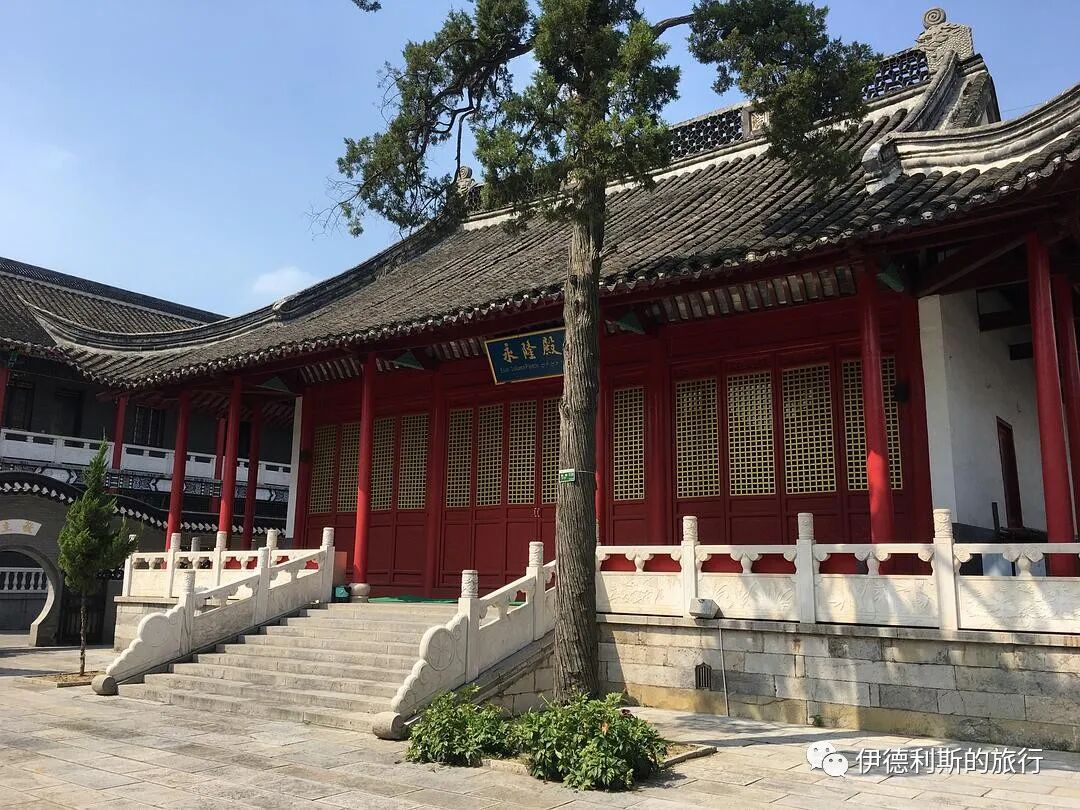
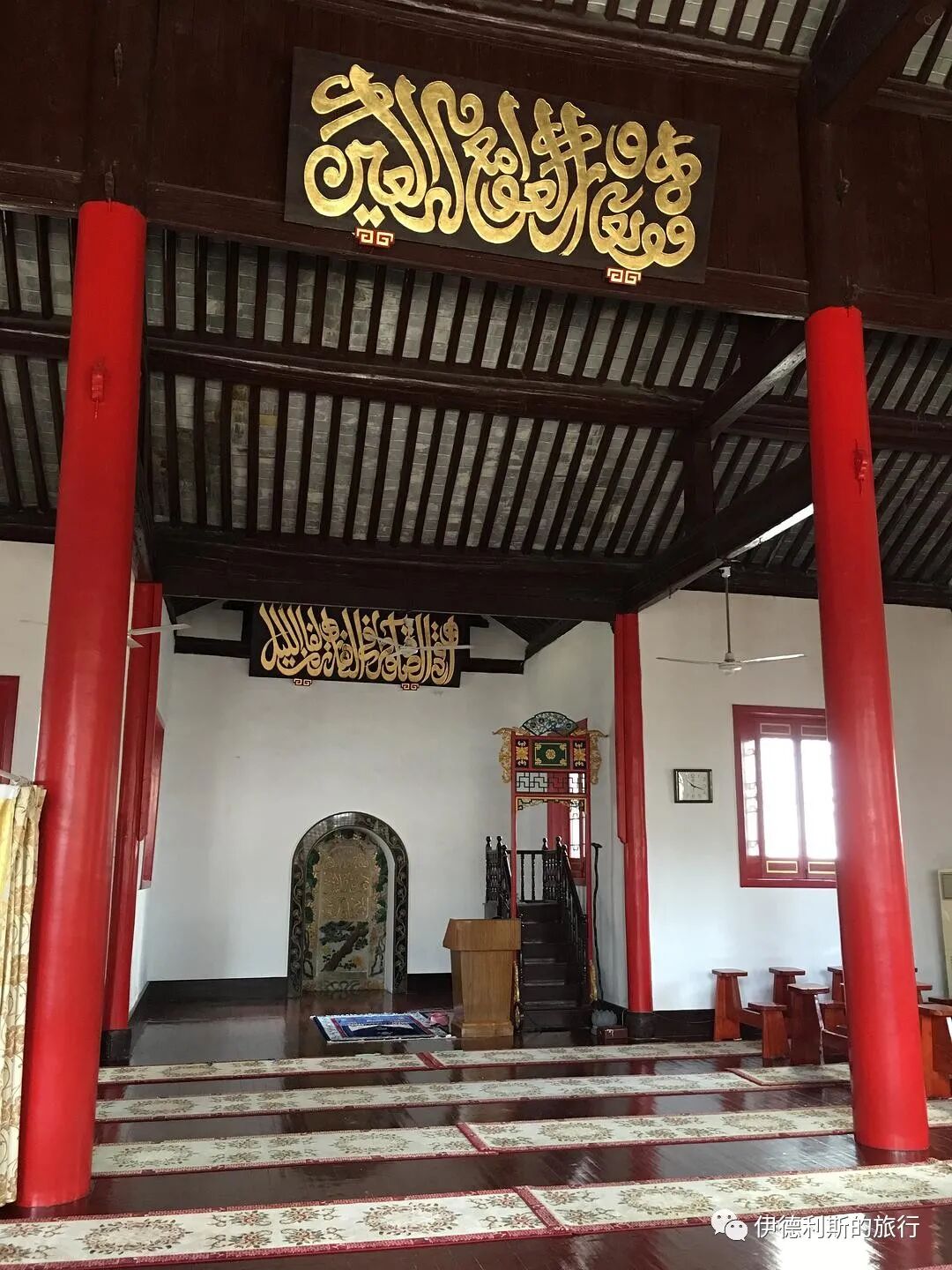
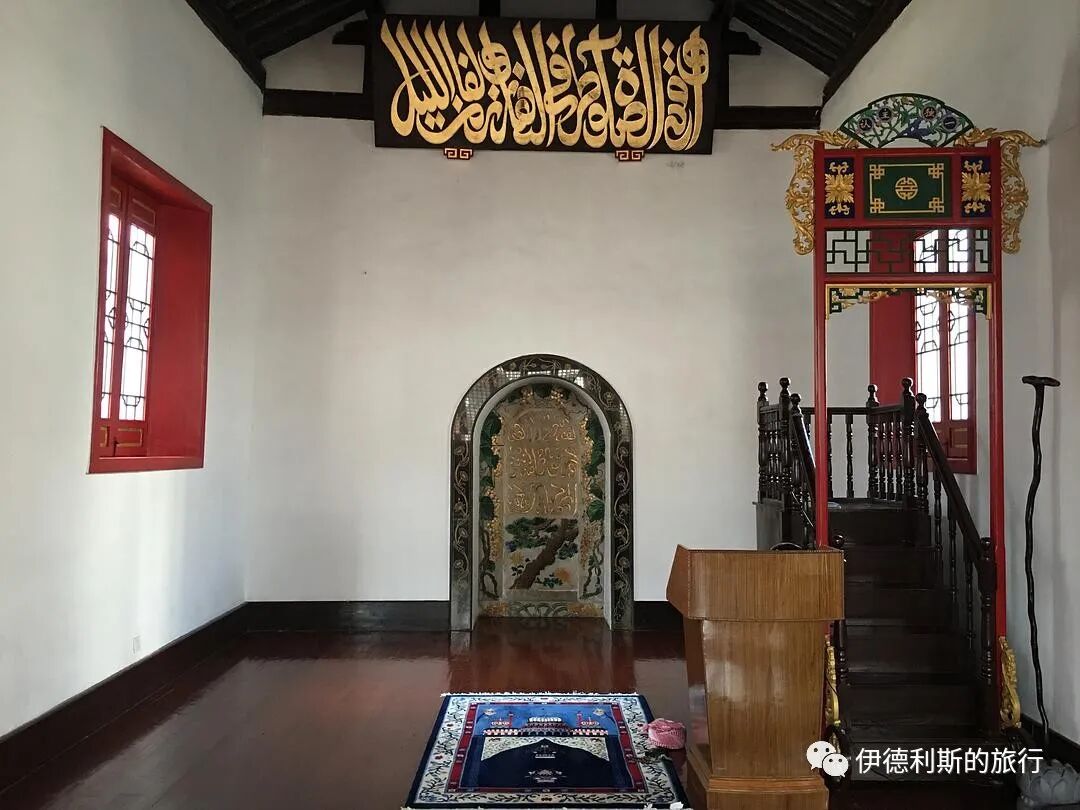
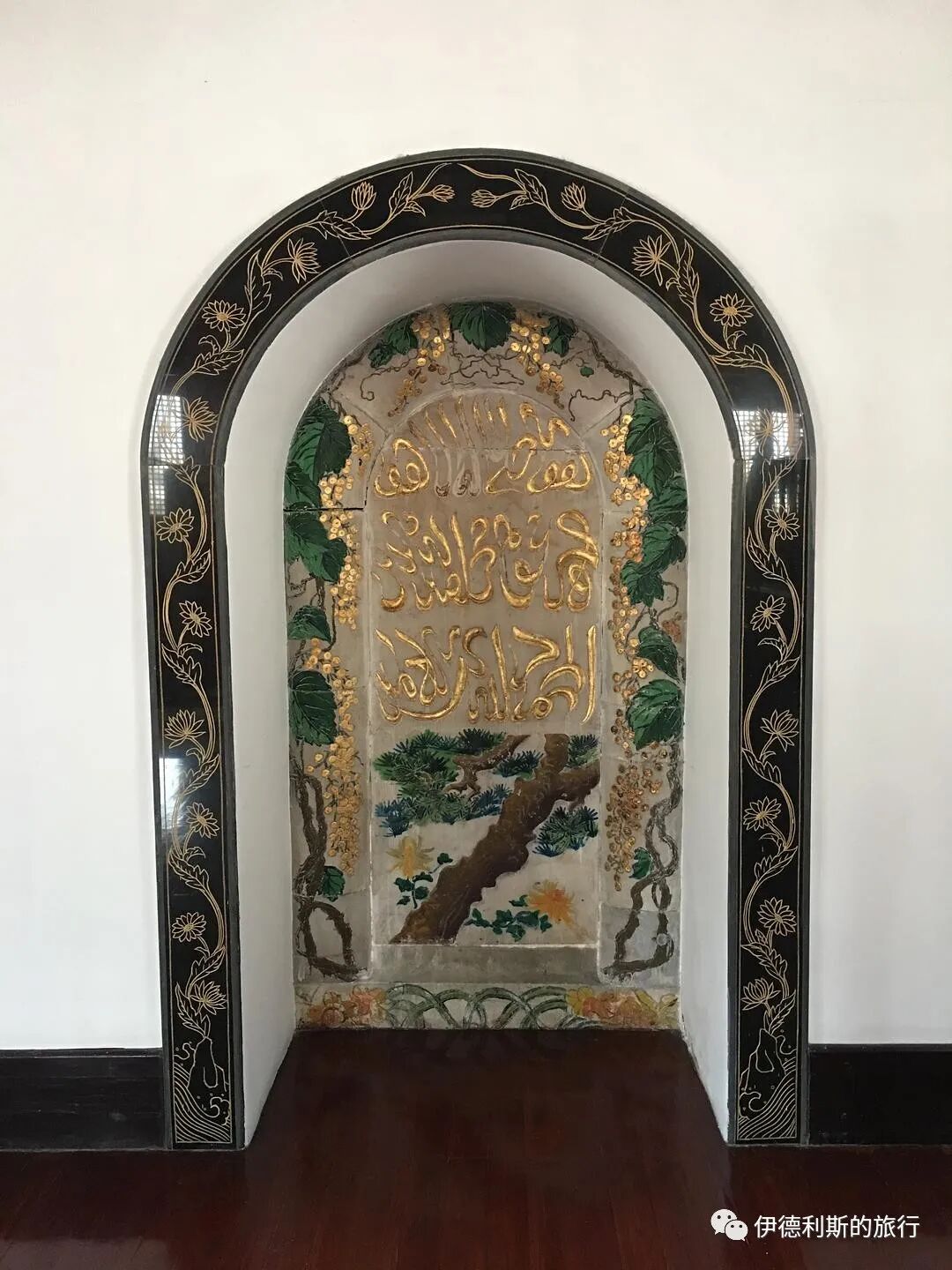
Summary: This travel note introduces Sixteen Traditional Mosques in Jiangsu (Part 2). The mihrab of the main prayer hall was built in 2001. It is useful for readers interested in Java Mosques, Muslim Travel, Islamic Heritage.
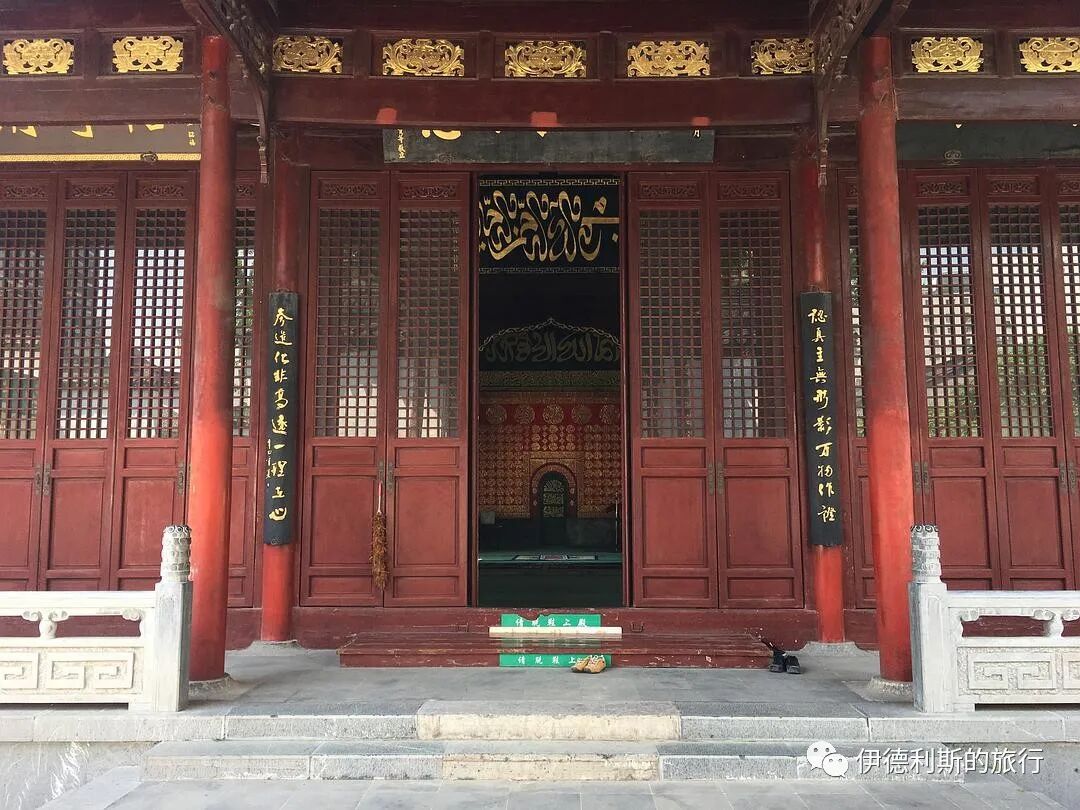
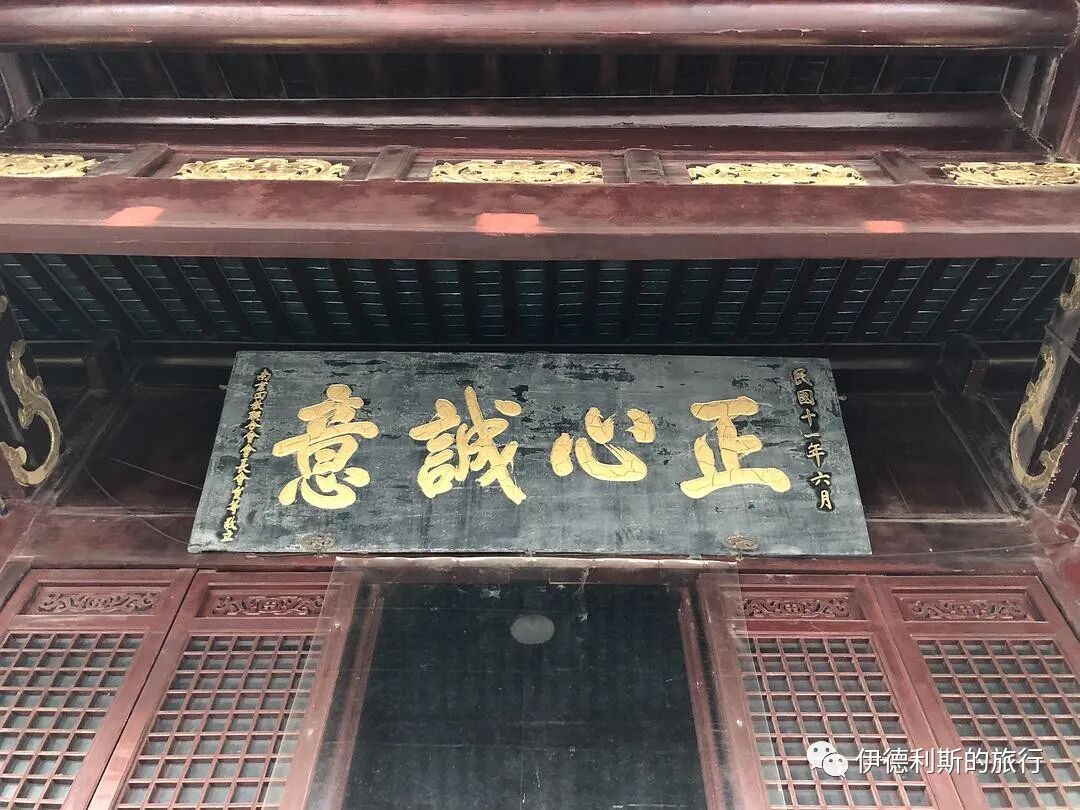
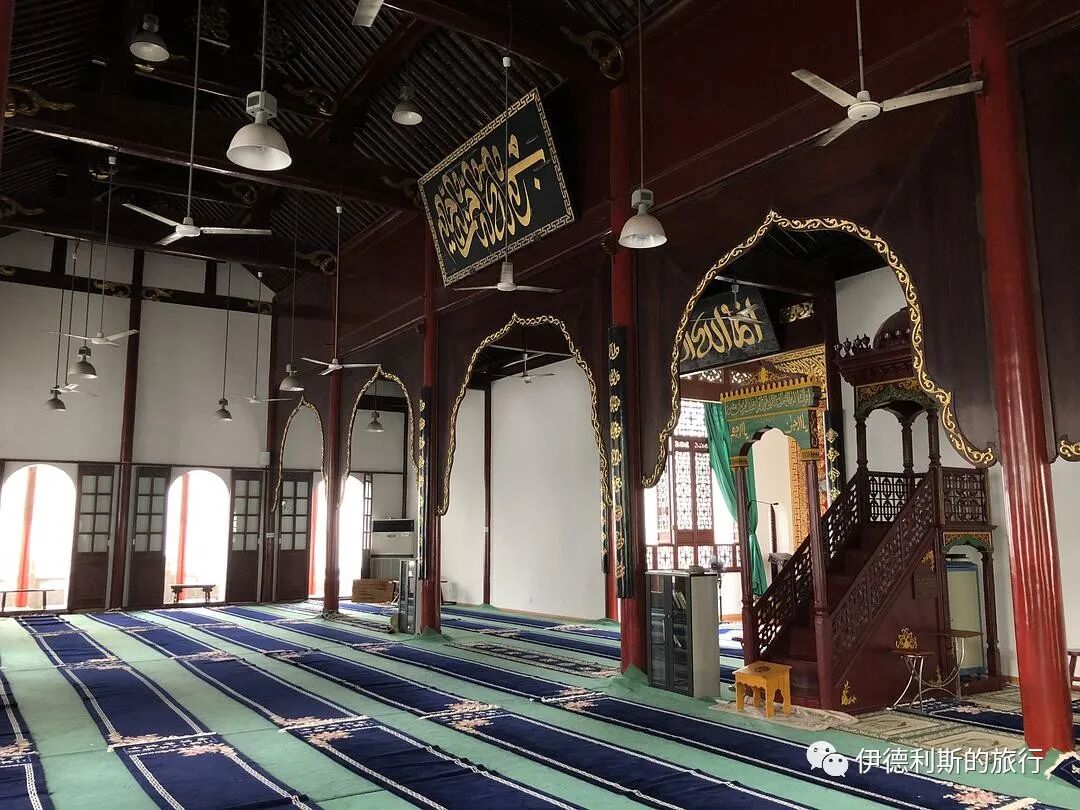
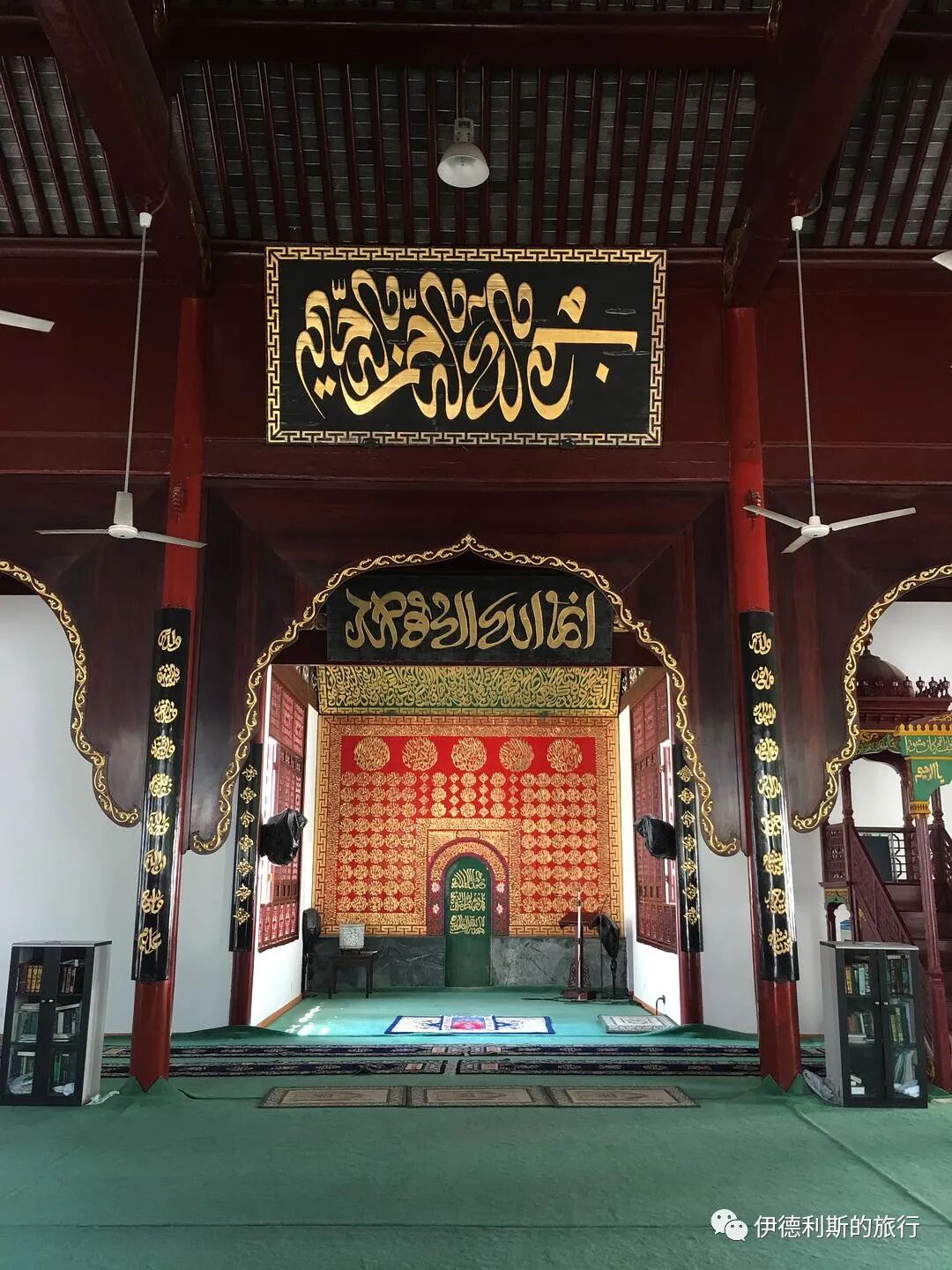
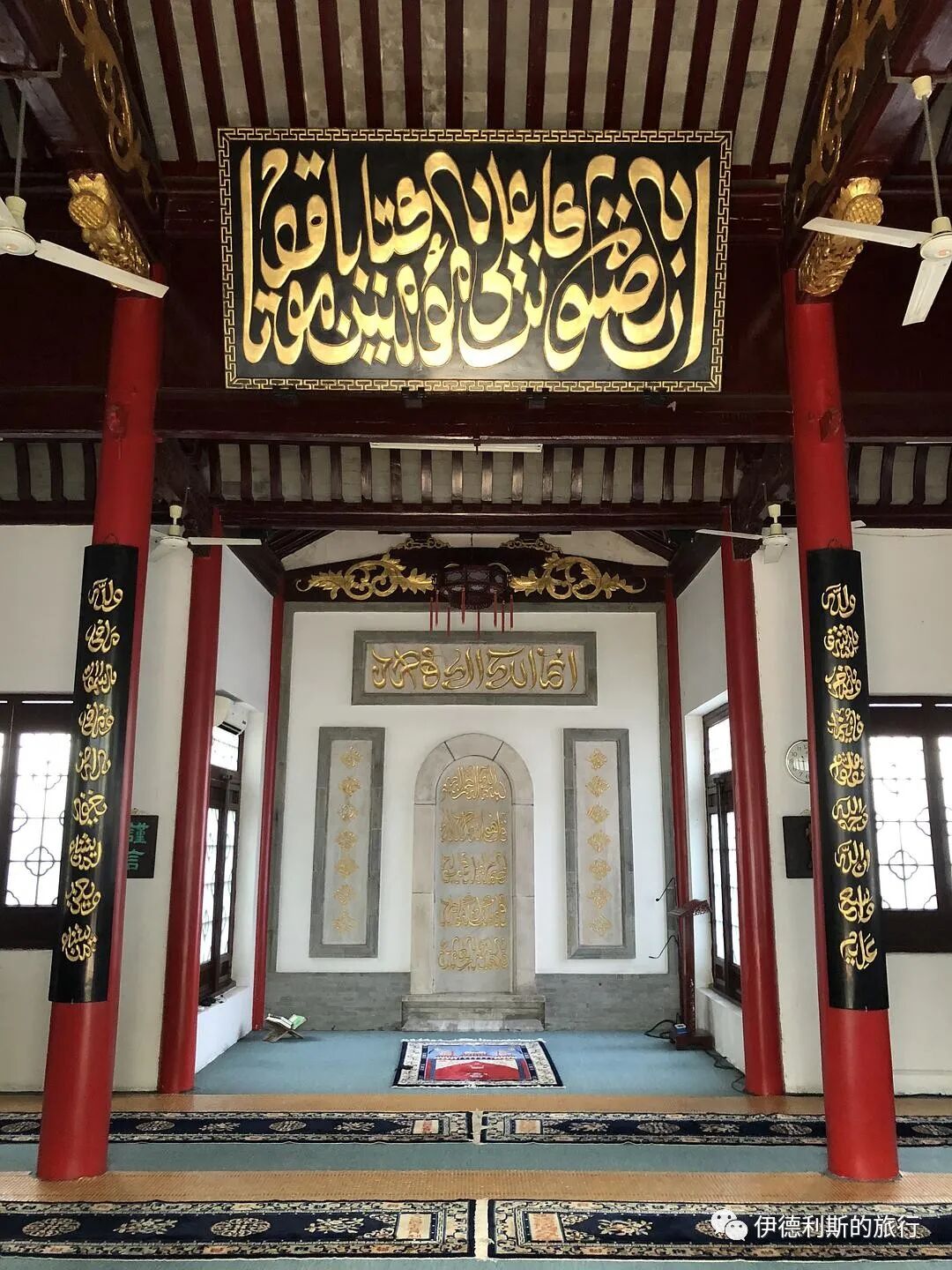
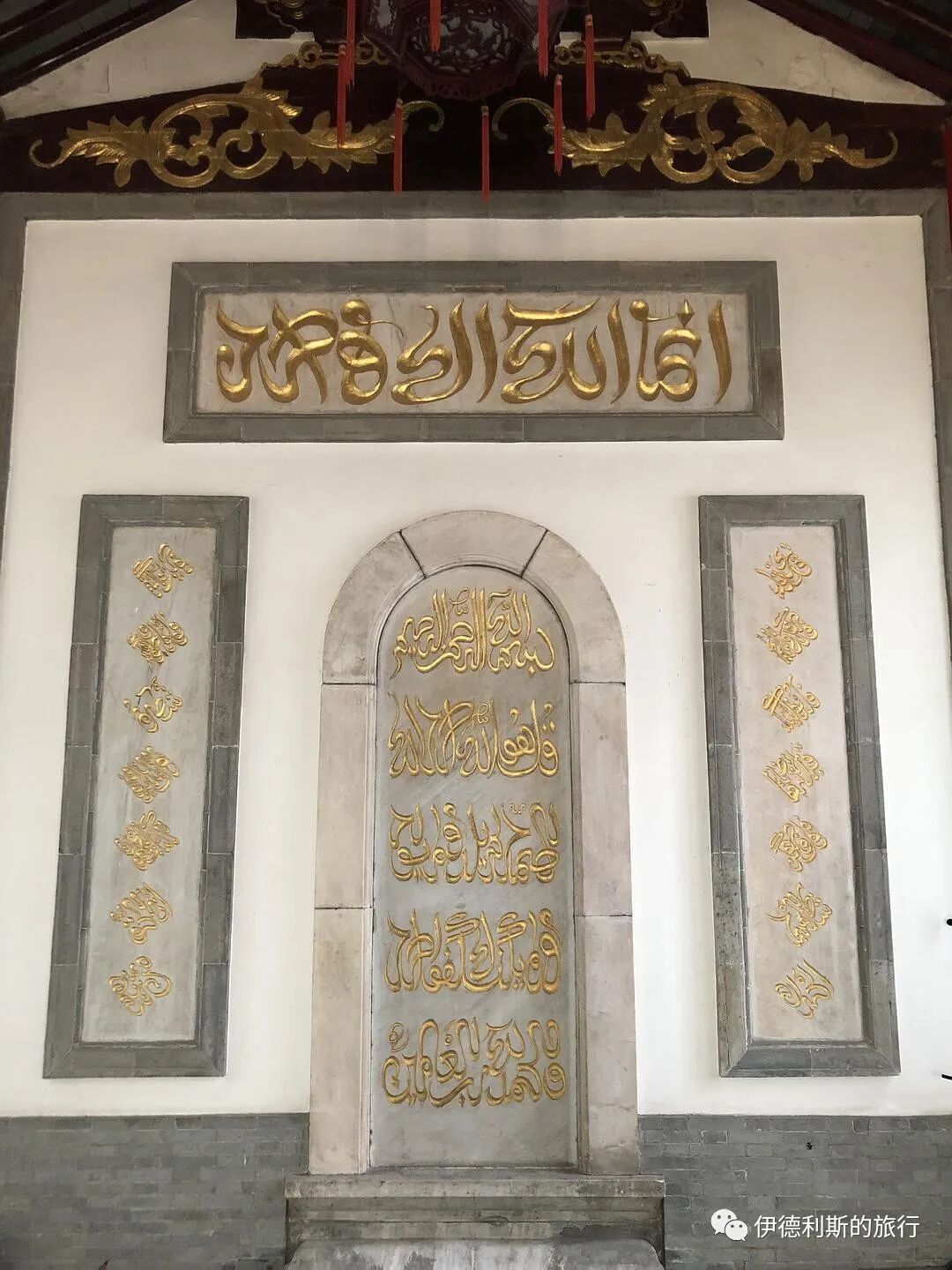
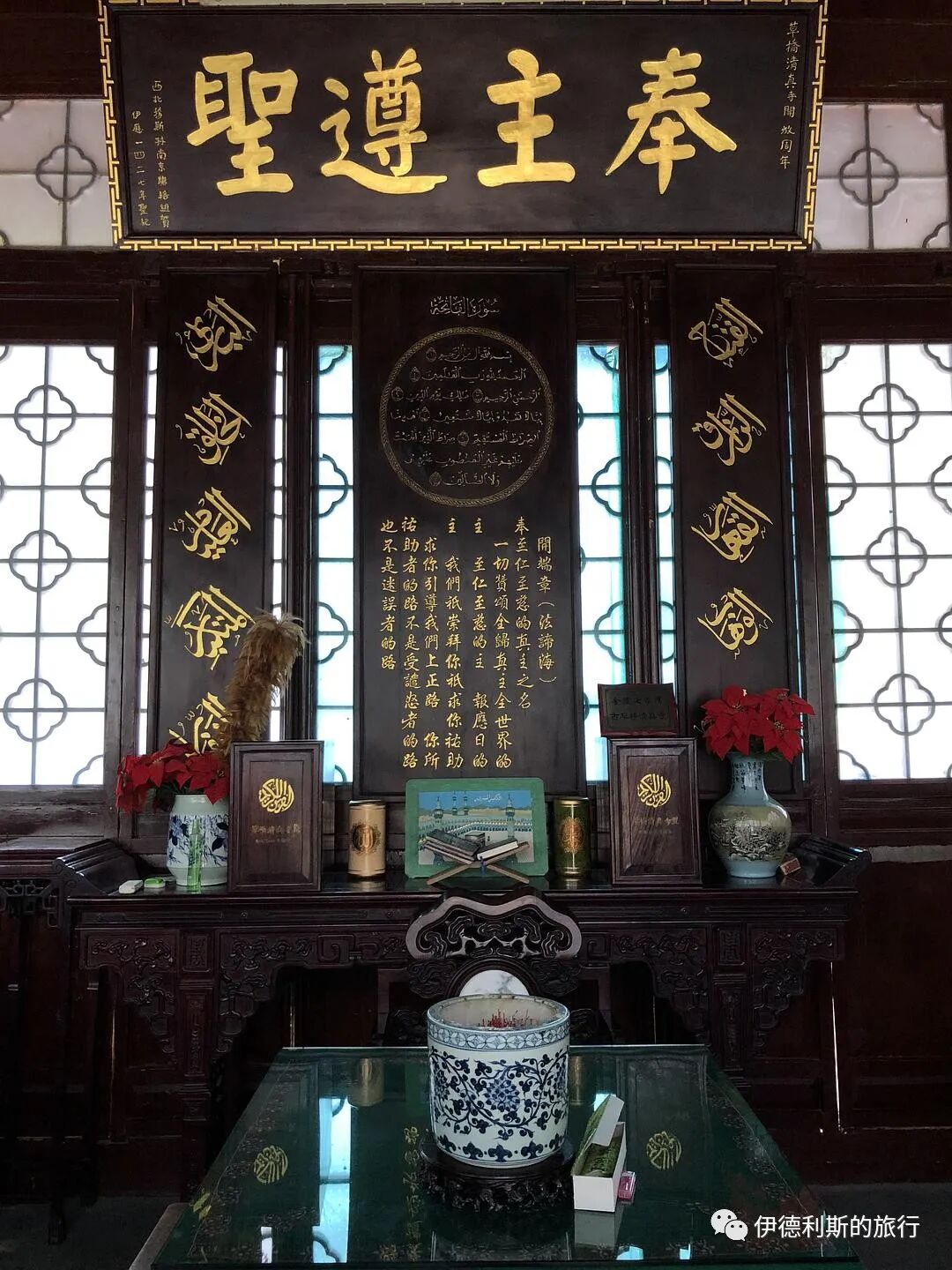
The mihrab of the main prayer hall was built in 2001.
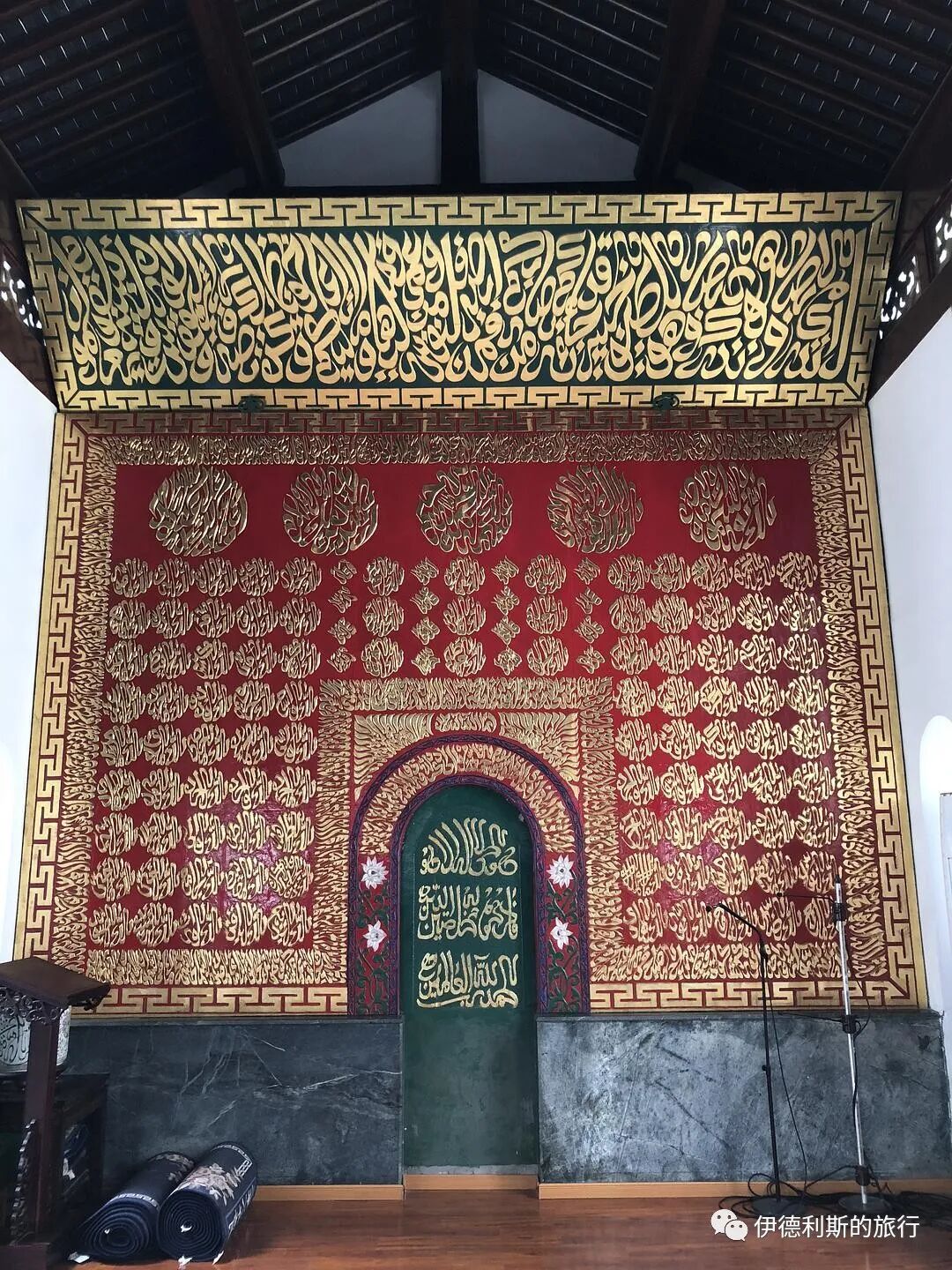
2. Caoqiao Mosque (formerly Taiping Road Mosque): rebuilt in 2005.
The current Caoqiao Mosque in Qijiawan is 40 meters away from the original Caoqiao Mosque. In 1997, because the widening of Dading Lane occupied the Caoqiao Mosque, the Jianye District government proposed a land swap, which the Islamic Association agreed to. In 2003, after the historic buildings of the Caoqiao Mosque and the Taiping Road Mosque were demolished, the architectural components of the main hall and the second hall of the Taiping Road Mosque were rebuilt at the new site, and completed in 2005. The current name of the 'Cultural Relics Protection Unit' is 'Former Taiping Road Mosque'.
Caoqiao Mosque was built during the Qianlong reign of the Qing Dynasty, destroyed by fire during the Taiping Rebellion, and rebuilt in the early years of the Tongzhi reign. Because it is located in Qijiawan, a residential area for Muslims, the Caoqiao Mosque community is the most prominent in Nanjing. During the Cultural Revolution, Caoqiao Mosque was occupied by a factory and later rented to the Nanjing Woodware Factory, suffering severe damage. In 2003, Caoqiao Mosque was completely demolished.
Taiping Road Mosque was originally named Huapailou Mosque. Legend has it that it was built by Chang Yuchun in the early Ming Dynasty, destroyed during the Taiping Rebellion, and later rebuilt. After the old mosque was demolished in 1924, Nanjing wealthy merchant Jiang Guobang and his brothers donated funds to rebuild a new mosque on the south side, which was still called Huapailou Mosque. When the road was widened in 1931, the gate tower was demolished. Huapailou was renamed Taiping Road, and Huapailou Mosque was also renamed Taiping Road Mosque. In 1945, the China Islamic National Salvation Association moved into the Taiping Road Mosque and was renamed the China Islamic Association. Its first chairman was Bai Chongxi, and it was the highest Islamic organization in the country at the time until it moved to Taipei in 1949. During the Cultural Revolution, the Taiping Road Mosque was occupied by the 'Cultural and Martial Rebel Headquarters' and the 'Religious Circles Labor Service Agency'. It was reclaimed in 1978, reopened in 1980, designated as a municipal cultural protection unit in 1982, and demolished in 2003. The components of the main hall and the second hall were used to build the new Caoqiao Mosque.
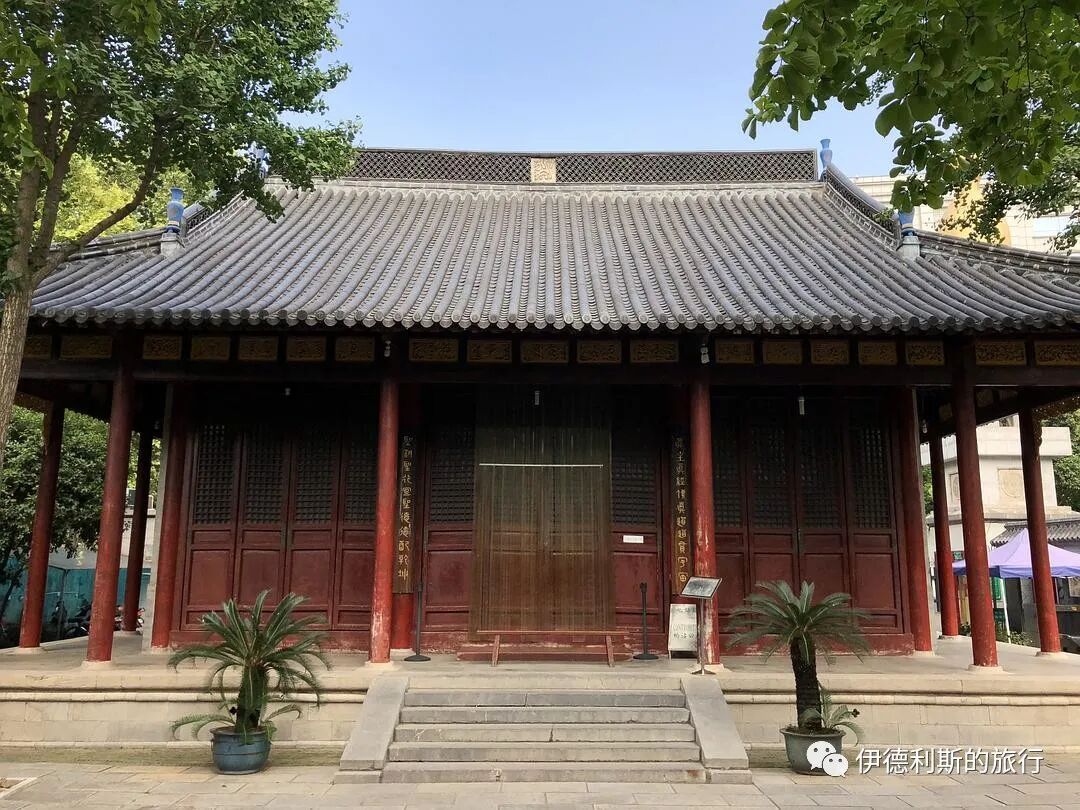
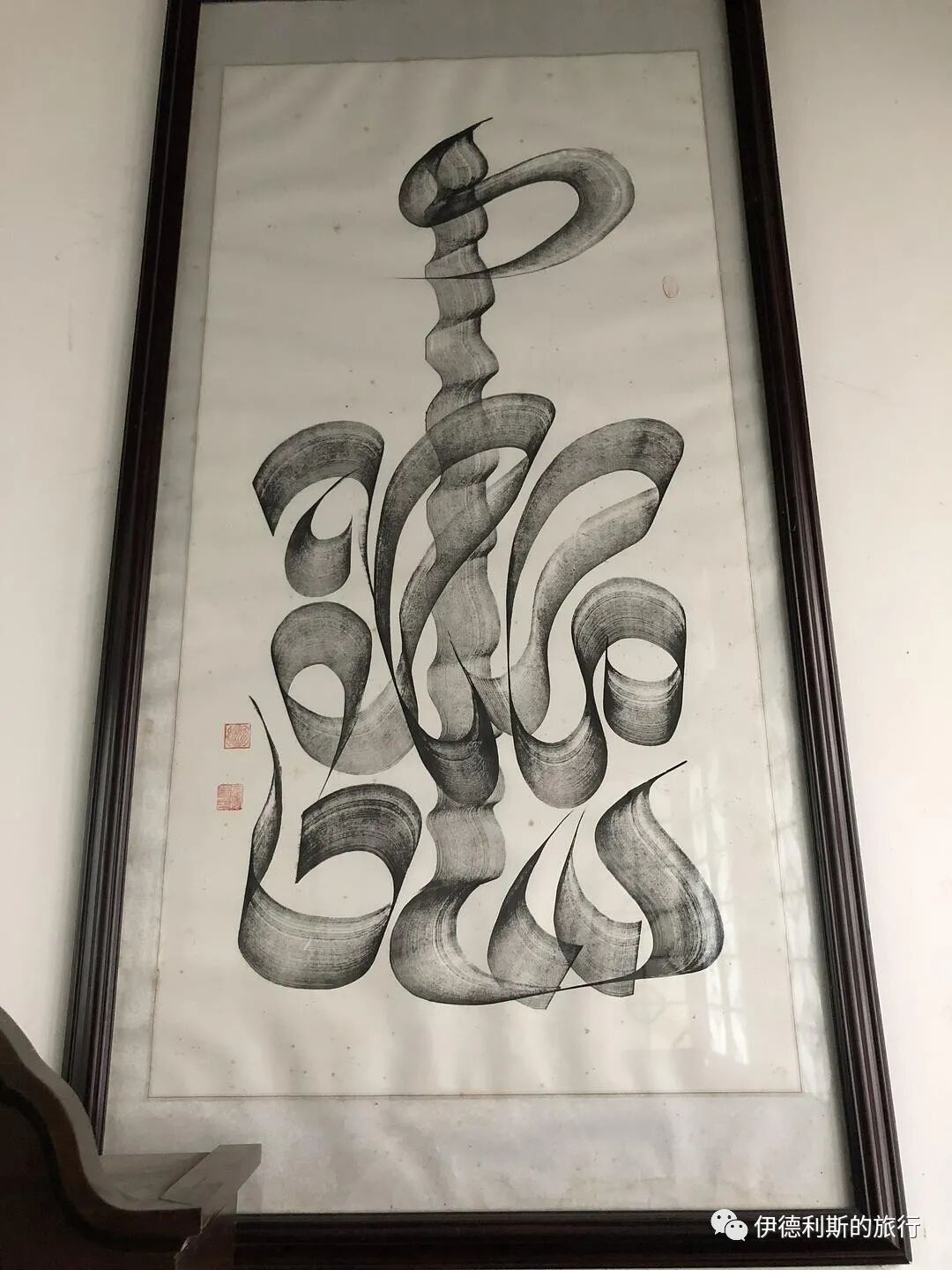
Taraweeh during Ramadan in 2016.
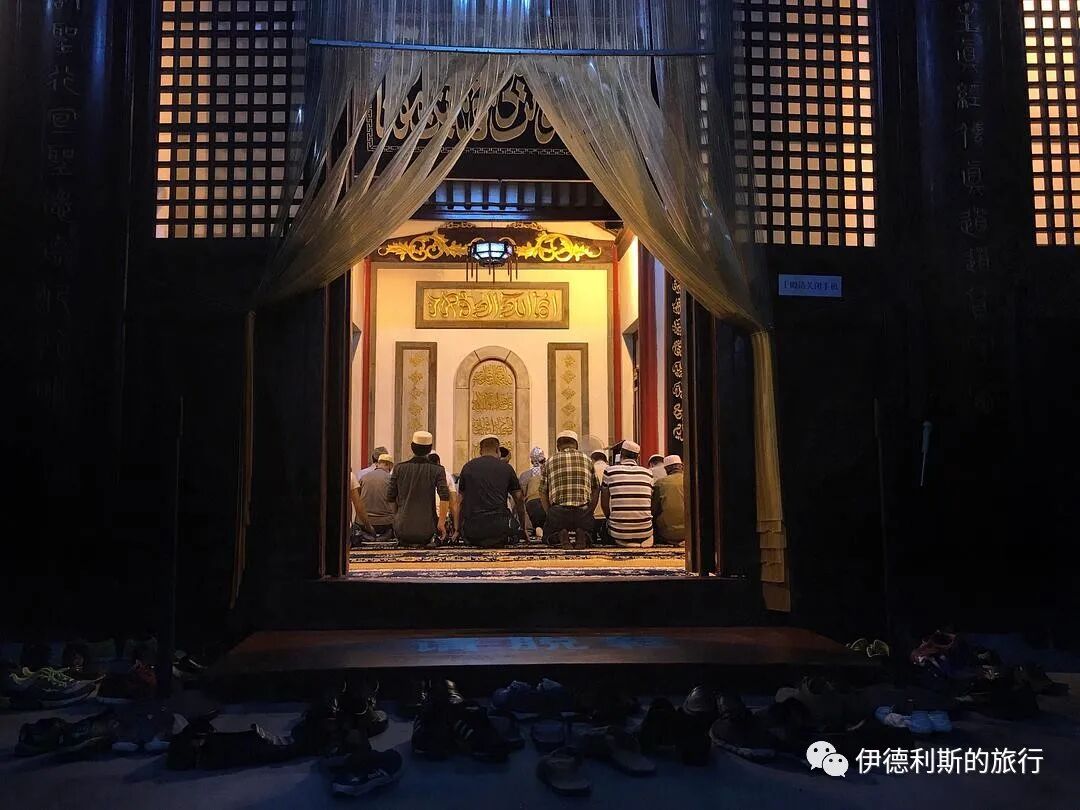
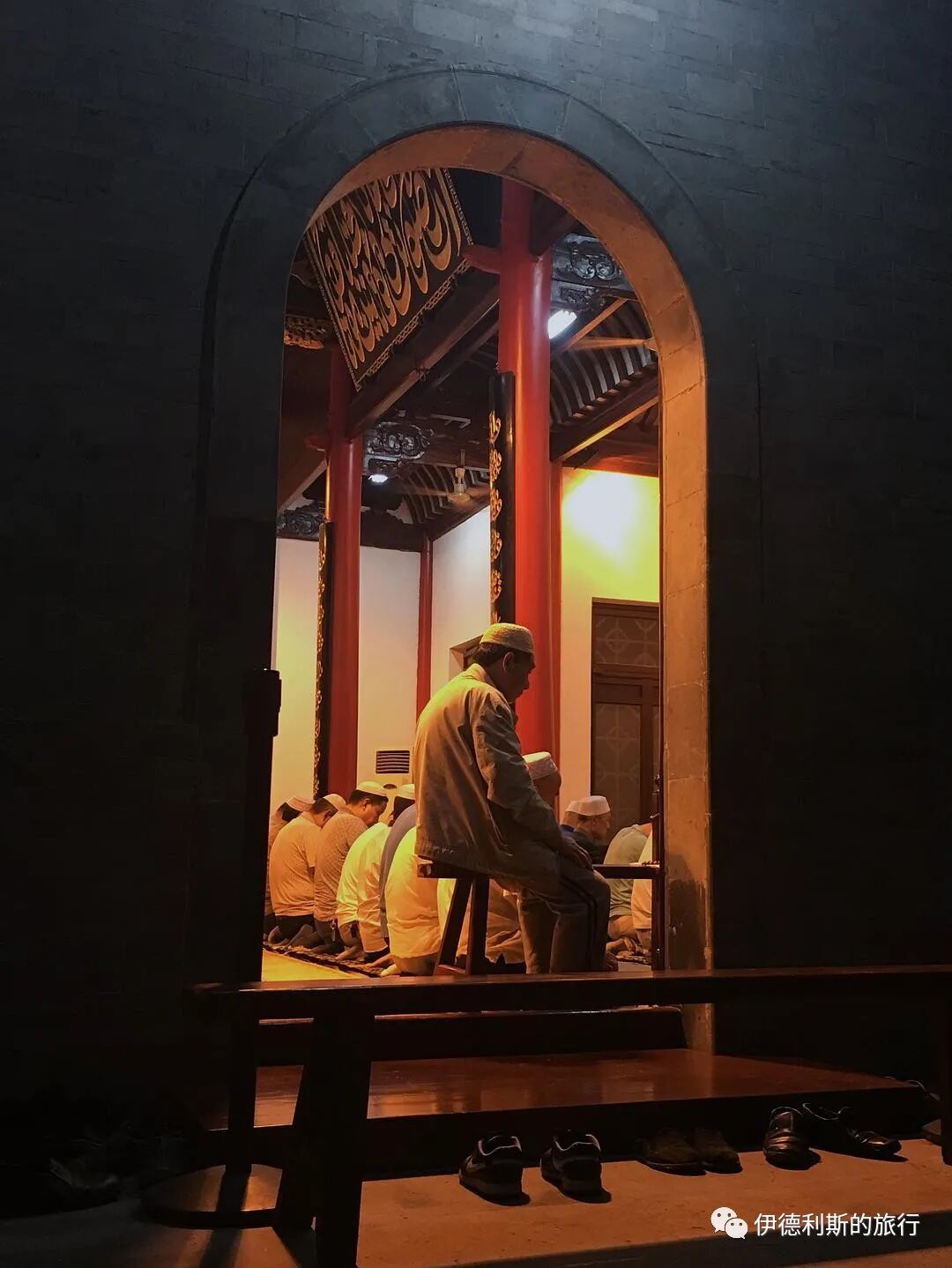
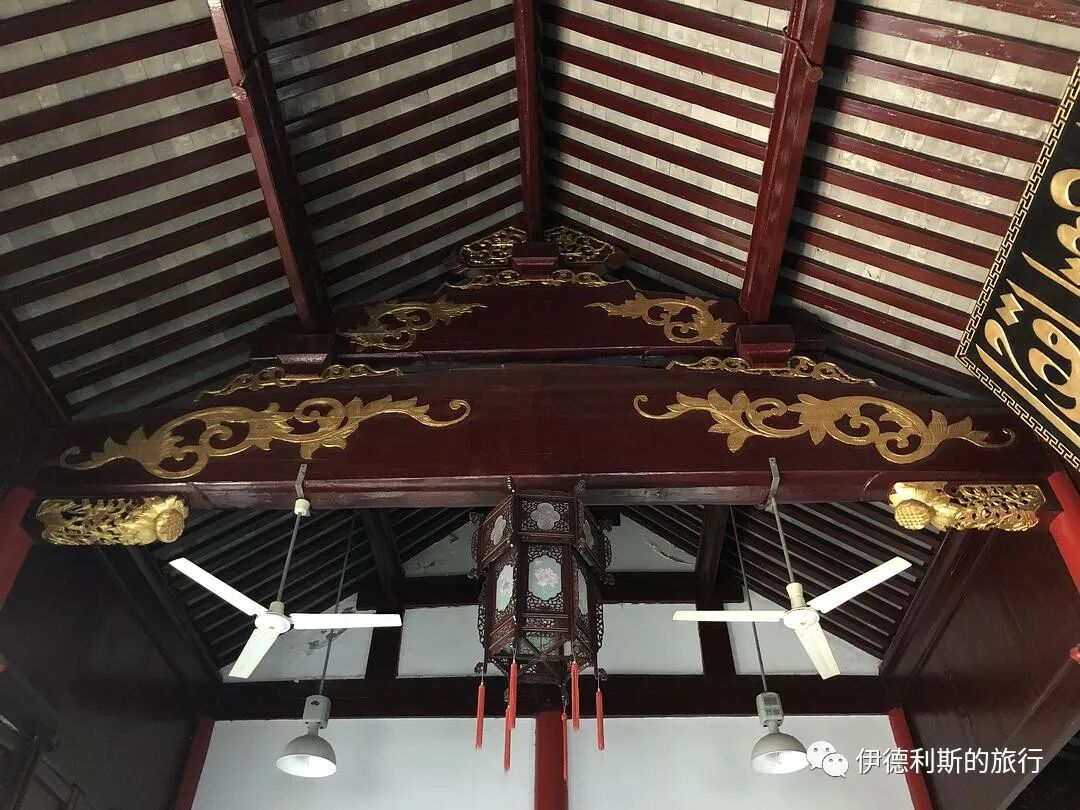
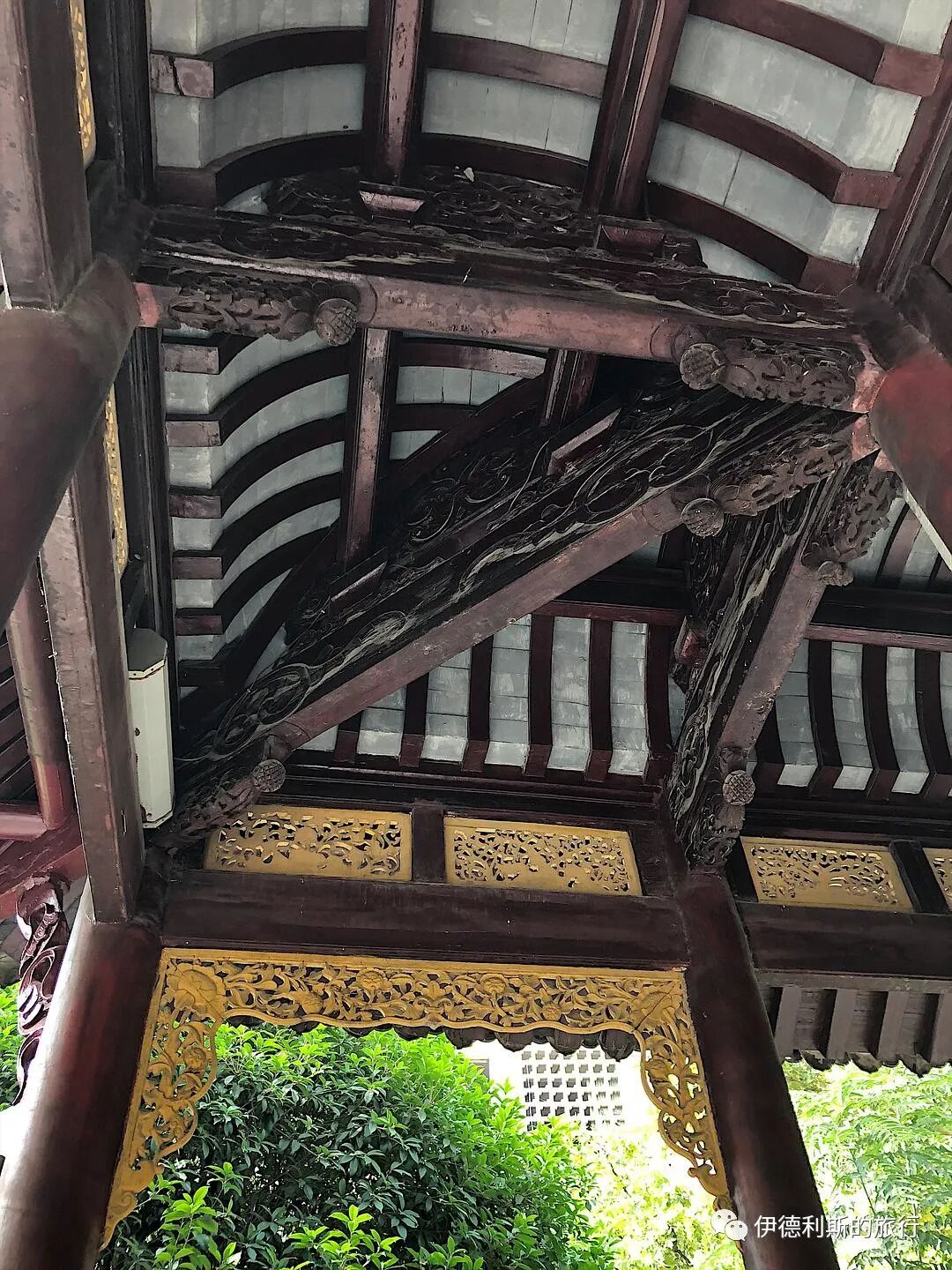
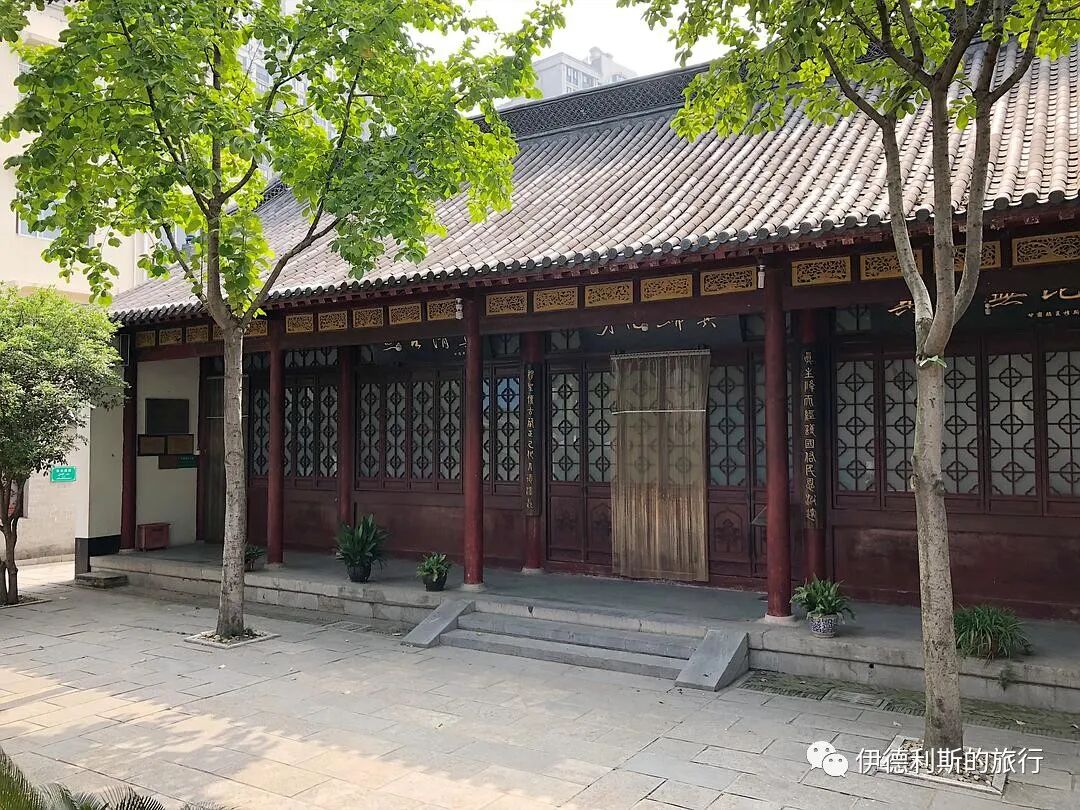
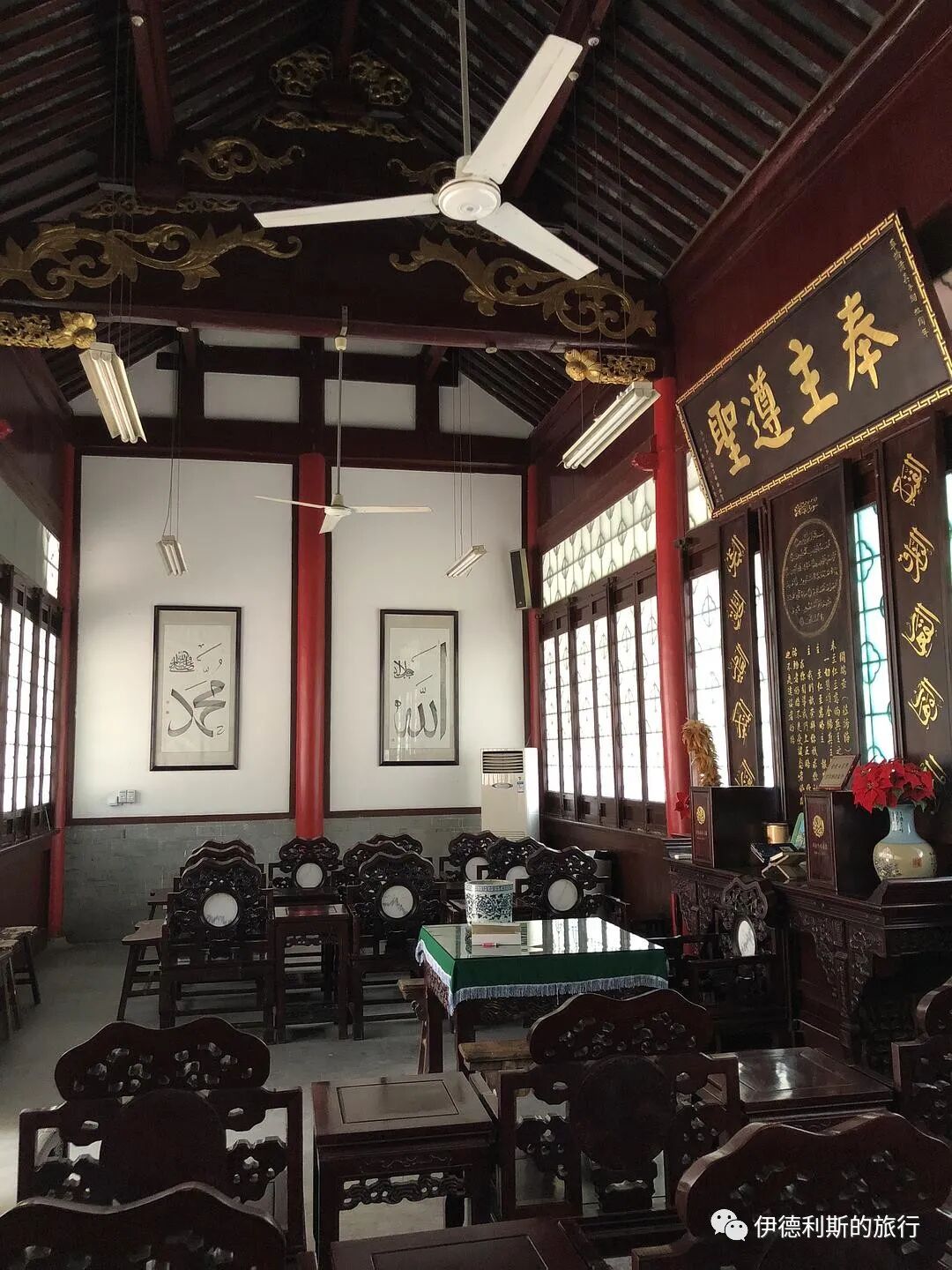
3. Xiaowangfu Lane Mosque.
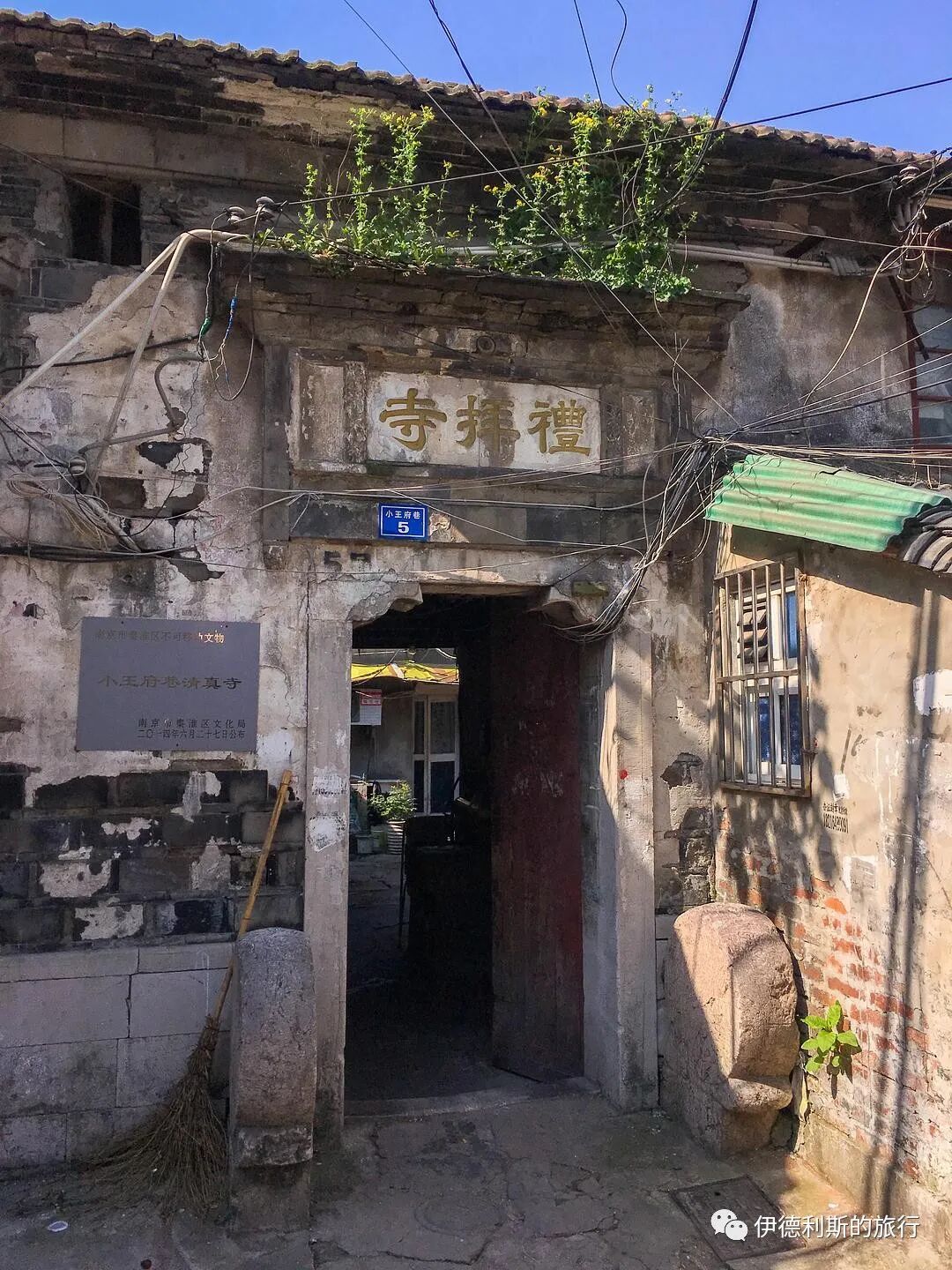
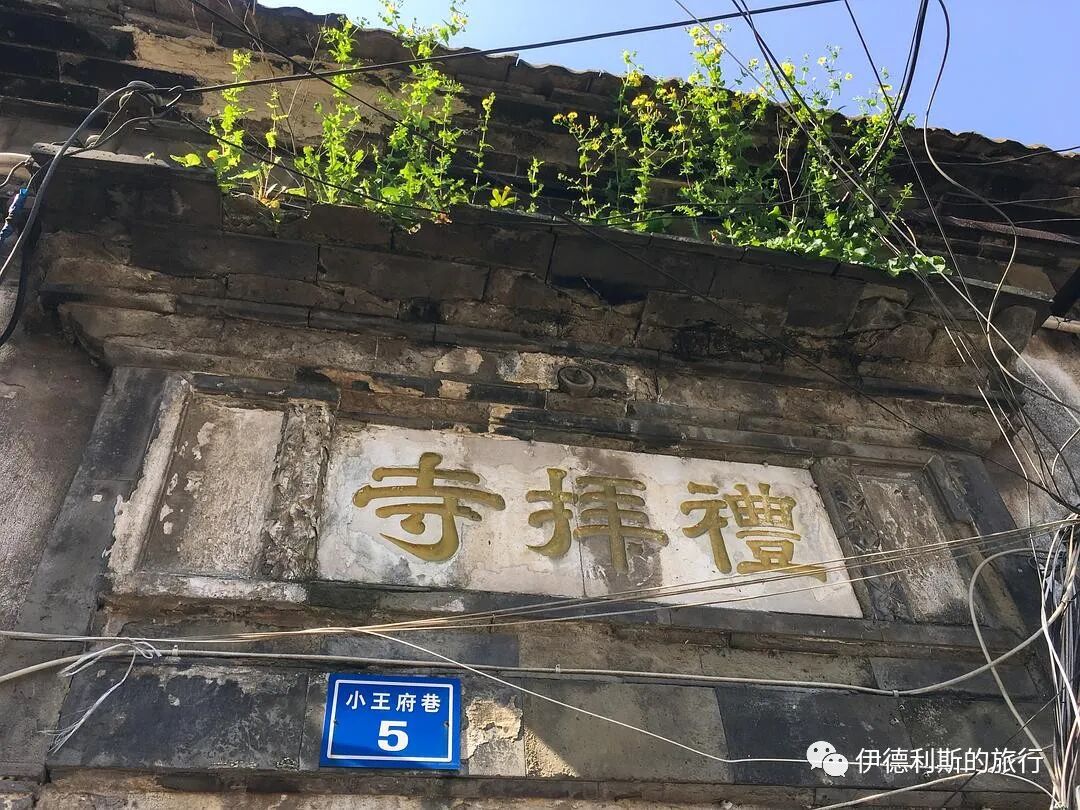
Next to Anleyuan is an abandoned Xiaowangfu Lane Mosque. I could not find any information about the Xiaowangfu Lane Mosque, only that a Wuben Primary School was founded here in 1917, until it was taken over by the government in 1951. Later, the mosque was occupied by the Wire and Cable Factory as a staff dormitory, which it remains to this day.
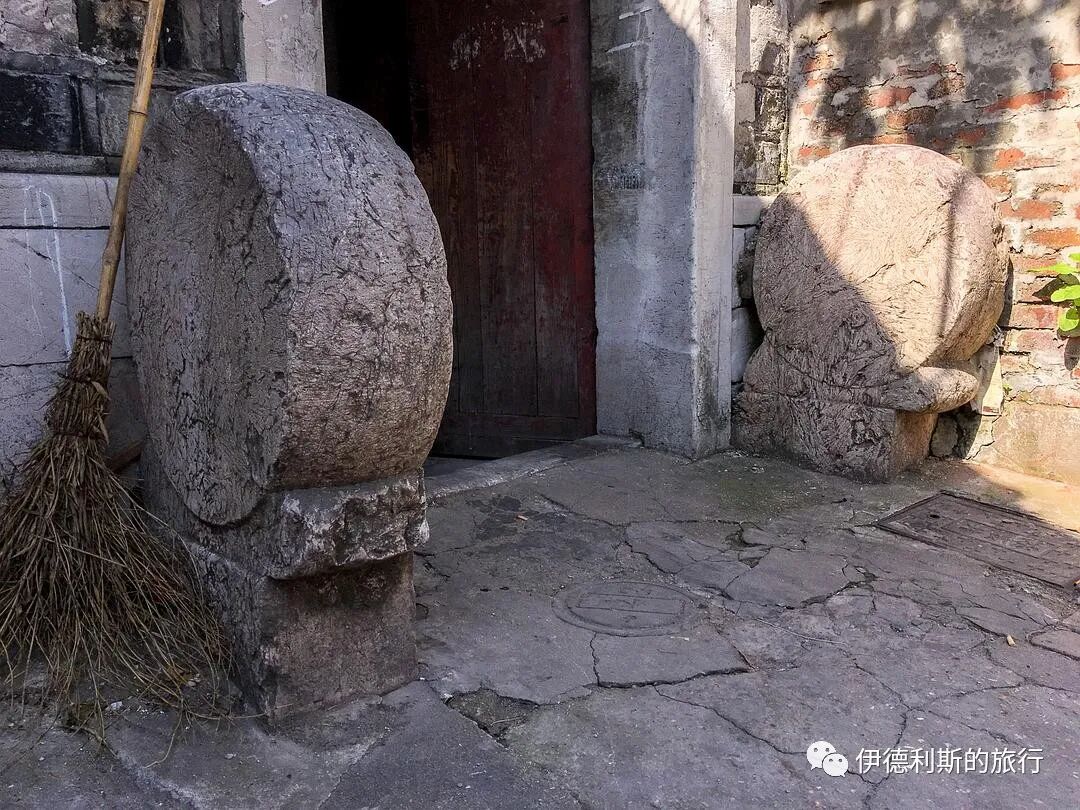
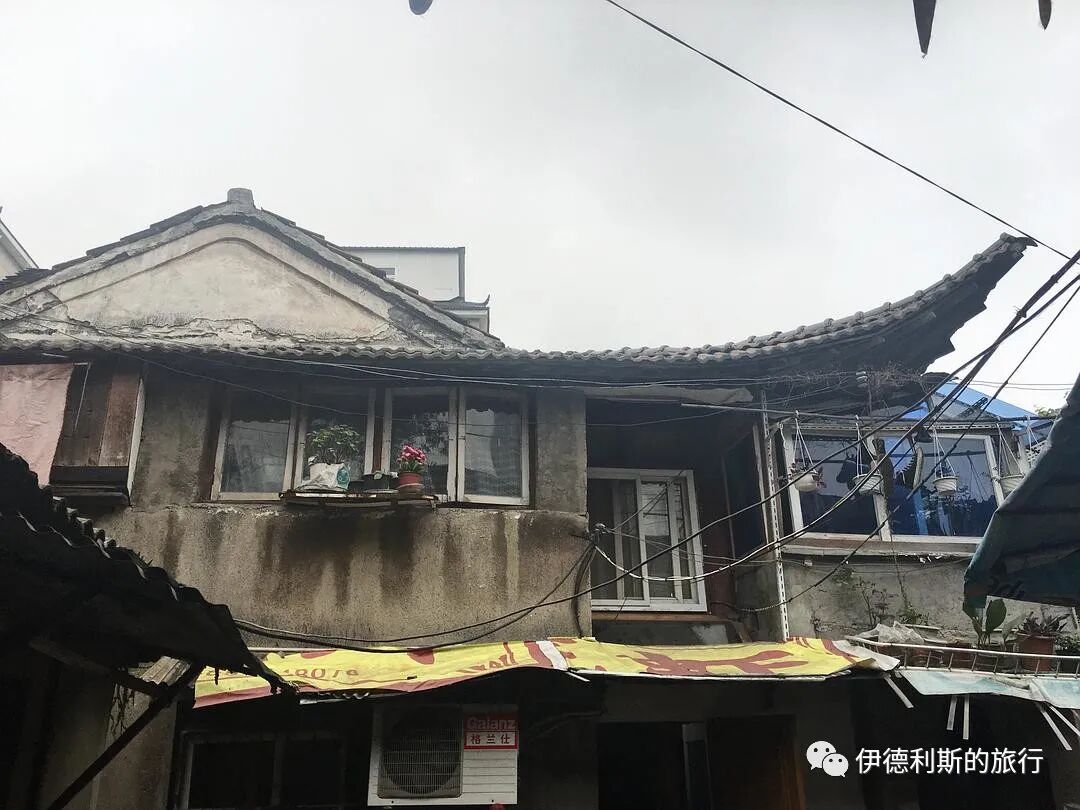
4. Hushu Mosque: rebuilt in 1896.
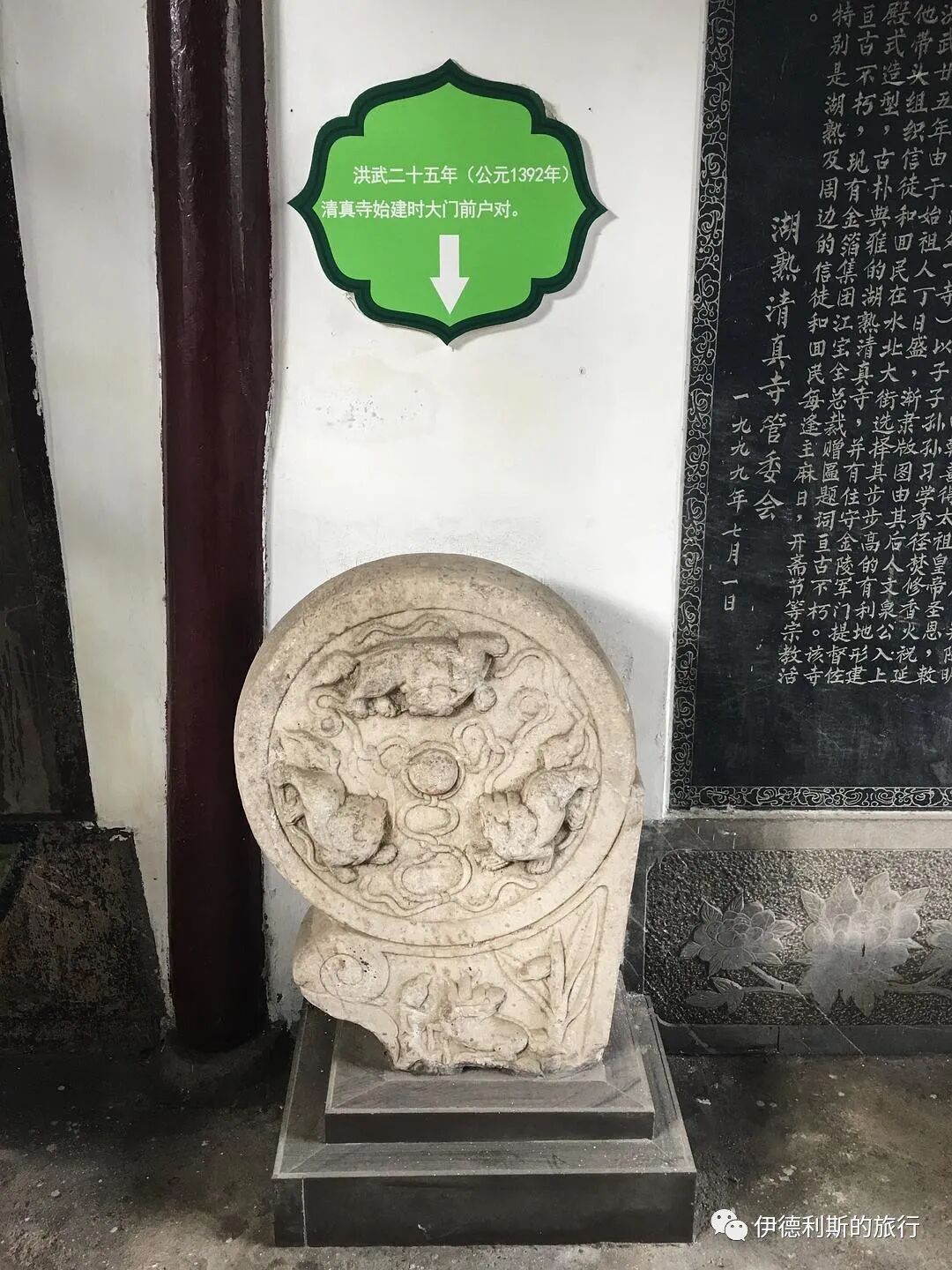
Hushu Mosque was first built in 1392 (the 25th year of Hongwu), destroyed during the Taiping Rebellion, and the main hall was rebuilt in 1896 (the 22nd year of Guangxu). In 1911, five tile-roofed rooms were built on the left side in front of the main hall: the left was the water room, the right was the dormitory, and the middle was the guest hall. In 1919, three rooms of the front hall, five rooms of the main hall, and two rooms of the east wing of the main gate were renovated.
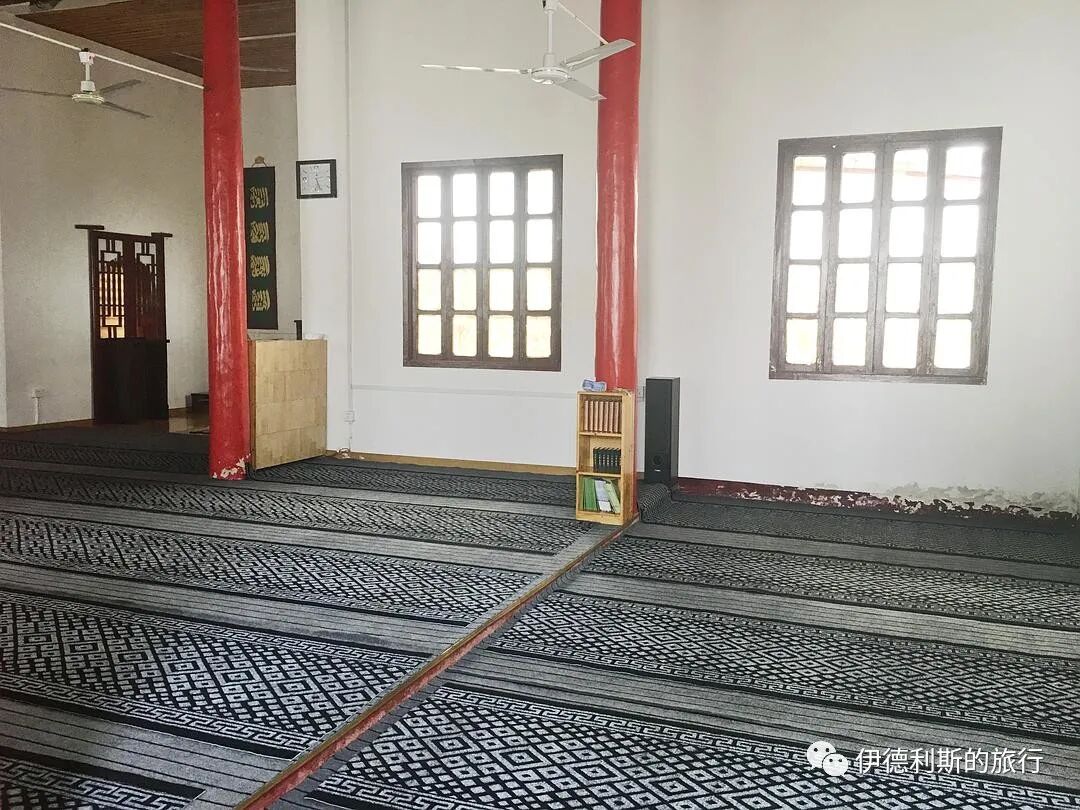
Around 1932, a primary school for Muslim children was established inside Hushu Mosque, and it moved out of the mosque in 1956. In 1964, the main hall of Hushu Mosque was demolished during the 'Four Clean-ups Movement', and it was occupied by the Hushu Straw Bag Factory, Hushu Hardware Factory, and Hushu Supply and Marketing Cooperative during the Cultural Revolution. The main hall was rebuilt in 1988. The roof of the main hall of Hushu Mosque was originally a palace-style building with flying eaves and upturned corners, but it was rebuilt with a flat roof after the renovation.
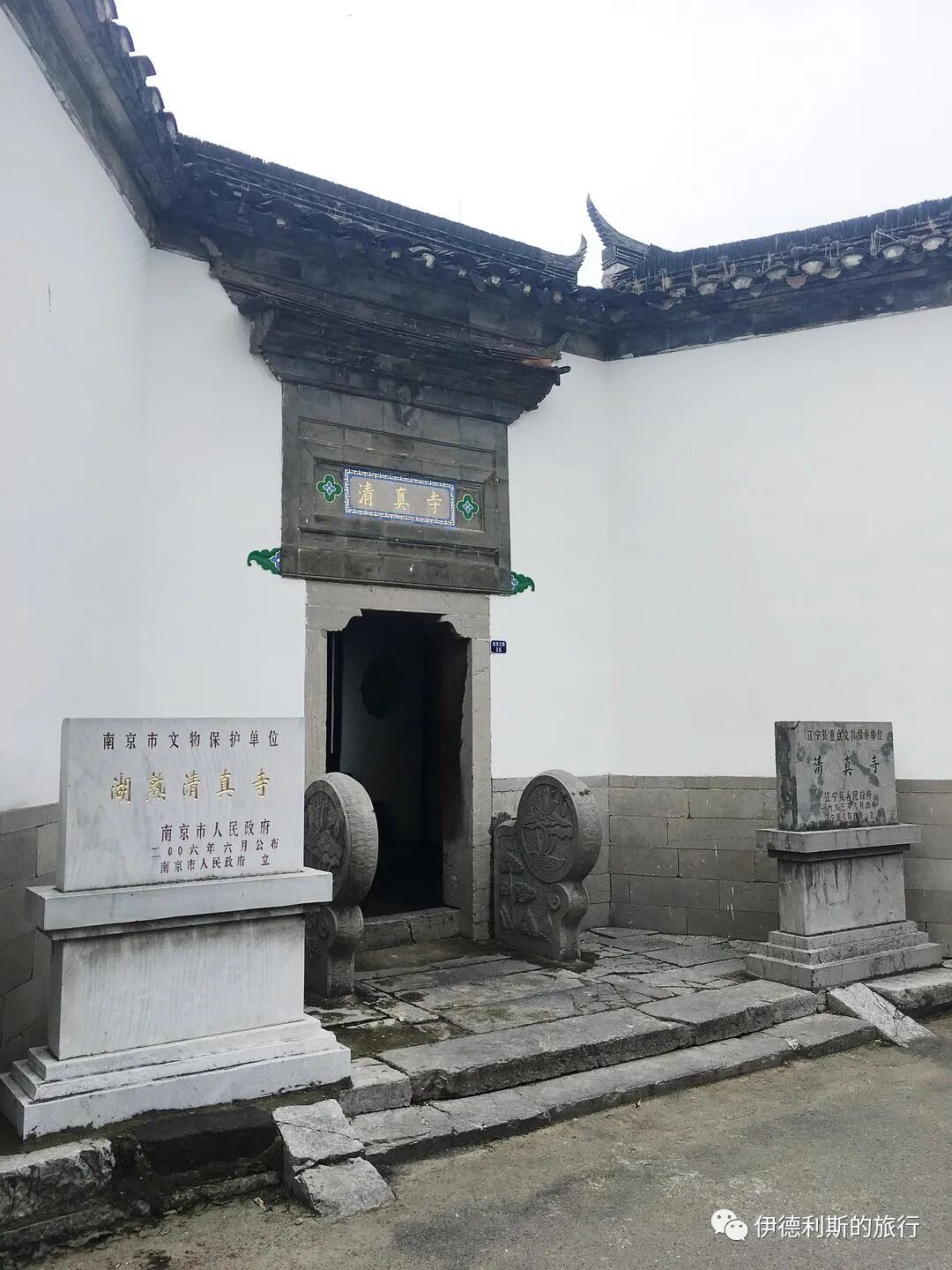
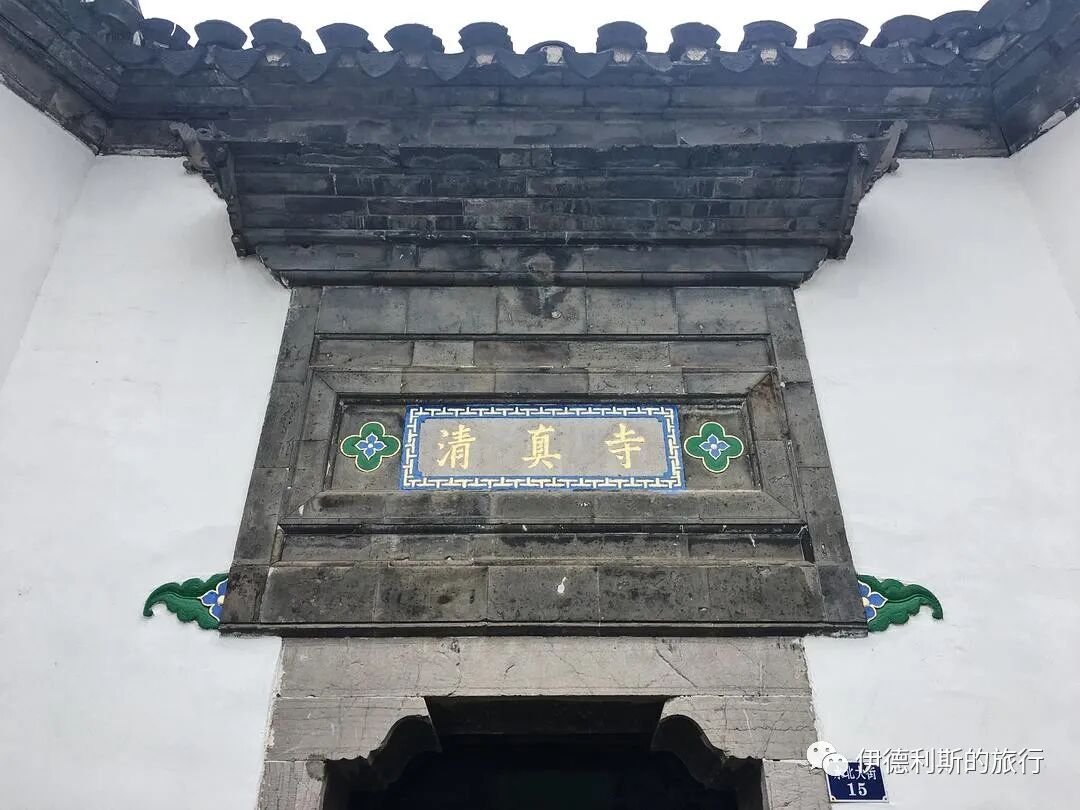
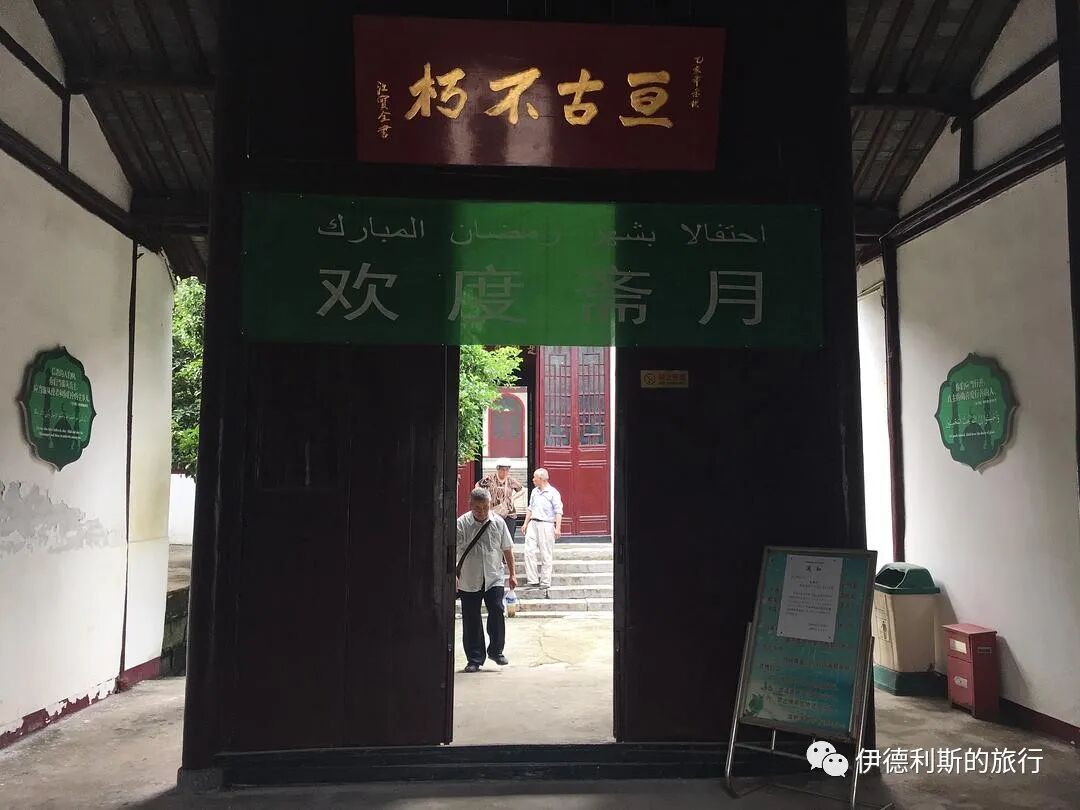
The gate pier from the original construction in 1392.
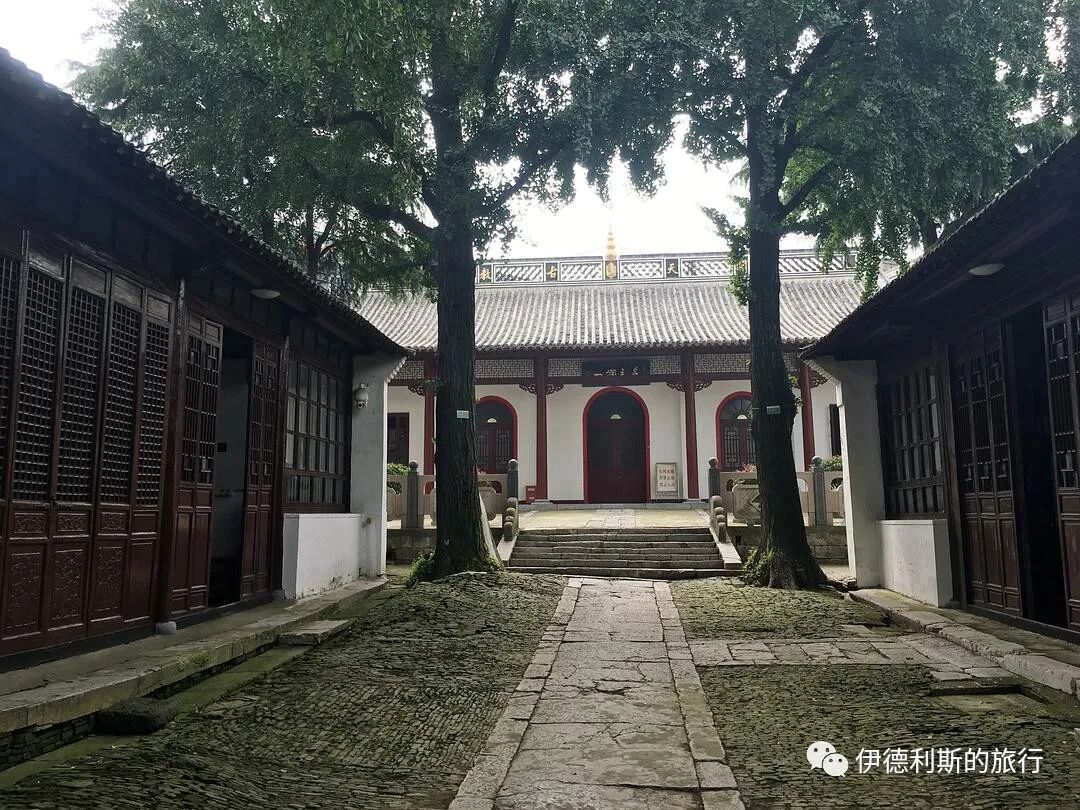
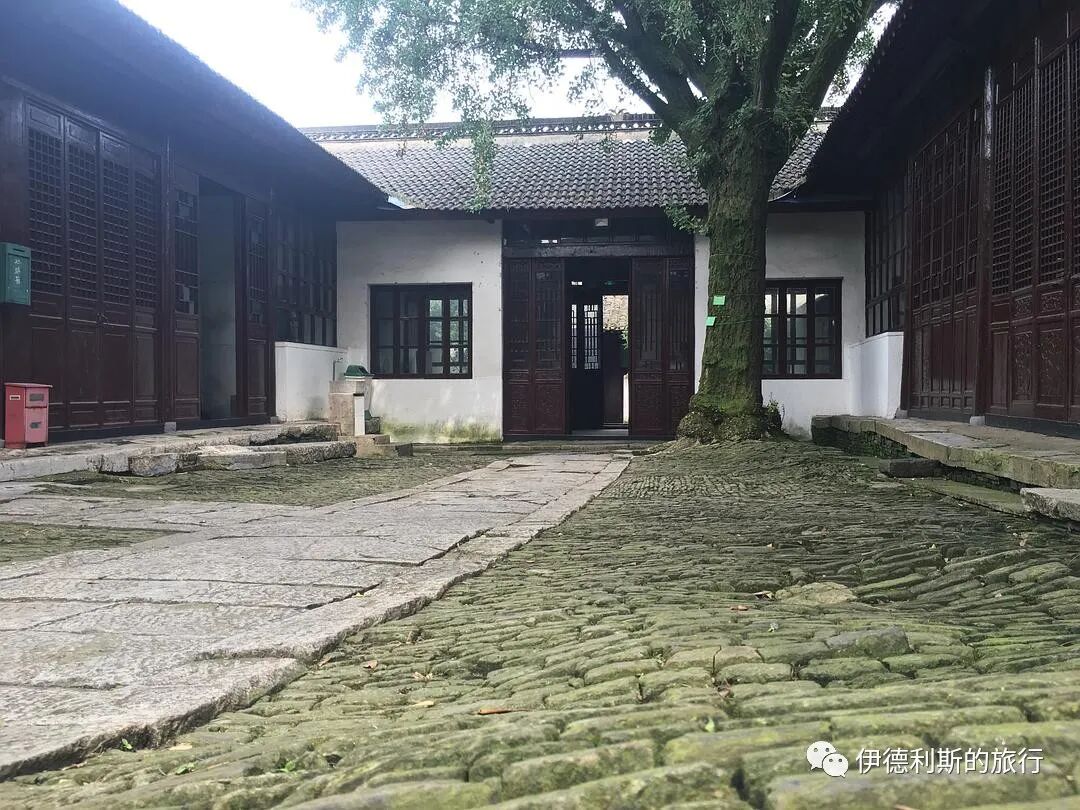
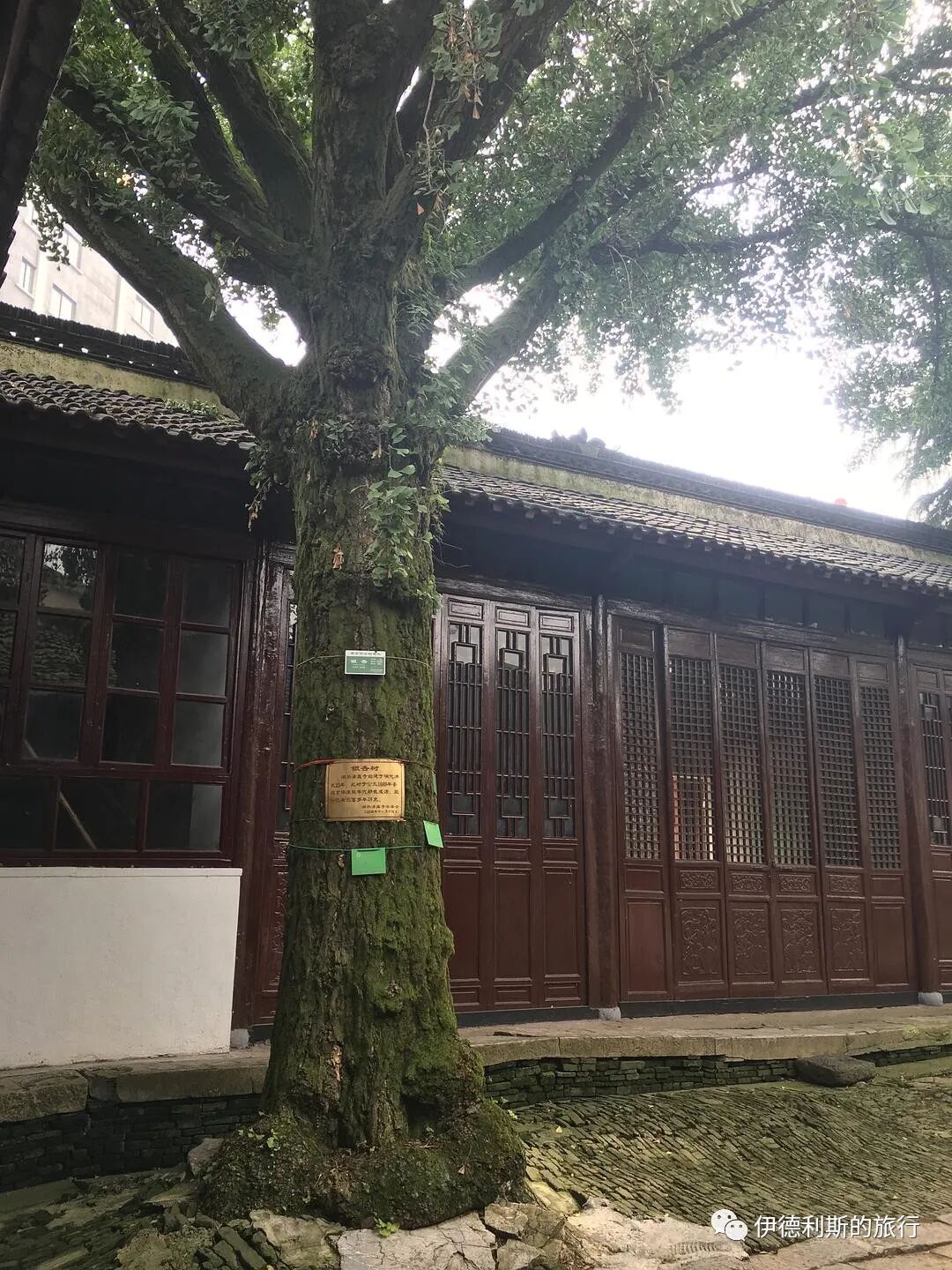
Ginkgo tree transplanted in 1689.
5. Liuhe Changjiang Road Mosque: rebuilt during the Guangxu reign of the Qing Dynasty.
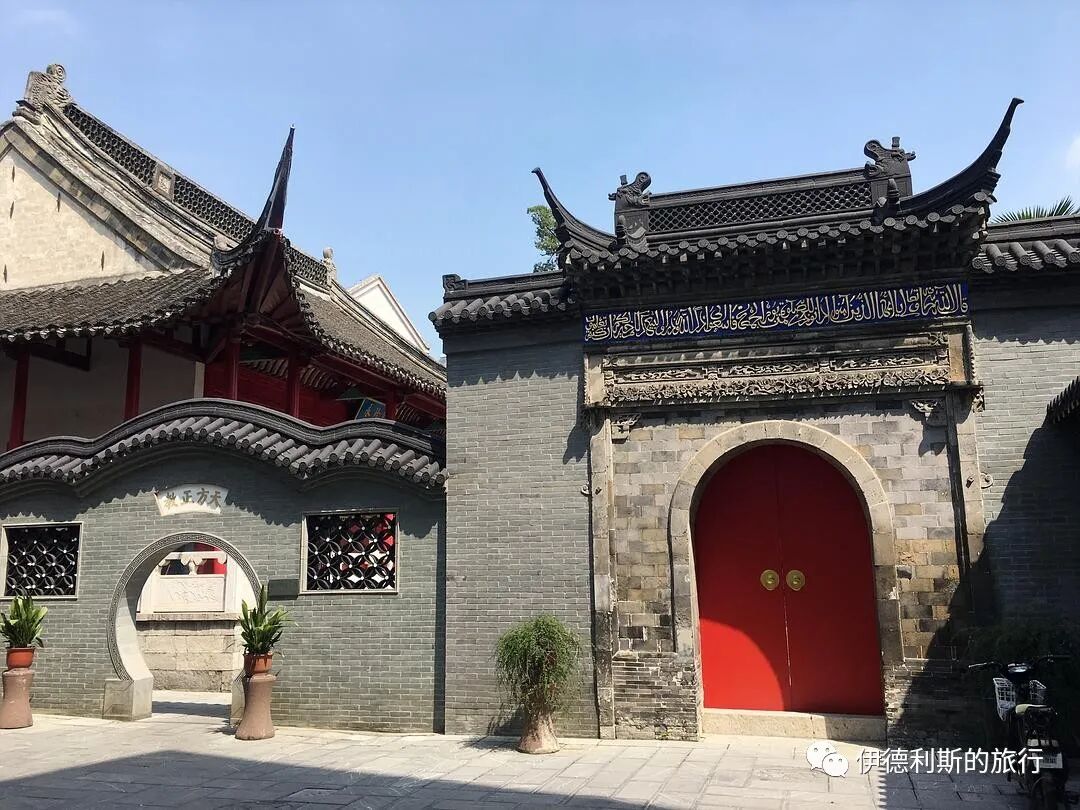
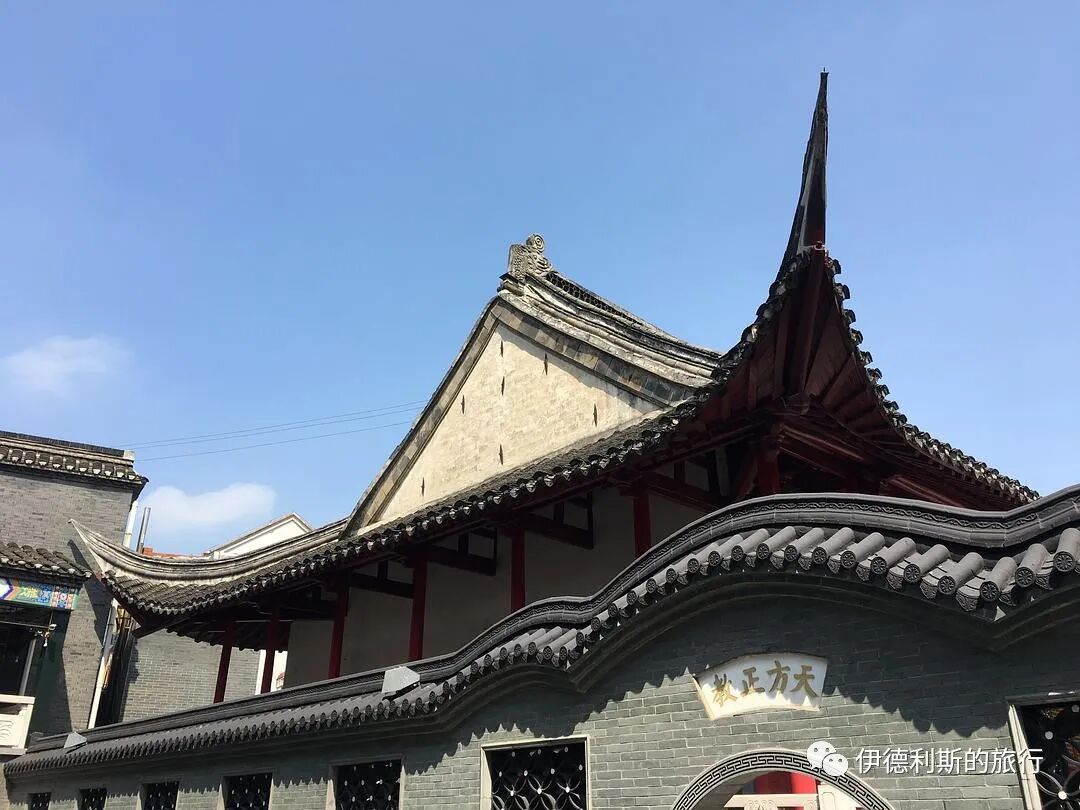
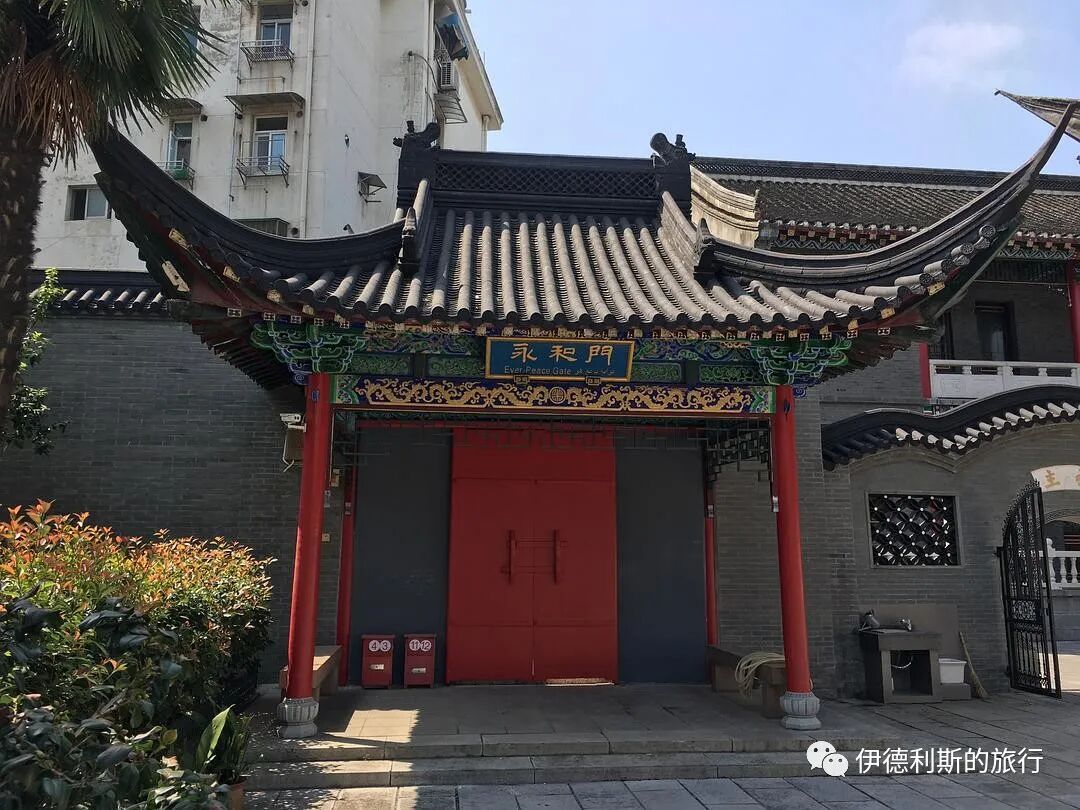
Liuhe Changjiang Road Mosque was originally named Chengqingfang Mosque, also known as Liuhe North Mosque and Da Family Mosque. It was built during the Qianlong reign of the Qing Dynasty. Its architectural style imitated the Liuhe South Gate Mosque. It was destroyed during the Taiping Rebellion and rebuilt during the Guangxu reign. In 1928, Madam Da (the aunt of Da Pusheng), the widow of wealthy merchant Wang Zuochen, donated funds to build the Wuxin Pavilion on the original site of the Wangyue Tower.
The Muslims in Liuhe are mainly of the Da family. Grand Imam Da Pusheng served as the imam at the mosque around 1900 and founded the Liuhe County Muslim Guangyi Primary School in the mosque, creating a new model for the transition from traditional scripture teaching to modern classroom teaching. During the Cultural Revolution, the mosque was occupied for a long time by the Liuhe County Military Control Committee and the Cultural Troupe, and was later reclaimed.
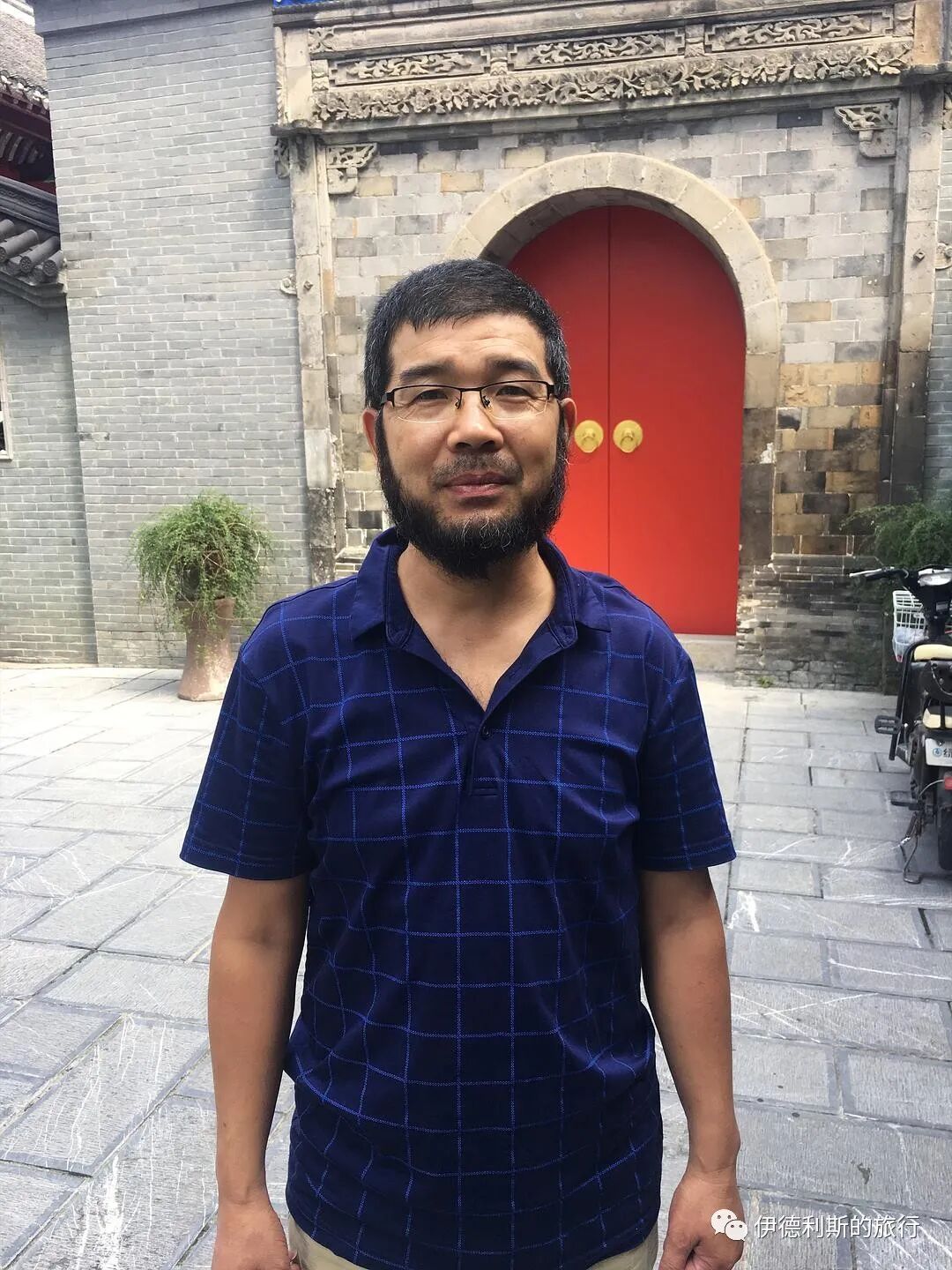
Imam Xue of the mosque is particularly enthusiastic.
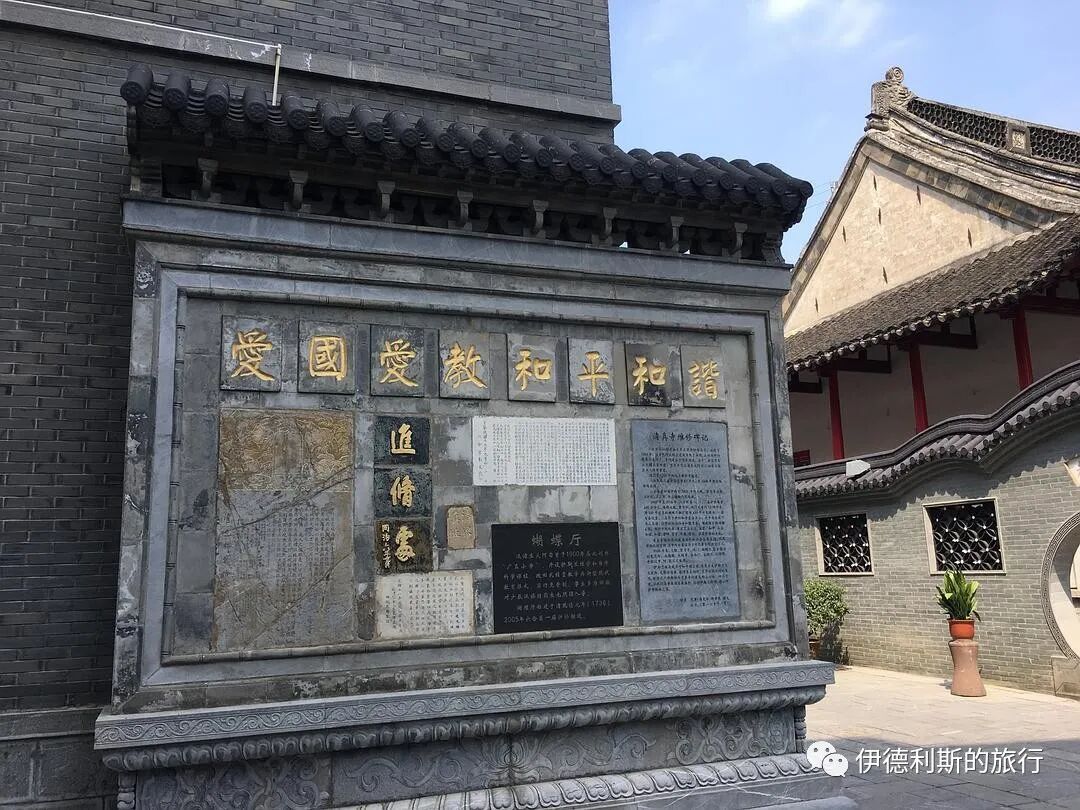
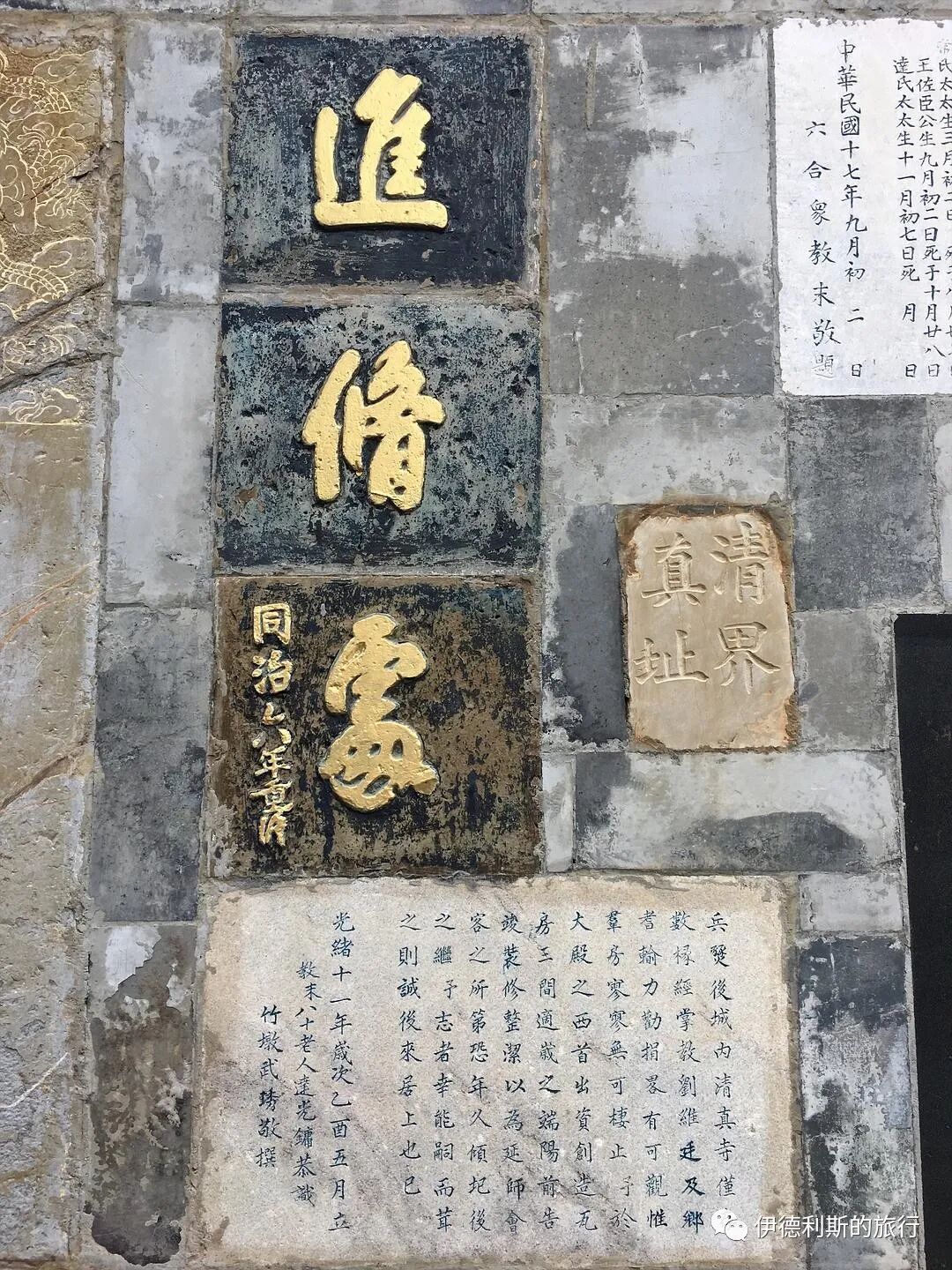
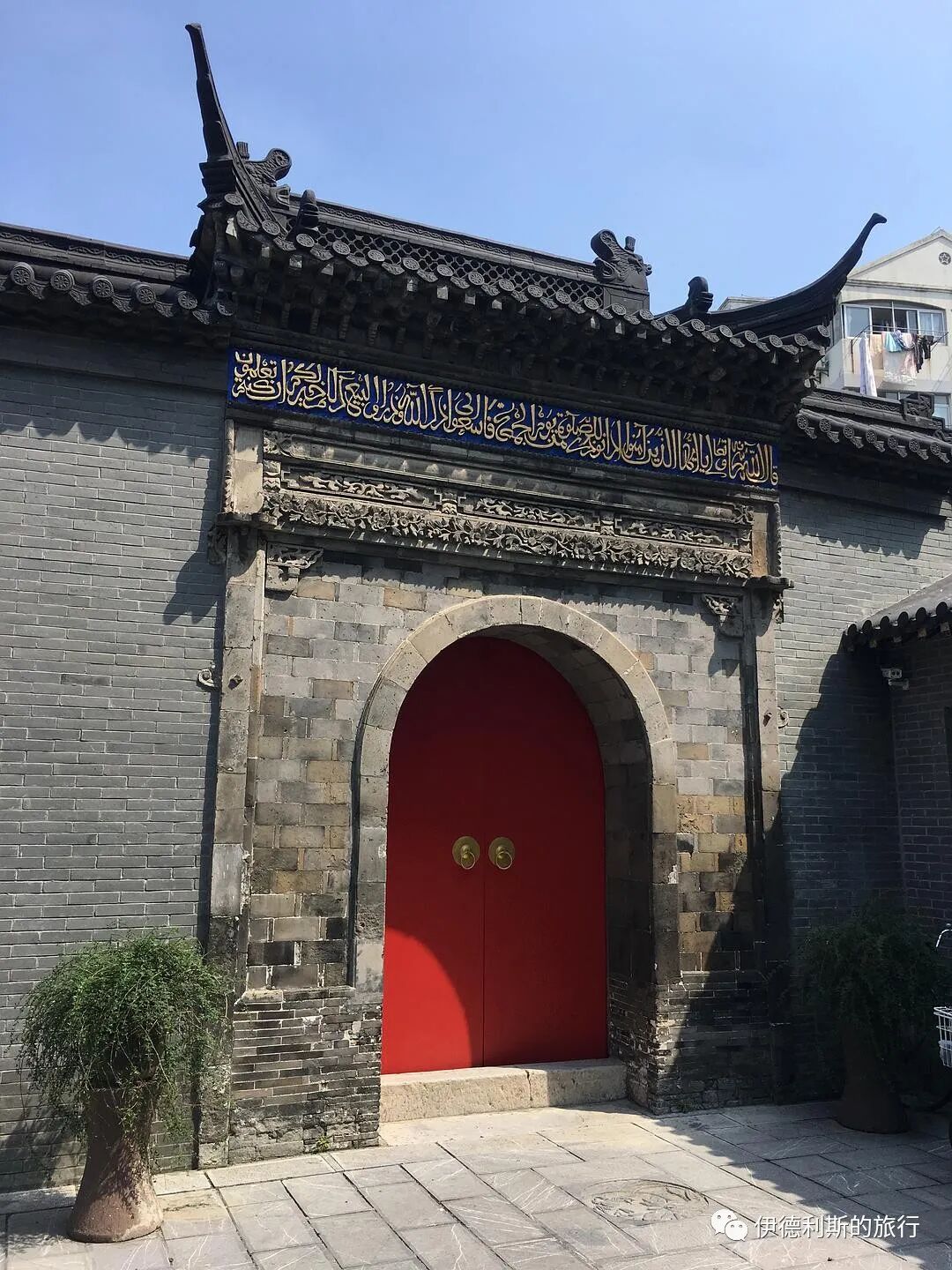
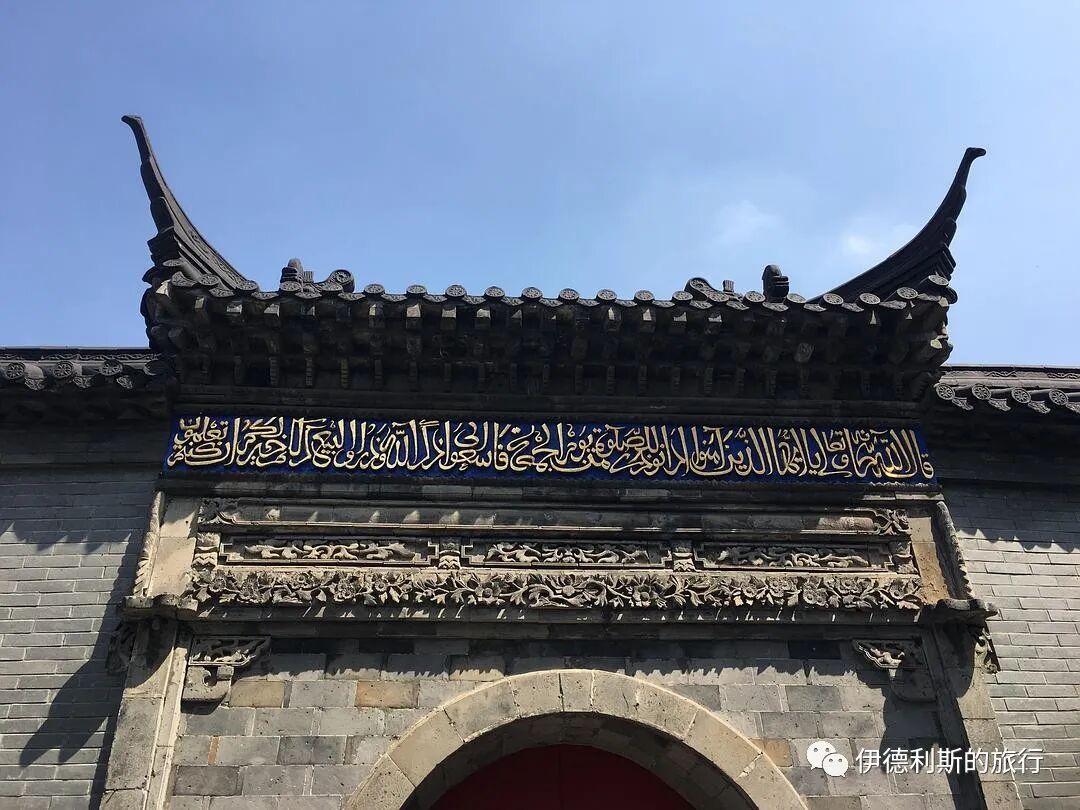
The brick and stone screen wall built in 2009 is embedded with the 9 stone tablets currently preserved in the mosque.
(Optional) Image description
Delete
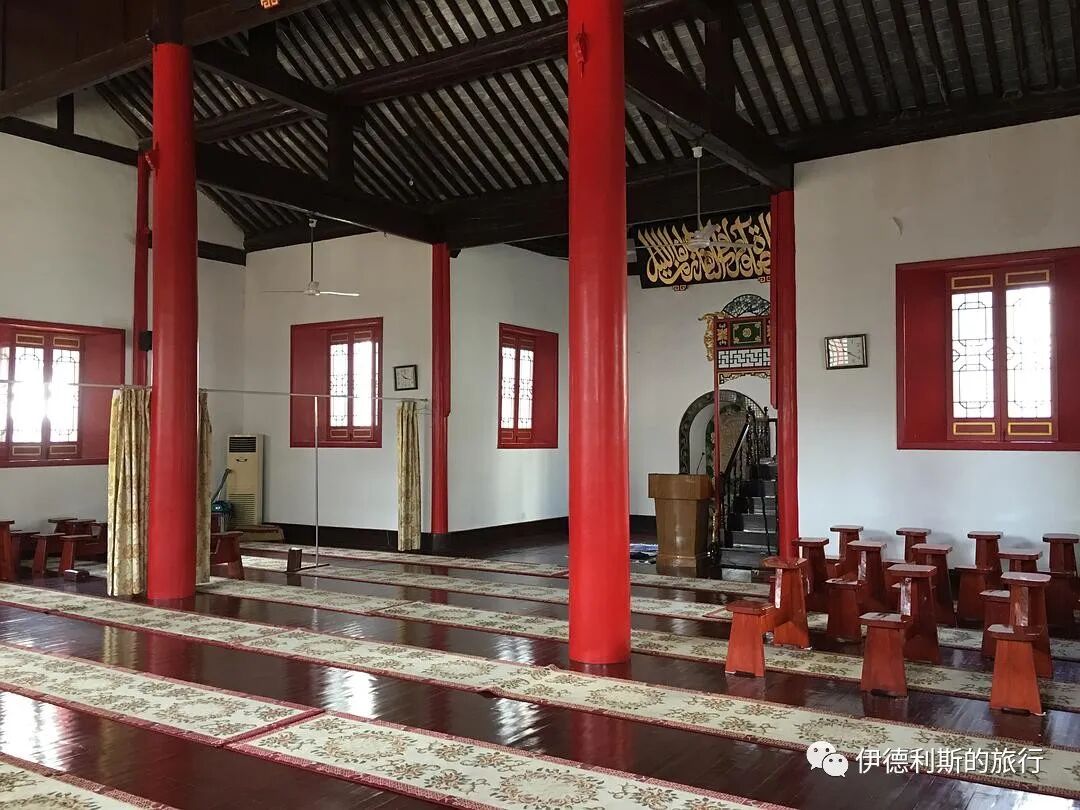
IV. Huai'an
1. Qingjiang Mosque: rebuilt in 1870.
The most important wharf in Qingjiangpu is next to the Yue Gate. Because Emperors Kangxi and Qianlong landed here during their southern tours, it is called the Imperial Wharf. Since the Ming Dynasty, Muslims have been doing business on Yuehe Street in front of the Imperial Wharf, gradually forming the Yuehe Street Muslim community in Qingjiangpu, with the Qingjiang Mosque at its center.
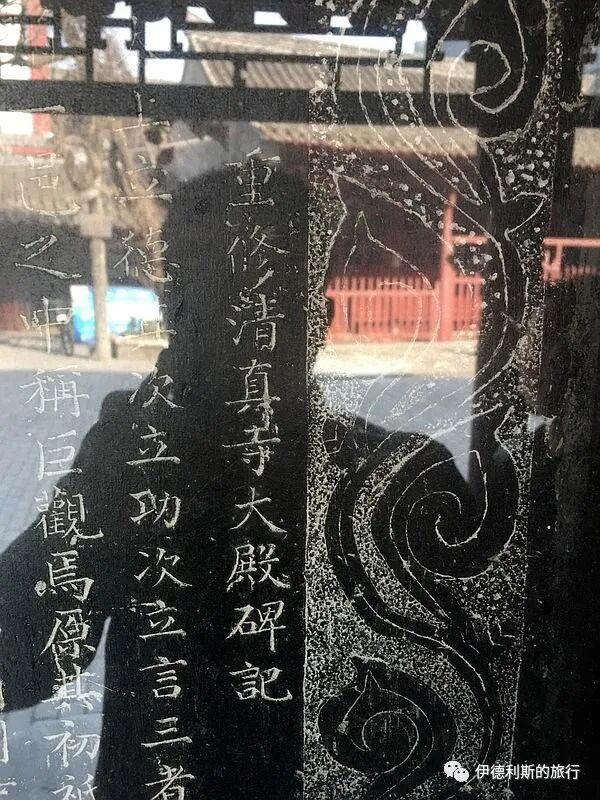
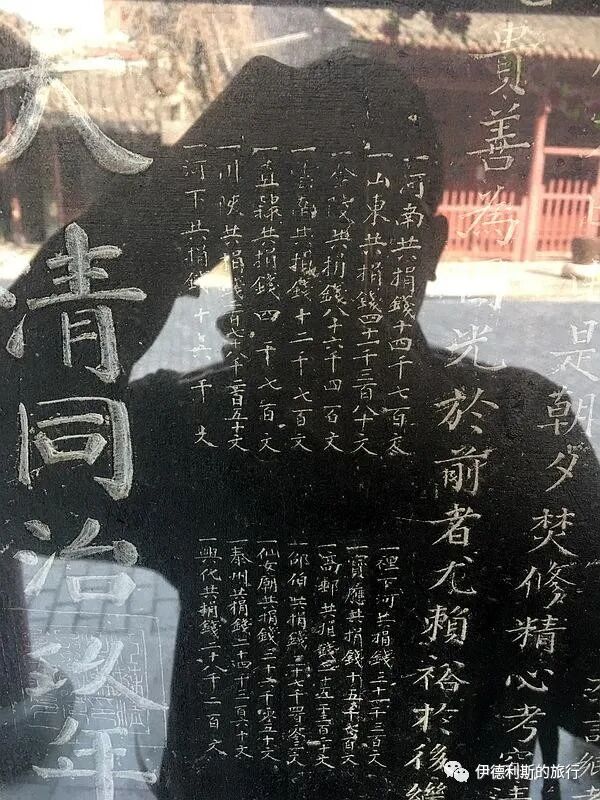
Qingjiang Mosque was originally named Yuanpu Mosque and was first built during the Jiajing reign of the Ming Dynasty. It was expanded in 1799 (the 57th year of Qianlong). In 1860 (the 10th year of Xianfeng), the Nian Army captured Qingjiangpu, and the mosque was destroyed. The imam, Ma Huanwen, unfortunately passed away from illness while raising funds for the reconstruction. Fortunately, Jiang Hengqing, an elder from Nanjing, took over and organized everyone to raise funds, finally managing to rebuild the main hall in 1870 (the 9th year of Tongzhi).
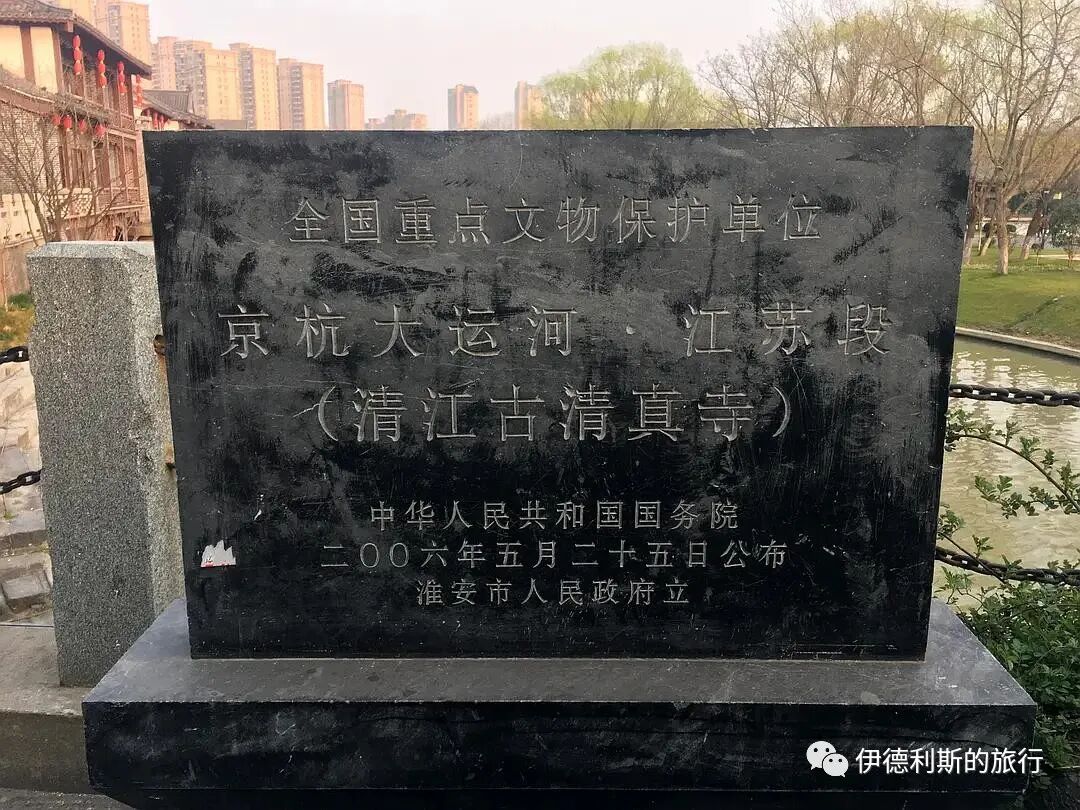
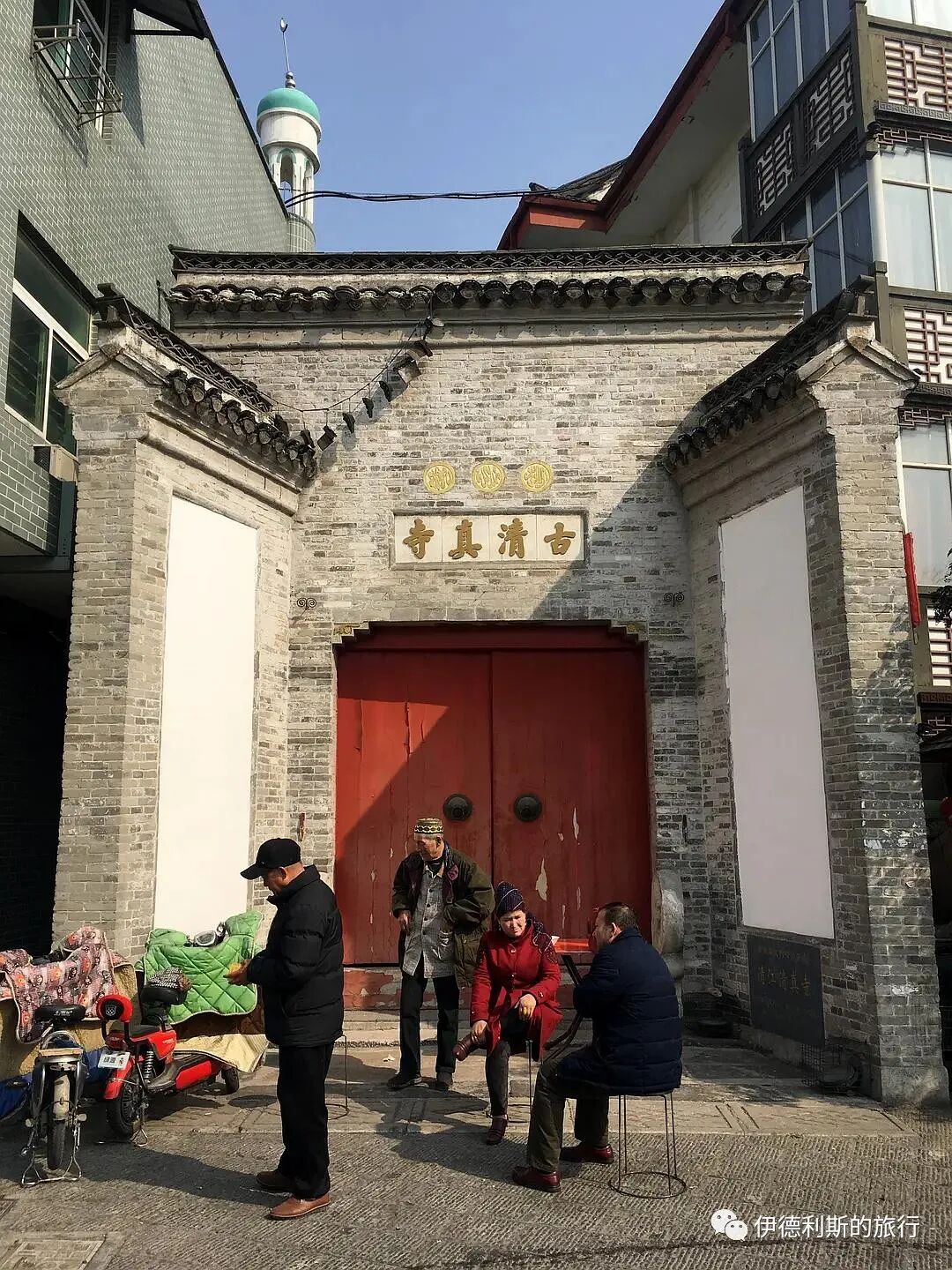
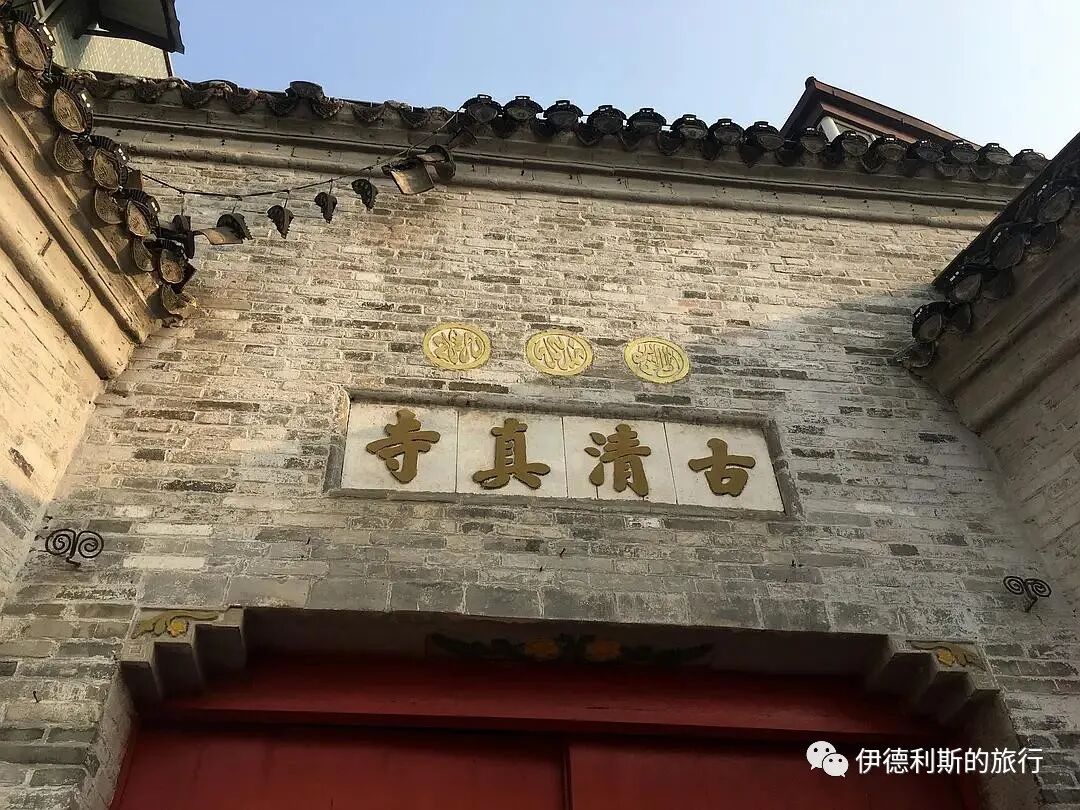
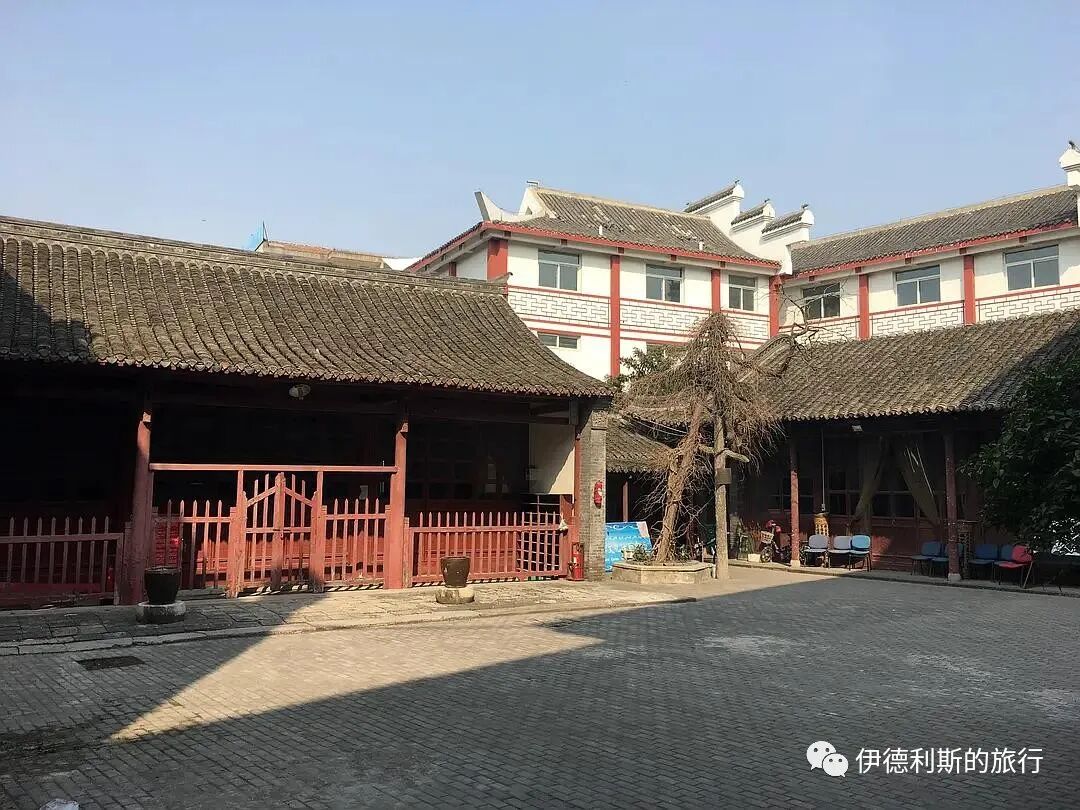
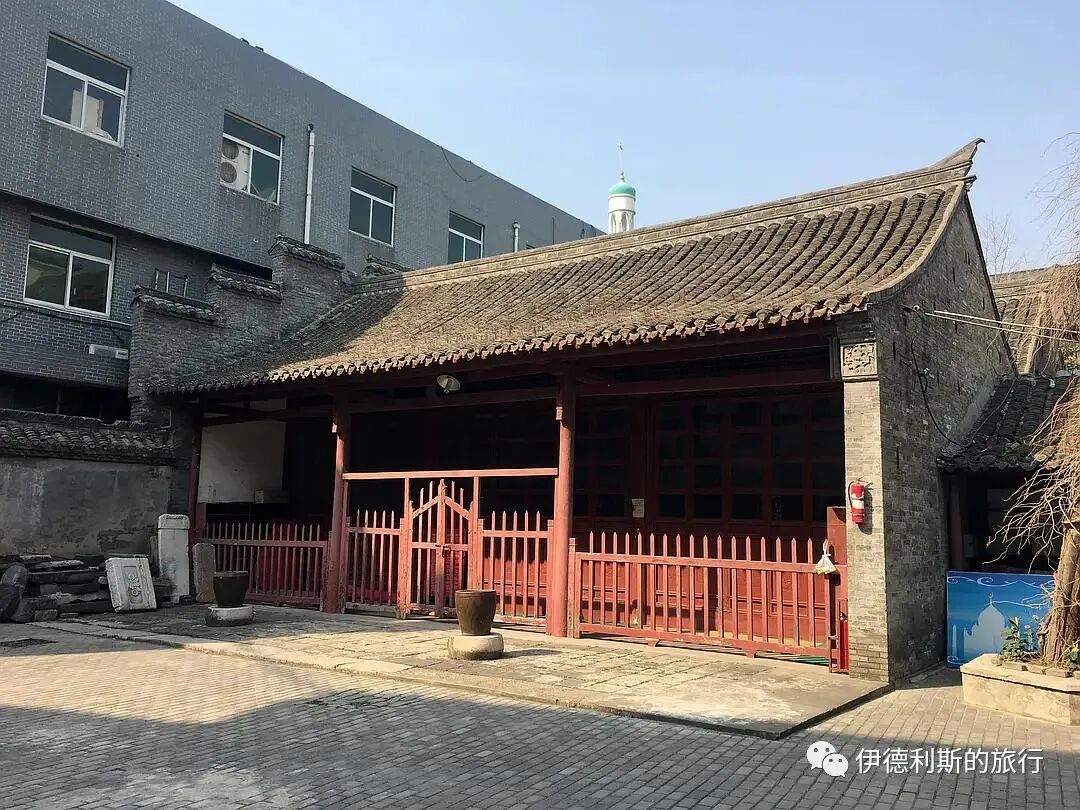
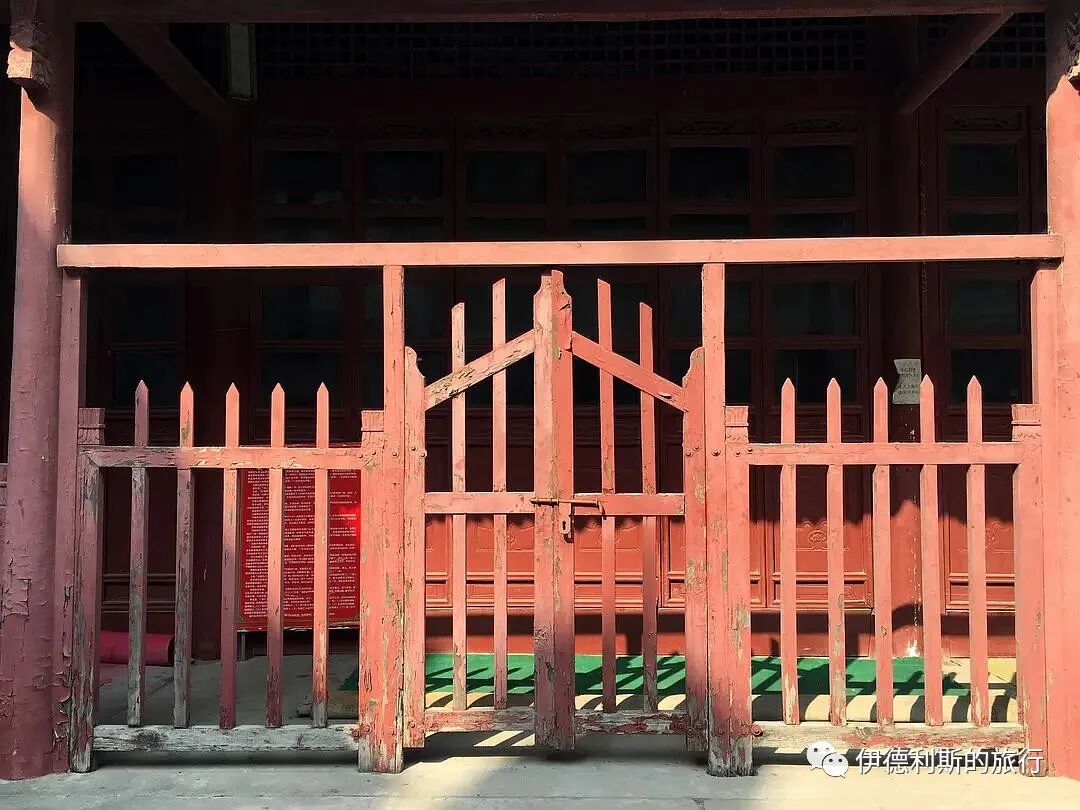
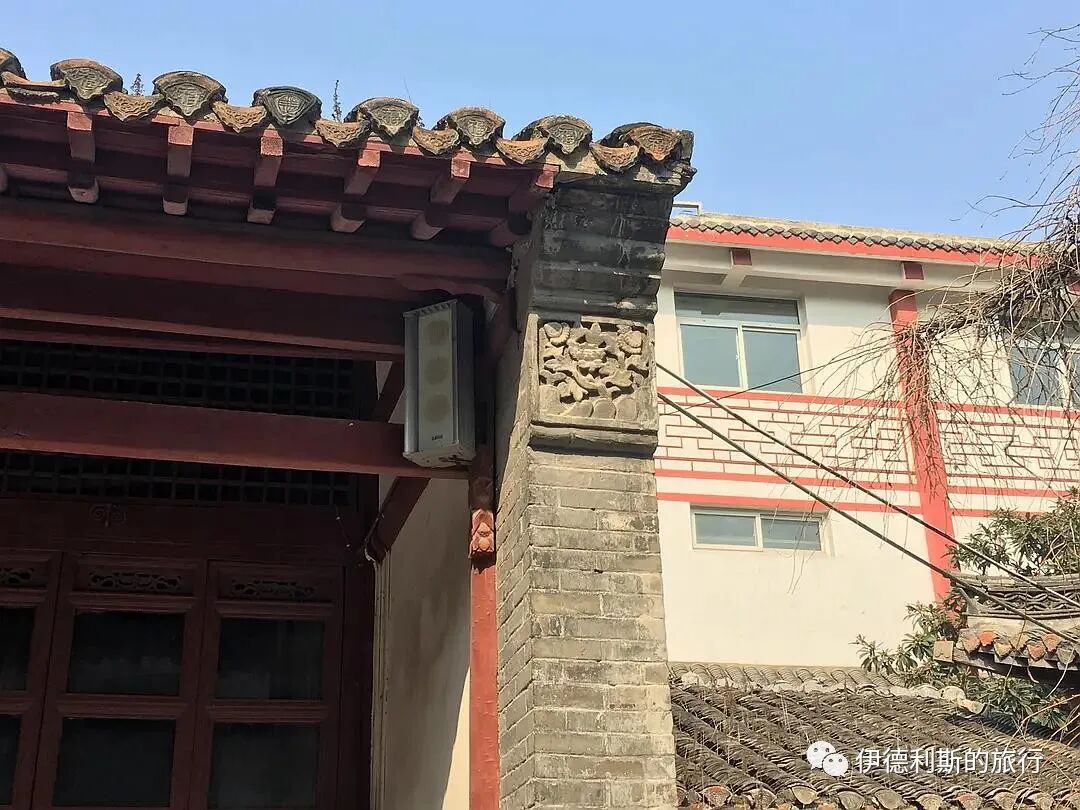
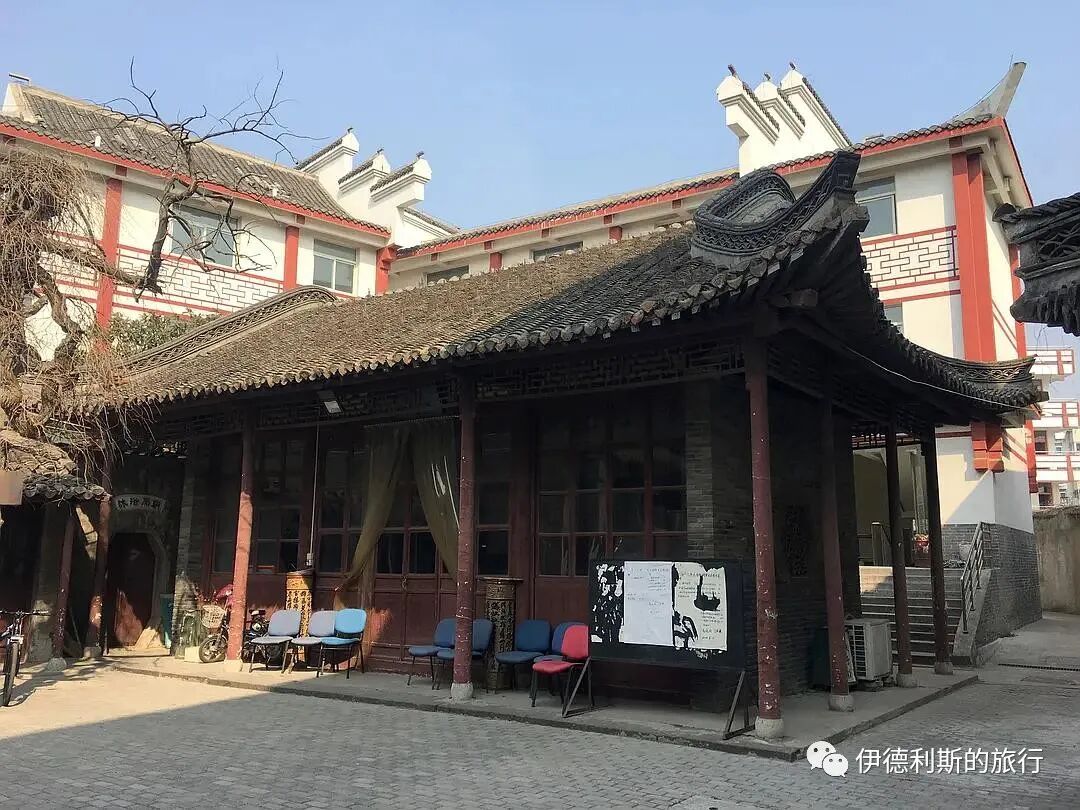
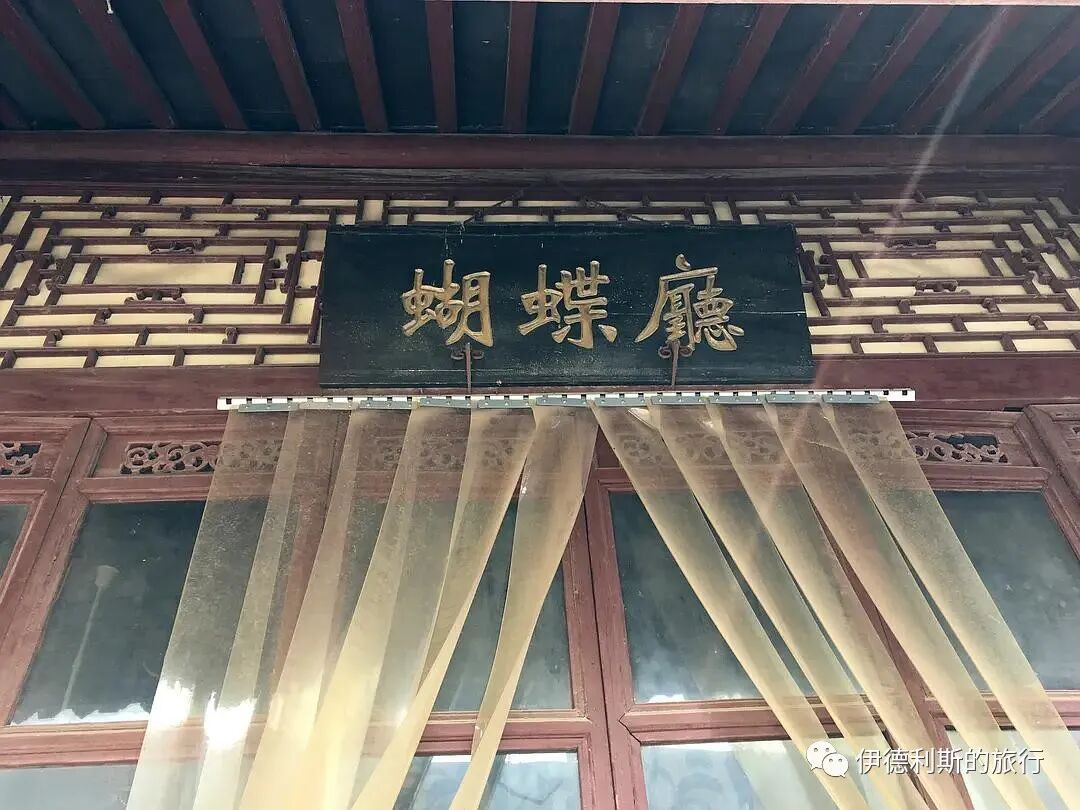
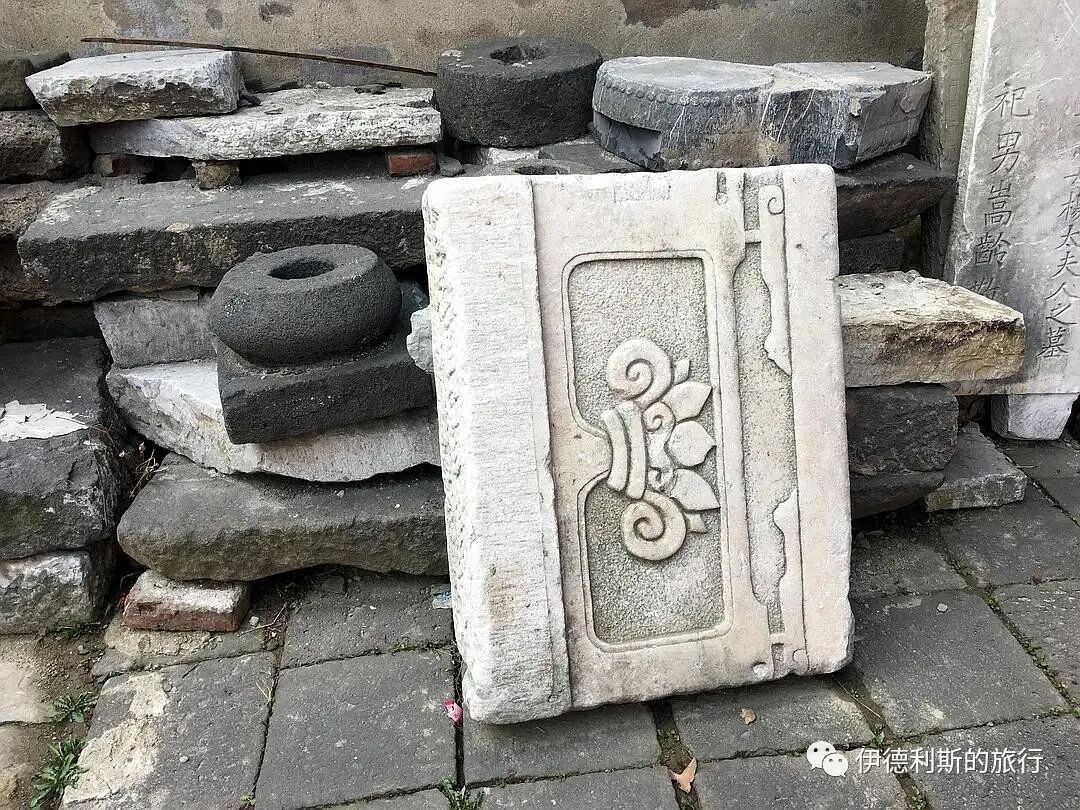
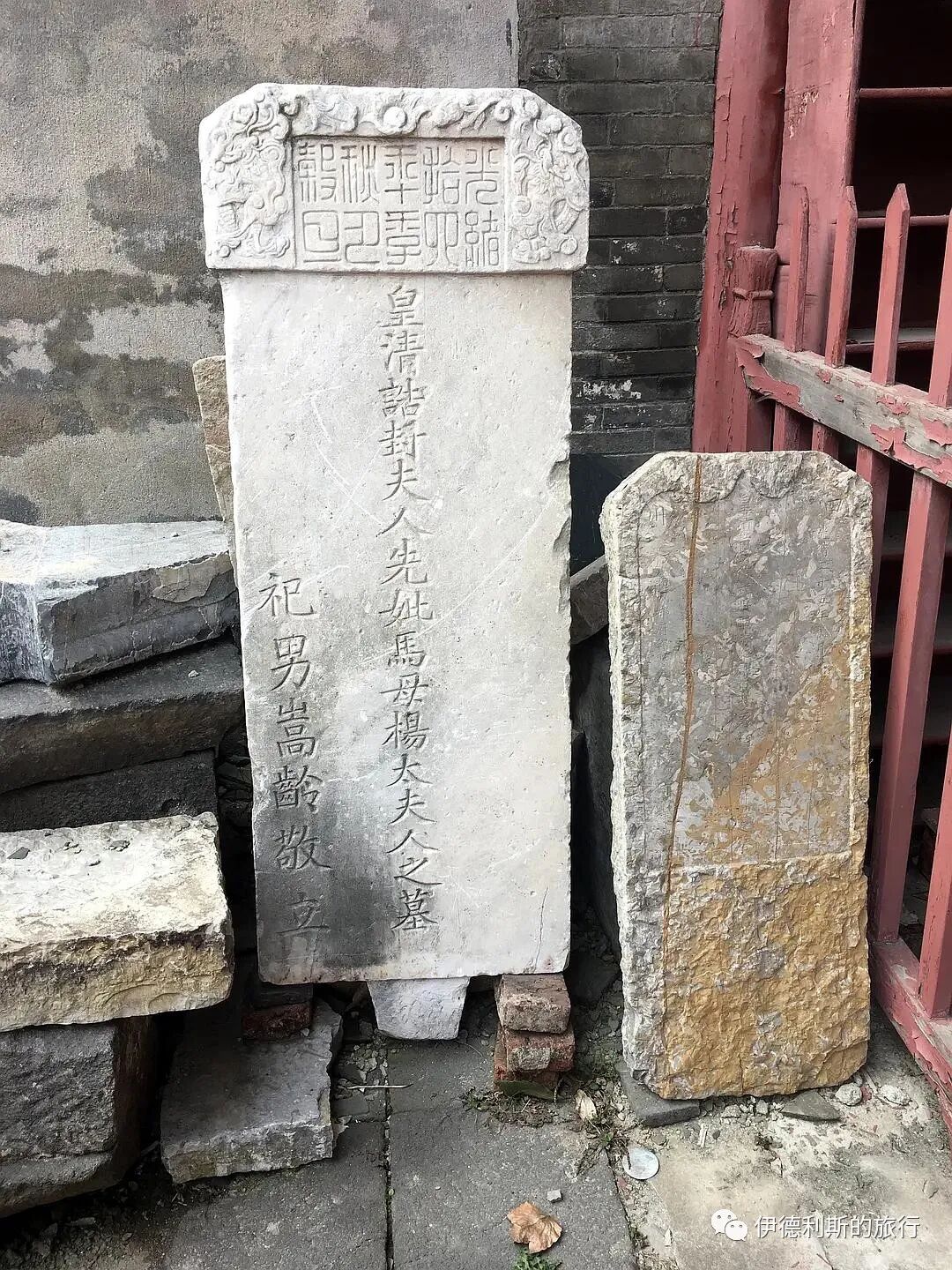
The 'Tablet Record of the Reconstruction of the Mosque Main Hall' from 1870 (the 9th year of Tongzhi) in the mosque tells the history of the Qingjiang Mosque.
2. Hexia Mosque: rebuilt in the late Qing Dynasty.
Hexia Mosque was first built in the Ming Dynasty. It was burned down in 1860 (the 10th year of Xianfeng) when the Nian Army captured Huai'an, and was later rebuilt. After 1966, Hexia Mosque stopped its activities and the buildings were damaged. Activities were resumed in 1986, and major repairs were carried out recently.
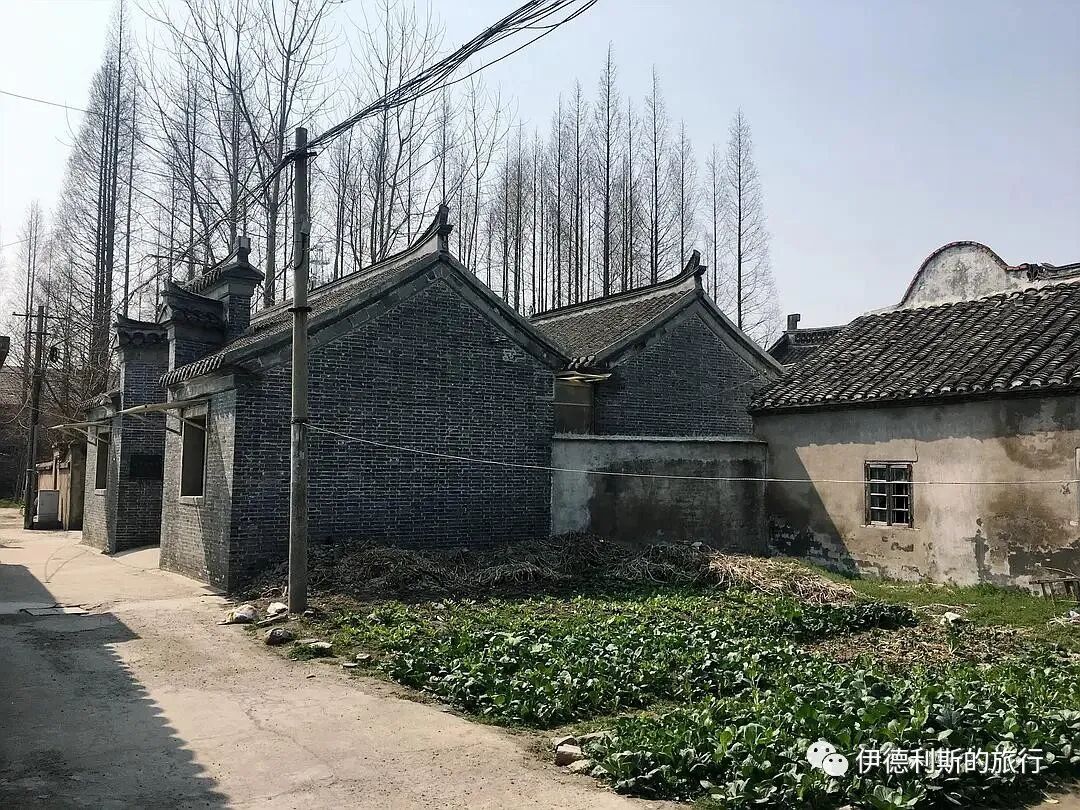
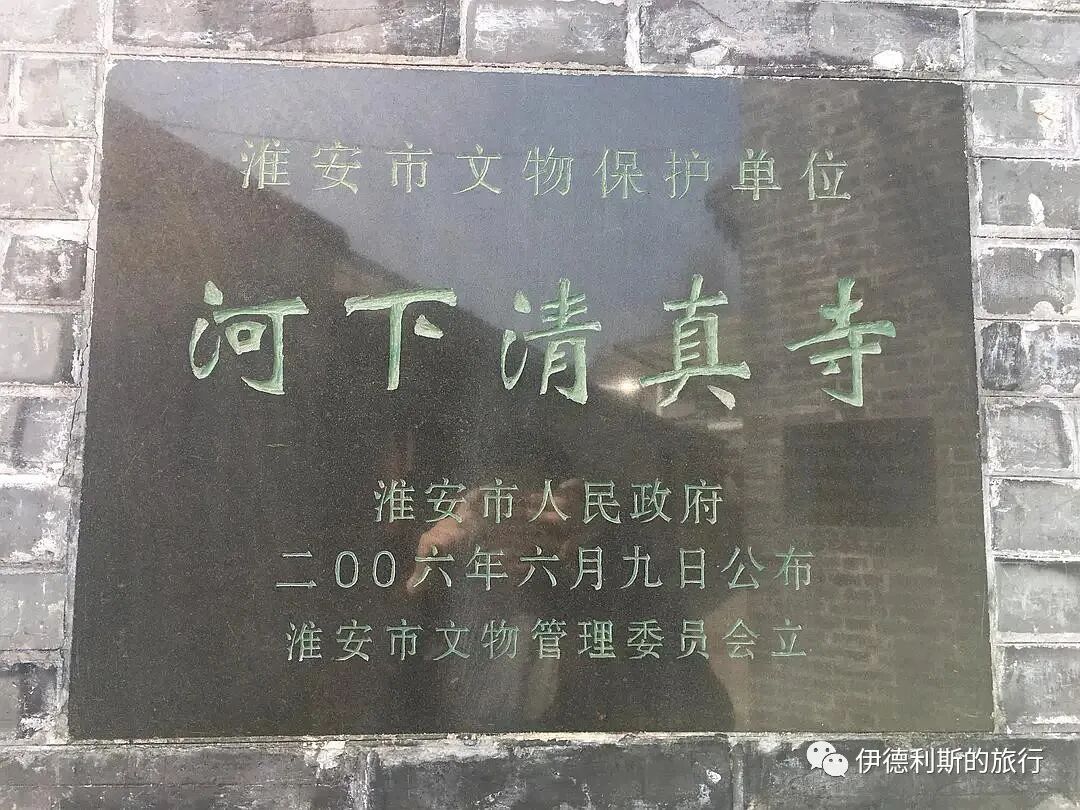
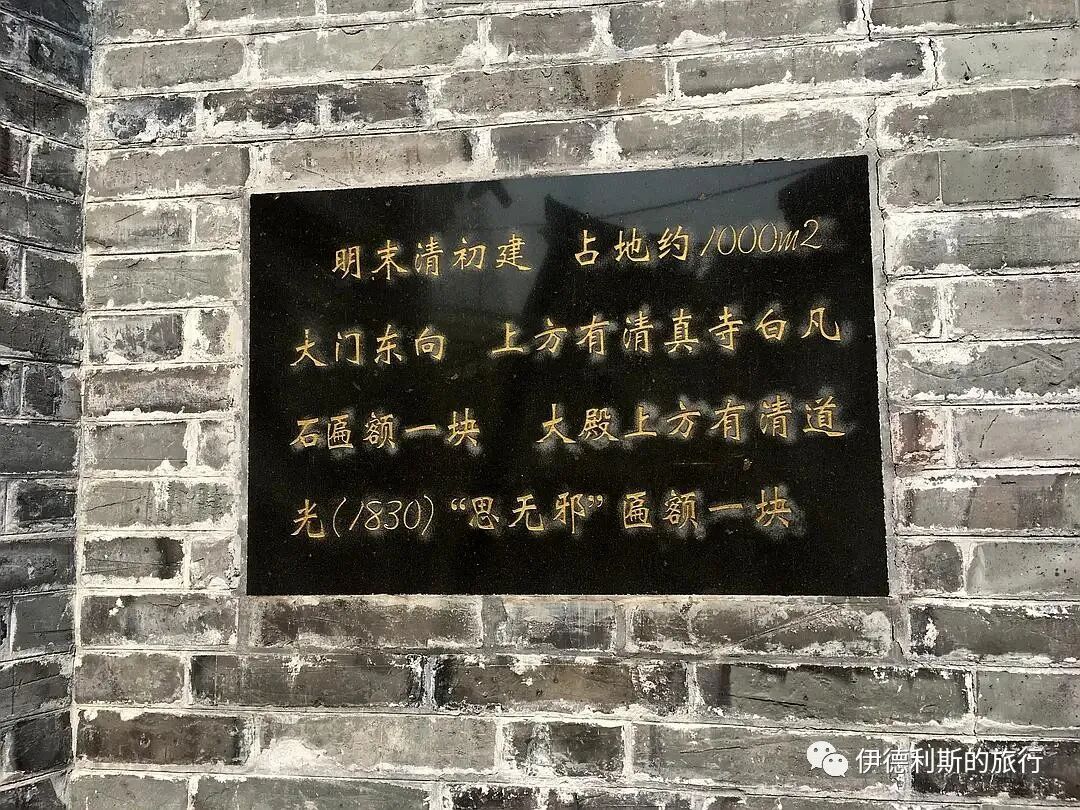
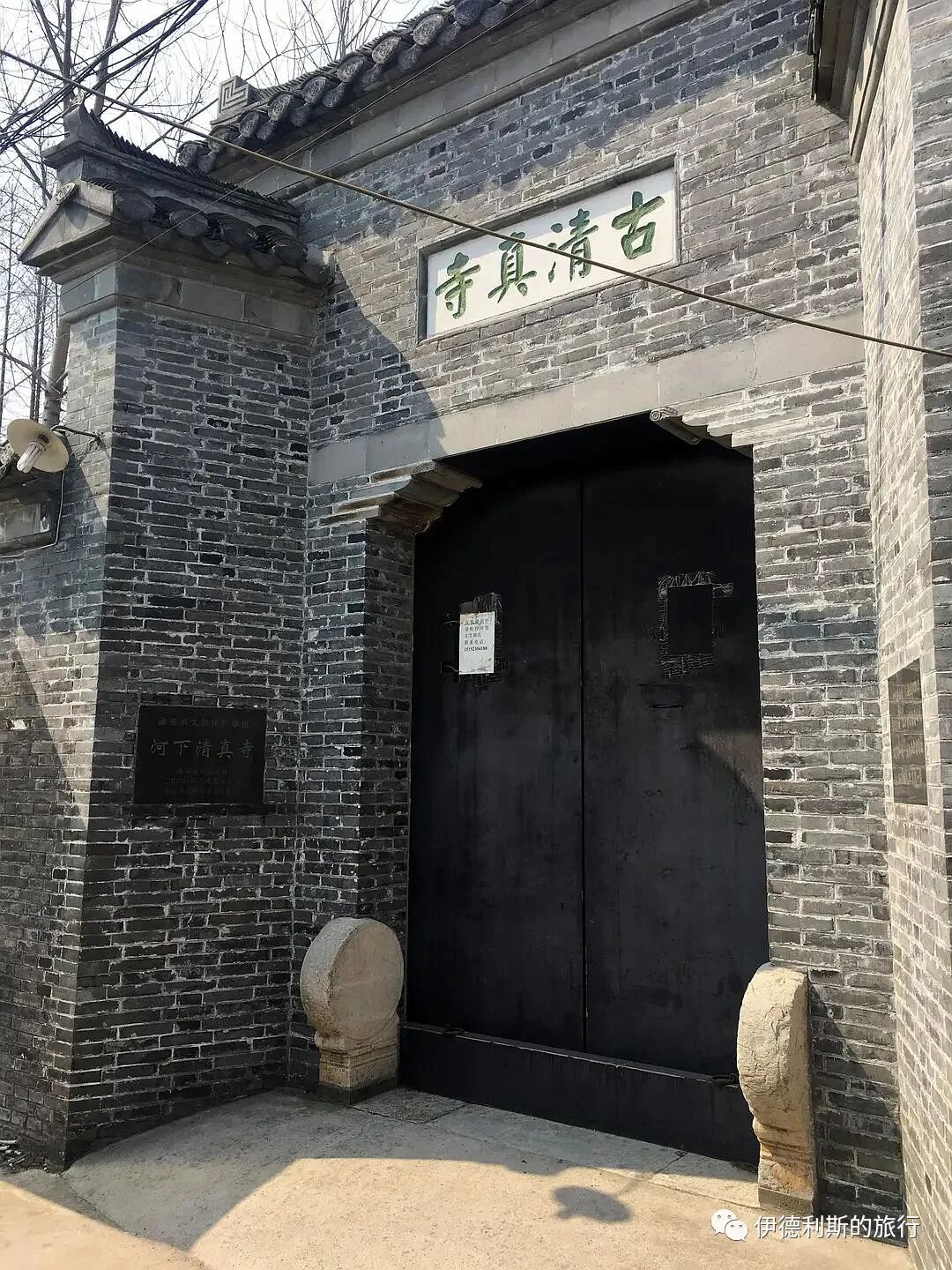
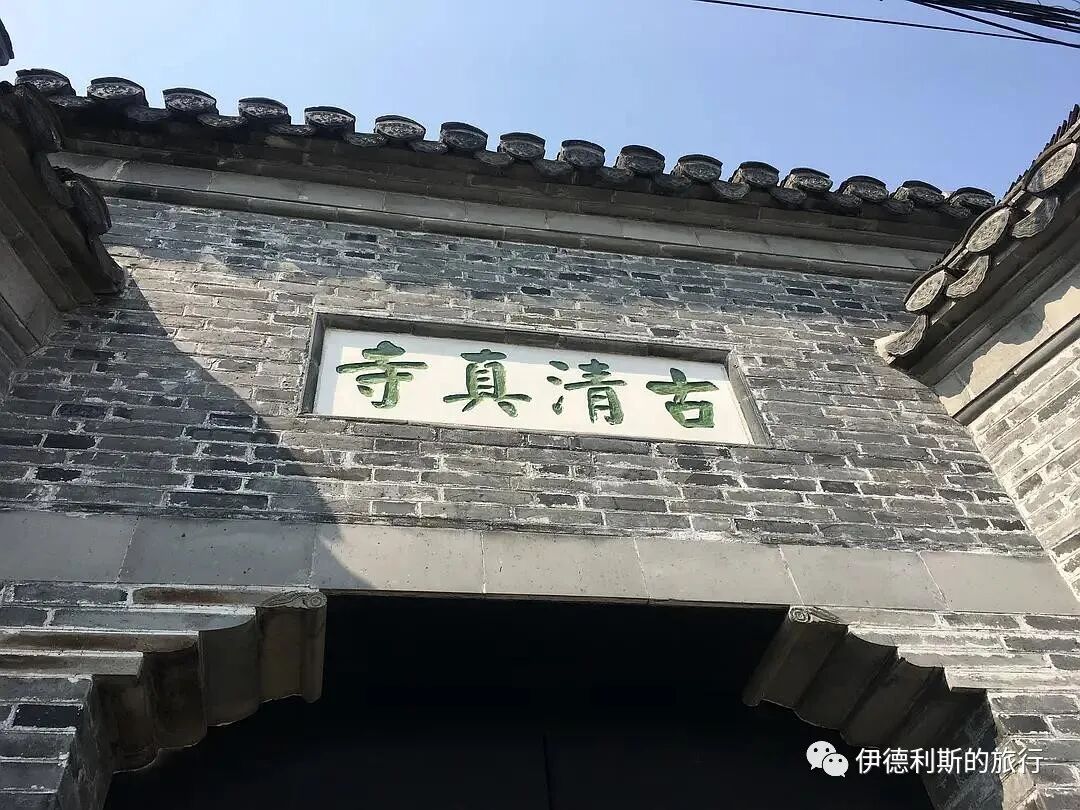
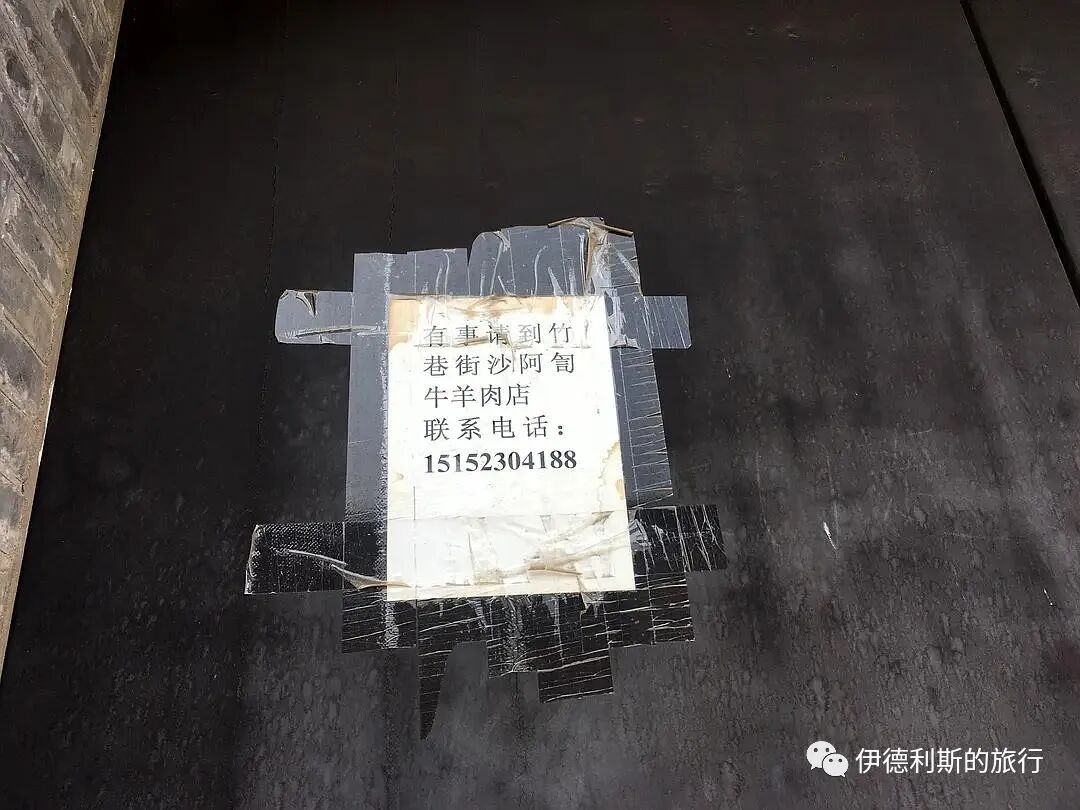
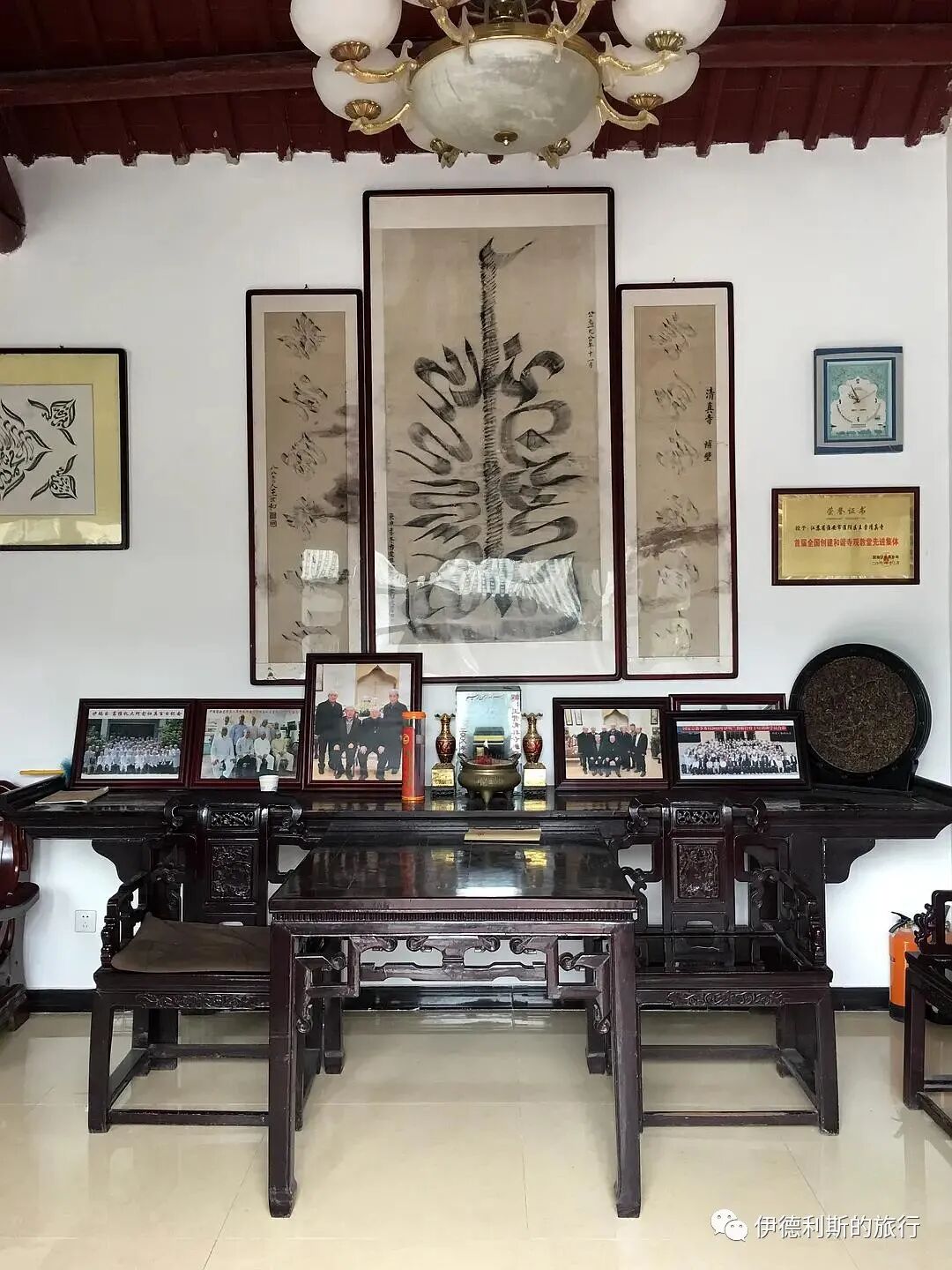
When we went there, there was no one at Hexia Mosque. Imam Sha runs a beef and mutton shop on the other side of the town and only goes to the mosque when there is something to do.
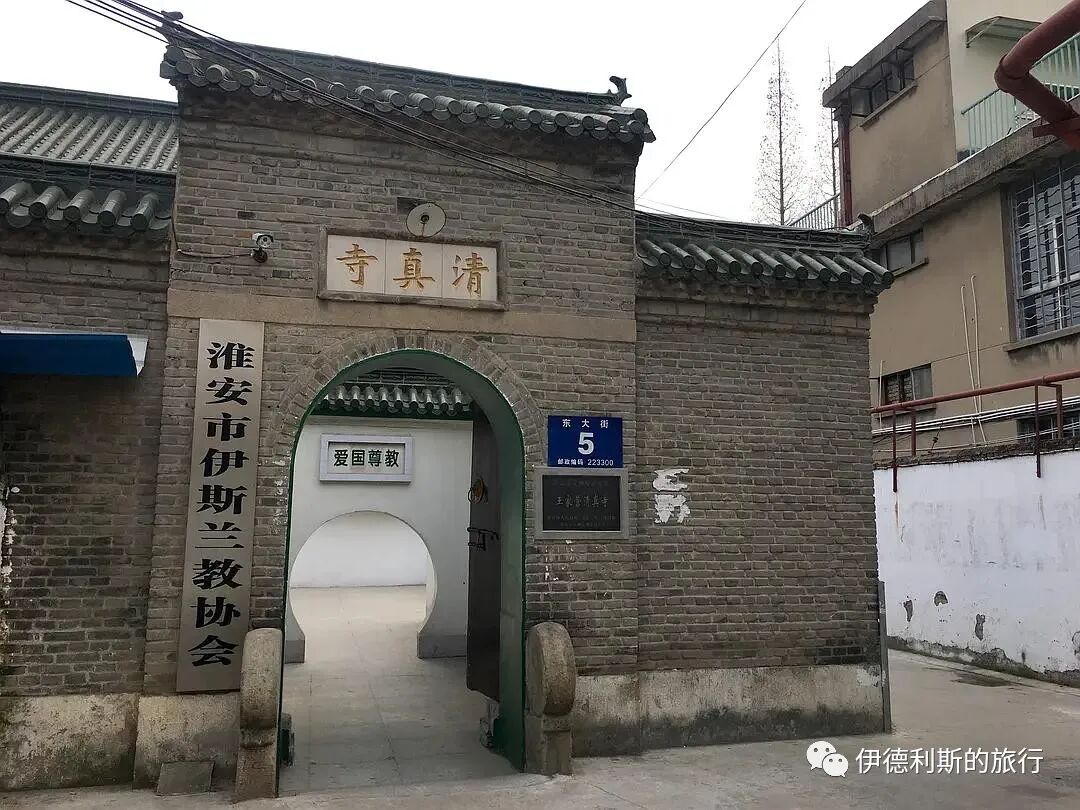
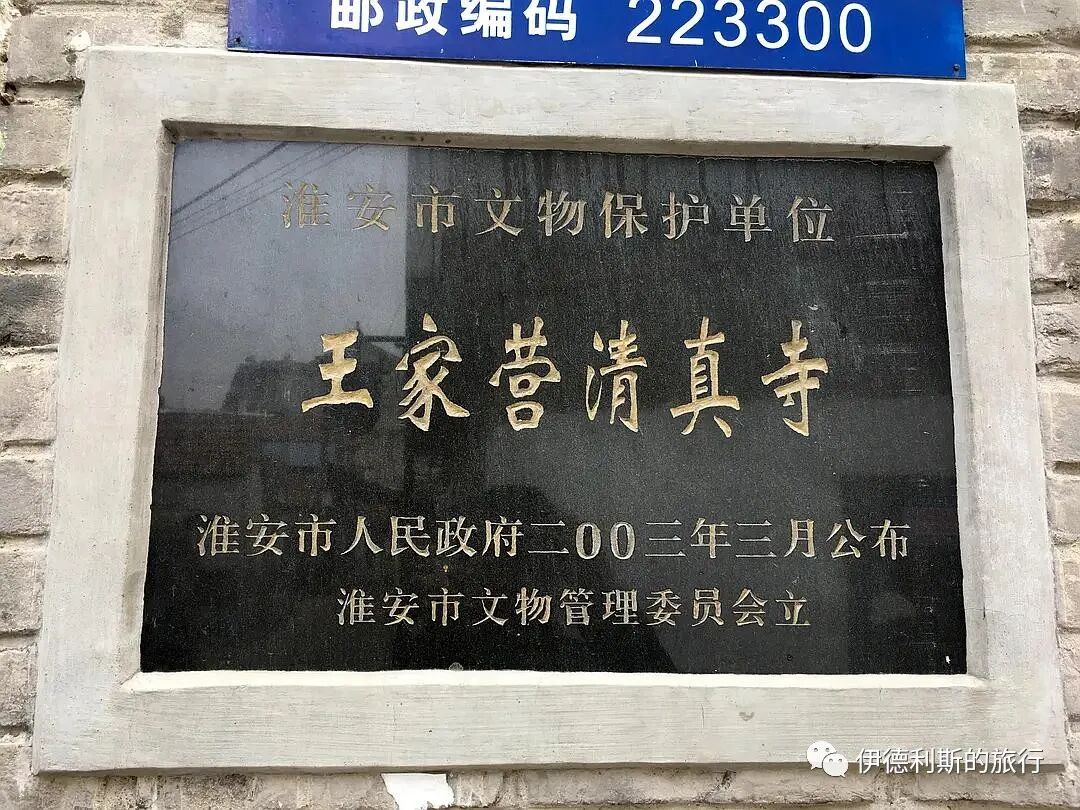
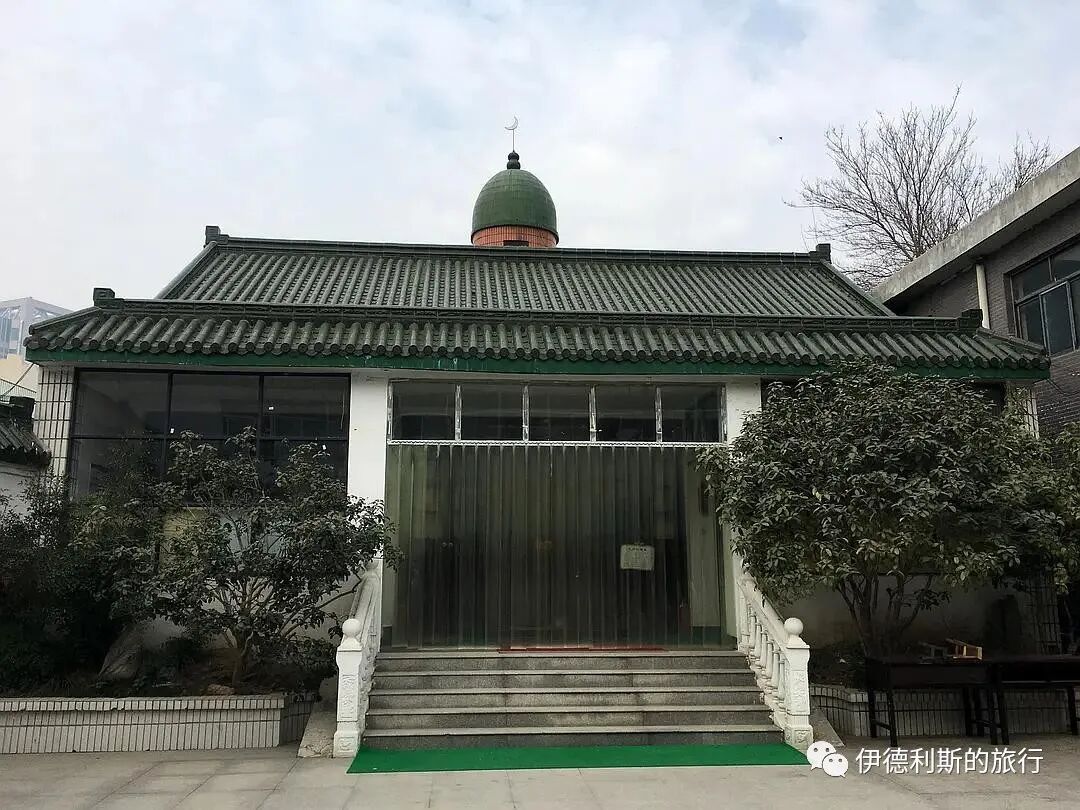
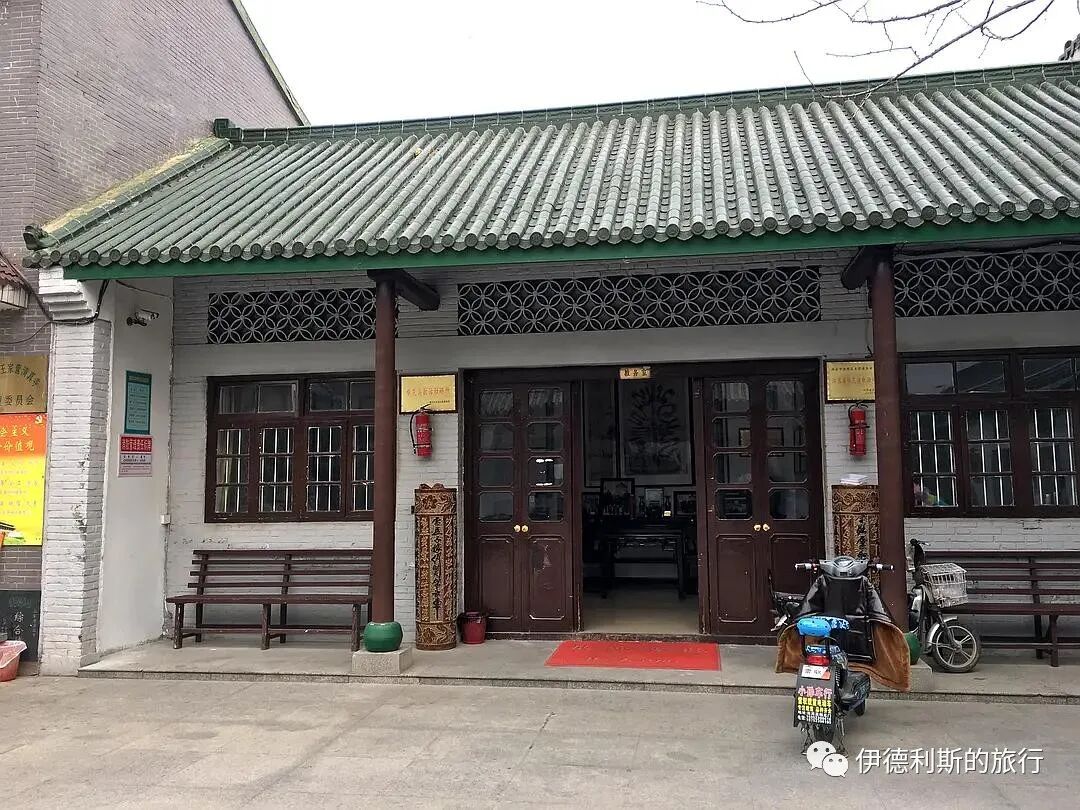
3. Wangjiaying Mosque: rebuilt in 1985.
Wangjiaying Mosque was first built during the Yongzheng reign. It was originally three thatched huts next to Hehuawang in Wangjiapo. At the end of the Daoguang reign, it moved to the south bank of the Salt River, with Imams Chang Tingzhang and Dai Mingxuan presiding over religious affairs.
Imam Chang Tingzhang was known as 'Chang San Taiye'. He was originally from Jining, Shandong, and was born in 1785 (the 50th year of Qianlong) in Taoyuan County, Huai'an Prefecture, Jiangsu (now Siyang). When he was young, he studied in Lingzhou, Gansu (now Lingwu County, Ningxia), and after completing his studies, he visited various places in Jining, Shandong, to continue his studies. In 1810 (the 5th year of Jiaqing), the 26-year-old Imam Chang Tingzhang was invited to preside over religious affairs at Wangjiaying Mosque. Imam Chang Tingzhang had deep research into Arabic classics, astronomy, and medical theory. According to the 'Wangjiaying Annals', during the Daoguang reign, a Tao Sanye who came from Hangzhou for his reputation died in Huai'an. Because of the hot summer, in order to be responsible to the deceased's family, Imam Chang Tingzhang personally bought a boat and escorted the body down the Grand Canal to Hangzhou.
In 1860 (the 10th year of Xianfeng), the Nian Army entered Wangjiaying and burned down the mosque. In 1867 (the 6th year of Tongzhi), Imam Dai Jingzhai, the son of Imam Dai Mingxuan, presided over the construction of a few thatched huts, and later, with everyone's donations, a main hall with three thatched rooms was built.
In 1870 (the 9th year of Tongzhi), Imam Chang Tingzhang passed away, and Imam Dai Jingzhai presided over religious affairs. In 1884 (the 10th year of Guangxu), the thatched huts were converted into tile-roofed houses. Because Imam Chang Tingzhang studied at the Jahriyya Daotang in Lingzhou, Ningxia, when he was young, Wangjiaying Mosque subsequently hired five Jahriyya imams from Ningxia to preside over religious affairs and teach scriptures. Subsequent imams also went to Ningxia for further studies, making Wangjiaying Mosque one of the nine major branches of the Banqiao Daotang of the Jahriyya, and it has a very close relationship with the Banqiao Daotang in Wuzhong, Ningxia.
In 1912, the mosque built a new gate, a south lecture hall, a kitchen, and a water room. In 1920, with the funding from the Jingshan Tang in Gansu and the sale of dozens of willow trees from the public cemetery, the three-room tile-roofed eaves in front of the main hall were rebuilt, and three new east lecture halls were built.
In 1958, Wangjiaying Mosque moved to the east of Wangying West Road, and in 1961, it finally moved to its current location because the bank requisitioned the land to build a building. In 1966, the plaques and couplets of the main hall were all smashed and burned, the burial box was destroyed, and the main hall was occupied by a shoe and hat factory as a warehouse.
In 1979, under the leadership of Imam Ge Weili, Wangjiaying Mosque was rebuilt in an antique style, completed in 1985, and underwent two renovations and expansions in 2003 and 2006, becoming what it is today.
Imam Ge Weili was born in 1924, went to Ningxia to study in 1937, became the imam of Wangjiaying Mosque after completing his studies in 1945, served as 'Imam' in 1966, and later served as vice chairman of the Jiangsu Islamic Association and chairman of the Huai'an Islamic Association. Now the religious work of Wangjiaying Mosque is taken over by Imam Fan Weiming, a disciple of Imam Ge Weili.
(Optional) Image description
Summary: This travel note introduces Sixteen Traditional Mosques in Jiangsu (Part 2). The mihrab of the main prayer hall was built in 2001. It is useful for readers interested in Java Mosques, Muslim Travel, Islamic Heritage.
The mihrab of the main prayer hall was built in 2001.
2. Caoqiao Mosque (formerly Taiping Road Mosque): rebuilt in 2005.
The current Caoqiao Mosque in Qijiawan is 40 meters away from the original Caoqiao Mosque. In 1997, because the widening of Dading Lane occupied the Caoqiao Mosque, the Jianye District government proposed a land swap, which the Islamic Association agreed to. In 2003, after the historic buildings of the Caoqiao Mosque and the Taiping Road Mosque were demolished, the architectural components of the main hall and the second hall of the Taiping Road Mosque were rebuilt at the new site, and completed in 2005. The current name of the 'Cultural Relics Protection Unit' is 'Former Taiping Road Mosque'.
Caoqiao Mosque was built during the Qianlong reign of the Qing Dynasty, destroyed by fire during the Taiping Rebellion, and rebuilt in the early years of the Tongzhi reign. Because it is located in Qijiawan, a residential area for Muslims, the Caoqiao Mosque community is the most prominent in Nanjing. During the Cultural Revolution, Caoqiao Mosque was occupied by a factory and later rented to the Nanjing Woodware Factory, suffering severe damage. In 2003, Caoqiao Mosque was completely demolished.
Taiping Road Mosque was originally named Huapailou Mosque. Legend has it that it was built by Chang Yuchun in the early Ming Dynasty, destroyed during the Taiping Rebellion, and later rebuilt. After the old mosque was demolished in 1924, Nanjing wealthy merchant Jiang Guobang and his brothers donated funds to rebuild a new mosque on the south side, which was still called Huapailou Mosque. When the road was widened in 1931, the gate tower was demolished. Huapailou was renamed Taiping Road, and Huapailou Mosque was also renamed Taiping Road Mosque. In 1945, the China Islamic National Salvation Association moved into the Taiping Road Mosque and was renamed the China Islamic Association. Its first chairman was Bai Chongxi, and it was the highest Islamic organization in the country at the time until it moved to Taipei in 1949. During the Cultural Revolution, the Taiping Road Mosque was occupied by the 'Cultural and Martial Rebel Headquarters' and the 'Religious Circles Labor Service Agency'. It was reclaimed in 1978, reopened in 1980, designated as a municipal cultural protection unit in 1982, and demolished in 2003. The components of the main hall and the second hall were used to build the new Caoqiao Mosque.
Taraweeh during Ramadan in 2016.
3. Xiaowangfu Lane Mosque.
Next to Anleyuan is an abandoned Xiaowangfu Lane Mosque. I could not find any information about the Xiaowangfu Lane Mosque, only that a Wuben Primary School was founded here in 1917, until it was taken over by the government in 1951. Later, the mosque was occupied by the Wire and Cable Factory as a staff dormitory, which it remains to this day.
4. Hushu Mosque: rebuilt in 1896.
Hushu Mosque was first built in 1392 (the 25th year of Hongwu), destroyed during the Taiping Rebellion, and the main hall was rebuilt in 1896 (the 22nd year of Guangxu). In 1911, five tile-roofed rooms were built on the left side in front of the main hall: the left was the water room, the right was the dormitory, and the middle was the guest hall. In 1919, three rooms of the front hall, five rooms of the main hall, and two rooms of the east wing of the main gate were renovated.
Around 1932, a primary school for Muslim children was established inside Hushu Mosque, and it moved out of the mosque in 1956. In 1964, the main hall of Hushu Mosque was demolished during the 'Four Clean-ups Movement', and it was occupied by the Hushu Straw Bag Factory, Hushu Hardware Factory, and Hushu Supply and Marketing Cooperative during the Cultural Revolution. The main hall was rebuilt in 1988. The roof of the main hall of Hushu Mosque was originally a palace-style building with flying eaves and upturned corners, but it was rebuilt with a flat roof after the renovation.
The gate pier from the original construction in 1392.
Ginkgo tree transplanted in 1689.
5. Liuhe Changjiang Road Mosque: rebuilt during the Guangxu reign of the Qing Dynasty.
Liuhe Changjiang Road Mosque was originally named Chengqingfang Mosque, also known as Liuhe North Mosque and Da Family Mosque. It was built during the Qianlong reign of the Qing Dynasty. Its architectural style imitated the Liuhe South Gate Mosque. It was destroyed during the Taiping Rebellion and rebuilt during the Guangxu reign. In 1928, Madam Da (the aunt of Da Pusheng), the widow of wealthy merchant Wang Zuochen, donated funds to build the Wuxin Pavilion on the original site of the Wangyue Tower.
The Muslims in Liuhe are mainly of the Da family. Grand Imam Da Pusheng served as the imam at the mosque around 1900 and founded the Liuhe County Muslim Guangyi Primary School in the mosque, creating a new model for the transition from traditional scripture teaching to modern classroom teaching. During the Cultural Revolution, the mosque was occupied for a long time by the Liuhe County Military Control Committee and the Cultural Troupe, and was later reclaimed.
Imam Xue of the mosque is particularly enthusiastic.
The brick and stone screen wall built in 2009 is embedded with the 9 stone tablets currently preserved in the mosque.
(Optional) Image description
Delete
IV. Huai'an
1. Qingjiang Mosque: rebuilt in 1870.
The most important wharf in Qingjiangpu is next to the Yue Gate. Because Emperors Kangxi and Qianlong landed here during their southern tours, it is called the Imperial Wharf. Since the Ming Dynasty, Muslims have been doing business on Yuehe Street in front of the Imperial Wharf, gradually forming the Yuehe Street Muslim community in Qingjiangpu, with the Qingjiang Mosque at its center.
Qingjiang Mosque was originally named Yuanpu Mosque and was first built during the Jiajing reign of the Ming Dynasty. It was expanded in 1799 (the 57th year of Qianlong). In 1860 (the 10th year of Xianfeng), the Nian Army captured Qingjiangpu, and the mosque was destroyed. The imam, Ma Huanwen, unfortunately passed away from illness while raising funds for the reconstruction. Fortunately, Jiang Hengqing, an elder from Nanjing, took over and organized everyone to raise funds, finally managing to rebuild the main hall in 1870 (the 9th year of Tongzhi).
The 'Tablet Record of the Reconstruction of the Mosque Main Hall' from 1870 (the 9th year of Tongzhi) in the mosque tells the history of the Qingjiang Mosque.
2. Hexia Mosque: rebuilt in the late Qing Dynasty.
Hexia Mosque was first built in the Ming Dynasty. It was burned down in 1860 (the 10th year of Xianfeng) when the Nian Army captured Huai'an, and was later rebuilt. After 1966, Hexia Mosque stopped its activities and the buildings were damaged. Activities were resumed in 1986, and major repairs were carried out recently.
When we went there, there was no one at Hexia Mosque. Imam Sha runs a beef and mutton shop on the other side of the town and only goes to the mosque when there is something to do.
3. Wangjiaying Mosque: rebuilt in 1985.
Wangjiaying Mosque was first built during the Yongzheng reign. It was originally three thatched huts next to Hehuawang in Wangjiapo. At the end of the Daoguang reign, it moved to the south bank of the Salt River, with Imams Chang Tingzhang and Dai Mingxuan presiding over religious affairs.
Imam Chang Tingzhang was known as 'Chang San Taiye'. He was originally from Jining, Shandong, and was born in 1785 (the 50th year of Qianlong) in Taoyuan County, Huai'an Prefecture, Jiangsu (now Siyang). When he was young, he studied in Lingzhou, Gansu (now Lingwu County, Ningxia), and after completing his studies, he visited various places in Jining, Shandong, to continue his studies. In 1810 (the 5th year of Jiaqing), the 26-year-old Imam Chang Tingzhang was invited to preside over religious affairs at Wangjiaying Mosque. Imam Chang Tingzhang had deep research into Arabic classics, astronomy, and medical theory. According to the 'Wangjiaying Annals', during the Daoguang reign, a Tao Sanye who came from Hangzhou for his reputation died in Huai'an. Because of the hot summer, in order to be responsible to the deceased's family, Imam Chang Tingzhang personally bought a boat and escorted the body down the Grand Canal to Hangzhou.
In 1860 (the 10th year of Xianfeng), the Nian Army entered Wangjiaying and burned down the mosque. In 1867 (the 6th year of Tongzhi), Imam Dai Jingzhai, the son of Imam Dai Mingxuan, presided over the construction of a few thatched huts, and later, with everyone's donations, a main hall with three thatched rooms was built.
In 1870 (the 9th year of Tongzhi), Imam Chang Tingzhang passed away, and Imam Dai Jingzhai presided over religious affairs. In 1884 (the 10th year of Guangxu), the thatched huts were converted into tile-roofed houses. Because Imam Chang Tingzhang studied at the Jahriyya Daotang in Lingzhou, Ningxia, when he was young, Wangjiaying Mosque subsequently hired five Jahriyya imams from Ningxia to preside over religious affairs and teach scriptures. Subsequent imams also went to Ningxia for further studies, making Wangjiaying Mosque one of the nine major branches of the Banqiao Daotang of the Jahriyya, and it has a very close relationship with the Banqiao Daotang in Wuzhong, Ningxia.
In 1912, the mosque built a new gate, a south lecture hall, a kitchen, and a water room. In 1920, with the funding from the Jingshan Tang in Gansu and the sale of dozens of willow trees from the public cemetery, the three-room tile-roofed eaves in front of the main hall were rebuilt, and three new east lecture halls were built.
In 1958, Wangjiaying Mosque moved to the east of Wangying West Road, and in 1961, it finally moved to its current location because the bank requisitioned the land to build a building. In 1966, the plaques and couplets of the main hall were all smashed and burned, the burial box was destroyed, and the main hall was occupied by a shoe and hat factory as a warehouse.
In 1979, under the leadership of Imam Ge Weili, Wangjiaying Mosque was rebuilt in an antique style, completed in 1985, and underwent two renovations and expansions in 2003 and 2006, becoming what it is today.
Imam Ge Weili was born in 1924, went to Ningxia to study in 1937, became the imam of Wangjiaying Mosque after completing his studies in 1945, served as 'Imam' in 1966, and later served as vice chairman of the Jiangsu Islamic Association and chairman of the Huai'an Islamic Association. Now the religious work of Wangjiaying Mosque is taken over by Imam Fan Weiming, a disciple of Imam Ge Weili.
(Optional) Image description
