
Sixteen Traditional Mosques in Jiangsu (Part 1)
Reposted from the web
Summary: This travel note introduces Sixteen Traditional Mosques in Jiangsu (Part 1). 1. Xianhe Mosque: Rebuilt in 1390. It is useful for readers interested in Java Mosques, Muslim Travel, Islamic Heritage.
I. Yangzhou
1. Xianhe Mosque: Rebuilt in 1390
2. Majian Lane Mosque: 1714
3. Gaoyou Mosque: Rebuilt in 1864
4. Lingtang Ancient Mosque: Rebuilt in 1924
II. Zhenjiang
1. Shanxiang Mosque: Rebuilt in 1873
2. Jianzi Lane Mosque Ming and Qing stone carvings
3. Qing Dynasty mihrab at the mosque outside the South Gate
4. Xinhe Street Mosque: 1930
III. Nanjing 1. Jingjue Mosque: Rebuilt in 1877
2. Caoqiao Mosque (formerly Taiping Road Mosque): rebuilt in 2005.
3. Xiaowangfu Lane Mosque.
4. Hushu Mosque: rebuilt in 1896.
5. Liuhe Changjiang Road Mosque: rebuilt during the Guangxu reign of the Qing Dynasty.
IV. Huai'an
1. Qingjiang Mosque: rebuilt in 1870.
2. Hexia Mosque: rebuilt in the late Qing Dynasty.
3. Wangjiaying Mosque: rebuilt in 1985.
I. Yangzhou
1. Xianhe Mosque: Rebuilt in 1390
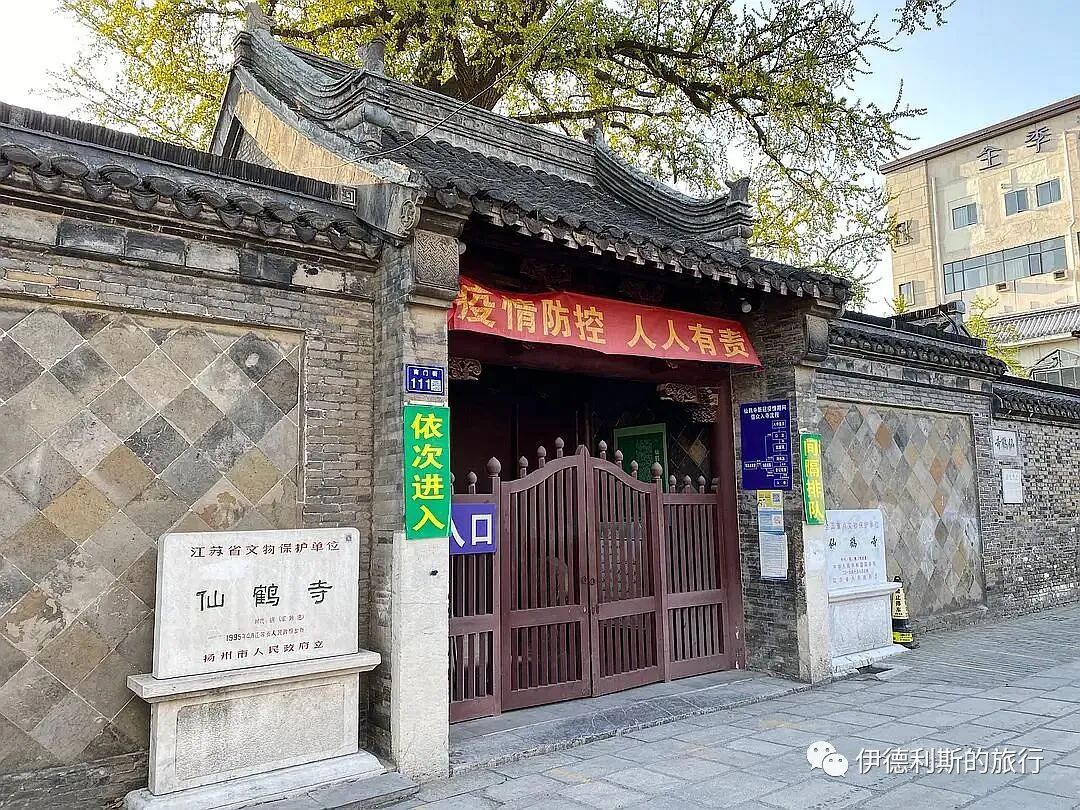
Xianhe Mosque in Yangzhou, along with Phoenix Mosque in Hangzhou, Lion Mosque (Huaisheng Mosque) in Guangzhou, and Qilin Mosque (Qingjing Mosque) in Quanzhou, is known as one of the four great ancient mosques in the southeast. It was founded in 1275 (the 12th year of the Zhiyuan era of the Yuan Dynasty) by the sage Puhading from the Western Regions before his passing. It was rebuilt in 1390 (the 23rd year of the Hongwu era of the Ming Dynasty) by Ha San, renovated in 1523 (the 3rd year of the Jiajing era) by the merchant Ma Zongdao and the imam Ha Ming, and repaired again in 1791 (the 56th year of the Qianlong era).
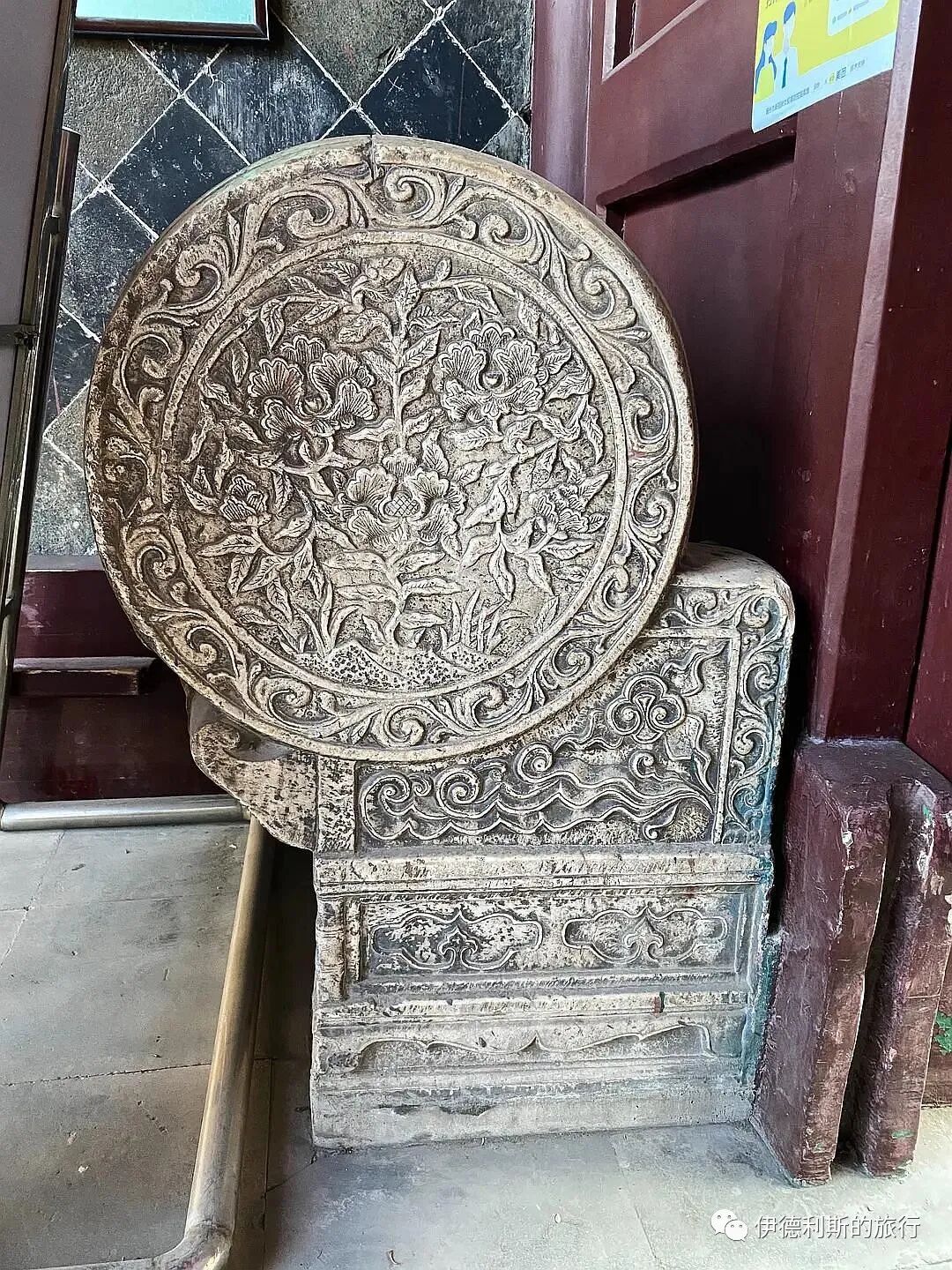
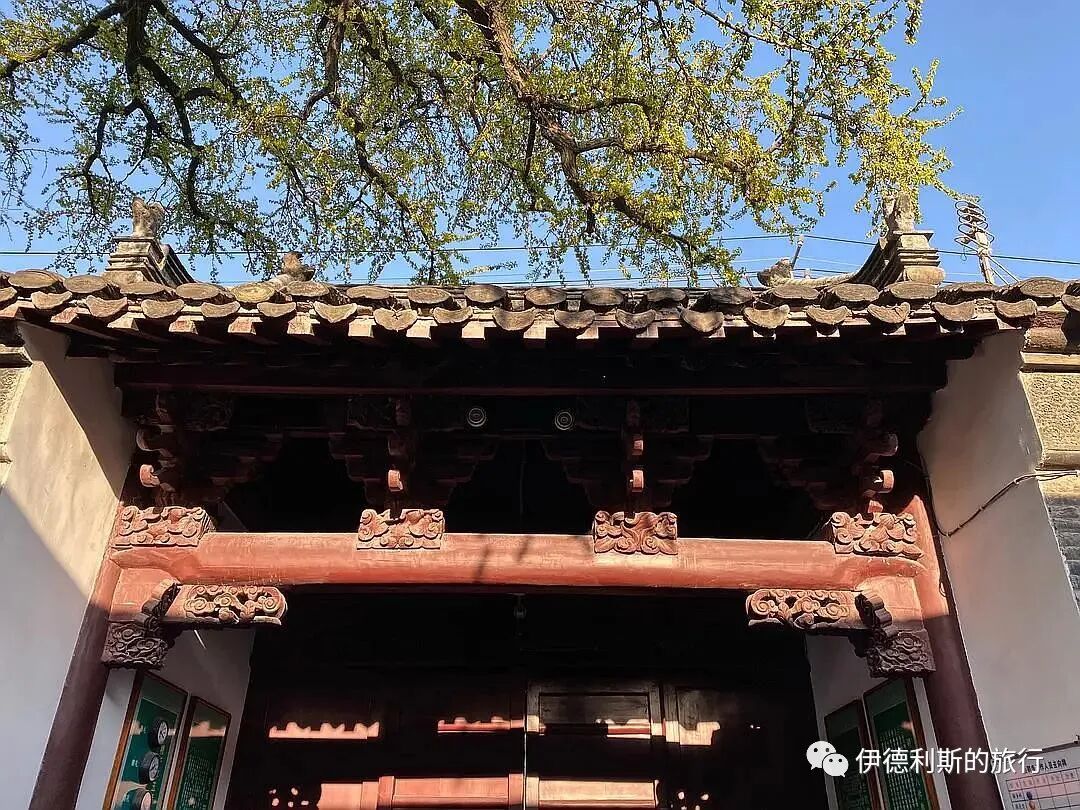
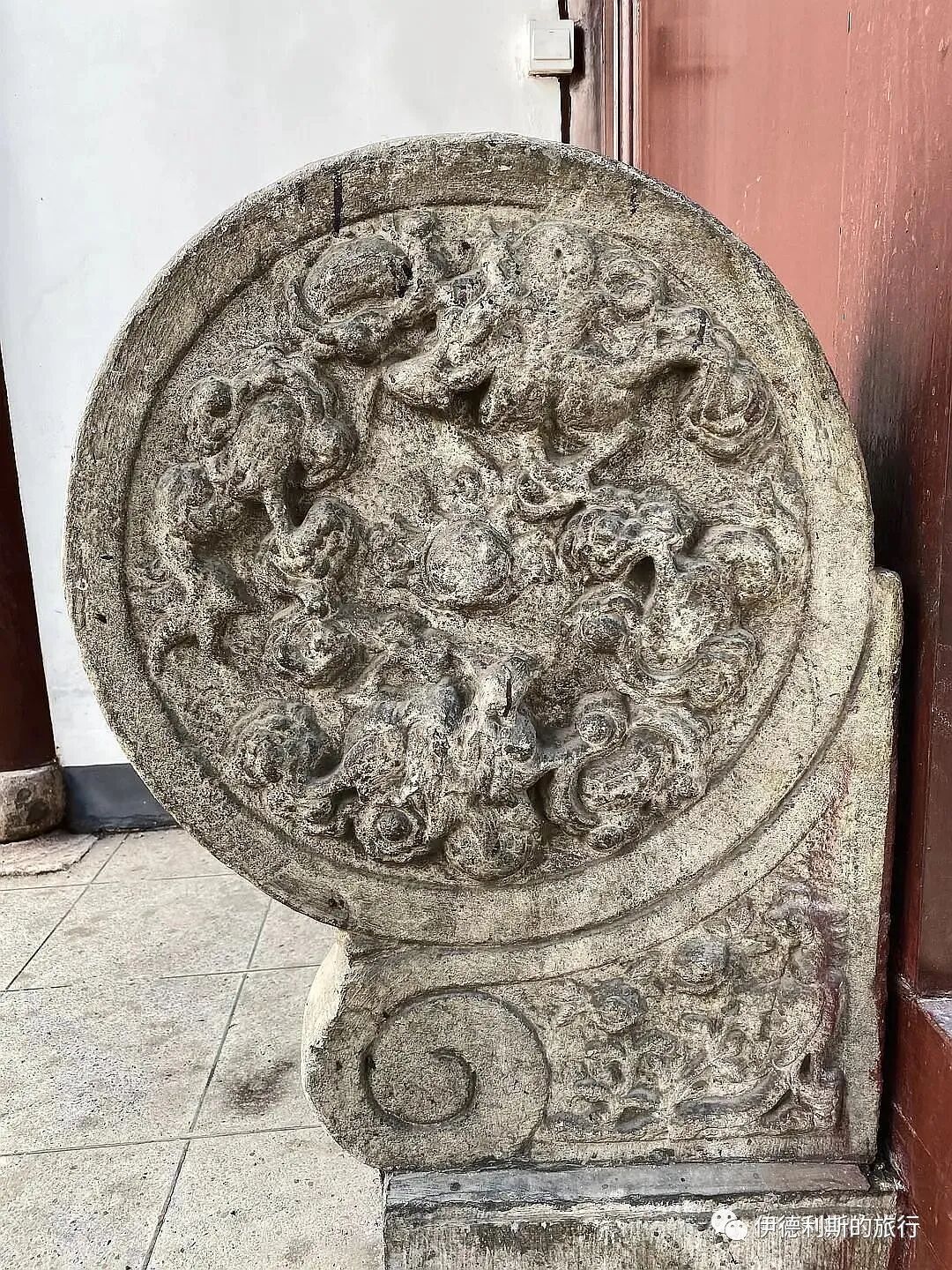
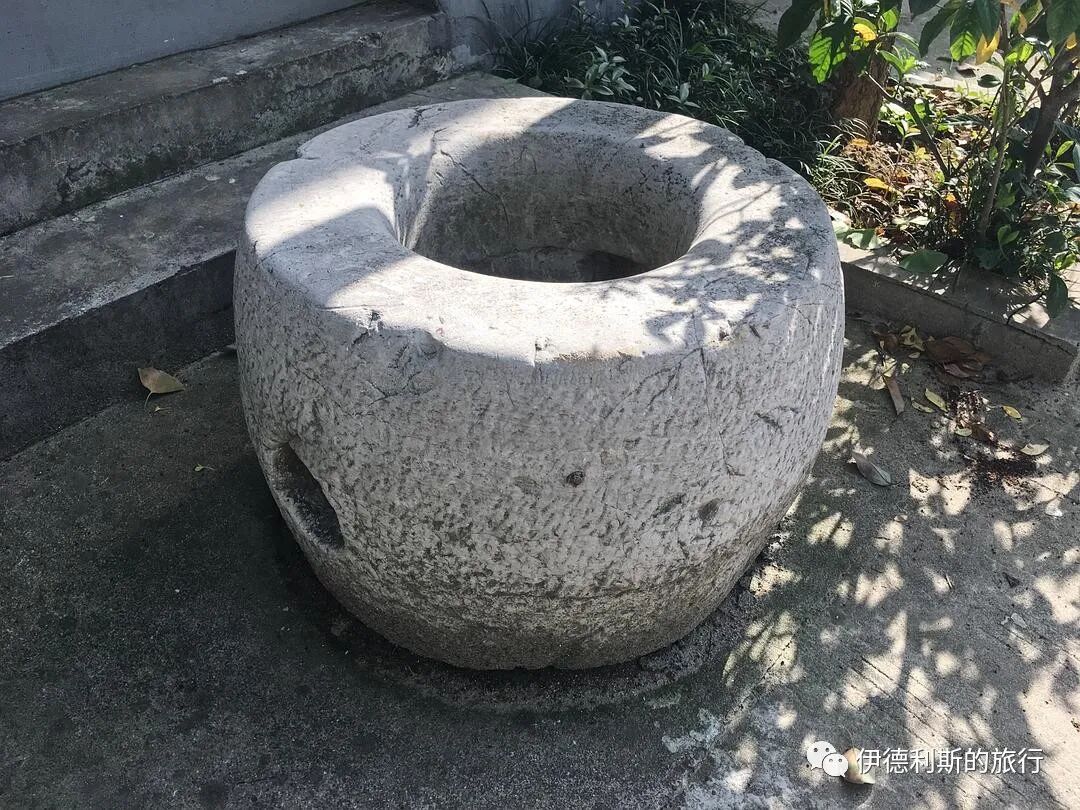
The gate tower features a single-eave, ridge-roofed, hard-hill style, with some wooden components remaining from the Ming Dynasty. The Ming Dynasty drum-shaped stone bases in front of the gate are very exquisite and rare among mosques in the country.
The courtyard of Xianhe Mosque follows a small patio layout, rather than the quadrangle layout common in northern mosques. Xianhe Mosque divides the lecture hall, the main prayer hall, and the gate into three small, independent patio courtyards. Furthermore, a moon-viewing pavilion and a veranda were built outside the south gable of the main prayer hall, giving the mosque a garden-like atmosphere.
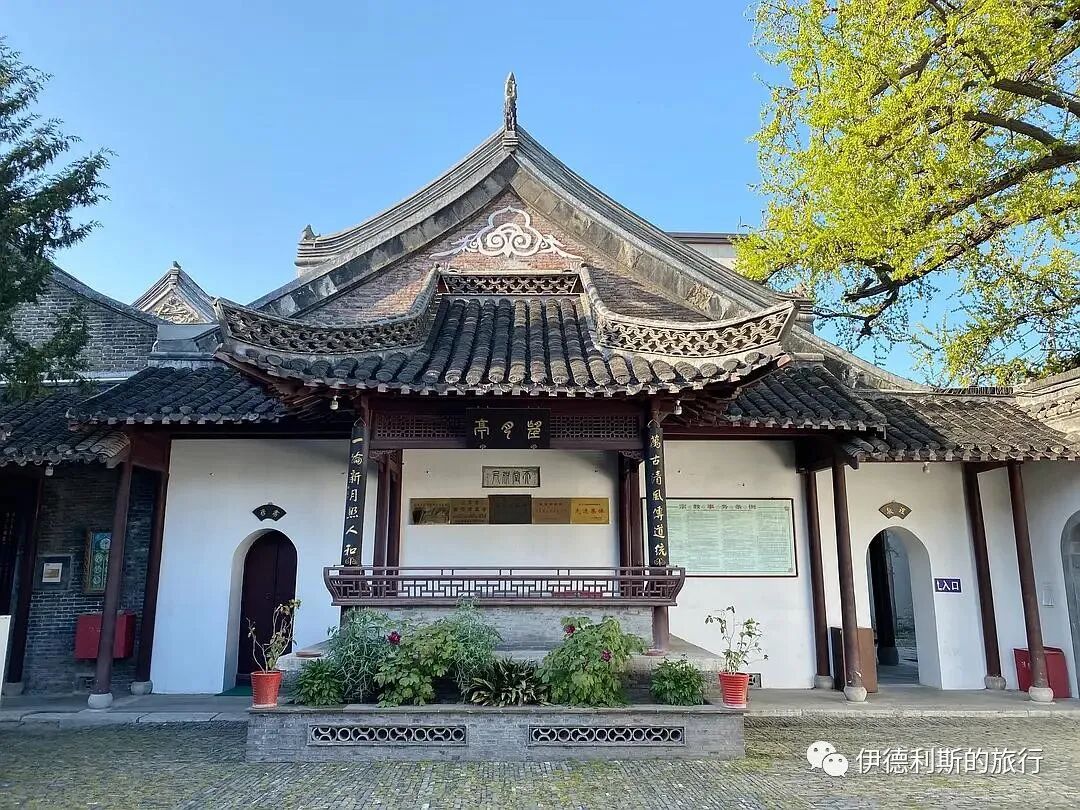
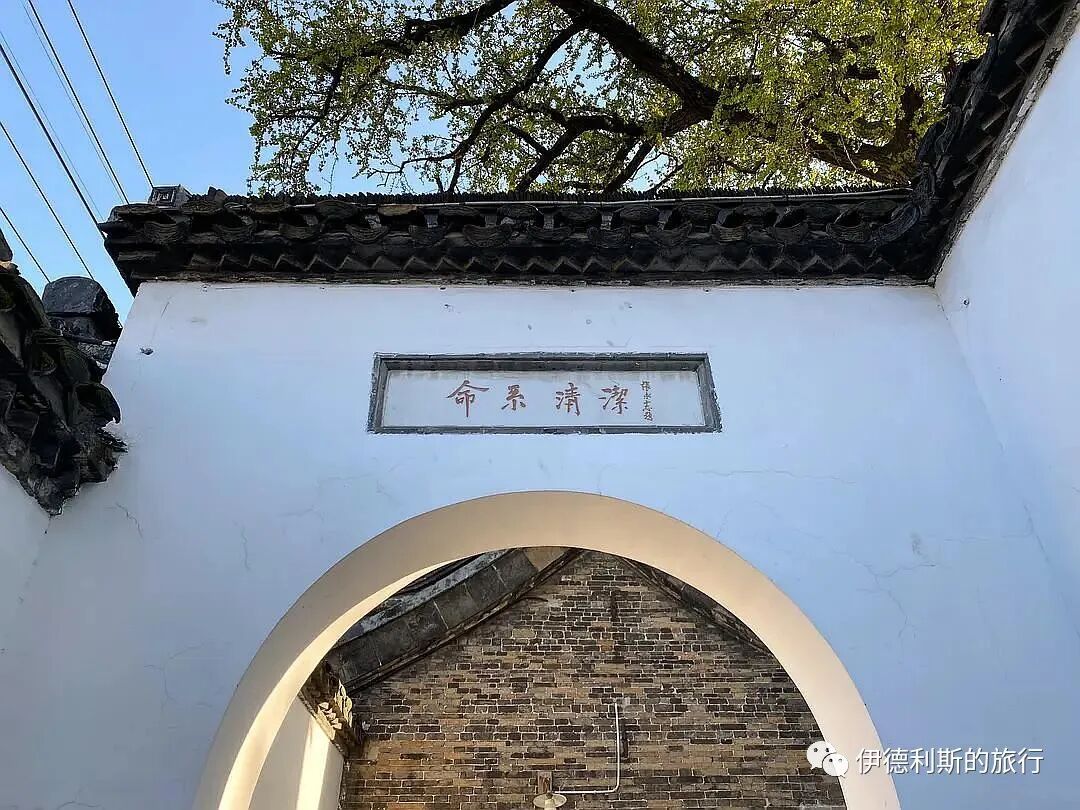
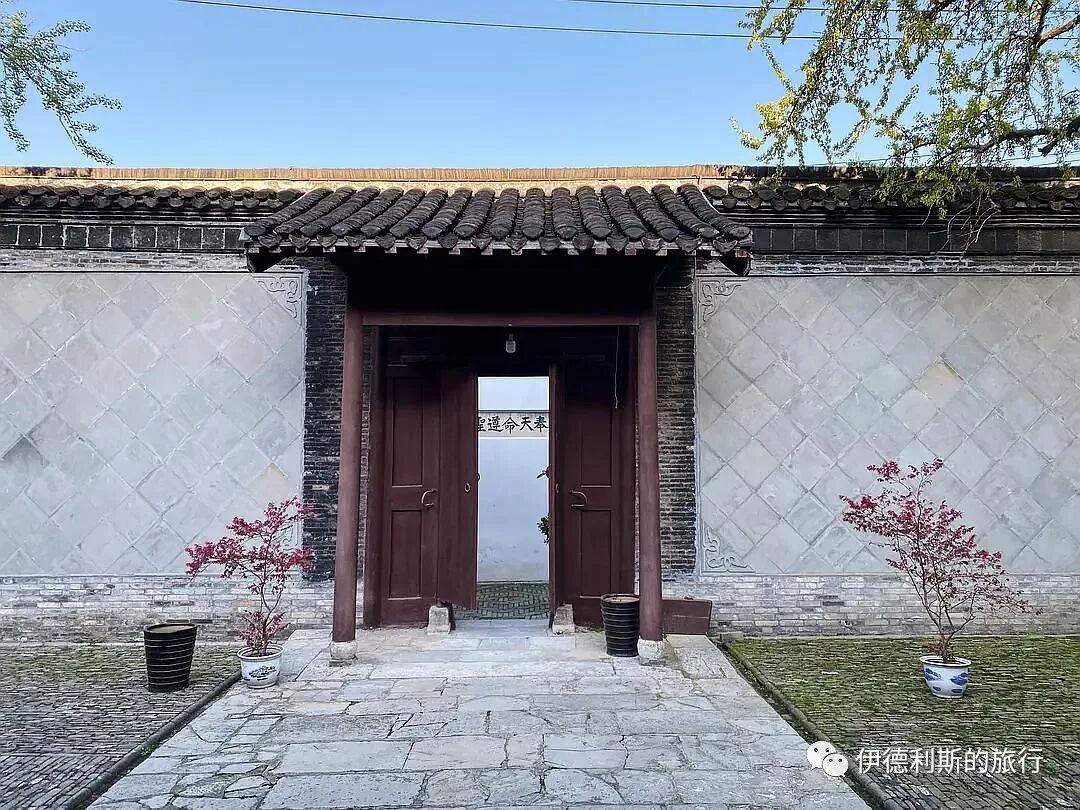
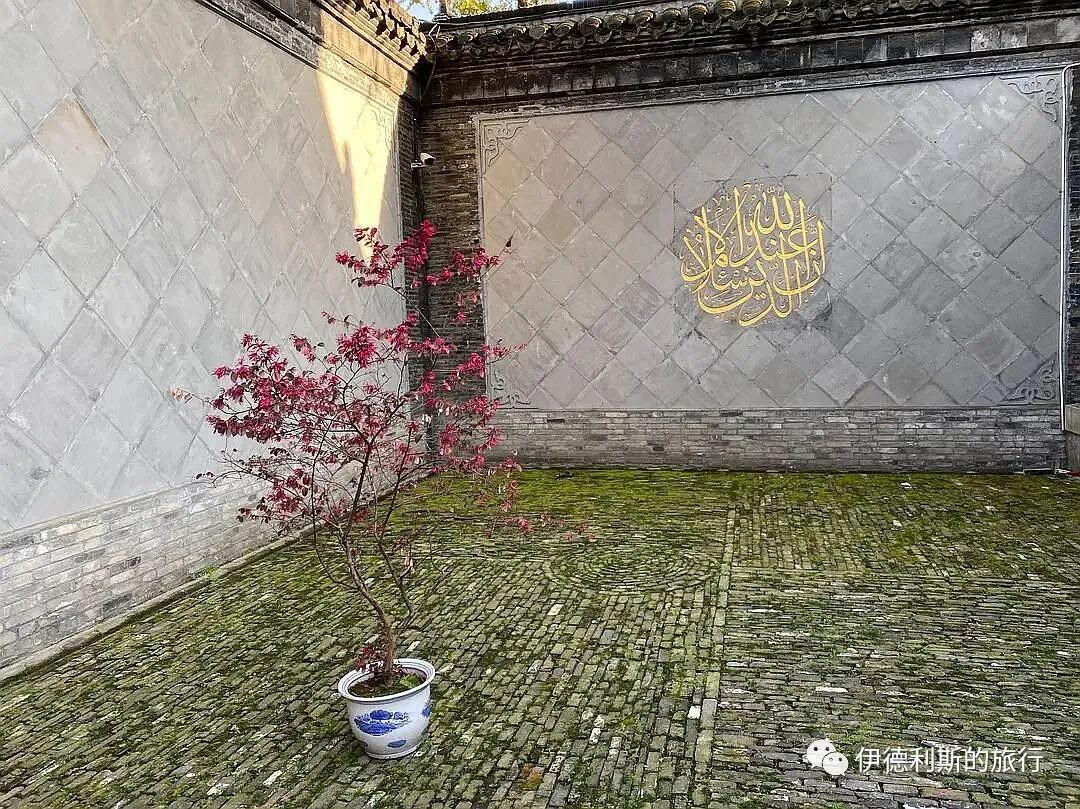
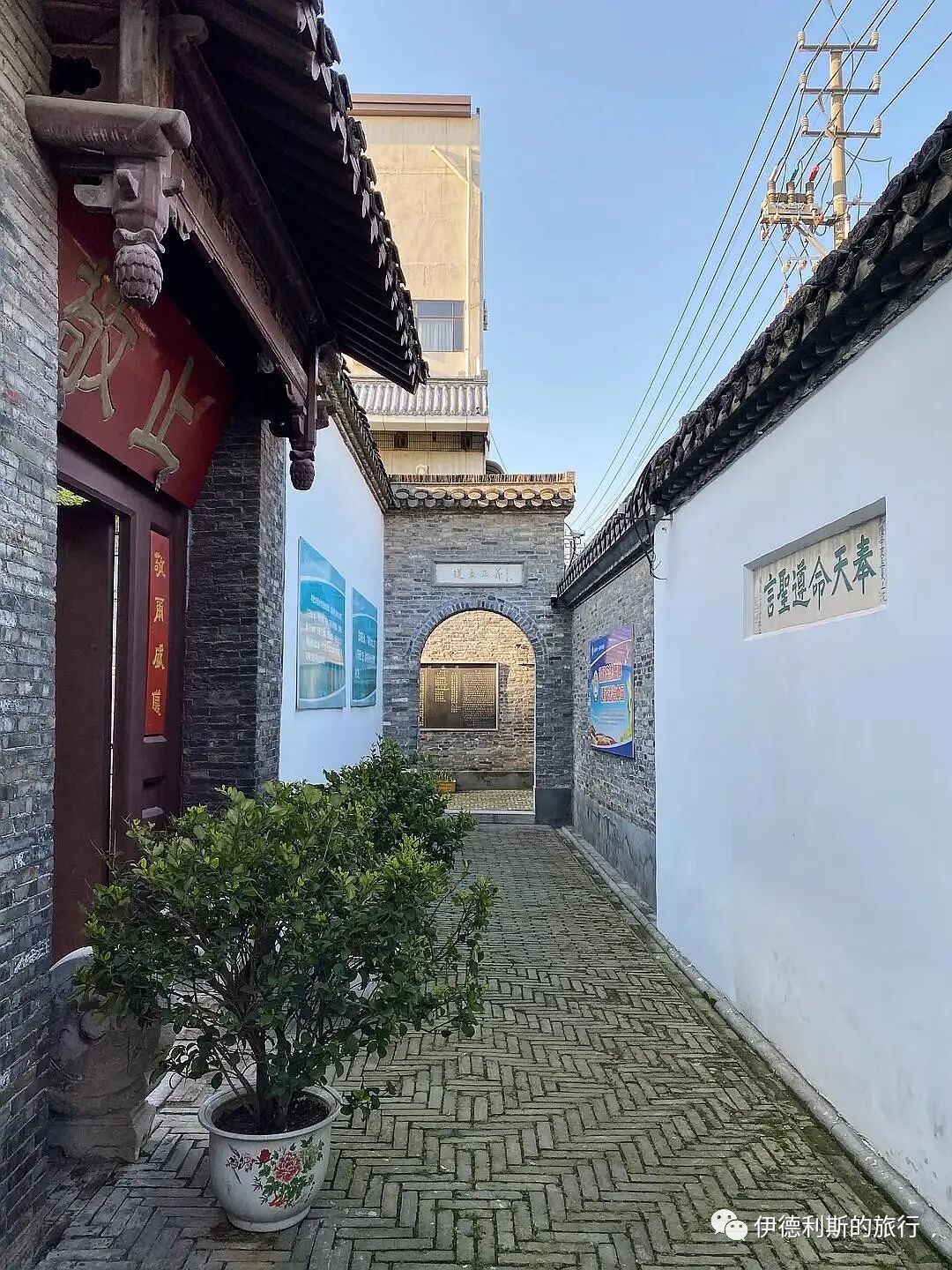
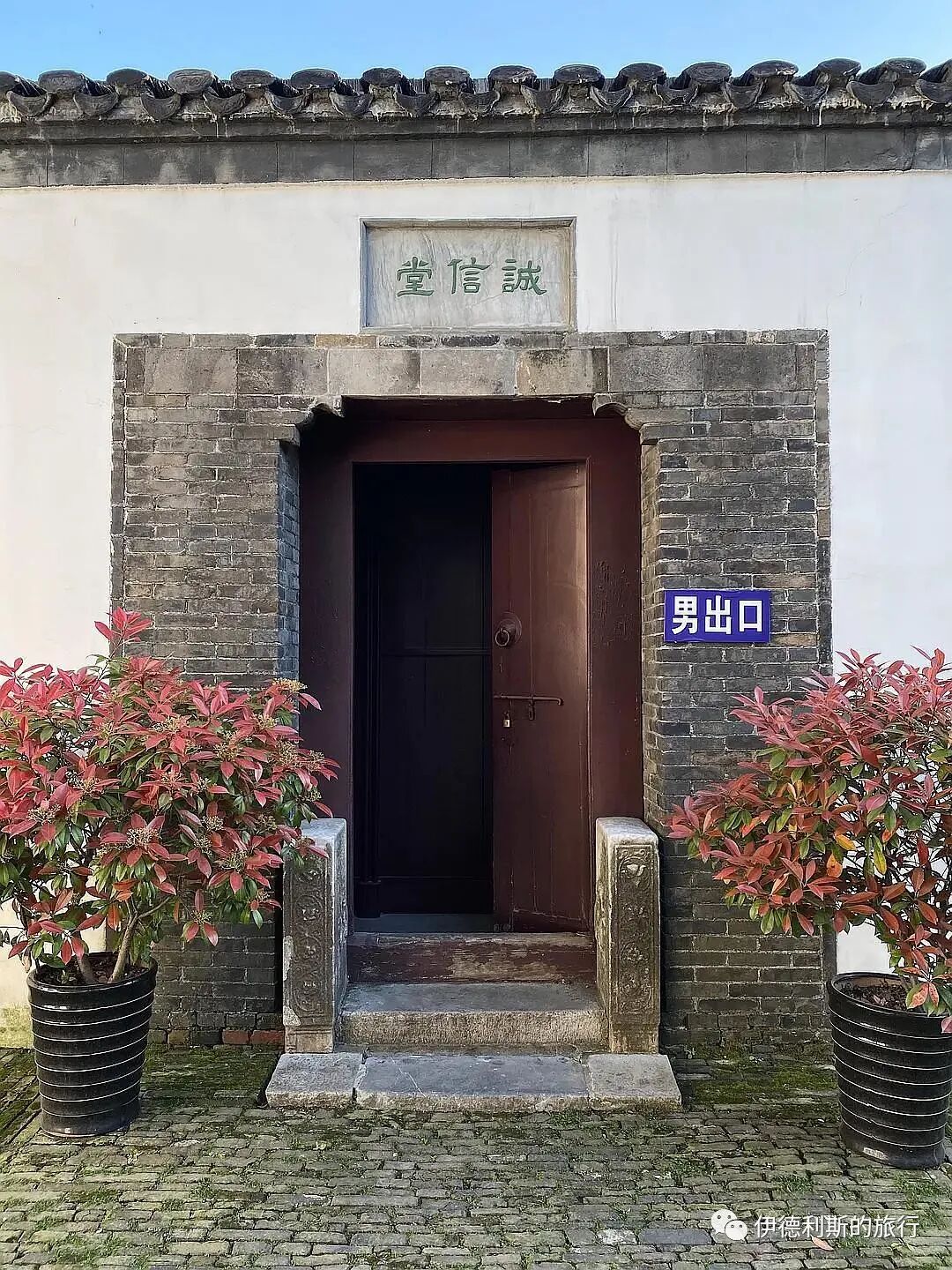
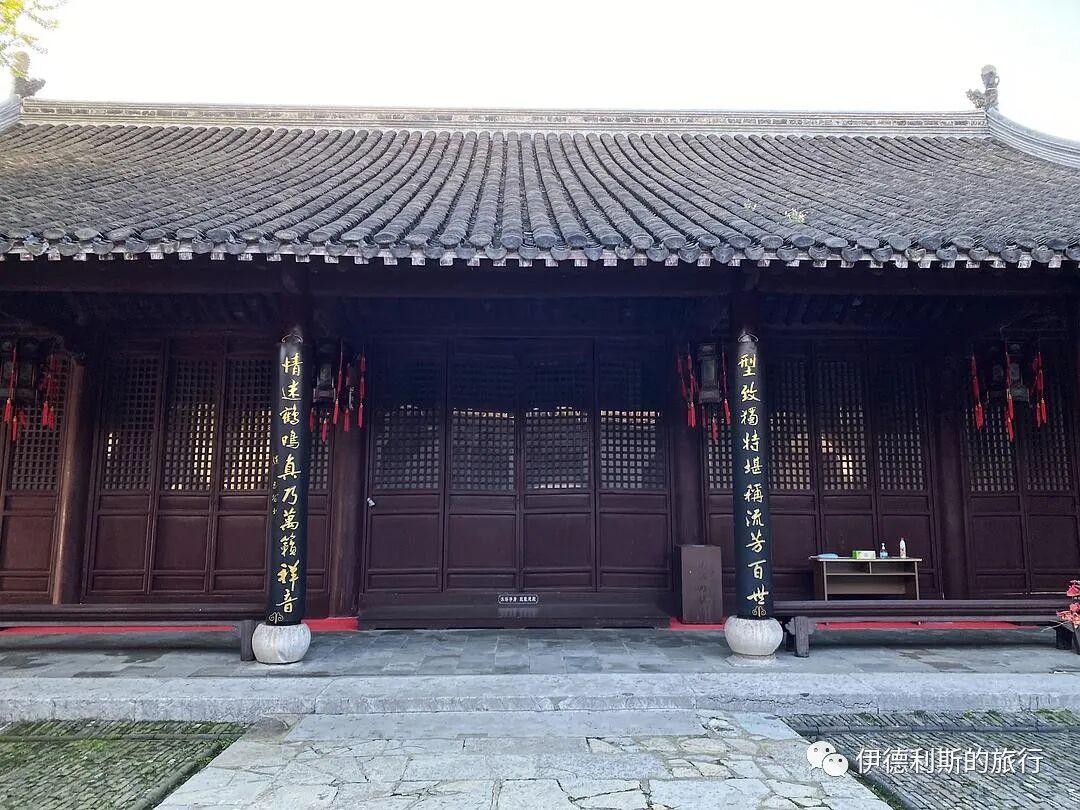
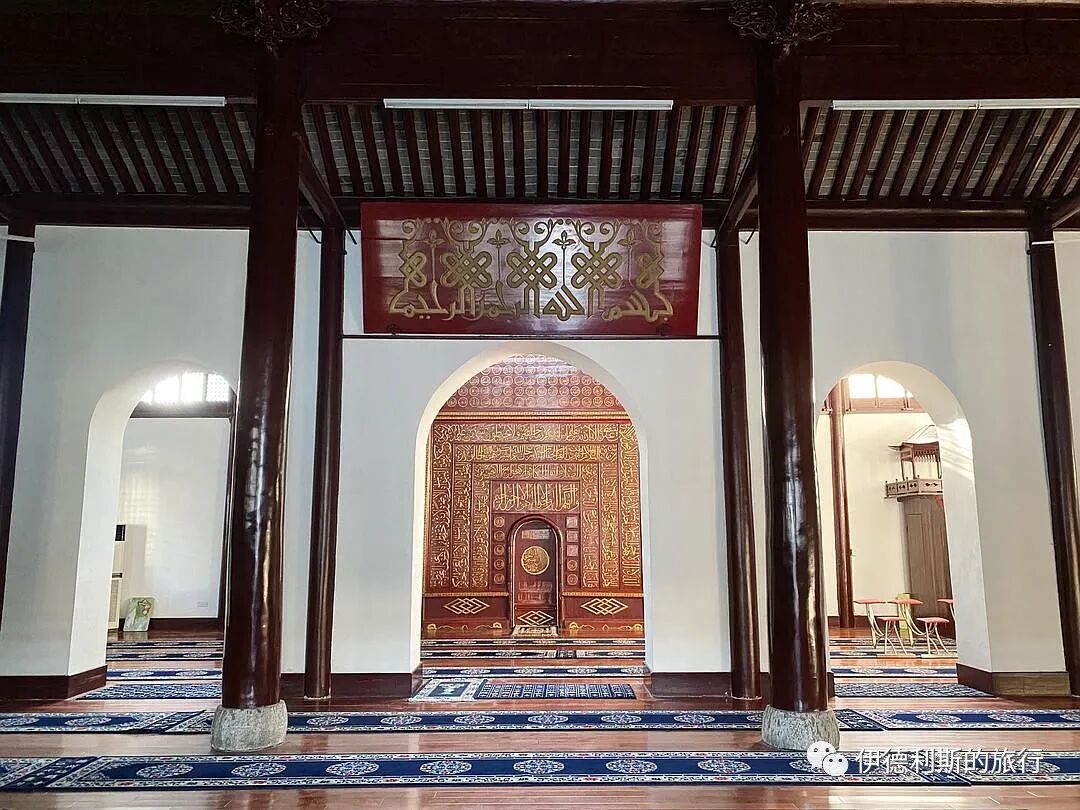
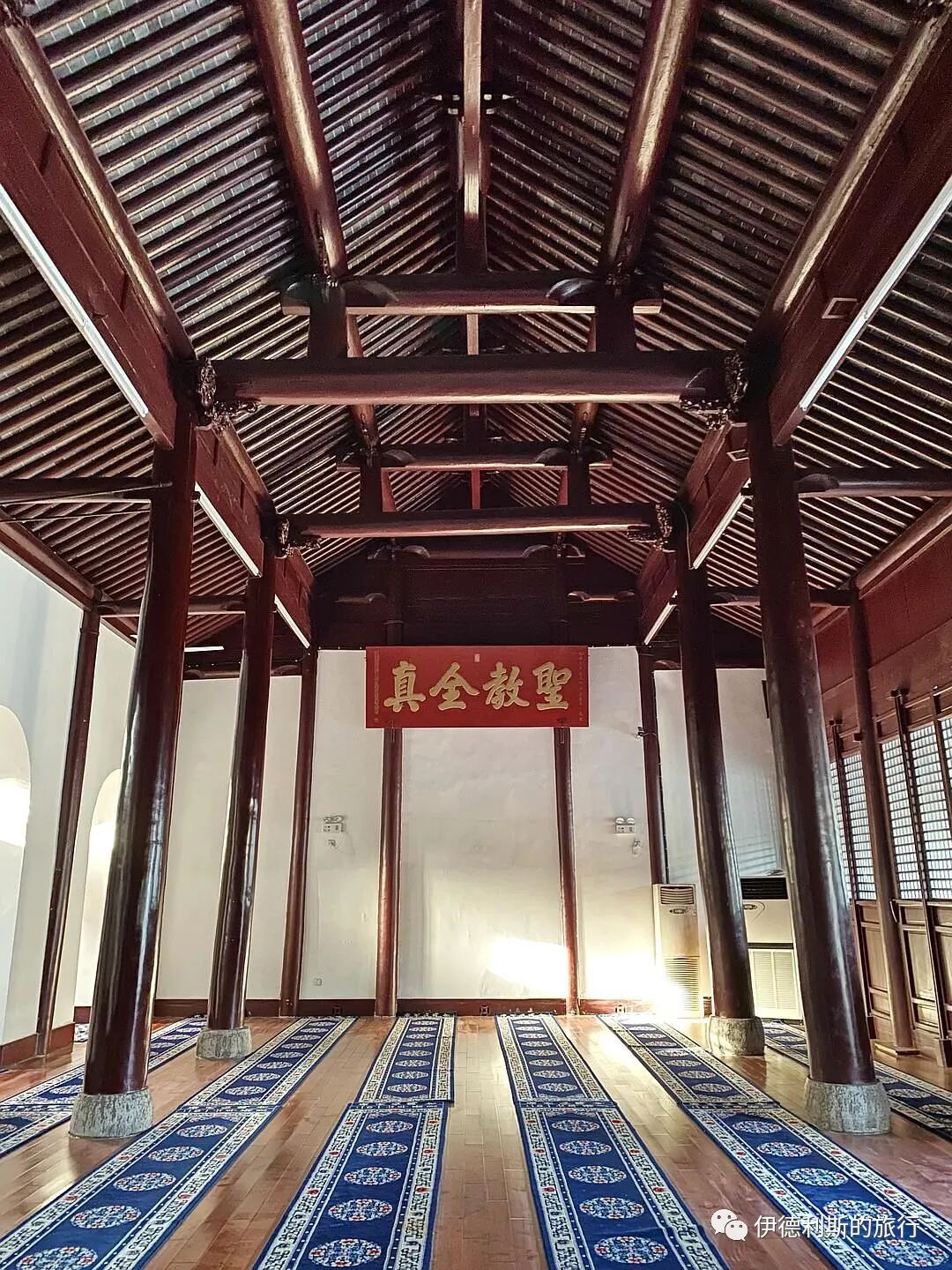
Main prayer hall of Xianhe Mosque
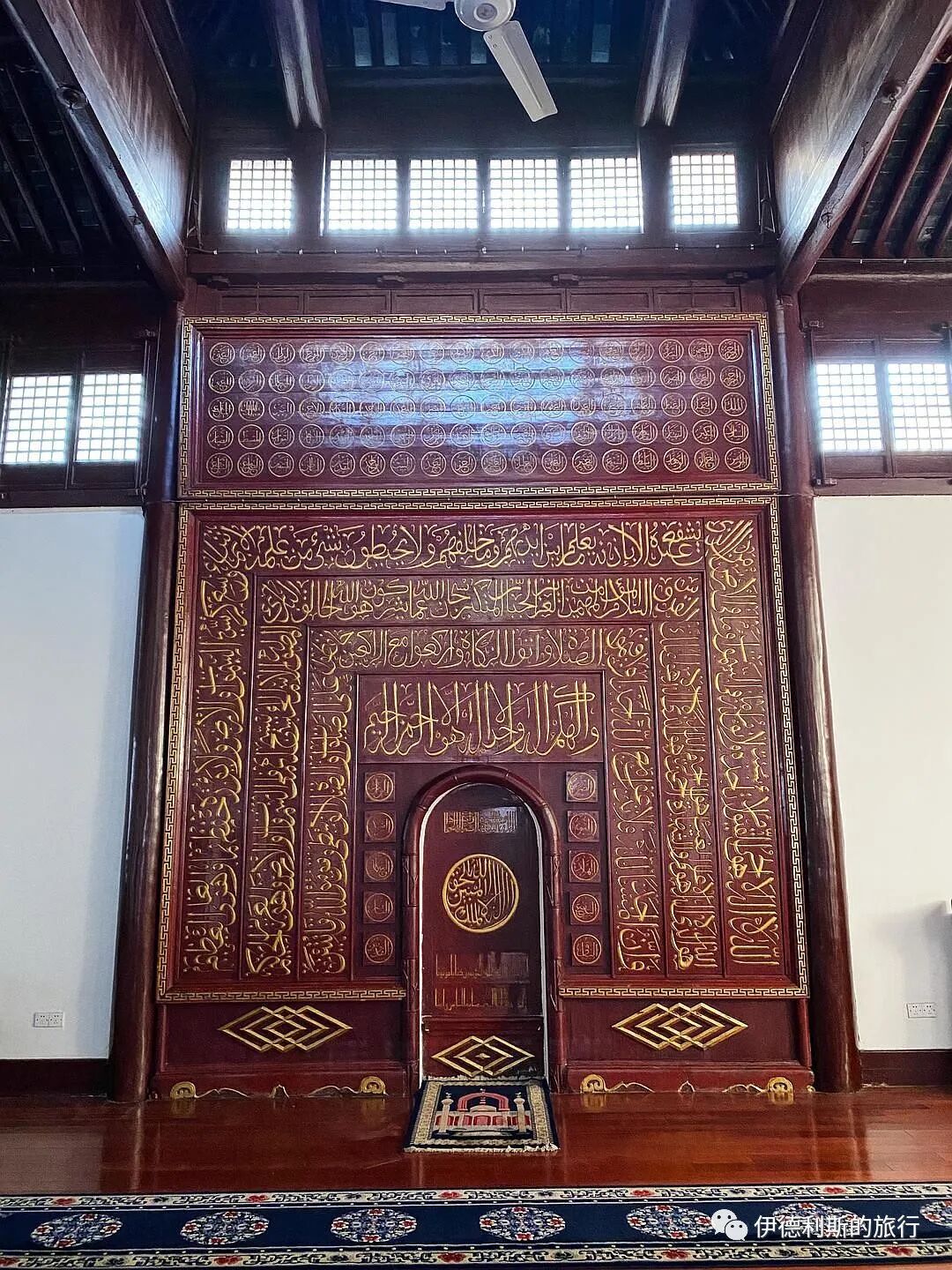
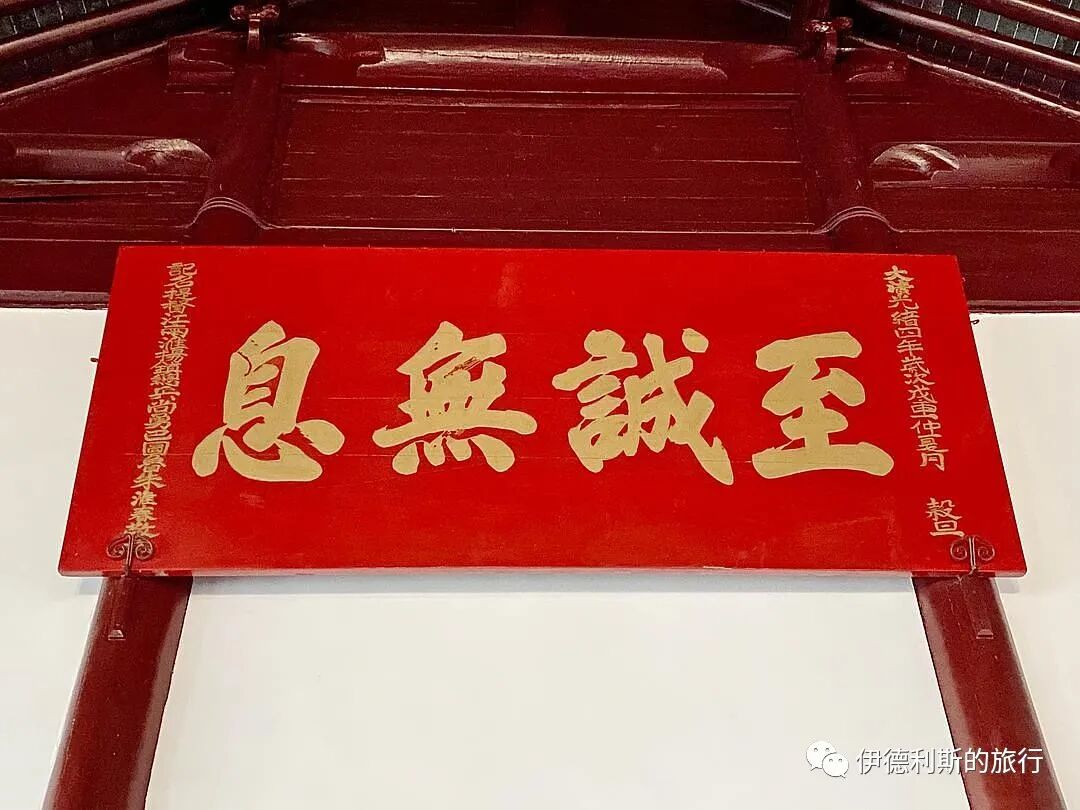
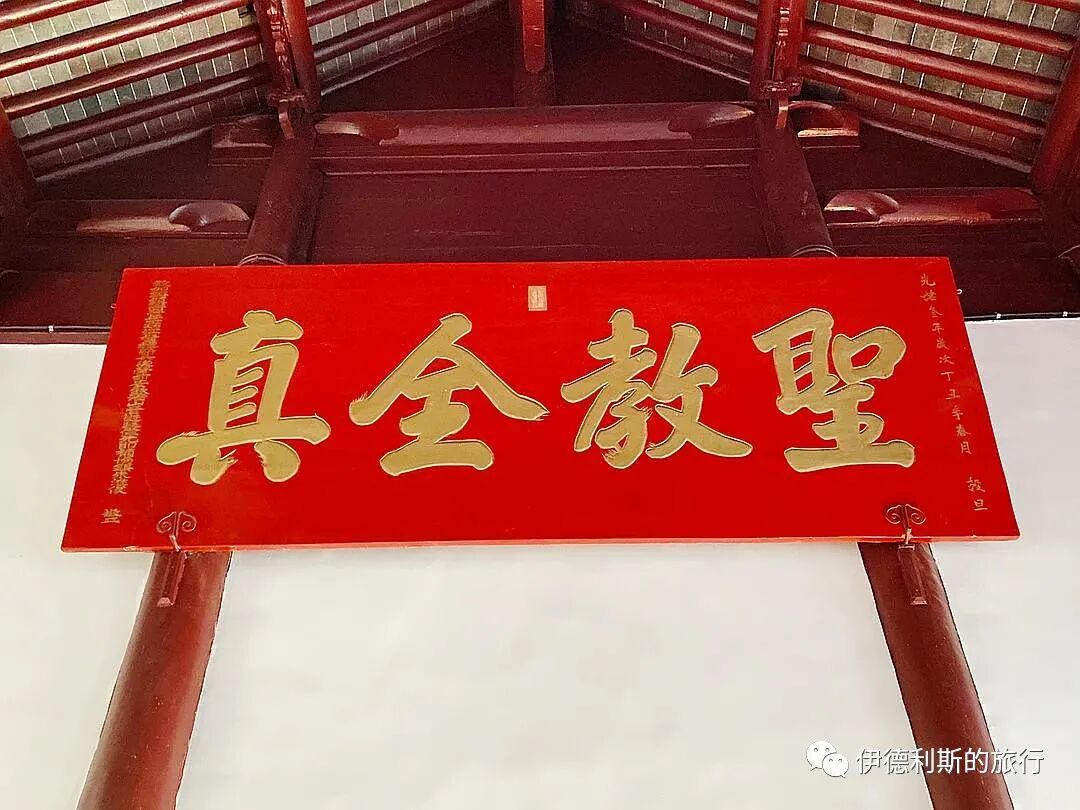
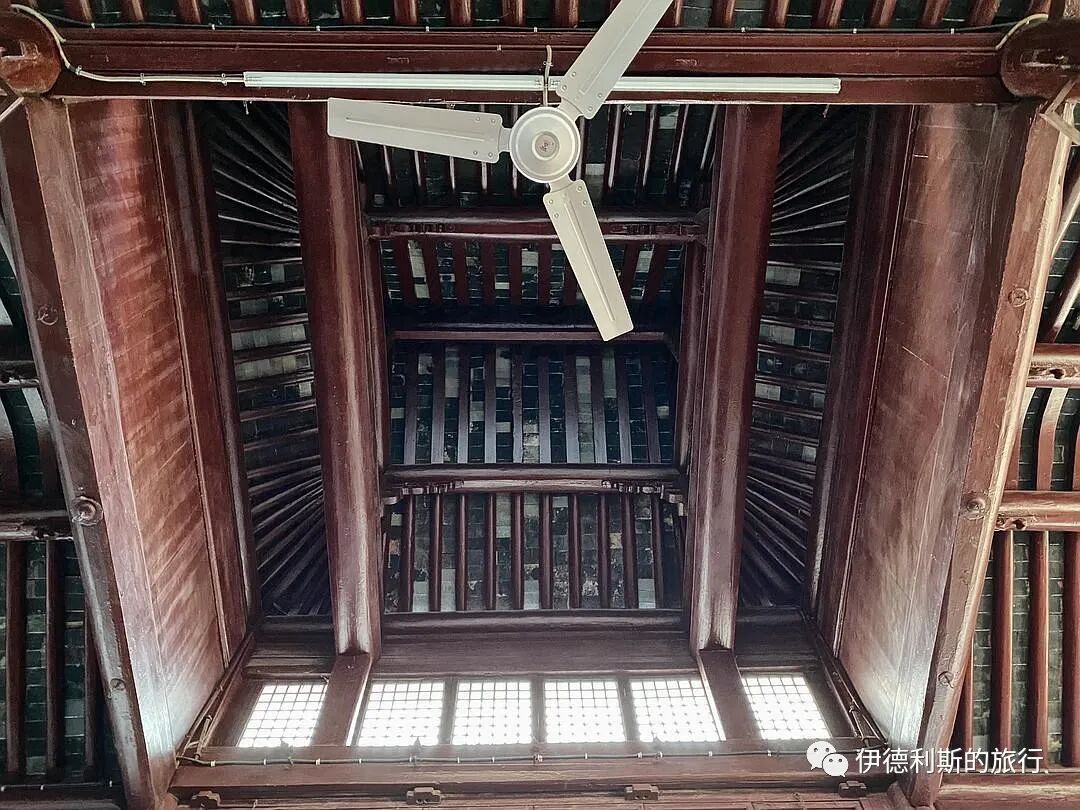
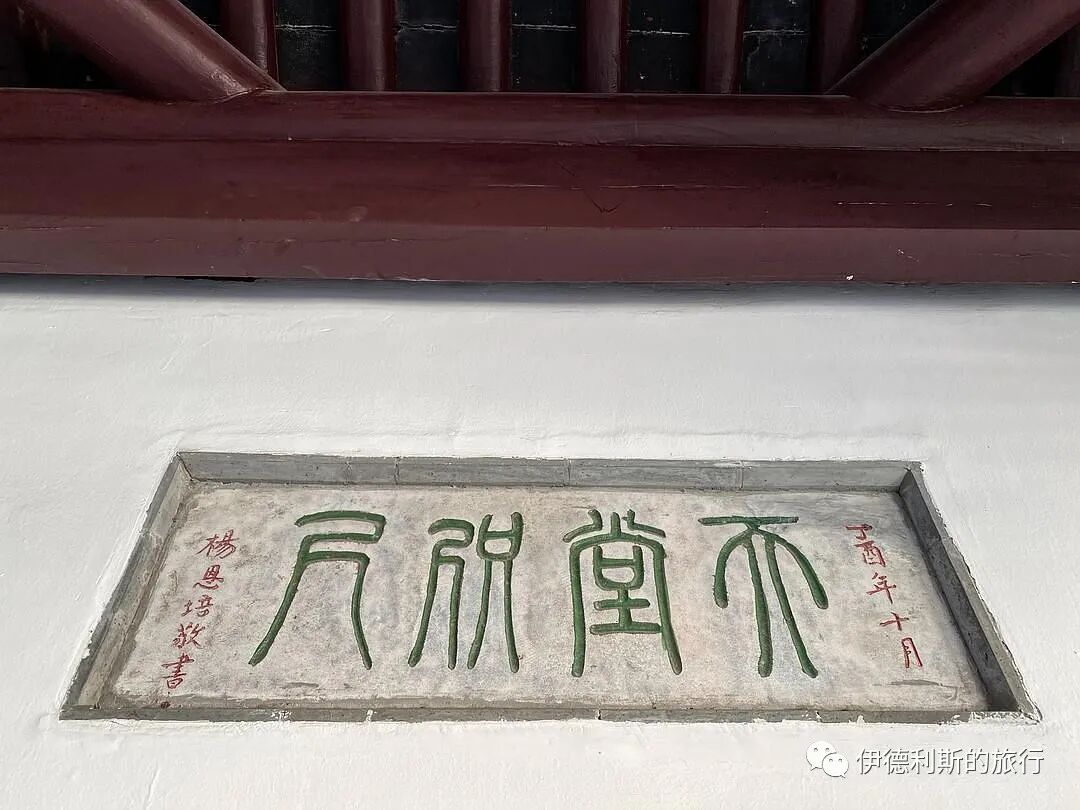
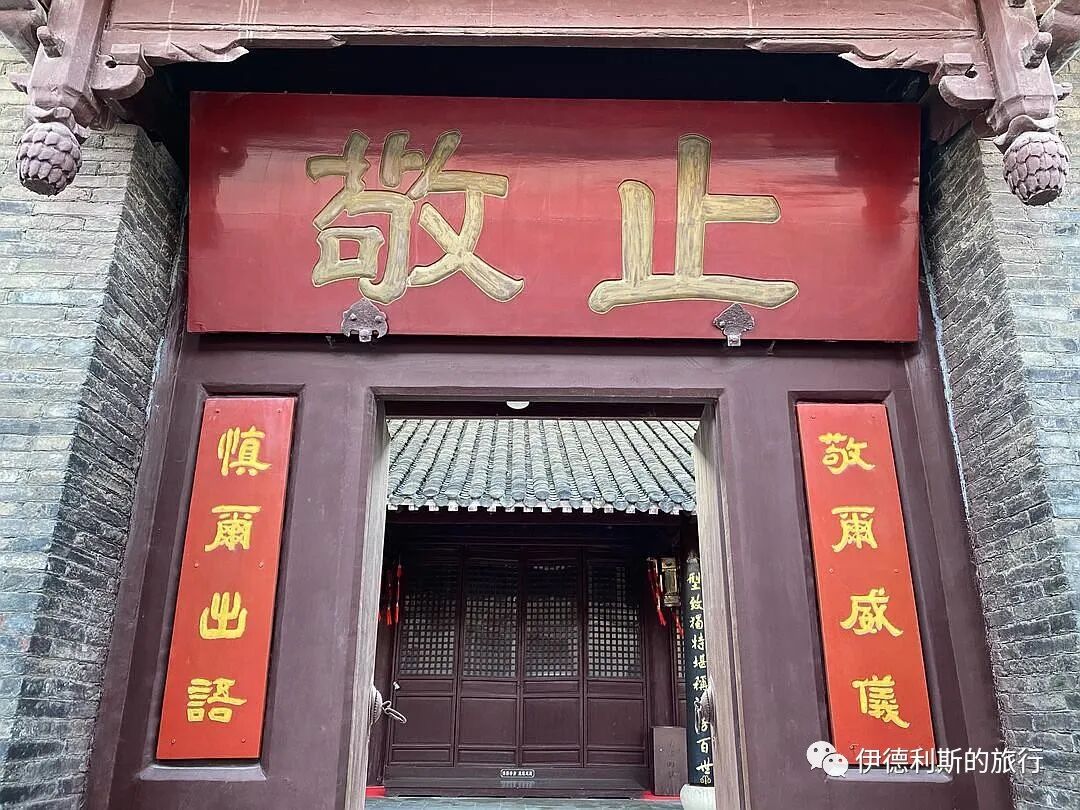
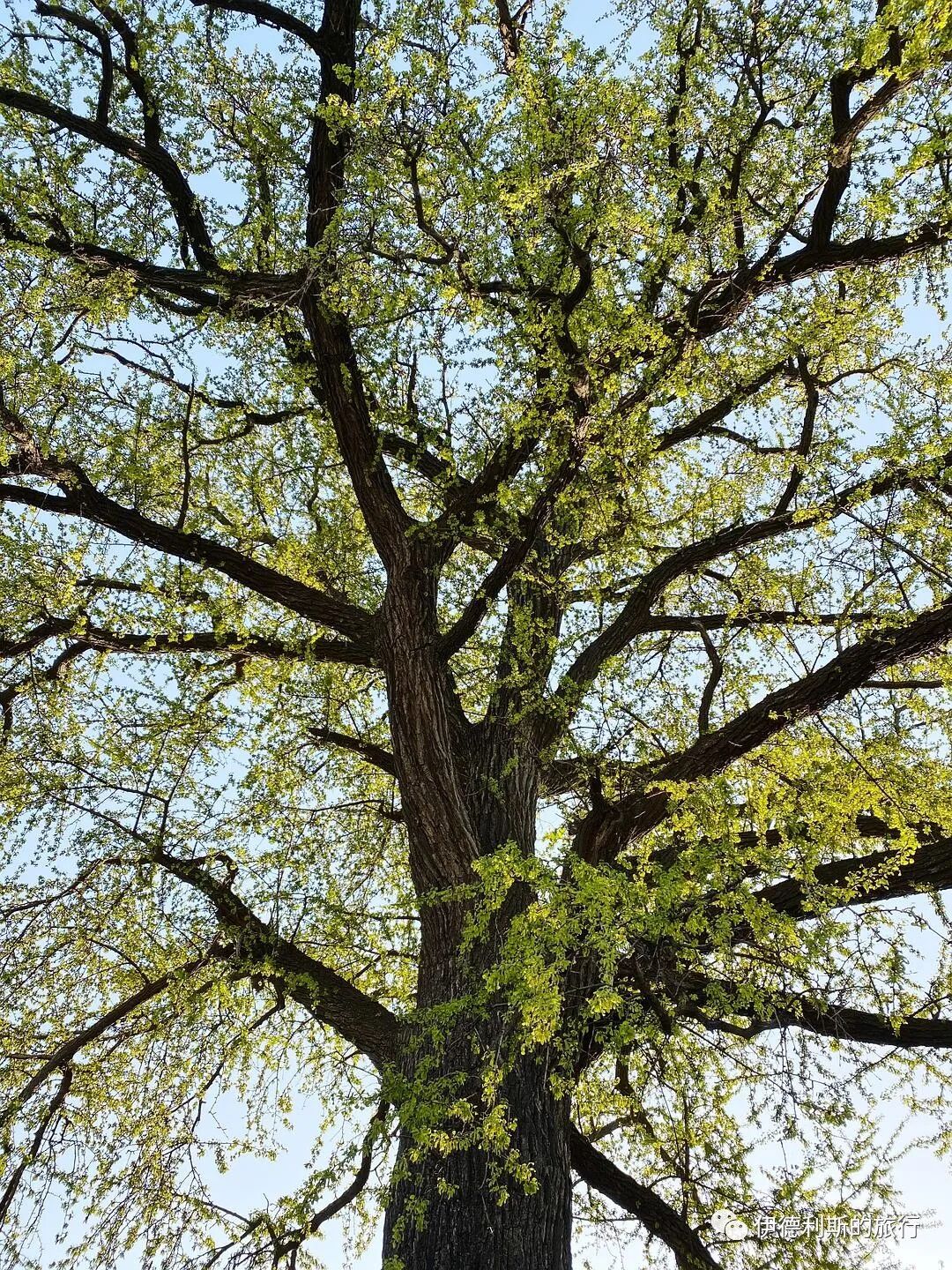
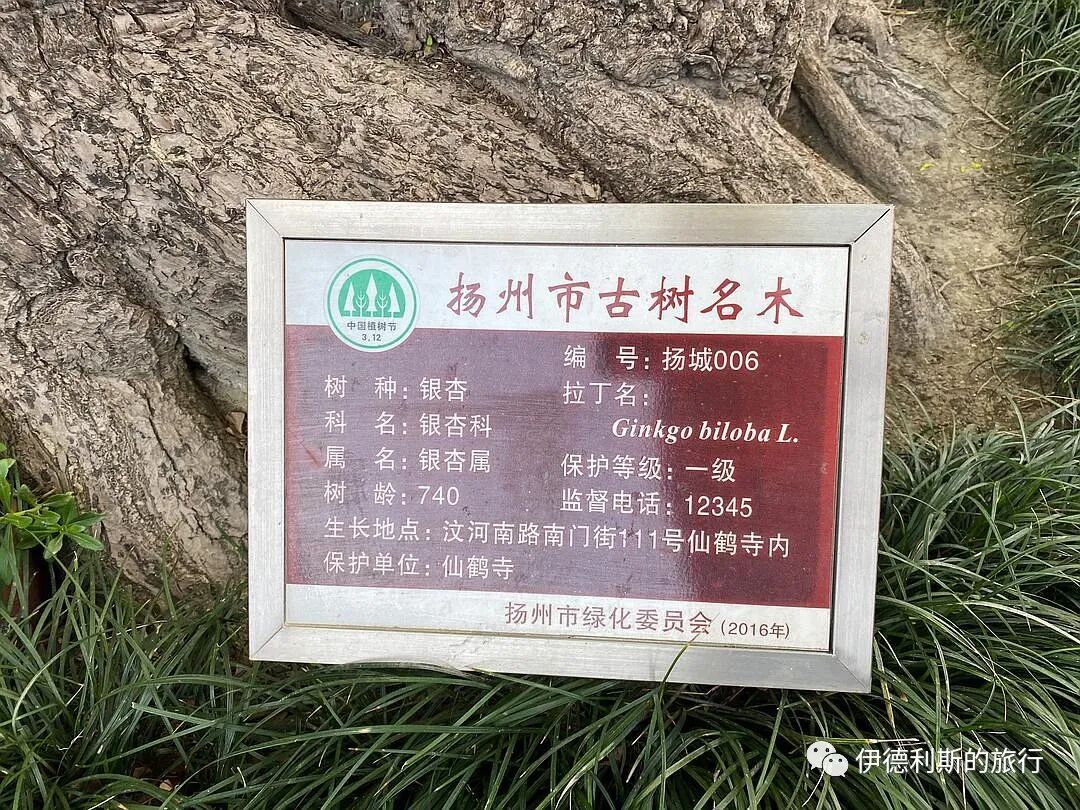
There is a 745-year-old ancient ginkgo tree inside Xianhe Mosque, which is the oldest surviving ginkgo tree in Yangzhou.
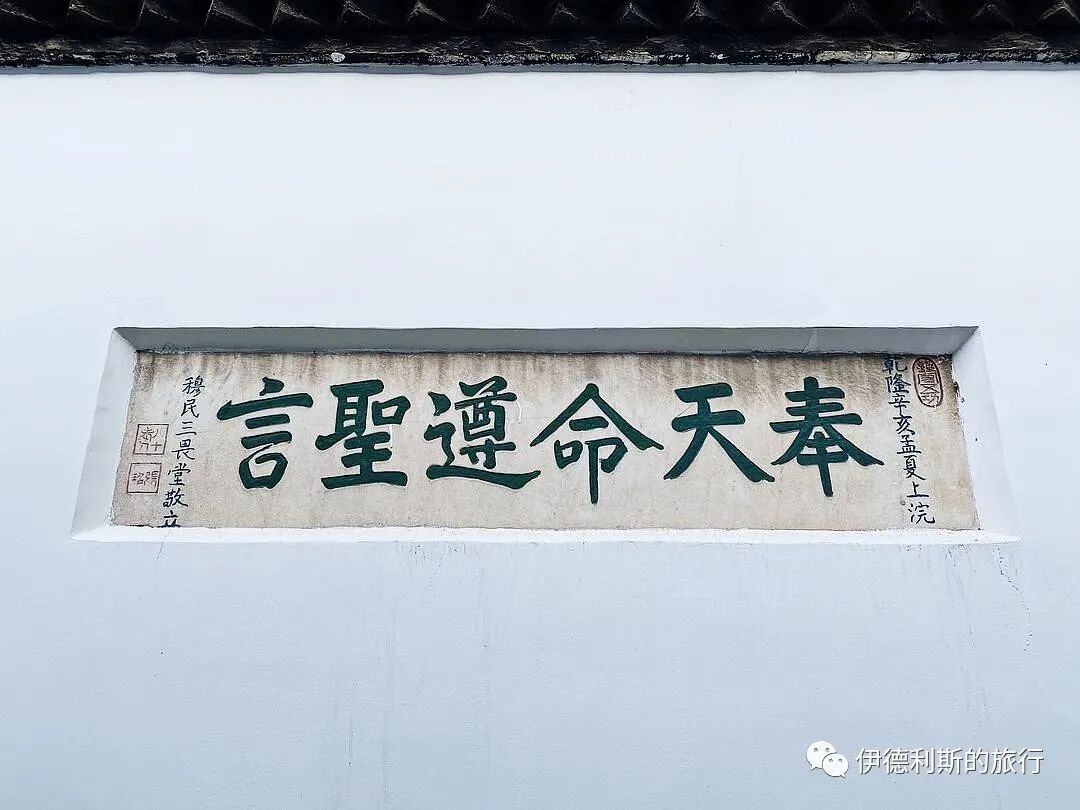
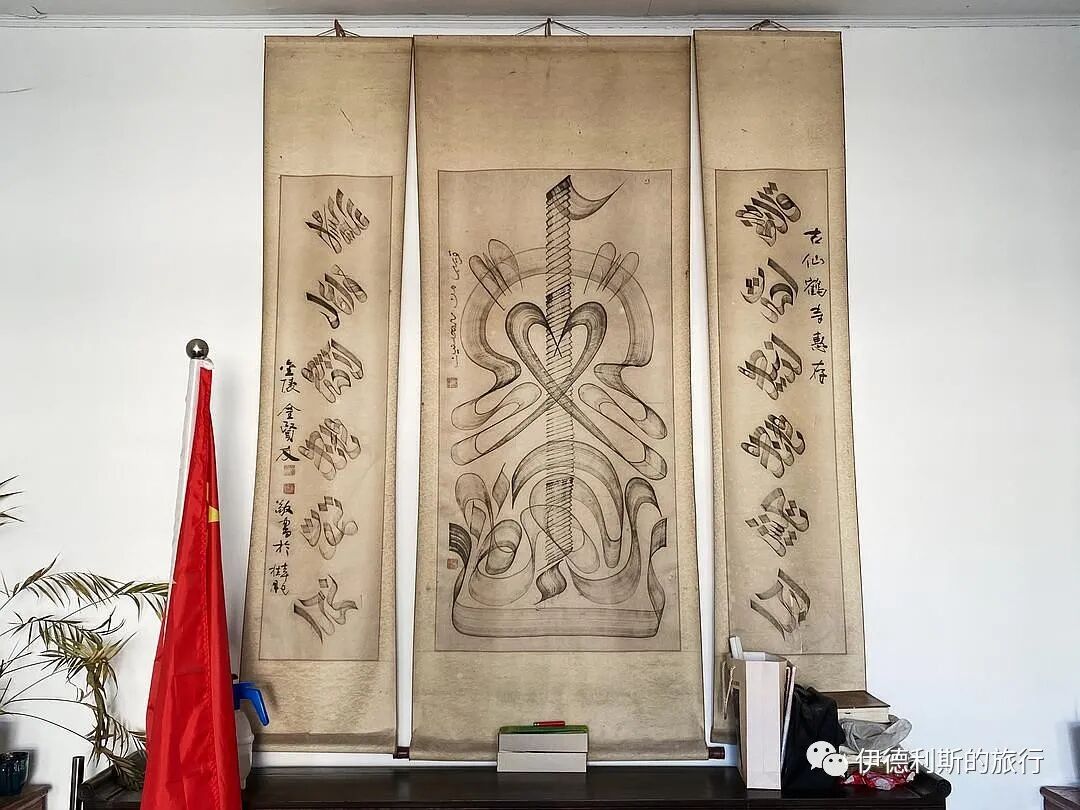
2. Majian Lane Mosque: 1714
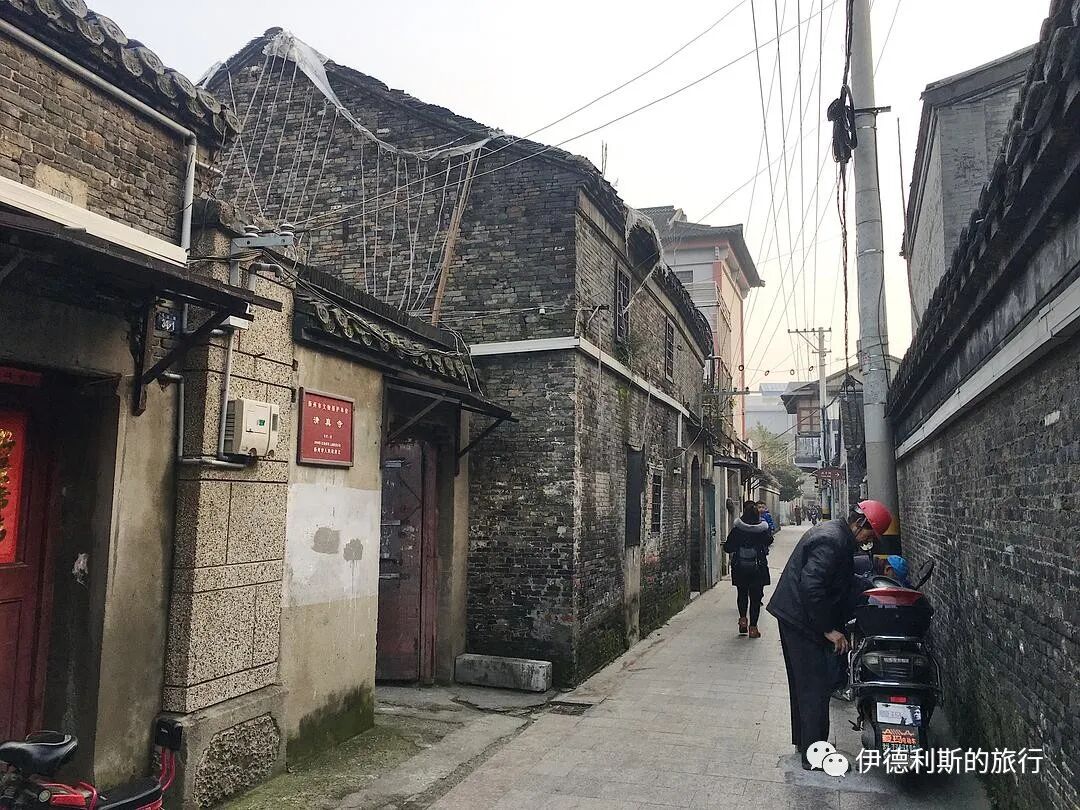
There is a Majian Lane Mosque on Majian Lane in the East Gate Street of Yangzhou. According to the Gu family genealogy of the Hui people, the Majian Lane Mosque was built in 1714 (the 53rd year of the Kangxi era) by Gu Yuanbing, the 24th-generation descendant of the ancient Bo Ding.
Majian Lane Mosque originally had dozens of rooms, including a gate hall, a memorial archway, a main prayer hall, a reception hall, a water room, side rooms, and dormitories. Currently, two main prayer halls, a reception hall, and a water room remain.
In the early years of the Republic of China, the mosque housed the second Yangzhou branch of the Beijing "Zhenzong Newspaper" and an Islamic book and newspaper room. In 1932, Liu Binru, a famous imam in Yangzhou and one of the founders of the China Islamic Association, along with Hua Ruzhou, then a director of the Jiangdu County Hui Association, established the "China Islamic Scripture Translation Institute" here, dedicated to the translation of the Quran. Liu Binru, who was proficient in Arabic and Persian, was responsible for translating the original Arabic text, while Hua Ruzhou was responsible for translating the summaries from the English version by the Indian Muslim scholar Muhammad Ali, which were attached before the text of each section of the Quran. On January 1, 1935, the "Chinese Translation of the Quran with Ali's Summaries" was officially published, with an initial print run of 2,000 copies, sold by major bookstores across the country.
In 1933, the Yangzhou Islamic Association founded the Hui Cultural School here, presided over by Liu Binru. In addition to teaching Arabic, it also offered Chinese, English, and arithmetic, equivalent to the level of higher primary to junior high school, replacing the traditional scripture hall teaching form of individual instruction with large-class lectures. Teachers included Hua Jinhou, the imam of Majian Lane Mosque who was proficient in Arabic, Imam Ruan Dechang, Lan Baohua, the imam of the Hui Hall outside the East Gate, and Liu Binru. They also hired Hui Association members Shen Junchen and Zhang Shaozhe to teach Chinese and arithmetic, and Hua Ruzhou to teach English. There were more than 30 students, but it closed after one year due to a lack of funds.
Between 1934 and 1935, the missionary Bi Jingshi visited Majian Lane Mosque and saw the reading room set up inside, which contained many Muslim magazines, as well as the Quran translated by Wang Jingzhai and a portion of the Quran translated by the two translators mentioned above, Liu Binru and Hua Ruzhou. At the same time, he also took a picture of the "Gu Gong Memorial Monument" erected in the mosque in 1931, which stated that Gu Su had served as a mosque trustee for 11 years, repaired the water room and shops for the mosque, and built a new greenhouse, making great contributions to the mosque.
In the autumn of 1946, the Yangzhou Hui Youth Association founded the Shengsheng Primary School in the mosque, with Liu Binru serving as the chairman of the board. The school system was a complete primary school. When it opened, it initially set up 3 multi-grade classes, enrolling 150 students. It offered free tuition to the children of Hui families, provided books for particularly needy families, and also provided free care for children from non-Hui families in financial distress. Most of the teachers were unemployed Hui youths. It closed in the summer of 1949.
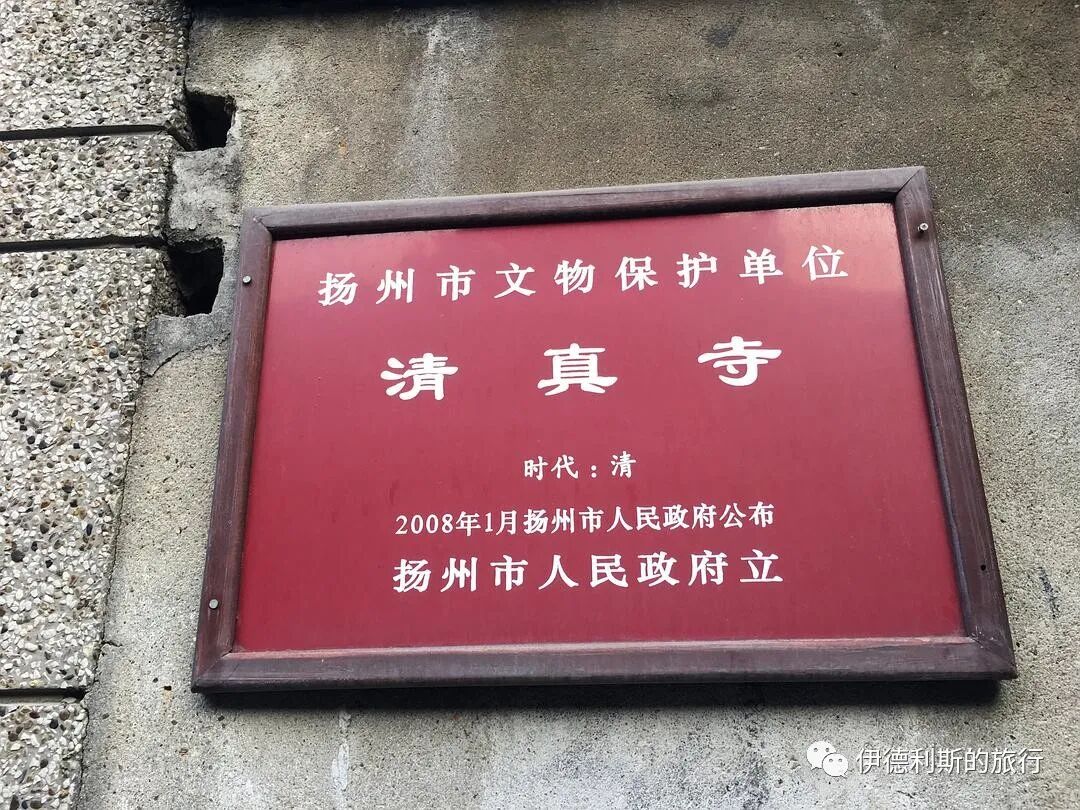
In 1958, the mosque was converted into a factory workshop and occupied by a craft sign factory, a sack factory, and a brush factory. It was not until 1997 that the mosque property was recovered, and in 2008 it was listed as a municipal cultural relic protection unit.
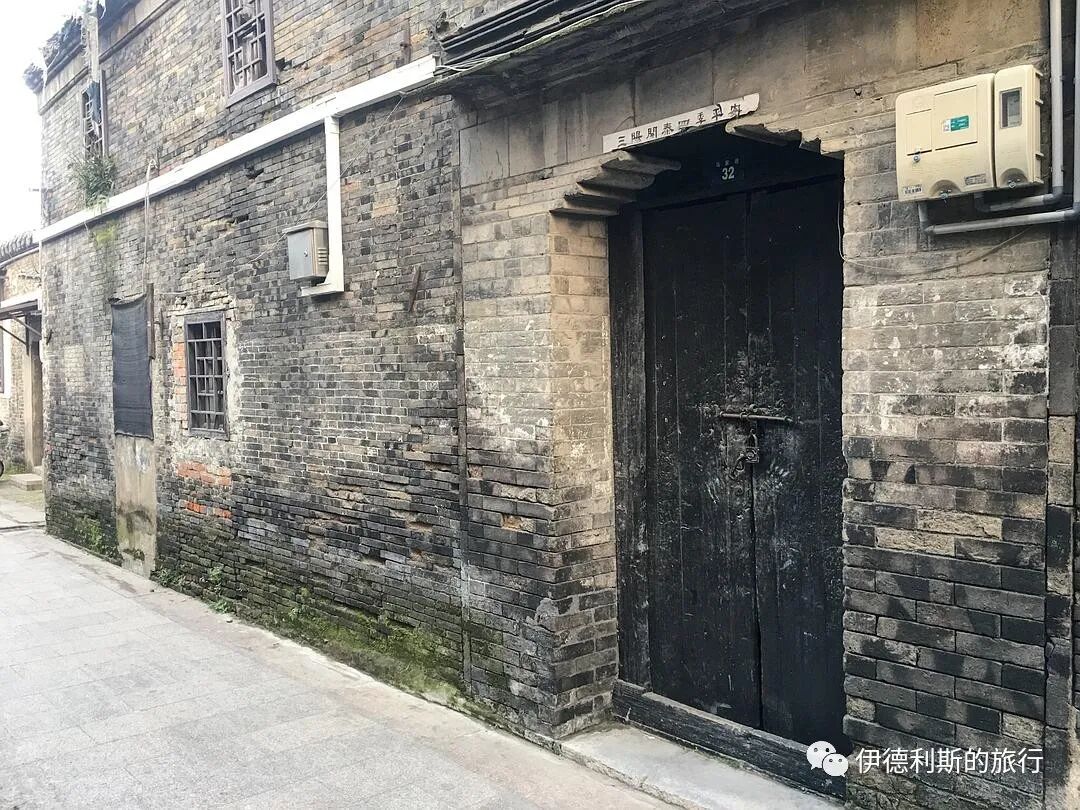
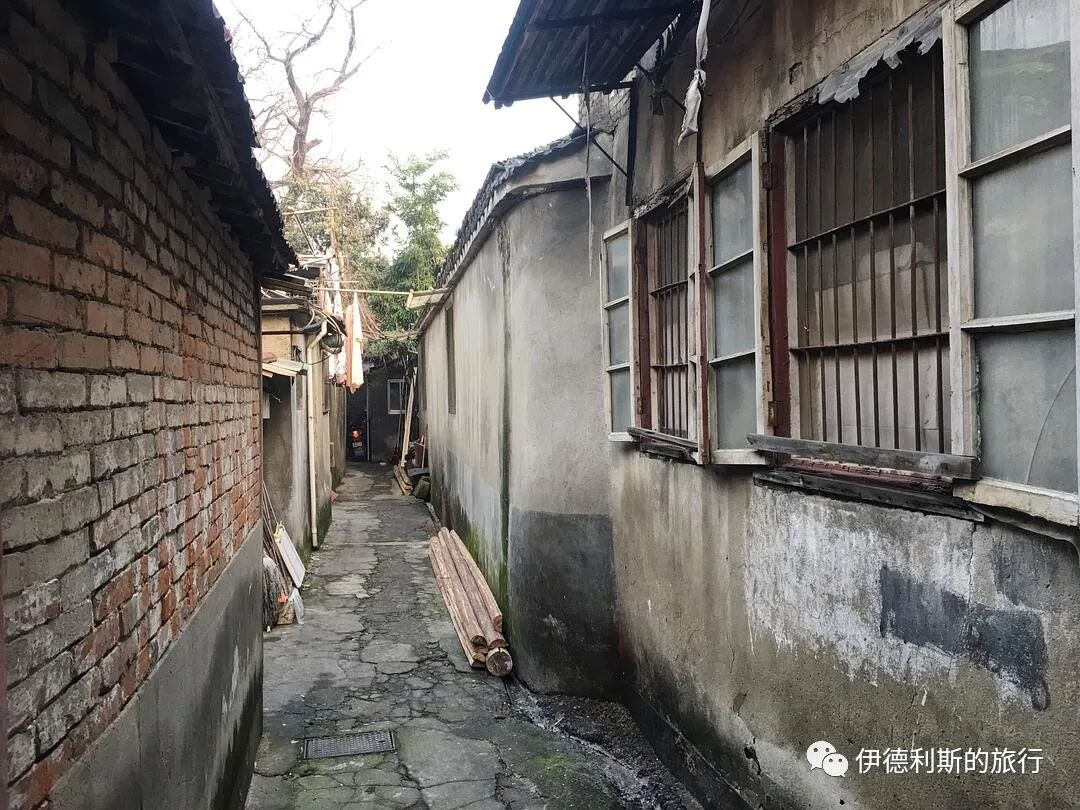
3. Gaoyou Mosque: Rebuilt in 1864
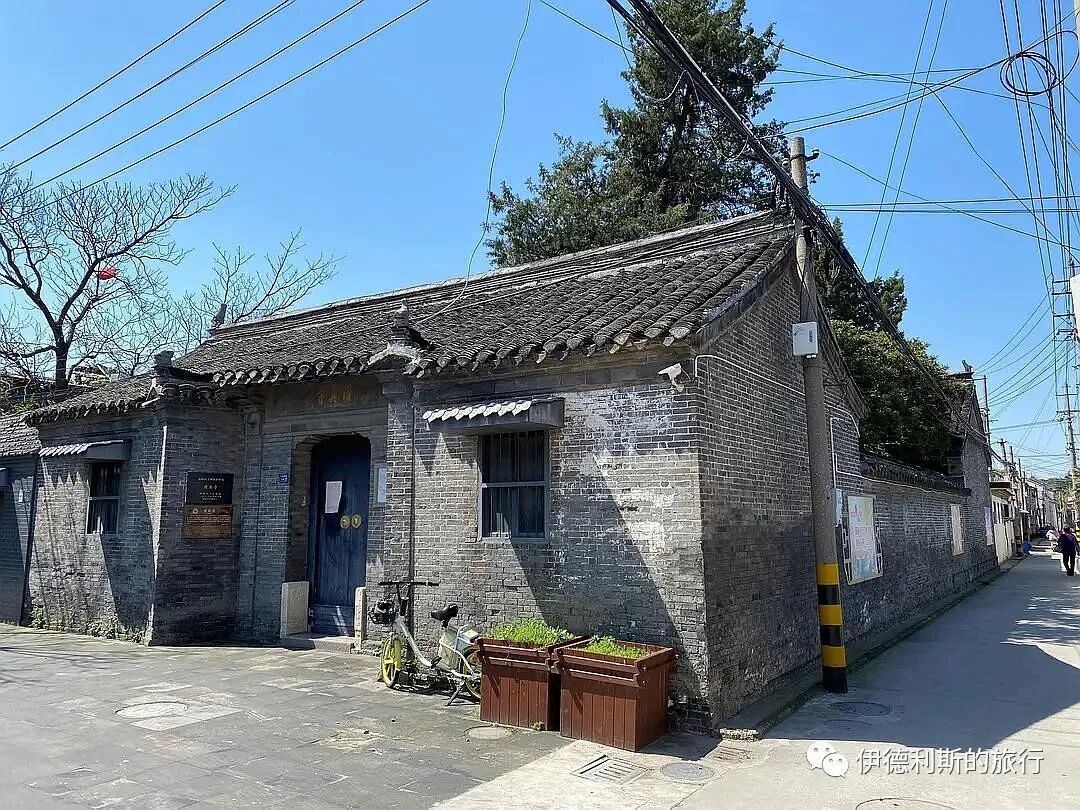
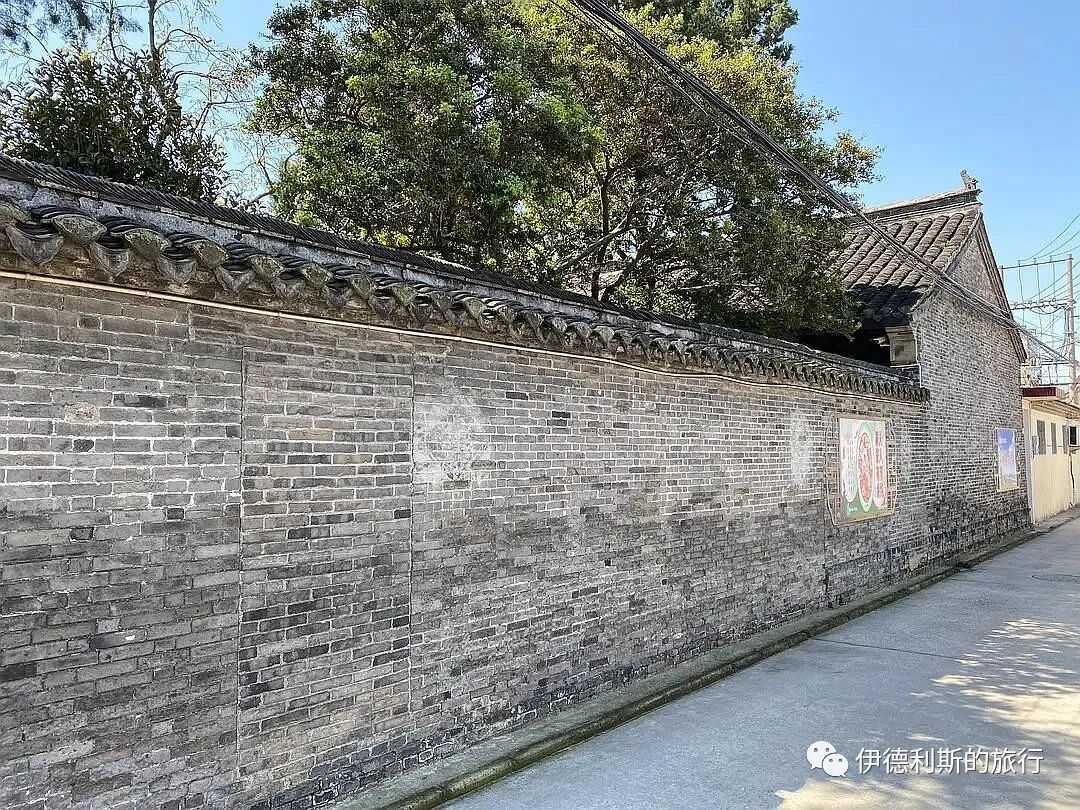
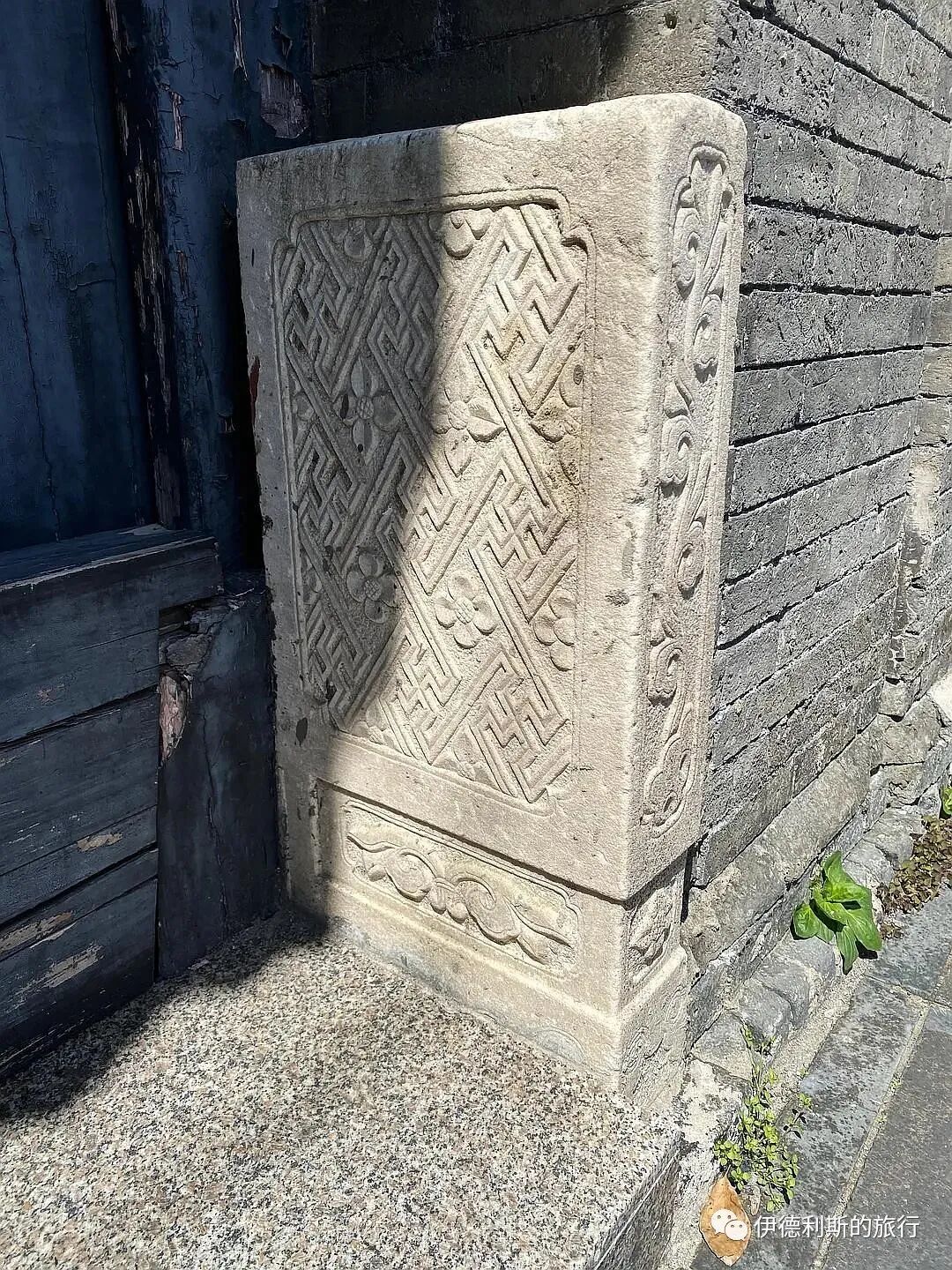
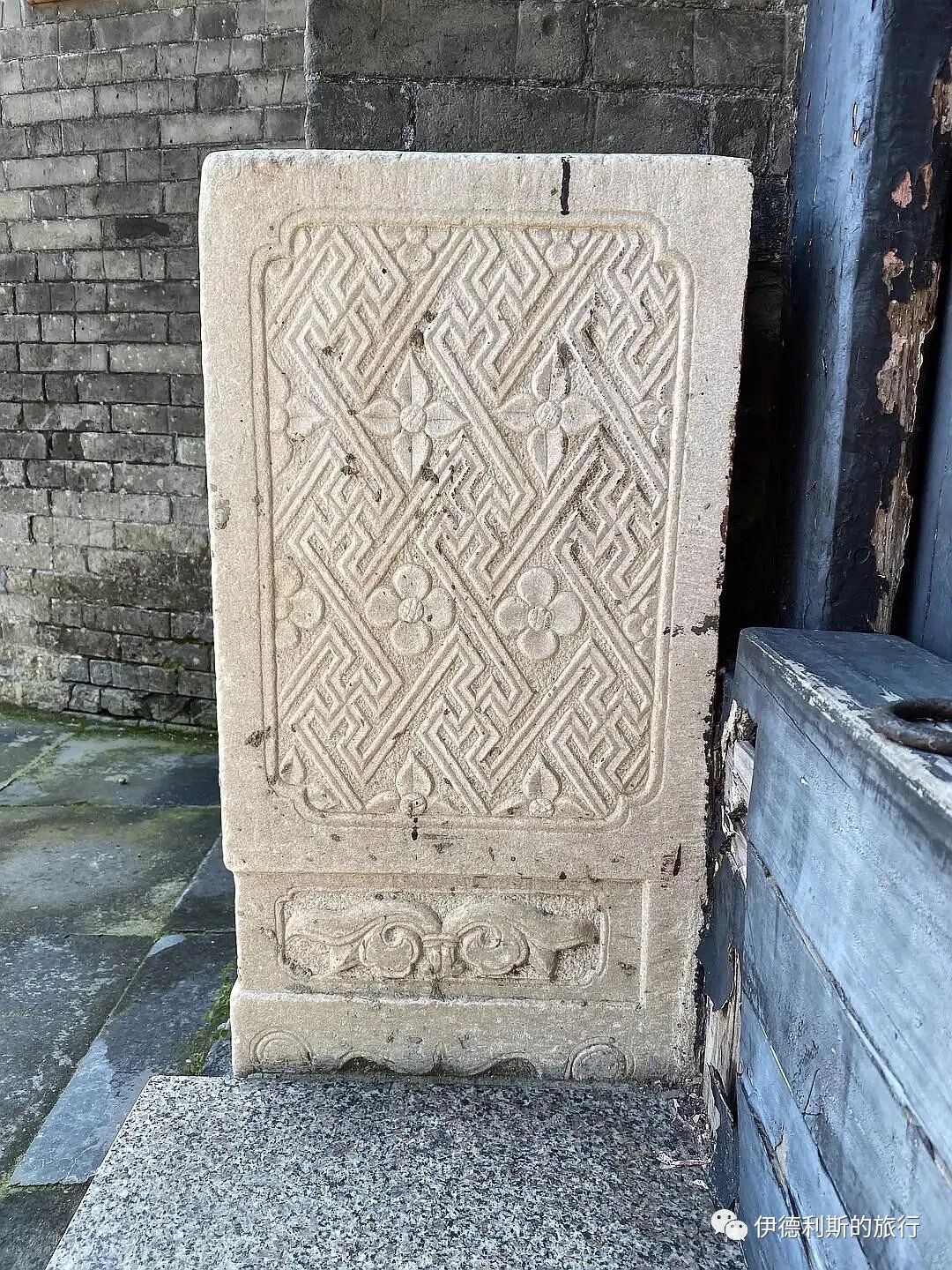
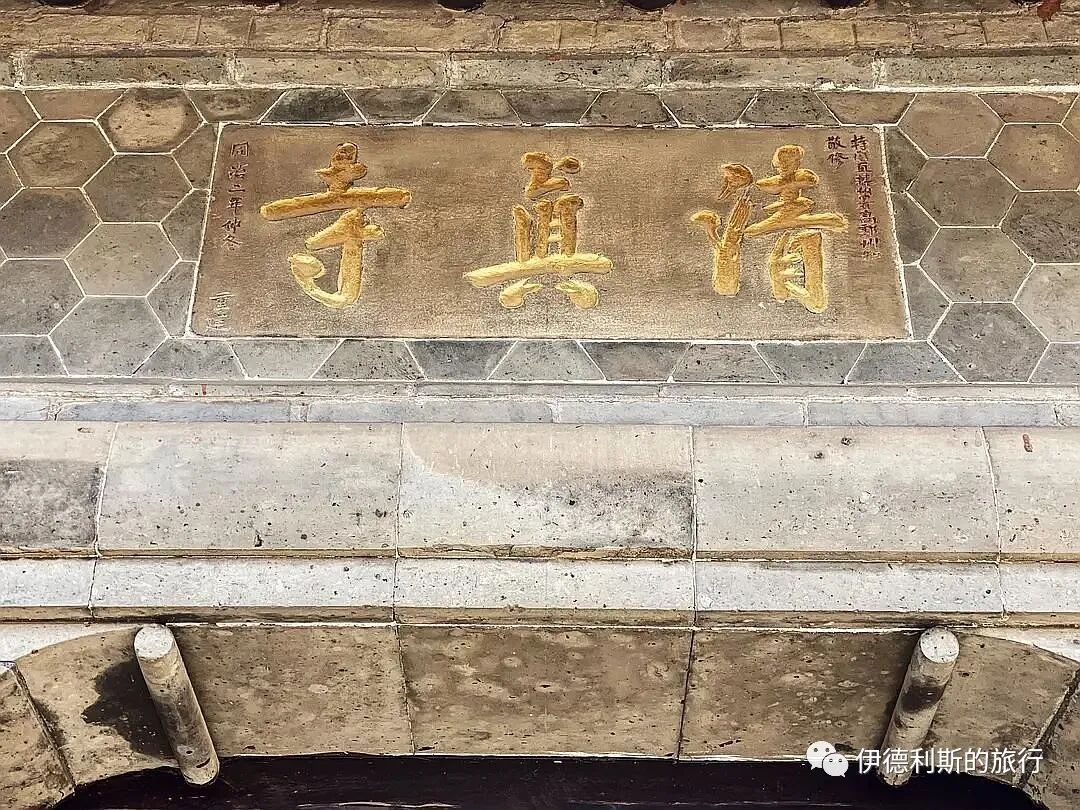
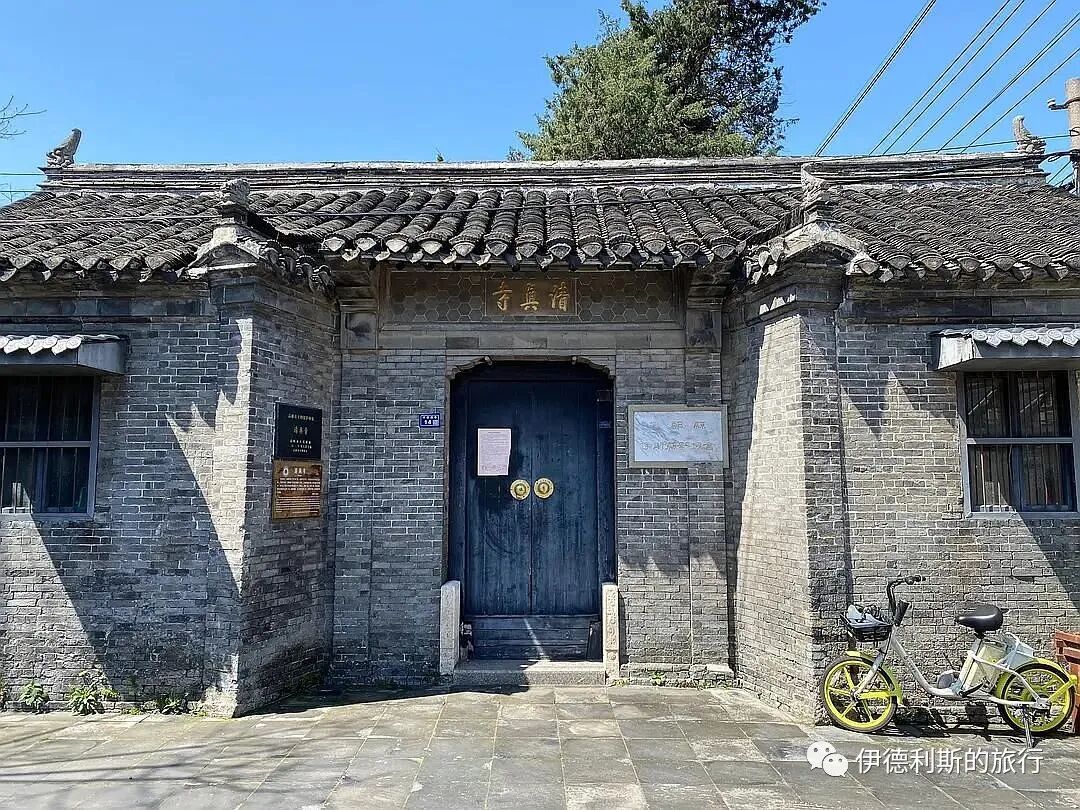
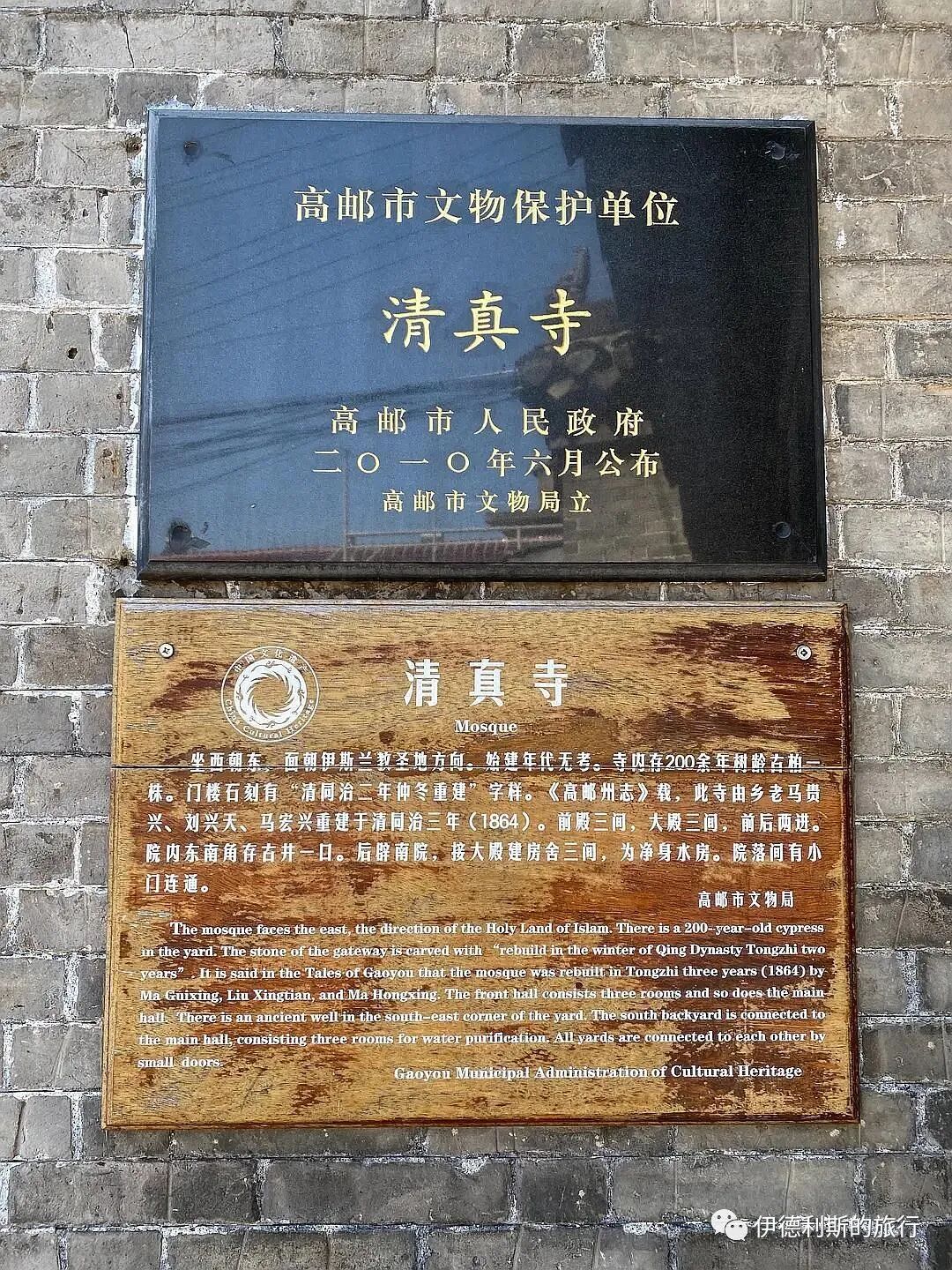
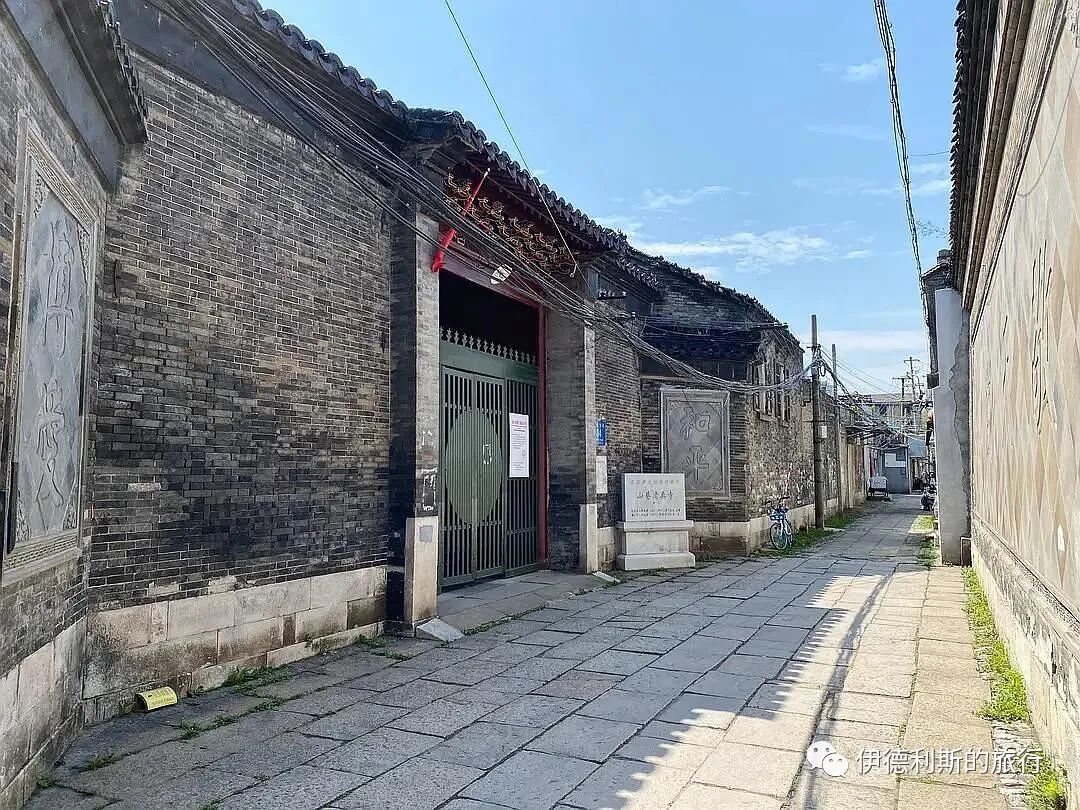
Gaoyou Mosque is a very beautiful traditional mosque, small and exquisite, with the beauty of a water town. The date of the mosque's origin is unknown, but there is an ancient cypress tree in the courtyard that is over two hundred years old. In 1864 (the 3rd year of the Tongzhi era), village elders Ma Guixing, Liu Xingtian, and Ma Hongxing rebuilt the mosque. There is a stone inscription on the current gate that reads "Rebuilt in the middle of winter in the second year of Tongzhi of the Qing Dynasty."
It is a great pity that the mosque gate was locked when we went. We asked a nearby ramen restaurant, and they said it only opens during Jumu'ah. It seems we will have to wait for another opportunity to visit inside.
4. Lingtang Ancient Mosque: Rebuilt in 1924
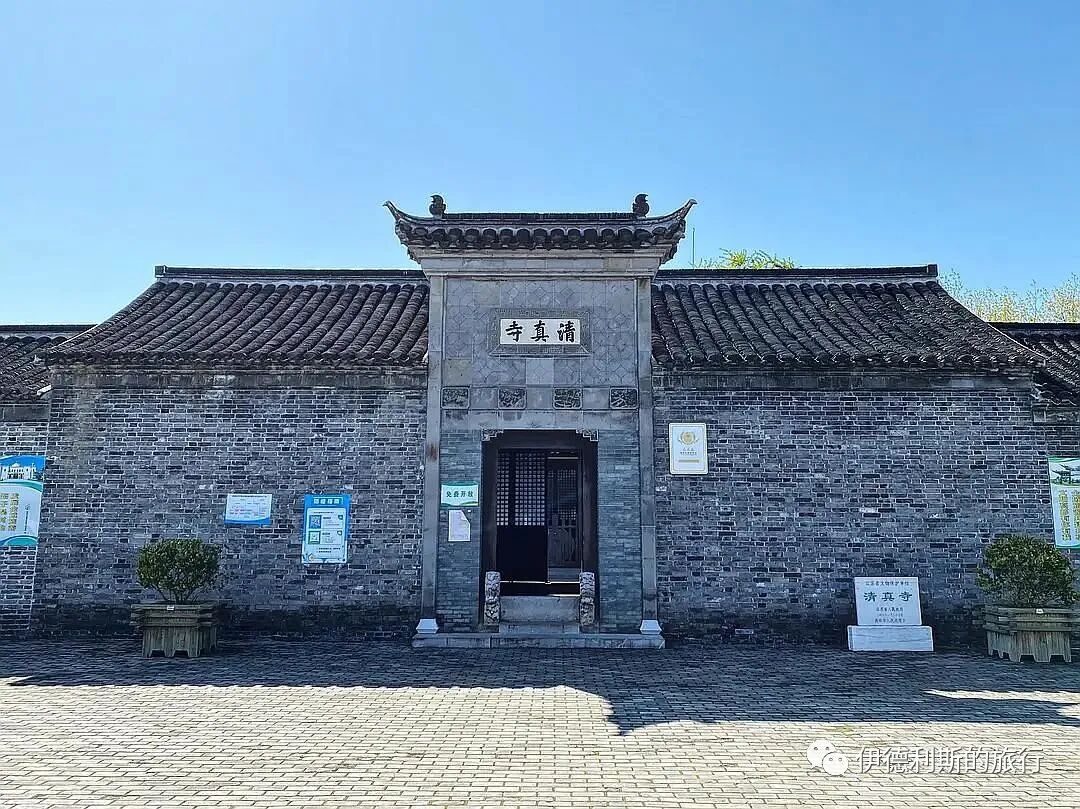
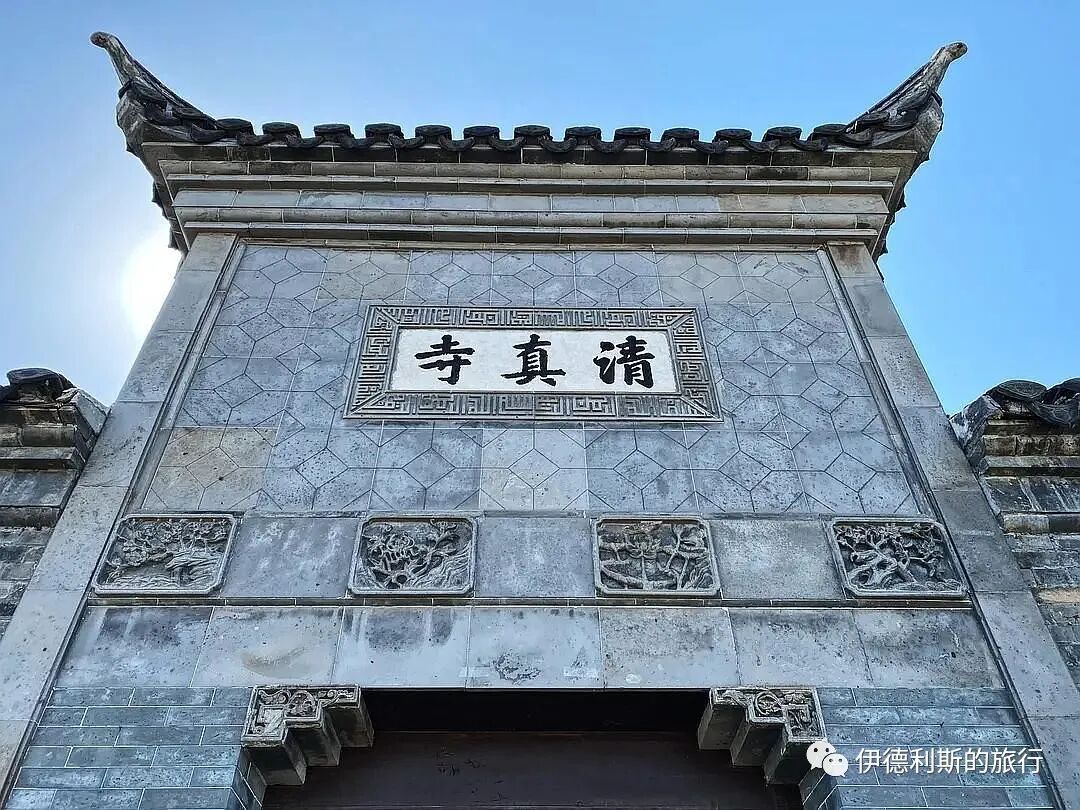
At the end of the Yuan Dynasty, a mosque was built in "Huihui Bay" by the Gaoyou Lake in Lingtang, but it was later destroyed by floods. In the middle of the Ming Dynasty, the mosque was moved to Yangdazhuang, and in the early Qing Dynasty, it was moved to its current location. It was rebuilt in 1844 (the 24th year of the Daoguang era of the Qing Dynasty), expanded again in 1921, and completed in 1924.
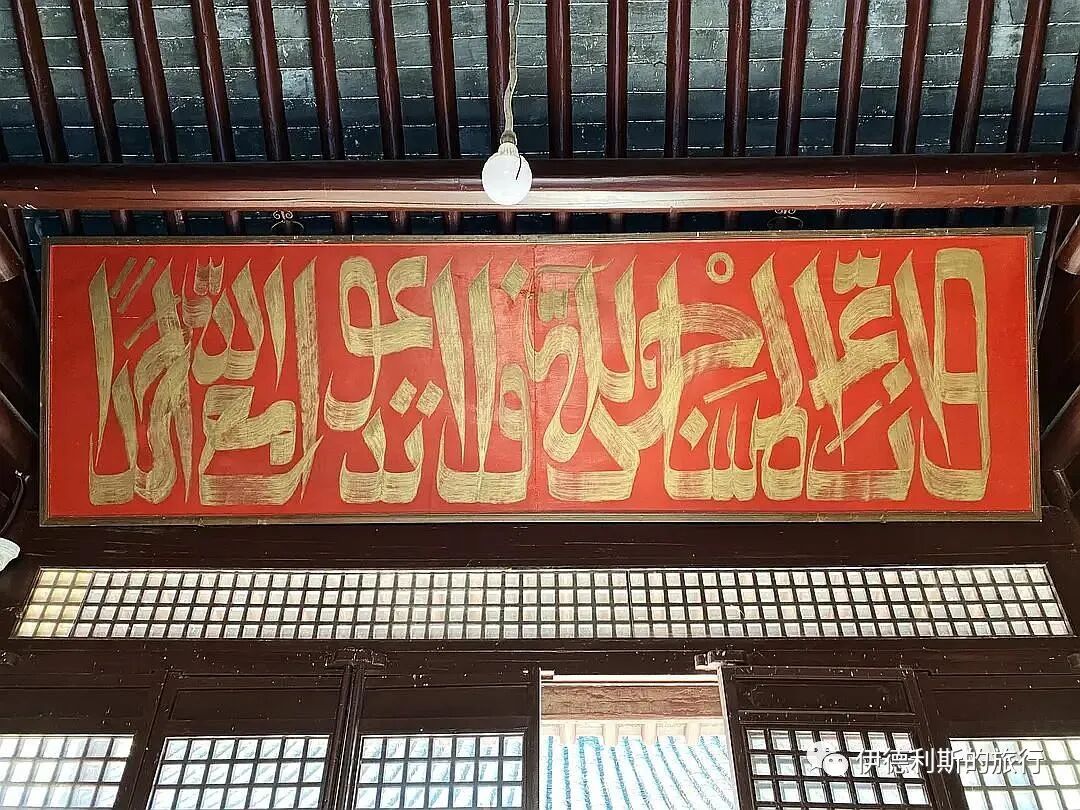
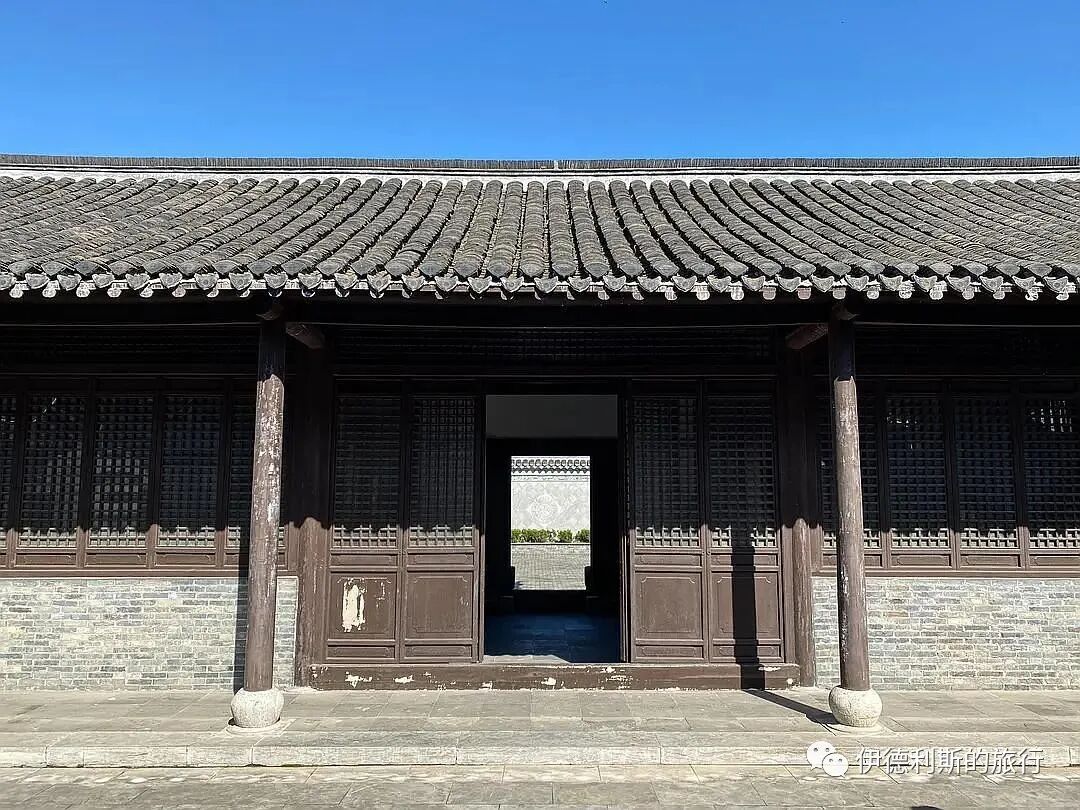
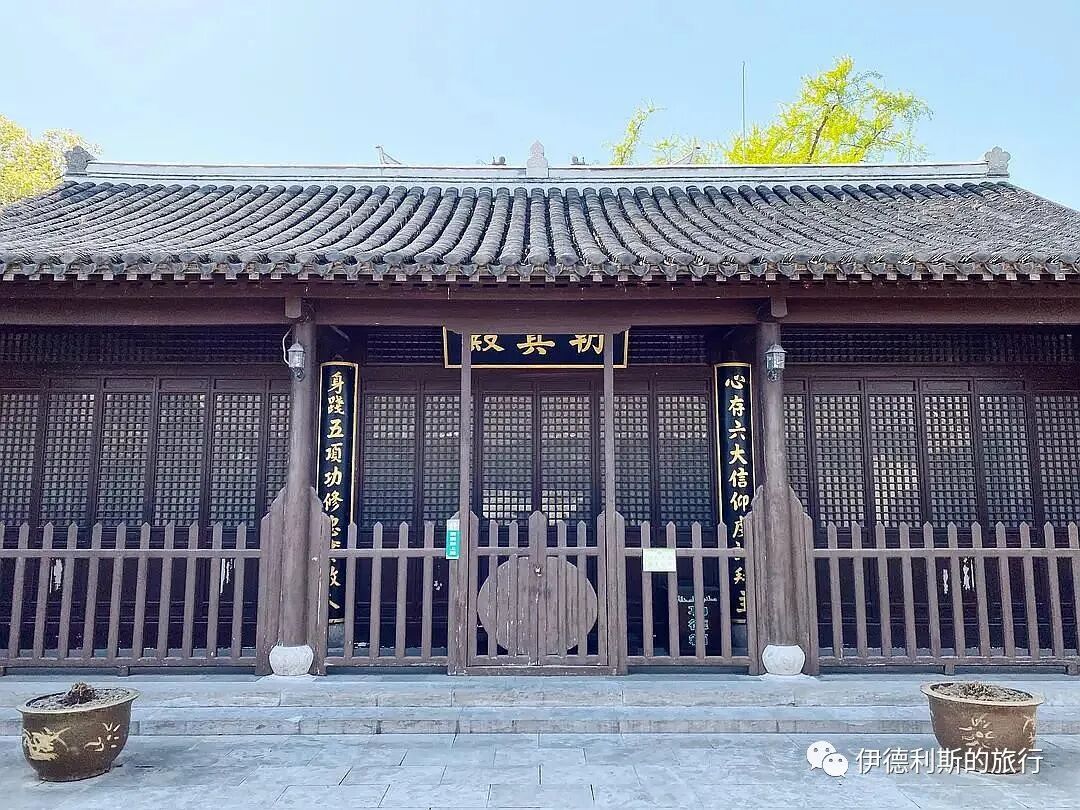
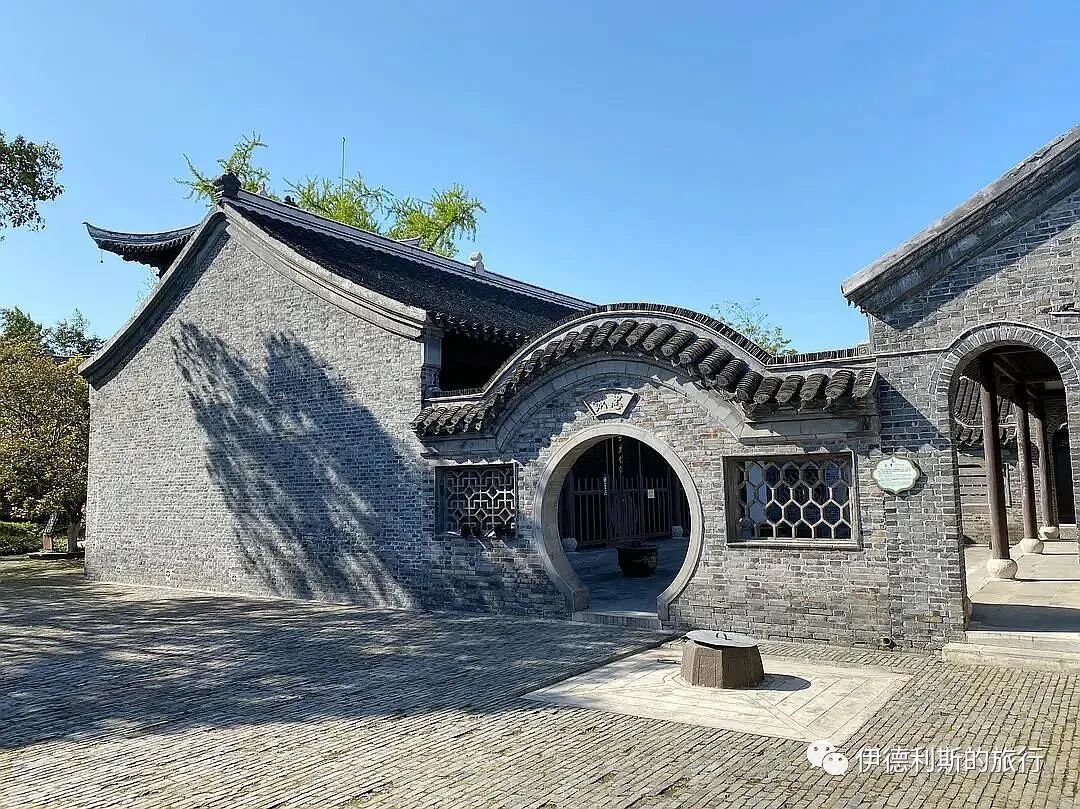
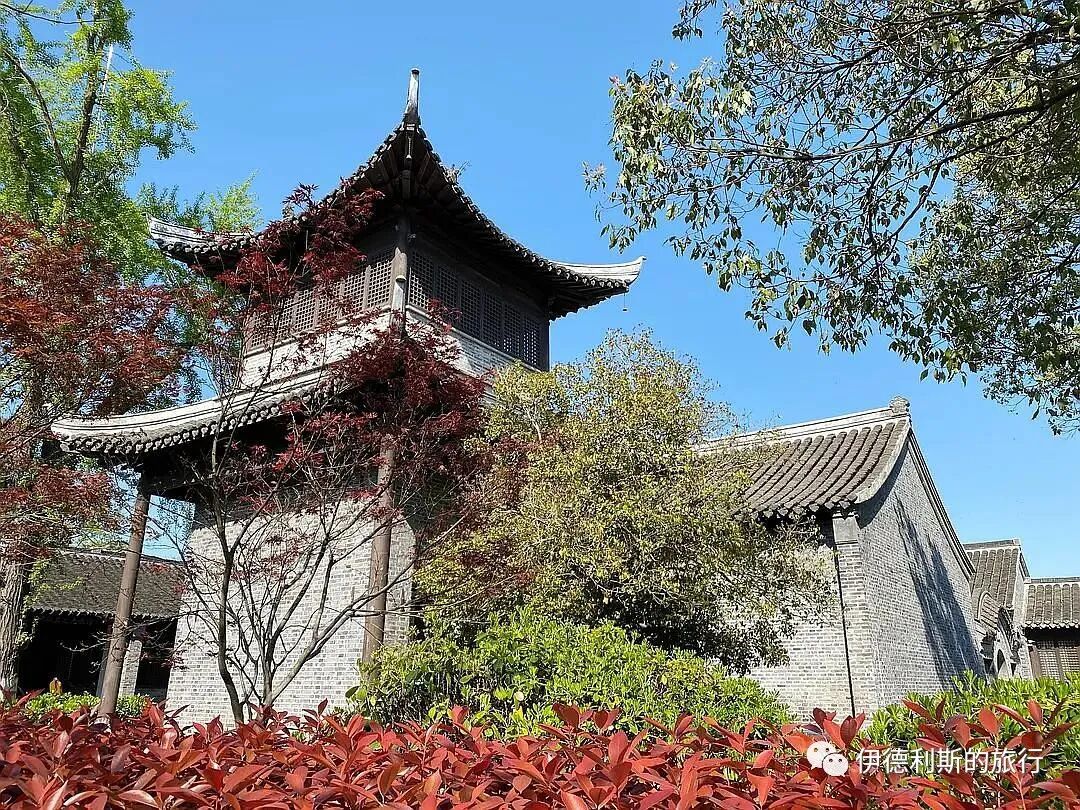
The golden osmanthus tree next to the kiln hall was planted when the local elder Xue Yukuan and his wife Xue Yangshi were married and asked an imam to recite the Nikah. It has a history of more than 130 years.
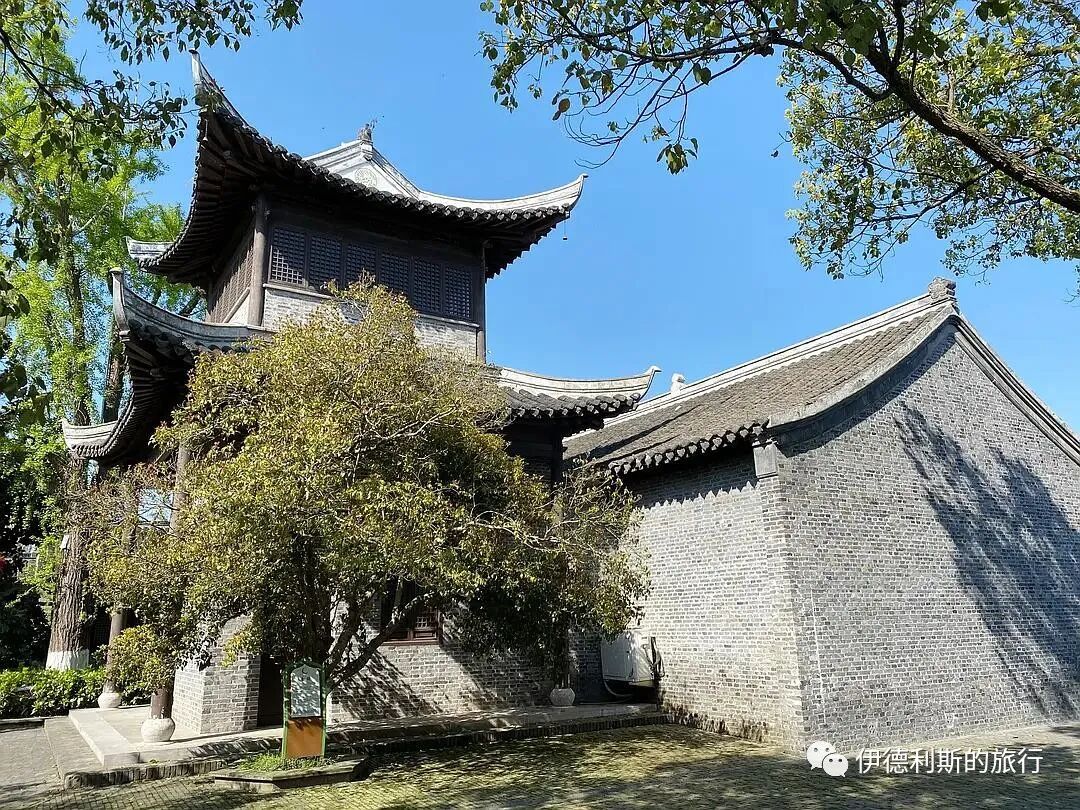
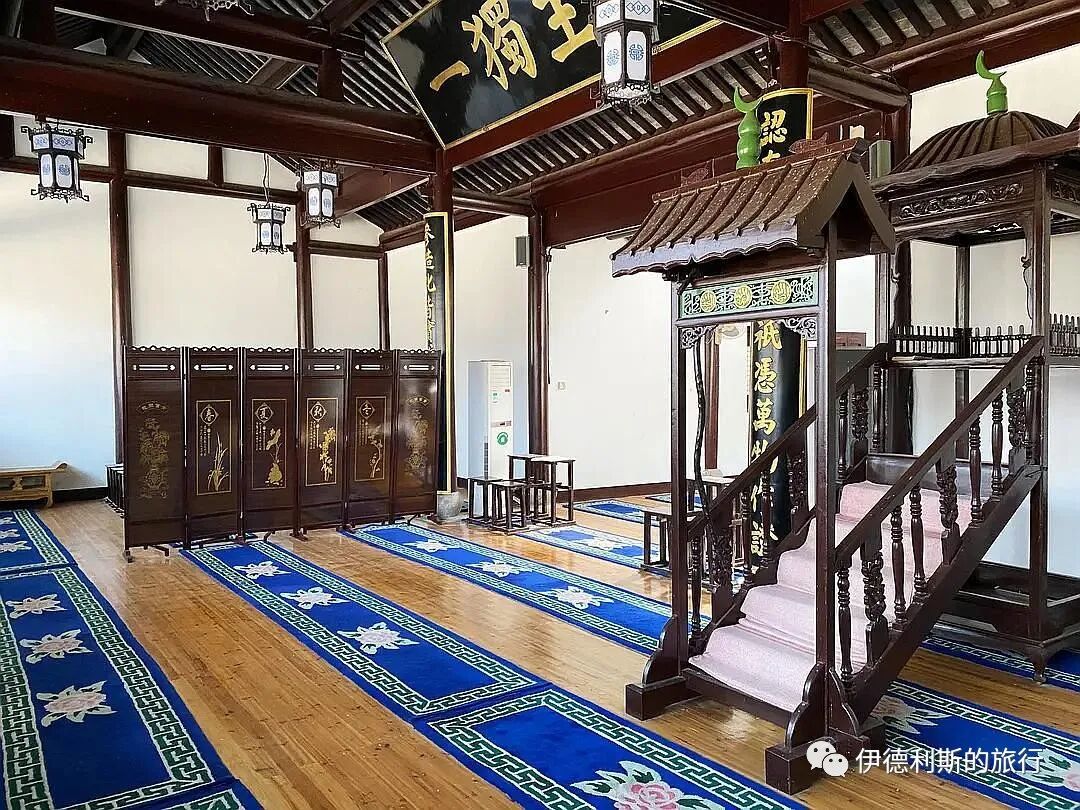
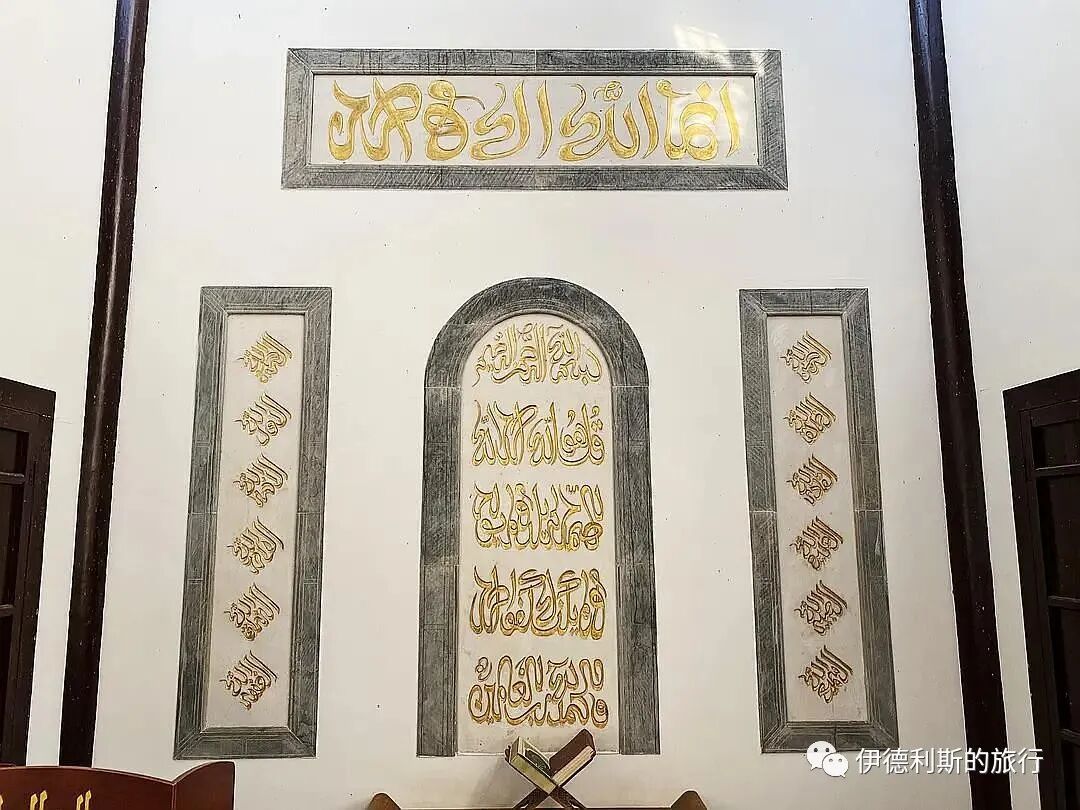
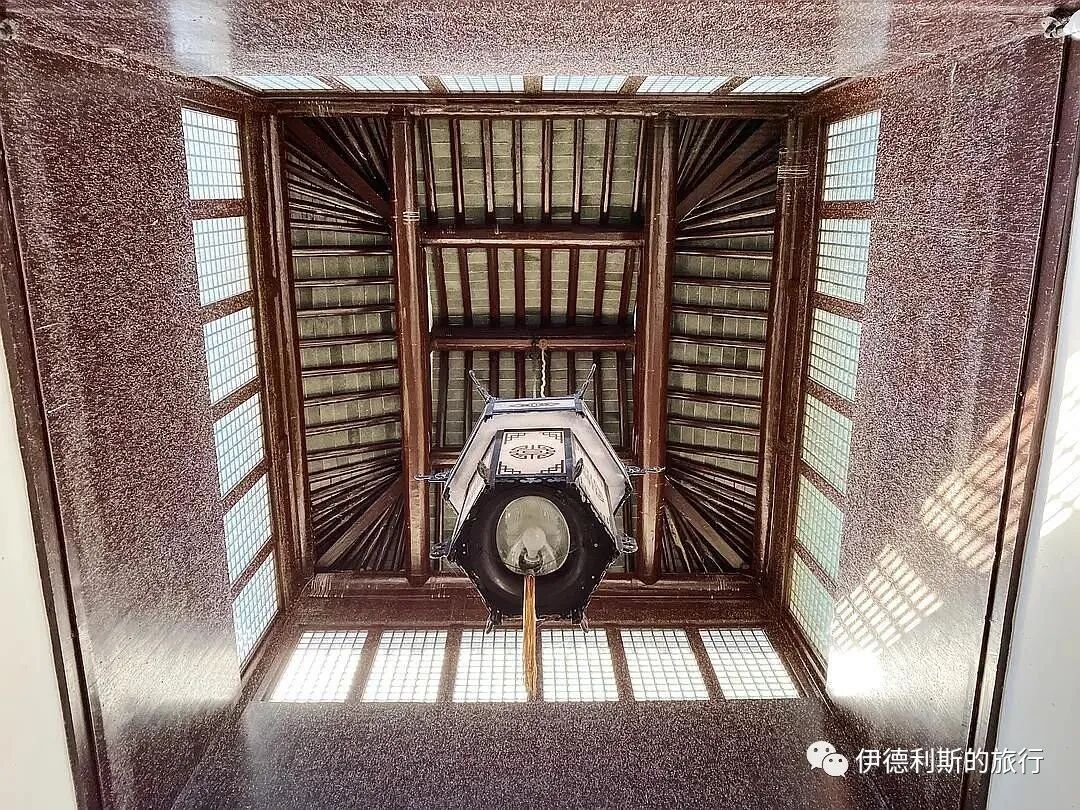
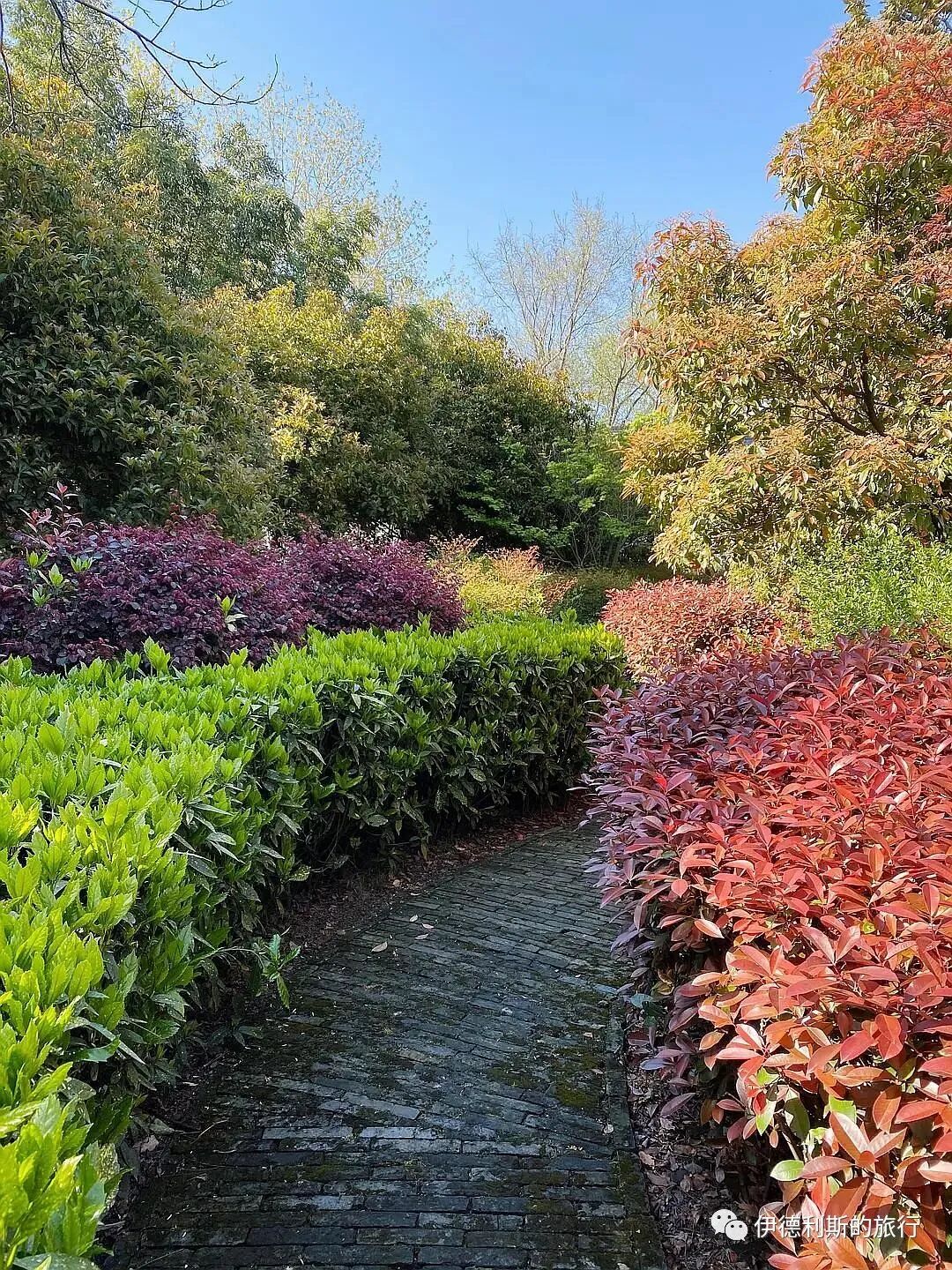
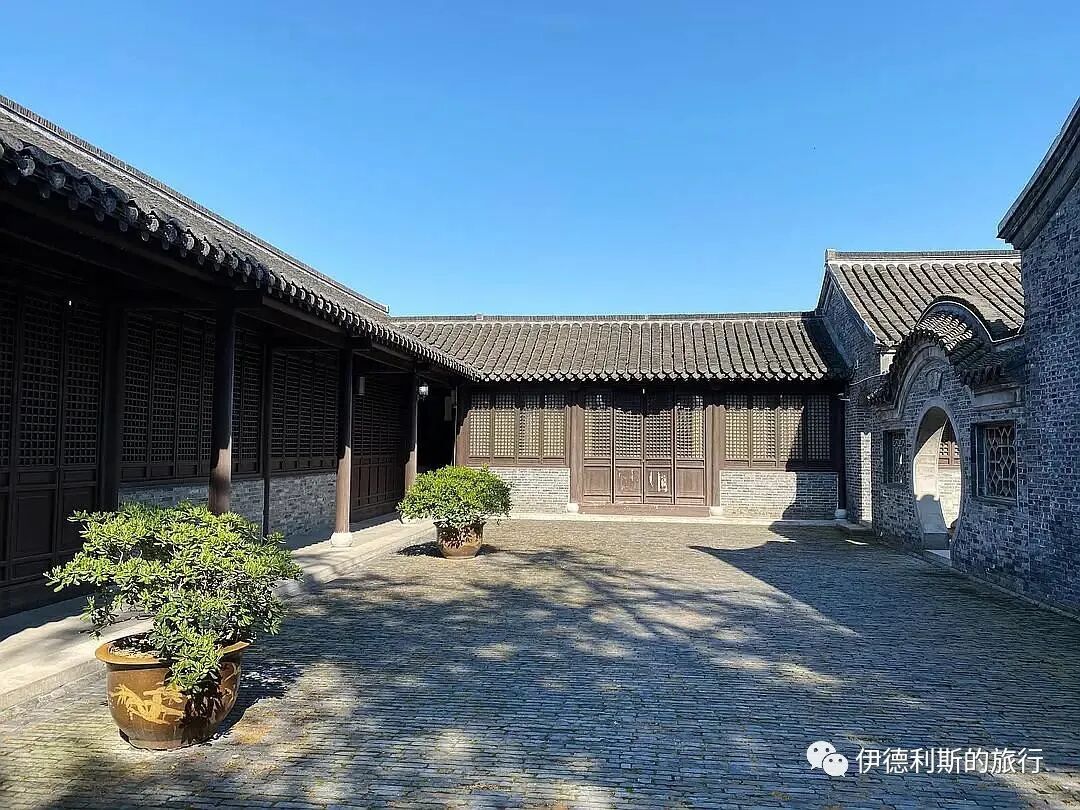
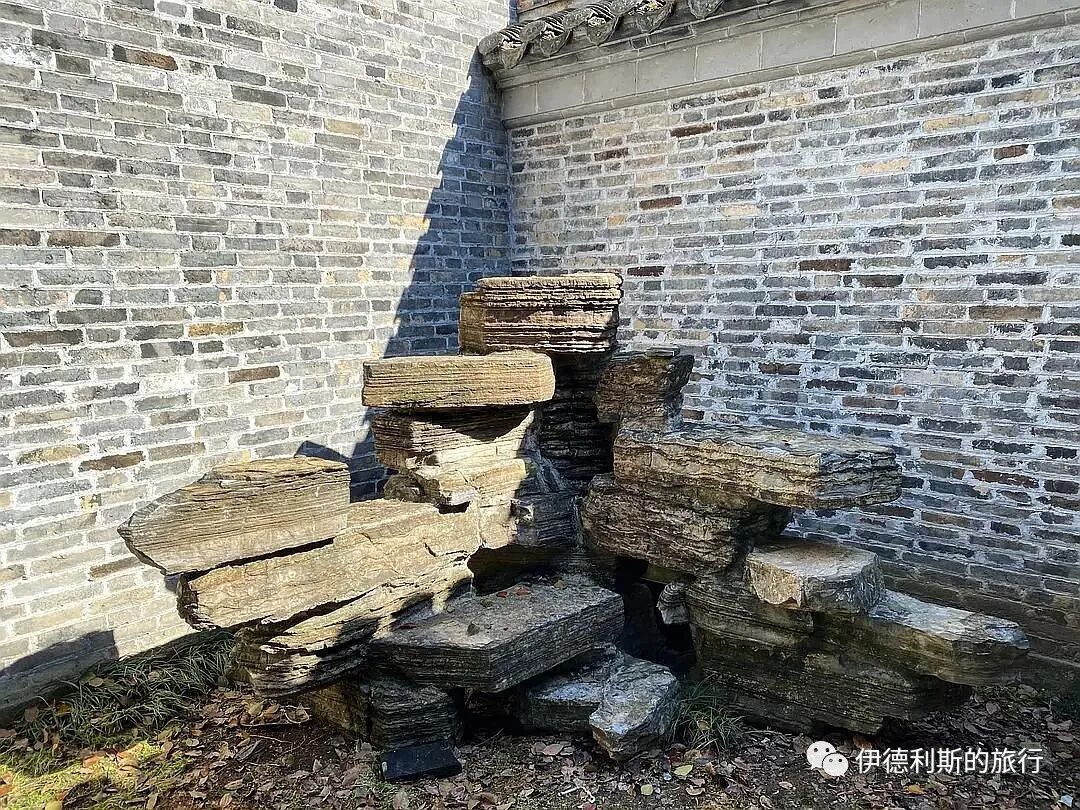
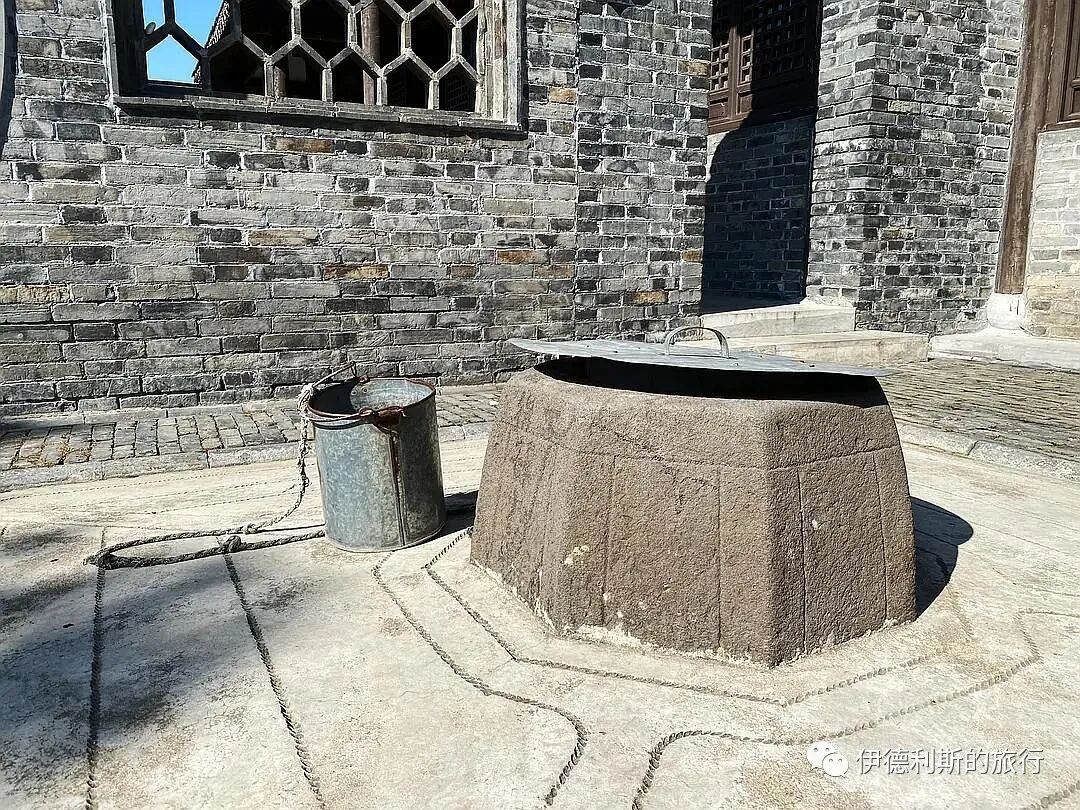
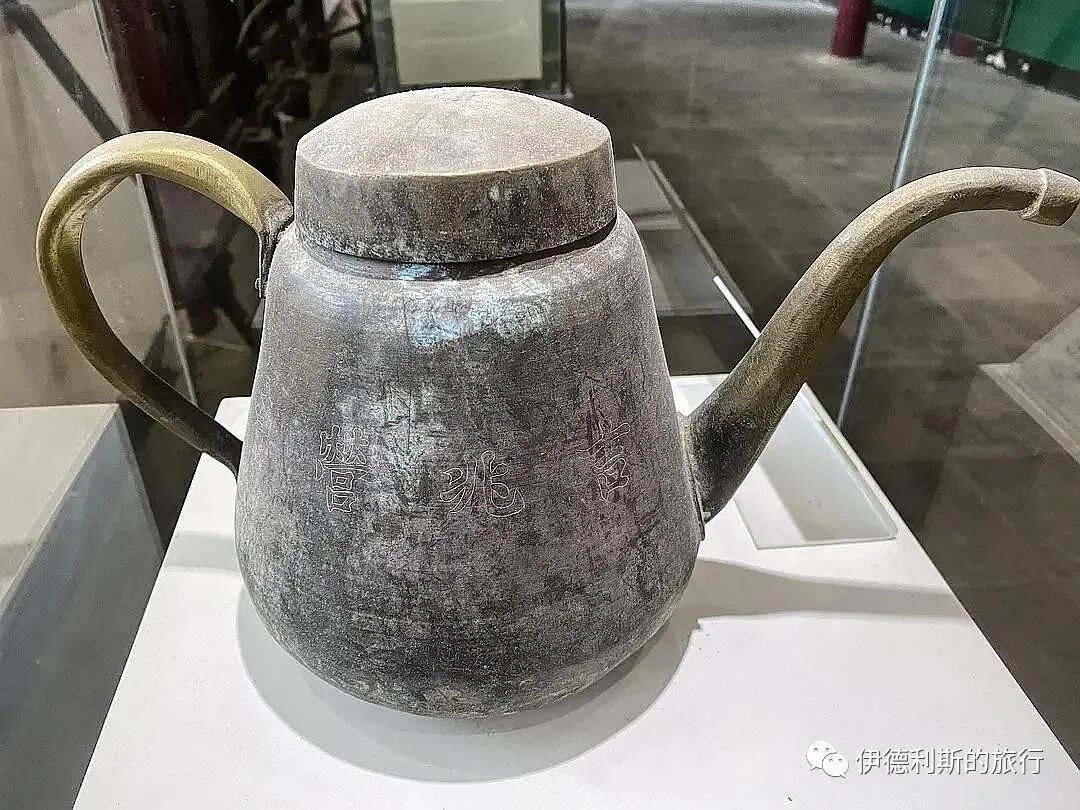
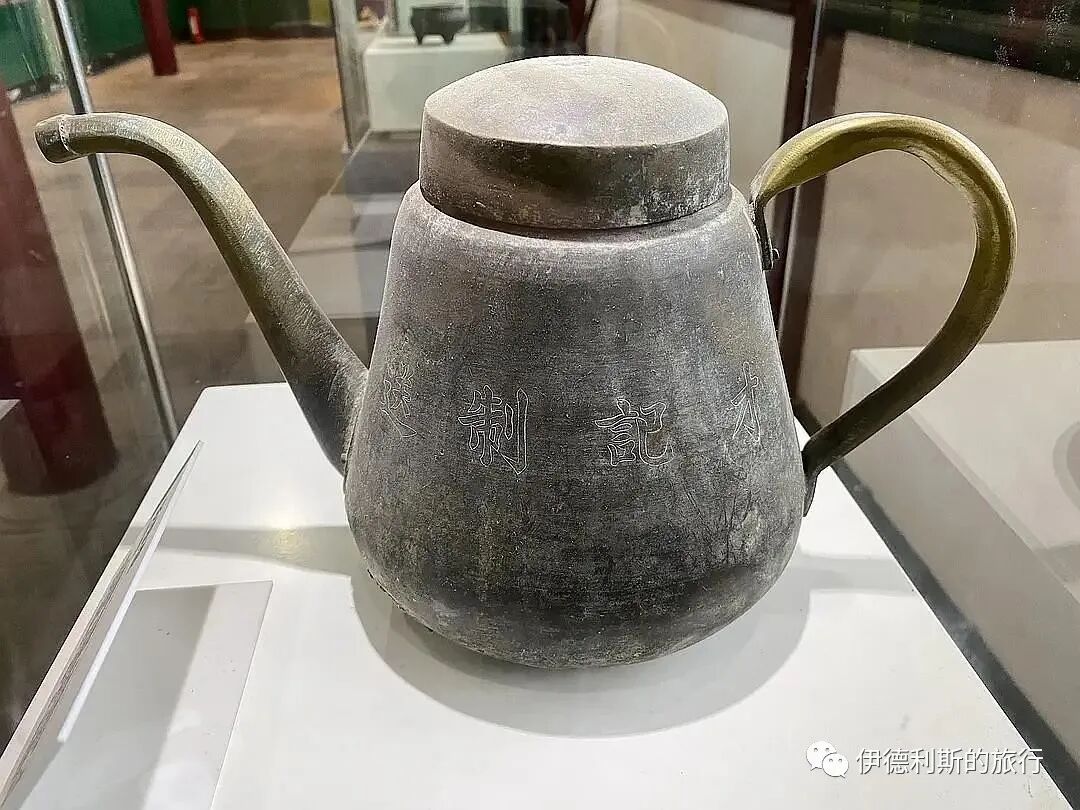
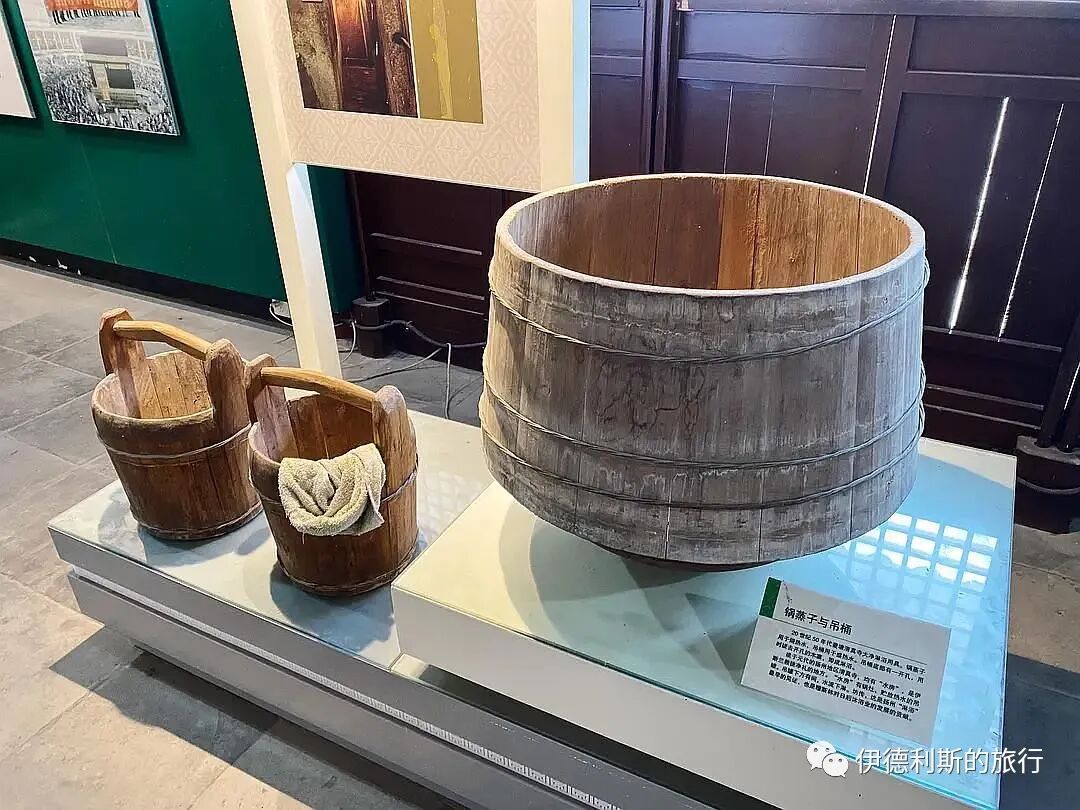
The exhibition hall of Lingtang Mosque displays a water bottle (tangping) sent by the Jizhaoying Mosque in Nanjing during the Qing Dynasty, a water bottle from the Republic of China, a copper Xuande censer, a blue and white porcelain incense burner, as well as a steamer and a bucket from the mosque's water room in the 1950s. The steamer was used to boil hot water, and the bucket had a hole at the bottom; pulling out the wooden plug on the hole allowed for a shower.
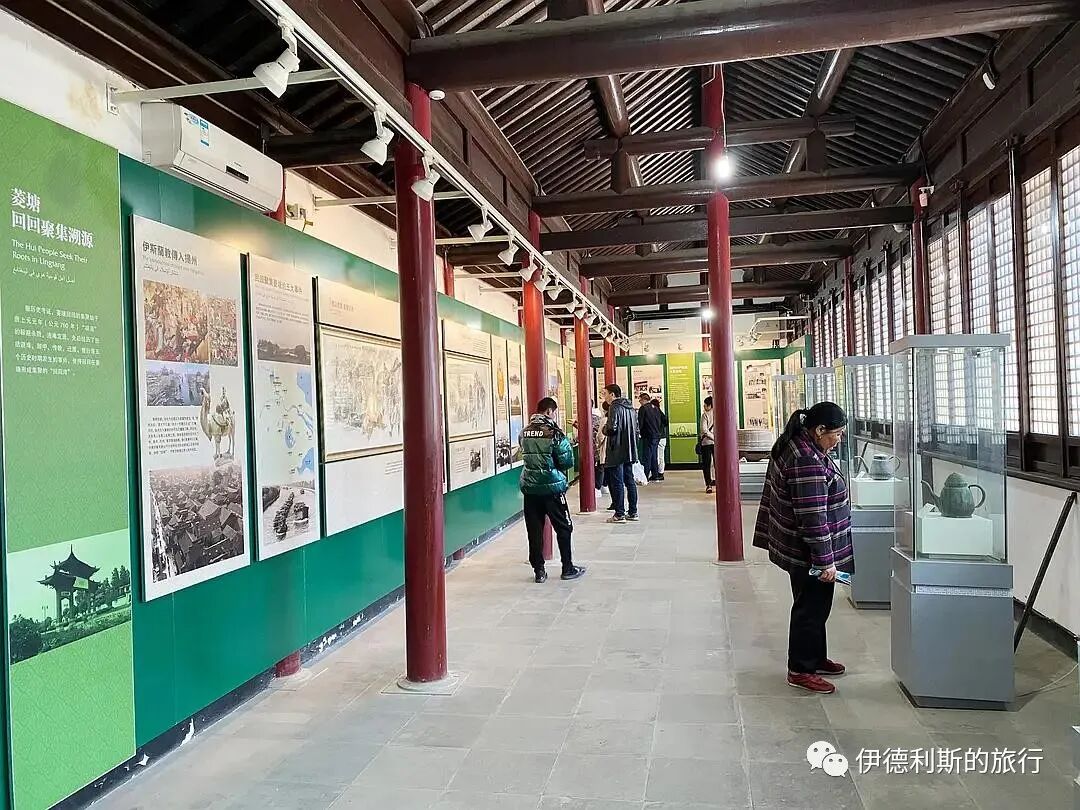
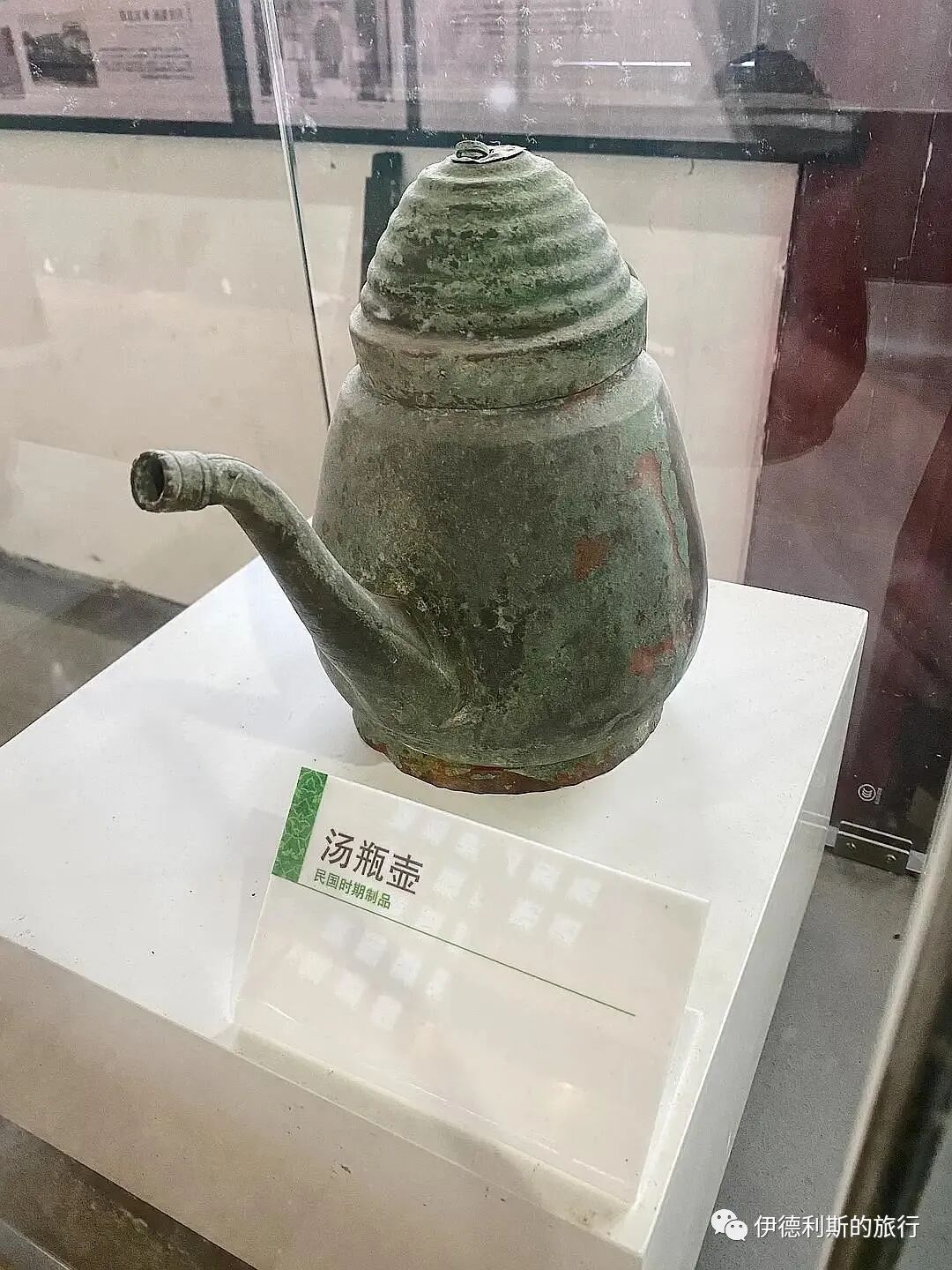
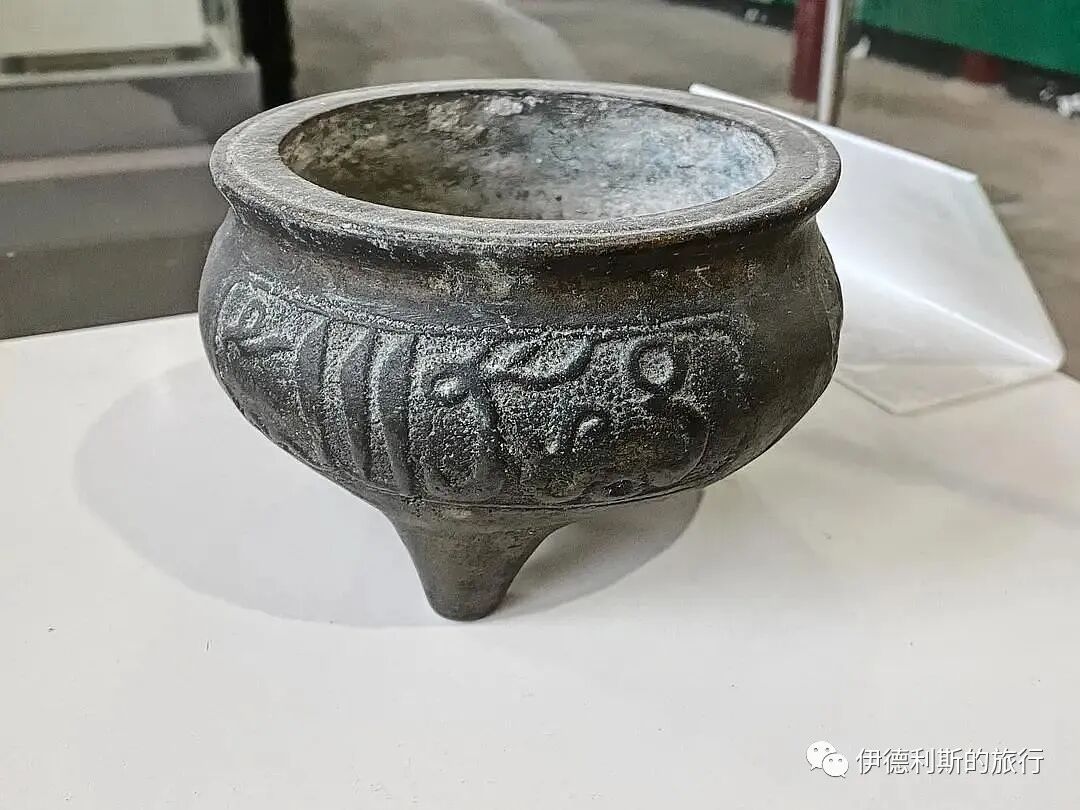
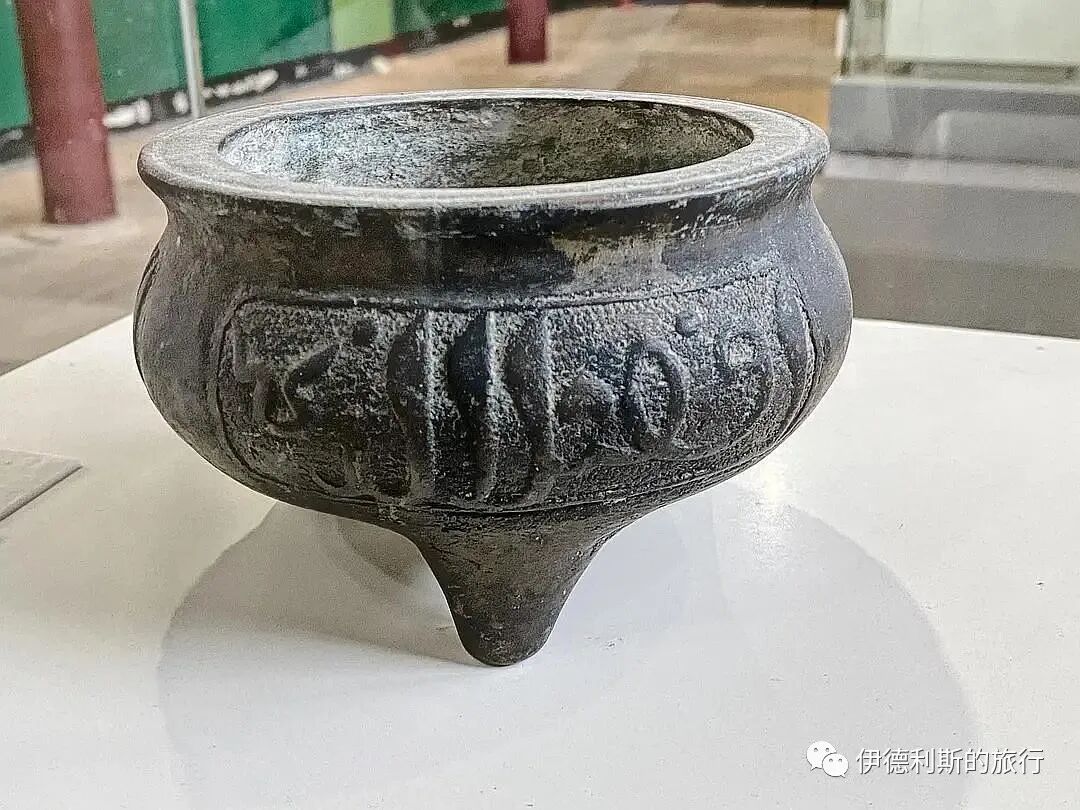
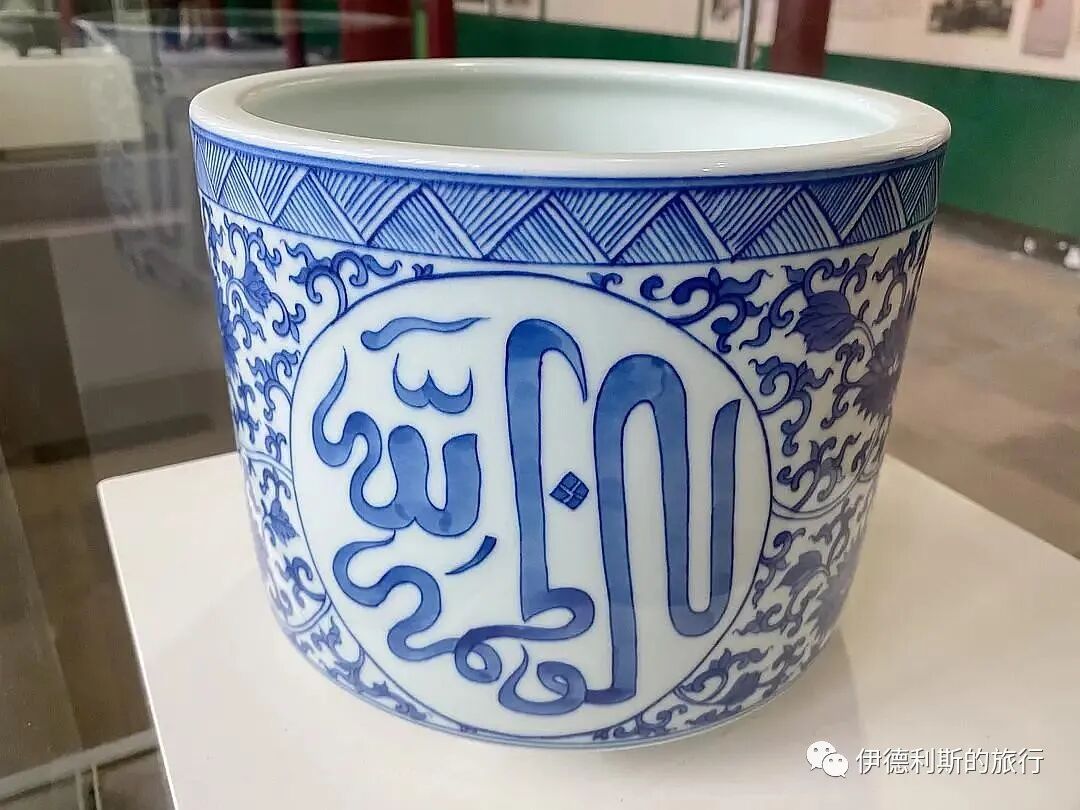
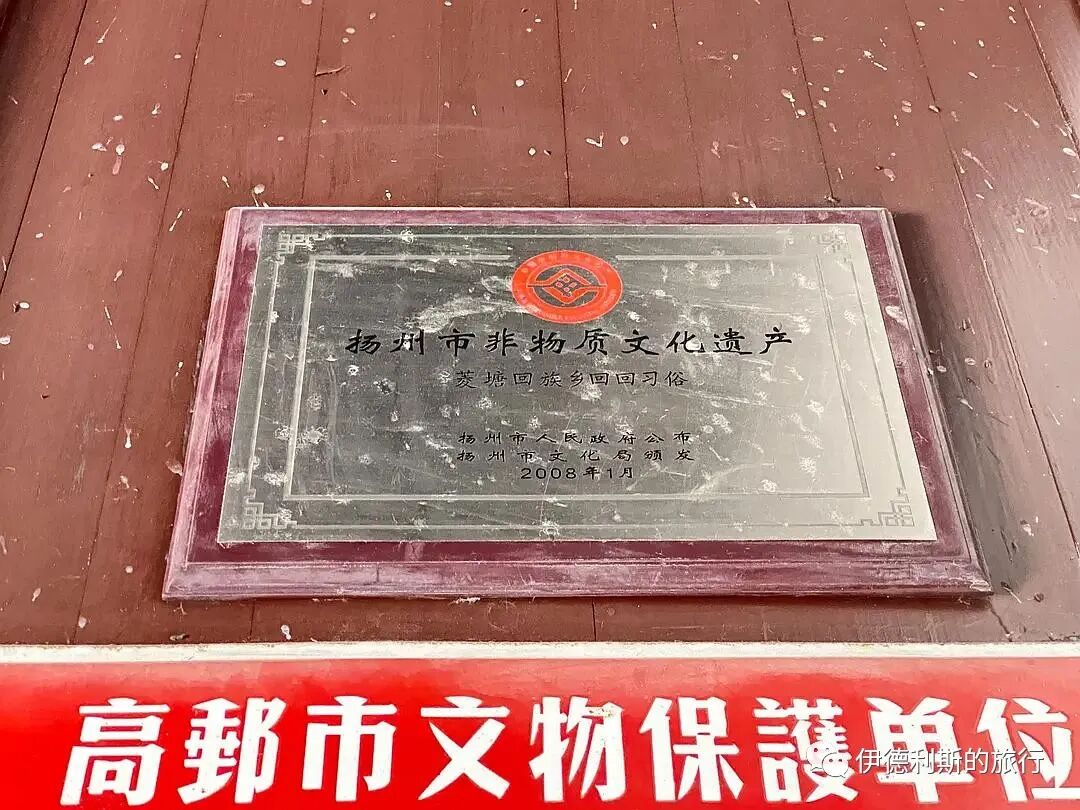
The mosque is also the inheritance site of the Yangzhou intangible cultural heritage "Huihui Customs of Lingtang Hui Township."
II. Zhenjiang
1. Shanxiang Mosque: Rebuilt in 1873
Zhenjiang Shanxiang Mosque, also known as the West City Mosque or the Great West Mosque, has an unknown founding date. It was expanded during the Kangxi era, destroyed by the Taiping Rebellion in 1853 (the 3rd year of the Xianfeng era), and rebuilt in 1873 (the 12th year of the Tongzhi era). According to the "History of Islam in Zhenjiang, Jiangsu," based on the recollections of the late Imam Tan Yuanshen, who lived to be over eighty, he heard from his grandfather and the elders in the faith that before the expansion at the end of the Kangxi era, the West City Mosque only had three thatched huts. At that time, the area around the mosque was sparsely populated and vast; one could see the Zhenjiang city tower to the east and Yuntai Mountain to the west.
After Zhenjiang opened as a treaty port, the area outside the West Gate became a bustling commercial district. In 1865, the British established a concession by the river, and with the opening of the Shanghai-Nanjing Railway, the area outside the West Gate developed further. Hui people continuously came to do business and settled around Shanxiang Mosque.
In 1902 (the 28th year of the Guangxu era), the Hui people of Zhenjiang raised funds to expand Shanxiang Mosque. The current mosque is the layout after this renovation.
Shanxiang Mosque consists of a small patio and a large patio (courtyard). Entering the main gate is the first small patio; passing through the front hall is the second small patio, with the side leading to a side gate and the front facing the second gate. Passing through the second gate is the third small patio, followed by a corridor leading into the large patio (courtyard) composed of the prayer hall, the south lecture hall, and the opposite hall. This layout of large and small patios is very characteristic of the Jianghuai region.
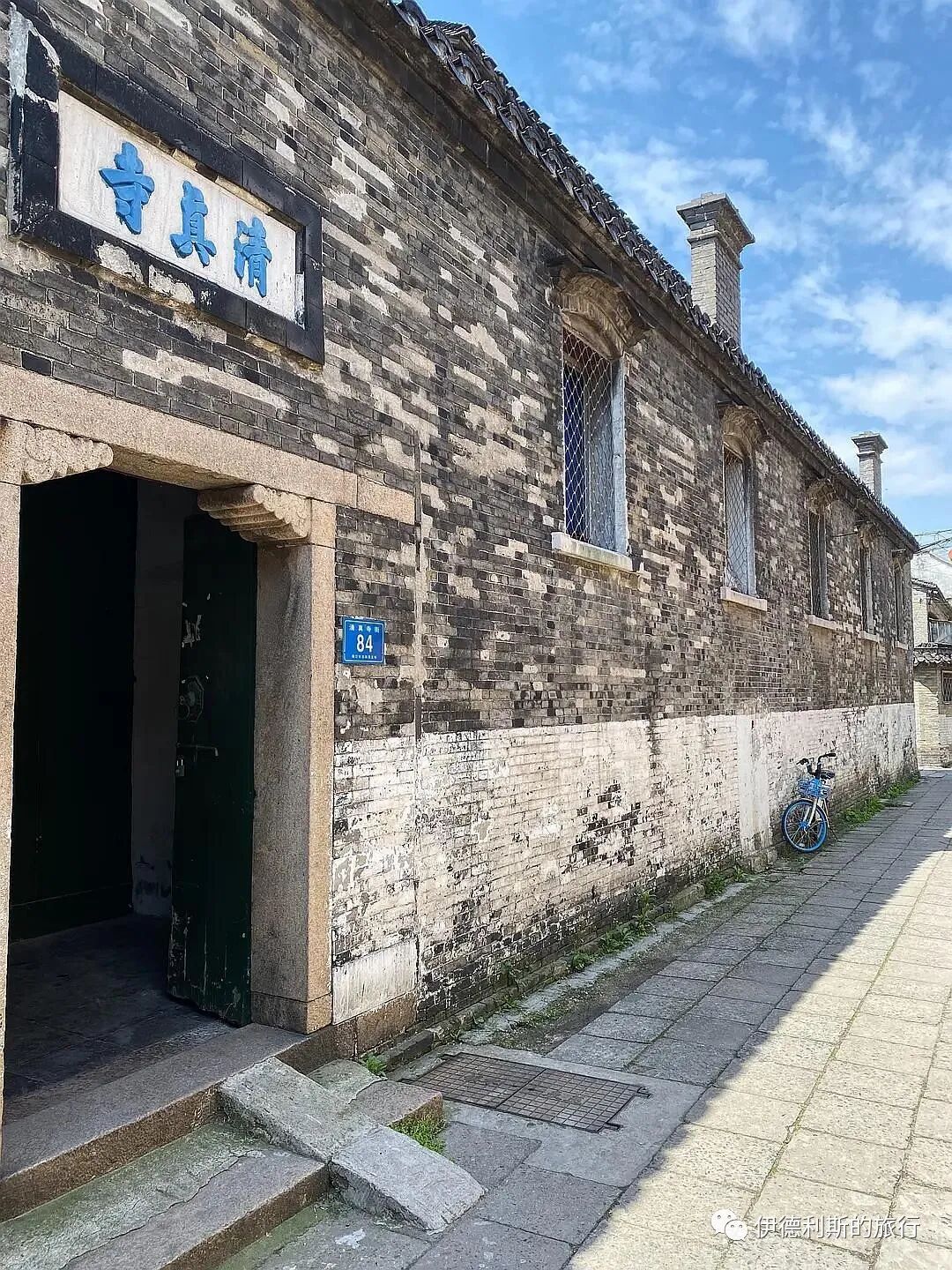
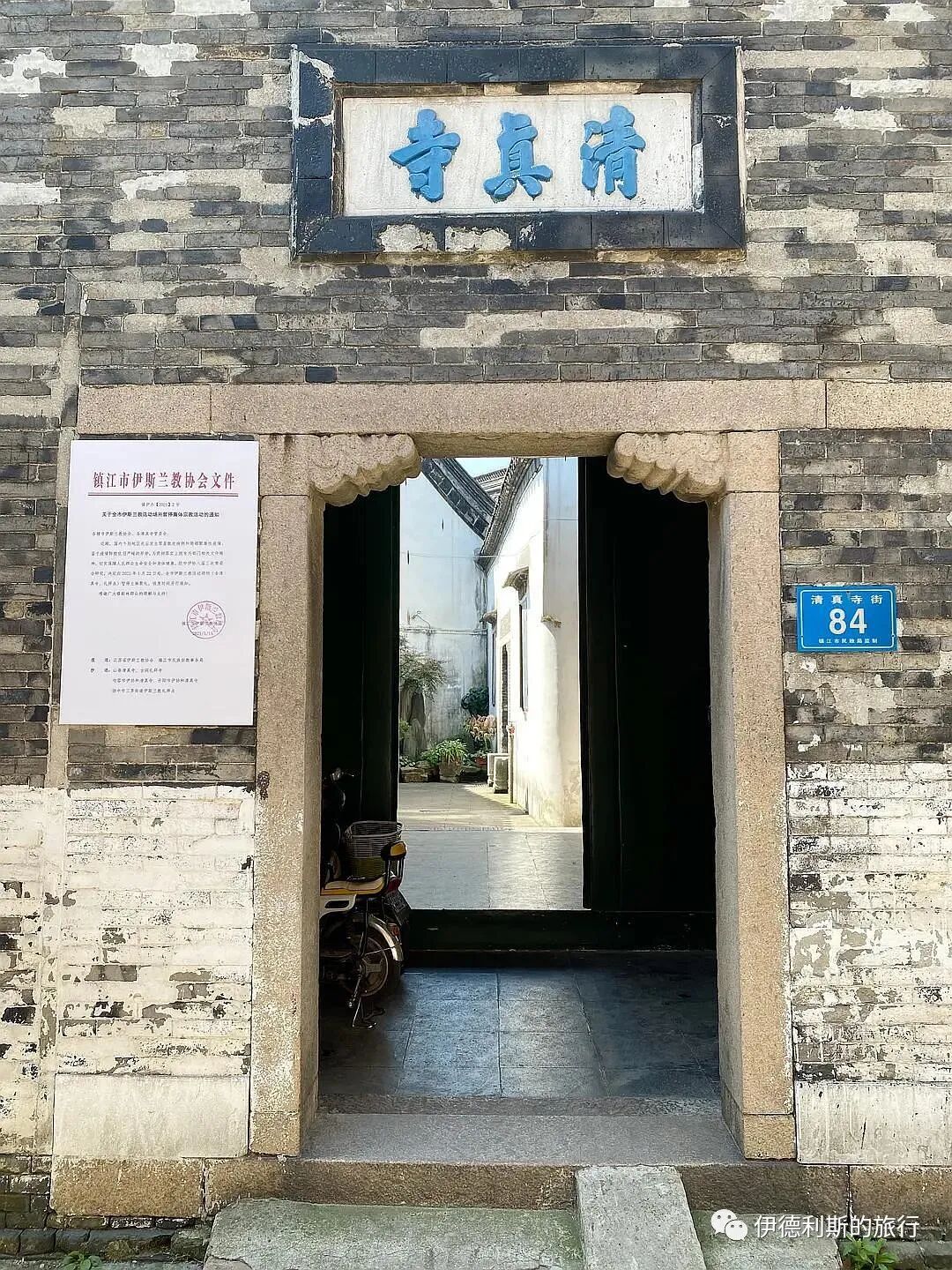
Main gate
(Optional) Image description
Delete
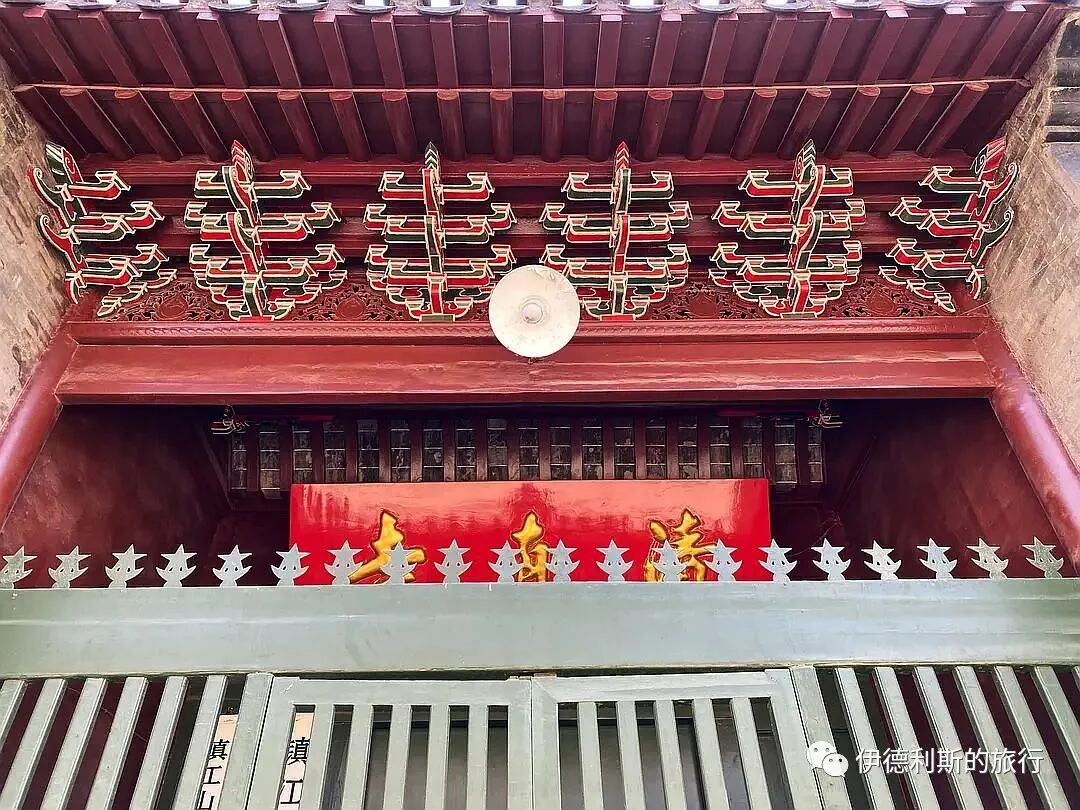
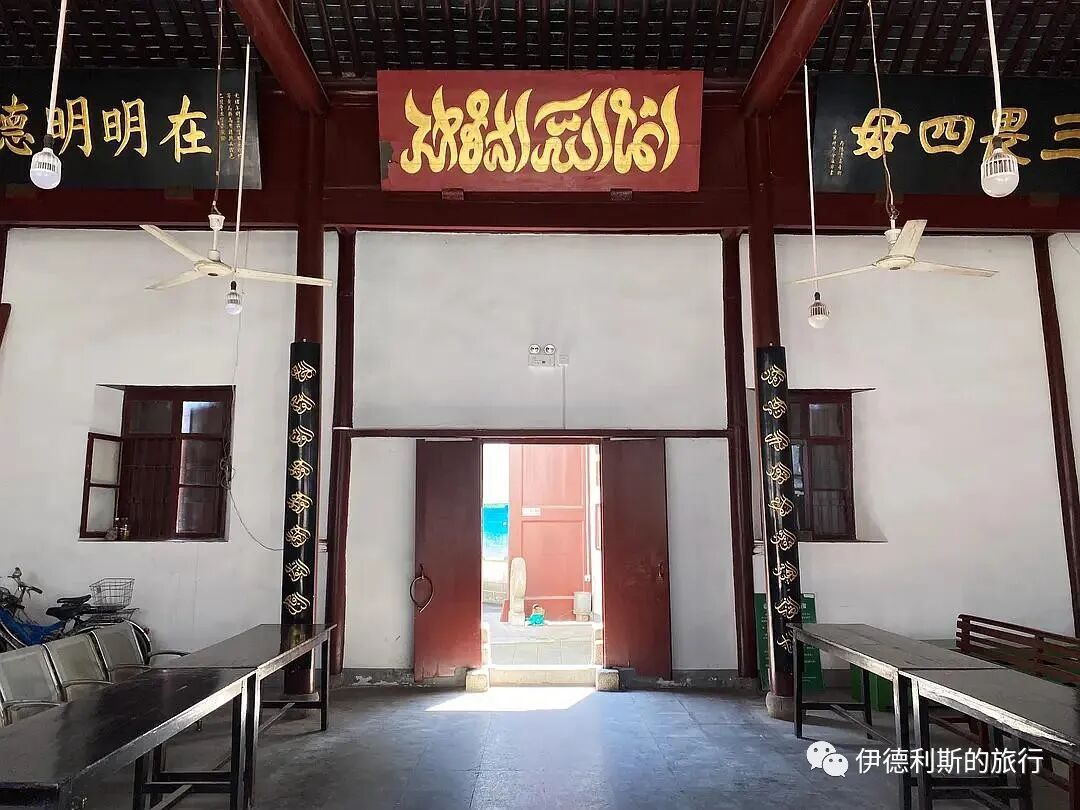
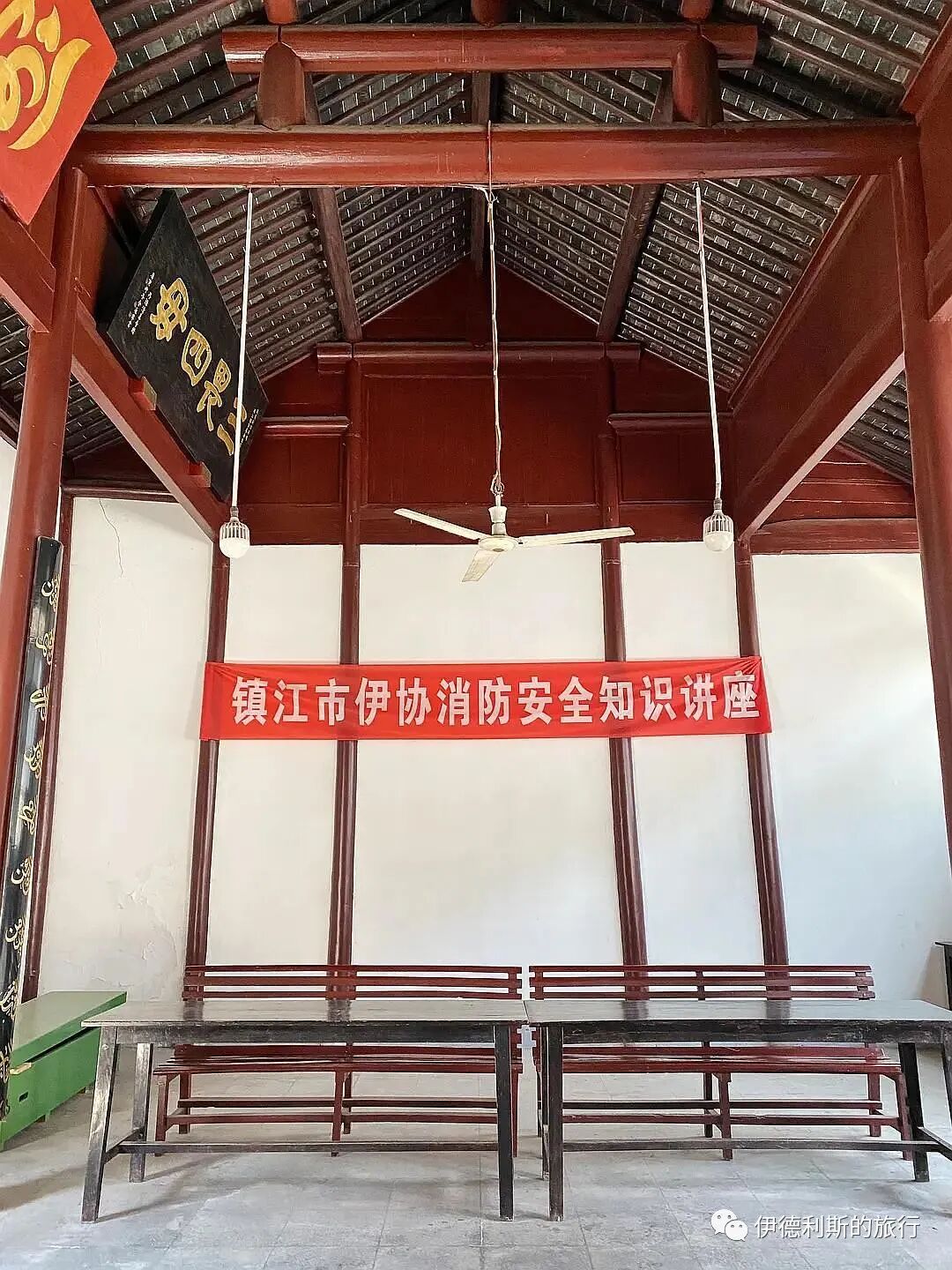
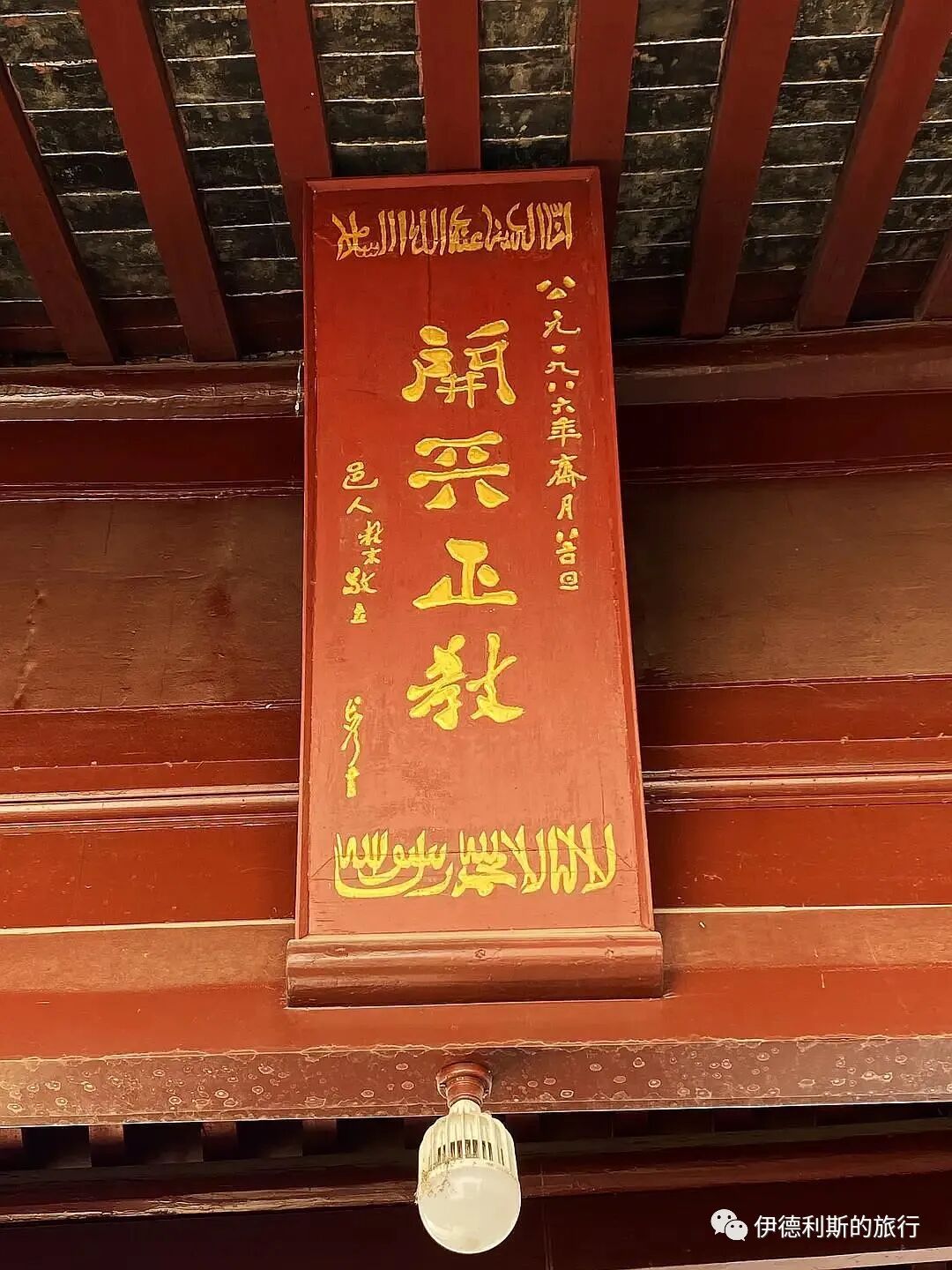
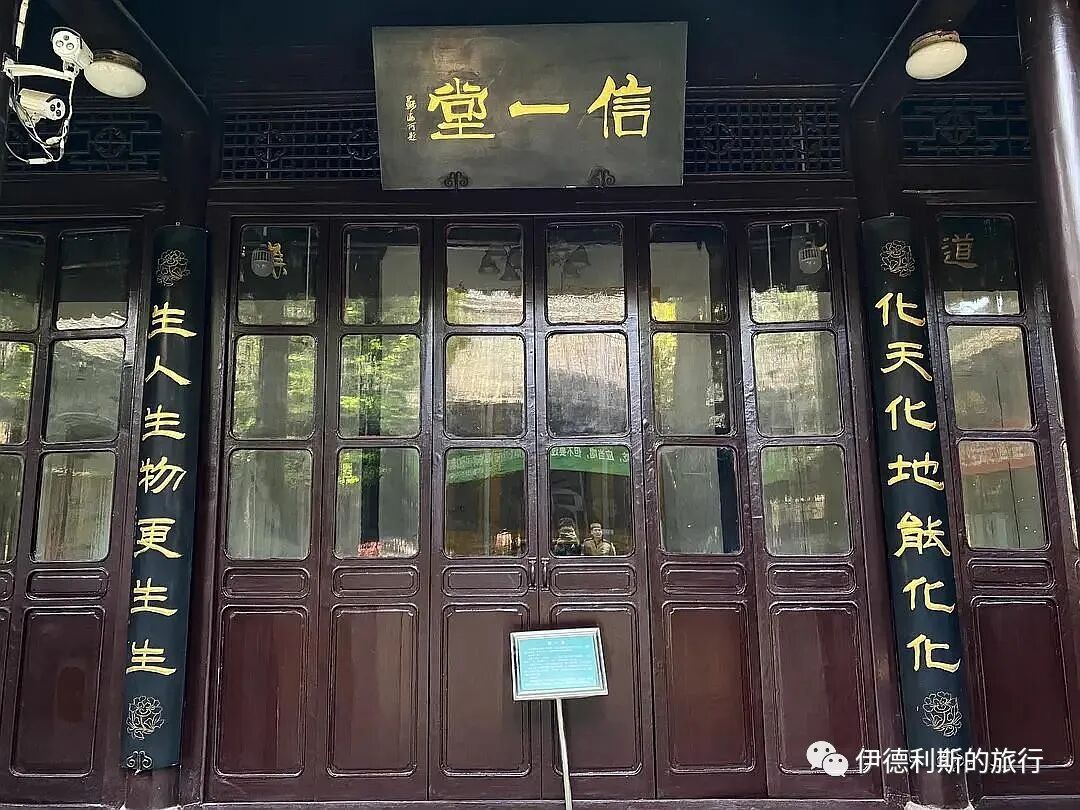
The front hall was used as a classroom for Muyuan Primary School during the War of Resistance Against Japan. The plaque above was written by Imam Hua Guilin in 1984, and the couplet was written by the famous Beijing Arabic calligrapher Li Wencai in 2010.
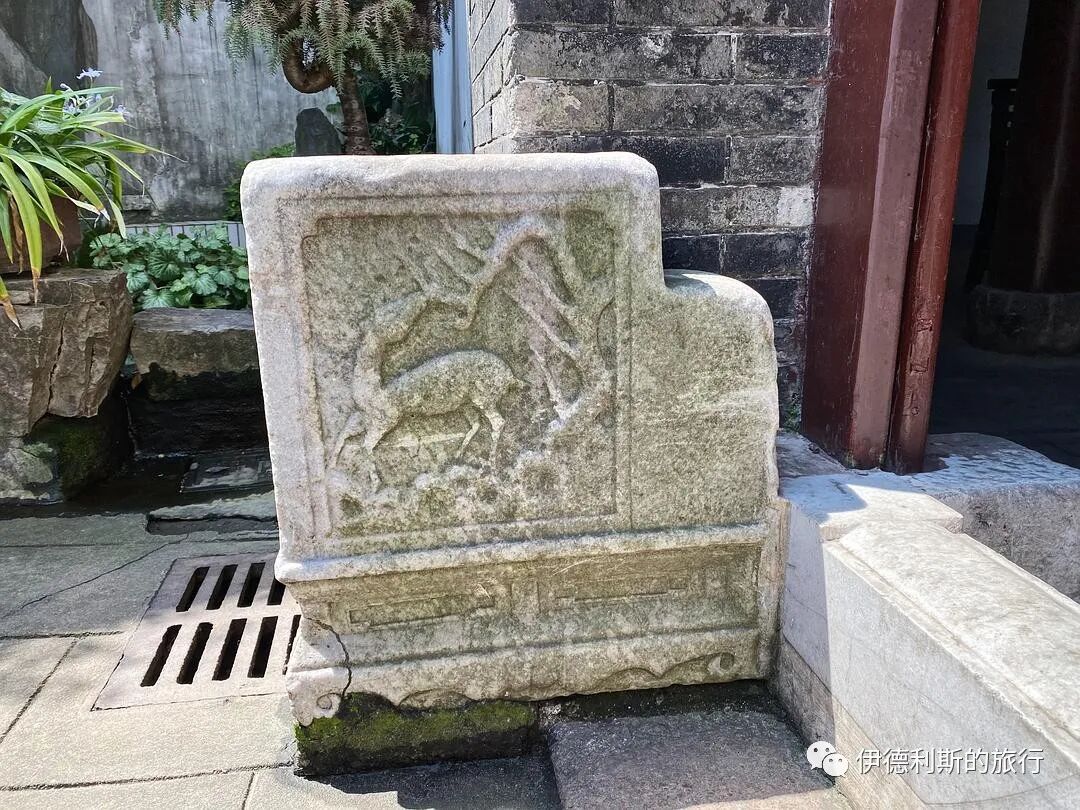
Door pier outside the front hall
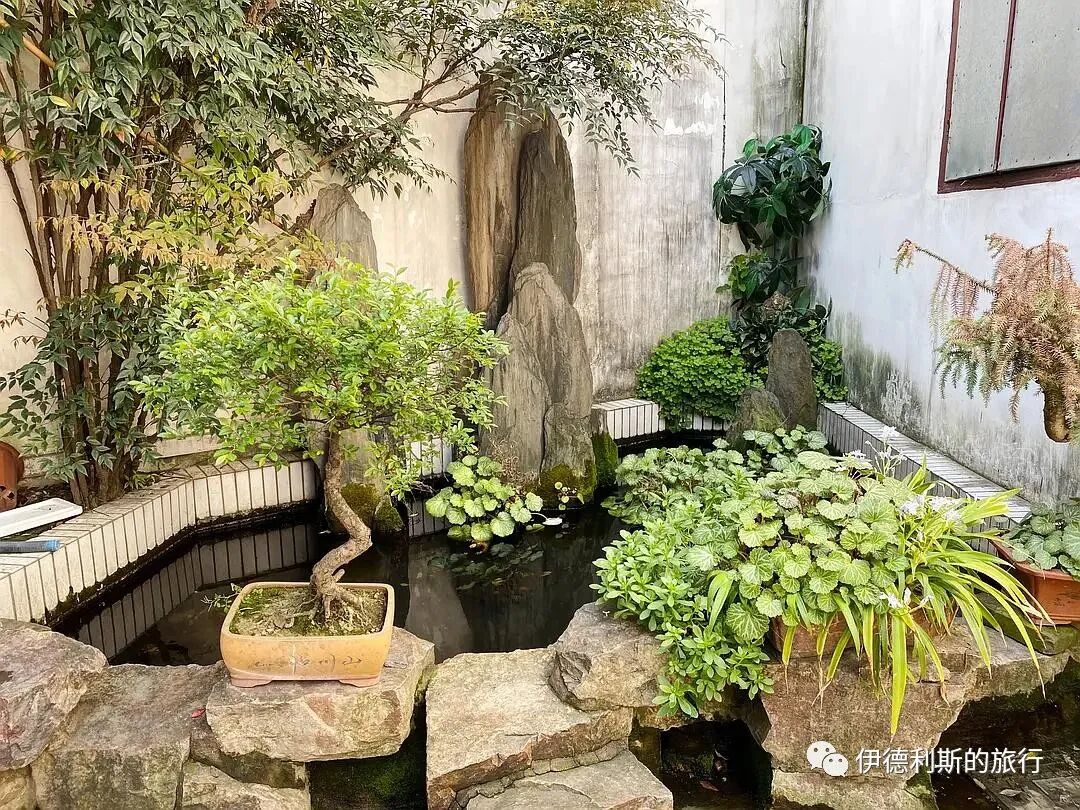
Rockery in the second small patio
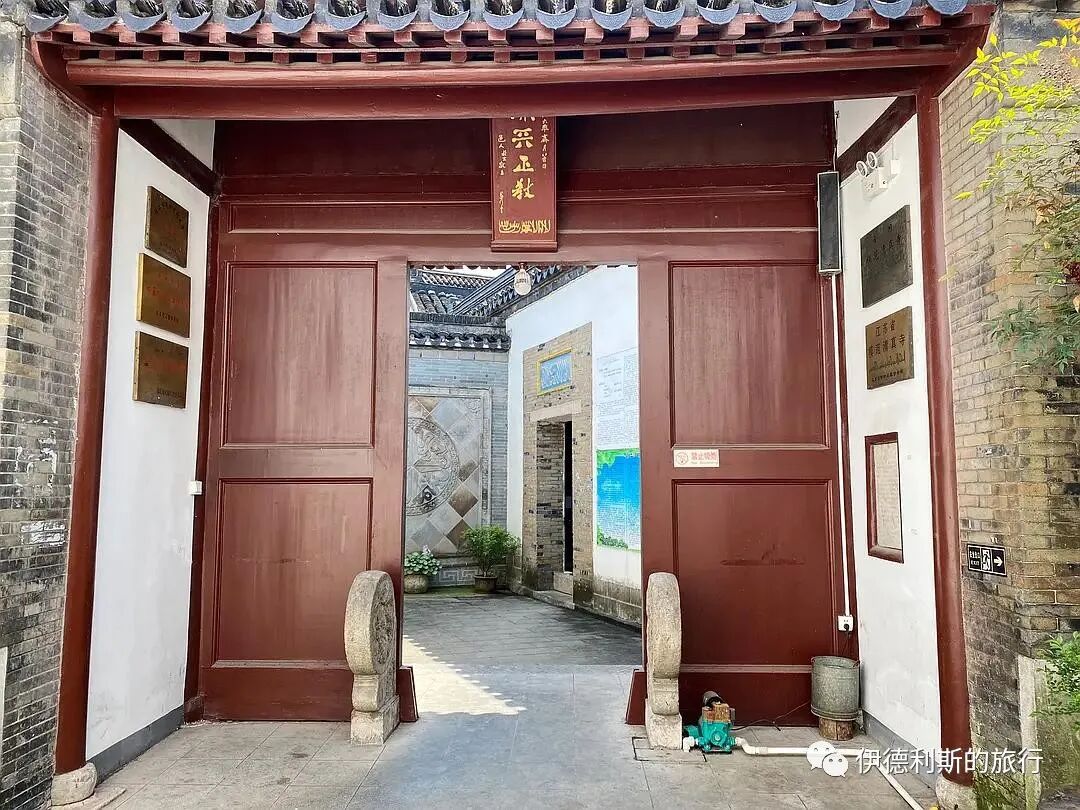
Second gate
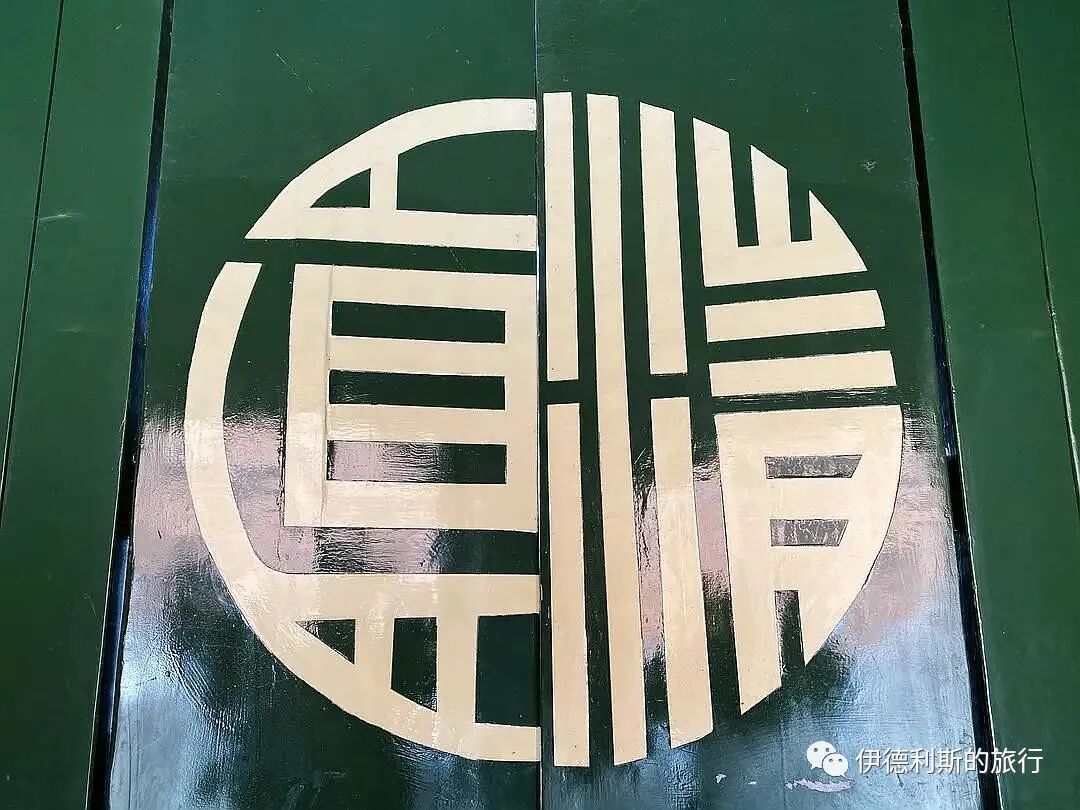
The side gate hall has a green screen door facing it, with the circular characters "Qingzhen" (Pure and True) written in the center.
In the 1960s and 1970s, the mosque was smashed and then occupied, leaving only the side gate hall guarded by the old mosque caretaker Ma Zhonglin. The occupying unit tried to drive Ma Zhonglin away with various excuses, but he refused them all, eventually spending ten difficult years there. During these ten years, all the Hui people in Zhenjiang stored funeral supplies in this gate hall, and held and managed the deceased there. At that time, only the old man Ma Zhonglin washed the bodies of the deceased, stood for the Janazah dua, and went up the mountain to the grave to recite dua. He also slaughtered poultry for the elders in the side gate hall every morning.
In 1981, the old man Ma Zhonglin passed away. Afterward, Tan Quanhong and Zhang Dagui successively slaughtered poultry for the elders in the side gate hall every morning. In that same year, the occupying unit began to vacate, and Shanxiang Mosque was finally recovered.
The third small patio outside the second gate
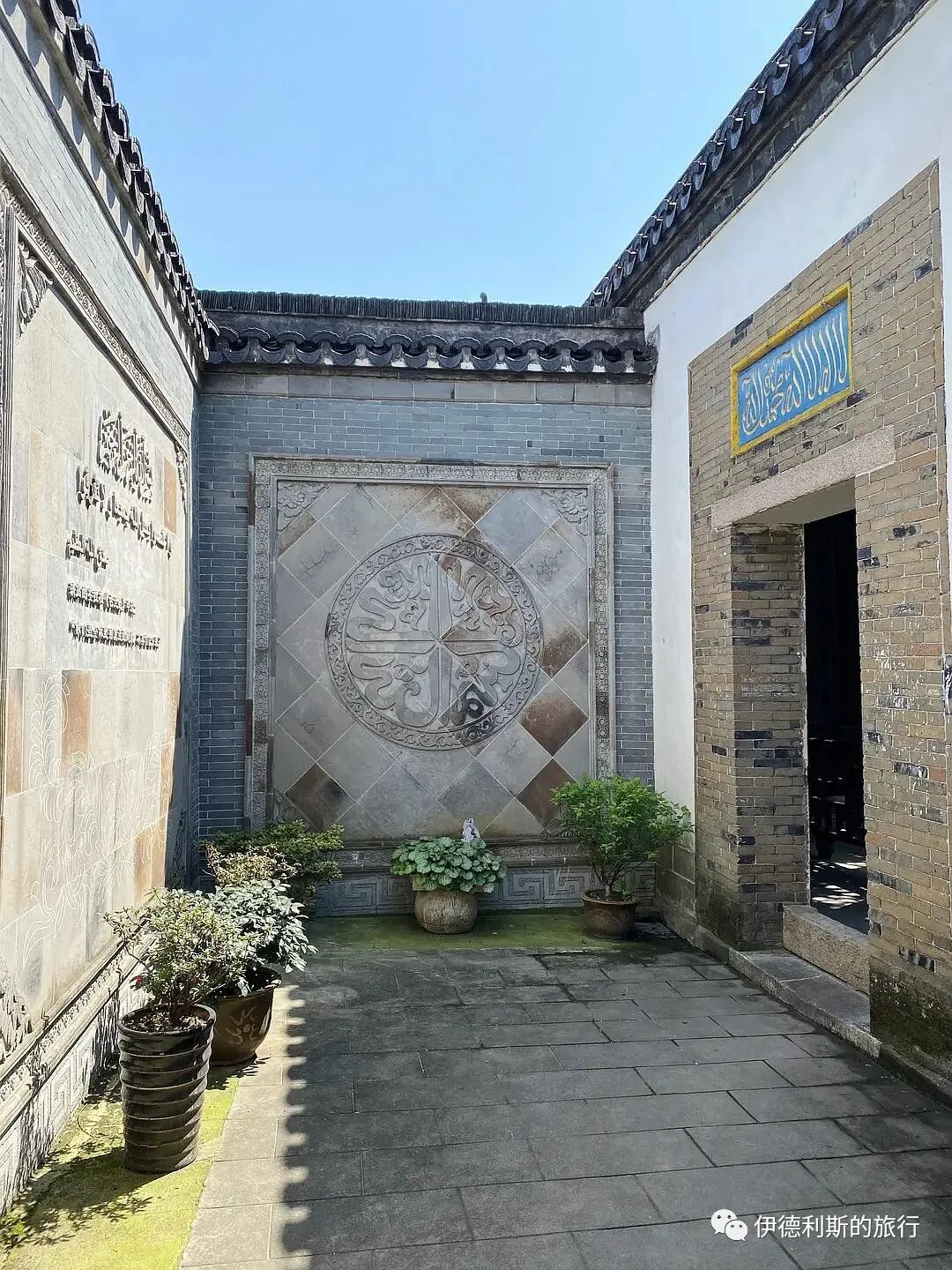
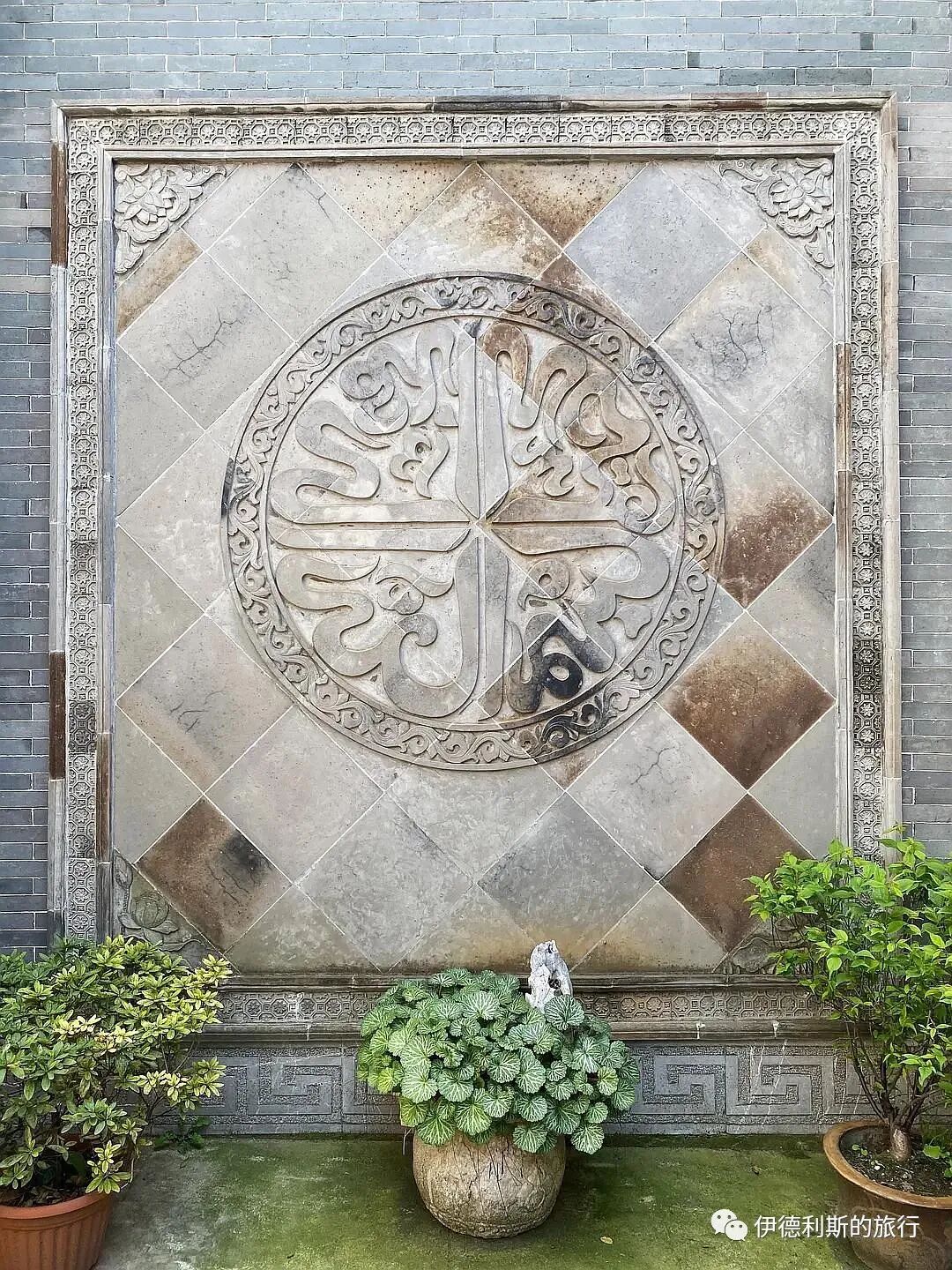
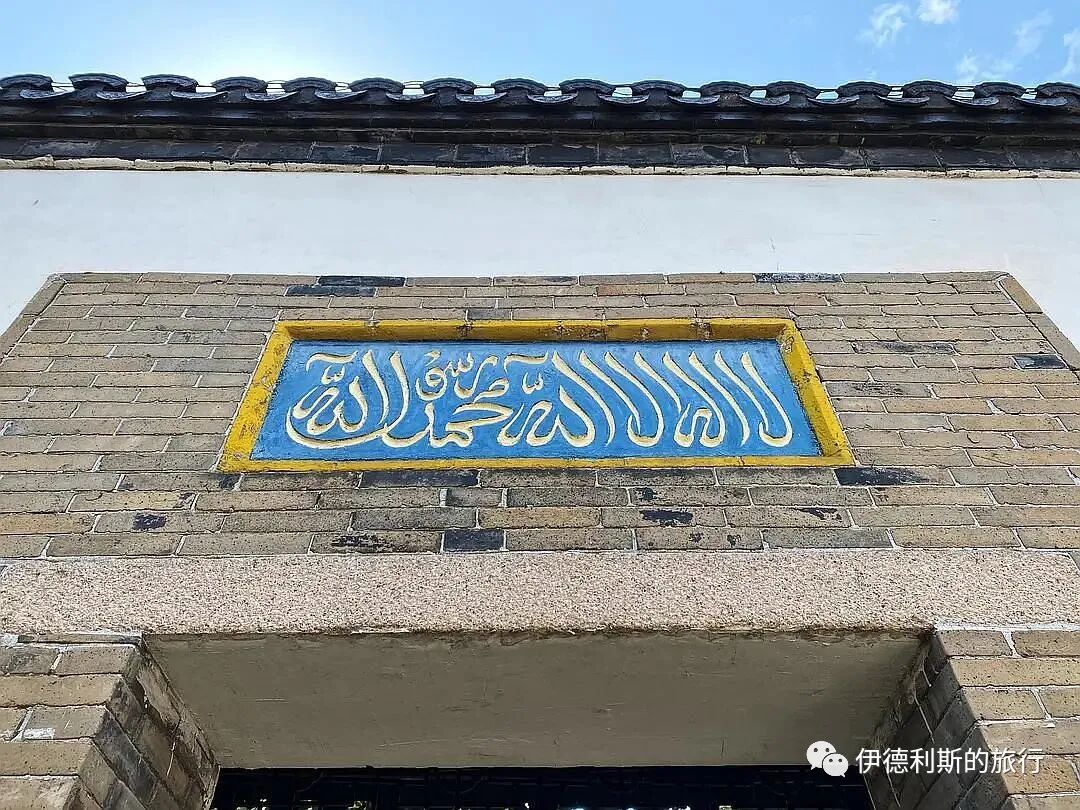
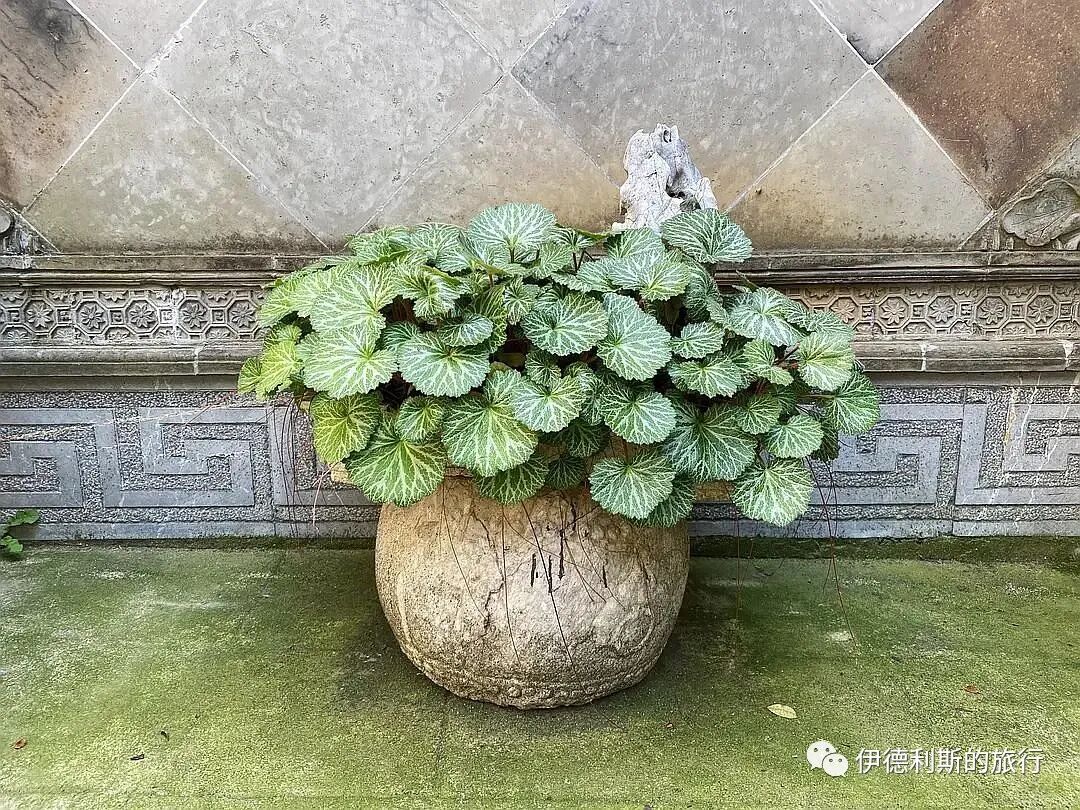
Large patio (courtyard). There is a cross-shaped path in the courtyard, planted with pine and ginkgo trees. There were once two ginkgo trees over two hundred years old in the courtyard, which were sawed down in 1958 to support the Great Leap Forward steel production.
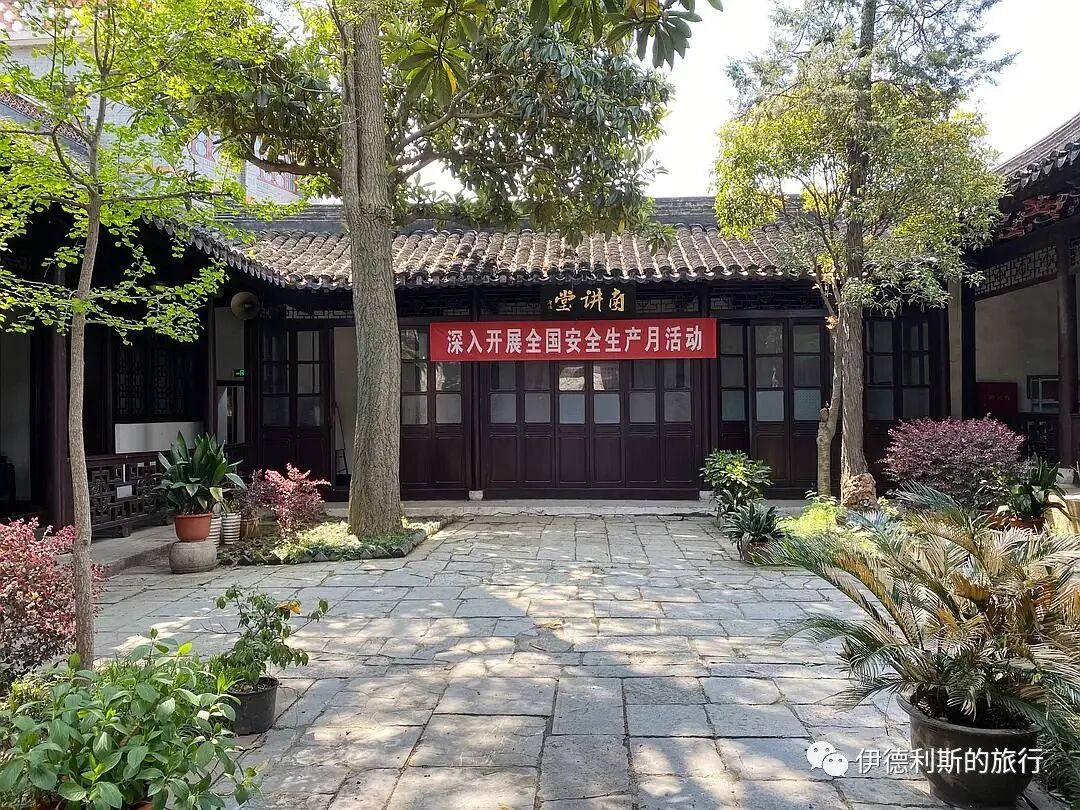
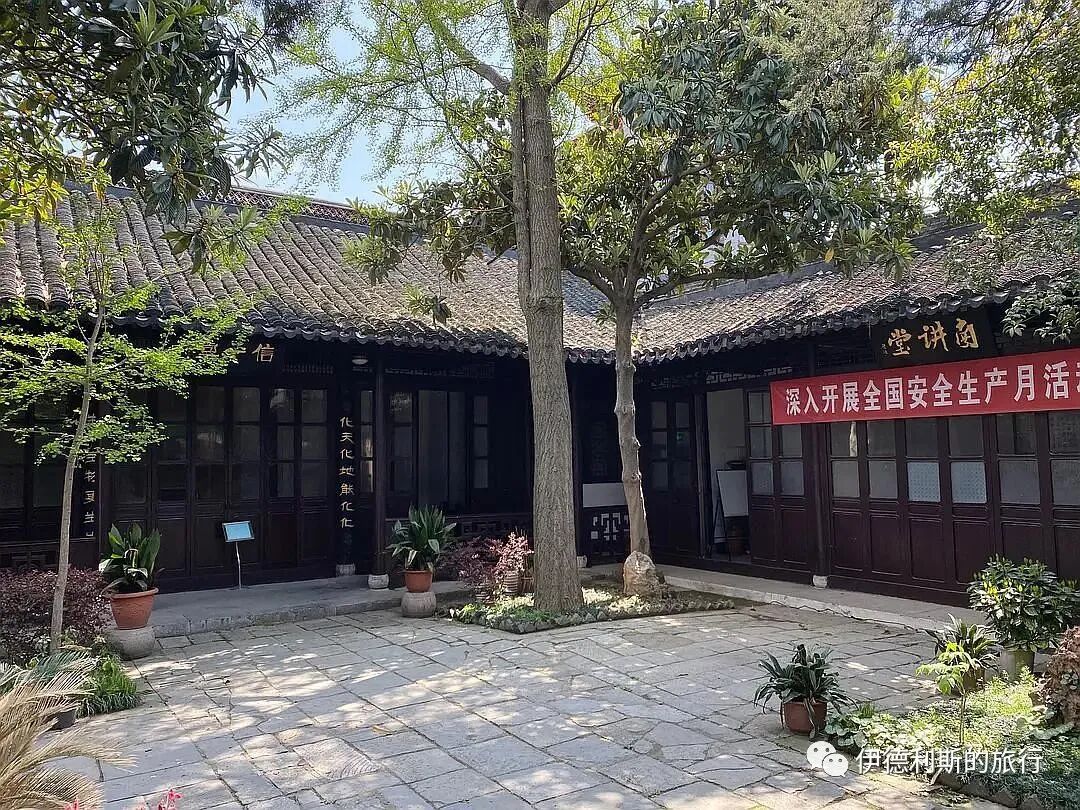
Shanxiang Mosque was once an important base for printing and publishing religious books in the country. From the Qianlong to the Tongzhi eras of the Qing Dynasty, more than 20 types of philosophical and doctrinal books, including "Baoming Zhenjing," "Tianfang Dianli," "Guizhen Zongyi," and "Huihui Yuanlai," were successively woodblock-printed in hundreds of editions and transported to all parts of the country by water and land. To this day, the National Library of China, the Central University for Nationalities Library, and Peking University Library all house editions of books from Zhenjiang Shanxiang Mosque.
In the 1960s and 1970s, Shanxiang Mosque was severely damaged; no scriptures, woodblock editions, plaques, couplets, furniture, decorations, or various cultural relics survived.
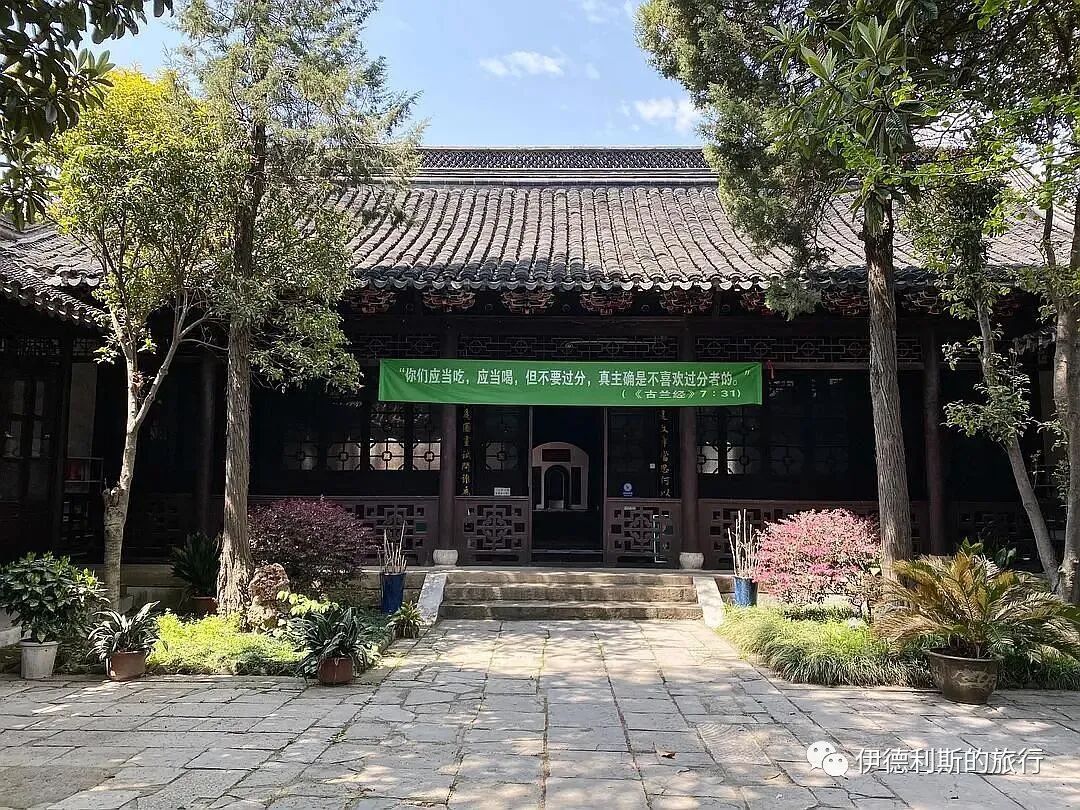
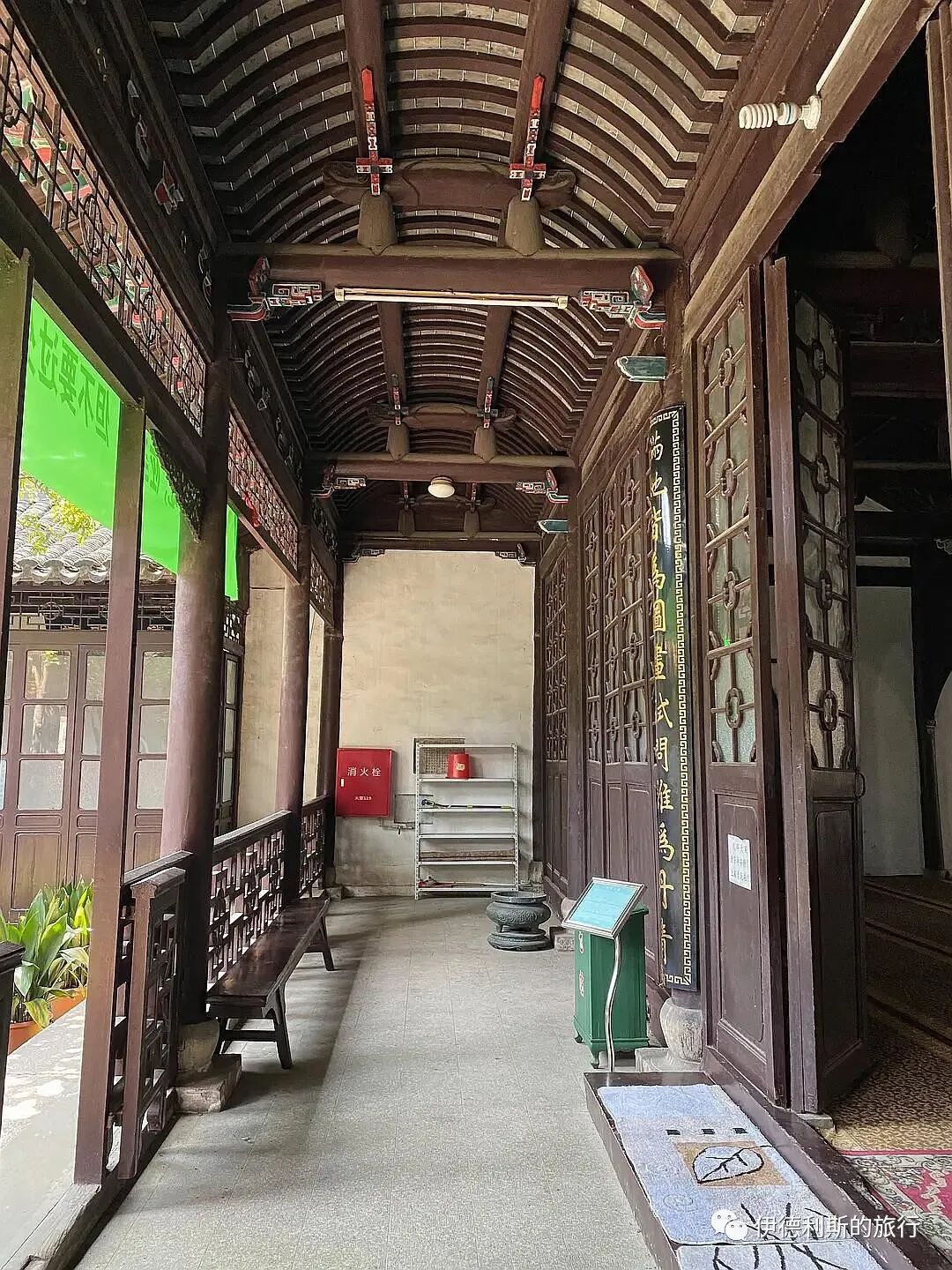
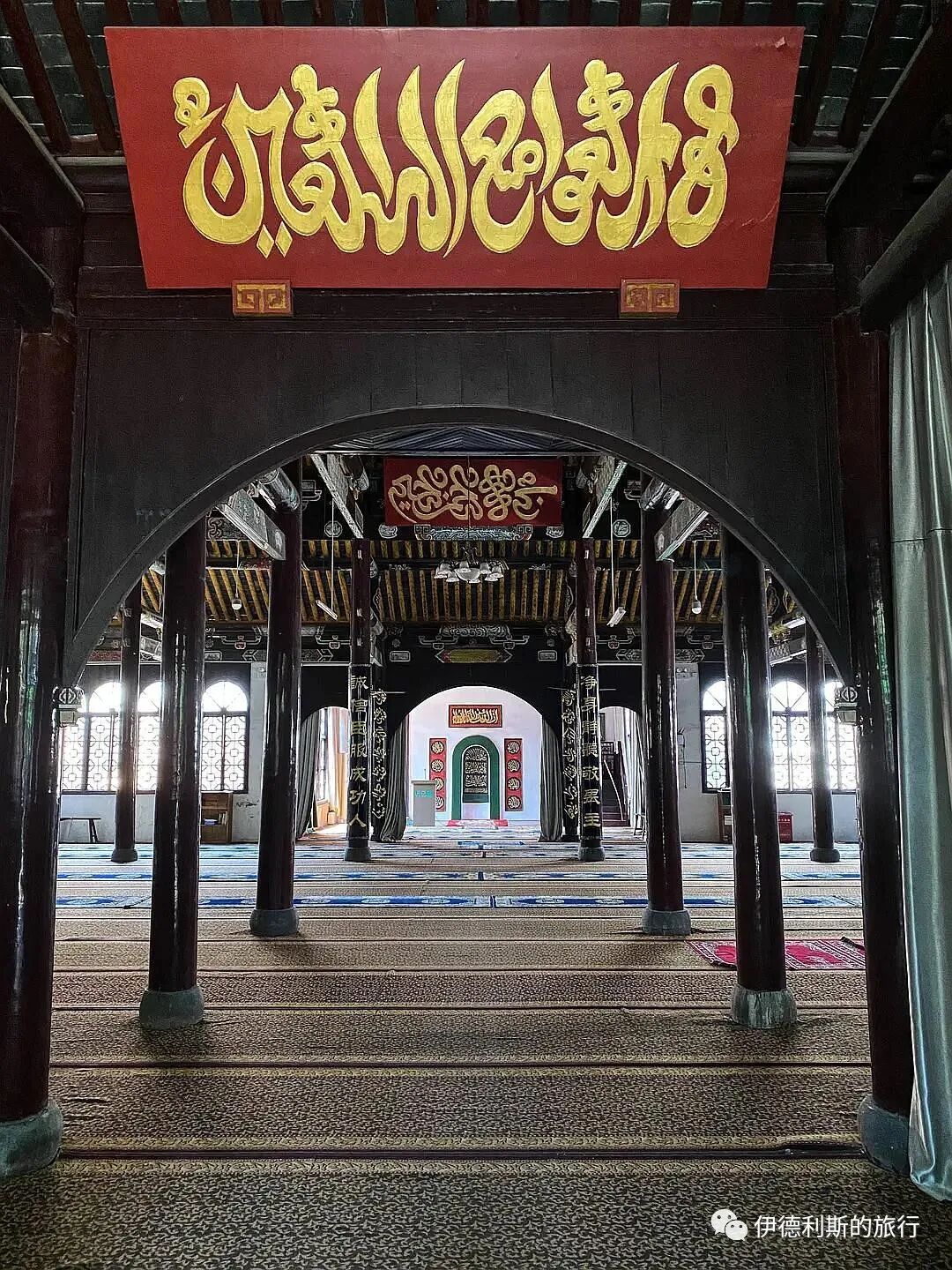
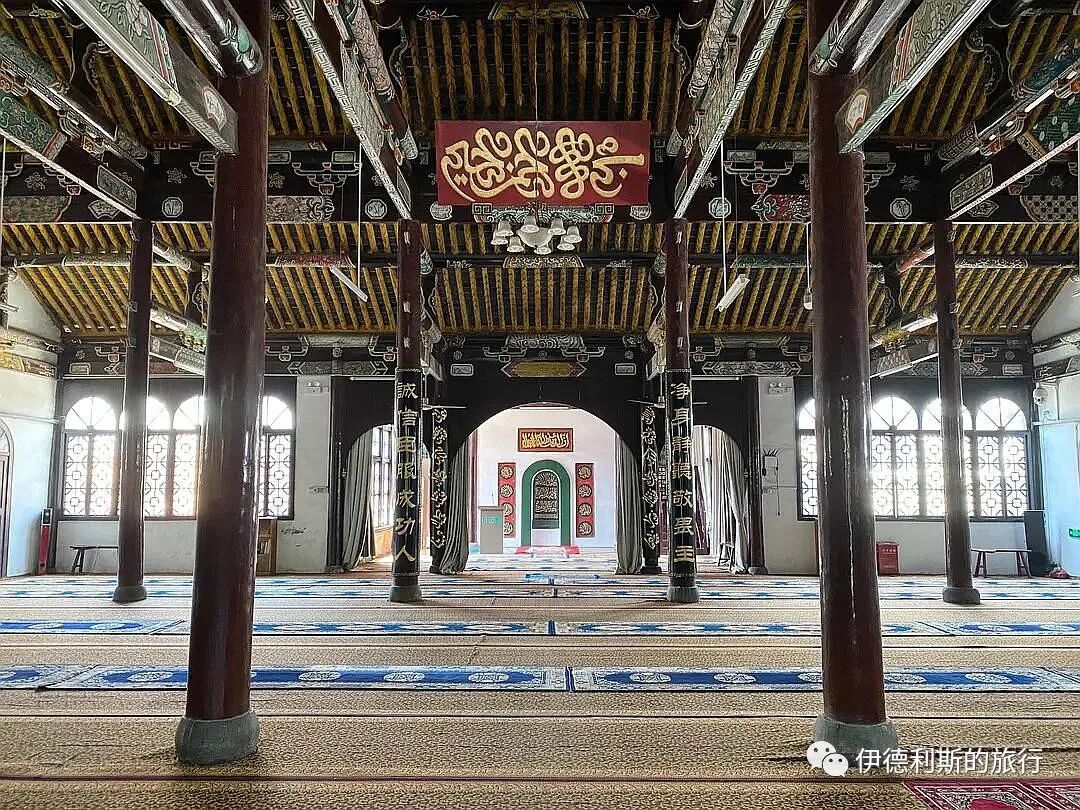
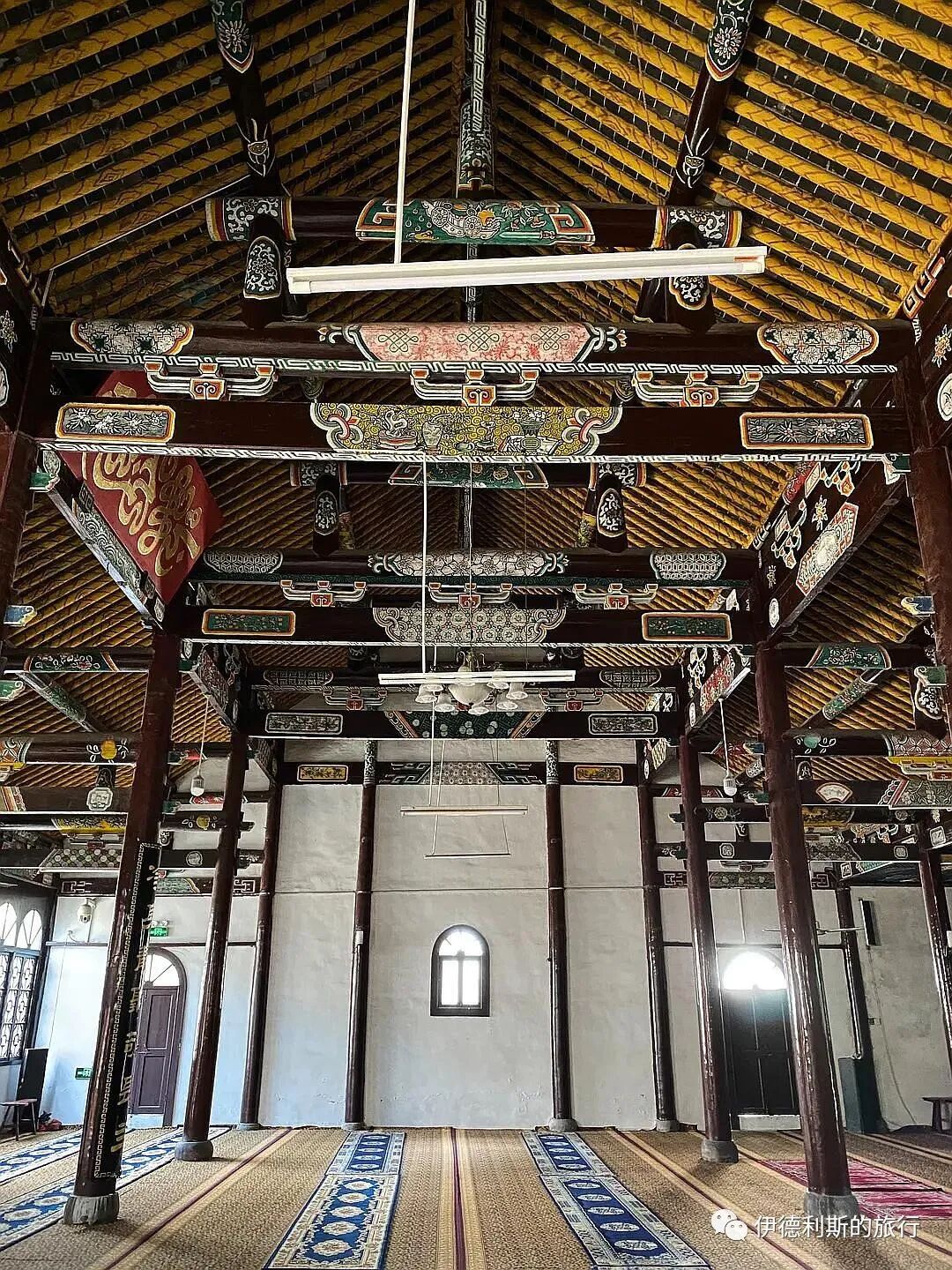
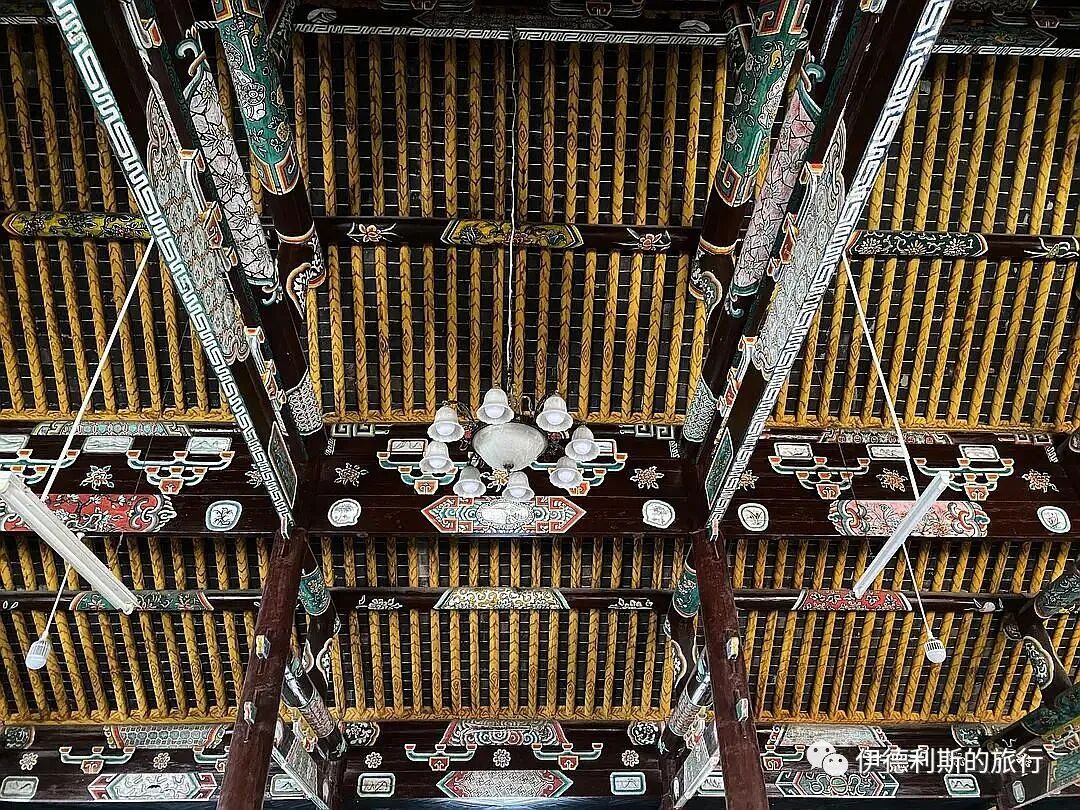
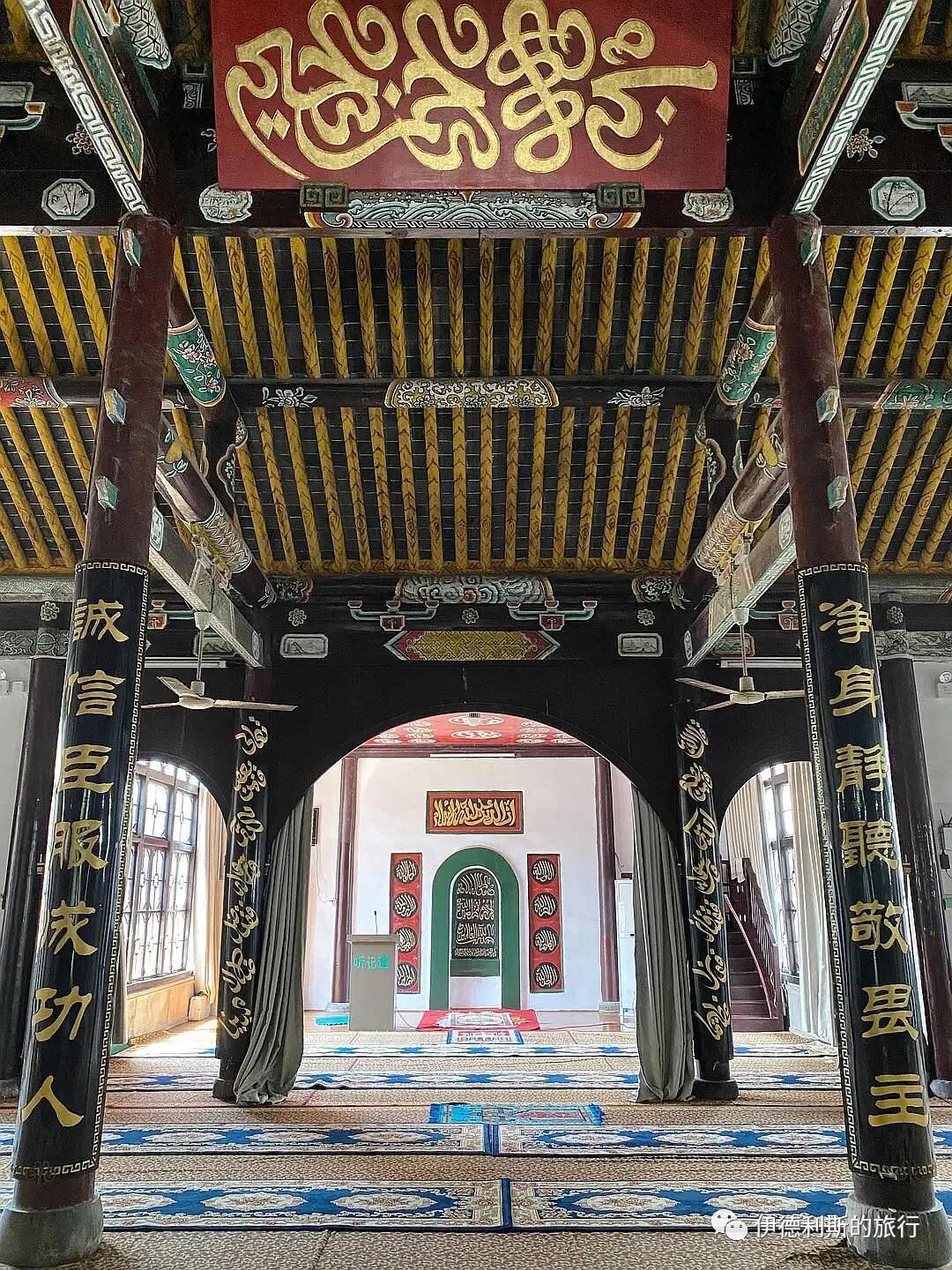
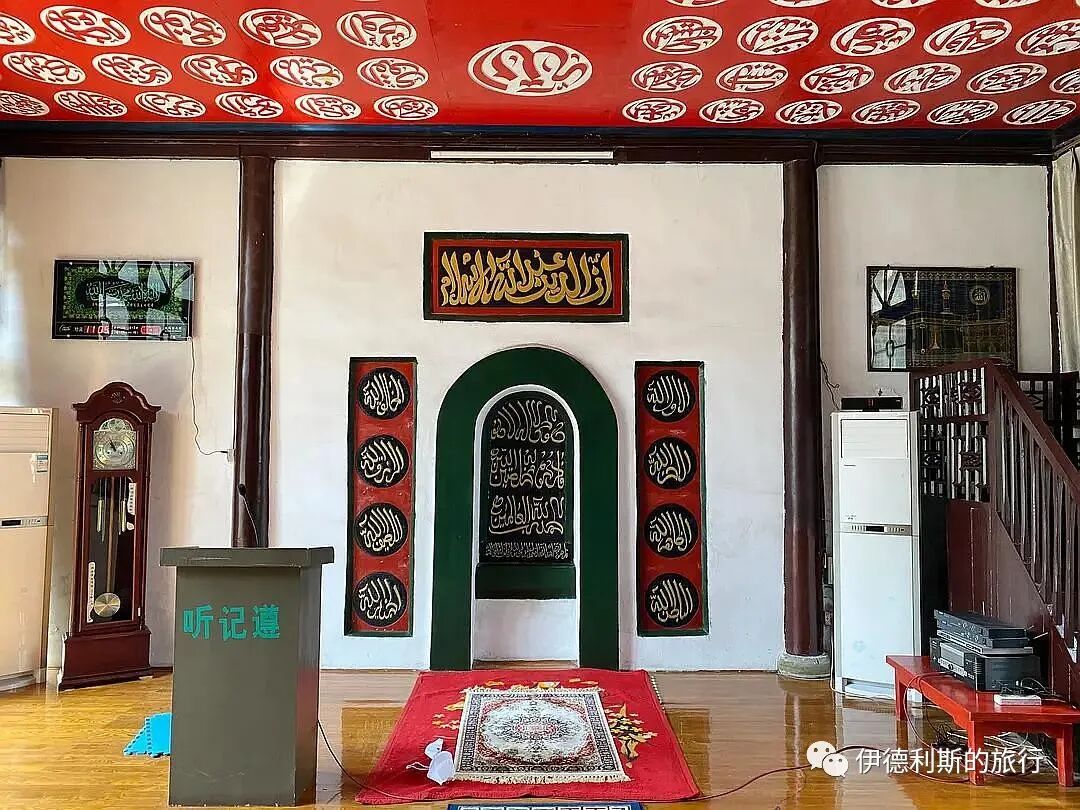
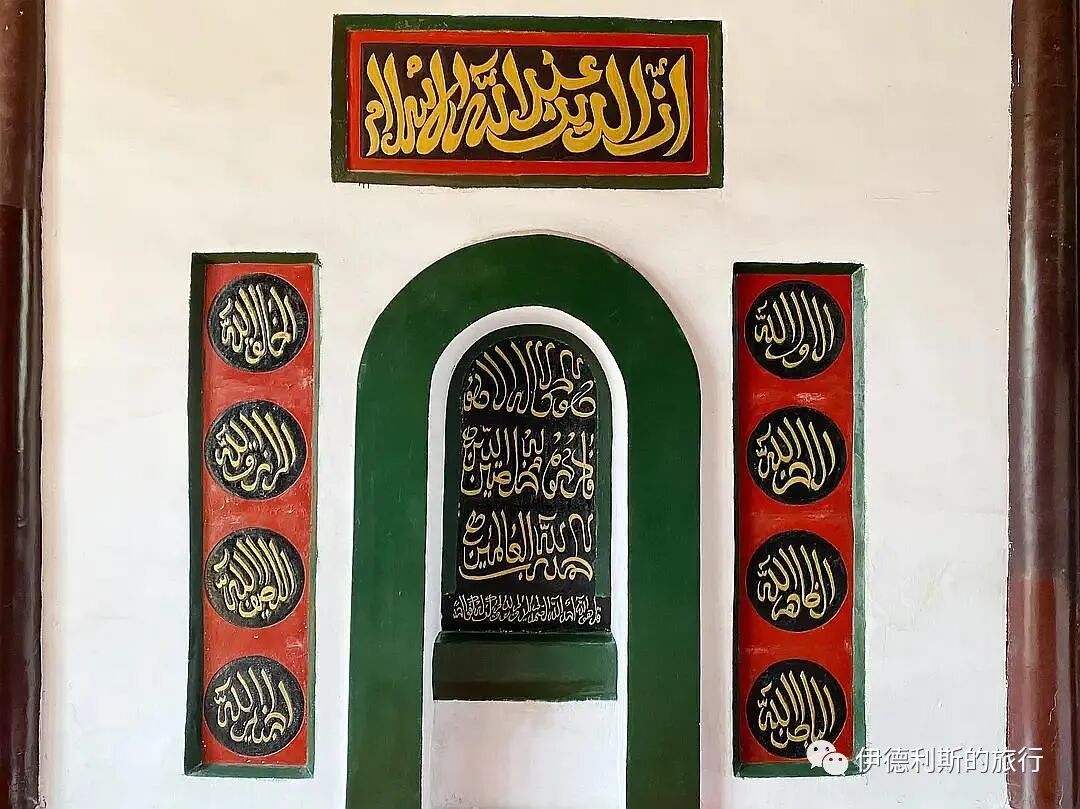
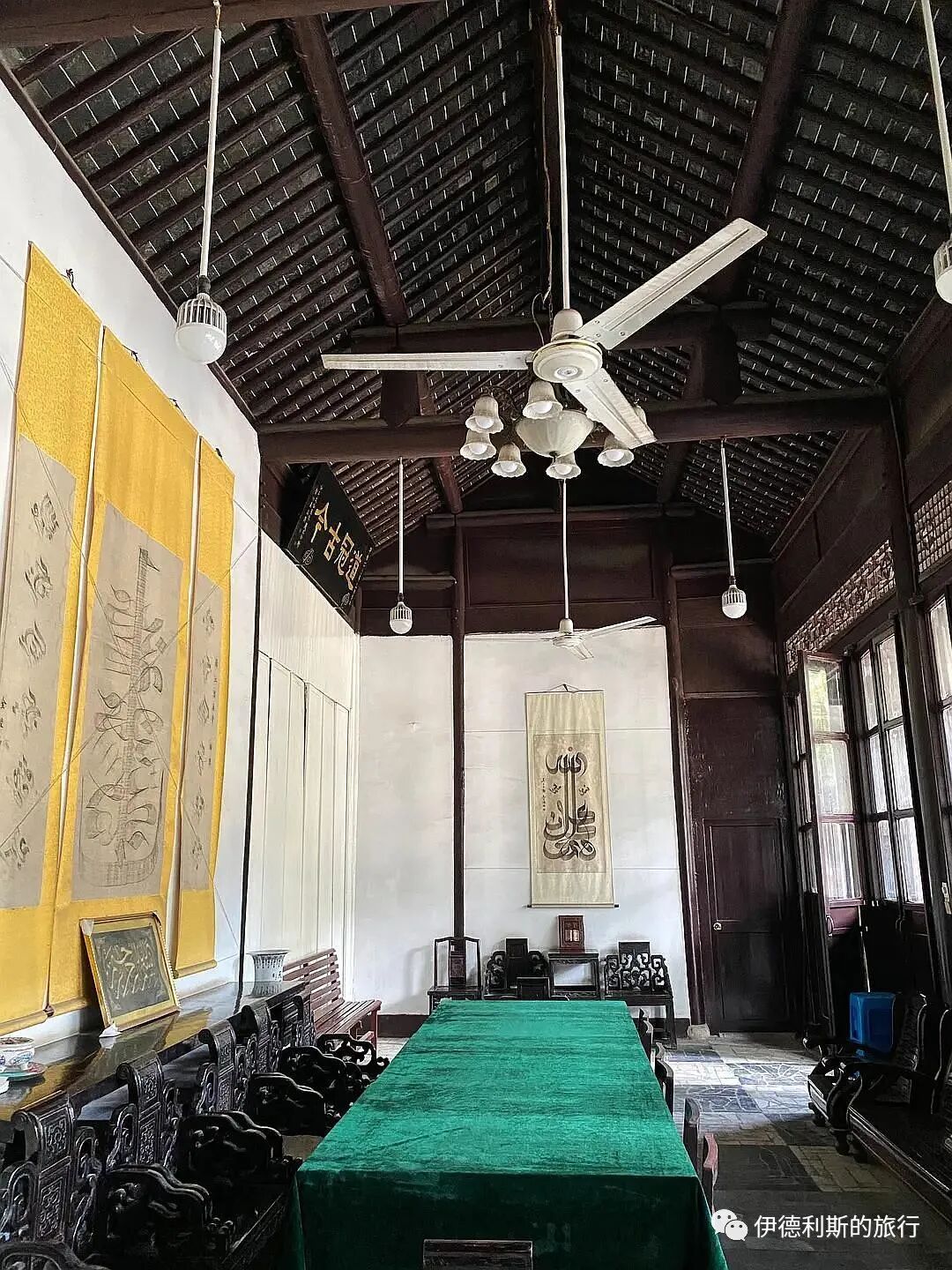
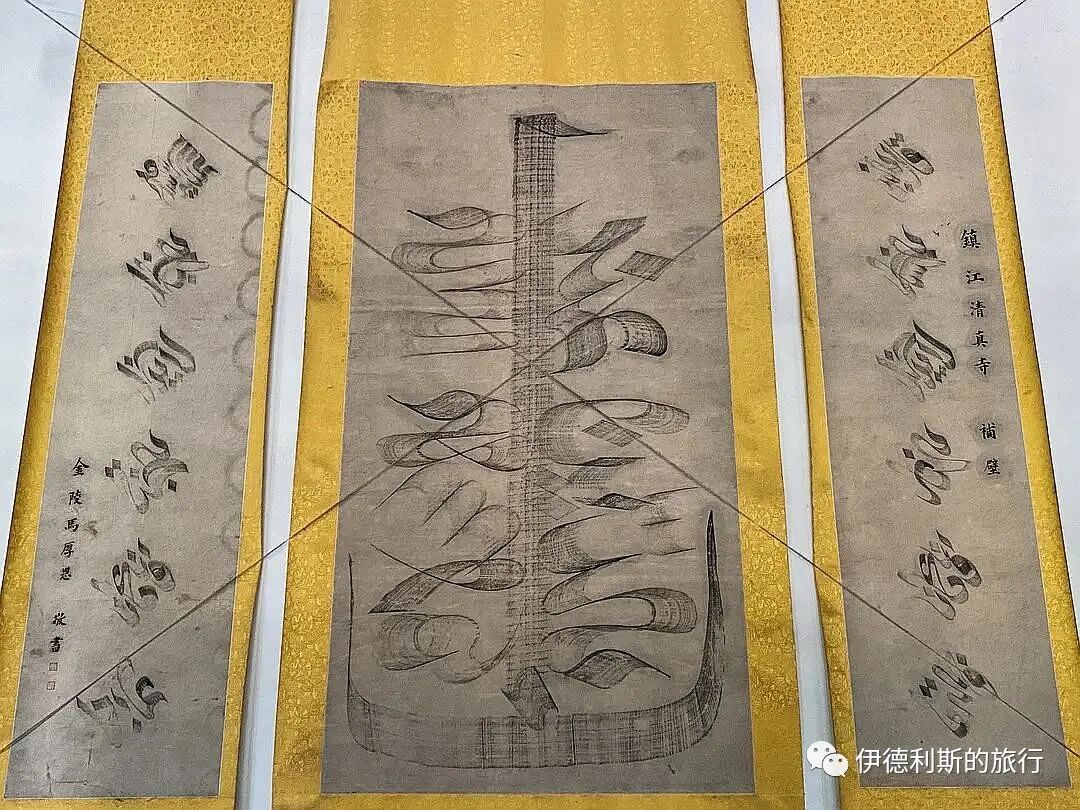
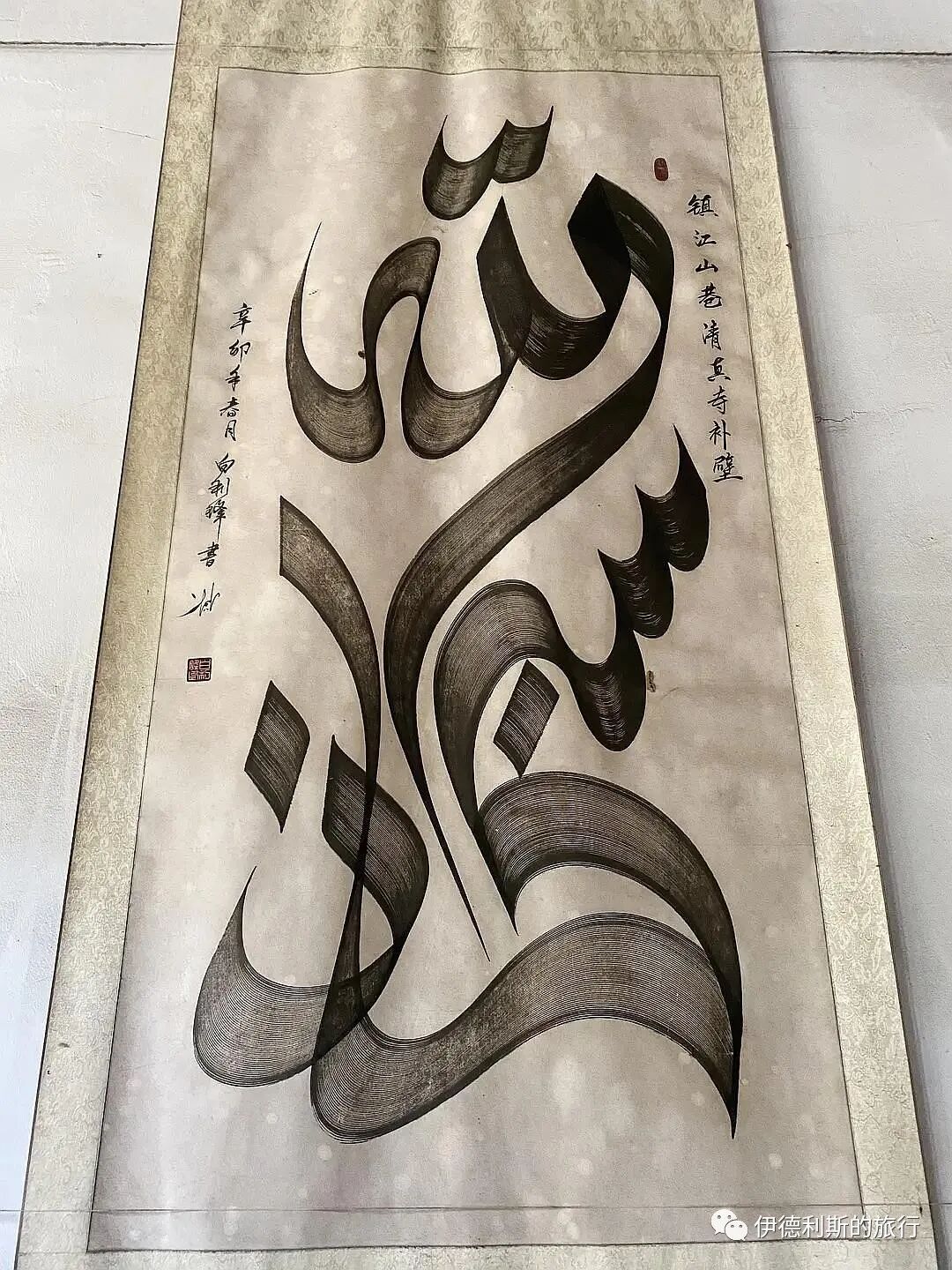
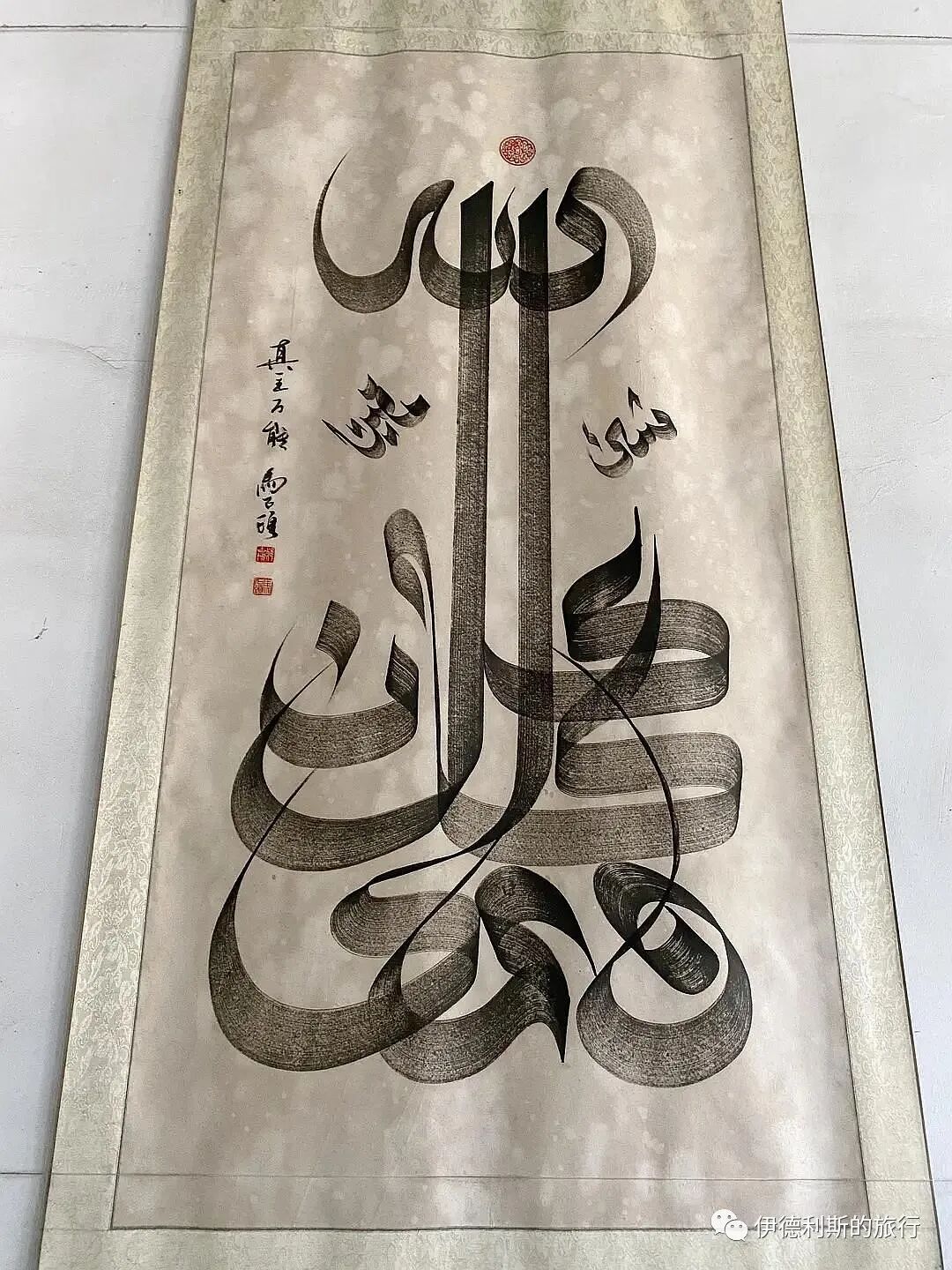
The opposite hall, with calligraphy hanging in the center and calligraphy scrolls.
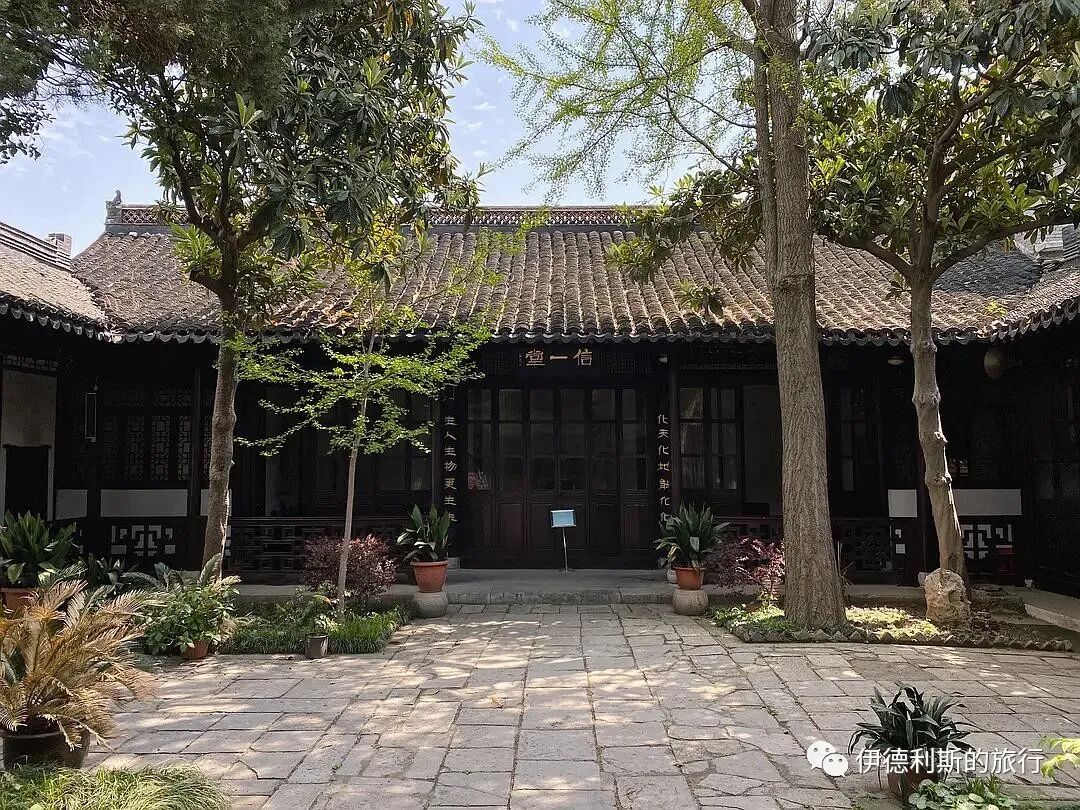
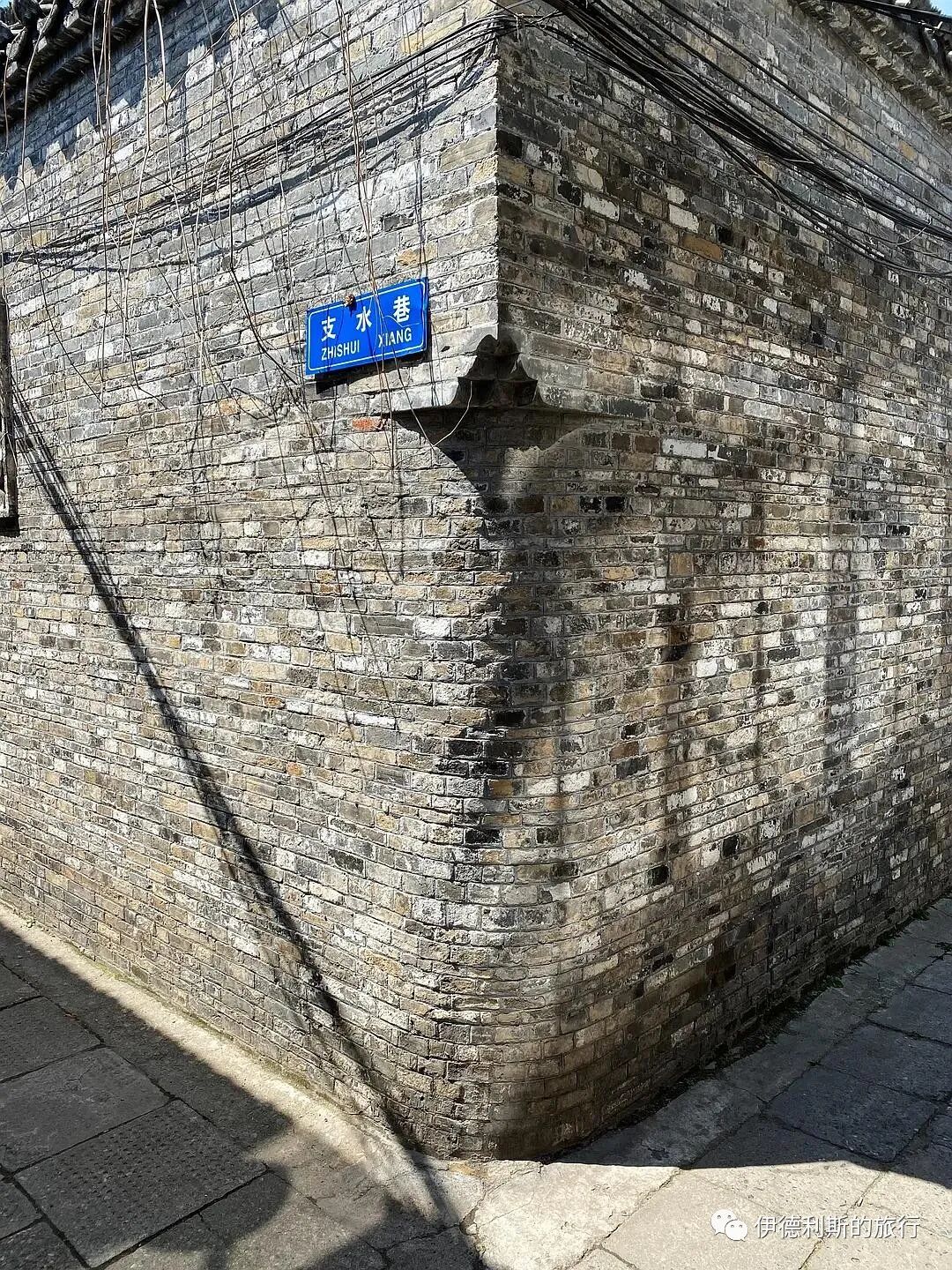
Traditional winding corners
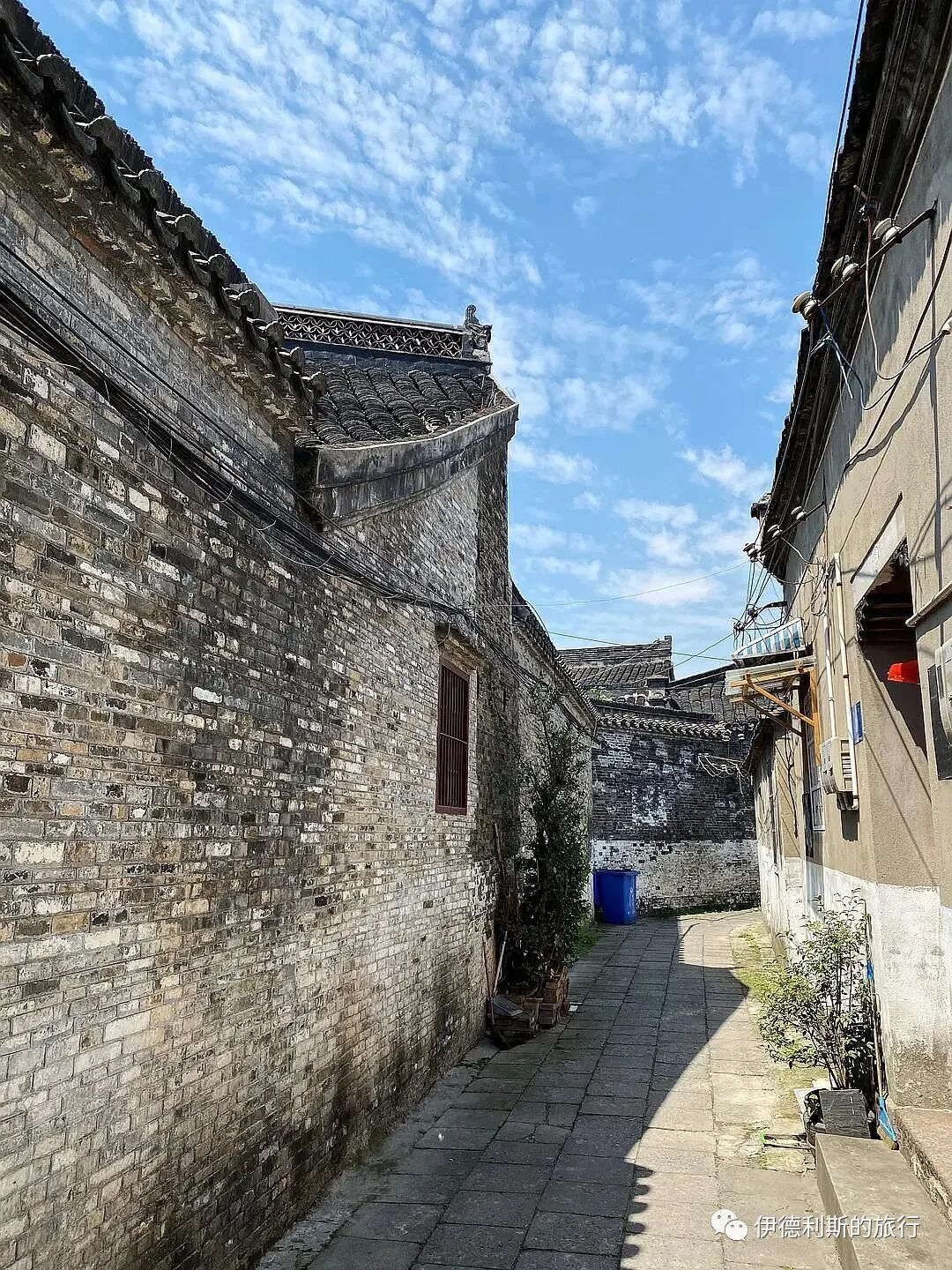
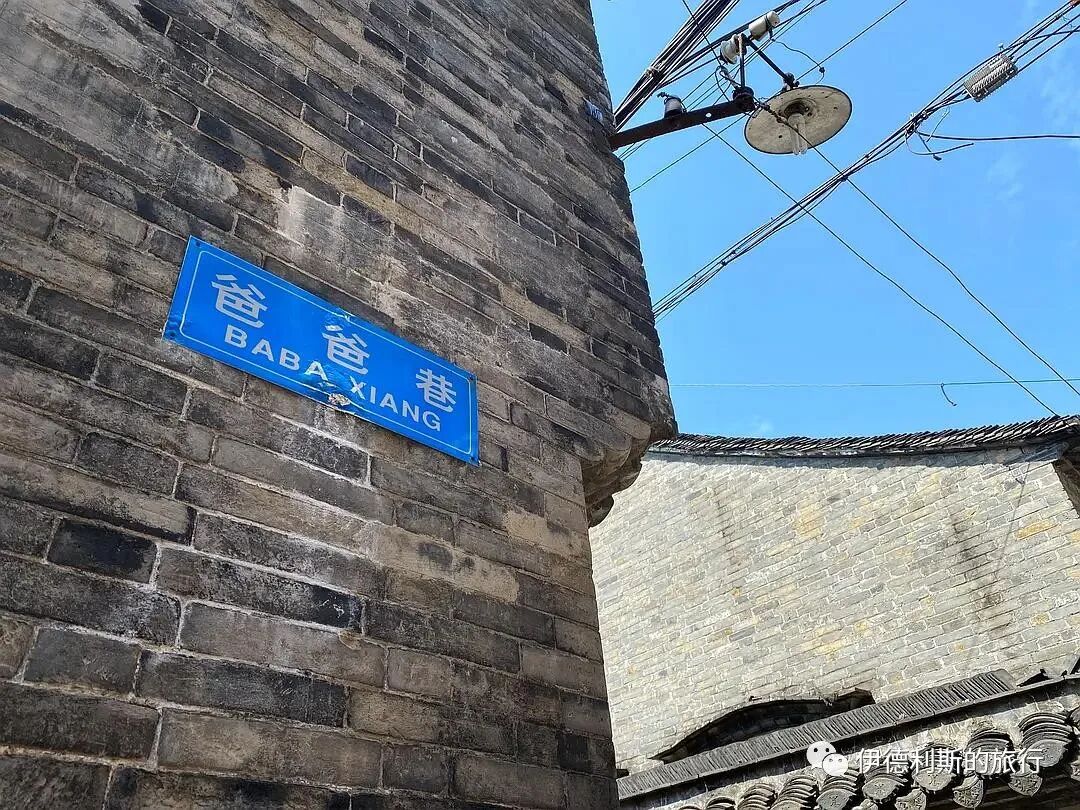
The alley name comes from the Persian word Baba, which is what the Hui people often call Baba.
2. Jianzi Lane Mosque Ming and Qing stone carvings
Jianzi Lane Mosque, originally named Guyun Mosque, was founded on Fumin Street in Ren'an Lane and was a mosque in Zhenjiang during the Yuan Dynasty. According to the "Zhishun Zhenjiang Gazetteer" of 1333 (the 4th year of the Zhishun era of the Yuan Dynasty), there were 59 Hui households with 374 people in Zhenjiang during the Yuan Dynasty. The famous Yuan Dynasty Hui poet Sa Dula served as the Darughachi (the administrator holding the seal) of the Zhenjiang Road Record Office for 3 years in 1328 (the 1st year of the Tianli era of the Yuan Dynasty). According to the Guangxu "Dantu County Gazetteer," Sa Dula stabilized prices in Zhenjiang, opened granaries to help the people, suppressed powerful servants, and broke superstitions, doing many good deeds. In addition, in 1326 (the 3rd year of the Taiding era of the Yuan Dynasty), Zhemaluding, a scholar from Jiangsu and Zhejiang, served as a professor of Confucian studies in Zhenjiang Road, which was the highest official position in charge of education at that time.
Guyun Mosque was destroyed at the end of the Yuan Dynasty and the beginning of the Ming Dynasty, rebuilt during the Hongwu era of the Ming Dynasty, and moved to Jianzi Lane in the city in 1602 (the 30th year of the Wanli era), from which it was called Jianzi Lane Mosque. It was renovated three times in 1850 (the 30th year of the Daoguang era), 1904 (the 30th year of the Guangxu era), and 1909 (the 1st year of the Xuantong era).
In 1958, Jianzi Lane Mosque was occupied by a knitting factory and a color printing factory. From the 1970s to the early 1980s, the color printing factory and other units successively demolished the main prayer hall, the main hall, the water room, and other buildings, rebuilding them into factory buildings. The stone tablet "Guyun Mosque Monument Record," written by the Jinshi Li Yiyang in 1620 (the 48th year of the Wanli era of the Ming Dynasty) and treasured in the mosque, was used to mix cement, and the handwriting was destroyed and blurred. The calligrapher of the Wanli renovation monument was Ma Zhiqi, a Hui person from Xinye, Henan. Ma Zhiqi was the second-place winner (Bangyan) in 1610 (the 38th year of the Wanli era). He was good at poetry and calligraphy. From the Wanli to the Chongzhen eras, he wrote renovation monument records for the Xiaopi Yuan Mosque in Xi'an, Shaanxi, the Datong Mosque in Shanxi, the Jinshifang Street Mosque in Beijing, and the Chengguan Mosque in Wudu, Gansu. In 1982, the Zhenjiang Islamic Association restored the stone tablet and moved it to Shanxiang Mosque, so the stone tablet was finally preserved.
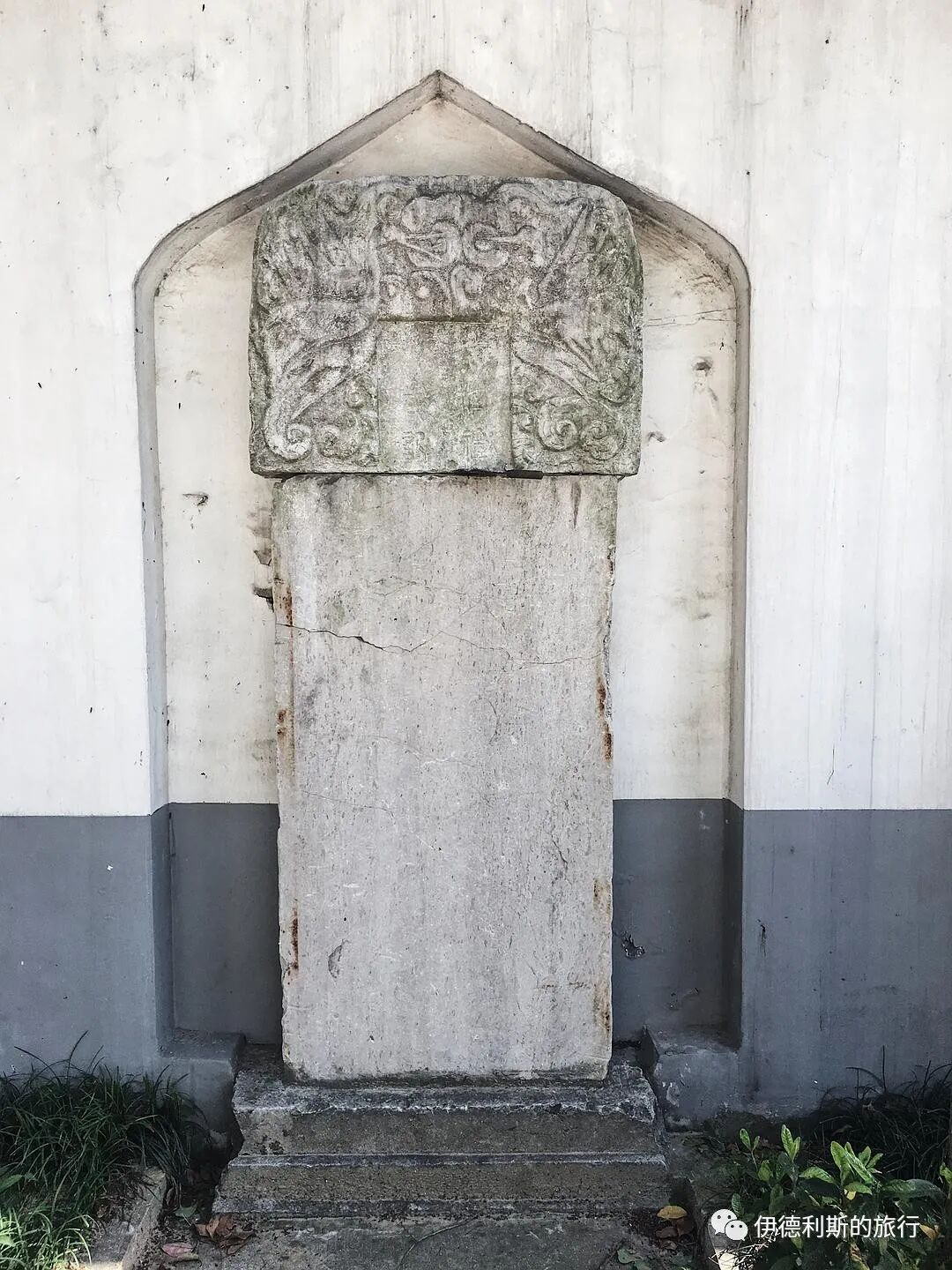
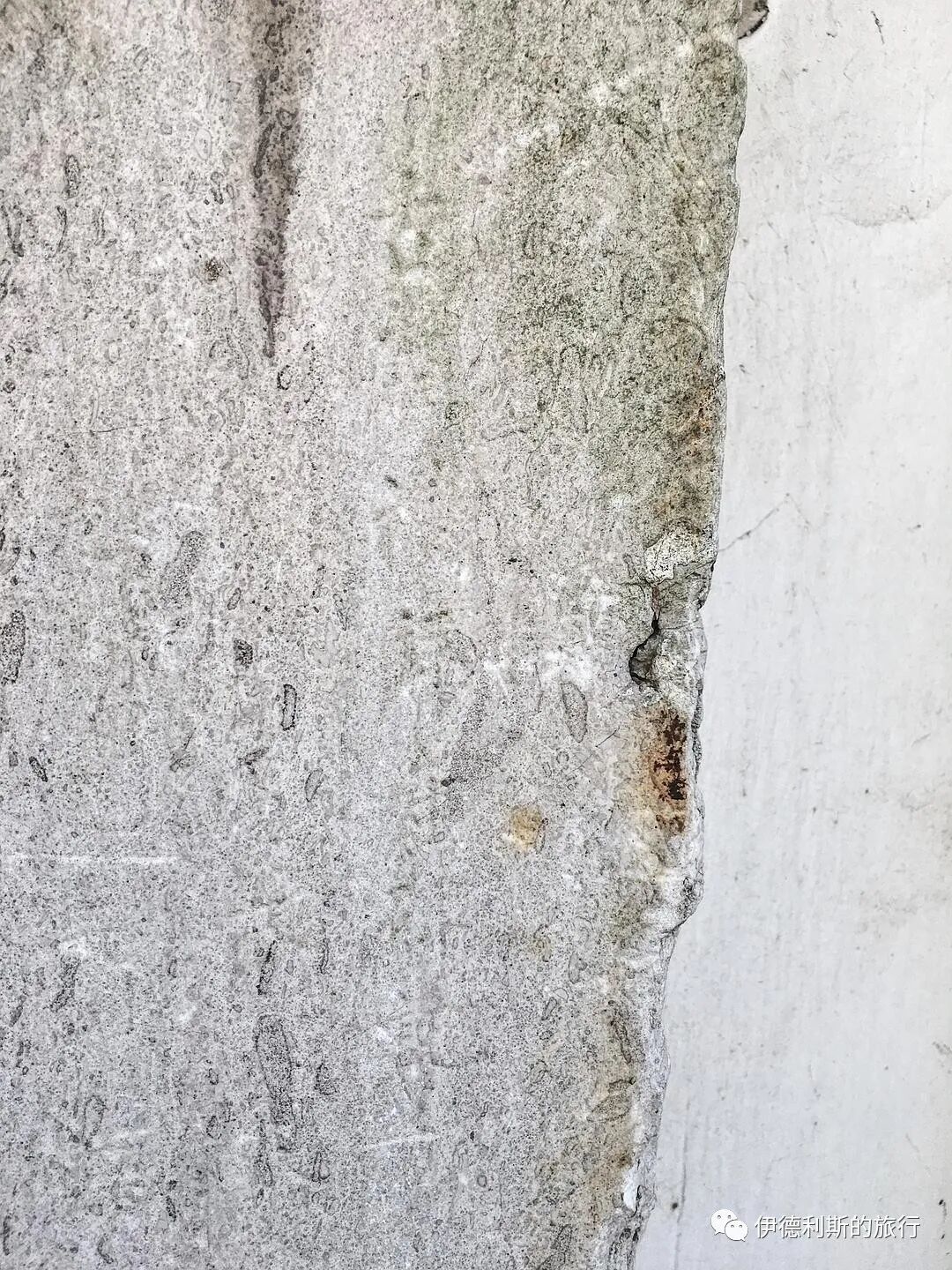
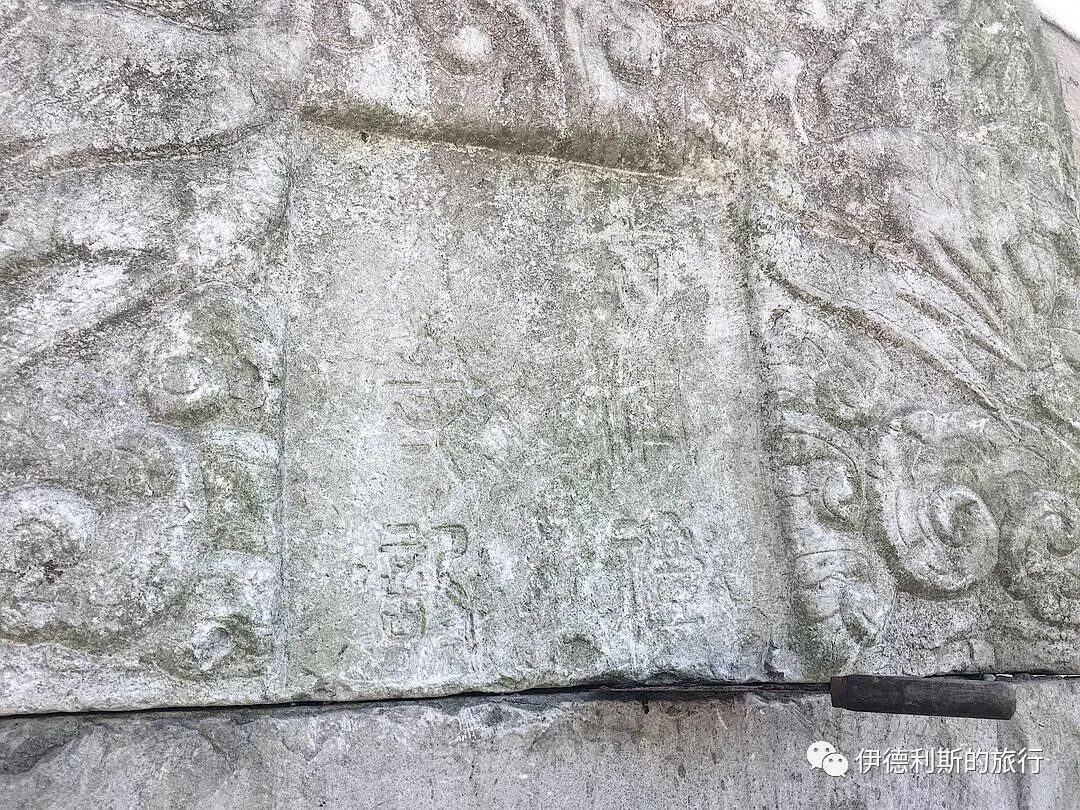
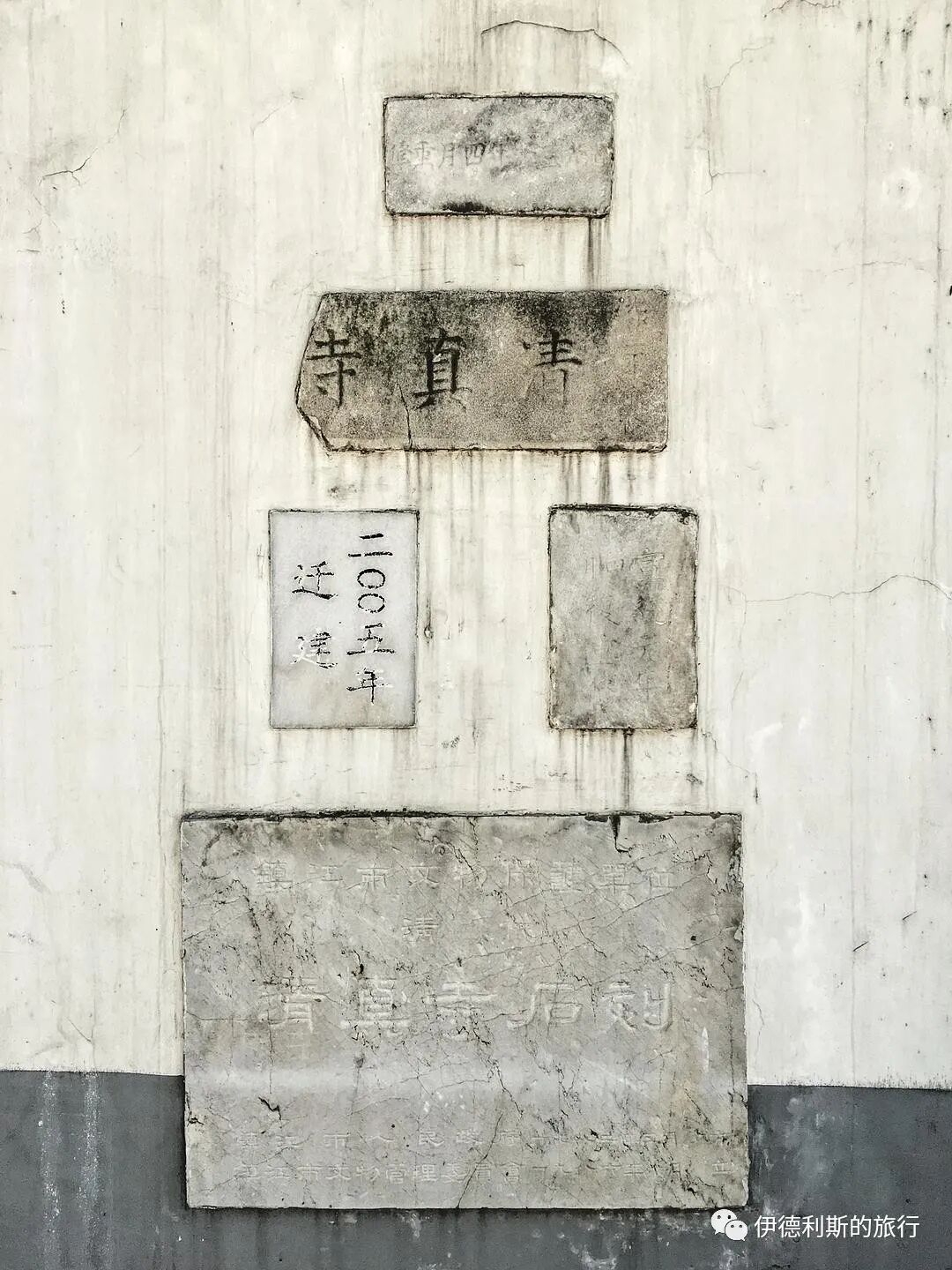
It was not until 1993 that the printing factory occupying the mosque moved out, and in 1994 the Islamic Association recovered the property rights of Jianzi Lane Mosque. In 2005, Zhenjiang built the First Building Commercial Pedestrian Street, and Jianzi Lane Mosque was completely demolished. A new Guyun Mosque was built on Xuefu Road, and the Wanli renovation stone tablet, the ancient well railing, and three Qing Dynasty renovation tablets from the original Jianzi Lane Mosque were placed in the courtyard for preservation.
3. Qing Dynasty mihrab at the mosque outside the South Gate
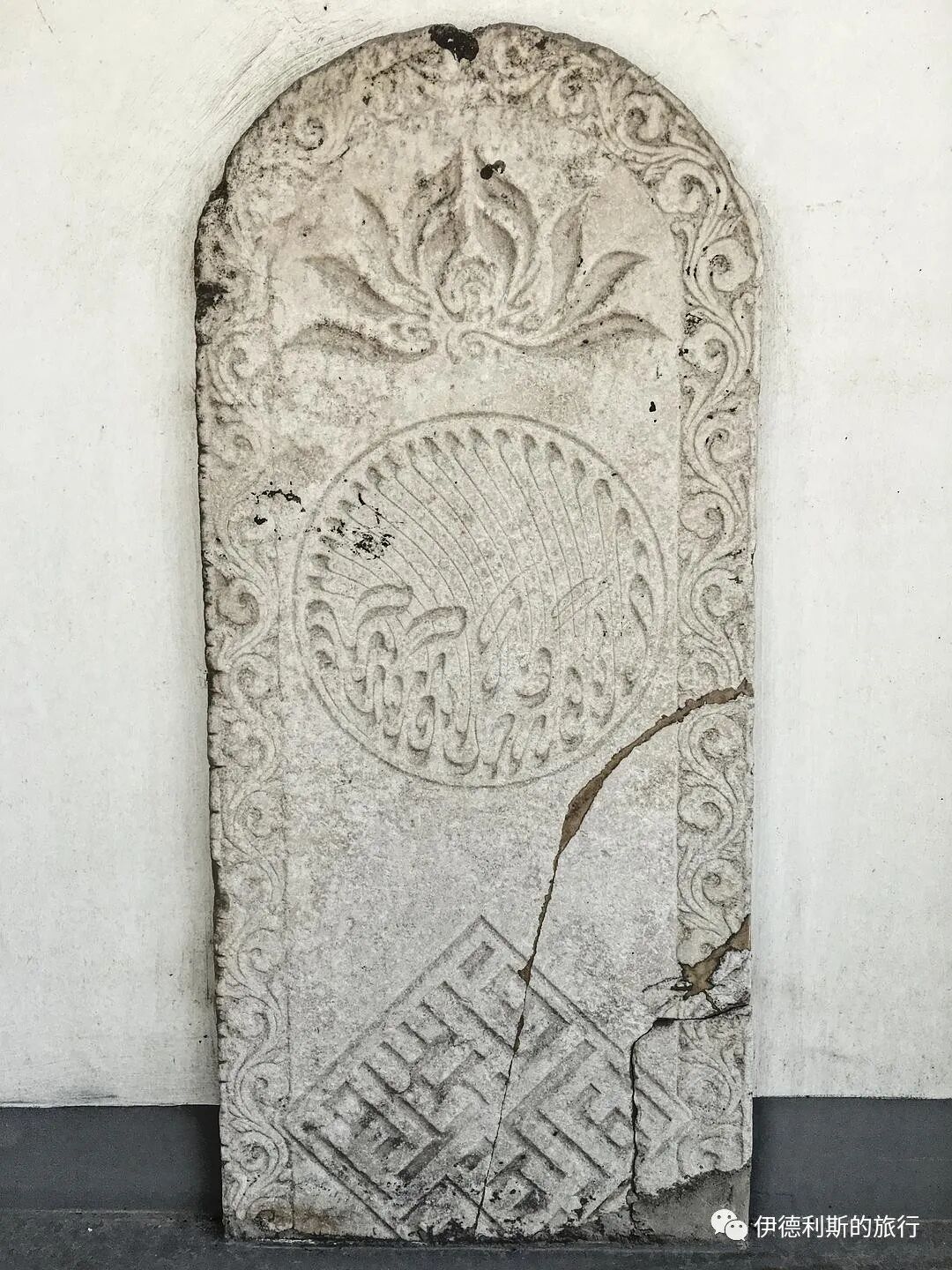
In addition to the relics of Jianzi Lane Mosque, Guyun Mosque also houses the mihrab prayer direction tablet from the kiln hall of the mosque outside the South Gate of Zhenjiang.
The mosque outside the South Gate of Zhenjiang was at the east end of Miaojia Lane. It is speculated to have been built in the early Qing Dynasty and was an east-facing quadrangle. Opposite the mosque gate was a row of tall elm trees, dense and covering the sky. The prayer hall and the opposite hall were both three bays wide. There were tall ginkgo trees on both sides in front of the hall, with guest rooms to the south and a water room, kitchen, and rack room to the north.
At the beginning of the 20th century, the imam of the mosque outside the South Gate was an Imam Ma from Henan. In the early 1920s, he was hired by Muslims in Shou County, Anhui, and after that, the imam of the mosque outside the South Gate was succeeded by Imam Wan Shourong. The daily affairs of the mosque were managed by Jin Zhiguang of the Xinchangheng Cloth Store and Xia Songfu, the father of Xia Rongguang. During the Republic of China, the firewood and rice market outside the South Gate was very prosperous, and there were more than 50 settled Hui households.
In 1937, the mosque outside the South Gate was destroyed by the flames of war. The mihrab prayer direction tablet in the kiln hall was preserved in the home of Hua Baoren next to the mosque until it was moved to Guyun Mosque in 2005.
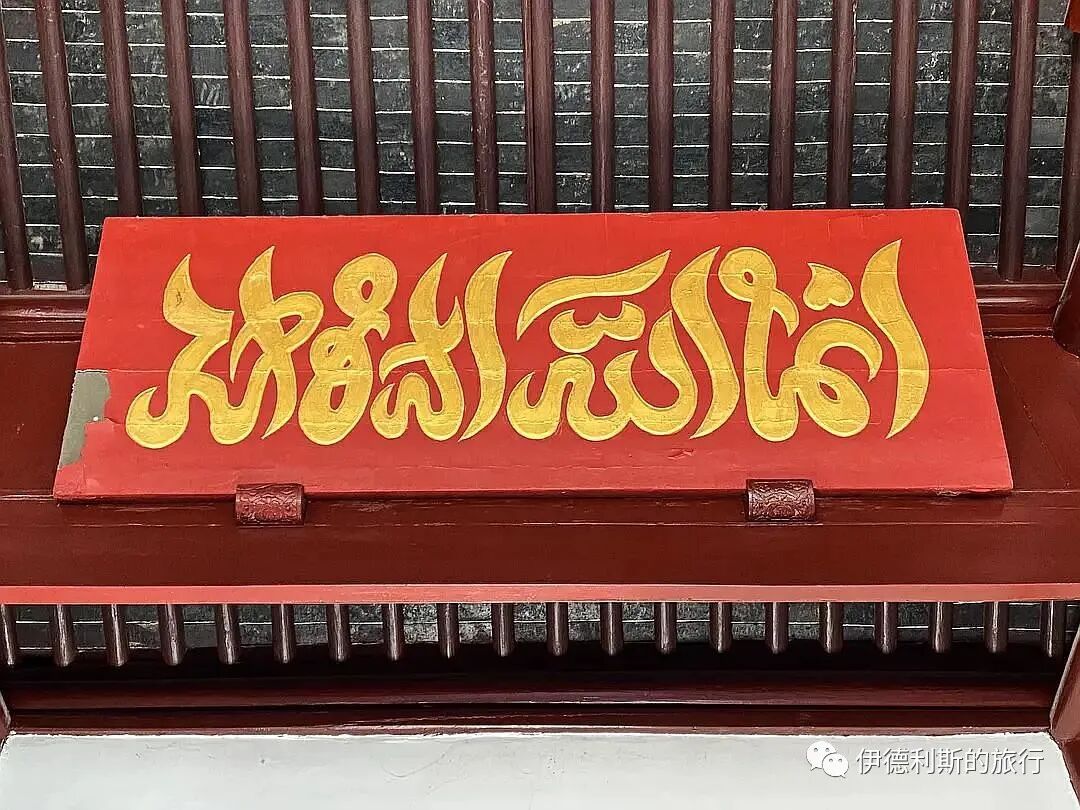
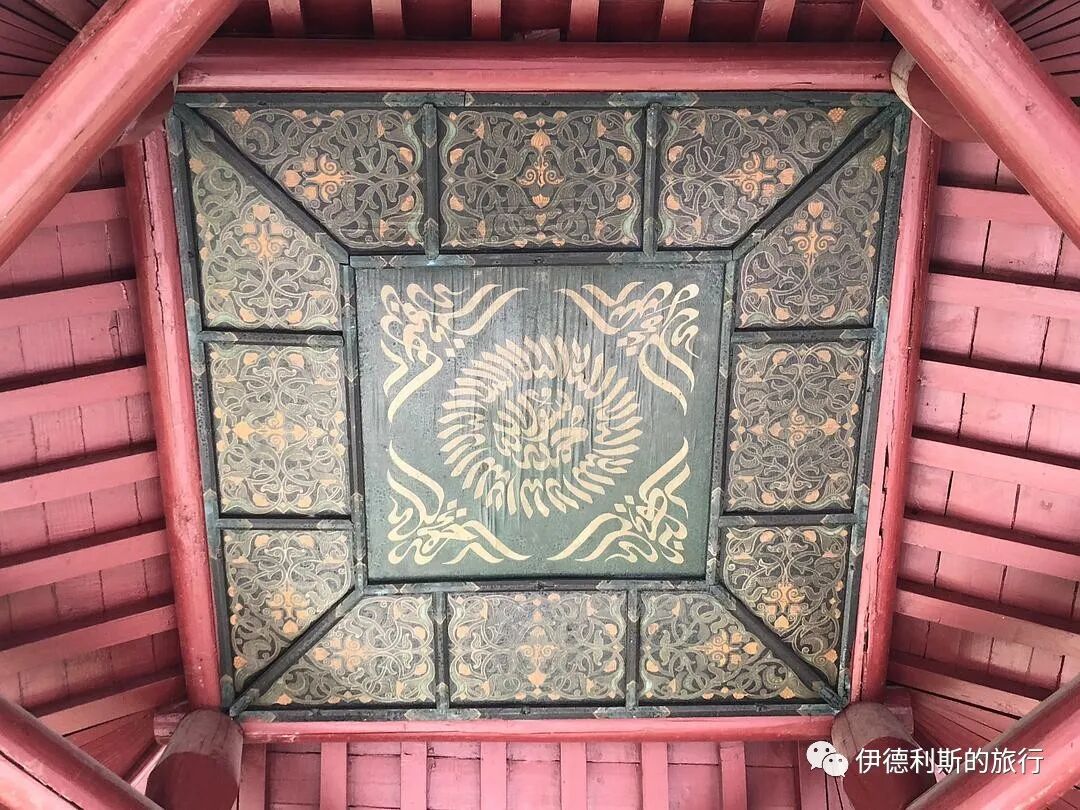
The lotus-shaped Arabic script on the mihrab is the "Tasmiyah," which means "In the name of Allah, the Most Gracious, the Most Merciful." The Arabic script in the middle is from the Quran, Chapter 2, Verse 163, and the diamond-shaped carved characters at the bottom are in Kufic Arabic calligraphy: Prostrate yourselves, worship your Lord.
4. Xinhe Street Mosque: 1930
Xinhe Street Mosque is the only Ikhwan mosque in Jiangsu, built in 1930. Zhenjiang Hui people are also used to calling it the "Jinde Association." This was originally a private residence purchased with donations from Muslims in both Shanghai and Zhenjiang, so it is a Jiangnan residence with three courtyards and two side rooms.
The Ikhwan sect was introduced to Jiangnan in the 1920s. In 1926, Imam Ha Decheng and others initiated the establishment of the "Jinde Association" organization at the Xiaotaoyuan Mosque in Shanghai to promote Ikhwan doctrines. Fa Jiesan (1872-1958), a local Hui person from Zhenjiang who went to Shanghai, accepted the Ikhwan's propositions after discussing doctrines with Imam Ha Decheng. After returning to Zhenjiang, he performed prayers in his home according to Ikhwan rituals. Later, funds were raised in both Shanghai and Zhenjiang to build an Ikhwan mosque on Xinhe Street.
After the Ikhwan sect was introduced to Zhenjiang, it was generally difficult for the middle-aged and elderly to accept, but many young people accepted it. However, at that time, the new and old sects lived in peace and did not interfere with each other.
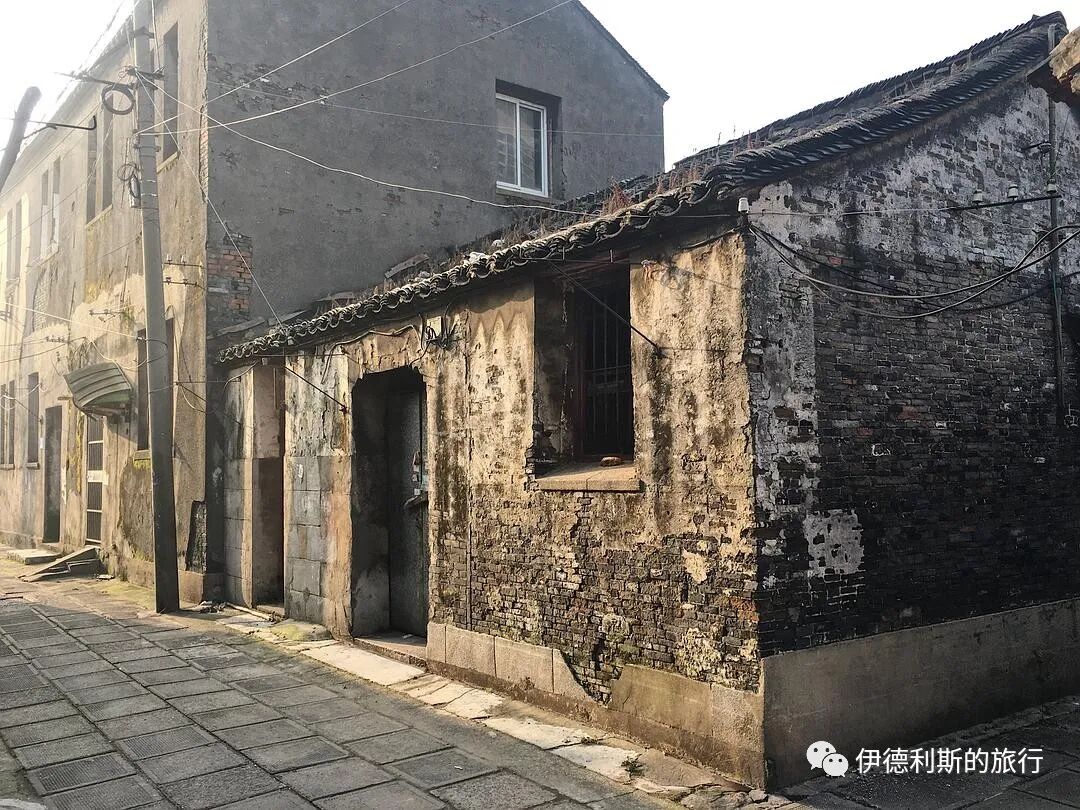
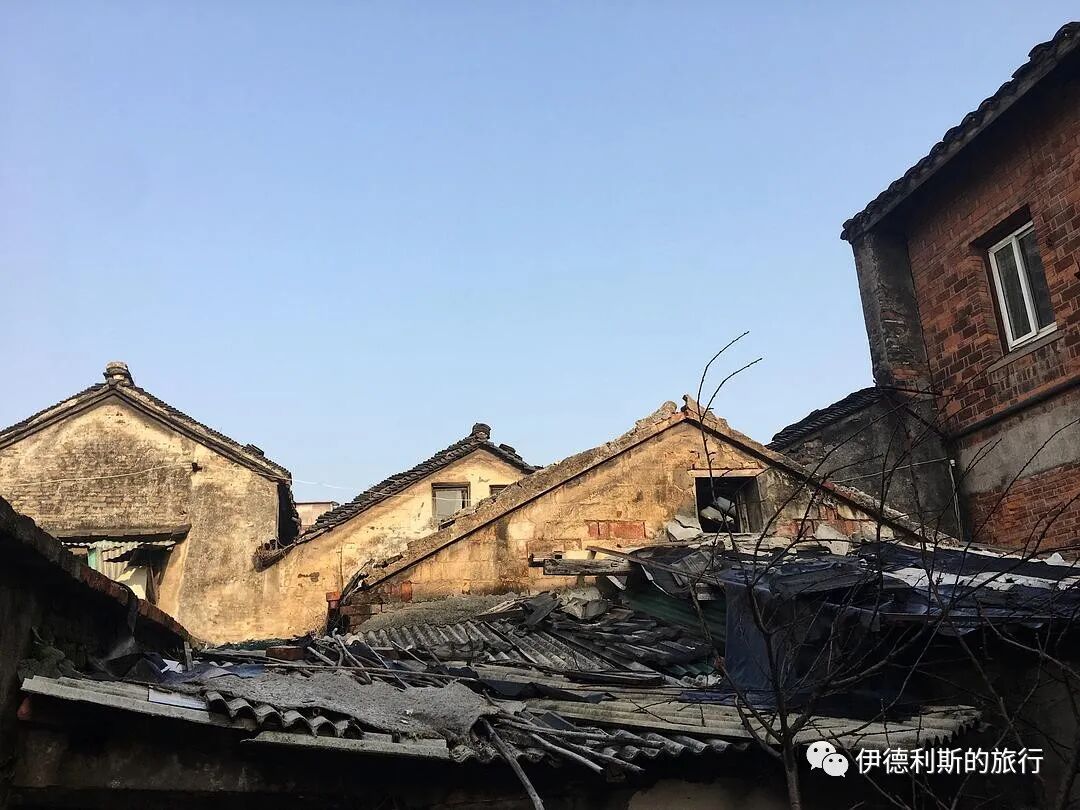
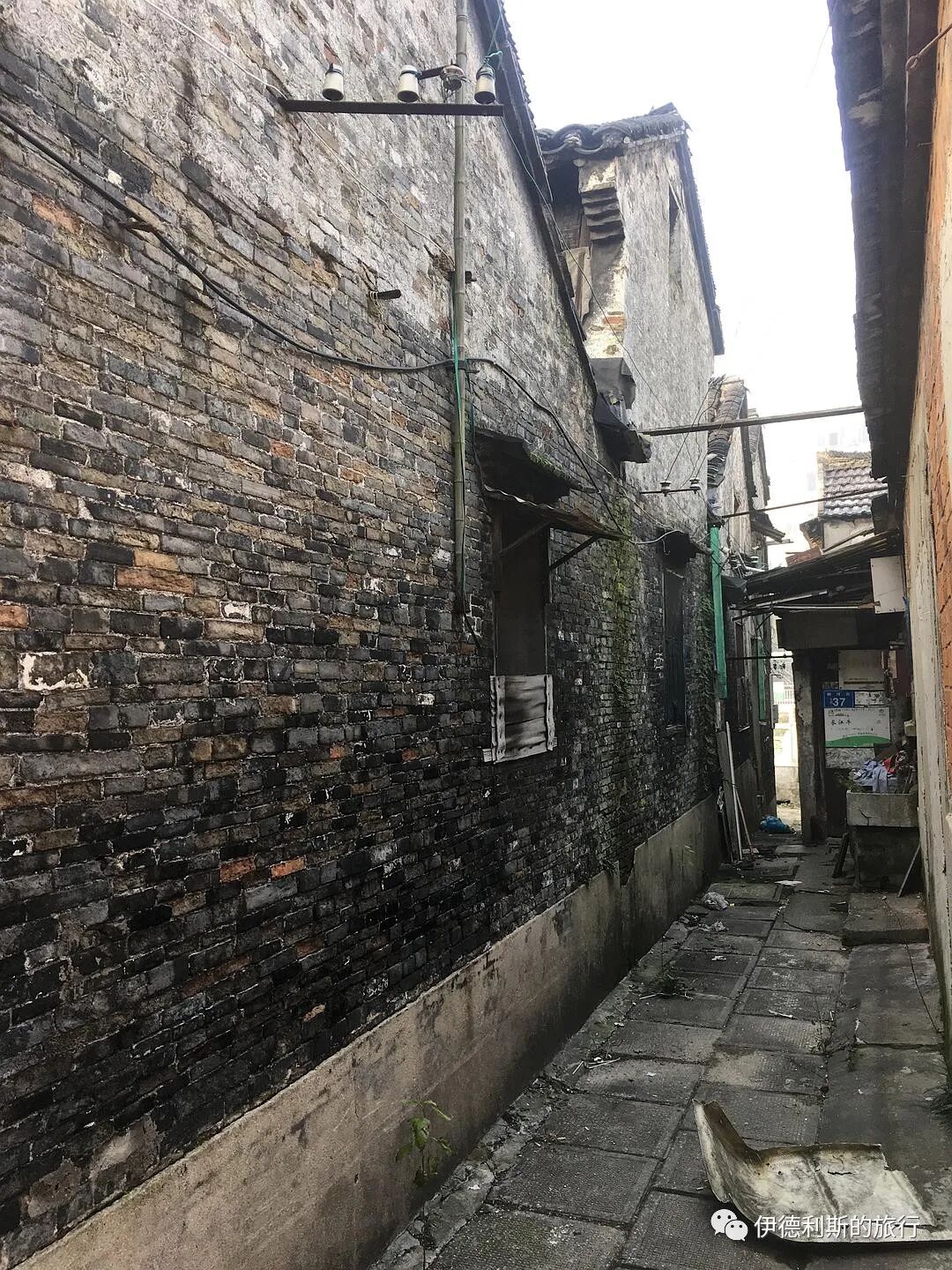
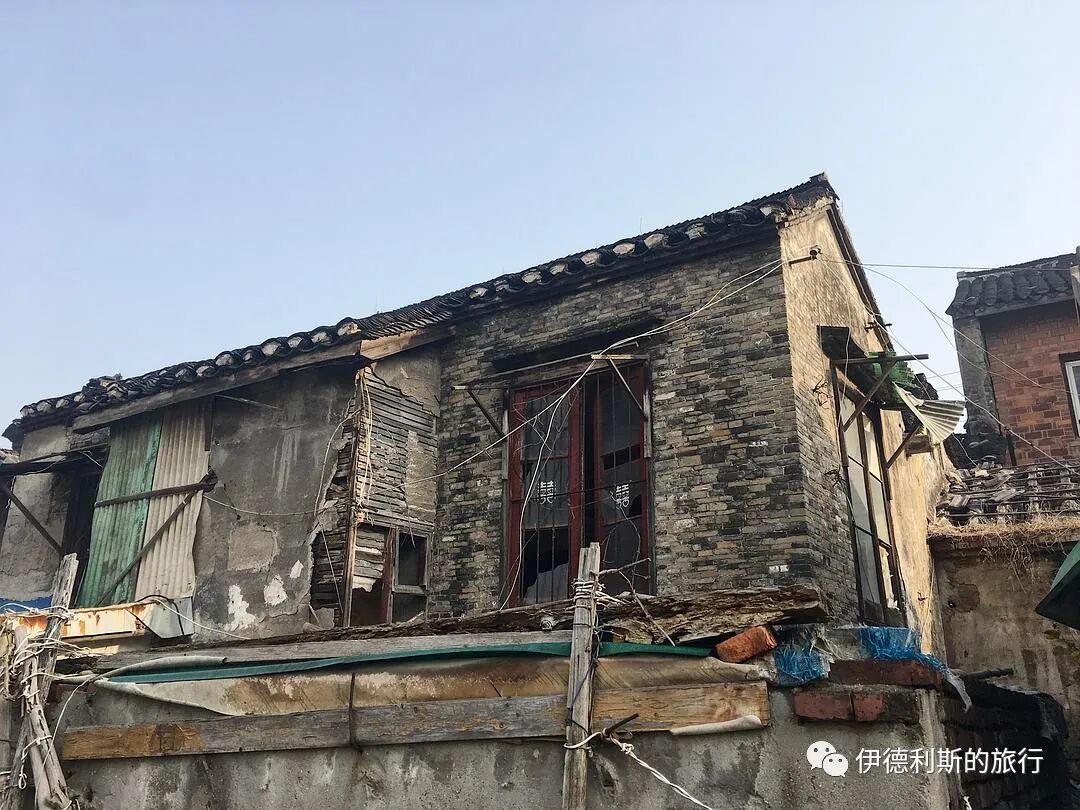
The Xinhe Street Mosque of that year had a stone plaque embedded horizontally on the gate, engraved with the sign "Mosque," which no longer exists. The existing building is a small three-bay house with three courtyards and two side rooms. There is a roofed patio between the first and second courtyards, the second and third courtyards are connected by a garden gate, and the third courtyard is a two-story building.
At that time, the Zhenjiang Jinde Association held a dinner every Saturday night after prayers and invited imams to give sermons (Waz). Anyone who came to listen to the lecture would be invited to the dinner, and the expenses were borne by members who invited imams to commemorate their ancestors.
At that time, the Jinde Association also used winter and summer vacations to organize "Hui Children's Scripture Classes," and Muslims of all sects sent their children to the classes to study scriptures.
After the mosque was built, many famous imams were hired to preside over religious affairs. In 1947, the famous Li Si Imam, Li Zhenji from Anhui, came to Xinhe Street Mosque from the Luohe Mosque in Henan. According to Mr. Xia Rongguang's recollection, Li Si Imam, who was nearly seventy years old at the time, had a kind and benevolent appearance and a well-cultivated demeanor. When explaining doctrines, regardless of the listener's level, everyone could be inspired by it. Therefore, more and more elders from other neighborhoods came to the mosque to pray Jumu'ah. In the autumn of 1949, Li Si Imam returned to Luohe from Zhenjiang.
In 1950, Imam Zhang Zhushu, then 43 years old, came to Xinhe Street Mosque to serve as the imam. Imam Zhang Zhushu was from Xiangfan, Hubei. In Mr. Xia Rongguang's recollection, Imam Zhang Zhushu was proficient in doctrines and had profound modern knowledge. When explaining doctrines, he could closely relate to reality, and his language was vivid, simple, and easy to understand. He could attract ordinary elders and was also appreciated by intellectuals. Local Muslims in Zhenjiang praised him as an imam of the new era. In 1953, Imam Zhang Zhushu was hired by the Fuyou Road Mosque in Shanghai to serve as imam and left Zhenjiang.
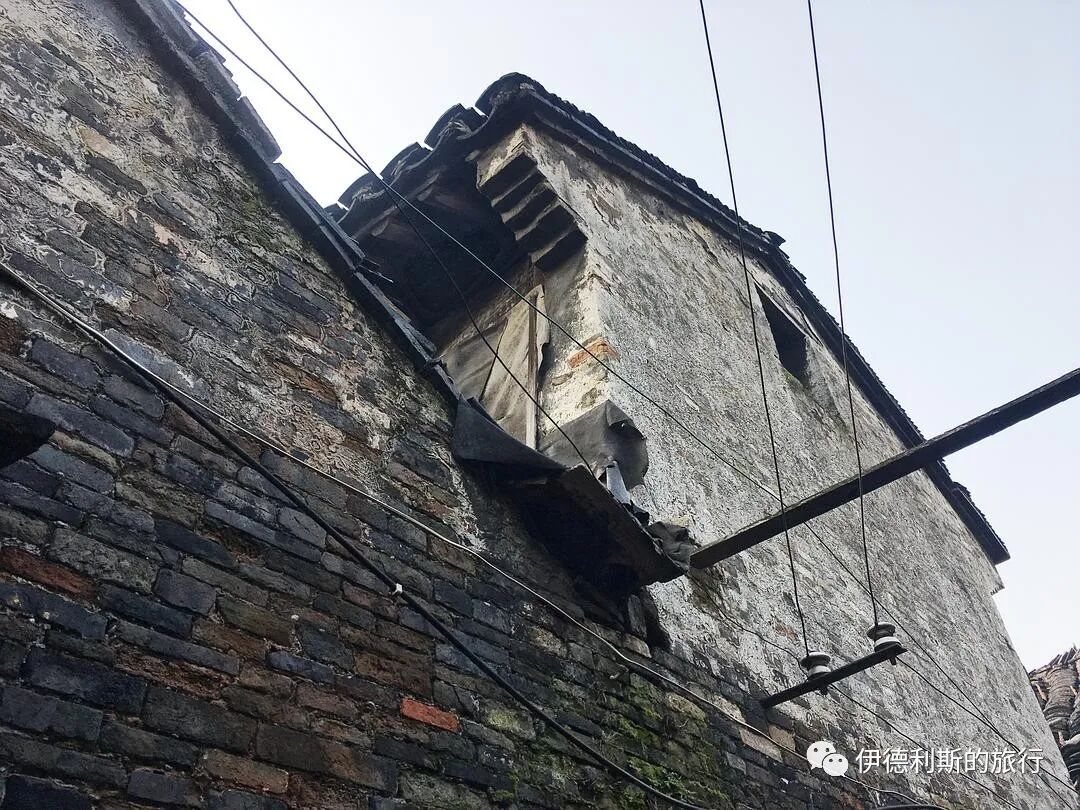
Afterward, Xinhe Street Mosque was presided over by the old man Tan Jizhen for prayers and affairs until 1958, when Xinhe Street Mosque was merged into Shanxiang Mosque. Later, it became a dormitory for the Forestry Machinery Factory, and then it has been abandoned ever since.
III. Nanjing
1. Jingjue Mosque: Rebuilt in 1877
Jingjue Mosque was founded in 1388 (the 21st year of the Hongwu era) and is the earliest mosque in Nanjing. It was burned down in 1430 (the 5th year of the Xuande era) and was rebuilt at the request of Zheng He. During the Taiping Rebellion, Jingjue Mosque was destroyed, and its components were moved to the vassal mansion. Later, it was rebuilt in 1877 (the 3rd year of the Guangxu era) and renovated in 1879 (the 5th year of the Guangxu era) to form its current layout.
In the early years of the Republic of China, the wealthy Nanjing couple Jiang Xiudong and his wife funded the construction of the north and south lecture halls and the hall building for Jingjue Mosque, and it was repaired again in 1957. During the Cultural Revolution, Jingjue Mosque was occupied by a rubber company and the No. 3 Rubber Factory. The only remaining Ming Dynasty stone archway was demolished, and plaques, couplets, and stone tablets were wantonly destroyed. It was reopened after repairs in 1982 and 1984, and the archway was rebuilt in 1985.
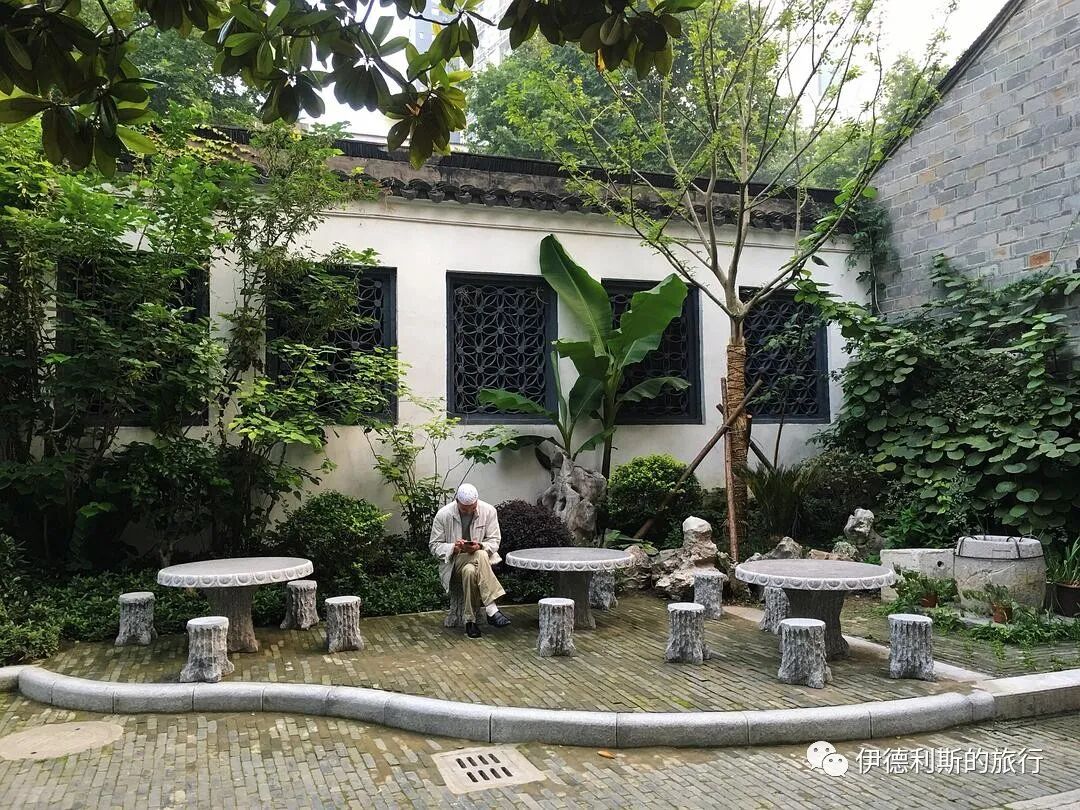
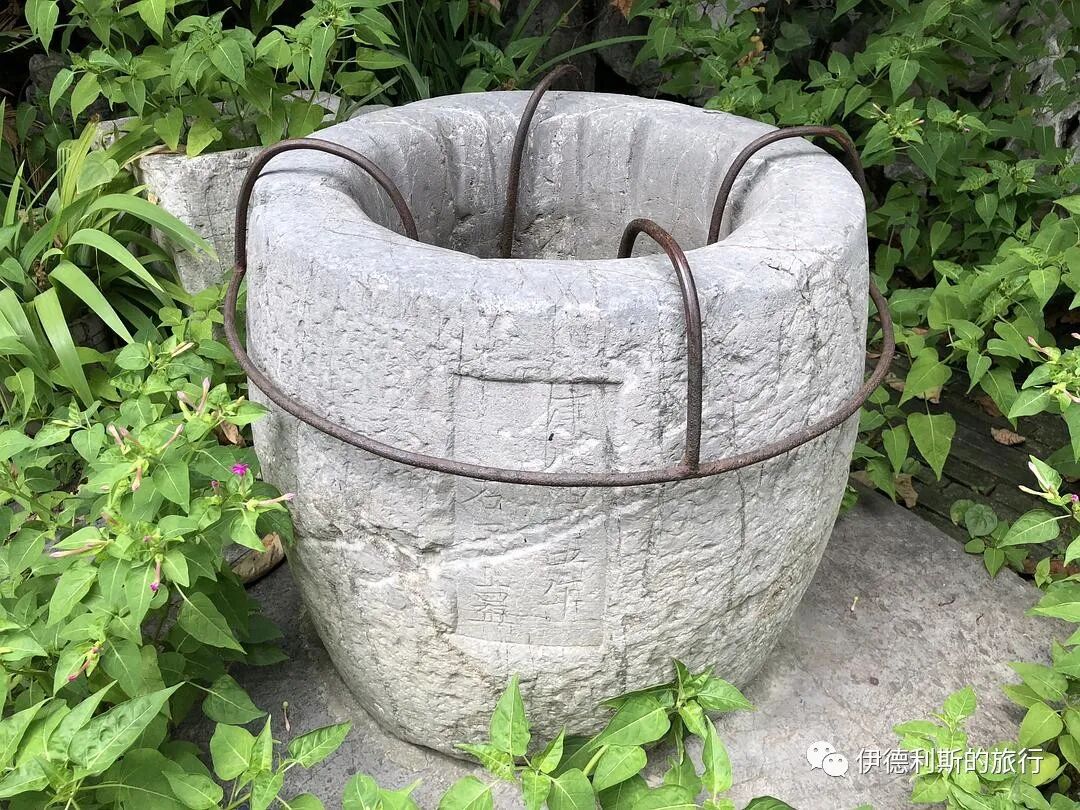
Ming Dynasty ancient well; the well railing is the original object from 1706 (the 45th year of the Kangxi era).
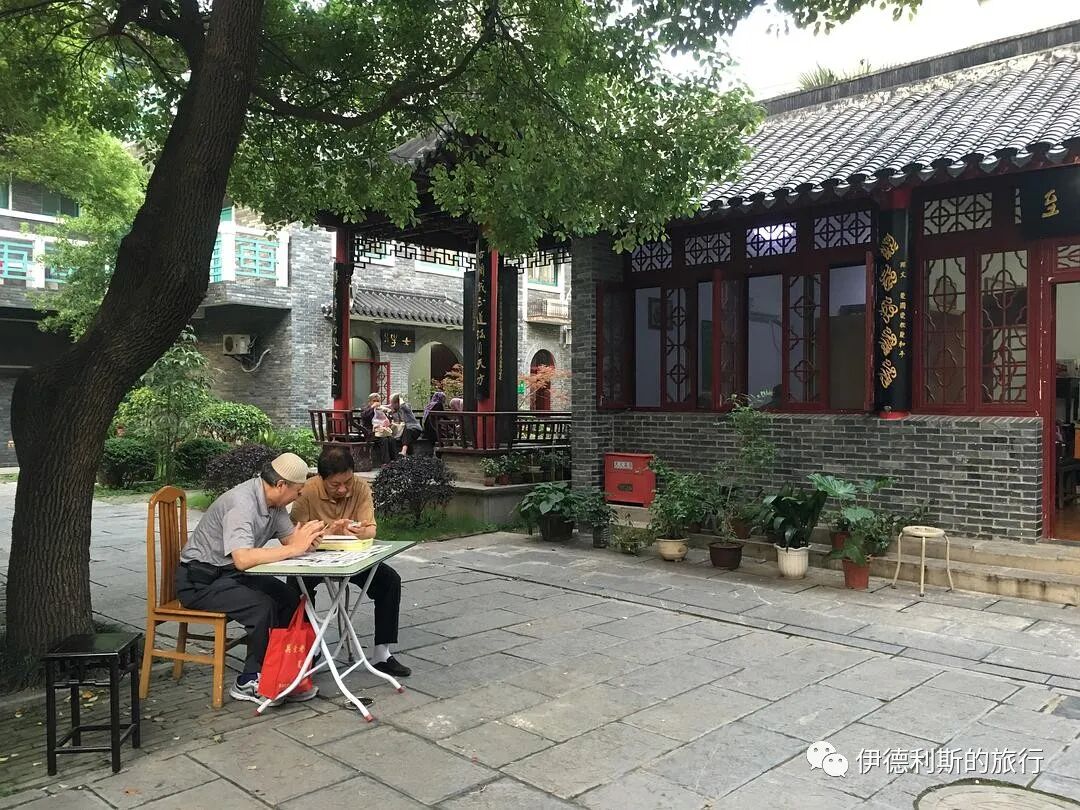
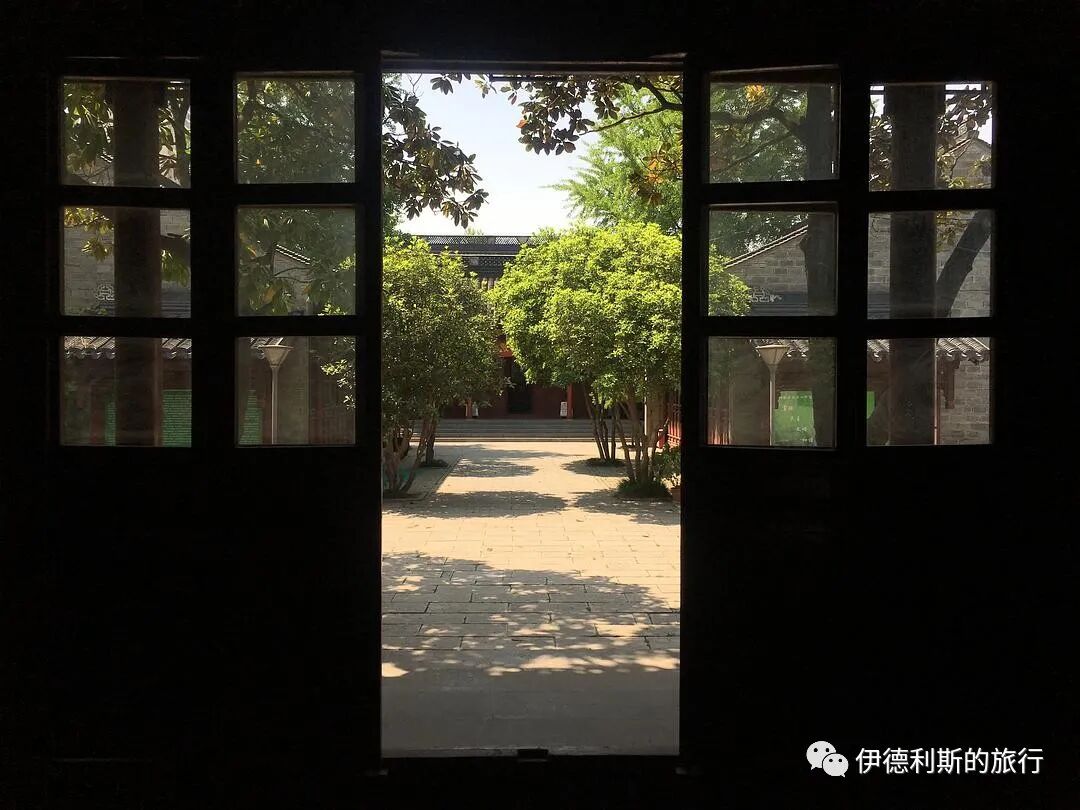
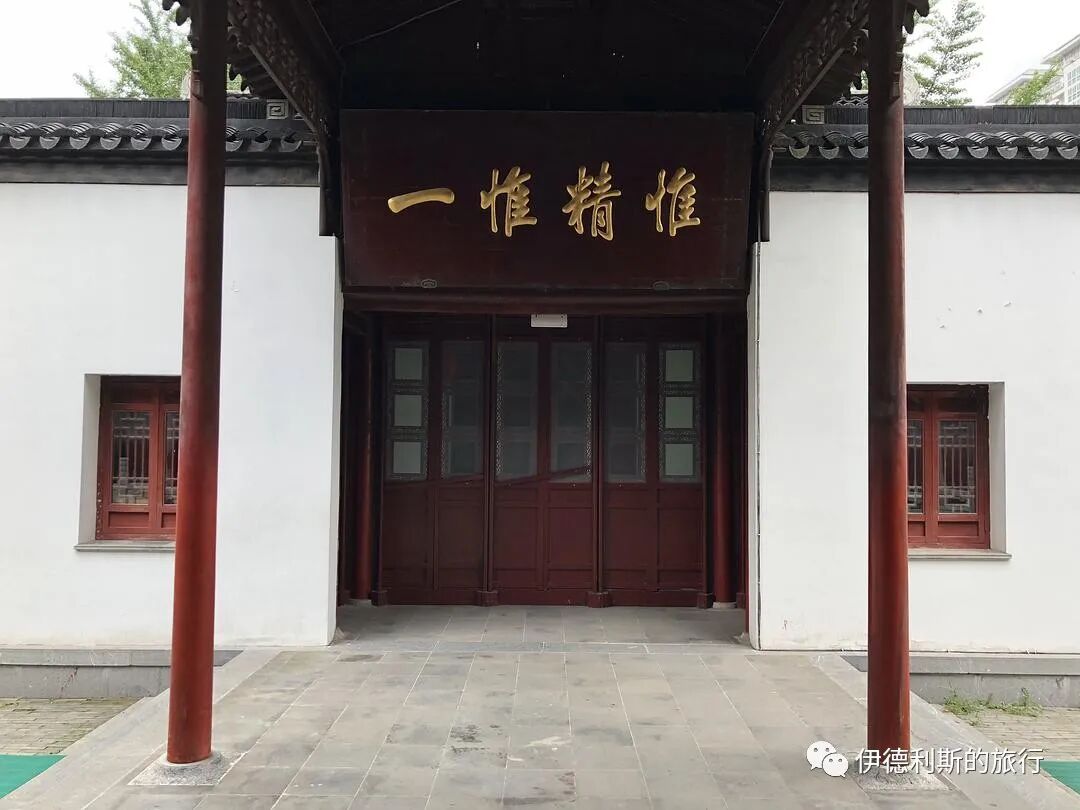
Looking at the second hall from the second gate.
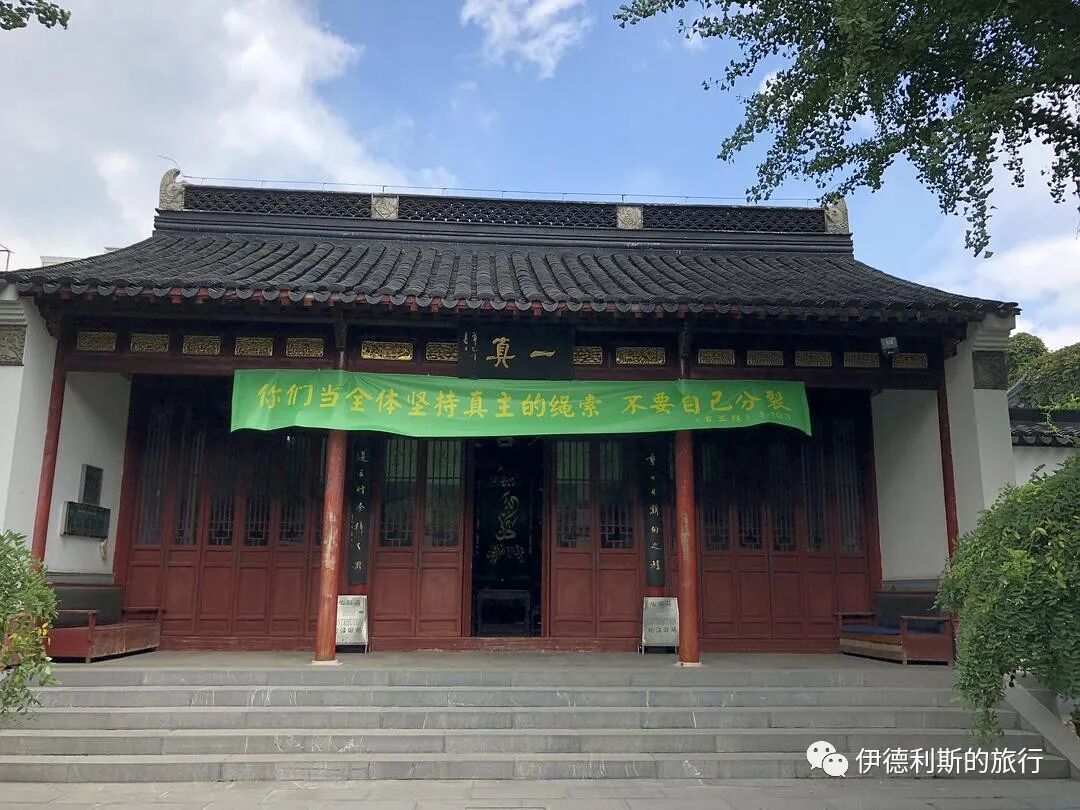
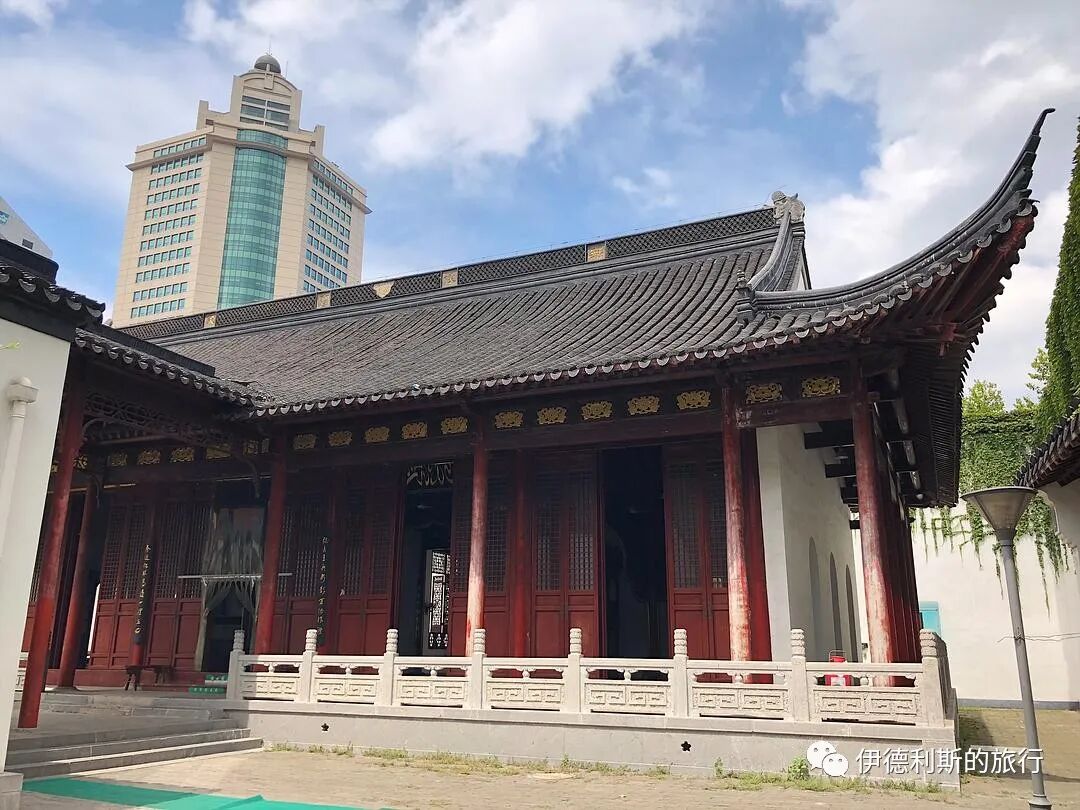
Second hall
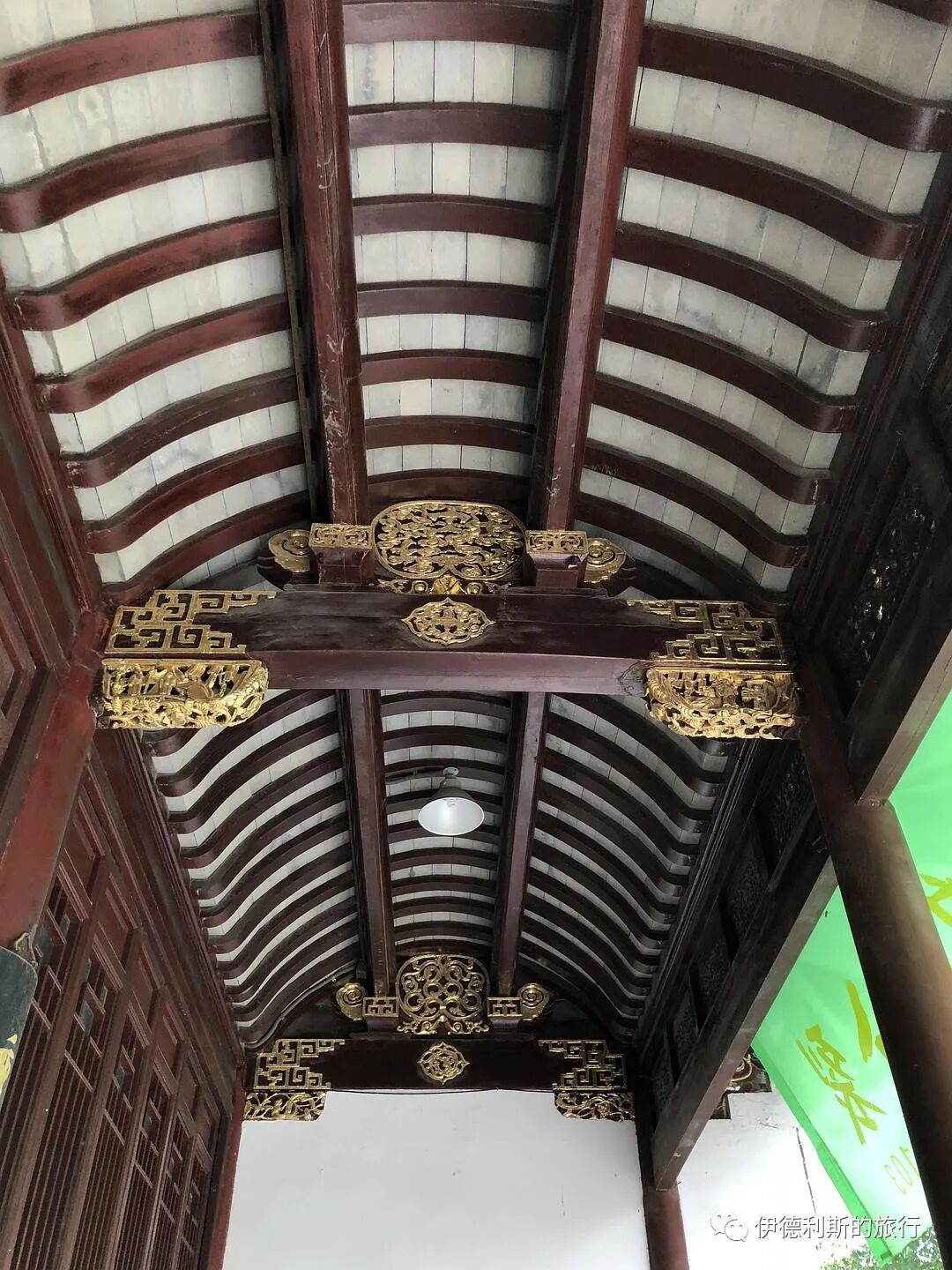
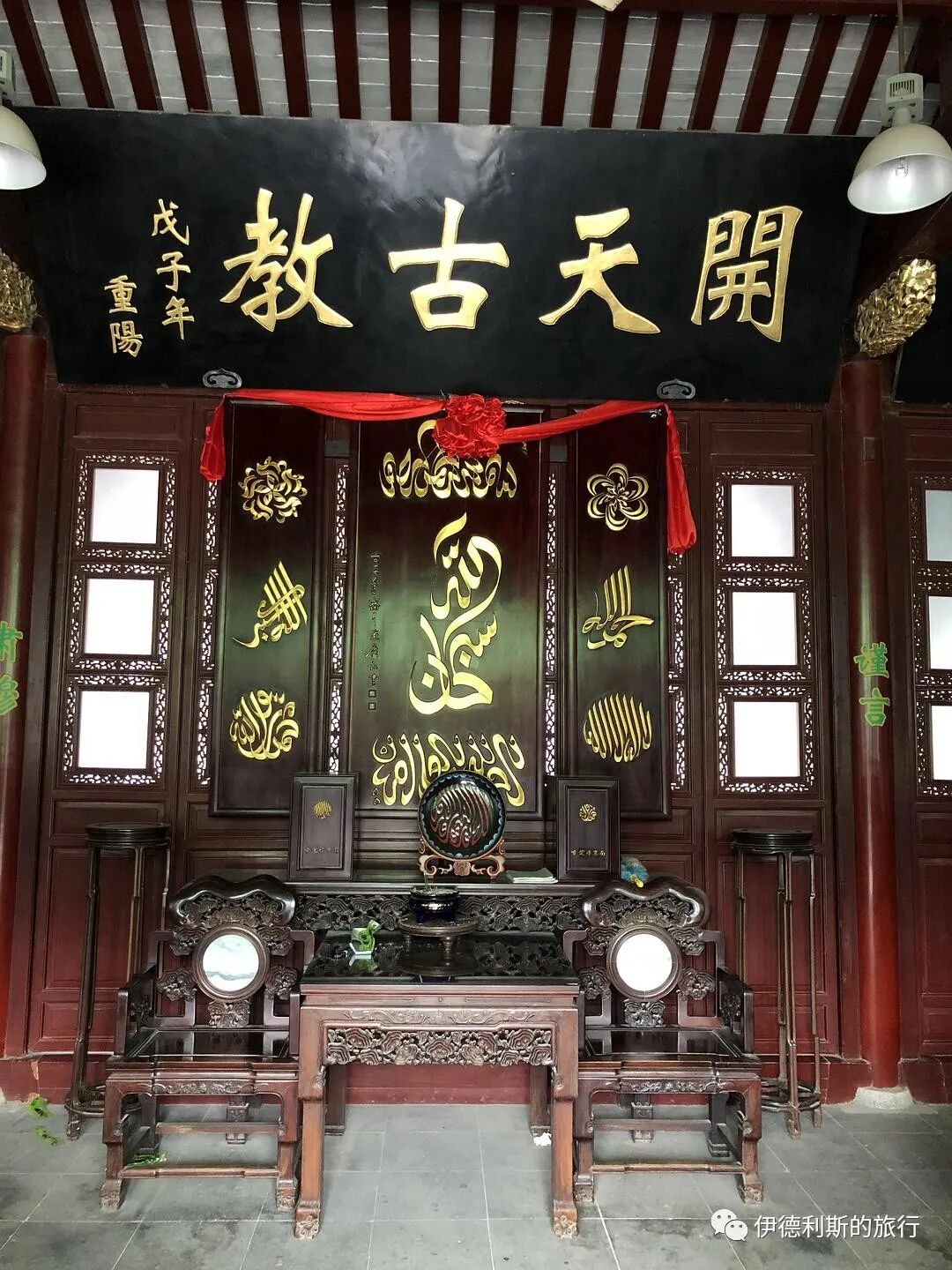
The main hall of the second hall in 2017
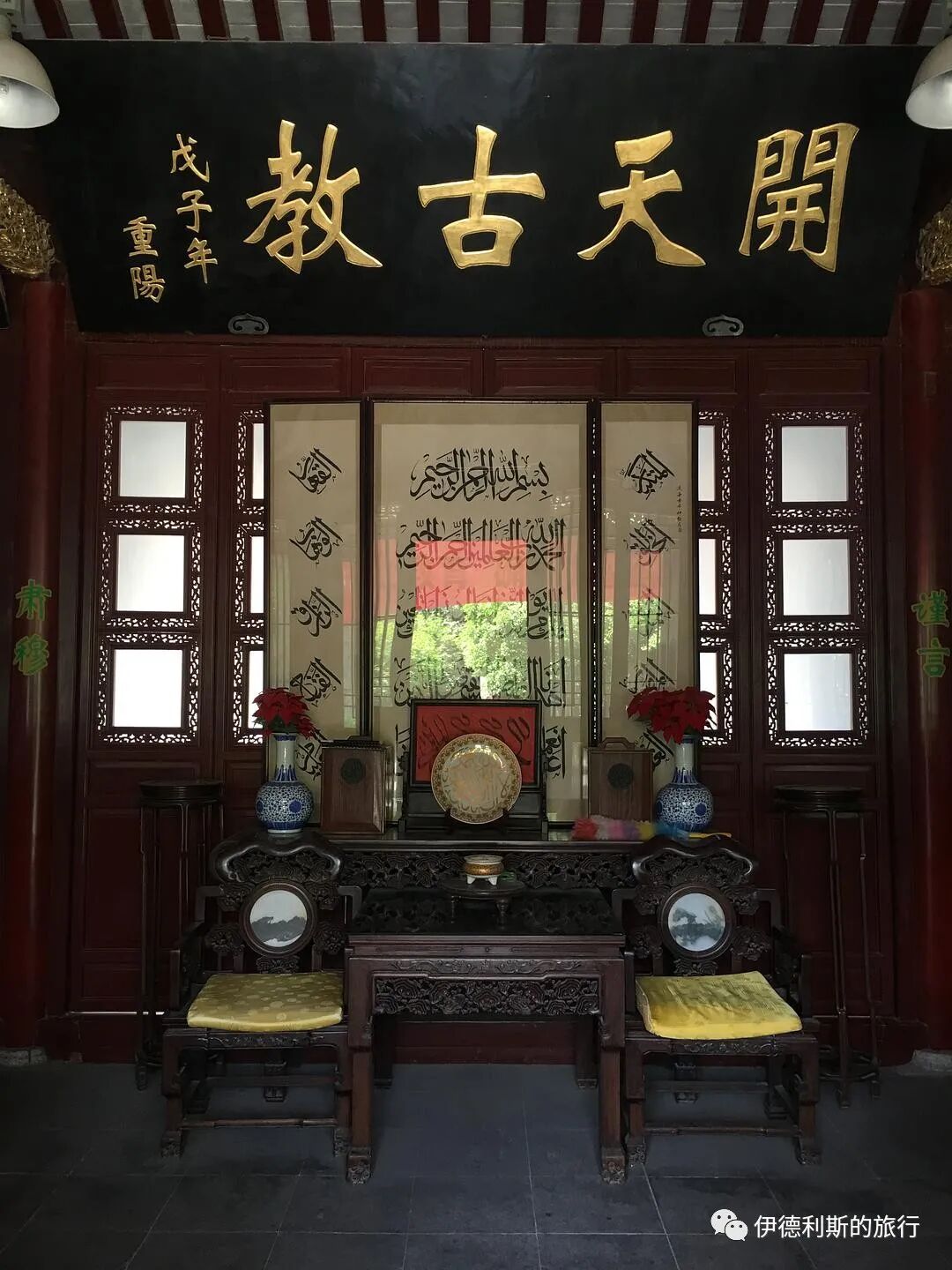
The main hall of the second hall in 2018, with changed furnishings.
Summary: This travel note introduces Sixteen Traditional Mosques in Jiangsu (Part 1). 1. Xianhe Mosque: Rebuilt in 1390. It is useful for readers interested in Java Mosques, Muslim Travel, Islamic Heritage.
I. Yangzhou
1. Xianhe Mosque: Rebuilt in 1390
2. Majian Lane Mosque: 1714
3. Gaoyou Mosque: Rebuilt in 1864
4. Lingtang Ancient Mosque: Rebuilt in 1924
II. Zhenjiang
1. Shanxiang Mosque: Rebuilt in 1873
2. Jianzi Lane Mosque Ming and Qing stone carvings
3. Qing Dynasty mihrab at the mosque outside the South Gate
4. Xinhe Street Mosque: 1930
III. Nanjing 1. Jingjue Mosque: Rebuilt in 1877
2. Caoqiao Mosque (formerly Taiping Road Mosque): rebuilt in 2005.
3. Xiaowangfu Lane Mosque.
4. Hushu Mosque: rebuilt in 1896.
5. Liuhe Changjiang Road Mosque: rebuilt during the Guangxu reign of the Qing Dynasty.
IV. Huai'an
1. Qingjiang Mosque: rebuilt in 1870.
2. Hexia Mosque: rebuilt in the late Qing Dynasty.
3. Wangjiaying Mosque: rebuilt in 1985.
I. Yangzhou
1. Xianhe Mosque: Rebuilt in 1390
Xianhe Mosque in Yangzhou, along with Phoenix Mosque in Hangzhou, Lion Mosque (Huaisheng Mosque) in Guangzhou, and Qilin Mosque (Qingjing Mosque) in Quanzhou, is known as one of the four great ancient mosques in the southeast. It was founded in 1275 (the 12th year of the Zhiyuan era of the Yuan Dynasty) by the sage Puhading from the Western Regions before his passing. It was rebuilt in 1390 (the 23rd year of the Hongwu era of the Ming Dynasty) by Ha San, renovated in 1523 (the 3rd year of the Jiajing era) by the merchant Ma Zongdao and the imam Ha Ming, and repaired again in 1791 (the 56th year of the Qianlong era).
The gate tower features a single-eave, ridge-roofed, hard-hill style, with some wooden components remaining from the Ming Dynasty. The Ming Dynasty drum-shaped stone bases in front of the gate are very exquisite and rare among mosques in the country.
The courtyard of Xianhe Mosque follows a small patio layout, rather than the quadrangle layout common in northern mosques. Xianhe Mosque divides the lecture hall, the main prayer hall, and the gate into three small, independent patio courtyards. Furthermore, a moon-viewing pavilion and a veranda were built outside the south gable of the main prayer hall, giving the mosque a garden-like atmosphere.
Main prayer hall of Xianhe Mosque
There is a 745-year-old ancient ginkgo tree inside Xianhe Mosque, which is the oldest surviving ginkgo tree in Yangzhou.
2. Majian Lane Mosque: 1714
There is a Majian Lane Mosque on Majian Lane in the East Gate Street of Yangzhou. According to the Gu family genealogy of the Hui people, the Majian Lane Mosque was built in 1714 (the 53rd year of the Kangxi era) by Gu Yuanbing, the 24th-generation descendant of the ancient Bo Ding.
Majian Lane Mosque originally had dozens of rooms, including a gate hall, a memorial archway, a main prayer hall, a reception hall, a water room, side rooms, and dormitories. Currently, two main prayer halls, a reception hall, and a water room remain.
In the early years of the Republic of China, the mosque housed the second Yangzhou branch of the Beijing "Zhenzong Newspaper" and an Islamic book and newspaper room. In 1932, Liu Binru, a famous imam in Yangzhou and one of the founders of the China Islamic Association, along with Hua Ruzhou, then a director of the Jiangdu County Hui Association, established the "China Islamic Scripture Translation Institute" here, dedicated to the translation of the Quran. Liu Binru, who was proficient in Arabic and Persian, was responsible for translating the original Arabic text, while Hua Ruzhou was responsible for translating the summaries from the English version by the Indian Muslim scholar Muhammad Ali, which were attached before the text of each section of the Quran. On January 1, 1935, the "Chinese Translation of the Quran with Ali's Summaries" was officially published, with an initial print run of 2,000 copies, sold by major bookstores across the country.
In 1933, the Yangzhou Islamic Association founded the Hui Cultural School here, presided over by Liu Binru. In addition to teaching Arabic, it also offered Chinese, English, and arithmetic, equivalent to the level of higher primary to junior high school, replacing the traditional scripture hall teaching form of individual instruction with large-class lectures. Teachers included Hua Jinhou, the imam of Majian Lane Mosque who was proficient in Arabic, Imam Ruan Dechang, Lan Baohua, the imam of the Hui Hall outside the East Gate, and Liu Binru. They also hired Hui Association members Shen Junchen and Zhang Shaozhe to teach Chinese and arithmetic, and Hua Ruzhou to teach English. There were more than 30 students, but it closed after one year due to a lack of funds.
Between 1934 and 1935, the missionary Bi Jingshi visited Majian Lane Mosque and saw the reading room set up inside, which contained many Muslim magazines, as well as the Quran translated by Wang Jingzhai and a portion of the Quran translated by the two translators mentioned above, Liu Binru and Hua Ruzhou. At the same time, he also took a picture of the "Gu Gong Memorial Monument" erected in the mosque in 1931, which stated that Gu Su had served as a mosque trustee for 11 years, repaired the water room and shops for the mosque, and built a new greenhouse, making great contributions to the mosque.
In the autumn of 1946, the Yangzhou Hui Youth Association founded the Shengsheng Primary School in the mosque, with Liu Binru serving as the chairman of the board. The school system was a complete primary school. When it opened, it initially set up 3 multi-grade classes, enrolling 150 students. It offered free tuition to the children of Hui families, provided books for particularly needy families, and also provided free care for children from non-Hui families in financial distress. Most of the teachers were unemployed Hui youths. It closed in the summer of 1949.
In 1958, the mosque was converted into a factory workshop and occupied by a craft sign factory, a sack factory, and a brush factory. It was not until 1997 that the mosque property was recovered, and in 2008 it was listed as a municipal cultural relic protection unit.
3. Gaoyou Mosque: Rebuilt in 1864
Gaoyou Mosque is a very beautiful traditional mosque, small and exquisite, with the beauty of a water town. The date of the mosque's origin is unknown, but there is an ancient cypress tree in the courtyard that is over two hundred years old. In 1864 (the 3rd year of the Tongzhi era), village elders Ma Guixing, Liu Xingtian, and Ma Hongxing rebuilt the mosque. There is a stone inscription on the current gate that reads "Rebuilt in the middle of winter in the second year of Tongzhi of the Qing Dynasty."
It is a great pity that the mosque gate was locked when we went. We asked a nearby ramen restaurant, and they said it only opens during Jumu'ah. It seems we will have to wait for another opportunity to visit inside.
4. Lingtang Ancient Mosque: Rebuilt in 1924
At the end of the Yuan Dynasty, a mosque was built in "Huihui Bay" by the Gaoyou Lake in Lingtang, but it was later destroyed by floods. In the middle of the Ming Dynasty, the mosque was moved to Yangdazhuang, and in the early Qing Dynasty, it was moved to its current location. It was rebuilt in 1844 (the 24th year of the Daoguang era of the Qing Dynasty), expanded again in 1921, and completed in 1924.
The golden osmanthus tree next to the kiln hall was planted when the local elder Xue Yukuan and his wife Xue Yangshi were married and asked an imam to recite the Nikah. It has a history of more than 130 years.
The exhibition hall of Lingtang Mosque displays a water bottle (tangping) sent by the Jizhaoying Mosque in Nanjing during the Qing Dynasty, a water bottle from the Republic of China, a copper Xuande censer, a blue and white porcelain incense burner, as well as a steamer and a bucket from the mosque's water room in the 1950s. The steamer was used to boil hot water, and the bucket had a hole at the bottom; pulling out the wooden plug on the hole allowed for a shower.
The mosque is also the inheritance site of the Yangzhou intangible cultural heritage "Huihui Customs of Lingtang Hui Township."
II. Zhenjiang
1. Shanxiang Mosque: Rebuilt in 1873
Zhenjiang Shanxiang Mosque, also known as the West City Mosque or the Great West Mosque, has an unknown founding date. It was expanded during the Kangxi era, destroyed by the Taiping Rebellion in 1853 (the 3rd year of the Xianfeng era), and rebuilt in 1873 (the 12th year of the Tongzhi era). According to the "History of Islam in Zhenjiang, Jiangsu," based on the recollections of the late Imam Tan Yuanshen, who lived to be over eighty, he heard from his grandfather and the elders in the faith that before the expansion at the end of the Kangxi era, the West City Mosque only had three thatched huts. At that time, the area around the mosque was sparsely populated and vast; one could see the Zhenjiang city tower to the east and Yuntai Mountain to the west.
After Zhenjiang opened as a treaty port, the area outside the West Gate became a bustling commercial district. In 1865, the British established a concession by the river, and with the opening of the Shanghai-Nanjing Railway, the area outside the West Gate developed further. Hui people continuously came to do business and settled around Shanxiang Mosque.
In 1902 (the 28th year of the Guangxu era), the Hui people of Zhenjiang raised funds to expand Shanxiang Mosque. The current mosque is the layout after this renovation.
Shanxiang Mosque consists of a small patio and a large patio (courtyard). Entering the main gate is the first small patio; passing through the front hall is the second small patio, with the side leading to a side gate and the front facing the second gate. Passing through the second gate is the third small patio, followed by a corridor leading into the large patio (courtyard) composed of the prayer hall, the south lecture hall, and the opposite hall. This layout of large and small patios is very characteristic of the Jianghuai region.
Main gate
(Optional) Image description
Delete
The front hall was used as a classroom for Muyuan Primary School during the War of Resistance Against Japan. The plaque above was written by Imam Hua Guilin in 1984, and the couplet was written by the famous Beijing Arabic calligrapher Li Wencai in 2010.
Door pier outside the front hall
Rockery in the second small patio
Second gate
The side gate hall has a green screen door facing it, with the circular characters "Qingzhen" (Pure and True) written in the center.
In the 1960s and 1970s, the mosque was smashed and then occupied, leaving only the side gate hall guarded by the old mosque caretaker Ma Zhonglin. The occupying unit tried to drive Ma Zhonglin away with various excuses, but he refused them all, eventually spending ten difficult years there. During these ten years, all the Hui people in Zhenjiang stored funeral supplies in this gate hall, and held and managed the deceased there. At that time, only the old man Ma Zhonglin washed the bodies of the deceased, stood for the Janazah dua, and went up the mountain to the grave to recite dua. He also slaughtered poultry for the elders in the side gate hall every morning.
In 1981, the old man Ma Zhonglin passed away. Afterward, Tan Quanhong and Zhang Dagui successively slaughtered poultry for the elders in the side gate hall every morning. In that same year, the occupying unit began to vacate, and Shanxiang Mosque was finally recovered.
The third small patio outside the second gate
Large patio (courtyard). There is a cross-shaped path in the courtyard, planted with pine and ginkgo trees. There were once two ginkgo trees over two hundred years old in the courtyard, which were sawed down in 1958 to support the Great Leap Forward steel production.
Shanxiang Mosque was once an important base for printing and publishing religious books in the country. From the Qianlong to the Tongzhi eras of the Qing Dynasty, more than 20 types of philosophical and doctrinal books, including "Baoming Zhenjing," "Tianfang Dianli," "Guizhen Zongyi," and "Huihui Yuanlai," were successively woodblock-printed in hundreds of editions and transported to all parts of the country by water and land. To this day, the National Library of China, the Central University for Nationalities Library, and Peking University Library all house editions of books from Zhenjiang Shanxiang Mosque.
In the 1960s and 1970s, Shanxiang Mosque was severely damaged; no scriptures, woodblock editions, plaques, couplets, furniture, decorations, or various cultural relics survived.
The opposite hall, with calligraphy hanging in the center and calligraphy scrolls.
Traditional winding corners
The alley name comes from the Persian word Baba, which is what the Hui people often call Baba.
2. Jianzi Lane Mosque Ming and Qing stone carvings
Jianzi Lane Mosque, originally named Guyun Mosque, was founded on Fumin Street in Ren'an Lane and was a mosque in Zhenjiang during the Yuan Dynasty. According to the "Zhishun Zhenjiang Gazetteer" of 1333 (the 4th year of the Zhishun era of the Yuan Dynasty), there were 59 Hui households with 374 people in Zhenjiang during the Yuan Dynasty. The famous Yuan Dynasty Hui poet Sa Dula served as the Darughachi (the administrator holding the seal) of the Zhenjiang Road Record Office for 3 years in 1328 (the 1st year of the Tianli era of the Yuan Dynasty). According to the Guangxu "Dantu County Gazetteer," Sa Dula stabilized prices in Zhenjiang, opened granaries to help the people, suppressed powerful servants, and broke superstitions, doing many good deeds. In addition, in 1326 (the 3rd year of the Taiding era of the Yuan Dynasty), Zhemaluding, a scholar from Jiangsu and Zhejiang, served as a professor of Confucian studies in Zhenjiang Road, which was the highest official position in charge of education at that time.
Guyun Mosque was destroyed at the end of the Yuan Dynasty and the beginning of the Ming Dynasty, rebuilt during the Hongwu era of the Ming Dynasty, and moved to Jianzi Lane in the city in 1602 (the 30th year of the Wanli era), from which it was called Jianzi Lane Mosque. It was renovated three times in 1850 (the 30th year of the Daoguang era), 1904 (the 30th year of the Guangxu era), and 1909 (the 1st year of the Xuantong era).
In 1958, Jianzi Lane Mosque was occupied by a knitting factory and a color printing factory. From the 1970s to the early 1980s, the color printing factory and other units successively demolished the main prayer hall, the main hall, the water room, and other buildings, rebuilding them into factory buildings. The stone tablet "Guyun Mosque Monument Record," written by the Jinshi Li Yiyang in 1620 (the 48th year of the Wanli era of the Ming Dynasty) and treasured in the mosque, was used to mix cement, and the handwriting was destroyed and blurred. The calligrapher of the Wanli renovation monument was Ma Zhiqi, a Hui person from Xinye, Henan. Ma Zhiqi was the second-place winner (Bangyan) in 1610 (the 38th year of the Wanli era). He was good at poetry and calligraphy. From the Wanli to the Chongzhen eras, he wrote renovation monument records for the Xiaopi Yuan Mosque in Xi'an, Shaanxi, the Datong Mosque in Shanxi, the Jinshifang Street Mosque in Beijing, and the Chengguan Mosque in Wudu, Gansu. In 1982, the Zhenjiang Islamic Association restored the stone tablet and moved it to Shanxiang Mosque, so the stone tablet was finally preserved.
It was not until 1993 that the printing factory occupying the mosque moved out, and in 1994 the Islamic Association recovered the property rights of Jianzi Lane Mosque. In 2005, Zhenjiang built the First Building Commercial Pedestrian Street, and Jianzi Lane Mosque was completely demolished. A new Guyun Mosque was built on Xuefu Road, and the Wanli renovation stone tablet, the ancient well railing, and three Qing Dynasty renovation tablets from the original Jianzi Lane Mosque were placed in the courtyard for preservation.
3. Qing Dynasty mihrab at the mosque outside the South Gate
In addition to the relics of Jianzi Lane Mosque, Guyun Mosque also houses the mihrab prayer direction tablet from the kiln hall of the mosque outside the South Gate of Zhenjiang.
The mosque outside the South Gate of Zhenjiang was at the east end of Miaojia Lane. It is speculated to have been built in the early Qing Dynasty and was an east-facing quadrangle. Opposite the mosque gate was a row of tall elm trees, dense and covering the sky. The prayer hall and the opposite hall were both three bays wide. There were tall ginkgo trees on both sides in front of the hall, with guest rooms to the south and a water room, kitchen, and rack room to the north.
At the beginning of the 20th century, the imam of the mosque outside the South Gate was an Imam Ma from Henan. In the early 1920s, he was hired by Muslims in Shou County, Anhui, and after that, the imam of the mosque outside the South Gate was succeeded by Imam Wan Shourong. The daily affairs of the mosque were managed by Jin Zhiguang of the Xinchangheng Cloth Store and Xia Songfu, the father of Xia Rongguang. During the Republic of China, the firewood and rice market outside the South Gate was very prosperous, and there were more than 50 settled Hui households.
In 1937, the mosque outside the South Gate was destroyed by the flames of war. The mihrab prayer direction tablet in the kiln hall was preserved in the home of Hua Baoren next to the mosque until it was moved to Guyun Mosque in 2005.
The lotus-shaped Arabic script on the mihrab is the "Tasmiyah," which means "In the name of Allah, the Most Gracious, the Most Merciful." The Arabic script in the middle is from the Quran, Chapter 2, Verse 163, and the diamond-shaped carved characters at the bottom are in Kufic Arabic calligraphy: Prostrate yourselves, worship your Lord.
4. Xinhe Street Mosque: 1930
Xinhe Street Mosque is the only Ikhwan mosque in Jiangsu, built in 1930. Zhenjiang Hui people are also used to calling it the "Jinde Association." This was originally a private residence purchased with donations from Muslims in both Shanghai and Zhenjiang, so it is a Jiangnan residence with three courtyards and two side rooms.
The Ikhwan sect was introduced to Jiangnan in the 1920s. In 1926, Imam Ha Decheng and others initiated the establishment of the "Jinde Association" organization at the Xiaotaoyuan Mosque in Shanghai to promote Ikhwan doctrines. Fa Jiesan (1872-1958), a local Hui person from Zhenjiang who went to Shanghai, accepted the Ikhwan's propositions after discussing doctrines with Imam Ha Decheng. After returning to Zhenjiang, he performed prayers in his home according to Ikhwan rituals. Later, funds were raised in both Shanghai and Zhenjiang to build an Ikhwan mosque on Xinhe Street.
After the Ikhwan sect was introduced to Zhenjiang, it was generally difficult for the middle-aged and elderly to accept, but many young people accepted it. However, at that time, the new and old sects lived in peace and did not interfere with each other.
The Xinhe Street Mosque of that year had a stone plaque embedded horizontally on the gate, engraved with the sign "Mosque," which no longer exists. The existing building is a small three-bay house with three courtyards and two side rooms. There is a roofed patio between the first and second courtyards, the second and third courtyards are connected by a garden gate, and the third courtyard is a two-story building.
At that time, the Zhenjiang Jinde Association held a dinner every Saturday night after prayers and invited imams to give sermons (Waz). Anyone who came to listen to the lecture would be invited to the dinner, and the expenses were borne by members who invited imams to commemorate their ancestors.
At that time, the Jinde Association also used winter and summer vacations to organize "Hui Children's Scripture Classes," and Muslims of all sects sent their children to the classes to study scriptures.
After the mosque was built, many famous imams were hired to preside over religious affairs. In 1947, the famous Li Si Imam, Li Zhenji from Anhui, came to Xinhe Street Mosque from the Luohe Mosque in Henan. According to Mr. Xia Rongguang's recollection, Li Si Imam, who was nearly seventy years old at the time, had a kind and benevolent appearance and a well-cultivated demeanor. When explaining doctrines, regardless of the listener's level, everyone could be inspired by it. Therefore, more and more elders from other neighborhoods came to the mosque to pray Jumu'ah. In the autumn of 1949, Li Si Imam returned to Luohe from Zhenjiang.
In 1950, Imam Zhang Zhushu, then 43 years old, came to Xinhe Street Mosque to serve as the imam. Imam Zhang Zhushu was from Xiangfan, Hubei. In Mr. Xia Rongguang's recollection, Imam Zhang Zhushu was proficient in doctrines and had profound modern knowledge. When explaining doctrines, he could closely relate to reality, and his language was vivid, simple, and easy to understand. He could attract ordinary elders and was also appreciated by intellectuals. Local Muslims in Zhenjiang praised him as an imam of the new era. In 1953, Imam Zhang Zhushu was hired by the Fuyou Road Mosque in Shanghai to serve as imam and left Zhenjiang.
Afterward, Xinhe Street Mosque was presided over by the old man Tan Jizhen for prayers and affairs until 1958, when Xinhe Street Mosque was merged into Shanxiang Mosque. Later, it became a dormitory for the Forestry Machinery Factory, and then it has been abandoned ever since.
III. Nanjing
1. Jingjue Mosque: Rebuilt in 1877
Jingjue Mosque was founded in 1388 (the 21st year of the Hongwu era) and is the earliest mosque in Nanjing. It was burned down in 1430 (the 5th year of the Xuande era) and was rebuilt at the request of Zheng He. During the Taiping Rebellion, Jingjue Mosque was destroyed, and its components were moved to the vassal mansion. Later, it was rebuilt in 1877 (the 3rd year of the Guangxu era) and renovated in 1879 (the 5th year of the Guangxu era) to form its current layout.
In the early years of the Republic of China, the wealthy Nanjing couple Jiang Xiudong and his wife funded the construction of the north and south lecture halls and the hall building for Jingjue Mosque, and it was repaired again in 1957. During the Cultural Revolution, Jingjue Mosque was occupied by a rubber company and the No. 3 Rubber Factory. The only remaining Ming Dynasty stone archway was demolished, and plaques, couplets, and stone tablets were wantonly destroyed. It was reopened after repairs in 1982 and 1984, and the archway was rebuilt in 1985.
Ming Dynasty ancient well; the well railing is the original object from 1706 (the 45th year of the Kangxi era).
Looking at the second hall from the second gate.
Second hall
The main hall of the second hall in 2017
The main hall of the second hall in 2018, with changed furnishings.
