
Eating South Asian and Middle Eastern Food in Beijing (Part 3)
Reposted from the web
Summary: This travel note introduces Eating South Asian and Middle Eastern Food in Beijing (Part 3). On July 1, 2020, after work, I bought Tandoori Chicken Biryani, Achari Chana Masala, and Mint Chutney from Tiffin, a Pakistani restaurant located behind Gome First City on Qingnian Road. It is useful for readers interested in Beijing Halal Food, Muslim Travel, Middle Eastern Food.
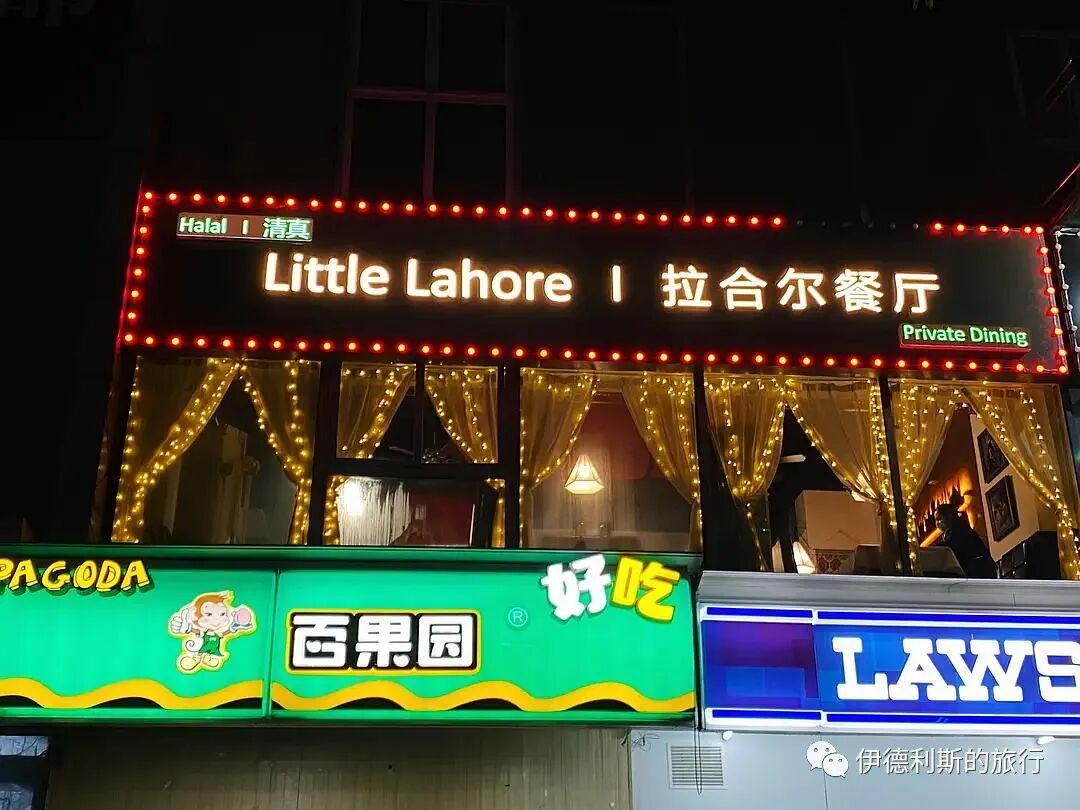
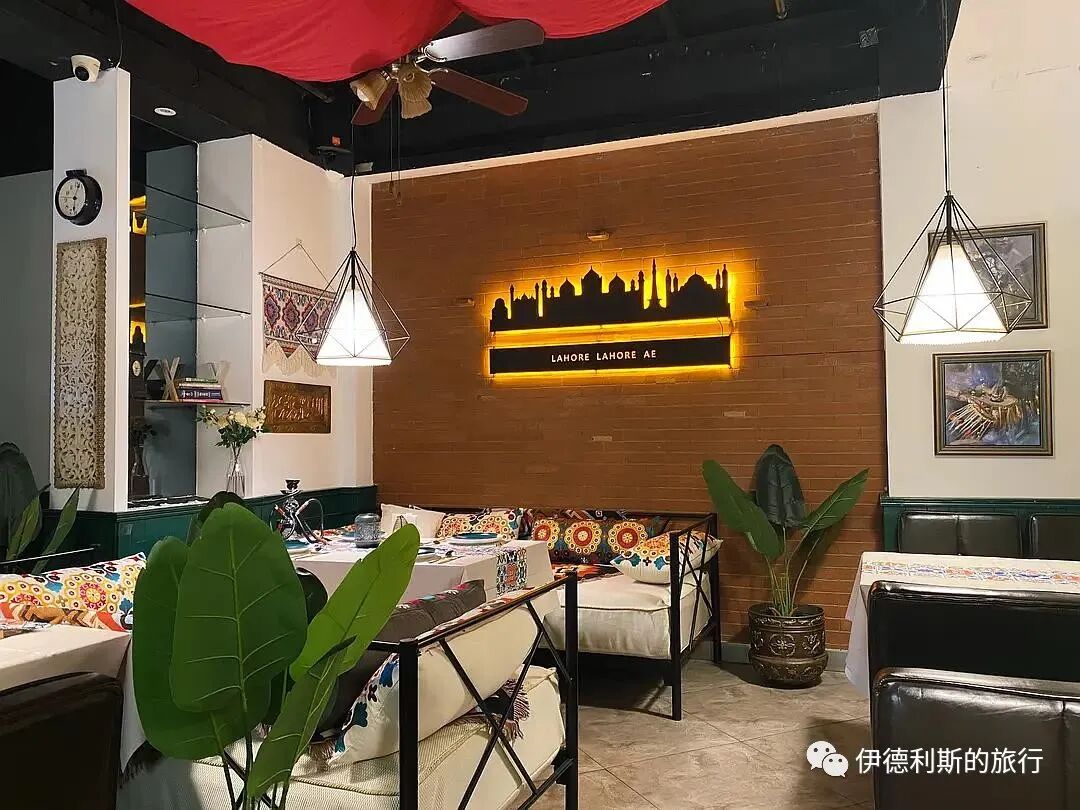
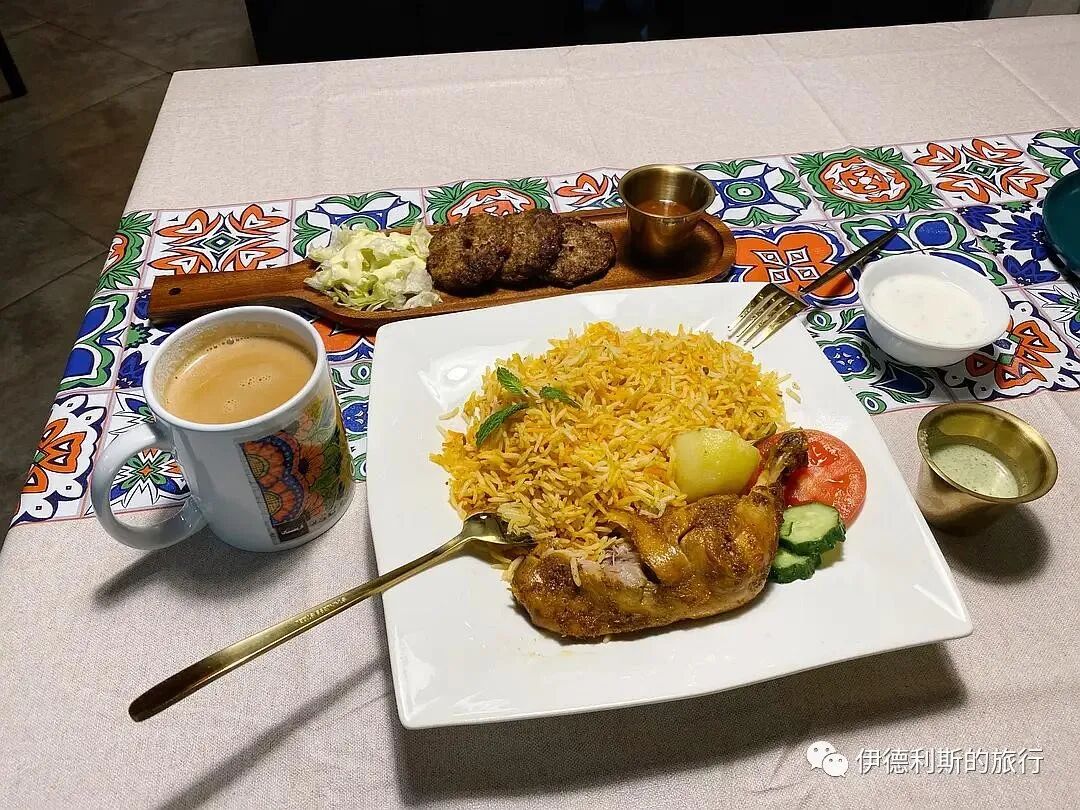
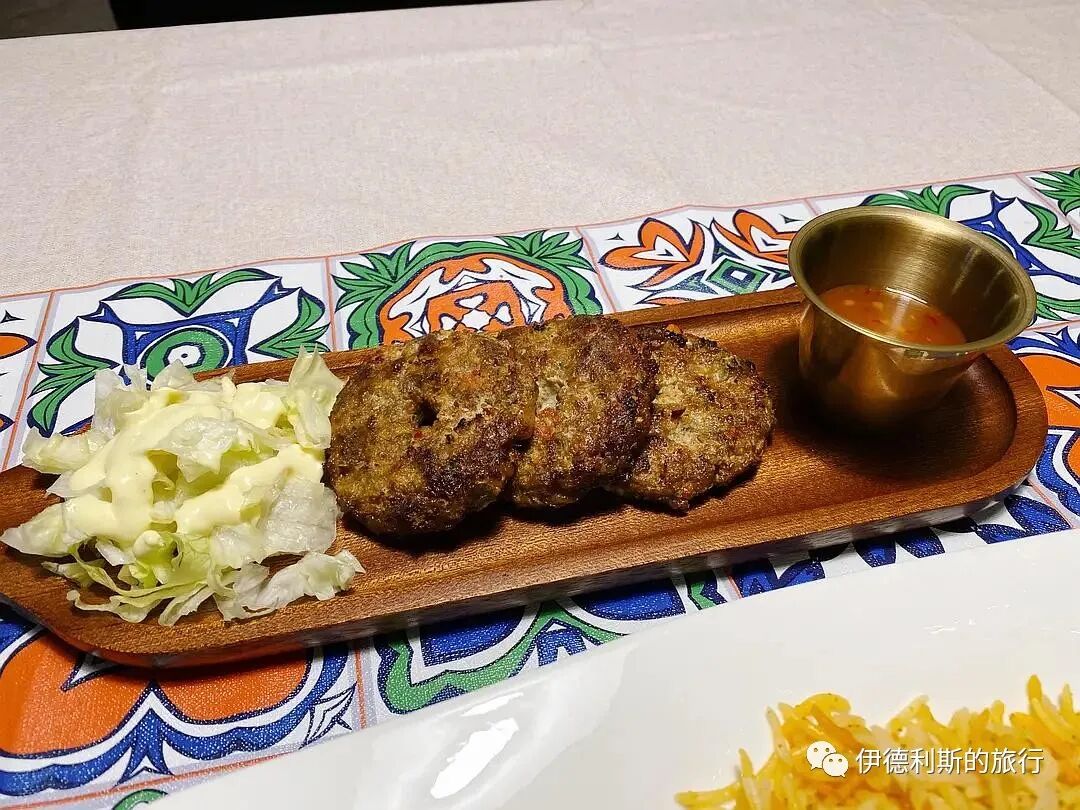
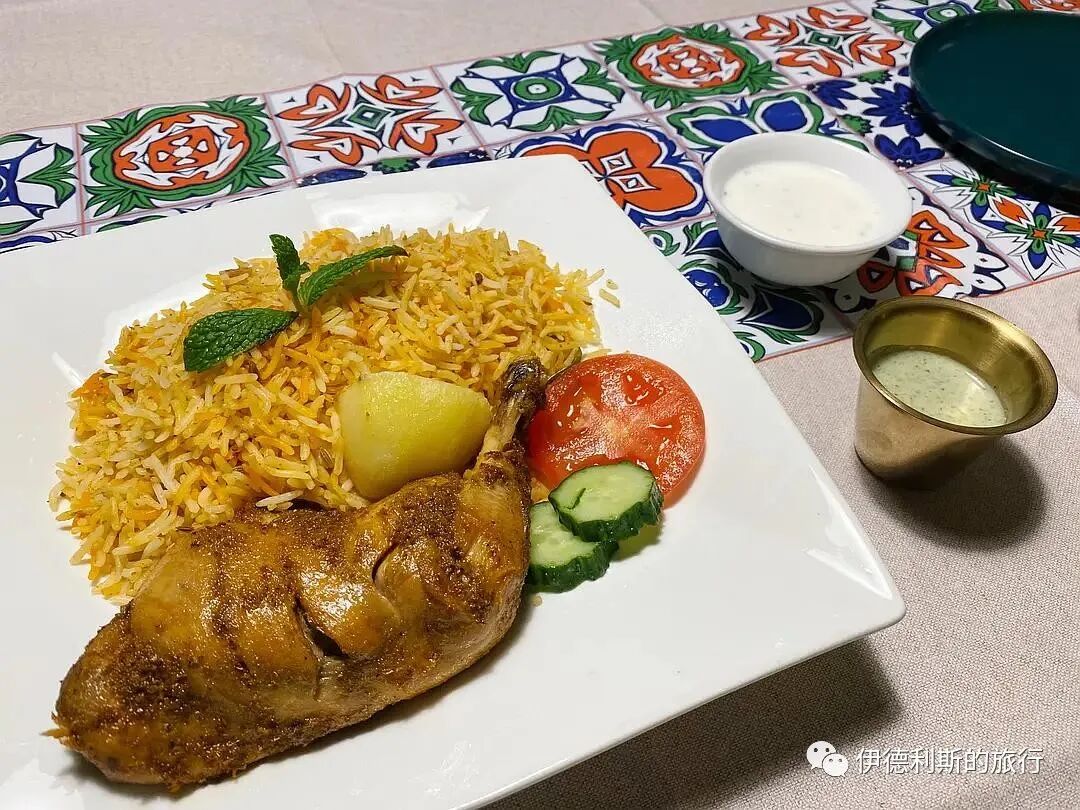
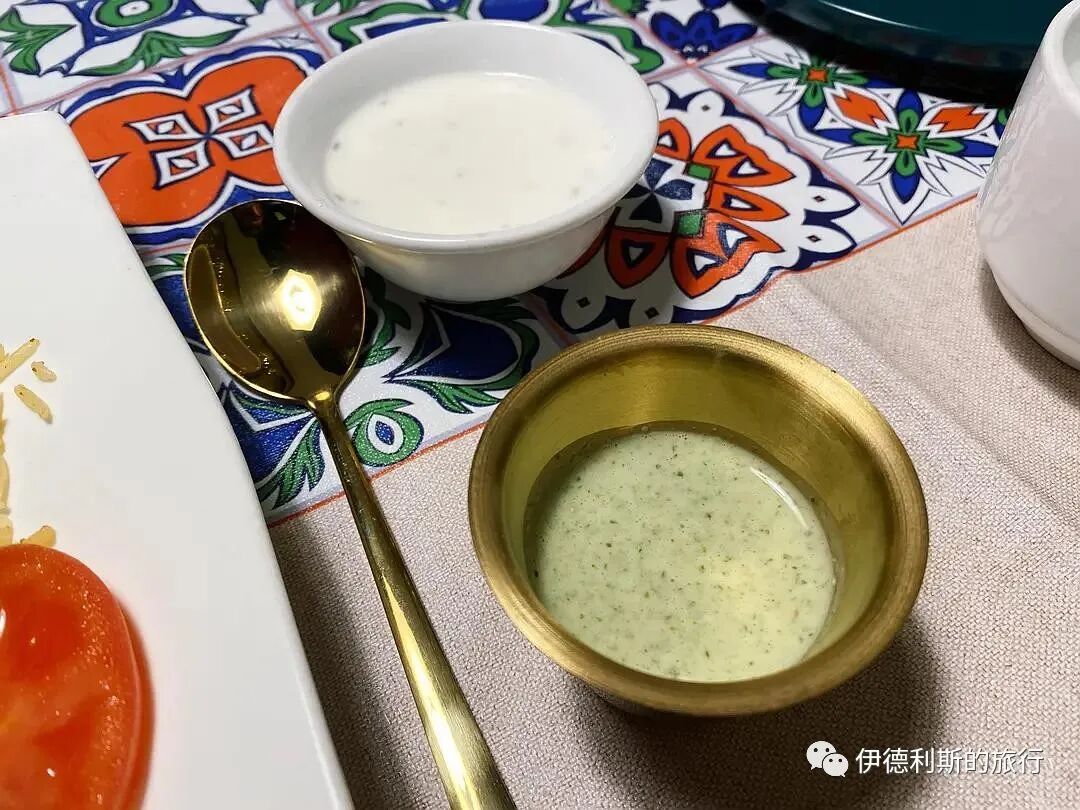
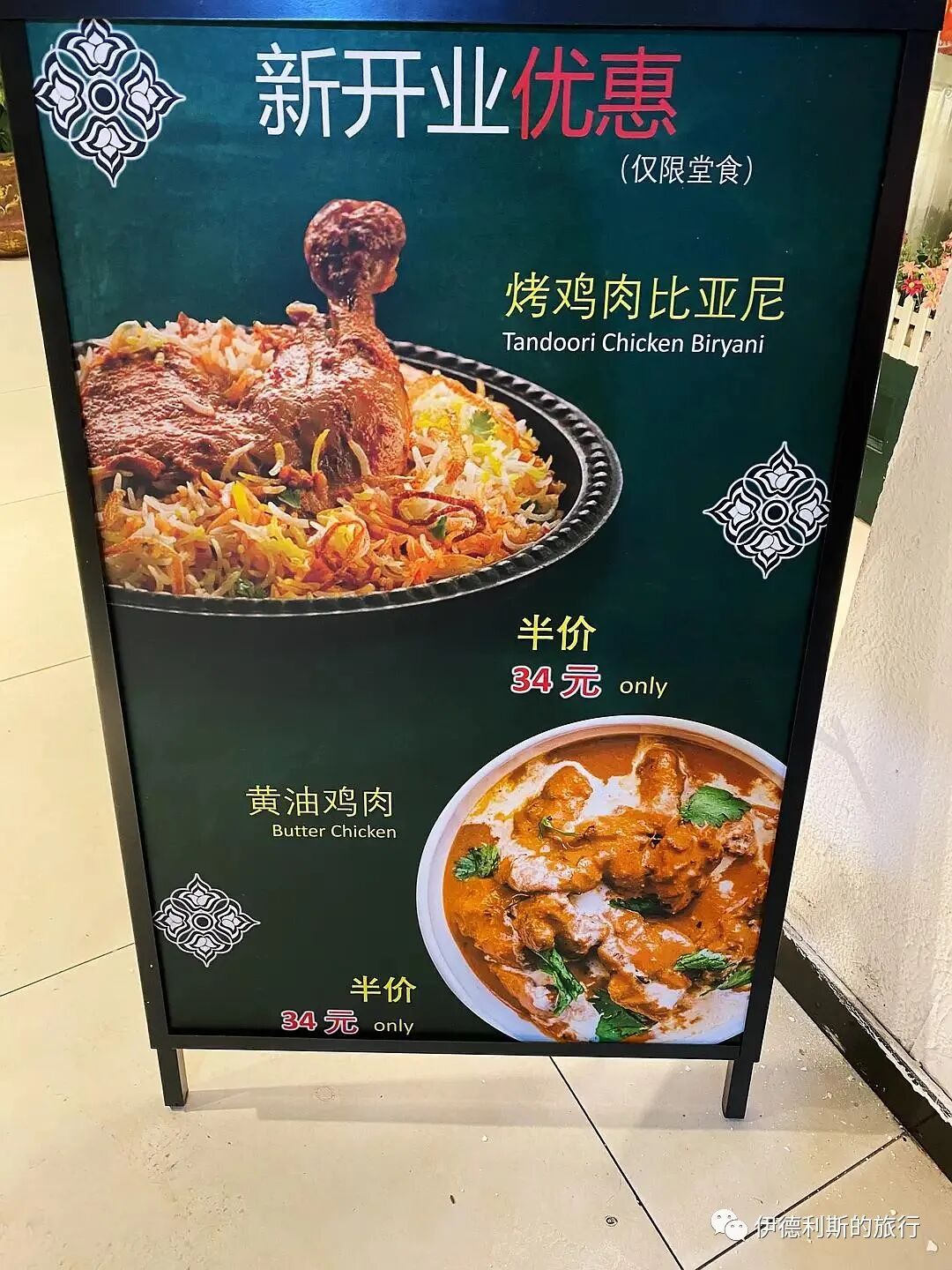
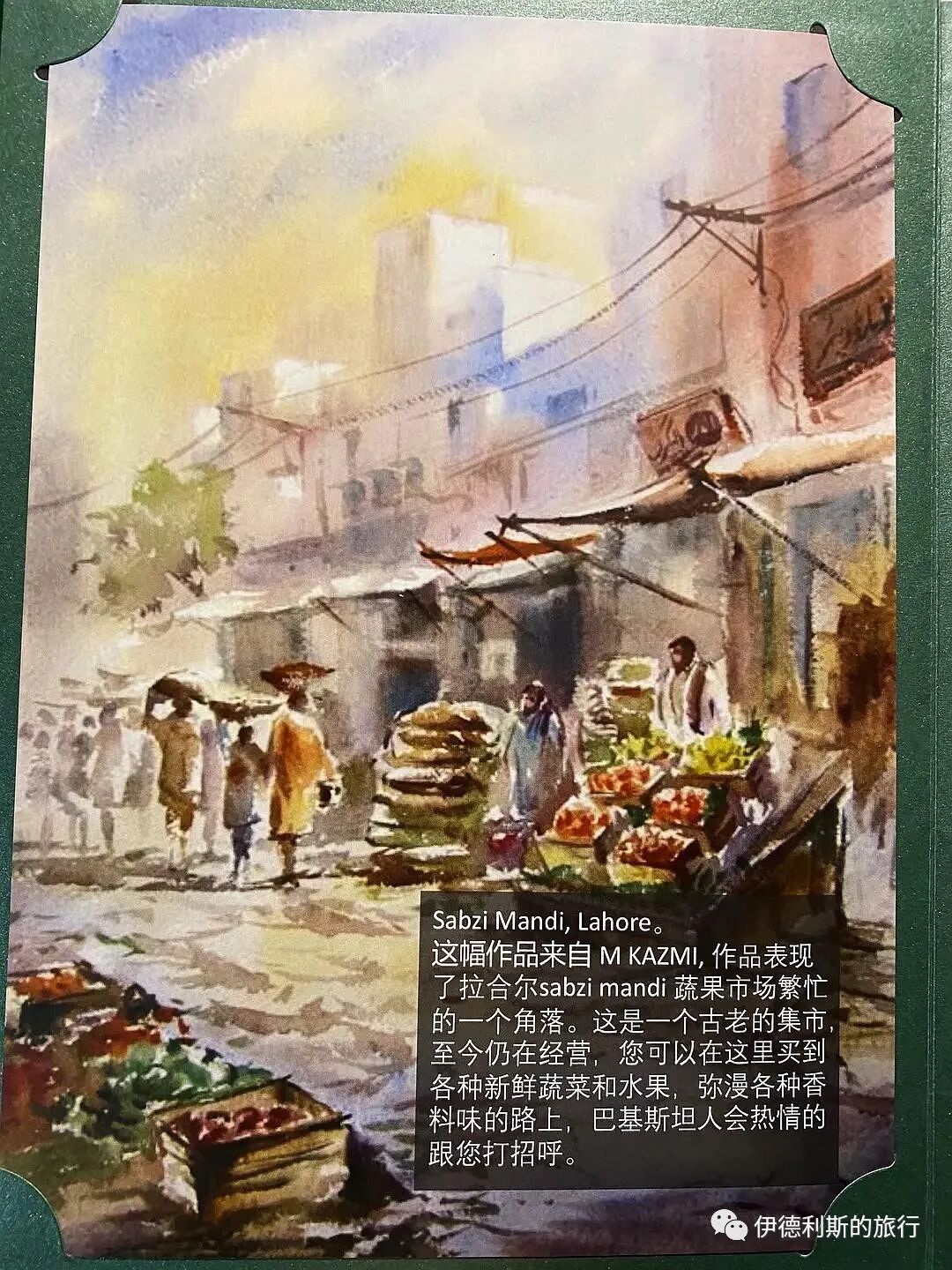
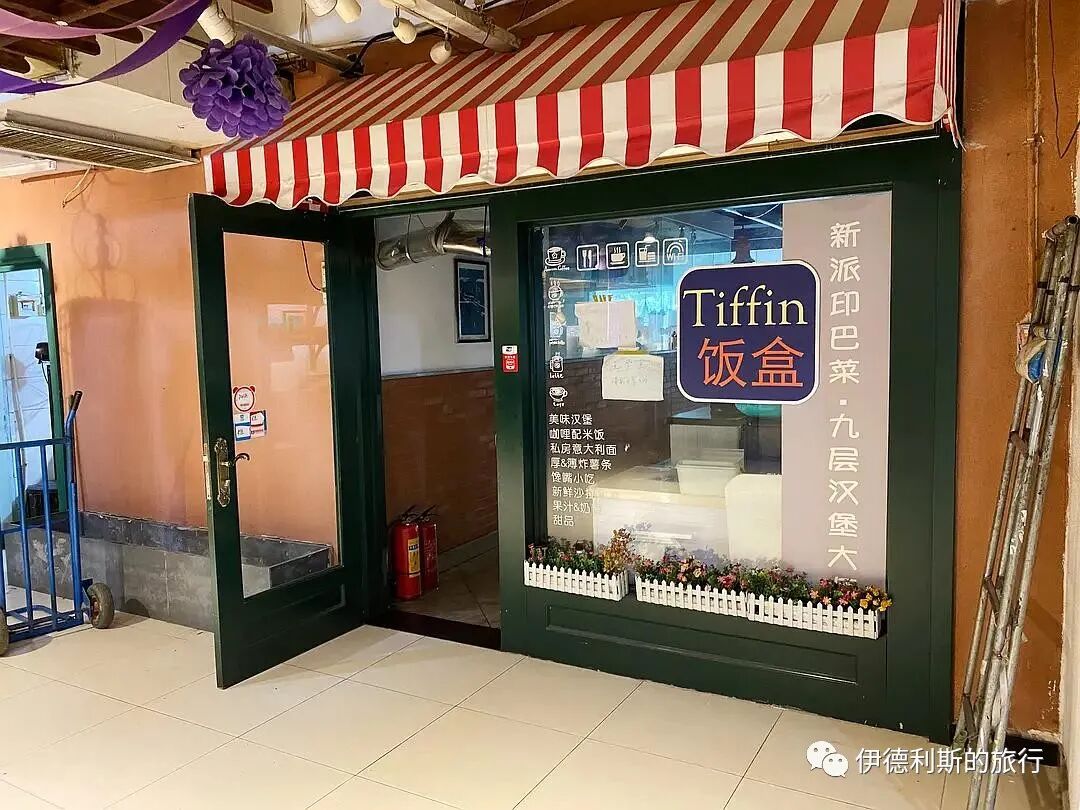
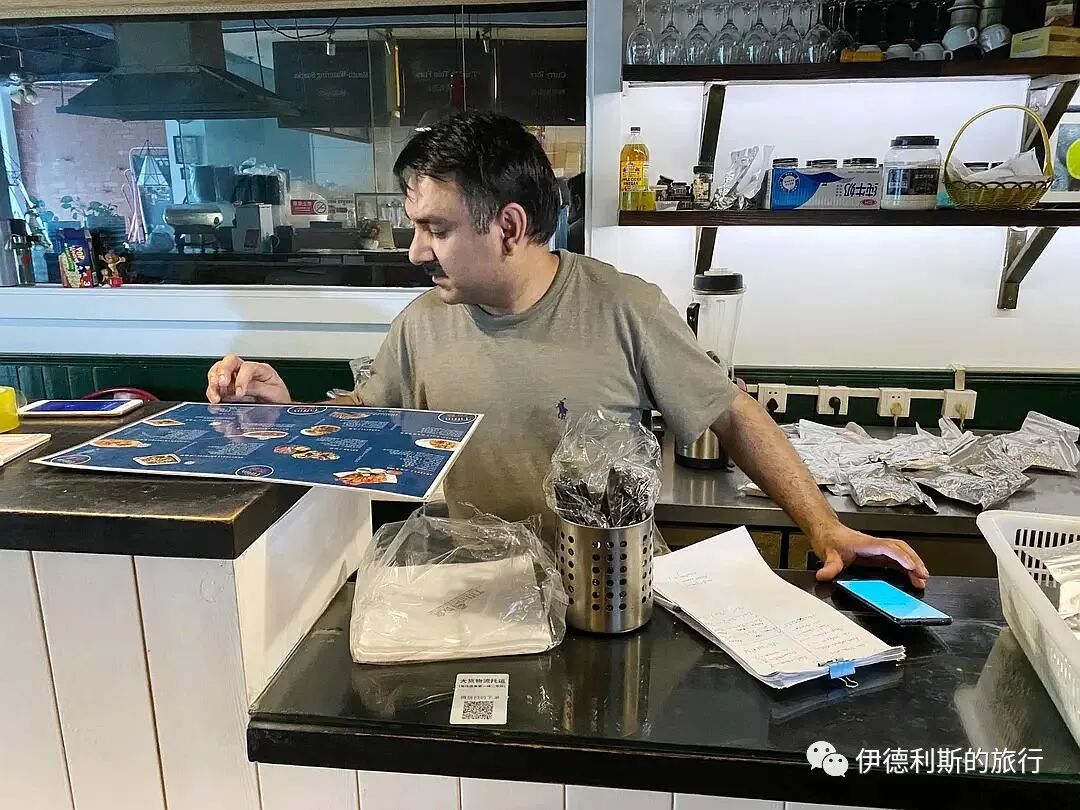
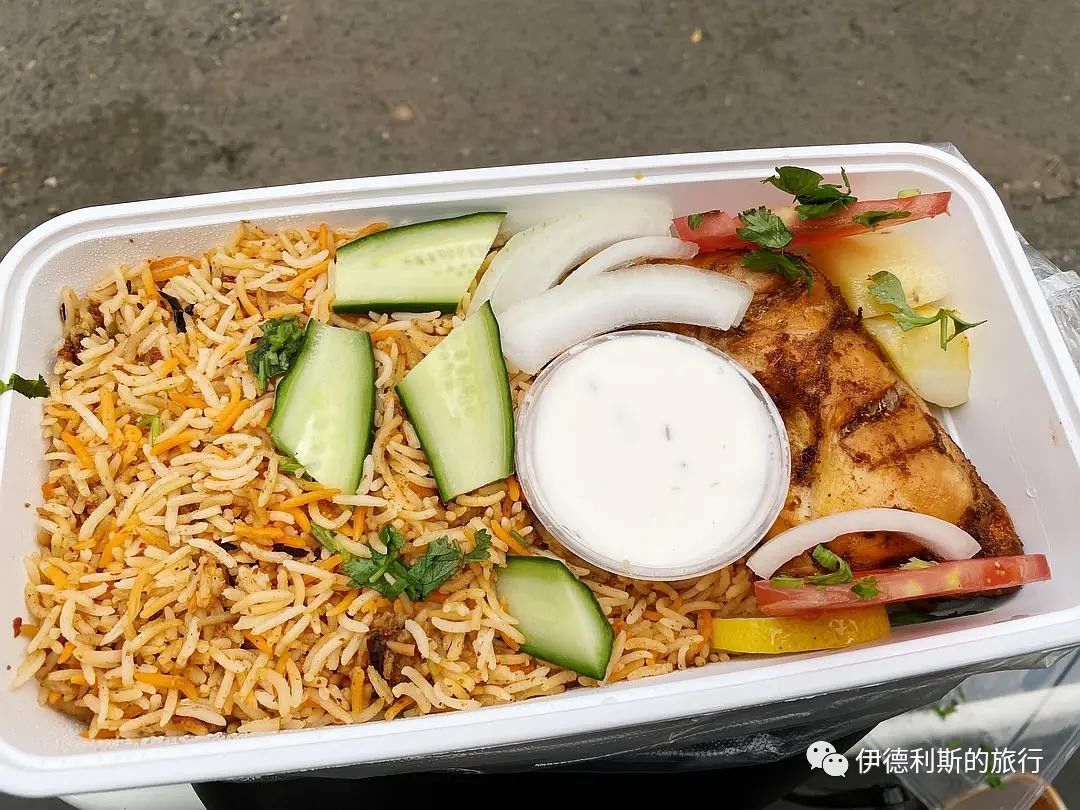
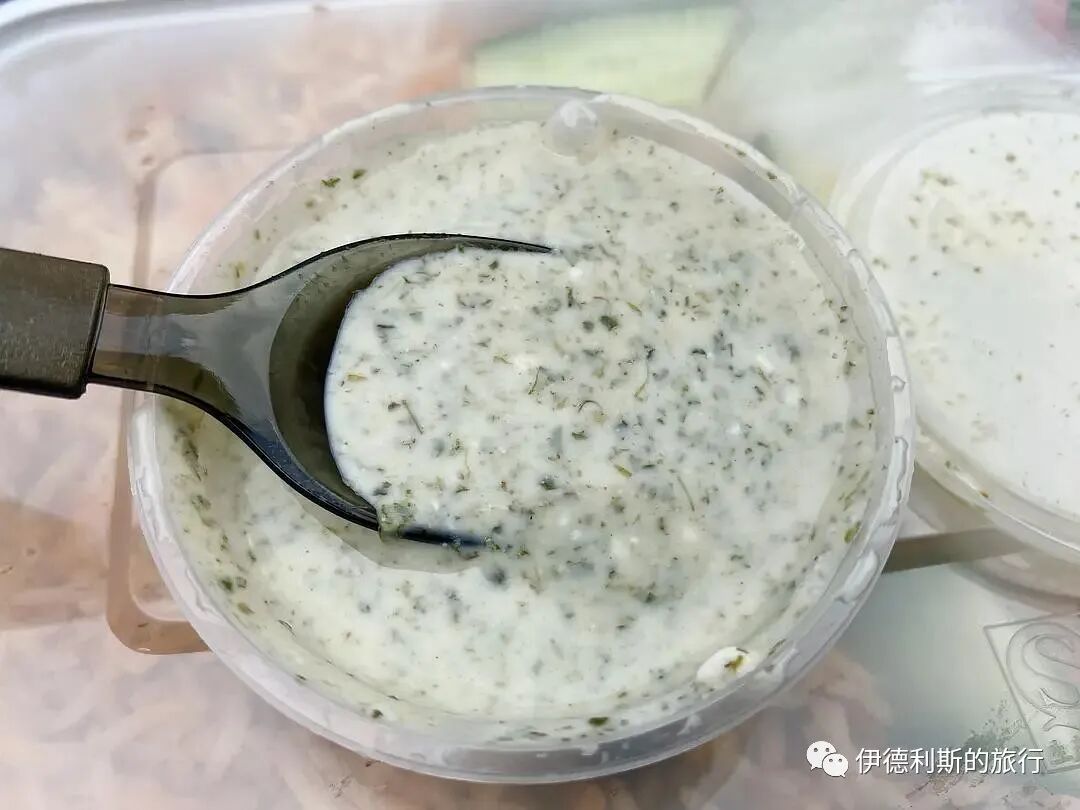
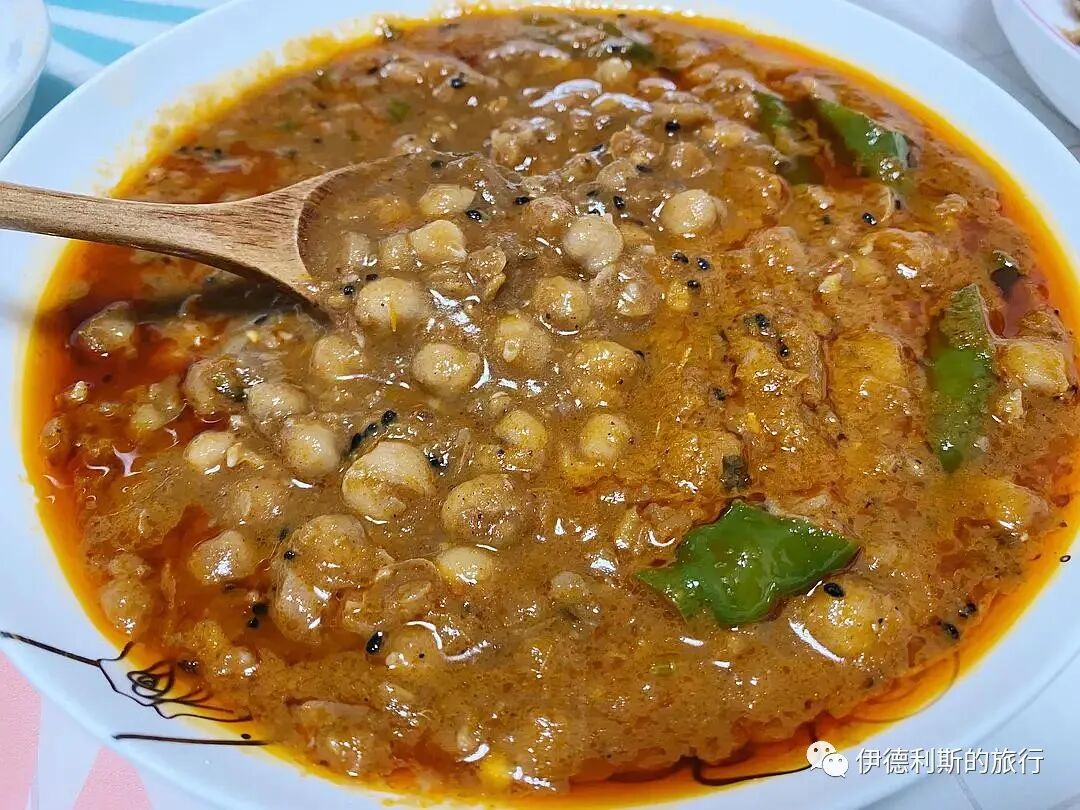
On July 1, 2020, after work, I bought Tandoori Chicken Biryani, Achari Chana Masala, and Mint Chutney from Tiffin, a Pakistani restaurant located behind Gome First City on Qingnian Road. Since that thing happened, many of their Pakistani chefs haven't been able to come to China, so now there are only two Pakistani chefs left, and they only offer takeout instead of dine-in, which actually fits their name, "Tiffin."
The Tiffin culture originated in the late 18th century during the British Raj in India. After the British arrived in India, the hot weather led to the gradual simplification of lunch, and the term "Tiffin" began to refer to any light meal between breakfast and dinner on the Indian subcontinent.
Tiffin can also specifically refer to the lunch box used for takeaway meals. In major cities across India and Pakistan, you can often see delivery men using handcarts or bicycles to carry countless tiffin boxes, delivering them one by one to various shops in the market.
4. Restaurants that opened in 2021
1. Turkish restaurant Qubbe
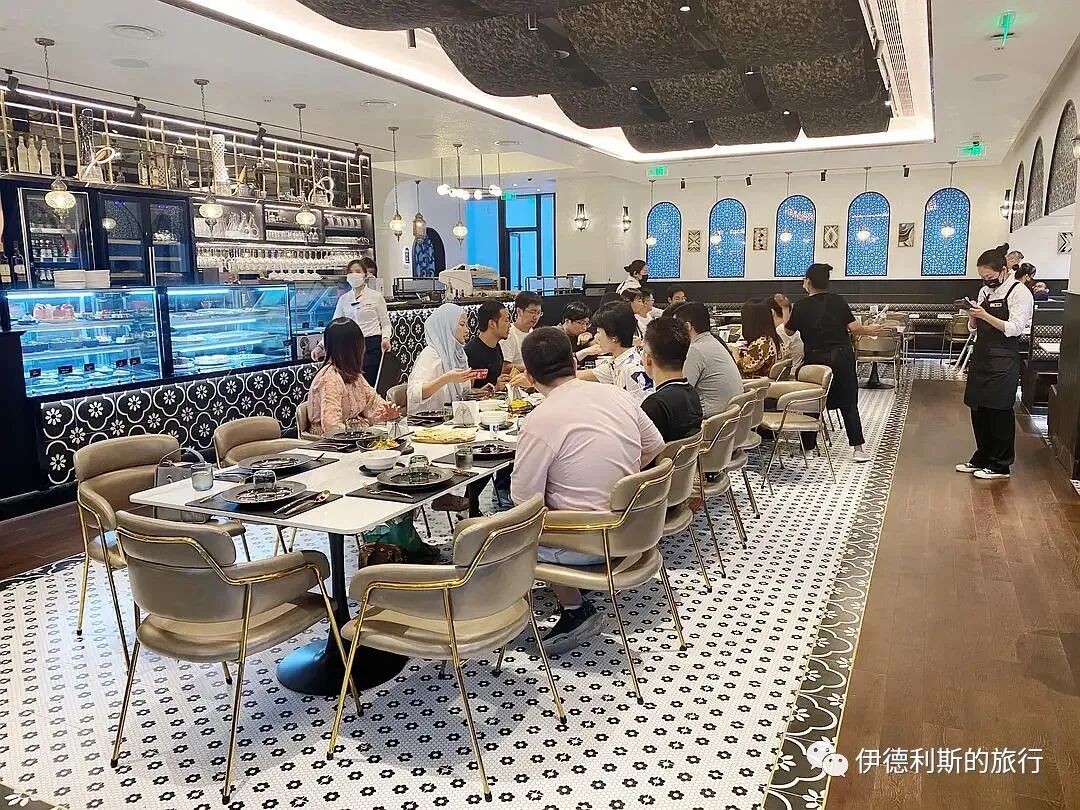
On September 11, 2021, a new Turkish restaurant called Qubbe opened right next to Xiting Xiuse. The head chef is from the Turkish Embassy. Our Beijing Jamaat gathered there for dinner last night; the food was delicious, and we were happy to see old friends and meet new ones.
For appetizers, we ordered chicken soup, lentil soup, and mushroom soup, a classic start.
Sarah ordered feta salad, shepherd's salad, chicken Caesar salad, and arugula salad.
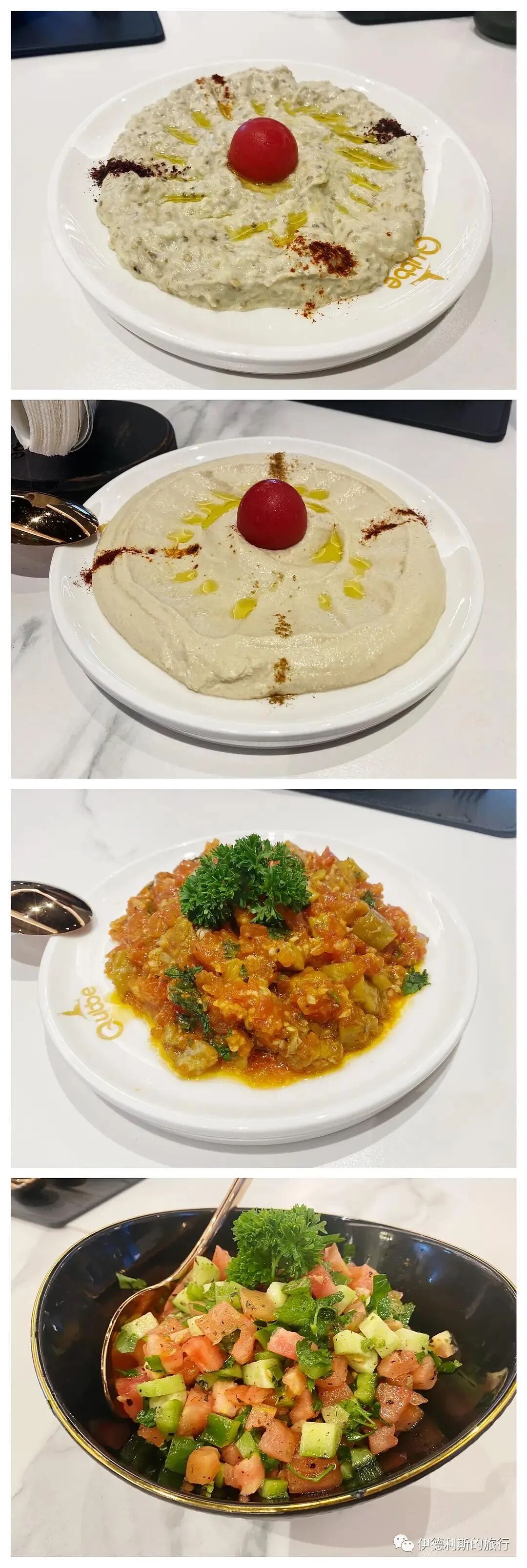
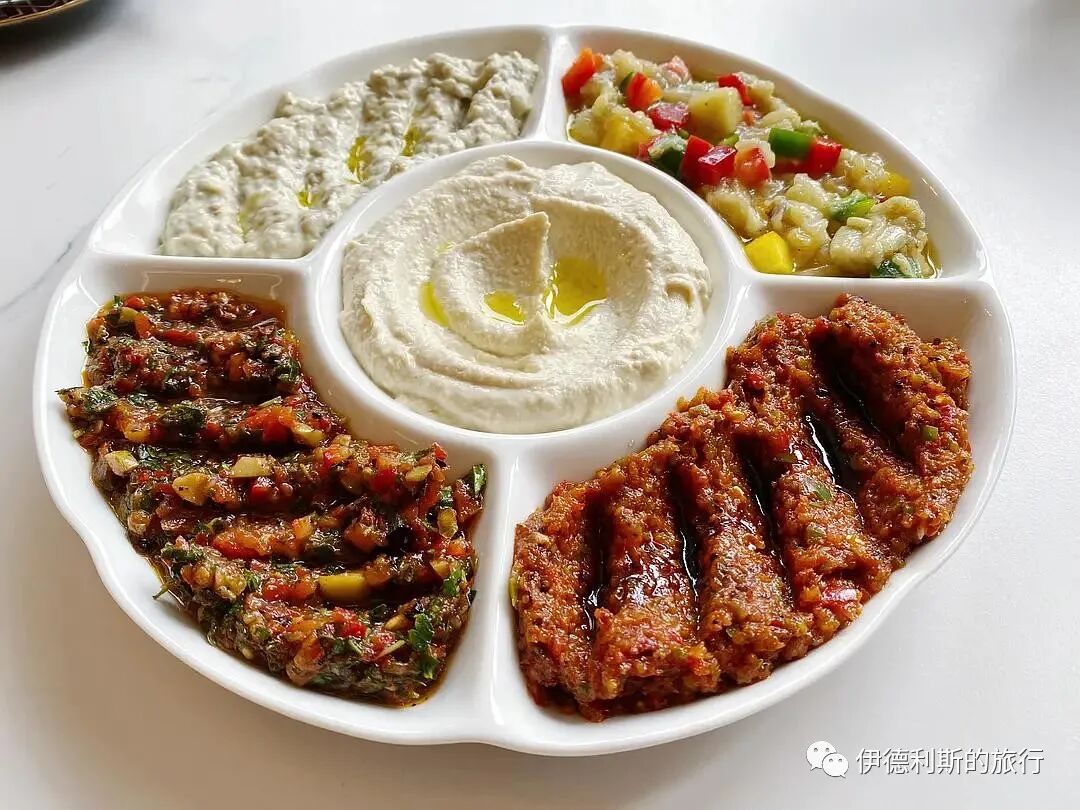
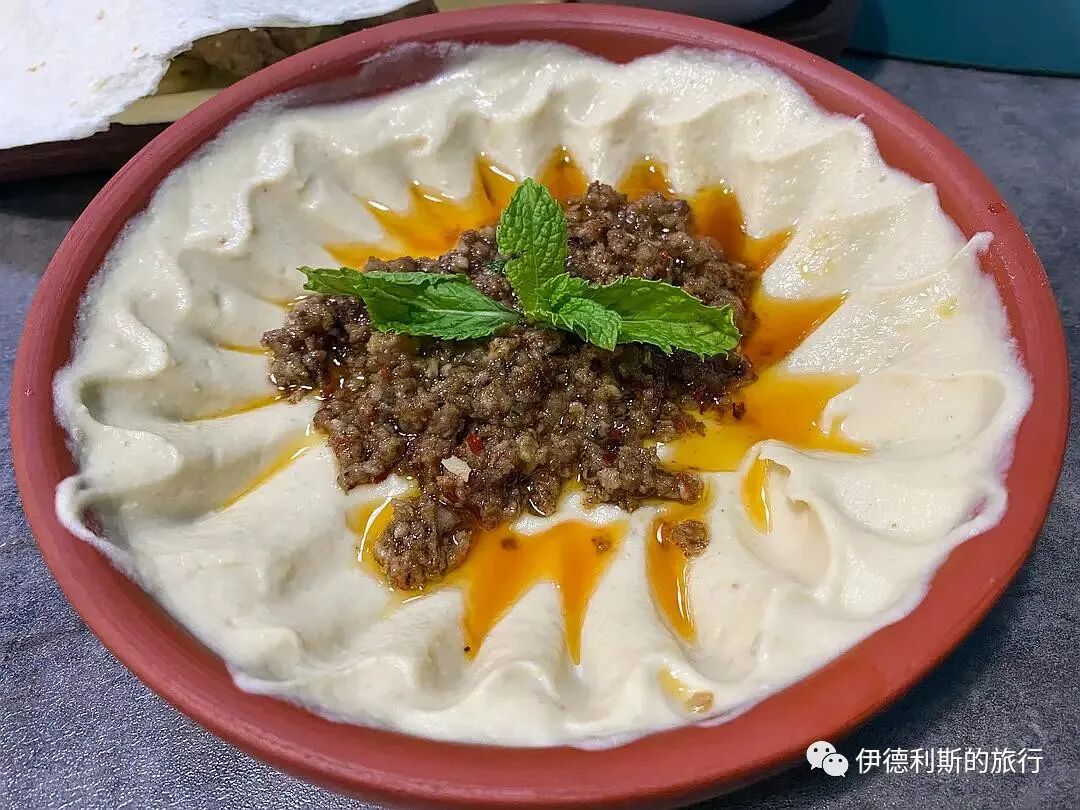
For appetizers, we ordered Hummus, Mutebbel (eggplant yogurt dip), Babagannush (eggplant sesame dip), and eggplant with tomato sauce.
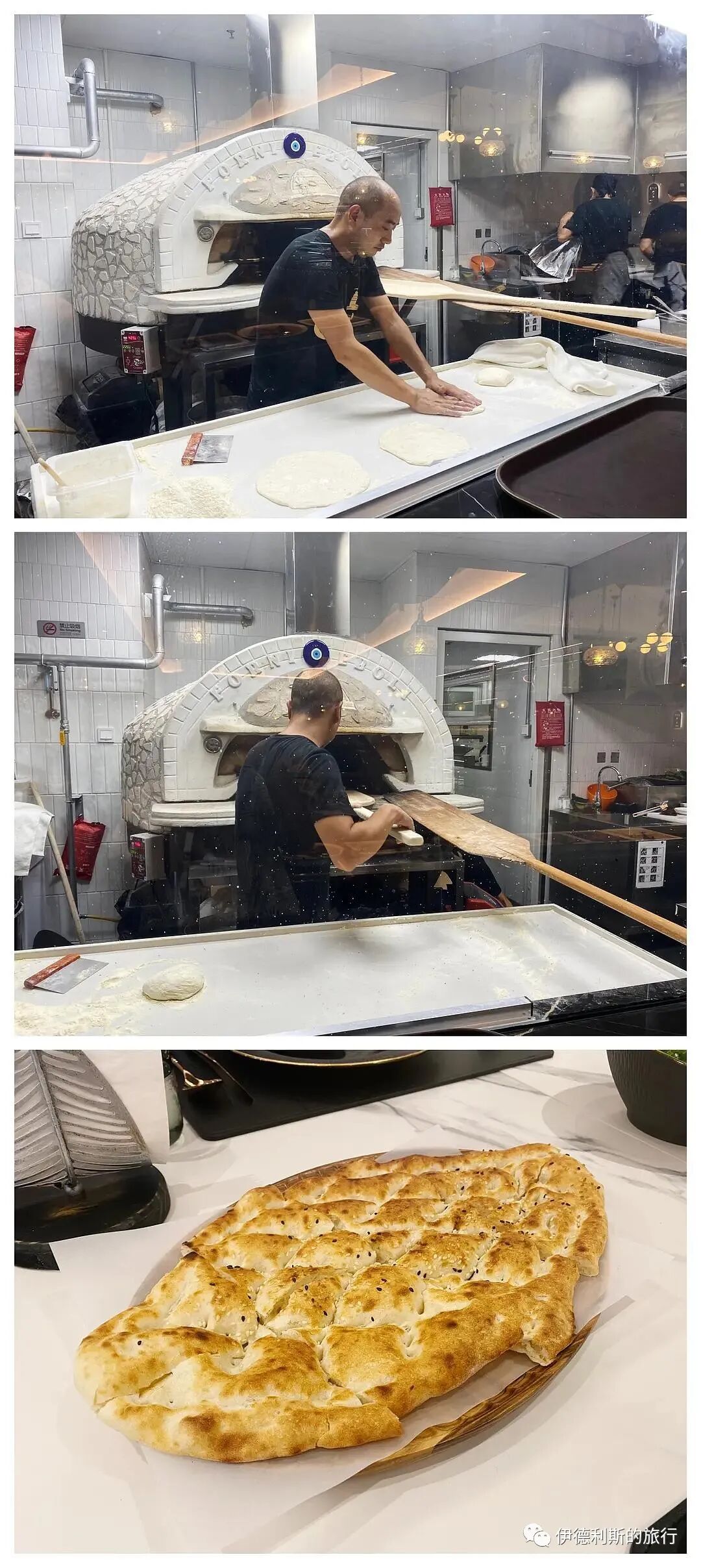
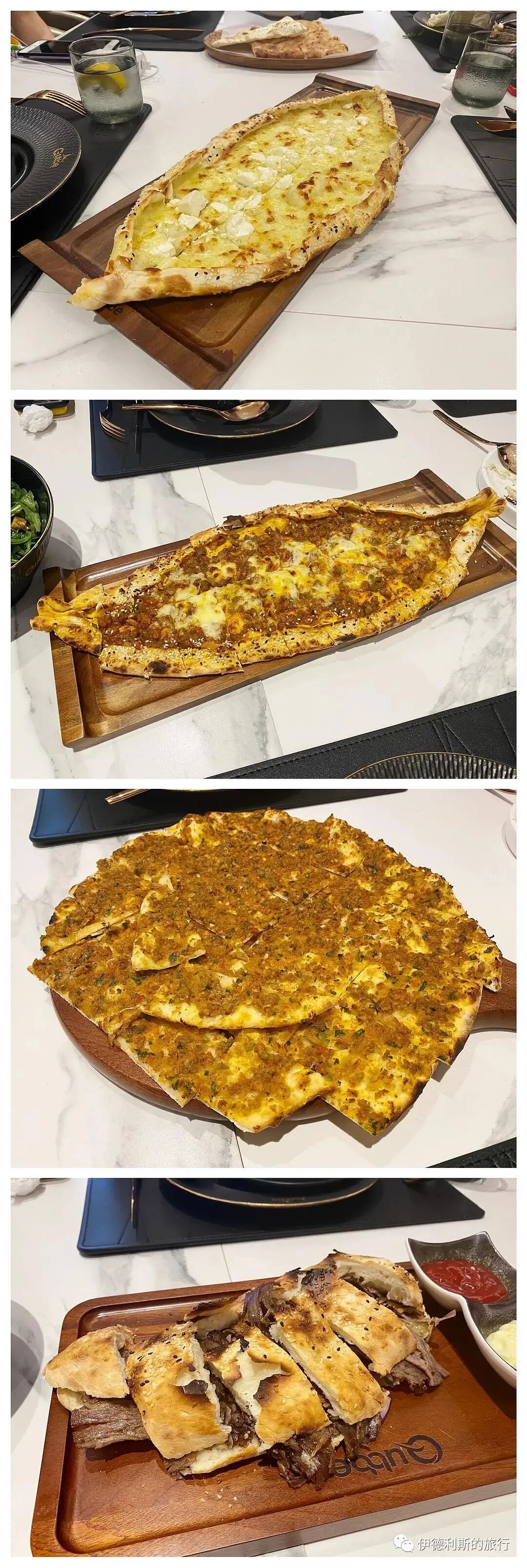
For our main course, we ordered Lavash flatbread, Lahmacun, black cumin and sesame bread, hollow bread, double cheese Pide, Mevlana meat Pide, and Doner kebab sandwiches; their oven is amazing!
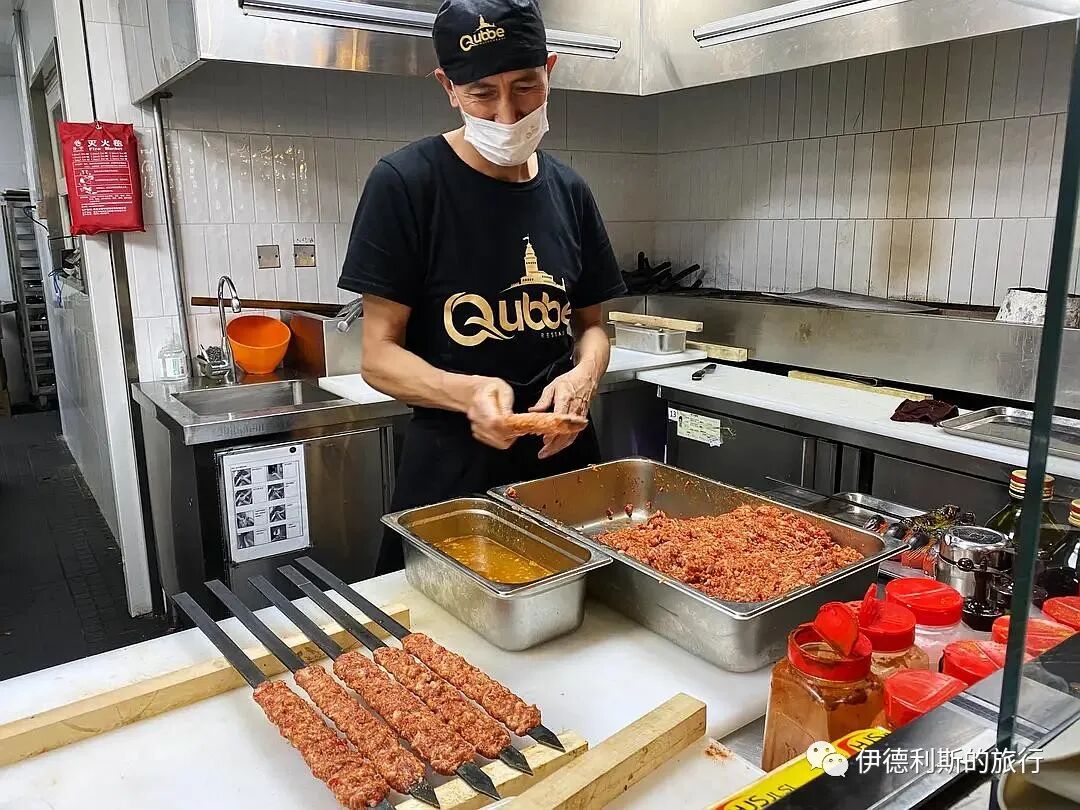
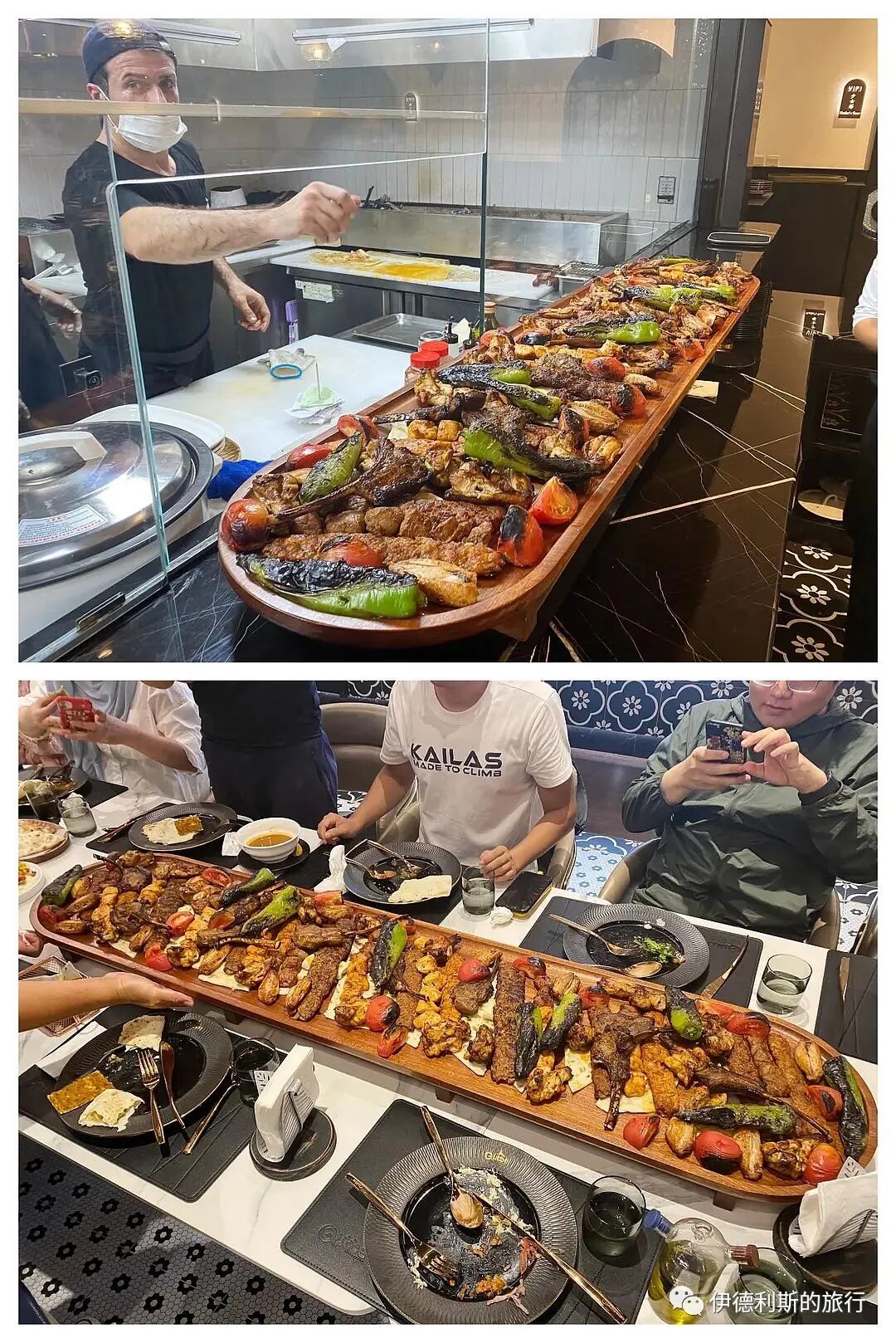
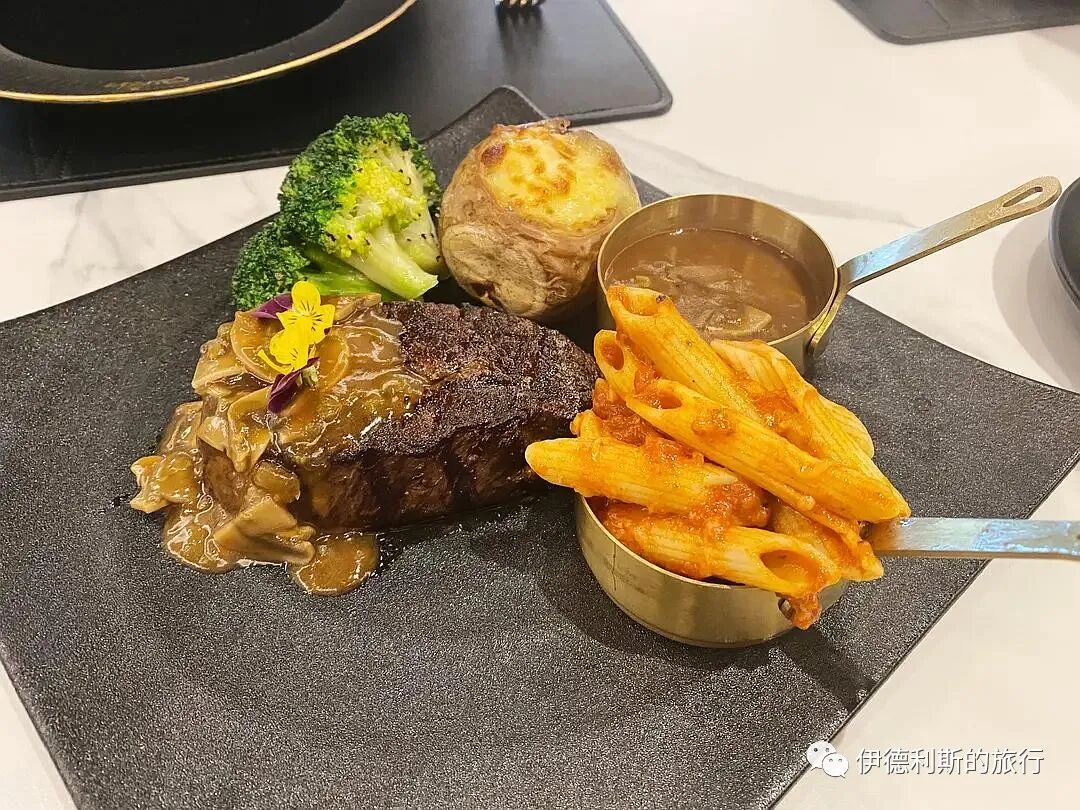
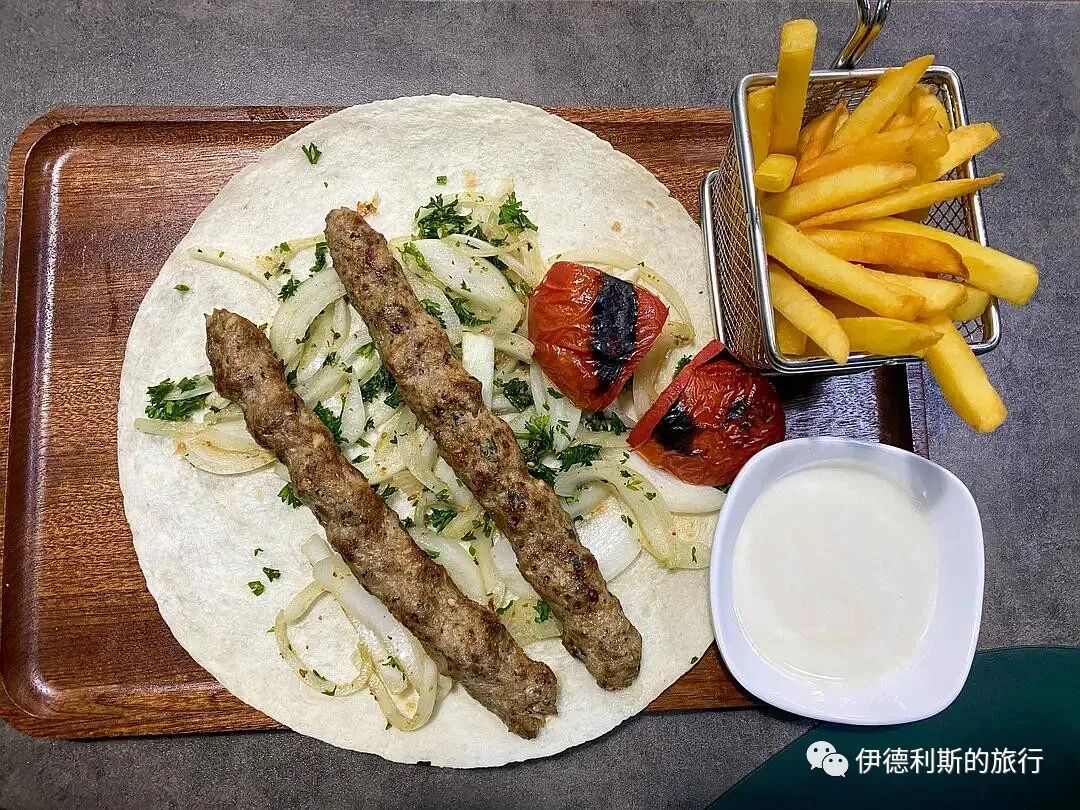
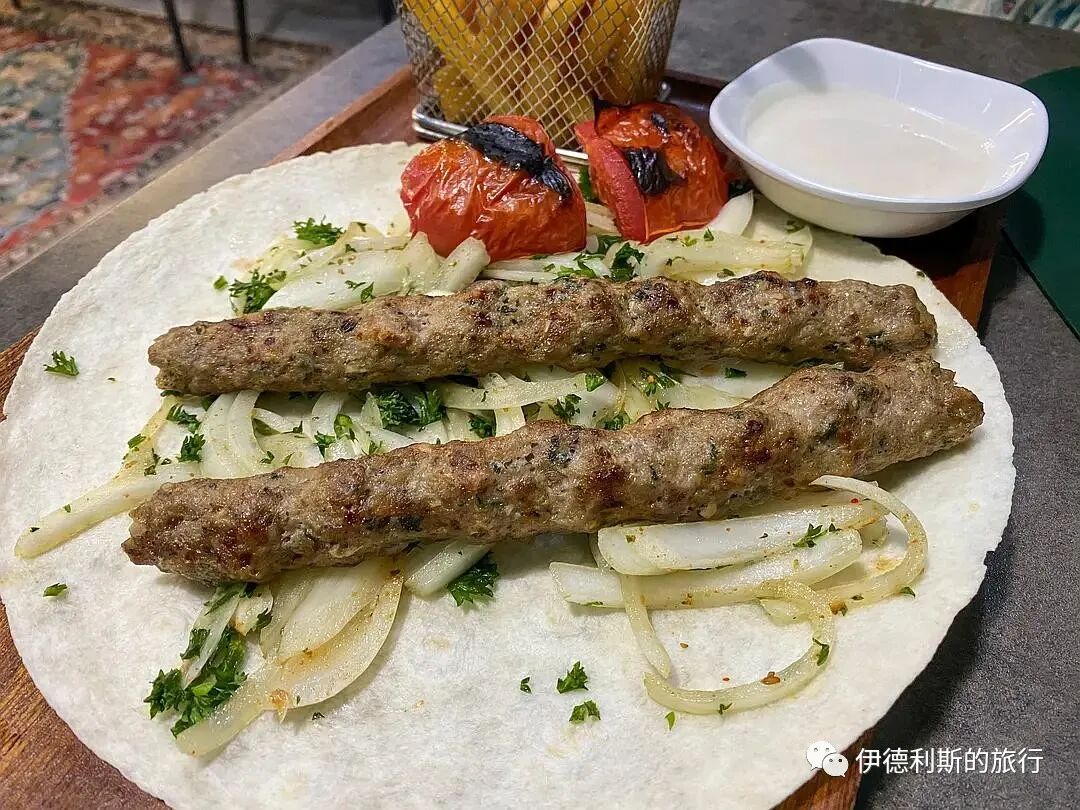
We ordered a ten-person mixed grill platter, which included Adana spicy minced meat, regular minced meat, chicken skewers, lamb skewers, grilled chicken chops, and grilled lamb chops—it was quite a spectacle! We also ordered filet mignon and Iskender beef kebab.
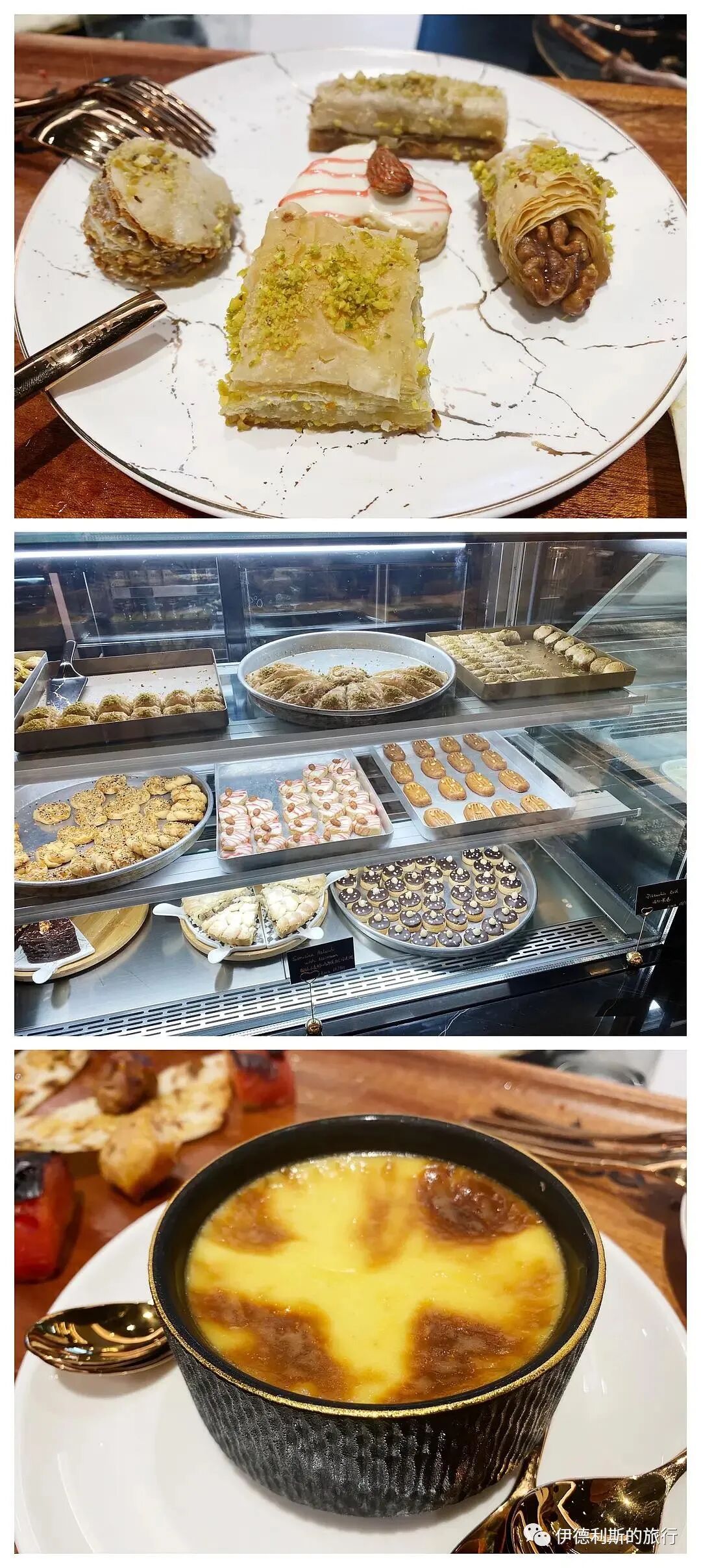
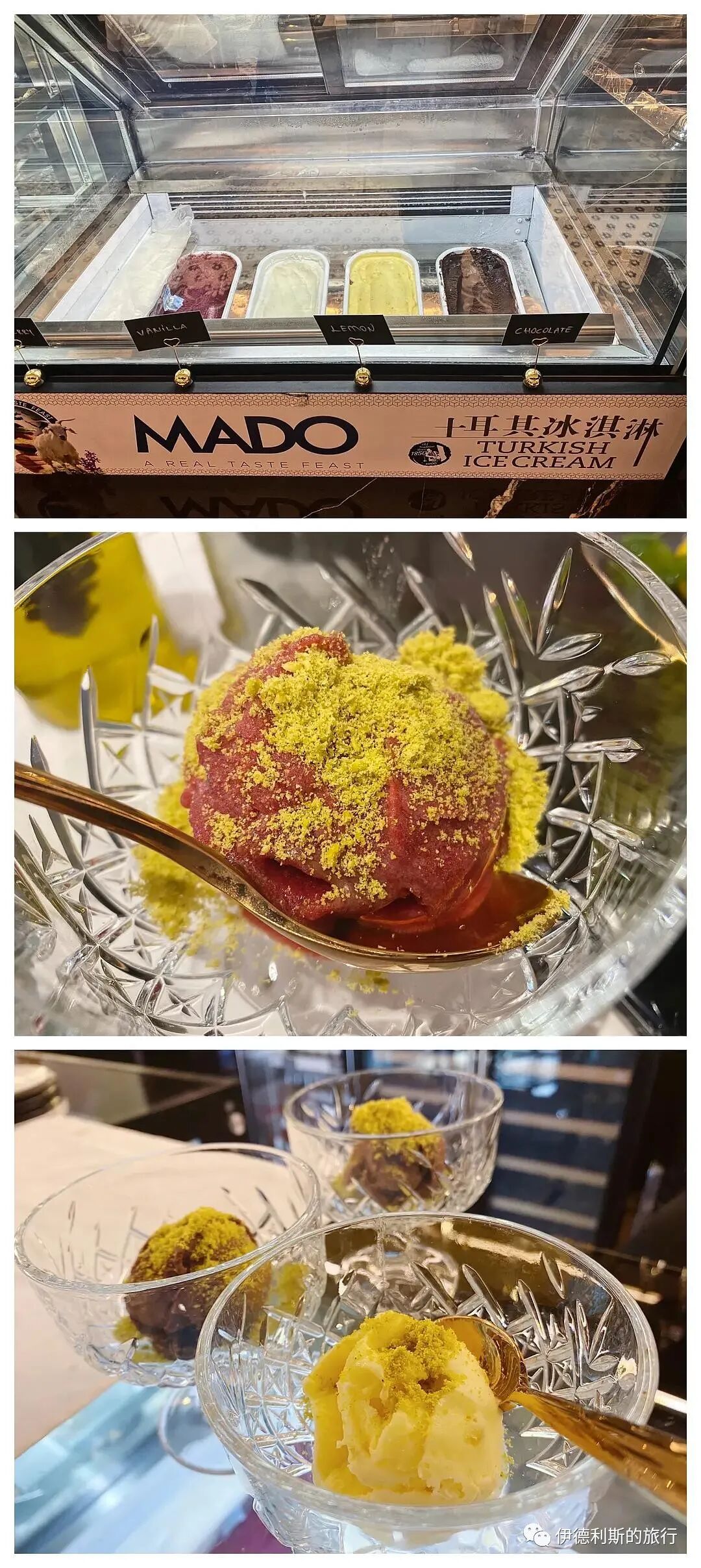
The dessert after the meal was classic baklava, milk pudding, and the super amazing Turkish Mado ice cream. Mado is a very famous Turkish ice cream chain brand, originating from the city of Kahramanmarash in southeastern Turkey. They previously had stores in Yiwu and Guangzhou, and now they have finally opened in Beijing. It should be the most authentic Turkish ice cream in China, all made using goat milk from their hometown of Kahramanmarash.
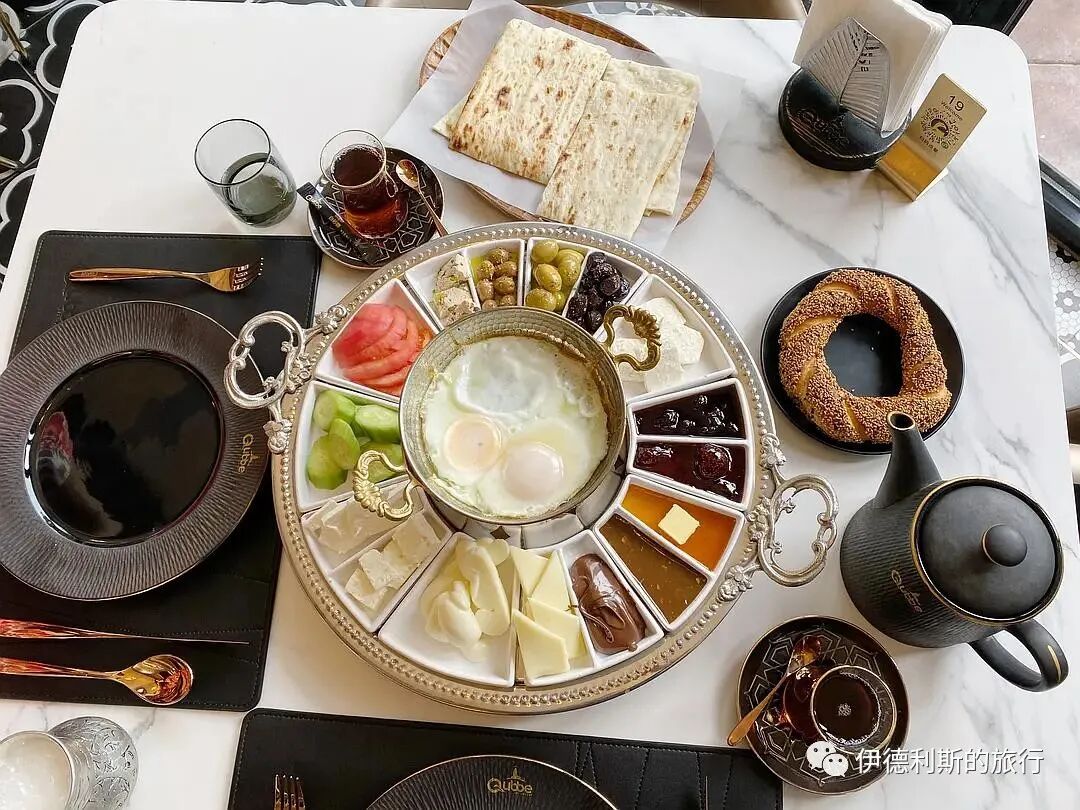
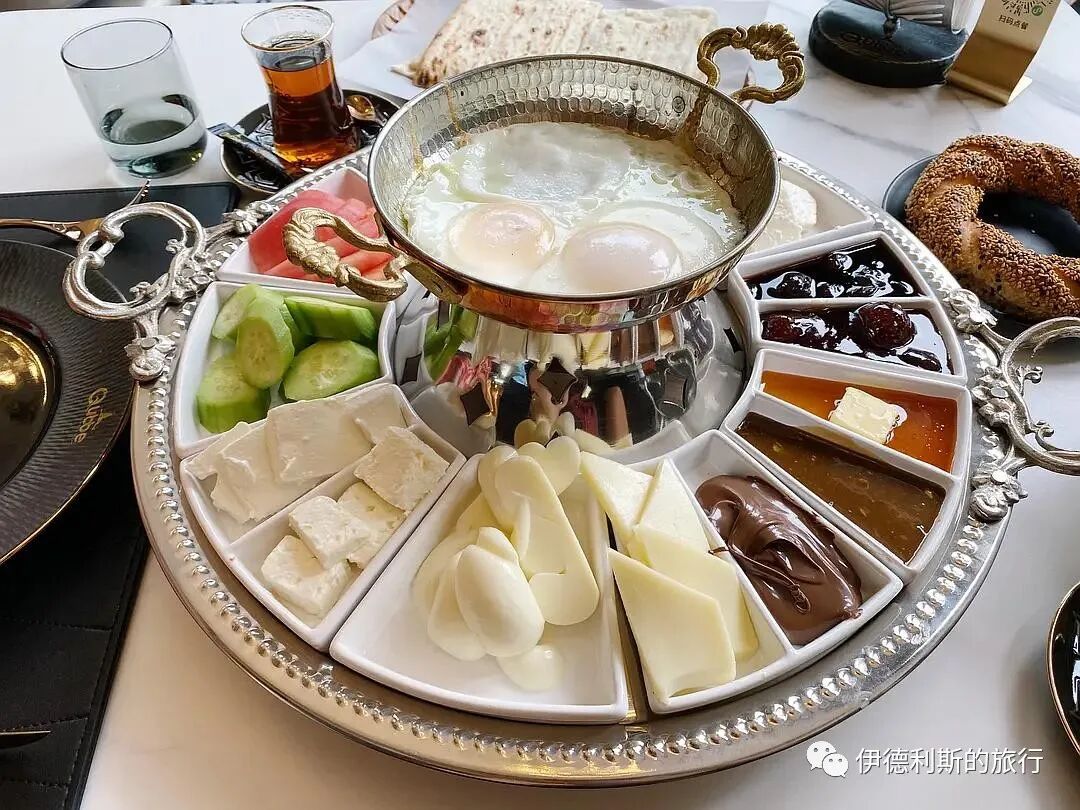
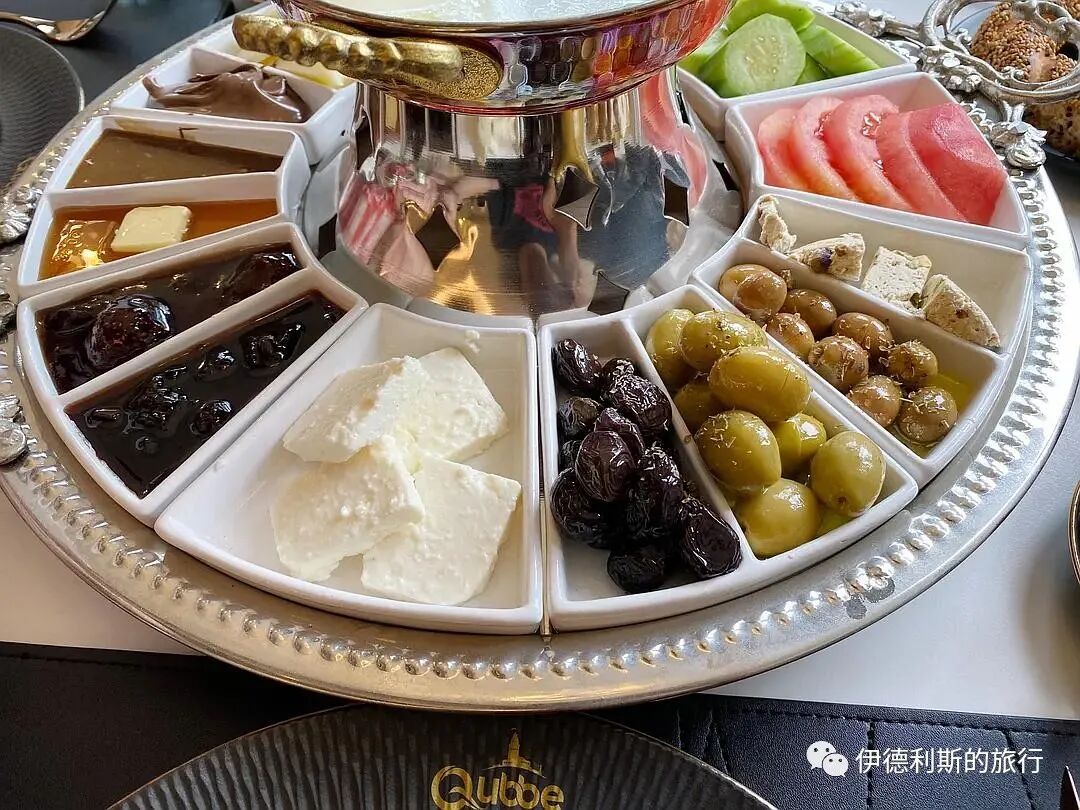
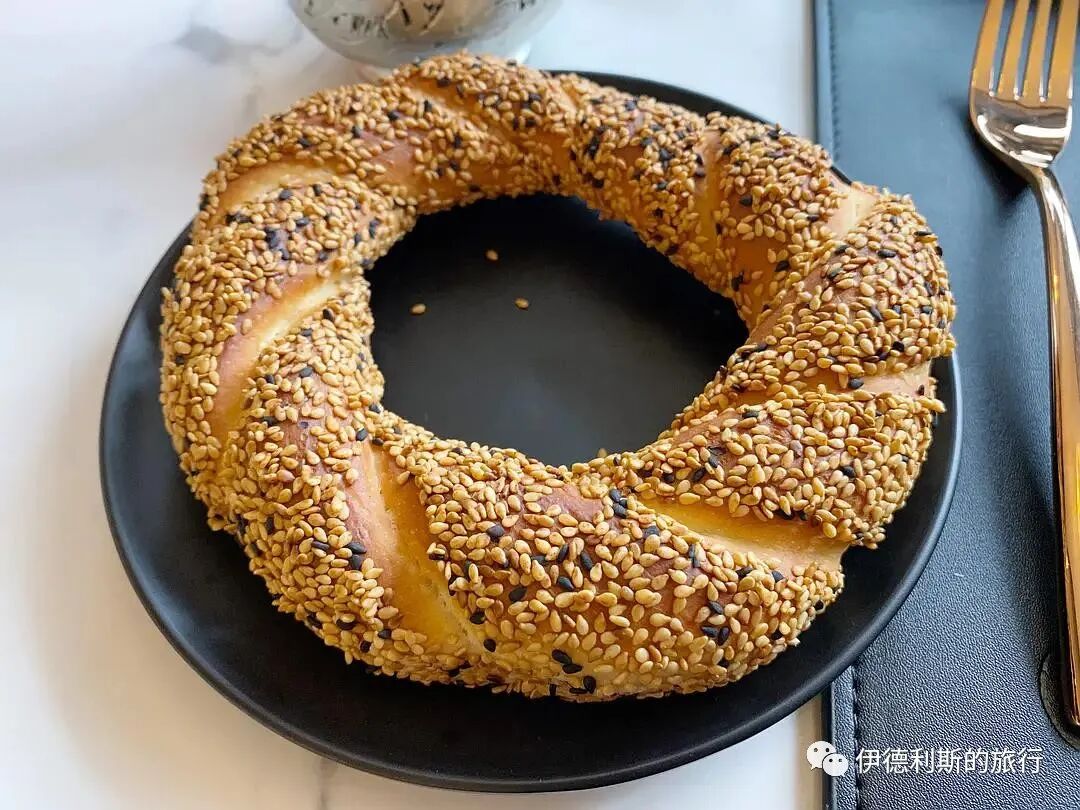
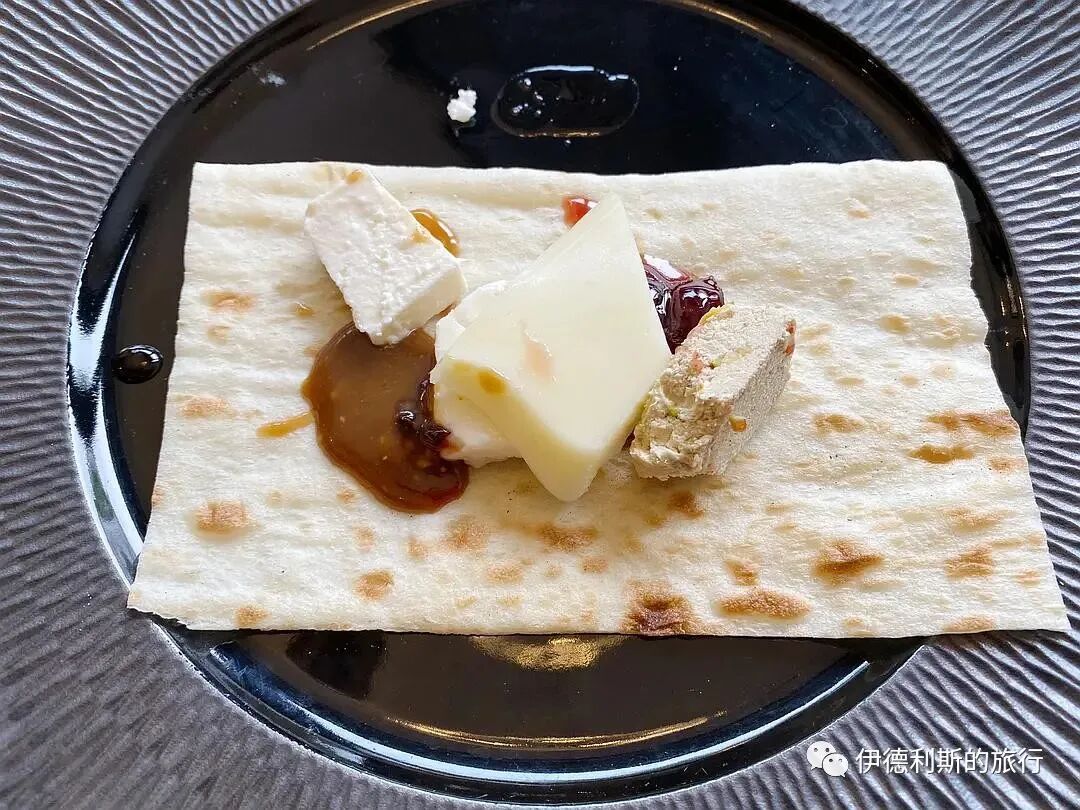
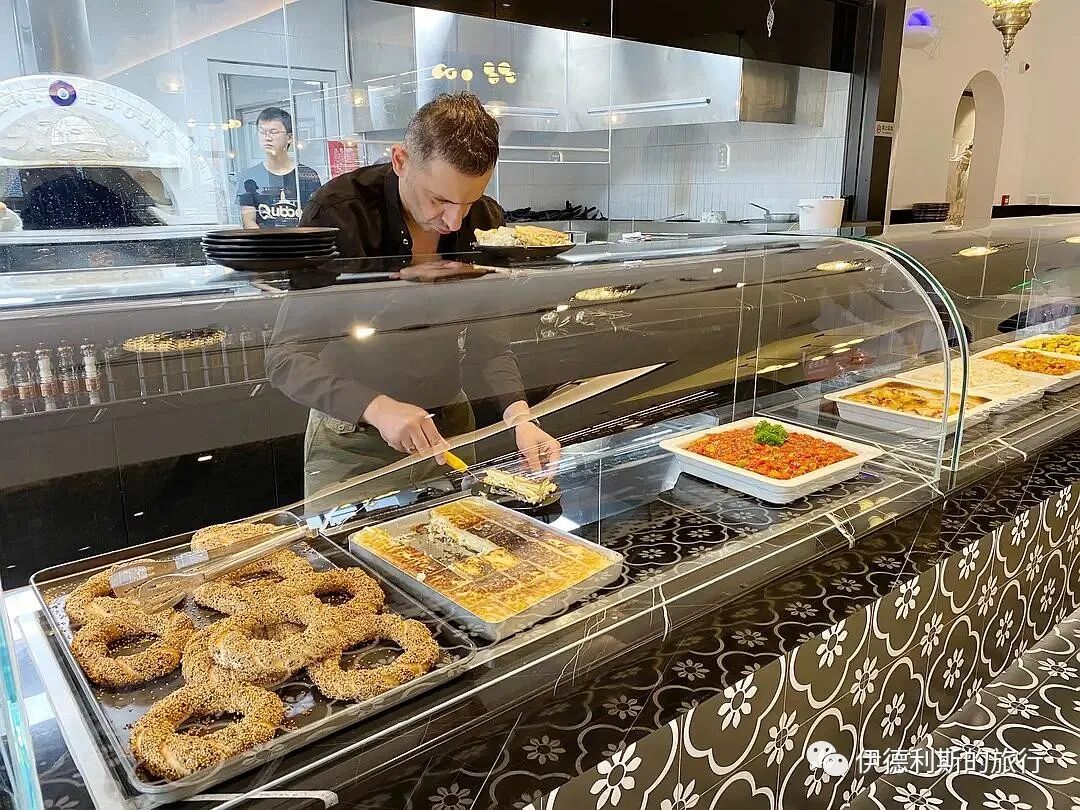
On the morning of September 12, 2021, I visited Qubbe for the second time, where the chef from the Turkish Embassy is in charge. I had a Turkish breakfast with three types of olives, six types of cheese, and five types of dips; it was very rich, and each cheese had a different texture and level of sweetness or sourness. It was served with thin flatbread and the classic Turkish bagel, Simit.
The earliest record of Simit in Istanbul dates back to 1525. According to the records of the famous 17th-century Ottoman traveler Evliya Çelebi, there were 70 simit bakeries in Istanbul in the 1630s.
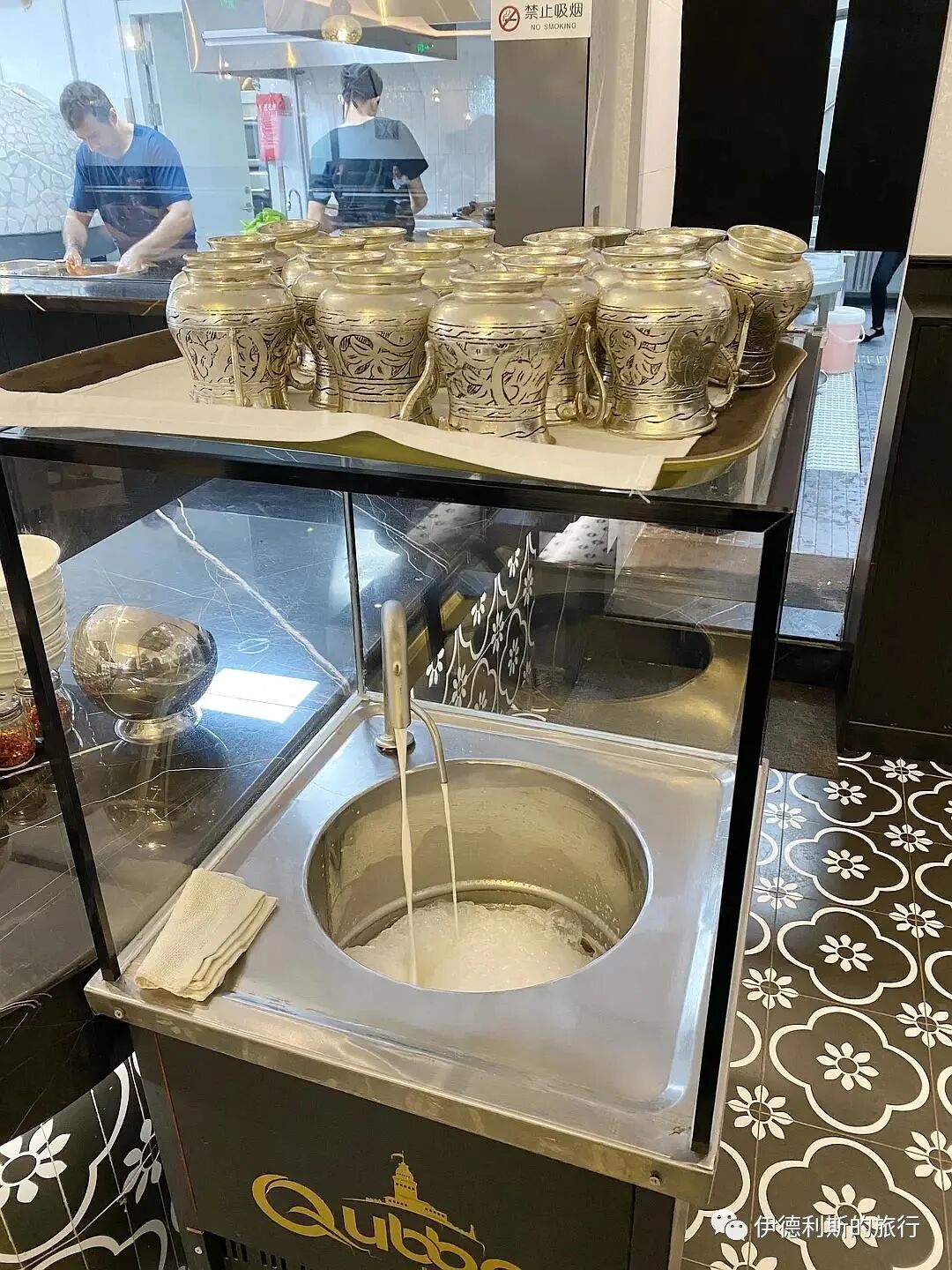
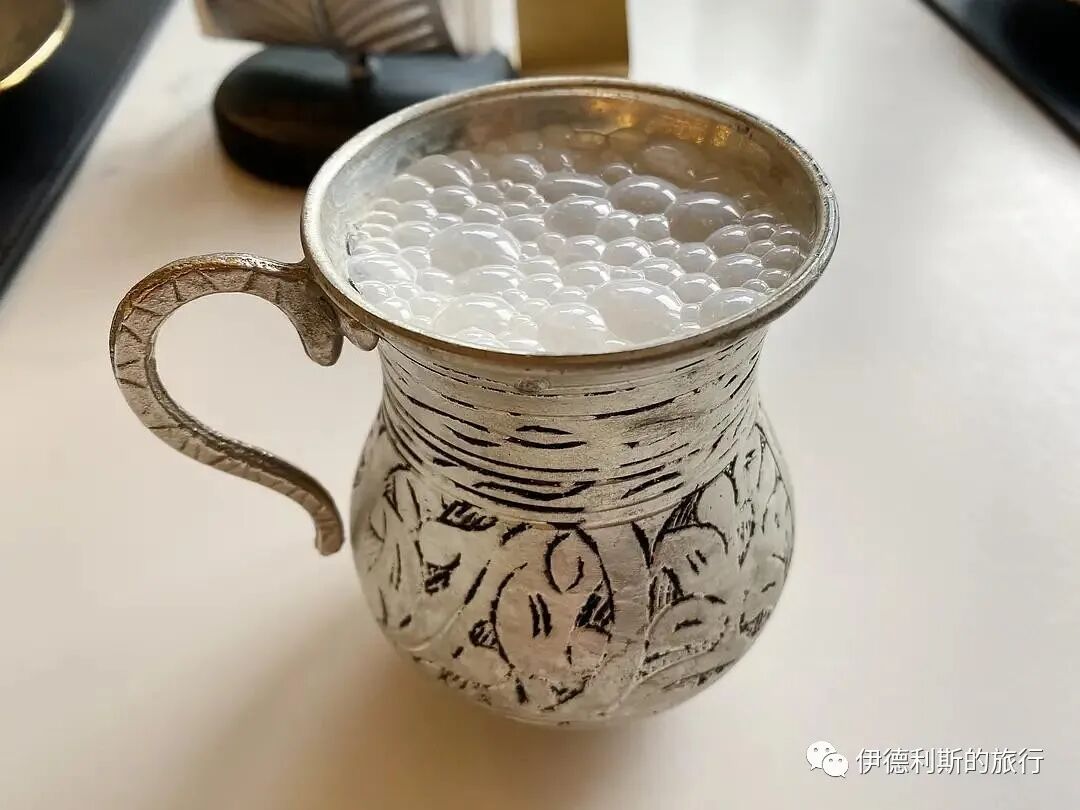
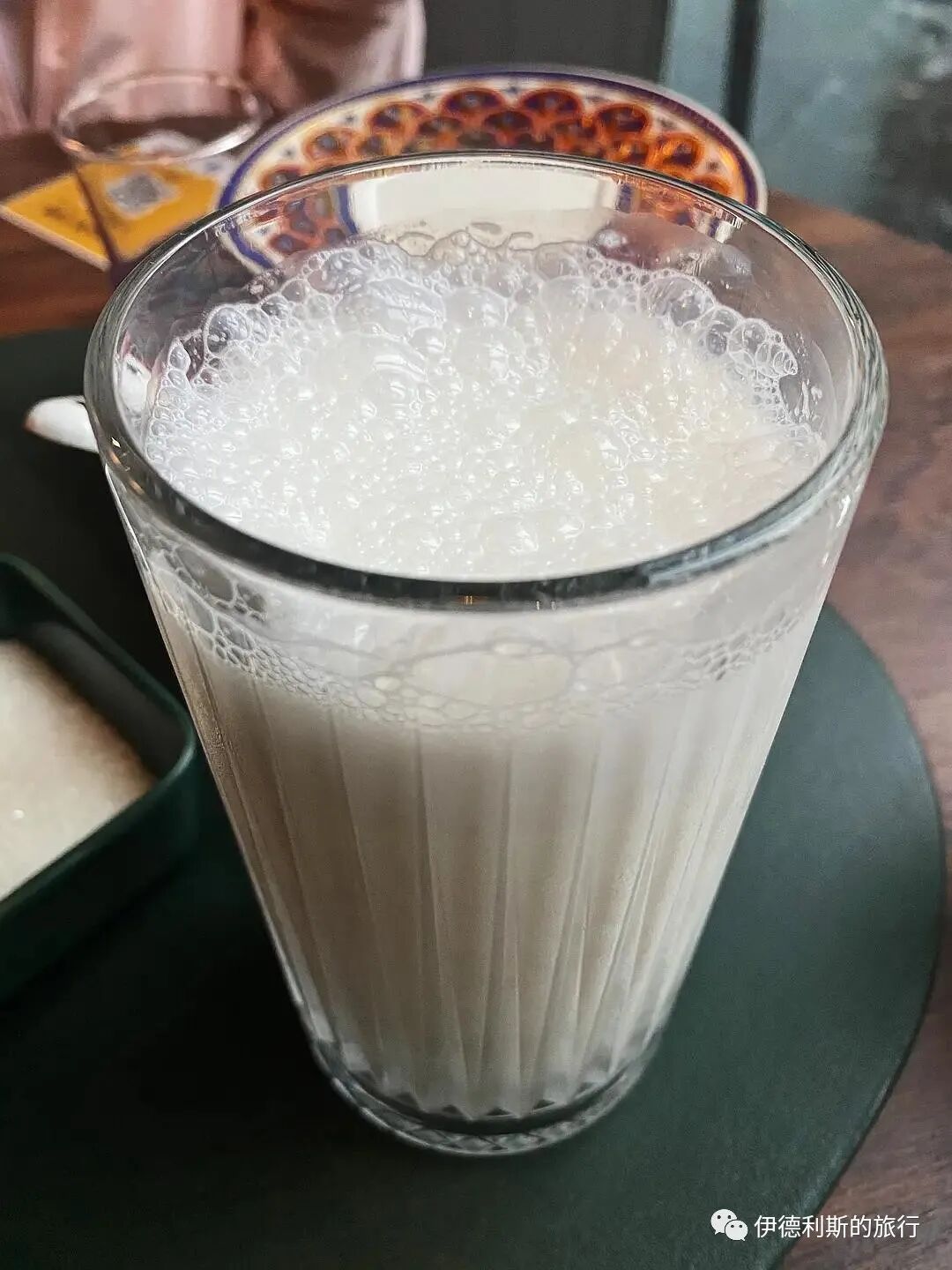
Then we also ordered salty yogurt Ayran and an appetizer platter, which included Antep Ezme spicy tomato mash, tomato sauce eggplant, Hummus chickpea puree, Mutebbel eggplant yogurt dip, and Babagannush sesame eggplant dip.
2. Istanbul, a Turkish restaurant
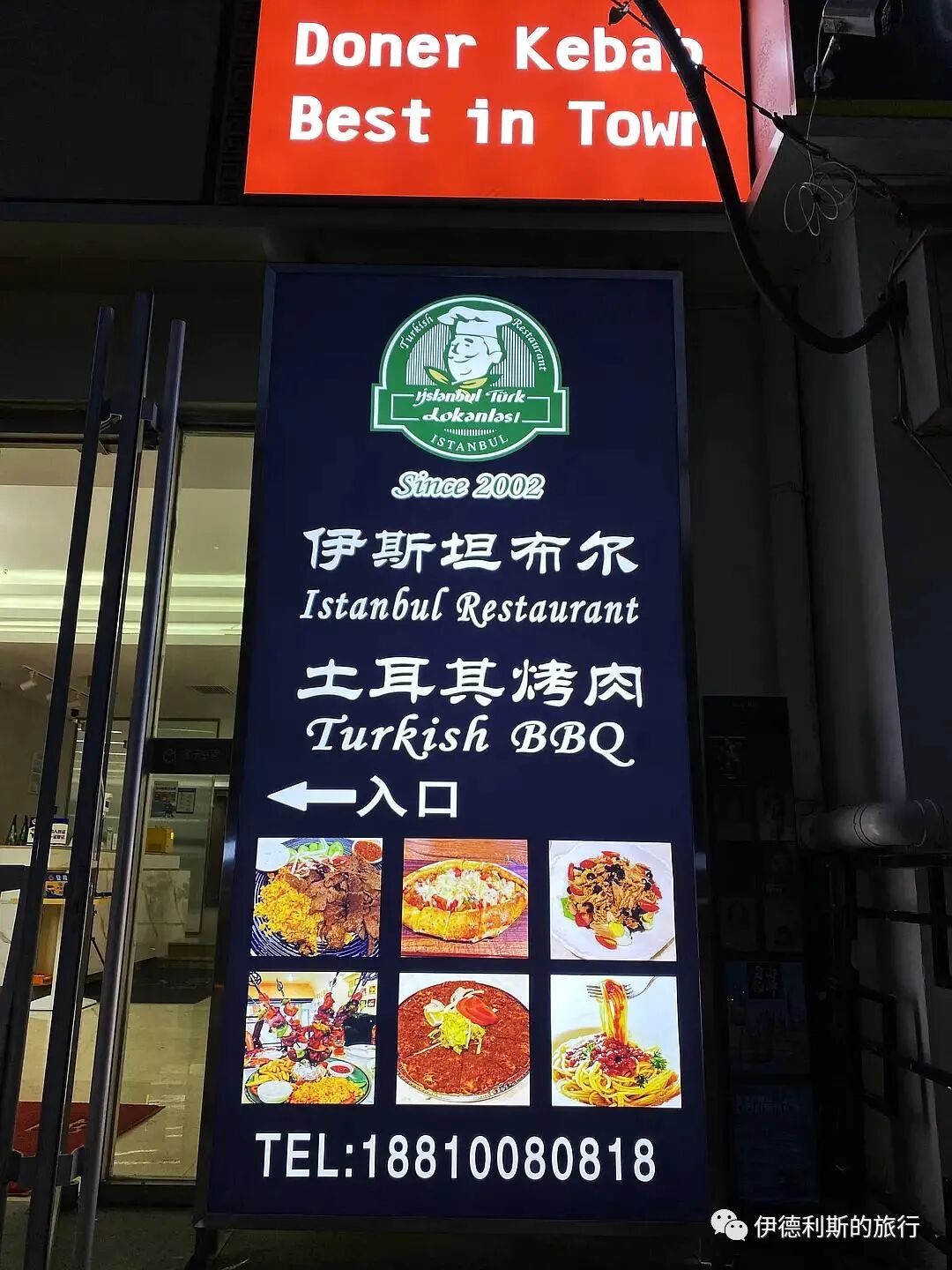
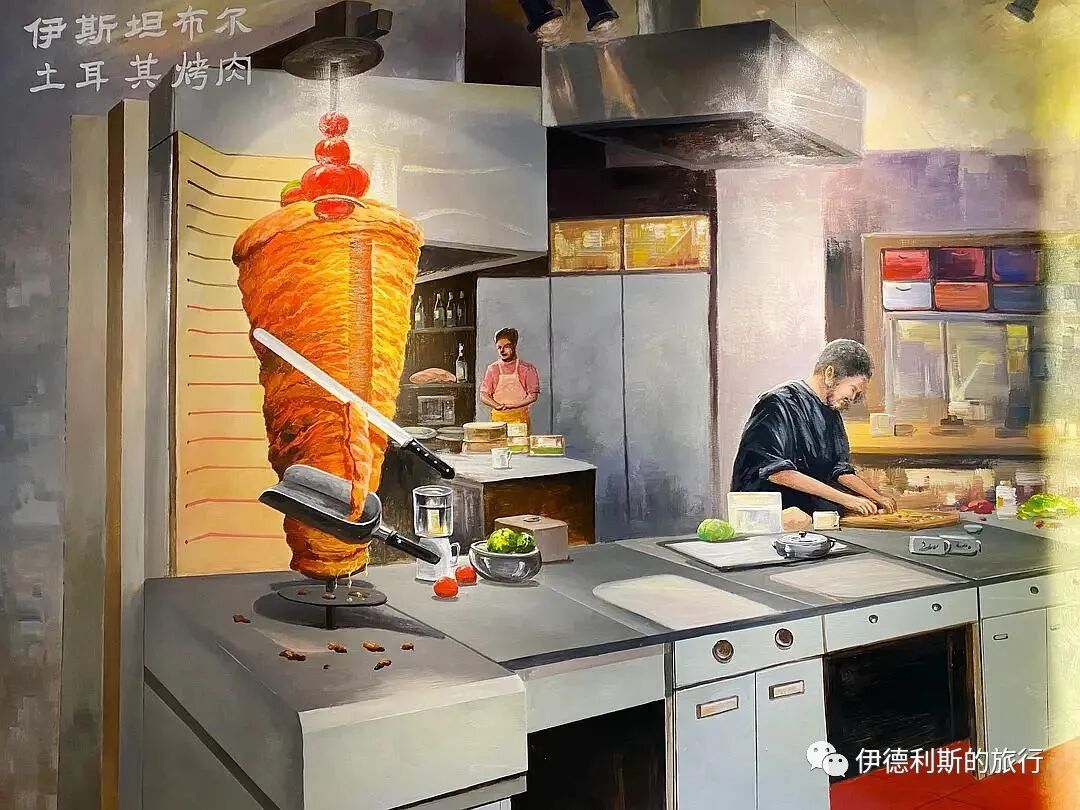
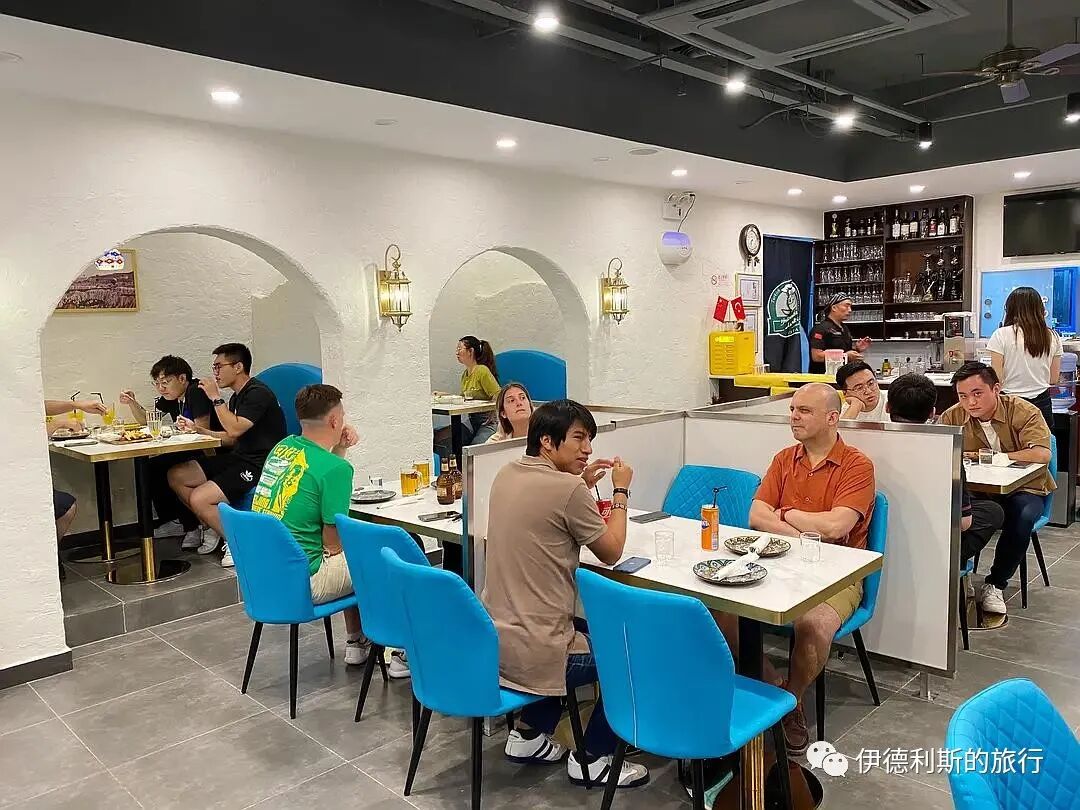
On August 21, 2021, a friend told me that the 'Istanbul' restaurant, a Turkish establishment in Beijing for nearly 20 years, had reopened, so I rushed over to have dinner there that evening. The Istanbul restaurant opened in Jianguomen in 2002, and after closing in 2018, they had been looking for a new location; now they have moved opposite the No. 55 Middle School at Dongsishitiao Bridge, which is super close to my home!
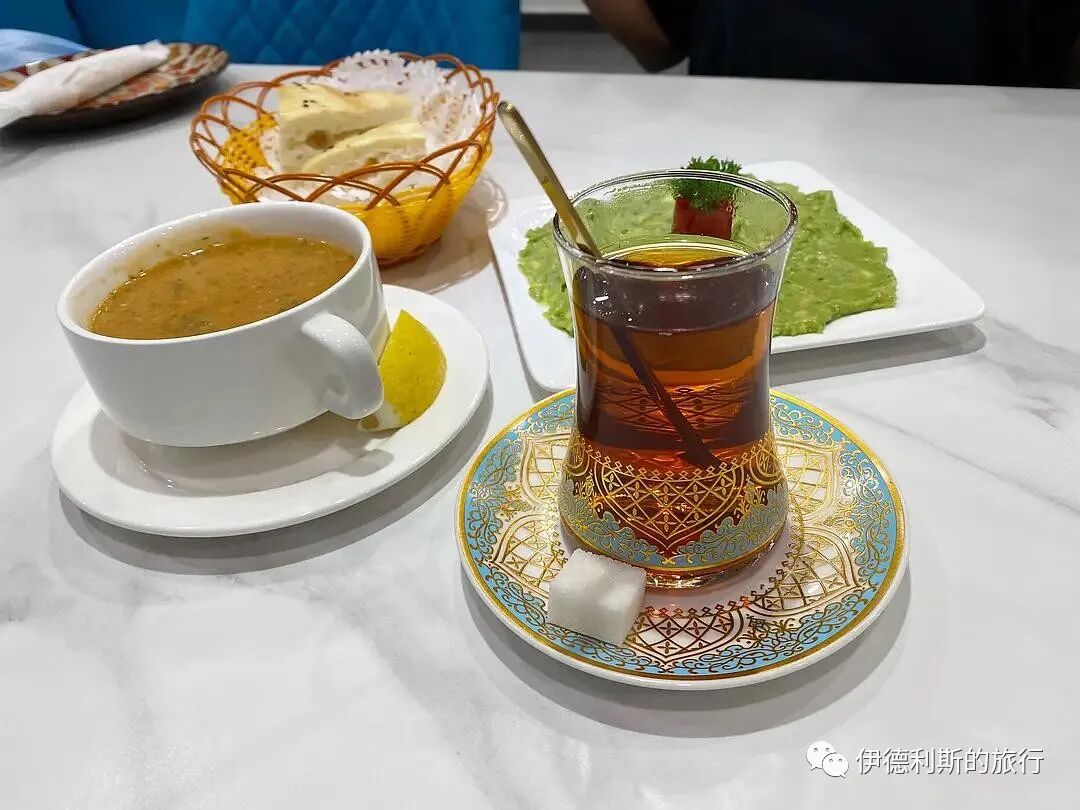
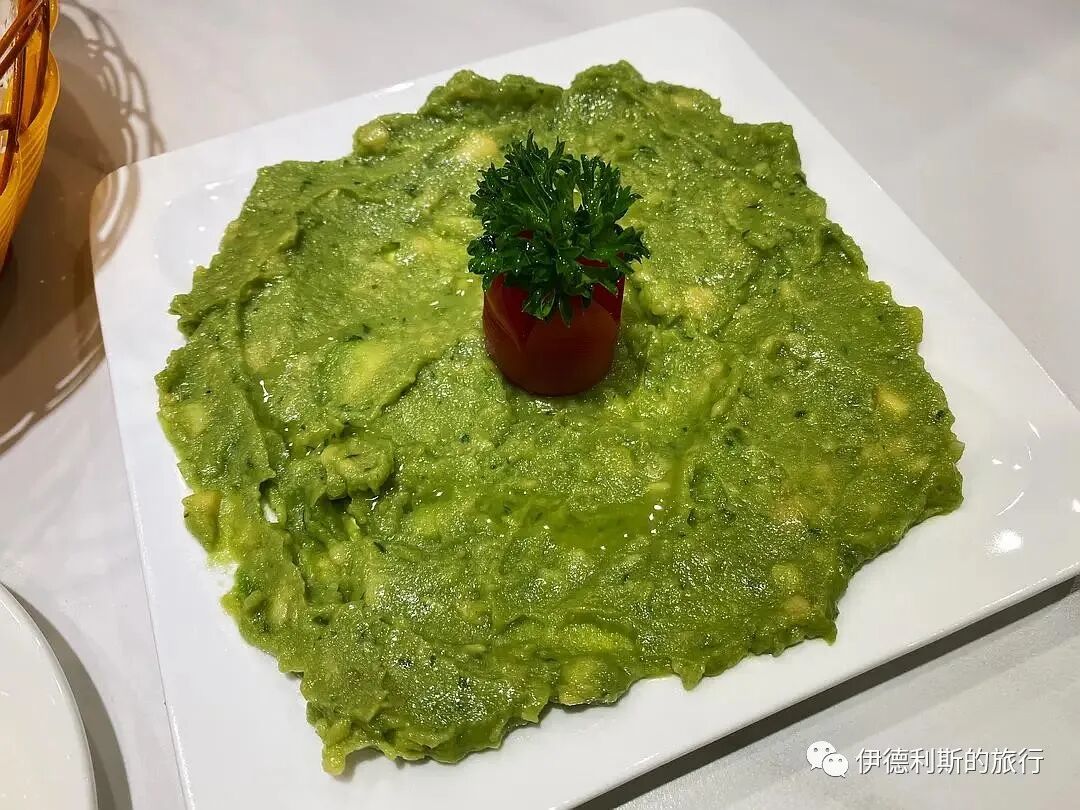
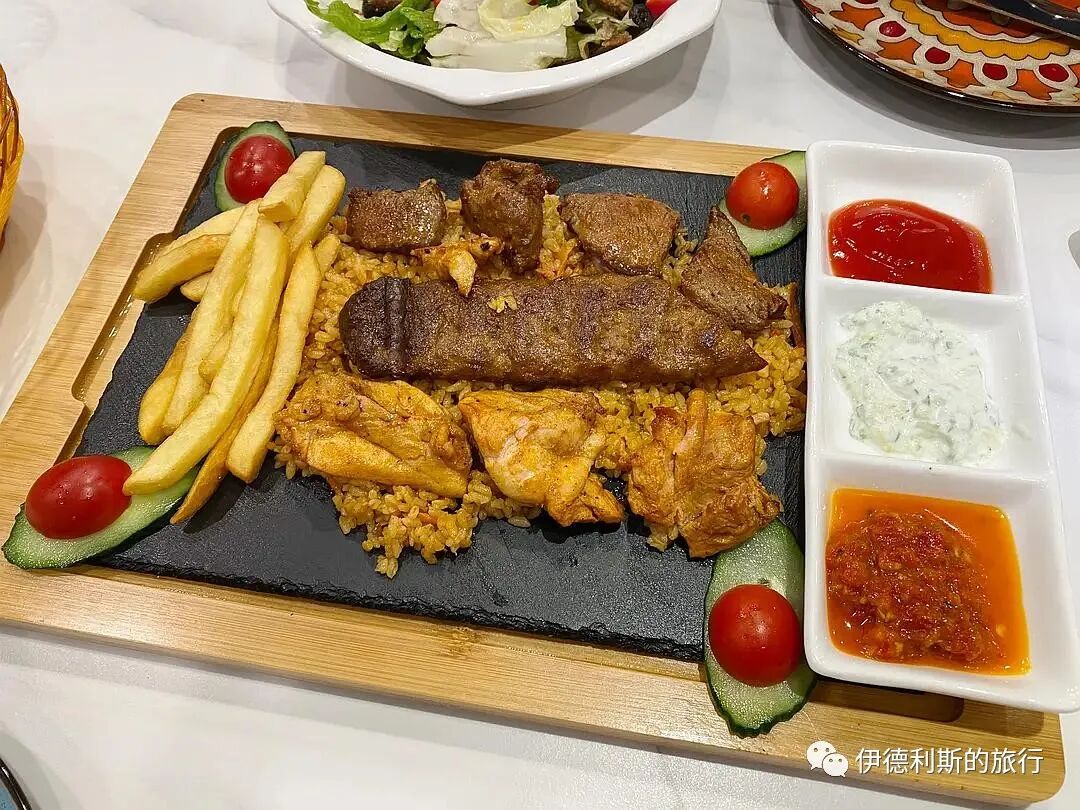
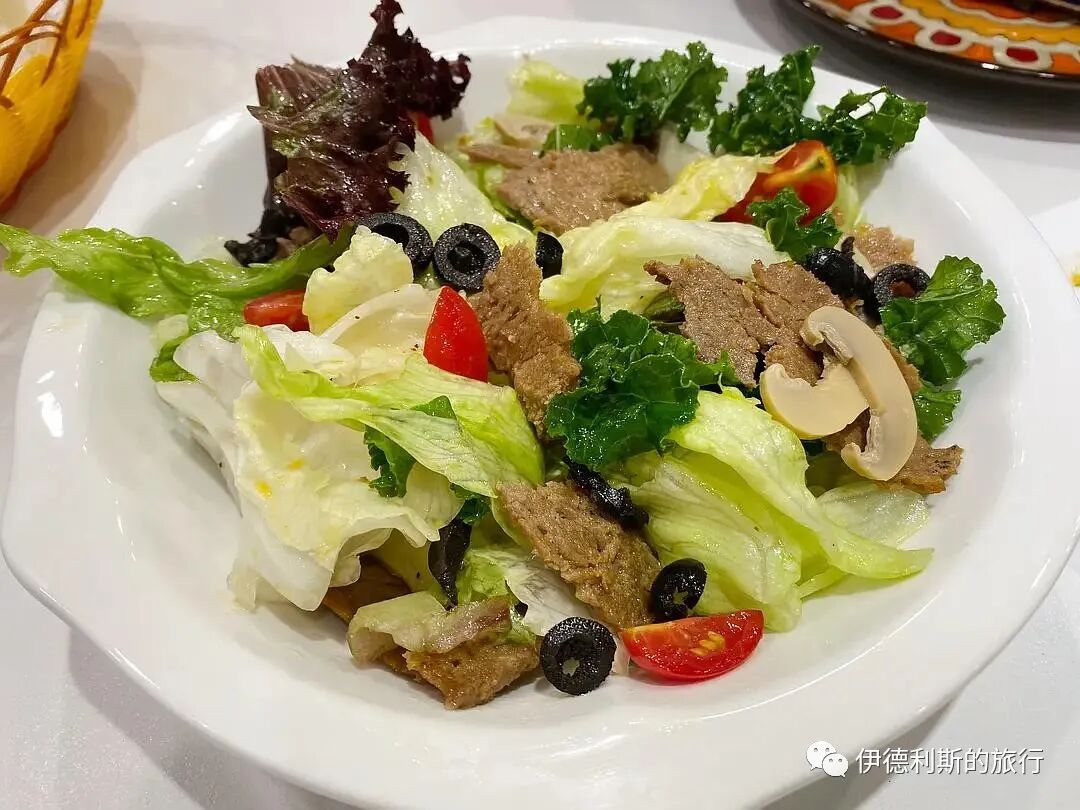
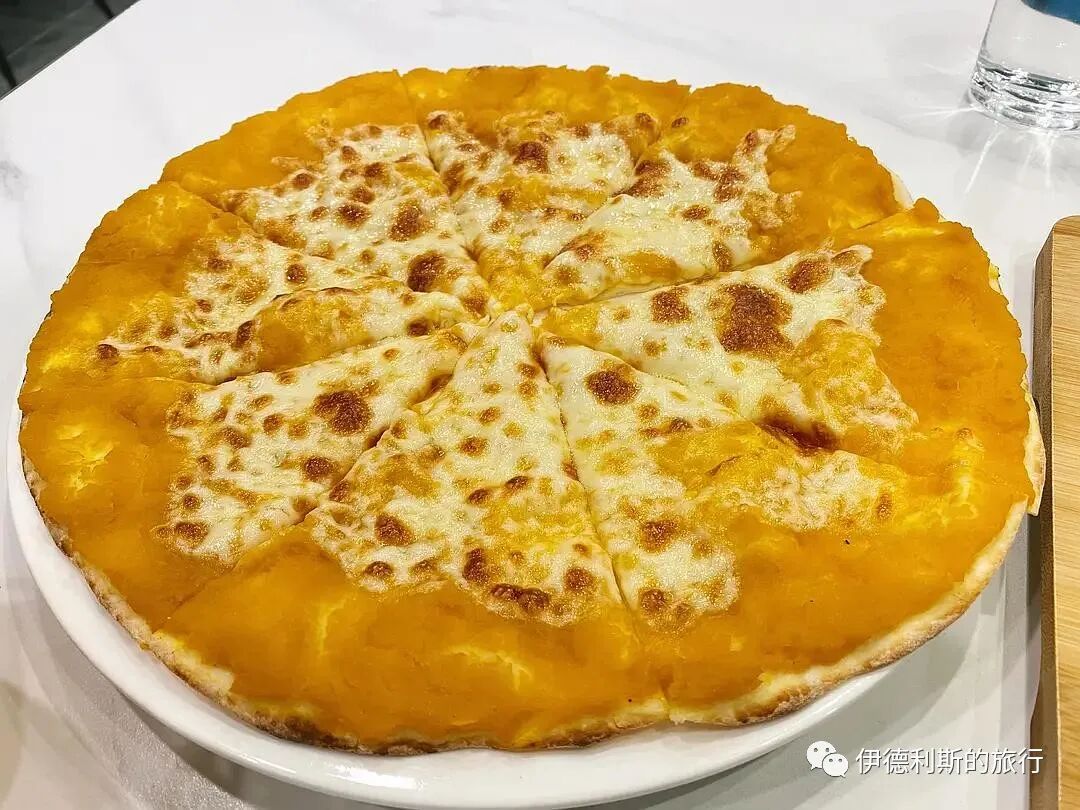
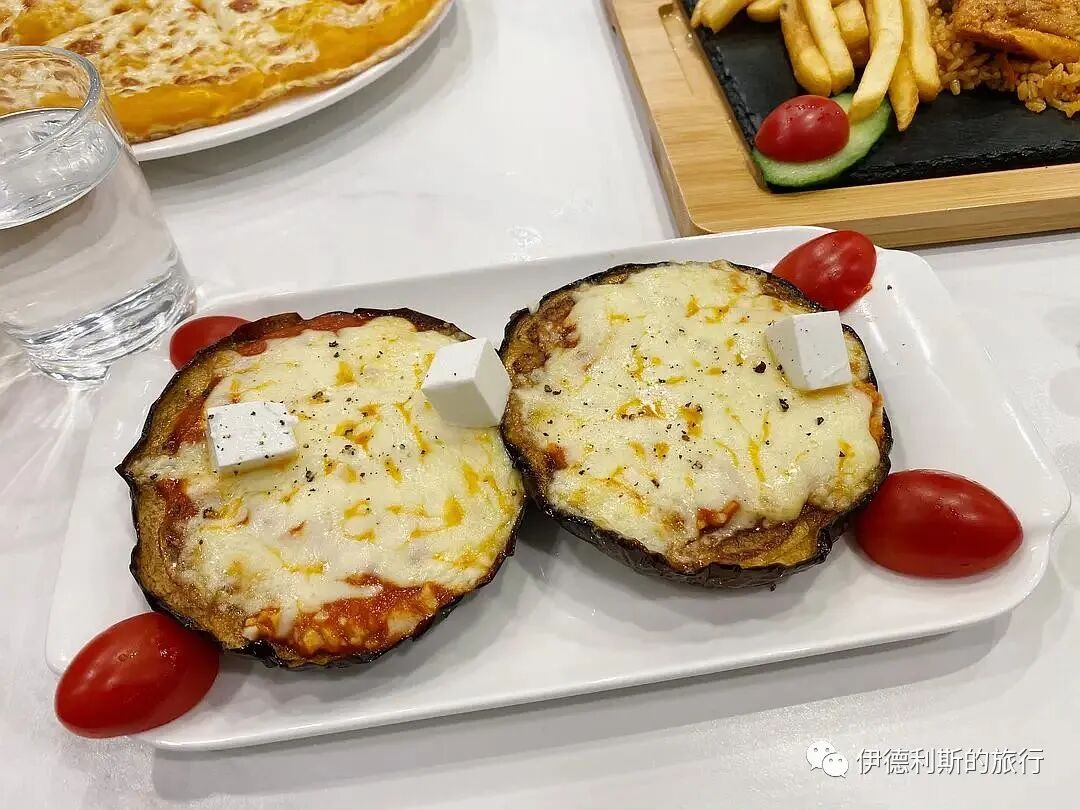
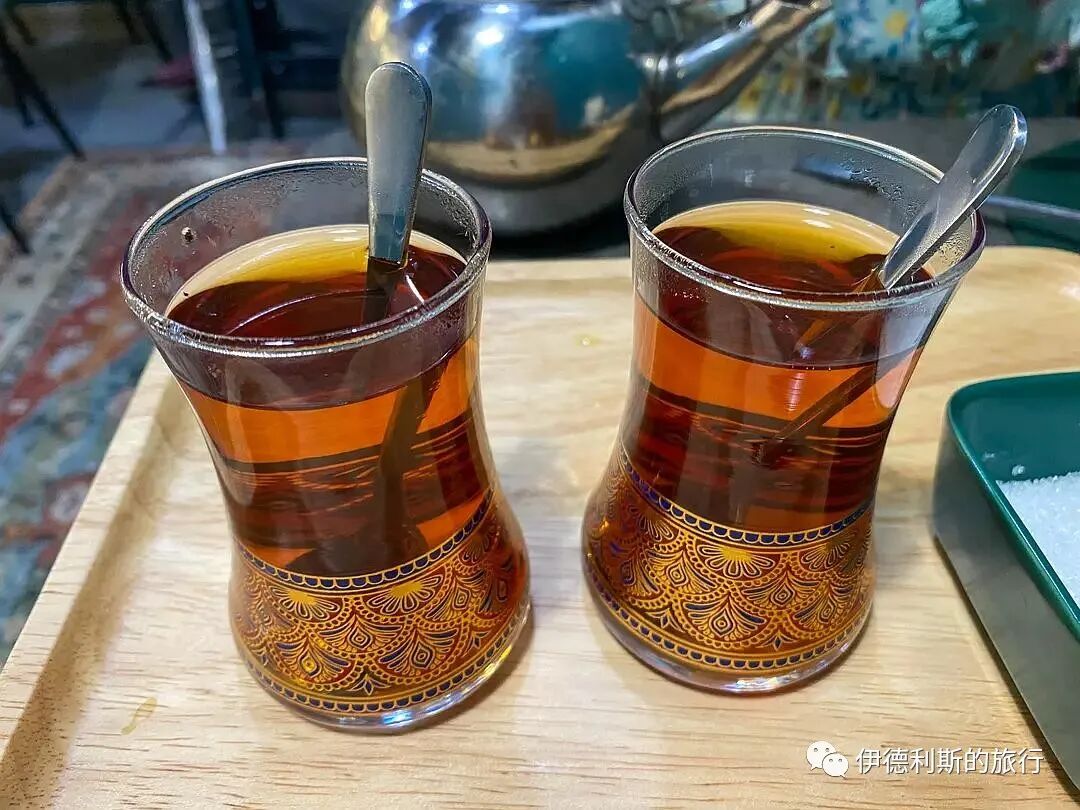
We ordered lentil soup with fennel, guacamole, grilled cheese eggplant, doner kebab salad, a mixed grill platter, pumpkin cheese pizza, and Turkish black tea. Overall, everything was quite delicious, especially the pumpkin cheese pizza! Next time, I want to try the Kofte meatballs and Iskender kebab. Also, I must praise their service for being exceptionally warm; the chef personally came over to explain which meat it was and which sauce to dip it in, smiling the whole time. The waiter was very proactive in refilling our water and responded to every call, making for a truly great experience. However, to be honest, their grilled meat is still not as good as Al Safir's. Al Safir's grilled meat is the best among Middle Eastern restaurants in Beijing in my opinion.
3. The Palestinian restaurant Zayton in Sanlitun
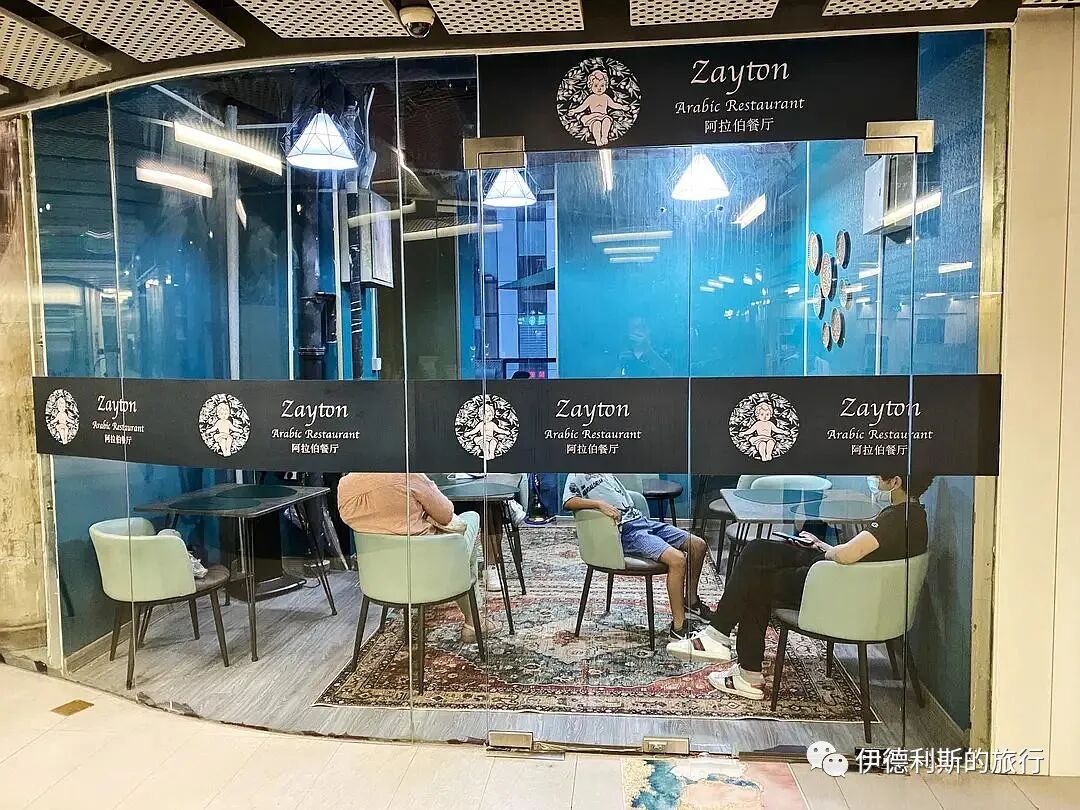
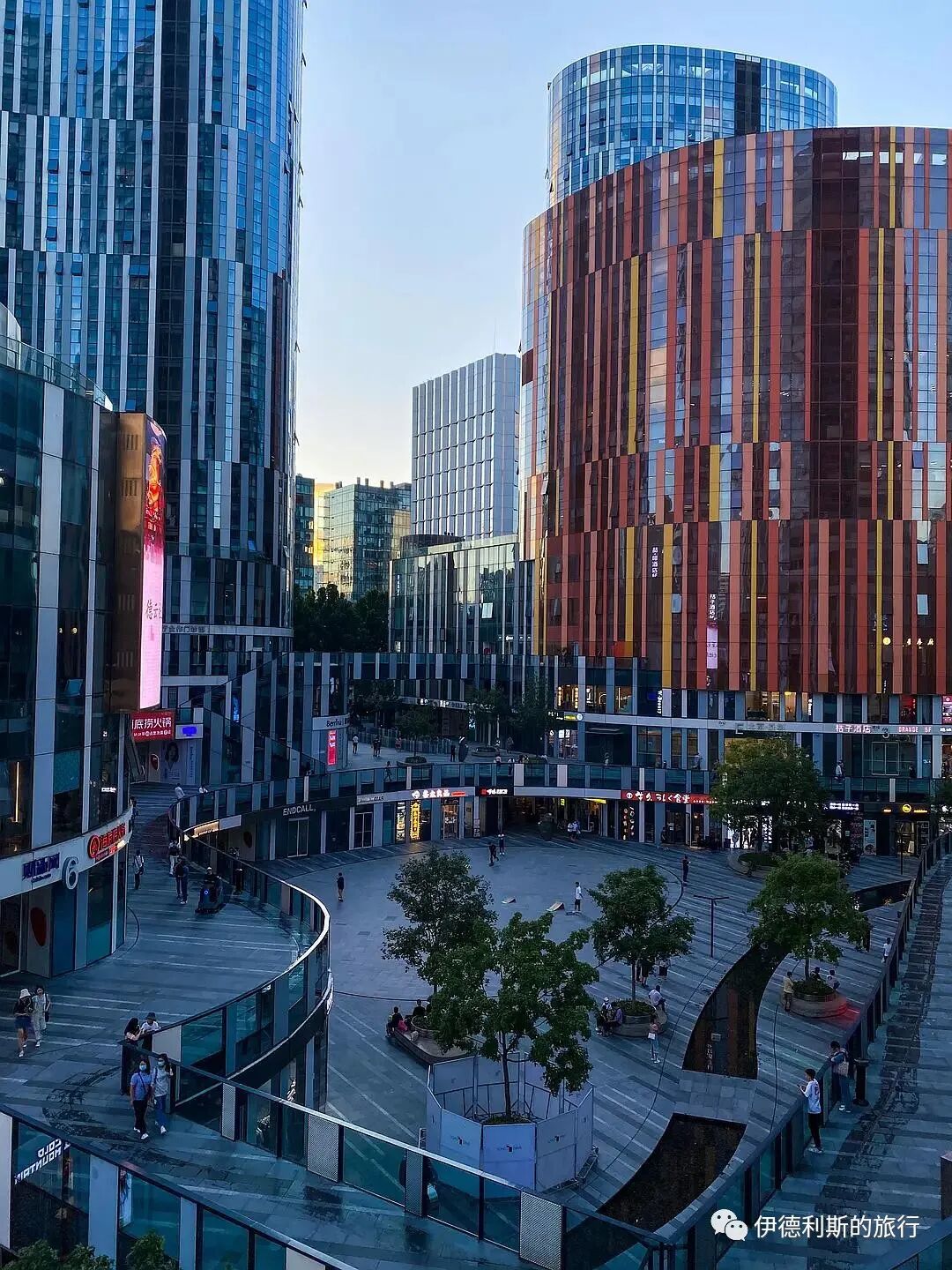
On August 15, 2021, a new Arabic restaurant called Zayton opened in Sanlitun Soho, and everyone has been flocking there to check it out, so we went to eat there last night too.
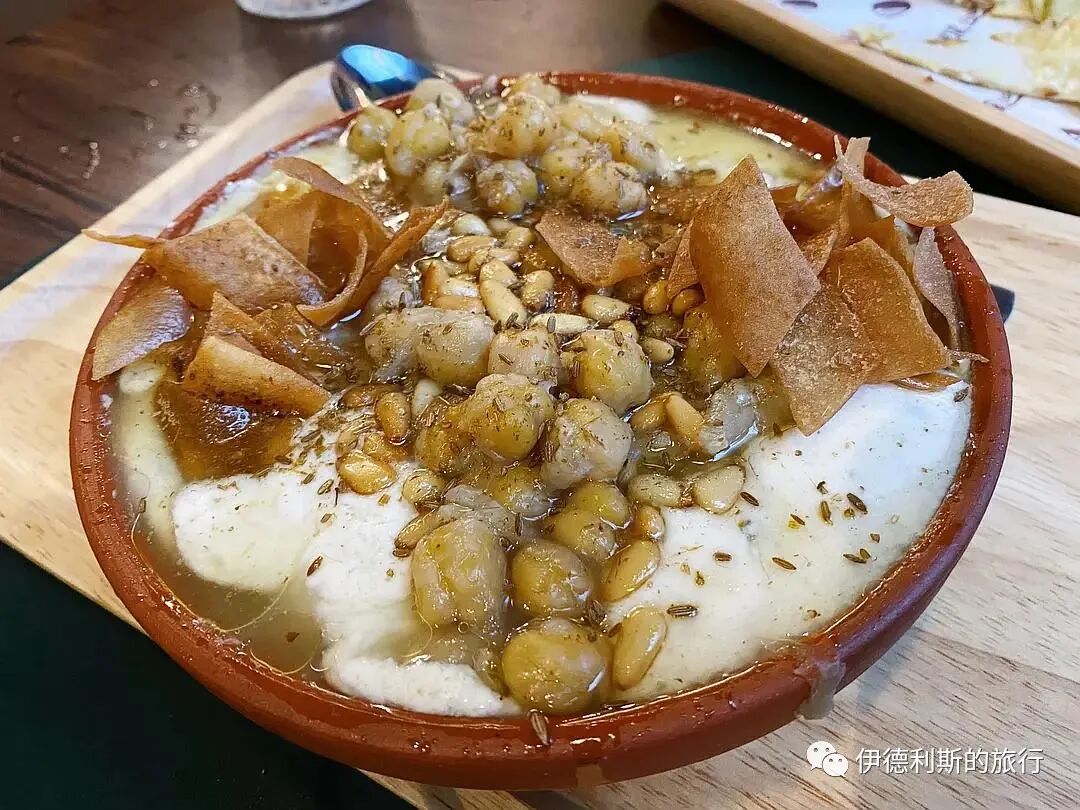
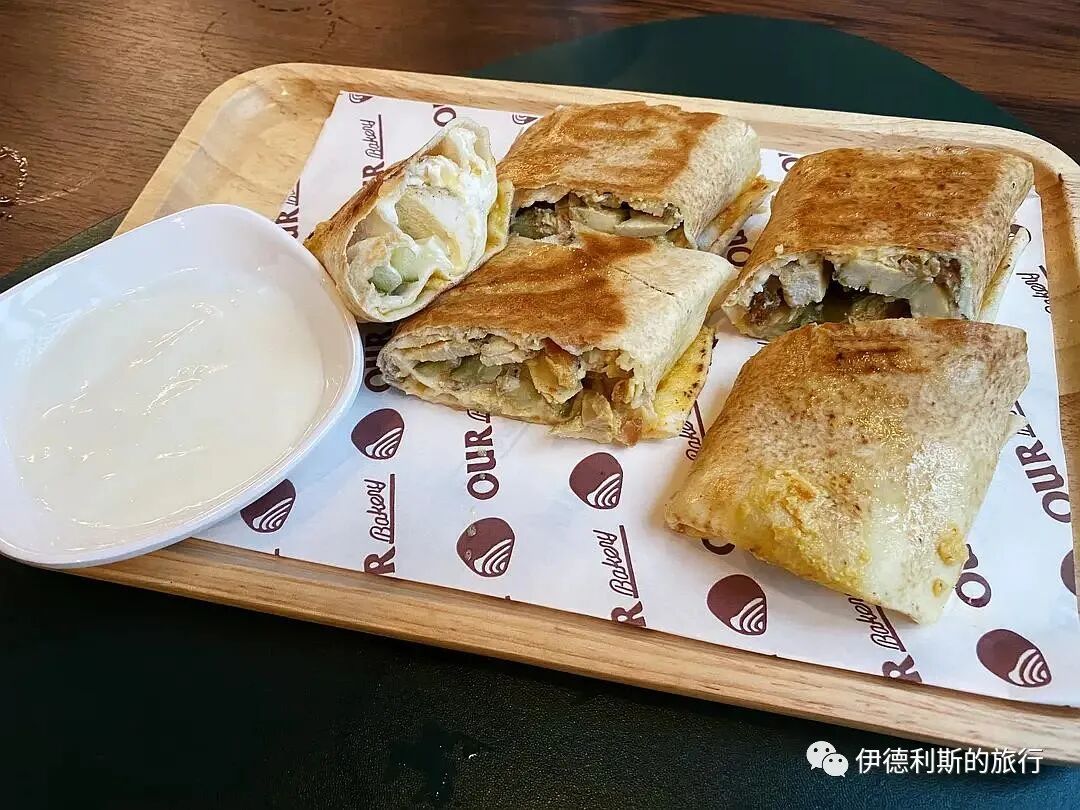
Compared to other foreign halal restaurants in Sanlitun, their prices are really not high; the owner is a Palestinian who lived in Syria for a long time, and they mainly serve various Levantine snacks. We ordered chicken Shawarma, veal steak, chickpea yogurt salad Fatteh, Ayran yogurt, and Arabic coffee. Let me introduce Fatteh here, as it is really not common in other Arabic restaurants in Beijing.
Fatteh means "crushed" in Arabic; it is a snack from the southern Levant region, found in Damascus, Beirut, Jordan, and Palestine, but not in the northern Levant. The main ingredient of Fatteh is crushed Khubz bread, topped with yogurt, steamed chickpeas, olive oil, and other ingredients, then sprinkled with cumin; sometimes eggplant, carrots, chicken, or lamb are added, and in this version, pine nuts were added.
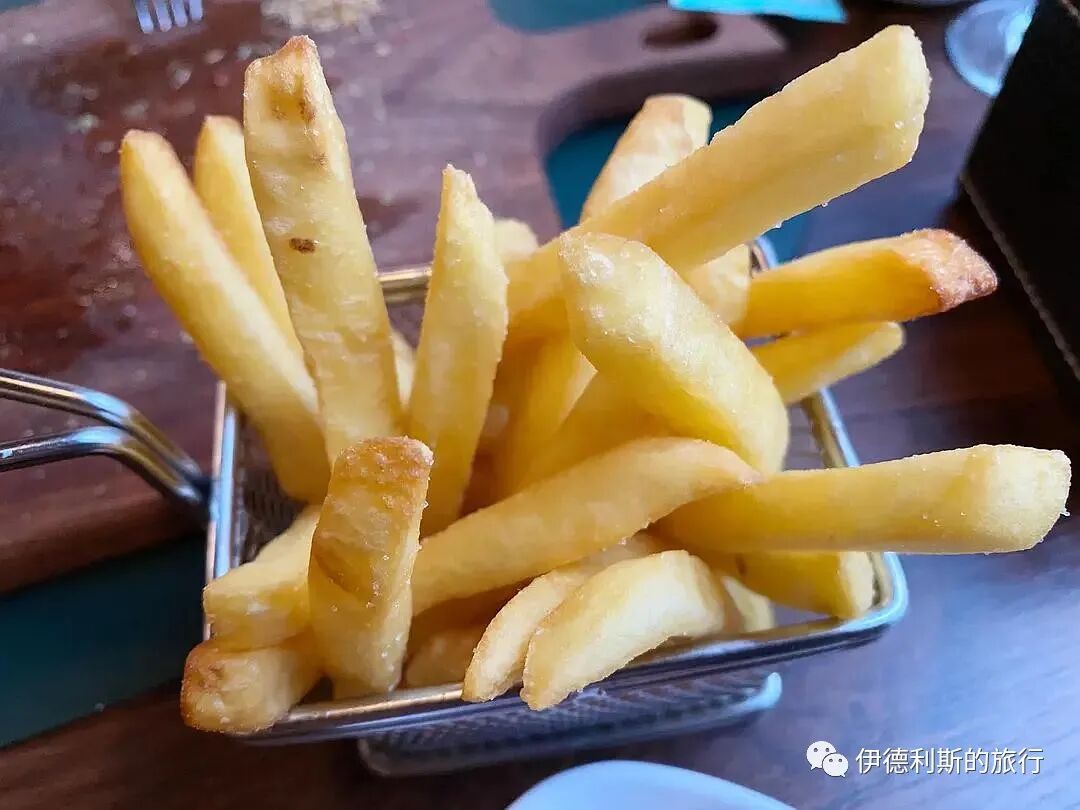
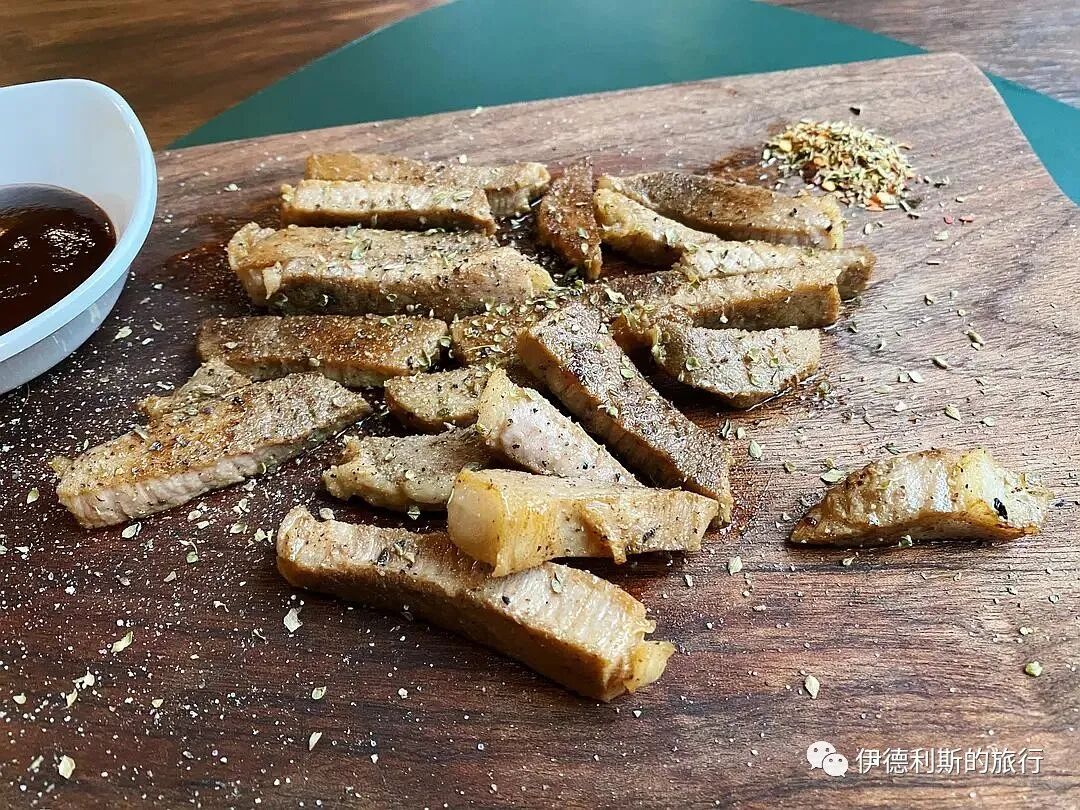
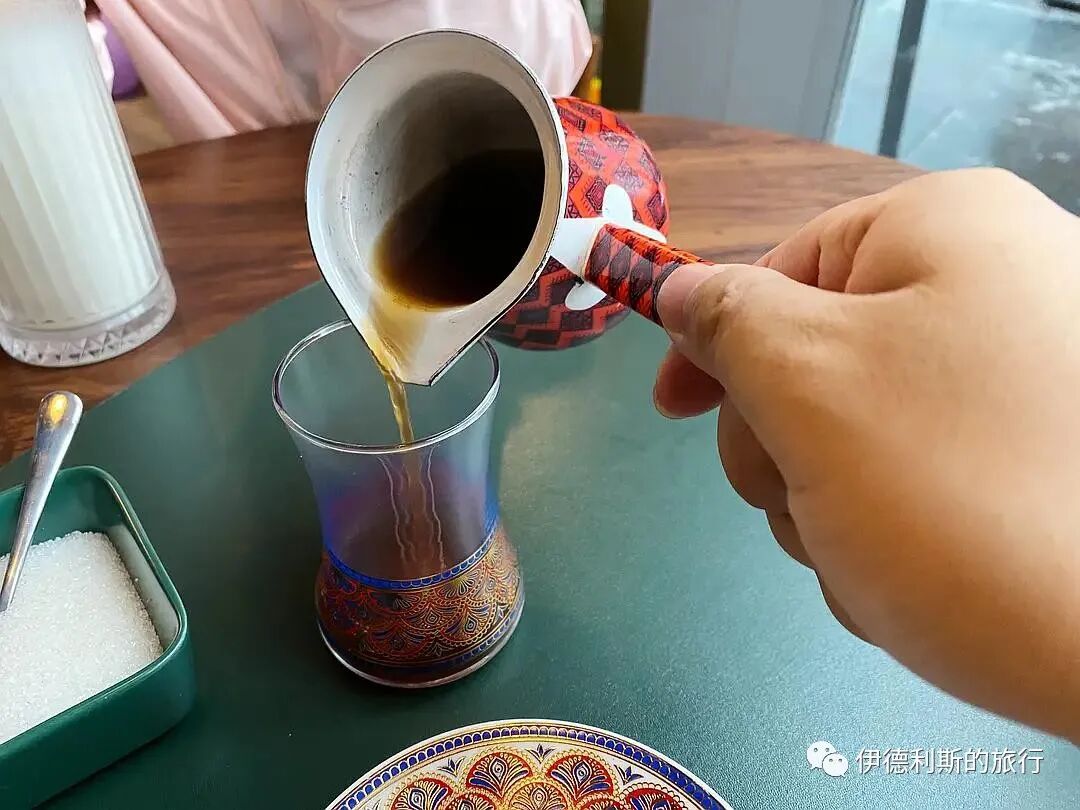
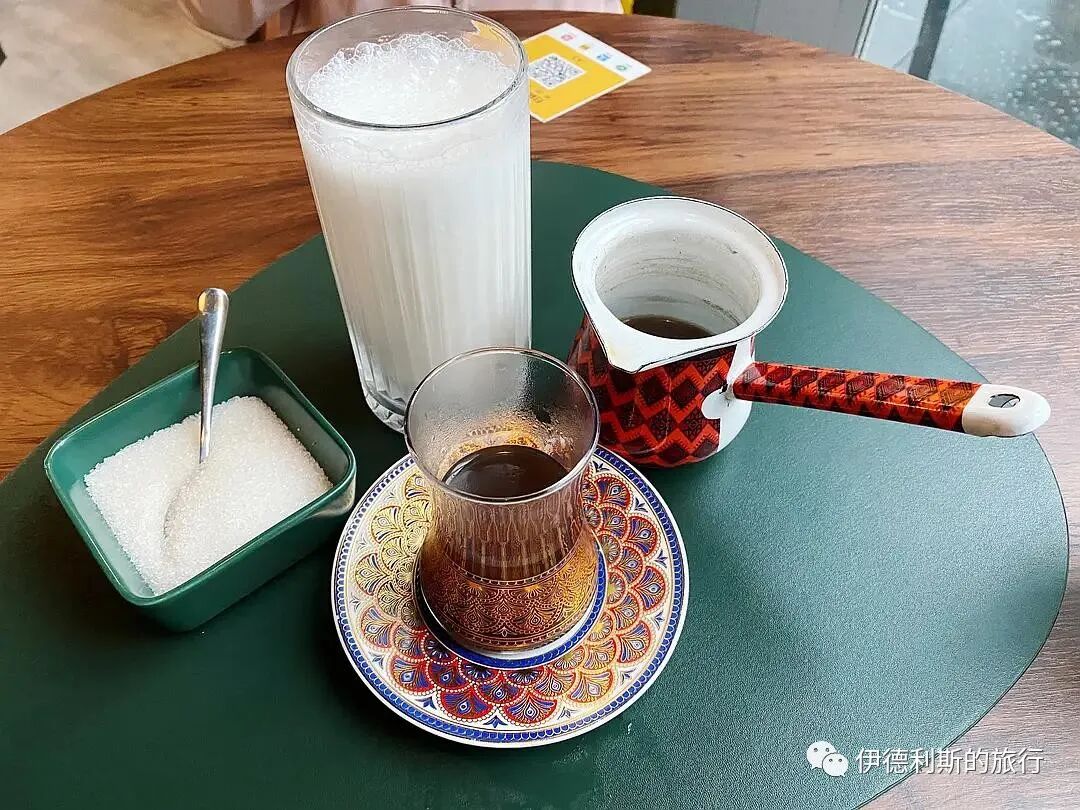
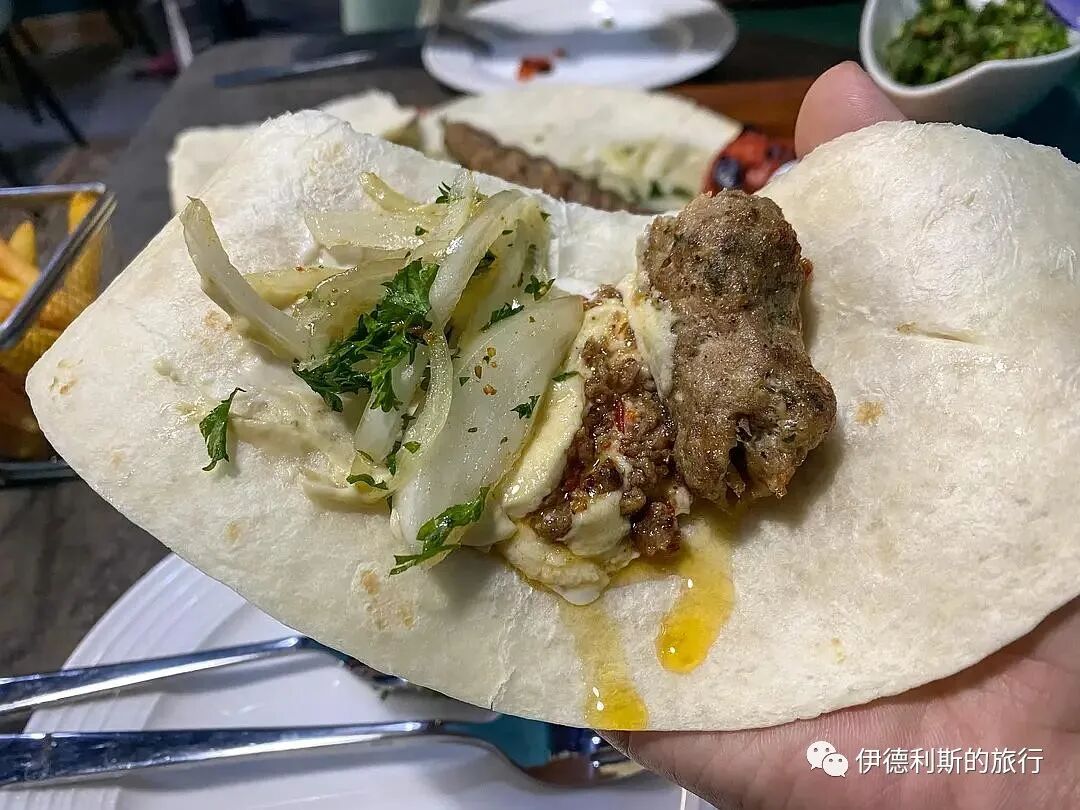
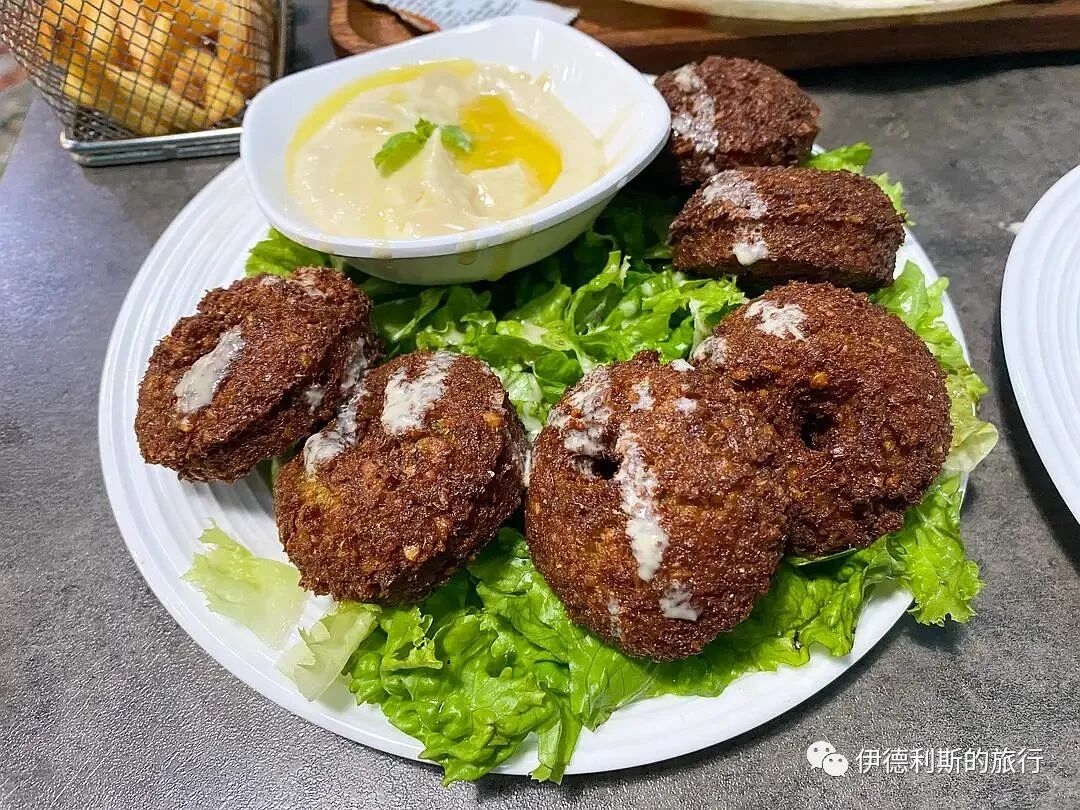
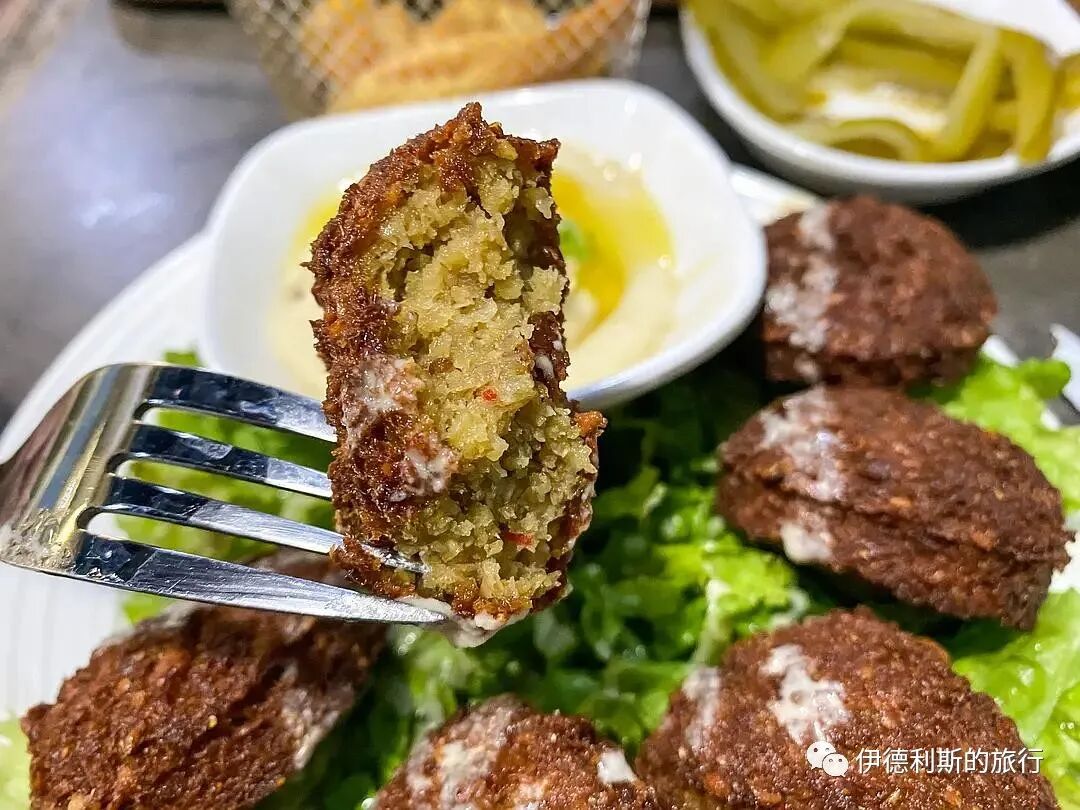
On August 25, 2021, I visited Zayton, a Palestinian restaurant in Sanlitun SOHO, for the second time. I ordered grilled meat with garlic yogurt sauce, beef hummus, falafel, and Tabbouleh salad. Their falafel is truly delicious; it is crispy on the outside and tender on the inside when freshly fried, but this wonderful texture only lasts for 5 minutes, as it becomes dry when made into a falafel sandwich or ordered for takeout.
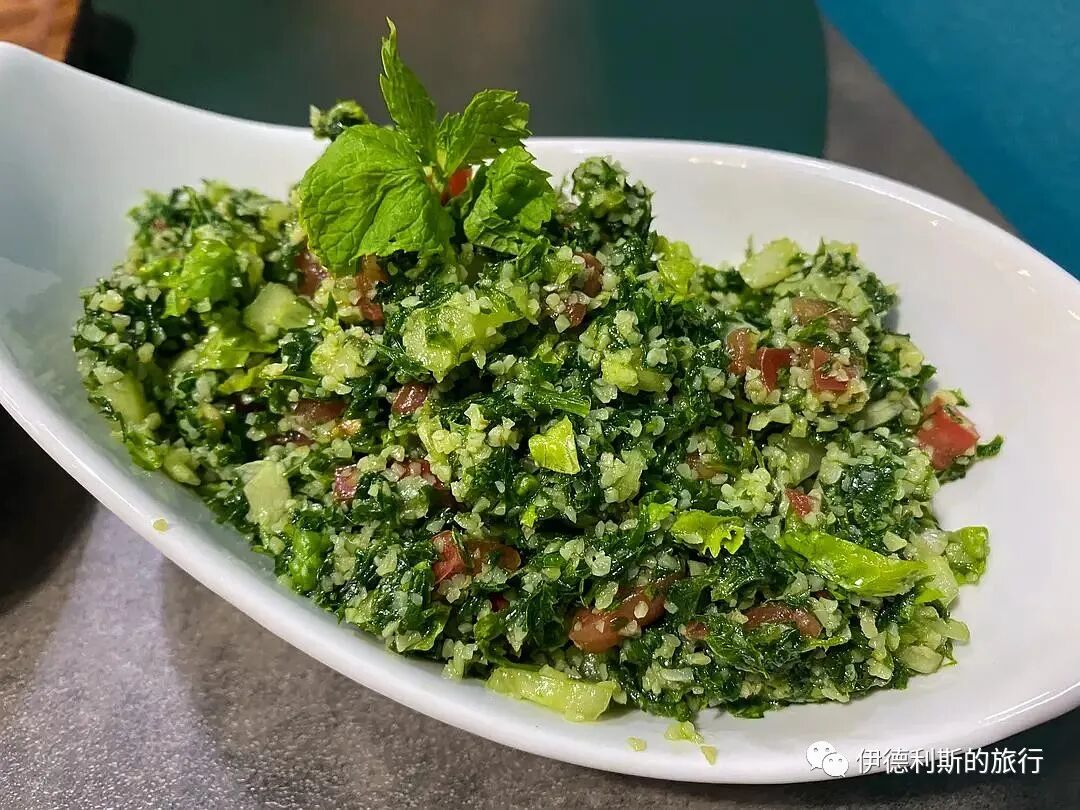
Tabbouleh is a Levantine Meze (appetizer) made of chopped parsley, tomatoes, mint, onion, and bulgur (cracked wheat), seasoned with olive oil, lemon juice, salt, and pepper. The word 'tabbūle' in Levantine Arabic comes from the ancient Aramaic root 't-b-l', which means 'to season' or 'to dip'. Tabbouleh salad originated in the mountains of Lebanon and Syria, and the wheat grown in Lebanon's Beqaa Valley was once recognized as being particularly suitable for making bulgur.
Summary: This travel note introduces Eating South Asian and Middle Eastern Food in Beijing (Part 3). On July 1, 2020, after work, I bought Tandoori Chicken Biryani, Achari Chana Masala, and Mint Chutney from Tiffin, a Pakistani restaurant located behind Gome First City on Qingnian Road. It is useful for readers interested in Beijing Halal Food, Muslim Travel, Middle Eastern Food.
On July 1, 2020, after work, I bought Tandoori Chicken Biryani, Achari Chana Masala, and Mint Chutney from Tiffin, a Pakistani restaurant located behind Gome First City on Qingnian Road. Since that thing happened, many of their Pakistani chefs haven't been able to come to China, so now there are only two Pakistani chefs left, and they only offer takeout instead of dine-in, which actually fits their name, "Tiffin."
The Tiffin culture originated in the late 18th century during the British Raj in India. After the British arrived in India, the hot weather led to the gradual simplification of lunch, and the term "Tiffin" began to refer to any light meal between breakfast and dinner on the Indian subcontinent.
Tiffin can also specifically refer to the lunch box used for takeaway meals. In major cities across India and Pakistan, you can often see delivery men using handcarts or bicycles to carry countless tiffin boxes, delivering them one by one to various shops in the market.
4. Restaurants that opened in 2021
1. Turkish restaurant Qubbe
On September 11, 2021, a new Turkish restaurant called Qubbe opened right next to Xiting Xiuse. The head chef is from the Turkish Embassy. Our Beijing Jamaat gathered there for dinner last night; the food was delicious, and we were happy to see old friends and meet new ones.
For appetizers, we ordered chicken soup, lentil soup, and mushroom soup, a classic start.
Sarah ordered feta salad, shepherd's salad, chicken Caesar salad, and arugula salad.
For appetizers, we ordered Hummus, Mutebbel (eggplant yogurt dip), Babagannush (eggplant sesame dip), and eggplant with tomato sauce.
For our main course, we ordered Lavash flatbread, Lahmacun, black cumin and sesame bread, hollow bread, double cheese Pide, Mevlana meat Pide, and Doner kebab sandwiches; their oven is amazing!
We ordered a ten-person mixed grill platter, which included Adana spicy minced meat, regular minced meat, chicken skewers, lamb skewers, grilled chicken chops, and grilled lamb chops—it was quite a spectacle! We also ordered filet mignon and Iskender beef kebab.
The dessert after the meal was classic baklava, milk pudding, and the super amazing Turkish Mado ice cream. Mado is a very famous Turkish ice cream chain brand, originating from the city of Kahramanmarash in southeastern Turkey. They previously had stores in Yiwu and Guangzhou, and now they have finally opened in Beijing. It should be the most authentic Turkish ice cream in China, all made using goat milk from their hometown of Kahramanmarash.
On the morning of September 12, 2021, I visited Qubbe for the second time, where the chef from the Turkish Embassy is in charge. I had a Turkish breakfast with three types of olives, six types of cheese, and five types of dips; it was very rich, and each cheese had a different texture and level of sweetness or sourness. It was served with thin flatbread and the classic Turkish bagel, Simit.
The earliest record of Simit in Istanbul dates back to 1525. According to the records of the famous 17th-century Ottoman traveler Evliya Çelebi, there were 70 simit bakeries in Istanbul in the 1630s.
Then we also ordered salty yogurt Ayran and an appetizer platter, which included Antep Ezme spicy tomato mash, tomato sauce eggplant, Hummus chickpea puree, Mutebbel eggplant yogurt dip, and Babagannush sesame eggplant dip.
2. Istanbul, a Turkish restaurant
On August 21, 2021, a friend told me that the 'Istanbul' restaurant, a Turkish establishment in Beijing for nearly 20 years, had reopened, so I rushed over to have dinner there that evening. The Istanbul restaurant opened in Jianguomen in 2002, and after closing in 2018, they had been looking for a new location; now they have moved opposite the No. 55 Middle School at Dongsishitiao Bridge, which is super close to my home!
We ordered lentil soup with fennel, guacamole, grilled cheese eggplant, doner kebab salad, a mixed grill platter, pumpkin cheese pizza, and Turkish black tea. Overall, everything was quite delicious, especially the pumpkin cheese pizza! Next time, I want to try the Kofte meatballs and Iskender kebab. Also, I must praise their service for being exceptionally warm; the chef personally came over to explain which meat it was and which sauce to dip it in, smiling the whole time. The waiter was very proactive in refilling our water and responded to every call, making for a truly great experience. However, to be honest, their grilled meat is still not as good as Al Safir's. Al Safir's grilled meat is the best among Middle Eastern restaurants in Beijing in my opinion.
3. The Palestinian restaurant Zayton in Sanlitun
On August 15, 2021, a new Arabic restaurant called Zayton opened in Sanlitun Soho, and everyone has been flocking there to check it out, so we went to eat there last night too.
Compared to other foreign halal restaurants in Sanlitun, their prices are really not high; the owner is a Palestinian who lived in Syria for a long time, and they mainly serve various Levantine snacks. We ordered chicken Shawarma, veal steak, chickpea yogurt salad Fatteh, Ayran yogurt, and Arabic coffee. Let me introduce Fatteh here, as it is really not common in other Arabic restaurants in Beijing.
Fatteh means "crushed" in Arabic; it is a snack from the southern Levant region, found in Damascus, Beirut, Jordan, and Palestine, but not in the northern Levant. The main ingredient of Fatteh is crushed Khubz bread, topped with yogurt, steamed chickpeas, olive oil, and other ingredients, then sprinkled with cumin; sometimes eggplant, carrots, chicken, or lamb are added, and in this version, pine nuts were added.
On August 25, 2021, I visited Zayton, a Palestinian restaurant in Sanlitun SOHO, for the second time. I ordered grilled meat with garlic yogurt sauce, beef hummus, falafel, and Tabbouleh salad. Their falafel is truly delicious; it is crispy on the outside and tender on the inside when freshly fried, but this wonderful texture only lasts for 5 minutes, as it becomes dry when made into a falafel sandwich or ordered for takeout.
Tabbouleh is a Levantine Meze (appetizer) made of chopped parsley, tomatoes, mint, onion, and bulgur (cracked wheat), seasoned with olive oil, lemon juice, salt, and pepper. The word 'tabbūle' in Levantine Arabic comes from the ancient Aramaic root 't-b-l', which means 'to season' or 'to dip'. Tabbouleh salad originated in the mountains of Lebanon and Syria, and the wheat grown in Lebanon's Beqaa Valley was once recognized as being particularly suitable for making bulgur.
