
Eating South Asian and Middle Eastern Food in Beijing (Part 1) (Section 2 of 4)
Reposted from the web
Summary: This travel note introduces Eating South Asian and Middle Eastern Food in Beijing (Part 1). Over the past few years, I have visited many Middle Eastern and South Asian restaurants in Beijing, some of which have already closed down. It is useful for readers interested in Beijing Halal Food, Muslim Travel, Middle Eastern Food.
2. Lebanese restaurant Al Ameen
On September 24, 2020, for my mother-in-law's first meal after arriving in Beijing, we ate at the Lebanese restaurant Al Ameen next to the German Embassy outside Dongzhimen. I have been eating there for many years; they were closed for renovations for a while, but reopened last year. Visiting this year, I felt that there were clearly fewer people than before the pandemic, and the menu options had also decreased. I hope they can get through these difficult times.
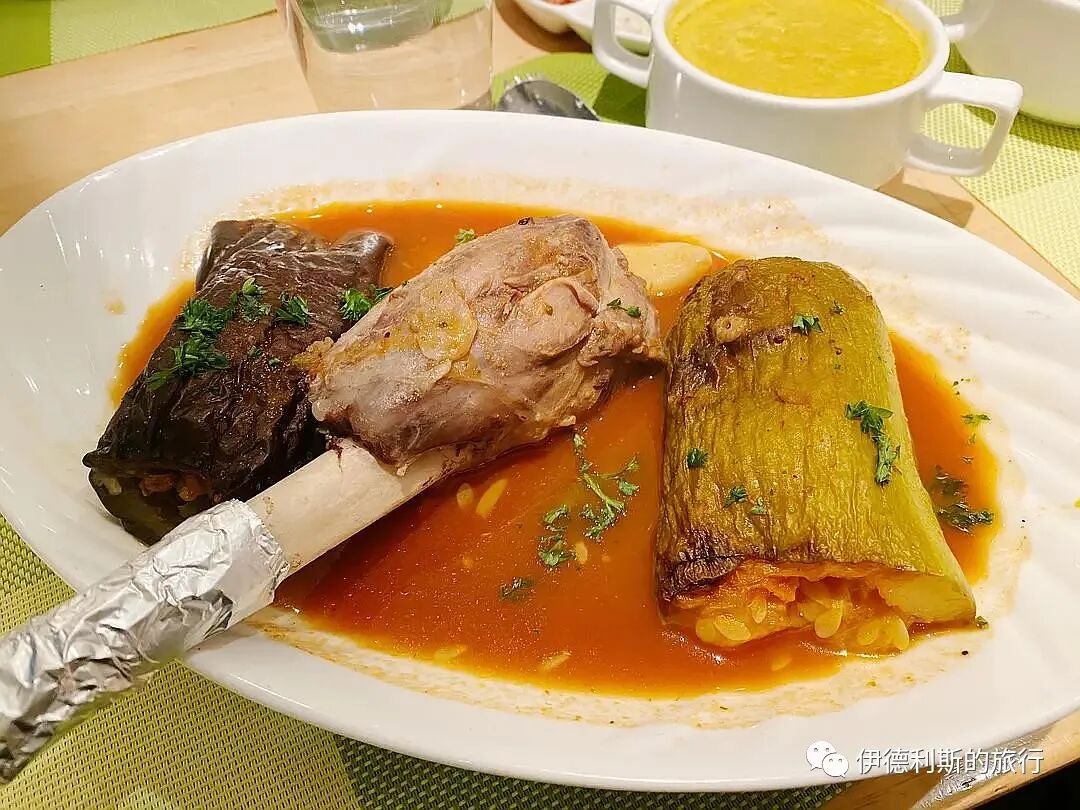
We ordered the classic appetizer platter (hummus, carrot puree, yogurt, and mutabbal eggplant yogurt dip), cream of mushroom soup, lentil soup, vegetable soup, chicken soup, a grilled meat platter, and a grilled vegetable platter. A special dish we ordered was the Mahashi, which is lamb shank with vegetable-stuffed rice.
Mahashi is made by stuffing Lebanese zucchini (Kusa) and eggplant with a mixture of minced meat and rice, then cooking them in a sauce of tomato paste, cumin, and broth. Mahashi is a classic Ottoman dish found throughout former Ottoman regions from the Balkans to the Levant and Egypt, with each region having its own unique way of preparing it. Mahashi is a common dish served at weddings, family gatherings, and Eid al-Fitr feasts.
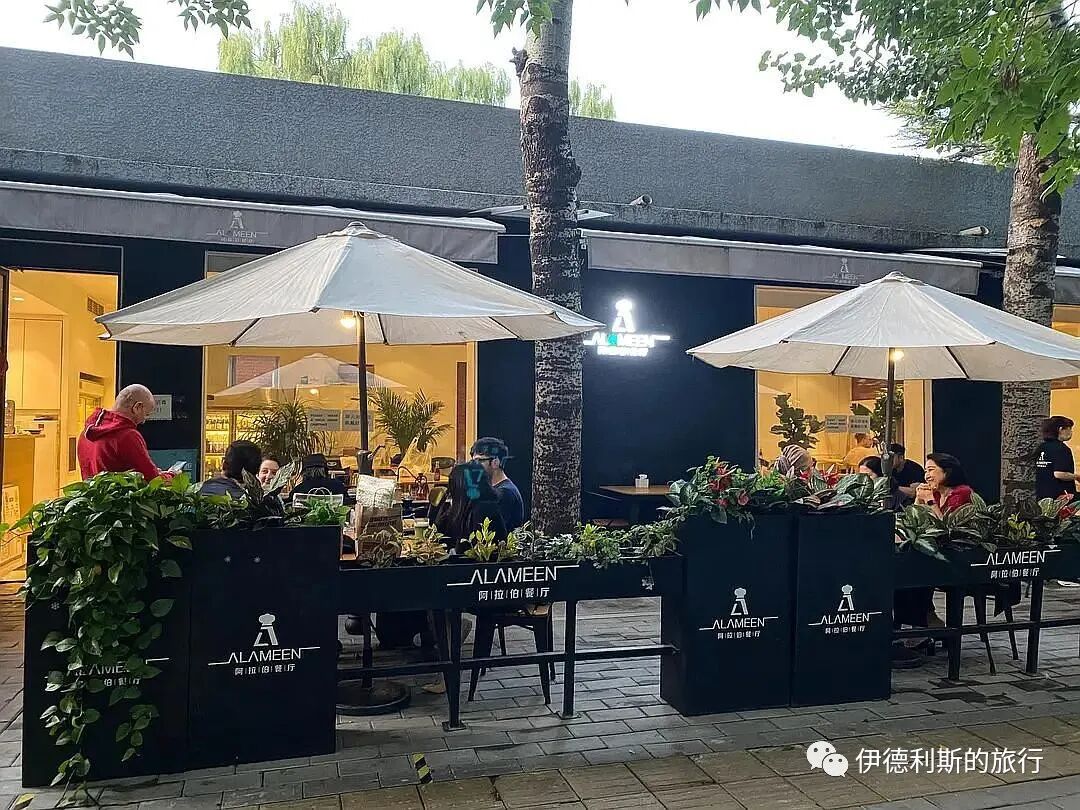
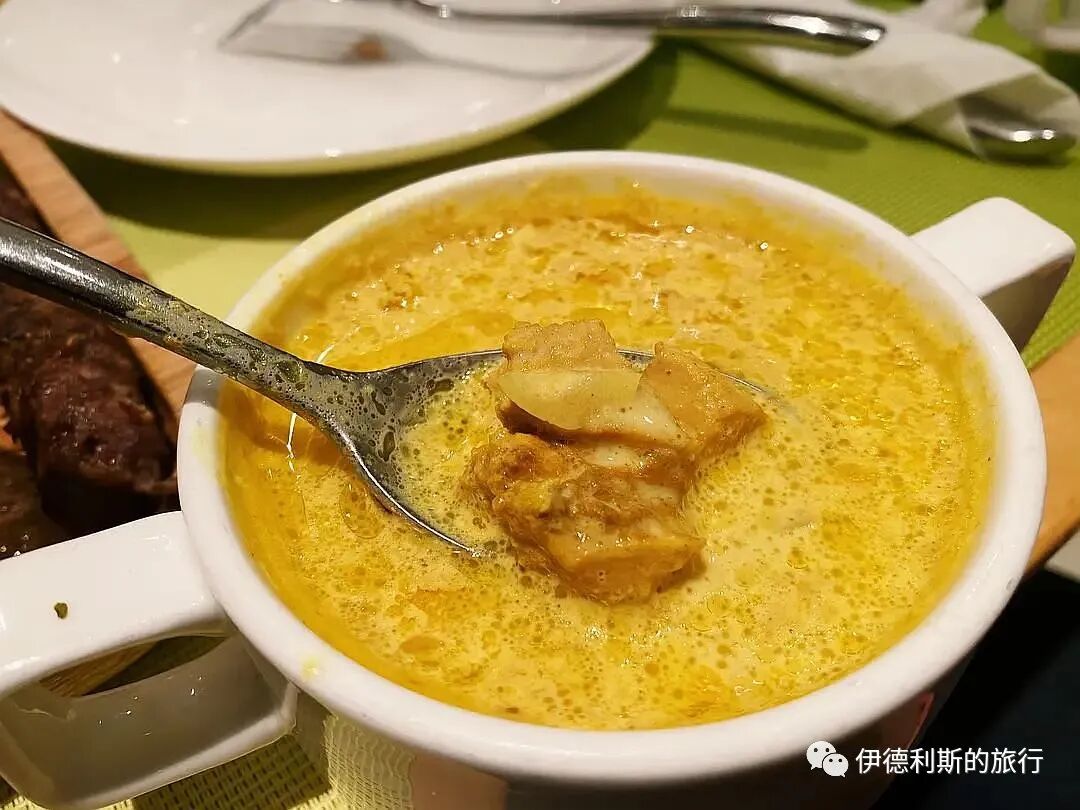
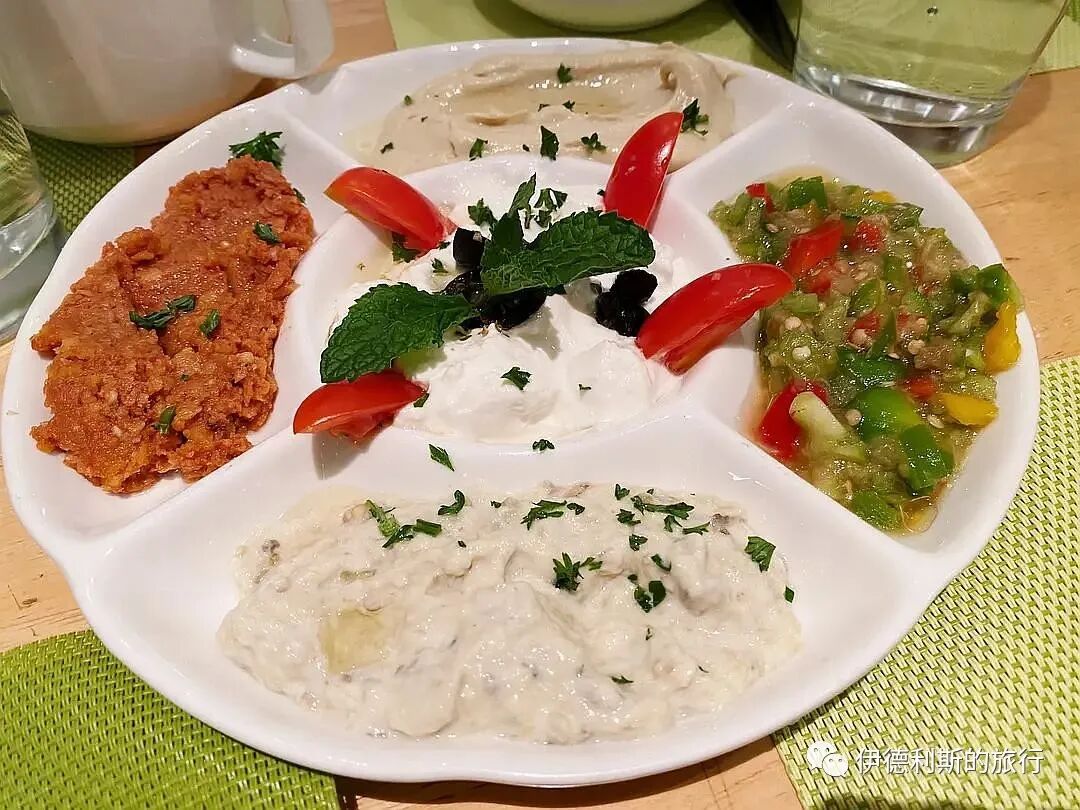
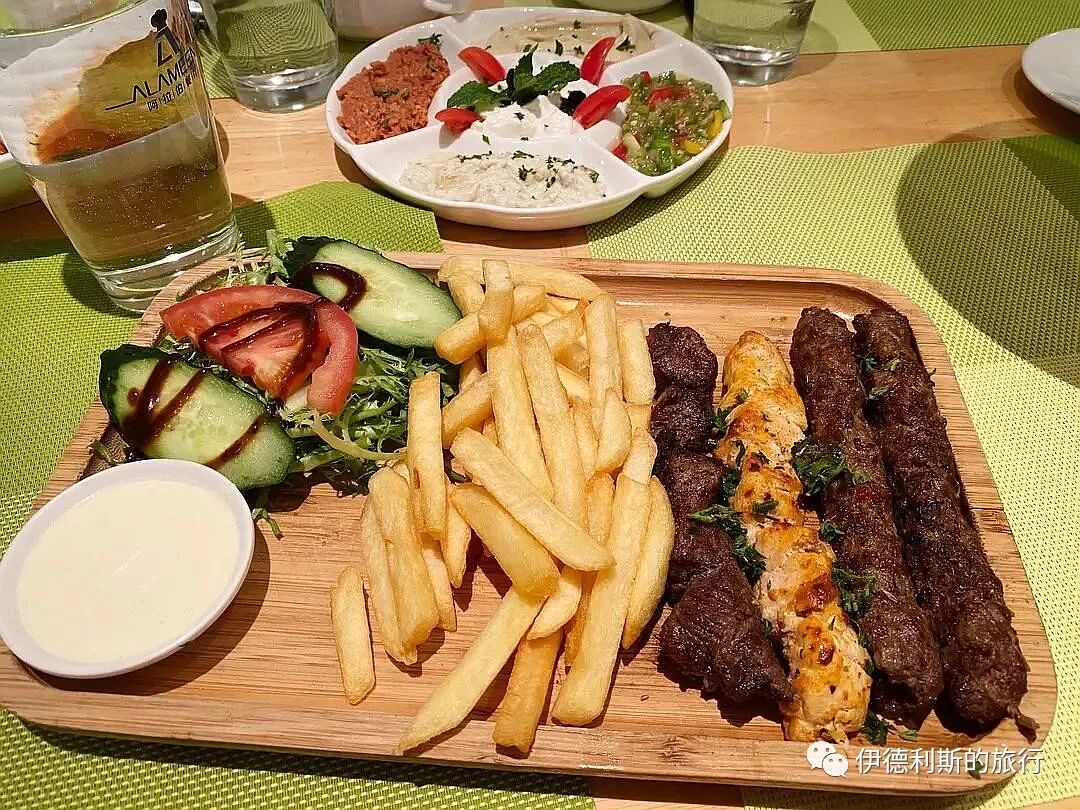
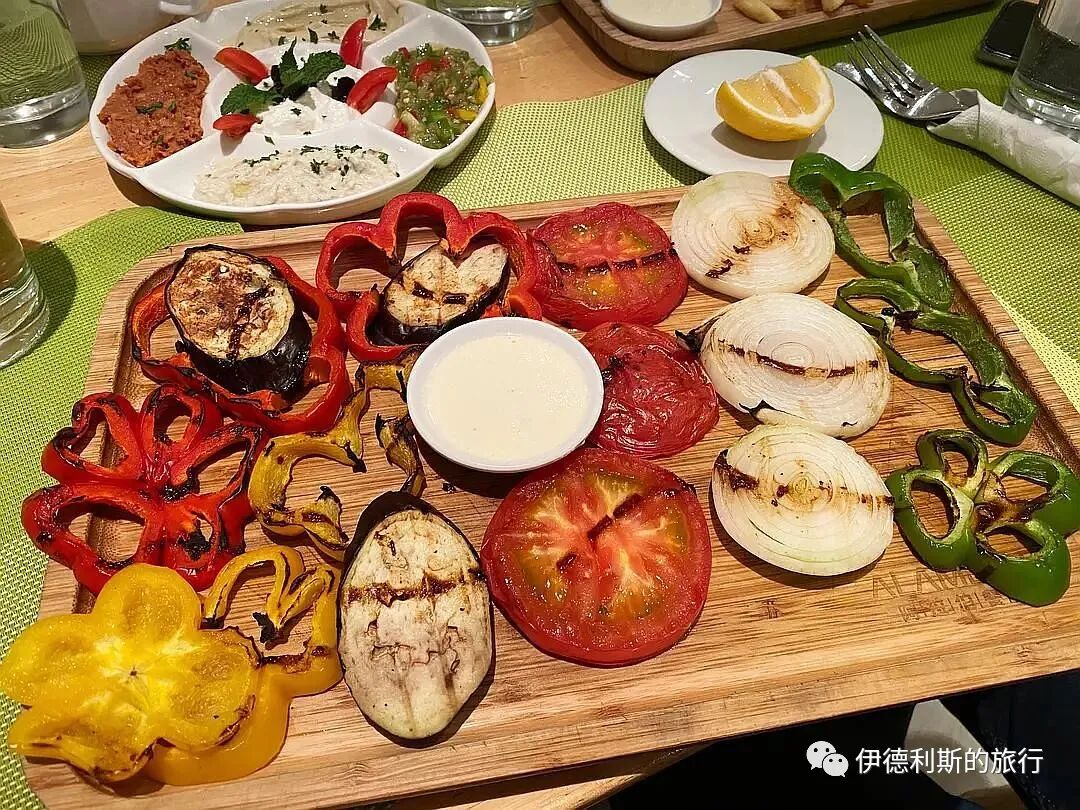
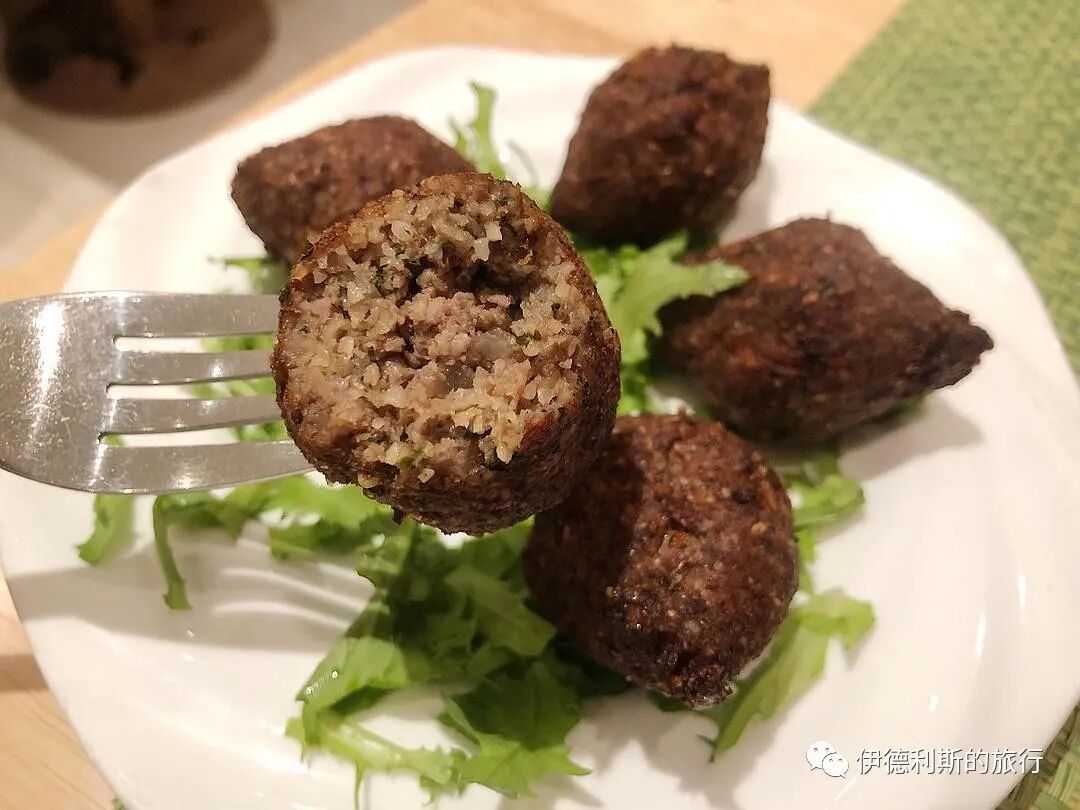
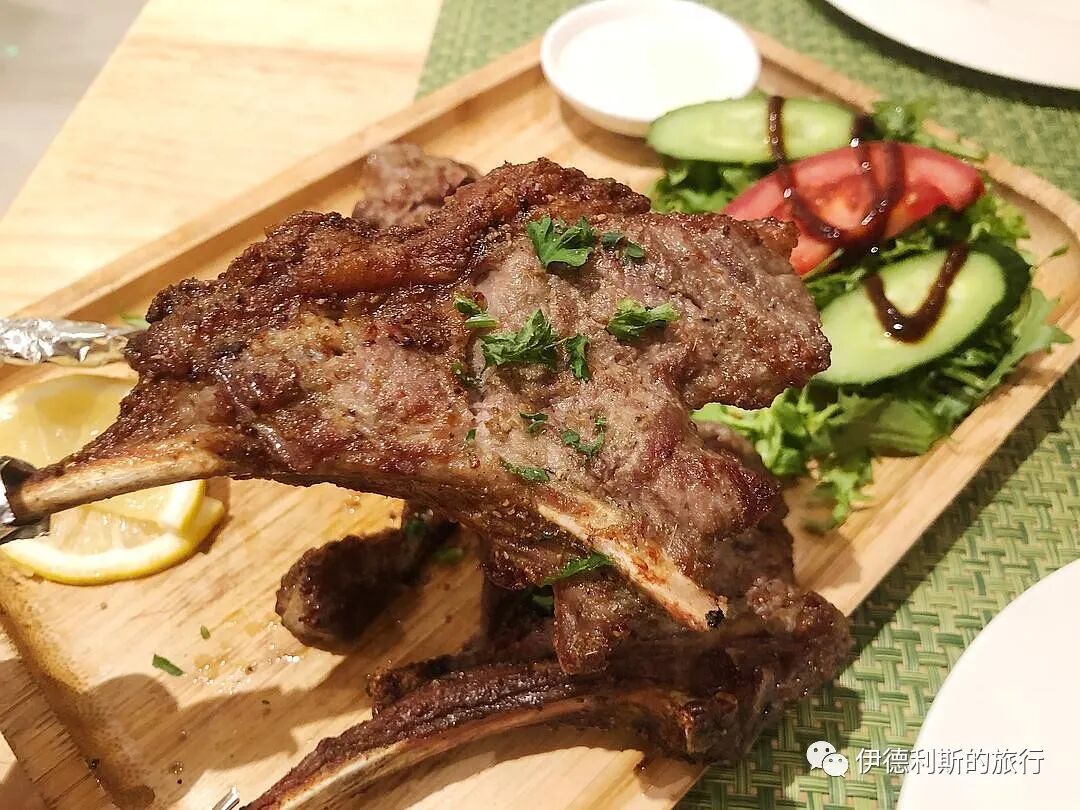
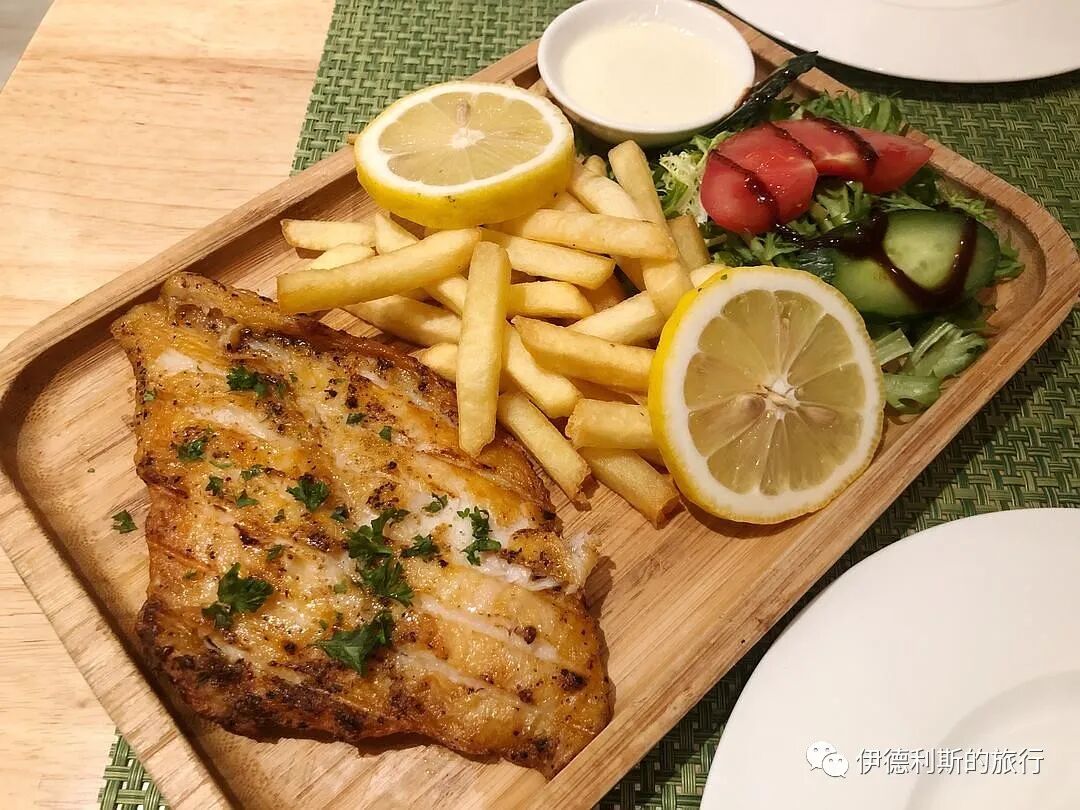
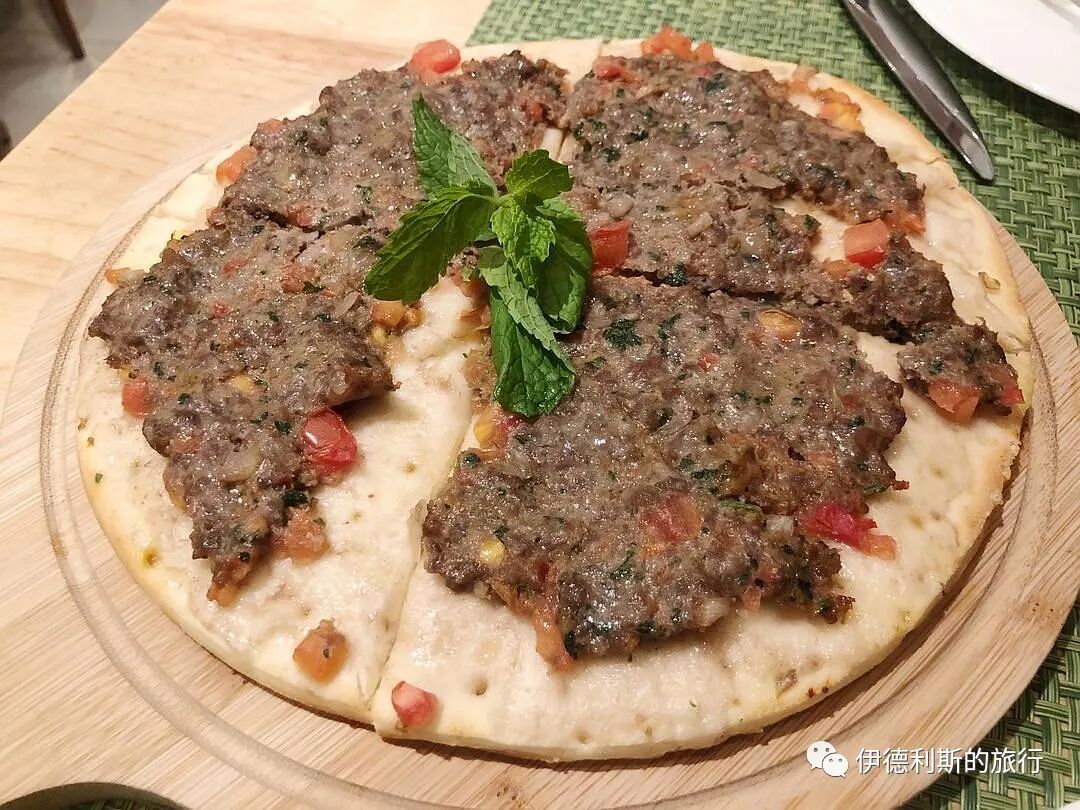
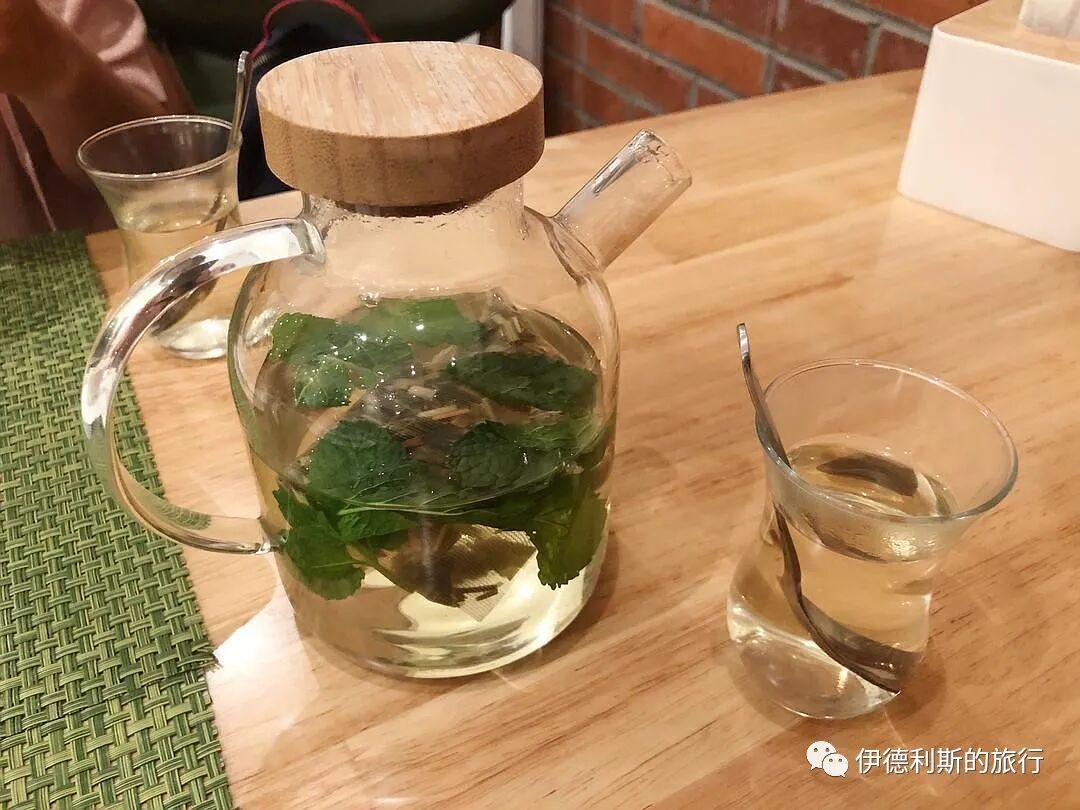
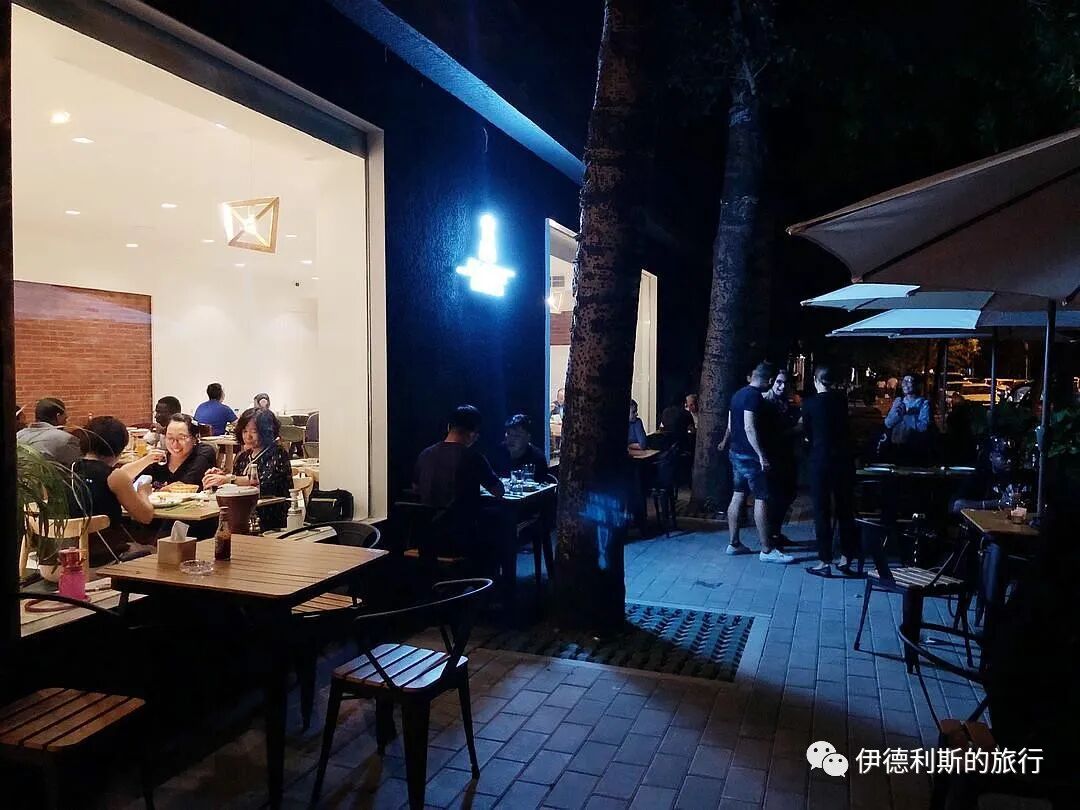
On September 26, 2019, I went to the Lebanese restaurant Alameen in Sanlitun. It has become much larger after the renovation and some new dishes have been added, so I will try them when I have time in the future. This time I had a platter with hummus, baba ghanoush, yogurt, etc., along with lentil soup, cream of mushroom soup, lamb flatbread, lamb chops, pan-fried fish, and lemongrass mint tea. Among them, the most distinctive dish was the Levantine meat pie, Kibbeh.
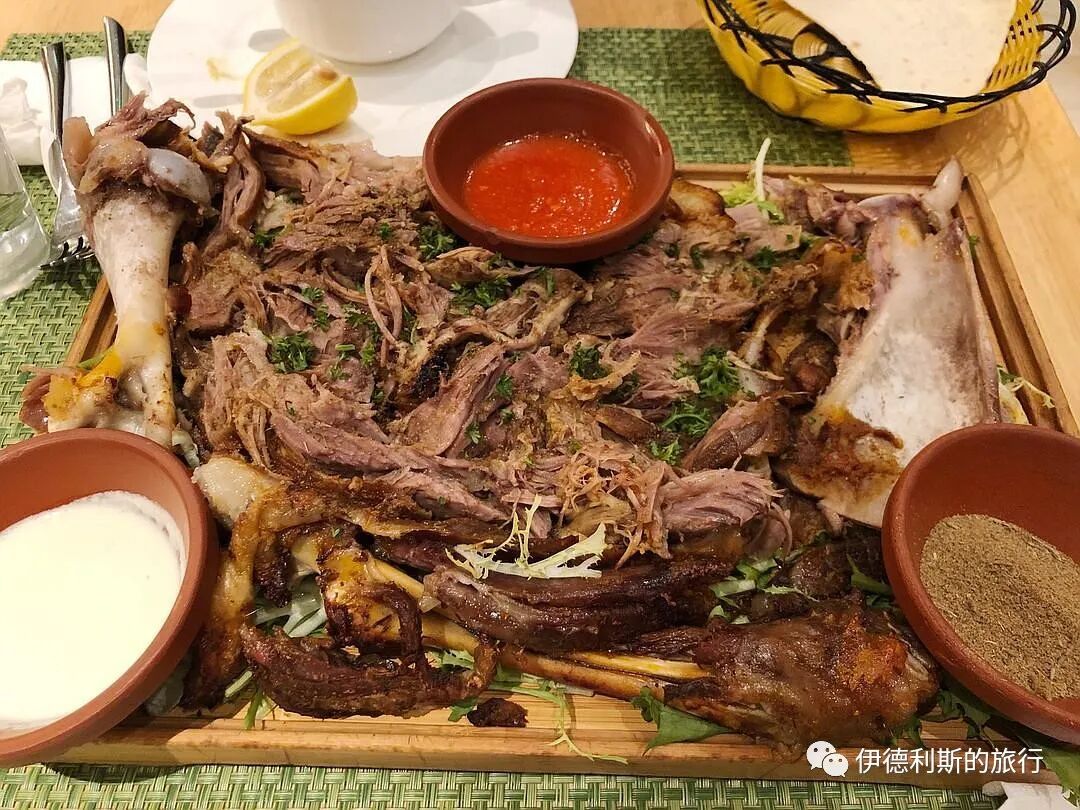
On May 26, 2019, I had roasted lamb leg, lentil soup, and hummus at the Lebanese restaurant Alameen outside Dongzhimen in the evening.
3. Tunisian restaurant Meza (closed)
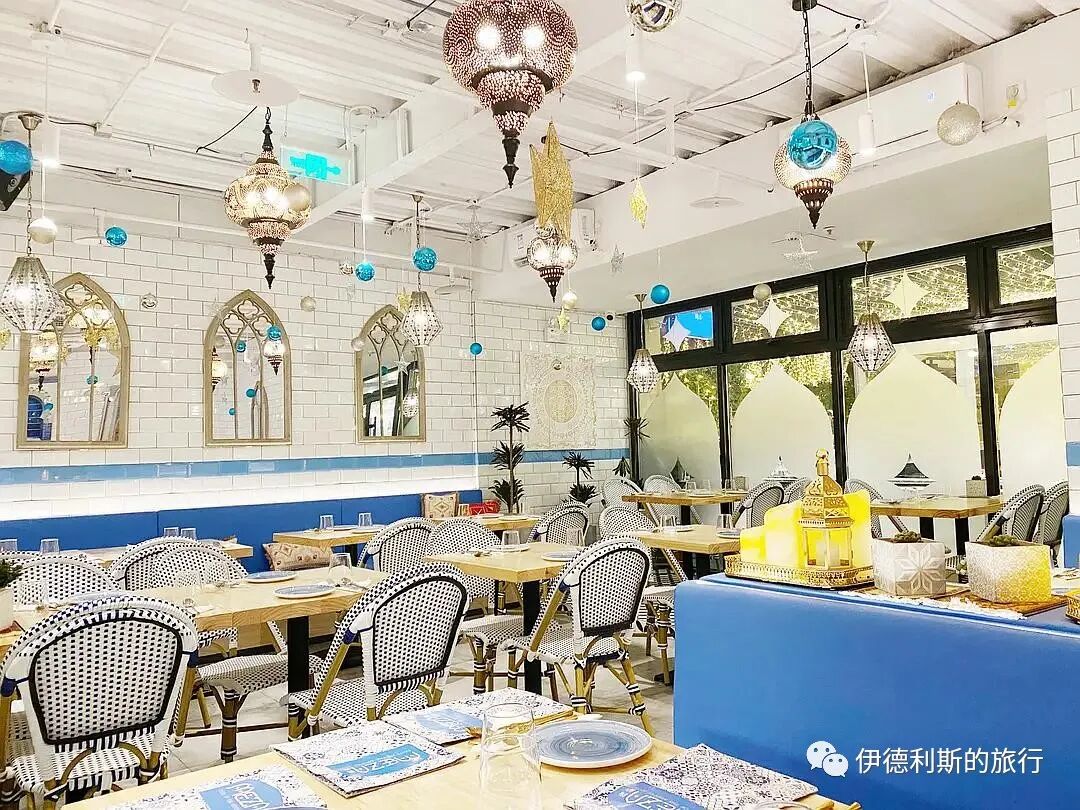
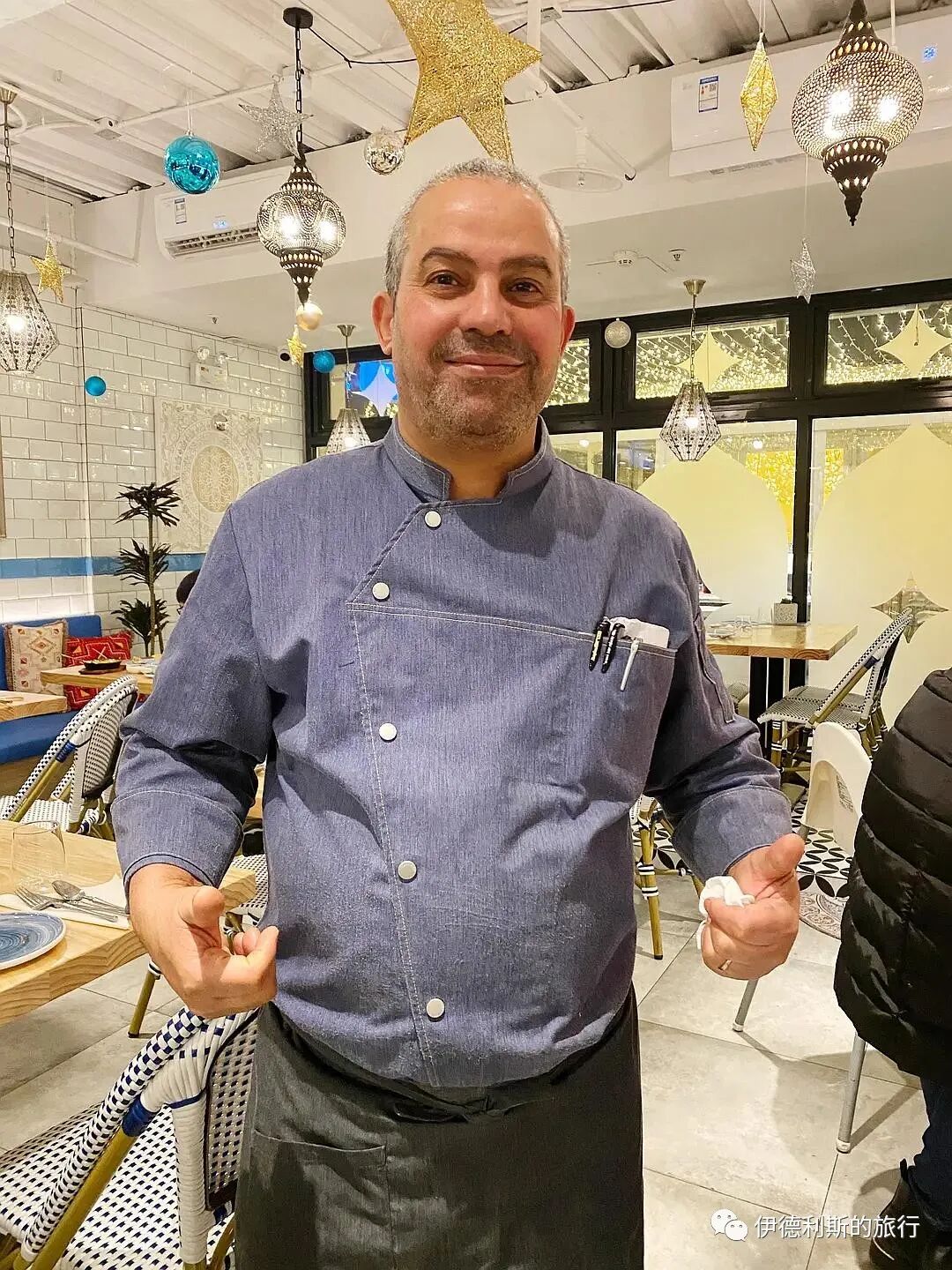
On the evening of December 21, 2020, I went to Mesa, a Tunisian restaurant that opened in November. After the Moroccan restaurant Caravan closed due to the pandemic (the owner ran away), Beijing finally has a North African restaurant again. (Unfortunately, it closed again in 2021).
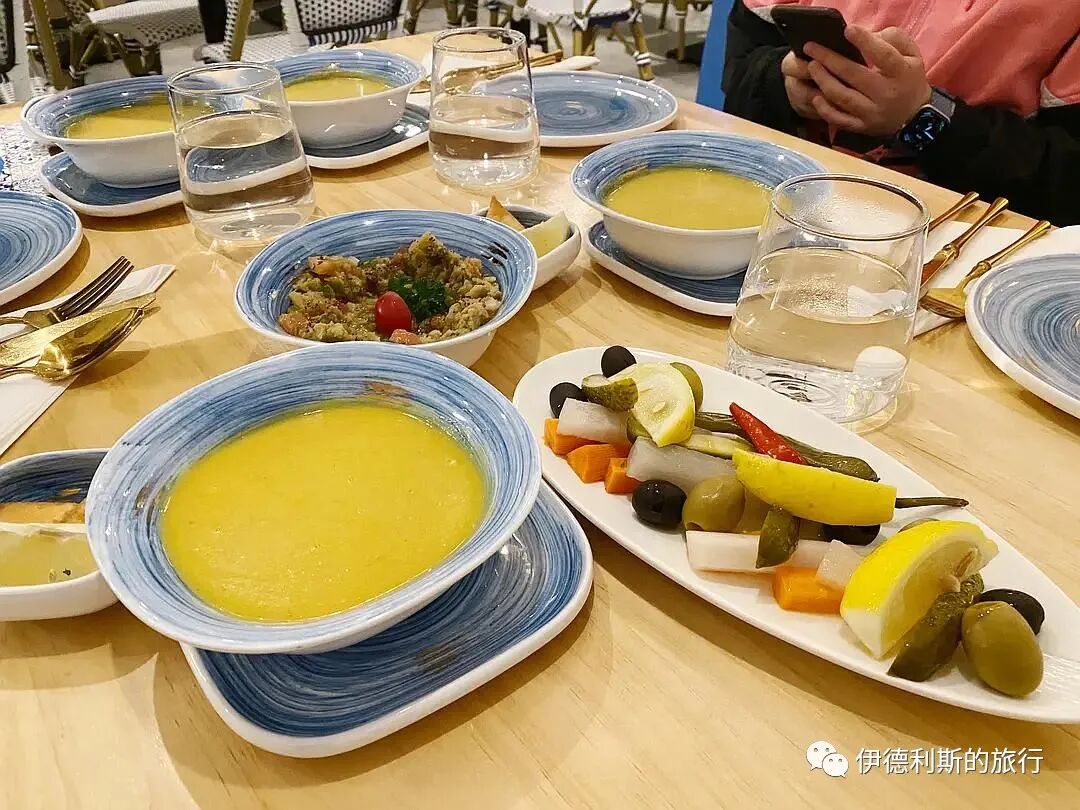
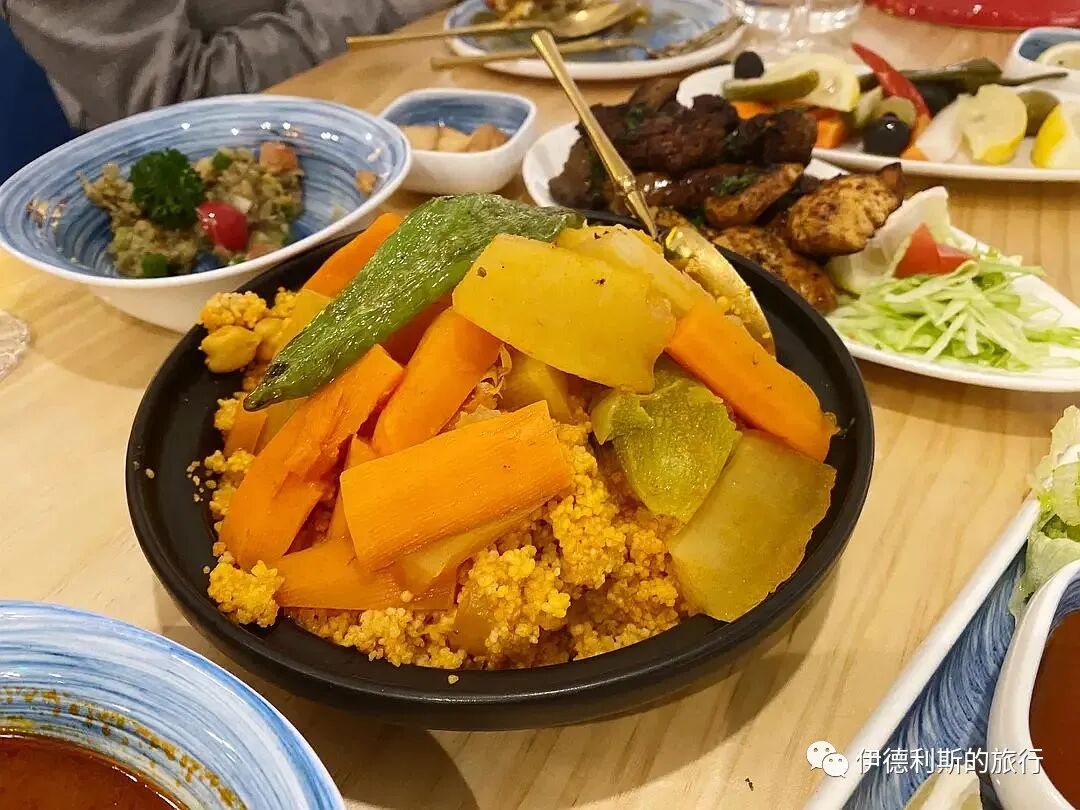
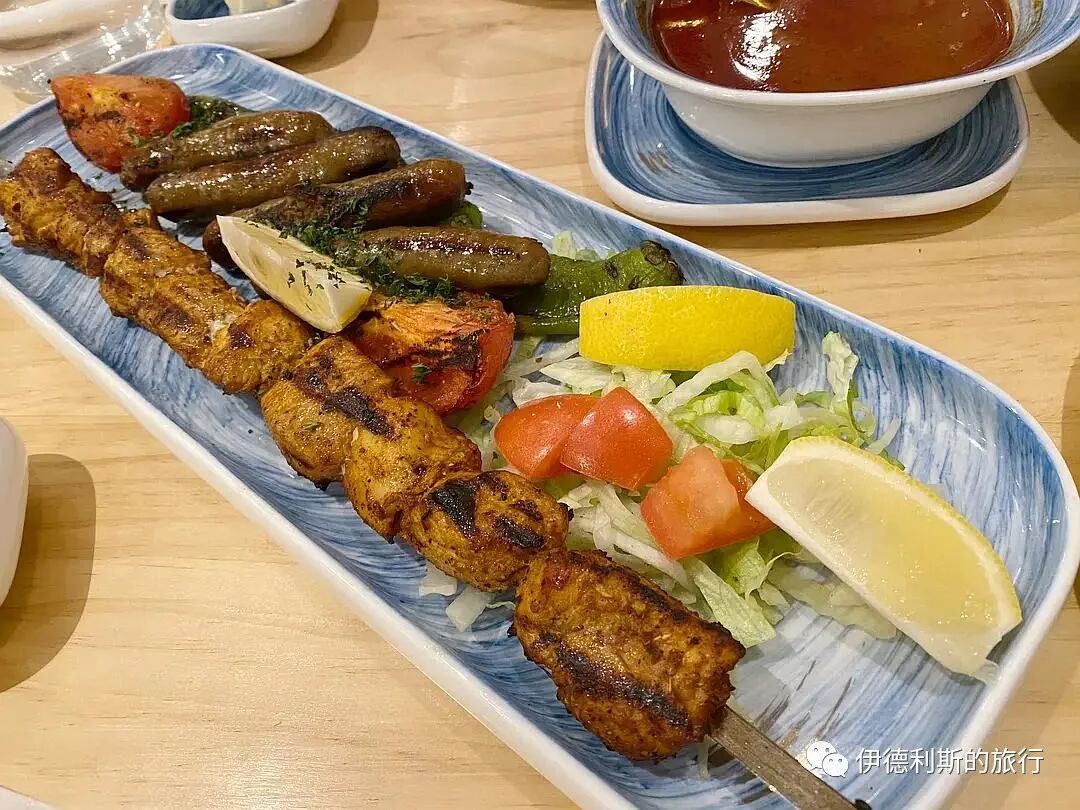
We ordered Brik with Tuna, sizzling Shakshuka with eggs, grilled chicken skewers, Merguez, Baba Ganoush, a platter of pickles, and lentil soup, and we also ordered Tajine and Couscous with various grilled meats that were not on the menu.
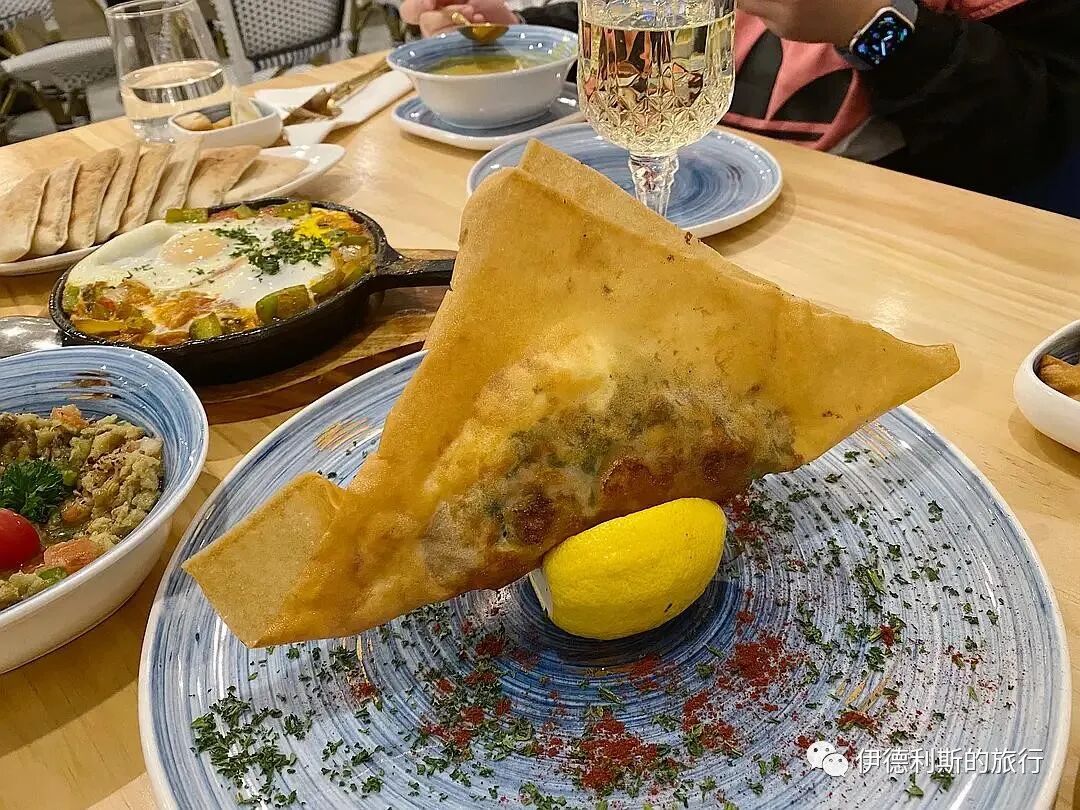
Brik is a North African Berber dish, which was later brought to Israel by Tunisian Jews. The filling usually contains eggs, tuna, Harissa, and parsley, and is then wrapped in a crispy pastry called Malsouka or Warka and deep-fried.
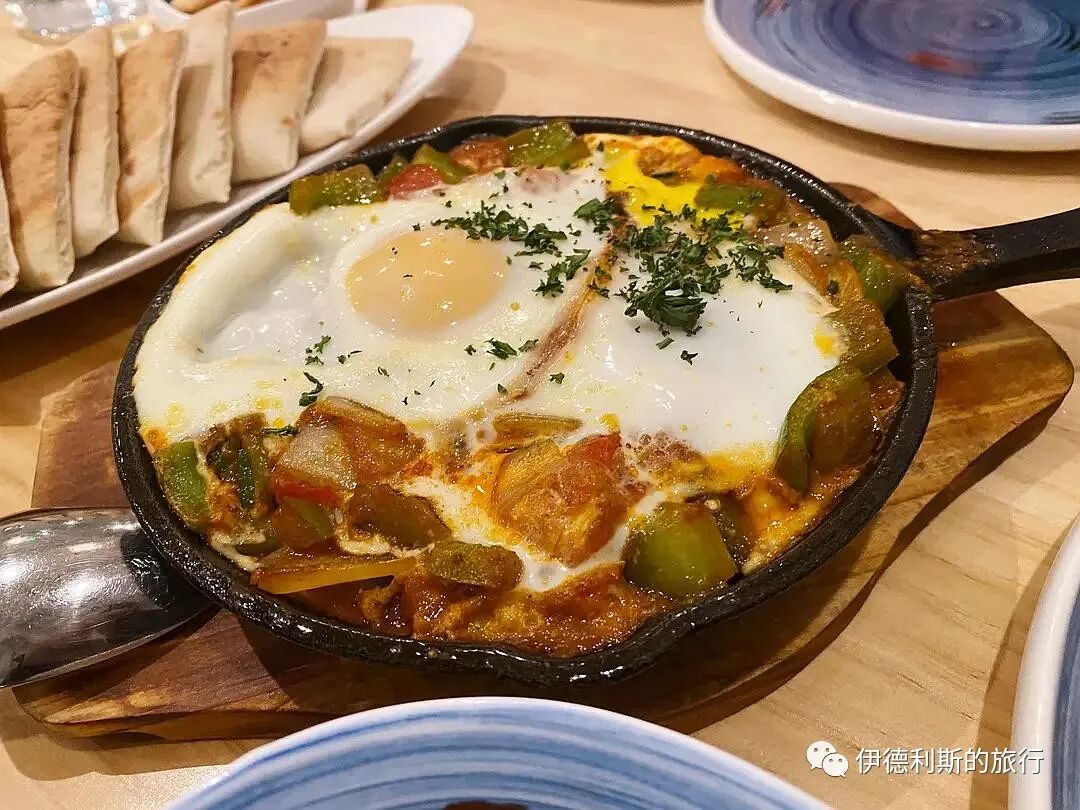
Shakshuka is a dish of eggs poached in a sauce of tomatoes and onions, usually seasoned with olive oil, chili peppers, garlic, cumin, nutmeg, and other spices. The word Shakshouka means "mixture" in Arabic; it is widely found across the former Ottoman regions and Andalusia, and was brought to Israel by Tunisian Jews. This dish was originally a stew of minced meat or liver, with tomatoes and chili peppers added later after being introduced from the Americas, and the Tunisian version typically includes eggs.
North African Merguez sausage is made with lamb and beef, mixed with cumin, harissa, chili, and various other spices, and is usually eaten grilled. Merguez sausage was first seen in the 12th century in Andalusia, which was southern Spain under Arab rule, and was pronounced mirkās or merkās in Andalusian Arabic at the time. Later, it spread throughout North Africa, and subsequently to France and Germany.
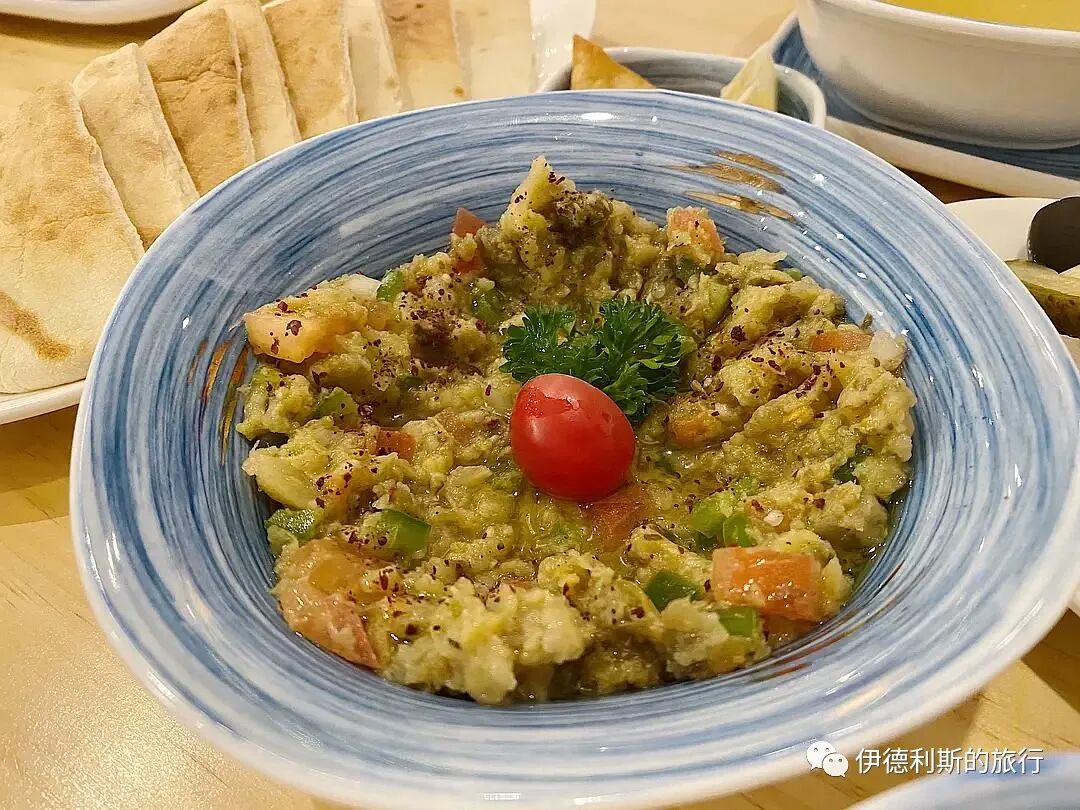
Baba ghanoush is a Middle Eastern Levantine appetizer made of mashed cooked eggplant mixed with tahini and olive oil, along with lemon juice and other seasonings, and is usually eaten by dipping pita bread into it.
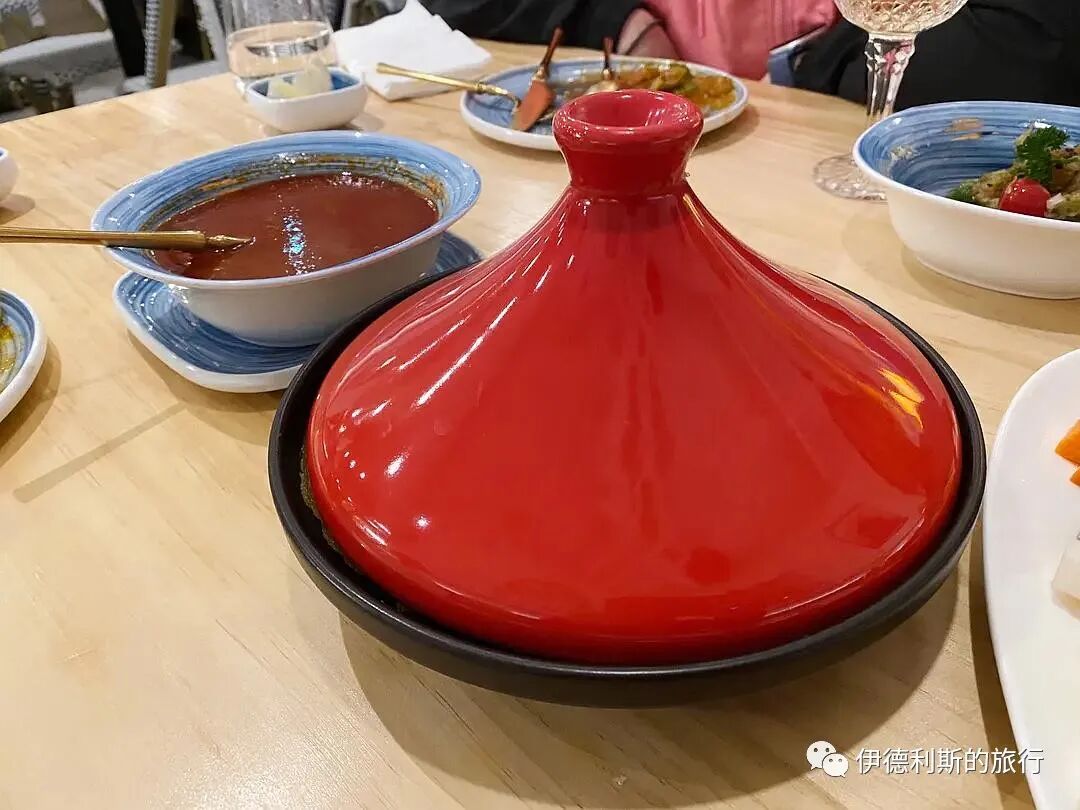
Tajine is a specialty dish of the North African Berbers, and the word Tajine in North African Arabic originates from Ancient Greek, originally meaning a shallow pan. The tajine can be traced back to Harun al-Rashid, the fifth caliph of the Abbasid Dynasty in the 8th-9th centuries, and it appeared in the famous 9th-century work 'One Thousand and One Nights'. Modern tajines are made of pottery, sometimes glazed, with a round, flat bottom and a conical or domed top; this design allows all evaporated steam to return to the bottom, and water can be added through a hole in the lid.
Couscous is a staple of Berber cuisine, made by rolling semolina into millet-sized grains and then drying them in the sun. Couscous first appeared in North Africa between the 11th and 13th centuries, and the 13th-century Andalusian scholar and gourmet Ibn Razin al-Tuyibi was the first to record the method for making couscous in his book, 'The Andalusian Cookbook'.
Summary: This travel note introduces Eating South Asian and Middle Eastern Food in Beijing (Part 1). Over the past few years, I have visited many Middle Eastern and South Asian restaurants in Beijing, some of which have already closed down. It is useful for readers interested in Beijing Halal Food, Muslim Travel, Middle Eastern Food.
2. Lebanese restaurant Al Ameen
On September 24, 2020, for my mother-in-law's first meal after arriving in Beijing, we ate at the Lebanese restaurant Al Ameen next to the German Embassy outside Dongzhimen. I have been eating there for many years; they were closed for renovations for a while, but reopened last year. Visiting this year, I felt that there were clearly fewer people than before the pandemic, and the menu options had also decreased. I hope they can get through these difficult times.
We ordered the classic appetizer platter (hummus, carrot puree, yogurt, and mutabbal eggplant yogurt dip), cream of mushroom soup, lentil soup, vegetable soup, chicken soup, a grilled meat platter, and a grilled vegetable platter. A special dish we ordered was the Mahashi, which is lamb shank with vegetable-stuffed rice.
Mahashi is made by stuffing Lebanese zucchini (Kusa) and eggplant with a mixture of minced meat and rice, then cooking them in a sauce of tomato paste, cumin, and broth. Mahashi is a classic Ottoman dish found throughout former Ottoman regions from the Balkans to the Levant and Egypt, with each region having its own unique way of preparing it. Mahashi is a common dish served at weddings, family gatherings, and Eid al-Fitr feasts.
On September 26, 2019, I went to the Lebanese restaurant Alameen in Sanlitun. It has become much larger after the renovation and some new dishes have been added, so I will try them when I have time in the future. This time I had a platter with hummus, baba ghanoush, yogurt, etc., along with lentil soup, cream of mushroom soup, lamb flatbread, lamb chops, pan-fried fish, and lemongrass mint tea. Among them, the most distinctive dish was the Levantine meat pie, Kibbeh.
On May 26, 2019, I had roasted lamb leg, lentil soup, and hummus at the Lebanese restaurant Alameen outside Dongzhimen in the evening.
3. Tunisian restaurant Meza (closed)
On the evening of December 21, 2020, I went to Mesa, a Tunisian restaurant that opened in November. After the Moroccan restaurant Caravan closed due to the pandemic (the owner ran away), Beijing finally has a North African restaurant again. (Unfortunately, it closed again in 2021).
We ordered Brik with Tuna, sizzling Shakshuka with eggs, grilled chicken skewers, Merguez, Baba Ganoush, a platter of pickles, and lentil soup, and we also ordered Tajine and Couscous with various grilled meats that were not on the menu.
Brik is a North African Berber dish, which was later brought to Israel by Tunisian Jews. The filling usually contains eggs, tuna, Harissa, and parsley, and is then wrapped in a crispy pastry called Malsouka or Warka and deep-fried.
Shakshuka is a dish of eggs poached in a sauce of tomatoes and onions, usually seasoned with olive oil, chili peppers, garlic, cumin, nutmeg, and other spices. The word Shakshouka means "mixture" in Arabic; it is widely found across the former Ottoman regions and Andalusia, and was brought to Israel by Tunisian Jews. This dish was originally a stew of minced meat or liver, with tomatoes and chili peppers added later after being introduced from the Americas, and the Tunisian version typically includes eggs.
North African Merguez sausage is made with lamb and beef, mixed with cumin, harissa, chili, and various other spices, and is usually eaten grilled. Merguez sausage was first seen in the 12th century in Andalusia, which was southern Spain under Arab rule, and was pronounced mirkās or merkās in Andalusian Arabic at the time. Later, it spread throughout North Africa, and subsequently to France and Germany.
Baba ghanoush is a Middle Eastern Levantine appetizer made of mashed cooked eggplant mixed with tahini and olive oil, along with lemon juice and other seasonings, and is usually eaten by dipping pita bread into it.
Tajine is a specialty dish of the North African Berbers, and the word Tajine in North African Arabic originates from Ancient Greek, originally meaning a shallow pan. The tajine can be traced back to Harun al-Rashid, the fifth caliph of the Abbasid Dynasty in the 8th-9th centuries, and it appeared in the famous 9th-century work 'One Thousand and One Nights'. Modern tajines are made of pottery, sometimes glazed, with a round, flat bottom and a conical or domed top; this design allows all evaporated steam to return to the bottom, and water can be added through a hole in the lid.
Couscous is a staple of Berber cuisine, made by rolling semolina into millet-sized grains and then drying them in the sun. Couscous first appeared in North Africa between the 11th and 13th centuries, and the 13th-century Andalusian scholar and gourmet Ibn Razin al-Tuyibi was the first to record the method for making couscous in his book, 'The Andalusian Cookbook'.
