
Eating South Asian and Middle Eastern Food in Beijing (Part 1) (Section 3 of 4)
Reposted from the web
Summary: This travel note introduces Eating South Asian and Middle Eastern Food in Beijing (Part 1). Over the past few years, I have visited many Middle Eastern and South Asian restaurants in Beijing, some of which have already closed down. It is useful for readers interested in Beijing Halal Food, Muslim Travel, Middle Eastern Food.
4. Taiba Arabic fast food restaurant
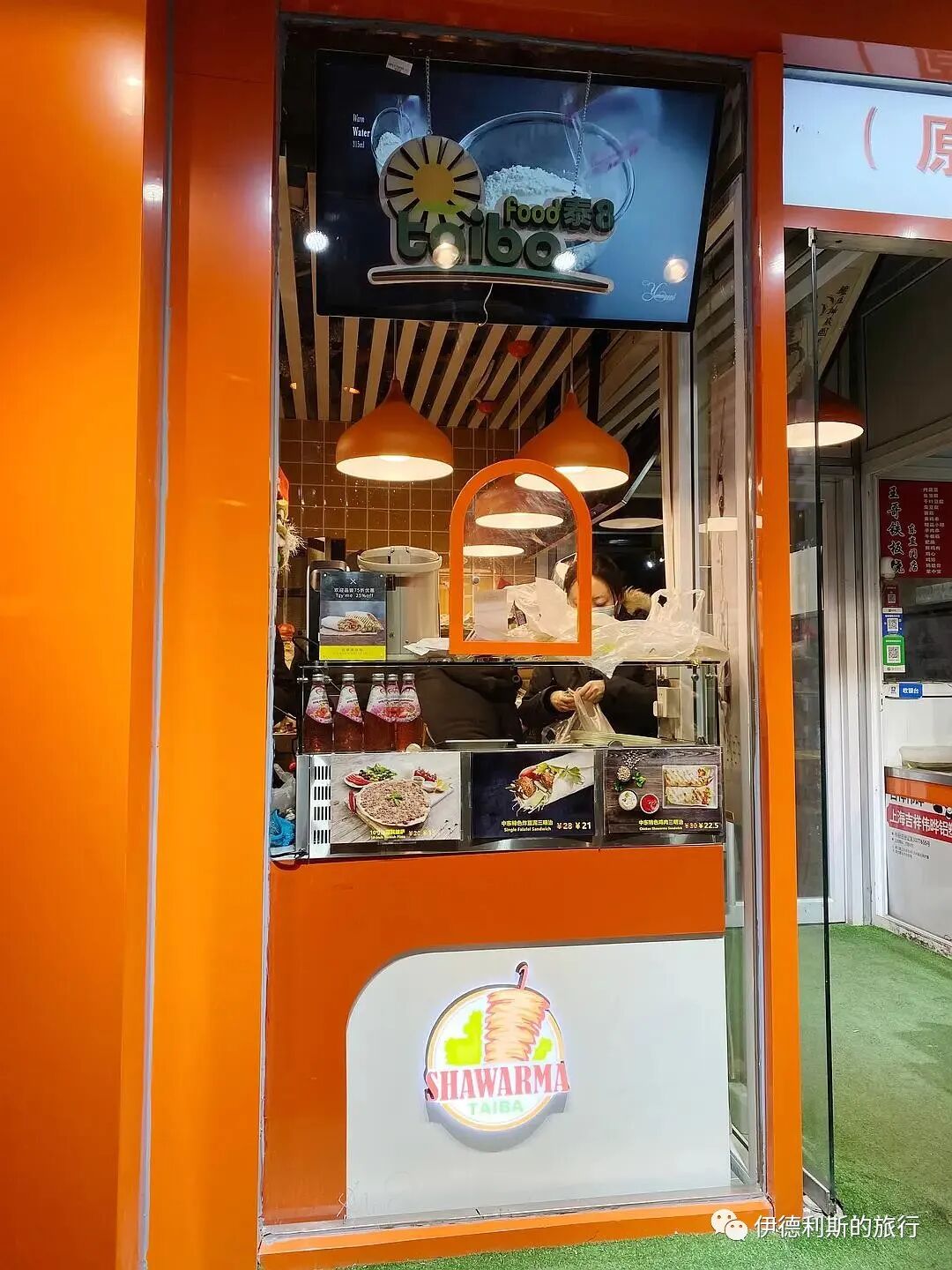
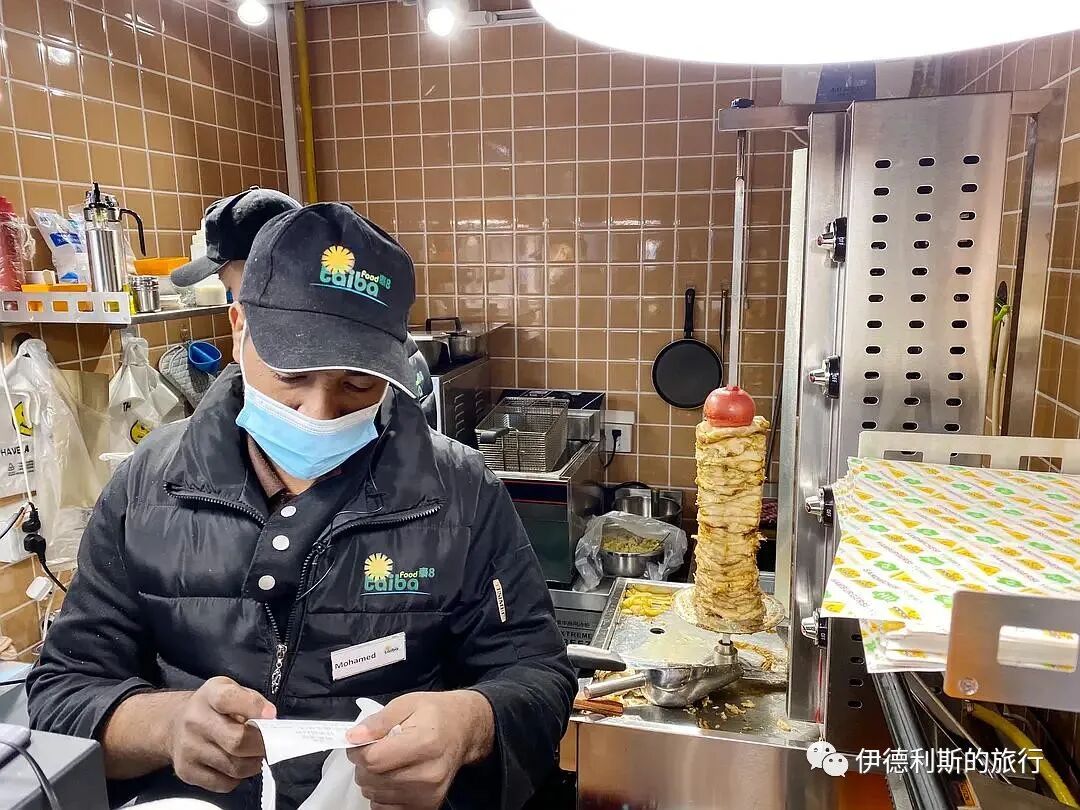
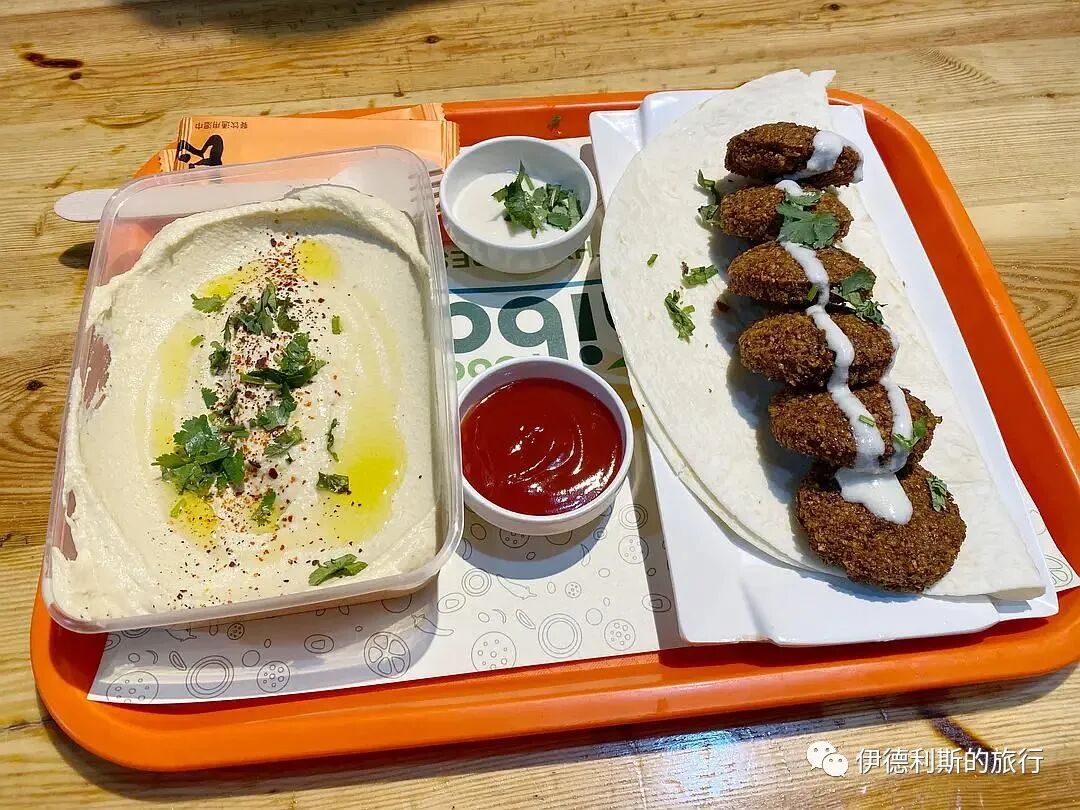
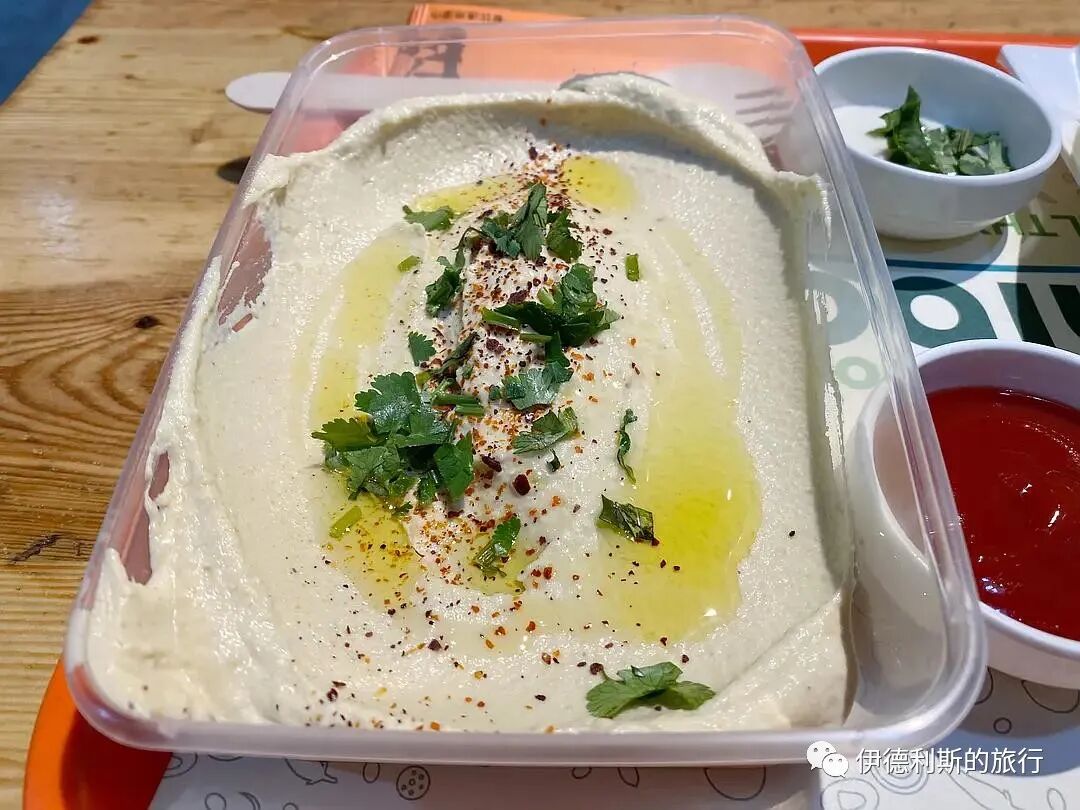
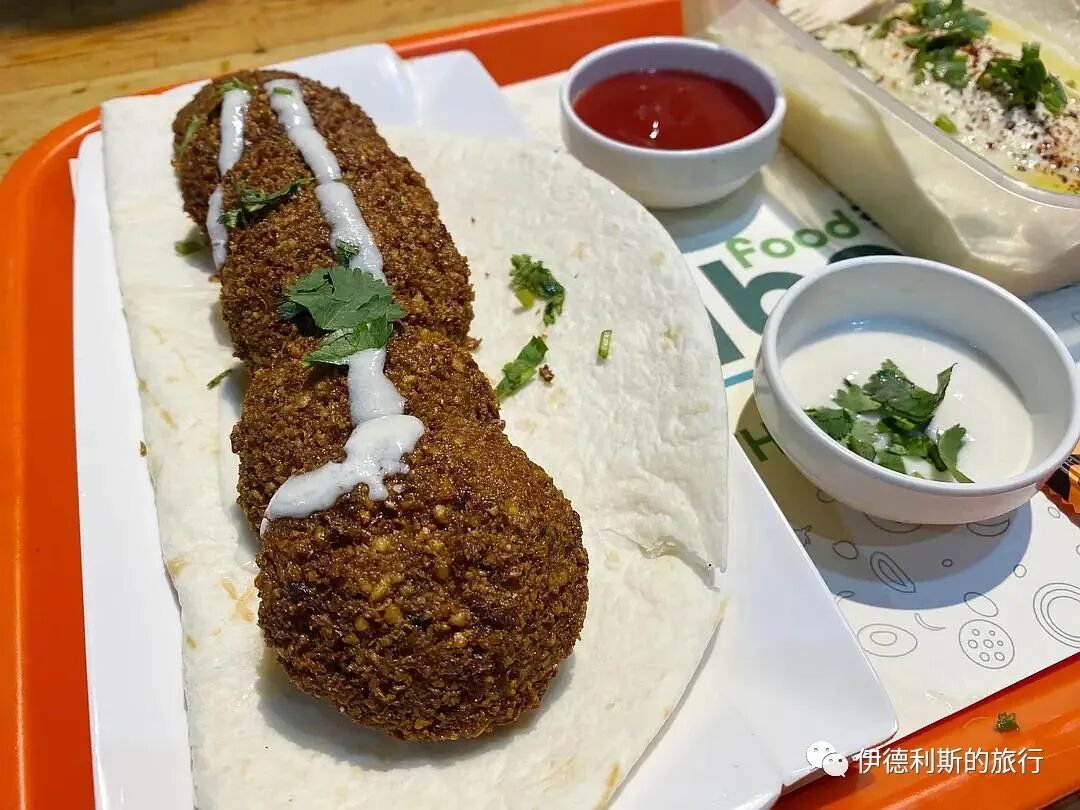
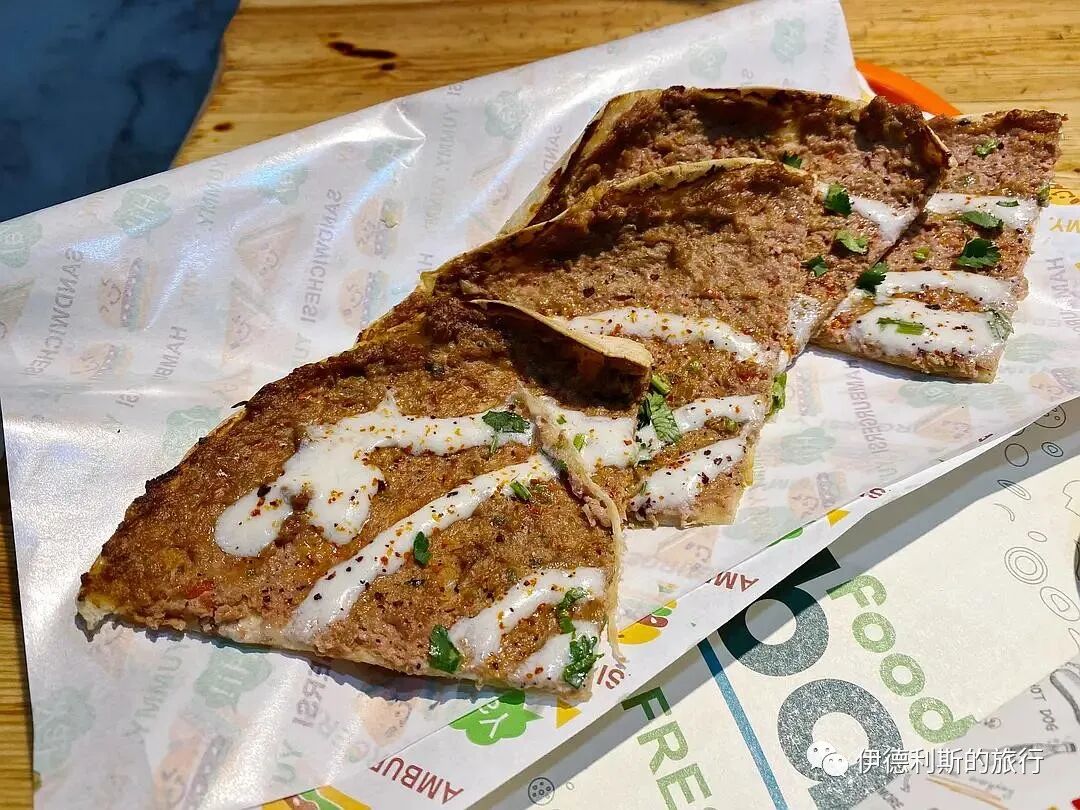
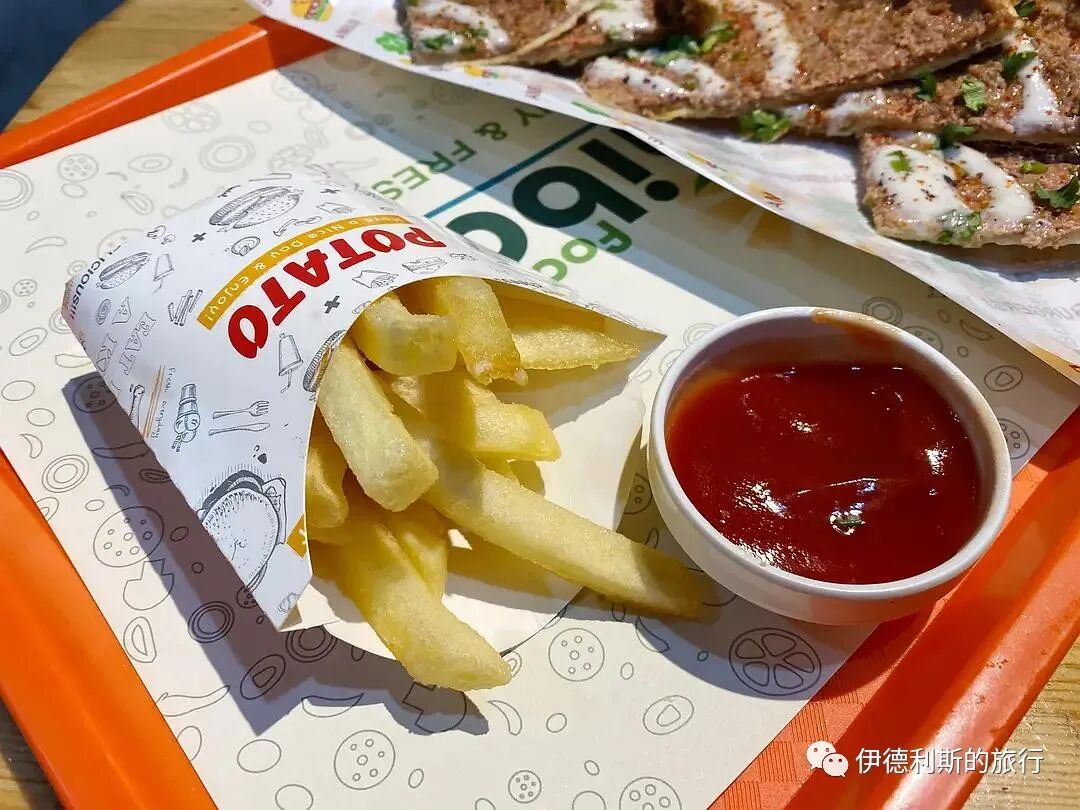
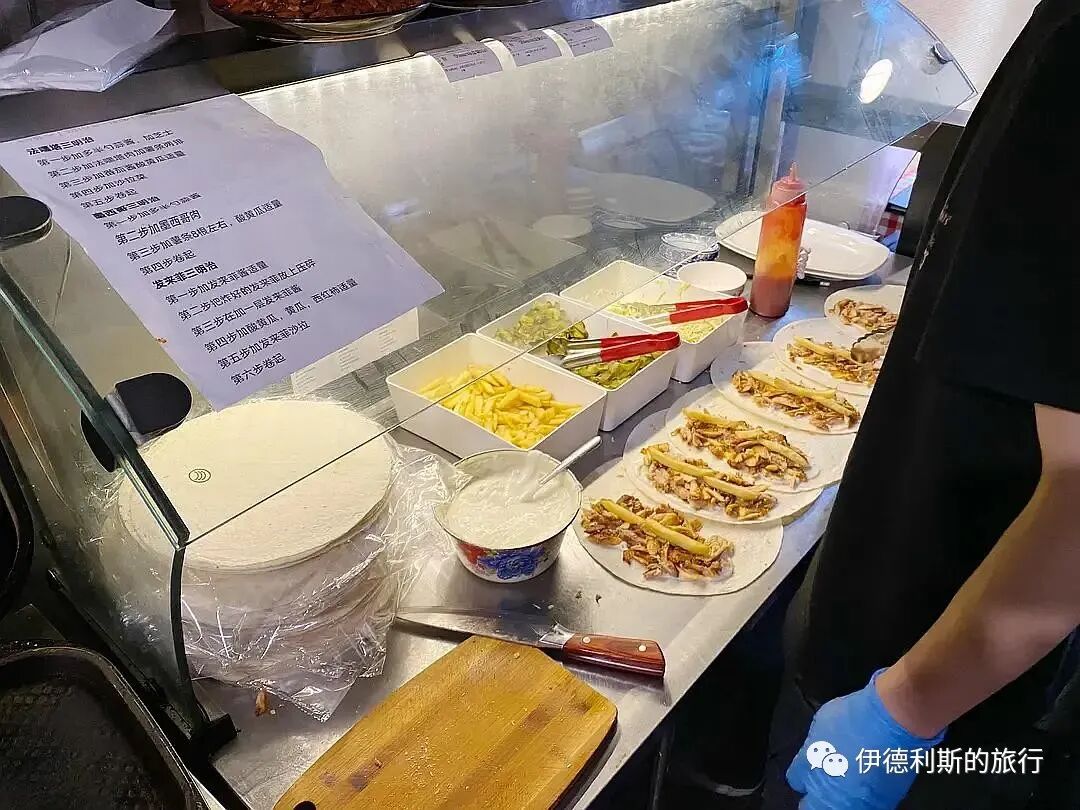
On January 17, 2021, a new Arabic fast food restaurant called Taiba recently opened on Guijie Street. I ate Arabic Lahmacun pizza, Hummus, and Falafel, and also drank some Middle Eastern black tea with a rich spiced flavor. The young man working there is Sudanese, and his Chinese is quite good. Also, their business is mainly for takeout; if you want to dine in, you can only eat at the noodle shop next door.
Lahmacun originates from the Arabic language (لحم بعجين), which literally translates to "meat with dough." During the Ottoman era, Lahmacun spread from the Arab world to former Ottoman regions like Turkey and Armenia, so it is also called "Turkish pizza" or "Armenian pizza," though the basic preparation is always a thin crust topped with minced meat.
5. Syrian restaurant
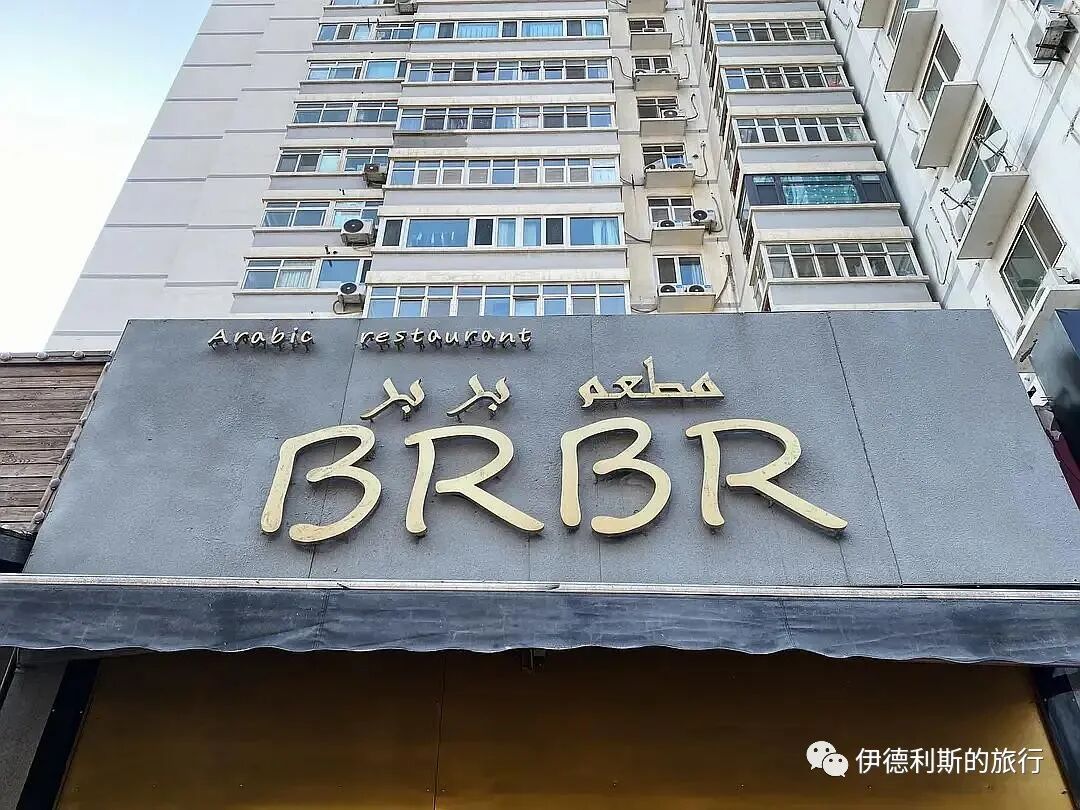
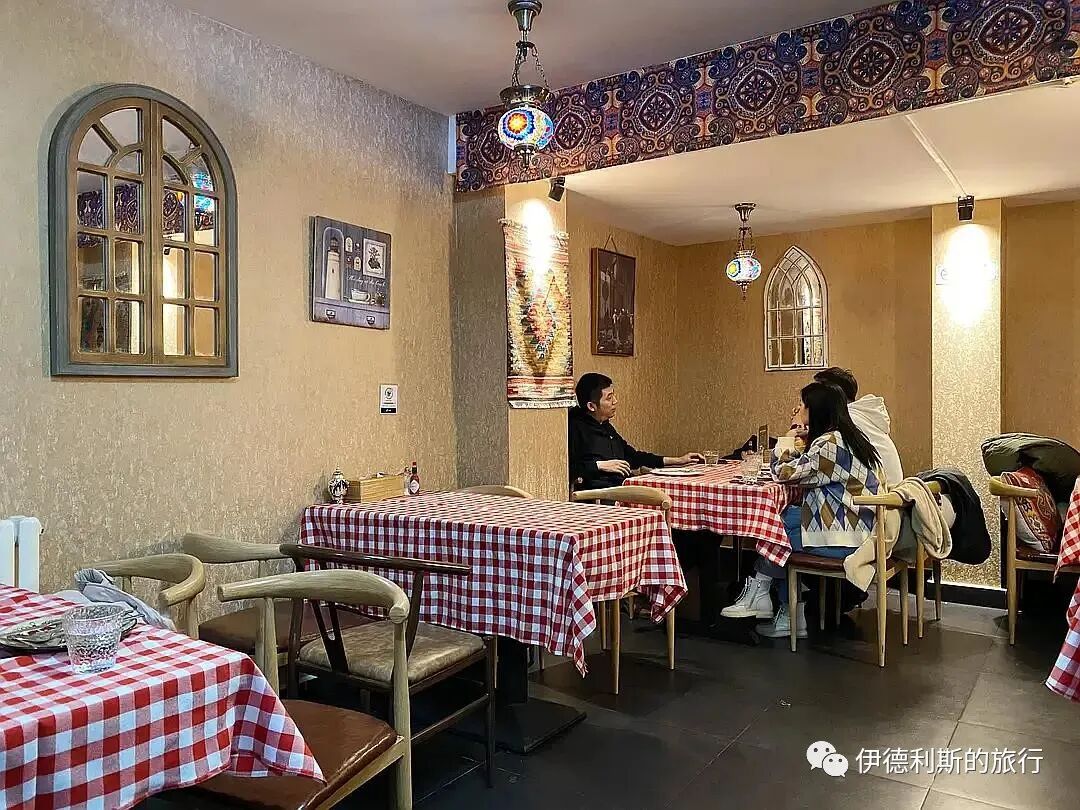
On March 7, 2021, I had lunch at the Syrian restaurant BRBR in Wudaokou. I had heard about this place for a long time, but since I live in the city and it's too far away, I had never eaten here before; this was my first time. I have to say, this place is so popular! We went after two o'clock and still had to wait a long time for a table; it was full of young people.
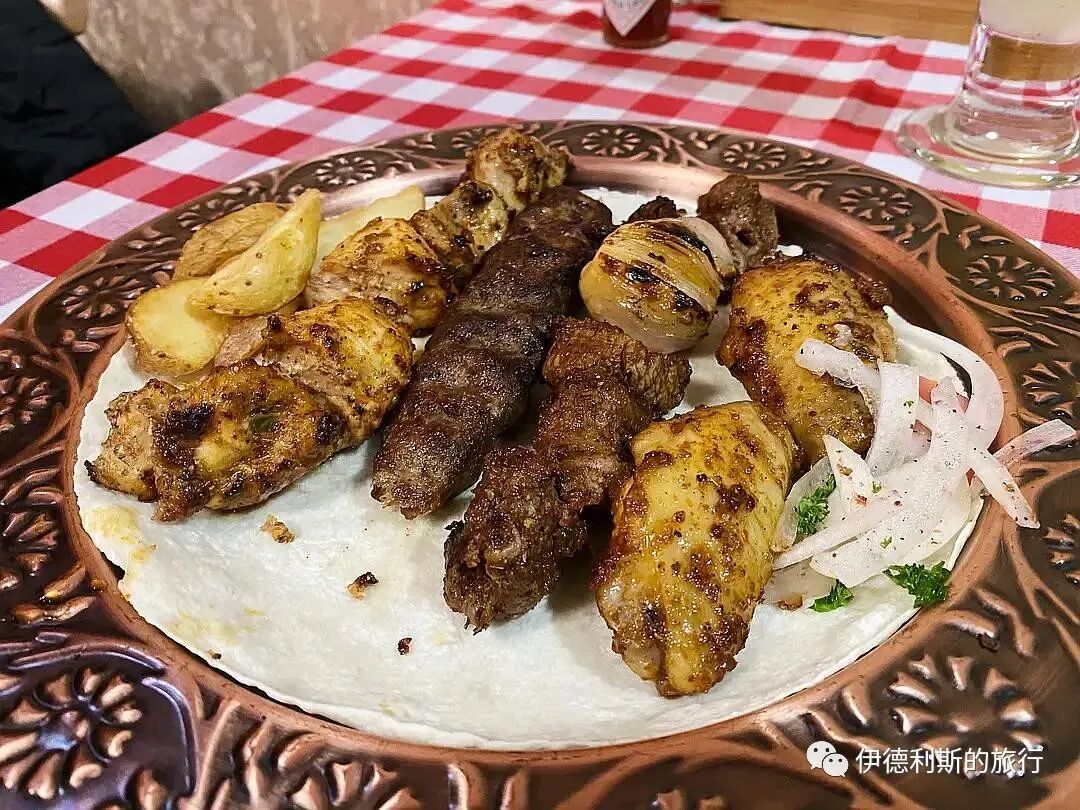
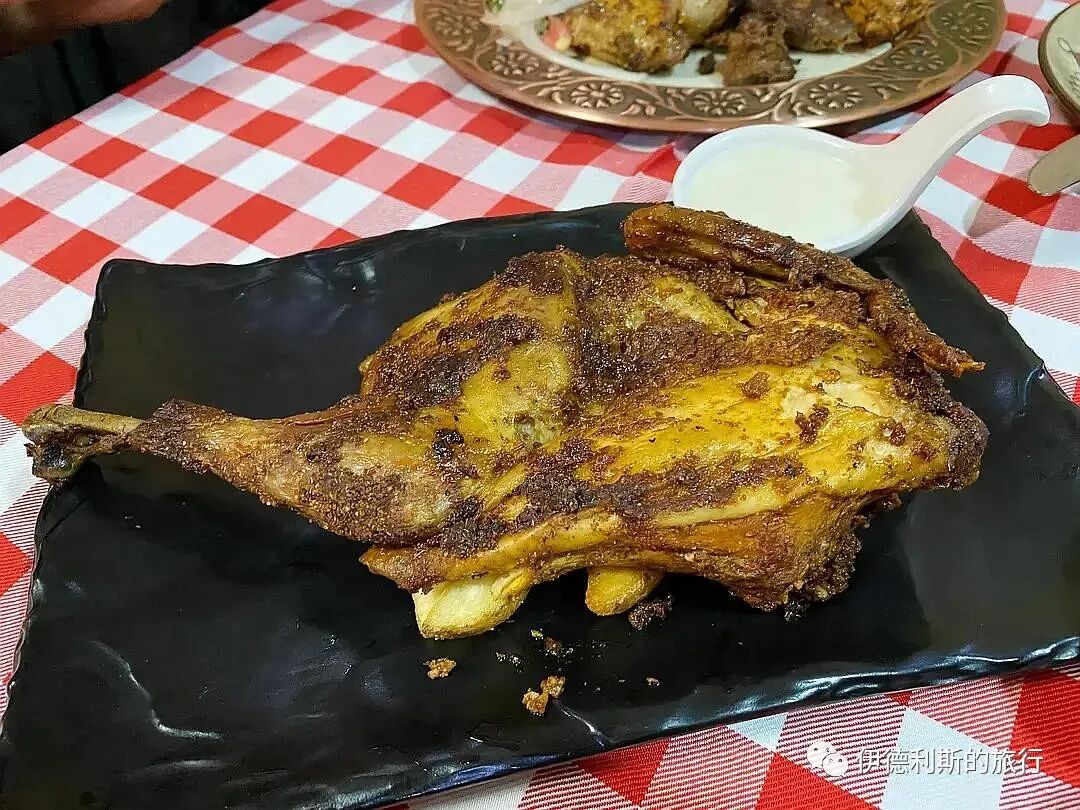
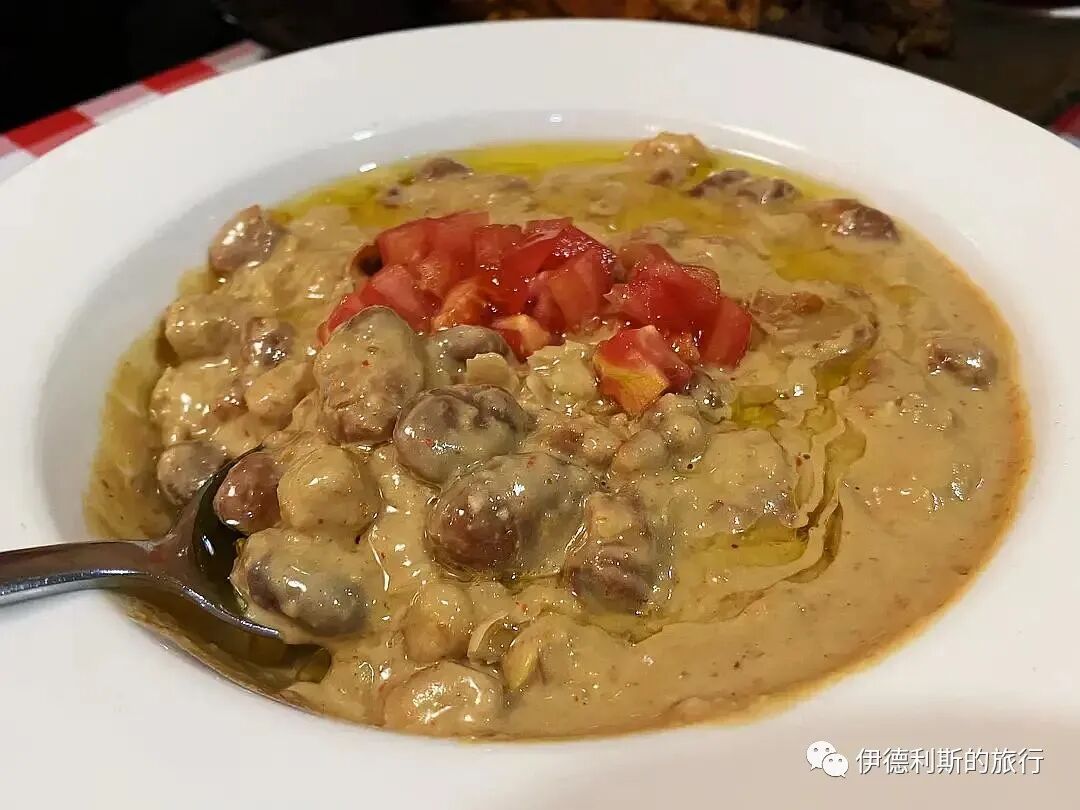
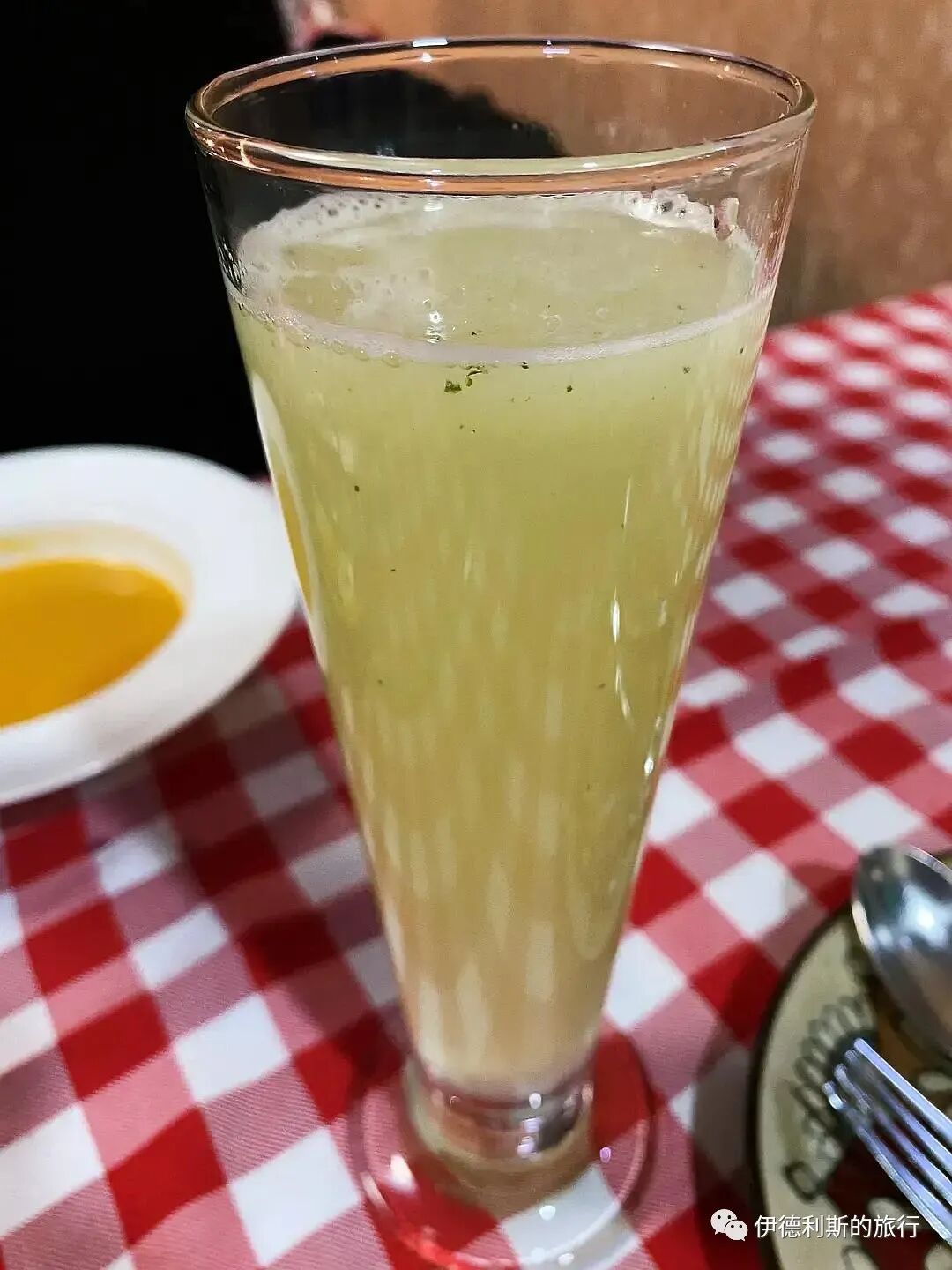
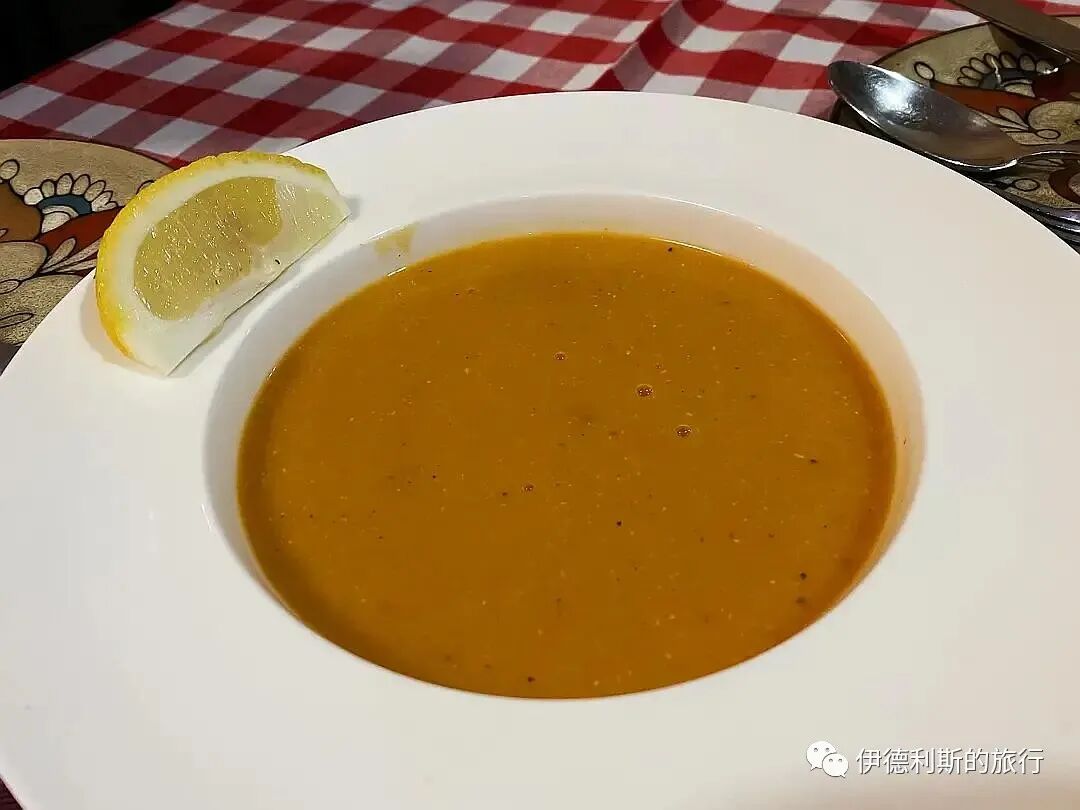
Syrian cuisine is also a fairly standard Levantine cuisine, with the most classic dishes being hummus and falafel, though we didn't order those this time. We ordered lentil soup, a mixed grill platter (Shuqaf lamb skewers, traditional Kabab, chicken skewers, and chicken wings), half a roasted chicken, hummus with tahini and fava beans, and lemon mint.
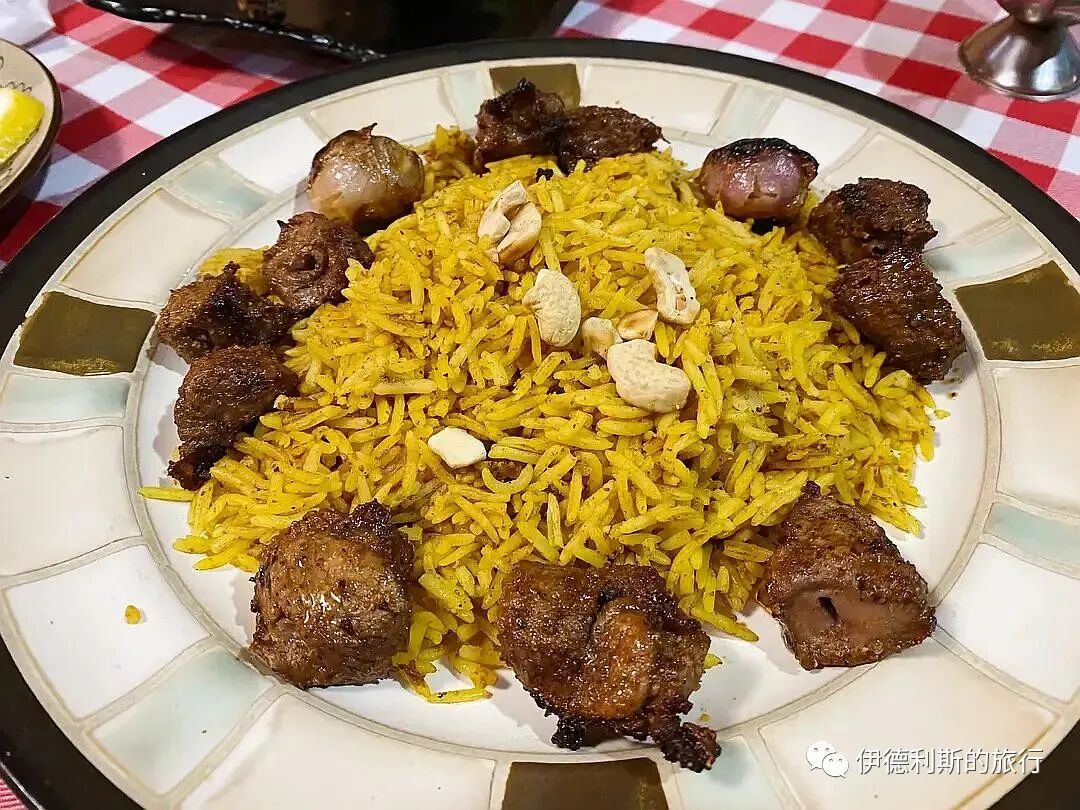
A special highlight of this trip was eating traditional Arabic Mandi lamb rice; Mandi originated in Yemen and is popular in the Arabian Peninsula, Egypt, and the Levant region. Mandi is usually made with rice, meat (lamb, camel, or chicken), and Hawaij spices. Hawaij is also a specialty spice blend from Yemen that can be used for cooking rice, soups, and coffee; its main ingredients are cumin, black pepper, turmeric, and cardamom. The texture of Mandi is drier than regular curry rice.
2. Turkey and Azerbaijan
1. Turkish mother
On January 10, 2020, after getting married, I went to Turkish Mama in Sanlitun with Zainab. We ordered lentil soup, 'Sultan's Delight,' a mixed grill platter, and rice pudding, then drank tea, smoked shisha, and had a heart-to-heart talk. Turkish Mama is much tastier than the Persian food next door; the grilled lamb and bread were especially delicious. We originally ordered rice, but because the bread was so good, we canceled the rice.
Sultan's Delight (Hünkar Beğendi) is a snack that originated in the Ottoman palace, featuring rich lamb stew served with creamy roasted eggplant puree, which is quite rare in Beijing.
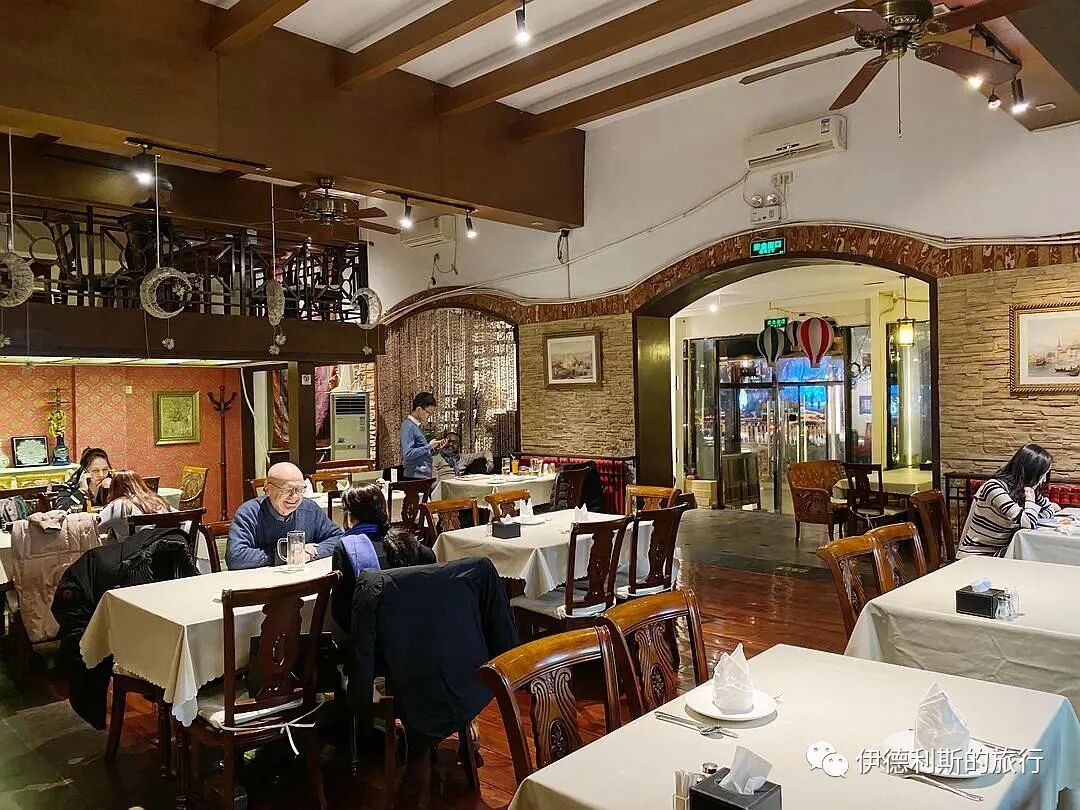
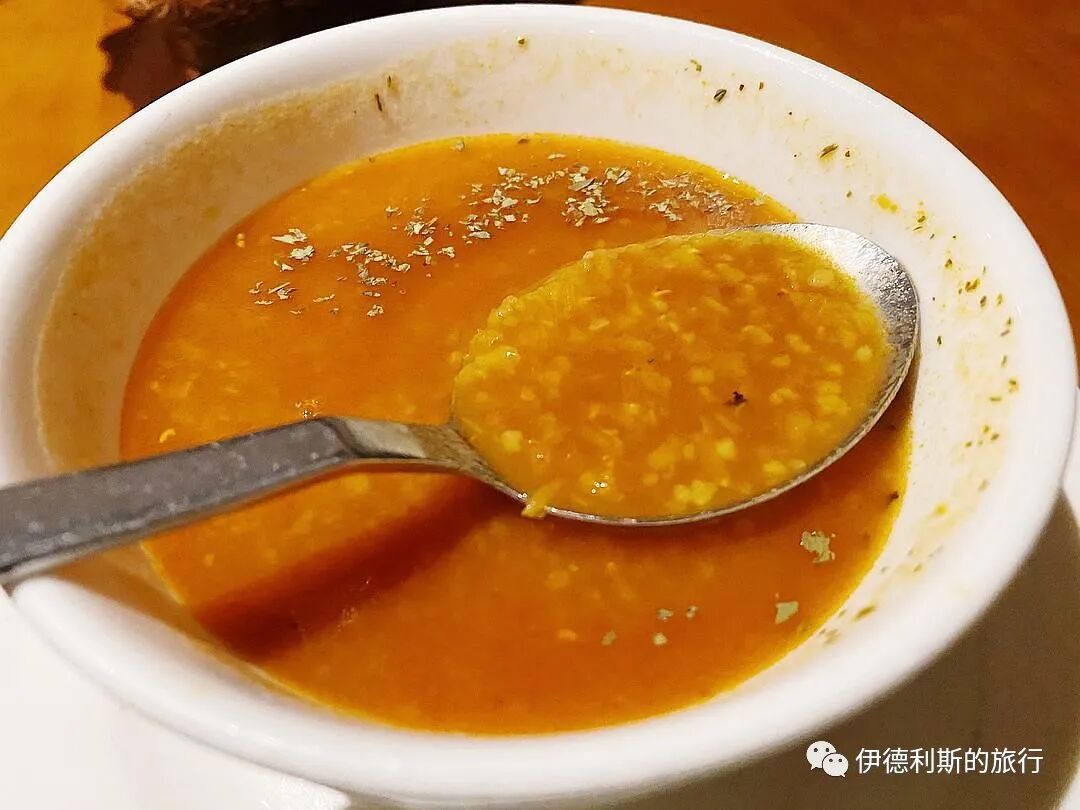

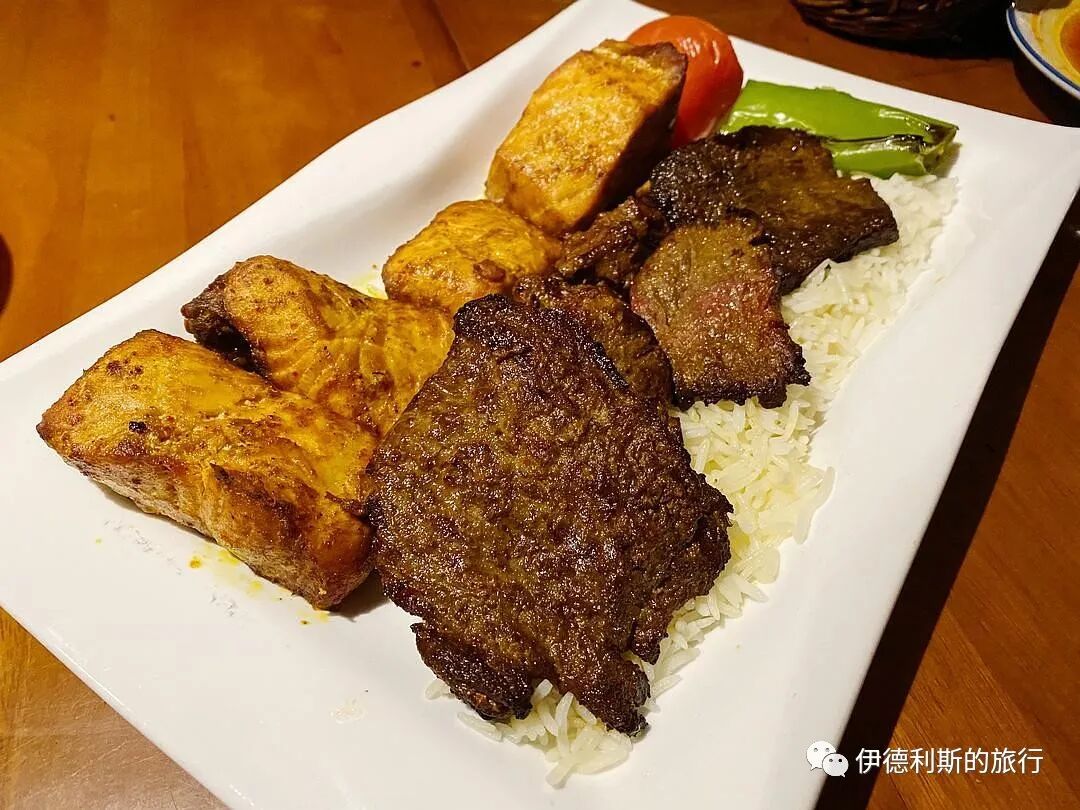
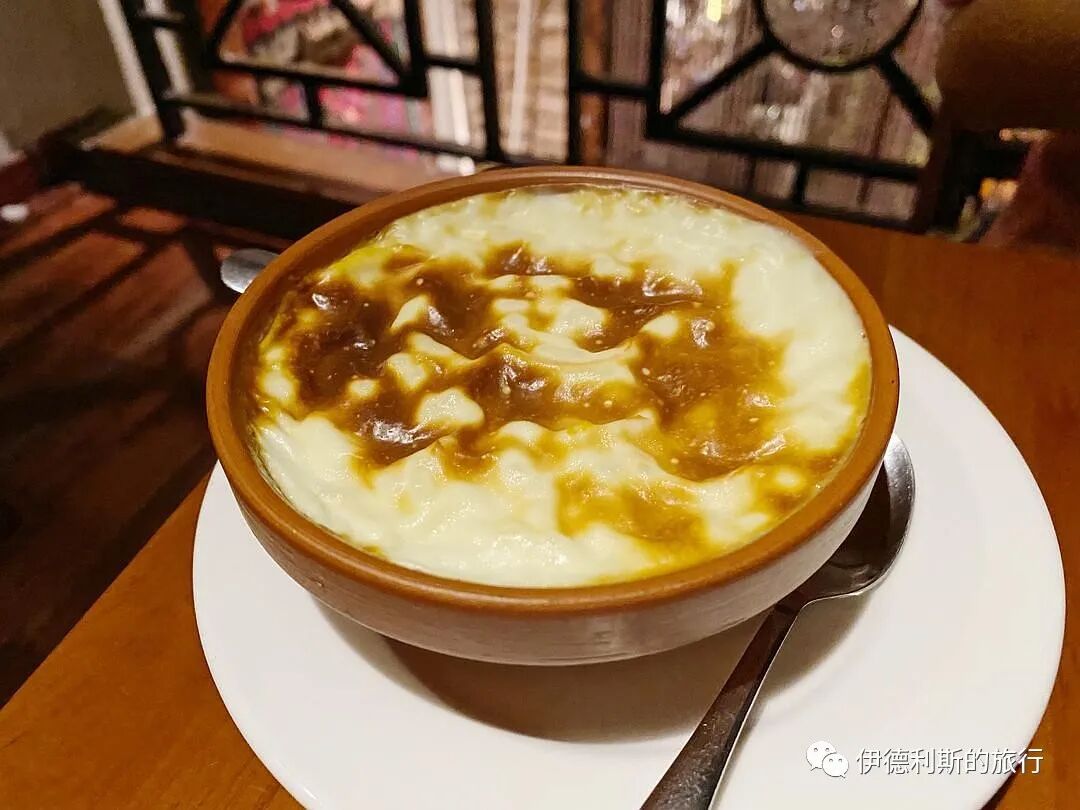
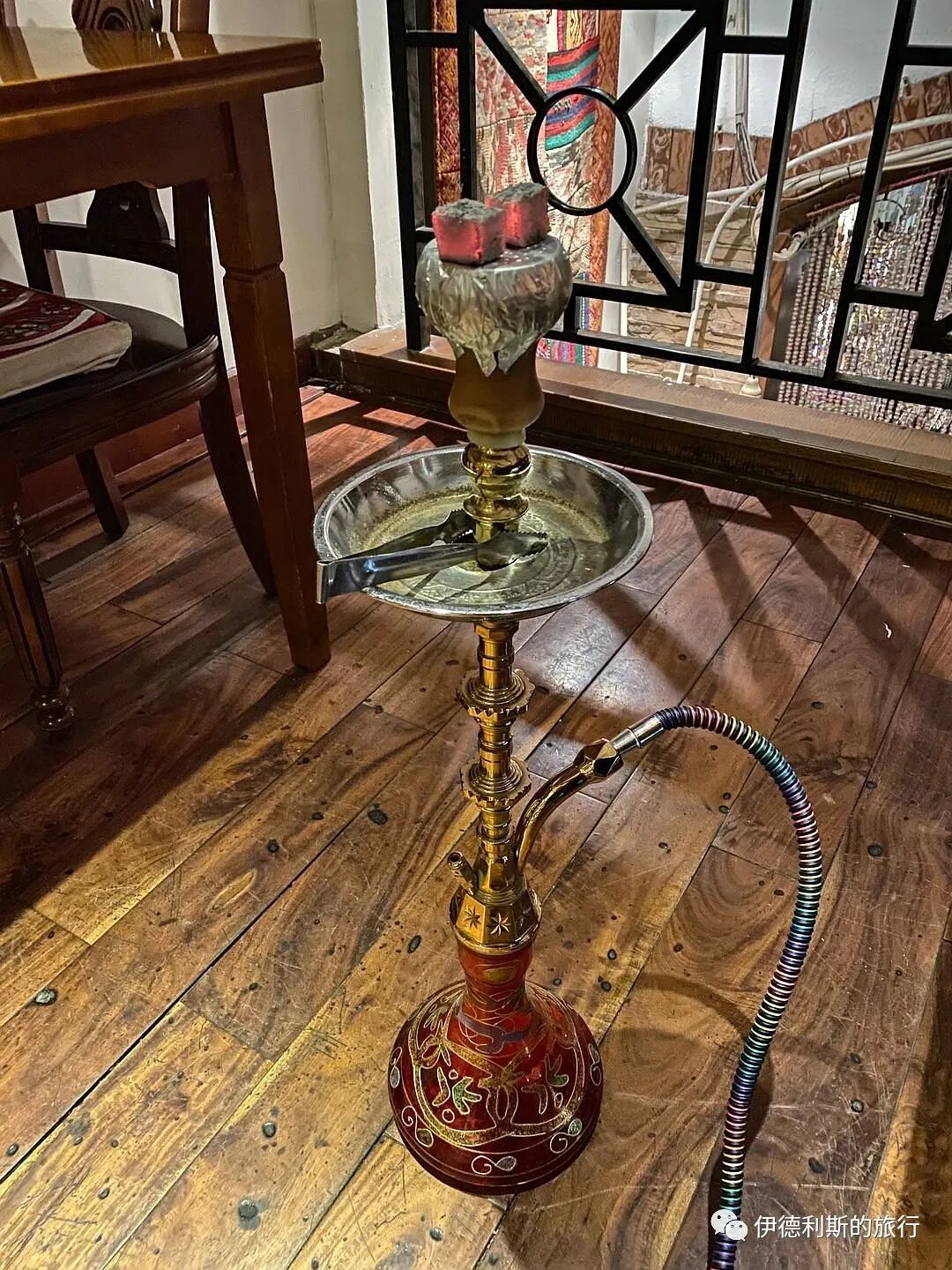
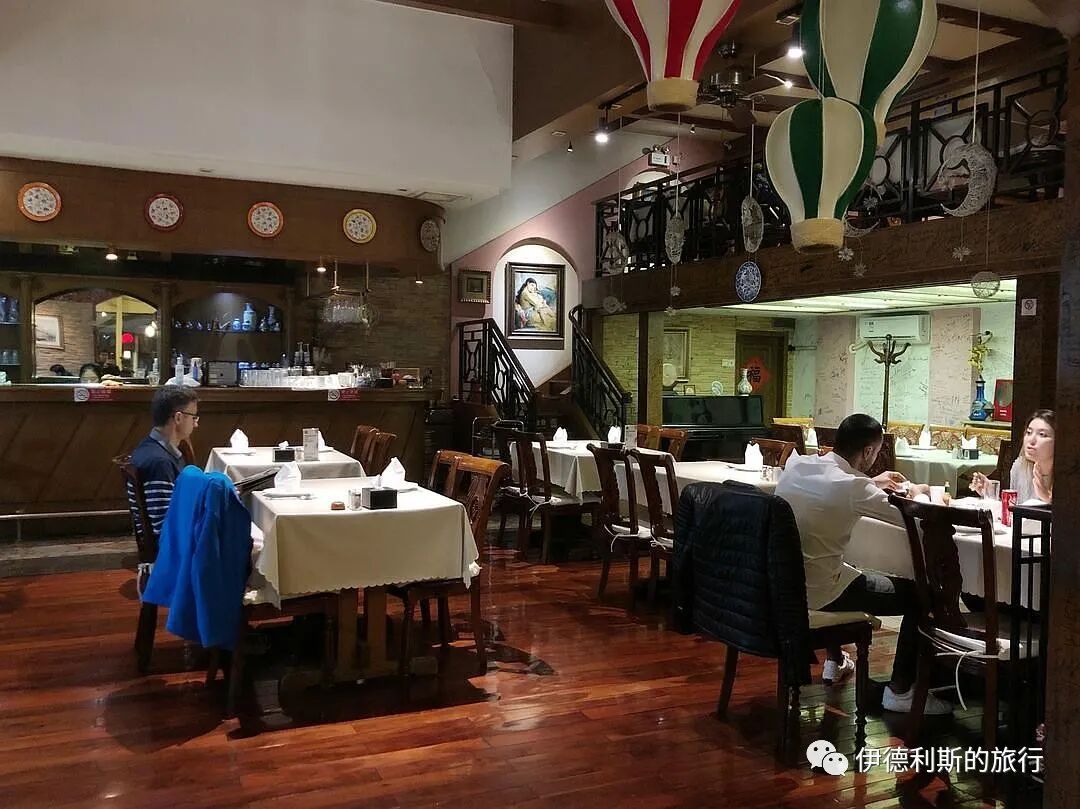
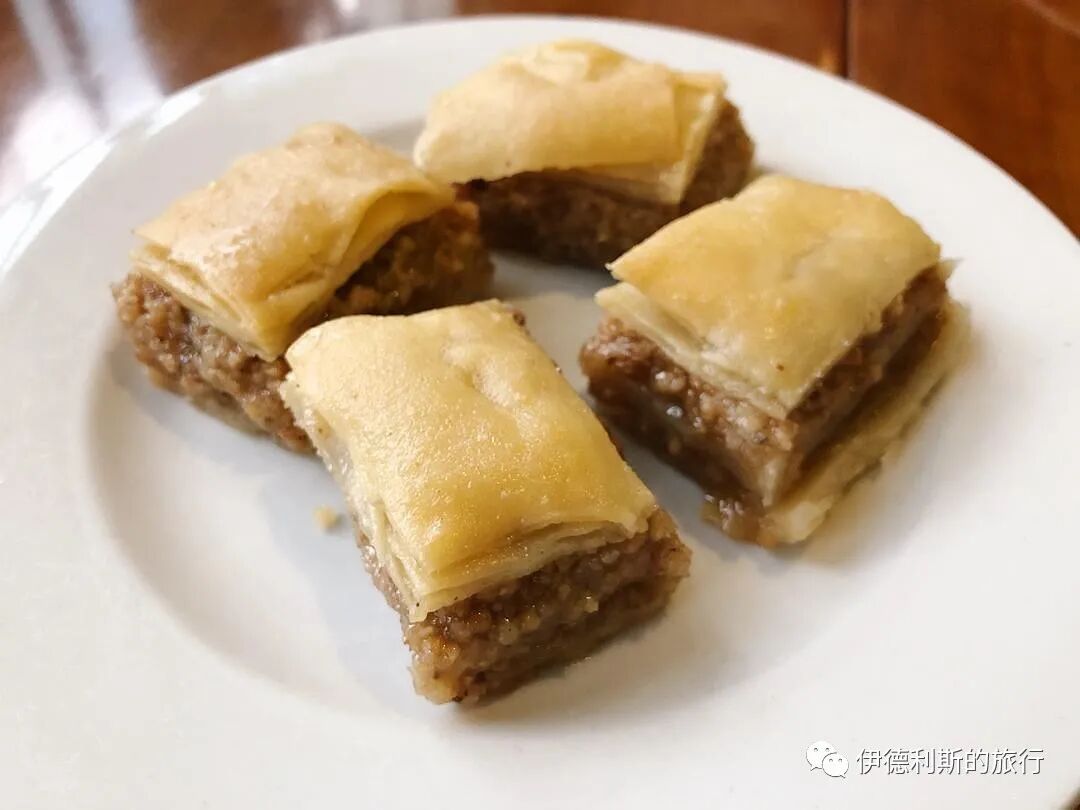
On October 19, 2019, I smoked shisha, drank tea, and ate baklava and rice pudding with a Turkish mother west of Changhong Bridge.
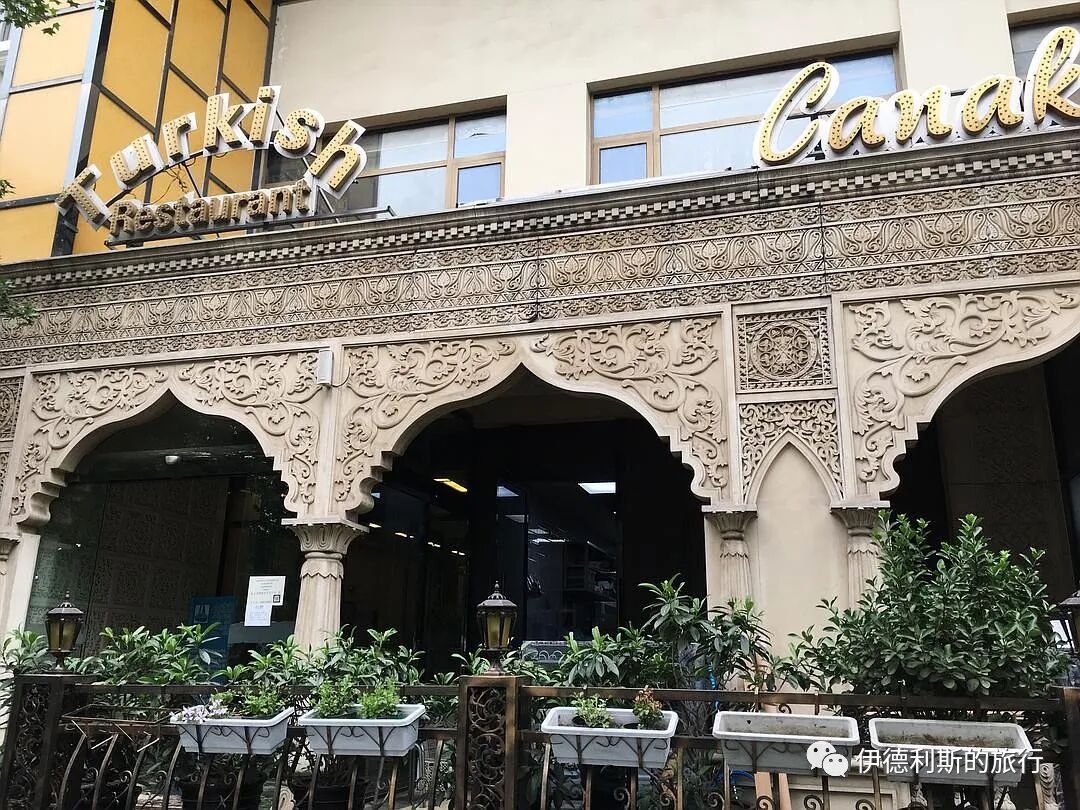
2. Dardanelles Turkish Restaurant
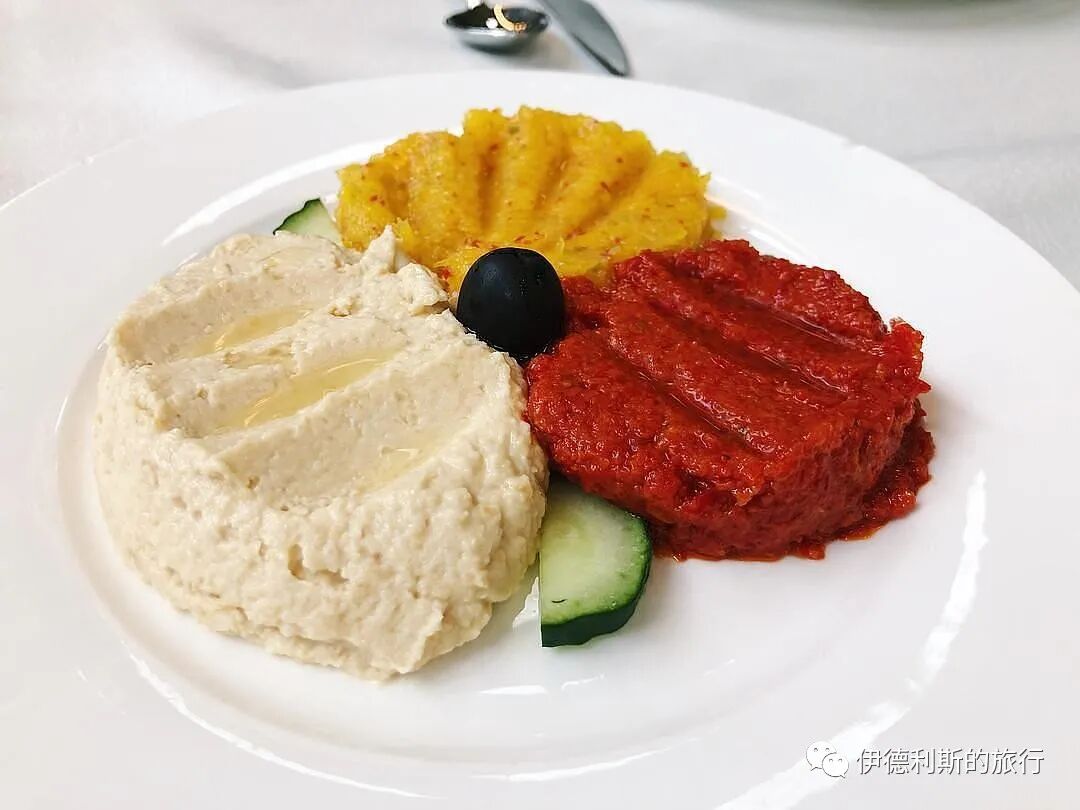
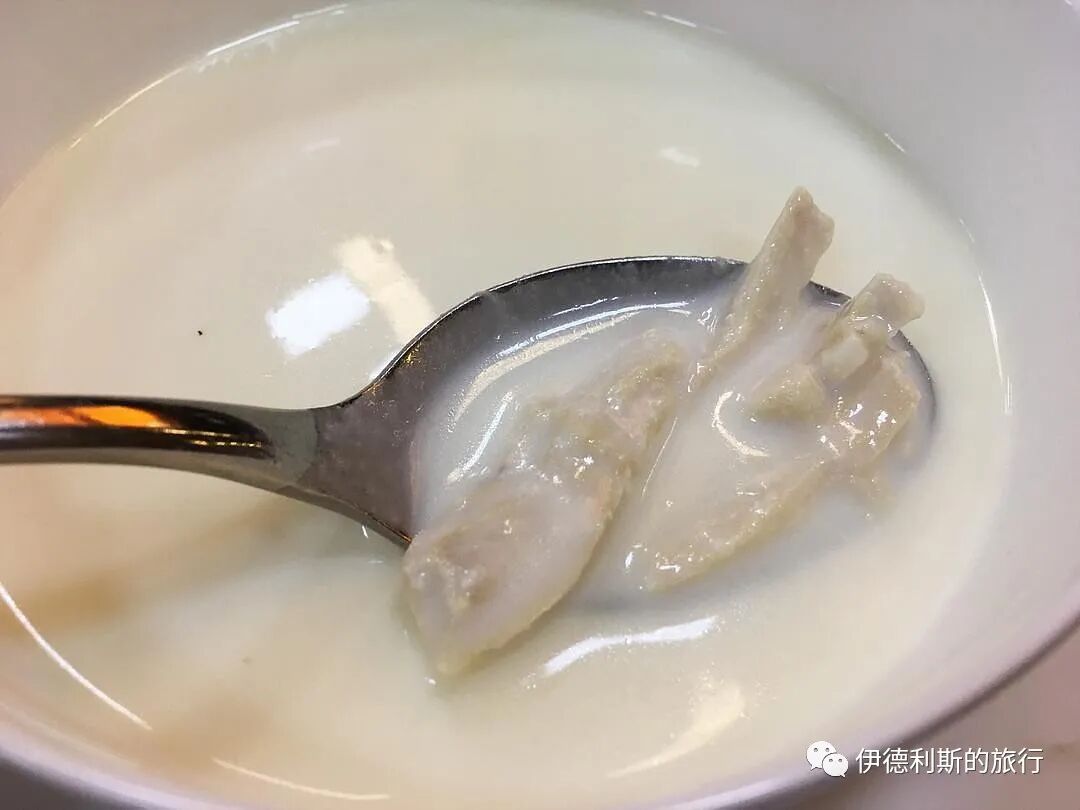
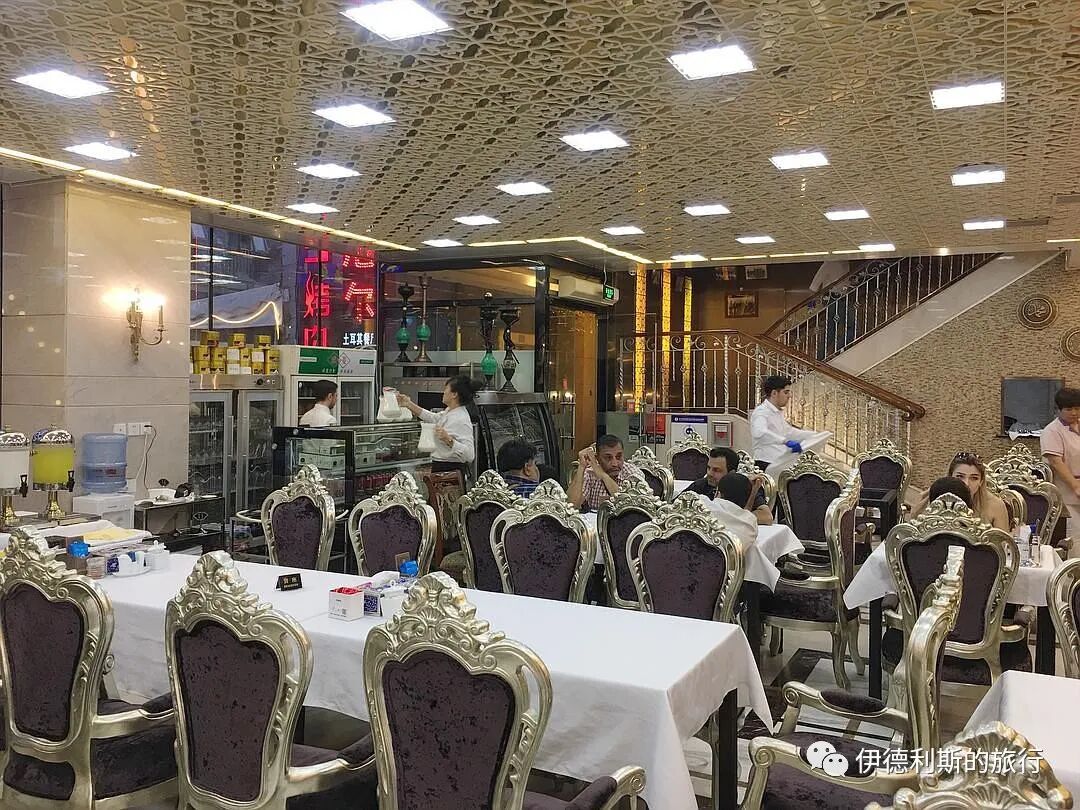
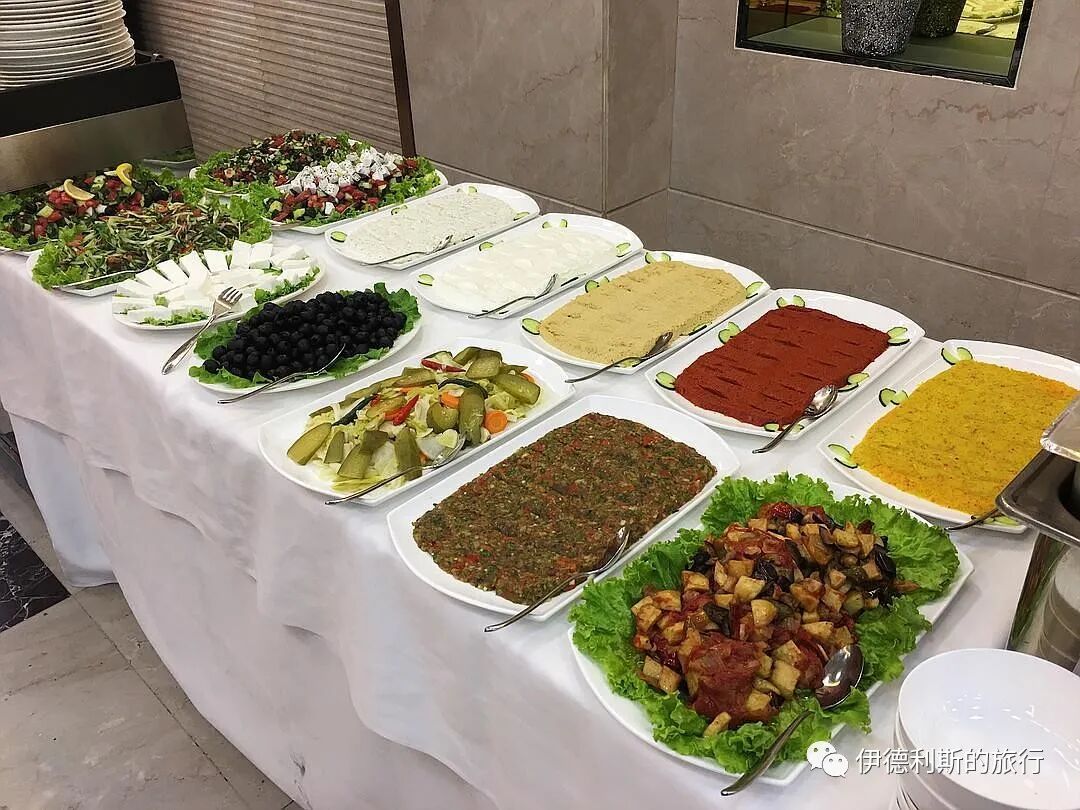
On August 11, 2019, after the Eid al-Adha prayer, I ate at the Turkish restaurant Dardanelles on Ritan Upper Street. I ordered lentil soup, cream of chicken soup, assorted salads (hummus, yellow pepper dip, chili dip), mint yogurt, grilled lamb liver, tomato lamb skewers, Lahmacun flatbread, Ayran yogurt, and rice pudding.
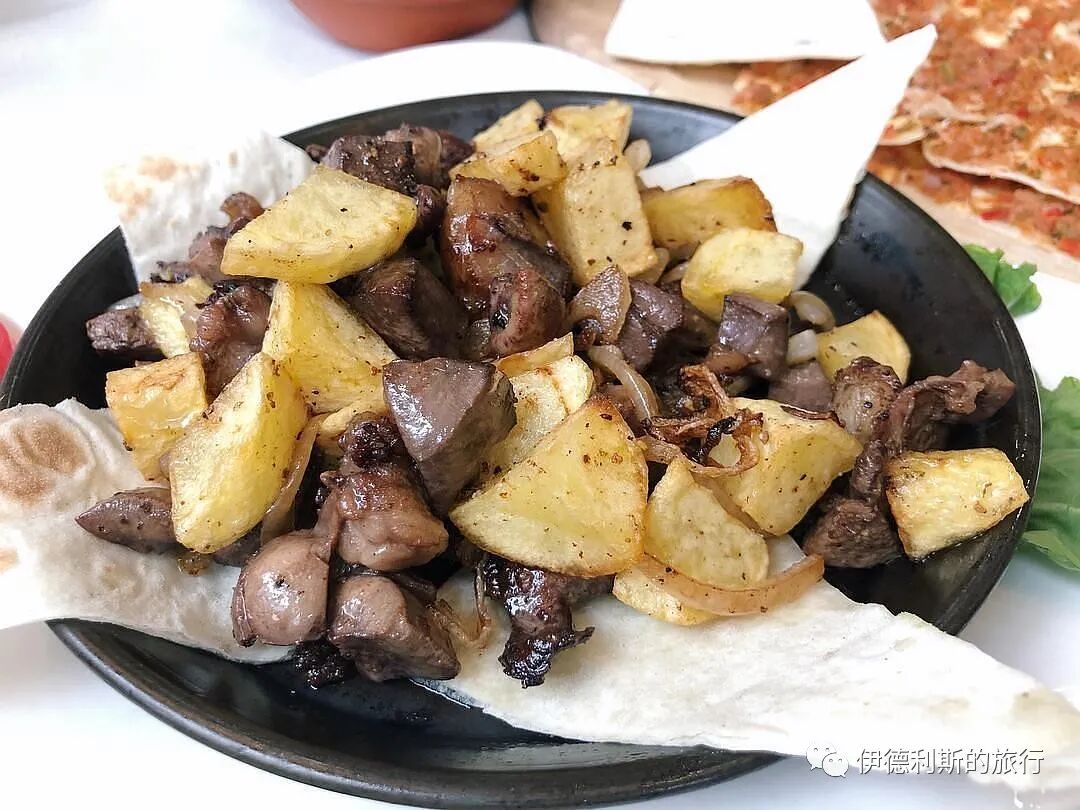
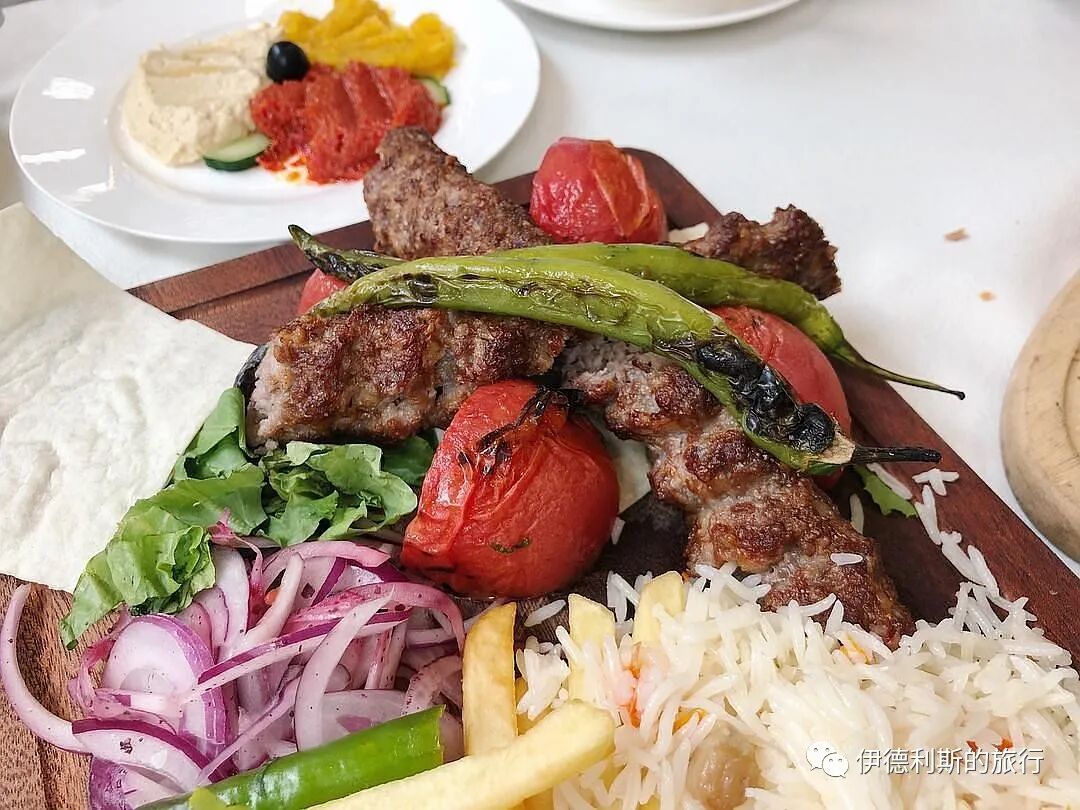
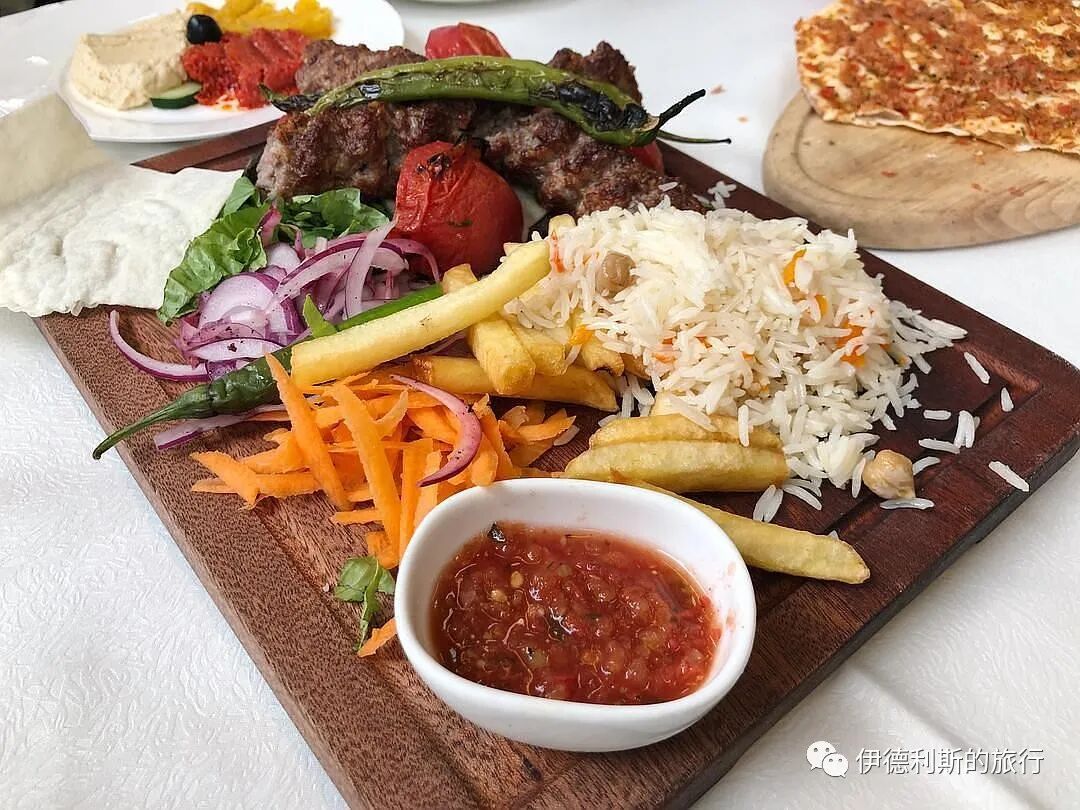
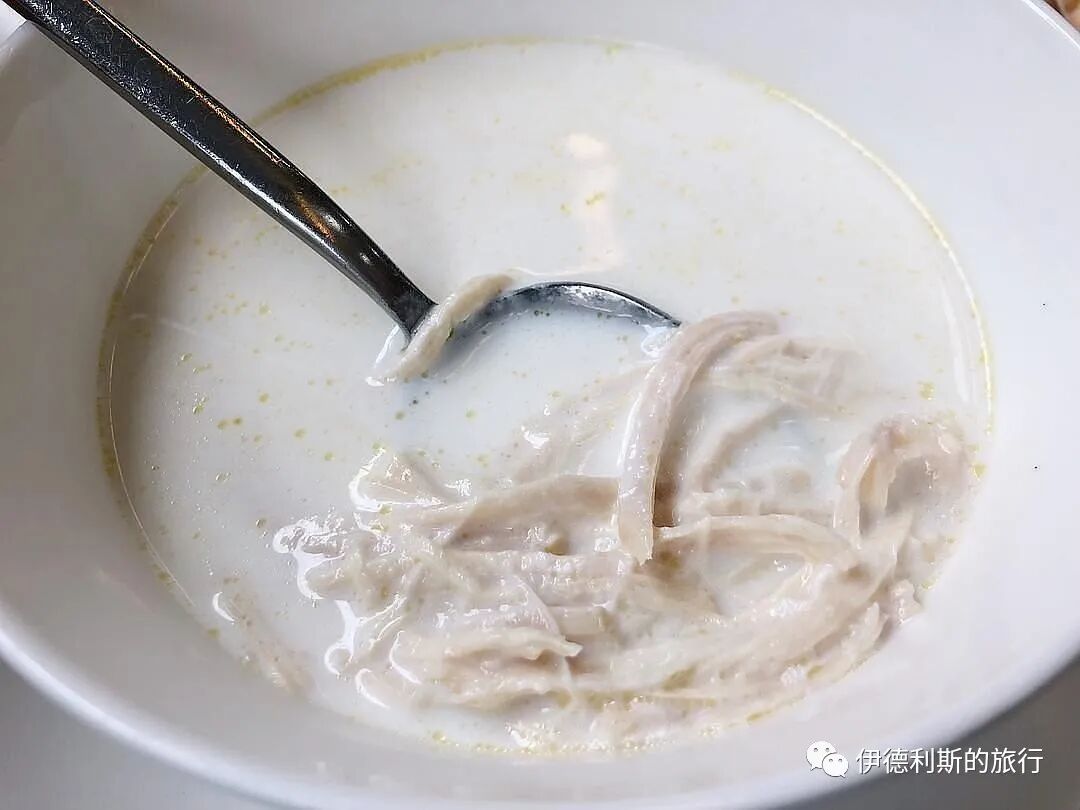
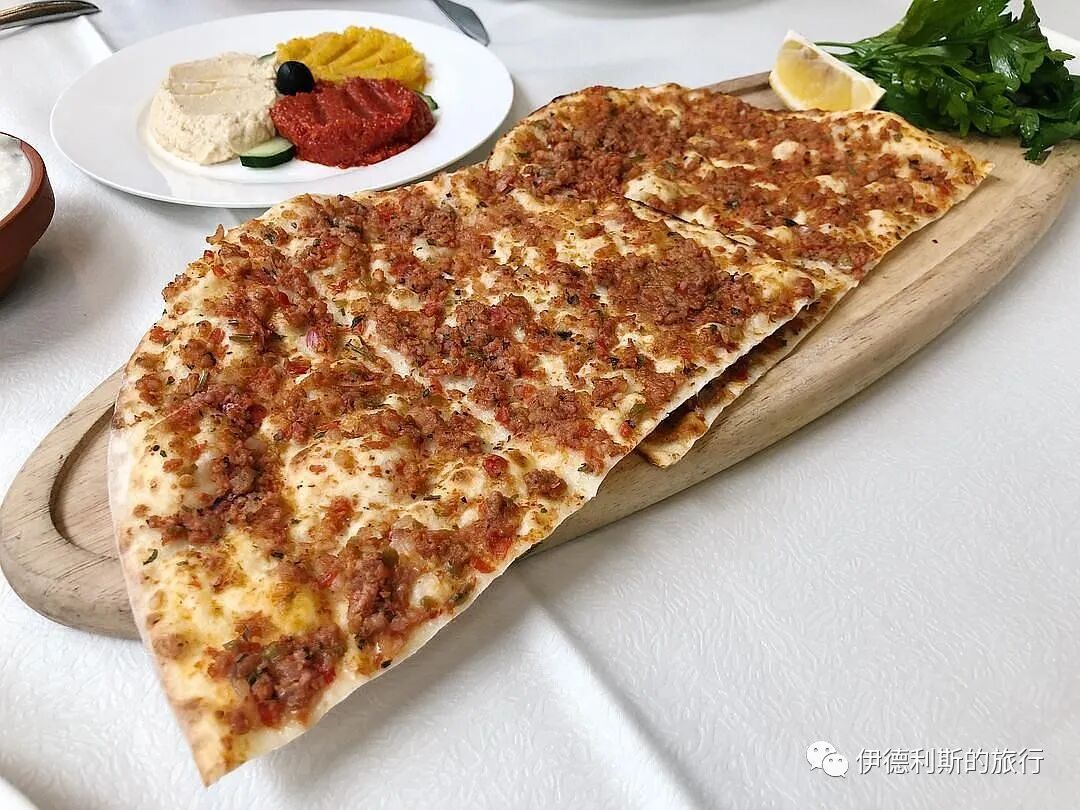
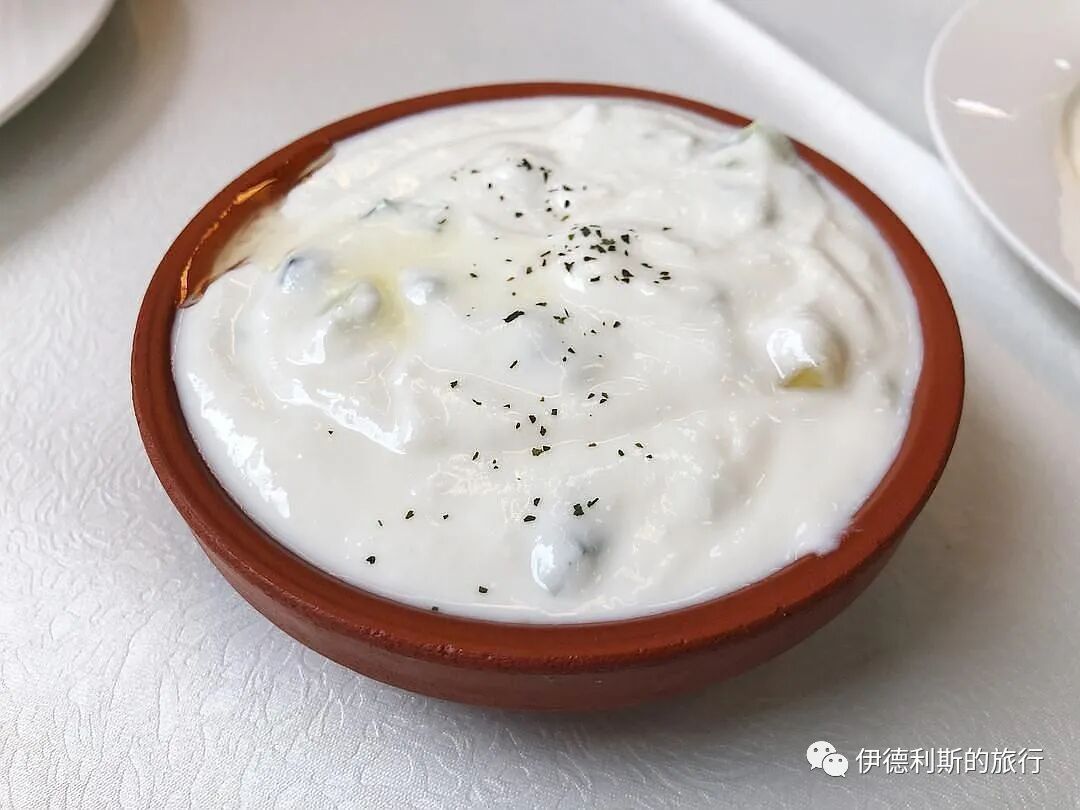
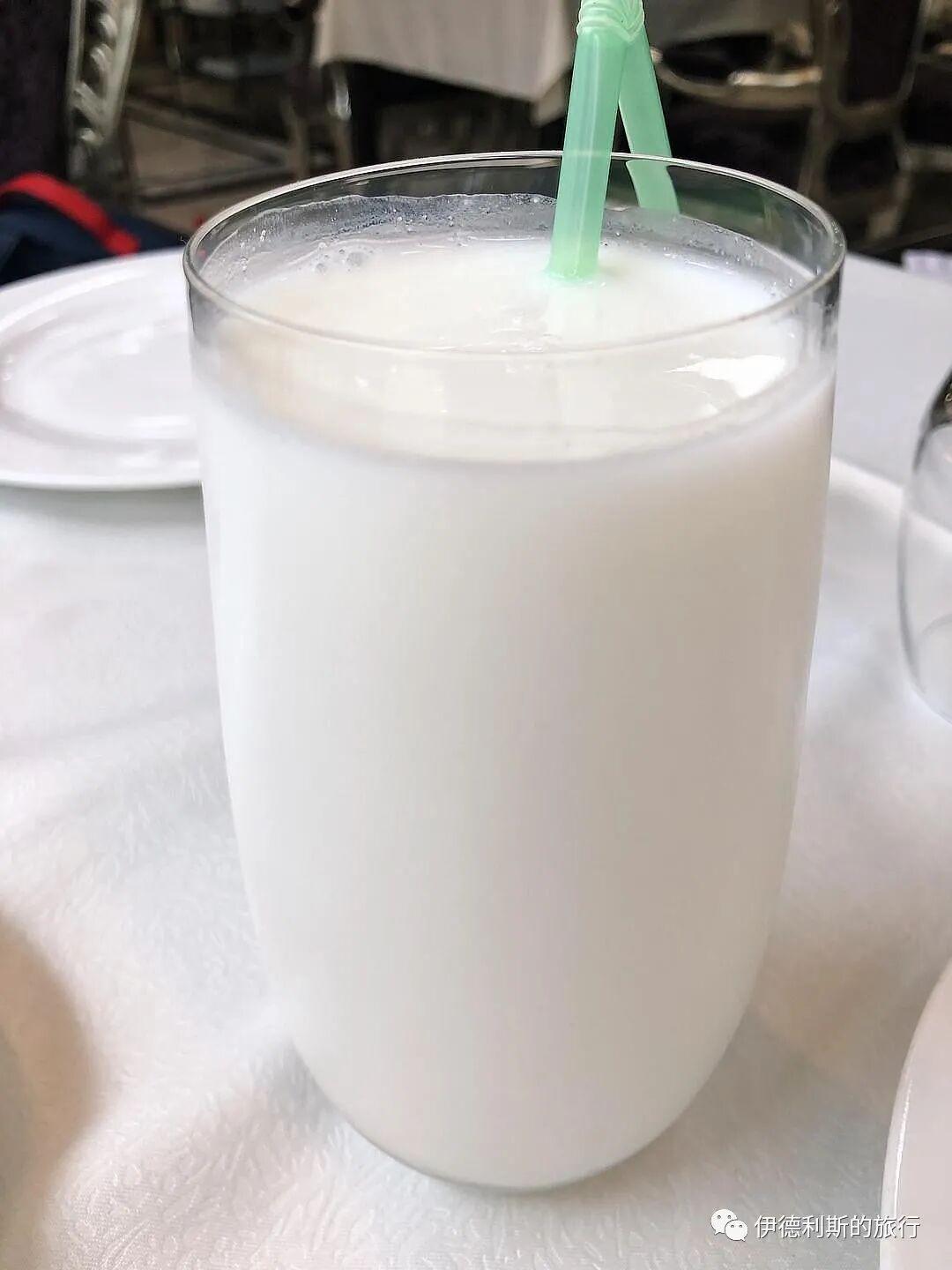
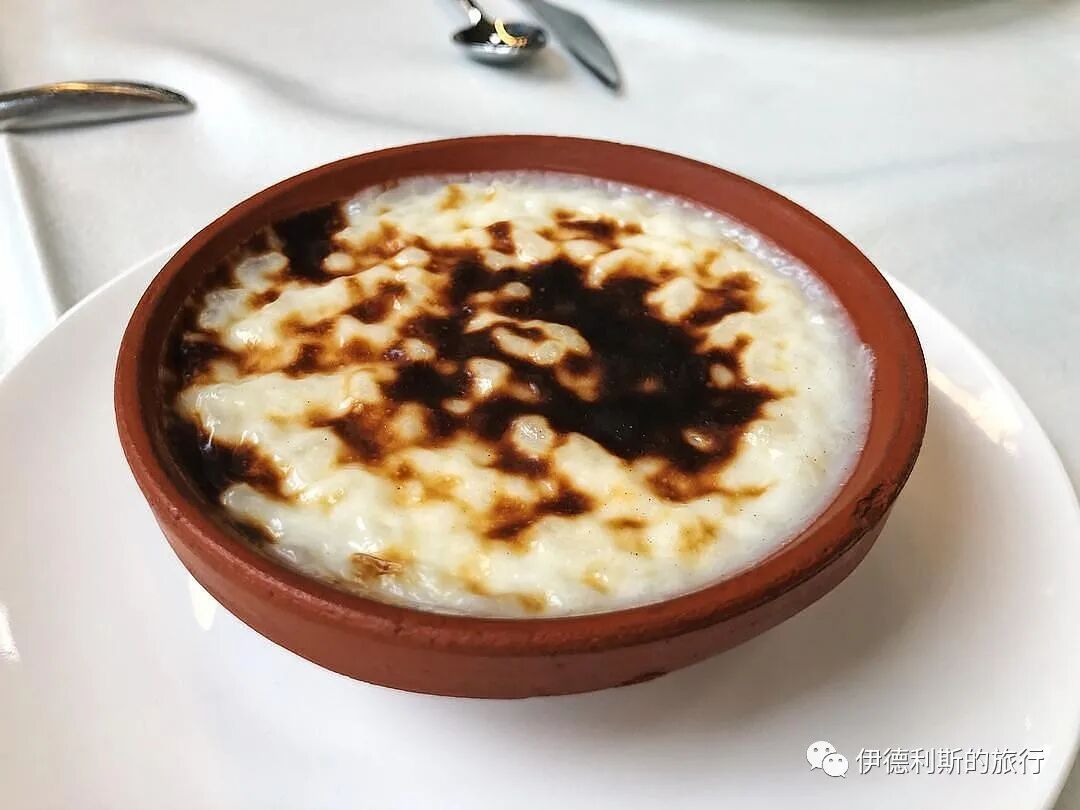
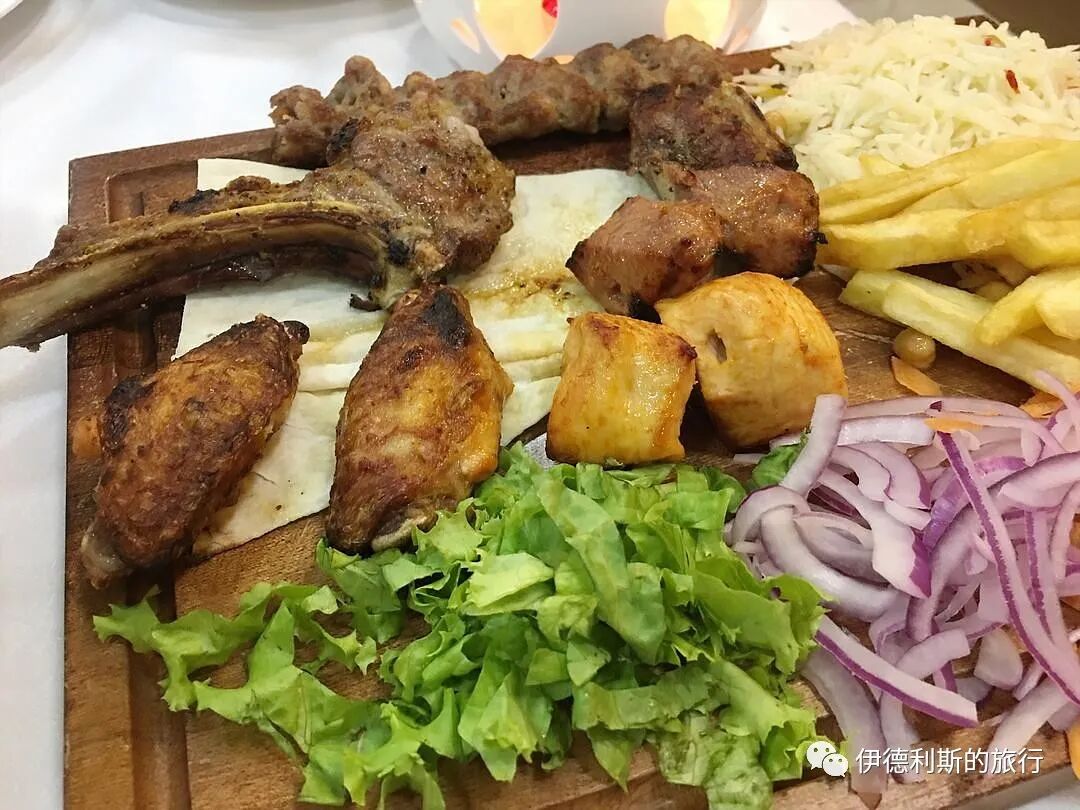
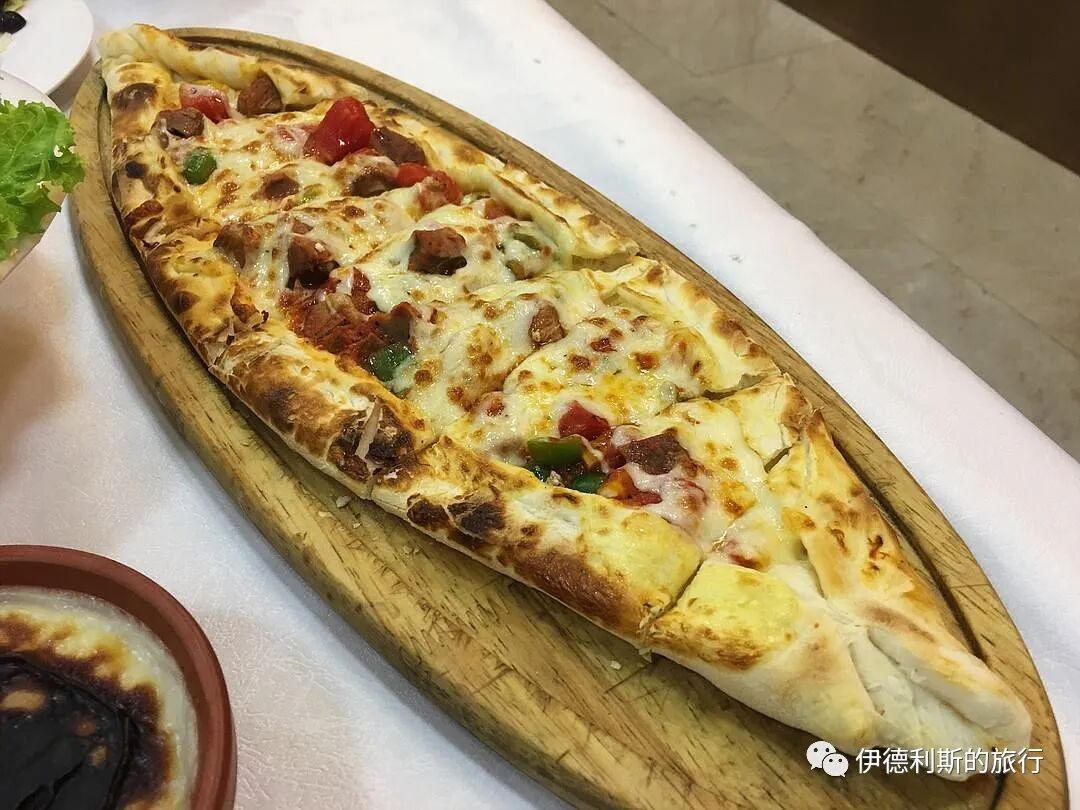
On June 6, 2018, after work, I went to Dardanelles on Shenlu Street with a friend and had cream of chicken soup, mixed grill, lamb and cheese pide, Mediterranean salad, as well as rice pudding and Turkish black tea. I must praise the lamb and cheese pide; it was truly huge!
Summary: This travel note introduces Eating South Asian and Middle Eastern Food in Beijing (Part 1). Over the past few years, I have visited many Middle Eastern and South Asian restaurants in Beijing, some of which have already closed down. It is useful for readers interested in Beijing Halal Food, Muslim Travel, Middle Eastern Food.
4. Taiba Arabic fast food restaurant
On January 17, 2021, a new Arabic fast food restaurant called Taiba recently opened on Guijie Street. I ate Arabic Lahmacun pizza, Hummus, and Falafel, and also drank some Middle Eastern black tea with a rich spiced flavor. The young man working there is Sudanese, and his Chinese is quite good. Also, their business is mainly for takeout; if you want to dine in, you can only eat at the noodle shop next door.
Lahmacun originates from the Arabic language (لحم بعجين), which literally translates to "meat with dough." During the Ottoman era, Lahmacun spread from the Arab world to former Ottoman regions like Turkey and Armenia, so it is also called "Turkish pizza" or "Armenian pizza," though the basic preparation is always a thin crust topped with minced meat.
5. Syrian restaurant
On March 7, 2021, I had lunch at the Syrian restaurant BRBR in Wudaokou. I had heard about this place for a long time, but since I live in the city and it's too far away, I had never eaten here before; this was my first time. I have to say, this place is so popular! We went after two o'clock and still had to wait a long time for a table; it was full of young people.
Syrian cuisine is also a fairly standard Levantine cuisine, with the most classic dishes being hummus and falafel, though we didn't order those this time. We ordered lentil soup, a mixed grill platter (Shuqaf lamb skewers, traditional Kabab, chicken skewers, and chicken wings), half a roasted chicken, hummus with tahini and fava beans, and lemon mint.
A special highlight of this trip was eating traditional Arabic Mandi lamb rice; Mandi originated in Yemen and is popular in the Arabian Peninsula, Egypt, and the Levant region. Mandi is usually made with rice, meat (lamb, camel, or chicken), and Hawaij spices. Hawaij is also a specialty spice blend from Yemen that can be used for cooking rice, soups, and coffee; its main ingredients are cumin, black pepper, turmeric, and cardamom. The texture of Mandi is drier than regular curry rice.
2. Turkey and Azerbaijan
1. Turkish mother
On January 10, 2020, after getting married, I went to Turkish Mama in Sanlitun with Zainab. We ordered lentil soup, 'Sultan's Delight,' a mixed grill platter, and rice pudding, then drank tea, smoked shisha, and had a heart-to-heart talk. Turkish Mama is much tastier than the Persian food next door; the grilled lamb and bread were especially delicious. We originally ordered rice, but because the bread was so good, we canceled the rice.
Sultan's Delight (Hünkar Beğendi) is a snack that originated in the Ottoman palace, featuring rich lamb stew served with creamy roasted eggplant puree, which is quite rare in Beijing.
On October 19, 2019, I smoked shisha, drank tea, and ate baklava and rice pudding with a Turkish mother west of Changhong Bridge.
2. Dardanelles Turkish Restaurant
On August 11, 2019, after the Eid al-Adha prayer, I ate at the Turkish restaurant Dardanelles on Ritan Upper Street. I ordered lentil soup, cream of chicken soup, assorted salads (hummus, yellow pepper dip, chili dip), mint yogurt, grilled lamb liver, tomato lamb skewers, Lahmacun flatbread, Ayran yogurt, and rice pudding.
On June 6, 2018, after work, I went to Dardanelles on Shenlu Street with a friend and had cream of chicken soup, mixed grill, lamb and cheese pide, Mediterranean salad, as well as rice pudding and Turkish black tea. I must praise the lamb and cheese pide; it was truly huge!
