
Halal Travel Guide to Shaanxi: 12 Traditional Mosques (Part 2)
Reposted from the web
Summary: This travel note introduces Halal Travel Guide to Shaanxi: 12 Traditional Mosques (Part 2). In the early years of the Republic of China, the Daxuexi Lane Mosque and the Yingli Mosque in Xi'an adopted the Ikhwan (a reformist Islamic movement), which led some local residents who insisted on the Gedimu. It is useful for readers interested in Shaanxi Mosques, Chinese Muslims, Islamic Heritage.
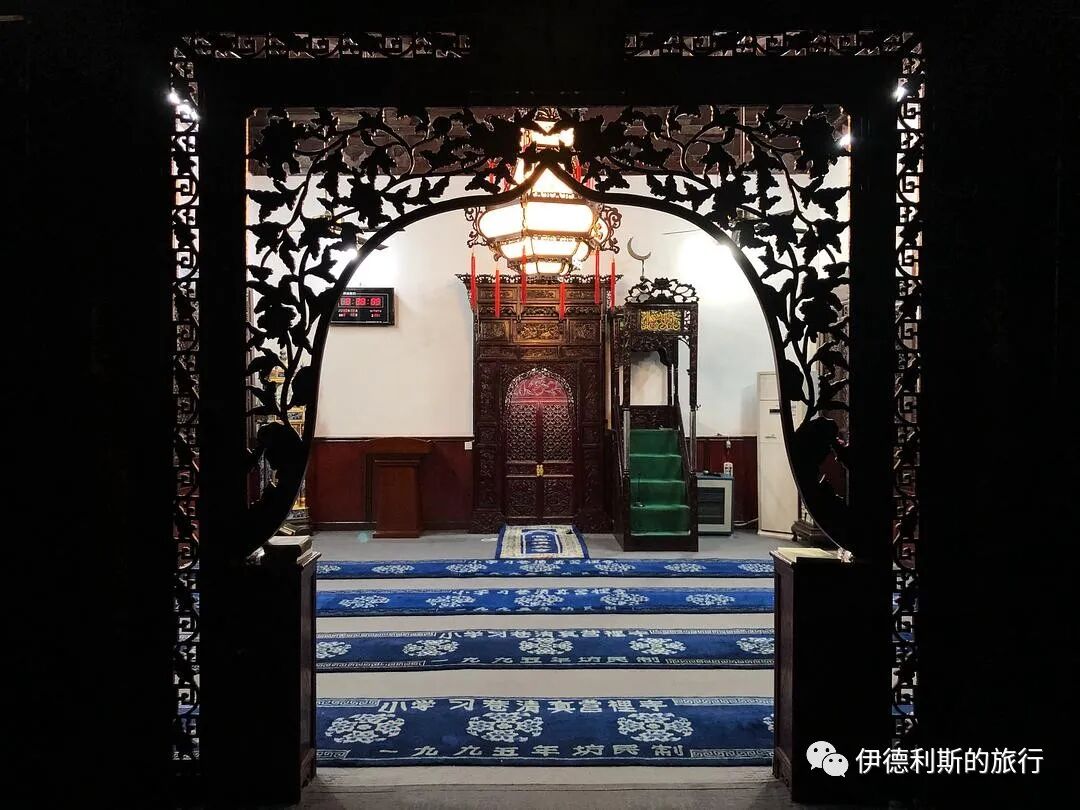
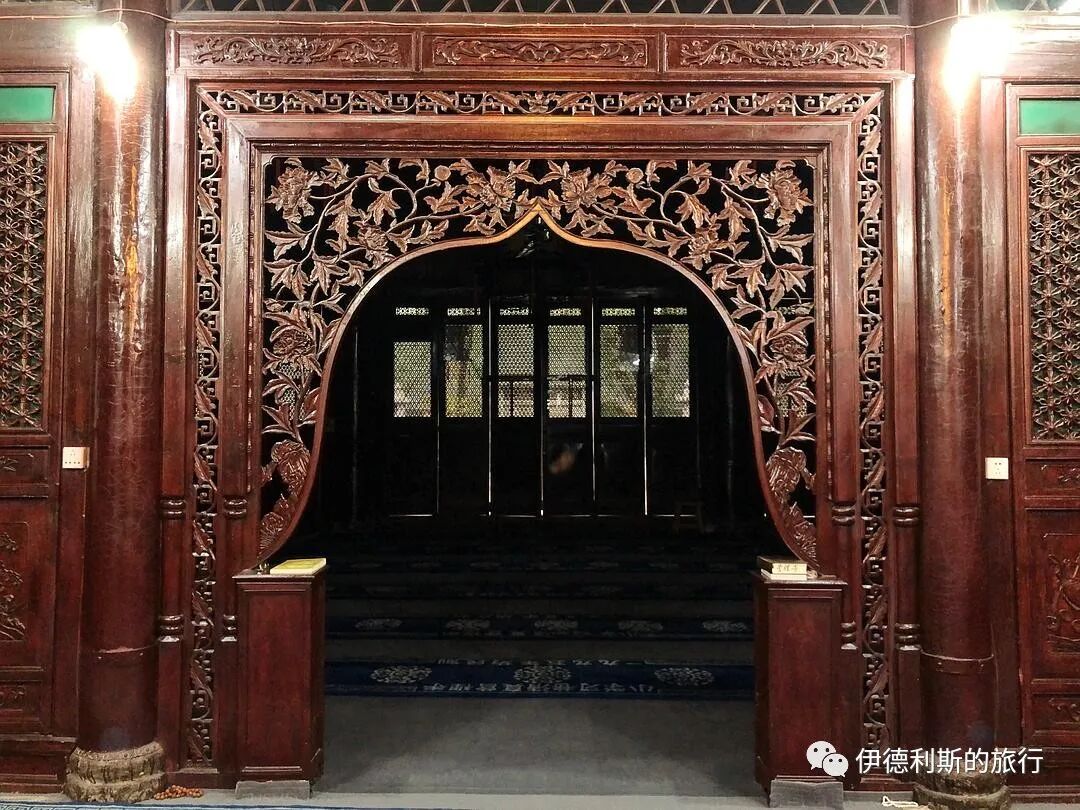
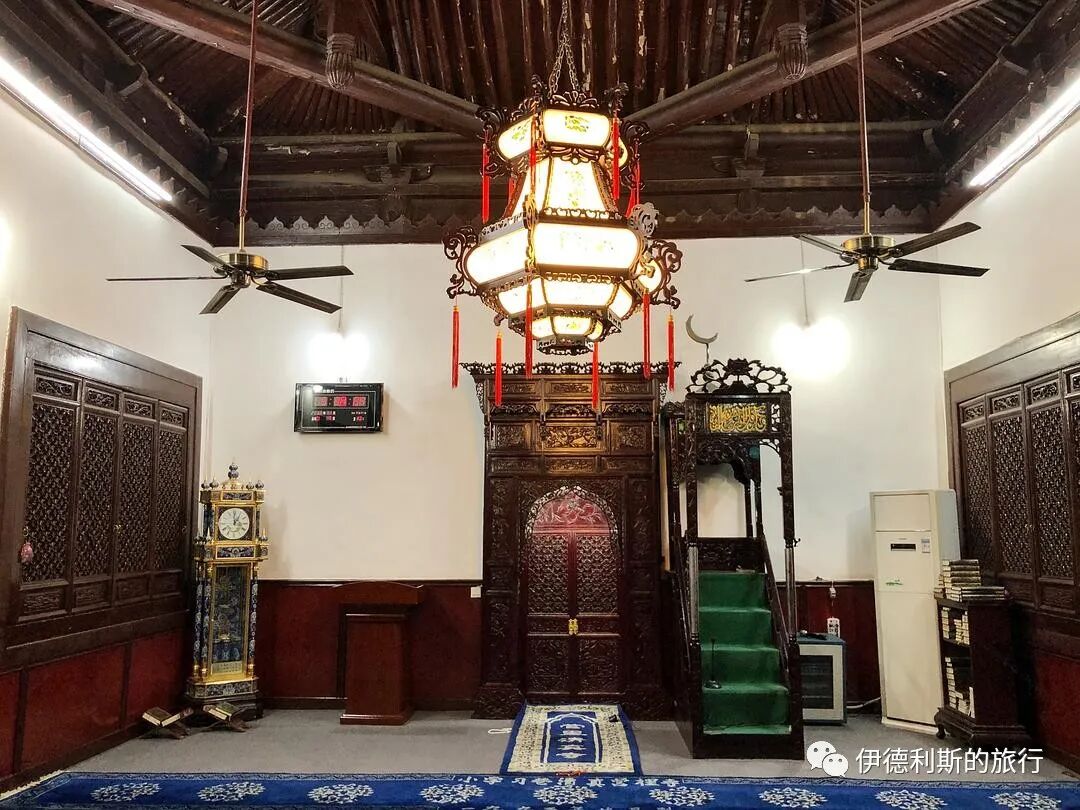
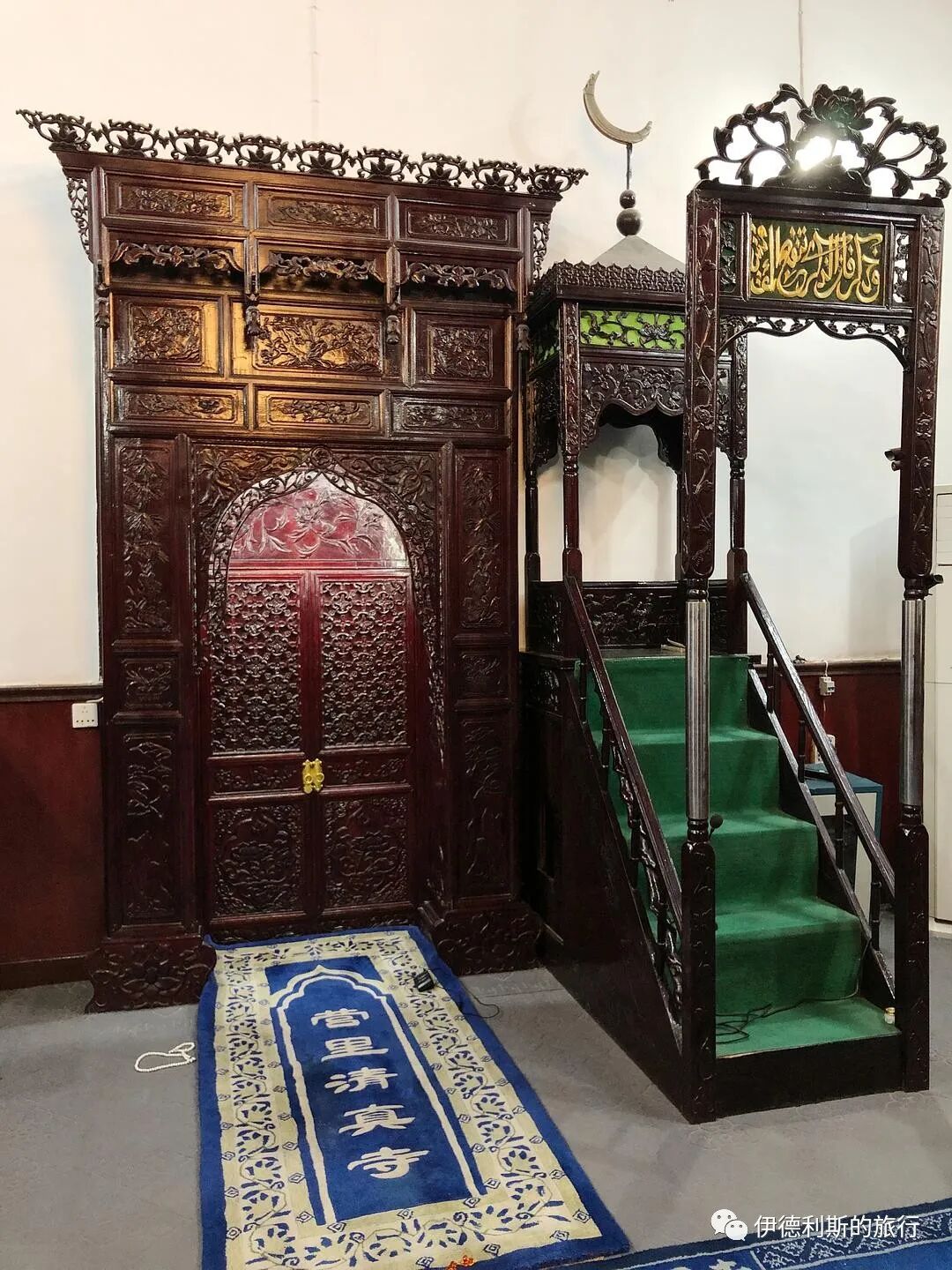
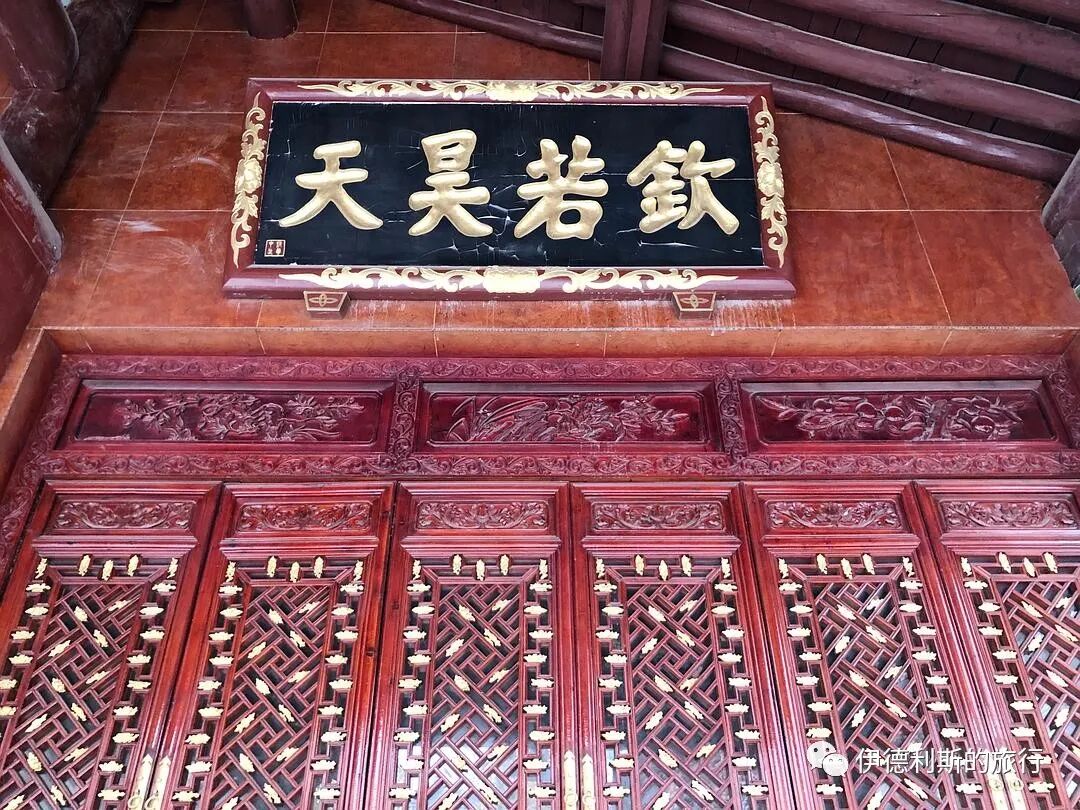
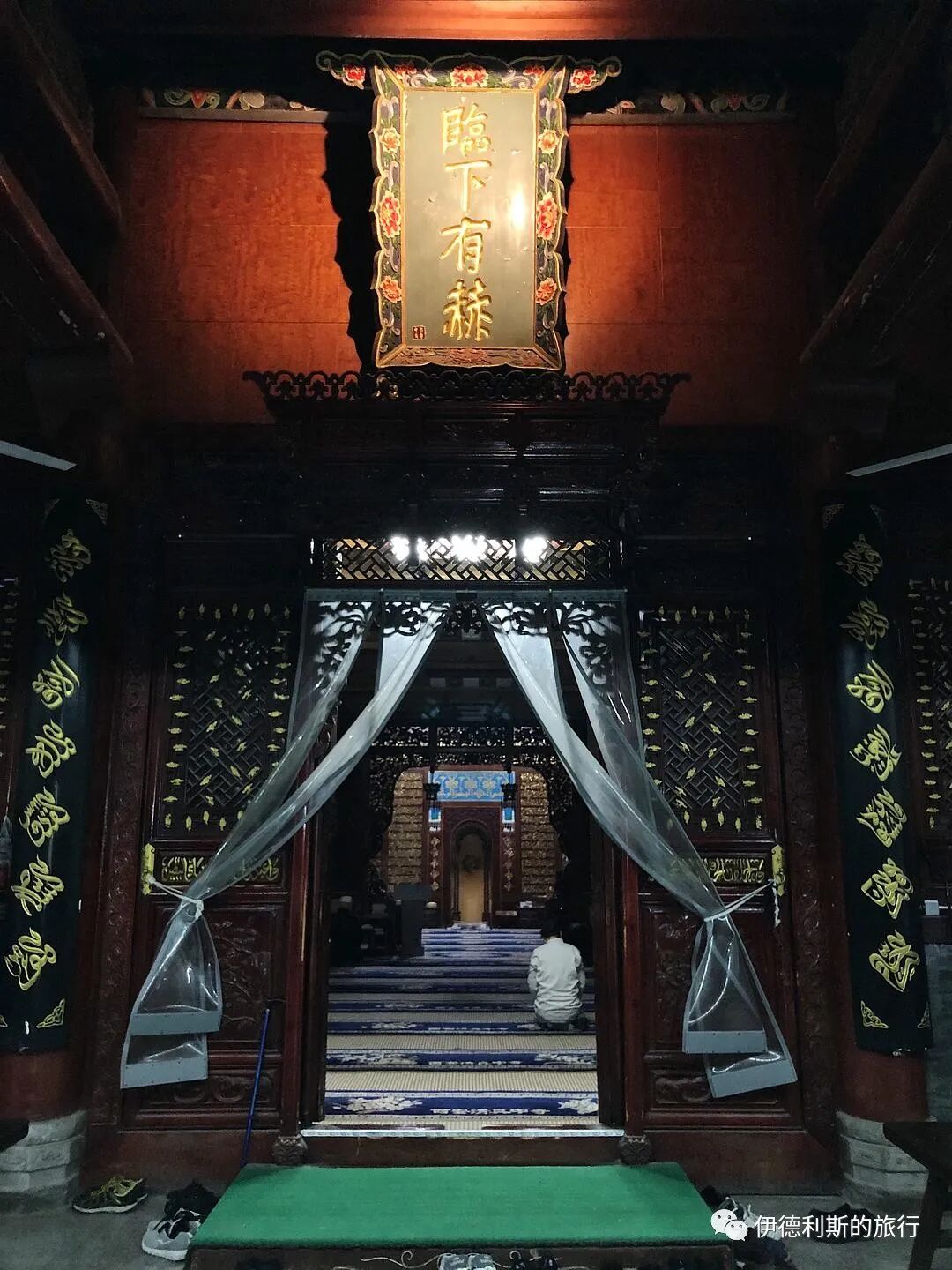
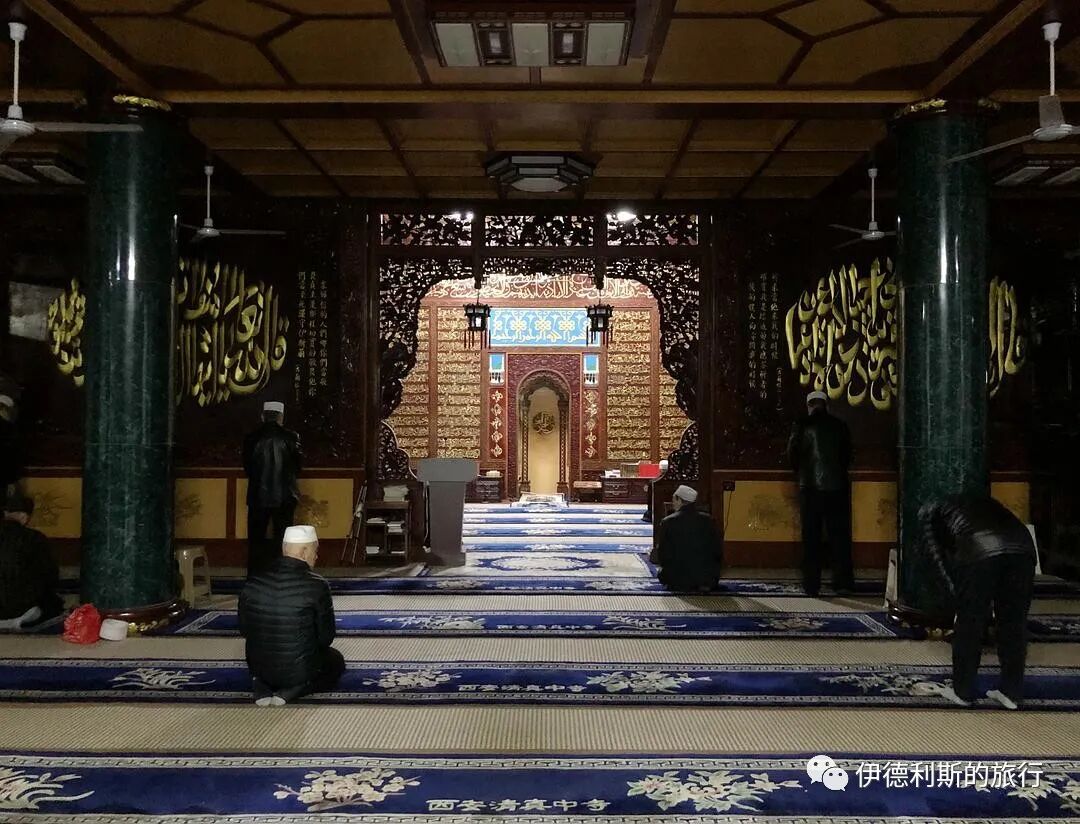
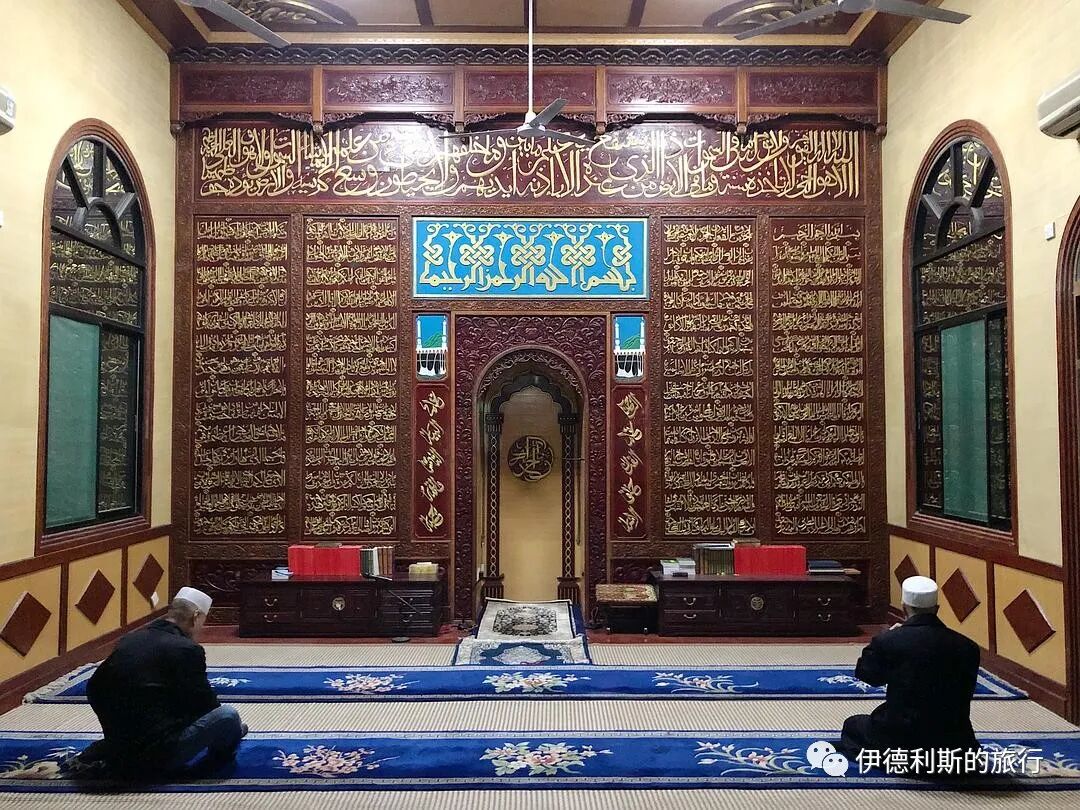
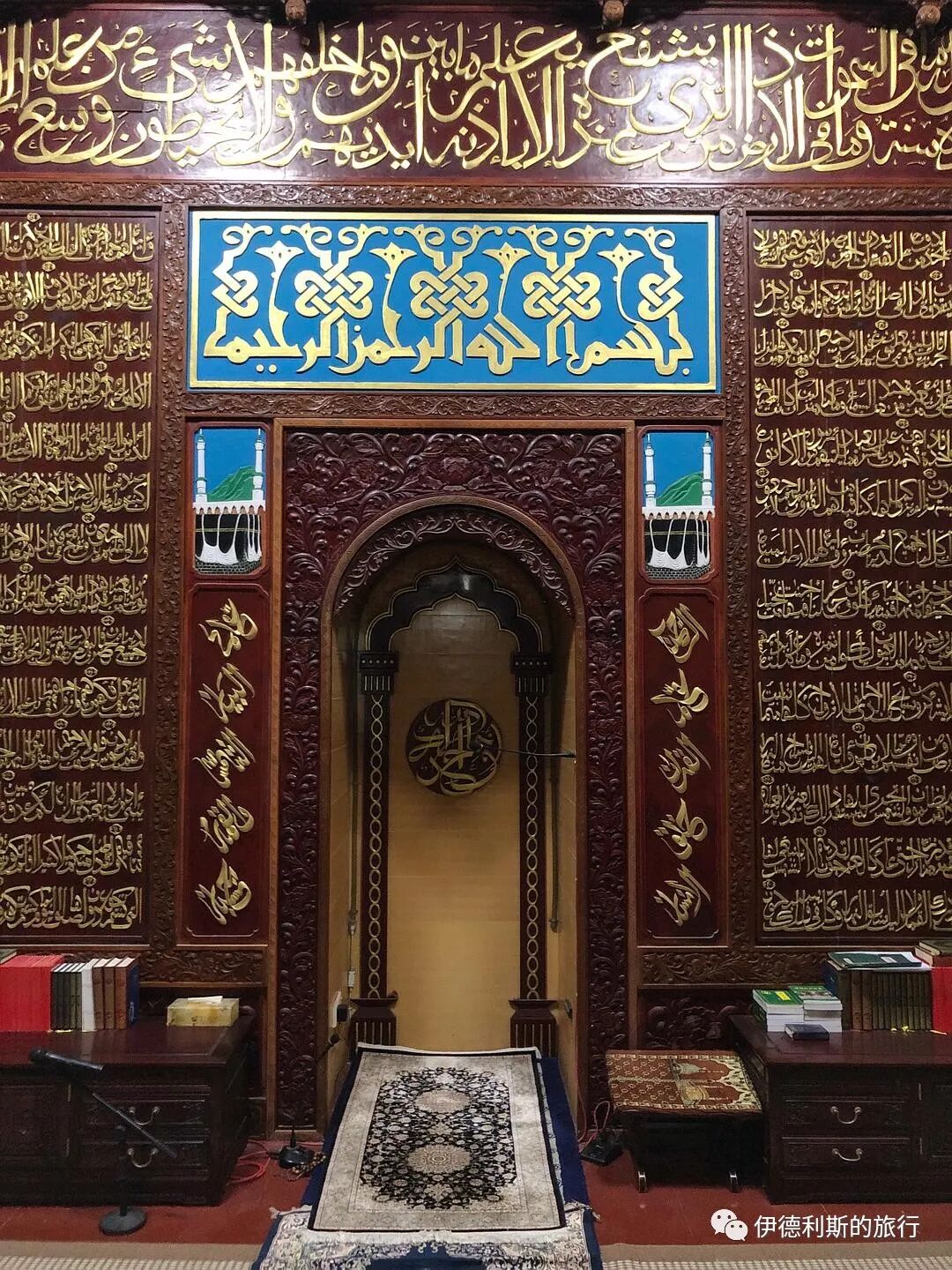
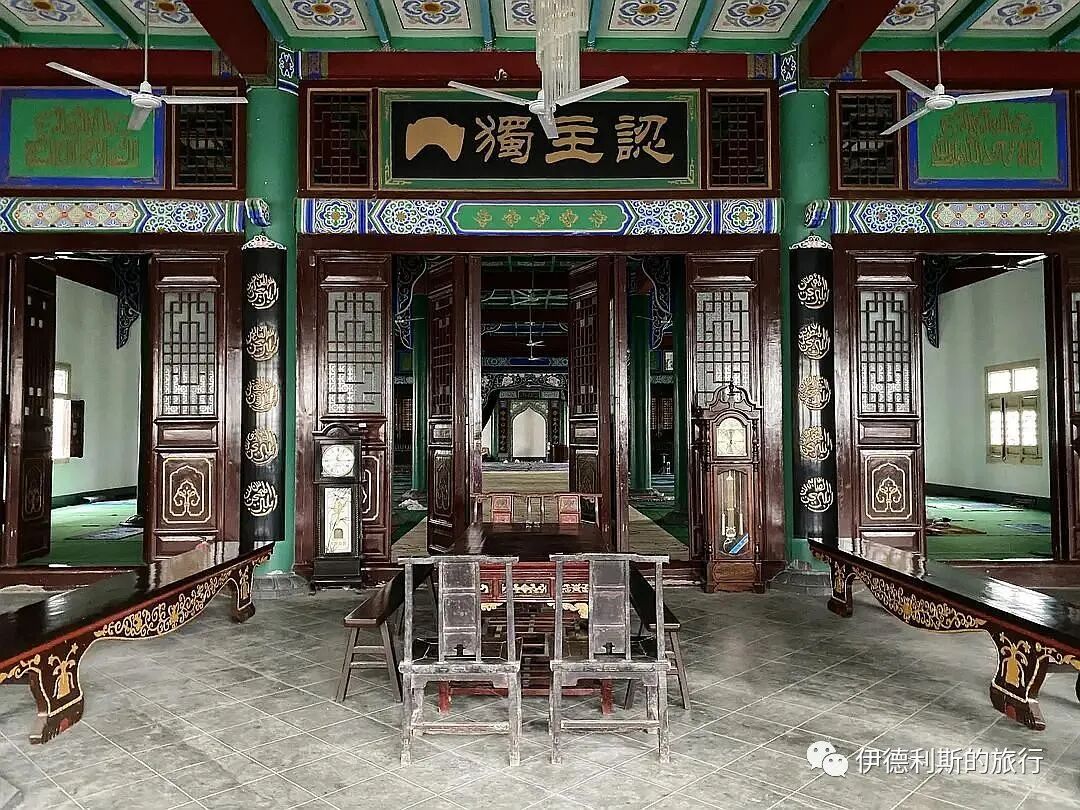
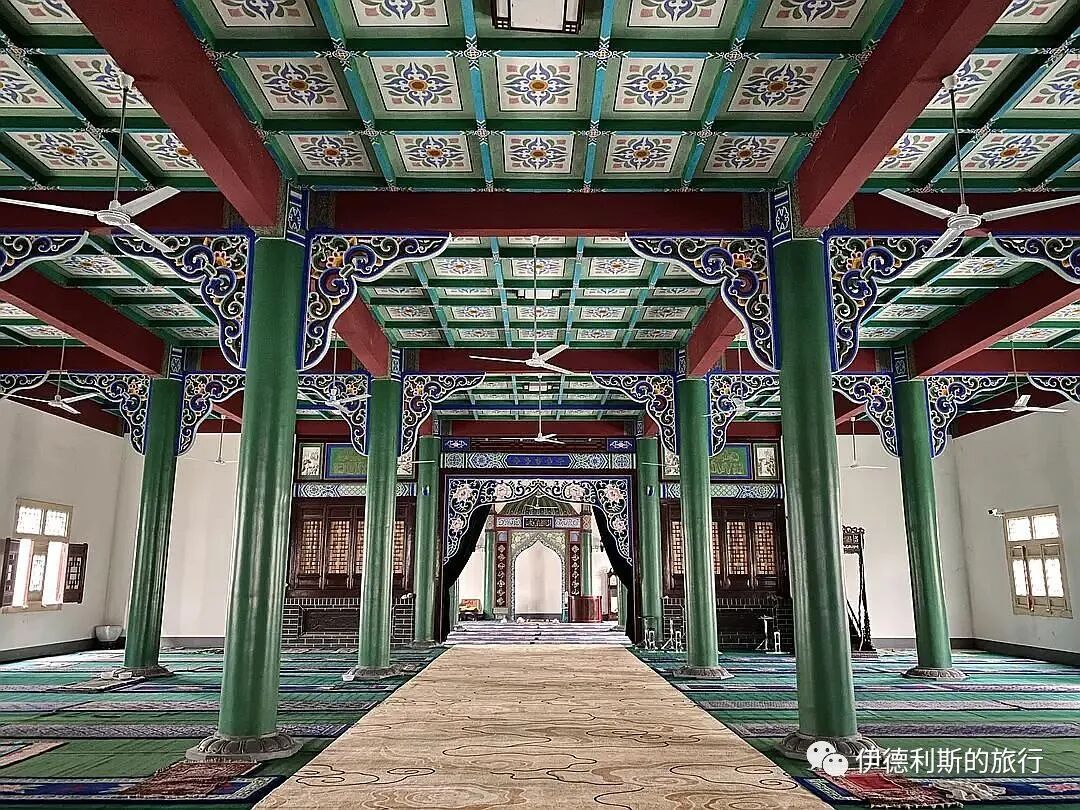
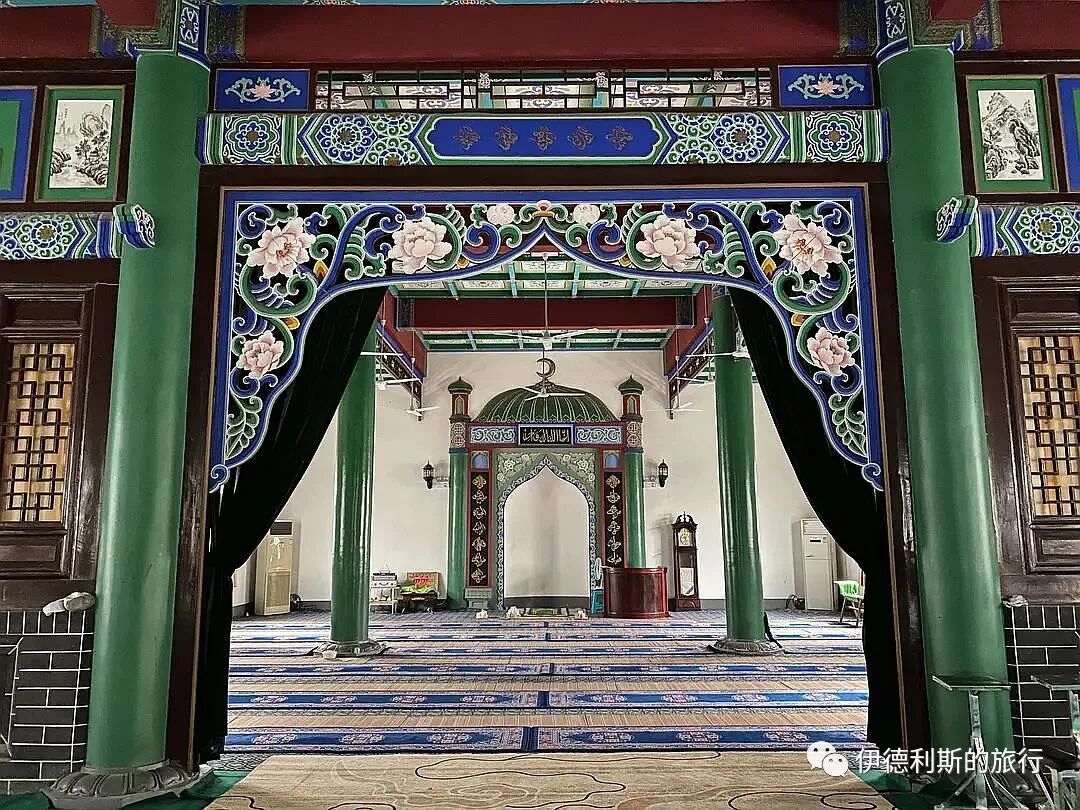
6. Xiaoxuexi Lane Central Mosque
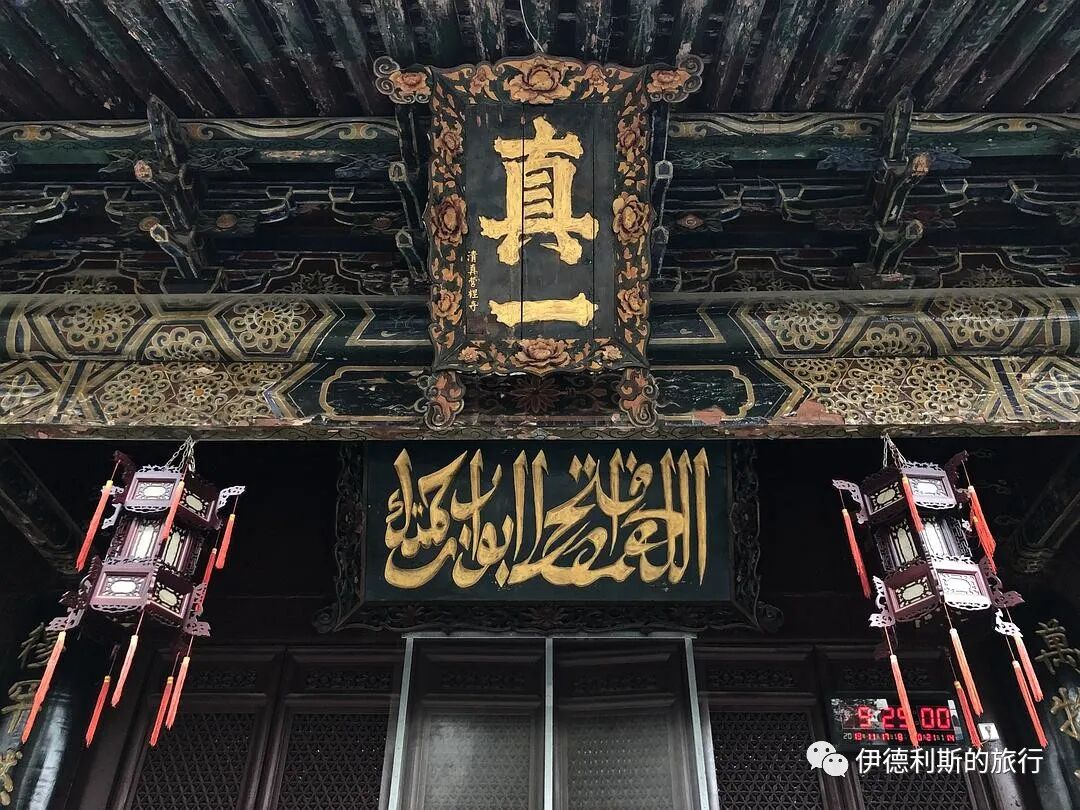
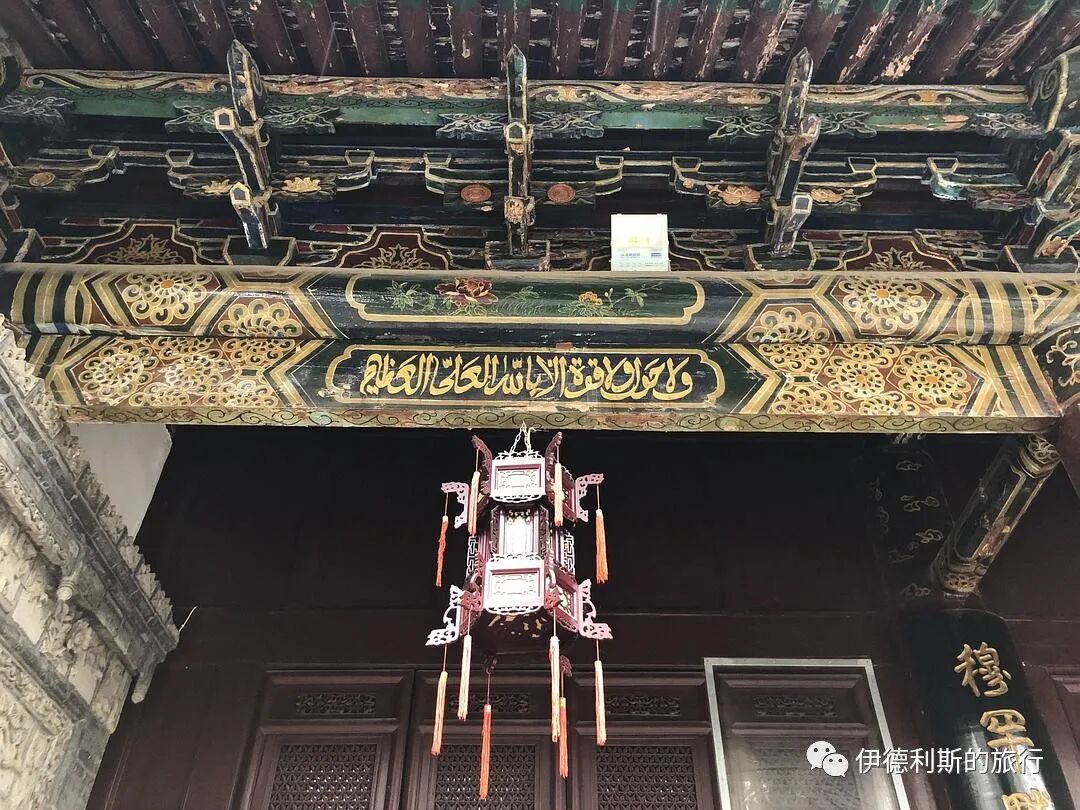
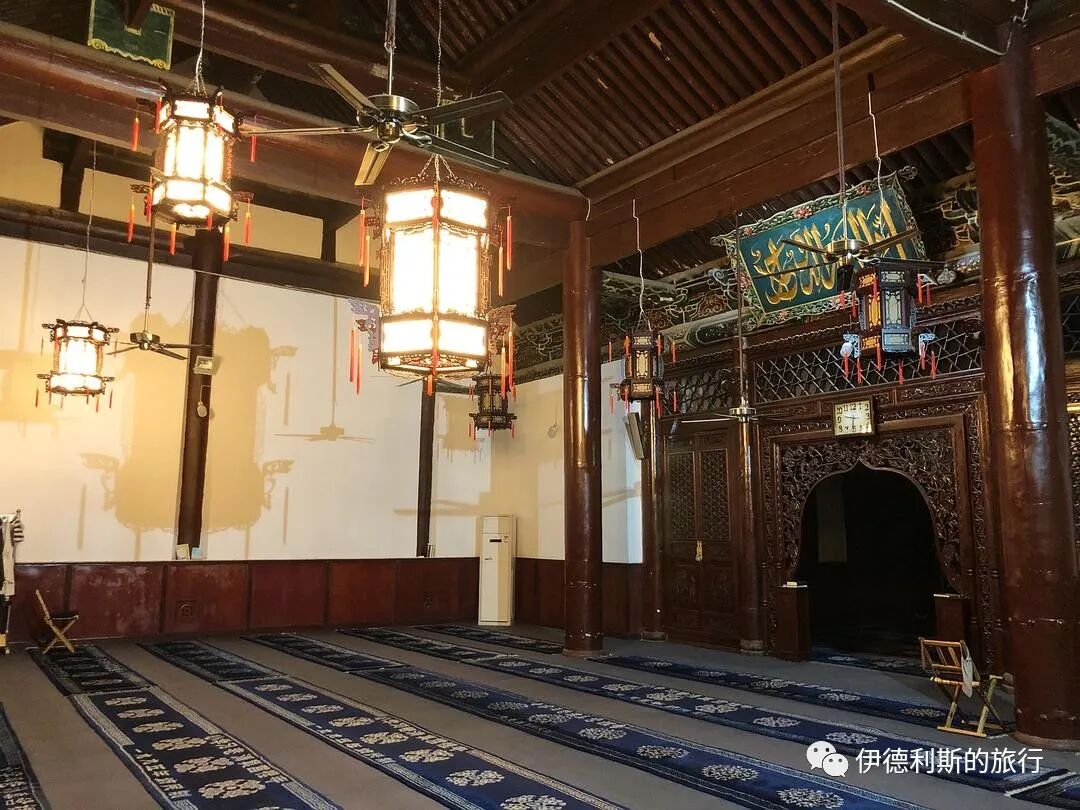
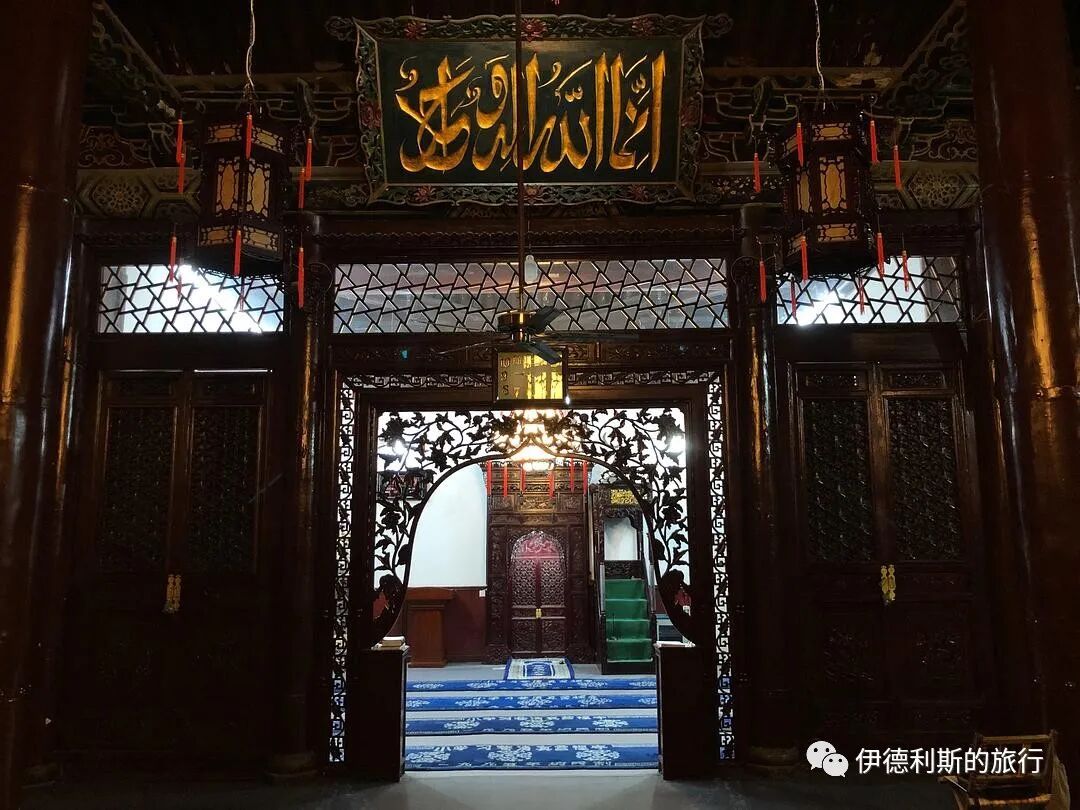
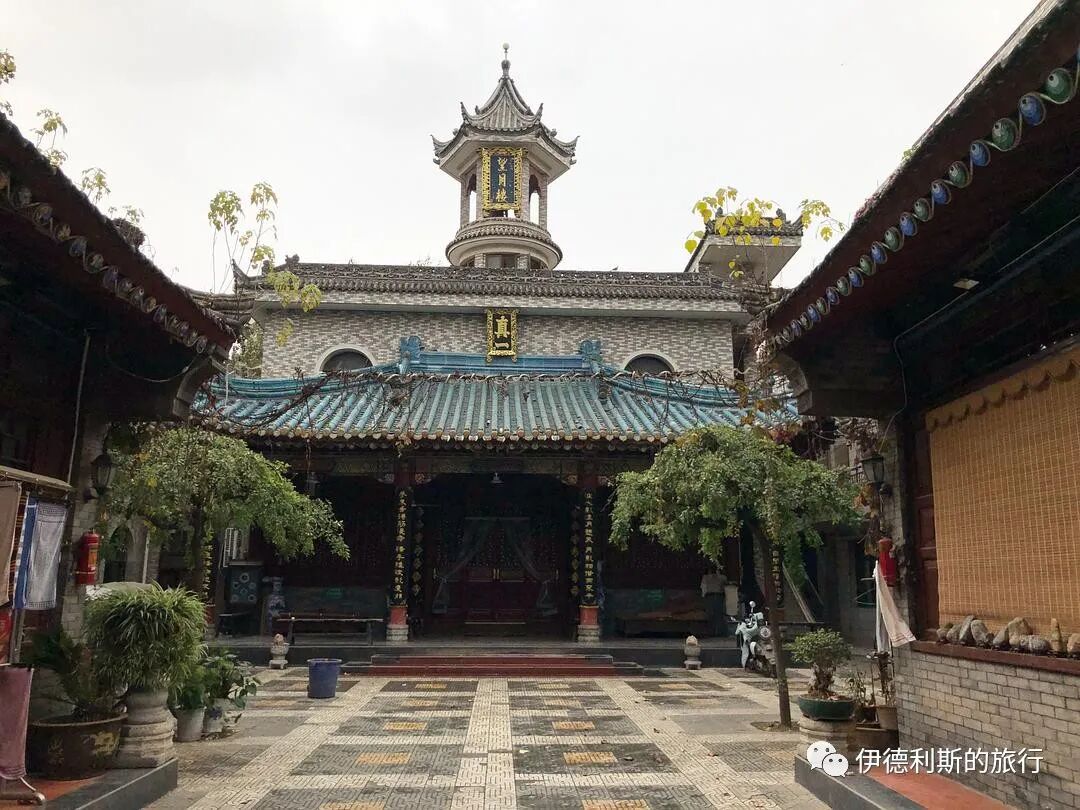
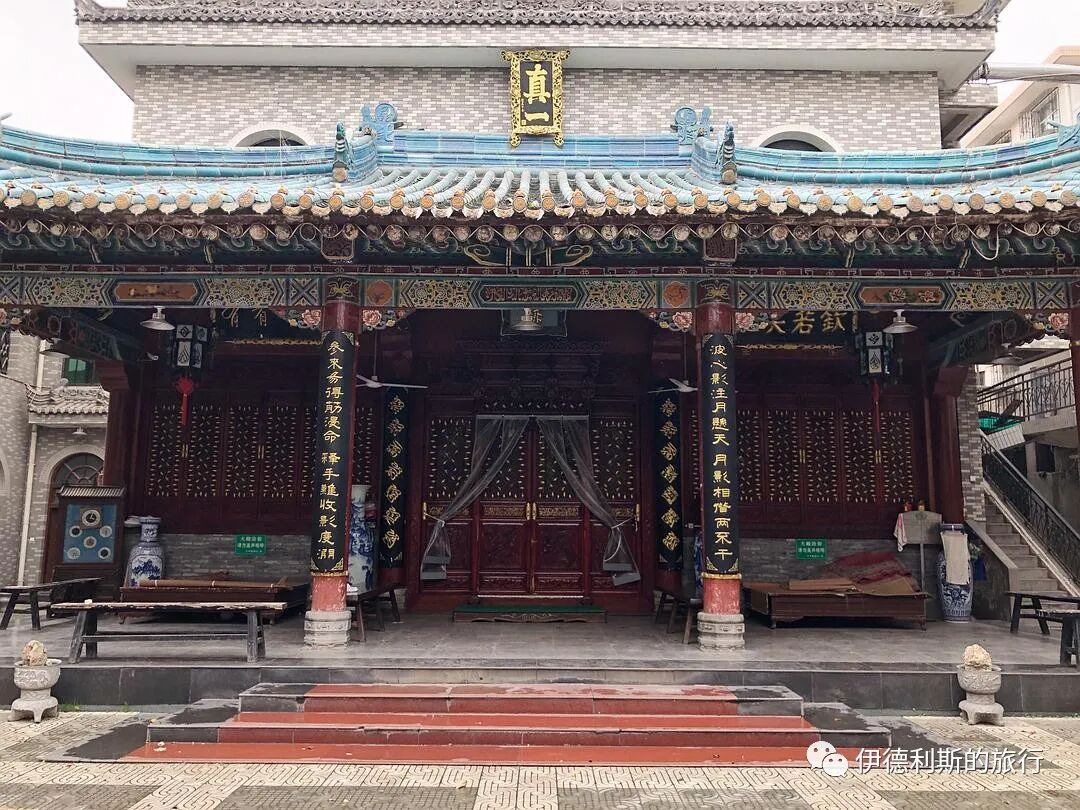
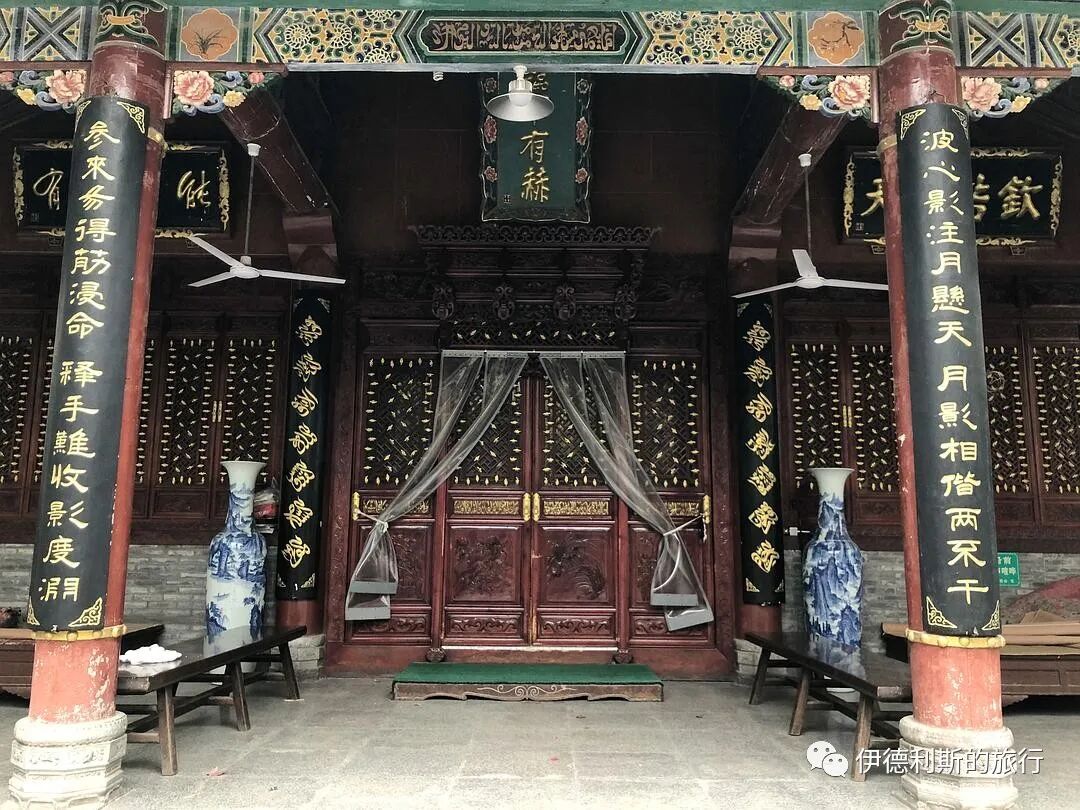
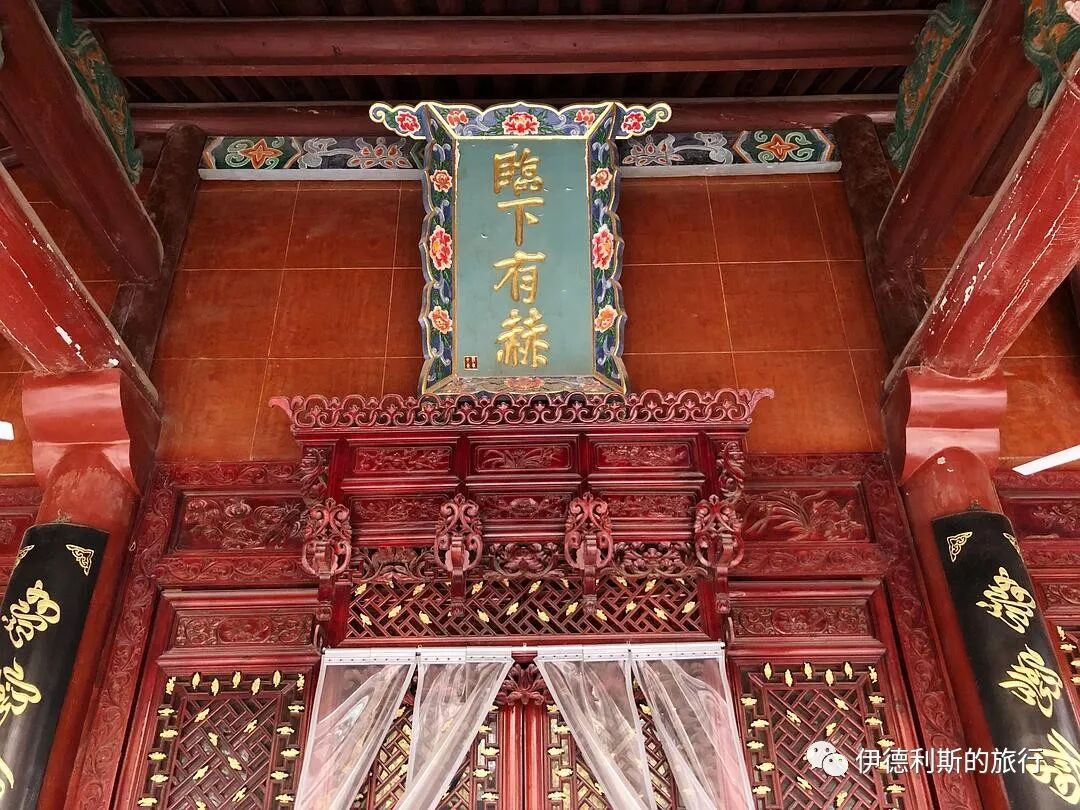
In the early years of the Republic of China, the Daxuexi Lane Mosque and the Yingli Mosque in Xi'an adopted the Ikhwan (a reformist Islamic movement), which led some local residents who insisted on the Gedimu (traditional Islamic practice) to raise funds for a new mosque. Among them, Li Shenghua voluntarily donated his private residence, and with donations from the Great Mosque, the Xiaopiyuan Mosque, and many other prominent figures in the community, it was completed in 1919. Because the mosque is located between the Daxuexi Lane Mosque and the Yingli Mosque, it is called the Central Mosque.
The Central Mosque ceased activities in 1958 and was later converted into a workshop and a kindergarten. It was reclaimed by the community in 1986, and the current main prayer hall was built in 1987.
I. Hanzhong Xixiang
1. Xixiang South Mosque: Rebuilt in the Qing Dynasty
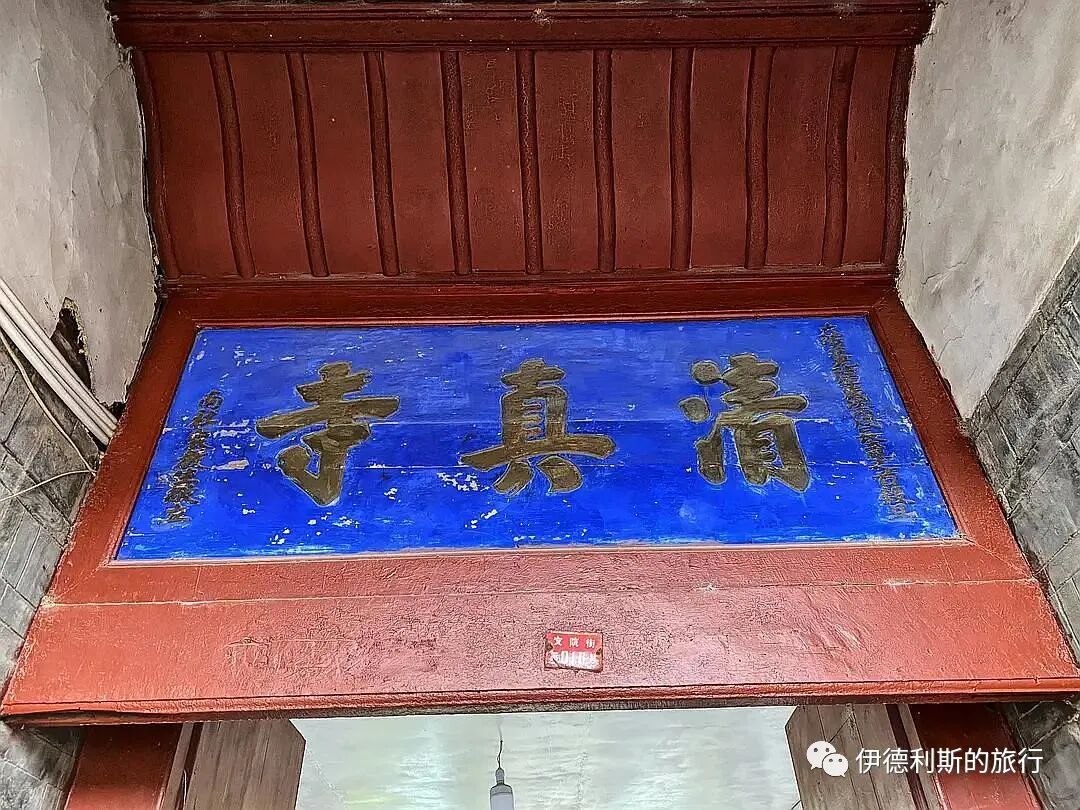
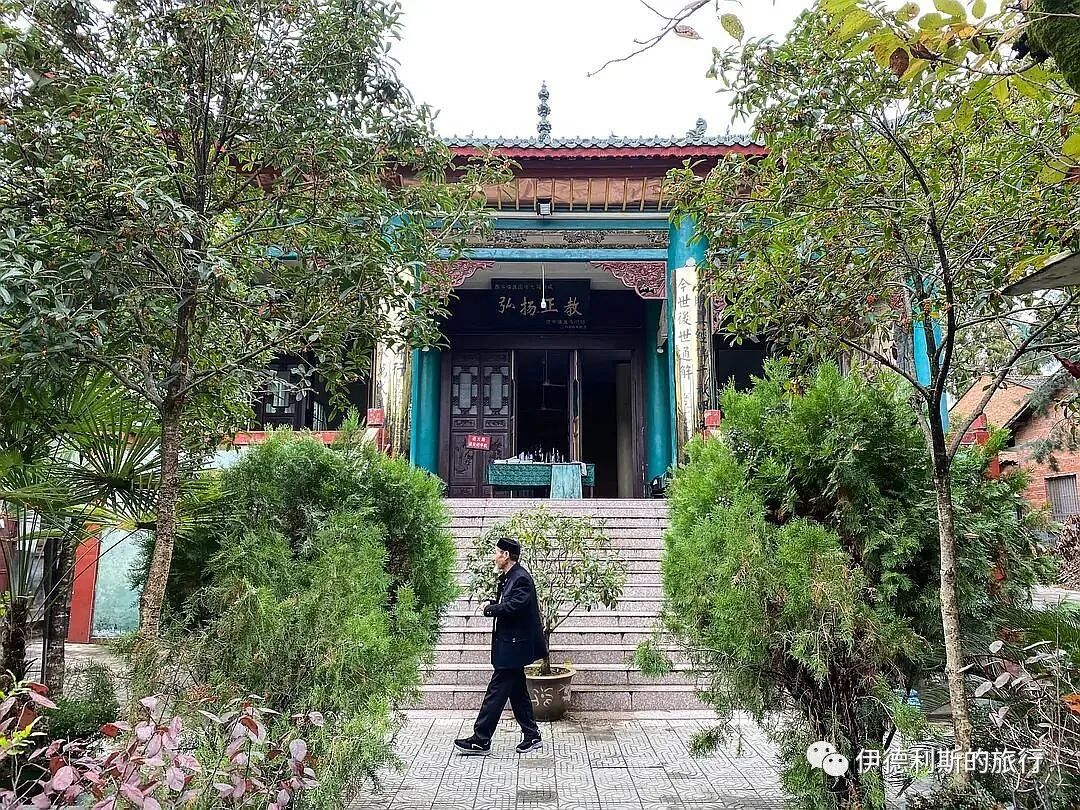
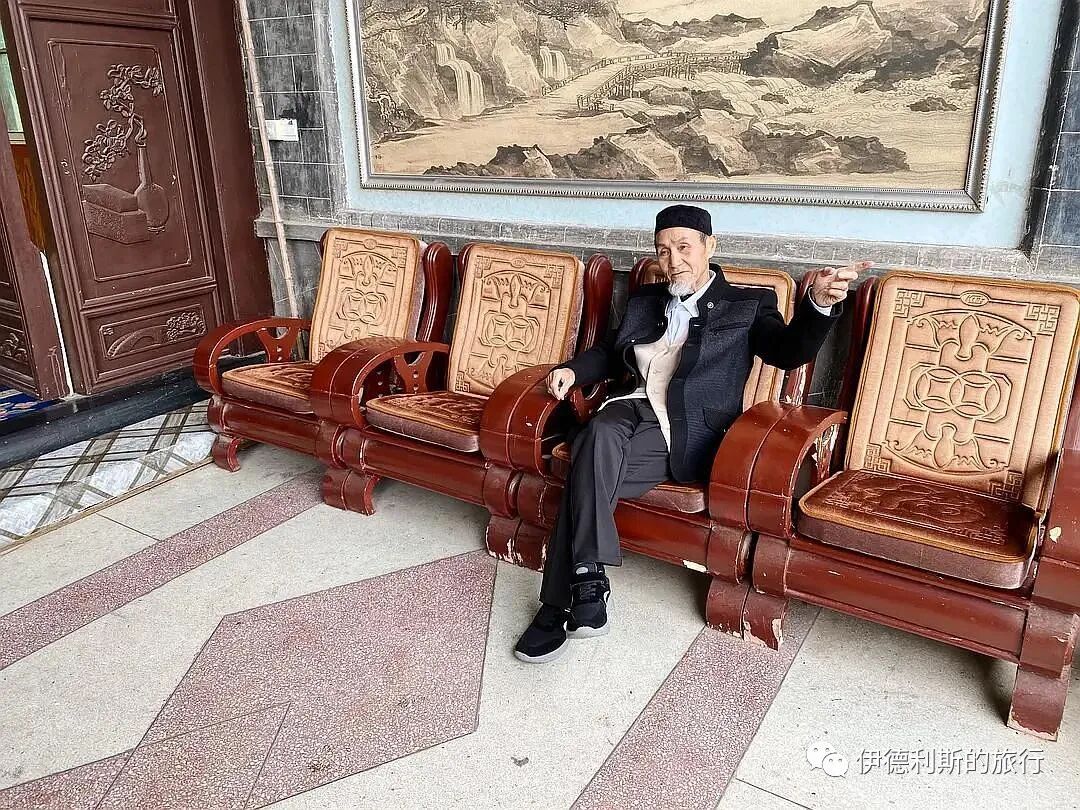
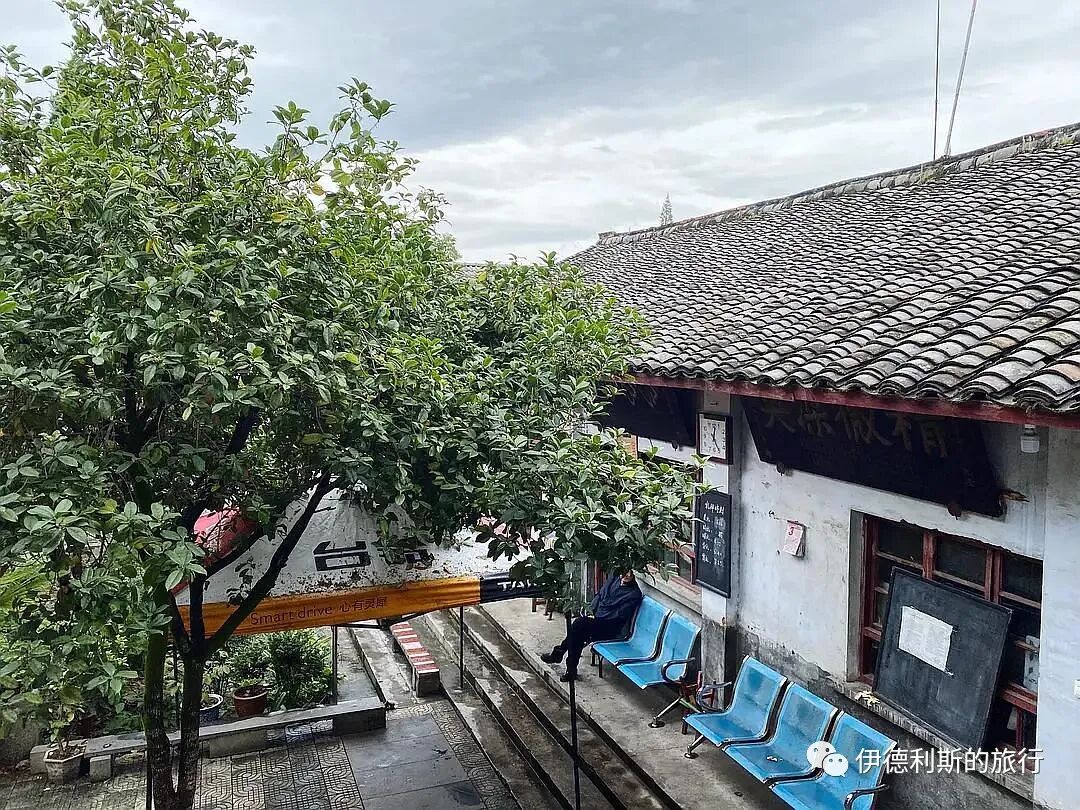
The Xixiang South Mosque was first built in the Ming Dynasty and rebuilt in the Qing Dynasty. It was closed and occupied after the religious reforms in 1958, returned in 1986, and officially reopened in 2001. The current main prayer hall was rebuilt in 1997, but the main gate and the south wing room are still Qing Dynasty buildings. On the main gate, there is a 'Mosque' plaque from the Daoguang era.
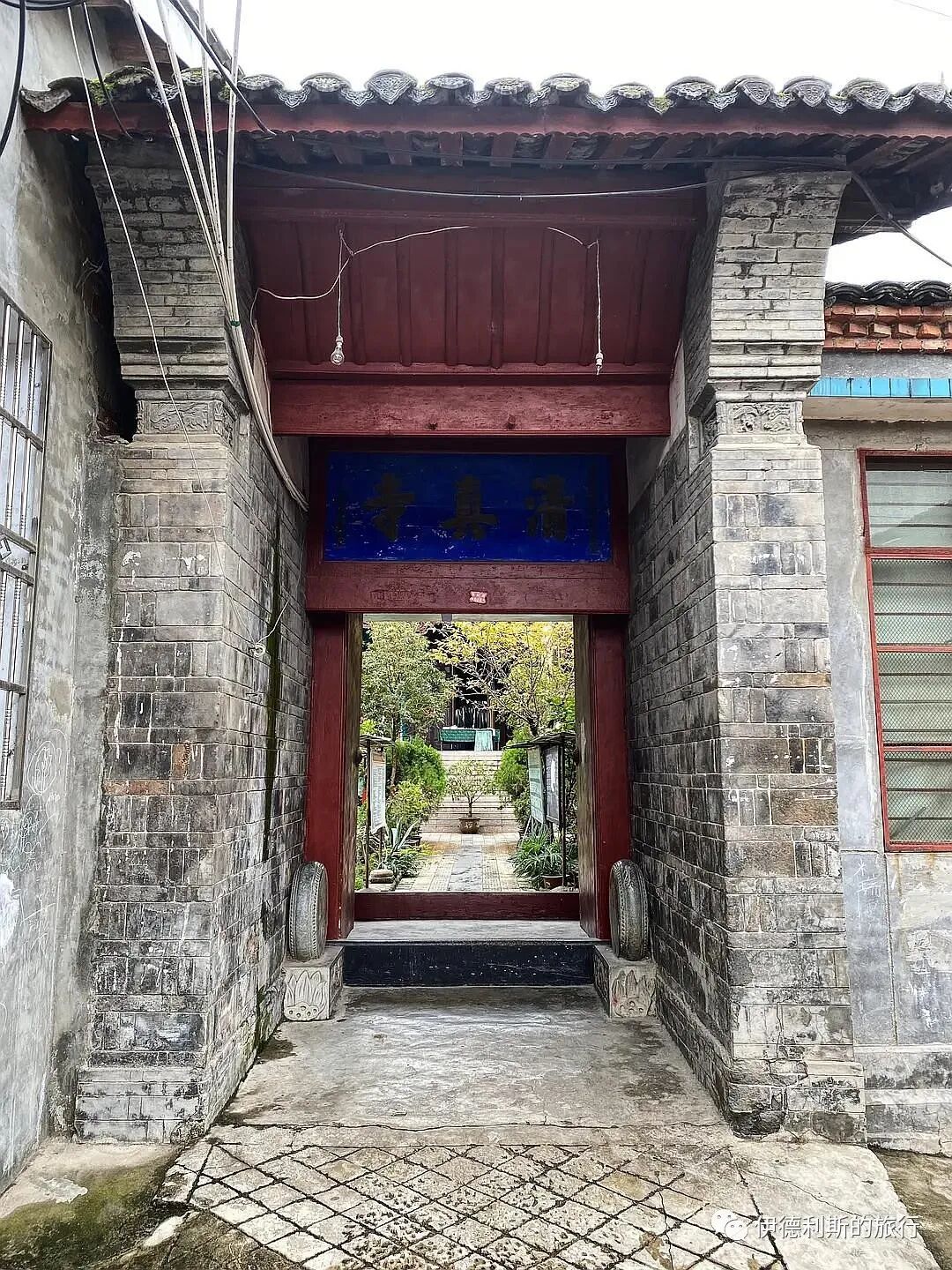
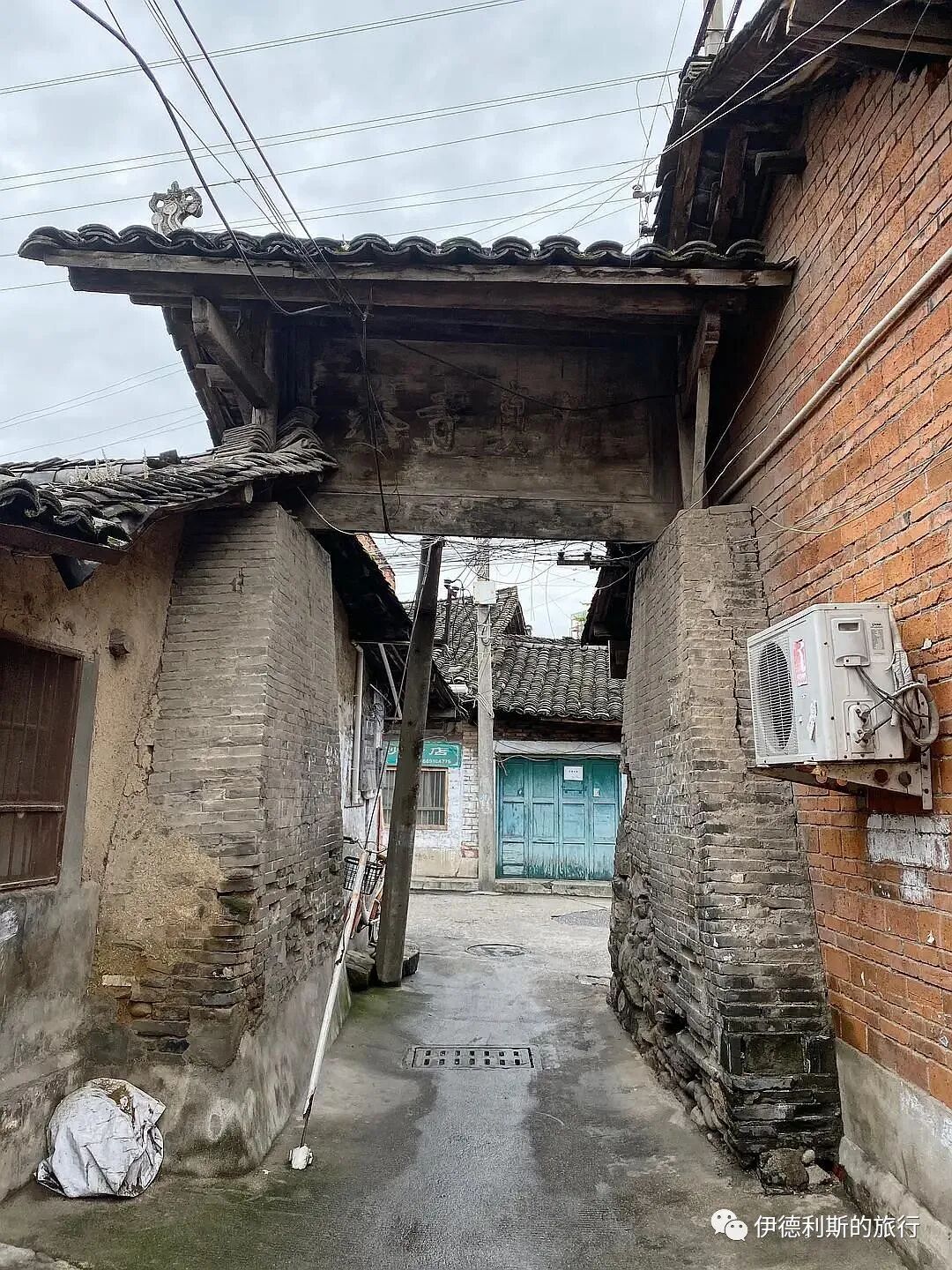
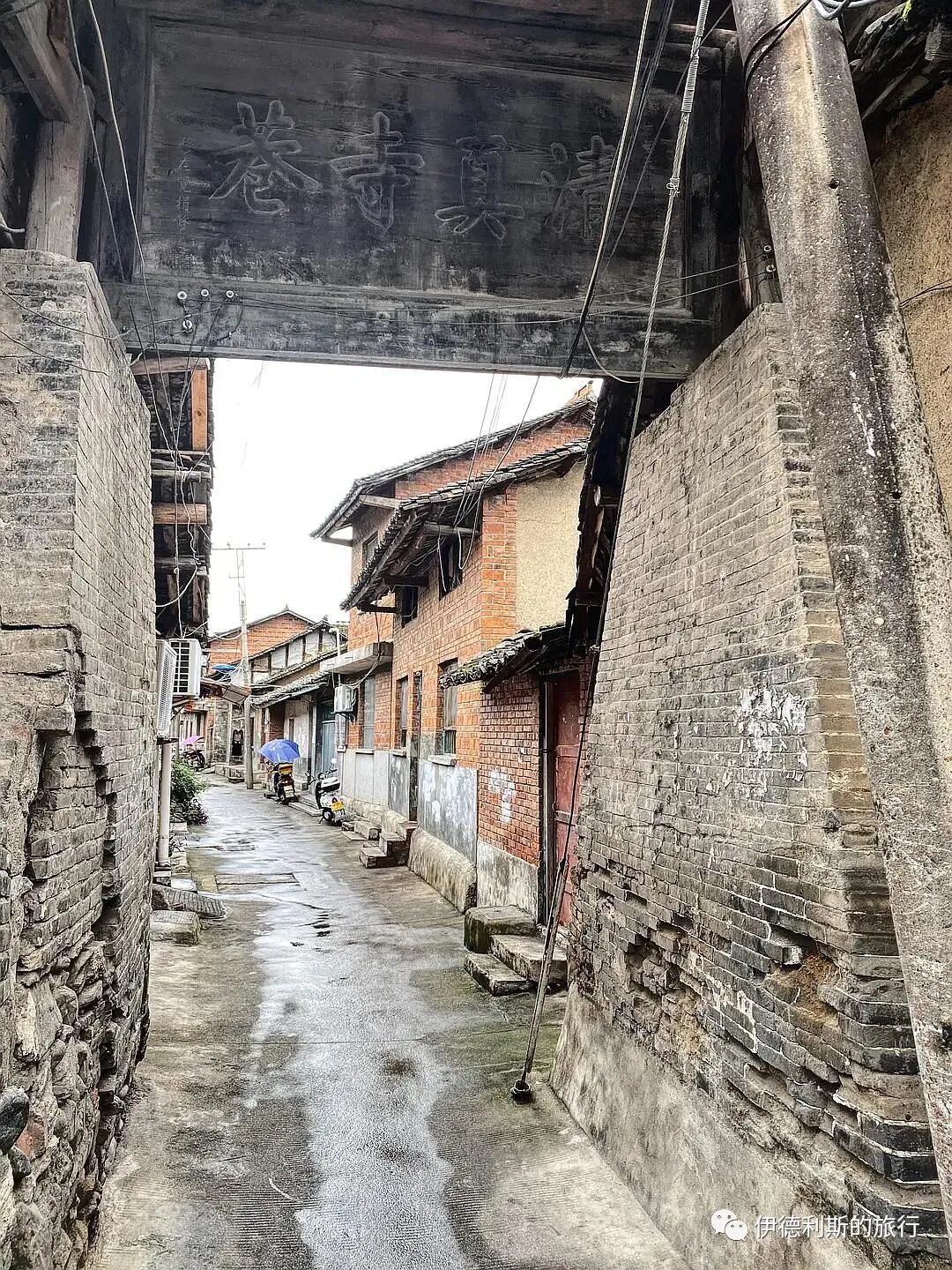
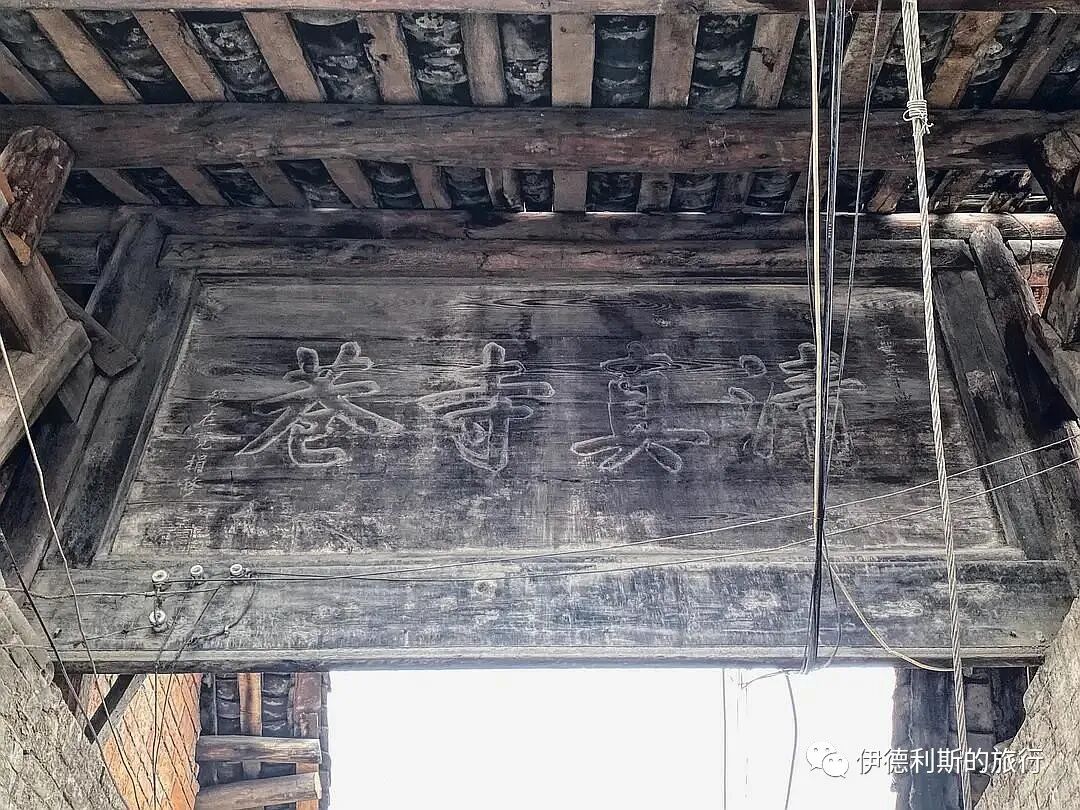
After coming out of the South Mosque, you can see the 'Mosque Lane' wooden archway built during the Xianfeng era.
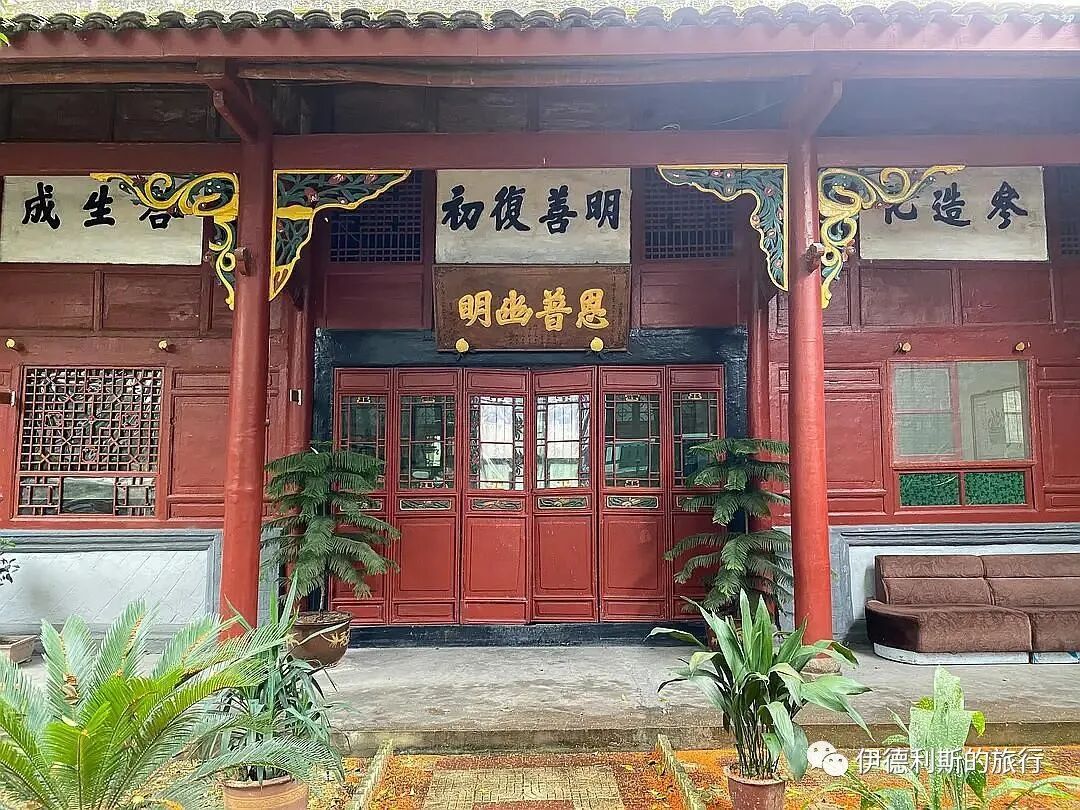
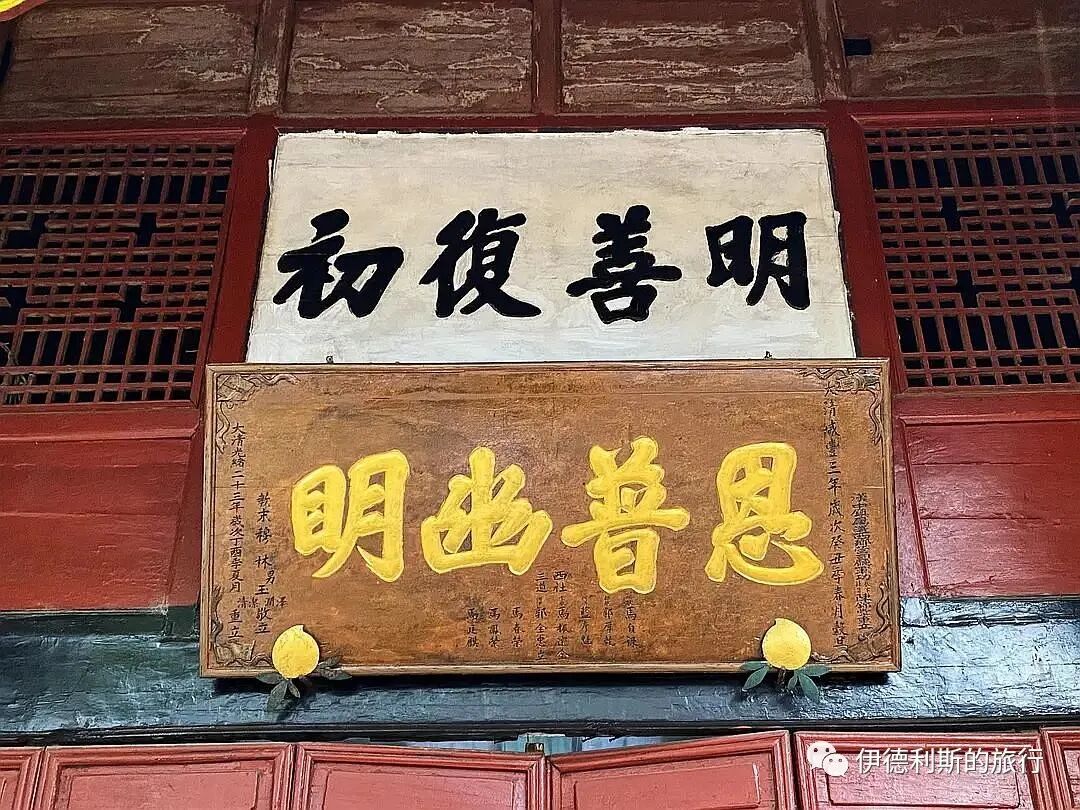
2. Xixiang North Mosque: Rebuilt in 1816
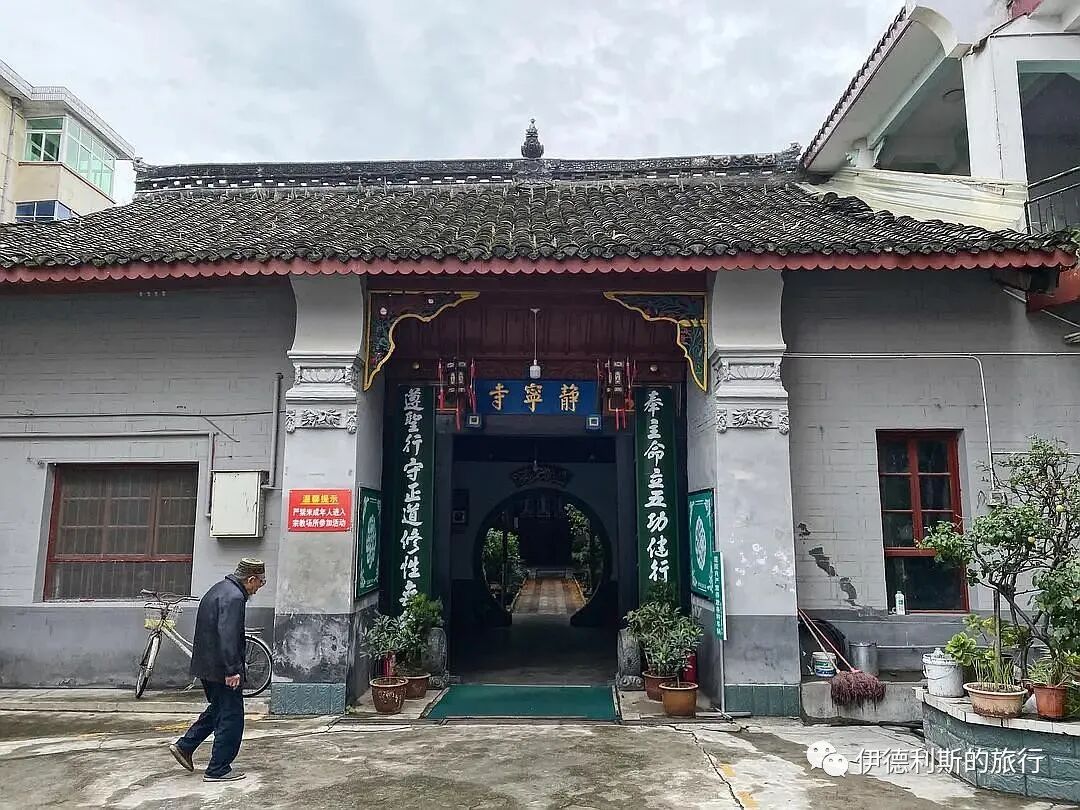
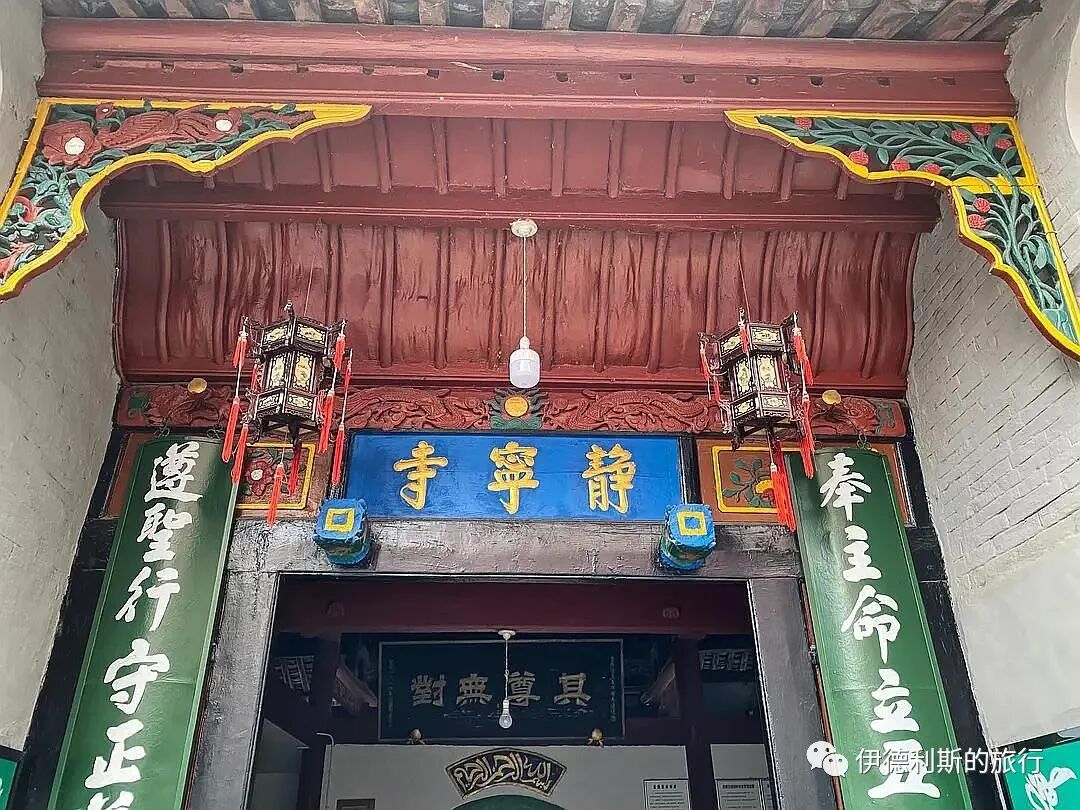
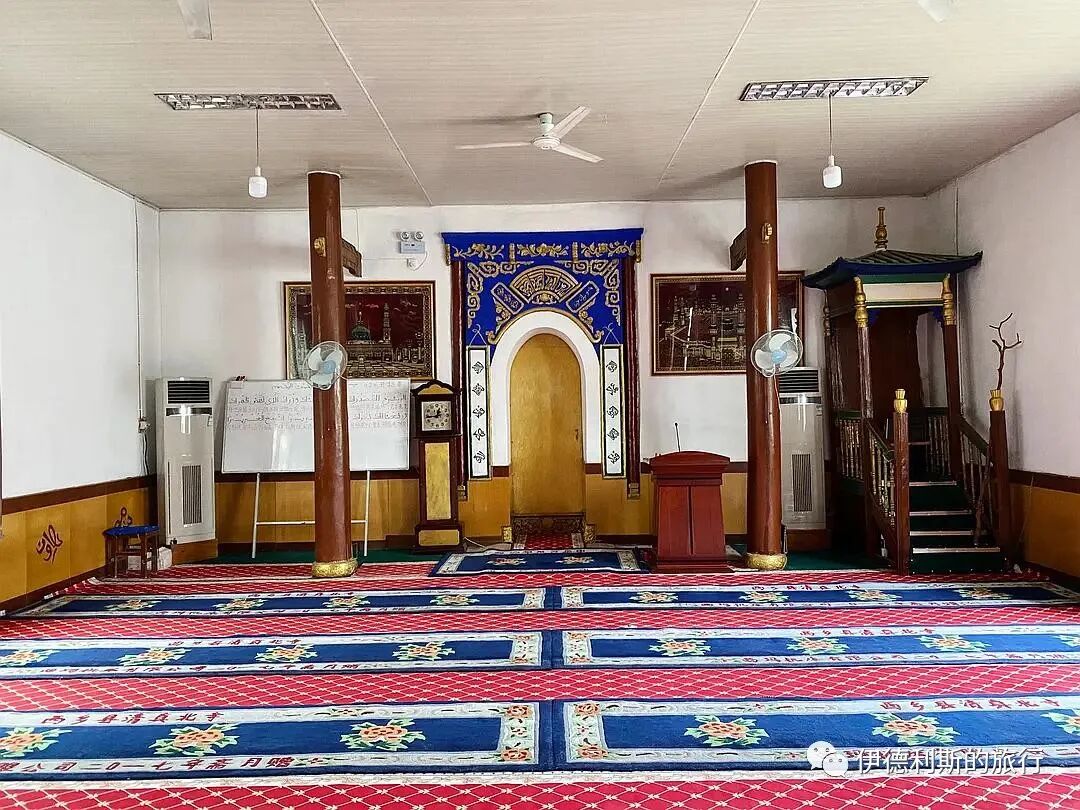
The Xixiang North Mosque was originally named Jingning Mosque and was built in 1614 by Hui Muslims who moved to Xixiang from Jingning Prefecture (now Pingliang, Gansu). The North Mosque was expanded in 1723, later destroyed by war, rebuilt in 1816, and renovated many times. It was occupied after the Cultural Revolution, returned in 1984, and the north wing room was rebuilt in 2009.
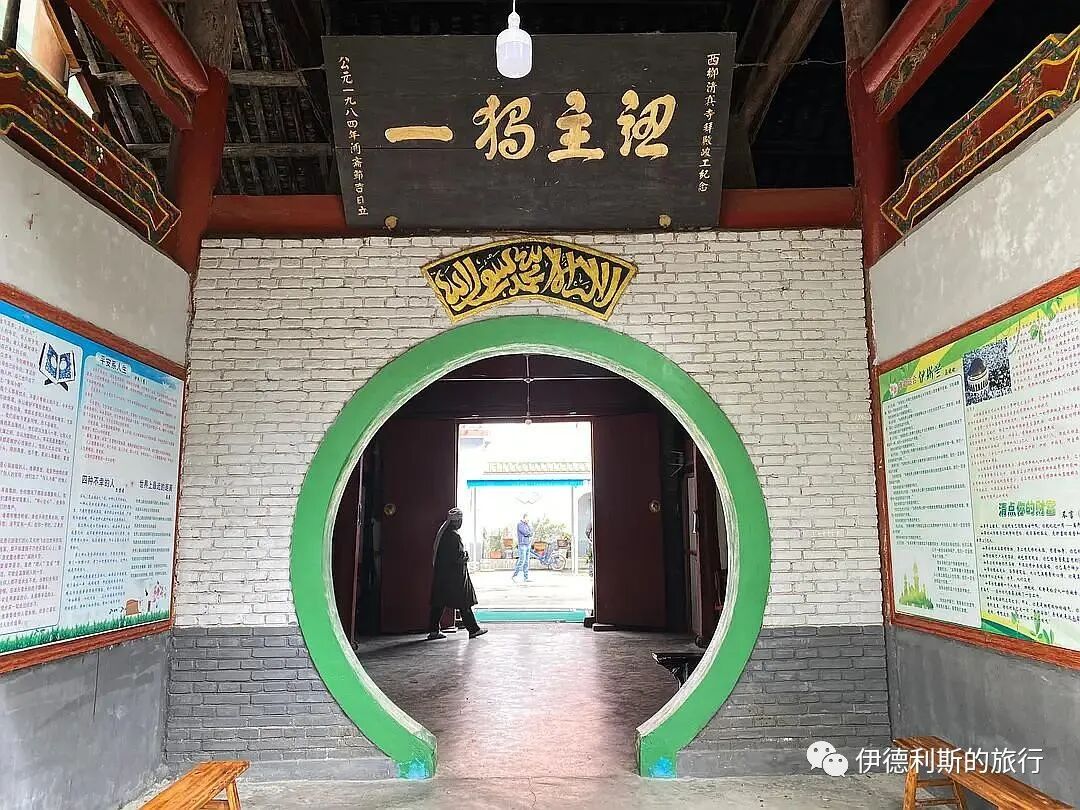
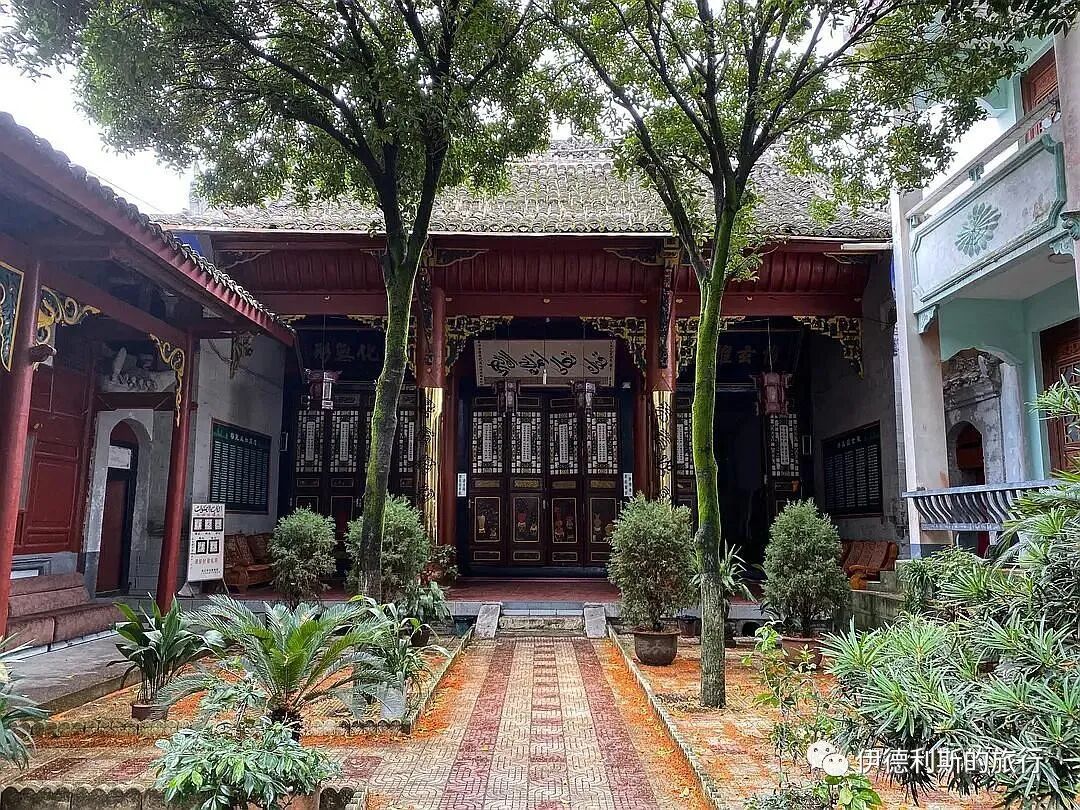
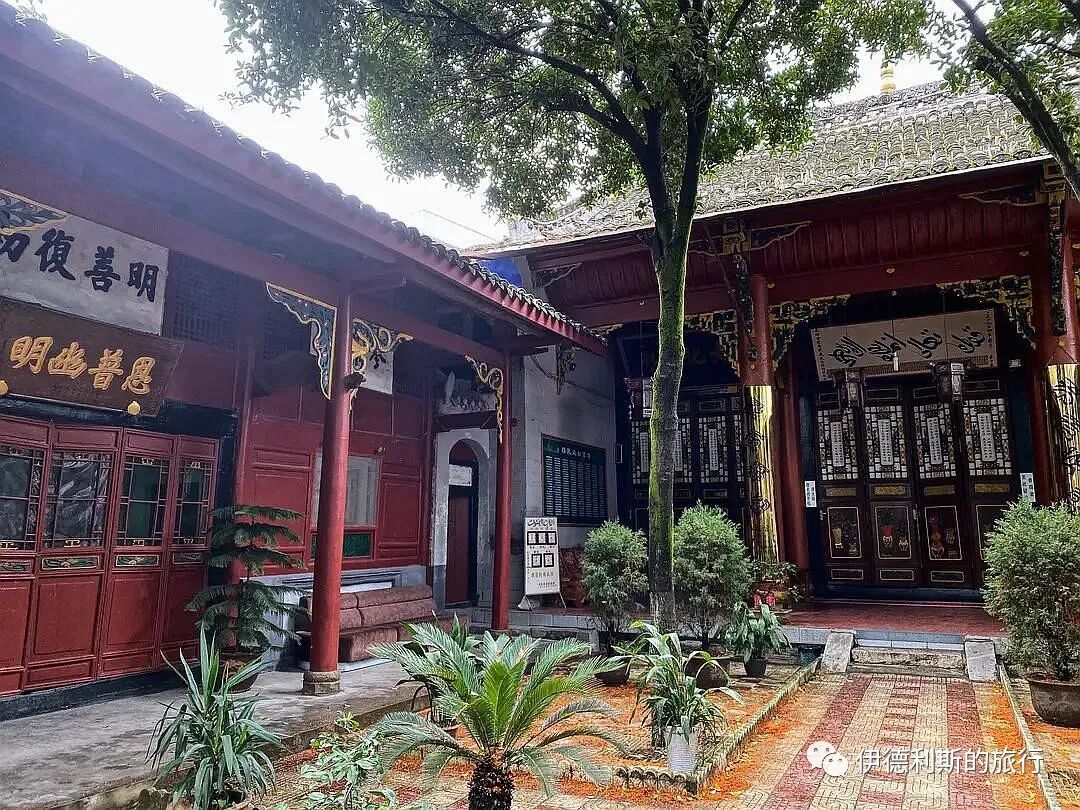
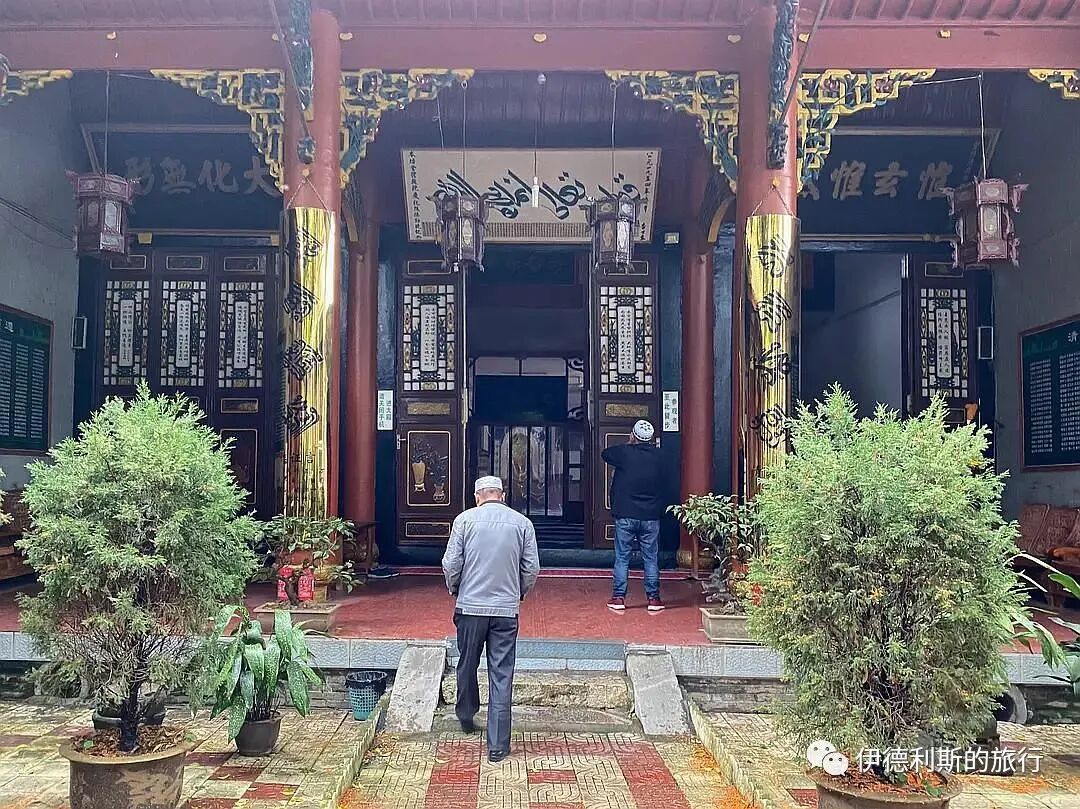
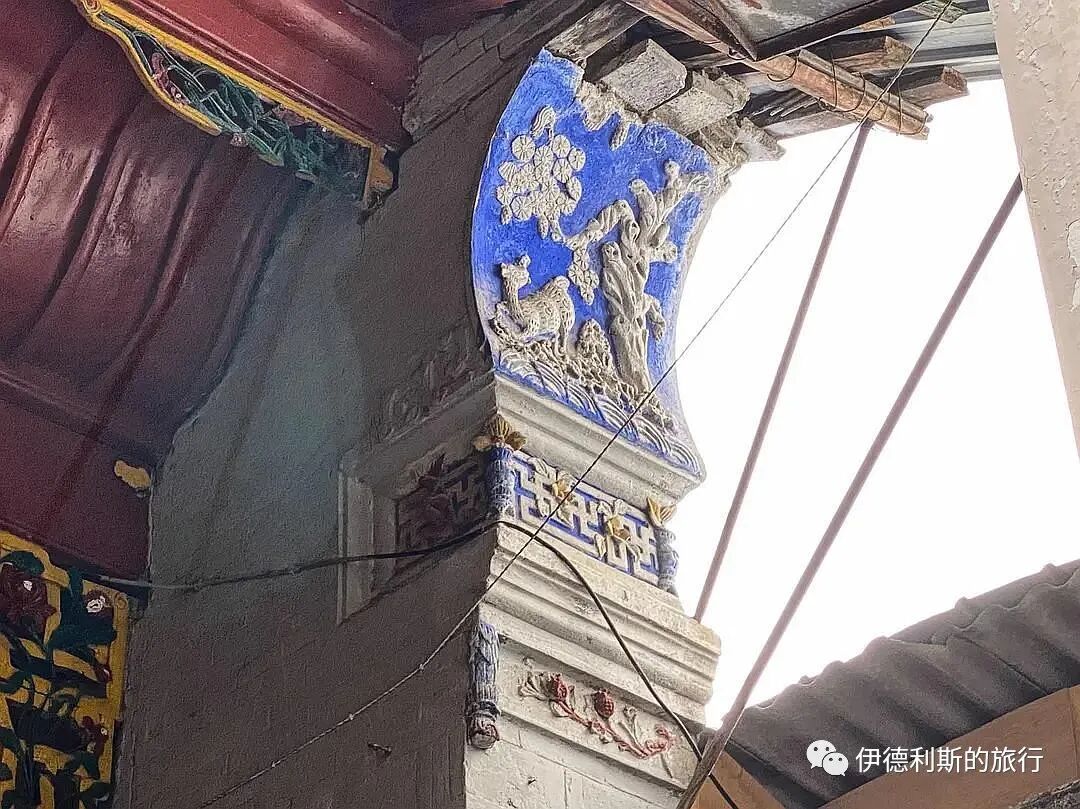
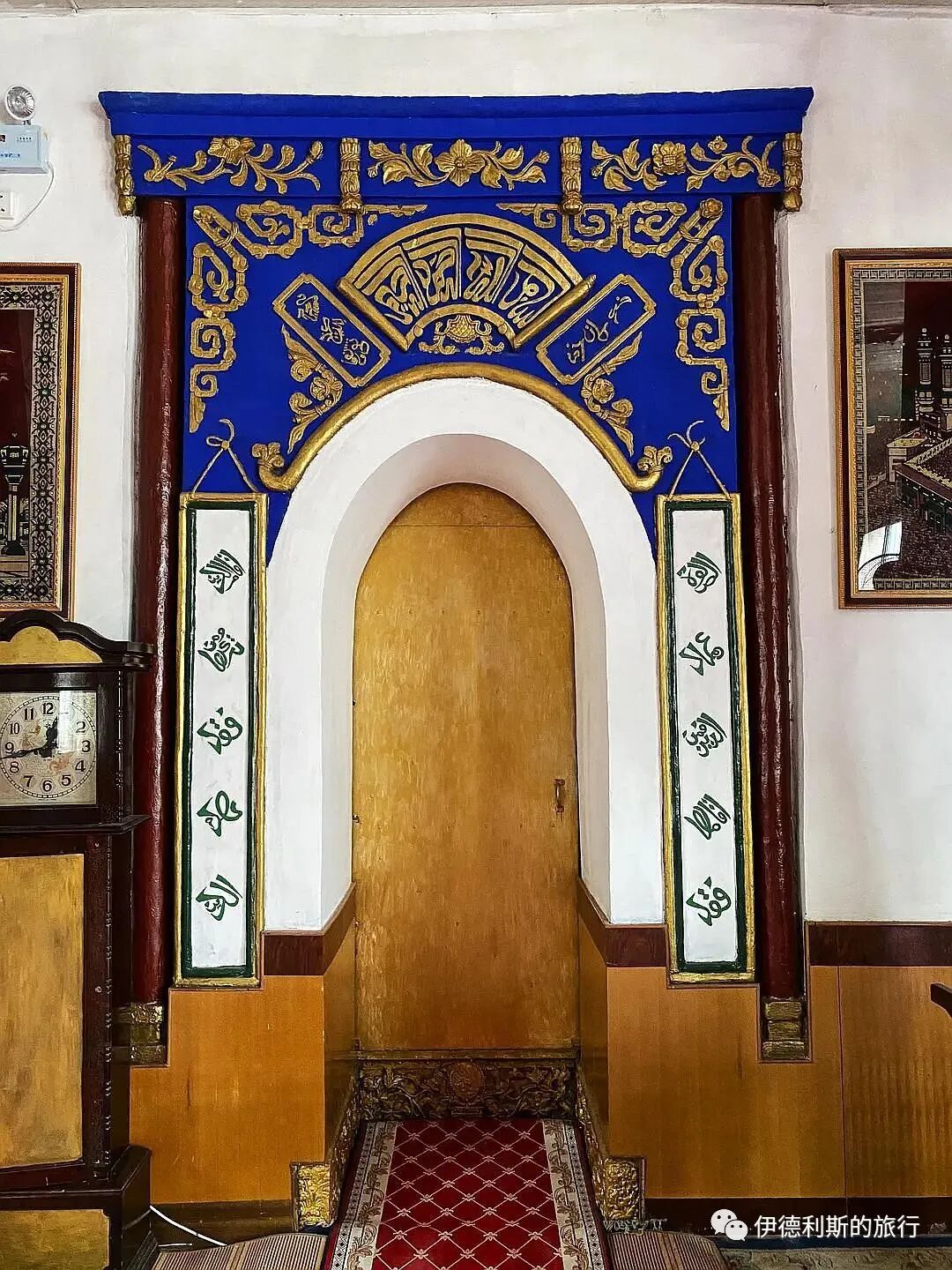
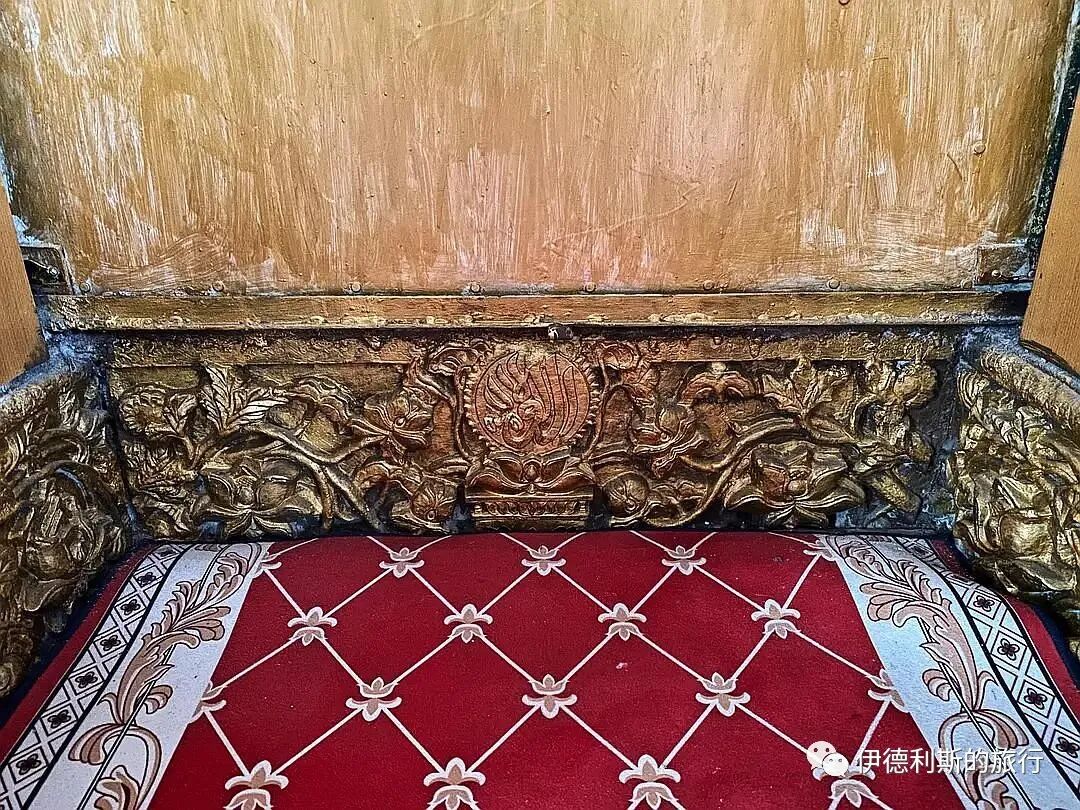
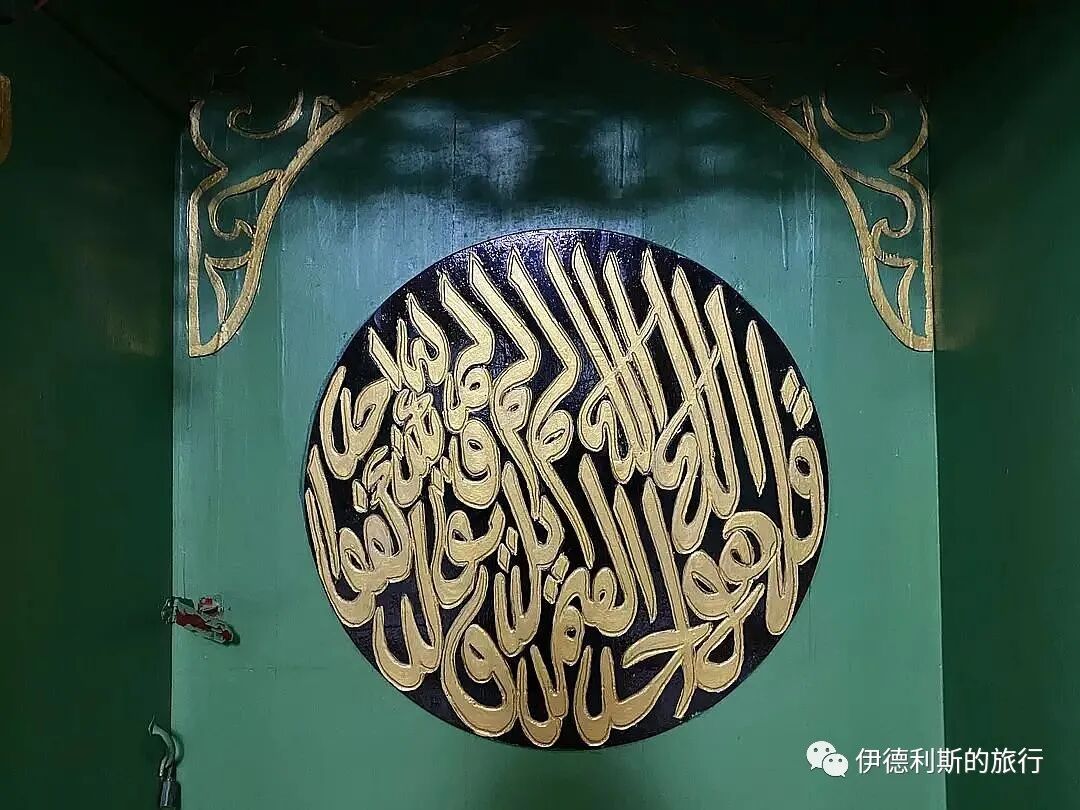
The mihrab (niche in the wall indicating the direction of Mecca) is painted with very distinctive Shaanxi-style Arabic calligraphy.
II. Ankang City
1. Shuhe Mosque: 16th Century
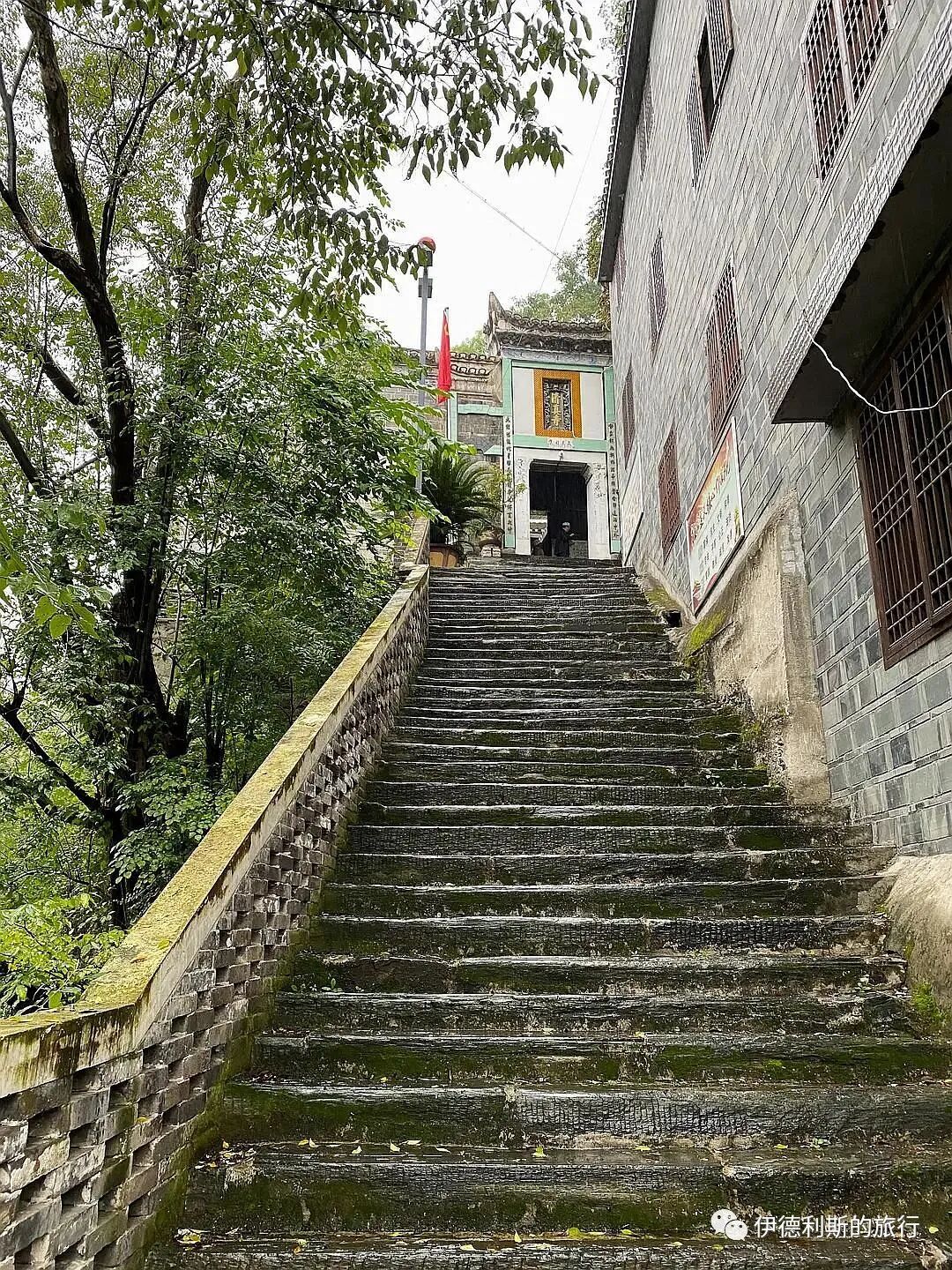
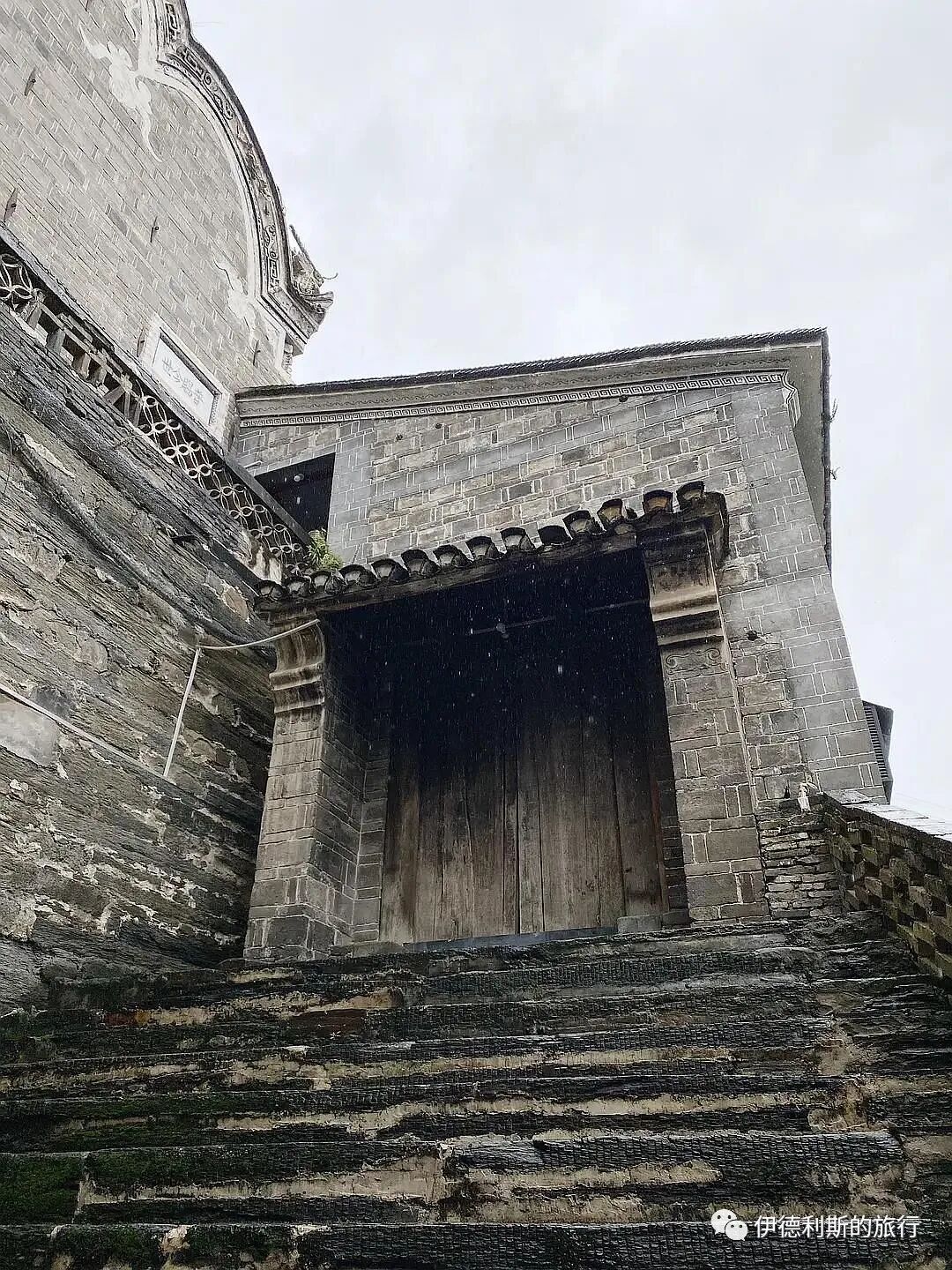
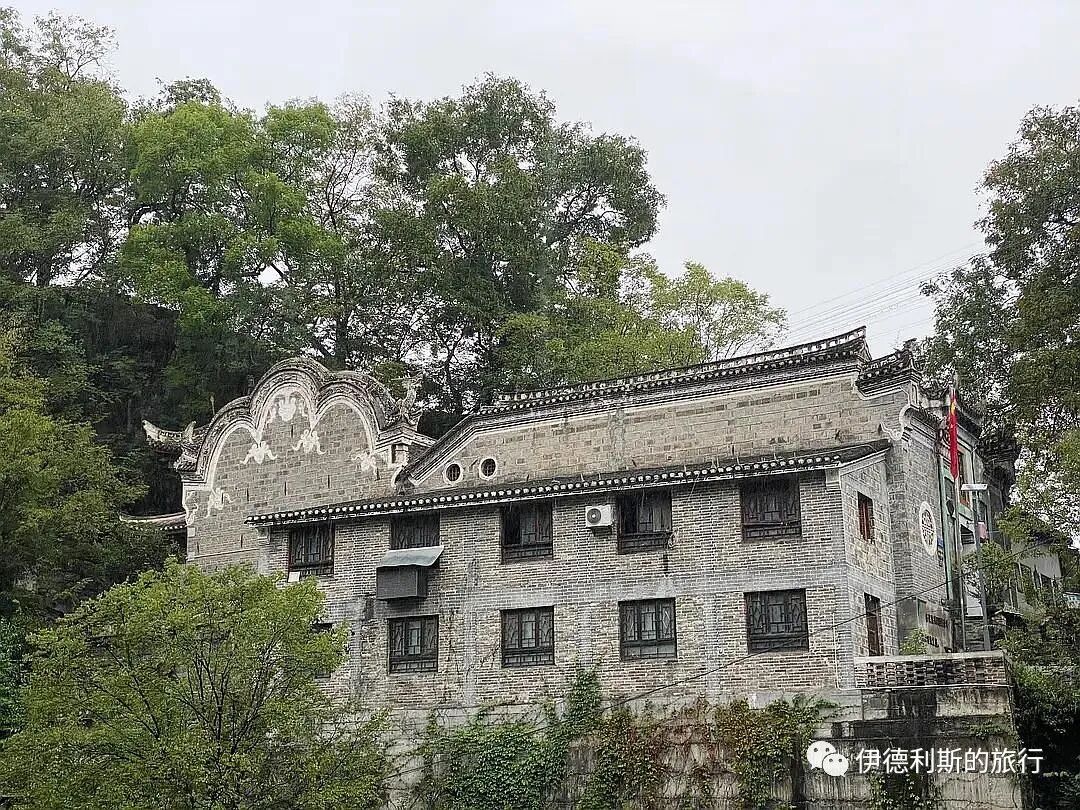
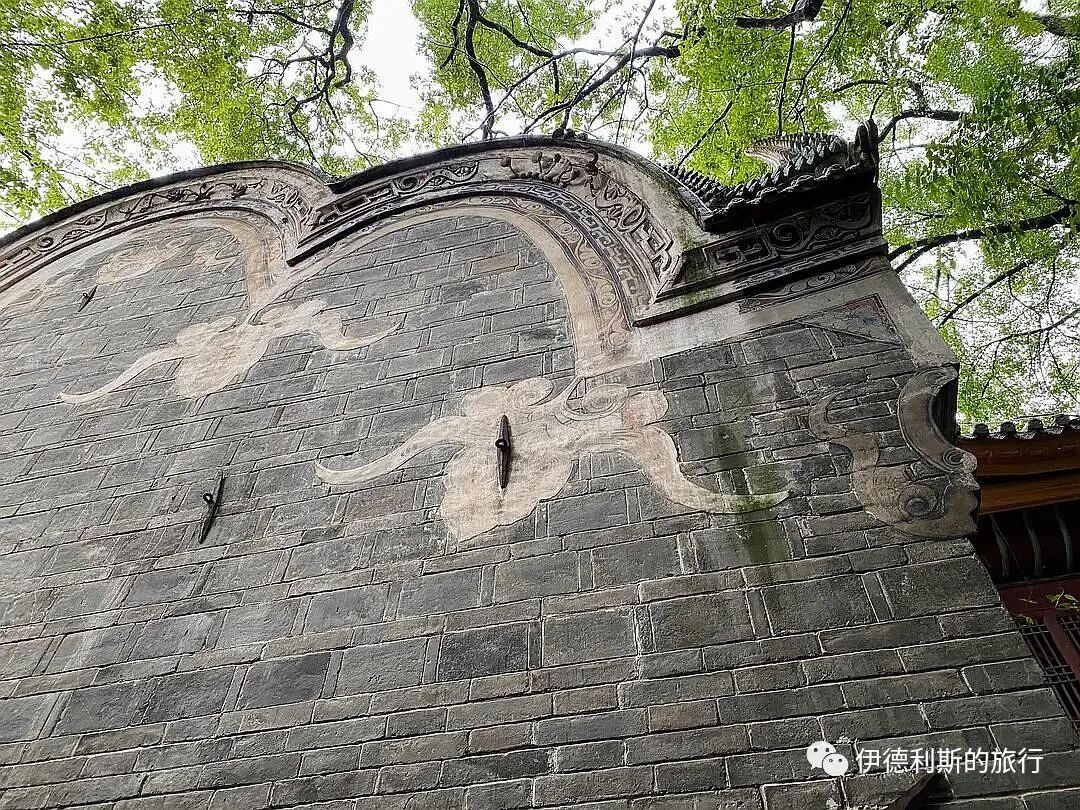
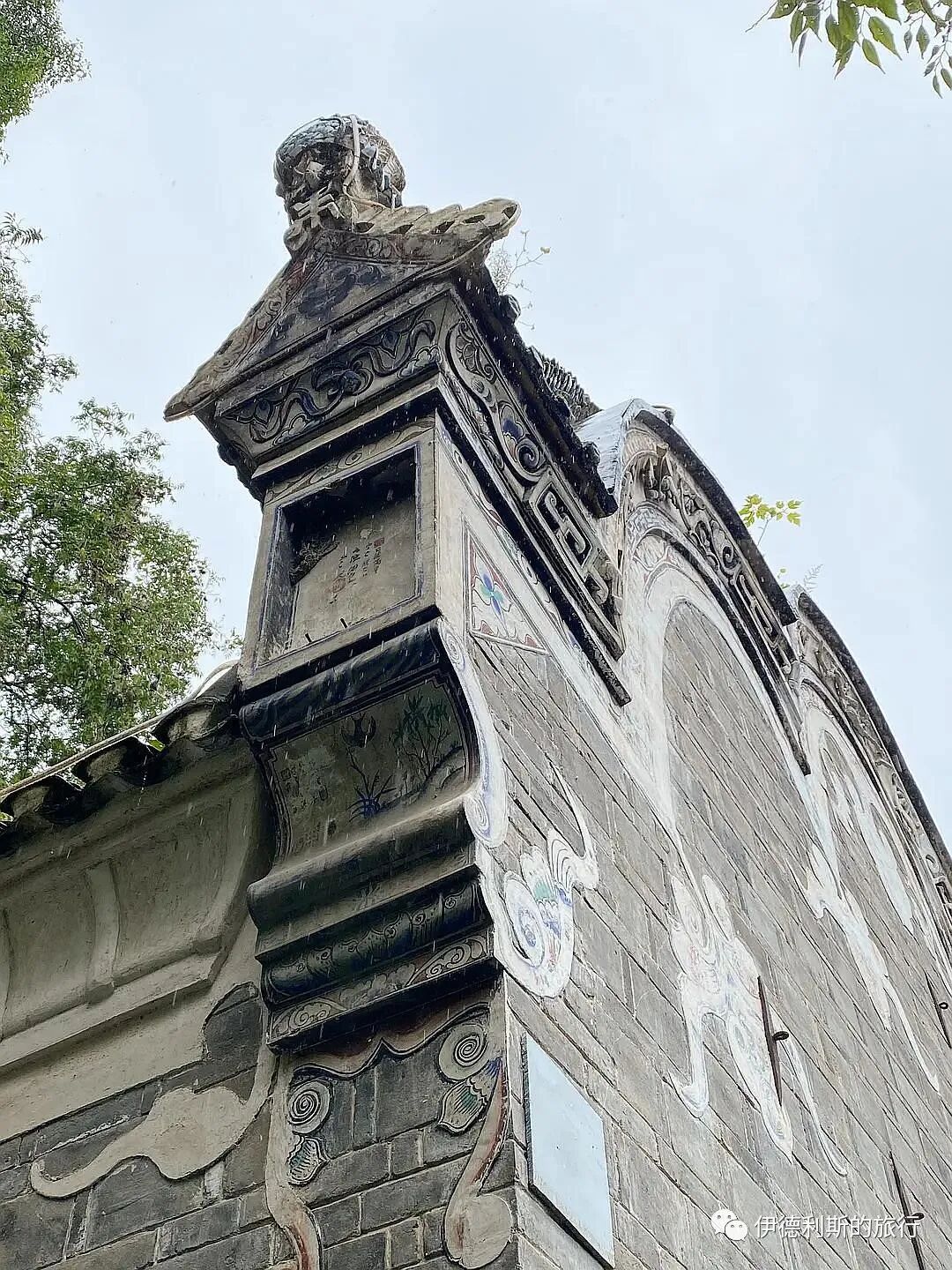
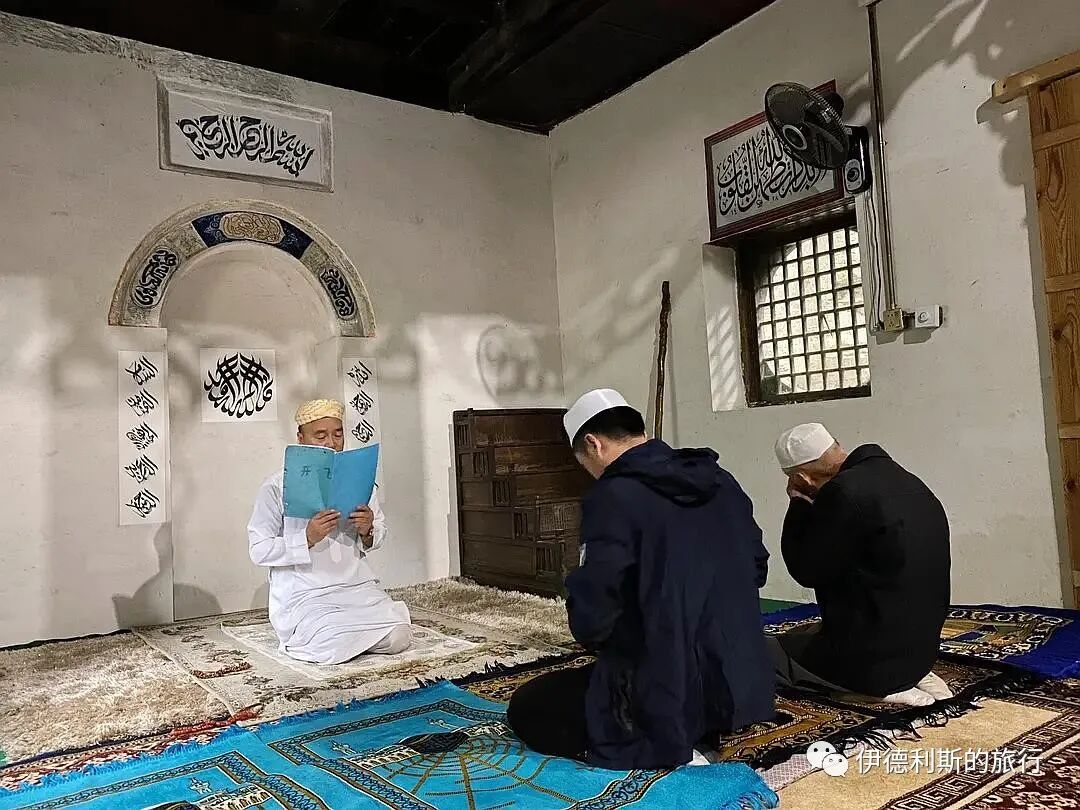
The Shuhe Mosque is built on a steep cliff behind the ancient town of Shuhe and is connected to the street below by a hundred-step staircase. The mosque was first built during the Jiajing period of the Ming Dynasty (1522-1566), expanded in 1915, severely damaged during the Cultural Revolution, and renovated again in 1994. The current main entrance was added during the expansion in 1915, and the original main entrance has now become the back door. The Shuhe Mosque possesses a 'cat-arched back' fire-blocking wall, which is very unique among traditional Chinese mosques. Some traditional mosques in southern China have fire-blocking walls, each with its own characteristics depending on the region, such as the 'wok-ear' walls of the Guilin Old Village Mosque and the 'horse-head' walls of the Nanjing Jingjue Mosque. The 'cat-arched back' fire-blocking wall is a characteristic feature of the Hunan-Hubei region and extends into the Qinling-Bashan region. Currently, besides the Shuhe Mosque, the only other traditional mosque I know of that has a 'cat-arched back' fire-blocking wall is the Jingziguan Mosque in Xichuan, Henan. In addition, there are ink paintings and inscriptions on the brick carvings of the fire-blocking wall, which is also a very southern style.
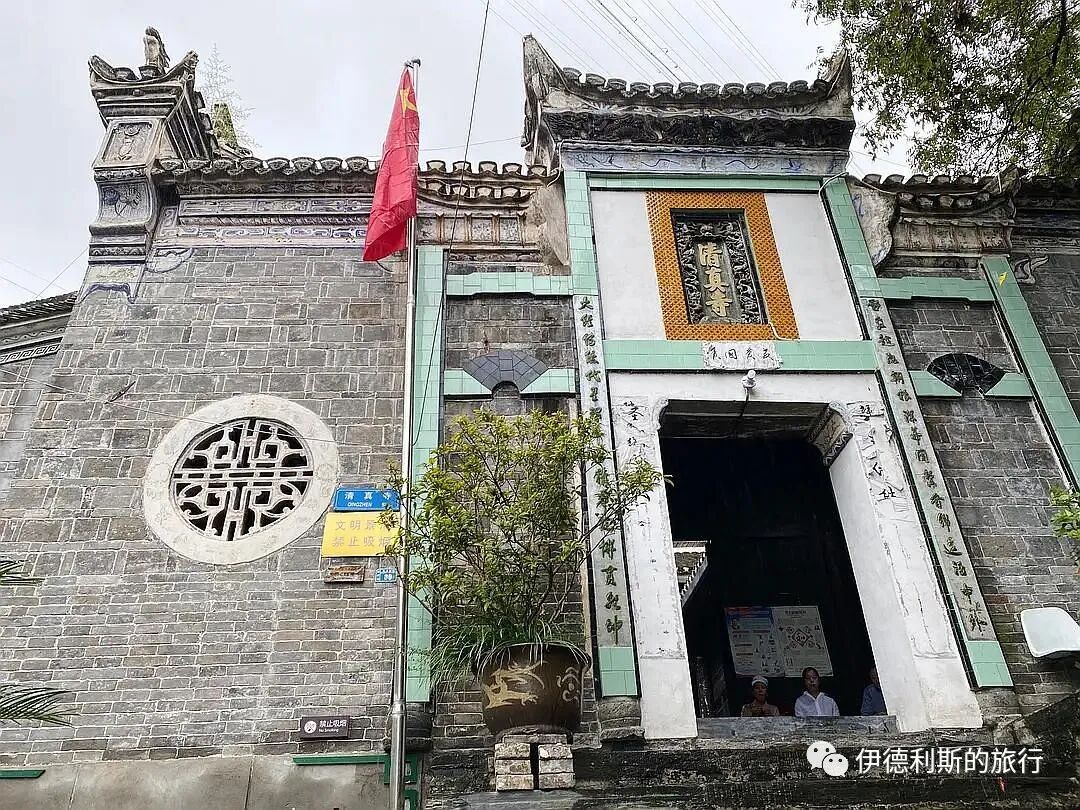
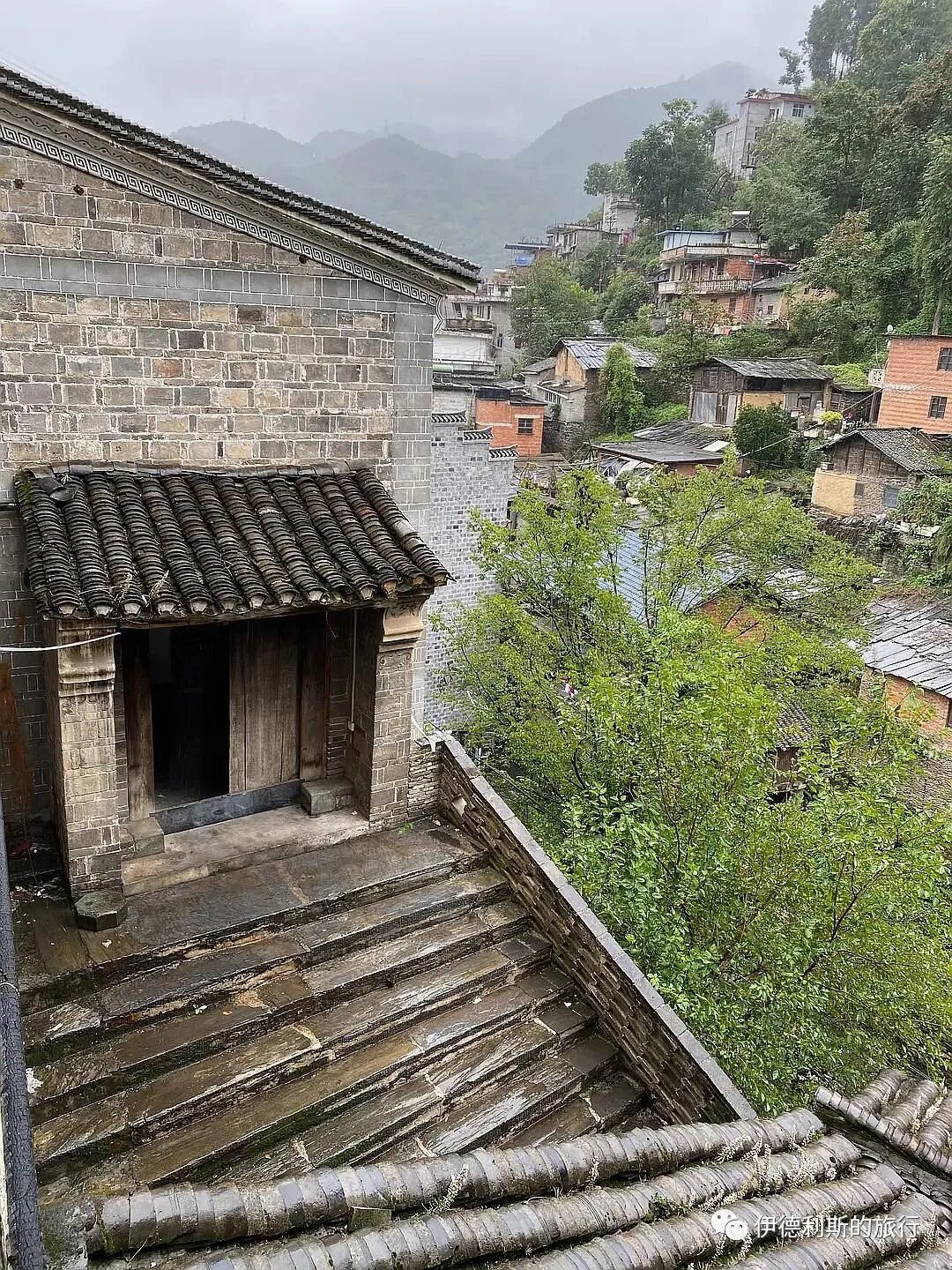
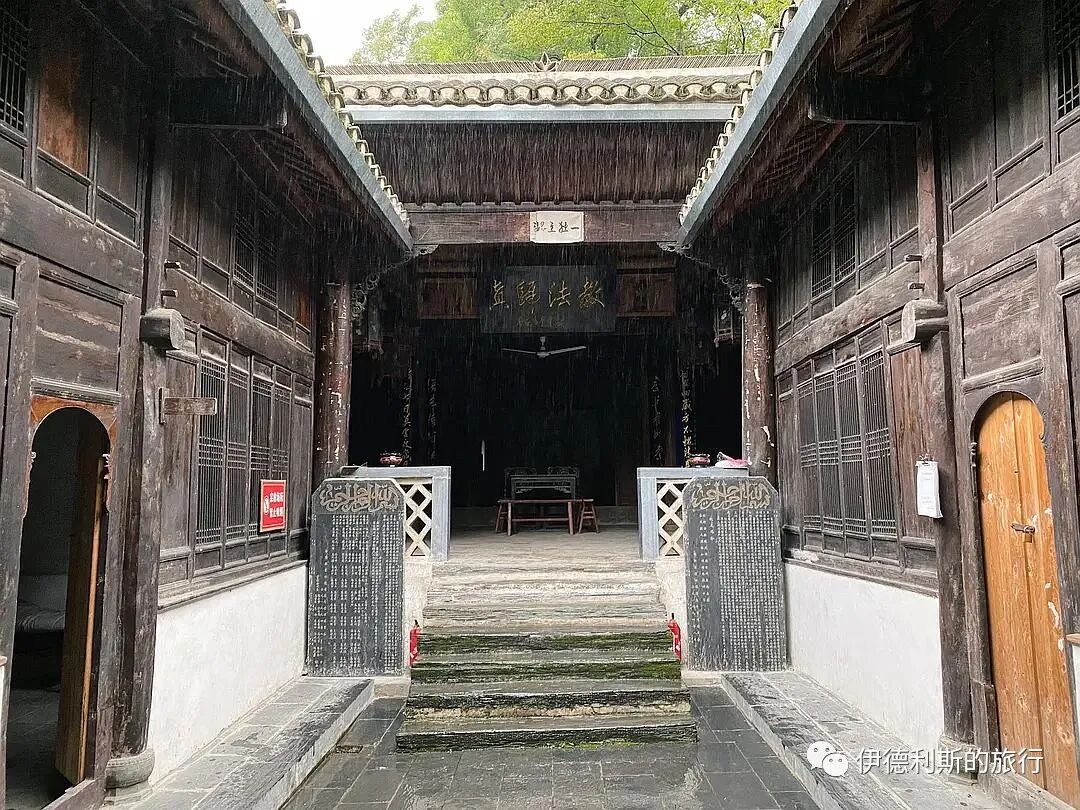
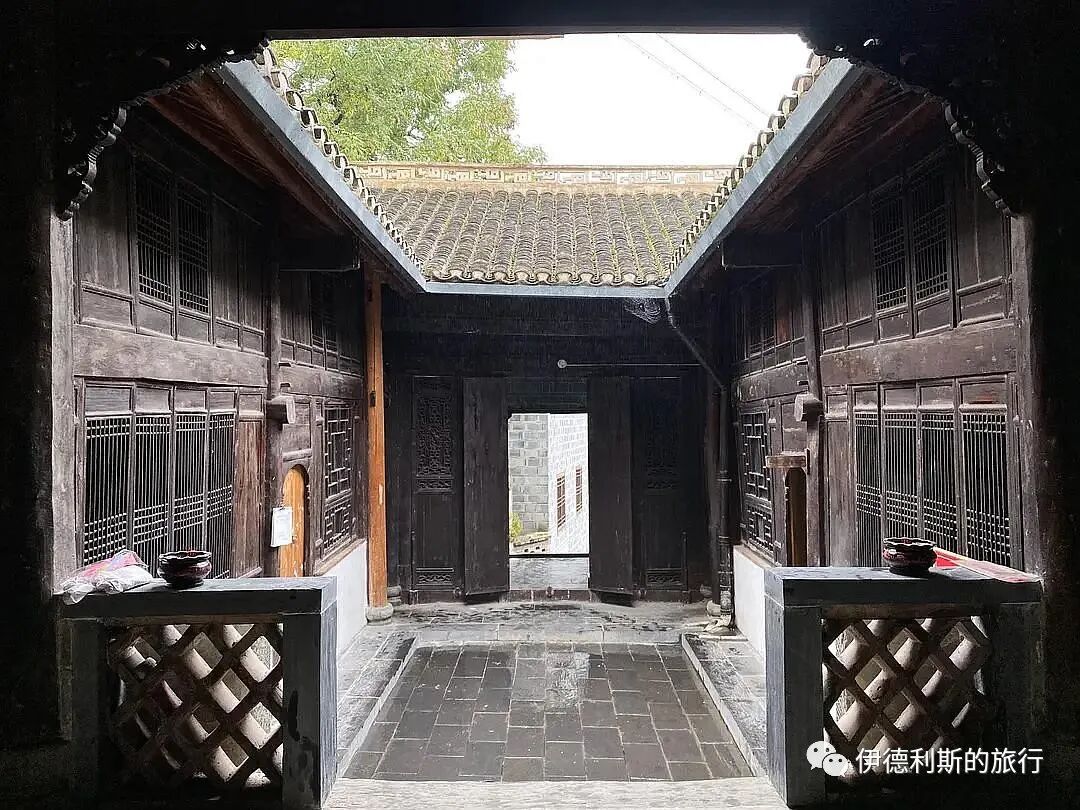
The courtyard of the mosque is very small, and a stone concave pool in the middle is used to collect dripping water from the eaves, which is very suitable for the rainy climate. Behind it are the north and south wing rooms and the main prayer hall. The main prayer hall has the three-section structure traditional to Chinese mosques: a front shed, a middle hall, and a rear kiln hall.
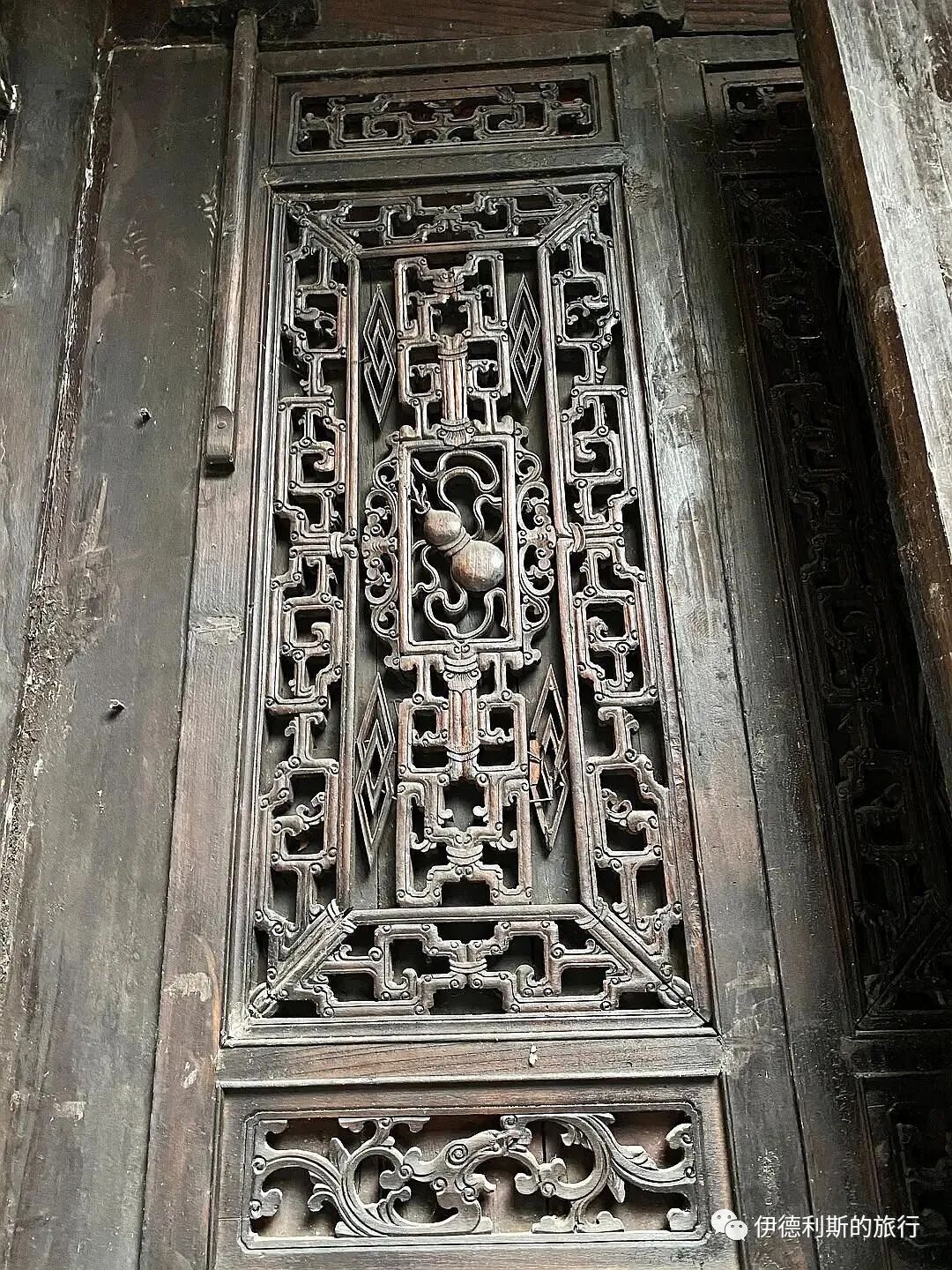
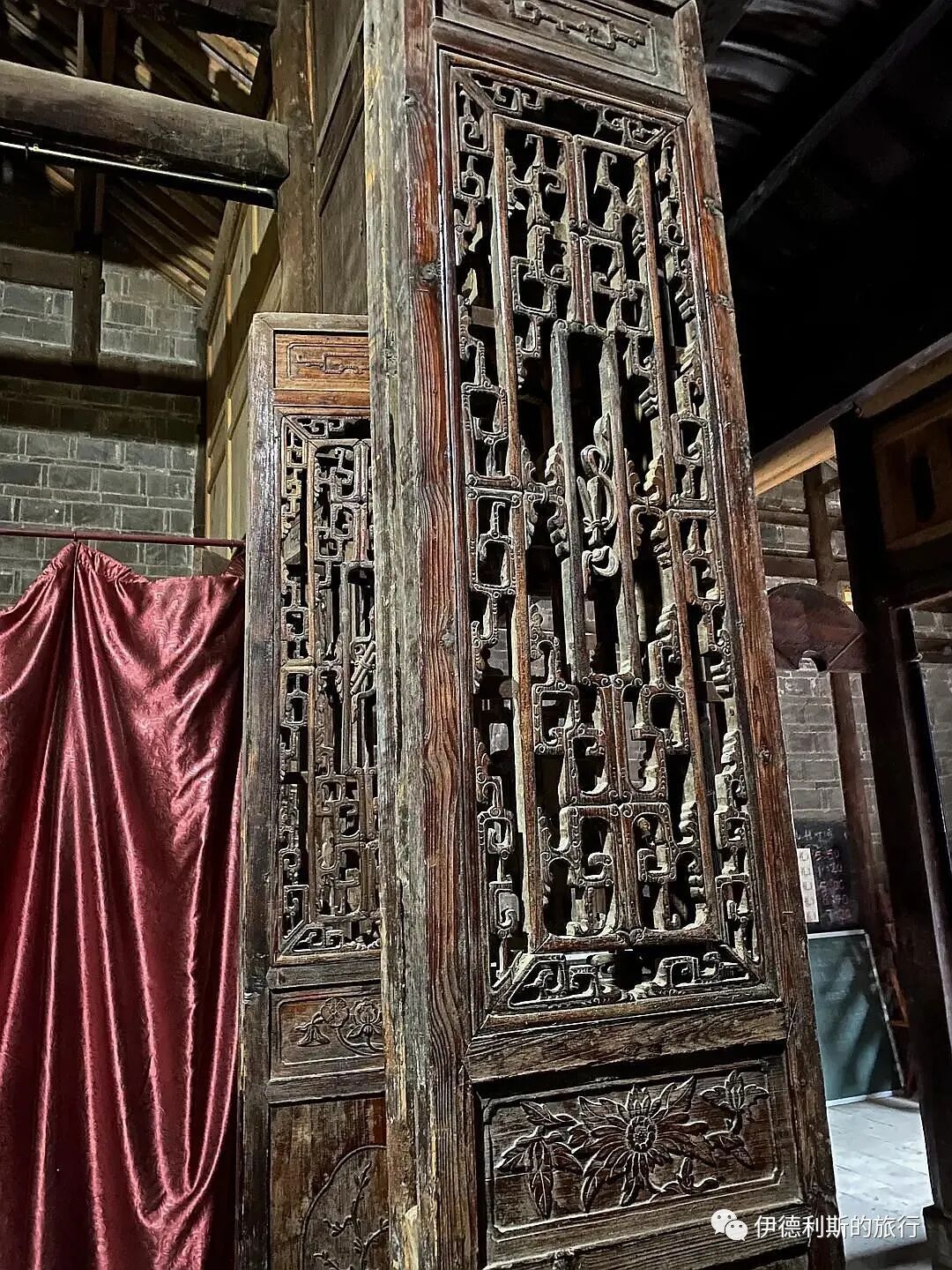
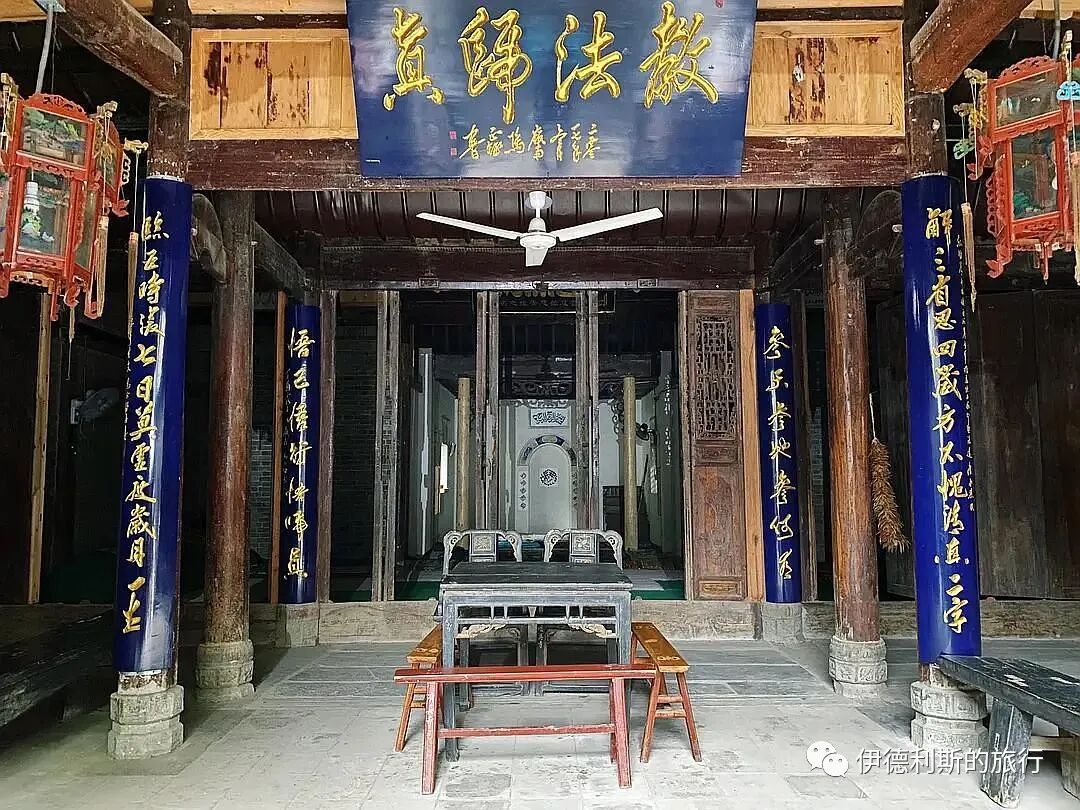
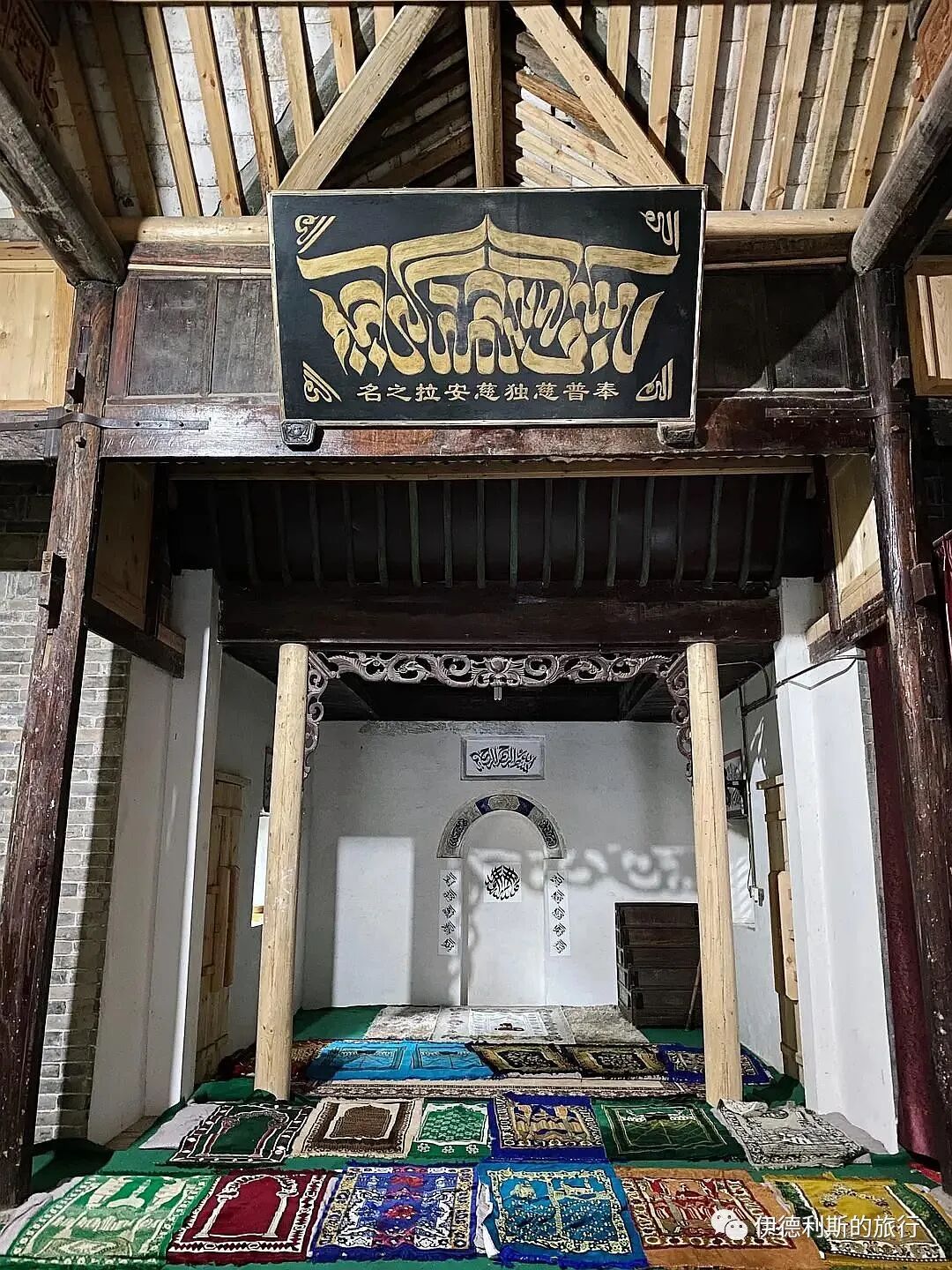
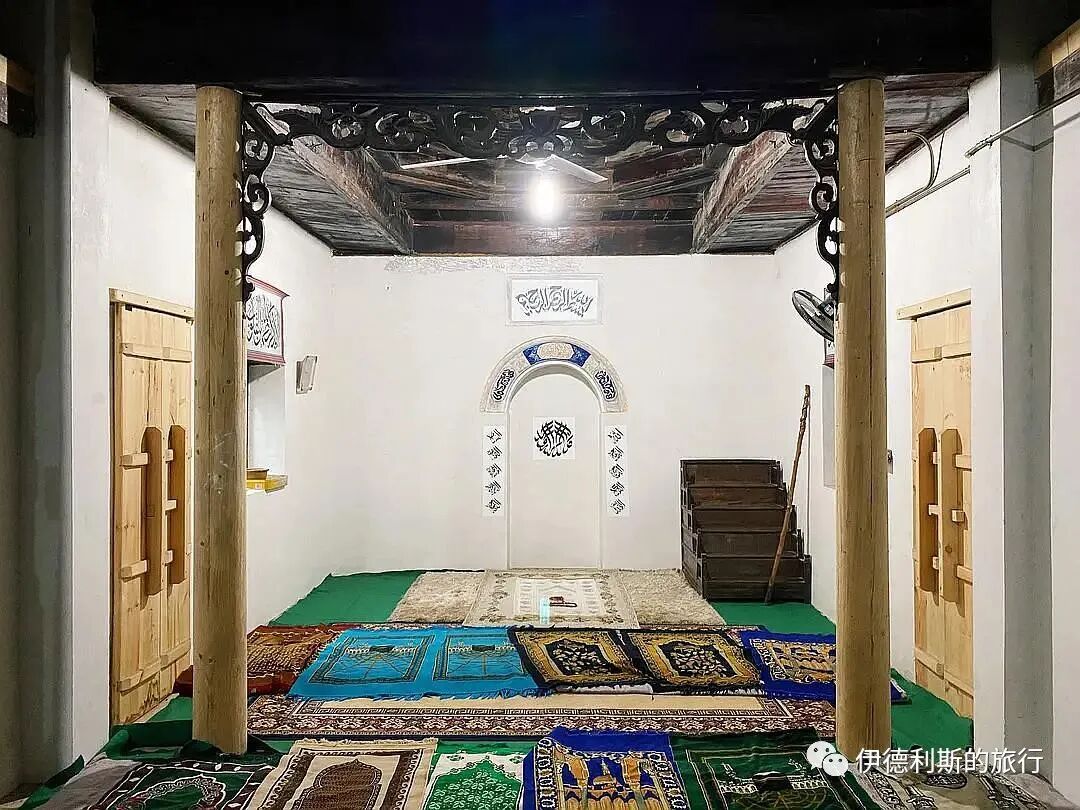
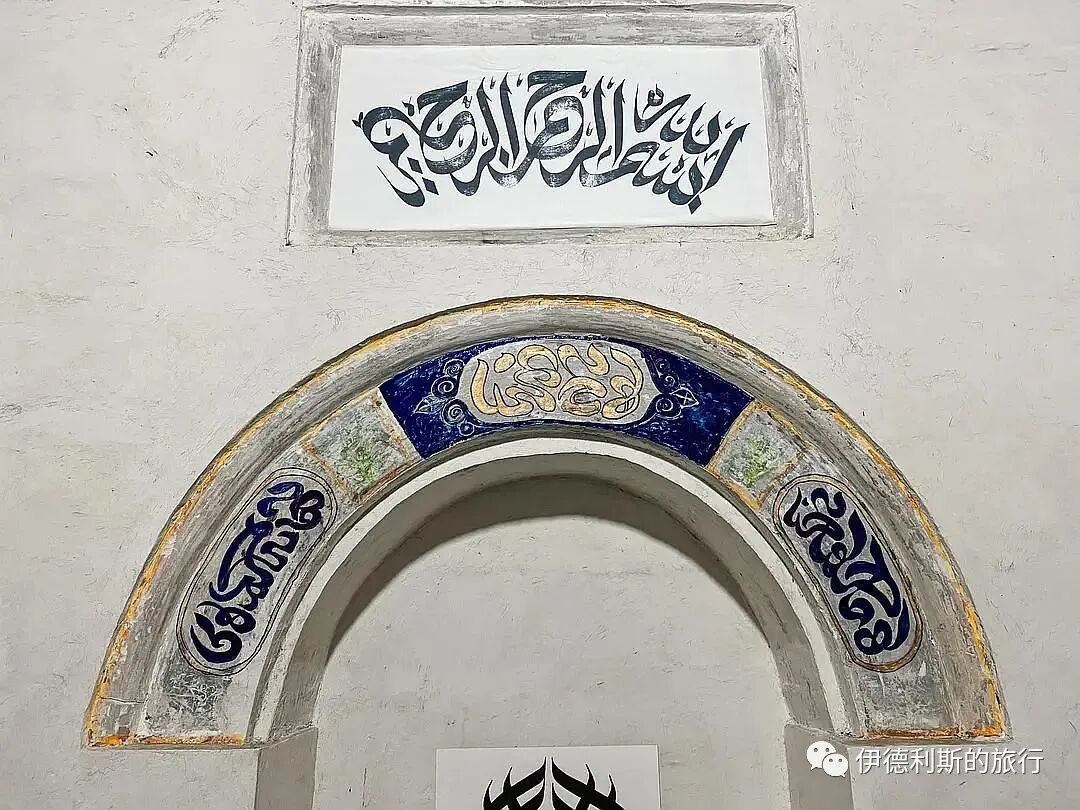
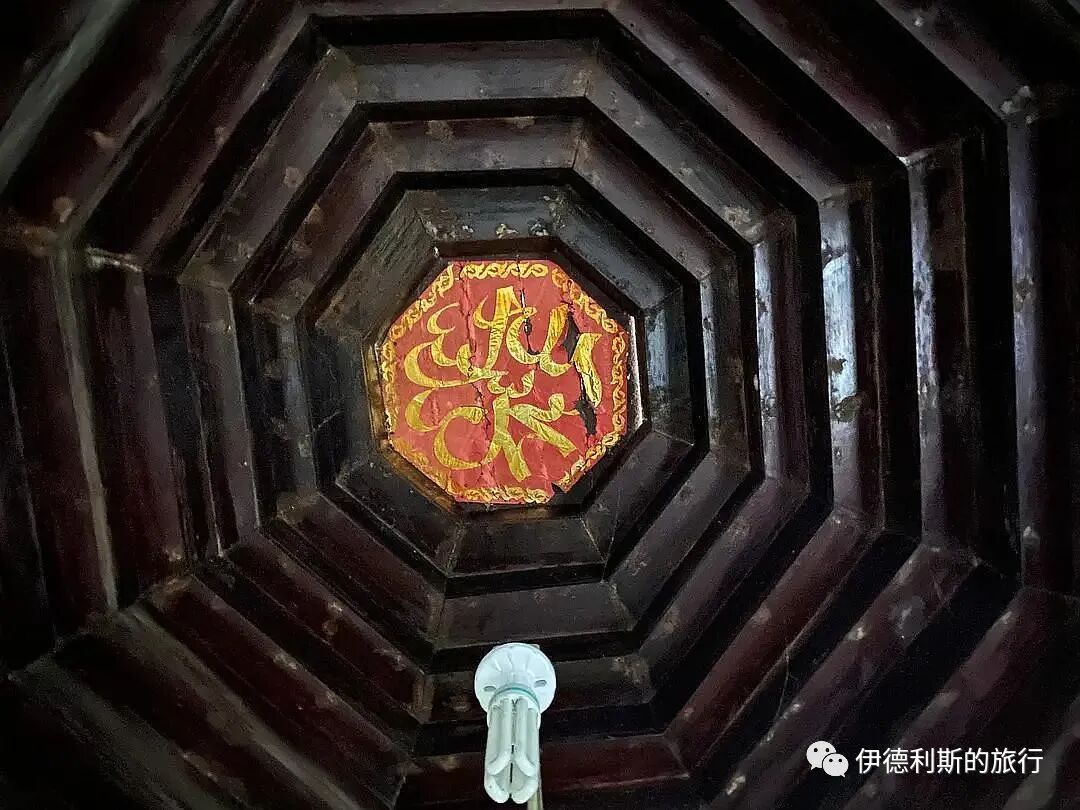
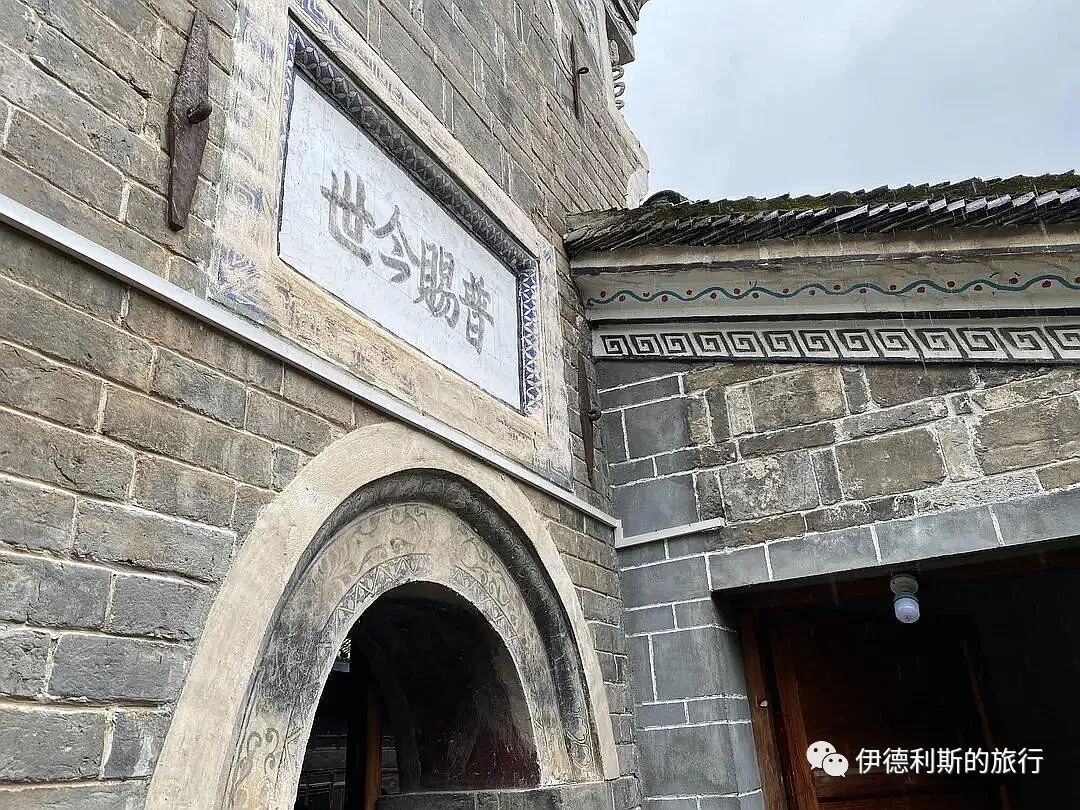
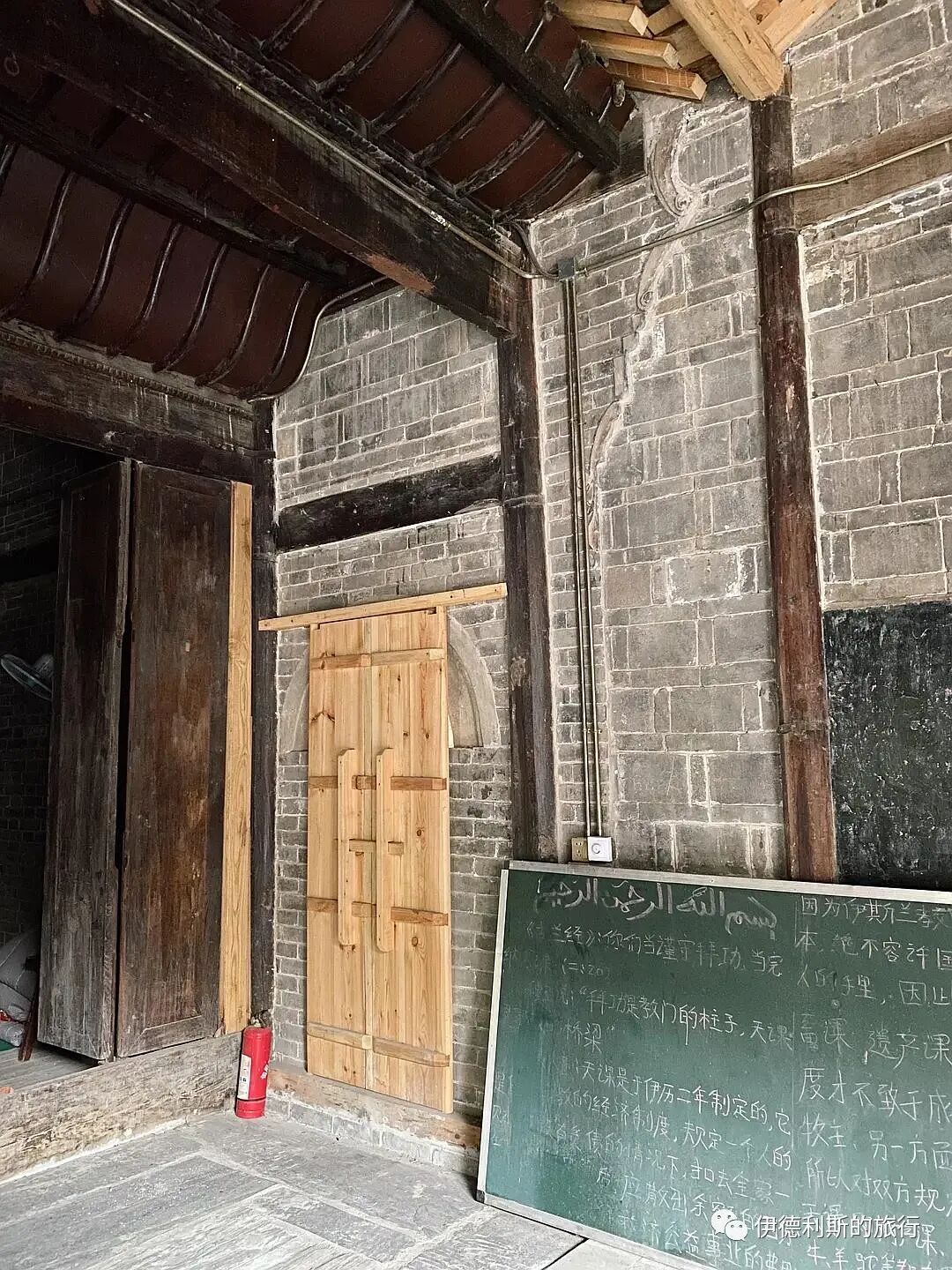
Most of the mosque's colorful paintings were destroyed during the Cultural Revolution, with only a portion preserved outside the rear kiln hall, where various traditional Chinese patterns can be seen. In addition, there are ink paintings on the door frame of the main gate. One of the beams of the mosque has an inscription from the fourth year of the Republic of China (1915) regarding its renovation, and it still retains 100-year-old Arabic calligraphy. In the last photo, you can see that the mosque is adjacent to a cliff.
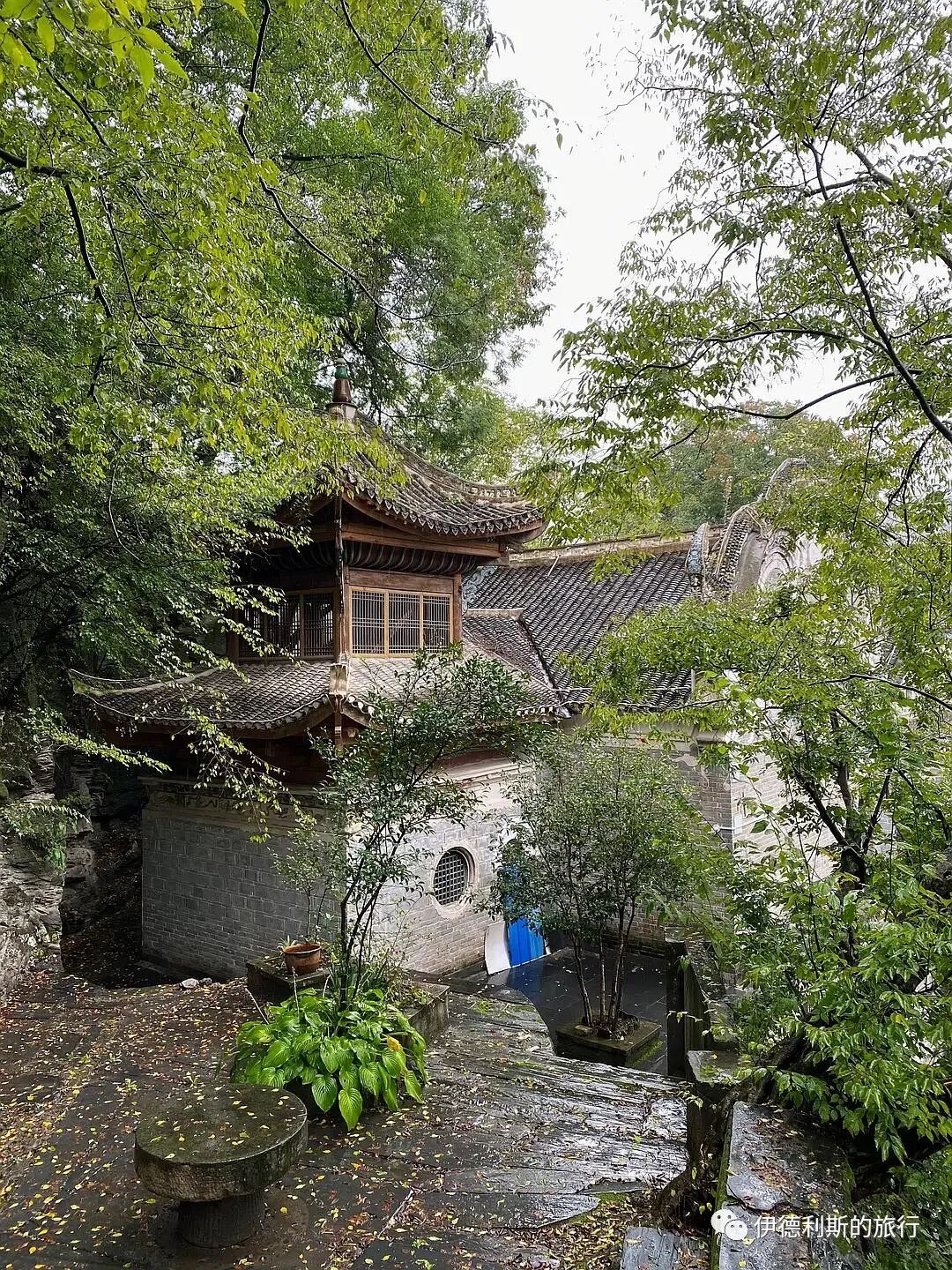
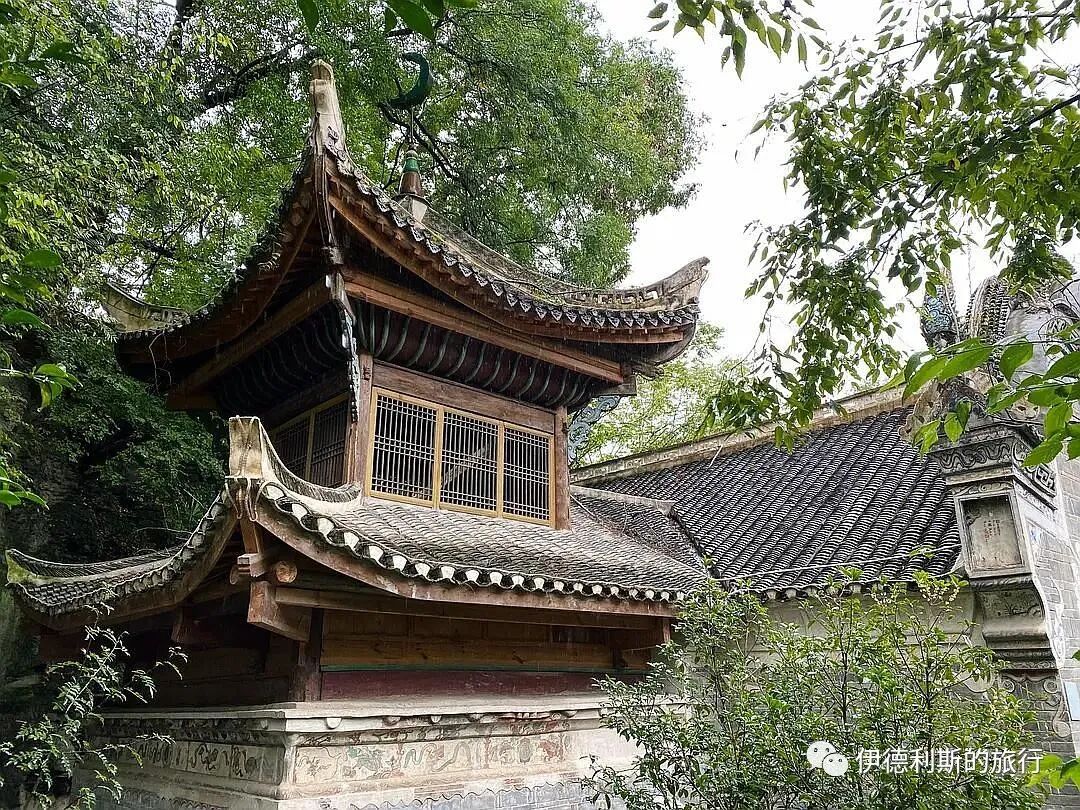
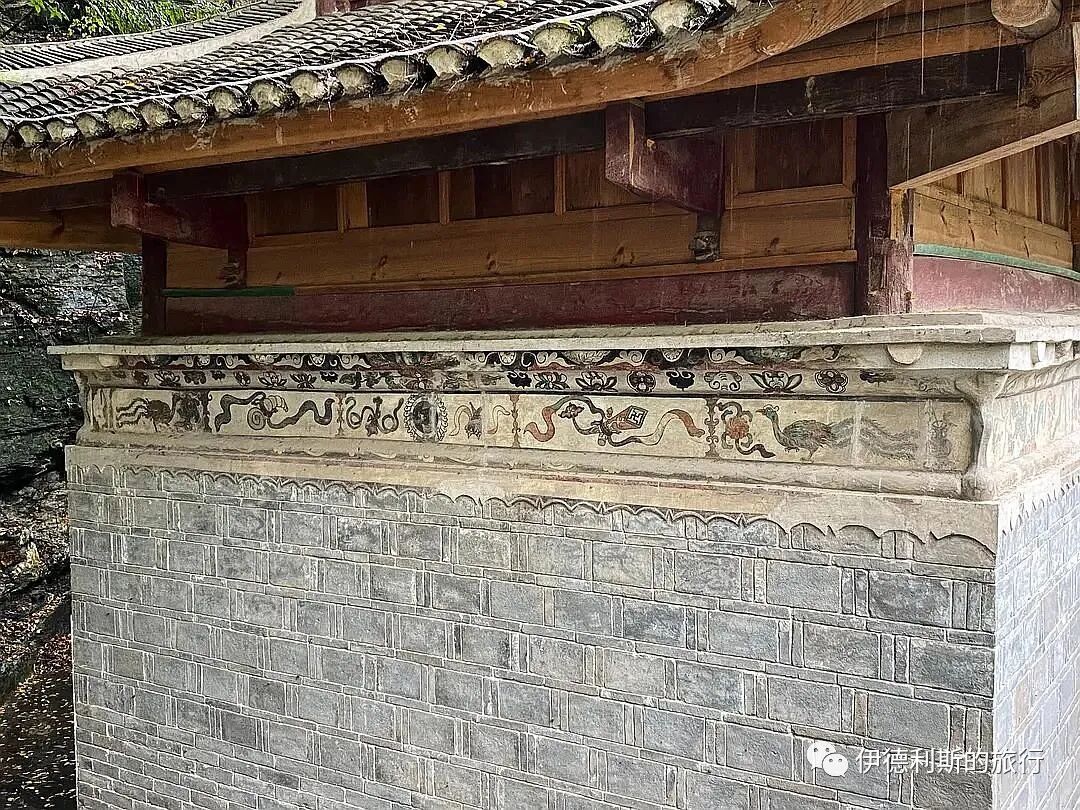
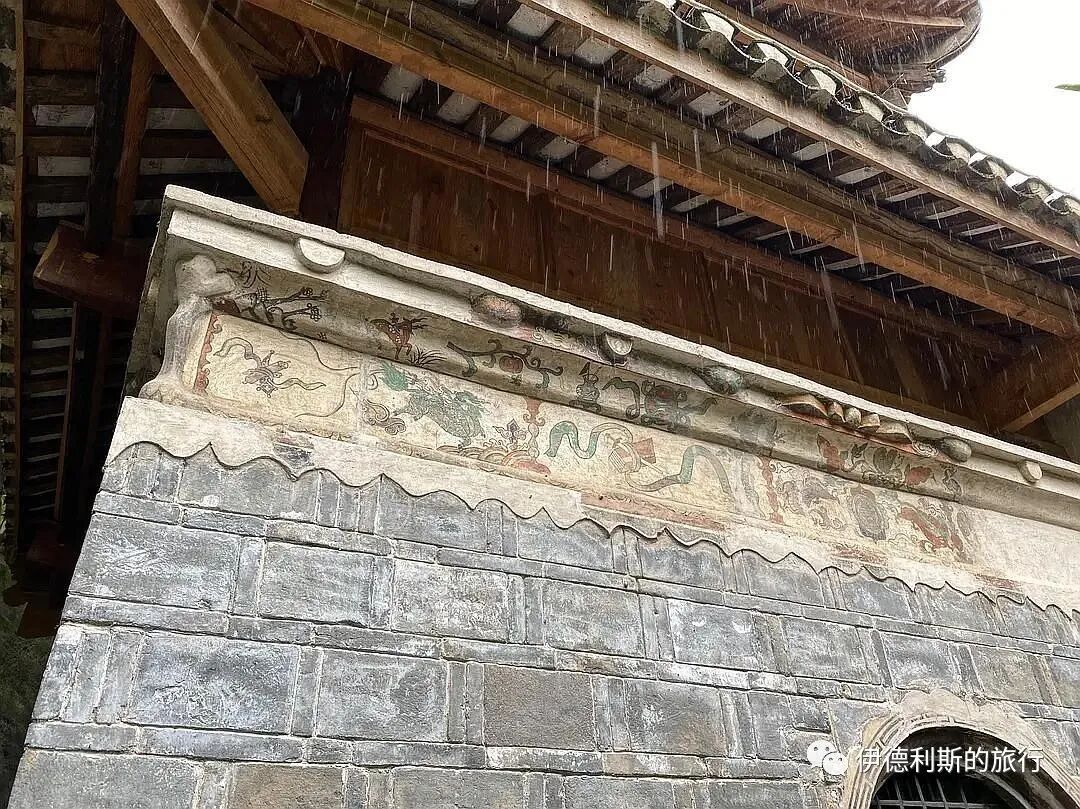
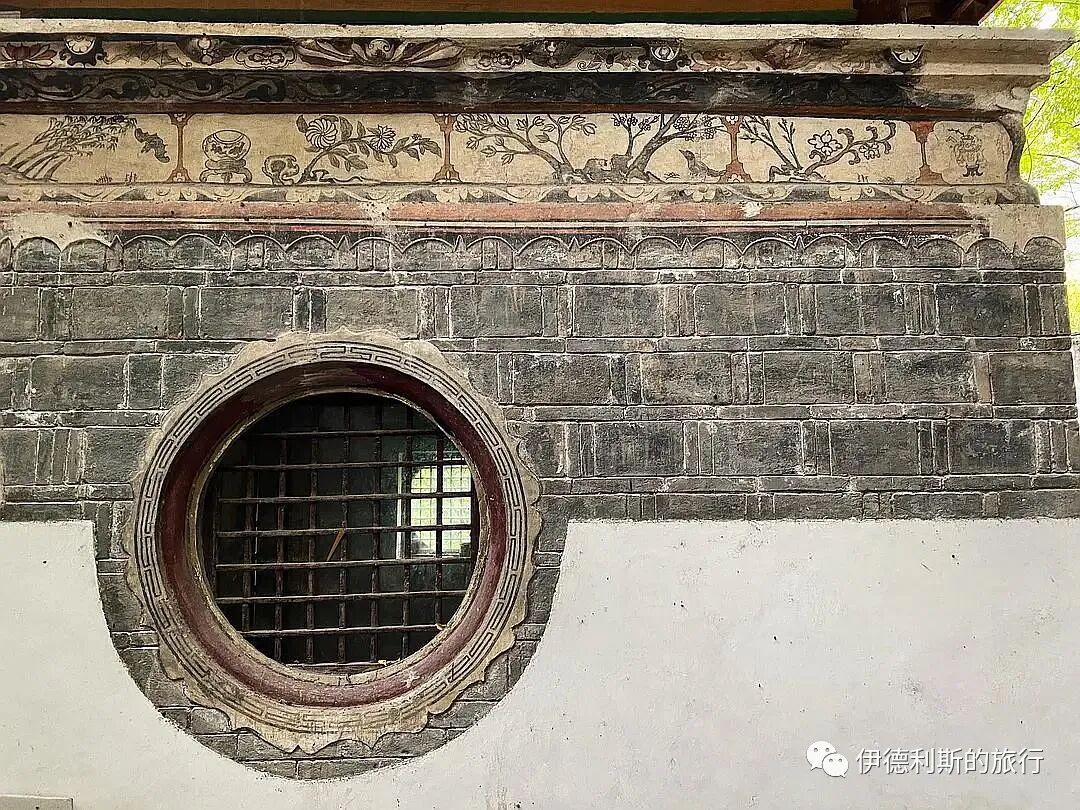
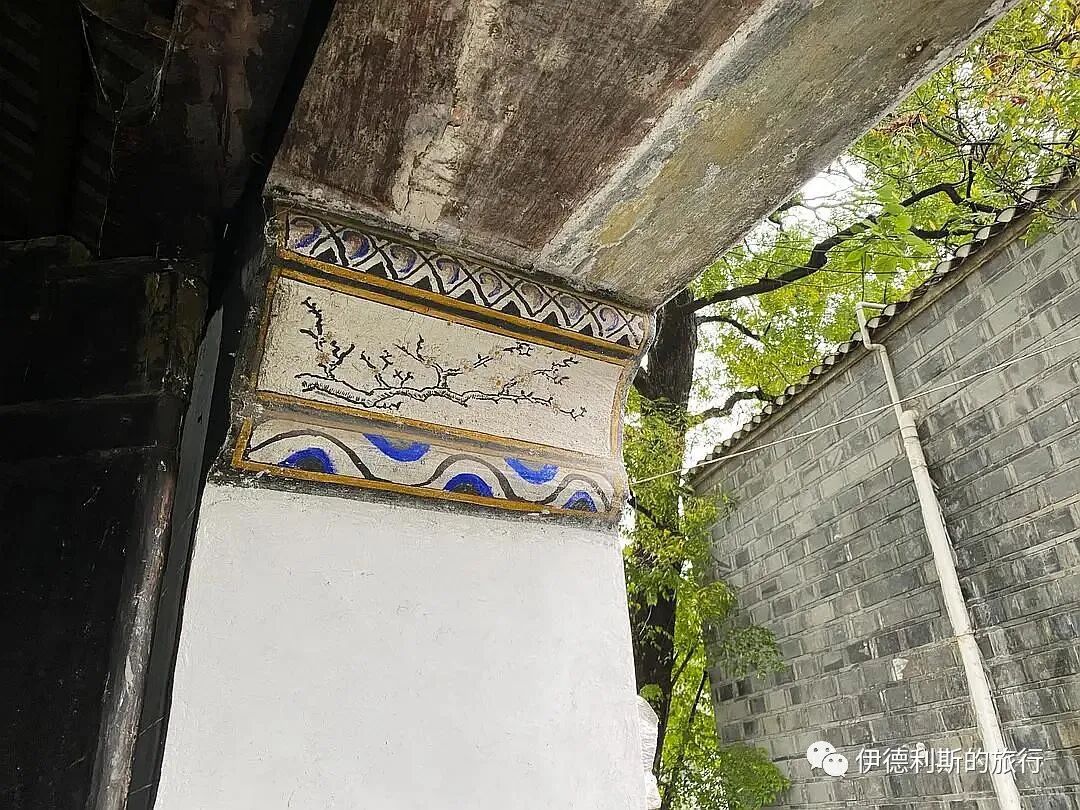
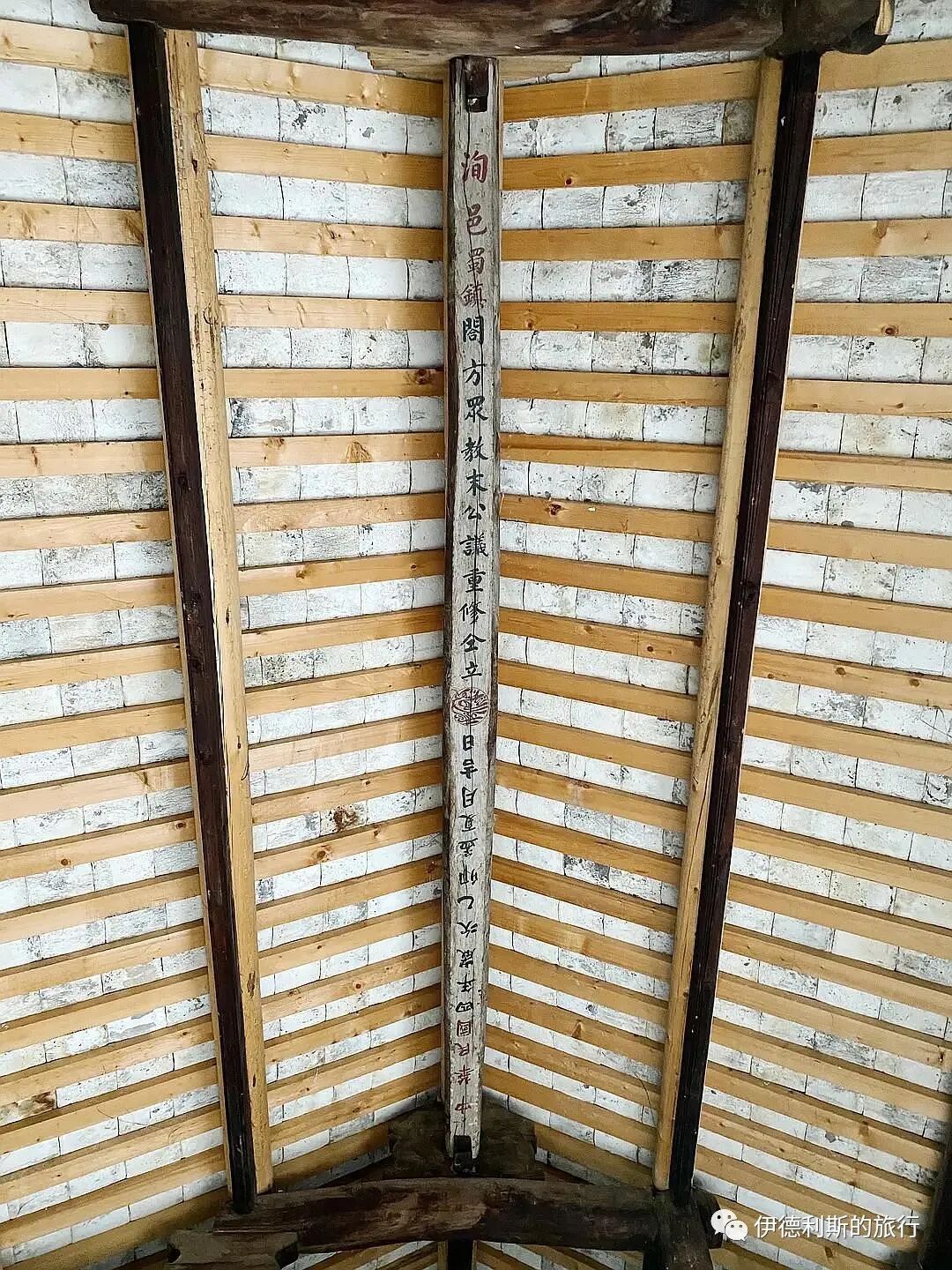
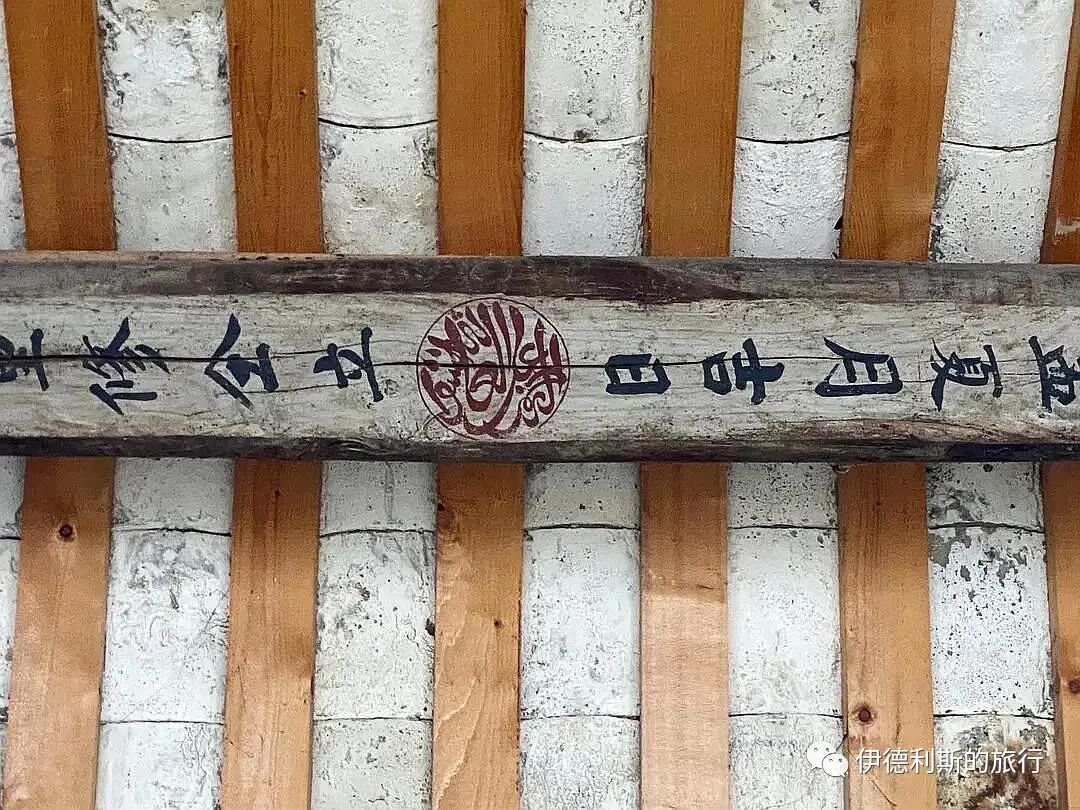
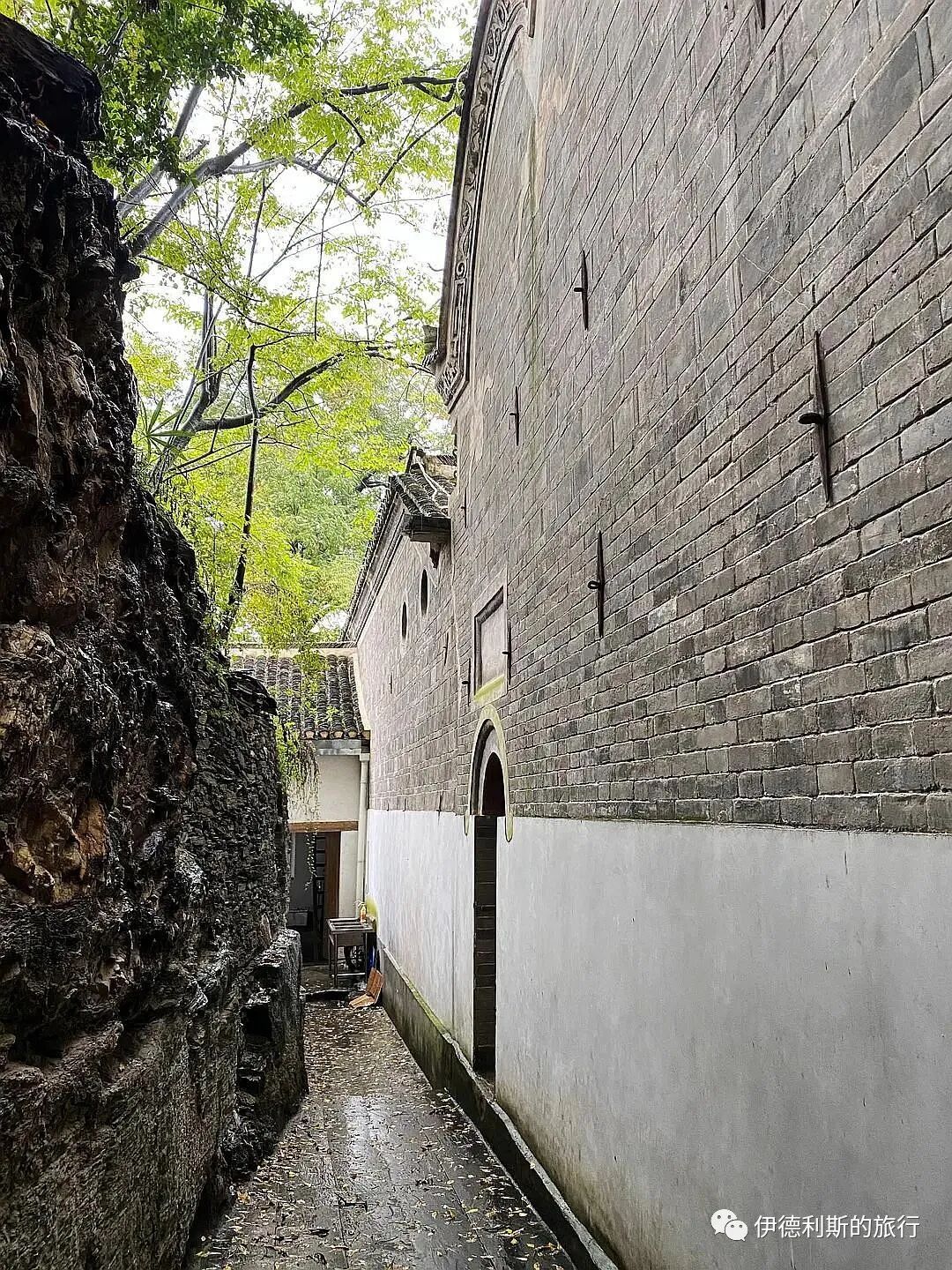
Traces of the 1915 expansion of the Ming Dynasty main prayer hall.
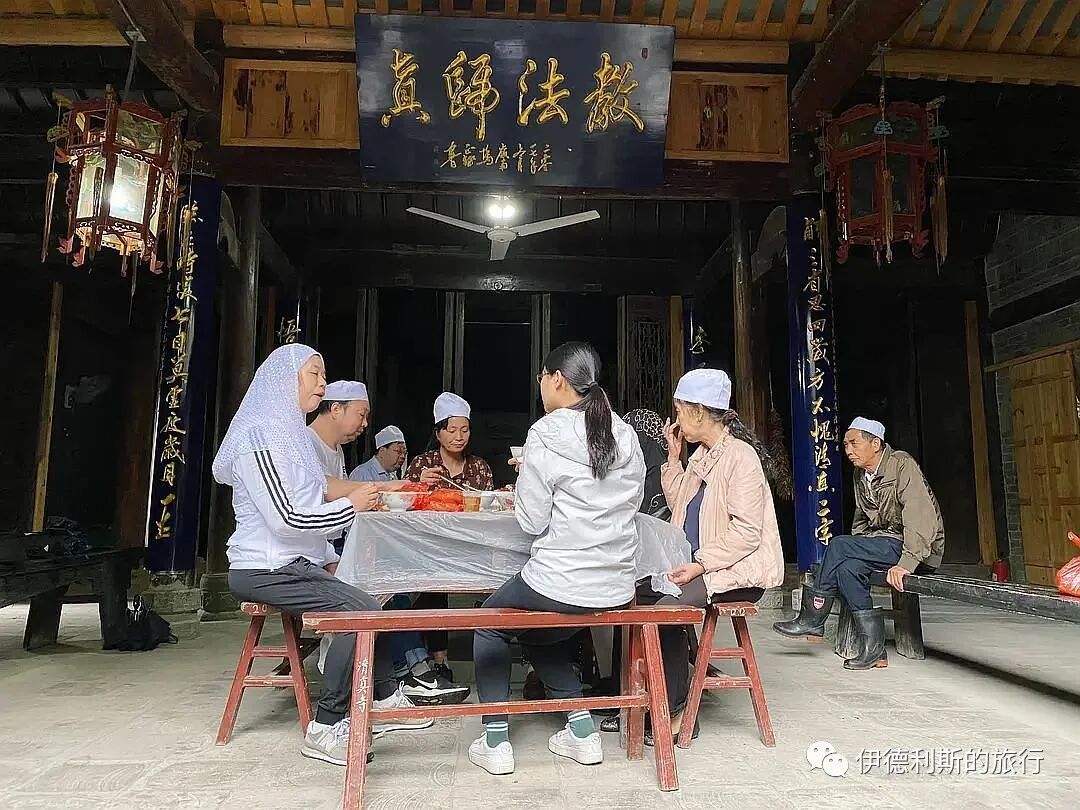
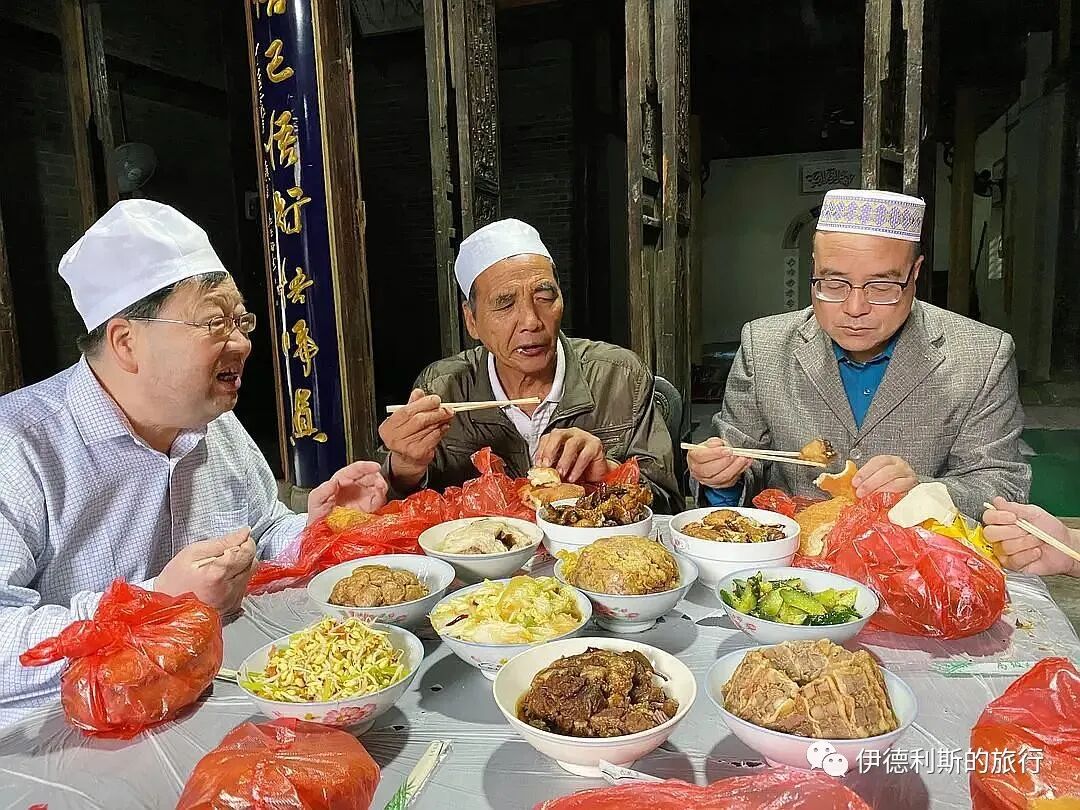
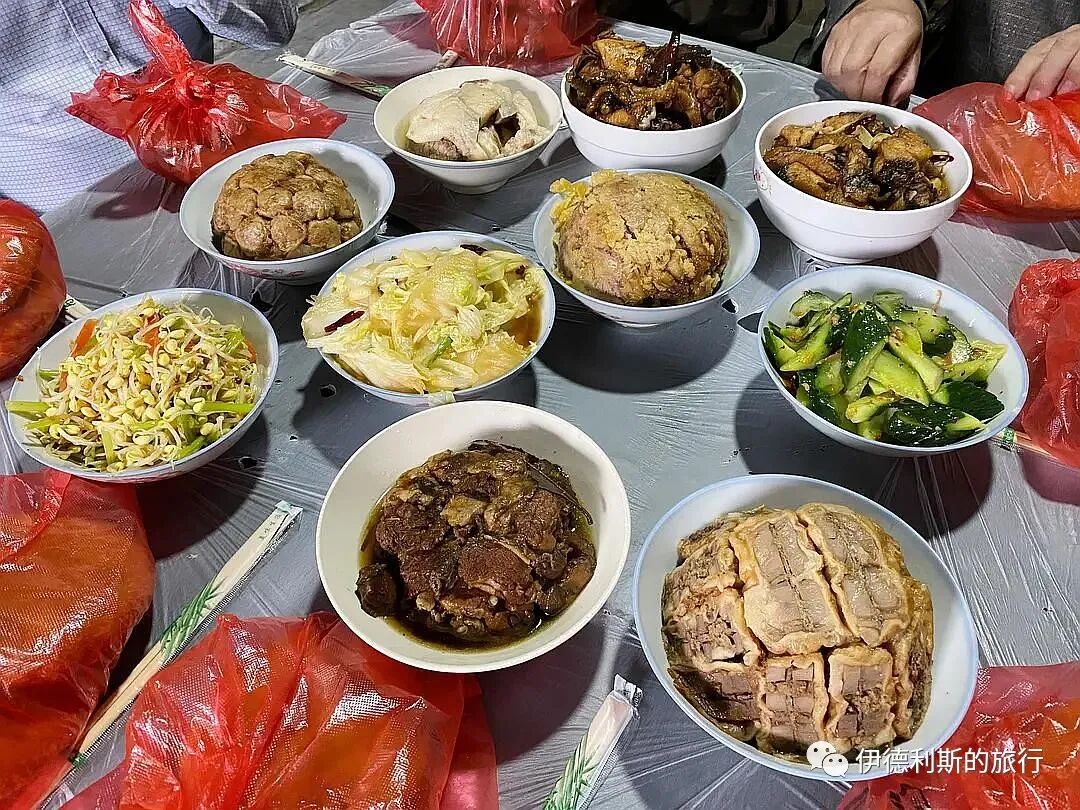
After performing Jumu'ah (Friday prayer) at the mosque, we happened to catch a 'ten-bowl' banquet, a specialty of Shuhe. Zainab ate very happily, and in the end, we were given a lot of youxiang (fried flour dough). The ten bowls include liancai hezi (lotus root slices stuffed with lamb, coated in egg, fried, and then steamed), lamb meatballs (coated in egg, fried, and then steamed), braised beef, fenzhengrou (lamb coated in flour and steamed with sweet potato chunks), steamed white meat (fatty meat near the lamb cartilage, steamed), chicken (stir-fried until half-cooked and then steamed), fish chunks (grass carp chunks coated in flour, fried, and then steamed), and three vegetable dishes. The dishes at a Hui Muslim banquet are different from ordinary home-cooked stir-fries because they usually have to serve many people. Most of them are prepared half-cooked and then steamed in a large pot, which ensures both efficiency and that the food does not get cold.
2. Ankang Mosque
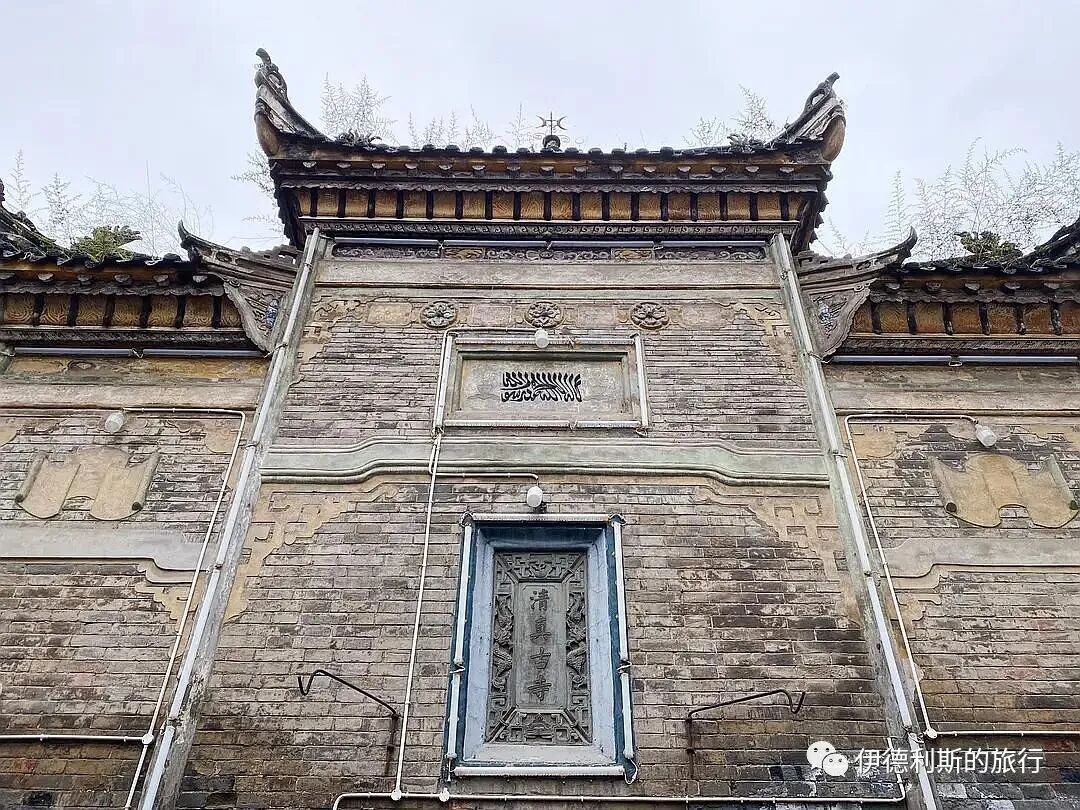
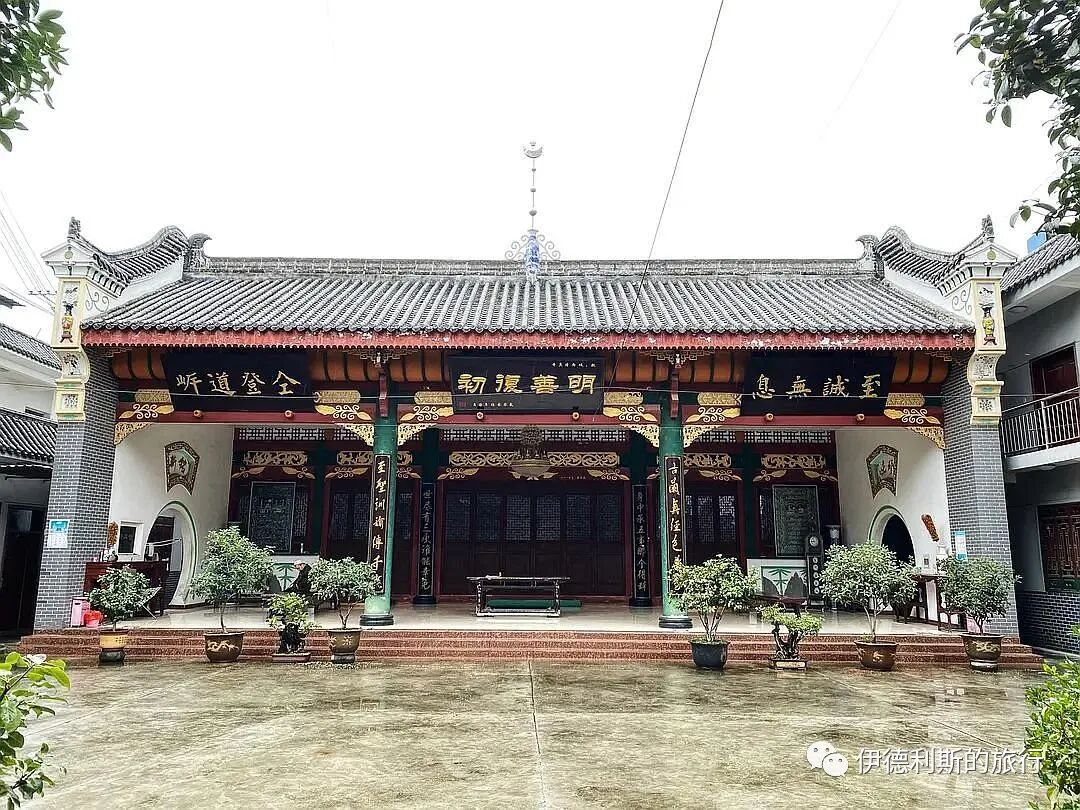
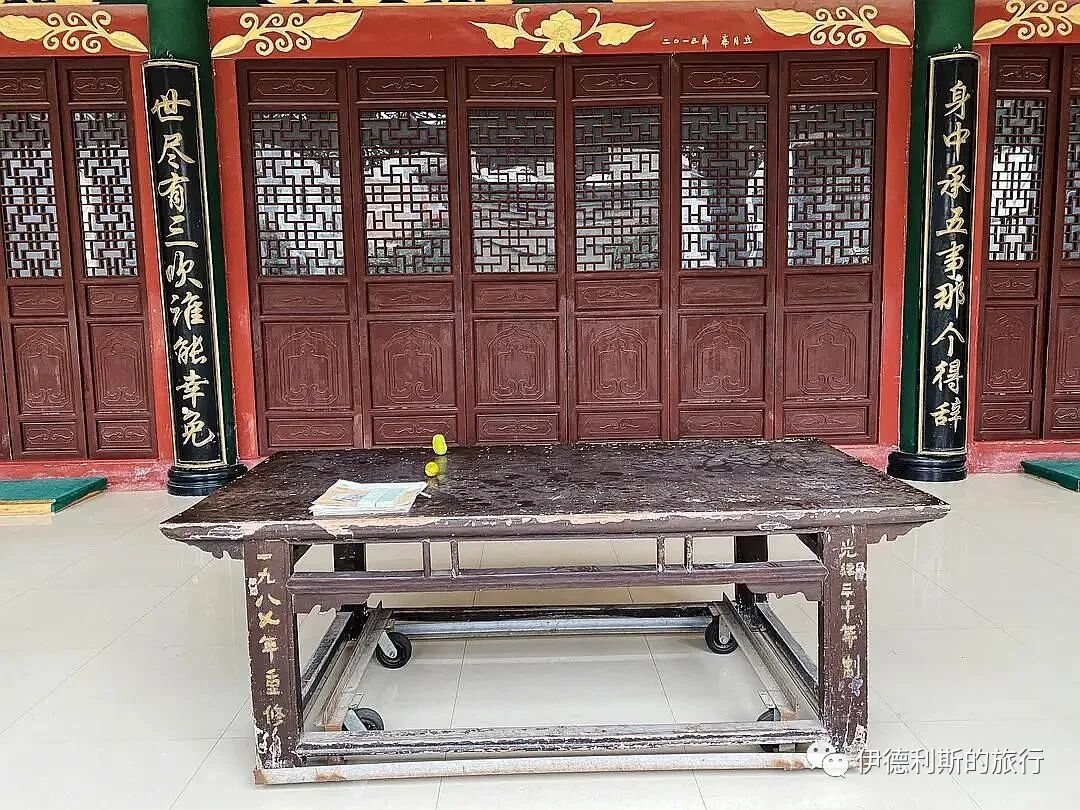
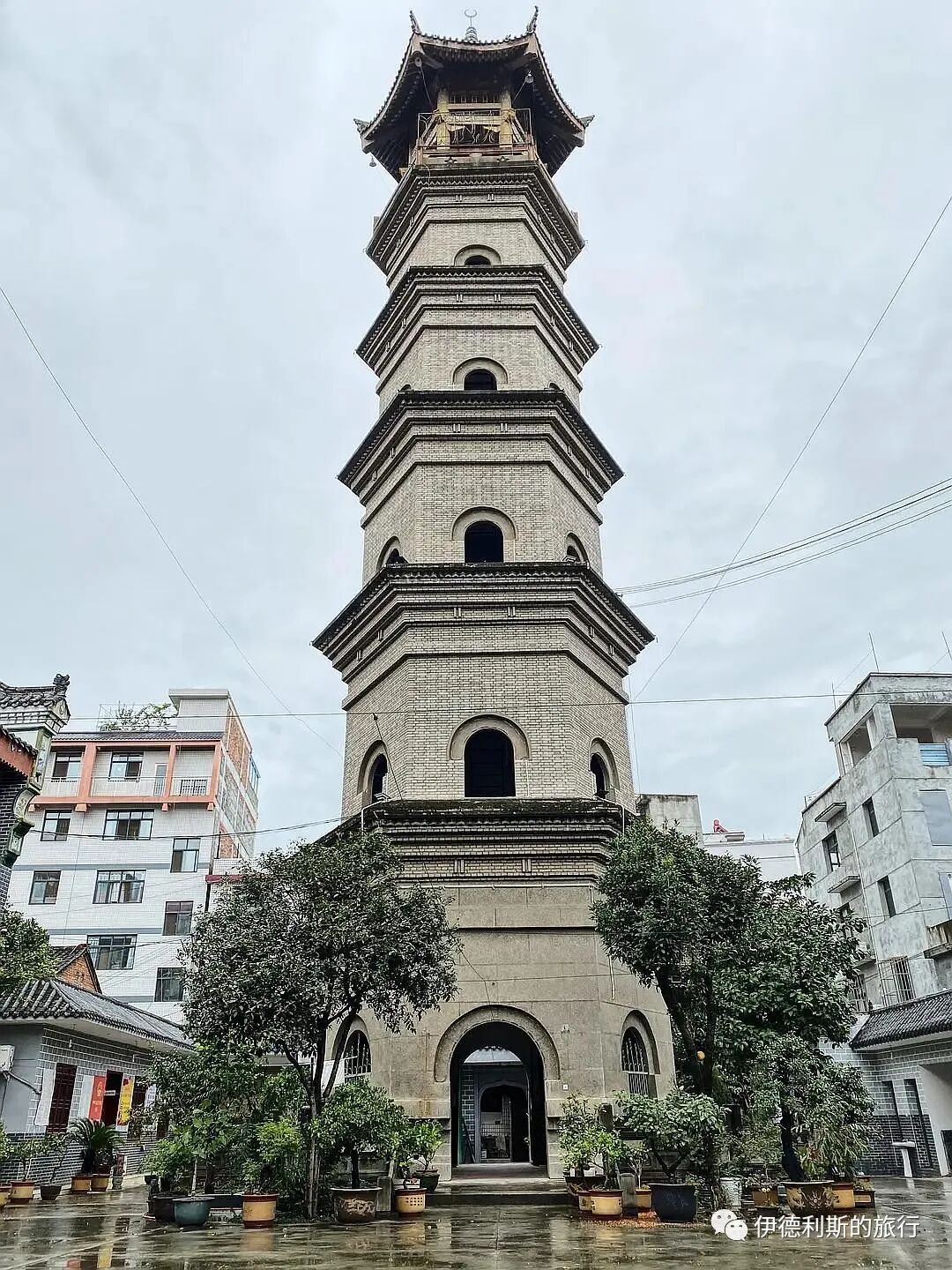
According to the stele inscription, the Ankang Mosque was first built in the Yuan Dynasty. It was initially called the Libai Mosque (Worship Mosque), later renamed Jingjue Mosque, and changed to Mosque in 1767. In 1583, the mosque was destroyed by a flood and the mosque grounds were occupied. It was returned and rebuilt on the original site in the early years of the Kangxi era. It was destroyed again in 1862, with only the screen wall remaining. The north and south lecture halls were rebuilt in 1867, and the prayer hall and other buildings were rebuilt in 1871. In 1923, a five-story, hexagonal, pointed-roof minaret was built, reaching a height of 37 meters. The main prayer hall was expanded in 1931. In 1983, a major flood occurred in Ankang. The mosque's minaret collapsed, the north and south lecture halls were destroyed, and only the main prayer hall survived. In 1984, the north and south lecture halls, minaret, and water room were rebuilt. In 1999, the archway-style gate tower was rebuilt, and in 2013, the main prayer hall was rebuilt.
3. Ankang North Mosque
The North Mosque was first built in 1502. In 1983, a major flood occurred in Ankang, and all the buildings of the North Mosque were washed away. It was planned in 1984 and completed in 1994.
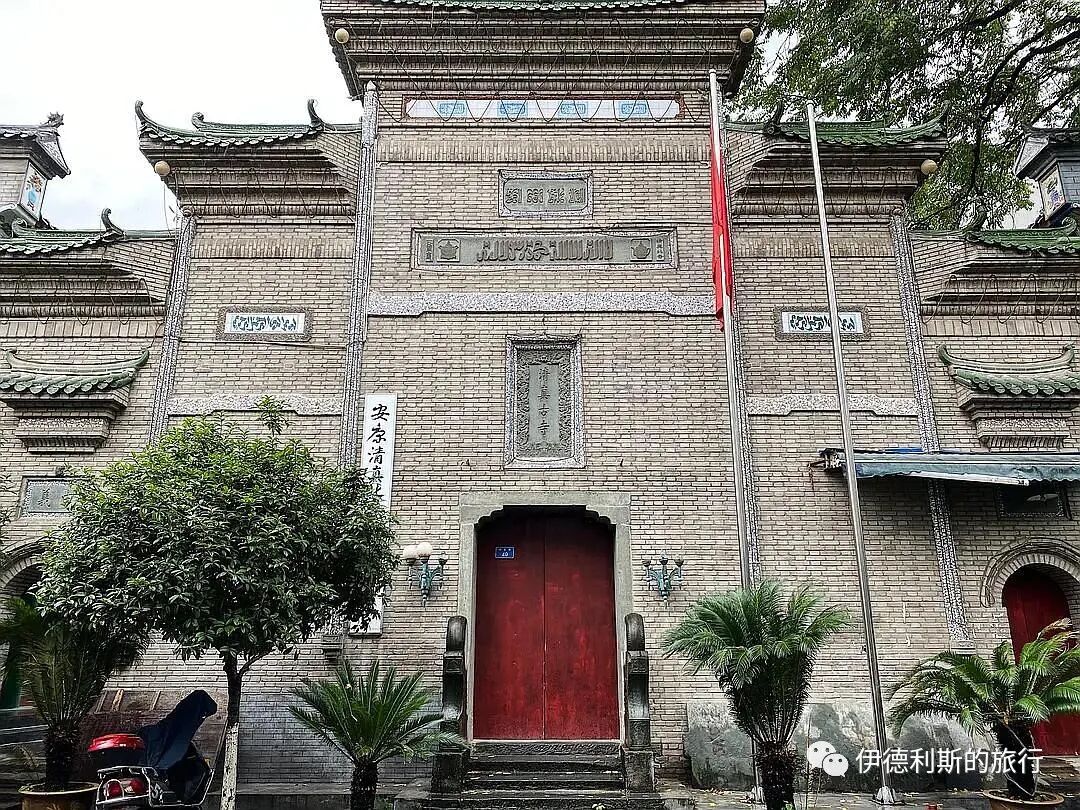
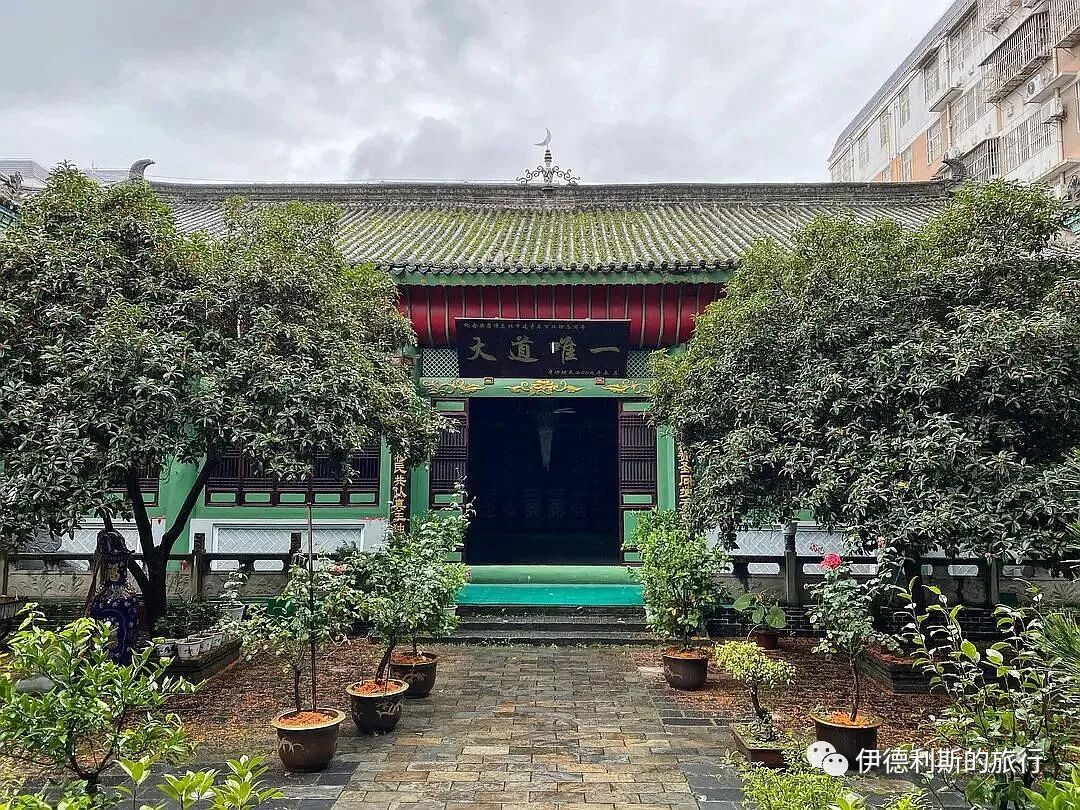
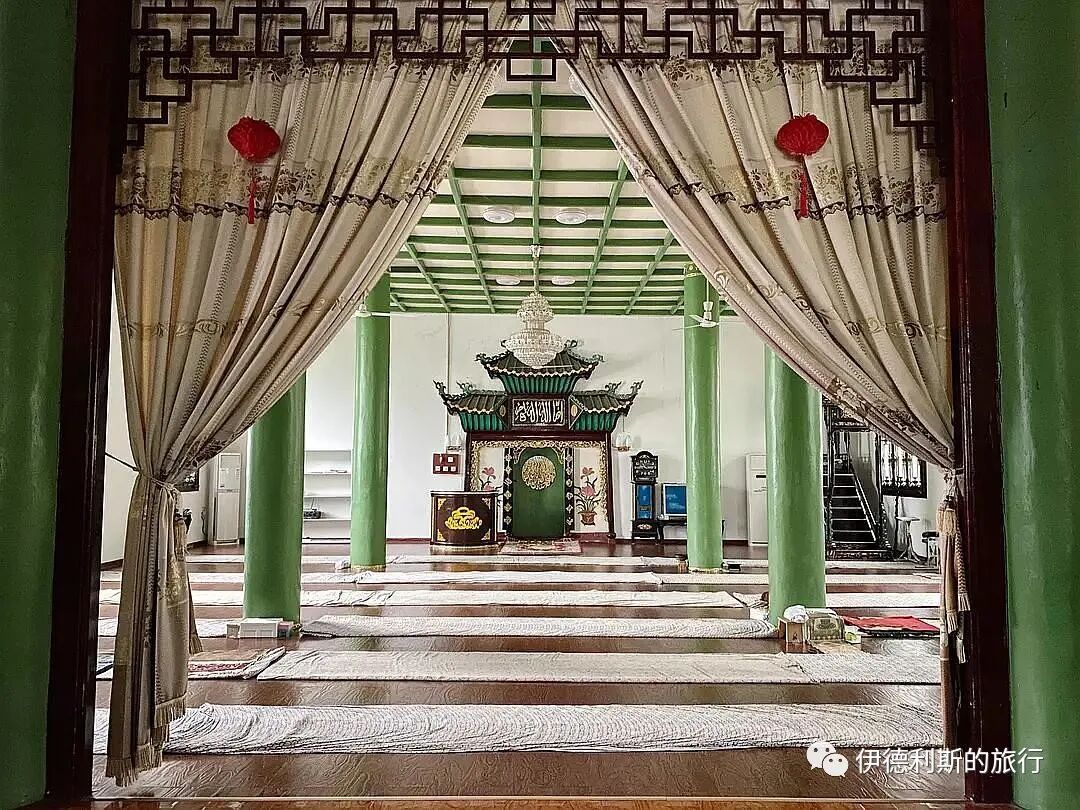
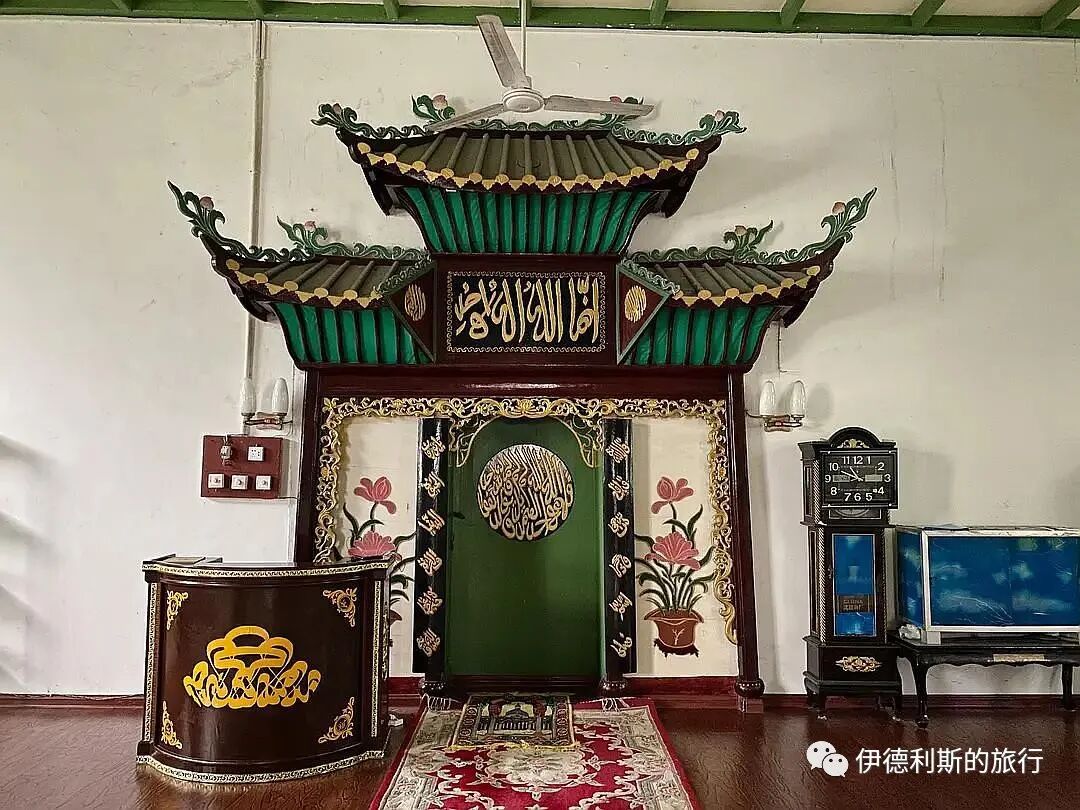
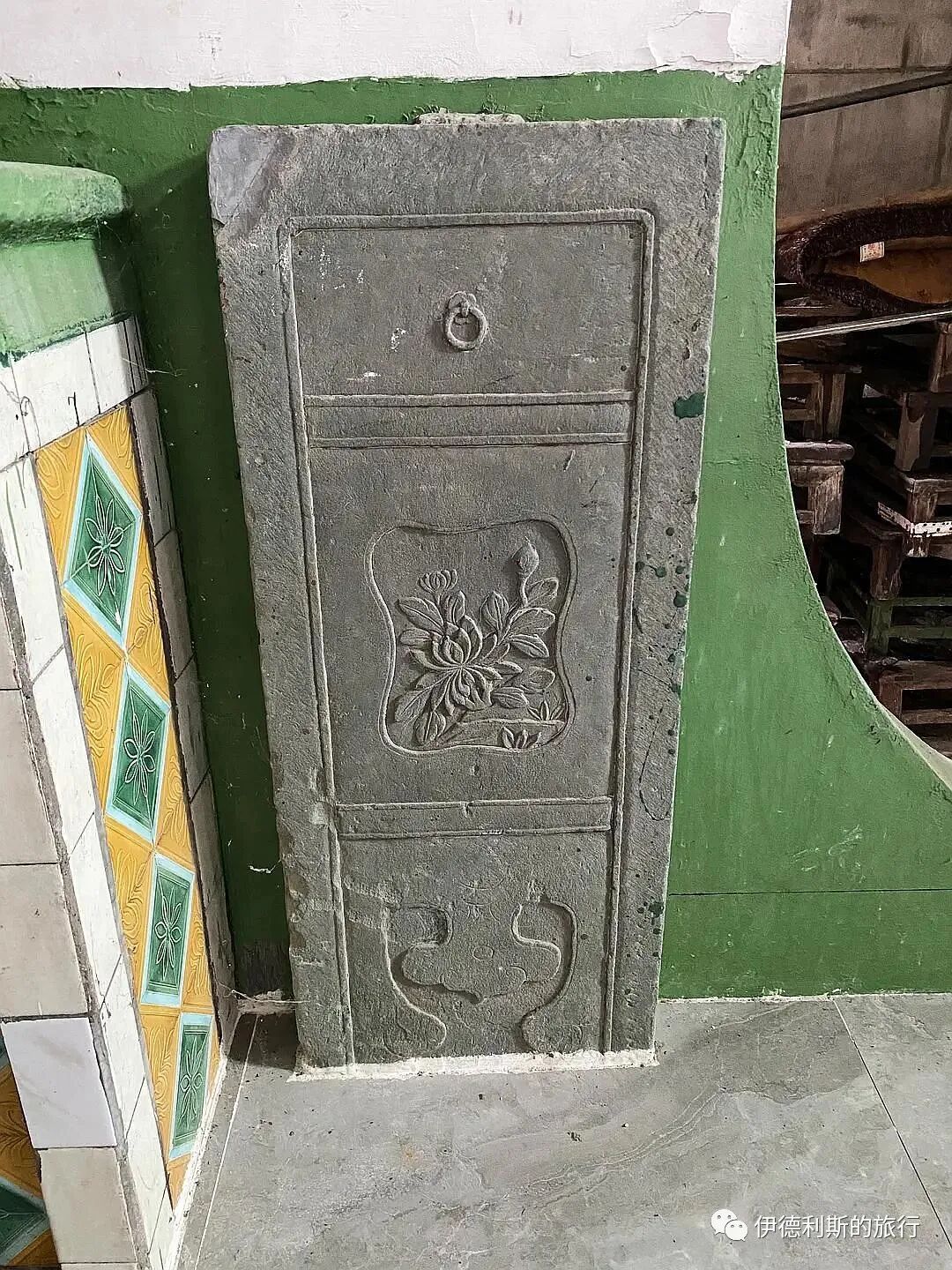
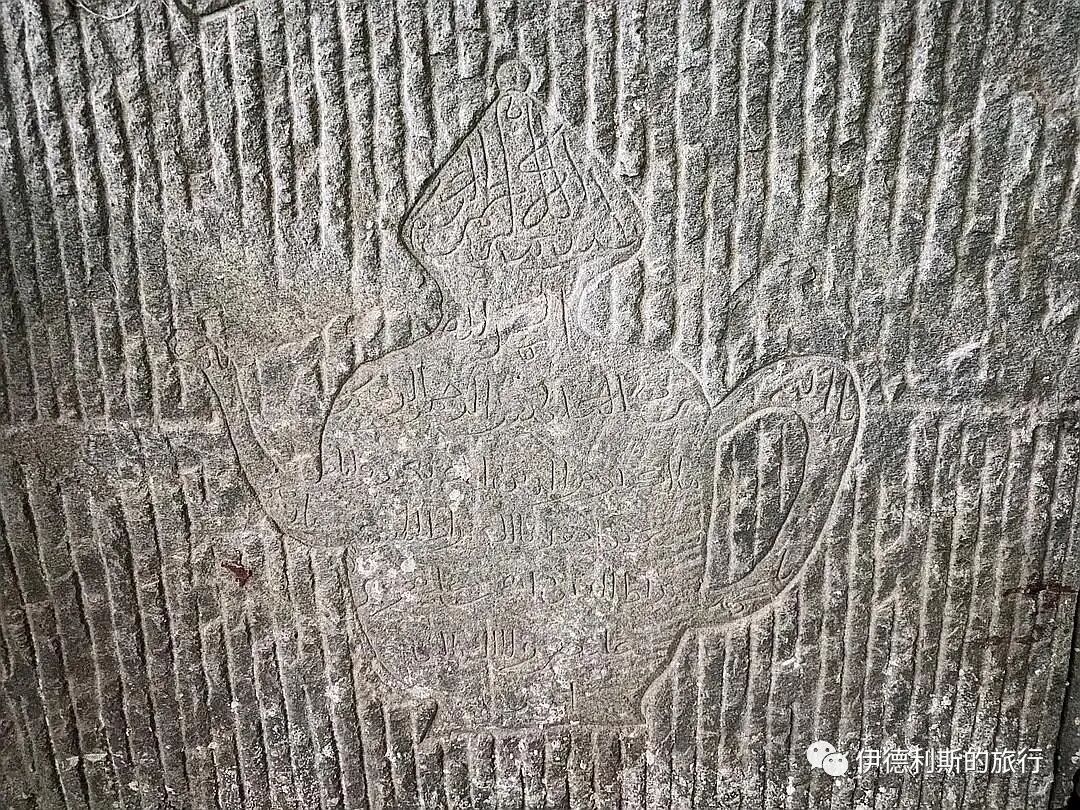
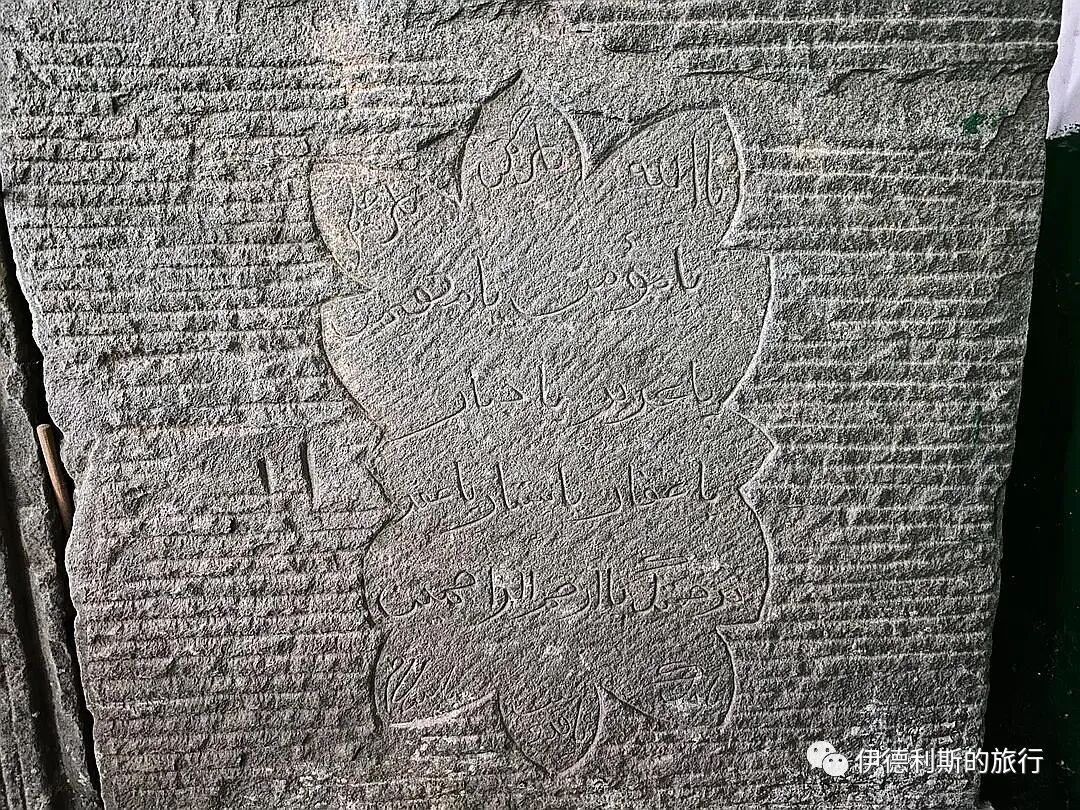
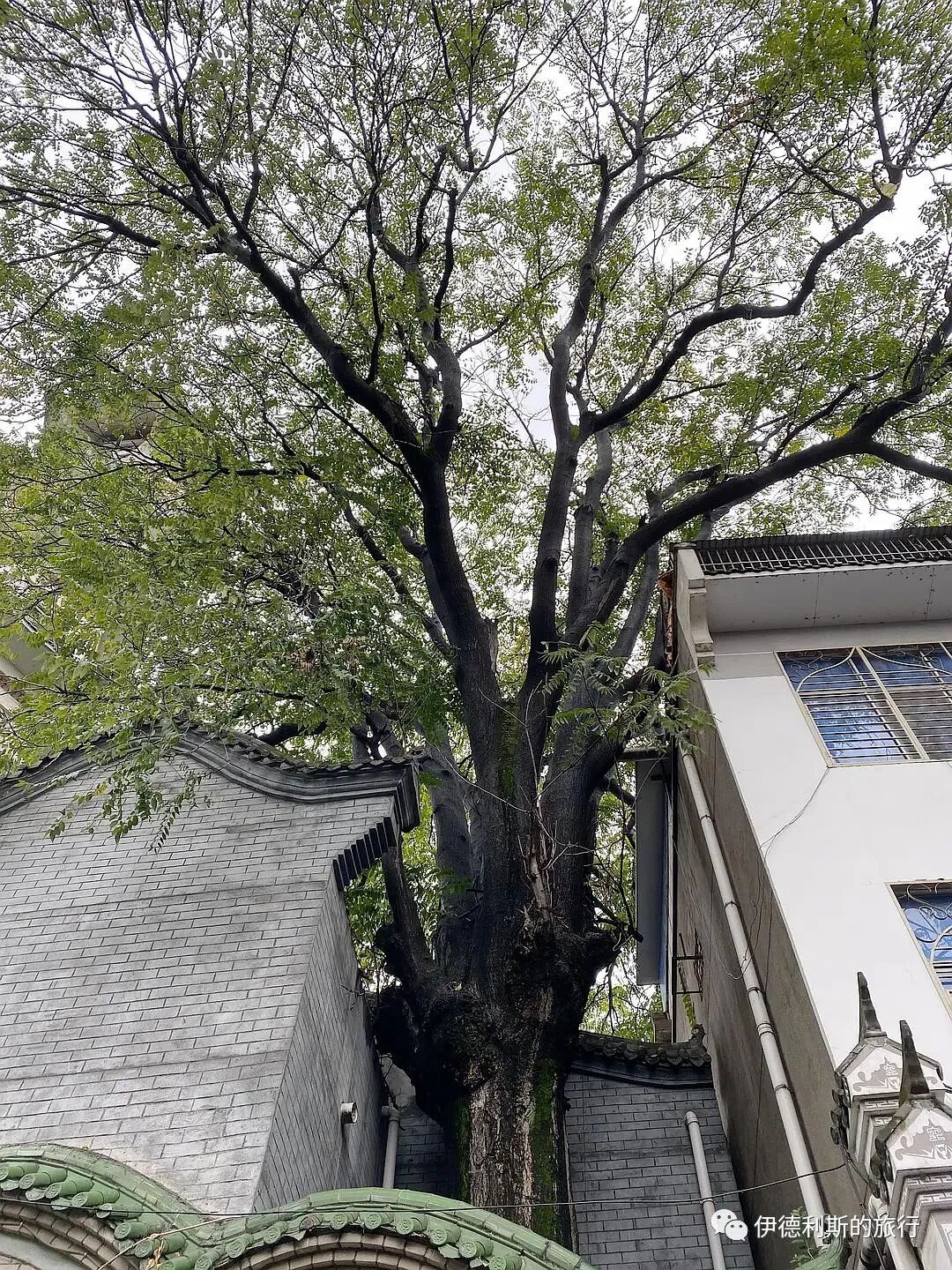
Next to the North Mosque is a 232-year-old ailanthus tree, nearly 40 meters high. During the 1983 Ankang flood, 31 people climbed this tree and survived, so this tree is also called the 'Life-Saving Tree'.
4. Jingning South Mosque
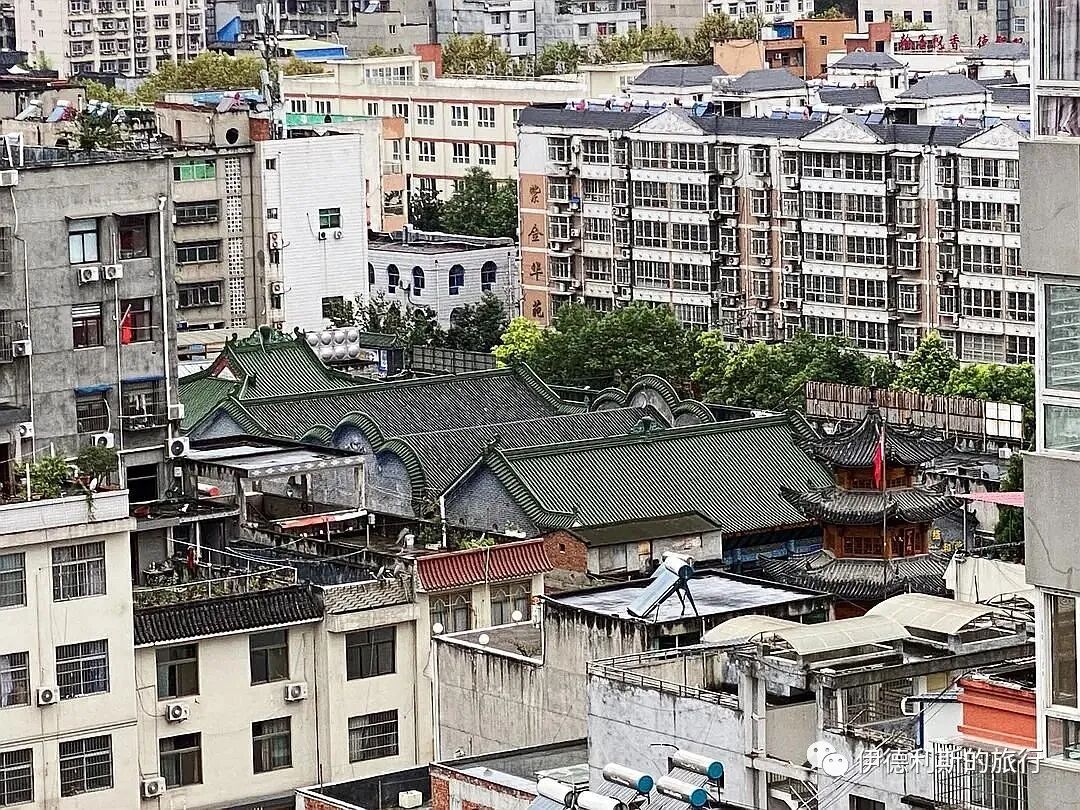
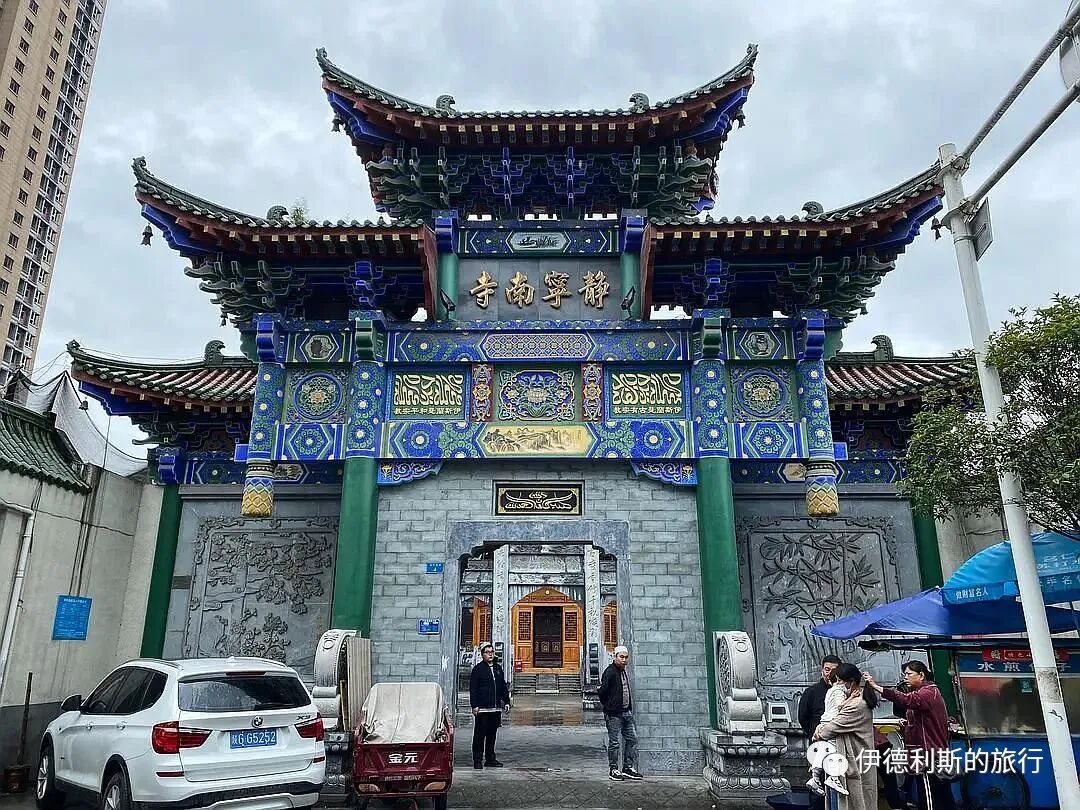
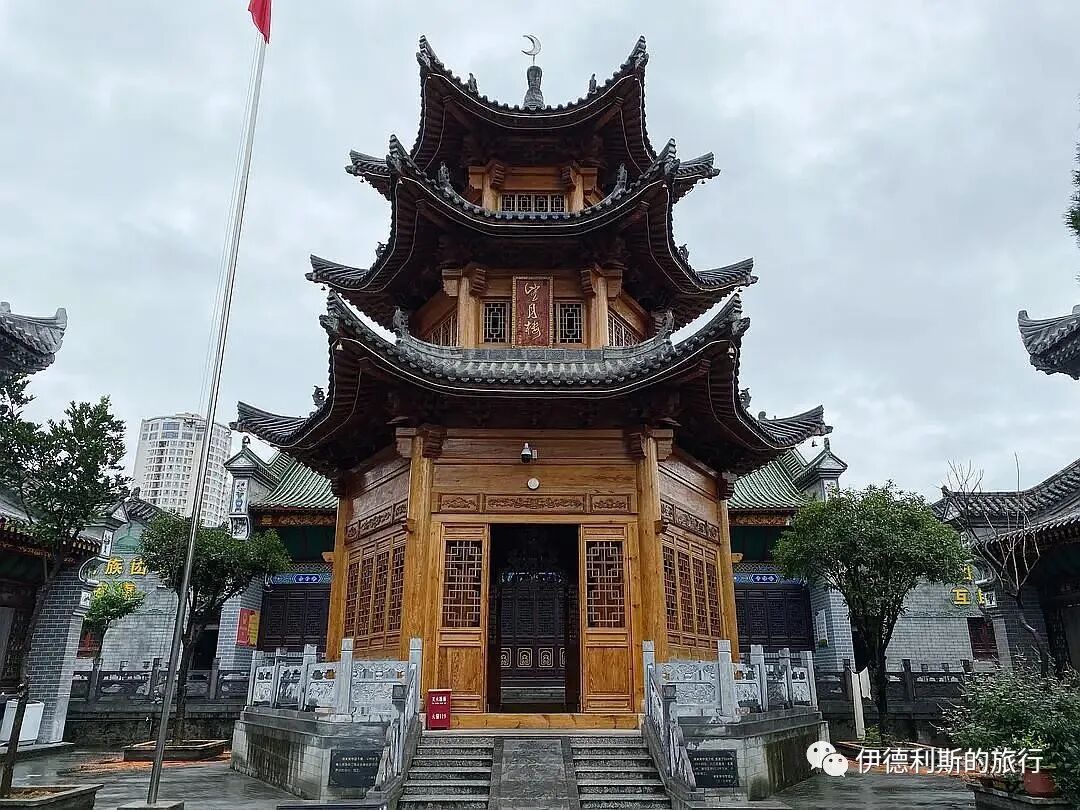
The Jingning South Mosque was first built in the Ming Dynasty. In the 1583 Han River flood, the South Mosque was submerged, and the buildings collapsed, leaving only the Wangyue Tower (Moon-Watching Tower). It was renovated twice during the Kangxi era and in 1890. It was occupied after 1957. During the Cultural Revolution, a fire broke out, and the South Mosque was burned down, with only the Wangyue Tower surviving. After the property was returned, the main prayer hall, north and south wing rooms, water room, and gate tower were rebuilt. In 1998, the Ming Dynasty Wangyue Tower was demolished and replaced with a reinforced concrete building. In 2018, the stone archway, Wangyue Tower, and north and south wing rooms were rebuilt again. The main prayer hall of the Jingning South Mosque is the largest among the mosques in Ankang. From the top view, it can be seen that it is composed of three buildings connected together, and the style of each building is different.
Summary: This travel note introduces Halal Travel Guide to Shaanxi: 12 Traditional Mosques (Part 2). In the early years of the Republic of China, the Daxuexi Lane Mosque and the Yingli Mosque in Xi'an adopted the Ikhwan (a reformist Islamic movement), which led some local residents who insisted on the Gedimu. It is useful for readers interested in Shaanxi Mosques, Chinese Muslims, Islamic Heritage.
6. Xiaoxuexi Lane Central Mosque
In the early years of the Republic of China, the Daxuexi Lane Mosque and the Yingli Mosque in Xi'an adopted the Ikhwan (a reformist Islamic movement), which led some local residents who insisted on the Gedimu (traditional Islamic practice) to raise funds for a new mosque. Among them, Li Shenghua voluntarily donated his private residence, and with donations from the Great Mosque, the Xiaopiyuan Mosque, and many other prominent figures in the community, it was completed in 1919. Because the mosque is located between the Daxuexi Lane Mosque and the Yingli Mosque, it is called the Central Mosque.
The Central Mosque ceased activities in 1958 and was later converted into a workshop and a kindergarten. It was reclaimed by the community in 1986, and the current main prayer hall was built in 1987.
I. Hanzhong Xixiang
1. Xixiang South Mosque: Rebuilt in the Qing Dynasty
The Xixiang South Mosque was first built in the Ming Dynasty and rebuilt in the Qing Dynasty. It was closed and occupied after the religious reforms in 1958, returned in 1986, and officially reopened in 2001. The current main prayer hall was rebuilt in 1997, but the main gate and the south wing room are still Qing Dynasty buildings. On the main gate, there is a 'Mosque' plaque from the Daoguang era.
After coming out of the South Mosque, you can see the 'Mosque Lane' wooden archway built during the Xianfeng era.
2. Xixiang North Mosque: Rebuilt in 1816
The Xixiang North Mosque was originally named Jingning Mosque and was built in 1614 by Hui Muslims who moved to Xixiang from Jingning Prefecture (now Pingliang, Gansu). The North Mosque was expanded in 1723, later destroyed by war, rebuilt in 1816, and renovated many times. It was occupied after the Cultural Revolution, returned in 1984, and the north wing room was rebuilt in 2009.
The mihrab (niche in the wall indicating the direction of Mecca) is painted with very distinctive Shaanxi-style Arabic calligraphy.
II. Ankang City
1. Shuhe Mosque: 16th Century
The Shuhe Mosque is built on a steep cliff behind the ancient town of Shuhe and is connected to the street below by a hundred-step staircase. The mosque was first built during the Jiajing period of the Ming Dynasty (1522-1566), expanded in 1915, severely damaged during the Cultural Revolution, and renovated again in 1994. The current main entrance was added during the expansion in 1915, and the original main entrance has now become the back door. The Shuhe Mosque possesses a 'cat-arched back' fire-blocking wall, which is very unique among traditional Chinese mosques. Some traditional mosques in southern China have fire-blocking walls, each with its own characteristics depending on the region, such as the 'wok-ear' walls of the Guilin Old Village Mosque and the 'horse-head' walls of the Nanjing Jingjue Mosque. The 'cat-arched back' fire-blocking wall is a characteristic feature of the Hunan-Hubei region and extends into the Qinling-Bashan region. Currently, besides the Shuhe Mosque, the only other traditional mosque I know of that has a 'cat-arched back' fire-blocking wall is the Jingziguan Mosque in Xichuan, Henan. In addition, there are ink paintings and inscriptions on the brick carvings of the fire-blocking wall, which is also a very southern style.
The courtyard of the mosque is very small, and a stone concave pool in the middle is used to collect dripping water from the eaves, which is very suitable for the rainy climate. Behind it are the north and south wing rooms and the main prayer hall. The main prayer hall has the three-section structure traditional to Chinese mosques: a front shed, a middle hall, and a rear kiln hall.
Most of the mosque's colorful paintings were destroyed during the Cultural Revolution, with only a portion preserved outside the rear kiln hall, where various traditional Chinese patterns can be seen. In addition, there are ink paintings on the door frame of the main gate. One of the beams of the mosque has an inscription from the fourth year of the Republic of China (1915) regarding its renovation, and it still retains 100-year-old Arabic calligraphy. In the last photo, you can see that the mosque is adjacent to a cliff.
Traces of the 1915 expansion of the Ming Dynasty main prayer hall.
After performing Jumu'ah (Friday prayer) at the mosque, we happened to catch a 'ten-bowl' banquet, a specialty of Shuhe. Zainab ate very happily, and in the end, we were given a lot of youxiang (fried flour dough). The ten bowls include liancai hezi (lotus root slices stuffed with lamb, coated in egg, fried, and then steamed), lamb meatballs (coated in egg, fried, and then steamed), braised beef, fenzhengrou (lamb coated in flour and steamed with sweet potato chunks), steamed white meat (fatty meat near the lamb cartilage, steamed), chicken (stir-fried until half-cooked and then steamed), fish chunks (grass carp chunks coated in flour, fried, and then steamed), and three vegetable dishes. The dishes at a Hui Muslim banquet are different from ordinary home-cooked stir-fries because they usually have to serve many people. Most of them are prepared half-cooked and then steamed in a large pot, which ensures both efficiency and that the food does not get cold.
2. Ankang Mosque
According to the stele inscription, the Ankang Mosque was first built in the Yuan Dynasty. It was initially called the Libai Mosque (Worship Mosque), later renamed Jingjue Mosque, and changed to Mosque in 1767. In 1583, the mosque was destroyed by a flood and the mosque grounds were occupied. It was returned and rebuilt on the original site in the early years of the Kangxi era. It was destroyed again in 1862, with only the screen wall remaining. The north and south lecture halls were rebuilt in 1867, and the prayer hall and other buildings were rebuilt in 1871. In 1923, a five-story, hexagonal, pointed-roof minaret was built, reaching a height of 37 meters. The main prayer hall was expanded in 1931. In 1983, a major flood occurred in Ankang. The mosque's minaret collapsed, the north and south lecture halls were destroyed, and only the main prayer hall survived. In 1984, the north and south lecture halls, minaret, and water room were rebuilt. In 1999, the archway-style gate tower was rebuilt, and in 2013, the main prayer hall was rebuilt.
3. Ankang North Mosque
The North Mosque was first built in 1502. In 1983, a major flood occurred in Ankang, and all the buildings of the North Mosque were washed away. It was planned in 1984 and completed in 1994.
Next to the North Mosque is a 232-year-old ailanthus tree, nearly 40 meters high. During the 1983 Ankang flood, 31 people climbed this tree and survived, so this tree is also called the 'Life-Saving Tree'.
4. Jingning South Mosque
The Jingning South Mosque was first built in the Ming Dynasty. In the 1583 Han River flood, the South Mosque was submerged, and the buildings collapsed, leaving only the Wangyue Tower (Moon-Watching Tower). It was renovated twice during the Kangxi era and in 1890. It was occupied after 1957. During the Cultural Revolution, a fire broke out, and the South Mosque was burned down, with only the Wangyue Tower surviving. After the property was returned, the main prayer hall, north and south wing rooms, water room, and gate tower were rebuilt. In 1998, the Ming Dynasty Wangyue Tower was demolished and replaced with a reinforced concrete building. In 2018, the stone archway, Wangyue Tower, and north and south wing rooms were rebuilt again. The main prayer hall of the Jingning South Mosque is the largest among the mosques in Ankang. From the top view, it can be seen that it is composed of three buildings connected together, and the style of each building is different.
