
Halal Travel Guide to Shaanxi: 12 Traditional Mosques (Part 1)
Reposted from the web
Summary: This travel note introduces Halal Travel Guide to Shaanxi: 12 Traditional Mosques (Part 1). 1. Huajue Lane Great Mosque: Rebuilt in the late 14th century. It is useful for readers interested in Shaanxi Mosques, Chinese Muslims, Islamic Heritage.
I. Xi'an
1. Huajue Lane Great Mosque: Rebuilt in the late 14th century
2. Daxuexi Lane Mosque: Rebuilt in 1384
3. Xiaopiyuan Mosque: Renovated in 1611
4. Dapiyuan Mosque: 1411
5. Xiaoxuexi Lane Yingli Mosque: 1774
6. Xiaoxuexi Lane Middle Mosque
II. Xixiang, Hanzhong
1. Xixiang South Mosque: Rebuilt in the Qing Dynasty
2. Xixiang North Mosque: Rebuilt in 1816
III. Ankang
1. Shuhe Mosque: 16th Century
2. Ankang Mosque
3. Ankang North Mosque
4. Jingning South Mosque
I. Xi'an
After the expansion of Xi'an city during the Hongwu reign of the Ming Dynasty, Xi'an finally saw large-scale development since the end of the Tang Dynasty. Hui Muslims in Xi'an gradually settled in the northwestern part of the Ming-era Xi'an city, and by the Qianlong reign of the Qing Dynasty, the Muslim community known as the "Seven Mosques and Thirteen Neighborhoods" was formally established. At that time, there were seven mosques within the Xi'an Muslim Quarter: Huajue Lane, Daxuexi Lane, Dapiyuan, Xiaopiyuan, Yingli Mosque, Beiguangji Street, and Sajinqiao. During the Republic of China era, with the introduction of the Ikhwan ideology, two new mosques, the Middle Mosque and the West Mosque, were built in the Muslim Quarter, forming the "Nine Mosques of the Muslim Quarter" pattern where the Gedimu and Ikhwan traditions coexisted.
In November 2019, I traveled to the Xi'an Muslim Quarter and visited six of these traditional mosque buildings. I will share them with you below.
1. Huajue Lane Great Mosque: Rebuilt in the late 14th century
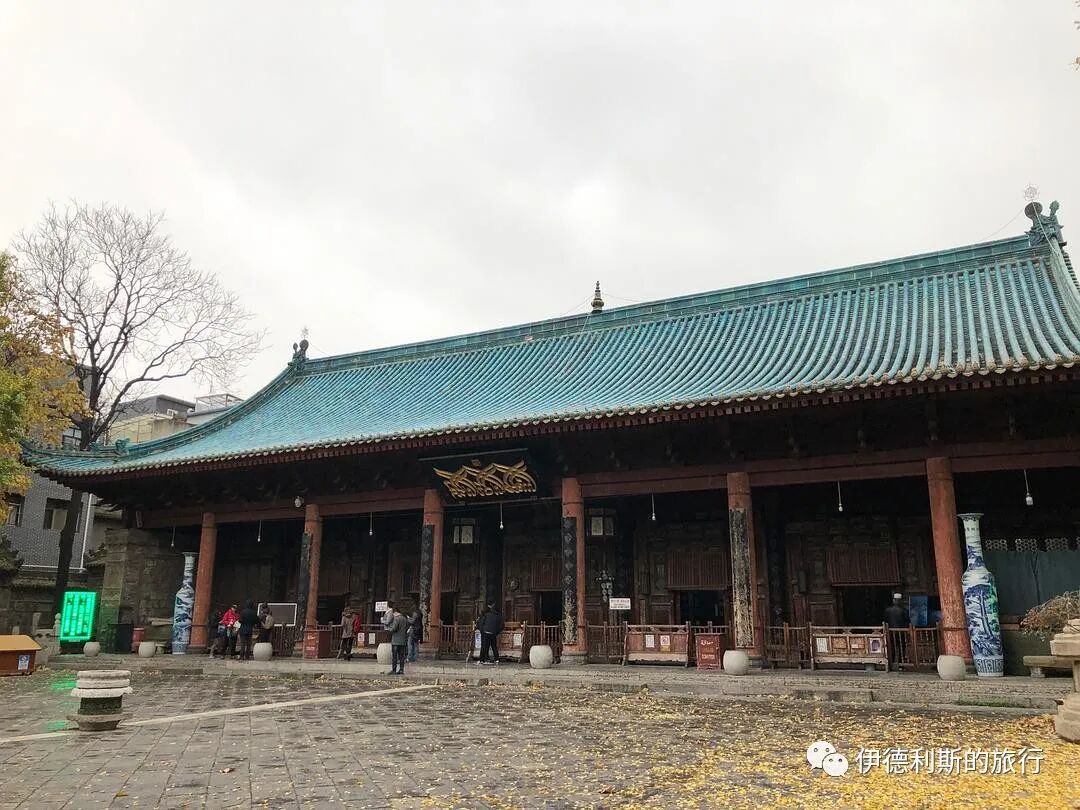
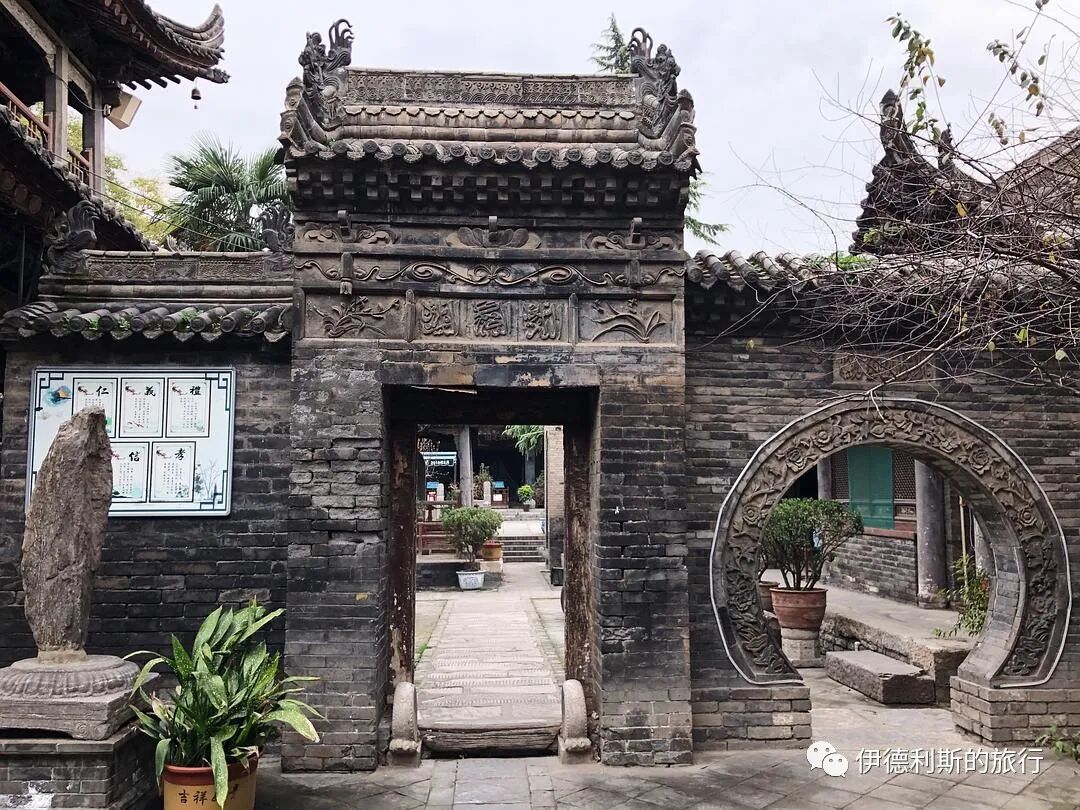
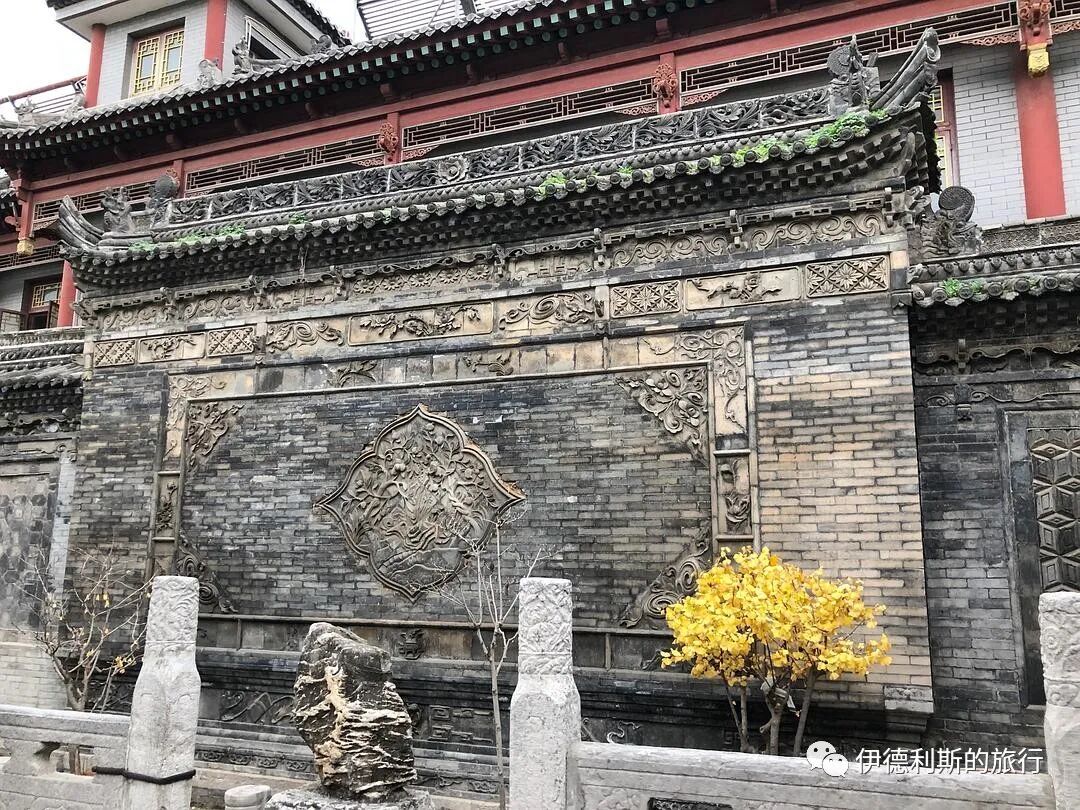
The Huajue Lane Great Mosque, also known as the "East Great Mosque," was rebuilt during the Hongwu reign of the Ming Dynasty (1368-1398) and was renovated multiple times during the Jiajing and Wanli reigns of the Ming Dynasty and the Qianlong reign of the Qing Dynasty. The mosque is divided into four courtyards. From east to west along the central axis are the screen wall, the wooden memorial archway, the Five-Bay Building, the stone memorial archway, the Chixiu Hall (Imperial Decree Hall), the Shengxin Tower (Mind-Reflecting Tower), the Lian-San Gate (Triple Gate), the Phoenix Pavilion, the moon terrace, and the main prayer hall.
The Five-Bay Building is also called the Second Gate; after entering it, one reaches the second courtyard.
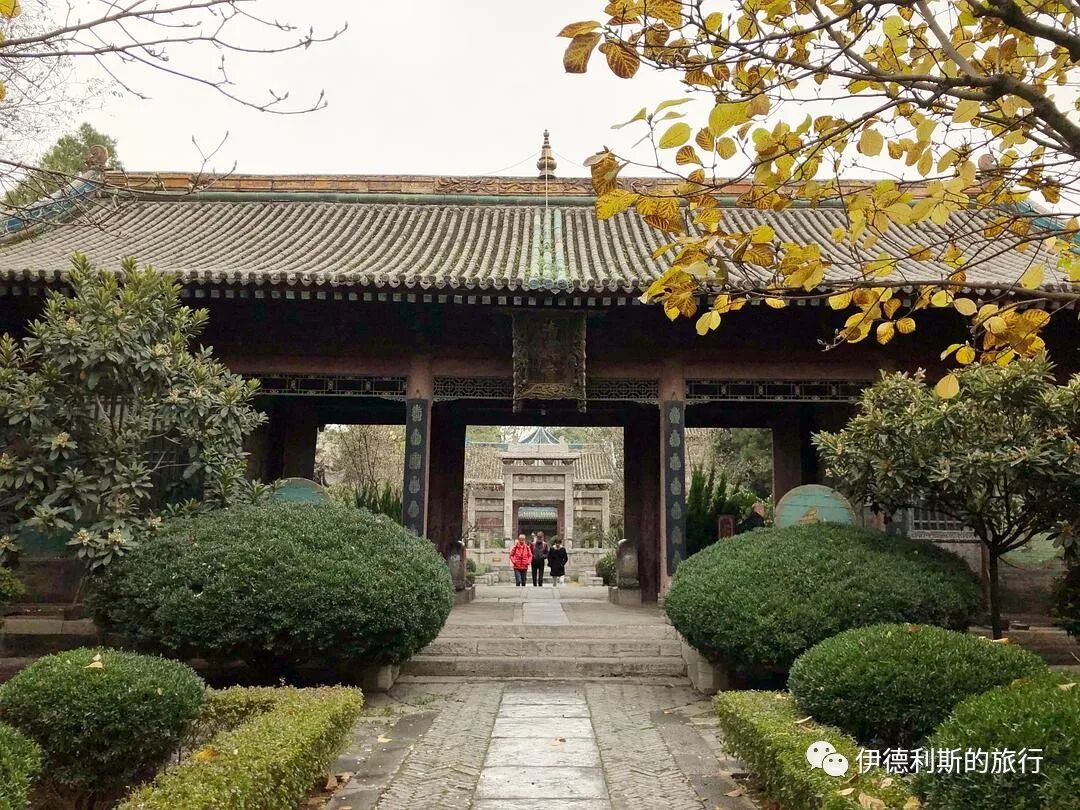
The Five-Bay Building
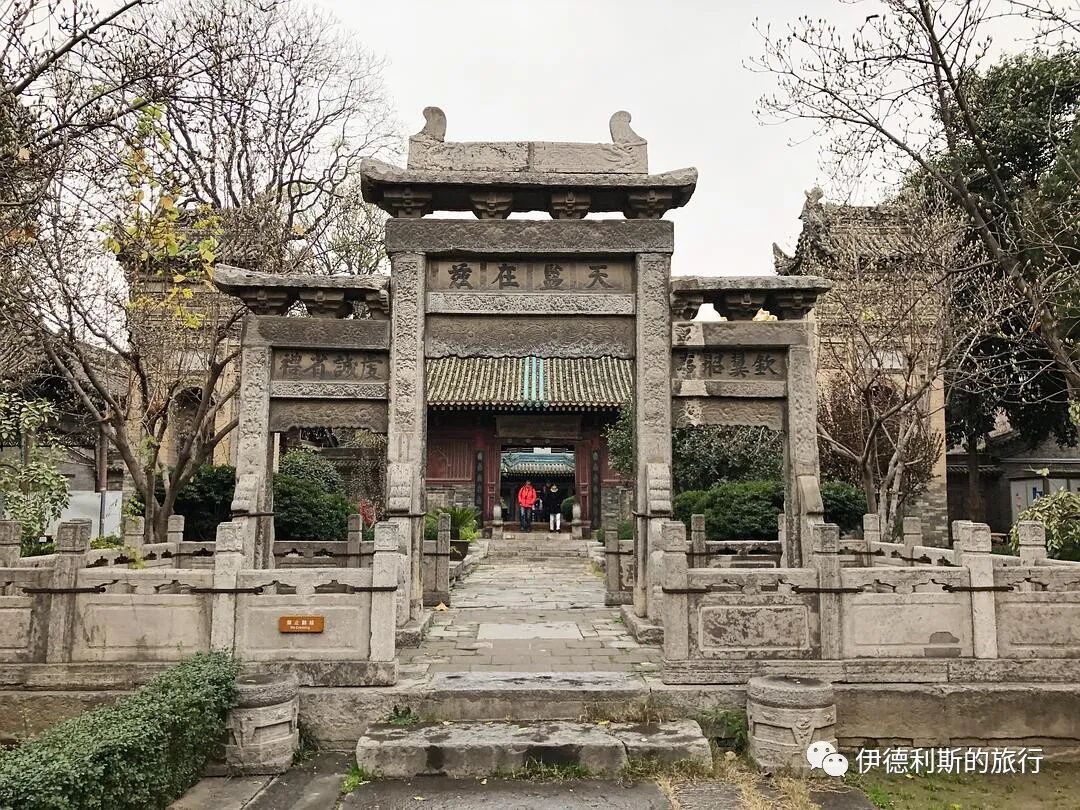
Stone memorial archway
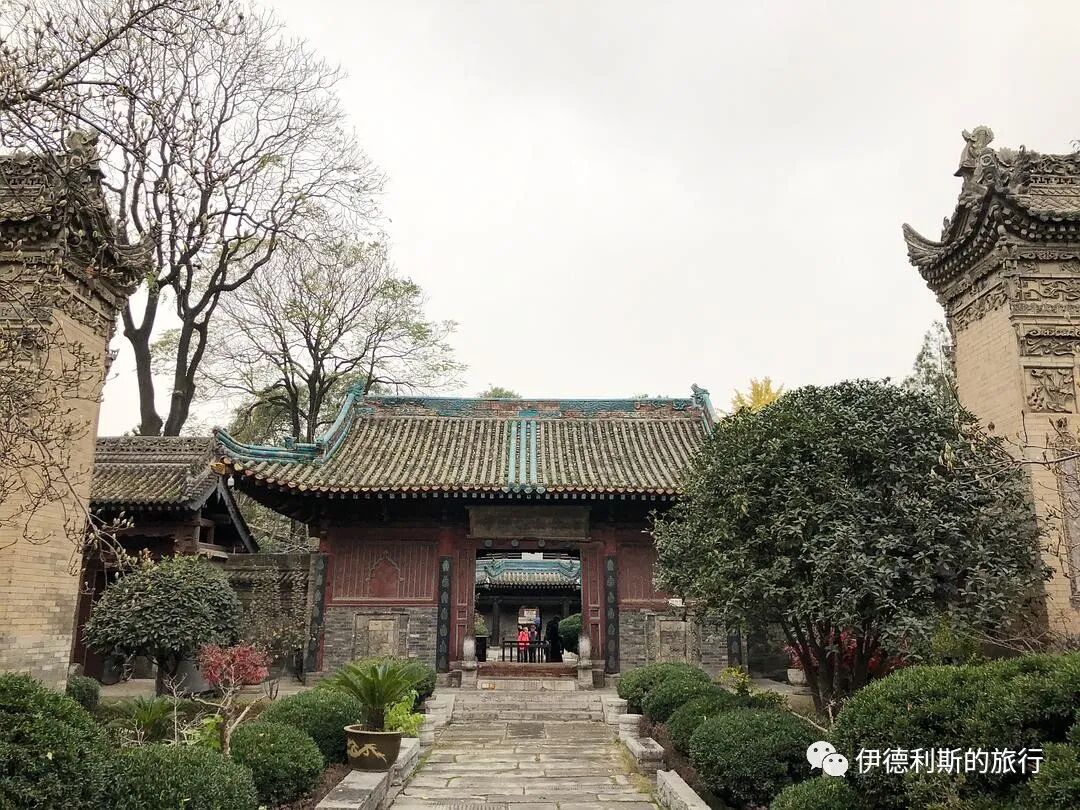
Chixiu Hall
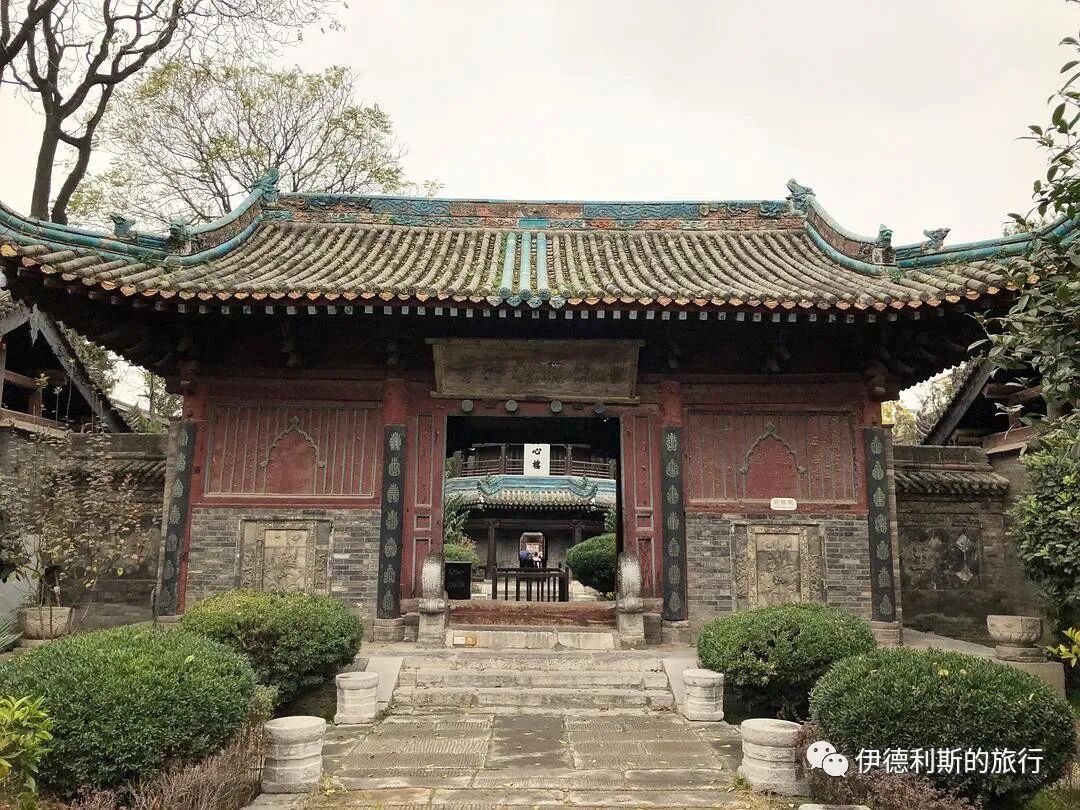
Chixiu Hall
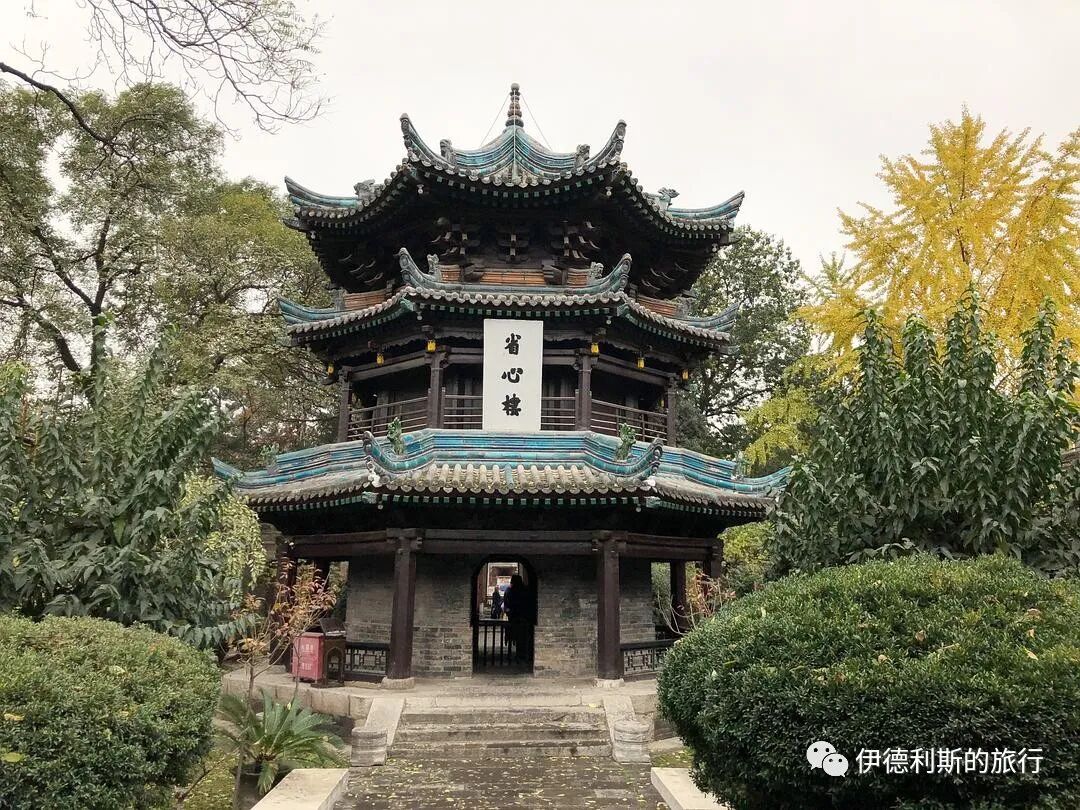
The second floor of the Shengxin Tower with its three-eaved octagonal roof
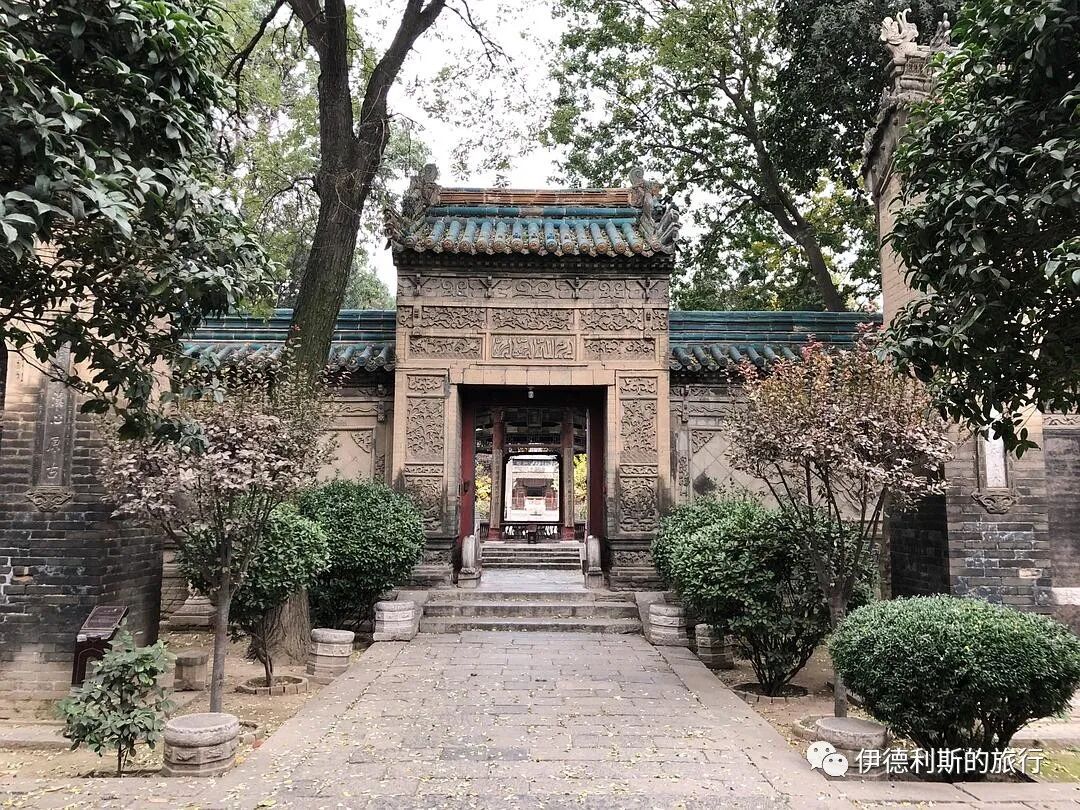
Lian-San Gate
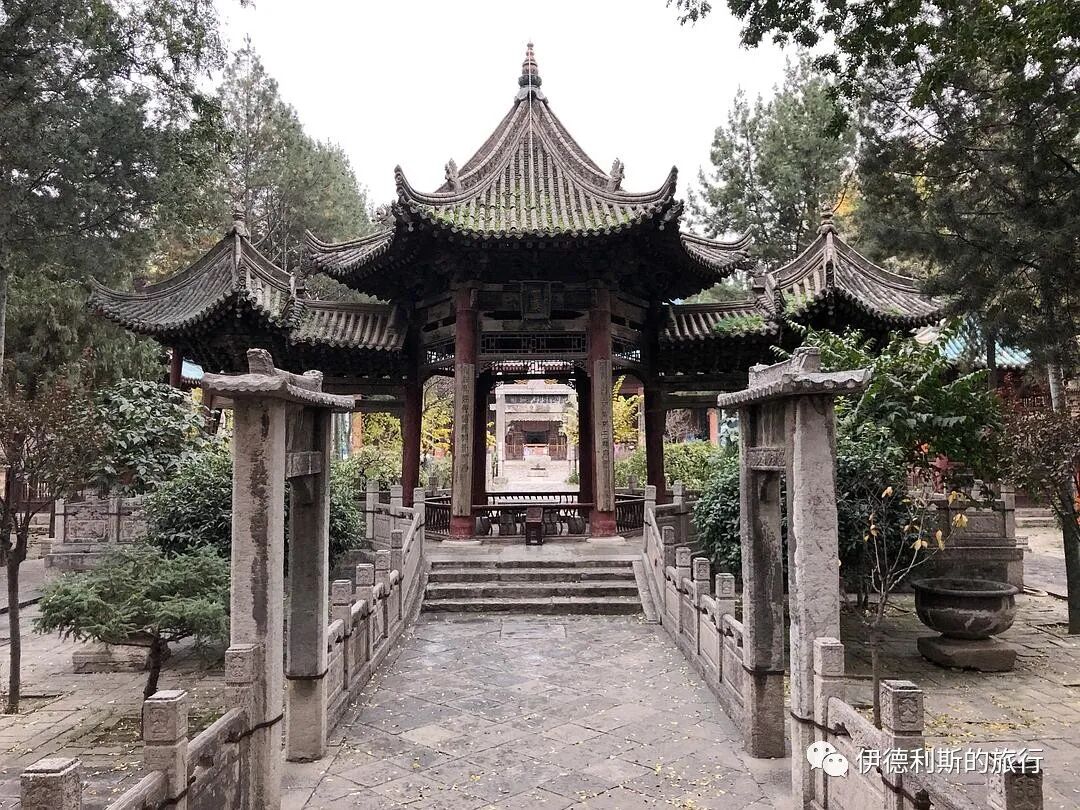
Phoenix Pavilion
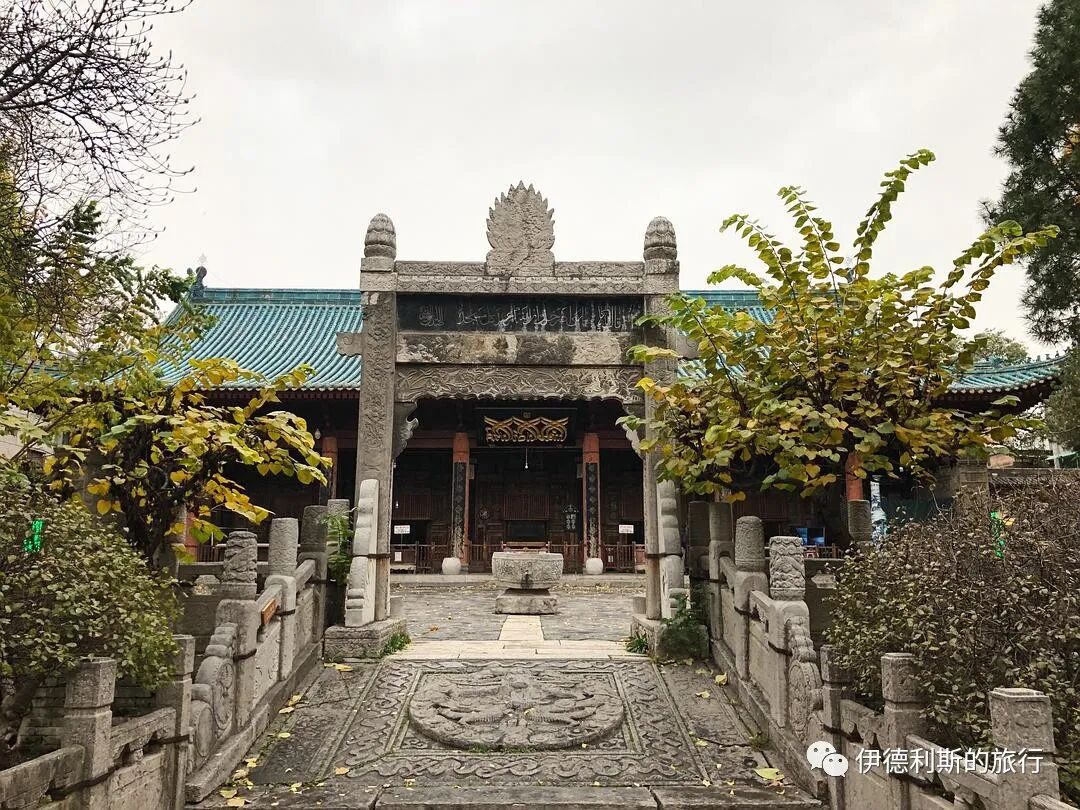
Moon terrace
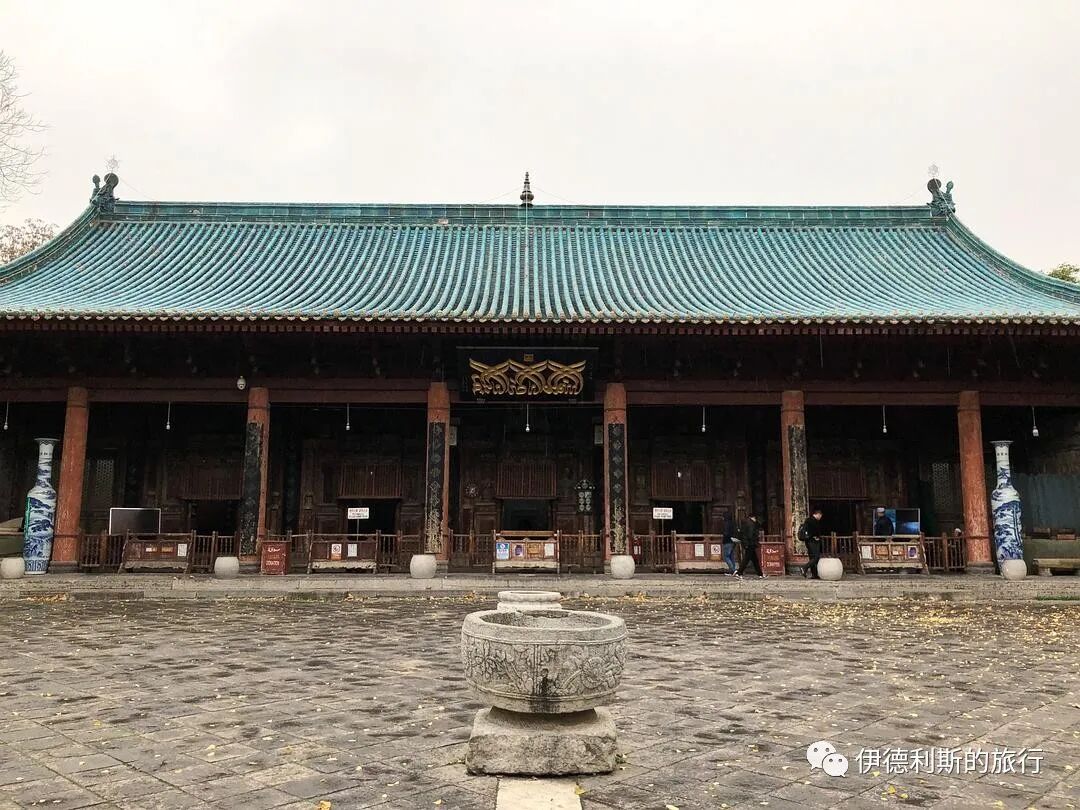
Main prayer hall
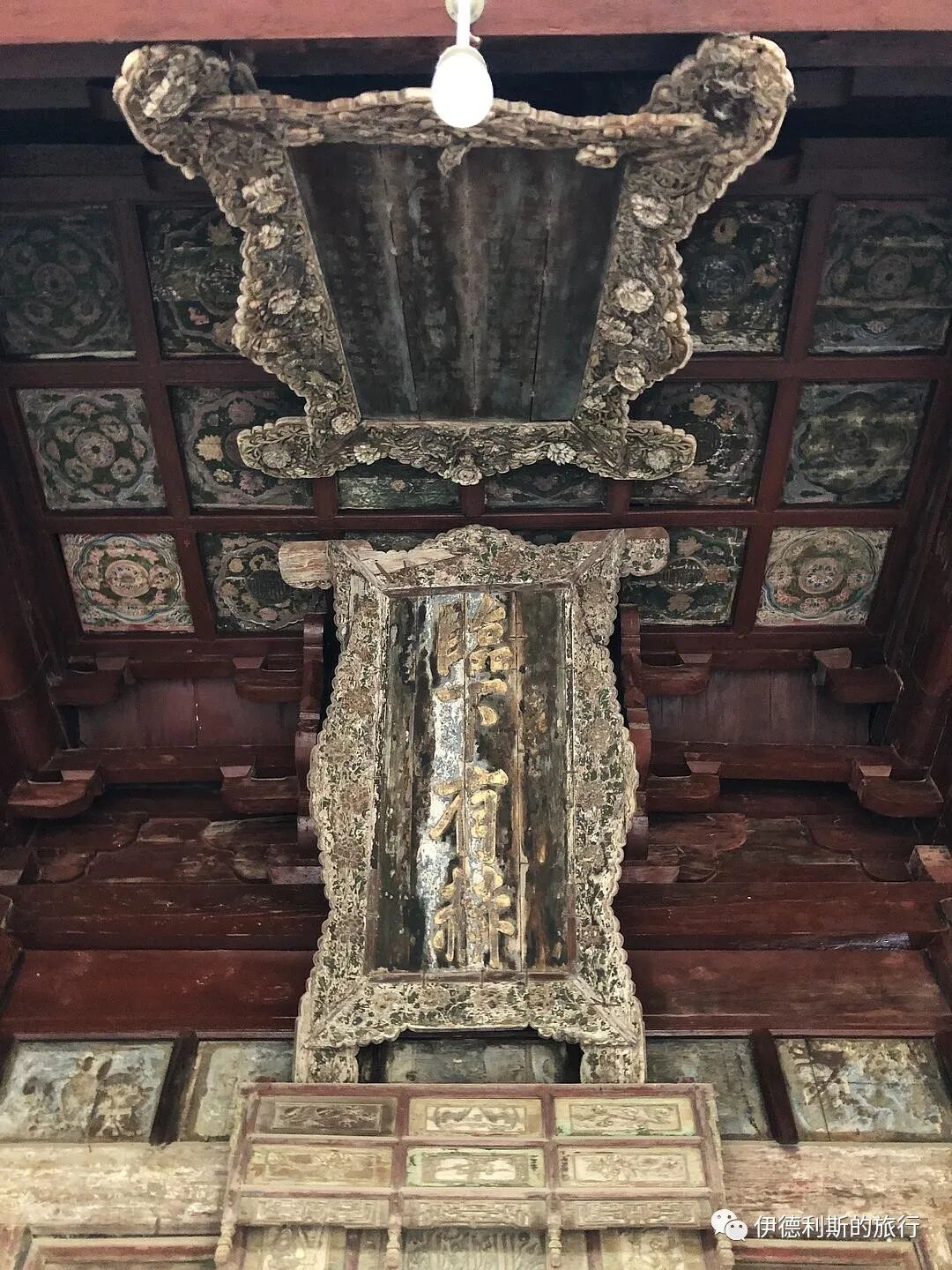
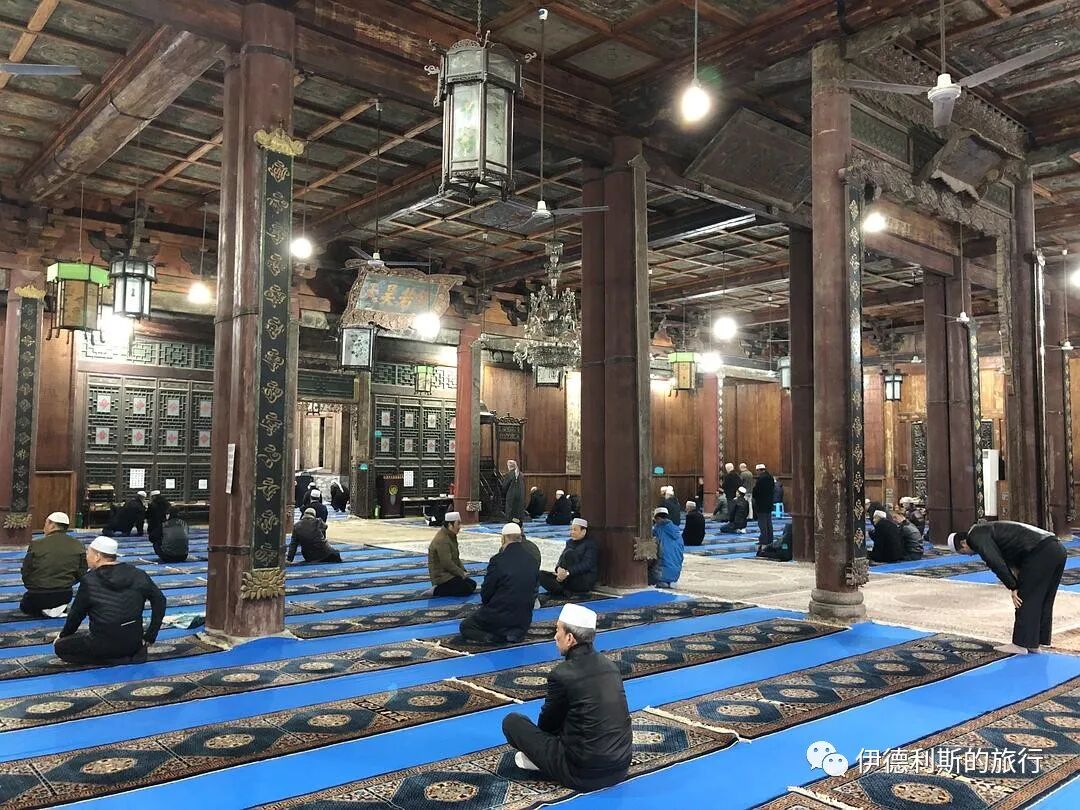
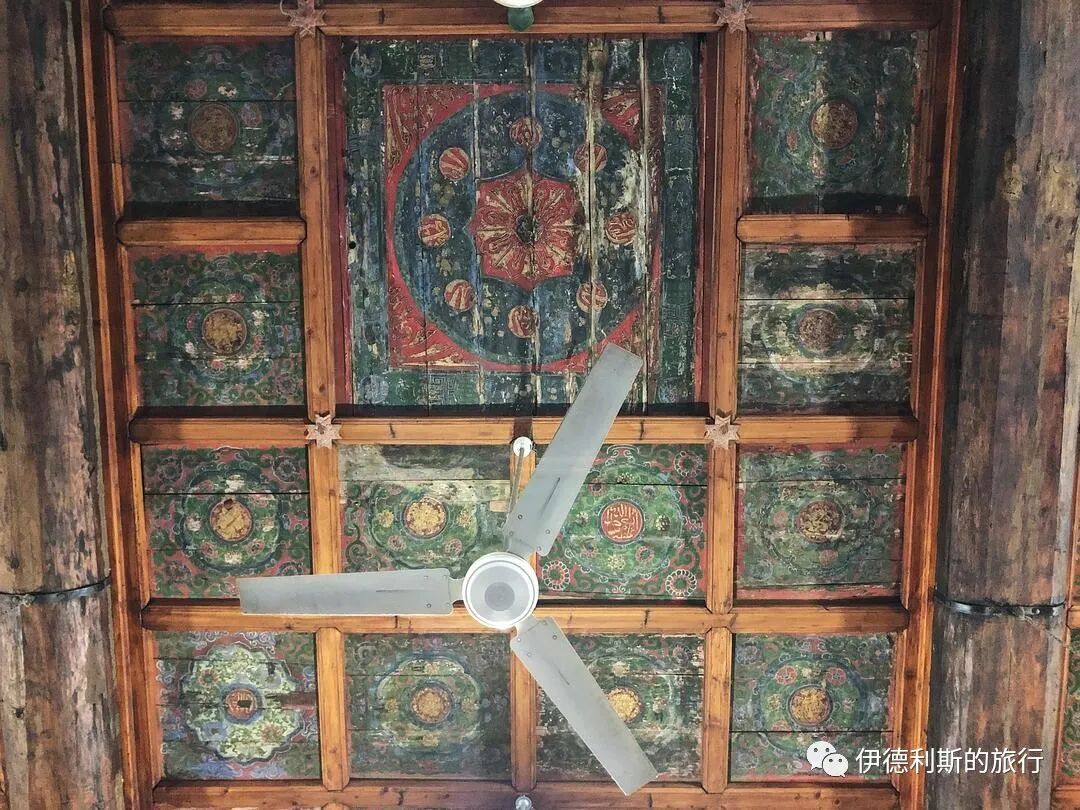
Architect Liu Zhiping wrote in the book "Chinese Islamic Architecture": "Because the upper part uses a ceiling and has very exquisite colored paintings, the floor is neatly paved with wooden boards, the dougong (bracket sets) are crafted very finely, and the clear height of the ceiling is very appropriate, while the light inside the hall is dim and soft, these points make people feel that the interior of the hall is very quiet and comfortable. This is the success of the main hall's architecture. The author has seen many mosques, and this one is the most comfortable, clean, and magnificent and solemn. "
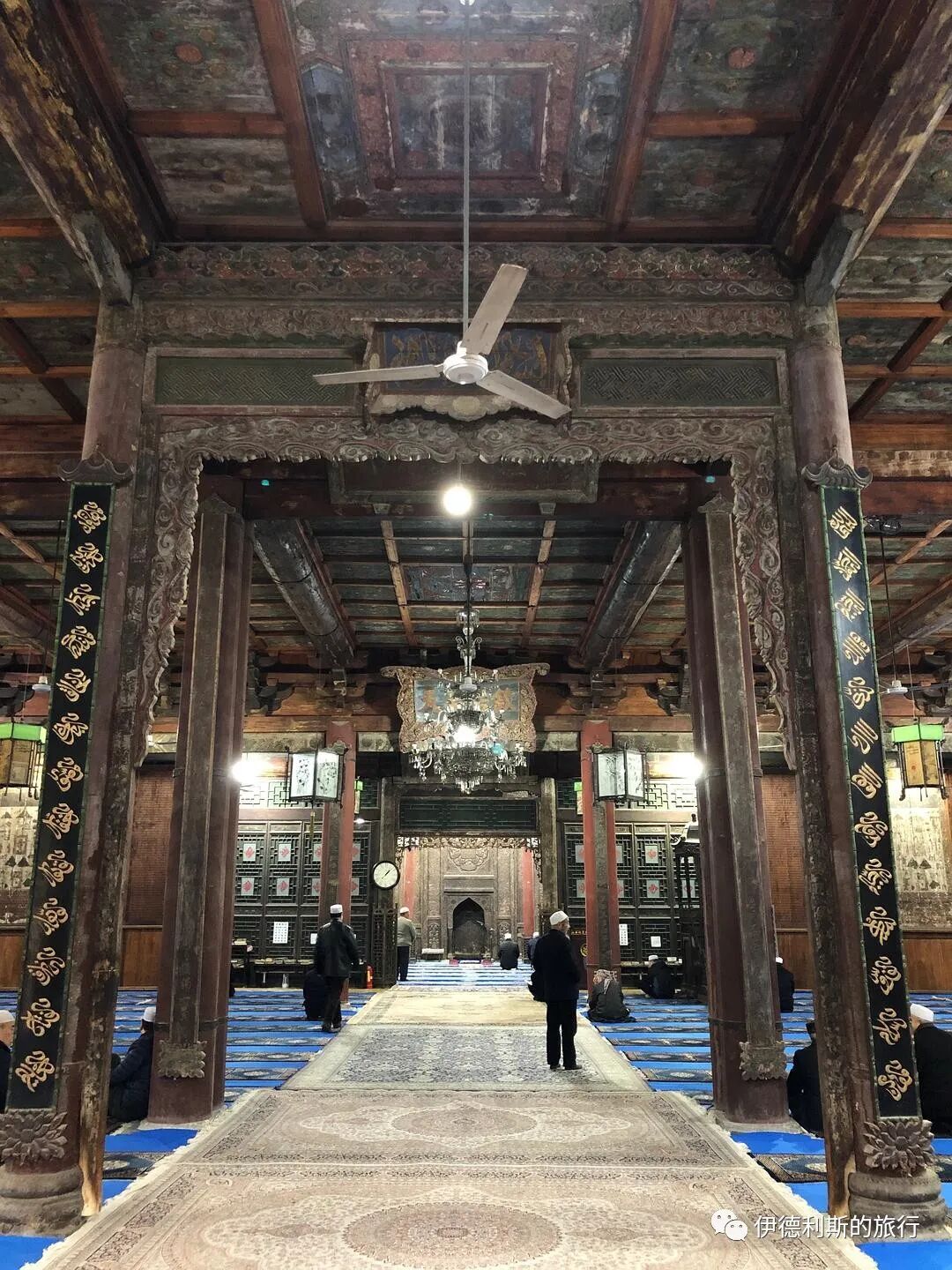
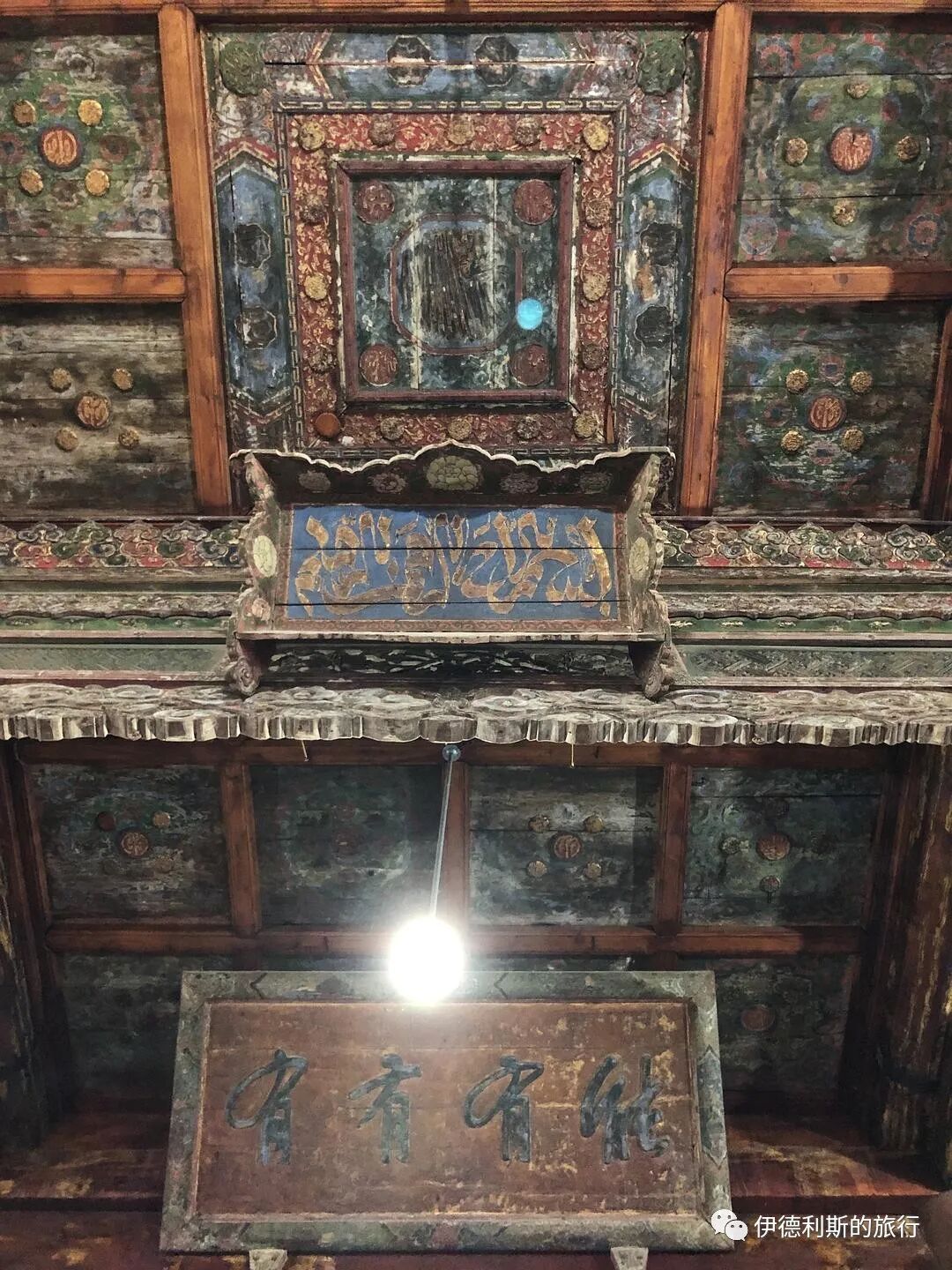
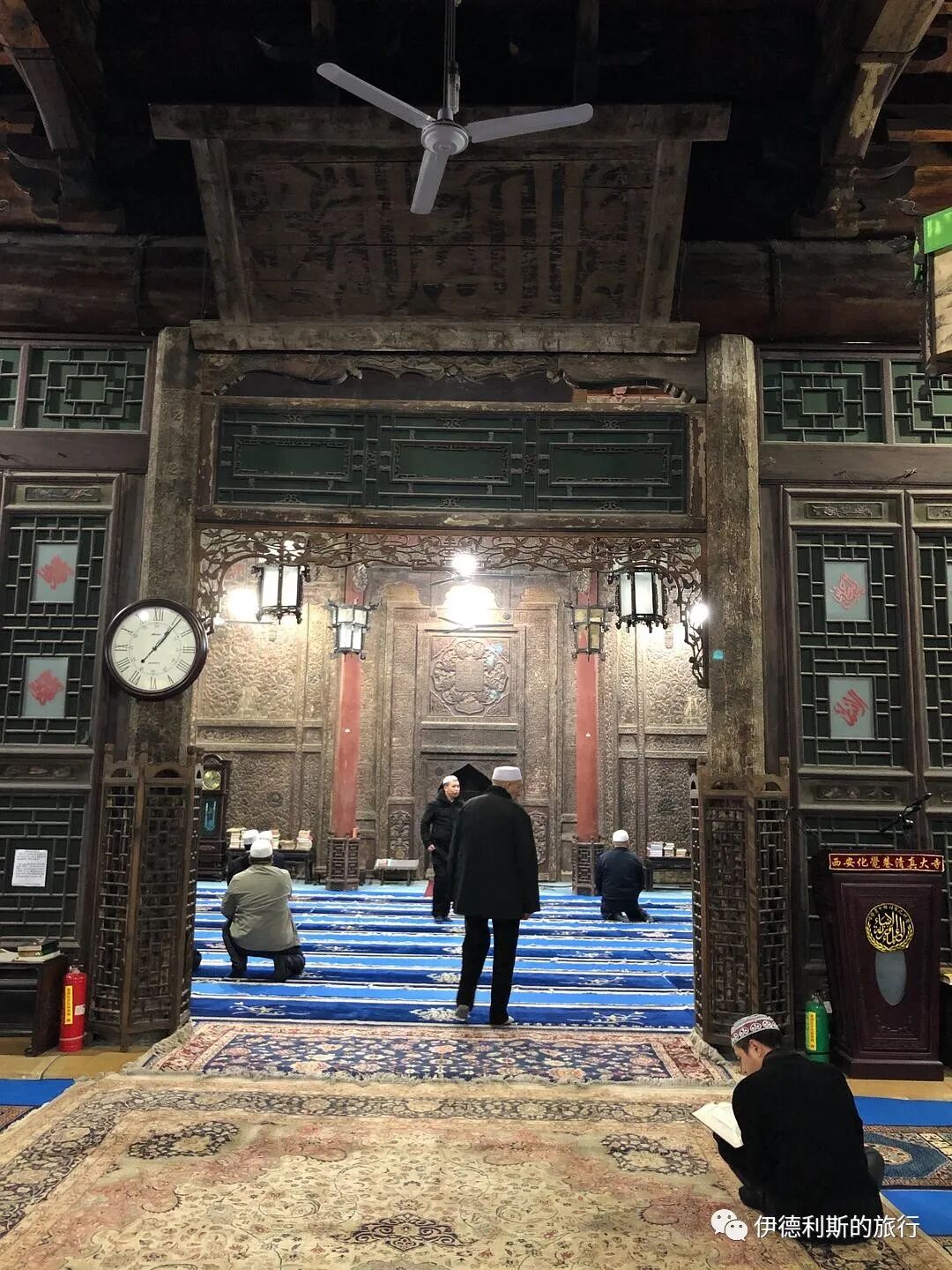
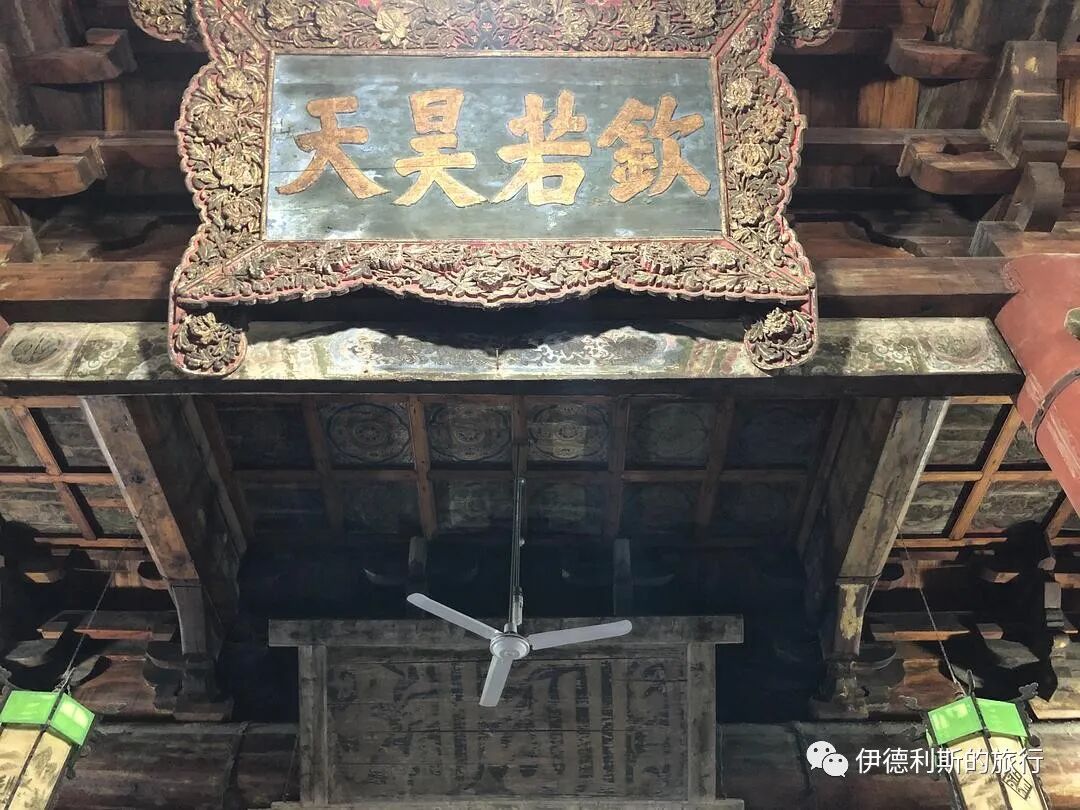
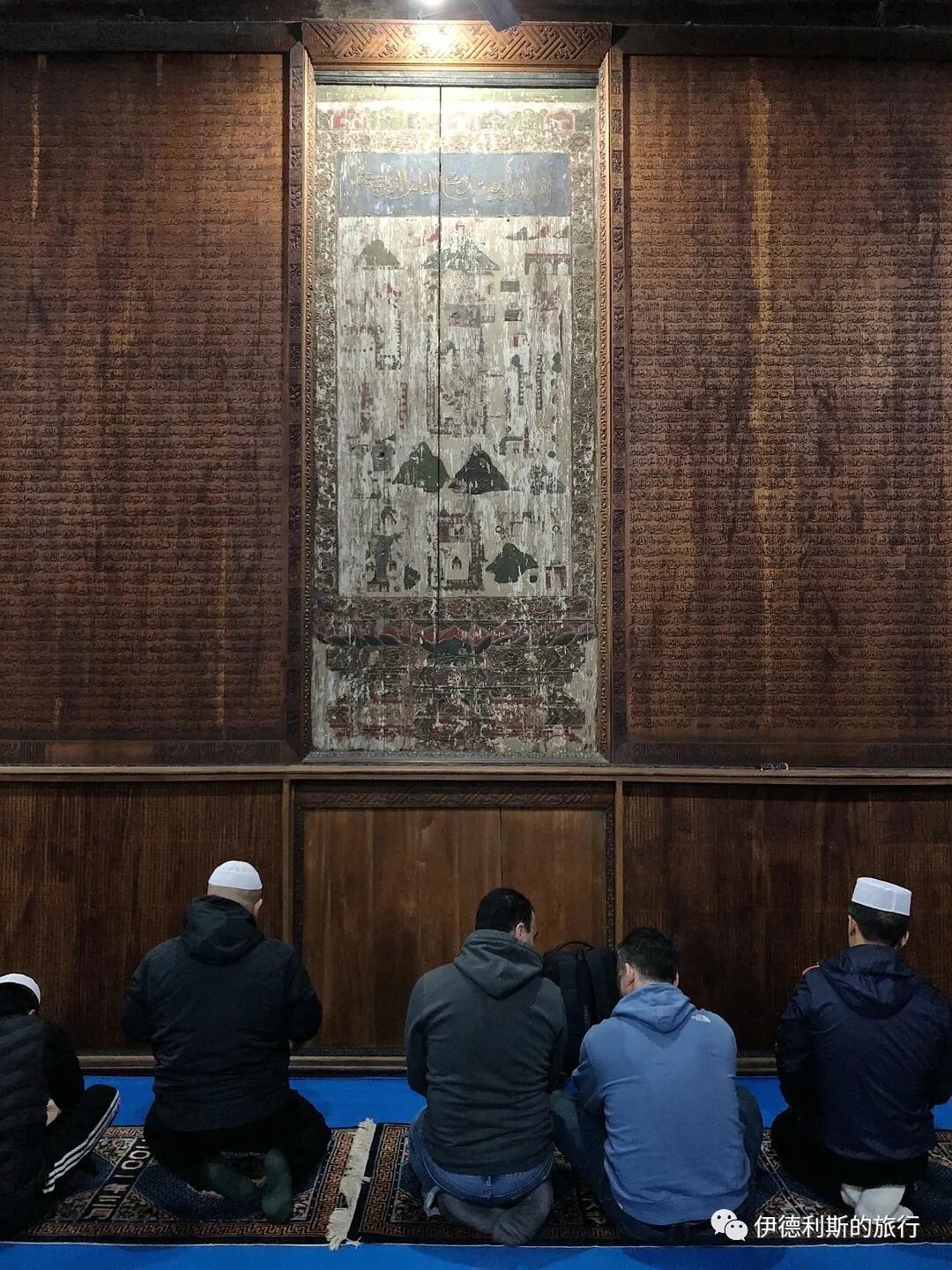
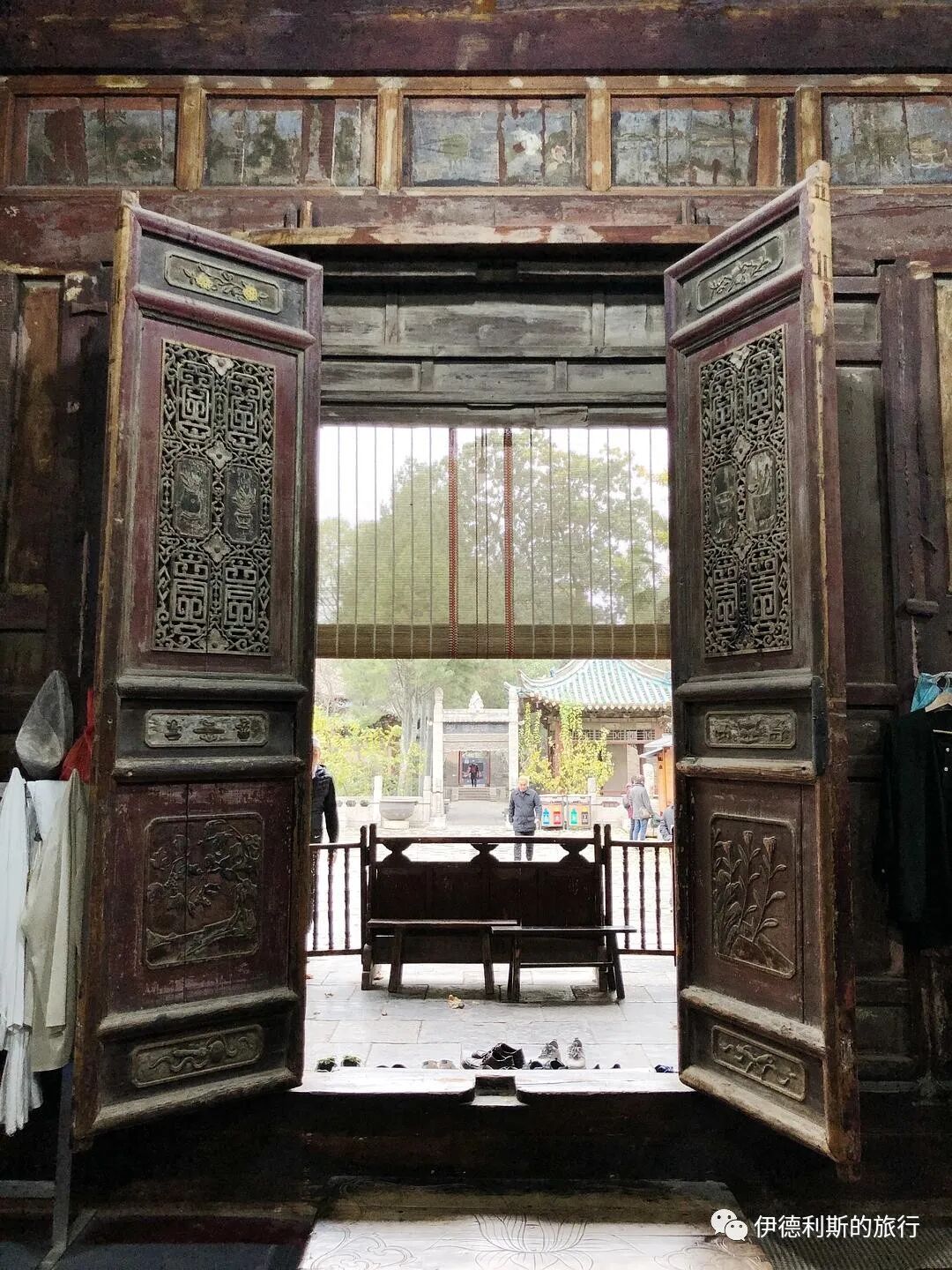
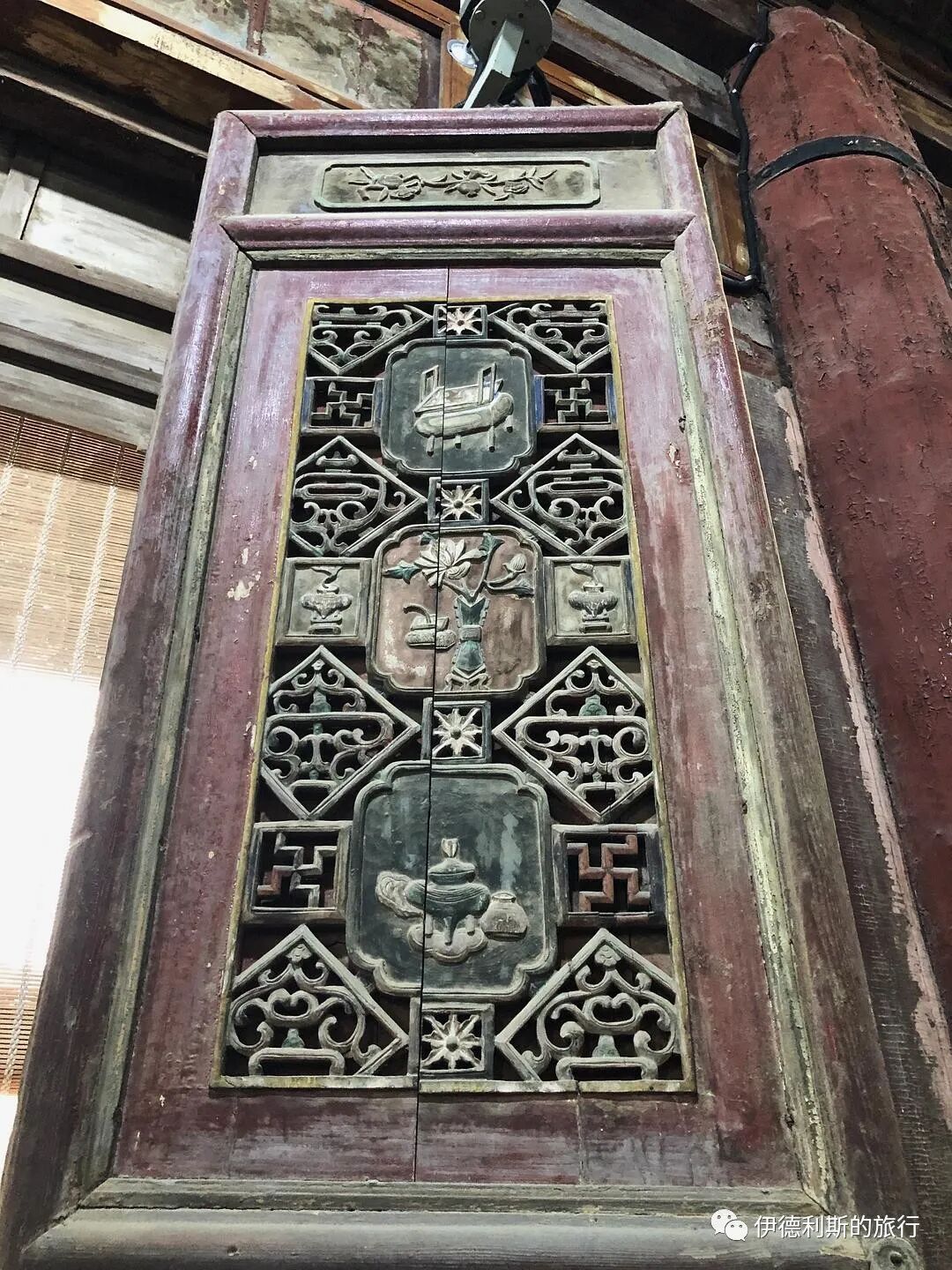
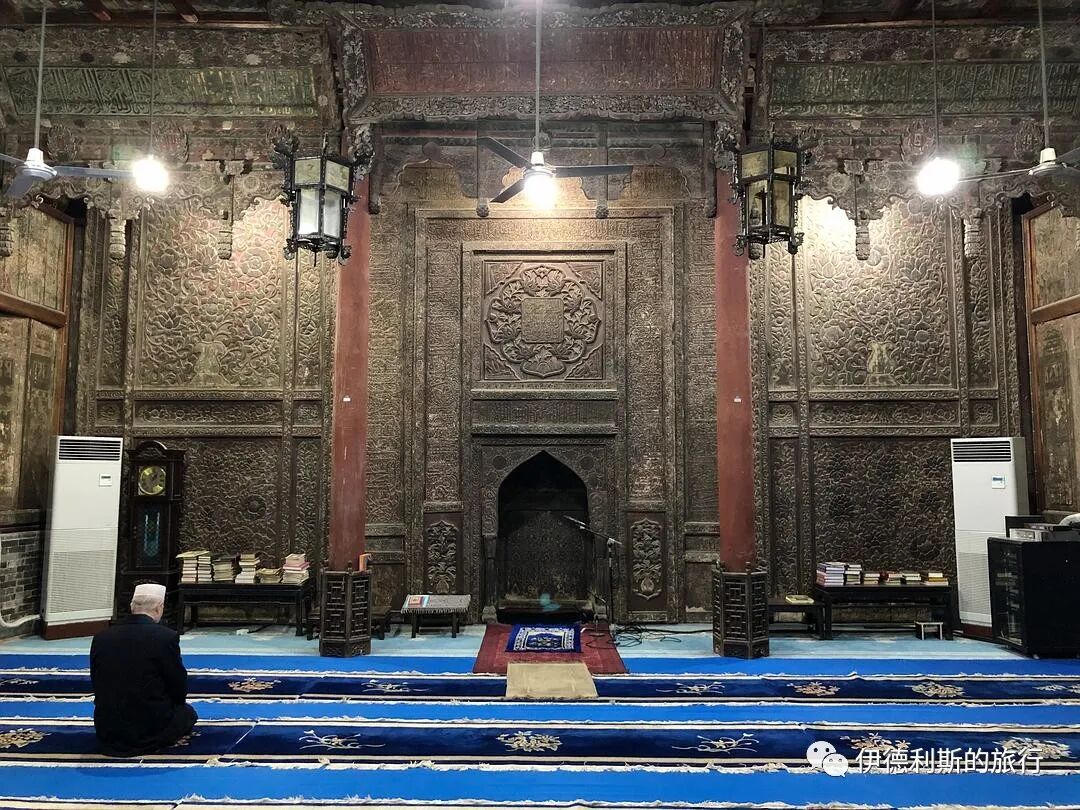
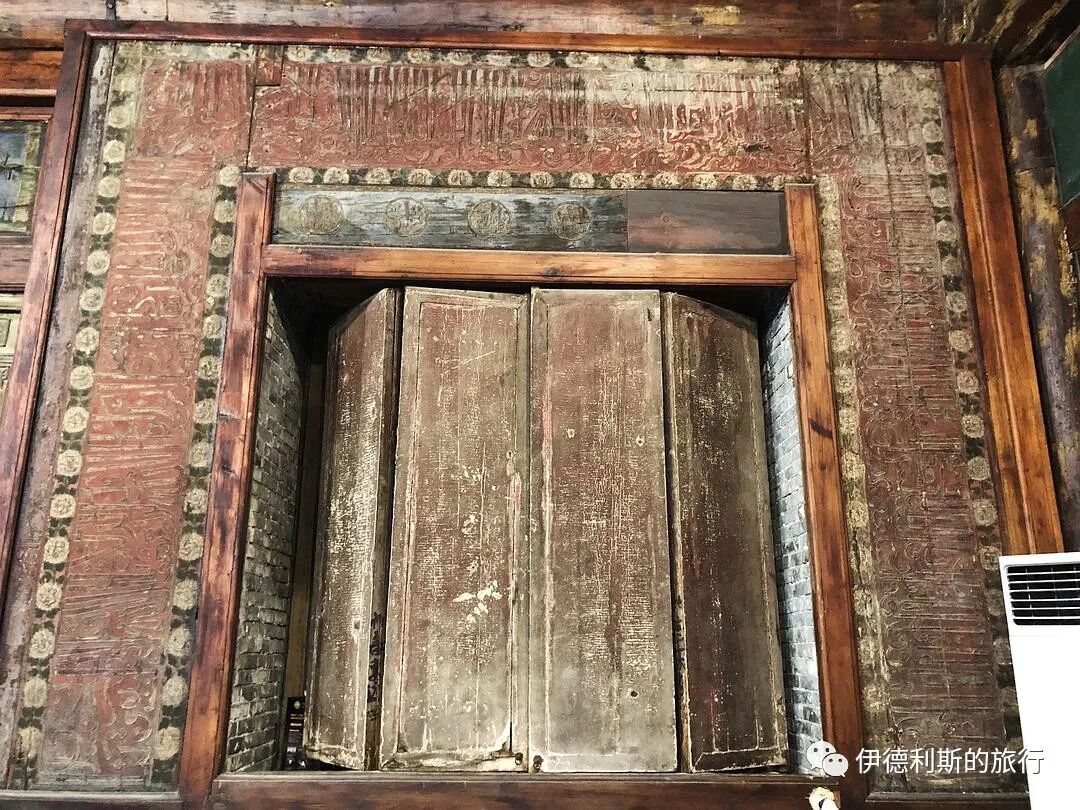
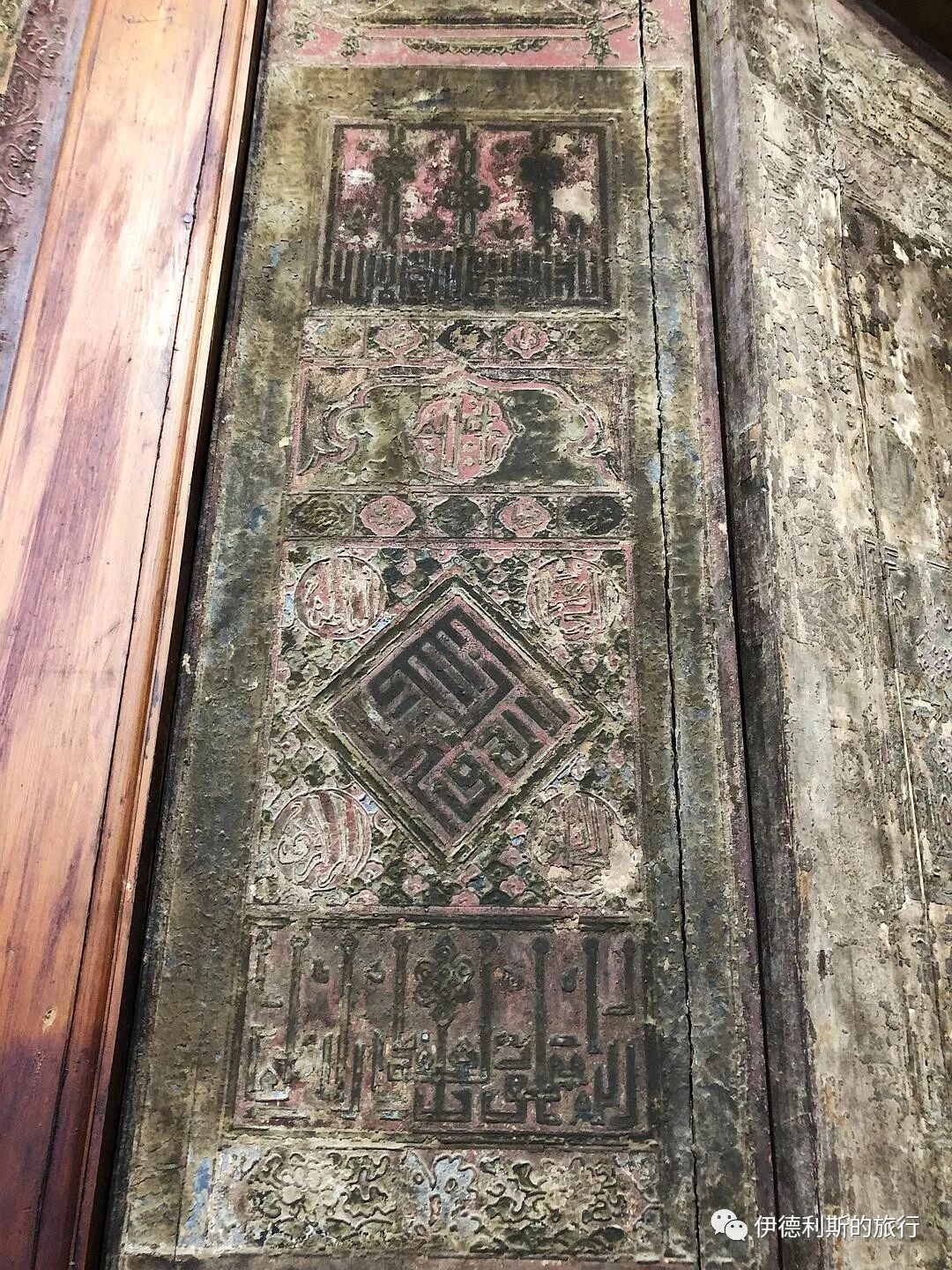
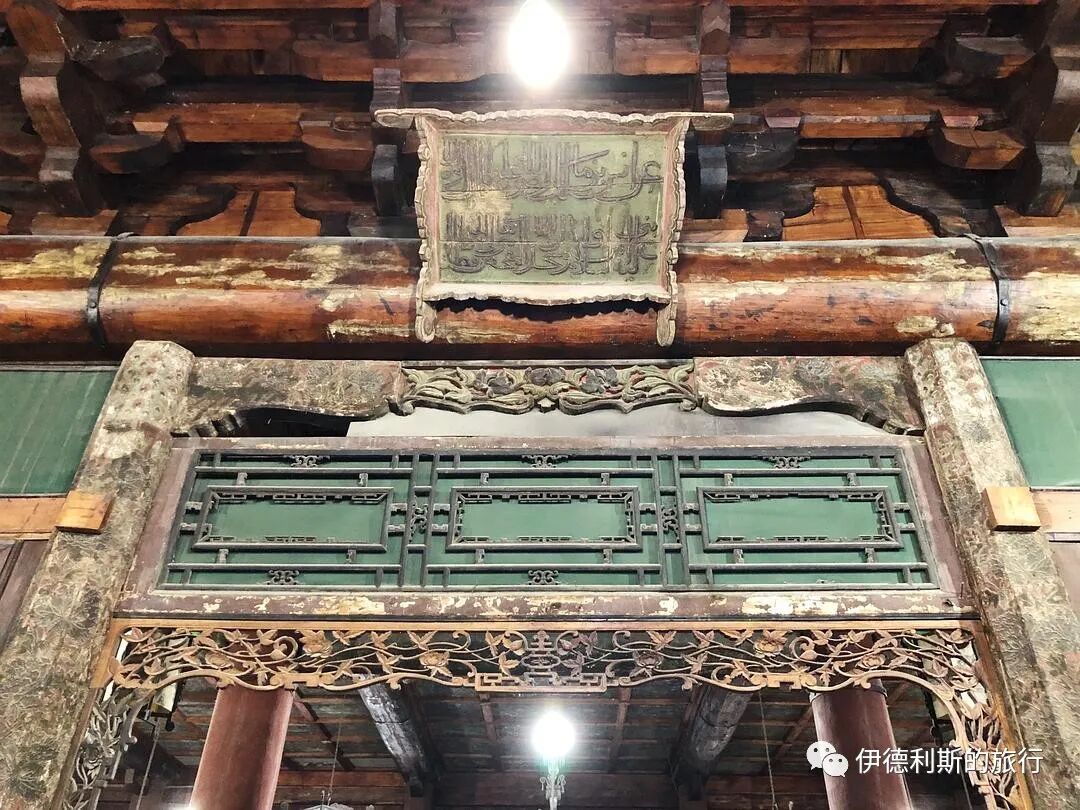
The mihrab (niche indicating the direction of prayer) inside the main prayer hall of the Huajue Lane Mosque. Liu Zhiping said in the book "Chinese Islamic Architecture": "The rear kiln hall of the main prayer hall is the most beautifully crafted. The walls are entirely inlaid with wooden boards, and golden pillars are used to create door covers, hanging pillars, and other objects, making the sanctuary part even more magnificent. On all the wooden surfaces, there are magnificent and powerful shallow carvings. Because animal patterns are not allowed for decoration inside Islamic prayer halls, the entire wall is covered with magnificent and robust plant flowers. Such patterns are also often found on the brick carvings of other mosques. Its magnificent atmosphere has opened up a direction for our country's pattern decoration. Not using animals for decoration made the pattern carvings in the mosque have limitations, but at the same time, it also developed the situation of using plant and geometric patterns and calligraphy for decoration, thus contributing to the characteristics of Islamic architectural patterns. "
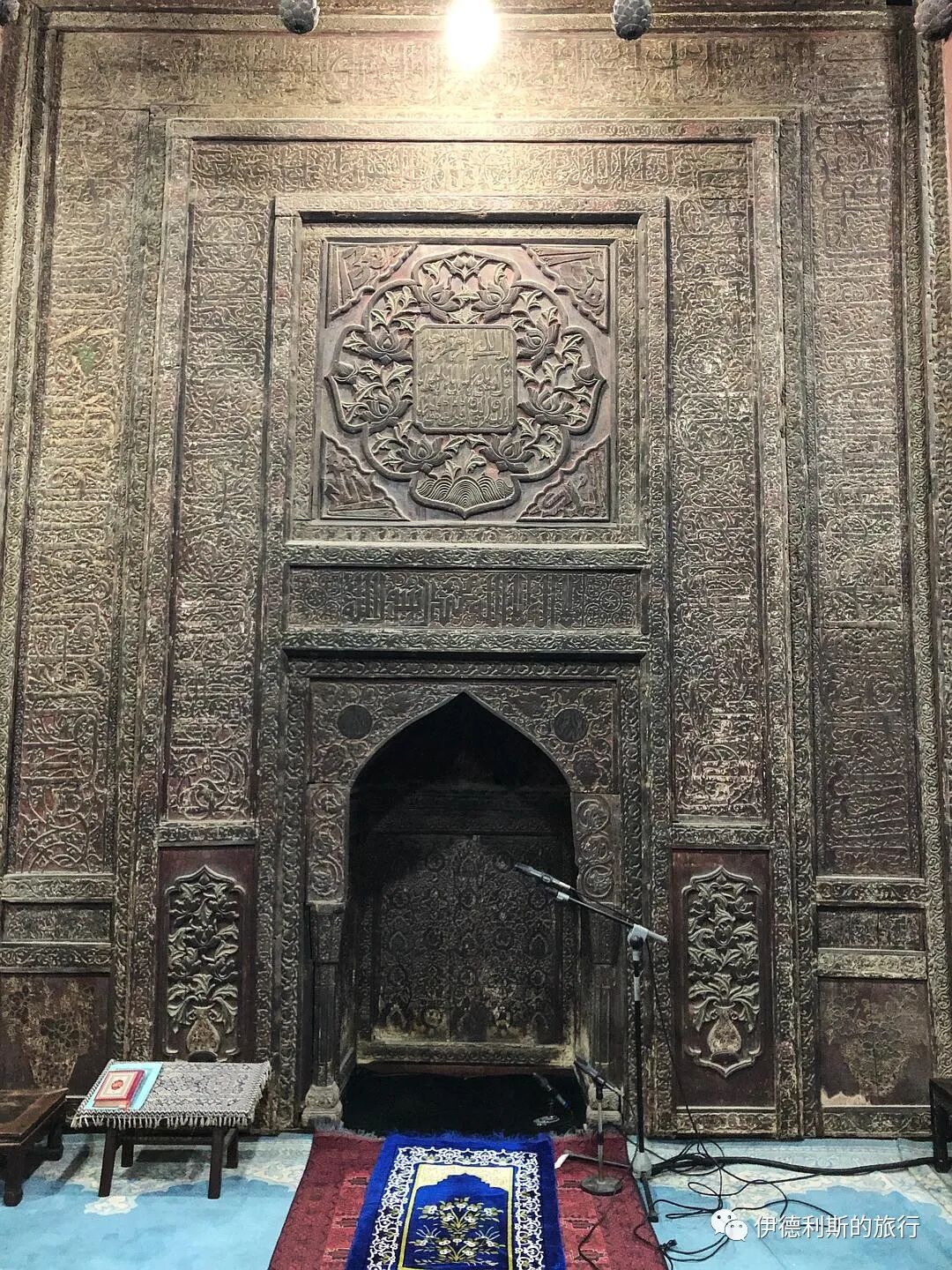
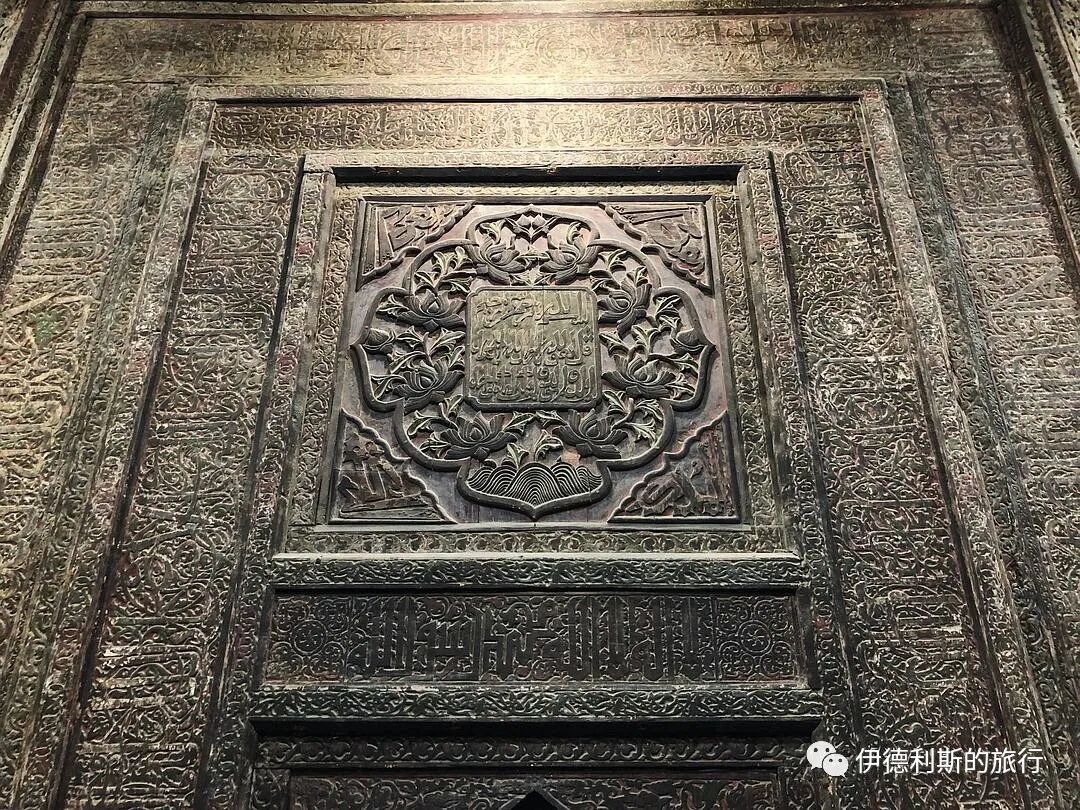
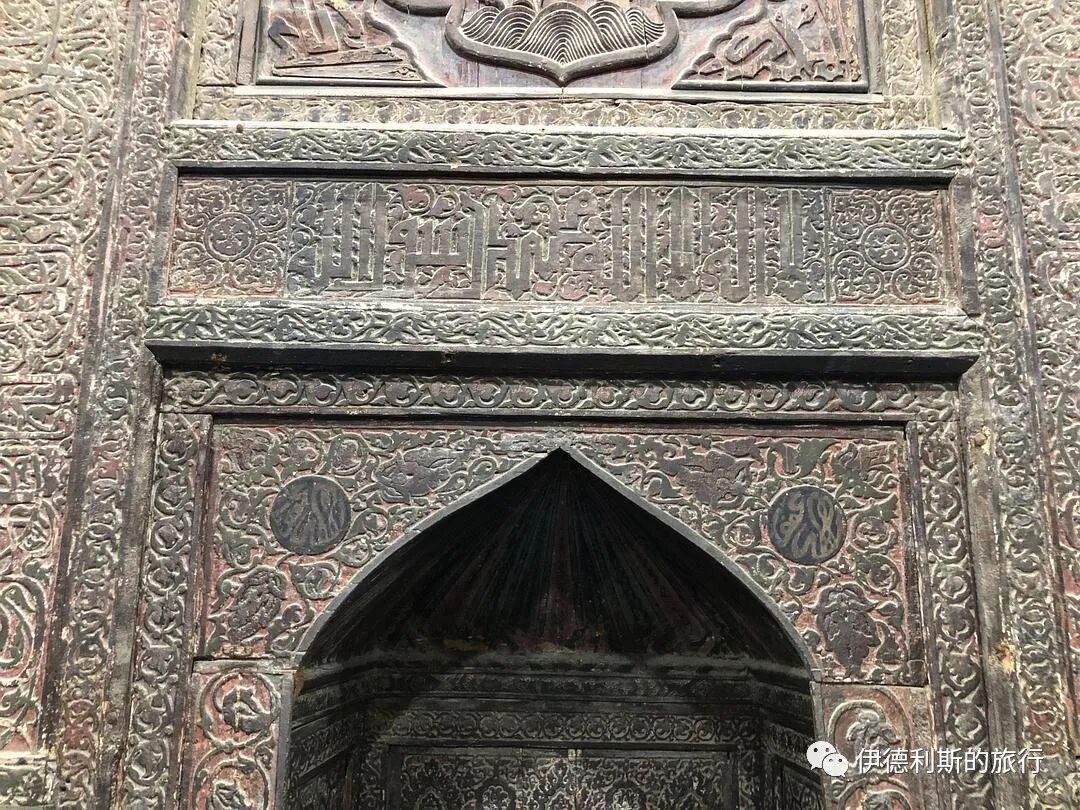
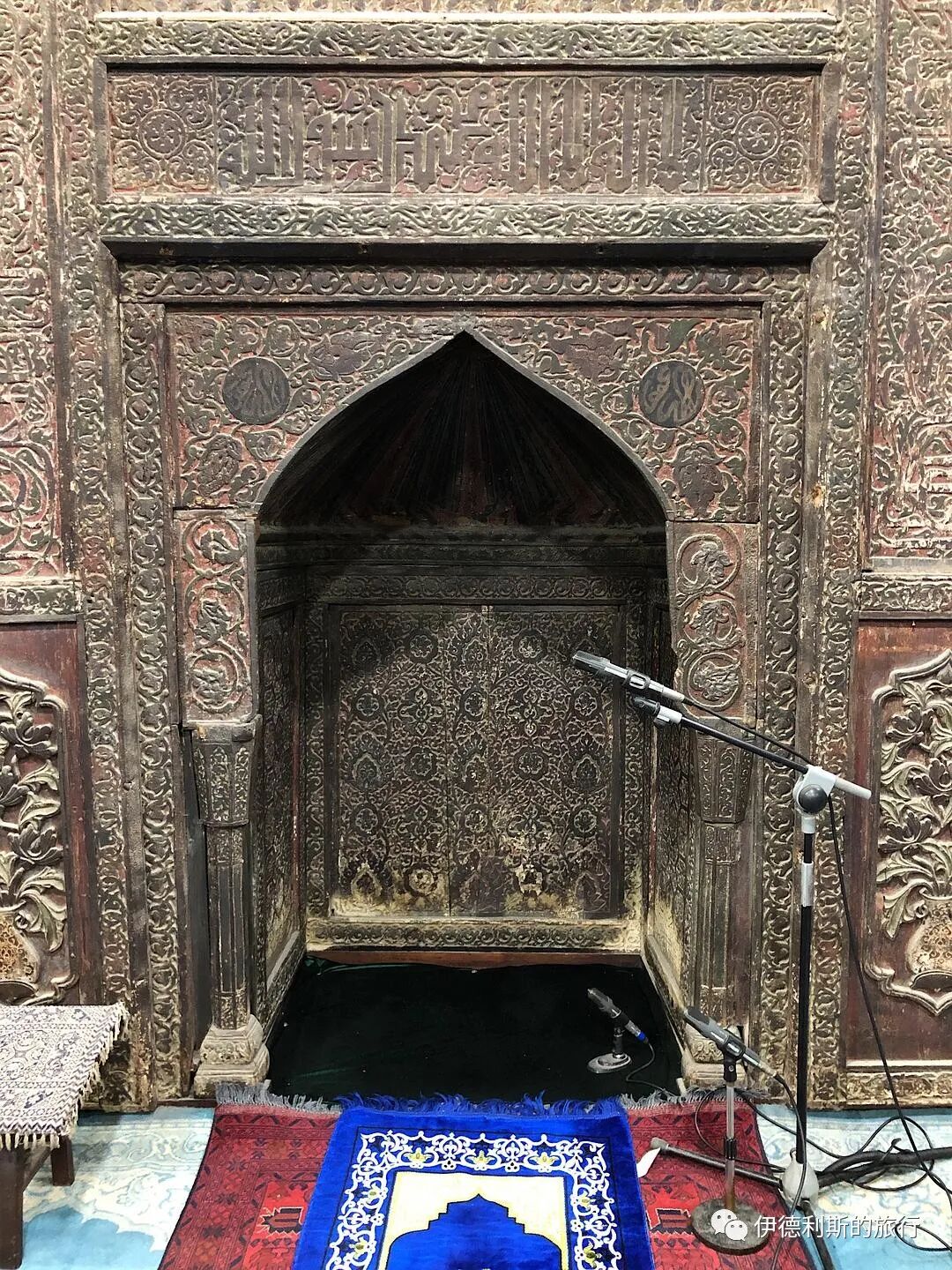
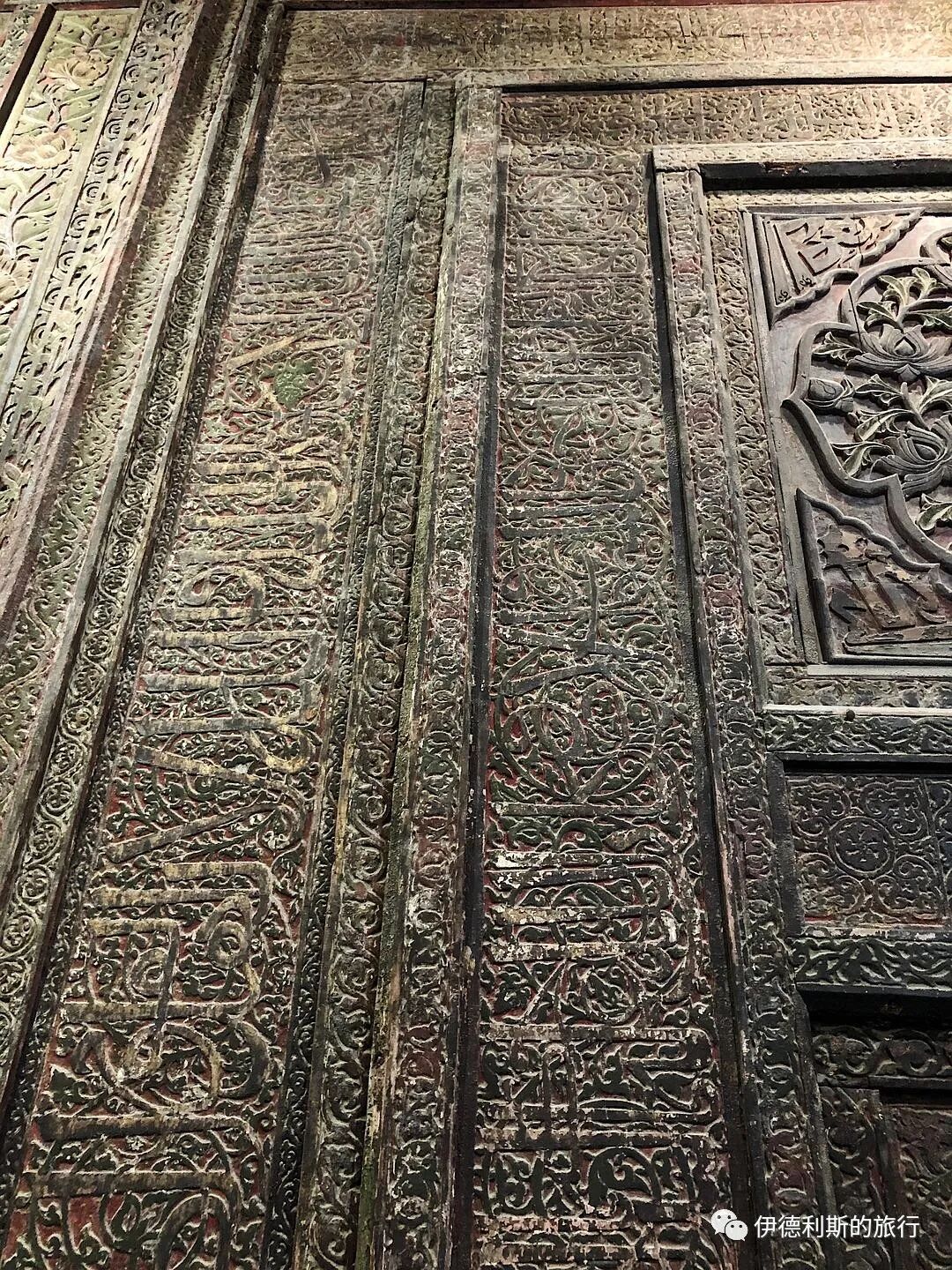
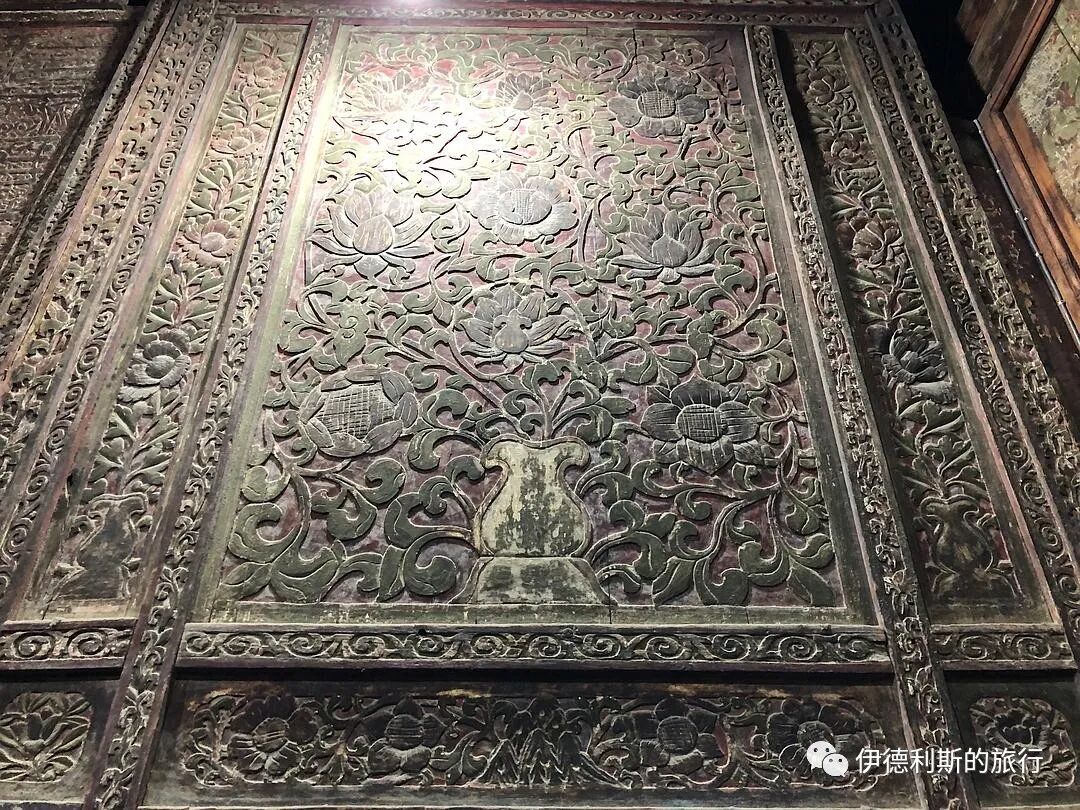
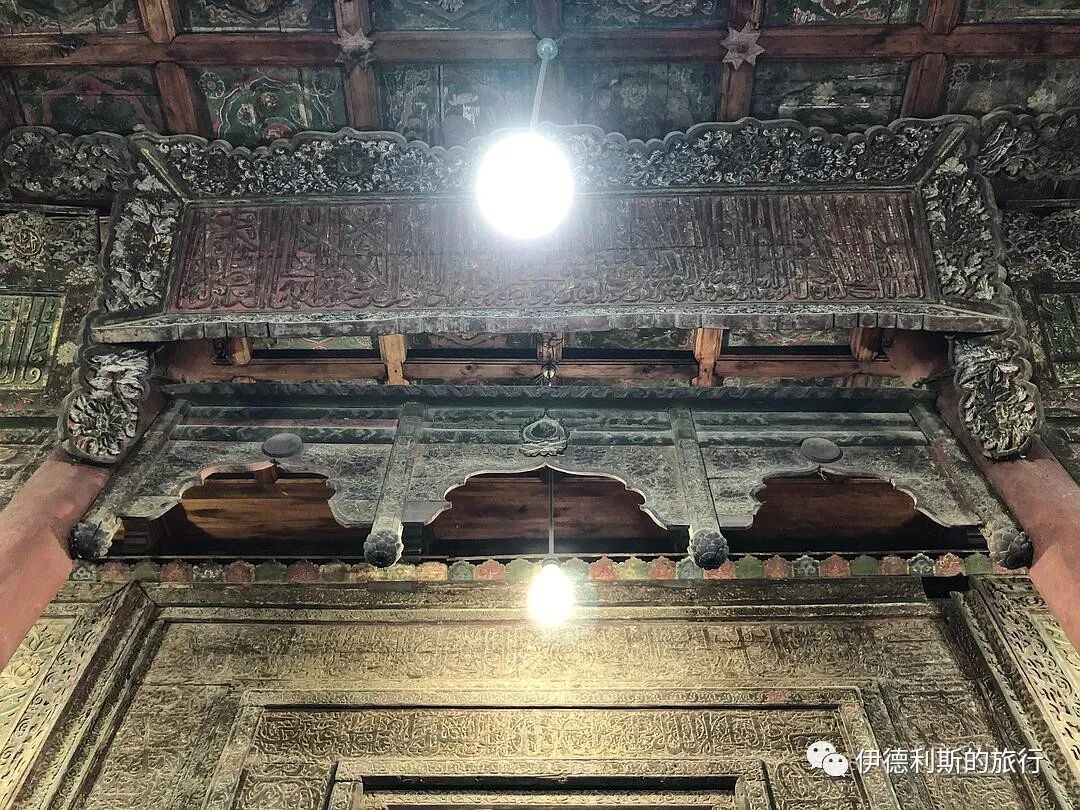
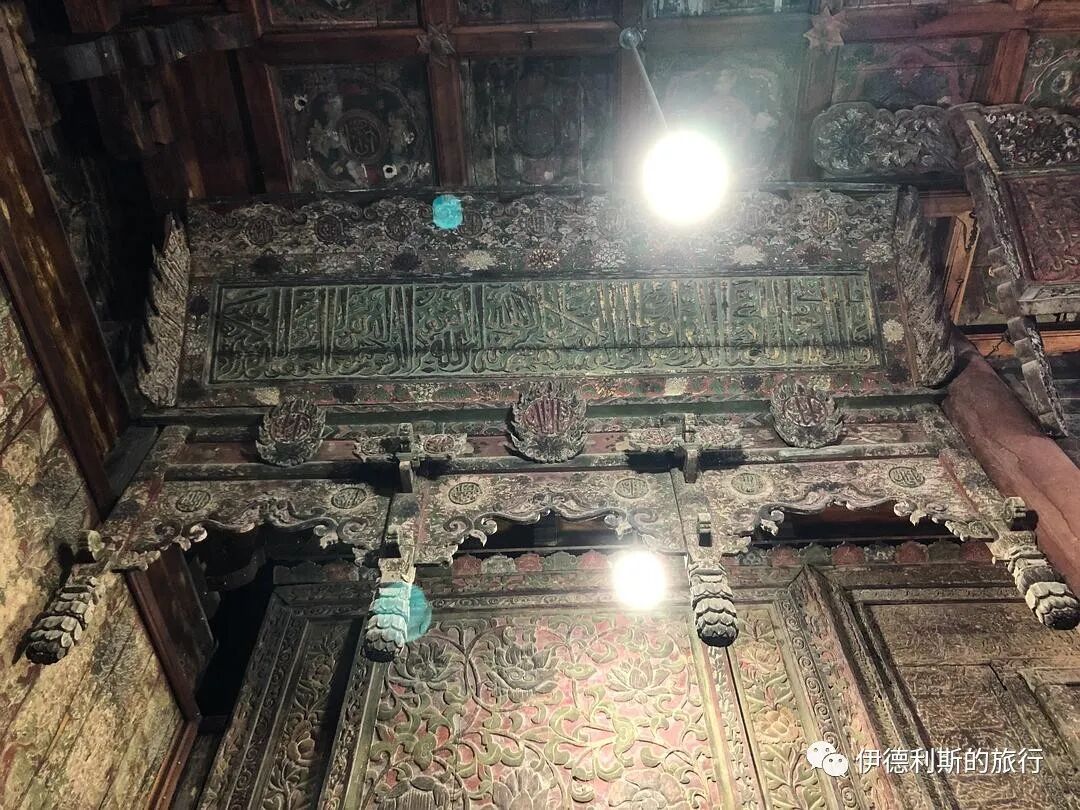
Details of the rear kiln hall
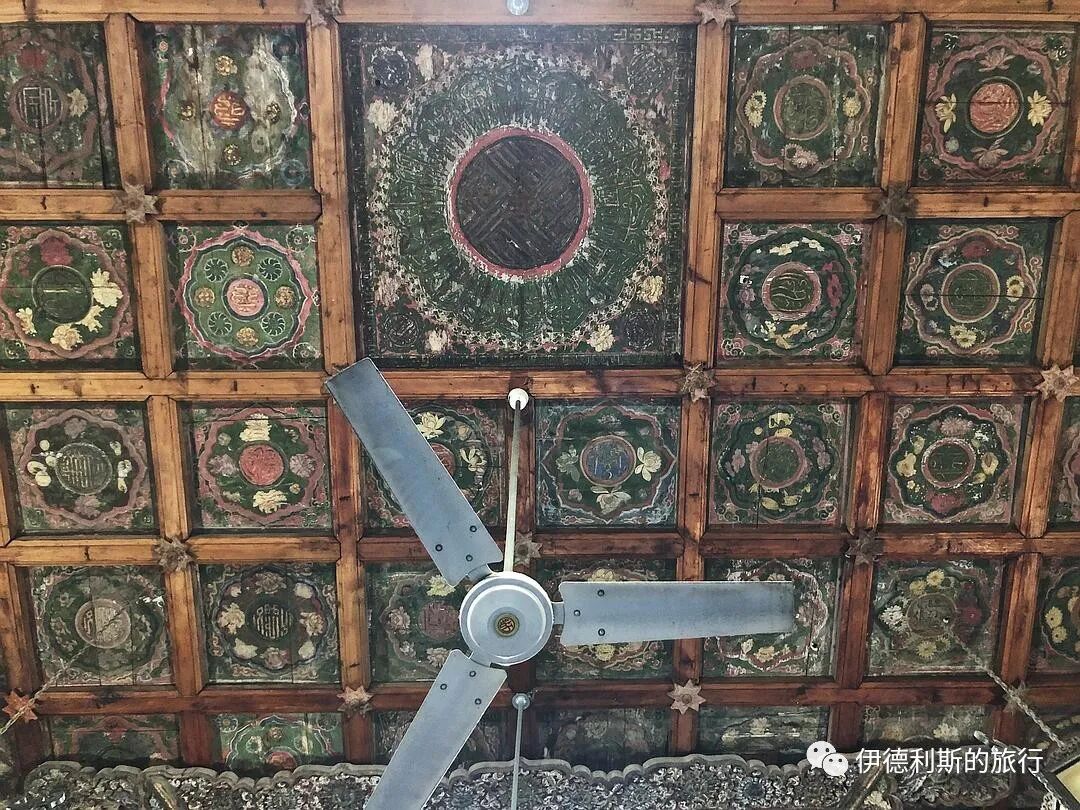
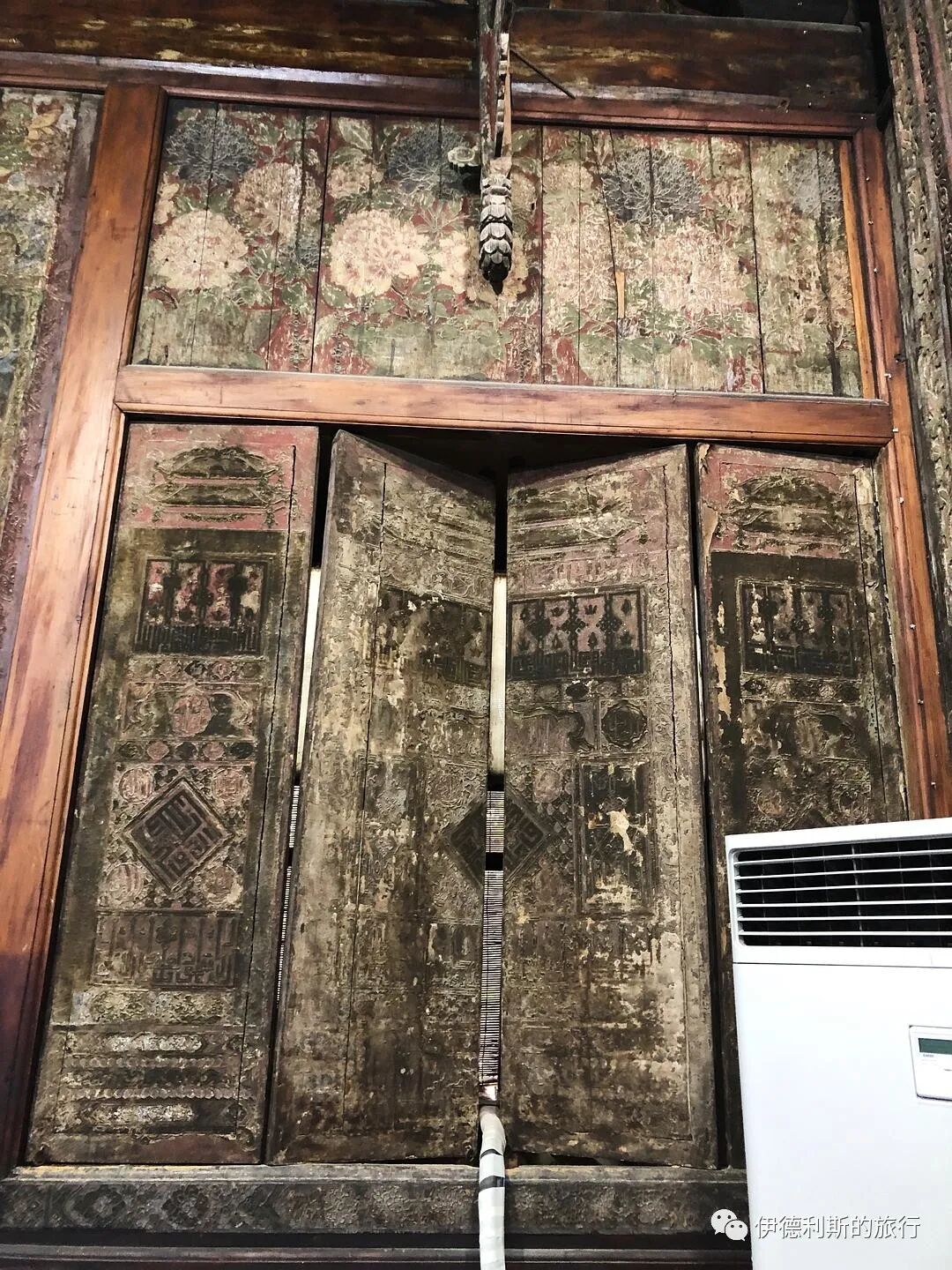
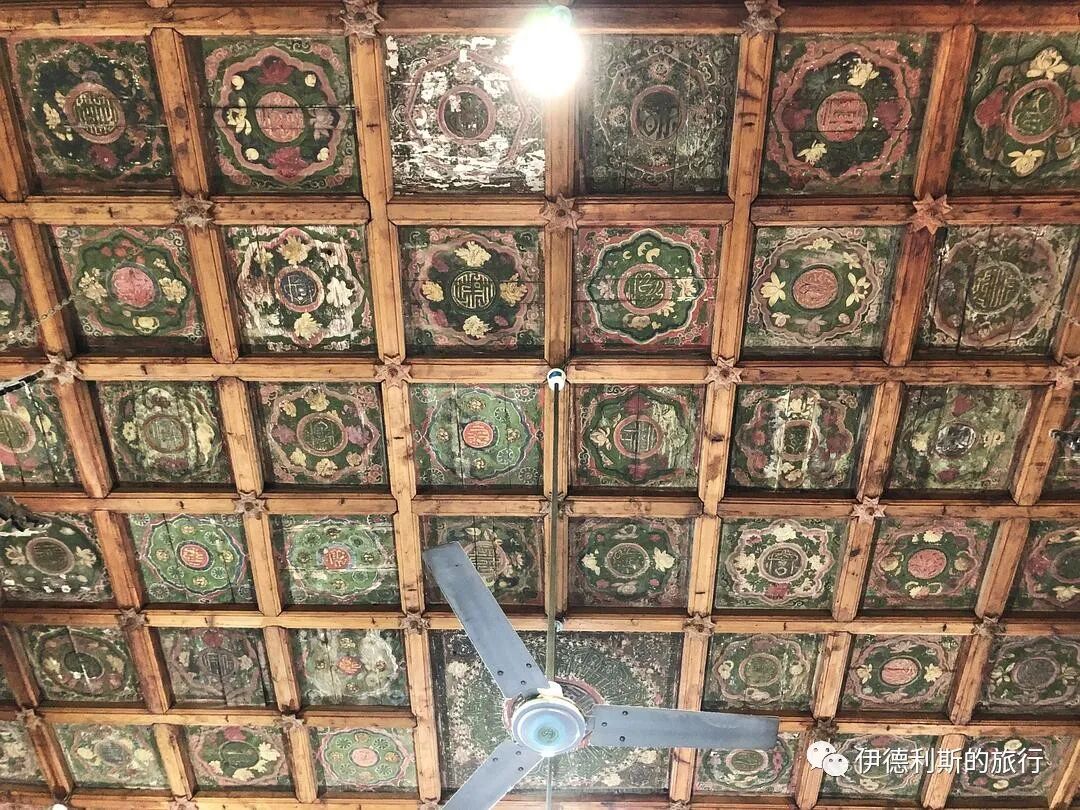
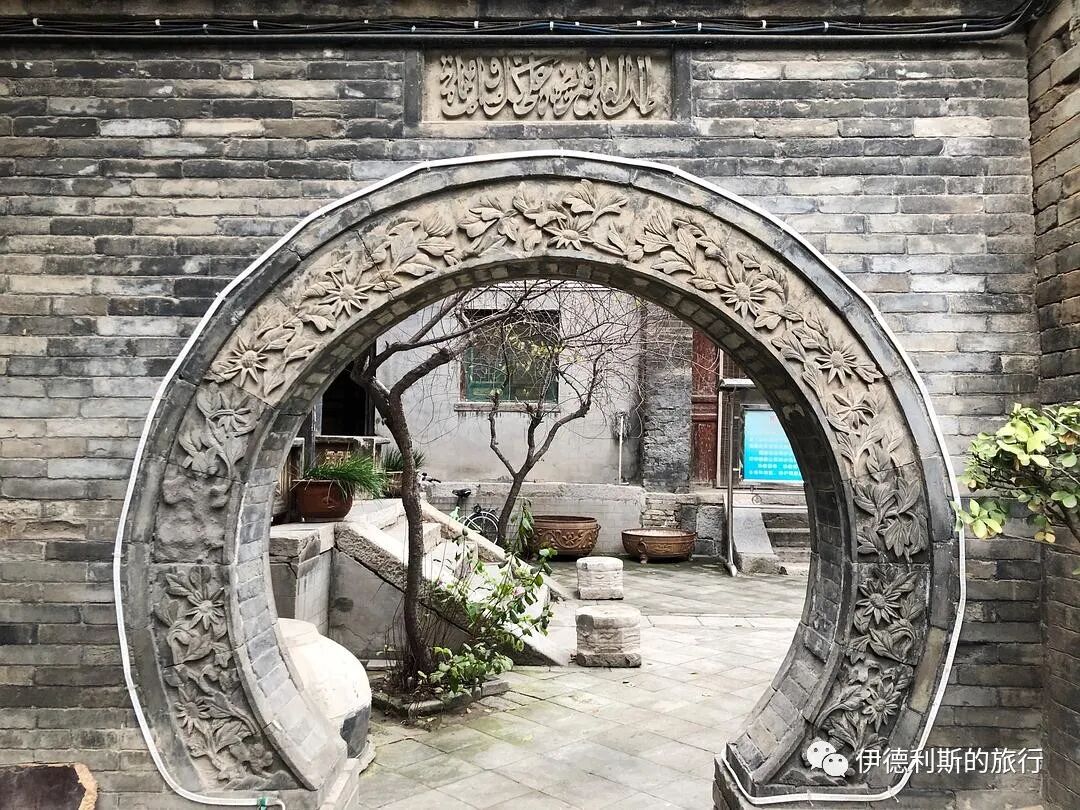
The moon gate and screen wall on the side of the main prayer hall
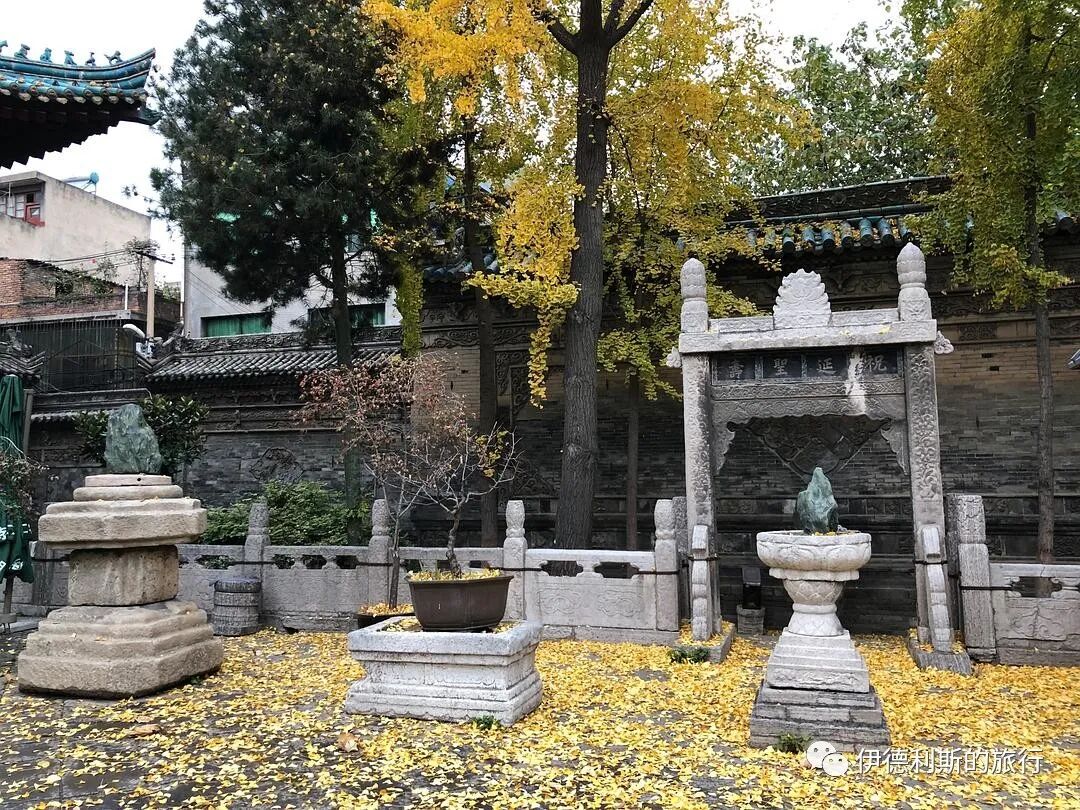
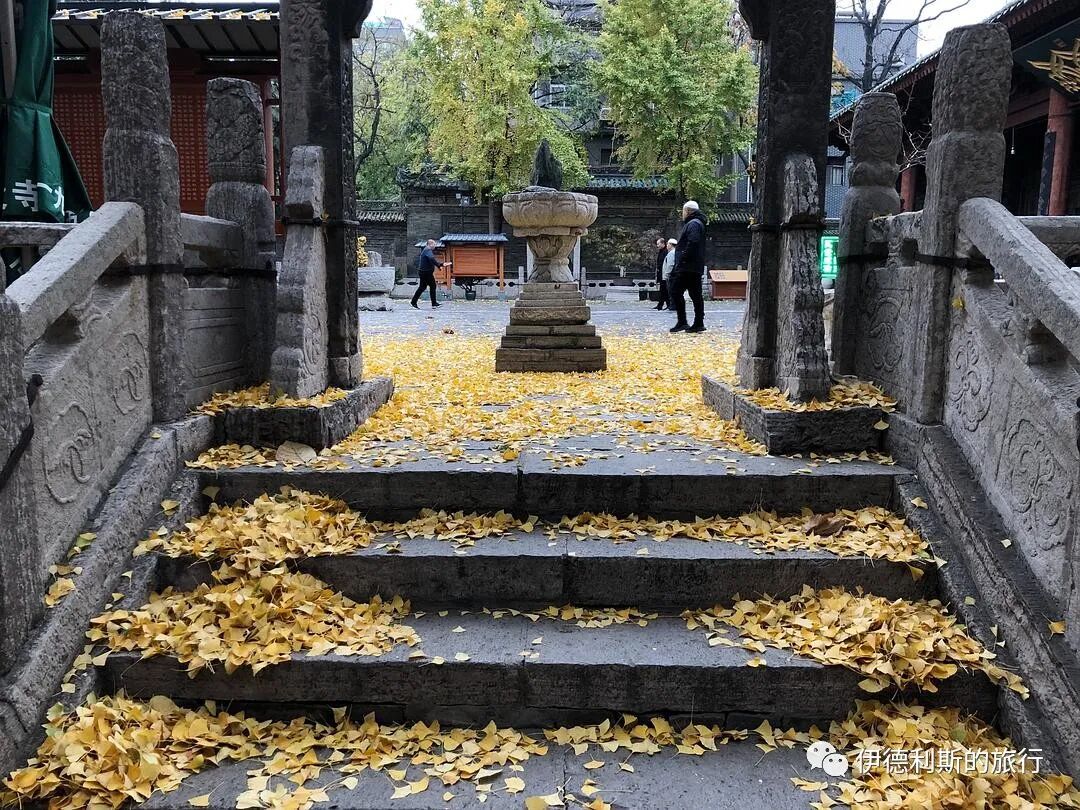
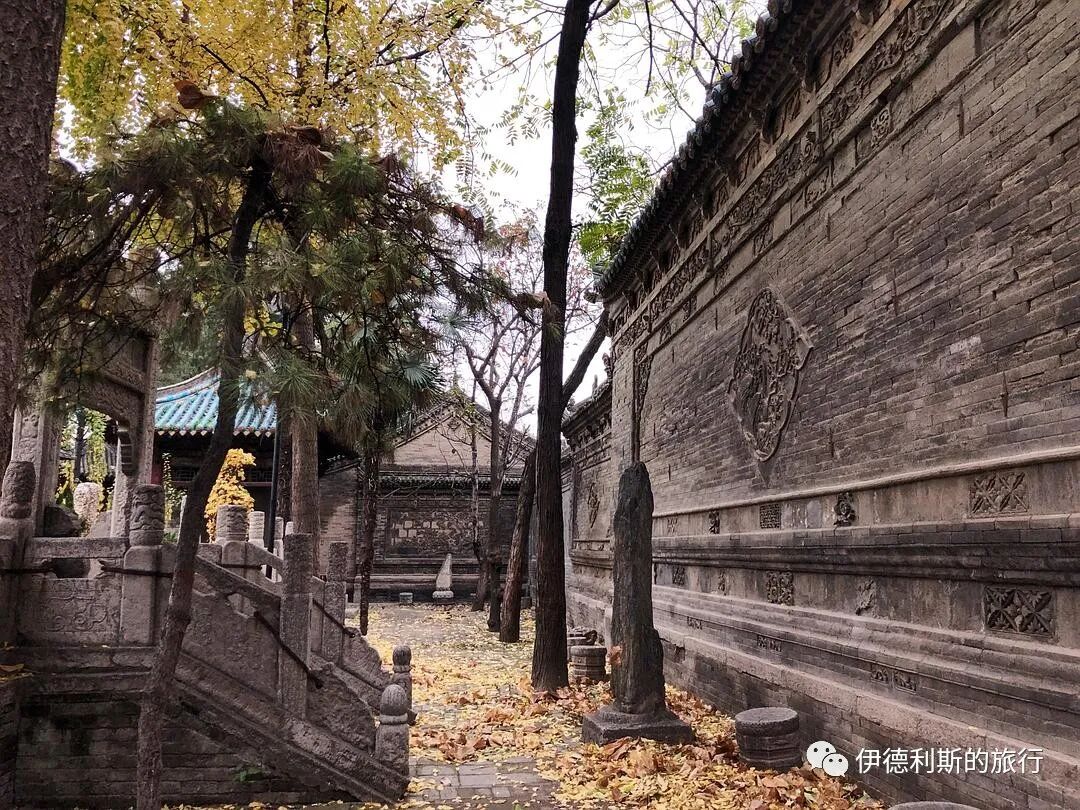
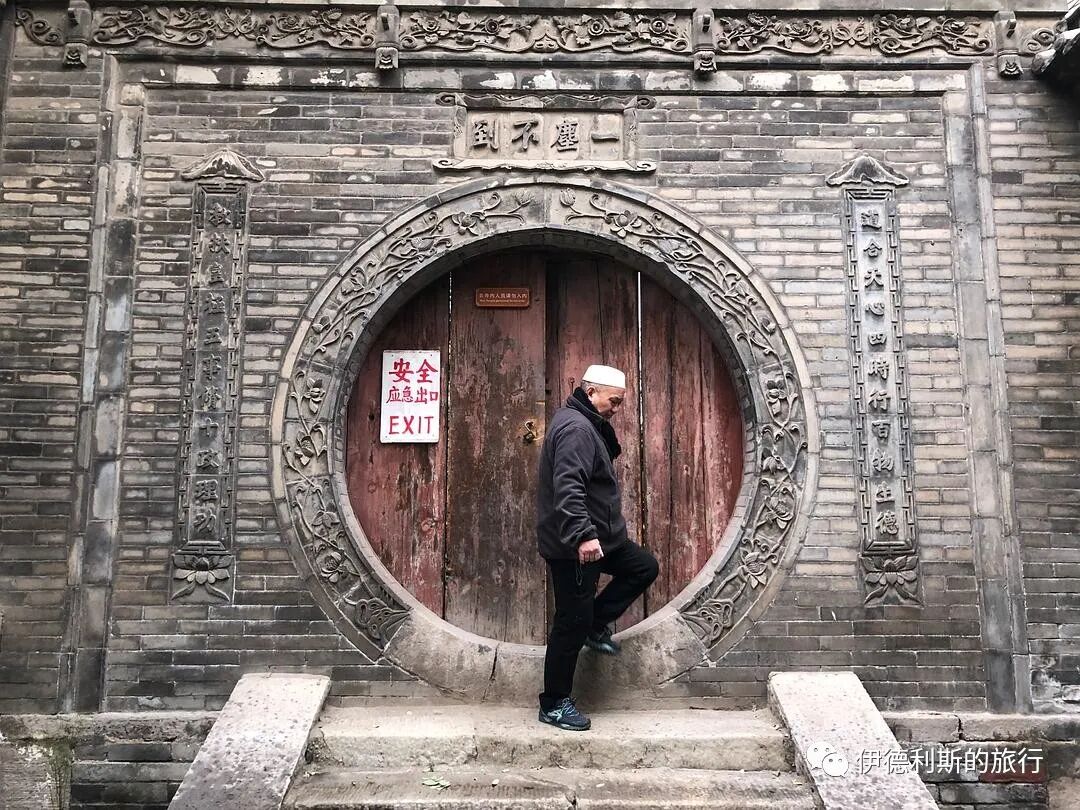
The north wing room of the first courtyard
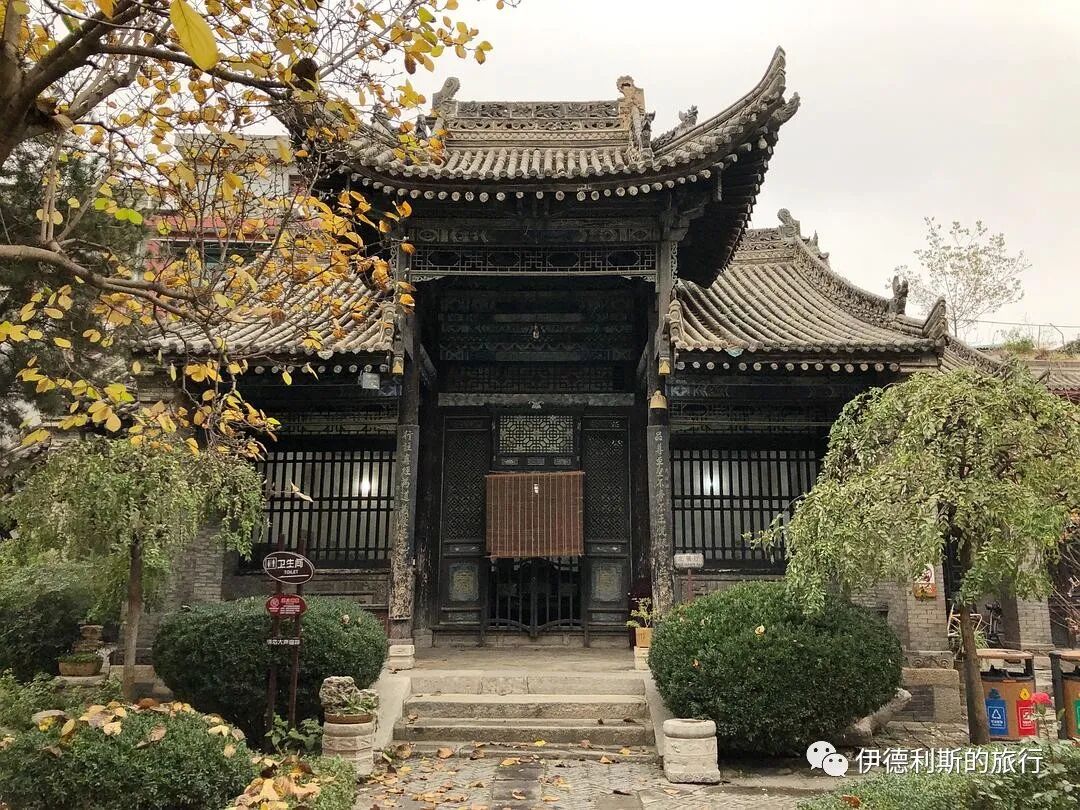
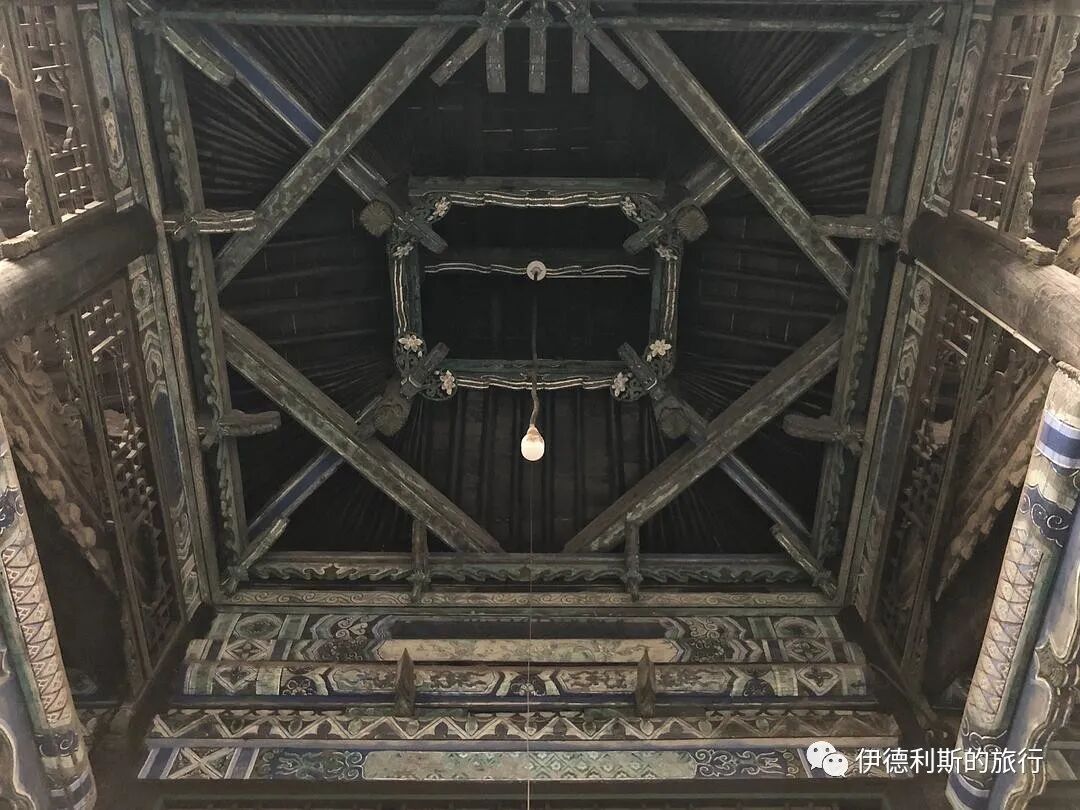
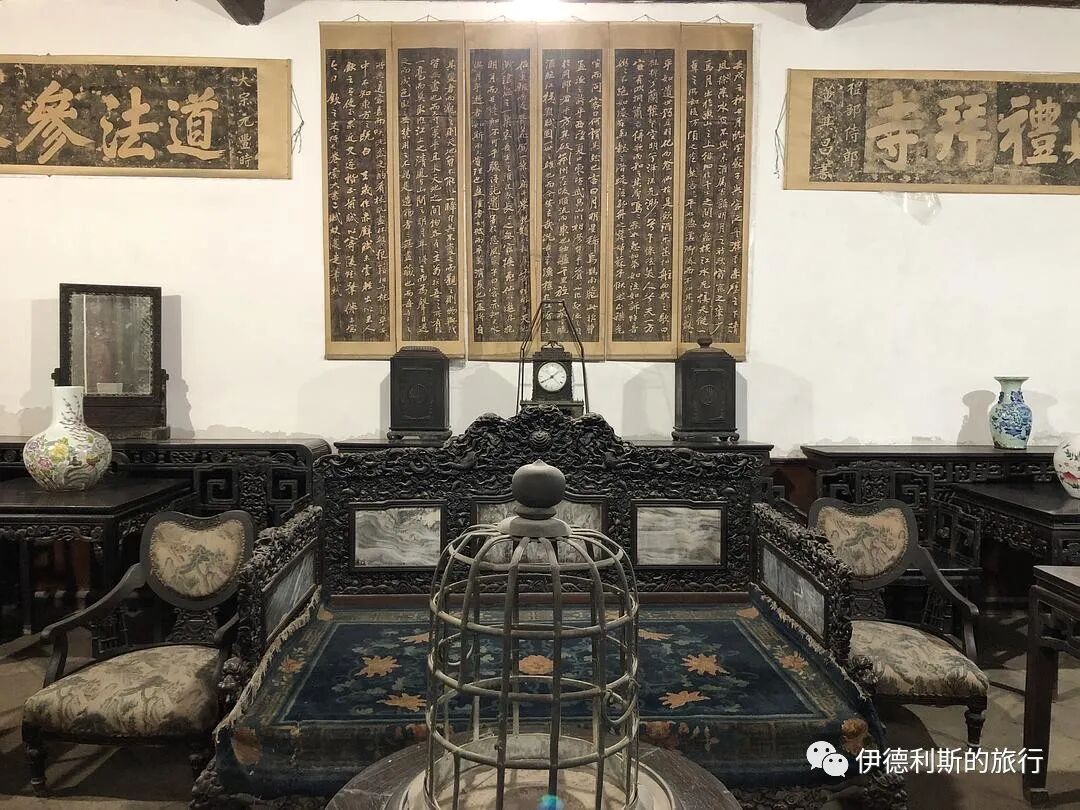
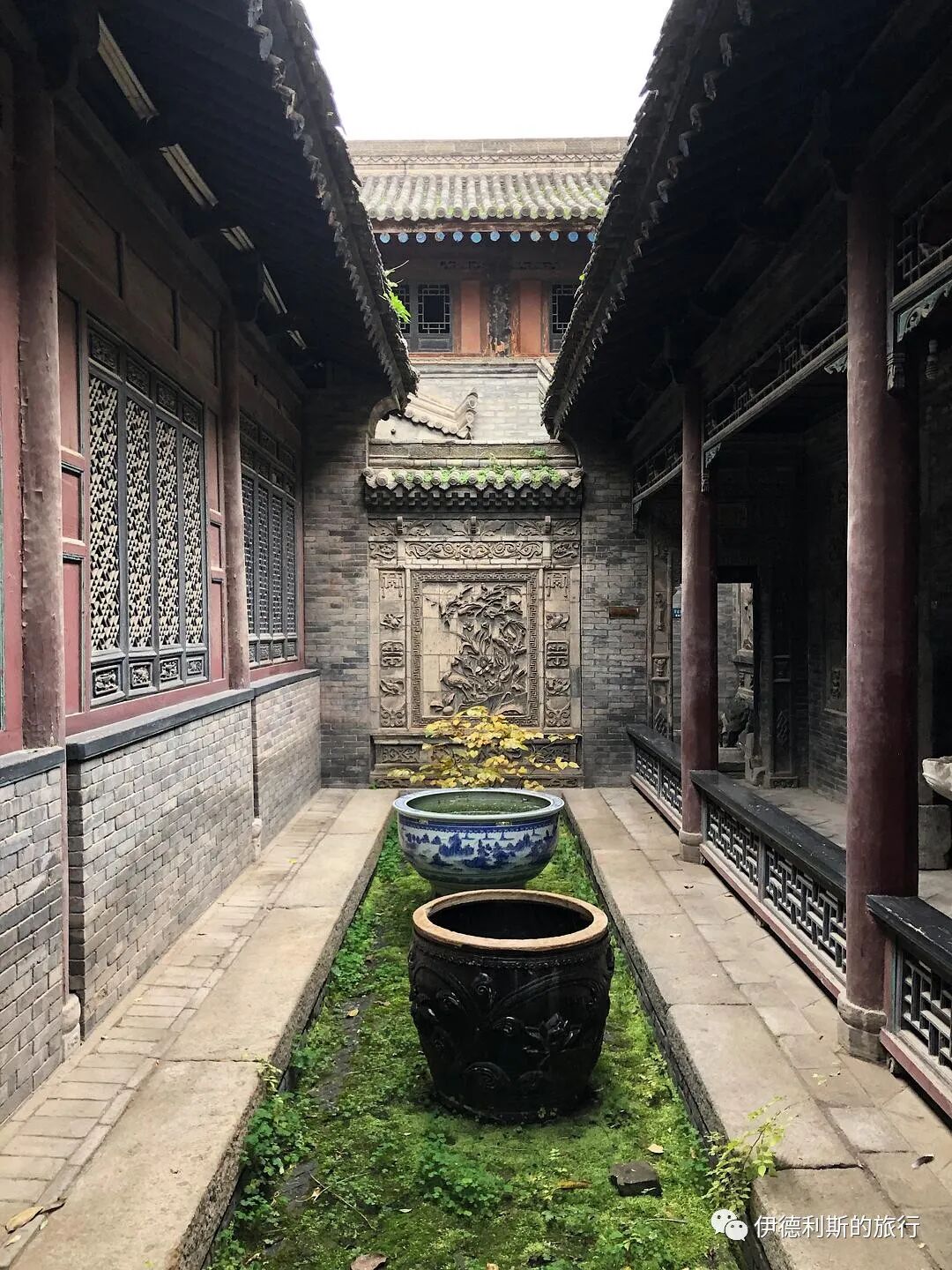
A patio
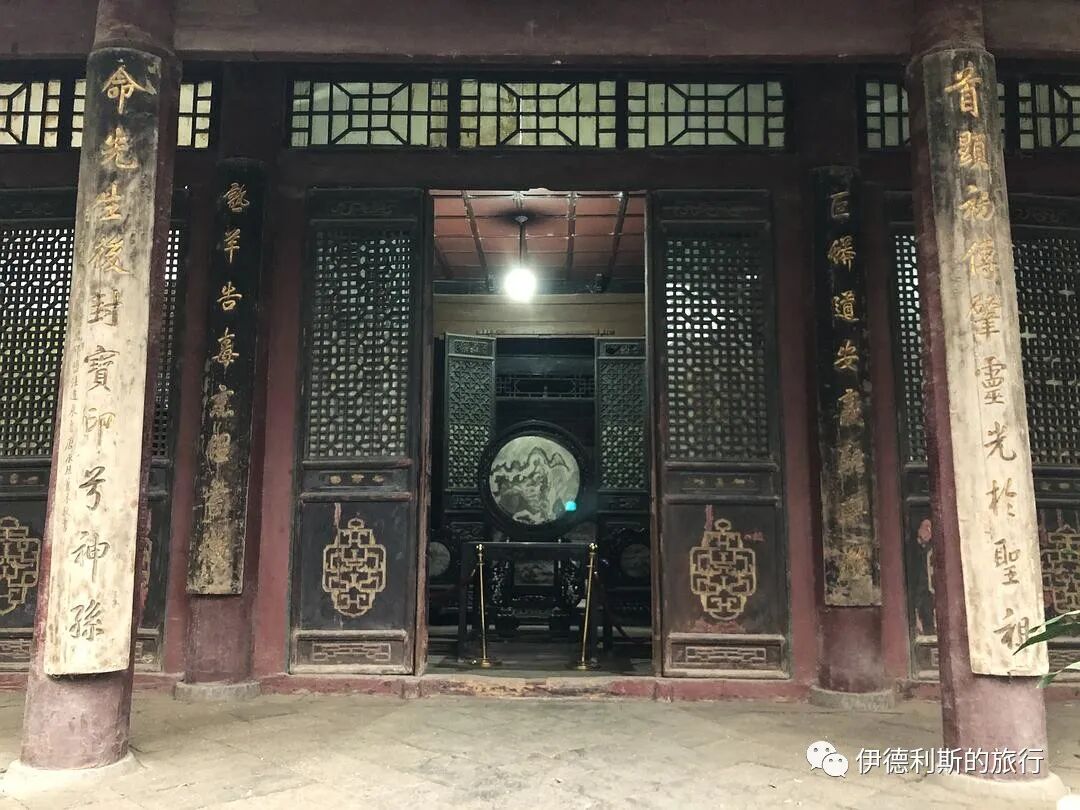
A wing room door
2. Daxuexi Lane Mosque: Rebuilt in 1384
The Daxuexi Lane Mosque, also known as the "West Great Mosque," was rebuilt in 1384 (the 17th year of the Hongwu reign of the Ming Dynasty) by Tie Xuan, the Minister of War, who was granted the name of the mosque by imperial decree. It was renovated in 1413 (the 11th year of the Yongle reign of the Ming Dynasty) and twice more during the Kangxi and Guangxu reigns of the Qing Dynasty.
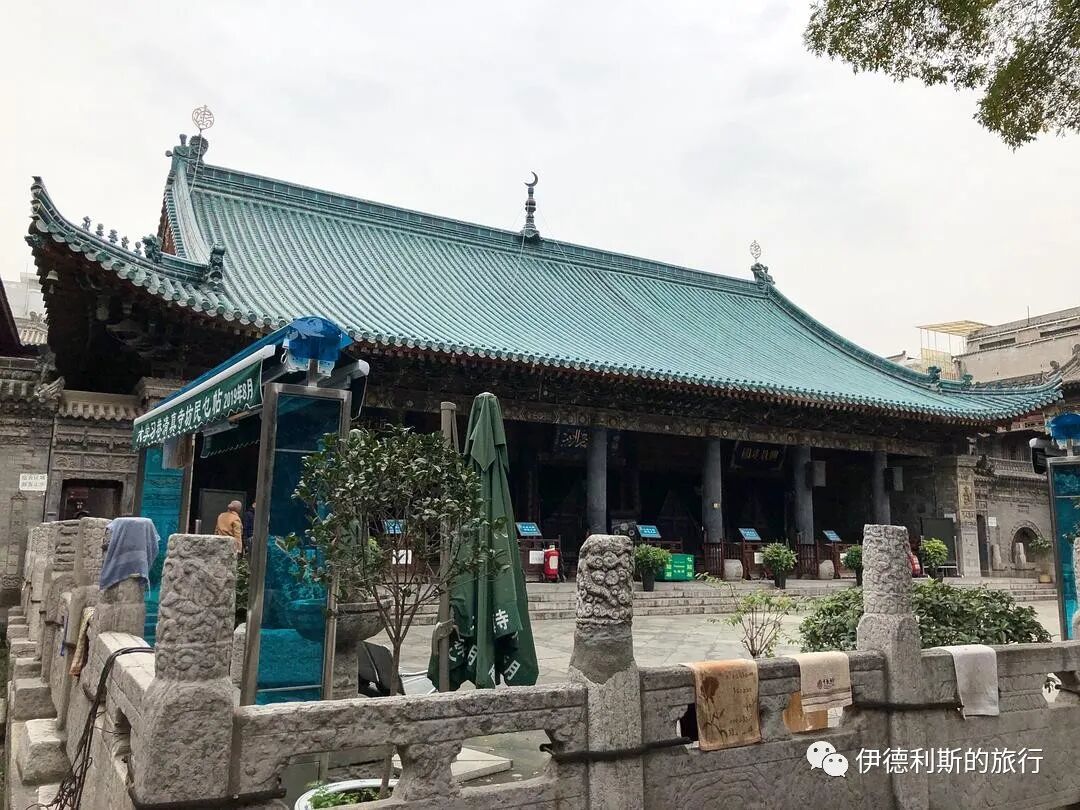
The structure of the mosque is similar to the Huajue Lane Great Mosque. In front of the main gate is a four-pillar, three-bay stone memorial archway. After entering the main gate, there is a three-bay hall, followed by the three-story, three-eaved Shengxin Pavilion (Mind-Reflecting Pavilion) with four corners. After passing through the Shengxin Pavilion, one enters the second courtyard. The north and south wing rooms are the Imam's residence and the lecture hall, respectively. There are two stele pavilions in the courtyard. Then, after passing through a small stone slope and a stone memorial archway, one enters the moon terrace, in the center of which is the main prayer hall.
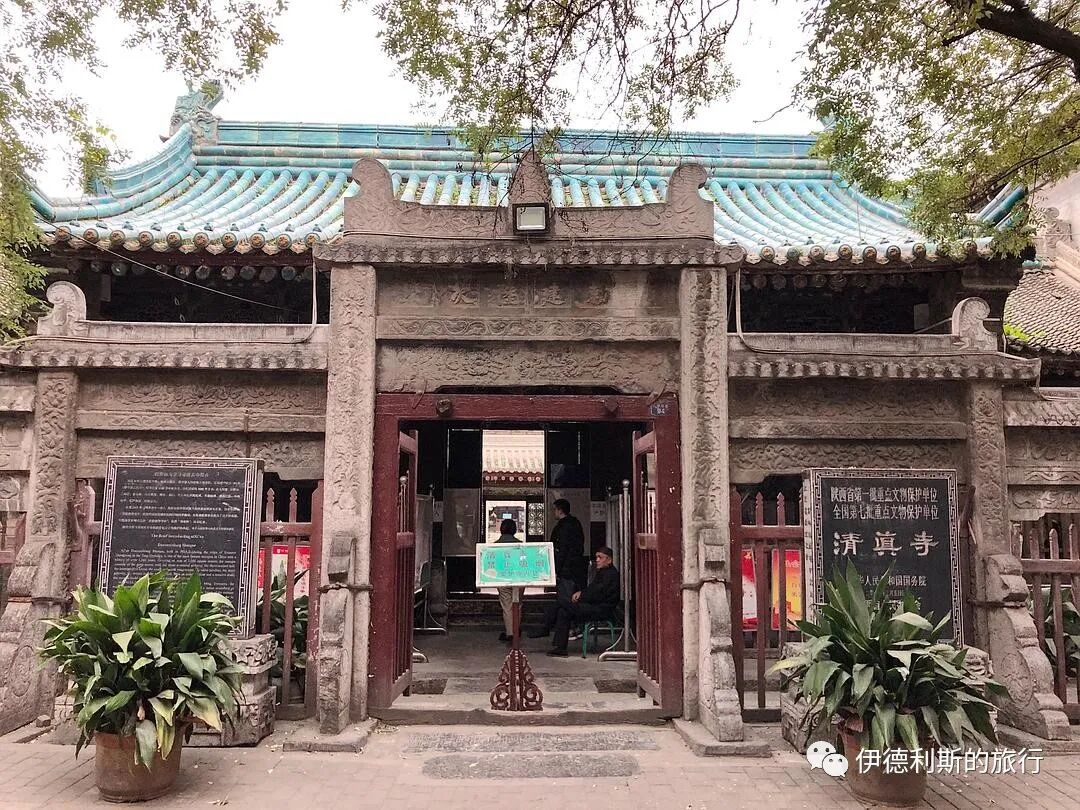
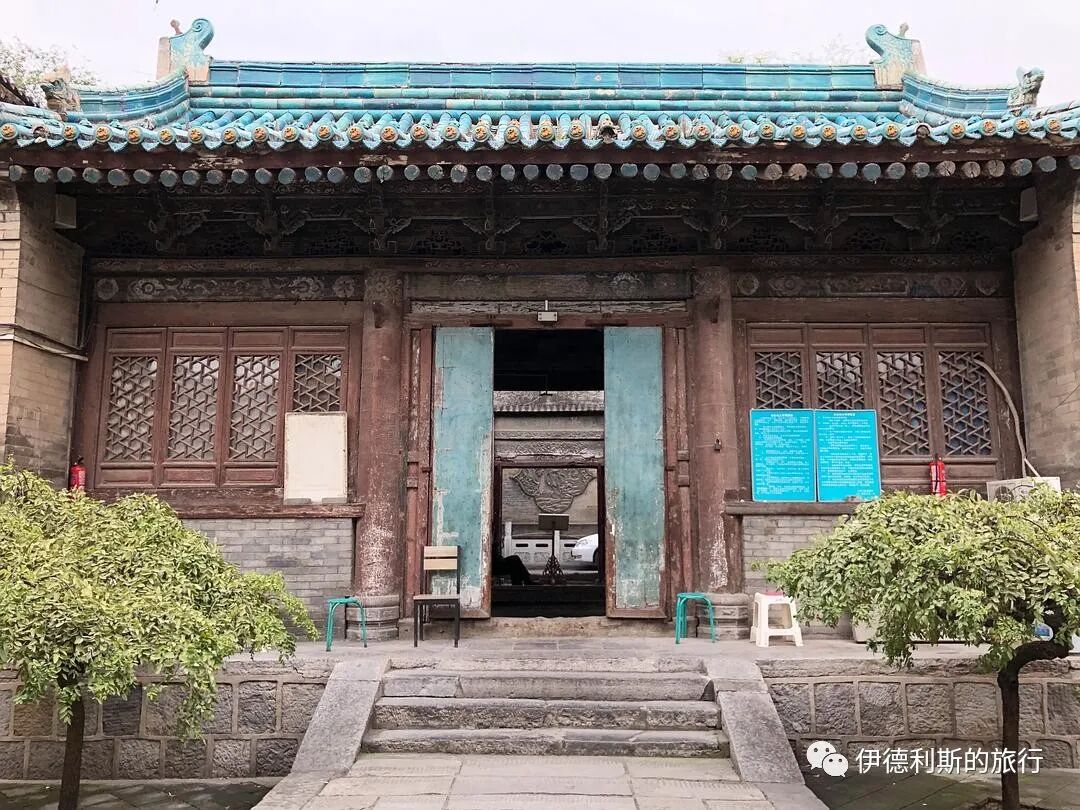
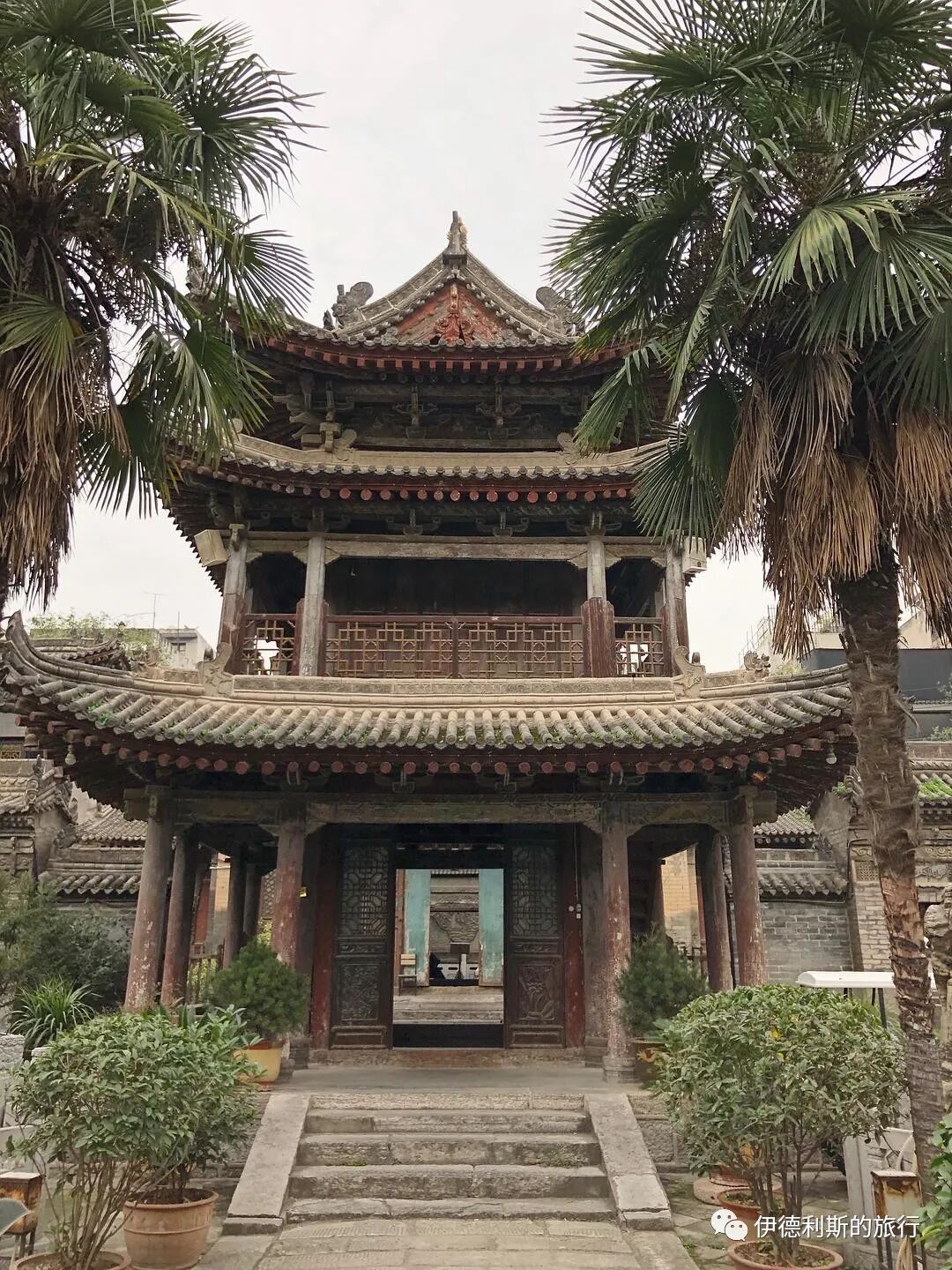
Shengxin Pavilion
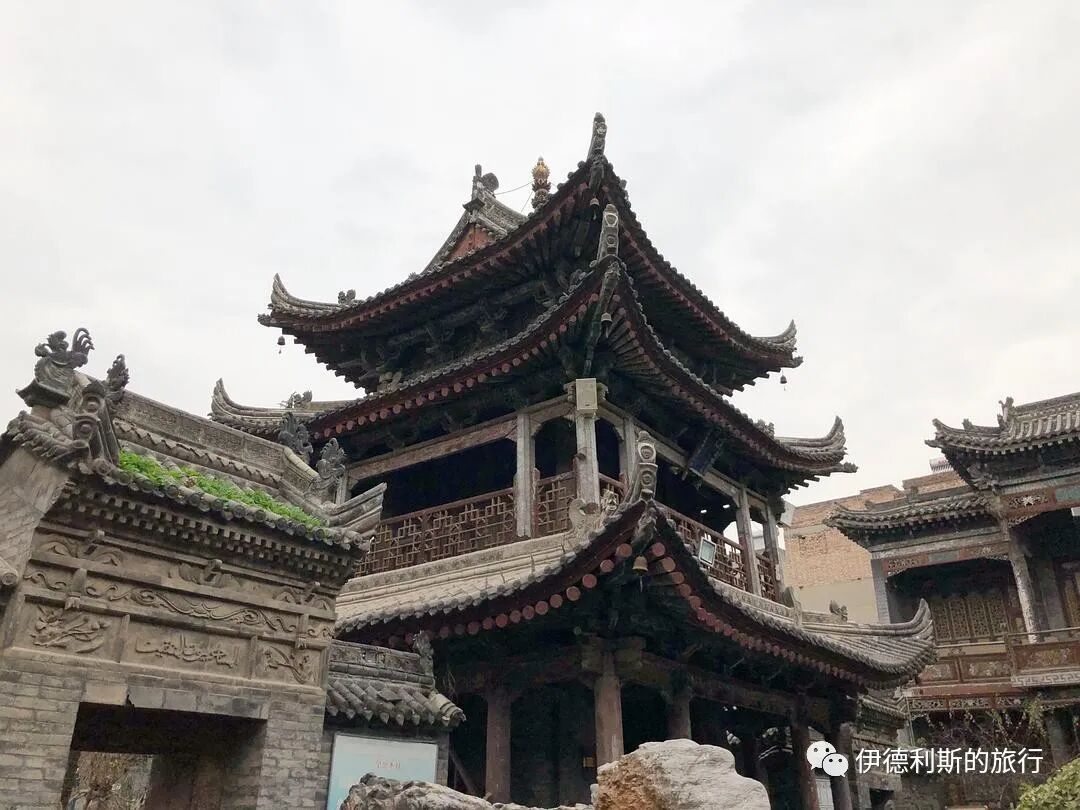
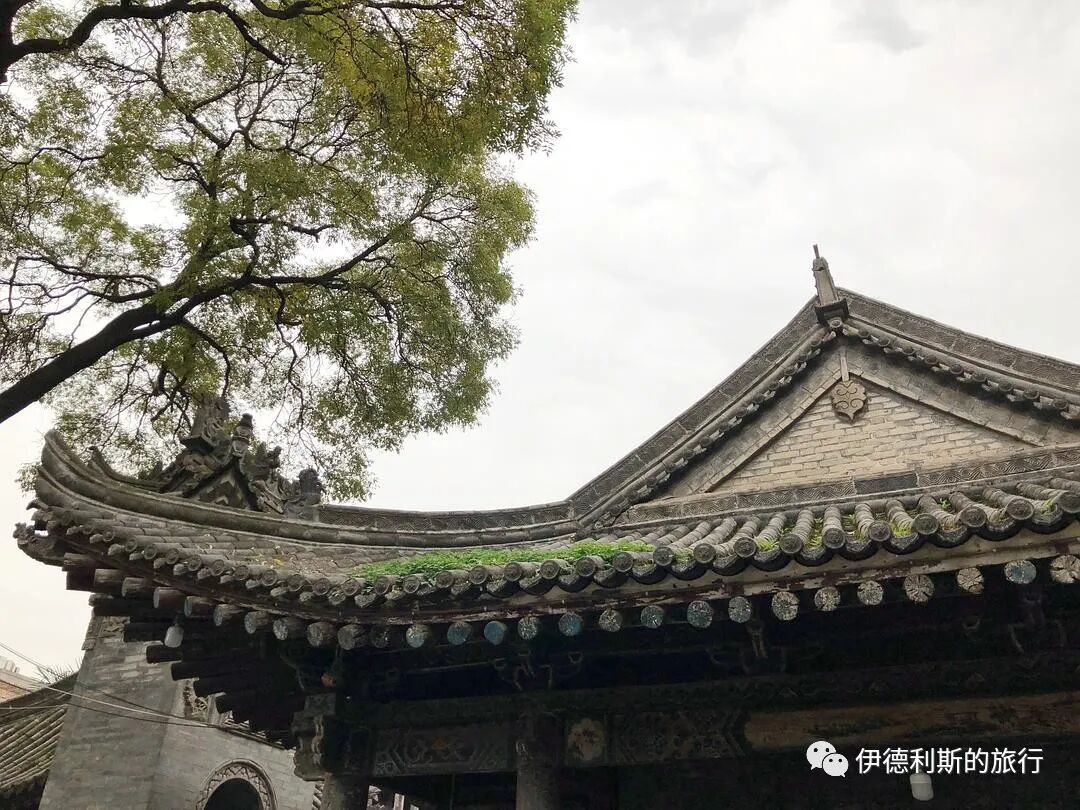
Main prayer hall
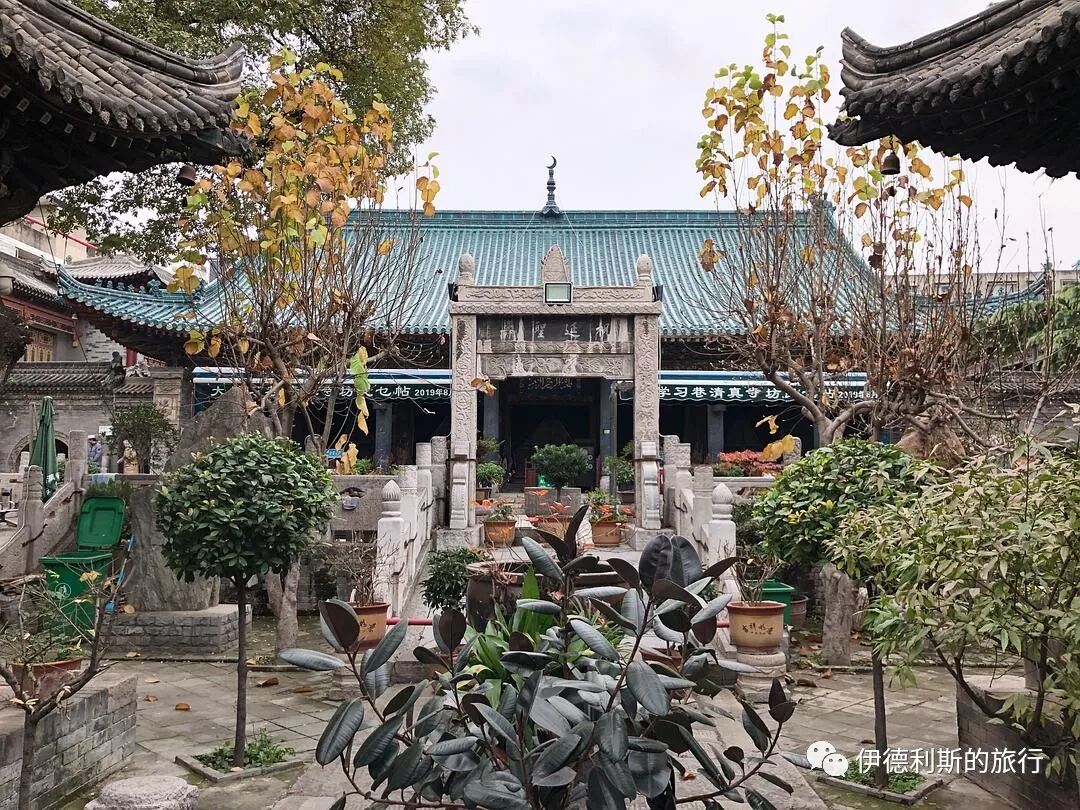
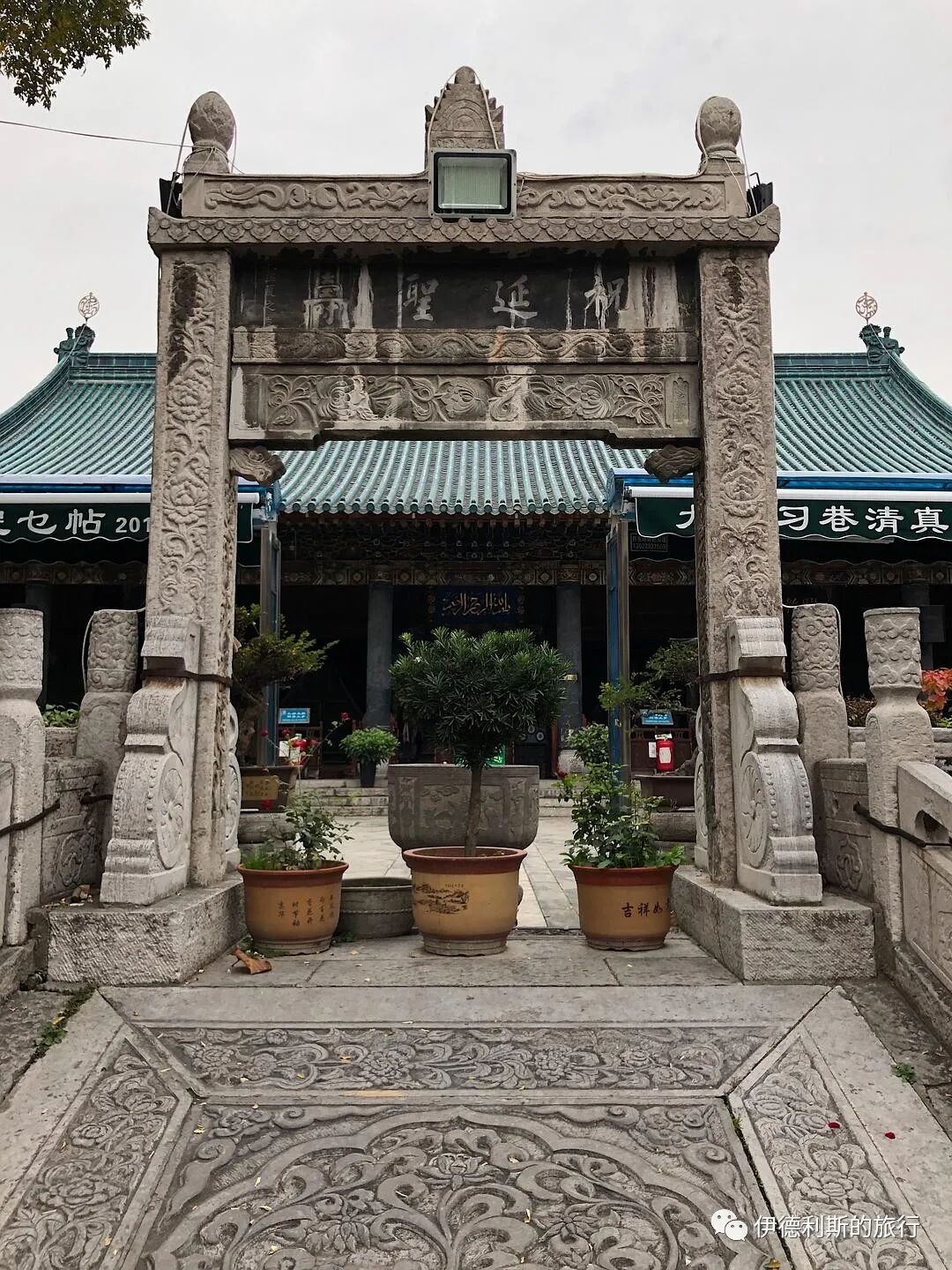
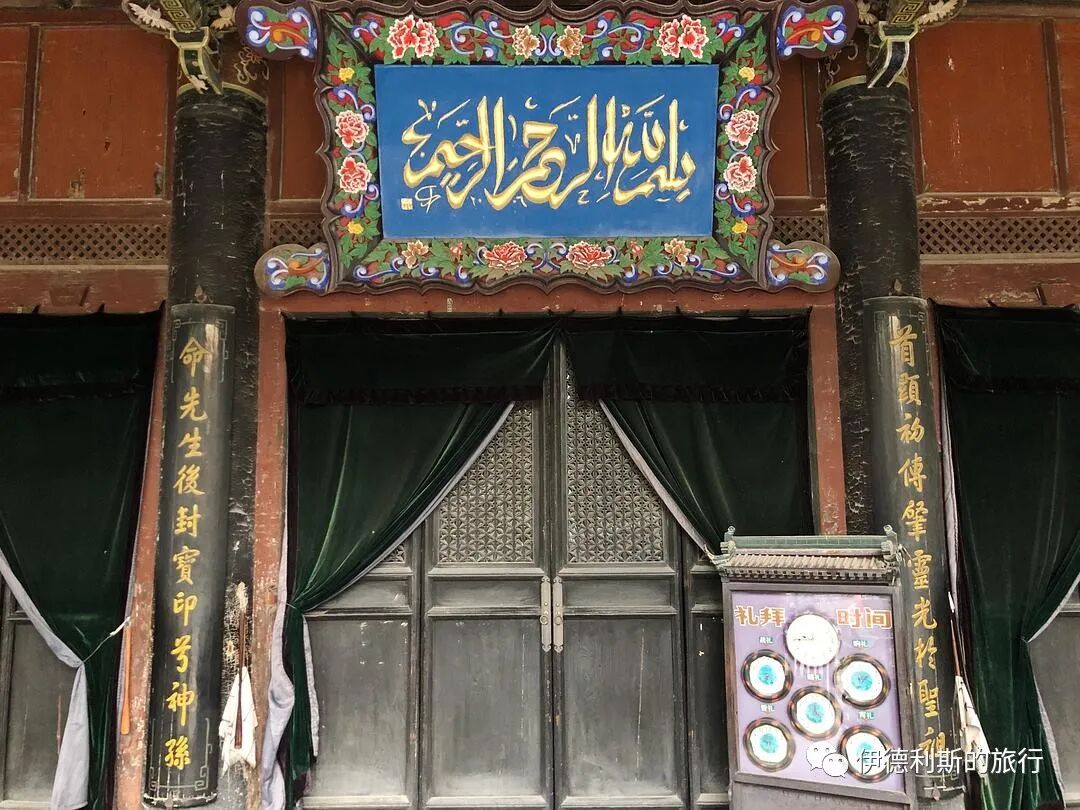
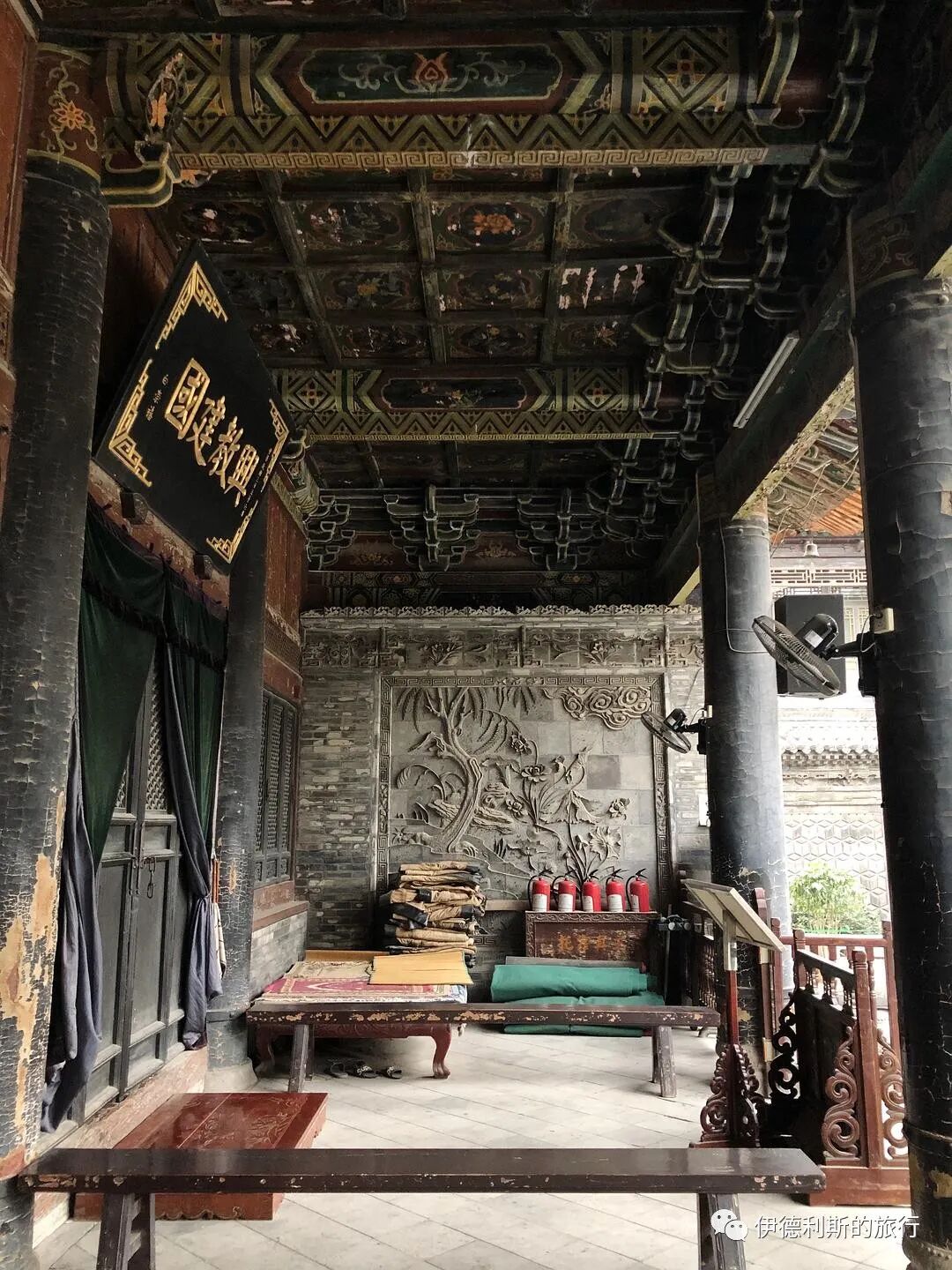
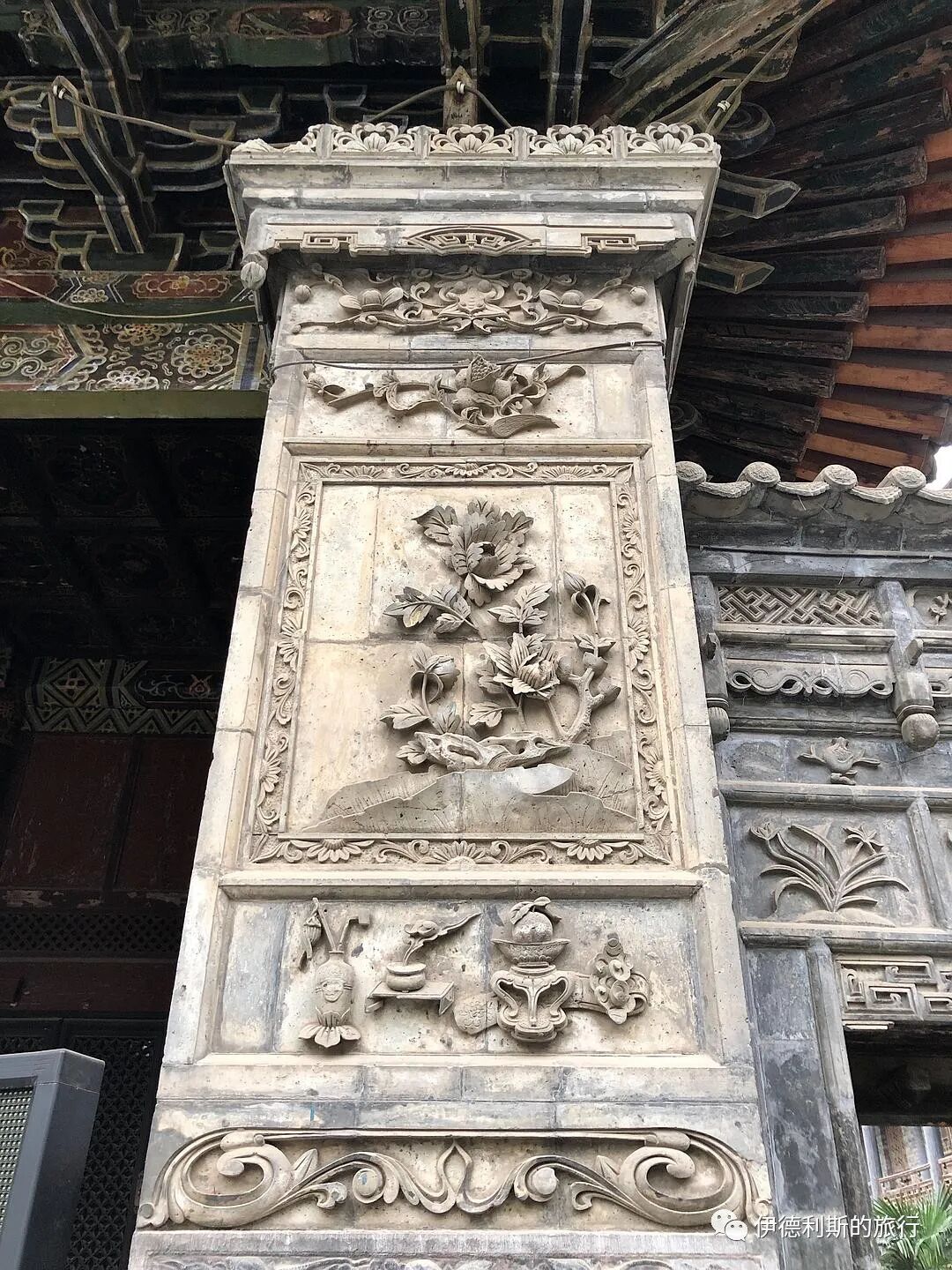
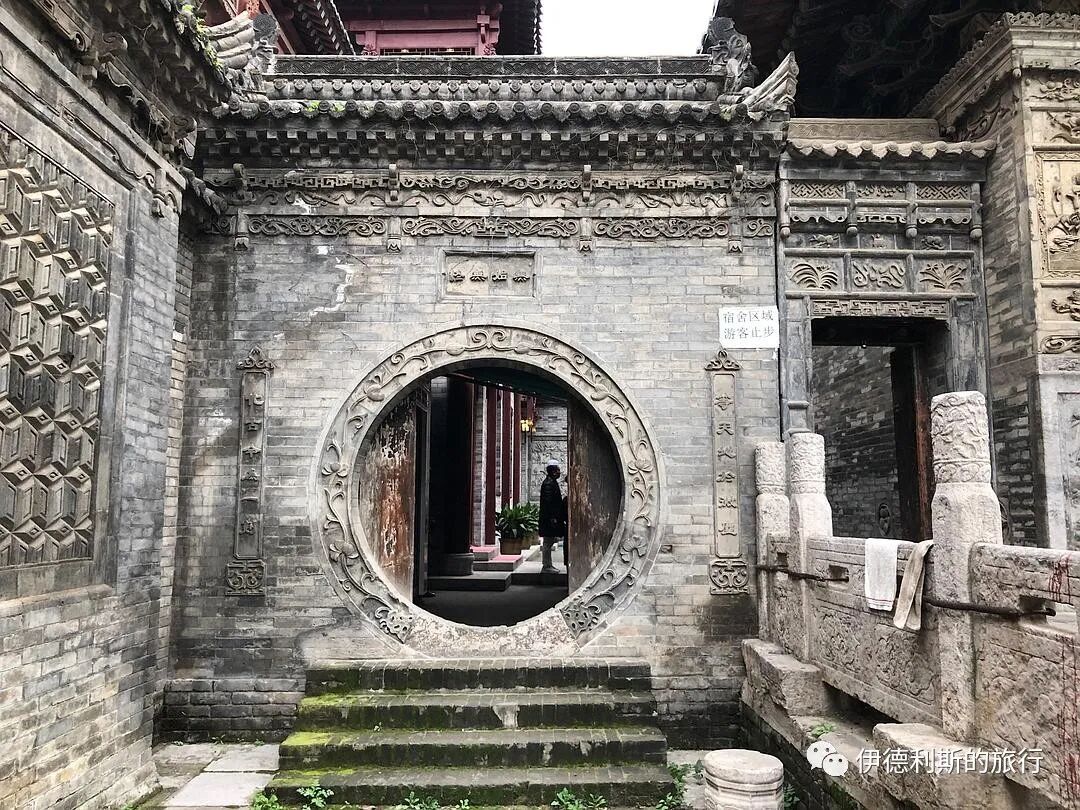
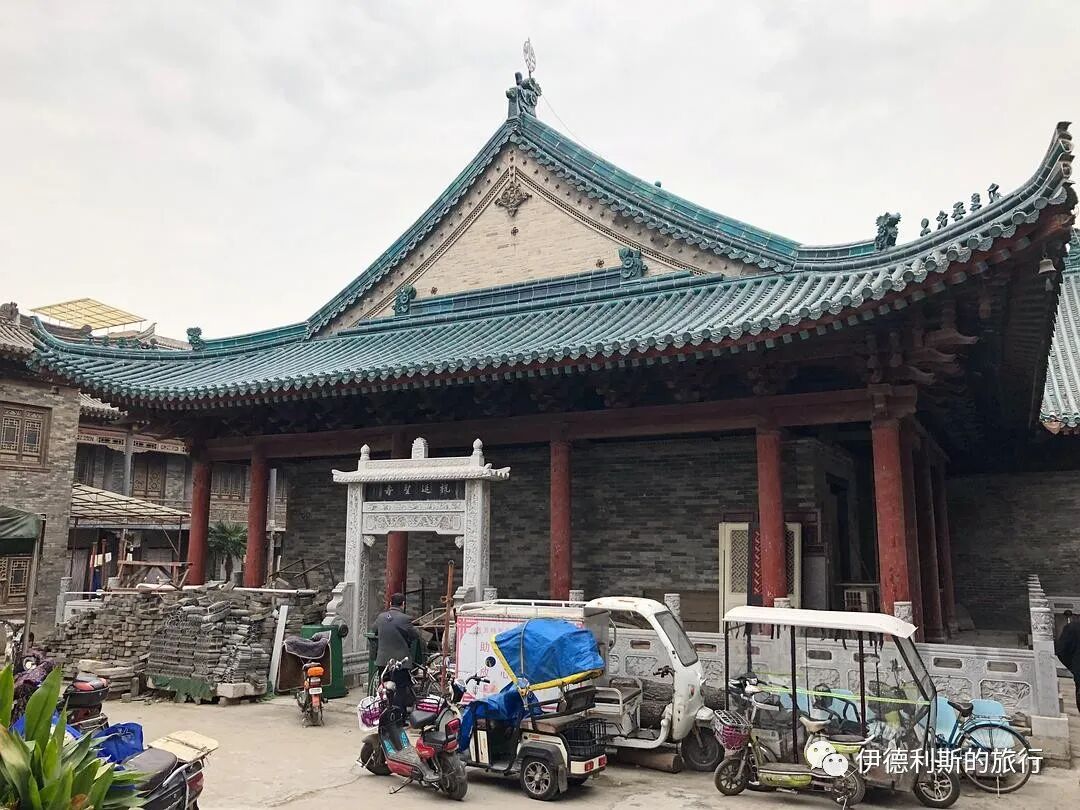
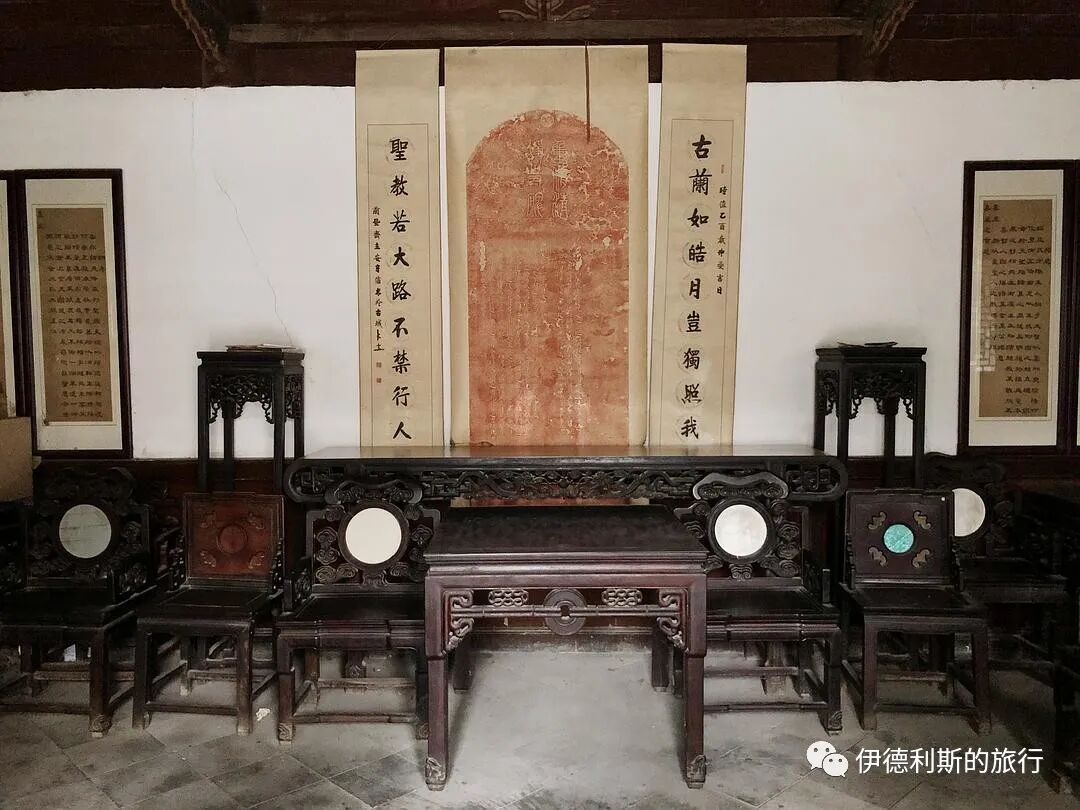
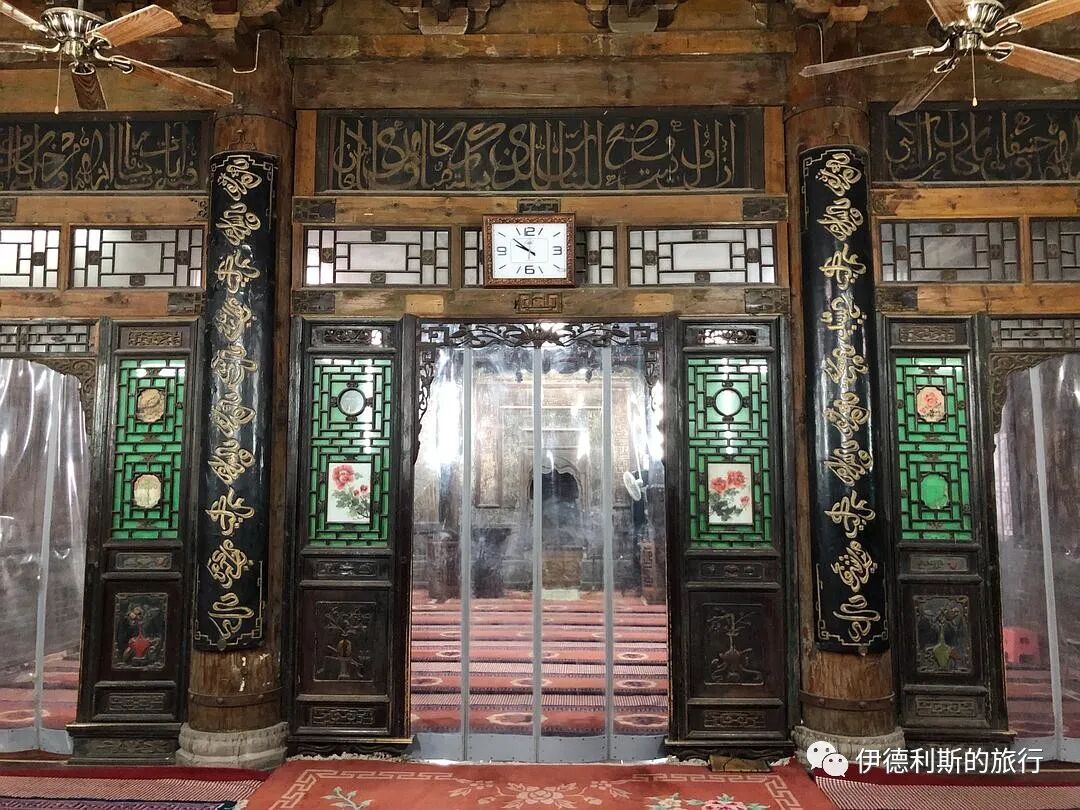
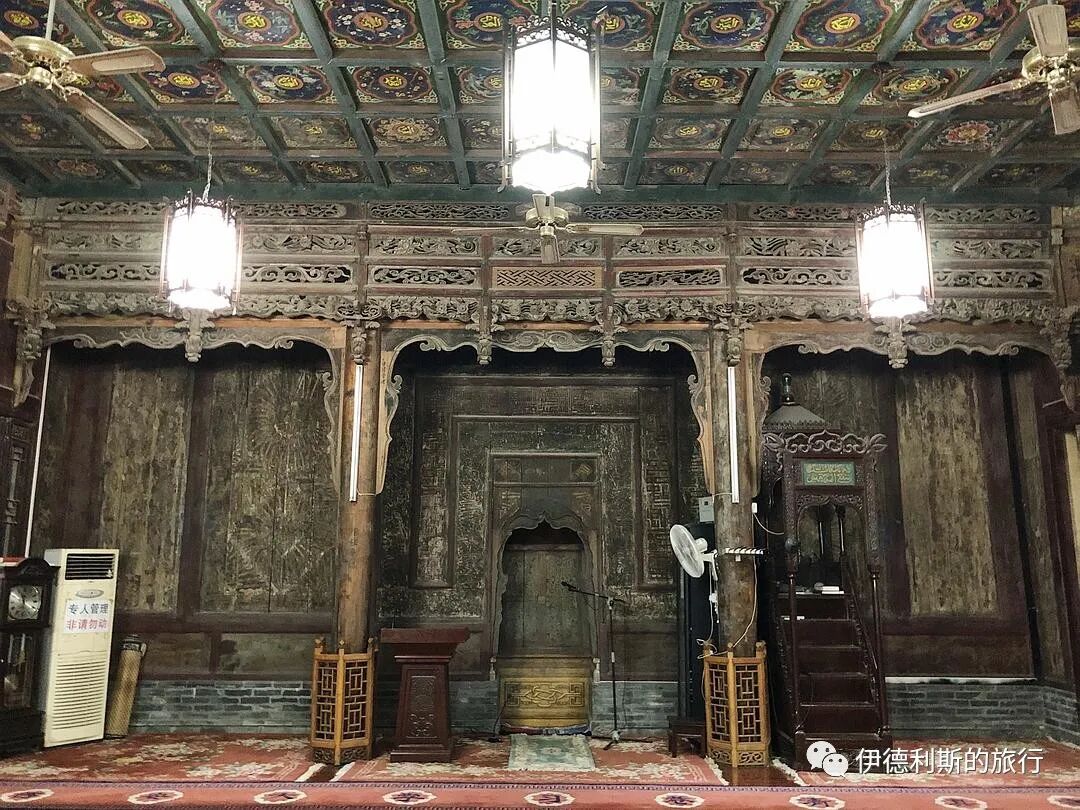
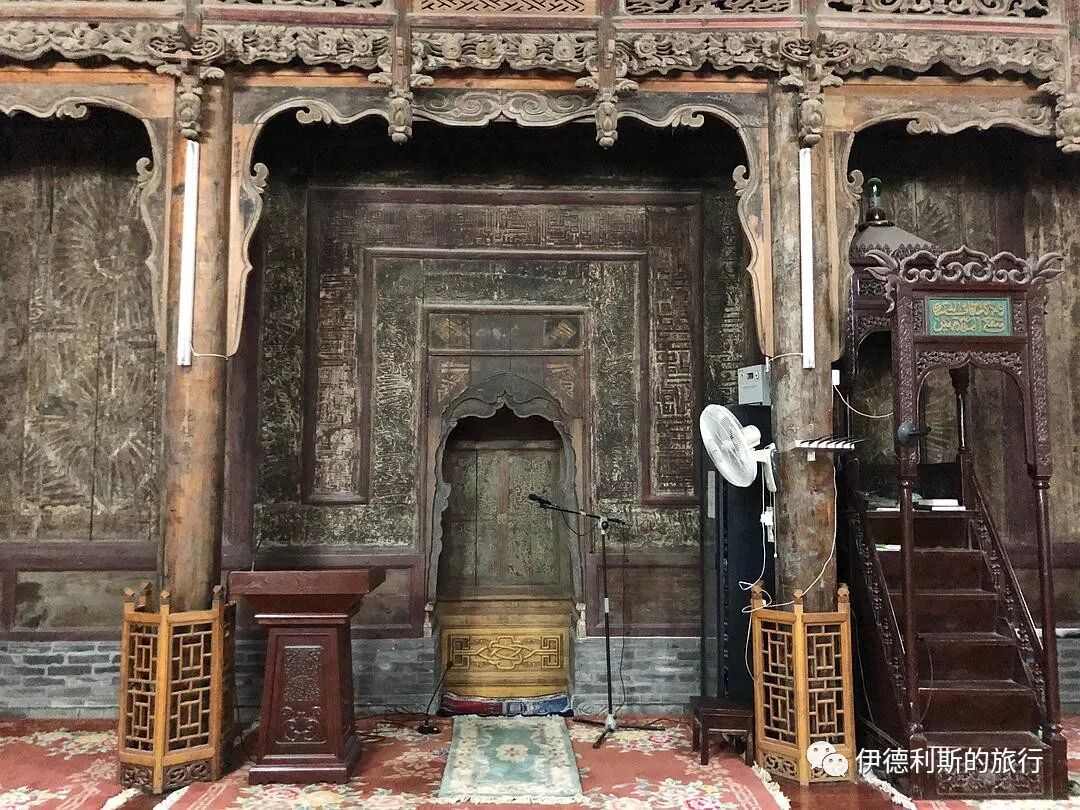
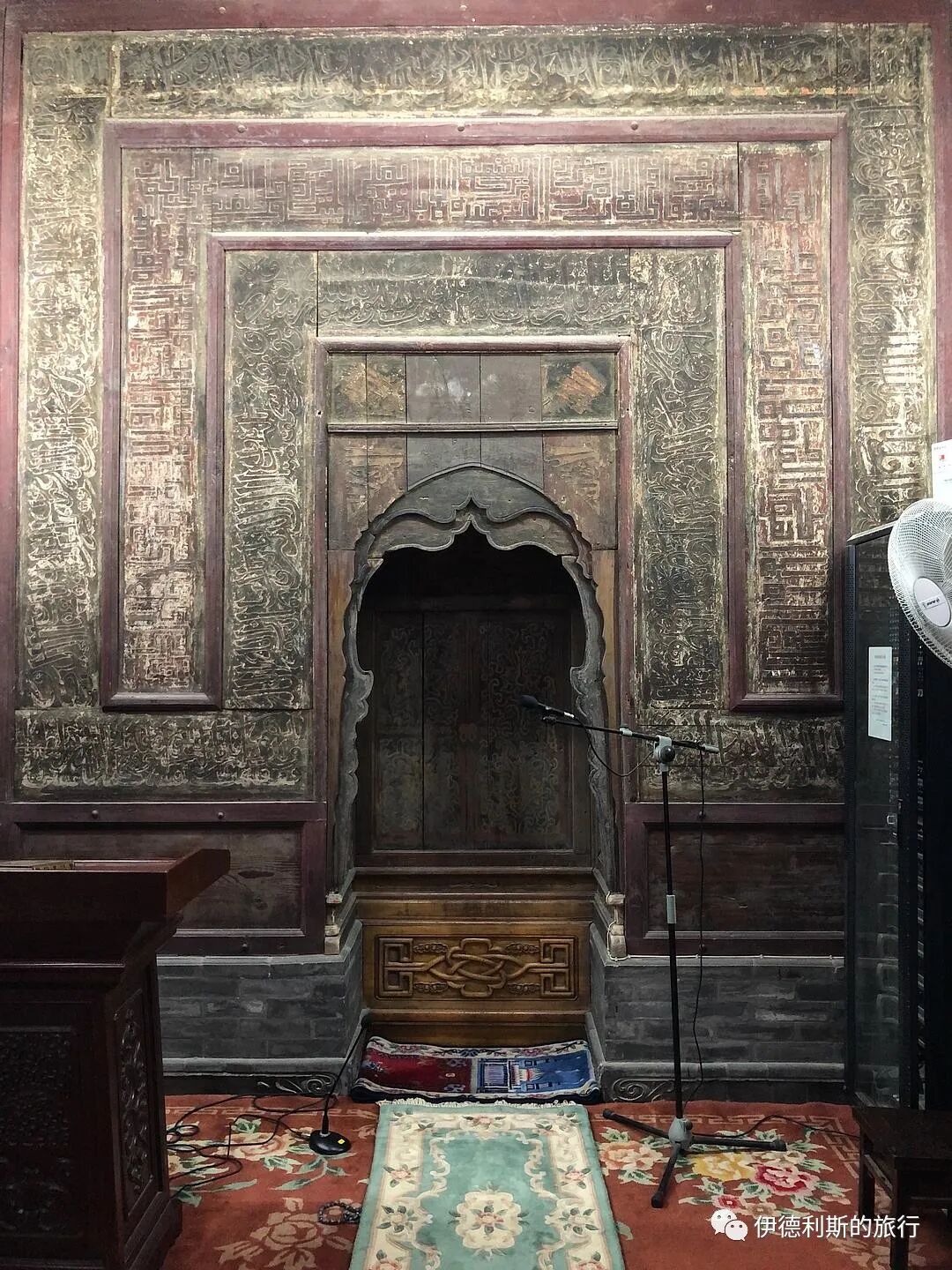
Interior of the main prayer hall
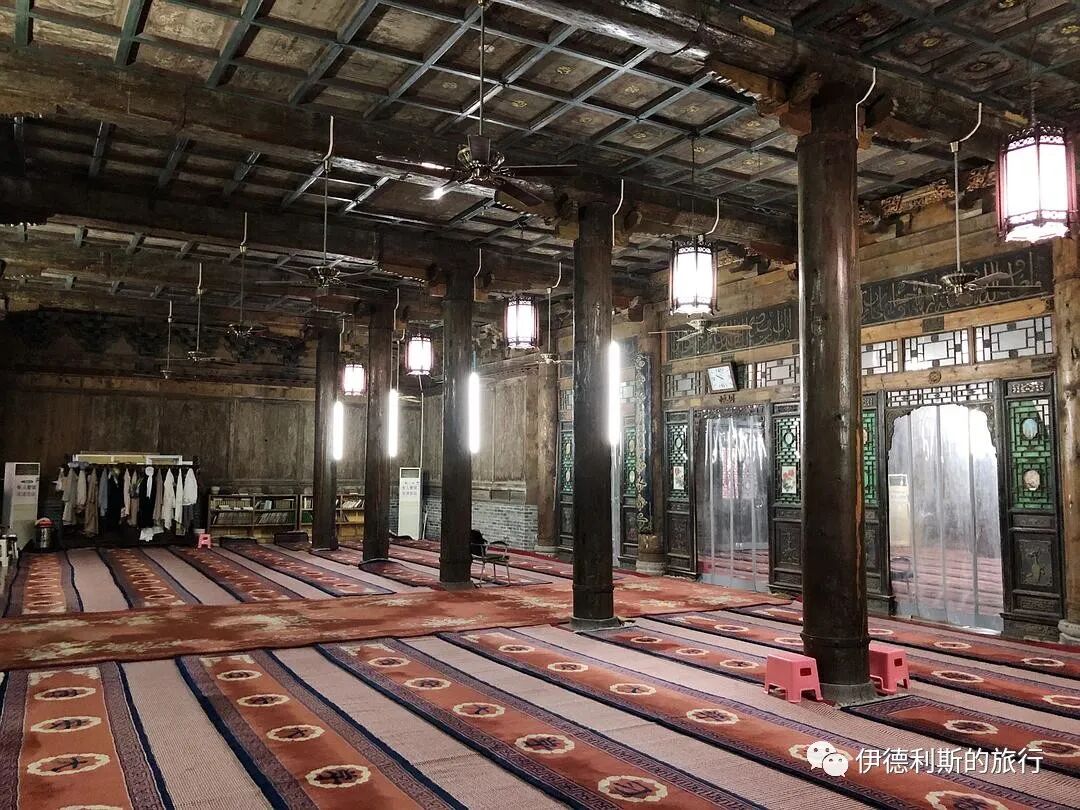
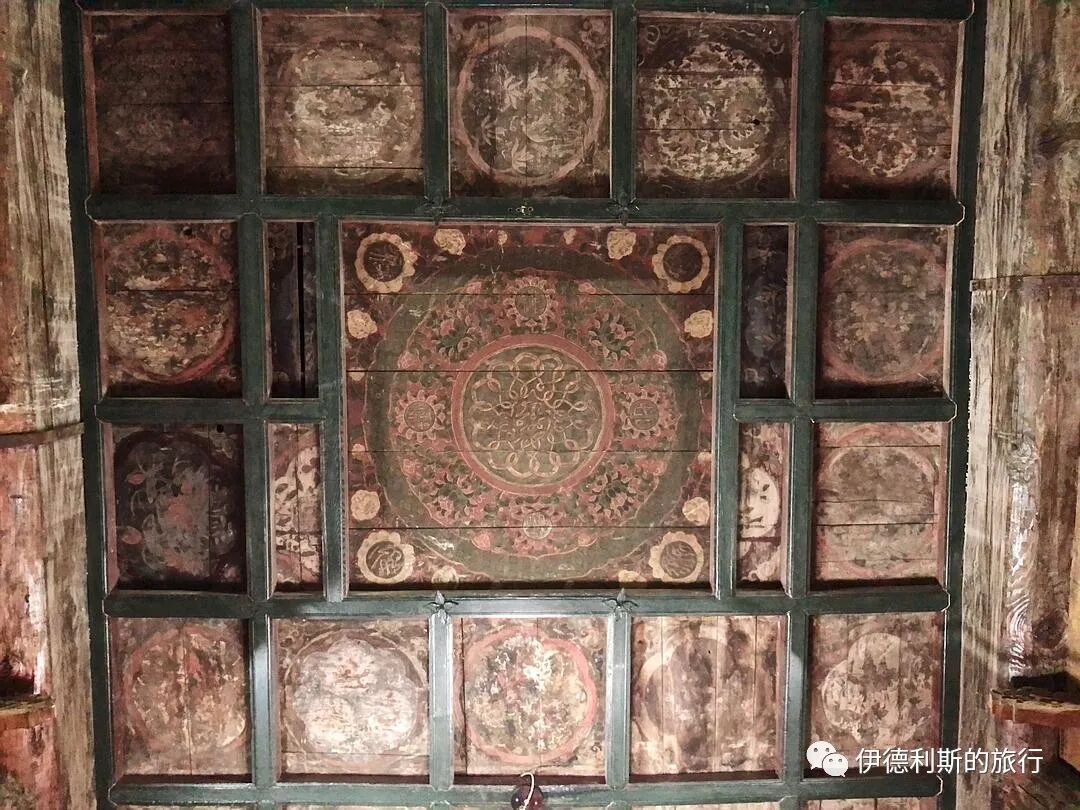
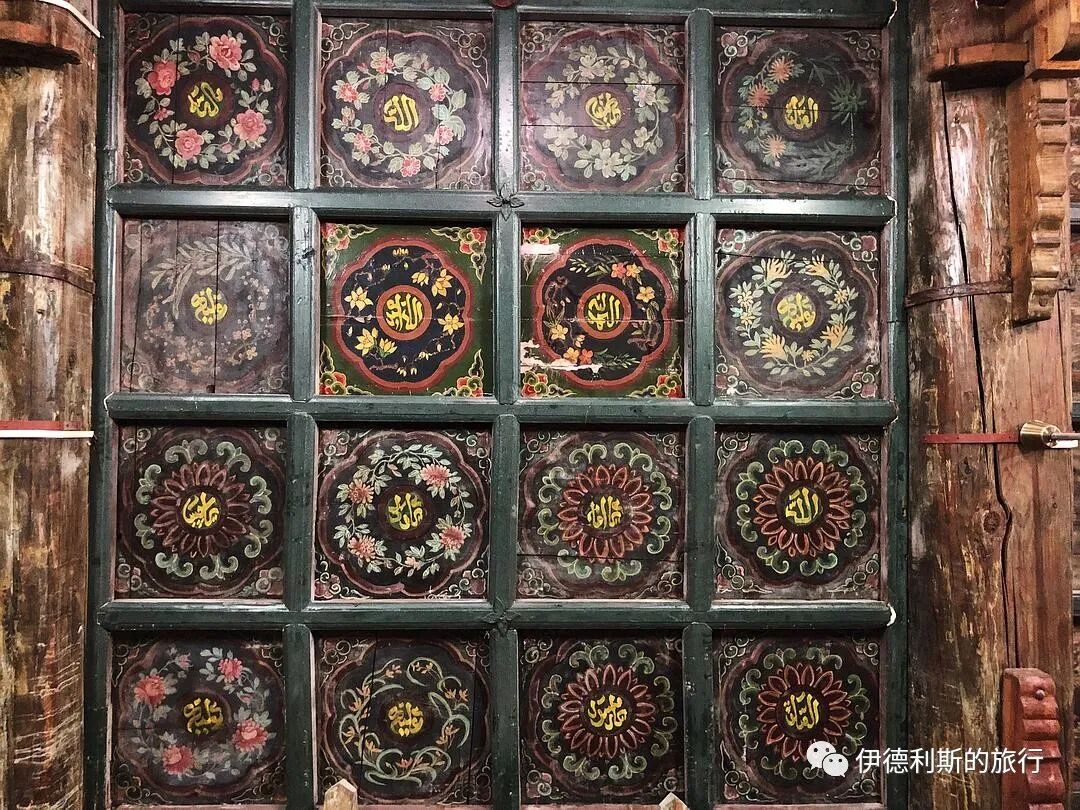
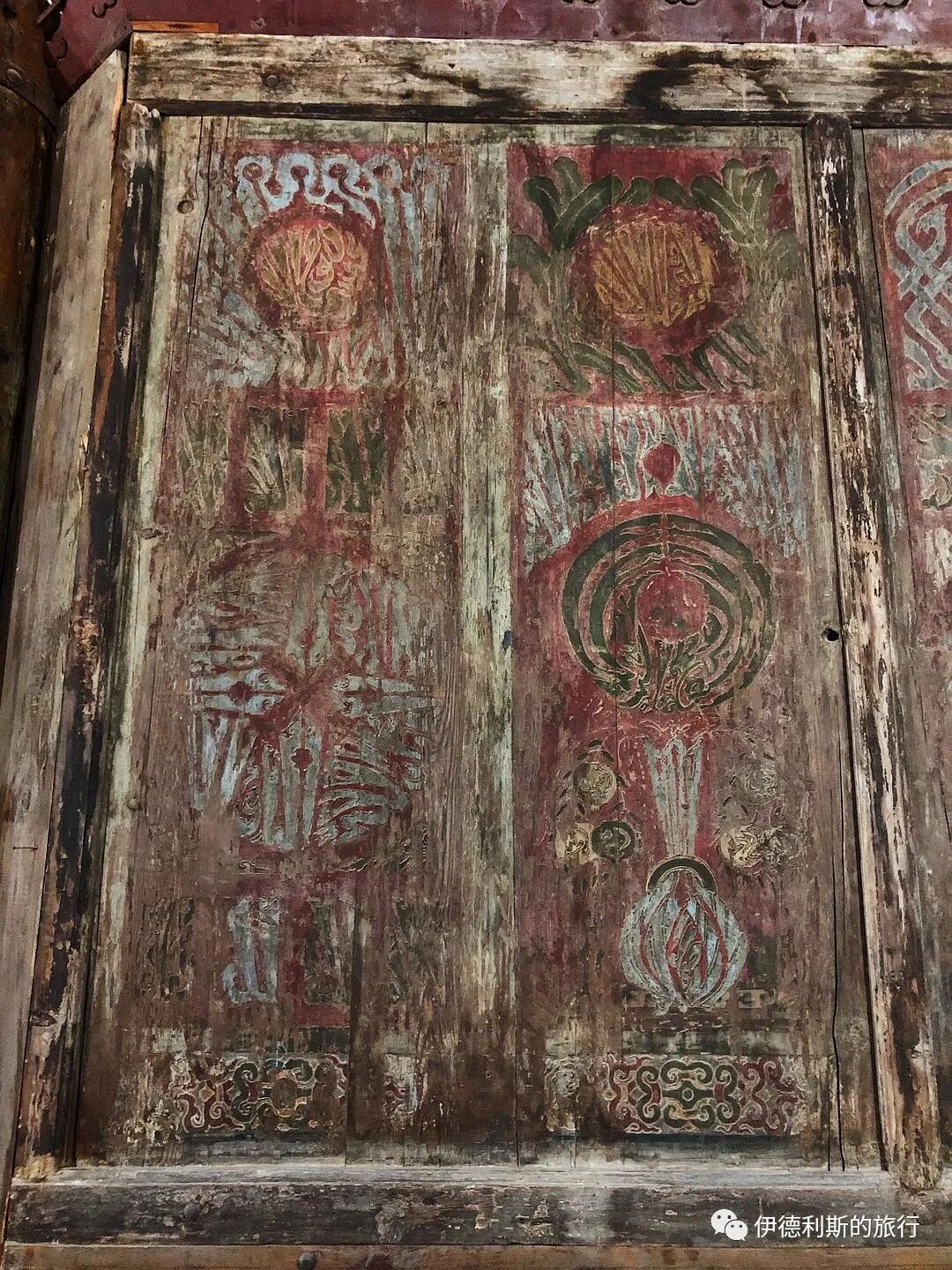
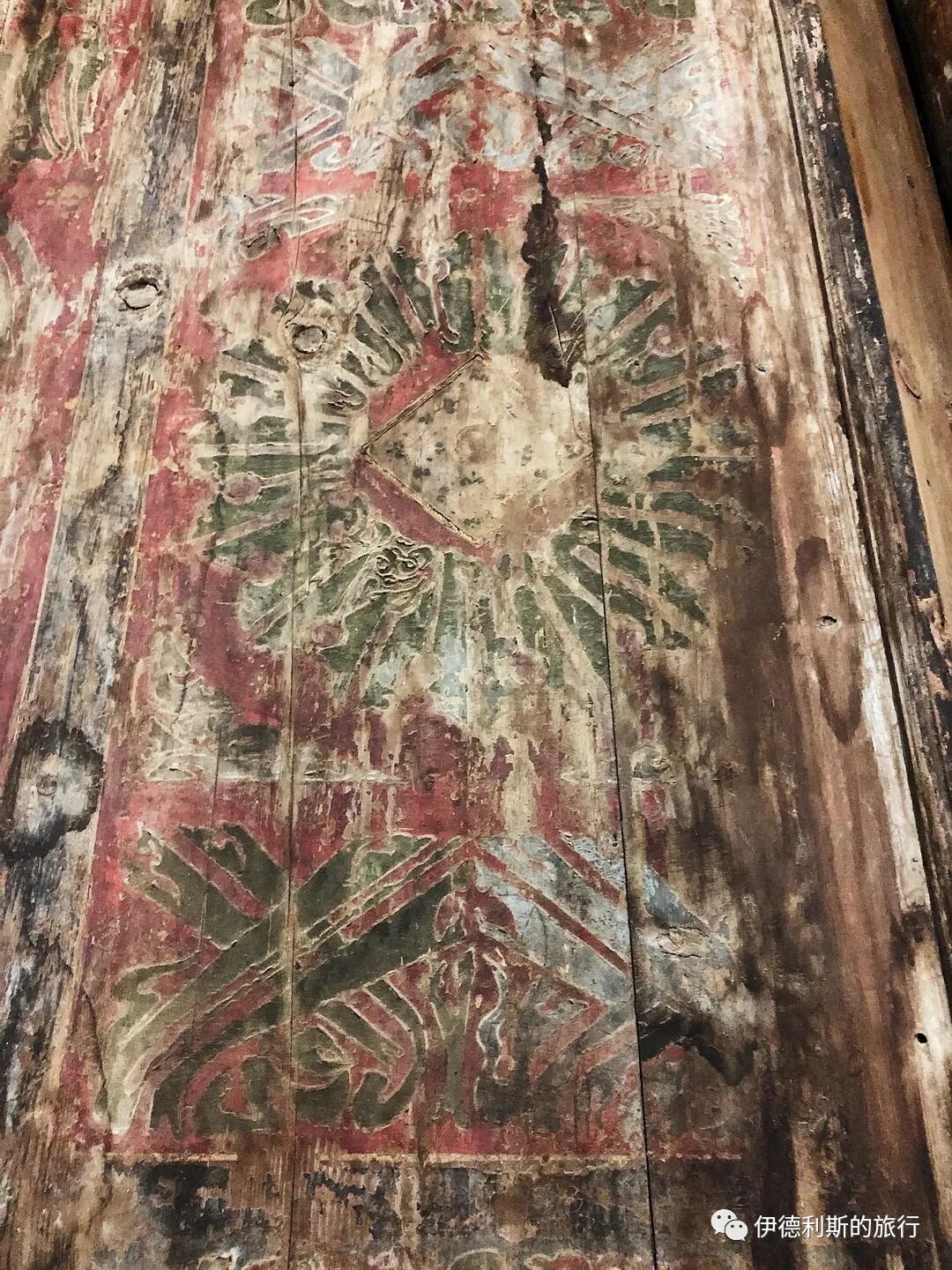
3. Xiaopiyuan Mosque: Renovated in 1611
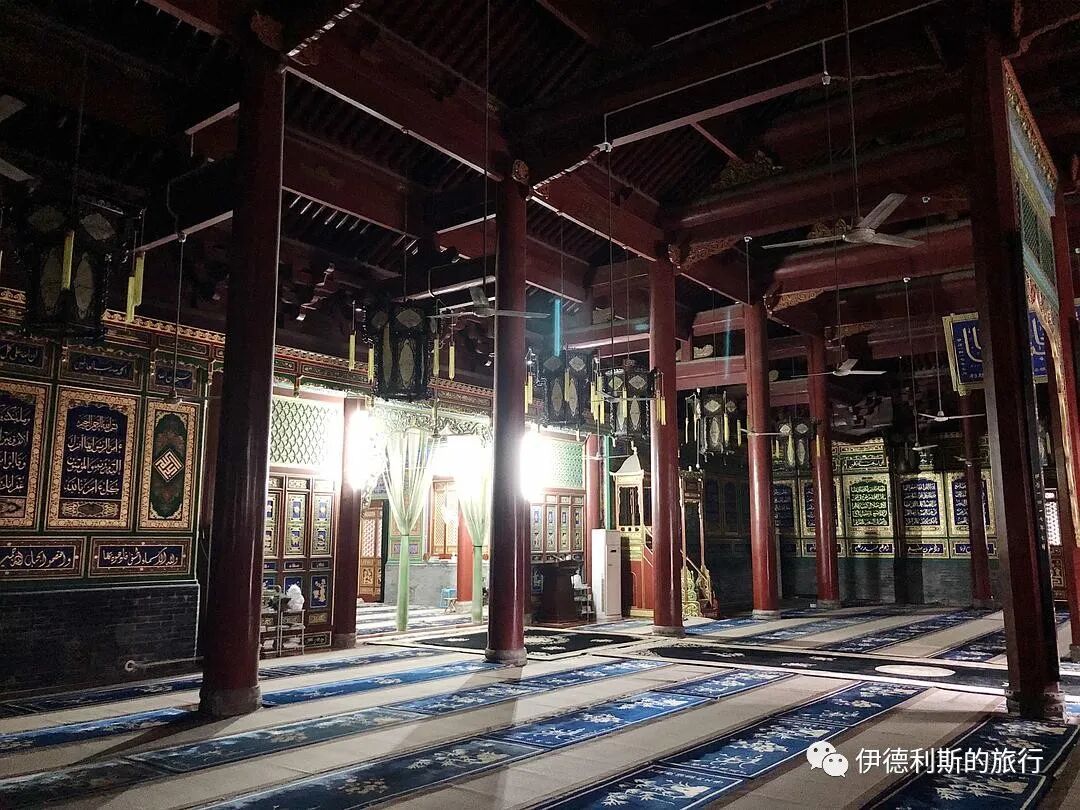
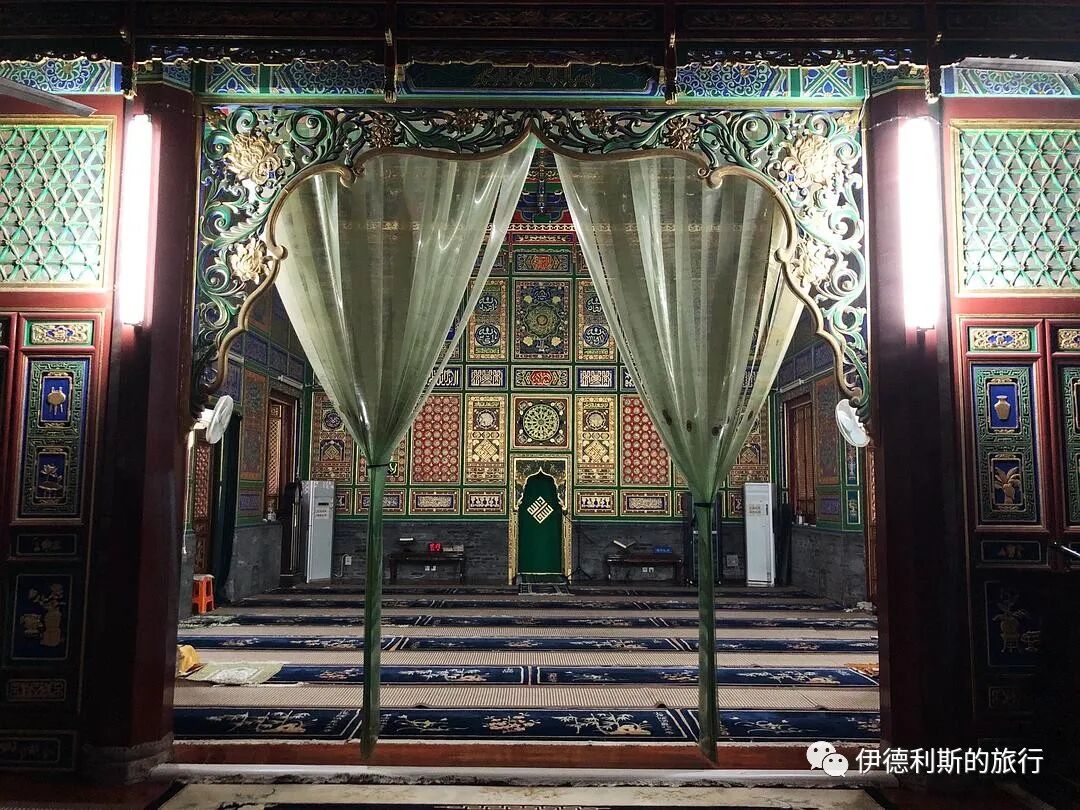
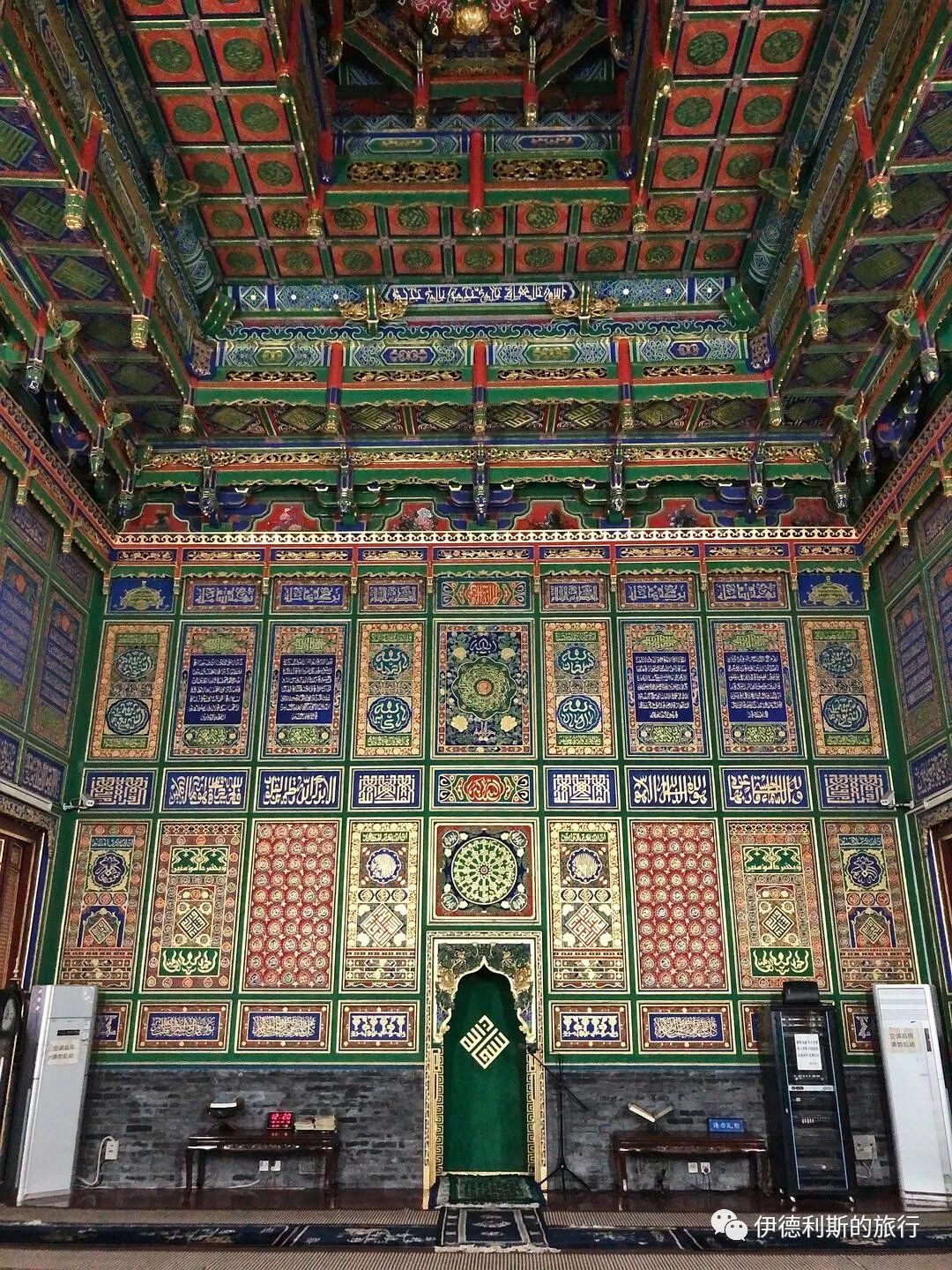
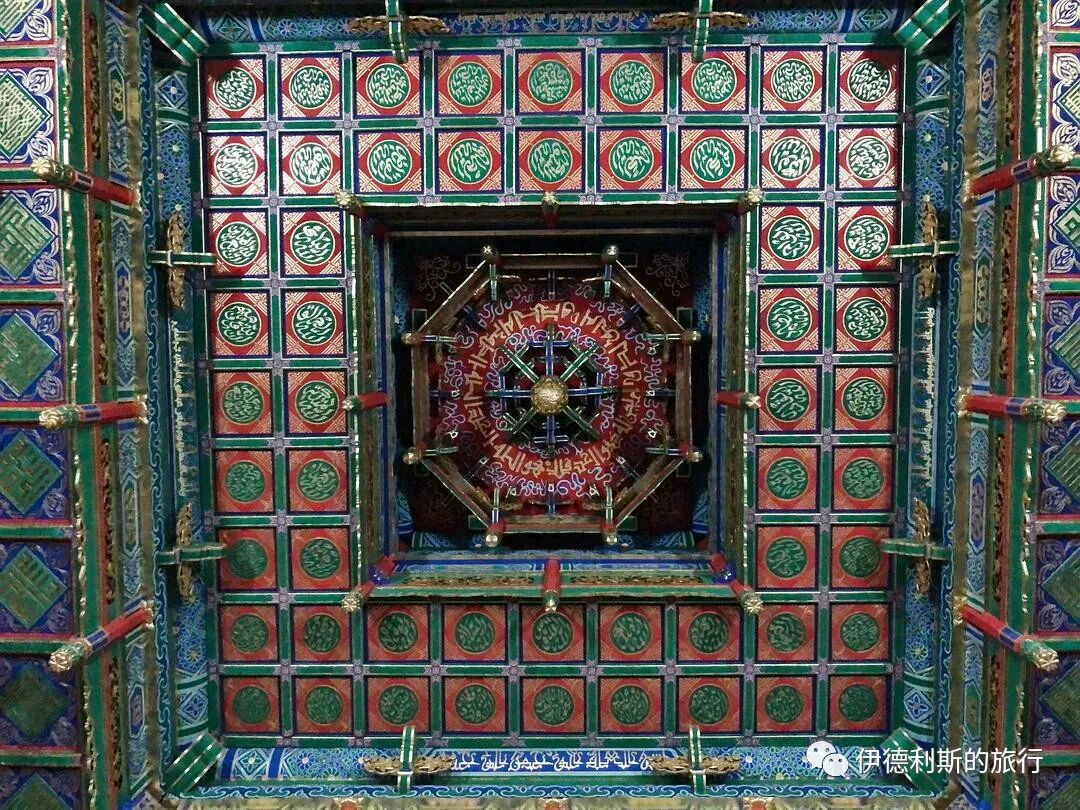
The Xiaopiyuan Mosque, also known as the "North Great Mosque," was renovated in 1611 (the 39th year of the Wanli reign of the Ming Dynasty) and is divided into four courtyards. Passing through the second and third courtyards from the "Second Gate" and "Lian-San Gate," one can reach the bluestone imperial path covered by a stone-carved shade shed.
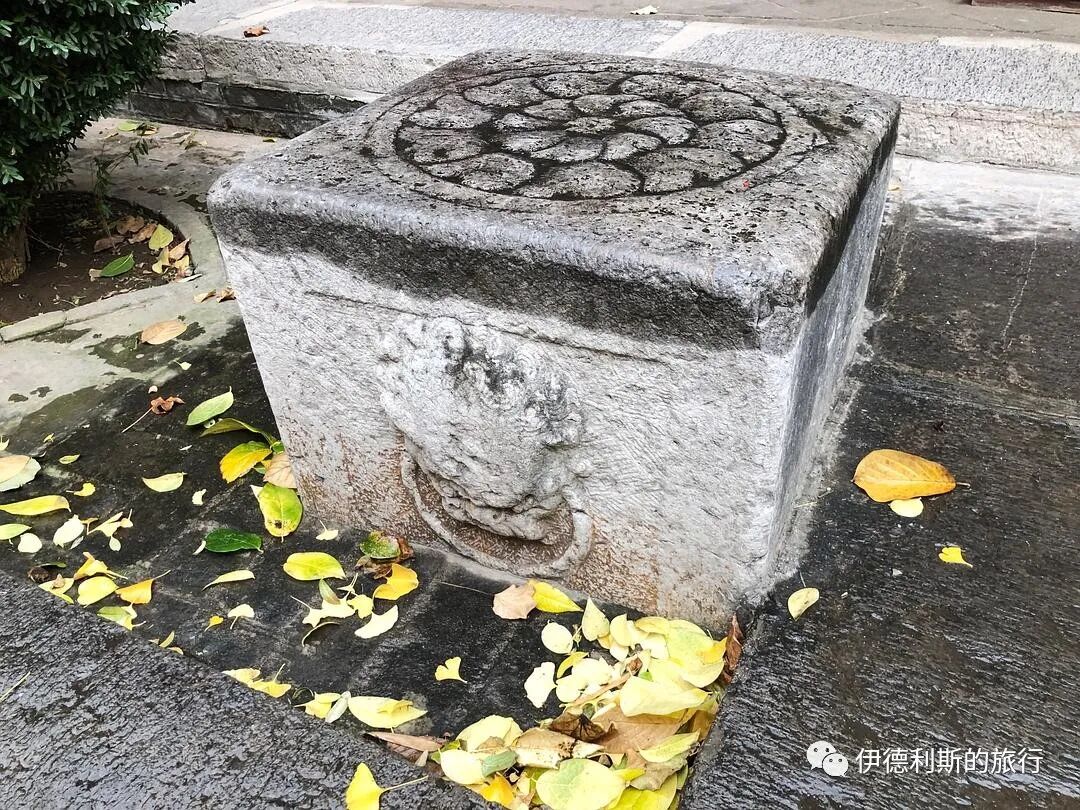
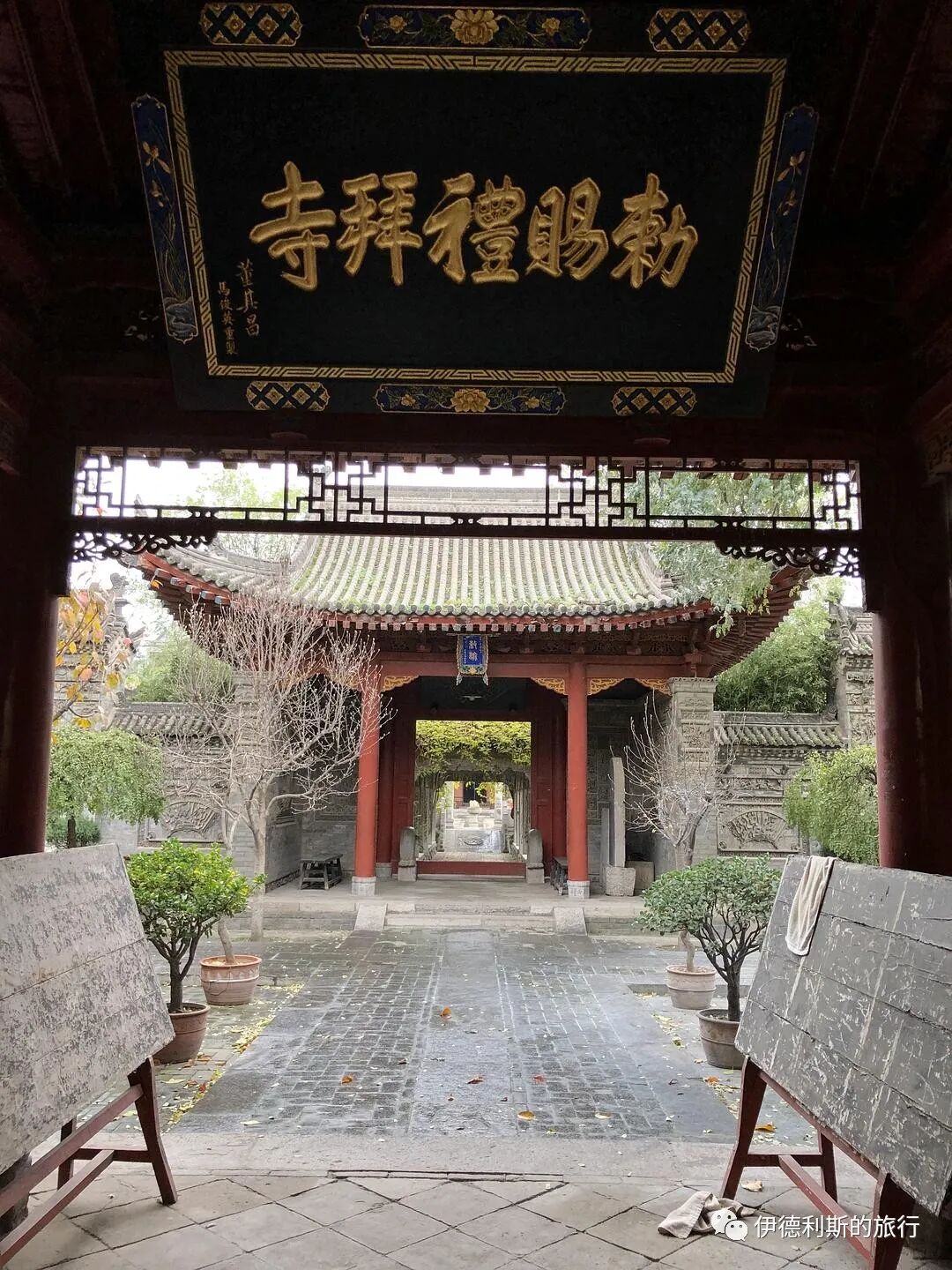
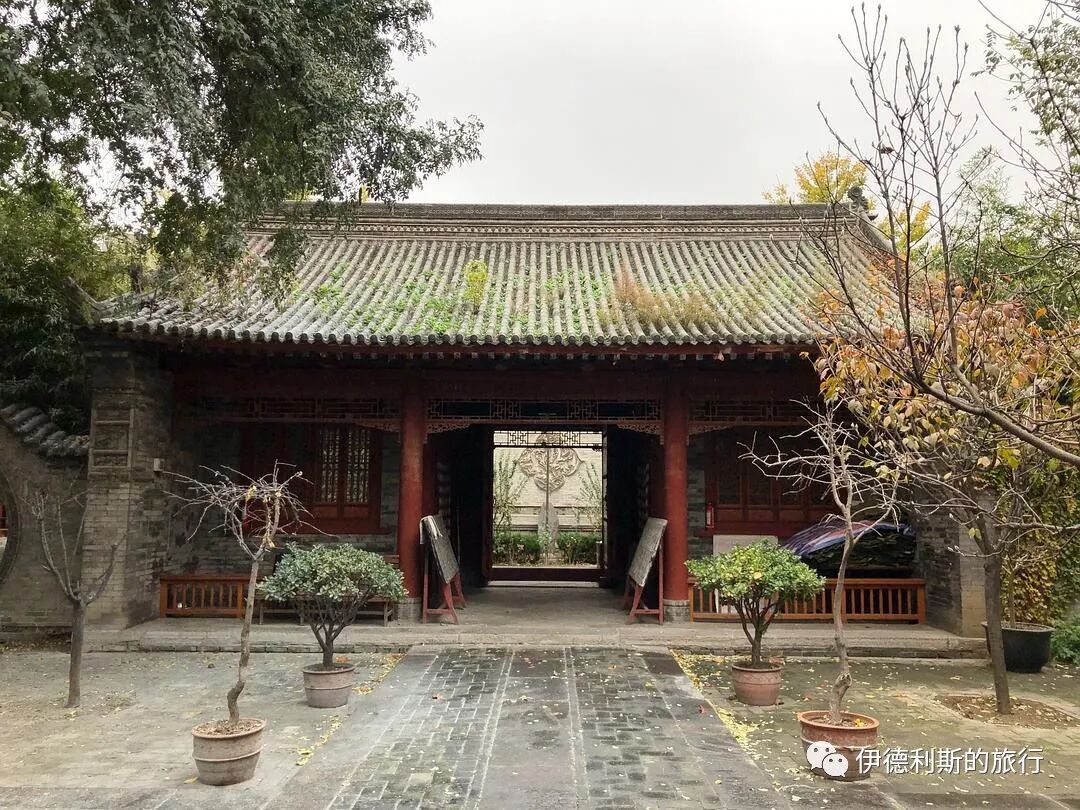
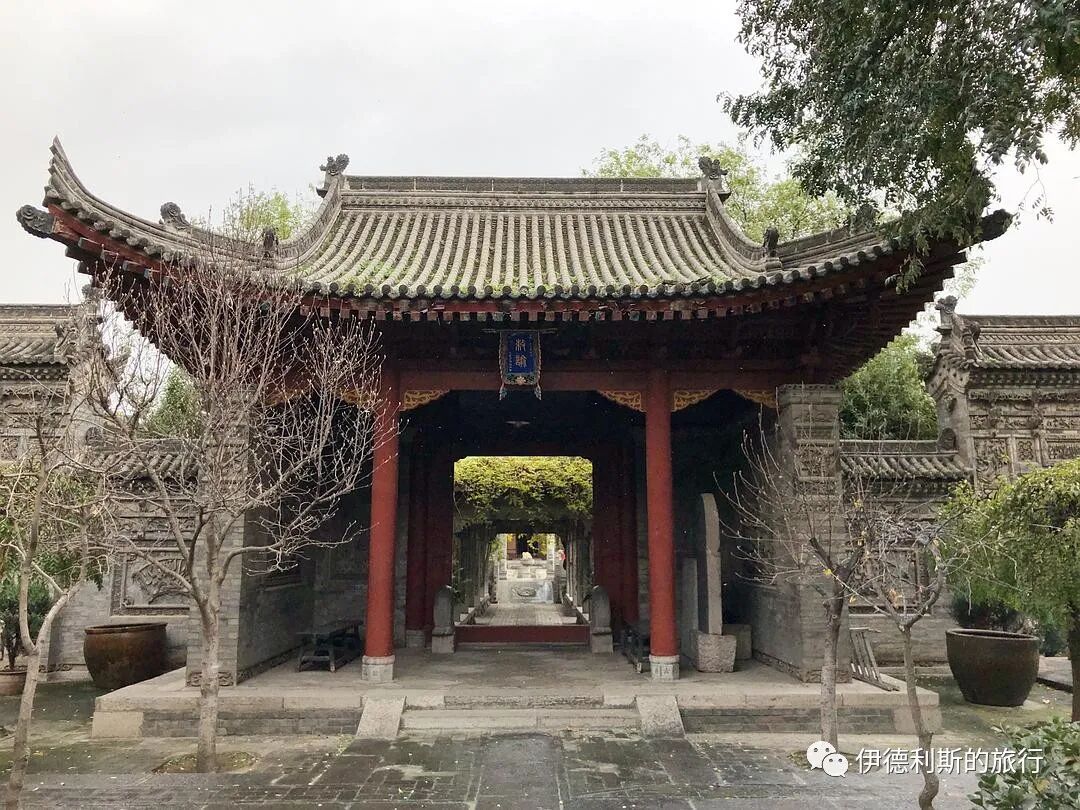
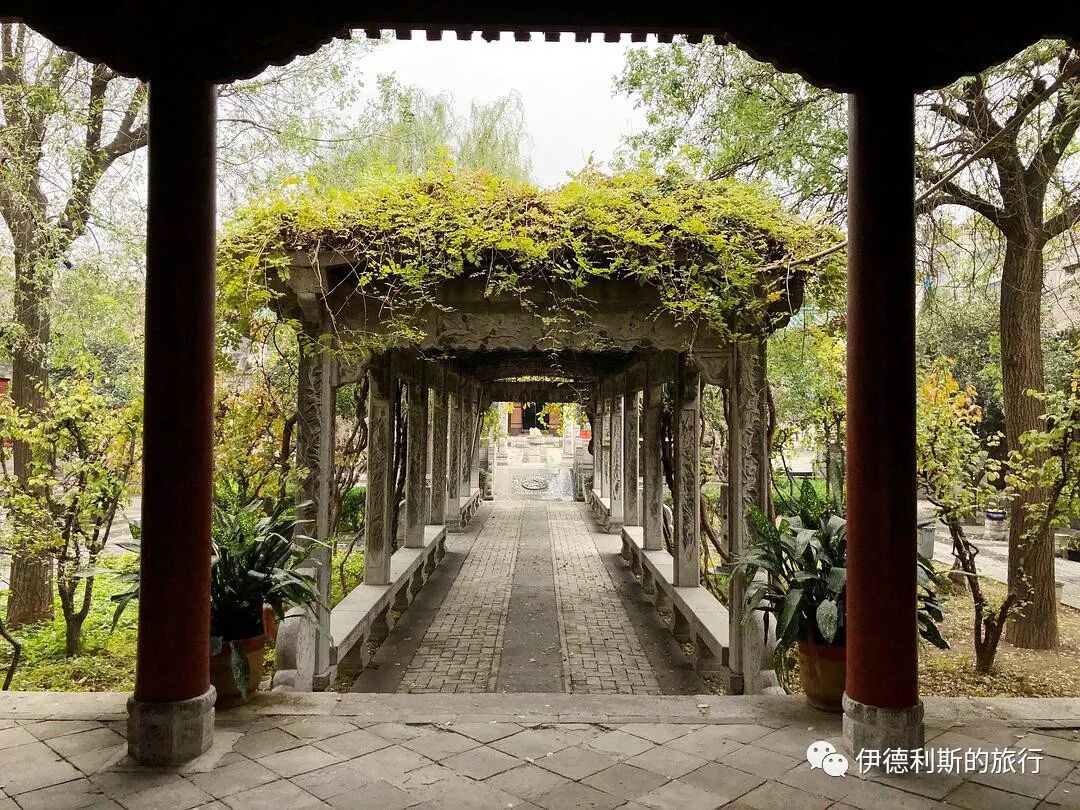
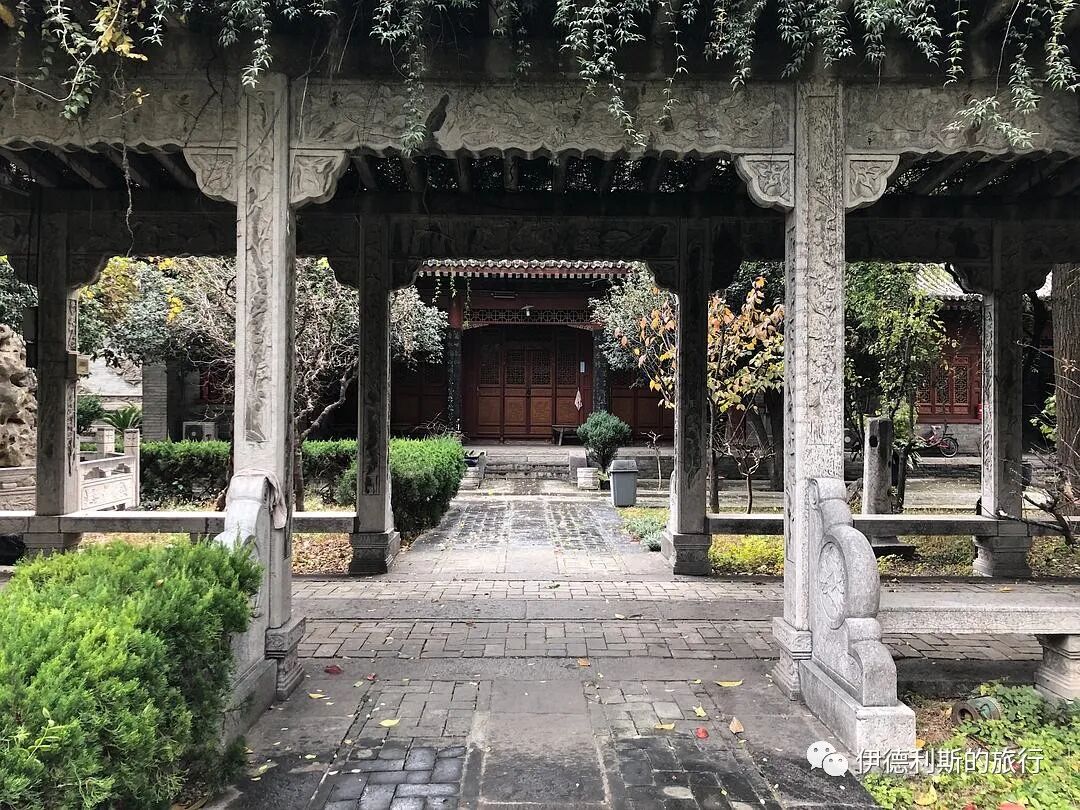
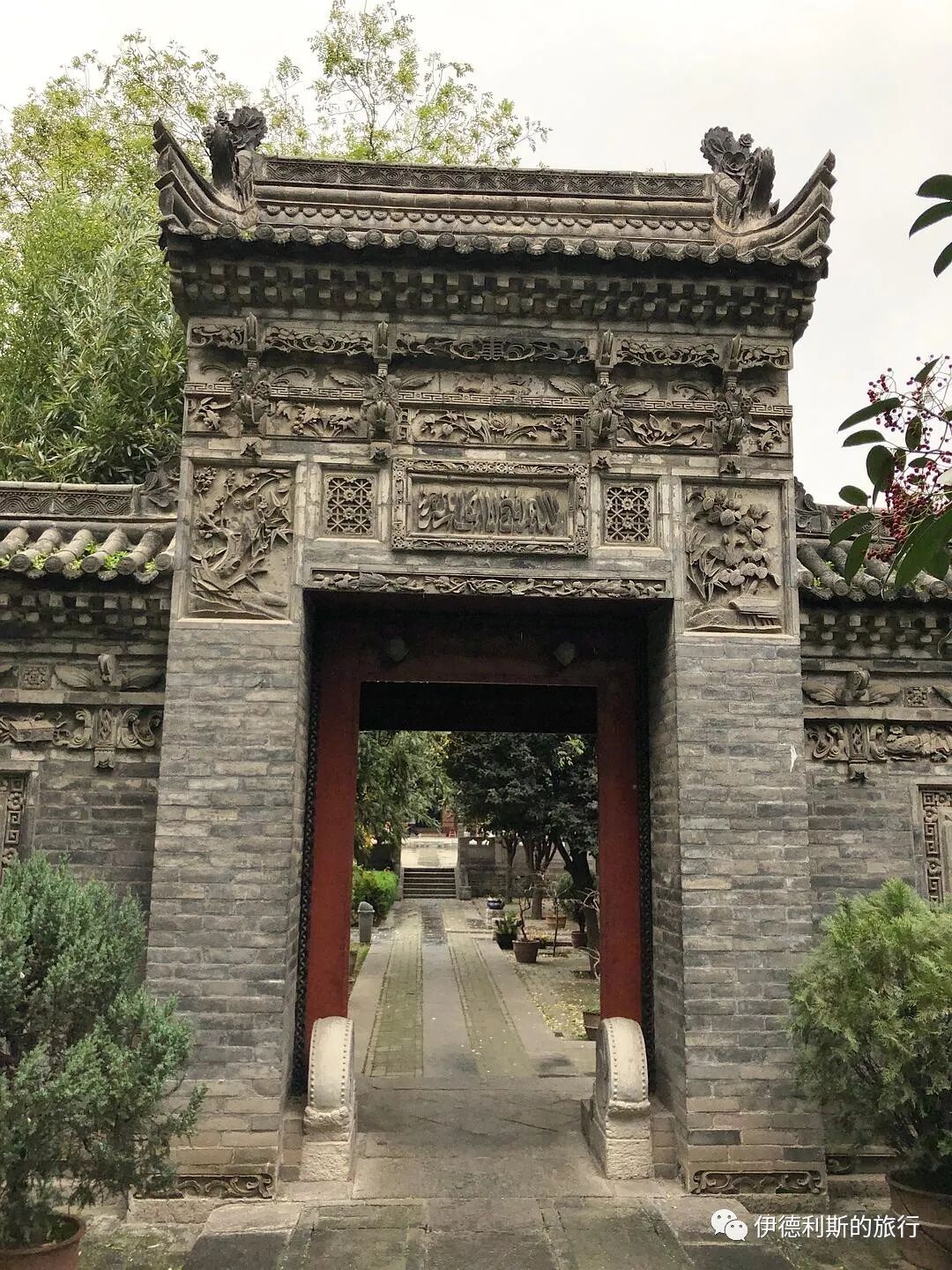
Walking to the end of the imperial path is a coiled dragon stone slope, above which is a stone memorial archway. After entering, there is a large moon terrace paved with large square blue bricks, on which a "Pin"-shaped main prayer hall is built.
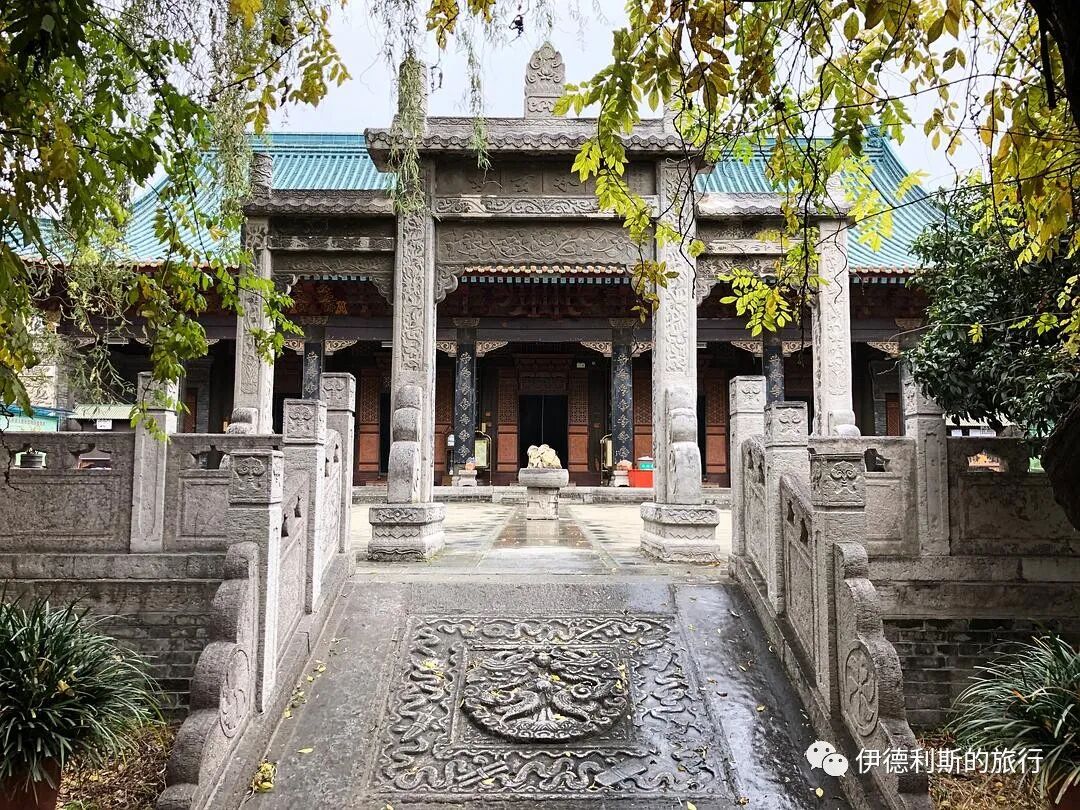
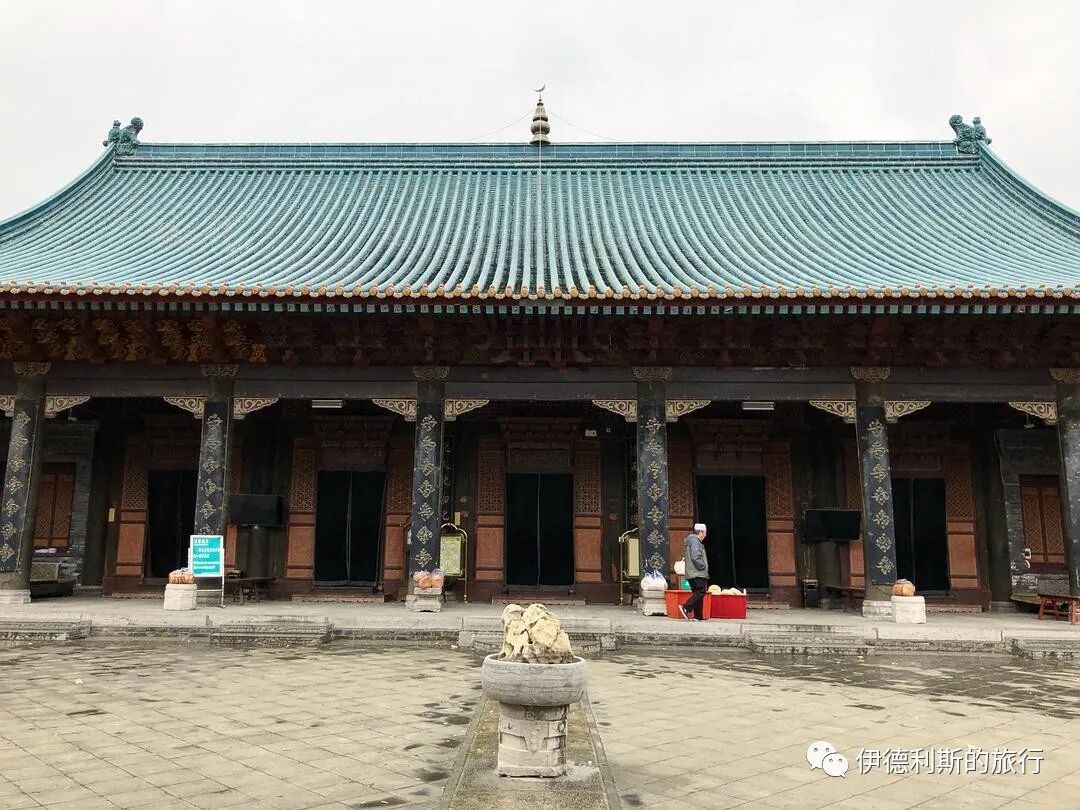
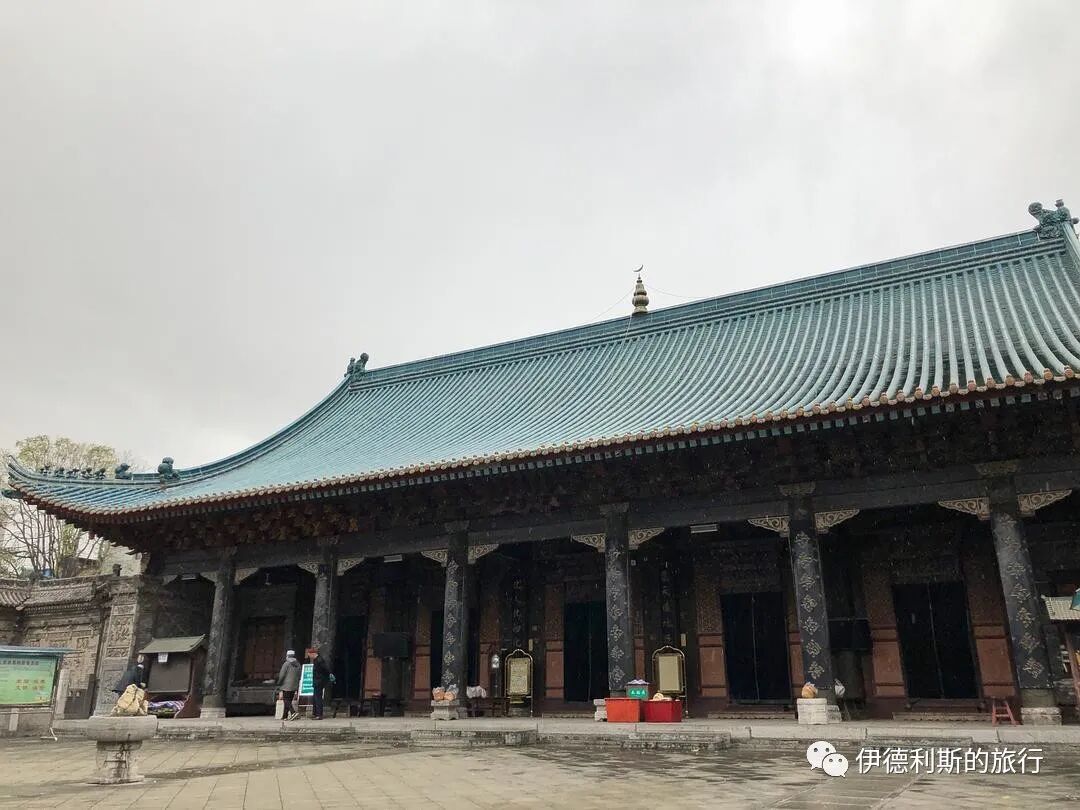
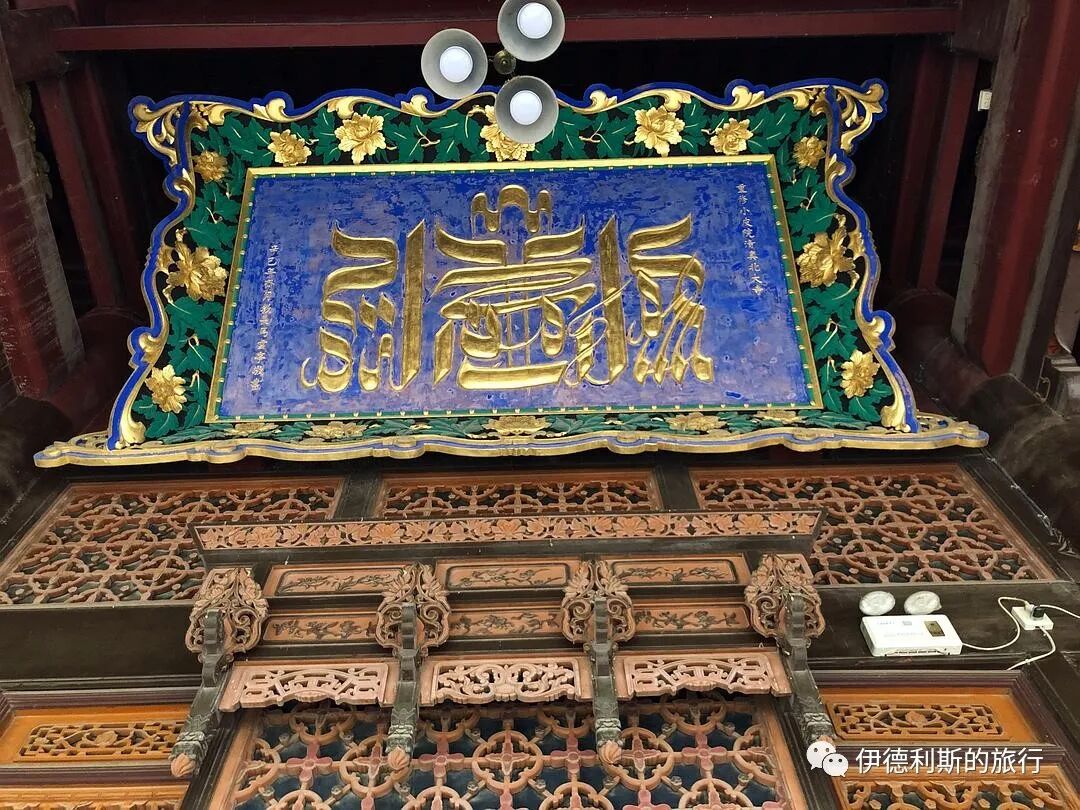
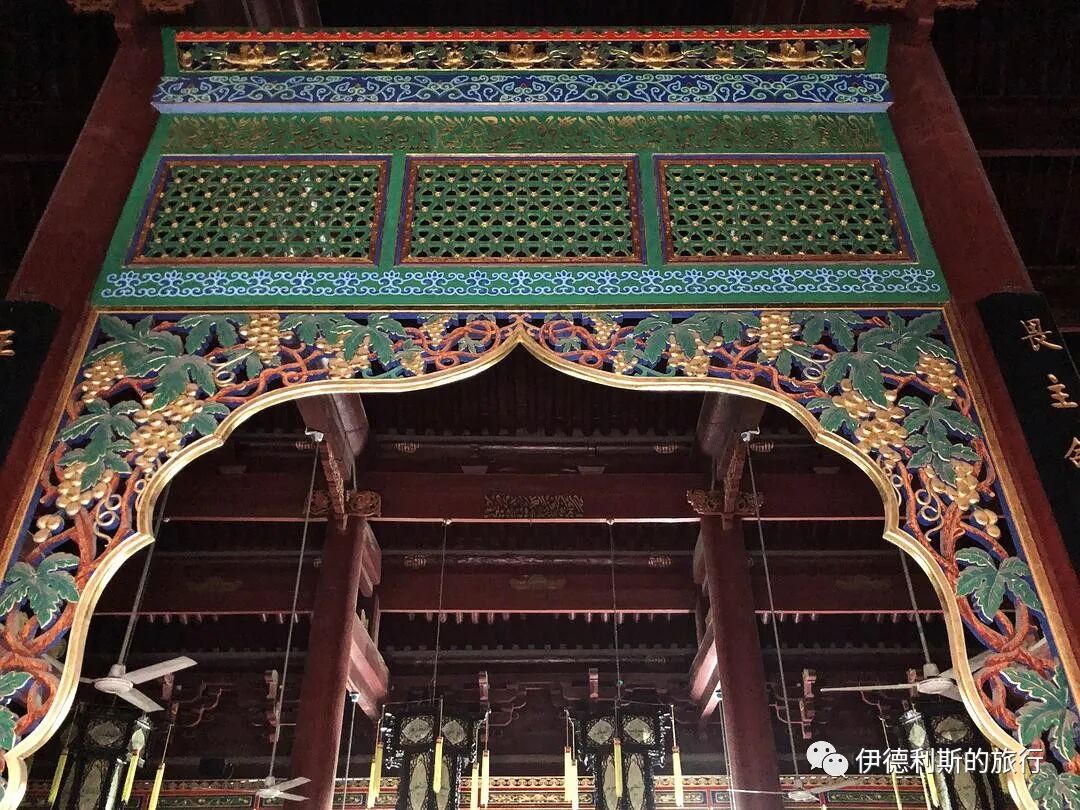
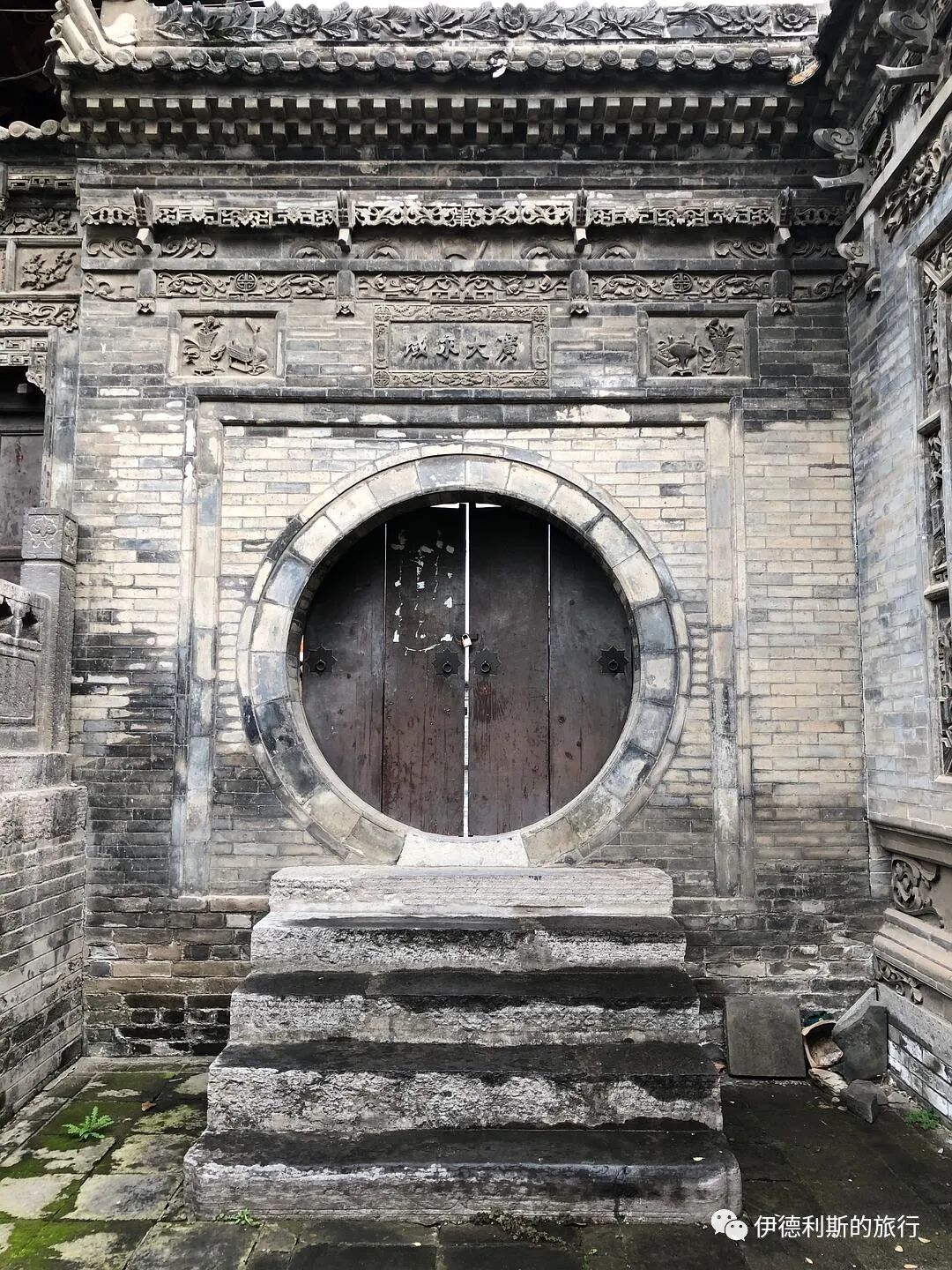
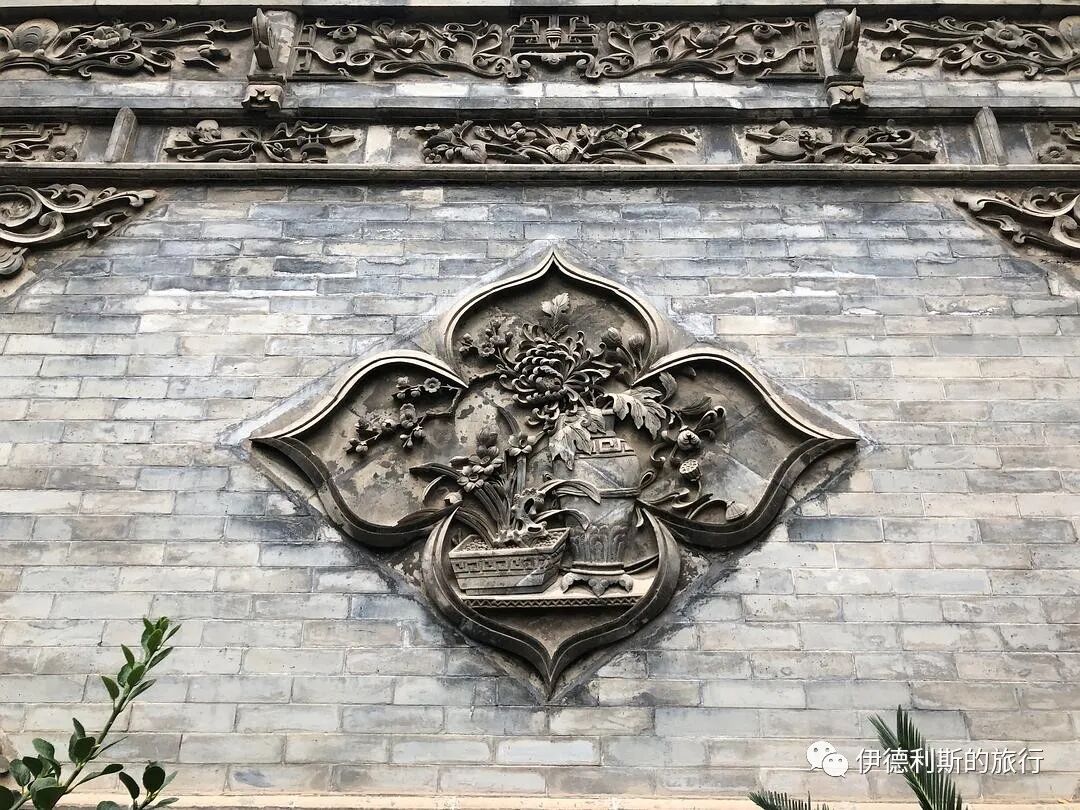
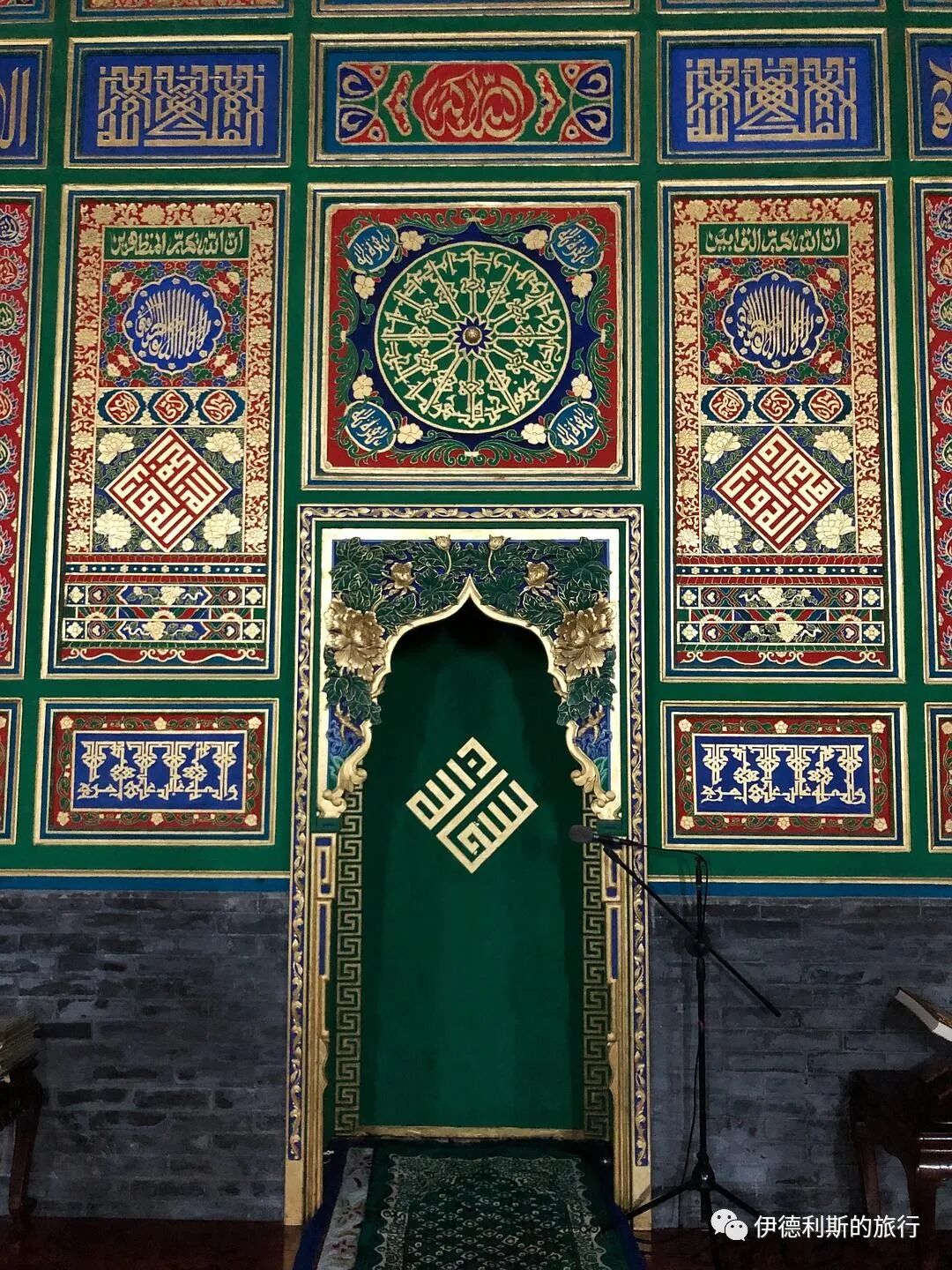
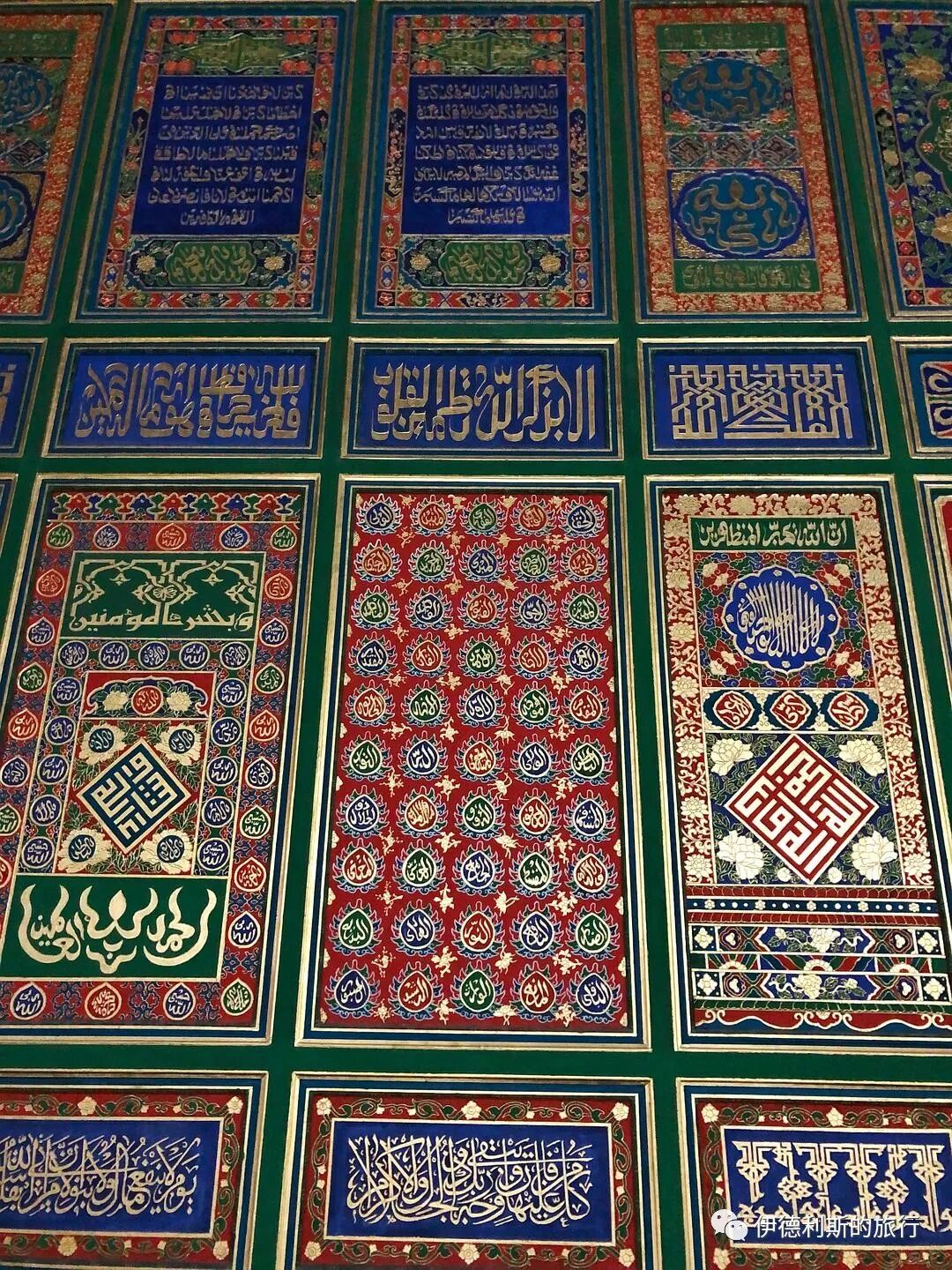
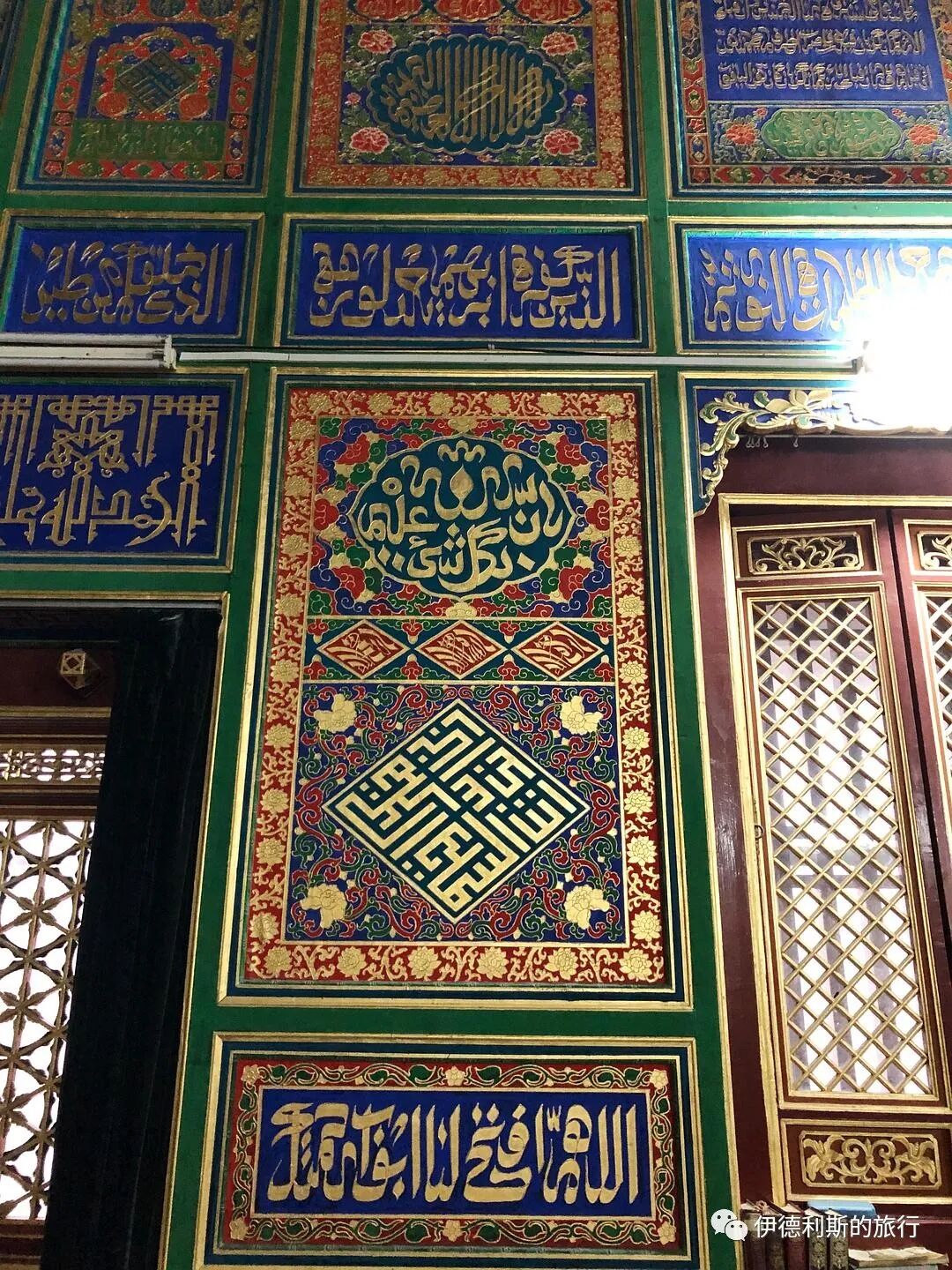
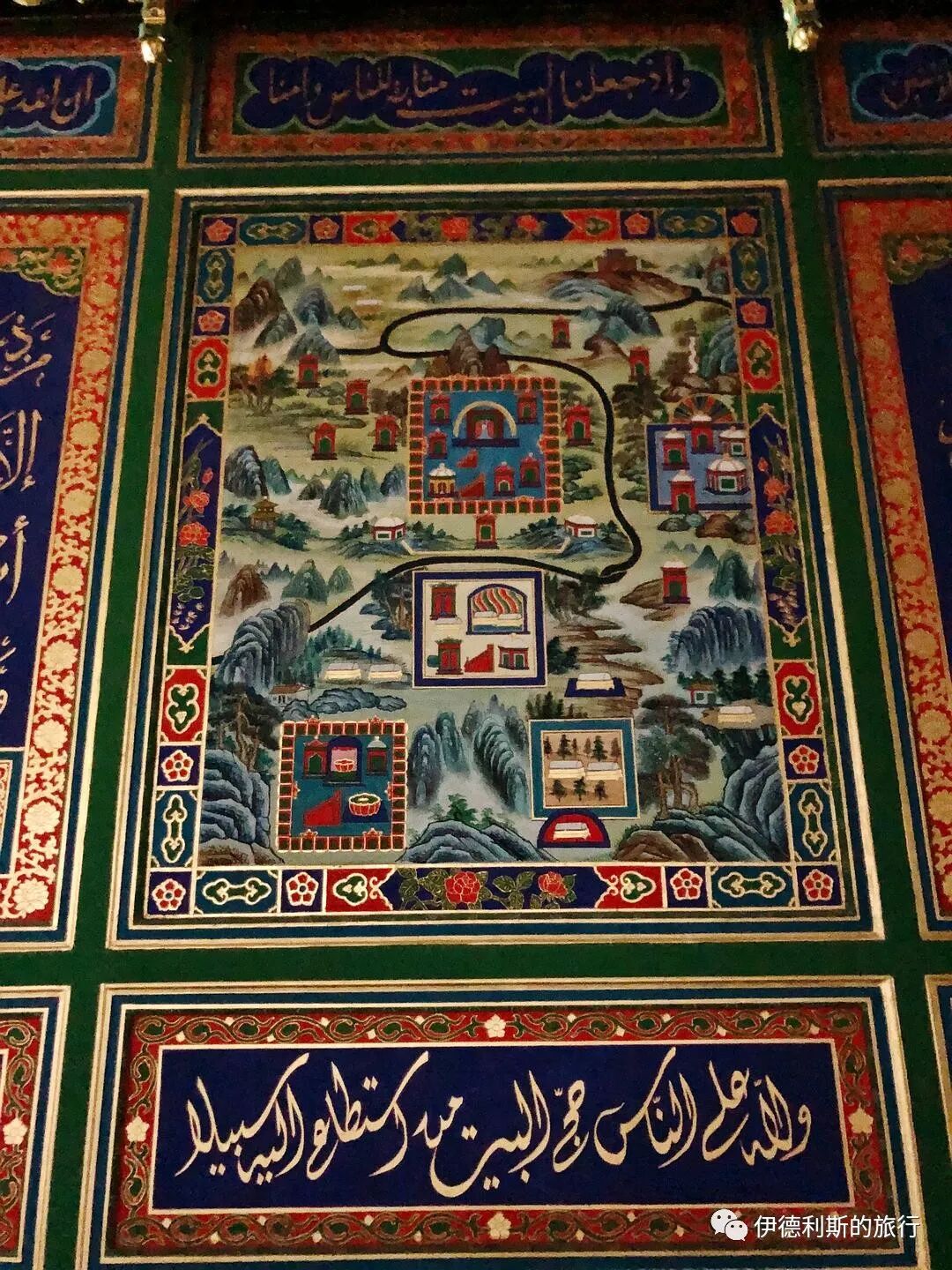
Interior of the Xiaopiyuan Mosque main prayer hall. In the 1930s, there was a Japanese bombing, and a bomb fell on the main prayer hall, but fortunately, it was a dud. Between 1960 and 1970, the entire mosque was demolished, and only the main prayer hall survived. I still want to express that every historical building we see that has been preserved to this day is truly rare, truly rare.
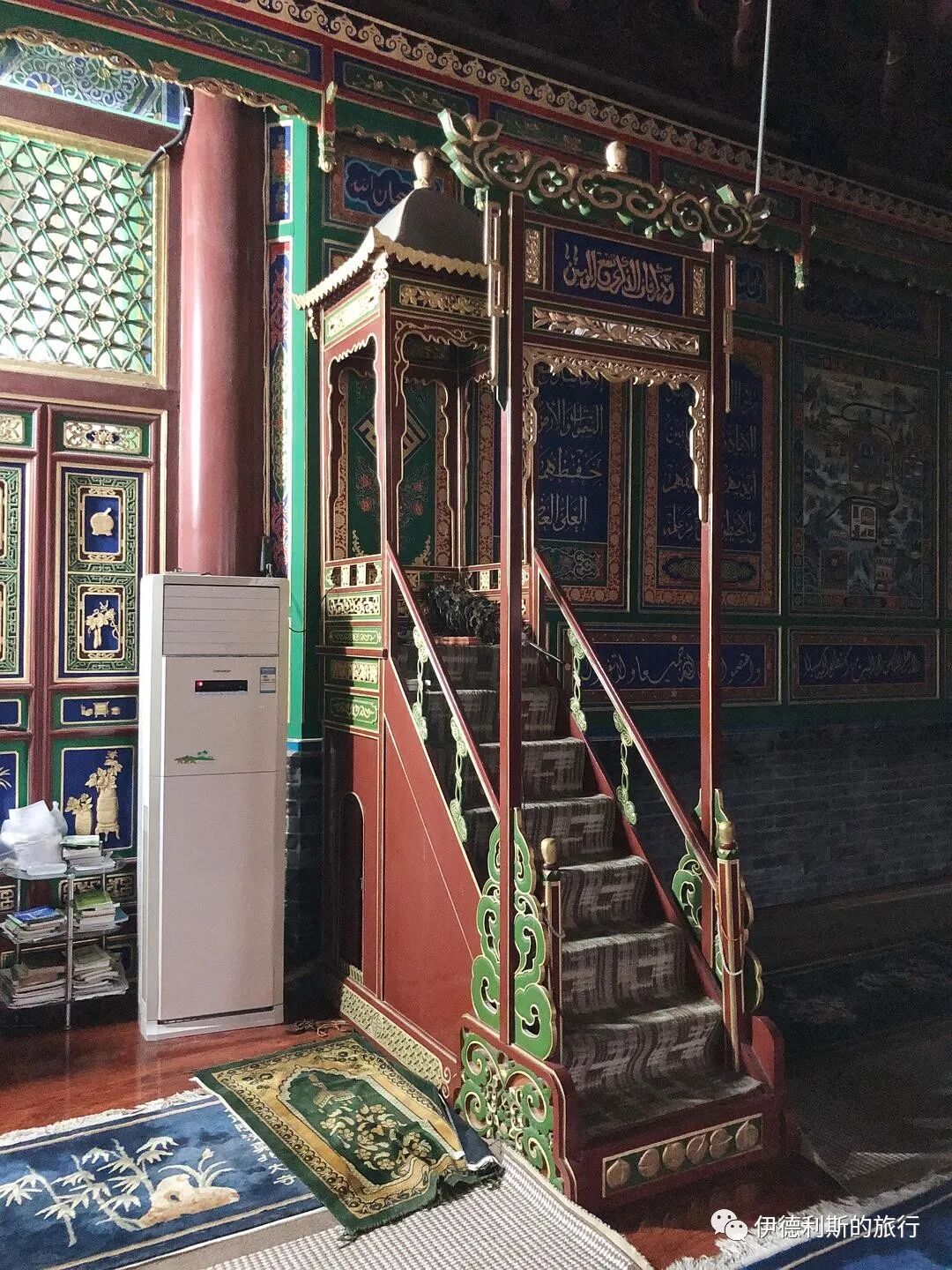
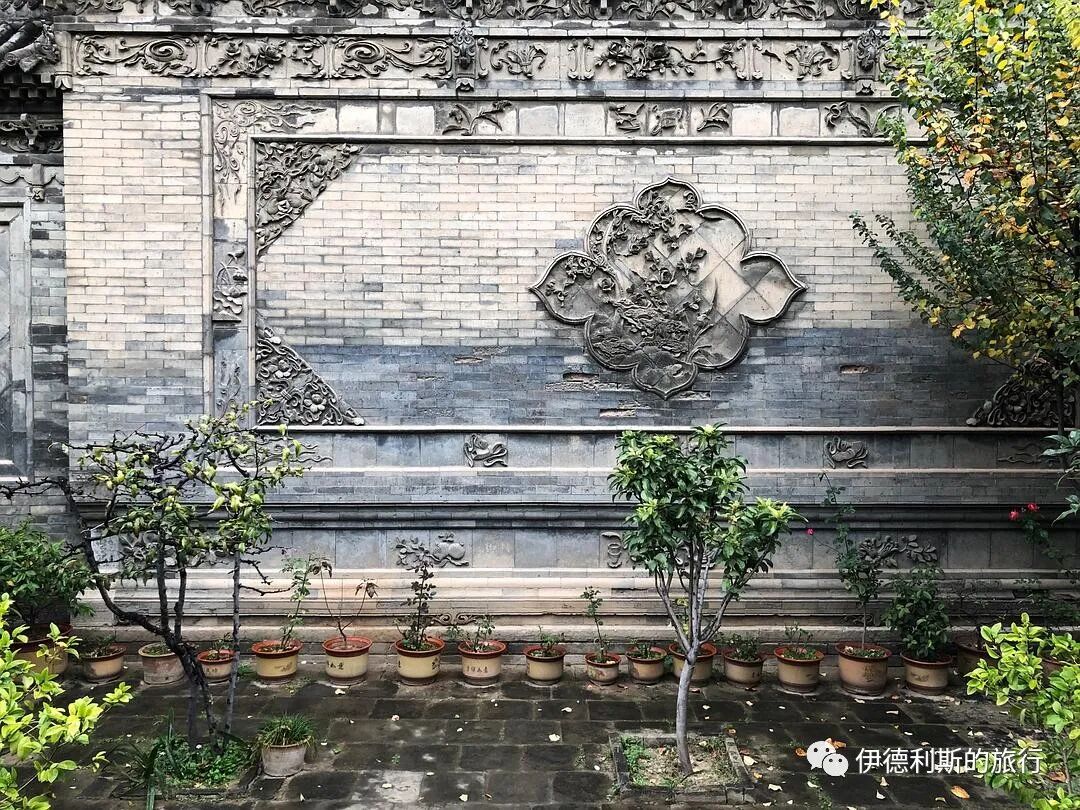
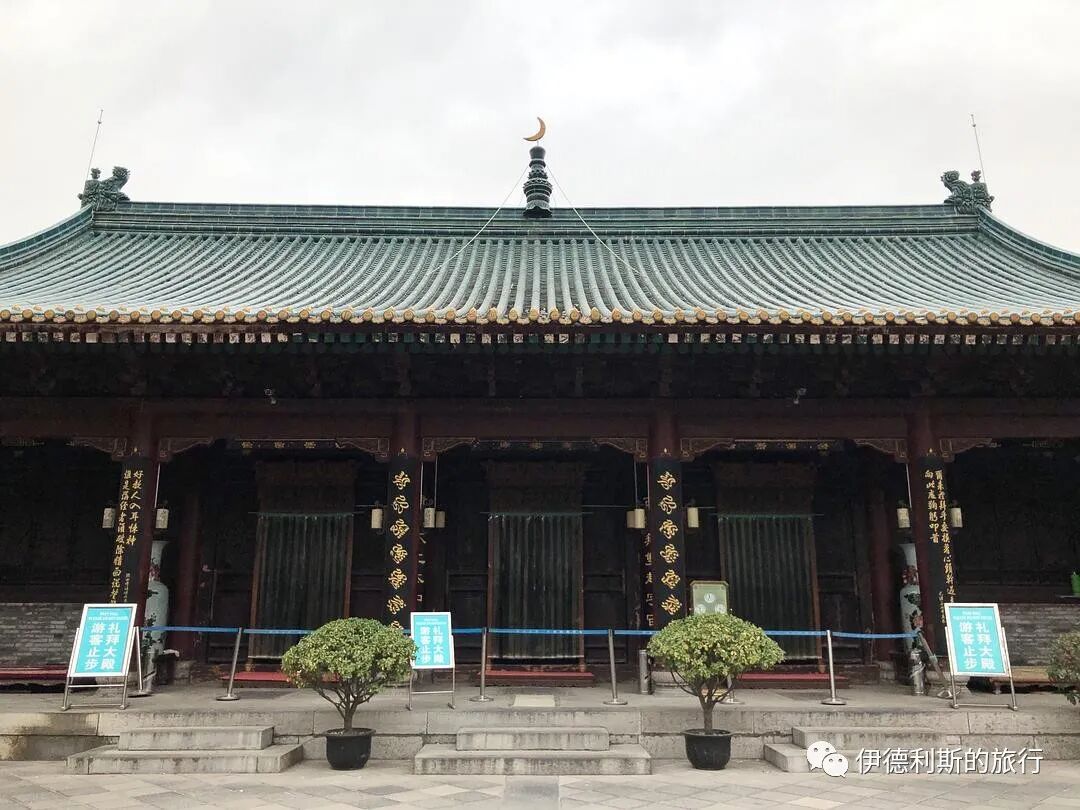
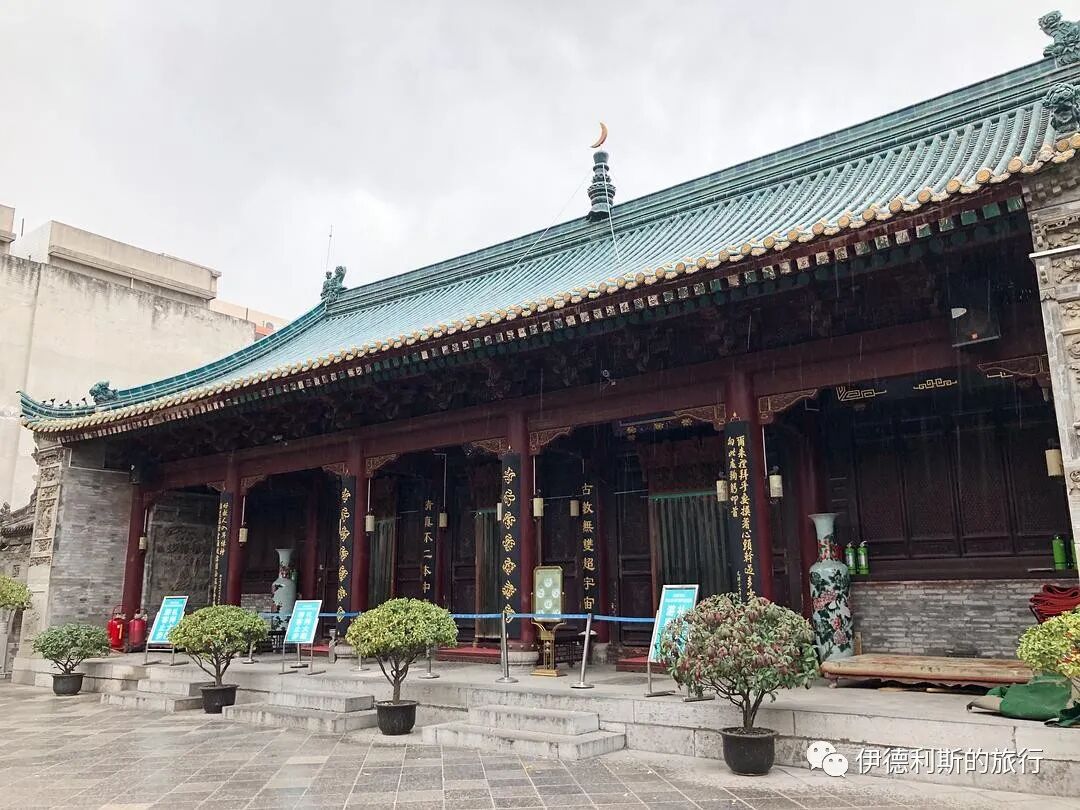
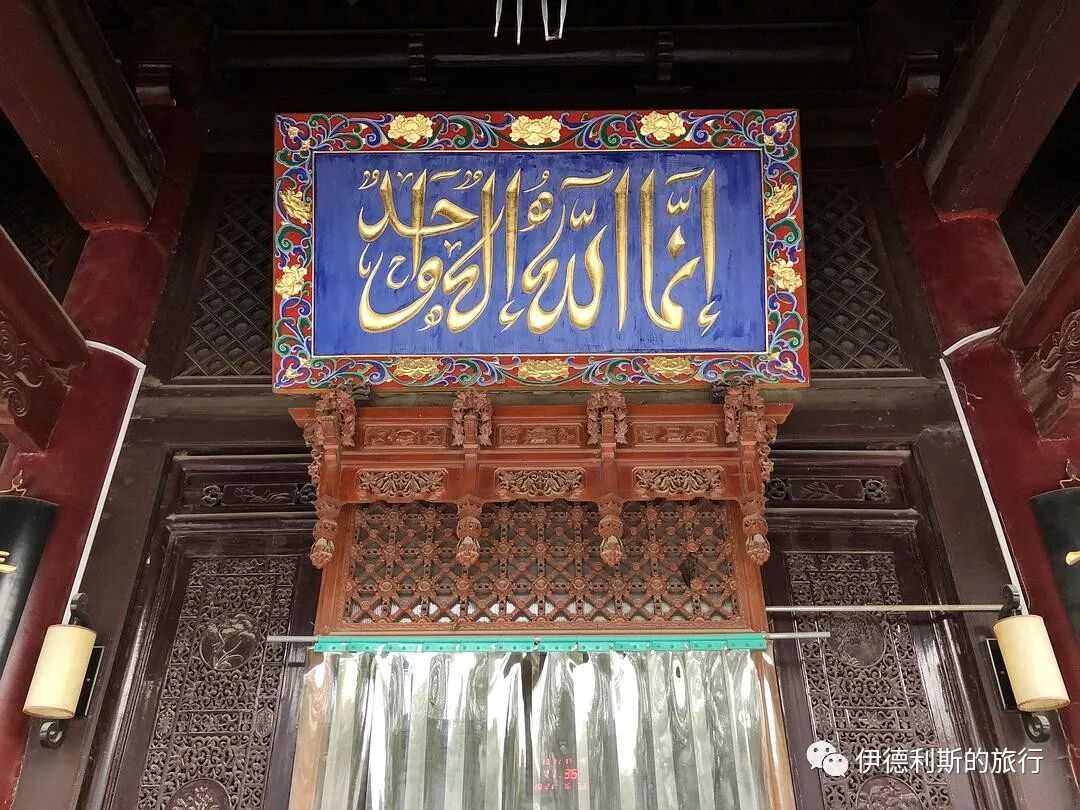
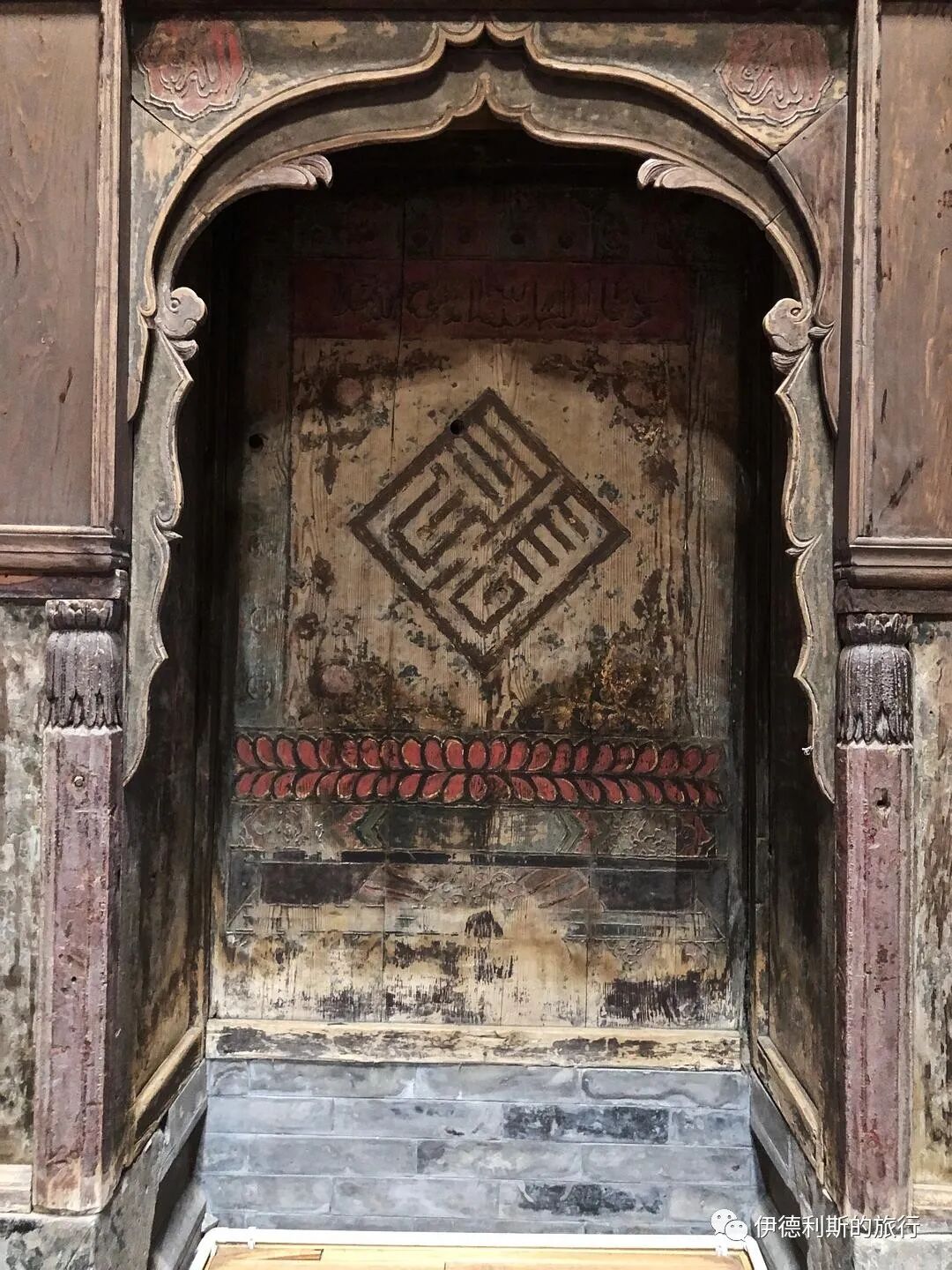
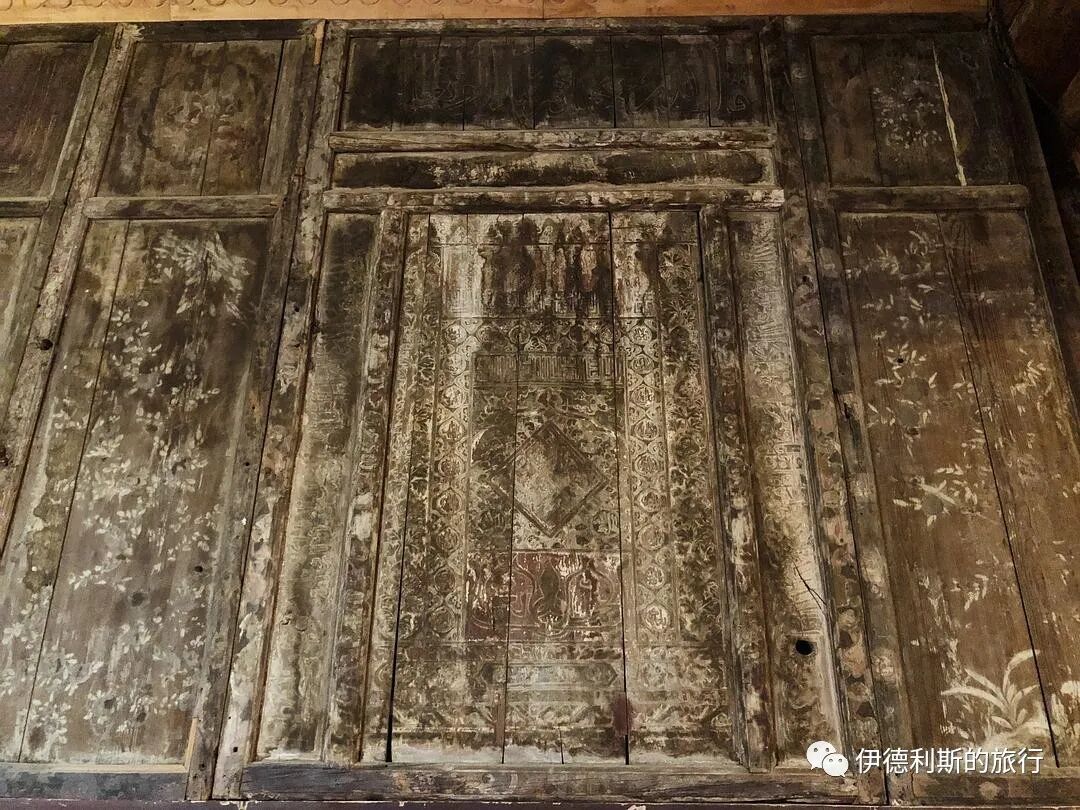
4. Dapiyuan Mosque: 1411
The Dapiyuan Mosque was built in 1411 (the 9th year of the Yongle reign of the Ming Dynasty) and renovated in 1781 (the 46th year of the Qianlong reign of the Qing Dynasty). After being occupied in 1959, the main prayer hall and the north and south pavilions collapsed one after another. After being returned to the believers in 1985, it was renovated successively.
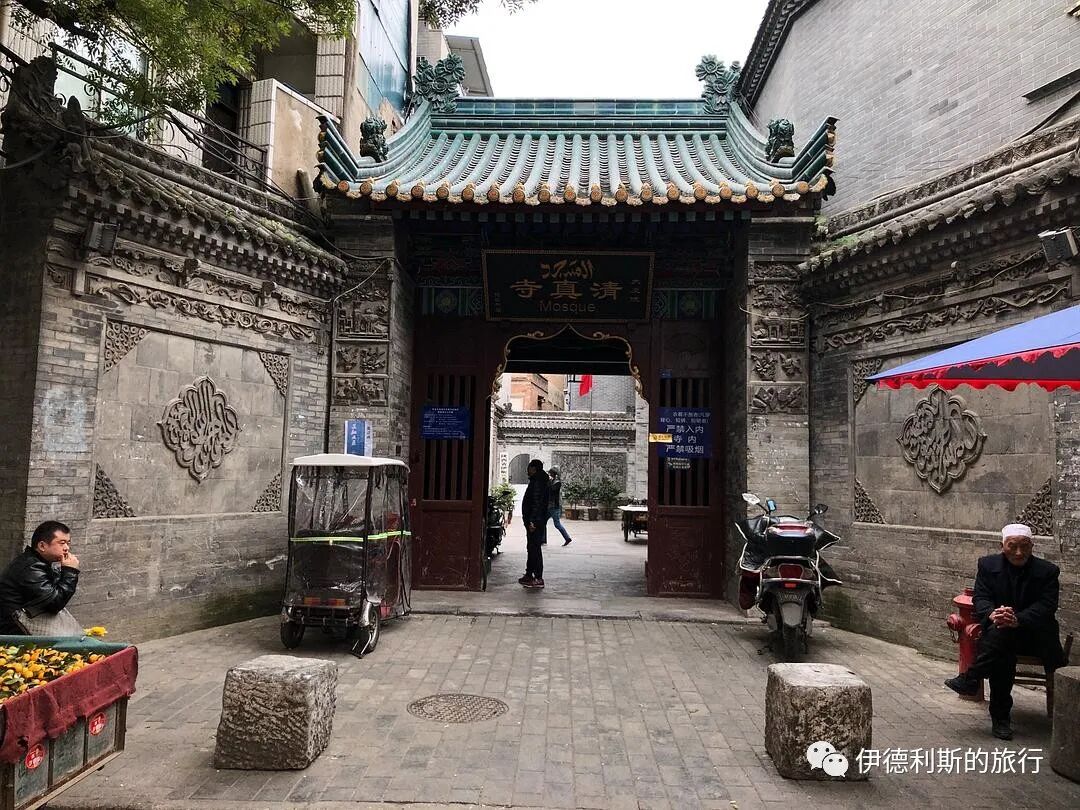
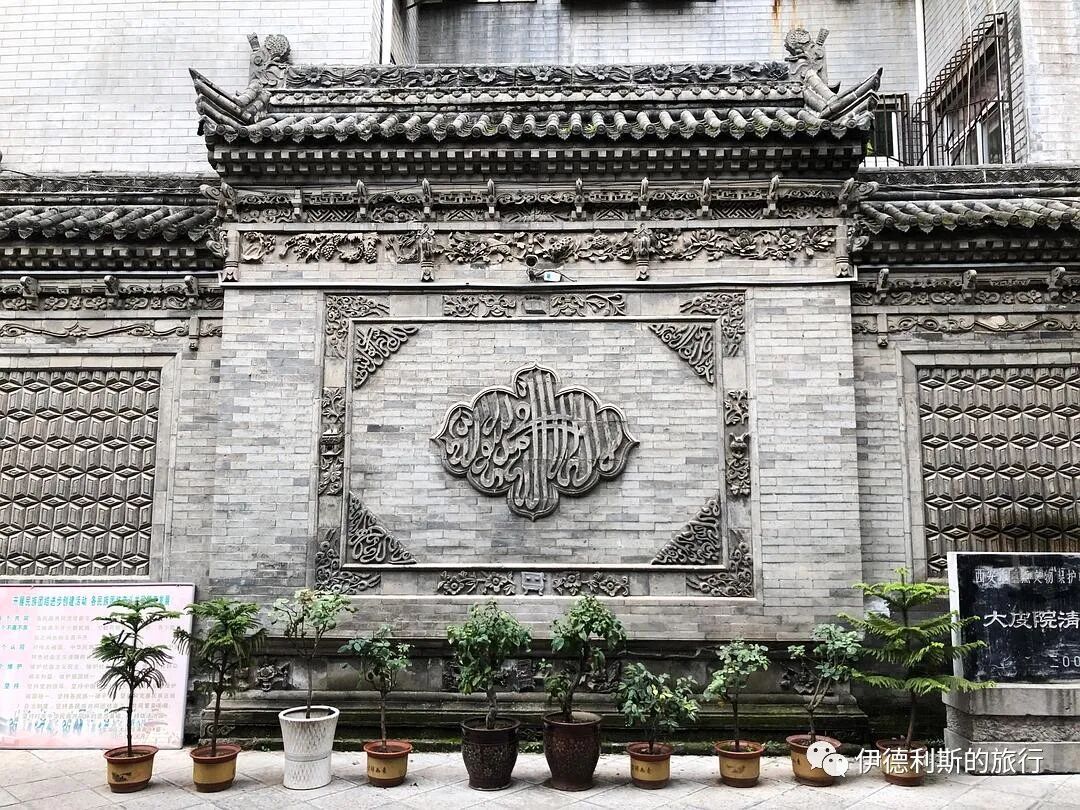
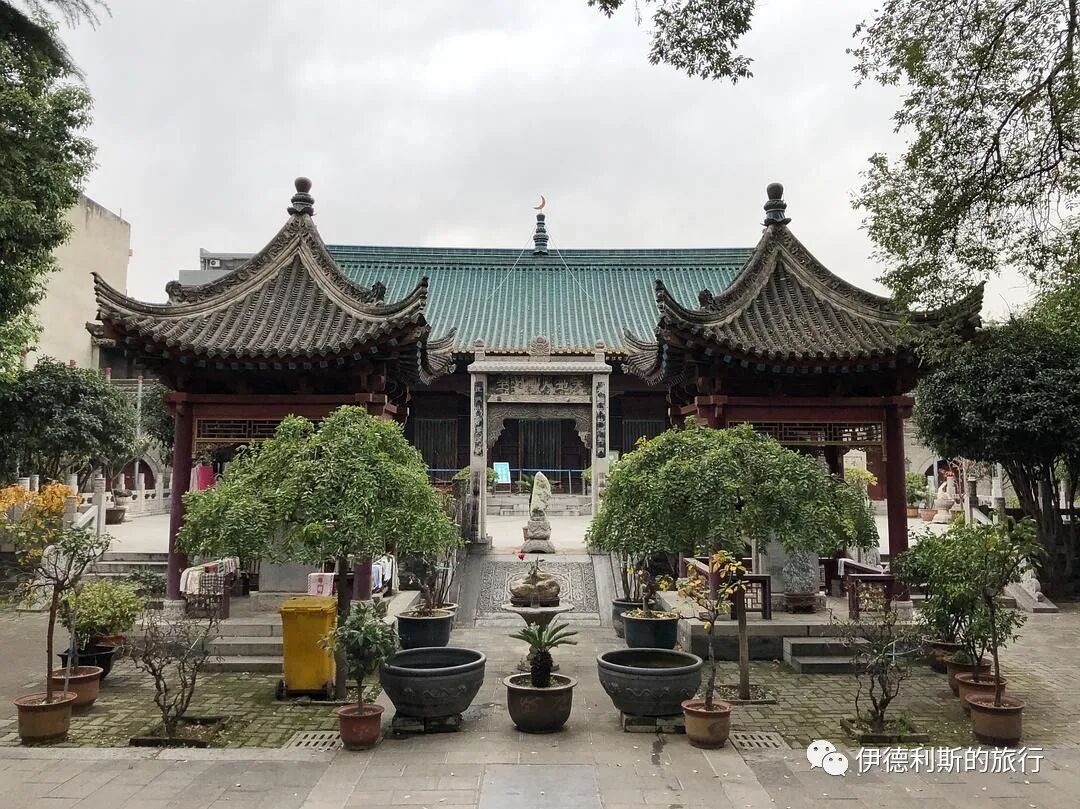
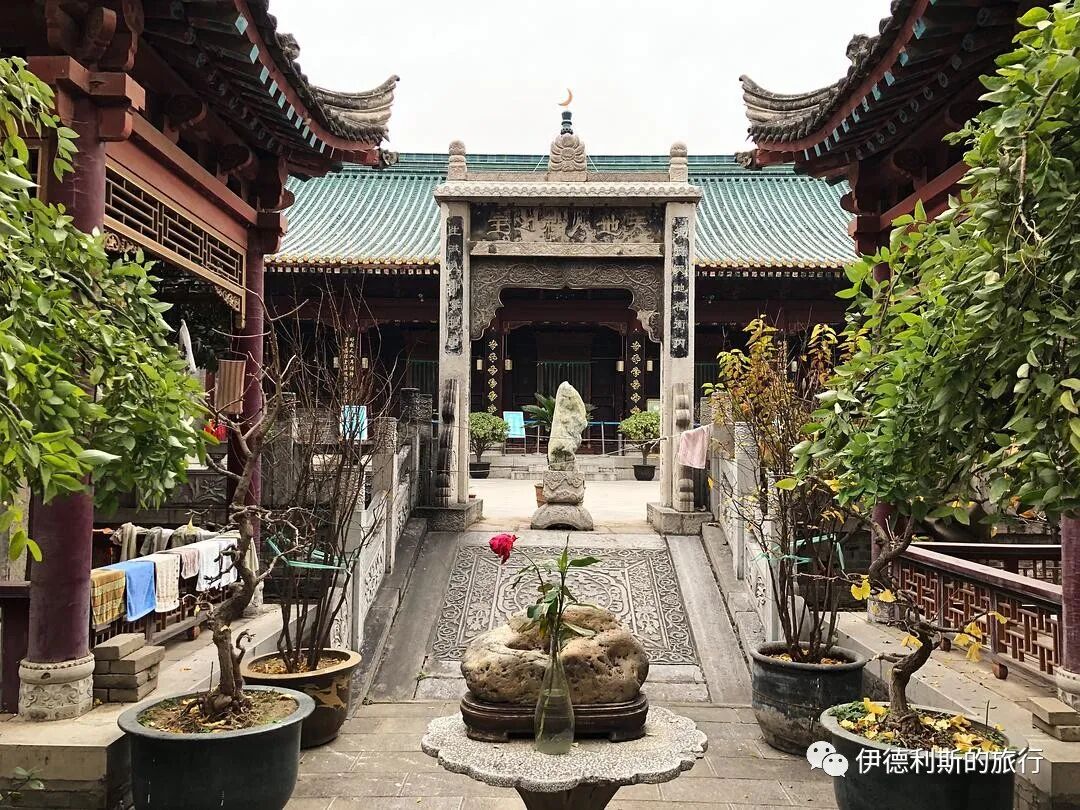
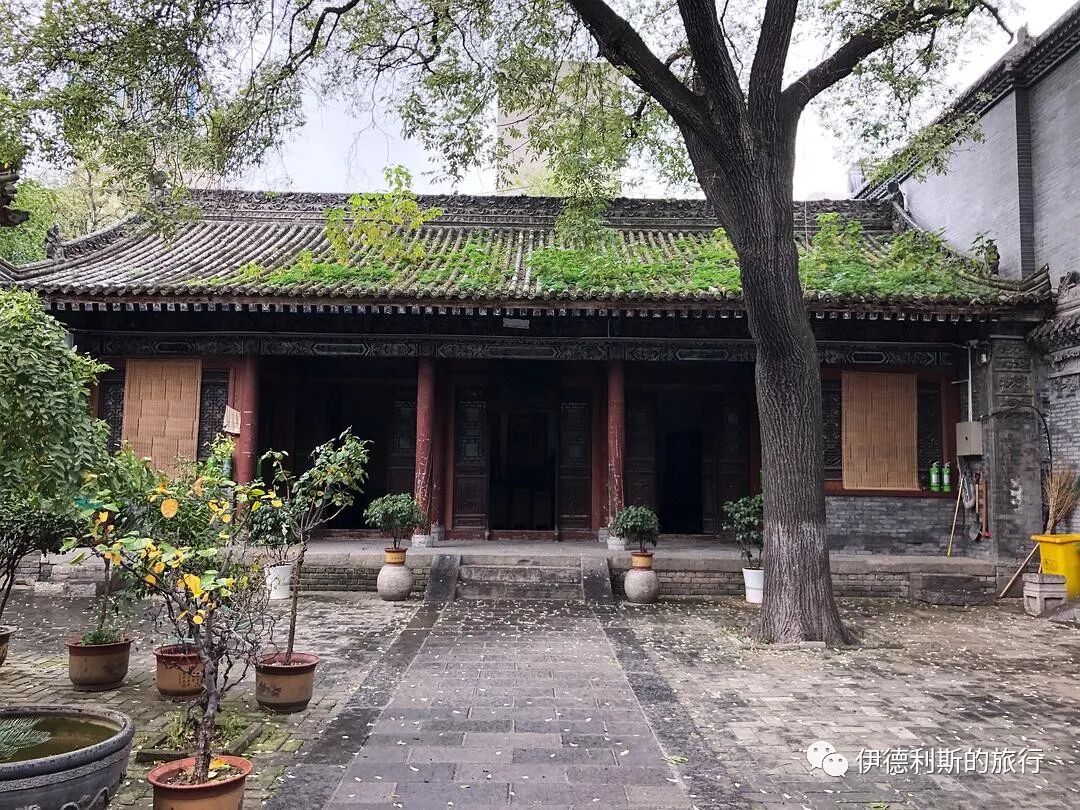
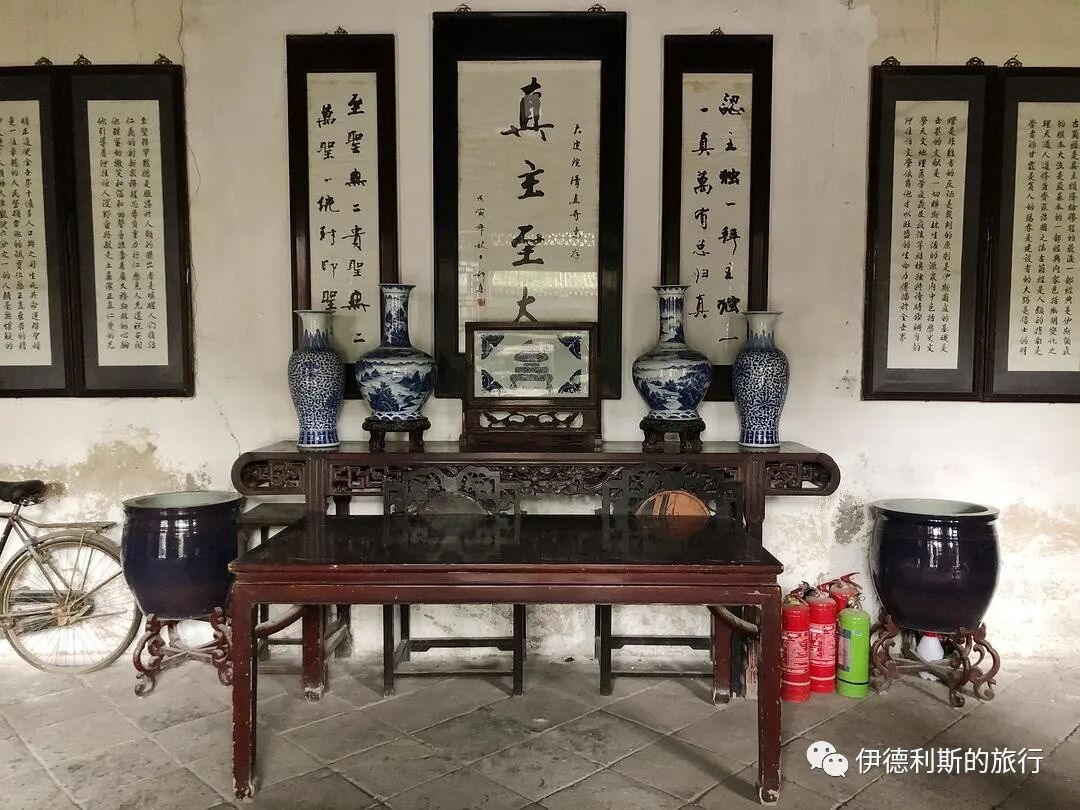
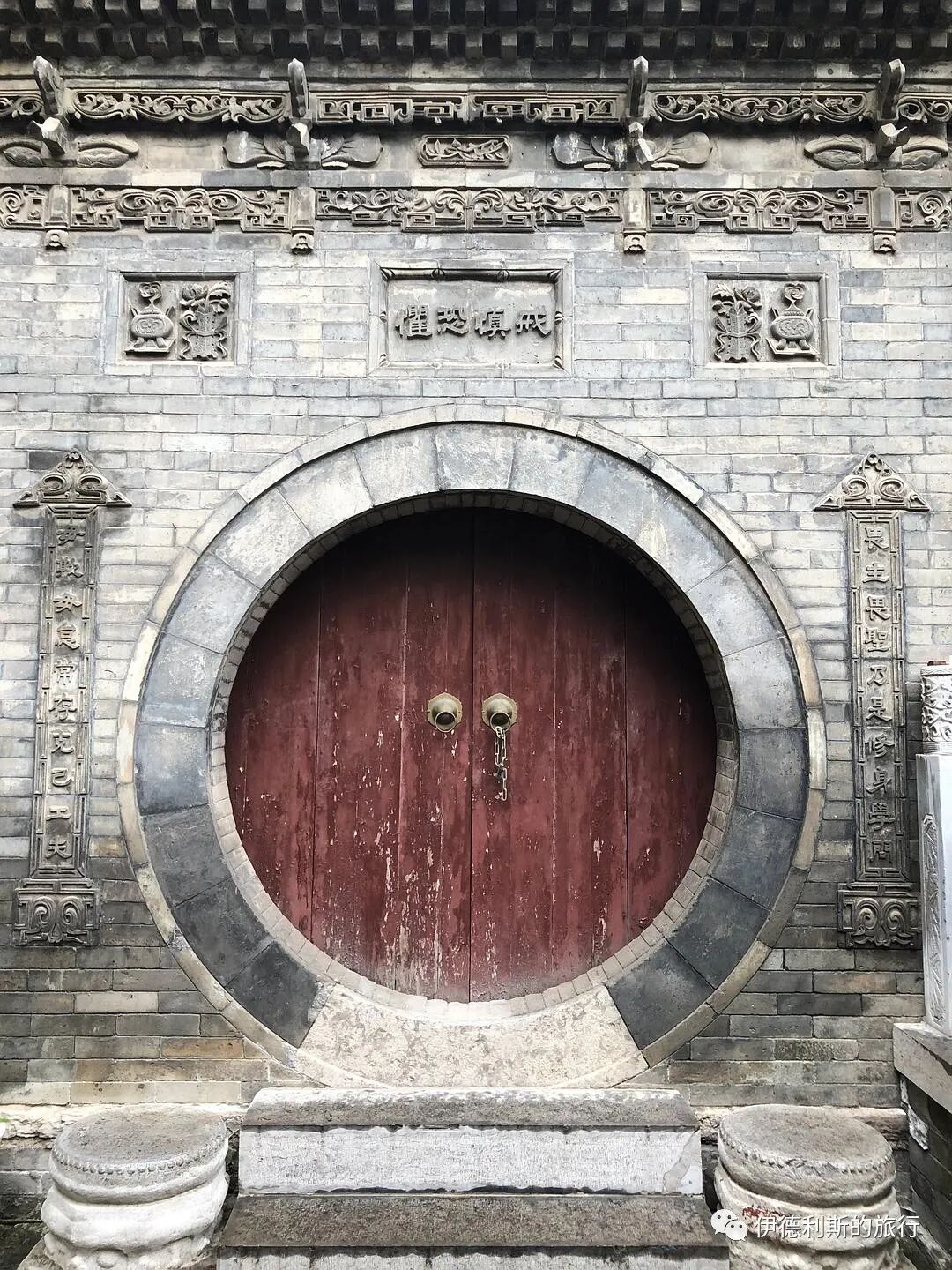
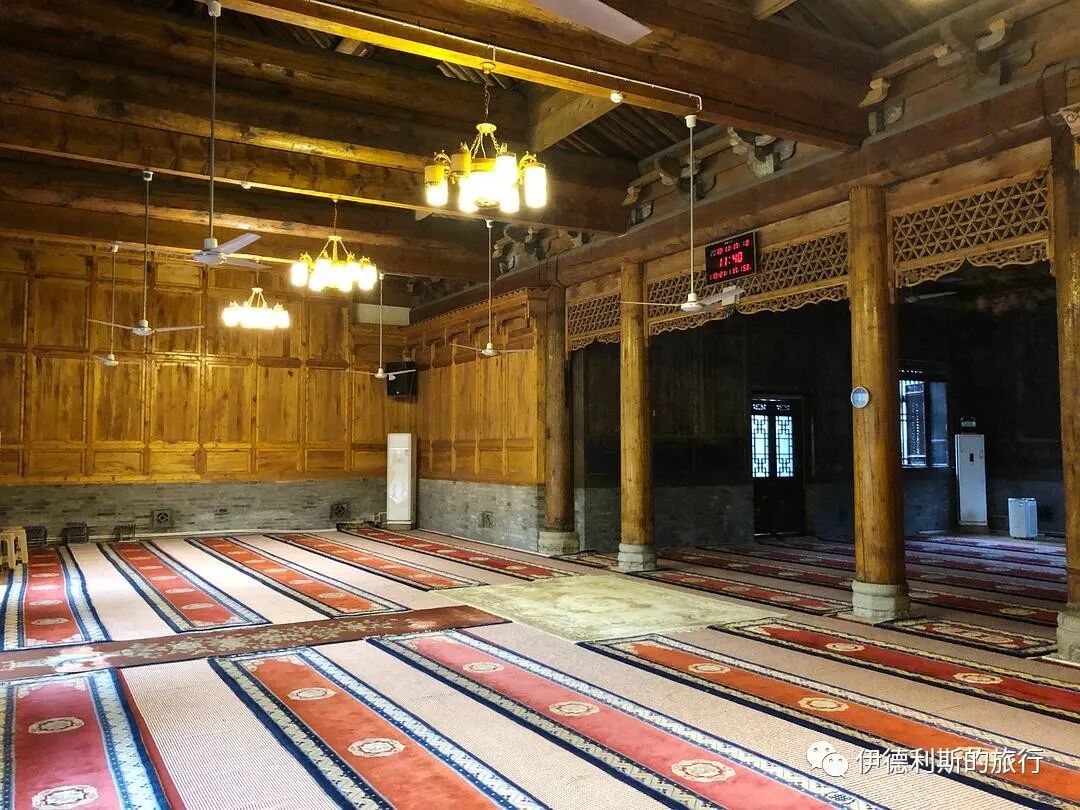
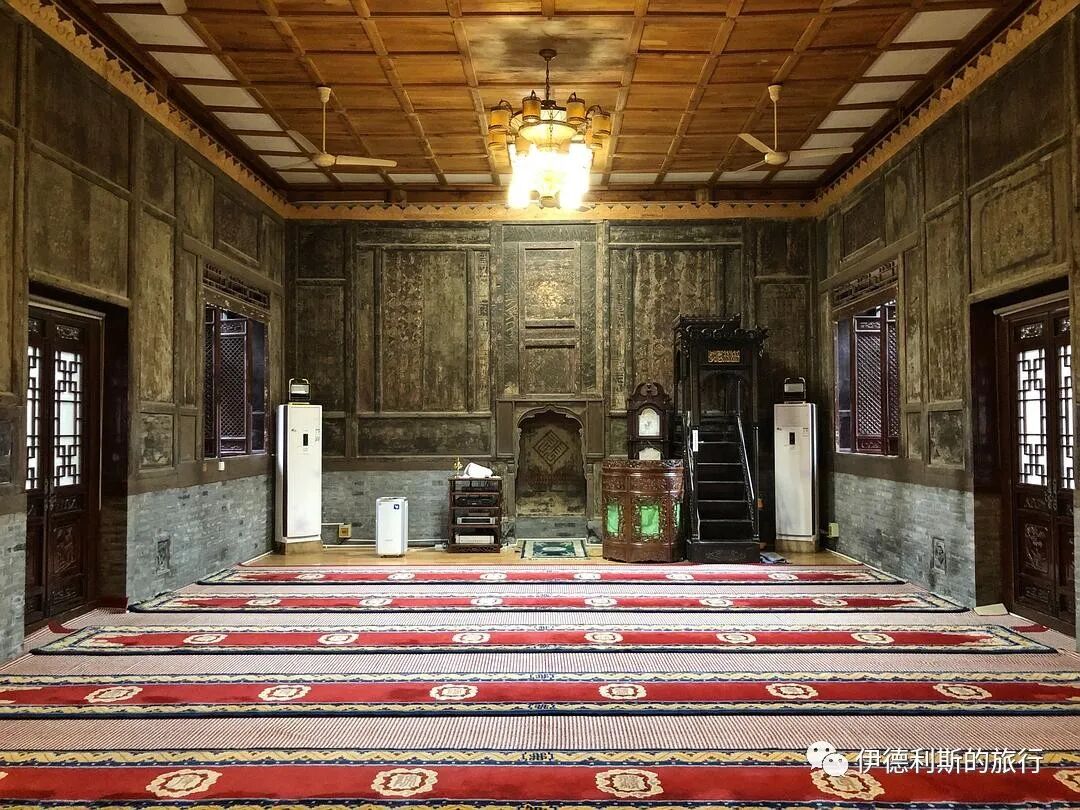
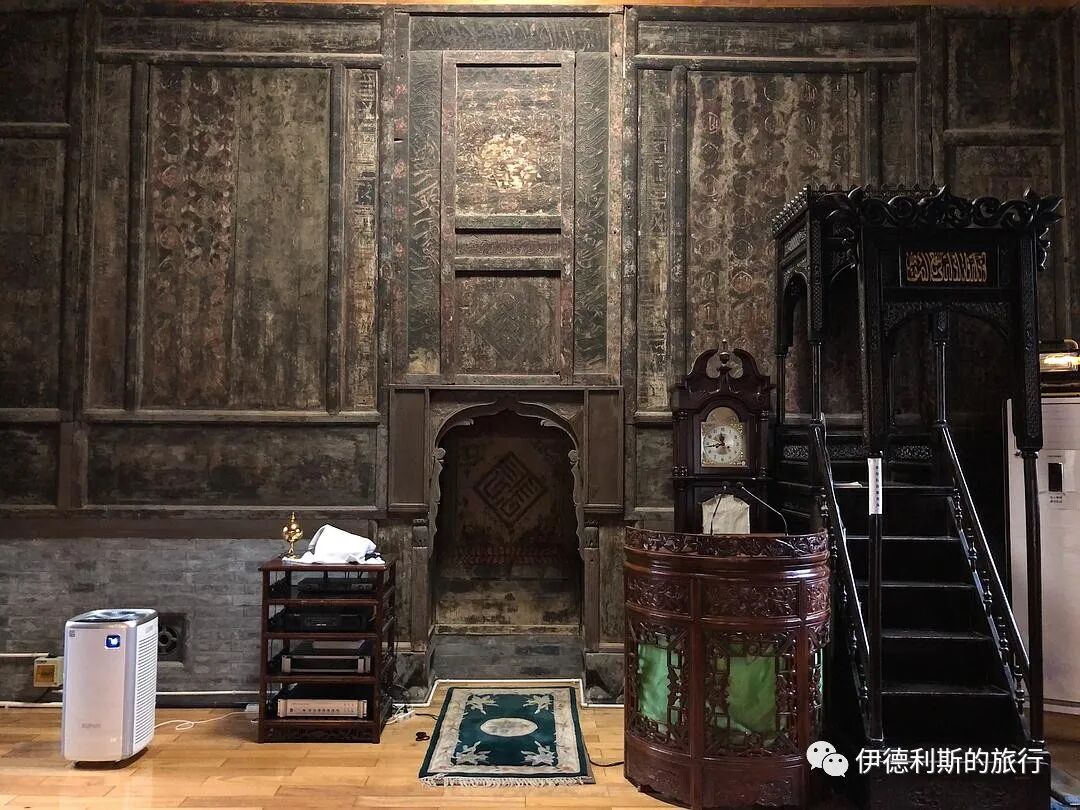
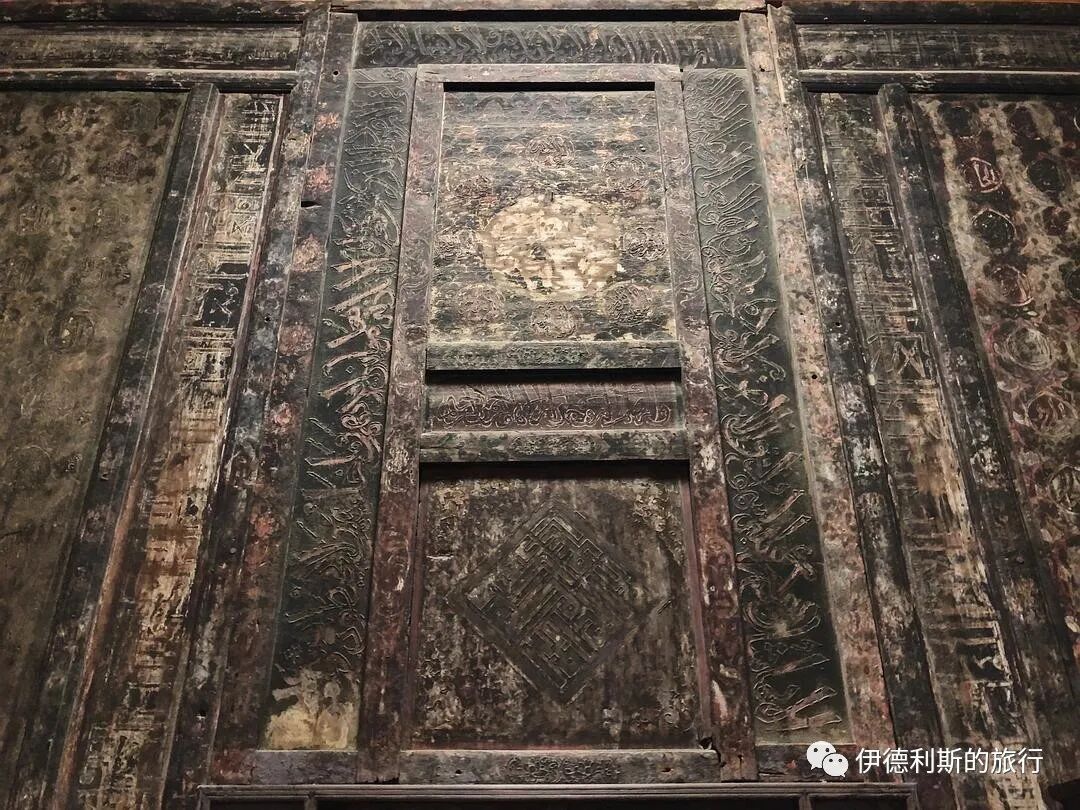
Main prayer hall and its interior
5. Xiaoxuexi Lane Yingli Mosque: 1774
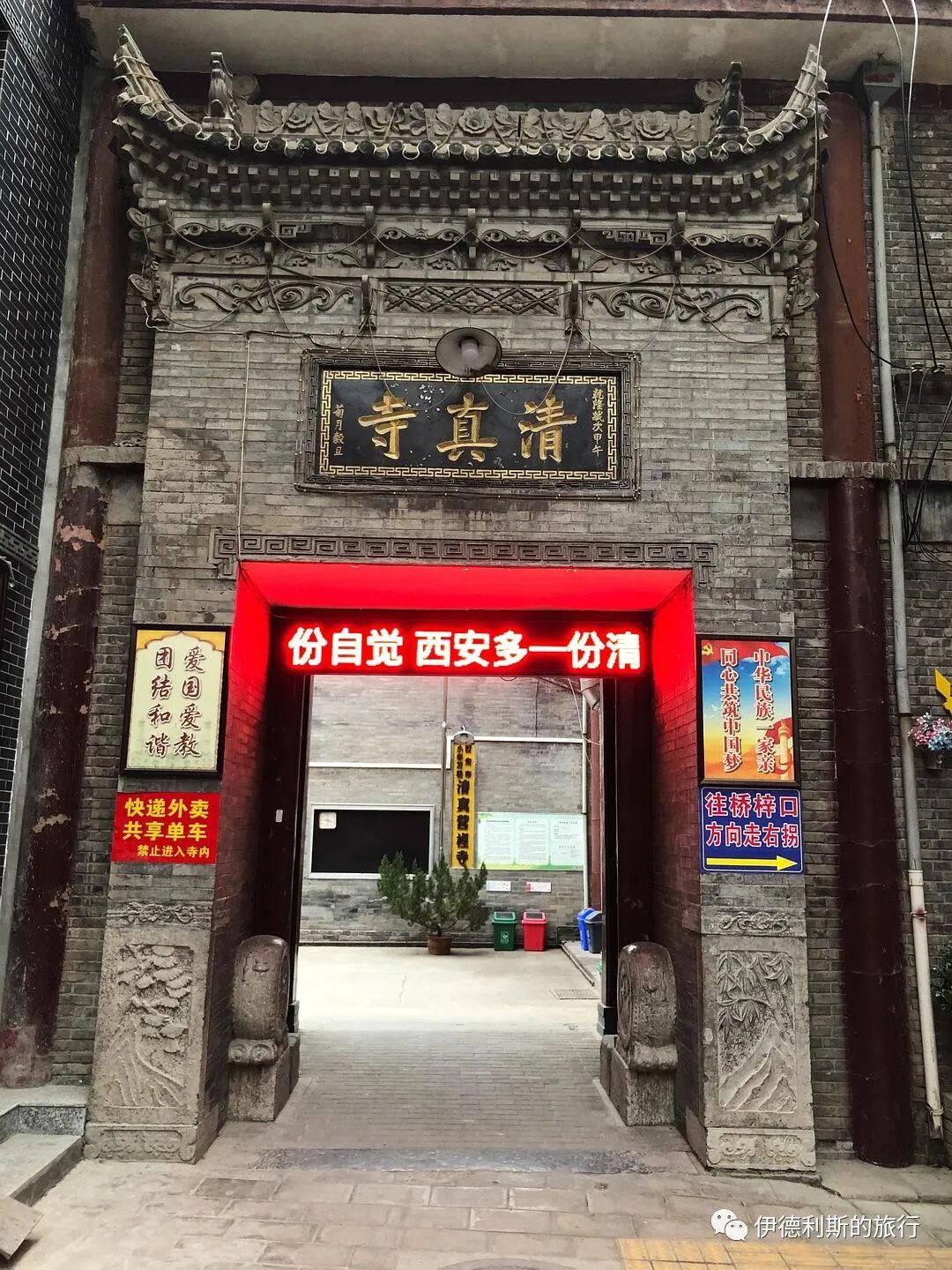
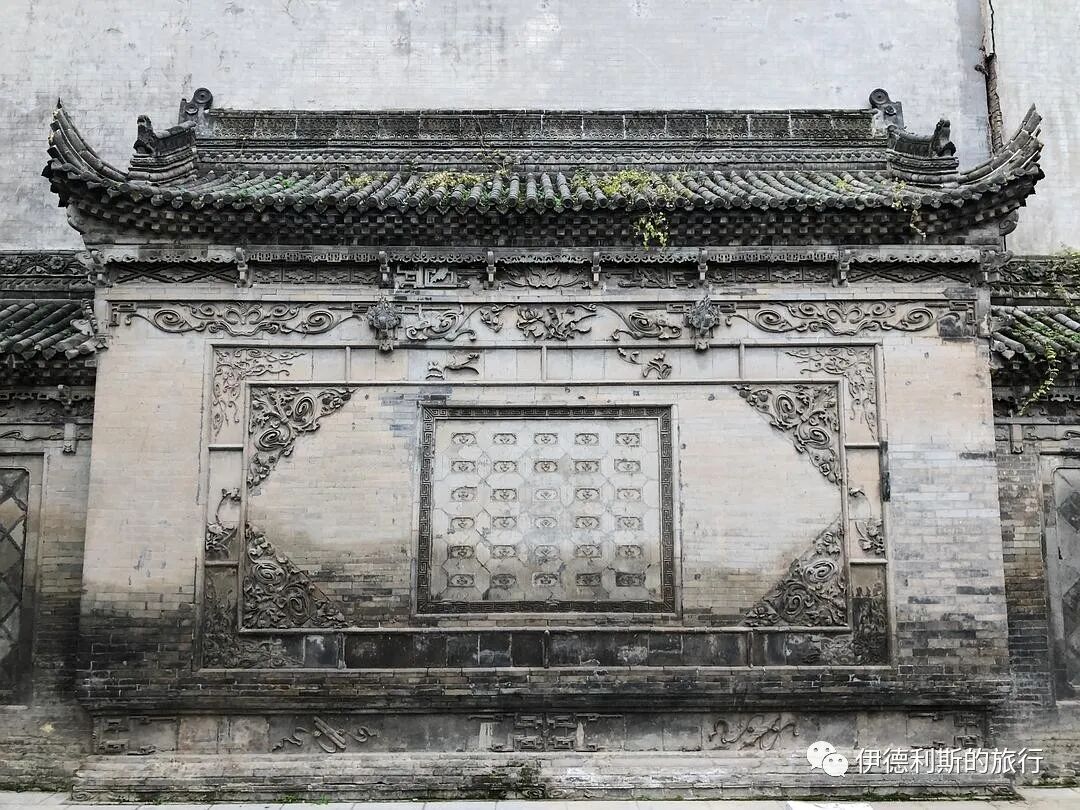
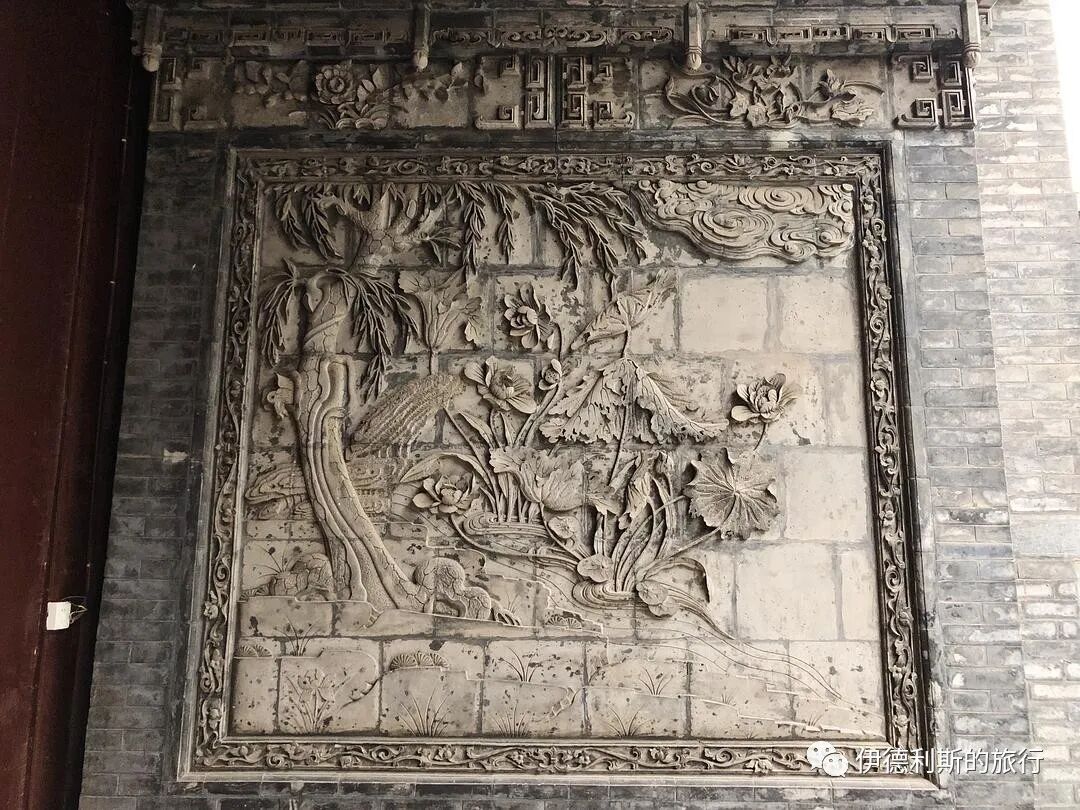
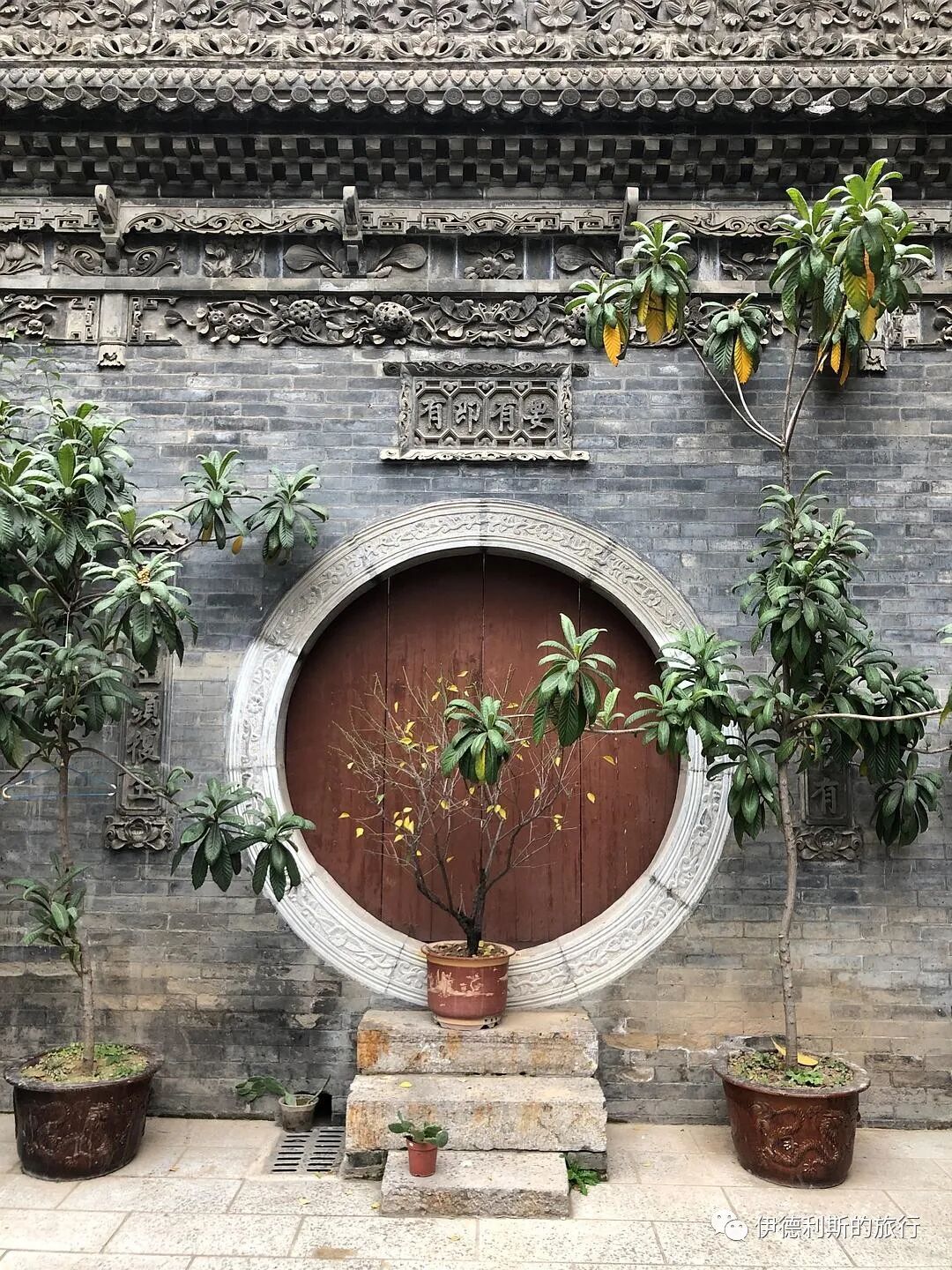
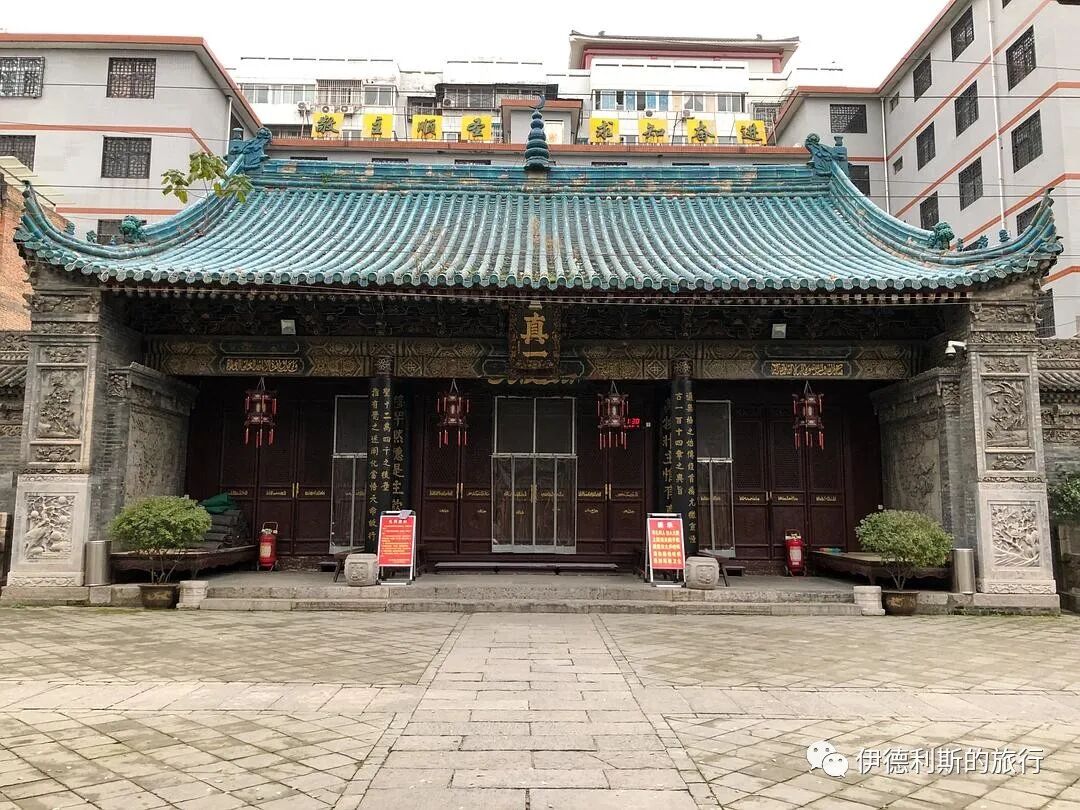
The Xiaoxuexi Lane Yingli Mosque was built in 1774 (the 39th year of the Qianlong reign of the Qing Dynasty) and is the latest one established among the "Seven Mosques and Thirteen Neighborhoods" of the Ming and Qing dynasties in the Muslim Quarter. It is said to have been built by Muslim officers and soldiers. The scale of the Yingli Mosque is much smaller than the mosques built in the Muslim Quarter during the Ming Dynasty, and it is connected to Xiaoxuexi Lane by a narrow "arrow path." The internal structure of the mosque is similar to the Xiaopiyuan Mosque, and it also has an imperial path covered by a stone-carved shade shed.
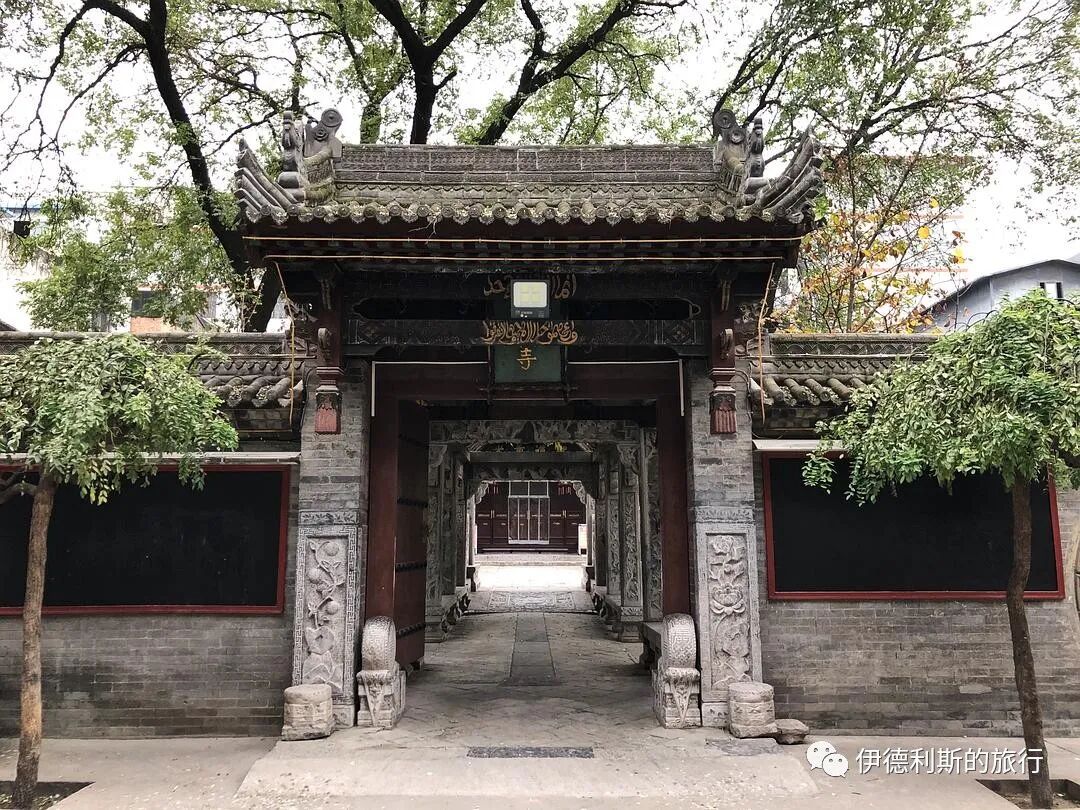
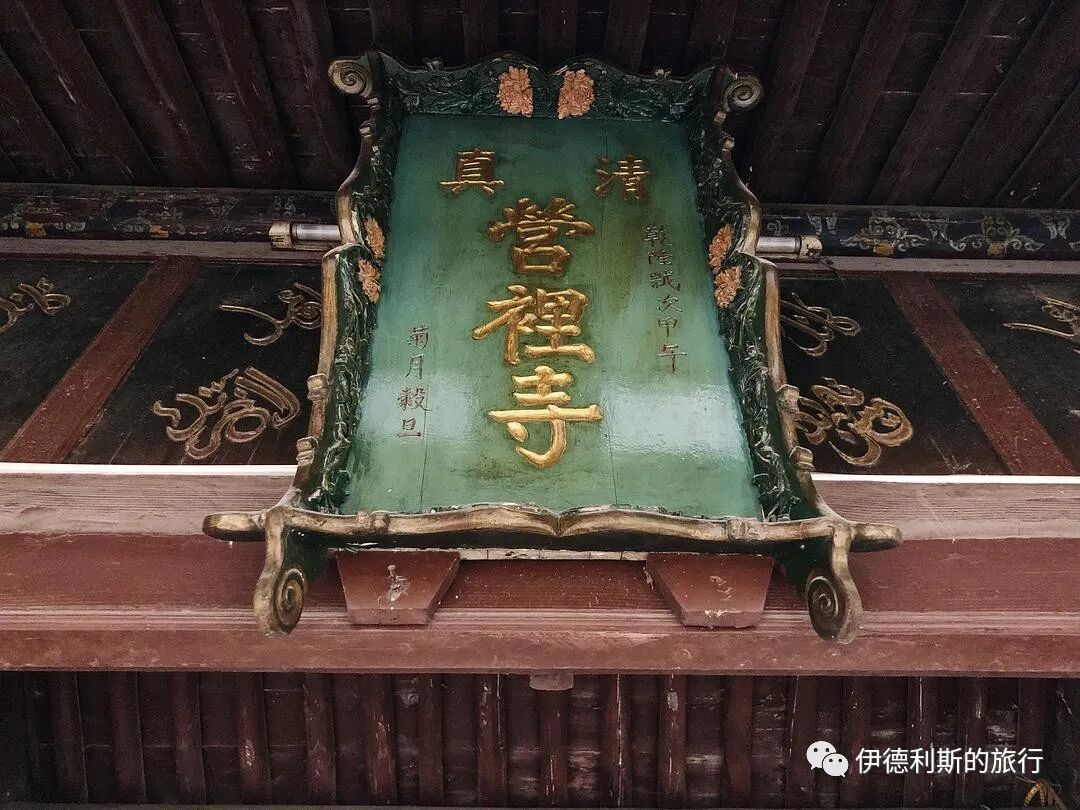
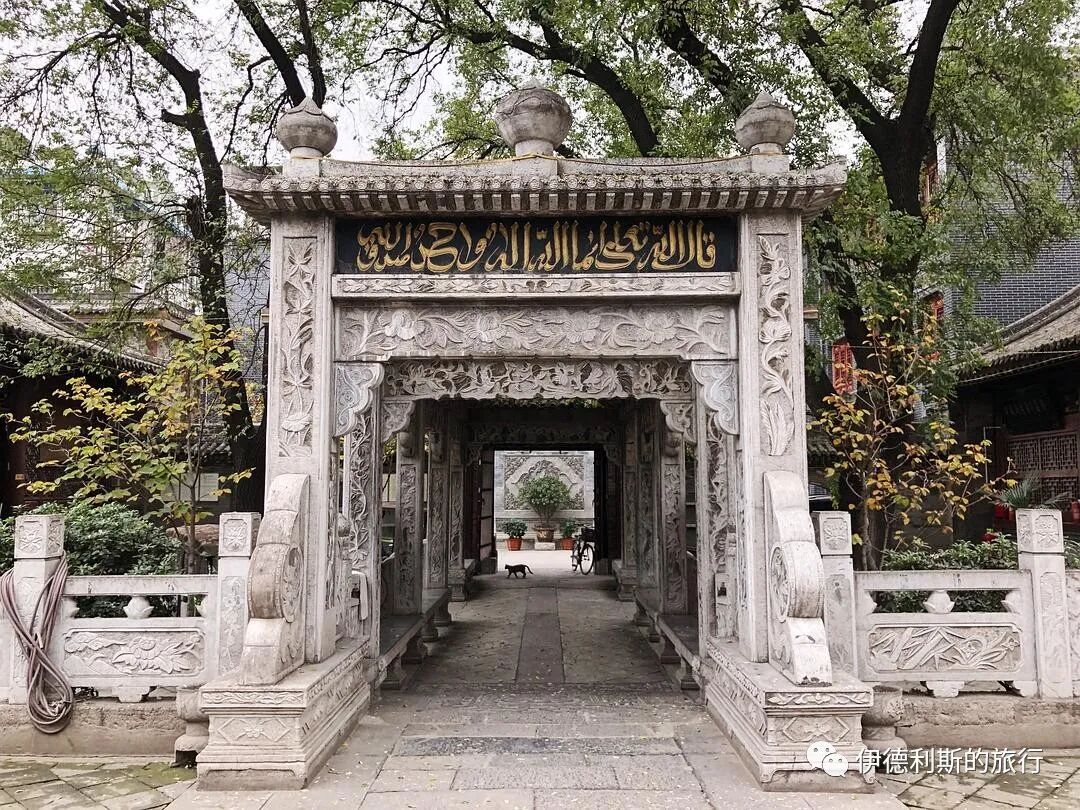
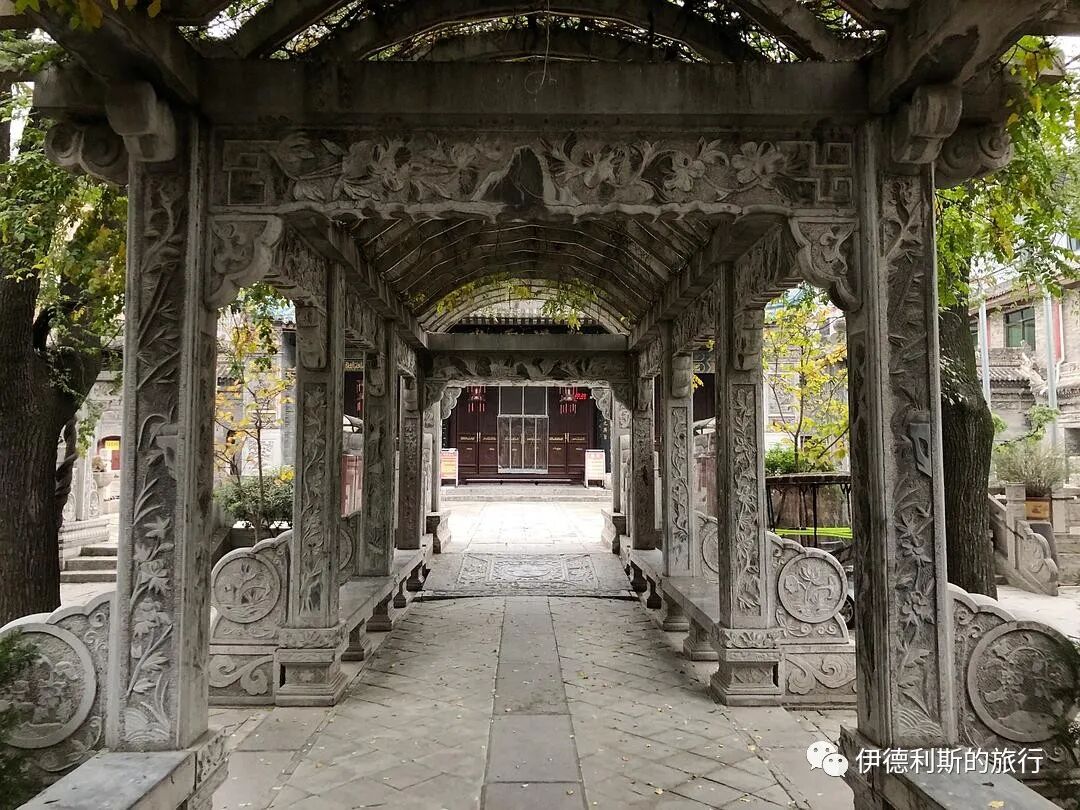
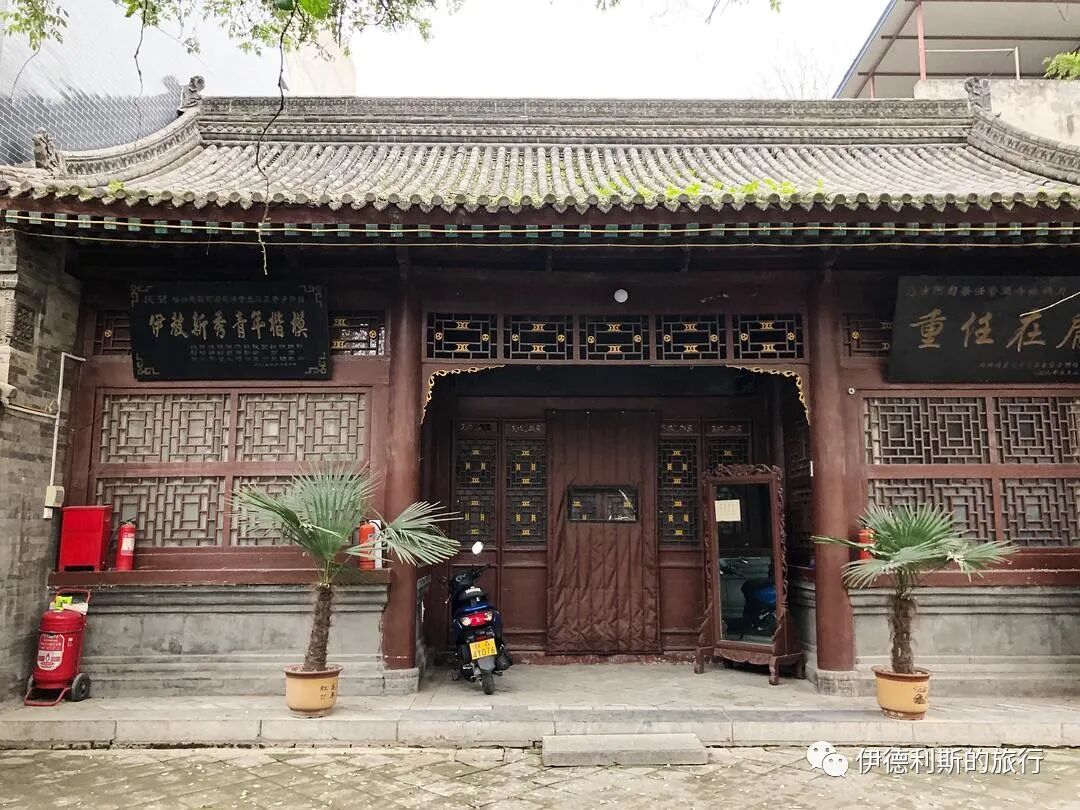
Yingli Mosque main prayer hall
Summary: This travel note introduces Halal Travel Guide to Shaanxi: 12 Traditional Mosques (Part 1). 1. Huajue Lane Great Mosque: Rebuilt in the late 14th century. It is useful for readers interested in Shaanxi Mosques, Chinese Muslims, Islamic Heritage.
I. Xi'an
1. Huajue Lane Great Mosque: Rebuilt in the late 14th century
2. Daxuexi Lane Mosque: Rebuilt in 1384
3. Xiaopiyuan Mosque: Renovated in 1611
4. Dapiyuan Mosque: 1411
5. Xiaoxuexi Lane Yingli Mosque: 1774
6. Xiaoxuexi Lane Middle Mosque
II. Xixiang, Hanzhong
1. Xixiang South Mosque: Rebuilt in the Qing Dynasty
2. Xixiang North Mosque: Rebuilt in 1816
III. Ankang
1. Shuhe Mosque: 16th Century
2. Ankang Mosque
3. Ankang North Mosque
4. Jingning South Mosque
I. Xi'an
After the expansion of Xi'an city during the Hongwu reign of the Ming Dynasty, Xi'an finally saw large-scale development since the end of the Tang Dynasty. Hui Muslims in Xi'an gradually settled in the northwestern part of the Ming-era Xi'an city, and by the Qianlong reign of the Qing Dynasty, the Muslim community known as the "Seven Mosques and Thirteen Neighborhoods" was formally established. At that time, there were seven mosques within the Xi'an Muslim Quarter: Huajue Lane, Daxuexi Lane, Dapiyuan, Xiaopiyuan, Yingli Mosque, Beiguangji Street, and Sajinqiao. During the Republic of China era, with the introduction of the Ikhwan ideology, two new mosques, the Middle Mosque and the West Mosque, were built in the Muslim Quarter, forming the "Nine Mosques of the Muslim Quarter" pattern where the Gedimu and Ikhwan traditions coexisted.
In November 2019, I traveled to the Xi'an Muslim Quarter and visited six of these traditional mosque buildings. I will share them with you below.
1. Huajue Lane Great Mosque: Rebuilt in the late 14th century
The Huajue Lane Great Mosque, also known as the "East Great Mosque," was rebuilt during the Hongwu reign of the Ming Dynasty (1368-1398) and was renovated multiple times during the Jiajing and Wanli reigns of the Ming Dynasty and the Qianlong reign of the Qing Dynasty. The mosque is divided into four courtyards. From east to west along the central axis are the screen wall, the wooden memorial archway, the Five-Bay Building, the stone memorial archway, the Chixiu Hall (Imperial Decree Hall), the Shengxin Tower (Mind-Reflecting Tower), the Lian-San Gate (Triple Gate), the Phoenix Pavilion, the moon terrace, and the main prayer hall.
The Five-Bay Building is also called the Second Gate; after entering it, one reaches the second courtyard.
The Five-Bay Building
Stone memorial archway
Chixiu Hall
Chixiu Hall
The second floor of the Shengxin Tower with its three-eaved octagonal roof
Lian-San Gate
Phoenix Pavilion
Moon terrace
Main prayer hall
Architect Liu Zhiping wrote in the book "Chinese Islamic Architecture": "Because the upper part uses a ceiling and has very exquisite colored paintings, the floor is neatly paved with wooden boards, the dougong (bracket sets) are crafted very finely, and the clear height of the ceiling is very appropriate, while the light inside the hall is dim and soft, these points make people feel that the interior of the hall is very quiet and comfortable. This is the success of the main hall's architecture. The author has seen many mosques, and this one is the most comfortable, clean, and magnificent and solemn. "
The mihrab (niche indicating the direction of prayer) inside the main prayer hall of the Huajue Lane Mosque. Liu Zhiping said in the book "Chinese Islamic Architecture": "The rear kiln hall of the main prayer hall is the most beautifully crafted. The walls are entirely inlaid with wooden boards, and golden pillars are used to create door covers, hanging pillars, and other objects, making the sanctuary part even more magnificent. On all the wooden surfaces, there are magnificent and powerful shallow carvings. Because animal patterns are not allowed for decoration inside Islamic prayer halls, the entire wall is covered with magnificent and robust plant flowers. Such patterns are also often found on the brick carvings of other mosques. Its magnificent atmosphere has opened up a direction for our country's pattern decoration. Not using animals for decoration made the pattern carvings in the mosque have limitations, but at the same time, it also developed the situation of using plant and geometric patterns and calligraphy for decoration, thus contributing to the characteristics of Islamic architectural patterns. "
Details of the rear kiln hall
The moon gate and screen wall on the side of the main prayer hall
The north wing room of the first courtyard
A patio
A wing room door
2. Daxuexi Lane Mosque: Rebuilt in 1384
The Daxuexi Lane Mosque, also known as the "West Great Mosque," was rebuilt in 1384 (the 17th year of the Hongwu reign of the Ming Dynasty) by Tie Xuan, the Minister of War, who was granted the name of the mosque by imperial decree. It was renovated in 1413 (the 11th year of the Yongle reign of the Ming Dynasty) and twice more during the Kangxi and Guangxu reigns of the Qing Dynasty.
The structure of the mosque is similar to the Huajue Lane Great Mosque. In front of the main gate is a four-pillar, three-bay stone memorial archway. After entering the main gate, there is a three-bay hall, followed by the three-story, three-eaved Shengxin Pavilion (Mind-Reflecting Pavilion) with four corners. After passing through the Shengxin Pavilion, one enters the second courtyard. The north and south wing rooms are the Imam's residence and the lecture hall, respectively. There are two stele pavilions in the courtyard. Then, after passing through a small stone slope and a stone memorial archway, one enters the moon terrace, in the center of which is the main prayer hall.
Shengxin Pavilion
Main prayer hall
Interior of the main prayer hall
3. Xiaopiyuan Mosque: Renovated in 1611
The Xiaopiyuan Mosque, also known as the "North Great Mosque," was renovated in 1611 (the 39th year of the Wanli reign of the Ming Dynasty) and is divided into four courtyards. Passing through the second and third courtyards from the "Second Gate" and "Lian-San Gate," one can reach the bluestone imperial path covered by a stone-carved shade shed.
Walking to the end of the imperial path is a coiled dragon stone slope, above which is a stone memorial archway. After entering, there is a large moon terrace paved with large square blue bricks, on which a "Pin"-shaped main prayer hall is built.
Interior of the Xiaopiyuan Mosque main prayer hall. In the 1930s, there was a Japanese bombing, and a bomb fell on the main prayer hall, but fortunately, it was a dud. Between 1960 and 1970, the entire mosque was demolished, and only the main prayer hall survived. I still want to express that every historical building we see that has been preserved to this day is truly rare, truly rare.
4. Dapiyuan Mosque: 1411
The Dapiyuan Mosque was built in 1411 (the 9th year of the Yongle reign of the Ming Dynasty) and renovated in 1781 (the 46th year of the Qianlong reign of the Qing Dynasty). After being occupied in 1959, the main prayer hall and the north and south pavilions collapsed one after another. After being returned to the believers in 1985, it was renovated successively.
Main prayer hall and its interior
5. Xiaoxuexi Lane Yingli Mosque: 1774
The Xiaoxuexi Lane Yingli Mosque was built in 1774 (the 39th year of the Qianlong reign of the Qing Dynasty) and is the latest one established among the "Seven Mosques and Thirteen Neighborhoods" of the Ming and Qing dynasties in the Muslim Quarter. It is said to have been built by Muslim officers and soldiers. The scale of the Yingli Mosque is much smaller than the mosques built in the Muslim Quarter during the Ming Dynasty, and it is connected to Xiaoxuexi Lane by a narrow "arrow path." The internal structure of the mosque is similar to the Xiaopiyuan Mosque, and it also has an imperial path covered by a stone-carved shade shed.
Yingli Mosque main prayer hall
