
Zhangjiakou and Xuanhua Halal Travel Guide: Mosques and Muslim Food (Part 1)
Reposted from the web
Summary: This travel note introduces Zhangjiakou and Xuanhua Halal Travel Guide: Mosques and Muslim Food (Part 1). On April 10, 2021, I arrived in Zhangjiakou from Beijing by high-speed train in the morning. It is useful for readers interested in Zhangjiakou Travel, China Mosques, Halal Food.
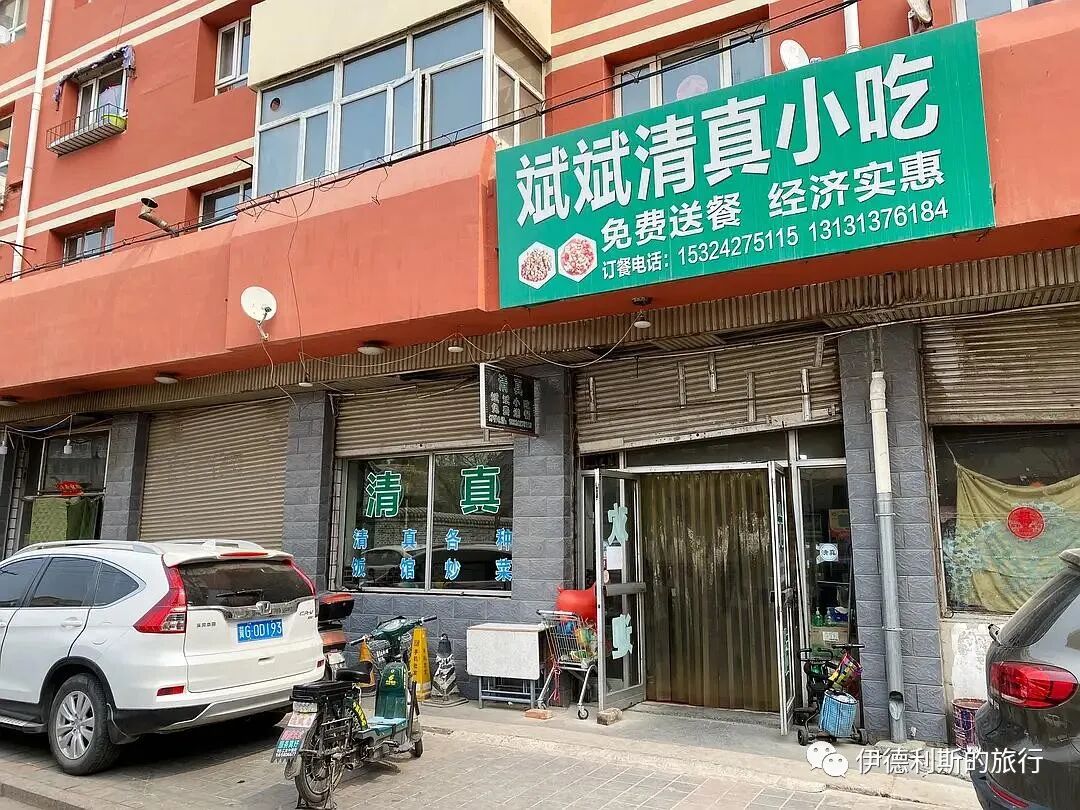
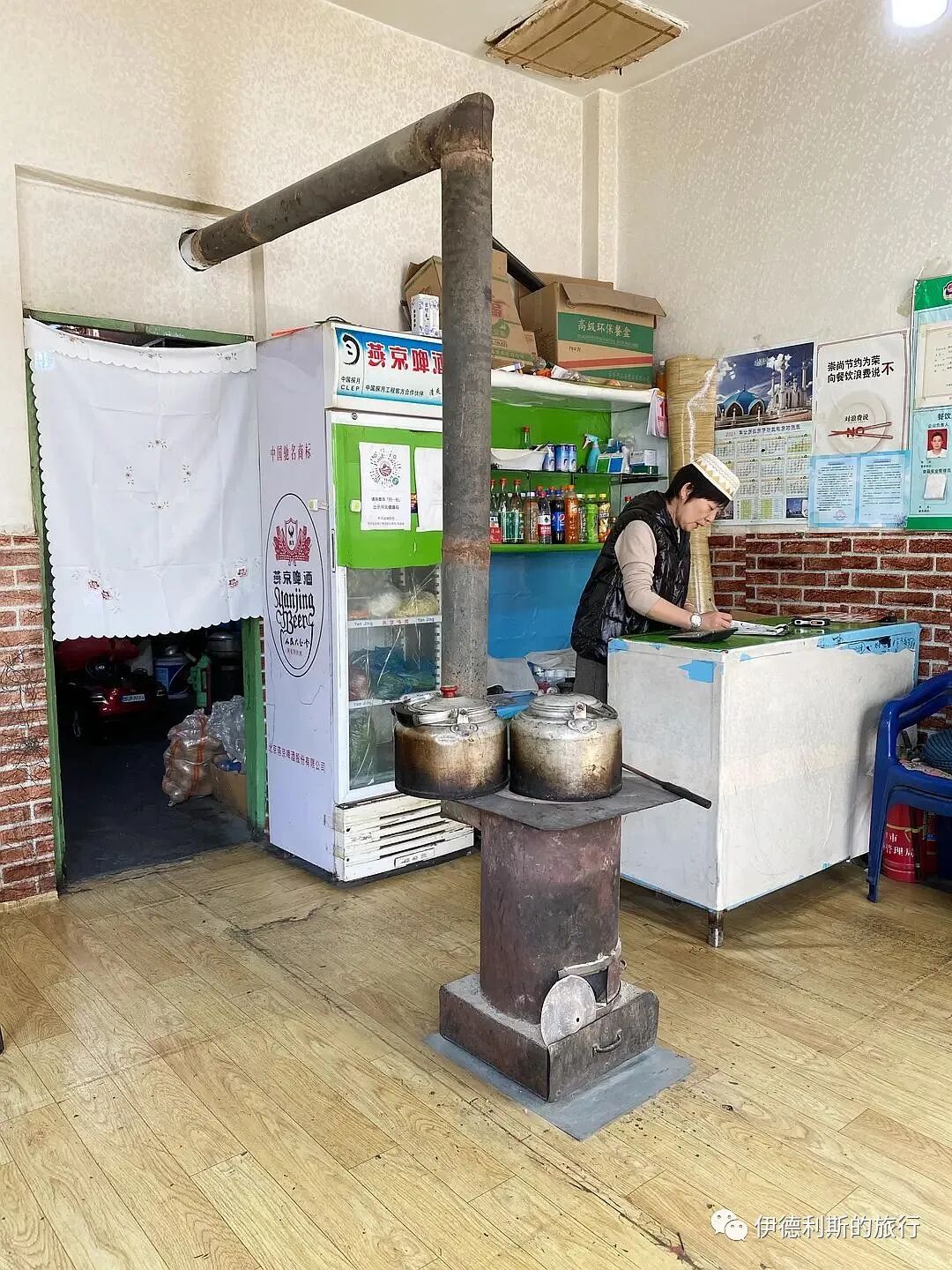
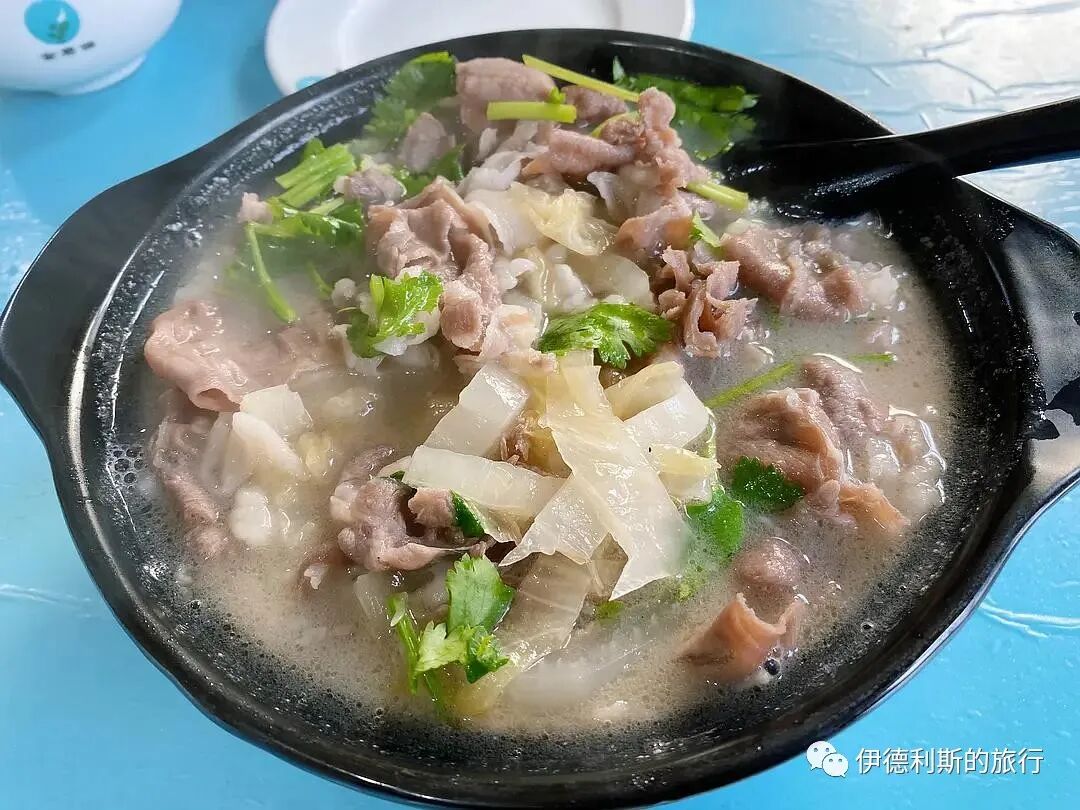
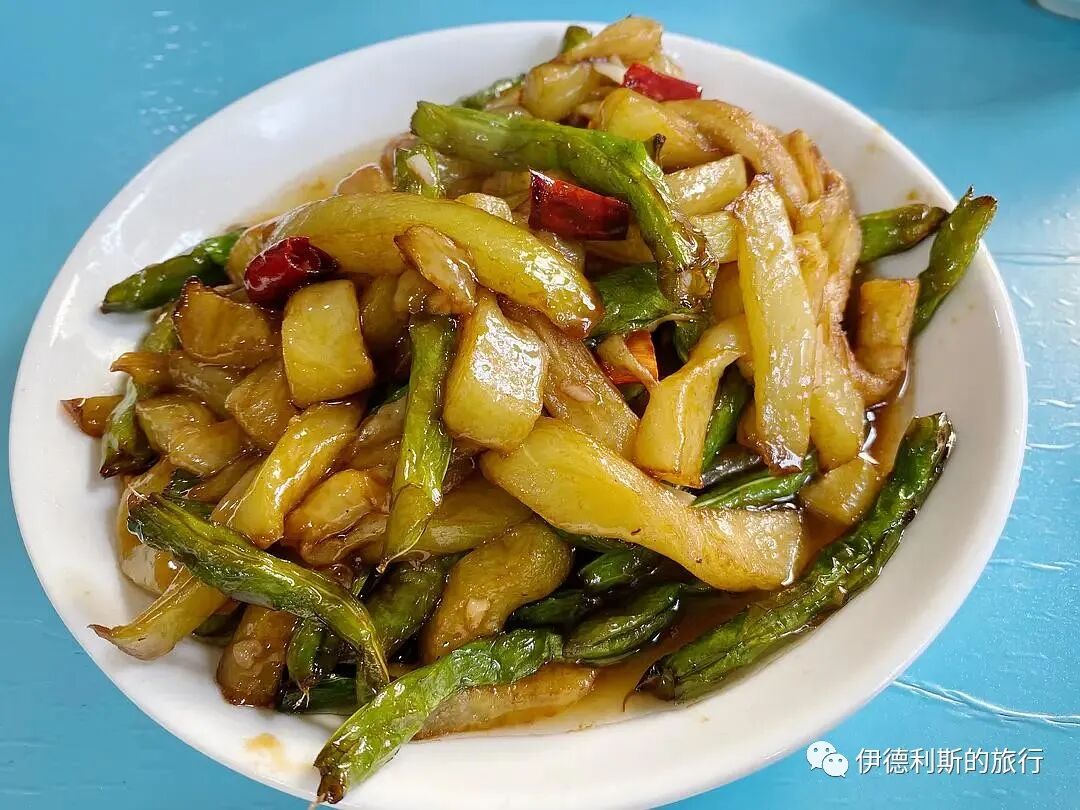
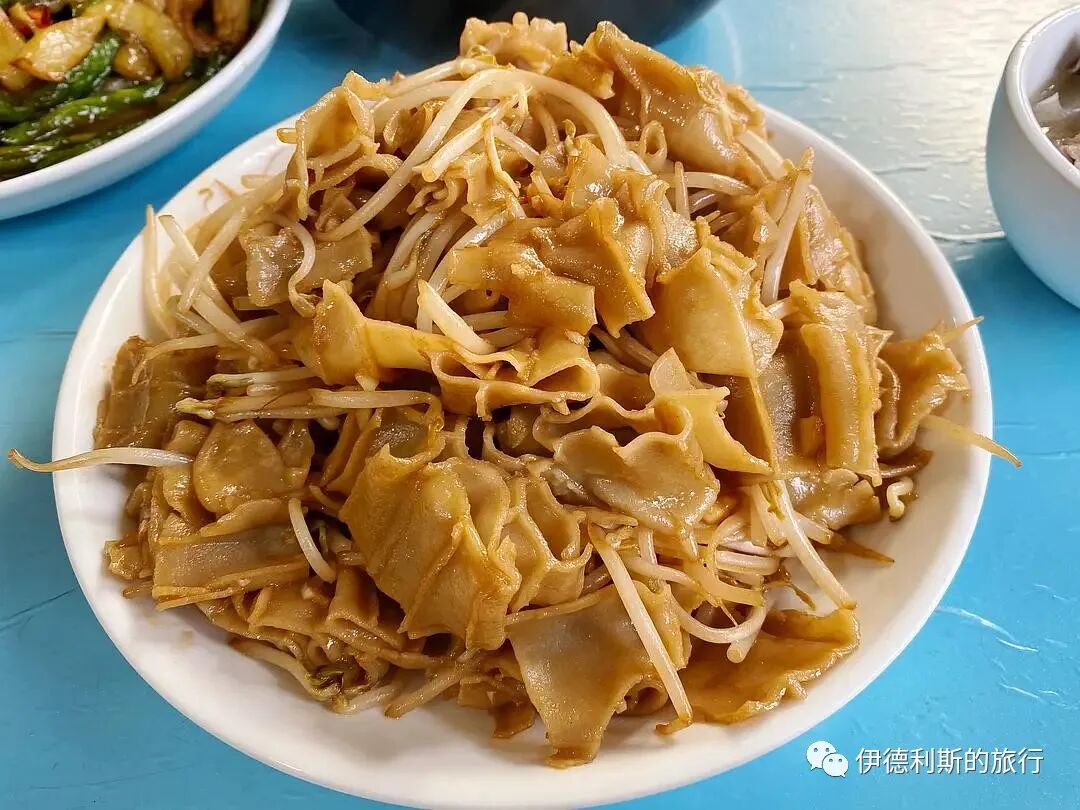
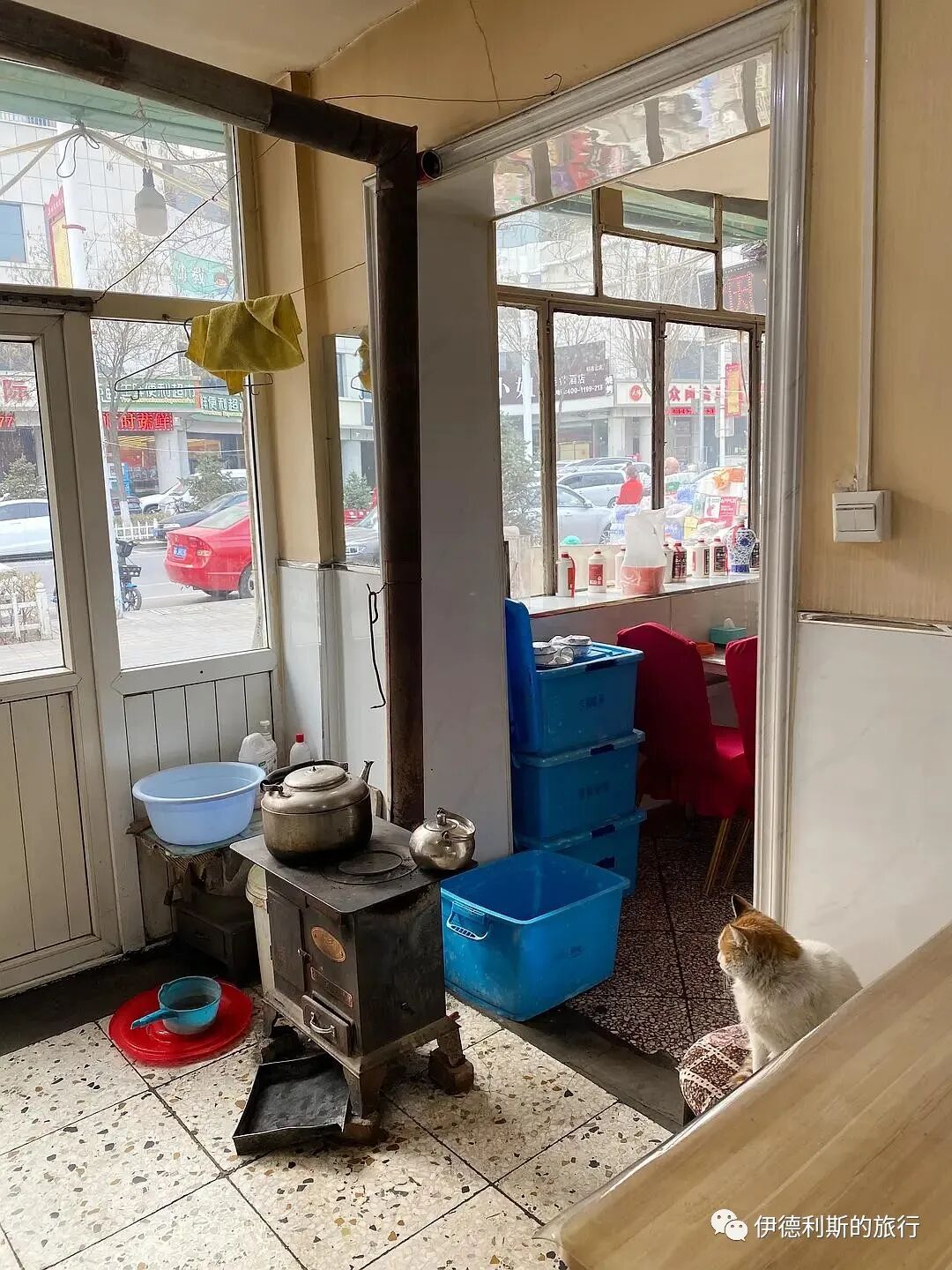
On April 10, 2021, I arrived in Zhangjiakou from Beijing by high-speed train in the morning. At noon, I ate stir-fried youmian wowo (oat flour noodles shaped like small cones), clay pot pickled cabbage with lamb, and eggplant stewed with green beans at Binbin Snacks, located opposite the Xinhua Street Mosque in Zhangjiakou. Small eateries here all use coal stoves.
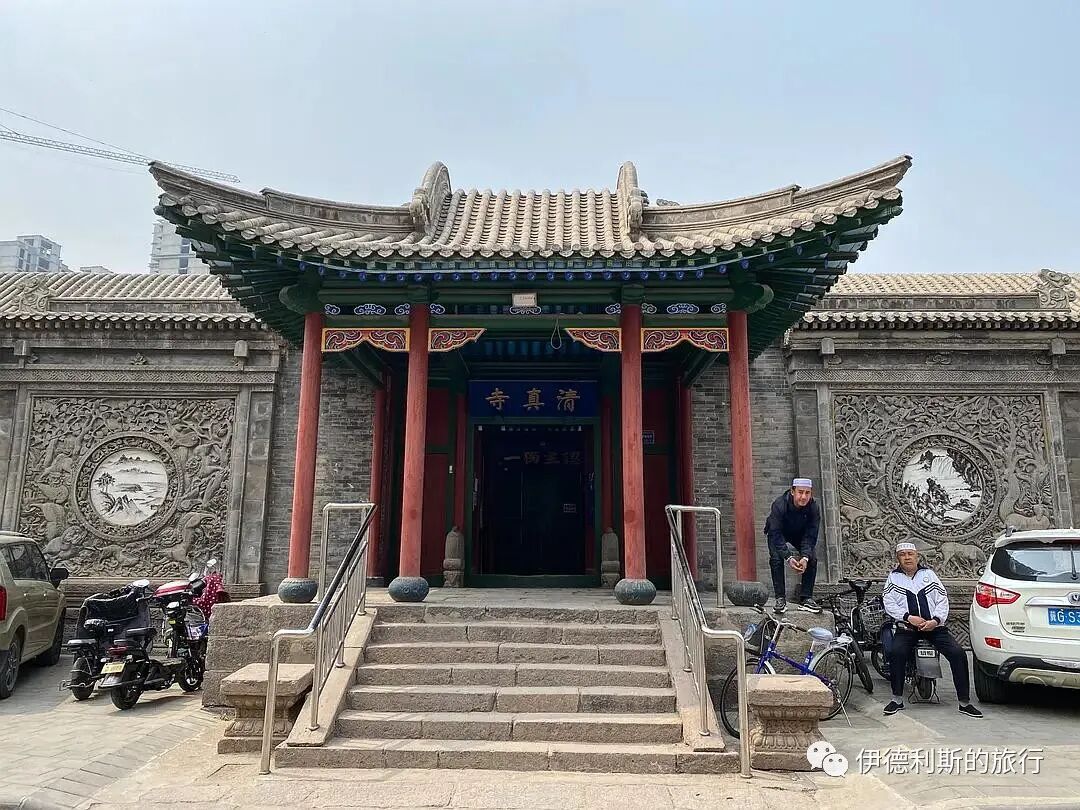
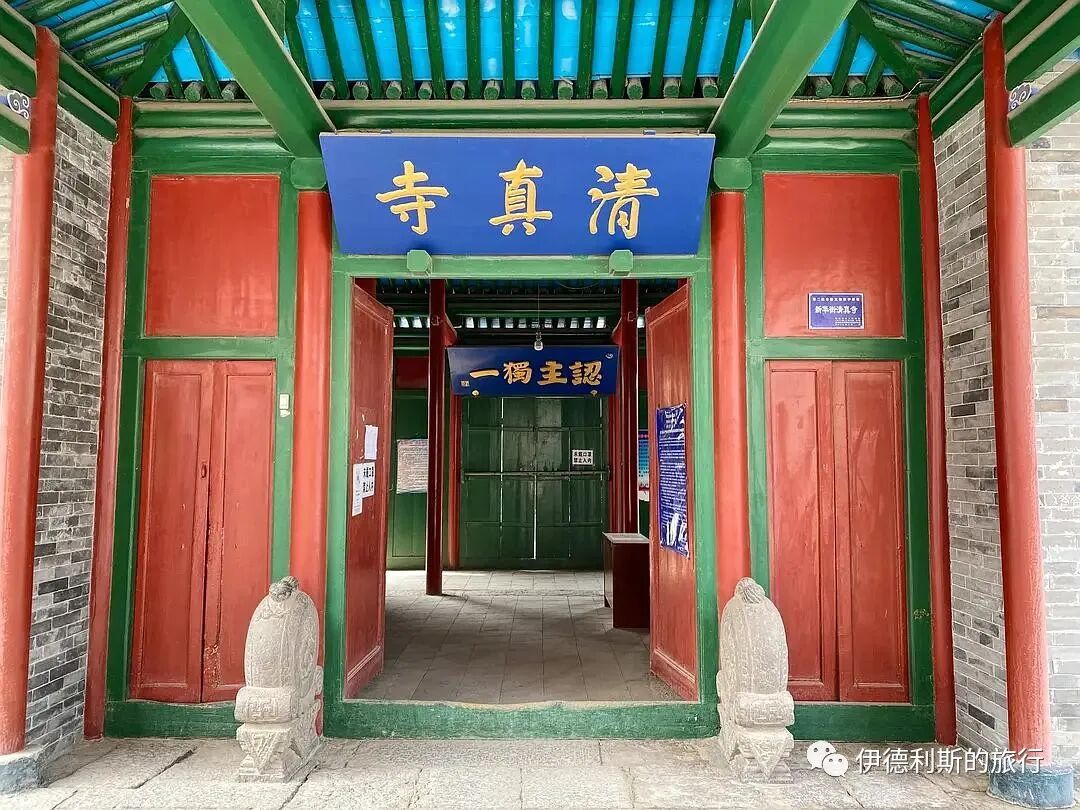
The Xinhua Street Mosque in Zhangjiakou was originally called the Shenggou Mosque. It was first built in 1863 (the second year of the Tongzhi reign) and was funded by over eighty Hui Muslim families from Ningxia who came to Zhangjiakou for camel caravan trade, which is why it is also known as the Tuofang (Camel Caravan) Mosque. These Hui Muslims from Ningxia were mainly from the Ma, Liu, Li, Du, Wu, Wang, and Ding clans. They primarily used camels to transport furs, silk, tea, and other goods for merchants, traveling between Inner Mongolia, Shanxi, Gansu, Mongolia, and Russia.
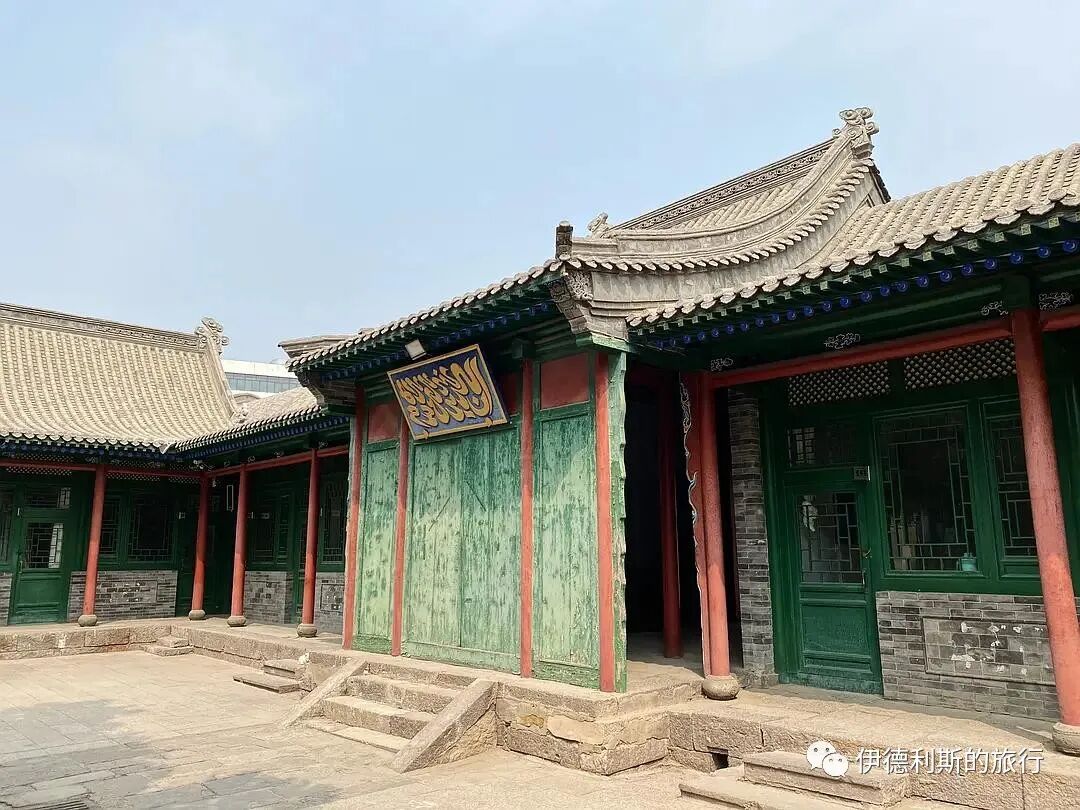
Main gate
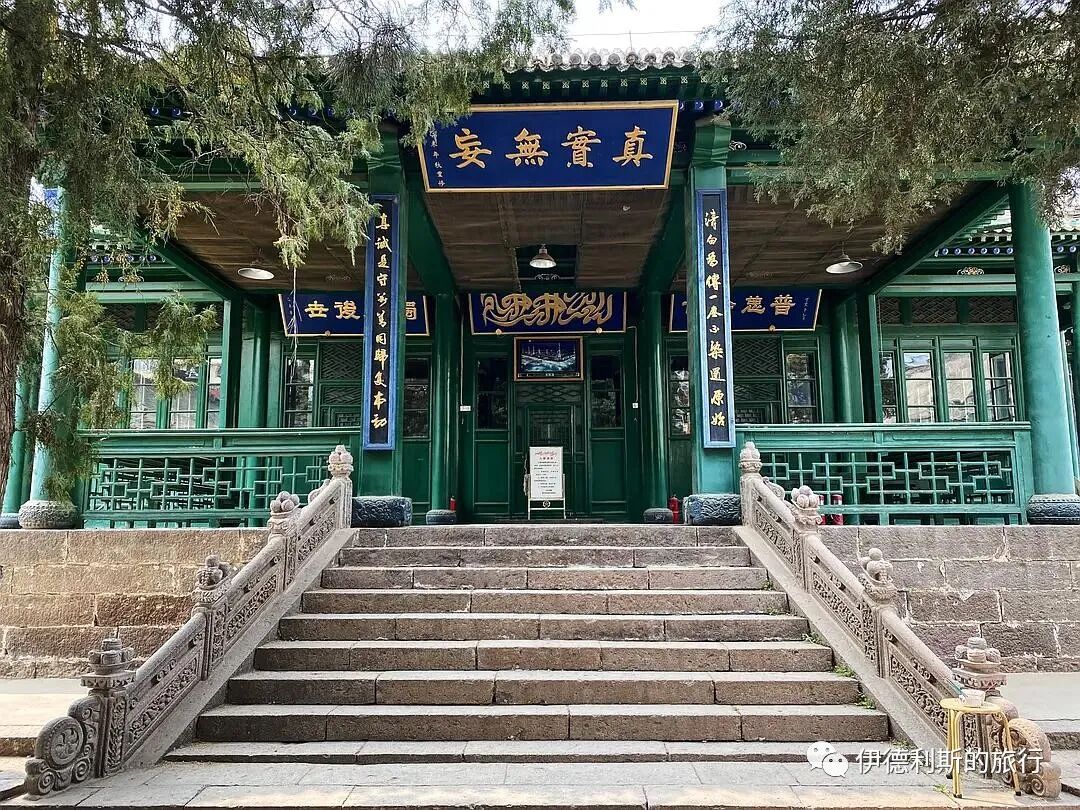
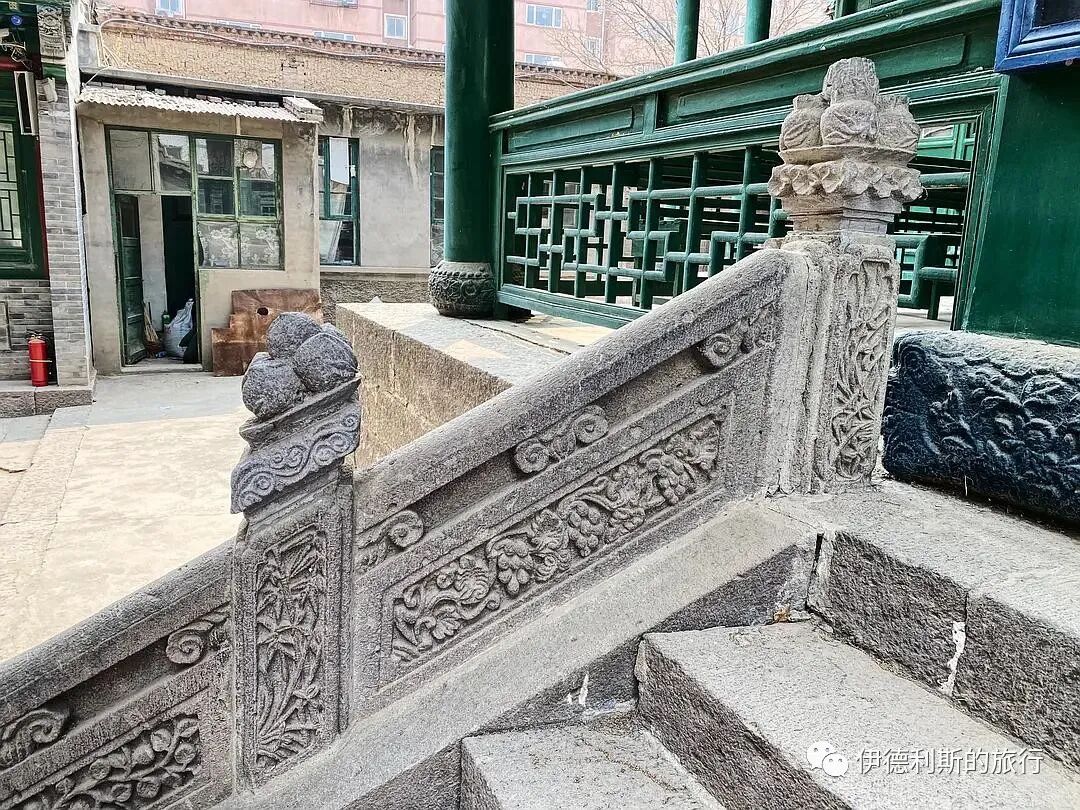
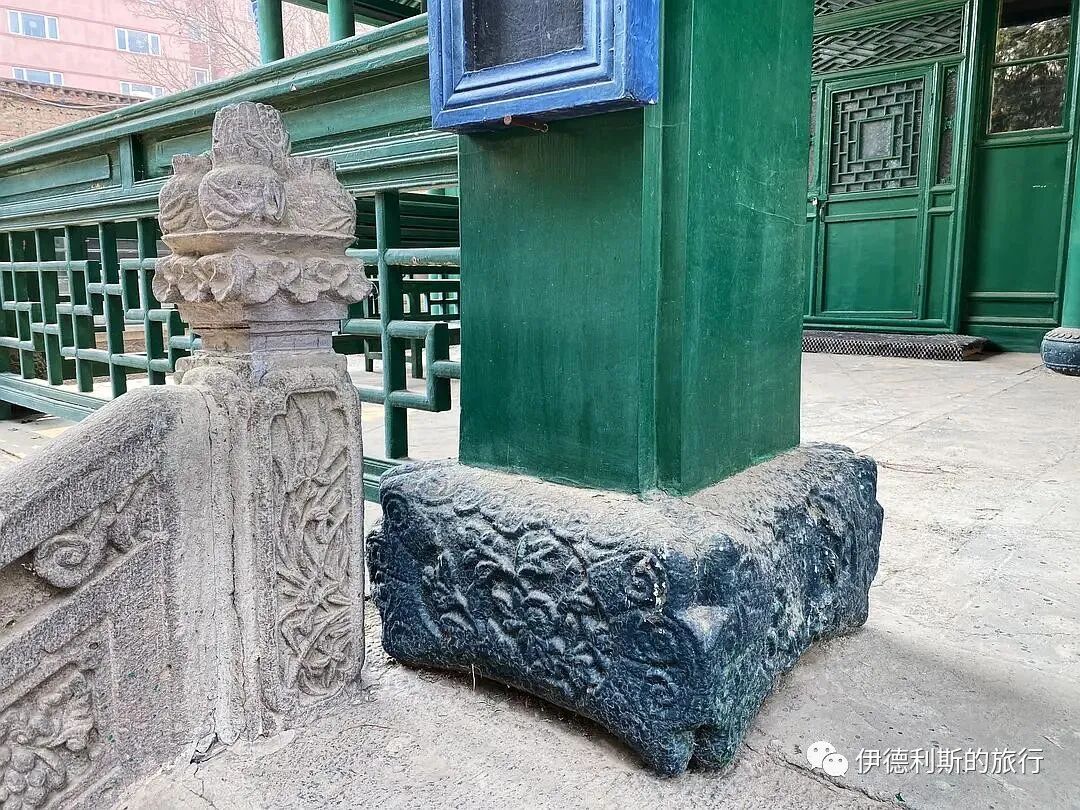
Exquisite stone railings in front of the main prayer hall, with column tops carved into the shape of fruit plates.
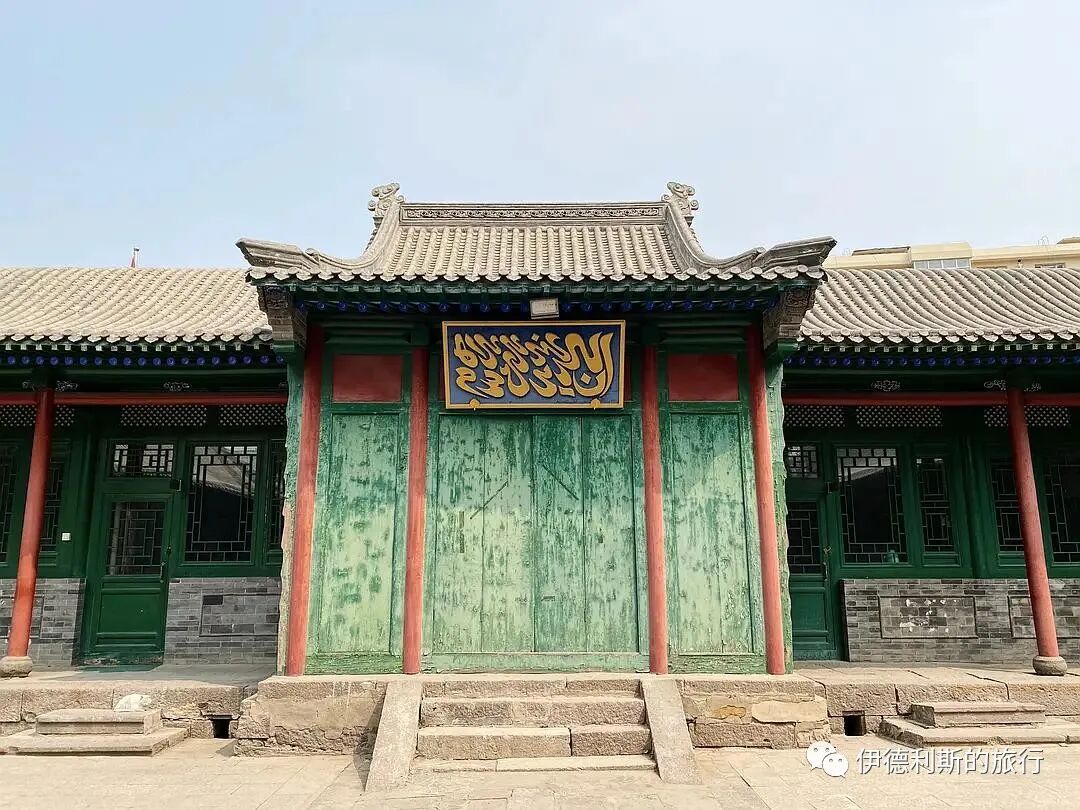
Interior view of the main prayer hall; all the large pine timbers were transported from Mongolia. Because the mosque uses the south wing for prayer in winter and only moves to the main hall in summer, the main hall was locked, and I could not go inside to visit.
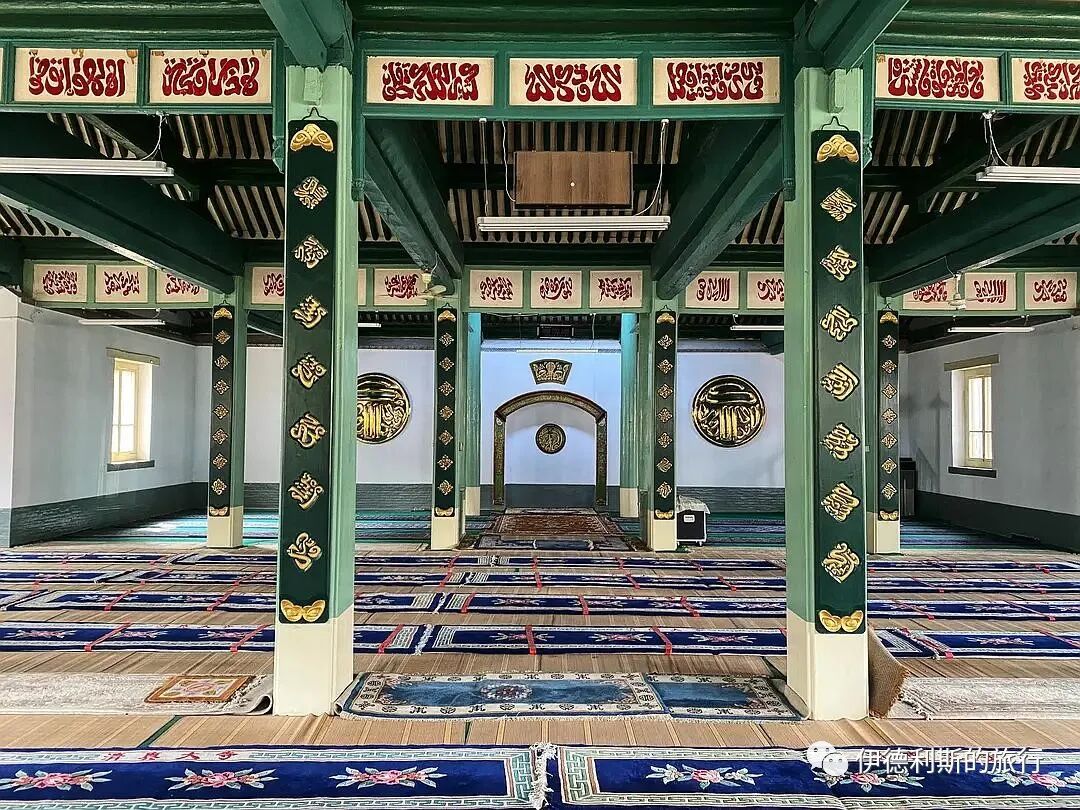
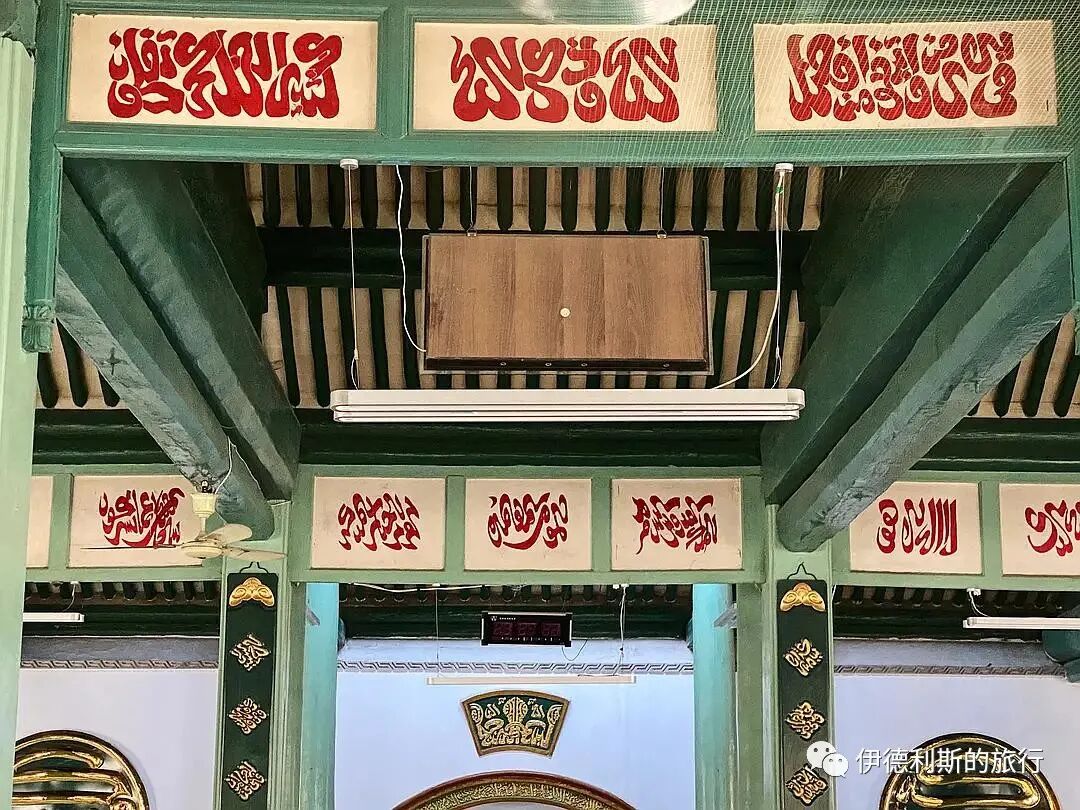
Juanpeng
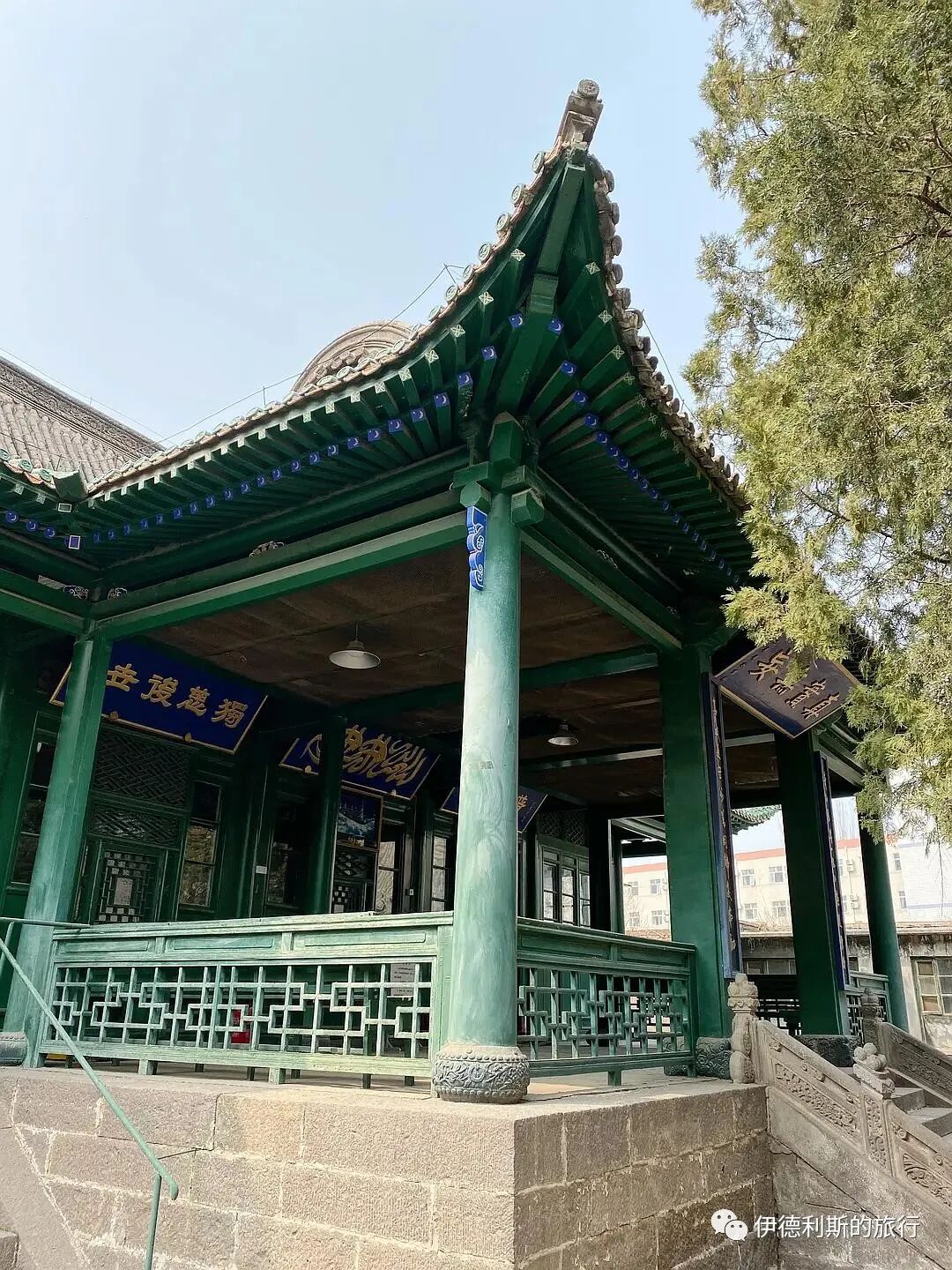
From right to left are the juanpeng, the front hall, and the middle hall.
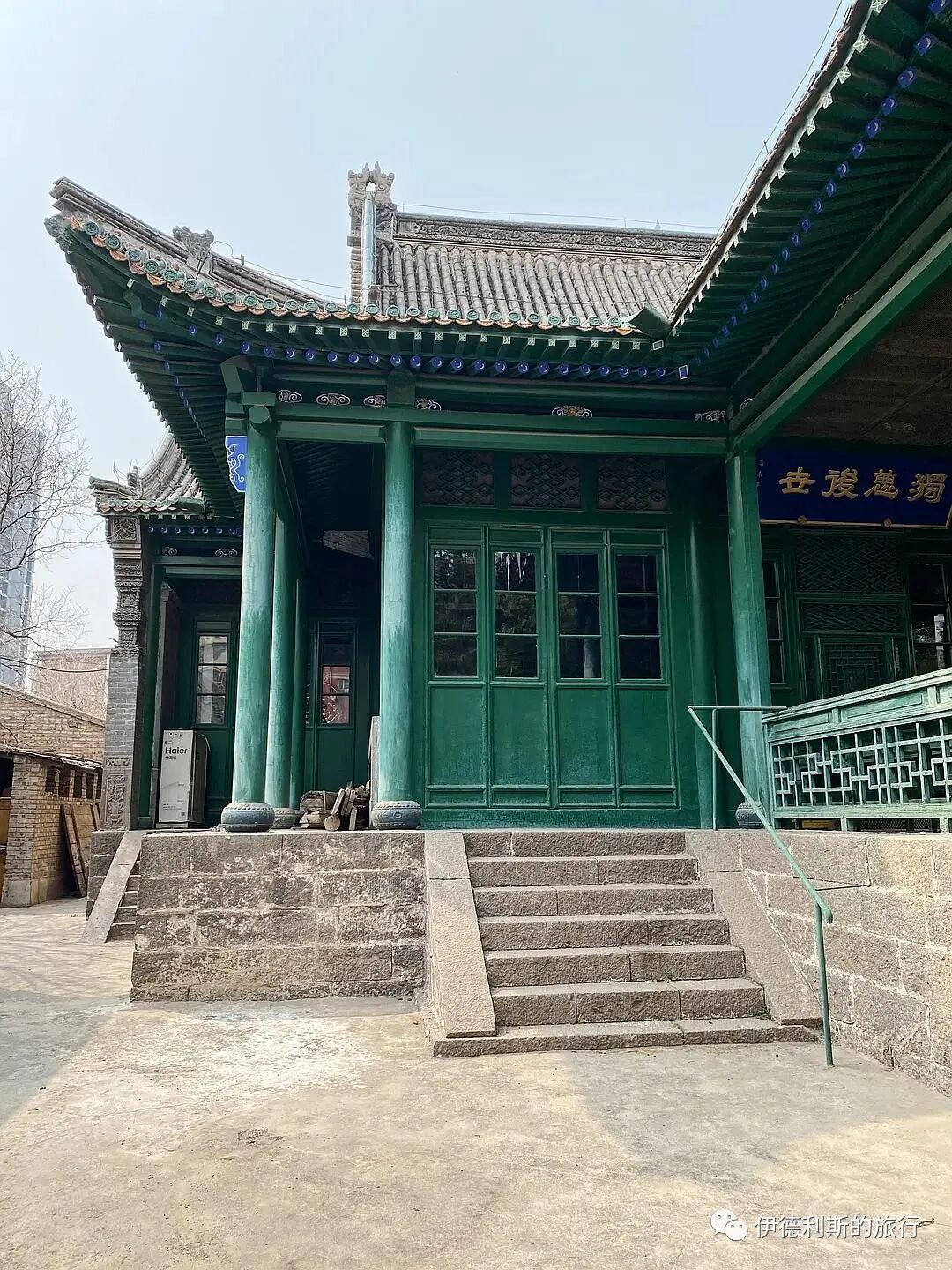
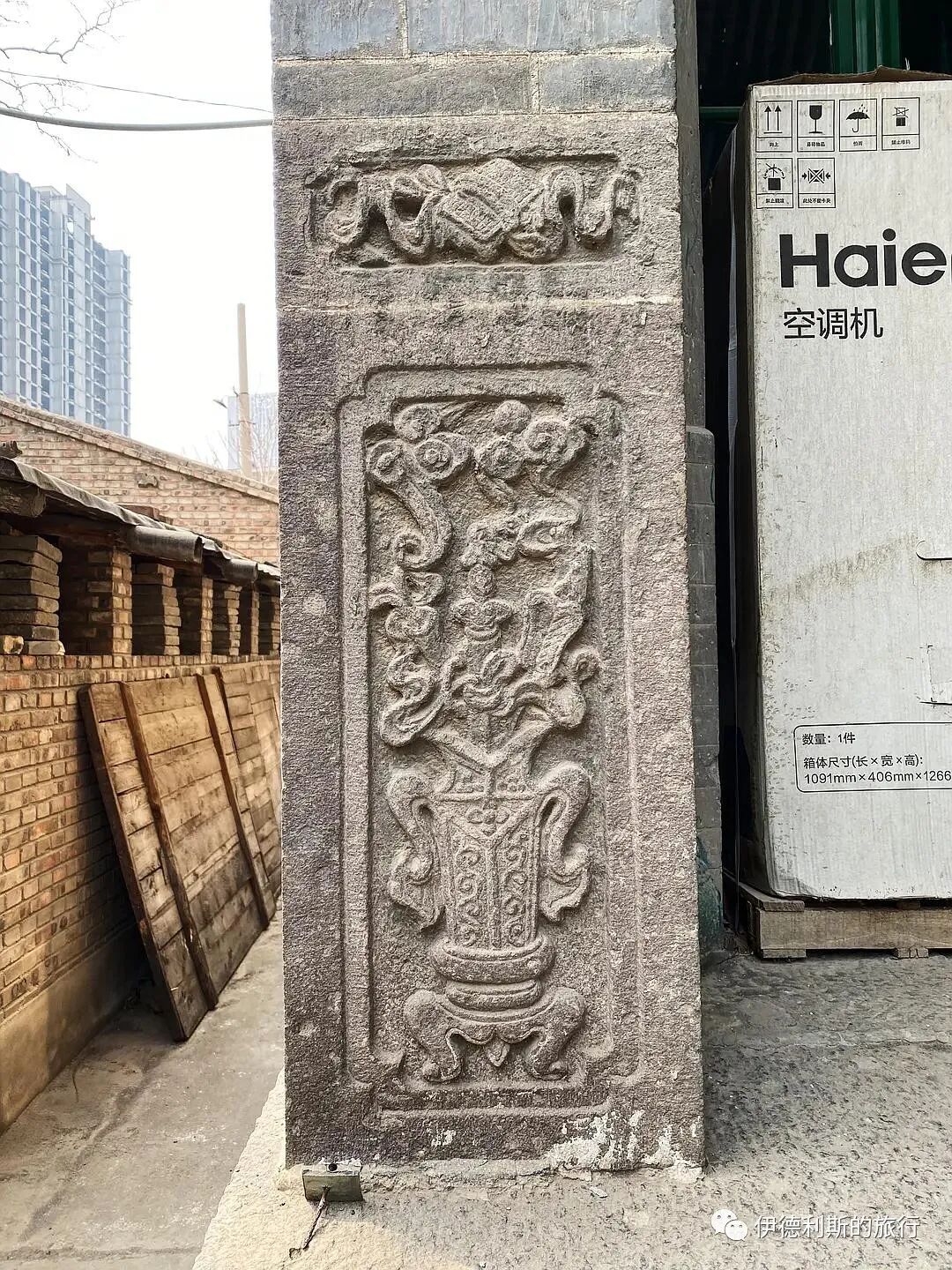
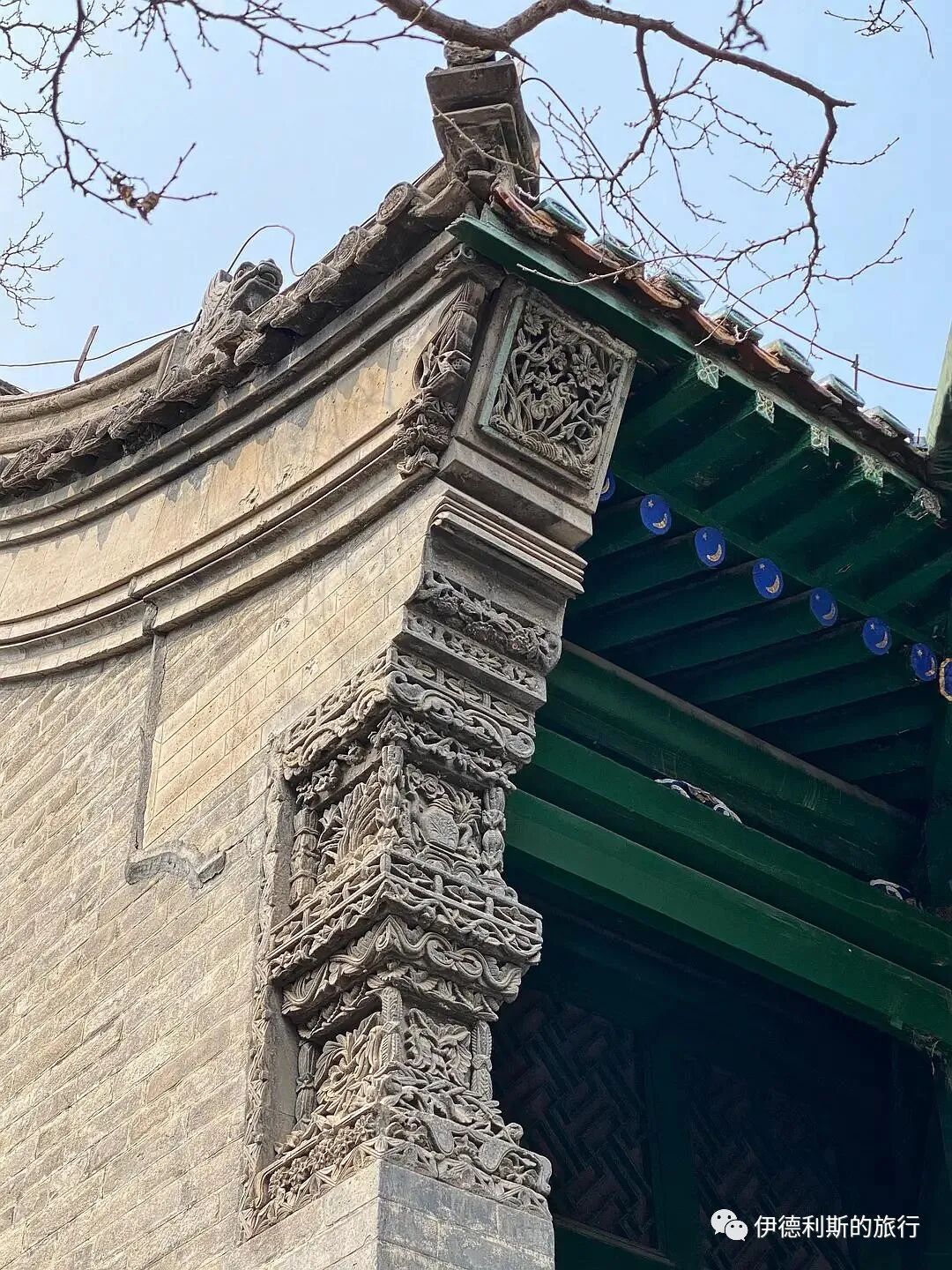
Brick carvings of the middle hall.
The middle hall and the yaodian (the rear section of the prayer hall housing the mihrab).
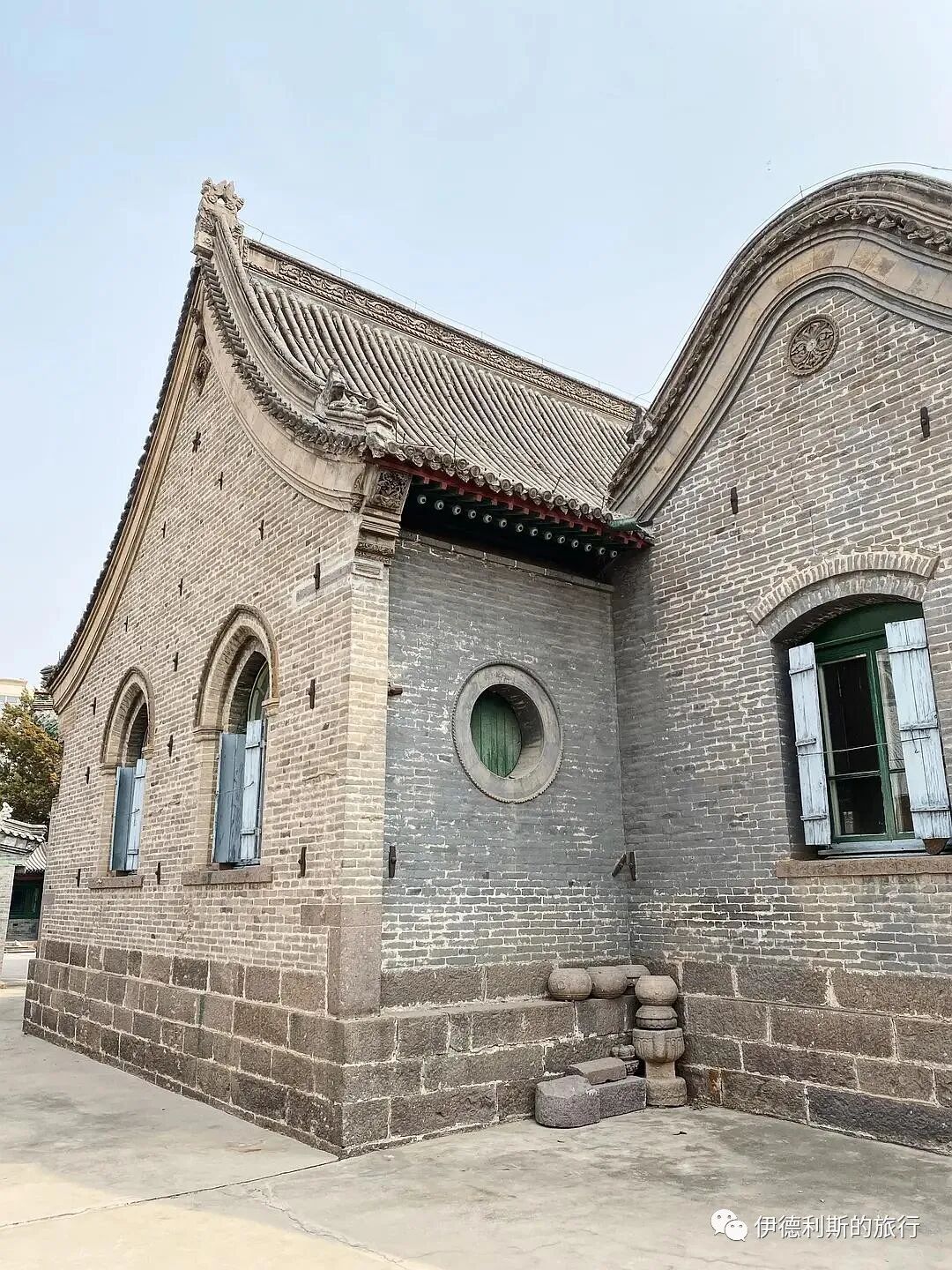
Yaodian
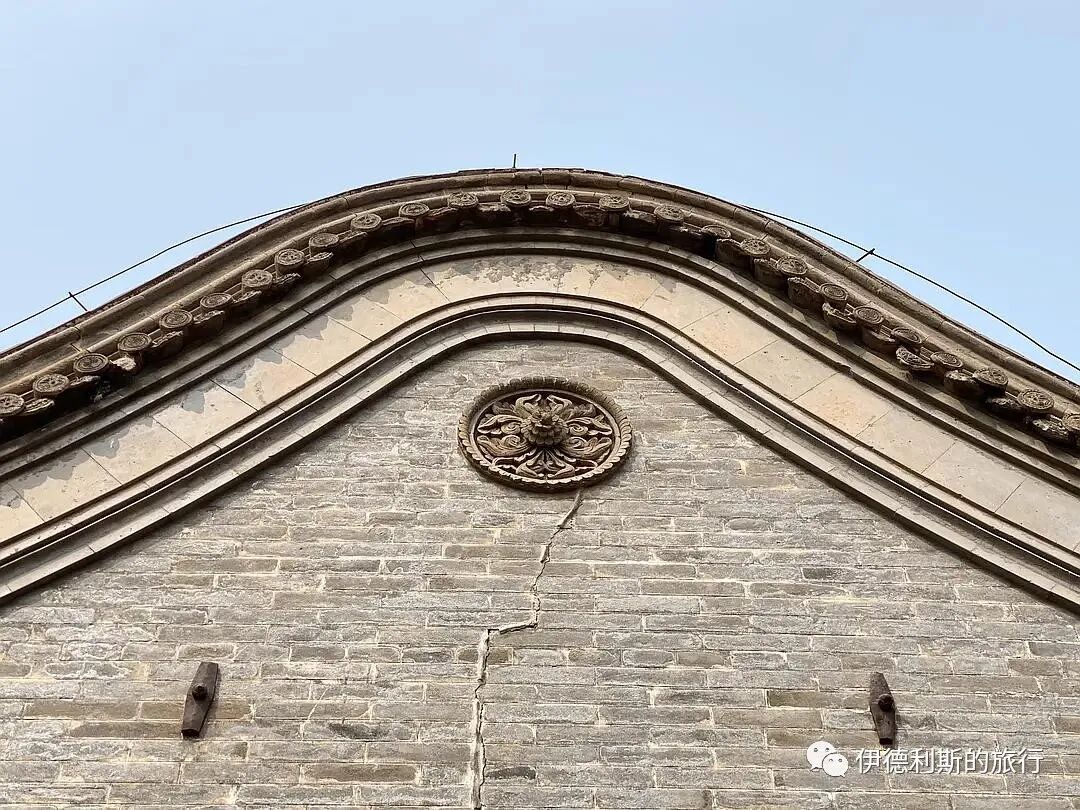
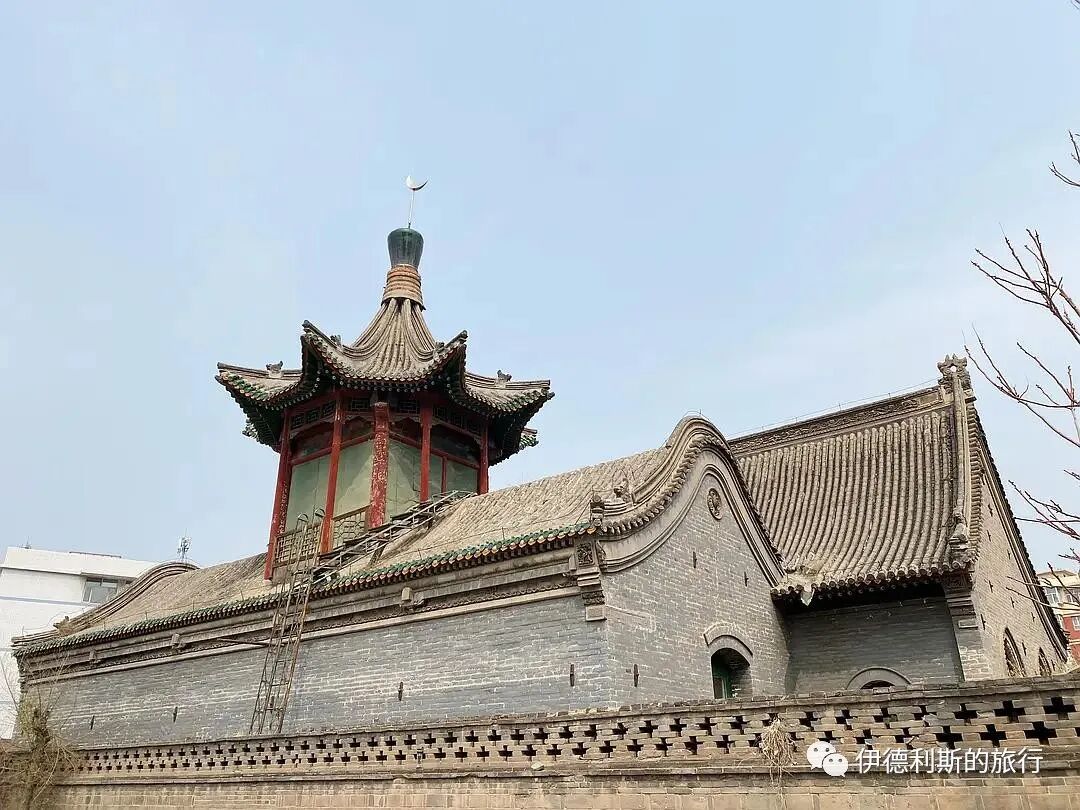
The south wing used as a prayer hall during winter.
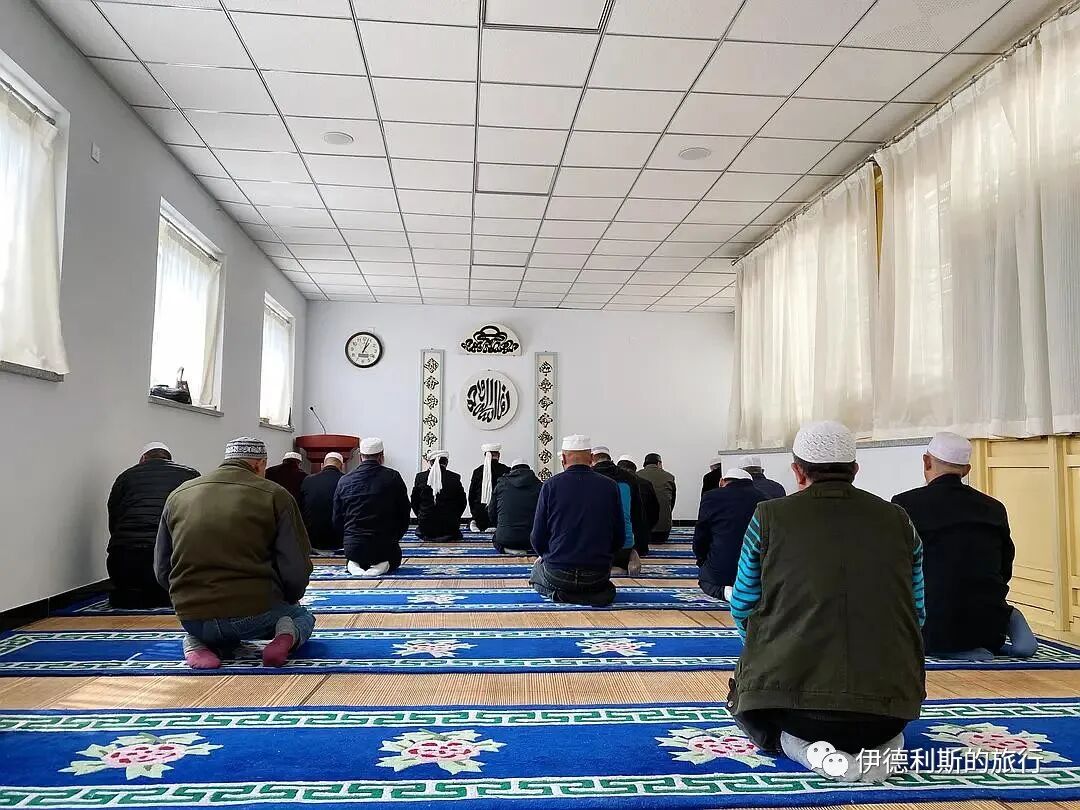
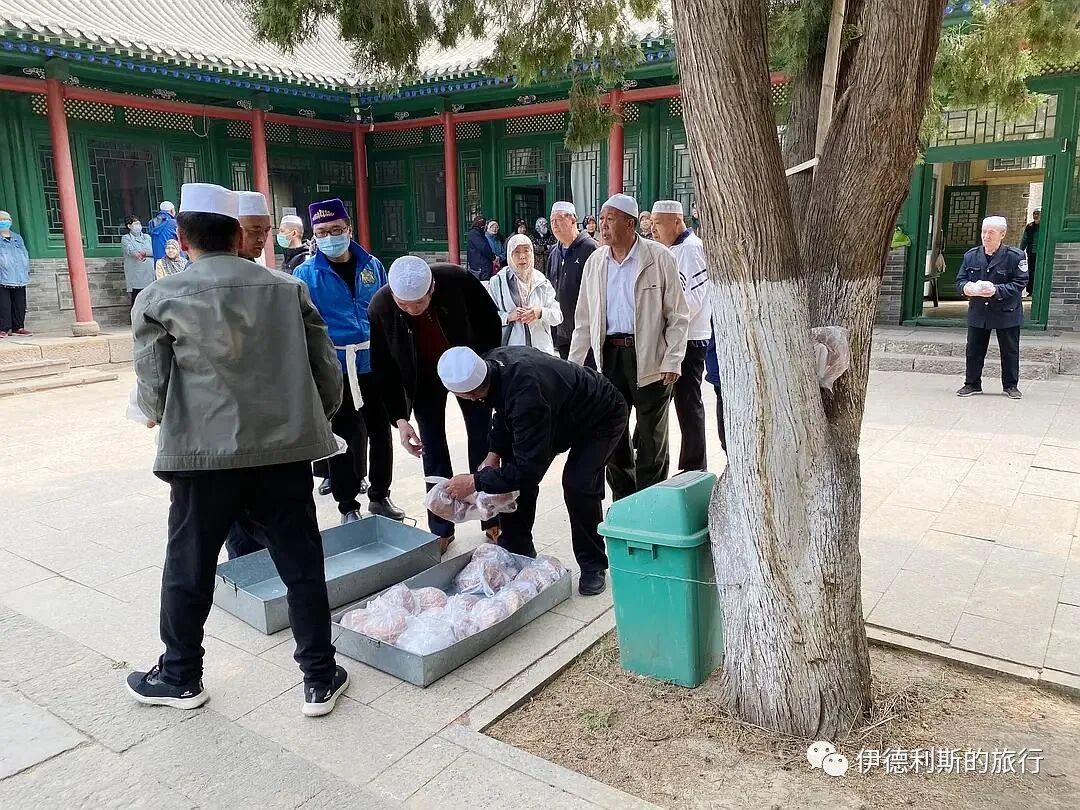
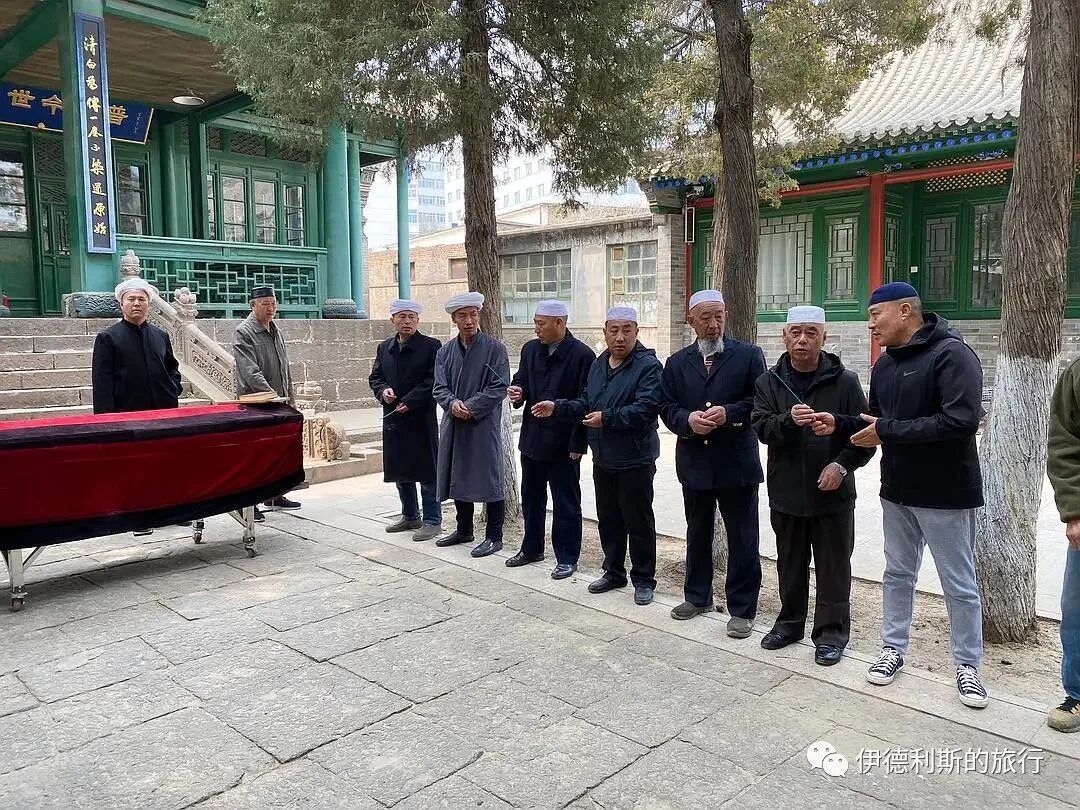
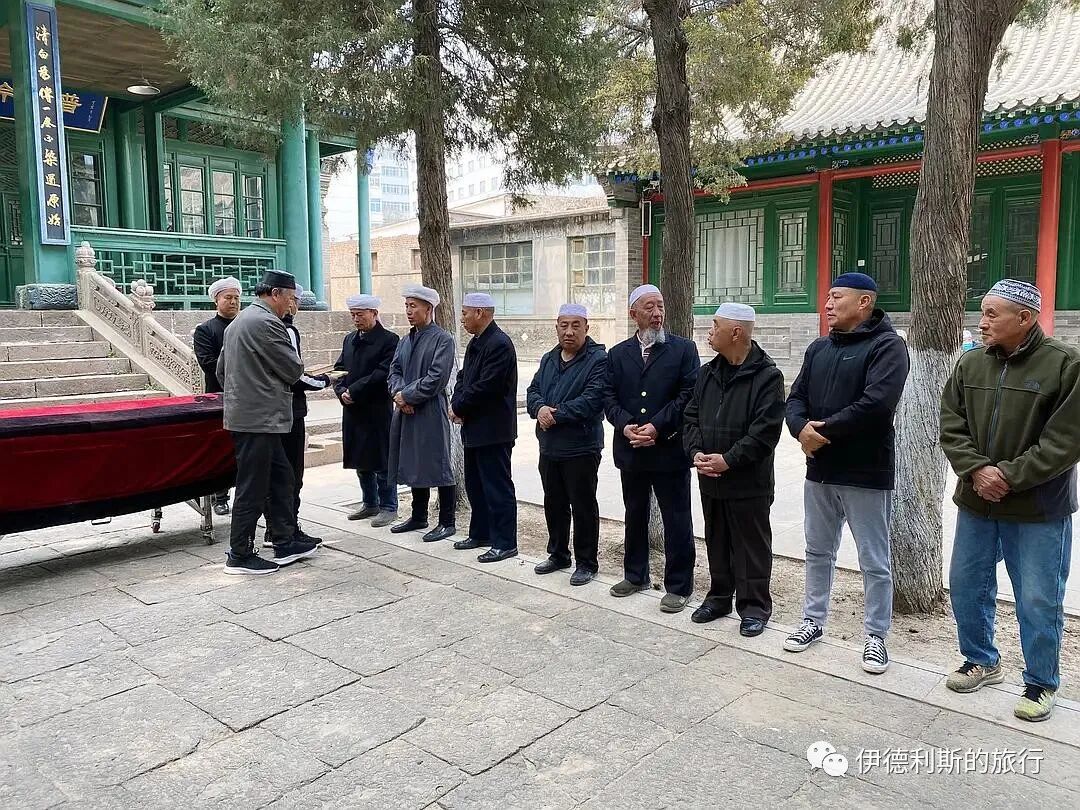
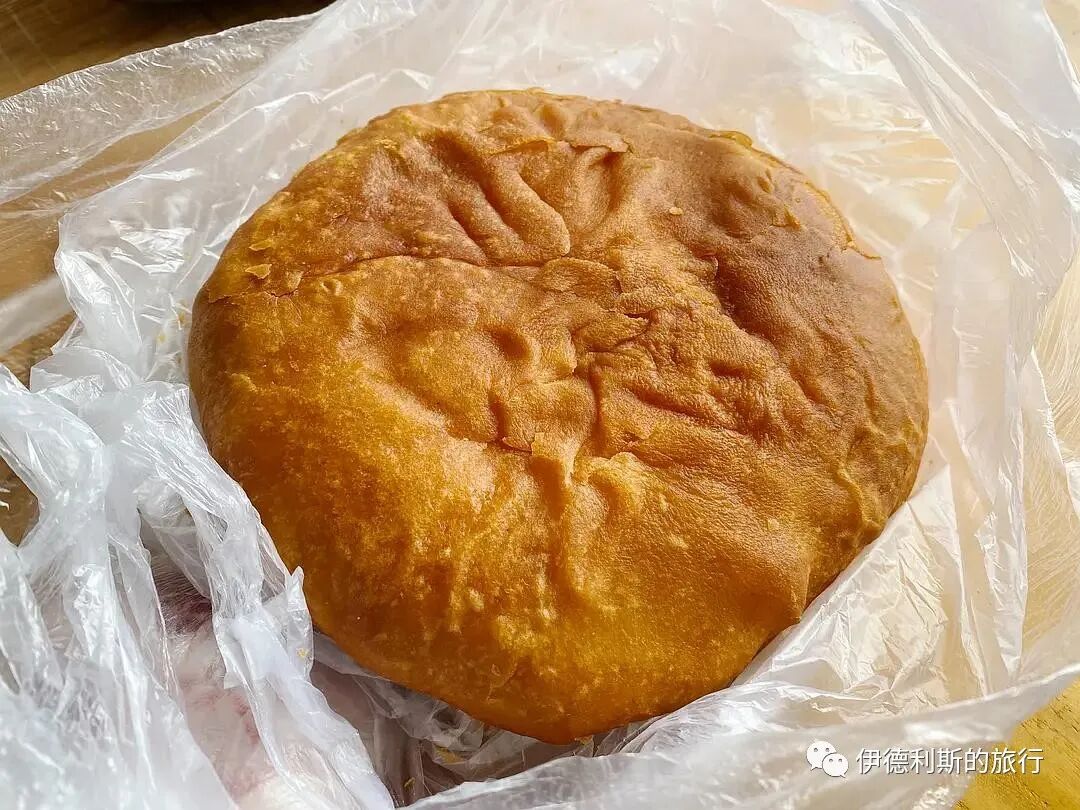
I happened to encounter a janazah (funeral) and participated in the rituals of handing over the deceased, passing incense, reciting scriptures, and the salat al-janazah (funeral prayer). I received youxiang (fried dough) and meat distributed by the family.
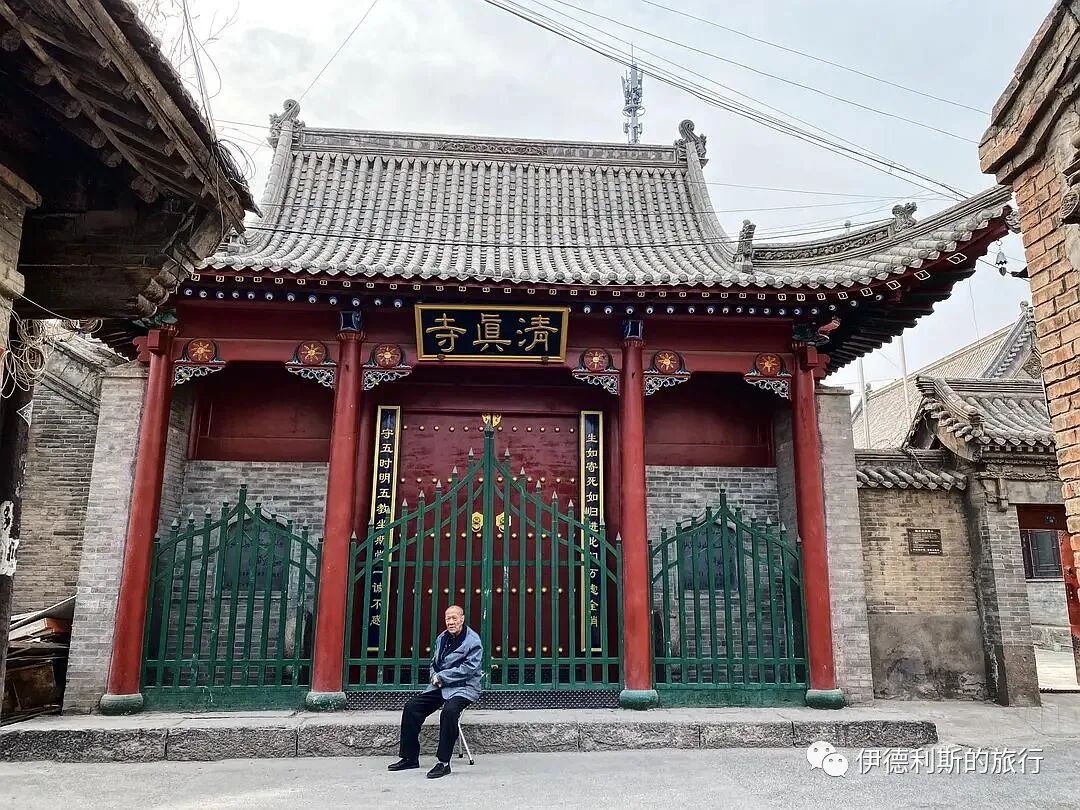
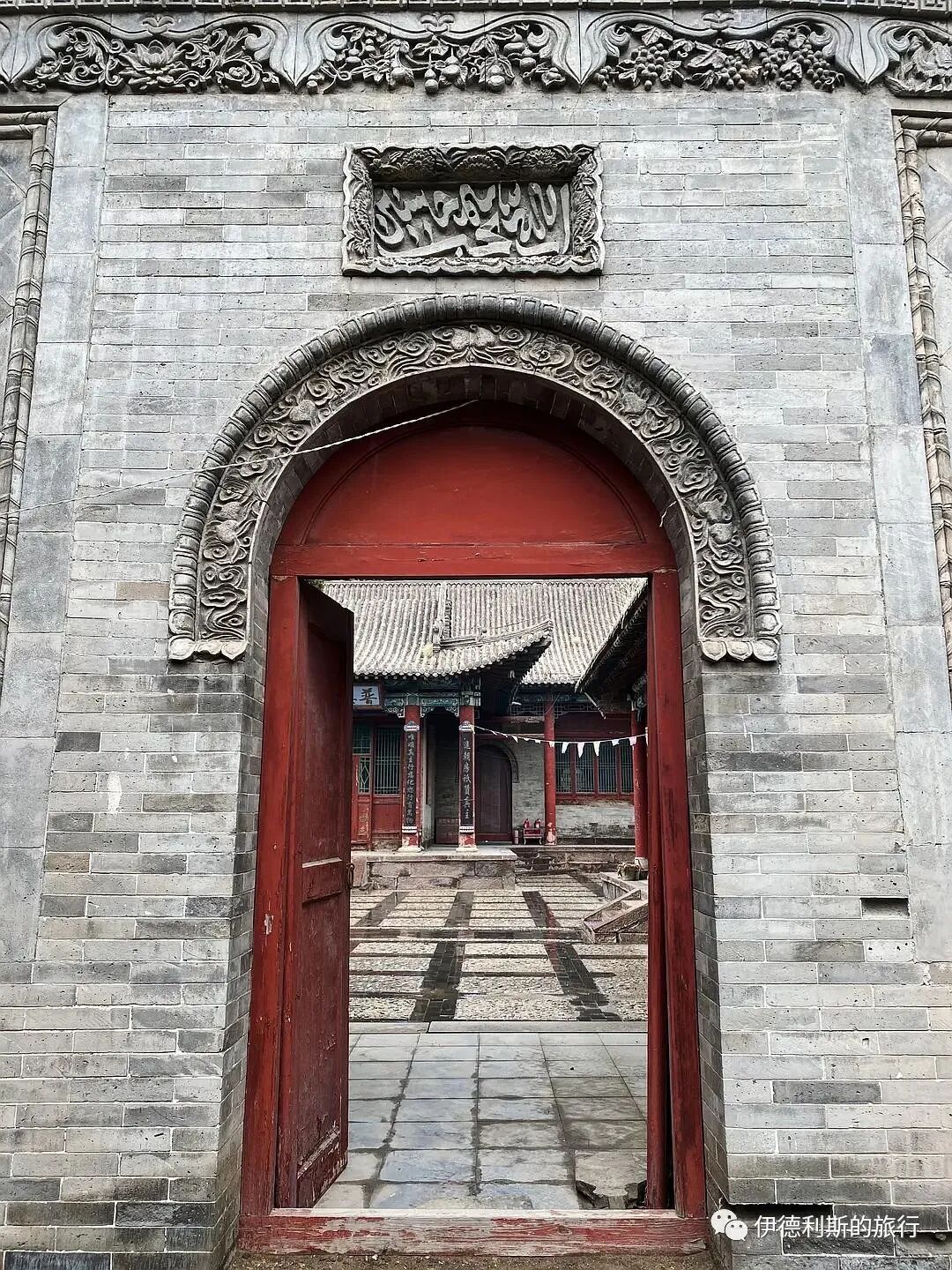
I walked from the Xinhua Street Mosque through the Zhangjiakou Fort to the Xiguan Mosque. The Xiguan Mosque was built during the Qing Yongzheng period (1723-1735) with funds raised by Hui Muslims from the Xiao, Zheng, Song, and Wang clans who had long resided in the lower fort of Zhangjiakou since the Ming and Qing dynasties. The mosque consists of a main prayer hall, north and south wings, a main gate, and a chuihuamen (hanging flower gate), forming a siheyuan (courtyard) layout.
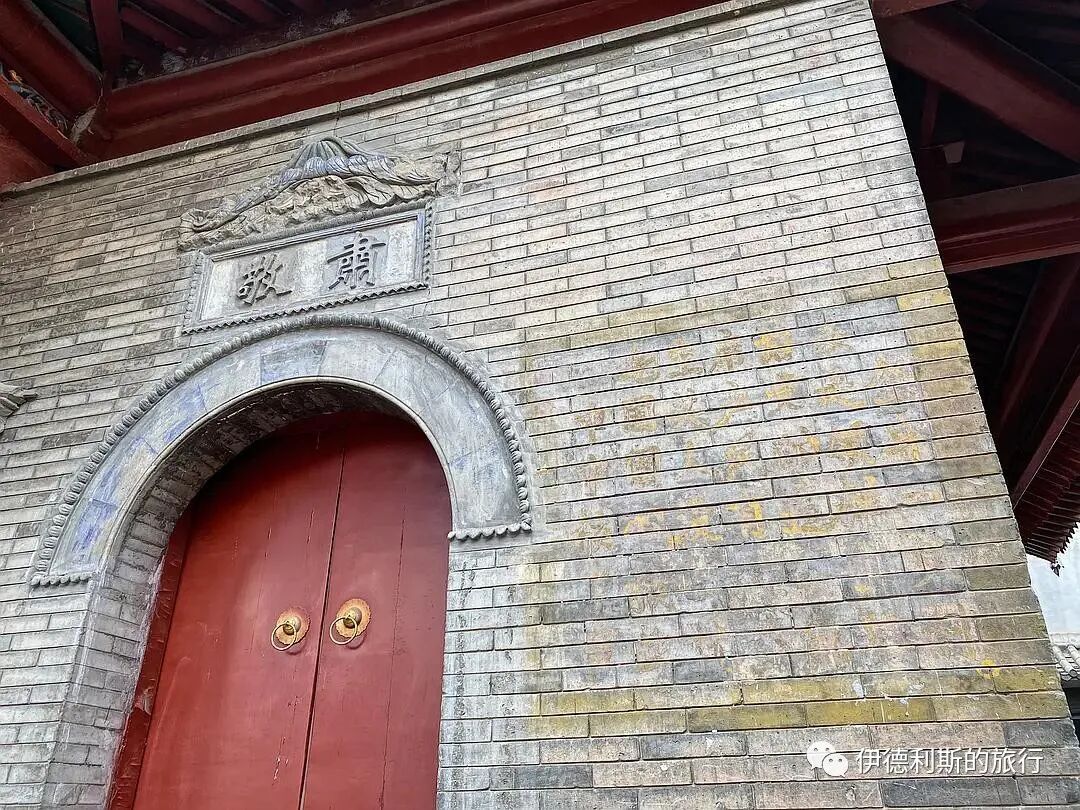
Main gate
Side gate
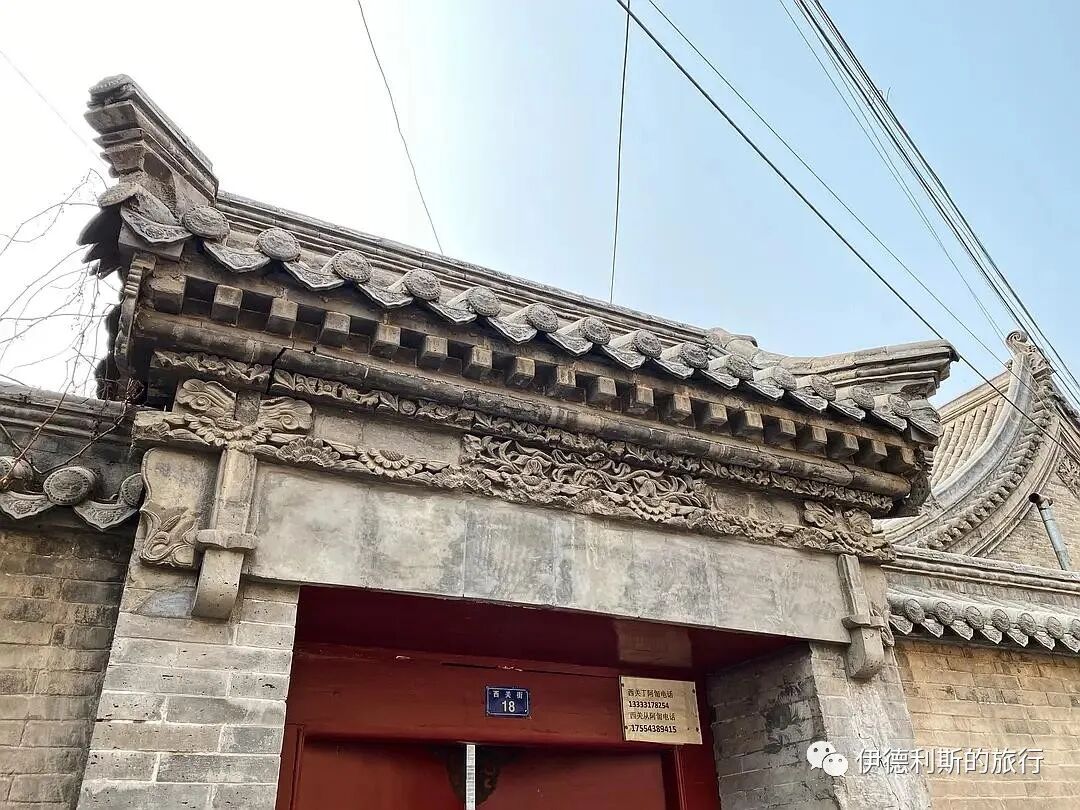
Chuihuamen (hanging flower gate)
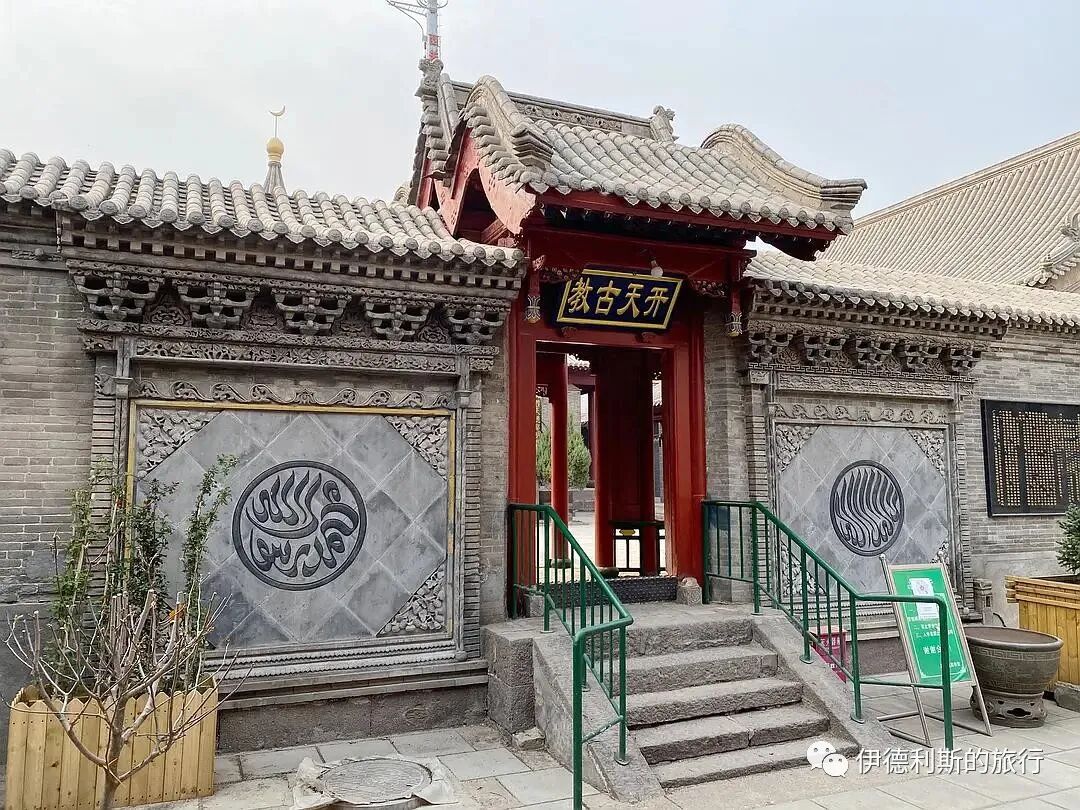
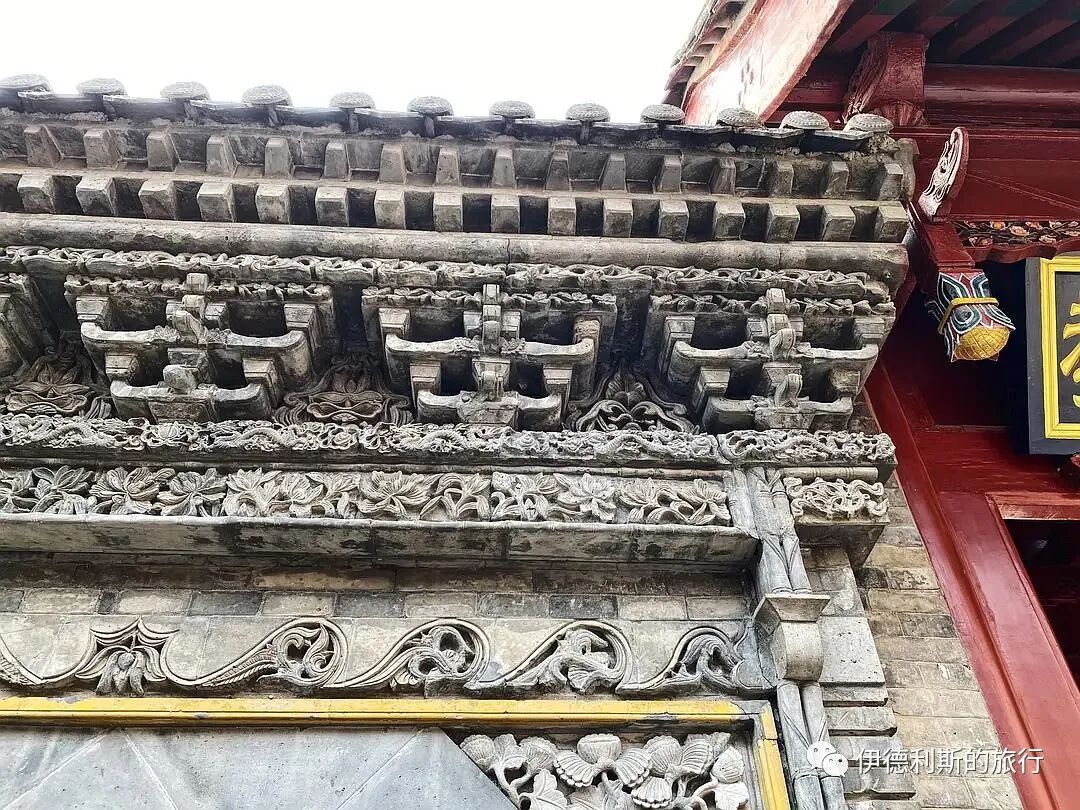
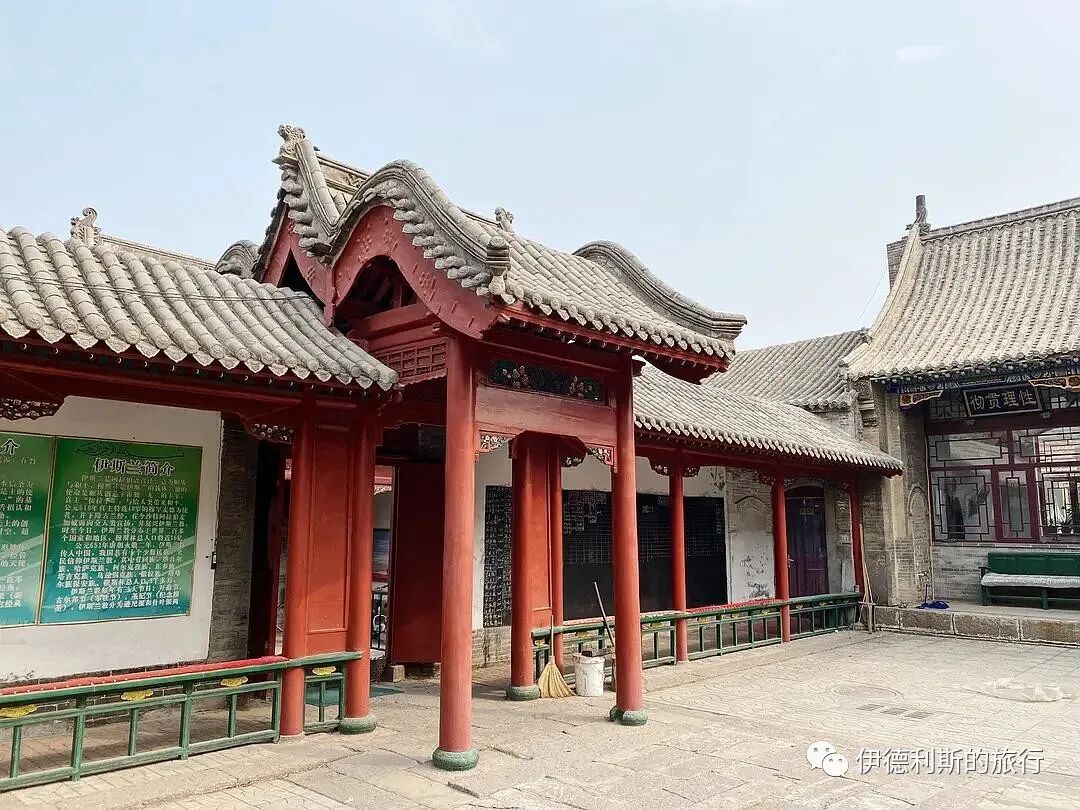
Wing room
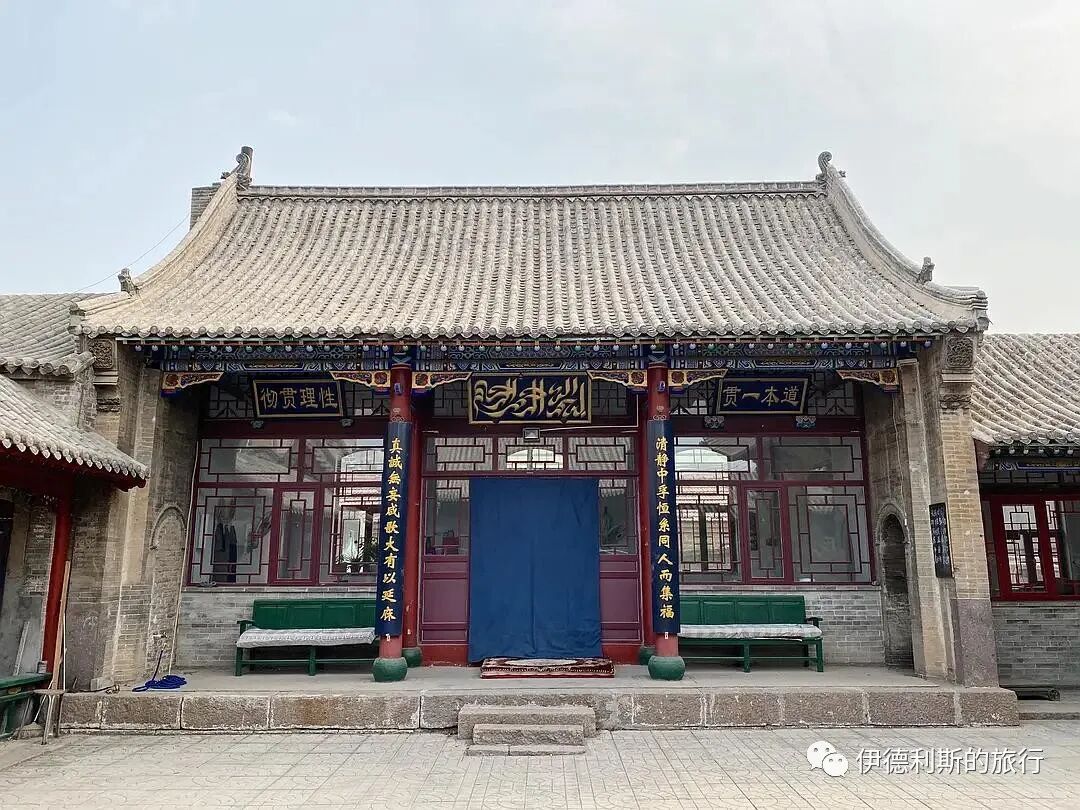
Main prayer hall
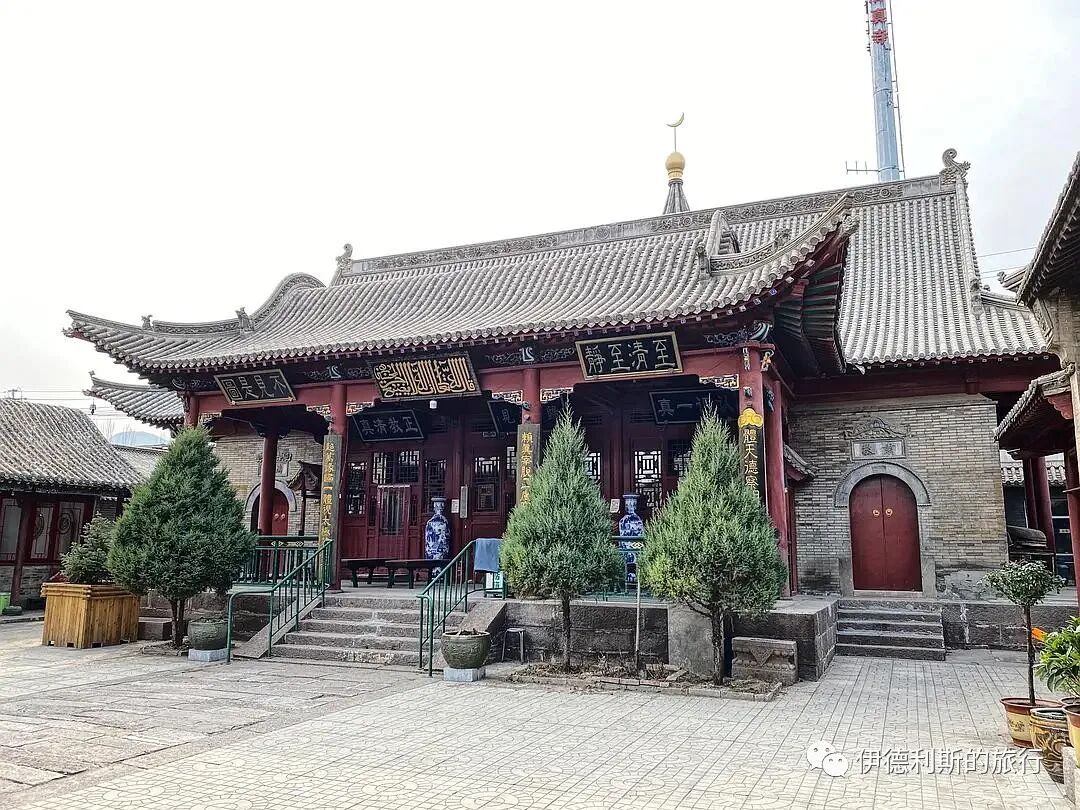
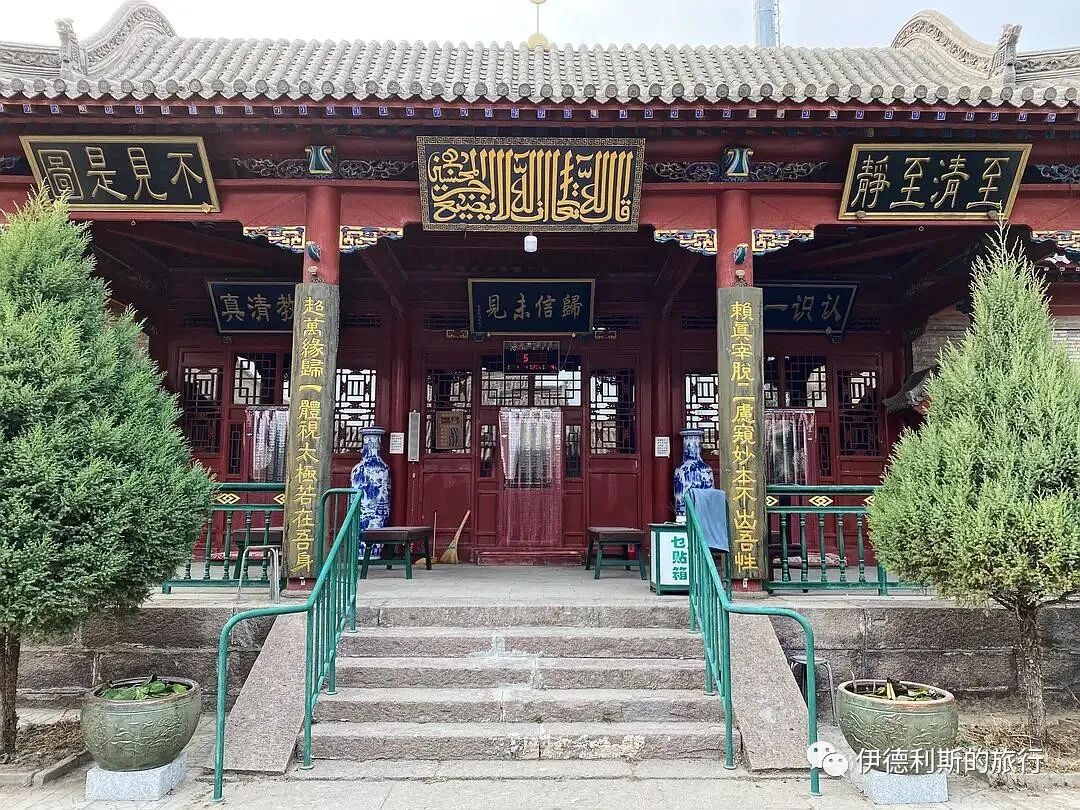
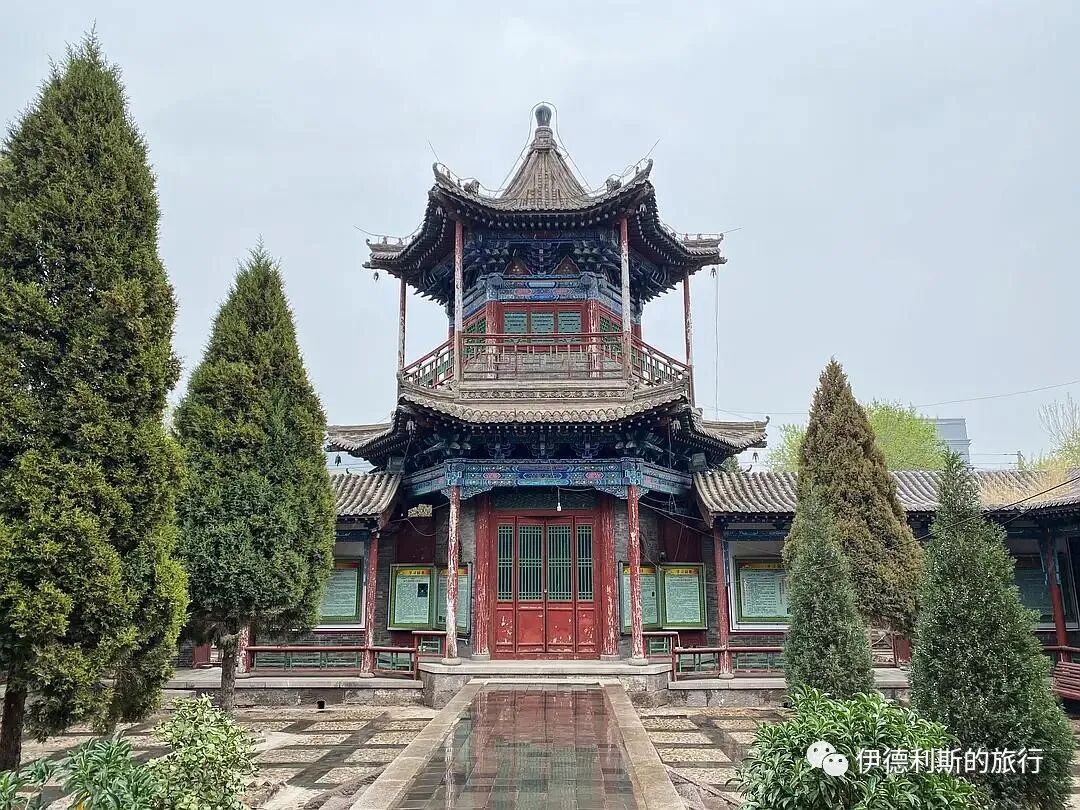
Wangyuelou (Moon-Sighting Tower) on the south side of the main prayer hall.
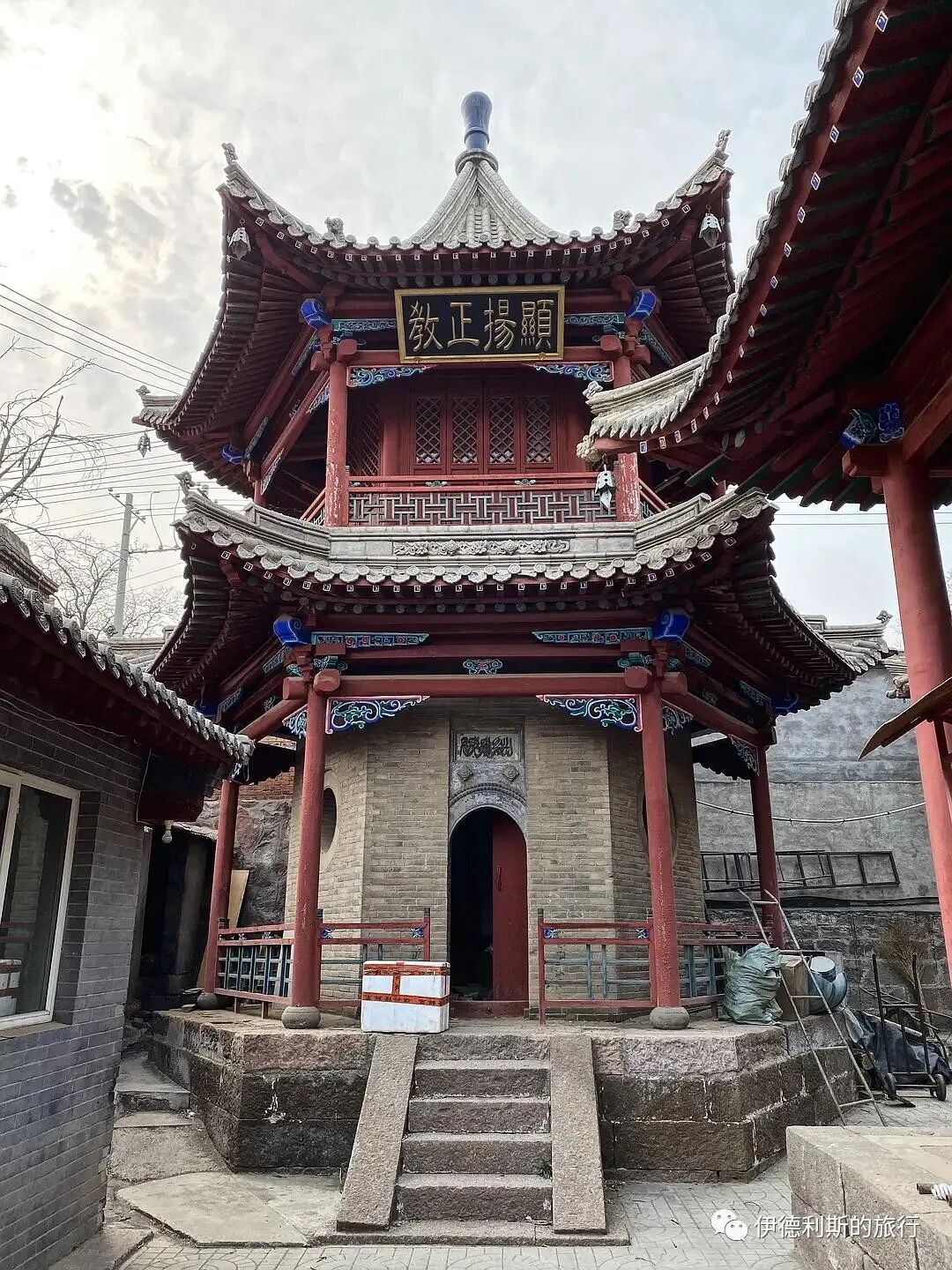
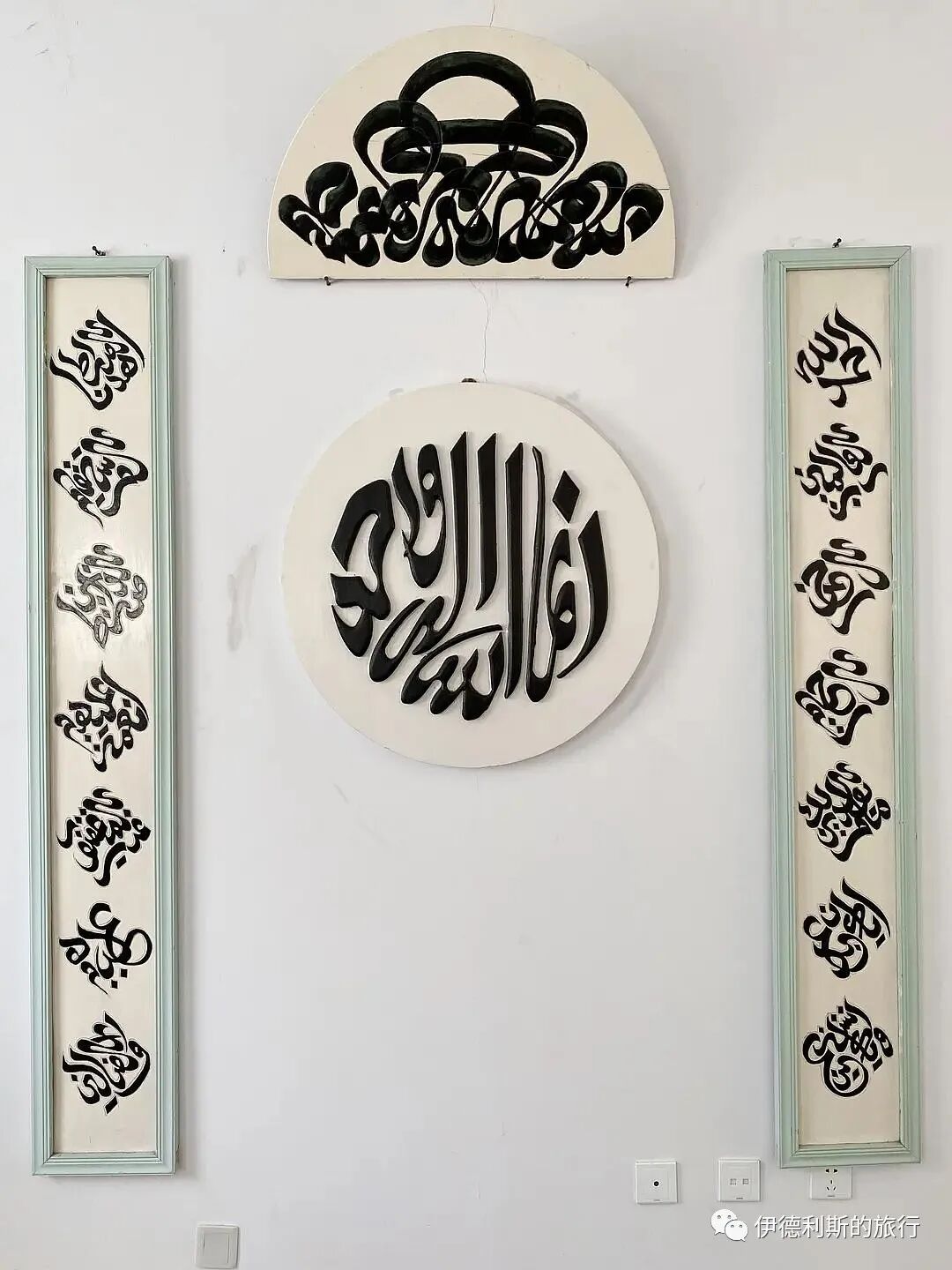
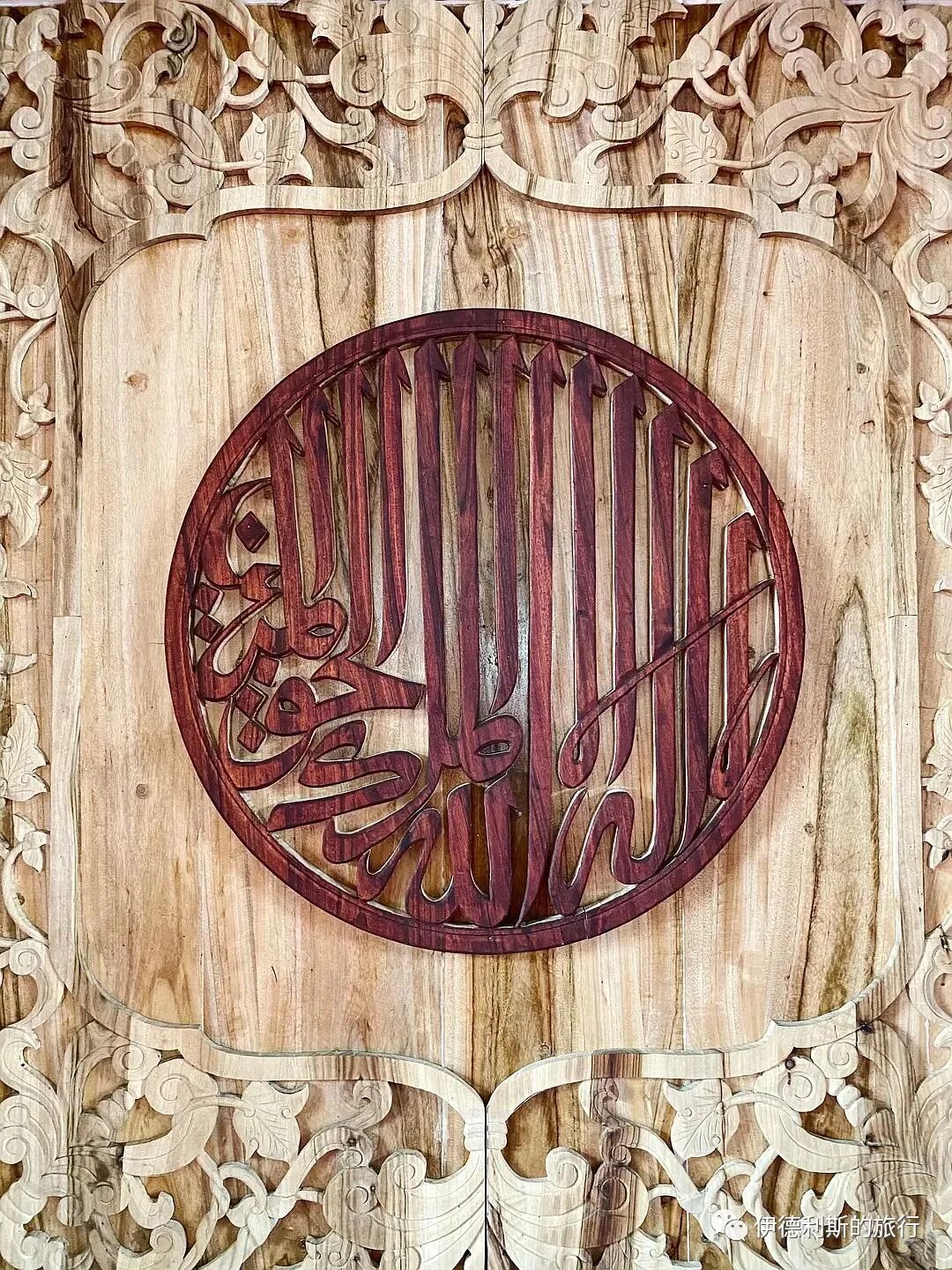
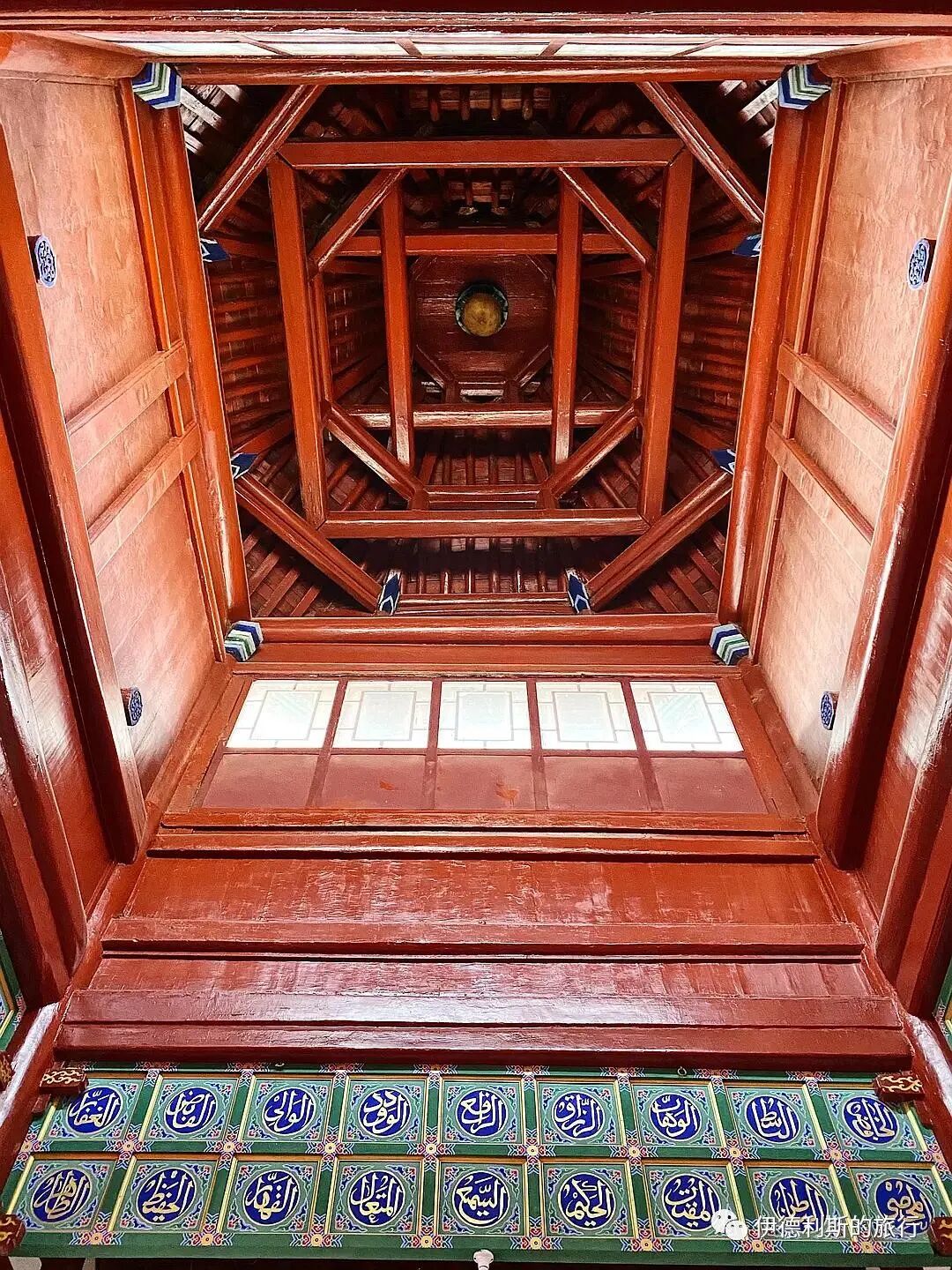
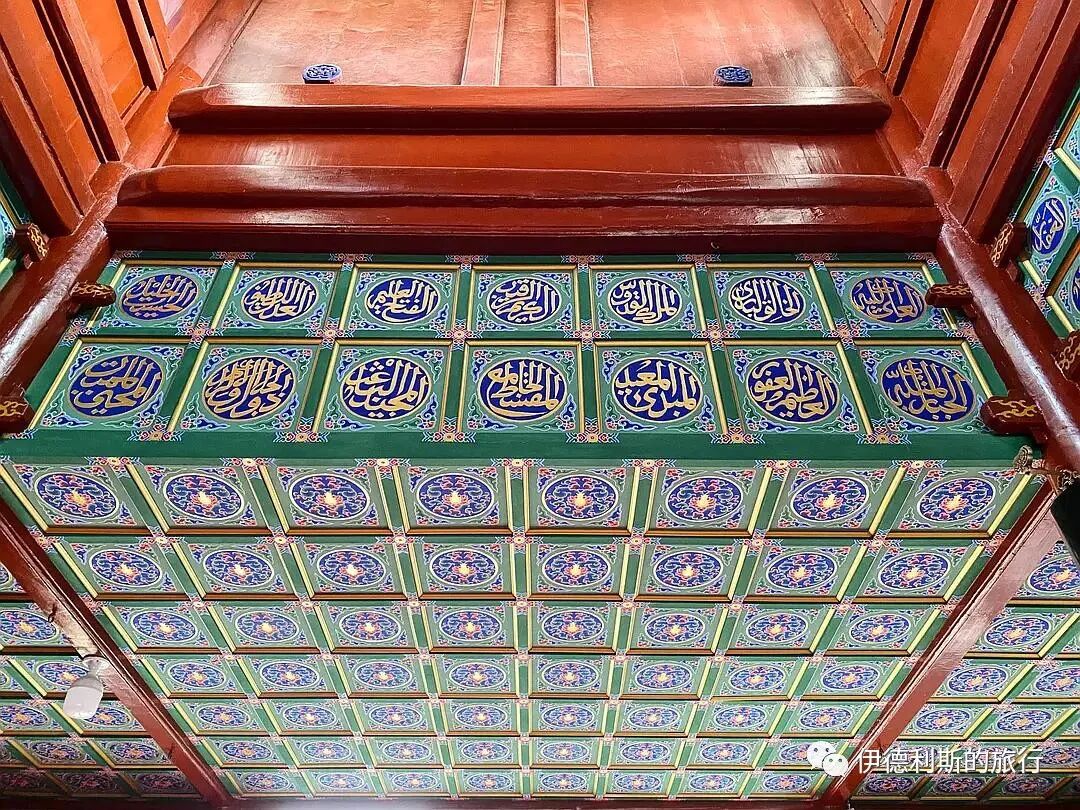
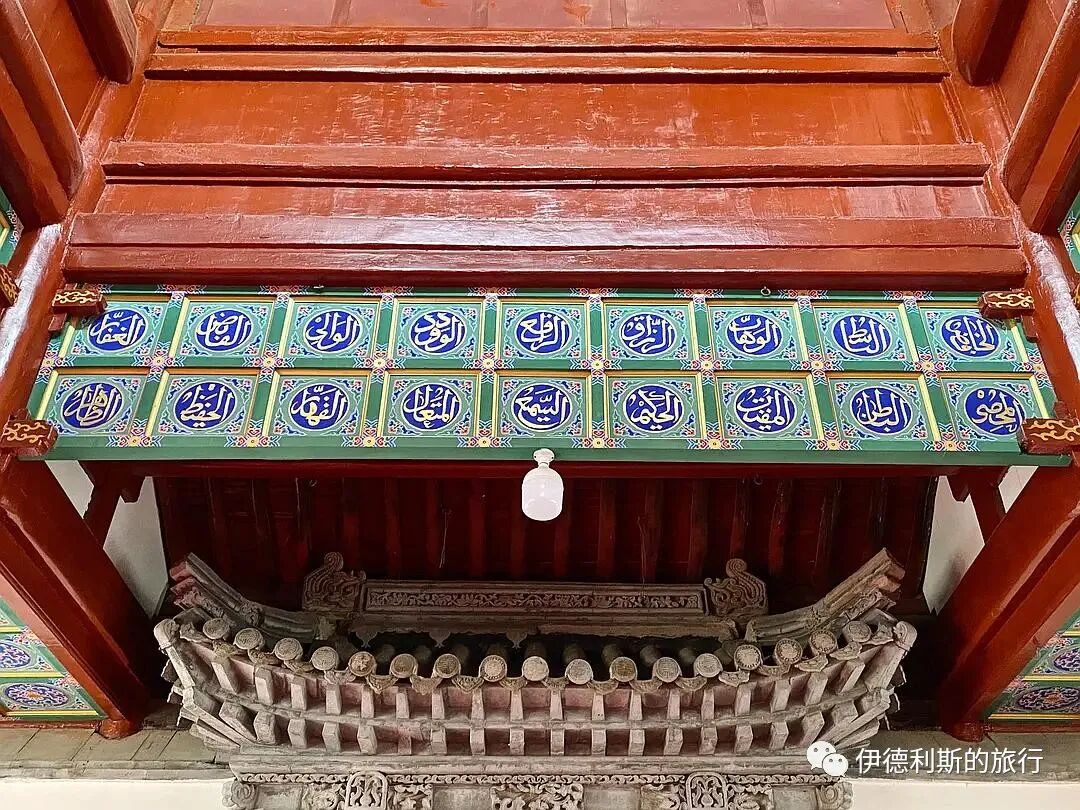
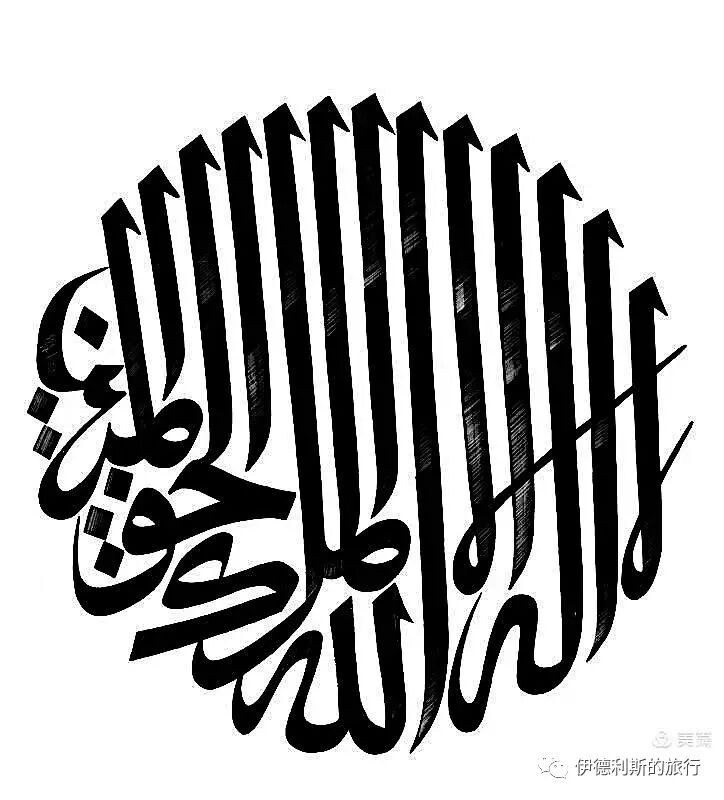
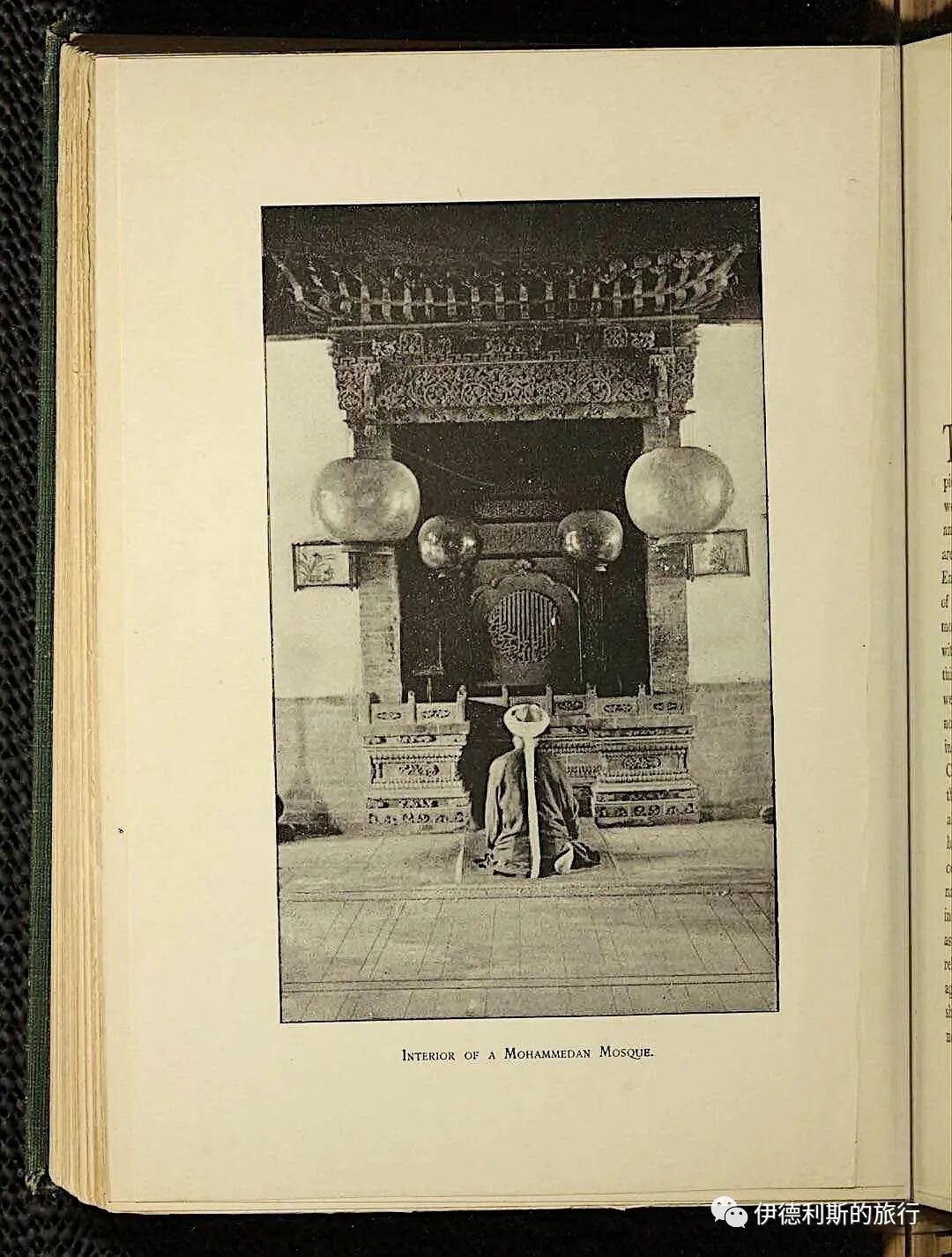
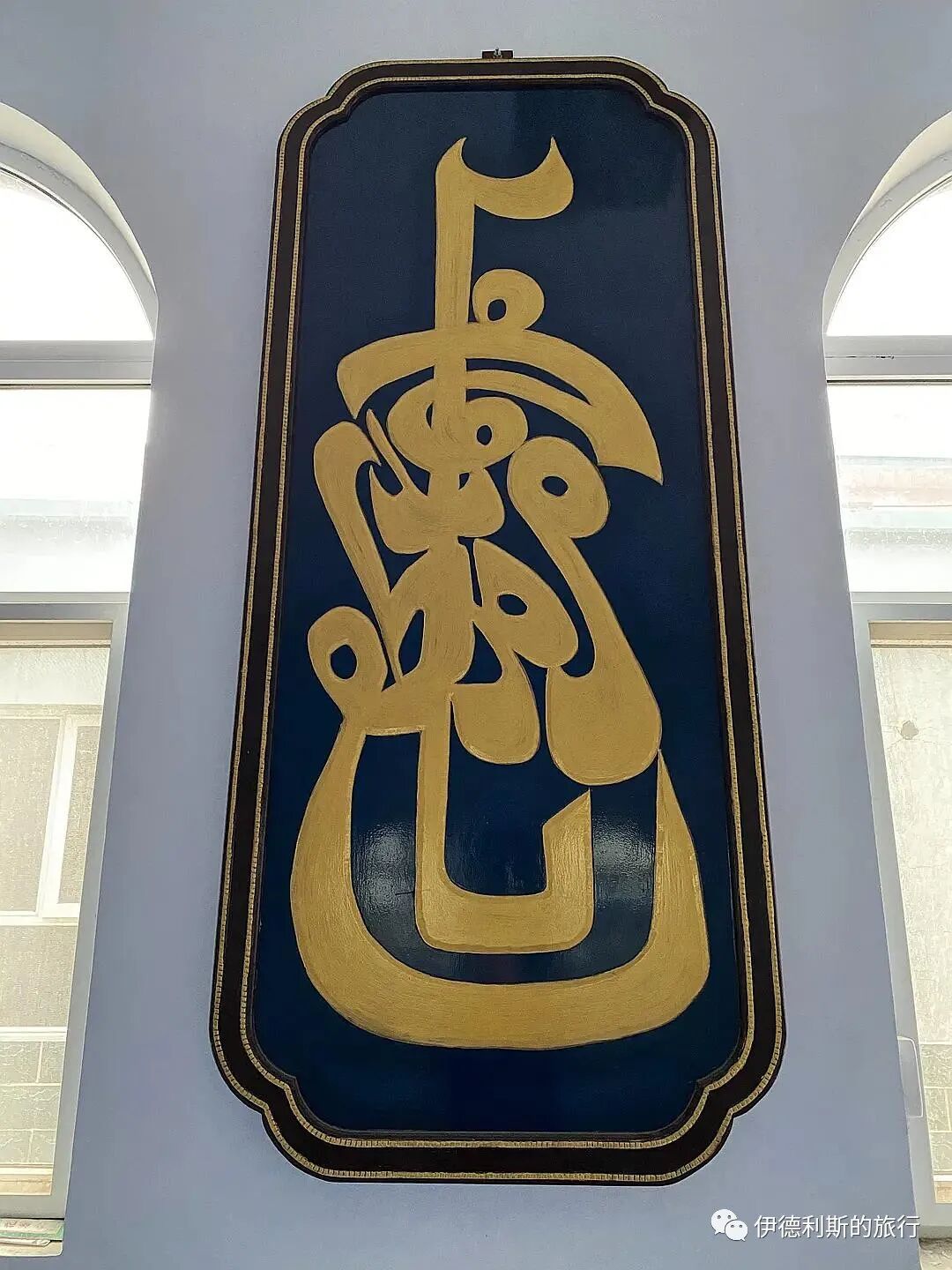
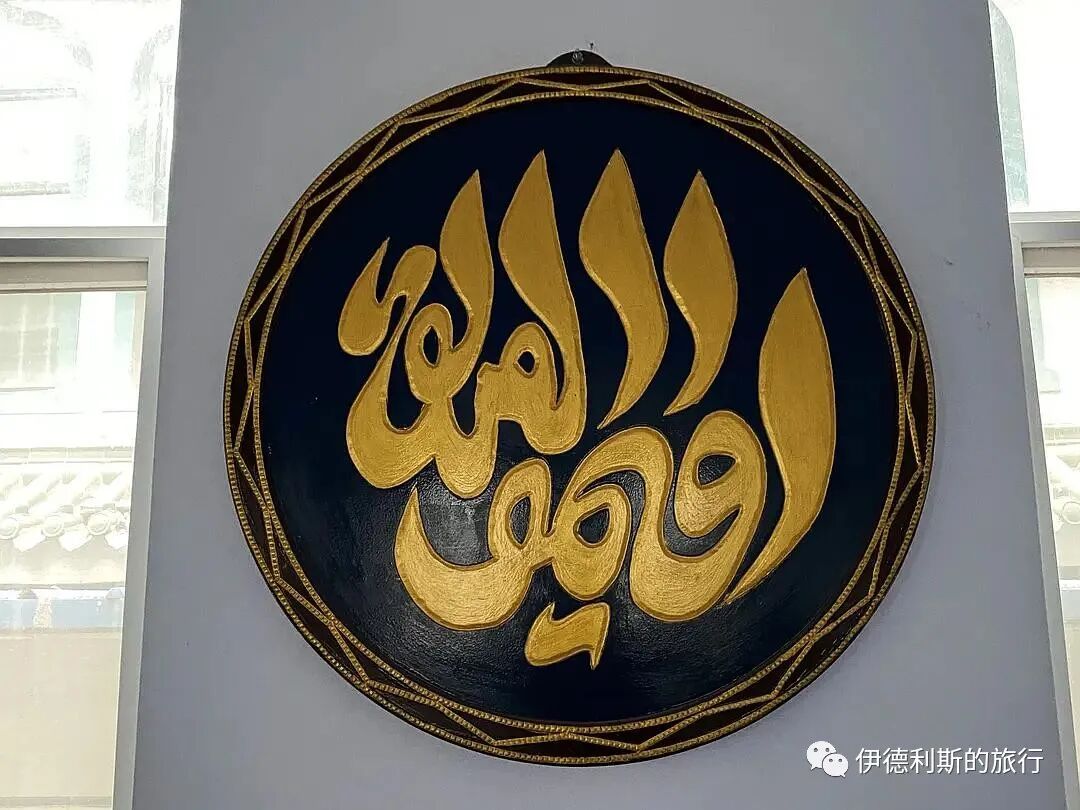
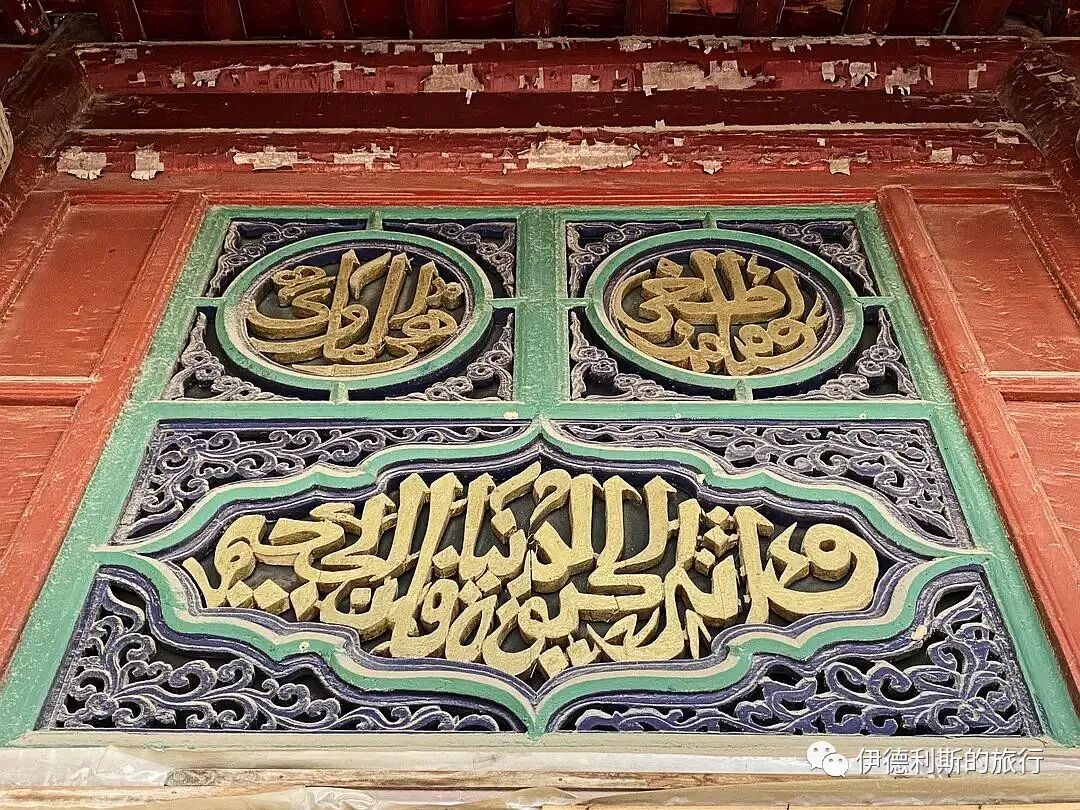
The original mihrab of the Xiguan Mosque was destroyed due to historical reasons and could not be restored later due to a lack of documentation. Fortunately, in recent years, the mosque's director, Mr. Ma, continuously searched and discovered a relatively clear photograph in a foreign book. In June 2020, the mosque invited the famous Arabic calligrapher Mr. Wang Qifei to restore the Ming-style Arabic calligraphy on the mihrab. At the same time, he used the Ming-style Arabic calligraphy to write the "Ninety-Nine Names of Allah" for the caisson ceiling of the yaodian.
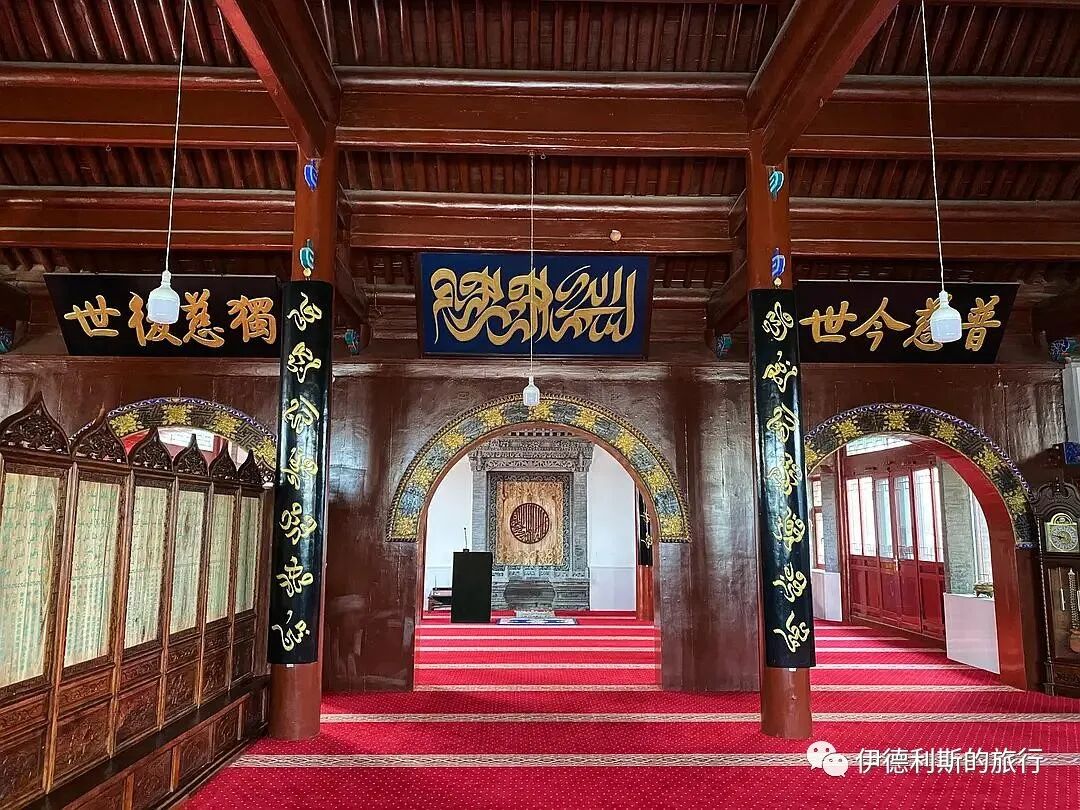
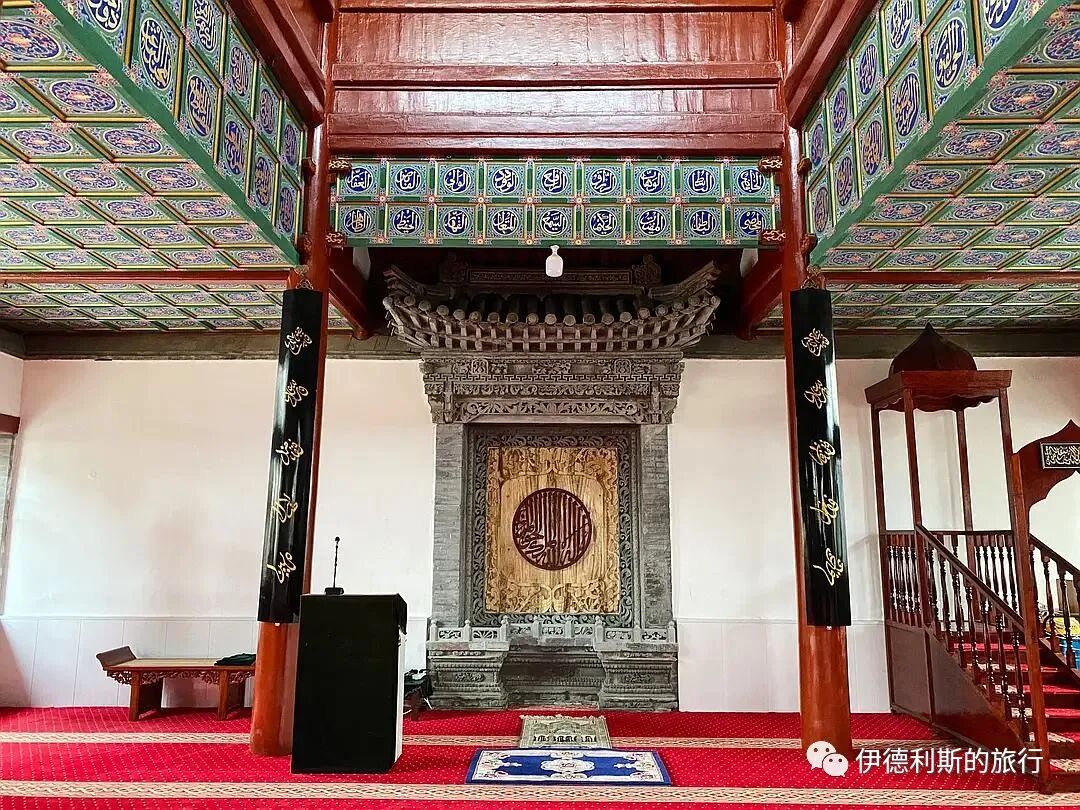
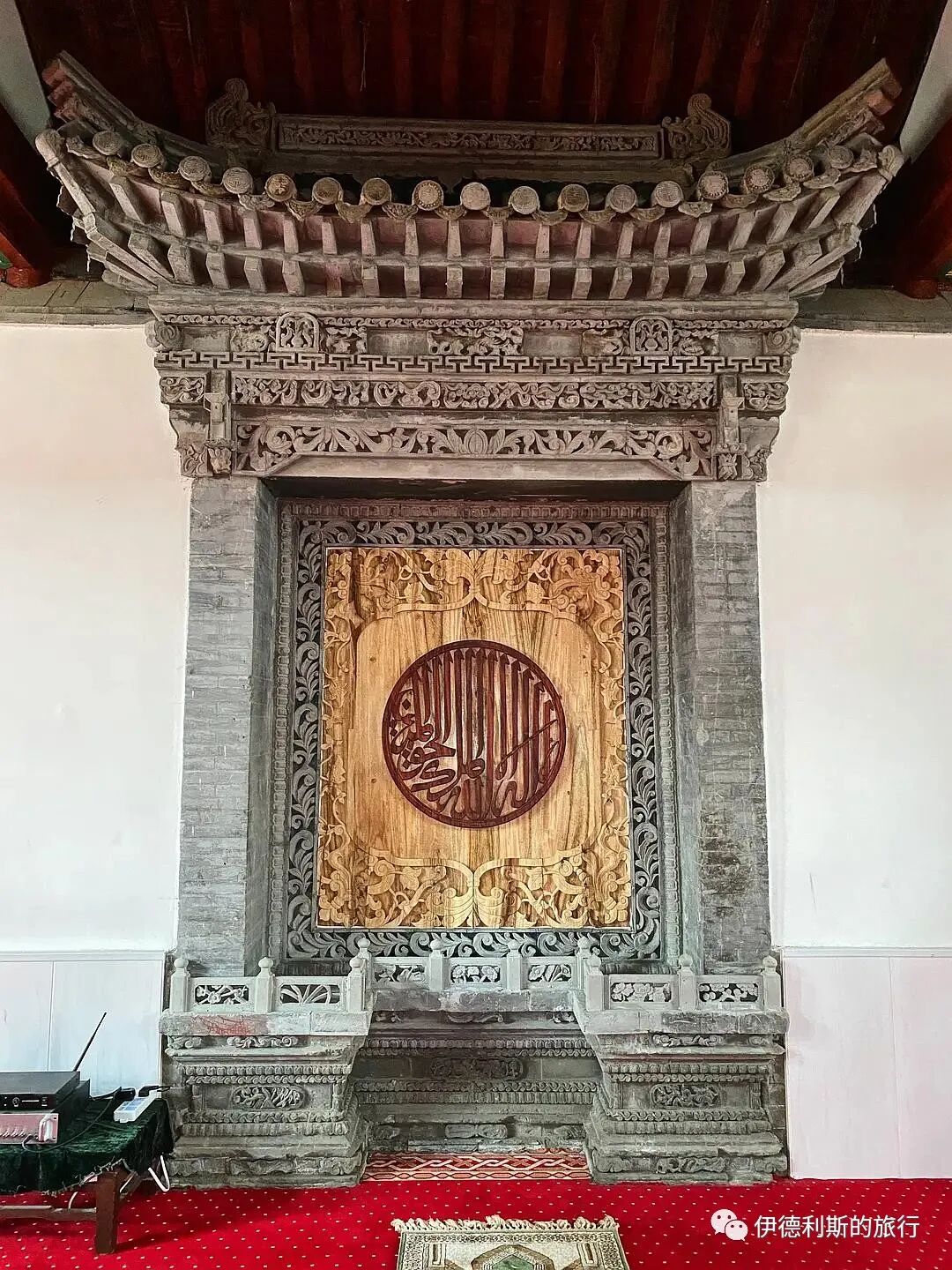
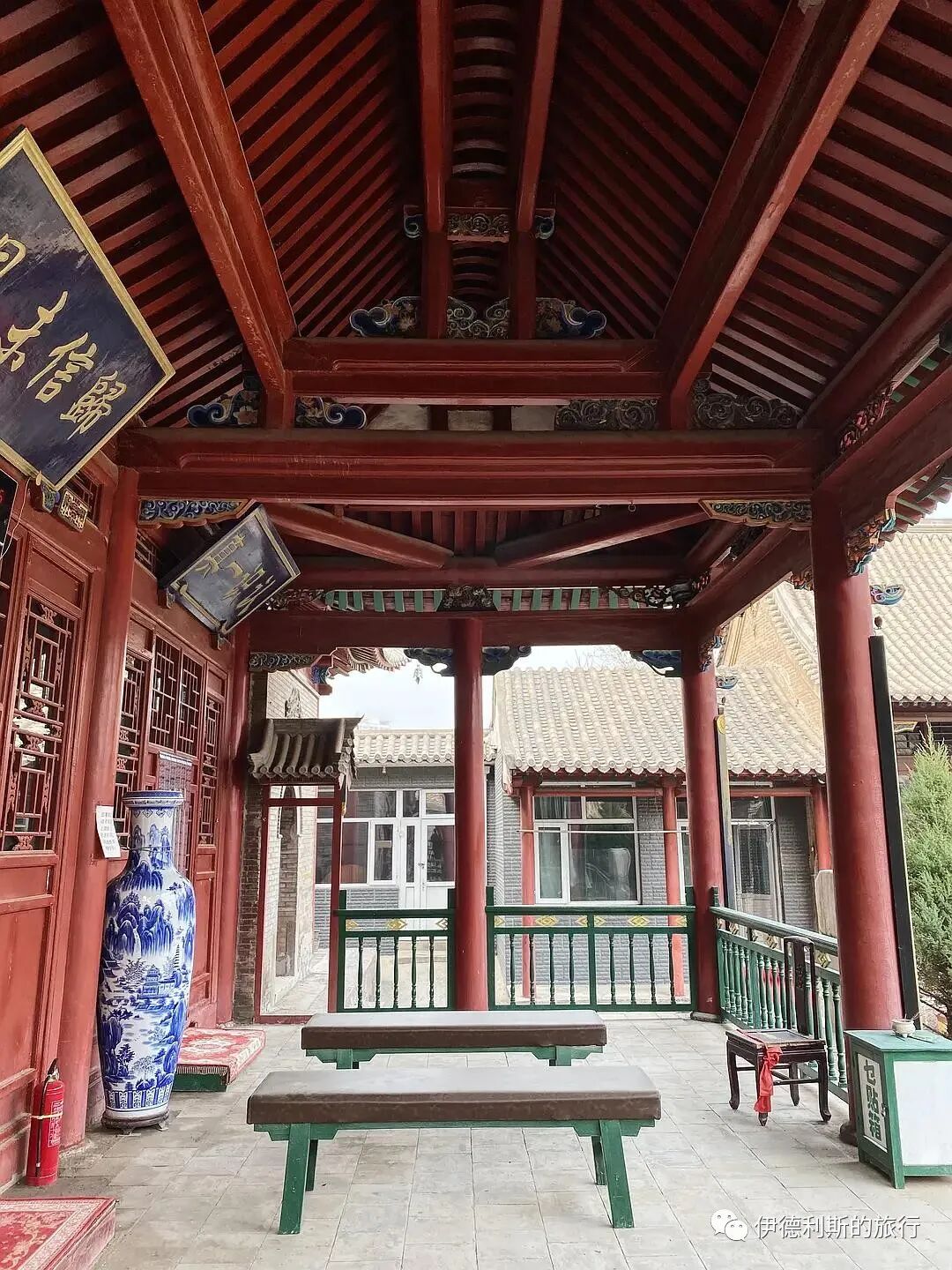
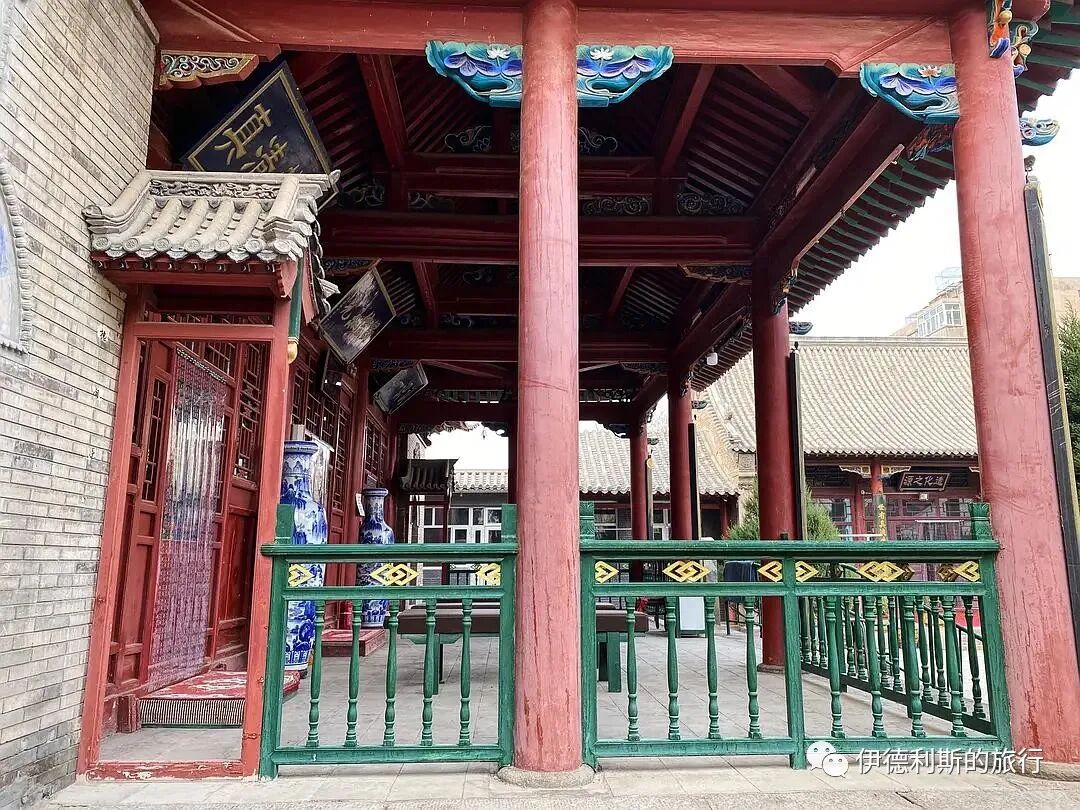
Juanpeng
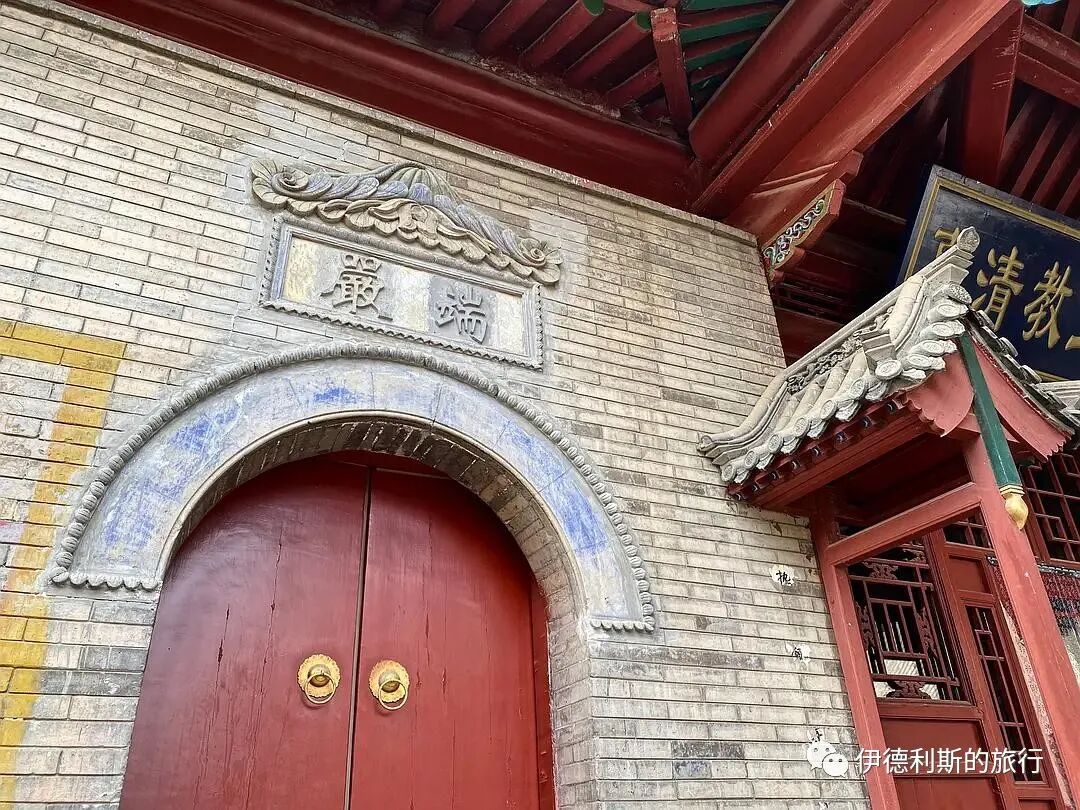
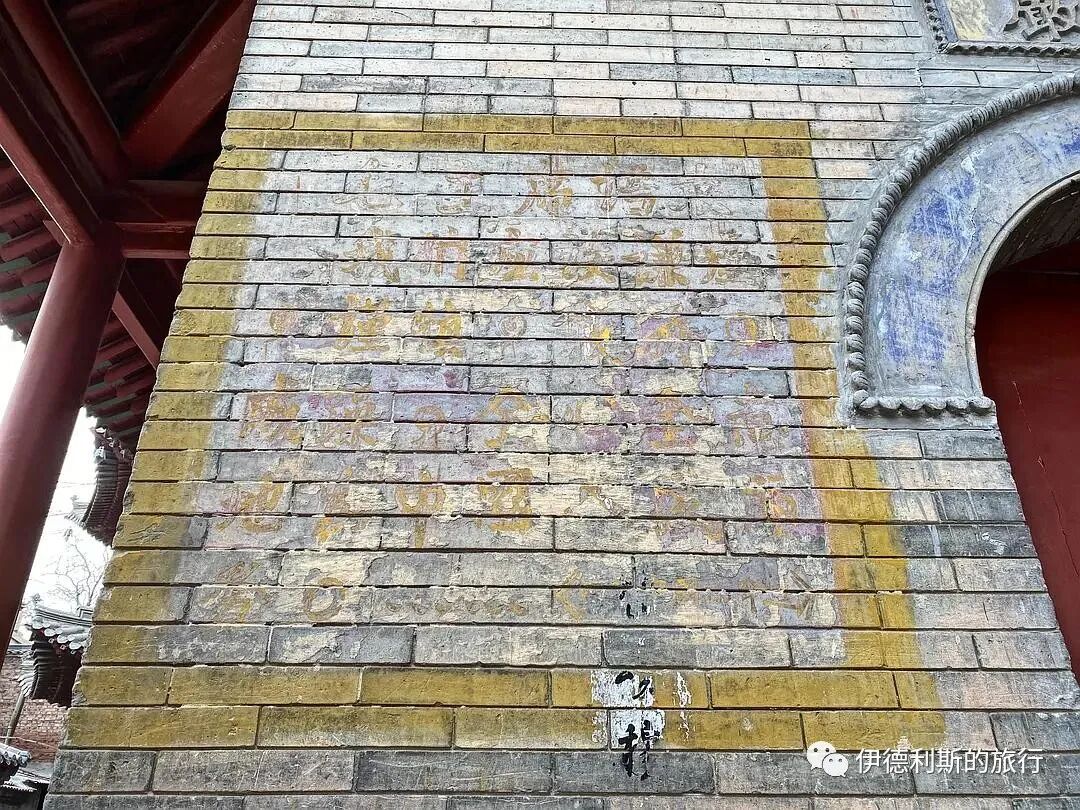
Brick carvings and quotations on the outer wall of the main prayer hall.
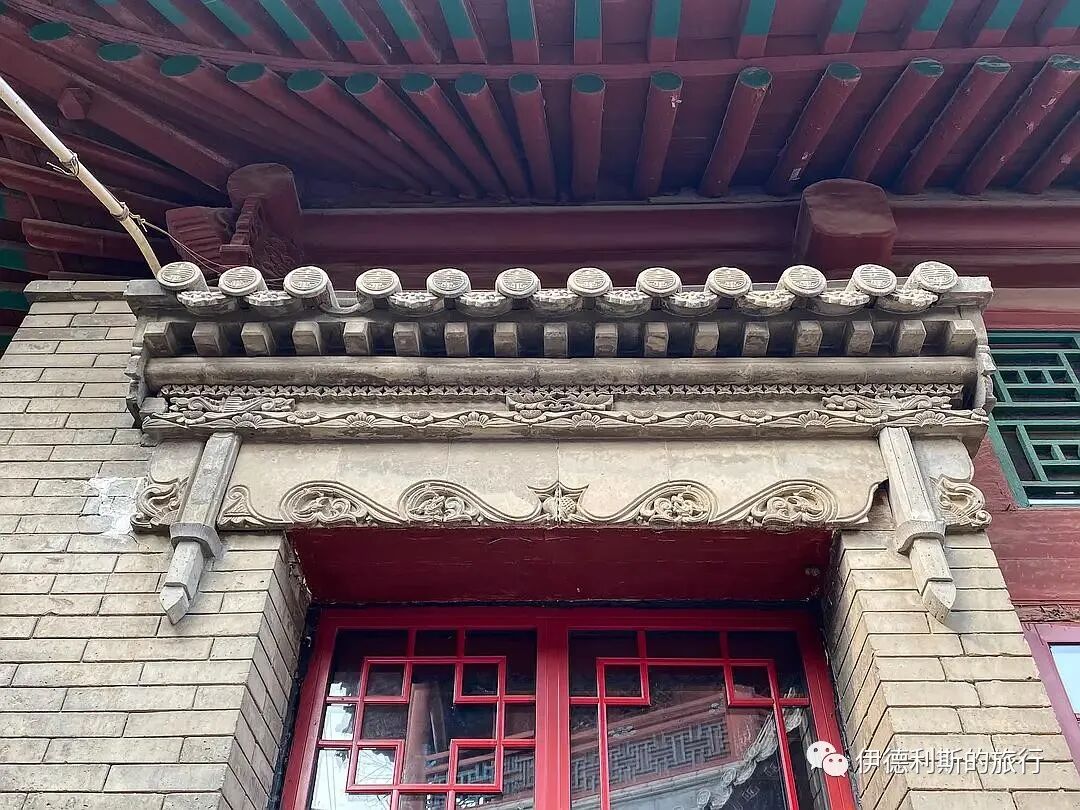
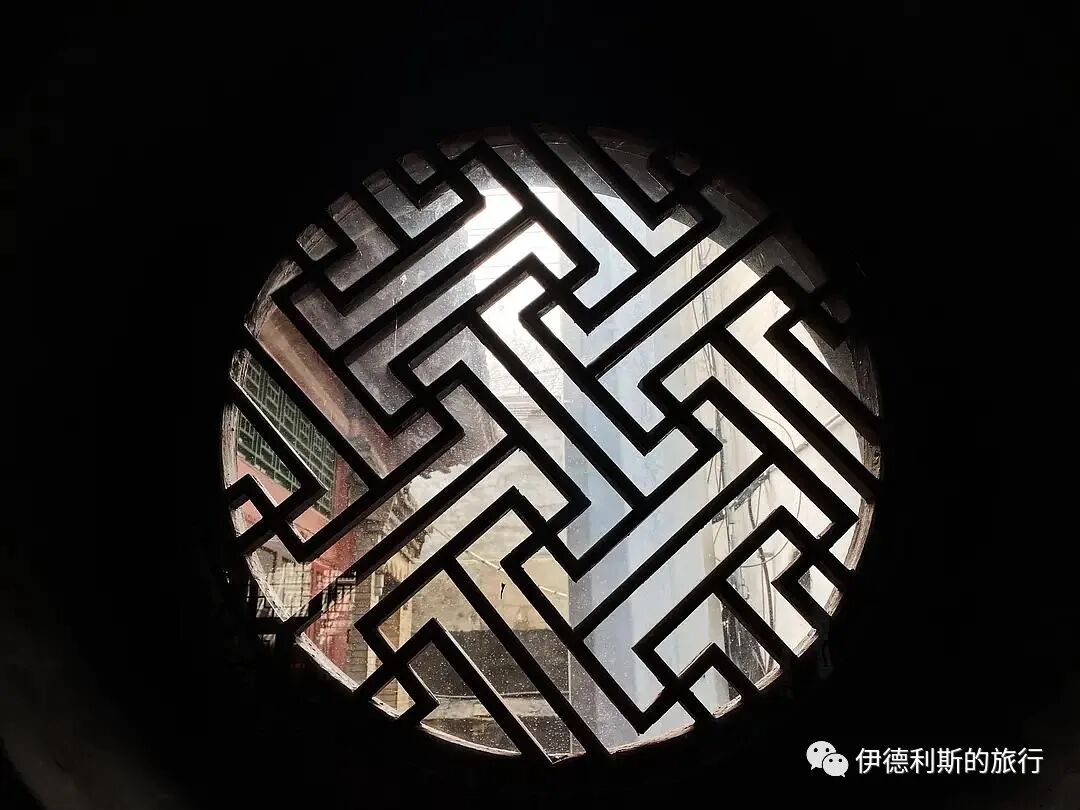
Looking at the window lattices from inside the main prayer hall.
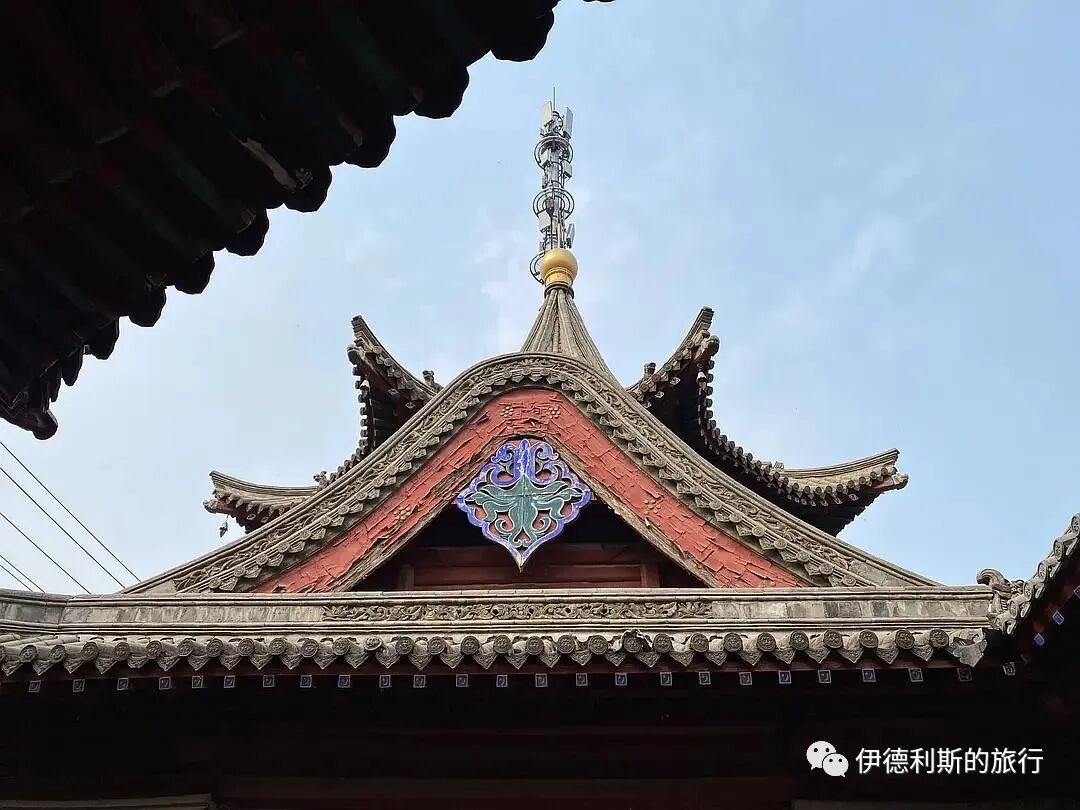
Hexagonal pavilion on top of the yaodian.
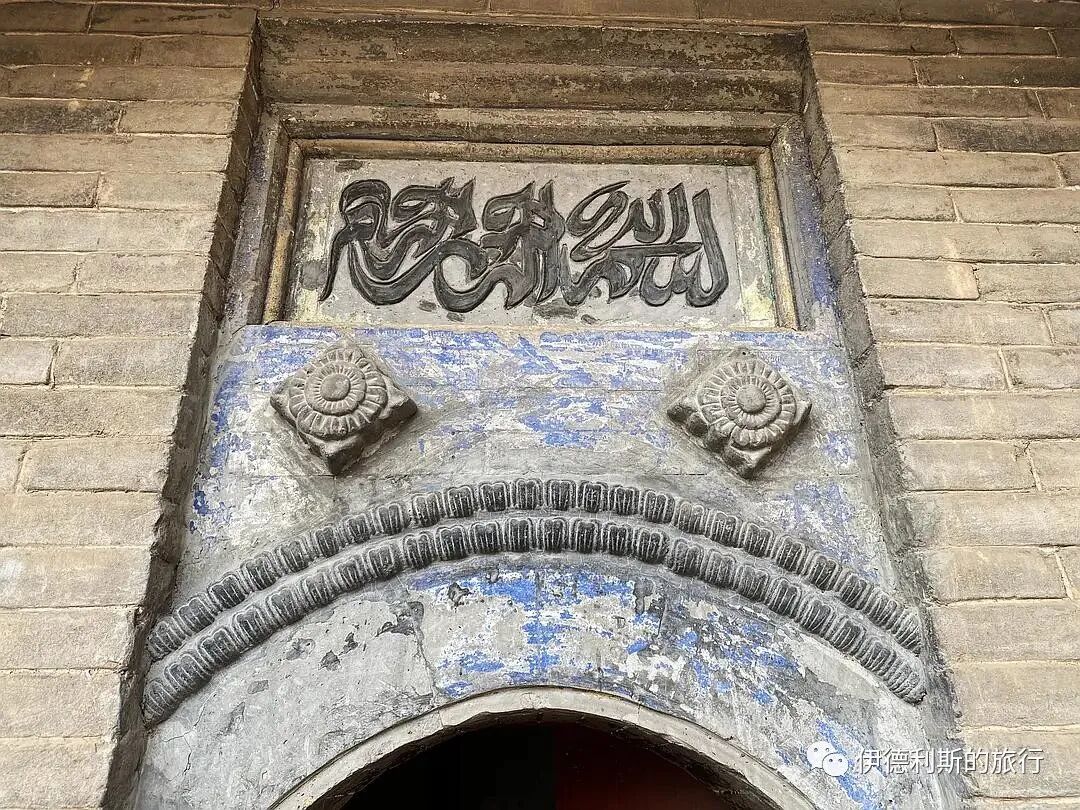
Calligraphy and brick carvings on the Wangyuelou.
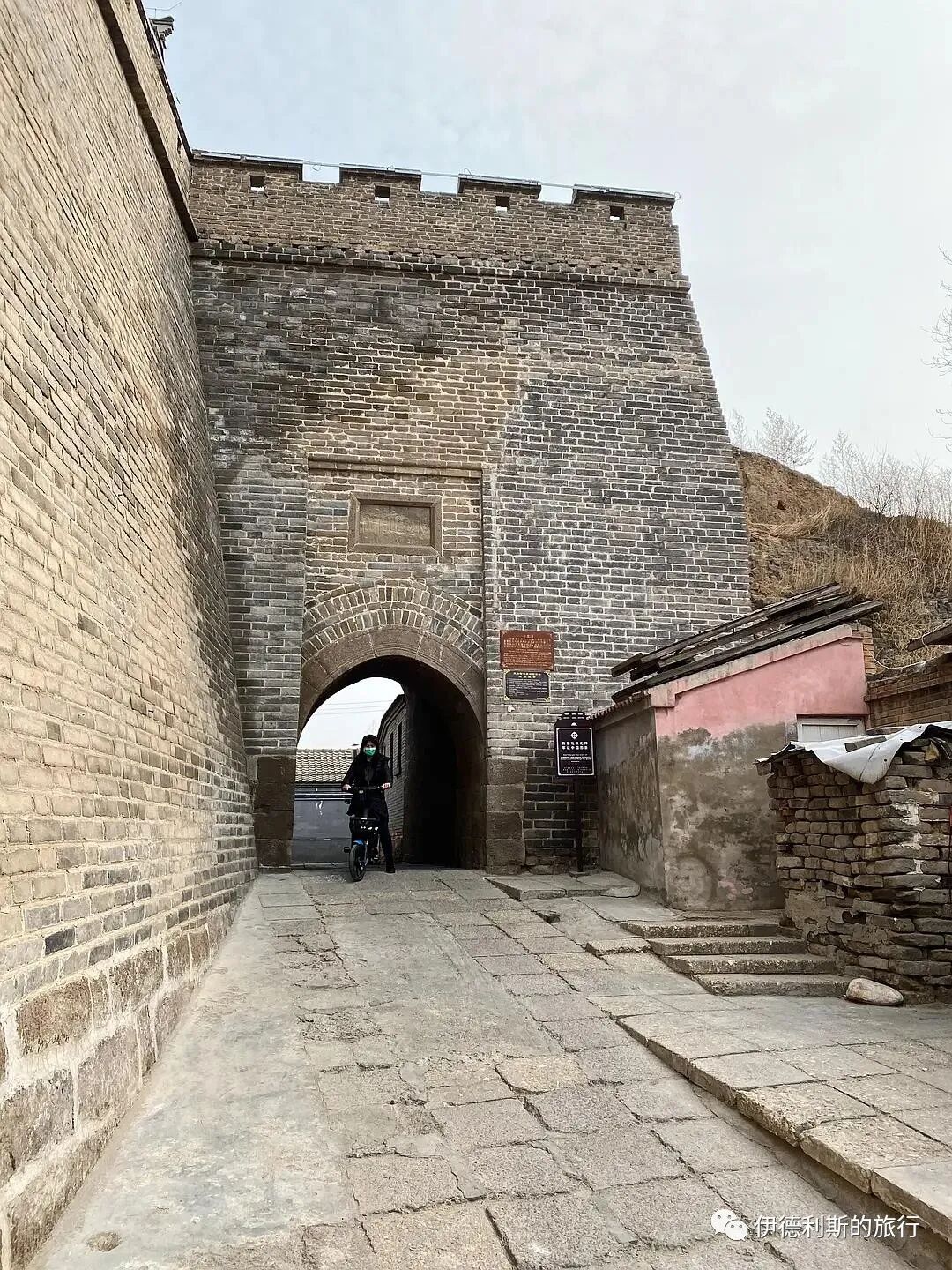
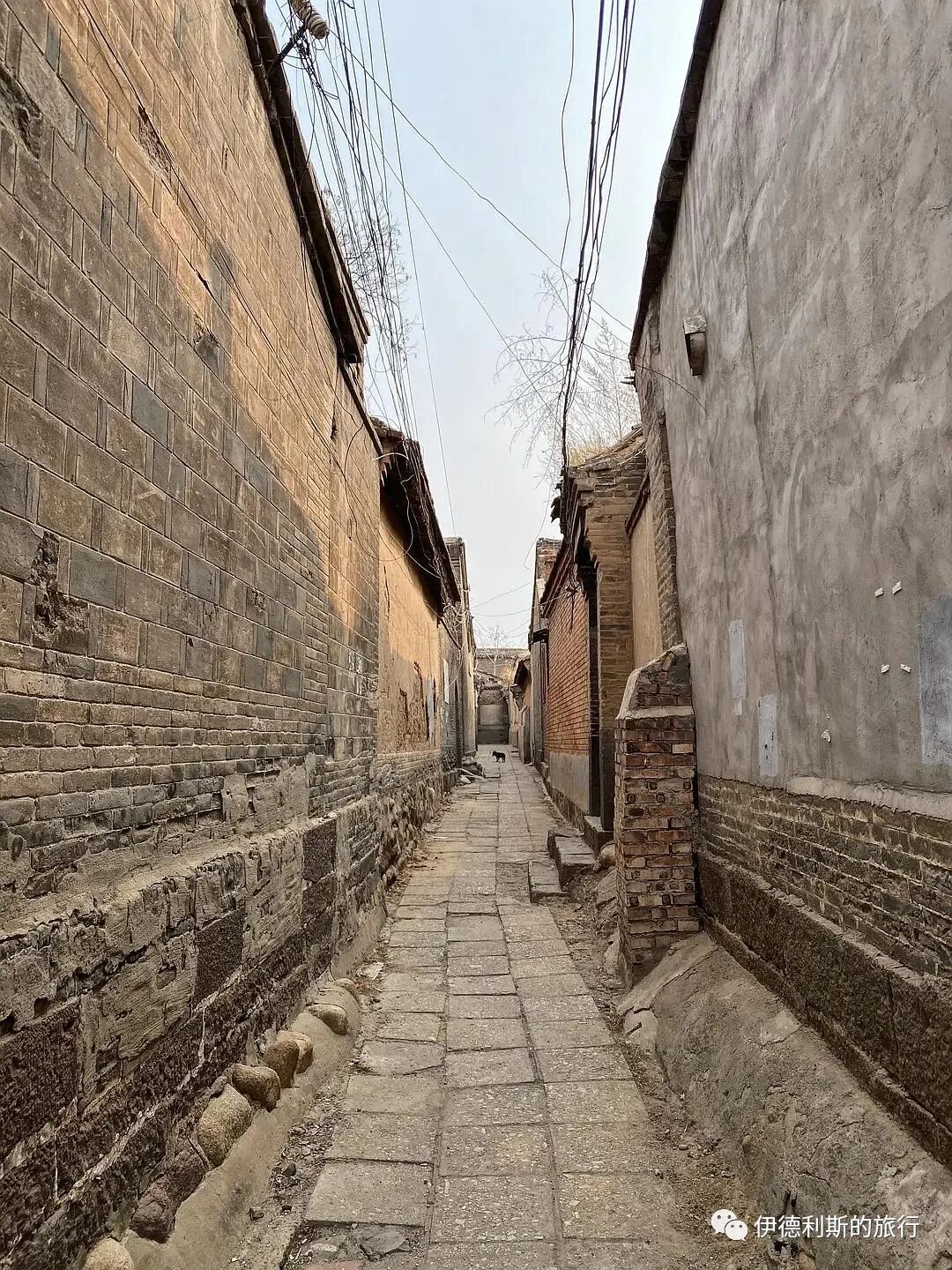
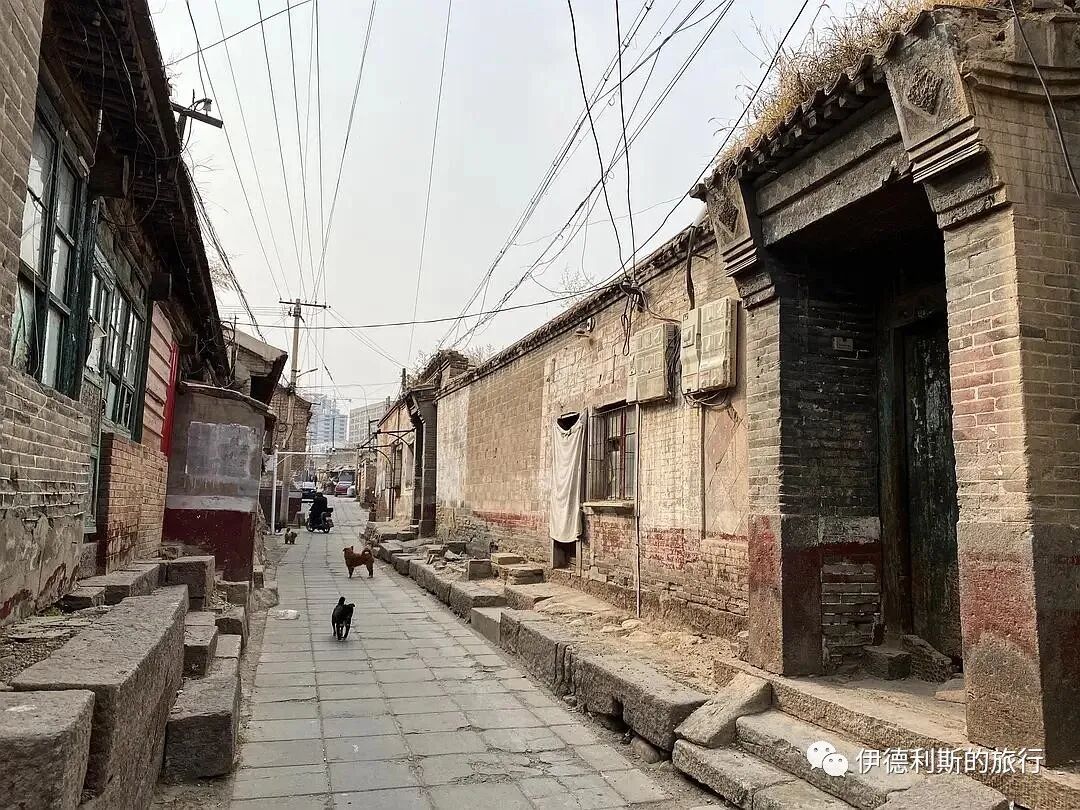
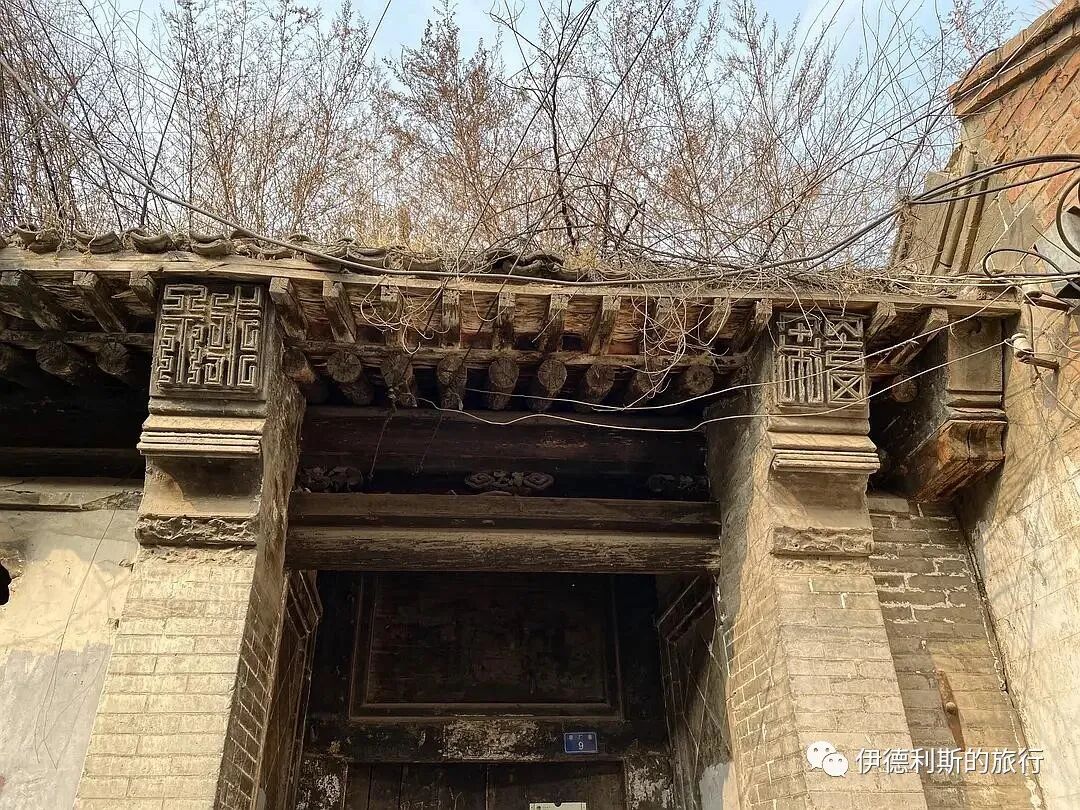
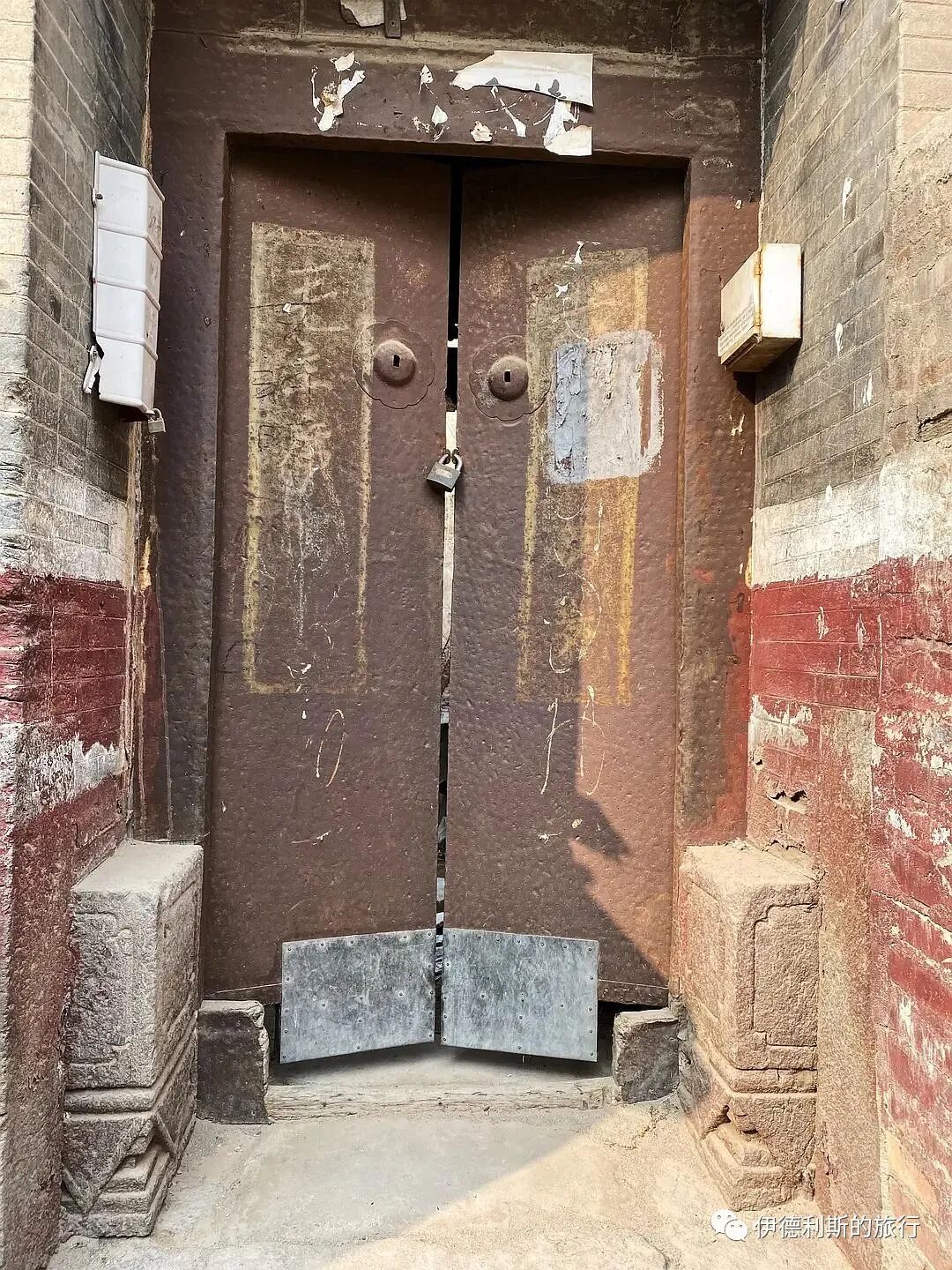
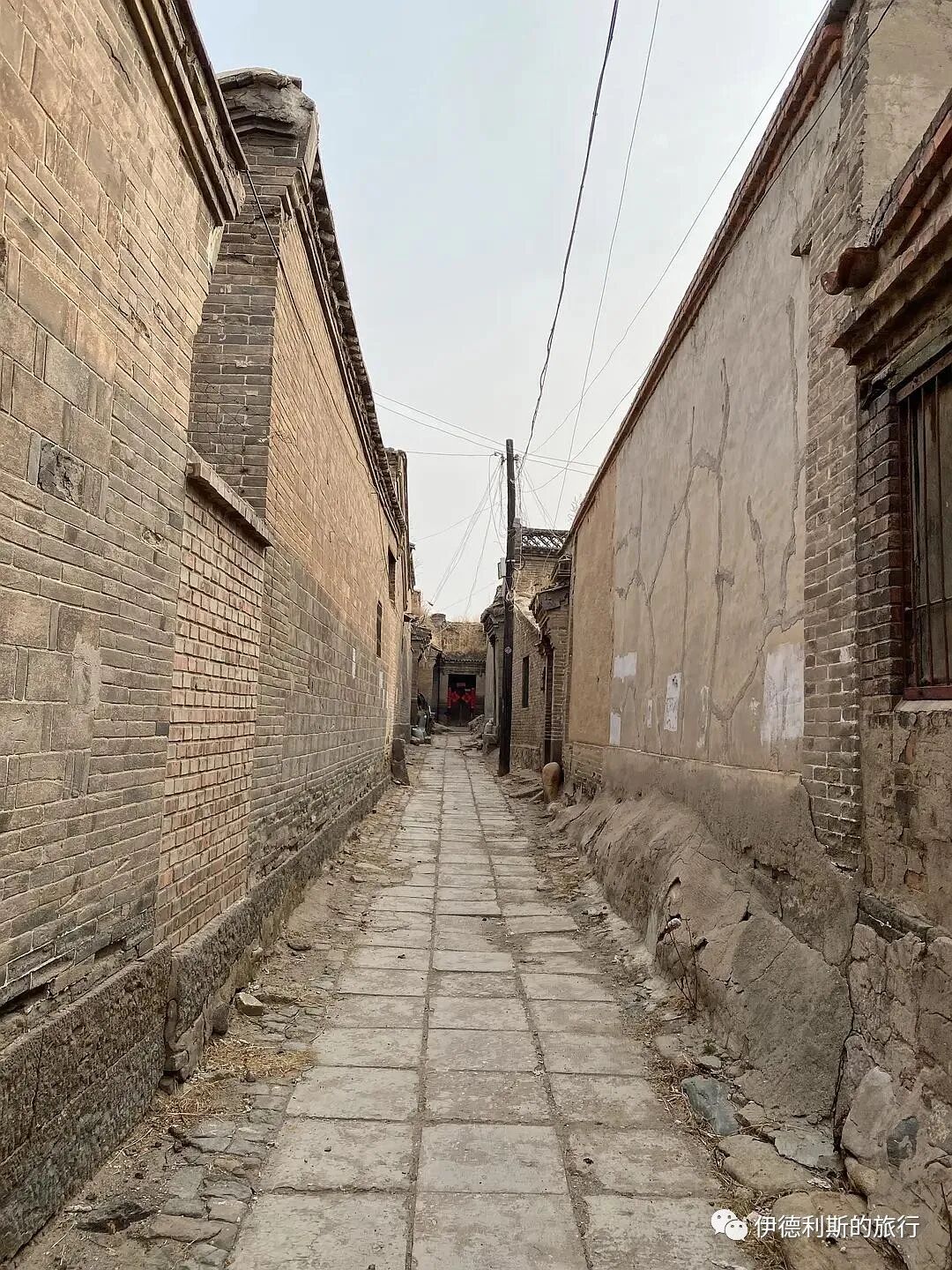
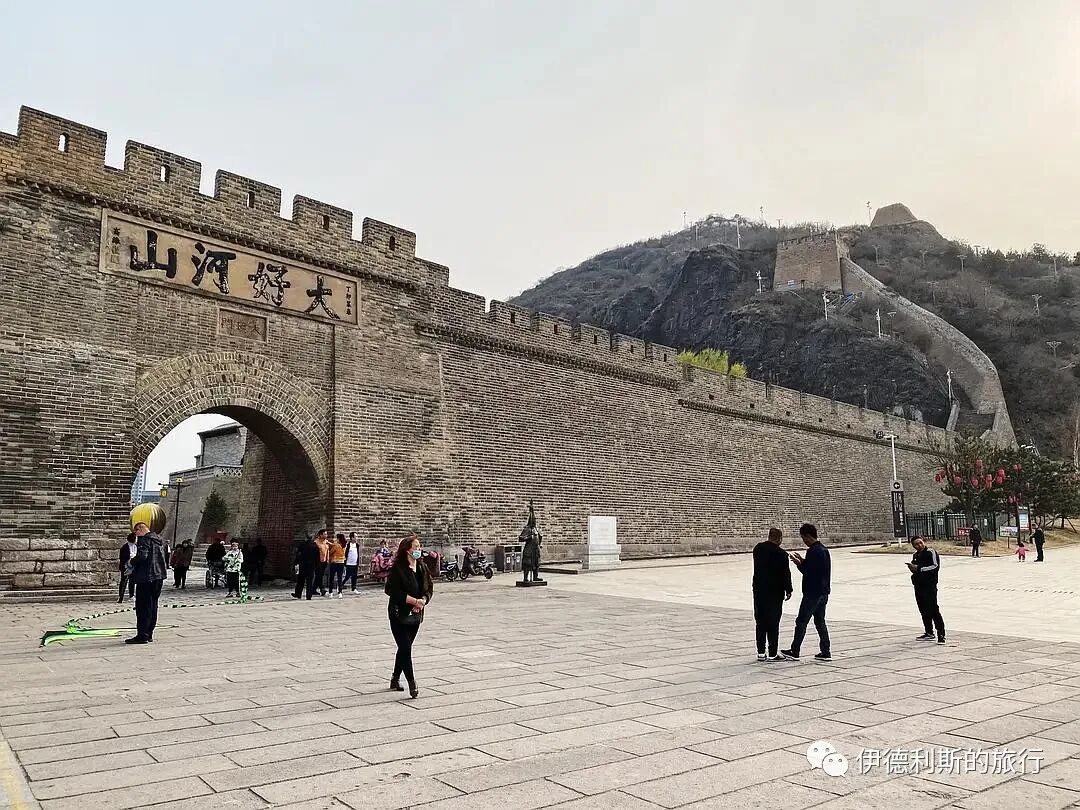
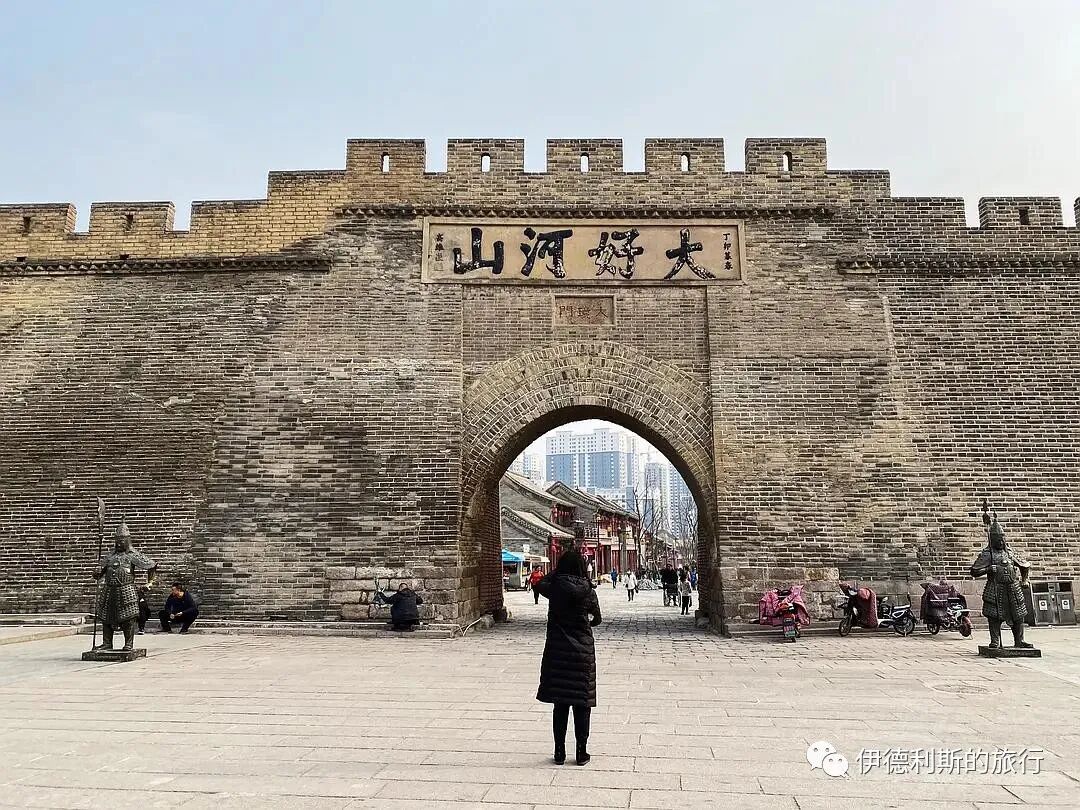
I rode a shared electric scooter from the Xiguan Mosque through the Zhangjiakou lower fort to Dajingmen (the Great Border Gate). I imagined how this place was once a commercial hub for tea and fur trade between the interior of China and Mongolia and Russia during the Qing Dynasty.
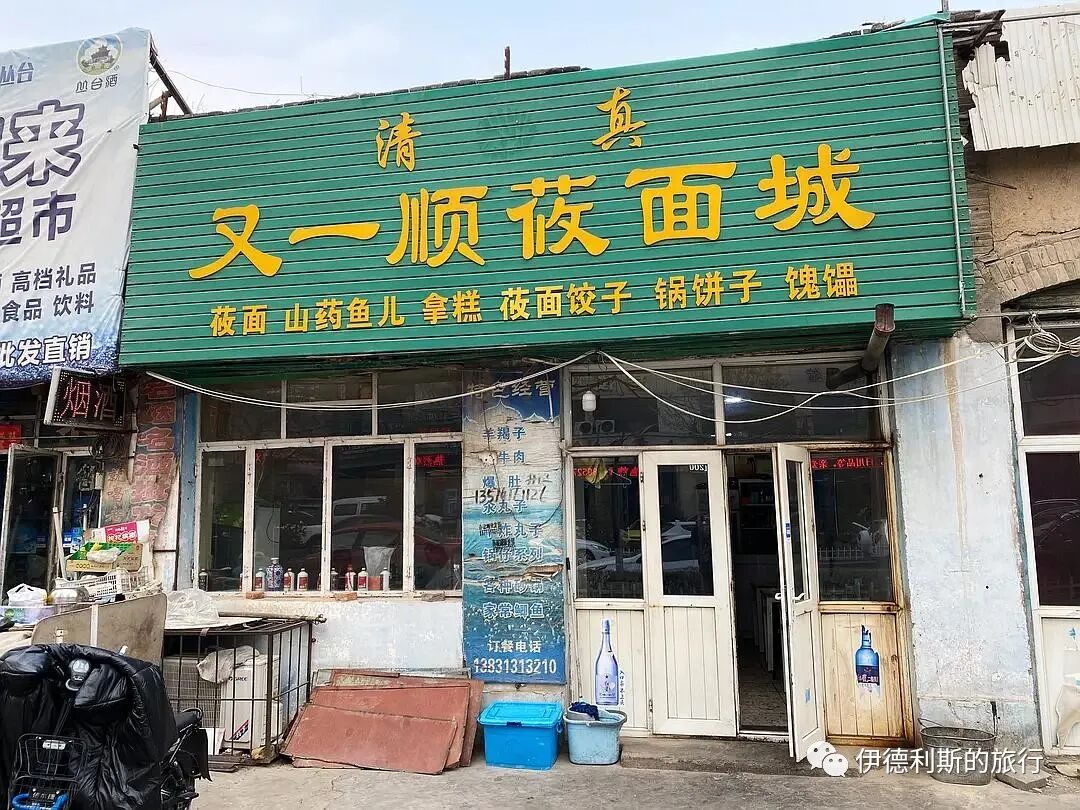
In the afternoon, I ate youmian at the Youyishun Youmian City near the Shangbao Mosque in Zhangjiakou. I originally thought there would be many halal youmian restaurants in Zhangjiakou, but later I found that only the Shangbao area had several.
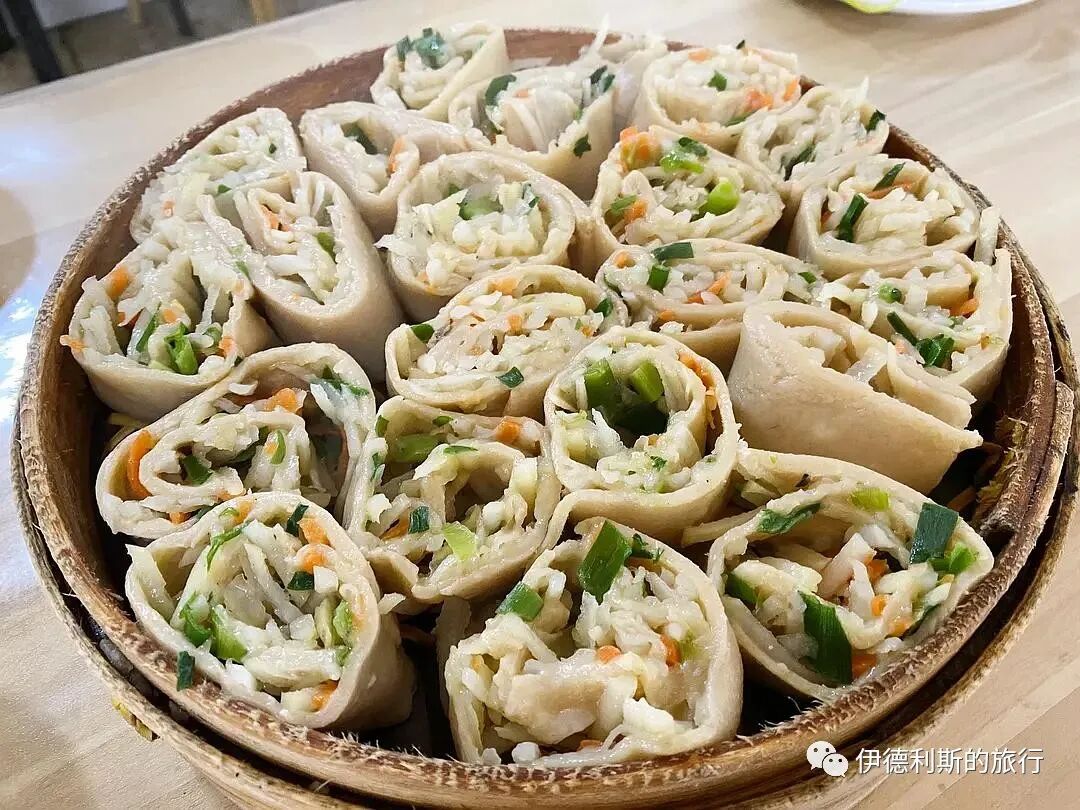
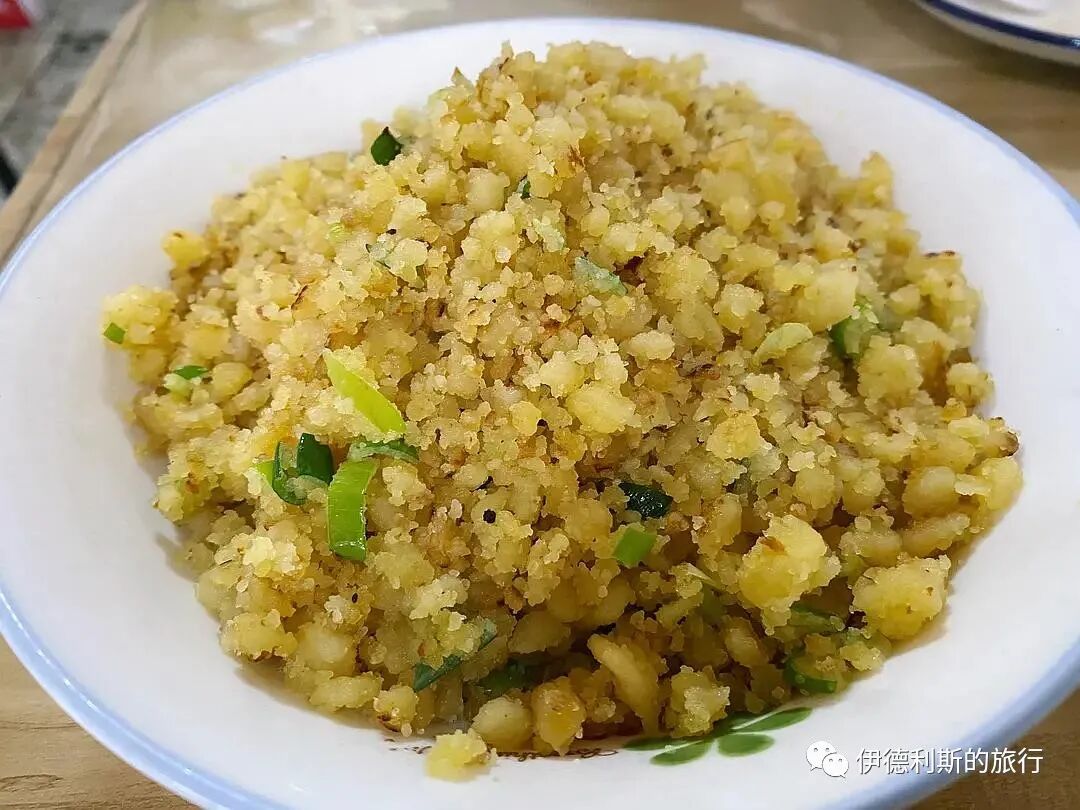
Youmian here can be paired with shanyao (potatoes) to make a series of staple foods such as youmian wowo, youmian dumplings, youmian fish, youmian tun-tun (stuffed rolls), potato balls, na-gao (steamed dough), potato fish, stir-fried kuilei (potato and oat flour mixture), stir-fried youmian, raw fish-shaped noodles, mo-ca-ca (grated potato noodles), and pot cakes. The youmian tun-tun and stir-fried kuilei we ate are specialty delicacies of northern Shanxi, Zhangjiakou, and the Hetao region of Inner Mongolia. Youmian tun-tun is made by adding potatoes, carrots, and lamb into the youmian dough as a filling. Stir-fried kuilei is made by steaming a mixture of potatoes and youmian, then stir-frying it in flaxseed oil.
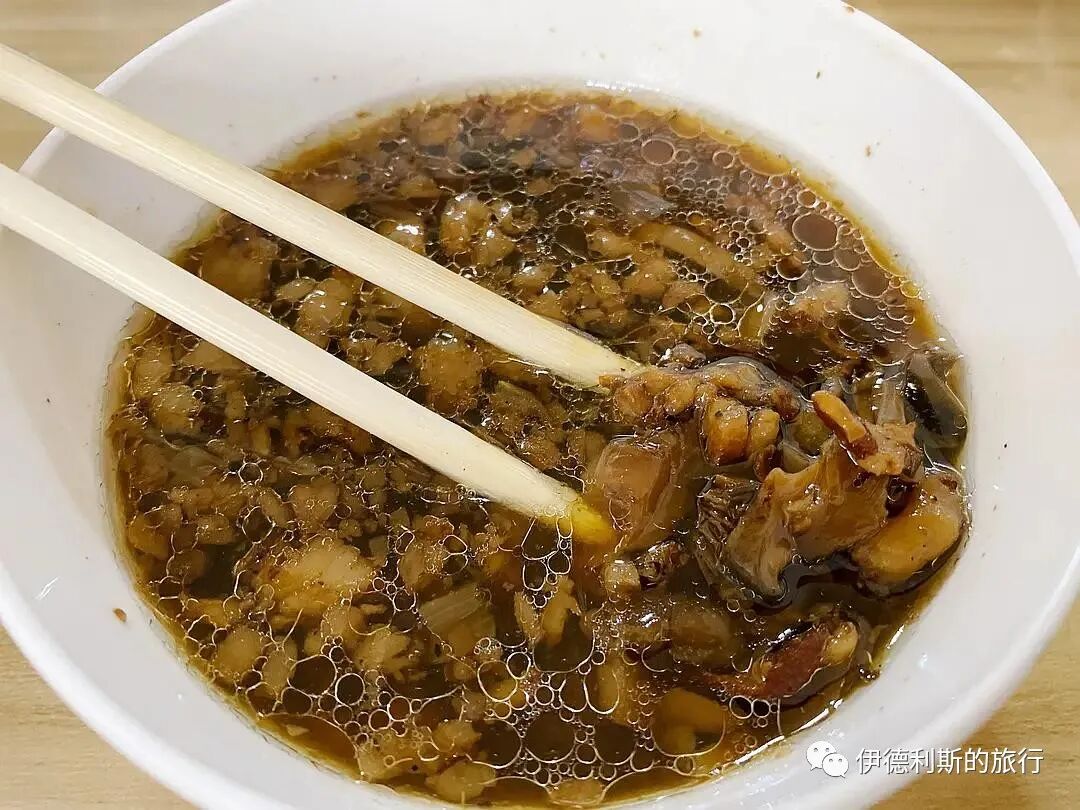
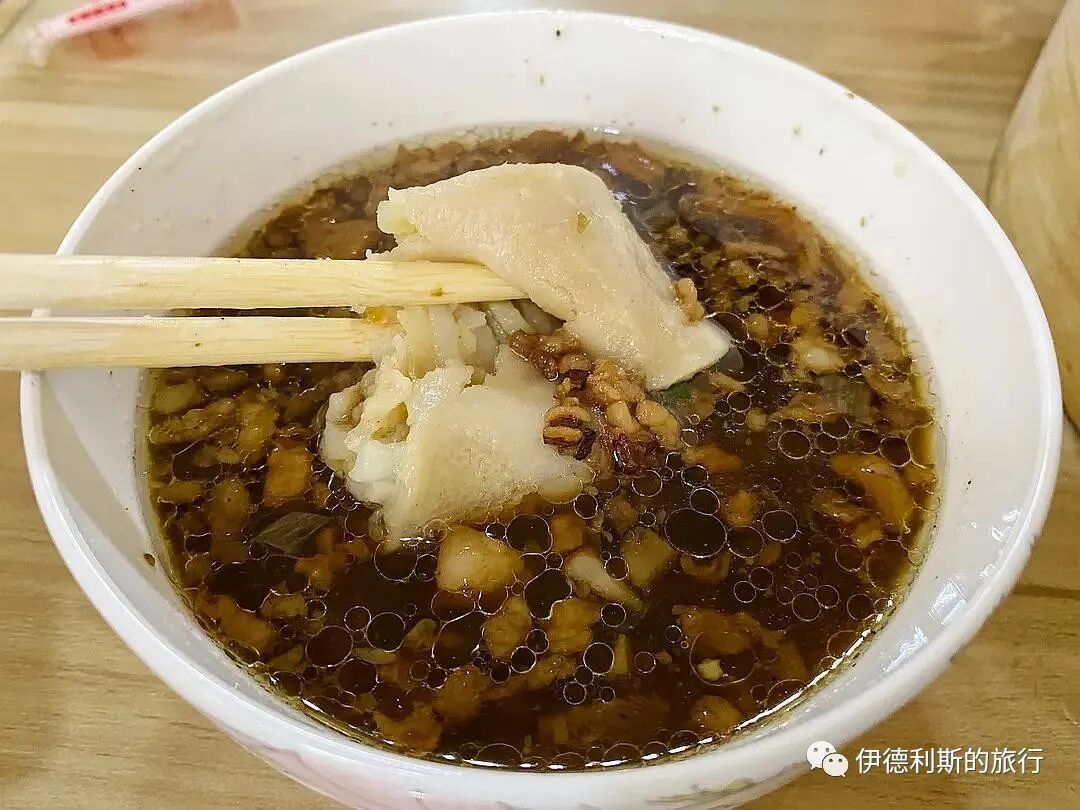
Youmian and potato-based staple foods need to be dipped in youmian soup to be eaten. Youmian soup is similar to the dipping sauces in the south. The shop we visited had seven types: lamb and mushroom, steamed lamb, meat sauce, eggplant stewed with potatoes, and pickled cabbage stewed with potatoes. We had the lamb and mushroom, which was very fragrant and appetizing.
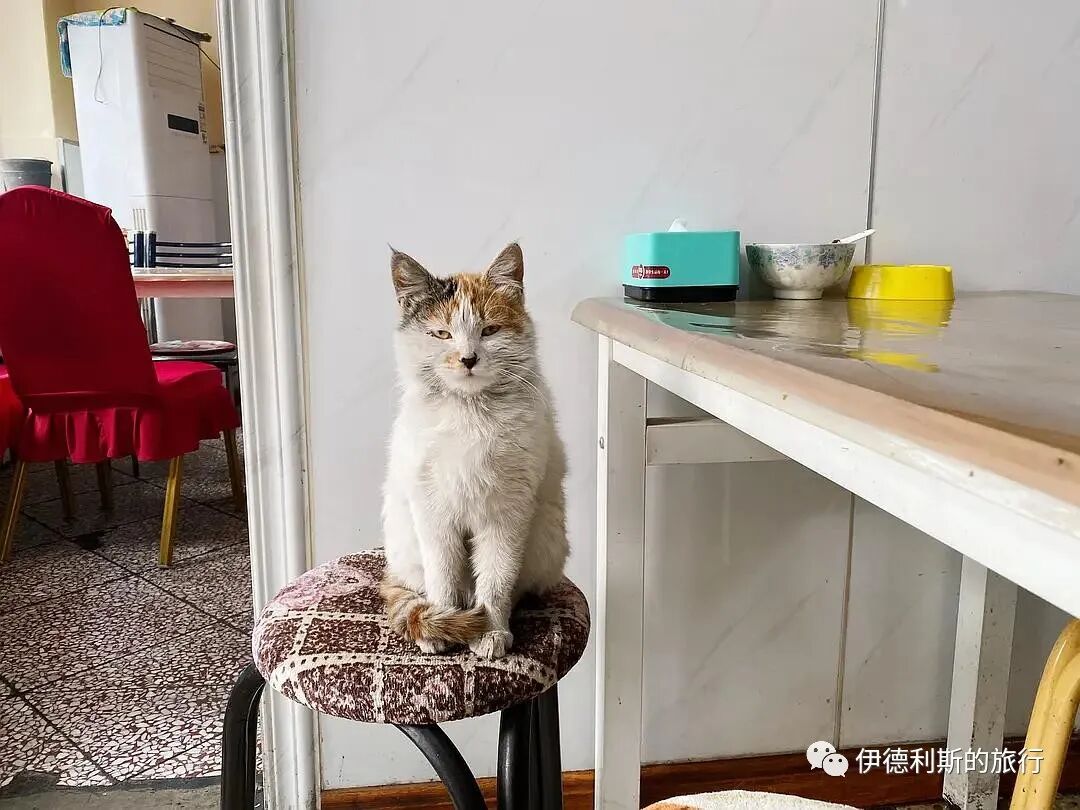
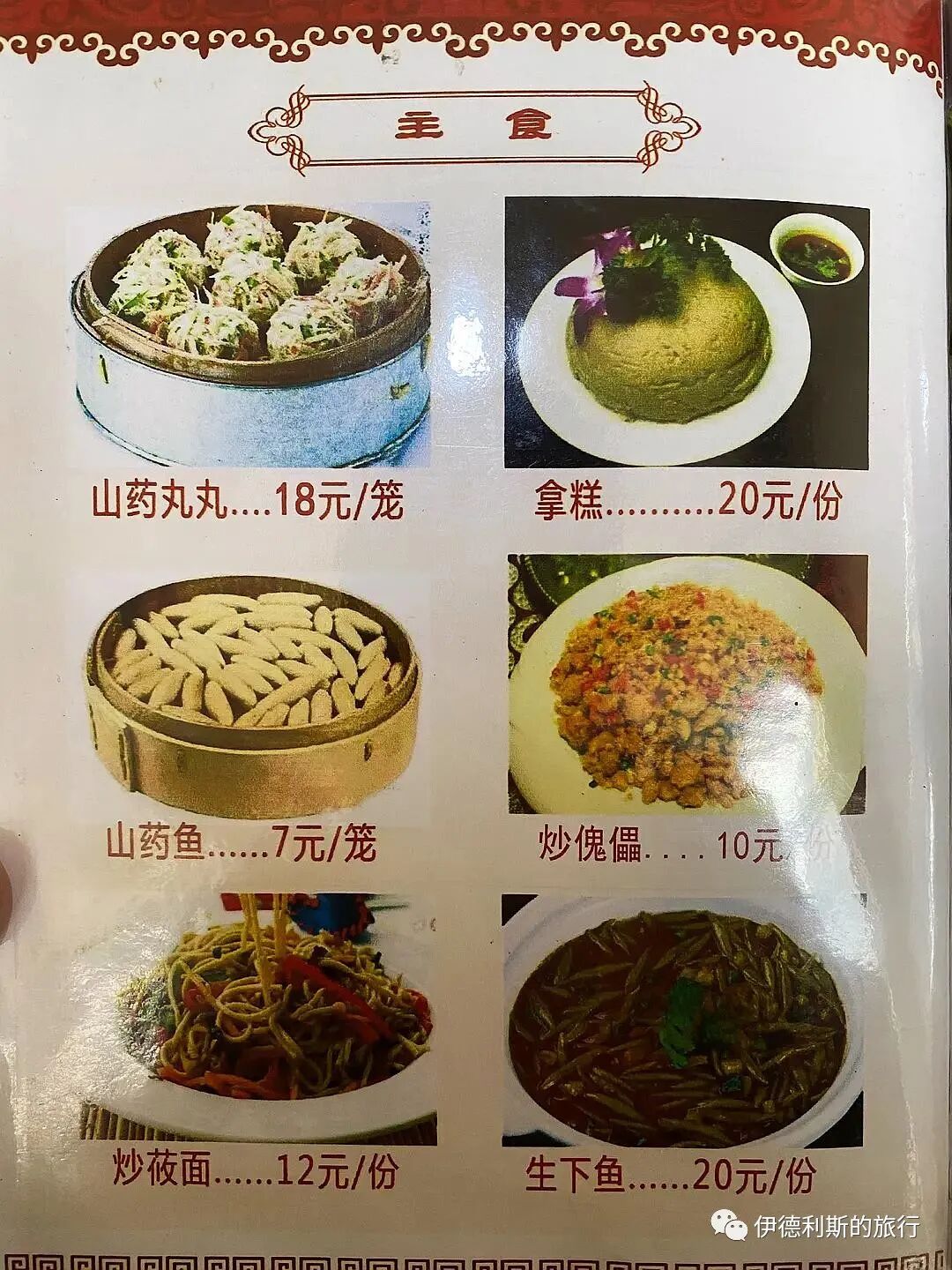
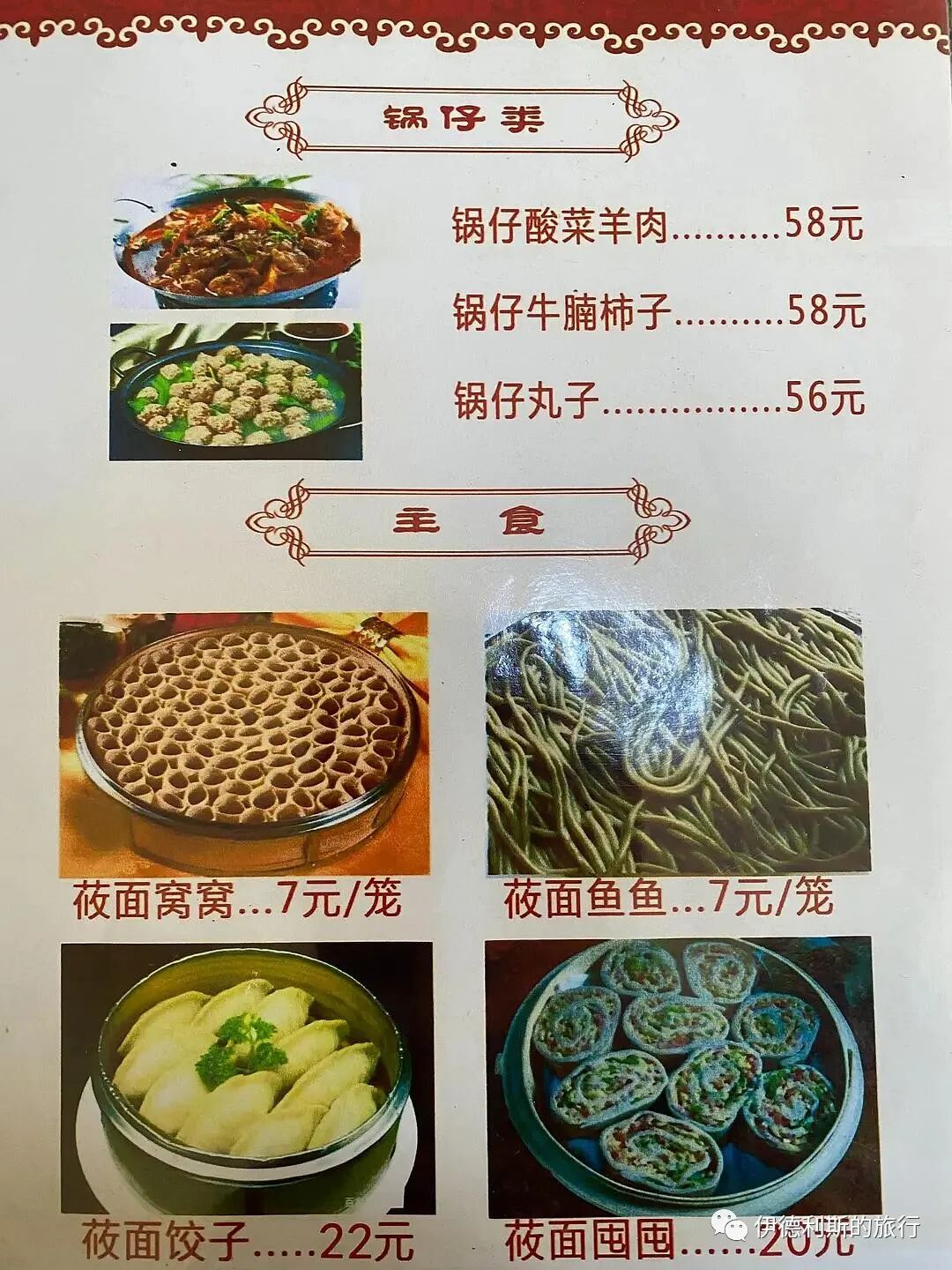
In the evening, I arrived at the Tuergou Mosque in Qiaodong, Zhangjiakou. After the Beijing-Zhangjiakou Railway opened, the Qiaodong area of Zhangjiakou prospered. Hui Muslims with the surnames Yang, Chen, He, and Ma, who moved from Dachang and Sanhe in Hebei, raised funds to build the Tuergou Mosque in 1917, known as the "Beijing and Jingdong Fangshang." The current main prayer hall was rebuilt in 1990.
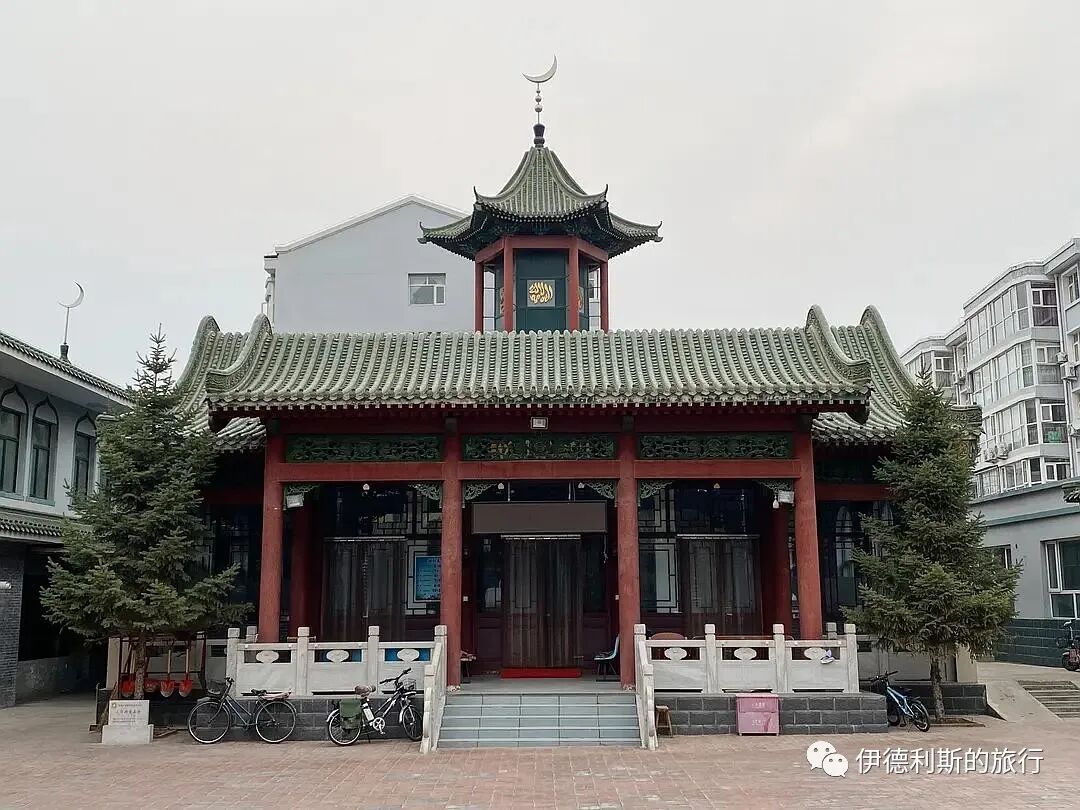
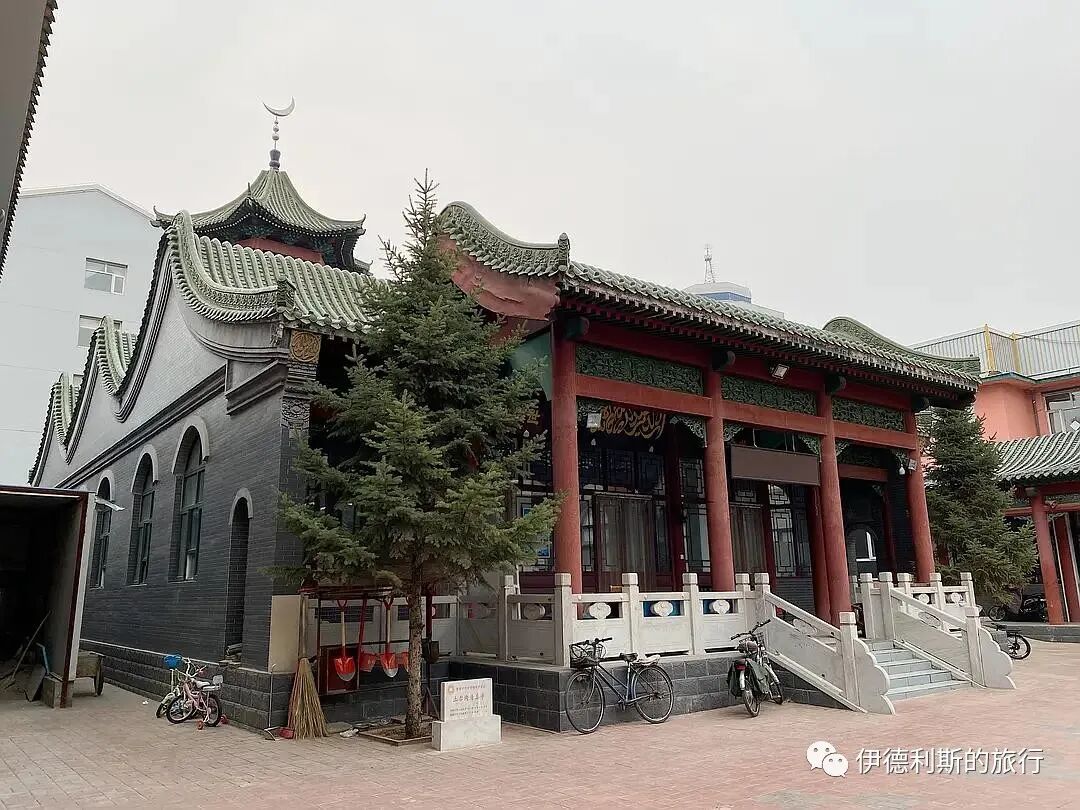
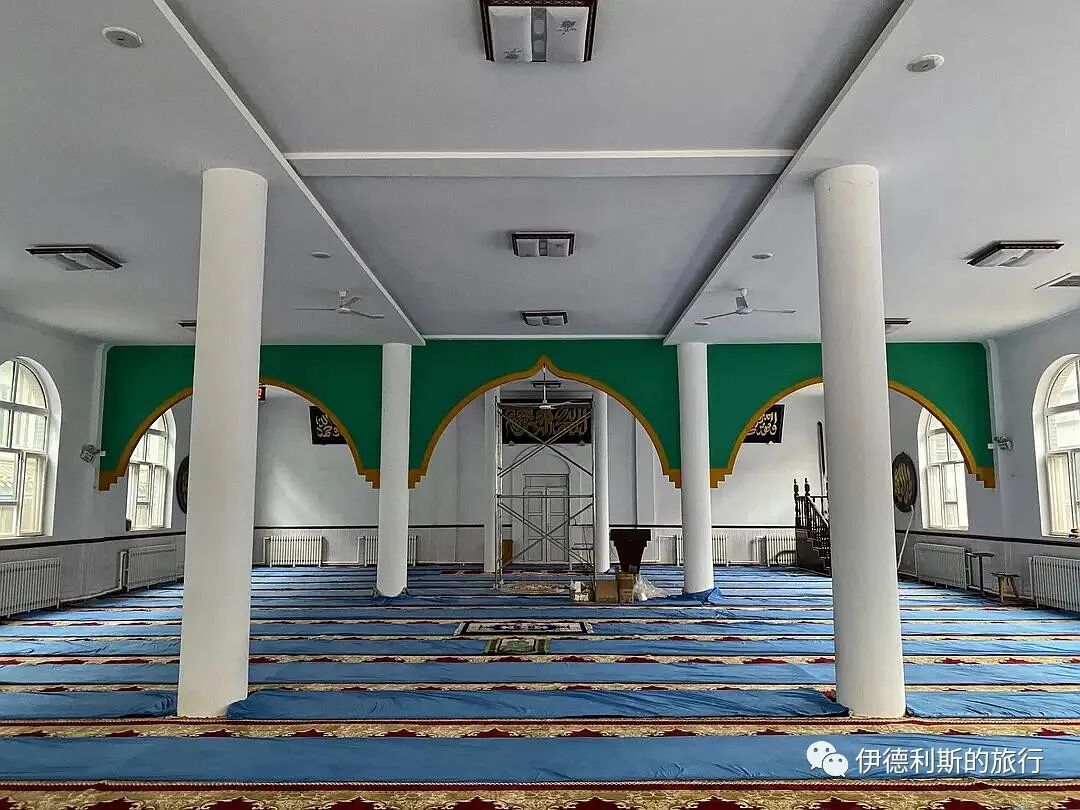
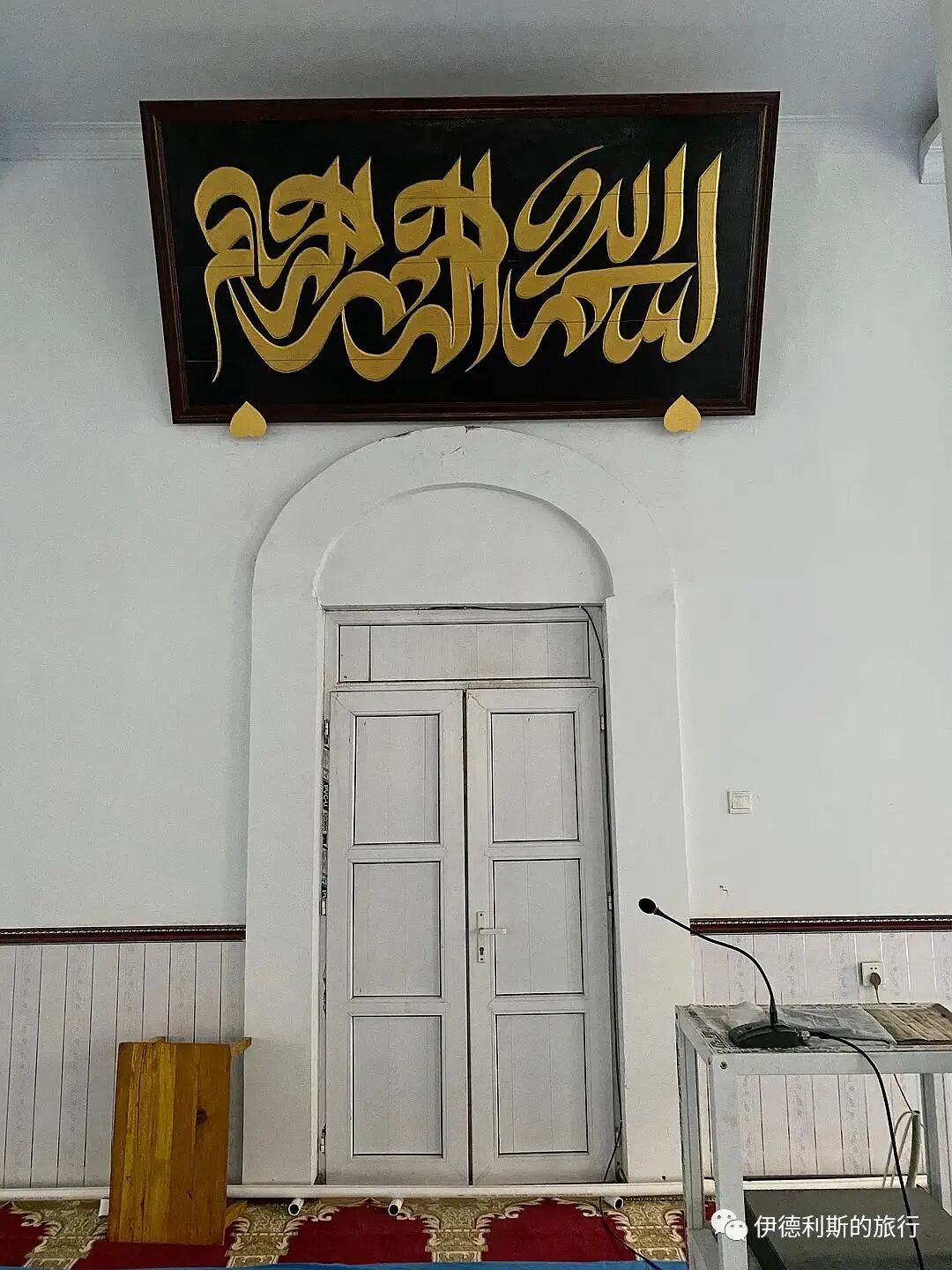
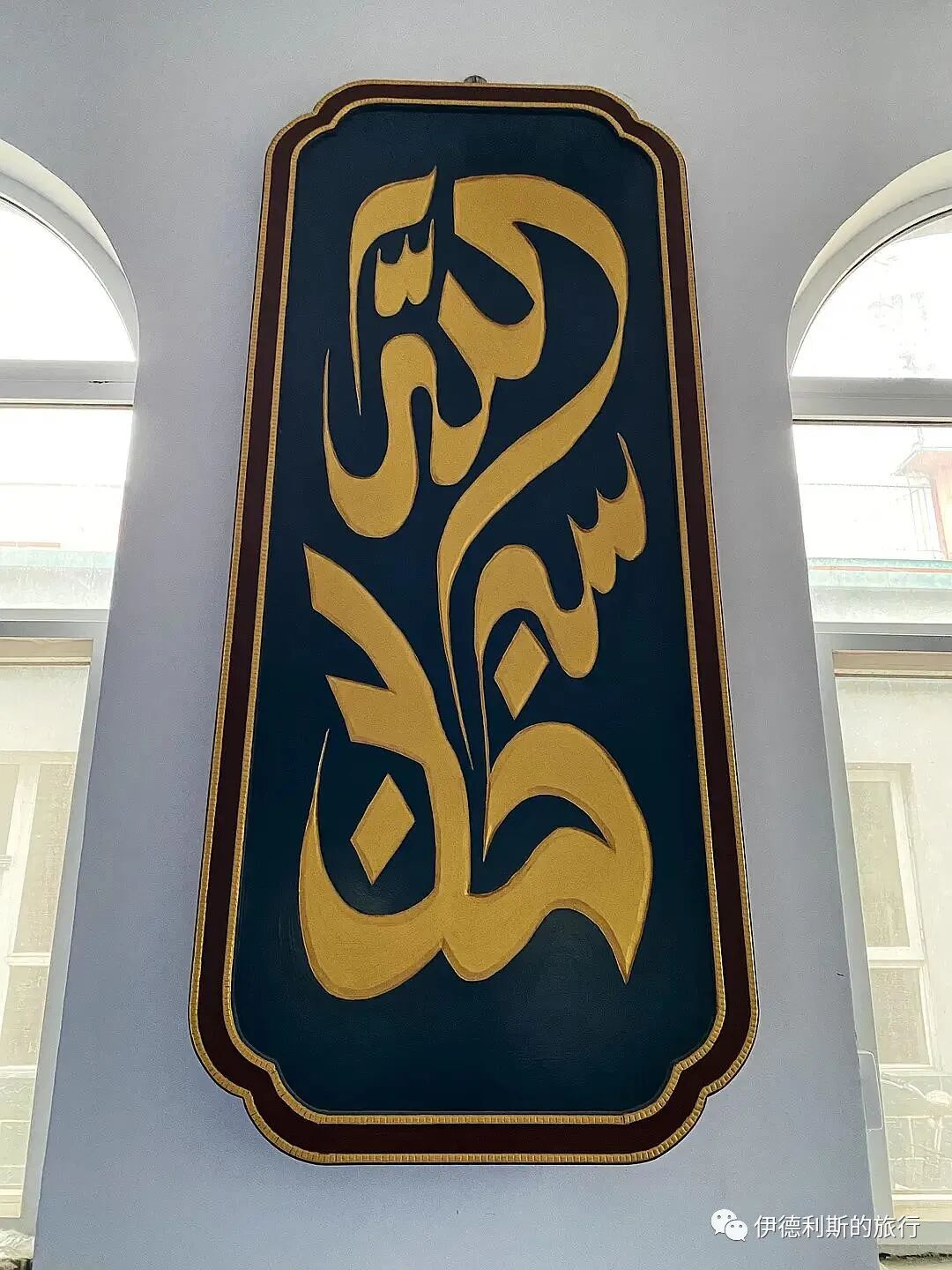
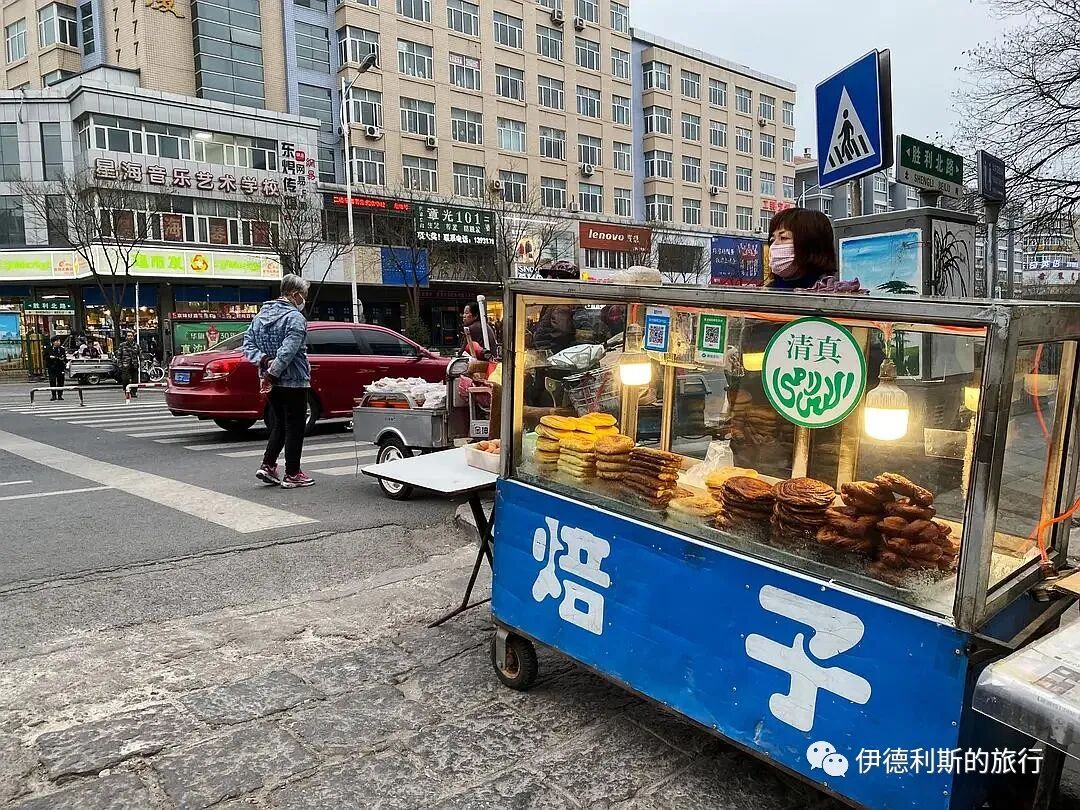
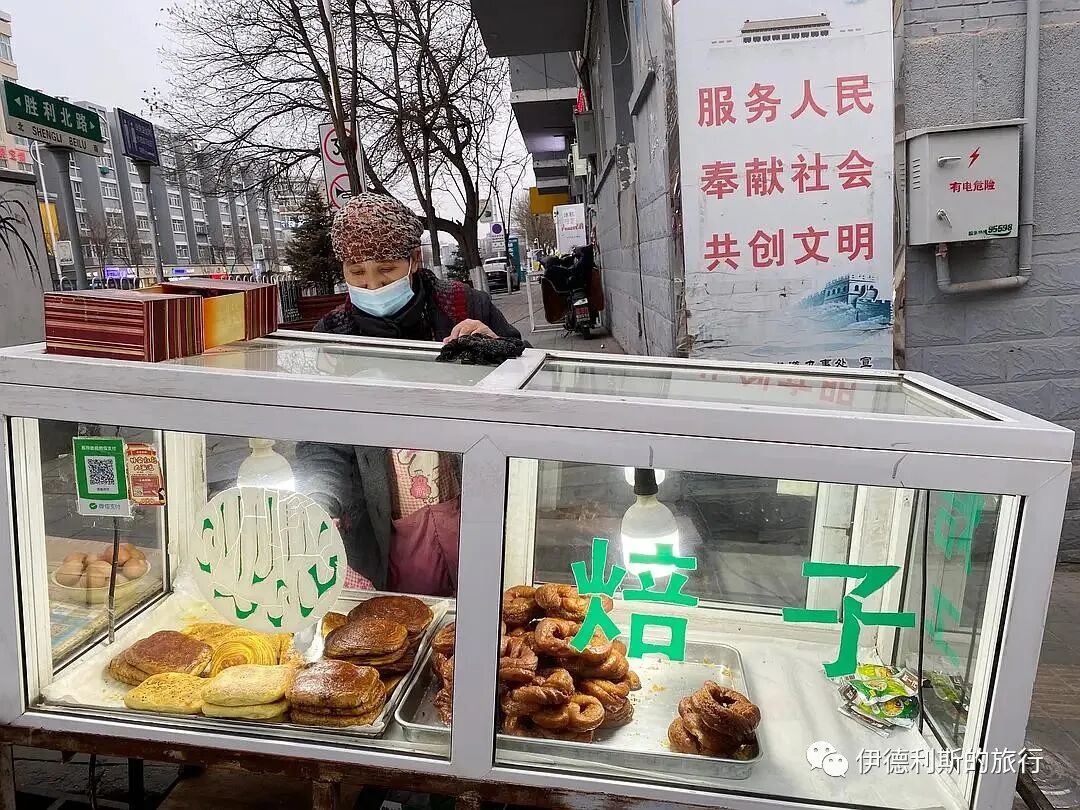
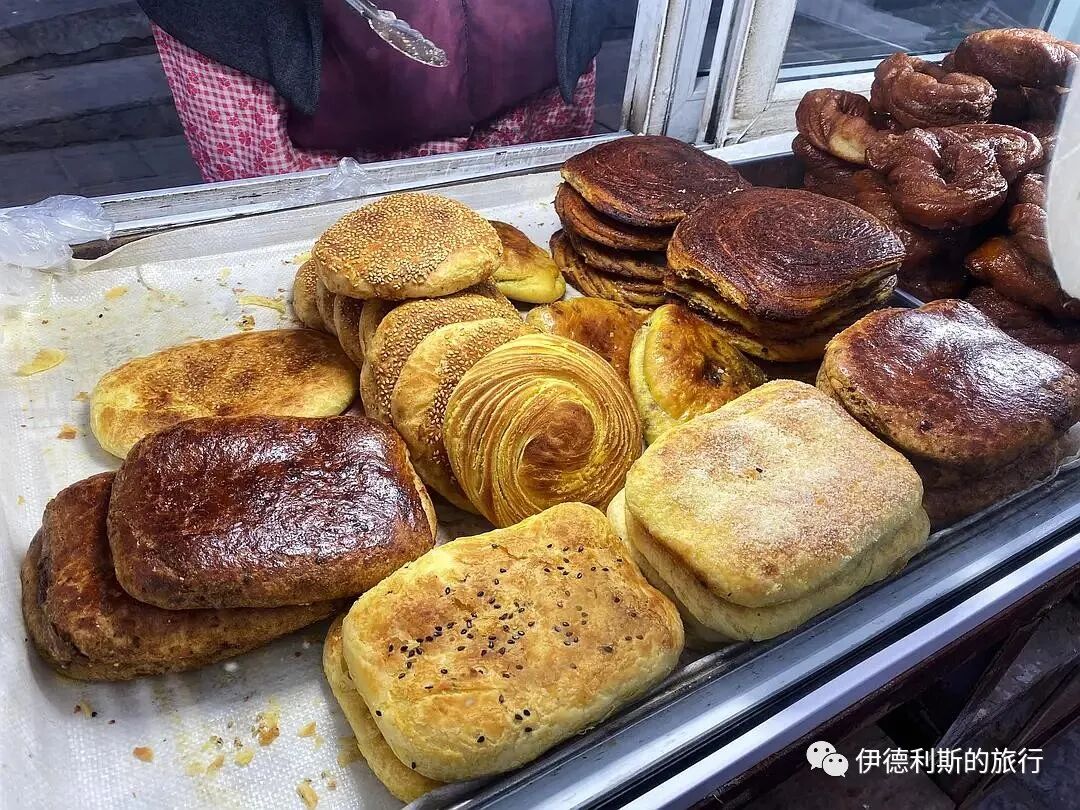
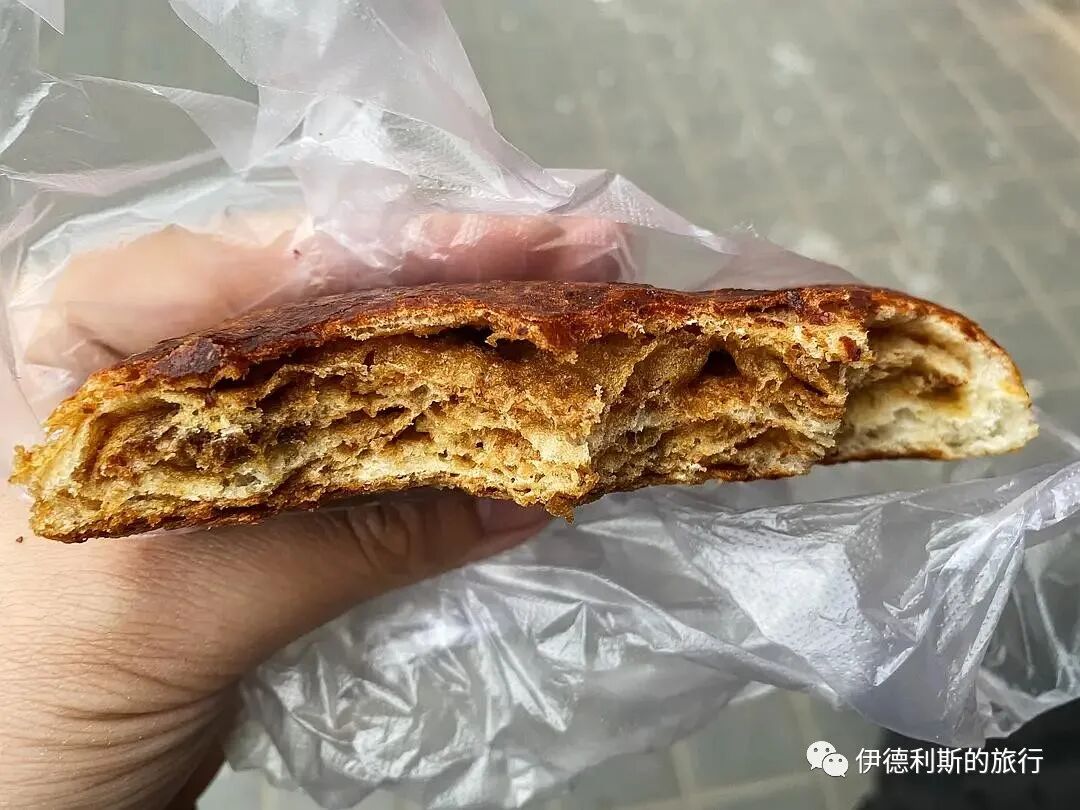
I bought a brown sugar beizi (flatbread) at the intersection next to the Tuergou Mosque; it was hot, crispy, and delicious.
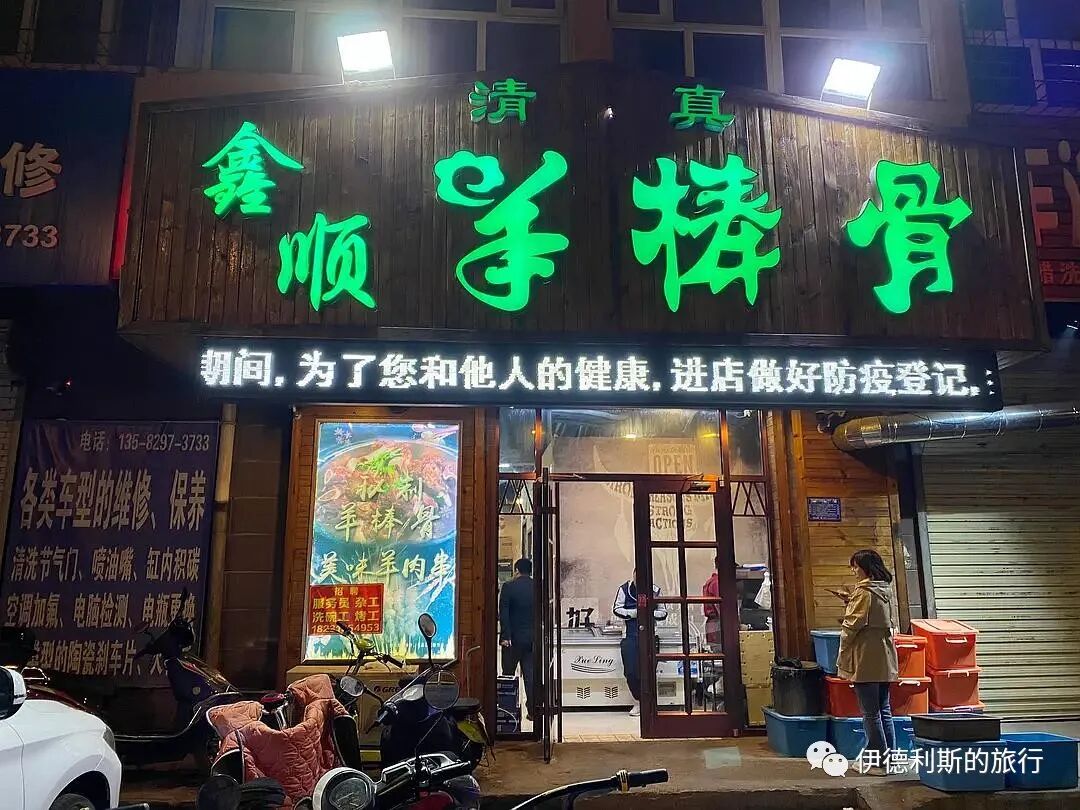
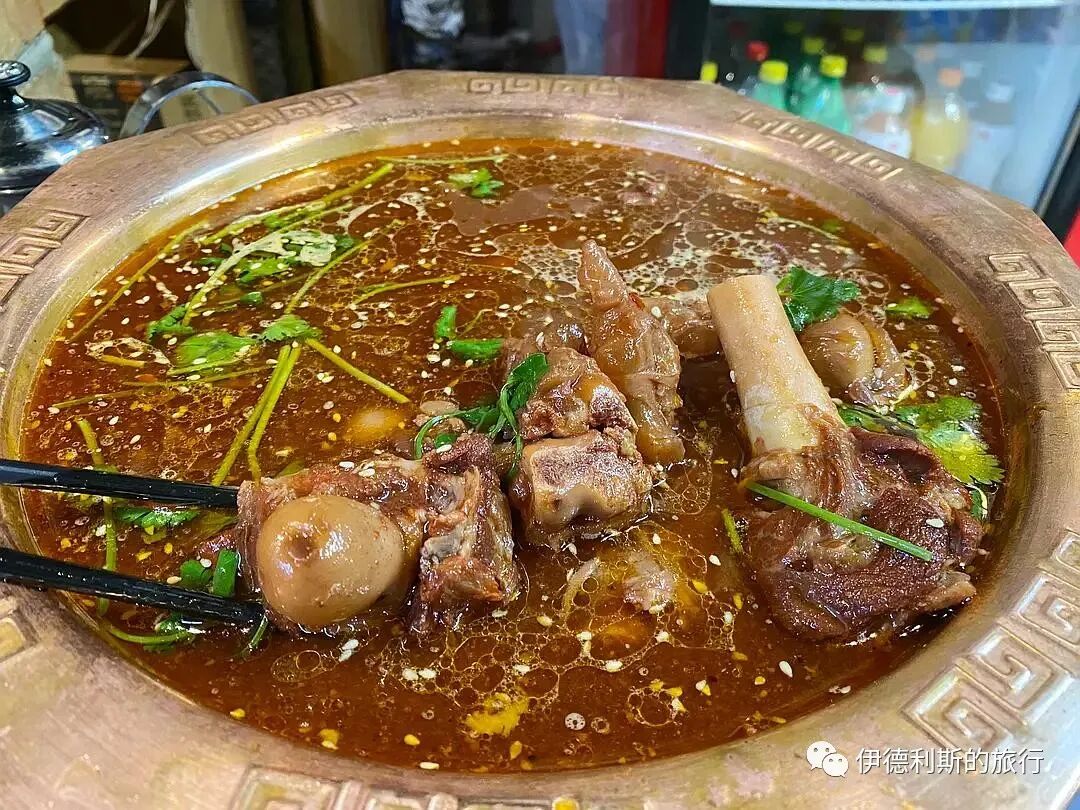
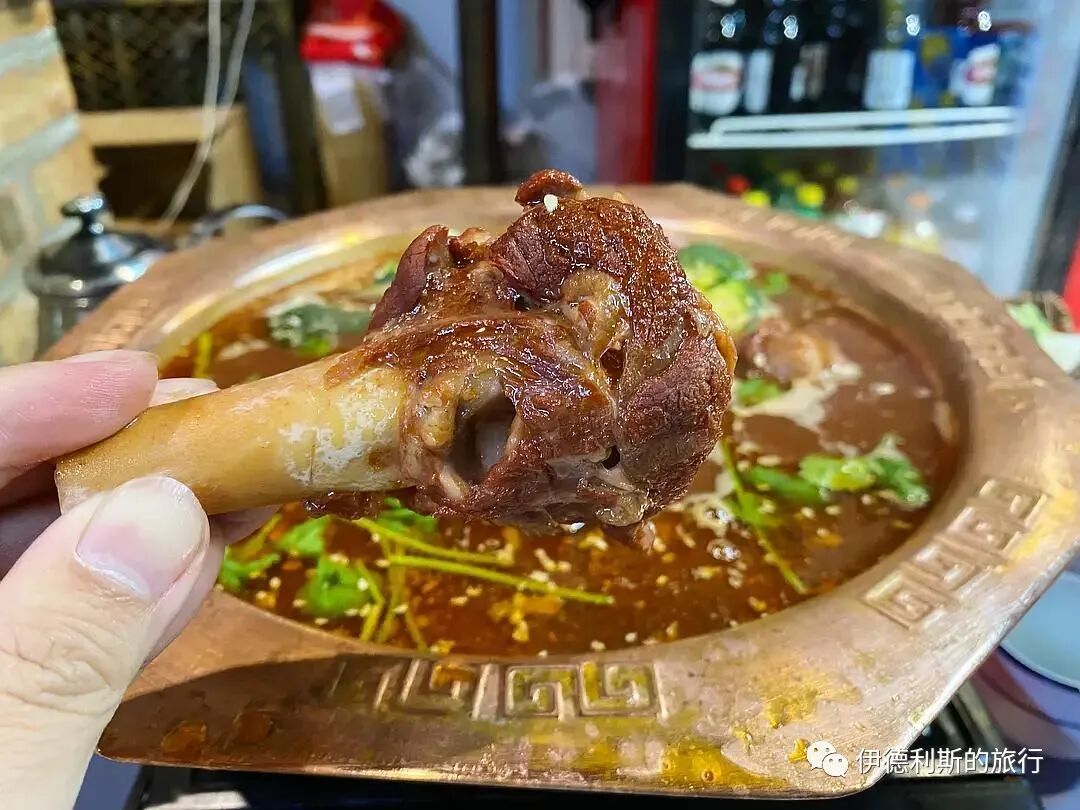
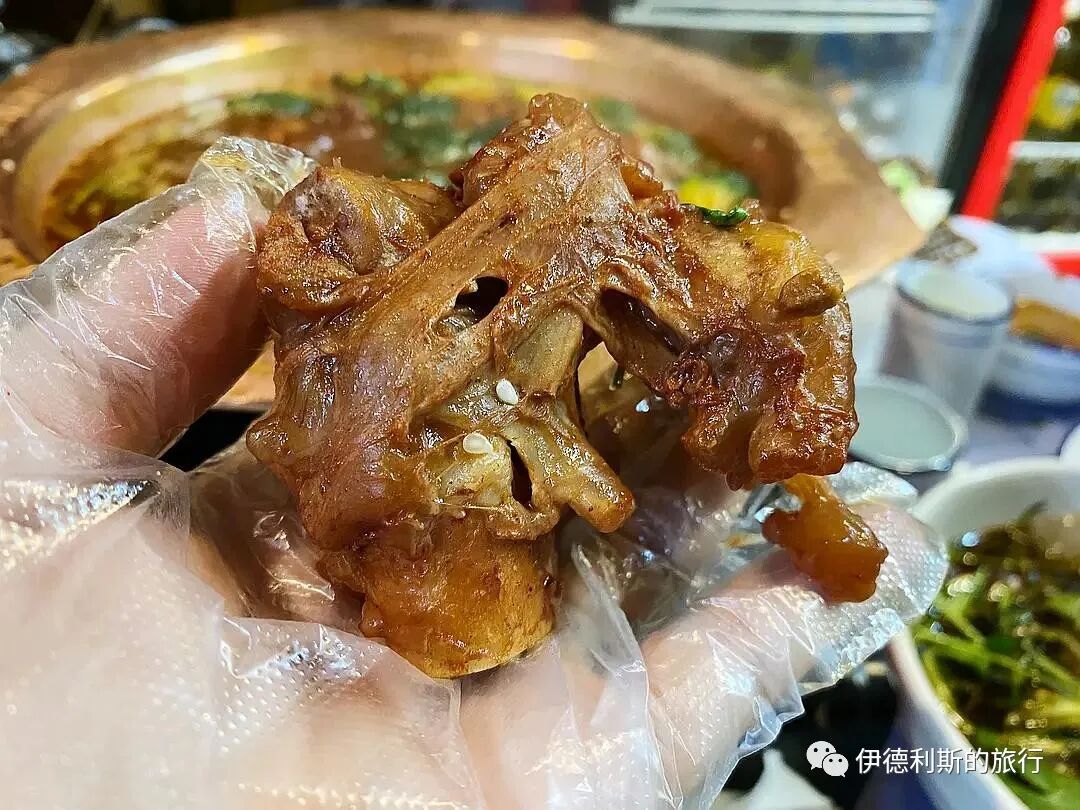
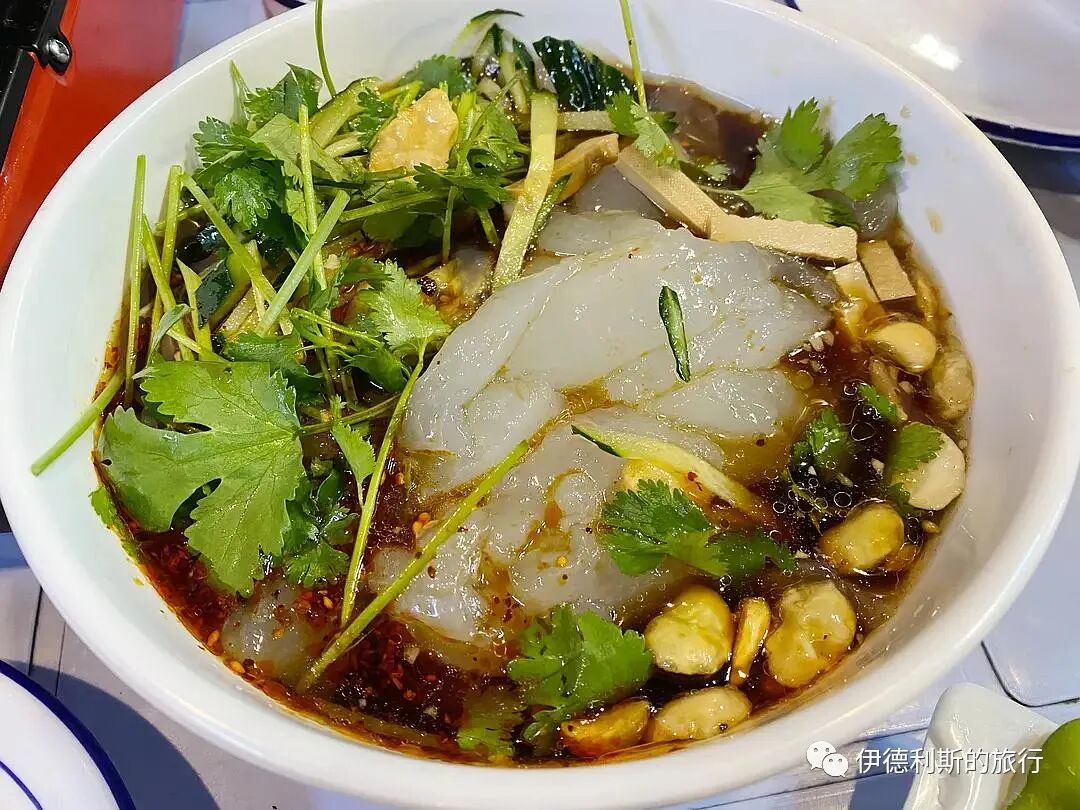
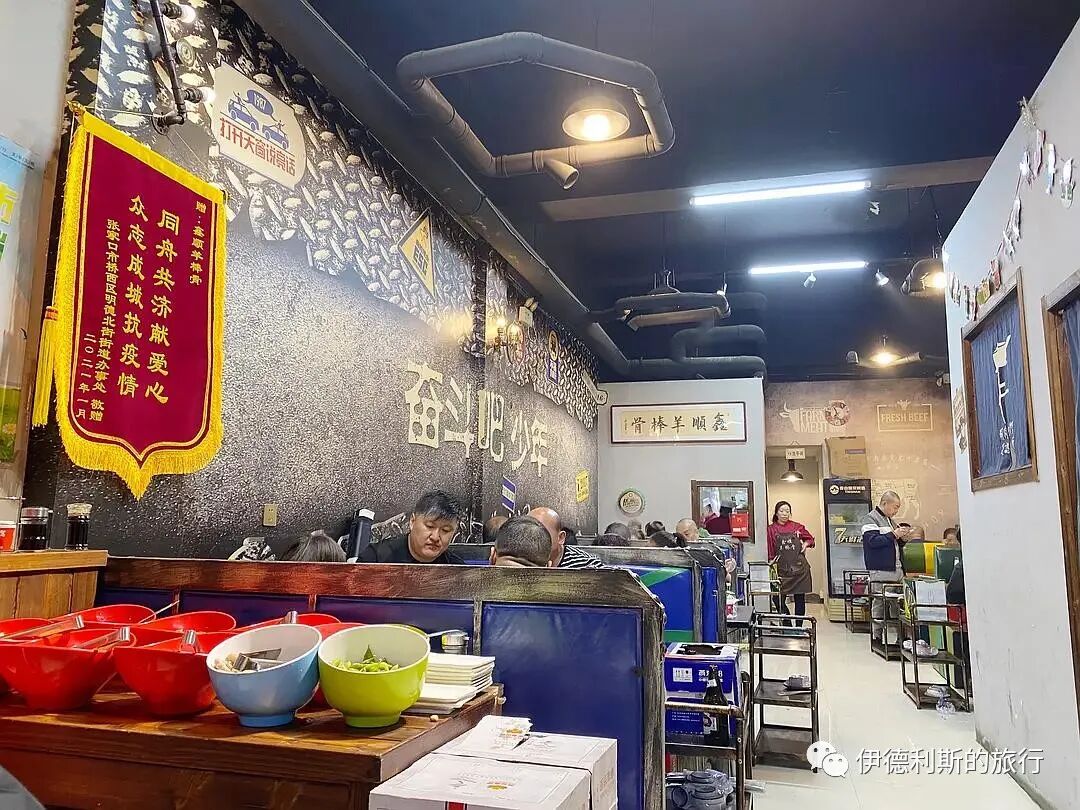
In the evening, I returned to the area near the Xinhua Street Mosque to eat Xinshun lamb bones. I ordered a jin (500g) of lamb bones and a jin of lamb tendons, which were very satisfying to gnaw on. I also ordered a portion of Hunyuan liangfen (cold mung bean starch noodles), a cold dish brought over from Datong, which helps cut the greasiness when eating meat.
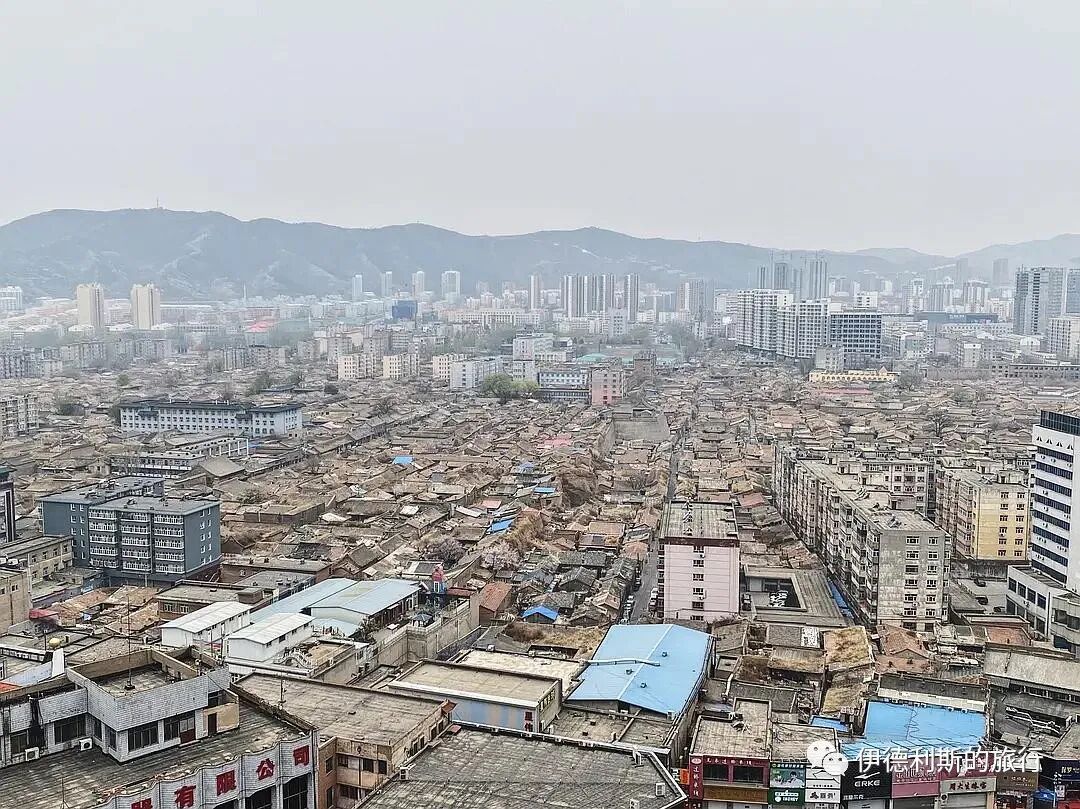
April 11, Zhangjiakou Fort in the early morning.
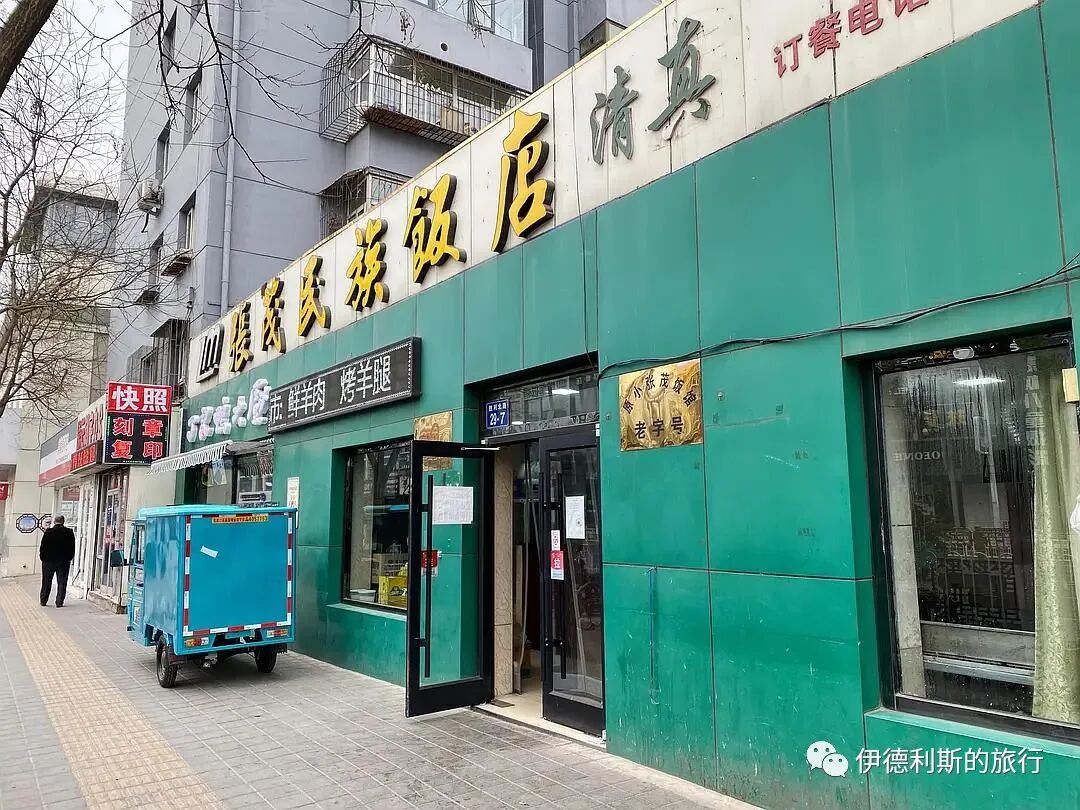
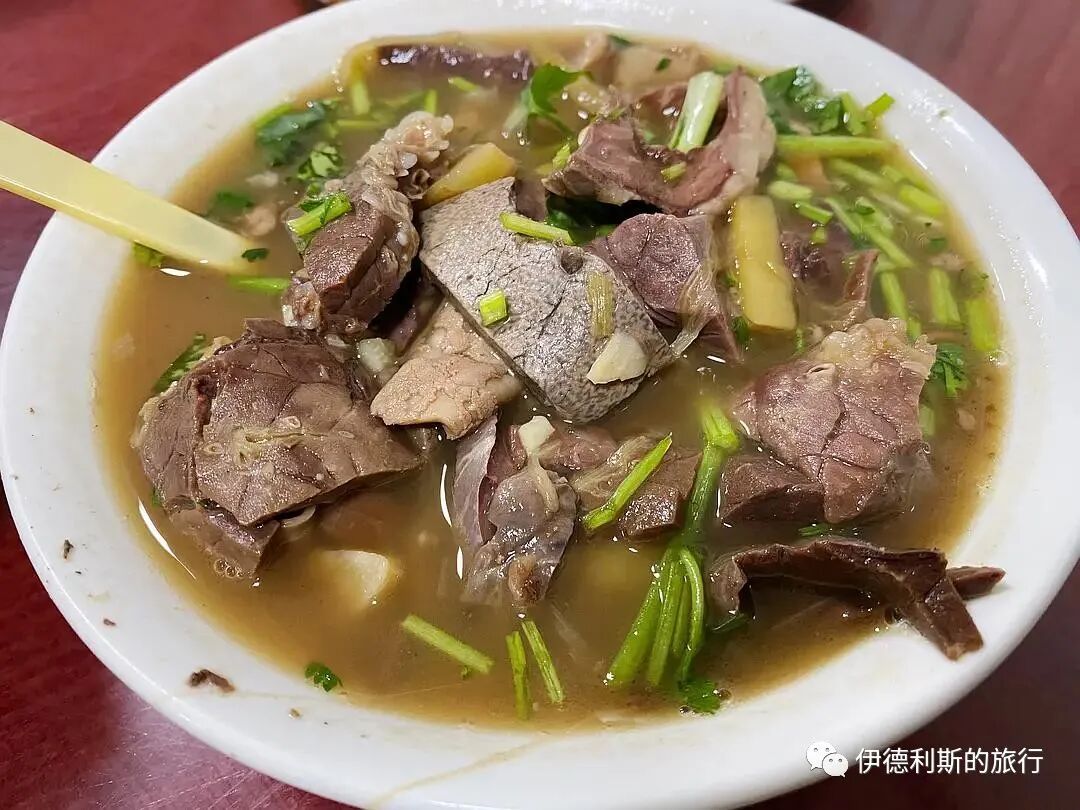
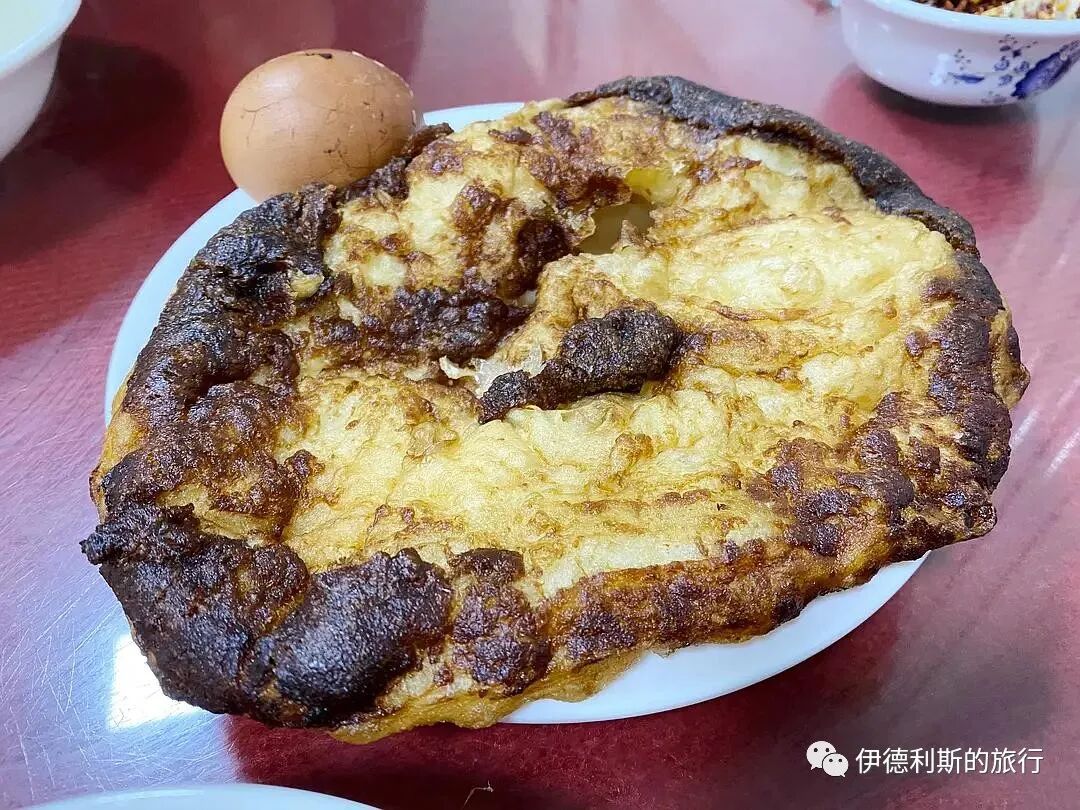
In the morning, I ate sugar oil cakes and lamb offal soup at the Zhangmao Ethnic Restaurant near Tuergou. Breakfast here is quite similar to that in Beijing.
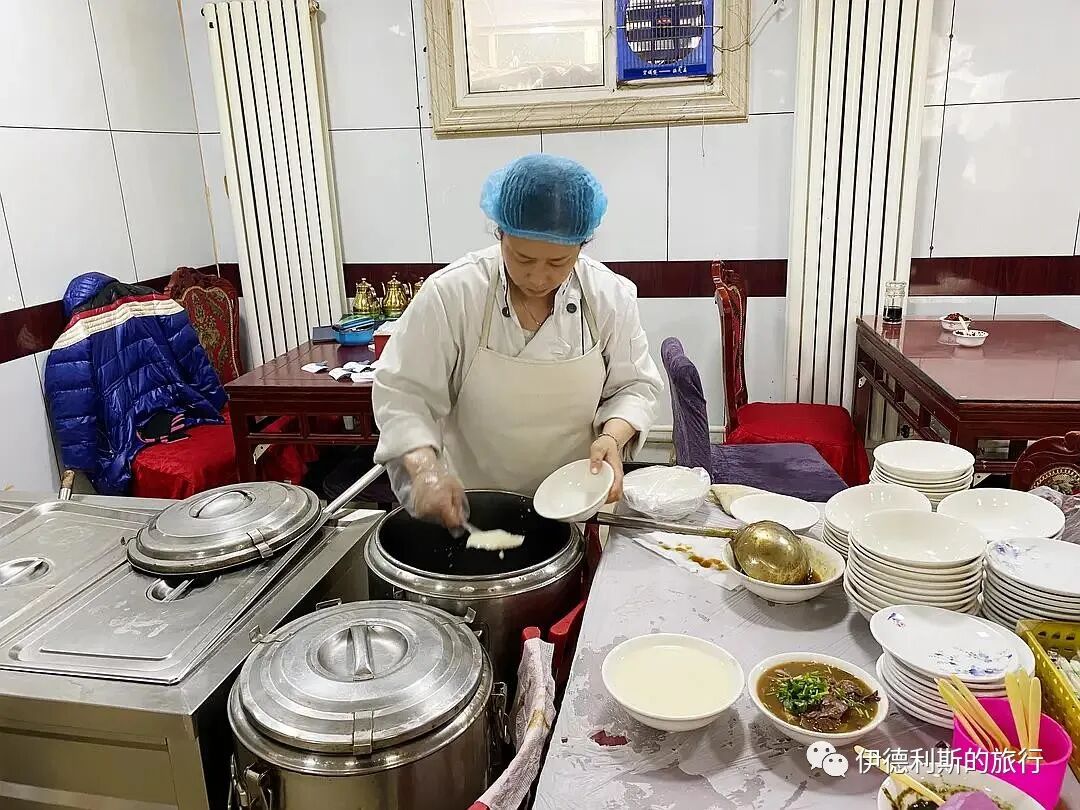
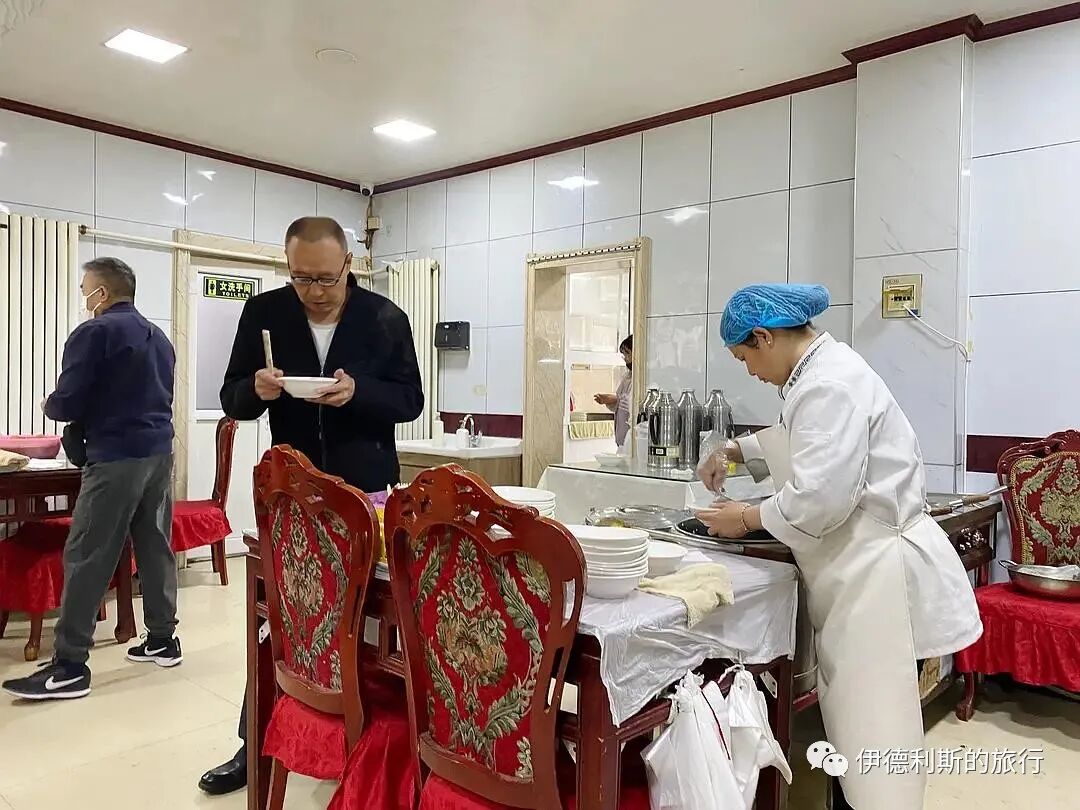
I took the high-speed train for 10 minutes from Zhangjiakou to Xuanhua to visit the Xuanhua South Mosque. The Xuanhua South Mosque was first built in 1403 (the first year of the Ming Yongle reign). In 1820 (the 25th year of the Qing Jiaqing reign), Muslims with the surnames Ding, Shan, and Yu discussed moving it to Miaodi Street. At that time, the main gate, plaques, and Wangyuelou of the Ming Dynasty mosque were dismantled and moved to the new site. It was completed in 1854 (the fourth year of the Qing Xianfeng reign) and became the largest mosque in the Yanbei region.
During the Cultural Revolution, the mosque was severely damaged. The Wangyuelou, corridors, stone arch bridges, and memorial archways were demolished, and all historical stone tablets, plaques, and couplets were destroyed. Restoration was completed between 2004 and 2007.
The Xuanhua South Mosque is laid out symmetrically along an east-west axis and consists of 15 halls and pavilions, forming a complete architectural complex.
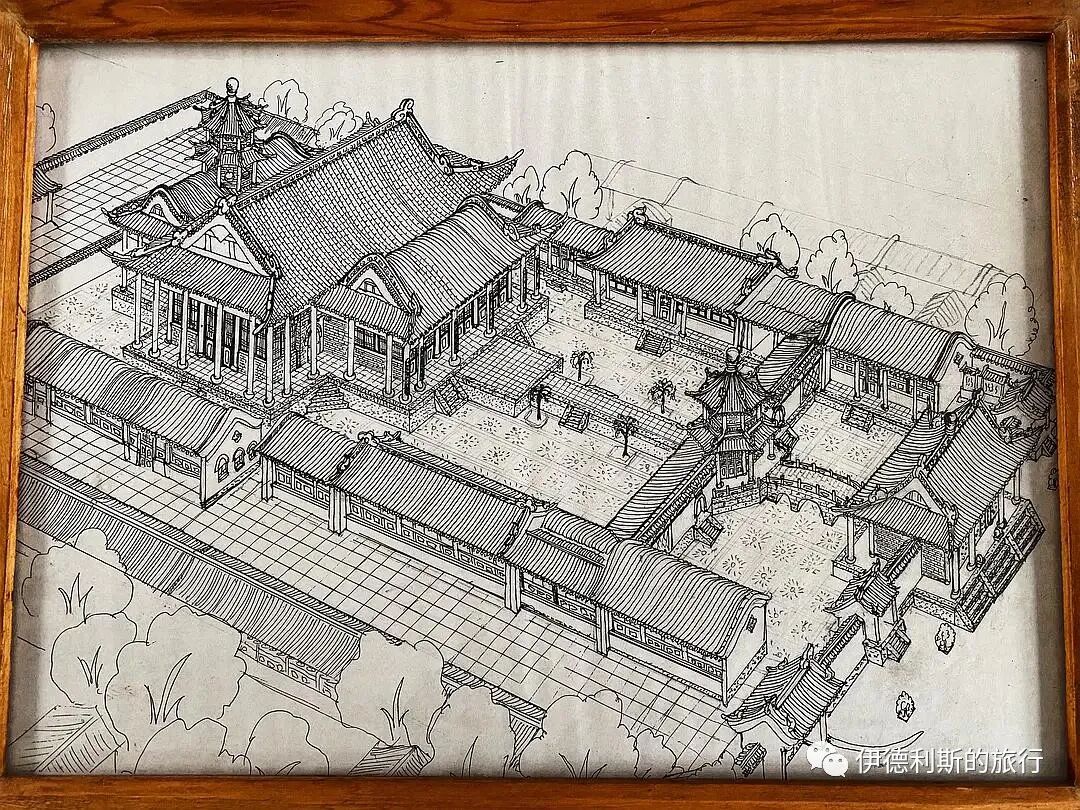
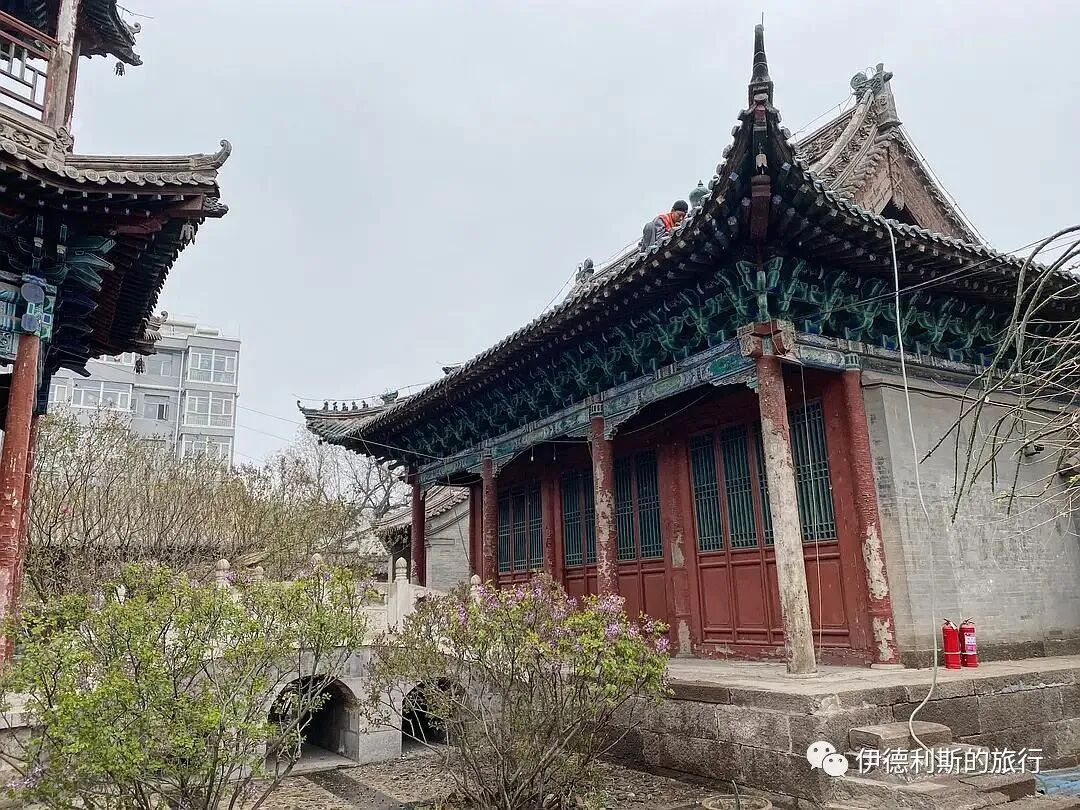
Entering the main gate, there is a small courtyard with a stone arch bridge in the center, and the Shengxin Tower (Tower of Reflecting on the Heart) in front, with a hallway on the ground floor. The Wangyuelou features flying eaves, dougong (bracket sets), and a double-eaved hexagonal roof.
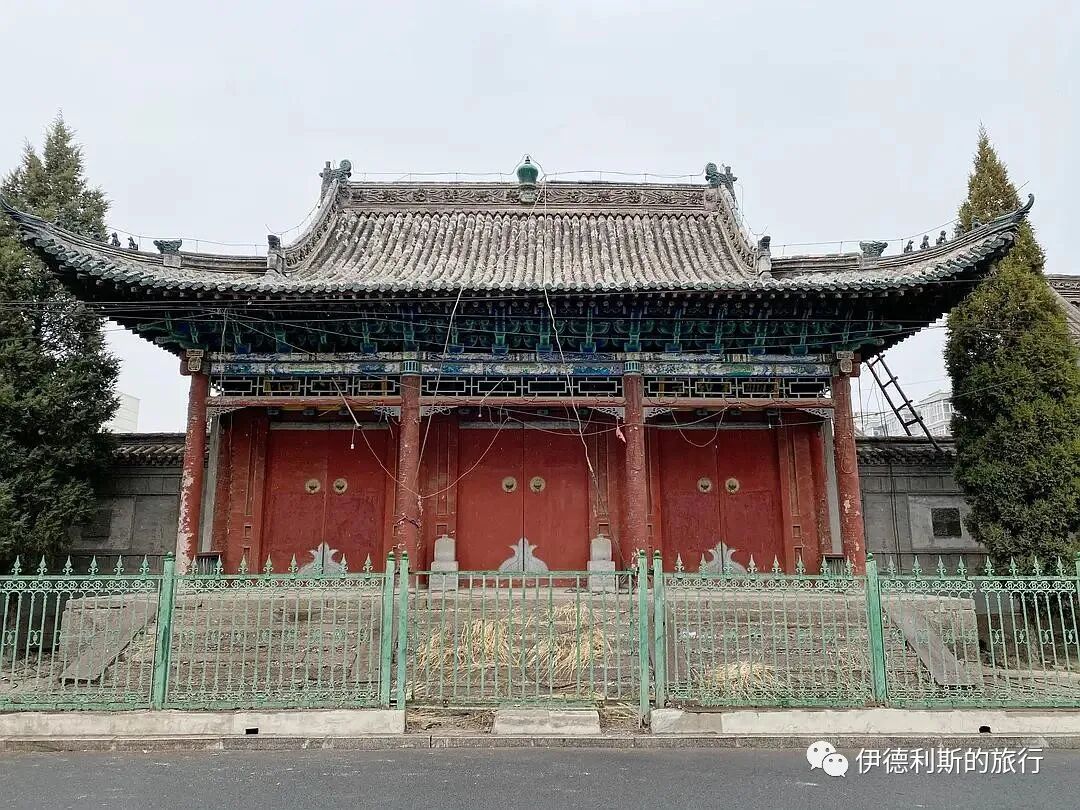
The Wangyuelou is connected to the north and south lecture halls by corridors on both sides.
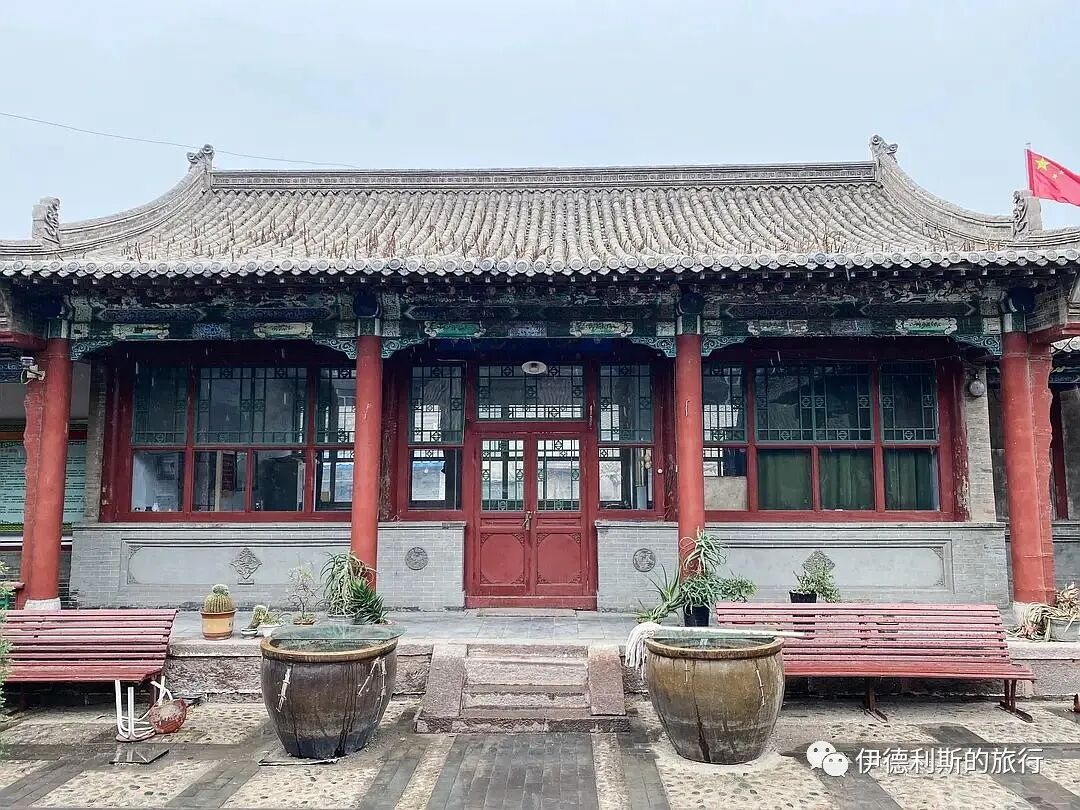
The prayer hall consists of a juanpeng, the main hall, and the yaodian. It uses a tai-liang (raised beam) wooden frame, with hardwood palace lanterns hanging under the beams, which are all lit during Ramadan, making it as bright as day. The yaodian is supported by four pillars holding up a 17.6-meter-high roof. The yaodian roof is an octagonal pointed roof with upturned corners and a caisson ceiling inside.
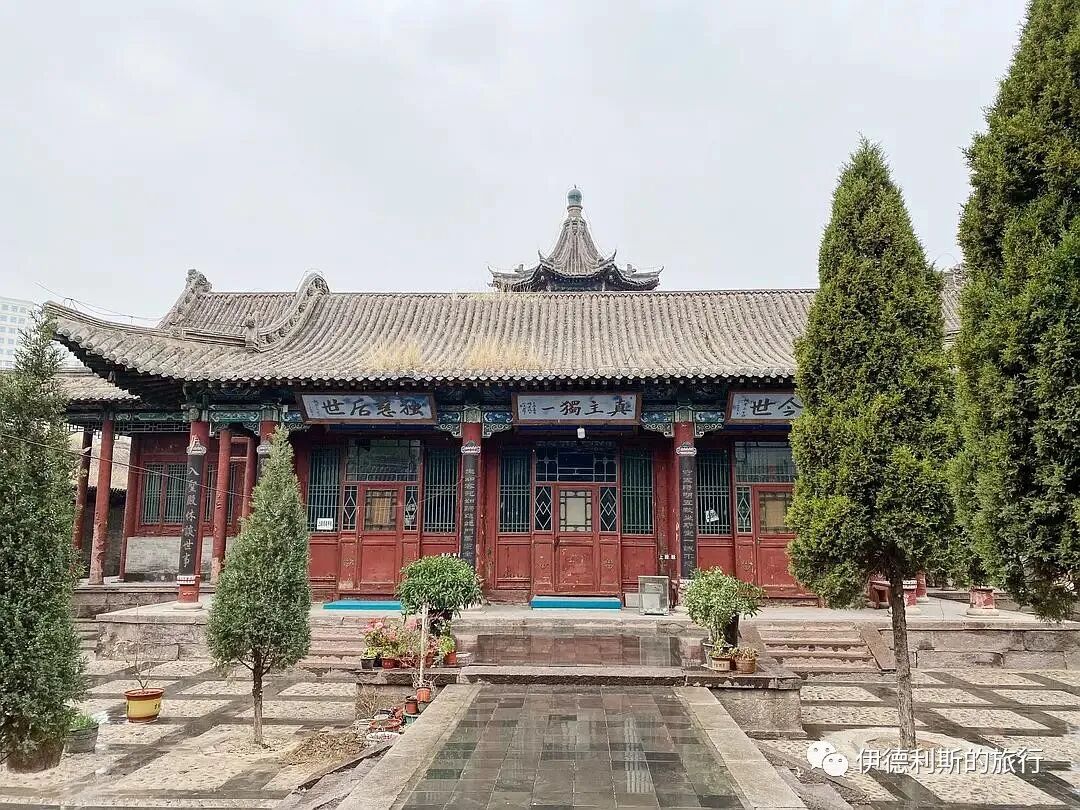
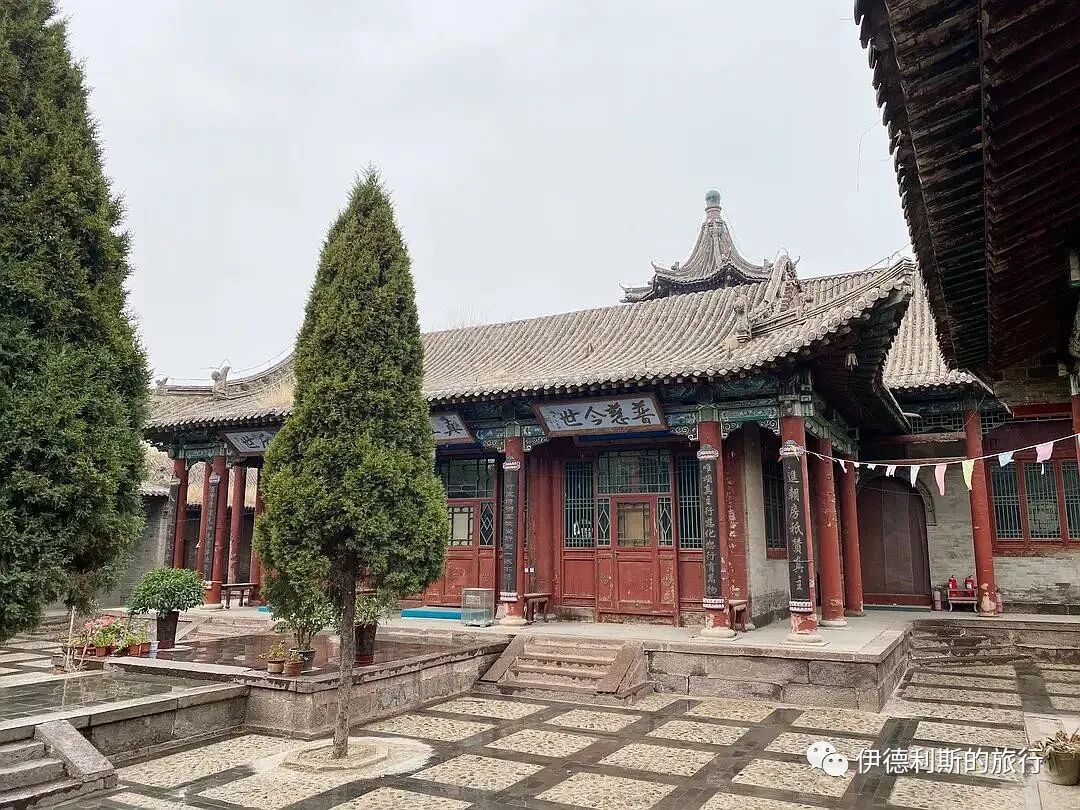
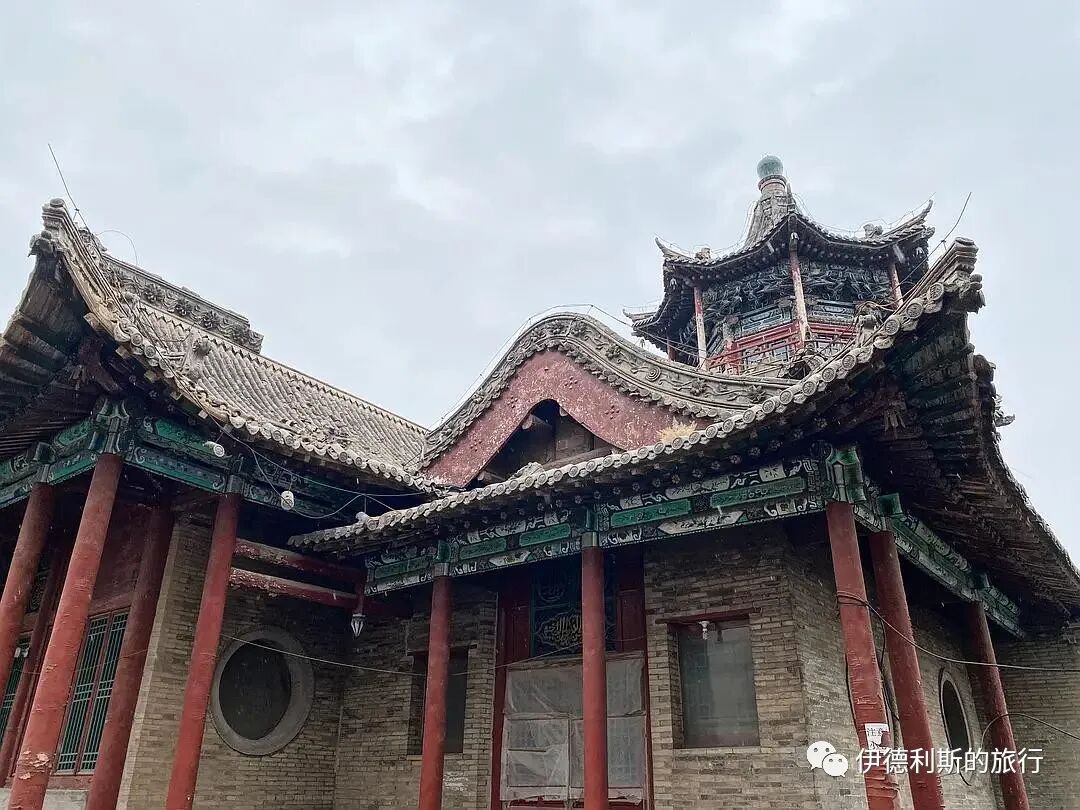
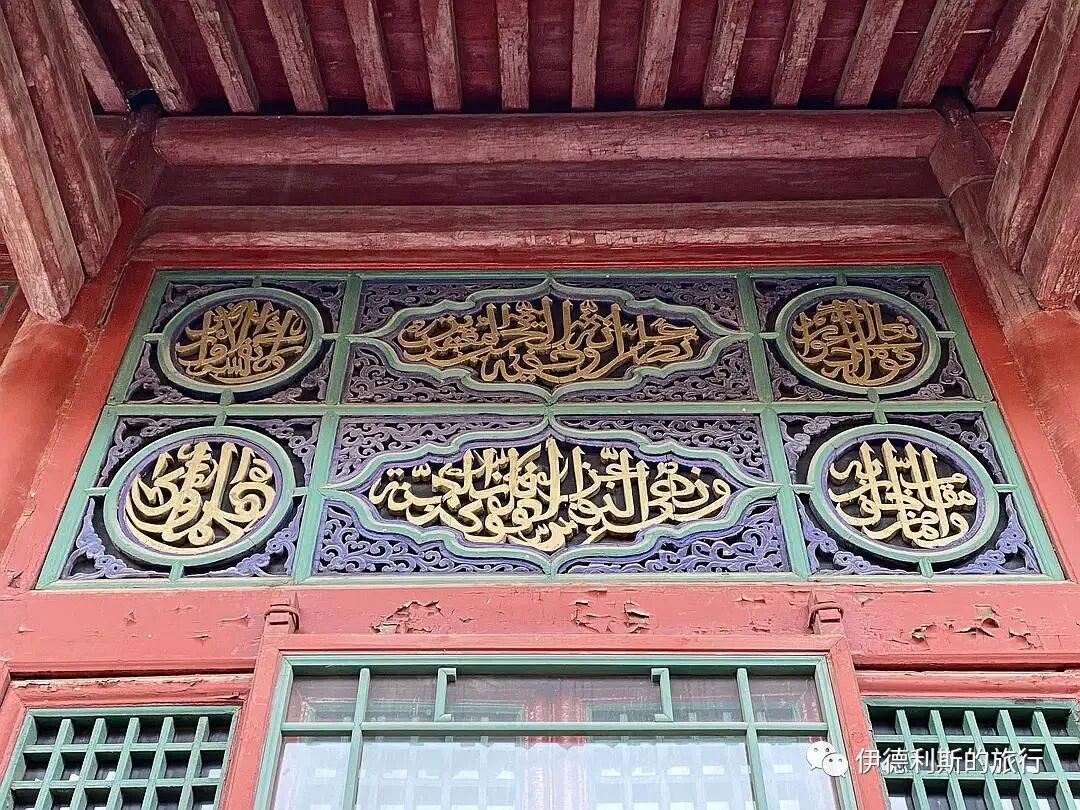
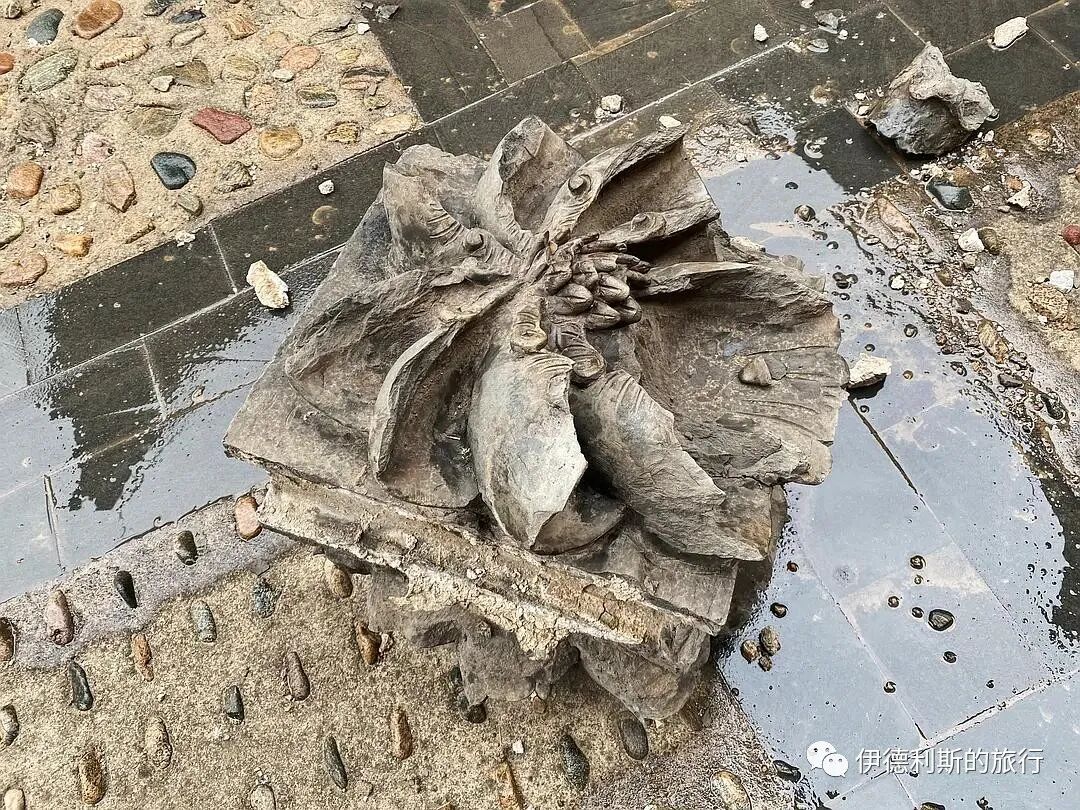
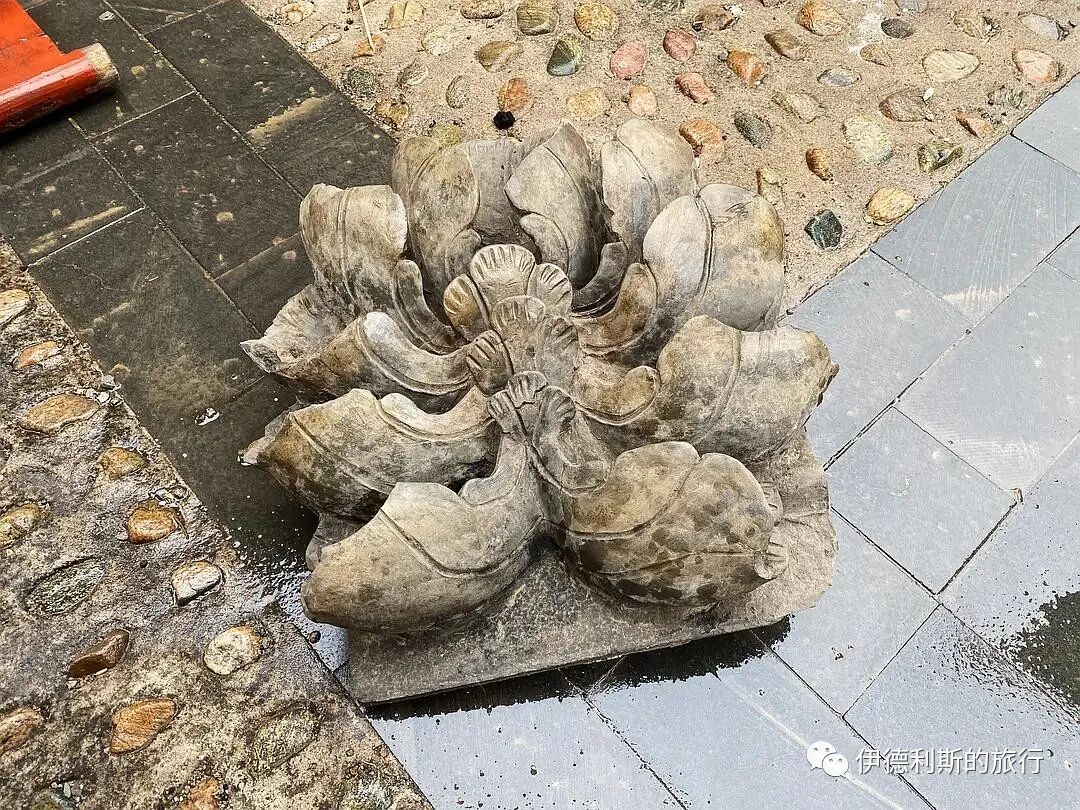
When I visited, the Xuanhua South Mosque was undergoing renovations, and roof tiles were scattered all over the ground.
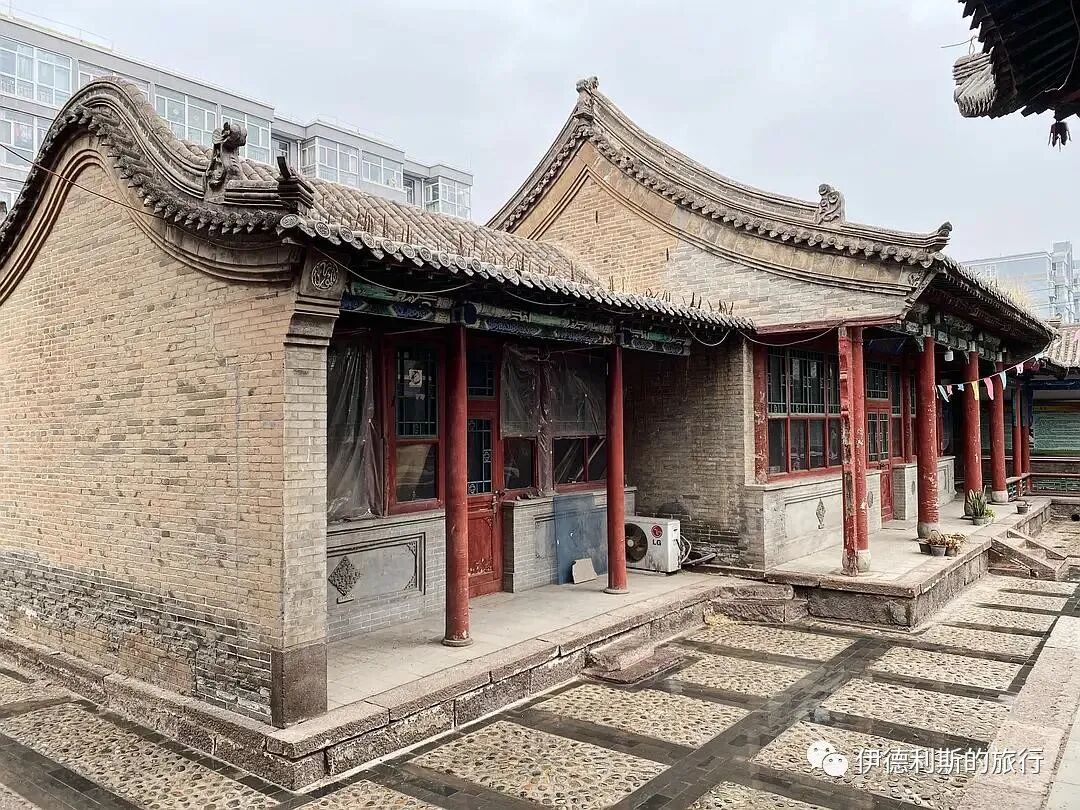
The Xuanhua North Mosque was first built in 1722 (the 61st year of the Qing Kangxi reign), and the wing rooms and side halls were rebuilt in 1860 and 1865. The North Mosque originally had a gate tower, a minaret, corridors, north and south wing rooms, and a prayer hall, all with carved beams and painted rafters, looking magnificent.
The biggest feature of the North Mosque's prayer hall is that the juanpeng, main hall, and yaodian form a cross-shaped floor plan, which is shallow and wide overall. This is very different from the long and deep prayer halls common in the eastern regions, but more common in Xinjiang.
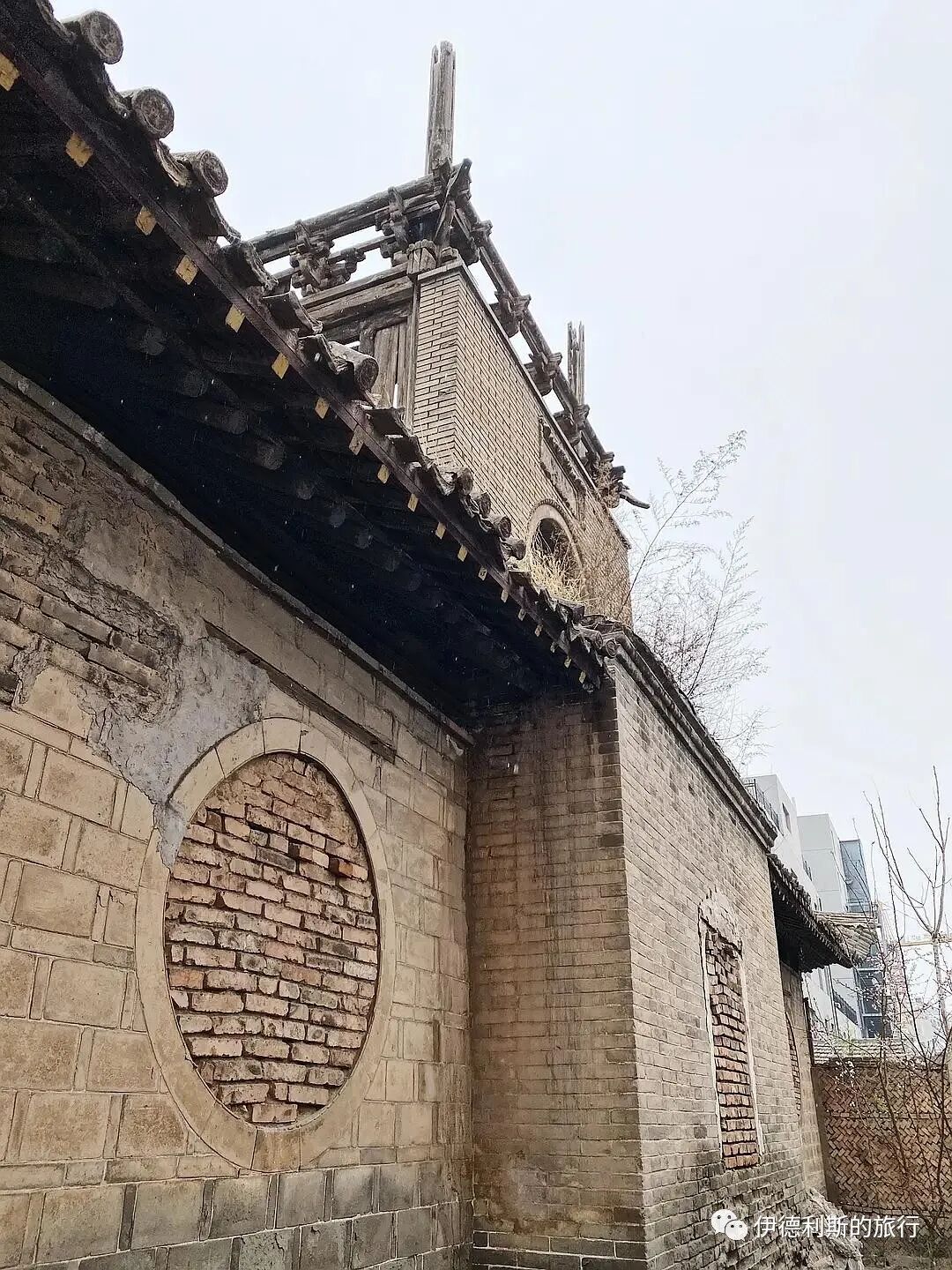
In addition, the yaodian of the North Mosque is also unique, as a square multi-story roof was added on top of the juanpeng.
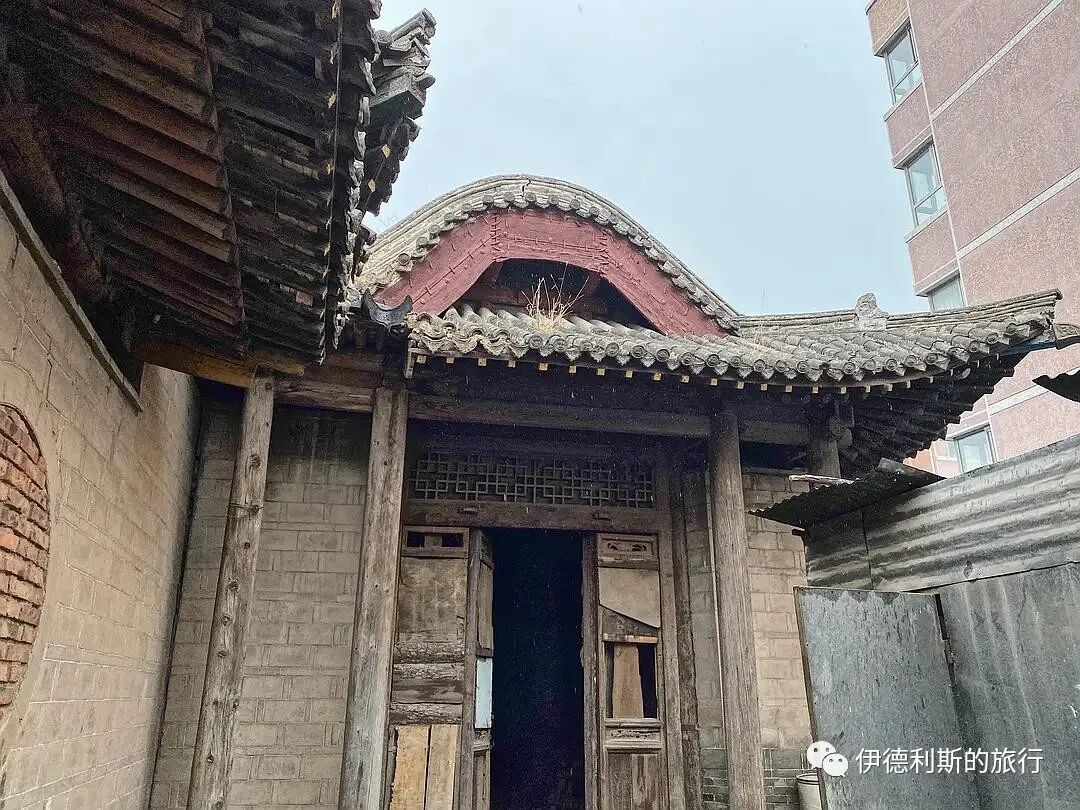
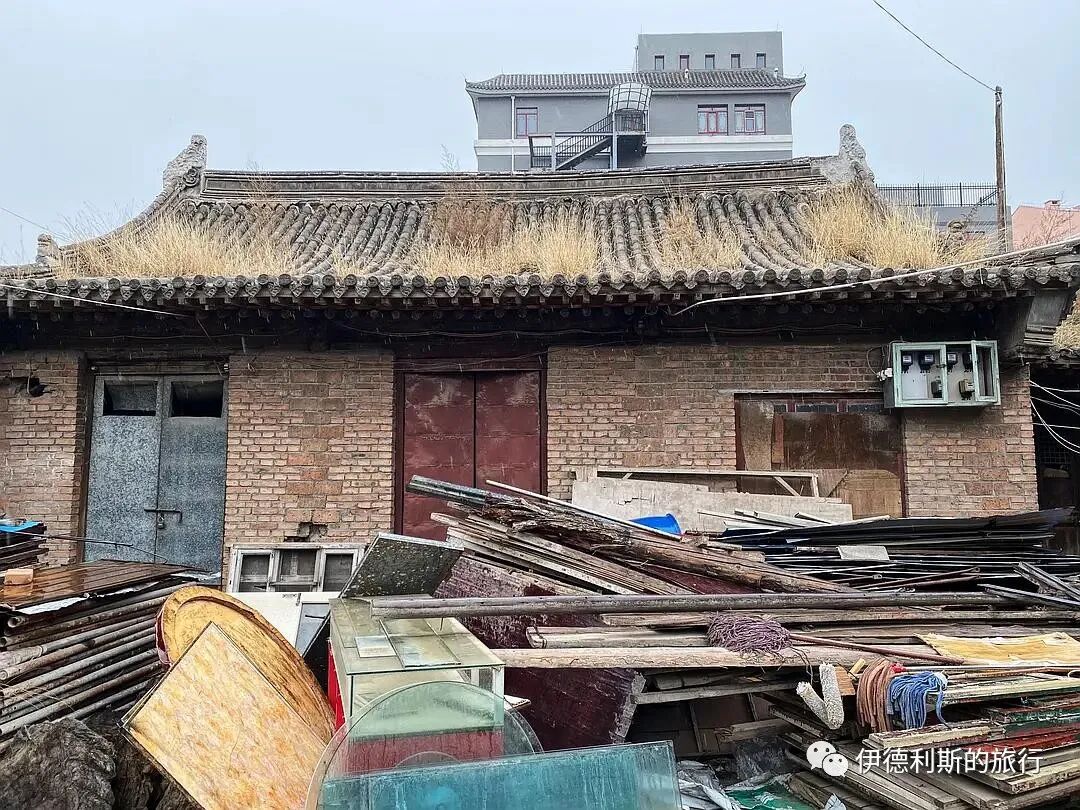
During the Cultural Revolution, the North Mosque was severely damaged. The gate tower, corner gate, perimeter wall, chuihuamen, corridors, and minaret were all demolished and have not been restored to this day. Currently, the main prayer hall and the north and south wing rooms are rented out as warehouses, the yaodian roof has collapsed, and the north side hall and water room have been converted into a halal pastry factory workshop, which is still occupied today.
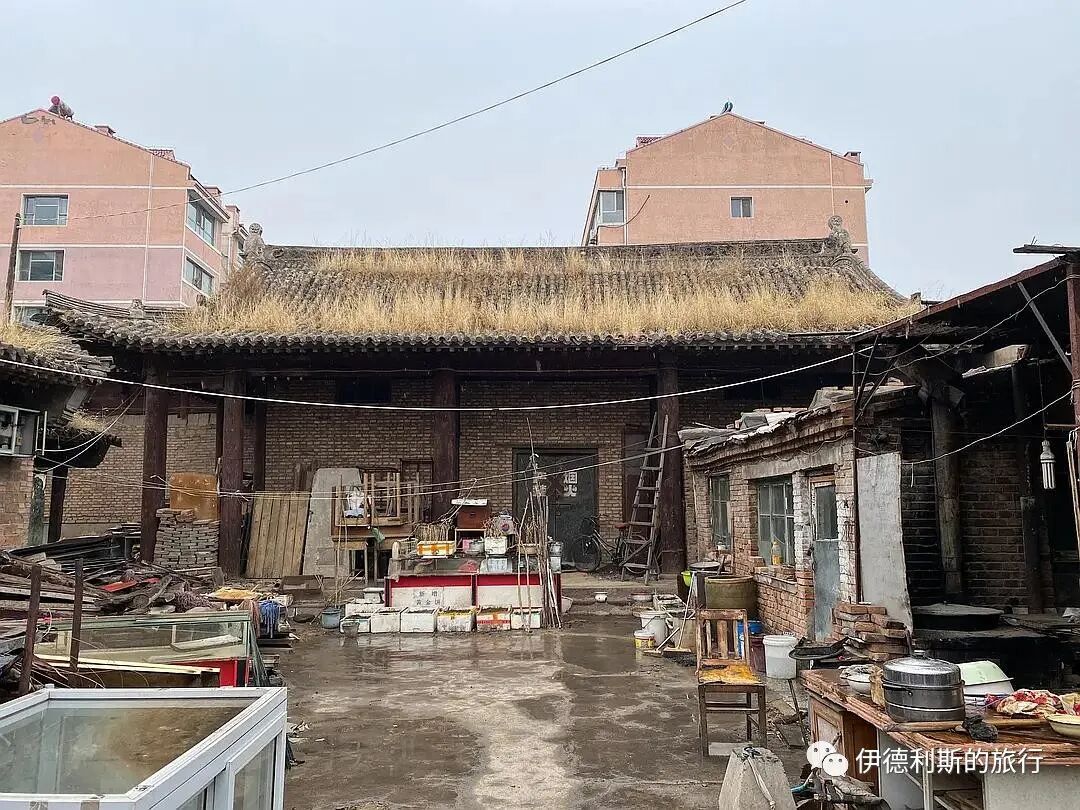
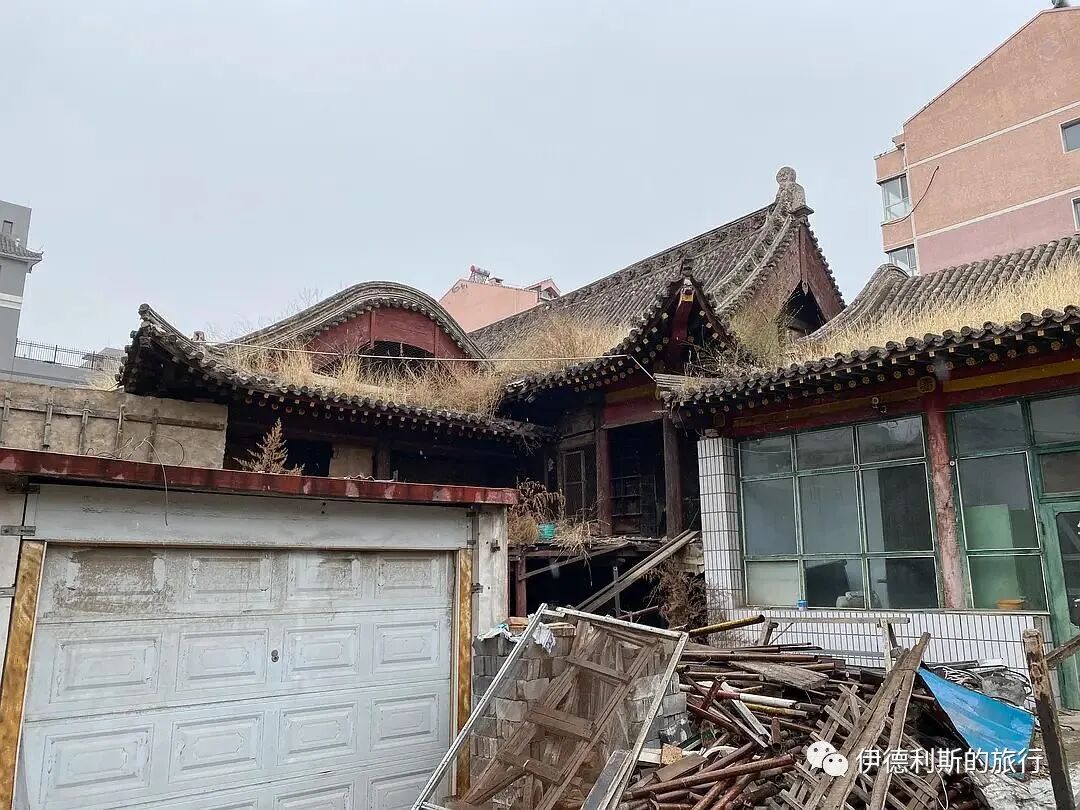
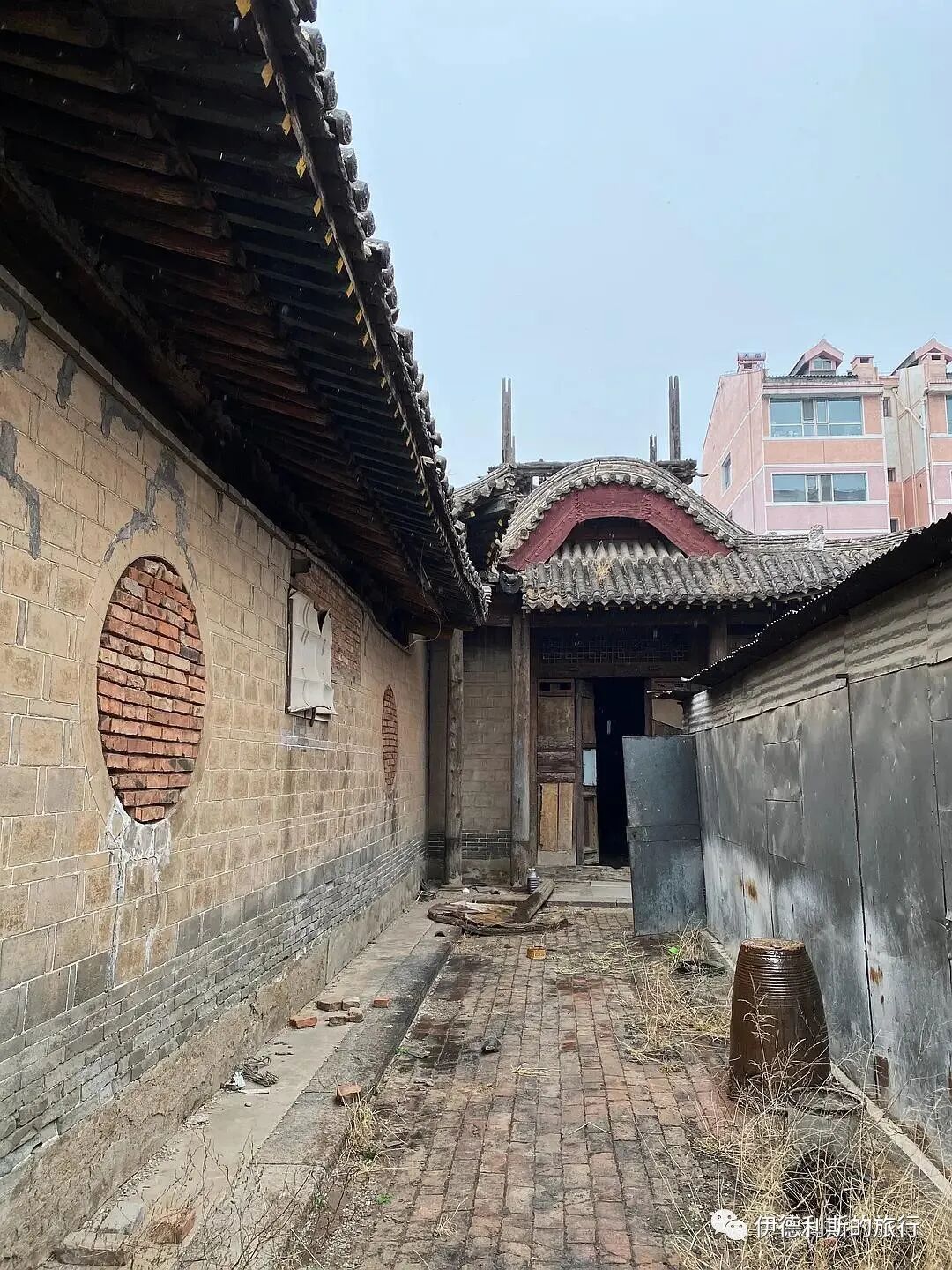
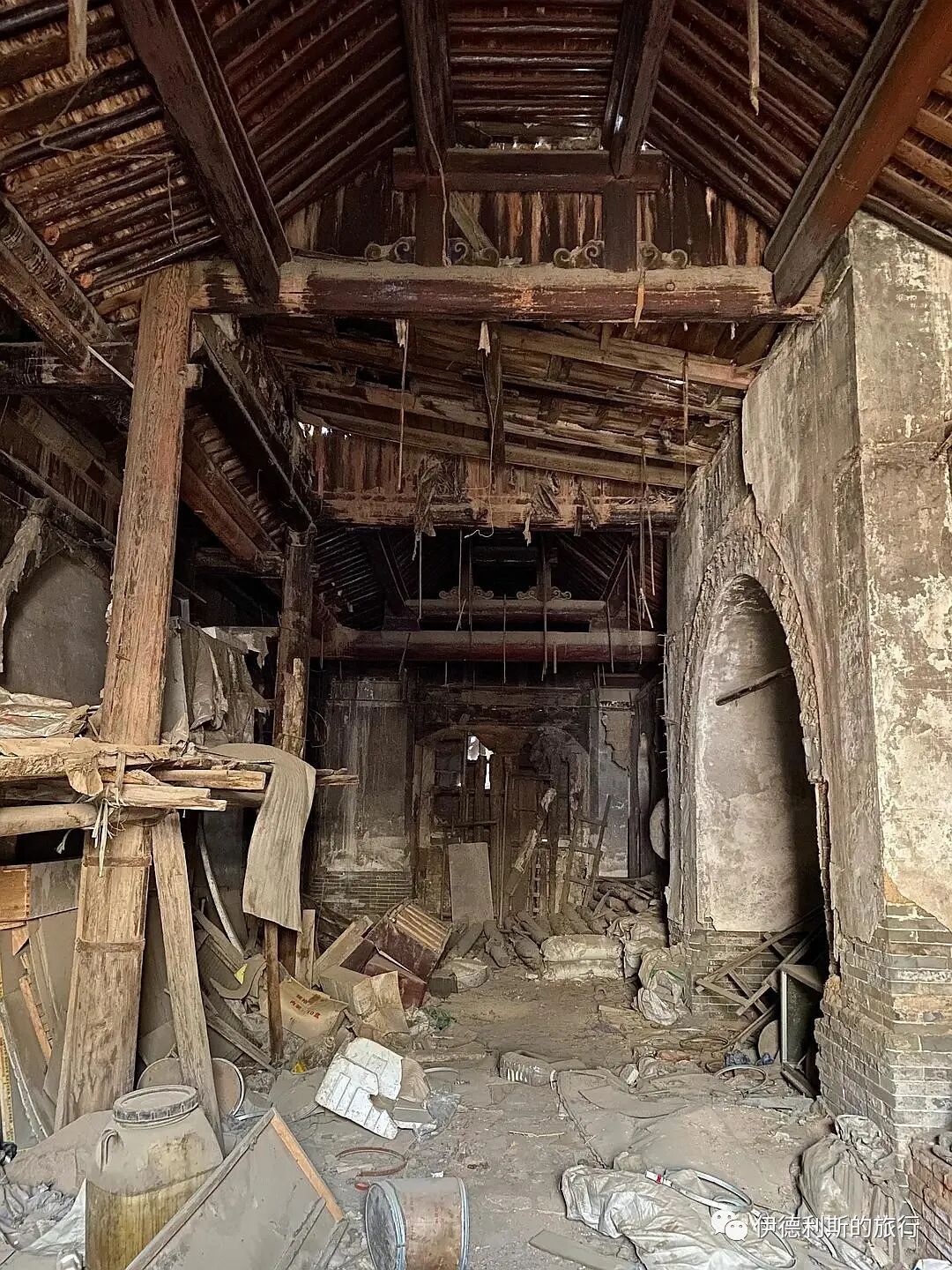
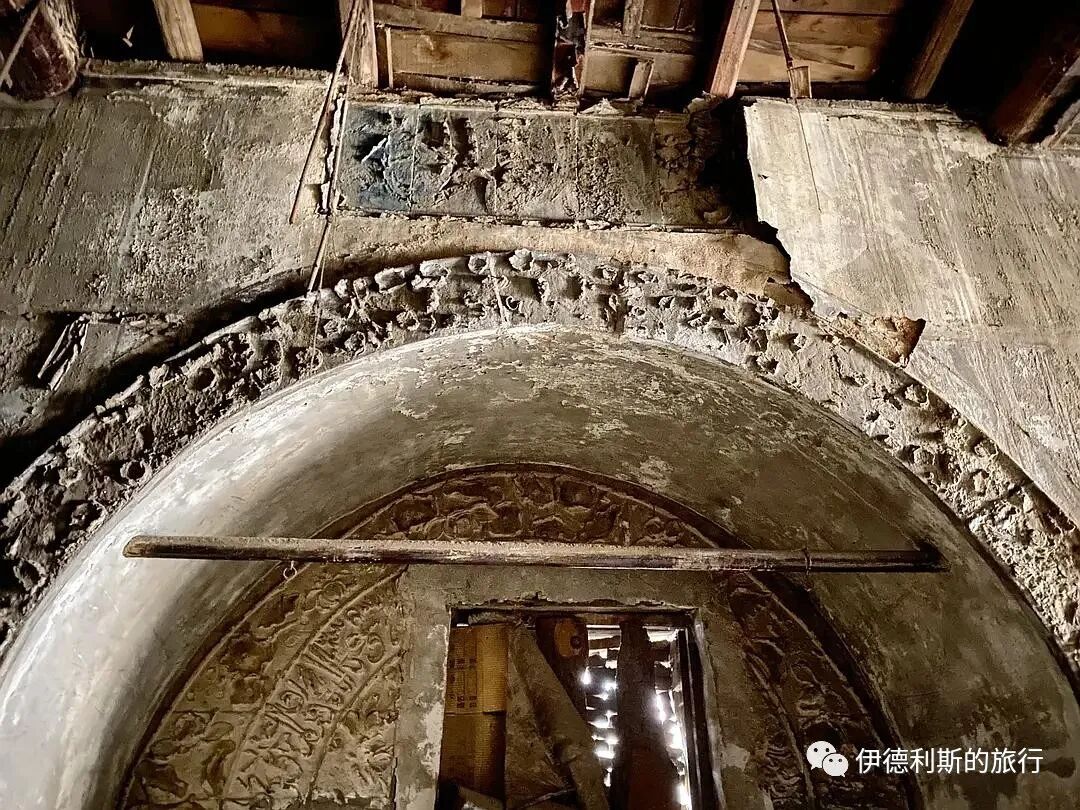
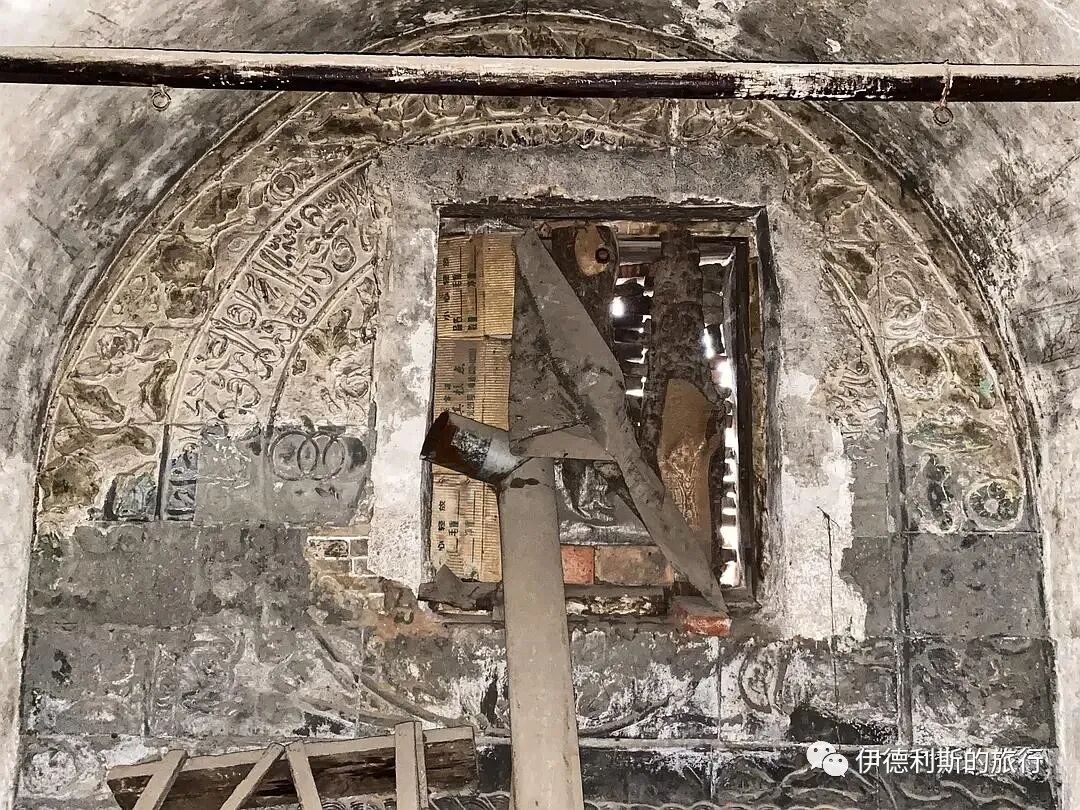
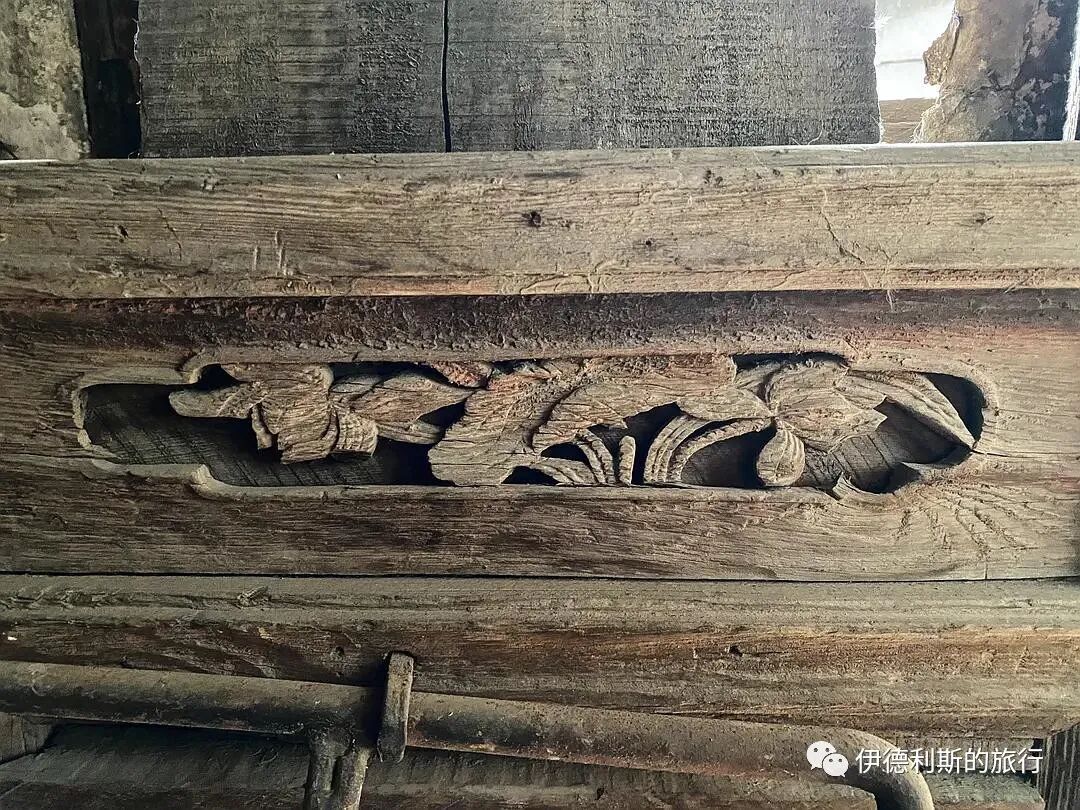
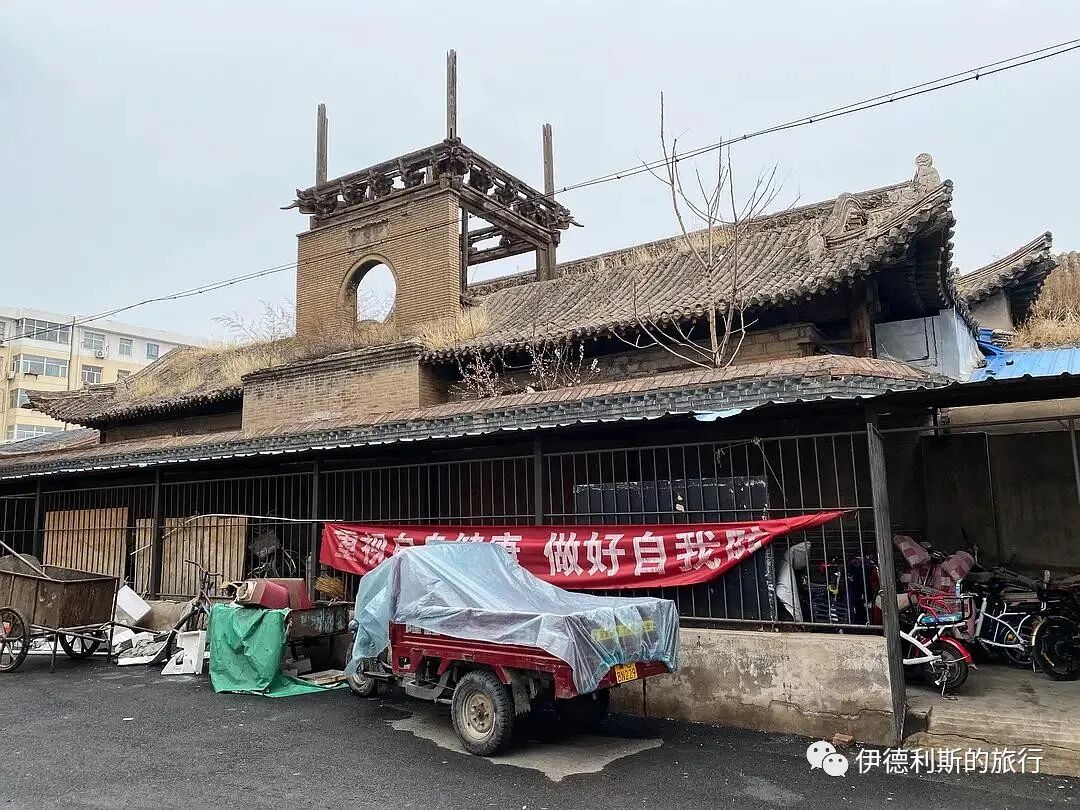
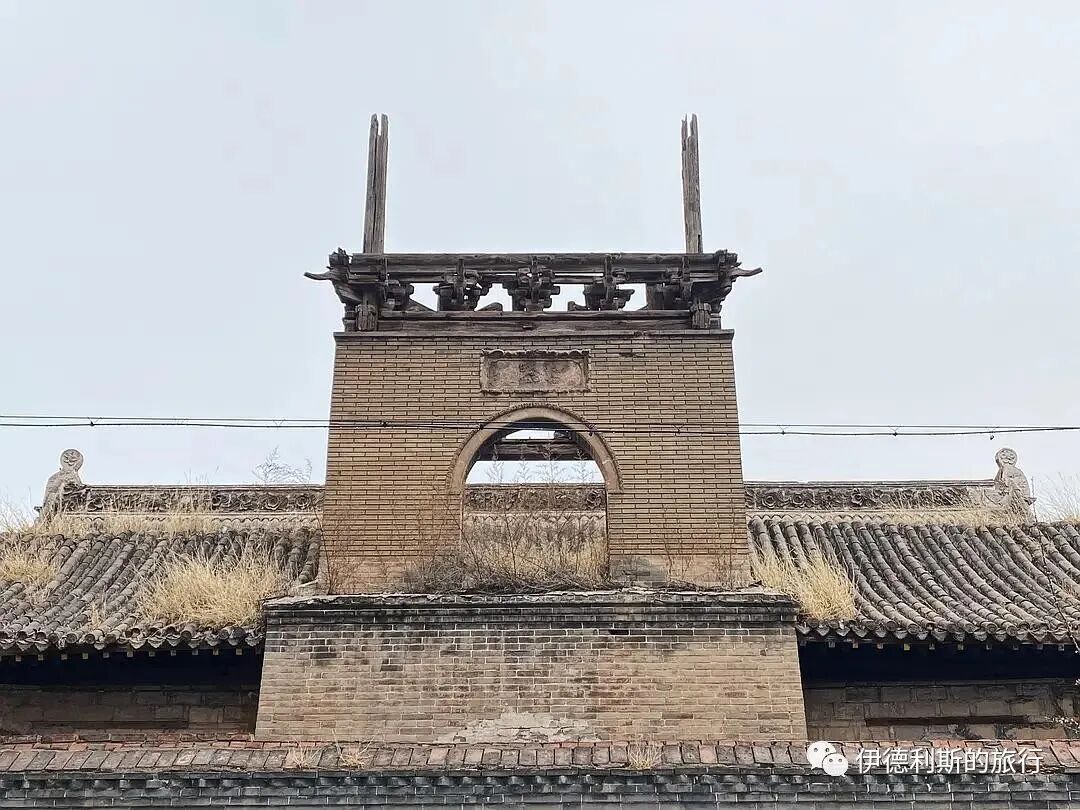
The yaodian and side hall of the North Mosque.
Summary: This travel note introduces Zhangjiakou and Xuanhua Halal Travel Guide: Mosques and Muslim Food (Part 1). On April 10, 2021, I arrived in Zhangjiakou from Beijing by high-speed train in the morning. It is useful for readers interested in Zhangjiakou Travel, China Mosques, Halal Food.
On April 10, 2021, I arrived in Zhangjiakou from Beijing by high-speed train in the morning. At noon, I ate stir-fried youmian wowo (oat flour noodles shaped like small cones), clay pot pickled cabbage with lamb, and eggplant stewed with green beans at Binbin Snacks, located opposite the Xinhua Street Mosque in Zhangjiakou. Small eateries here all use coal stoves.
The Xinhua Street Mosque in Zhangjiakou was originally called the Shenggou Mosque. It was first built in 1863 (the second year of the Tongzhi reign) and was funded by over eighty Hui Muslim families from Ningxia who came to Zhangjiakou for camel caravan trade, which is why it is also known as the Tuofang (Camel Caravan) Mosque. These Hui Muslims from Ningxia were mainly from the Ma, Liu, Li, Du, Wu, Wang, and Ding clans. They primarily used camels to transport furs, silk, tea, and other goods for merchants, traveling between Inner Mongolia, Shanxi, Gansu, Mongolia, and Russia.
Main gate
Exquisite stone railings in front of the main prayer hall, with column tops carved into the shape of fruit plates.
Interior view of the main prayer hall; all the large pine timbers were transported from Mongolia. Because the mosque uses the south wing for prayer in winter and only moves to the main hall in summer, the main hall was locked, and I could not go inside to visit.
Juanpeng
From right to left are the juanpeng, the front hall, and the middle hall.
Brick carvings of the middle hall.
The middle hall and the yaodian (the rear section of the prayer hall housing the mihrab).
Yaodian
The south wing used as a prayer hall during winter.
I happened to encounter a janazah (funeral) and participated in the rituals of handing over the deceased, passing incense, reciting scriptures, and the salat al-janazah (funeral prayer). I received youxiang (fried dough) and meat distributed by the family.
I walked from the Xinhua Street Mosque through the Zhangjiakou Fort to the Xiguan Mosque. The Xiguan Mosque was built during the Qing Yongzheng period (1723-1735) with funds raised by Hui Muslims from the Xiao, Zheng, Song, and Wang clans who had long resided in the lower fort of Zhangjiakou since the Ming and Qing dynasties. The mosque consists of a main prayer hall, north and south wings, a main gate, and a chuihuamen (hanging flower gate), forming a siheyuan (courtyard) layout.
Main gate
Side gate
Chuihuamen (hanging flower gate)
Wing room
Main prayer hall
Wangyuelou (Moon-Sighting Tower) on the south side of the main prayer hall.
The original mihrab of the Xiguan Mosque was destroyed due to historical reasons and could not be restored later due to a lack of documentation. Fortunately, in recent years, the mosque's director, Mr. Ma, continuously searched and discovered a relatively clear photograph in a foreign book. In June 2020, the mosque invited the famous Arabic calligrapher Mr. Wang Qifei to restore the Ming-style Arabic calligraphy on the mihrab. At the same time, he used the Ming-style Arabic calligraphy to write the "Ninety-Nine Names of Allah" for the caisson ceiling of the yaodian.
Juanpeng
Brick carvings and quotations on the outer wall of the main prayer hall.
Looking at the window lattices from inside the main prayer hall.
Hexagonal pavilion on top of the yaodian.
Calligraphy and brick carvings on the Wangyuelou.
I rode a shared electric scooter from the Xiguan Mosque through the Zhangjiakou lower fort to Dajingmen (the Great Border Gate). I imagined how this place was once a commercial hub for tea and fur trade between the interior of China and Mongolia and Russia during the Qing Dynasty.
In the afternoon, I ate youmian at the Youyishun Youmian City near the Shangbao Mosque in Zhangjiakou. I originally thought there would be many halal youmian restaurants in Zhangjiakou, but later I found that only the Shangbao area had several.
Youmian here can be paired with shanyao (potatoes) to make a series of staple foods such as youmian wowo, youmian dumplings, youmian fish, youmian tun-tun (stuffed rolls), potato balls, na-gao (steamed dough), potato fish, stir-fried kuilei (potato and oat flour mixture), stir-fried youmian, raw fish-shaped noodles, mo-ca-ca (grated potato noodles), and pot cakes. The youmian tun-tun and stir-fried kuilei we ate are specialty delicacies of northern Shanxi, Zhangjiakou, and the Hetao region of Inner Mongolia. Youmian tun-tun is made by adding potatoes, carrots, and lamb into the youmian dough as a filling. Stir-fried kuilei is made by steaming a mixture of potatoes and youmian, then stir-frying it in flaxseed oil.
Youmian and potato-based staple foods need to be dipped in youmian soup to be eaten. Youmian soup is similar to the dipping sauces in the south. The shop we visited had seven types: lamb and mushroom, steamed lamb, meat sauce, eggplant stewed with potatoes, and pickled cabbage stewed with potatoes. We had the lamb and mushroom, which was very fragrant and appetizing.
In the evening, I arrived at the Tuergou Mosque in Qiaodong, Zhangjiakou. After the Beijing-Zhangjiakou Railway opened, the Qiaodong area of Zhangjiakou prospered. Hui Muslims with the surnames Yang, Chen, He, and Ma, who moved from Dachang and Sanhe in Hebei, raised funds to build the Tuergou Mosque in 1917, known as the "Beijing and Jingdong Fangshang." The current main prayer hall was rebuilt in 1990.
I bought a brown sugar beizi (flatbread) at the intersection next to the Tuergou Mosque; it was hot, crispy, and delicious.
In the evening, I returned to the area near the Xinhua Street Mosque to eat Xinshun lamb bones. I ordered a jin (500g) of lamb bones and a jin of lamb tendons, which were very satisfying to gnaw on. I also ordered a portion of Hunyuan liangfen (cold mung bean starch noodles), a cold dish brought over from Datong, which helps cut the greasiness when eating meat.
April 11, Zhangjiakou Fort in the early morning.
In the morning, I ate sugar oil cakes and lamb offal soup at the Zhangmao Ethnic Restaurant near Tuergou. Breakfast here is quite similar to that in Beijing.
I took the high-speed train for 10 minutes from Zhangjiakou to Xuanhua to visit the Xuanhua South Mosque. The Xuanhua South Mosque was first built in 1403 (the first year of the Ming Yongle reign). In 1820 (the 25th year of the Qing Jiaqing reign), Muslims with the surnames Ding, Shan, and Yu discussed moving it to Miaodi Street. At that time, the main gate, plaques, and Wangyuelou of the Ming Dynasty mosque were dismantled and moved to the new site. It was completed in 1854 (the fourth year of the Qing Xianfeng reign) and became the largest mosque in the Yanbei region.
During the Cultural Revolution, the mosque was severely damaged. The Wangyuelou, corridors, stone arch bridges, and memorial archways were demolished, and all historical stone tablets, plaques, and couplets were destroyed. Restoration was completed between 2004 and 2007.
The Xuanhua South Mosque is laid out symmetrically along an east-west axis and consists of 15 halls and pavilions, forming a complete architectural complex.
Entering the main gate, there is a small courtyard with a stone arch bridge in the center, and the Shengxin Tower (Tower of Reflecting on the Heart) in front, with a hallway on the ground floor. The Wangyuelou features flying eaves, dougong (bracket sets), and a double-eaved hexagonal roof.
The Wangyuelou is connected to the north and south lecture halls by corridors on both sides.
The prayer hall consists of a juanpeng, the main hall, and the yaodian. It uses a tai-liang (raised beam) wooden frame, with hardwood palace lanterns hanging under the beams, which are all lit during Ramadan, making it as bright as day. The yaodian is supported by four pillars holding up a 17.6-meter-high roof. The yaodian roof is an octagonal pointed roof with upturned corners and a caisson ceiling inside.
When I visited, the Xuanhua South Mosque was undergoing renovations, and roof tiles were scattered all over the ground.
The Xuanhua North Mosque was first built in 1722 (the 61st year of the Qing Kangxi reign), and the wing rooms and side halls were rebuilt in 1860 and 1865. The North Mosque originally had a gate tower, a minaret, corridors, north and south wing rooms, and a prayer hall, all with carved beams and painted rafters, looking magnificent.
The biggest feature of the North Mosque's prayer hall is that the juanpeng, main hall, and yaodian form a cross-shaped floor plan, which is shallow and wide overall. This is very different from the long and deep prayer halls common in the eastern regions, but more common in Xinjiang.
In addition, the yaodian of the North Mosque is also unique, as a square multi-story roof was added on top of the juanpeng.
During the Cultural Revolution, the North Mosque was severely damaged. The gate tower, corner gate, perimeter wall, chuihuamen, corridors, and minaret were all demolished and have not been restored to this day. Currently, the main prayer hall and the north and south wing rooms are rented out as warehouses, the yaodian roof has collapsed, and the north side hall and water room have been converted into a halal pastry factory workshop, which is still occupied today.
The yaodian and side hall of the North Mosque.
