
Yellow River Gongbei Travel Notes: Visiting Yangu Road Shrine on the Cliffs
Reposted from the web
Summary: This travel note introduces Yellow River Gongbei Travel Notes: Visiting Yangu Road Shrine on the Cliffs. I first learned about the Yangulu Gongbei (a shrine for a Sufi saint) in 2014 when I read an article in the Hui Studies journal titled "Wow. It is useful for readers interested in Yellow River, Gongbei Shrine, Muslim Heritage.
I first learned about the Yangulu Gongbei (a shrine for a Sufi saint) in 2014 when I read an article in the Hui Studies journal titled "Wow! Yangulu—A Symposium of Islam and Tibetan Buddhism," and I have wanted to visit it ever since. During the 2021 Dragon Boat Festival holiday, I was finally able to visit the Yangulu Gongbei.
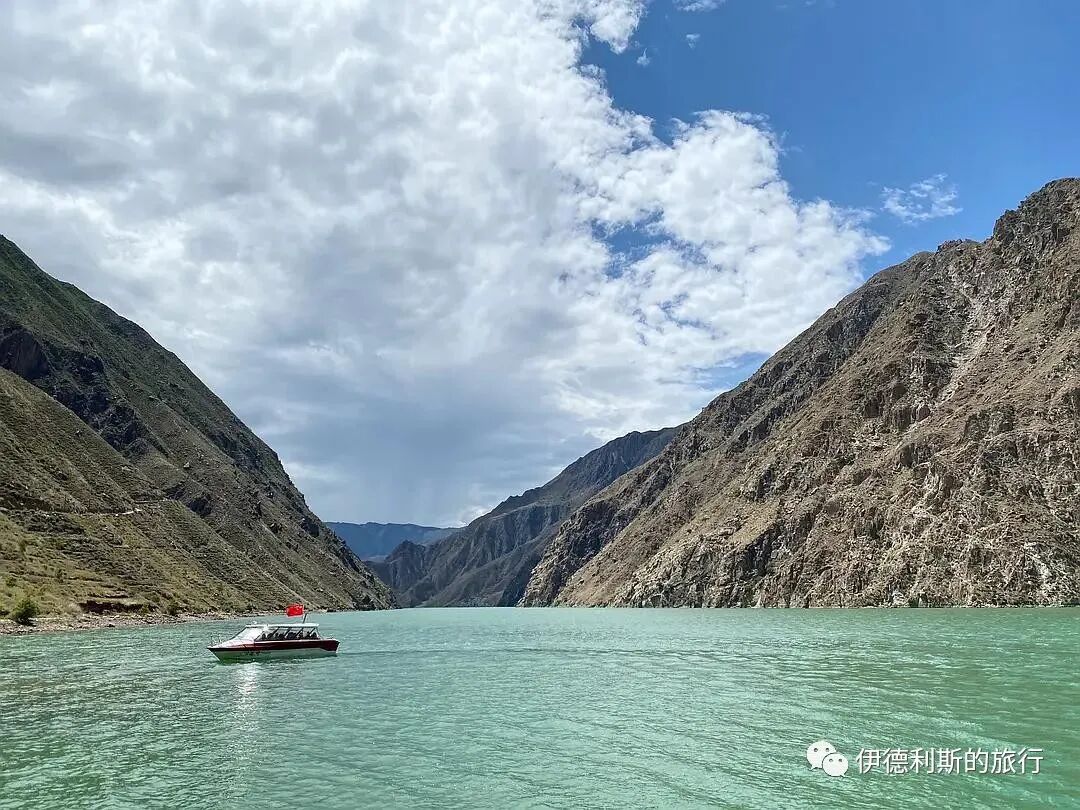
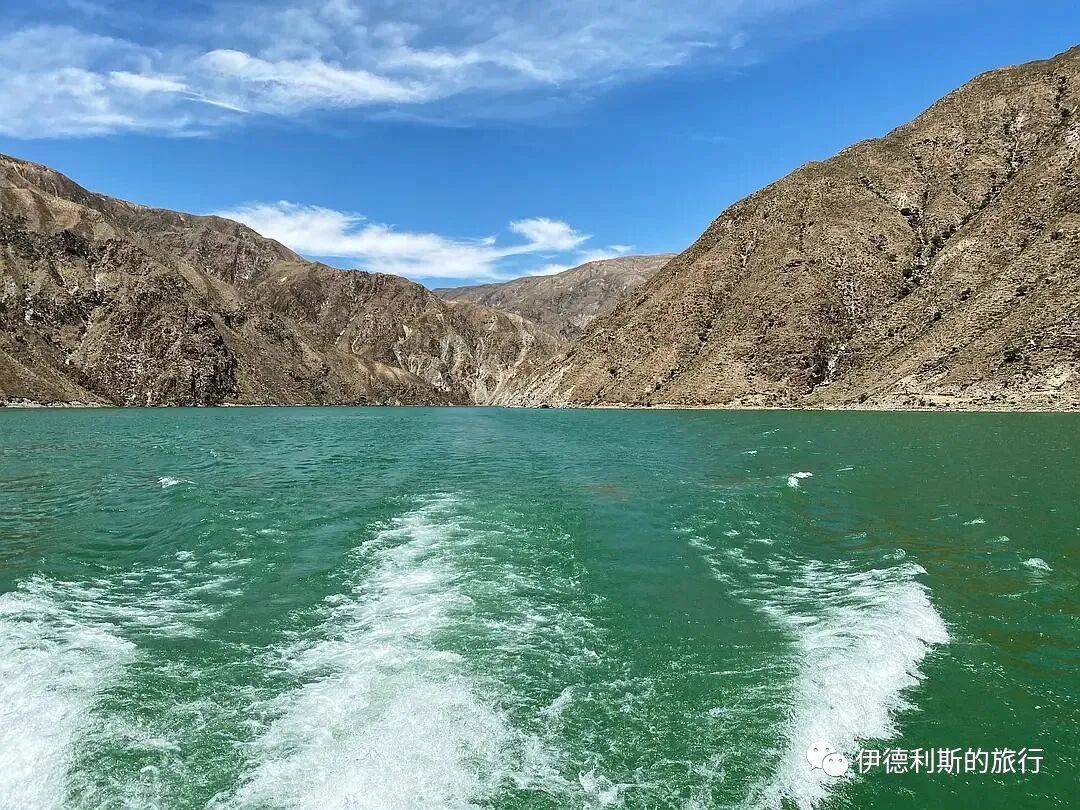
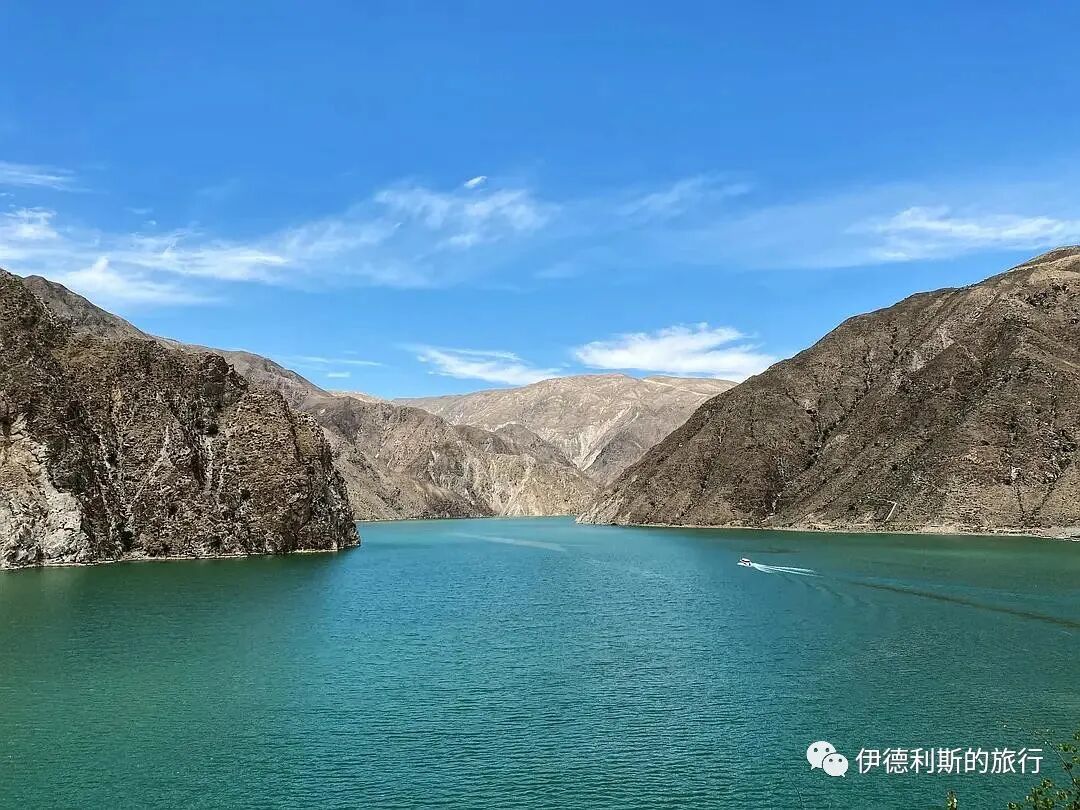
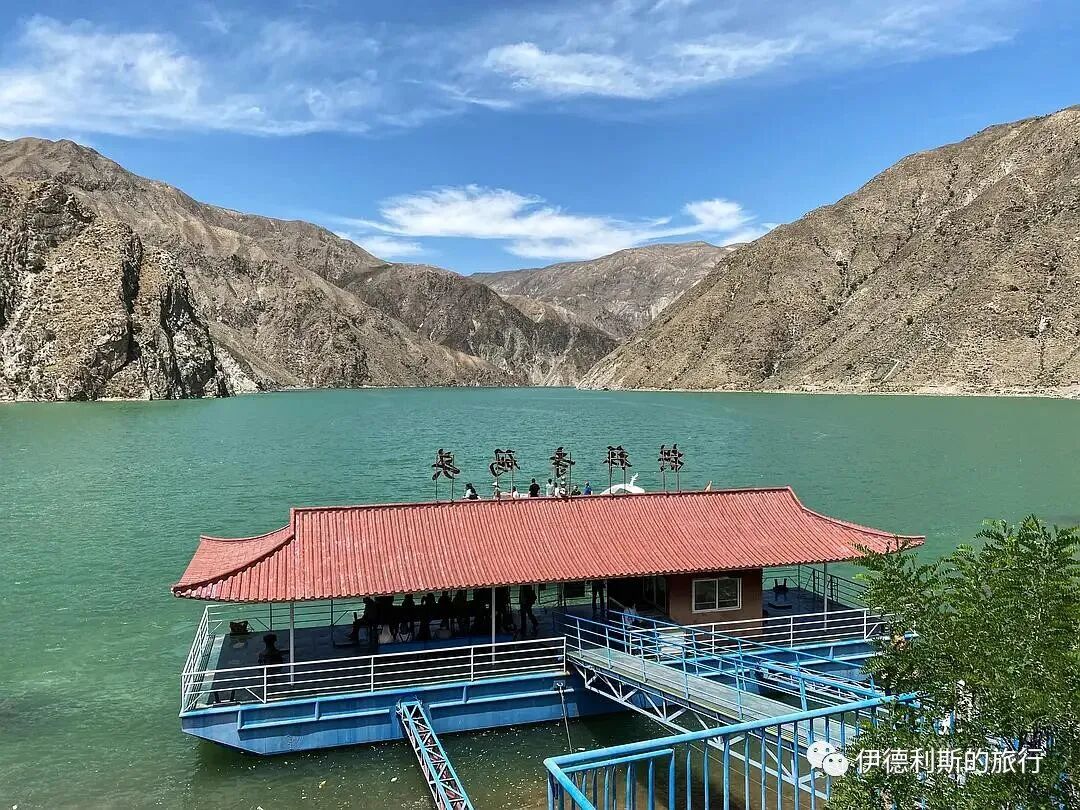
I chartered a car from Ping'an District in Haidong, and after a two-hour drive, we crossed from the Huangshui Valley over the mountains into the Yellow River Valley, arriving at the Gongboxia Dam pier. The name Gongboxia comes from the Yangulu Gongbei. Before the dam was built in 2004, the Yellow River channel here was not wide, and Salar villages were scattered along the riverbanks. After the dam was completed, it became a high-gorge, flat-lake style reservoir. The farmland and the Salar villages were all submerged underwater, and only the ancient mosque buildings constructed during the Qing Dynasty were relocated to the hillside.
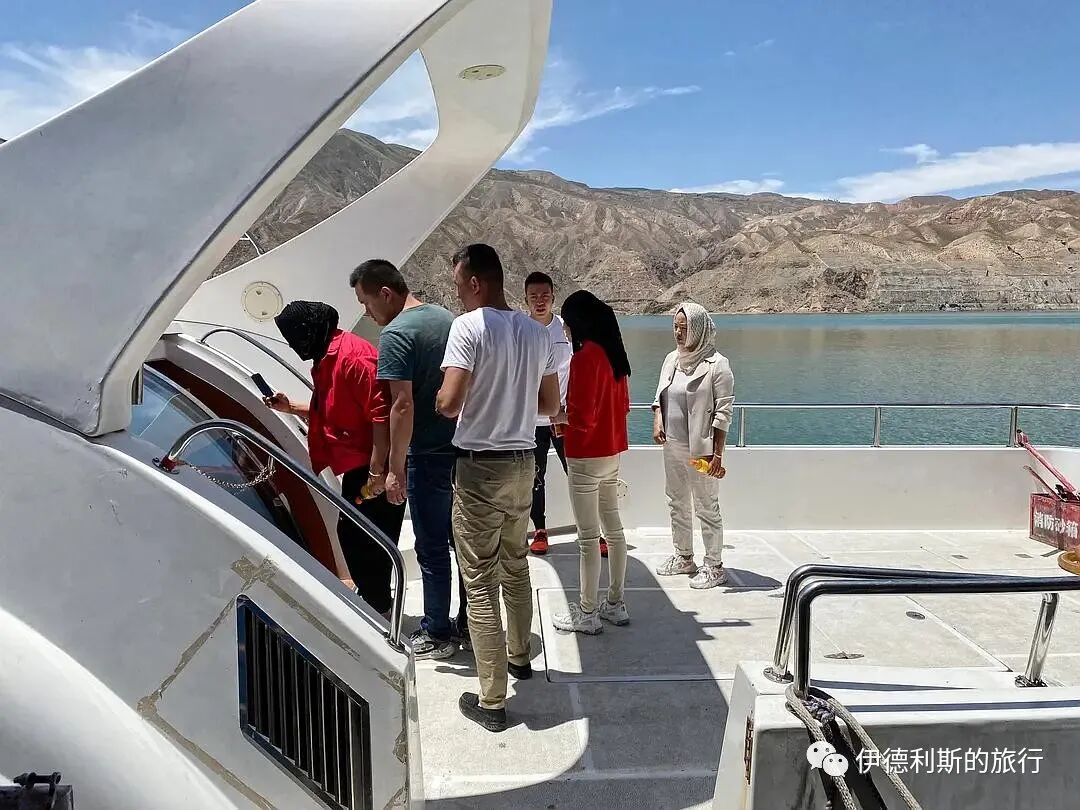
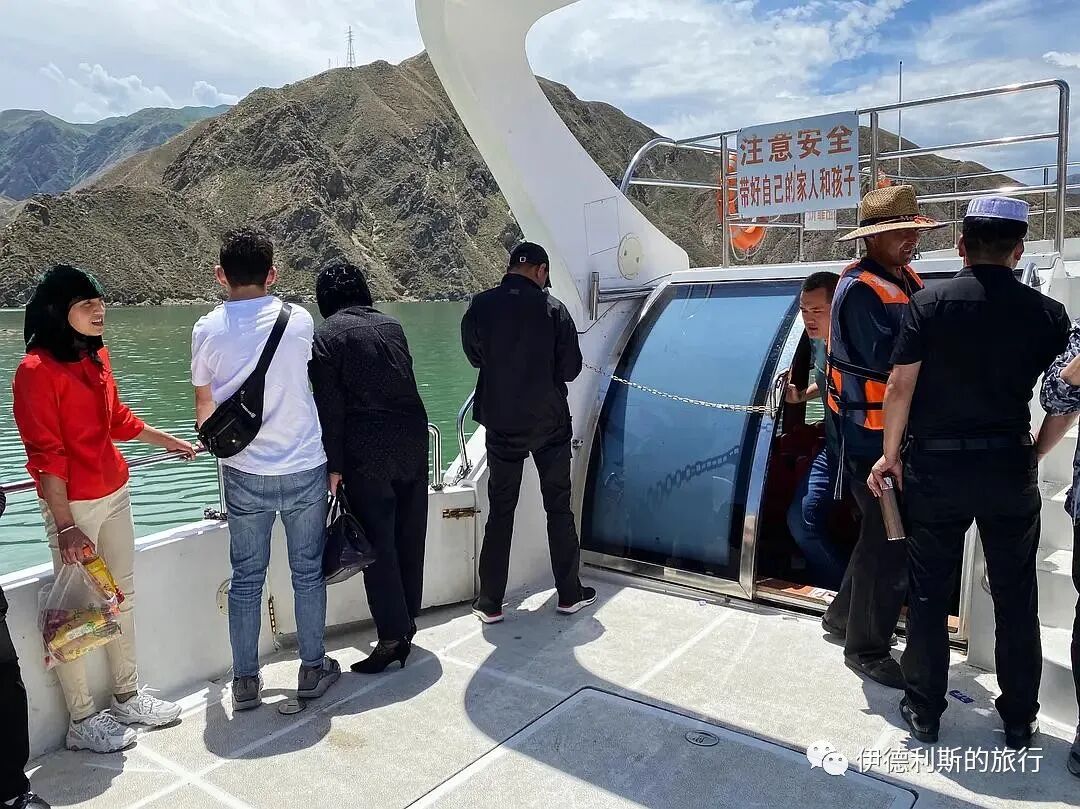
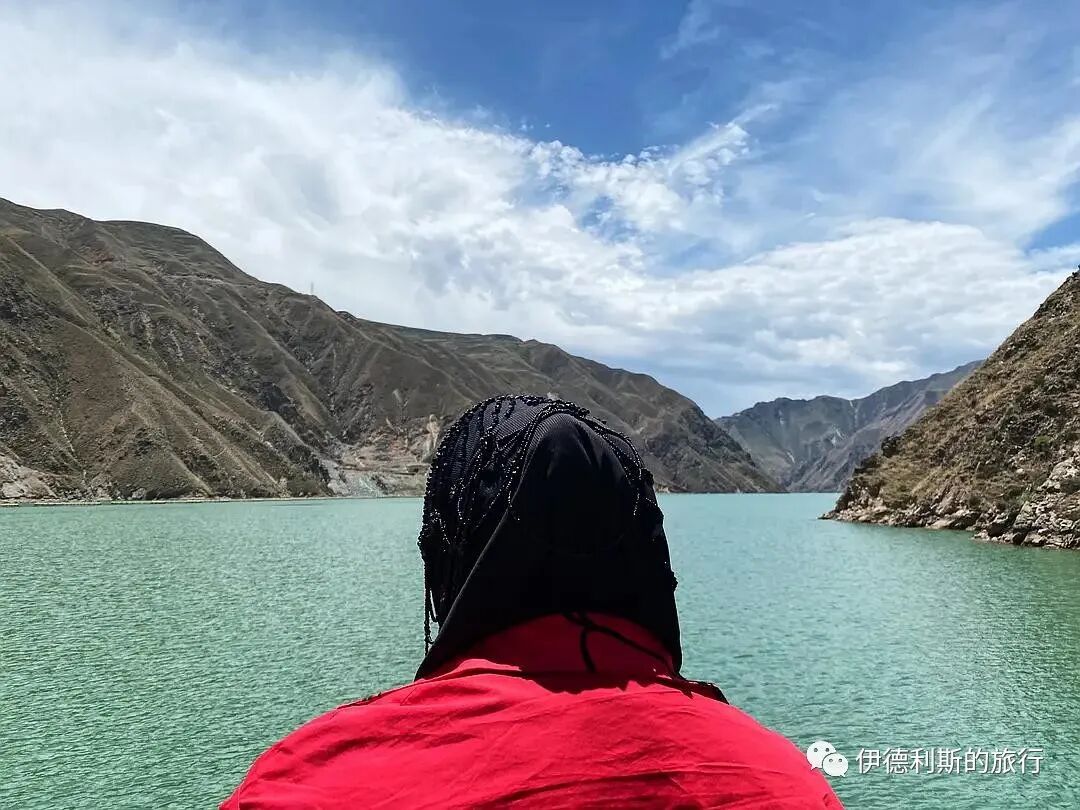
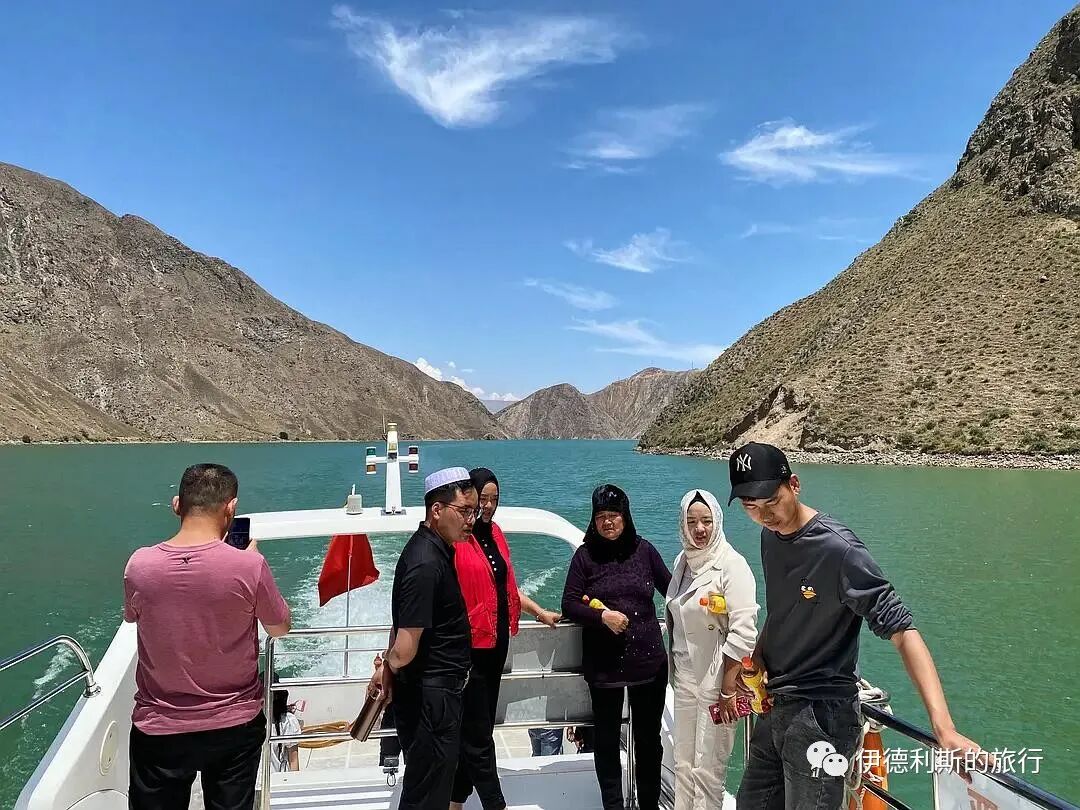
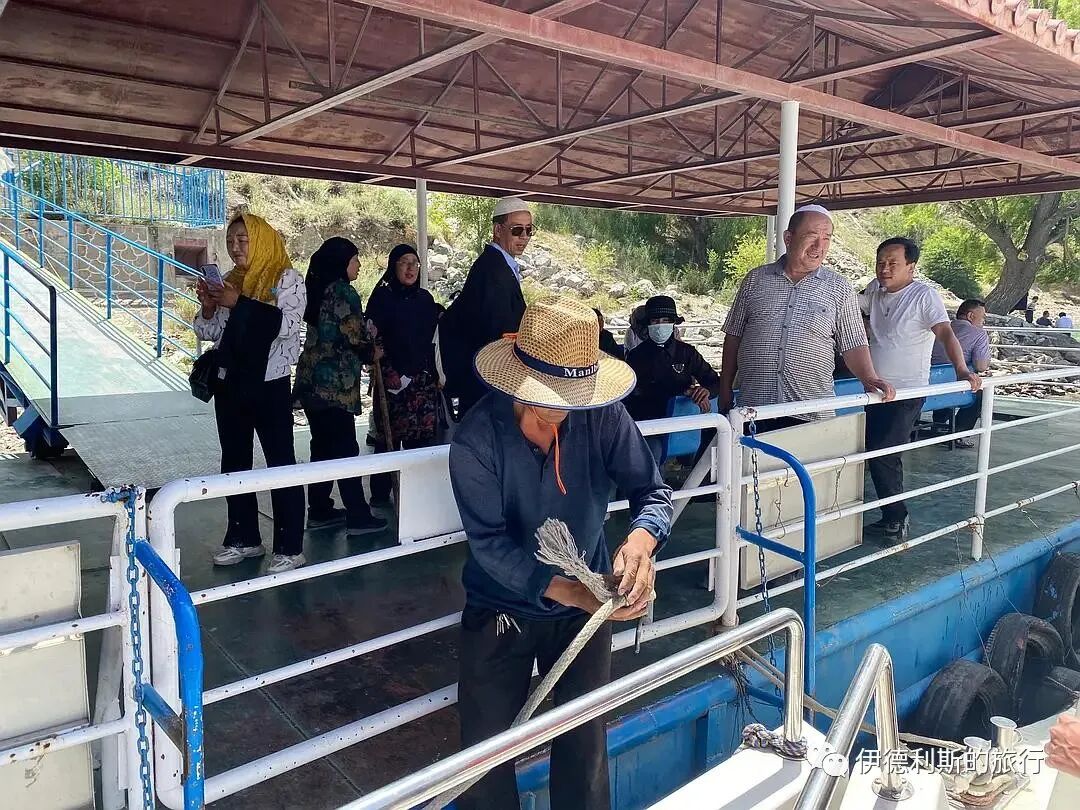
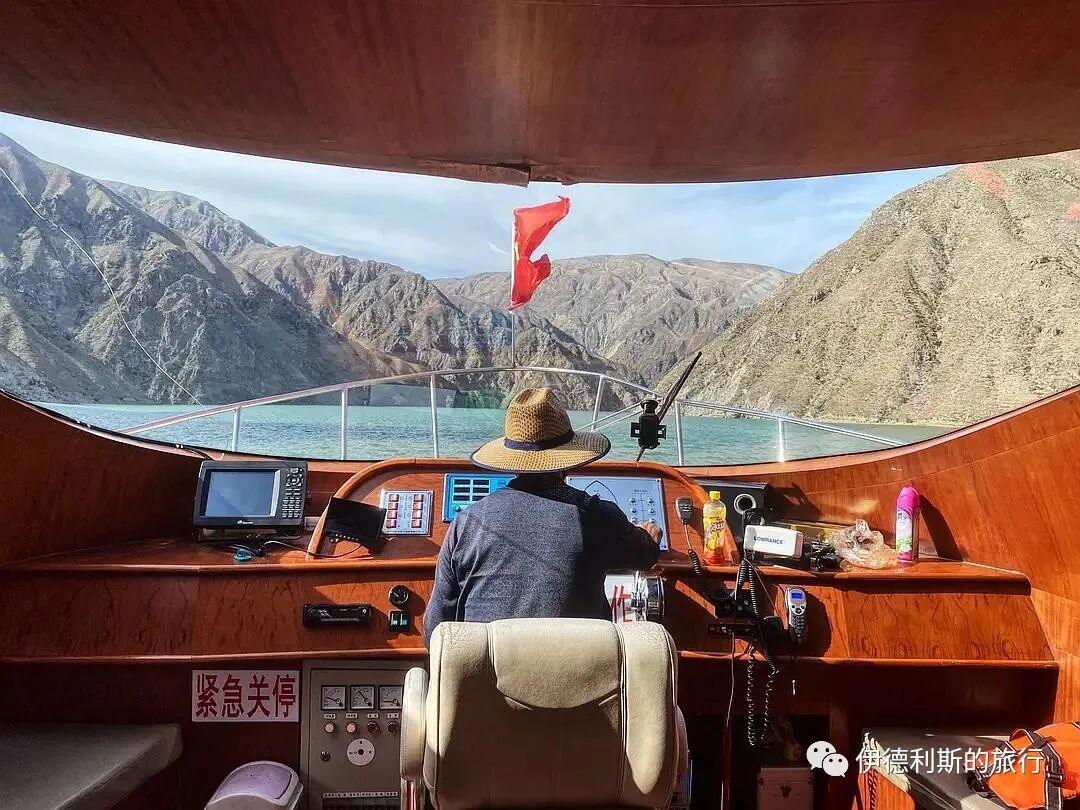
In the past, to go to the Yangulu Gongbei, one had to walk along rugged mountain paths, which was very arduous, but after the dam was built, it only takes a short time to reach the bottom of the gully below the Gongbei by boat. When we arrived at the pier, a boat was just about to depart. Inside were a large family of Hui Muslims from Linxia who were visiting the Gongbei, and we traveled together to the Gongbei pier.
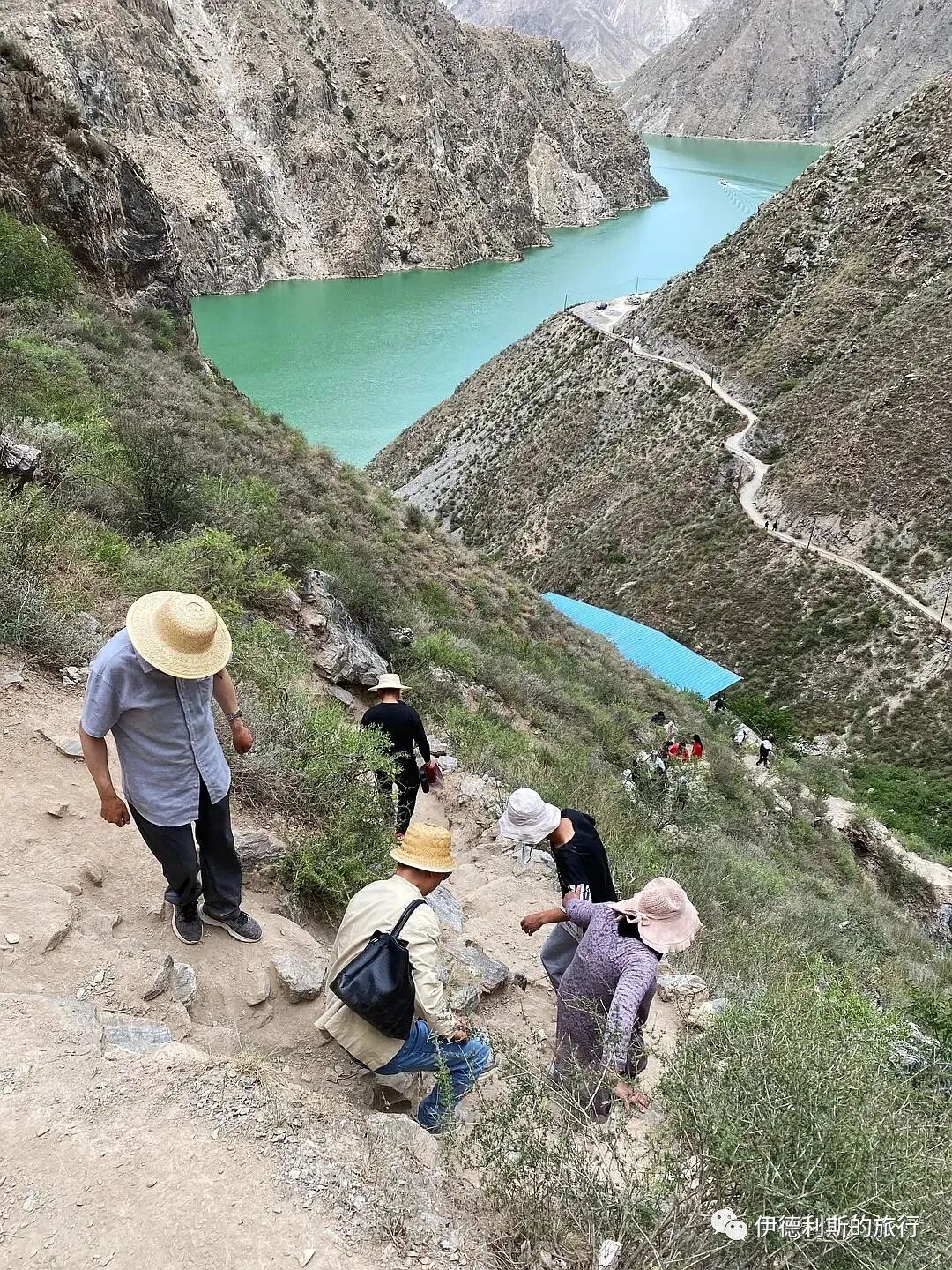
From the pier to the Gongbei, one must walk along a mountain path by the Yellow River, but it has been widened in recent years and is much easier to walk than before.
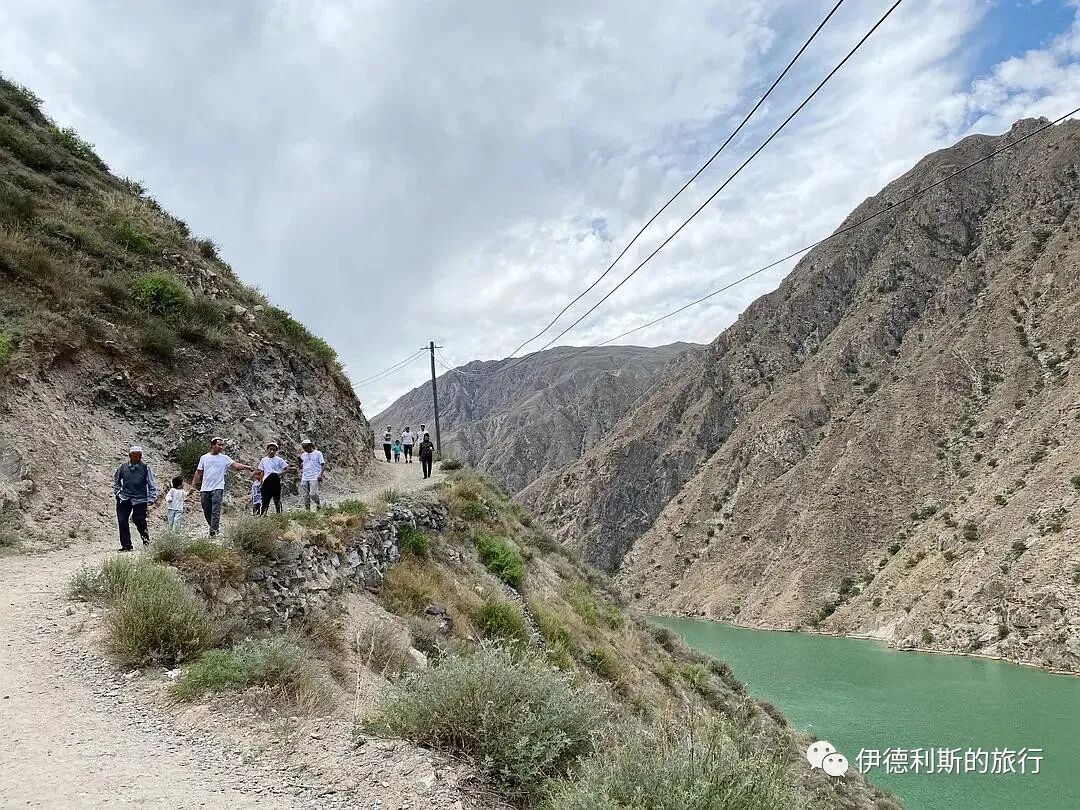
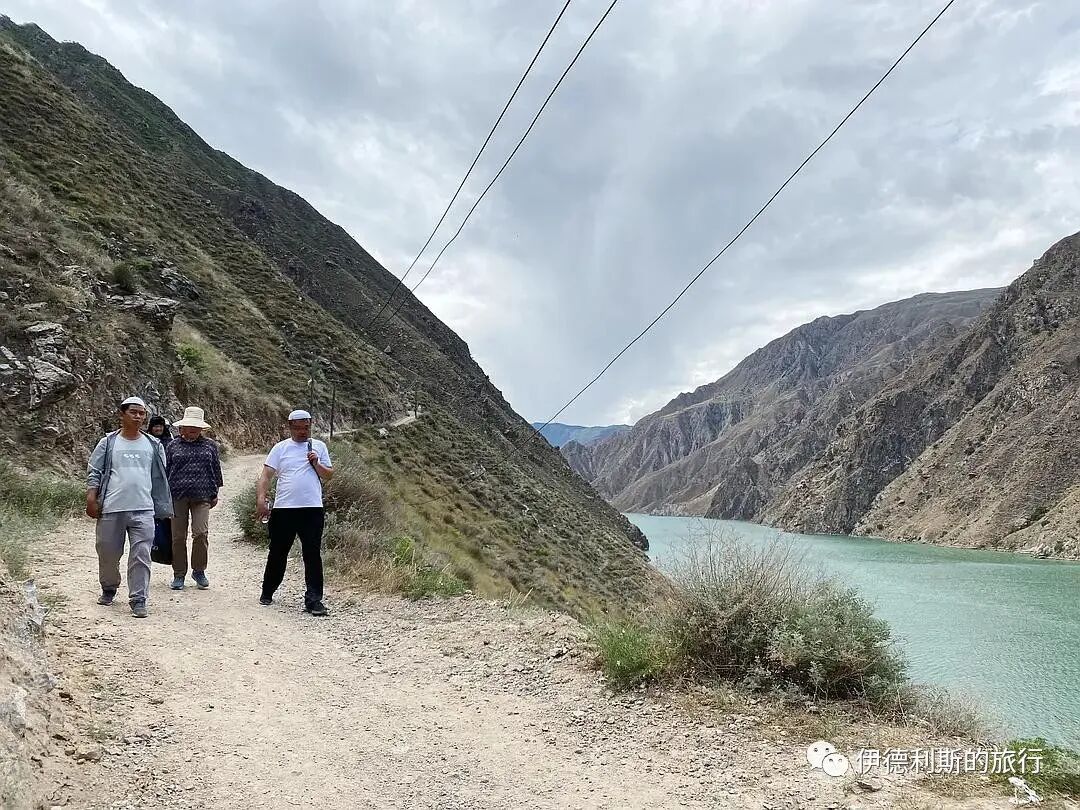
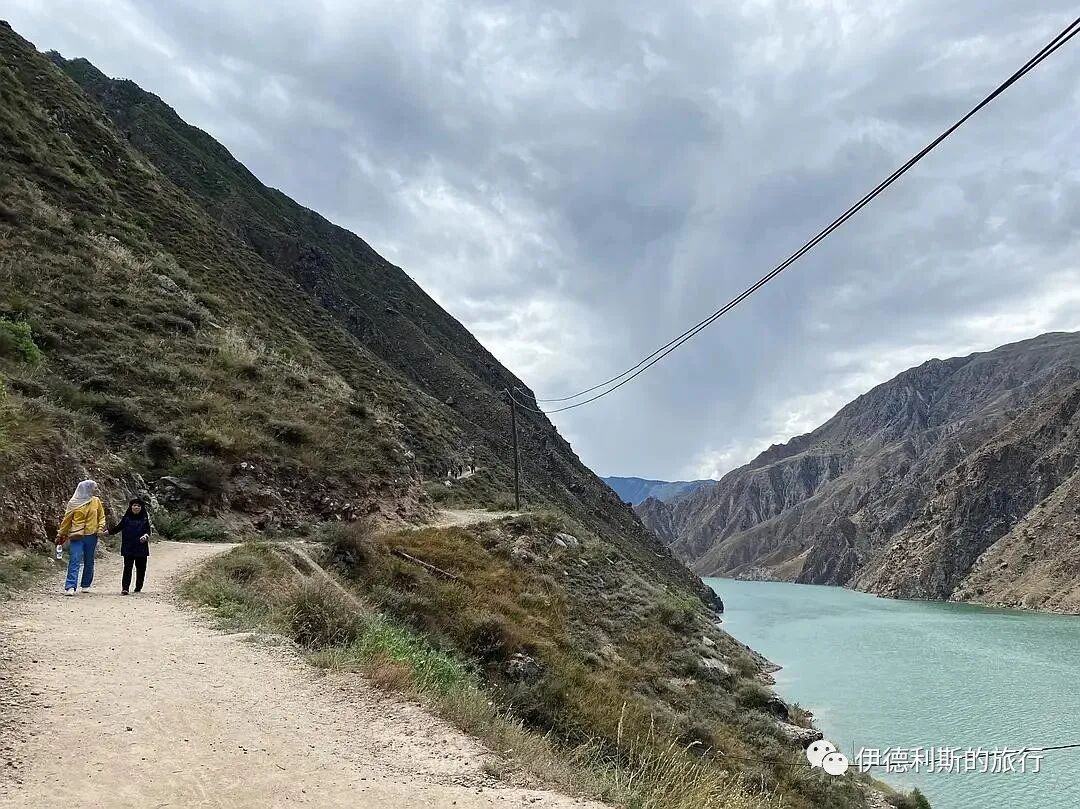
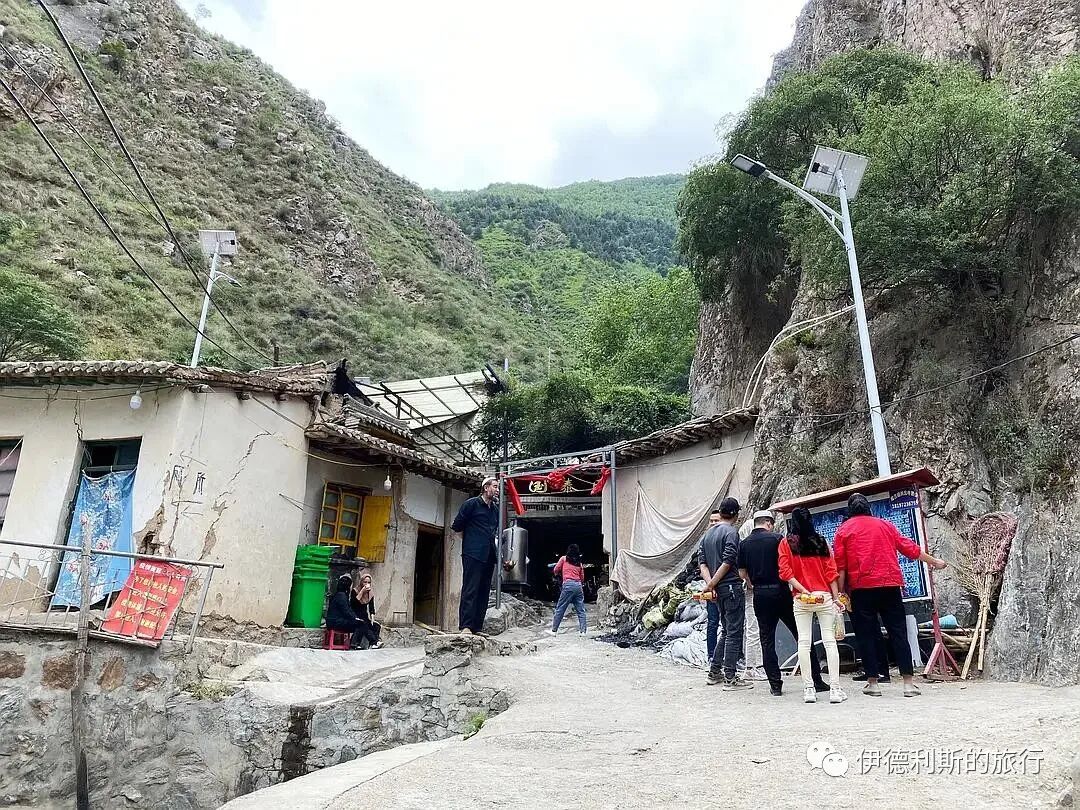
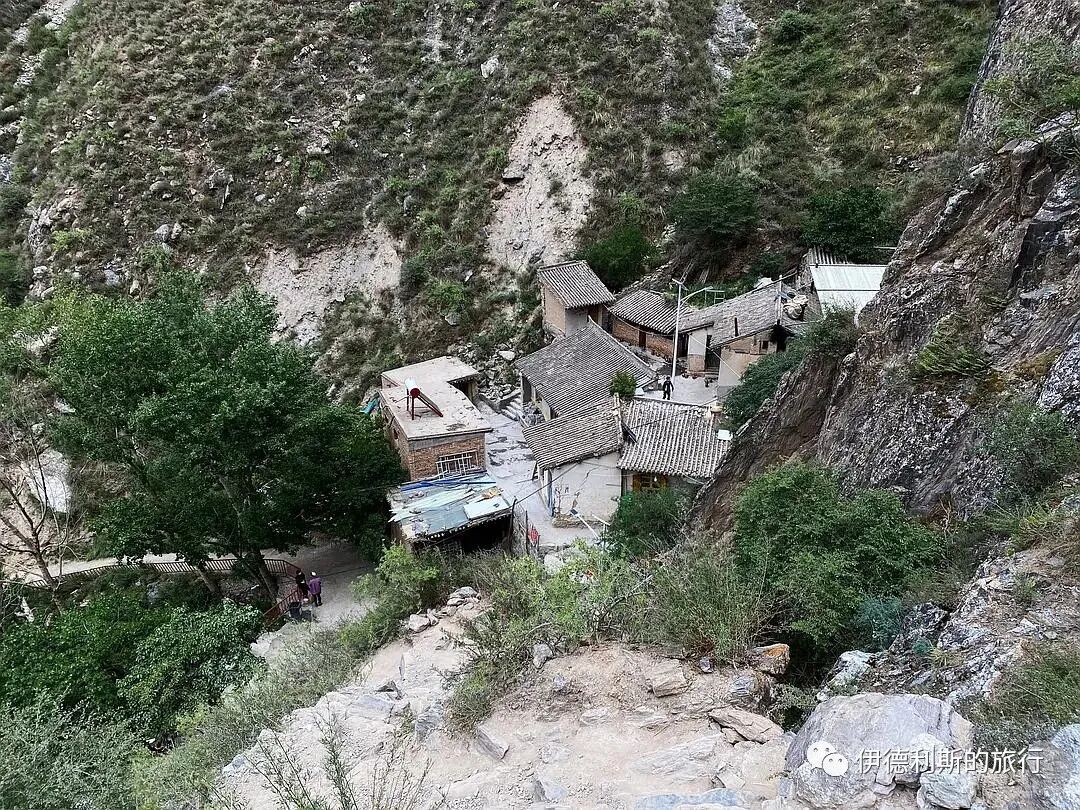
At the end of the mountain path, there are more than 30 rooms, which were built in 1985 with funds raised by everyone to provide food, lodging, and rest for those visiting the Gongbei. We performed our abdest (ritual ablution) here, listened to the instructions of the Salar elder who guards the Gongbei, and prepared to set off toward the cliff leading to the Gongbei.
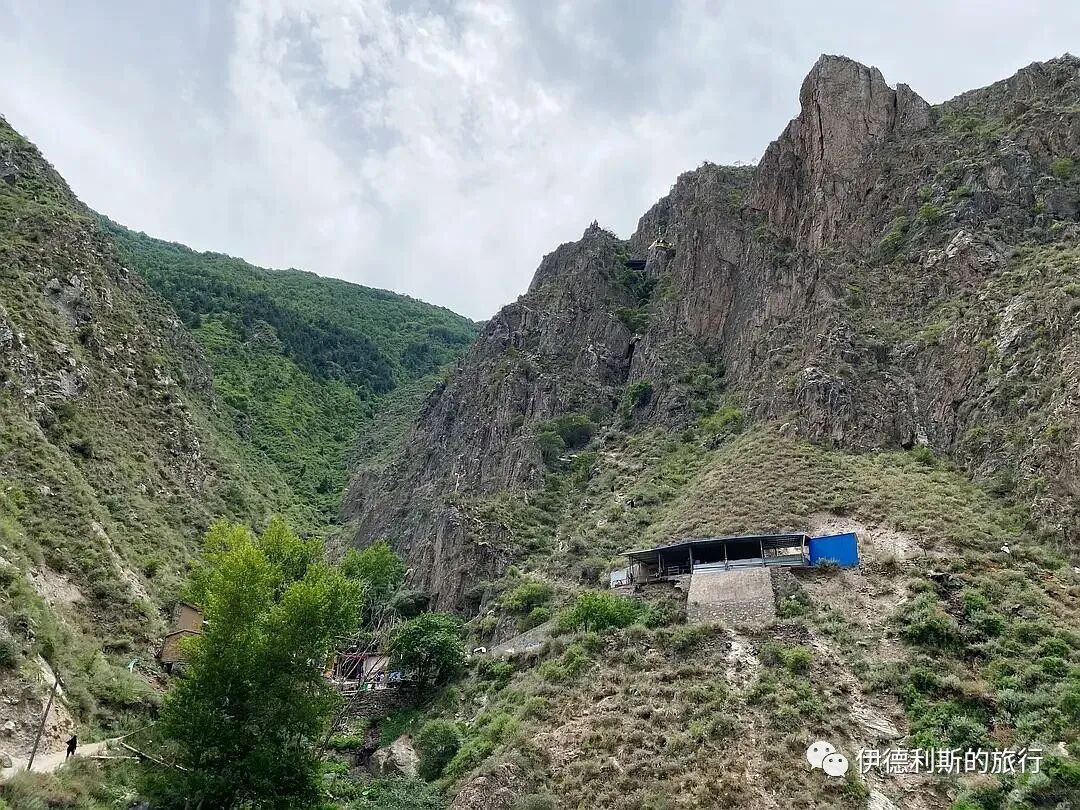
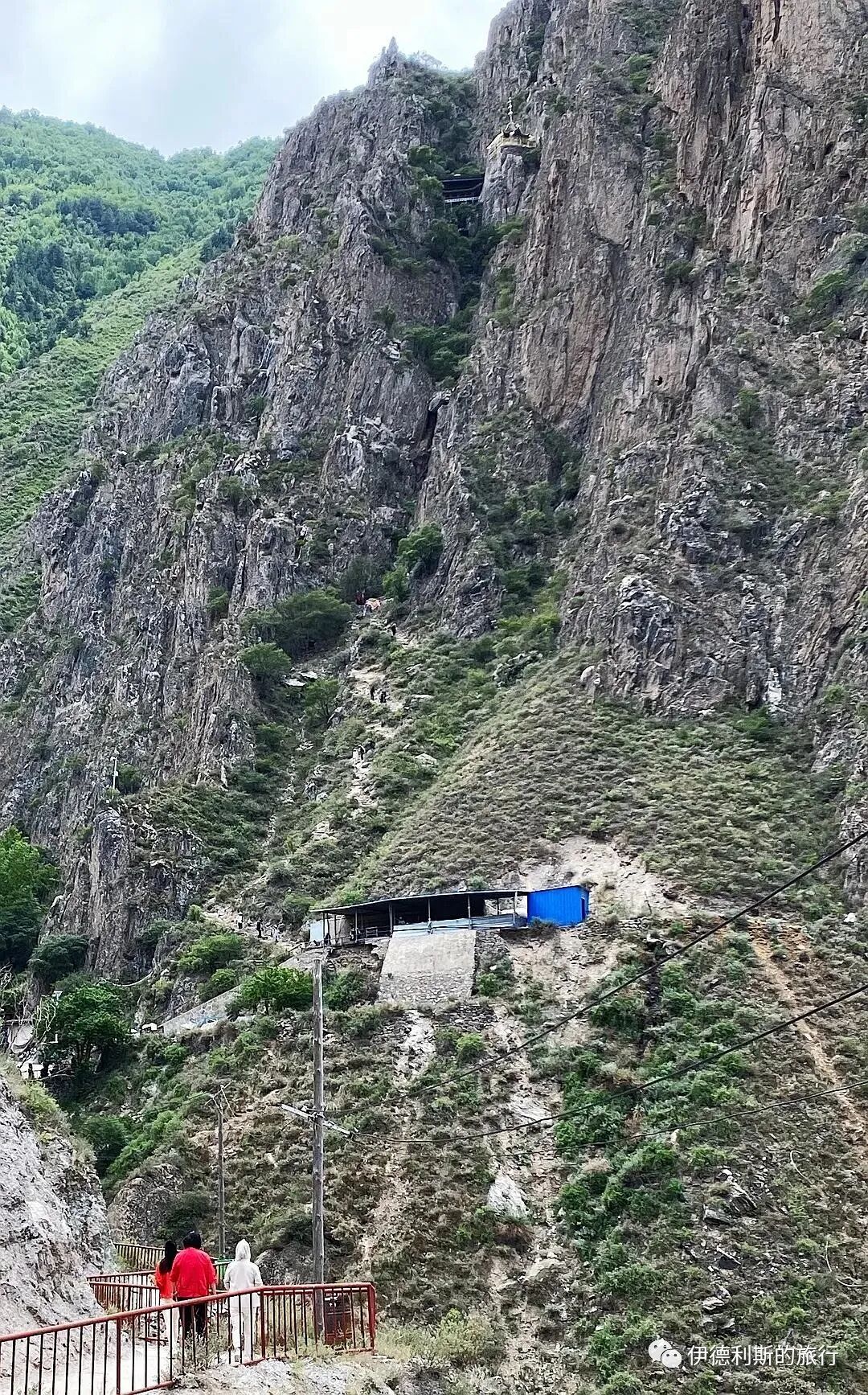
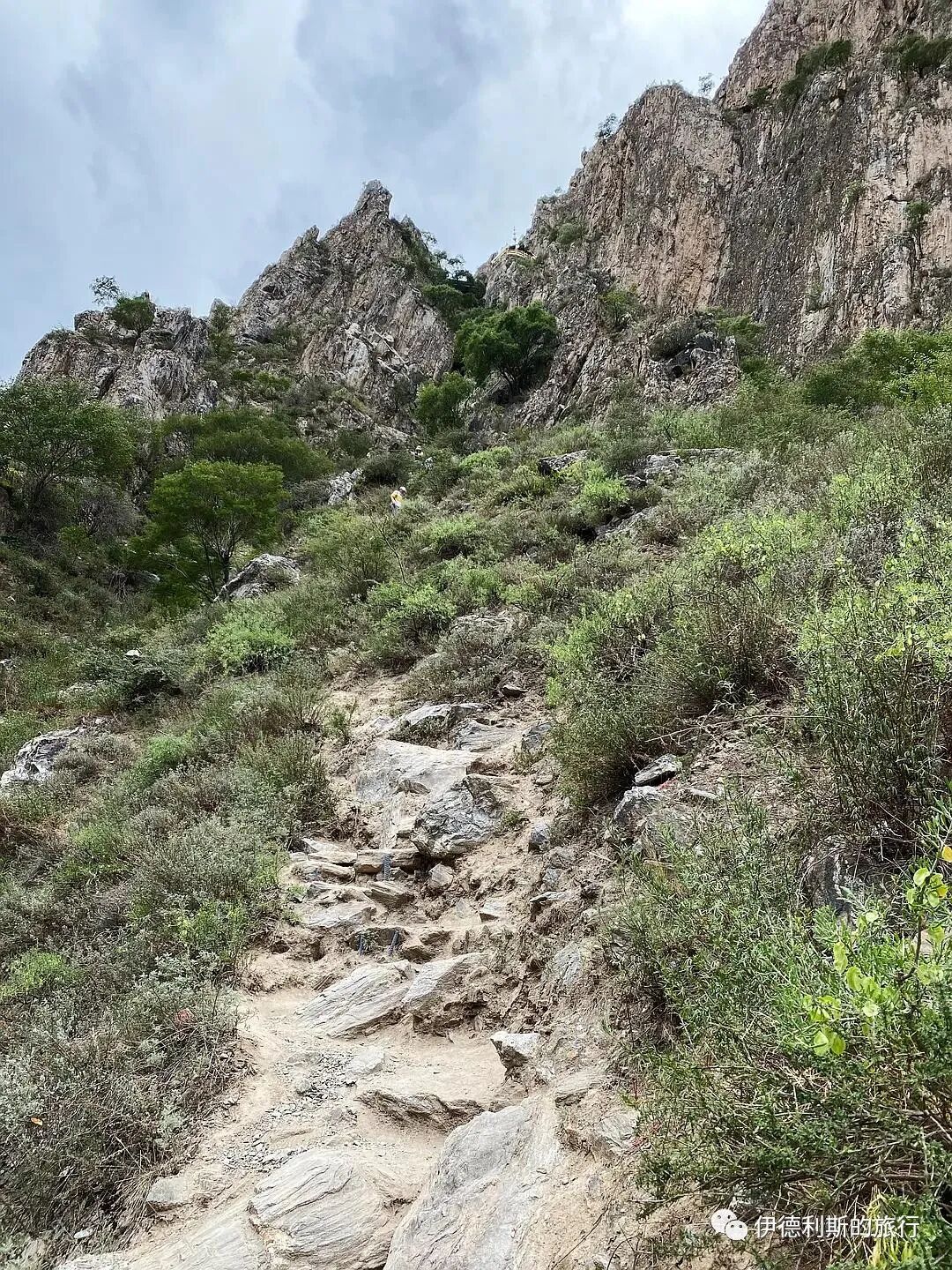
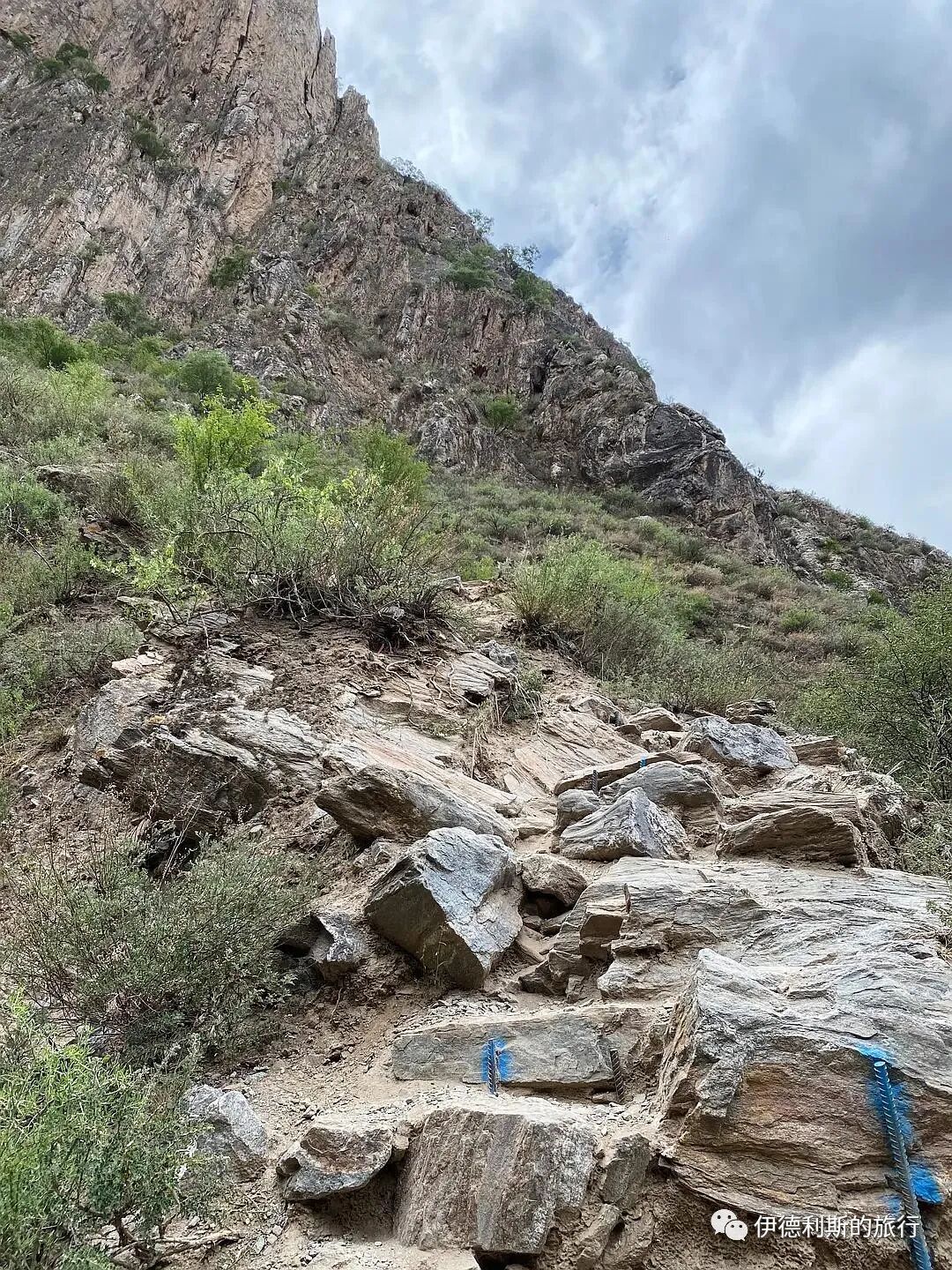
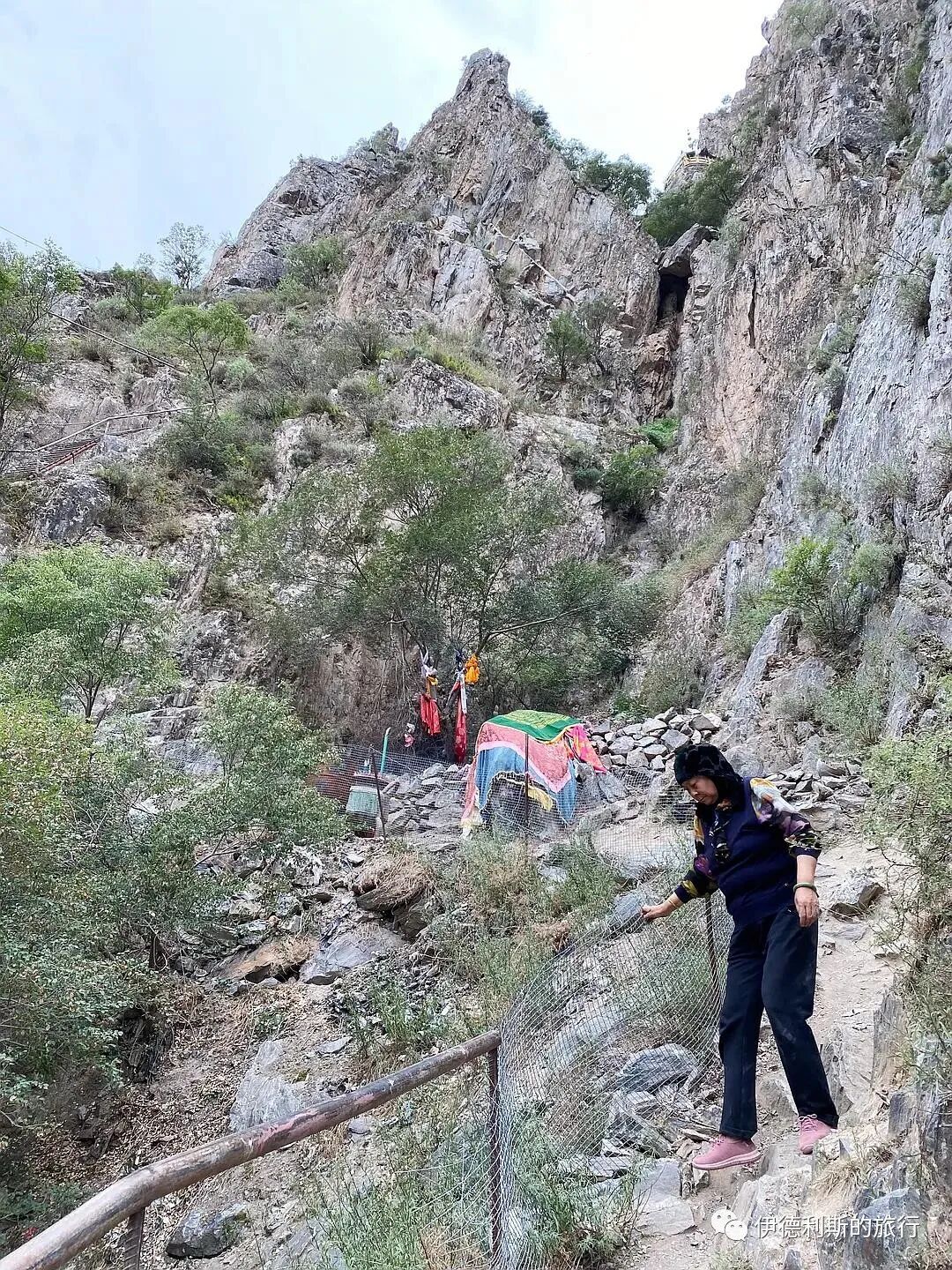
The mountain path up to the Yangulu Gongbei can be divided into two sections. The first section is a slope of half-soil and half-rock, which can be climbed using both hands and feet. The second section is a nearly ninety-degree vertical cliff; for people in the past, climbing it was comparable to rock climbing. Fortunately, ropes have been nailed to some parts of the cliff today, and simple stairs have been built with steel pipes in other places, making it much more convenient to go up. Zainab and I have lived in the city for a long time, so it took a lot of effort to climb up, while many of the dostani (friends/fellow believers) accompanying us were much more agile than us. I saw an elderly man holding a tea mug in one hand and pulling a rope with the other, quickly passing us, and an elderly woman wearing thin-soled cloth shoes stepping nimbly onto each rock; I truly admired everyone!
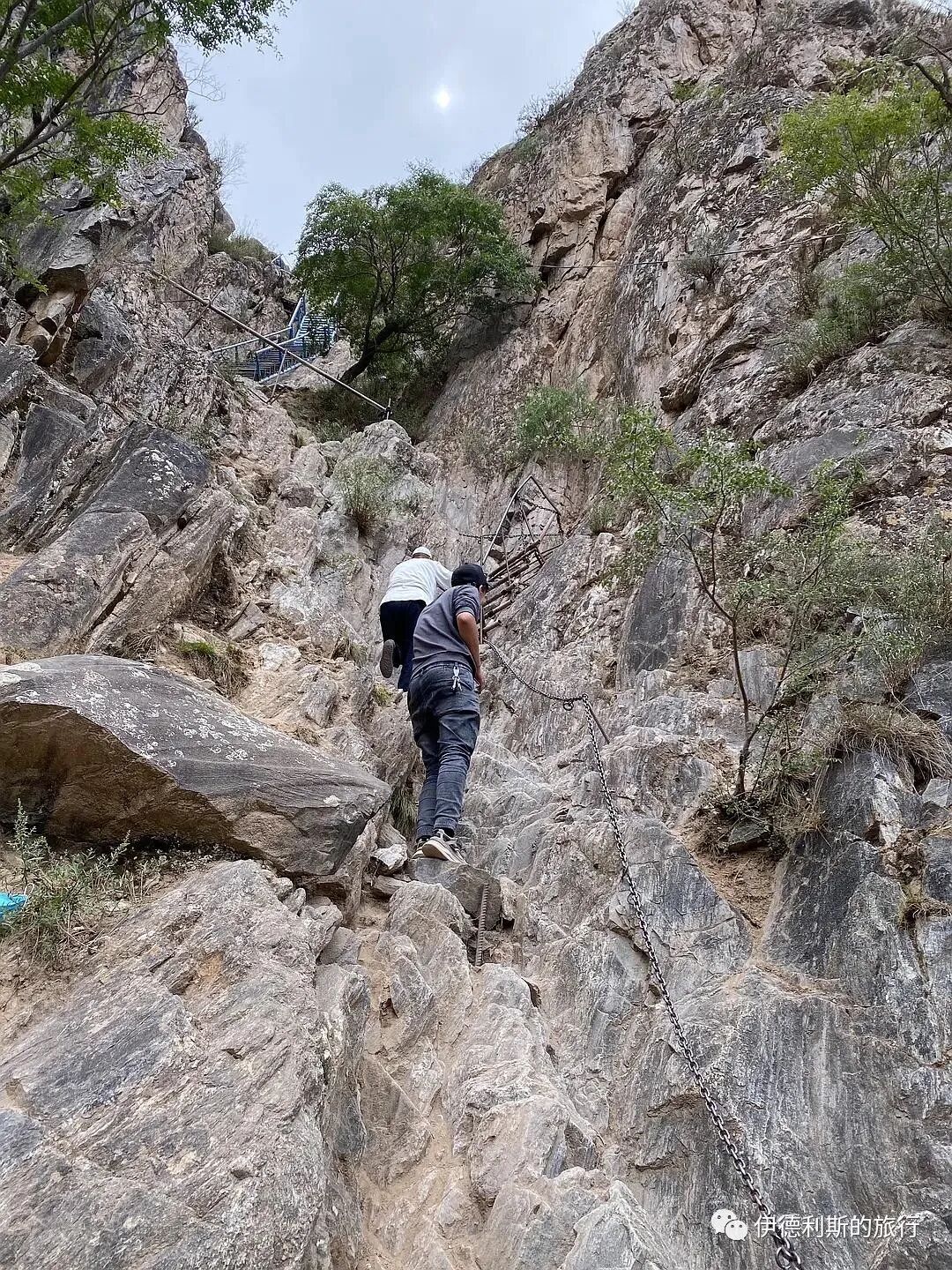
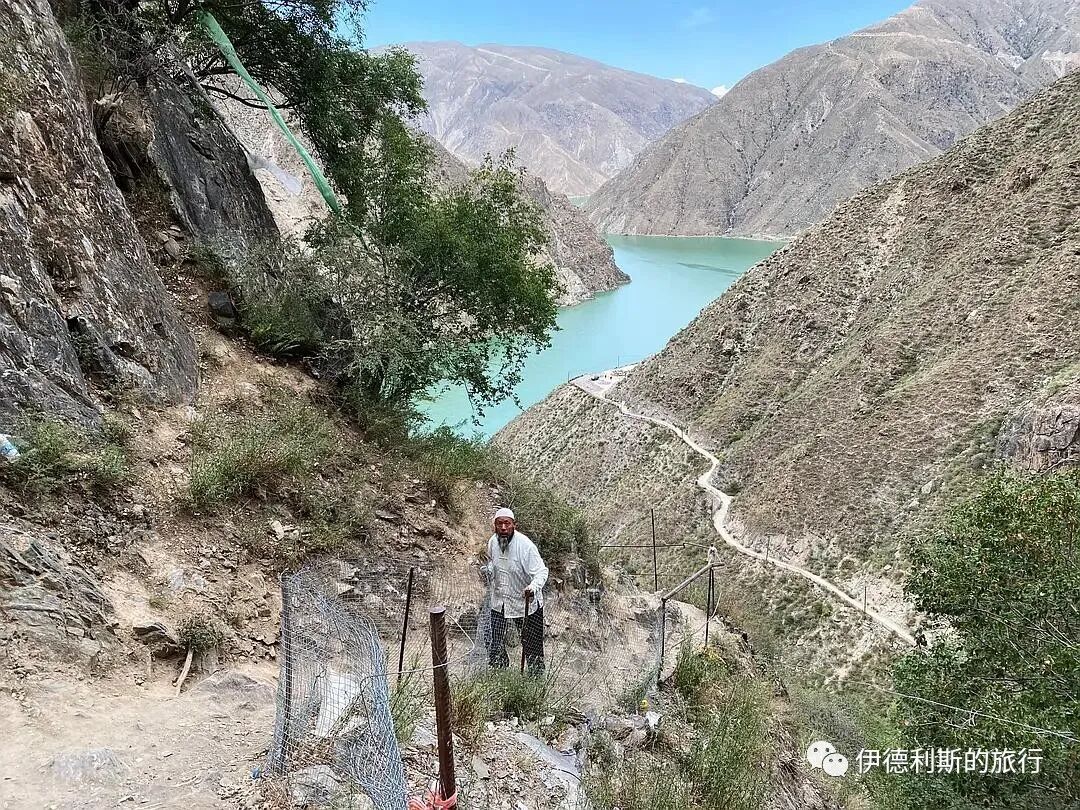
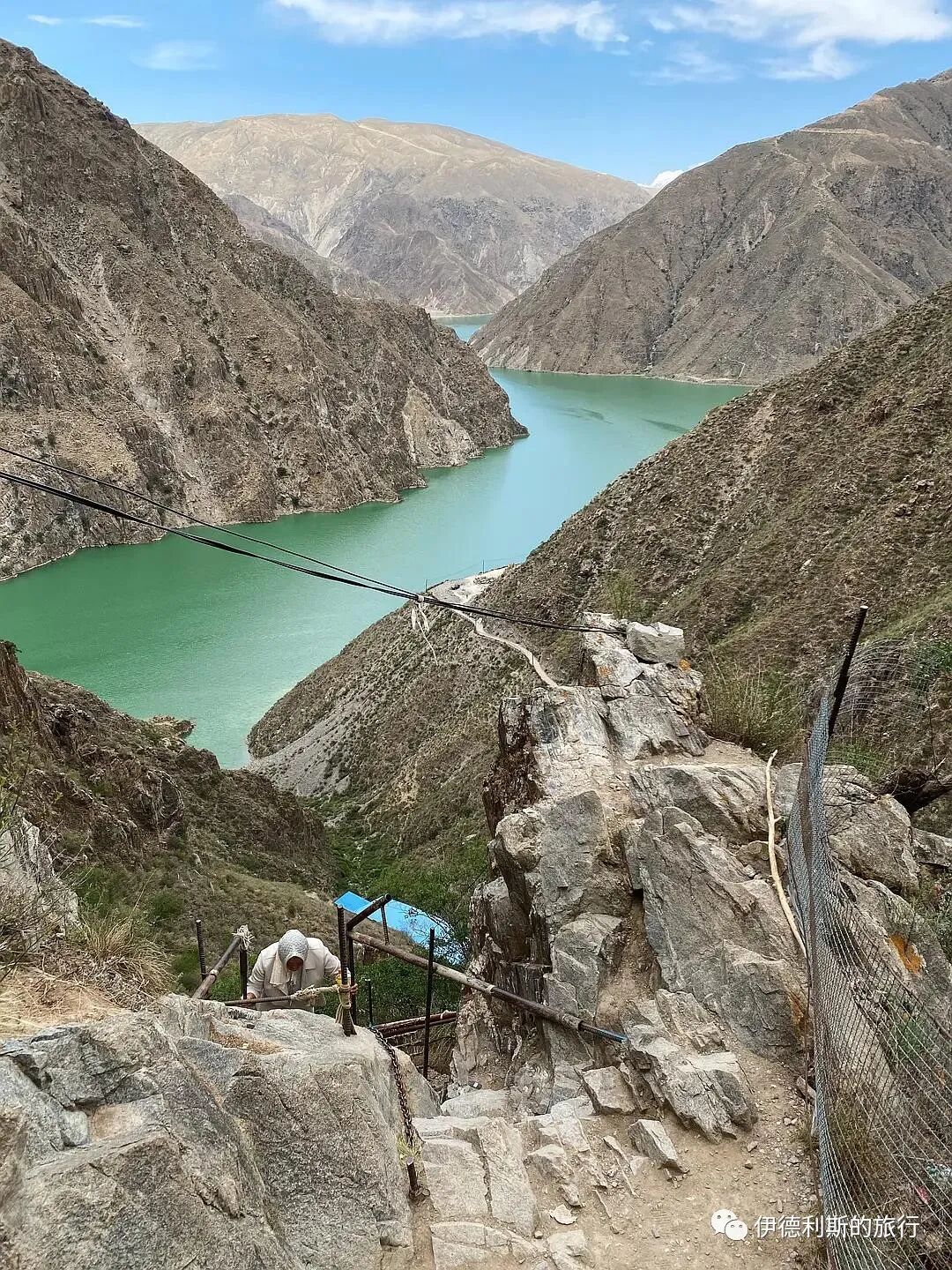
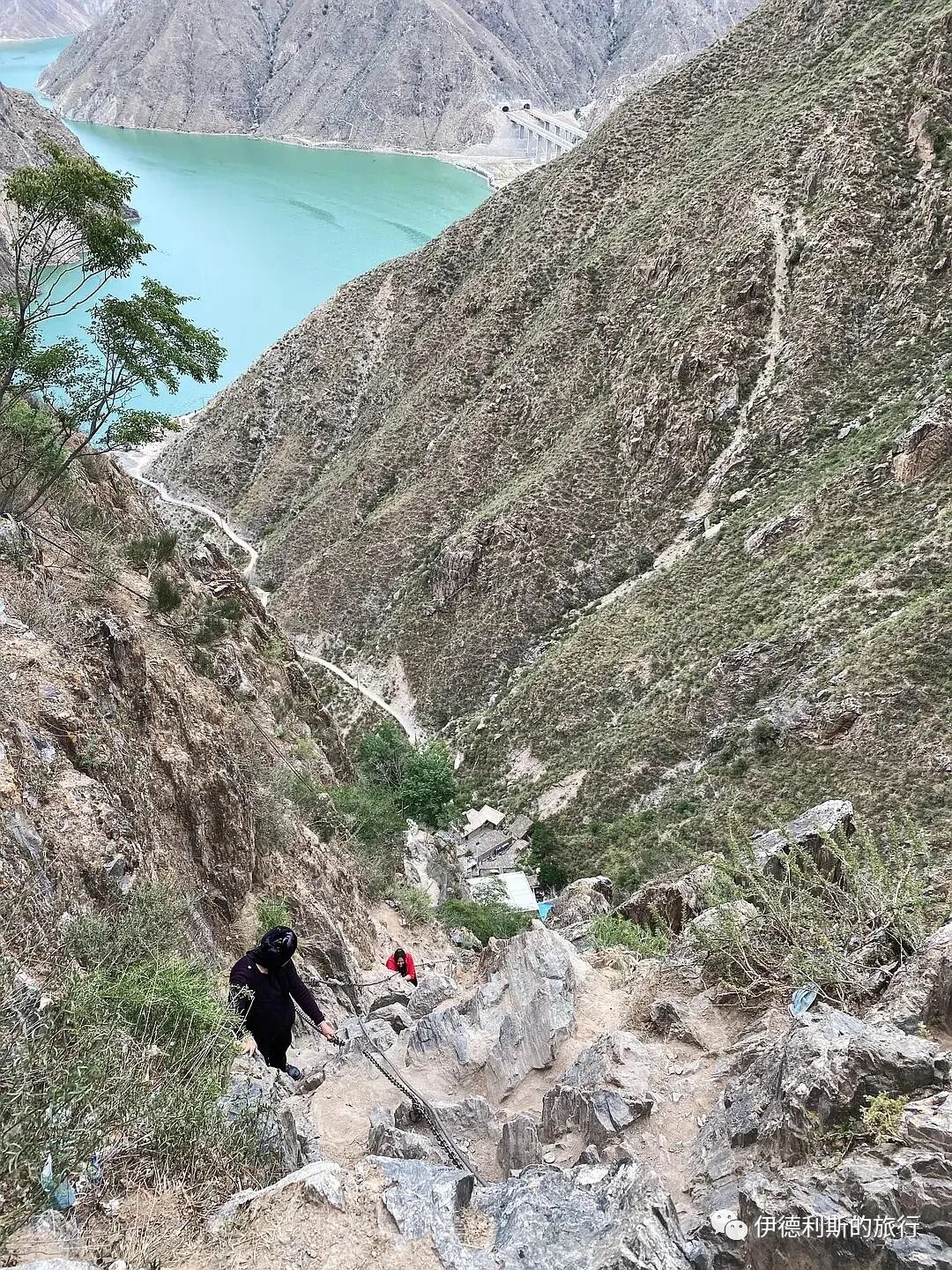
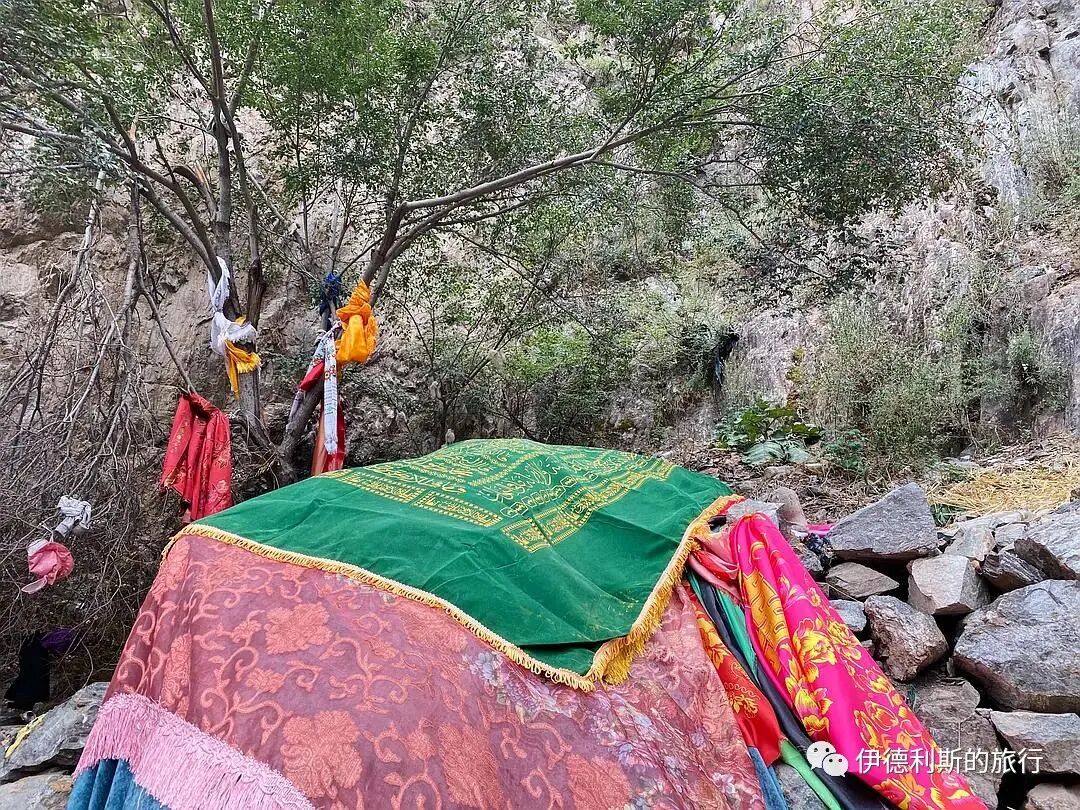
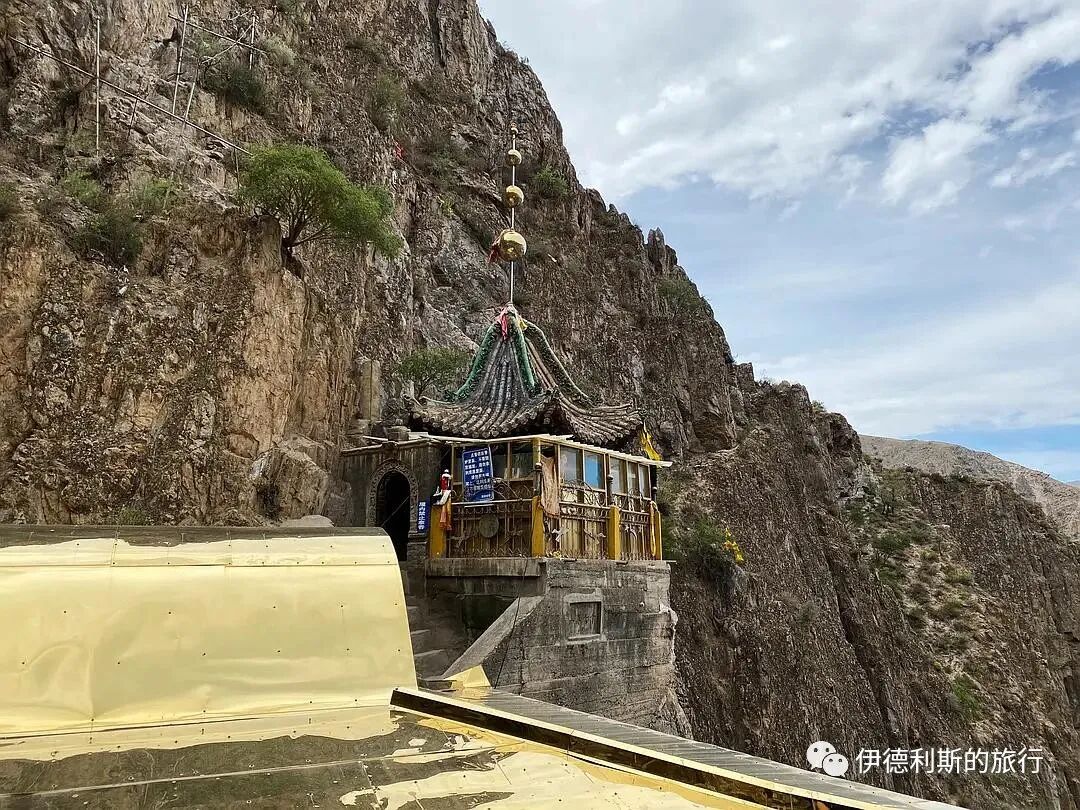
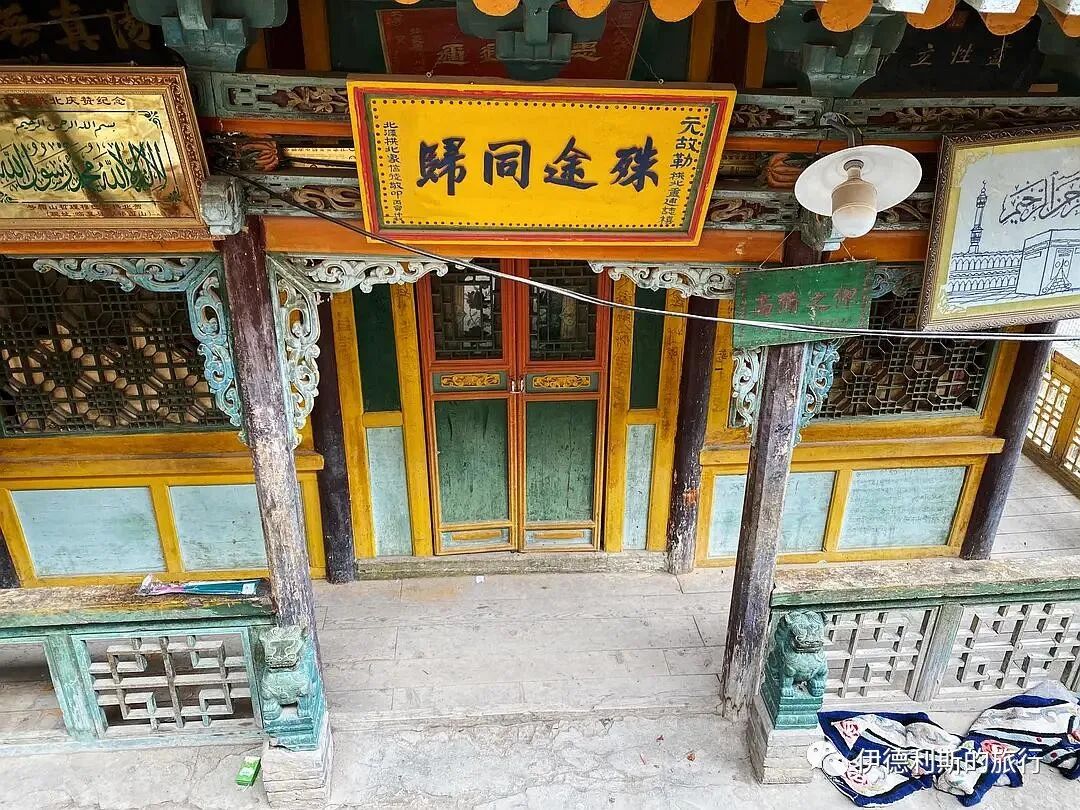
After crossing the last "stone threshold," we arrived at the three pavilion-like structures built below the Gongbei during the Guangxu reign, and not far above them is the hexagonal, pointed-roof Gongbei pavilion. Here, one can see not only plaques sent by various menhuan (Sufi orders) such as the Qadiriyya, Khufiyya, and Kubrawiyya, but also colorful prayer flags hung by Tibetan people and wind-horse flags scattered about. Because the Yangulu Gongbei does not belong to any one ethnic group or sect, it is a sacred place in the hearts of the surrounding ethnic groups, including Tibetans, Salars, Hui Muslims, and Han Chinese.
There are many legends about the Yangulu Gongbei. A widely circulated one tells of an old man in a white robe who lived in a cliff cave in the mountains long ago. Once, he took his tangping (a metal kettle used for ritual washing) to the Yellow River to fetch water and stepped across to the other side of the river in one stride. This miracle was seen by nearby Tibetan people and spread immediately. The Salar people below the mountain heard the news and went up the mountain to look for him, but they could not find the old man; they only saw traces of his spiritual practice, so they believed the old man was a "Wali (saint/friend of Allah)." After this, the legend of the Wali's manifestation spread further and wider.
Regarding who the old man was, every ethnic group and sect has its own version. The Tibetans believe he is the mountain god Ani Xiawu; Muslims believe he is Hasan Besori, who came from Iraq to Xunhua to preach; the Qadiriyya Da Gongbei menhuan believes he is Hua Zhe Abudonglaxi, the master of their founder Qi Jingyi; the Khufiyya Beizhuang menhuan believes this is the Gongbei of their second-generation elder, Hao San Taiye; the Kubrawiyya Zhang men menhuan believes it is the Gongbei of Junaydi Baigeda, the second son of their founder; and the Xunhua Jiezi Gongbei believes it is the place where their founder Han Musa practiced. But no matter who it is, it does not affect the people of various ethnic groups and sects who come here to pray devoutly for blessings.
Tibetan people come here to pray to Ani Xiawu for children, and the children born are given names containing the word "Xiawu." When a child is a month old or falls ill, they are also brought to the Gongbei to pray for health. Muslims, on the other hand, visit the place where the Wali manifested to pray for the love of Allah. When praying, Tibetans burn sang (incense) and chant scriptures while offering hada (ceremonial silk scarves), while Sufis light incense, chant scriptures and dhikr (remembrance of Allah), and make dua to ask Allah to fulfill their various beautiful wishes.
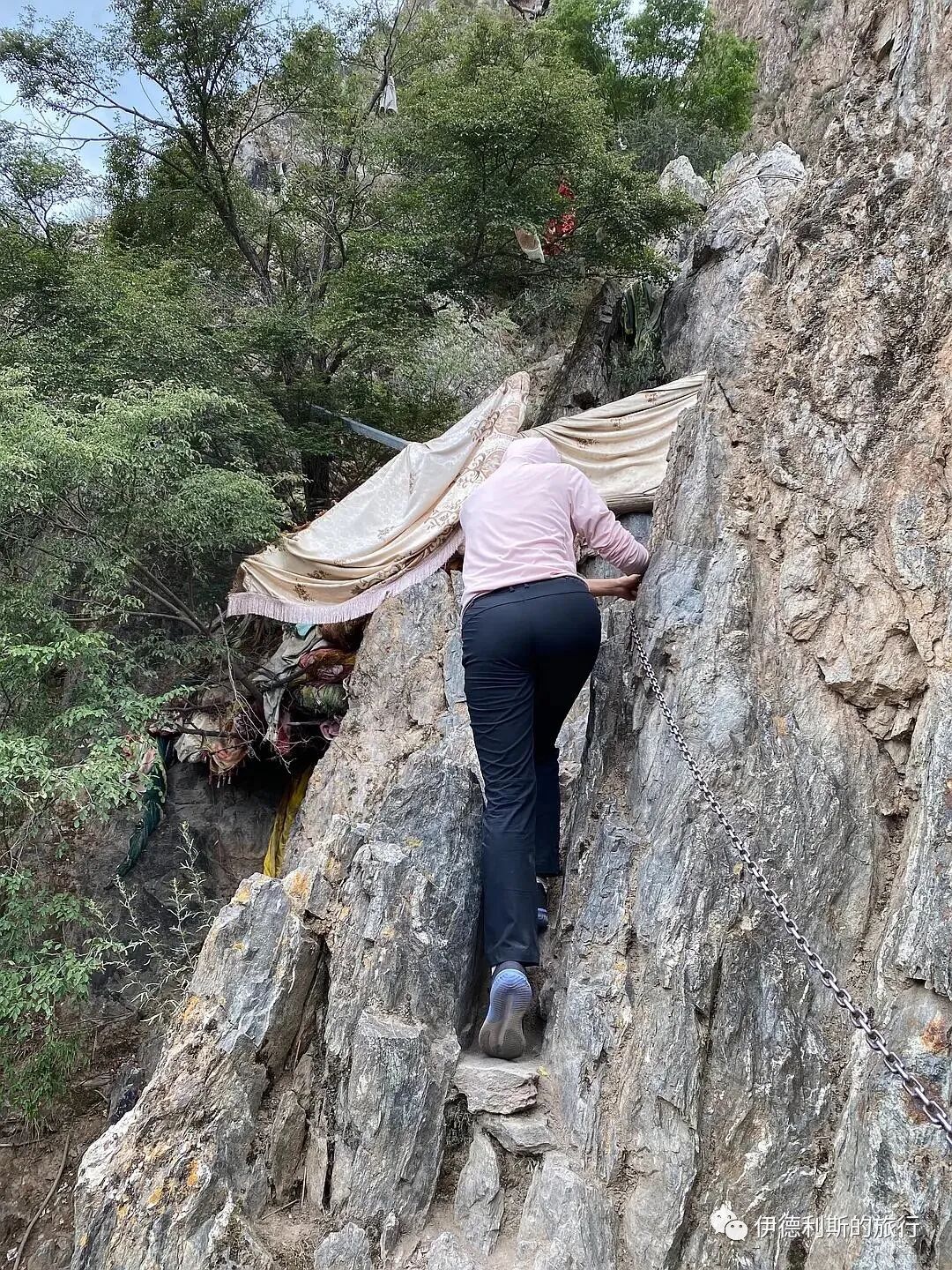
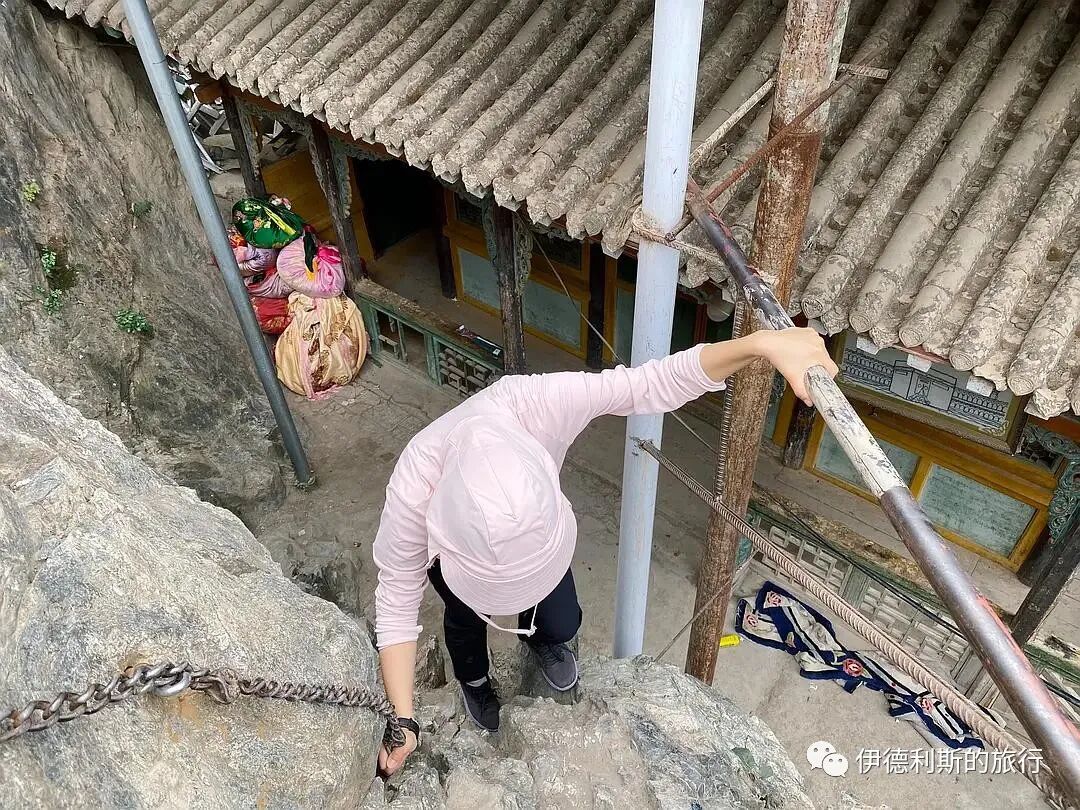
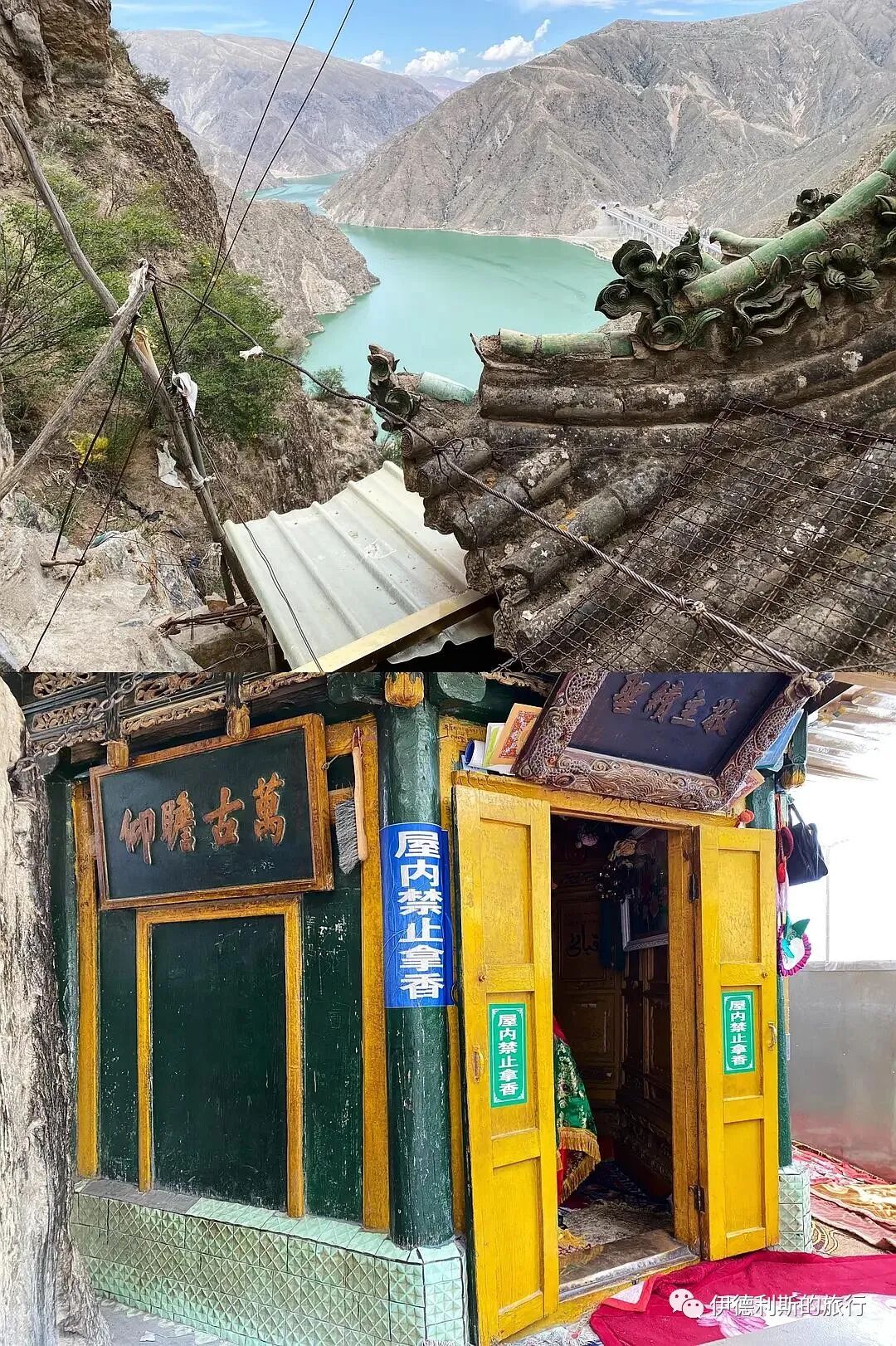
We finished our dua here and then prepared to go down the mountain. Going down the mountain is actually much harder than going up because it is a vertical cliff. When going down, you cannot see the path at all and can only grope bit by bit with your feet. It is sometimes very difficult to find where to step next, and halfway down, my calves started shaking from extreme tension. In the end, it took us longer to get down to the foot of the mountain than it did to climb up.
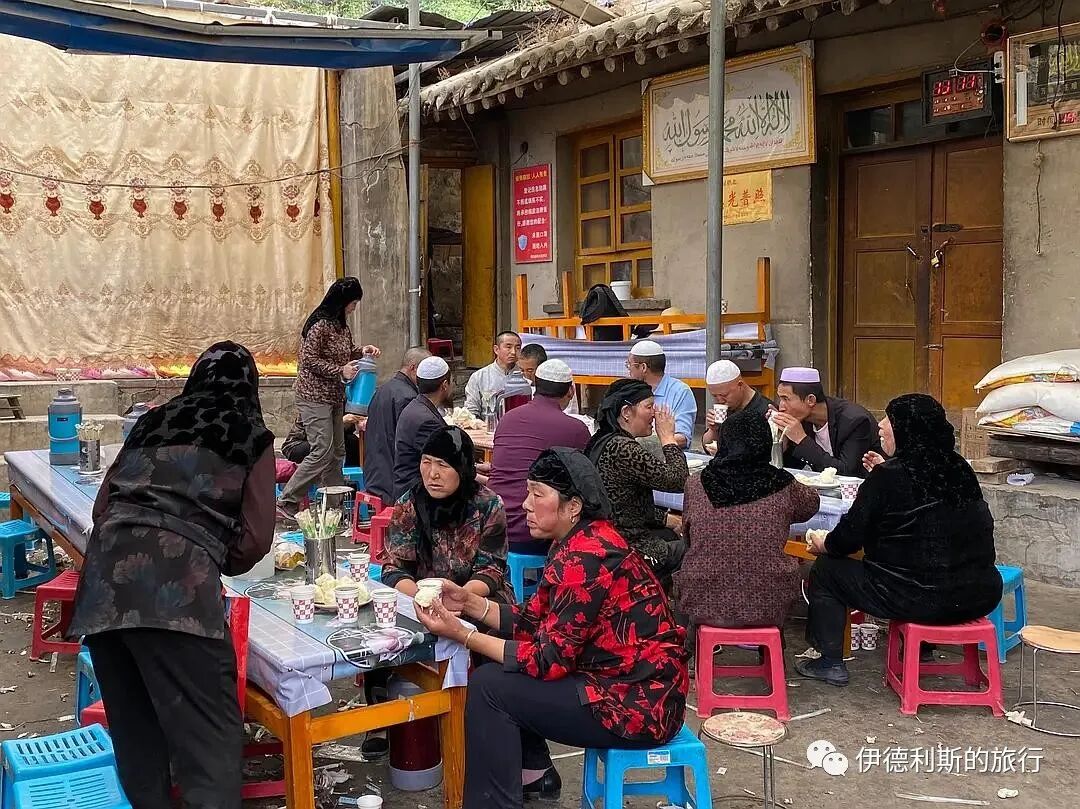
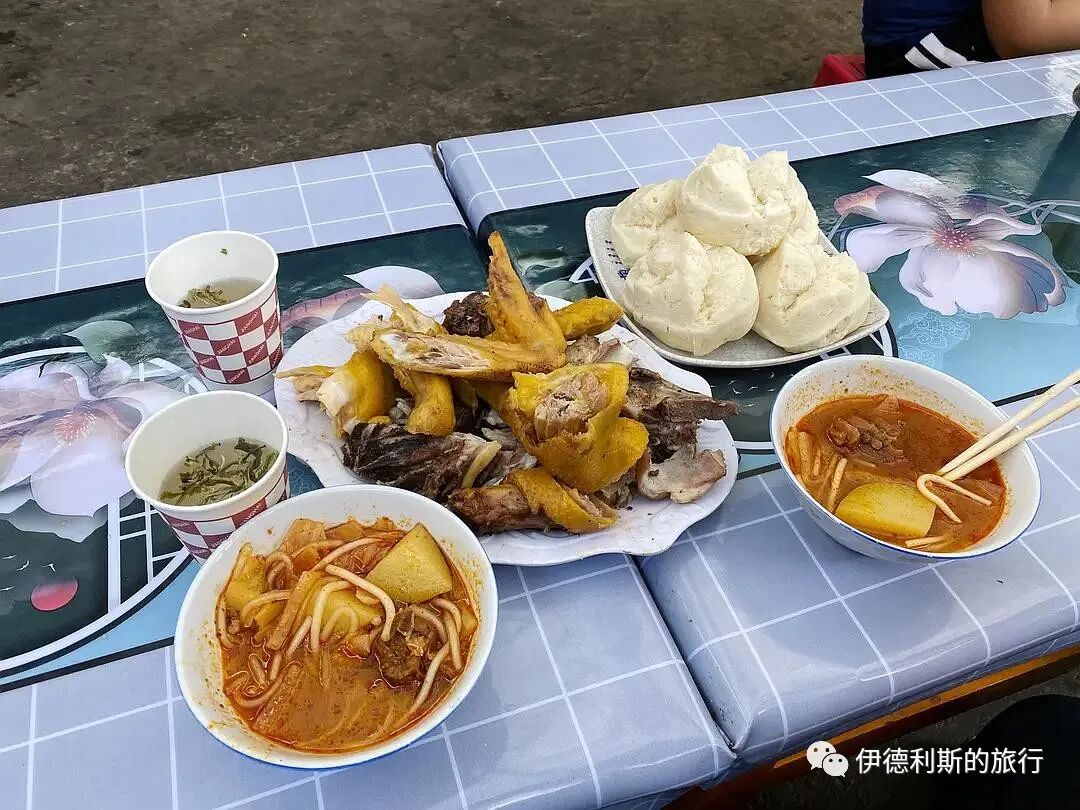
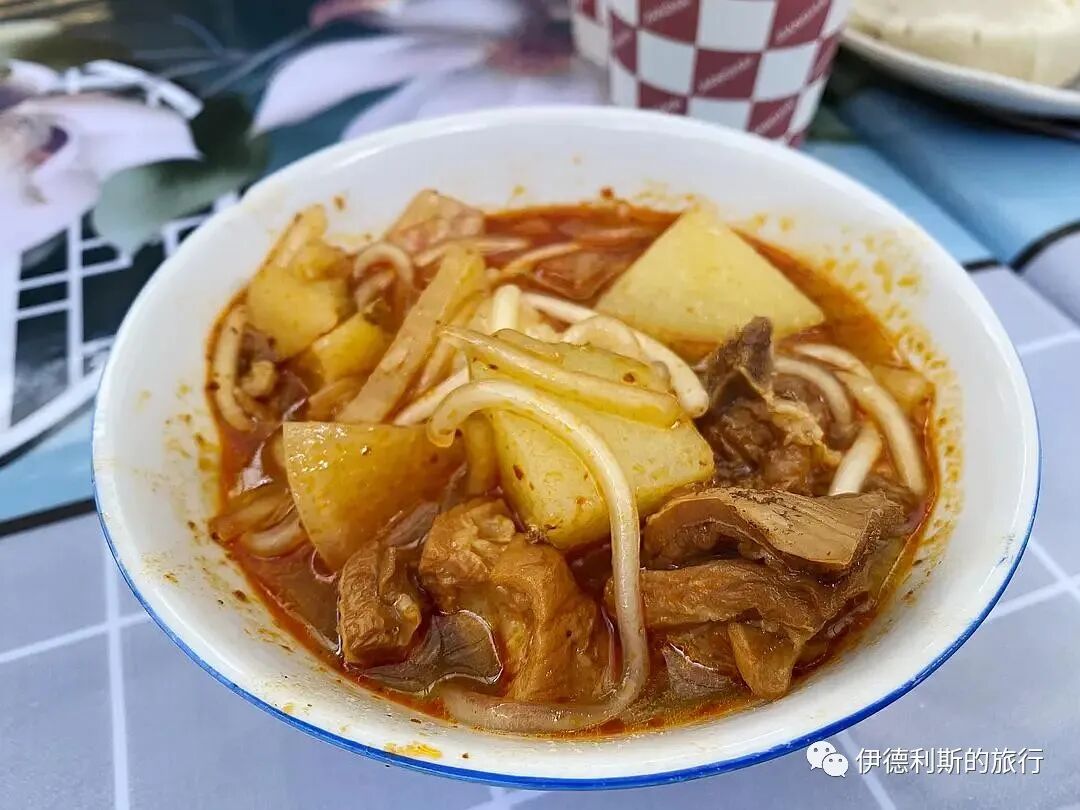
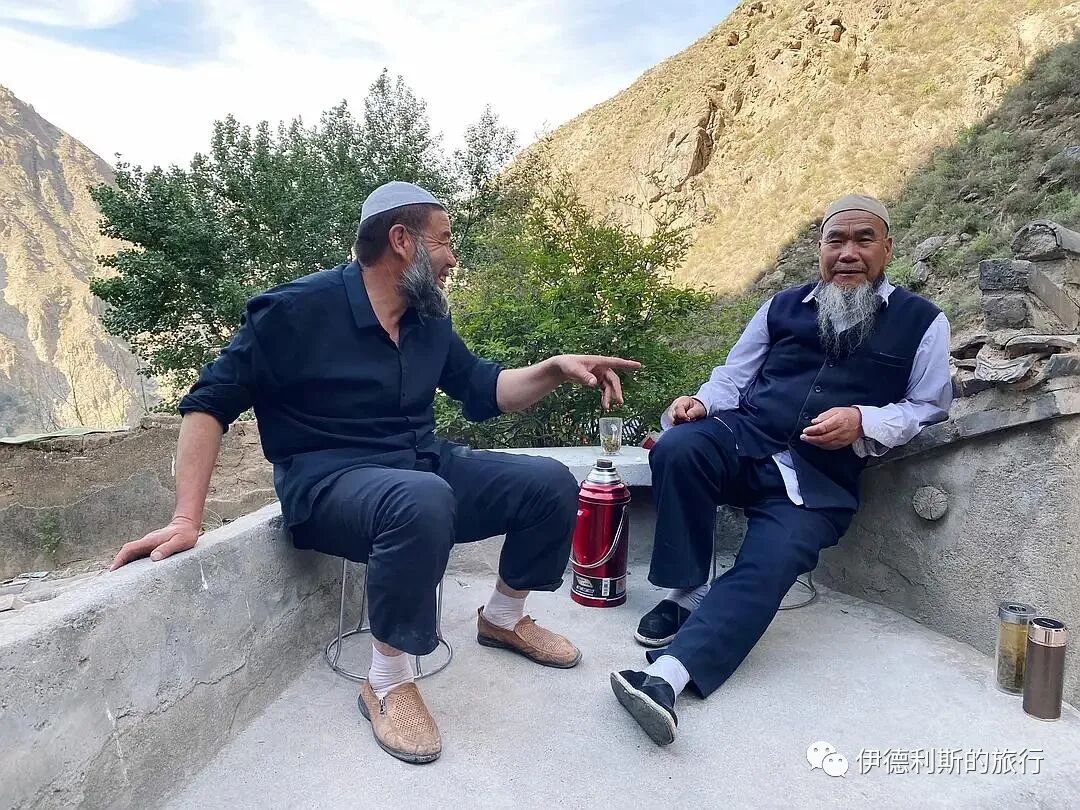
At the foot of the mountain, we were warmly received by the Salar guardians of the Gongbei and ate very delicious huiwan (a local meat and vegetable stew), momo (steamed buns), old-broth chicken, and shouzhuayangpai (hand-grabbed lamb chops), and drank plenty of green tea. The Yangulu Gongbei is currently guarded by four Salar families who have lived here for generations. Food and lodging for believers who come here are all free, and the income mainly comes from niatie (charitable donations).
After a full meal, we said goodbye to our enthusiastic Salar friends, returned to the pier, and left Yangulu by boat.
Summary: This travel note introduces Yellow River Gongbei Travel Notes: Visiting Yangu Road Shrine on the Cliffs. I first learned about the Yangulu Gongbei (a shrine for a Sufi saint) in 2014 when I read an article in the Hui Studies journal titled "Wow. It is useful for readers interested in Yellow River, Gongbei Shrine, Muslim Heritage.
I first learned about the Yangulu Gongbei (a shrine for a Sufi saint) in 2014 when I read an article in the Hui Studies journal titled "Wow! Yangulu—A Symposium of Islam and Tibetan Buddhism," and I have wanted to visit it ever since. During the 2021 Dragon Boat Festival holiday, I was finally able to visit the Yangulu Gongbei.
I chartered a car from Ping'an District in Haidong, and after a two-hour drive, we crossed from the Huangshui Valley over the mountains into the Yellow River Valley, arriving at the Gongboxia Dam pier. The name Gongboxia comes from the Yangulu Gongbei. Before the dam was built in 2004, the Yellow River channel here was not wide, and Salar villages were scattered along the riverbanks. After the dam was completed, it became a high-gorge, flat-lake style reservoir. The farmland and the Salar villages were all submerged underwater, and only the ancient mosque buildings constructed during the Qing Dynasty were relocated to the hillside.
In the past, to go to the Yangulu Gongbei, one had to walk along rugged mountain paths, which was very arduous, but after the dam was built, it only takes a short time to reach the bottom of the gully below the Gongbei by boat. When we arrived at the pier, a boat was just about to depart. Inside were a large family of Hui Muslims from Linxia who were visiting the Gongbei, and we traveled together to the Gongbei pier.
From the pier to the Gongbei, one must walk along a mountain path by the Yellow River, but it has been widened in recent years and is much easier to walk than before.
At the end of the mountain path, there are more than 30 rooms, which were built in 1985 with funds raised by everyone to provide food, lodging, and rest for those visiting the Gongbei. We performed our abdest (ritual ablution) here, listened to the instructions of the Salar elder who guards the Gongbei, and prepared to set off toward the cliff leading to the Gongbei.
The mountain path up to the Yangulu Gongbei can be divided into two sections. The first section is a slope of half-soil and half-rock, which can be climbed using both hands and feet. The second section is a nearly ninety-degree vertical cliff; for people in the past, climbing it was comparable to rock climbing. Fortunately, ropes have been nailed to some parts of the cliff today, and simple stairs have been built with steel pipes in other places, making it much more convenient to go up. Zainab and I have lived in the city for a long time, so it took a lot of effort to climb up, while many of the dostani (friends/fellow believers) accompanying us were much more agile than us. I saw an elderly man holding a tea mug in one hand and pulling a rope with the other, quickly passing us, and an elderly woman wearing thin-soled cloth shoes stepping nimbly onto each rock; I truly admired everyone!
After crossing the last "stone threshold," we arrived at the three pavilion-like structures built below the Gongbei during the Guangxu reign, and not far above them is the hexagonal, pointed-roof Gongbei pavilion. Here, one can see not only plaques sent by various menhuan (Sufi orders) such as the Qadiriyya, Khufiyya, and Kubrawiyya, but also colorful prayer flags hung by Tibetan people and wind-horse flags scattered about. Because the Yangulu Gongbei does not belong to any one ethnic group or sect, it is a sacred place in the hearts of the surrounding ethnic groups, including Tibetans, Salars, Hui Muslims, and Han Chinese.
There are many legends about the Yangulu Gongbei. A widely circulated one tells of an old man in a white robe who lived in a cliff cave in the mountains long ago. Once, he took his tangping (a metal kettle used for ritual washing) to the Yellow River to fetch water and stepped across to the other side of the river in one stride. This miracle was seen by nearby Tibetan people and spread immediately. The Salar people below the mountain heard the news and went up the mountain to look for him, but they could not find the old man; they only saw traces of his spiritual practice, so they believed the old man was a "Wali (saint/friend of Allah)." After this, the legend of the Wali's manifestation spread further and wider.
Regarding who the old man was, every ethnic group and sect has its own version. The Tibetans believe he is the mountain god Ani Xiawu; Muslims believe he is Hasan Besori, who came from Iraq to Xunhua to preach; the Qadiriyya Da Gongbei menhuan believes he is Hua Zhe Abudonglaxi, the master of their founder Qi Jingyi; the Khufiyya Beizhuang menhuan believes this is the Gongbei of their second-generation elder, Hao San Taiye; the Kubrawiyya Zhang men menhuan believes it is the Gongbei of Junaydi Baigeda, the second son of their founder; and the Xunhua Jiezi Gongbei believes it is the place where their founder Han Musa practiced. But no matter who it is, it does not affect the people of various ethnic groups and sects who come here to pray devoutly for blessings.
Tibetan people come here to pray to Ani Xiawu for children, and the children born are given names containing the word "Xiawu." When a child is a month old or falls ill, they are also brought to the Gongbei to pray for health. Muslims, on the other hand, visit the place where the Wali manifested to pray for the love of Allah. When praying, Tibetans burn sang (incense) and chant scriptures while offering hada (ceremonial silk scarves), while Sufis light incense, chant scriptures and dhikr (remembrance of Allah), and make dua to ask Allah to fulfill their various beautiful wishes.
We finished our dua here and then prepared to go down the mountain. Going down the mountain is actually much harder than going up because it is a vertical cliff. When going down, you cannot see the path at all and can only grope bit by bit with your feet. It is sometimes very difficult to find where to step next, and halfway down, my calves started shaking from extreme tension. In the end, it took us longer to get down to the foot of the mountain than it did to climb up.
At the foot of the mountain, we were warmly received by the Salar guardians of the Gongbei and ate very delicious huiwan (a local meat and vegetable stew), momo (steamed buns), old-broth chicken, and shouzhuayangpai (hand-grabbed lamb chops), and drank plenty of green tea. The Yangulu Gongbei is currently guarded by four Salar families who have lived here for generations. Food and lodging for believers who come here are all free, and the income mainly comes from niatie (charitable donations).
After a full meal, we said goodbye to our enthusiastic Salar friends, returned to the pier, and left Yangulu by boat.
