
Central Asian Food in Moscow: a Halal Travel Guide for Muslim Food Lovers
Reposted from the web
Summary: This travel note introduces Central Asian Food in Moscow: a Halal Travel Guide for Muslim Food Lovers. The Moscow Cathedral Mosque was founded by Tatar merchants in 1904. It was originally called the "Tatar Mosque," and its primary congregation was initially the Tatar people. It is useful for readers interested in Moscow Halal Food, Central Asian Food, Muslim Travel.
Moscow Cathedral Mosque
The Moscow Cathedral Mosque was founded by Tatar merchants in 1904. It was originally called the "Tatar Mosque," and its primary congregation was initially the Tatar people. Before the 1980 Moscow Olympics, the mosque was planned to be demolished because it was adjacent to the Olympic Sports Center, but it was ultimately spared due to the efforts of Moscow's religious leaders and ambassadors from Arab countries.
In 2011, amidst huge controversy, the original historic mosque building was demolished, becoming the first religious building in Moscow to be demolished since 1978. The new mosque was completed in 2015.
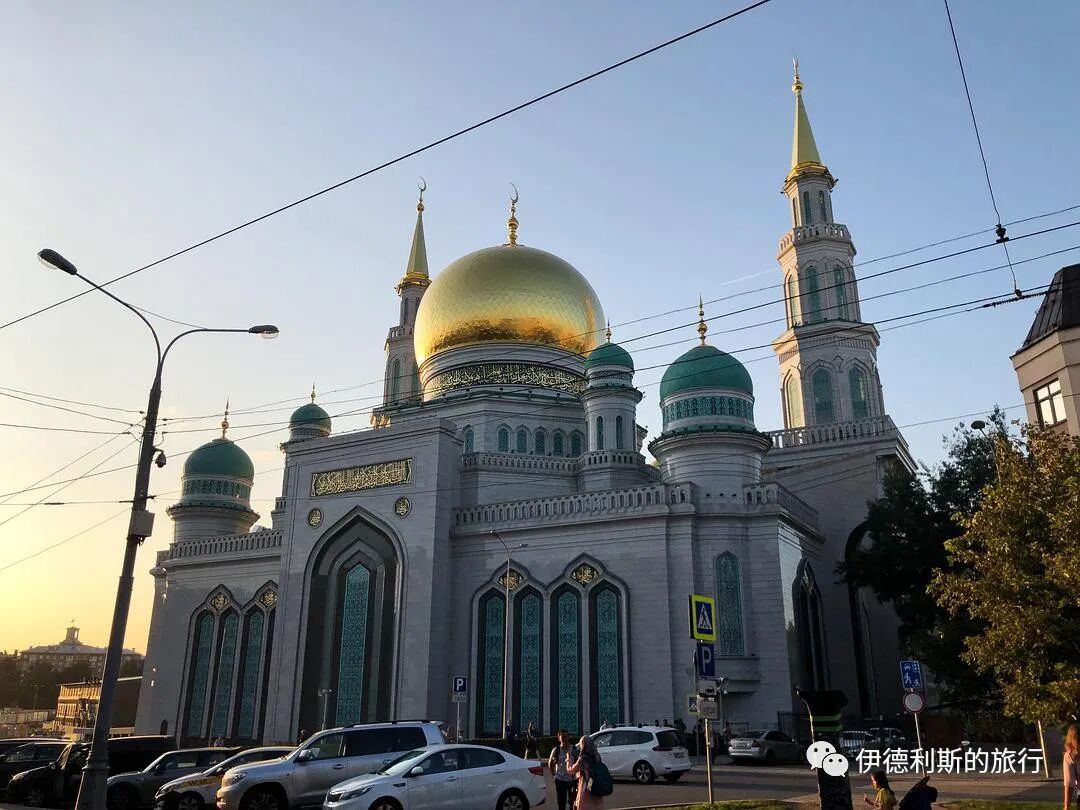
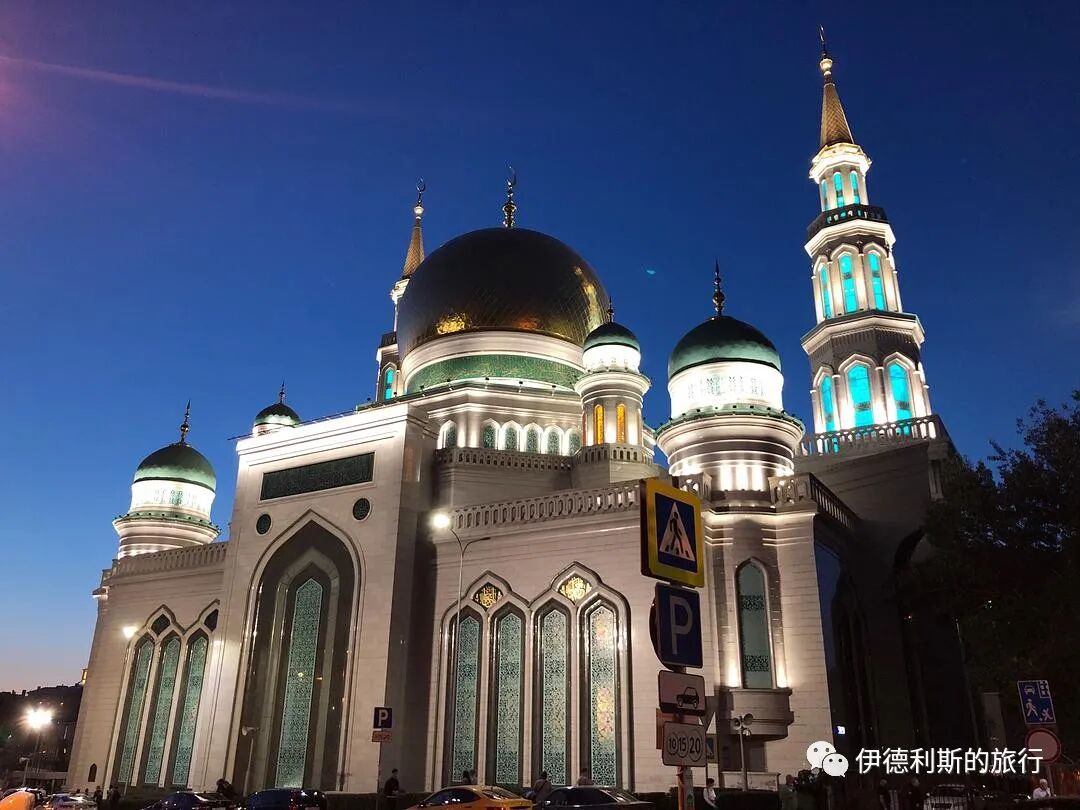
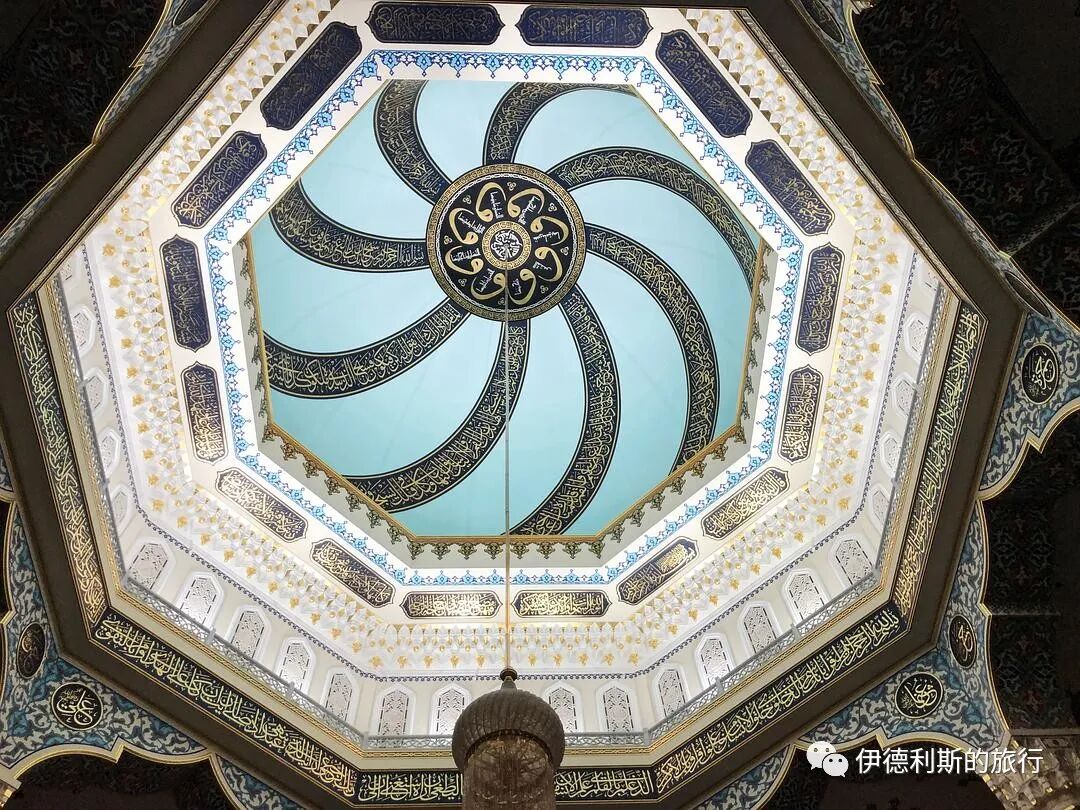
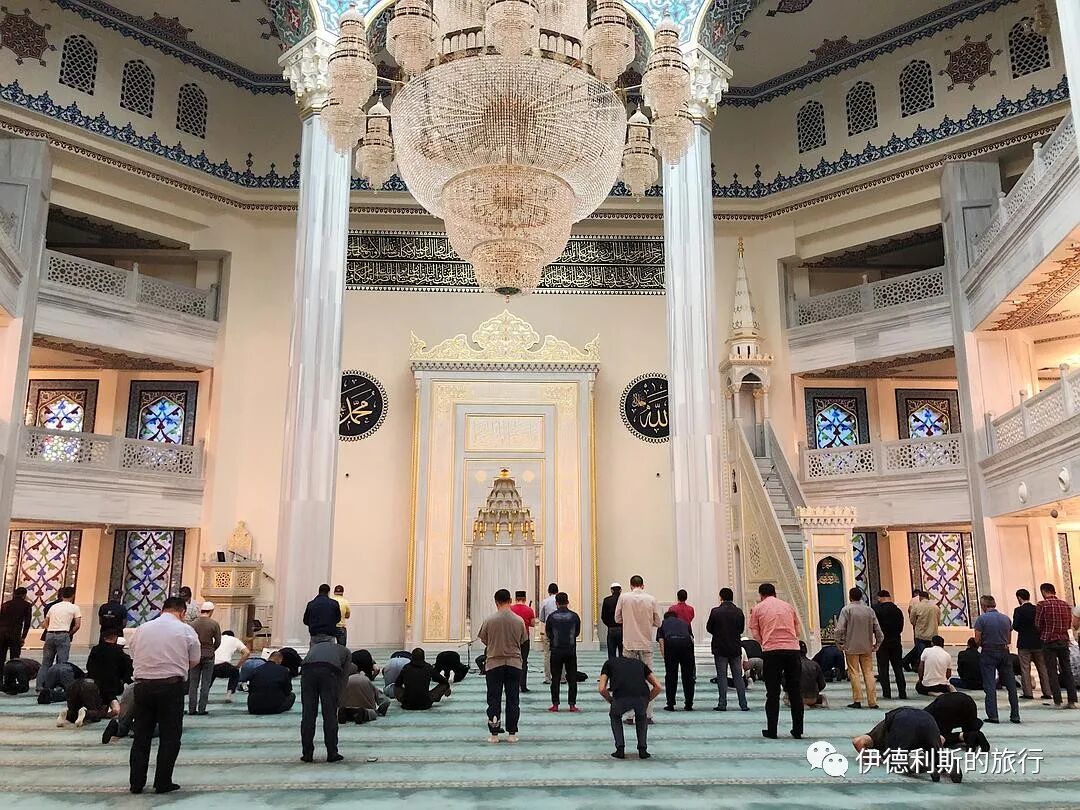
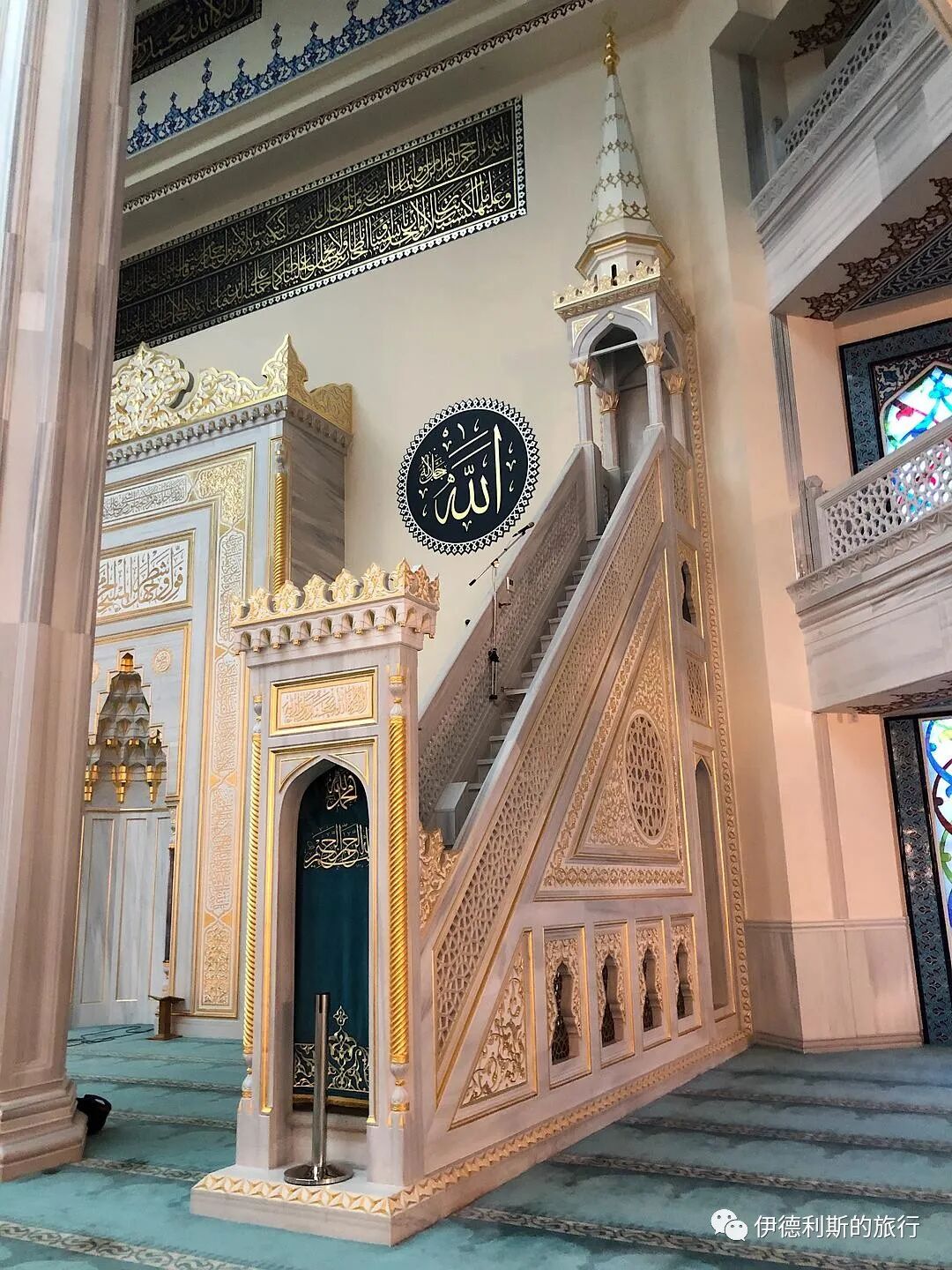
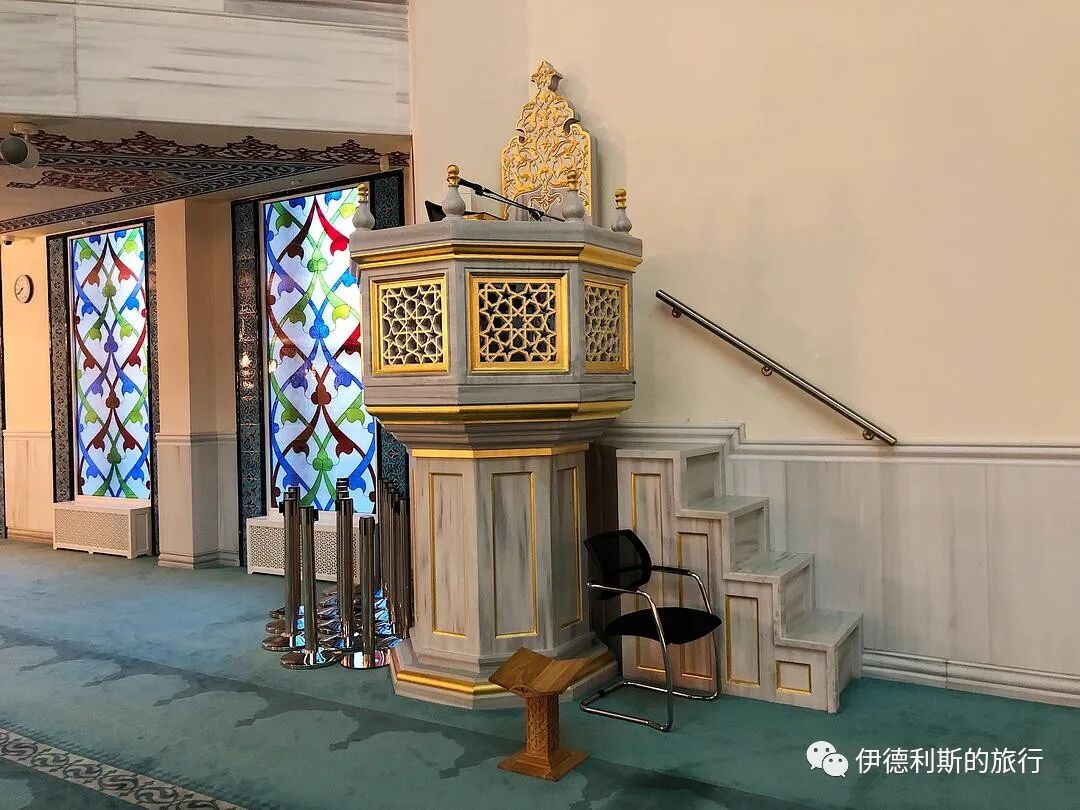
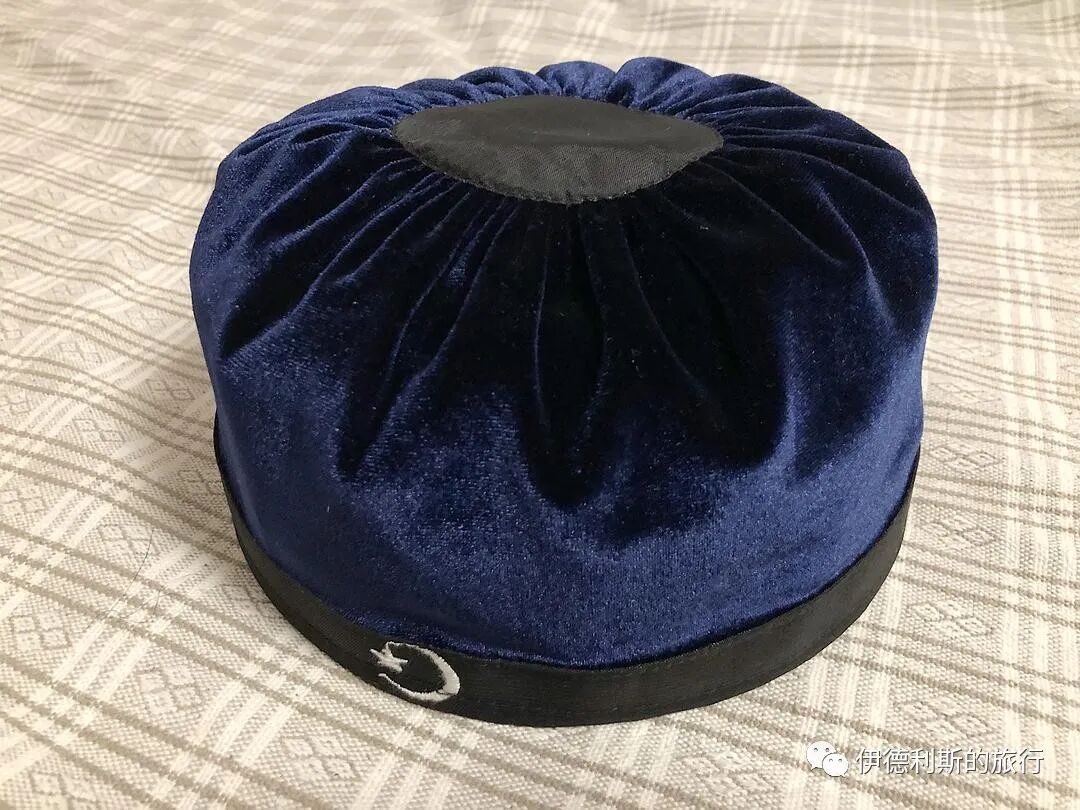
There is a shop for Muslim supplies at the entrance of the Cathedral Mosque, where I bought a blue prayer cap commonly worn by Muslims in Moscow.
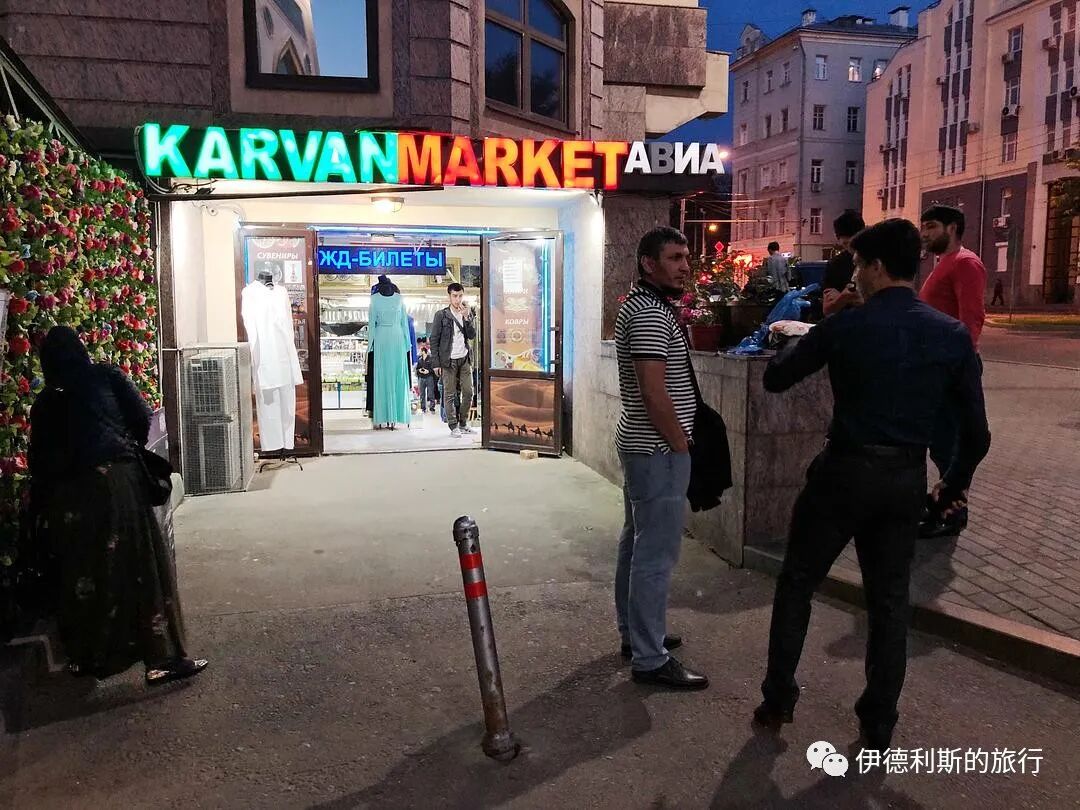
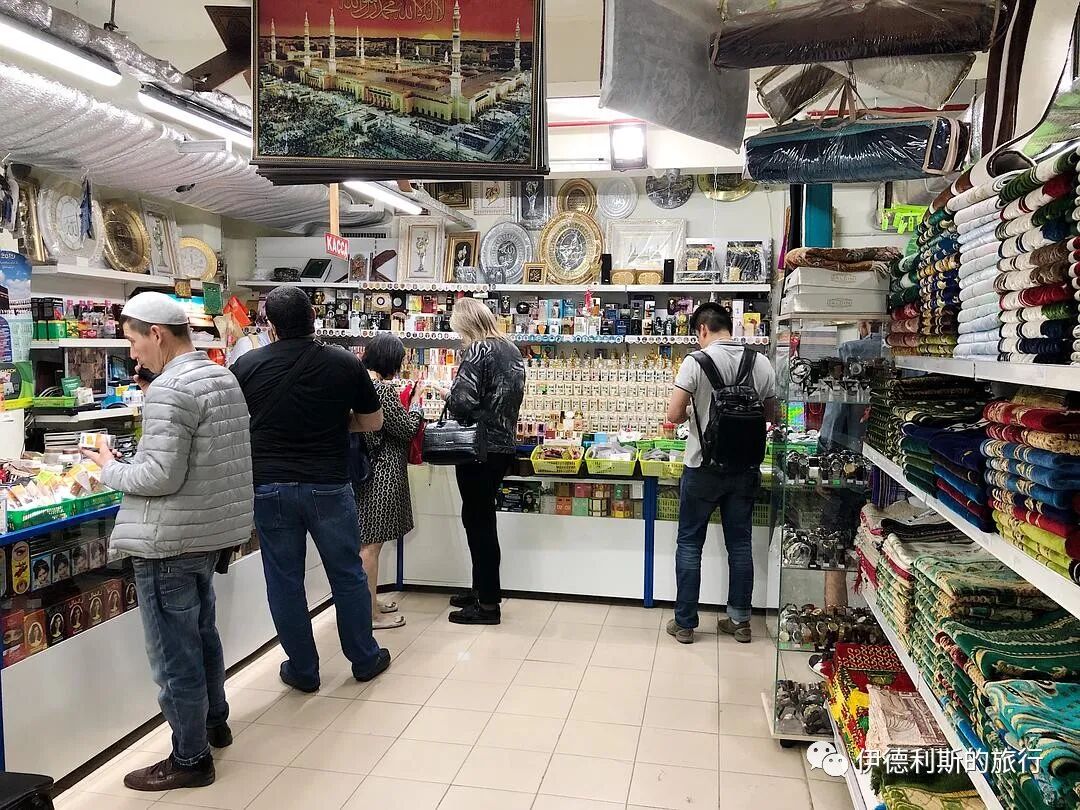
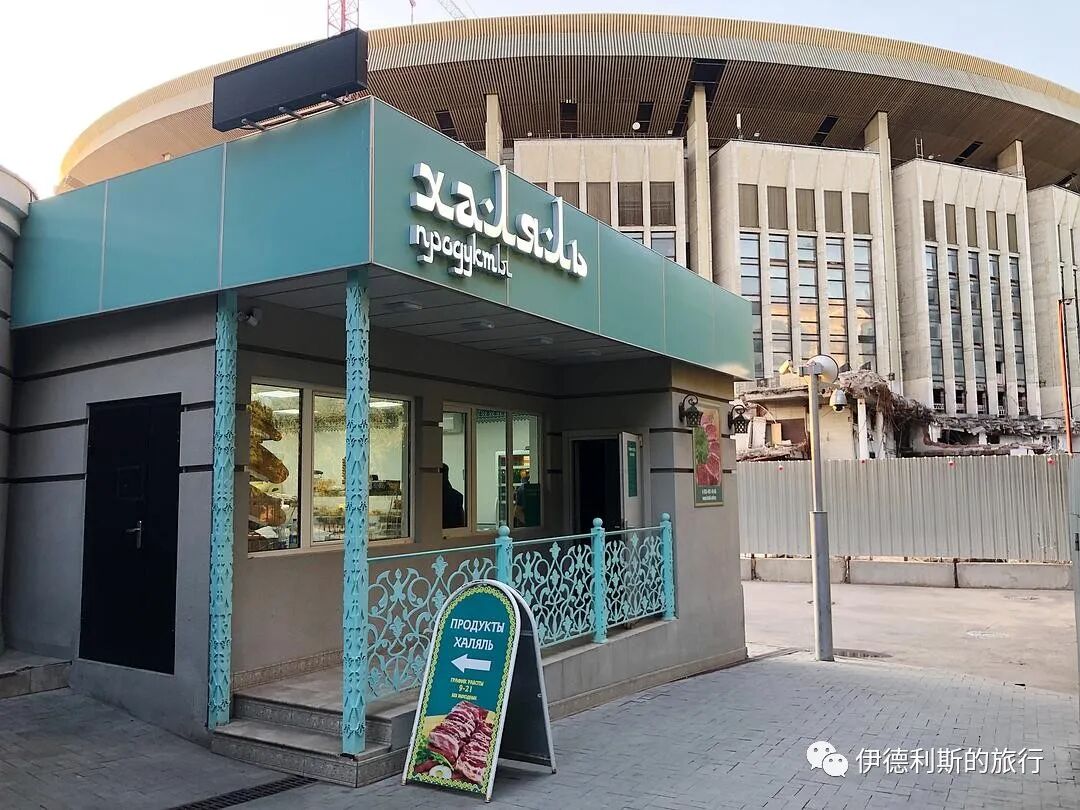
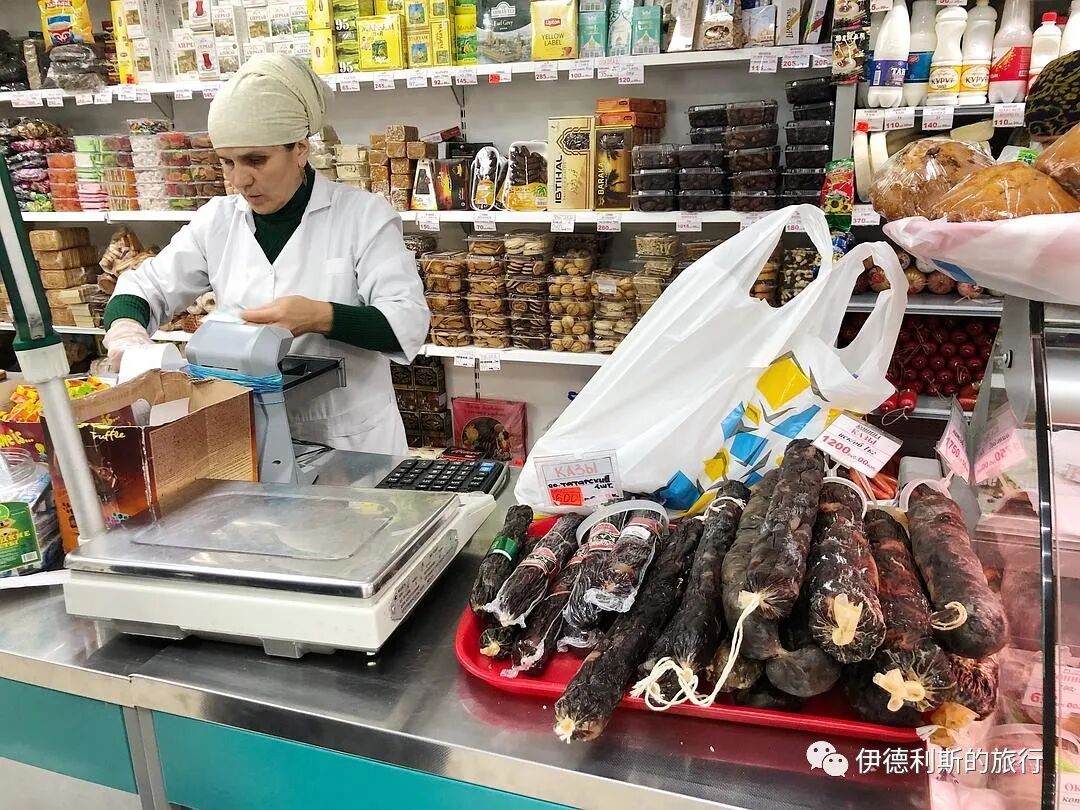
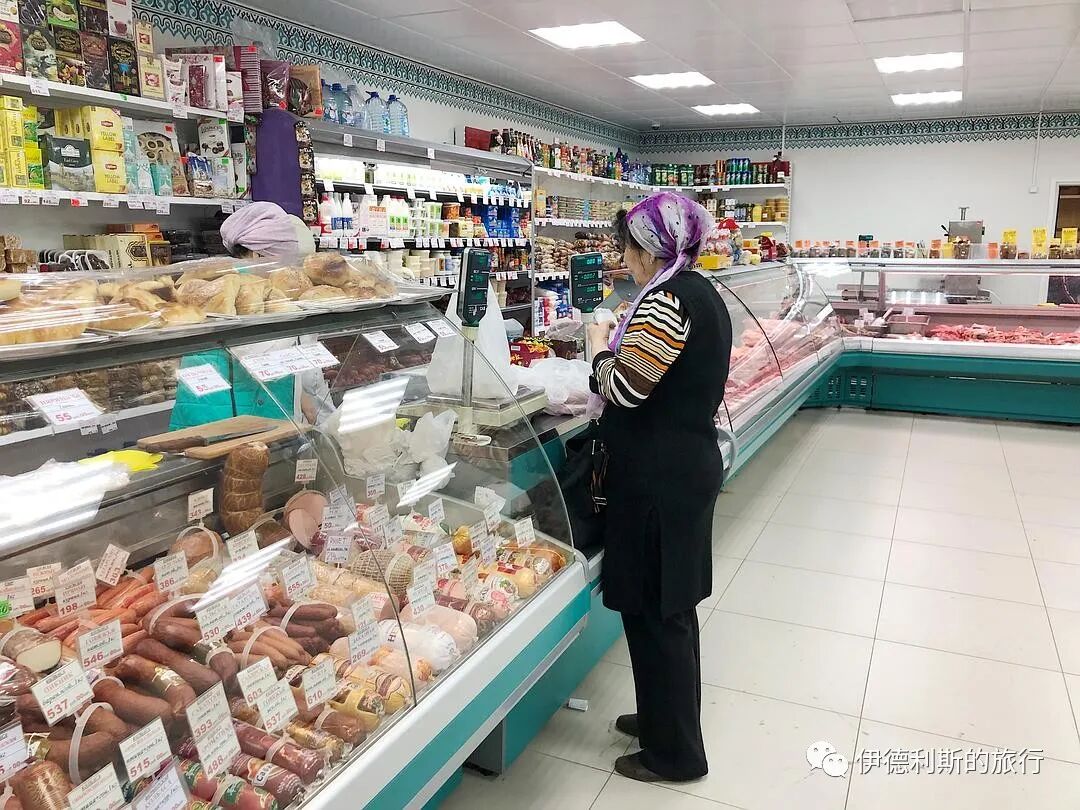
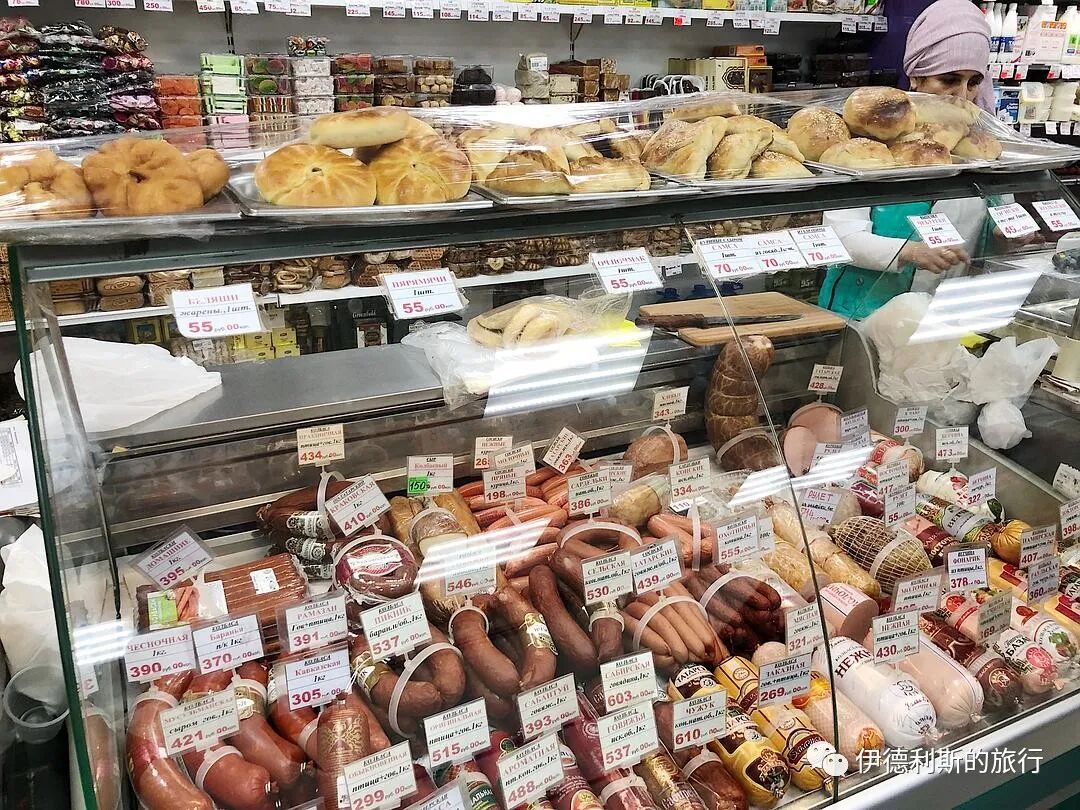
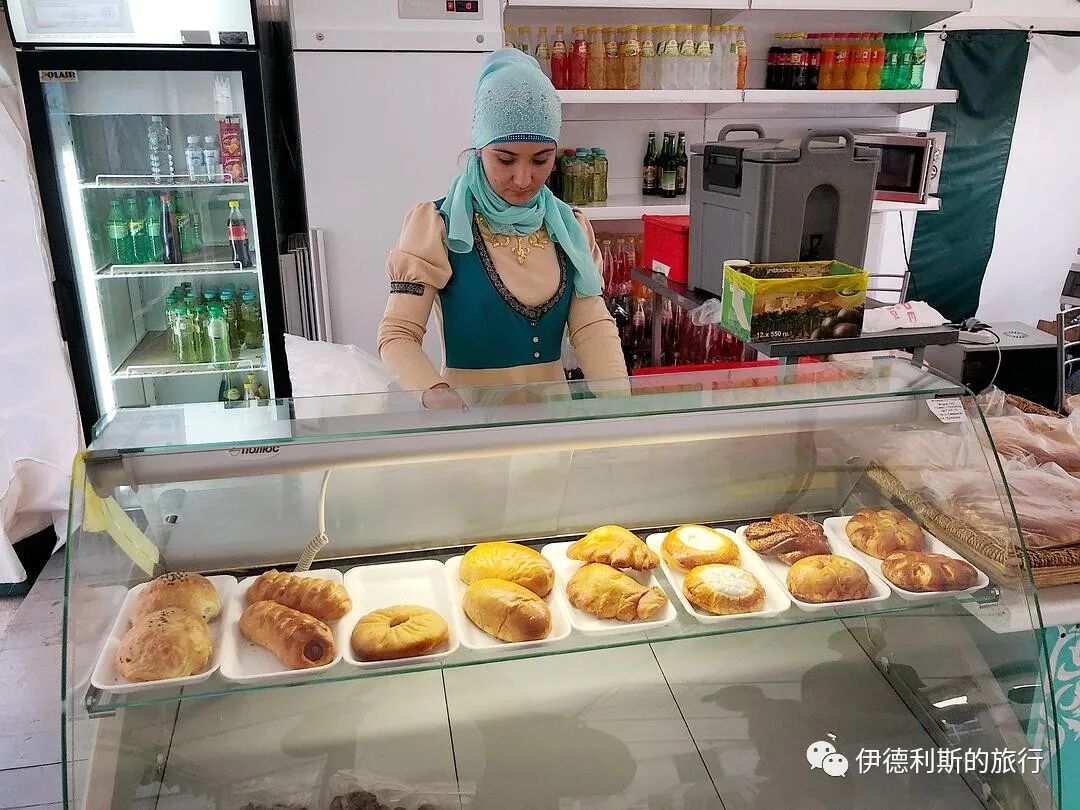
At the Cathedral Mosque's halal food shop, the halal label here in Russia is "халяль" (halal). Next to the checkout counter in the shop, there were rows of horse meat, as well as various pastries.
Muslims in Russia and Central Asia are accustomed to eating horse meat. (Sahih al-Bukhari) no. 5520 "Narrated Jabir bin Abdullah (may Allah be pleased with him and his father): On the day of the Battle of Khaybar, the Prophet (peace and blessings of Allah be upon him) forbade the eating of donkey meat, but he permitted the eating of horse meat. "
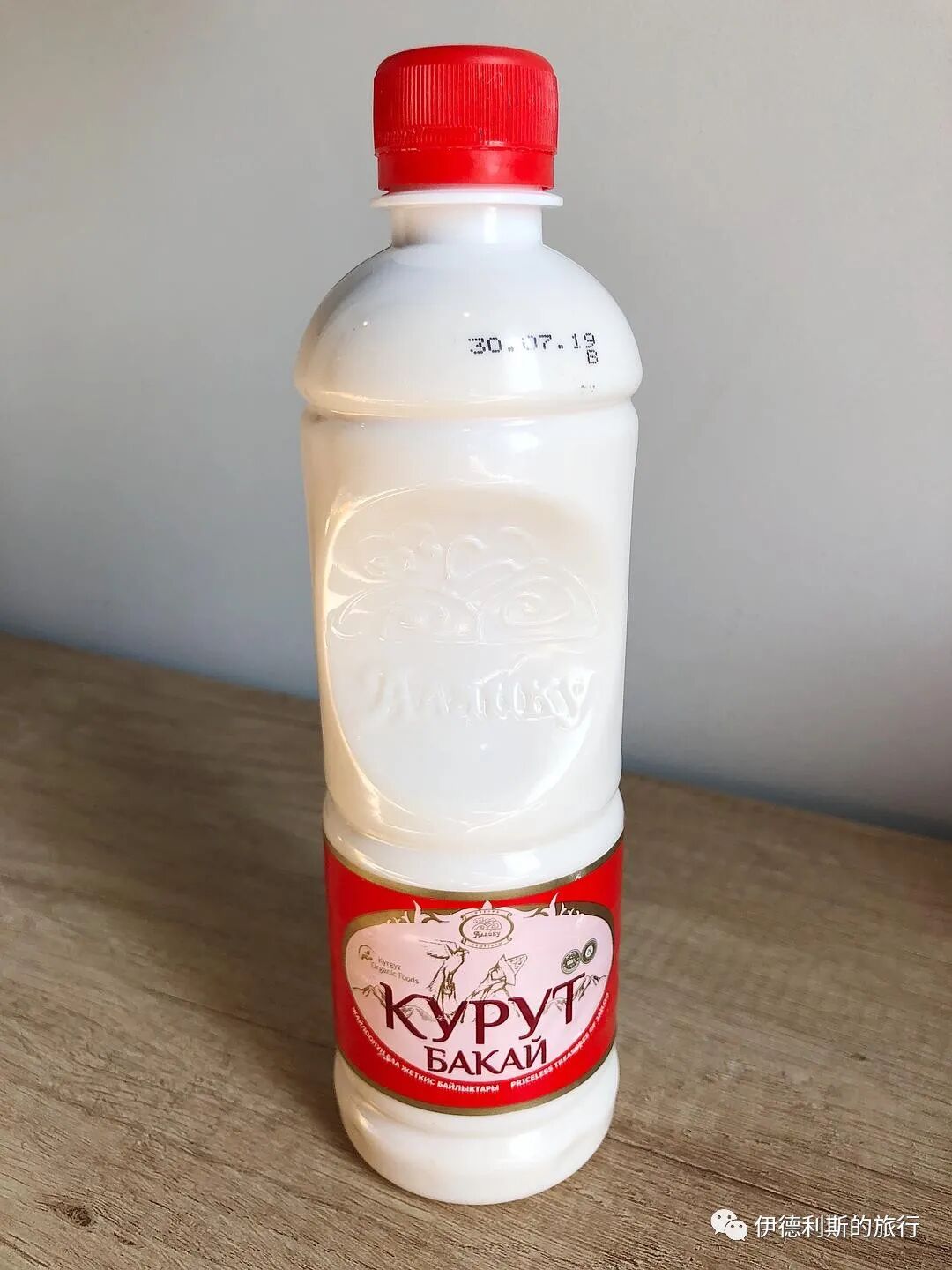
I bought a magical Kyrgyz milk curd drink called Kurut, which is just milk curd (Kurut) mixed with salt and water. The taste is very strong, suitable for those who cannot stand the sourness of hard milk curds but still want to try them.
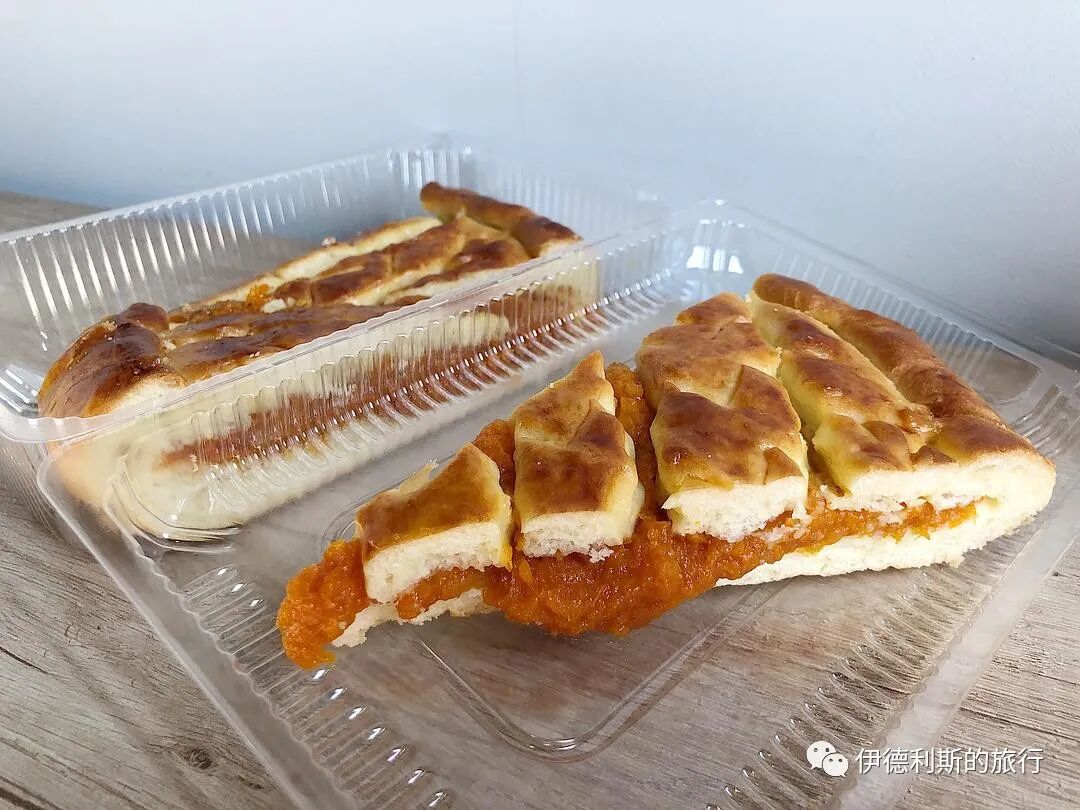
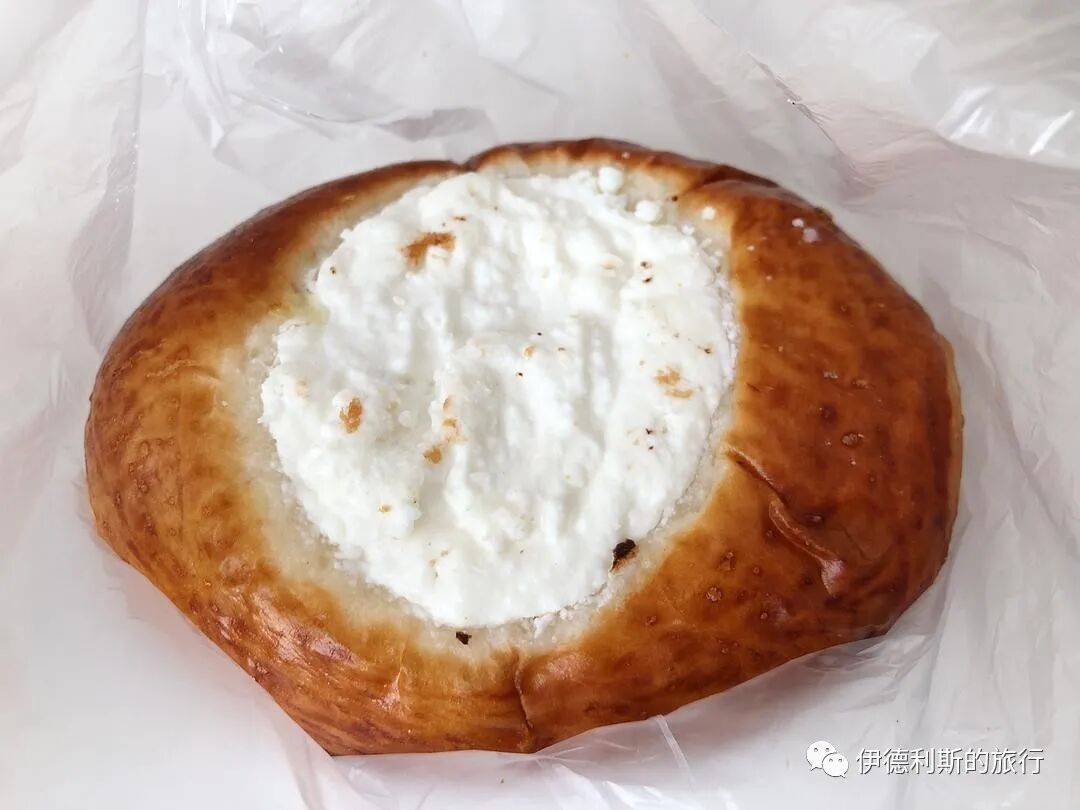
Then I bought a jam pie (Pirogi), which tasted very delicious.
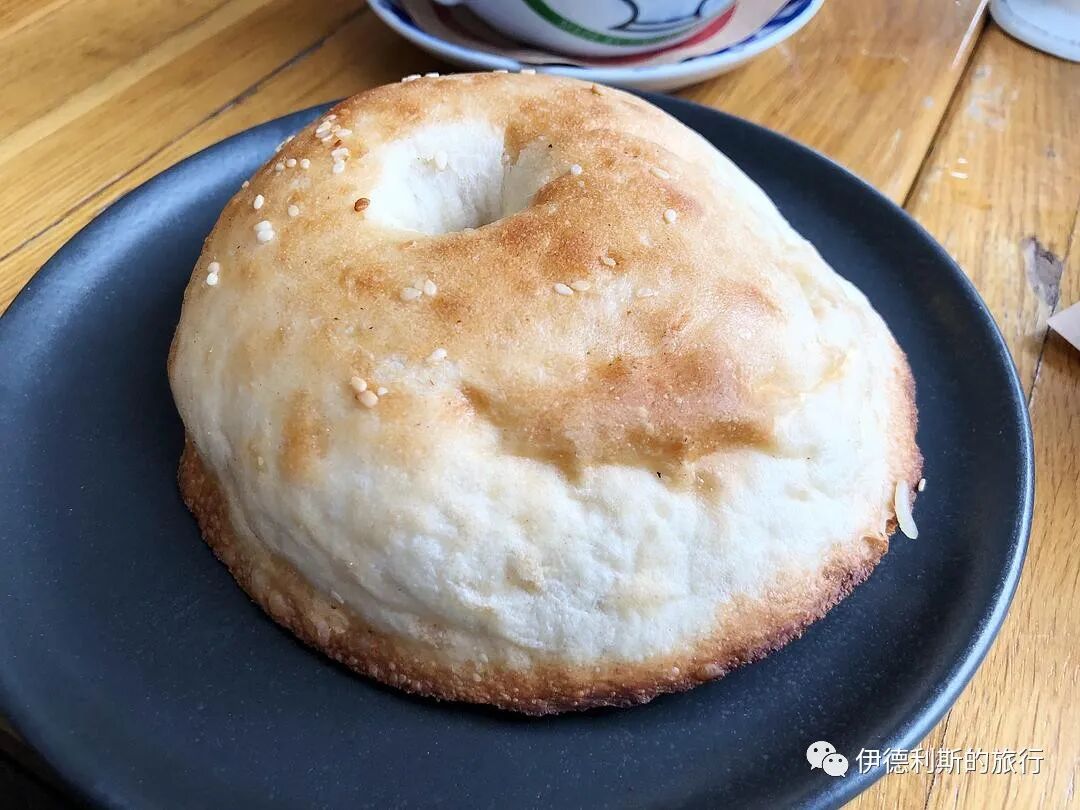
There is also a small tea house set up in a tent in the courtyard of the Cathedral Mosque, where I drank tea and ate a cream bun.
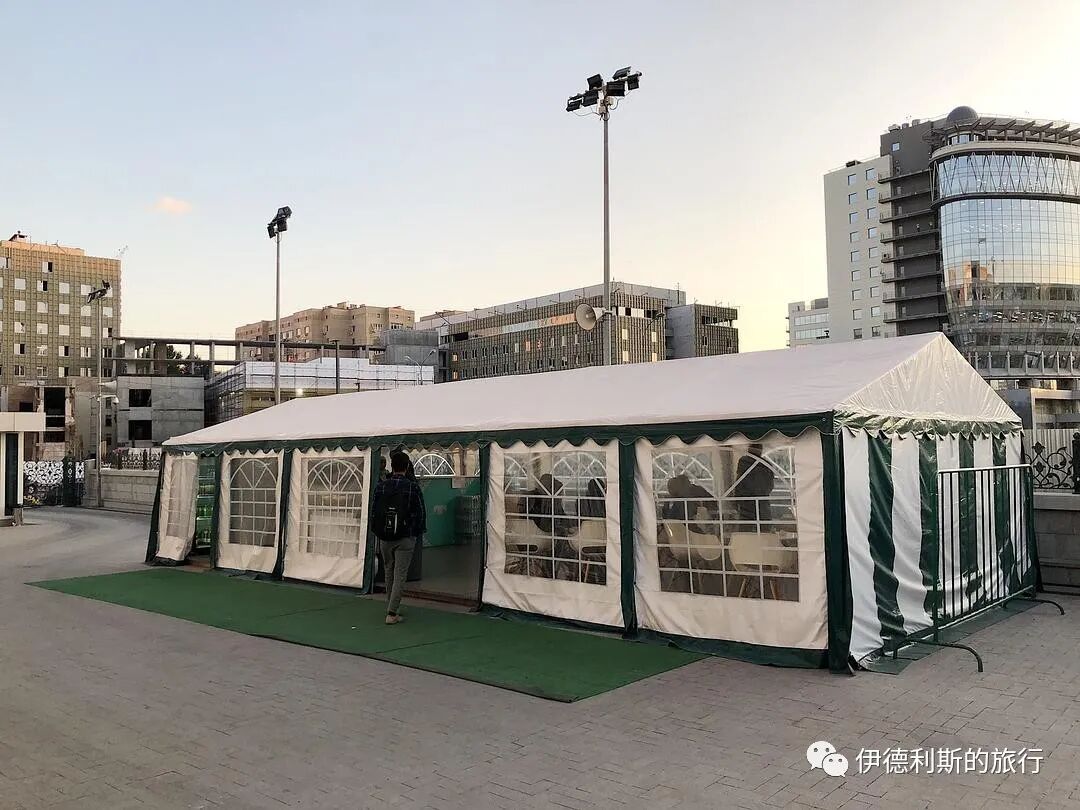
Chaykhana (tea house)
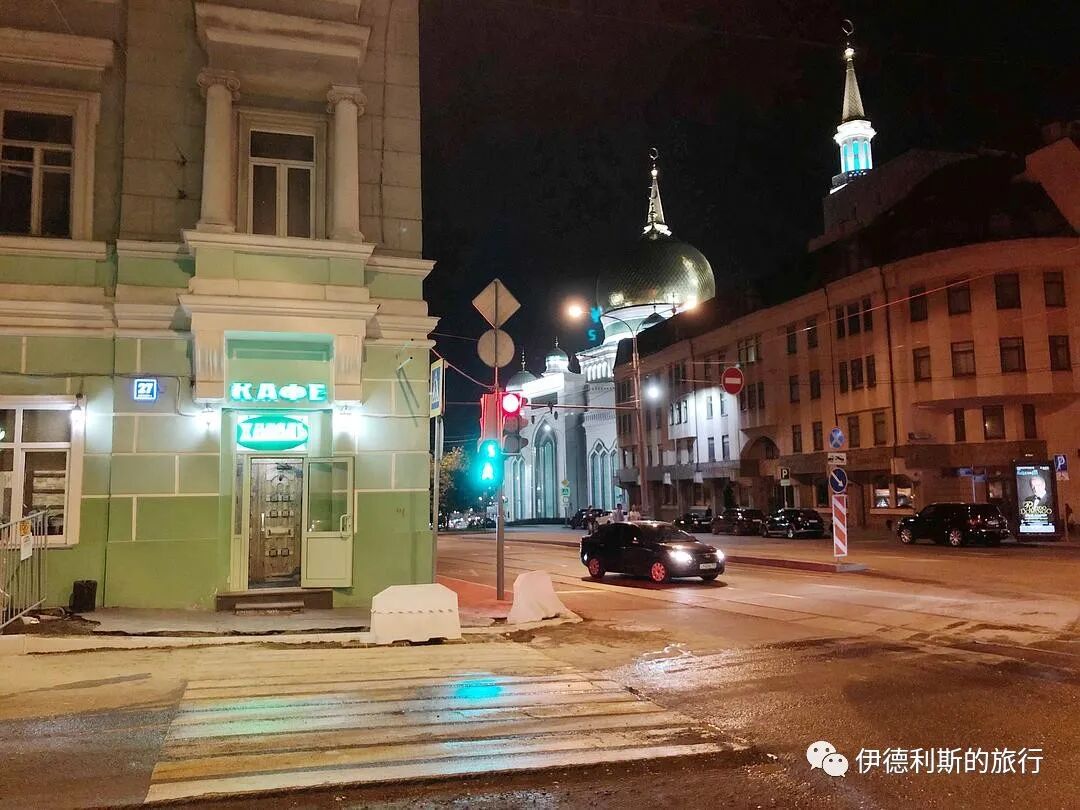
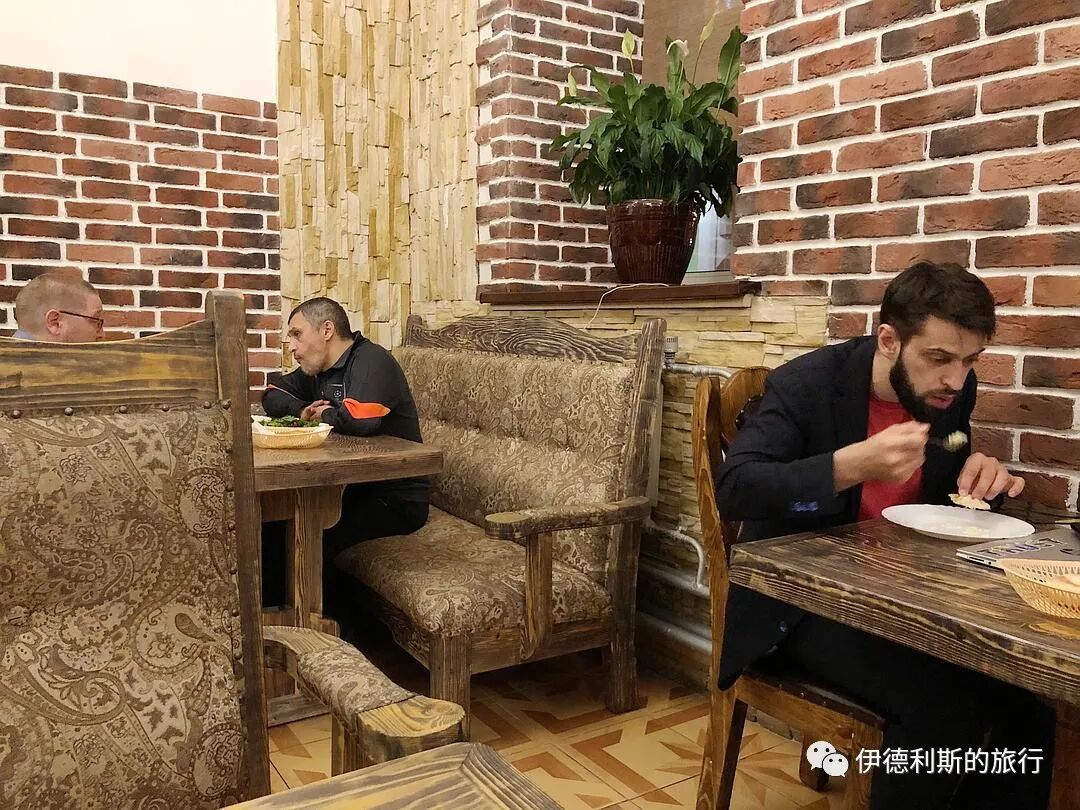
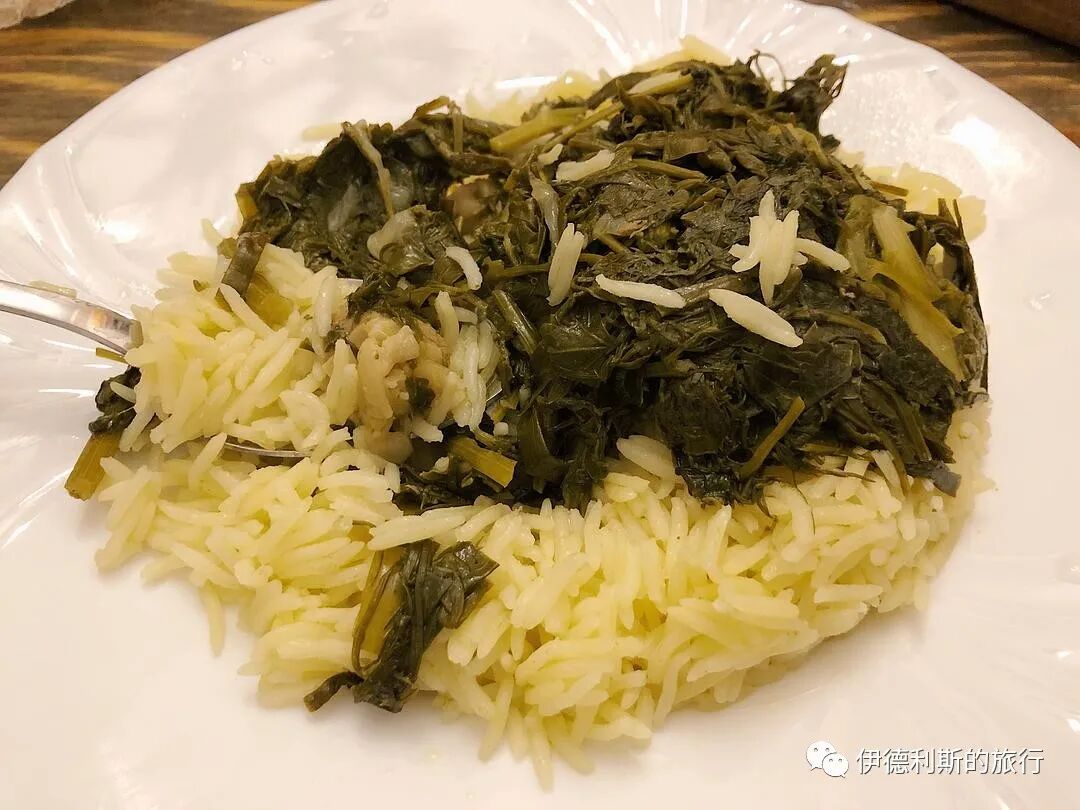
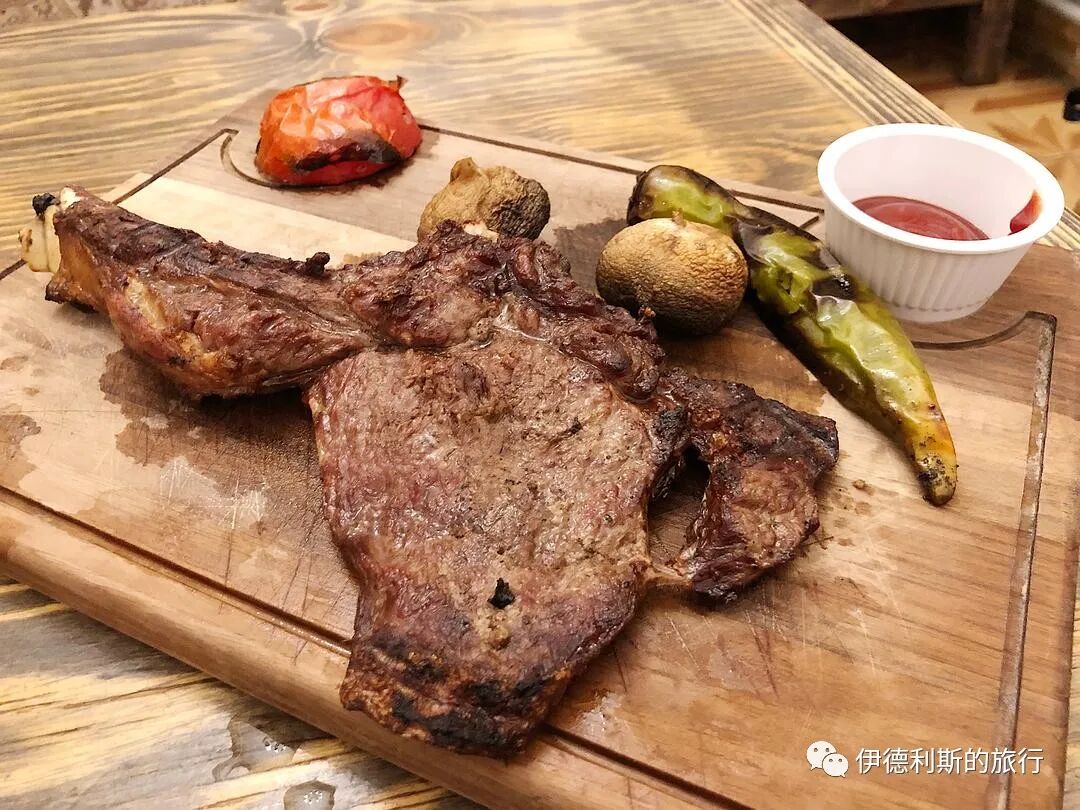
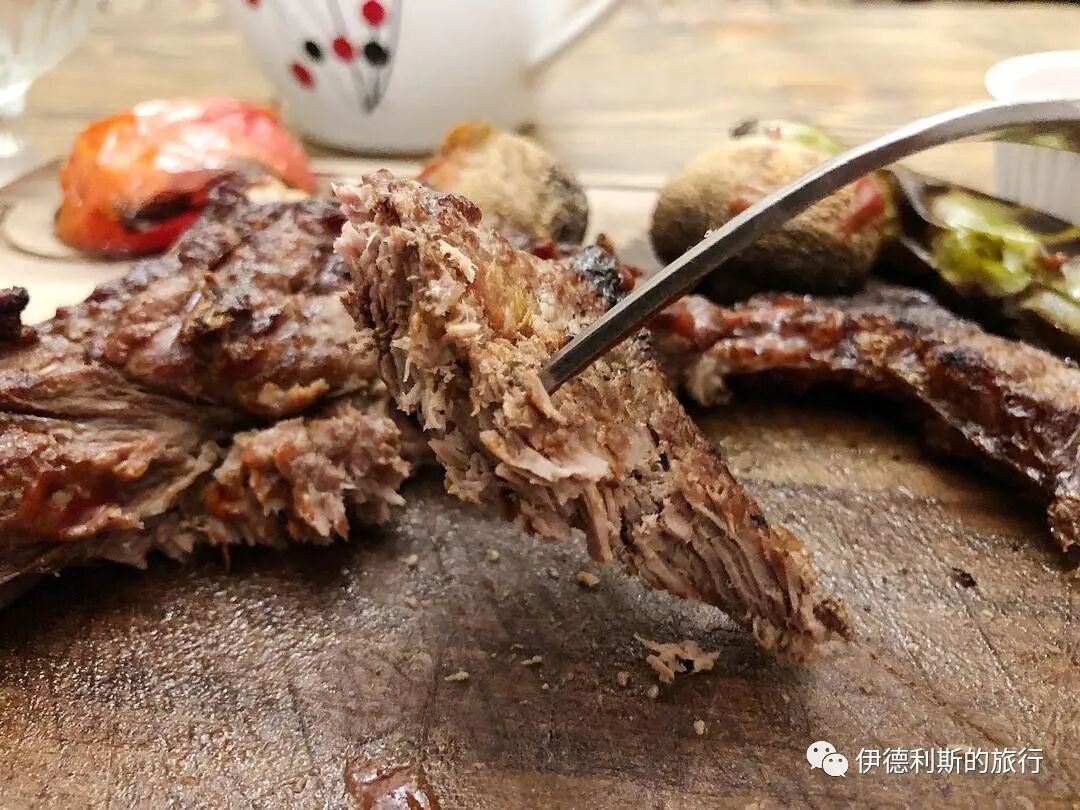
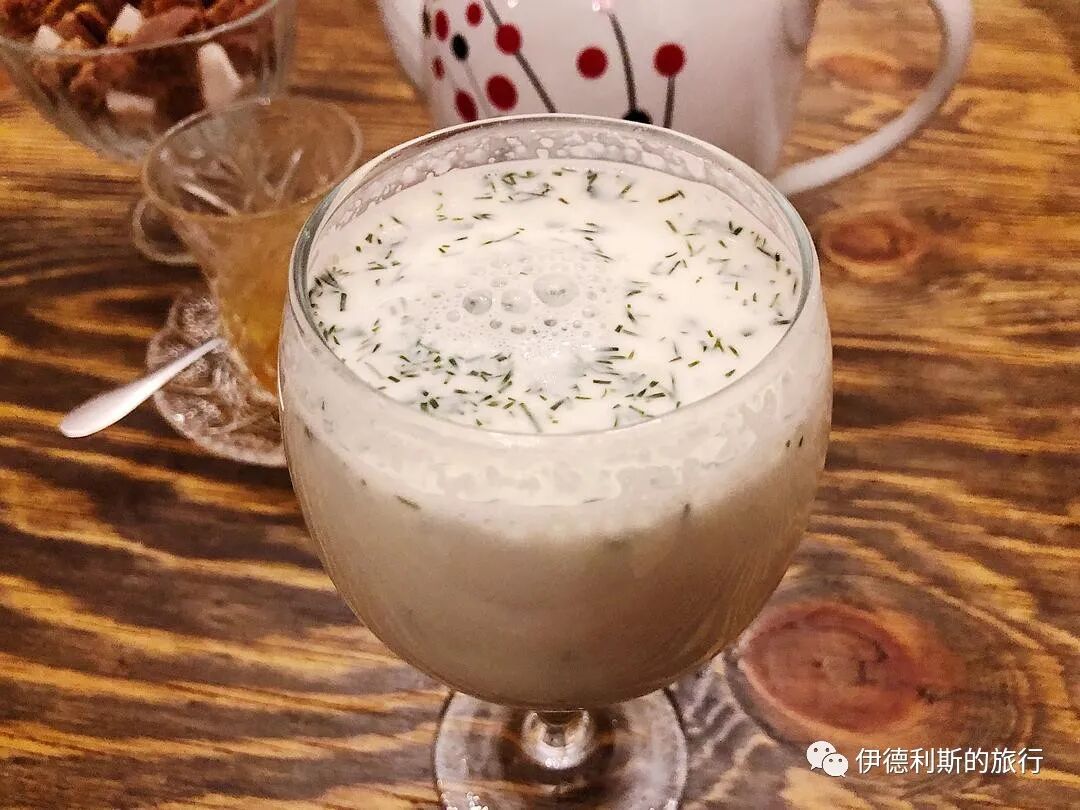
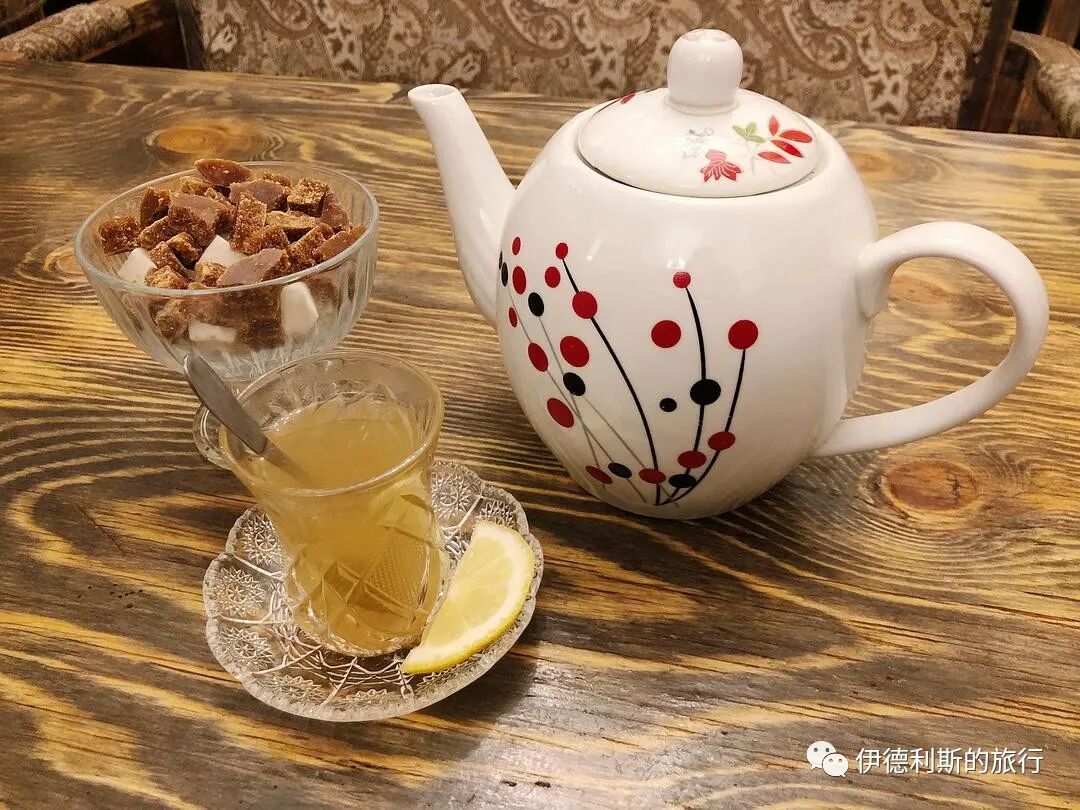
The Moscow Cathedral Mosque also has its own canteen, selling pilaf, baked buns, and pulled noodles, but I ate at the Chaykhana opposite the Cathedral Mosque. The term Chaykhana refers to tea houses in Central Asia and the Caucasus region. Generally, tea houses in Central Asia offer a richer variety of food, while those in the Caucasus focus mainly on drinking tea. In addition to Central Asian food, Moscow's Central Asian tea houses also serve Caucasian food. This time I ordered the Azerbaijani specialty green pilaf, Syabzi plov, which can be translated as vegetable pilaf. I also ate grilled beef and Ayran (a Caucasian yogurt drink). This meal was the same as what I ate in the Old City of Baku.
UZBEKISTAN
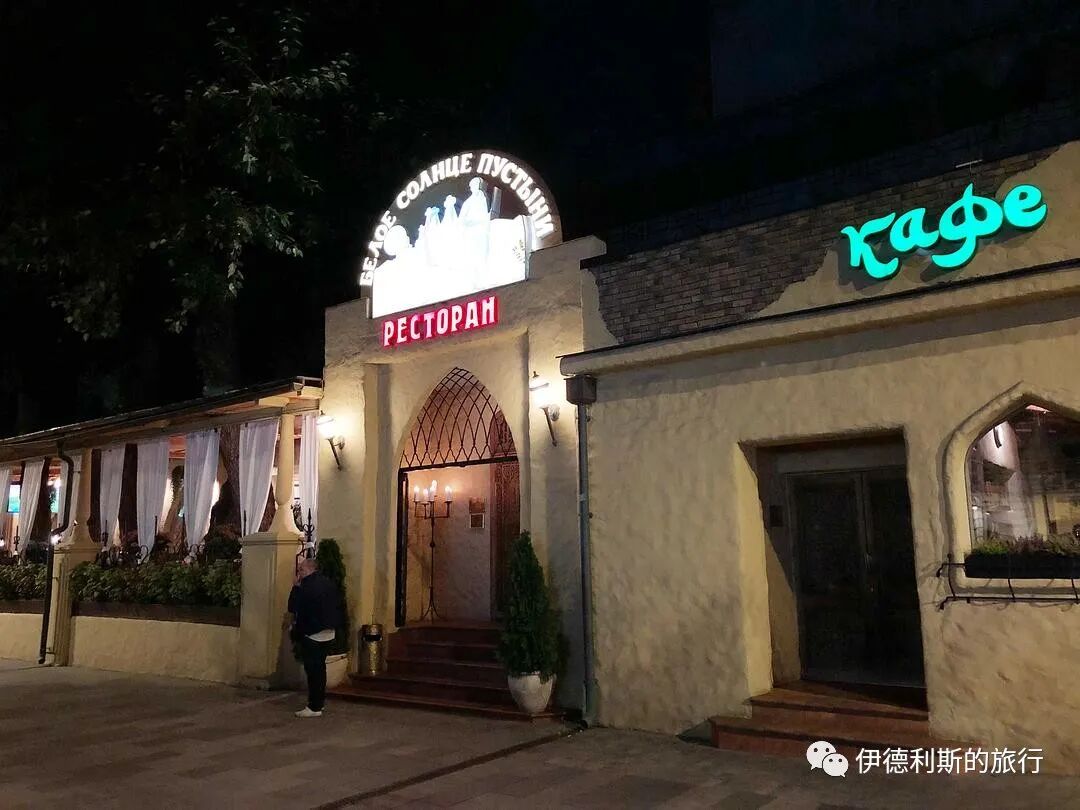
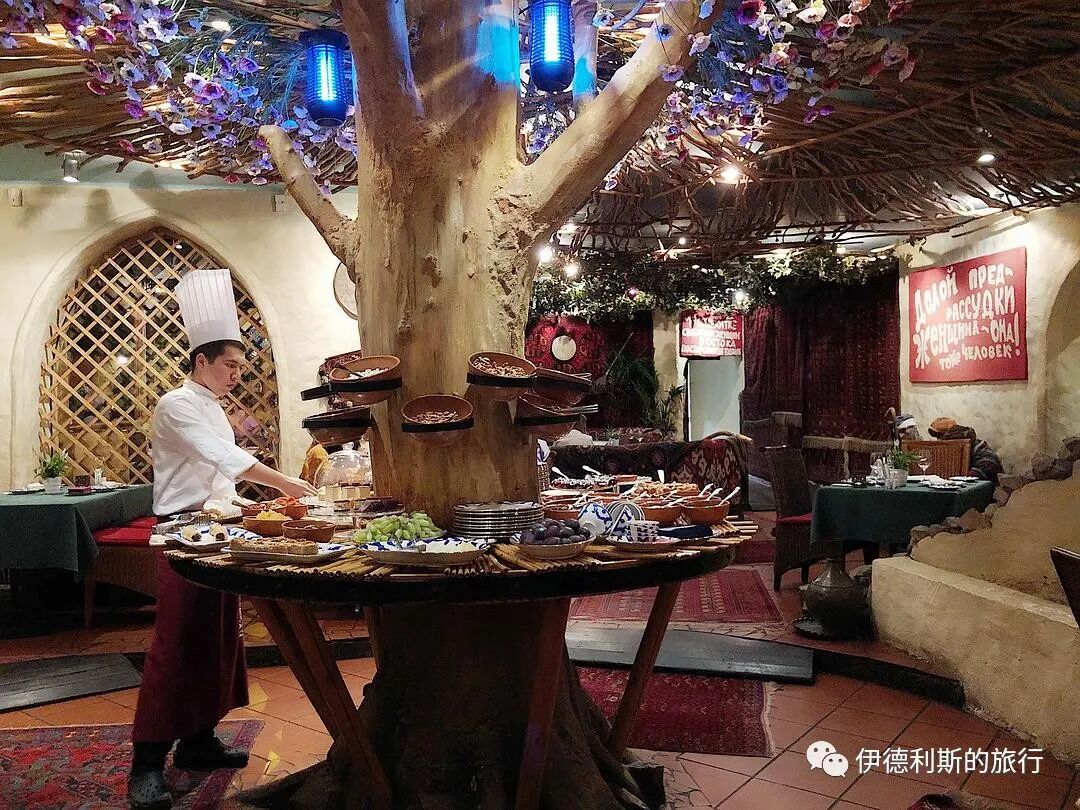
In 1951, the Ministry of Trade of the Uzbek Soviet Socialist Republic decided to open a restaurant in Moscow called "Uzbekistan." Today, it is a long-standing Uzbek establishment in Moscow, though it has been transferred to private ownership.
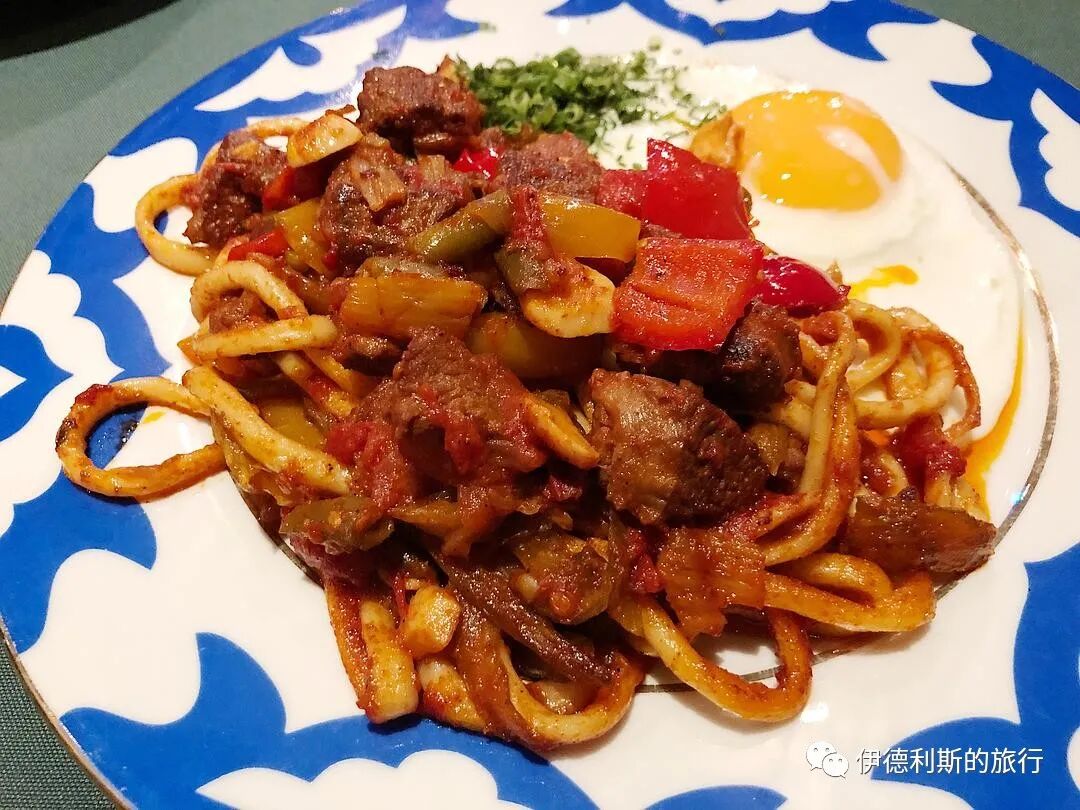
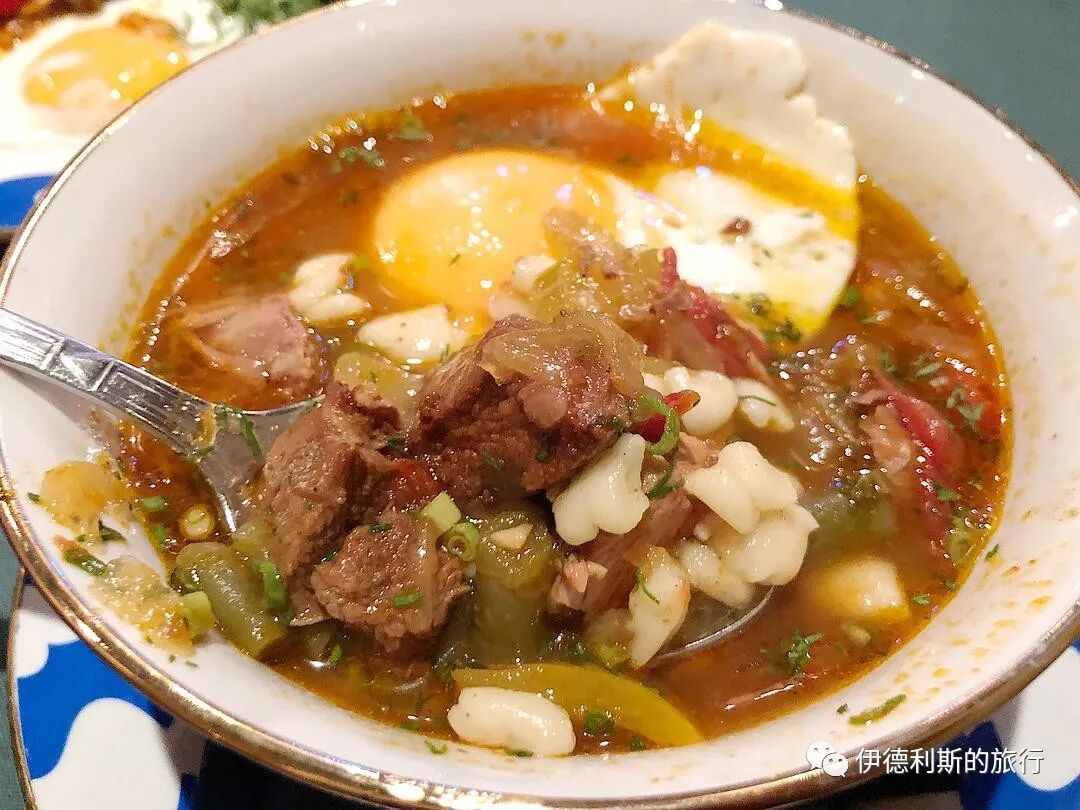
I ate stir-fried noodles and Shurpa (meat soup).
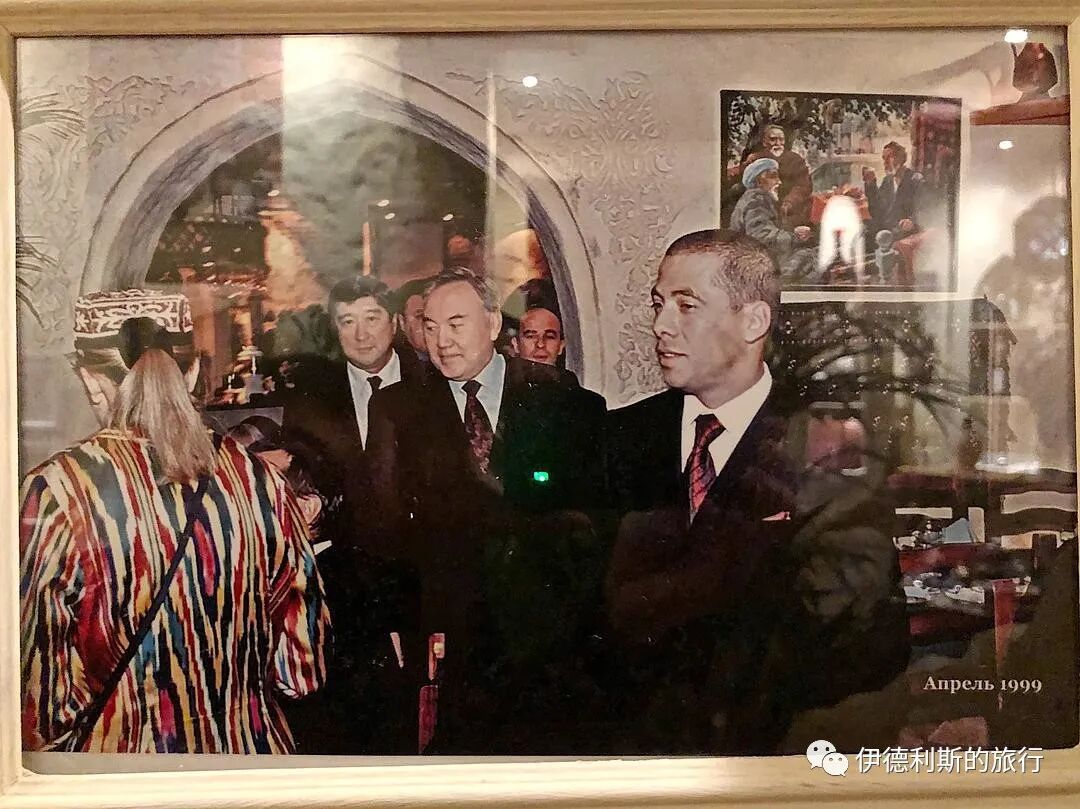
A photo of Nazarbayev from 20 years ago.
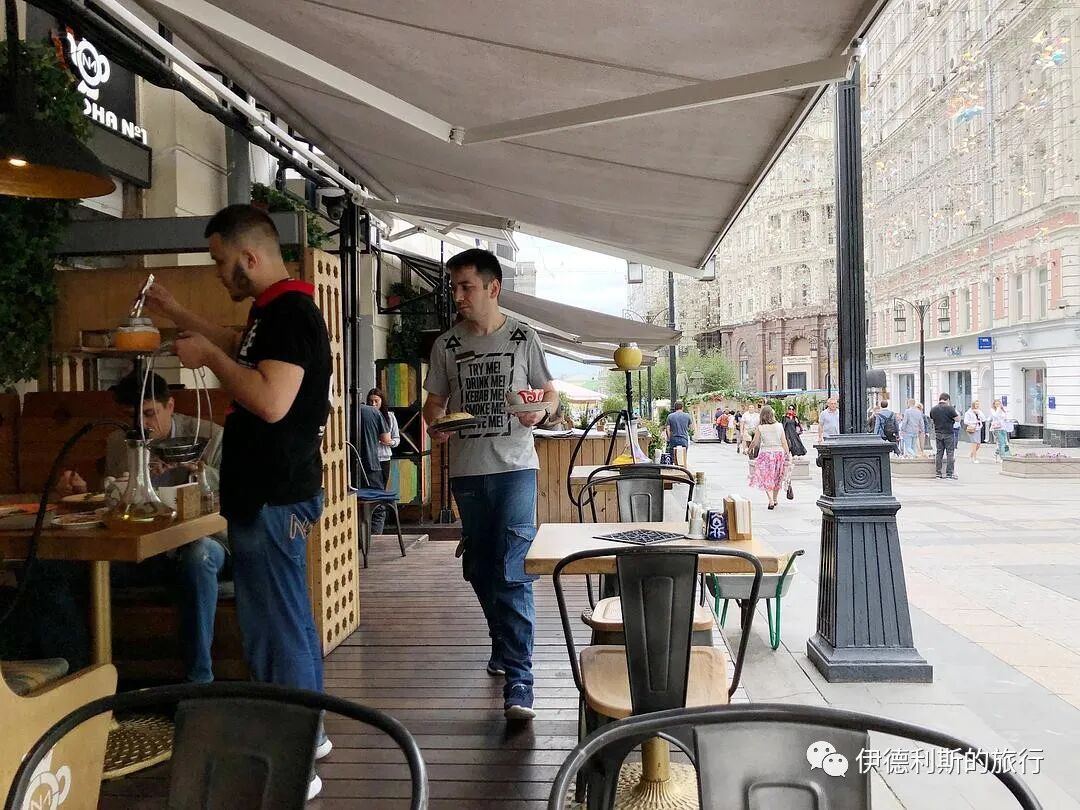
Chaihona No.1
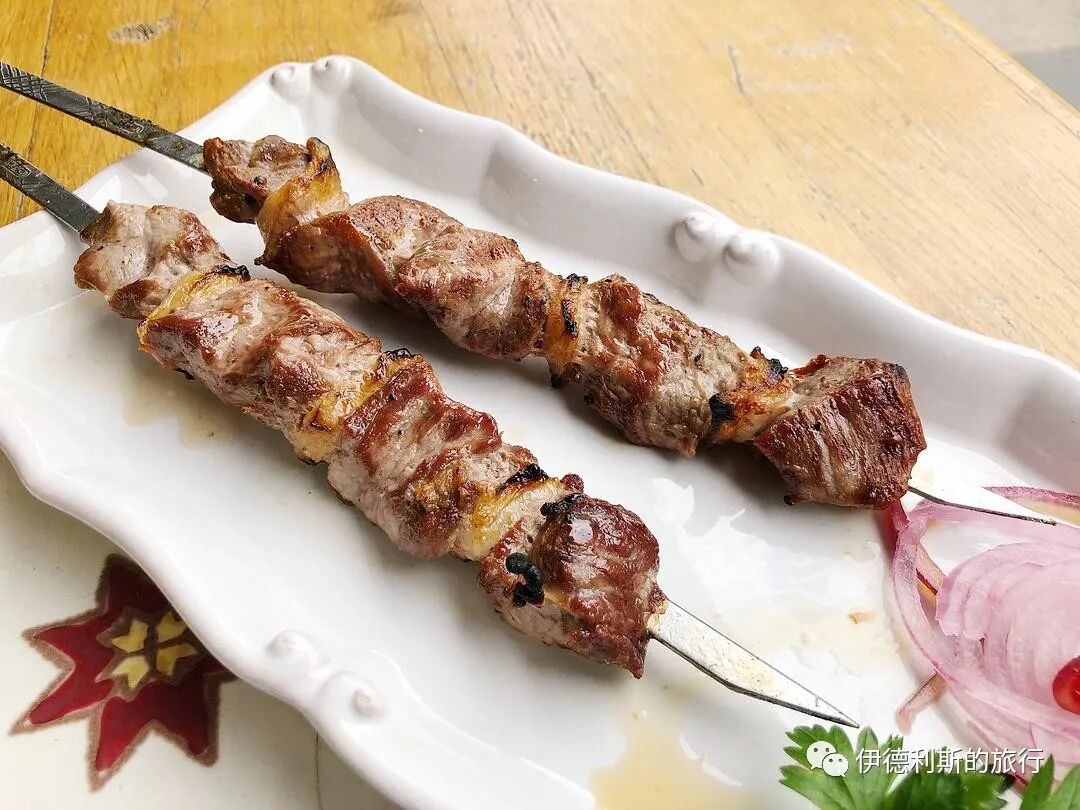
Since the collapse of the Soviet Union, a large number of Uzbeks have come to Moscow to work, and some of them have opened restaurants. Moscow has a chain of Uzbek tea houses called Chaihona No.1. I ate at one of them, having Tashkent pilaf with horse meat sausage and lamb skewers.
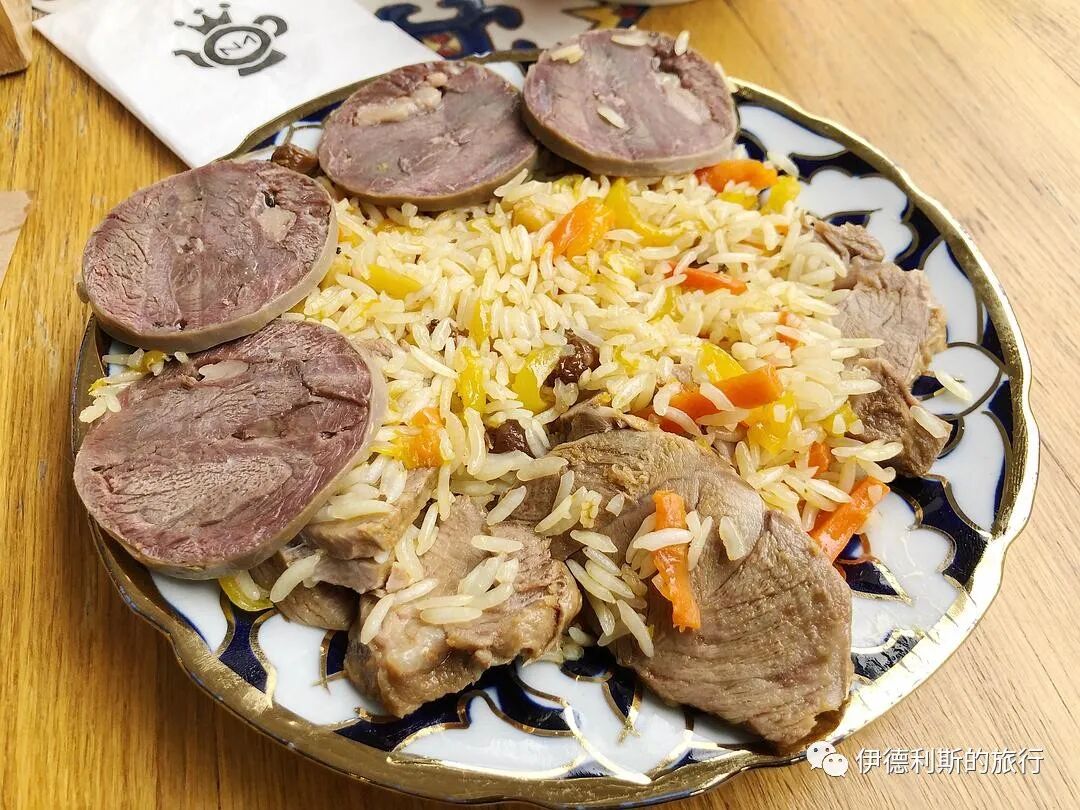
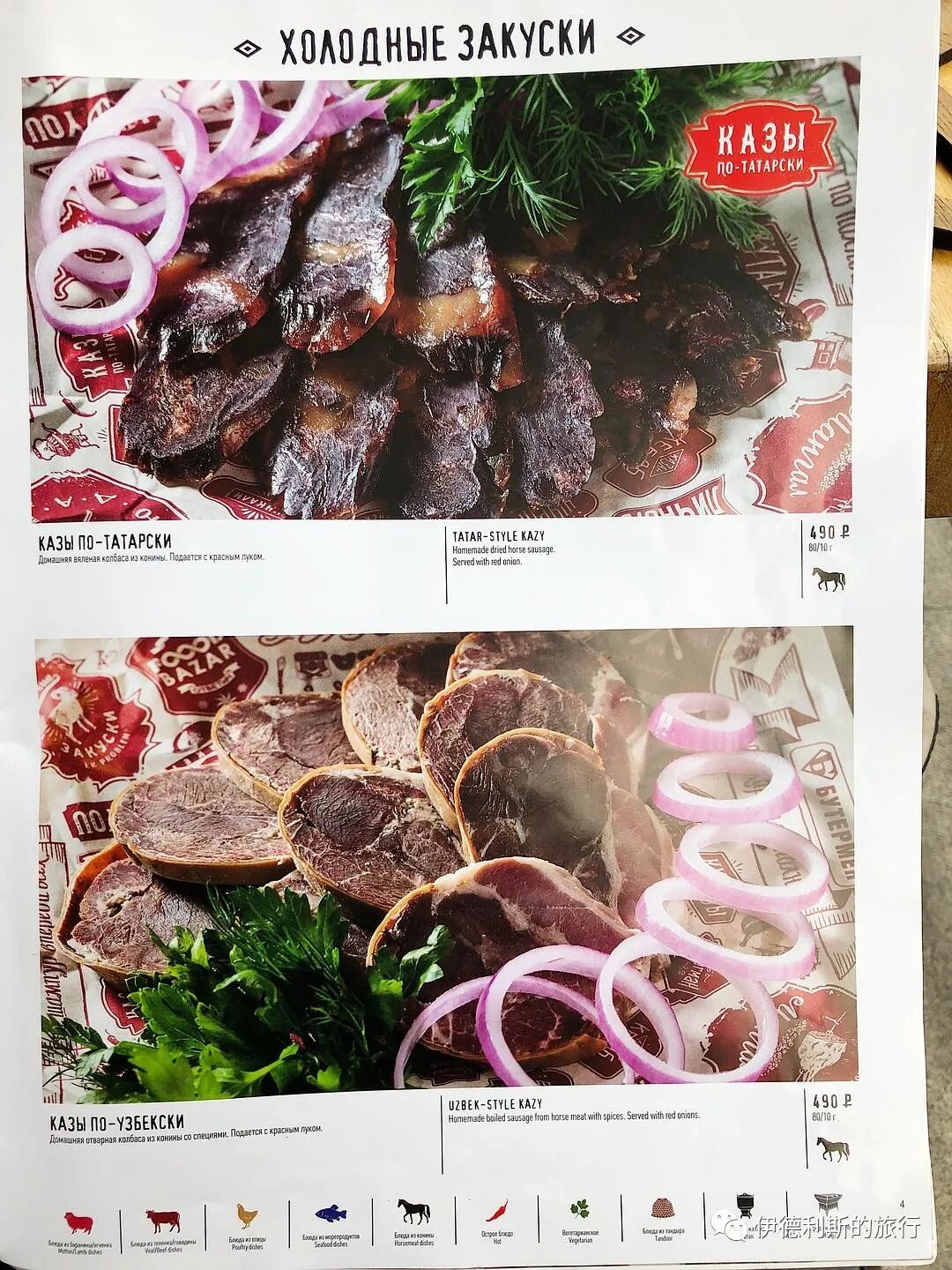
This picture clearly shows the difference between Kazan Tatar horse meat sausage and Uzbek horse meat sausage. Personally, I prefer eating Uzbek horse meat sausage; the Tatar one is too pungent.
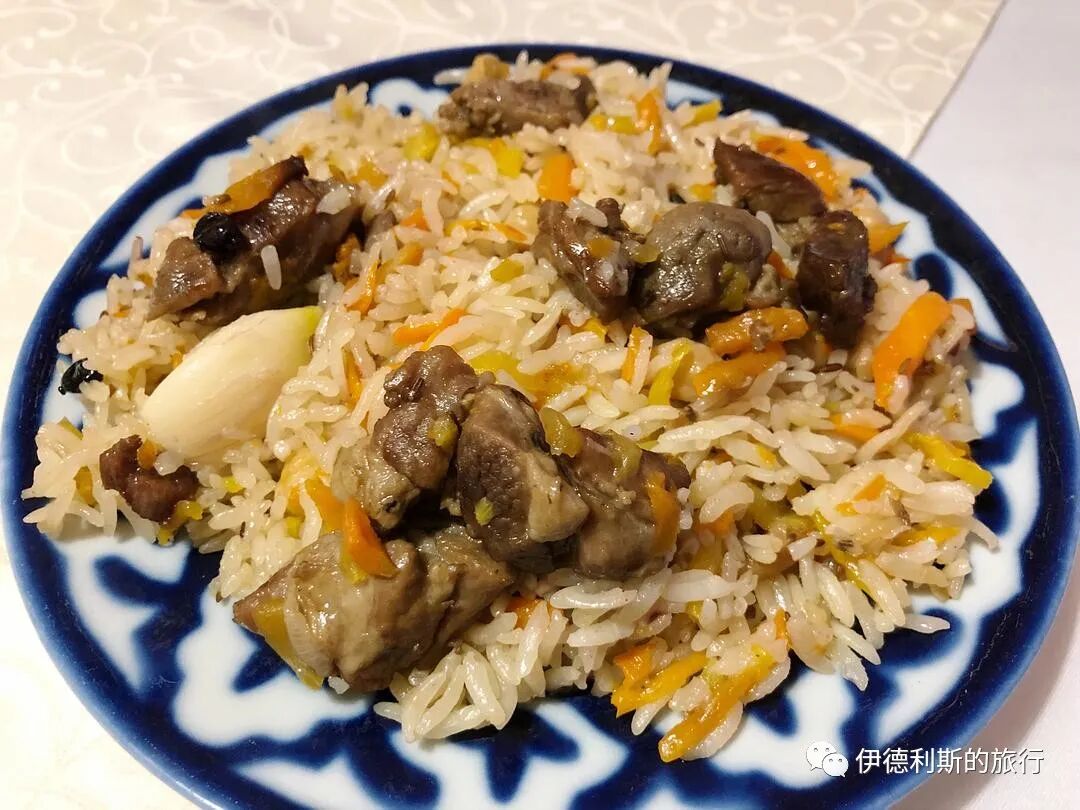
Plov (pilaf)
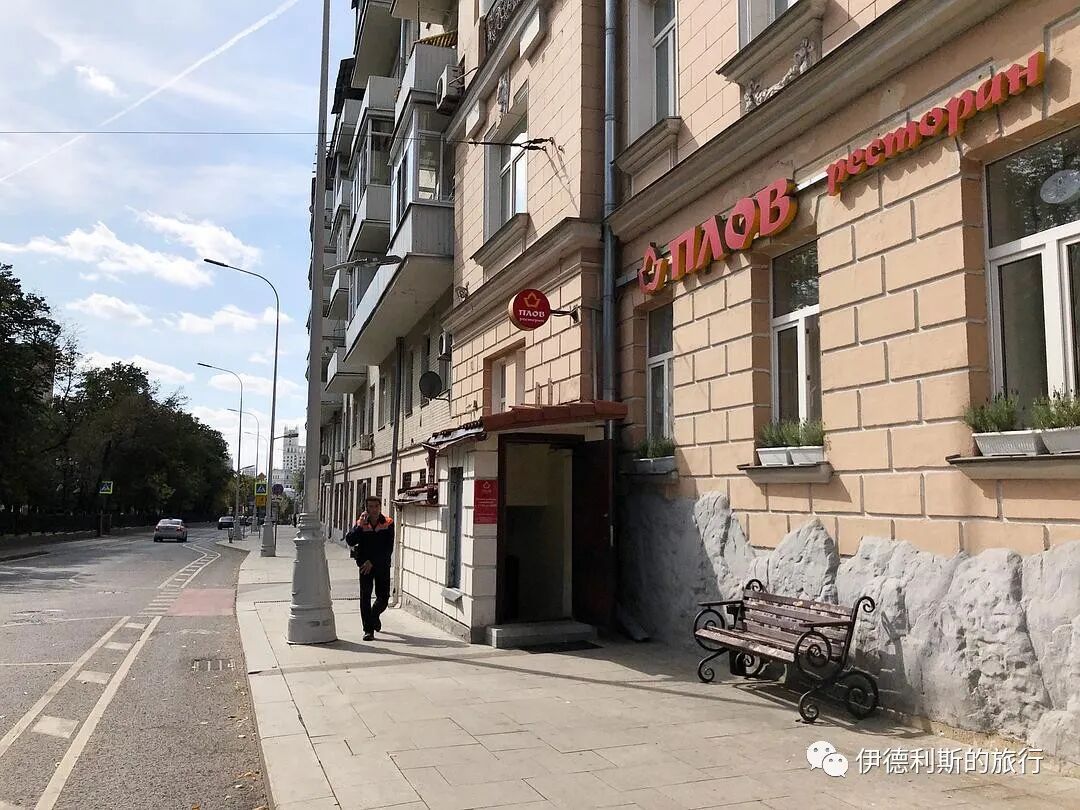
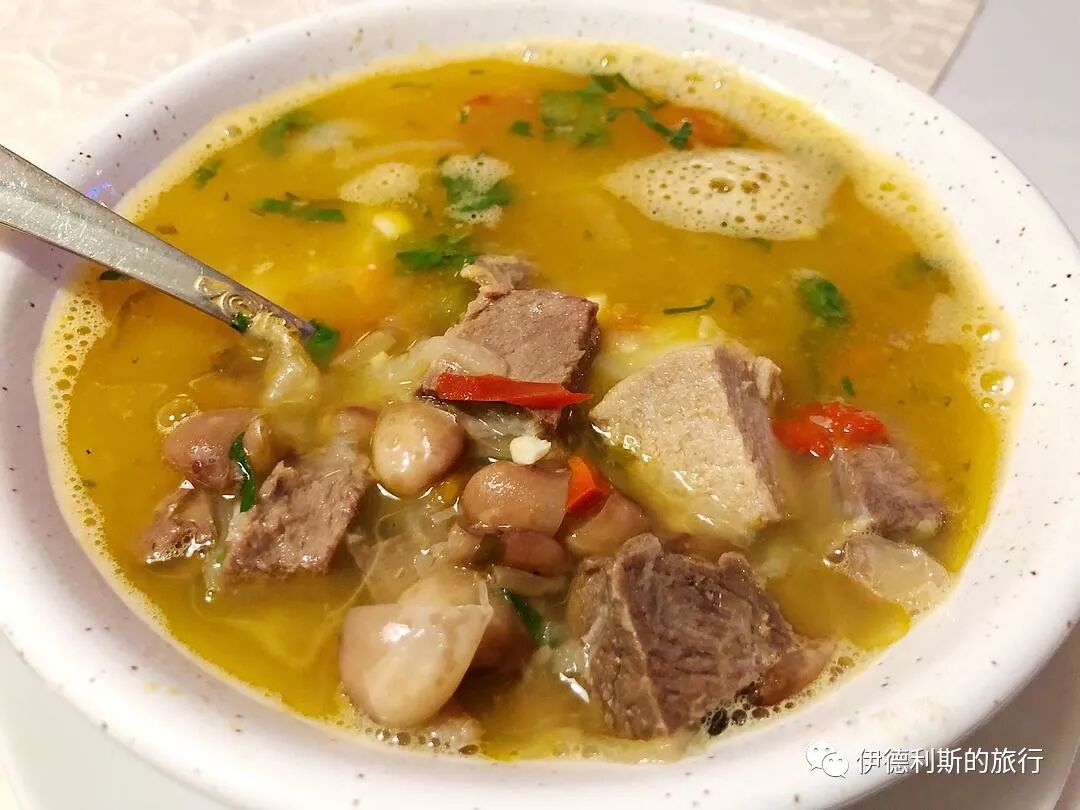
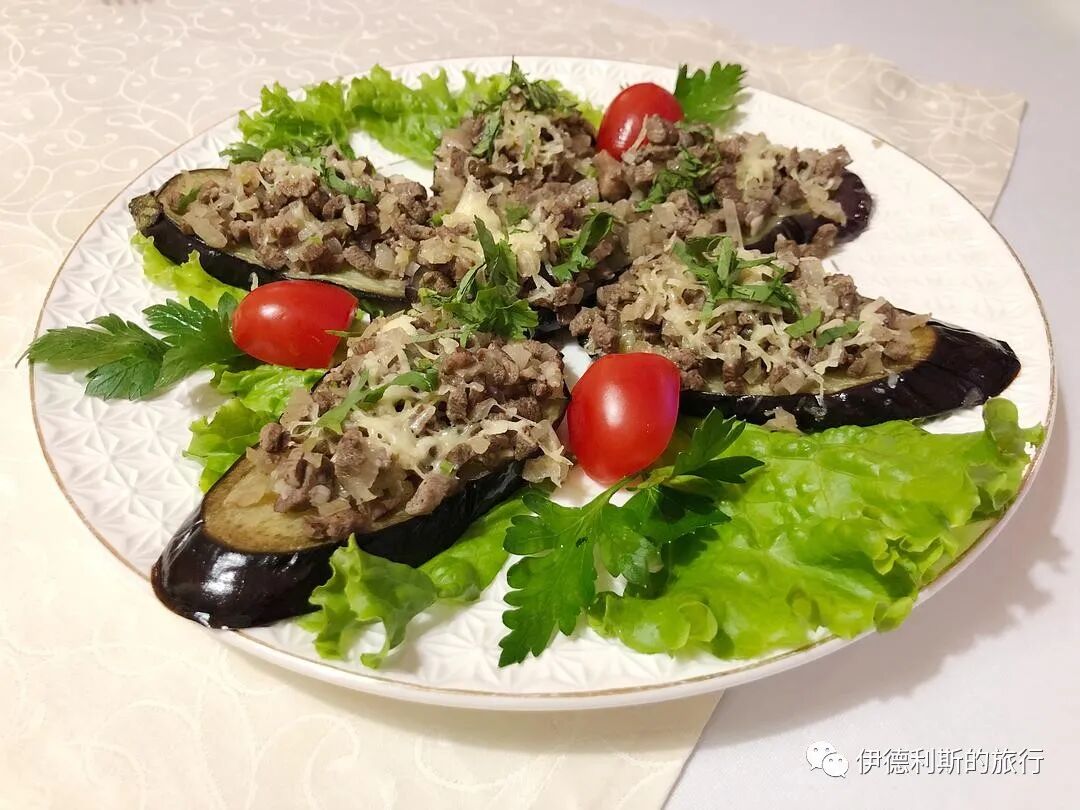
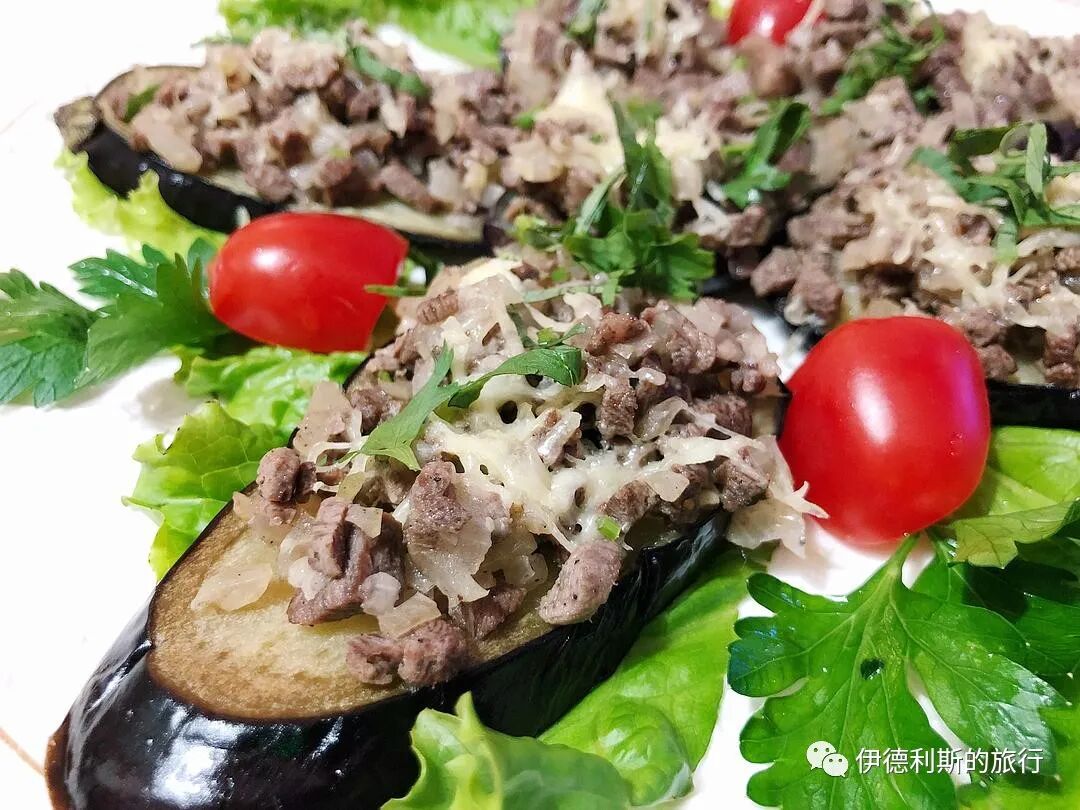
At a Moscow Uzbek Tashkent restaurant, I had "Plov" (pilaf), broad bean soup, and eggplant salad.
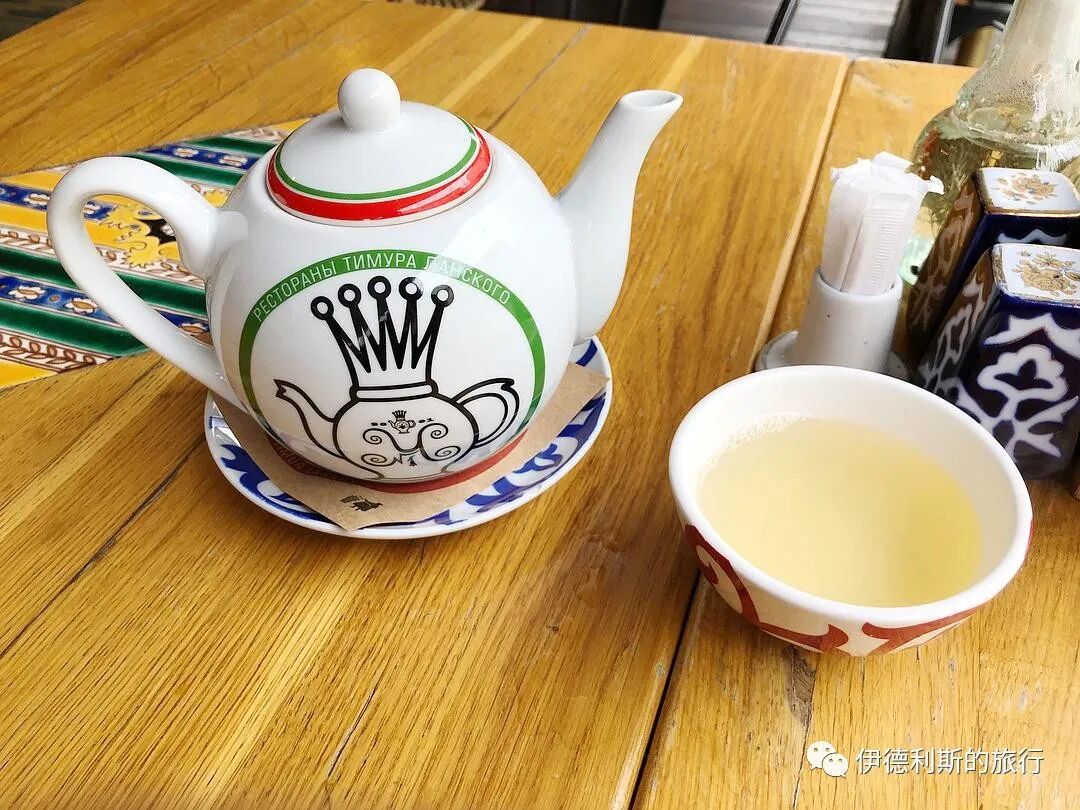
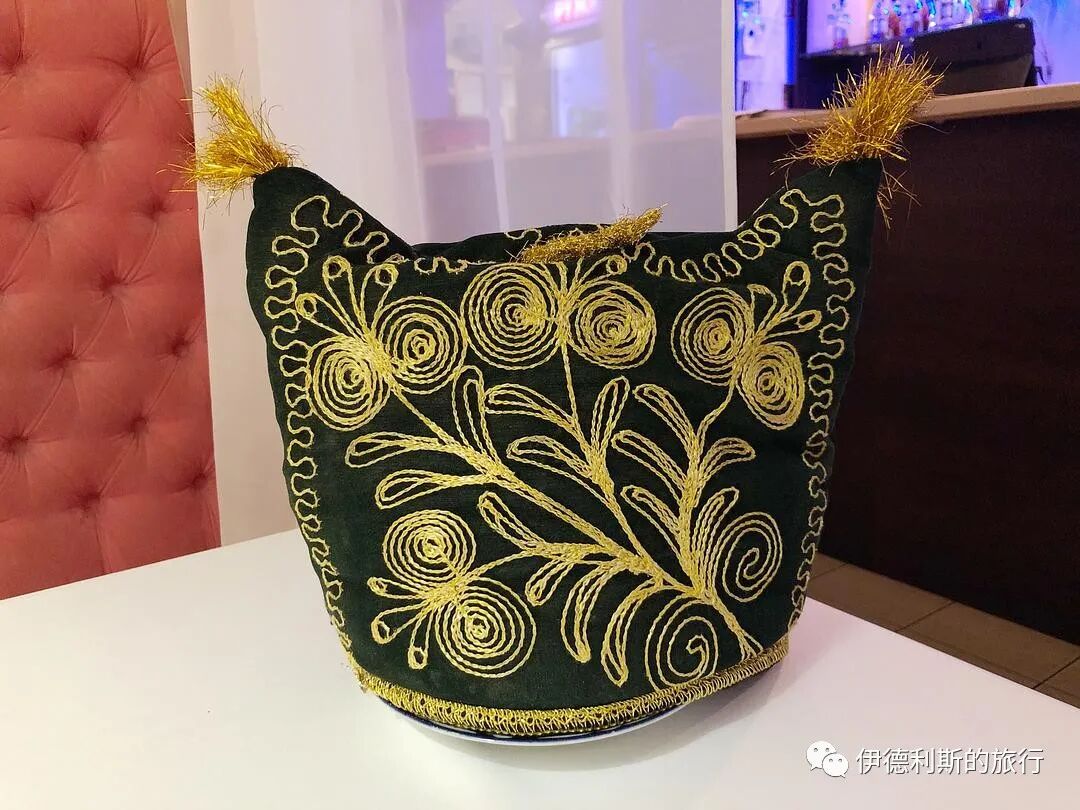
There is a teapot inside for keeping it warm.
Summary: This travel note introduces Central Asian Food in Moscow: a Halal Travel Guide for Muslim Food Lovers. The Moscow Cathedral Mosque was founded by Tatar merchants in 1904. It was originally called the "Tatar Mosque," and its primary congregation was initially the Tatar people. It is useful for readers interested in Moscow Halal Food, Central Asian Food, Muslim Travel.
Moscow Cathedral Mosque
The Moscow Cathedral Mosque was founded by Tatar merchants in 1904. It was originally called the "Tatar Mosque," and its primary congregation was initially the Tatar people. Before the 1980 Moscow Olympics, the mosque was planned to be demolished because it was adjacent to the Olympic Sports Center, but it was ultimately spared due to the efforts of Moscow's religious leaders and ambassadors from Arab countries.
In 2011, amidst huge controversy, the original historic mosque building was demolished, becoming the first religious building in Moscow to be demolished since 1978. The new mosque was completed in 2015.
There is a shop for Muslim supplies at the entrance of the Cathedral Mosque, where I bought a blue prayer cap commonly worn by Muslims in Moscow.
At the Cathedral Mosque's halal food shop, the halal label here in Russia is "халяль" (halal). Next to the checkout counter in the shop, there were rows of horse meat, as well as various pastries.
Muslims in Russia and Central Asia are accustomed to eating horse meat. (Sahih al-Bukhari) no. 5520 "Narrated Jabir bin Abdullah (may Allah be pleased with him and his father): On the day of the Battle of Khaybar, the Prophet (peace and blessings of Allah be upon him) forbade the eating of donkey meat, but he permitted the eating of horse meat. "
I bought a magical Kyrgyz milk curd drink called Kurut, which is just milk curd (Kurut) mixed with salt and water. The taste is very strong, suitable for those who cannot stand the sourness of hard milk curds but still want to try them.
Then I bought a jam pie (Pirogi), which tasted very delicious.
There is also a small tea house set up in a tent in the courtyard of the Cathedral Mosque, where I drank tea and ate a cream bun.
Chaykhana (tea house)
The Moscow Cathedral Mosque also has its own canteen, selling pilaf, baked buns, and pulled noodles, but I ate at the Chaykhana opposite the Cathedral Mosque. The term Chaykhana refers to tea houses in Central Asia and the Caucasus region. Generally, tea houses in Central Asia offer a richer variety of food, while those in the Caucasus focus mainly on drinking tea. In addition to Central Asian food, Moscow's Central Asian tea houses also serve Caucasian food. This time I ordered the Azerbaijani specialty green pilaf, Syabzi plov, which can be translated as vegetable pilaf. I also ate grilled beef and Ayran (a Caucasian yogurt drink). This meal was the same as what I ate in the Old City of Baku.
UZBEKISTAN
In 1951, the Ministry of Trade of the Uzbek Soviet Socialist Republic decided to open a restaurant in Moscow called "Uzbekistan." Today, it is a long-standing Uzbek establishment in Moscow, though it has been transferred to private ownership.
I ate stir-fried noodles and Shurpa (meat soup).
A photo of Nazarbayev from 20 years ago.
Chaihona No.1
Since the collapse of the Soviet Union, a large number of Uzbeks have come to Moscow to work, and some of them have opened restaurants. Moscow has a chain of Uzbek tea houses called Chaihona No.1. I ate at one of them, having Tashkent pilaf with horse meat sausage and lamb skewers.
This picture clearly shows the difference between Kazan Tatar horse meat sausage and Uzbek horse meat sausage. Personally, I prefer eating Uzbek horse meat sausage; the Tatar one is too pungent.
Plov (pilaf)
At a Moscow Uzbek Tashkent restaurant, I had "Plov" (pilaf), broad bean soup, and eggplant salad.
There is a teapot inside for keeping it warm.
