
Crimean Tatar Halal Travel Guide: Food, Mosques and Muslim Heritage in the Old Capital
Reposted from the web
Summary: This travel note introduces Crimean Tatar Halal Travel Guide: Food, Mosques and Muslim Heritage in the Old Capital. In the summer of 2019, I went to Bakhchysarai, an ancient city in the mountains of the Crimean Peninsula. It is useful for readers interested in Crimean Tatars, Halal Food, Muslim Heritage.
In the summer of 2019, I went to Bakhchysarai, an ancient city in the mountains of the Crimean Peninsula. Bakhchysarai was established by the Crimean Tatars and became the capital of the Crimean Khanate in 1532. Although it became an ordinary town after Russia occupied the Crimean Khanate in 1783, it remains the cultural center of the Crimean Tatars, preserving their unique culture and customs.
The Crimean Tatars are a Turkic-speaking Muslim ethnic group that formed during the Golden Horde period. In May 1944, the Soviet Union deported all 240,000 Crimean Tatars from the Crimean Peninsula to Uzbekistan and other remote regions. A large number of Crimean Tatars died on the way to exile from cold, hunger, disease, and exhaustion. Even after reaching their destinations, many were forced to work hard in "Gulag" collective farms. For nearly half a century after that, there were almost no Crimean Tatars on the Crimean Peninsula.
After long-term efforts by the Crimean Tatar civil rights movement, the Soviet Union finally recognized the deportation of the Crimean Tatars as illegal in 1989, and the Crimean Tatars finally gained the right to return to their homeland. Today, 250,000 Crimean Tatars have returned to their homeland, working hard to rebuild their lives, overcoming social and economic obstacles, and continuously passing on their culture.
The dietary culture of the Crimean Tatars is closely related to their history. Because the Crimean Khanate was a long-term vassal state of the Ottoman Empire, it has many Ottoman-related foods, such as Turkish coffee, Baklava (Turkish dessert), and Dolma (stuffed grape leaves). After being exiled to Uzbekistan in 1944, a large number of Uzbek dishes were added to the Crimean Tatar diet, including Plov (pilaf), Lagman (hand-pulled noodles), Samsa (baked meat buns), Manti (steamed dumplings), and Lepyoshka (flatbread), among others. In addition, the Crimean Tatars have some unique delicacies, one of which is Chebureki (deep-fried meat pastry), known as a Crimean Tatar national delicacy. Next, I will share what I ate this time with everyone.
Regarding the historical sites of the Crimean Tatars, see "The Former Capital of the Crimean Khanate - Bakhchysarai".
Staying at a Crimean Tatar estate
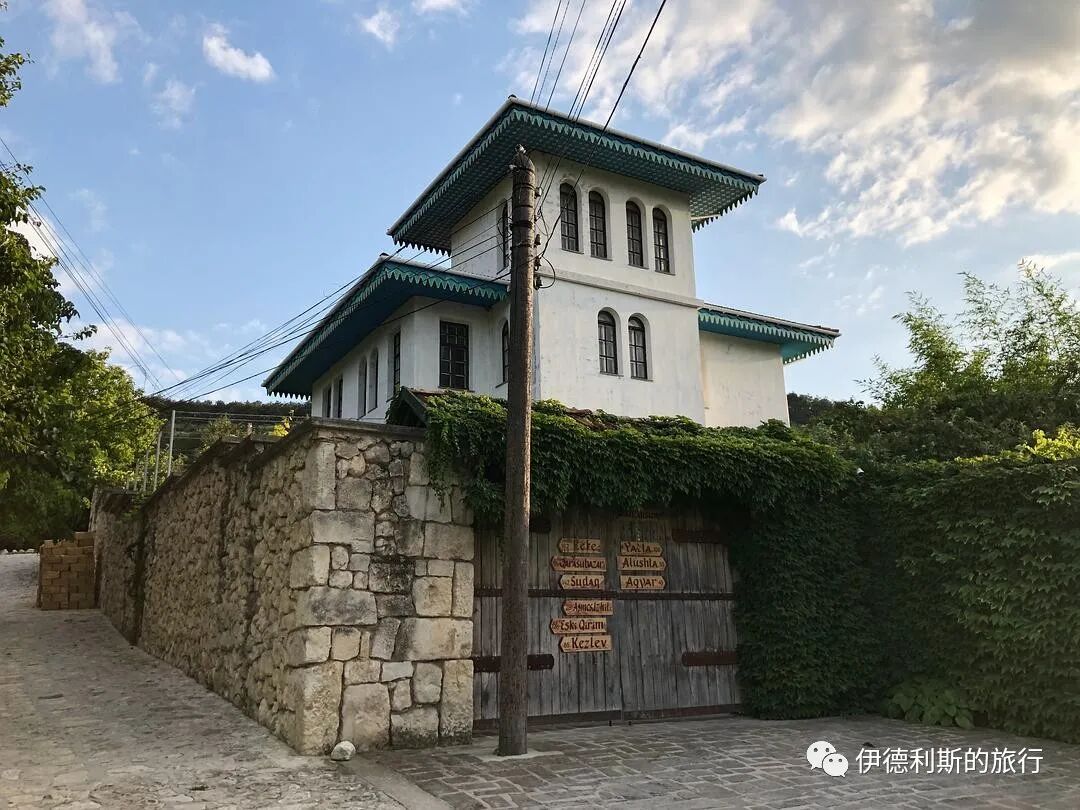
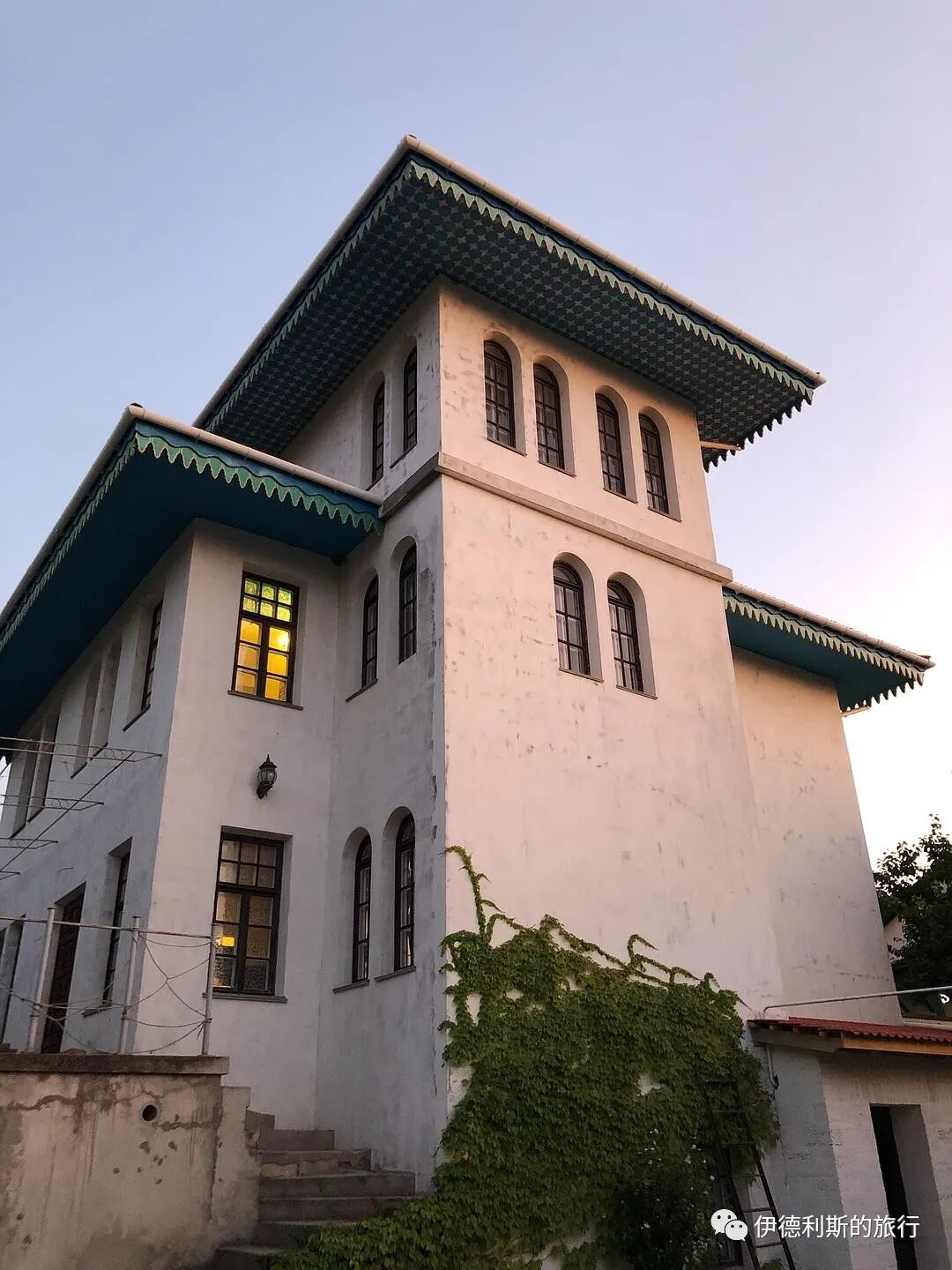
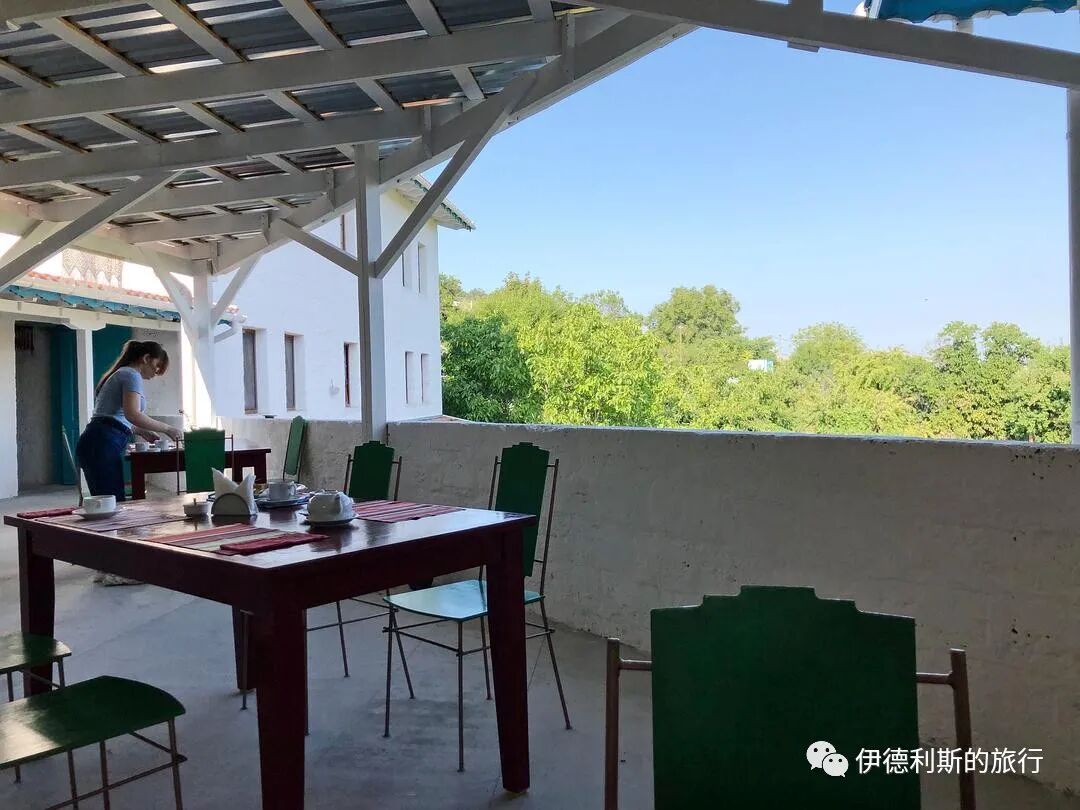
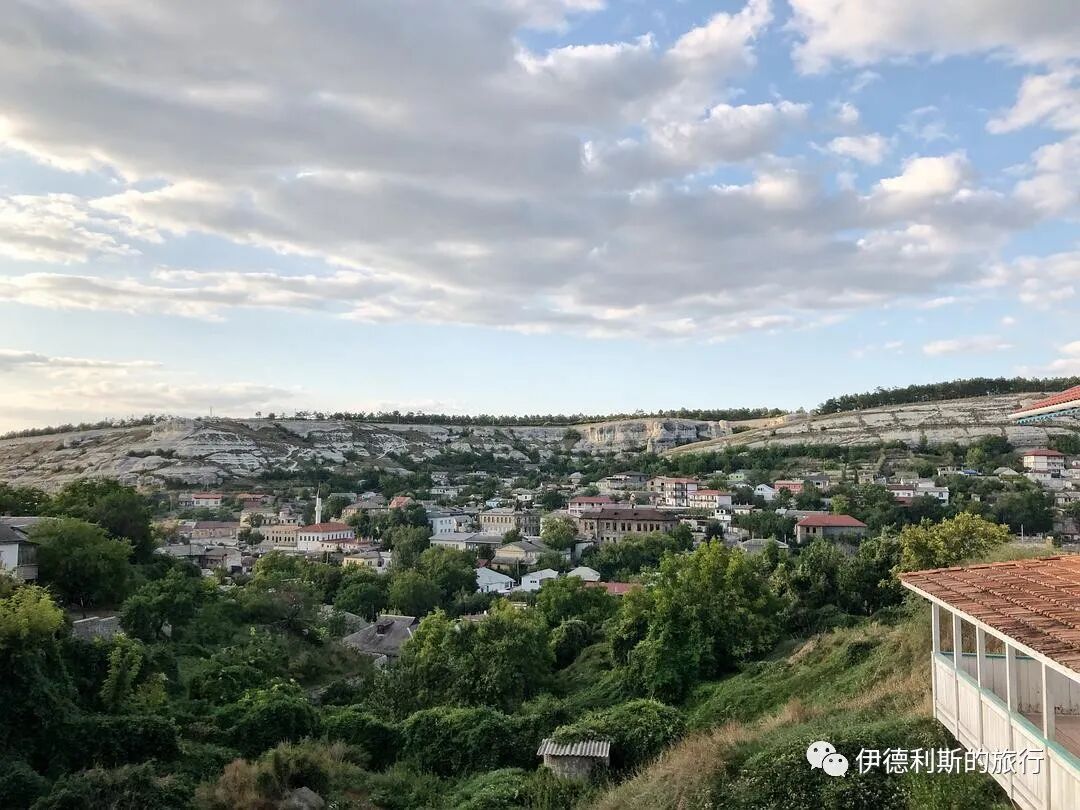
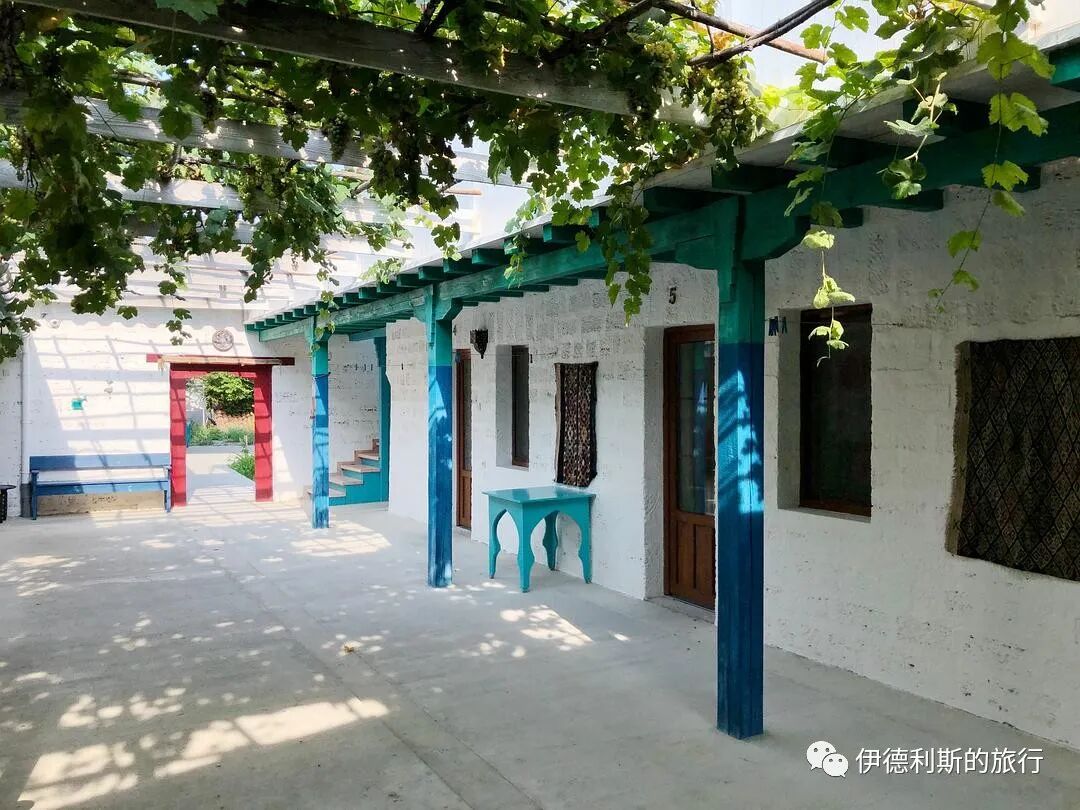
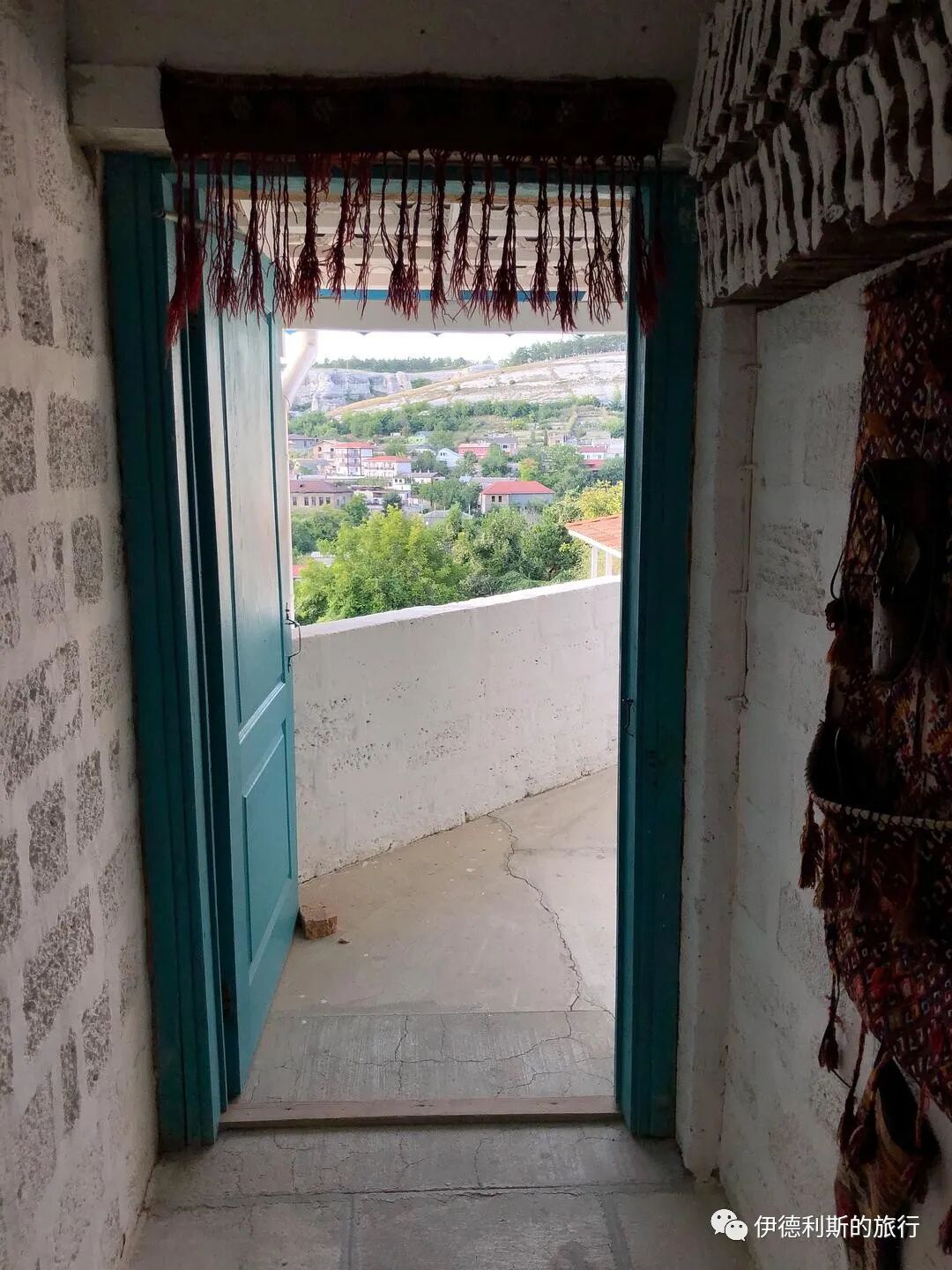
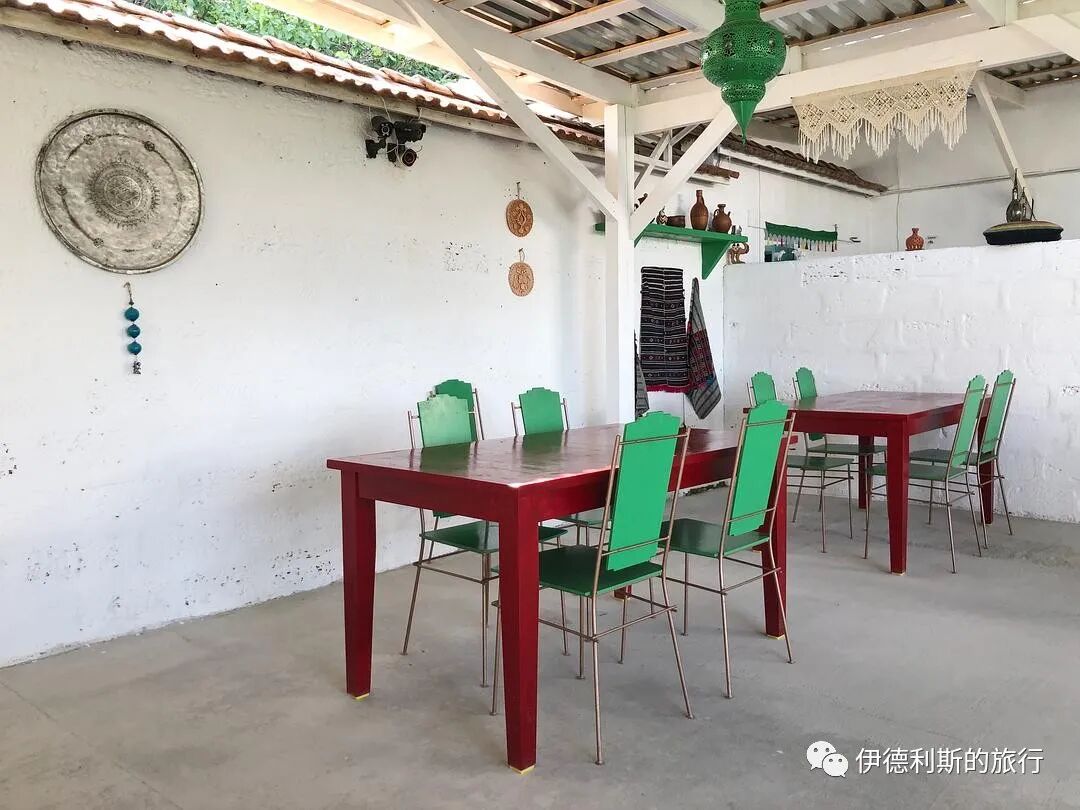
I stayed at a very beautiful traditional Crimean Tatar house called Bahitgul Boutique-Hotel this time. They serve traditional Crimean Tatar meals, so I basically ate breakfast at my accommodation. Moreover, the view while eating there is particularly good, overlooking the entire ancient capital.
Breakfast
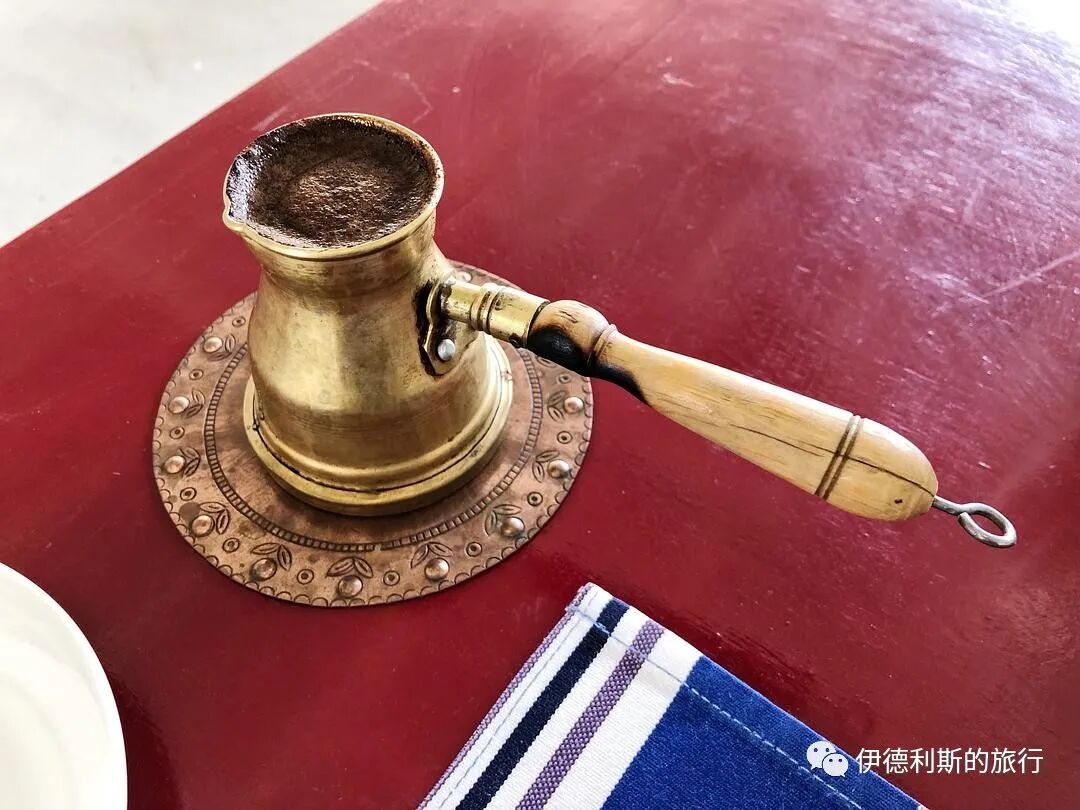
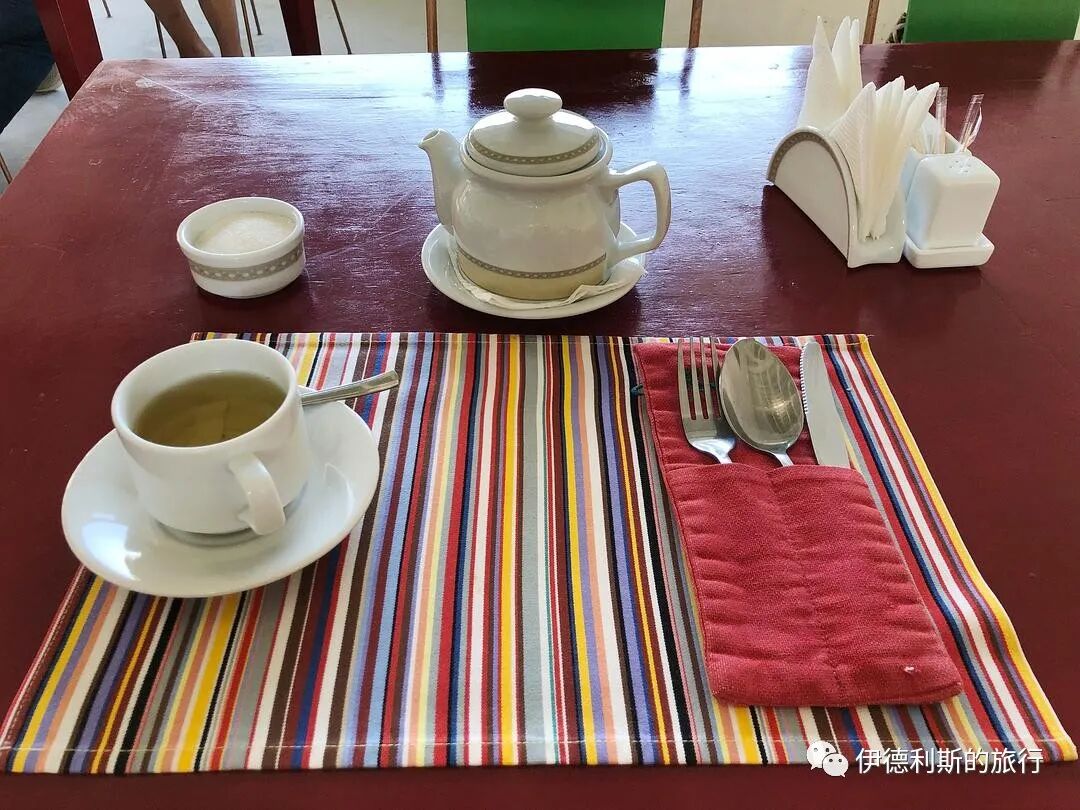
The first breakfast consisted of Lagman (hand-pulled noodles), Omlet (omelet), Lepyoshka (flatbread), and traditional coffee. The coffee comes from the Ottoman Empire, and the Lagman comes from the exile in Uzbekistan.
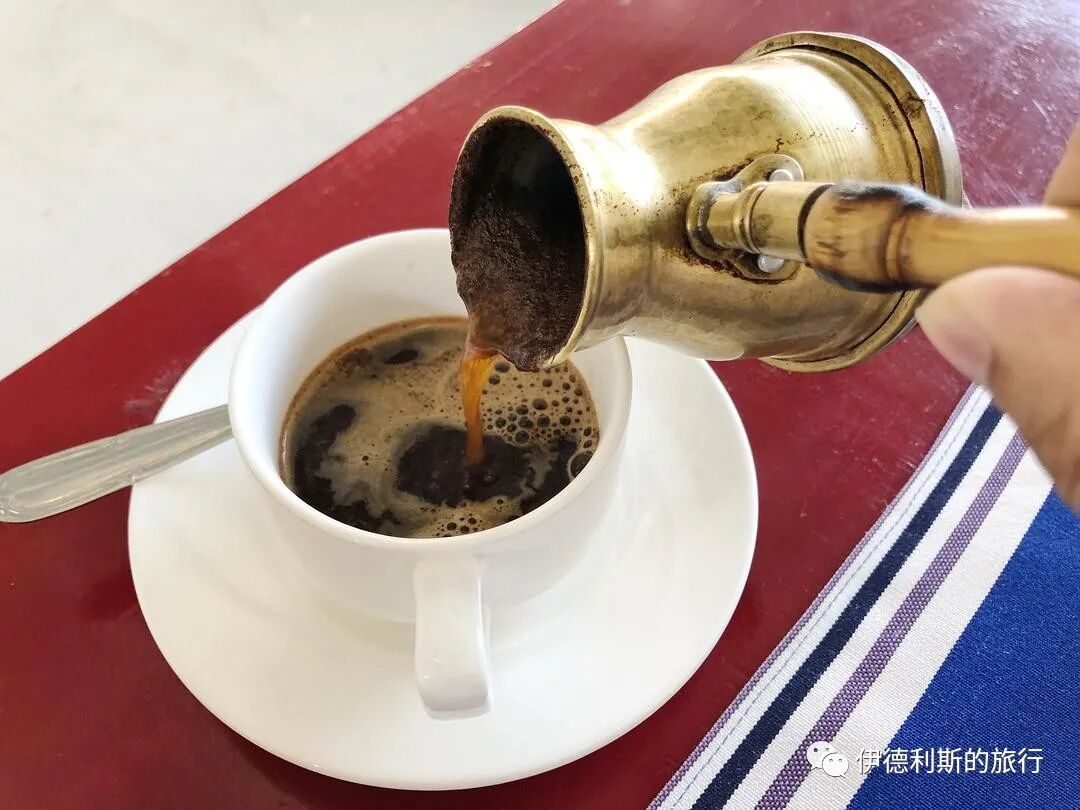
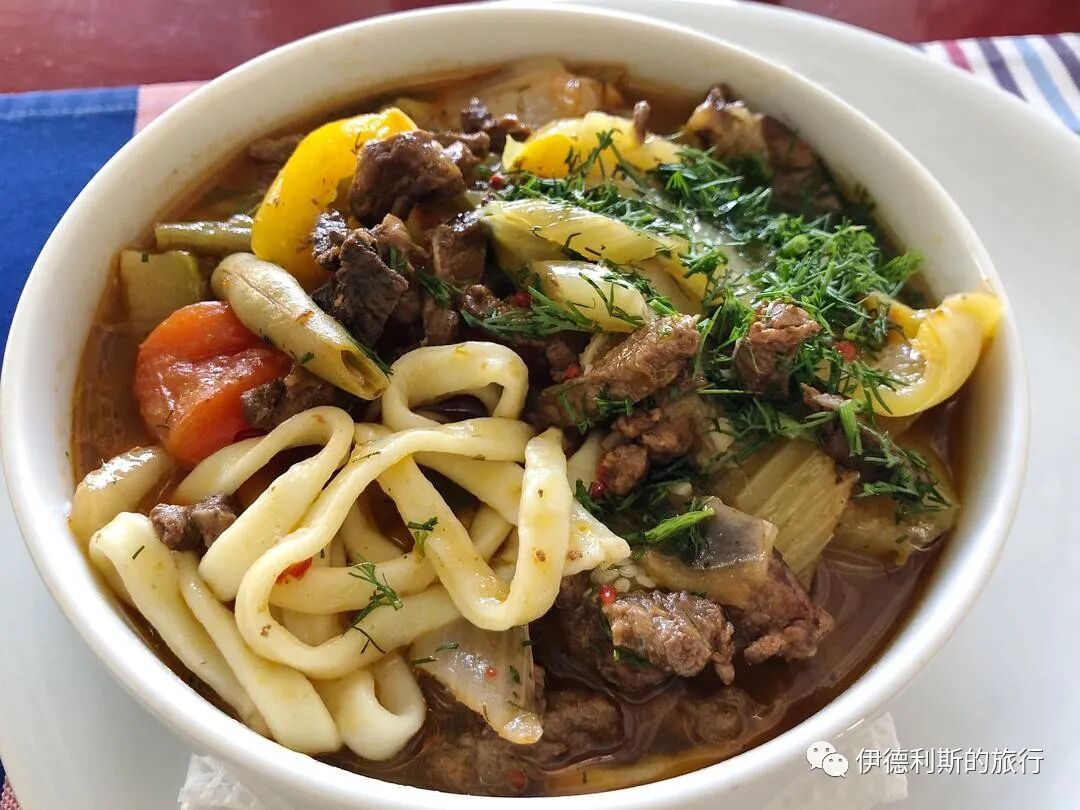
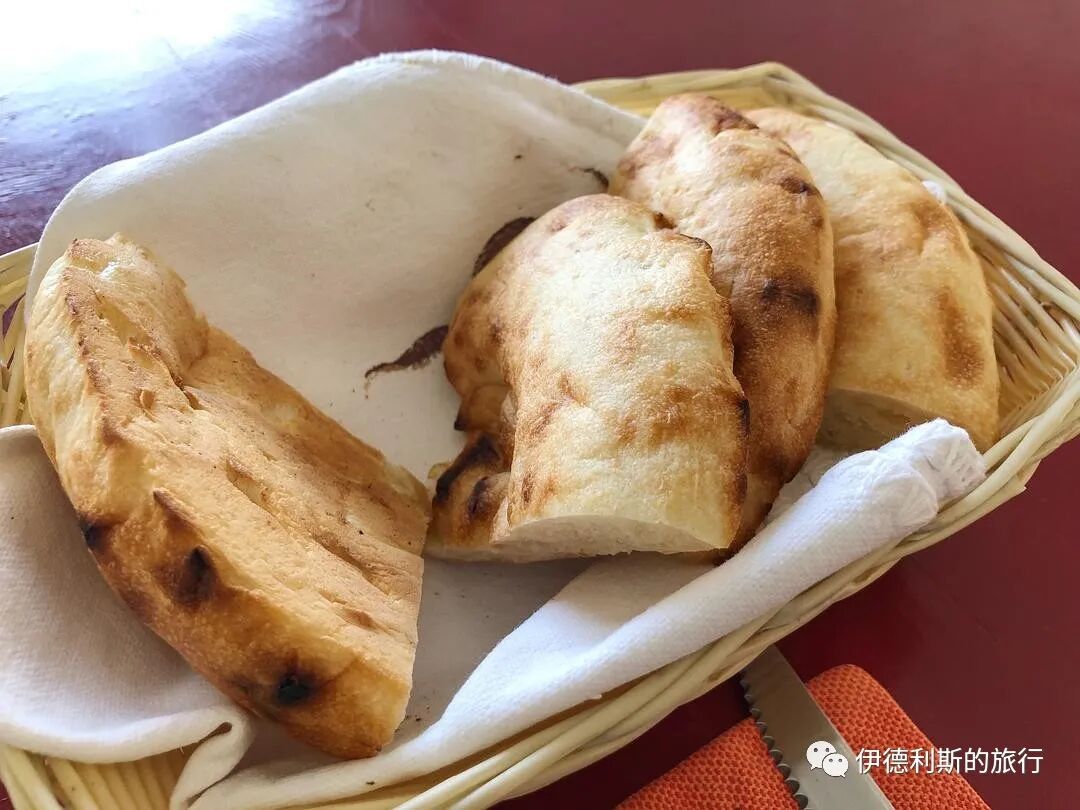
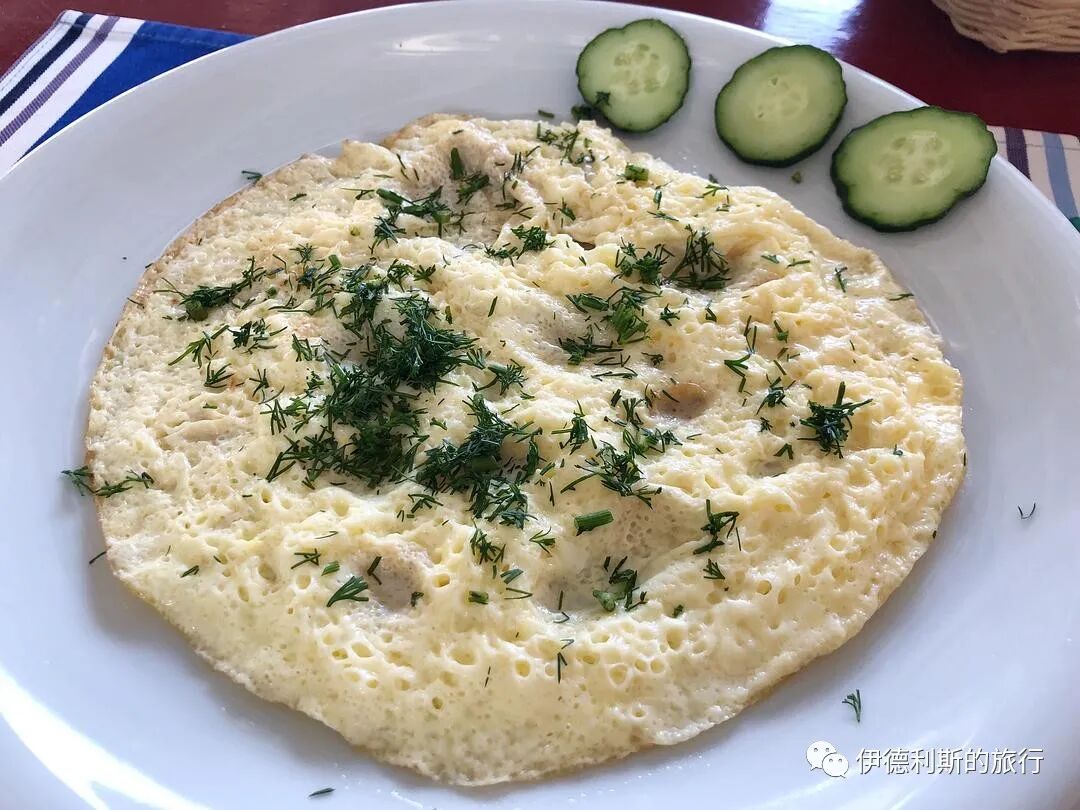
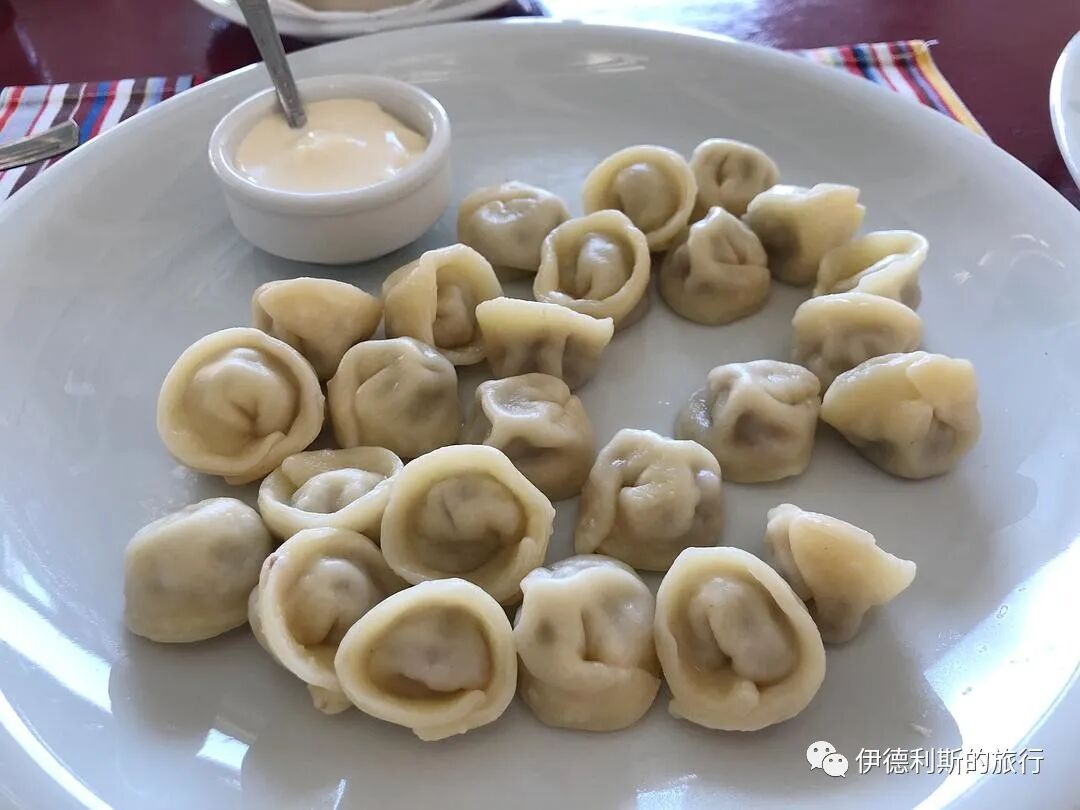
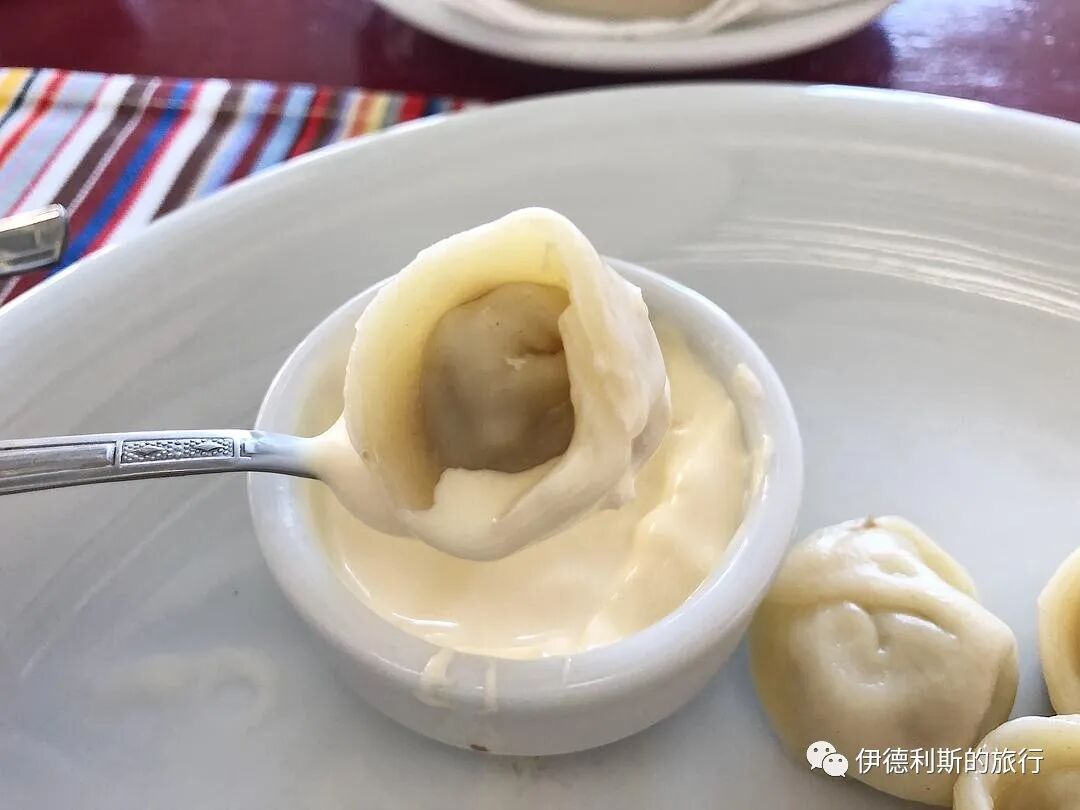
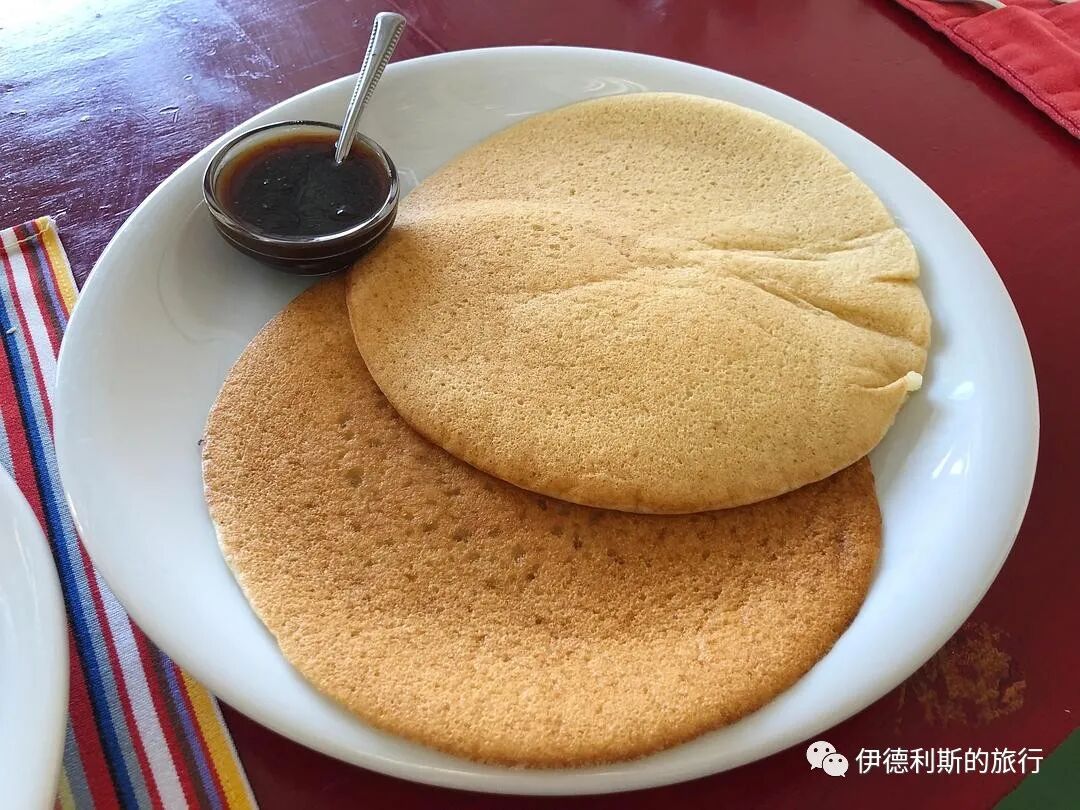
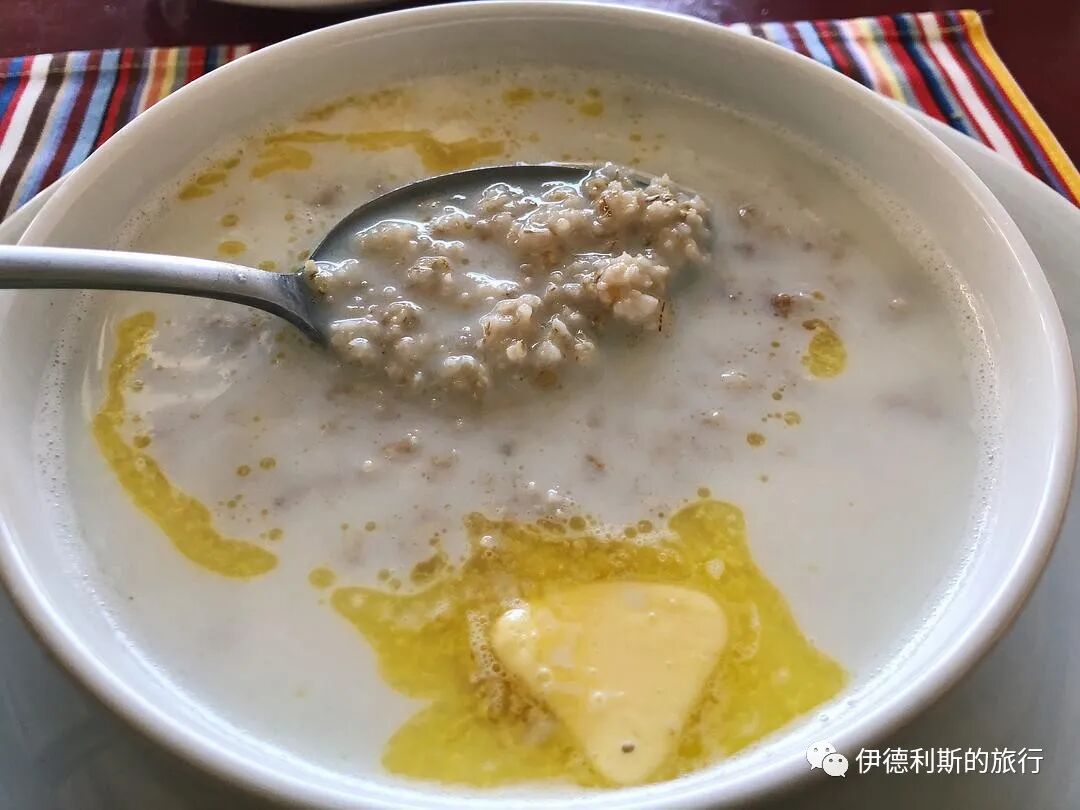
The second breakfast consisted of Tatar Ash (small Crimean Tatar dumplings) dipped in yogurt, Kasha v Assortimente (assorted porridge), and Bliny (thin pancakes) dipped in jam.
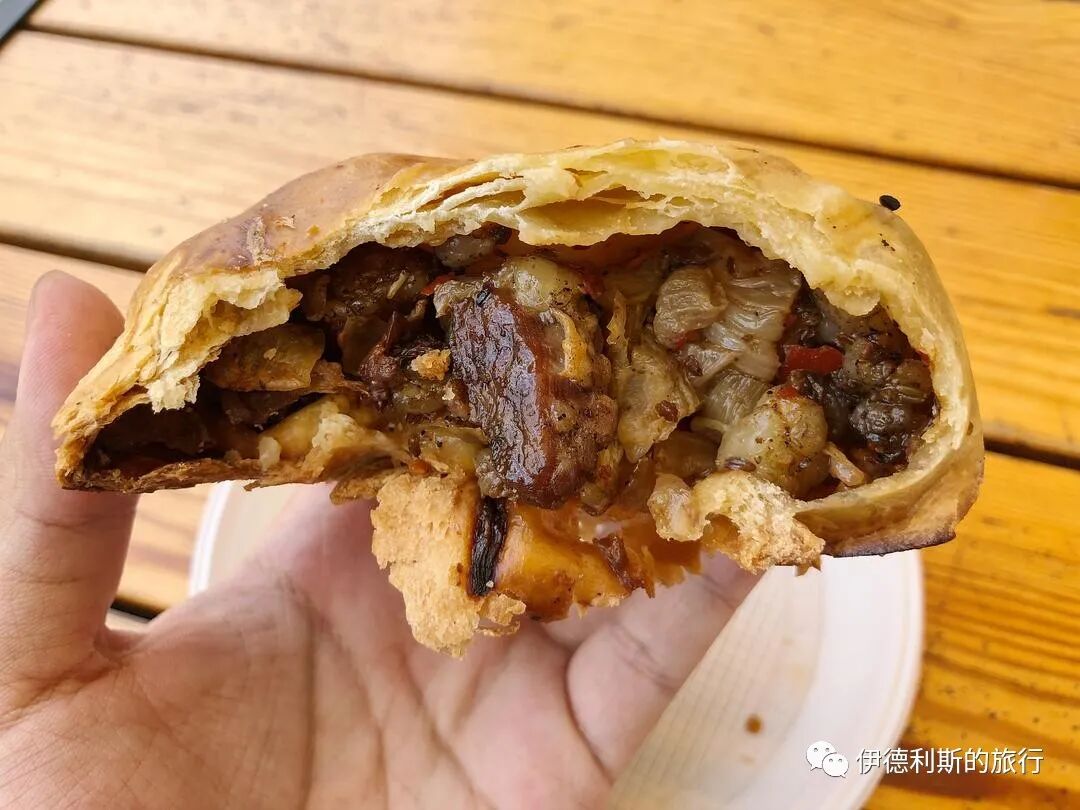
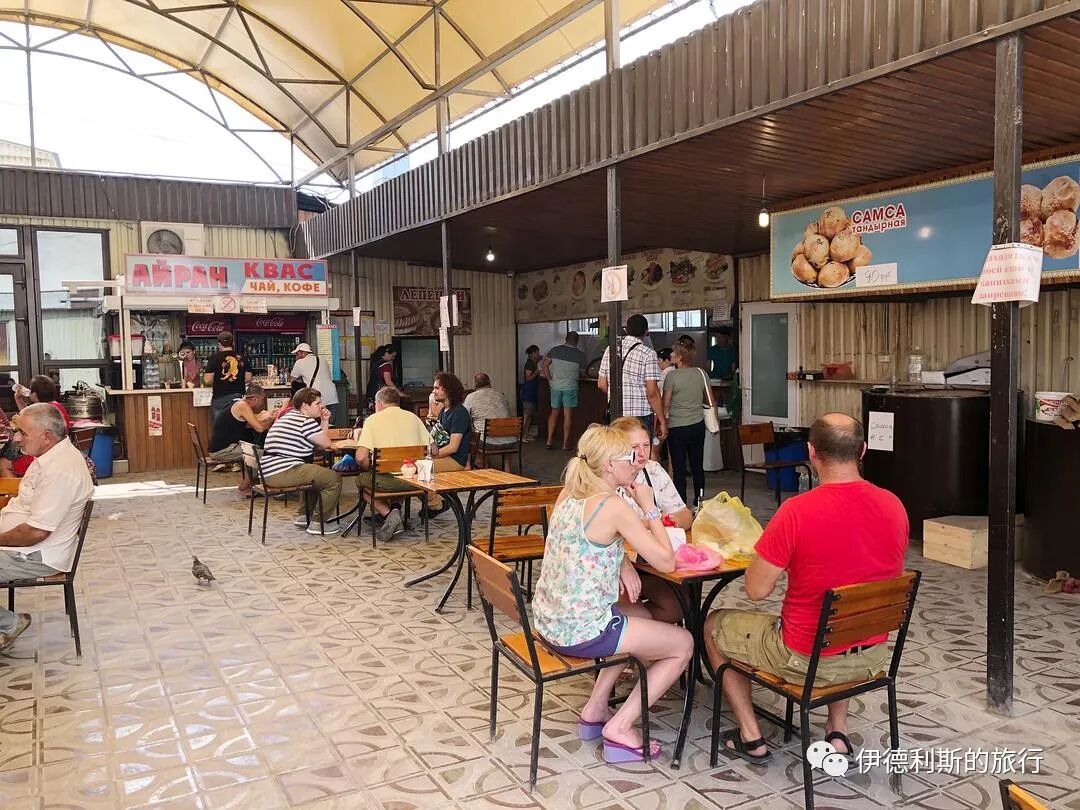
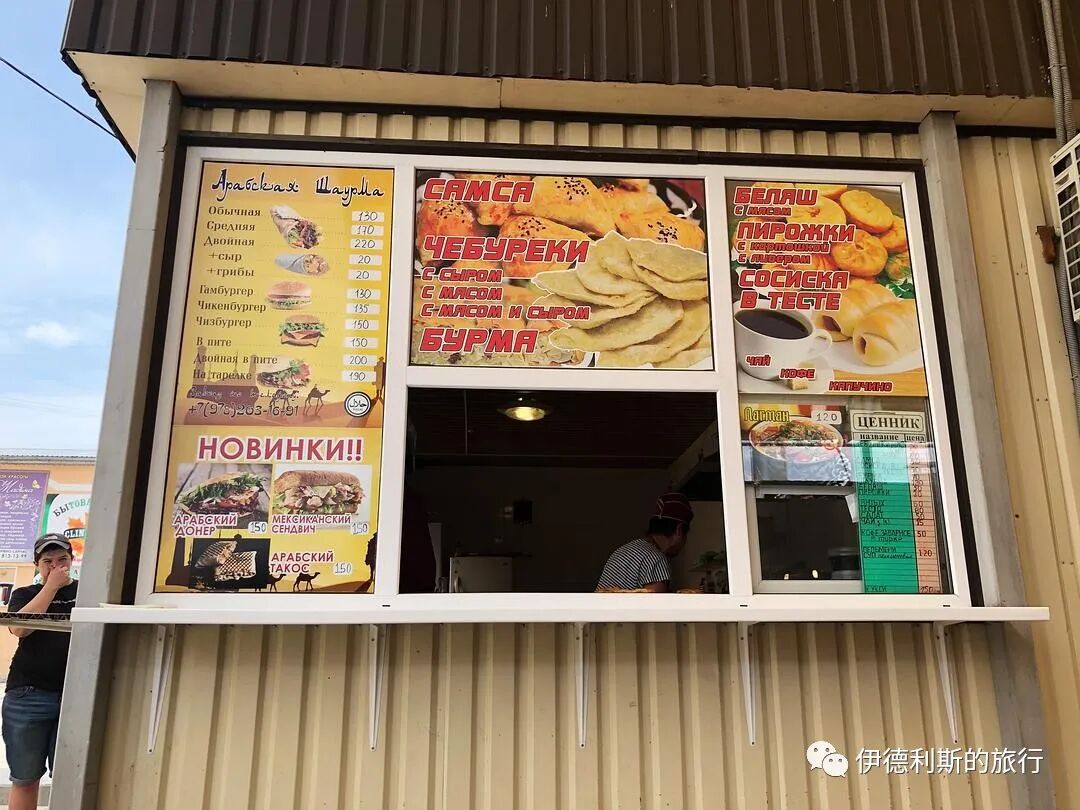
Samsa at the bazaar
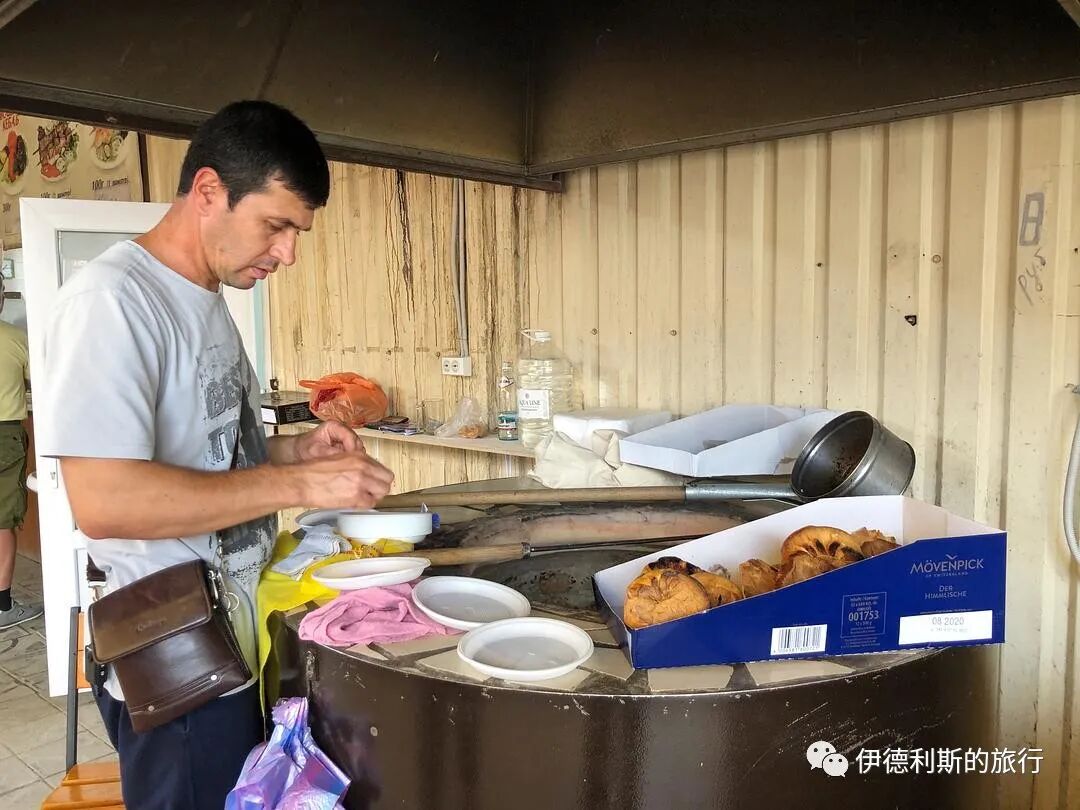
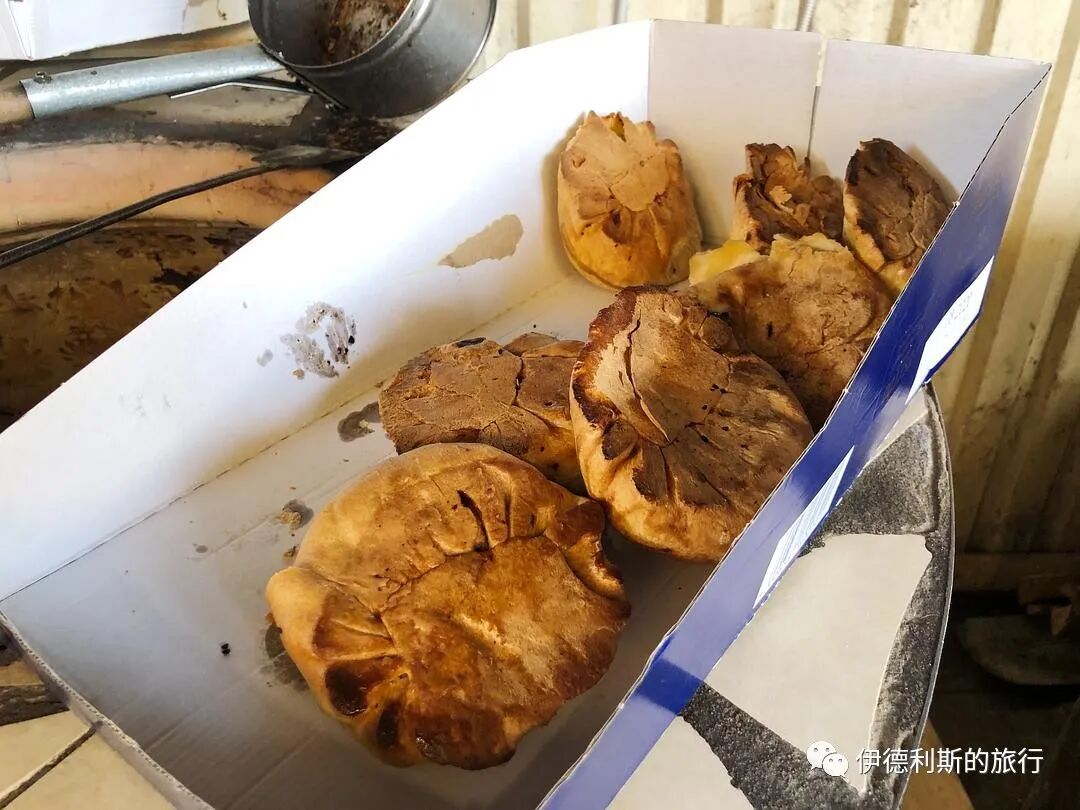
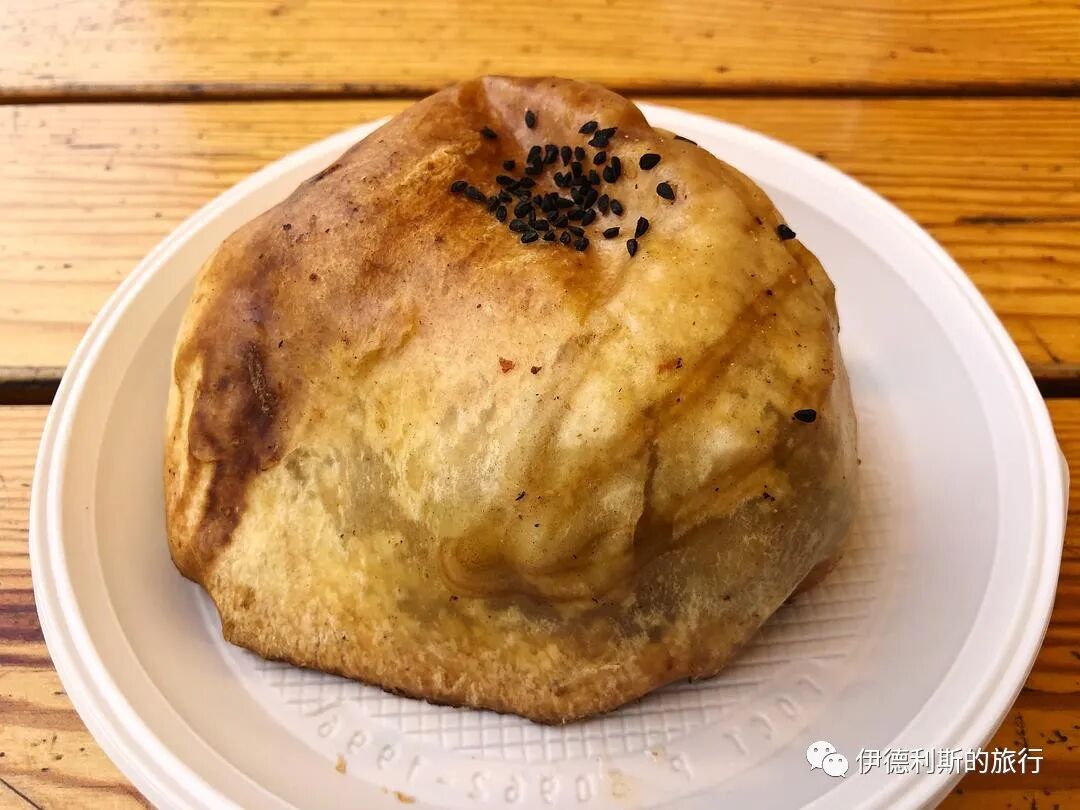
I ate Samsa (baked meat buns) at the bazaar, but unfortunately, time was a bit tight and I didn't get to explore the bazaar properly.
Restaurant
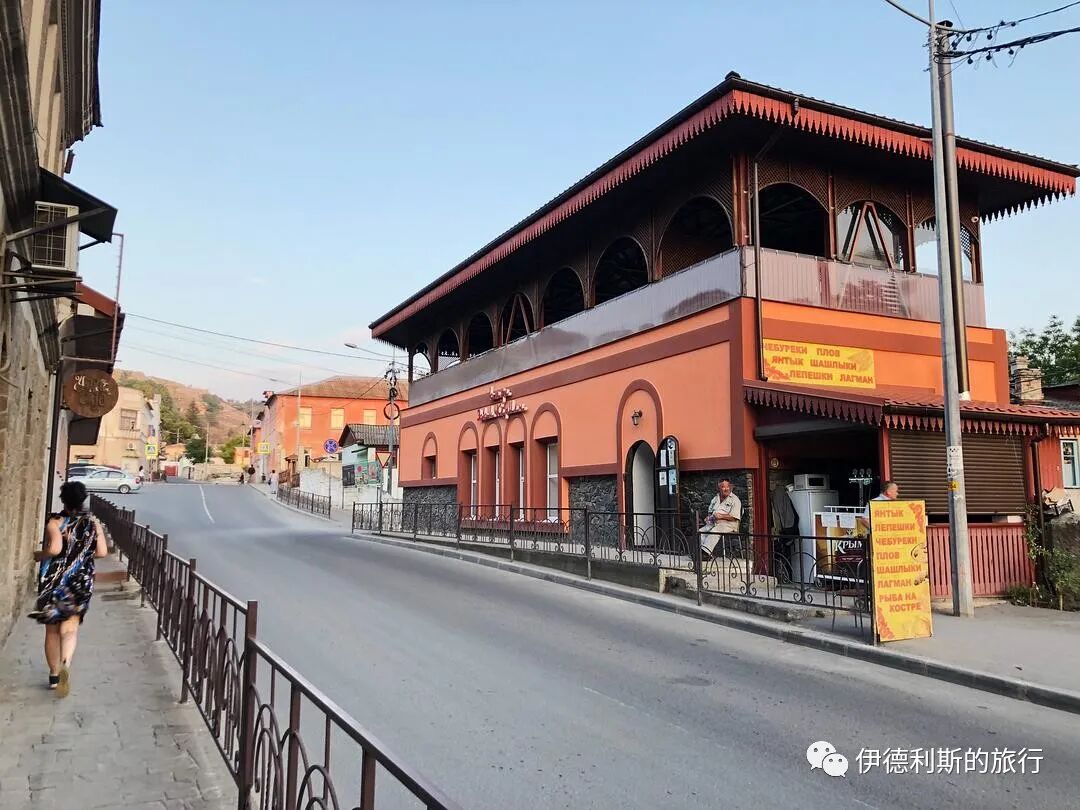
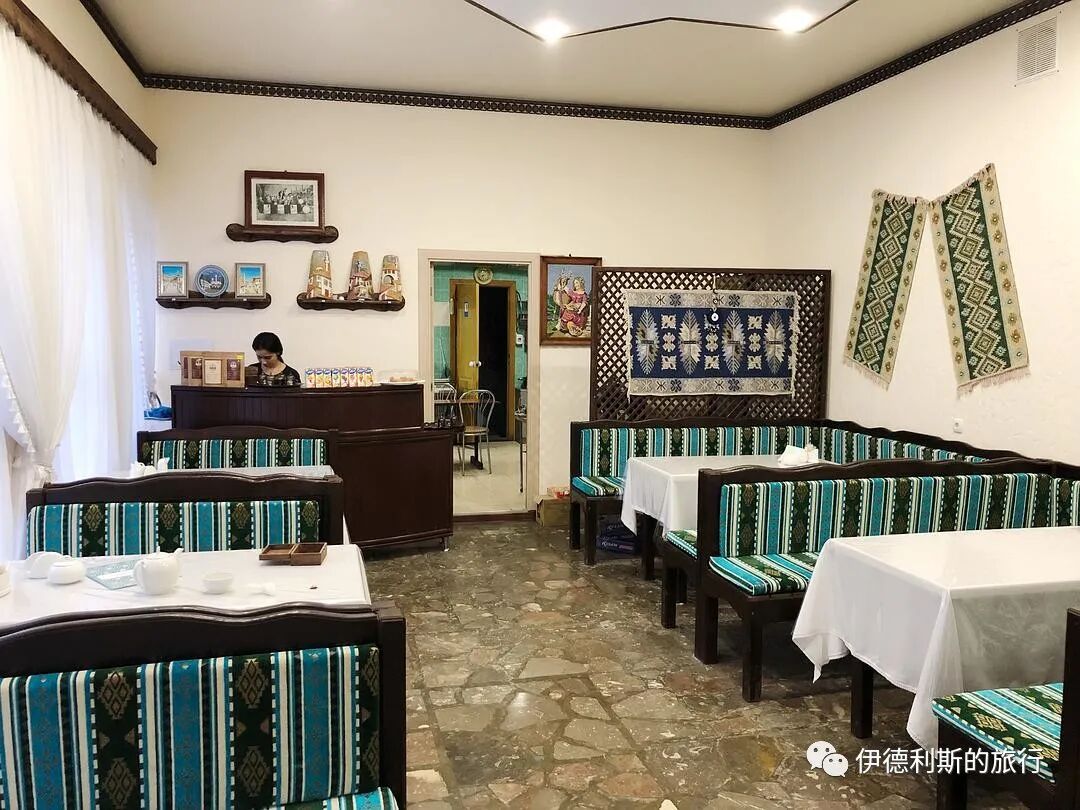
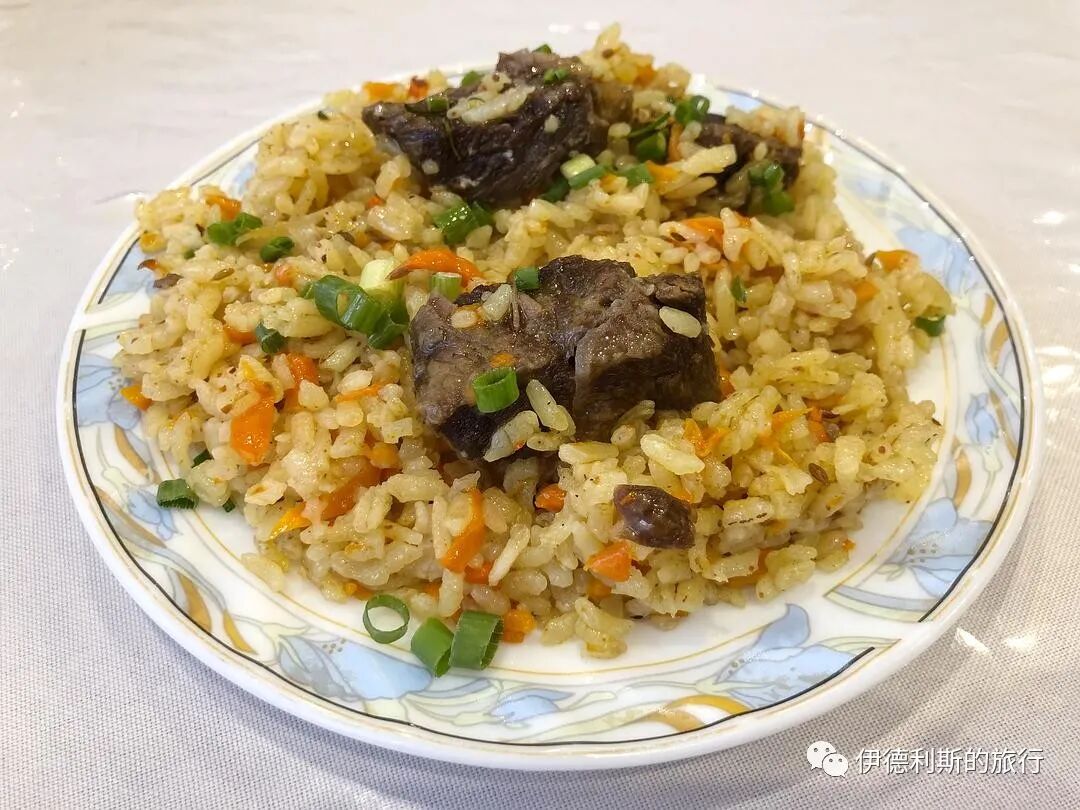
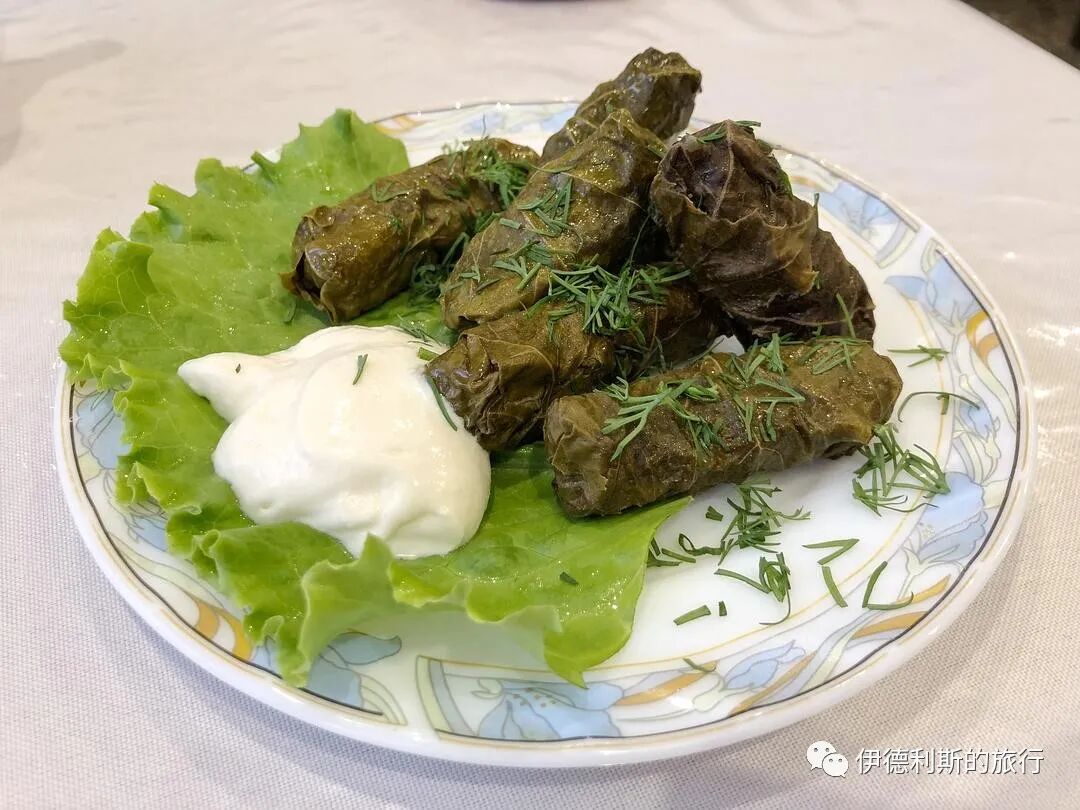
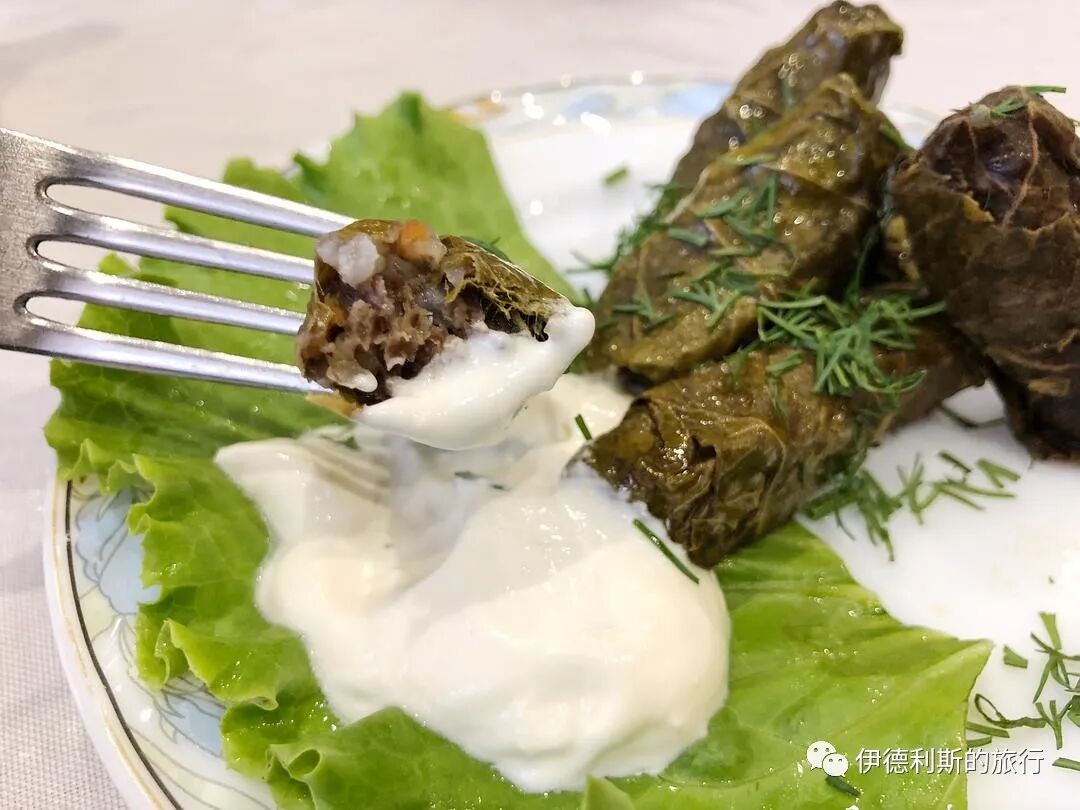
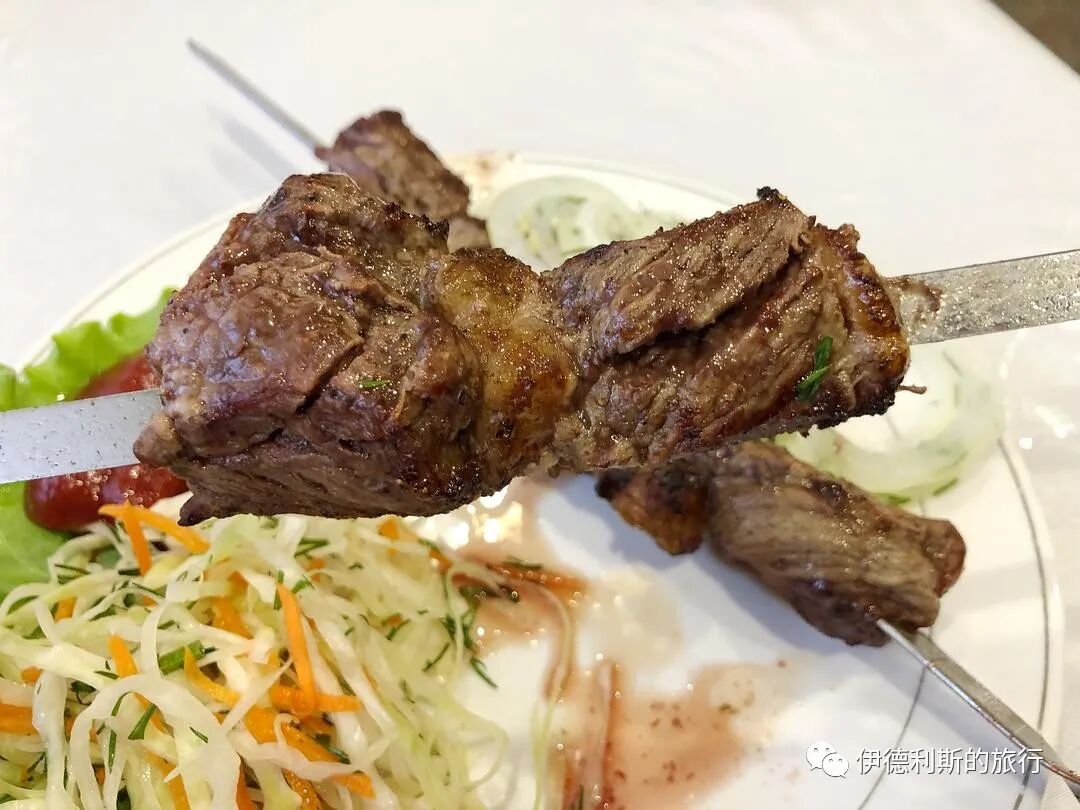
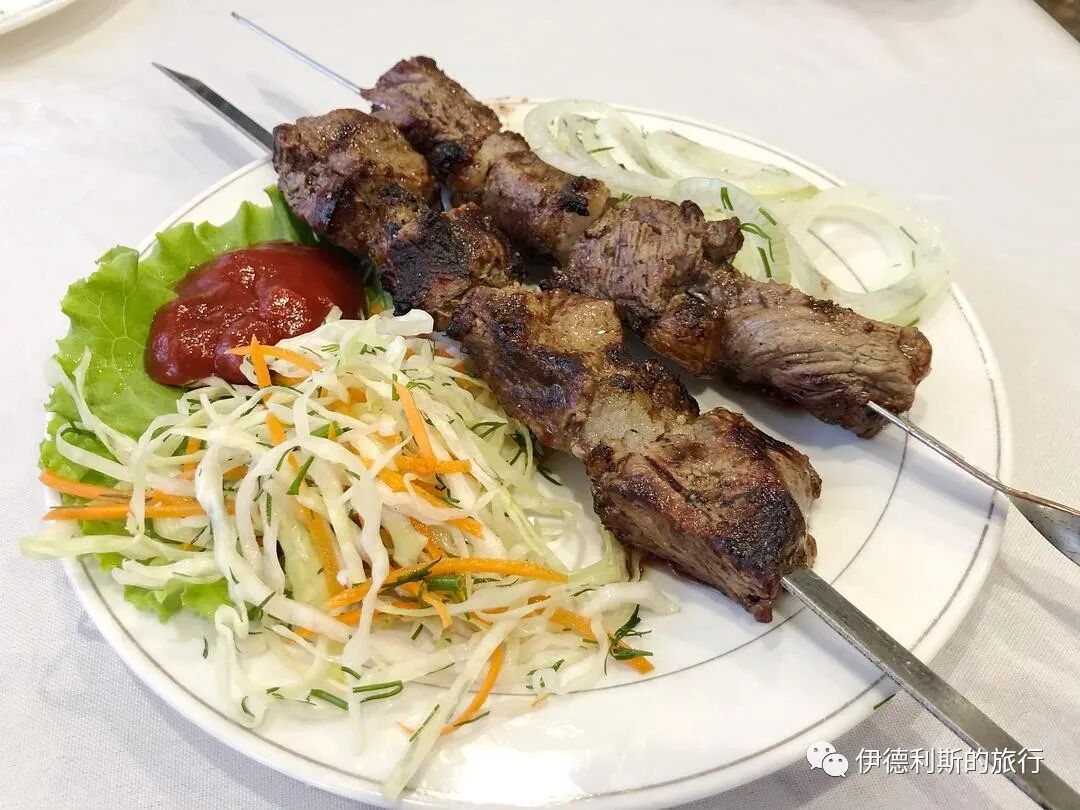
I ate Plov (pilaf), Dolma (stuffed grape leaves), and Shashlik (lamb skewers) at a Crimean Tatar restaurant; the Shashlik was incredibly tender and fragrant.
"Dolma" is widely distributed in the Middle East, and its origin is currently unclear; it may have originated from the Ottoman court. According to the records of Persian court chefs, Dolma has several different wrapping methods, including grape leaves, cabbage leaves, cucumbers, eggplants, and apples, while the fillings include minced meat, fried mint, rice, and saffron.
Dessert shop
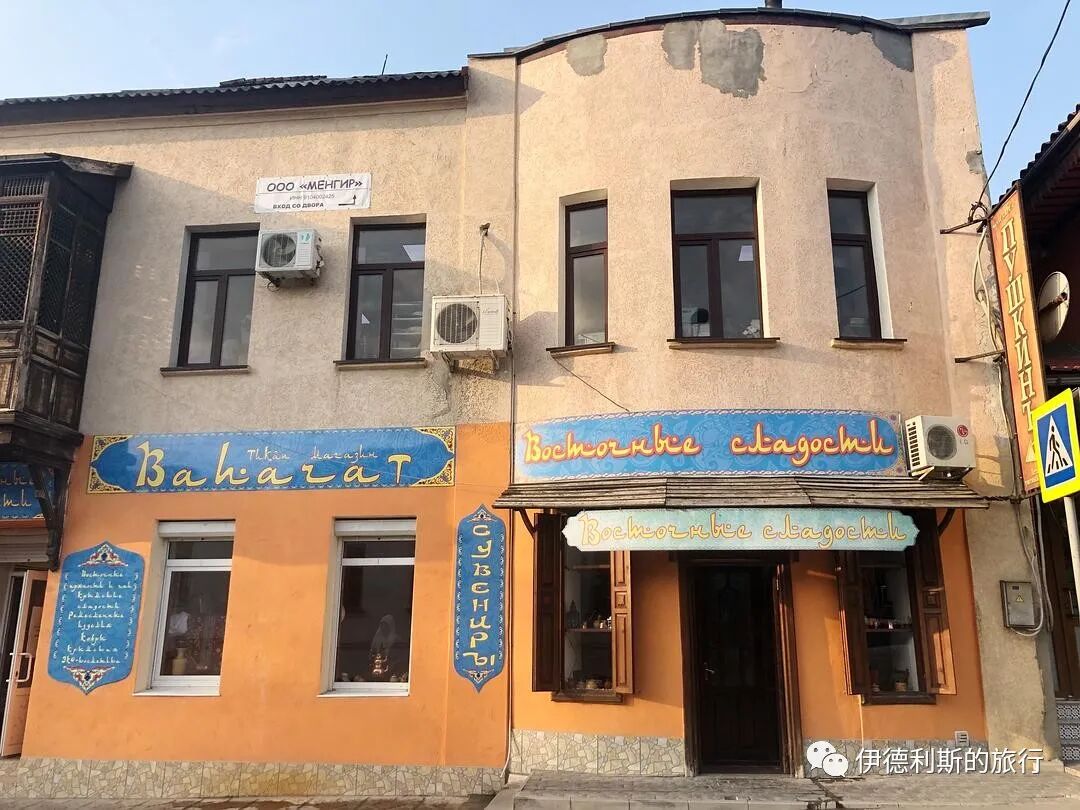
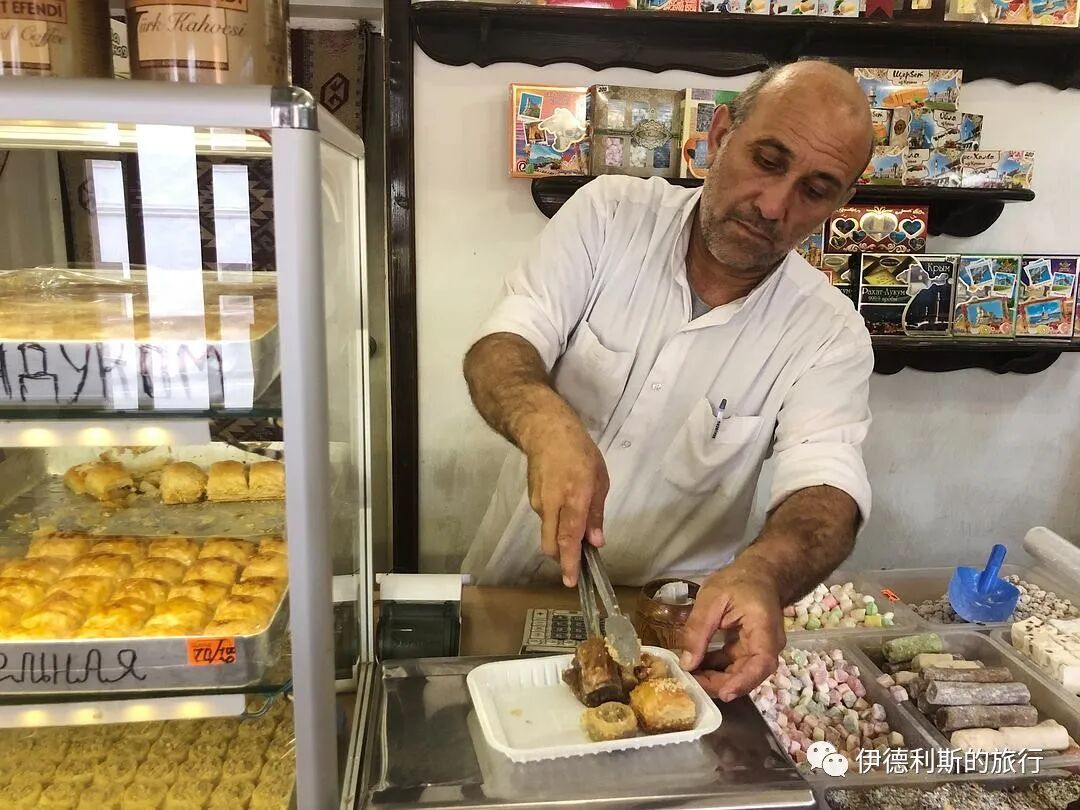
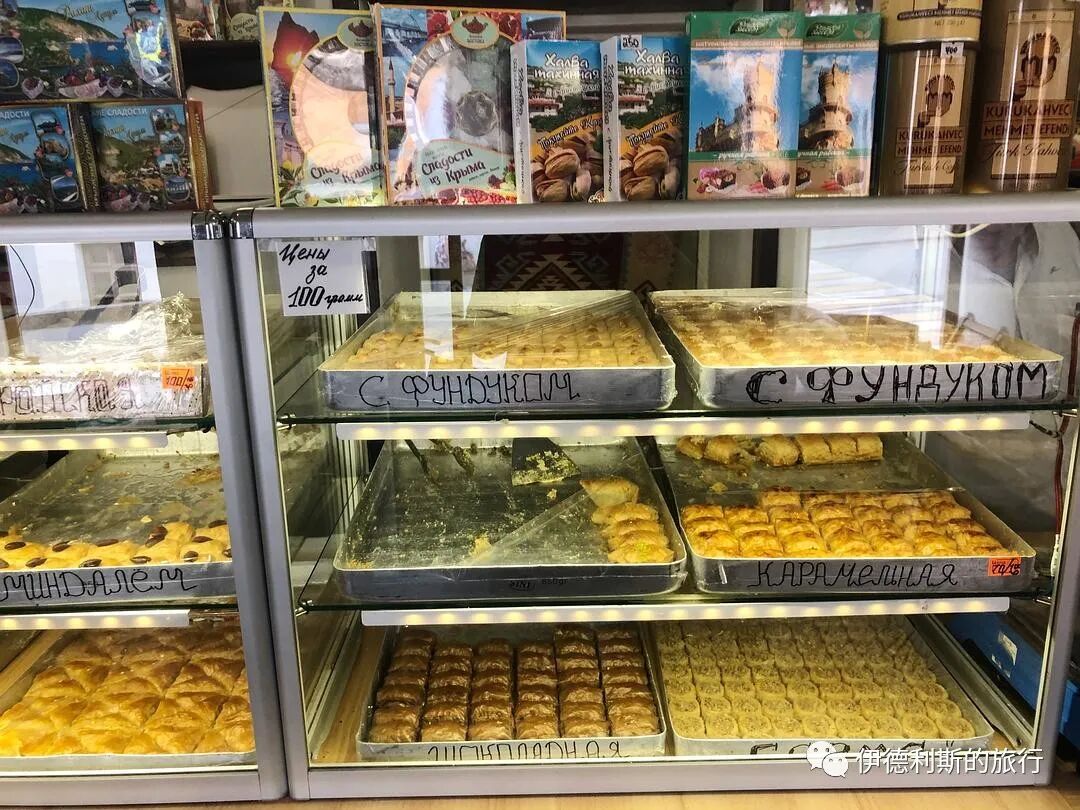
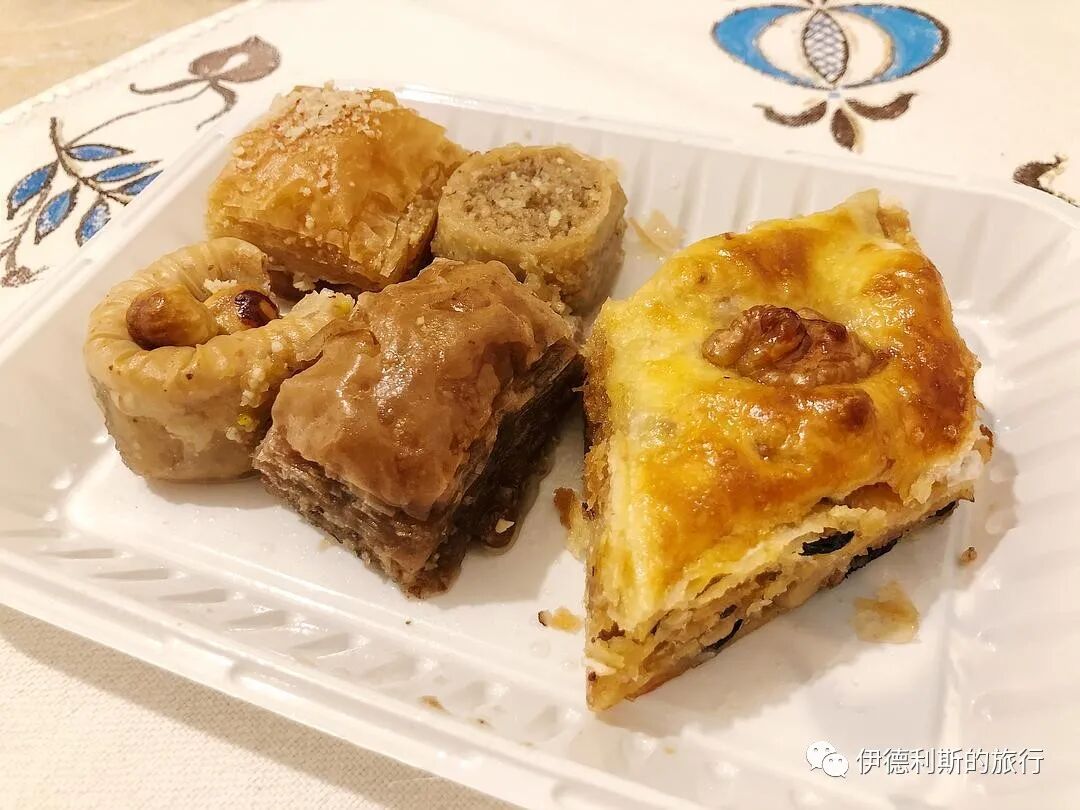
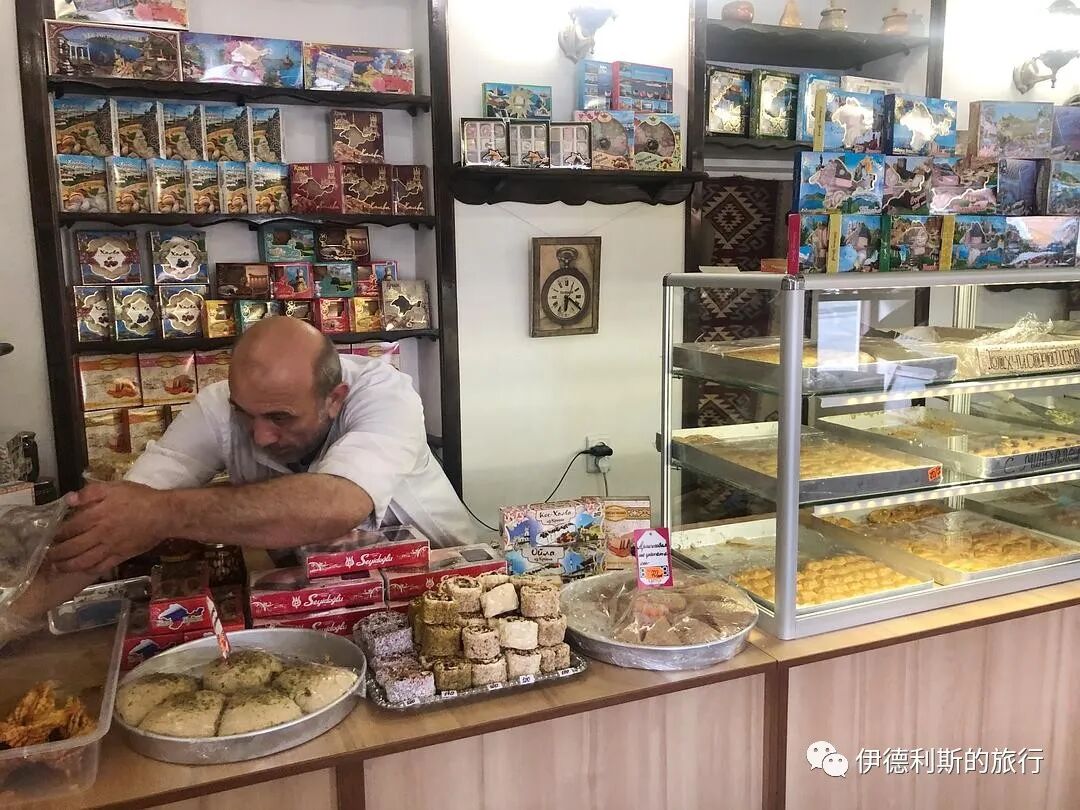
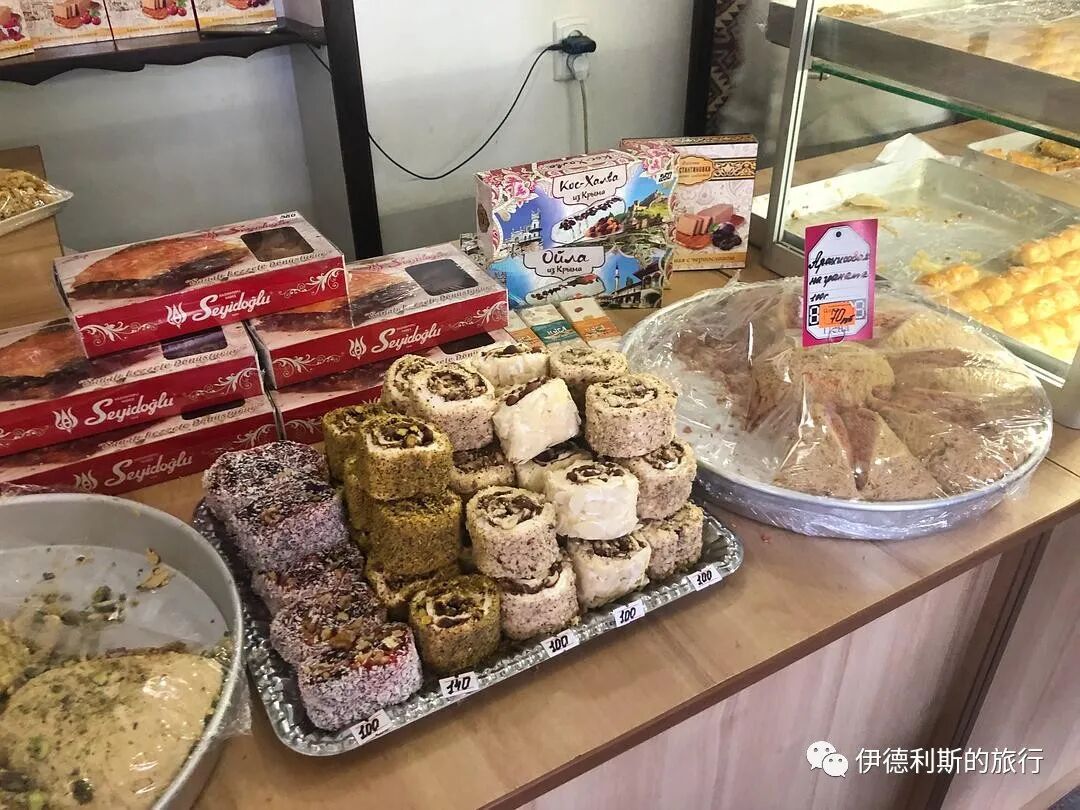
I bought desserts at a Crimean Tatar dessert shop in the ancient city, which are basically the same as the Baklava popular in former Ottoman regions (Turkey, the Caucasus, the Balkans, the Levant, etc.). The first row on the iron tray in Figure 3 says "hazelnut," and the second row says "caramel."
Baklava is said to come from the Ottoman court. Every year on the 15th of Ramadan, the Ottoman Sultan would distribute Baklava in trays to the Janissaries during a procession; this ceremony is also called "Baklava Alayı". The consumption of Baklava by Crimean Tatars is also related to the history of the Crimean Khanate as a vassal state of the Ottoman Empire.
Estate restaurant
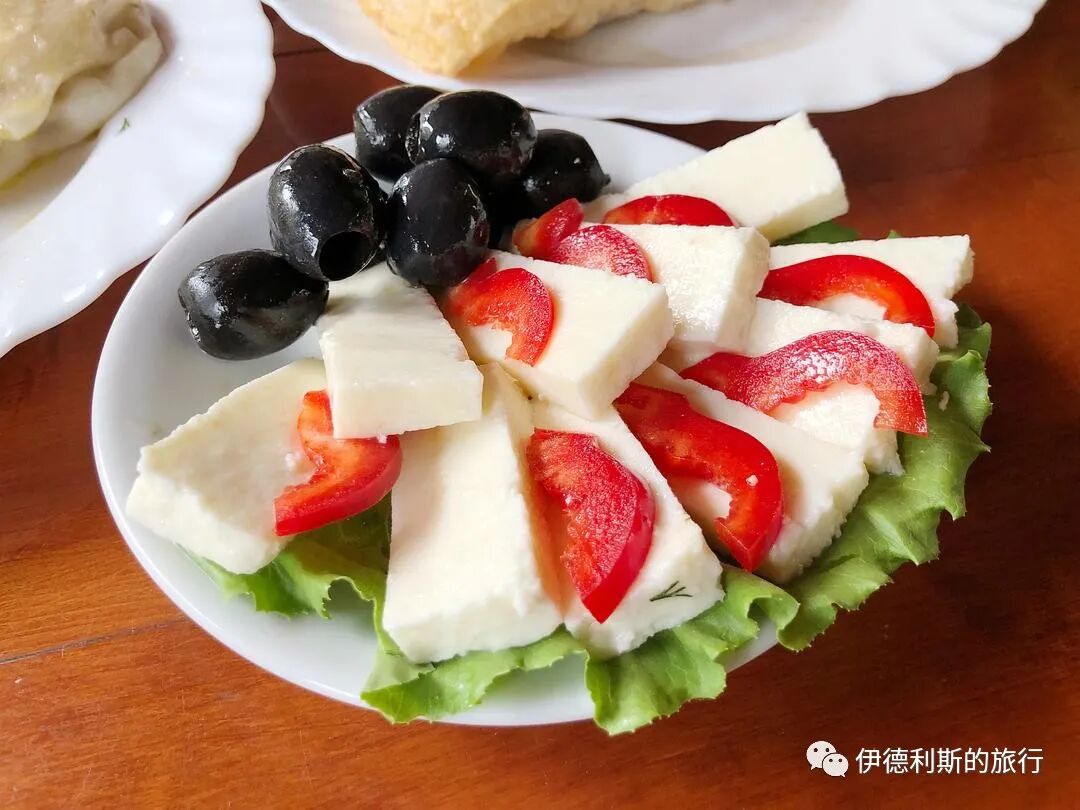
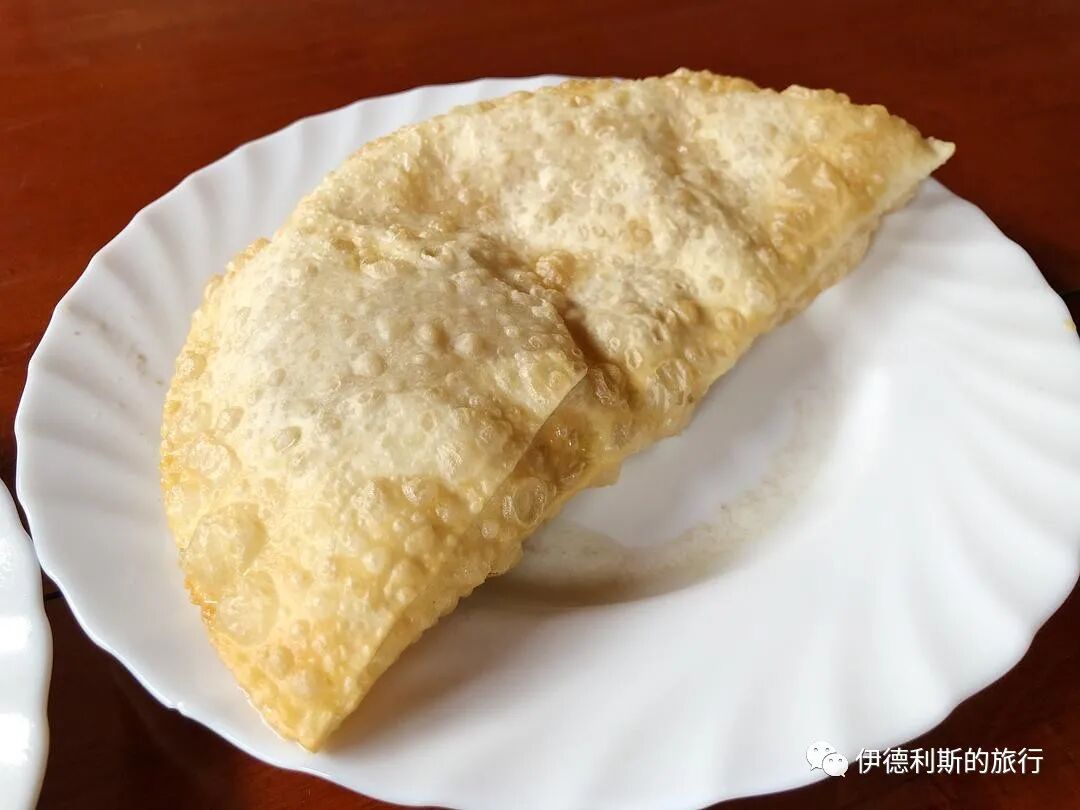
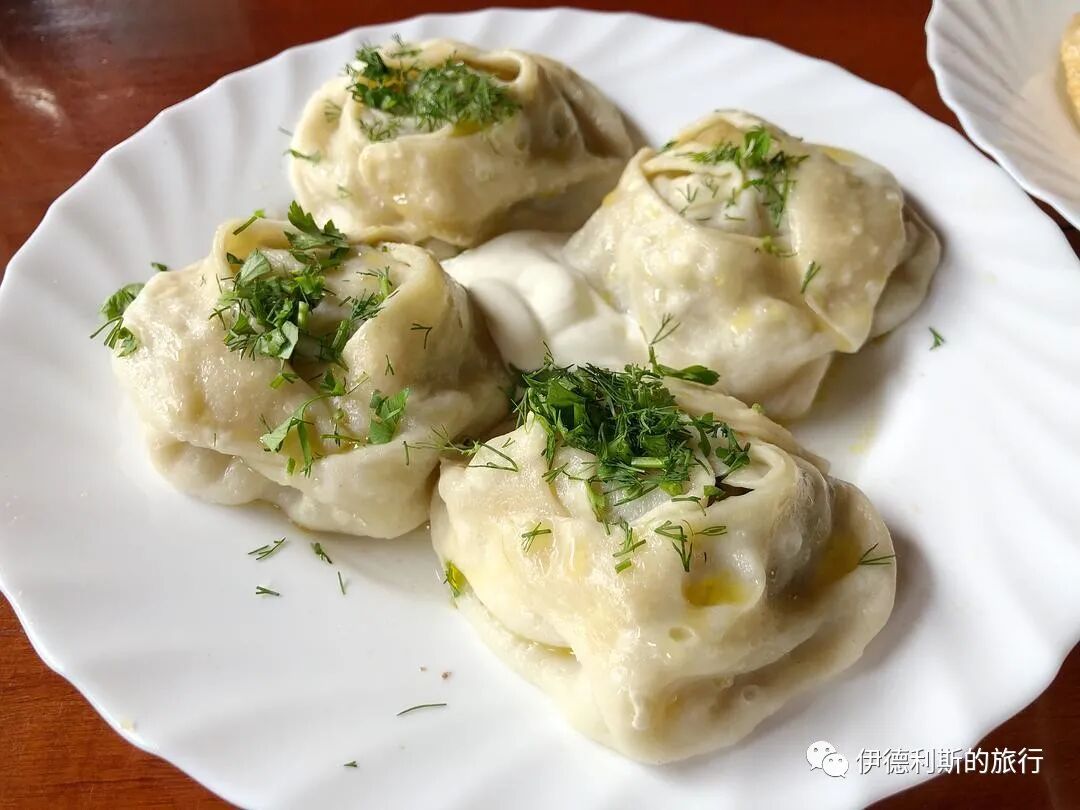
At an estate-style Crimean Tatar restaurant at the foot of the mountain, I ate Brynza s Maslinami (sheep cheese with olives), Deniz Kebab (grilled salmon), Manti (steamed dumplings), and the Crimean Tatar specialty Chebureki (deep-fried meat pastry).
Chebureki (deep-fried meat pastry) is a unique national food of the Crimean Tatars. It can be made with lamb or beef, served with onions and black pepper, and the dough is very thin. Manti (steamed dumplings) were brought back by the Crimean Tatars after they were forced into exile in Uzbekistan in 1944.
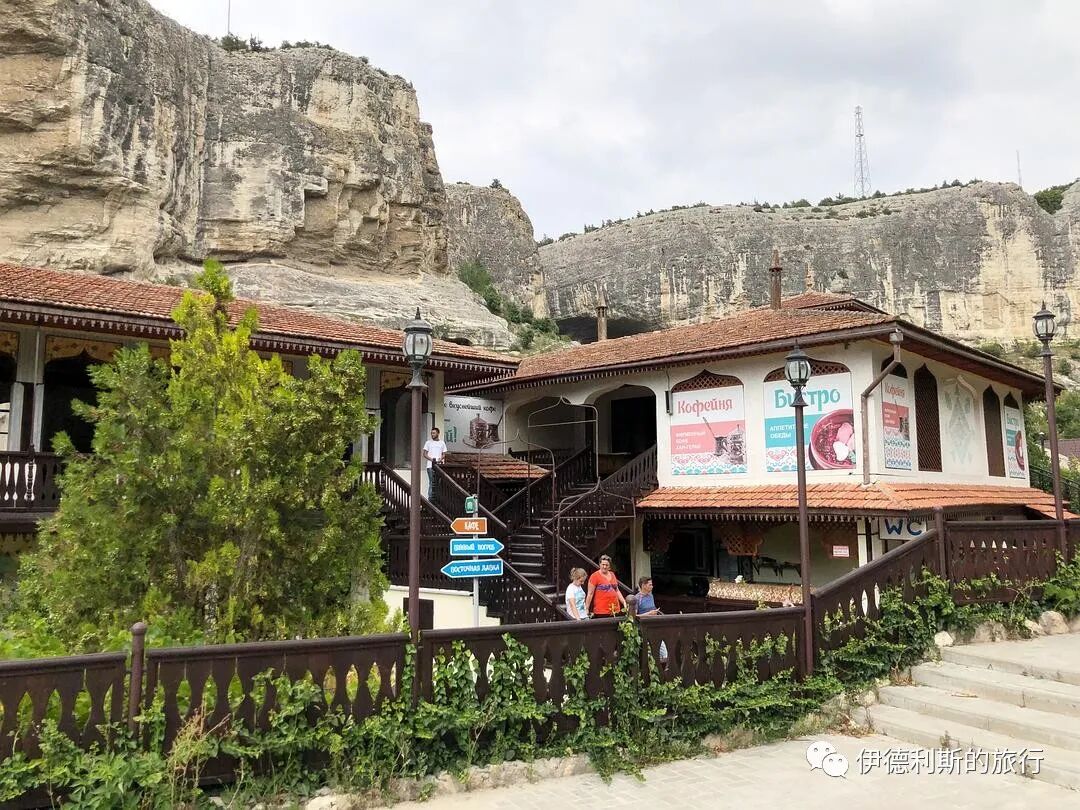
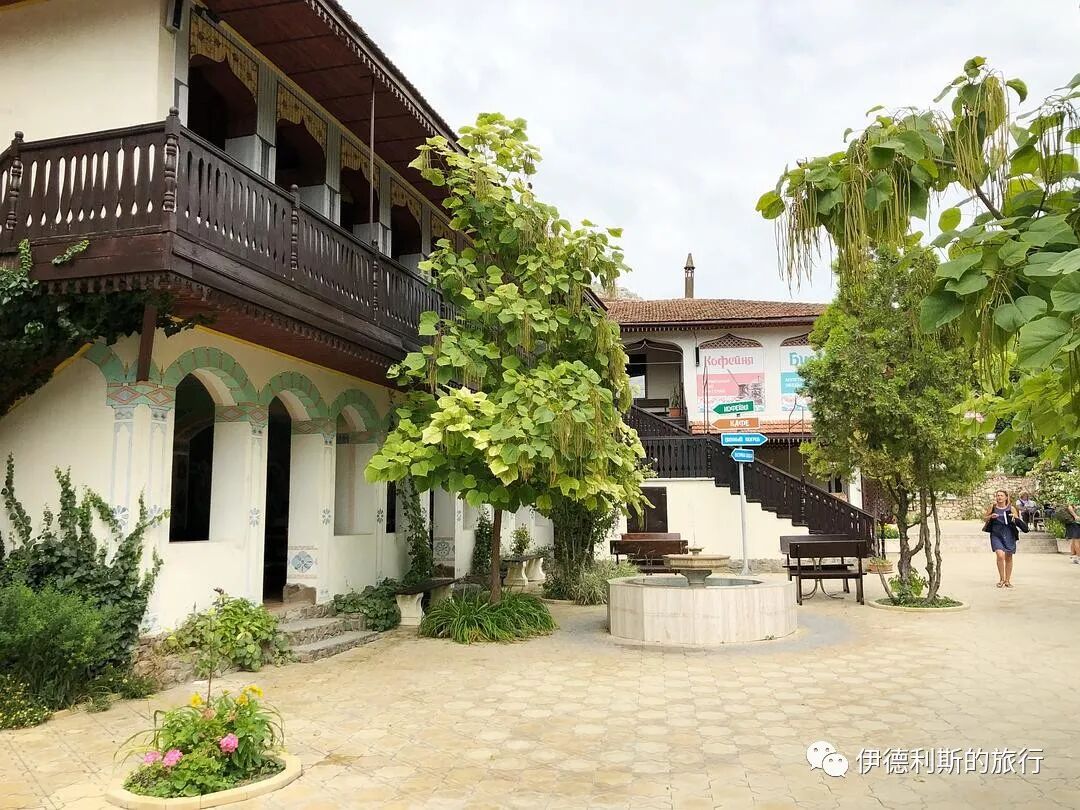
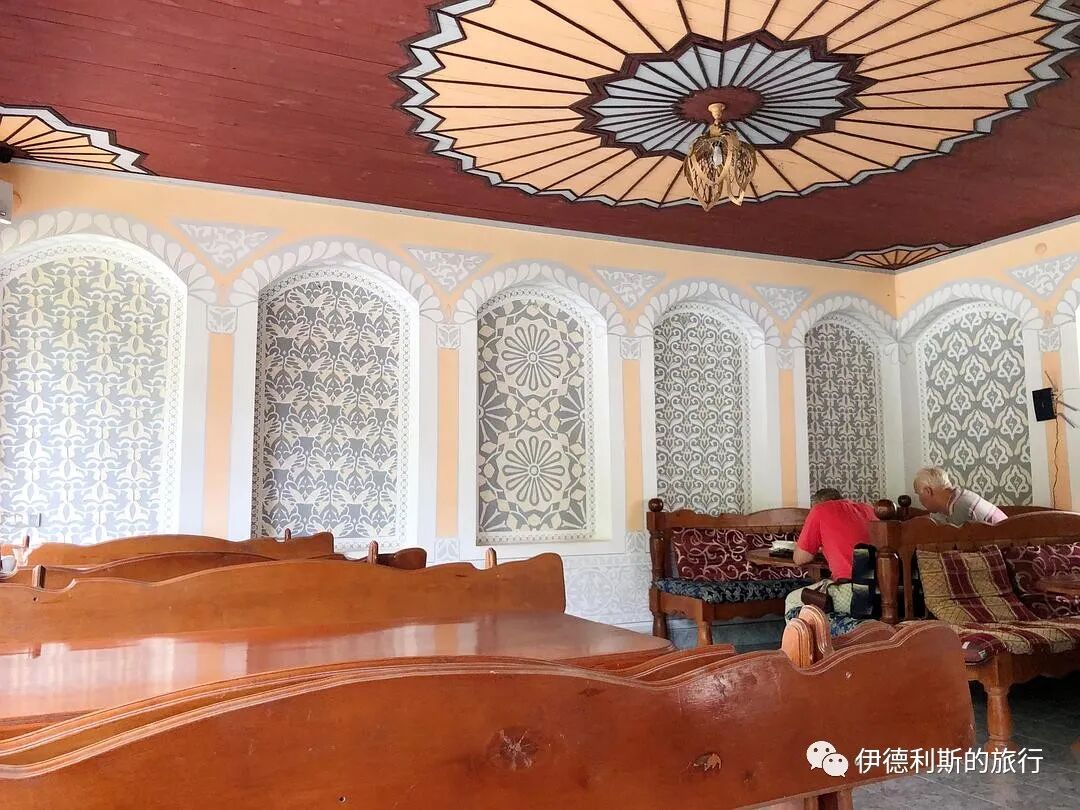
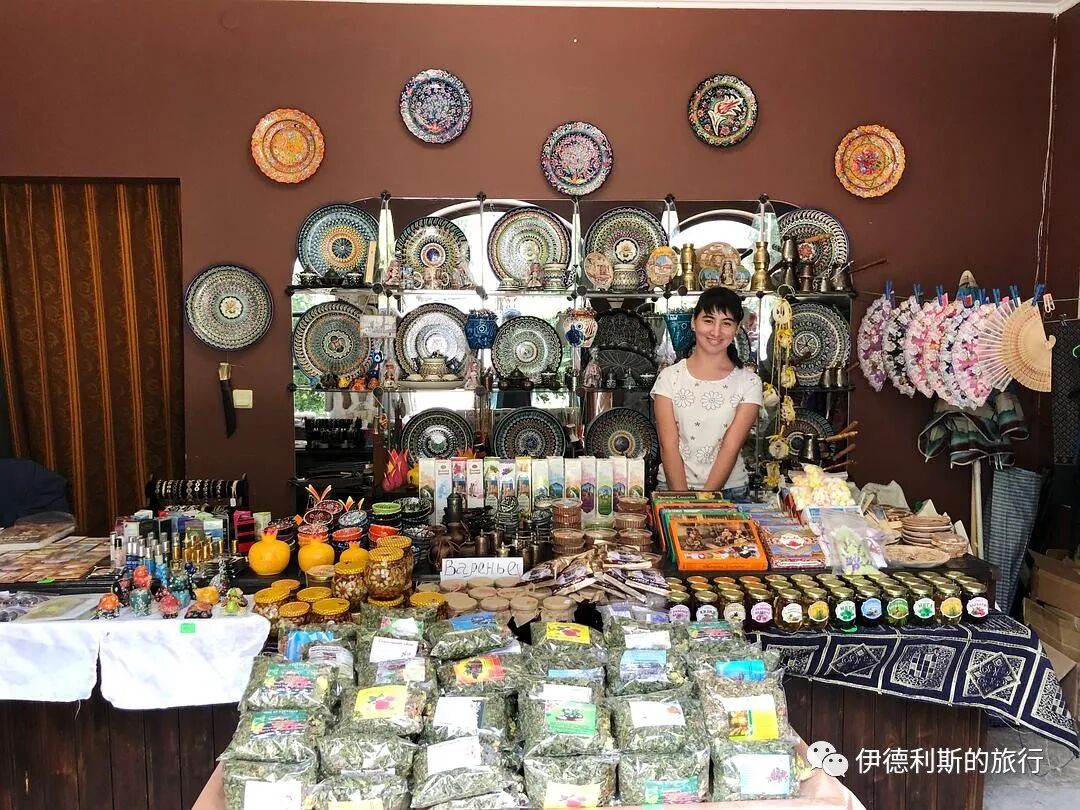
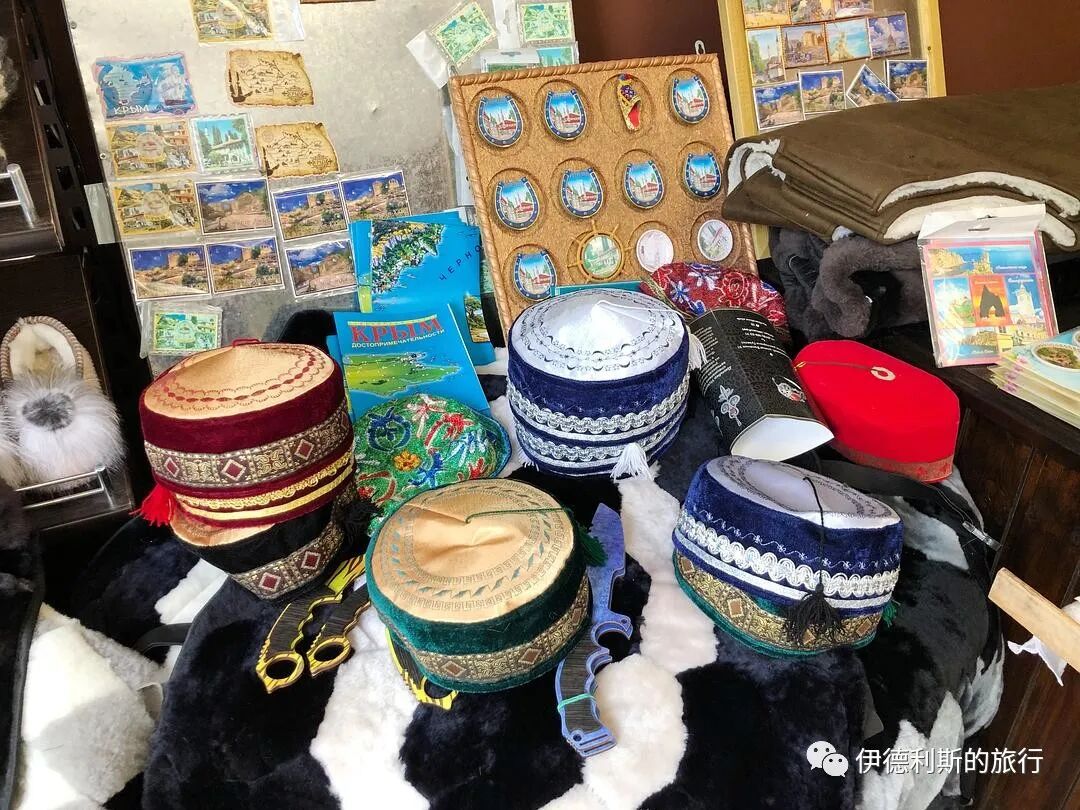
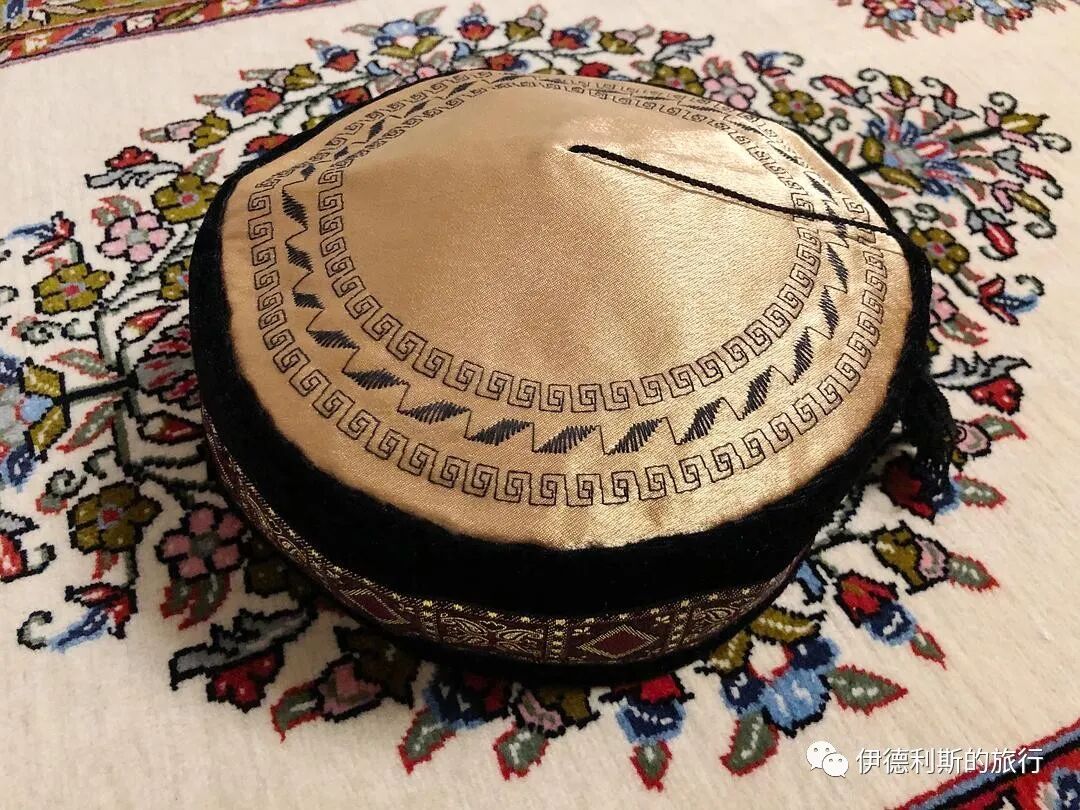
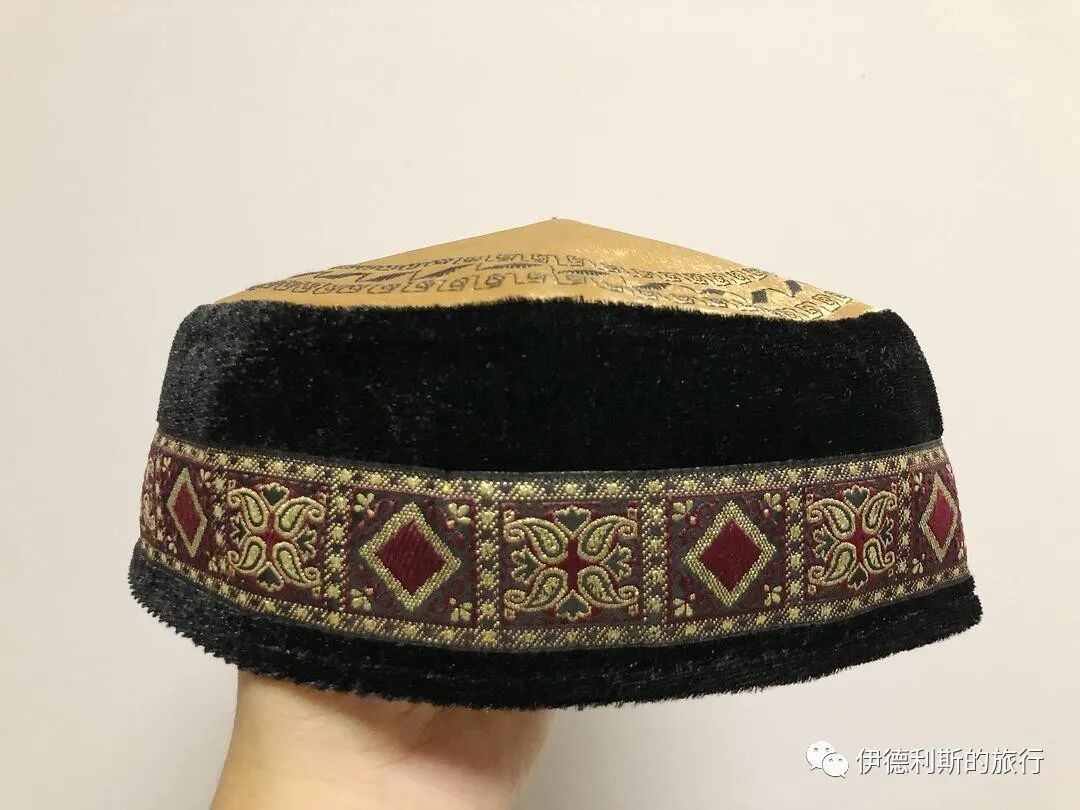
This restaurant also has a small shop on the first floor, where I bought a Tubeteika (traditional skullcap).
Small shop at the mosque
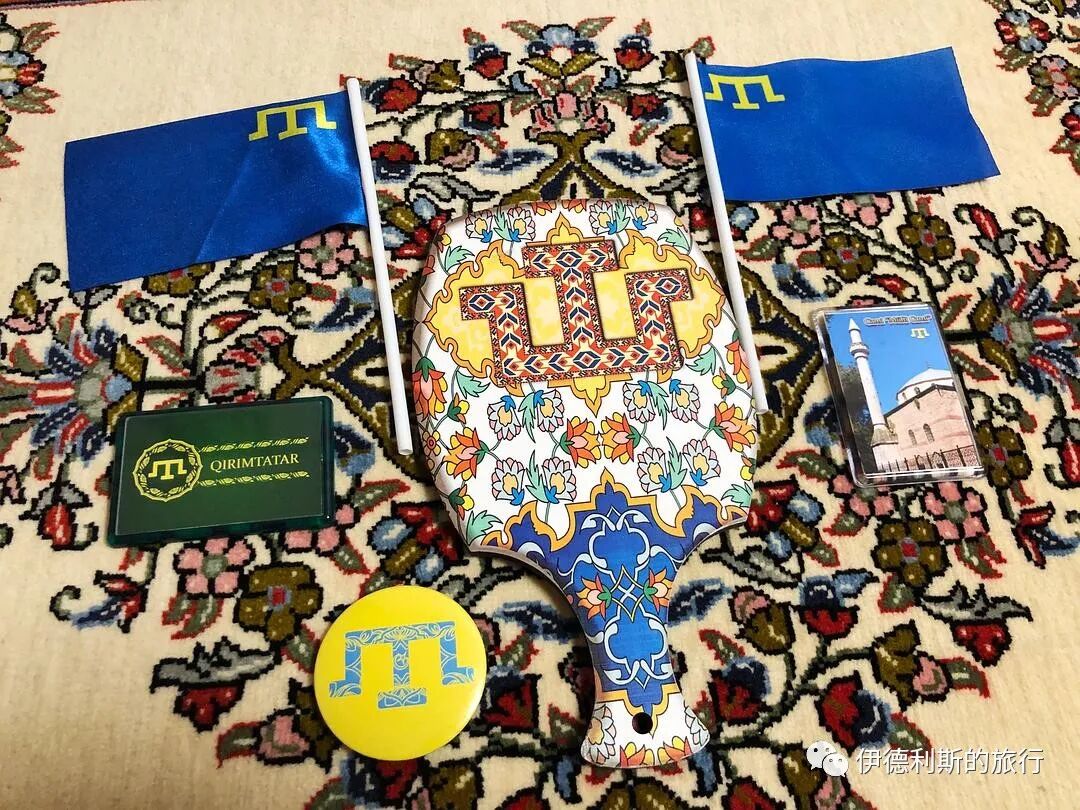
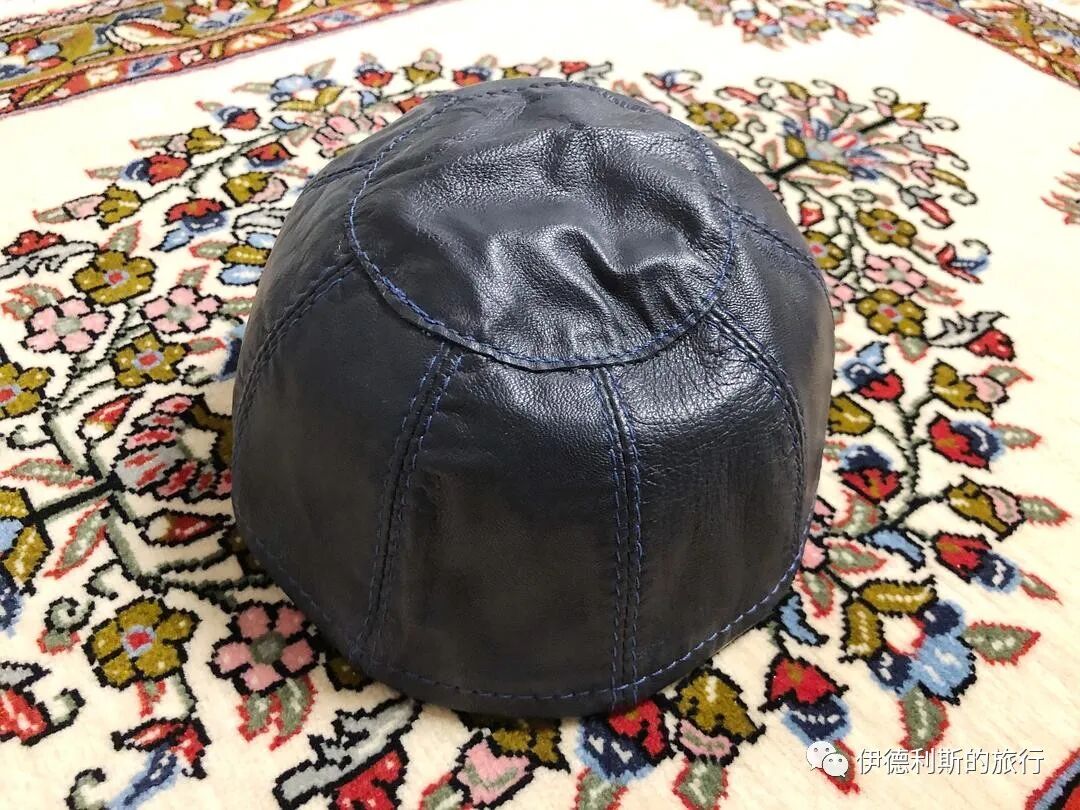
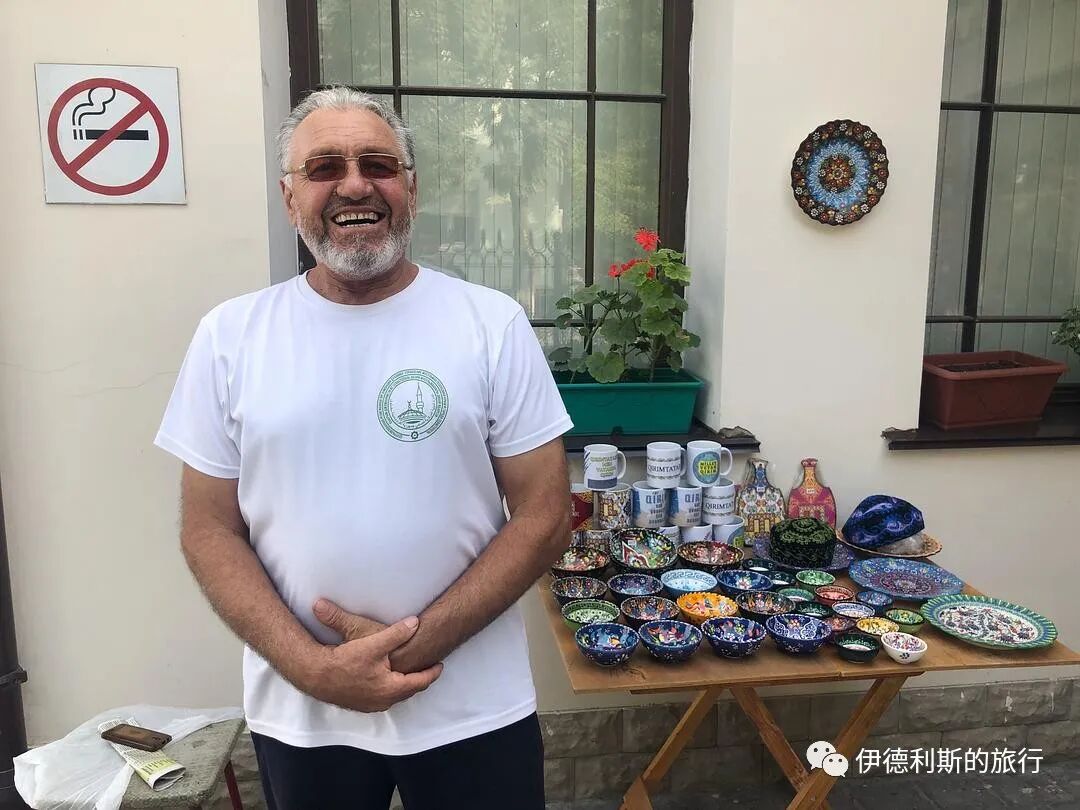
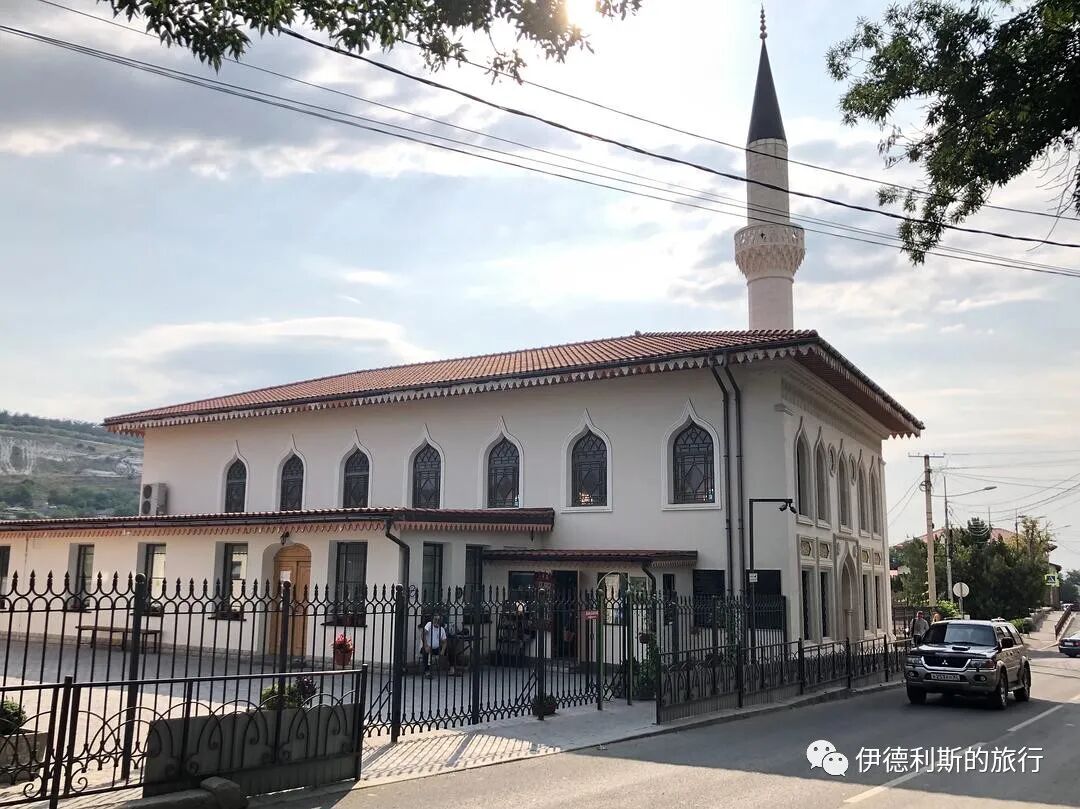
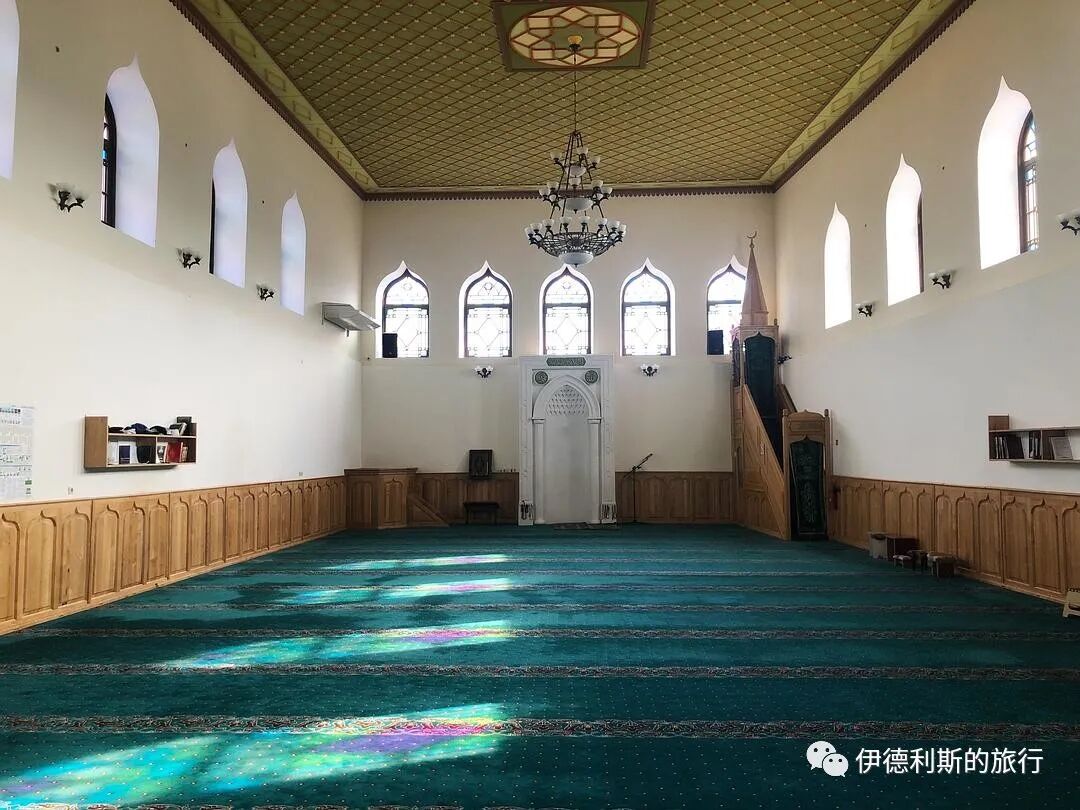
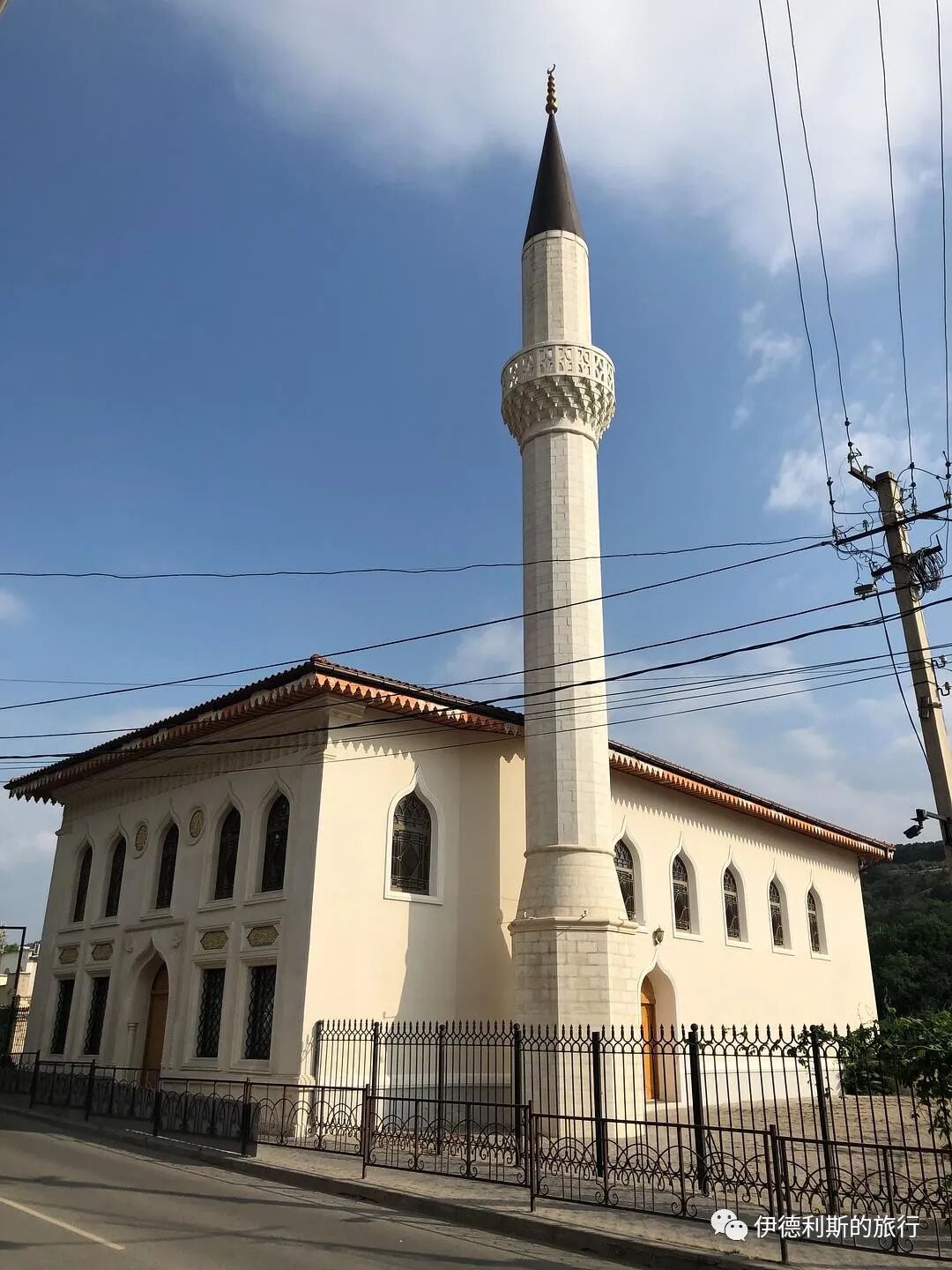
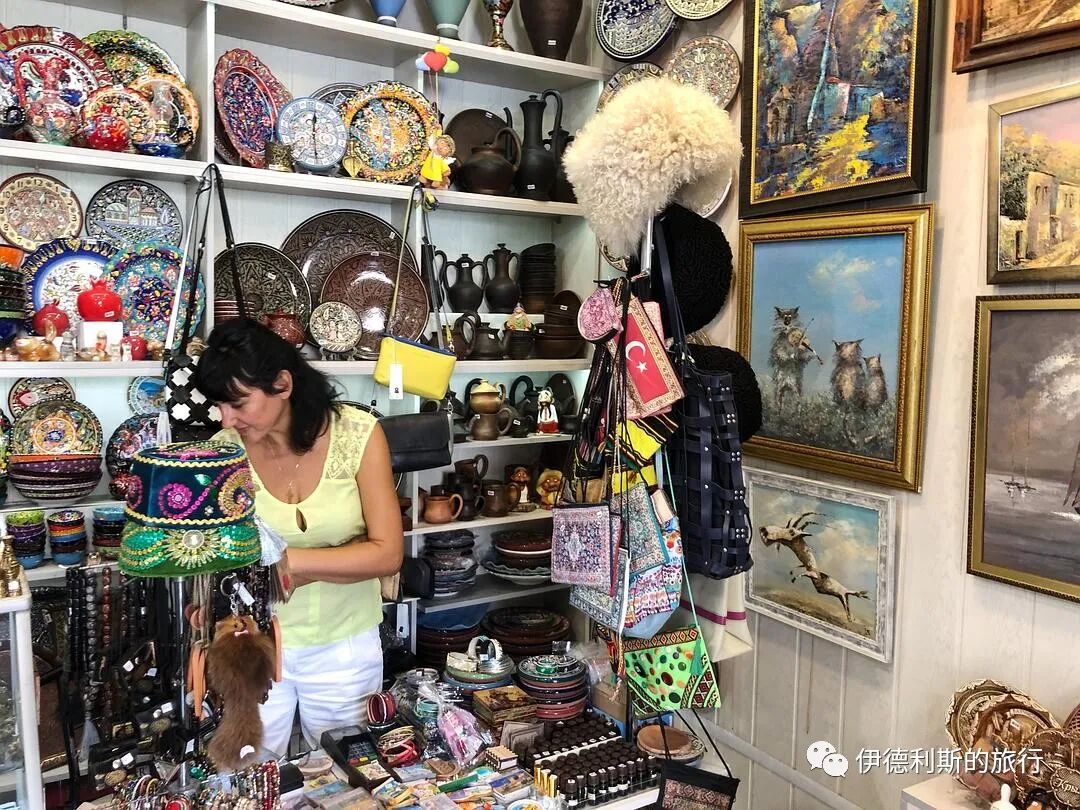
I bought various magnets, brooches, and small flags with Crimean Tatar symbols at the Orta Mosque (Orta Cami), and also bought a small leather hat. The Crimean Tatar muezzin who sold the items was very enthusiastic; he took the initiative to show me around the mosque and told me which angle was best for selfies.
Orta Mosque was built in 1674 and was once an important Jumu'ah (Friday congregational) mosque for the Crimean Khanate, but the minaret and some surrounding buildings were later severely damaged and were not rebuilt and restored until 2012.
Kalpak wool hat
I bought a wool hat called Kalpak by the Crimean Tatars in a shop; it is the most classic winter hat for Crimean Tatars. This word is the same as the name of the felt hat worn by the Kyrgyz people, but the shape is different.
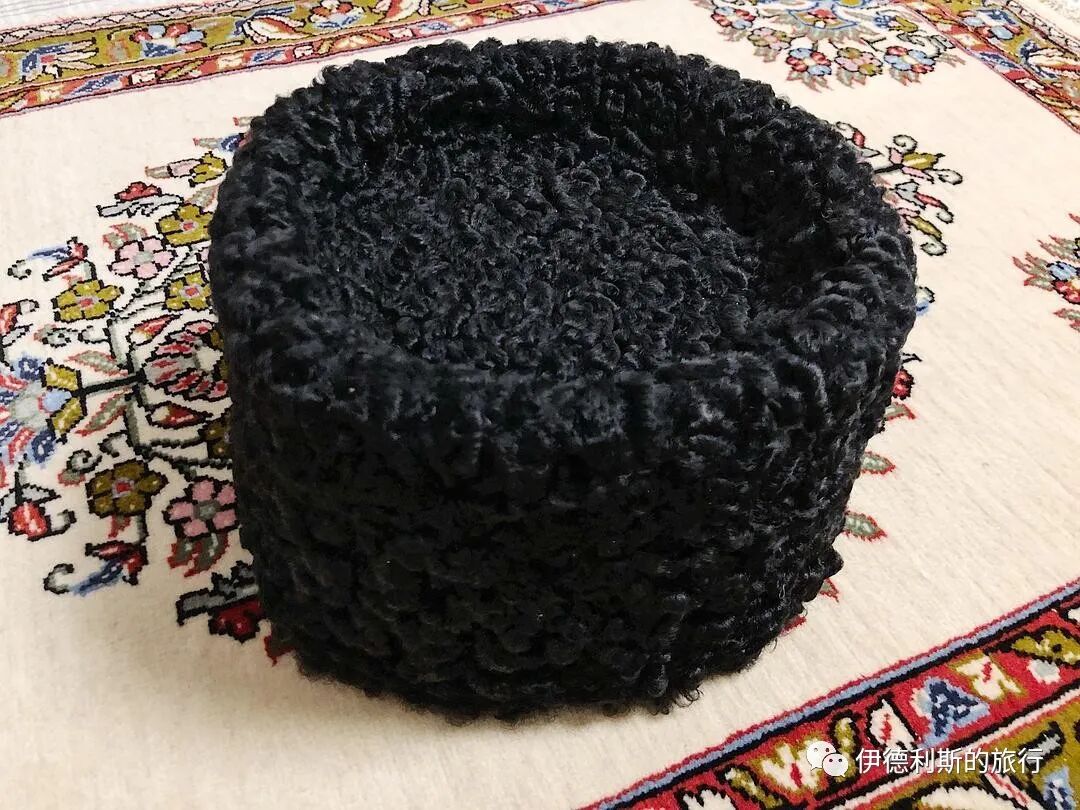
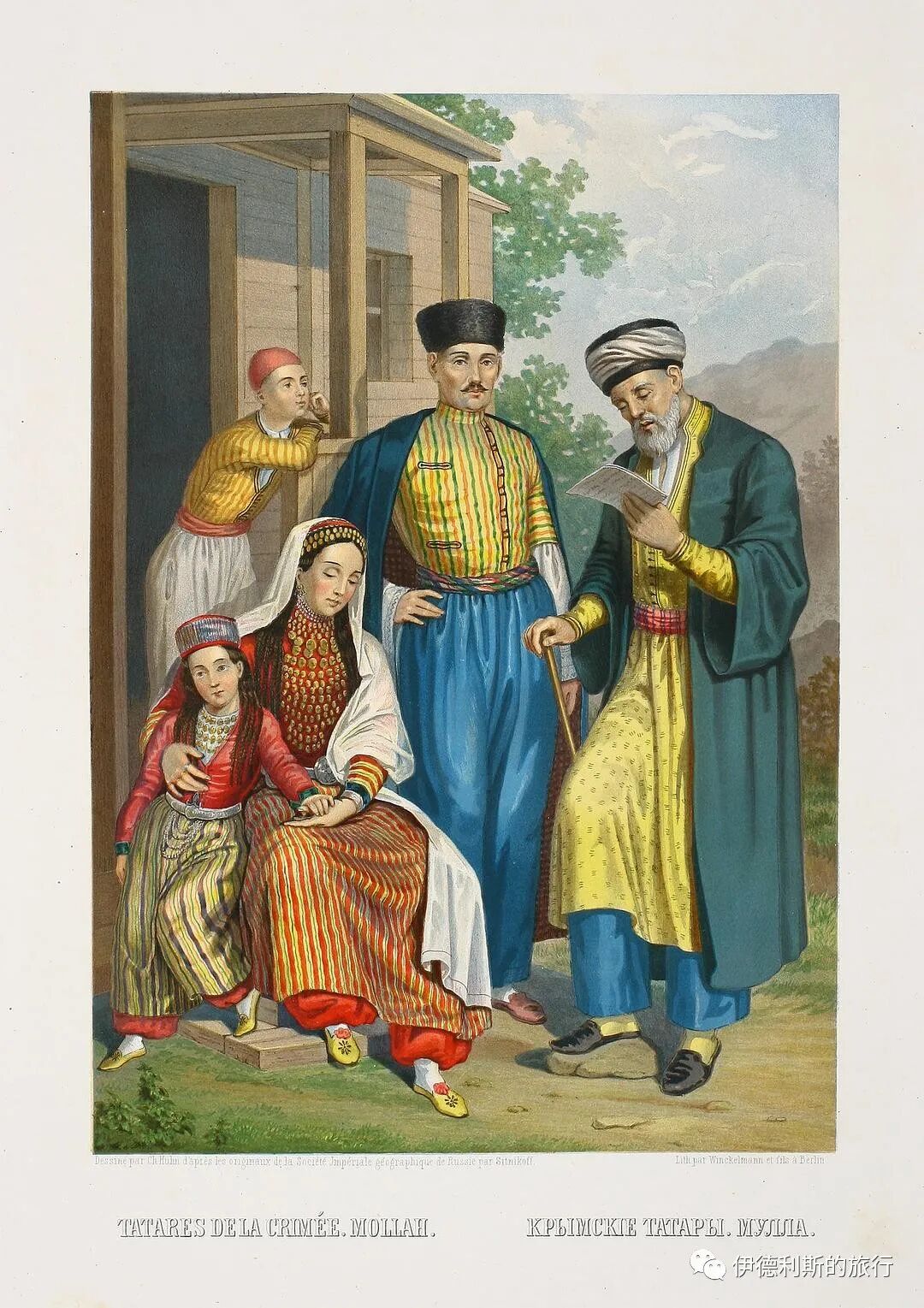
What Crimean Tatars looked like wearing a Kalpak in 1862
Summary: This travel note introduces Crimean Tatar Halal Travel Guide: Food, Mosques and Muslim Heritage in the Old Capital. In the summer of 2019, I went to Bakhchysarai, an ancient city in the mountains of the Crimean Peninsula. It is useful for readers interested in Crimean Tatars, Halal Food, Muslim Heritage.
In the summer of 2019, I went to Bakhchysarai, an ancient city in the mountains of the Crimean Peninsula. Bakhchysarai was established by the Crimean Tatars and became the capital of the Crimean Khanate in 1532. Although it became an ordinary town after Russia occupied the Crimean Khanate in 1783, it remains the cultural center of the Crimean Tatars, preserving their unique culture and customs.
The Crimean Tatars are a Turkic-speaking Muslim ethnic group that formed during the Golden Horde period. In May 1944, the Soviet Union deported all 240,000 Crimean Tatars from the Crimean Peninsula to Uzbekistan and other remote regions. A large number of Crimean Tatars died on the way to exile from cold, hunger, disease, and exhaustion. Even after reaching their destinations, many were forced to work hard in "Gulag" collective farms. For nearly half a century after that, there were almost no Crimean Tatars on the Crimean Peninsula.
After long-term efforts by the Crimean Tatar civil rights movement, the Soviet Union finally recognized the deportation of the Crimean Tatars as illegal in 1989, and the Crimean Tatars finally gained the right to return to their homeland. Today, 250,000 Crimean Tatars have returned to their homeland, working hard to rebuild their lives, overcoming social and economic obstacles, and continuously passing on their culture.
The dietary culture of the Crimean Tatars is closely related to their history. Because the Crimean Khanate was a long-term vassal state of the Ottoman Empire, it has many Ottoman-related foods, such as Turkish coffee, Baklava (Turkish dessert), and Dolma (stuffed grape leaves). After being exiled to Uzbekistan in 1944, a large number of Uzbek dishes were added to the Crimean Tatar diet, including Plov (pilaf), Lagman (hand-pulled noodles), Samsa (baked meat buns), Manti (steamed dumplings), and Lepyoshka (flatbread), among others. In addition, the Crimean Tatars have some unique delicacies, one of which is Chebureki (deep-fried meat pastry), known as a Crimean Tatar national delicacy. Next, I will share what I ate this time with everyone.
Regarding the historical sites of the Crimean Tatars, see "The Former Capital of the Crimean Khanate - Bakhchysarai".
Staying at a Crimean Tatar estate
I stayed at a very beautiful traditional Crimean Tatar house called Bahitgul Boutique-Hotel this time. They serve traditional Crimean Tatar meals, so I basically ate breakfast at my accommodation. Moreover, the view while eating there is particularly good, overlooking the entire ancient capital.
Breakfast
The first breakfast consisted of Lagman (hand-pulled noodles), Omlet (omelet), Lepyoshka (flatbread), and traditional coffee. The coffee comes from the Ottoman Empire, and the Lagman comes from the exile in Uzbekistan.
The second breakfast consisted of Tatar Ash (small Crimean Tatar dumplings) dipped in yogurt, Kasha v Assortimente (assorted porridge), and Bliny (thin pancakes) dipped in jam.
Samsa at the bazaar
I ate Samsa (baked meat buns) at the bazaar, but unfortunately, time was a bit tight and I didn't get to explore the bazaar properly.
Restaurant
I ate Plov (pilaf), Dolma (stuffed grape leaves), and Shashlik (lamb skewers) at a Crimean Tatar restaurant; the Shashlik was incredibly tender and fragrant.
"Dolma" is widely distributed in the Middle East, and its origin is currently unclear; it may have originated from the Ottoman court. According to the records of Persian court chefs, Dolma has several different wrapping methods, including grape leaves, cabbage leaves, cucumbers, eggplants, and apples, while the fillings include minced meat, fried mint, rice, and saffron.
Dessert shop
I bought desserts at a Crimean Tatar dessert shop in the ancient city, which are basically the same as the Baklava popular in former Ottoman regions (Turkey, the Caucasus, the Balkans, the Levant, etc.). The first row on the iron tray in Figure 3 says "hazelnut," and the second row says "caramel."
Baklava is said to come from the Ottoman court. Every year on the 15th of Ramadan, the Ottoman Sultan would distribute Baklava in trays to the Janissaries during a procession; this ceremony is also called "Baklava Alayı". The consumption of Baklava by Crimean Tatars is also related to the history of the Crimean Khanate as a vassal state of the Ottoman Empire.
Estate restaurant
At an estate-style Crimean Tatar restaurant at the foot of the mountain, I ate Brynza s Maslinami (sheep cheese with olives), Deniz Kebab (grilled salmon), Manti (steamed dumplings), and the Crimean Tatar specialty Chebureki (deep-fried meat pastry).
Chebureki (deep-fried meat pastry) is a unique national food of the Crimean Tatars. It can be made with lamb or beef, served with onions and black pepper, and the dough is very thin. Manti (steamed dumplings) were brought back by the Crimean Tatars after they were forced into exile in Uzbekistan in 1944.
This restaurant also has a small shop on the first floor, where I bought a Tubeteika (traditional skullcap).
Small shop at the mosque
I bought various magnets, brooches, and small flags with Crimean Tatar symbols at the Orta Mosque (Orta Cami), and also bought a small leather hat. The Crimean Tatar muezzin who sold the items was very enthusiastic; he took the initiative to show me around the mosque and told me which angle was best for selfies.
Orta Mosque was built in 1674 and was once an important Jumu'ah (Friday congregational) mosque for the Crimean Khanate, but the minaret and some surrounding buildings were later severely damaged and were not rebuilt and restored until 2012.
Kalpak wool hat
I bought a wool hat called Kalpak by the Crimean Tatars in a shop; it is the most classic winter hat for Crimean Tatars. This word is the same as the name of the felt hat worn by the Kyrgyz people, but the shape is different.
What Crimean Tatars looked like wearing a Kalpak in 1862
