
Halal Travel Guide: Beijing Muslim Heritage Walk 2021 (Part 5)
Reposted from the web
Summary: Beijing Muslim Heritage Walk 2021 is presented here as a firsthand travel account in clear English, beginning with this scene: A photo of my grandfather (second from right) and his colleagues in the 1950s, when they were all workers building the Great Hall of the People. The account keeps its focus on Beijing Walks, Muslim Heritage, Beijing Mosques while preserving the names, places, food, and historical details from the Chinese source.
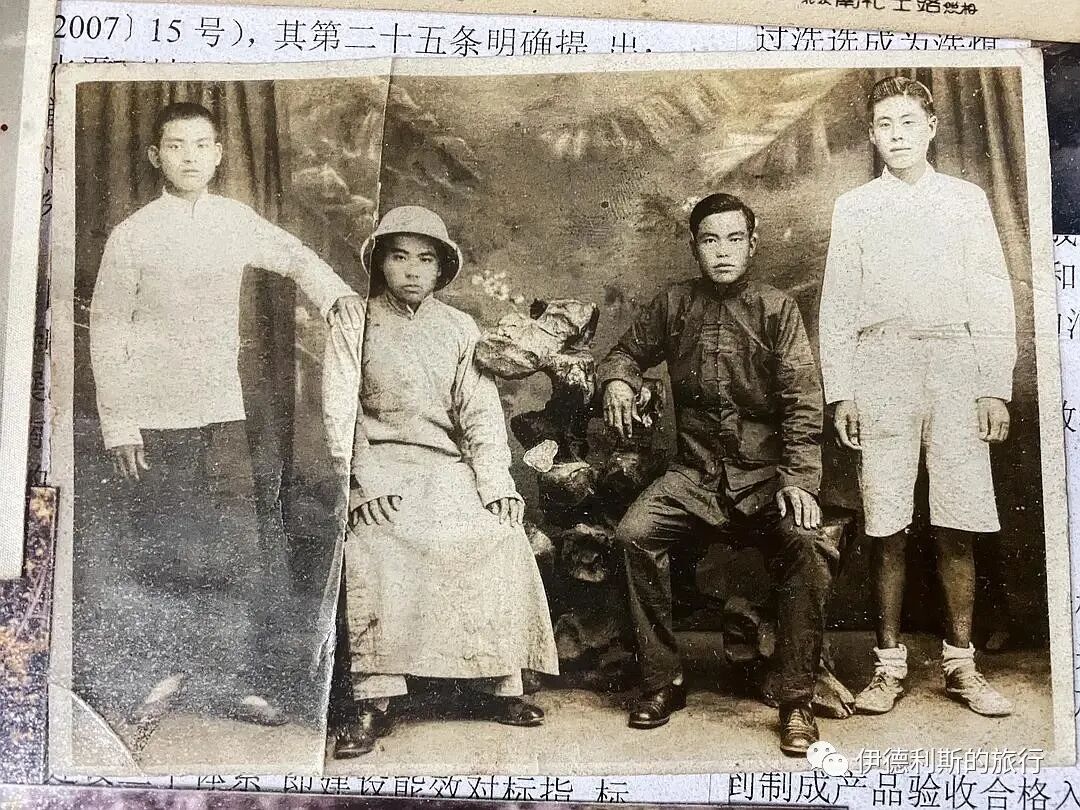
A photo of my grandfather (second from right) and his colleagues in the 1950s, when they were all workers building the Great Hall of the People.
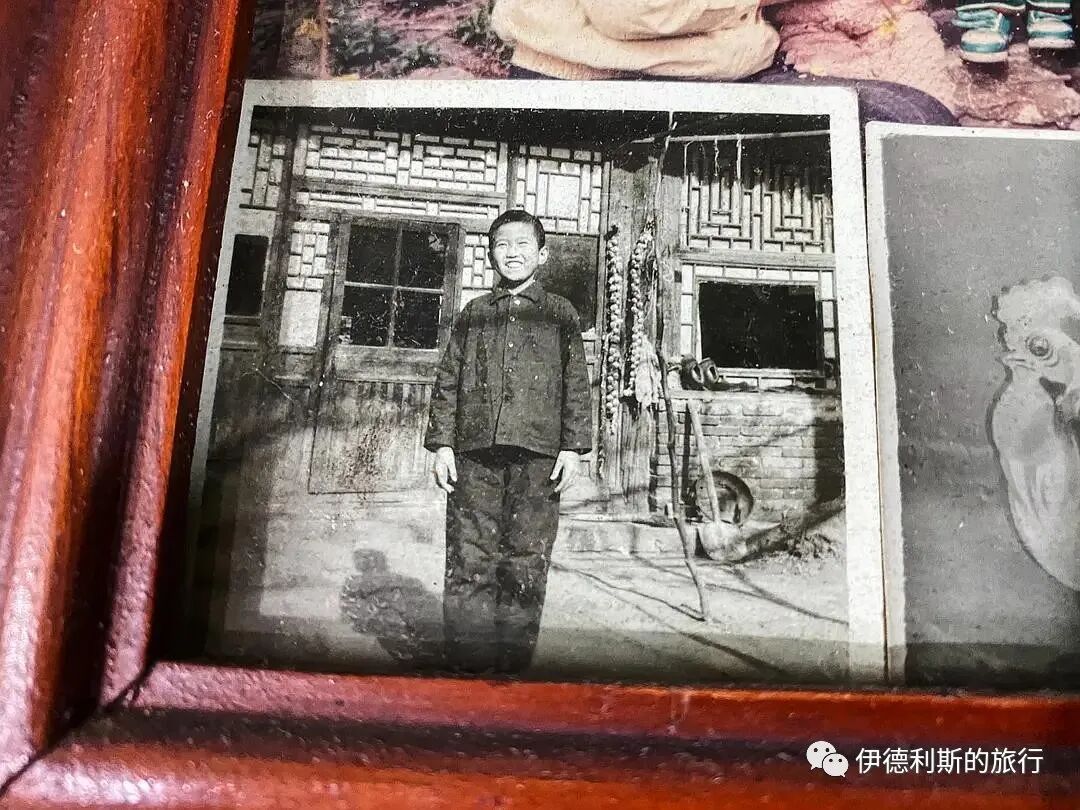
My dad in the early 1970s in the courtyard of my grandfather's house.
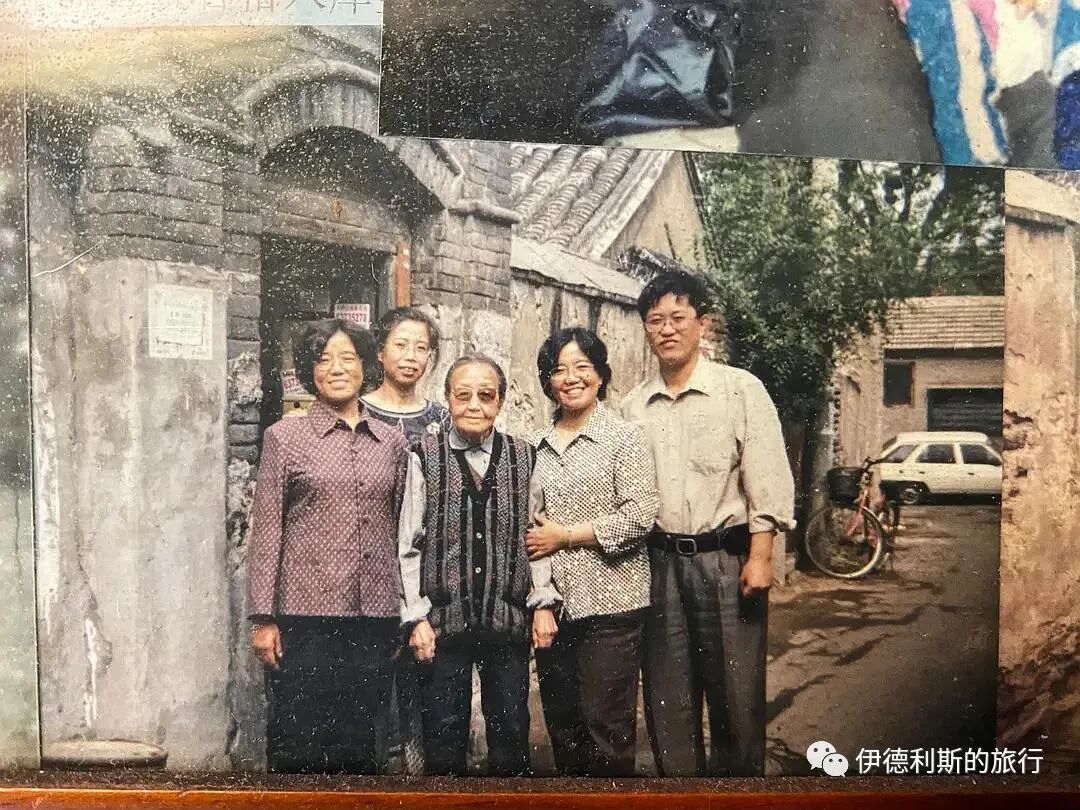
My dad, my aunts, and neighbors at the gate of my grandfather's courtyard at the turn of the century.
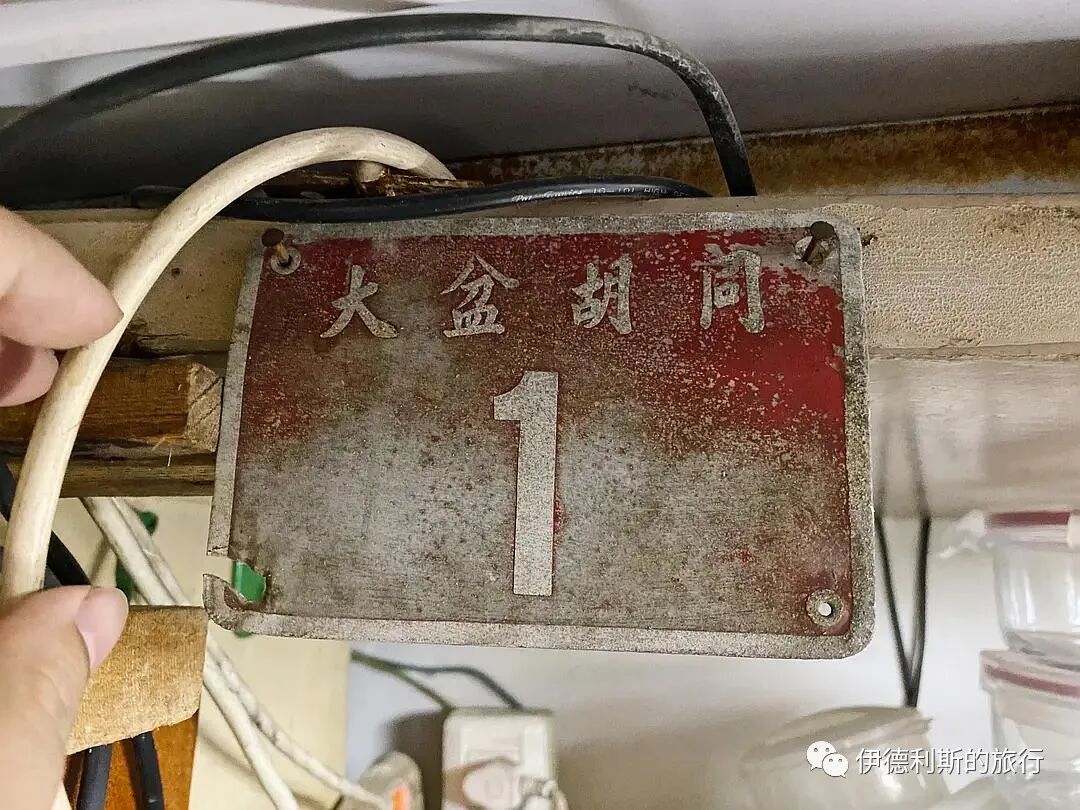
The old house number plate from my grandfather's courtyard. Twenty years ago, this place was turned into ruins to make way for Financial Street.
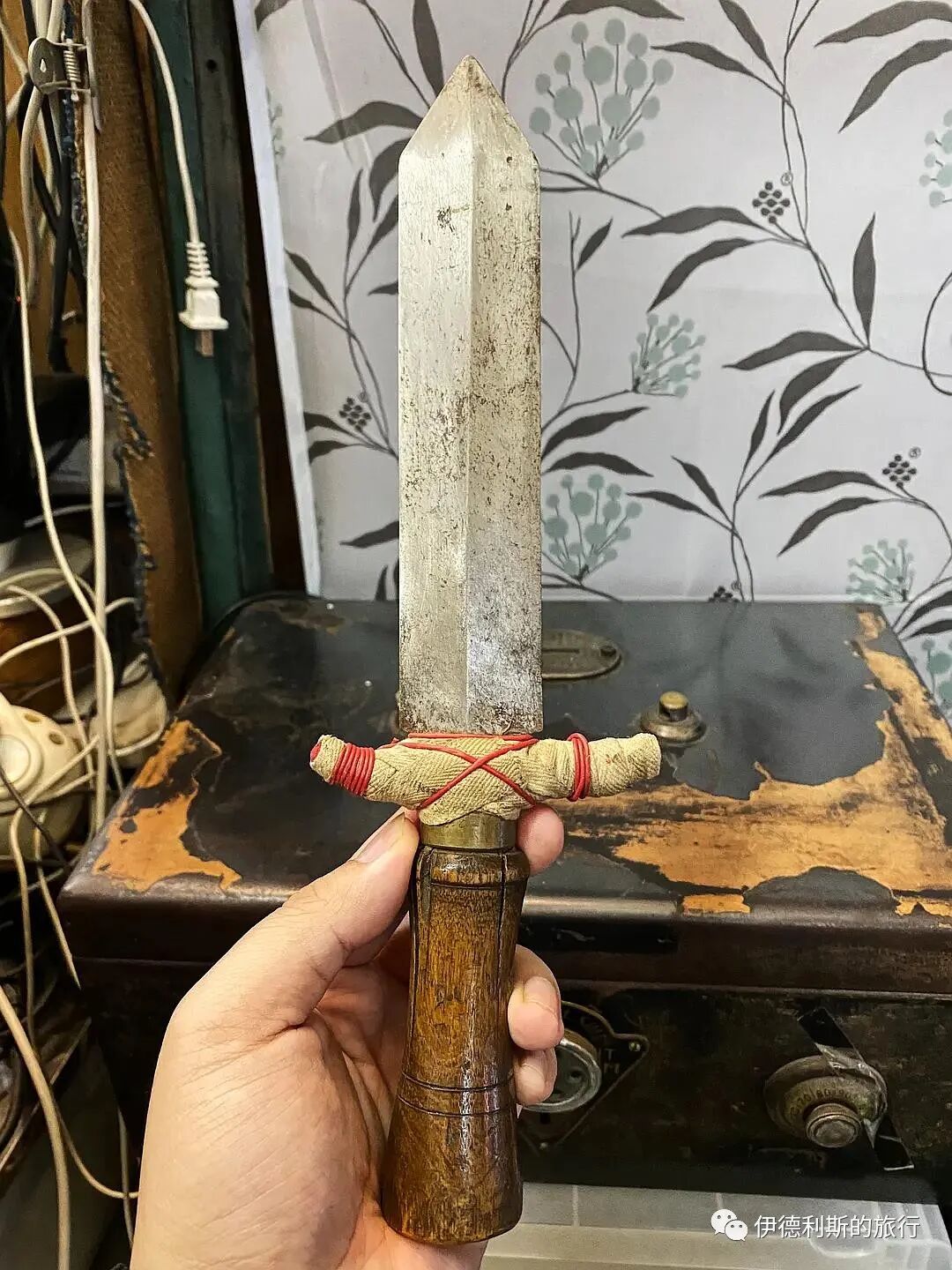
Something my dad made himself in the 1980s.
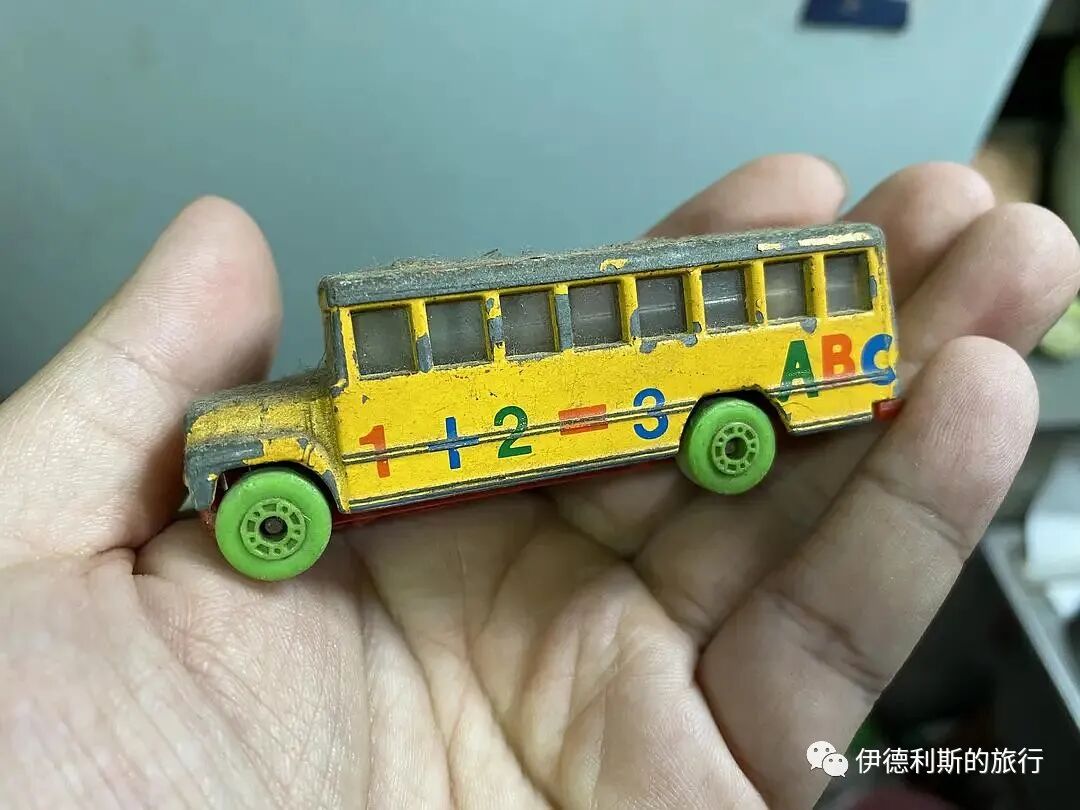
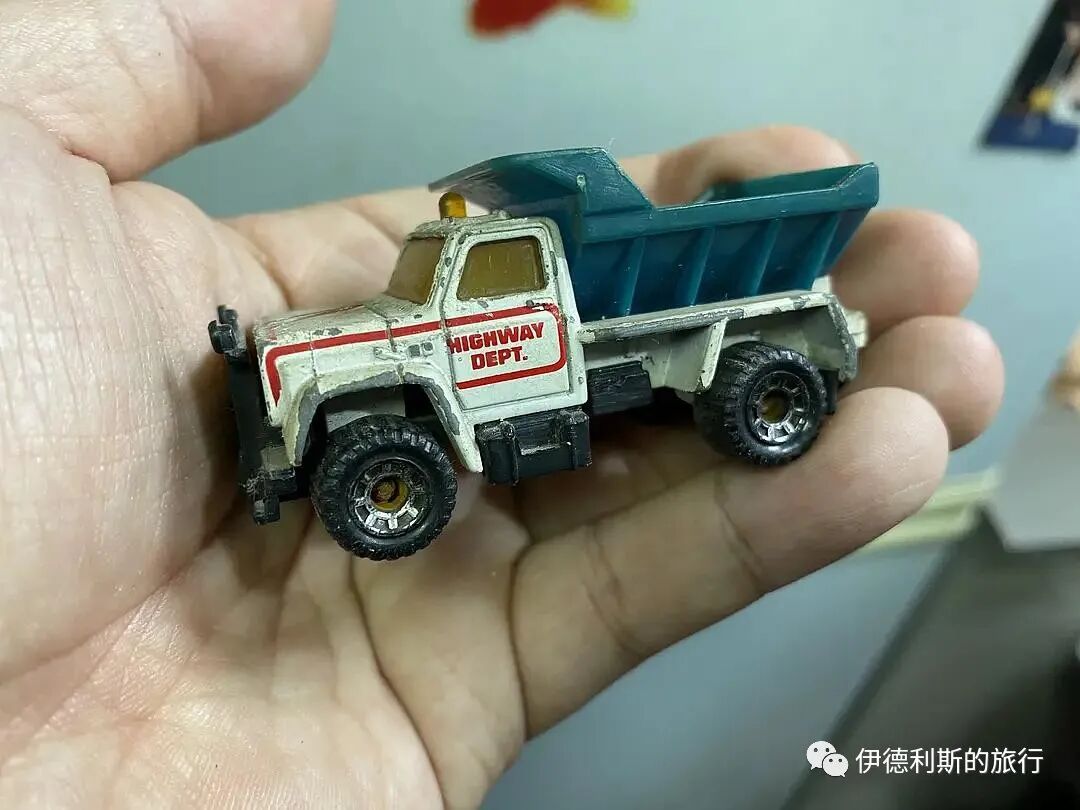
The toy car I played with as a child, with 1985 and 1990 written on it.
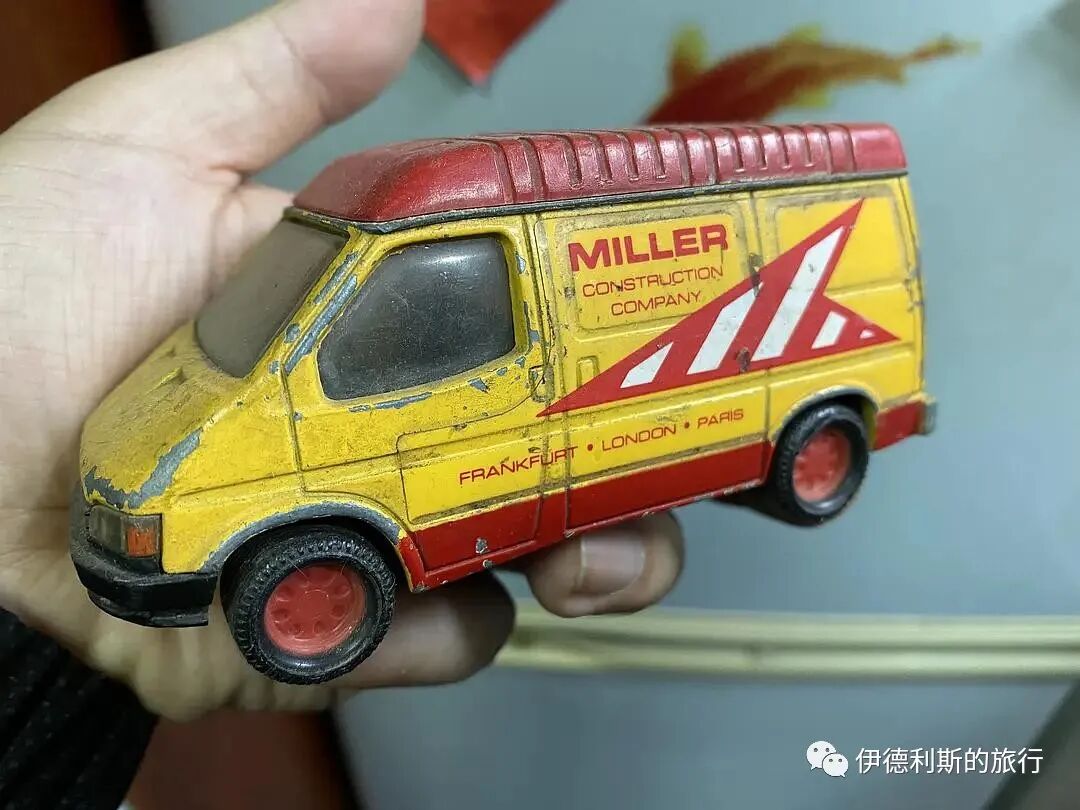
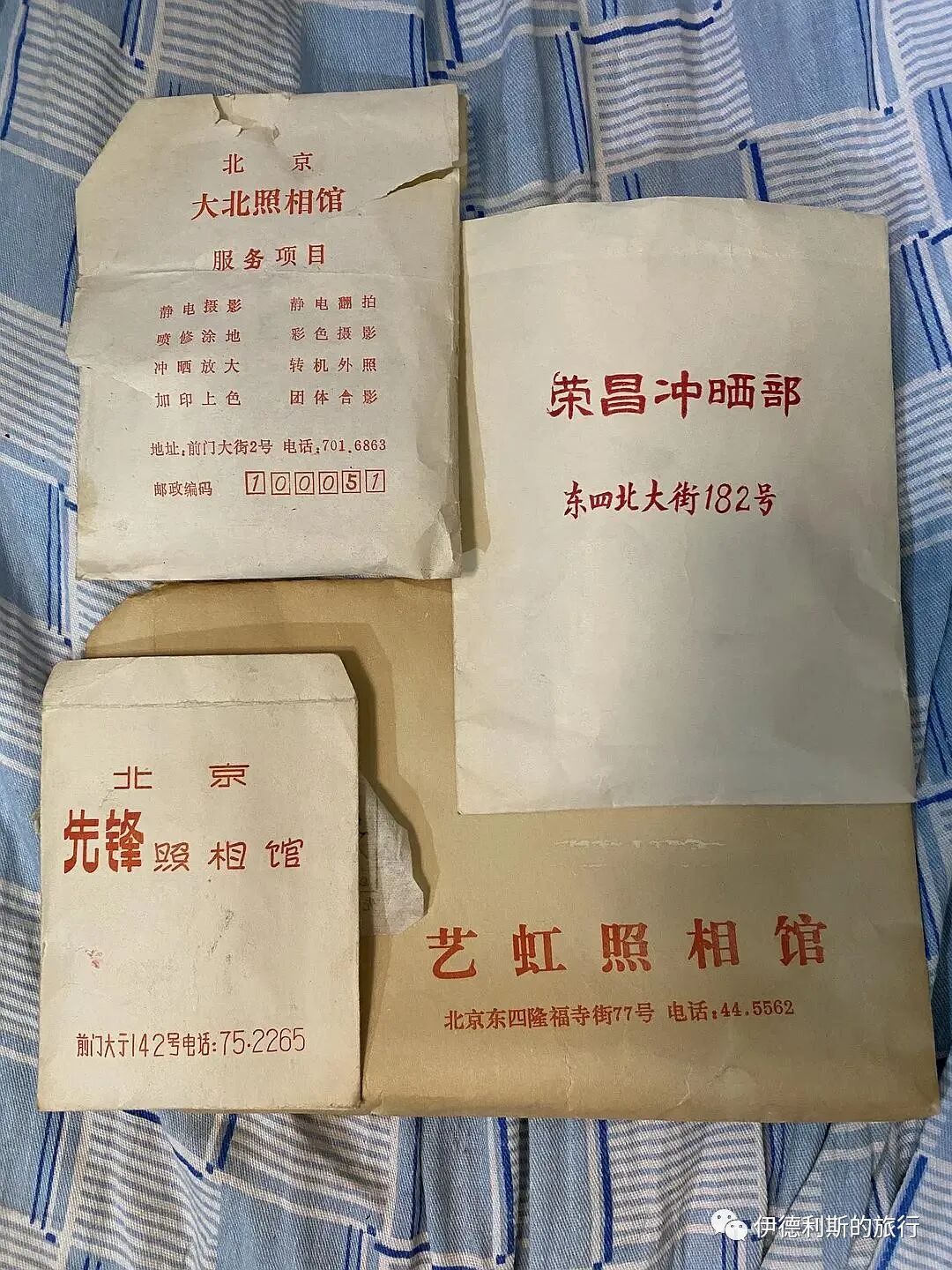
The last photo shows the places where our family developed photos over the years; I think only Dabe is still around now.
November 28, Inner Mongolia Cultural Relics Exhibition at the National Museum of China.
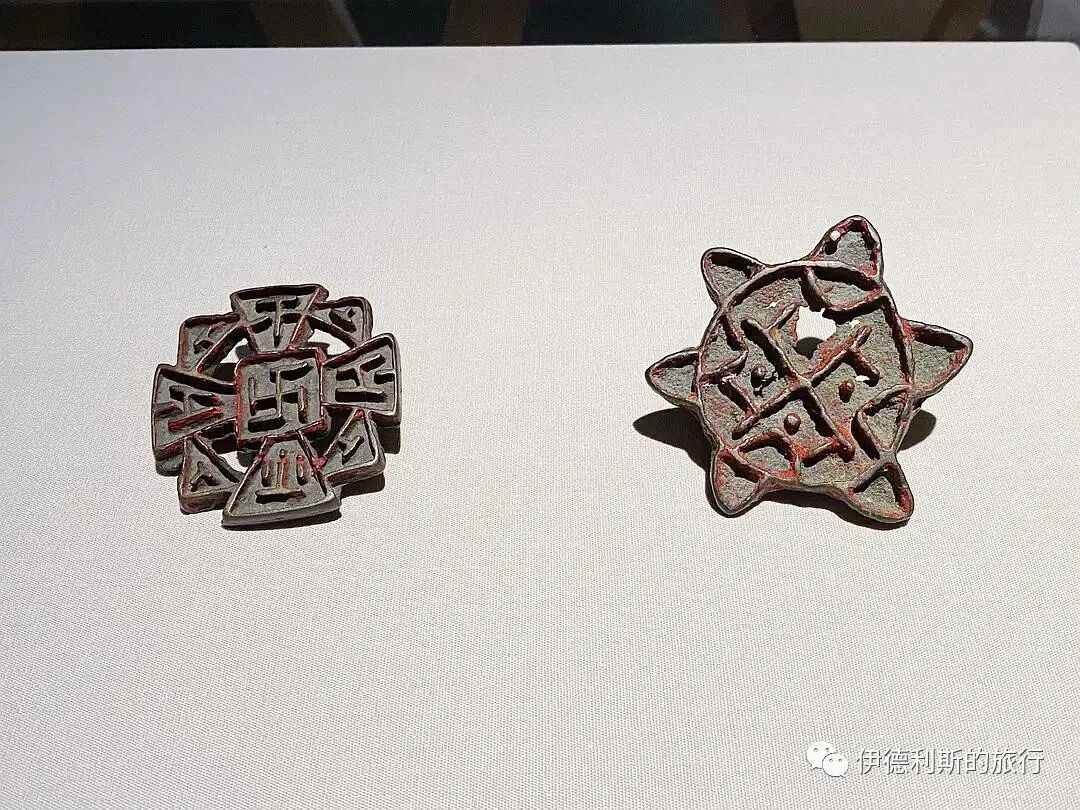
A Nestorian bronze cross from the Inner Mongolia Museum collection on display at the National Museum. The label on the left says it was unearthed in Dalu Commune, Jungar Banner, Ordos City.
Most of these Nestorian bronze crosses were found in the Ordos region. They were first discovered in 1929 by the missionary Shi Peizhi while he was preaching in Baotou. Later, a Beijing missionary named Nie Kexun commissioned others to collect over a thousand of them, which are now kept at the Fung Ping Shan Museum at the University of Hong Kong.
These bronze crosses have a loop on the back for wearing. Besides the cross, they also feature bird and swastika shapes, which may have been used as seals. Scholars previously thought the Ordos Nestorian bronze crosses belonged to the Ongud tribe of the Yuan Dynasty, but in his book Between Pine and Desert (Songmo Zhijian), Lin Meicun argues they should belong to the Turkic Hun Nestorian Christians from the Liao, Jin, and Western Xia periods.
In the early 10th century, the Mongol Qiyan tribe moved west from Hulunbuir, forcing the Nestorian Turkic Hun tribe in the Tuul River valley to scatter. One branch migrated to Ordos and lived there until the 14th century.
Since these Nestorian bronze cross plaques were unearthed in ancient tombs from the Liao and Western Xia periods, and the Turkic Ongud tribe only moved south to Ordos from north of the Yin Mountains in the early Yuan Dynasty, Lin Meicun believes they should not be attributed to the Ongud tribe.
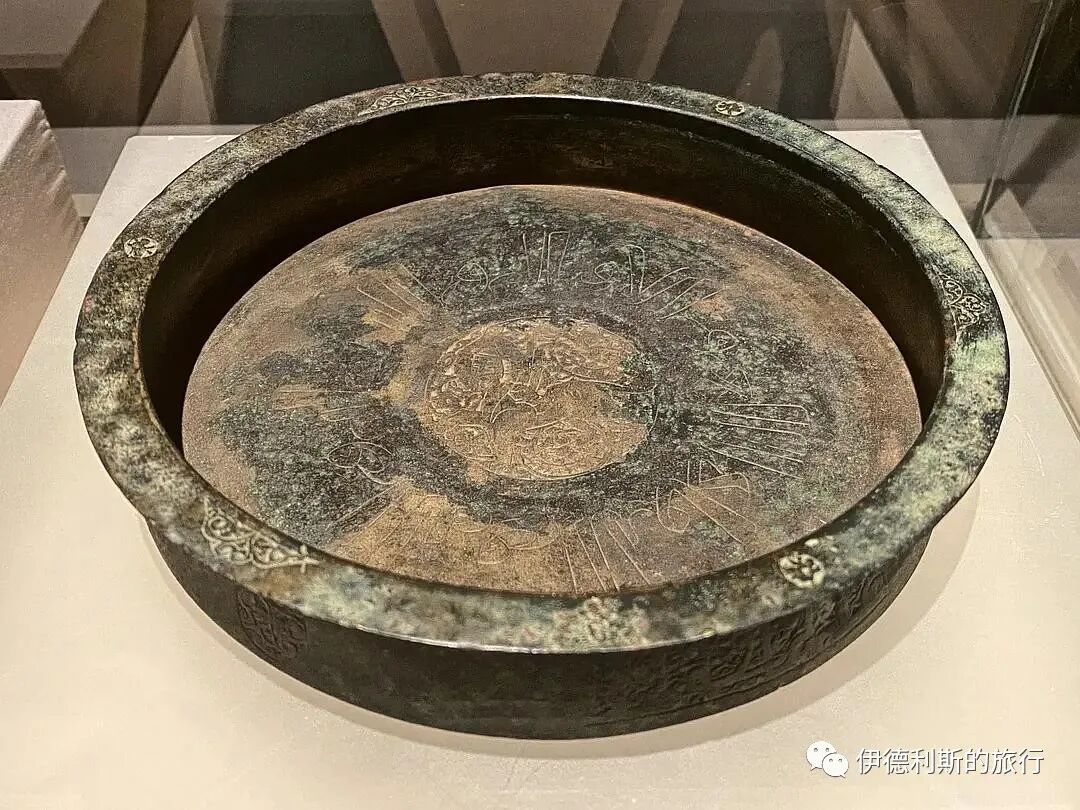
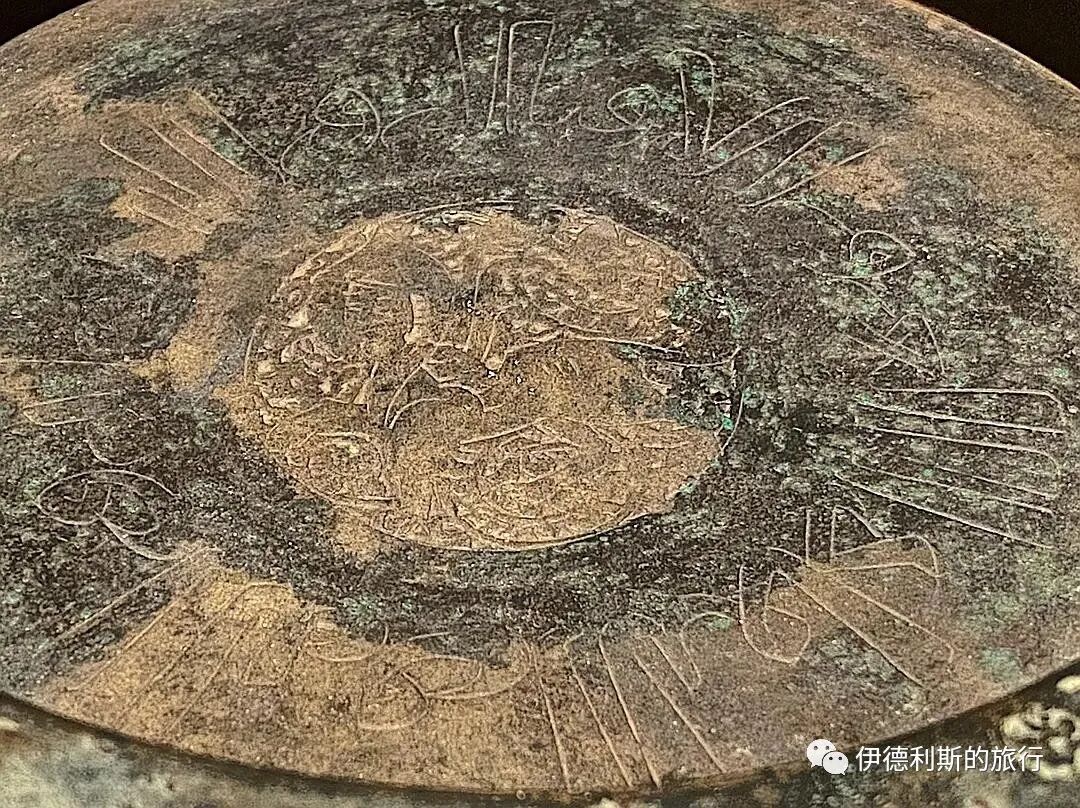
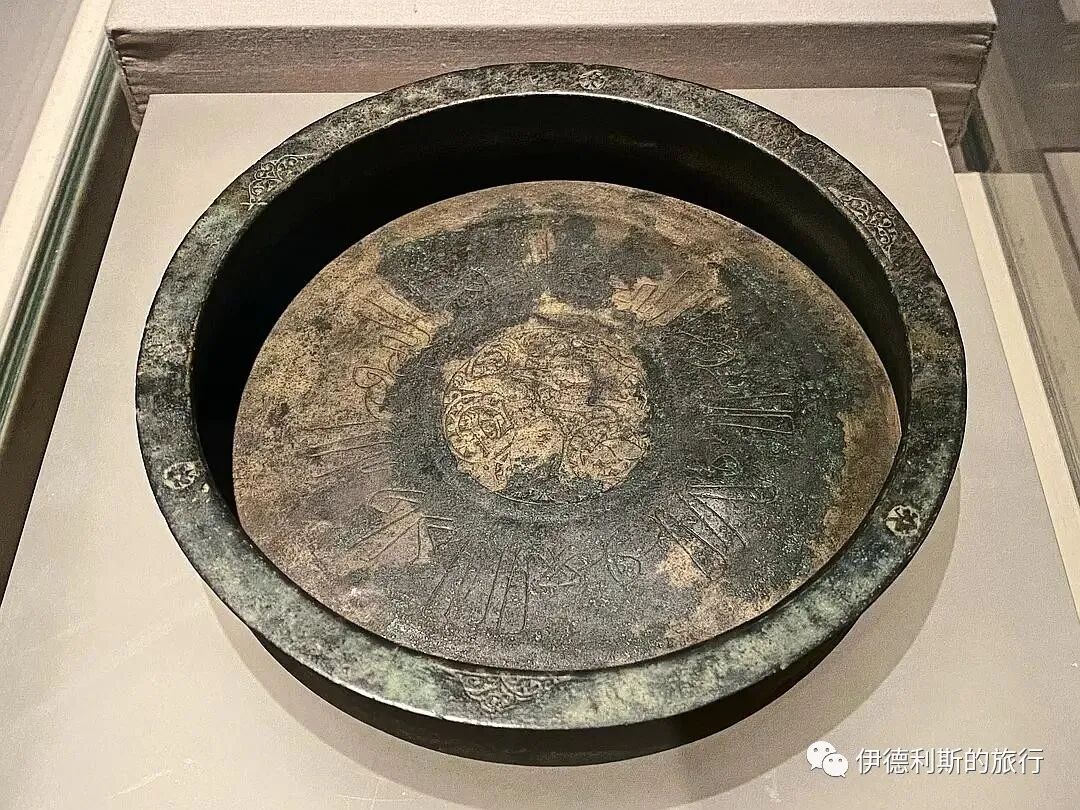
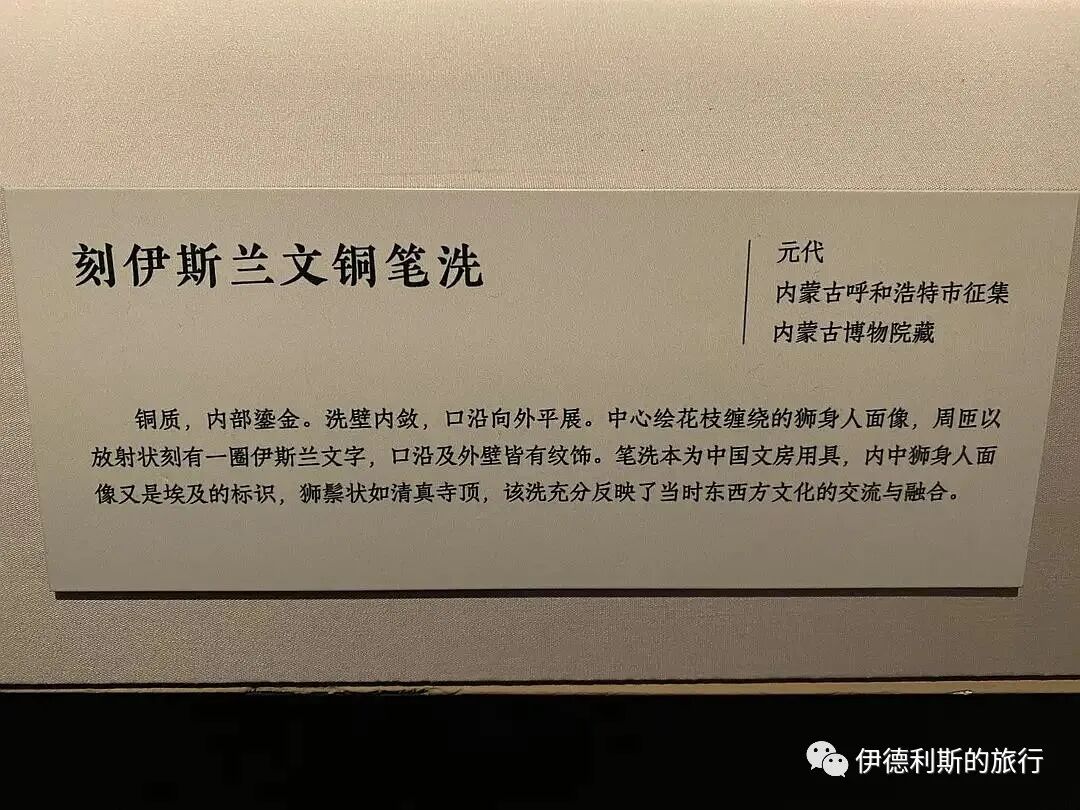
I saw a very special artifact at the National Museum's Inner Mongolia exhibition. The label said it was a bronze brush washer with Islamic script, only noting it was collected in Hohhot. The writing on it doesn't look like Arabic or Persian. I think the pattern in the middle looks like the style of the Seljuk Empire and the Ilkhanate. The lion mane mentioned on the label is, in my opinion, the halo often seen behind figures in Seljuk-Ilkhanate and later miniature paintings.
The sphinx image with a halo was very common during the Seljuk period. I once traveled to the capital of the Sultanate of Rum, modern-day Konya in Turkey, and saw it at the Karatay Tile Museum there.
December 3, Nandouya Mosque reopened.
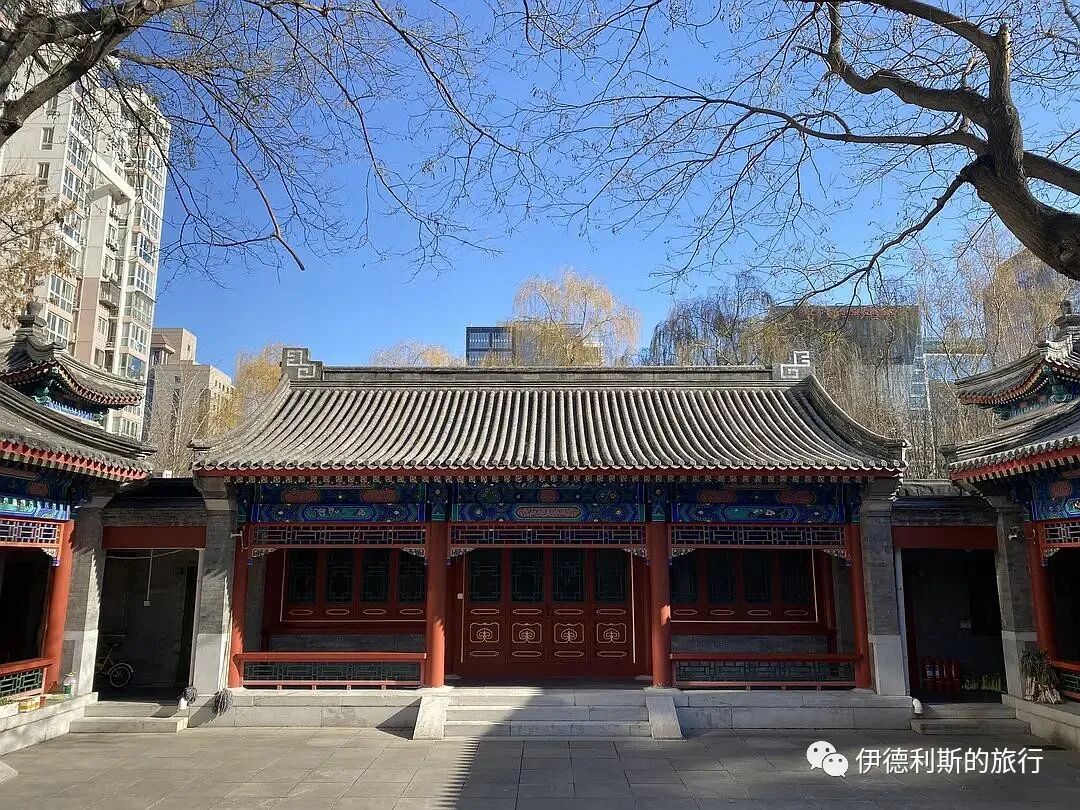
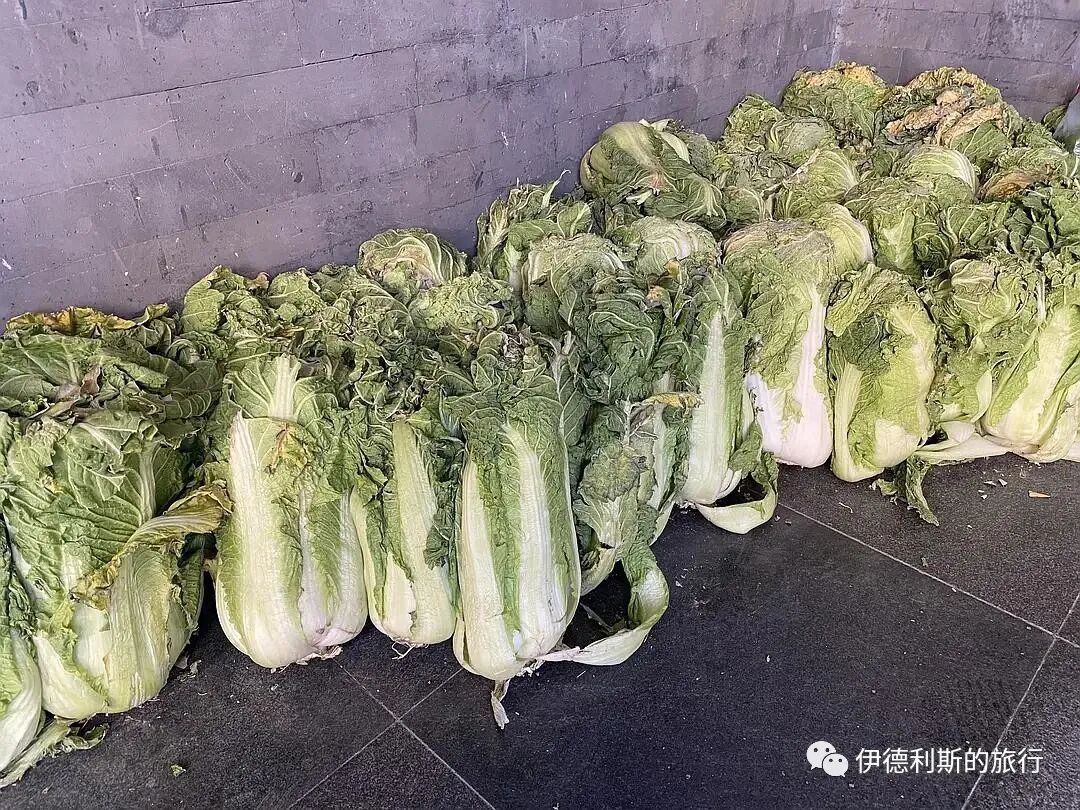
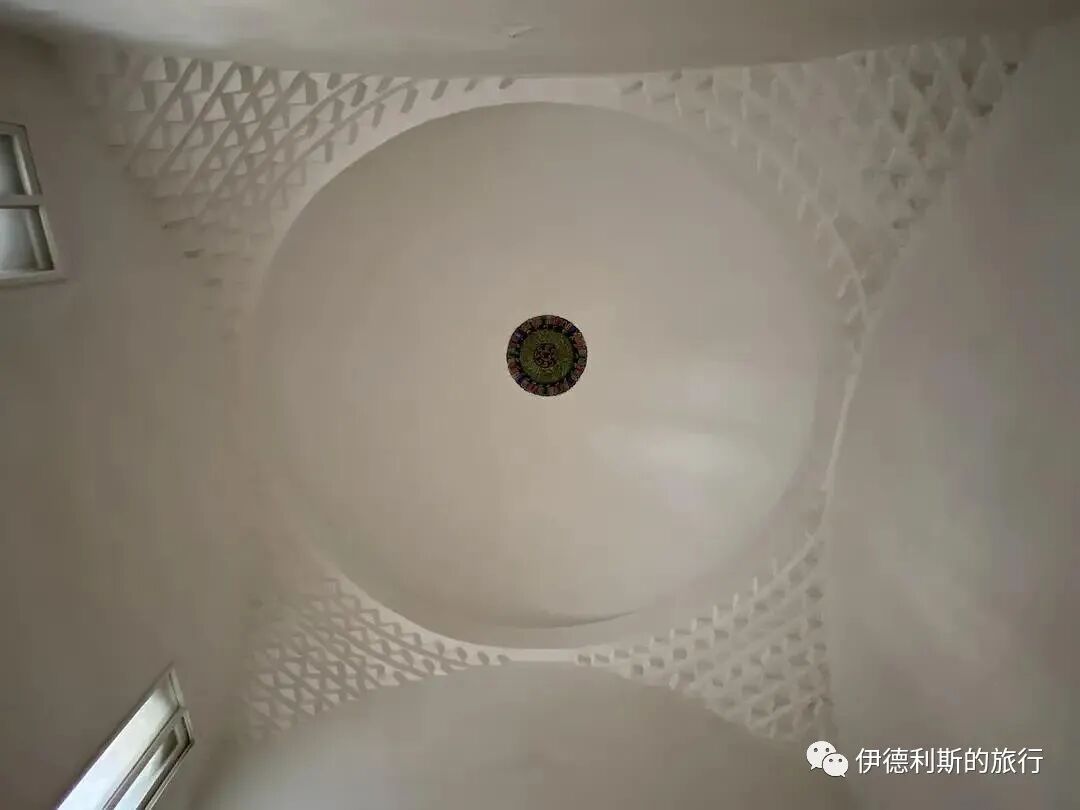
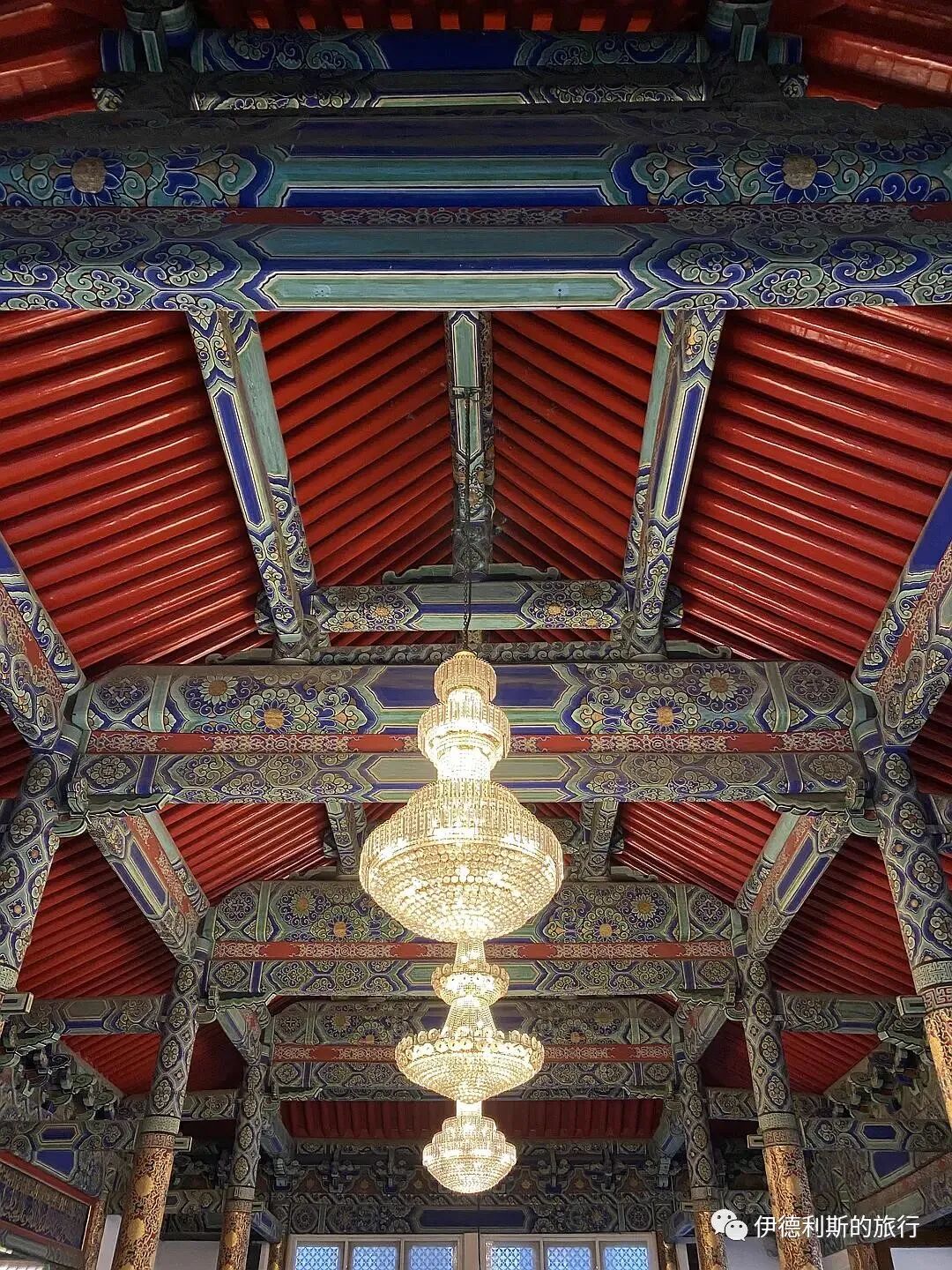
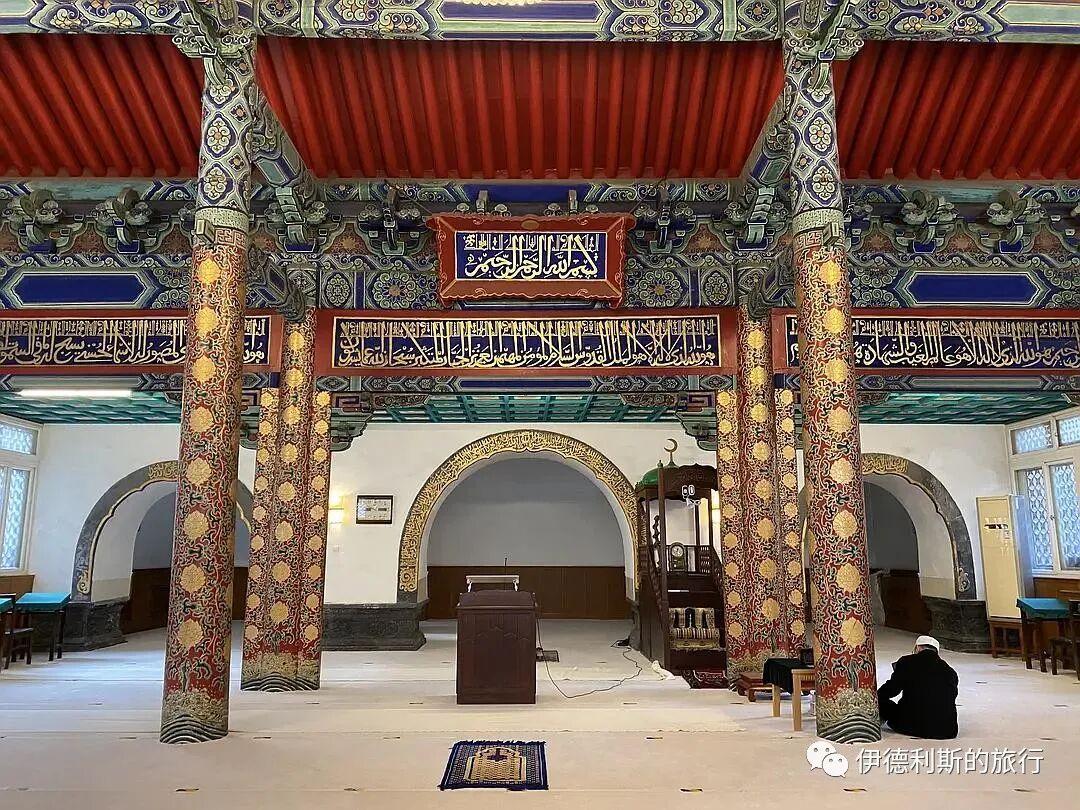
December 10, Dongsi Mosque.
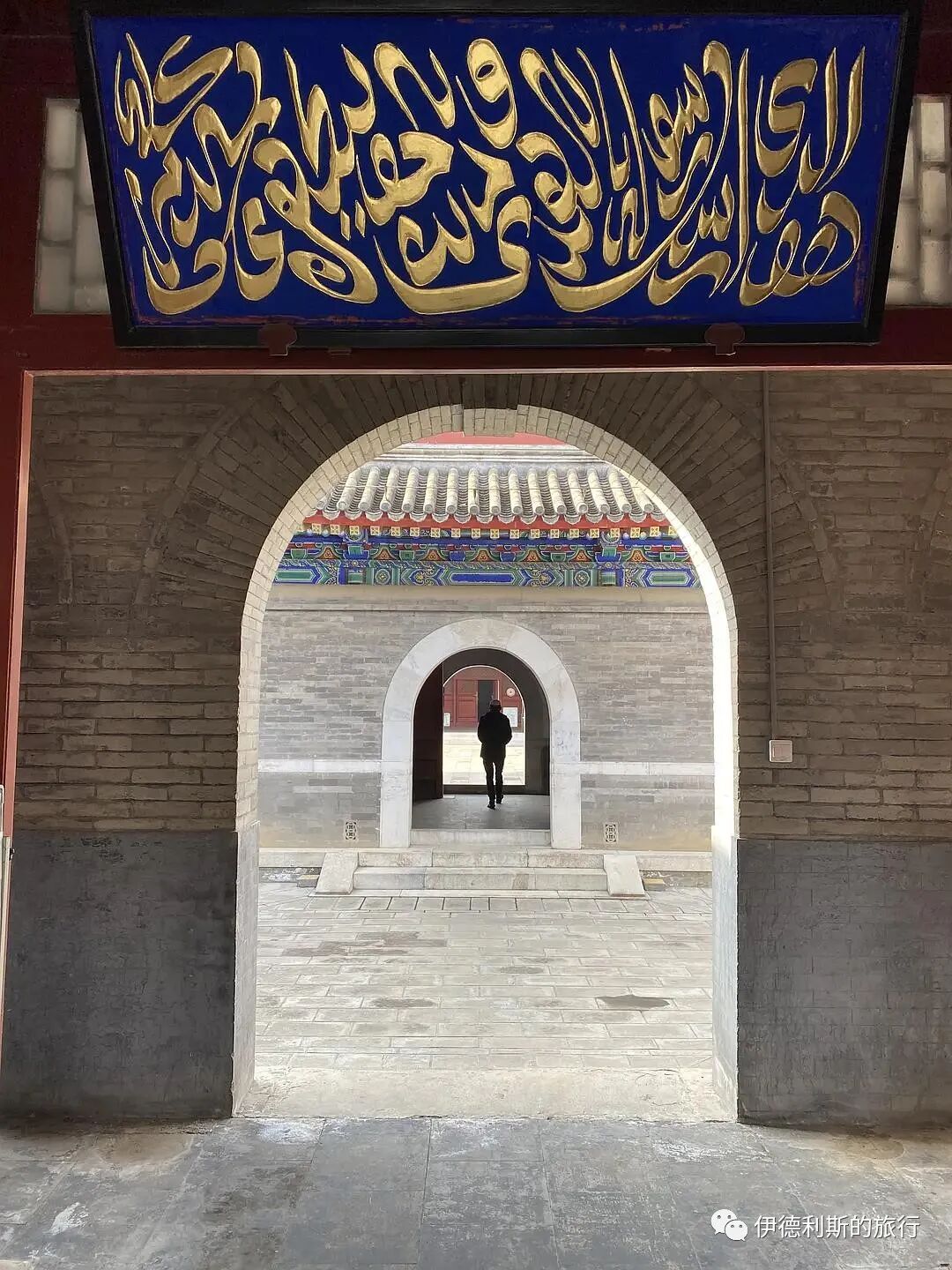
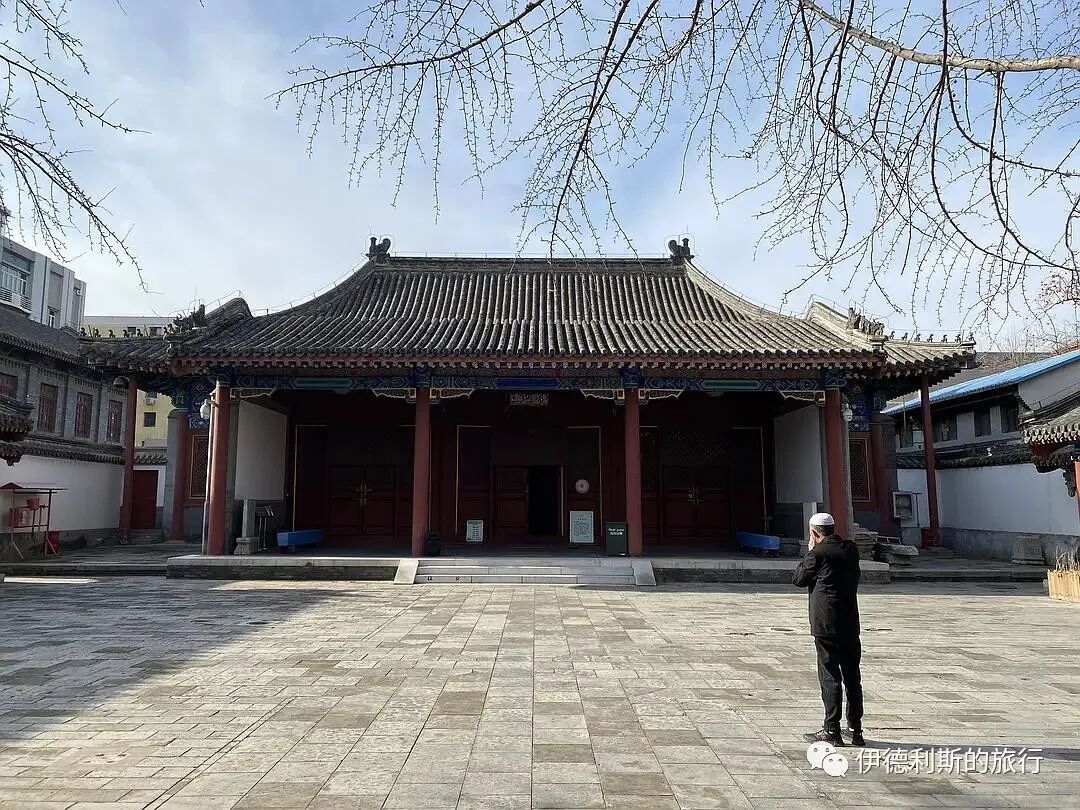
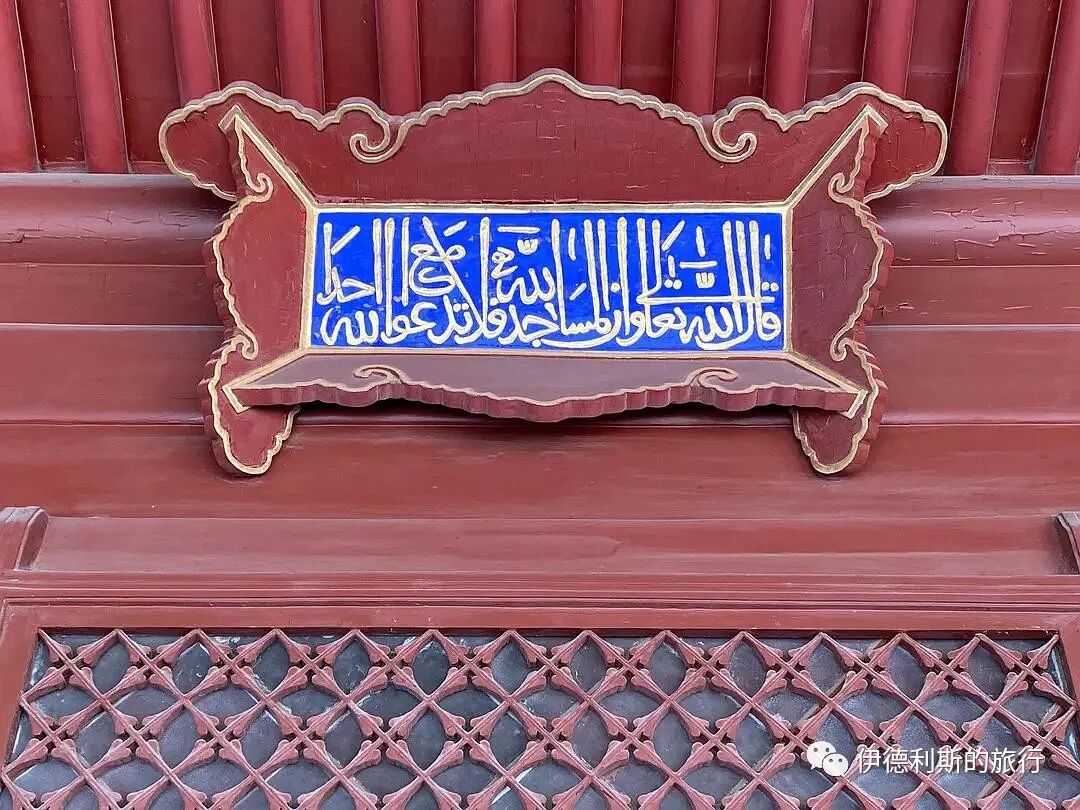
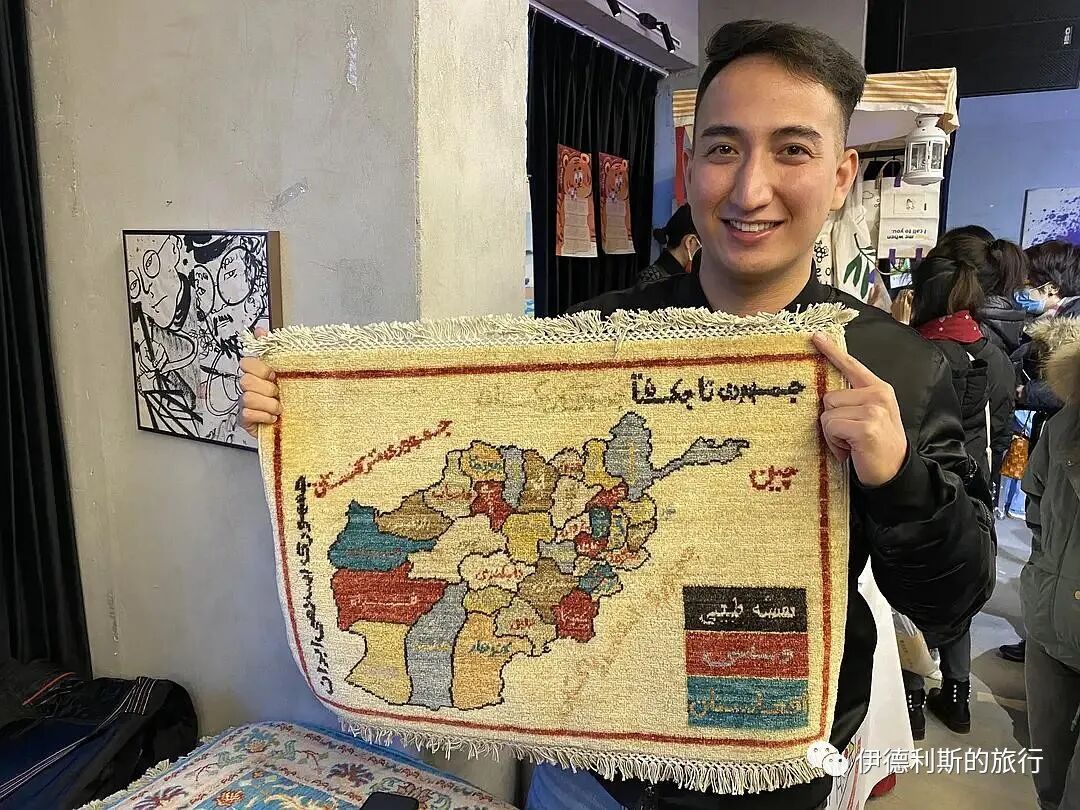
December 11, bought an Afghan rug at the market.
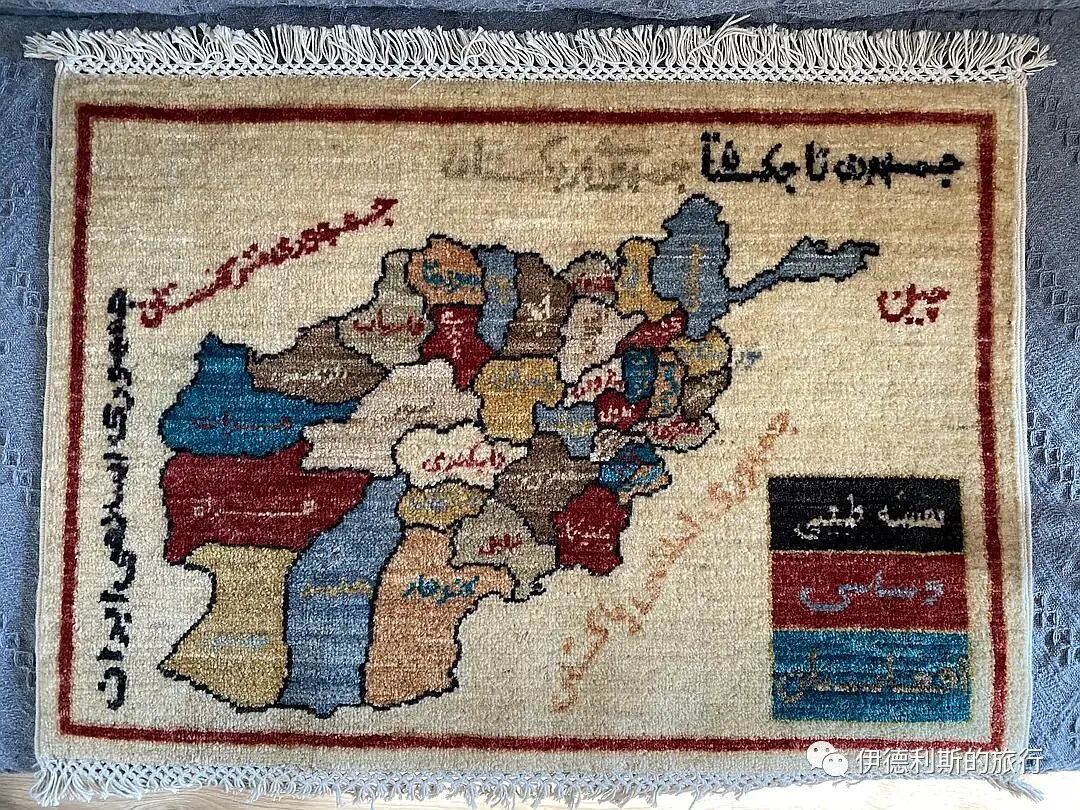
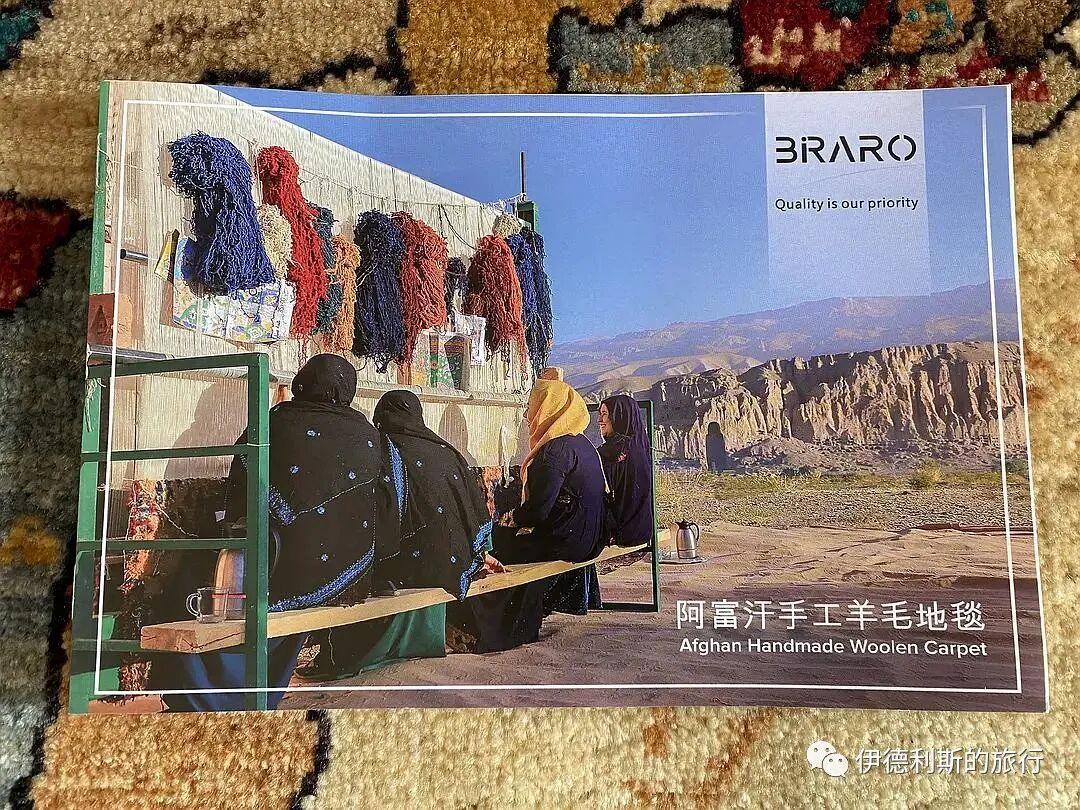
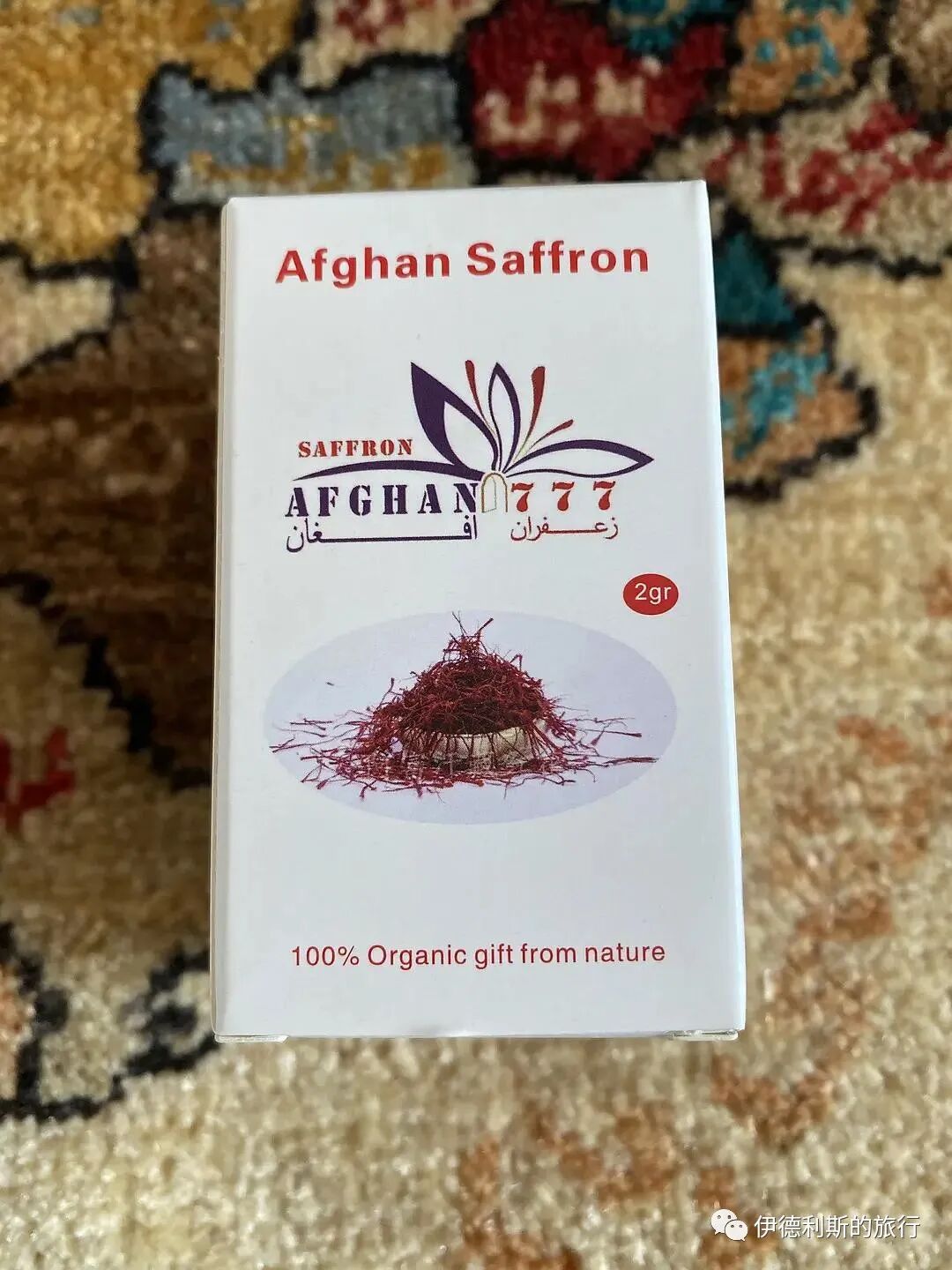
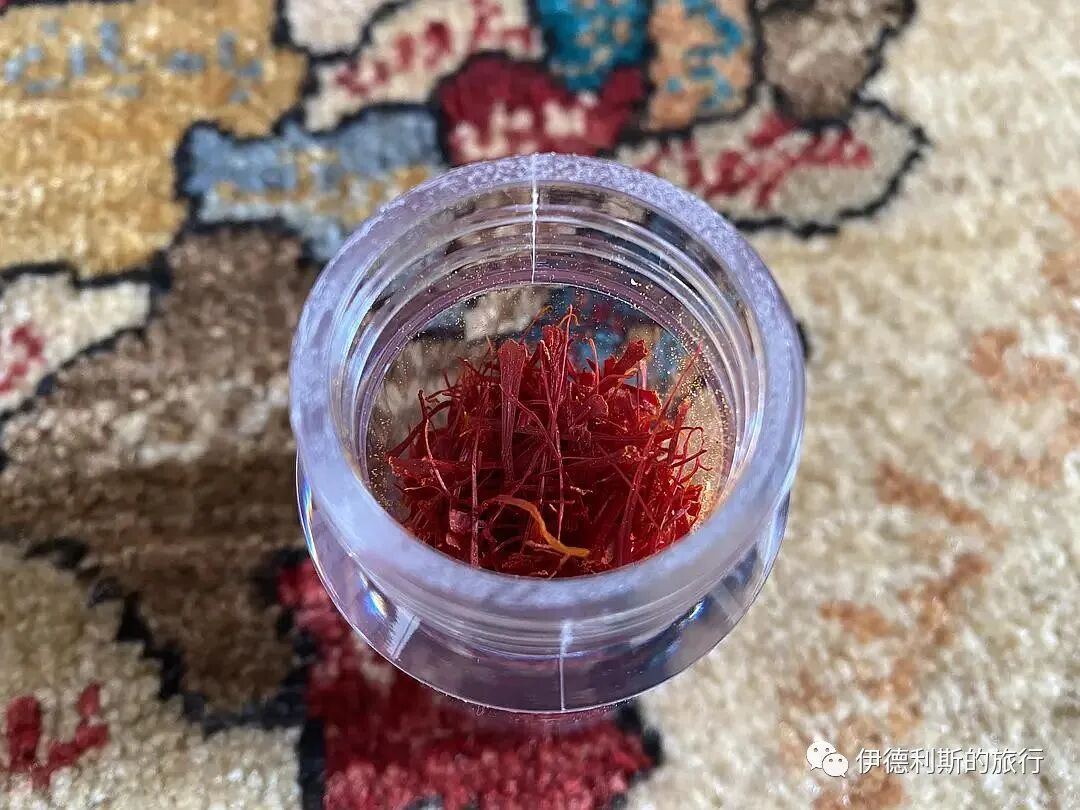
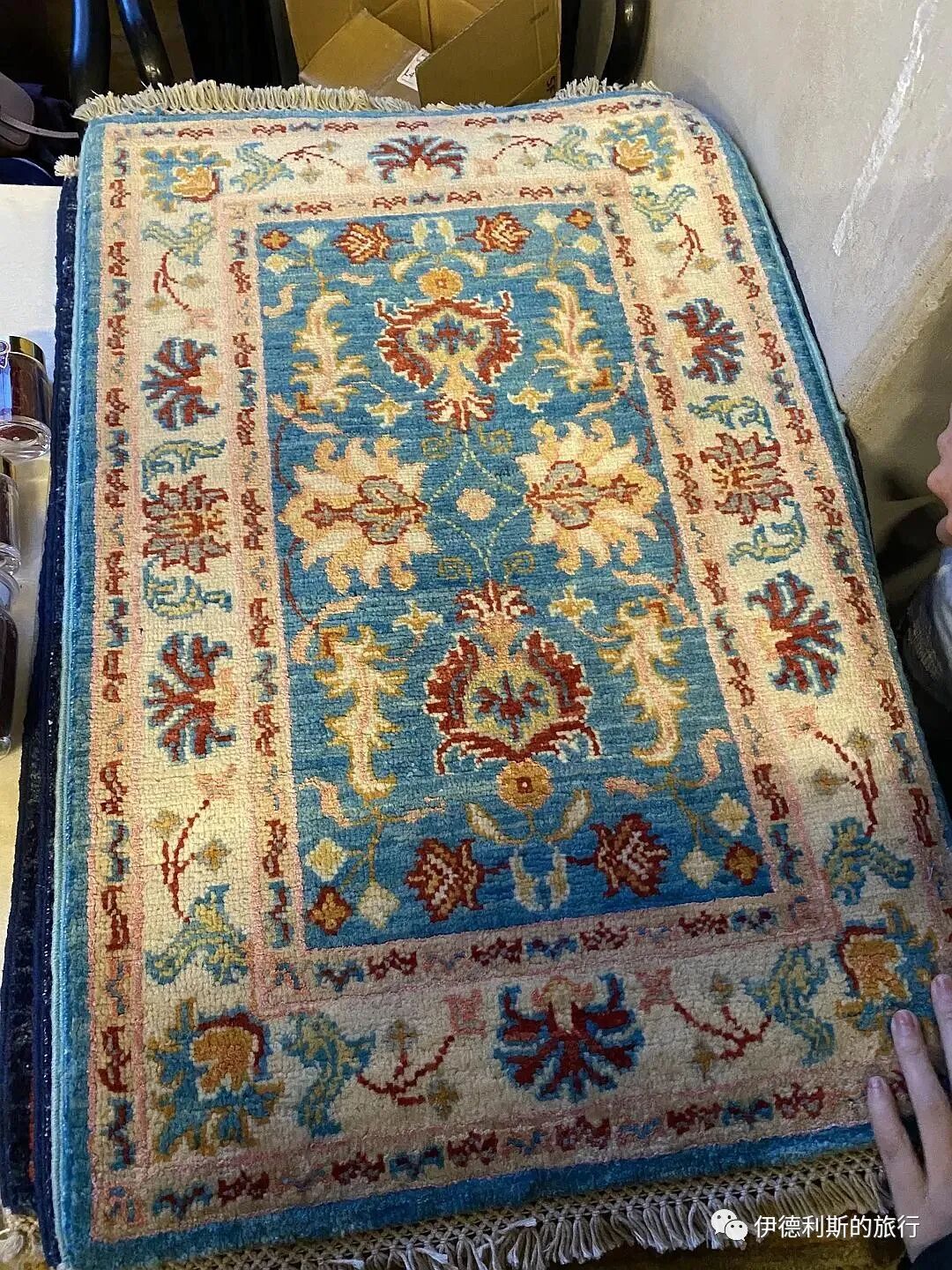
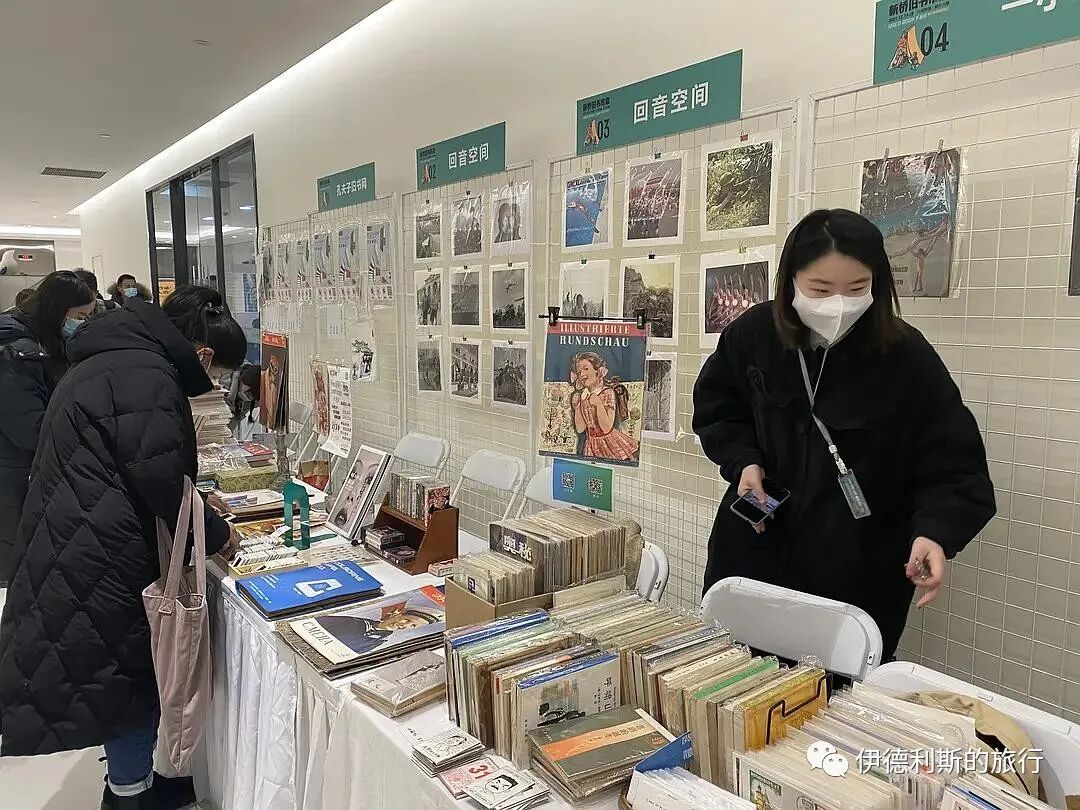
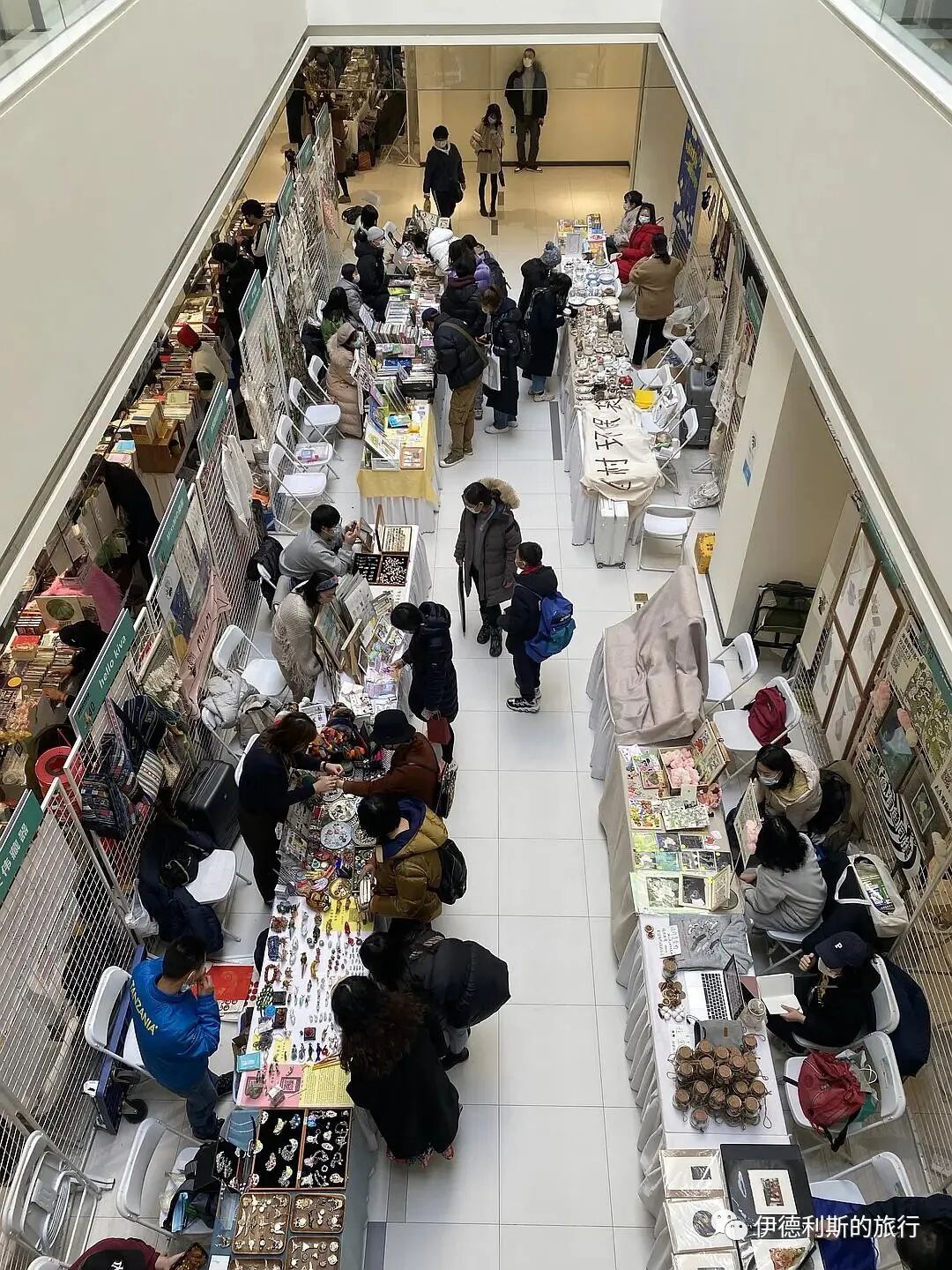
At the market in the Aotu Space in Beixinqiao, I bought a handmade Afghan wool rug. The young man's name is Taj, and he is from Mazar-i-Sharif in northern Afghanistan. He came to China to study three years ago and ended up staying. The rug brand is called Biraro, which means brothers. They have a shop in Shanghai. Besides various handmade Afghan wool rugs, they also sell Afghan pine nuts, lapis lazuli, and saffron. The young man even gave me a bottle of saffron, and I plan to see how it compares to the Iranian kind.
December 17, digging for records at Cong Feng's stall at the Xinqiao Market.
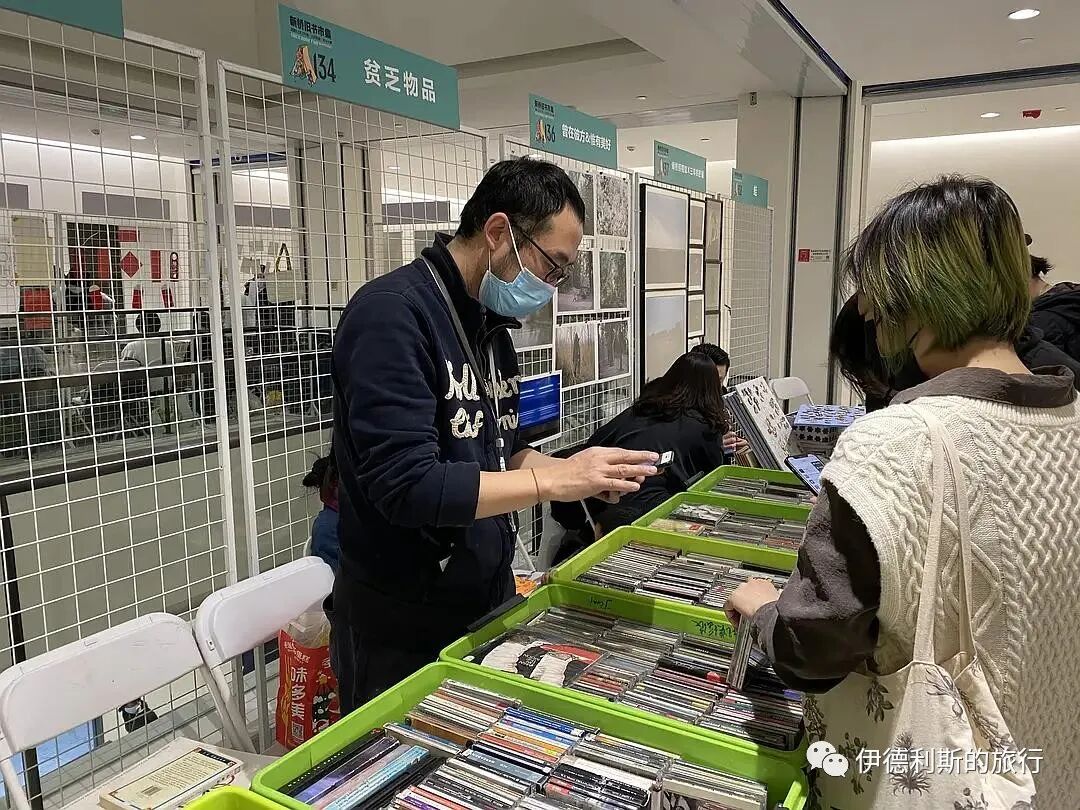
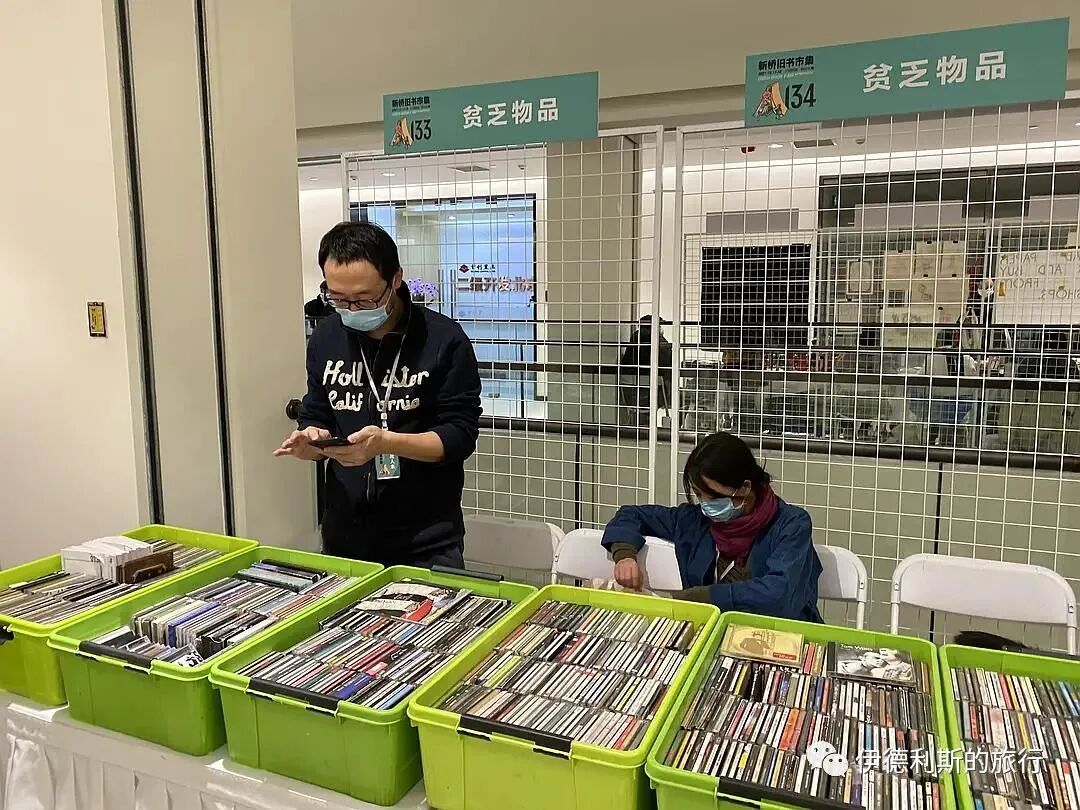
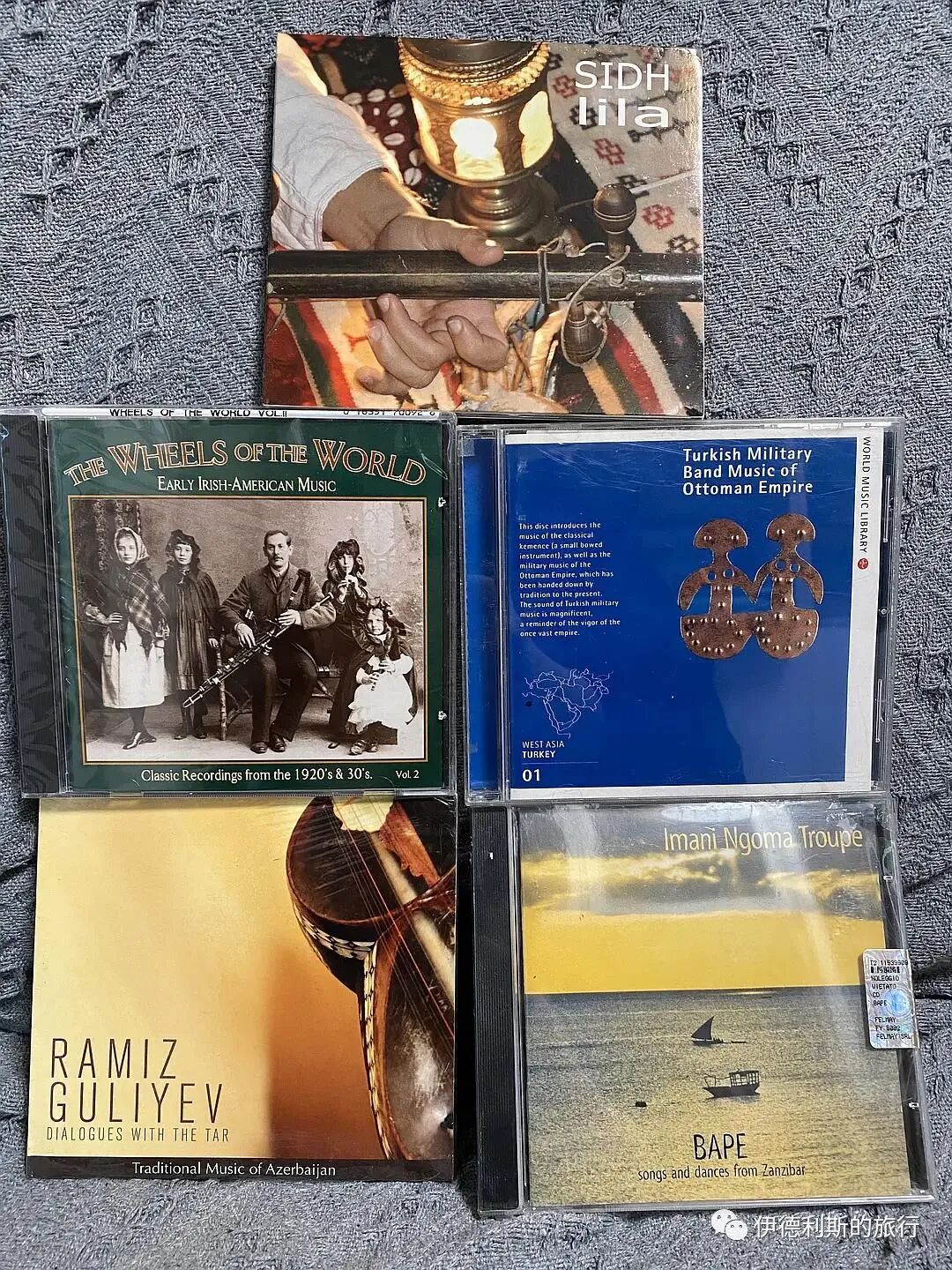
At the Xinqiao Market in the Sunshine Building outside Xizhimen, director Cong Feng is back to set up his stall and sell records. He will be there both Saturday and Sunday. During the Xinqiao Market in April this year, I bought East African Zanzibar music, Pakistani devotional music, and Bosnian Muslim music from director Cong Feng, and I really love them. This time I bought Zanzibar dance music, Ottoman military band music, Algerian music, and Azerbaijani tar music. I had just chatted with director Cong for a moment when he recognized me as Wang Dongsi, haha. He said a friend showed him the diary entry I wrote about him before. Finally, director Cong gave me a record of American-Irish immigrant music from the 1920s-30s.
December 18, second visit to the Xinqiao Market.
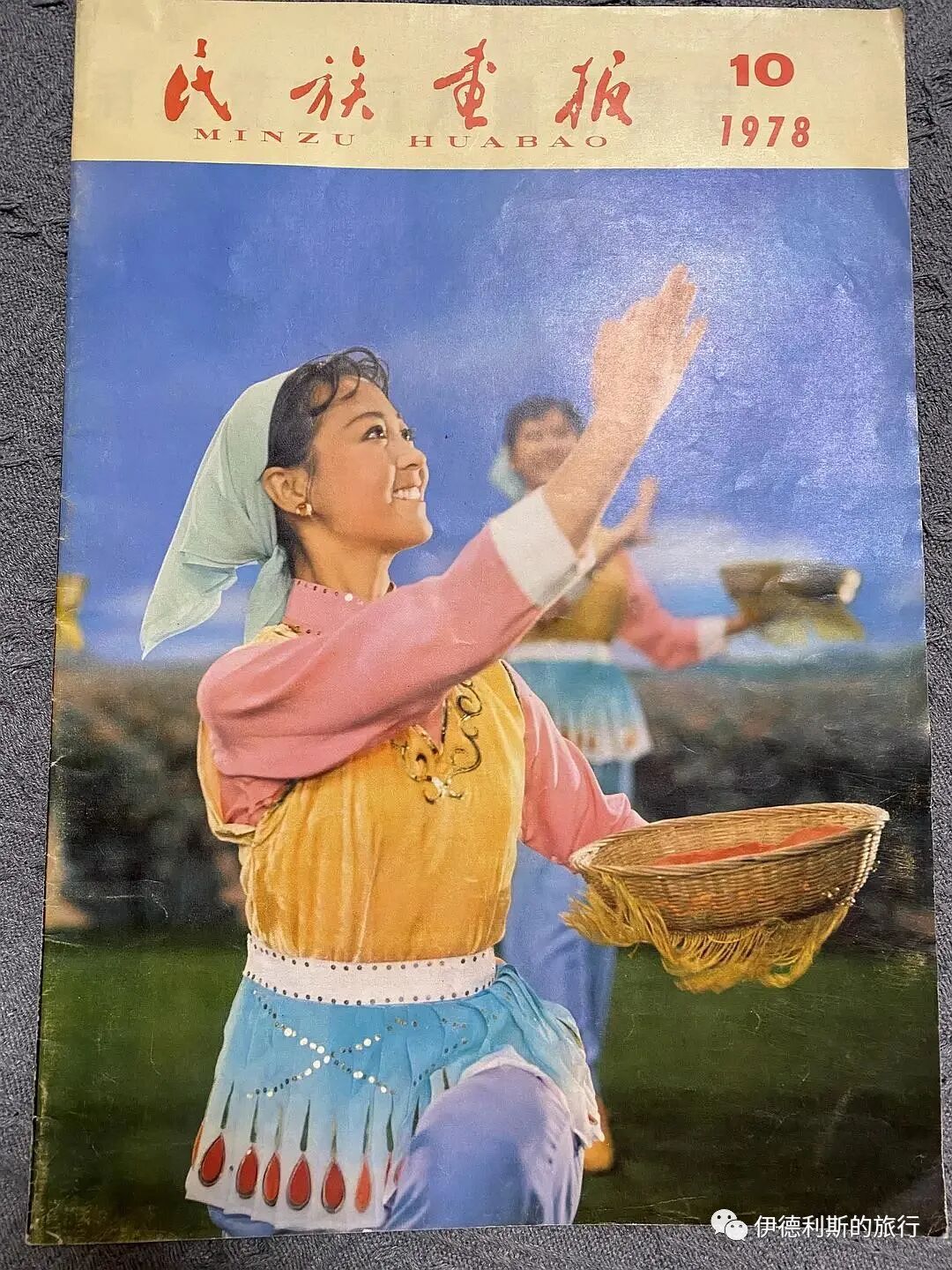
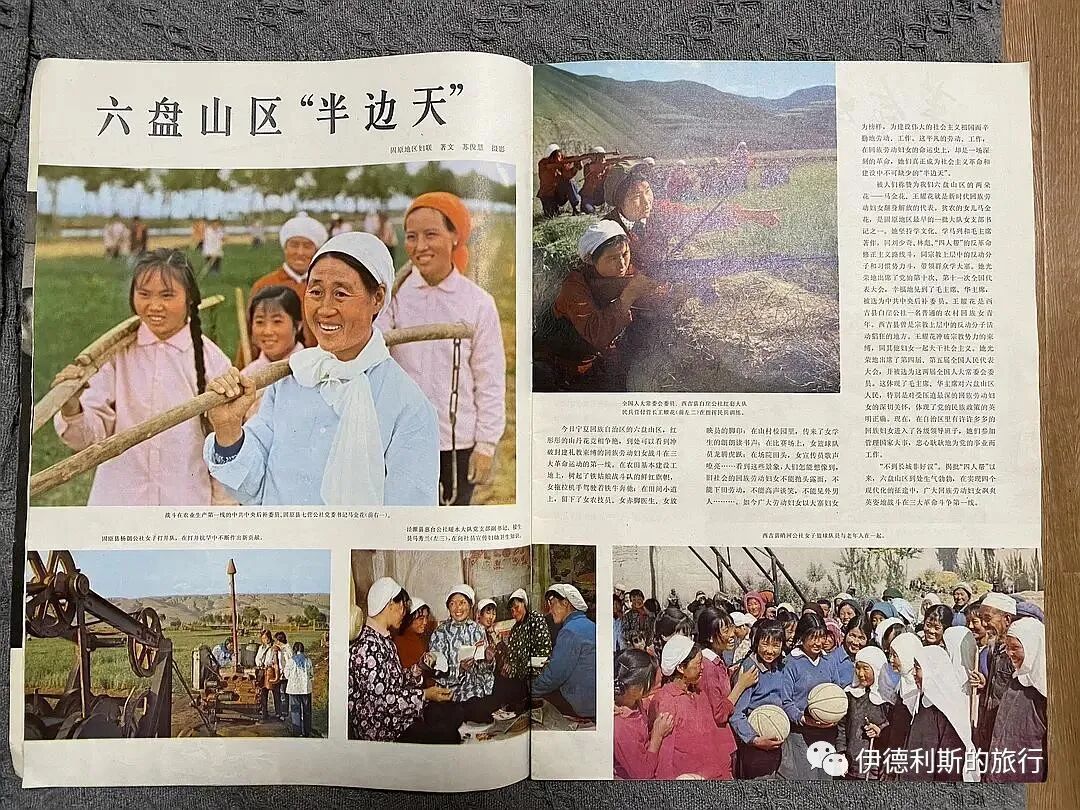
I found a copy of the October 1978 issue of Nationalities Pictorial at the Xinqiao Market. It is a special issue commemorating the 20th anniversary of the founding of the Ningxia Hui Autonomous Region. The cover features the Goji Berry Dance by the Yinchuan Art Troupe. Inside, there is a special feature on Hui working women in the Guyuan region, including the women's well-digging team and basketball team in Guyuan County, midwife Ma Xiulan from Jingyuan County, and militia deputy battalion commander Wang Yaohua from Xiji County.
Second visit to director Cong Feng's record shop on the third floor of the Xinqiao Market! I bought three more.
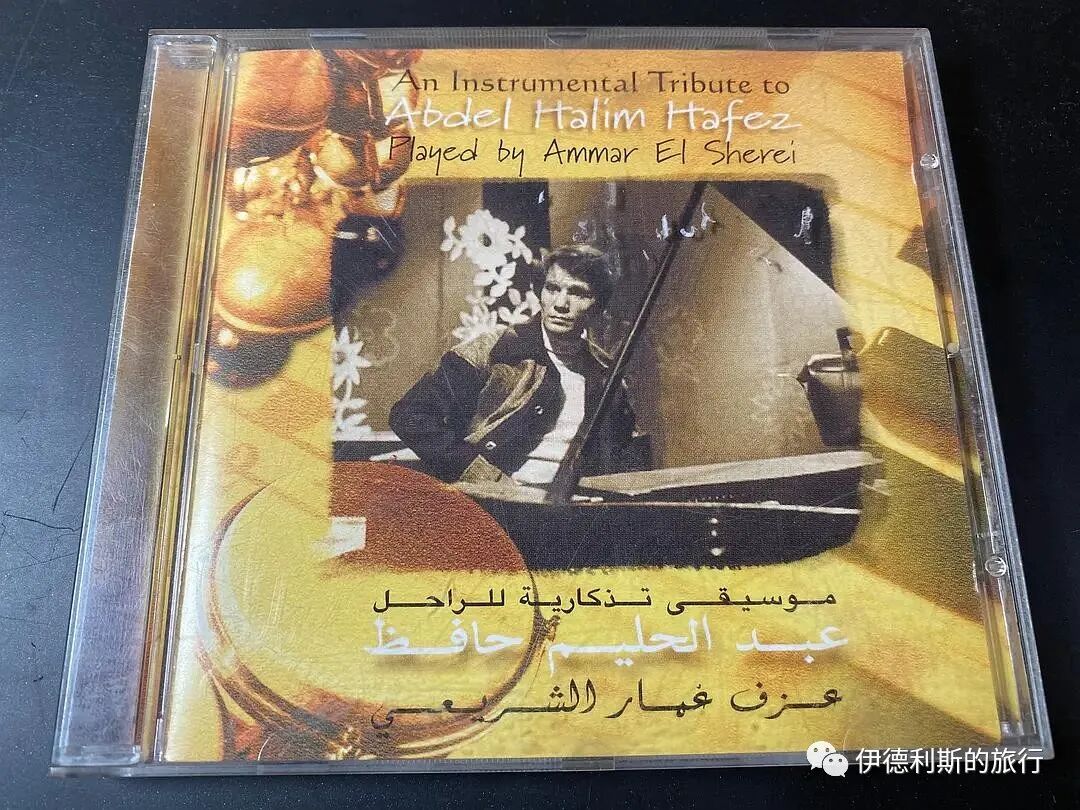
The first is an album by Egyptian musician Ammar El Sherei paying tribute to the legendary Egyptian music master Abdel Halim Hafez.
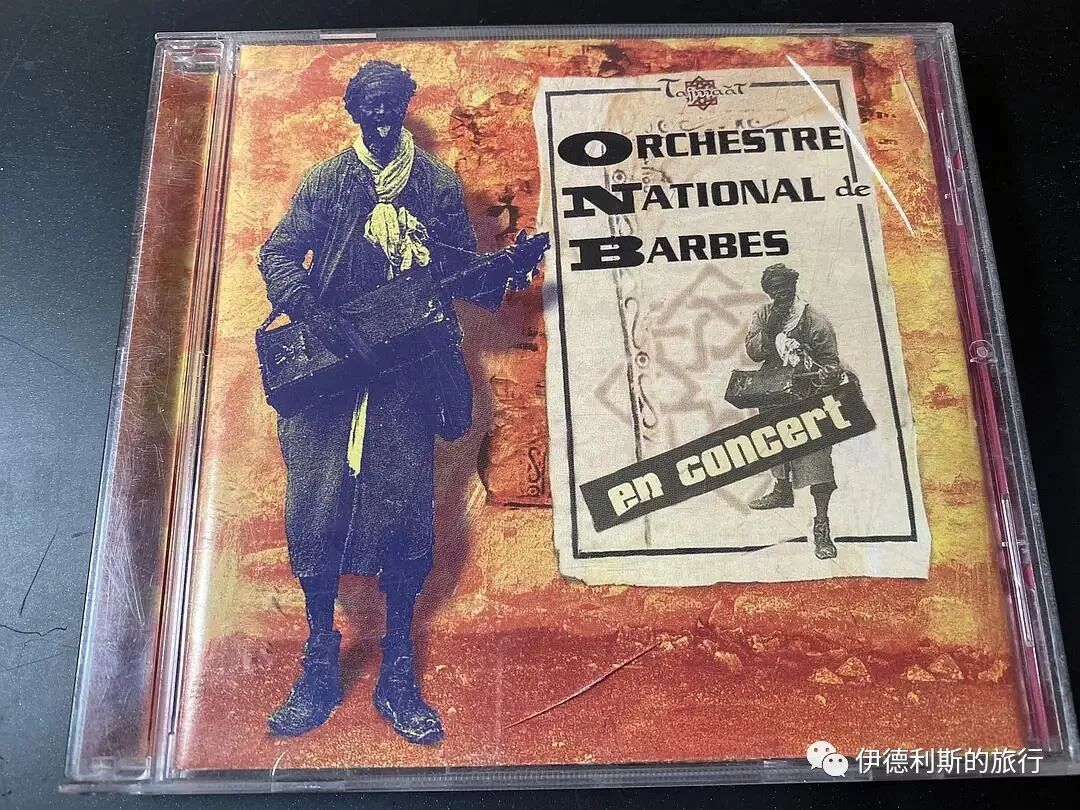
The second is by the Orchestre national de Barbès, a band formed in Paris by North African musicians from Algeria and Morocco.
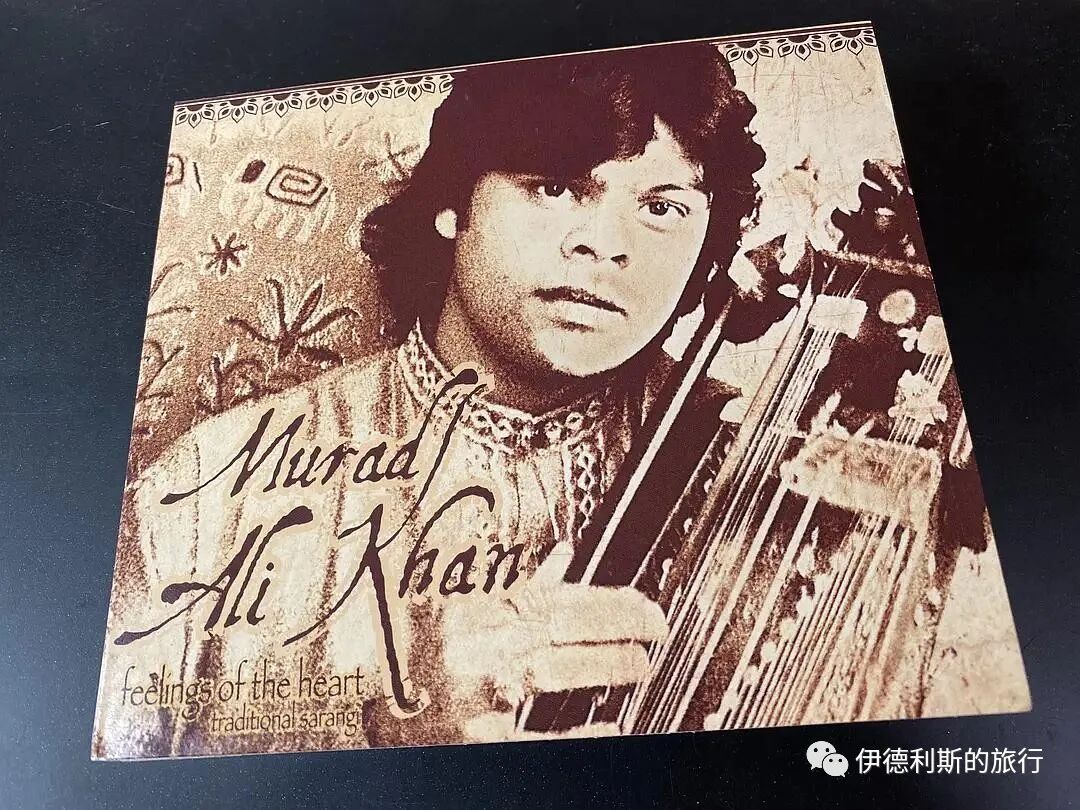
The third is a sarangi album by North Indian musician Murad Ali Khan.
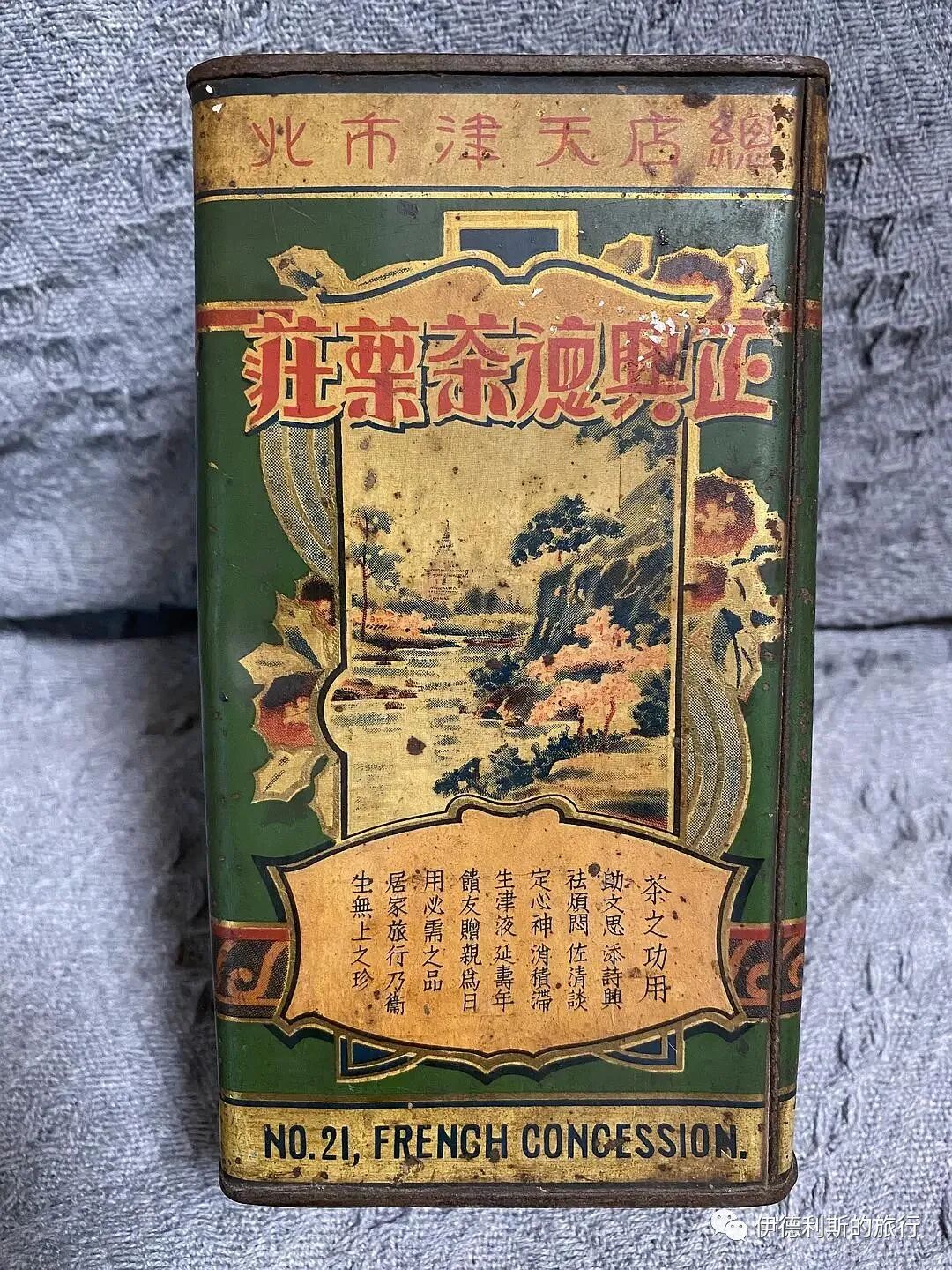
December 19, found a Republic of China-era Zhengxingde tea canister at Panjiayuan.
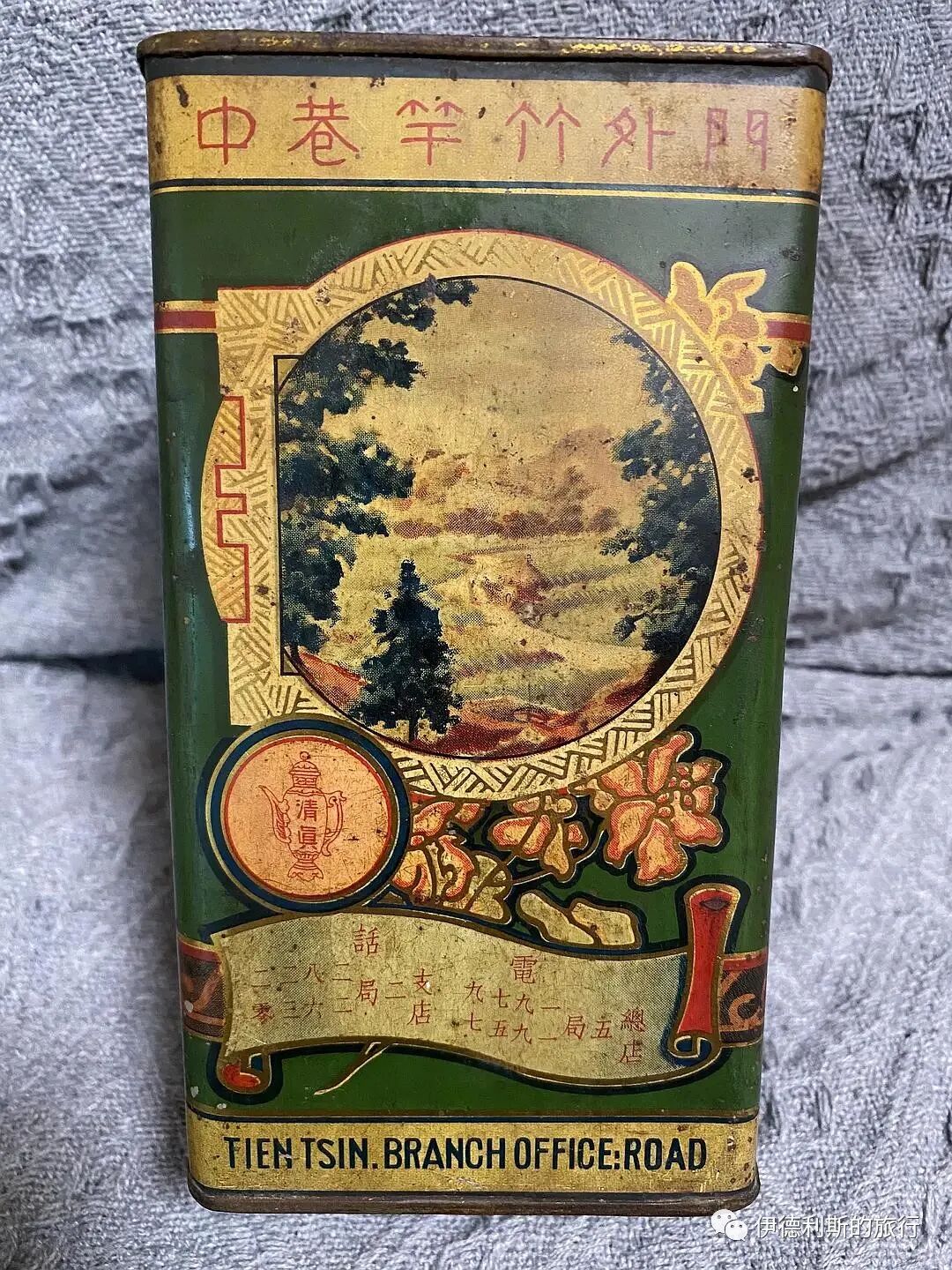
I found a Republic of China-era Zhengxingde tea canister at Panjiayuan. It is in decent condition and has a lot of interesting information on it. It says the main Zhengxingde store was on Zhugan Lane outside the North Gate of Tianjin, and the branch was on the east side of Lizhan Street in the French Concession. At that time, Zhengxingde had branches in Beiping, Baoding, and Cang County, while its tea-scenting factories were located in Fuzhou, Sukou, Hangzhou, Chun'an, Huizhou, Huangshan, Huoshan, and Jieyuan.
It also says the tea canisters were made by Zhengxingde's own canning department and printed by the Zhicheng Tin Printing Factory inside the North Gate of Tianjin.
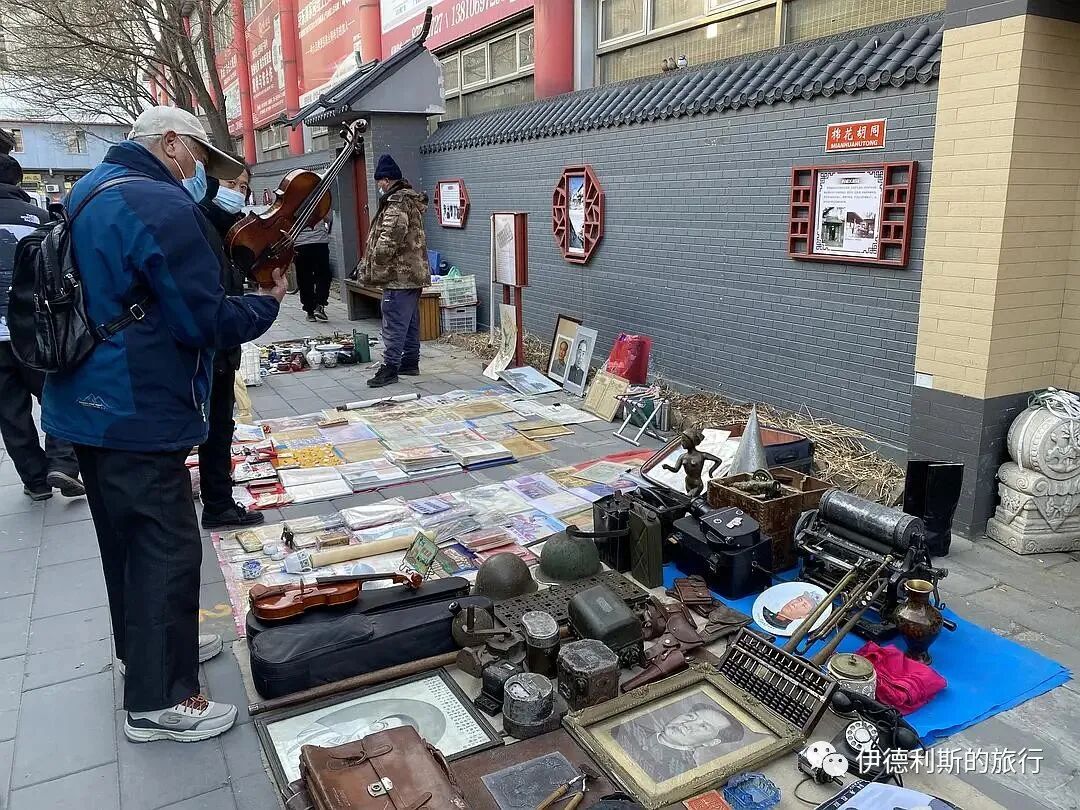
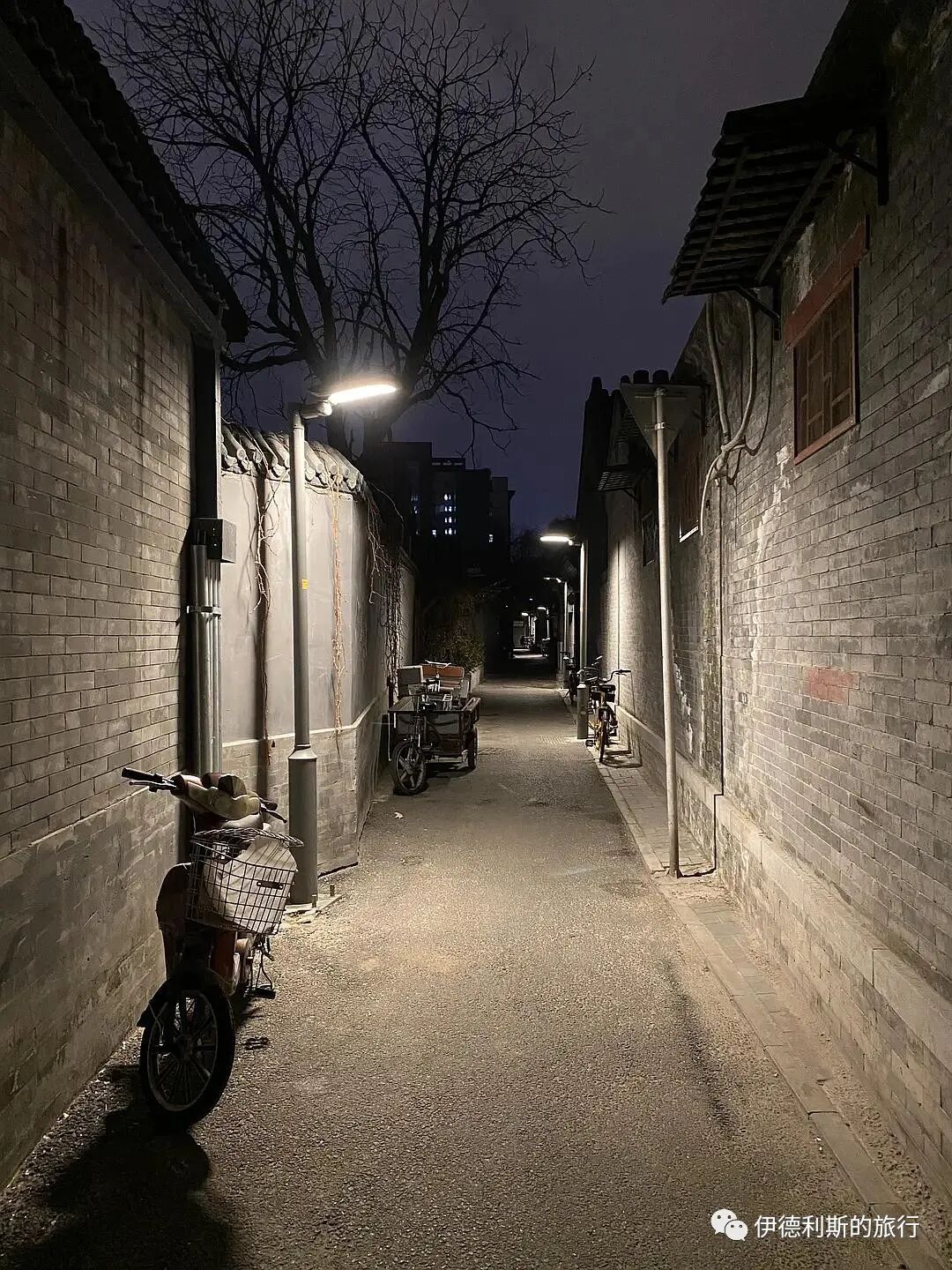
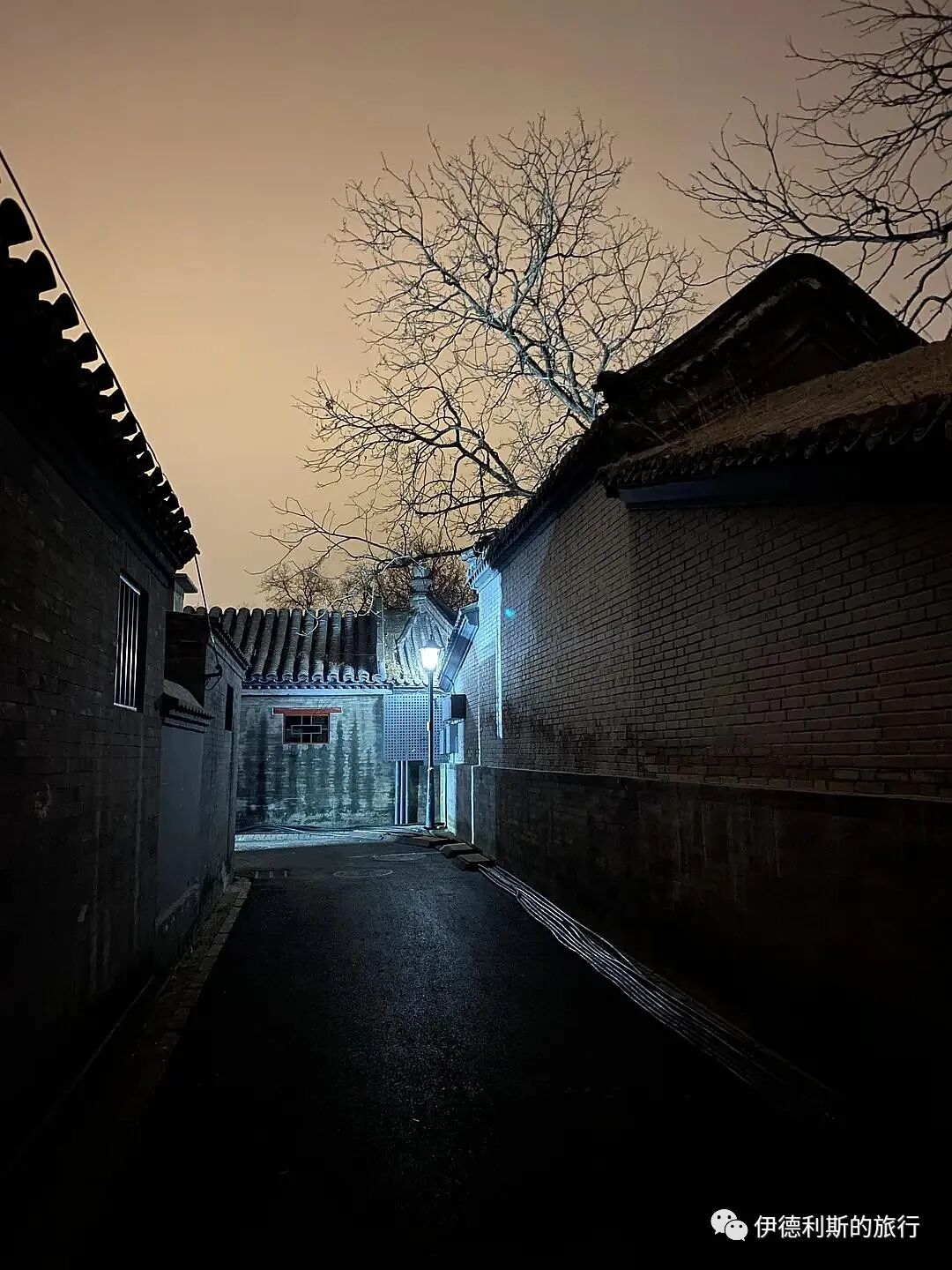
December 21, evening stroll.
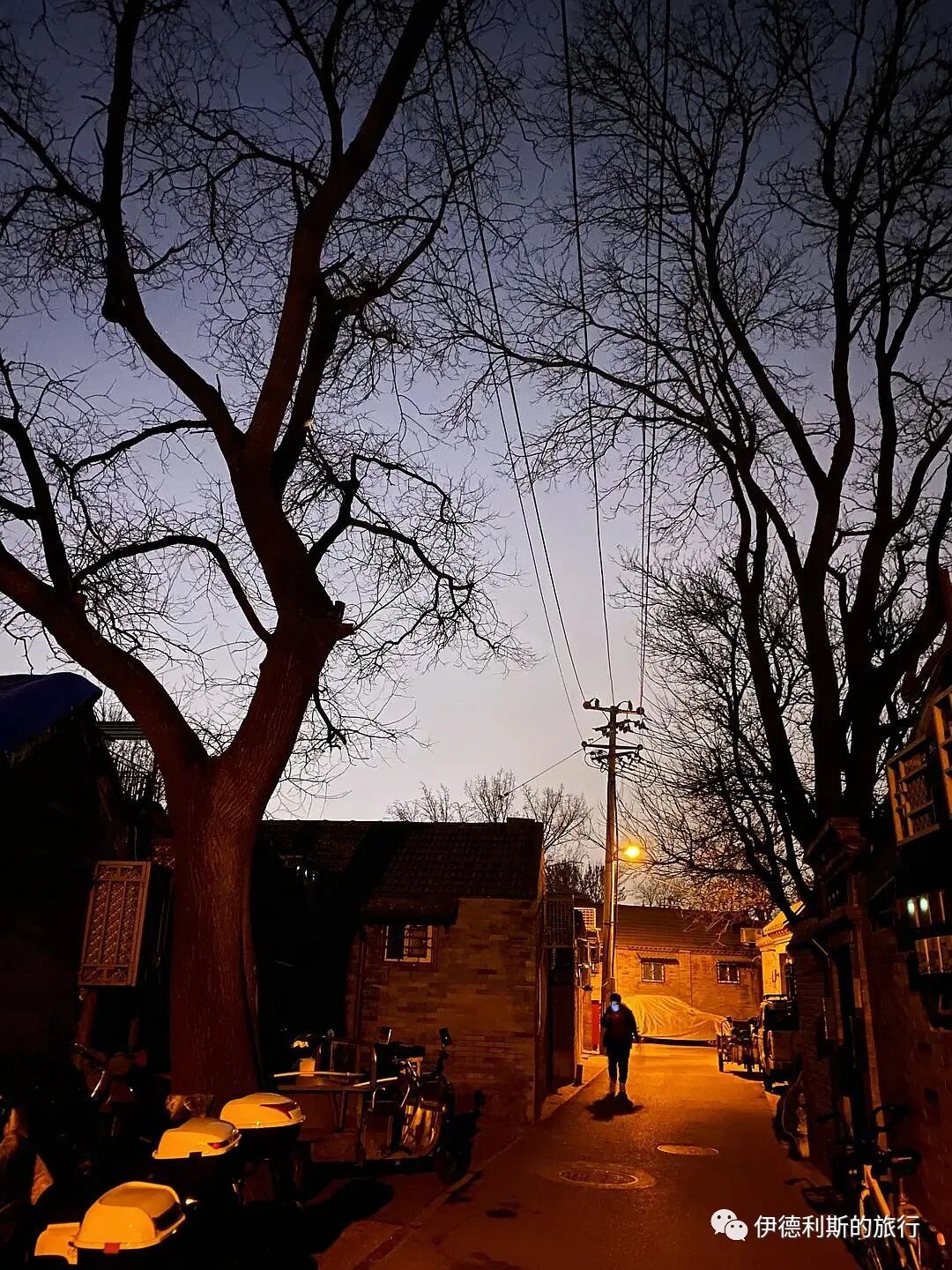
December 22, evening stroll.
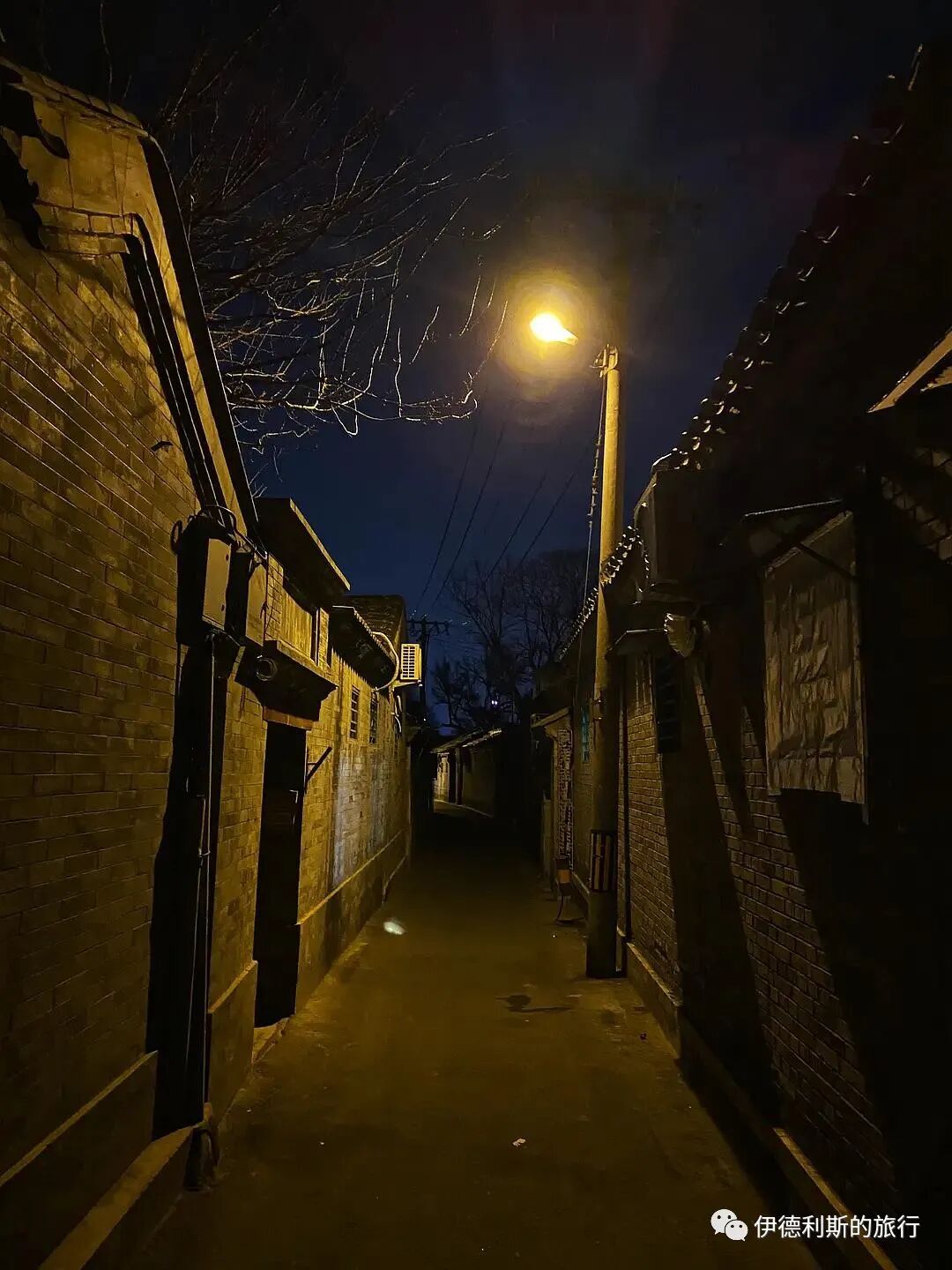
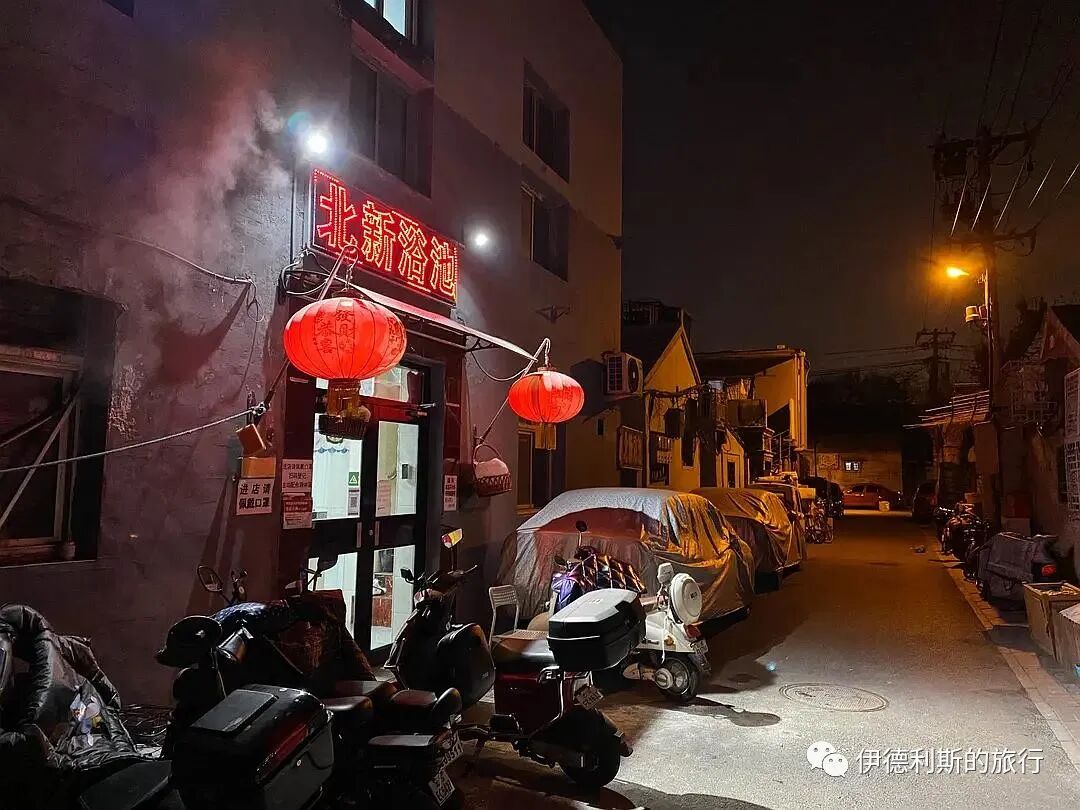
December 24, evening stroll.
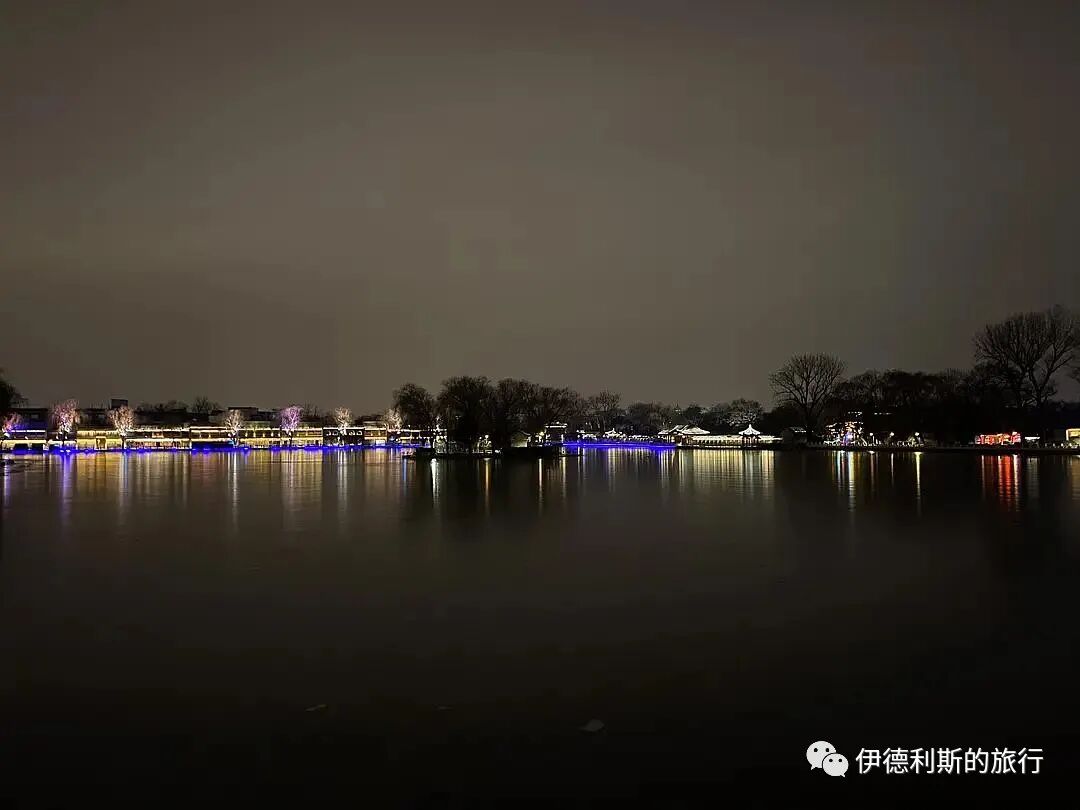
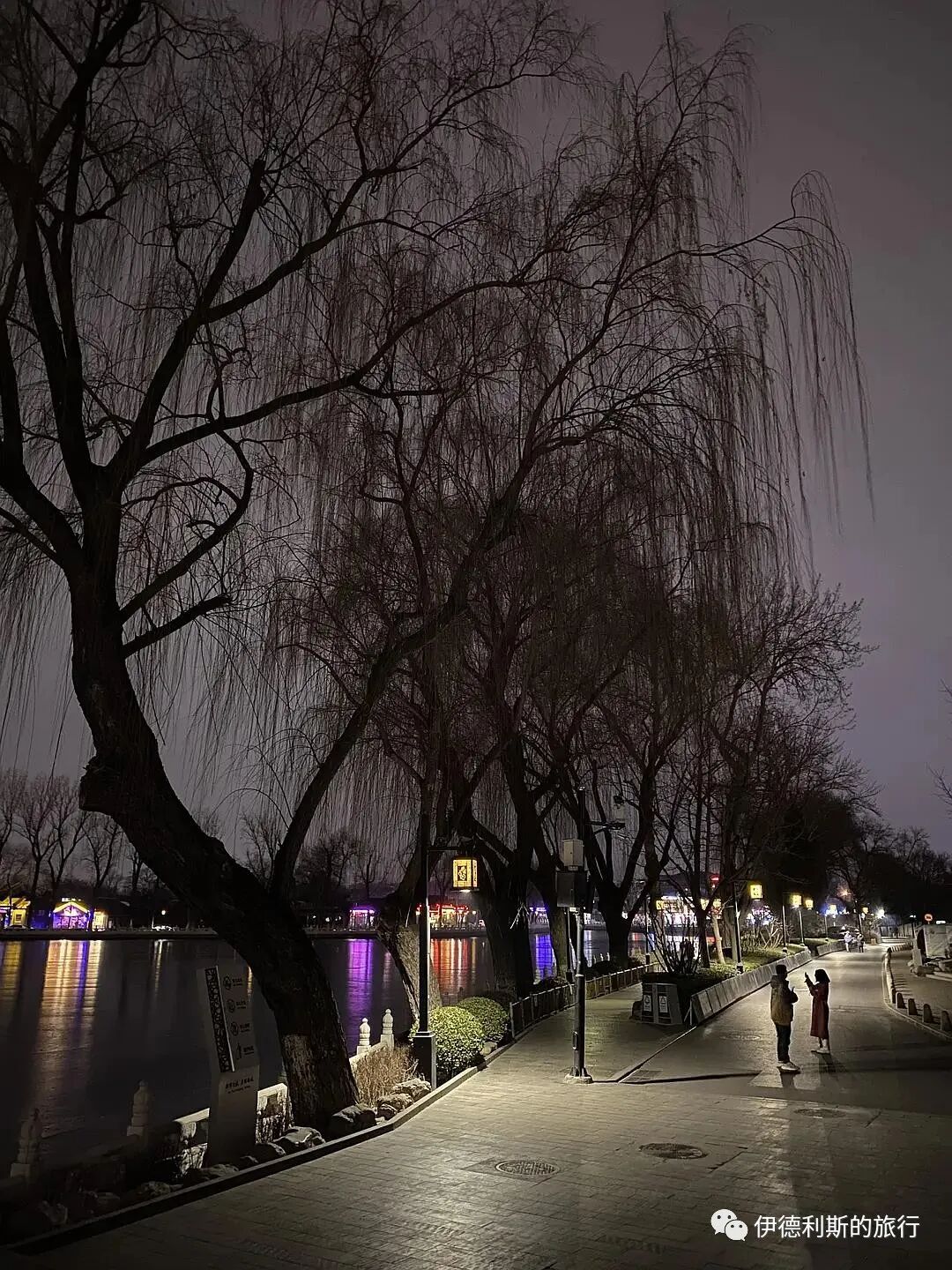
December 25, Ming and Qing Dynasty portrait exhibition at the National Art Museum of China.
The Ming and Qing Dynasty portrait exhibition at the National Art Museum of China features items from the Nanjing Museum.
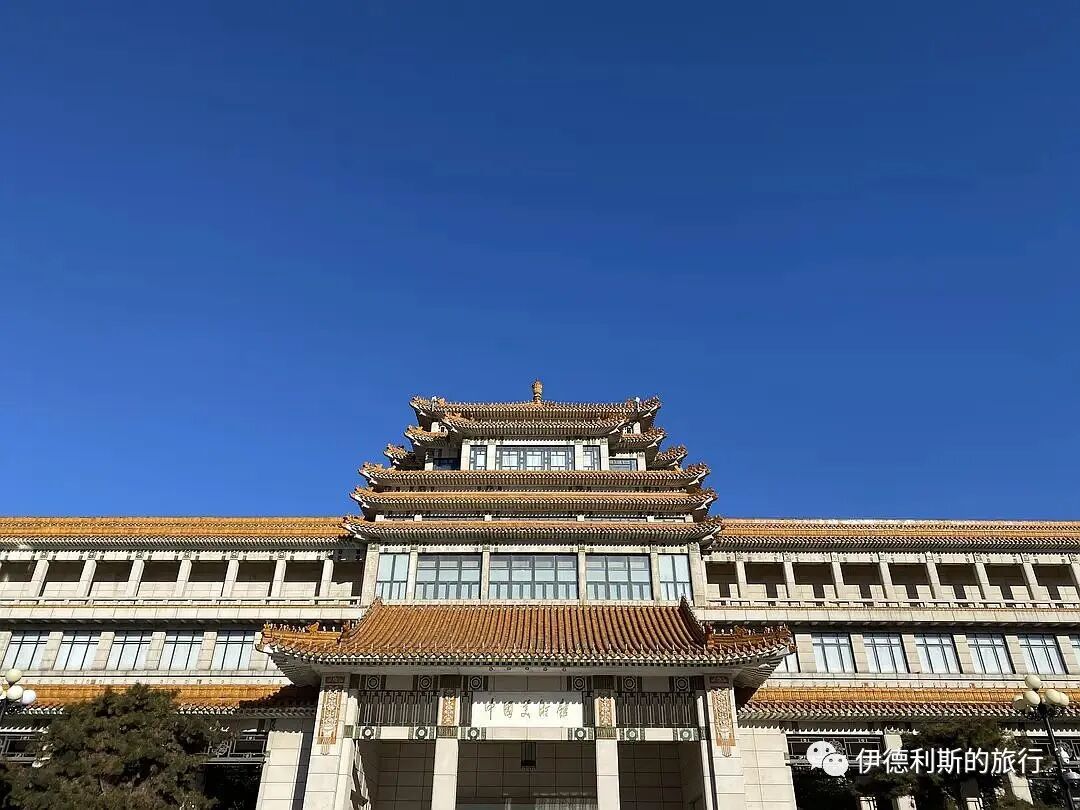
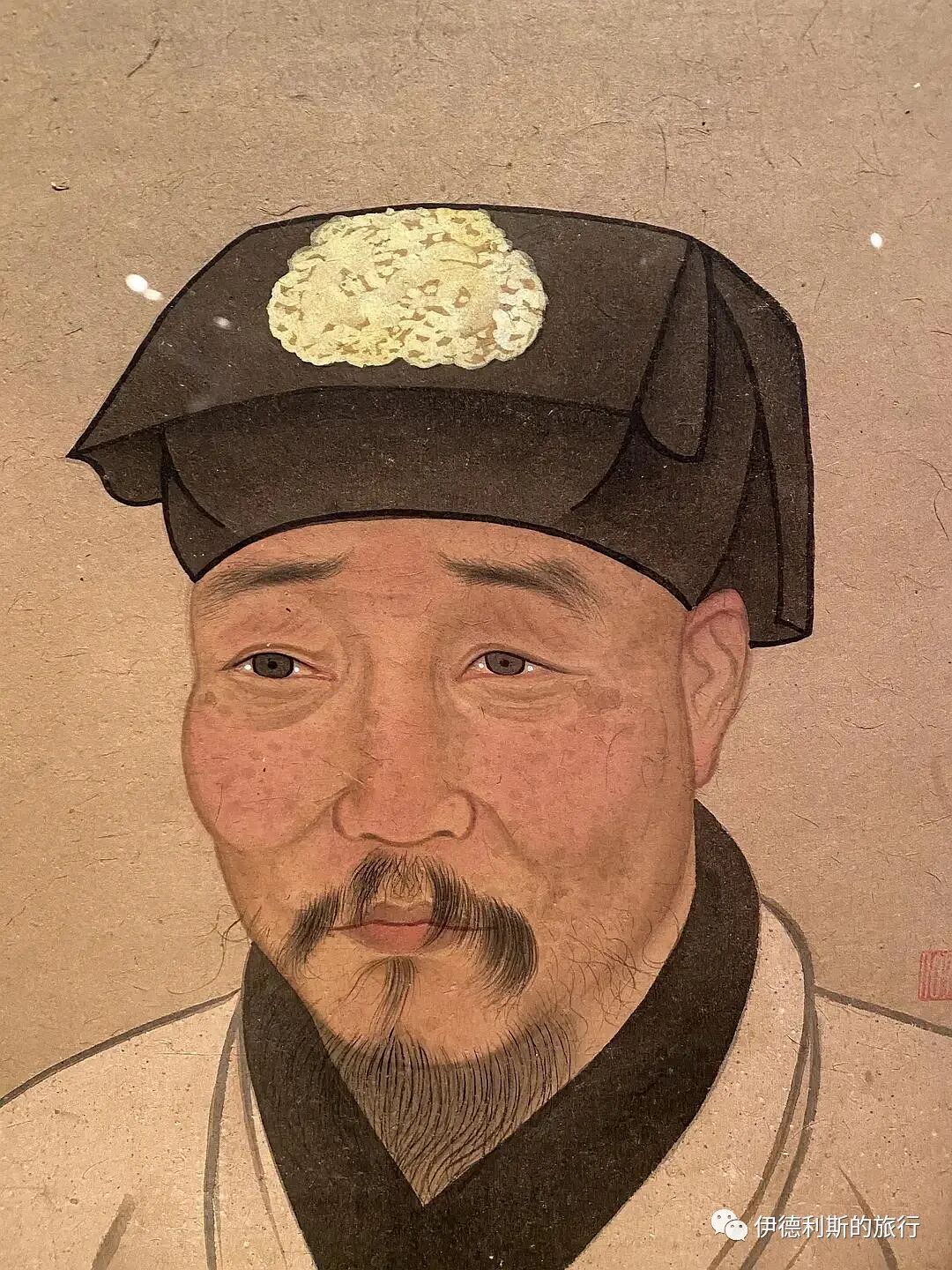
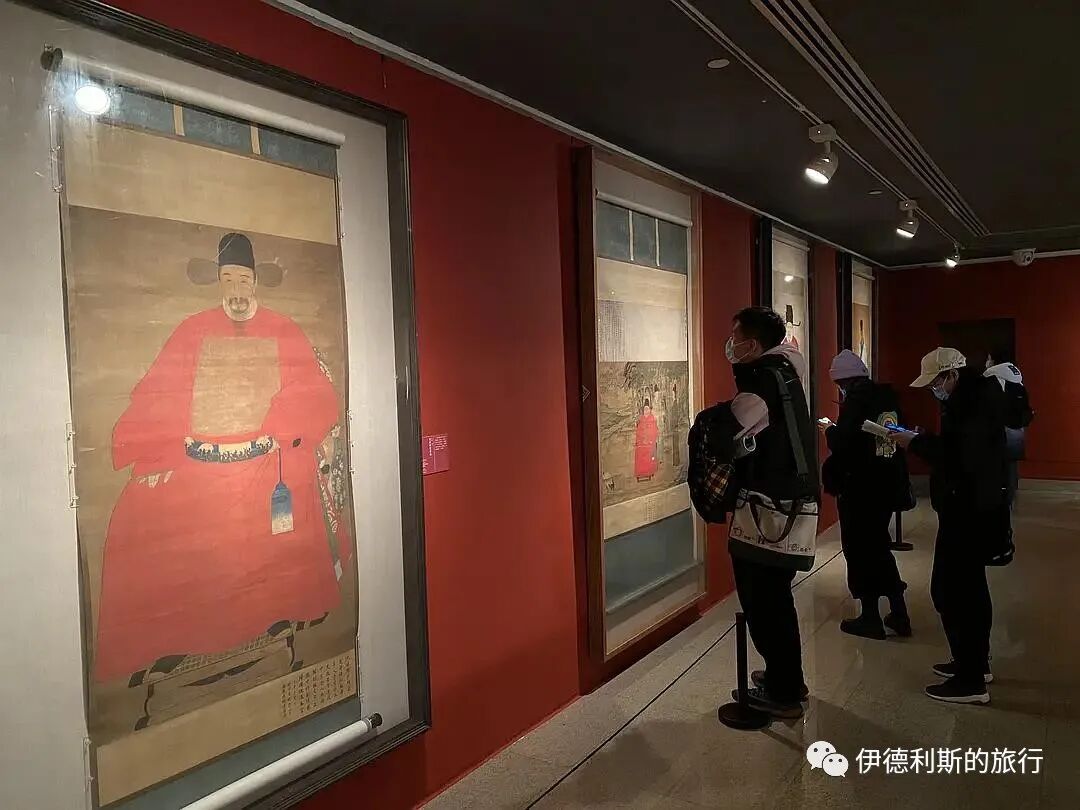
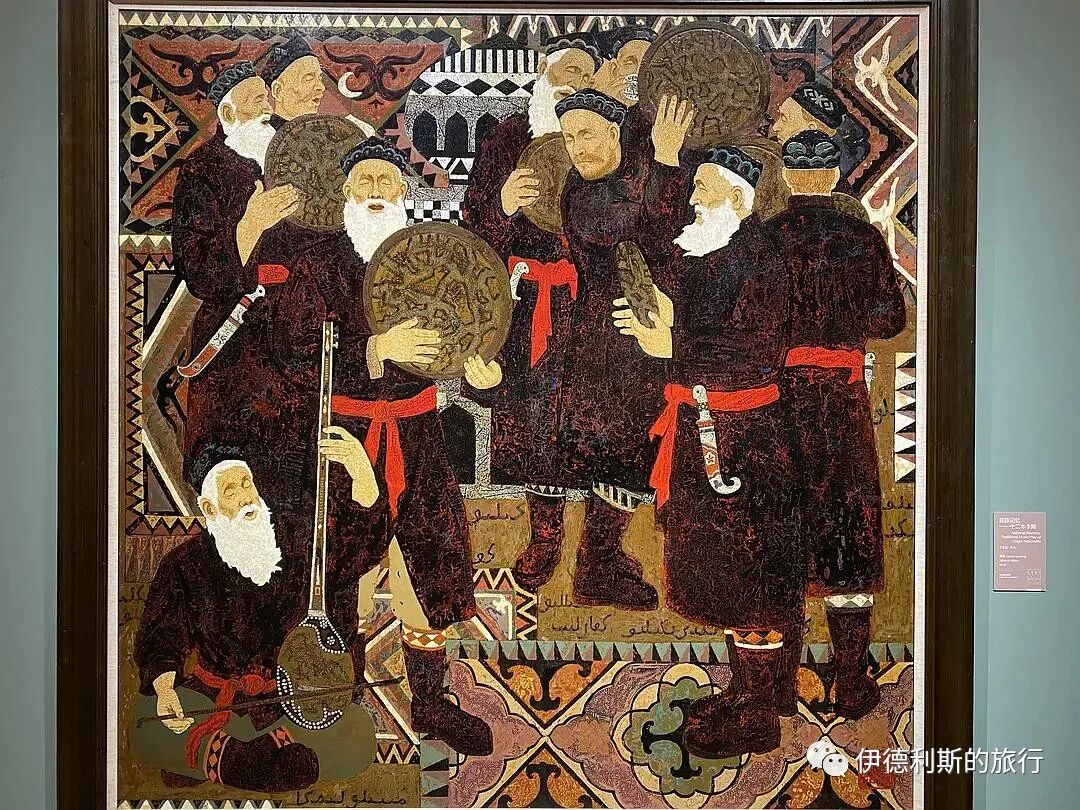
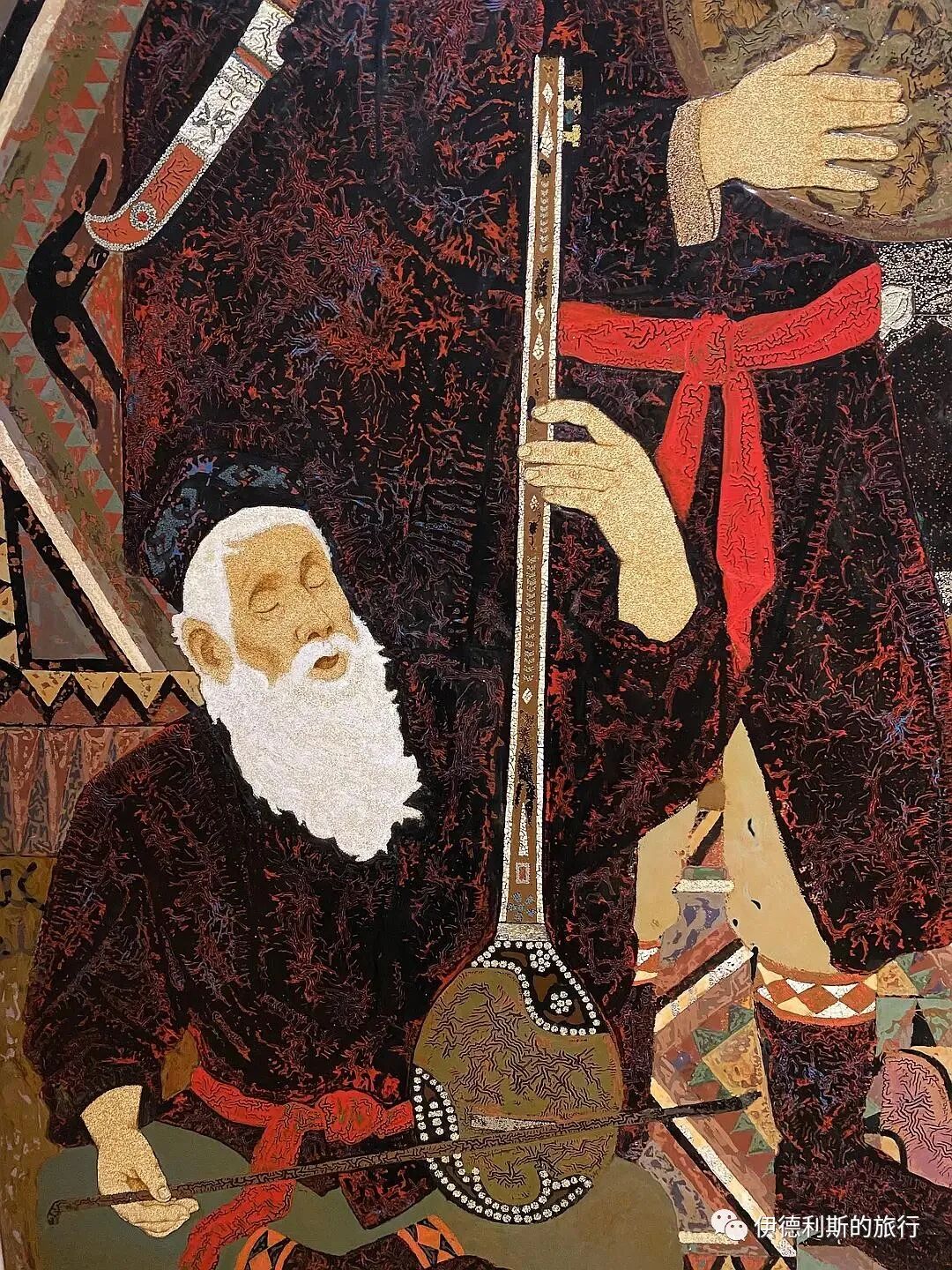
The lacquer painting exhibition includes a 2014 painting of a Twelve Muqam performance; the lacquer painting really has a great texture.
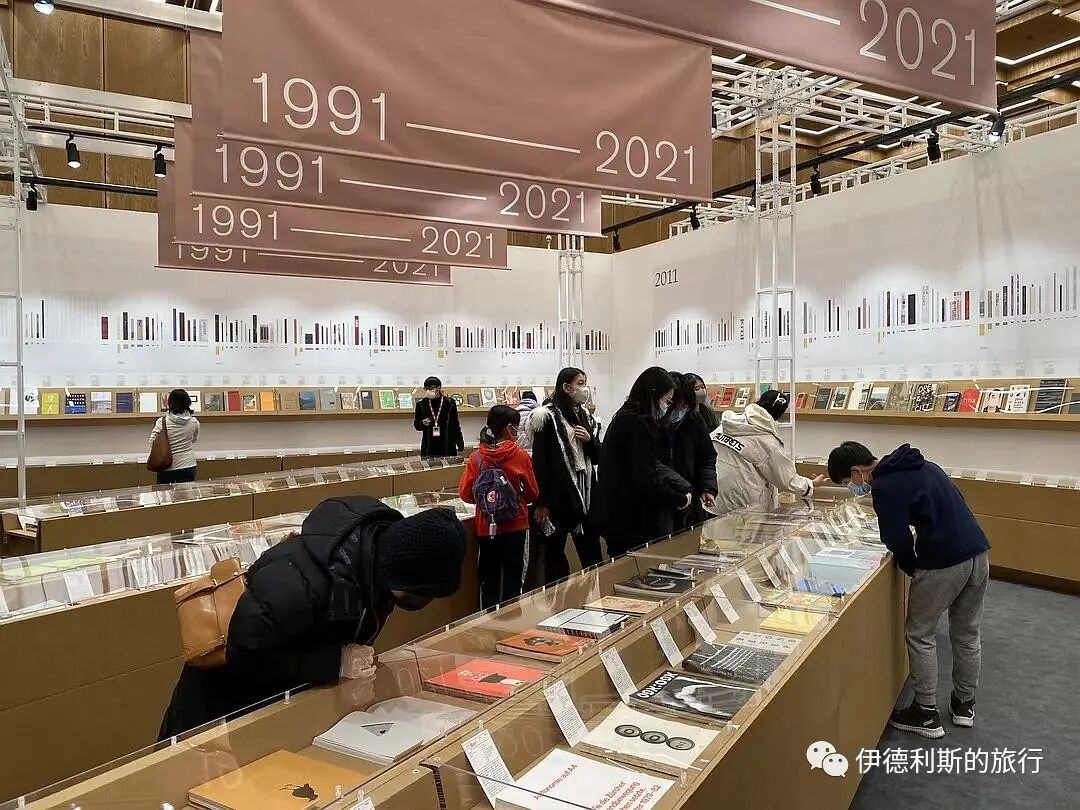
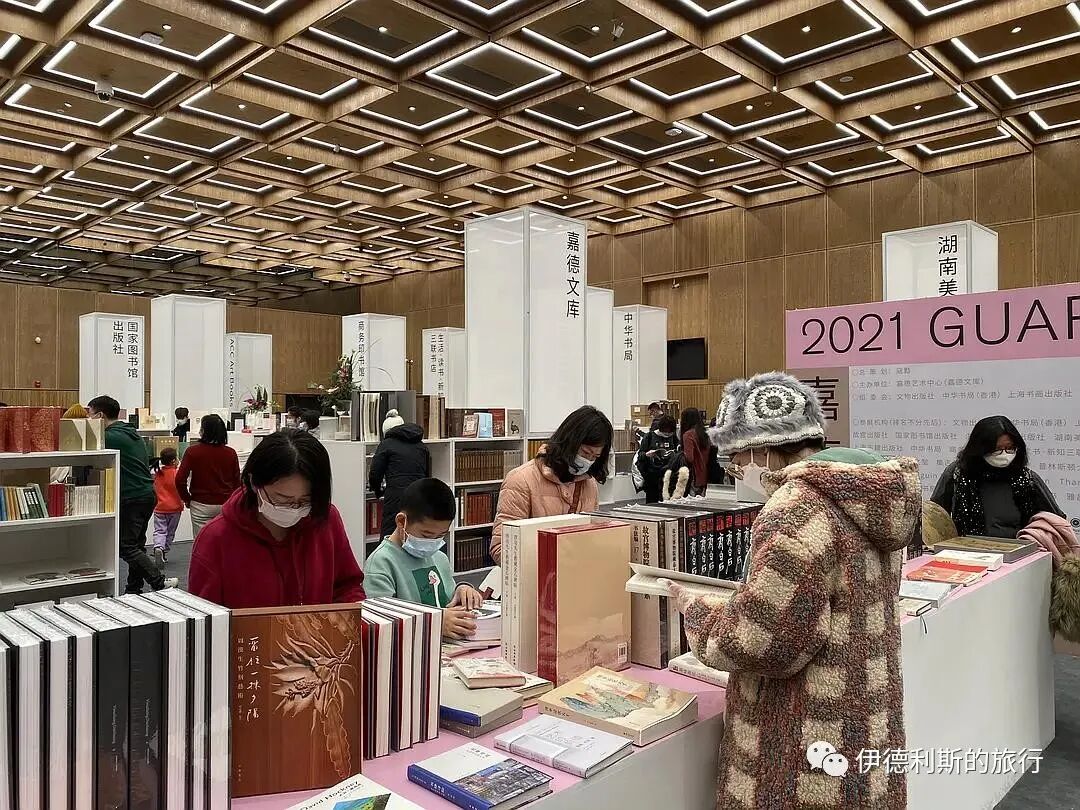
Art book fair at the Guardian Art Center.
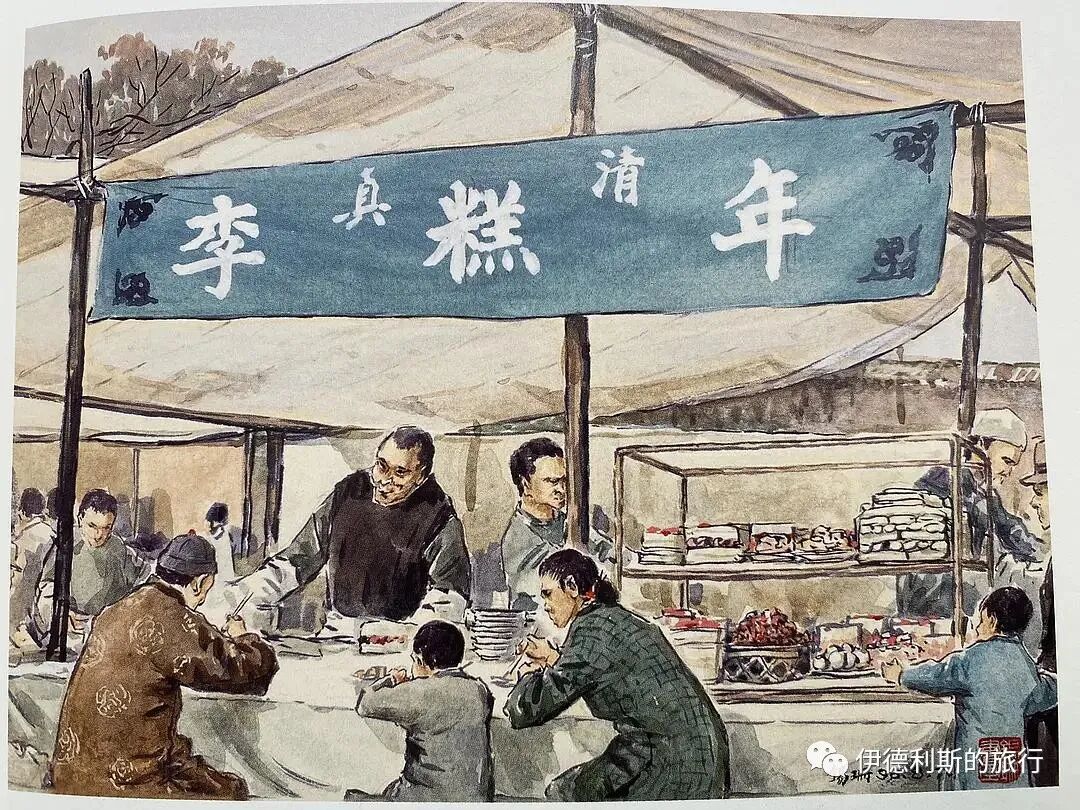
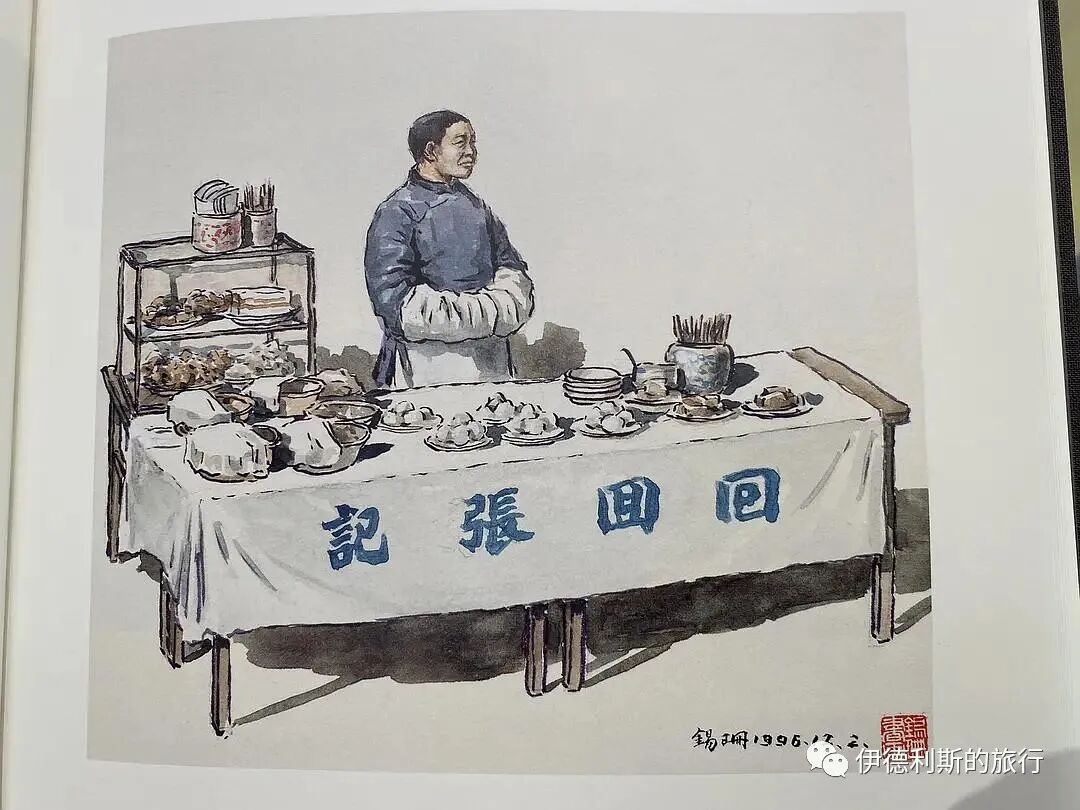
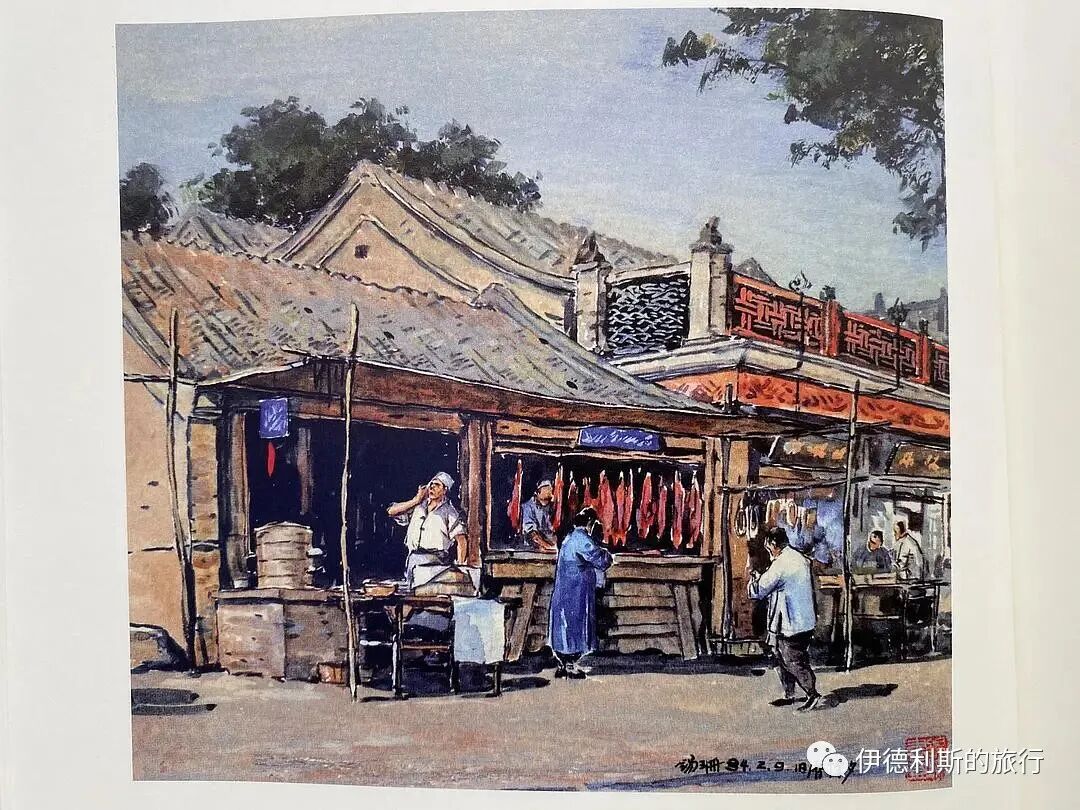
Nearly 100-year-old art designer Sheng Xishan painted these Beijing folk customs in the 1990s, and the Forbidden City Publishing House released them as a set called 'Beijing Dream Splendor Record' (Beijing Menghua Lu).
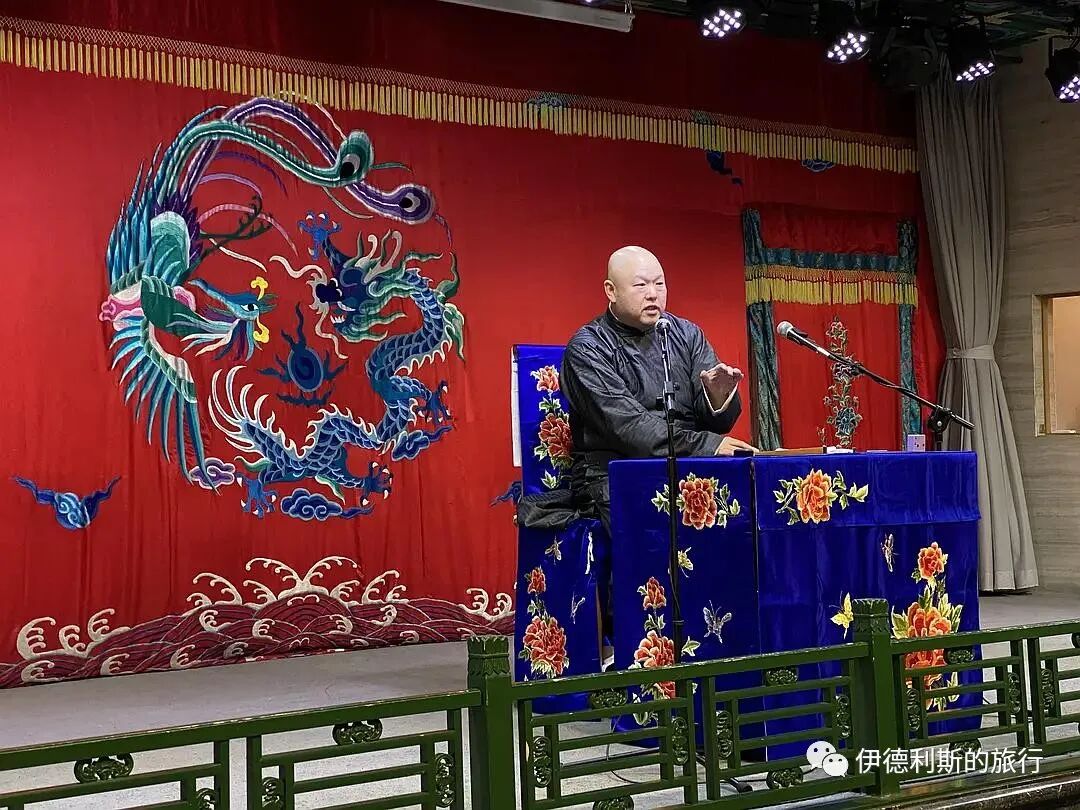
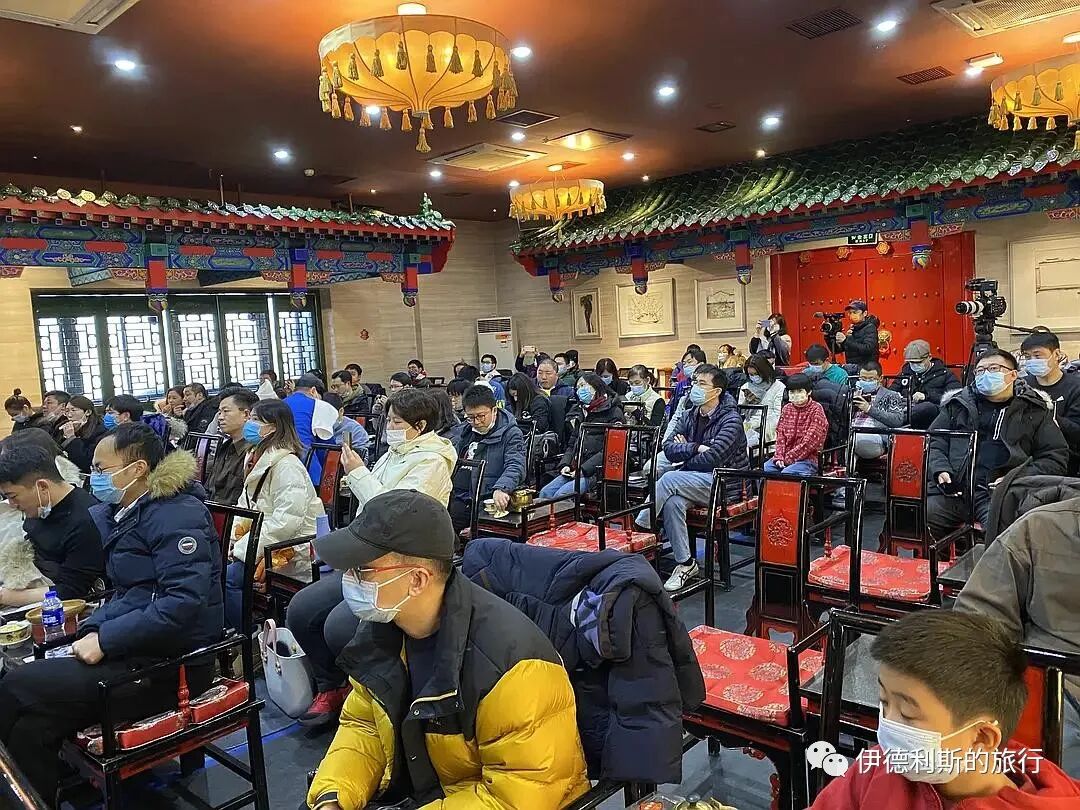
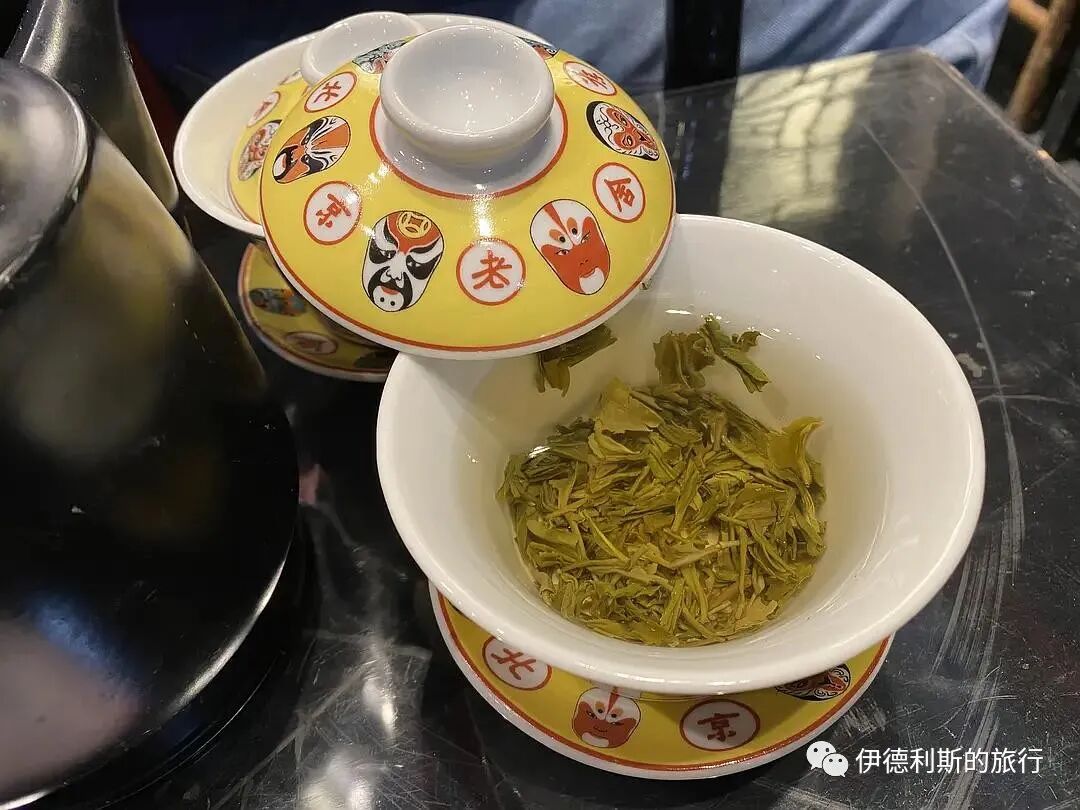
Listening to Wang Yuebo tell stories from Water Margin at the Lao She Teahouse.
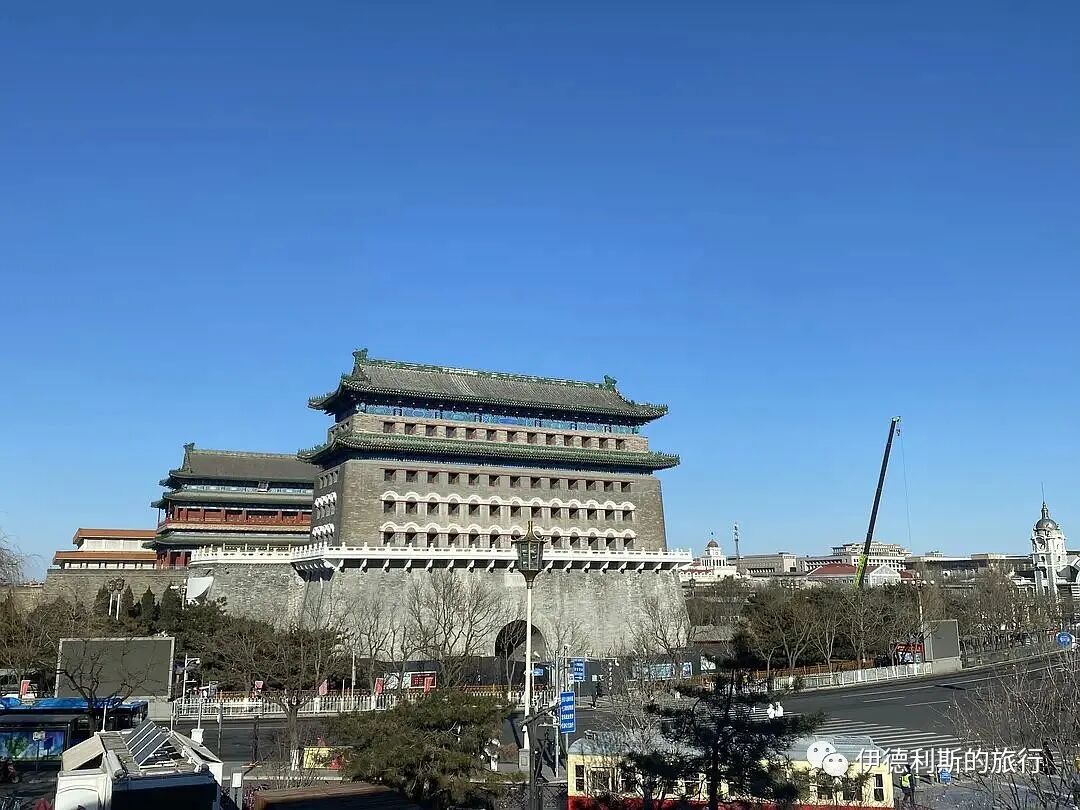
Passing by Dongdan Park in the afternoon.
Summary: Beijing Muslim Heritage Walk 2021 is presented here as a firsthand travel account in clear English, beginning with this scene: A photo of my grandfather (second from right) and his colleagues in the 1950s, when they were all workers building the Great Hall of the People. The account keeps its focus on Beijing Walks, Muslim Heritage, Beijing Mosques while preserving the names, places, food, and historical details from the Chinese source.
A photo of my grandfather (second from right) and his colleagues in the 1950s, when they were all workers building the Great Hall of the People.
My dad in the early 1970s in the courtyard of my grandfather's house.
My dad, my aunts, and neighbors at the gate of my grandfather's courtyard at the turn of the century.
The old house number plate from my grandfather's courtyard. Twenty years ago, this place was turned into ruins to make way for Financial Street.
Something my dad made himself in the 1980s.
The toy car I played with as a child, with 1985 and 1990 written on it.
The last photo shows the places where our family developed photos over the years; I think only Dabe is still around now.
November 28, Inner Mongolia Cultural Relics Exhibition at the National Museum of China.
A Nestorian bronze cross from the Inner Mongolia Museum collection on display at the National Museum. The label on the left says it was unearthed in Dalu Commune, Jungar Banner, Ordos City.
Most of these Nestorian bronze crosses were found in the Ordos region. They were first discovered in 1929 by the missionary Shi Peizhi while he was preaching in Baotou. Later, a Beijing missionary named Nie Kexun commissioned others to collect over a thousand of them, which are now kept at the Fung Ping Shan Museum at the University of Hong Kong.
These bronze crosses have a loop on the back for wearing. Besides the cross, they also feature bird and swastika shapes, which may have been used as seals. Scholars previously thought the Ordos Nestorian bronze crosses belonged to the Ongud tribe of the Yuan Dynasty, but in his book Between Pine and Desert (Songmo Zhijian), Lin Meicun argues they should belong to the Turkic Hun Nestorian Christians from the Liao, Jin, and Western Xia periods.
In the early 10th century, the Mongol Qiyan tribe moved west from Hulunbuir, forcing the Nestorian Turkic Hun tribe in the Tuul River valley to scatter. One branch migrated to Ordos and lived there until the 14th century.
Since these Nestorian bronze cross plaques were unearthed in ancient tombs from the Liao and Western Xia periods, and the Turkic Ongud tribe only moved south to Ordos from north of the Yin Mountains in the early Yuan Dynasty, Lin Meicun believes they should not be attributed to the Ongud tribe.
I saw a very special artifact at the National Museum's Inner Mongolia exhibition. The label said it was a bronze brush washer with Islamic script, only noting it was collected in Hohhot. The writing on it doesn't look like Arabic or Persian. I think the pattern in the middle looks like the style of the Seljuk Empire and the Ilkhanate. The lion mane mentioned on the label is, in my opinion, the halo often seen behind figures in Seljuk-Ilkhanate and later miniature paintings.
The sphinx image with a halo was very common during the Seljuk period. I once traveled to the capital of the Sultanate of Rum, modern-day Konya in Turkey, and saw it at the Karatay Tile Museum there.
December 3, Nandouya Mosque reopened.
December 10, Dongsi Mosque.
December 11, bought an Afghan rug at the market.
At the market in the Aotu Space in Beixinqiao, I bought a handmade Afghan wool rug. The young man's name is Taj, and he is from Mazar-i-Sharif in northern Afghanistan. He came to China to study three years ago and ended up staying. The rug brand is called Biraro, which means brothers. They have a shop in Shanghai. Besides various handmade Afghan wool rugs, they also sell Afghan pine nuts, lapis lazuli, and saffron. The young man even gave me a bottle of saffron, and I plan to see how it compares to the Iranian kind.
December 17, digging for records at Cong Feng's stall at the Xinqiao Market.
At the Xinqiao Market in the Sunshine Building outside Xizhimen, director Cong Feng is back to set up his stall and sell records. He will be there both Saturday and Sunday. During the Xinqiao Market in April this year, I bought East African Zanzibar music, Pakistani devotional music, and Bosnian Muslim music from director Cong Feng, and I really love them. This time I bought Zanzibar dance music, Ottoman military band music, Algerian music, and Azerbaijani tar music. I had just chatted with director Cong for a moment when he recognized me as Wang Dongsi, haha. He said a friend showed him the diary entry I wrote about him before. Finally, director Cong gave me a record of American-Irish immigrant music from the 1920s-30s.
December 18, second visit to the Xinqiao Market.
I found a copy of the October 1978 issue of Nationalities Pictorial at the Xinqiao Market. It is a special issue commemorating the 20th anniversary of the founding of the Ningxia Hui Autonomous Region. The cover features the Goji Berry Dance by the Yinchuan Art Troupe. Inside, there is a special feature on Hui working women in the Guyuan region, including the women's well-digging team and basketball team in Guyuan County, midwife Ma Xiulan from Jingyuan County, and militia deputy battalion commander Wang Yaohua from Xiji County.
Second visit to director Cong Feng's record shop on the third floor of the Xinqiao Market! I bought three more.
The first is an album by Egyptian musician Ammar El Sherei paying tribute to the legendary Egyptian music master Abdel Halim Hafez.
The second is by the Orchestre national de Barbès, a band formed in Paris by North African musicians from Algeria and Morocco.
The third is a sarangi album by North Indian musician Murad Ali Khan.
December 19, found a Republic of China-era Zhengxingde tea canister at Panjiayuan.
I found a Republic of China-era Zhengxingde tea canister at Panjiayuan. It is in decent condition and has a lot of interesting information on it. It says the main Zhengxingde store was on Zhugan Lane outside the North Gate of Tianjin, and the branch was on the east side of Lizhan Street in the French Concession. At that time, Zhengxingde had branches in Beiping, Baoding, and Cang County, while its tea-scenting factories were located in Fuzhou, Sukou, Hangzhou, Chun'an, Huizhou, Huangshan, Huoshan, and Jieyuan.
It also says the tea canisters were made by Zhengxingde's own canning department and printed by the Zhicheng Tin Printing Factory inside the North Gate of Tianjin.
December 21, evening stroll.
December 22, evening stroll.
December 24, evening stroll.
December 25, Ming and Qing Dynasty portrait exhibition at the National Art Museum of China.
The Ming and Qing Dynasty portrait exhibition at the National Art Museum of China features items from the Nanjing Museum.
The lacquer painting exhibition includes a 2014 painting of a Twelve Muqam performance; the lacquer painting really has a great texture.
Art book fair at the Guardian Art Center.
Nearly 100-year-old art designer Sheng Xishan painted these Beijing folk customs in the 1990s, and the Forbidden City Publishing House released them as a set called 'Beijing Dream Splendor Record' (Beijing Menghua Lu).
Listening to Wang Yuebo tell stories from Water Margin at the Lao She Teahouse.
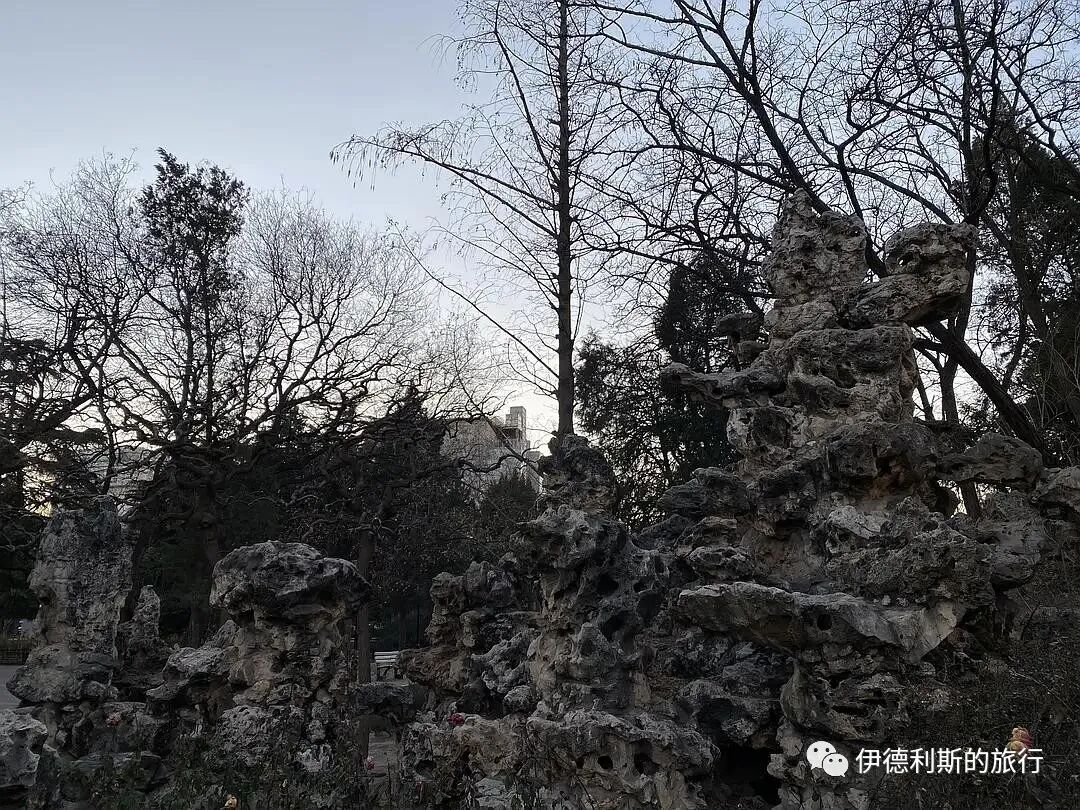
Passing by Dongdan Park in the afternoon.
