
Halal Travel Guide: Beijing Muslim Heritage Walk 2021 (Part 4)
Reposted from the web
Summary: Beijing Muslim Heritage Walk 2021 is presented here as a firsthand travel account in clear English, beginning with this scene: I visited the Egyptian Mummy Exhibition at the China Millennium Monument at night. The account keeps its focus on Beijing Walks, Muslim Heritage, Beijing Mosques while preserving the names, places, food, and historical details from the Chinese source.
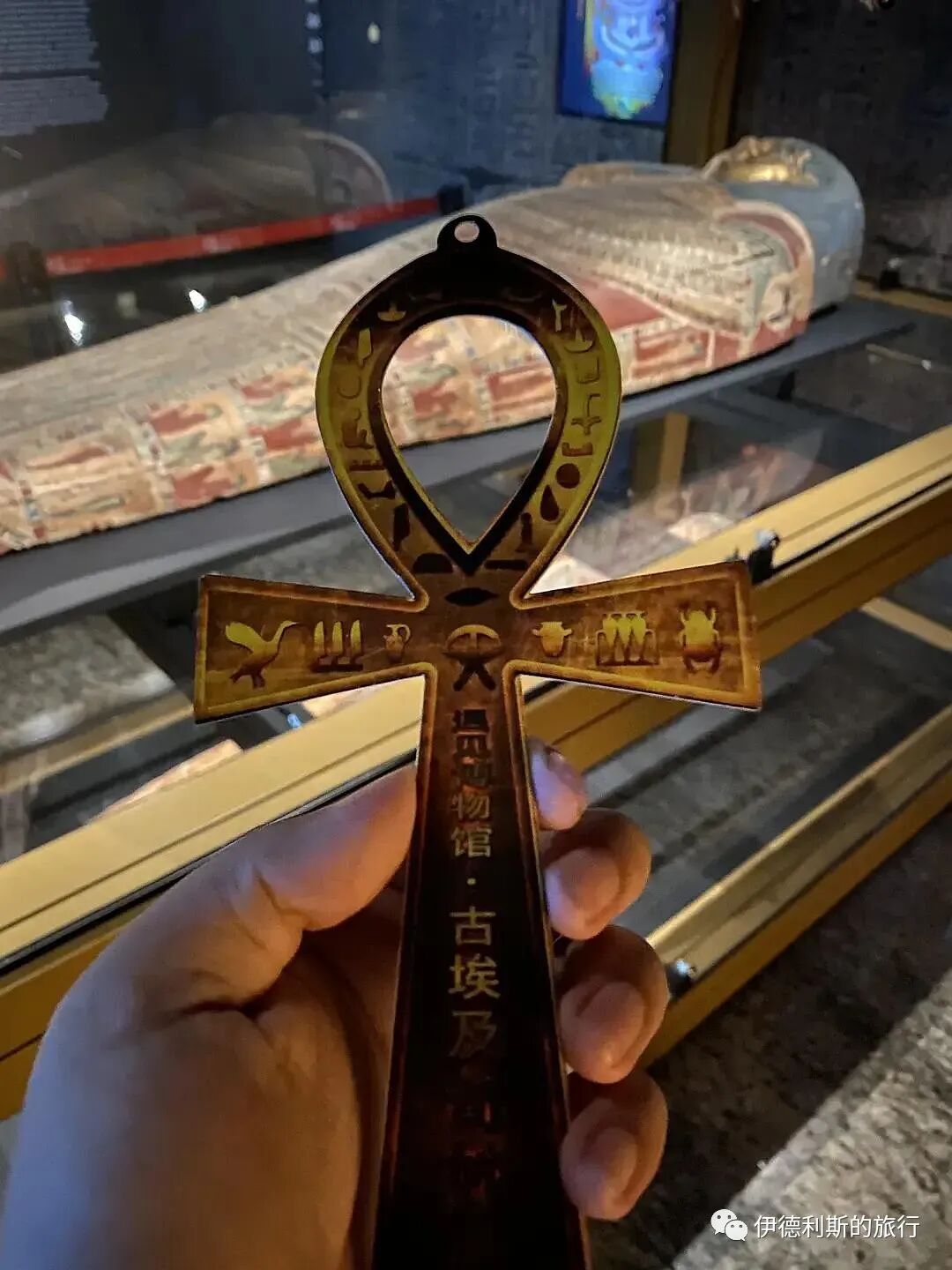
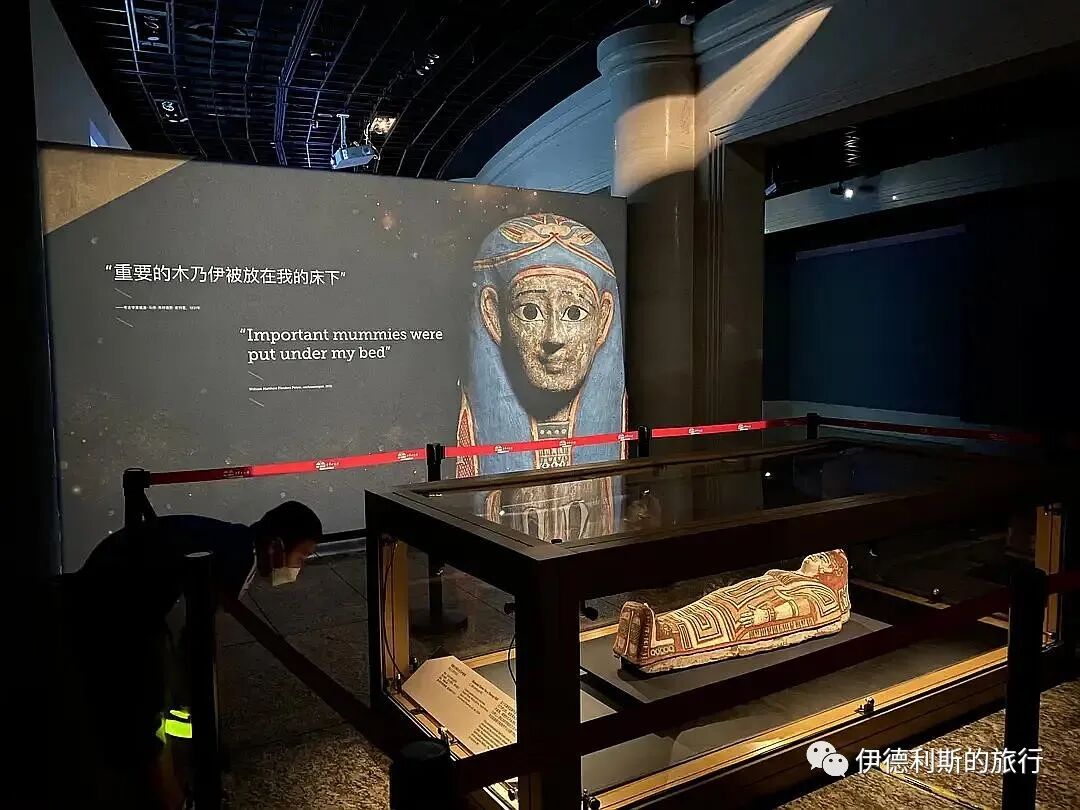
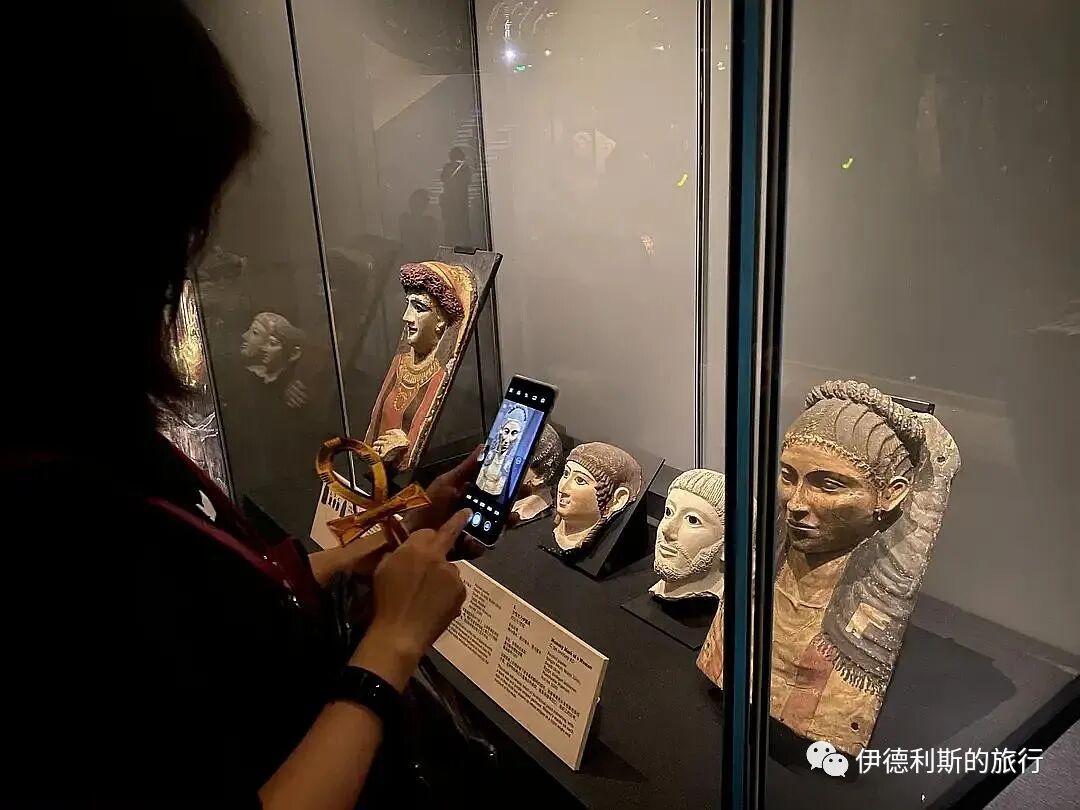
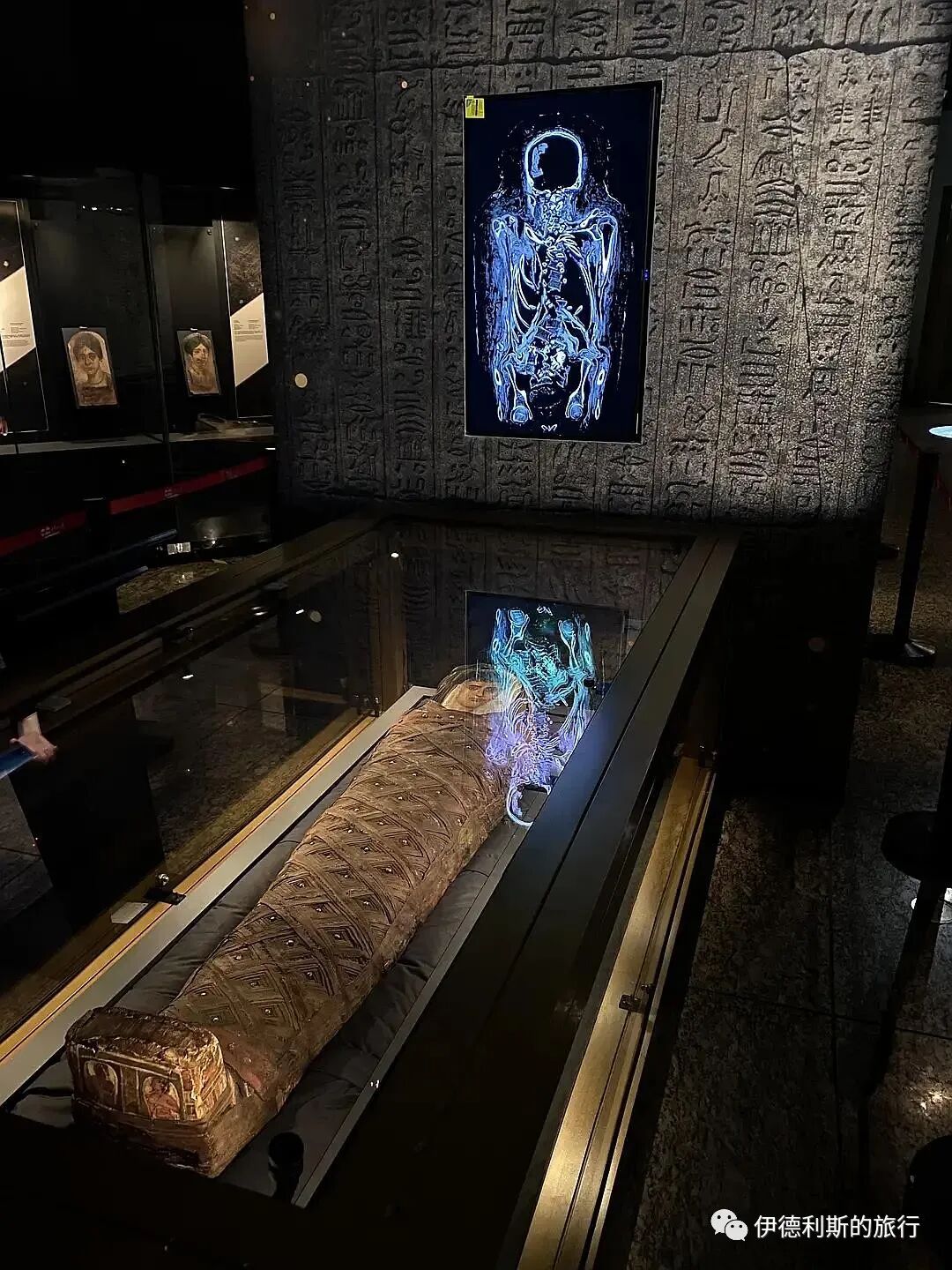
September 3: Night visit to the Egyptian Mummy Exhibition at the China Millennium Monument.
I visited the Egyptian Mummy Exhibition at the China Millennium Monument at night. It is usually only open during the day, but they occasionally host a 'Night at the Museum' event, which I found quite interesting. The collection comes entirely from the Manchester Museum in the UK, and most of the mummies are from the Greco-Roman period.
September 4: Morning market on Dongzhimen Outer Slanting Street.
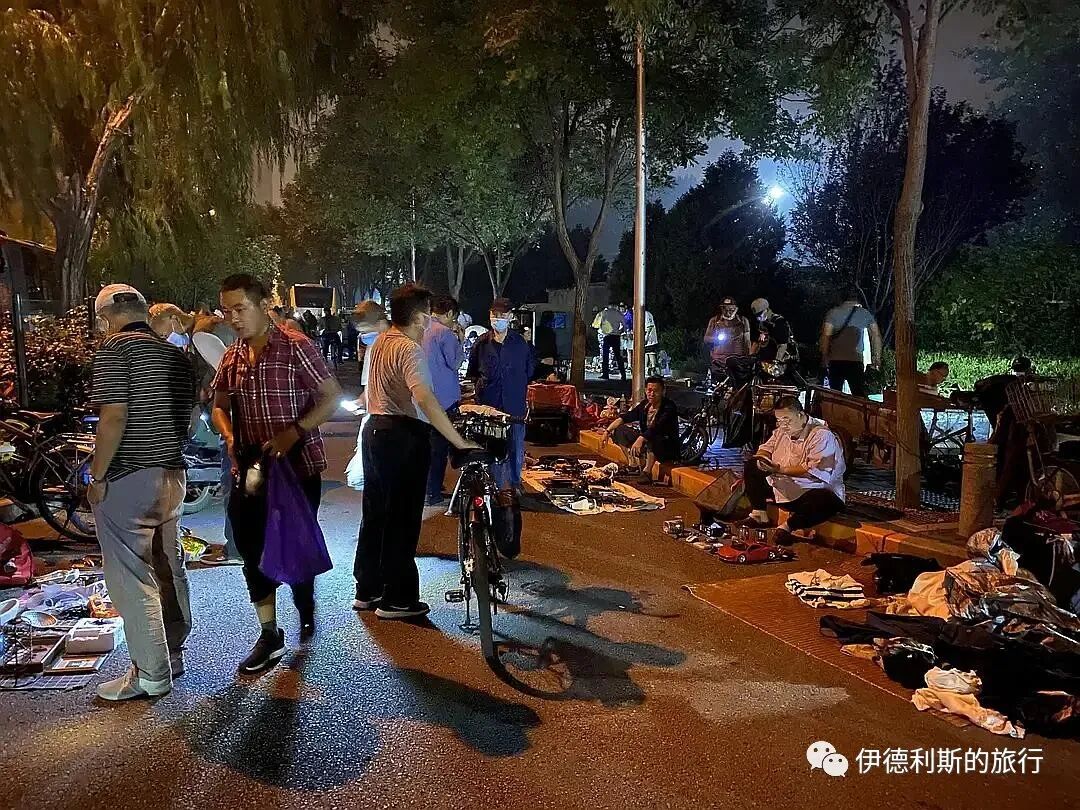
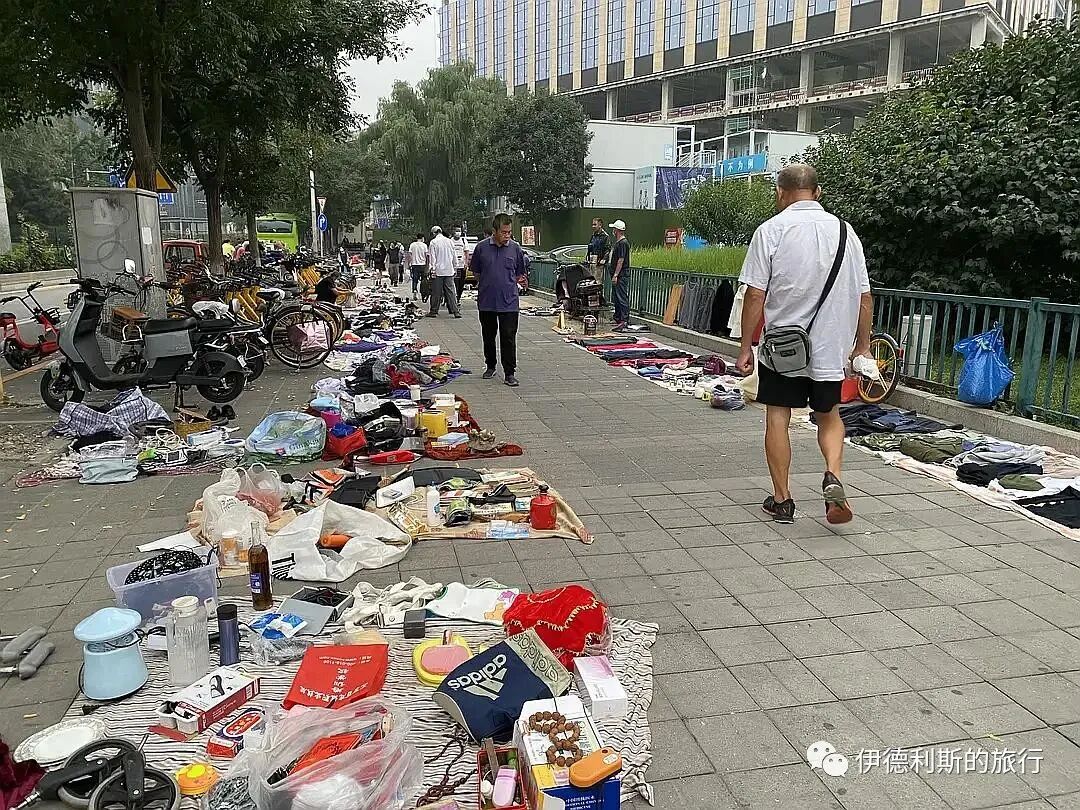
The early morning market outside Dongzhimen has moved again. I spent nearly half an hour searching for it with a vendor near the triangular area in Xiangheyuan, and only found it after following an old man driving a motorized tricycle. It turns out it moved to Dongzhimen Outer Slanting Street.
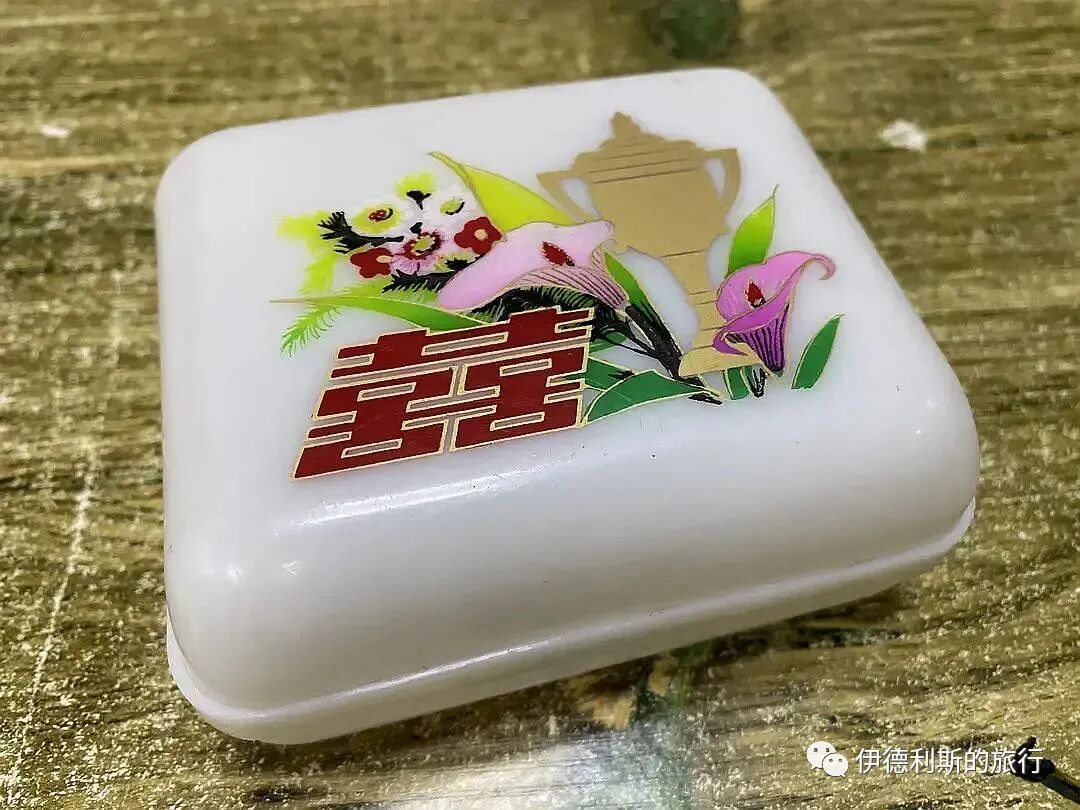
I found a soap box made by the Beijing Great Wall Plastic Factory. It is quite unique, right?
September 5: Reindeer and Ethnic Culture Exhibition at the Natural History Museum.
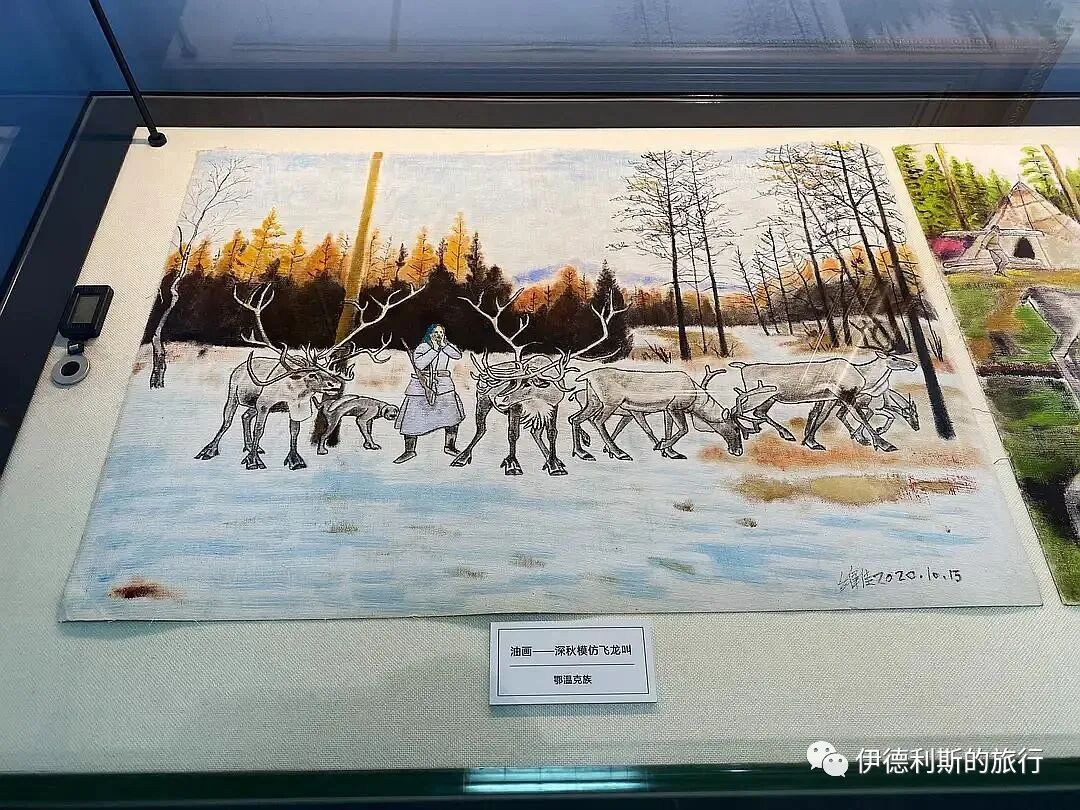
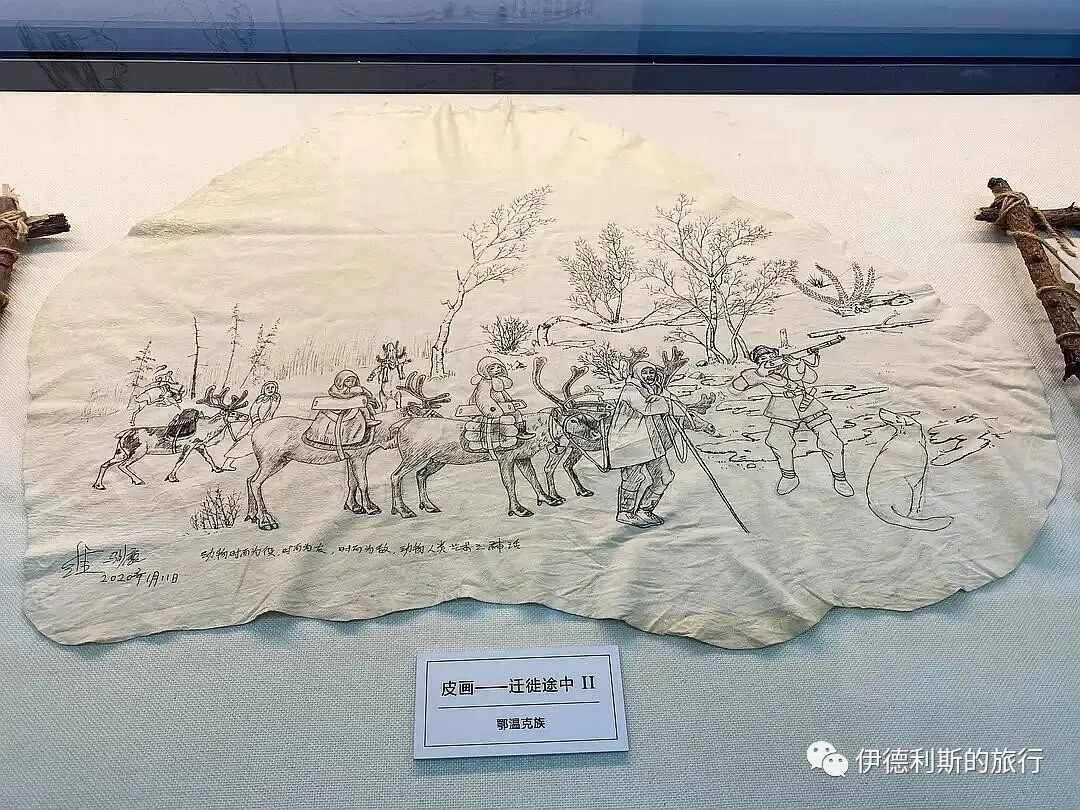
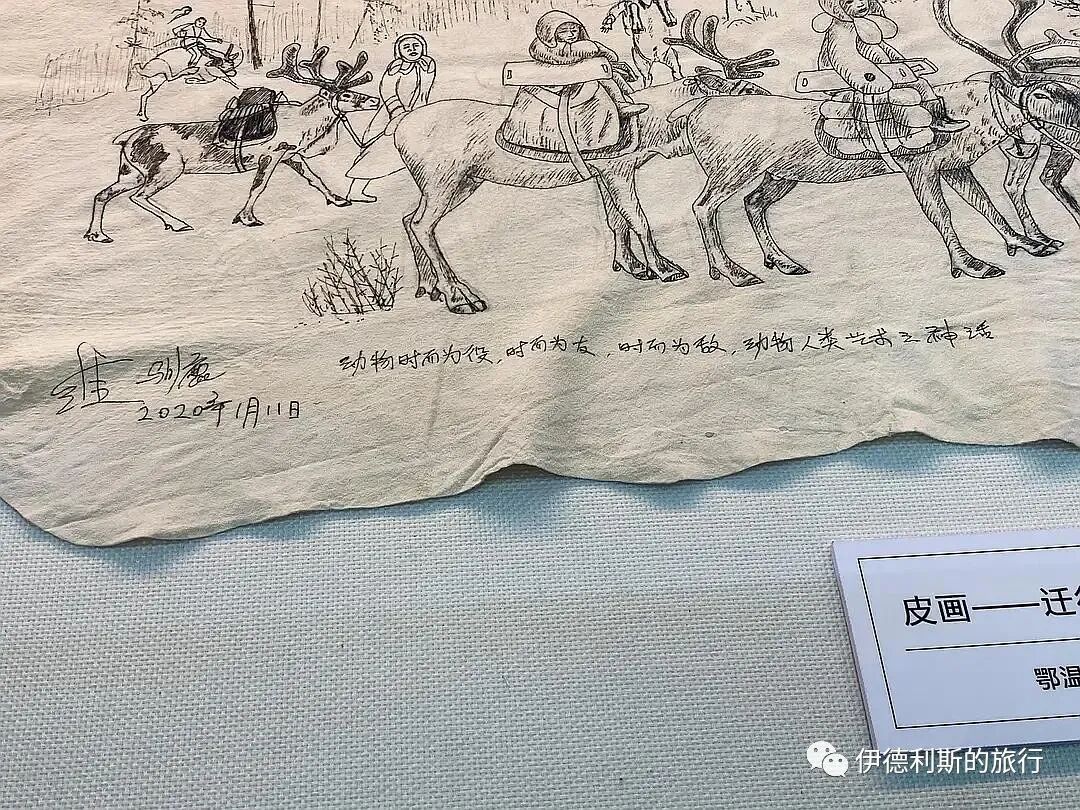
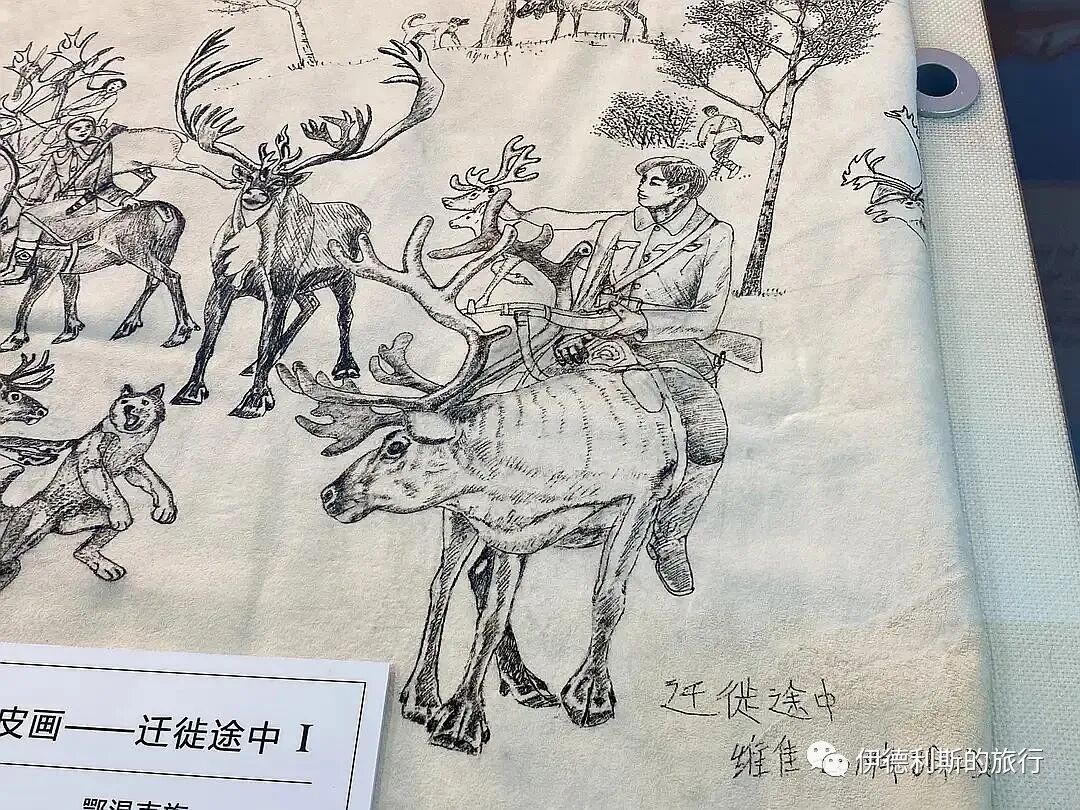
I went to the Natural History Museum in the afternoon to see the 'Reindeer and Ethnic Culture Exhibition.' Most of the items are from the National Museum of Ethnology of China. I was very lucky to see the roe deer skin paintings and oil paintings created between 2016 and 2020 by Weijia, the 'spokesperson' for the Ewenki people. He is the main character in the documentary 'The Last Moose of Aoluguya' (Hadahan). One of the paintings had a note he wrote:
'Animals are sometimes servants, sometimes friends, and sometimes enemies; animals are the mythology of human art.' "
September 11: Xiangheyuan morning market, Panjiayuan Antique Market, and the reopening of the Daliushu Dongpeng Saturday Night Market.
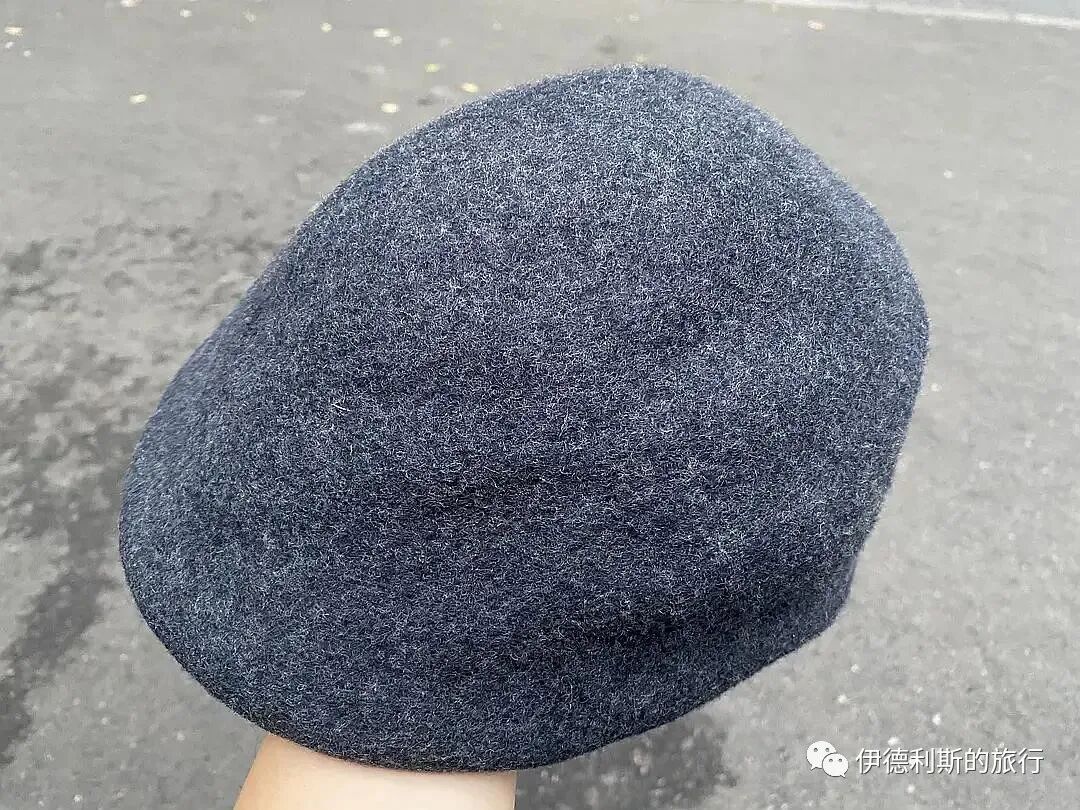
I visited the Xiangheyuan morning market early and picked up a felt hat for 5 yuan.
At noon, I found an old door knocker (mendu'er) from the last century at the Panjiayuan Antique Market. I compared it to the new one at my house, and the craftsmanship is definitely different.
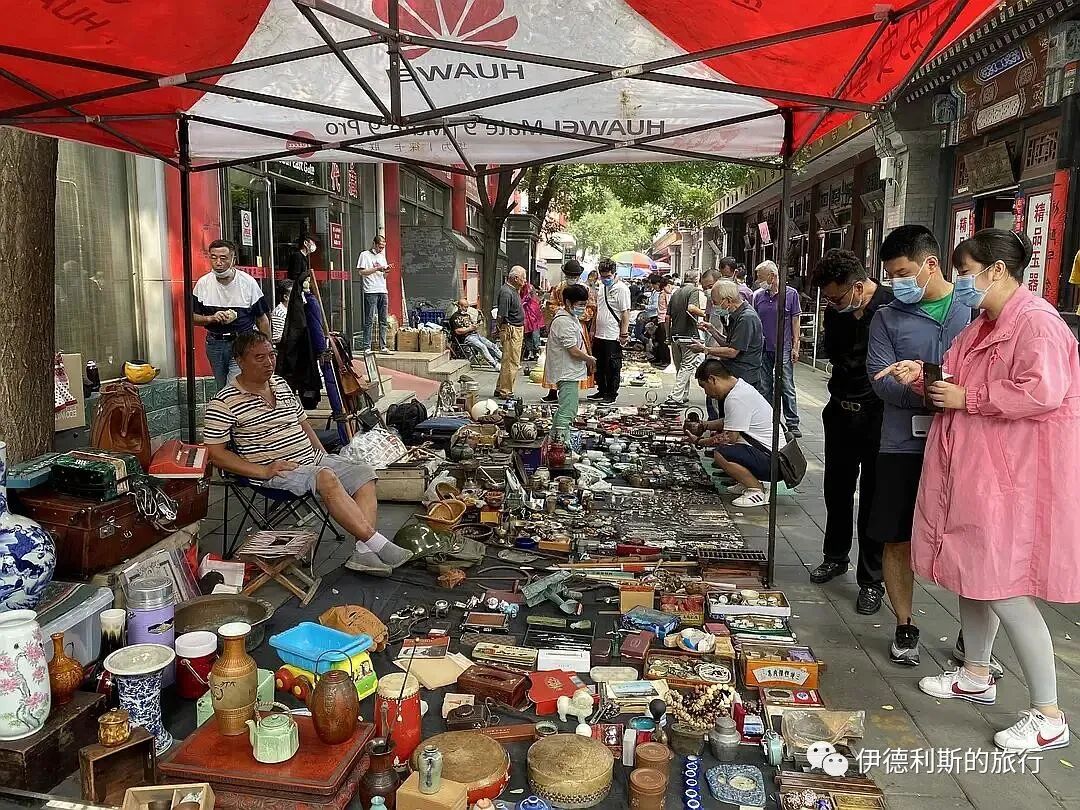
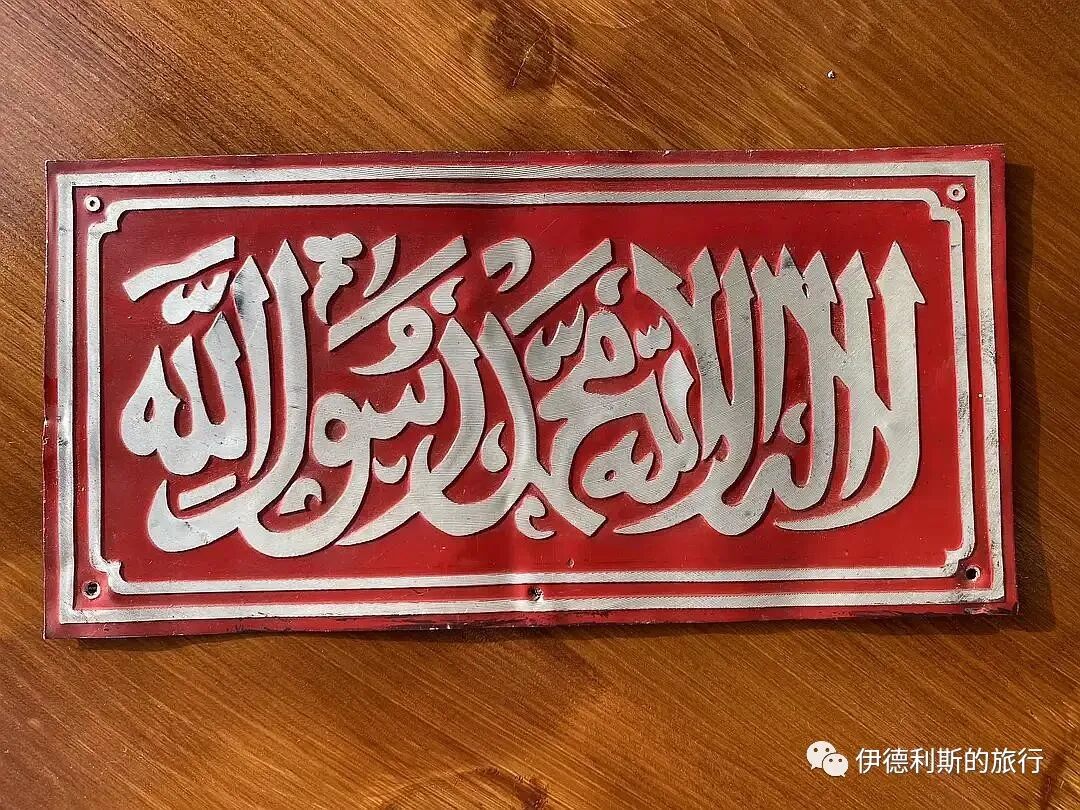
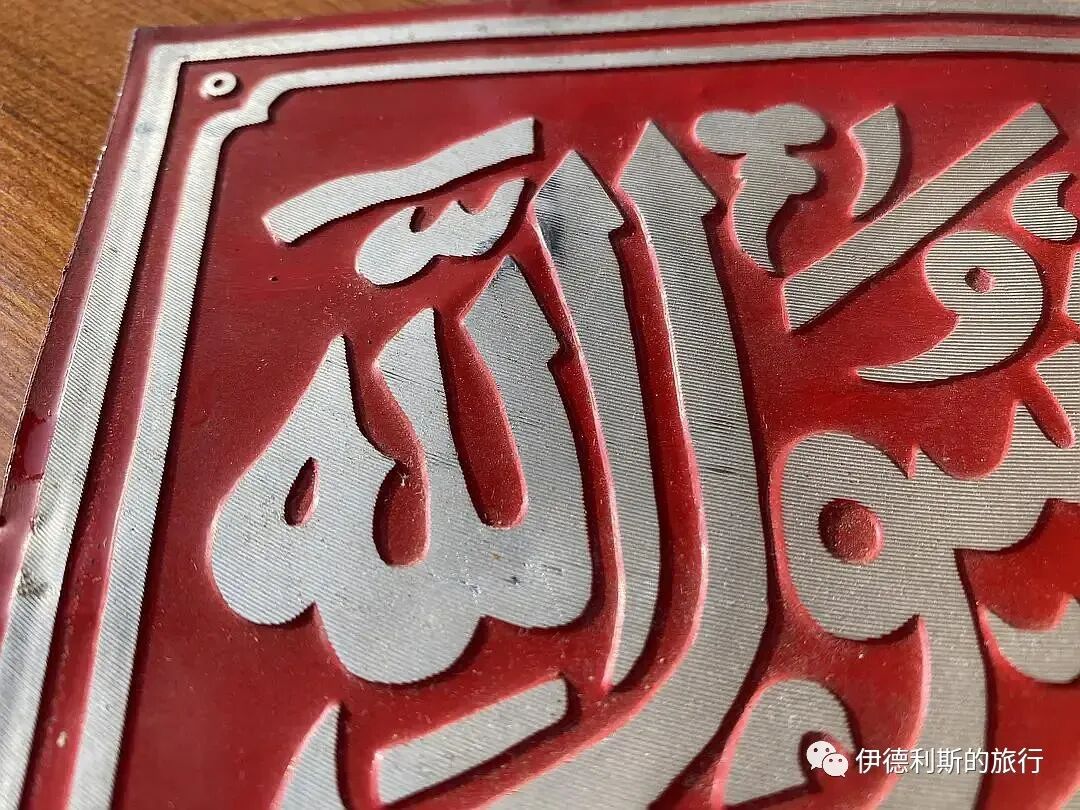
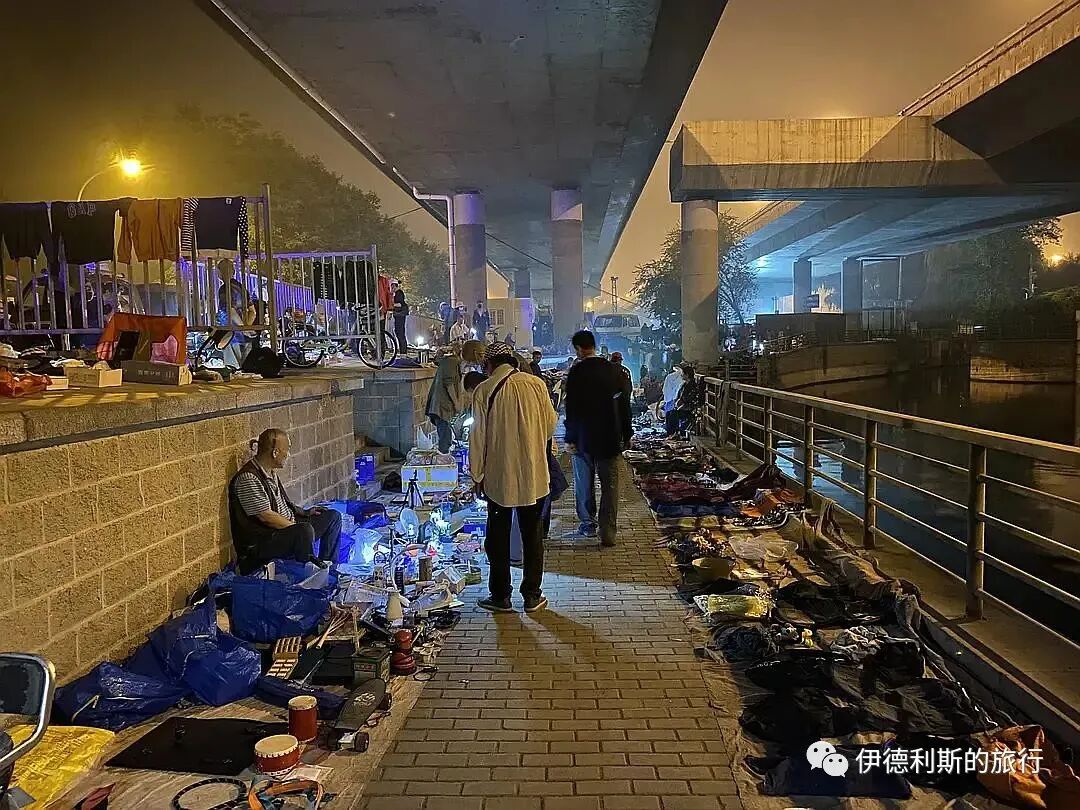
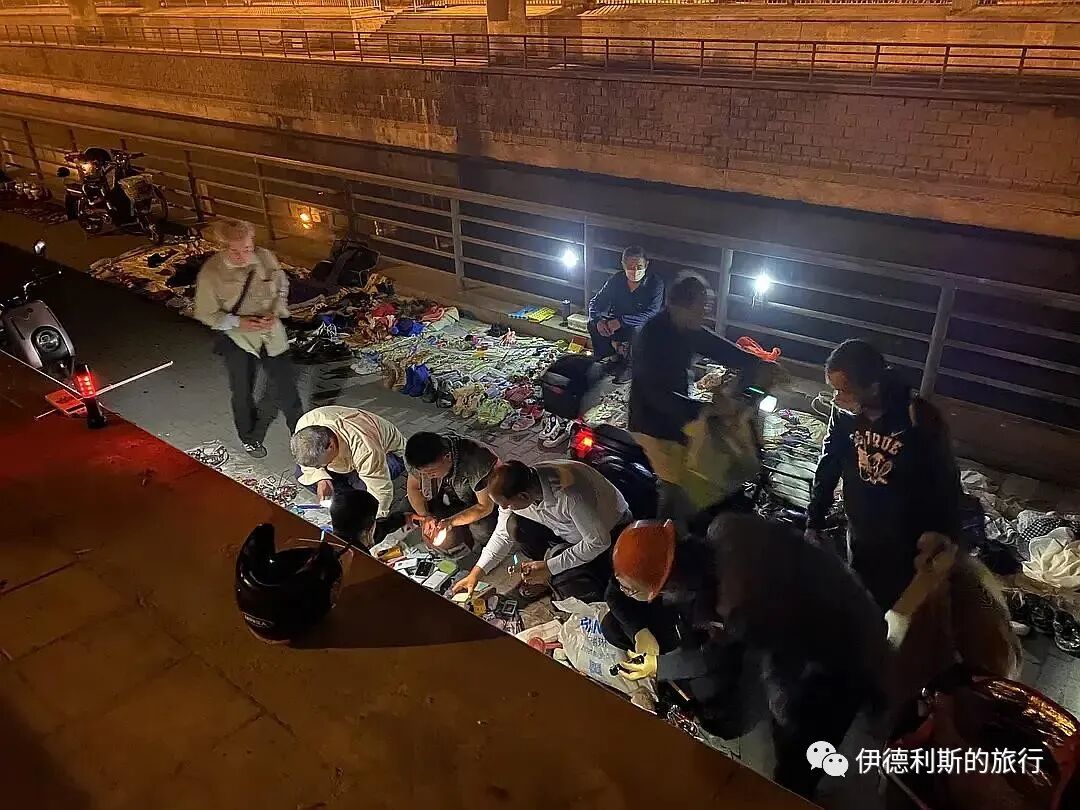
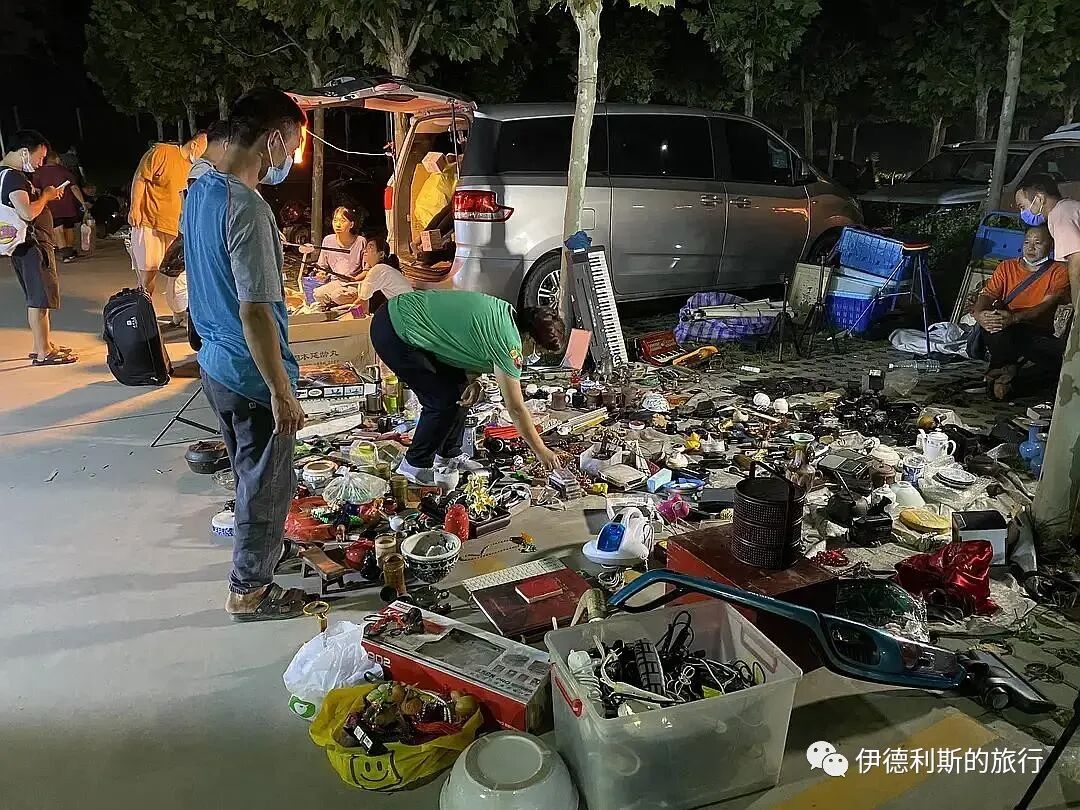
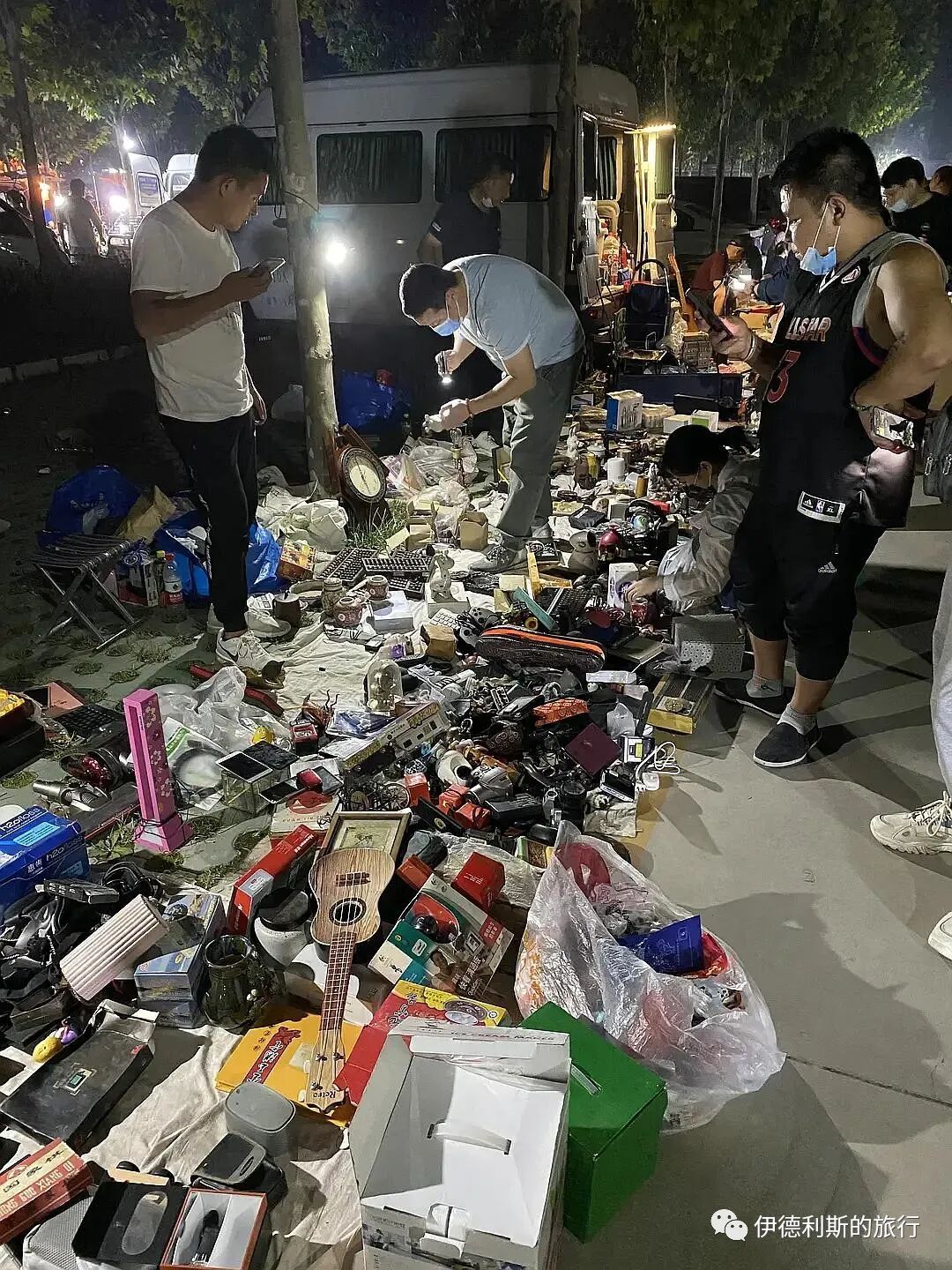
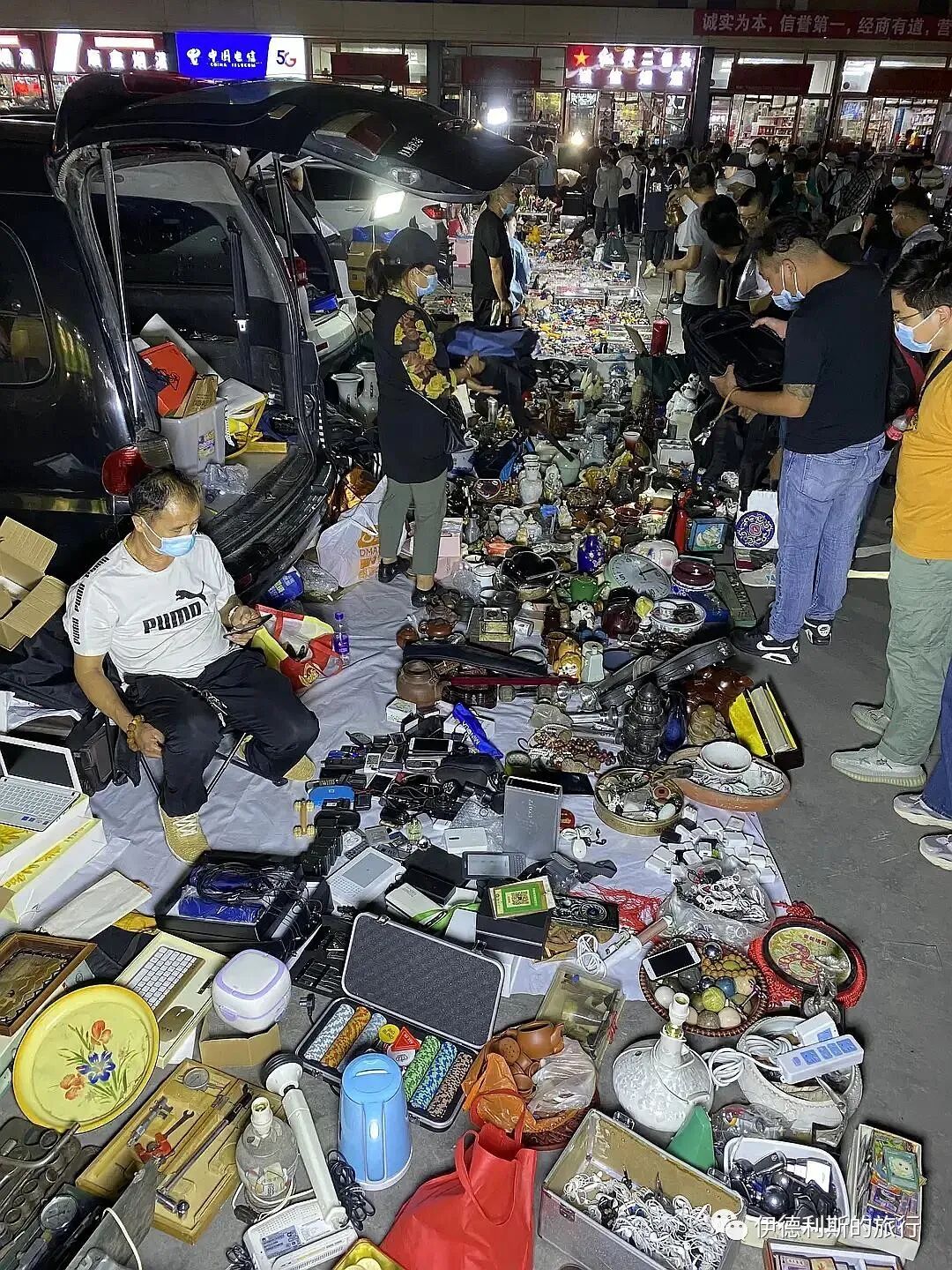
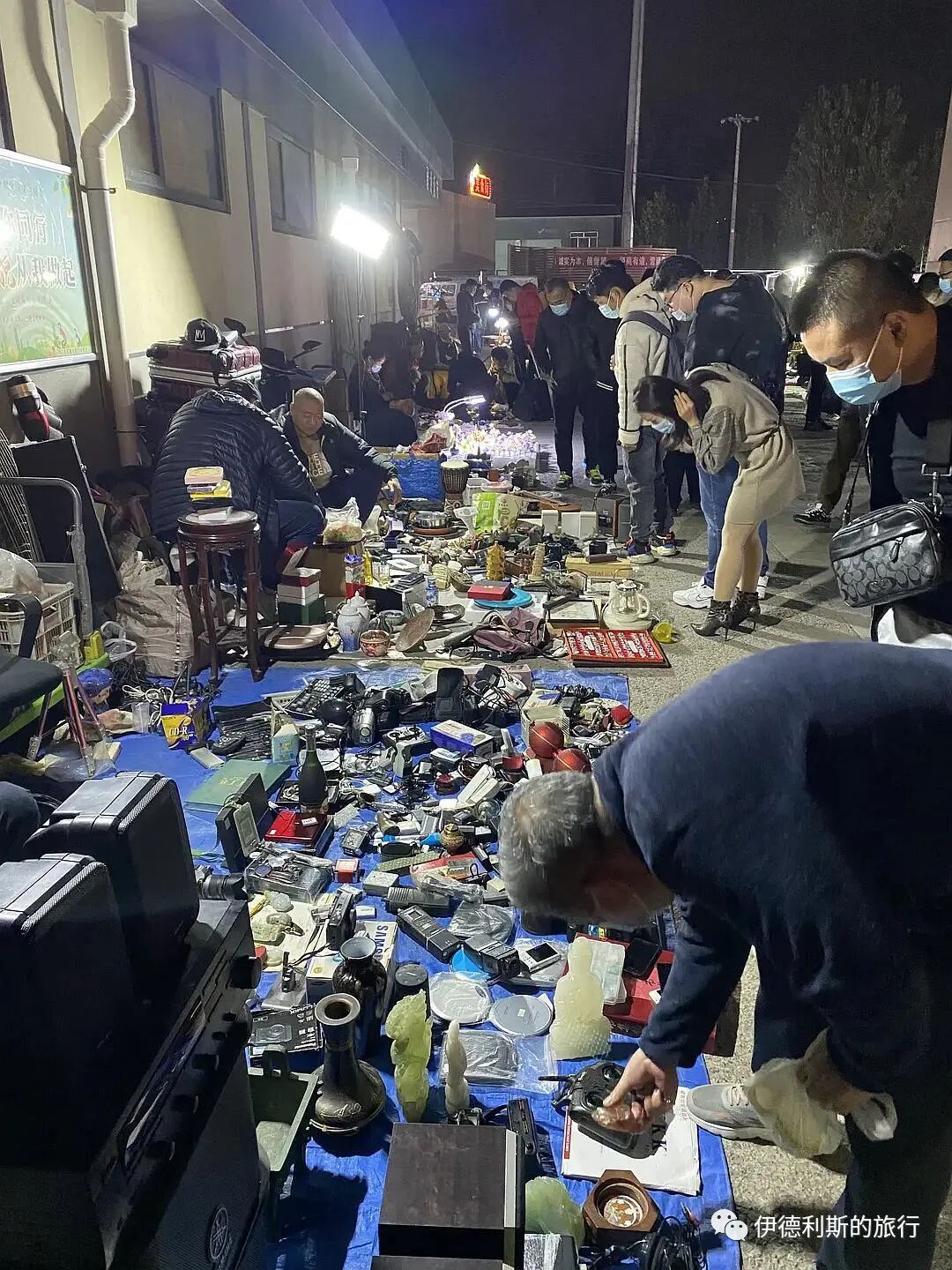
The Daliushu Dongpeng Saturday Night Market has reopened. It is so lively! I found some more good things.
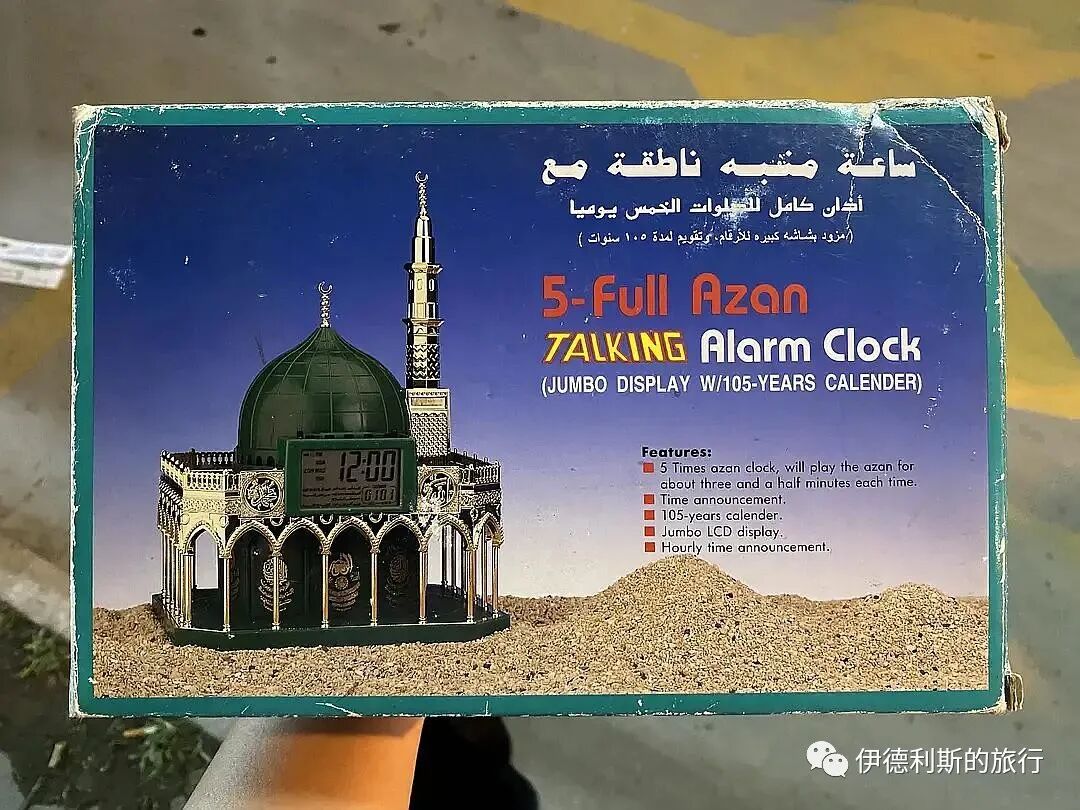
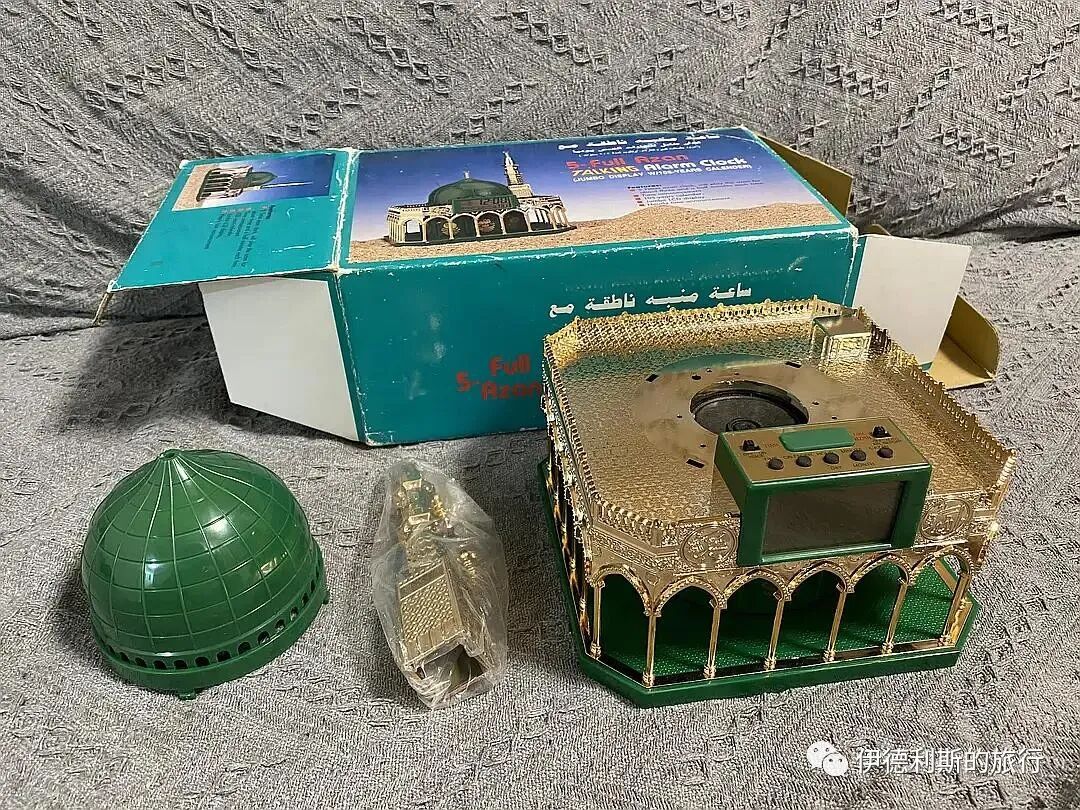
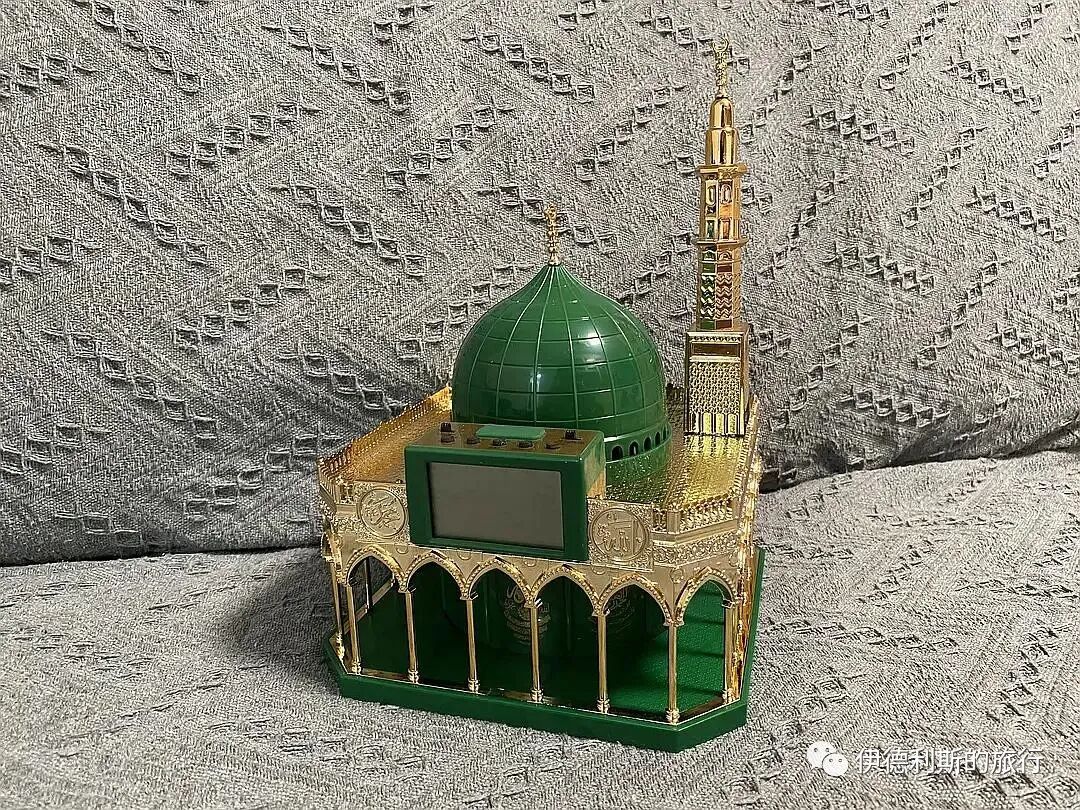
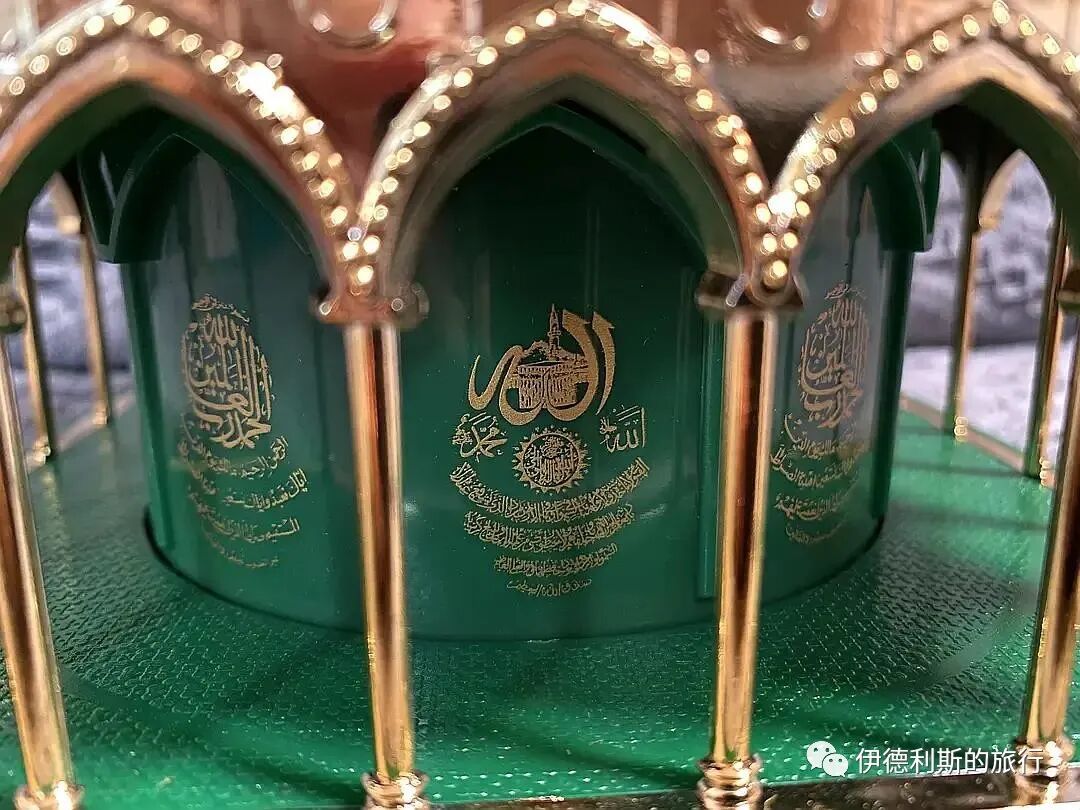
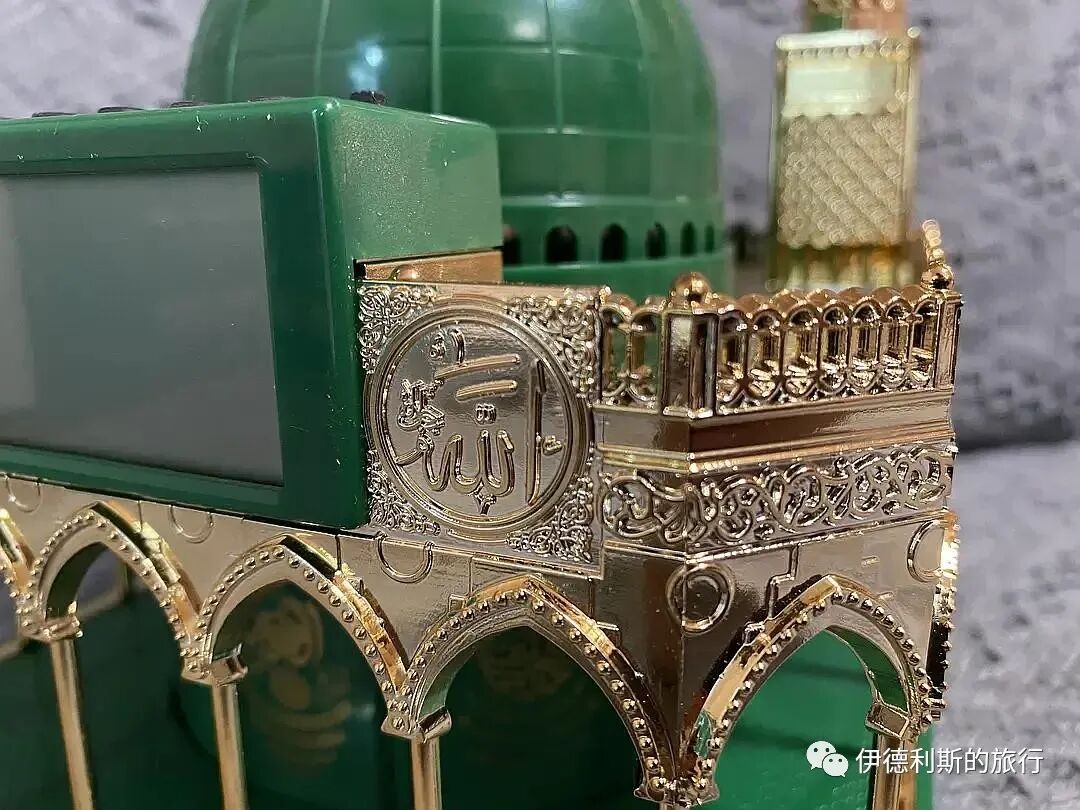
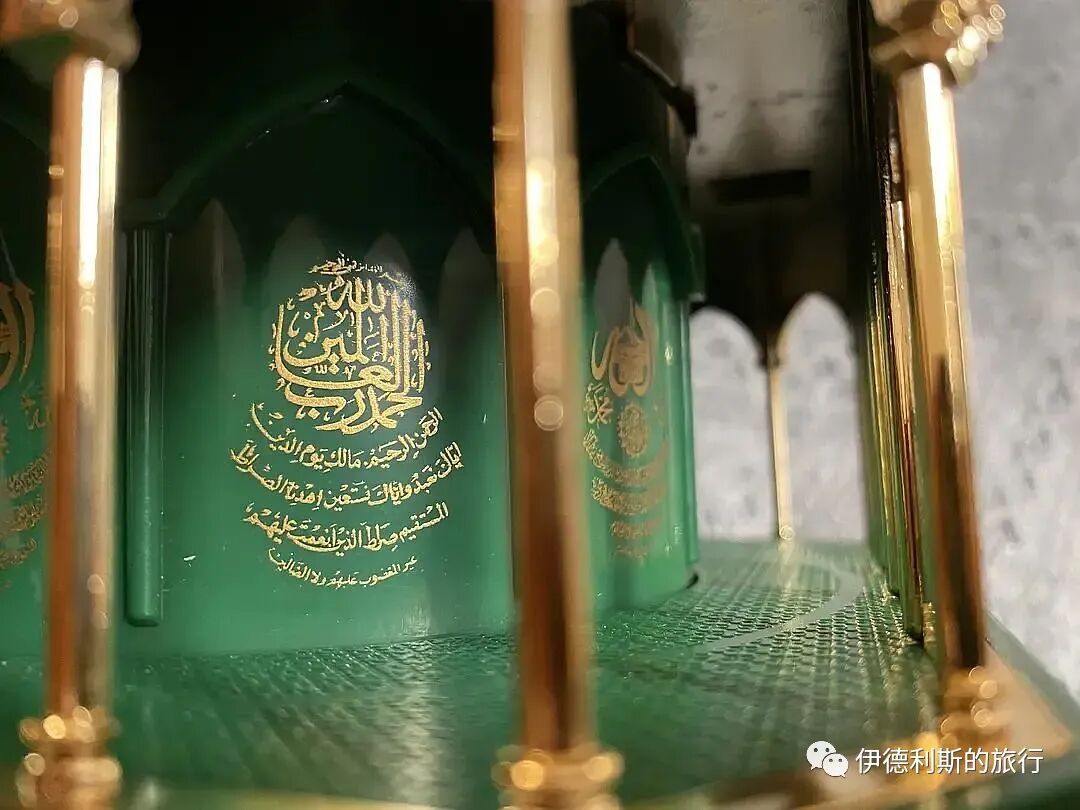
Here are photos of the clock I bought after unboxing it. I installed the dome and minaret myself, and the details are pretty good! It says 'Made in Taiwan' on the bottom, and also mentions England and Hong Kong, so it was likely produced before 1997.
September 14: Daliushu Tuesday Night Market.
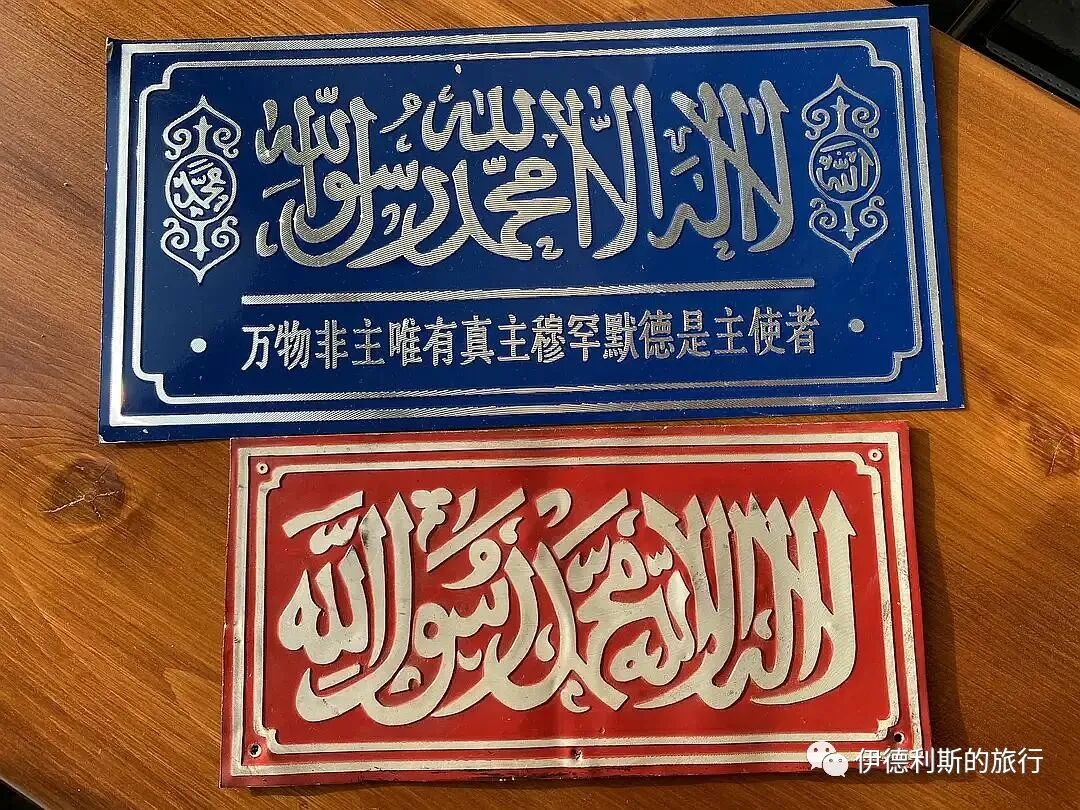
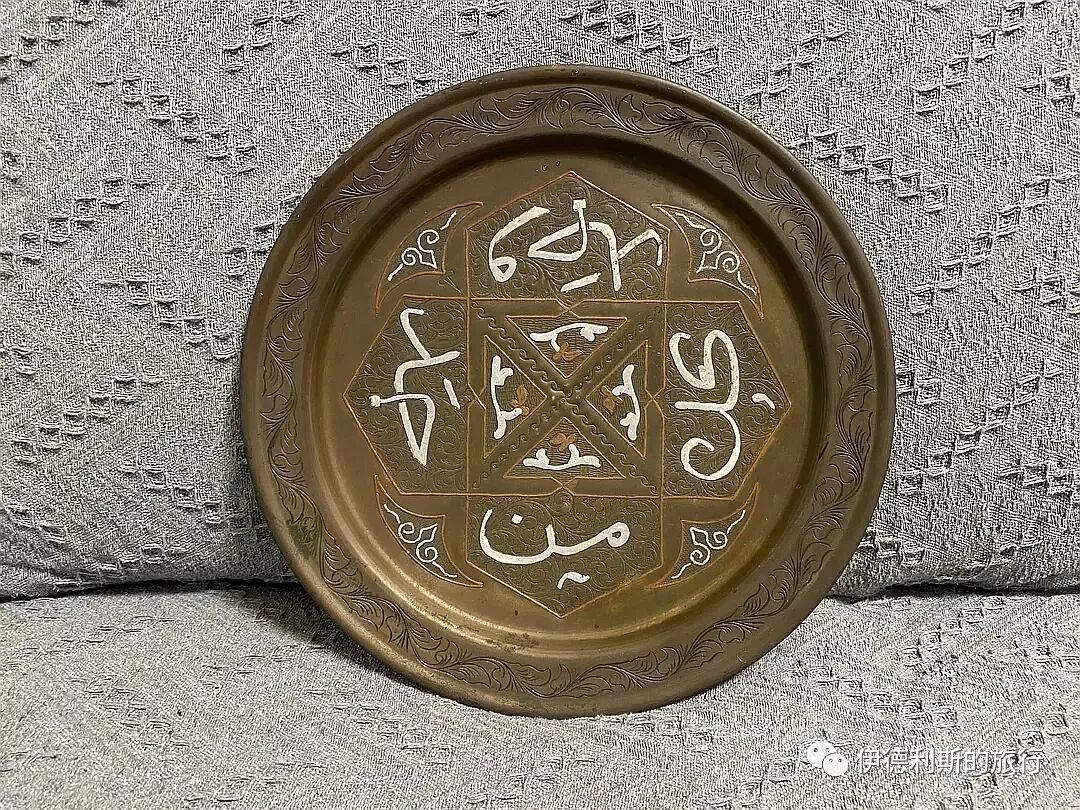
I found a Pakistani copper plate with silver Arabic calligraphy at the Daliushu Night Market. It says, 'Where there is a will, there is a way.'
September 17: Beijing Film Festival screenings of the Moroccan film 'Casablanca Beats' (Gao'ang Xiangliang) and the Turkish film 'The Cemil Show' (Jiemier Biaoyanxiu).
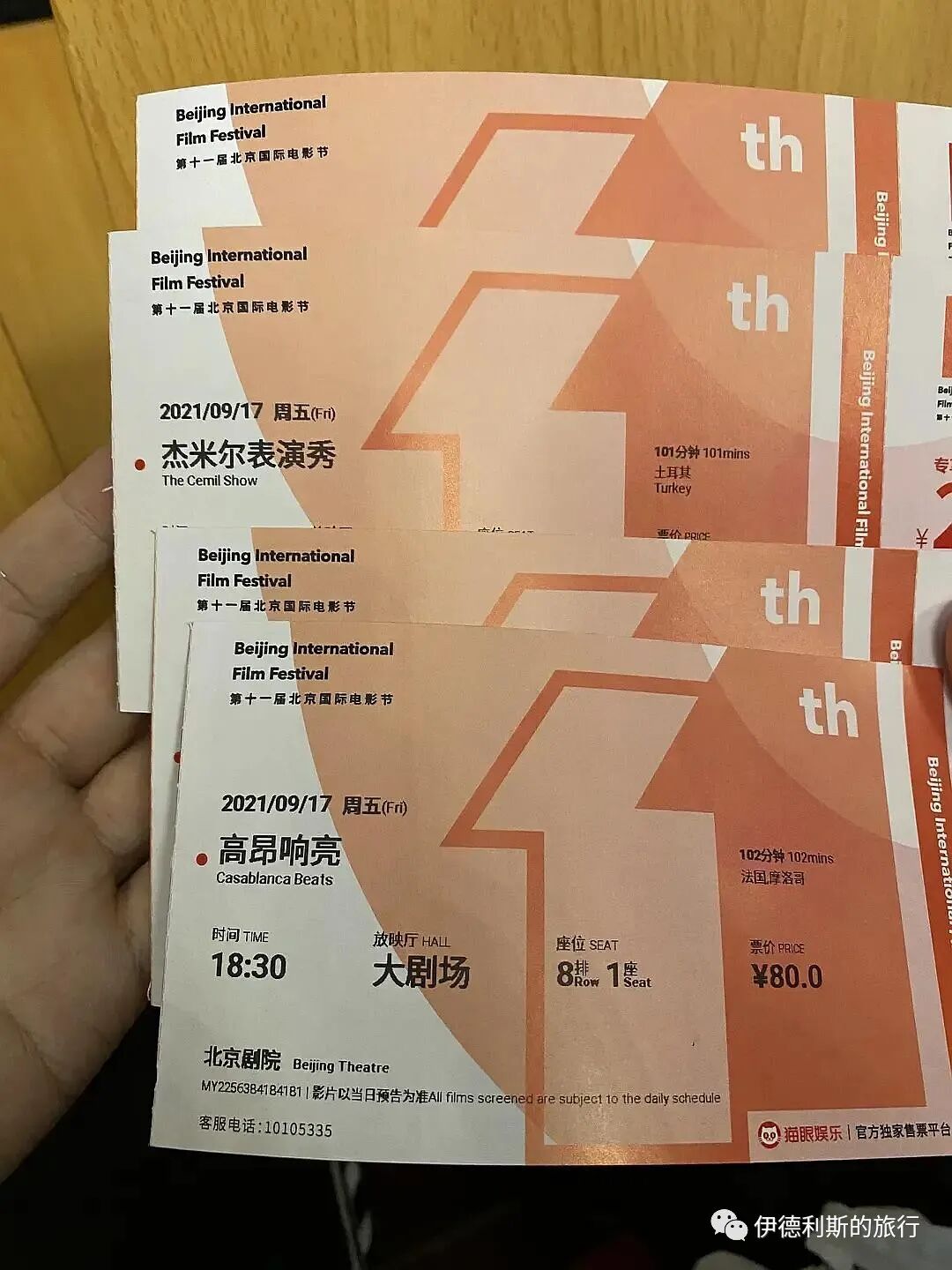
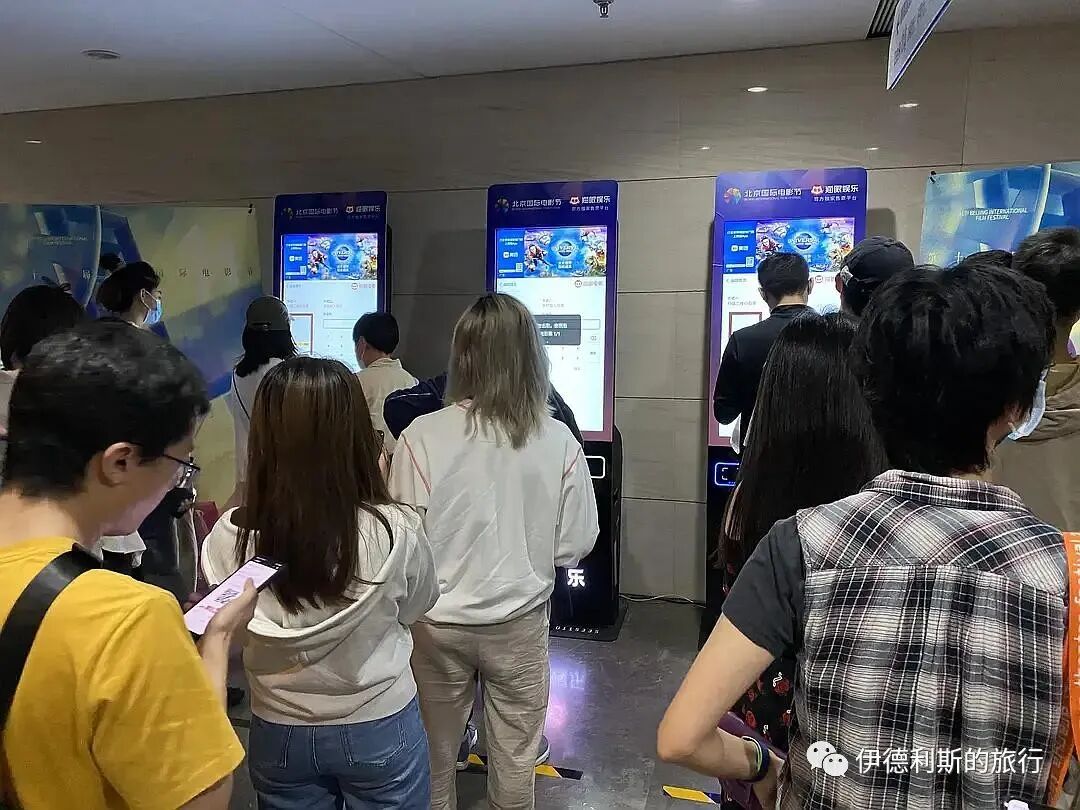
After work today, I watched two Beijing Film Festival movies back-to-back at the Beijing Theater—one Moroccan and one Turkish. I quickly biked to grab a bowl of hand-pulled noodles (lamian) in between. It felt very fulfilling!
The first was an Arabic-language film about Moroccan rap music called 'Casablanca Beats.' It tells the story of an art center in a small town near Casablanca. It was a wonderful surprise; it is a rare film that directly explores Islam and modern art. As Muslims, how should we view and participate in modern art and youth subcultures? Can rap music use religion as a topic, or should modern art set artificial boundaries when it involves religion? The film shows this by having the young rappers discuss it directly, and I think this format is quite good.
The second film was 'The Cemil Show,' a tribute to classic Turkish cinema from the 1960s. The story takes place in a large supermarket in Istanbul and the old town by the Golden Horn. It made me miss Istanbul so much! The film is about a movie fanatic who lives his life like a film. The way it seamlessly connects the 'film within a film' is really impressive!
September 18: Came to 24D to see Xiao Liu and SUBS.
Came to 24D for a show. This is the famous folk musician Xiao Liu, known for his hit song 'Sou'.
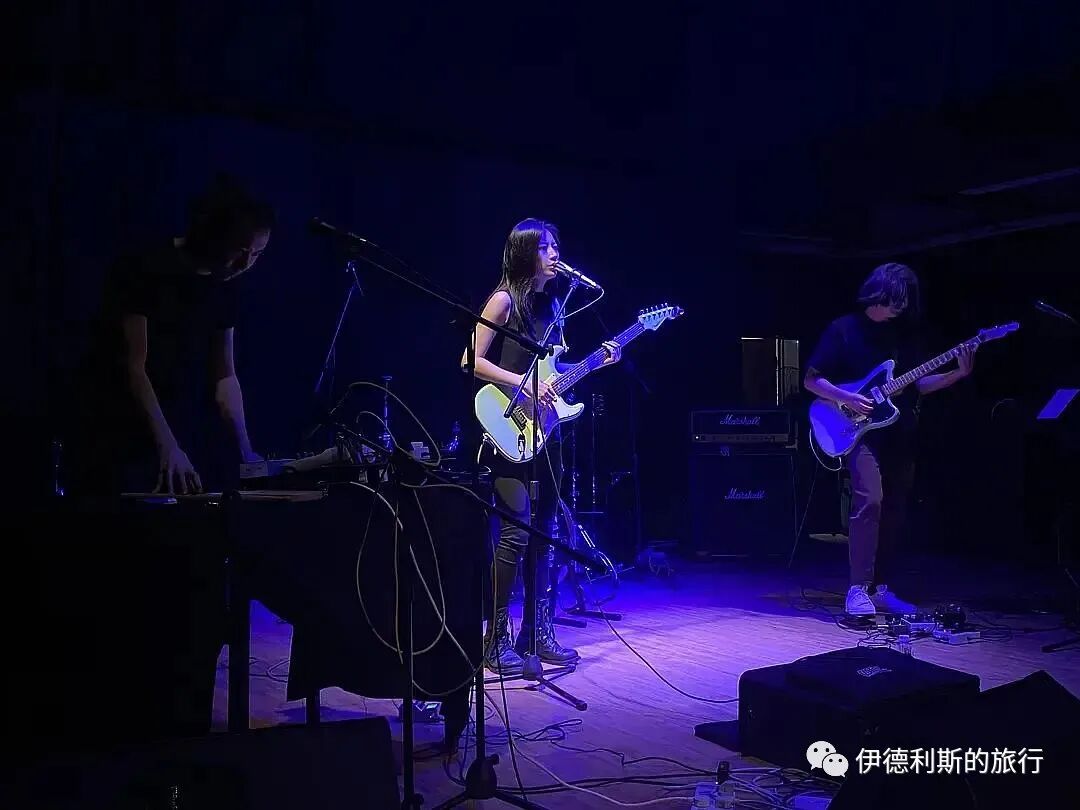
I love the band SUBS!
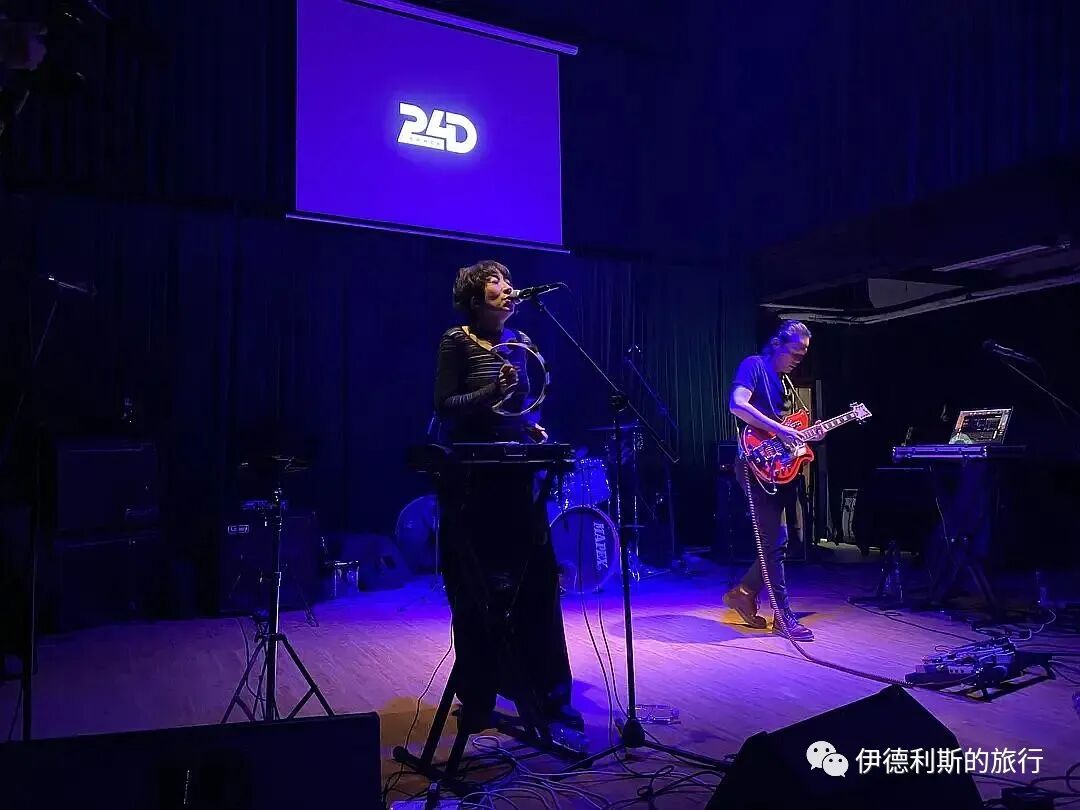
September 18: Daliushu Dongpeng Saturday Night Market.
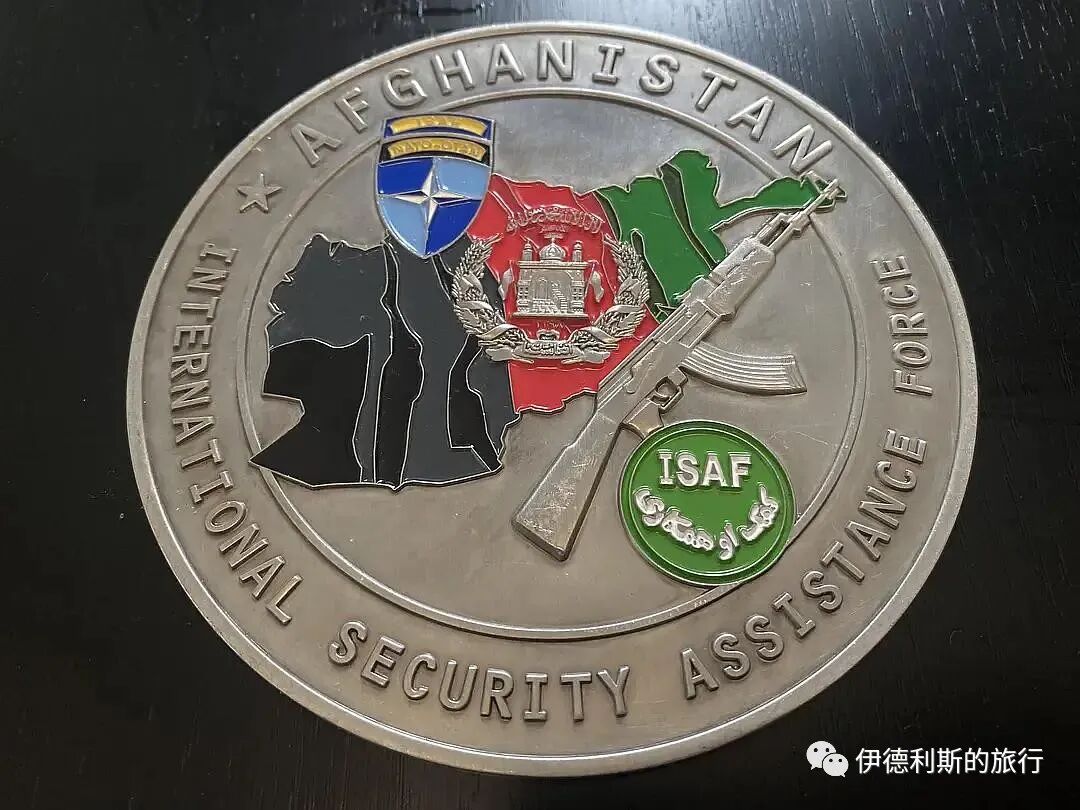
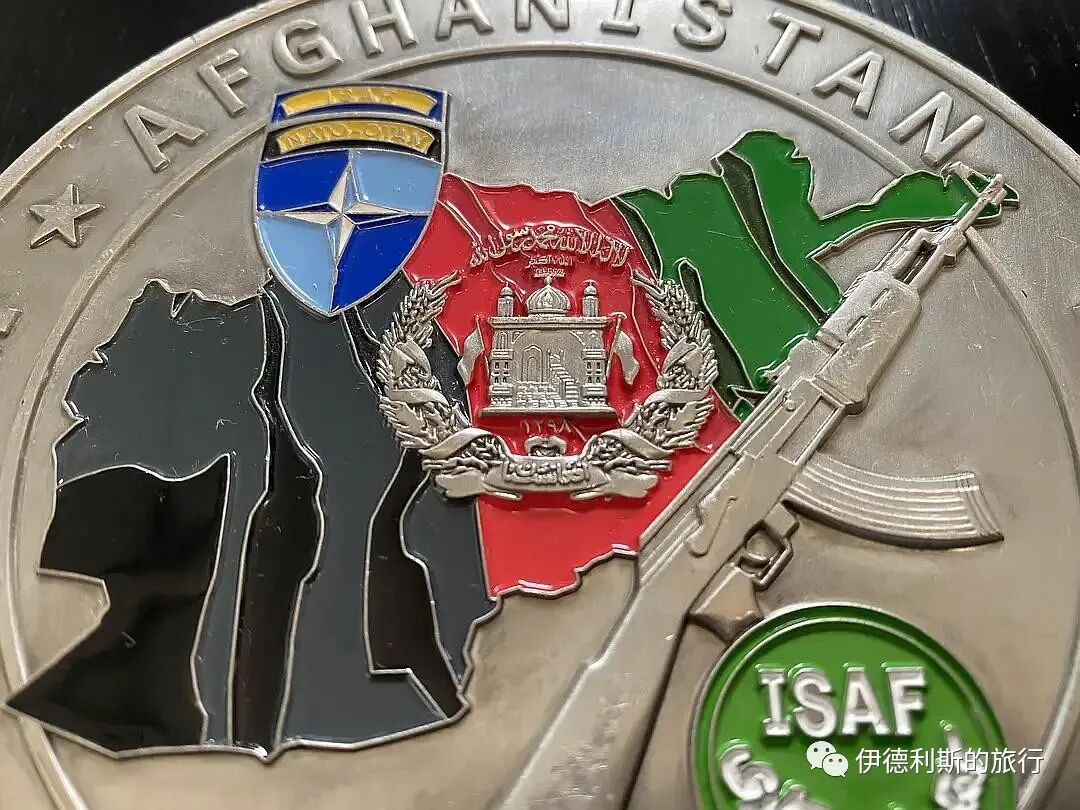
I found an ISAF (International Security Assistance Force in Afghanistan) badge at the Daliushu Dongpeng Saturday Night Market tonight. ISAF was established by a UN resolution in 2001, with members rotating between NATO and EU forces. After 2011, security responsibilities were gradually handed over to the Afghan army, and the mission was officially completed after 2014.
In the center of the badge is the national emblem of the Republic of Afghanistan, which is a mosque (masjid) featuring a dome (gongbei), a prayer niche (mihrab), and a pulpit (minbar). Above the mosque are the Shahada and the Takbir, and below is the year 1298 (in the Hijri calendar), which is 1919 AD, the year Afghanistan broke free from British rule.
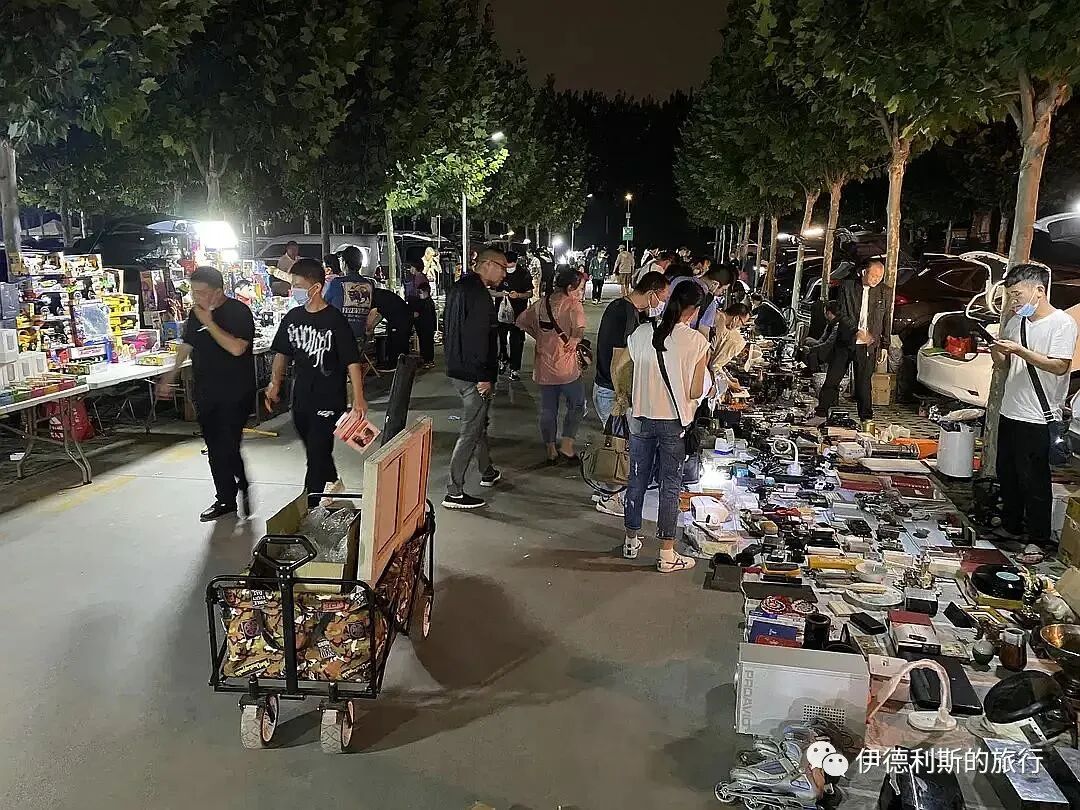
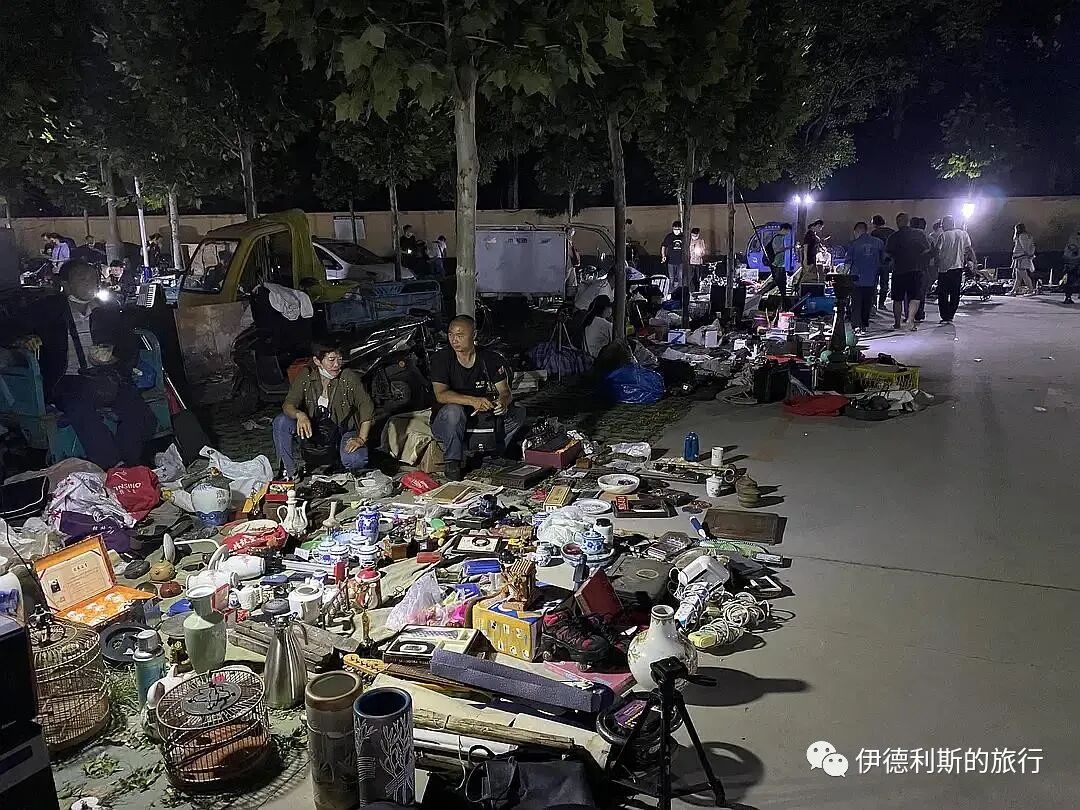
September 19, the Duo Zhuayu market in Sanlitun.
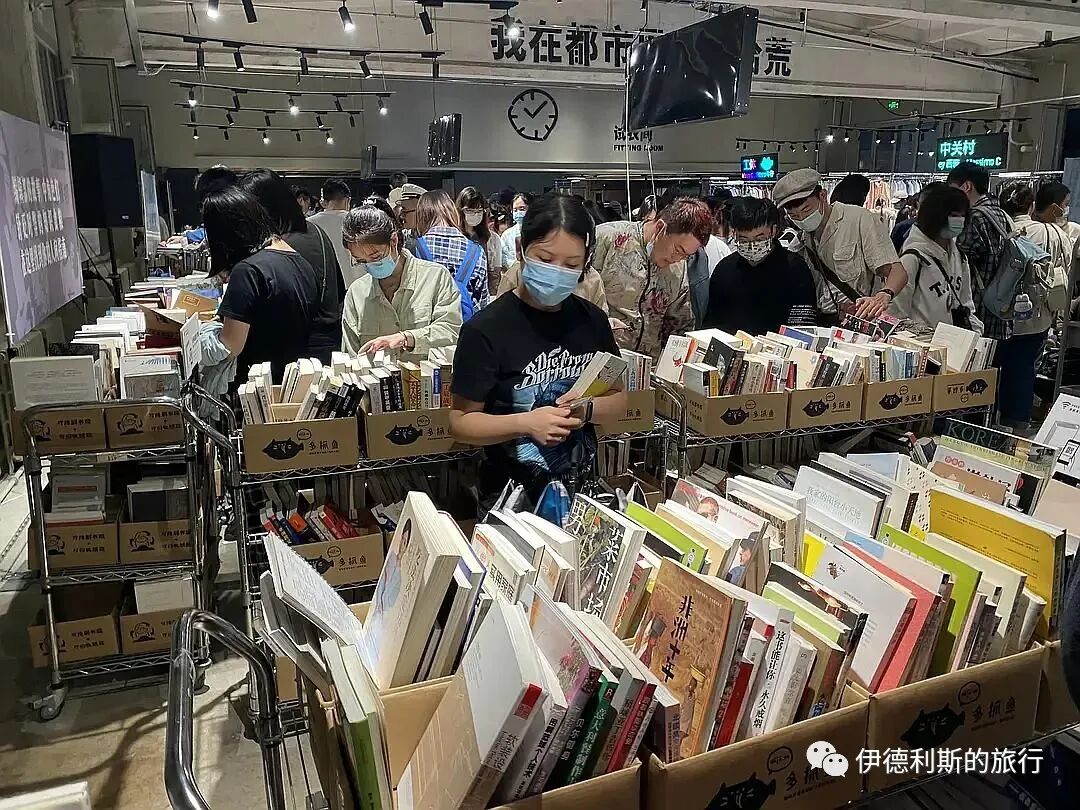
I visited the Duo Zhuayu market in Sanlitun in the evening. It was extremely crowded and there were not many books, mostly the same ones you find in the Duo Zhuayu bookstore. I just treated it as a post-dinner stroll.
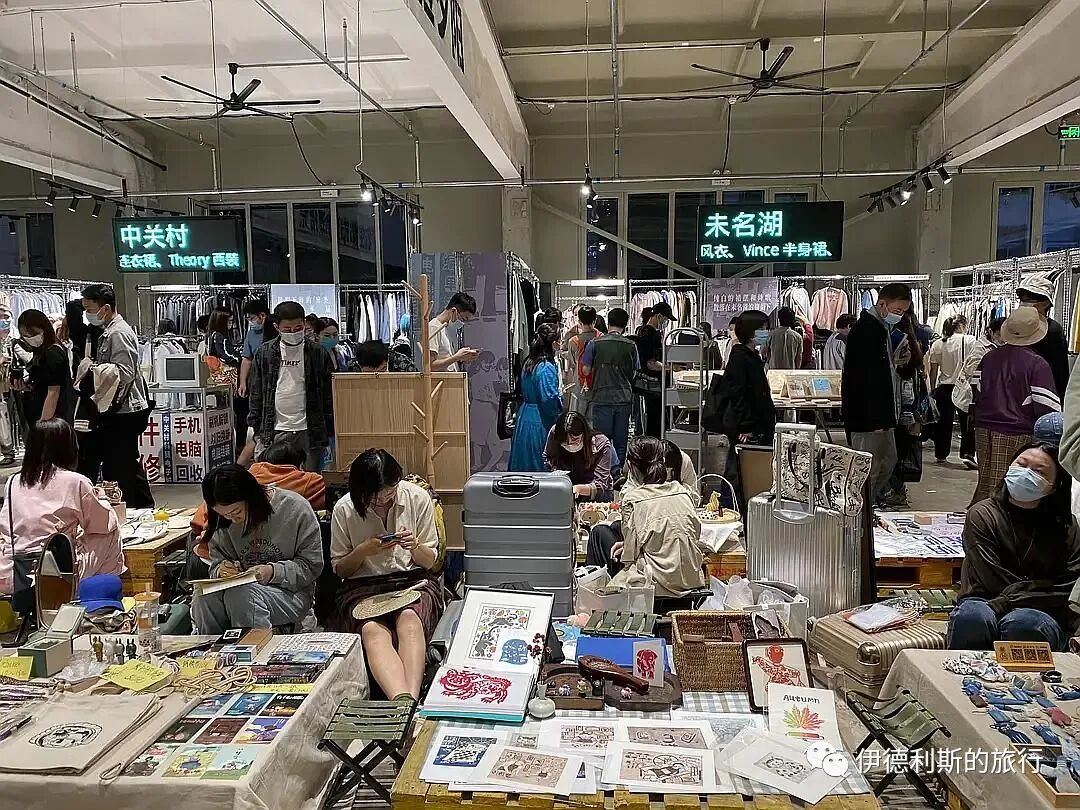
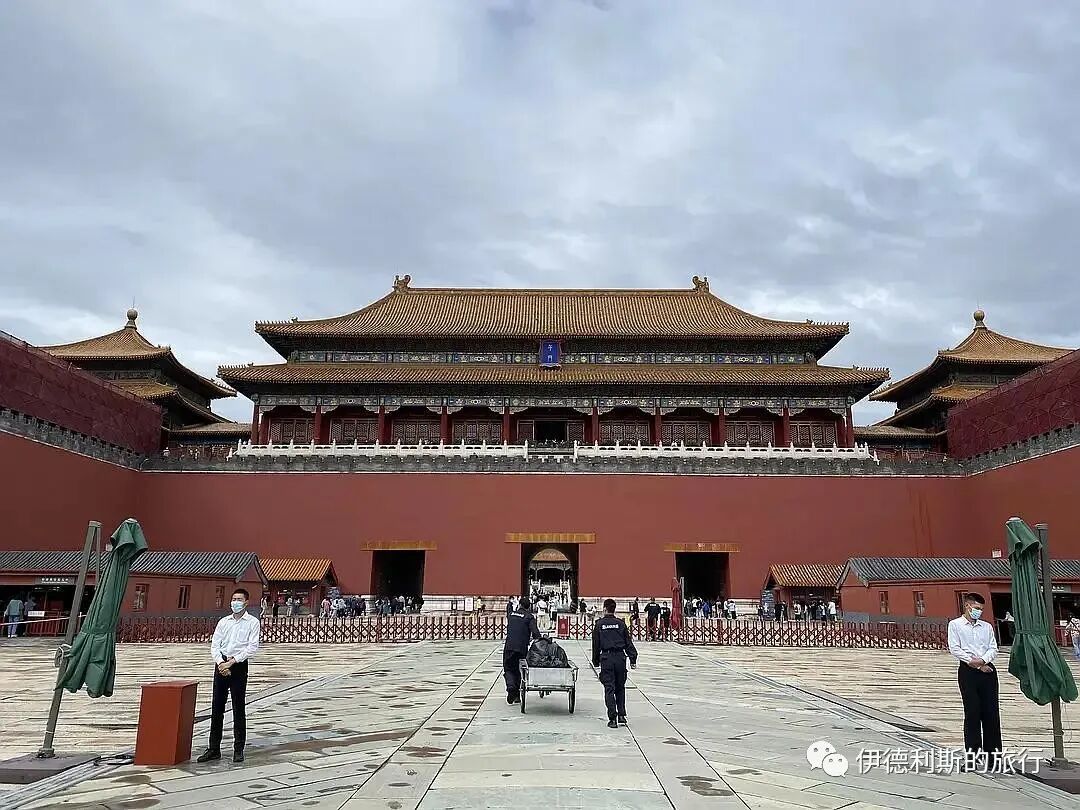
September 20, seeing the Dunhuang exhibition at the Forbidden City and the old Ma Yinglong eye medicine shop building.
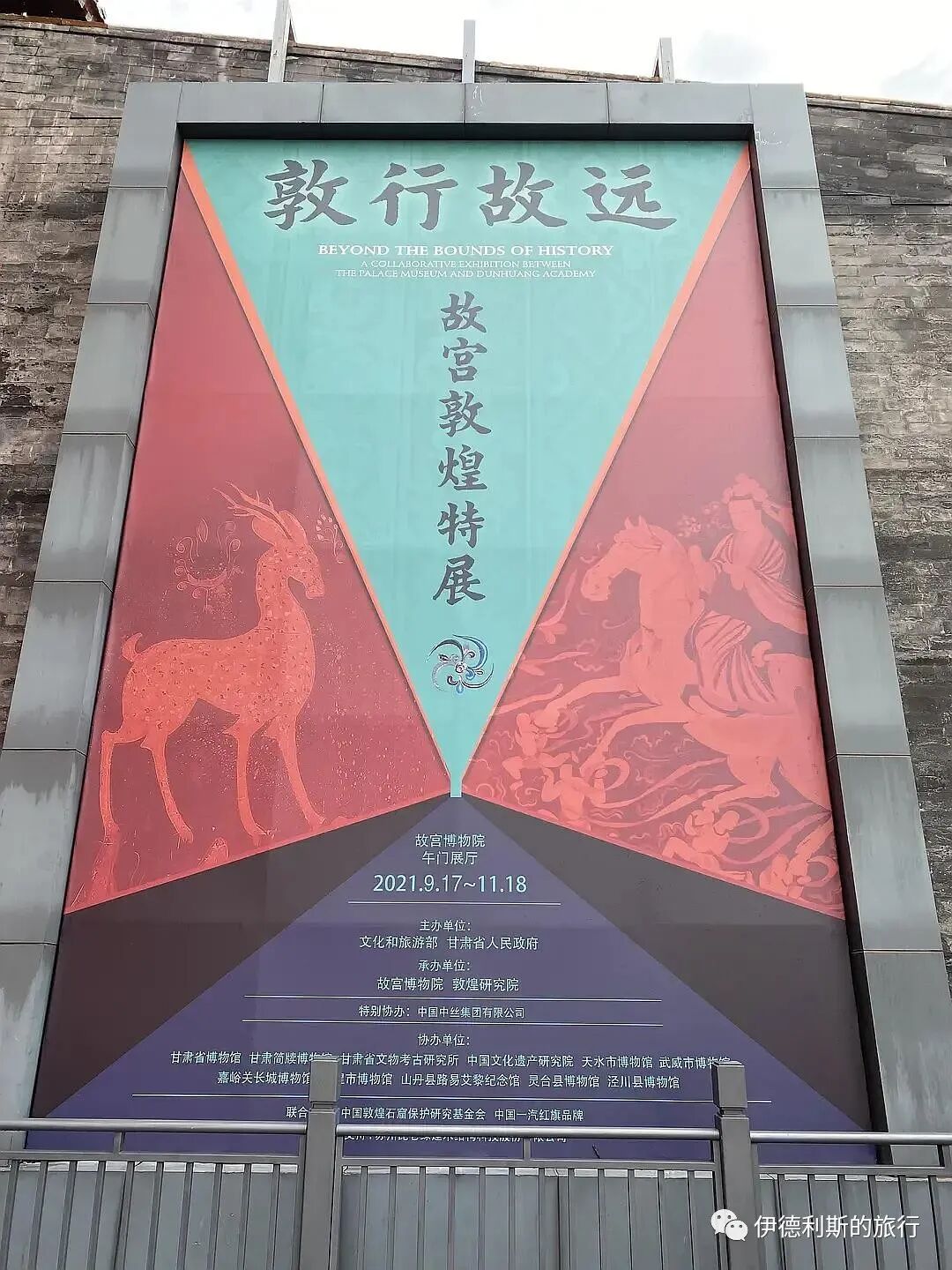
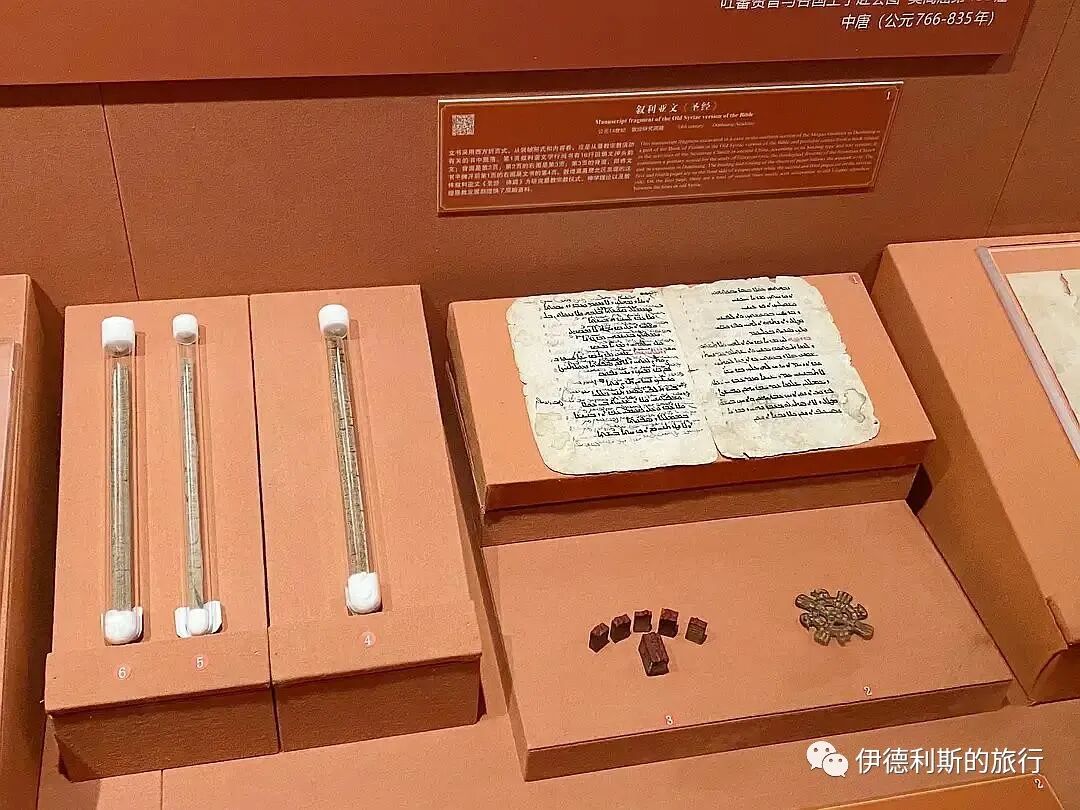
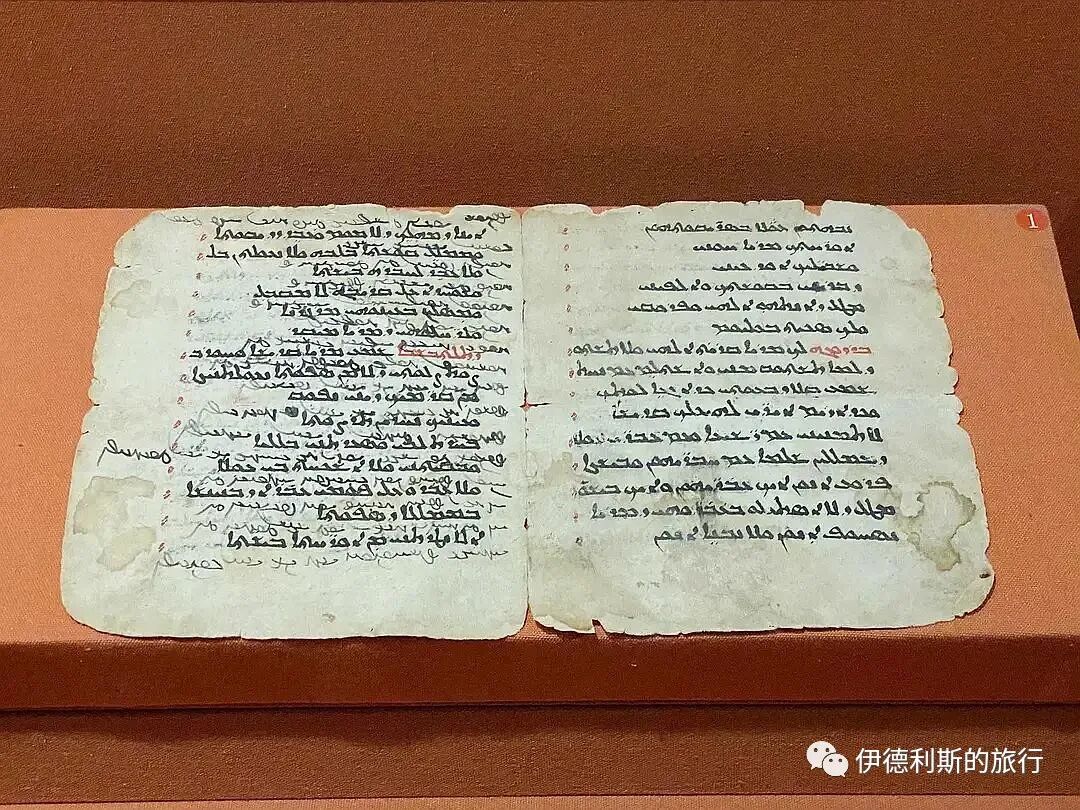
I was very lucky to see the Yuan Dynasty Syriac Nestorian 'Holy Scripture' and the Song Dynasty Nestorian cross from the Dunhuang Academy collection! The 'Travels of Marco Polo' once recorded that in Shazhou, Gansu, more than half of the population were Buddhists, and there were also Nestorian Christians. These two artifacts are the proof.
The Yuan dynasty Syriac Nestorian Bible (Shengajing) was found in 1989 in Cave 53 of the Mogao Caves' northern area. It is a four-page, double-folded manuscript written on white hemp paper. Because a Chinese document dated to the 30th year of the Zhiyuan reign (1293) and a Yuan dynasty Phags-pa script seal were found at the same time, it is believed to date back to the Yuan dynasty. The first page on the left is written in alternating lines of Syriac and Old Uyghur. The Old Uyghur text is unrelated to Christianity and may be a Buddhist hymn or scripture, while the Syriac text contains fragments of the Psalms from the Old Testament of the Bible (Shengajing). Pages 2 and 3 are on the back, and the right side is page 4. All of these contain fragments of the Syriac Psalms.
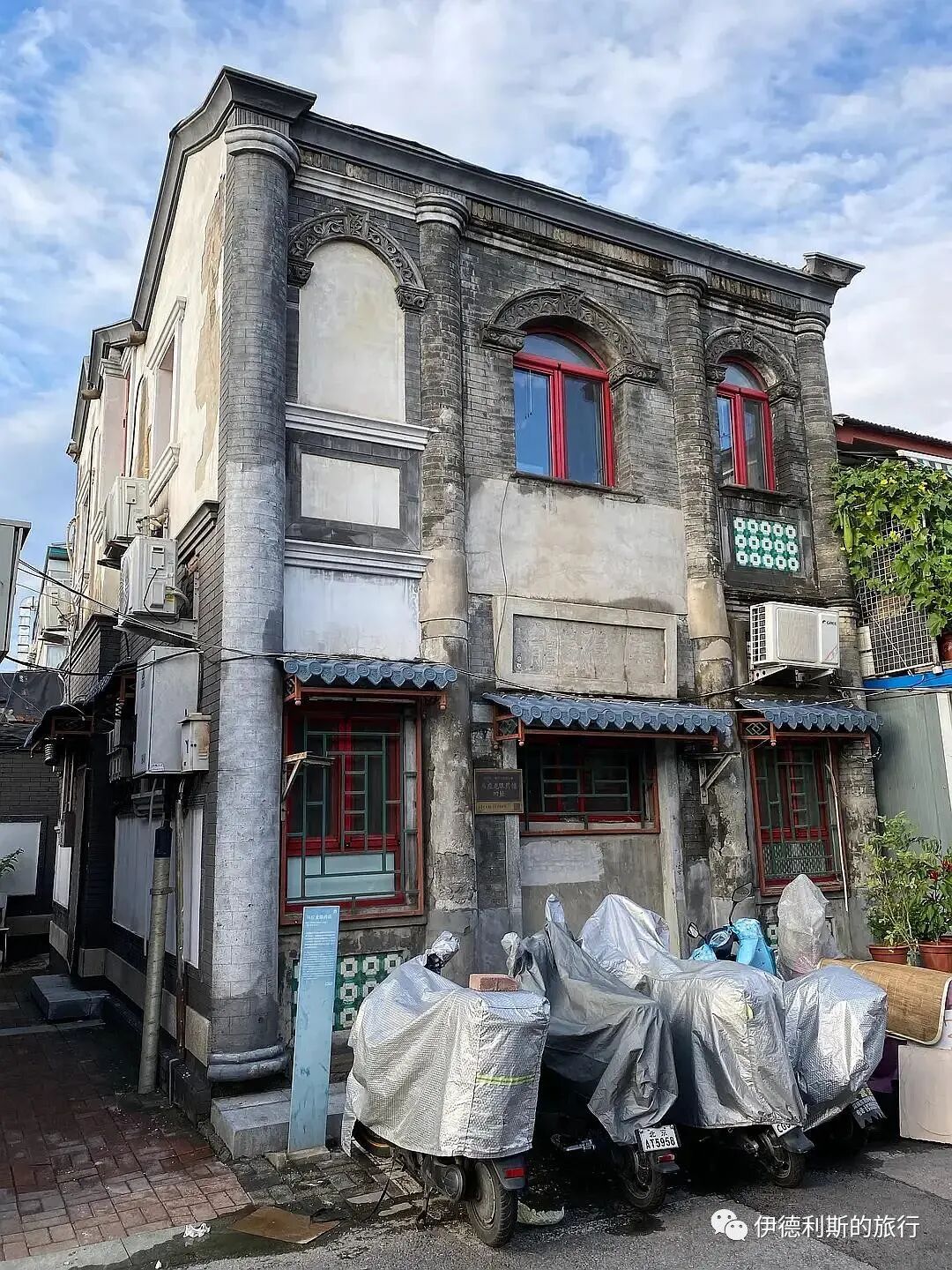
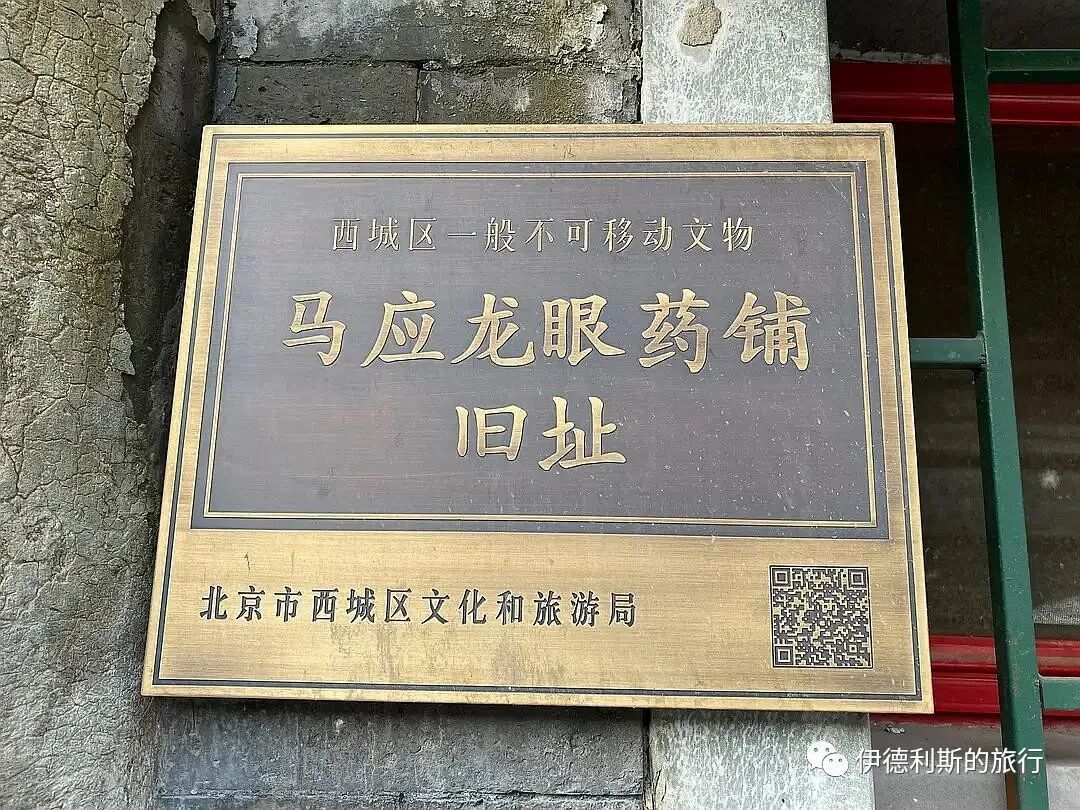
After seeing the Dunhuang exhibition at the Meridian Gate of the Forbidden City, I rode my bike to Qianmen Xiheyan to see the old storefront building of the Ma Yinglong Eye Medicine shop. In 1875 (the first year of the Guangxu reign of the Qing Dynasty), Hui Muslim Ma Wanxing from Dingzhou, Hebei, moved his family eye medicine shop from Dingzhou to Beijing. He opened the Beijing Ma Yinglong Eye Medicine Shop on Xiheyan Street in Qianmen, naming it after his father, Ma Yinglong.
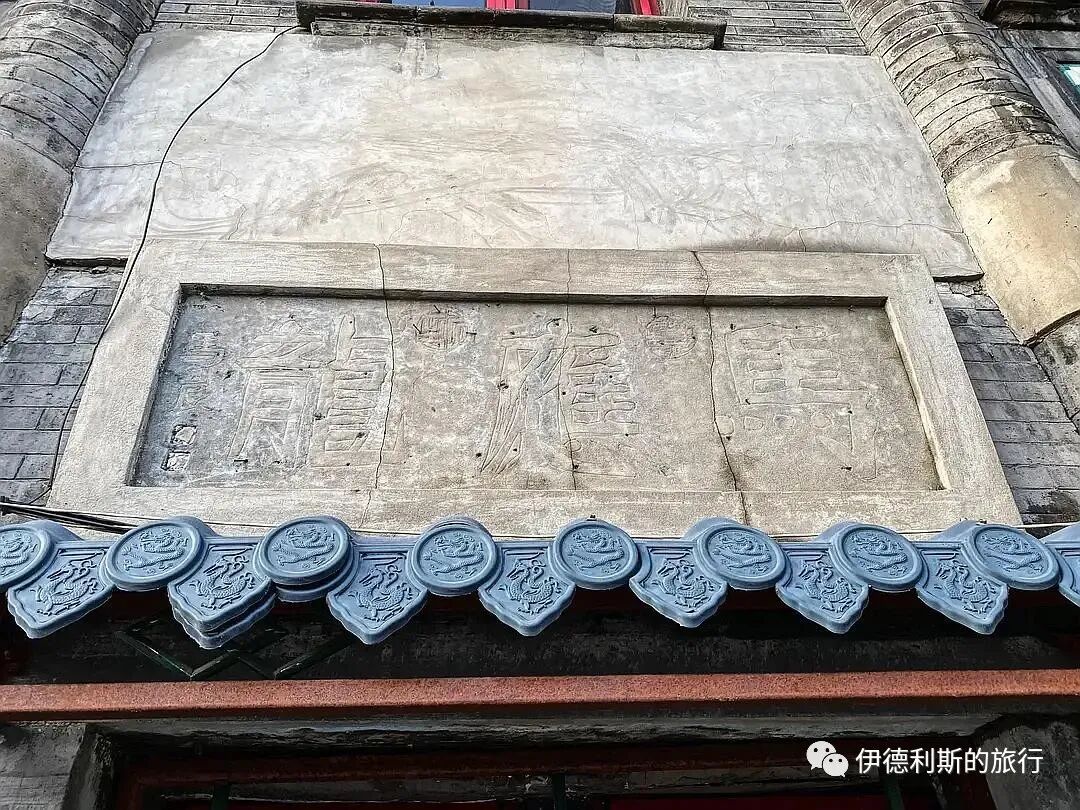
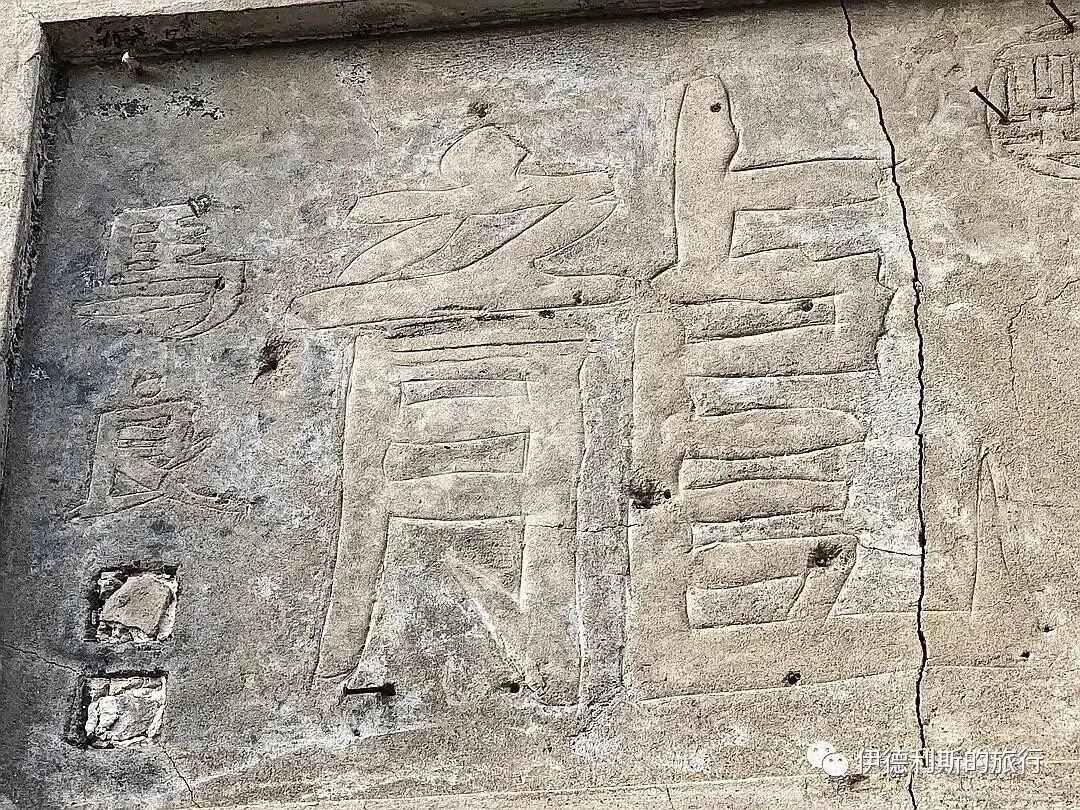
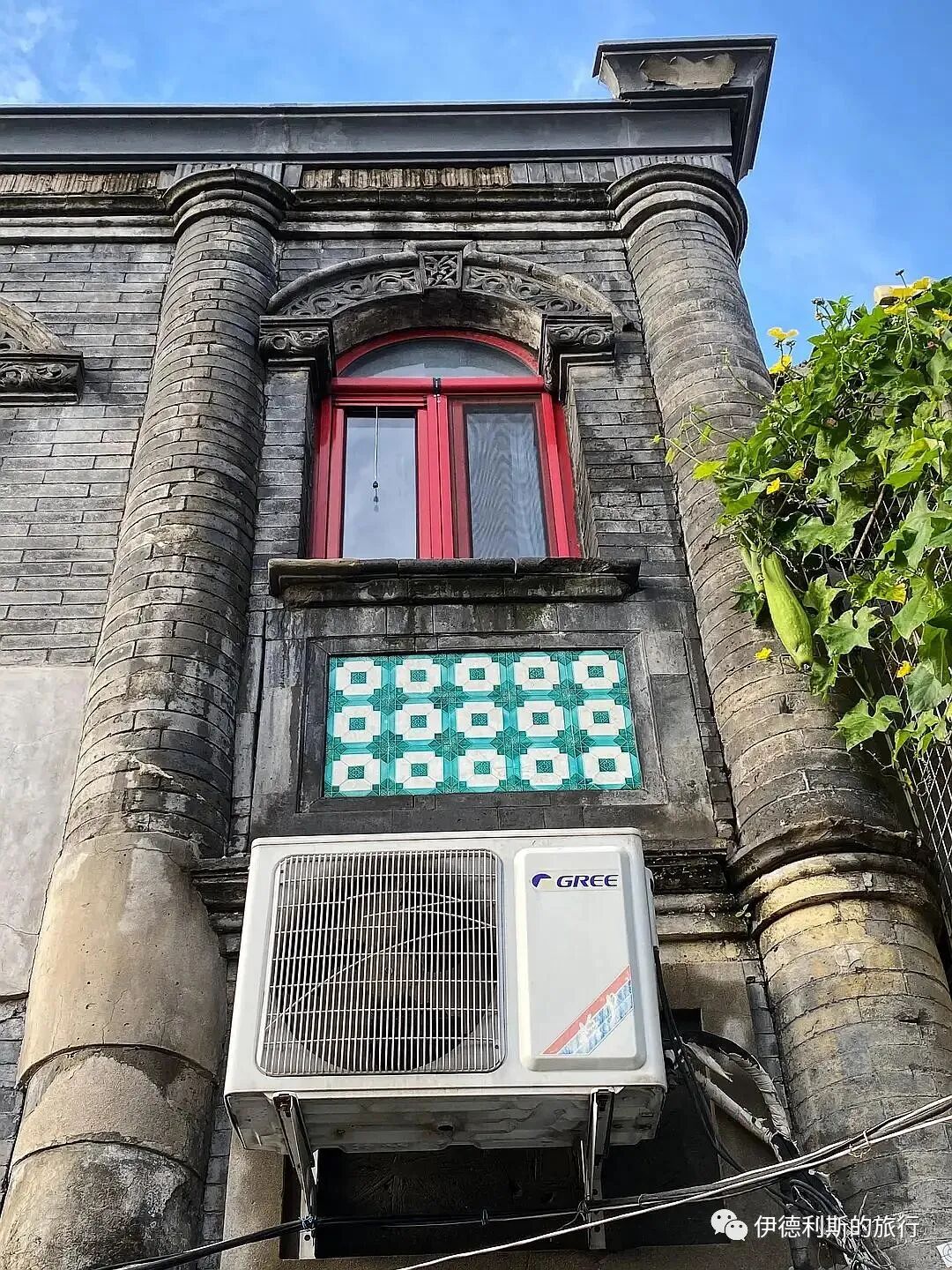
In 1923, Ma Wanxing's third son, Ma Liting, took over the shop and built the current storefront in the Republic of China style on Xiheyan Street in Qianmen. The storefront features a plaque that says Ma Yinglong, with the words eye medicine (yanyao) visible on the right, though partially blocked by an air conditioner. The plaque was inscribed by Ma Liang, a Beiyang warlord and Hui Muslim from Qingyuan, Hebei (now Qingyuan District, Baoding).
September 21: Zhihua Mosque Beijing Music and the Iranian Kurdish film The Outsider at the Beijing International Film Festival.
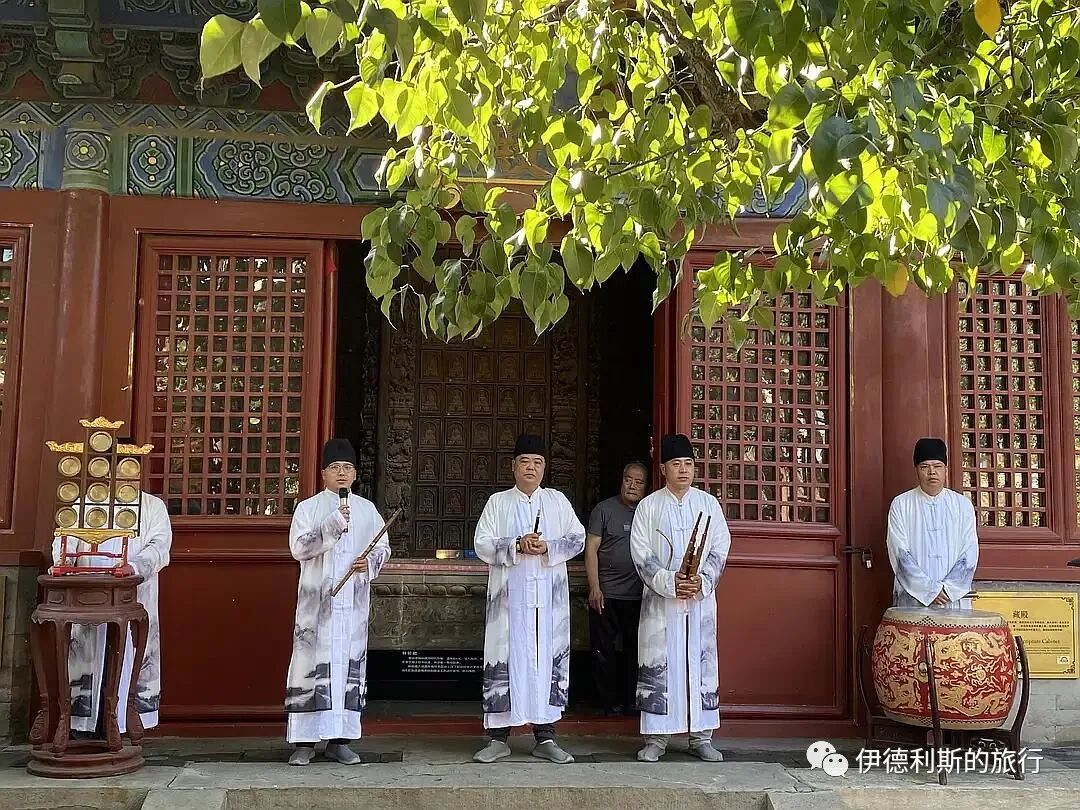
I took Zainab to listen to Zhihua Mosque (Zhihuasi) Beijing music.
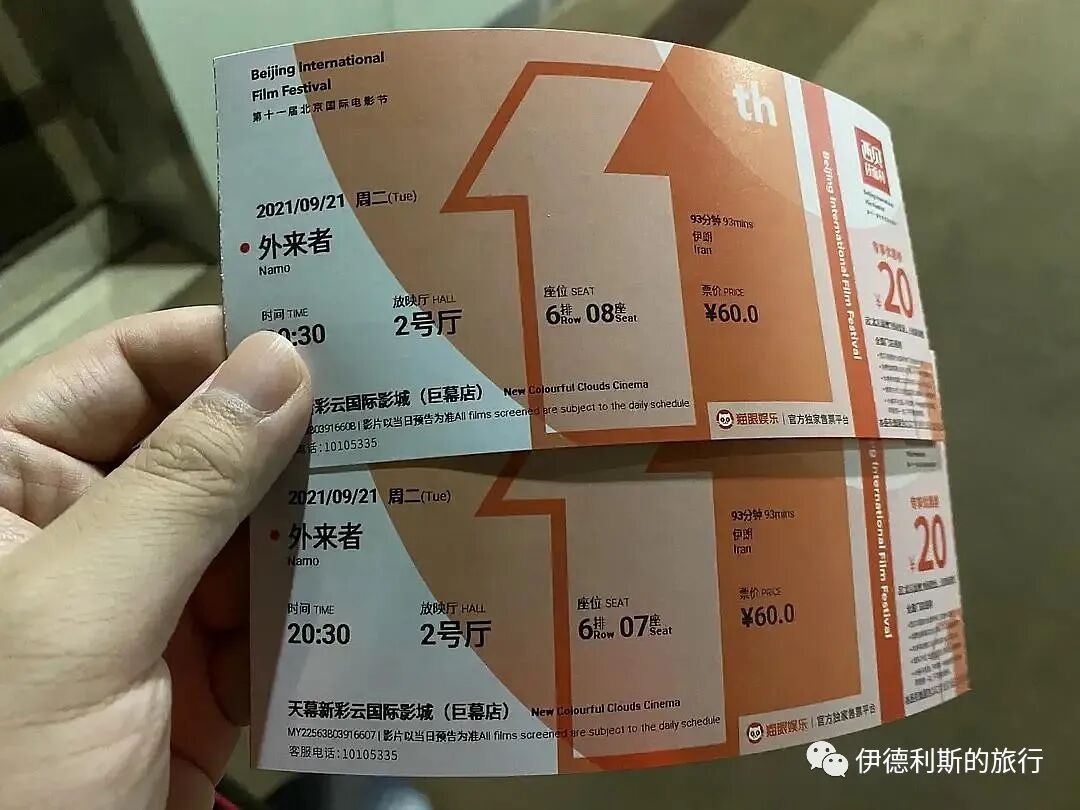
The third film I saw at the Beijing International Film Festival was The Outsider, a movie about Iranian Kurds. It was excellent! The Bakhtiar family are Kurds living in Tabriz, the capital of Iran's East Azerbaijan province. It was interesting to hear Kurdish, Persian, and Azerbaijani spoken in the film. The film starts with a scene of a small Iranian shop that I know very well, with a big stack of stone-baked flatbread (shizi nang) sitting by the door. The small shops I saw on the streets when I visited Tehran looked exactly like this one.
The film also features Kurdish music. Beyond the Kurdish pop songs playing in the car, the main character, Bakhtiar, surprises us by playing a hand drum and singing a Kurdish folk song at a family gathering.
The film uses a car parked on the side of the road, which seems to be watching the whole neighborhood, to reflect the social state of the Kurds in Iran and the entire country. People live in fear of unknown surveillance, constantly hiding, yet they cannot escape.
September 22, Beijing International Film Festival, Bosnian film Quo Vadis, Aida? "
The fourth film at the Beijing International Film Festival, a heartbreaking masterpiece! A film worth remembering forever! In 1995, the largest massacre in contemporary Europe took place. Over 8,000 unarmed Bosnian Muslim civilians were killed by Serbian forces outside a United Nations base. There were no survivors, no one spared them, only endless despair. Yesterday they were your neighbors and classmates, but today they are the people killing your entire family. When the main character Aida recognized the remains of her husband and sons and sobbed uncontrollably, I broke down in tears too.
The director is a Bosnian Muslim woman from Sarajevo. The film uses a female perspective to capture the main character's love for her husband and son perfectly.
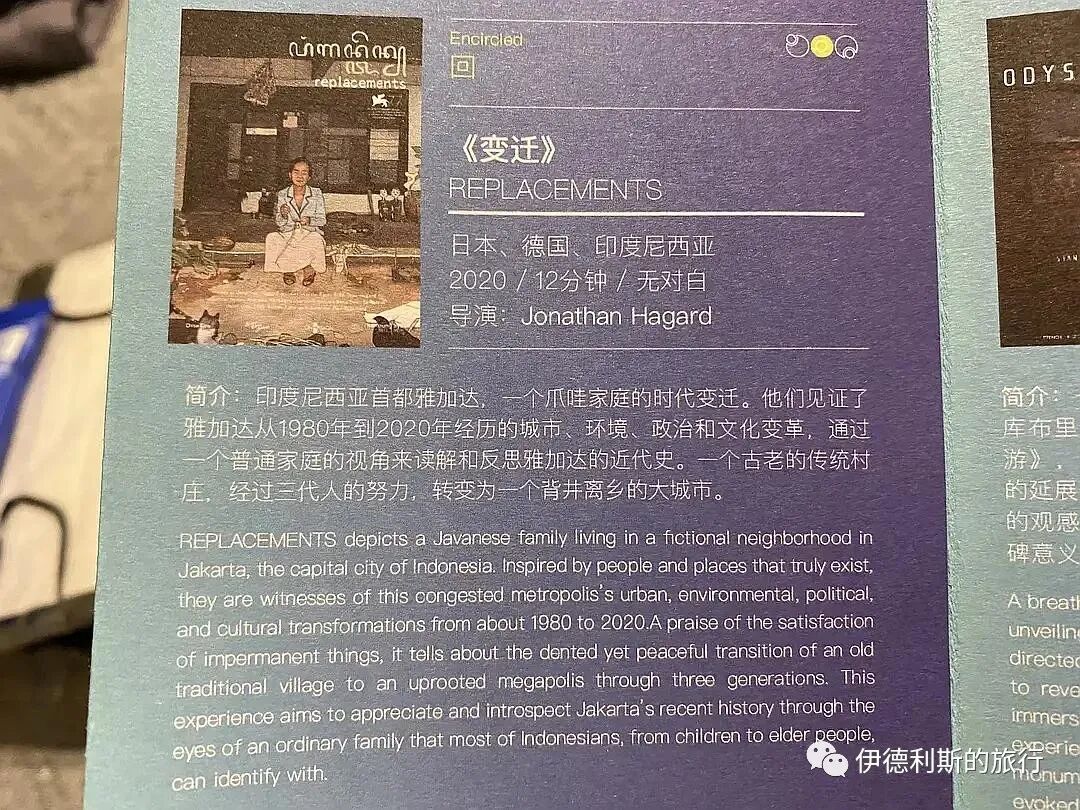
September 24, Beijing International Film Festival, Indonesian VR short film "Transition".
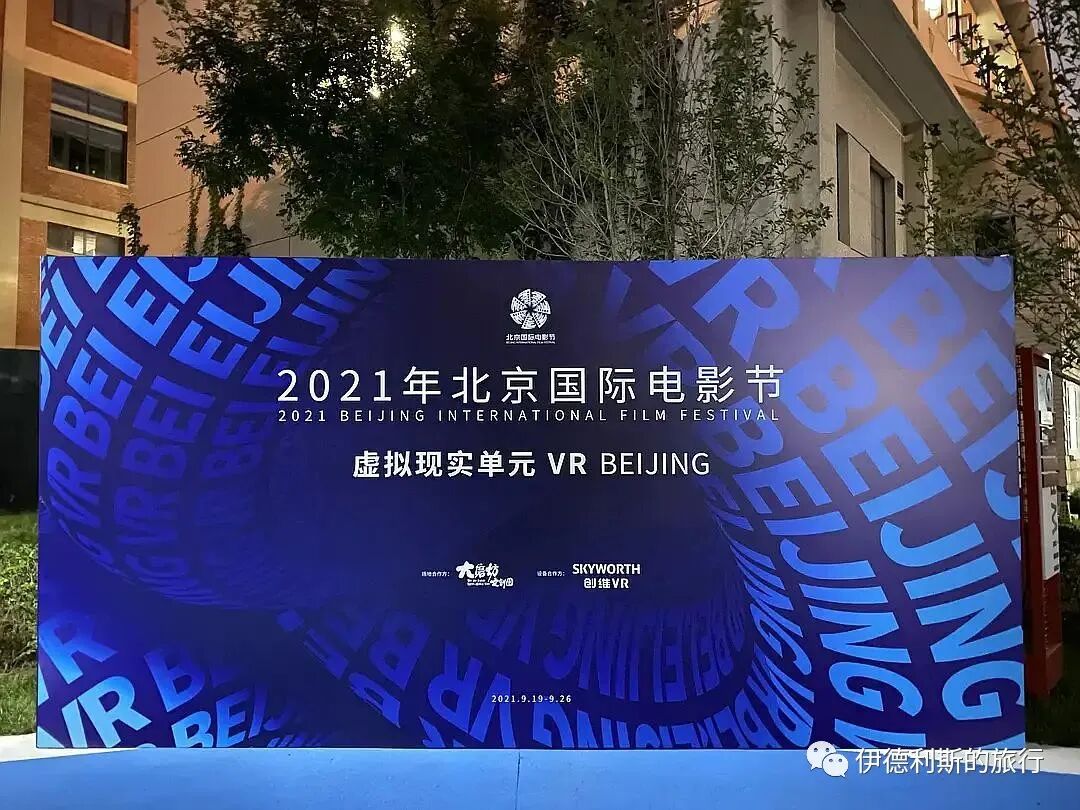
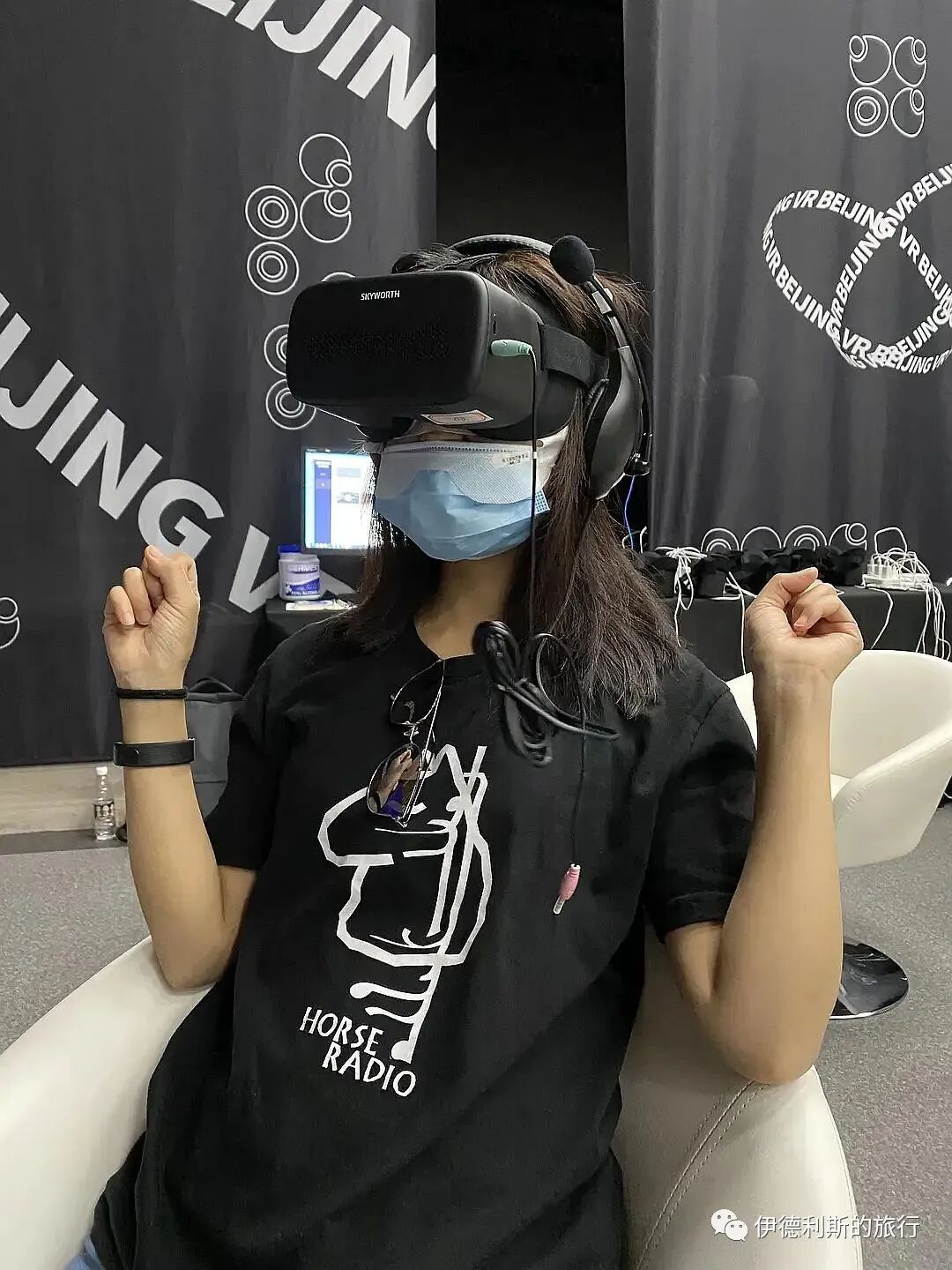
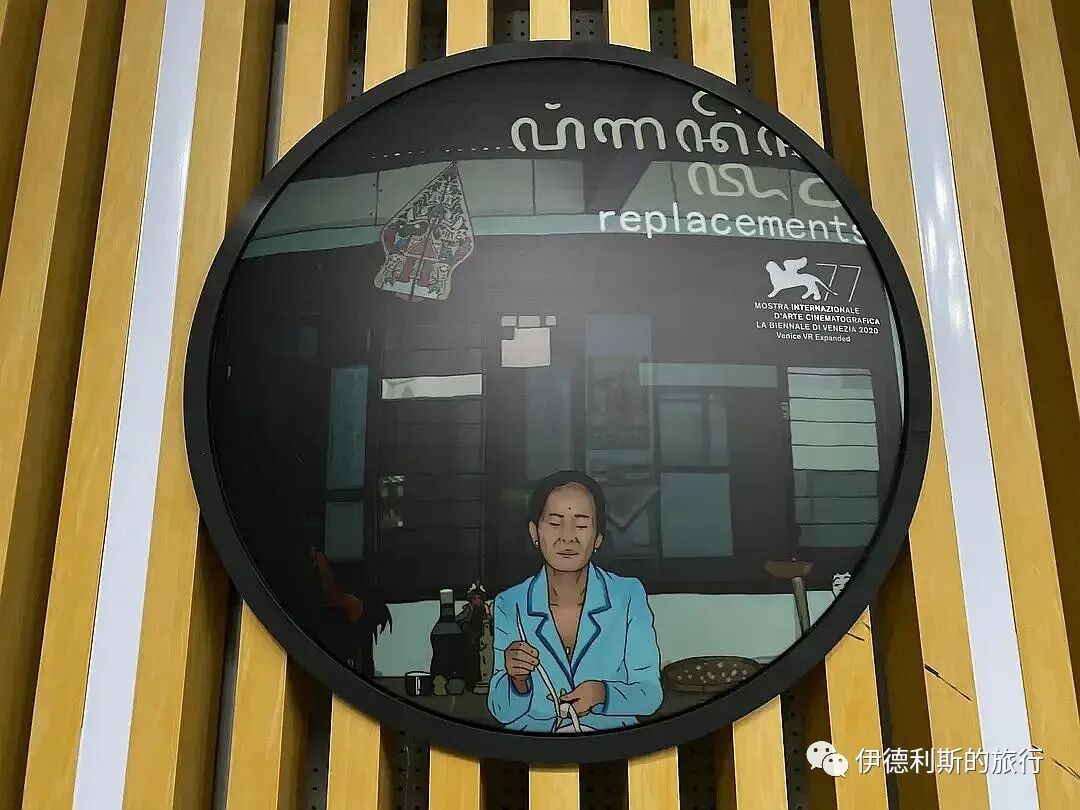
For my fifth screening at the Beijing International Film Festival, I watched four VR short films. The most interesting one was "Transition," which tells the story of how a small alley in the suburbs of Jakarta, Indonesia, changed from 1980 to 2020. This short stretch of alley vividly reflects 40 years of change in Jakarta and all of Indonesia, covering the economy, politics, culture, social ecology, and urbanization. I think it is excellent.
At the start of the film, this area is a traditional Javanese community filled with wooden houses. You can see the multi-layered pyramid roofs unique to traditional Javanese mosques, Javanese-style gates passed down from the pre-Islamic era, and elderly people wearing traditional Javanese clothing. Life was very relaxed back then. People ate and chatted while children ran through the alleys.
In the second phase, traditional wooden houses were rebuilt into brick and tile homes, and dirt roads became concrete. Ads for pop music appeared, but life remained quite relaxed. Later, as urbanization progressed, Jakarta kept expanding, and high-rise buildings began to surround the alley. People from all over Indonesia poured into Jakarta. Many new houses were built here, along with snack shops and fried rice (nasi goreng) stalls. The traditional Javanese mosque added a metal roof and a minaret, replacing the old practice of beating a drum to call for namaz.
Eventually, the traditional Javanese families disappeared and were replaced by modern convenience stores. A new-style mosque was built across the street, and the area became completely integrated into the Jakarta metropolis.
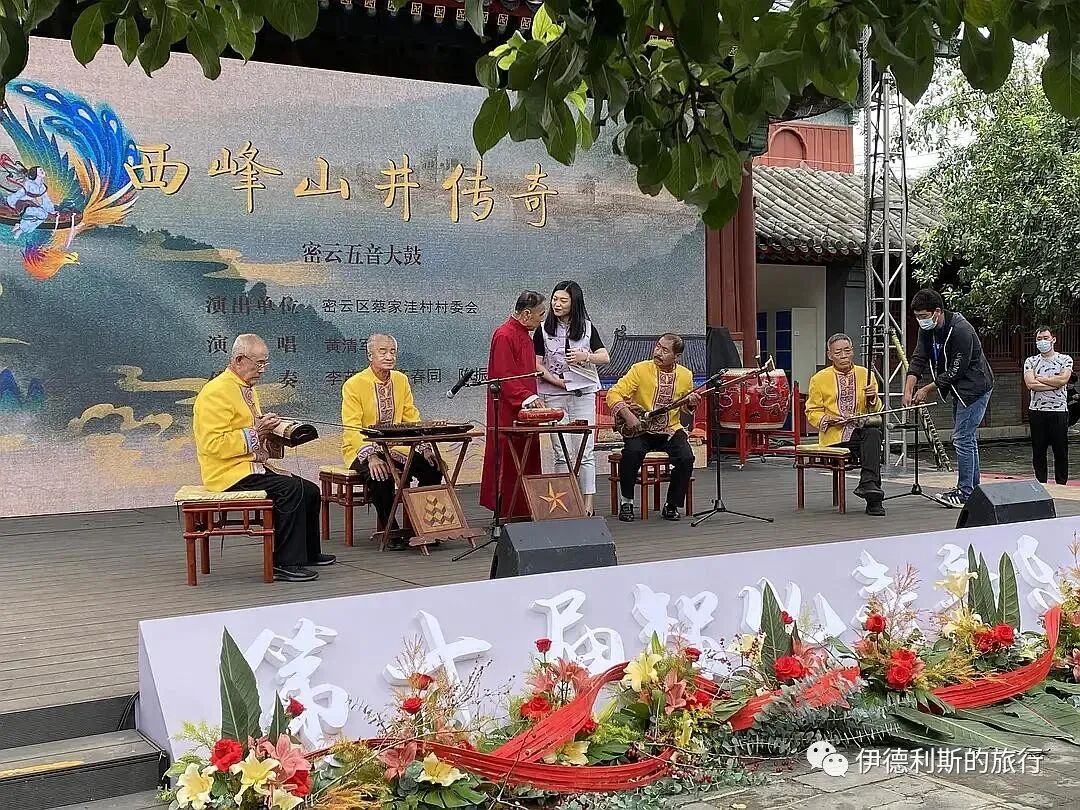
On September 25, the 10th Zhihua Mosque Music Culture Festival took place, along with the Beijing International Film Festival screening of the Iranian-Finnish film 'At This Moment, This Love'.
The five-tone drum (wuyin dagu) of Caijiawa in Miyun, Beijing. Before the 1960s, Miyun County had several groups performing the five-tone drum, but they all disbanded after the 'Four Clean-ups' movement in the 1960s. By 1978, only the Caijiawa group remained. This style of drum music once died out, until the Miyun Cultural Center rediscovered it in Caijiawa Village in 1998.
In 1998, only five elderly people in Caijiawa Village could still perform it; the oldest was 80 and the youngest was 60. Twenty-three years have passed. The oldest brothers of the Caijiawa Wuyin Drum troupe, Qi Dianming and Qi Dianzhang, have passed away, joining the drum and clapper storyteller Huang Qingjun and the qin player Qi Chuntong.
Among the instruments used in the Caijiawa Wuyin Drum, the tile zither (waqin) is rarely used in drum music. It was originally passed down by Chen Zhenquan’s great-grandfather, Chen Diangong. The tile zither (waqin) is also called the rolling zither (yaqin) or tooth zither (yaqin). The Old Book of Tang (Jiu Tang Shu) records that the elegant zither (yaqin) is an ancient instrument played by rubbing the end of a bamboo strip against it. The four-stringed fiddle (sihu) was originally made by Qi Dianzhang in 1951. He used shell casings he found when Miyun County was liberated in 1948, cutting them down to build it. The zither (qin) was originally traded by Qi Dianzhang in 1949 for two and a half dou of millet from the home of Li Lianmo, a relative of the imperial family in Miyun. It is over one hundred years old. The daqin is similar to the hammered dulcimer (yangqin), but it has a smaller sound box. Because the yangqin is too loud, the daqin is better suited for accompanying drum storytelling. These old instruments are now kept in the Miyun Museum, and a musical instrument factory has made replicas for performers to use.
The first teacher of Caijiawa Wuyin Dagu was Liu Yukun, a famous Wuyin Dagu performer from Anci (Langfang), Hebei, during the late Qing Dynasty. This style of drum storytelling appeared in the rural areas of Anci, Chengde, and the outskirts of Beijing during the Daoguang period. Guan Xuezeng, a master of qinshu, learned this style as a child before it eventually developed into Beijing qinshu. During the Republic of China era, veteran Caijiawa Wuyin Dagu performers would travel to nearby lantern sheds (dengpeng) to perform drum stories during the winter off-season. A three-day, four-night performance was called a "peng." They mainly performed long stories like "The Hu Family Generals" (Hu Jia Jiang), "The Legend of the Five Women Rising to Tang" (Wu Nu Xing Tang Zhuan), "The Legend of the Qing Dynasty Bandits" (Qing Chao Xiang Ma Zhuan), "The Return of the Yang Family" (Yang Jia Gui Xi), and "The Velvet Story" (Si Rong Ji).
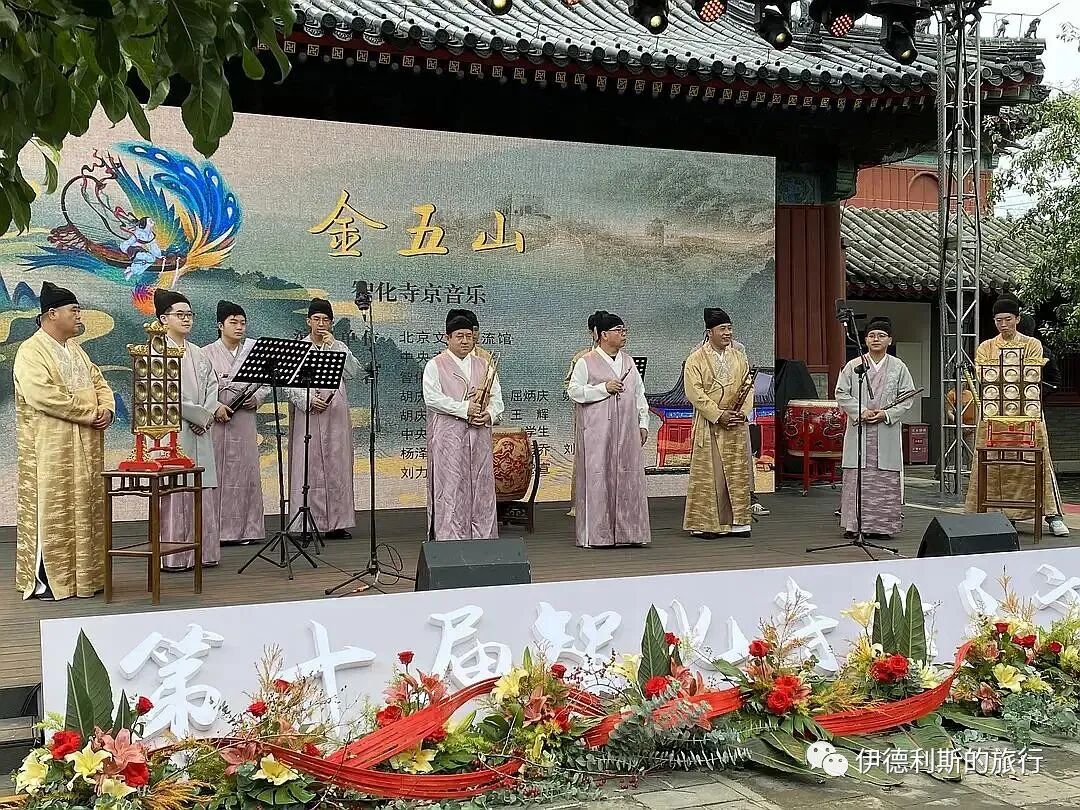
The hosts, who are inheritors of Zhihua Mosque Beijing Music, teamed up with the Traditional Music Department of the Central Conservatory of Music. The group is now much larger, making the overall performance fuller and more powerful. It is a shame that while I enjoyed their Buddhist music chants a few years ago, the Zhihua Mosque now seems limited by its status as a museum and only plays instrumental music without the chanting.
Zhihua Mosque Beijing music began in the Ming Dynasty. In 1955, all the monk musicians at Zhihua Mosque returned to secular life, and the mosque was taken over by the Cultural Relics Bureau engineering team. The key figure in the modern revival of Zhihua Mosque Beijing music is the 26th-generation monk musician, Benxing. Benxing became a monk at Guangji Nunnery in 1932. He spent four years learning Beijing music at Zhihua Mosque starting in 1938. He was skilled at playing the flute and also managed the drums, cloud gongs (yunluo), and Buddhist chanting. In 1951, Benxing answered the call to return to secular life and became a materials clerk for a construction company. He retired in 1984. It was not until 1986, when Benxing and other monk musicians formed the Beijing Buddhist Music Ensemble and caused a sensation during a tour of Europe, that Benxing began performing the Zhihua Mosque Beijing music again.
In 1991, the Beijing Municipal Administration of Cultural Heritage invited 26th-generation monk musicians like Benxing, Fuguang, and Huiming back to Zhihua Mosque to pass on the music. That same year, ancient music inheritors Hu Qingxue, Qu Bingqing, Qu Yongzeng, Yao Zhiguo, Lin Zhongcheng, and Hu Qingyou from Gu'an, Hebei, came to Beijing to perform. Benxing and the other monk musicians chose them to become the 27th-generation inheritors. The good times did not last long. Because of financial hardship, the six inheritors could not make a living and decided to leave Zhihua Mosque after much thought. In 2004, the project to save the Zhihua Mosque Beijing music began. The six inheritors returned to the mosque and have continued to pass on the music ever since. They perform at Zhihua Mosque every day at 10:00 a.m. and 3:00 p.m.
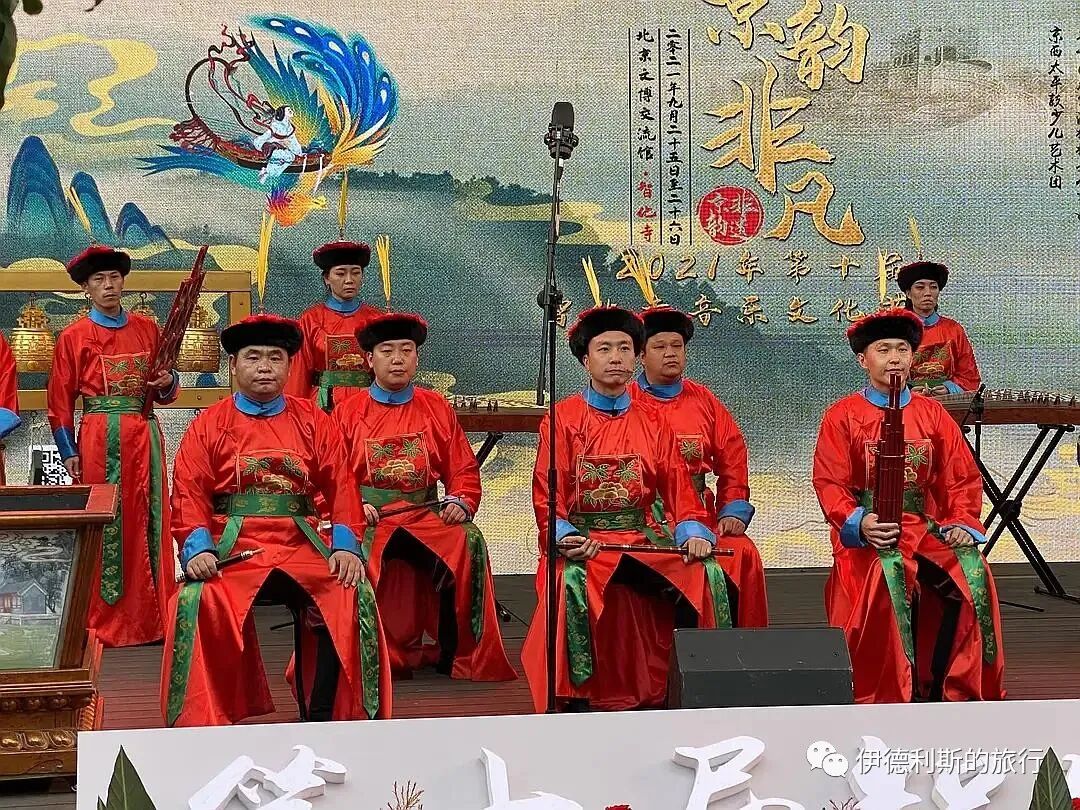
The performance of Temple of Heaven Ritual Music (Zhonghe Shaoyue) was just named a fifth-batch national intangible cultural heritage this May. Zhonghe Shaoyue is the court music used for sacrifices, morning assemblies, and banquets during the Ming and Qing dynasties. The Divine Music Office (Shenleshu) was established in 1420 to manage the music and dance for royal ceremonies at the Temple of Heaven. It was officially named the Divine Music Office in 1743 (the eighth year of the Qianlong reign of the Qing dynasty) and had nearly 500 musicians and dancers.
The Divine Music Office at the Temple of Heaven was occupied after the Republic of China period. It was renovated and opened in 2004. The Divine Music Office Elegant Music Troupe was officially formed in 2005. They restored the instruments and musical scores using ancient documents and began performing in 2006.
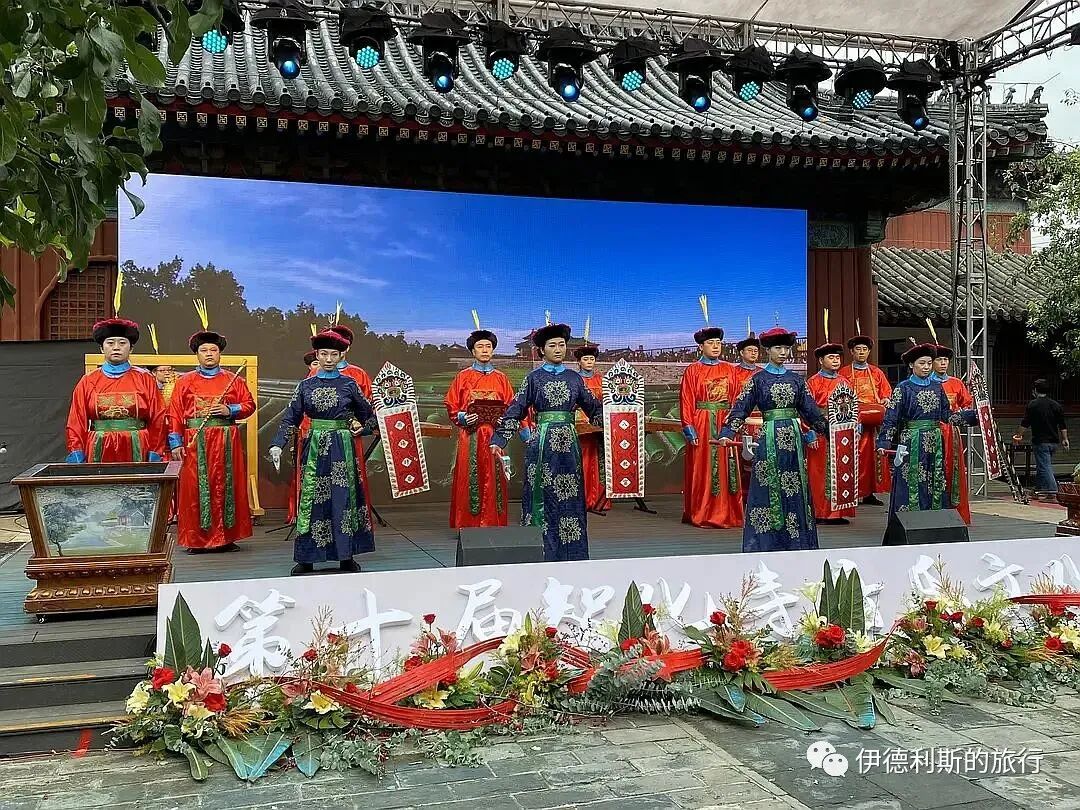
Before the performance starts, the most eye-catching thing is the robes they wear. Figure 12 shows the rather unique golden sunflower rank badge (buzi). According to the Illustrated Regulations for Ceremonial Paraphernalia of the Qing Dynasty, the robes for civil dance performers during rituals were made of silk. The color was stone blue for the Southern Suburb Altar and black for the Northern Suburb Altar. Red was used for the Altar of Prayer for Grain, the Altar of Land and Grain, the Imperial Ancestral Temple, the Altar of the Sun, the Temple of Emperors, the Confucius Temple, the Altar of Agriculture, and the Altar of Taisui. Moon white was used for the Altar of the Moon. All robes featured gold-printed sunflower patterns on the front and back borders. The belts for civil dance performers during rituals in this dynasty were made of green silk. "
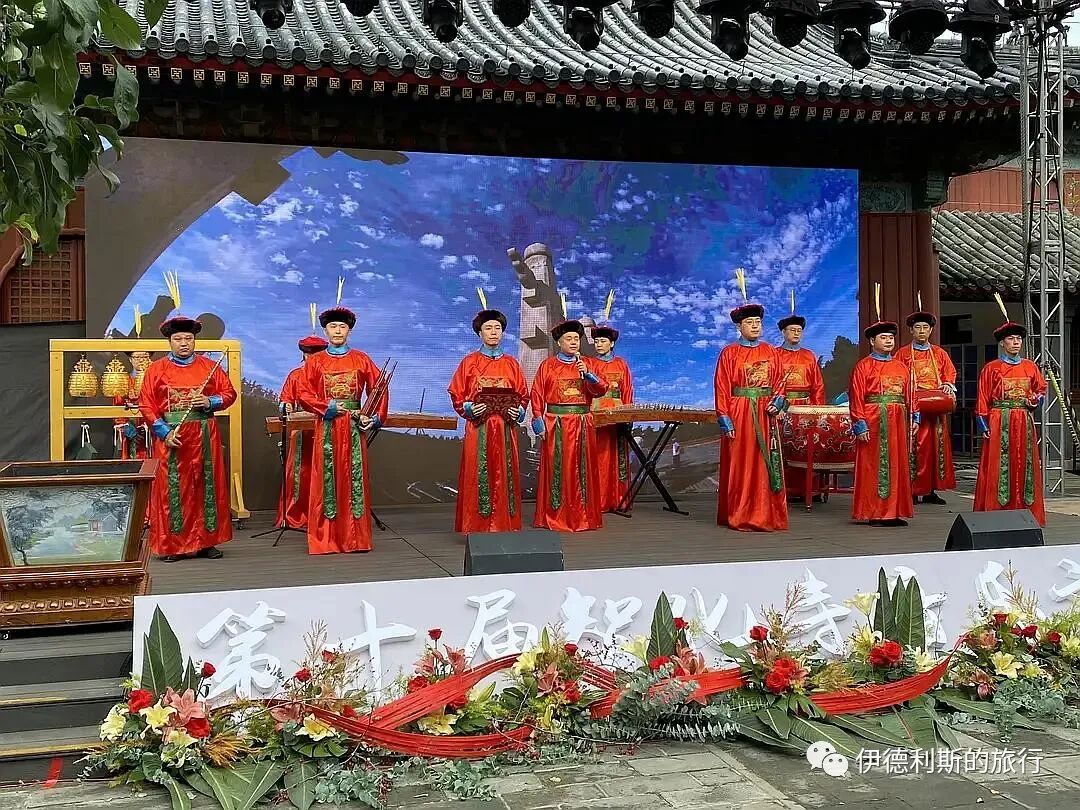
The performers holding shields and axes in the front wore martial dance robes. Actually, the martial dance performers at the Temple of Heaven should also wear red. Only the Fangze Altar and the Altar of Earth in the north use black. I suspect the orchestra might have switched to black for better stage effect.
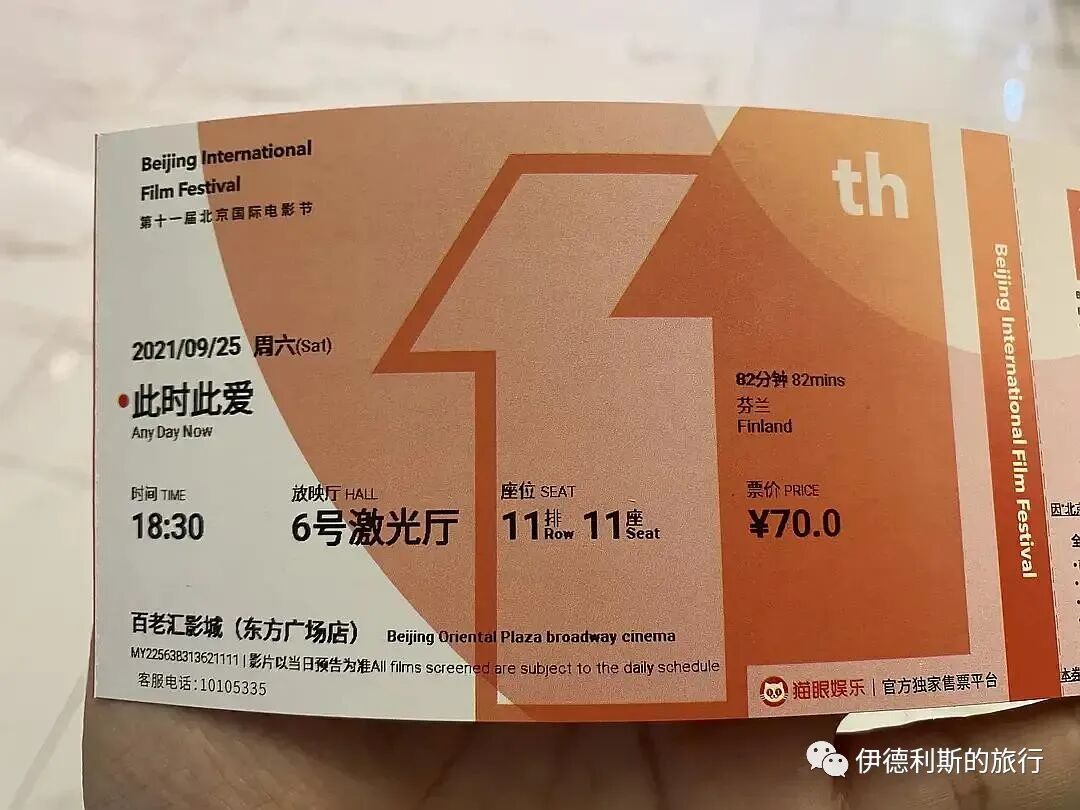
The sixth film at the Beijing International Film Festival, 'Any Day Now' (Cishi Ci'ai), tells the story of an Iranian family seeking asylum in Finland. The lead actress is truly beautiful! It reminds me of how I felt when I first watched Once Upon a Time in America over a decade ago. The whole movie is warm and relaxing, full of family, friendship, and growing up. It is great to finally see a movie that portrays the lives of Muslim immigrants in such a positive way. The final line of text after the movie ends is so moving: If you do not know where you will be tomorrow, please cherish the love you have right now. "
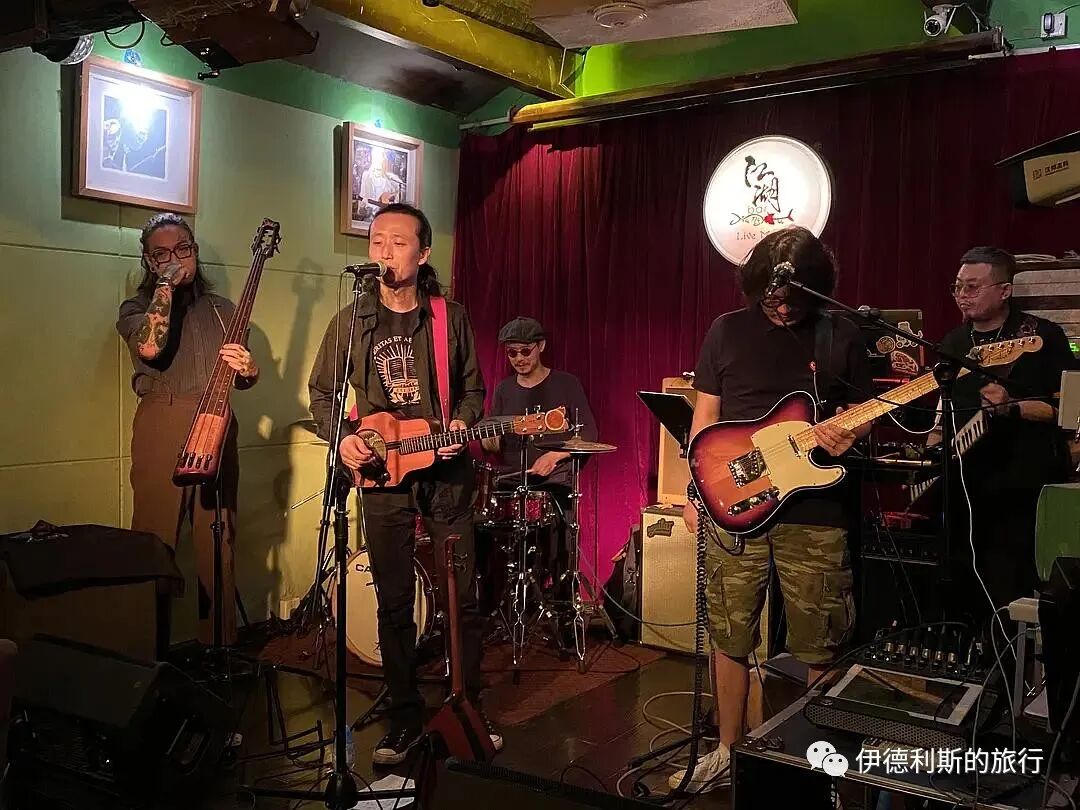
September 26, Xibe rock band Ajiyas.
I saw the Xibe rock band Ajiyas at Jianghu Bar. 'Derwenchiake' is my favorite song. It is so cheerful. Zainab and I kept singing it on the way back. It is stuck in our heads! Manchu-Tungusic value +10086.
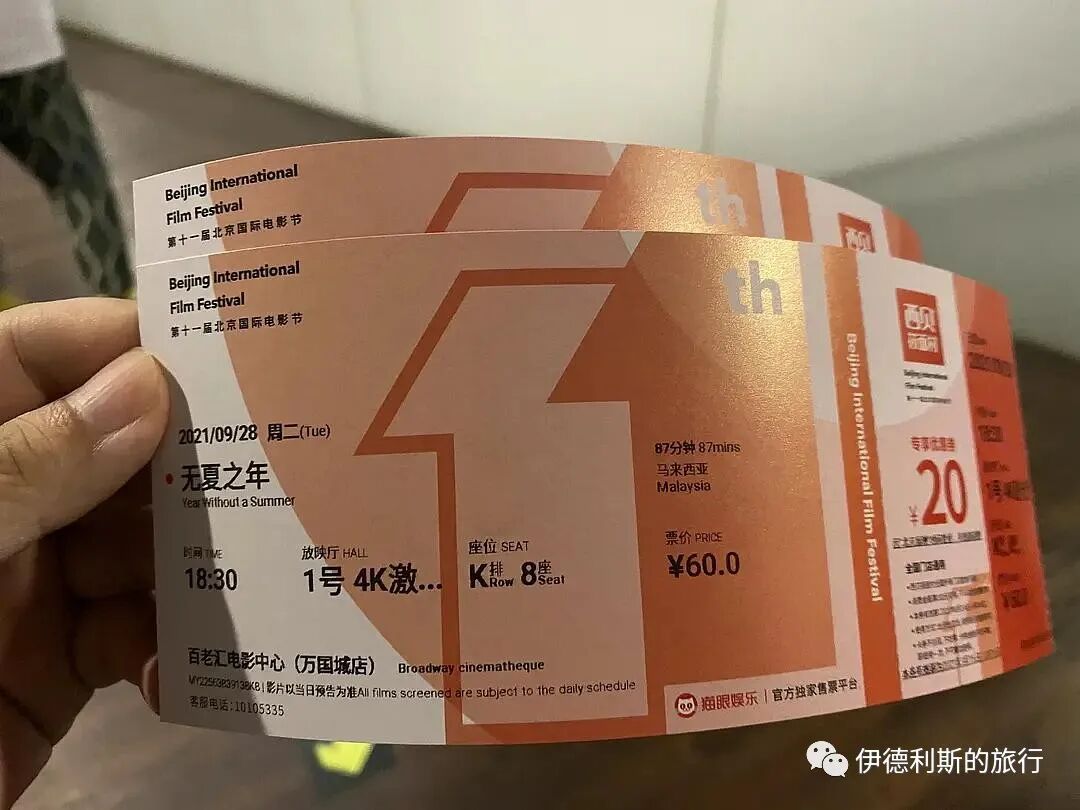
September 29, Malaysian film 'Year Without a Summer'.
The seventh film at the Beijing International Film Festival. It features a Malay village by the tropical sea, where people hunt during the day and fish at night, along with childhood memories and legends. The whole movie is filled with the sounds of ocean waves and birds chirping. It has a very slow pace and very little dialogue, making it both sleep-inducing and immersive.
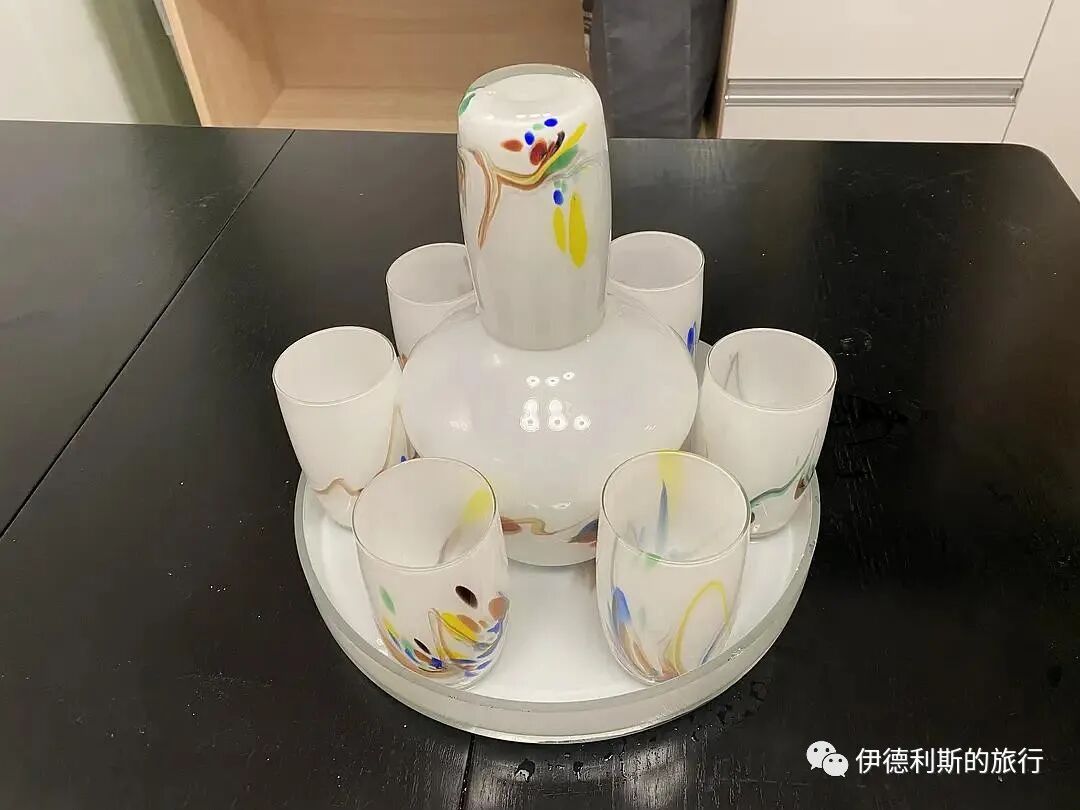
October 12, Daliushu Tuesday Night Market.
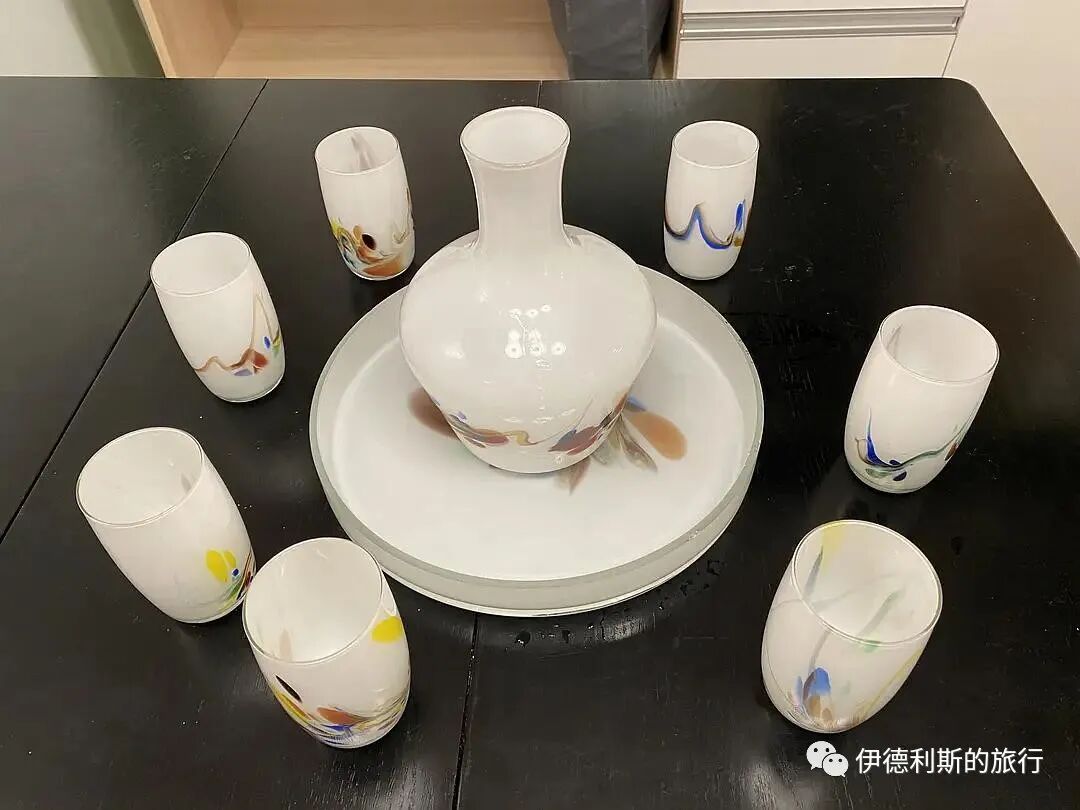
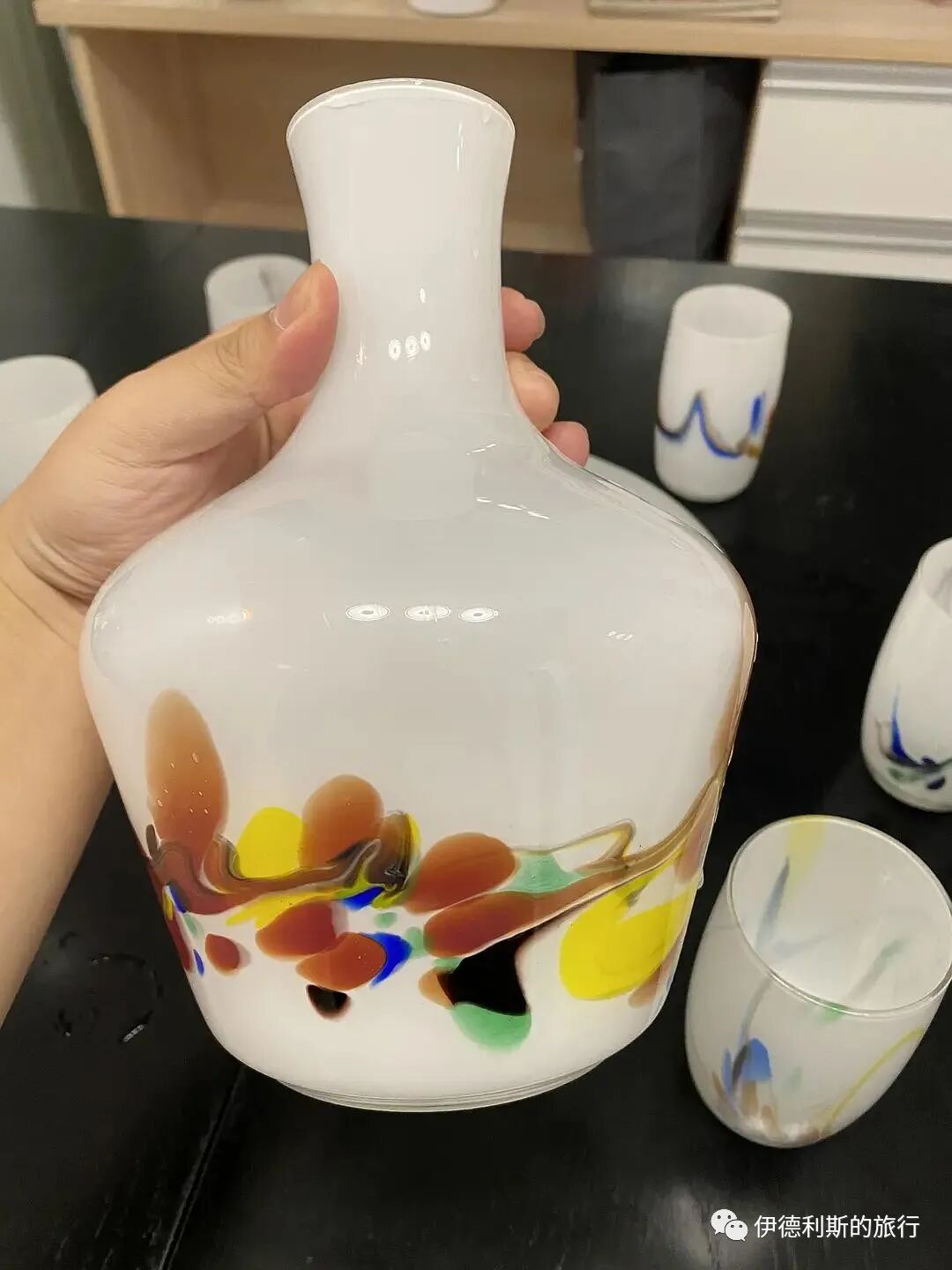
At the Daliushu Night Market tonight, I found a set of water pitcher and cups for drinking plain boiled water. This is exactly the kind we used at home when I was a kid! The only difference is that the one at my house was beige. When I bought it, the old man was just about to close up. He had already put the set in his cart to push away, but I spotted it right away. I feel like using this set to host guests in the future will be quite impressive.

October 13, Zhou Yunpeng Jianghu special show.
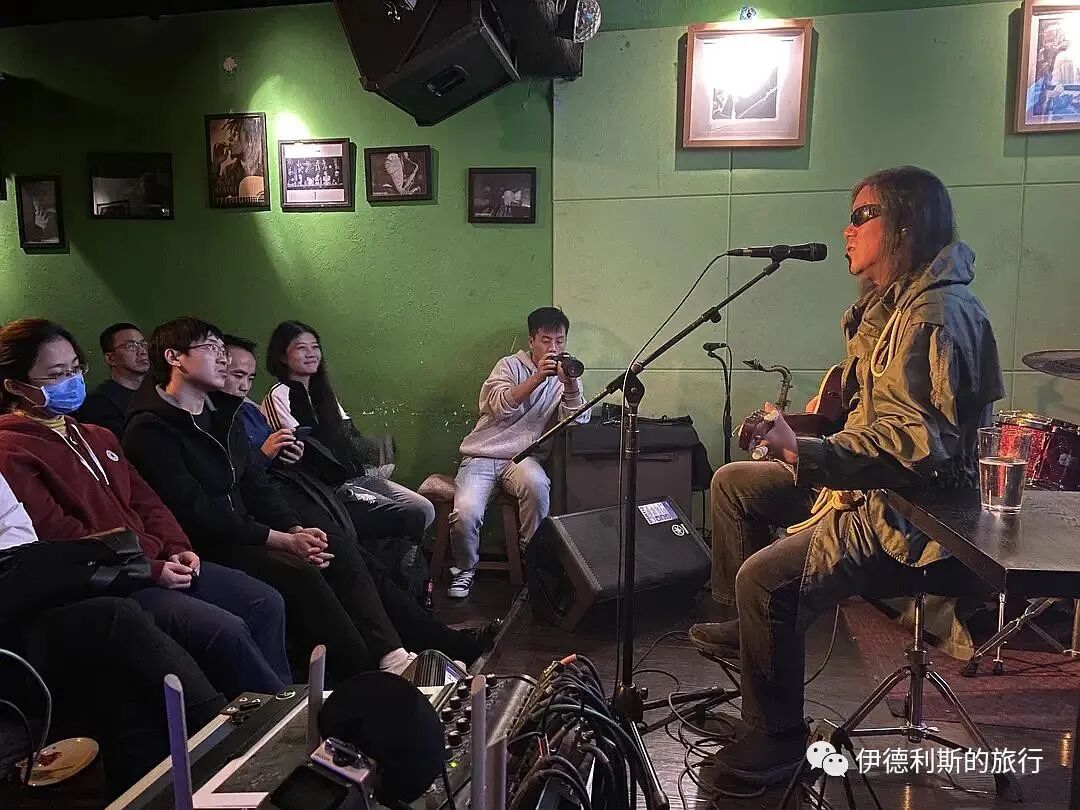
Coming to Jianghu to see Zhou Yunpeng. In March 2009, I first saw a Jianghu event on Douban City. I rode my bike over from Dongsi to watch a folk music show for the first time. It featured Zhou Yunpeng, Wu Tun, and the Traveler Band with Wu Junde, and I have loved them ever since.
Twelve years have passed now. Jianghu is still the same Jianghu, and Zhou Yunpeng is still the same Zhou Yunpeng, only this time I rode my bike over from Dongsi with Zainab to see the show. Listening to Zhou Yunpeng sing September, I felt like I was back in middle school over a decade ago. Back then, I had endless dreams for the future. Those were such wonderful times. Now I have a family and a stable life. Even though many of my old wishes didn't come true, I feel happy with where I am.
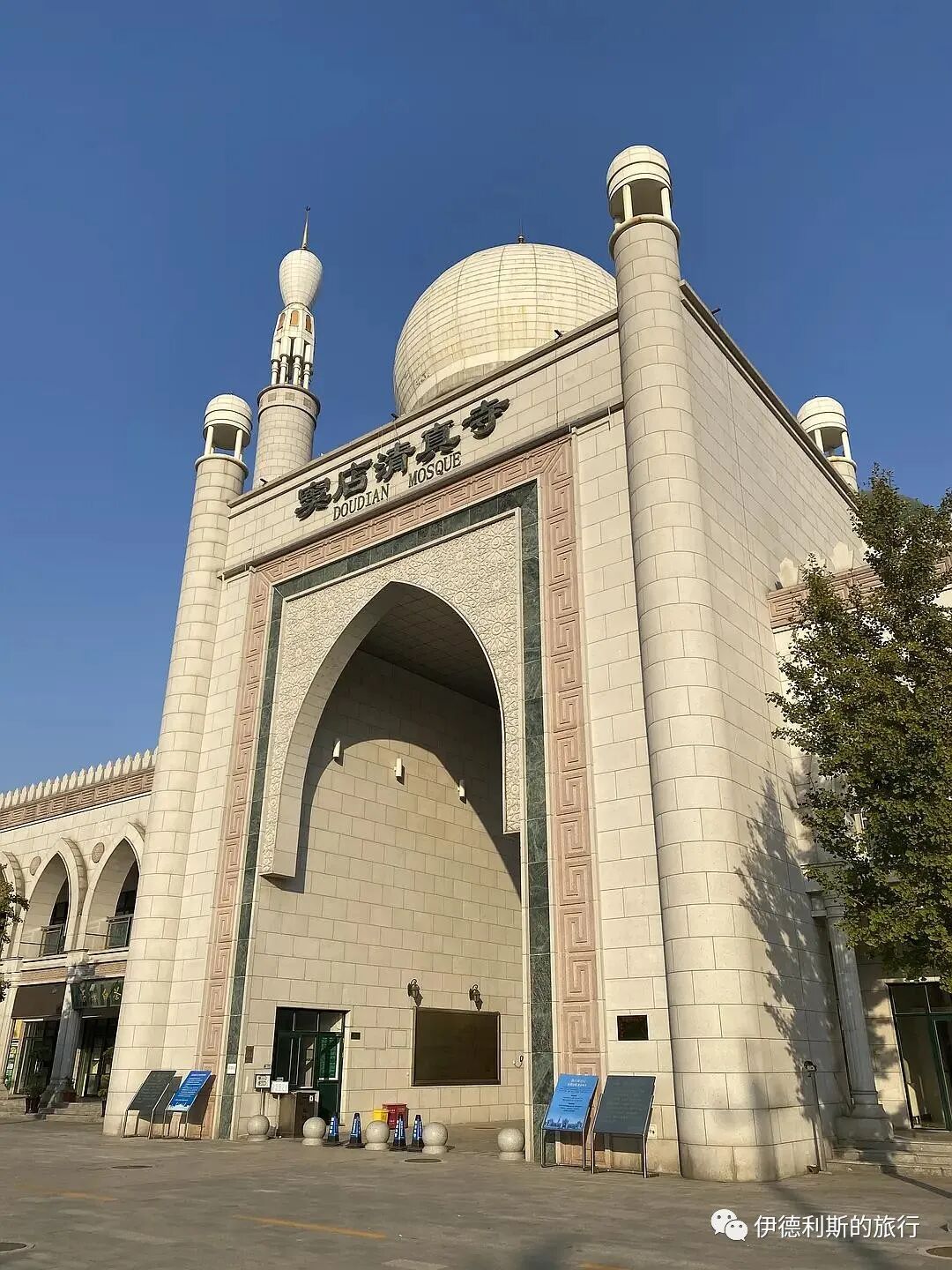
October 23: Shangfang Mountain, Doudian Mosque, and Lugou Bridge.
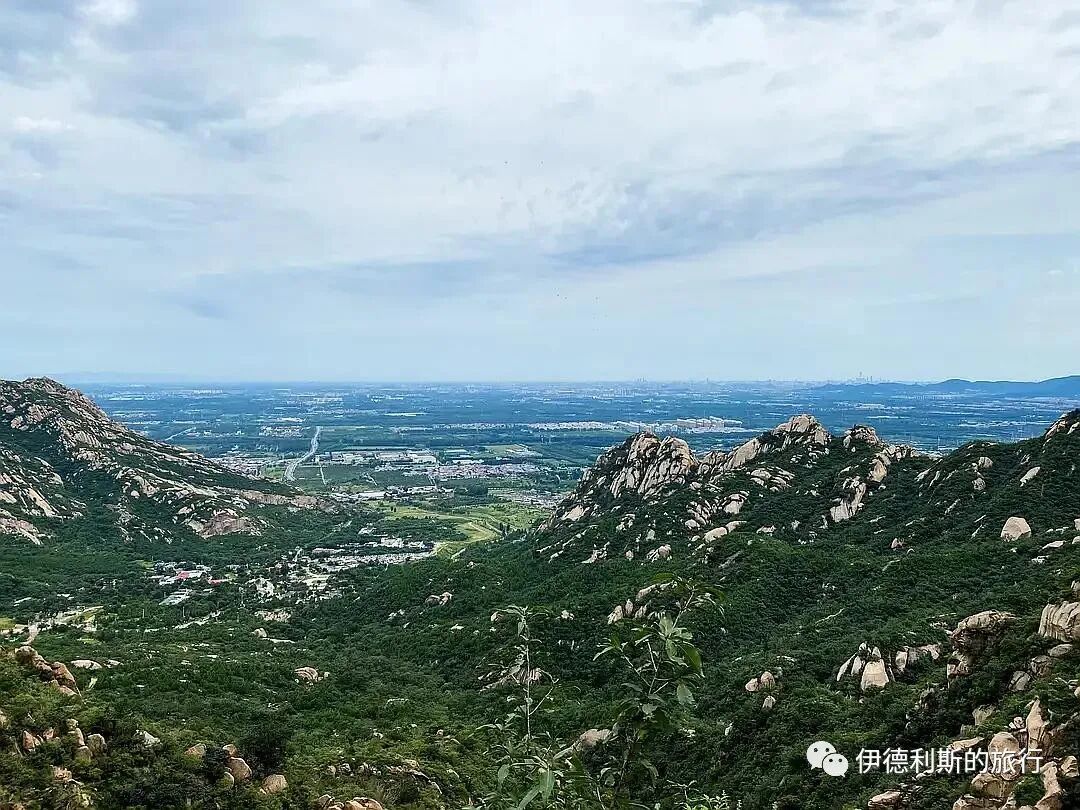
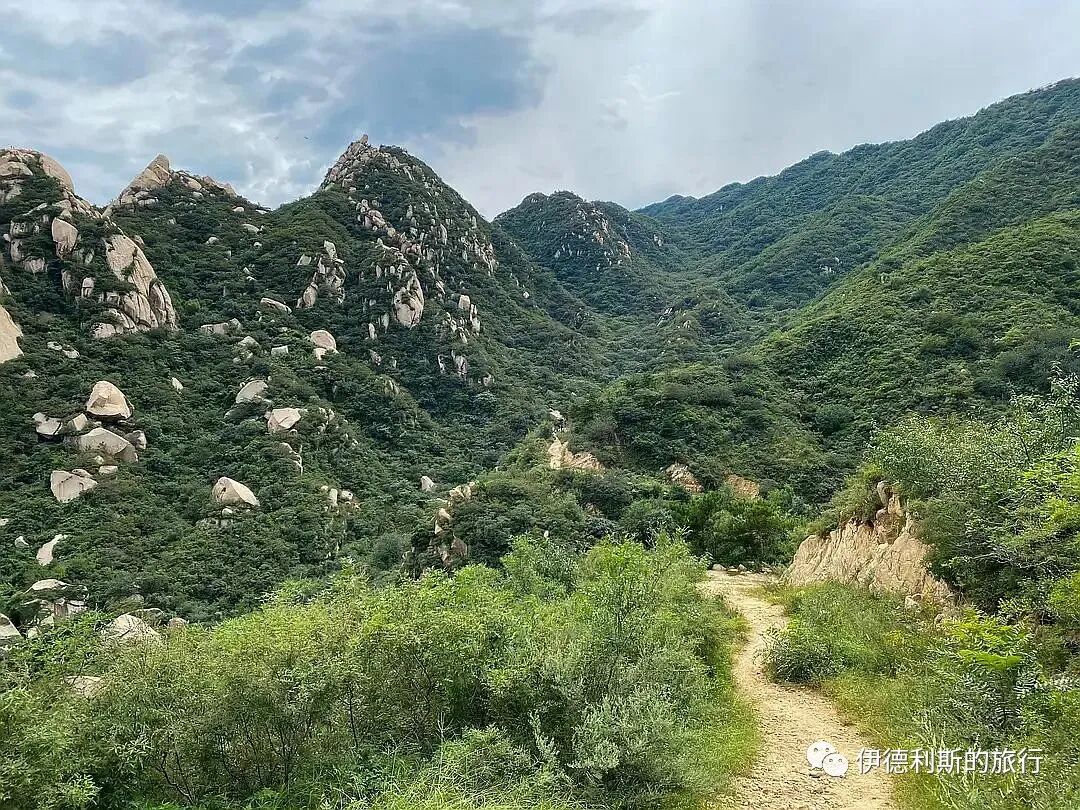
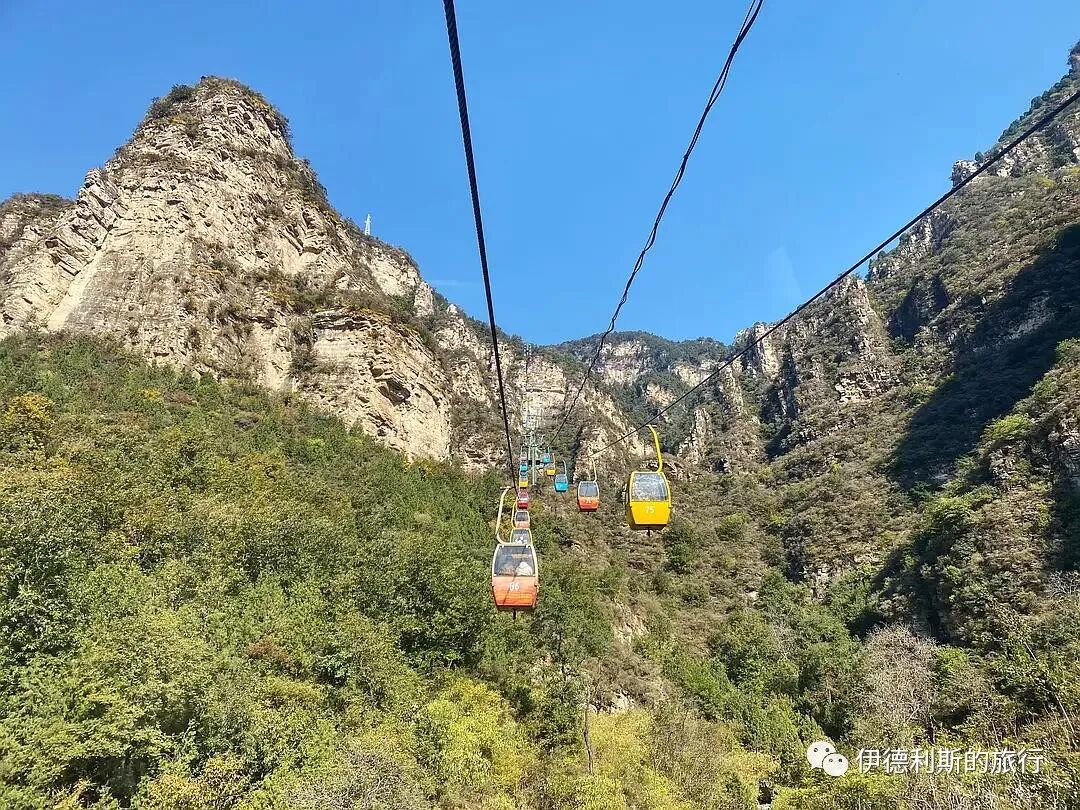
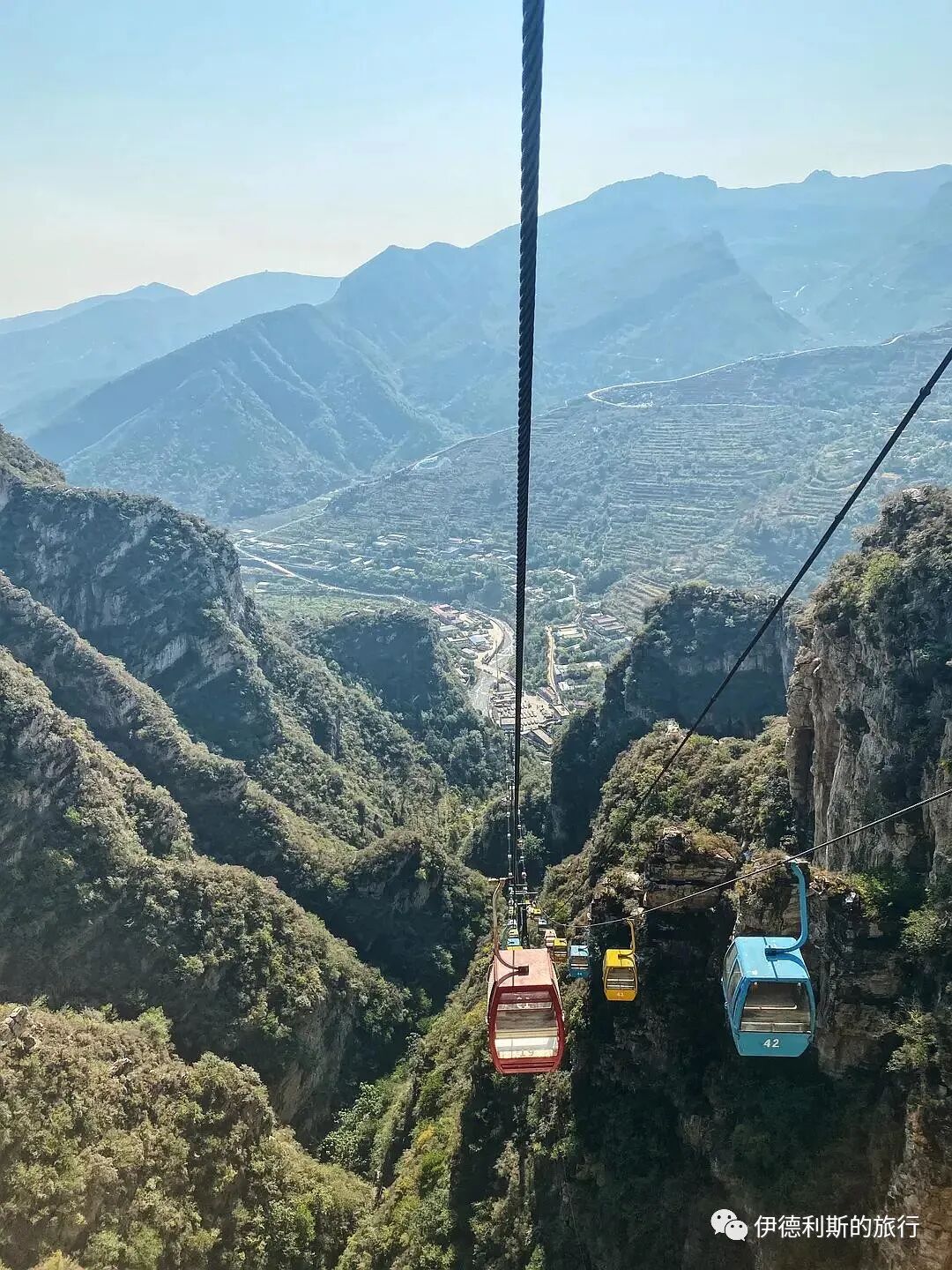
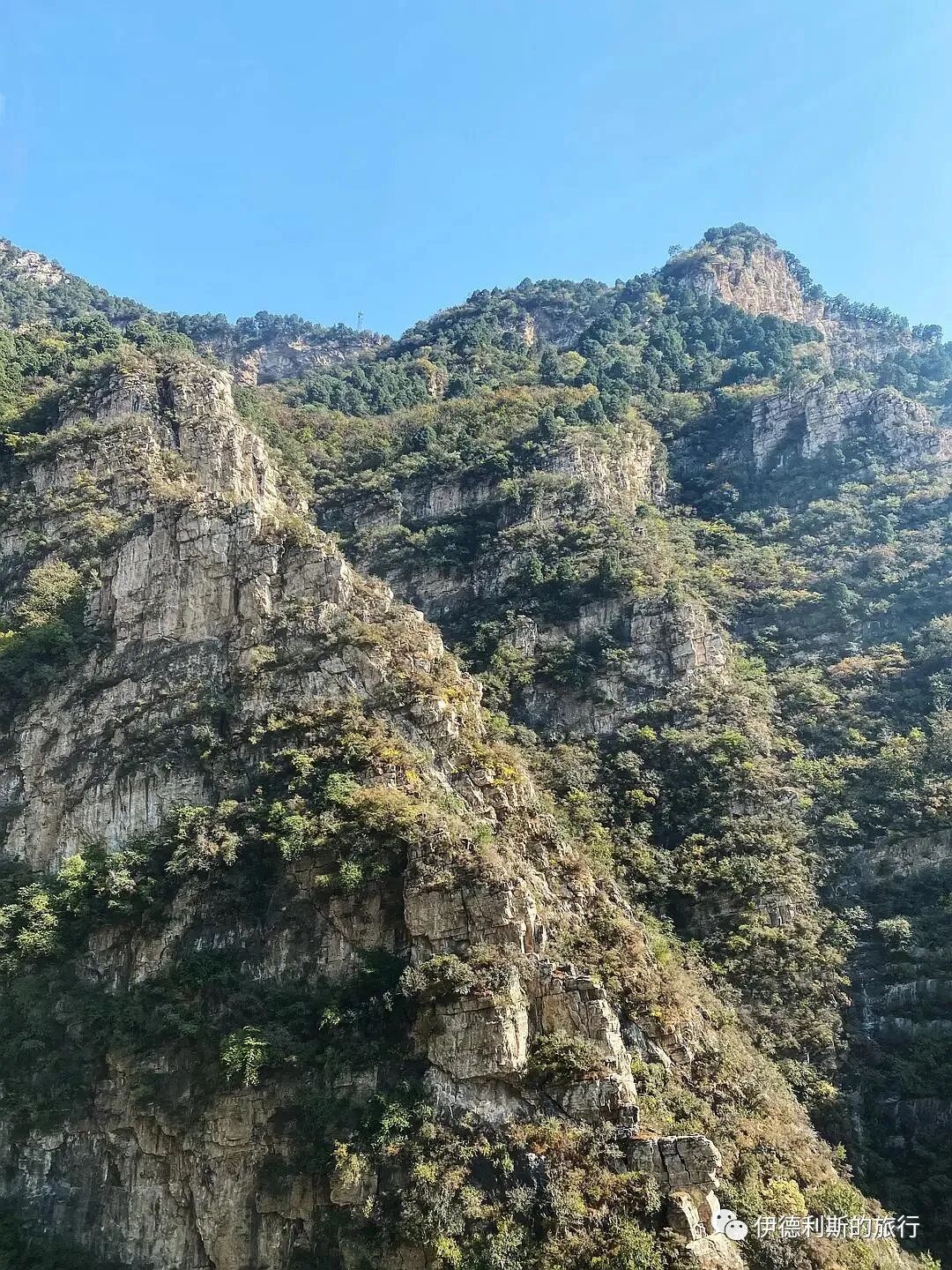
I went hiking at Shangfang Mountain in Fangshan District on Saturday. The terrain is so steep and rugged, exactly how people imagine the Taihang Mountains.
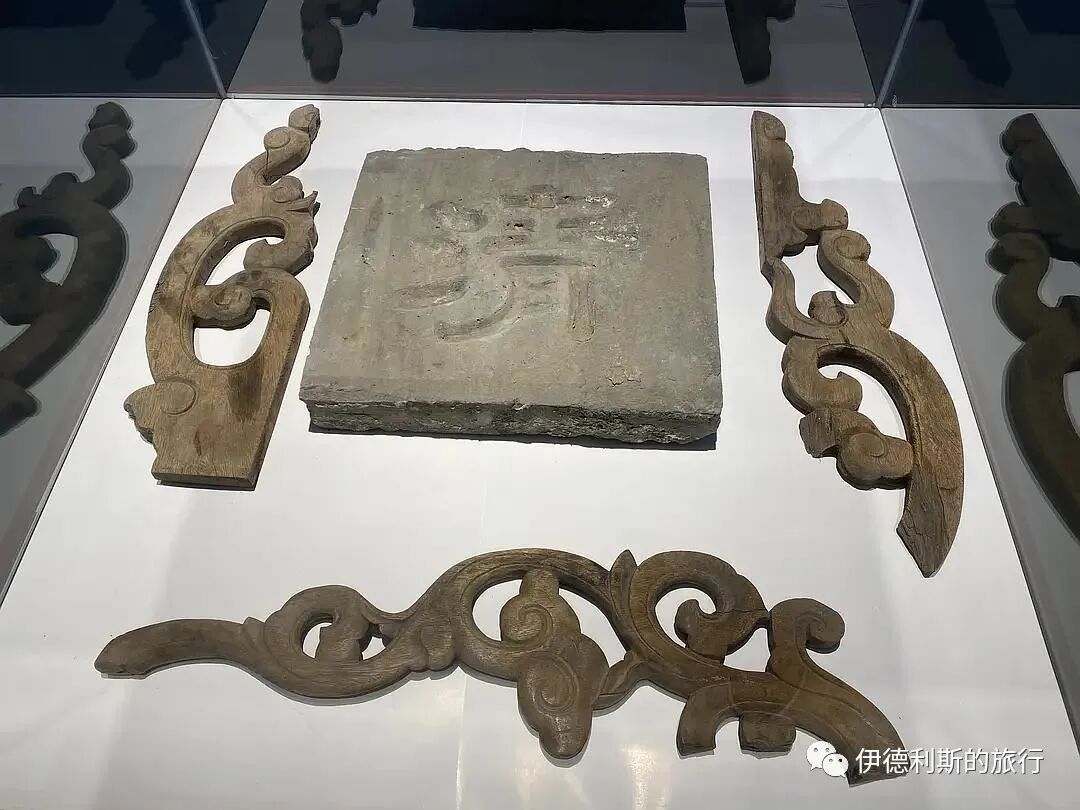
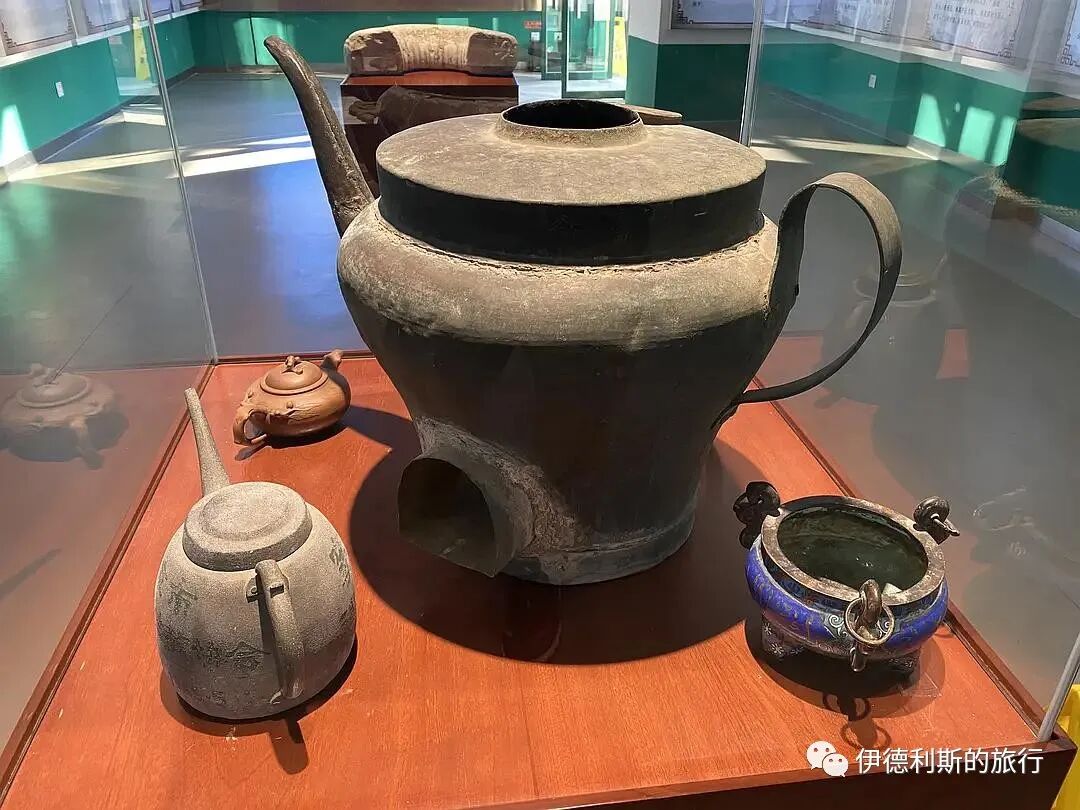
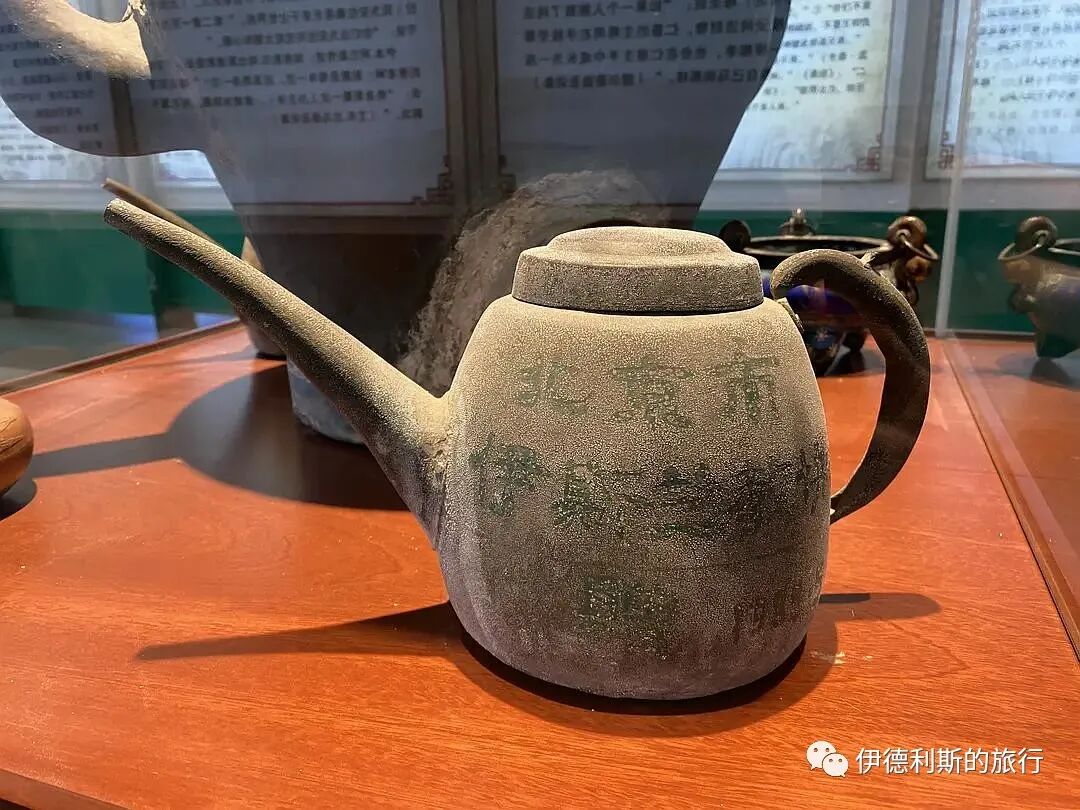
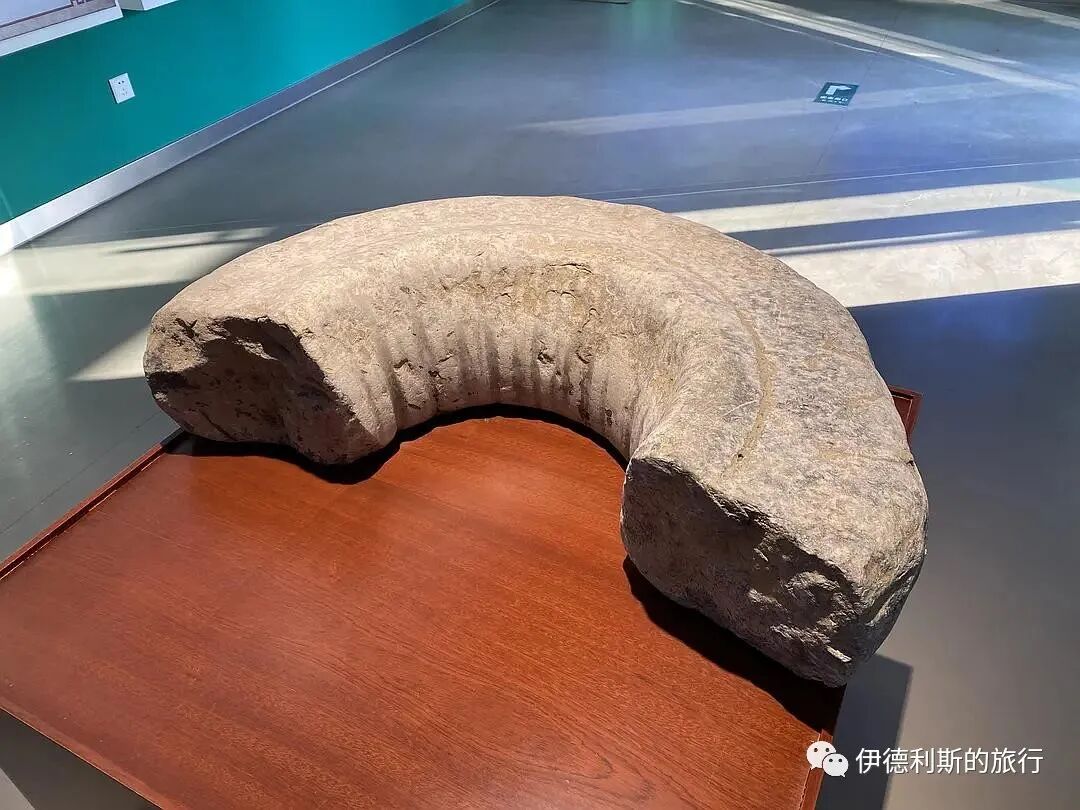
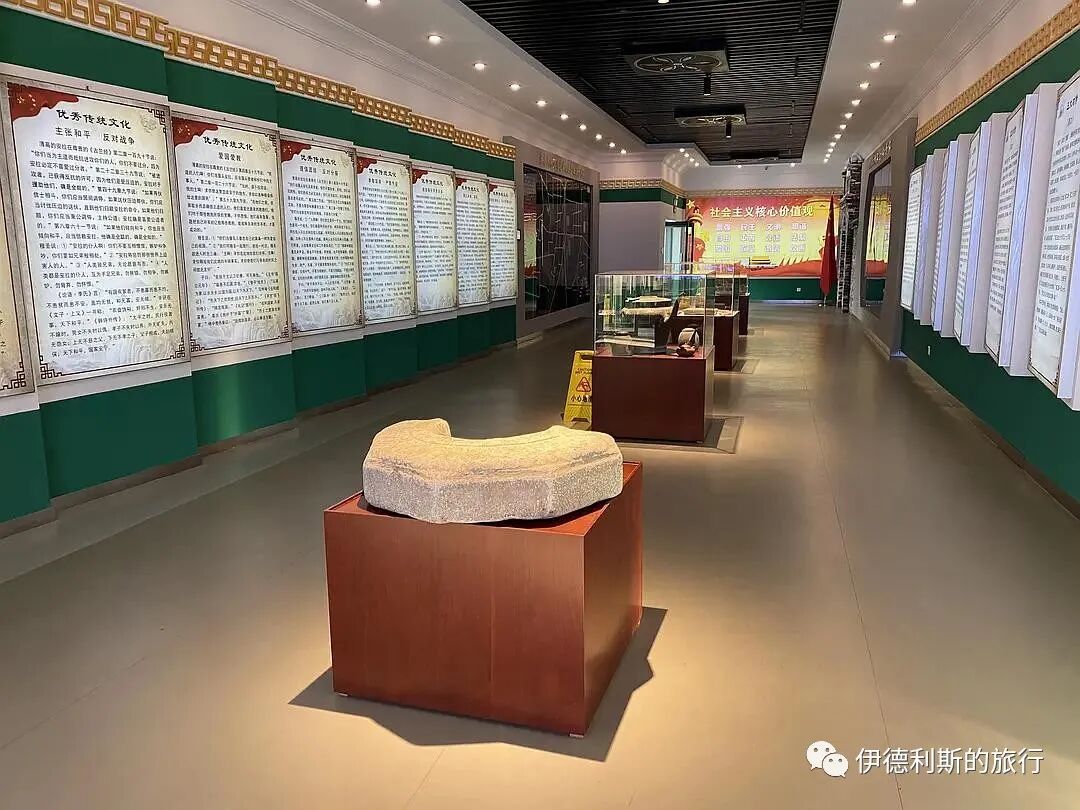
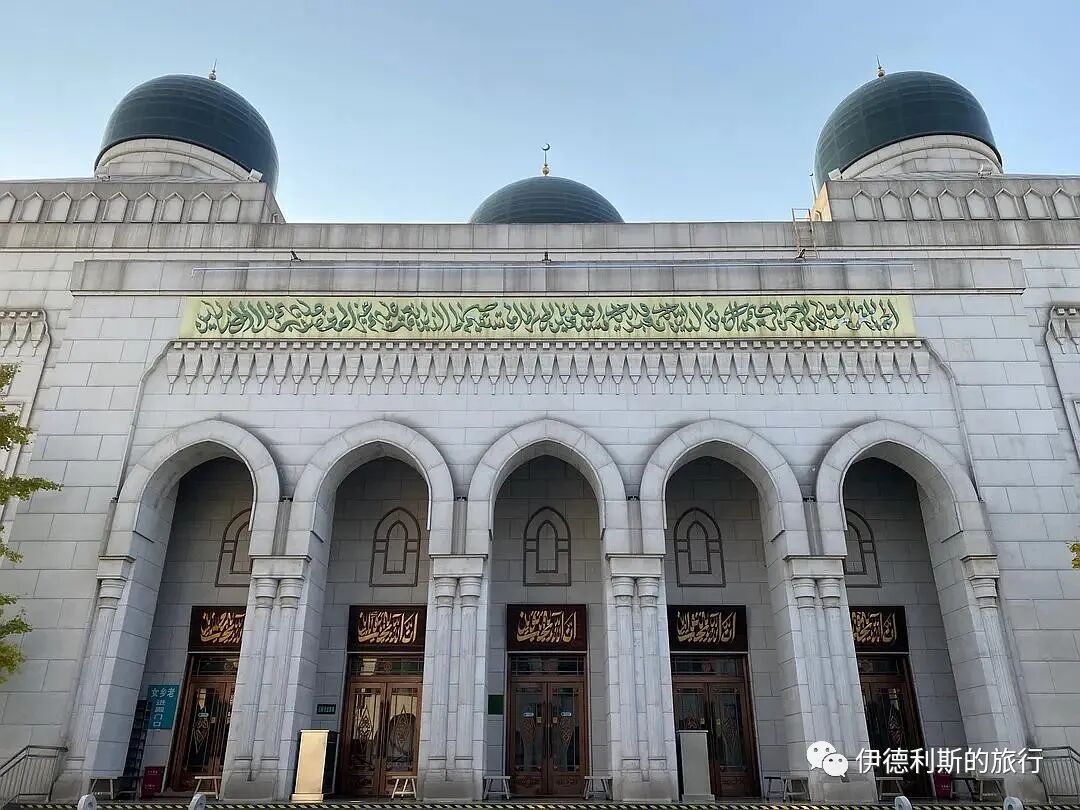
Some old artifacts from the Doudian Mosque.
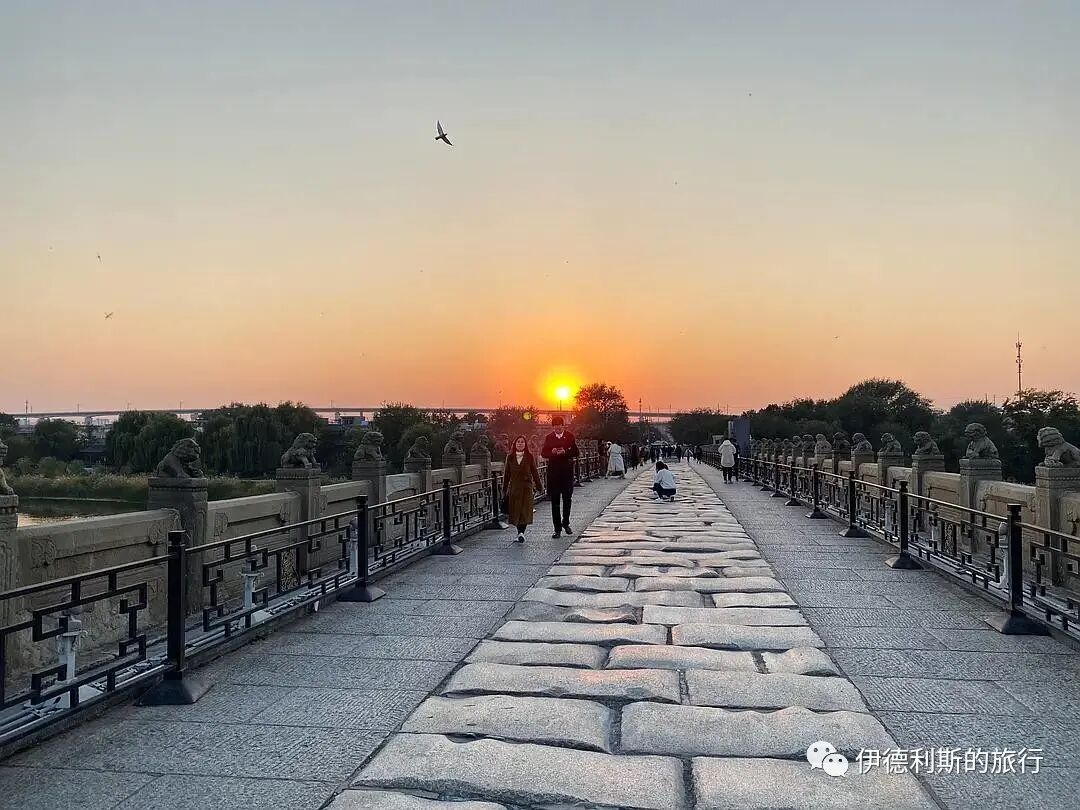
I passed by Lugou Bridge in the evening.
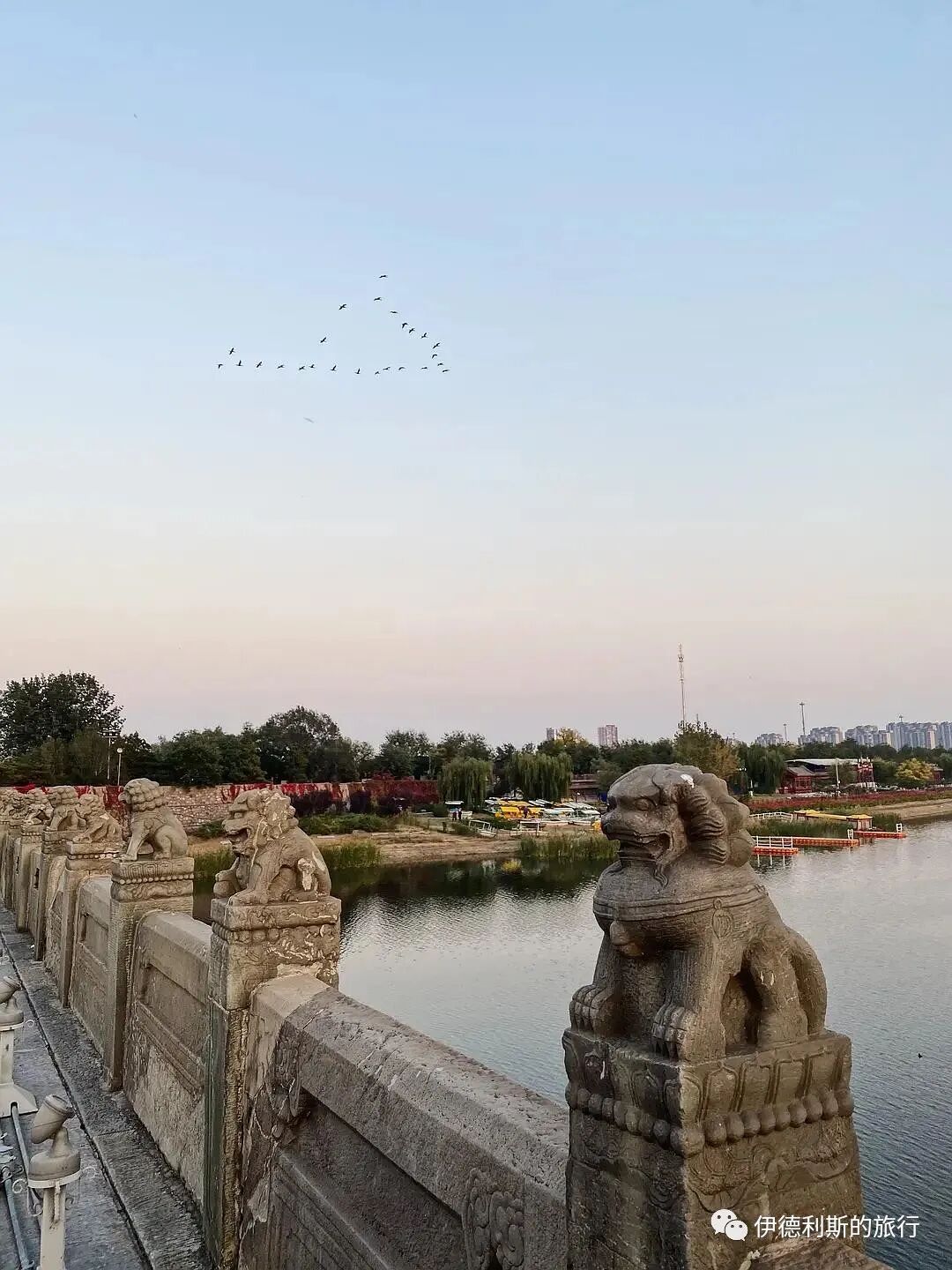
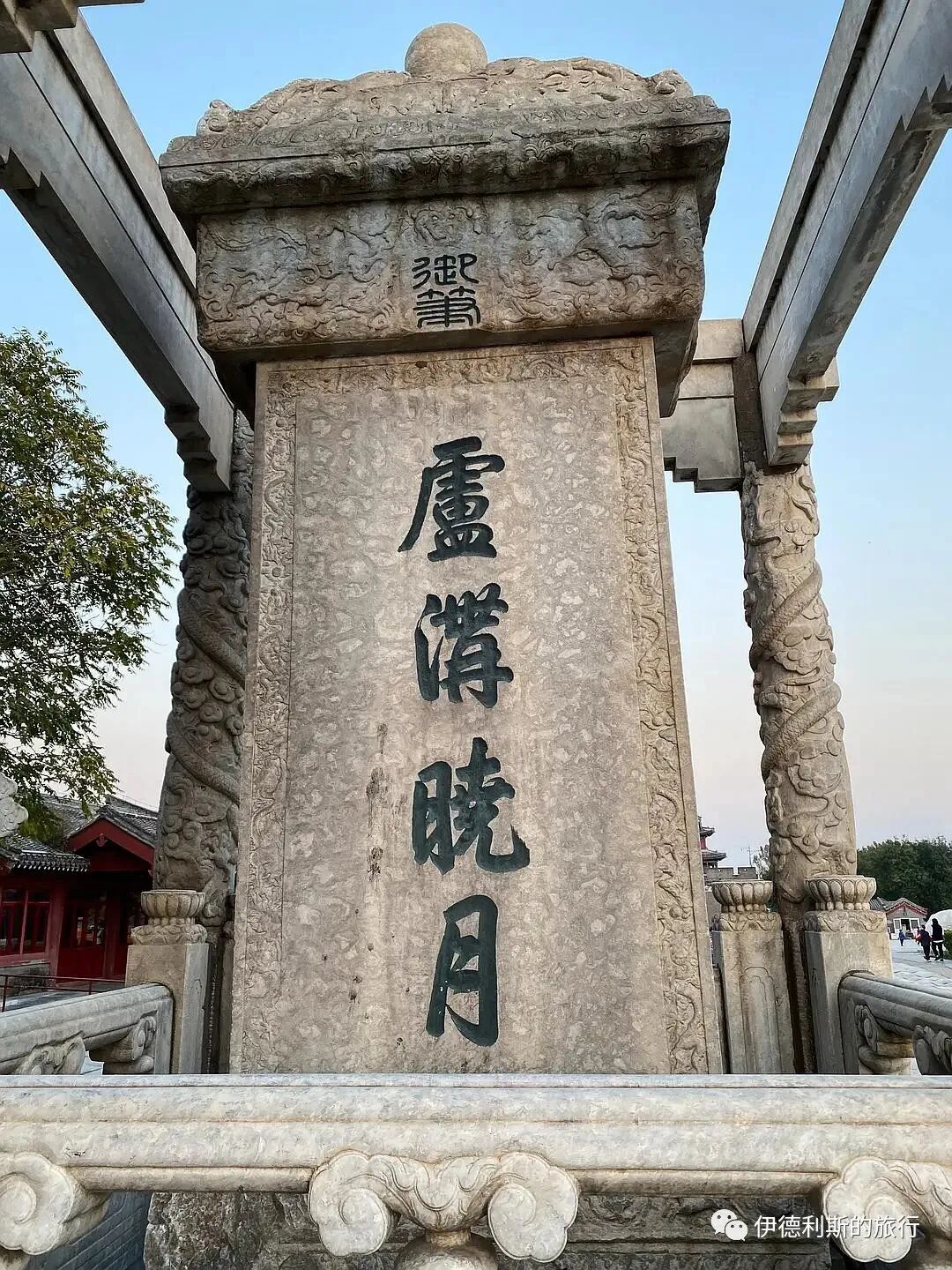
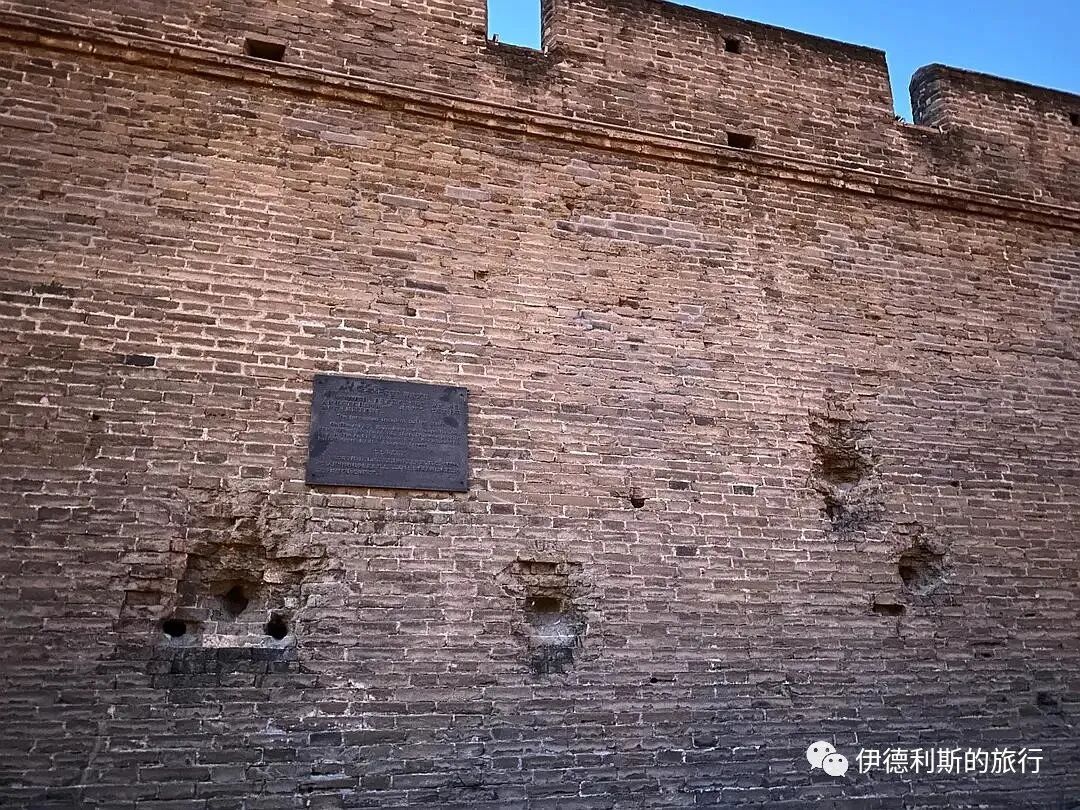
Bullet holes at Wanping City.
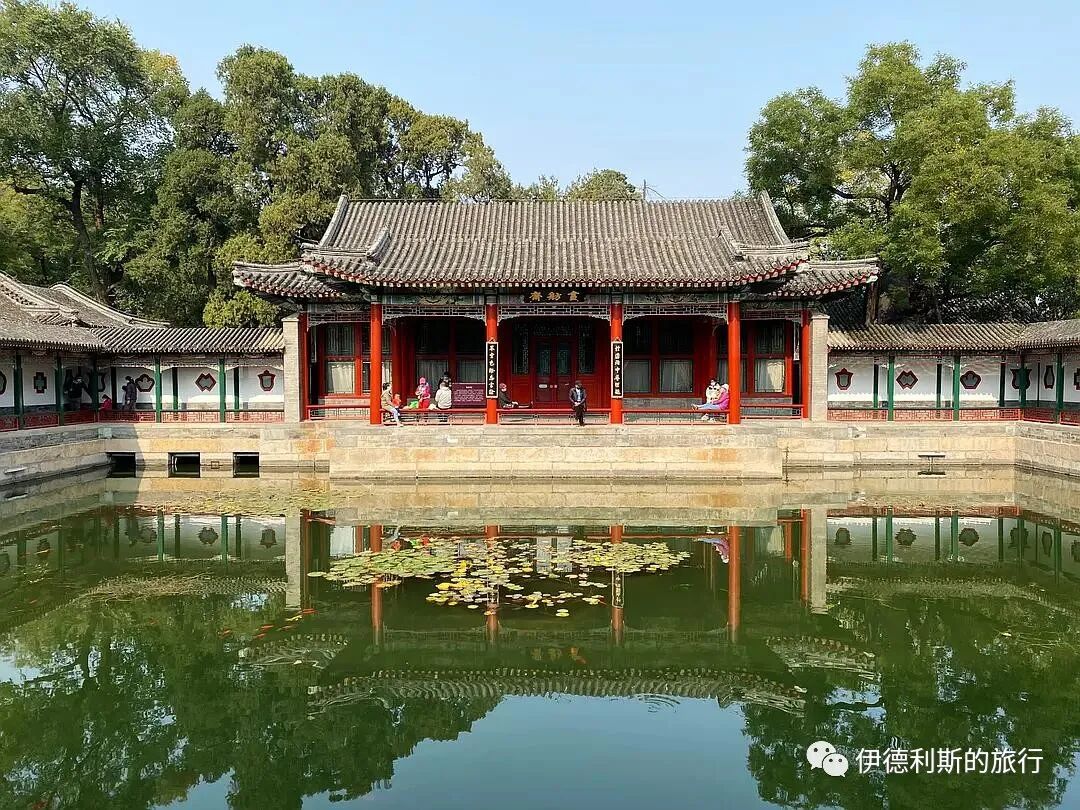
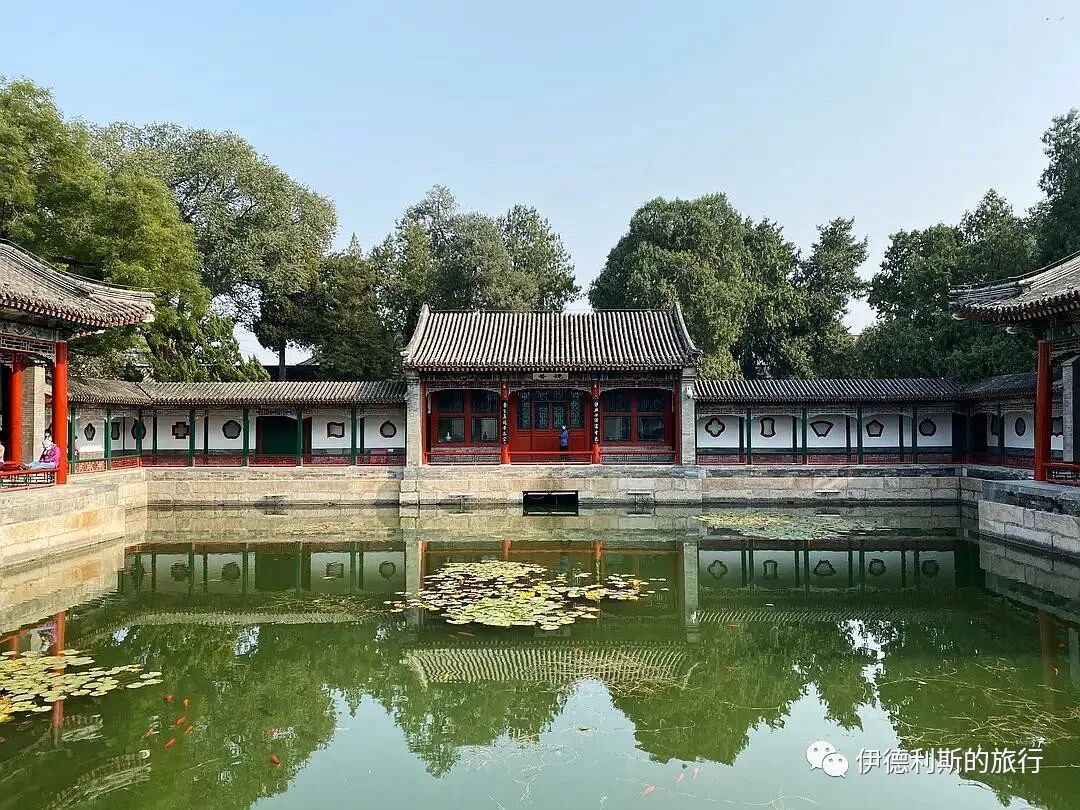
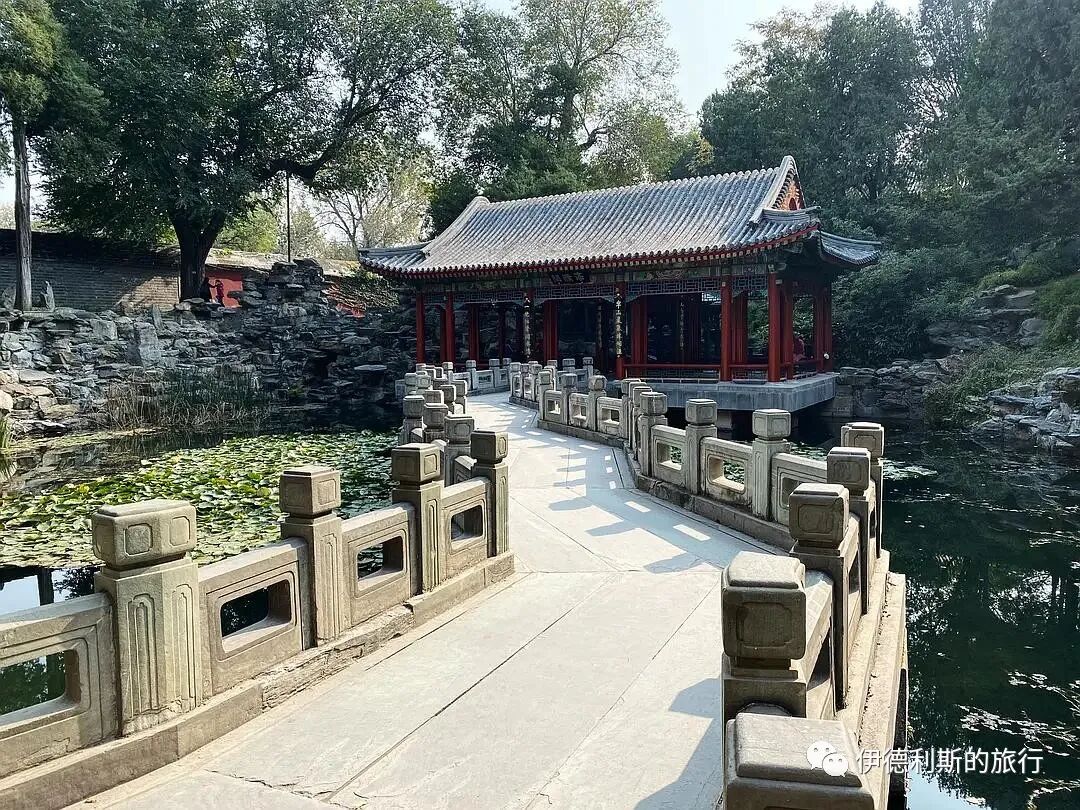
October 24, Huafangzhai and Haopujian in Beihai Park.
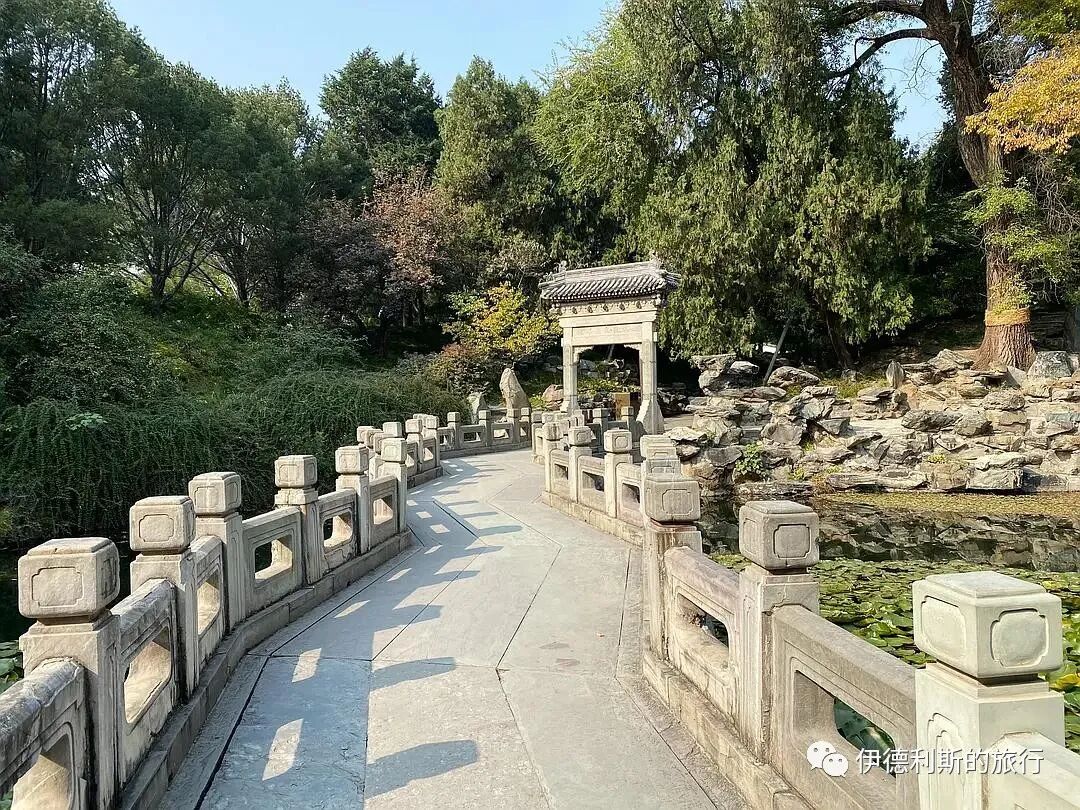
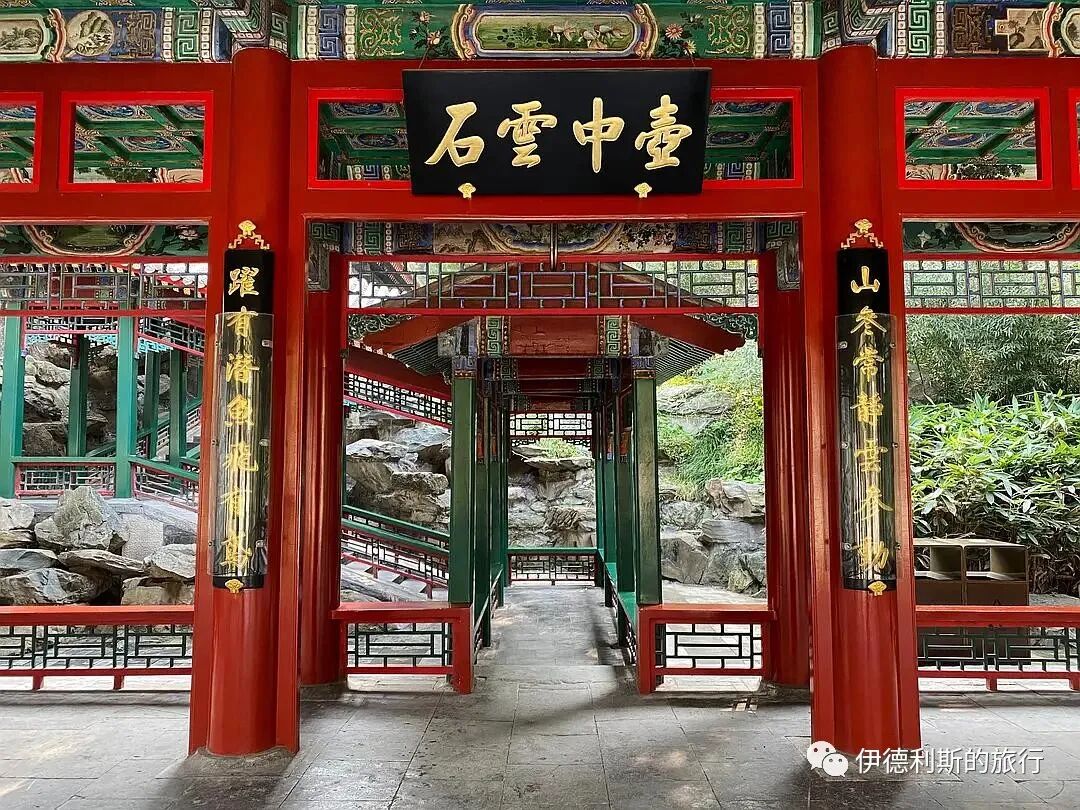
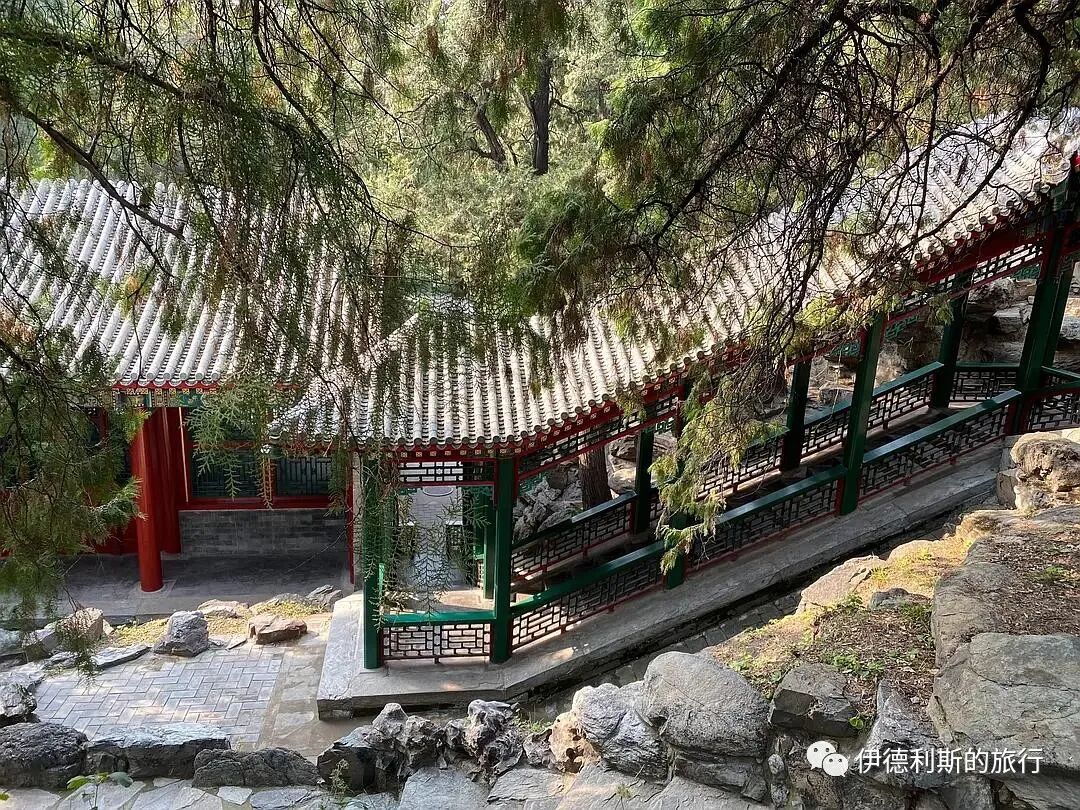
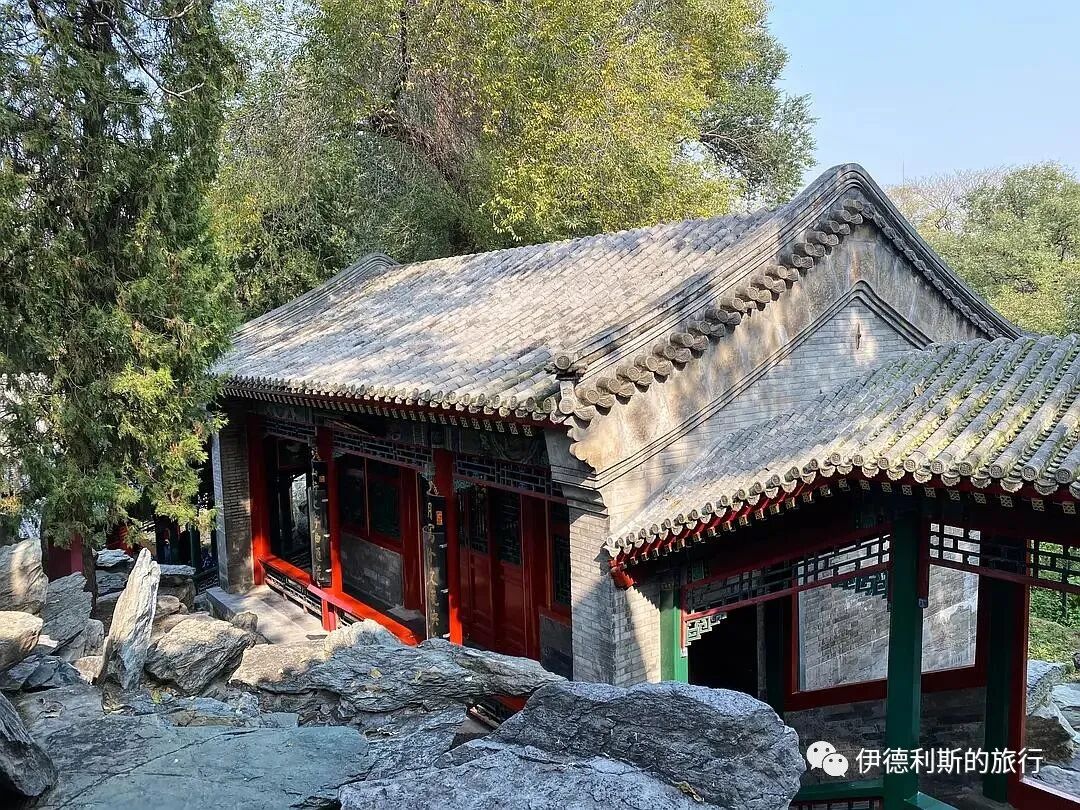
November 6, Iranian director Abbas Kiarostami's film Close-Up and the first snow in Beijing.
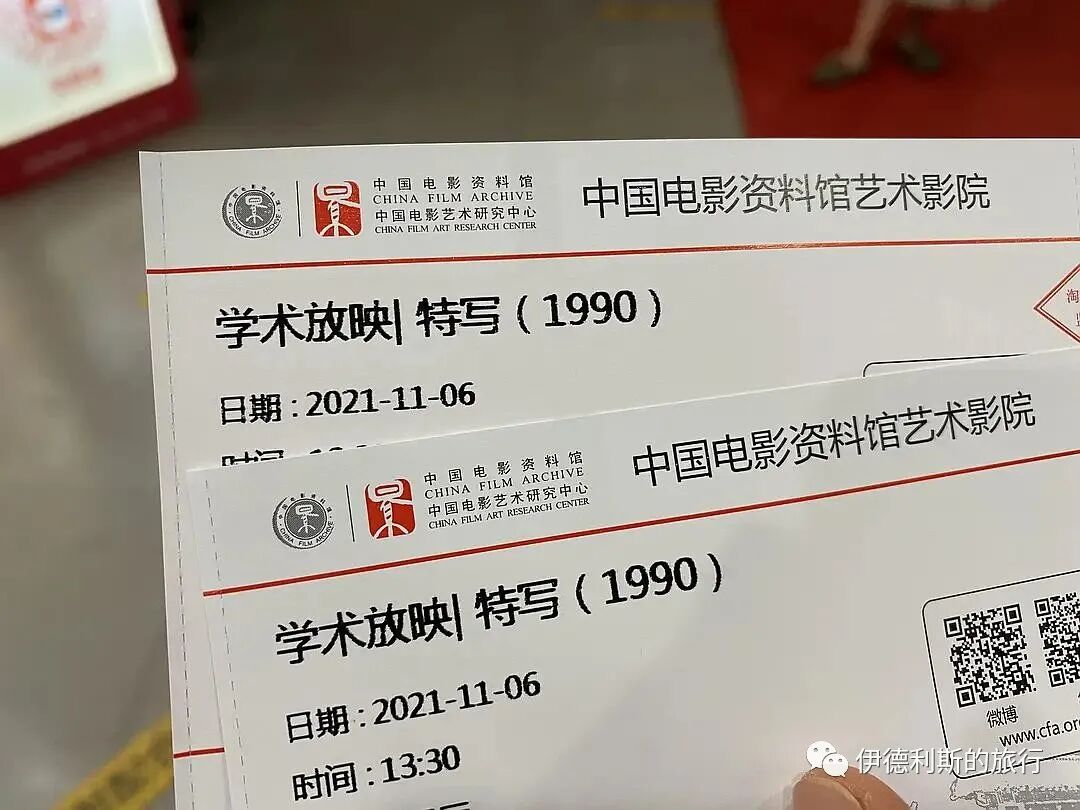
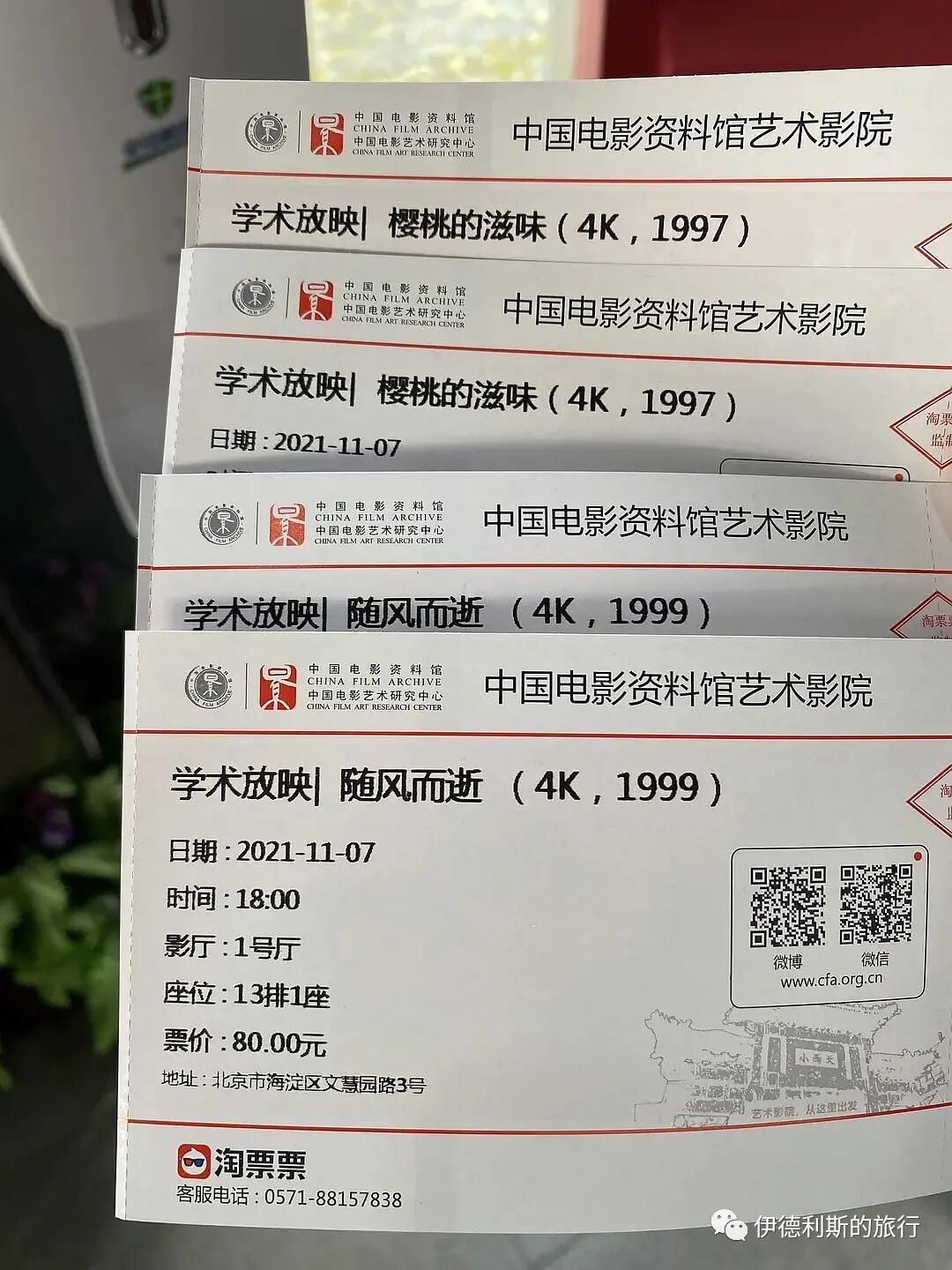
At the China Film Archive for the Abbas Kiarostami film festival, my first film was Close-Up. A film about filmmaking set in a wealthy neighborhood of Tehran in the 1990s, with a brilliant ending.
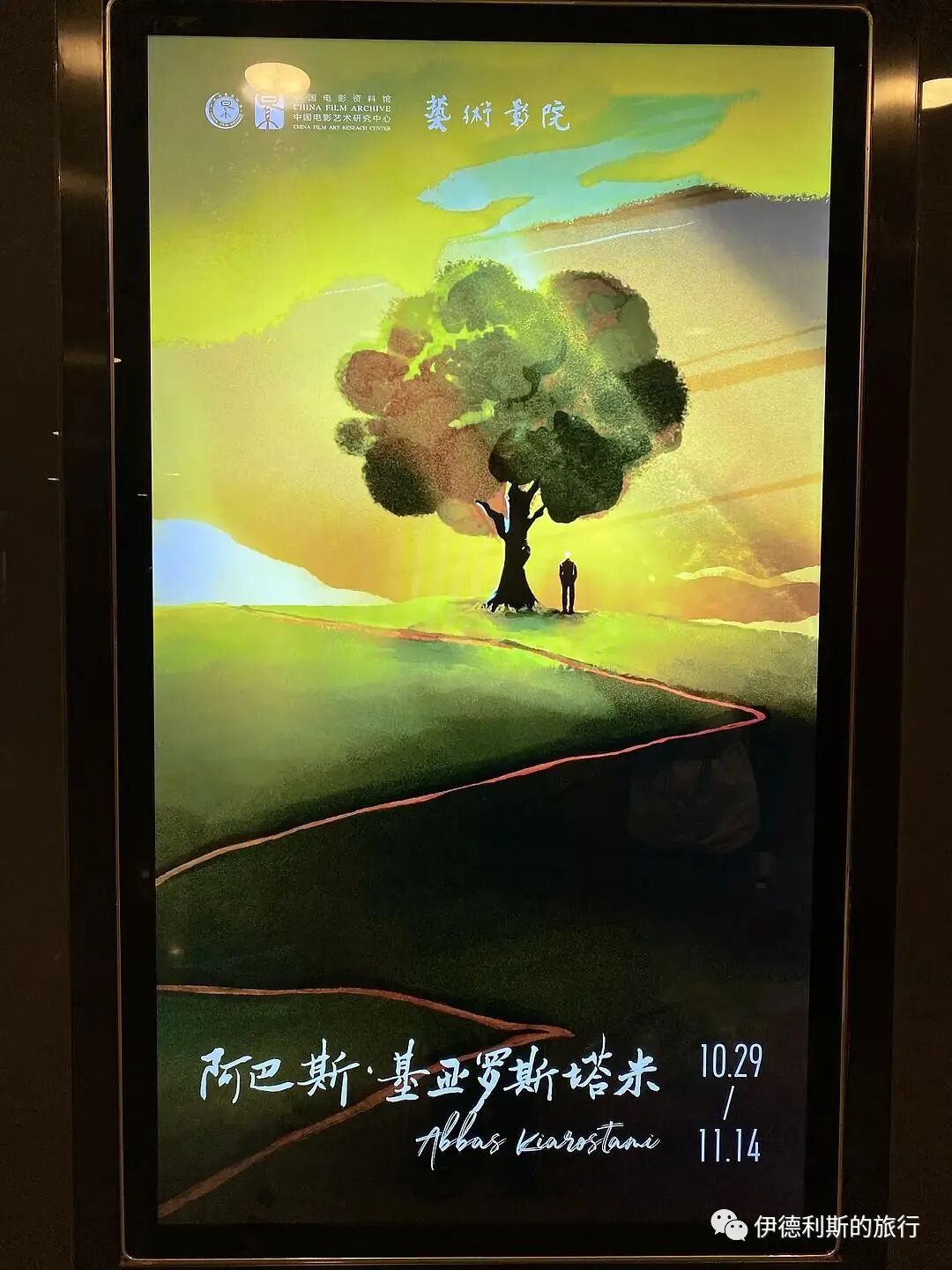
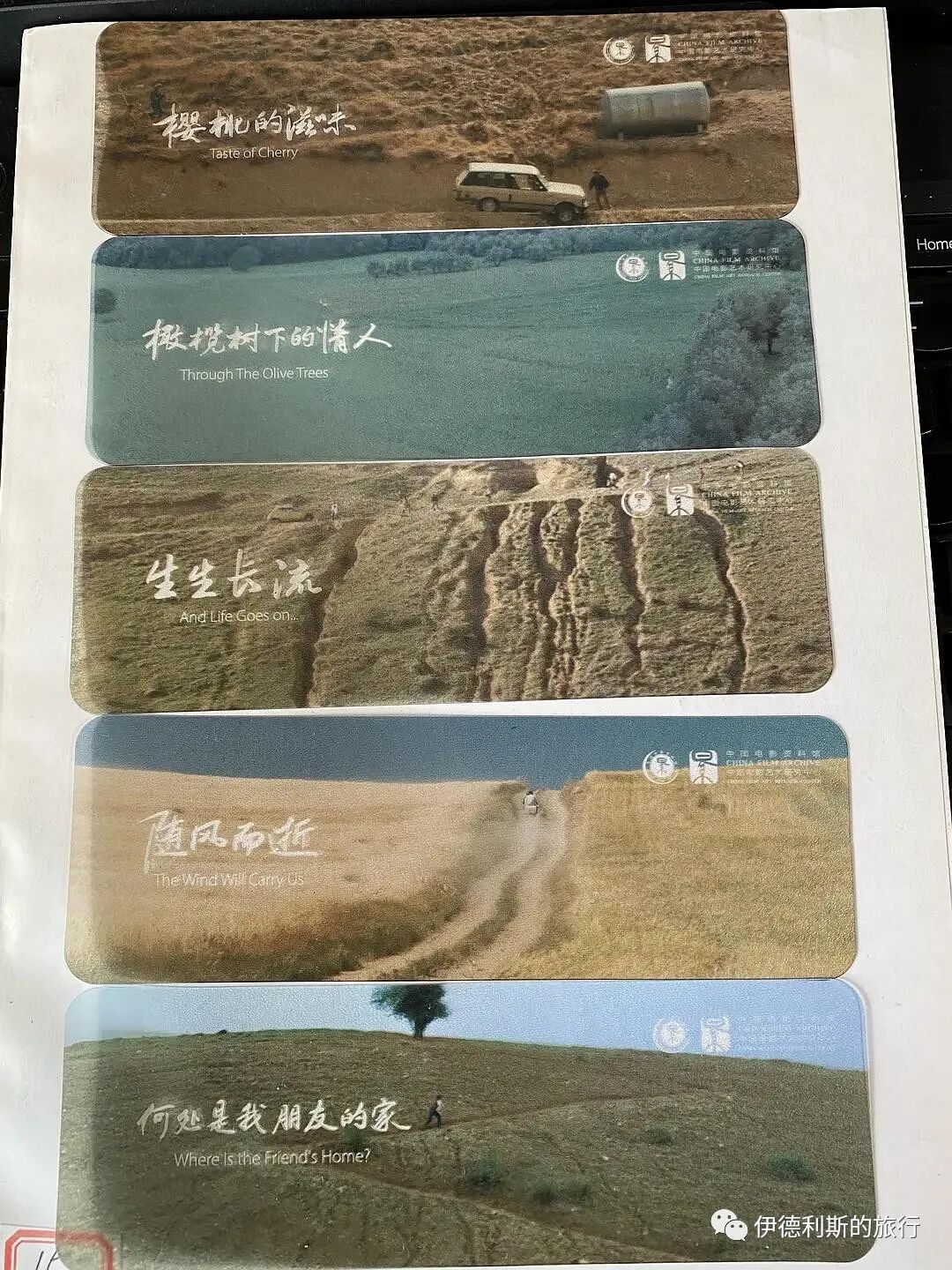
I bought a bookmark at the Abbas Kiarostami film exhibition at the China Film Archive that features five of his movies. This must be the most complete collection of Abbas Kiarostami films ever shown in China.
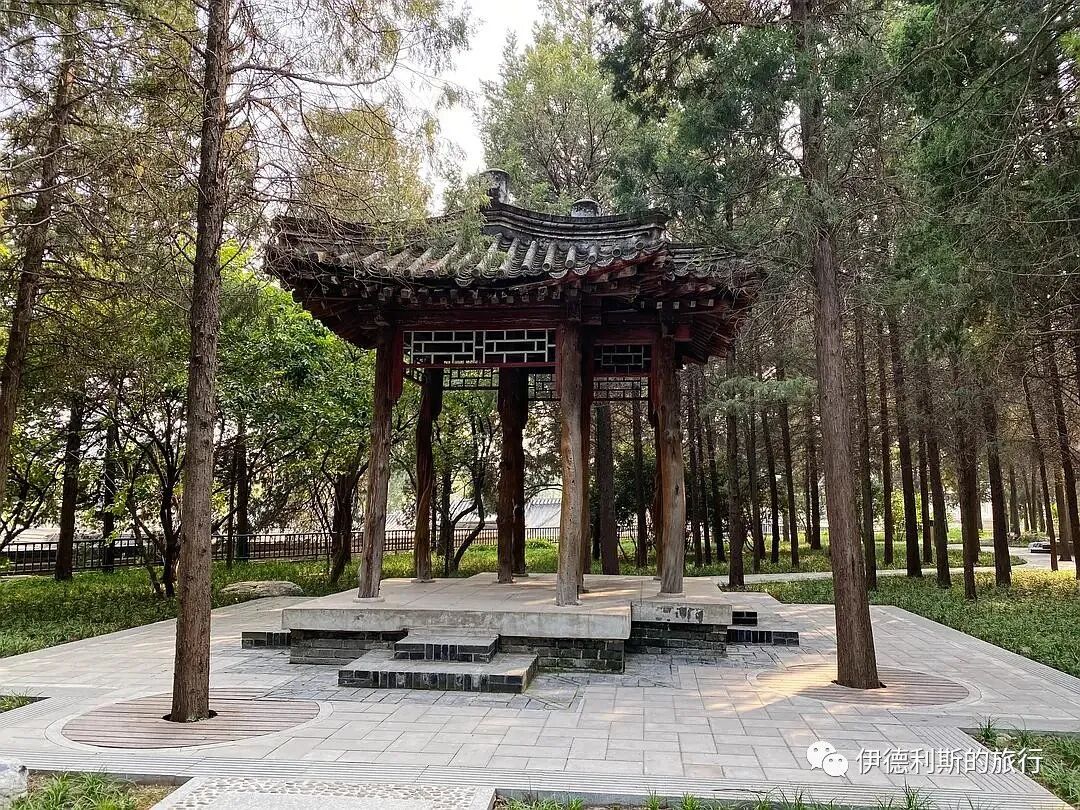
There are two main sights at the China Film Archive that everyone photographs after leaving the Abbas Kiarostami exhibition.
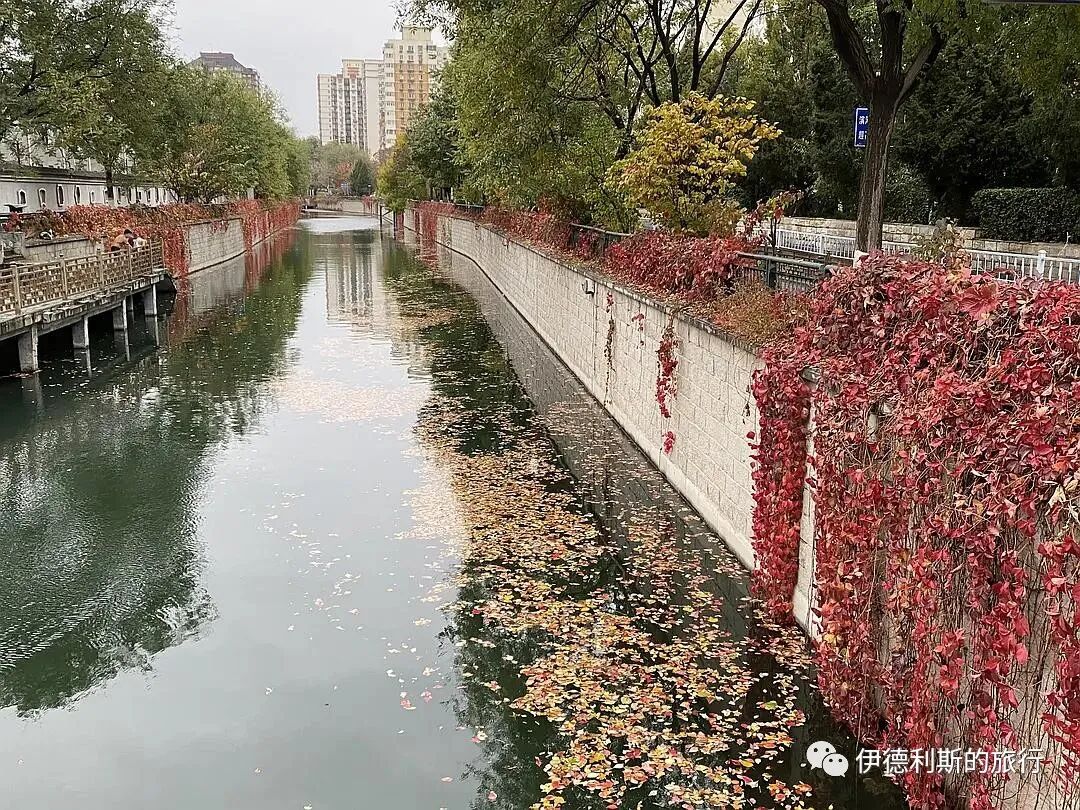
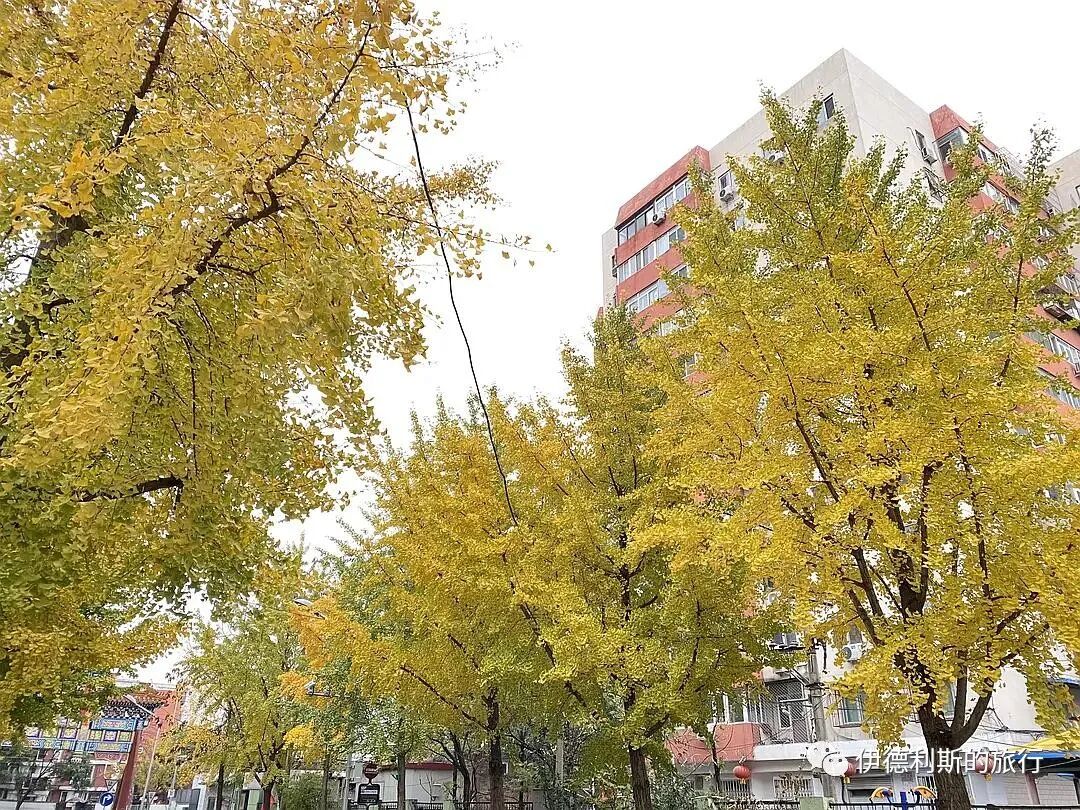
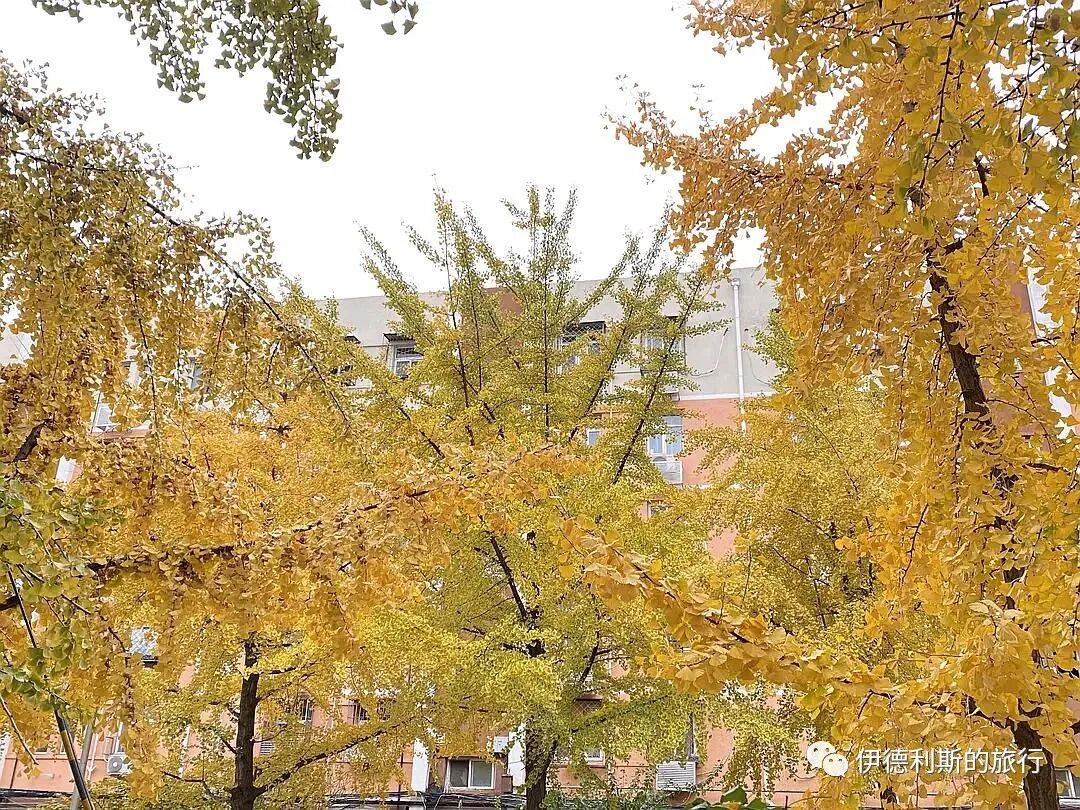
I am enjoying the snow while practicing calligraphy and drinking tea.
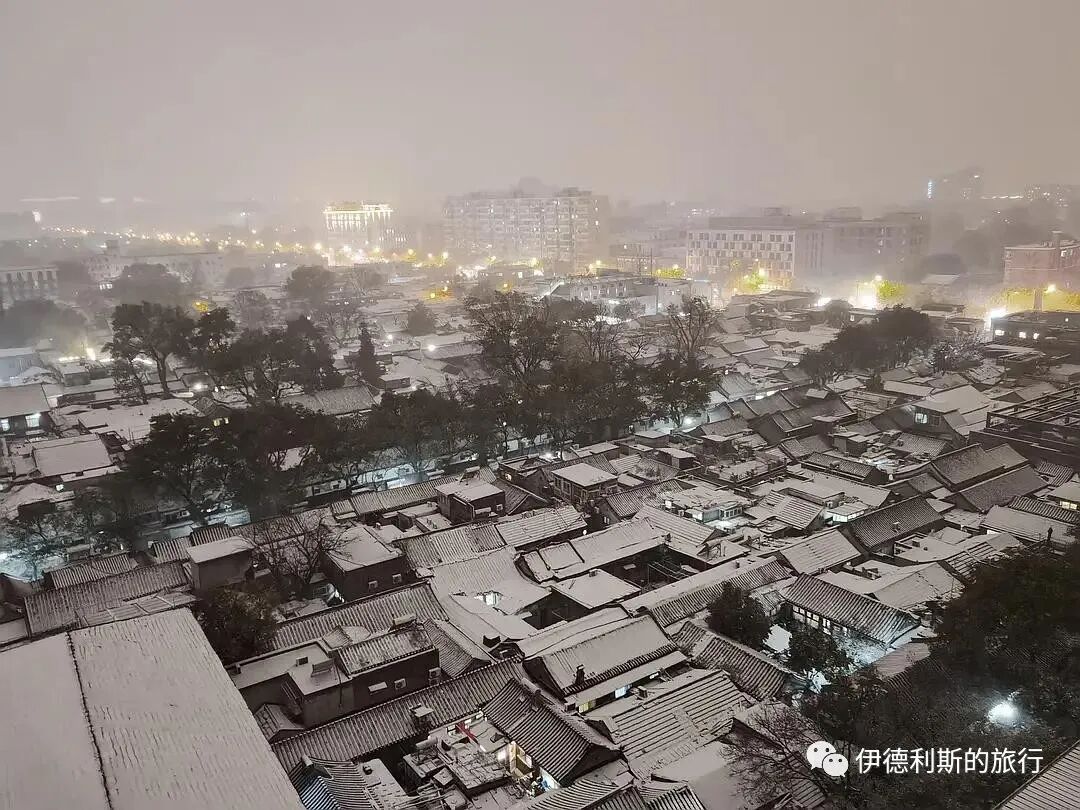
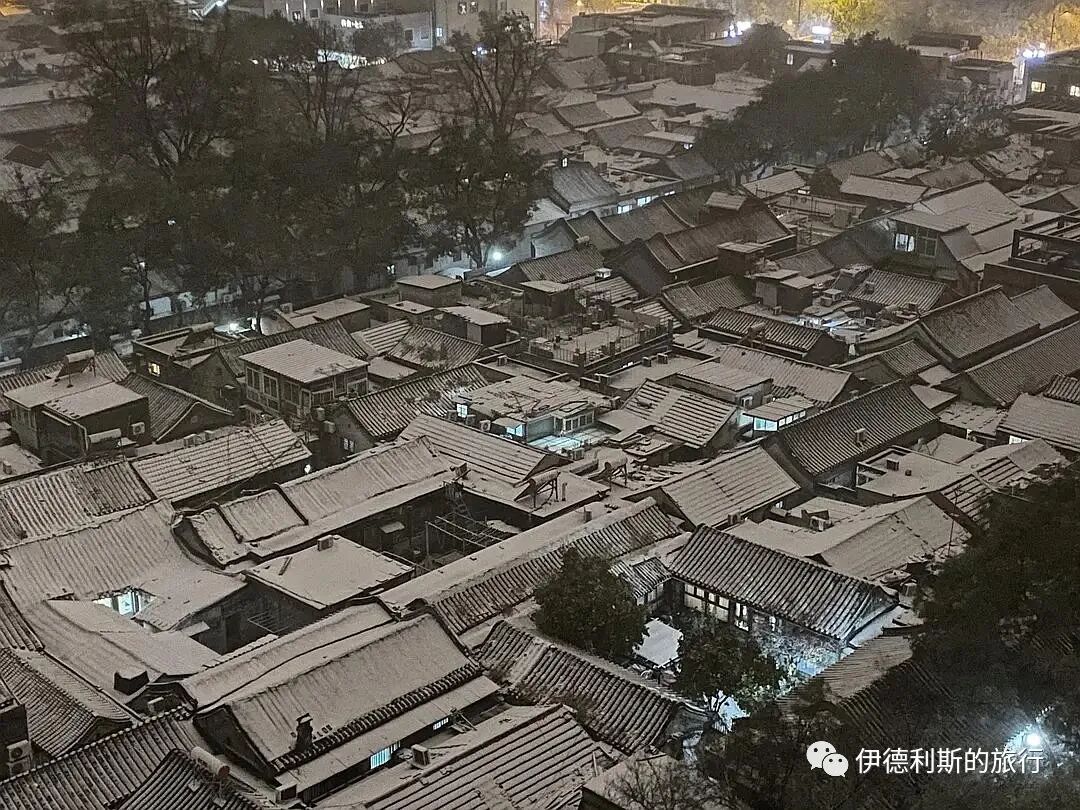
November 7, Dongsi in the snow.
Two films at the Abbas Kiarostami exhibition at the China Film Archive. Taste of Cherry is a rare film by Abbas that talks directly about faith, and it is the first time I have seen a film start with the Basmala (tasimi) on screen. It is a film about life and death, and it was very rare to see Hazara people from Afghanistan working in Tehran.
The Wind Will Carry Us is also a film about life and death, and autumn in the Kurdistan countryside is truly beautiful. Also, there is a girl inside named Zaynab, haha, but the subtitles translated it as "Zenabu," which doesn't sound very good.
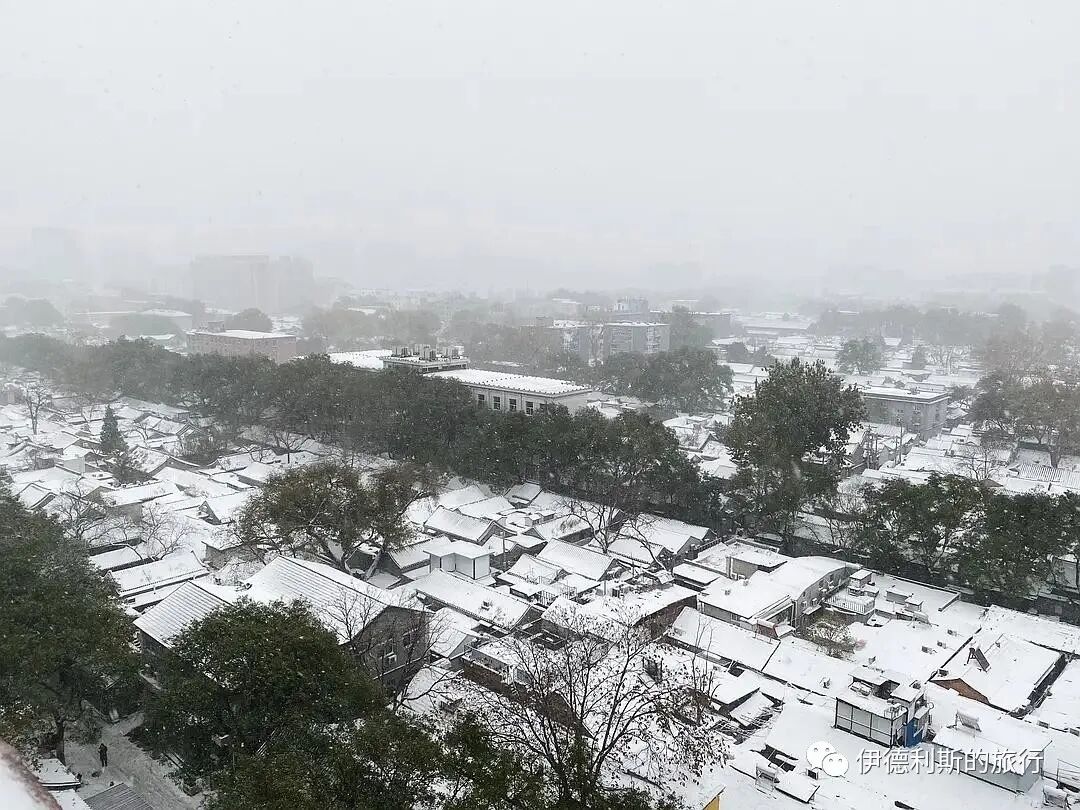
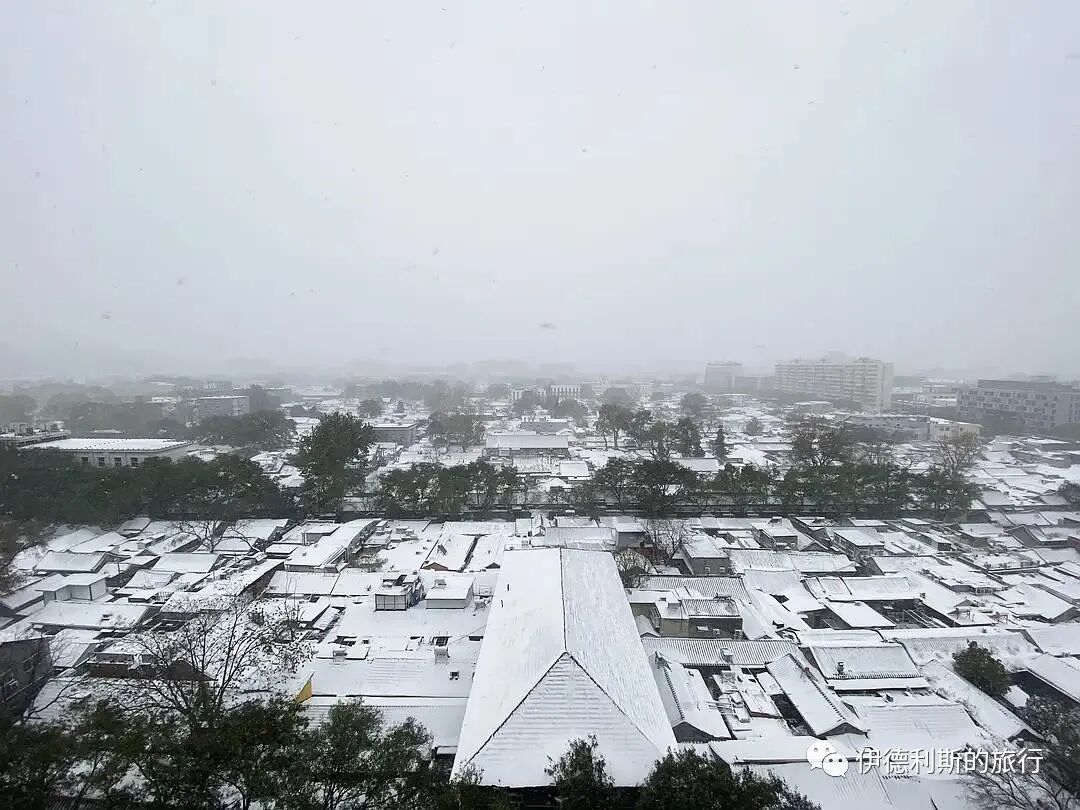
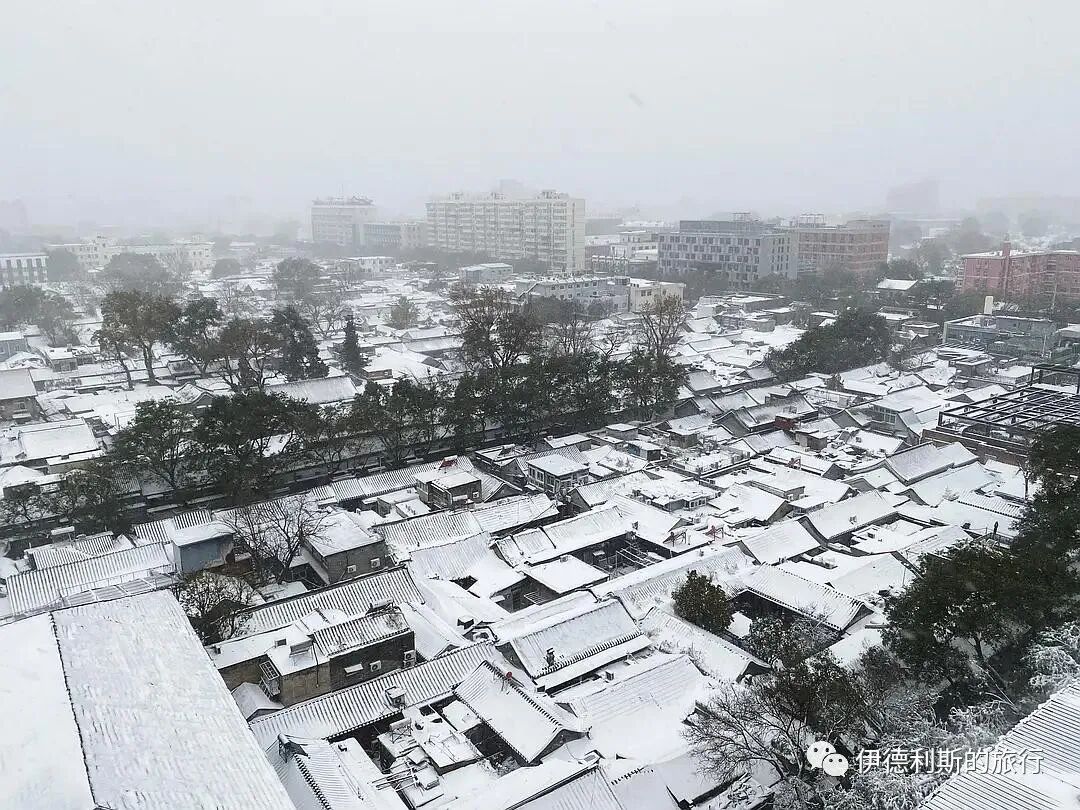
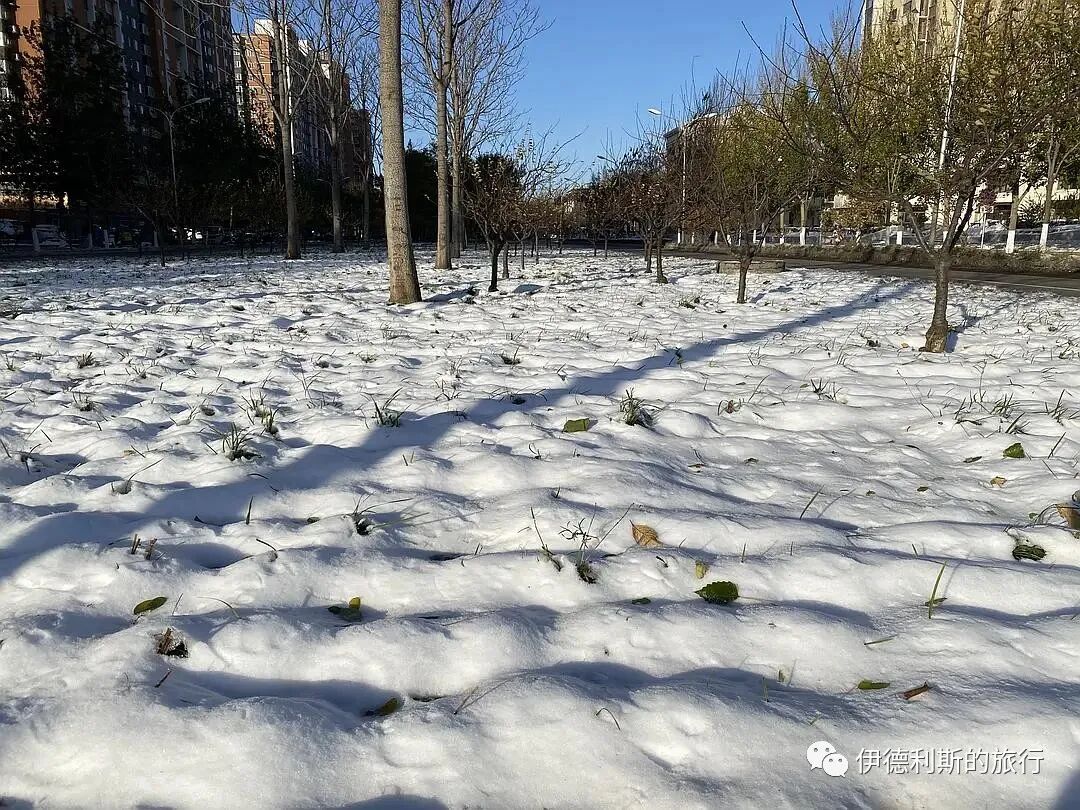
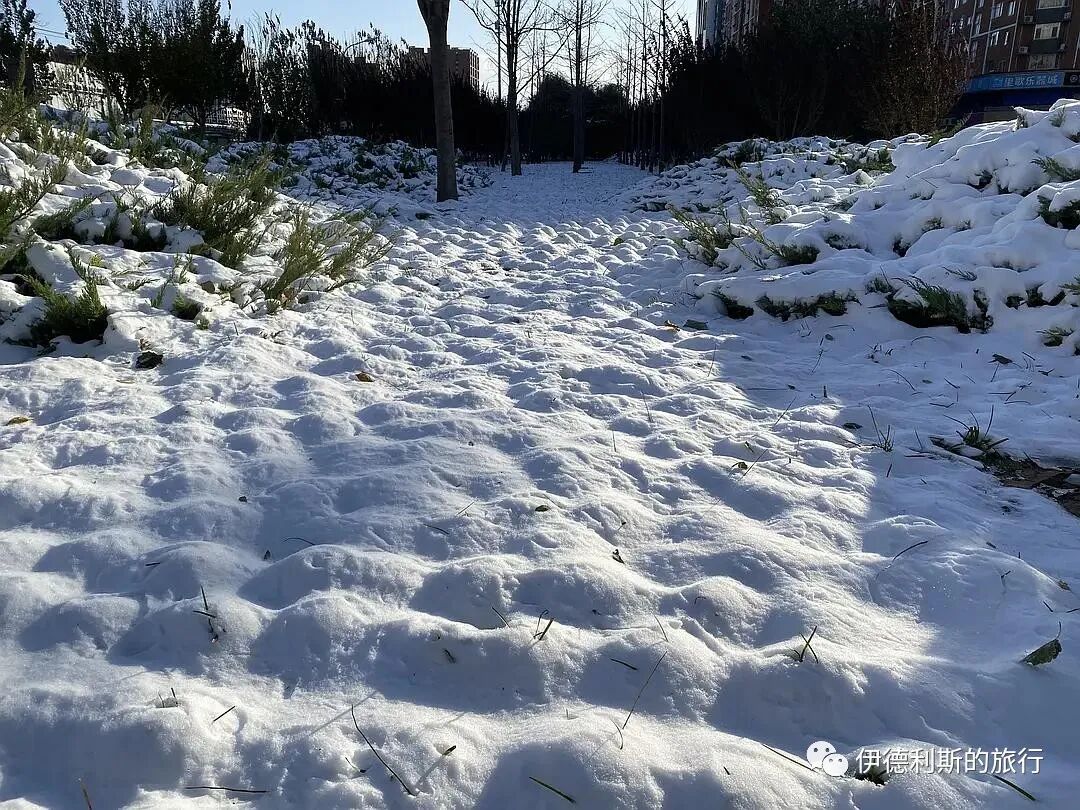
November 8, Beijing after the snow.
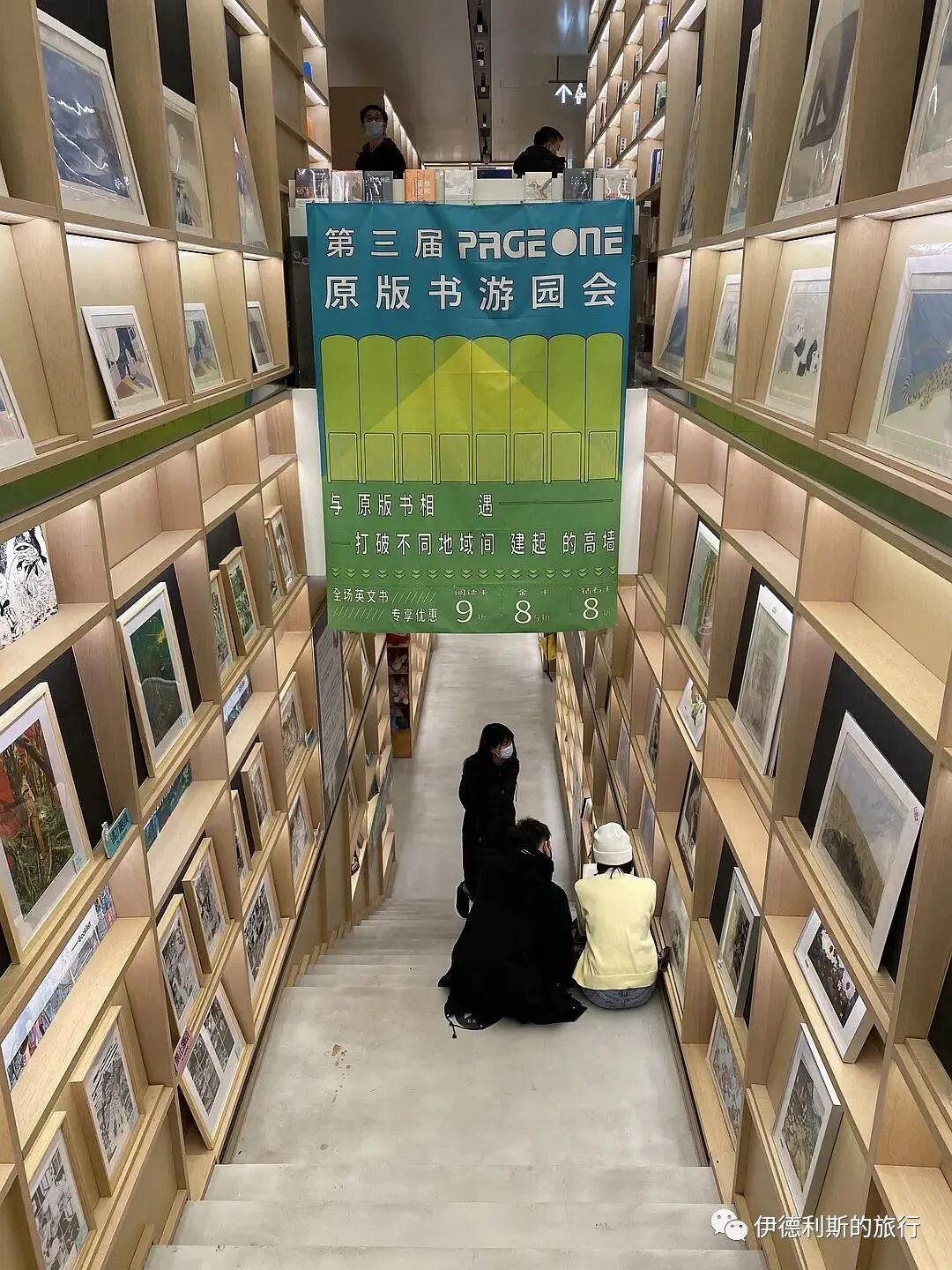
November 13, Iranian Abbas film "Where Is the Friend's House?" and the original language book fair at PAGE ONE in Wudaokou.
At the Abbas film exhibition at the China Film Archive, I watched the fourth film of the series, "Where Is the Friend's House?" Abbas is truly amazing at filming children's stories; it was very heart-wrenching to watch.
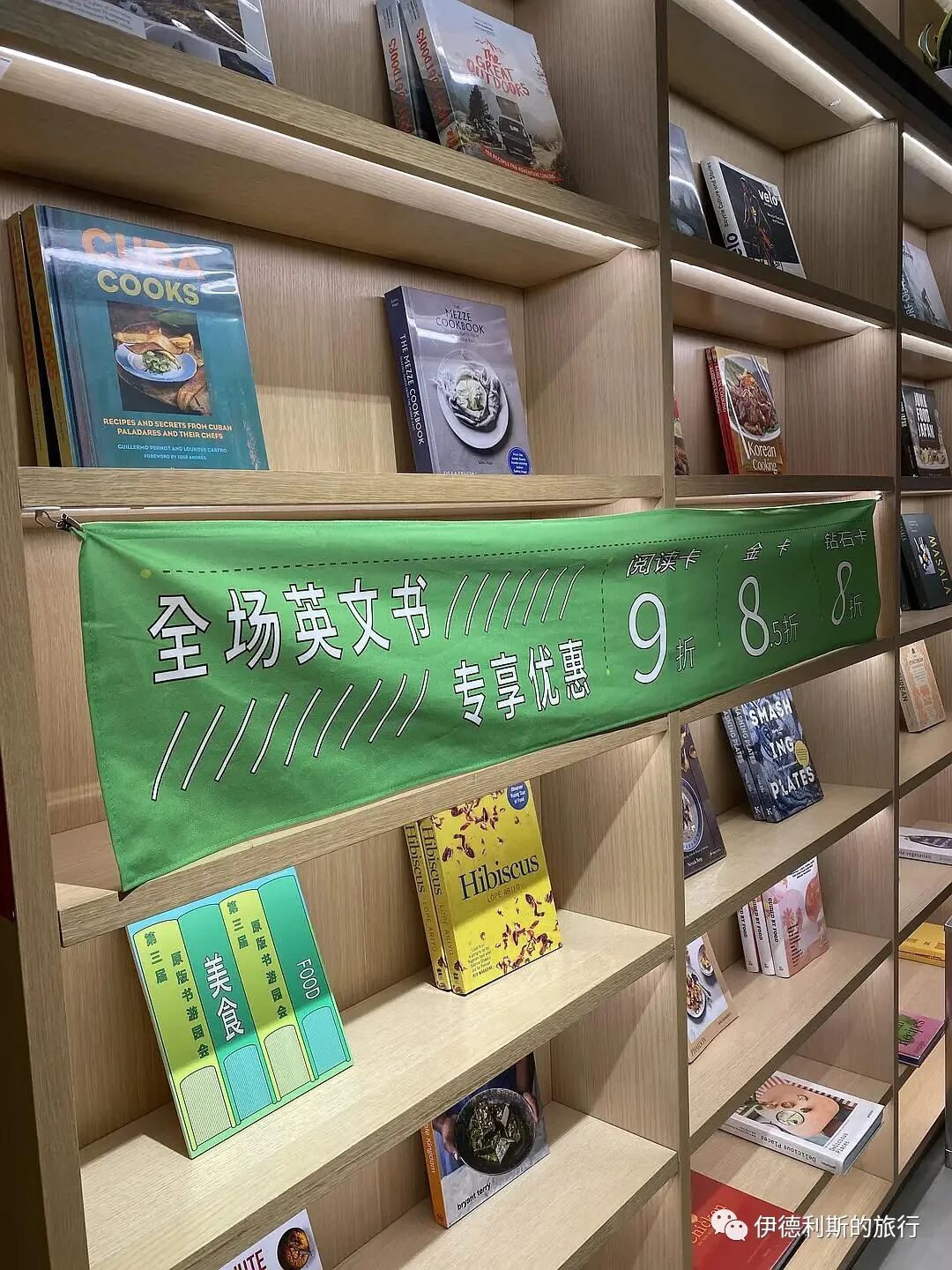
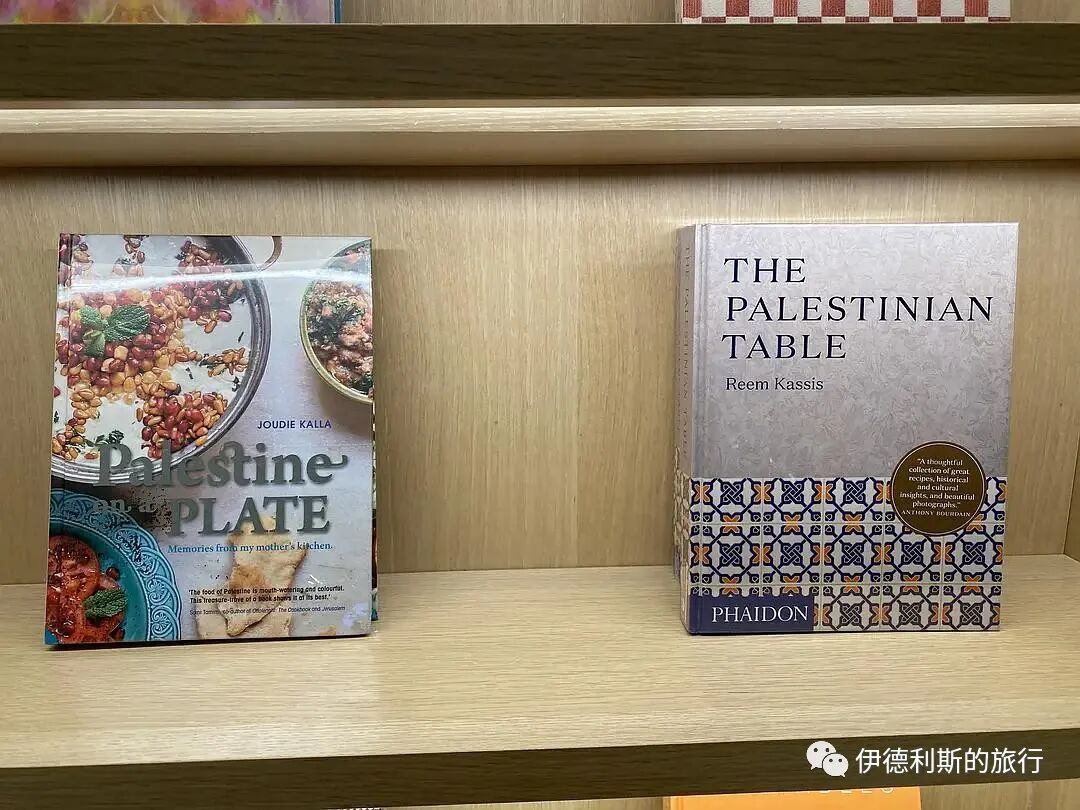
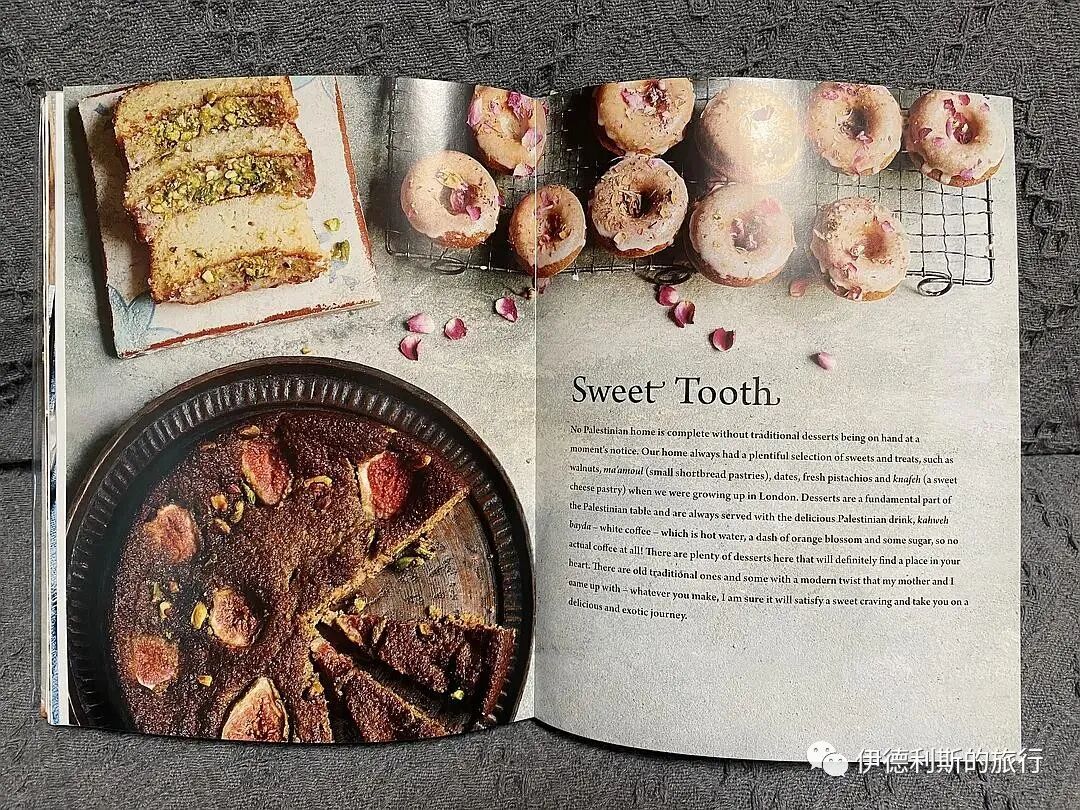
In the evening, after eating at a Syrian restaurant, I went for a stroll at PAGE ONE in Wudaokou and happened to catch the original language book fair. Members get a 10% discount, so Zaynab bought me a book I had always been reluctant to purchase: "The Palestinian Table: Memories of My Mother's Kitchen."
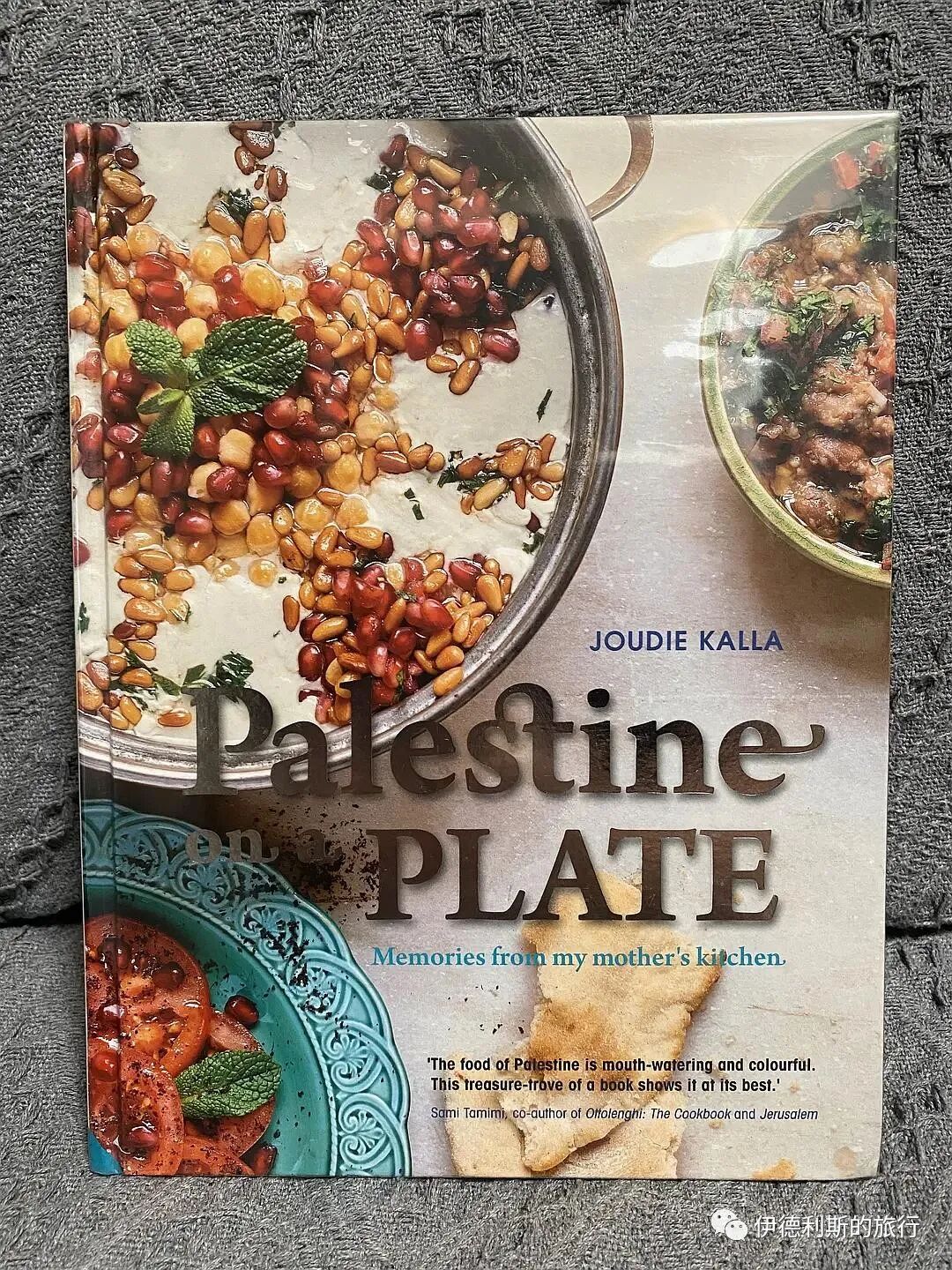
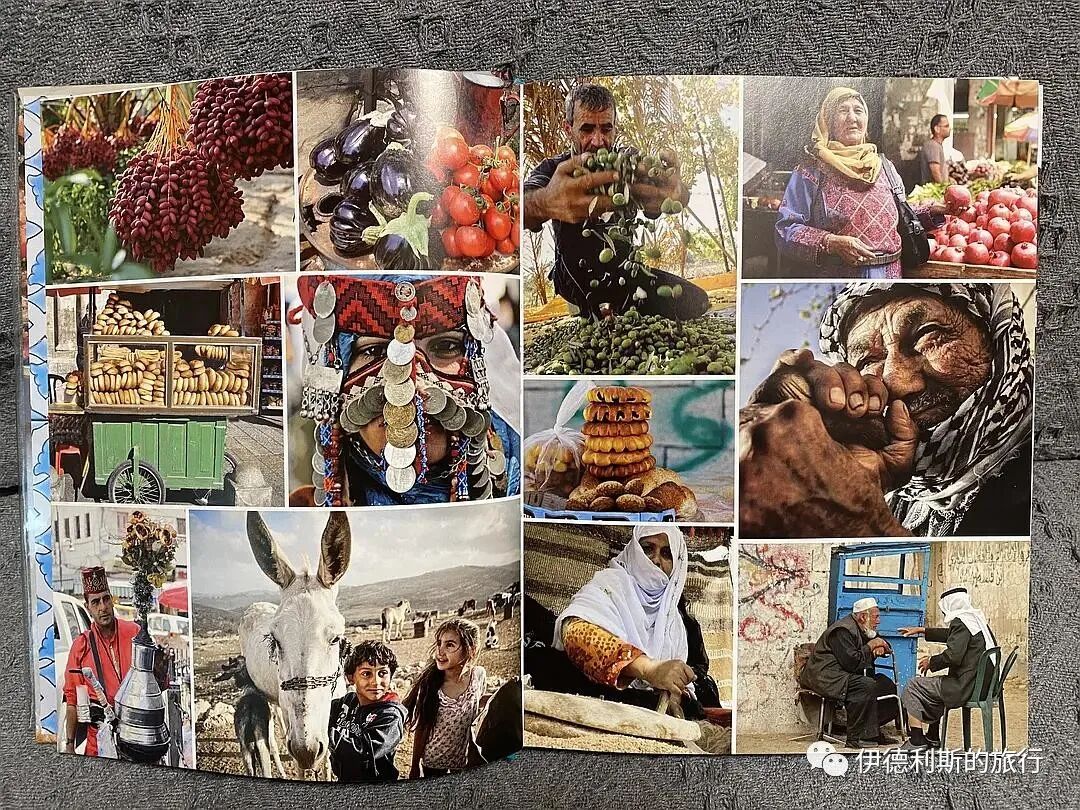
The author of this book, Joudie Kalla, is a famous Palestinian-British chef whose grandparents fled to Syria during the 1948 Arab-Israeli War. Growing up in her family, Joudie Kalla learned how to cook many traditional Palestinian dishes from before the war.
In 2016, Joudie Kalla published the book Palestine on a Plate: Memories from My Mother's Kitchen. The publisher donates 50% of the book's profits to the Palestine House of Friendship (PHF) in the central Palestinian city of Nablus to help them buy permanent property. The Palestine House of Friendship is a well-known youth education and cultural organization in Palestine. It helps young Palestinians affected by war and poverty overcome challenges, enjoy a proper childhood, and learn about Palestinian history and culture.
November 14, Iranian director Abbas Kiarostami's film Life, and Nothing More..., and old items in an old house.
At the China Film Archive's Abbas Kiarostami retrospective, I watched the fifth film of the series, Life, and Nothing More... I watched the sequel to Where Is the Friend's Home? yesterday. It is a film about rebuilding after a disaster. The visuals are beautiful and feel like a gentle breeze on your face. The film mentions the strength that faith (imani) brings to people many times, which is very rare.
After the movie, I walked around my old family courtyard and took photos of some old items.
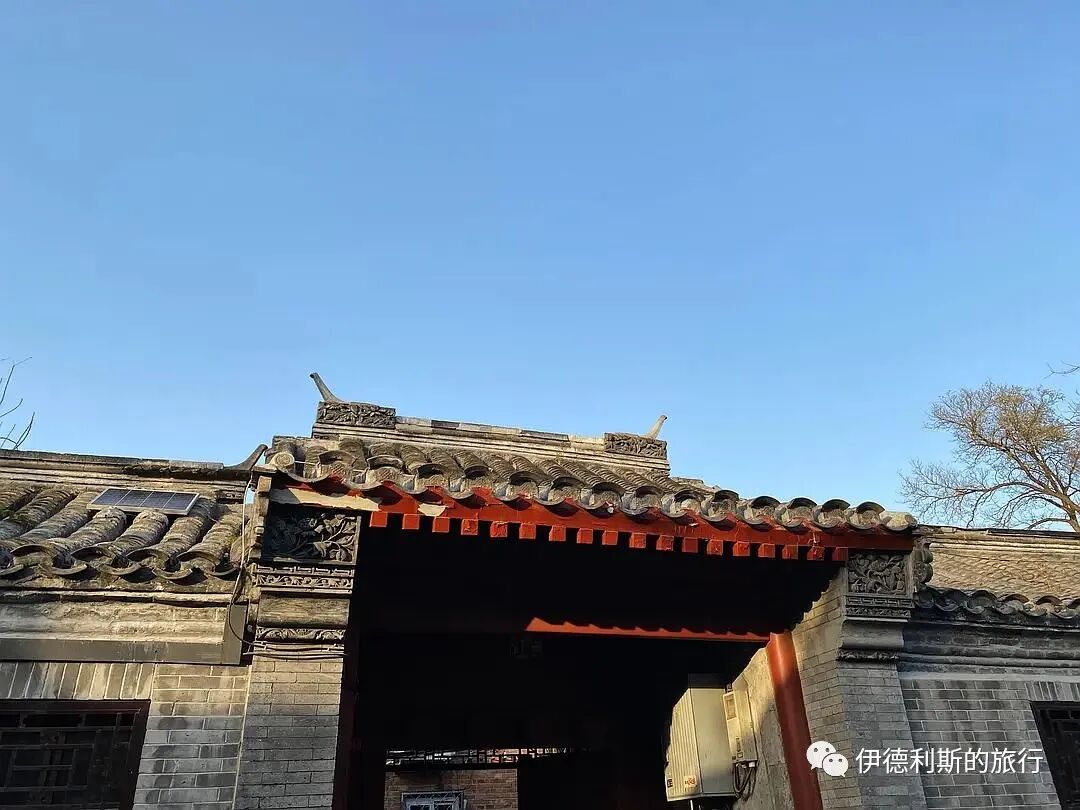
This is an old photo of my grandfather from the mid-20th century. In 1958, after China and Cambodia established diplomatic relations, he was sent to the Chinese Embassy in Cambodia as part of the first group of staff from the Ministry of Foreign Trade.
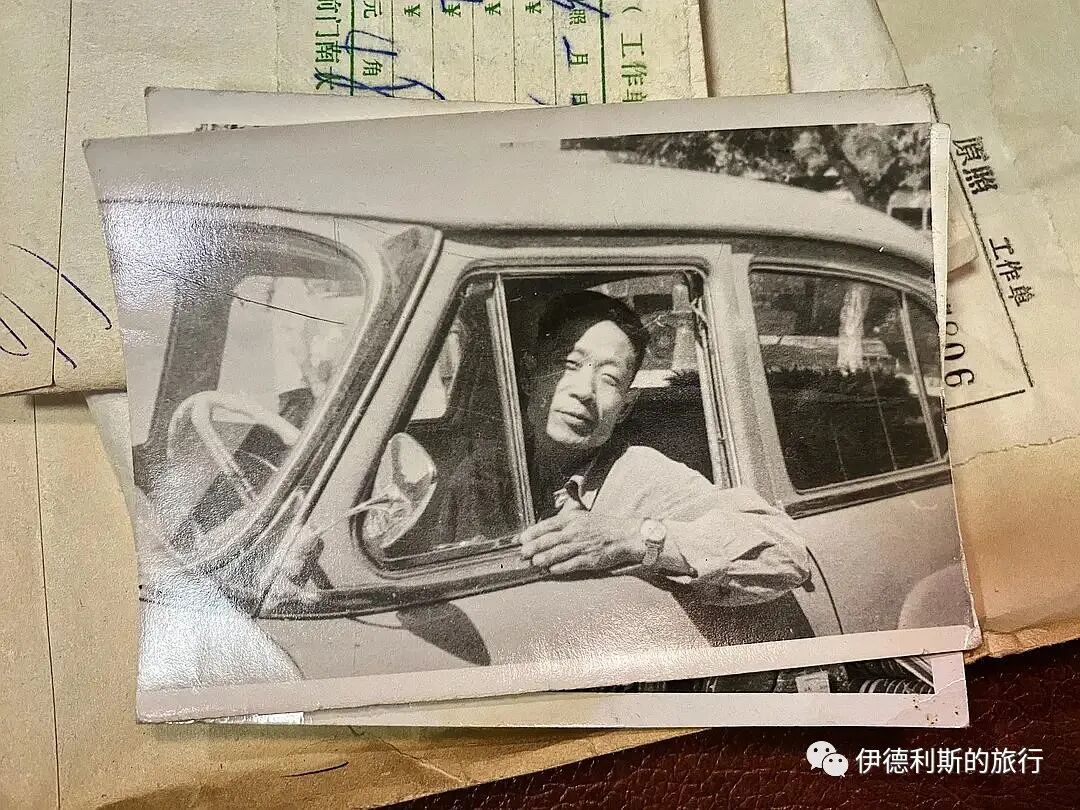
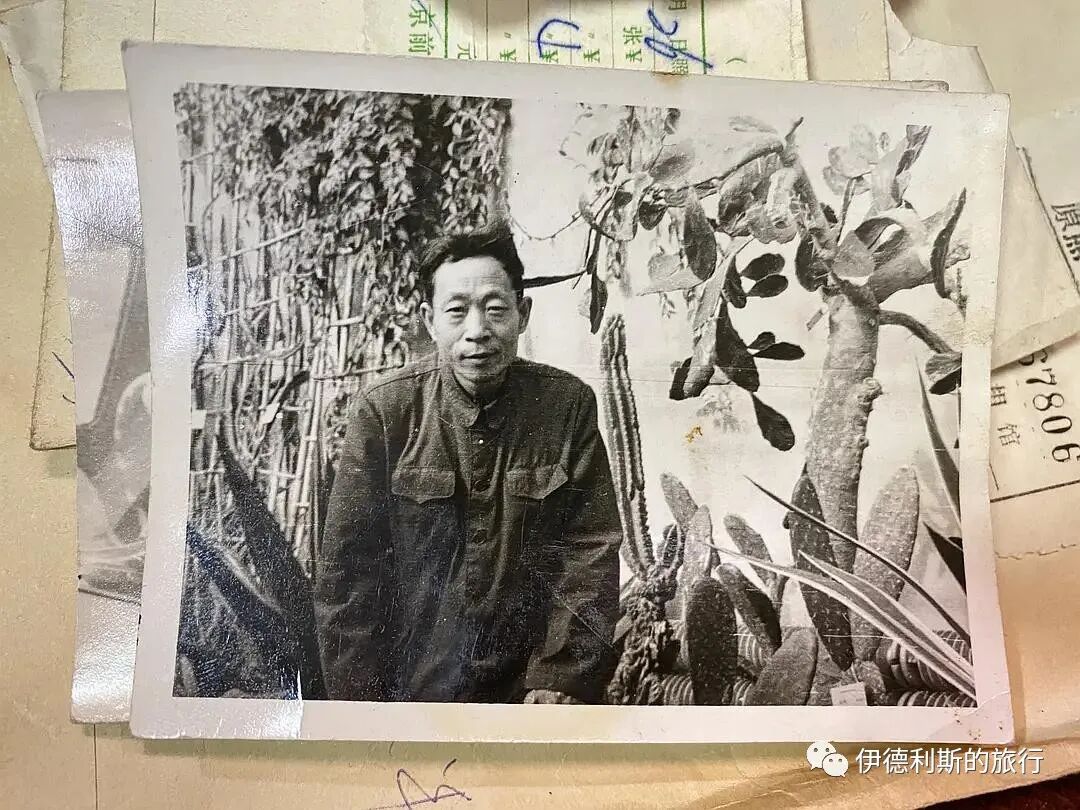
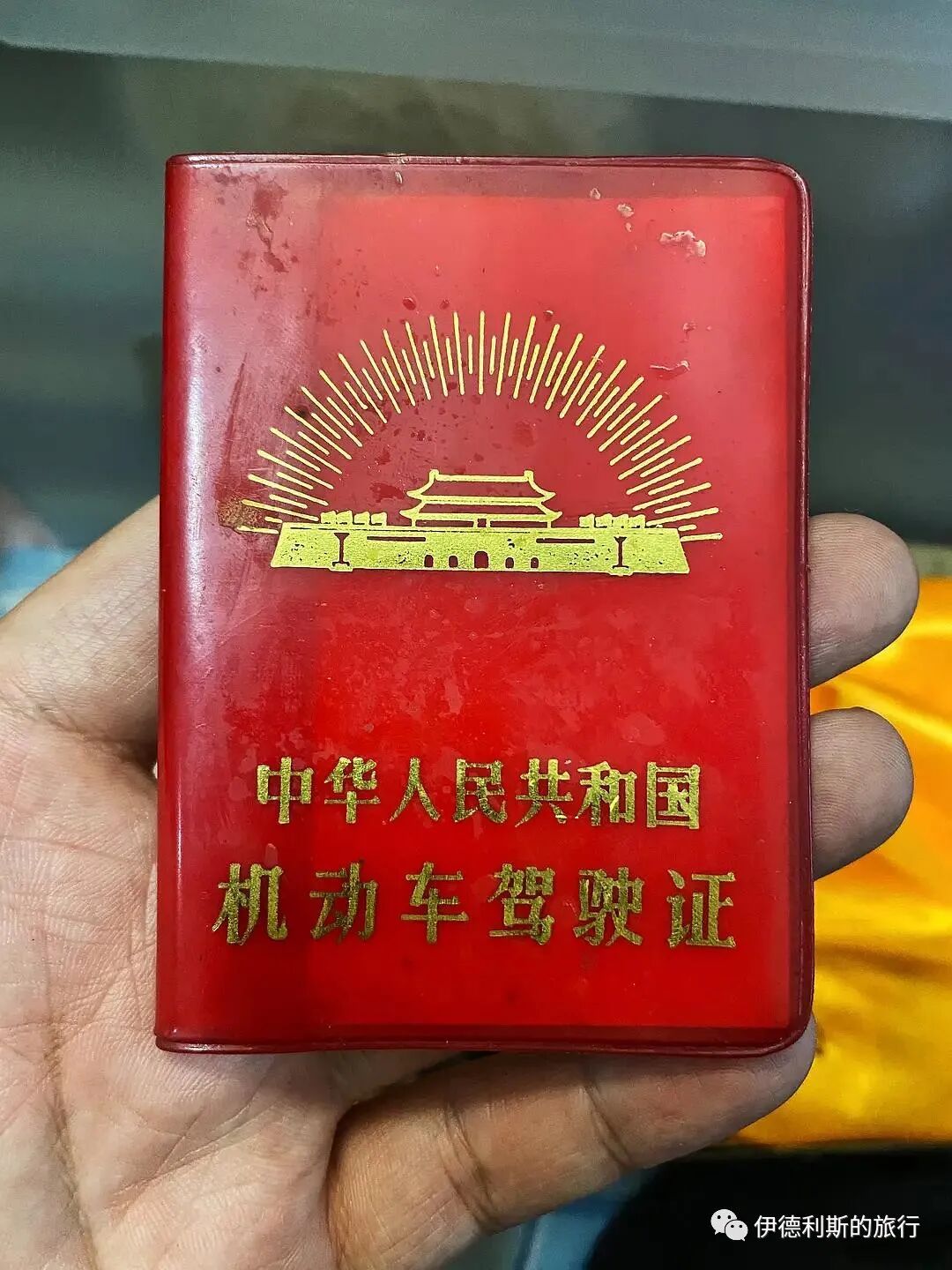
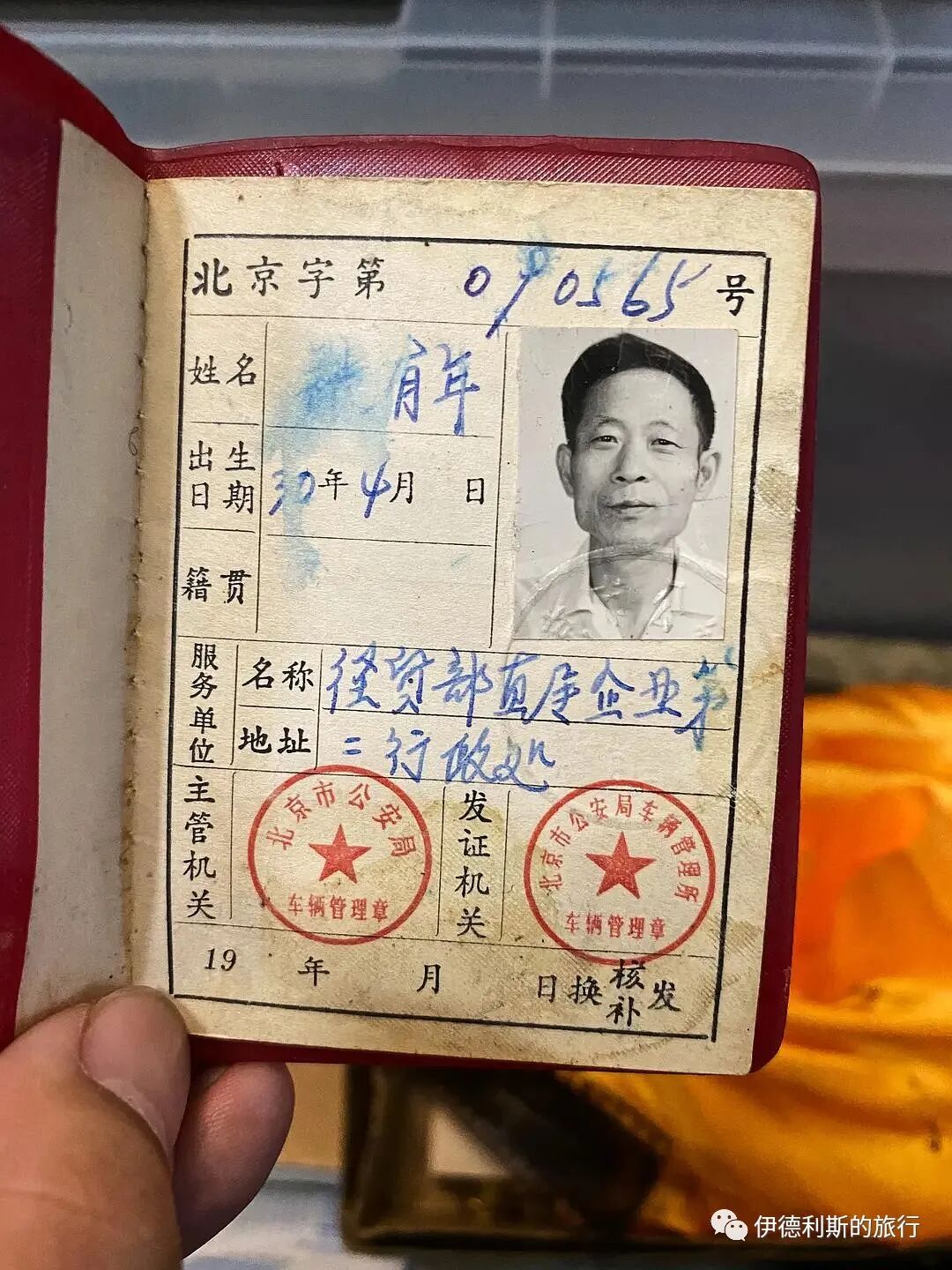
My grandfather's driver's license from the 1970s or 1980s.
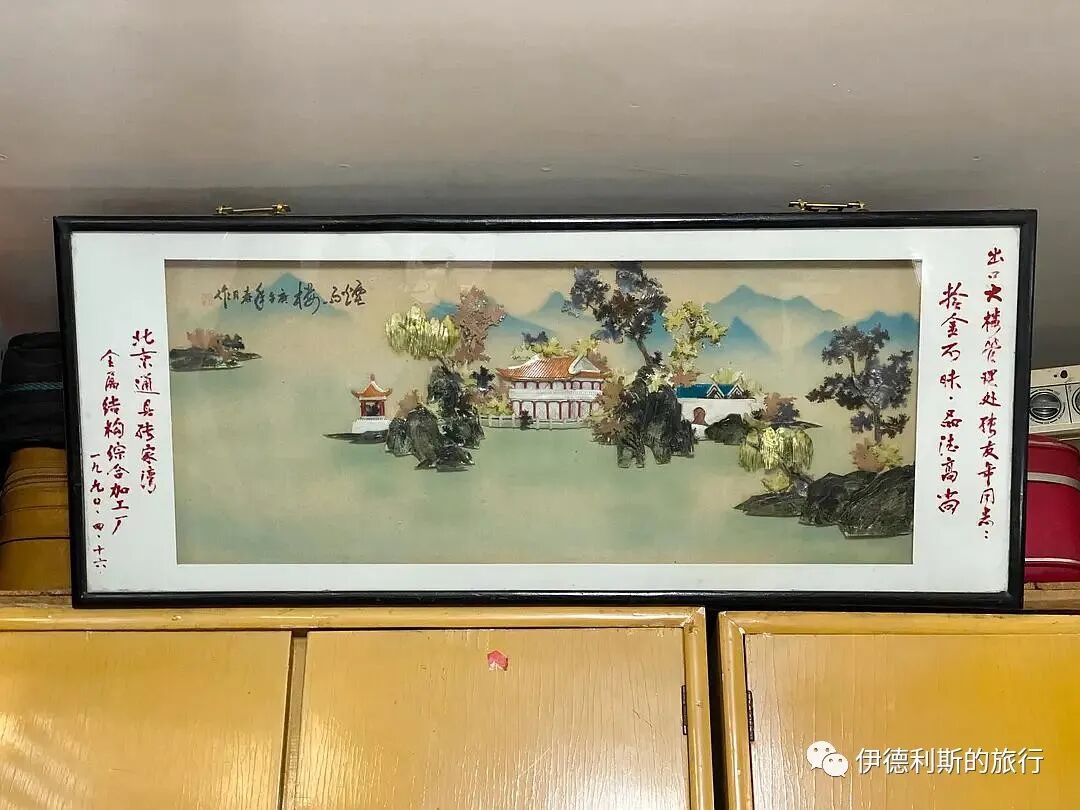
A souvenir given to my grandfather by someone who lost their valuables in 1990, which he returned. For years, it hung on the wall of our living room.
A portable safe from the mid-Showa era made by Misono, purchased by my father's workplace in 1958. Misono was a famous safe brand in Tokyo at the time. Although it is quite damaged, this safe served as the financial vault for my father's workplace for over half a century before it was finally retired a few years ago.
The safe used to have a handle on top, but it got lost. I attached a jade face roller my mom used in the 90s to one side, which looks like a very strange mix. There is a clockwork mechanism inside the safe. My dad showed me how to wind it up to set the alarm, which was actually pretty interesting.
Summary: Beijing Muslim Heritage Walk 2021 is presented here as a firsthand travel account in clear English, beginning with this scene: I visited the Egyptian Mummy Exhibition at the China Millennium Monument at night. The account keeps its focus on Beijing Walks, Muslim Heritage, Beijing Mosques while preserving the names, places, food, and historical details from the Chinese source.
September 3: Night visit to the Egyptian Mummy Exhibition at the China Millennium Monument.
I visited the Egyptian Mummy Exhibition at the China Millennium Monument at night. It is usually only open during the day, but they occasionally host a 'Night at the Museum' event, which I found quite interesting. The collection comes entirely from the Manchester Museum in the UK, and most of the mummies are from the Greco-Roman period.
September 4: Morning market on Dongzhimen Outer Slanting Street.
The early morning market outside Dongzhimen has moved again. I spent nearly half an hour searching for it with a vendor near the triangular area in Xiangheyuan, and only found it after following an old man driving a motorized tricycle. It turns out it moved to Dongzhimen Outer Slanting Street.
I found a soap box made by the Beijing Great Wall Plastic Factory. It is quite unique, right?
September 5: Reindeer and Ethnic Culture Exhibition at the Natural History Museum.
I went to the Natural History Museum in the afternoon to see the 'Reindeer and Ethnic Culture Exhibition.' Most of the items are from the National Museum of Ethnology of China. I was very lucky to see the roe deer skin paintings and oil paintings created between 2016 and 2020 by Weijia, the 'spokesperson' for the Ewenki people. He is the main character in the documentary 'The Last Moose of Aoluguya' (Hadahan). One of the paintings had a note he wrote:
'Animals are sometimes servants, sometimes friends, and sometimes enemies; animals are the mythology of human art.' "
September 11: Xiangheyuan morning market, Panjiayuan Antique Market, and the reopening of the Daliushu Dongpeng Saturday Night Market.
I visited the Xiangheyuan morning market early and picked up a felt hat for 5 yuan.
At noon, I found an old door knocker (mendu'er) from the last century at the Panjiayuan Antique Market. I compared it to the new one at my house, and the craftsmanship is definitely different.
The Daliushu Dongpeng Saturday Night Market has reopened. It is so lively! I found some more good things.
Here are photos of the clock I bought after unboxing it. I installed the dome and minaret myself, and the details are pretty good! It says 'Made in Taiwan' on the bottom, and also mentions England and Hong Kong, so it was likely produced before 1997.
September 14: Daliushu Tuesday Night Market.
I found a Pakistani copper plate with silver Arabic calligraphy at the Daliushu Night Market. It says, 'Where there is a will, there is a way.'
September 17: Beijing Film Festival screenings of the Moroccan film 'Casablanca Beats' (Gao'ang Xiangliang) and the Turkish film 'The Cemil Show' (Jiemier Biaoyanxiu).
After work today, I watched two Beijing Film Festival movies back-to-back at the Beijing Theater—one Moroccan and one Turkish. I quickly biked to grab a bowl of hand-pulled noodles (lamian) in between. It felt very fulfilling!
The first was an Arabic-language film about Moroccan rap music called 'Casablanca Beats.' It tells the story of an art center in a small town near Casablanca. It was a wonderful surprise; it is a rare film that directly explores Islam and modern art. As Muslims, how should we view and participate in modern art and youth subcultures? Can rap music use religion as a topic, or should modern art set artificial boundaries when it involves religion? The film shows this by having the young rappers discuss it directly, and I think this format is quite good.
The second film was 'The Cemil Show,' a tribute to classic Turkish cinema from the 1960s. The story takes place in a large supermarket in Istanbul and the old town by the Golden Horn. It made me miss Istanbul so much! The film is about a movie fanatic who lives his life like a film. The way it seamlessly connects the 'film within a film' is really impressive!
September 18: Came to 24D to see Xiao Liu and SUBS.
Came to 24D for a show. This is the famous folk musician Xiao Liu, known for his hit song 'Sou'.
I love the band SUBS!
September 18: Daliushu Dongpeng Saturday Night Market.
I found an ISAF (International Security Assistance Force in Afghanistan) badge at the Daliushu Dongpeng Saturday Night Market tonight. ISAF was established by a UN resolution in 2001, with members rotating between NATO and EU forces. After 2011, security responsibilities were gradually handed over to the Afghan army, and the mission was officially completed after 2014.
In the center of the badge is the national emblem of the Republic of Afghanistan, which is a mosque (masjid) featuring a dome (gongbei), a prayer niche (mihrab), and a pulpit (minbar). Above the mosque are the Shahada and the Takbir, and below is the year 1298 (in the Hijri calendar), which is 1919 AD, the year Afghanistan broke free from British rule.
September 19, the Duo Zhuayu market in Sanlitun.
I visited the Duo Zhuayu market in Sanlitun in the evening. It was extremely crowded and there were not many books, mostly the same ones you find in the Duo Zhuayu bookstore. I just treated it as a post-dinner stroll.
September 20, seeing the Dunhuang exhibition at the Forbidden City and the old Ma Yinglong eye medicine shop building.
I was very lucky to see the Yuan Dynasty Syriac Nestorian 'Holy Scripture' and the Song Dynasty Nestorian cross from the Dunhuang Academy collection! The 'Travels of Marco Polo' once recorded that in Shazhou, Gansu, more than half of the population were Buddhists, and there were also Nestorian Christians. These two artifacts are the proof.
The Yuan dynasty Syriac Nestorian Bible (Shengajing) was found in 1989 in Cave 53 of the Mogao Caves' northern area. It is a four-page, double-folded manuscript written on white hemp paper. Because a Chinese document dated to the 30th year of the Zhiyuan reign (1293) and a Yuan dynasty Phags-pa script seal were found at the same time, it is believed to date back to the Yuan dynasty. The first page on the left is written in alternating lines of Syriac and Old Uyghur. The Old Uyghur text is unrelated to Christianity and may be a Buddhist hymn or scripture, while the Syriac text contains fragments of the Psalms from the Old Testament of the Bible (Shengajing). Pages 2 and 3 are on the back, and the right side is page 4. All of these contain fragments of the Syriac Psalms.
After seeing the Dunhuang exhibition at the Meridian Gate of the Forbidden City, I rode my bike to Qianmen Xiheyan to see the old storefront building of the Ma Yinglong Eye Medicine shop. In 1875 (the first year of the Guangxu reign of the Qing Dynasty), Hui Muslim Ma Wanxing from Dingzhou, Hebei, moved his family eye medicine shop from Dingzhou to Beijing. He opened the Beijing Ma Yinglong Eye Medicine Shop on Xiheyan Street in Qianmen, naming it after his father, Ma Yinglong.
In 1923, Ma Wanxing's third son, Ma Liting, took over the shop and built the current storefront in the Republic of China style on Xiheyan Street in Qianmen. The storefront features a plaque that says Ma Yinglong, with the words eye medicine (yanyao) visible on the right, though partially blocked by an air conditioner. The plaque was inscribed by Ma Liang, a Beiyang warlord and Hui Muslim from Qingyuan, Hebei (now Qingyuan District, Baoding).
September 21: Zhihua Mosque Beijing Music and the Iranian Kurdish film The Outsider at the Beijing International Film Festival.
I took Zainab to listen to Zhihua Mosque (Zhihuasi) Beijing music.
The third film I saw at the Beijing International Film Festival was The Outsider, a movie about Iranian Kurds. It was excellent! The Bakhtiar family are Kurds living in Tabriz, the capital of Iran's East Azerbaijan province. It was interesting to hear Kurdish, Persian, and Azerbaijani spoken in the film. The film starts with a scene of a small Iranian shop that I know very well, with a big stack of stone-baked flatbread (shizi nang) sitting by the door. The small shops I saw on the streets when I visited Tehran looked exactly like this one.
The film also features Kurdish music. Beyond the Kurdish pop songs playing in the car, the main character, Bakhtiar, surprises us by playing a hand drum and singing a Kurdish folk song at a family gathering.
The film uses a car parked on the side of the road, which seems to be watching the whole neighborhood, to reflect the social state of the Kurds in Iran and the entire country. People live in fear of unknown surveillance, constantly hiding, yet they cannot escape.
September 22, Beijing International Film Festival, Bosnian film Quo Vadis, Aida? "
The fourth film at the Beijing International Film Festival, a heartbreaking masterpiece! A film worth remembering forever! In 1995, the largest massacre in contemporary Europe took place. Over 8,000 unarmed Bosnian Muslim civilians were killed by Serbian forces outside a United Nations base. There were no survivors, no one spared them, only endless despair. Yesterday they were your neighbors and classmates, but today they are the people killing your entire family. When the main character Aida recognized the remains of her husband and sons and sobbed uncontrollably, I broke down in tears too.
The director is a Bosnian Muslim woman from Sarajevo. The film uses a female perspective to capture the main character's love for her husband and son perfectly.
September 24, Beijing International Film Festival, Indonesian VR short film "Transition".
For my fifth screening at the Beijing International Film Festival, I watched four VR short films. The most interesting one was "Transition," which tells the story of how a small alley in the suburbs of Jakarta, Indonesia, changed from 1980 to 2020. This short stretch of alley vividly reflects 40 years of change in Jakarta and all of Indonesia, covering the economy, politics, culture, social ecology, and urbanization. I think it is excellent.
At the start of the film, this area is a traditional Javanese community filled with wooden houses. You can see the multi-layered pyramid roofs unique to traditional Javanese mosques, Javanese-style gates passed down from the pre-Islamic era, and elderly people wearing traditional Javanese clothing. Life was very relaxed back then. People ate and chatted while children ran through the alleys.
In the second phase, traditional wooden houses were rebuilt into brick and tile homes, and dirt roads became concrete. Ads for pop music appeared, but life remained quite relaxed. Later, as urbanization progressed, Jakarta kept expanding, and high-rise buildings began to surround the alley. People from all over Indonesia poured into Jakarta. Many new houses were built here, along with snack shops and fried rice (nasi goreng) stalls. The traditional Javanese mosque added a metal roof and a minaret, replacing the old practice of beating a drum to call for namaz.
Eventually, the traditional Javanese families disappeared and were replaced by modern convenience stores. A new-style mosque was built across the street, and the area became completely integrated into the Jakarta metropolis.
On September 25, the 10th Zhihua Mosque Music Culture Festival took place, along with the Beijing International Film Festival screening of the Iranian-Finnish film 'At This Moment, This Love'.
The five-tone drum (wuyin dagu) of Caijiawa in Miyun, Beijing. Before the 1960s, Miyun County had several groups performing the five-tone drum, but they all disbanded after the 'Four Clean-ups' movement in the 1960s. By 1978, only the Caijiawa group remained. This style of drum music once died out, until the Miyun Cultural Center rediscovered it in Caijiawa Village in 1998.
In 1998, only five elderly people in Caijiawa Village could still perform it; the oldest was 80 and the youngest was 60. Twenty-three years have passed. The oldest brothers of the Caijiawa Wuyin Drum troupe, Qi Dianming and Qi Dianzhang, have passed away, joining the drum and clapper storyteller Huang Qingjun and the qin player Qi Chuntong.
Among the instruments used in the Caijiawa Wuyin Drum, the tile zither (waqin) is rarely used in drum music. It was originally passed down by Chen Zhenquan’s great-grandfather, Chen Diangong. The tile zither (waqin) is also called the rolling zither (yaqin) or tooth zither (yaqin). The Old Book of Tang (Jiu Tang Shu) records that the elegant zither (yaqin) is an ancient instrument played by rubbing the end of a bamboo strip against it. The four-stringed fiddle (sihu) was originally made by Qi Dianzhang in 1951. He used shell casings he found when Miyun County was liberated in 1948, cutting them down to build it. The zither (qin) was originally traded by Qi Dianzhang in 1949 for two and a half dou of millet from the home of Li Lianmo, a relative of the imperial family in Miyun. It is over one hundred years old. The daqin is similar to the hammered dulcimer (yangqin), but it has a smaller sound box. Because the yangqin is too loud, the daqin is better suited for accompanying drum storytelling. These old instruments are now kept in the Miyun Museum, and a musical instrument factory has made replicas for performers to use.
The first teacher of Caijiawa Wuyin Dagu was Liu Yukun, a famous Wuyin Dagu performer from Anci (Langfang), Hebei, during the late Qing Dynasty. This style of drum storytelling appeared in the rural areas of Anci, Chengde, and the outskirts of Beijing during the Daoguang period. Guan Xuezeng, a master of qinshu, learned this style as a child before it eventually developed into Beijing qinshu. During the Republic of China era, veteran Caijiawa Wuyin Dagu performers would travel to nearby lantern sheds (dengpeng) to perform drum stories during the winter off-season. A three-day, four-night performance was called a "peng." They mainly performed long stories like "The Hu Family Generals" (Hu Jia Jiang), "The Legend of the Five Women Rising to Tang" (Wu Nu Xing Tang Zhuan), "The Legend of the Qing Dynasty Bandits" (Qing Chao Xiang Ma Zhuan), "The Return of the Yang Family" (Yang Jia Gui Xi), and "The Velvet Story" (Si Rong Ji).
The hosts, who are inheritors of Zhihua Mosque Beijing Music, teamed up with the Traditional Music Department of the Central Conservatory of Music. The group is now much larger, making the overall performance fuller and more powerful. It is a shame that while I enjoyed their Buddhist music chants a few years ago, the Zhihua Mosque now seems limited by its status as a museum and only plays instrumental music without the chanting.
Zhihua Mosque Beijing music began in the Ming Dynasty. In 1955, all the monk musicians at Zhihua Mosque returned to secular life, and the mosque was taken over by the Cultural Relics Bureau engineering team. The key figure in the modern revival of Zhihua Mosque Beijing music is the 26th-generation monk musician, Benxing. Benxing became a monk at Guangji Nunnery in 1932. He spent four years learning Beijing music at Zhihua Mosque starting in 1938. He was skilled at playing the flute and also managed the drums, cloud gongs (yunluo), and Buddhist chanting. In 1951, Benxing answered the call to return to secular life and became a materials clerk for a construction company. He retired in 1984. It was not until 1986, when Benxing and other monk musicians formed the Beijing Buddhist Music Ensemble and caused a sensation during a tour of Europe, that Benxing began performing the Zhihua Mosque Beijing music again.
In 1991, the Beijing Municipal Administration of Cultural Heritage invited 26th-generation monk musicians like Benxing, Fuguang, and Huiming back to Zhihua Mosque to pass on the music. That same year, ancient music inheritors Hu Qingxue, Qu Bingqing, Qu Yongzeng, Yao Zhiguo, Lin Zhongcheng, and Hu Qingyou from Gu'an, Hebei, came to Beijing to perform. Benxing and the other monk musicians chose them to become the 27th-generation inheritors. The good times did not last long. Because of financial hardship, the six inheritors could not make a living and decided to leave Zhihua Mosque after much thought. In 2004, the project to save the Zhihua Mosque Beijing music began. The six inheritors returned to the mosque and have continued to pass on the music ever since. They perform at Zhihua Mosque every day at 10:00 a.m. and 3:00 p.m.
The performance of Temple of Heaven Ritual Music (Zhonghe Shaoyue) was just named a fifth-batch national intangible cultural heritage this May. Zhonghe Shaoyue is the court music used for sacrifices, morning assemblies, and banquets during the Ming and Qing dynasties. The Divine Music Office (Shenleshu) was established in 1420 to manage the music and dance for royal ceremonies at the Temple of Heaven. It was officially named the Divine Music Office in 1743 (the eighth year of the Qianlong reign of the Qing dynasty) and had nearly 500 musicians and dancers.
The Divine Music Office at the Temple of Heaven was occupied after the Republic of China period. It was renovated and opened in 2004. The Divine Music Office Elegant Music Troupe was officially formed in 2005. They restored the instruments and musical scores using ancient documents and began performing in 2006.
Before the performance starts, the most eye-catching thing is the robes they wear. Figure 12 shows the rather unique golden sunflower rank badge (buzi). According to the Illustrated Regulations for Ceremonial Paraphernalia of the Qing Dynasty, the robes for civil dance performers during rituals were made of silk. The color was stone blue for the Southern Suburb Altar and black for the Northern Suburb Altar. Red was used for the Altar of Prayer for Grain, the Altar of Land and Grain, the Imperial Ancestral Temple, the Altar of the Sun, the Temple of Emperors, the Confucius Temple, the Altar of Agriculture, and the Altar of Taisui. Moon white was used for the Altar of the Moon. All robes featured gold-printed sunflower patterns on the front and back borders. The belts for civil dance performers during rituals in this dynasty were made of green silk. "
The performers holding shields and axes in the front wore martial dance robes. Actually, the martial dance performers at the Temple of Heaven should also wear red. Only the Fangze Altar and the Altar of Earth in the north use black. I suspect the orchestra might have switched to black for better stage effect.
The sixth film at the Beijing International Film Festival, 'Any Day Now' (Cishi Ci'ai), tells the story of an Iranian family seeking asylum in Finland. The lead actress is truly beautiful! It reminds me of how I felt when I first watched Once Upon a Time in America over a decade ago. The whole movie is warm and relaxing, full of family, friendship, and growing up. It is great to finally see a movie that portrays the lives of Muslim immigrants in such a positive way. The final line of text after the movie ends is so moving: If you do not know where you will be tomorrow, please cherish the love you have right now. "
September 26, Xibe rock band Ajiyas.
I saw the Xibe rock band Ajiyas at Jianghu Bar. 'Derwenchiake' is my favorite song. It is so cheerful. Zainab and I kept singing it on the way back. It is stuck in our heads! Manchu-Tungusic value +10086.
September 29, Malaysian film 'Year Without a Summer'.
The seventh film at the Beijing International Film Festival. It features a Malay village by the tropical sea, where people hunt during the day and fish at night, along with childhood memories and legends. The whole movie is filled with the sounds of ocean waves and birds chirping. It has a very slow pace and very little dialogue, making it both sleep-inducing and immersive.
October 12, Daliushu Tuesday Night Market.
At the Daliushu Night Market tonight, I found a set of water pitcher and cups for drinking plain boiled water. This is exactly the kind we used at home when I was a kid! The only difference is that the one at my house was beige. When I bought it, the old man was just about to close up. He had already put the set in his cart to push away, but I spotted it right away. I feel like using this set to host guests in the future will be quite impressive.
October 13, Zhou Yunpeng Jianghu special show.
Coming to Jianghu to see Zhou Yunpeng. In March 2009, I first saw a Jianghu event on Douban City. I rode my bike over from Dongsi to watch a folk music show for the first time. It featured Zhou Yunpeng, Wu Tun, and the Traveler Band with Wu Junde, and I have loved them ever since.
Twelve years have passed now. Jianghu is still the same Jianghu, and Zhou Yunpeng is still the same Zhou Yunpeng, only this time I rode my bike over from Dongsi with Zainab to see the show. Listening to Zhou Yunpeng sing September, I felt like I was back in middle school over a decade ago. Back then, I had endless dreams for the future. Those were such wonderful times. Now I have a family and a stable life. Even though many of my old wishes didn't come true, I feel happy with where I am.
October 23: Shangfang Mountain, Doudian Mosque, and Lugou Bridge.
I went hiking at Shangfang Mountain in Fangshan District on Saturday. The terrain is so steep and rugged, exactly how people imagine the Taihang Mountains.
Some old artifacts from the Doudian Mosque.
I passed by Lugou Bridge in the evening.
Bullet holes at Wanping City.
October 24, Huafangzhai and Haopujian in Beihai Park.
November 6, Iranian director Abbas Kiarostami's film Close-Up and the first snow in Beijing.
At the China Film Archive for the Abbas Kiarostami film festival, my first film was Close-Up. A film about filmmaking set in a wealthy neighborhood of Tehran in the 1990s, with a brilliant ending.
I bought a bookmark at the Abbas Kiarostami film exhibition at the China Film Archive that features five of his movies. This must be the most complete collection of Abbas Kiarostami films ever shown in China.
There are two main sights at the China Film Archive that everyone photographs after leaving the Abbas Kiarostami exhibition.
I am enjoying the snow while practicing calligraphy and drinking tea.
November 7, Dongsi in the snow.
Two films at the Abbas Kiarostami exhibition at the China Film Archive. Taste of Cherry is a rare film by Abbas that talks directly about faith, and it is the first time I have seen a film start with the Basmala (tasimi) on screen. It is a film about life and death, and it was very rare to see Hazara people from Afghanistan working in Tehran.
The Wind Will Carry Us is also a film about life and death, and autumn in the Kurdistan countryside is truly beautiful. Also, there is a girl inside named Zaynab, haha, but the subtitles translated it as "Zenabu," which doesn't sound very good.
November 8, Beijing after the snow.
November 13, Iranian Abbas film "Where Is the Friend's House?" and the original language book fair at PAGE ONE in Wudaokou.
At the Abbas film exhibition at the China Film Archive, I watched the fourth film of the series, "Where Is the Friend's House?" Abbas is truly amazing at filming children's stories; it was very heart-wrenching to watch.
In the evening, after eating at a Syrian restaurant, I went for a stroll at PAGE ONE in Wudaokou and happened to catch the original language book fair. Members get a 10% discount, so Zaynab bought me a book I had always been reluctant to purchase: "The Palestinian Table: Memories of My Mother's Kitchen."
The author of this book, Joudie Kalla, is a famous Palestinian-British chef whose grandparents fled to Syria during the 1948 Arab-Israeli War. Growing up in her family, Joudie Kalla learned how to cook many traditional Palestinian dishes from before the war.
In 2016, Joudie Kalla published the book Palestine on a Plate: Memories from My Mother's Kitchen. The publisher donates 50% of the book's profits to the Palestine House of Friendship (PHF) in the central Palestinian city of Nablus to help them buy permanent property. The Palestine House of Friendship is a well-known youth education and cultural organization in Palestine. It helps young Palestinians affected by war and poverty overcome challenges, enjoy a proper childhood, and learn about Palestinian history and culture.
November 14, Iranian director Abbas Kiarostami's film Life, and Nothing More..., and old items in an old house.
At the China Film Archive's Abbas Kiarostami retrospective, I watched the fifth film of the series, Life, and Nothing More... I watched the sequel to Where Is the Friend's Home? yesterday. It is a film about rebuilding after a disaster. The visuals are beautiful and feel like a gentle breeze on your face. The film mentions the strength that faith (imani) brings to people many times, which is very rare.
After the movie, I walked around my old family courtyard and took photos of some old items.
This is an old photo of my grandfather from the mid-20th century. In 1958, after China and Cambodia established diplomatic relations, he was sent to the Chinese Embassy in Cambodia as part of the first group of staff from the Ministry of Foreign Trade.
My grandfather's driver's license from the 1970s or 1980s.
A souvenir given to my grandfather by someone who lost their valuables in 1990, which he returned. For years, it hung on the wall of our living room.
A portable safe from the mid-Showa era made by Misono, purchased by my father's workplace in 1958. Misono was a famous safe brand in Tokyo at the time. Although it is quite damaged, this safe served as the financial vault for my father's workplace for over half a century before it was finally retired a few years ago.
The safe used to have a handle on top, but it got lost. I attached a jade face roller my mom used in the 90s to one side, which looks like a very strange mix. There is a clockwork mechanism inside the safe. My dad showed me how to wind it up to set the alarm, which was actually pretty interesting.
