
Halal Travel Guide: Beijing Muslim Heritage Walk 2021 (Part 3)
Reposted from the web
Summary: Beijing Muslim Heritage Walk 2021 is presented here as a firsthand travel account in clear English, beginning with this scene: I went to the early morning market (xiaoshi) by the Liangma River waterfall in Xiangheyuan, outside Dongzhimen, Beijing. The account keeps its focus on Beijing Walks, Muslim Heritage, Beijing Mosques while preserving the names, places, food, and historical details from the Chinese source.
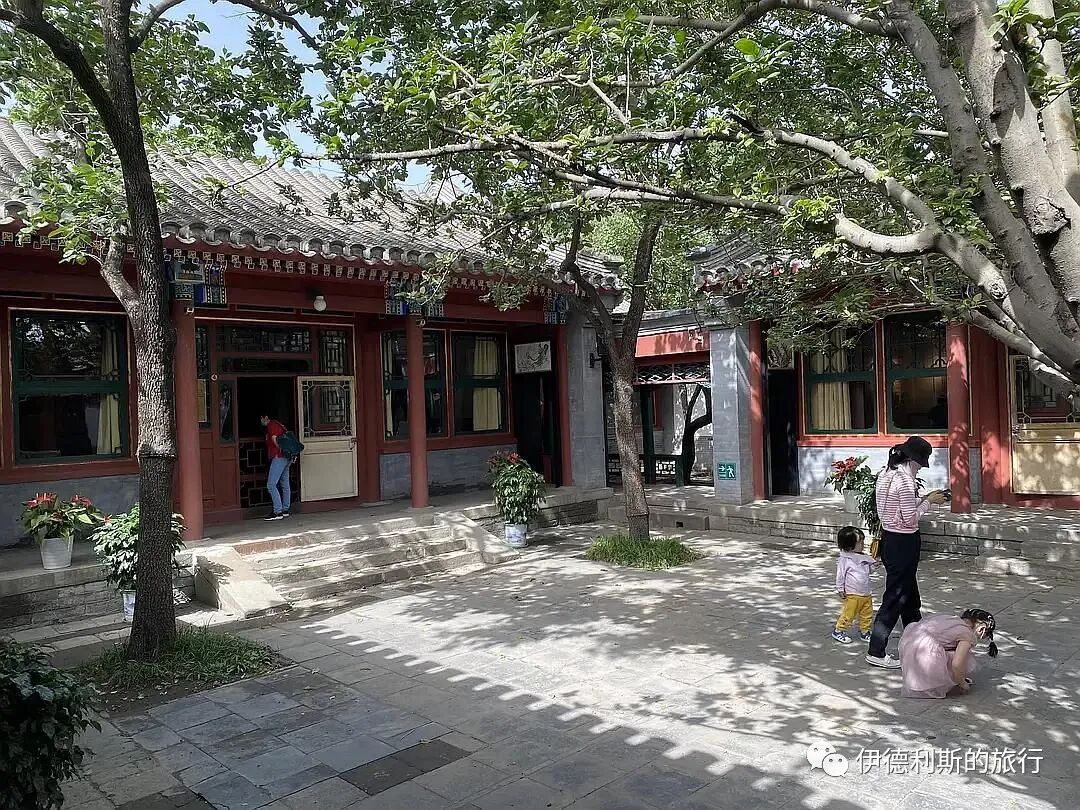
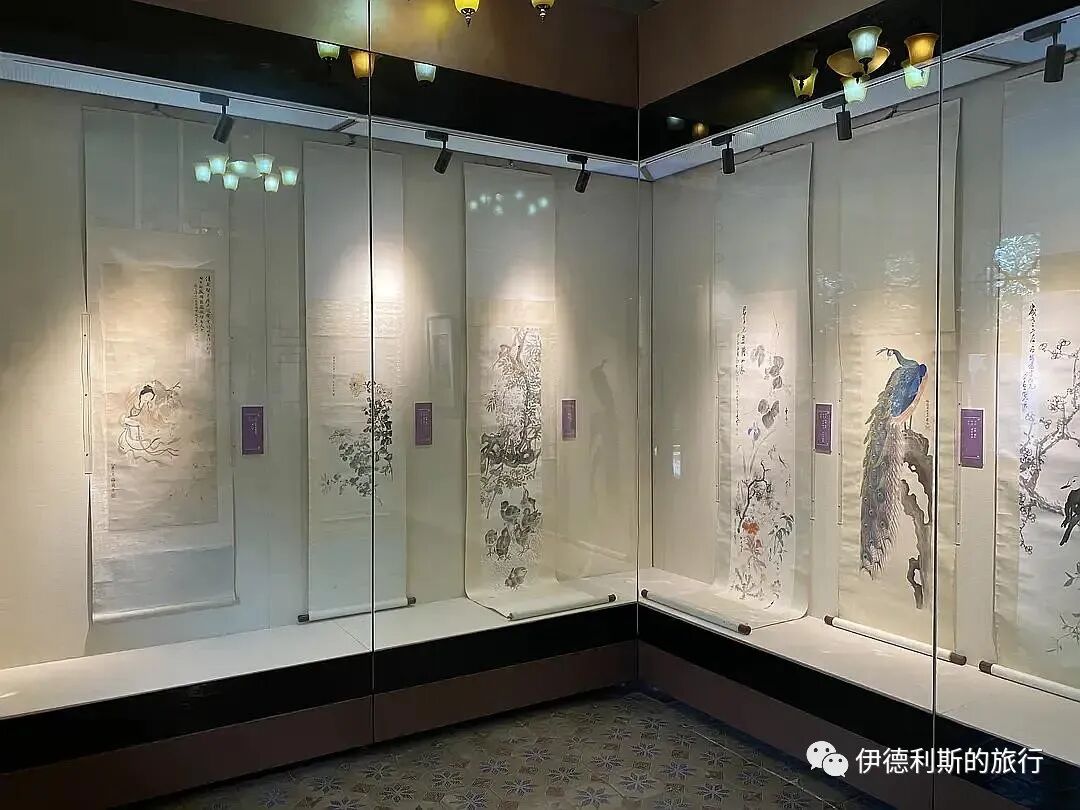
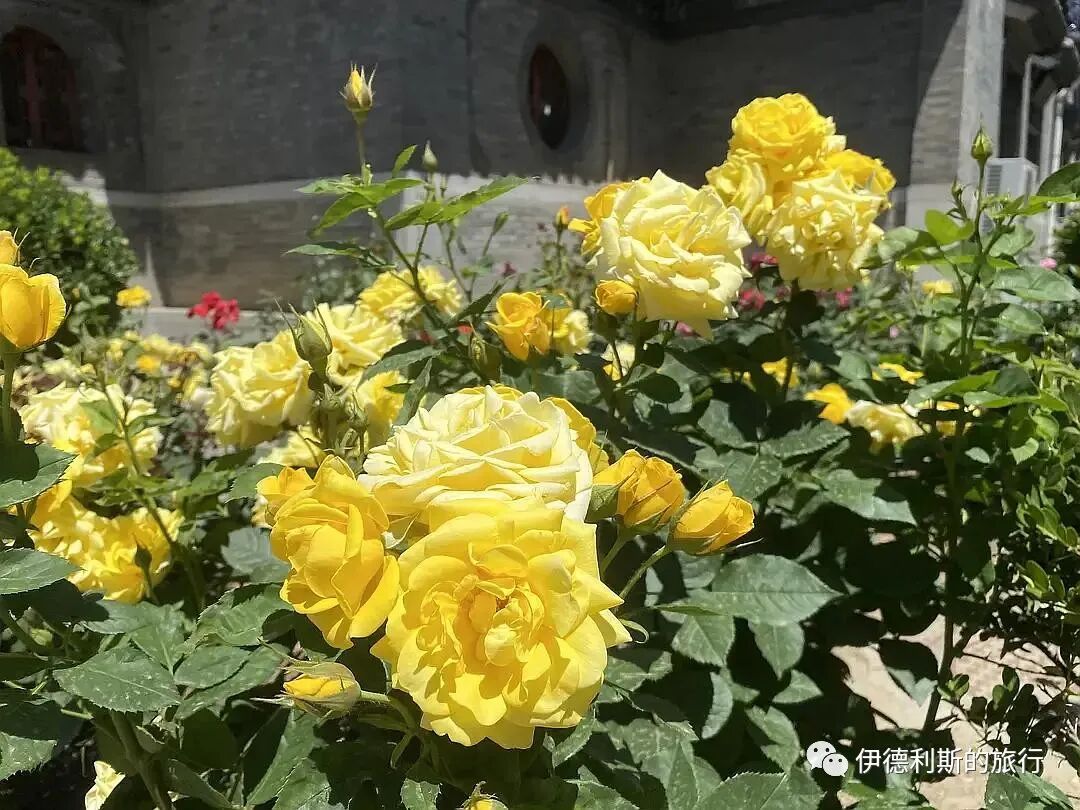
May 28, Changying Blue.
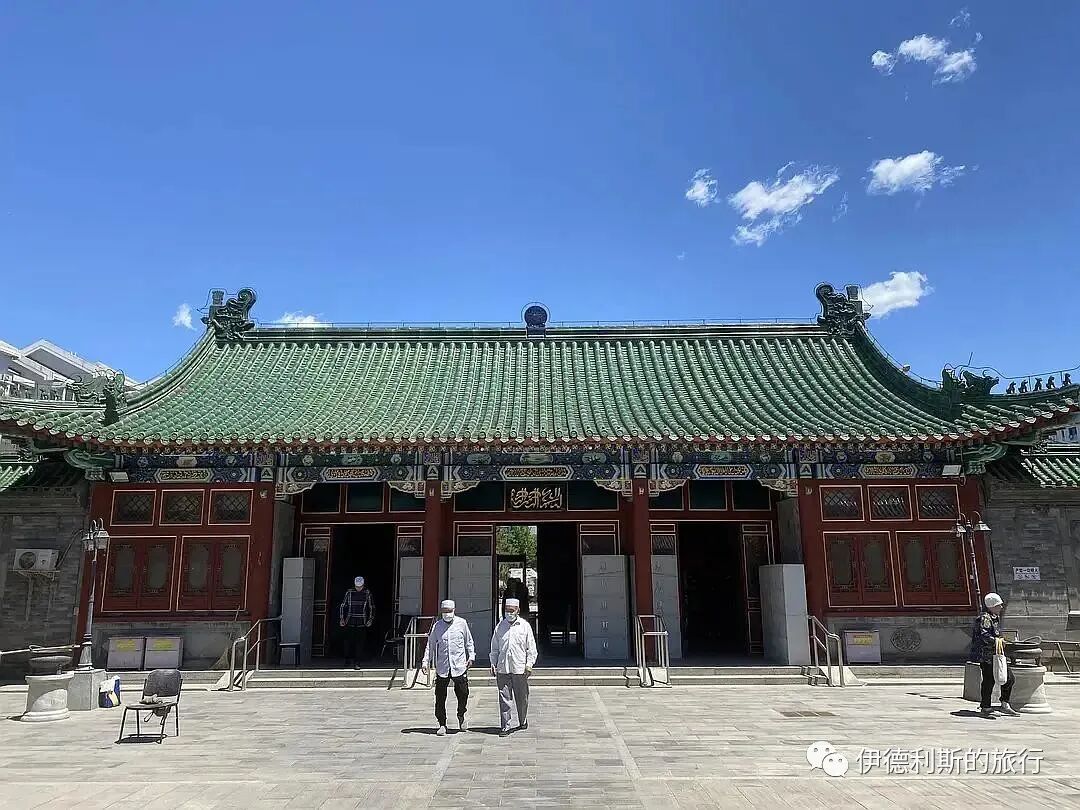
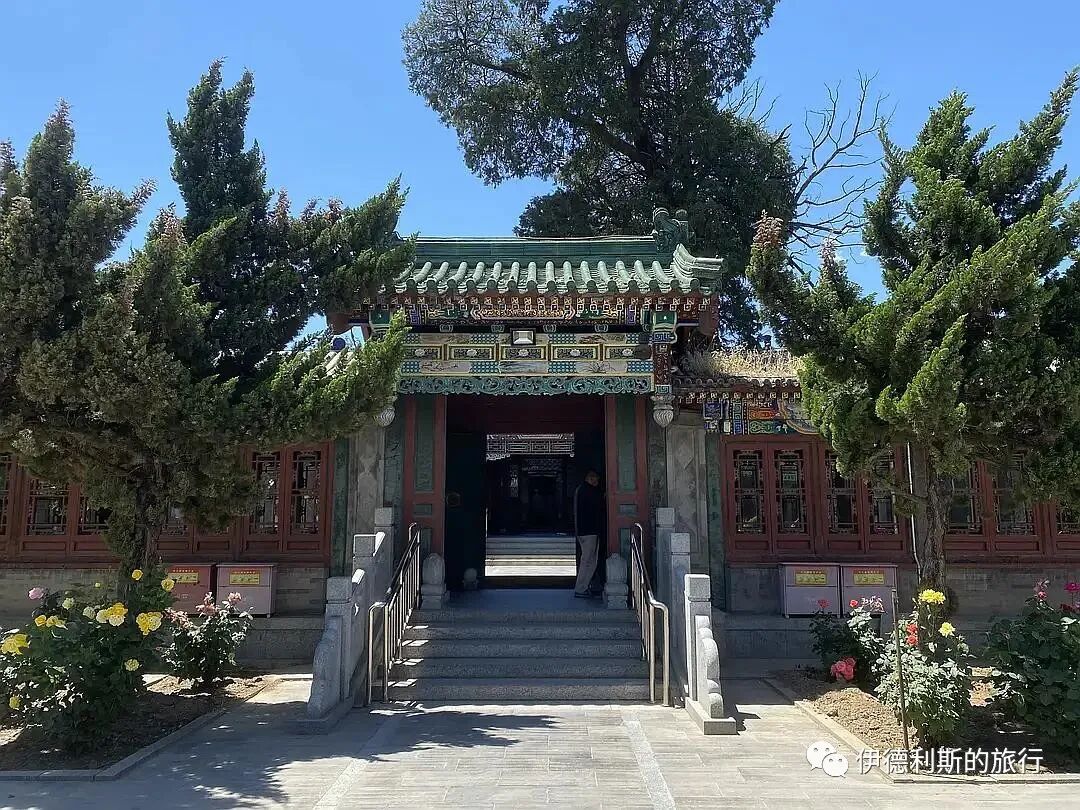
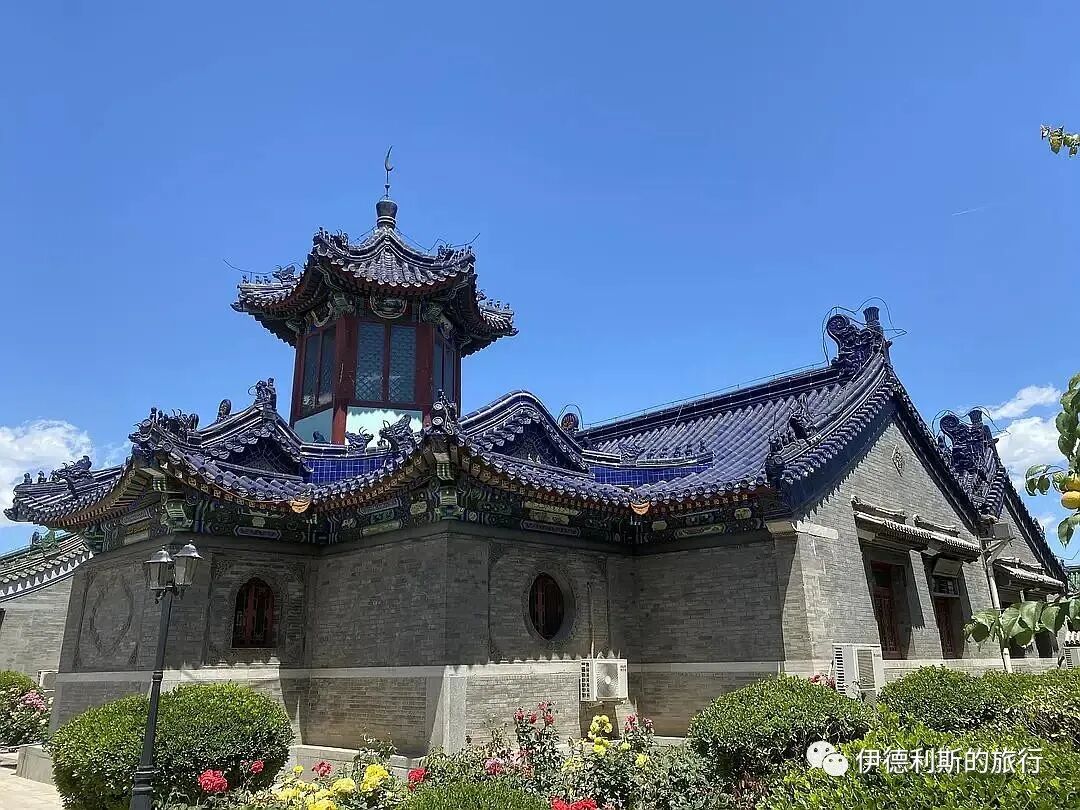
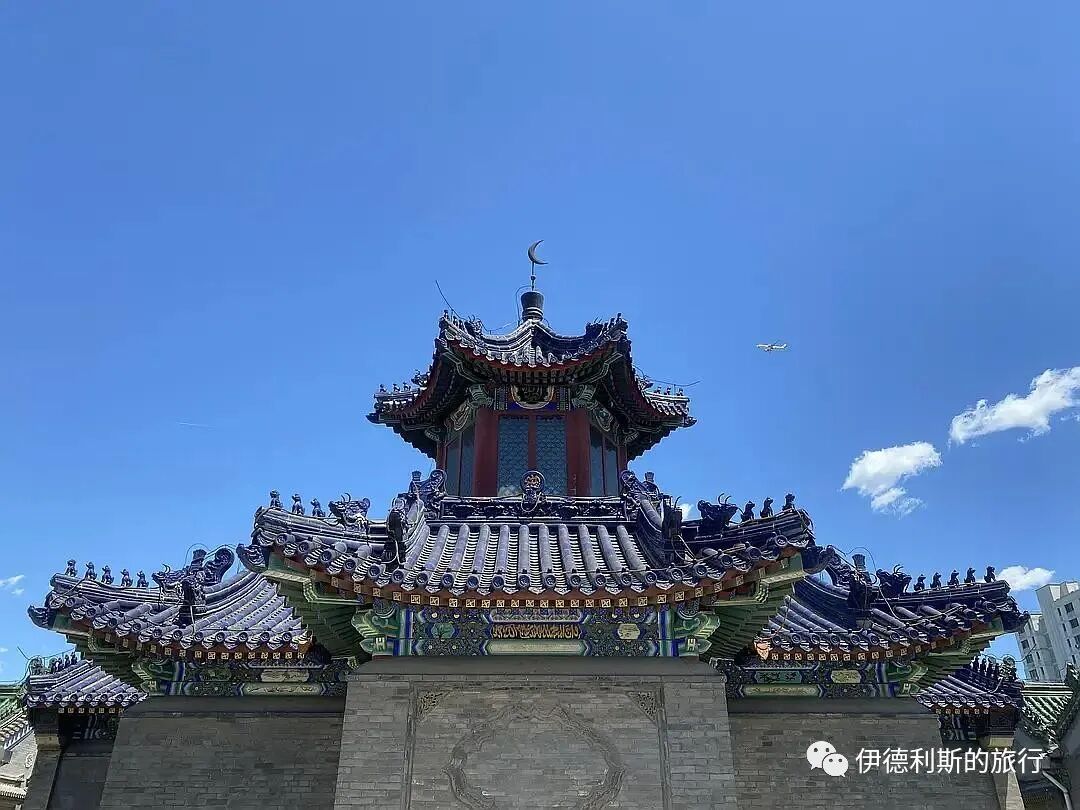
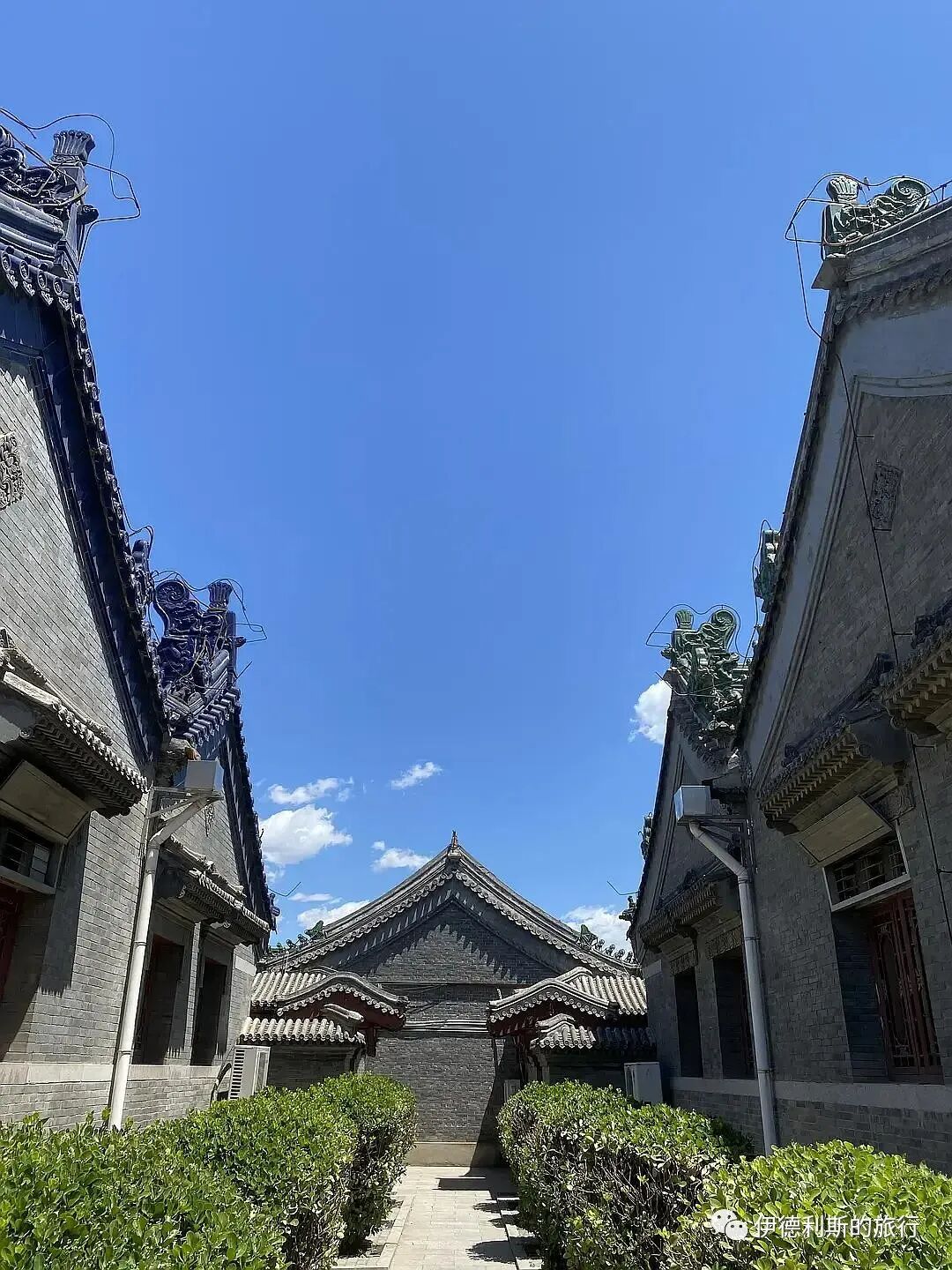
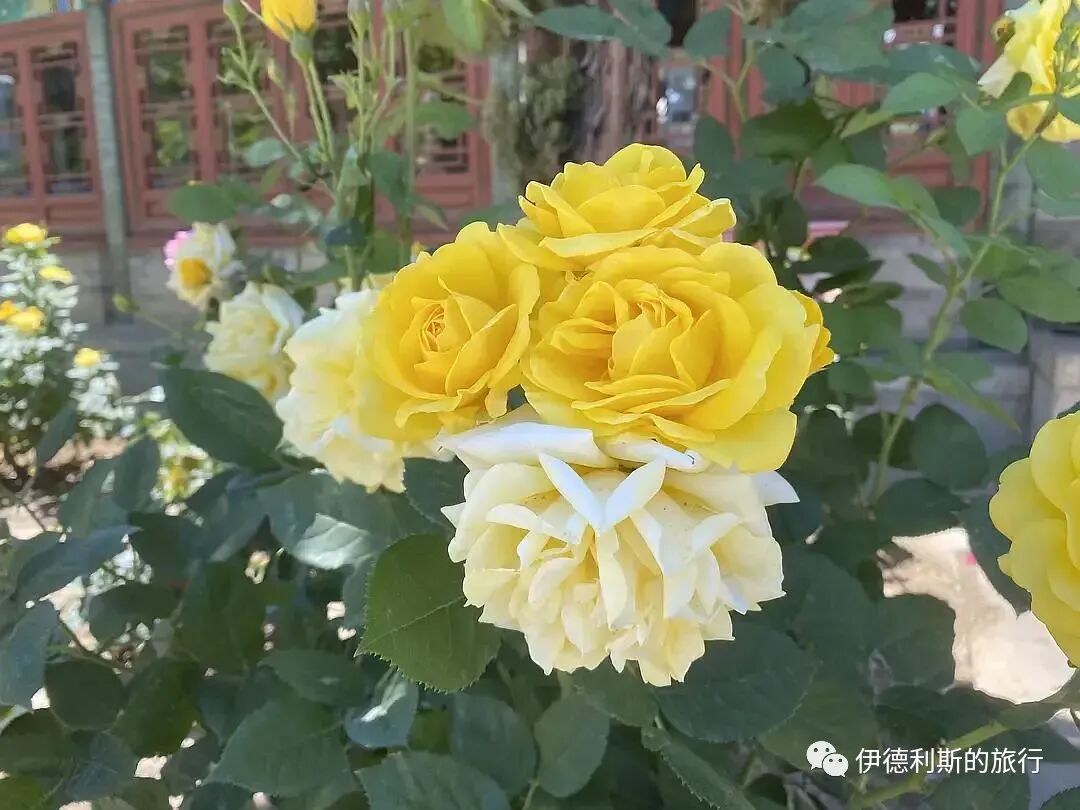
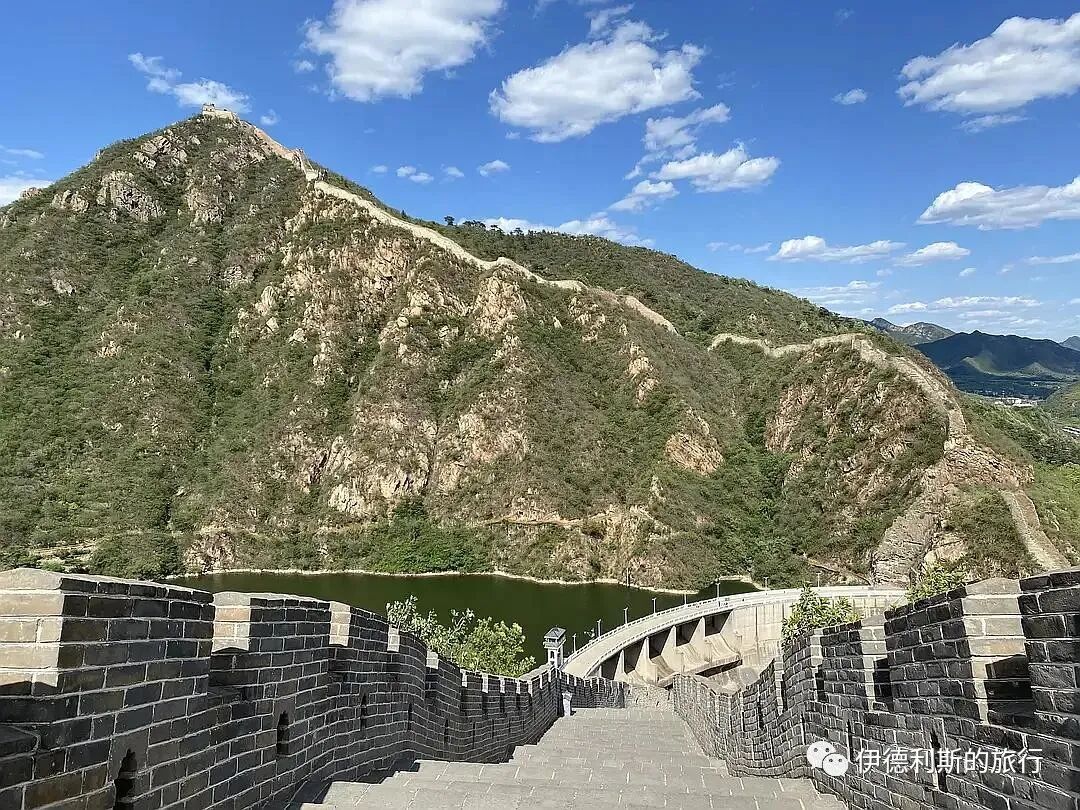
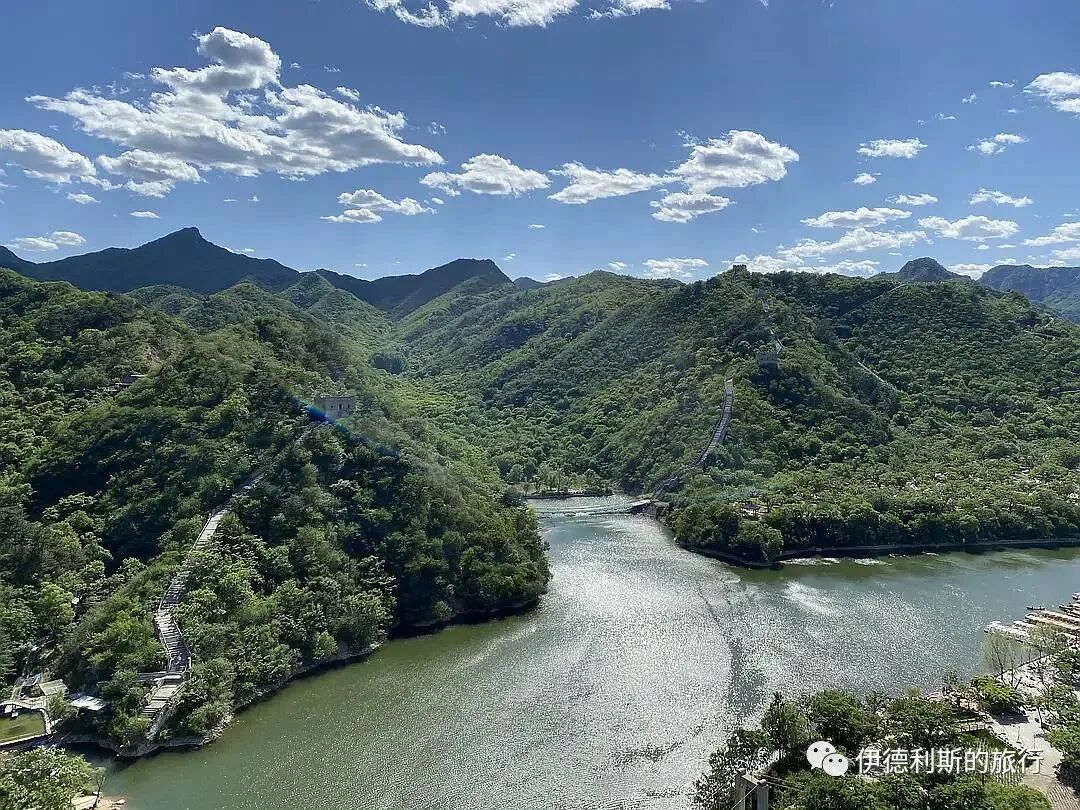
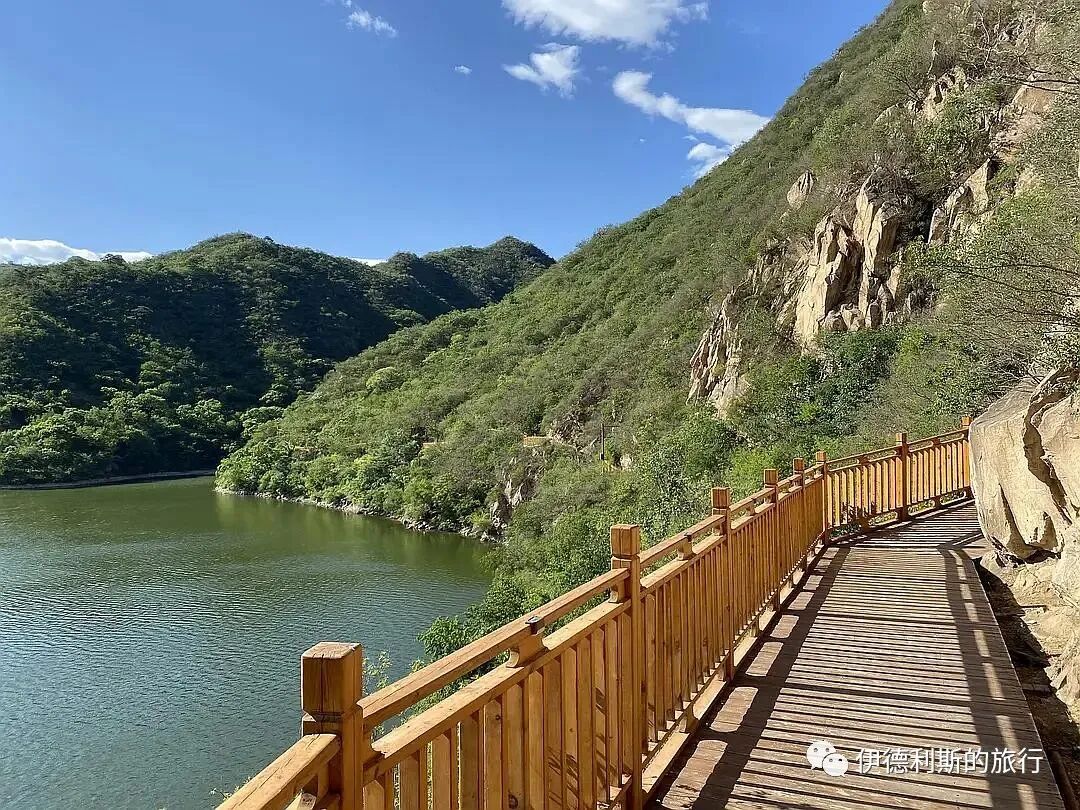
June 3, team building at Huanghualing Water Great Wall.
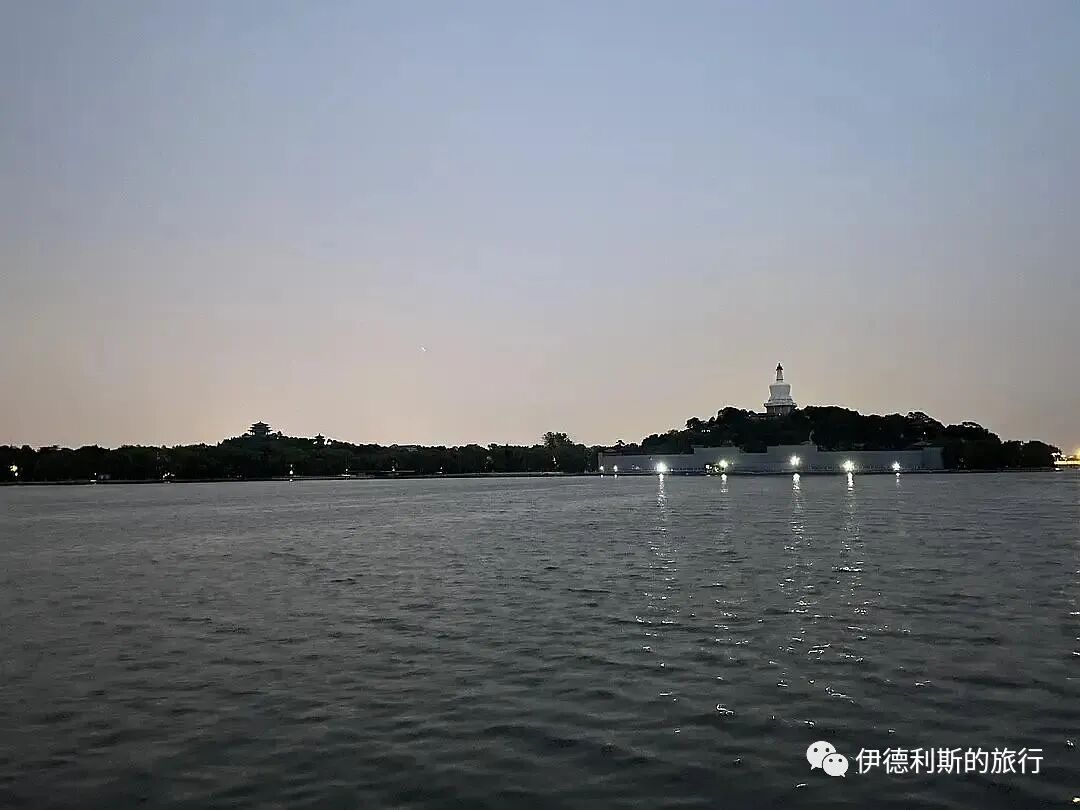
June 15, evening stroll at Beihai Park.
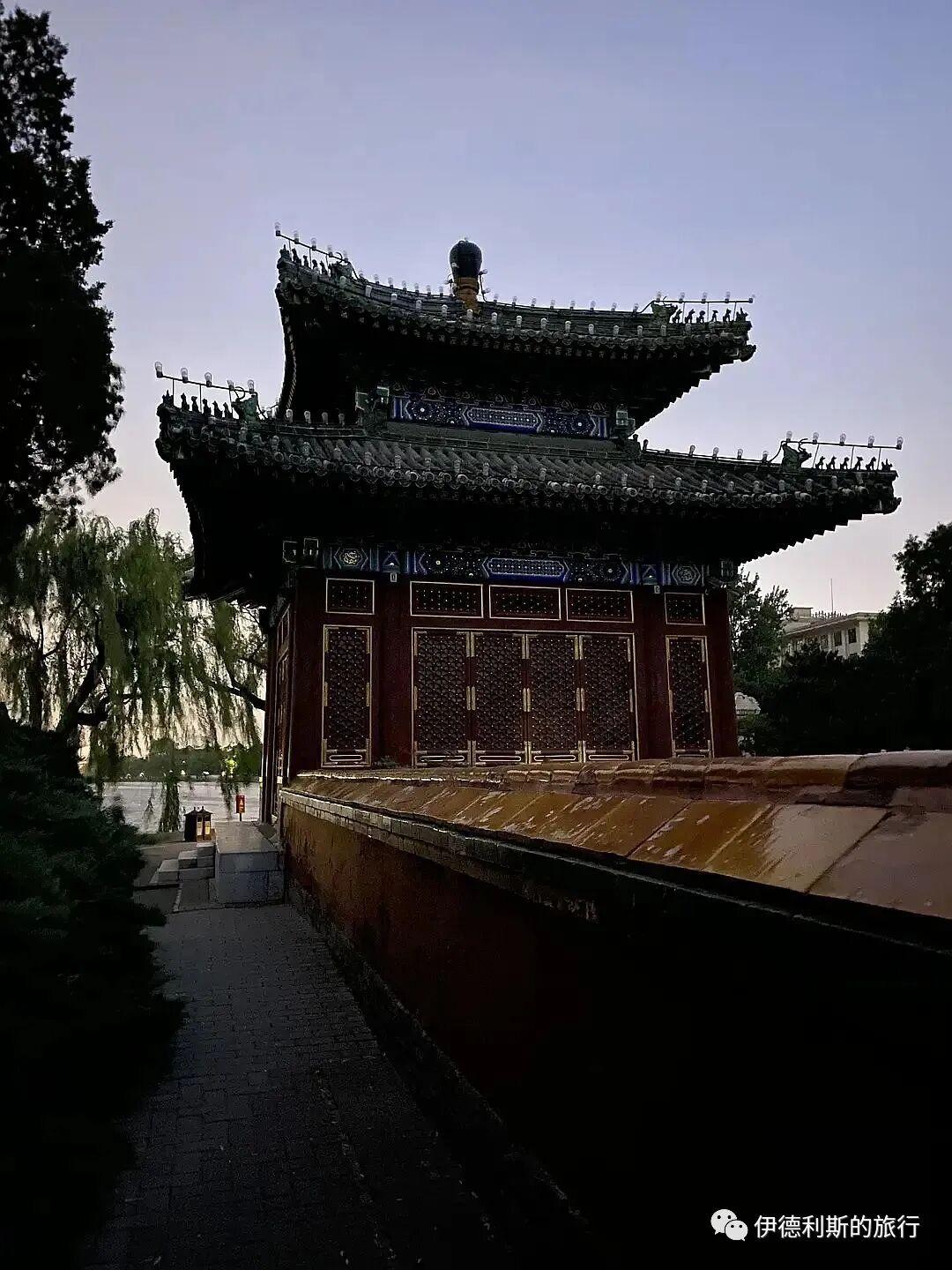
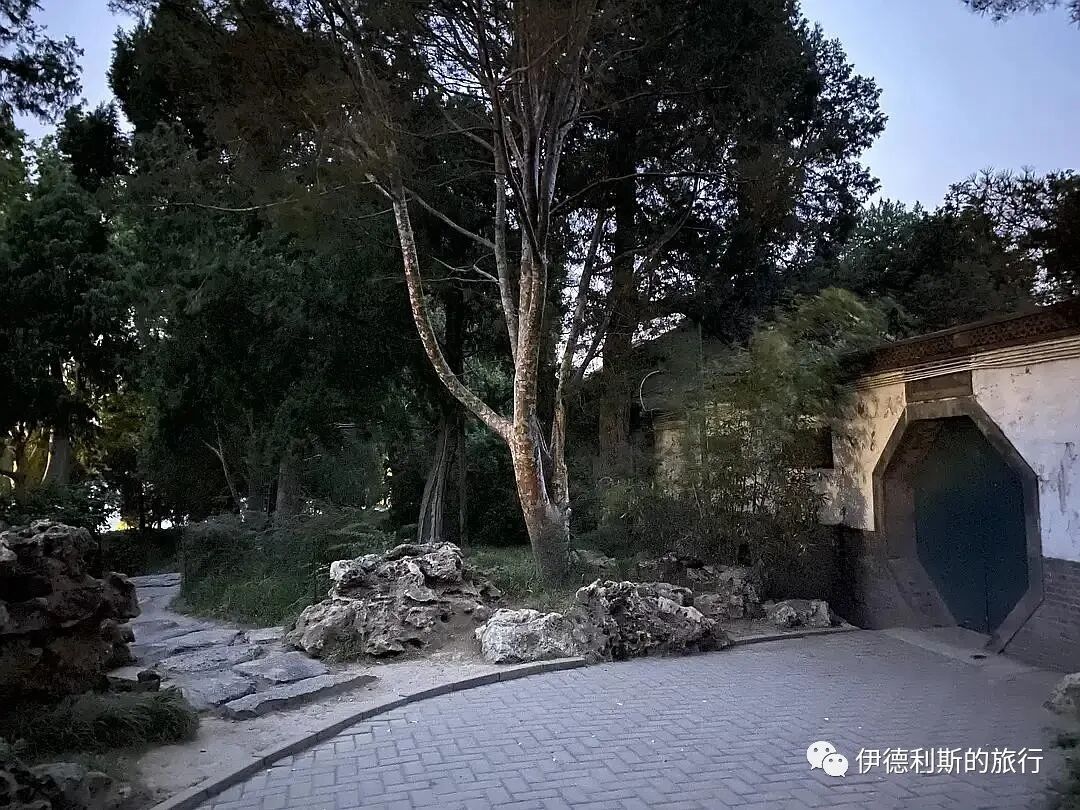
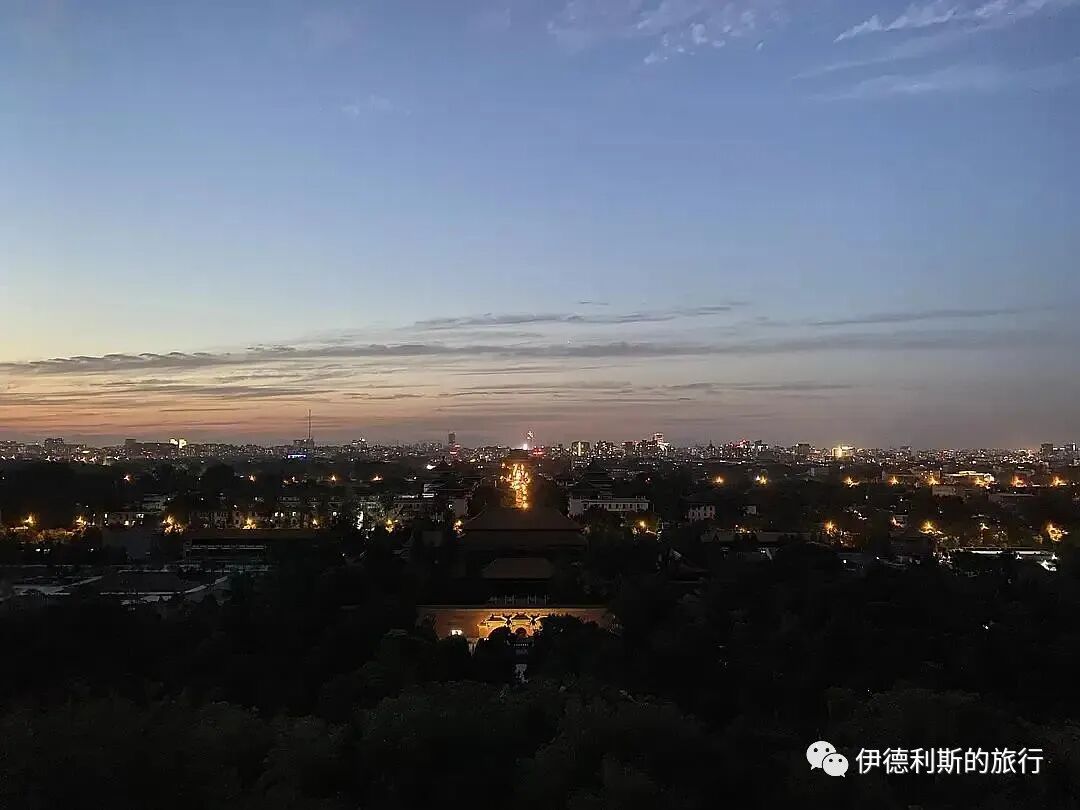
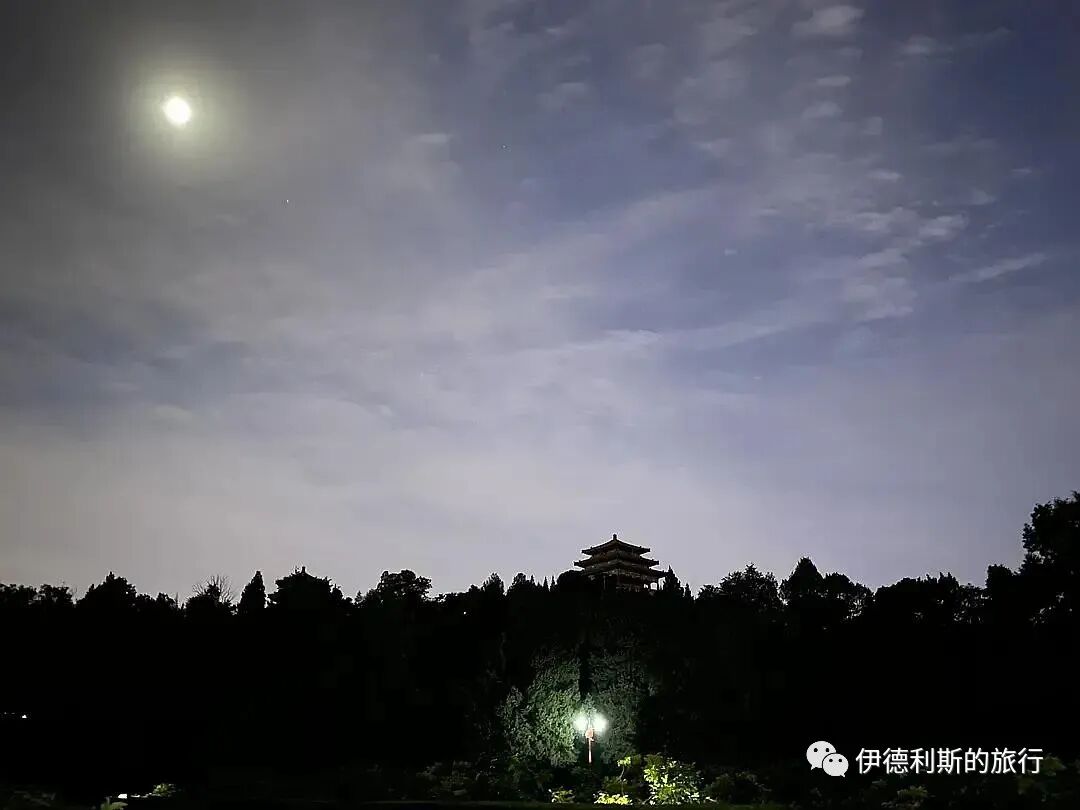
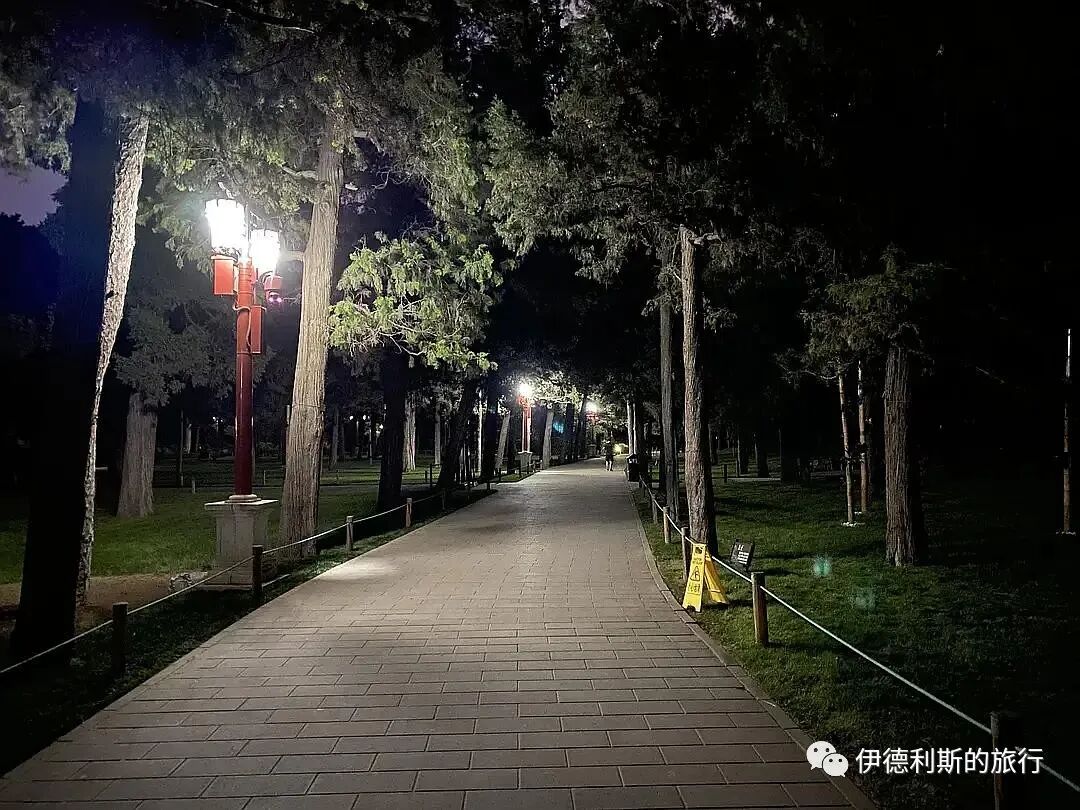
June 21, evening stroll near Jingshan Park.
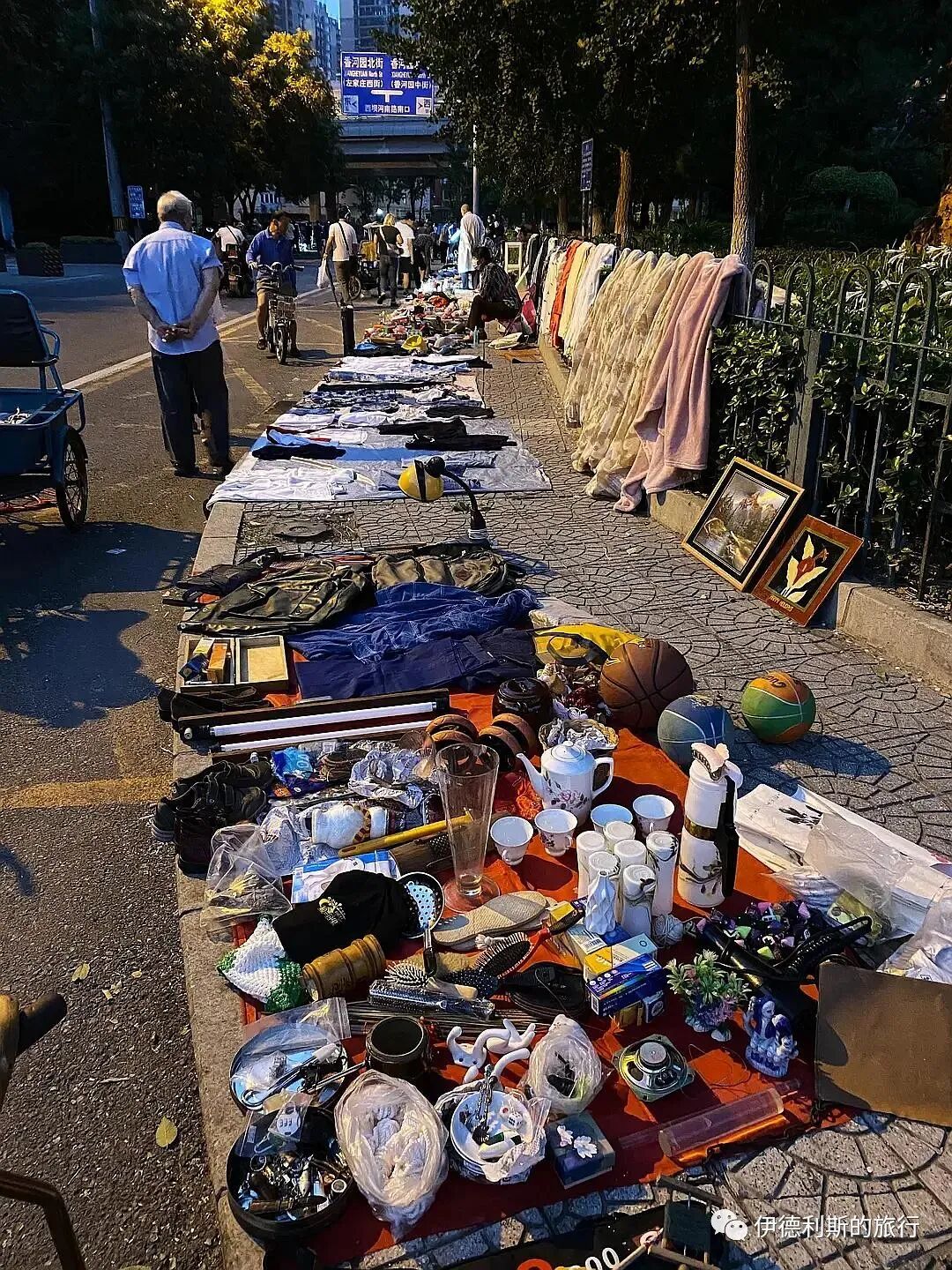
June 28, morning market at Xiangheyuan, outside Dongzhimen.
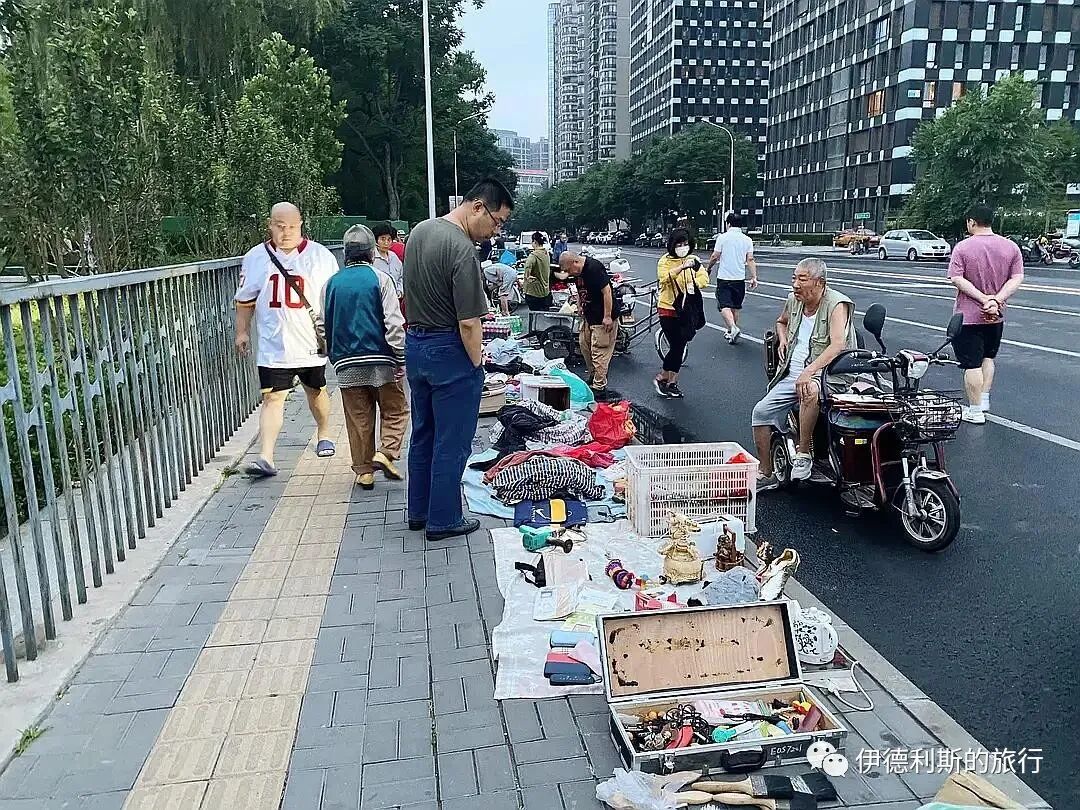
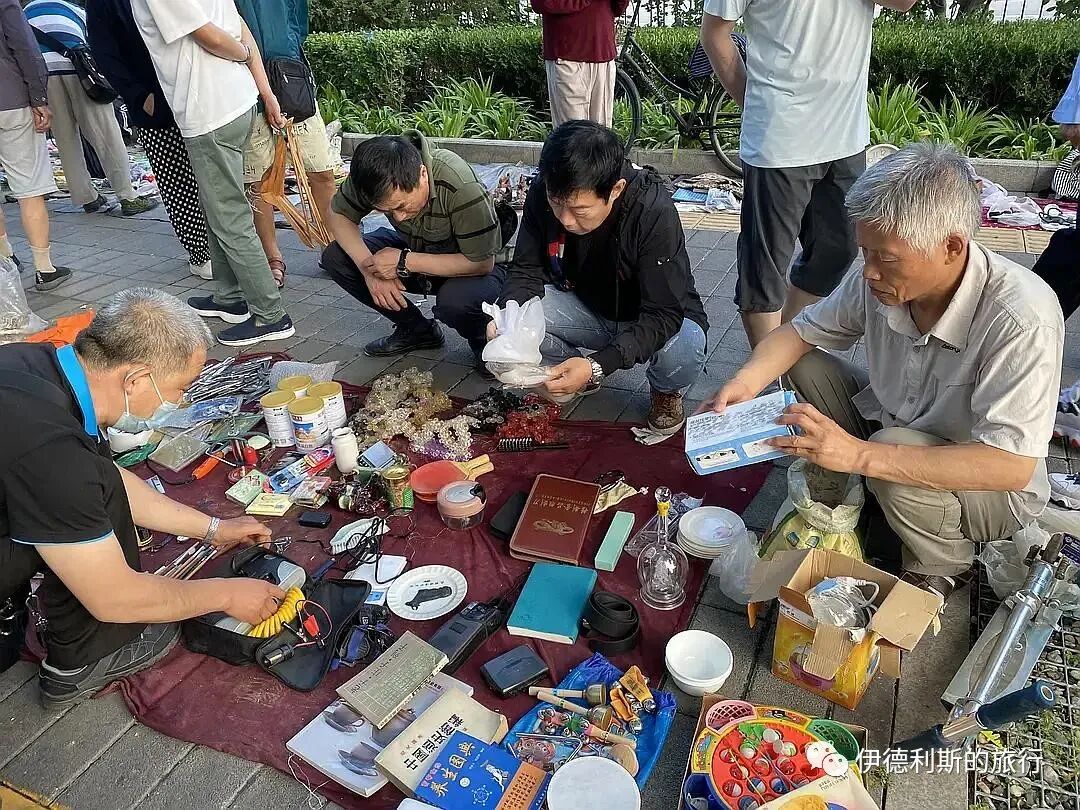
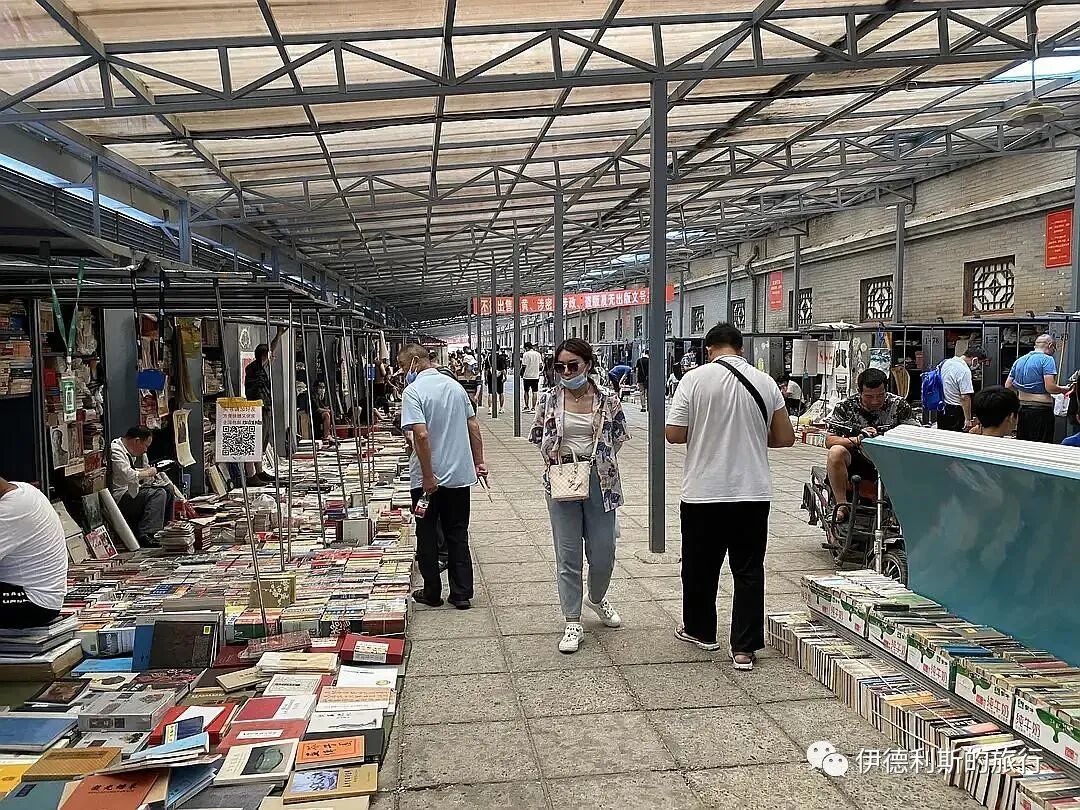
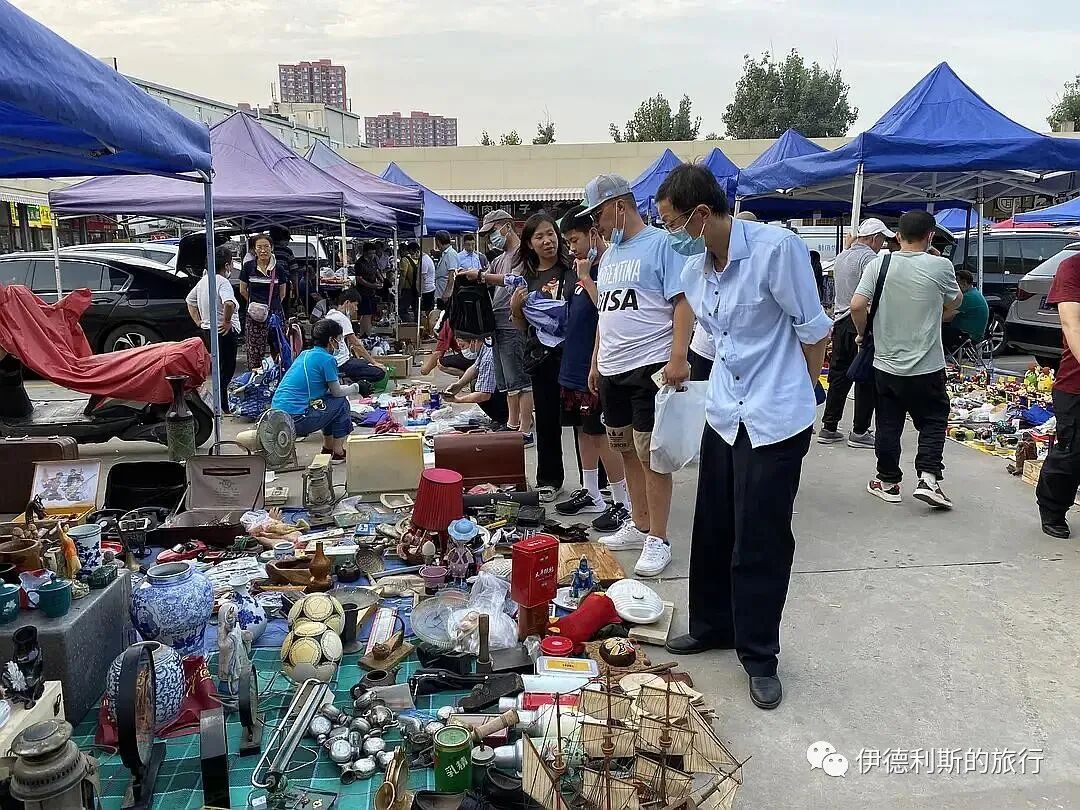
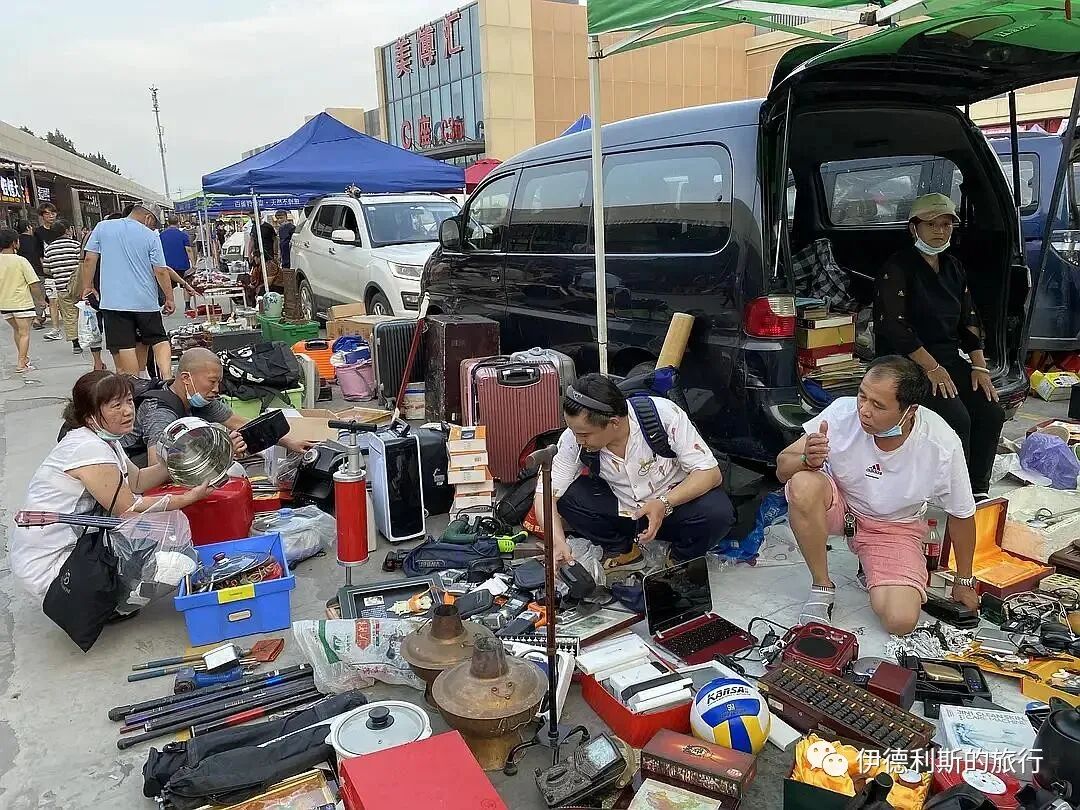
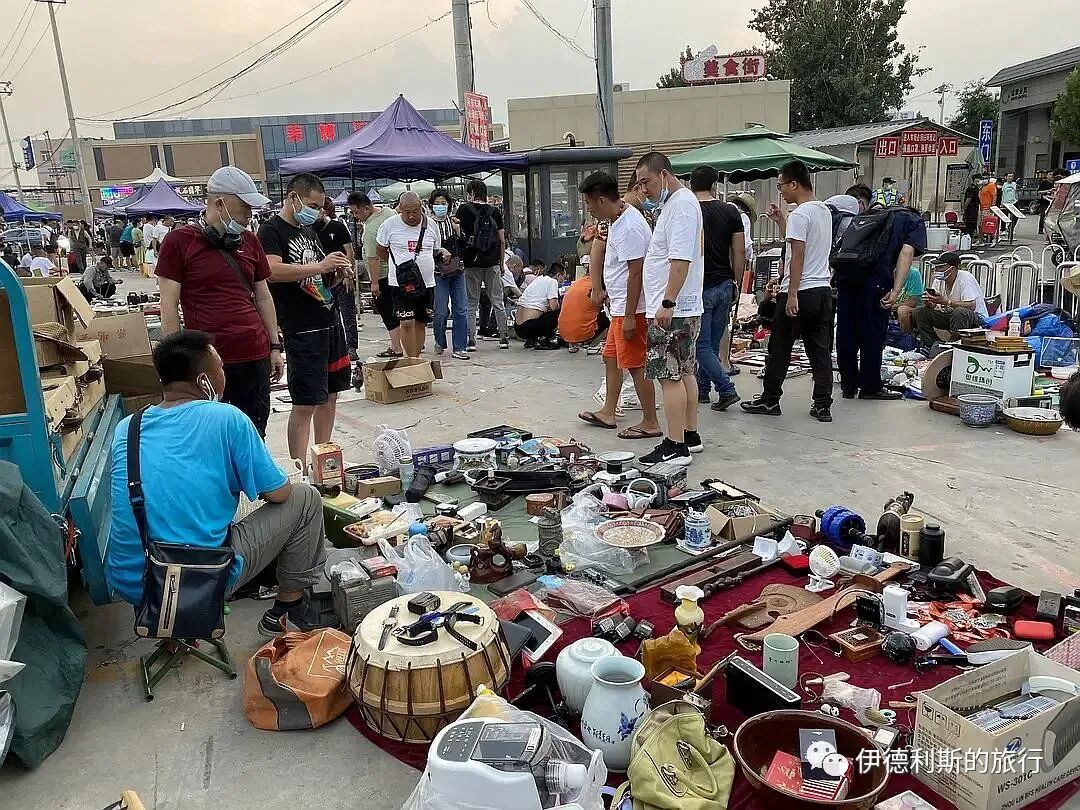
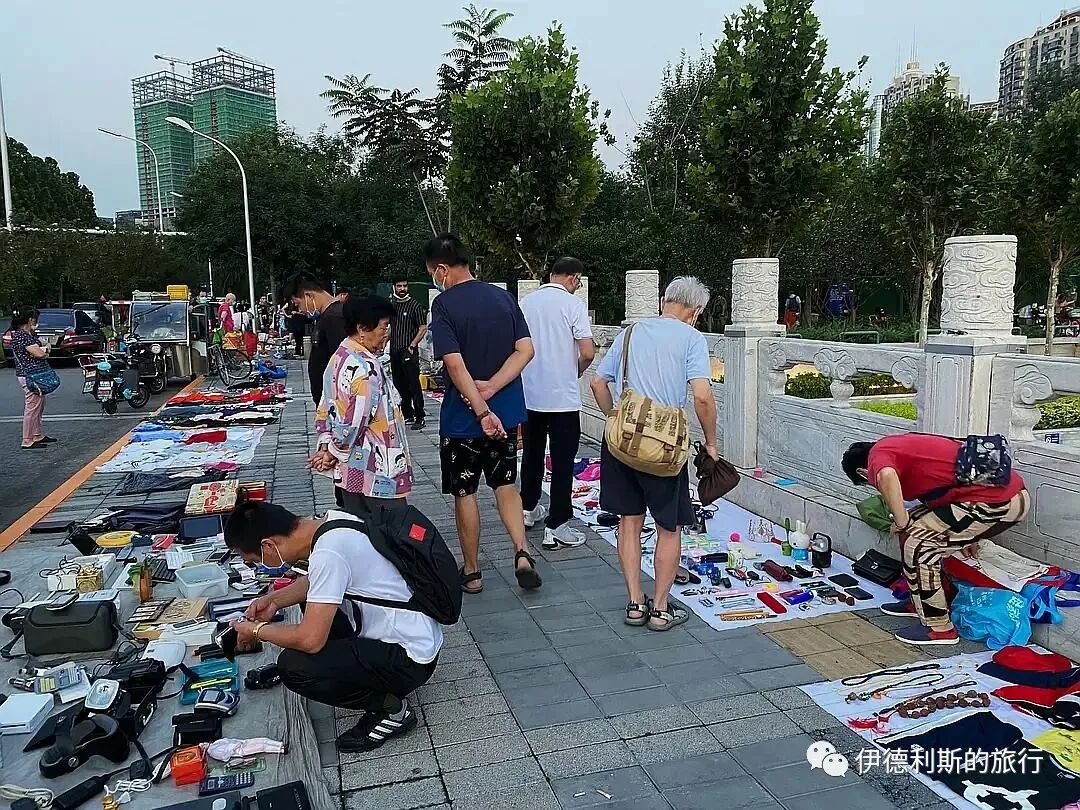
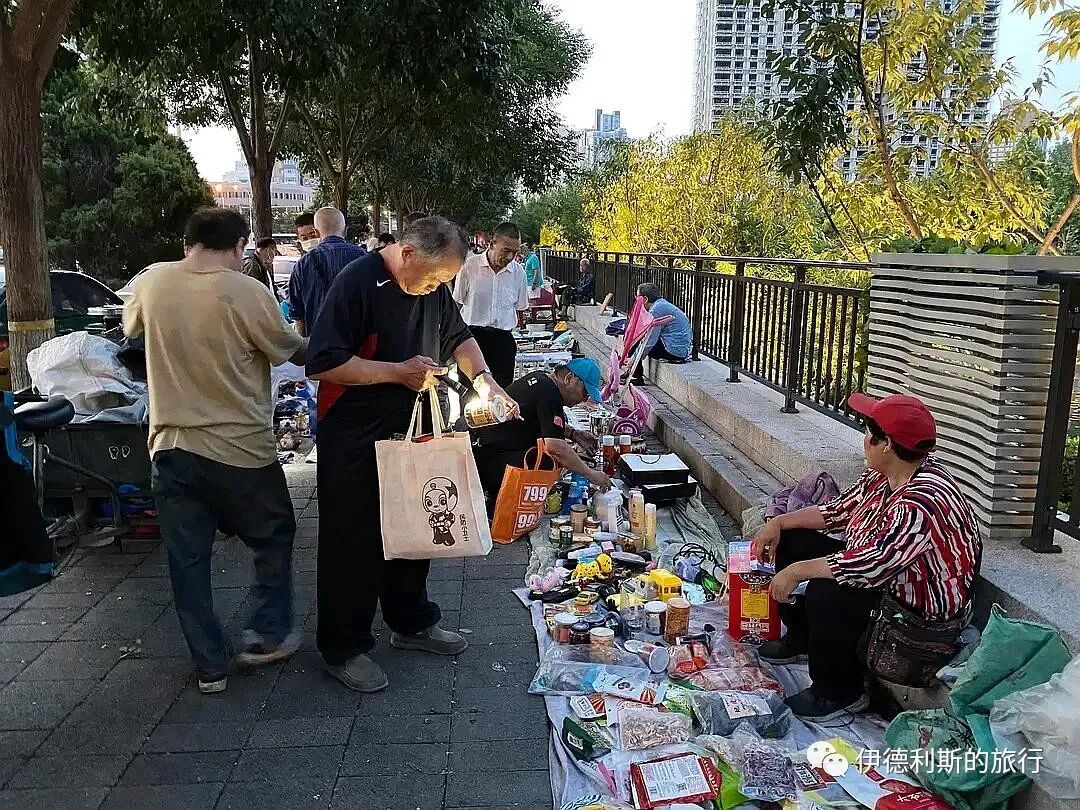
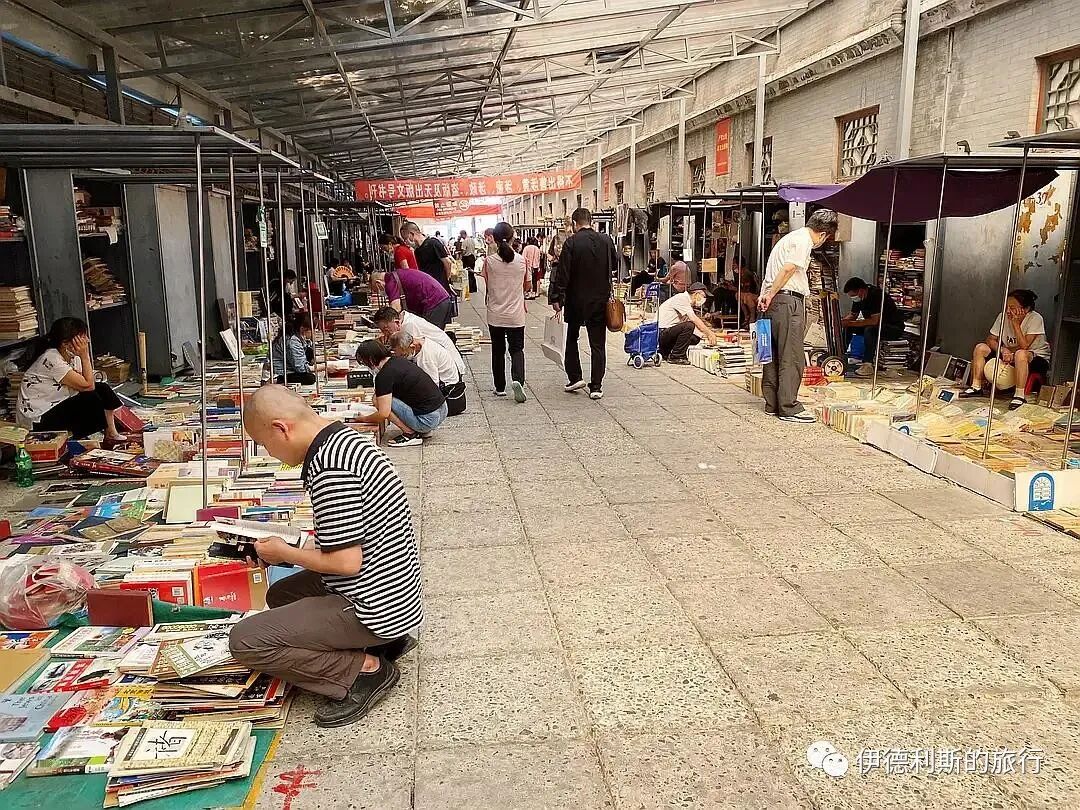
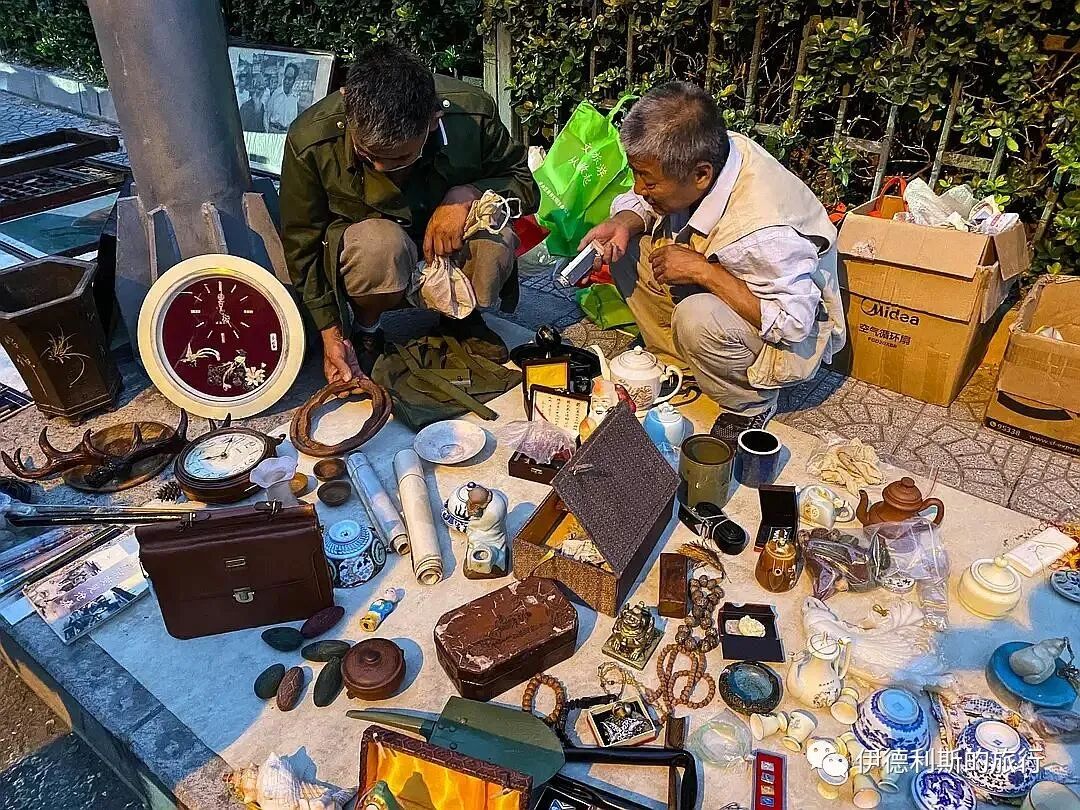
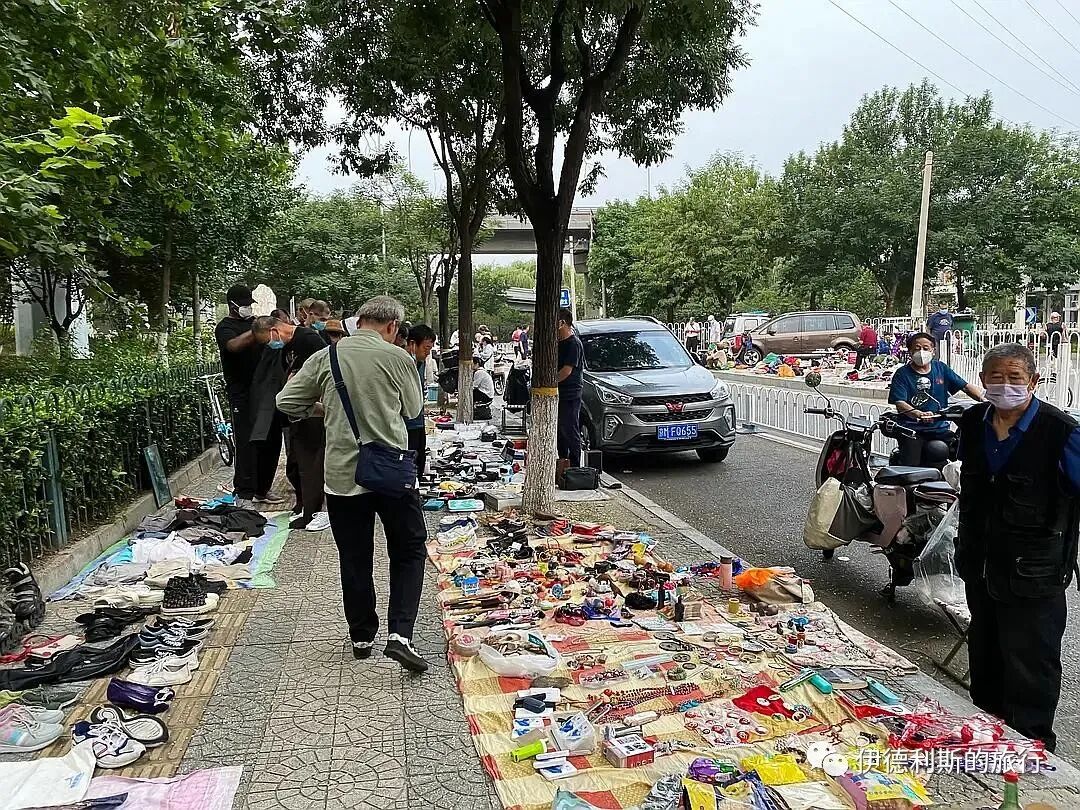
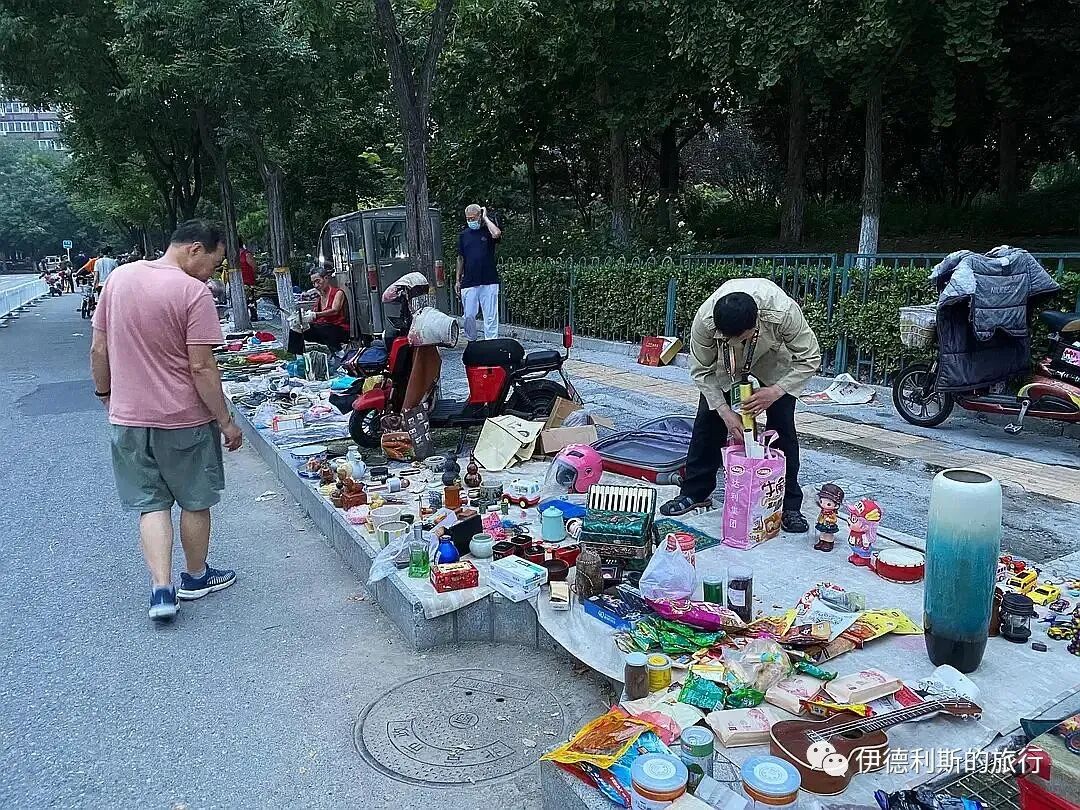
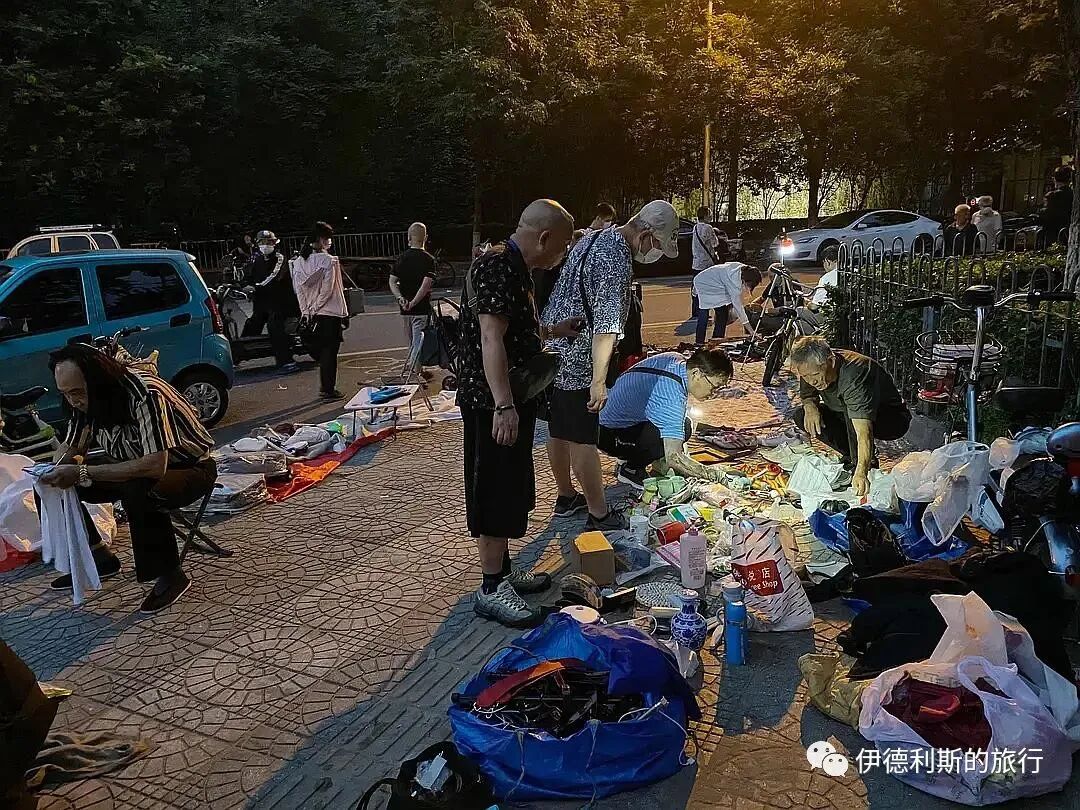
I went to the early morning market (xiaoshi) by the Liangma River waterfall in Xiangheyuan, outside Dongzhimen, Beijing. I arrived after 3:00 a.m. and many stalls were not set up yet, but there were more by 4:00 or 5:00 a.m. This morning market is really authentic. It reminded me of visiting the dawn markets (tianguangxu) in Guangzhou and the old days of visiting the Daliushu market years ago.
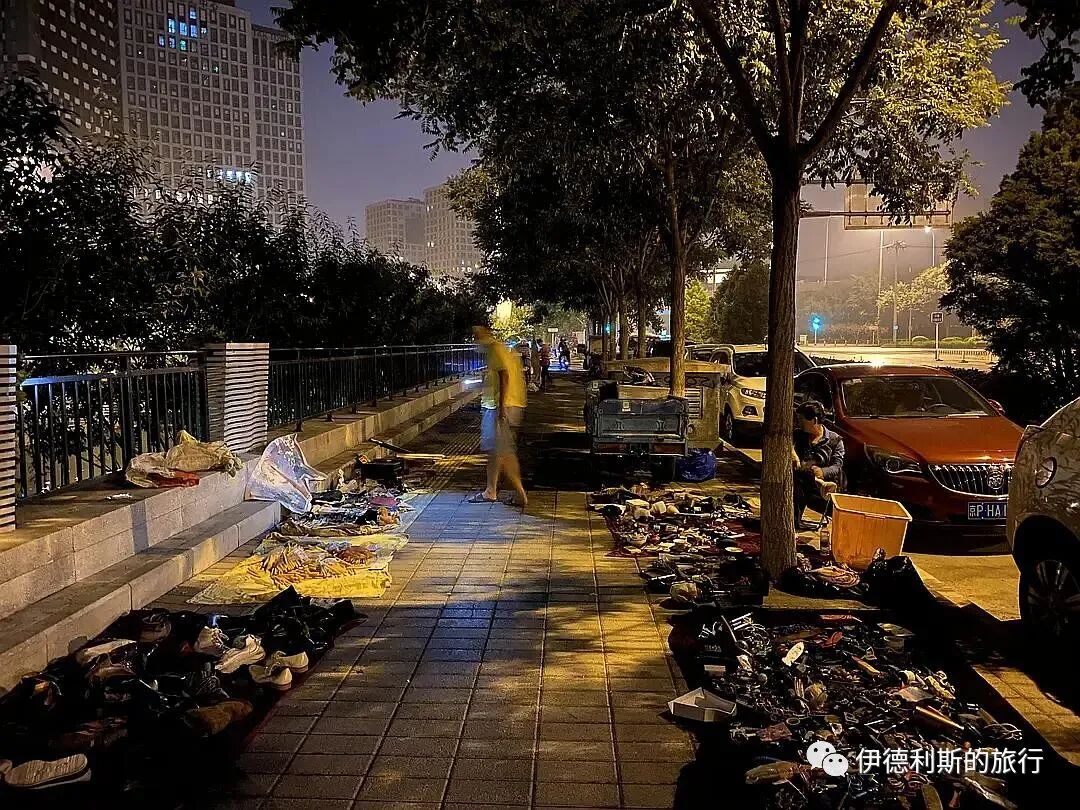
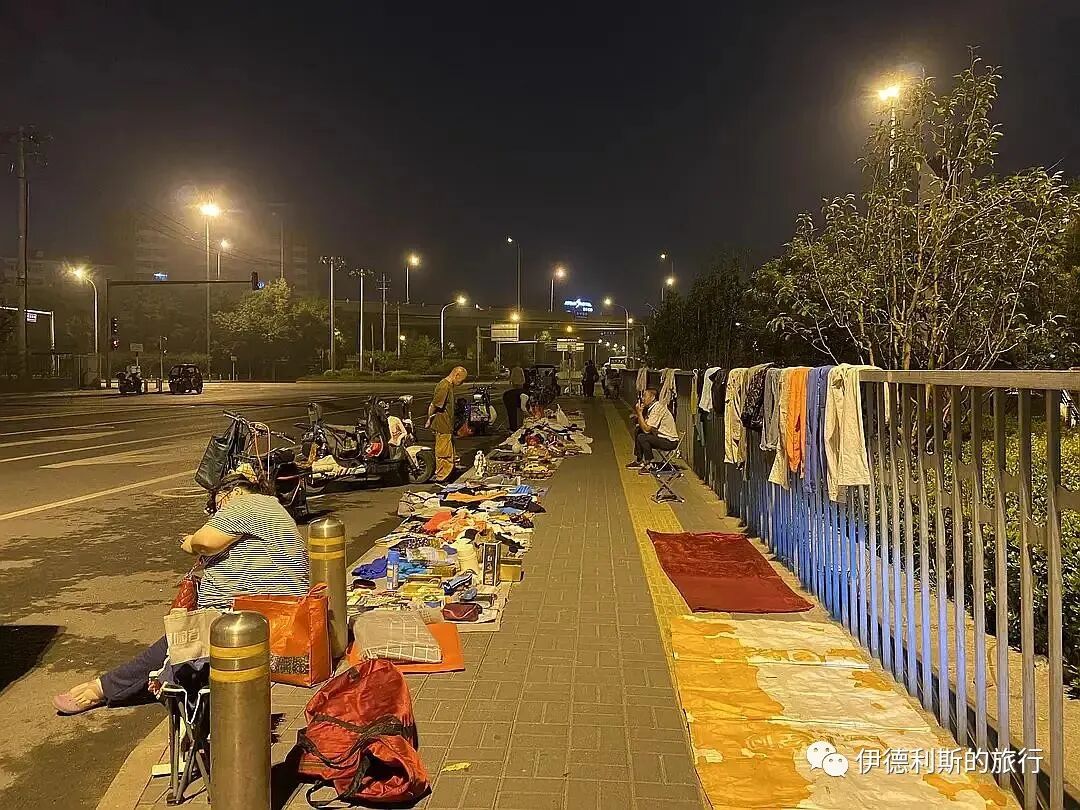
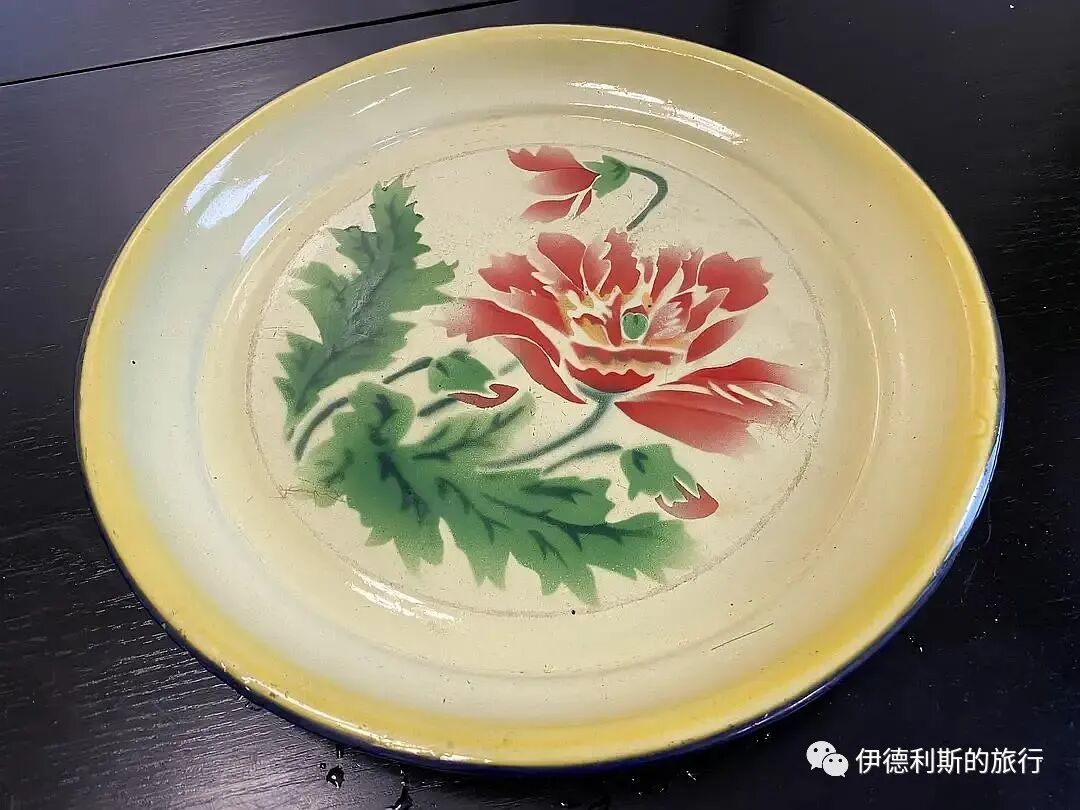
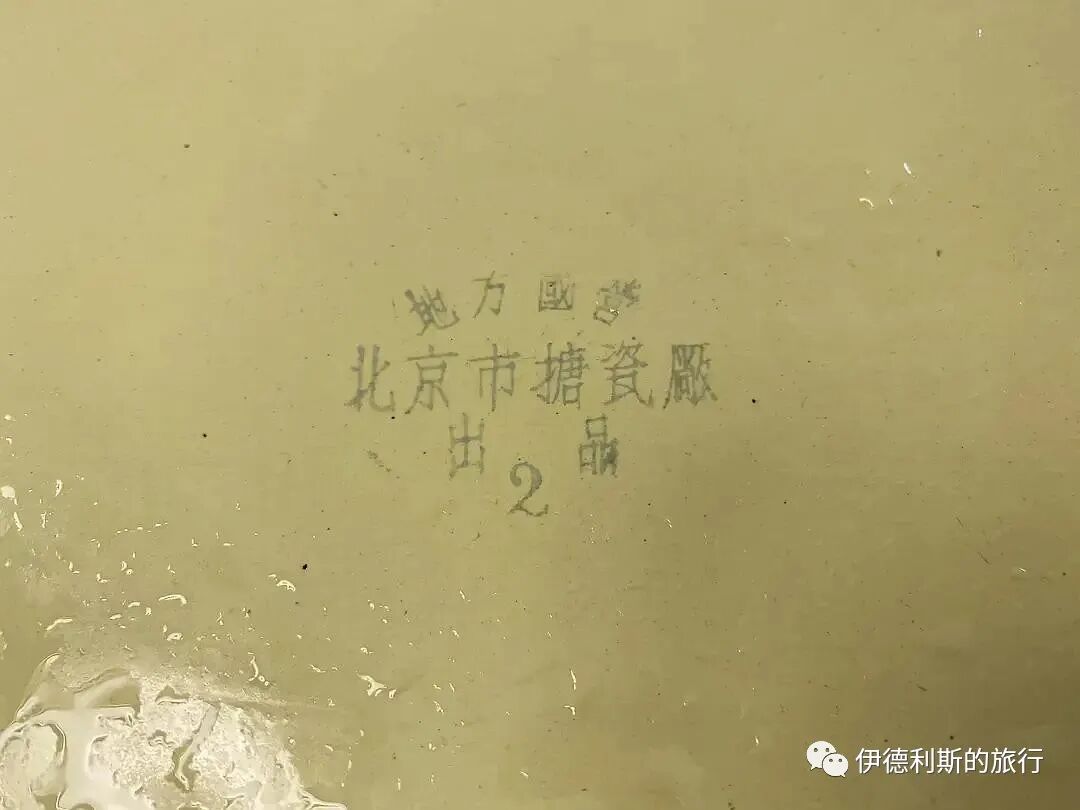
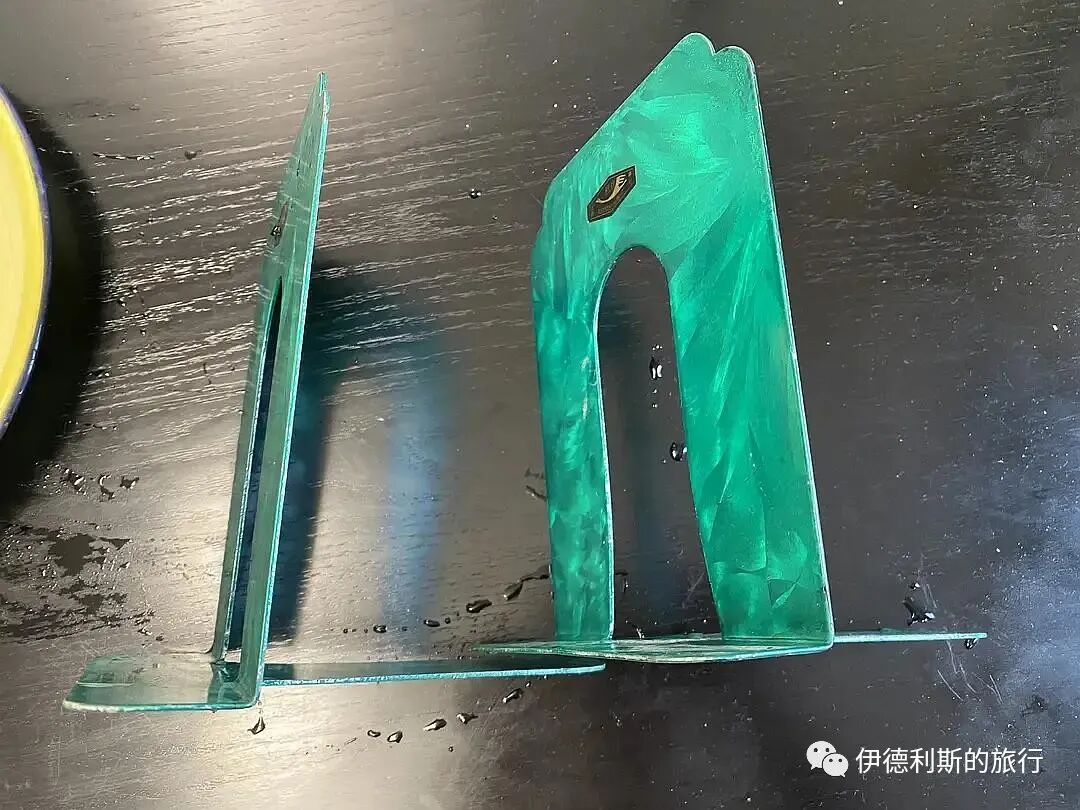
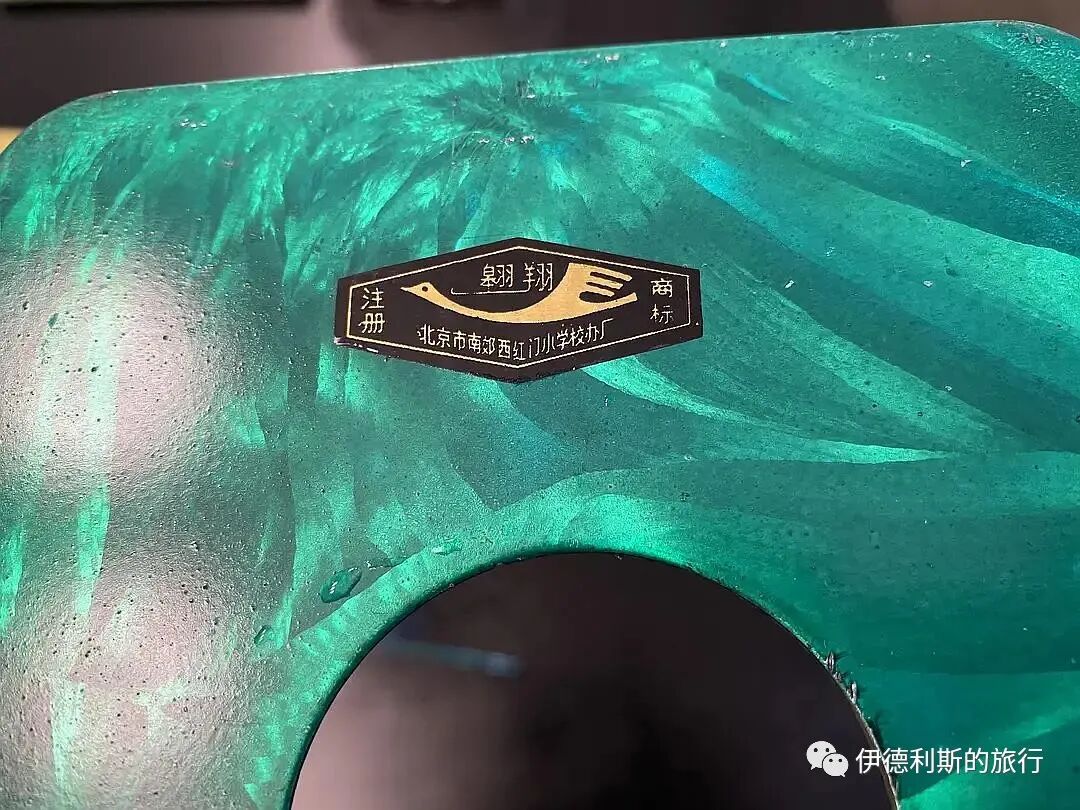
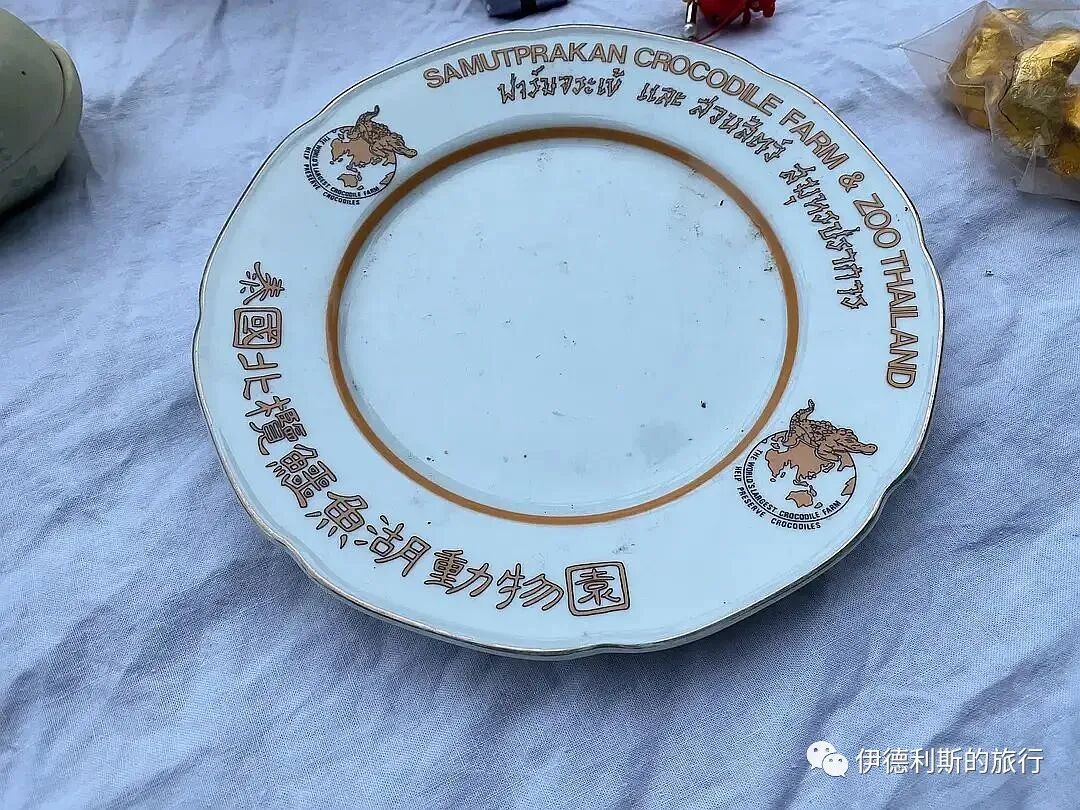
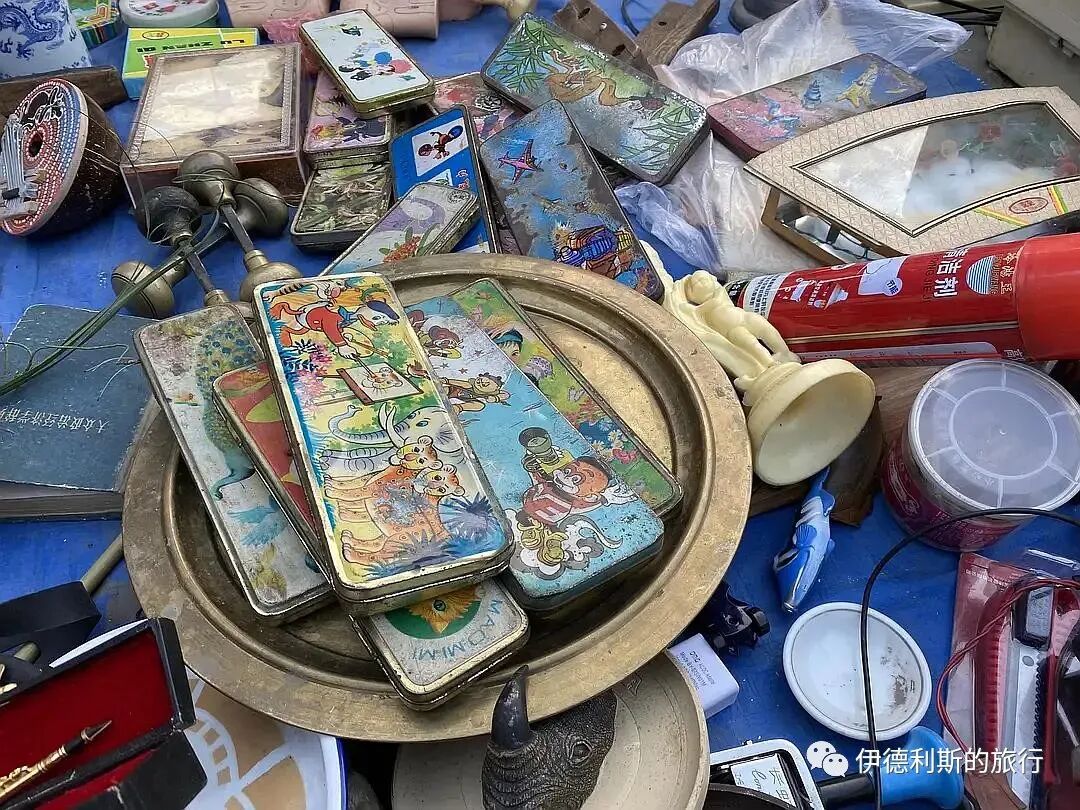
I picked up an enamel plate made by the state-run Beijing Enamel Factory and two book dividers made by the school-run factory of Xihongmen Primary School in the southern suburbs of Beijing. There were not many stalls here on Monday, so I will go back again on the weekend.
June 30, Xiangheyuan Morning Market outside Dongzhimen
I arrived a little after four o'clock, just as it was getting light.
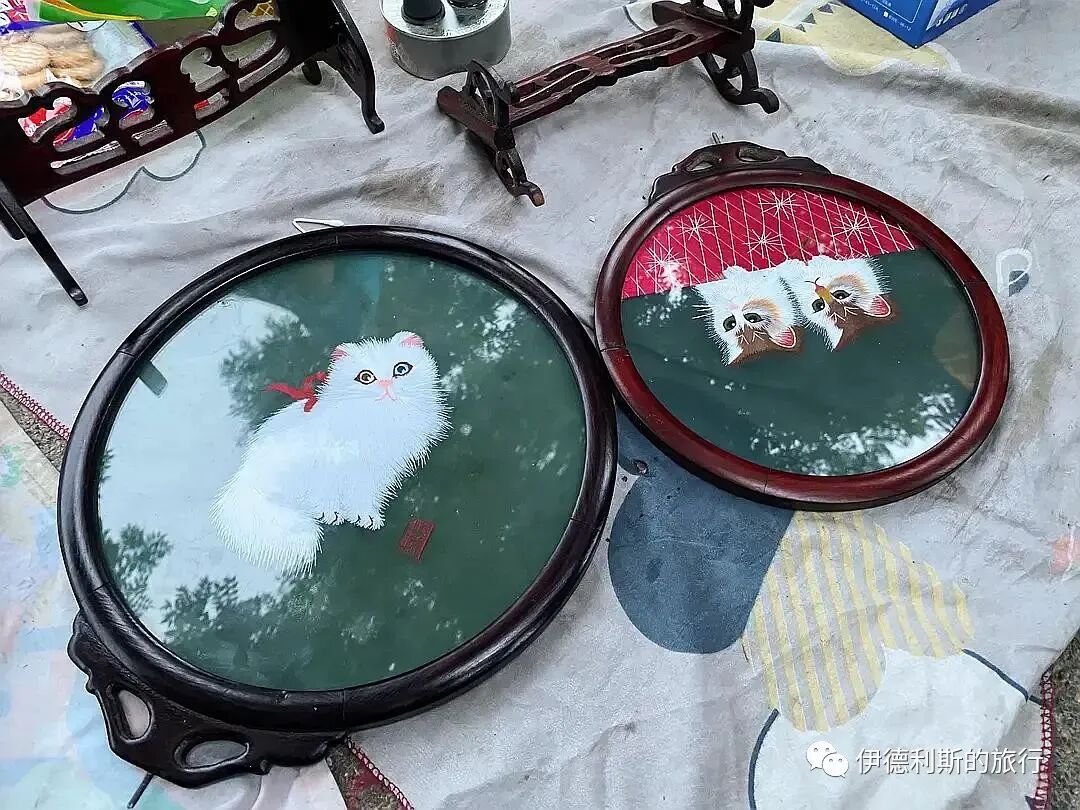
July 2nd, the first day the Panjiayuan Friday night market reopened.
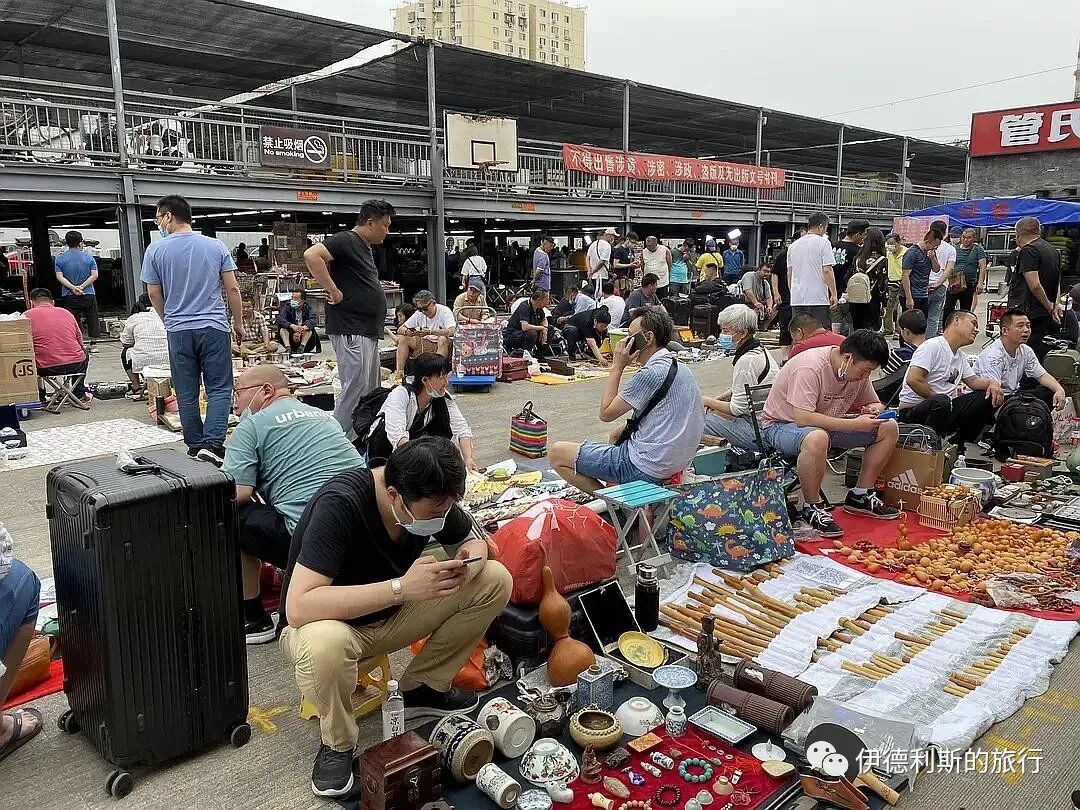
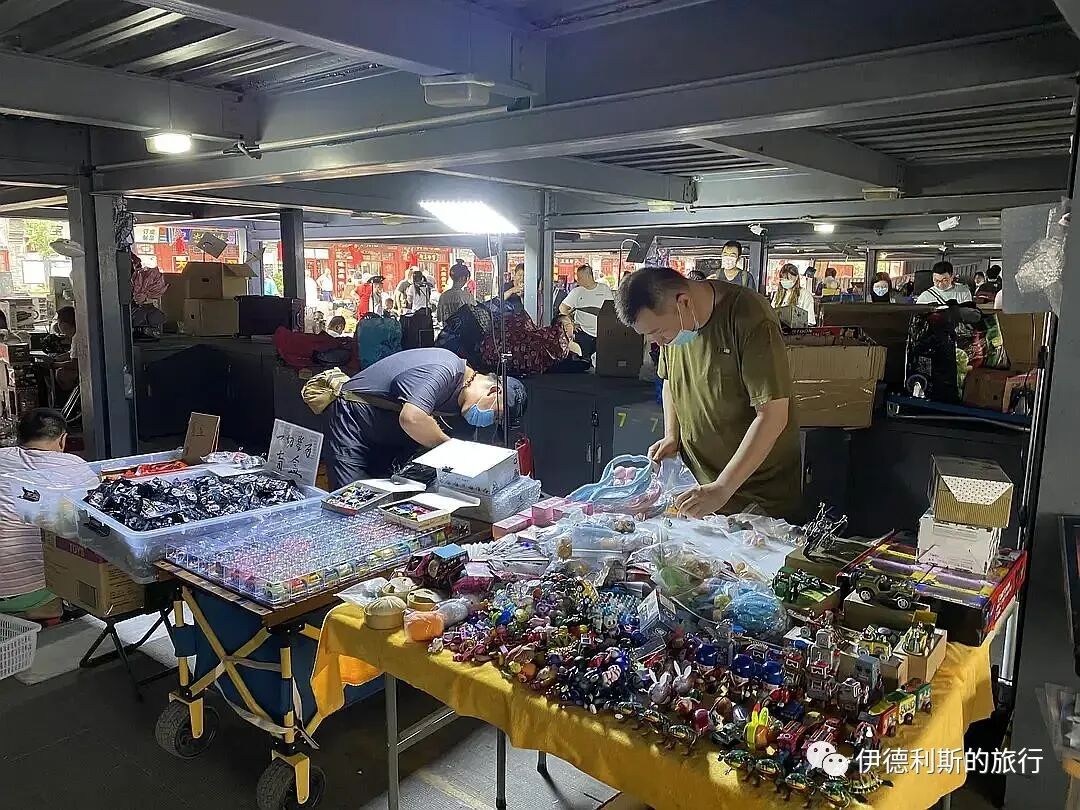
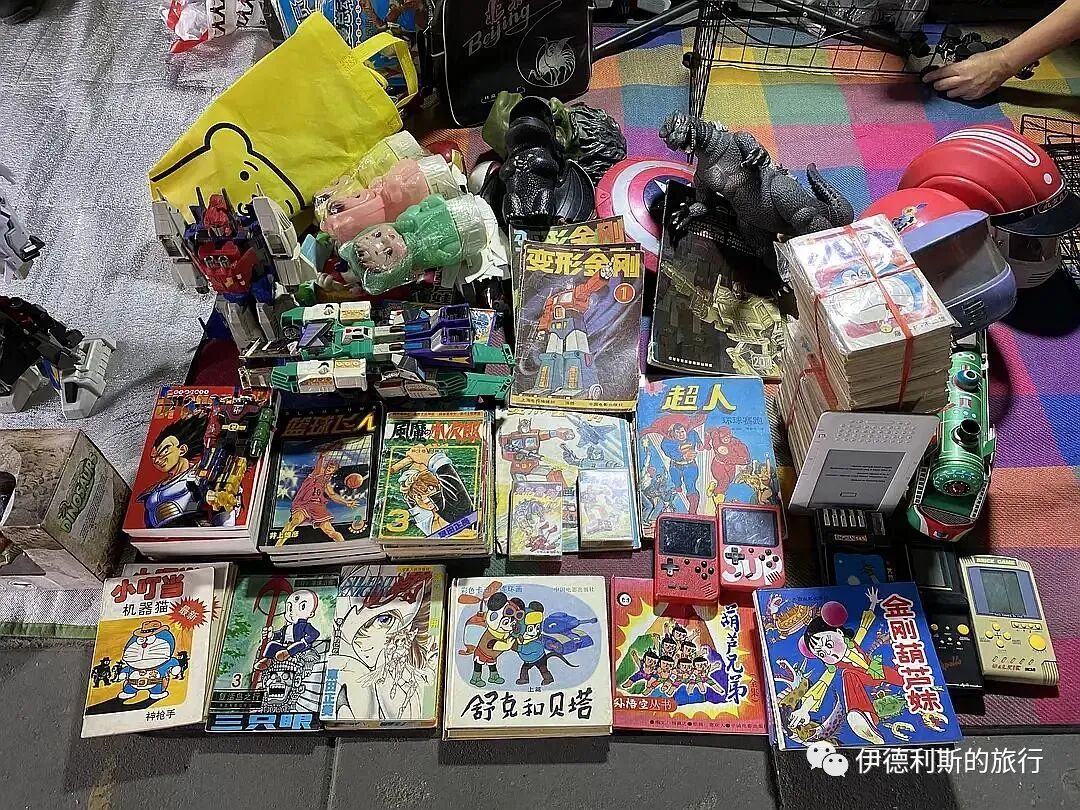
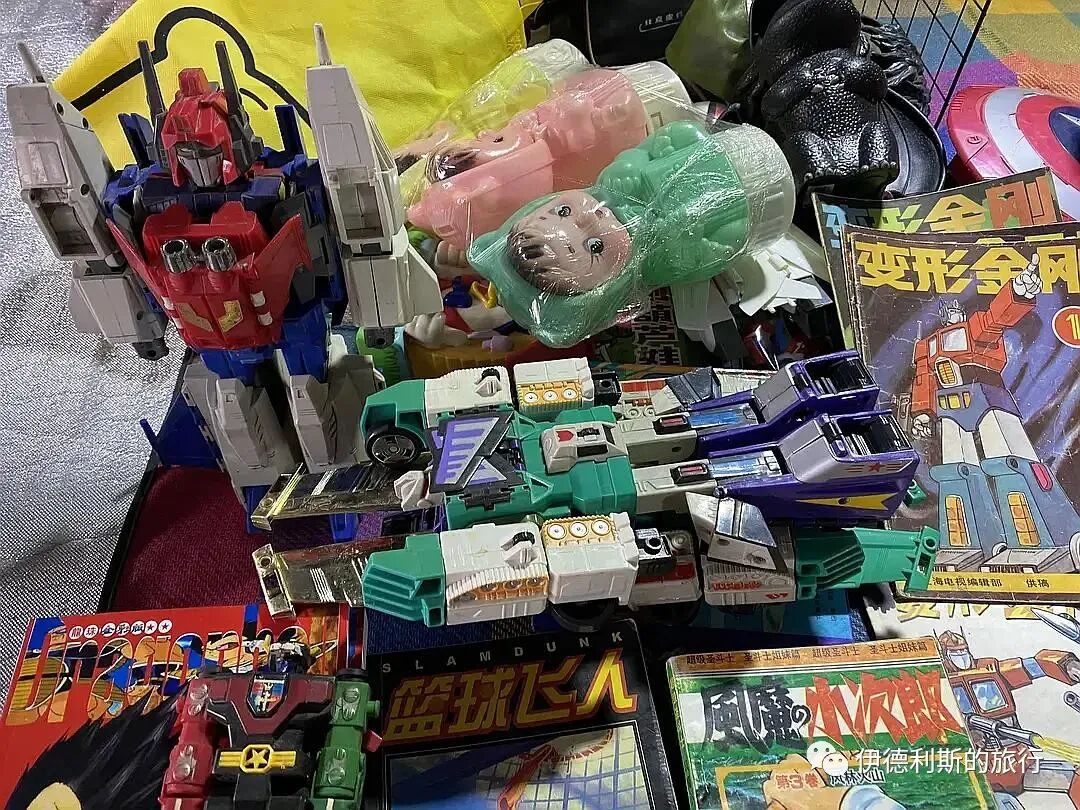
After dinner, I walked around the Panjiayuan Ghost Market again.
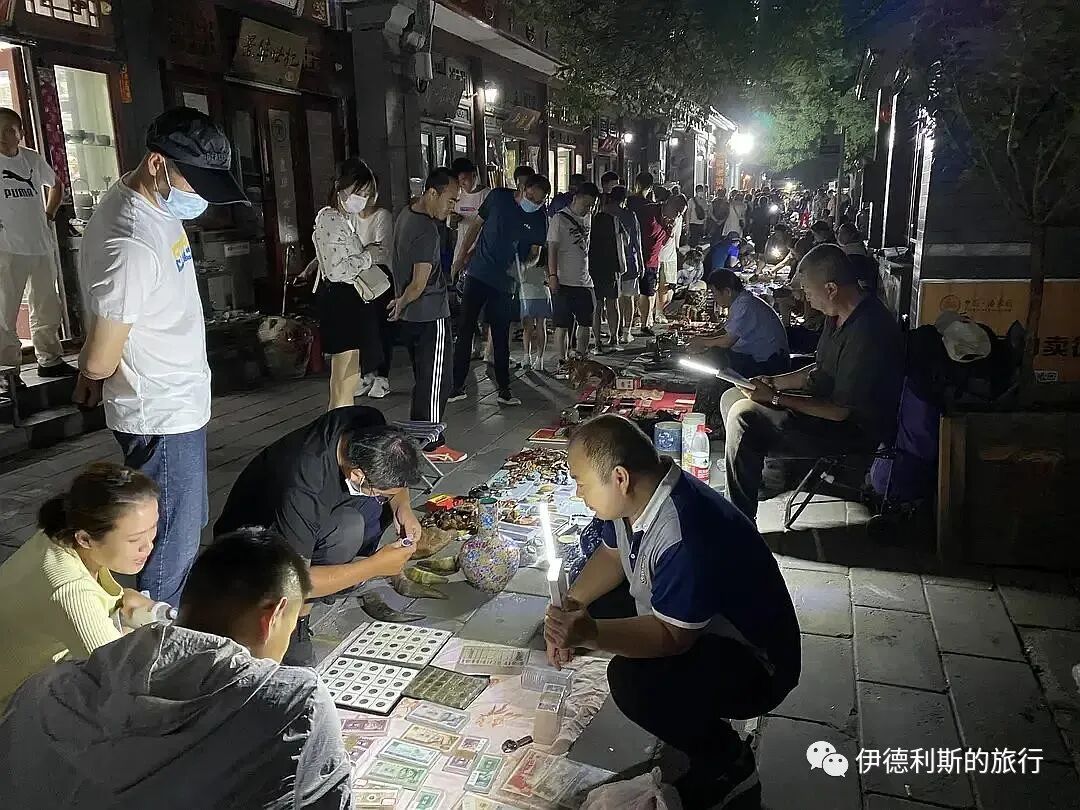
July 4th, the morning market at Xiangheyuan outside Dongzhimen.
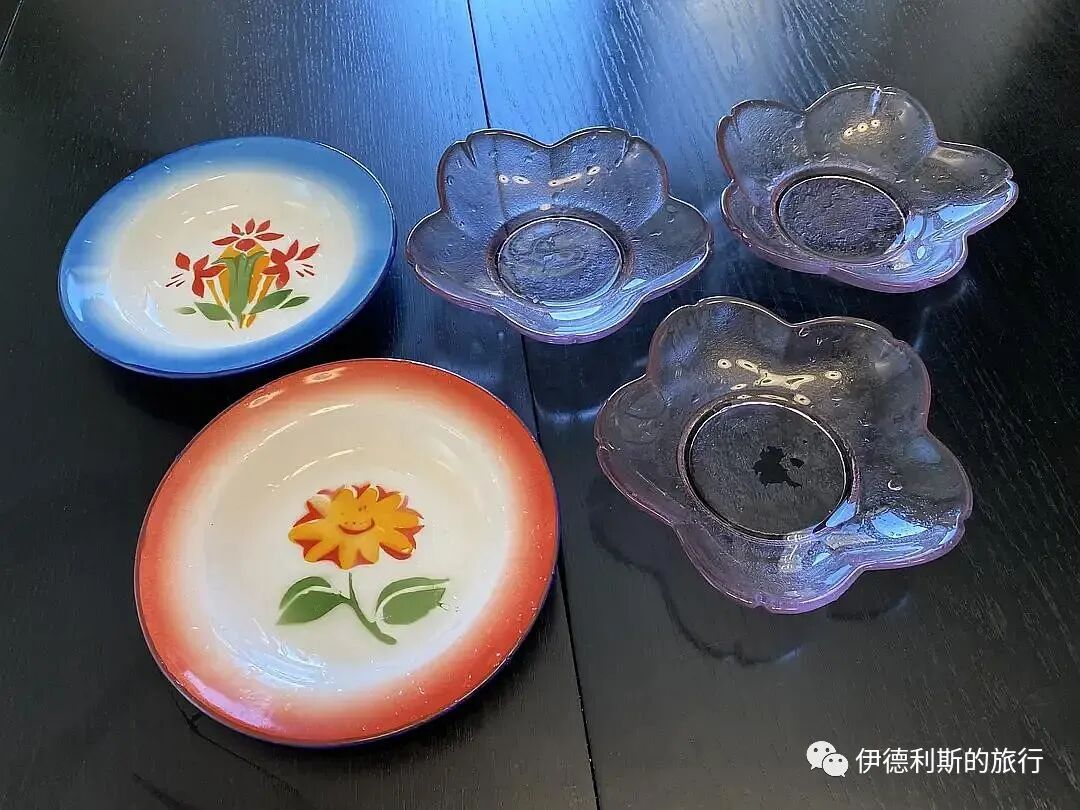
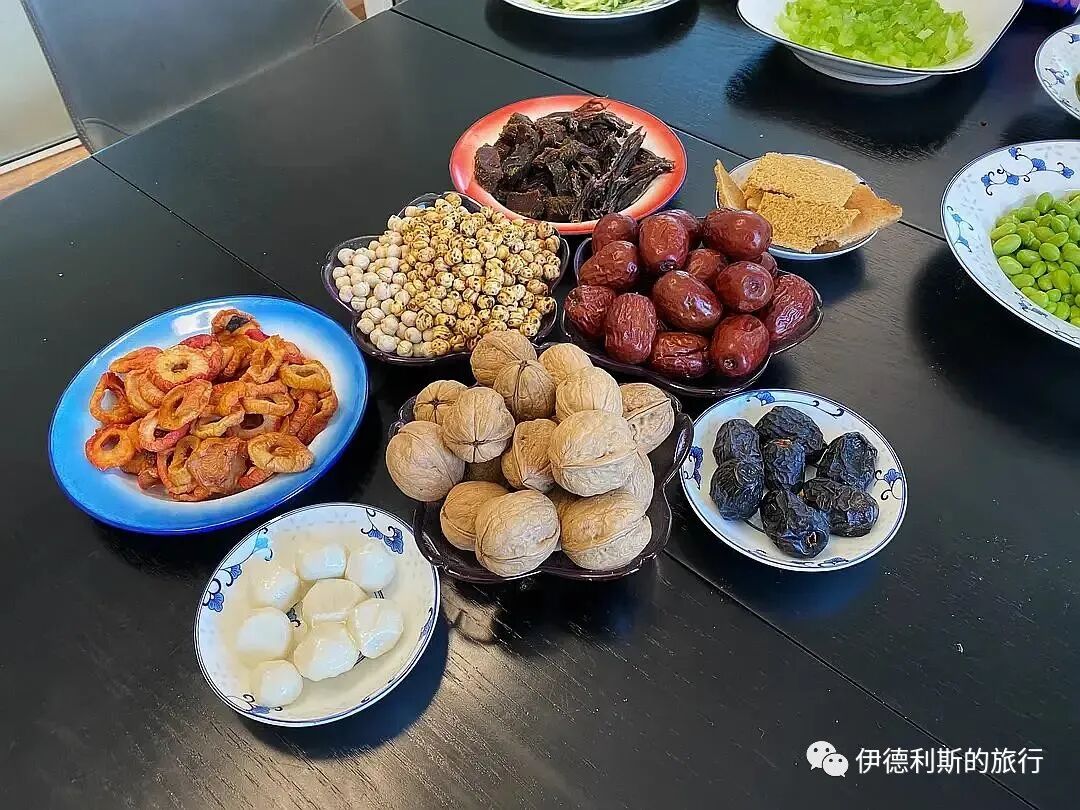
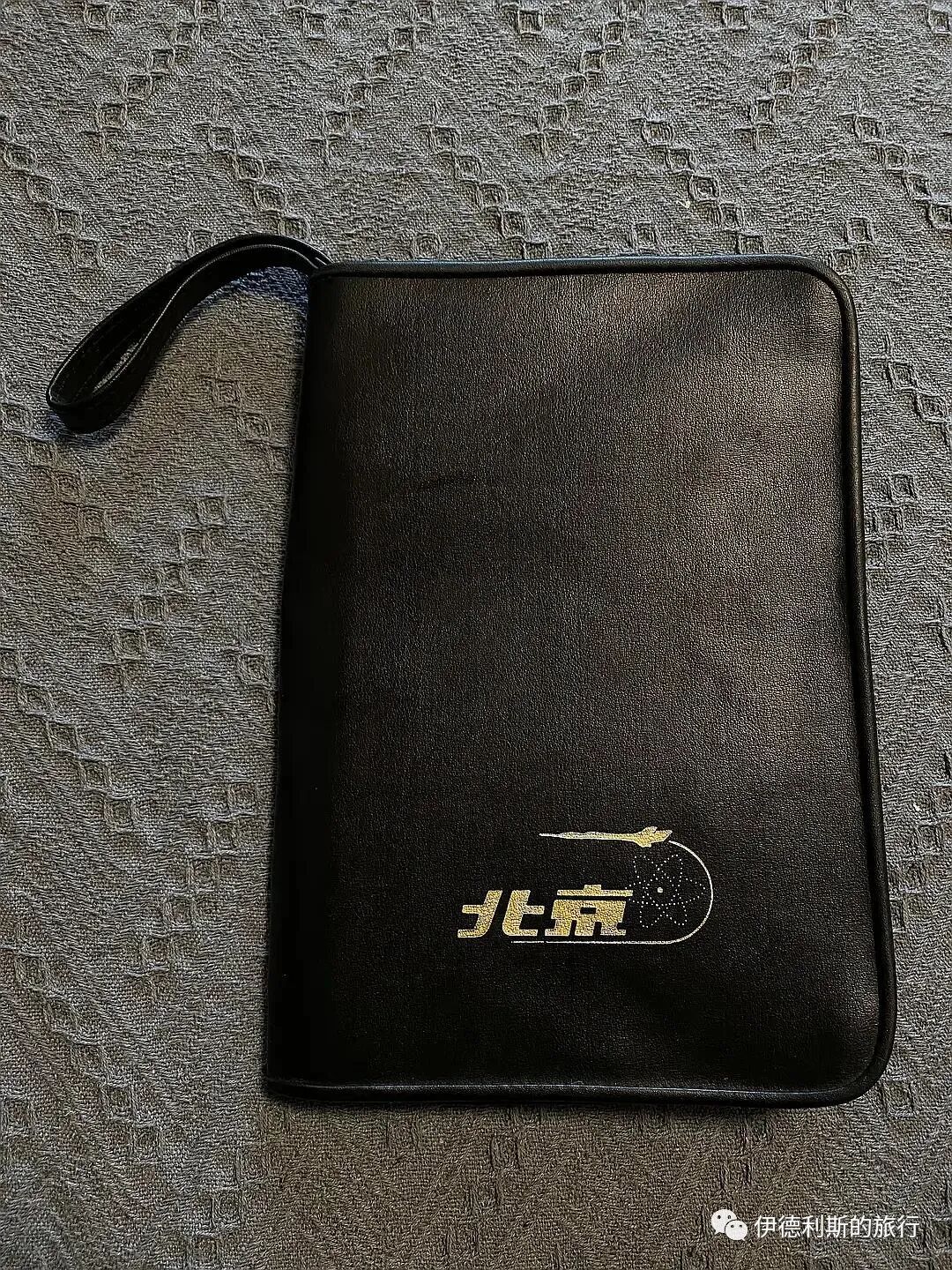
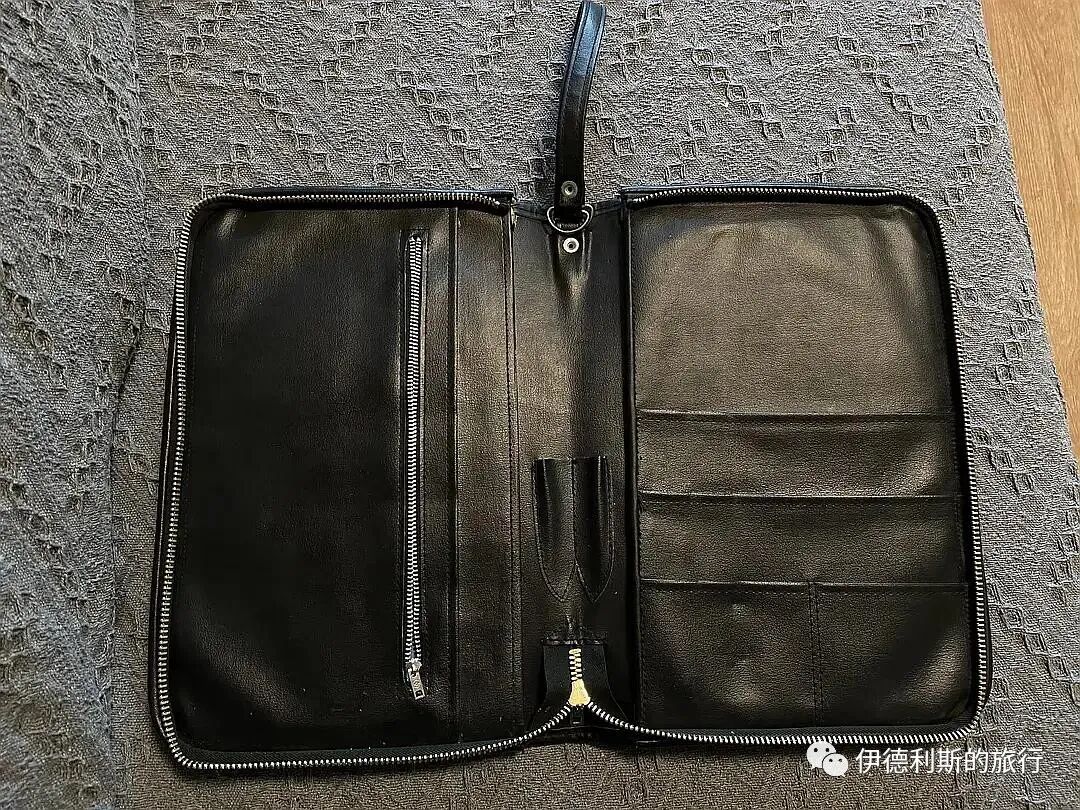
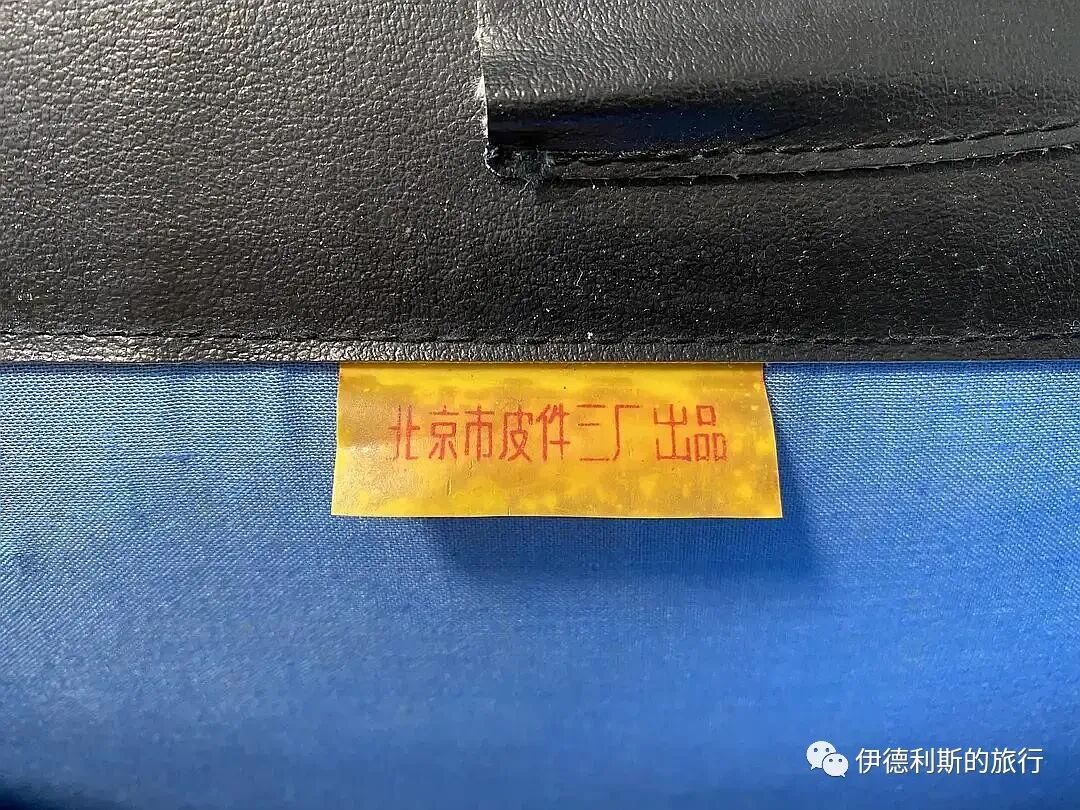
I found these at the Liangma River morning market in Xiangheyuan outside Dongzhimen: two small enamel plates, three small glass plates, and a wallet made by the Beijing Third Leather Goods Factory in 1983. Enamel plates and glass plates are perfect for serving dried fruits at a gathering.
July 9, the start of the month of Dhu al-Hijjah.
July 11, Panjiayuan Antique Market.
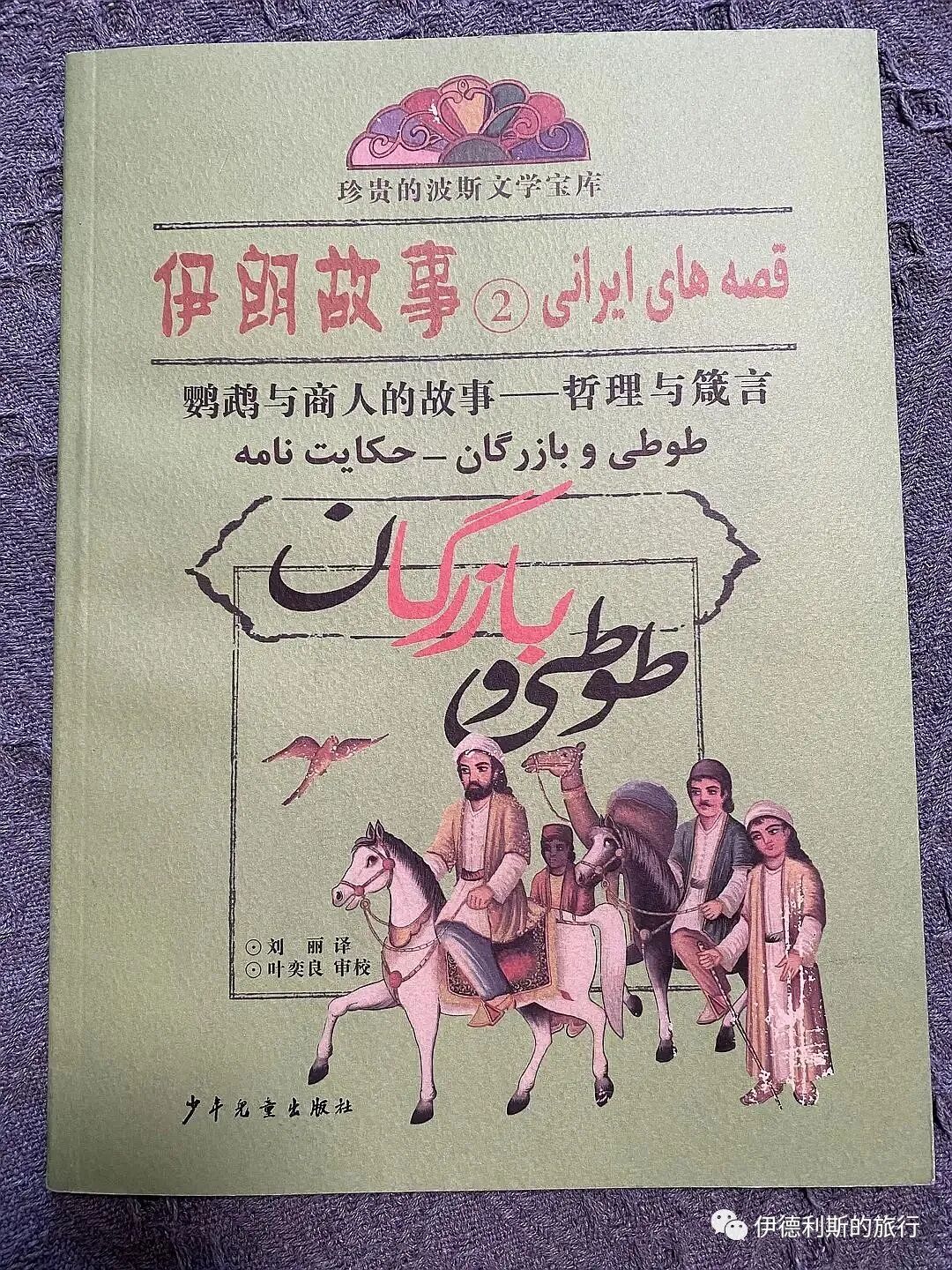
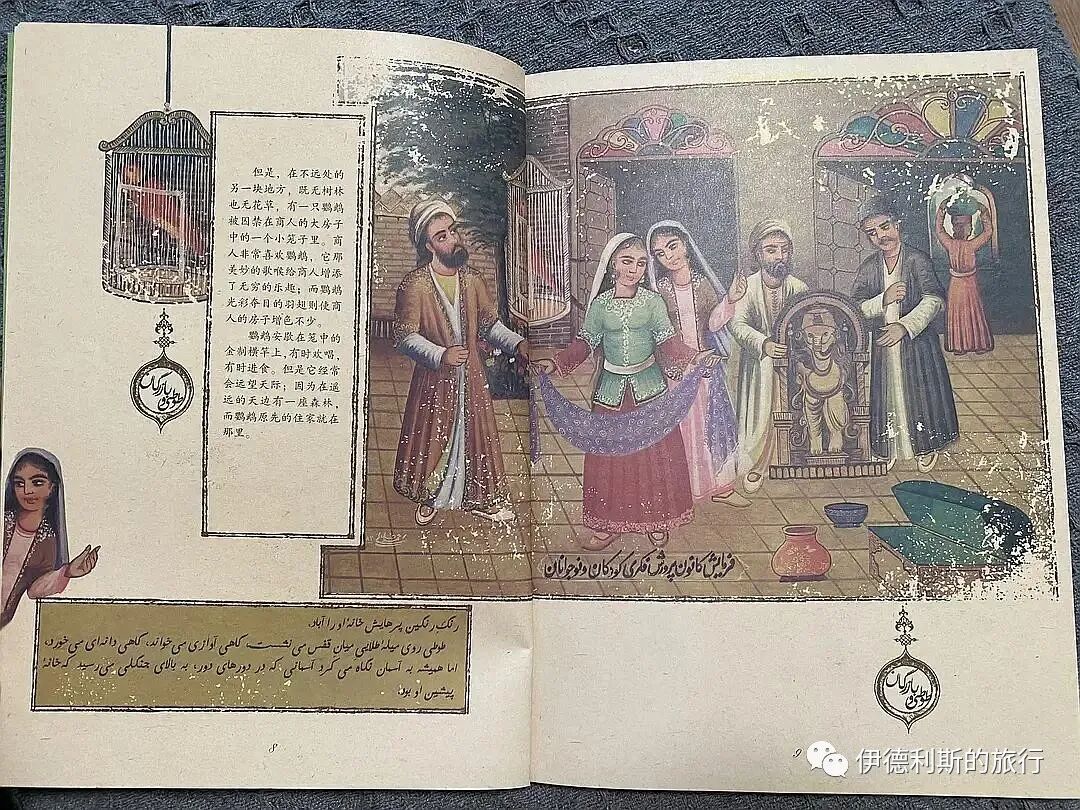
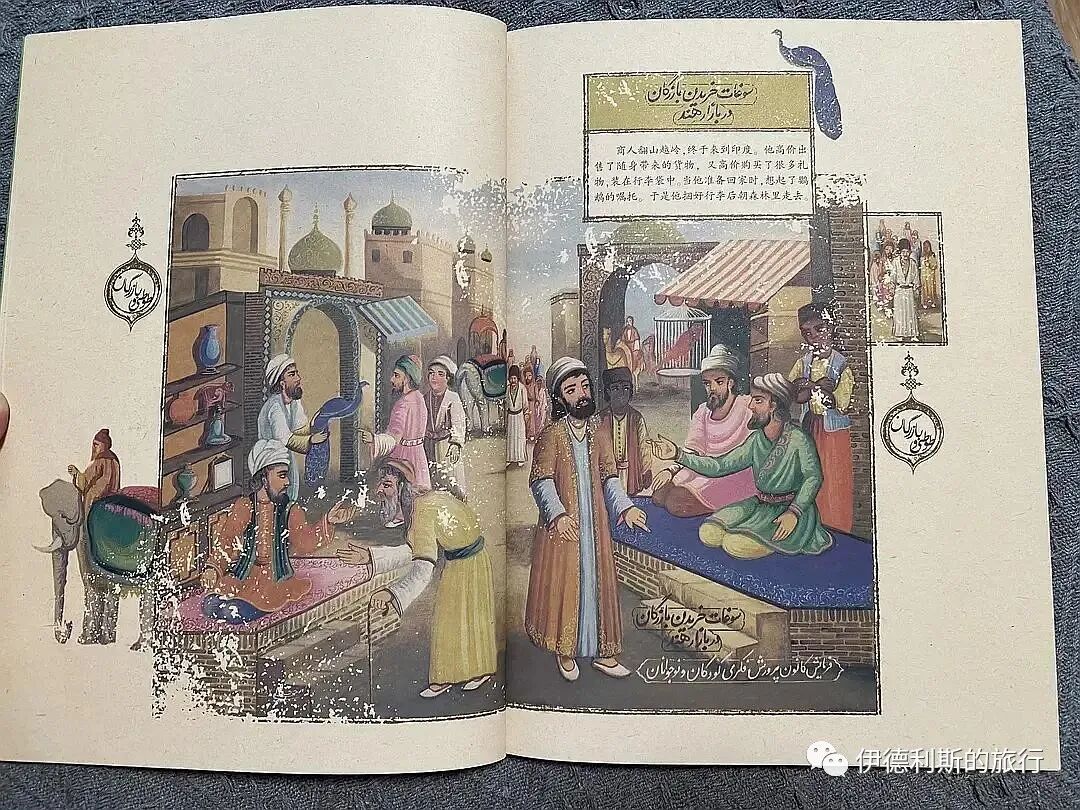
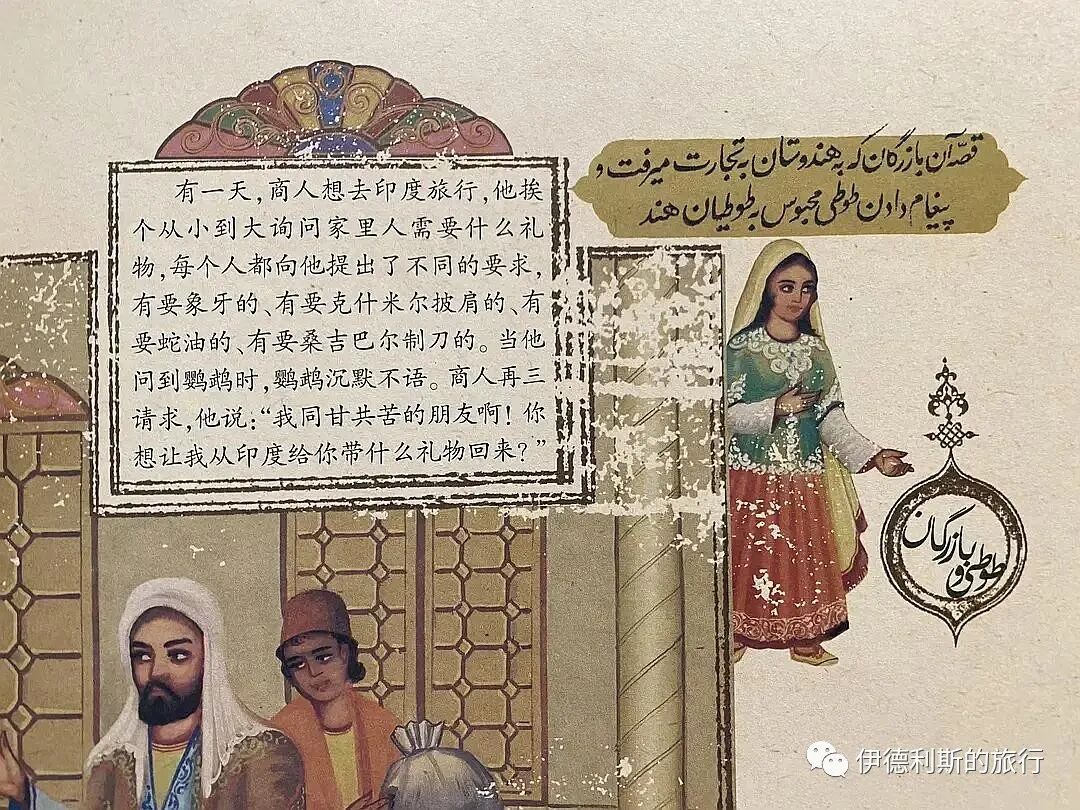
At the Panjiayuan Antique Market, I found a picture book of Iranian fables called The Story of the Parrot and the Merchant. It was organized by Vahid Farmand, the acting consul general of the Iranian Consulate in Shanghai. It uses a very special Iranian tea house painting (ghahveh-khaneh) style, which is rarely seen in China.
Tea house painting (ghahveh-khaneh) became popular in Iran during the 18th and 19th centuries. At that time, people loved listening to a storyteller (naqqal) in tea houses share traditional Iranian fables, religious stories, and epic tales. After hearing these stories, some artists would draw them on walls, bricks, or stones, which is how this painting style began. As tea house paintings became popular, some owners hired artists to paint right inside their tea houses. These artists painted and displayed their work on the spot, which was very well received.
Since modern times, the role of tea houses has changed. Tea house paintings have moved away from the tea houses themselves to become an independent art form, mostly used to show historical scenes and religious themes. Tea house paintings are not limited by classical Persian painting techniques. Artists paint from their hearts, though some elements still come from the art of miniature painting.
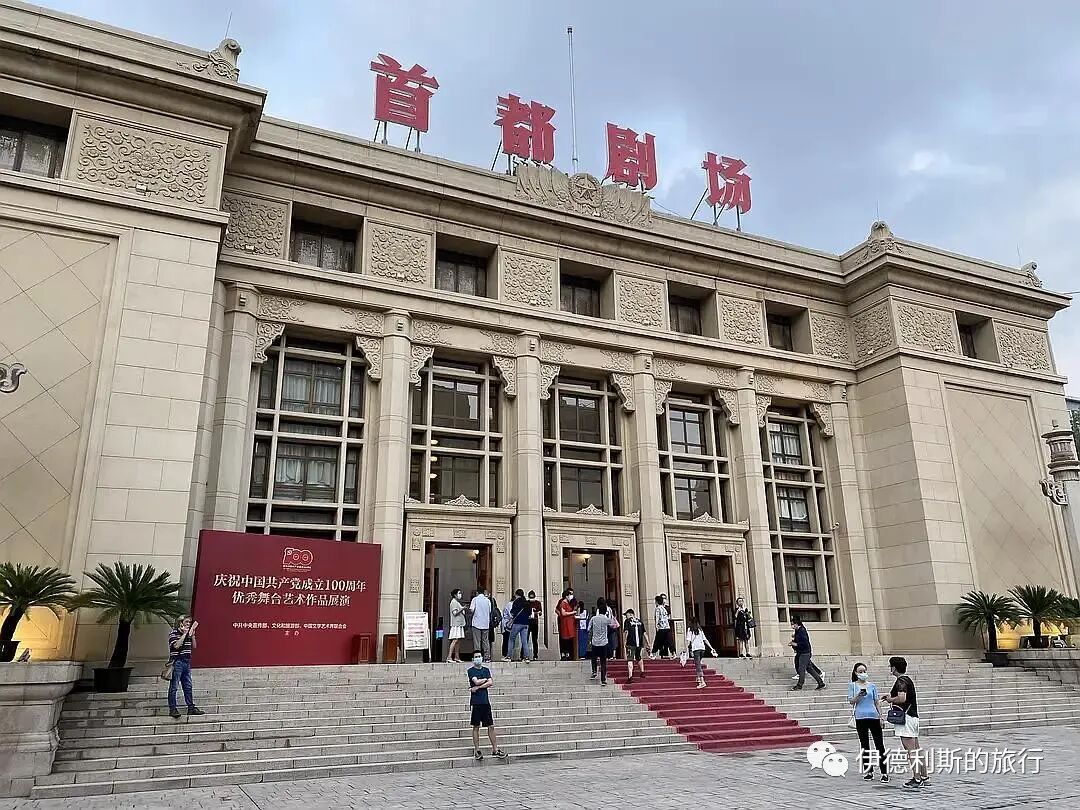
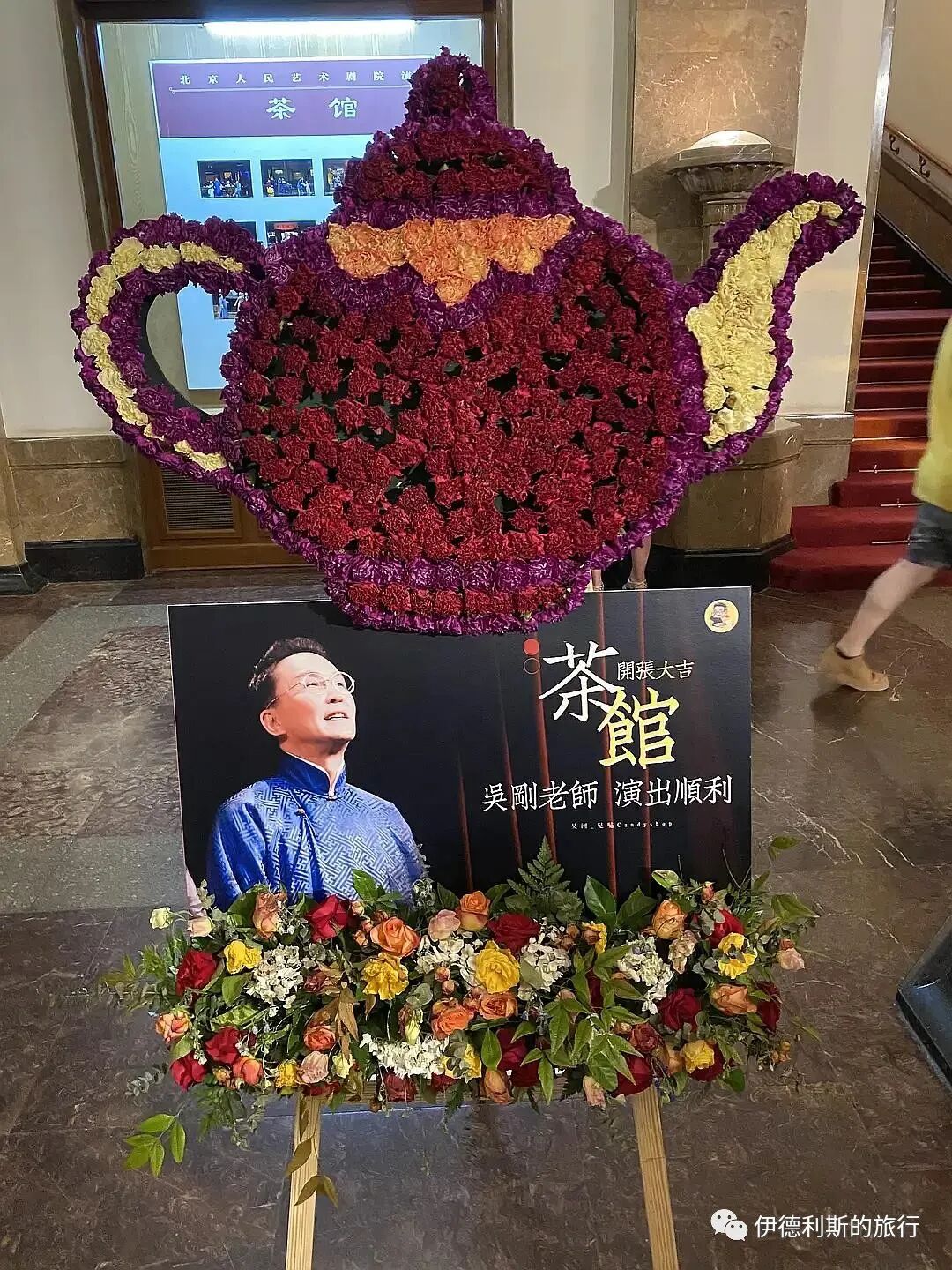
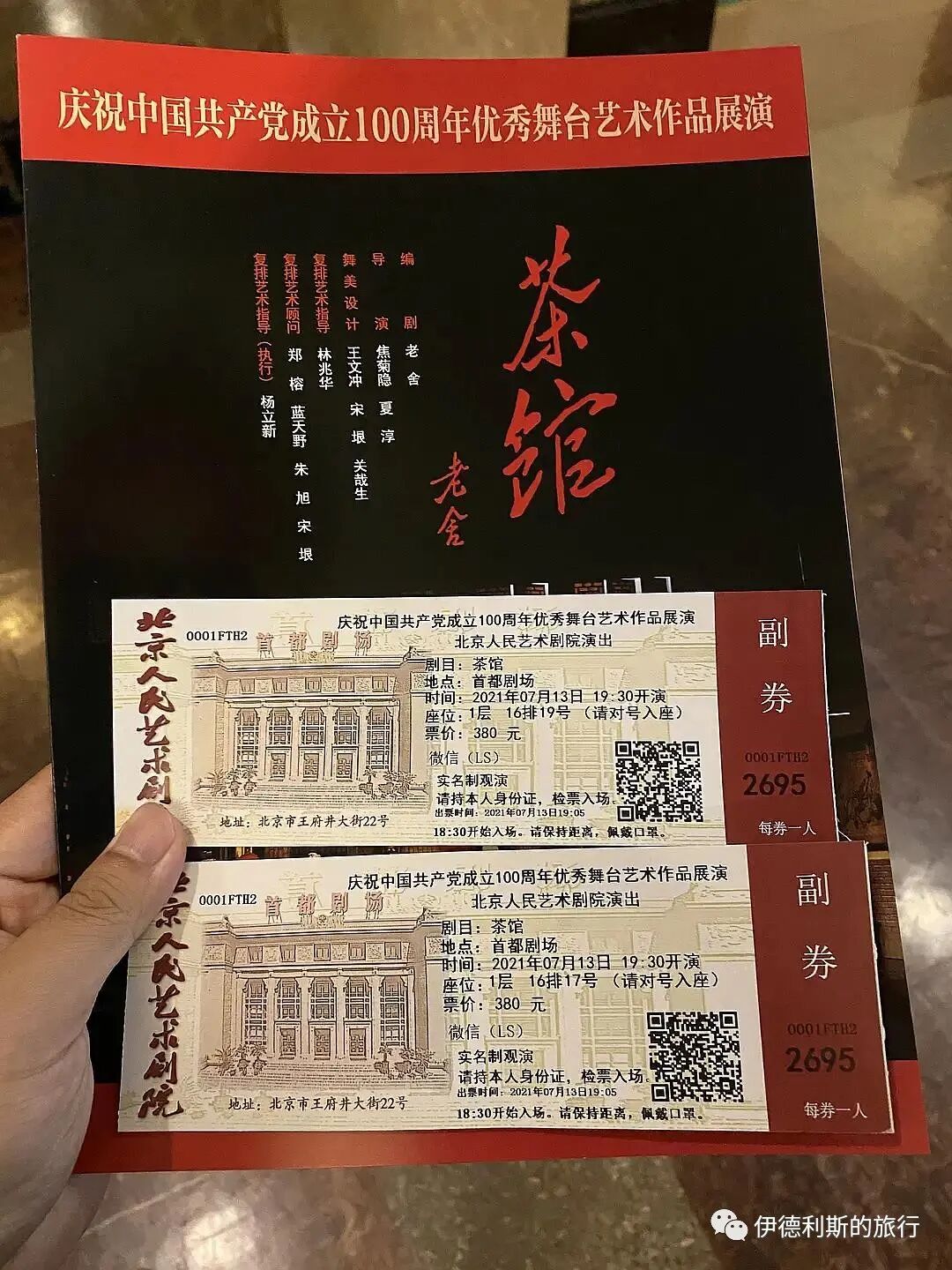
On July 13, I watched the play Tea House at the Capital Theatre.
I came to see the play Tea House, featuring Liang Guanhua, Pu Cunxin, Feng Yuanzheng, Yang Lixin, and Wu Gang.
July 16, the opening performance at 24D.
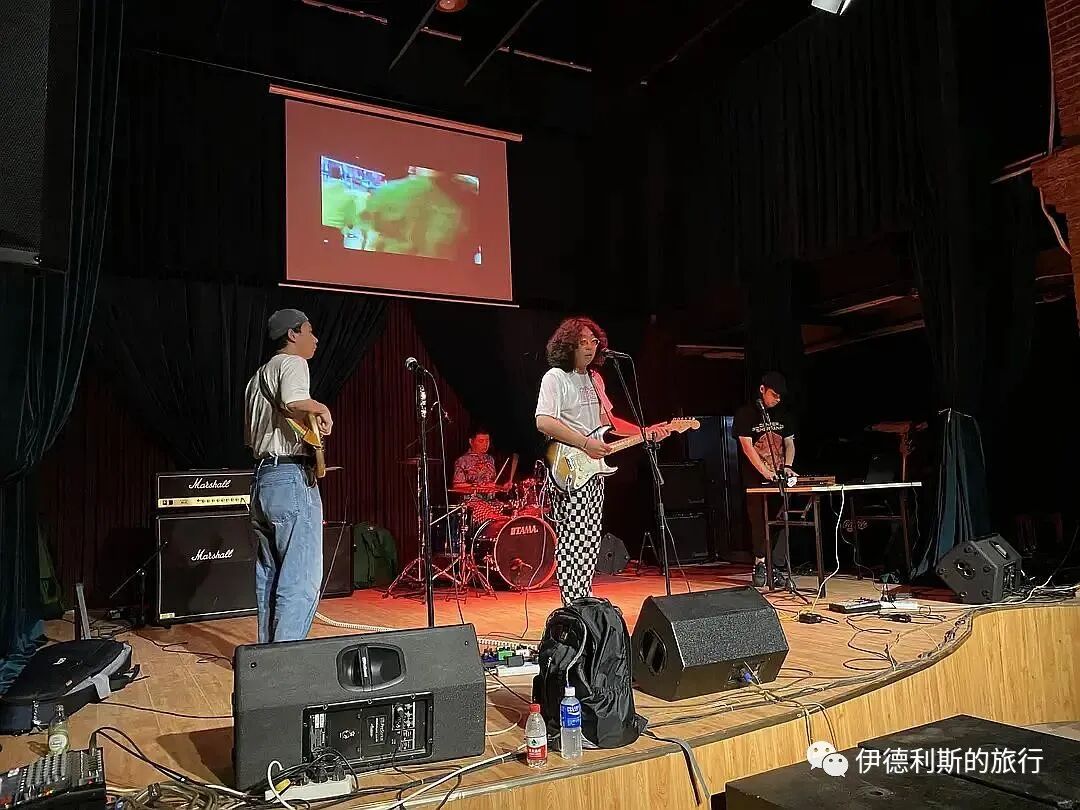
I came to see the opening performance at 24D, the new venue of my neighbor Duoyun. It was really good.
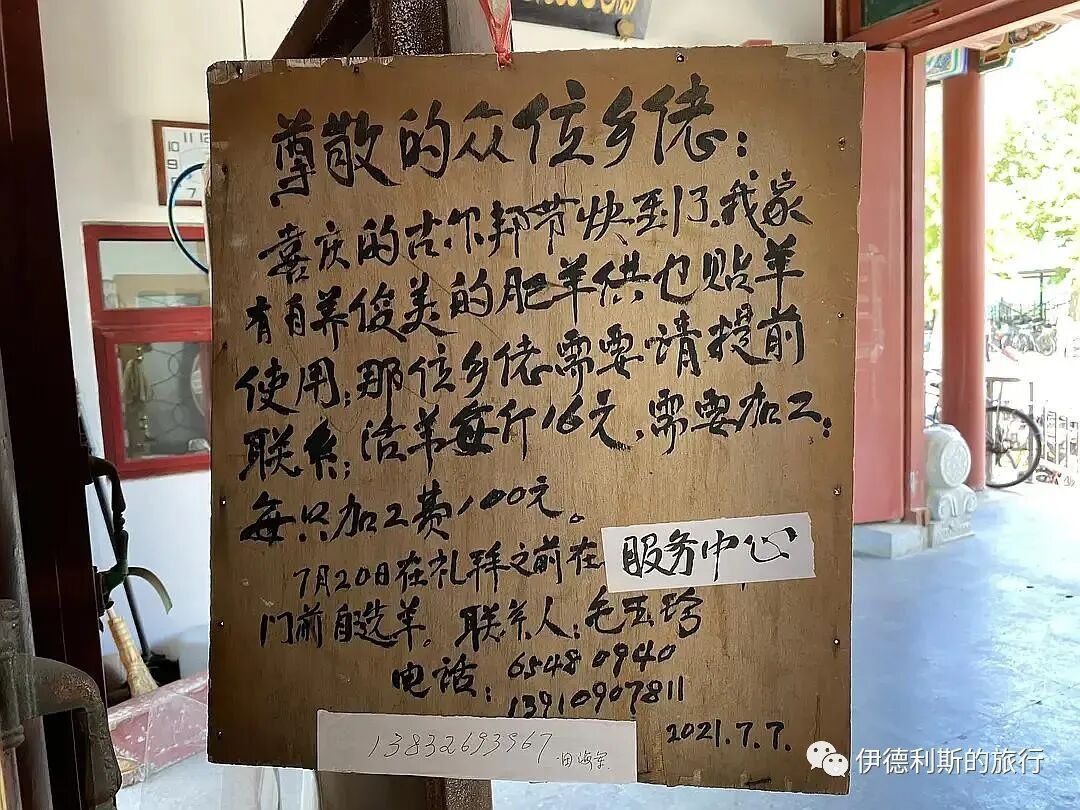
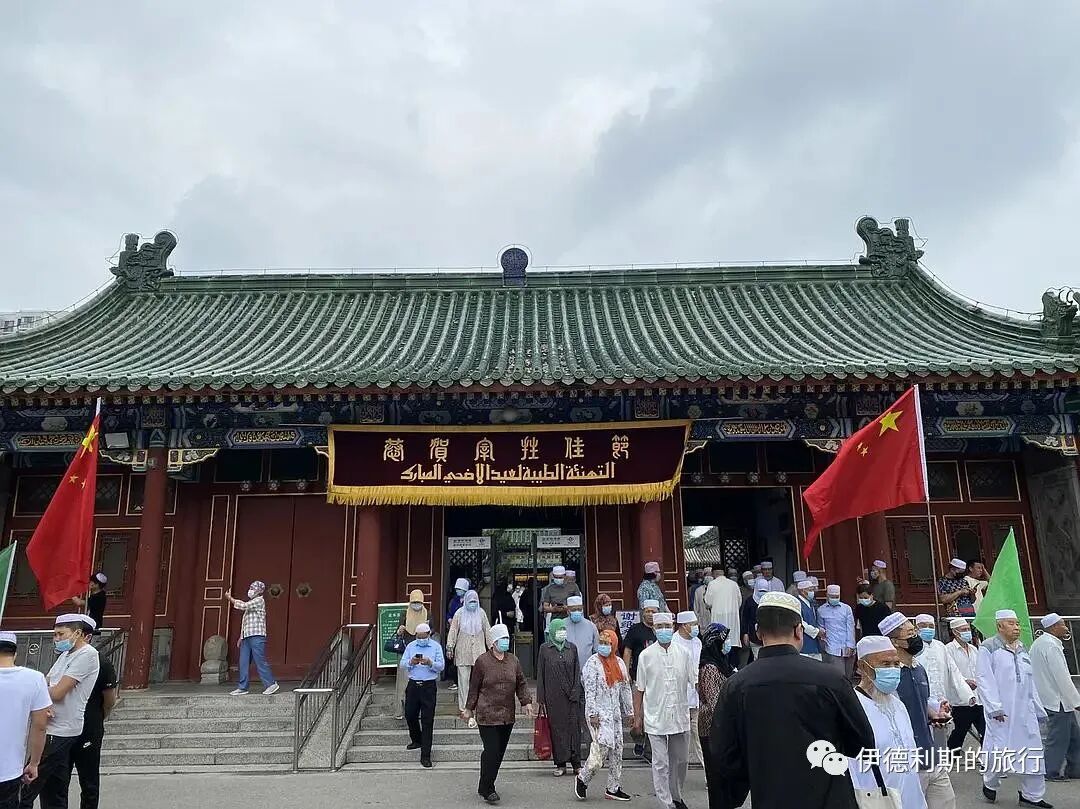
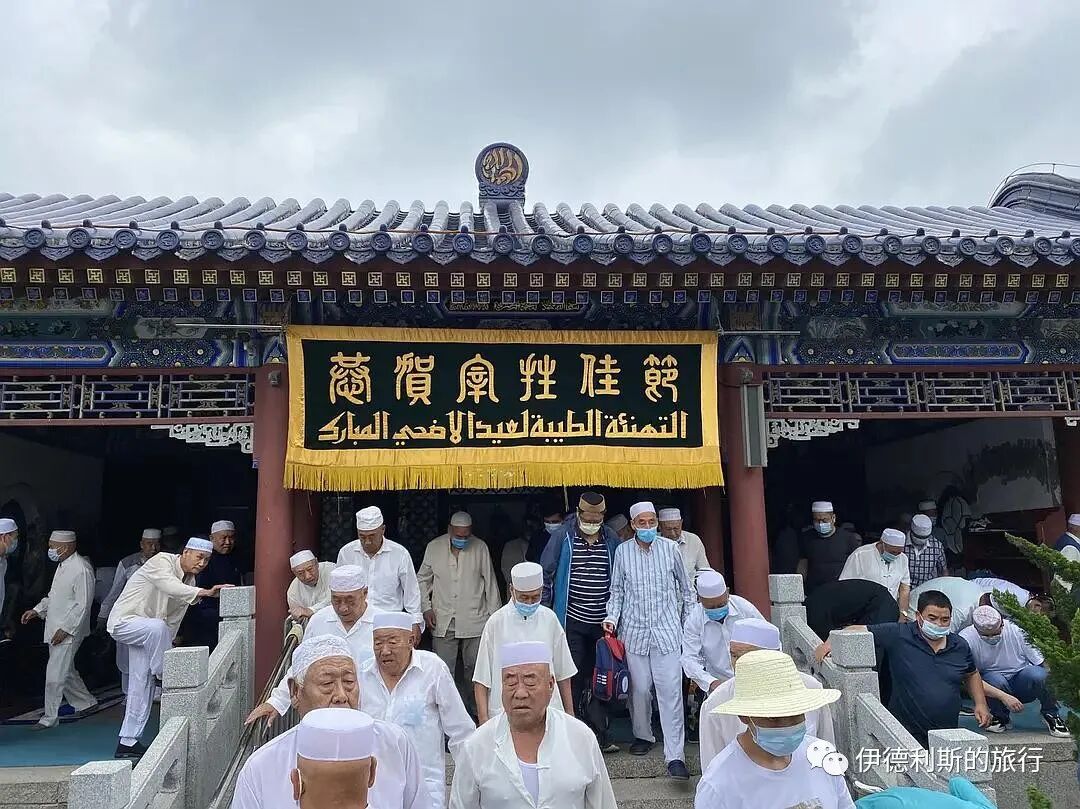
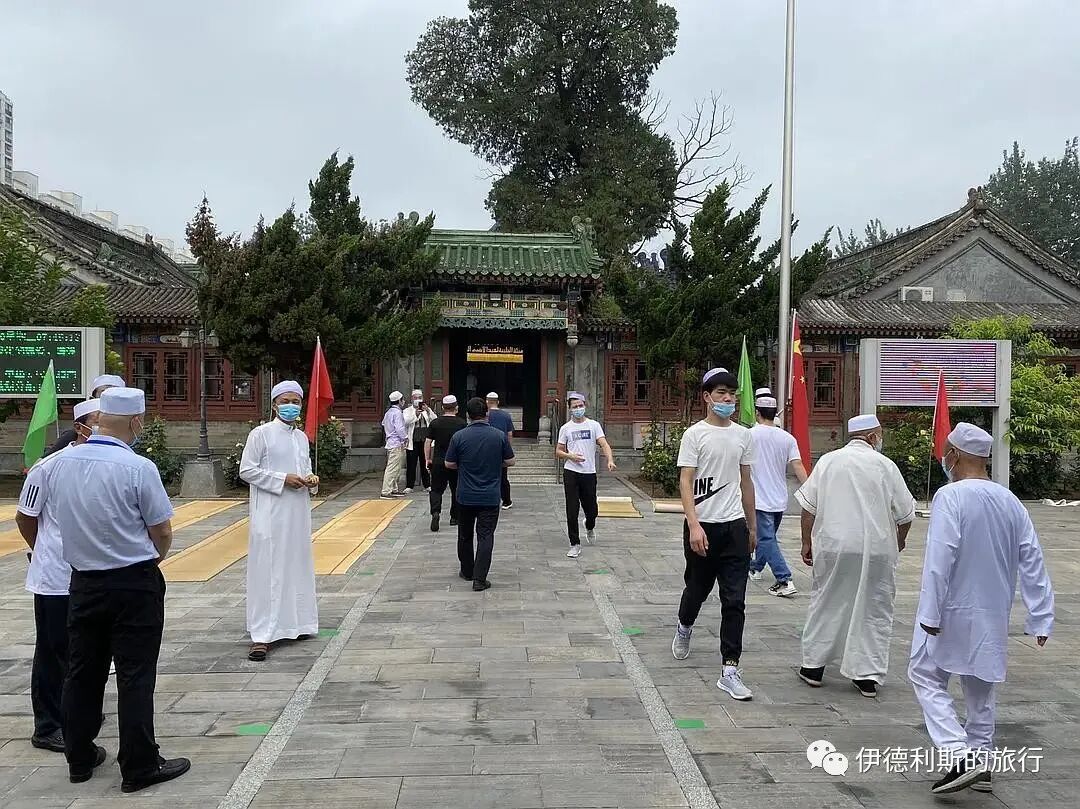
July 20, Eid al-Adha and the Daliushu Tuesday night market.
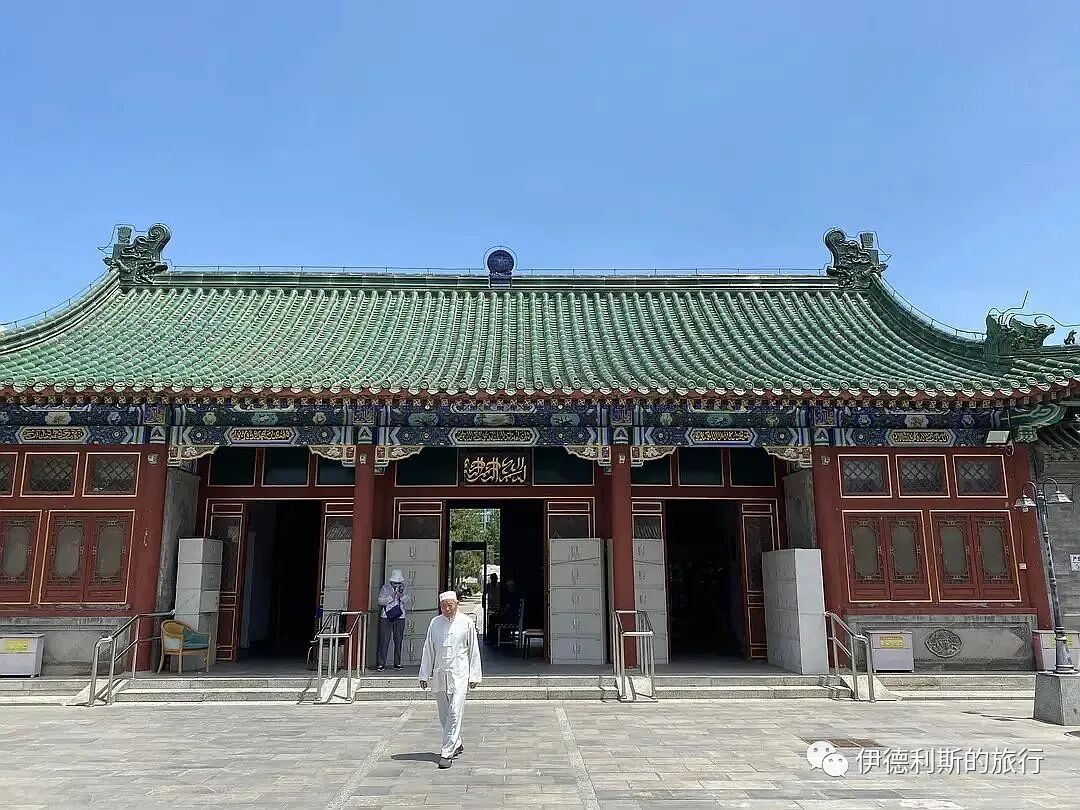
Attending the Eid prayer (Erde huili) in Changying.
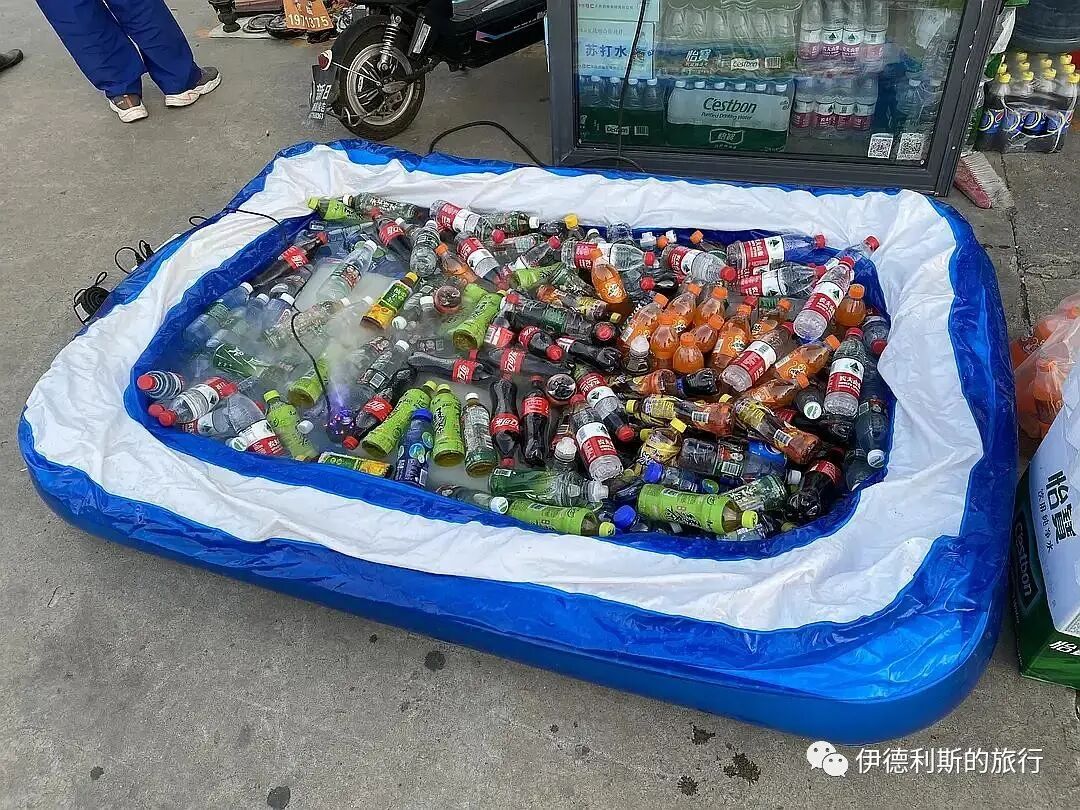
The Daliushu night market is open every Tuesday from 6 p.m. to 1 a.m., and the items there are pretty decent.
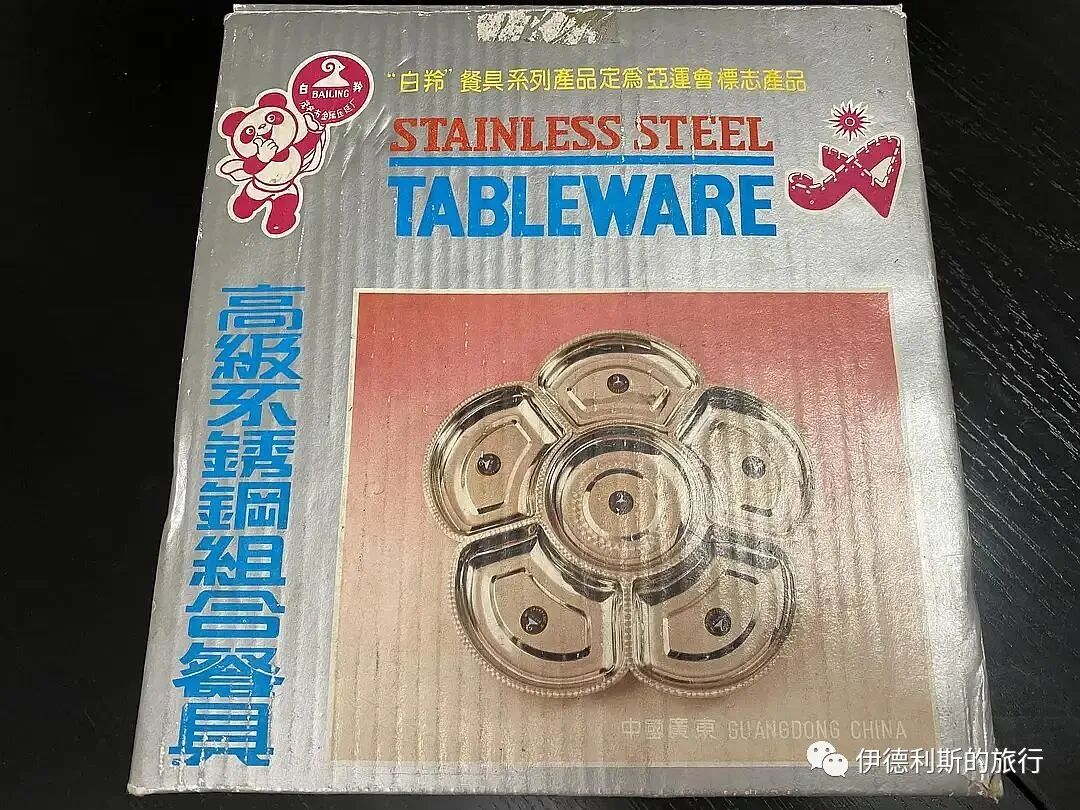
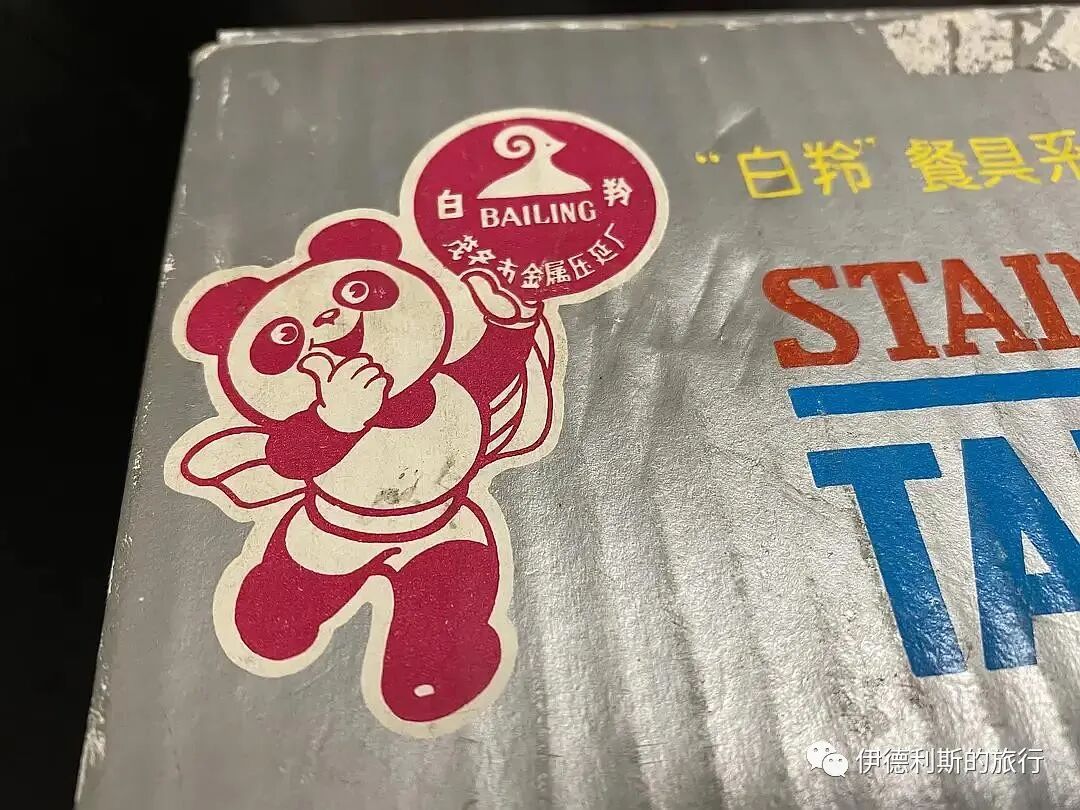
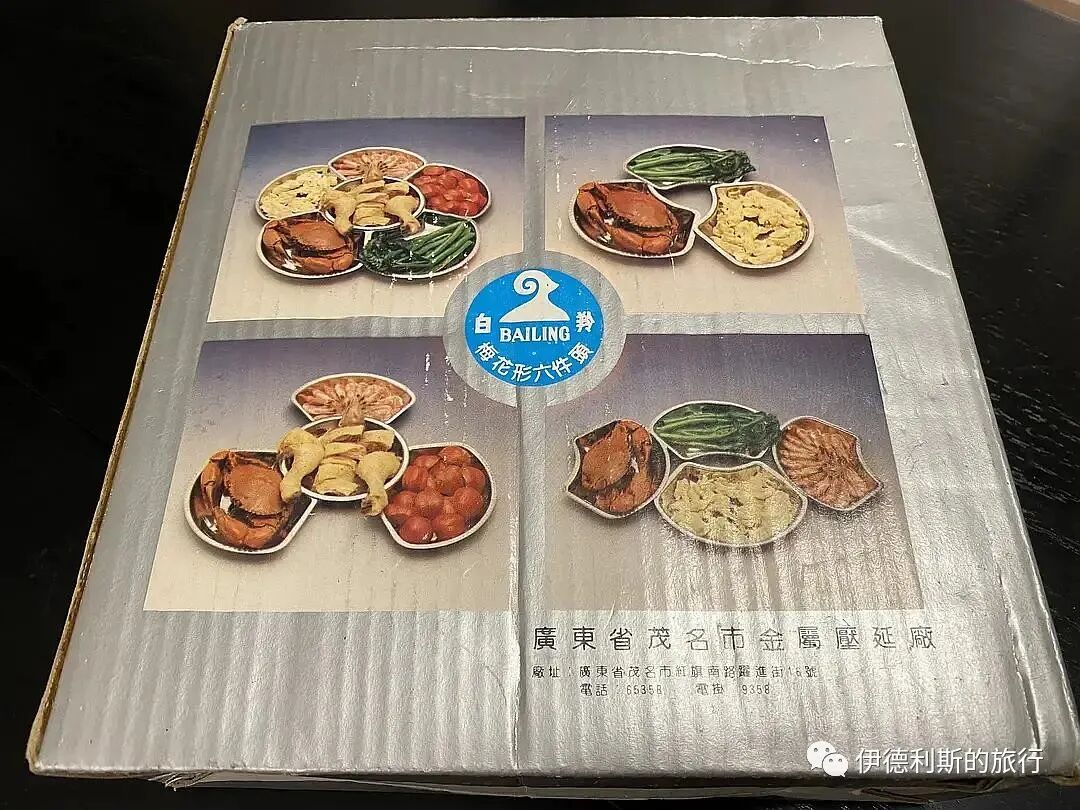
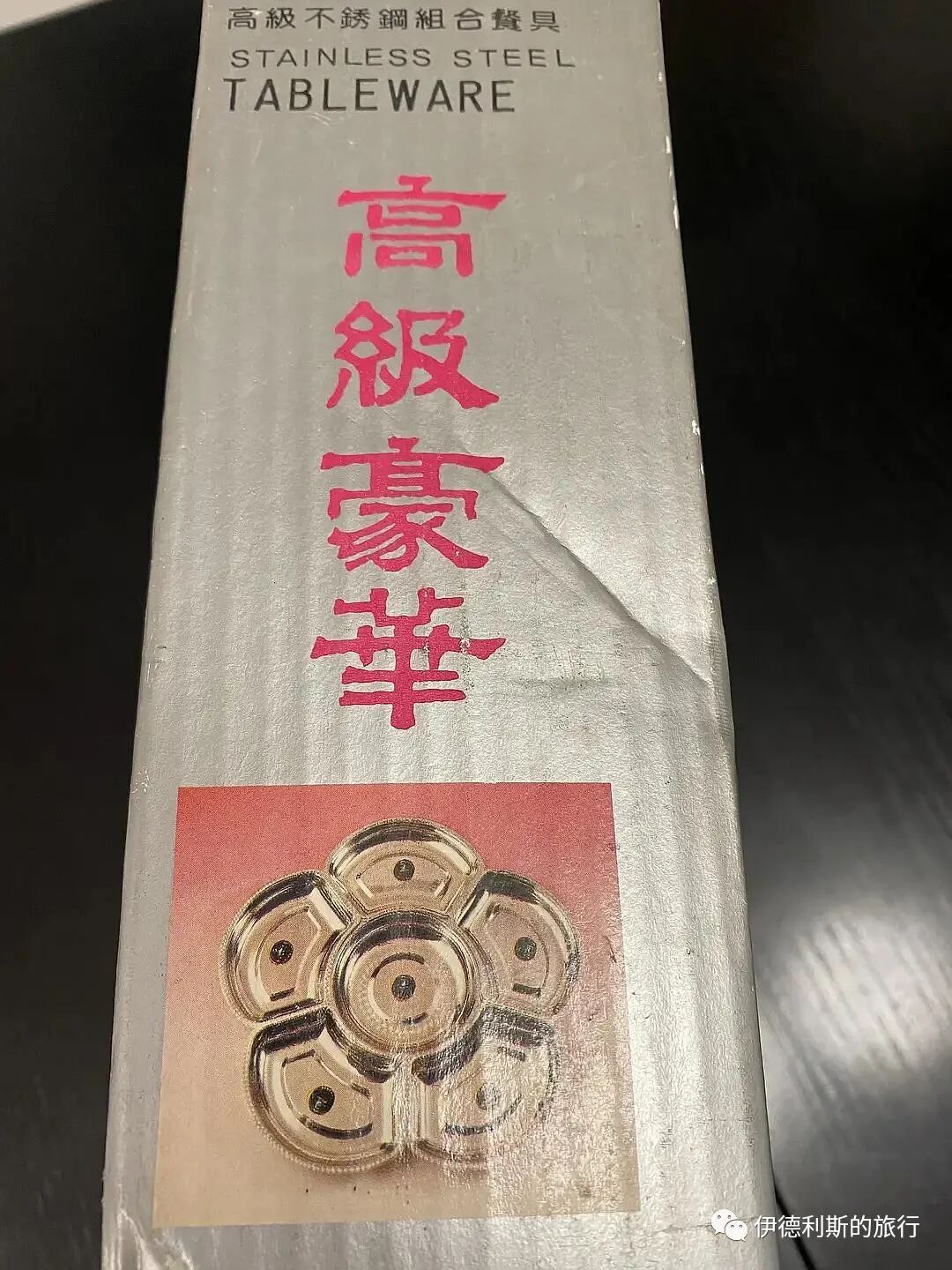
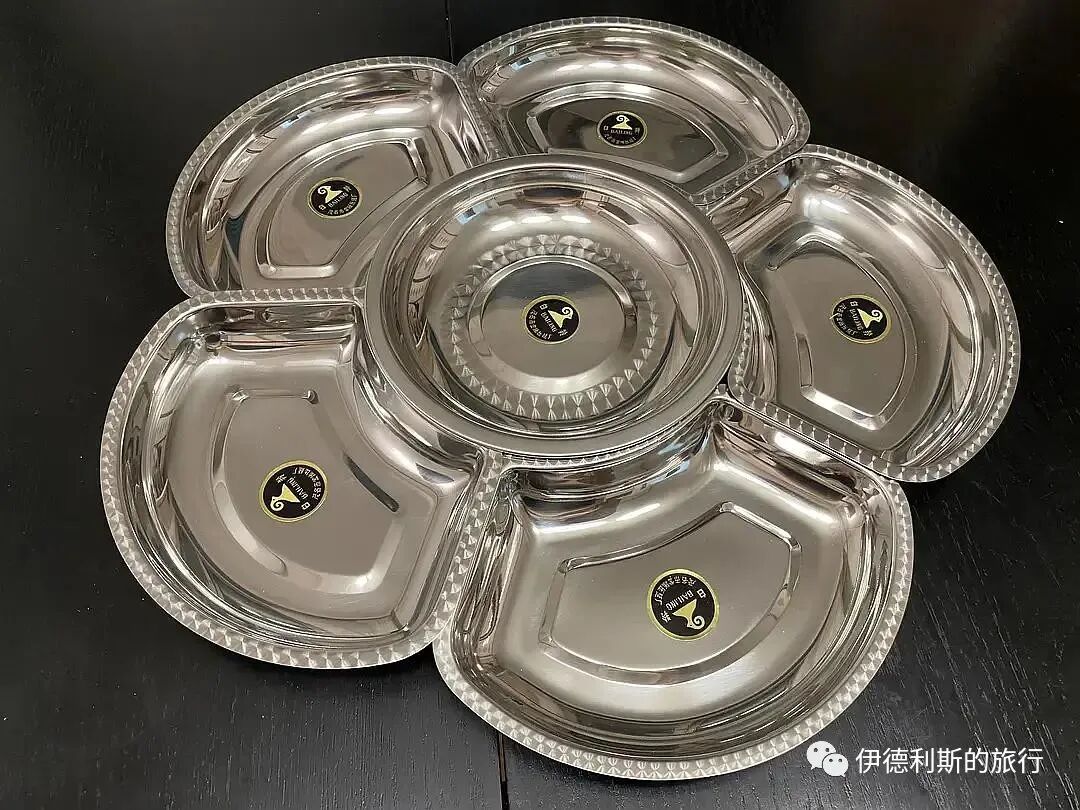
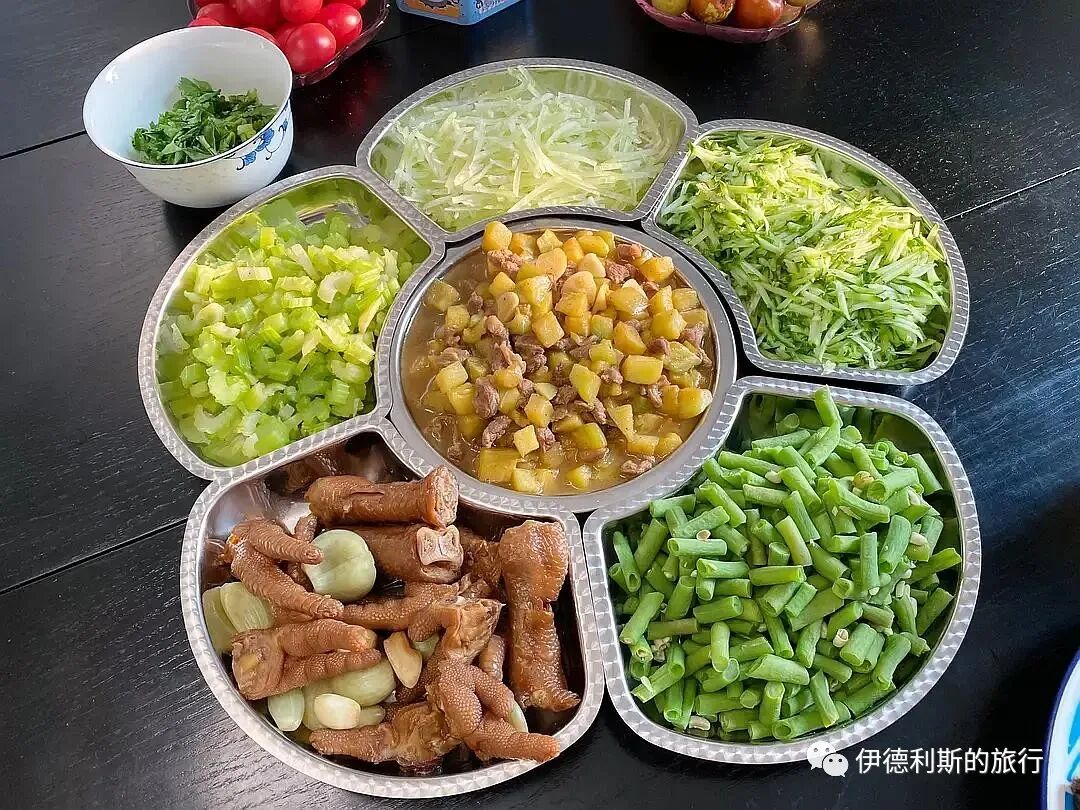
I found a set of White Ant brand plum-blossom-shaped six-piece high-end stainless steel tableware made by the Guangdong Maoming Metal Rolling Factory. It was a commemorative product for the 1990 Asian Games, so I guess it was made in the late 1980s. It was cheap when I bought it, and it was still wrapped in oil paper and never used, so it felt like a great deal!
July 31, Xiangheyuan Morning Market outside Dongzhimen and Panjiayuan Antique Market.
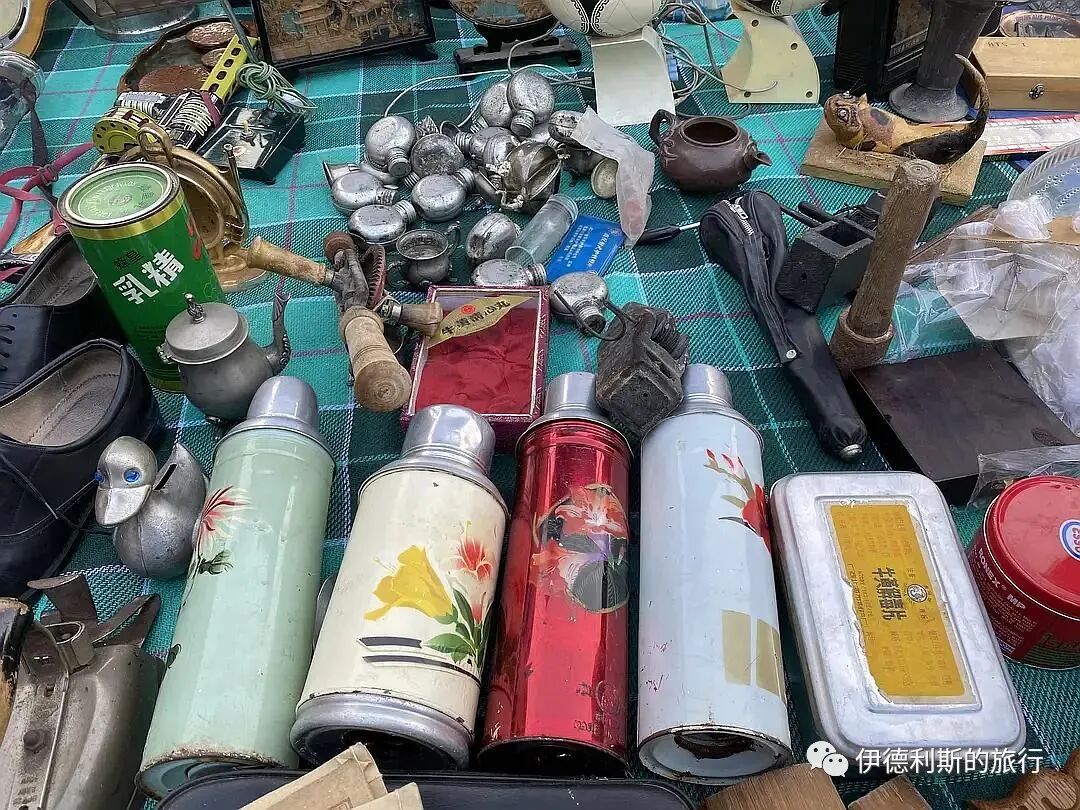
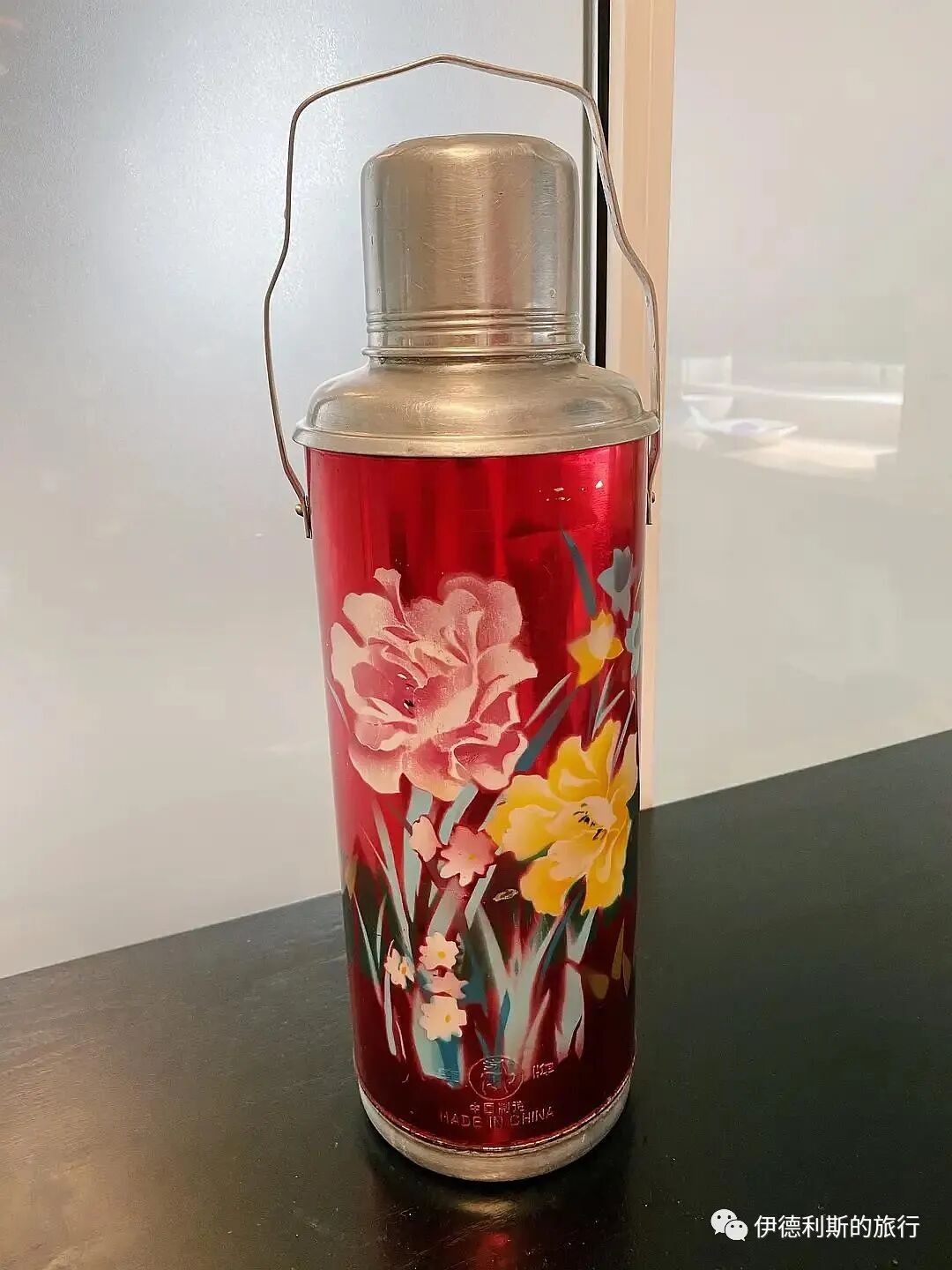
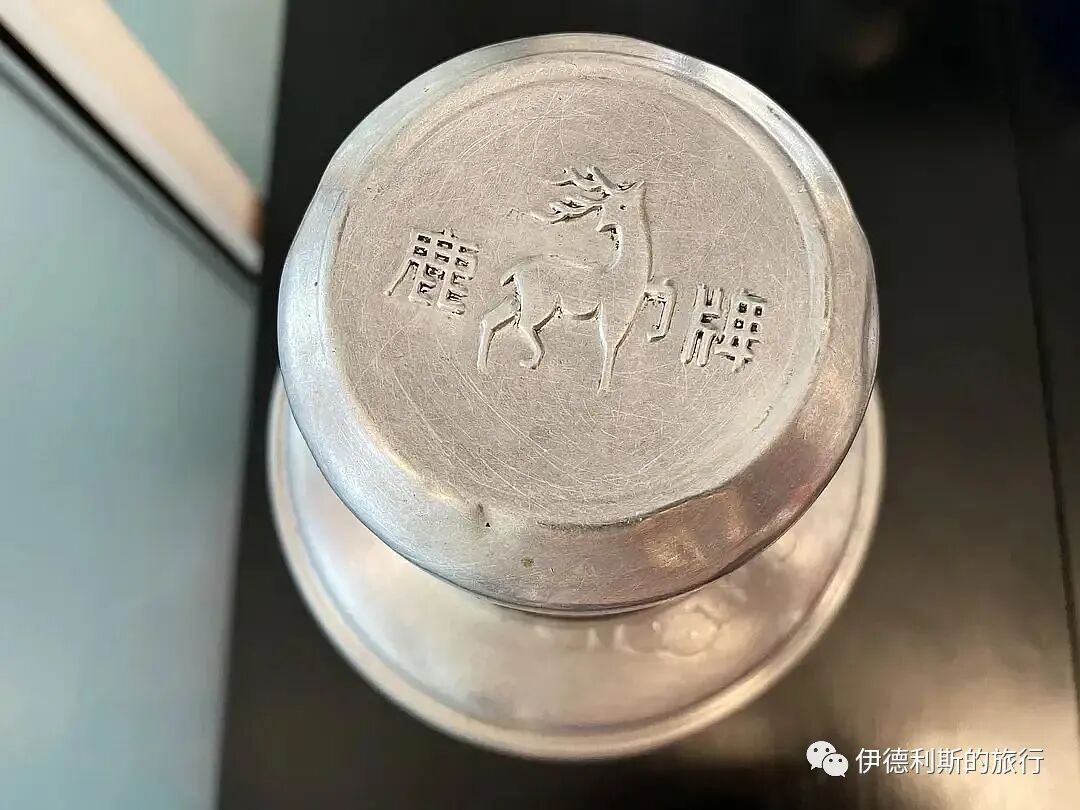
I went to the Liangma River morning market at Xiangheyuan outside Dongzhimen this morning. I bought a Deer brand thermos, two enamel plates, and a tiny little keyboard. Everything was very cheap. The Deer brand thermos factory is in Nankou, Beijing. It started production in 1962 and was the first generation of thermos independently produced in China. Almost every family in Beijing had one in the 70s and 80s.
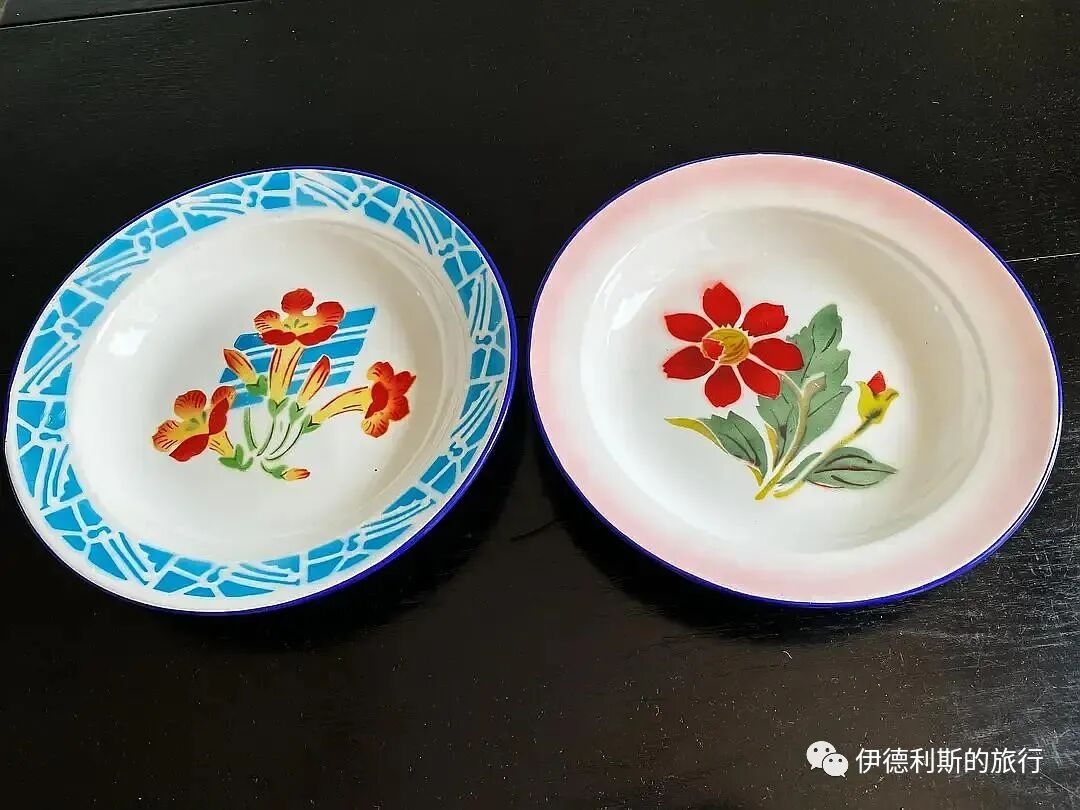
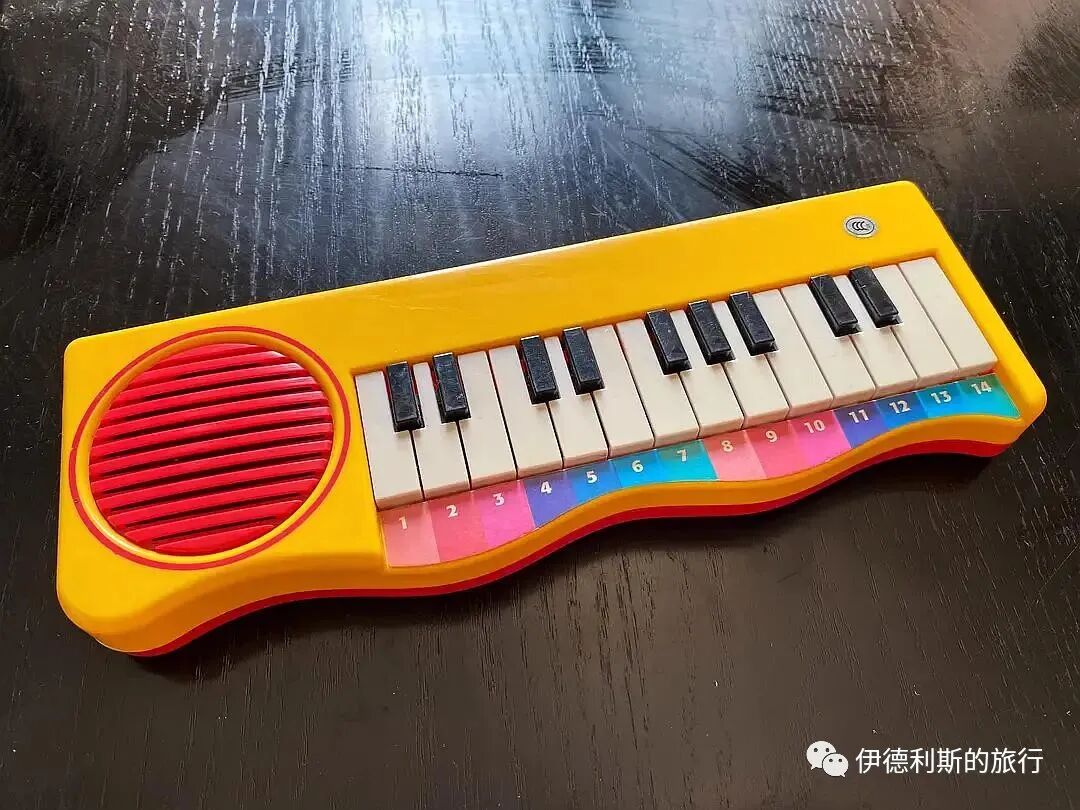
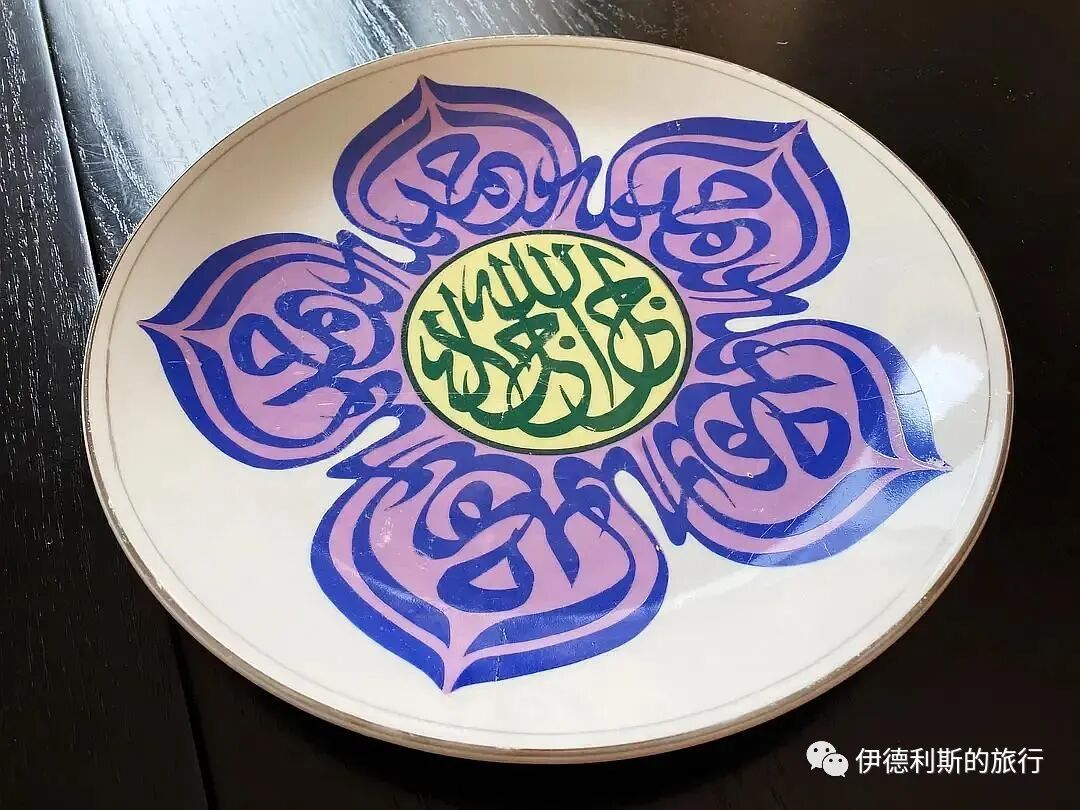
After wandering the dawn market (xiaoshier), I went home for a quick nap before heading out to explore Panjiayuan. I found a porcelain plate made by the old Tangshan Crescent Muslim Porcelain Factory, featuring the work of the famous calligrapher Li Wencai.
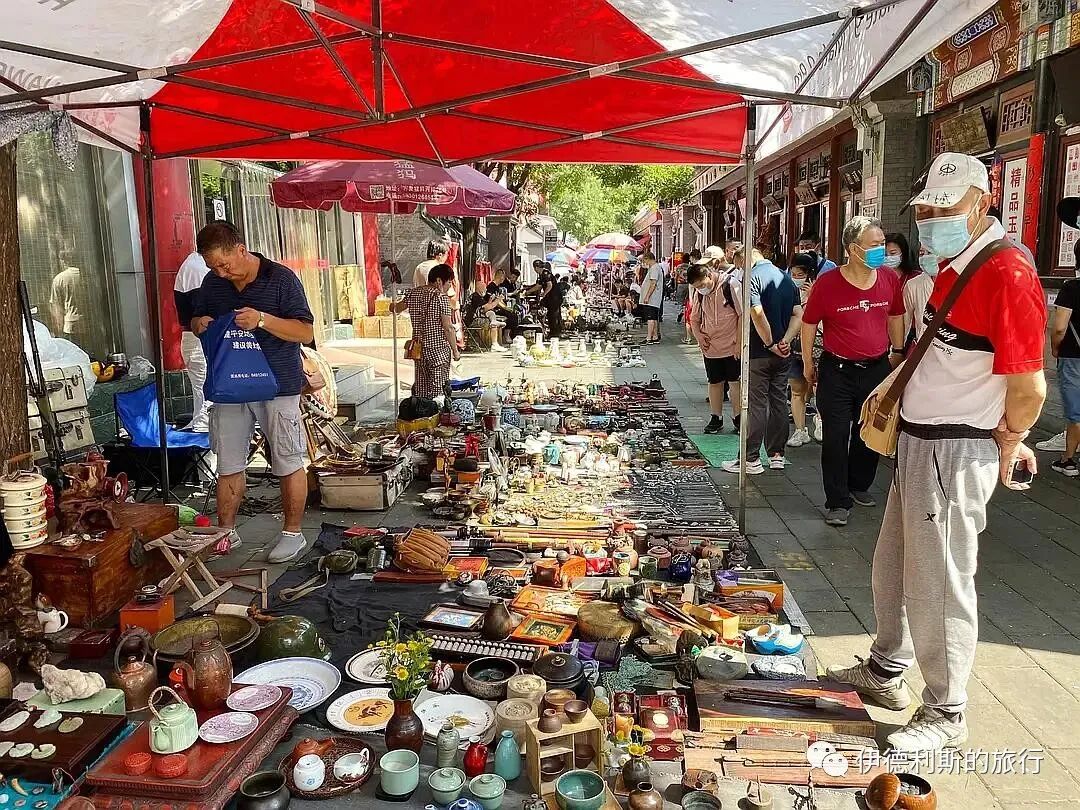
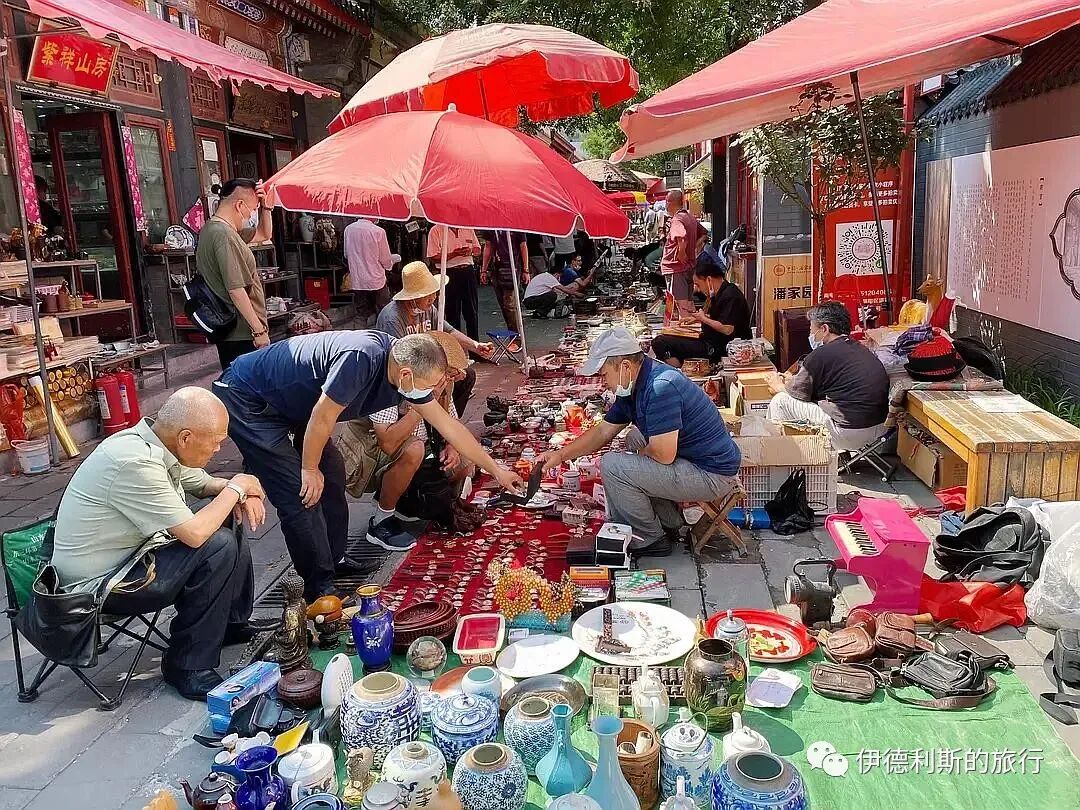
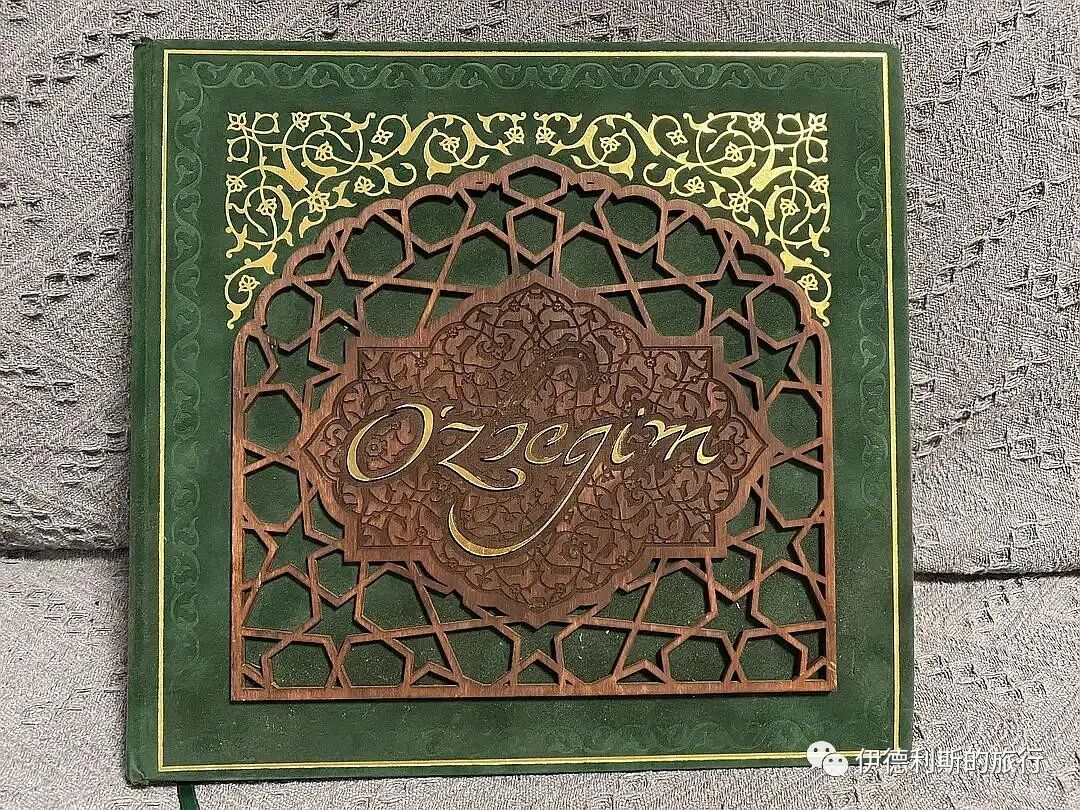
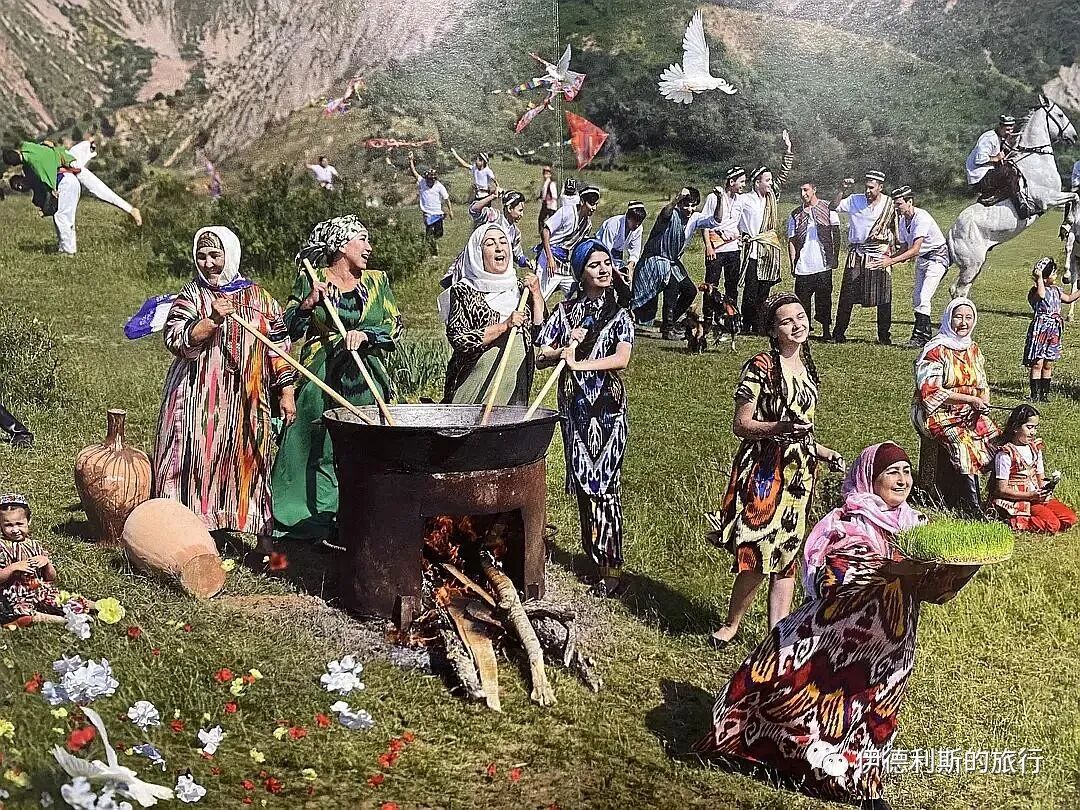
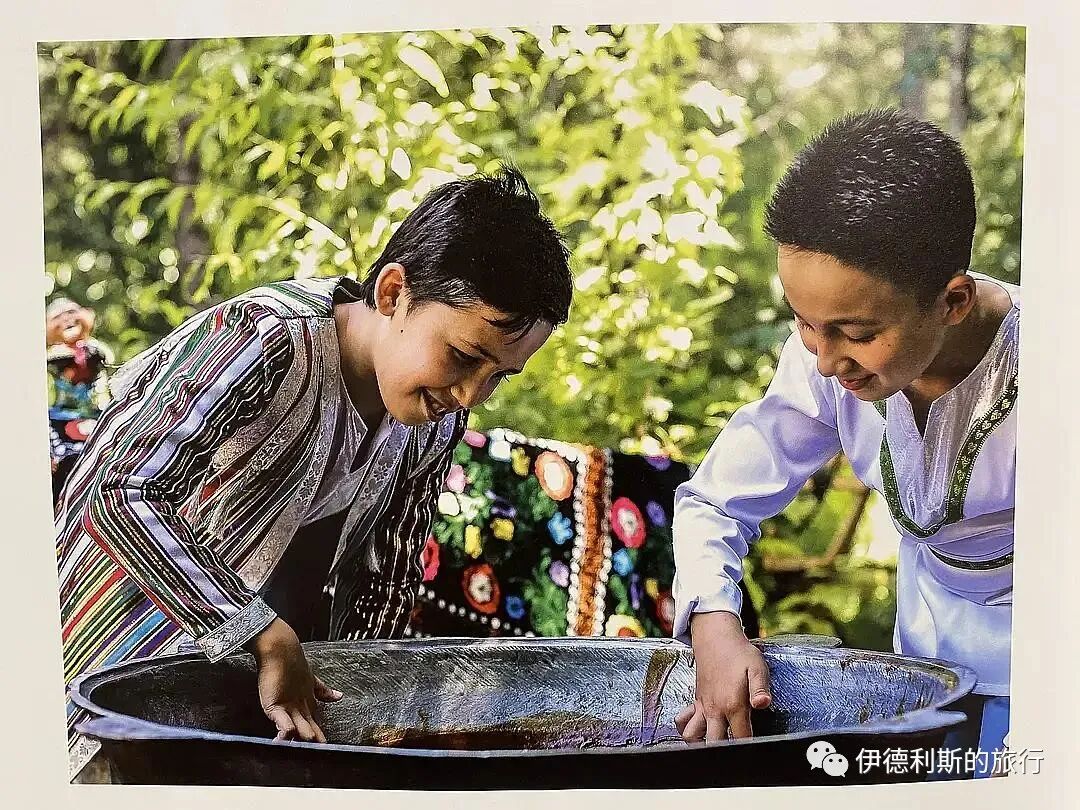
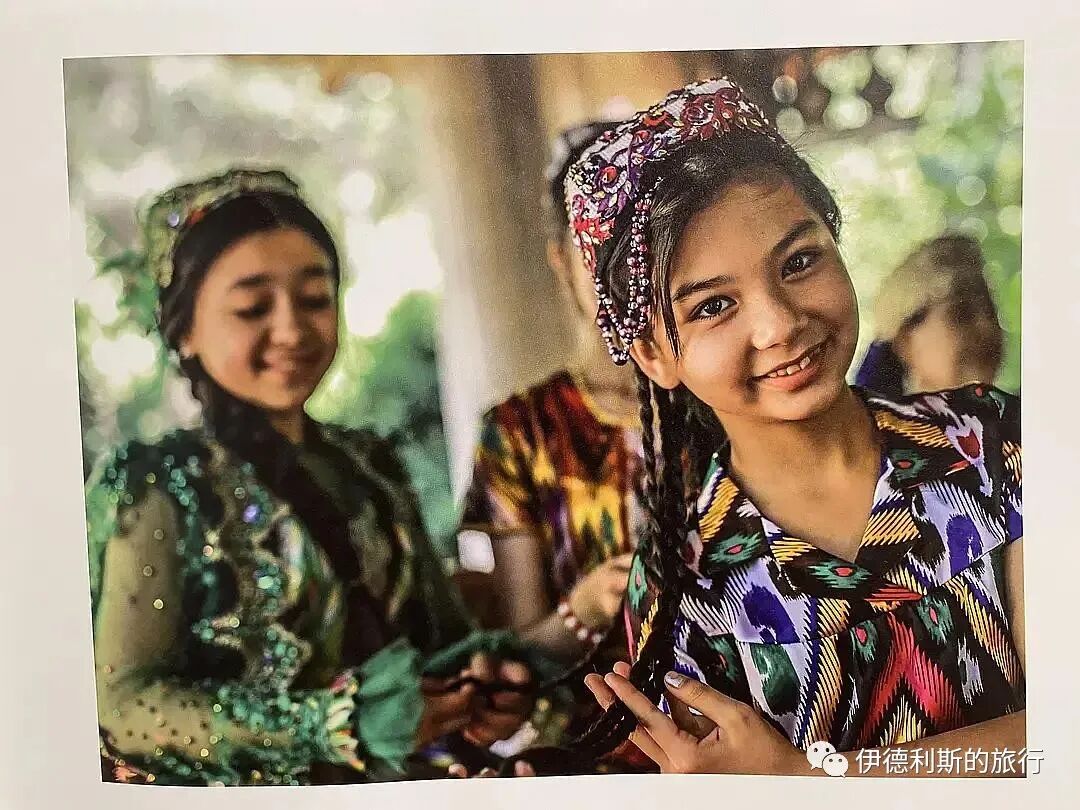
I picked up a massive, thick official photo album from Uzbekistan at Panjiayuan; it is very well made.
August 5, Pakistan Film Festival featuring "Motorcycle Girl" and "I Am Not Going to Punjab."
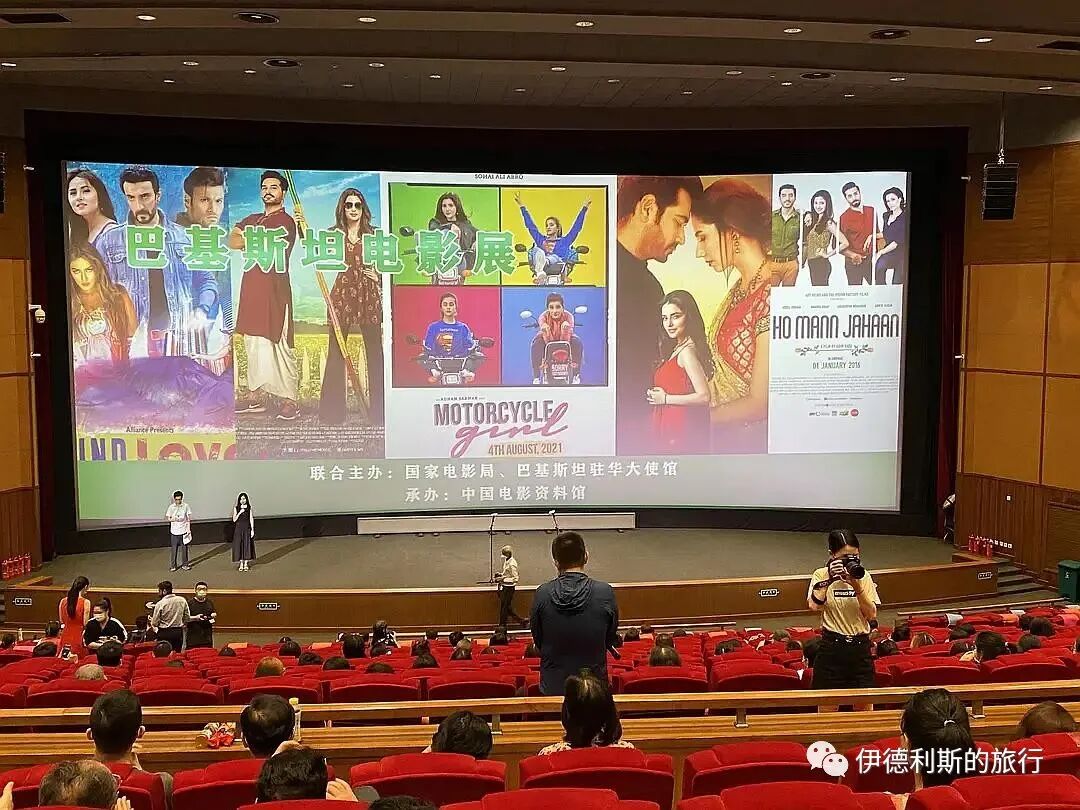
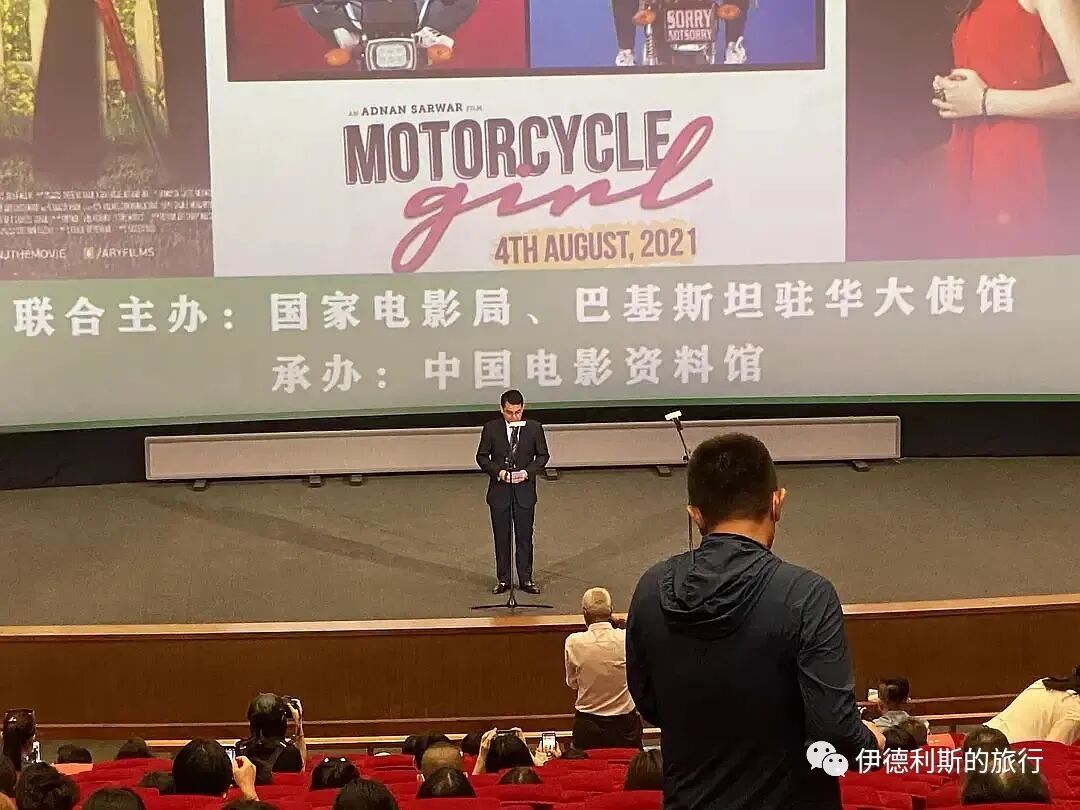
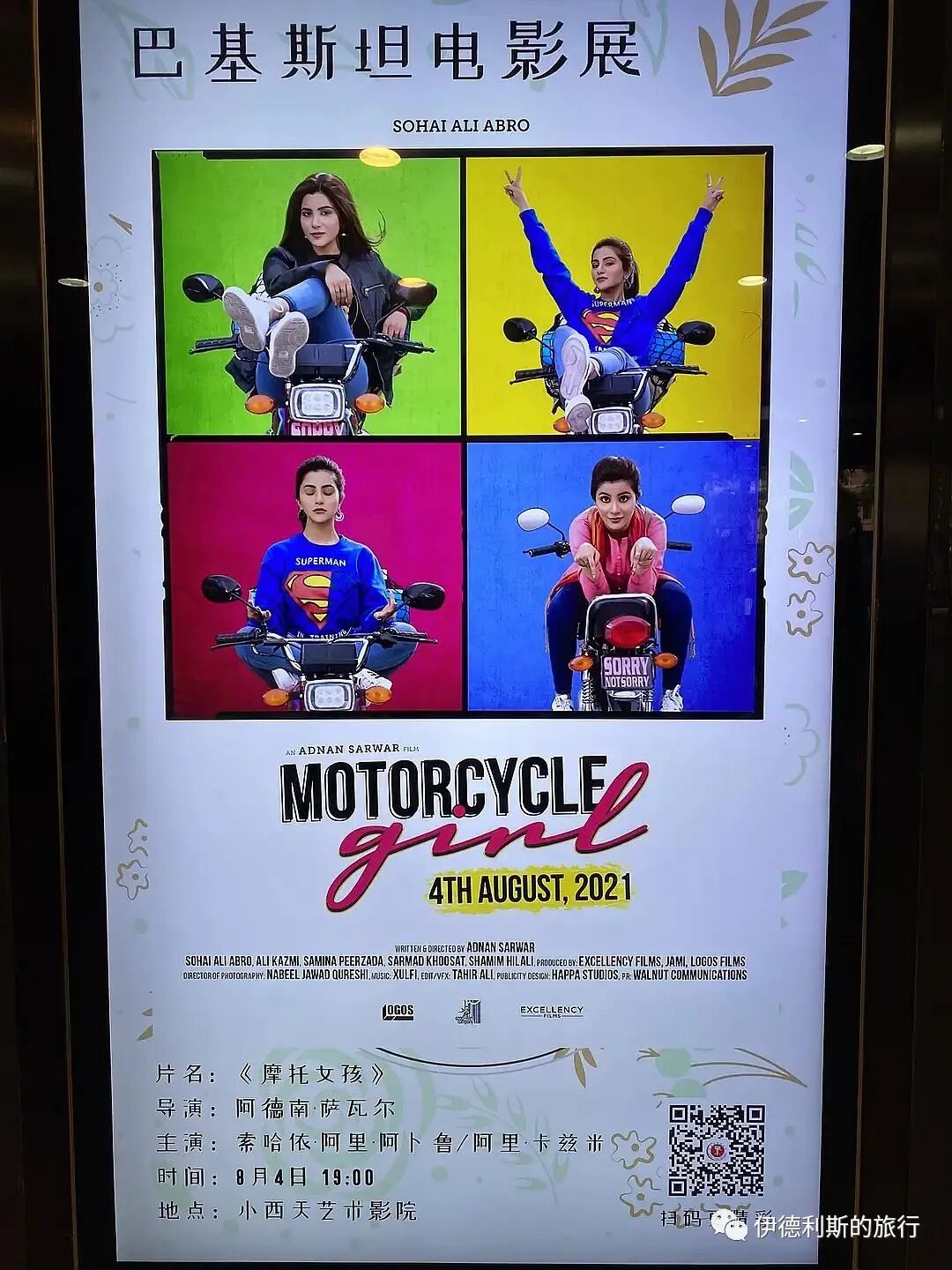
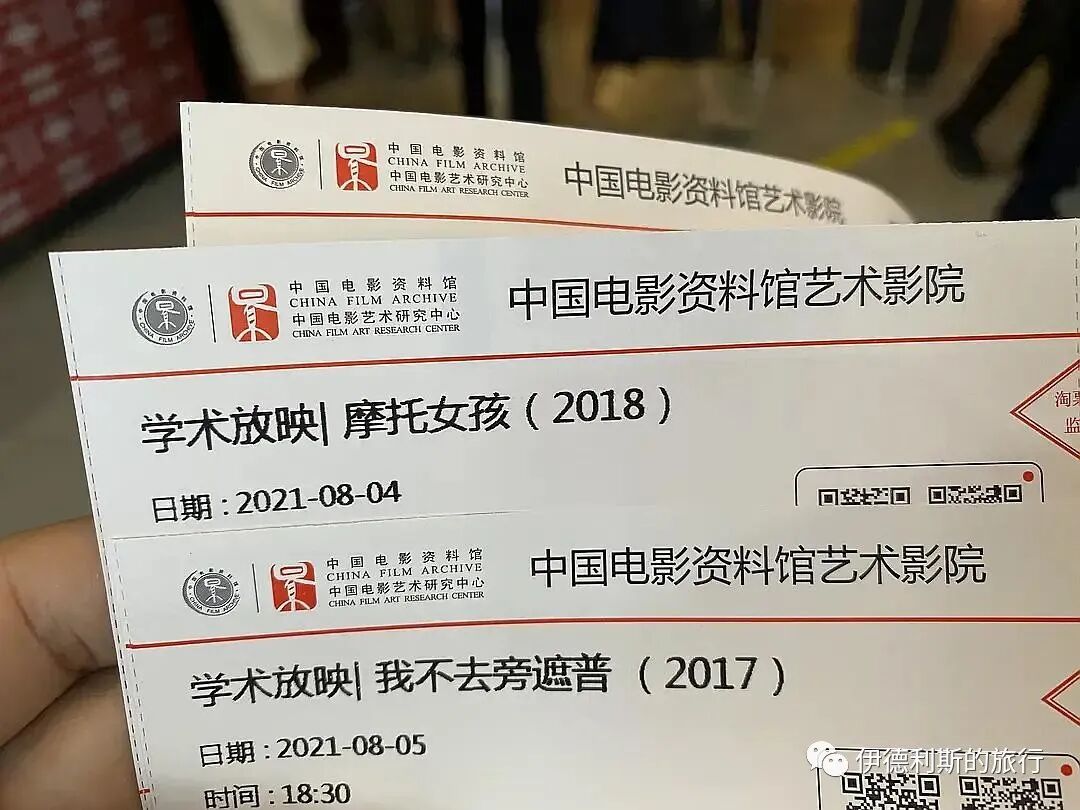
I attended the opening ceremony of the Pakistan Film Festival at the China Film Archive and watched the opening film, "Motorcycle Girl." People from the Embassy of Pakistan in China all came. The ambassador could not make it because he was in quarantine in Chengdu last week, so his wife attended on his behalf. The deputy ambassador gave the opening speech. His South Asian-accented English sounded so familiar and friendly, haha. There was a small incident. We had grabbed the best seats earlier, but the ambassador's wife needed them at the last minute, so we had to move. In the bottom right corner of picture 1, you can see someone taking photos of the ambassador's wife.
Motorcycle Girl is a very rare road movie about equal rights for Muslim women. It is quite special to be able to see this kind of subject on the big screen. The film is based on a true story. The main character finally tires of the restrictions placed on women by her conservative family and workplace, so she decides to ride her motorcycle alone from Lahore to the Khunjerab Pass. The Kashmir in the film is so beautiful that it feels like it must be close to the Valley of the Wind. I really wanted to travel there, but now I have no idea when I will be able to go, so I have to experience it through the movie instead.
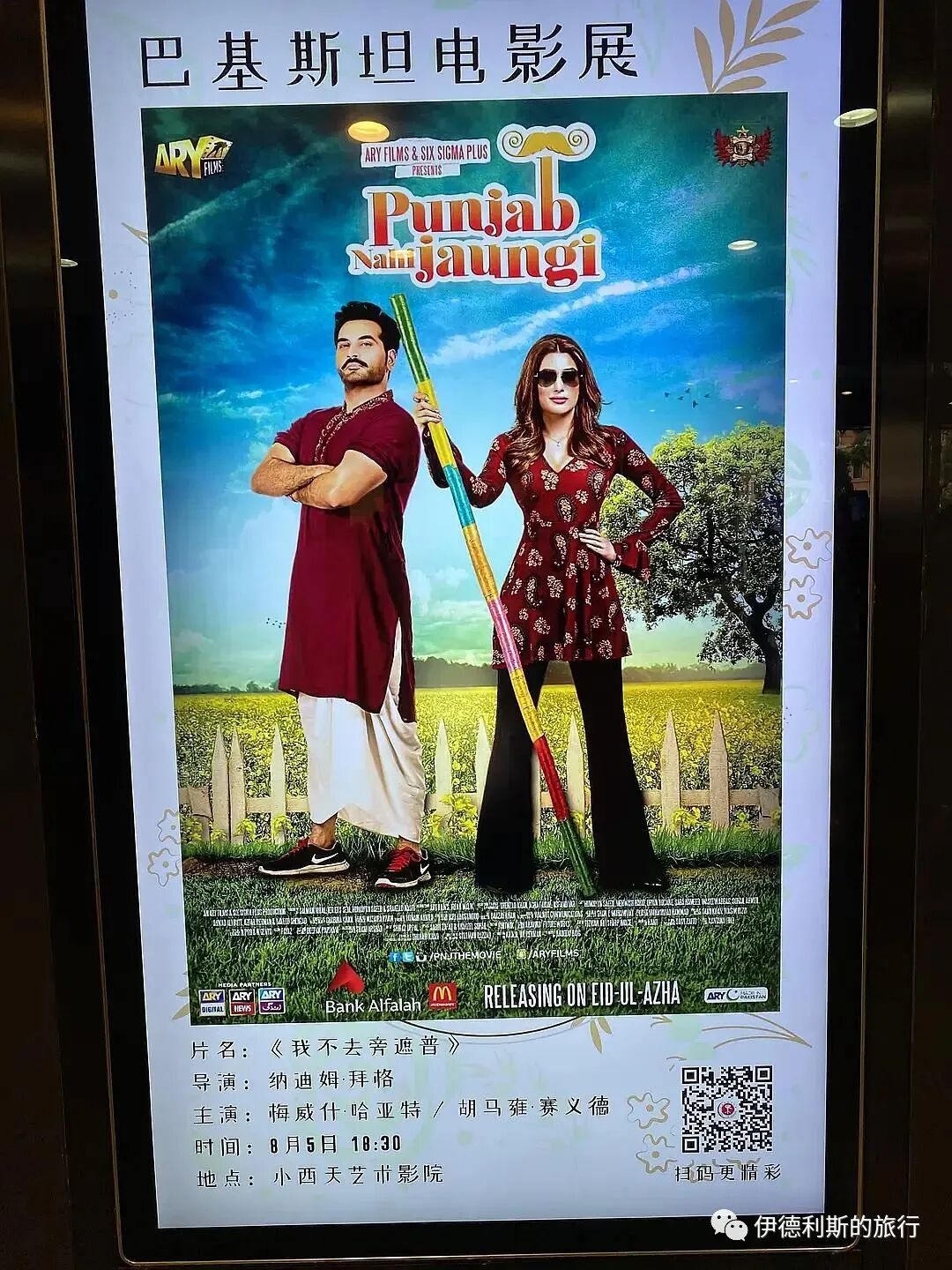
The second film in the Pakistan Film Festival is 'I Am Not Going to Punjab.' I thought it would just be a musical, but it has a strong Sufi influence and focuses more on encouraging people to be loyal in love. The movie compares love to fasting, one of the Five Pillars of Islam, which is the first time I have seen that on the big screen. The singing and dancing were great, too. A long part featured Sufi whirling dances inside the gongbei, which was so exciting, and some of the Sufi poetry was beautiful to listen to.
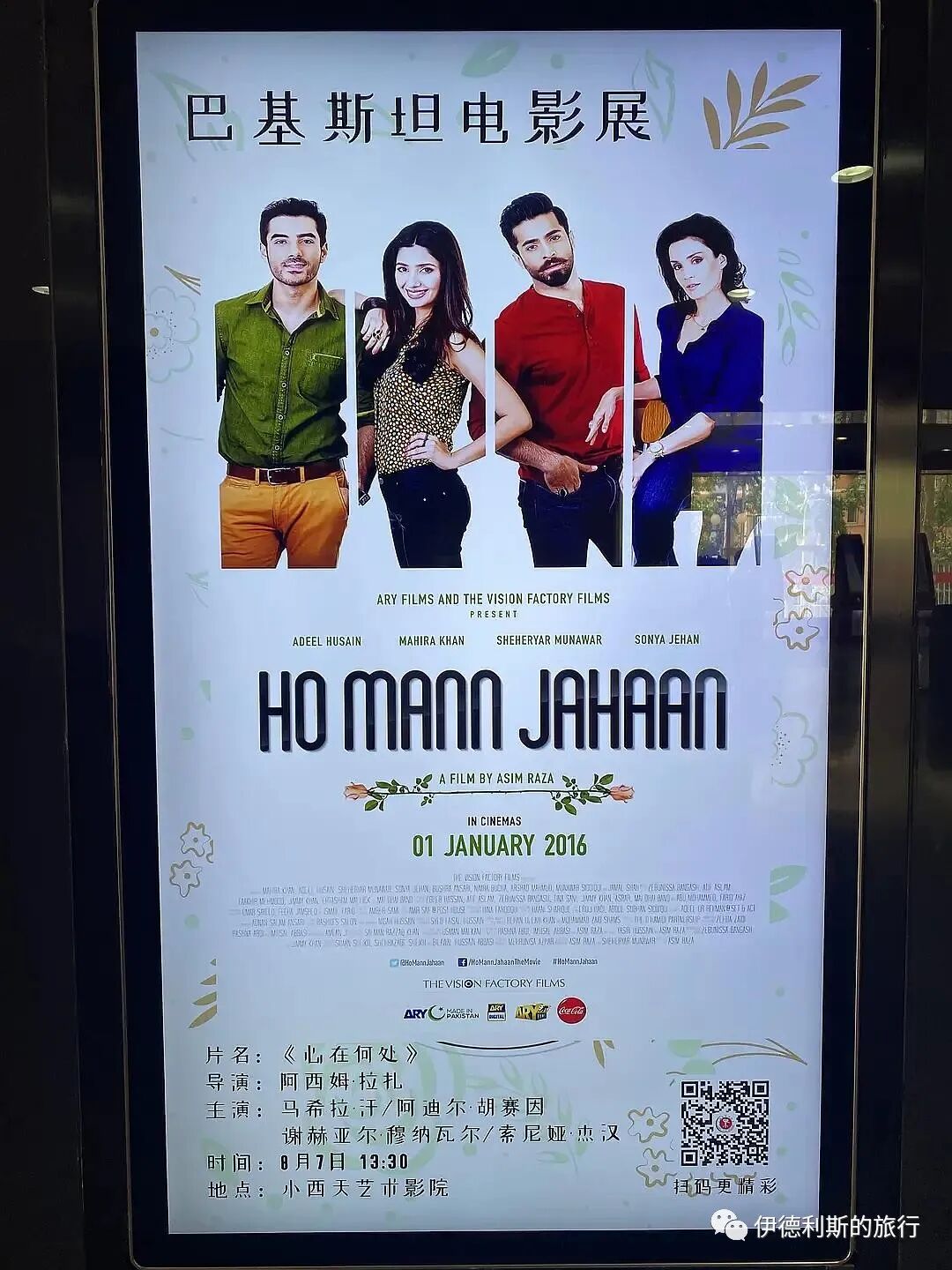
August 7, morning market (xiaoshier) at Liangma River near Xiangheyuan outside Dongzhimen, and the Pakistani film screening of 'Where Is My Heart'.
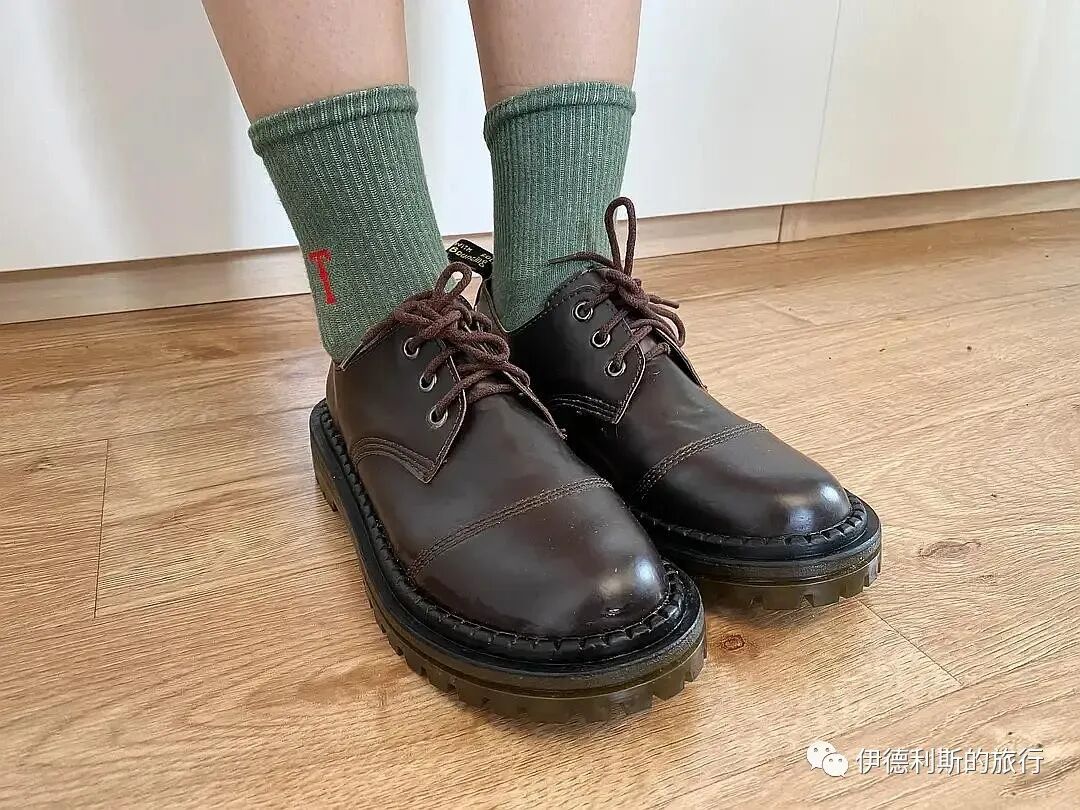
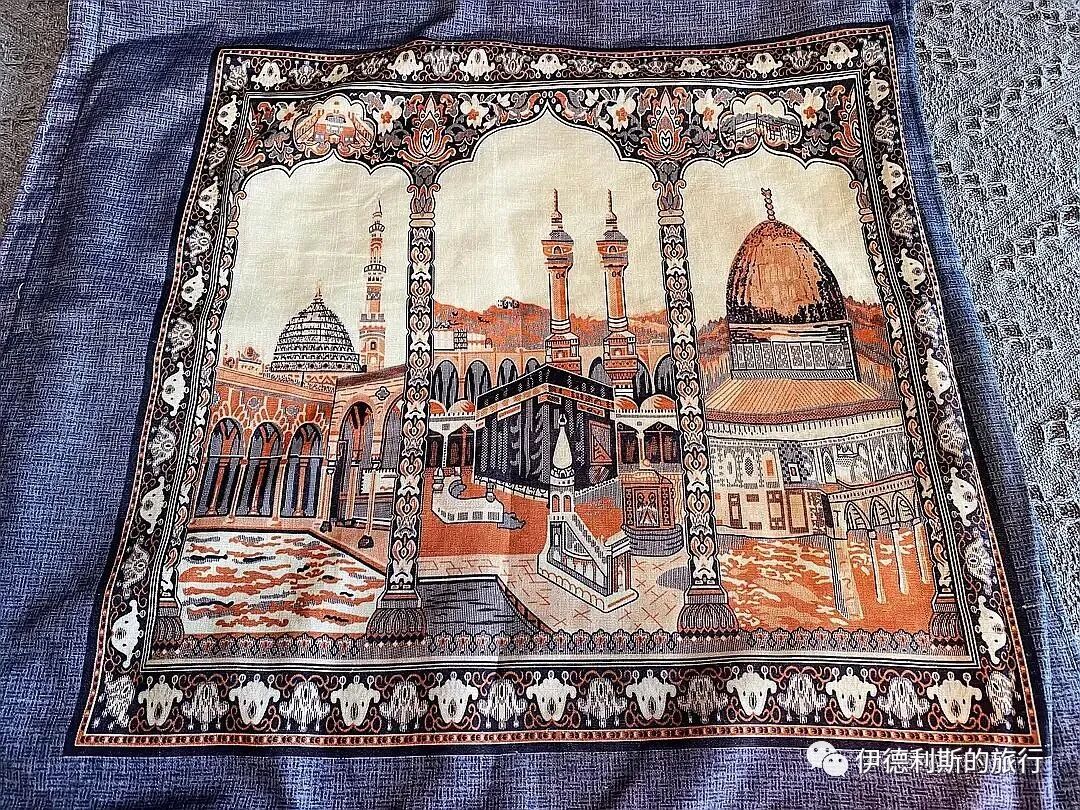
The morning market has moved to a large area where the North Moat and Liangma River meet, and it is much bigger than before. Zainab bought a pair of shoes for just a few dozen yuan. They are brand new, super comfortable, and very cheap. I bought a piece of fabric with a pattern of the Kaaba (Kaba) for the price of a bottle of cola.
At the third screening of the Pakistan Film Festival at the China Film Archive, I watched the youth musical 'Where is the Heart'. I am really growing to love Pakistani song-and-dance films! Pakistani music is a massage for the soul. The three-hour runtime did not feel boring at all. It is worth noting that the first song at their wedding scene was Sufi music. It mentioned the South Asian Sufi master Nizam and his close friend Khusrau. Khusrau is the founder of South Asian Sufi music and the father of Urdu literature. I once visited their shrine (gongbei) and enjoyed beautiful Sufi music there. Hearing it again in the movie brought back so many memories.
Watching these Pakistani films over the past few days, I found that Urdu and the Hui Muslim dialect share many similarities because they both borrow words from Persian and Arabic. It feels very familiar. For example, they both use 'Khuda' for exclamations, 'dua' for blessings, and 'dosti' for friends. In the middle of the film, the band sings a song in the recording studio about dosti, haha.
August 14, Xiaoshi Market at Liangma River in Xiangheyuan, outside Dongzhimen, and the Overseas Chinese History Museum of China.
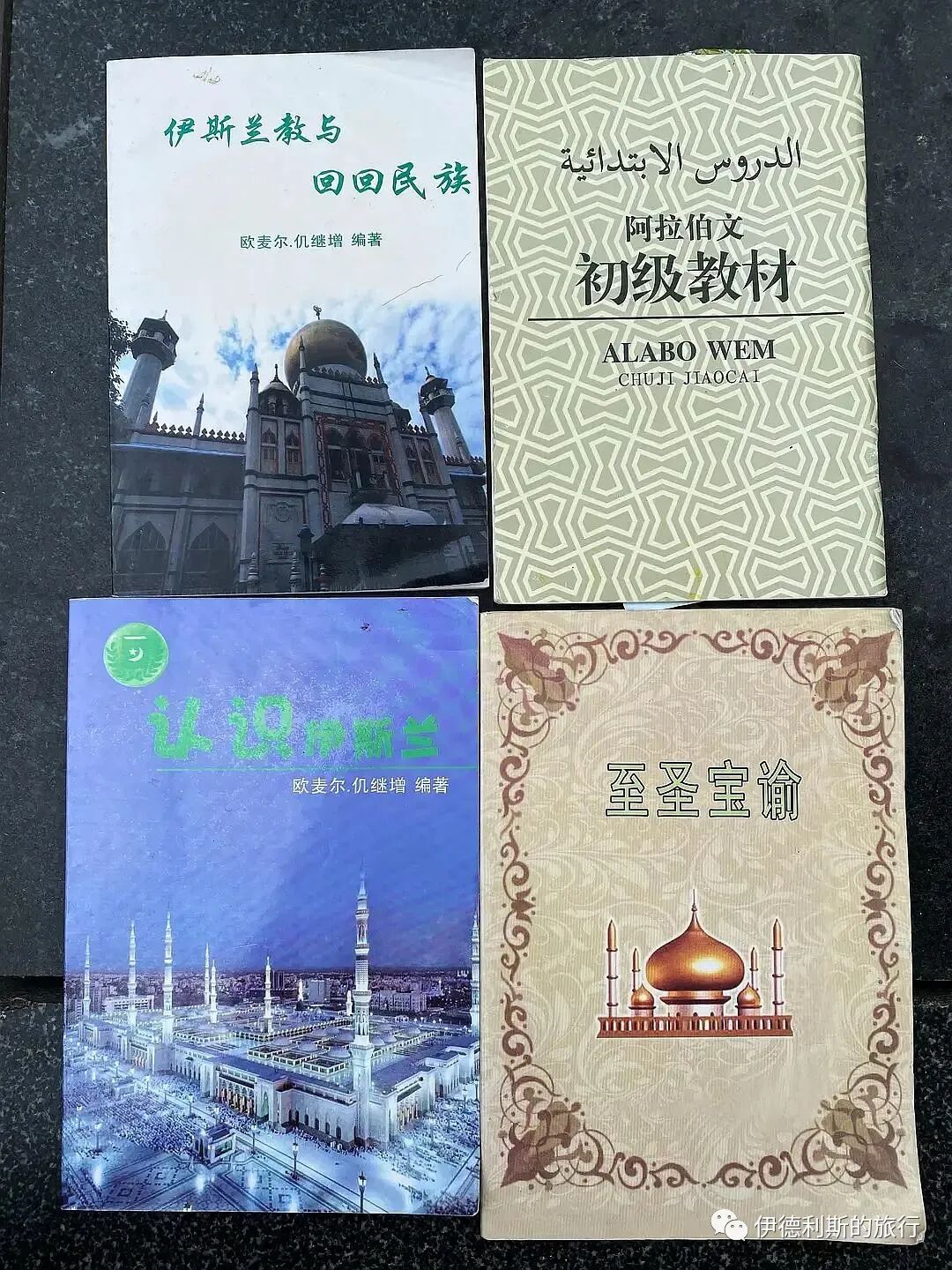
I picked up a few Islamic religious booklets (jiaomen cezi) at the Liangma River morning market outside Dongzhimen this morning. They started calling for vendors to pack up at 5:30, but everyone was moving so slowly that they still weren't finished by 6:00. People say if nobody stops them, some stay open until 8:00.
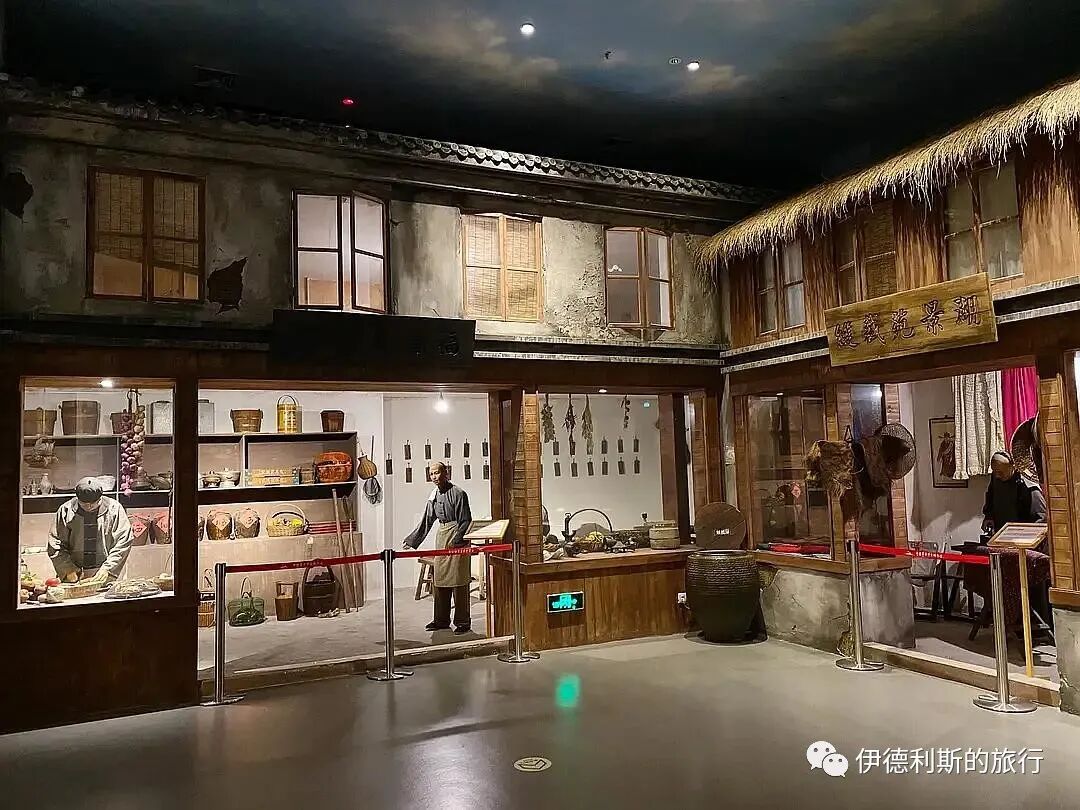
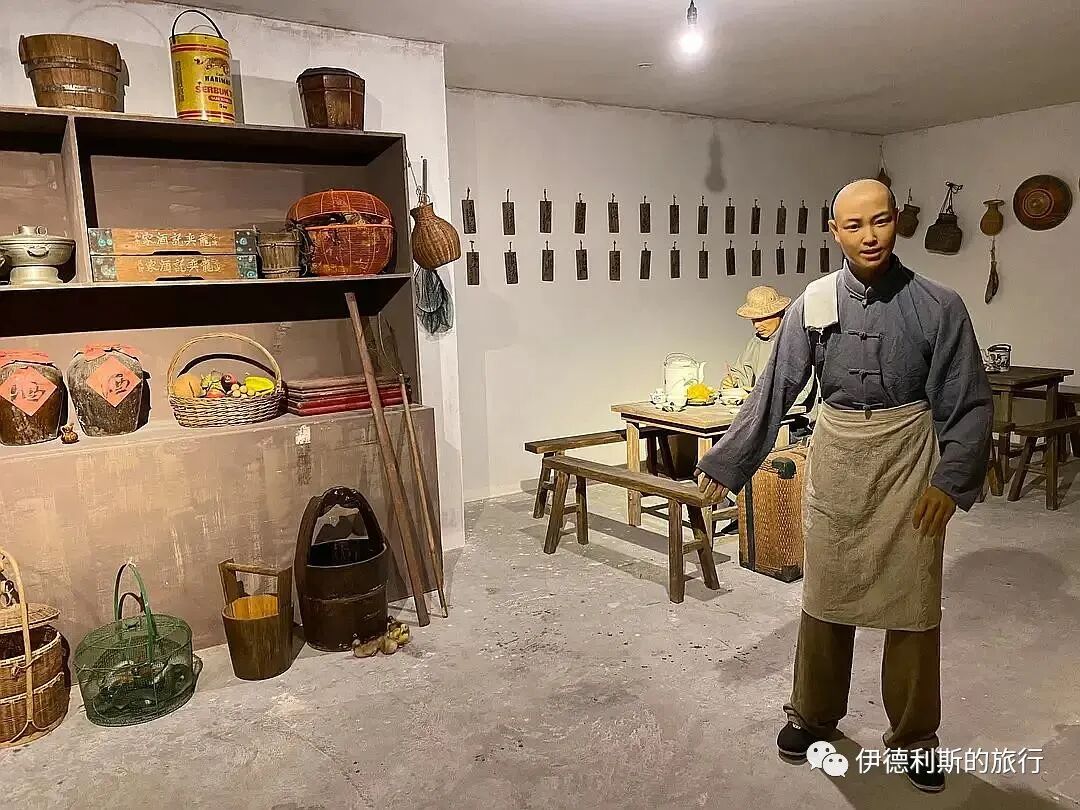
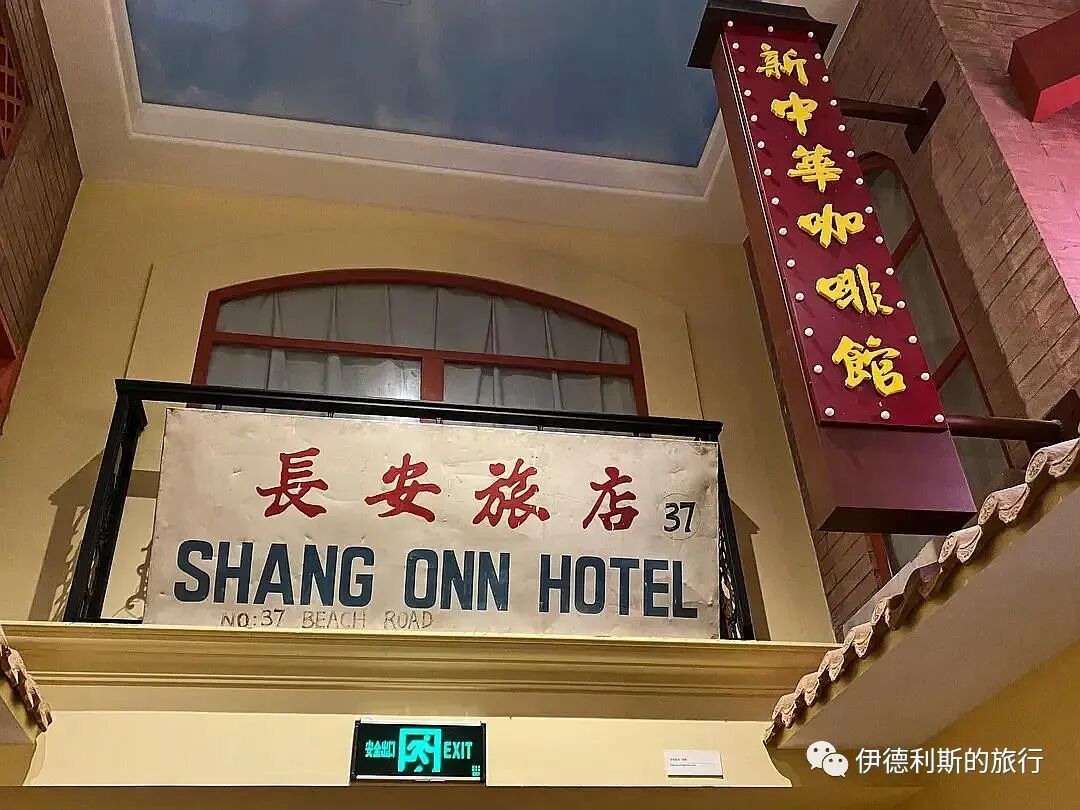
I visited the Overseas Chinese History Museum of China. The exhibits are very rich. Interestingly, they recreated a Nanyang Chinese street in the basement. It is not as big as the one at the Peace Museum, but it is still fun because it has both artifacts and descriptions. From the early days of rubber tapping to opening small tailor shops, restaurants, and pharmacies, then moving on to hotels, newspapers, and finally returning home, you can see that the step-by-step development of Nanyang Chinese was truly difficult.
August 19, Ceramics Gallery at the Hall of Martial Valor (Wuyingdian) in the Forbidden City.
The Ceramics Gallery in the Hall of Martial Valor (Wuyingdian) at the Forbidden City reopened on May 1st after a renovation. I visited last weekend and arrived early enough to experience the gallery without any crowds.
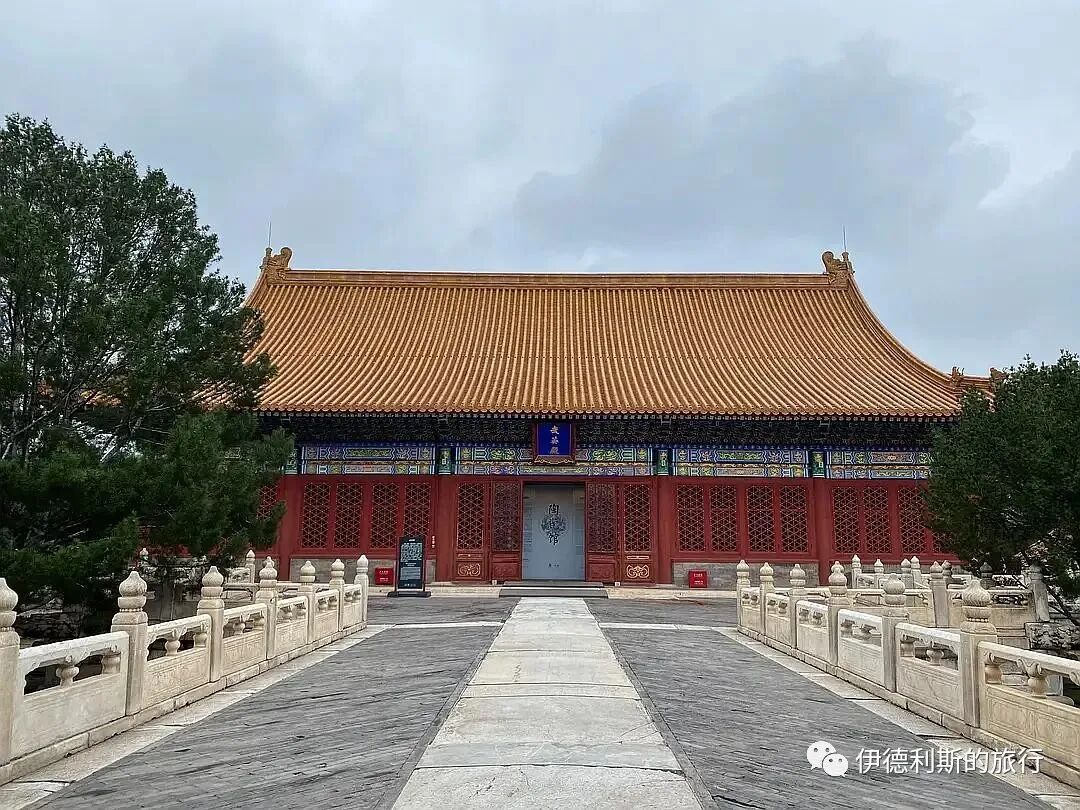
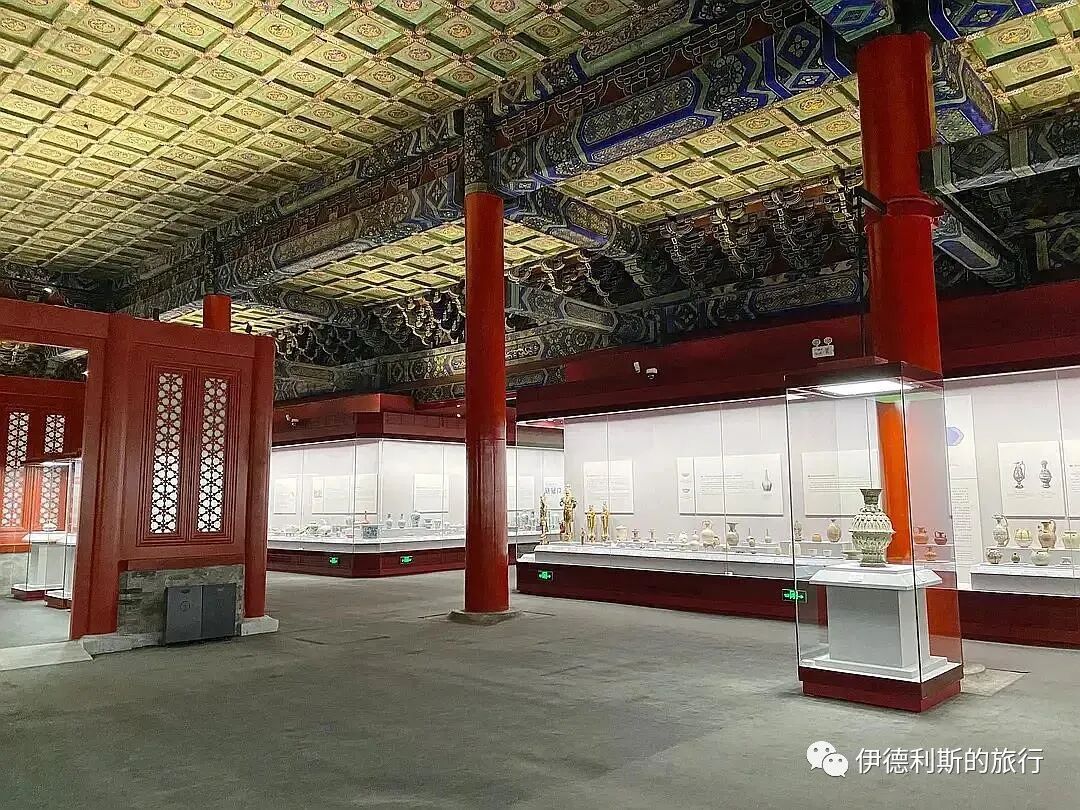
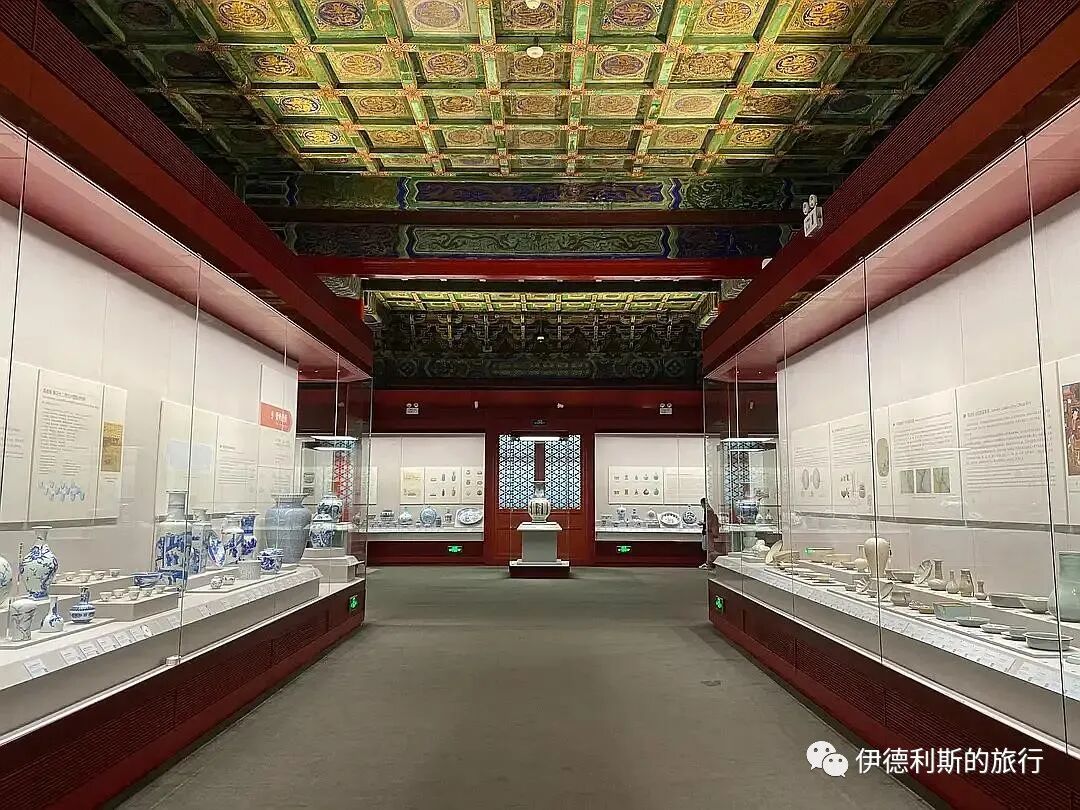
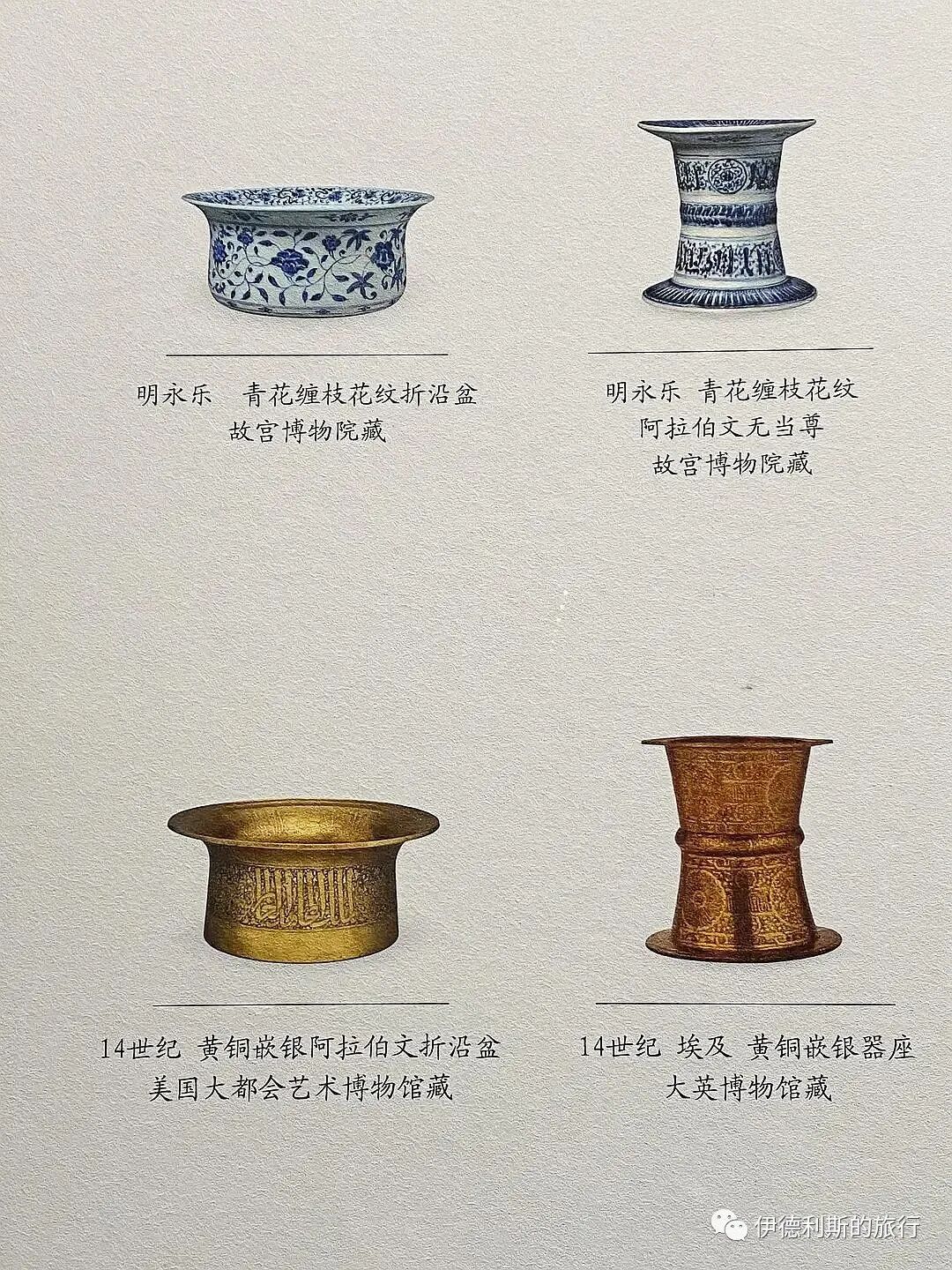
The collection includes a Ming Dynasty Yongle period blue-and-white porcelain vase with Arabic calligraphy (wudangzun) from the Jingdezhen imperial kilns. Both its shape and patterns mimic 14th-century Middle Eastern brass vessels inlaid with silver.
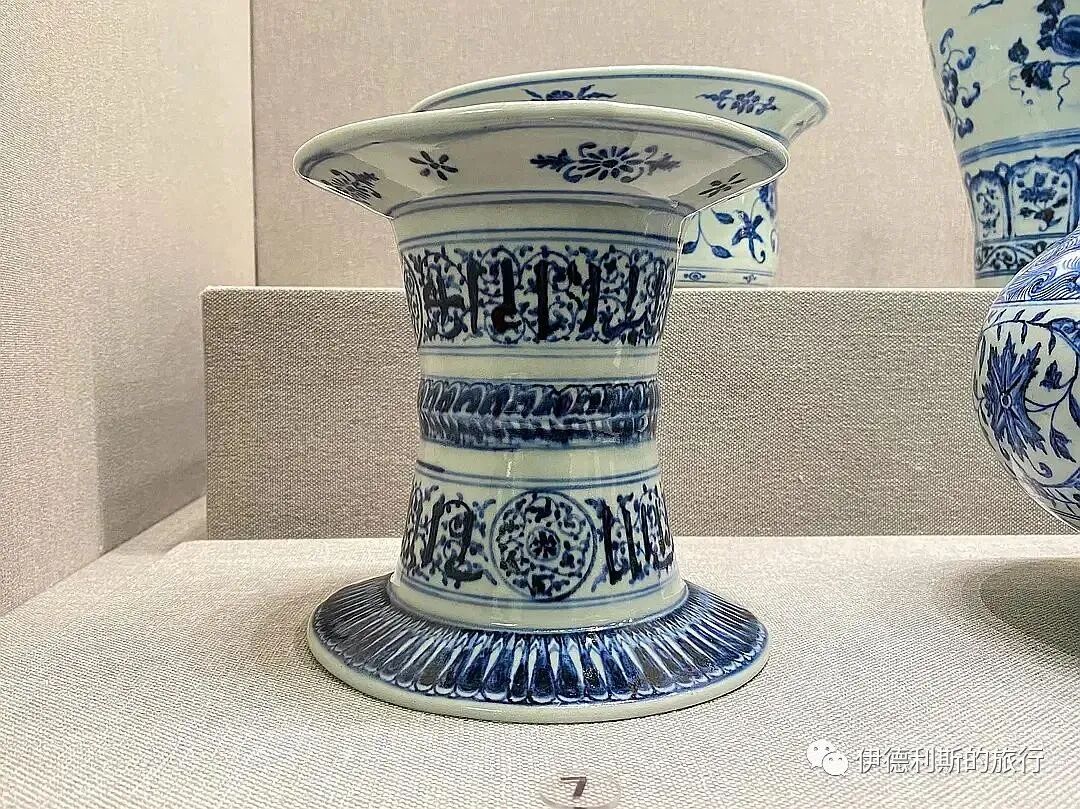
After the recent renovation, the gallery now displays a comparison photo of this vase alongside a 14th-century Egyptian Mamluk dynasty brass stand inlaid with silver from the British Museum. The shapes are truly identical.
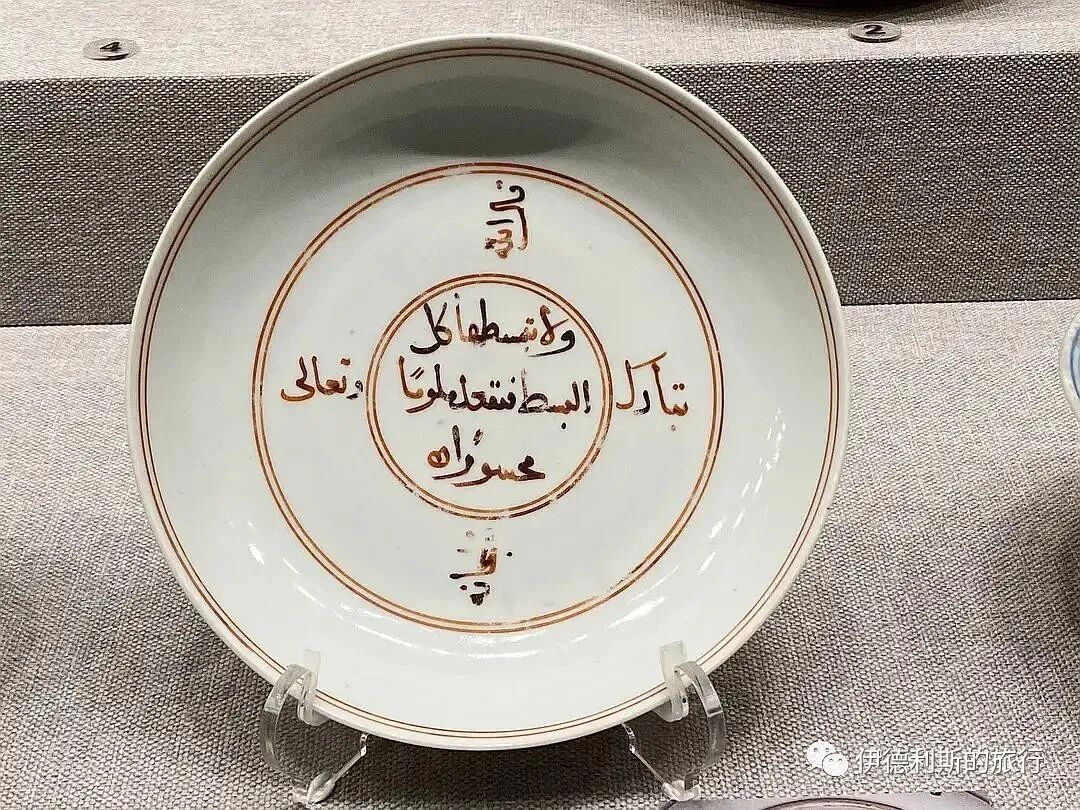
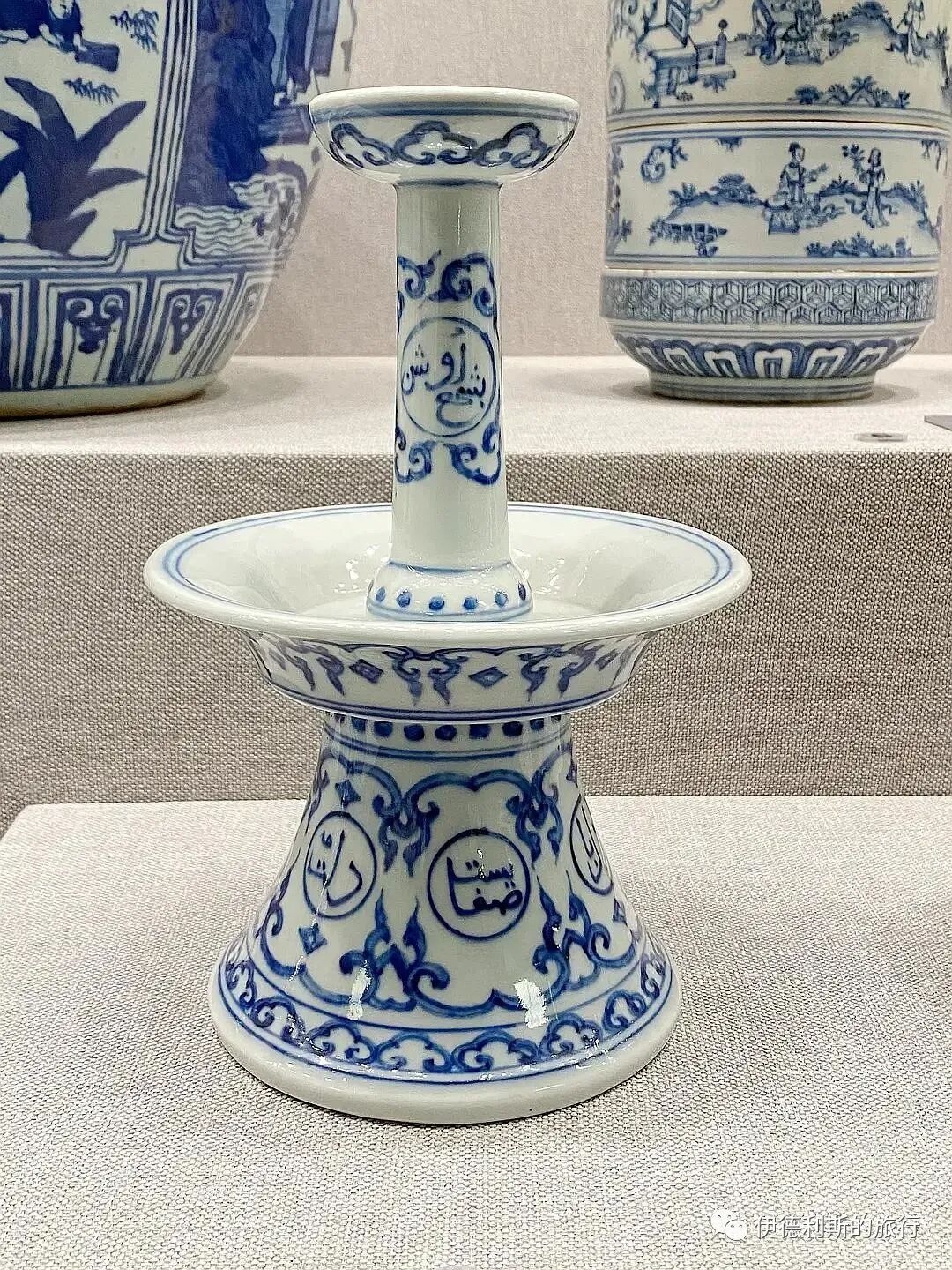
There are blue-and-white porcelain candlesticks with Arabic calligraphy and white-glazed iron-red porcelain plates with Arabic and Persian calligraphy from the Ming Dynasty Zhengde period (1506–1521). The imperial court during the Zhengde reign really loved using porcelain featuring Arabic and Persian script.
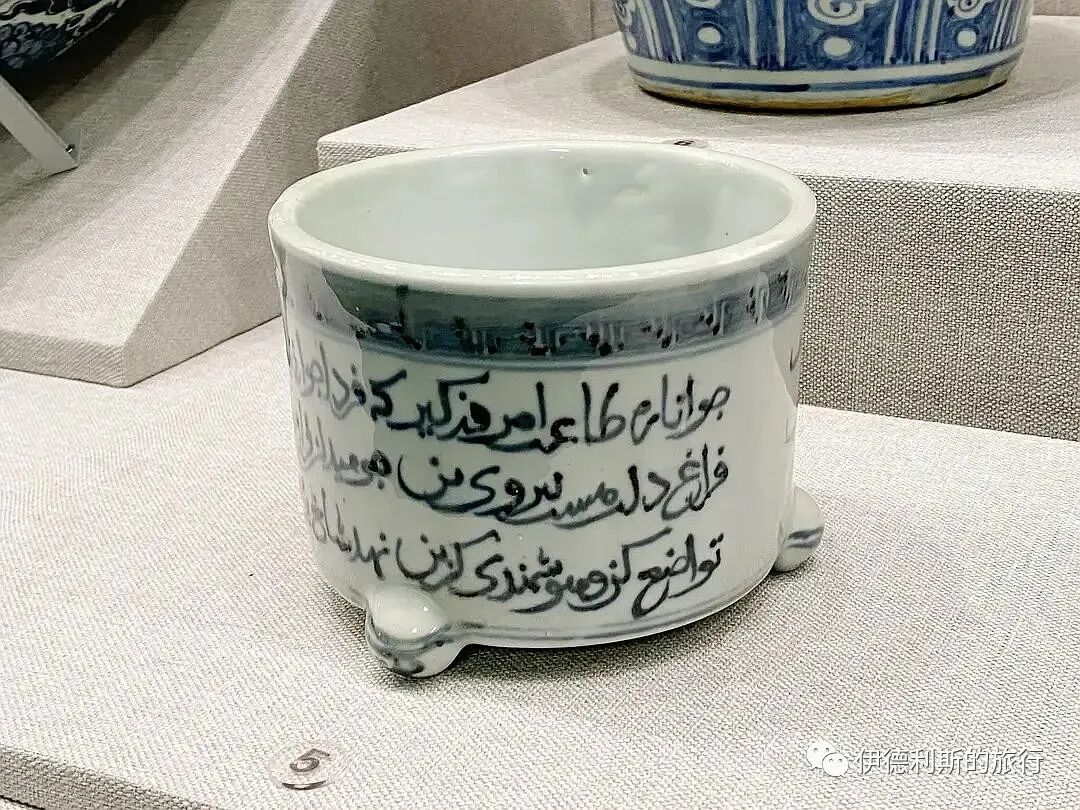
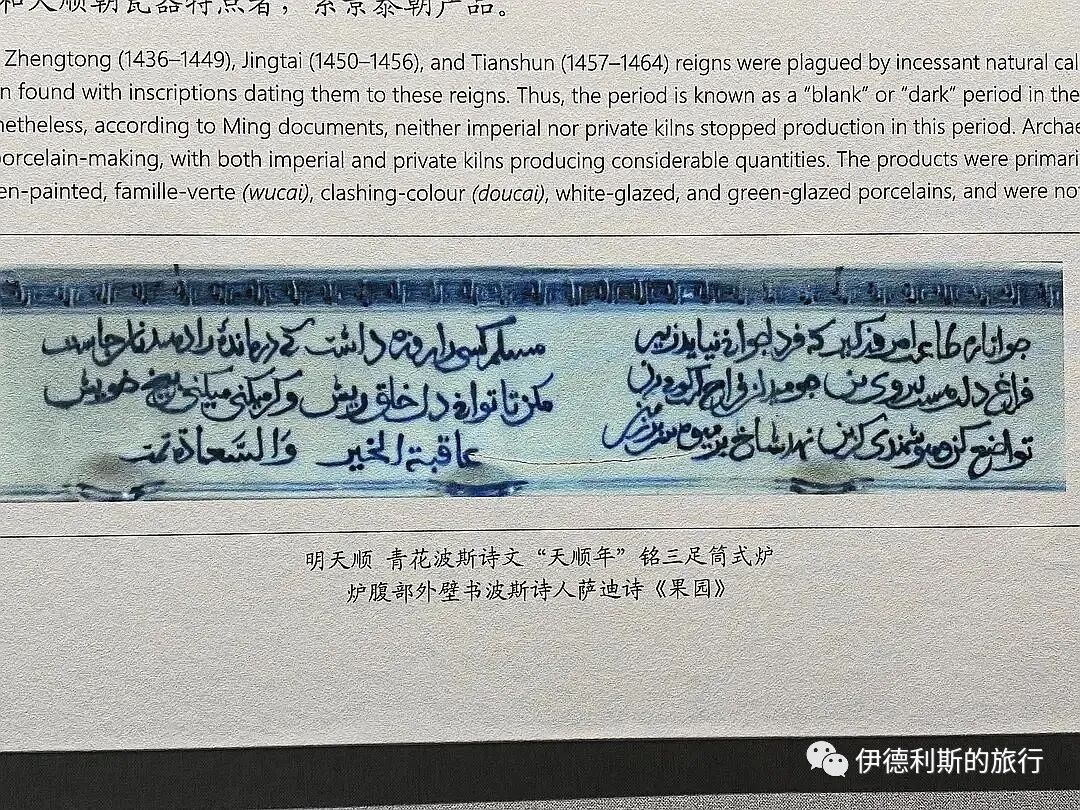
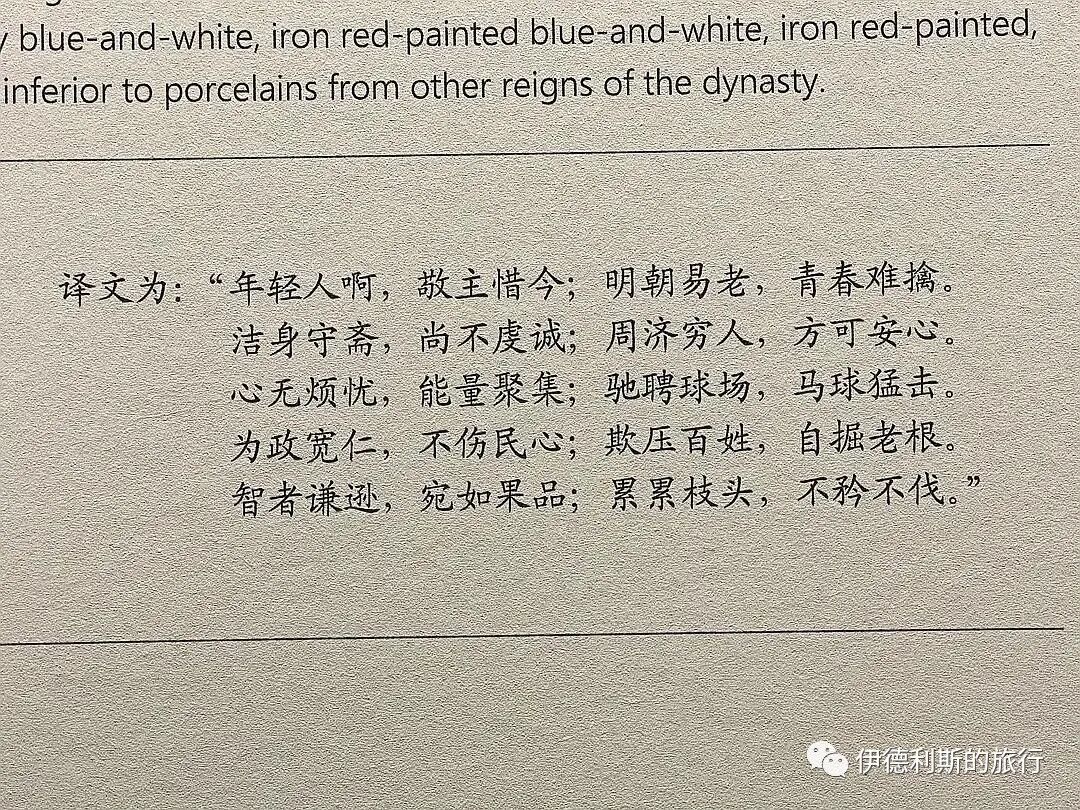
A classic piece is the Ming Dynasty Tianshun period (1457–1464) blue-and-white porcelain three-legged cylindrical incense burner (sanfutongshilu) inscribed with Persian poetry and the 'Tianshun Year' mark. The outer wall features verses from the famous Persian poet Saadi’s 'The Orchard' (Bustan), and the new display thoughtfully includes a translation of the poem. I admired Persian poetry fired onto ceramics over 500 years ago at the Forbidden City, which really boosted my Inner Asian travel experience.
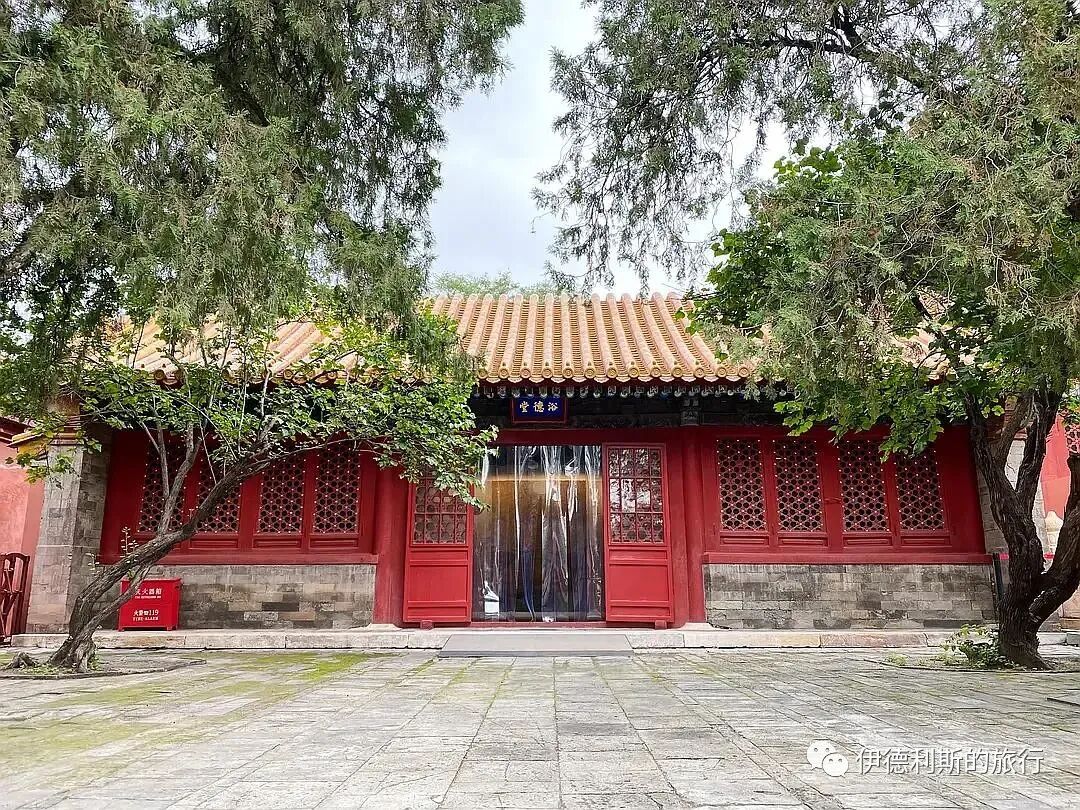
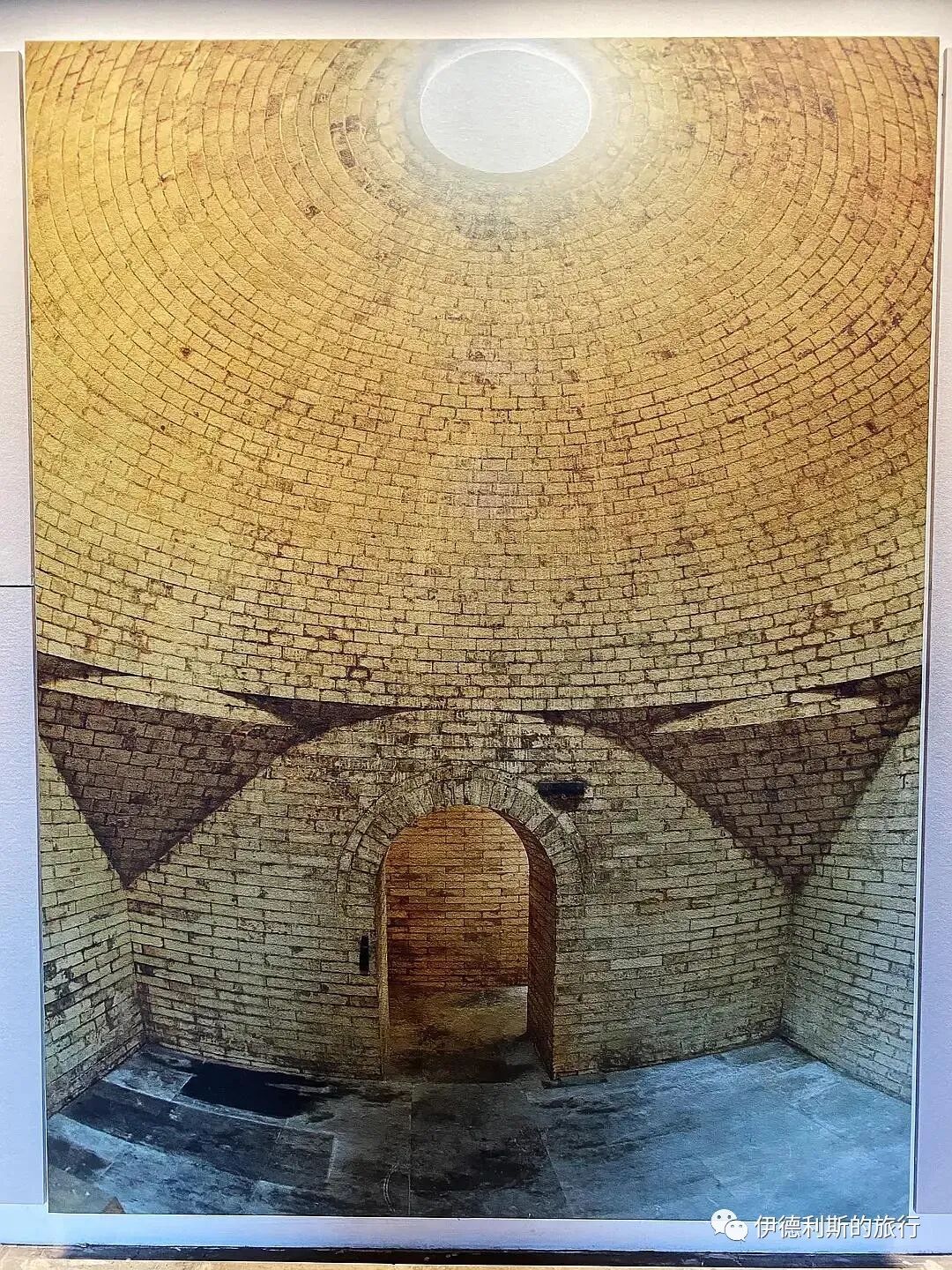
The newly renovated Ceramics Gallery has opened the Yude Hall on the west side of Wuying Hall as a space for export porcelain. The most interesting part of Yude Hall is the beamless hall behind the outer chamber, which looks just like a Turkish bath. Its ceiling and walls are covered in white glazed tiles that are perfectly clean and bright. Behind it, there is an iron fireplace for heating water, which was piped into the room through copper tubes.
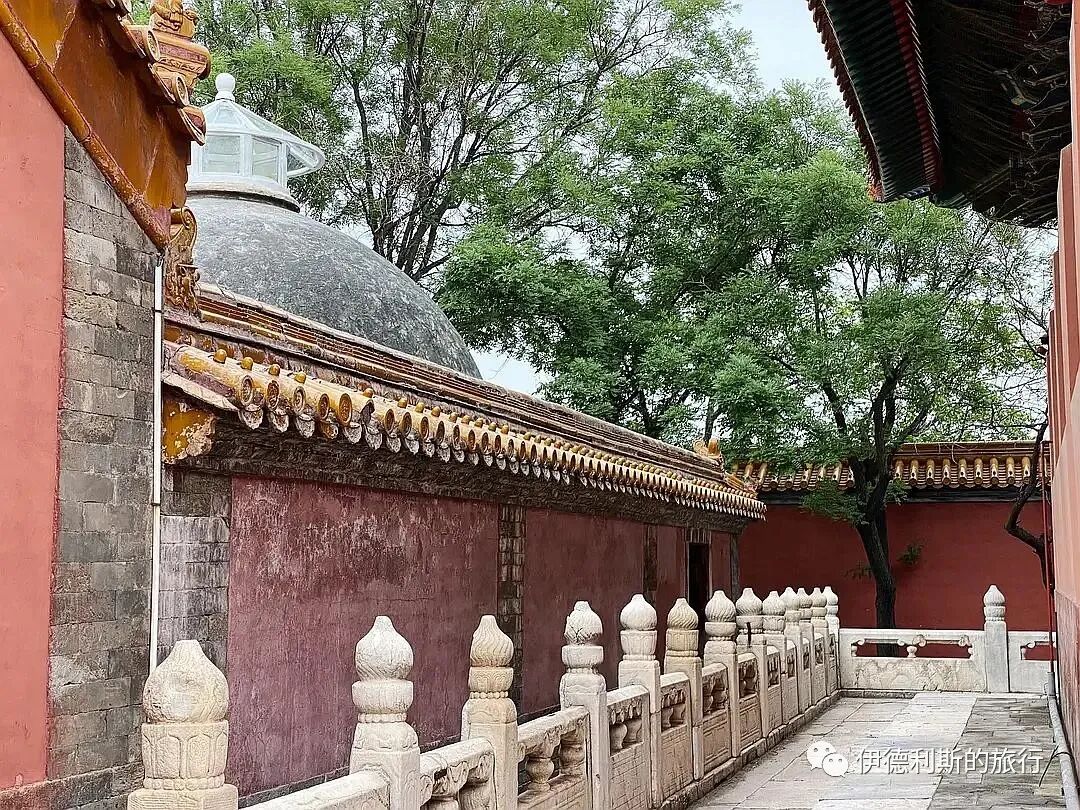
In his article A Study of Yude Hall at Wuying Hall in the Forbidden City, Shan Shiyuan suggests that Yude Hall is a relic from the Yuan Dynasty imperial palace. He believes it was an Arabic-style bathhouse for the garrison located outside the southwest corner tower of the Yuan capital's palace city. During previous repairs at the Forbidden City, workers dug up white glazed tiles from the Yuan Dynasty near Yude Hall. These tiles have a glaze very similar to the ones in the bathhouse, which is quite different from the yellow and green glazed tiles commonly used in the Ming and Qing Dynasty sections of the Forbidden City. Before the War of Resistance, the Society for Research in Chinese Architecture identified this domed bathhouse as looking very much like the Hagia Sophia (Shengsuofeiya Si) in Constantinople, suggesting it might be a Yuan Dynasty structure.
It is a pity that only the outer hall of the Ceramics Museum was open this time. The Turkish bath (tuerqi yushi) in the back was closed to visitors because the passageway is too narrow. I could only see part of the dome from the outside, and it really looks just like the traditional bathhouse domes I saw in Turkey.
August 21: A stroll around Shichahai and a visit to the cultural relic exhibition at the Cultural Palace of Nationalities.
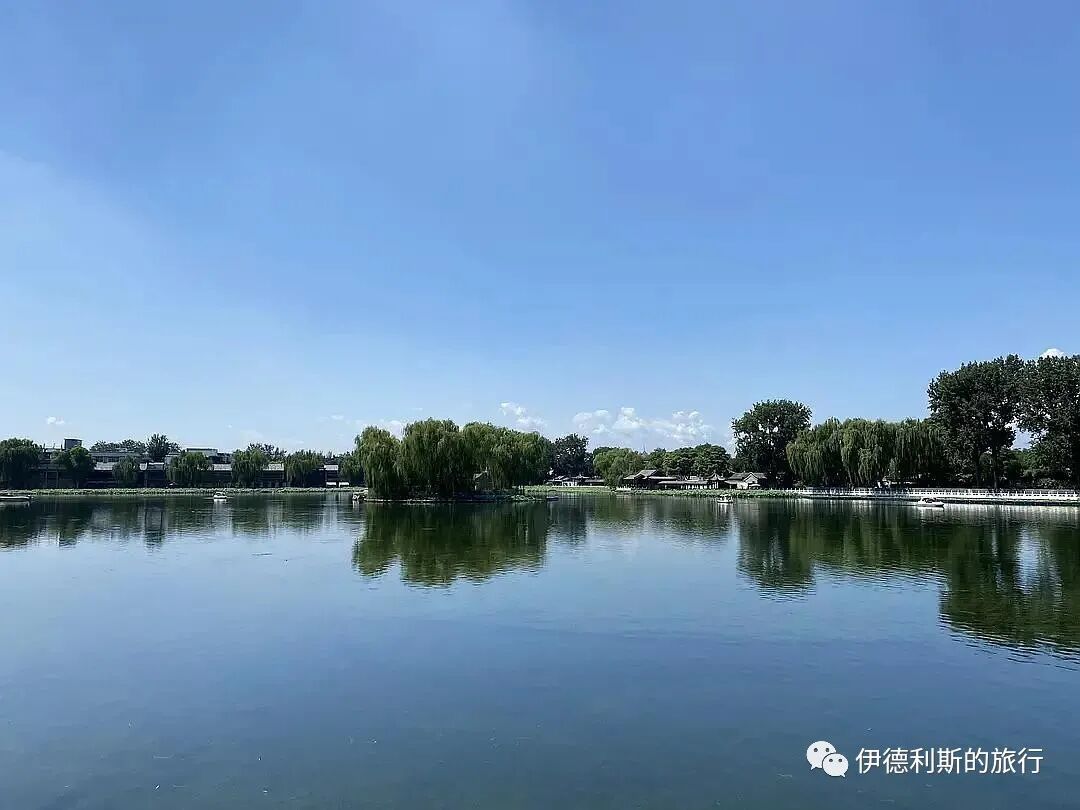
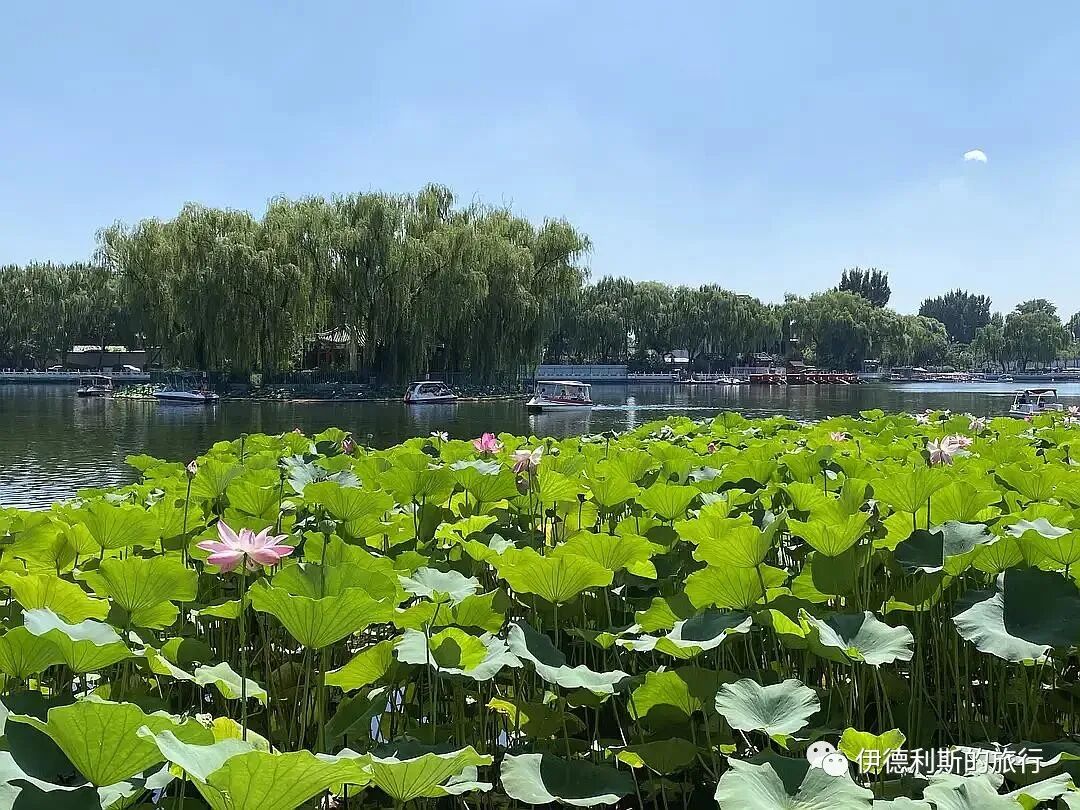
I went to the Cultural Palace of Nationalities to see the exhibition of fine cultural relics, and there were many great pieces.
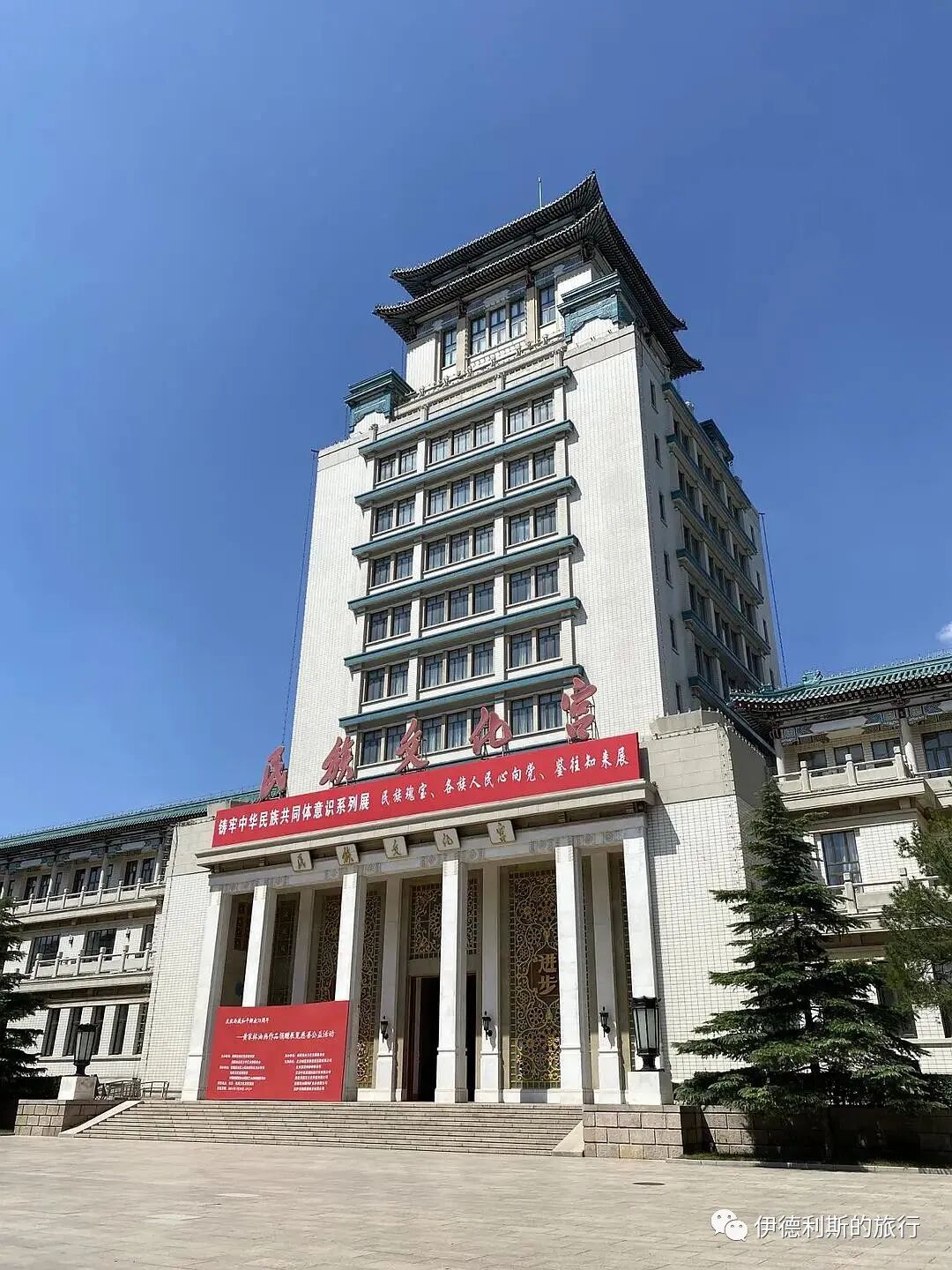
Iron armor gifted to the Sakya Pandita of Tibet during the Yuan Dynasty.
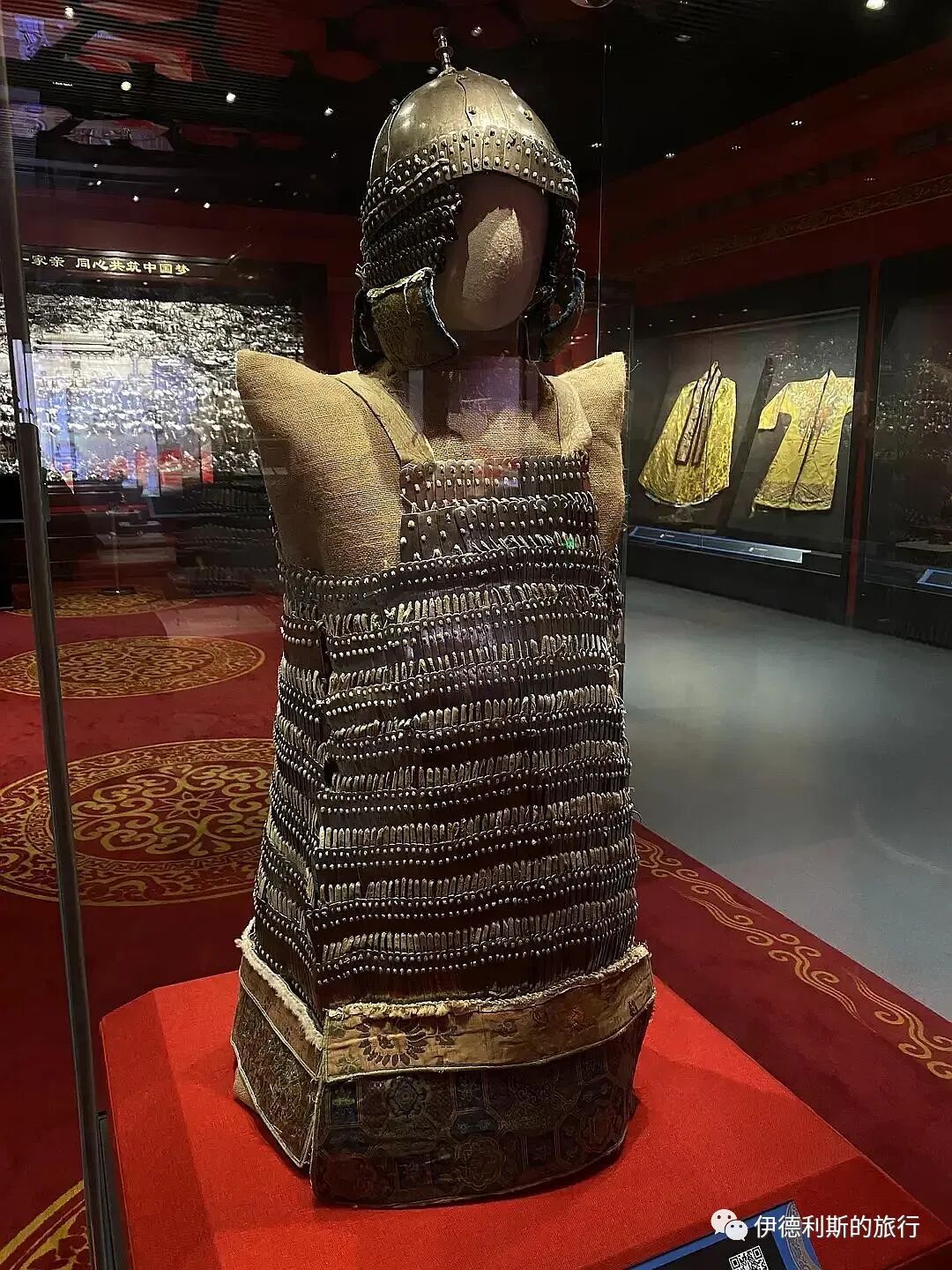
A satin-lined robe once worn by the Dalai Lama during the Qing Dynasty.
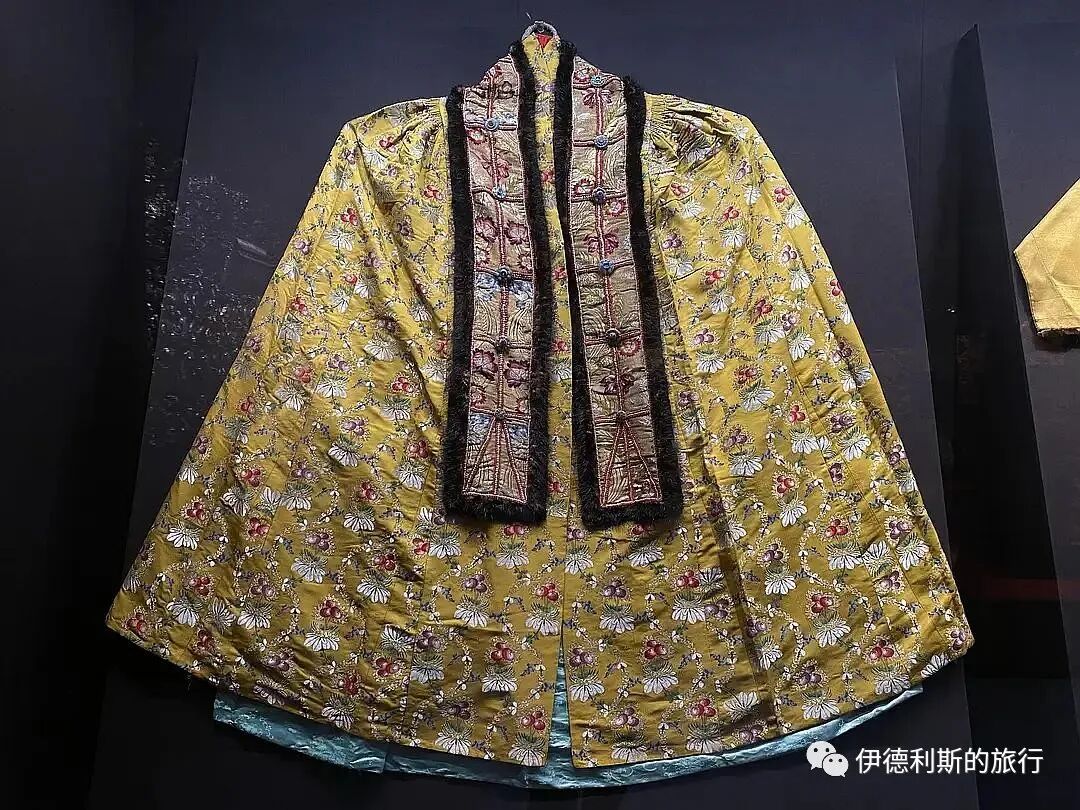
Tibetan official clothing from 1720, dating to the Qing Dynasty period of pacifying the Dzungars and stabilizing Tibet.
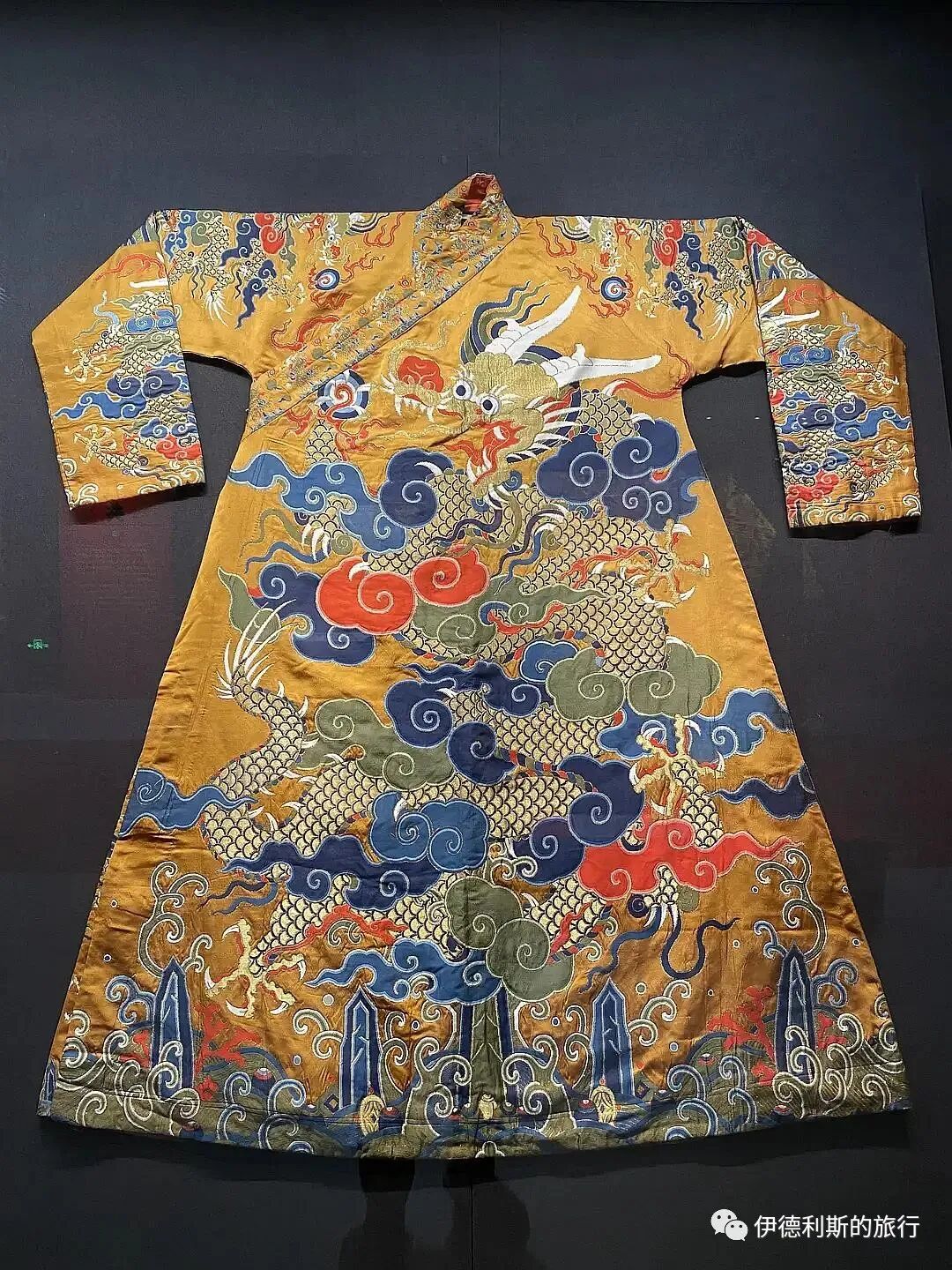
A dragon-patterned official robe (longgua) gifted by the Qianlong Emperor to the Pacification Commissioner of Cheli, who was the local chieftain ruling the Xishuangbanna region at the time.
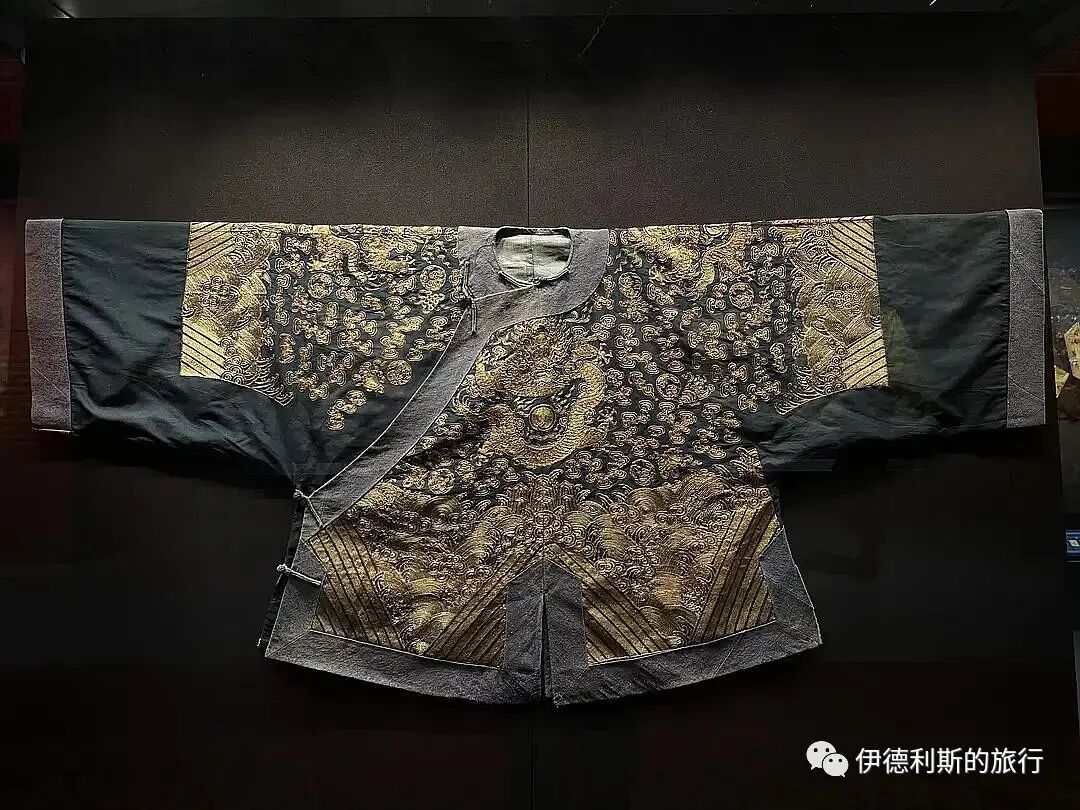
August 28, Baihujian in the Beijing Back Garden, Changping.
I spent the afternoon exploring the Beijing Back Garden Baihujian scenic area in Changping, and the scenery at the 81 Caves to Heaven (tongtian 81 dong) is truly beautiful.
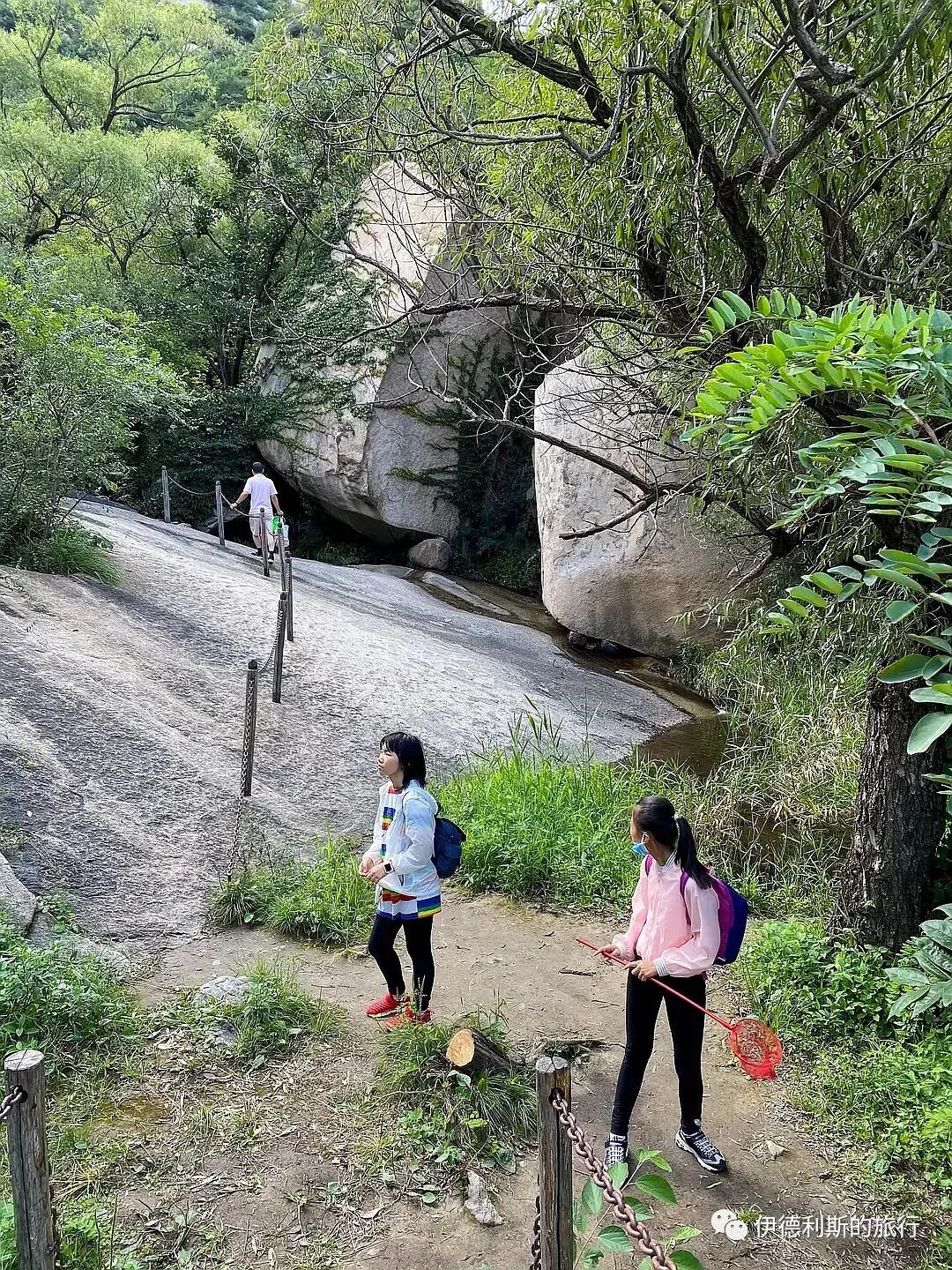
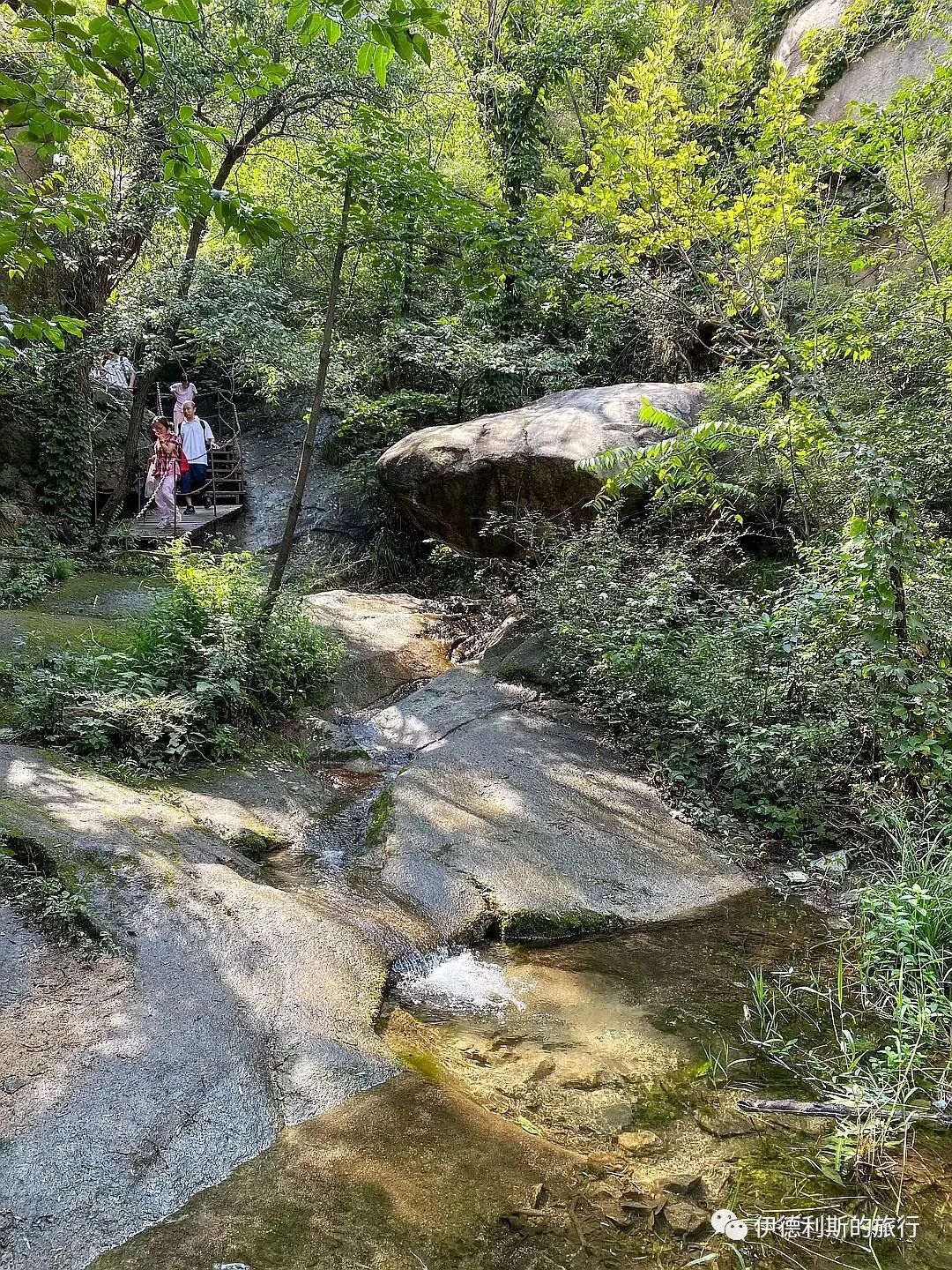
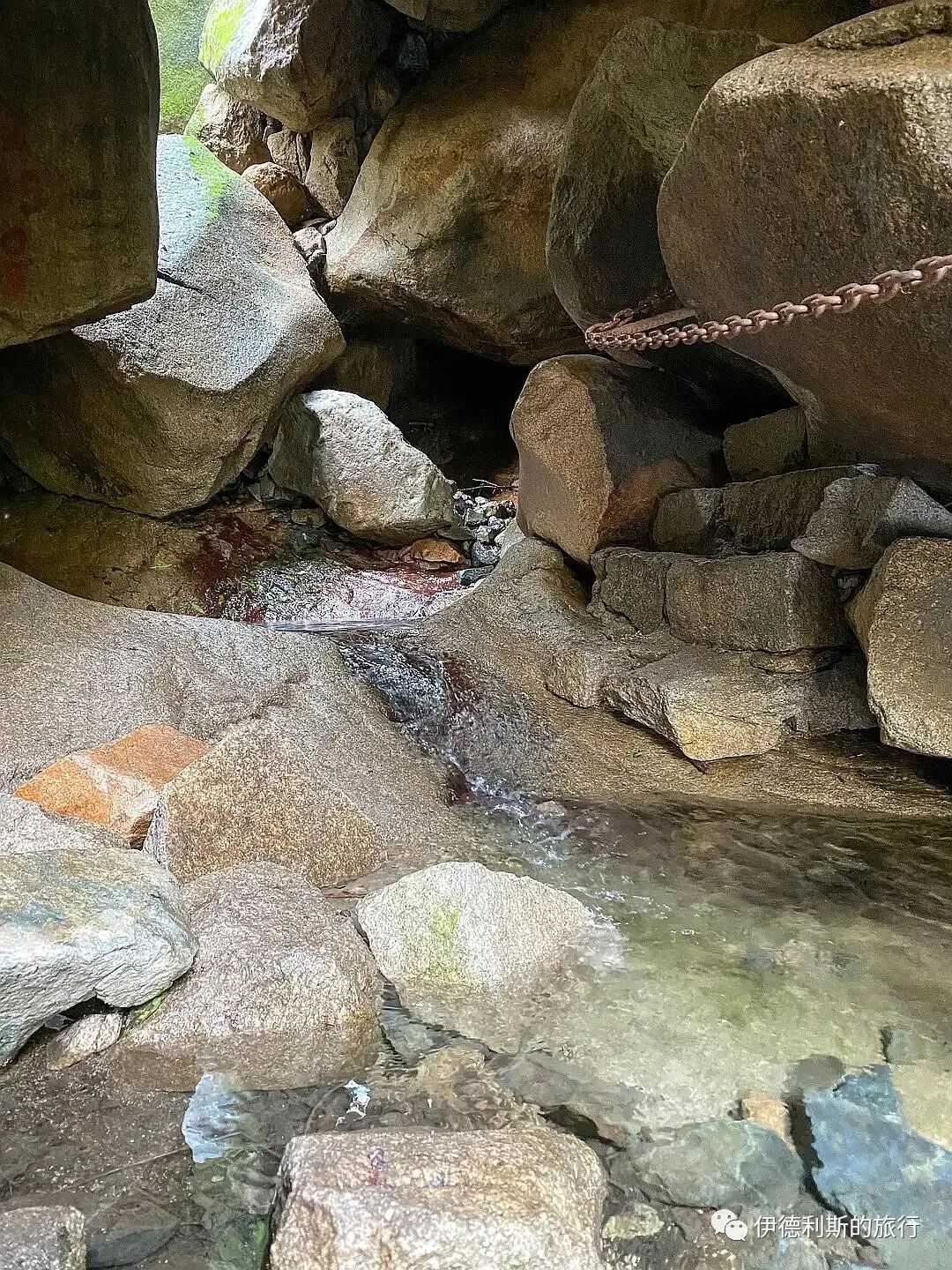
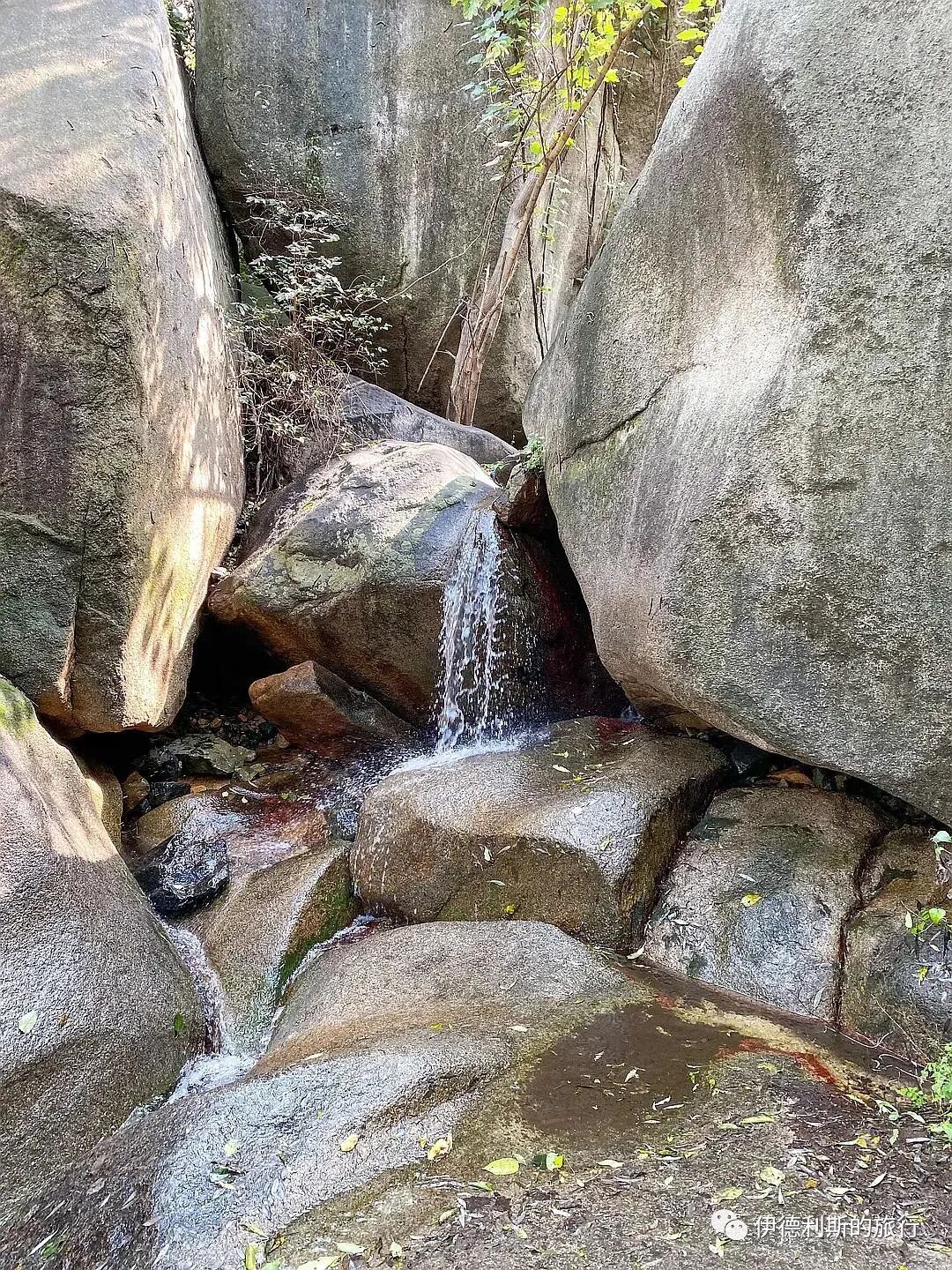
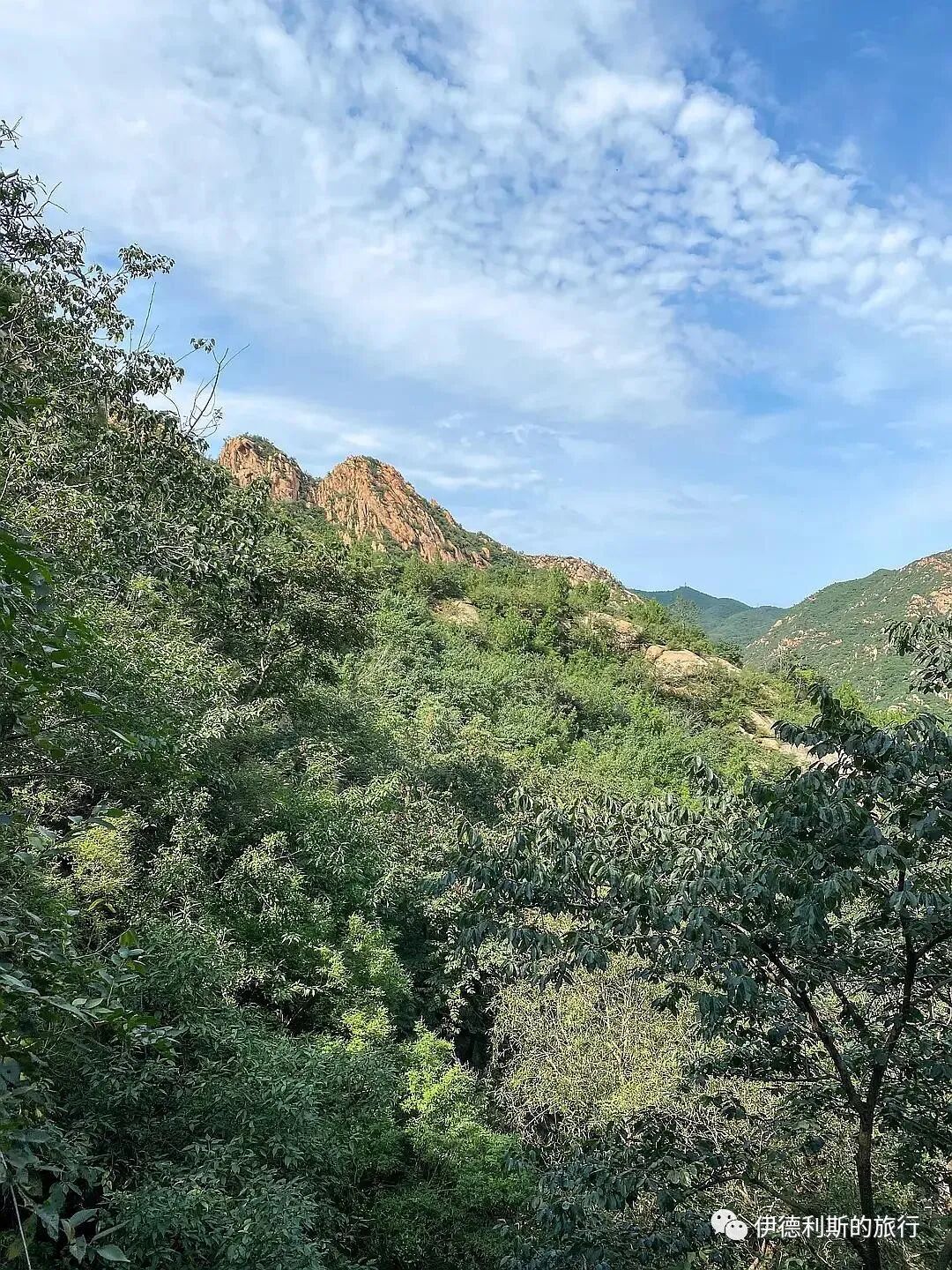
Climb past the babbling stream and towering boulders to the top of the mountain for a view over the entire city of Beijing.
Summary: Beijing Muslim Heritage Walk 2021 is presented here as a firsthand travel account in clear English, beginning with this scene: I went to the early morning market (xiaoshi) by the Liangma River waterfall in Xiangheyuan, outside Dongzhimen, Beijing. The account keeps its focus on Beijing Walks, Muslim Heritage, Beijing Mosques while preserving the names, places, food, and historical details from the Chinese source.
May 28, Changying Blue.
June 3, team building at Huanghualing Water Great Wall.
June 15, evening stroll at Beihai Park.
June 21, evening stroll near Jingshan Park.
June 28, morning market at Xiangheyuan, outside Dongzhimen.
I went to the early morning market (xiaoshi) by the Liangma River waterfall in Xiangheyuan, outside Dongzhimen, Beijing. I arrived after 3:00 a.m. and many stalls were not set up yet, but there were more by 4:00 or 5:00 a.m. This morning market is really authentic. It reminded me of visiting the dawn markets (tianguangxu) in Guangzhou and the old days of visiting the Daliushu market years ago.
I picked up an enamel plate made by the state-run Beijing Enamel Factory and two book dividers made by the school-run factory of Xihongmen Primary School in the southern suburbs of Beijing. There were not many stalls here on Monday, so I will go back again on the weekend.
June 30, Xiangheyuan Morning Market outside Dongzhimen
I arrived a little after four o'clock, just as it was getting light.
July 2nd, the first day the Panjiayuan Friday night market reopened.
After dinner, I walked around the Panjiayuan Ghost Market again.
July 4th, the morning market at Xiangheyuan outside Dongzhimen.
I found these at the Liangma River morning market in Xiangheyuan outside Dongzhimen: two small enamel plates, three small glass plates, and a wallet made by the Beijing Third Leather Goods Factory in 1983. Enamel plates and glass plates are perfect for serving dried fruits at a gathering.
July 9, the start of the month of Dhu al-Hijjah.
July 11, Panjiayuan Antique Market.
At the Panjiayuan Antique Market, I found a picture book of Iranian fables called The Story of the Parrot and the Merchant. It was organized by Vahid Farmand, the acting consul general of the Iranian Consulate in Shanghai. It uses a very special Iranian tea house painting (ghahveh-khaneh) style, which is rarely seen in China.
Tea house painting (ghahveh-khaneh) became popular in Iran during the 18th and 19th centuries. At that time, people loved listening to a storyteller (naqqal) in tea houses share traditional Iranian fables, religious stories, and epic tales. After hearing these stories, some artists would draw them on walls, bricks, or stones, which is how this painting style began. As tea house paintings became popular, some owners hired artists to paint right inside their tea houses. These artists painted and displayed their work on the spot, which was very well received.
Since modern times, the role of tea houses has changed. Tea house paintings have moved away from the tea houses themselves to become an independent art form, mostly used to show historical scenes and religious themes. Tea house paintings are not limited by classical Persian painting techniques. Artists paint from their hearts, though some elements still come from the art of miniature painting.
On July 13, I watched the play Tea House at the Capital Theatre.
I came to see the play Tea House, featuring Liang Guanhua, Pu Cunxin, Feng Yuanzheng, Yang Lixin, and Wu Gang.
July 16, the opening performance at 24D.
I came to see the opening performance at 24D, the new venue of my neighbor Duoyun. It was really good.
July 20, Eid al-Adha and the Daliushu Tuesday night market.
Attending the Eid prayer (Erde huili) in Changying.
The Daliushu night market is open every Tuesday from 6 p.m. to 1 a.m., and the items there are pretty decent.
I found a set of White Ant brand plum-blossom-shaped six-piece high-end stainless steel tableware made by the Guangdong Maoming Metal Rolling Factory. It was a commemorative product for the 1990 Asian Games, so I guess it was made in the late 1980s. It was cheap when I bought it, and it was still wrapped in oil paper and never used, so it felt like a great deal!
July 31, Xiangheyuan Morning Market outside Dongzhimen and Panjiayuan Antique Market.
I went to the Liangma River morning market at Xiangheyuan outside Dongzhimen this morning. I bought a Deer brand thermos, two enamel plates, and a tiny little keyboard. Everything was very cheap. The Deer brand thermos factory is in Nankou, Beijing. It started production in 1962 and was the first generation of thermos independently produced in China. Almost every family in Beijing had one in the 70s and 80s.
After wandering the dawn market (xiaoshier), I went home for a quick nap before heading out to explore Panjiayuan. I found a porcelain plate made by the old Tangshan Crescent Muslim Porcelain Factory, featuring the work of the famous calligrapher Li Wencai.
I picked up a massive, thick official photo album from Uzbekistan at Panjiayuan; it is very well made.
August 5, Pakistan Film Festival featuring "Motorcycle Girl" and "I Am Not Going to Punjab."
I attended the opening ceremony of the Pakistan Film Festival at the China Film Archive and watched the opening film, "Motorcycle Girl." People from the Embassy of Pakistan in China all came. The ambassador could not make it because he was in quarantine in Chengdu last week, so his wife attended on his behalf. The deputy ambassador gave the opening speech. His South Asian-accented English sounded so familiar and friendly, haha. There was a small incident. We had grabbed the best seats earlier, but the ambassador's wife needed them at the last minute, so we had to move. In the bottom right corner of picture 1, you can see someone taking photos of the ambassador's wife.
Motorcycle Girl is a very rare road movie about equal rights for Muslim women. It is quite special to be able to see this kind of subject on the big screen. The film is based on a true story. The main character finally tires of the restrictions placed on women by her conservative family and workplace, so she decides to ride her motorcycle alone from Lahore to the Khunjerab Pass. The Kashmir in the film is so beautiful that it feels like it must be close to the Valley of the Wind. I really wanted to travel there, but now I have no idea when I will be able to go, so I have to experience it through the movie instead.
The second film in the Pakistan Film Festival is 'I Am Not Going to Punjab.' I thought it would just be a musical, but it has a strong Sufi influence and focuses more on encouraging people to be loyal in love. The movie compares love to fasting, one of the Five Pillars of Islam, which is the first time I have seen that on the big screen. The singing and dancing were great, too. A long part featured Sufi whirling dances inside the gongbei, which was so exciting, and some of the Sufi poetry was beautiful to listen to.
August 7, morning market (xiaoshier) at Liangma River near Xiangheyuan outside Dongzhimen, and the Pakistani film screening of 'Where Is My Heart'.
The morning market has moved to a large area where the North Moat and Liangma River meet, and it is much bigger than before. Zainab bought a pair of shoes for just a few dozen yuan. They are brand new, super comfortable, and very cheap. I bought a piece of fabric with a pattern of the Kaaba (Kaba) for the price of a bottle of cola.
At the third screening of the Pakistan Film Festival at the China Film Archive, I watched the youth musical 'Where is the Heart'. I am really growing to love Pakistani song-and-dance films! Pakistani music is a massage for the soul. The three-hour runtime did not feel boring at all. It is worth noting that the first song at their wedding scene was Sufi music. It mentioned the South Asian Sufi master Nizam and his close friend Khusrau. Khusrau is the founder of South Asian Sufi music and the father of Urdu literature. I once visited their shrine (gongbei) and enjoyed beautiful Sufi music there. Hearing it again in the movie brought back so many memories.
Watching these Pakistani films over the past few days, I found that Urdu and the Hui Muslim dialect share many similarities because they both borrow words from Persian and Arabic. It feels very familiar. For example, they both use 'Khuda' for exclamations, 'dua' for blessings, and 'dosti' for friends. In the middle of the film, the band sings a song in the recording studio about dosti, haha.
August 14, Xiaoshi Market at Liangma River in Xiangheyuan, outside Dongzhimen, and the Overseas Chinese History Museum of China.
I picked up a few Islamic religious booklets (jiaomen cezi) at the Liangma River morning market outside Dongzhimen this morning. They started calling for vendors to pack up at 5:30, but everyone was moving so slowly that they still weren't finished by 6:00. People say if nobody stops them, some stay open until 8:00.
I visited the Overseas Chinese History Museum of China. The exhibits are very rich. Interestingly, they recreated a Nanyang Chinese street in the basement. It is not as big as the one at the Peace Museum, but it is still fun because it has both artifacts and descriptions. From the early days of rubber tapping to opening small tailor shops, restaurants, and pharmacies, then moving on to hotels, newspapers, and finally returning home, you can see that the step-by-step development of Nanyang Chinese was truly difficult.
August 19, Ceramics Gallery at the Hall of Martial Valor (Wuyingdian) in the Forbidden City.
The Ceramics Gallery in the Hall of Martial Valor (Wuyingdian) at the Forbidden City reopened on May 1st after a renovation. I visited last weekend and arrived early enough to experience the gallery without any crowds.
The collection includes a Ming Dynasty Yongle period blue-and-white porcelain vase with Arabic calligraphy (wudangzun) from the Jingdezhen imperial kilns. Both its shape and patterns mimic 14th-century Middle Eastern brass vessels inlaid with silver.
After the recent renovation, the gallery now displays a comparison photo of this vase alongside a 14th-century Egyptian Mamluk dynasty brass stand inlaid with silver from the British Museum. The shapes are truly identical.
There are blue-and-white porcelain candlesticks with Arabic calligraphy and white-glazed iron-red porcelain plates with Arabic and Persian calligraphy from the Ming Dynasty Zhengde period (1506–1521). The imperial court during the Zhengde reign really loved using porcelain featuring Arabic and Persian script.
A classic piece is the Ming Dynasty Tianshun period (1457–1464) blue-and-white porcelain three-legged cylindrical incense burner (sanfutongshilu) inscribed with Persian poetry and the 'Tianshun Year' mark. The outer wall features verses from the famous Persian poet Saadi’s 'The Orchard' (Bustan), and the new display thoughtfully includes a translation of the poem. I admired Persian poetry fired onto ceramics over 500 years ago at the Forbidden City, which really boosted my Inner Asian travel experience.
The newly renovated Ceramics Gallery has opened the Yude Hall on the west side of Wuying Hall as a space for export porcelain. The most interesting part of Yude Hall is the beamless hall behind the outer chamber, which looks just like a Turkish bath. Its ceiling and walls are covered in white glazed tiles that are perfectly clean and bright. Behind it, there is an iron fireplace for heating water, which was piped into the room through copper tubes.
In his article A Study of Yude Hall at Wuying Hall in the Forbidden City, Shan Shiyuan suggests that Yude Hall is a relic from the Yuan Dynasty imperial palace. He believes it was an Arabic-style bathhouse for the garrison located outside the southwest corner tower of the Yuan capital's palace city. During previous repairs at the Forbidden City, workers dug up white glazed tiles from the Yuan Dynasty near Yude Hall. These tiles have a glaze very similar to the ones in the bathhouse, which is quite different from the yellow and green glazed tiles commonly used in the Ming and Qing Dynasty sections of the Forbidden City. Before the War of Resistance, the Society for Research in Chinese Architecture identified this domed bathhouse as looking very much like the Hagia Sophia (Shengsuofeiya Si) in Constantinople, suggesting it might be a Yuan Dynasty structure.
It is a pity that only the outer hall of the Ceramics Museum was open this time. The Turkish bath (tuerqi yushi) in the back was closed to visitors because the passageway is too narrow. I could only see part of the dome from the outside, and it really looks just like the traditional bathhouse domes I saw in Turkey.
August 21: A stroll around Shichahai and a visit to the cultural relic exhibition at the Cultural Palace of Nationalities.
I went to the Cultural Palace of Nationalities to see the exhibition of fine cultural relics, and there were many great pieces.
Iron armor gifted to the Sakya Pandita of Tibet during the Yuan Dynasty.
A satin-lined robe once worn by the Dalai Lama during the Qing Dynasty.
Tibetan official clothing from 1720, dating to the Qing Dynasty period of pacifying the Dzungars and stabilizing Tibet.
A dragon-patterned official robe (longgua) gifted by the Qianlong Emperor to the Pacification Commissioner of Cheli, who was the local chieftain ruling the Xishuangbanna region at the time.
August 28, Baihujian in the Beijing Back Garden, Changping.
I spent the afternoon exploring the Beijing Back Garden Baihujian scenic area in Changping, and the scenery at the 81 Caves to Heaven (tongtian 81 dong) is truly beautiful.
Climb past the babbling stream and towering boulders to the top of the mountain for a view over the entire city of Beijing.
