
Halal Travel Guide: Beijing Muslim Heritage Walk 2021 (Part 1)
Reposted from the web
Summary: Beijing Muslim Heritage Walk 2021 is presented here as a firsthand travel account in clear English, beginning with this scene: 2021 was a year spent stuck in Beijing, so I managed to visit many places and join many activities. I hope in 2022 I can spend less time wandering around Beijing and travel further afield, insha'Allah. The account keeps its focus on Beijing Walks, Muslim Heritage, Beijing Mosques while preserving the names, places, food, and historical details from the Chinese source.
2021 was a year spent stuck in Beijing, so I managed to visit many places and join many activities. I hope in 2022 I can spend less time wandering around Beijing and travel further afield, insha'Allah.
Historical visits: Beijing Zoo, the former site of Sino-French University, the residence of Duke Cheng'en Zhijun, the Chengqing Middle Sluice and Lower Sluice ruins of the Grand Canal, the Lao She Memorial Hall, the Shijia Hutong Museum, Jingshan Park, Beihai Park, the Hengchang Ruiji shop on Dongsi Fourth Alley, Ritan Park, the Beijing Folklore Museum, the Southeast Corner Tower of the Inner City, the Wen Tianxiang Shrine, the Soong Ching-ling Former Residence, the Dongsi Hutong Museum, the Beijing People's Art Theatre Drama Museum, the Drum Tower, the Mei Lanfang Former Residence, the Huanghualing Great Wall, the old Ma Yinglong Eye Medicine shop building, the Lugou Bridge, and the Qianmen Gate Tower.
Performances: traditional music by Syrian Kurdish and Iranian Isfahan musicians, the Uyghur fusion band JAM, the Beijing People's Art Theatre production of "Teahouse" starring Liang Guanhua, Pu Cunxin, Feng Yuanzheng, Yang Lixin, and Wu Gang, folk musicians Xiao Liu and Zhou Yunpeng, the rock band SUBS, and the Zhihua Temple Music Culture Festival featuring Wuyin Dagu drums from Caijiawa in Miyun, Zhihua Temple Buddhist music, and Zhonghe Shaoyue music from the Temple of Heaven's Shenyueshu. I also saw the Xibe rock band Ajias and Wang Yuebo's storytelling of "Water Margin".
Film festivals: the Iranian film "The Salesman" at the China Film Archive, the Algerian film "Papicha," the Malaysian Chinese film "The Story of Southern Islet" as the opening film for the Ambiguous South exhibition, the Pakistani film festival featuring "Motorcycle Girl," "I Am Not Going to Punjab," and "Where is My Heart," and the Beijing International Film Festival screenings of the Moroccan film "Casablanca Beats," the Turkish film "The Cemil Show," the Iranian Kurdish film "The Outsider," and the Bosnian film "Quo Vadis, Aida?" The VR short film from Javanese Indonesians 'Change', the Iranian immigrant film 'This Is Love', the Malaysian film 'Year Without a Summer', the Abbas Kiarostami film exhibition from Iran including 'Close-Up', 'Taste of Cherry', 'The Wind Will Carry Us', 'Where Is the Friend's Home?', and 'Life, and Nothing More', and the Uyghur short films 'Alex', 'My Choice', and 'Crossing the Calm River'.
Exhibitions: The National Art Museum of China's New Year exhibition and Ming and Qing dynasty portrait exhibition; the National Museum of China's ancient clothing culture exhibition, Shenyang Imperial Palace exhibition, Grand Canal exhibition, ancient musical instruments exhibition, and Inner Mongolia cultural relics exhibition; the Tsinghua University Art Museum's Indonesian modern and contemporary art exhibition; the China Overseas Chinese History Museum; the Palace Museum's Wuying Hall ceramics gallery and Dunhuang exhibition; the Cultural Palace of Nationalities' collection exhibition; the China Millennium Monument's Egyptian mummy exhibition; and the Natural History Museum's reindeer and ethnic culture exhibition.
Shopping: At the Dongzhimenwai morning market, I found a porcelain plate from the state-run Beijing Enamel Factory, two bookshelf dividers made by the Beijing South Suburb Xihongmen Primary School factory, four enamel plates, three small glass plates, a 1983 wallet from the Beijing No. 3 Leather Goods Factory, a Deer brand thermos, a piece of fabric with a pattern of the Kaaba in Mecca (Kaba), several religious booklets (jiaomen cezi), a soap box from the Beijing Great Wall Plastic Factory, and a felt hat.
At the Daliushu market, I found a late 1980s White Antelope brand six-piece tableware set, a 1990s clock made in Taiwan, a Pakistani copper plate with silver Arabic calligraphy inlay, a badge from the International Security Assistance Force in Afghanistan, and a 1990s water kettle and cup set for drinking boiled water.
At Panjiayuan, I found an early porcelain plate with calligraphy by Li Wencai from the Tangshan Crescent Porcelain Factory, a 1990s door-hanging scripture scroll (mentou jingdu), and a Republic of China-era Zhengxingde tea canister.
An Afghan rug bought at the Aotu Space market in Beixinqiao.
Record hunting: At director Cong Feng's stall at the Xinqiao market, I found music from East African Zanzibar, Pakistani devotional music, Bosnian religious music, Zanzibar dance music, Ottoman military bands, Algerian music, Azerbaijani tar music, Egyptian musicians, North African Algerian and Moroccan bands, and North Indian music.
January 1, Tongzhou Mosque.
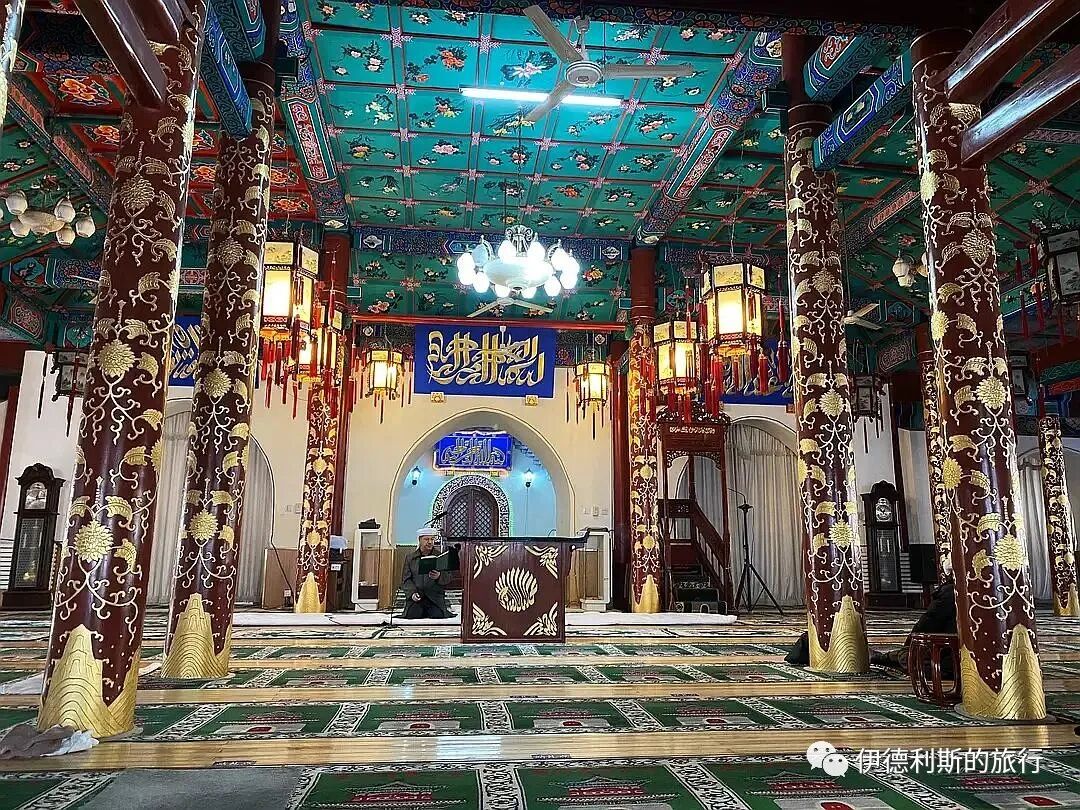
On Jumu'ah, I went to the Tongzhou Mosque. Tongzhou Mosque and Dongsi Mosque are the only two mosques in Beijing that use the corbeling technique to build their prayer hall domes. Since the Qing Dynasty, all prayer hall roofs have been changed to wooden pavilion-style structures.
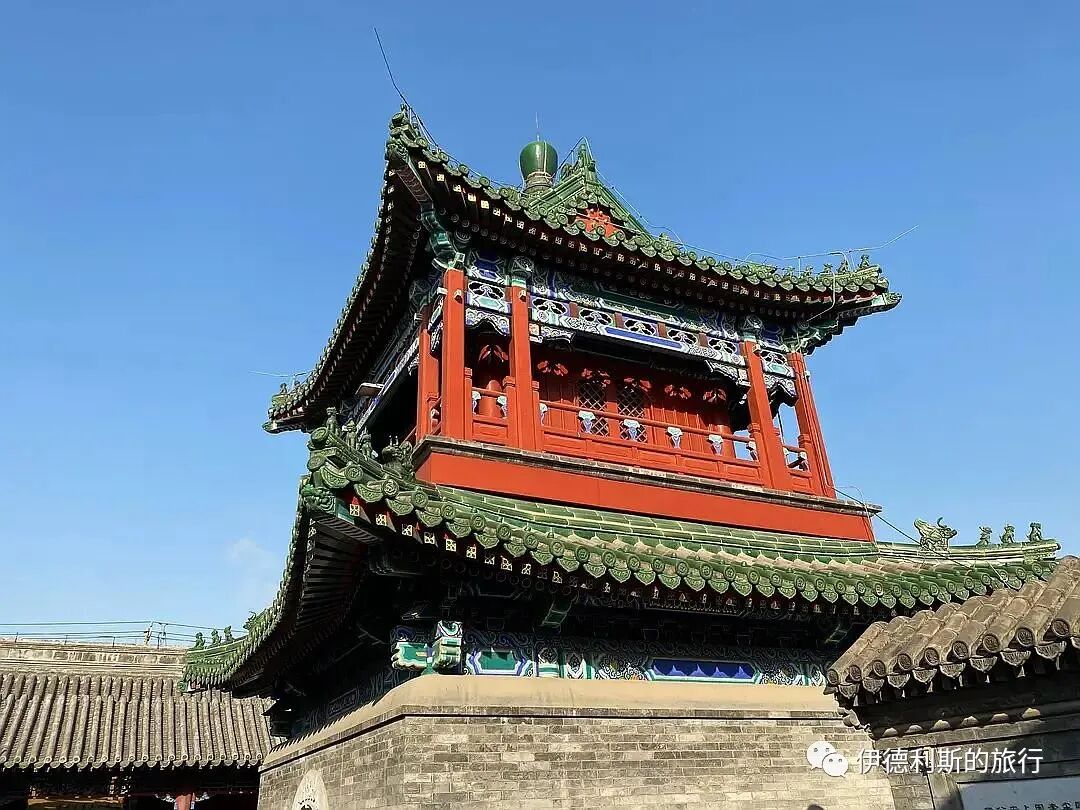
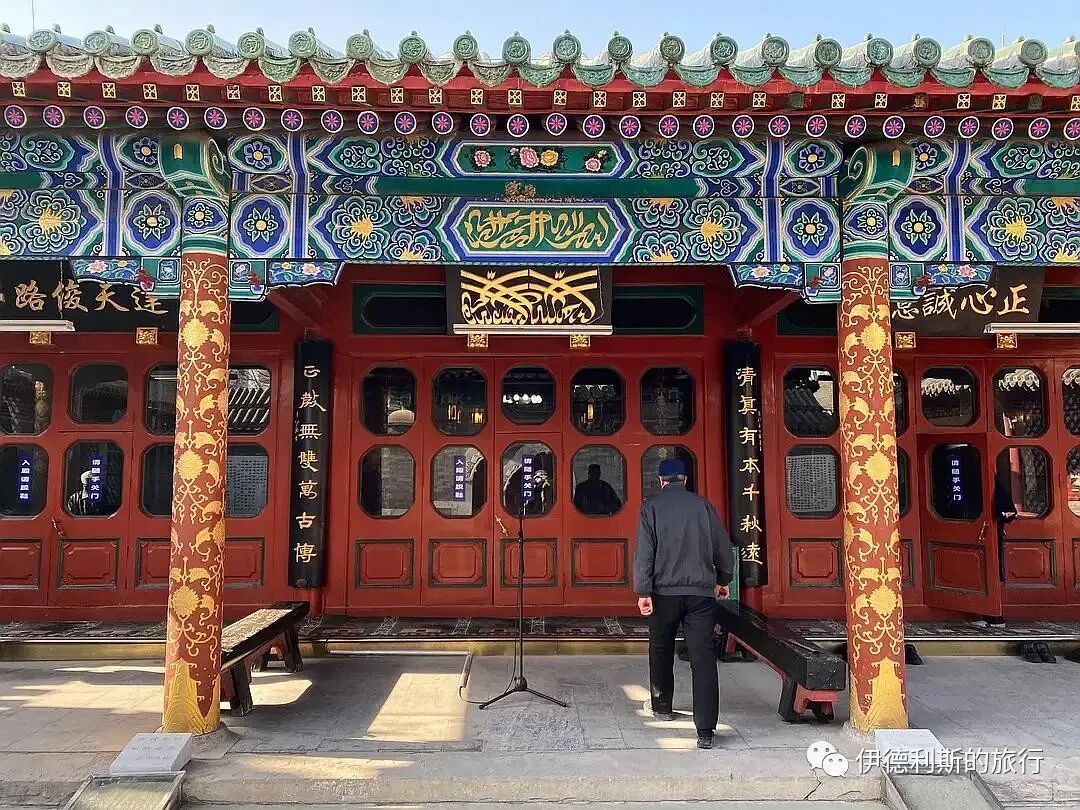
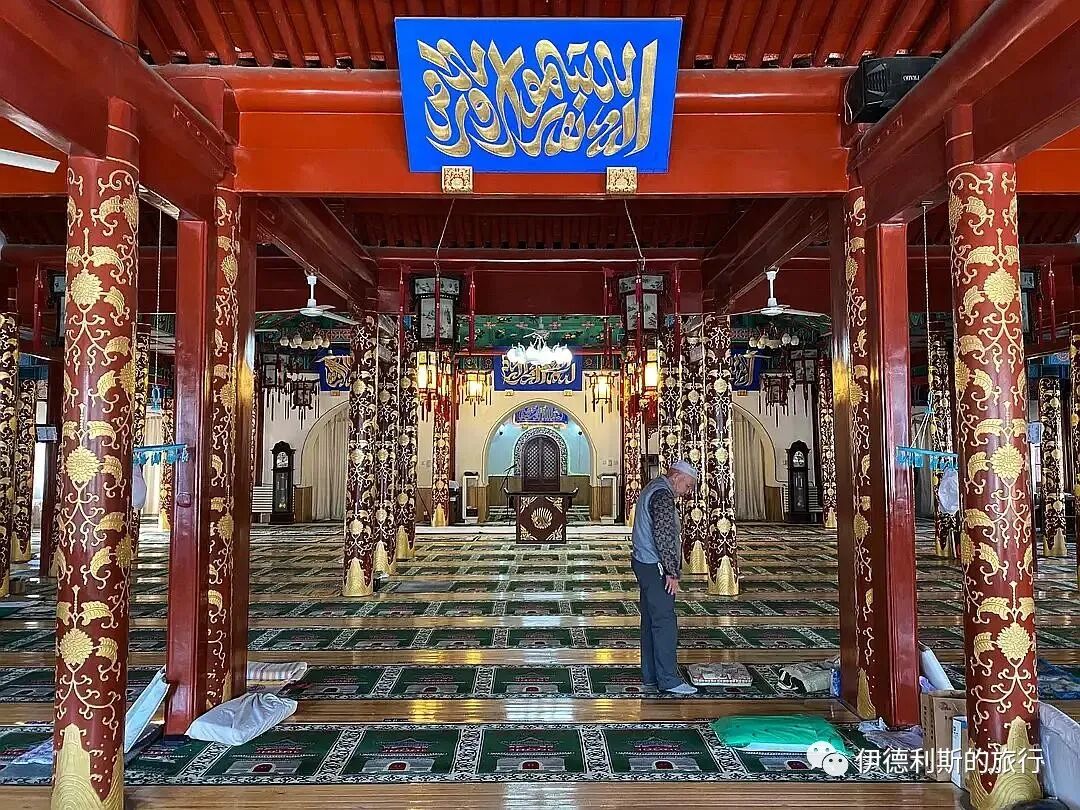
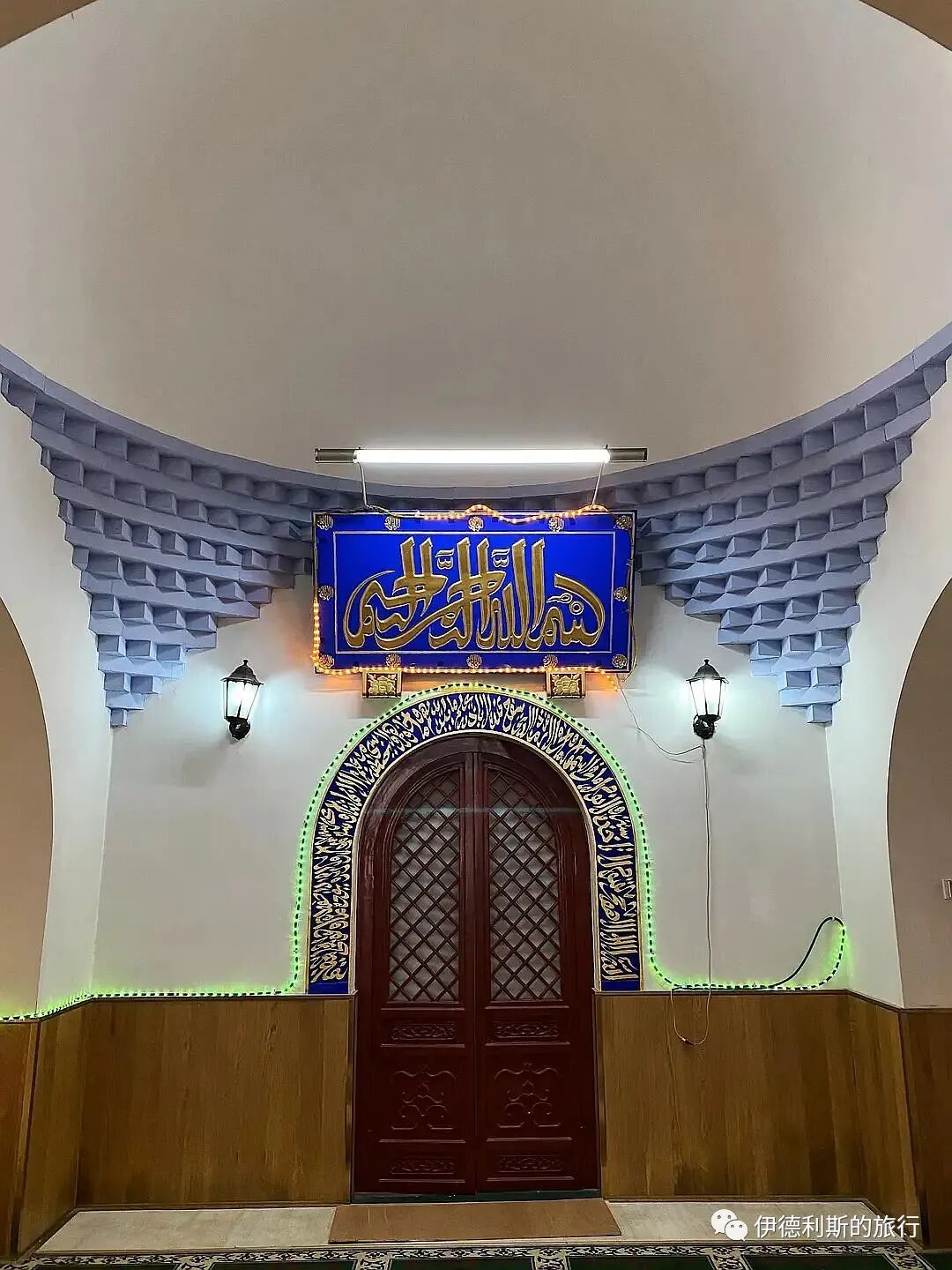
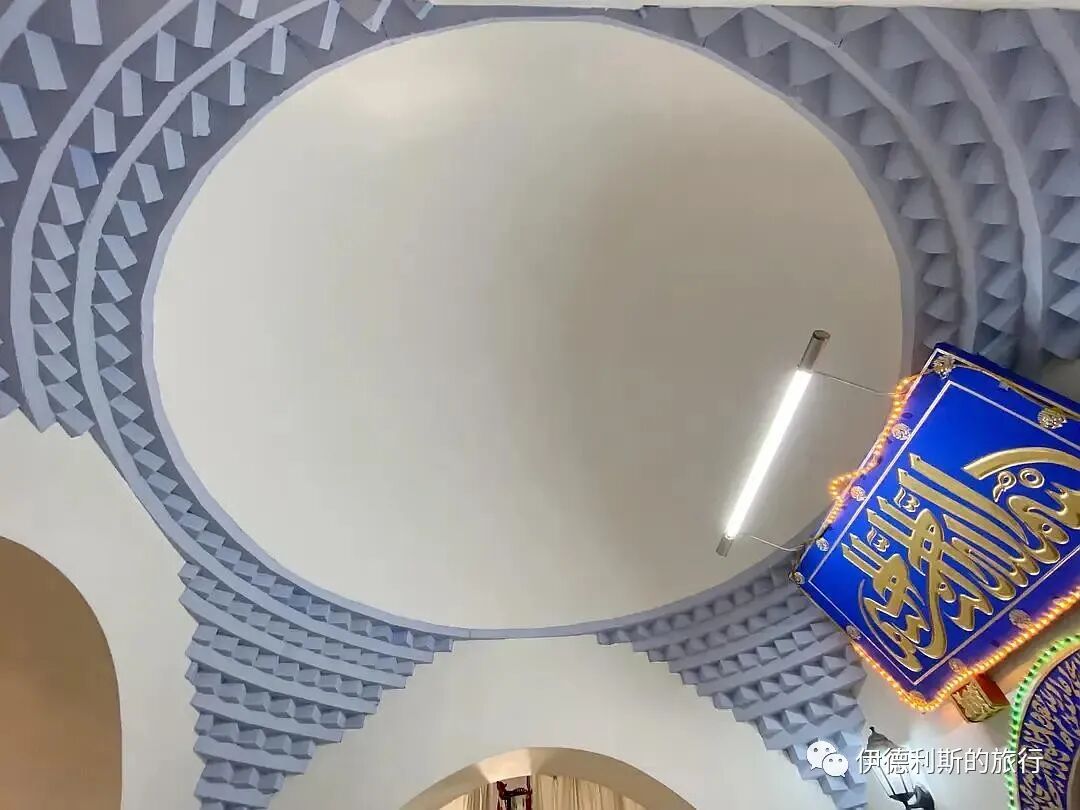
The Arabic calligraphy brick carvings are beautiful and rare.
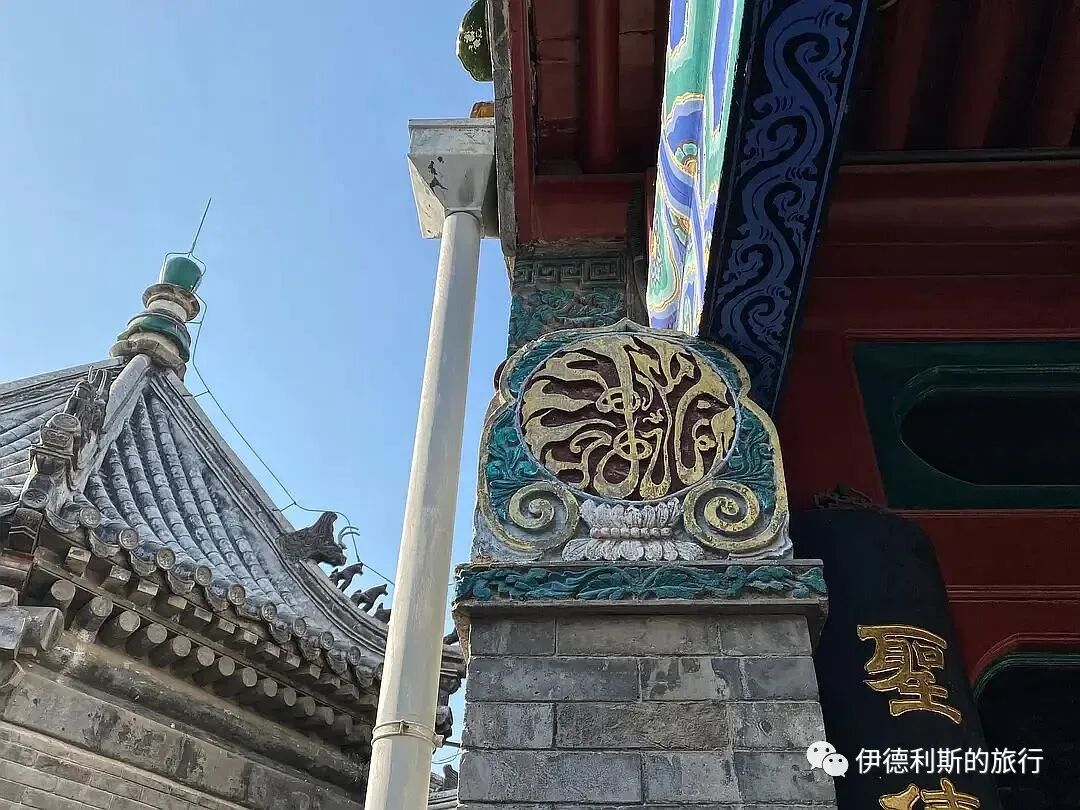
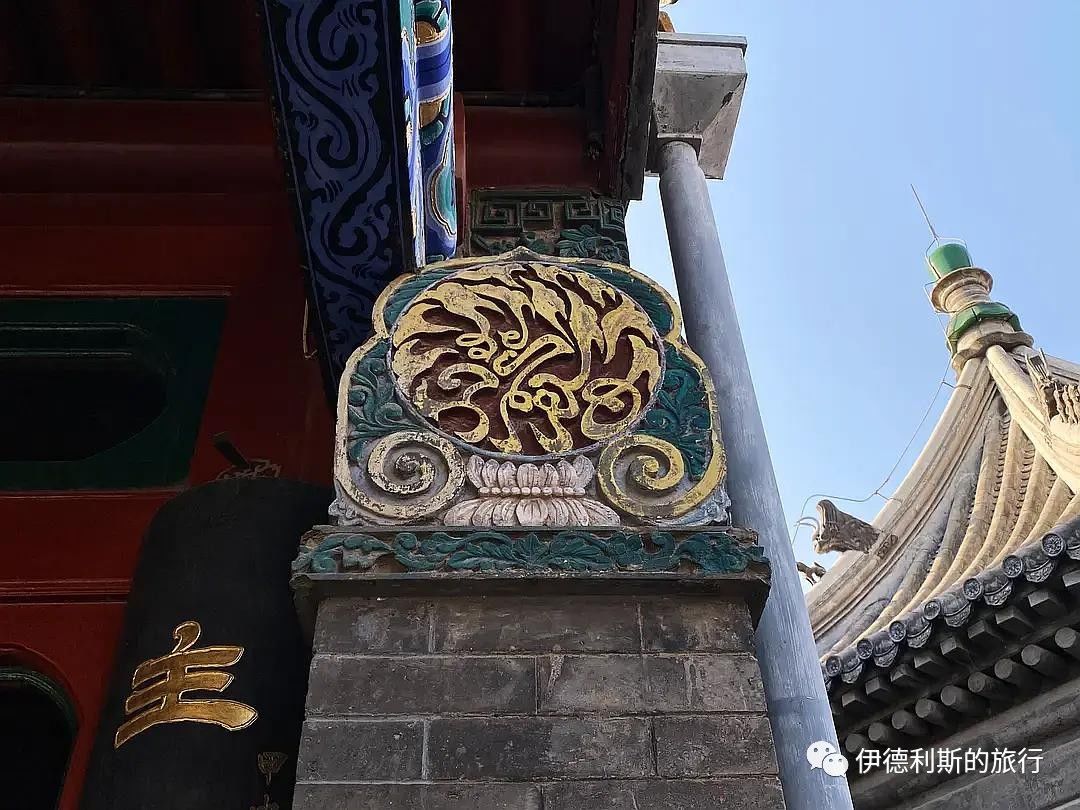
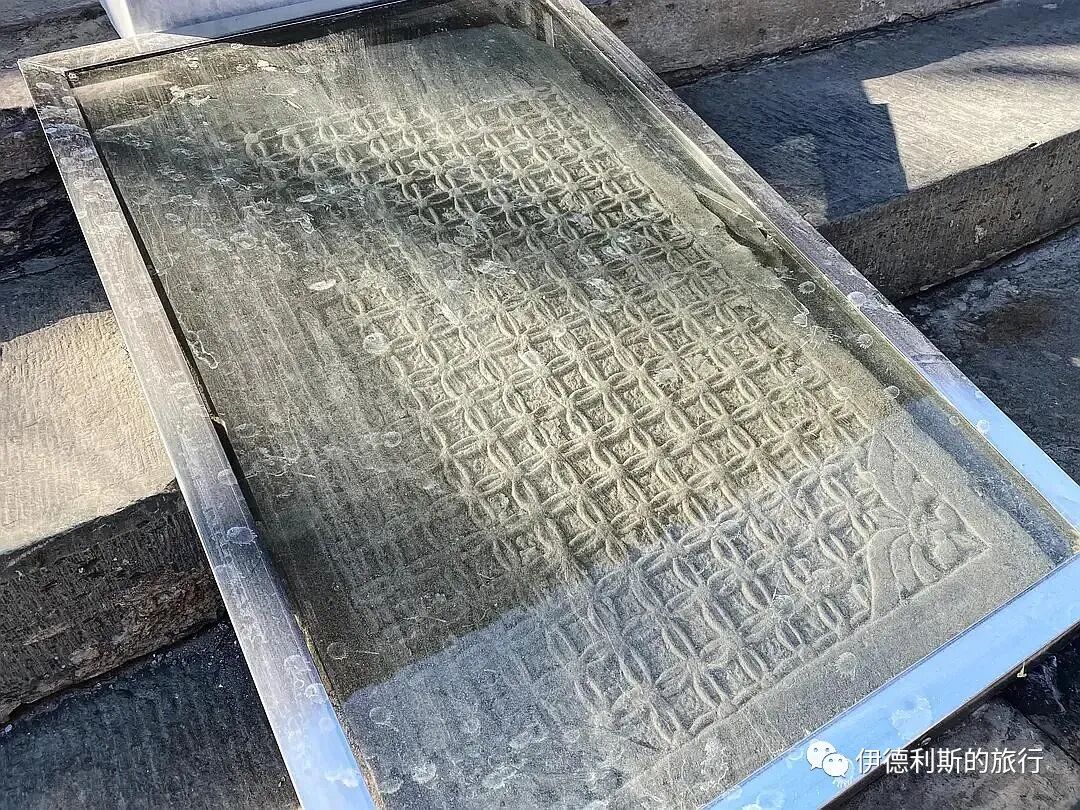
These are early stone carvings that the mosque has managed to preserve.
January 23, Beijing Zoo.
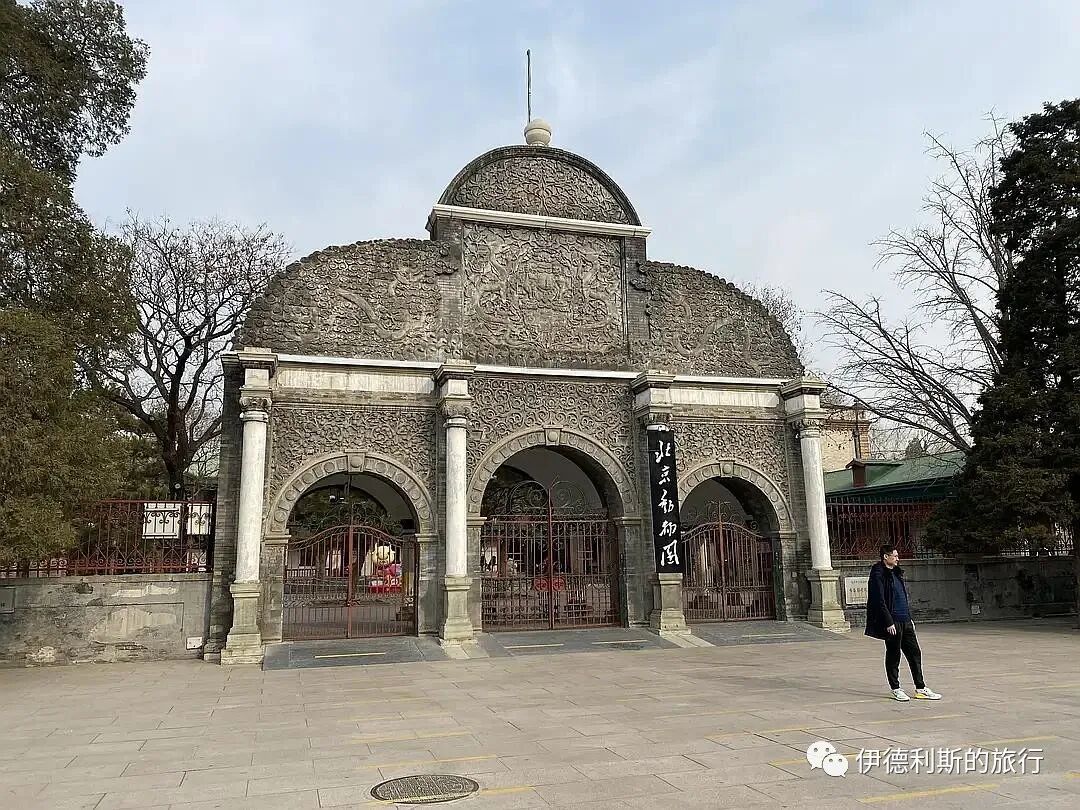
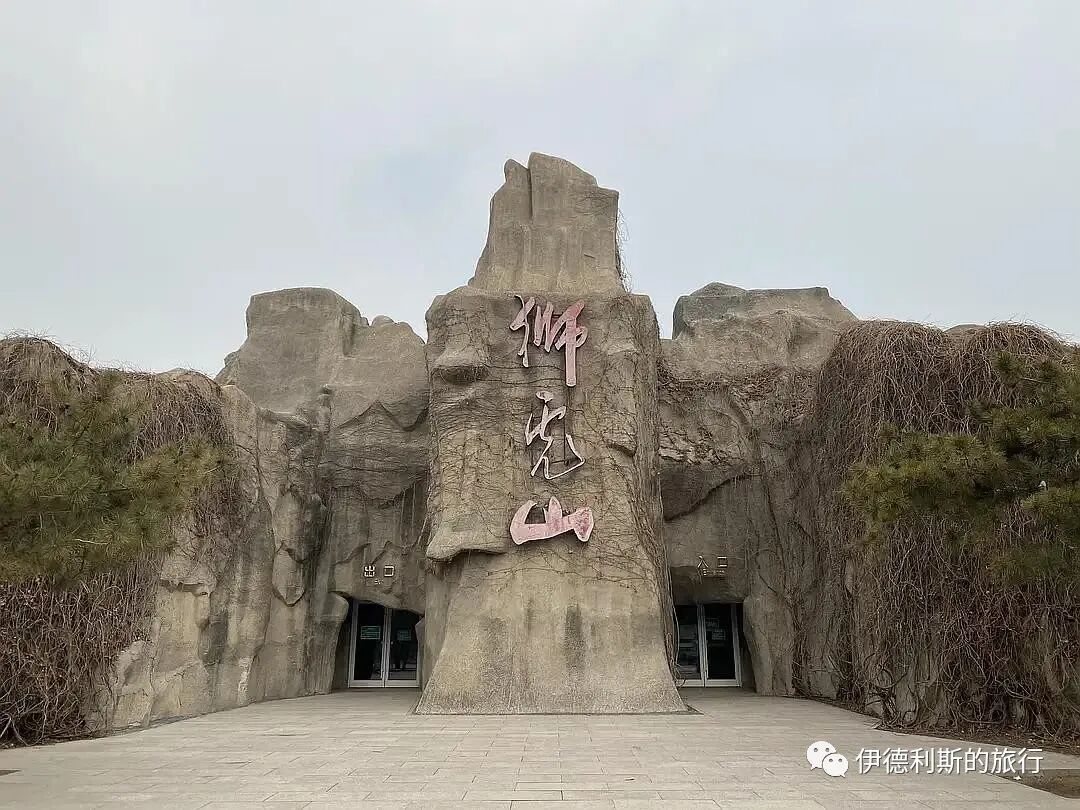
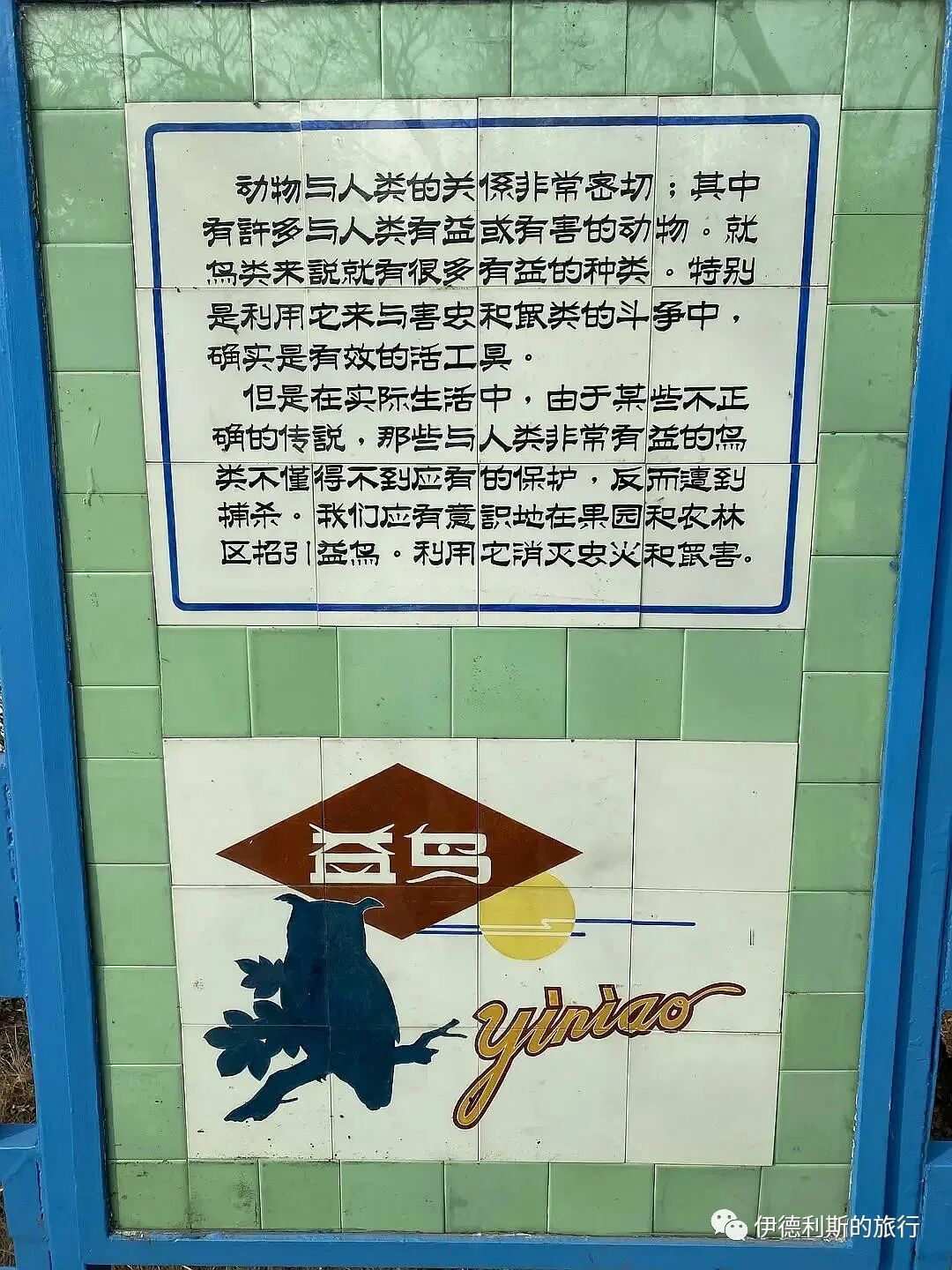
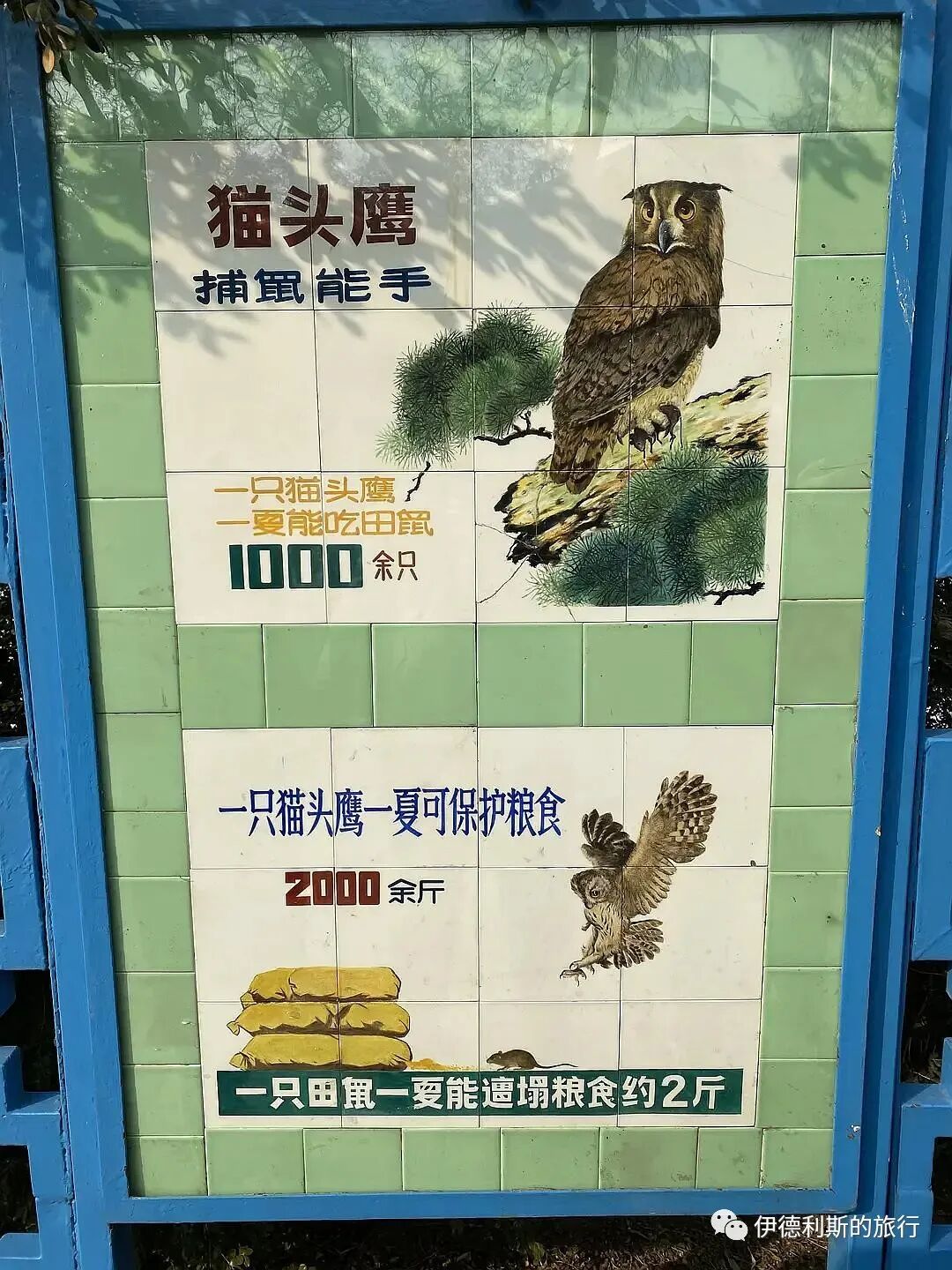
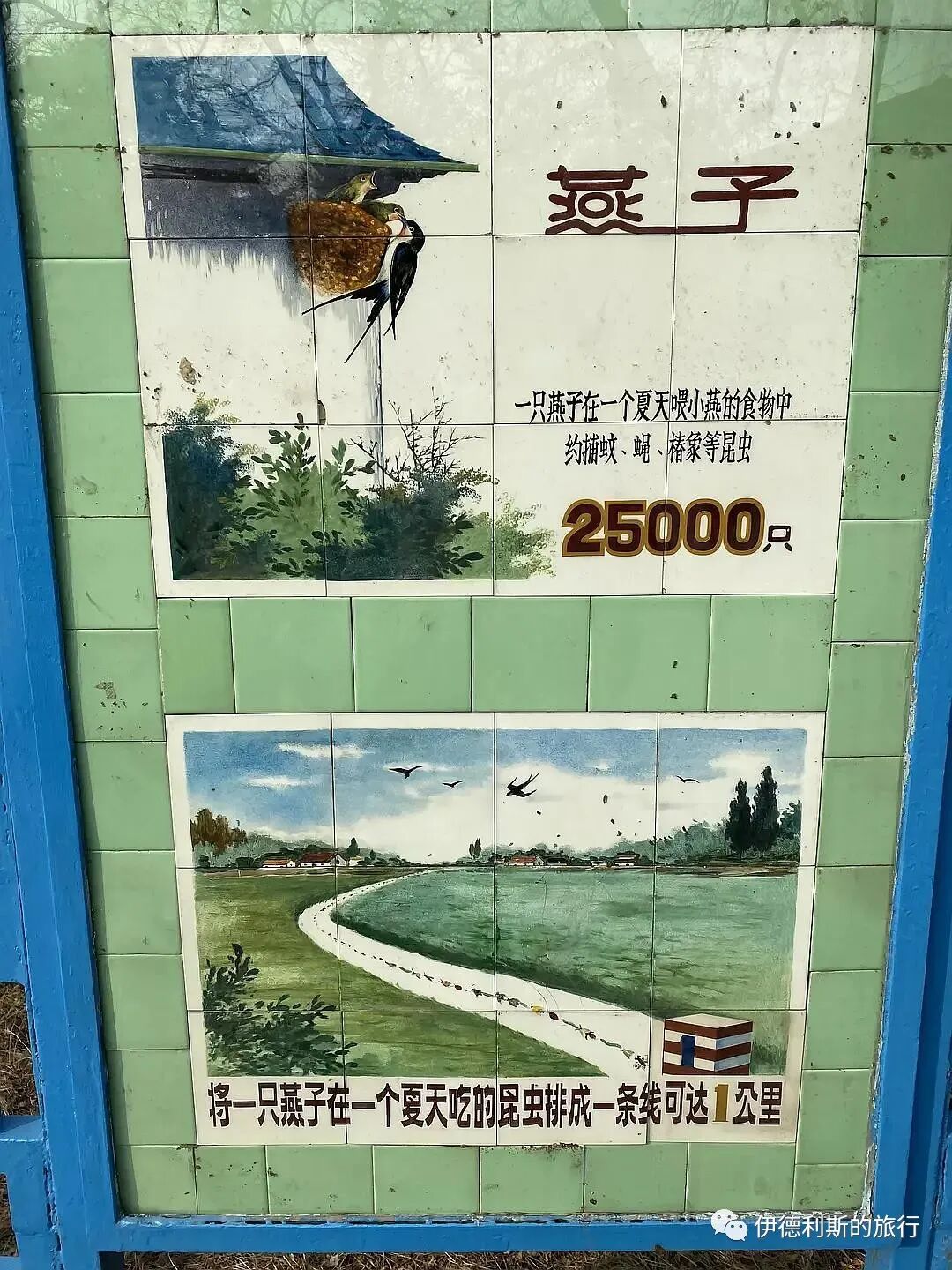
I walked around the zoo and took photos of some science education boards from my childhood.
January 31, Iranian traditional music performance.
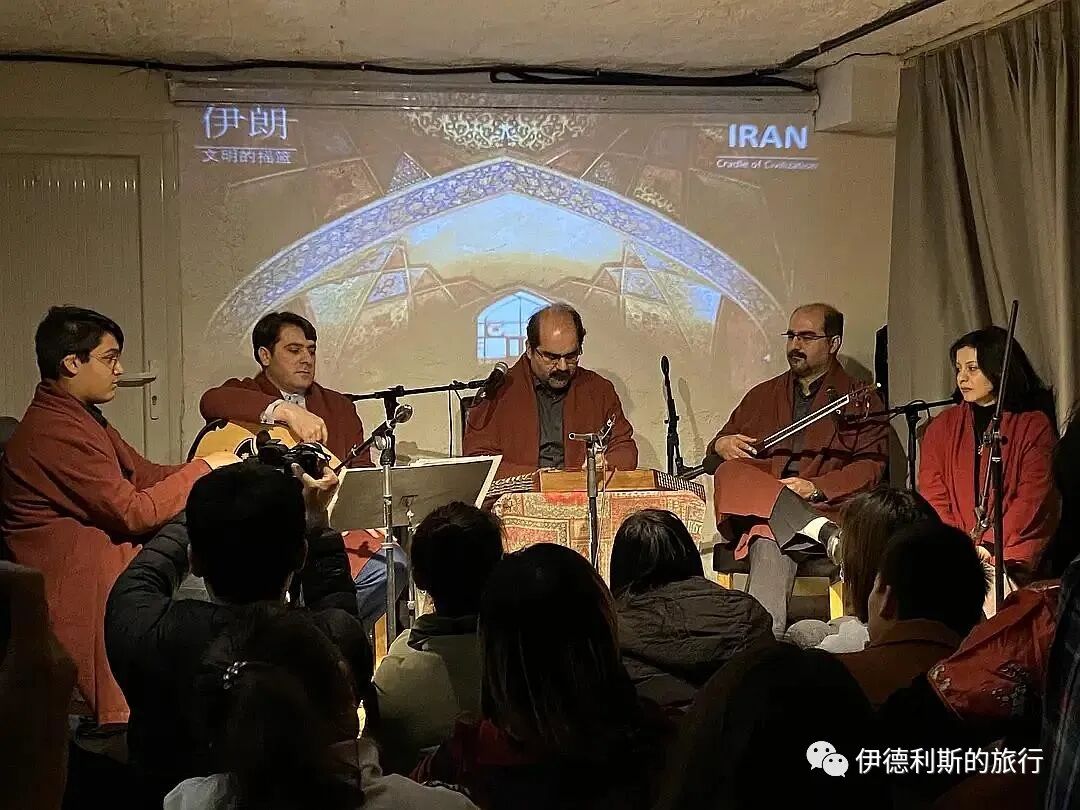
The first explosive performance of 2021! At Fruit Space on Meishuguan East Street, it was such a thrill to hear traditional Persian and Kurdish music performed by Arian, a Kurdish musician from Syria, alongside Persian musicians Majid, Massoud, Camellia, Mohsen, and Mahdis from Isfahan.
The instruments used in the show included the oud, daf drum, santur hammered dulcimer, nay flute, sitar, and tombak drum.
The concert featured powerful pieces composed by a late master from Isfahan. The high-pitched santur and mid-range sitar echoed each other against the rhythm of the daf and tombak drums, all perfectly complemented by the deep tones of the oud.
The group sang "Sit Beside Me," a poem by the famous Persian Sufi poet Rumi. In Sufi poetry, the songs are not actually about worldly love, but a way to express deep love for Allah. Lyrics:
My beloved comes to sit by my side
You are just like my own heart
I hold my soulmate in my arms
We hold hands and talk.
You are far away.
I watch and wait for you.
You gave me life.
I will stay with you forever.
What a beautiful day, yet what can I do?
I would not trade this for half the world.
I wish to be the ball under your polo mallet.
Staying with you forever in both stillness and motion.
Yalong sang a Kurdish folk song while playing an Iraqi lute (oud). The lyrics mean:
I have a flower.
It comes from the garden in my heart.
I water it with my tears.
I picked this one from a garden full of flowers.
Oh my dear, you are my hope.
February 4, Iranian film
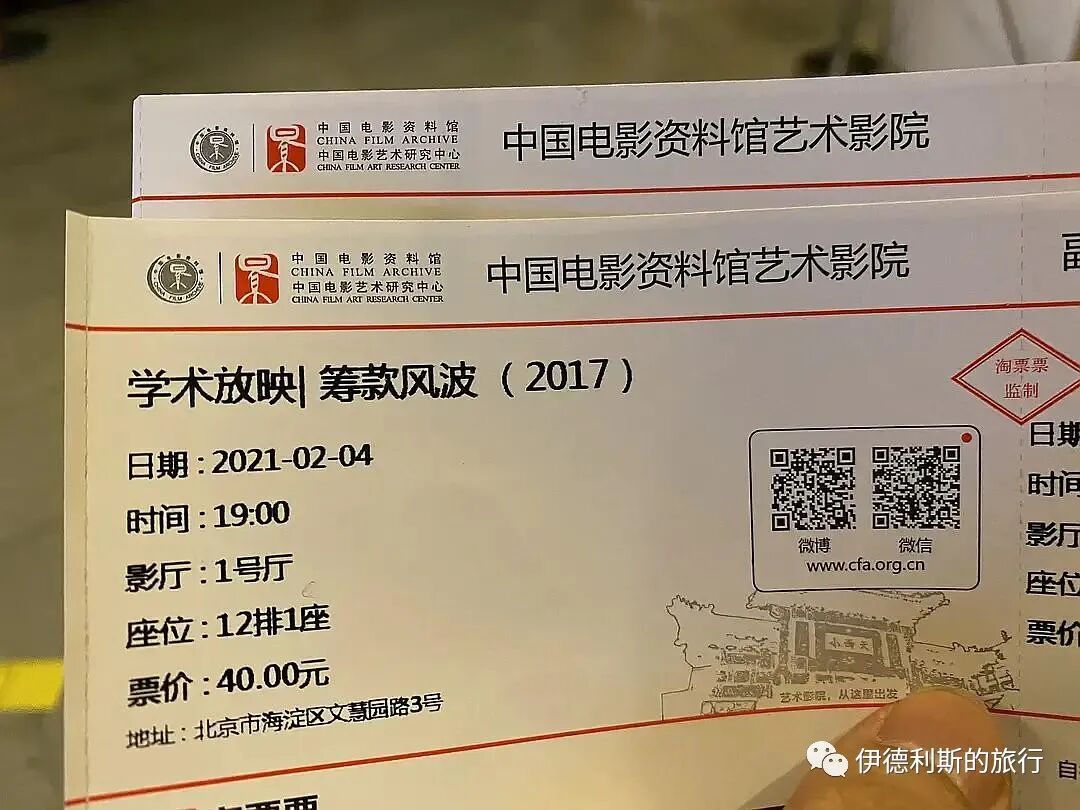
The first Iranian film of 2021, I watched "The Salesman" (Forushande) at the film archive. It felt like a movie about the suffering of women, and Zeinab was much more upset than I was after watching it. My feeling after watching is that the film is very professional and shows the standard of Iranian realist cinema, but the plot feels a bit forced, as if it is being pushed forward step by step.
February 6, daily walk
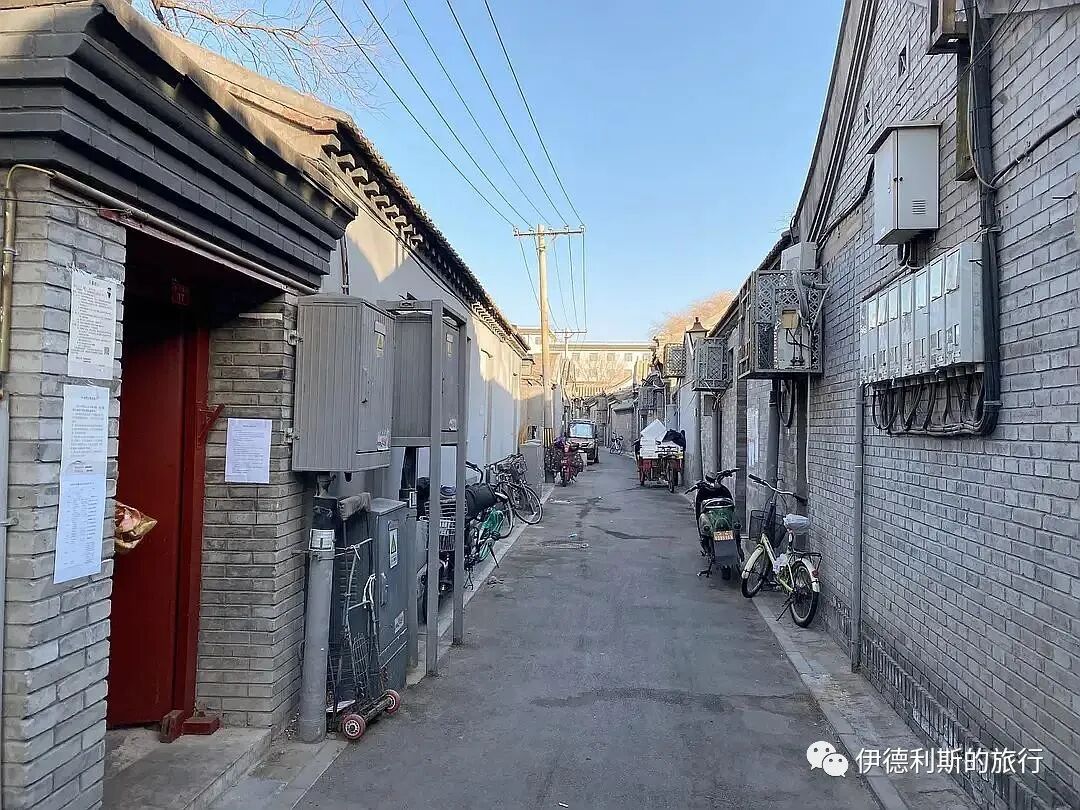
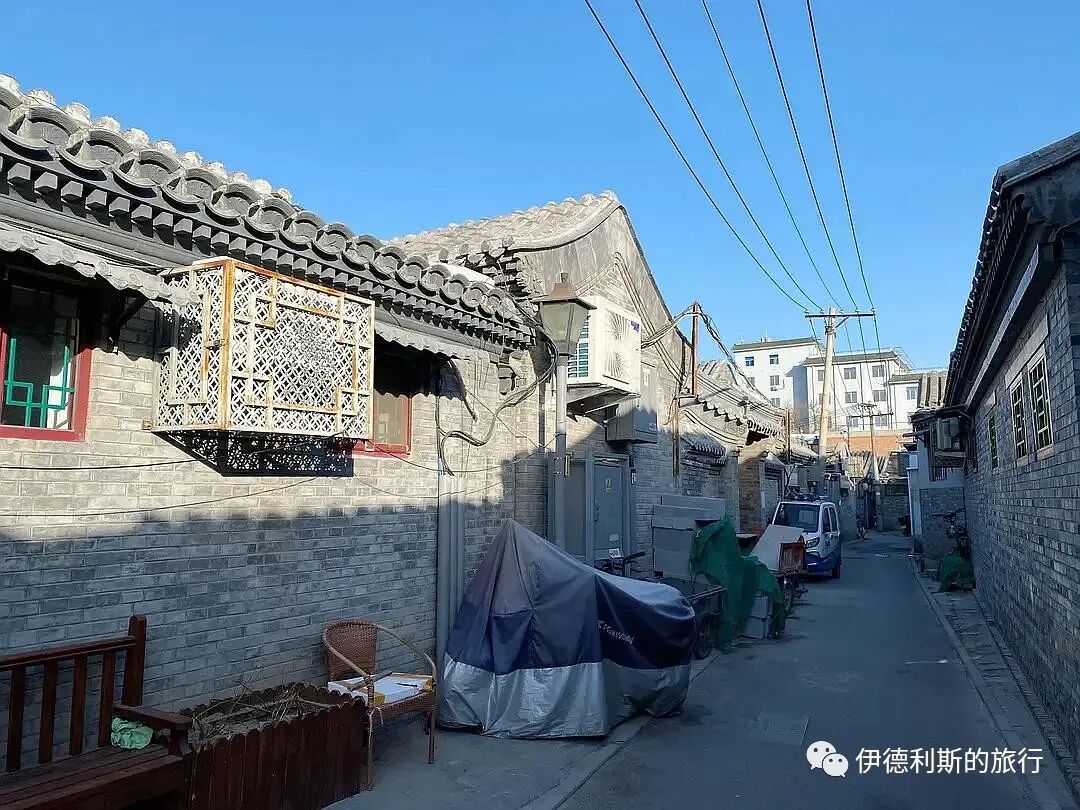
The alleyways (hutong) around Dongsi.
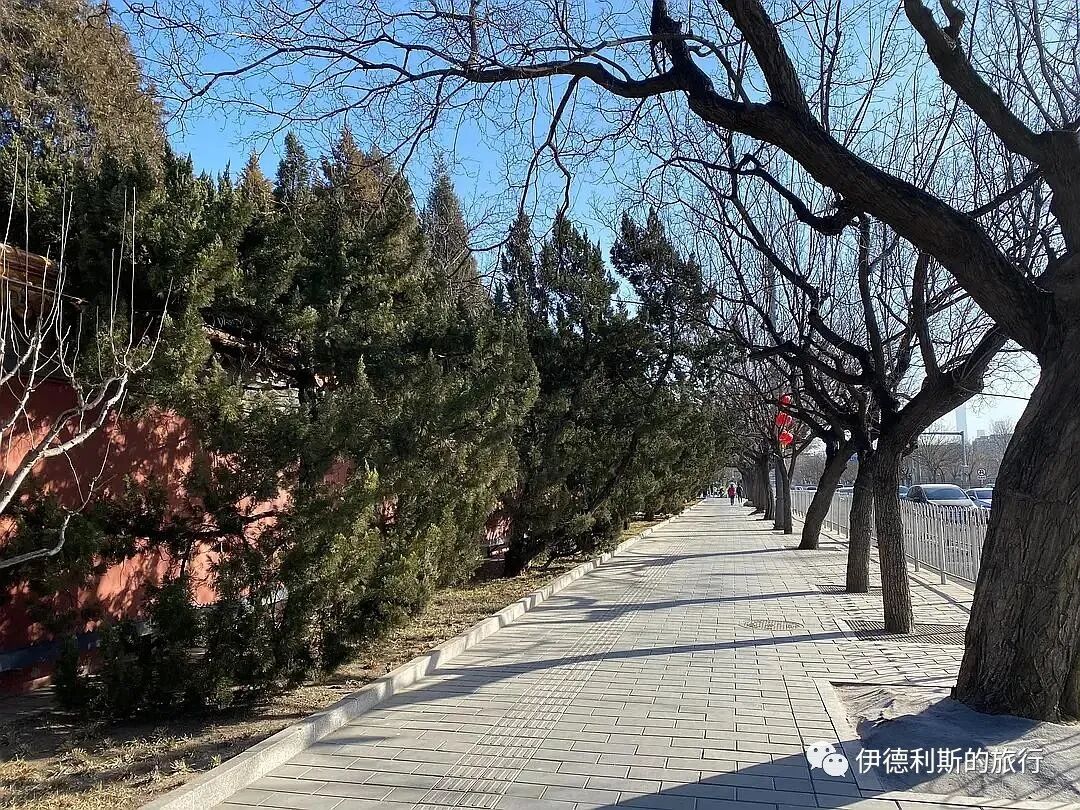
The south wall of Jingshan Park.
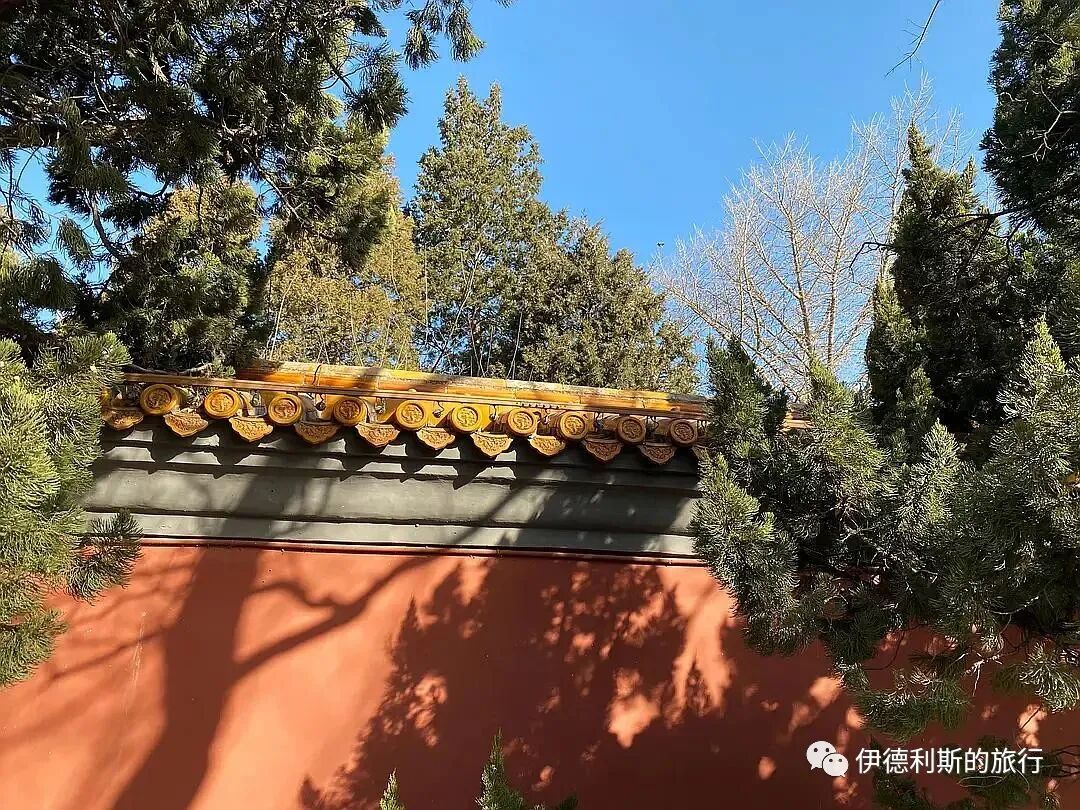
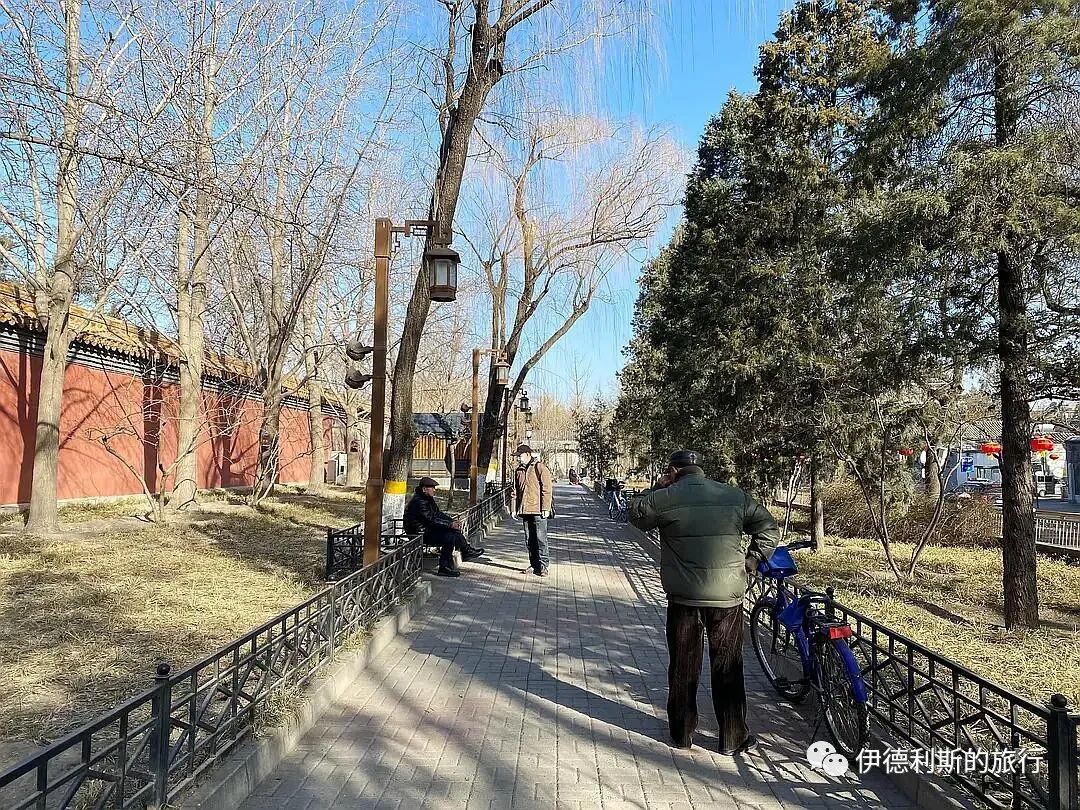
The east wall of Jingshan Park.
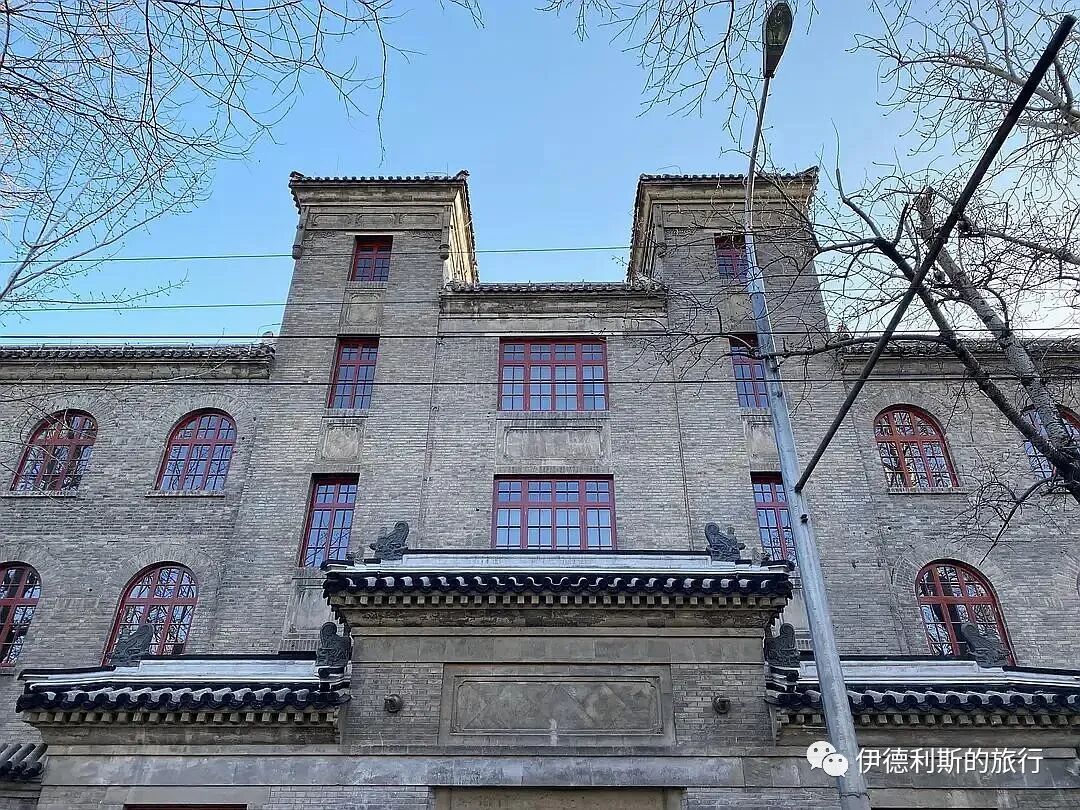
The former site of the Sino-French University, located at Donghuangchenggen.
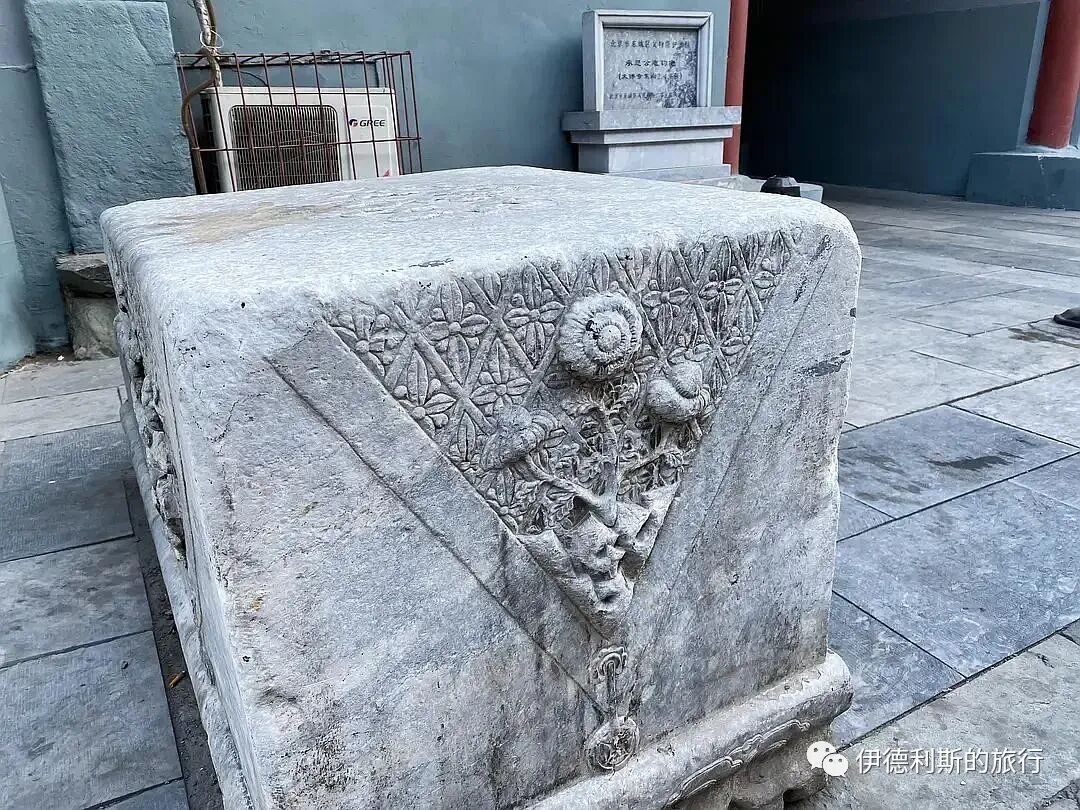
The mounting stone at the residence of Duke Cheng'en Zhijun on Dafo Mosque East Street.
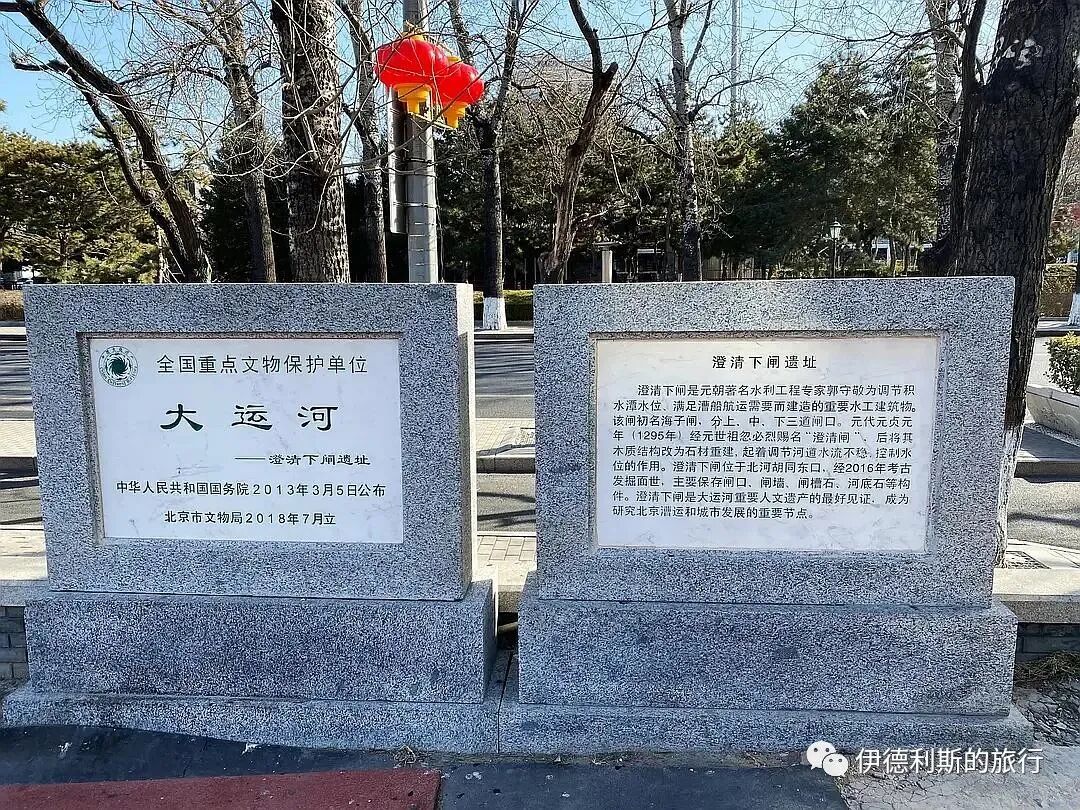
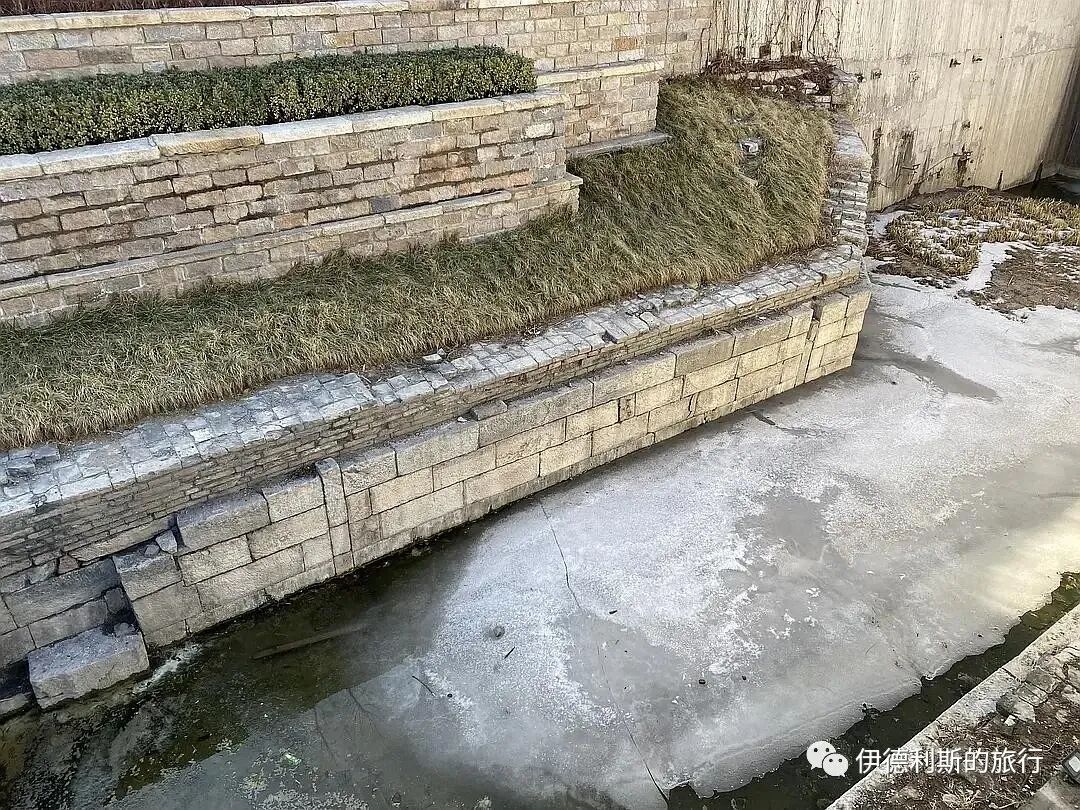
The Chengqing Lower Sluice site of the Grand Canal, built by Guo Shoujing during the Yuan Dynasty.
Nearby alleyways (hutong).
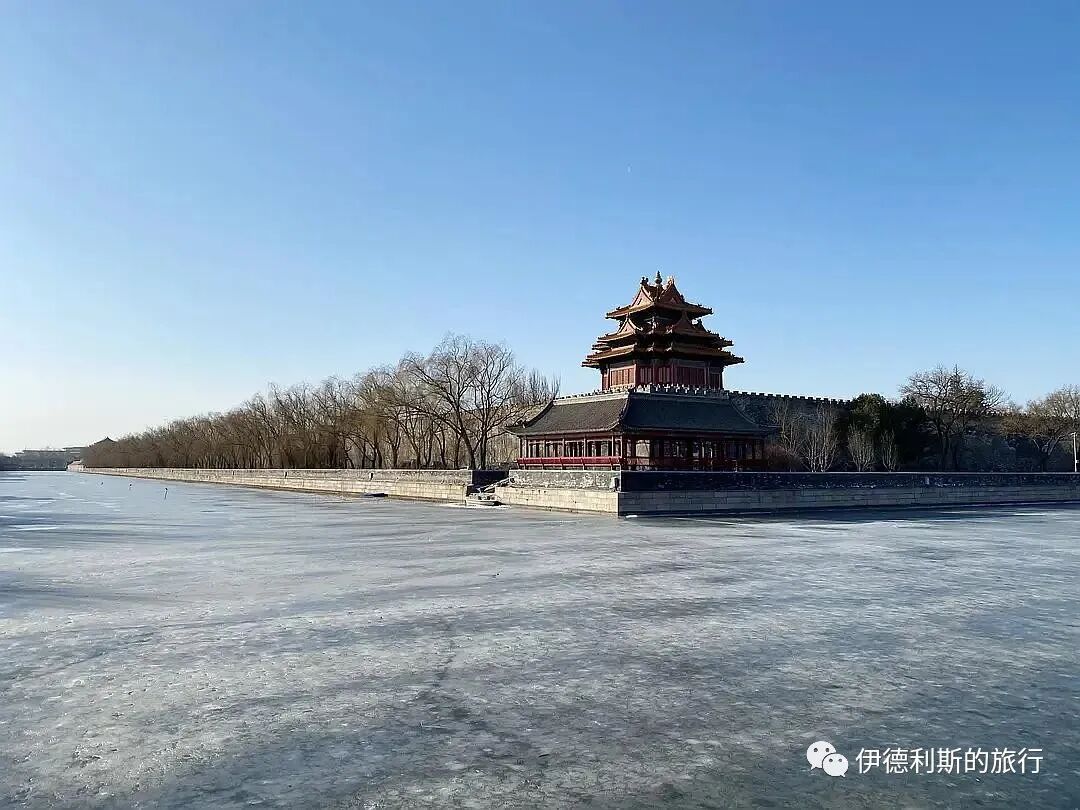
The northeast corner tower of the Forbidden City.
February 12, shopping and visiting exhibitions.
On the morning of the first day of the Lunar New Year, I kept eating dumplings (jiaozi), then took a walk to see the New Year exhibition at the National Art Museum of China. From January 9 to March 27, 2021, the National Art Museum of China hosted the exhibition Beauty in Cultivation: The National Art Museum of China 2021 New Year Exhibition Welcoming the Auspicious Ox. It featured paintings in many different styles and was well worth seeing.
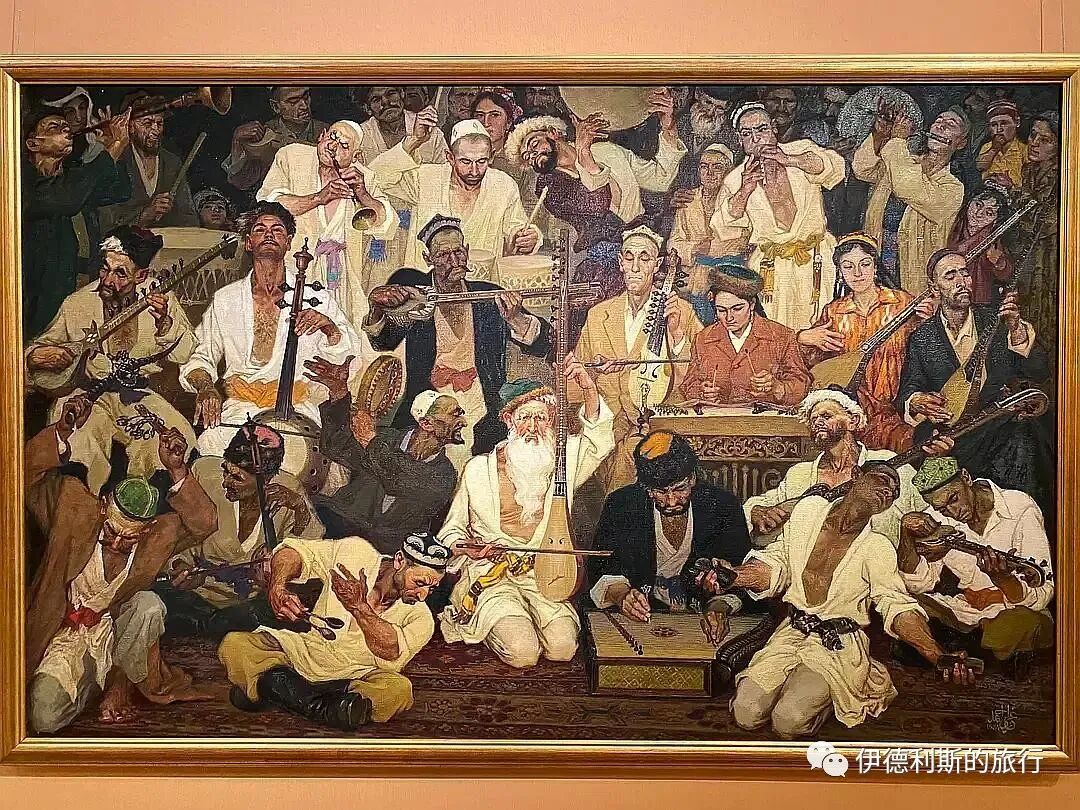
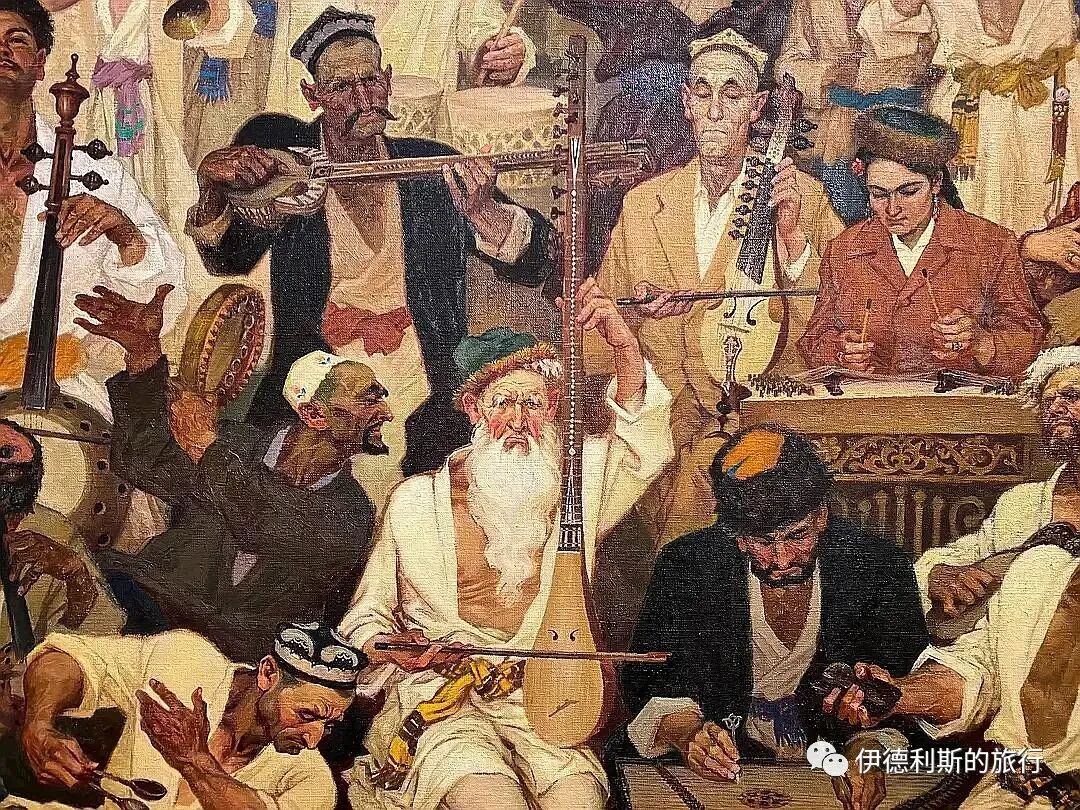
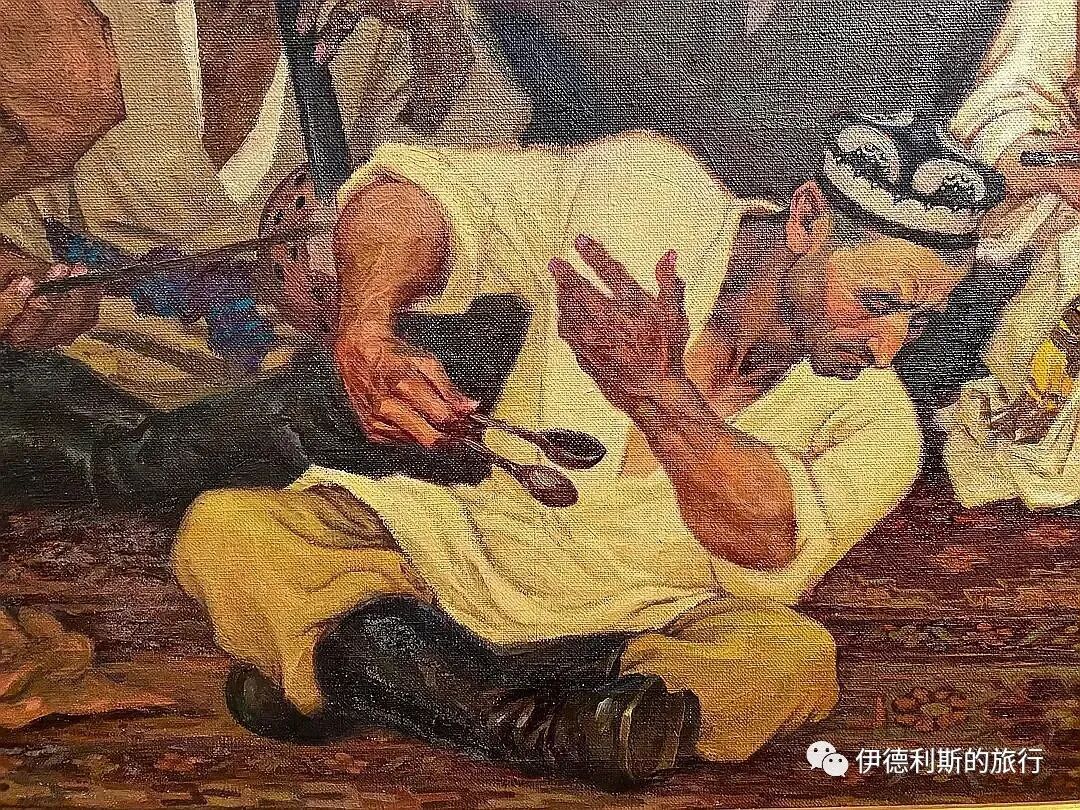
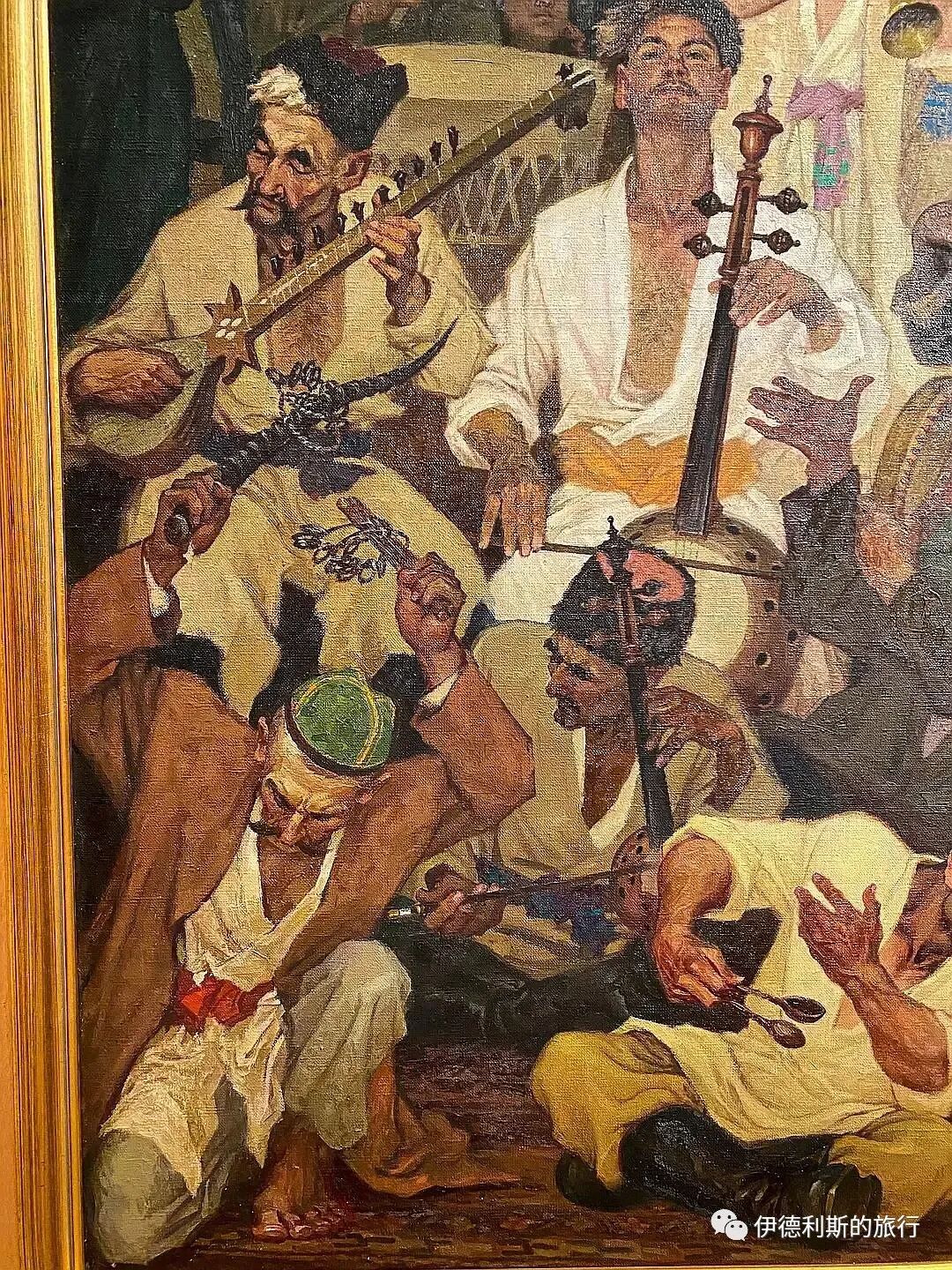
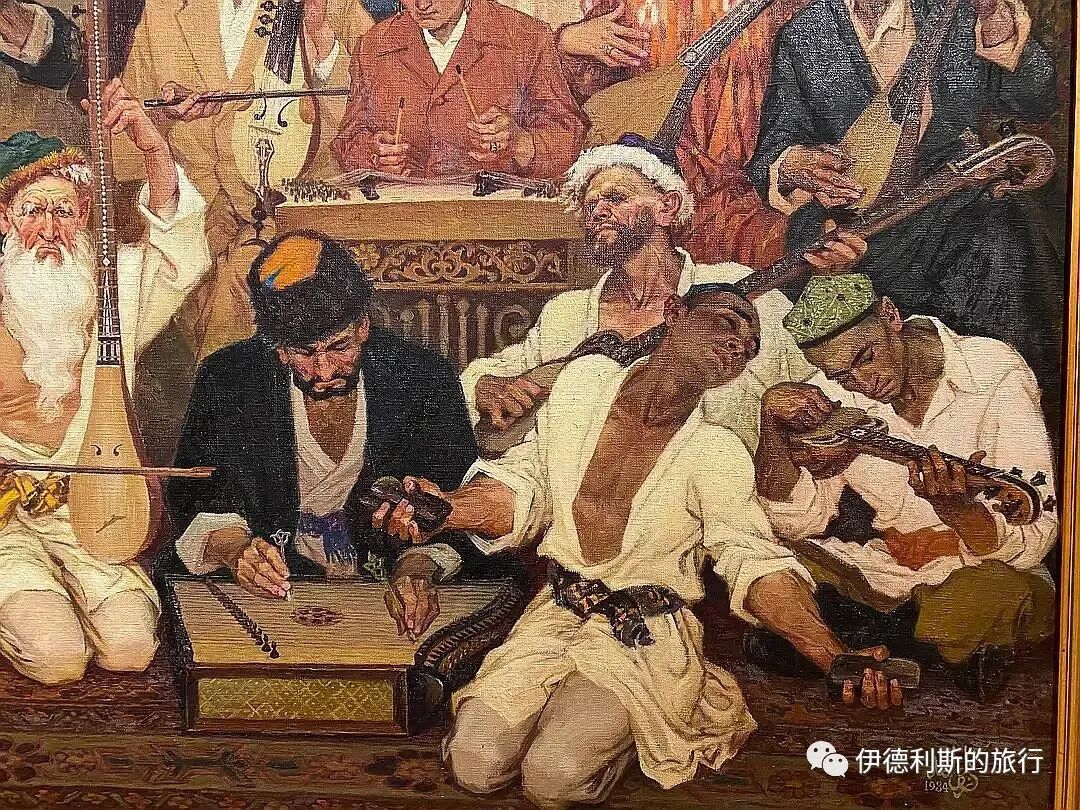
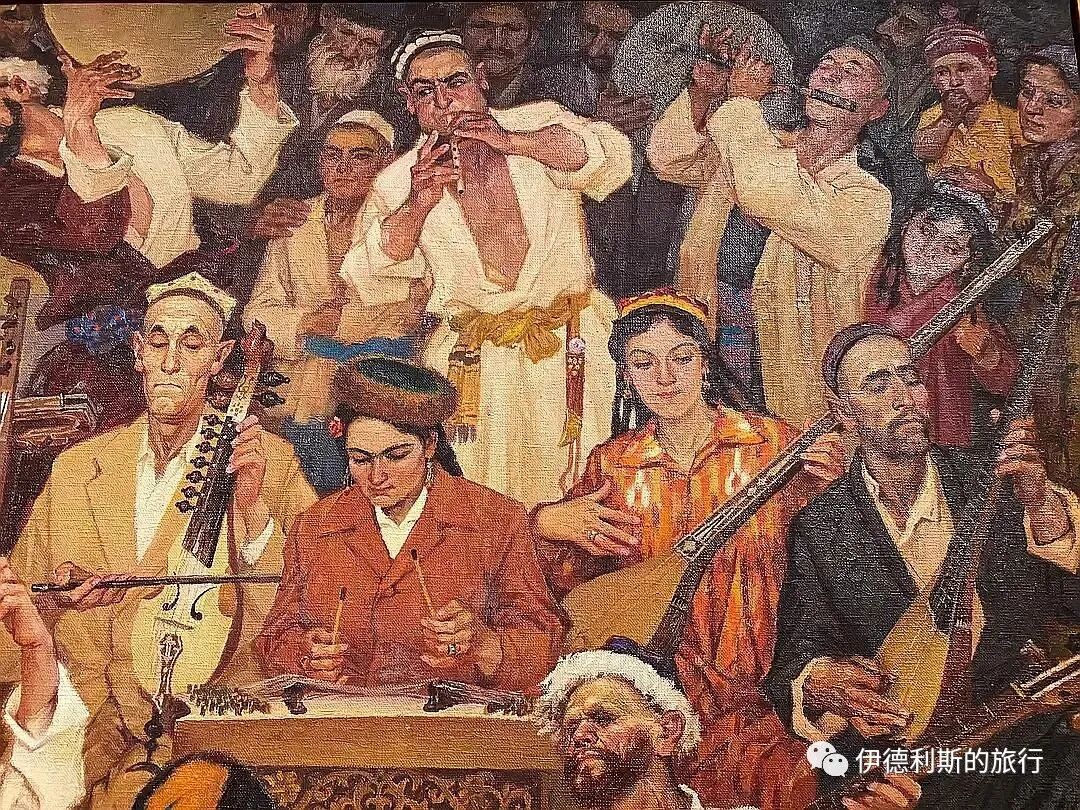
I was very lucky to see the famous painting Muqam by the renowned artist Ghazi Ahmed. Countless Uyghur restaurants across the country hang this painting, and it has become an important symbol for the Uyghur people.
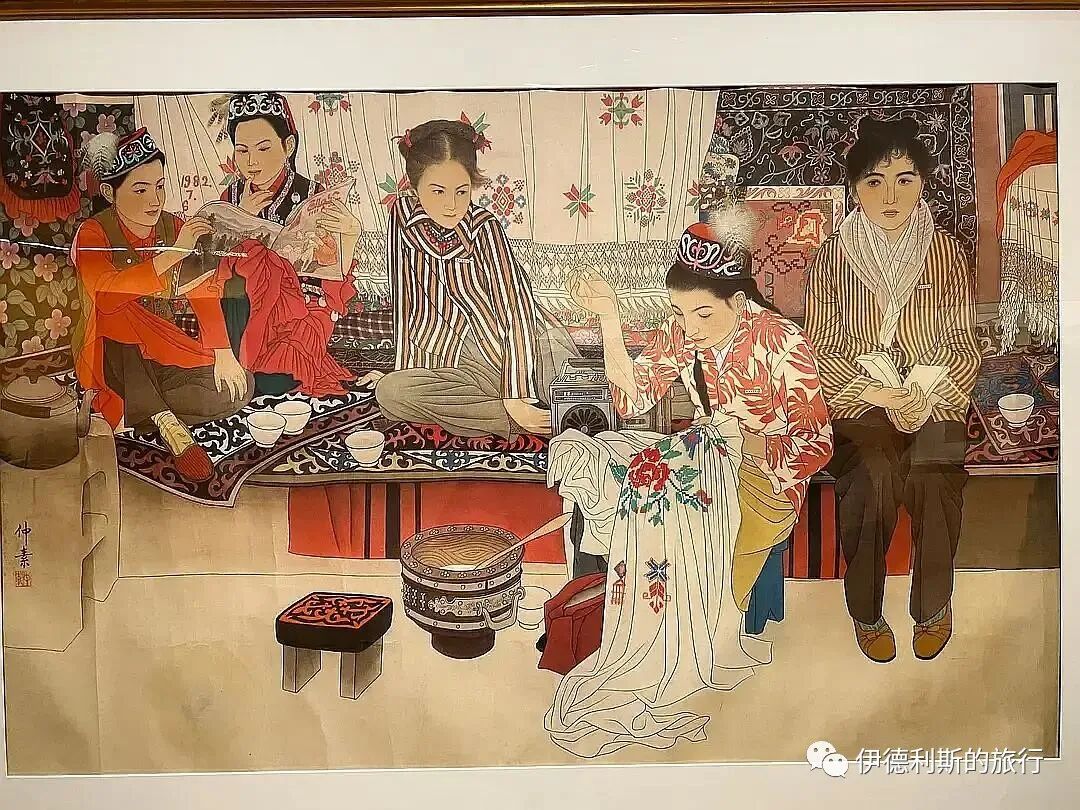
The painting Holiday of a Kazakh Young Woman, created in 1982 by Kang Shuzeng, the dean of the Fine Arts College at Xinjiang Normal University, has a very distinct style of that era.
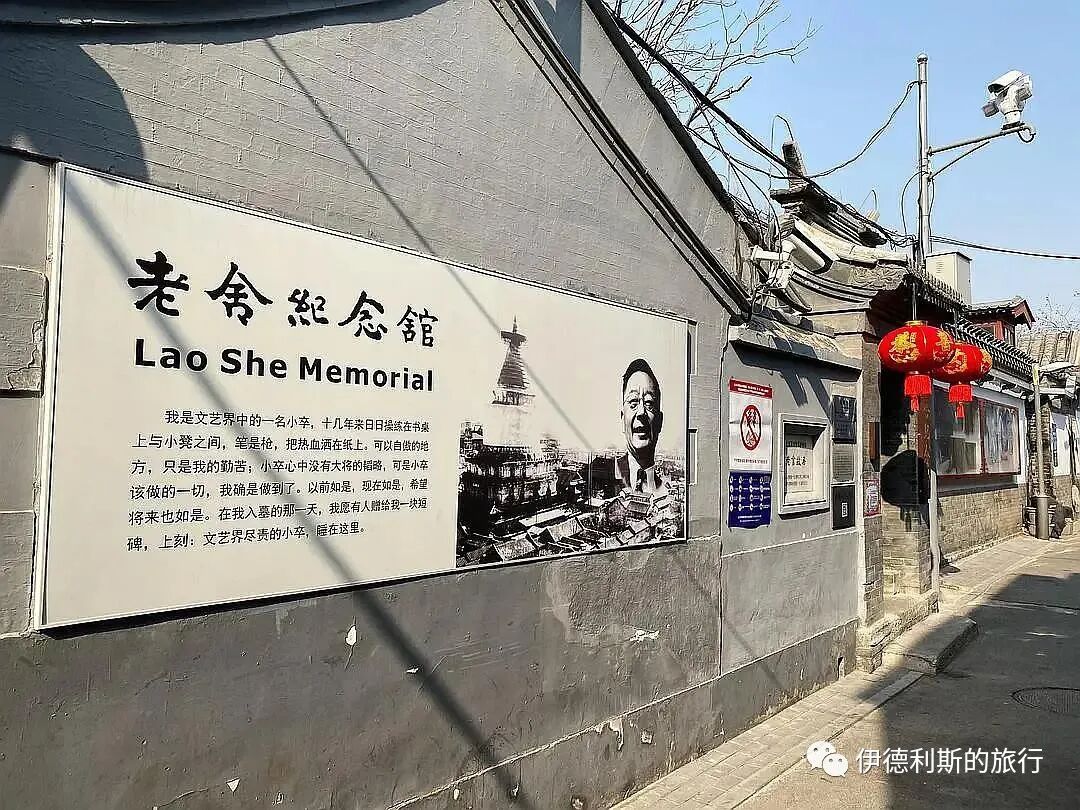
After leaving the art museum, I wandered over to the Lao She Memorial Hall.
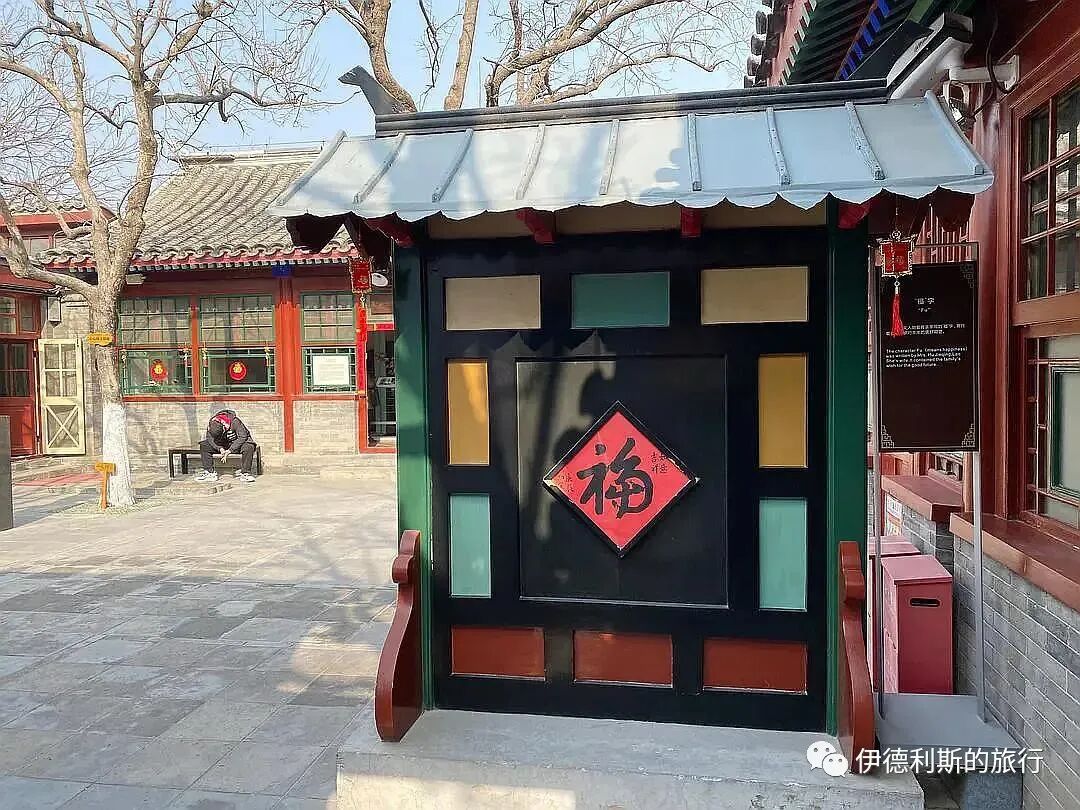
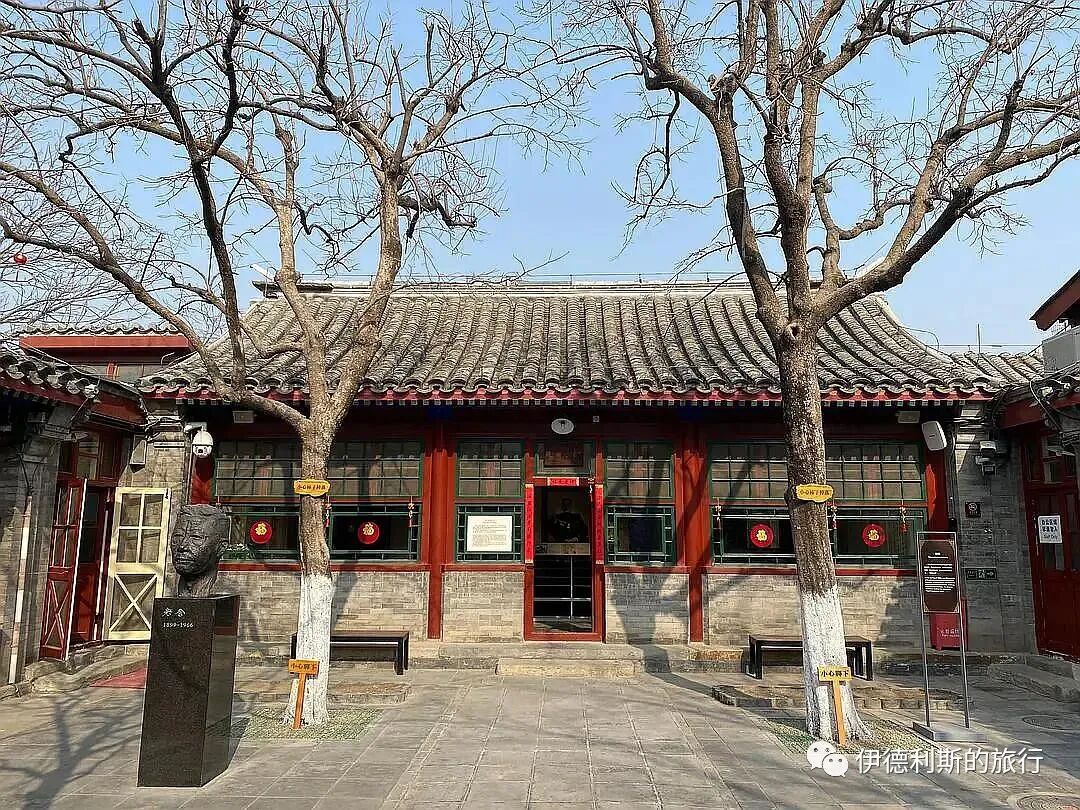
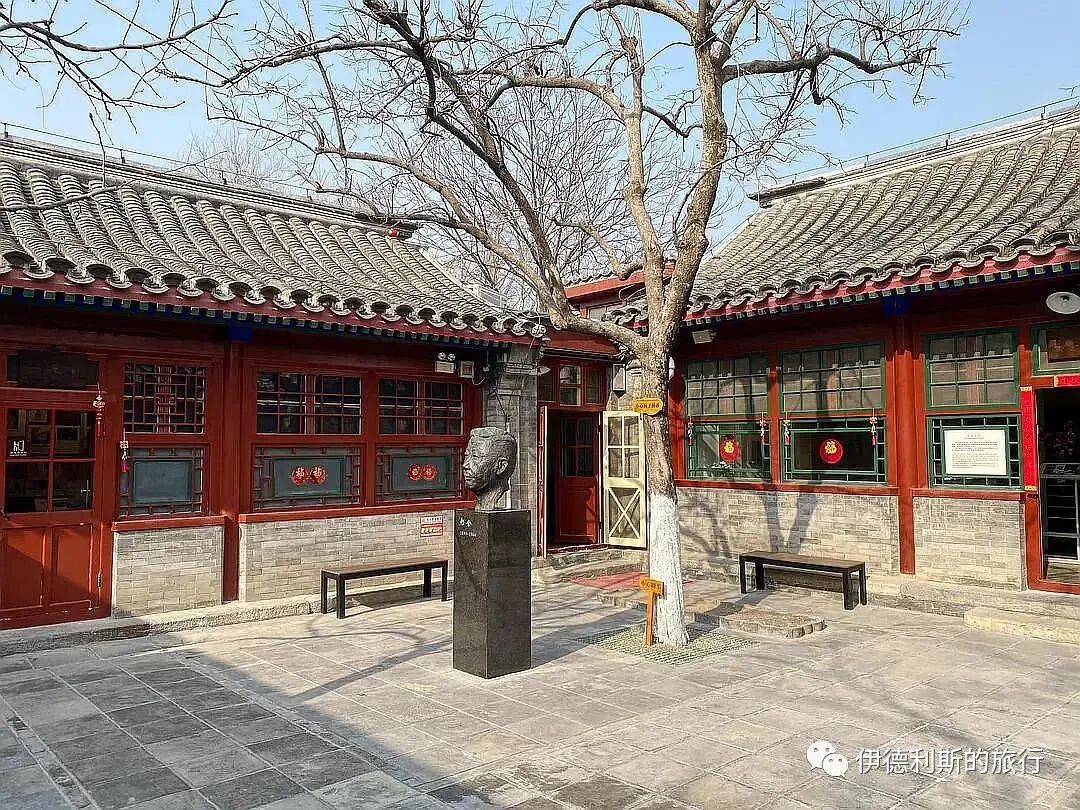
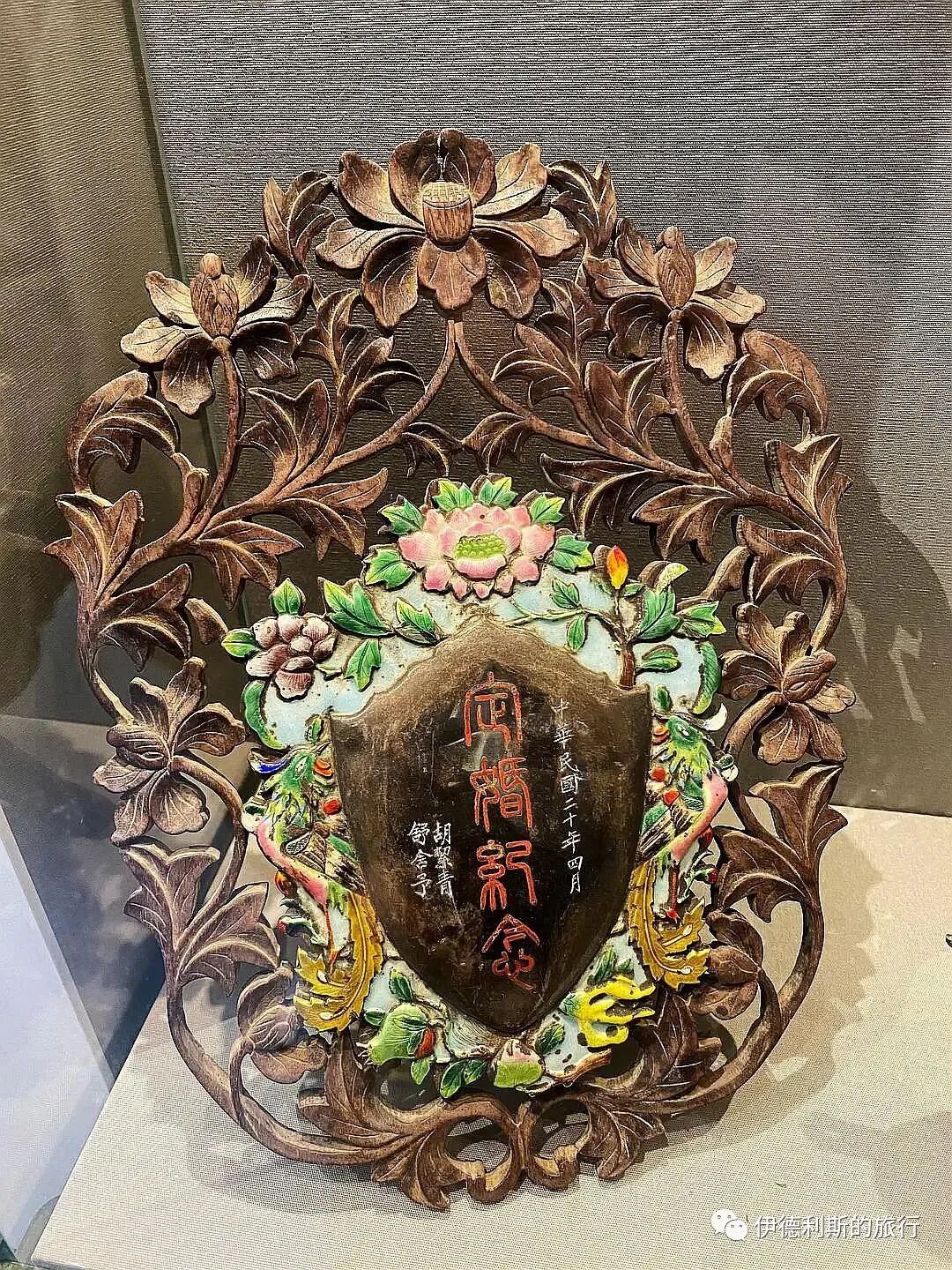
After leaving the Lao She Memorial Hall, I went to the Shijia Hutong Museum.
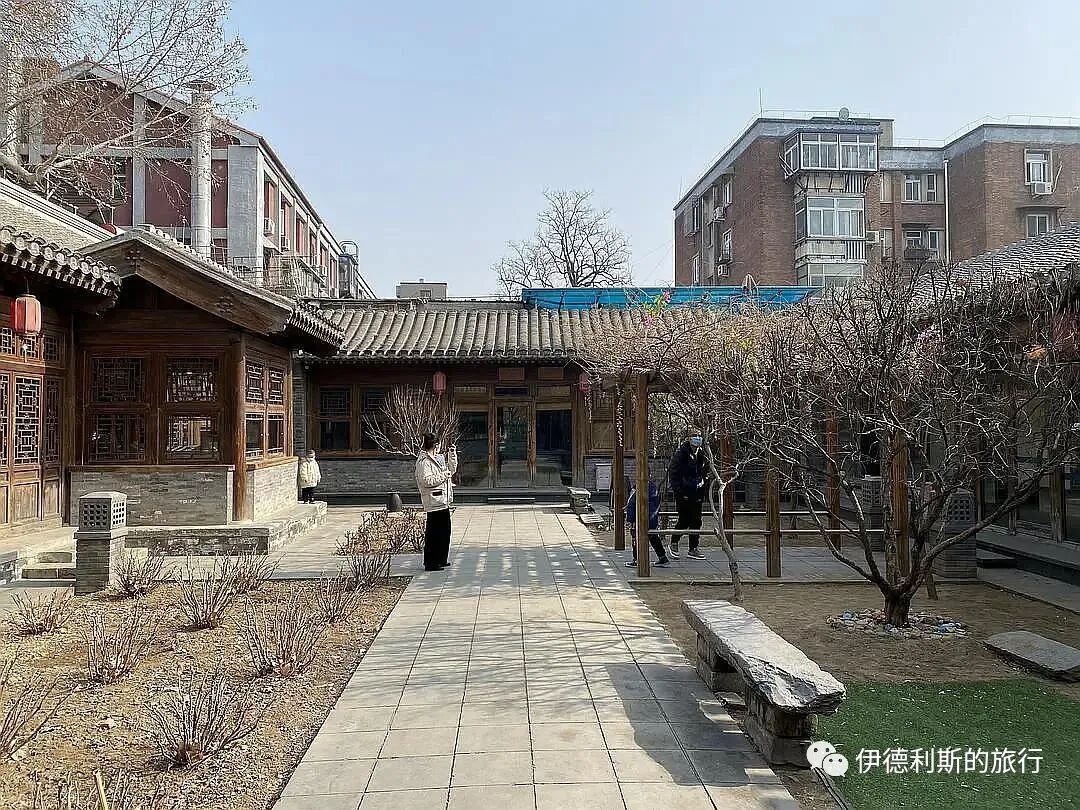
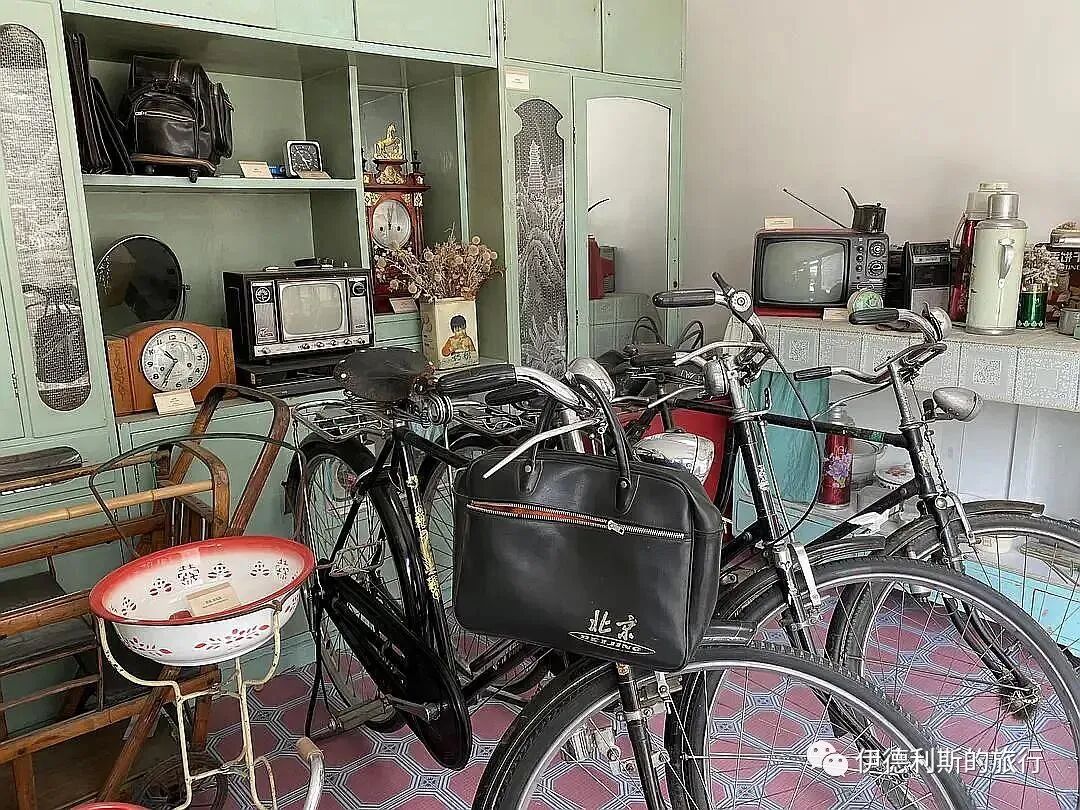
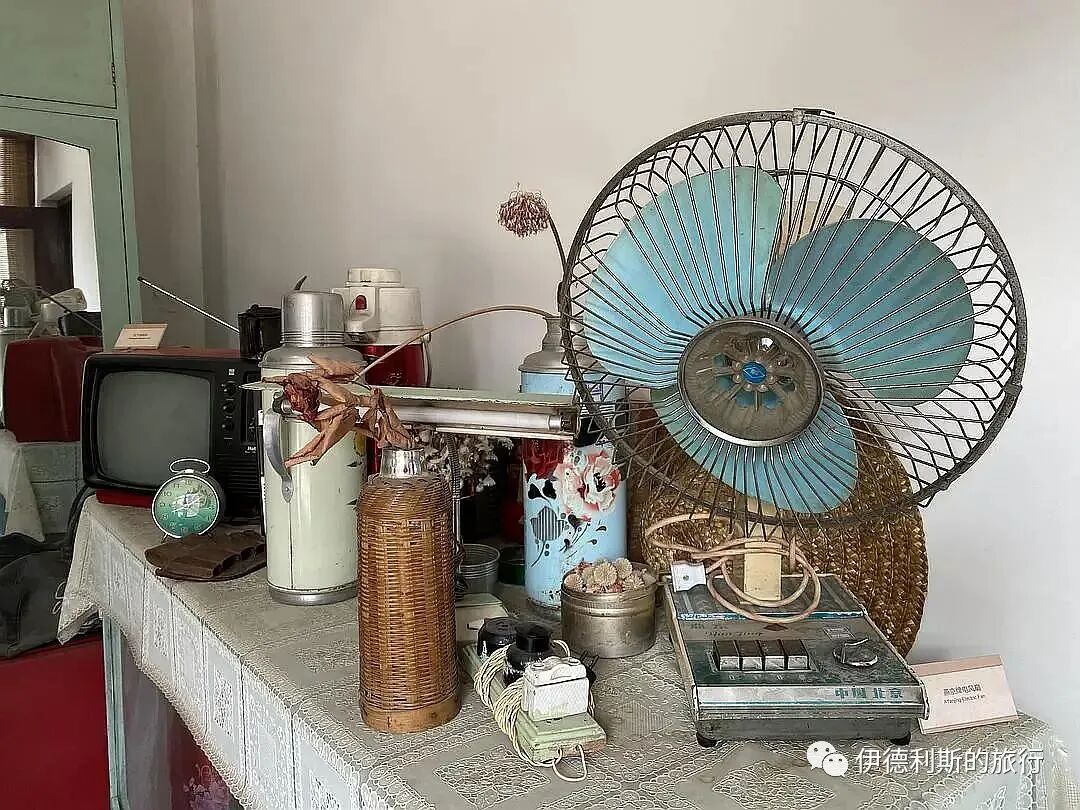
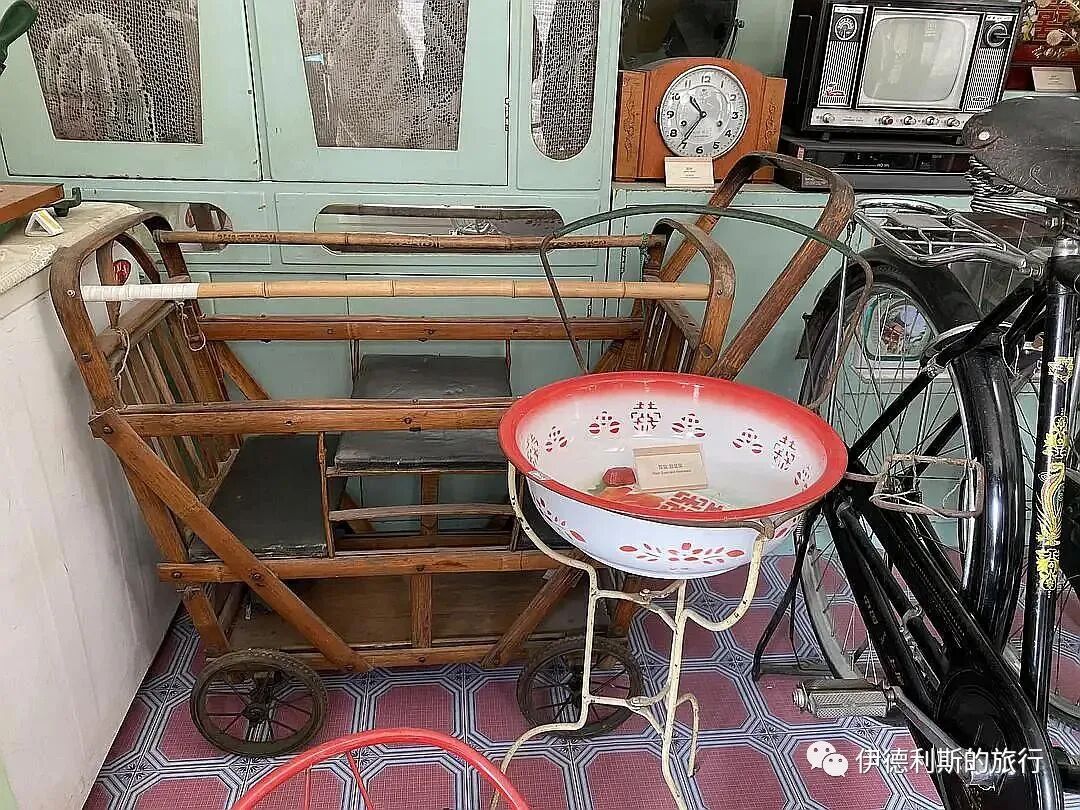
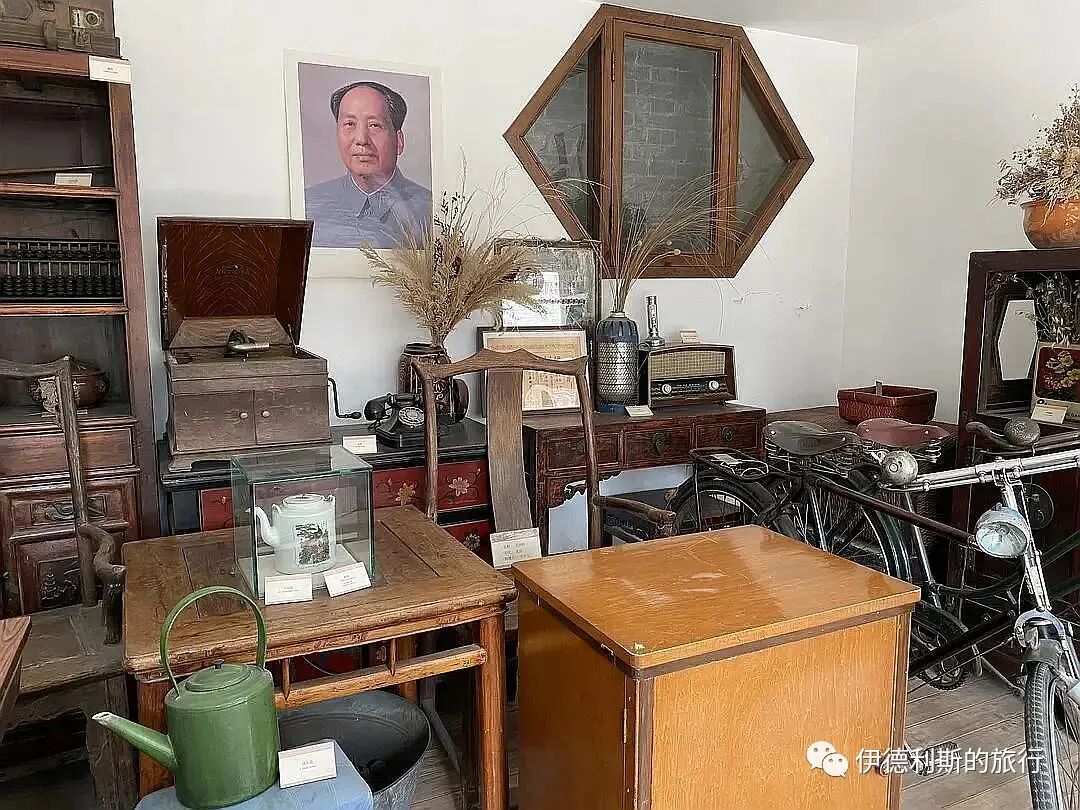
When I was little, my grandmother pushed me and my cousin around in a bamboo cart (zhuche) every day.
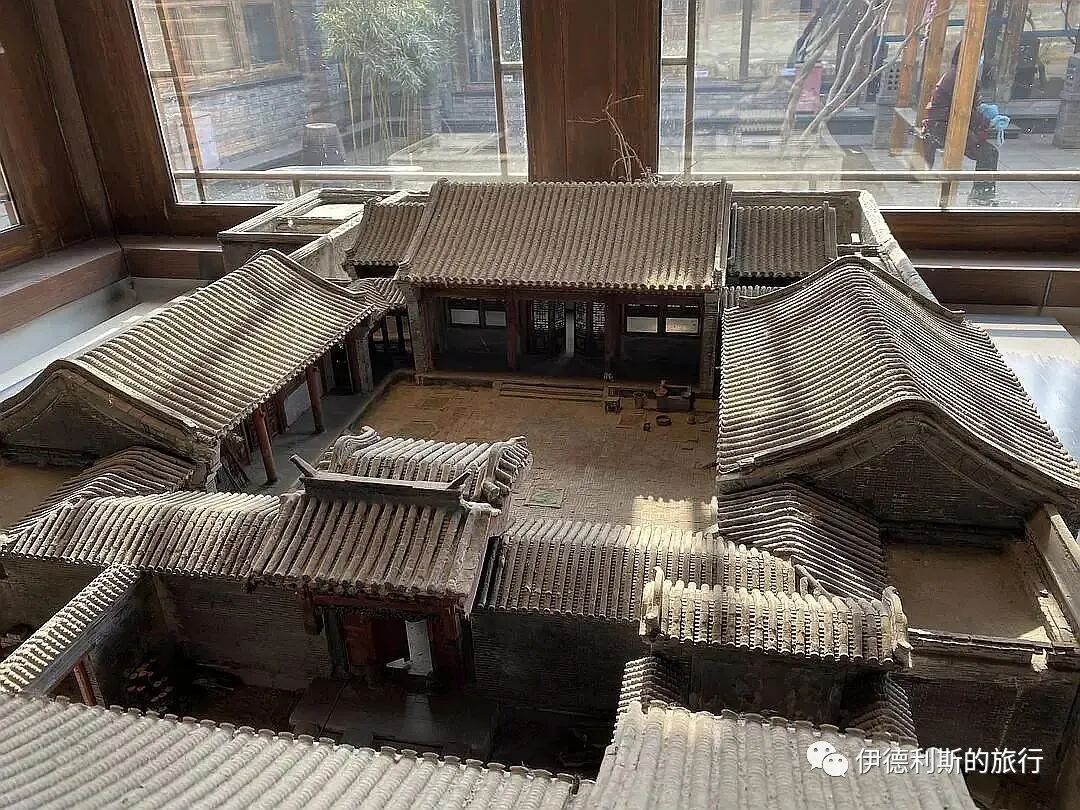
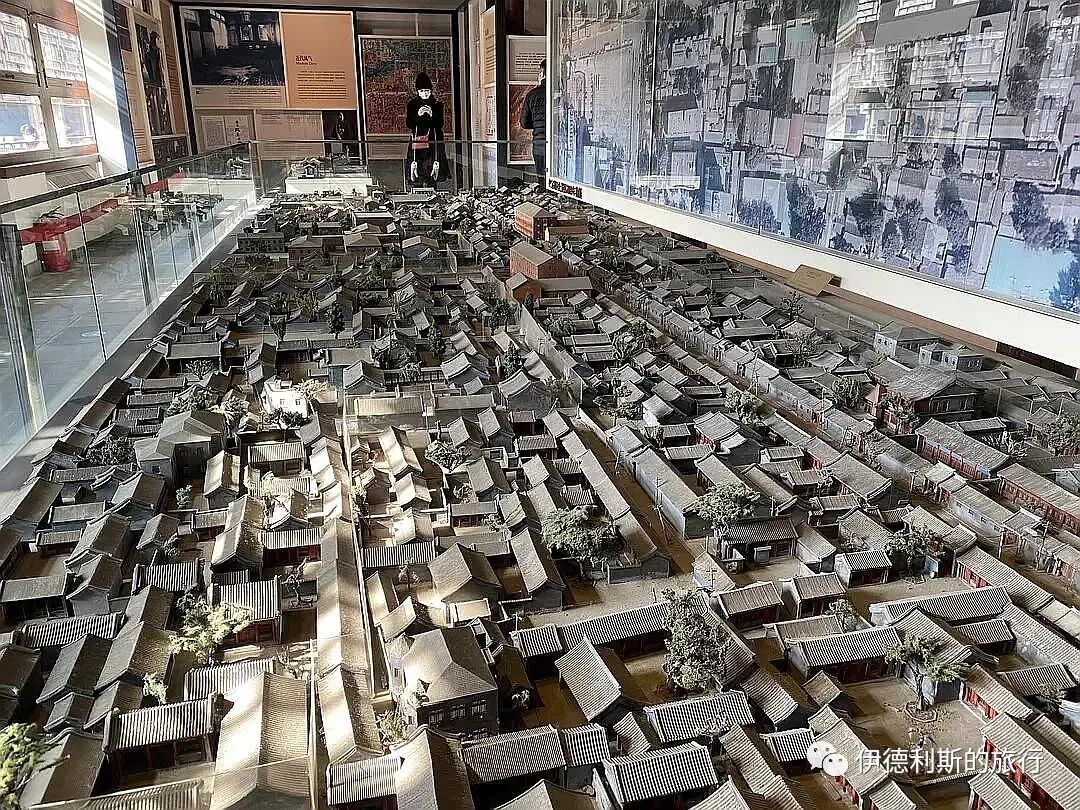
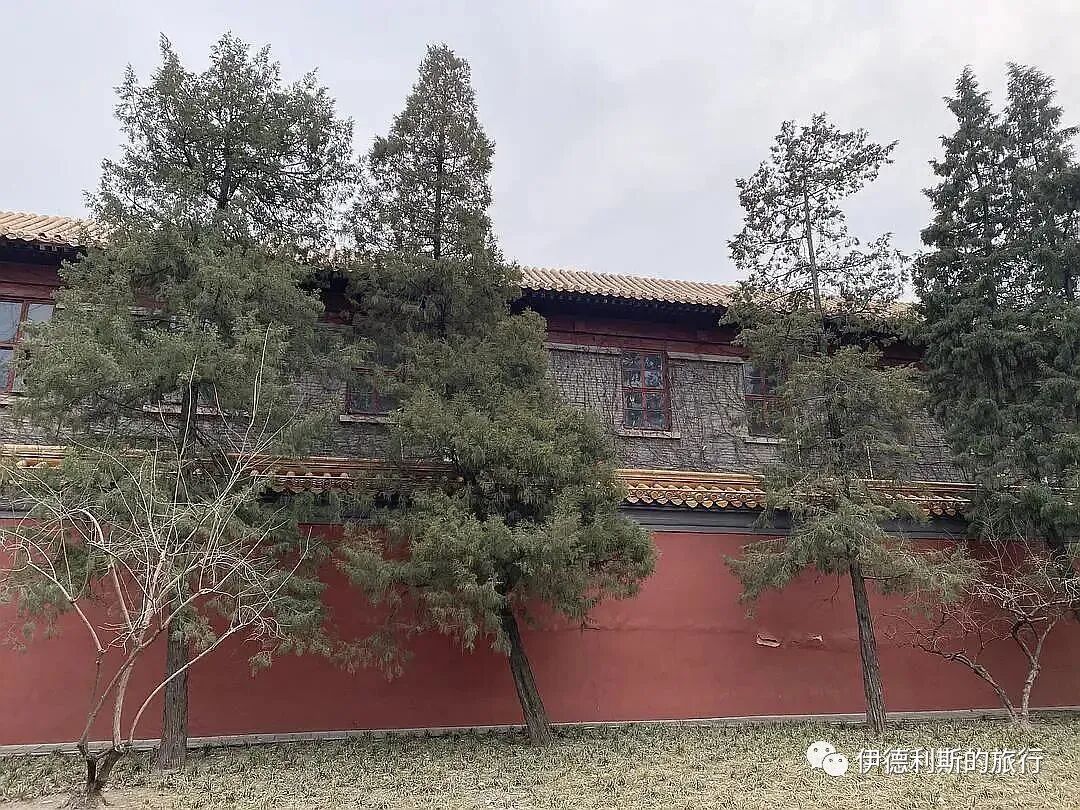
In the afternoon, I went to the Hall of Imperial Longevity (Shouhuangdian) in Jingshan Park. When I was a child, this place was the Beijing Children's Palace, and I spent many years there learning how to draw. The Children's Palace moved out later, and it only opened as a tourist site two years ago. I haven't been inside Shouhuang Hall for over 20 years, but I still have a faint memory of what it looks like. I loved running around the courtyard when I was a kid.
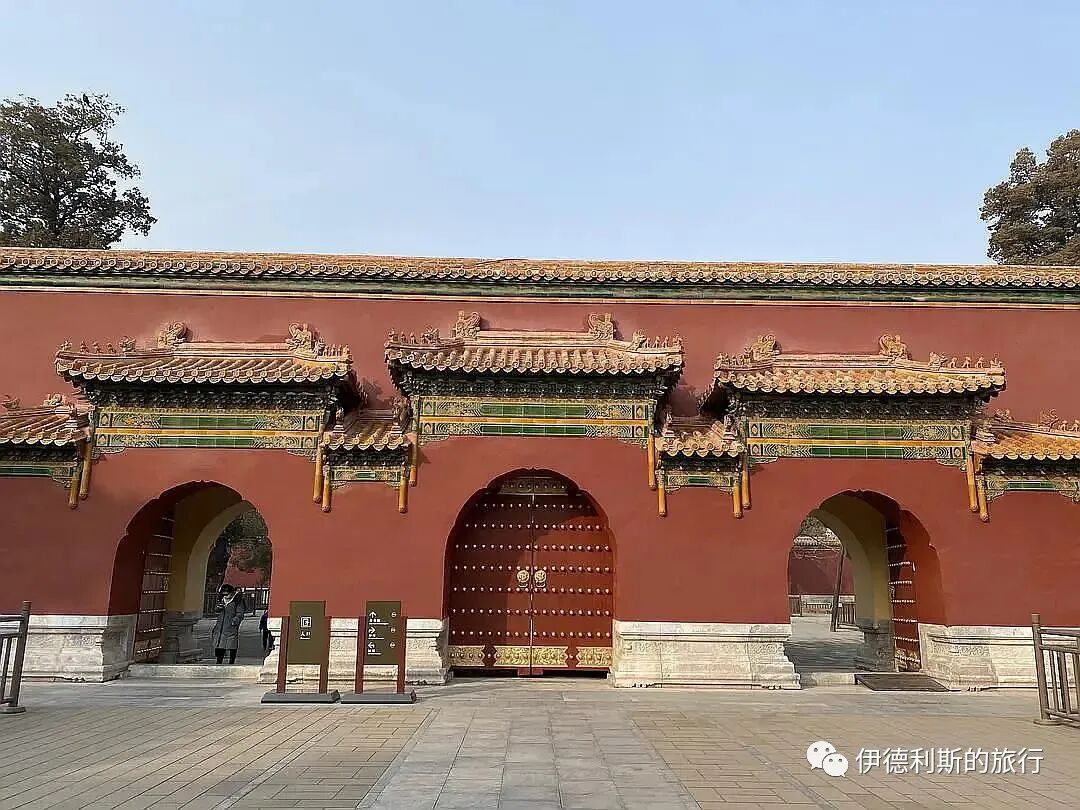
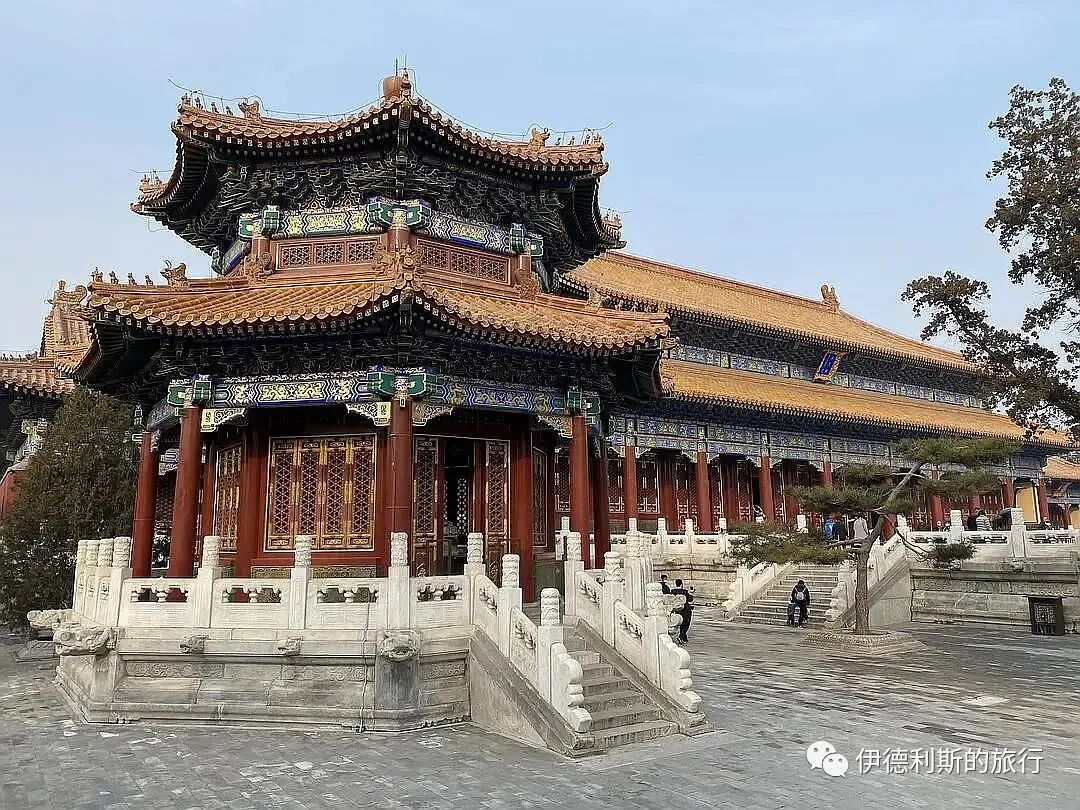
The classroom where I learned to draw as a child looks very desolate inside now.
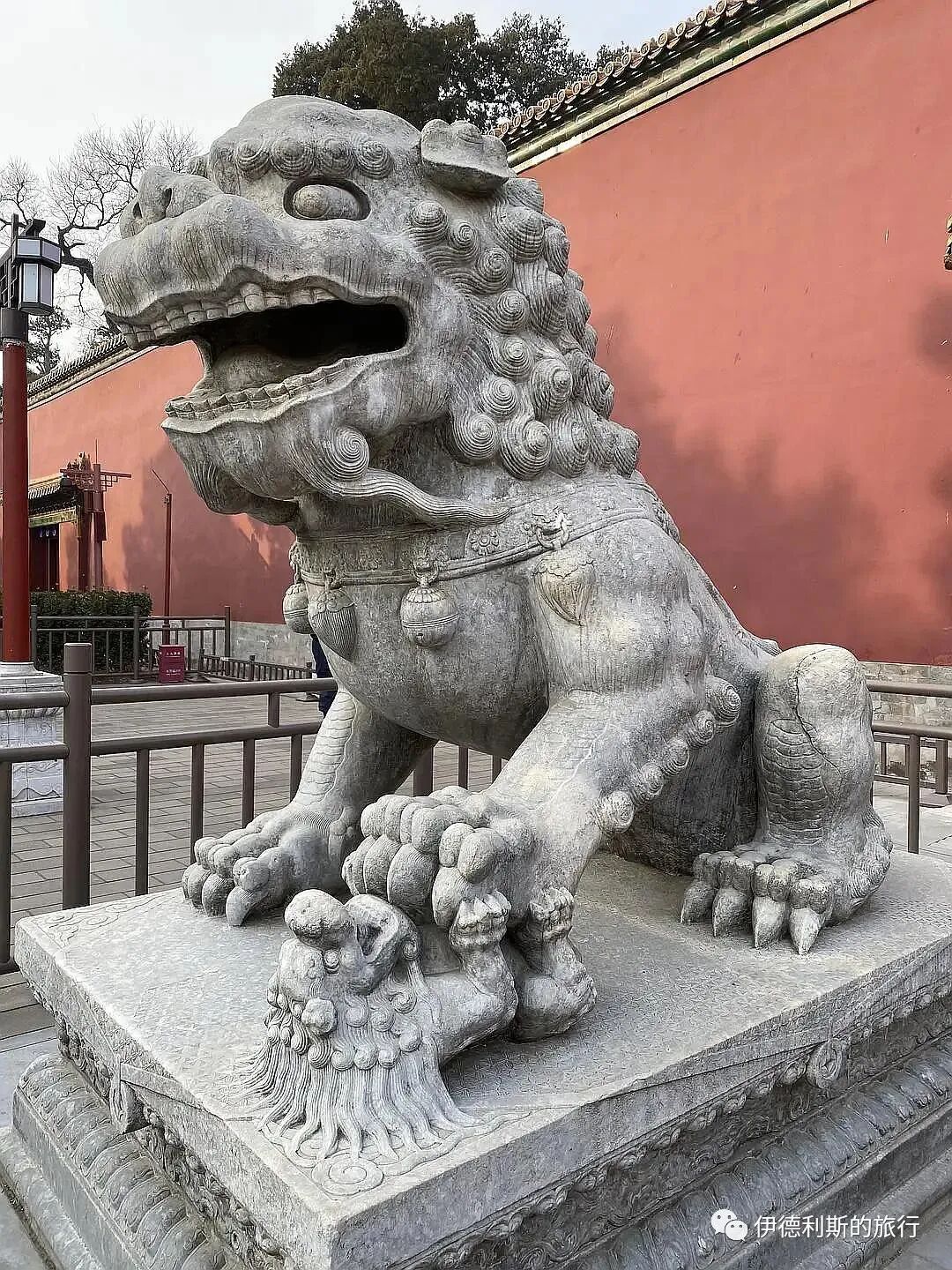
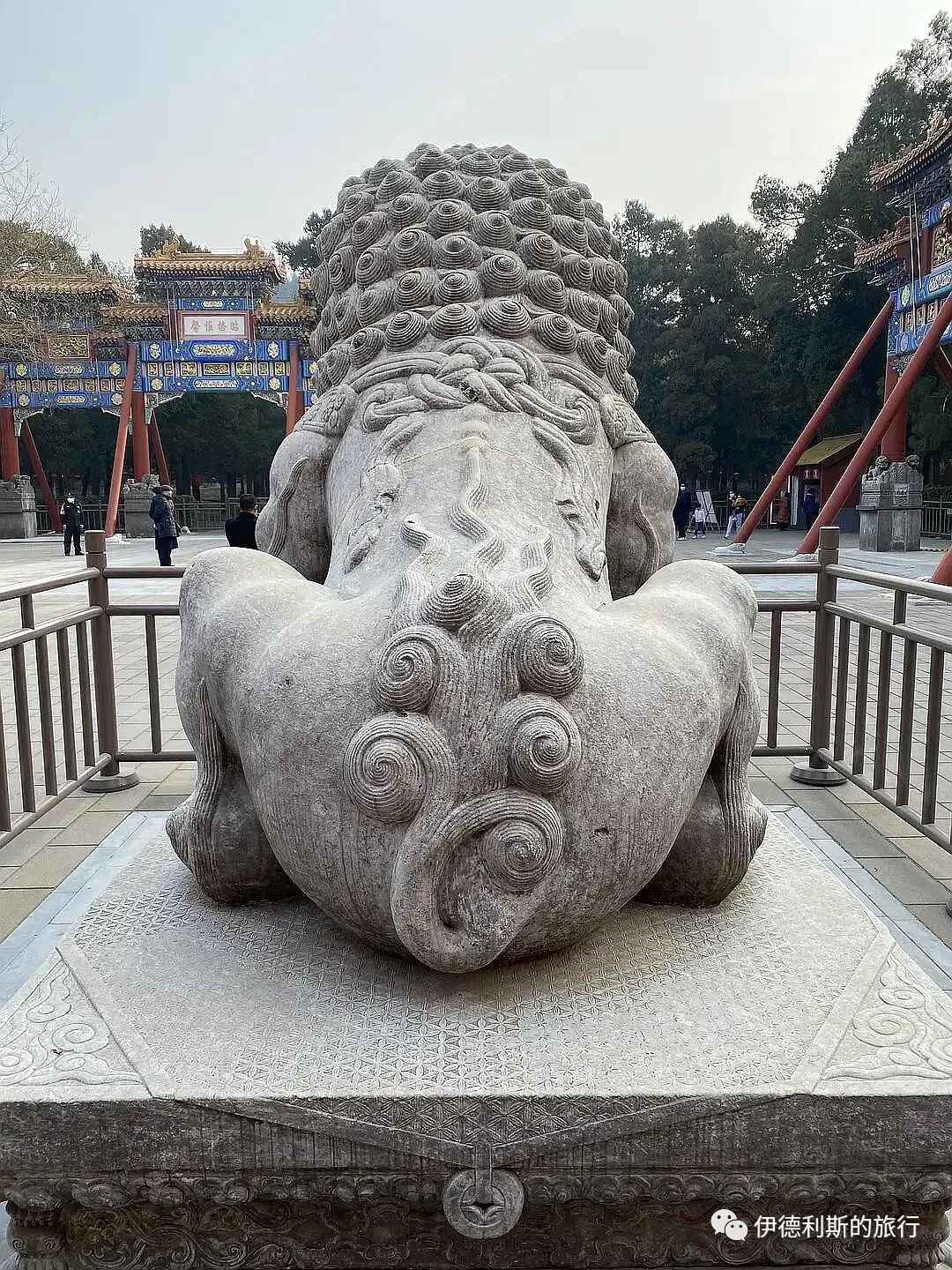
The lions at Shouhuang Hall are beautiful. They look very different from the round, chubby style common to Qing Dynasty lions. The little lion's hair is so smooth. It is rare to see a little lion like this that doesn't have curly hair.
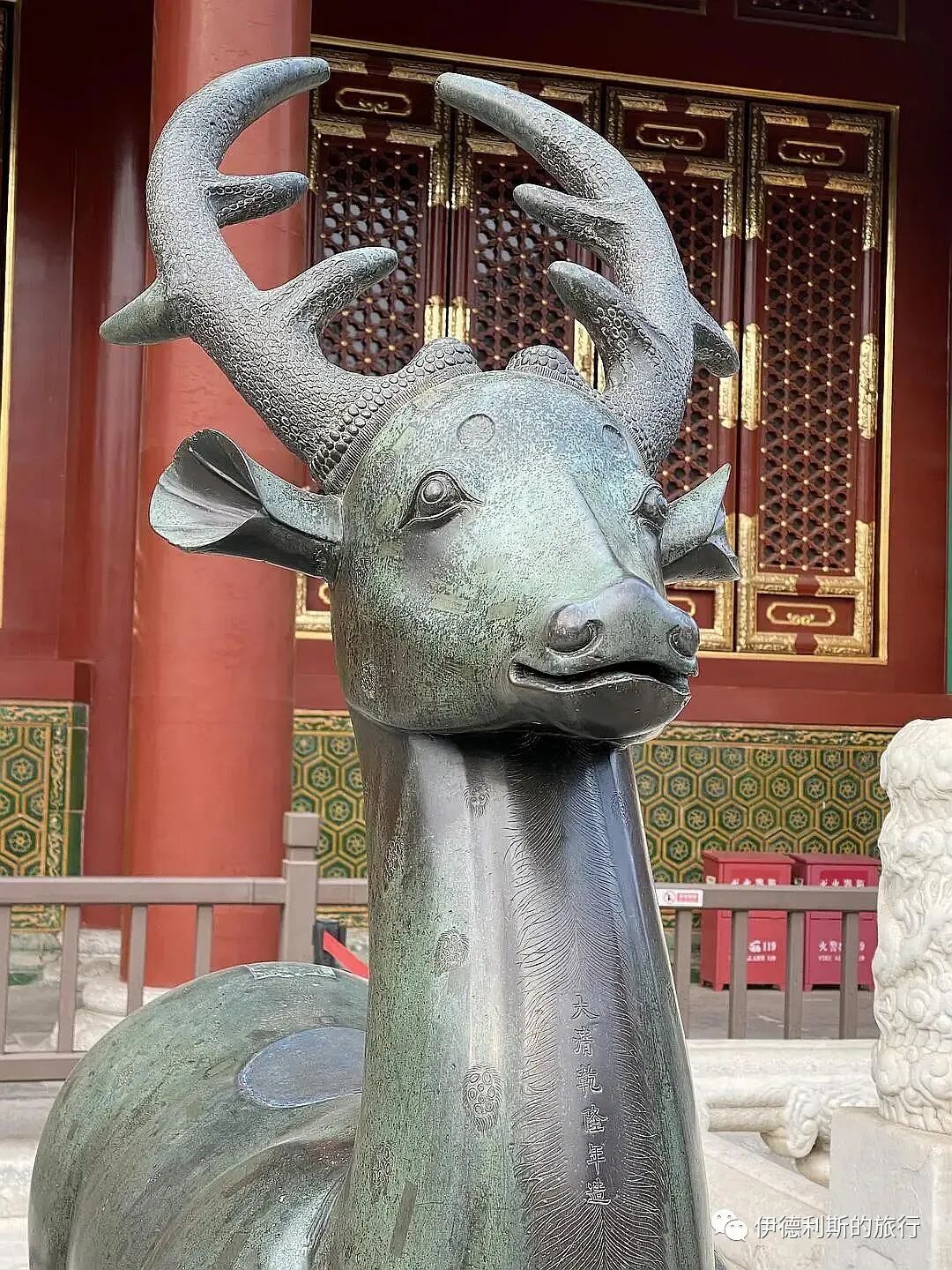
The bronze deer even has plum blossom patterns carved into it in great detail.
Next, I walked around Beihai Park. In Beijing, colorful glazed tile roofs were only allowed on Tibetan Buddhist buildings.
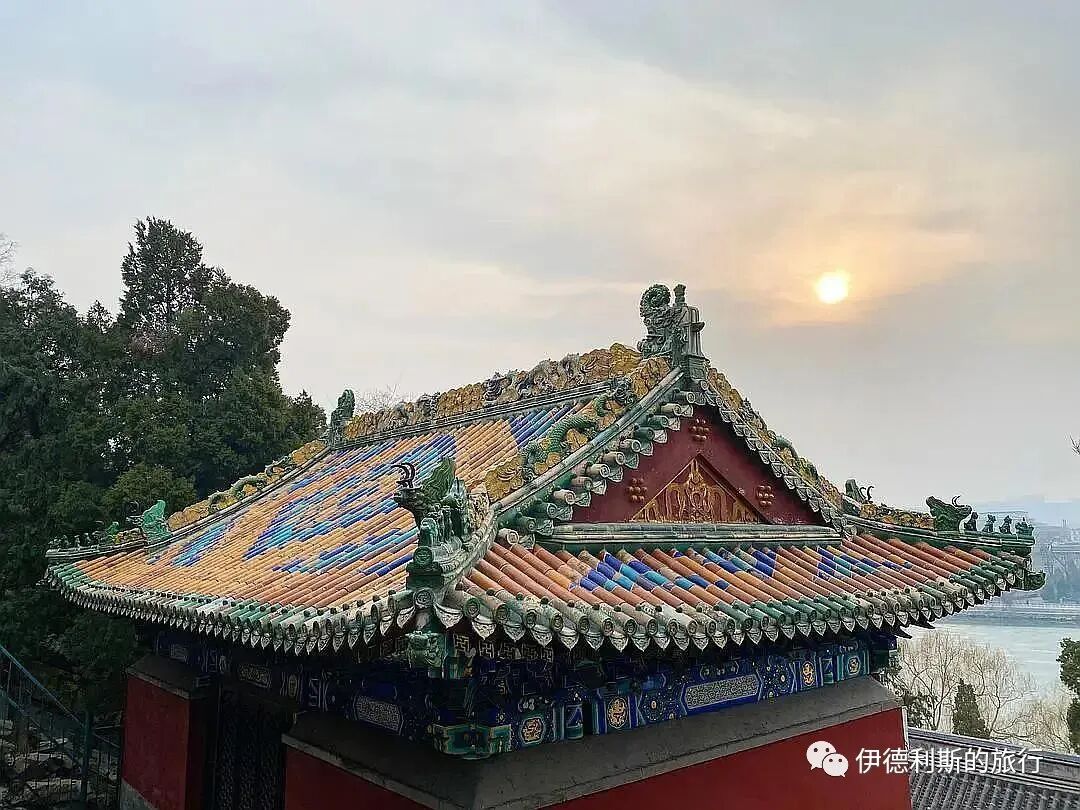
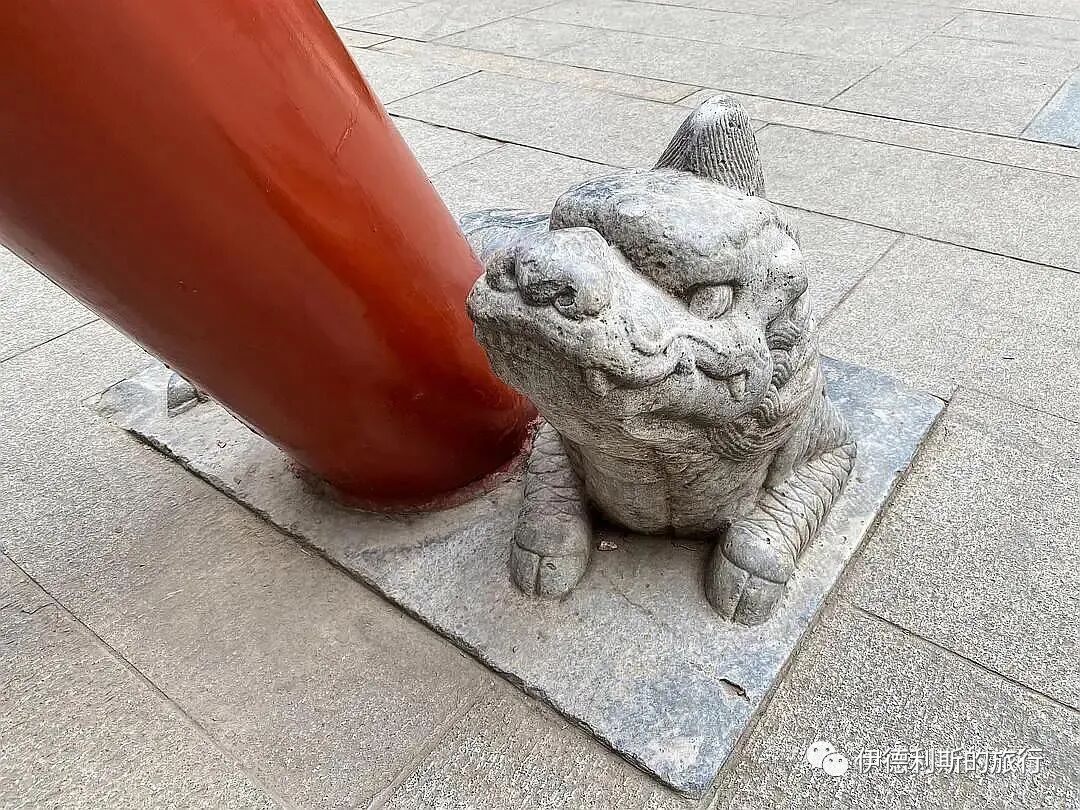
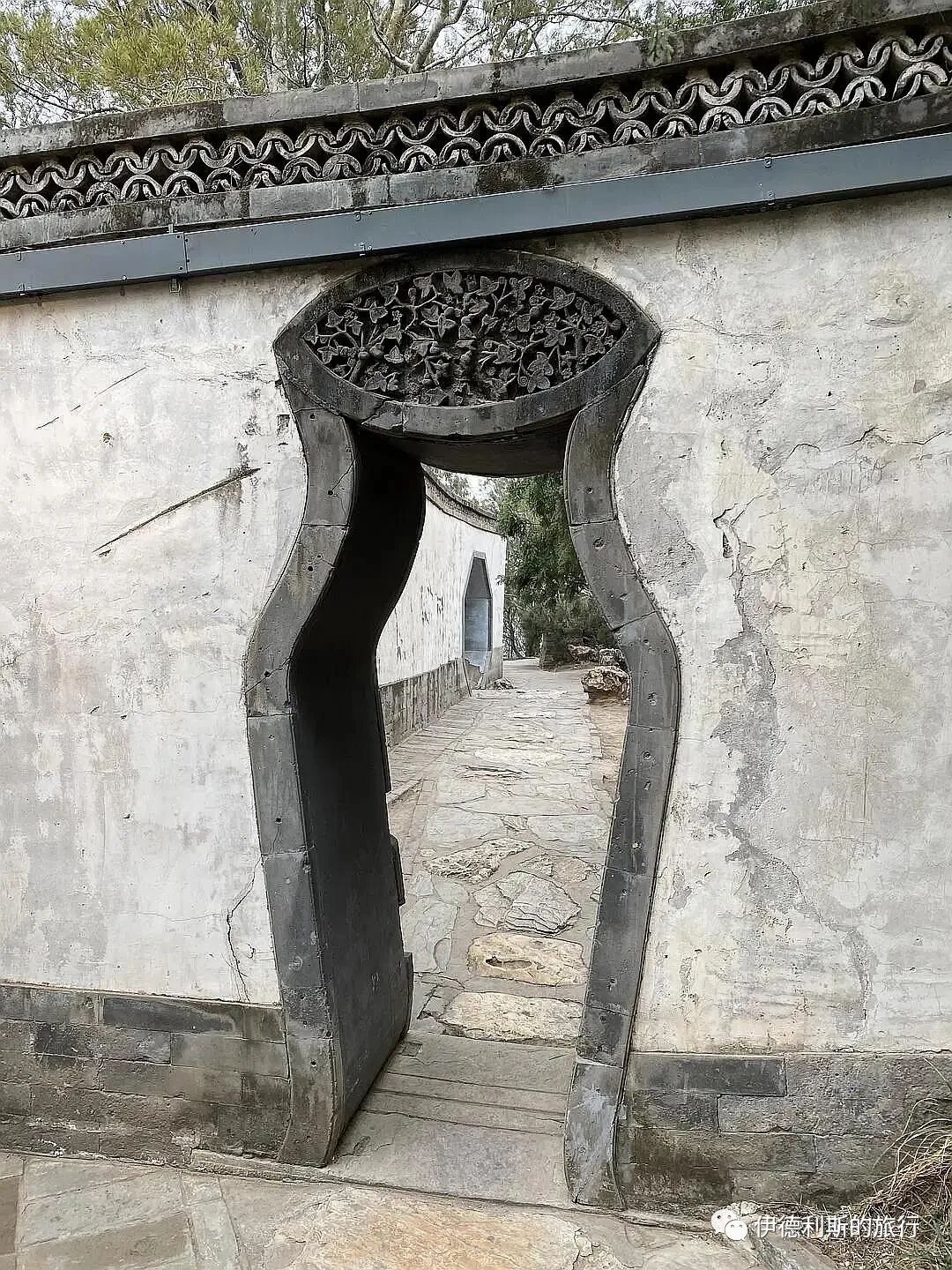
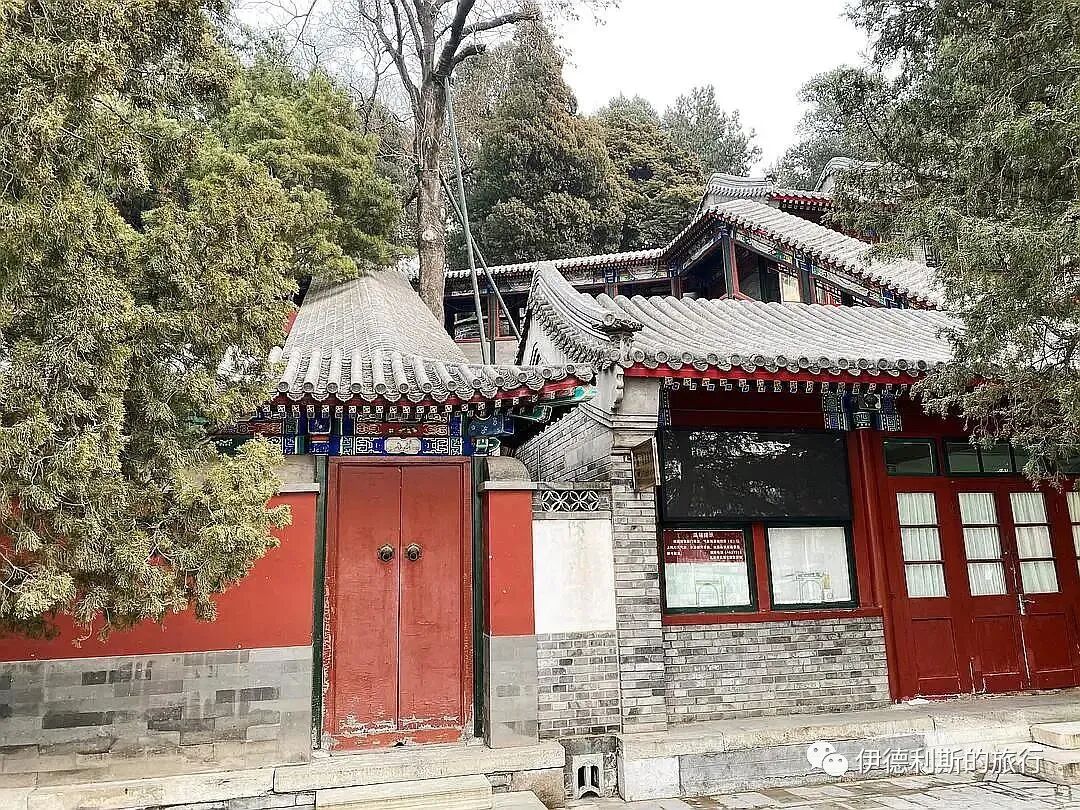
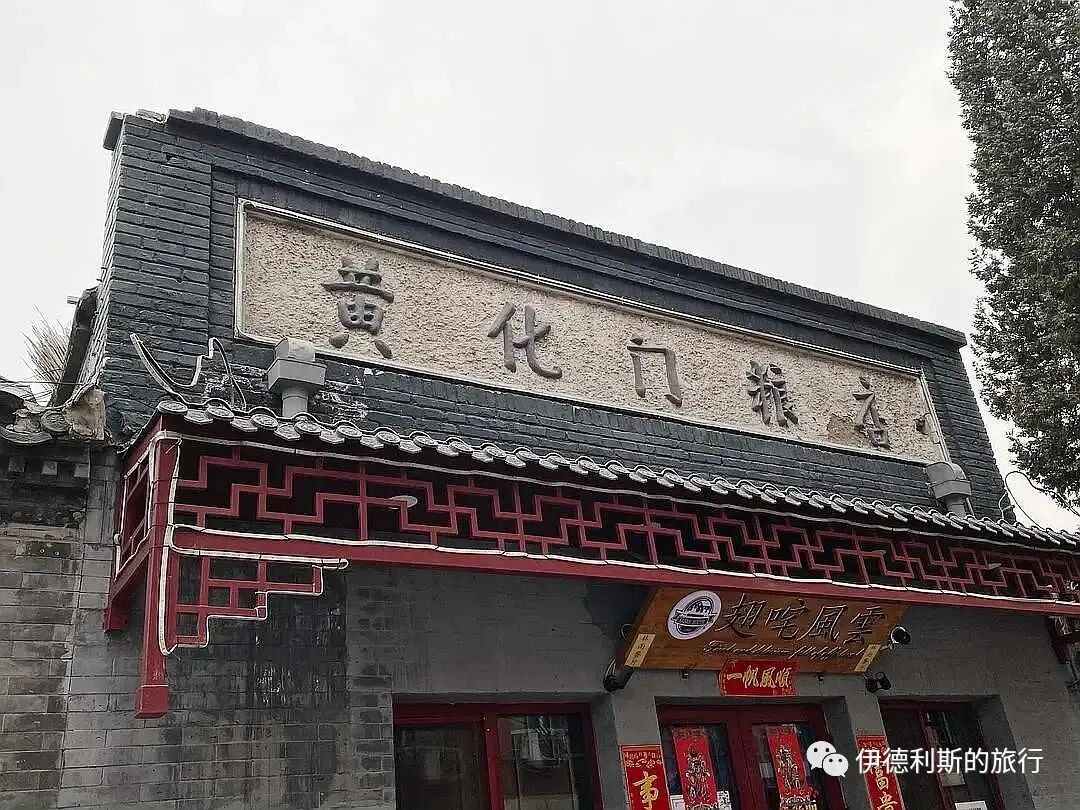
After leaving Beihai, I strolled home and saw the sign for the old grain store in Huanghuamen Hutong.
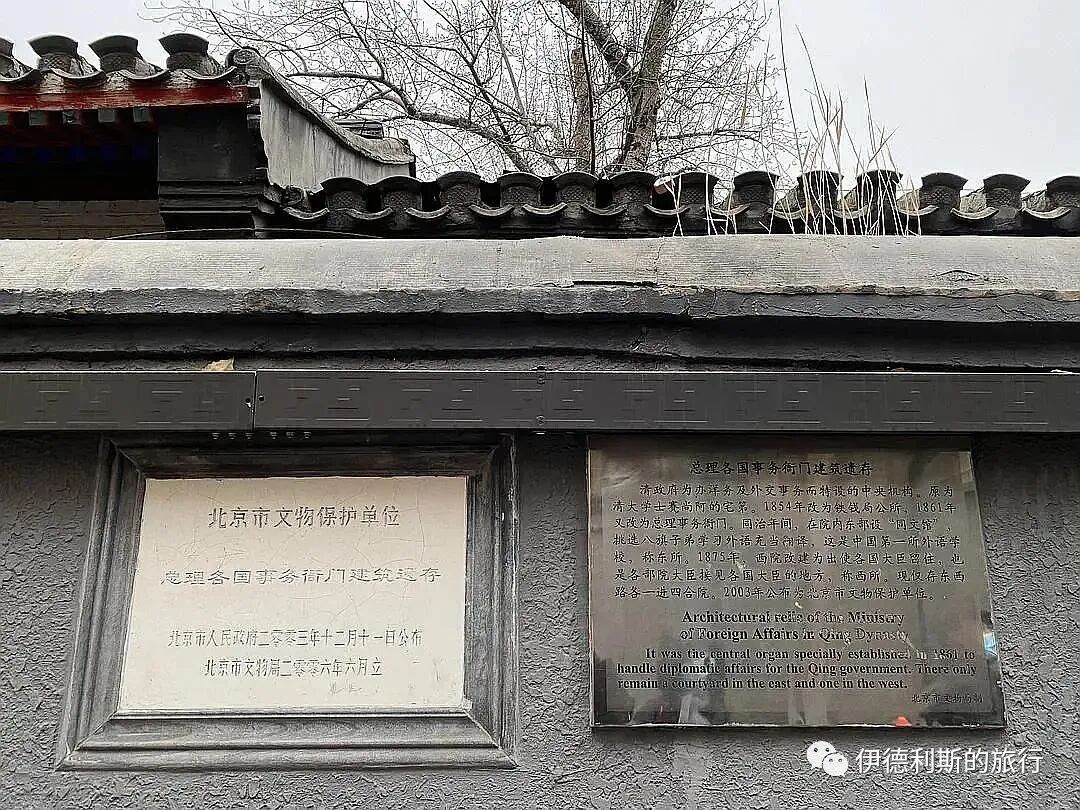
The Zongli Yamen (the office for managing foreign affairs) in Dongtangzi Hutong.
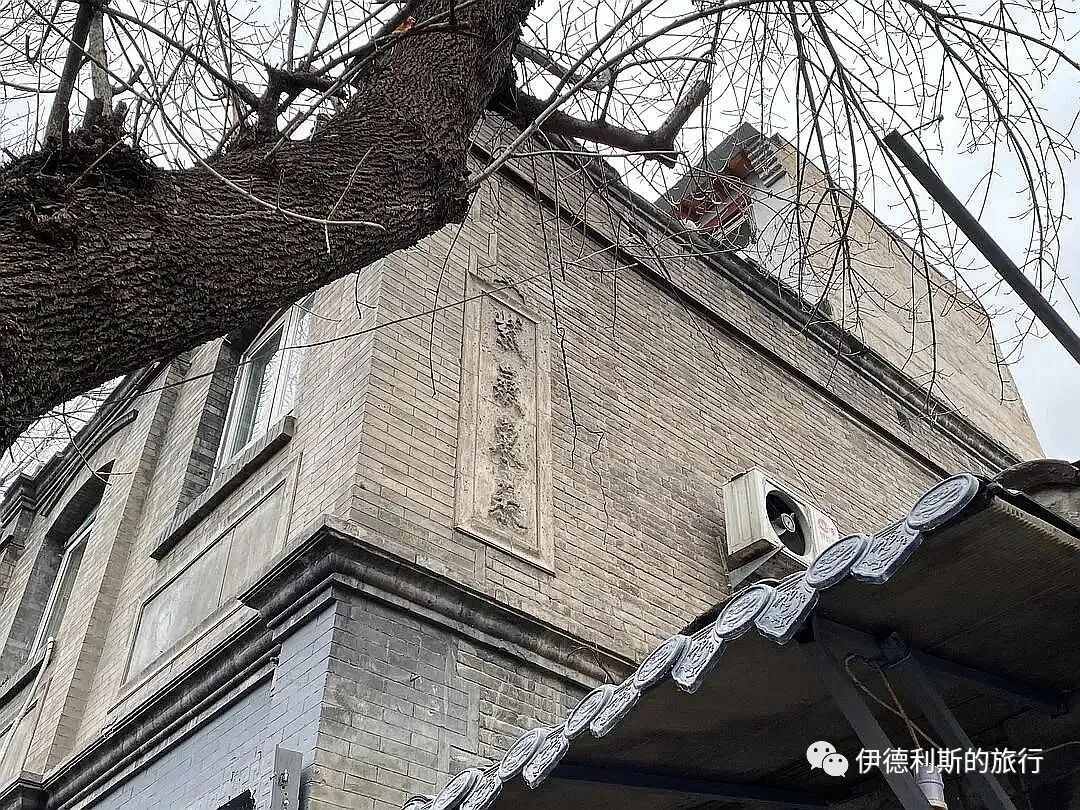
The storefront at the east entrance of Lishi Hutong.
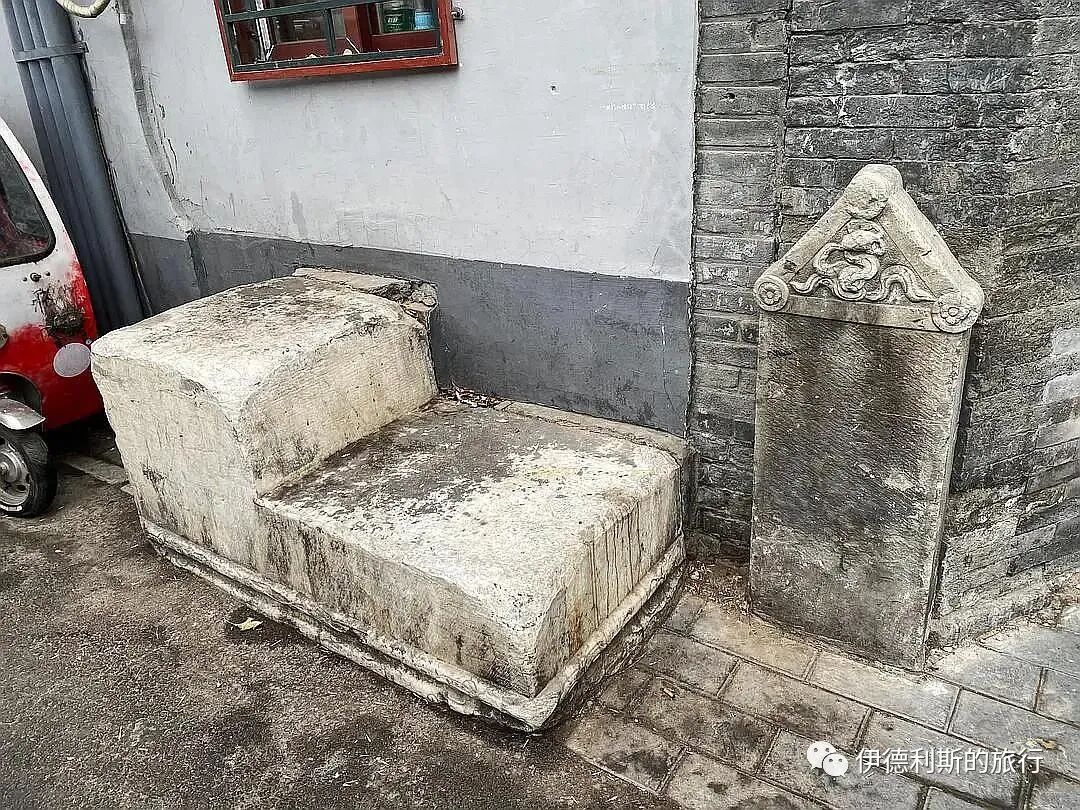
The mounting block (shangmashi) in Lishi Hutong.
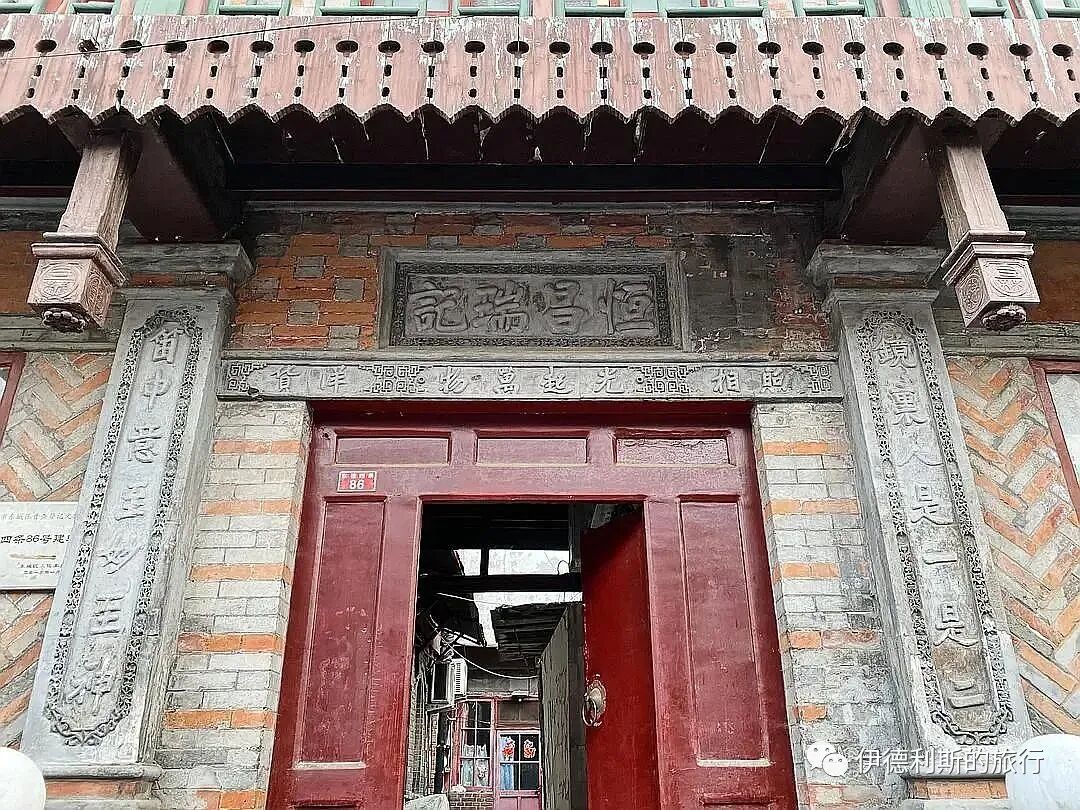
Hengchang Ruiji on Dongsi Fourth Alley
February 14, Wangfujing Department Store and Heping Guoju
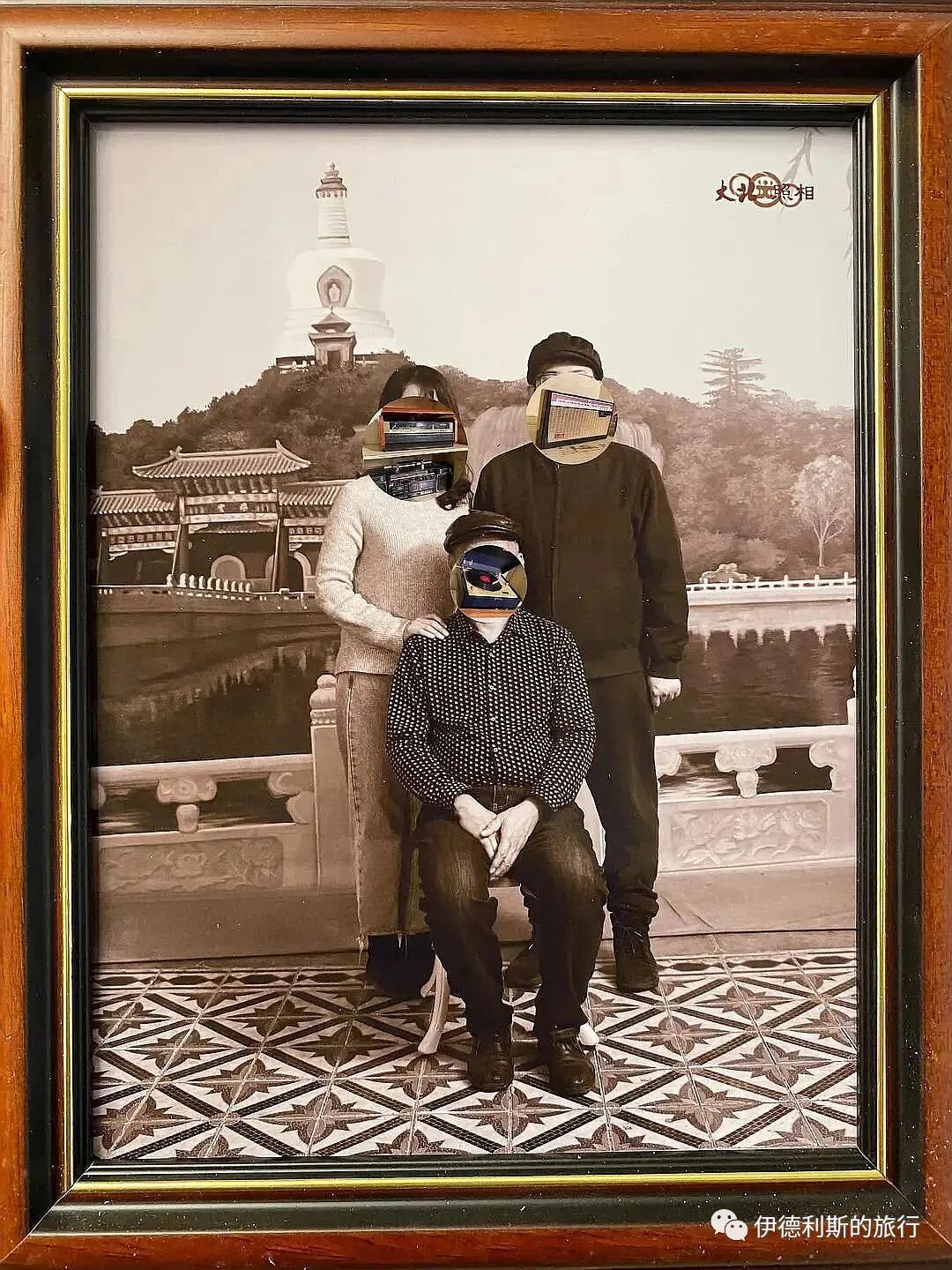
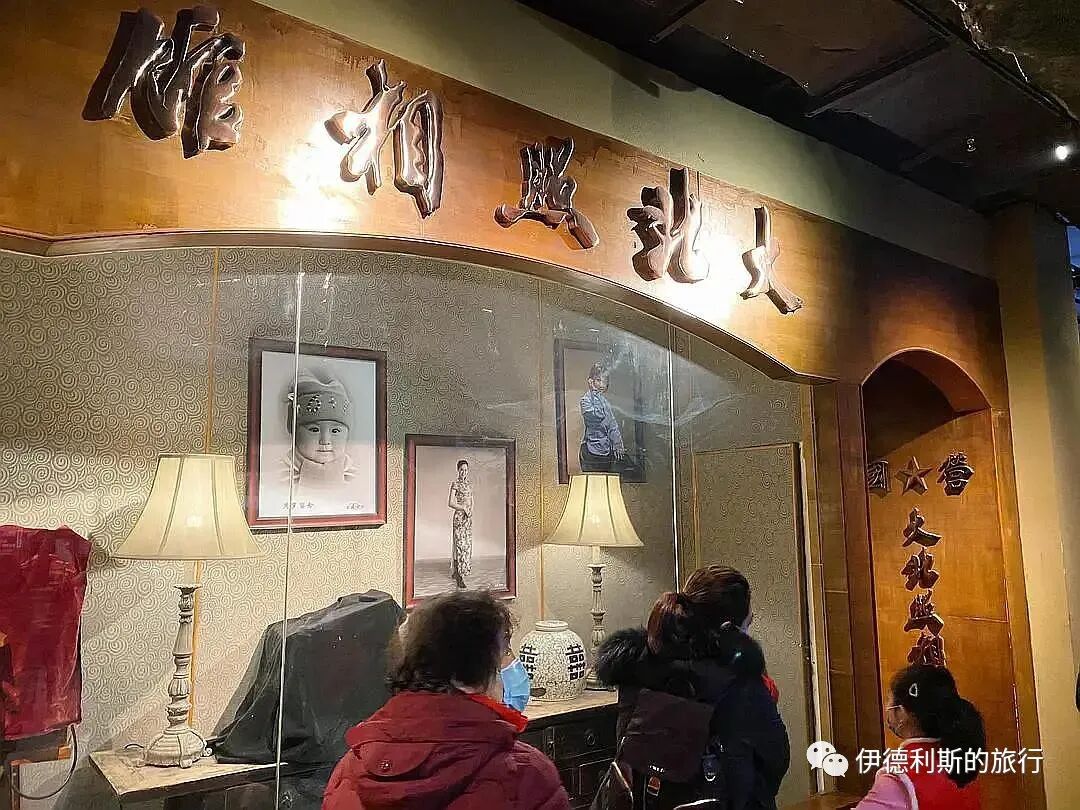
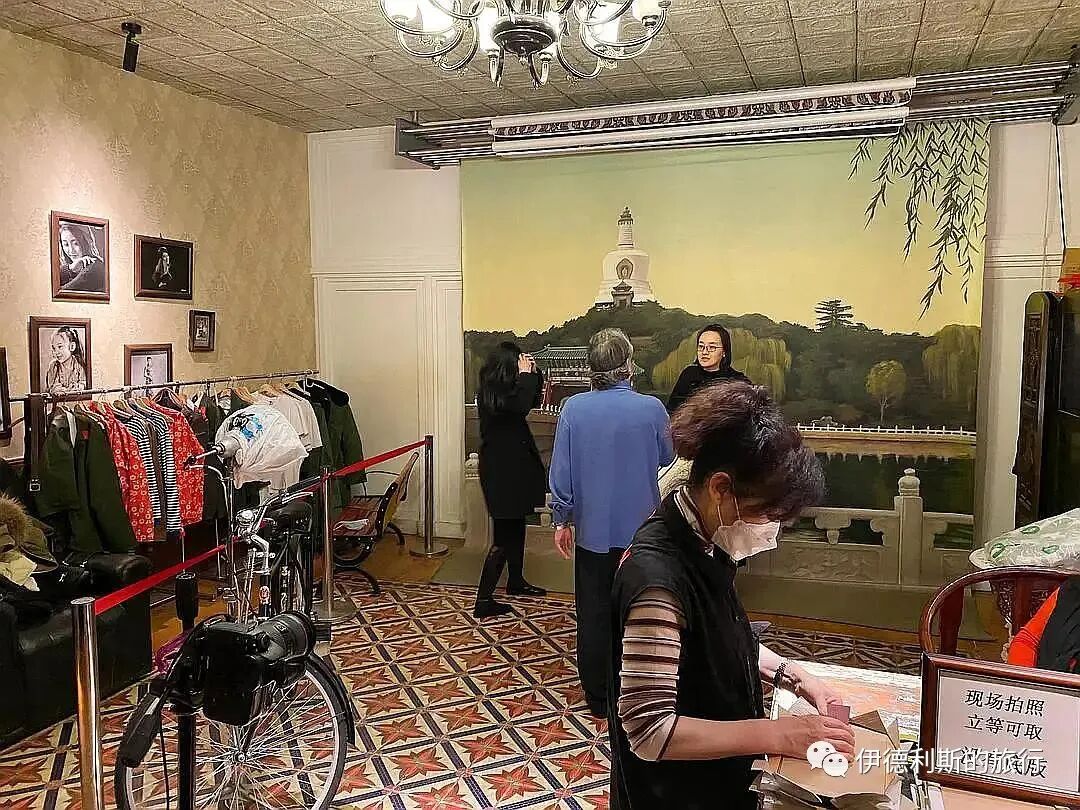
I visited the Wangfujing Department Store and Heping Guoju. I followed the trend and took a vintage-style photo at Dabeizhao with Zainab and my father-in-law.
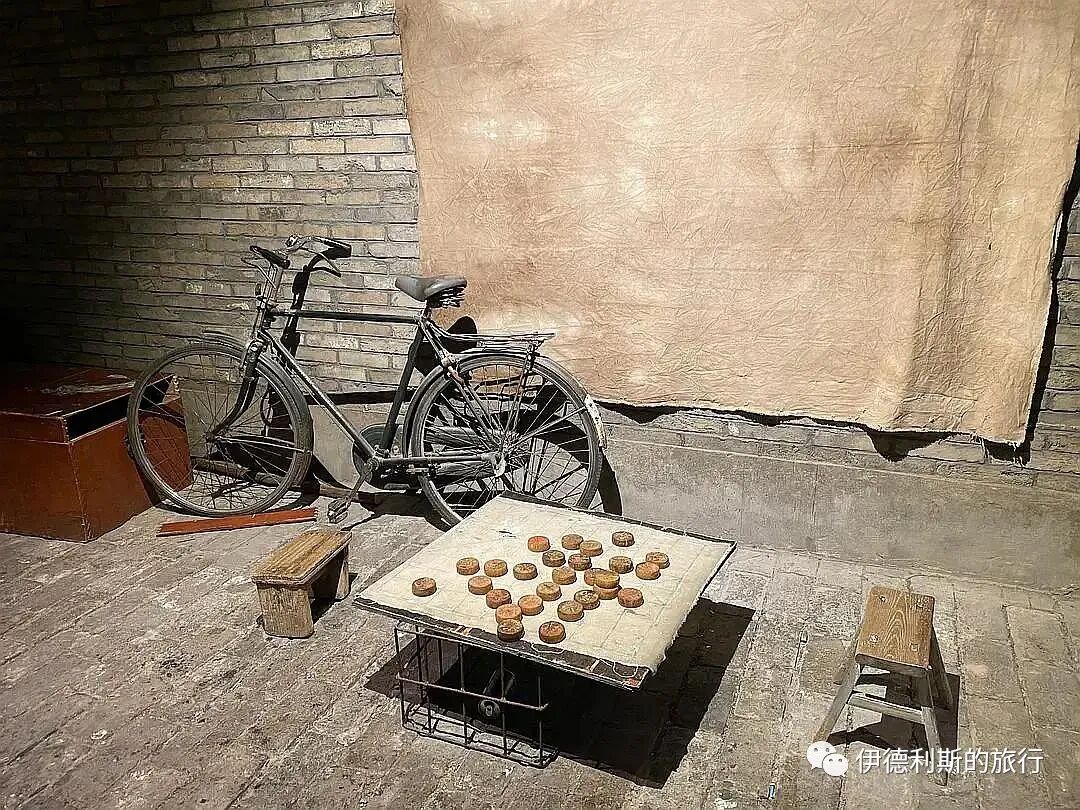
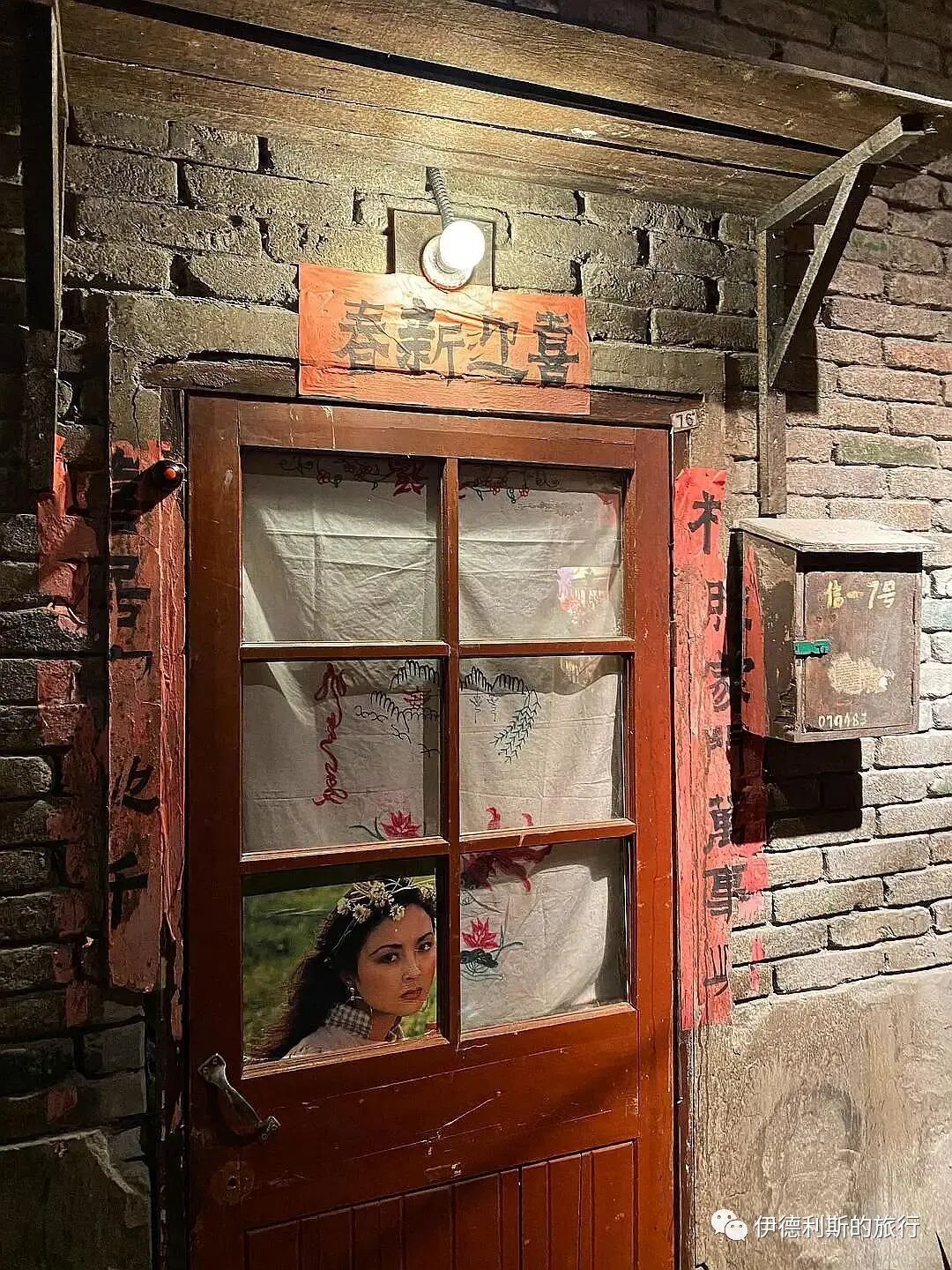
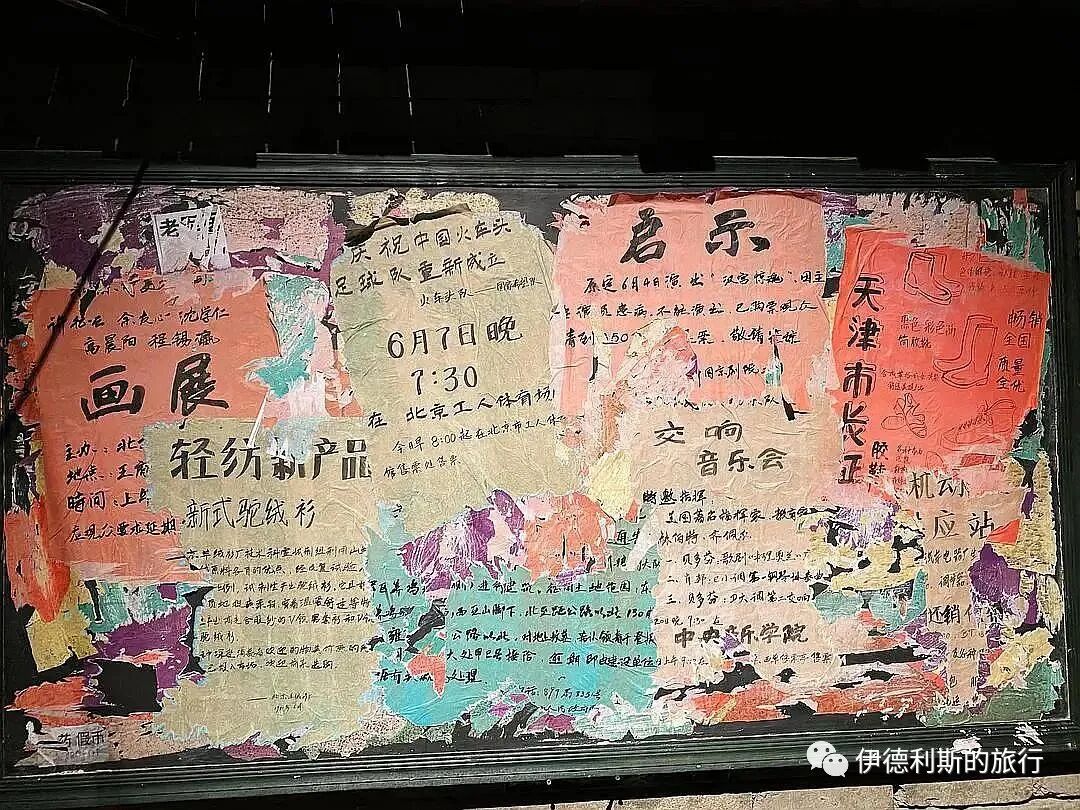
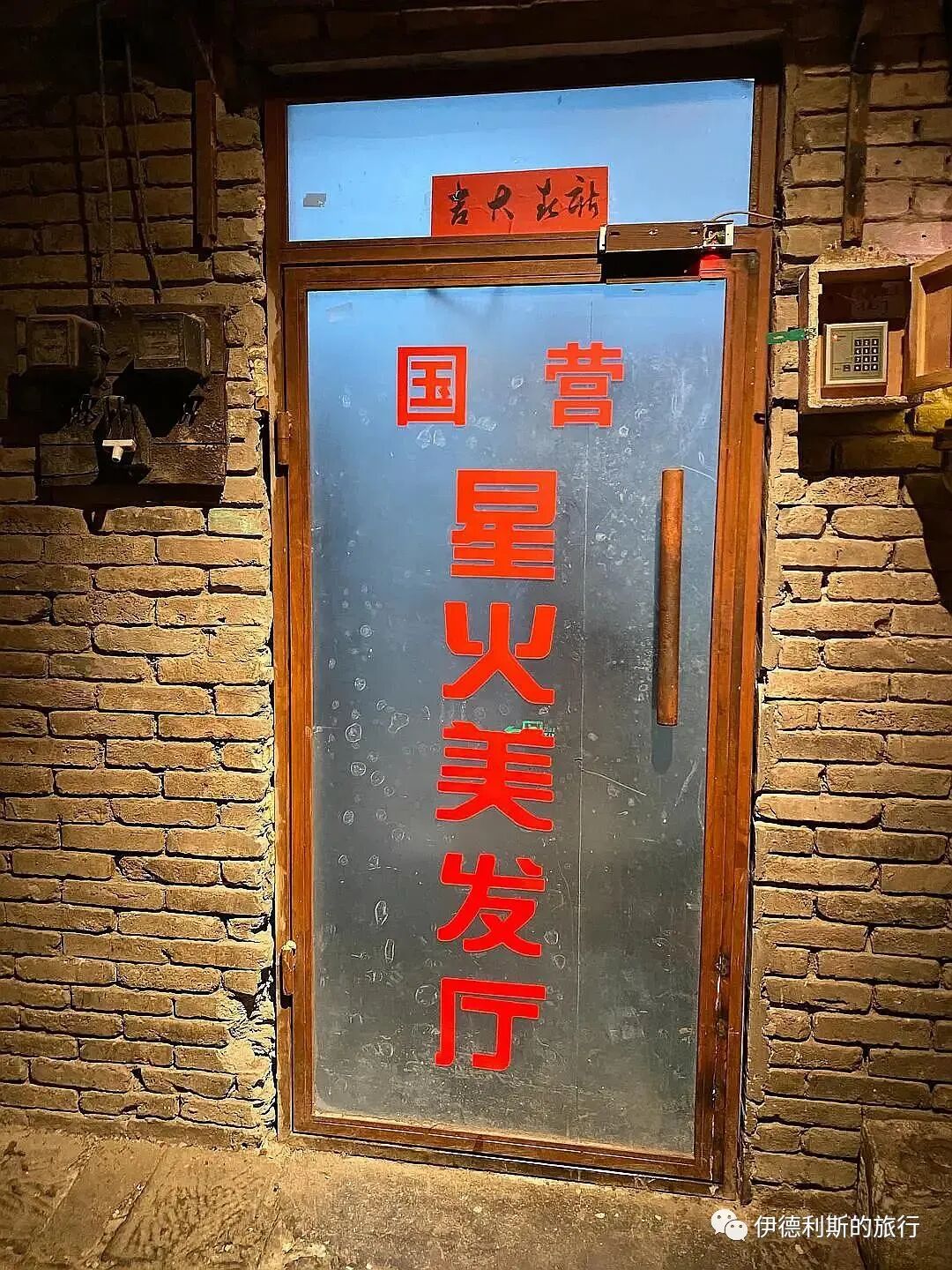
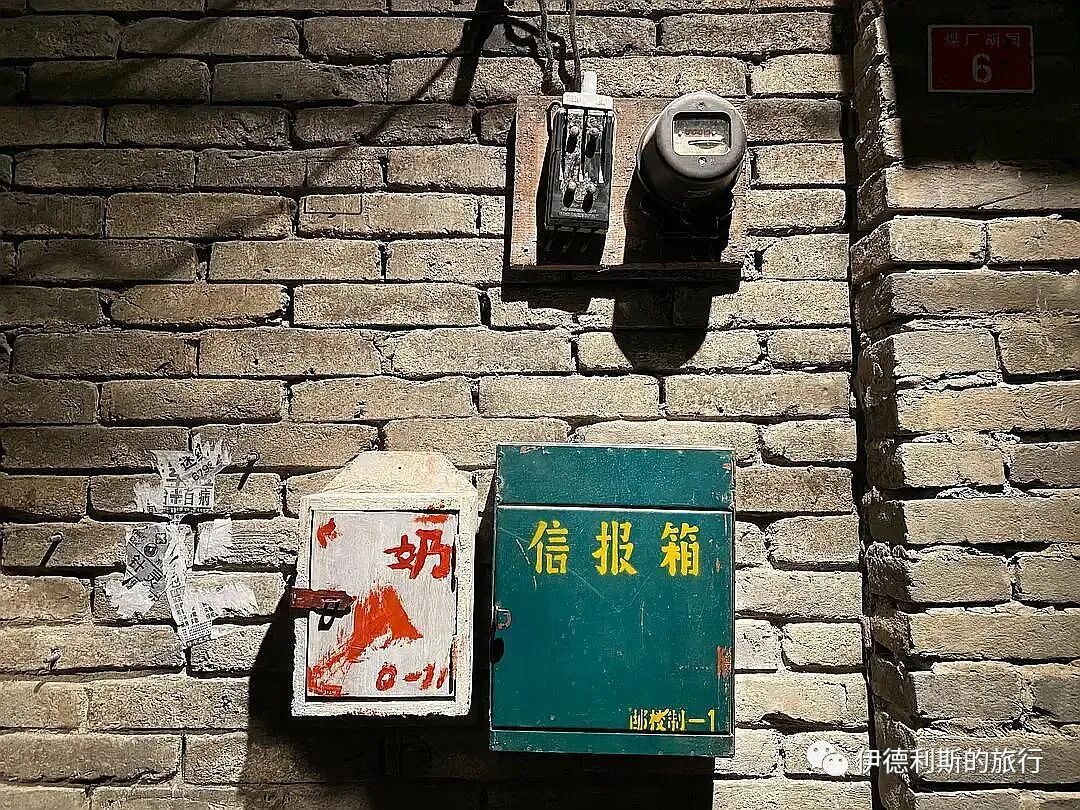
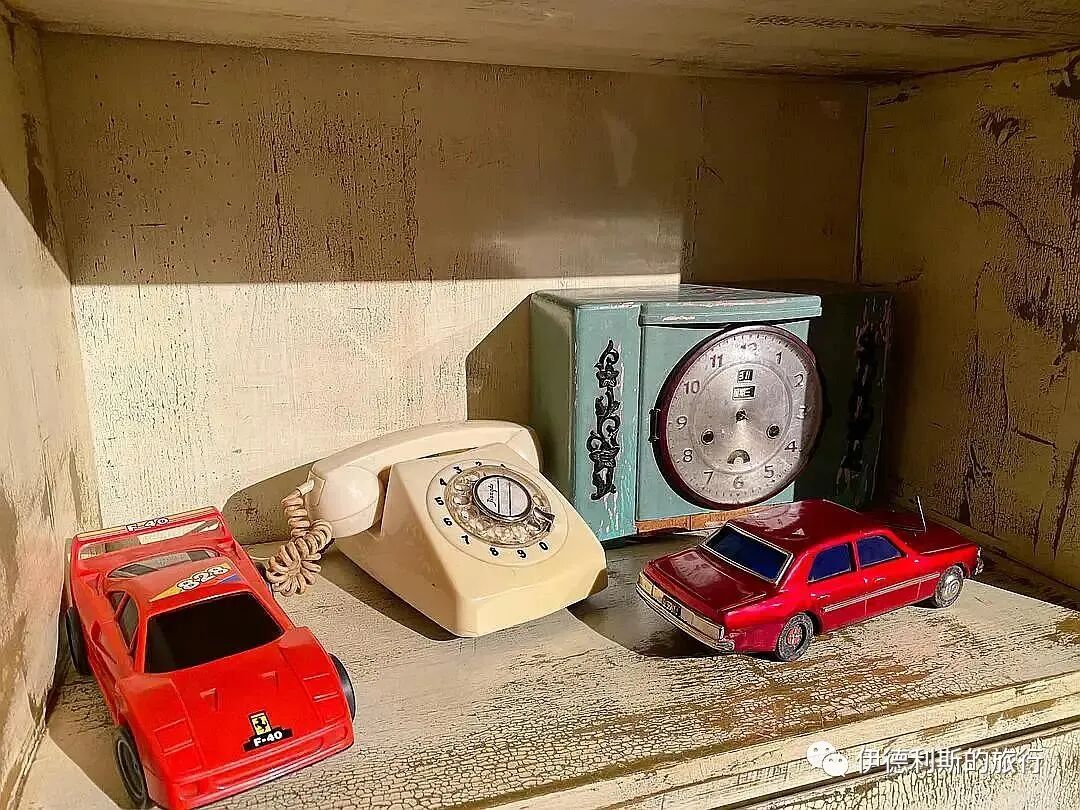
February 15, National Museum of China
The most popular exhibit at the National Museum is the ancient clothing culture exhibition.
Sun Ji, an expert in ancient Chinese clothing history, led the restoration of the Yuan dynasty gugu crown (guguguan), summer veil hat (xiajimanli), and braided robe (bianxianpao).
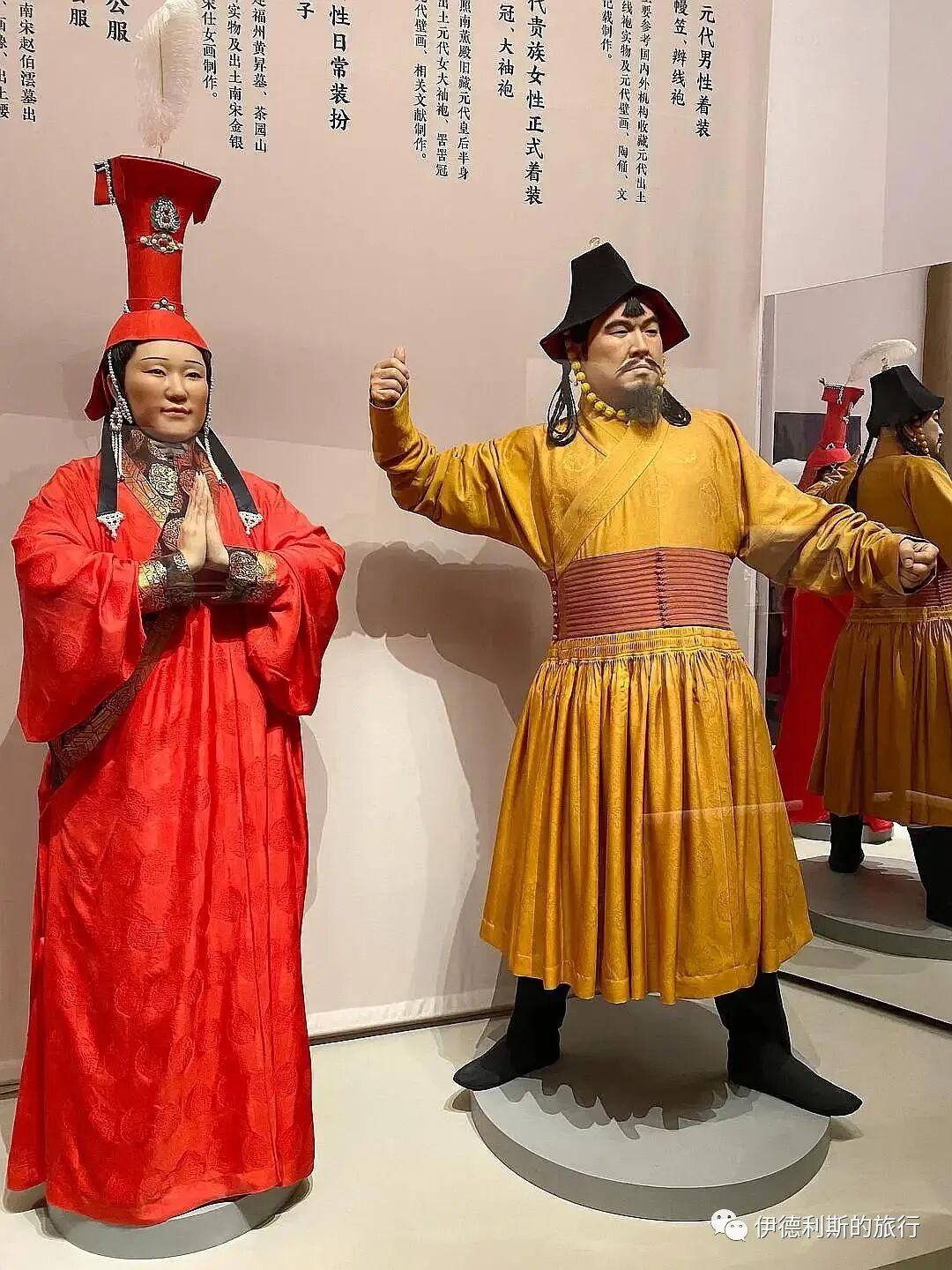
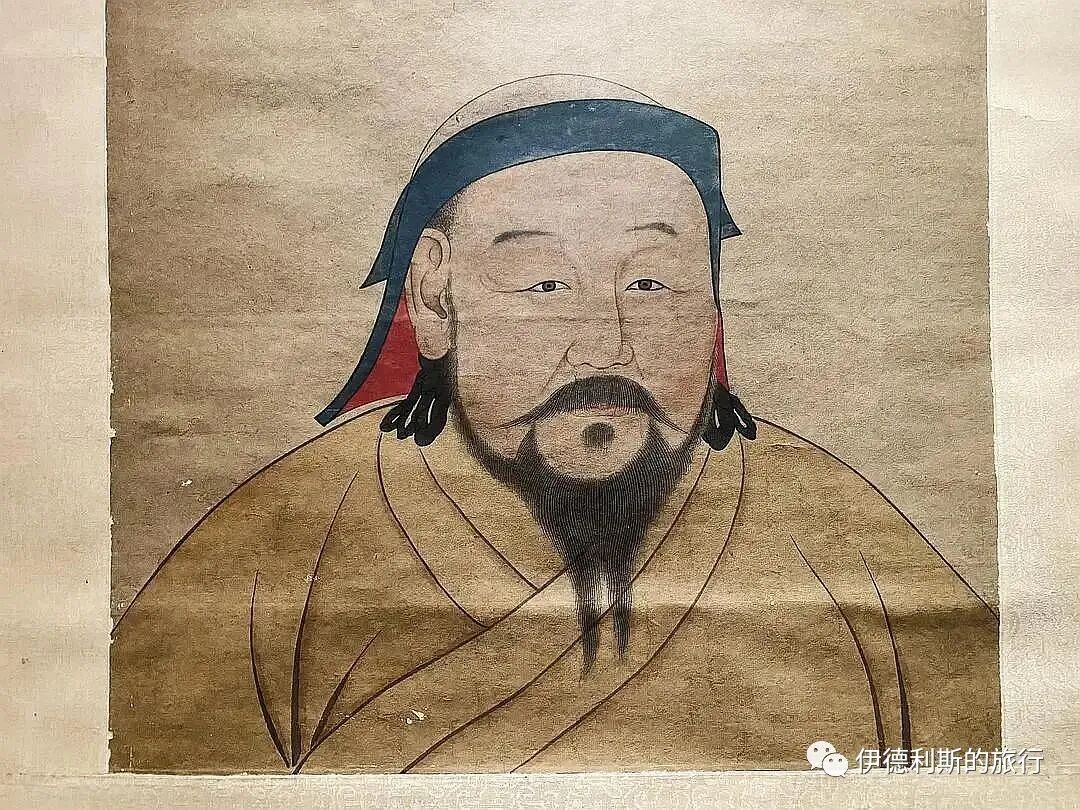
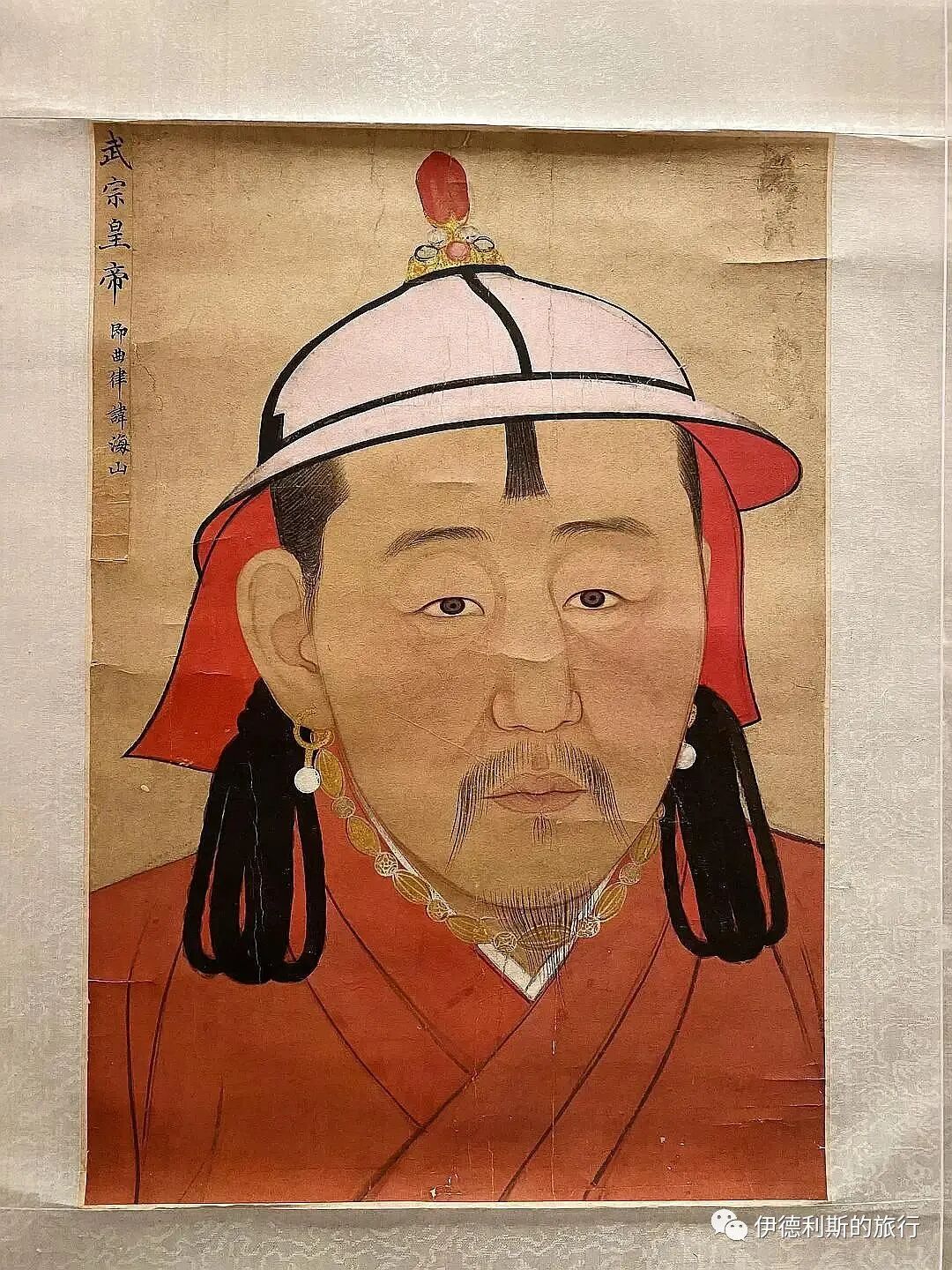
The National Museum of China holds Ming dynasty portraits of Kublai Khan (Yuan Shizu) and Khayishan (Yuan Wuzong). Kublai wears a winter ermine hat and braided hair loops while dressed in a zhusun robe, while Khayishan wears a summer cymbal-shaped hat (bolì) and braided hair loops while dressed in a zhusun robe.
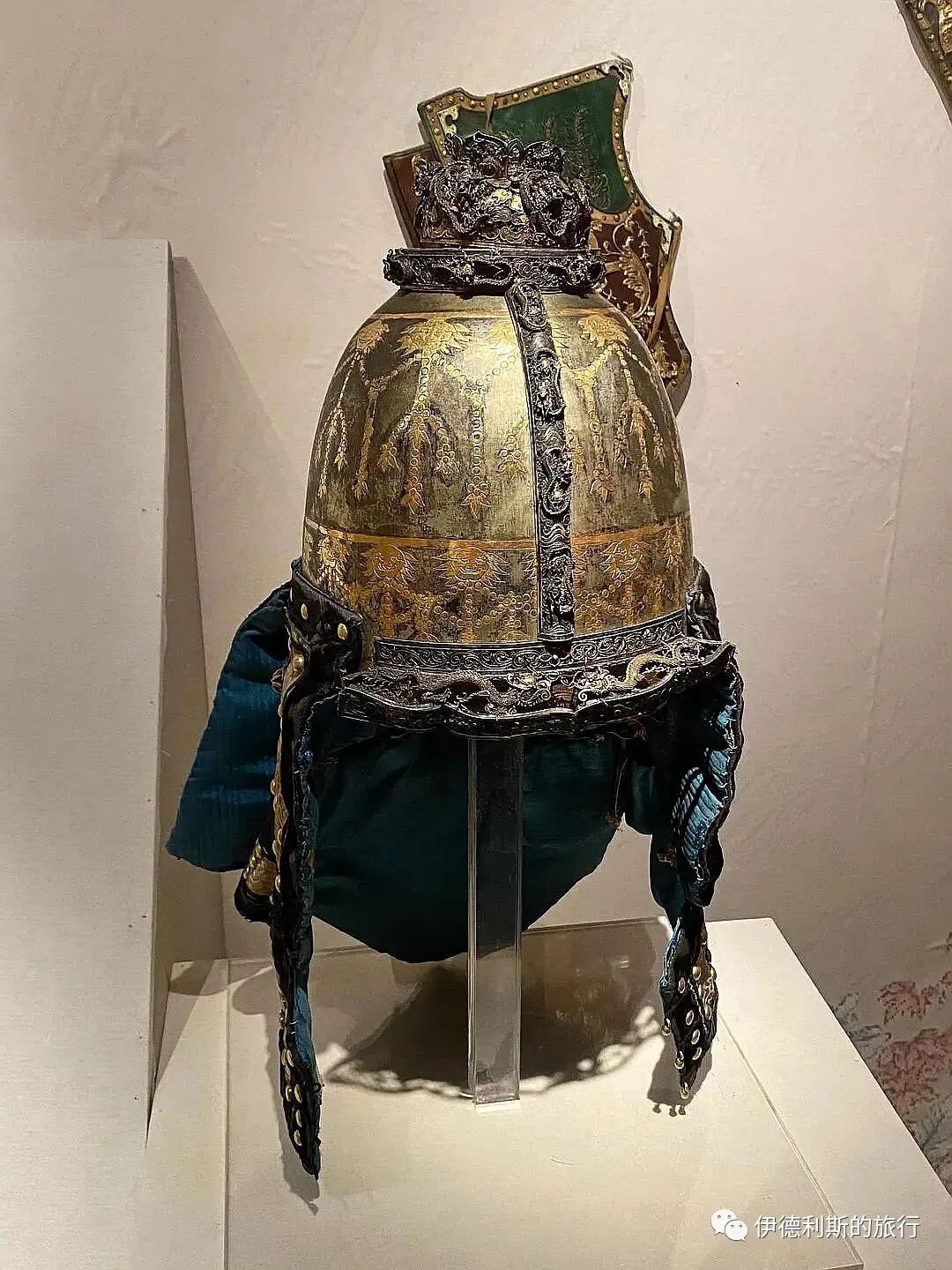
At the Shenyang Imperial Palace exhibition, the Shenyang Palace Museum displays a helmet used by the Qianlong Emperor.
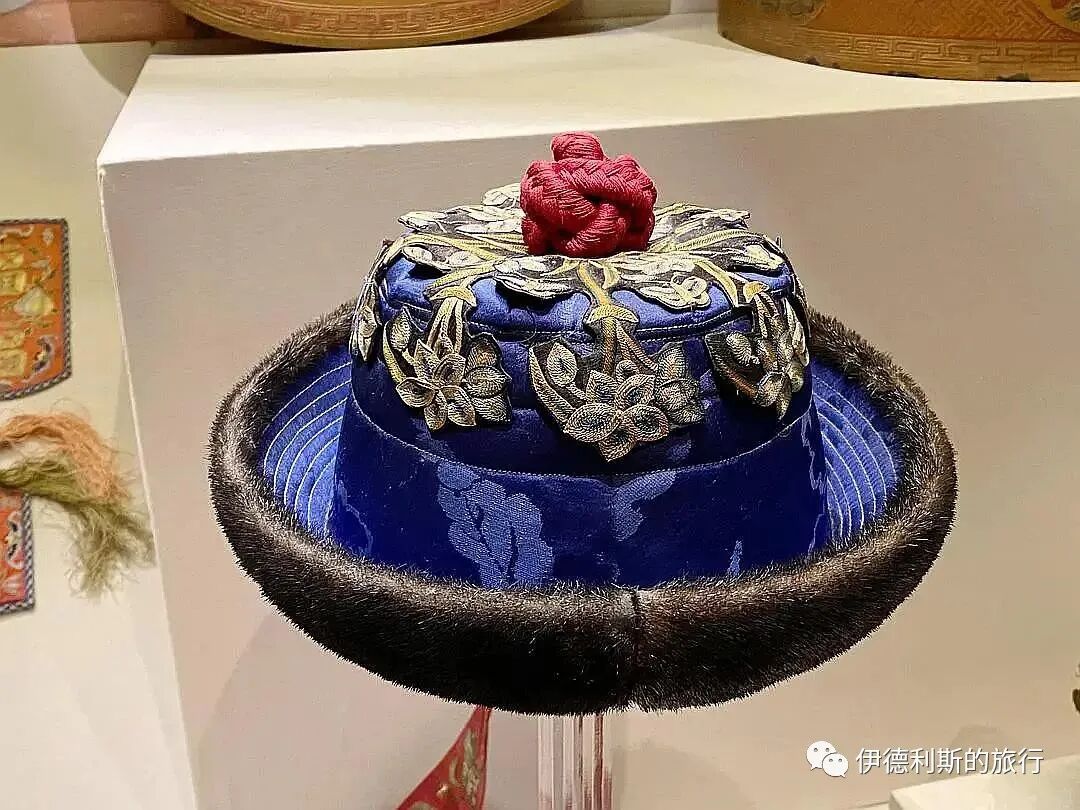
The Shenyang Palace Museum holds a mink fur winter hat for women from the Qianlong era.
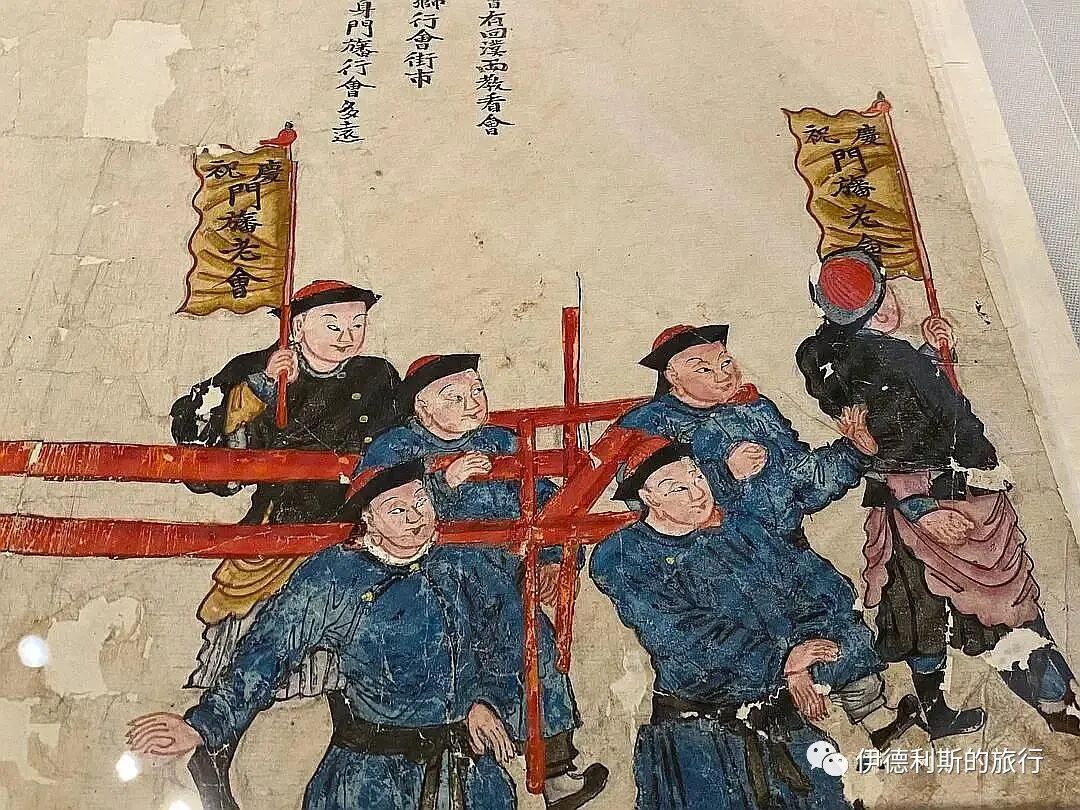
The Canal Exhibition features the Qing Dynasty painting of the Tianhou Palace procession in Tianjin from the National Museum collection, showing the scene during the traditional parade of the Menfan Laohui association.
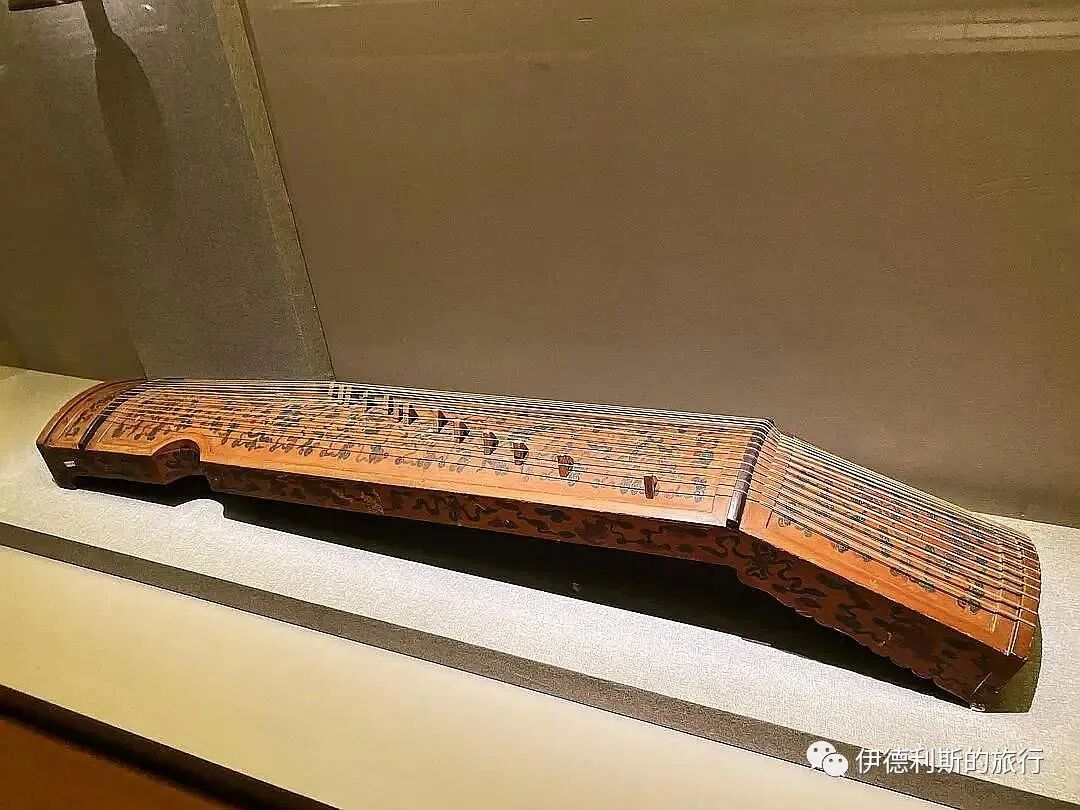
Ancient musical instrument exhibition. The Qing Dynasty thirteen-string zither (zheng) in the collection of the Chinese National Academy of Arts once belonged to the Peking Opera artist Mr. Cheng Yanqiu. In 1958, Mr. Cheng donated his entire collection of over one hundred traditional musical instruments to the state for free.
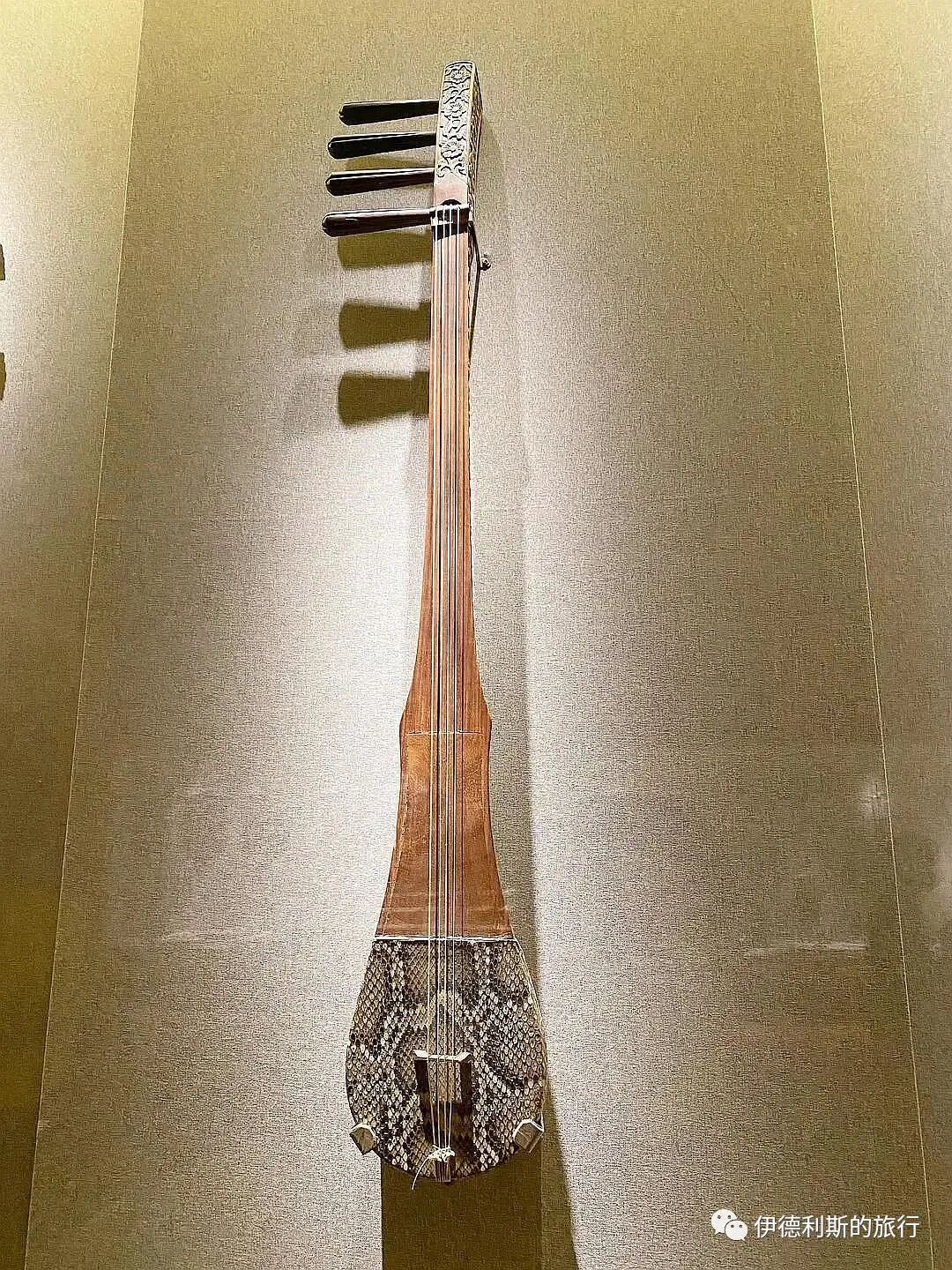
The Ming Dynasty lute (huobusi) in the collection of the Chinese National Academy of Arts is made of redwood, covered in python skin, and features a bamboo bridge. The huobusi is a transliteration of the Turkic word Kopuz. It is an ancient Inner Asian musical instrument used widely by both Turkic and Mongolian peoples. According to Volume 71 of the History of Yuan, Records of Rites and Music, the huobusi is shaped like a lute (pipa). It has a straight neck, no frets, and a small sound box. Its belly is round like half a bottle, the face is covered in skin, and it has four strings made of skin stretched over a single post. During the Ming Dynasty, the huobusi was popular in Mongolia and Central Asia. The Veritable Records of the Ming Yingzong state that the Oirat leader Esen, who captured Emperor Yingzong, played the huobusi and sang for the emperor himself. Shen Chongsui’s Notes on Singing from the Ming Dynasty records that the zither (zheng) and the hunbusi were among the instruments used to accompany northern melodies.
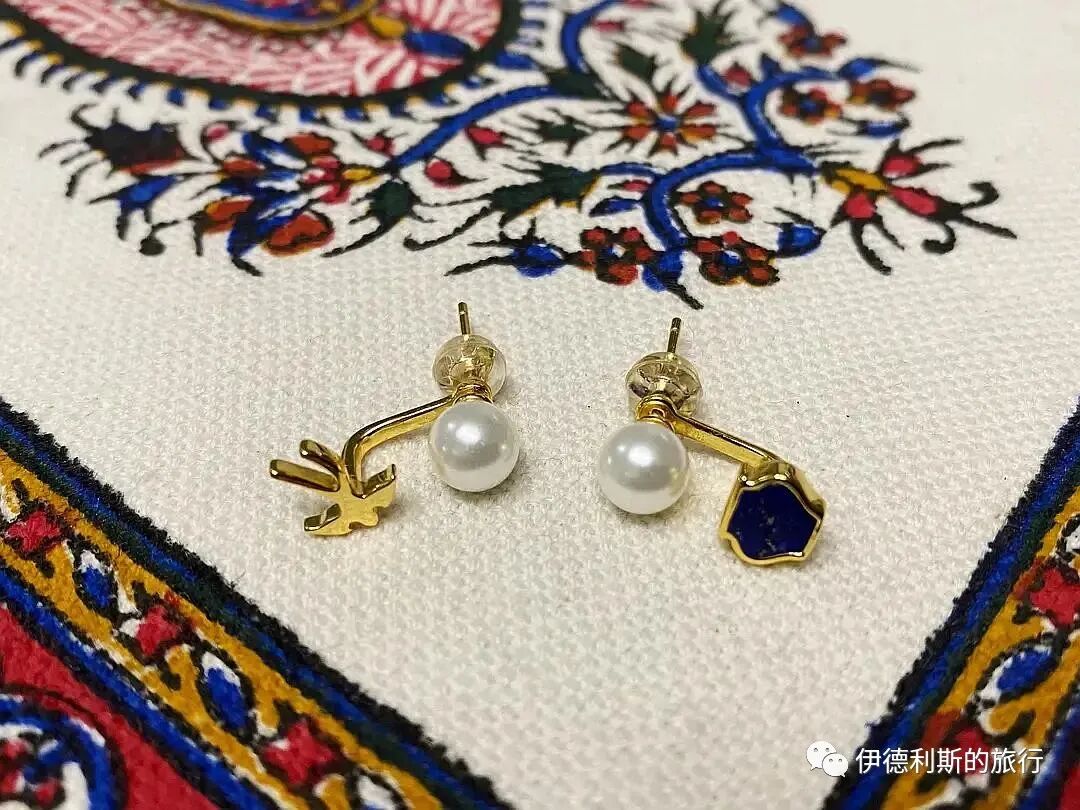
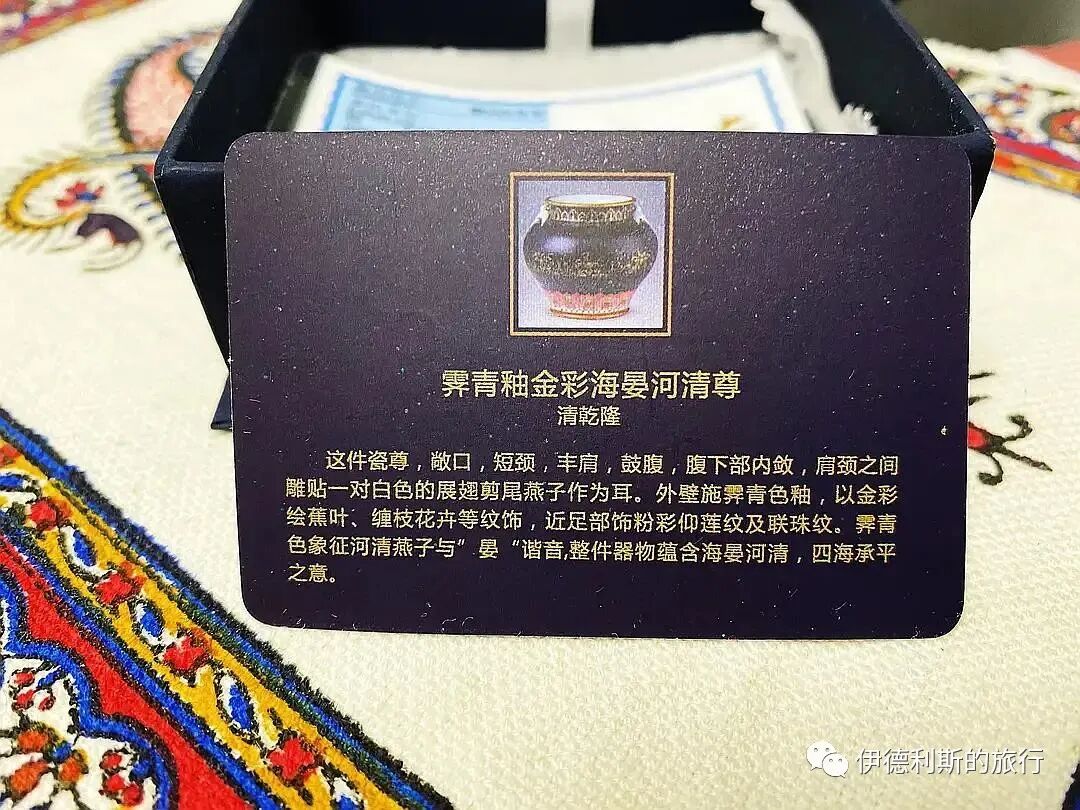
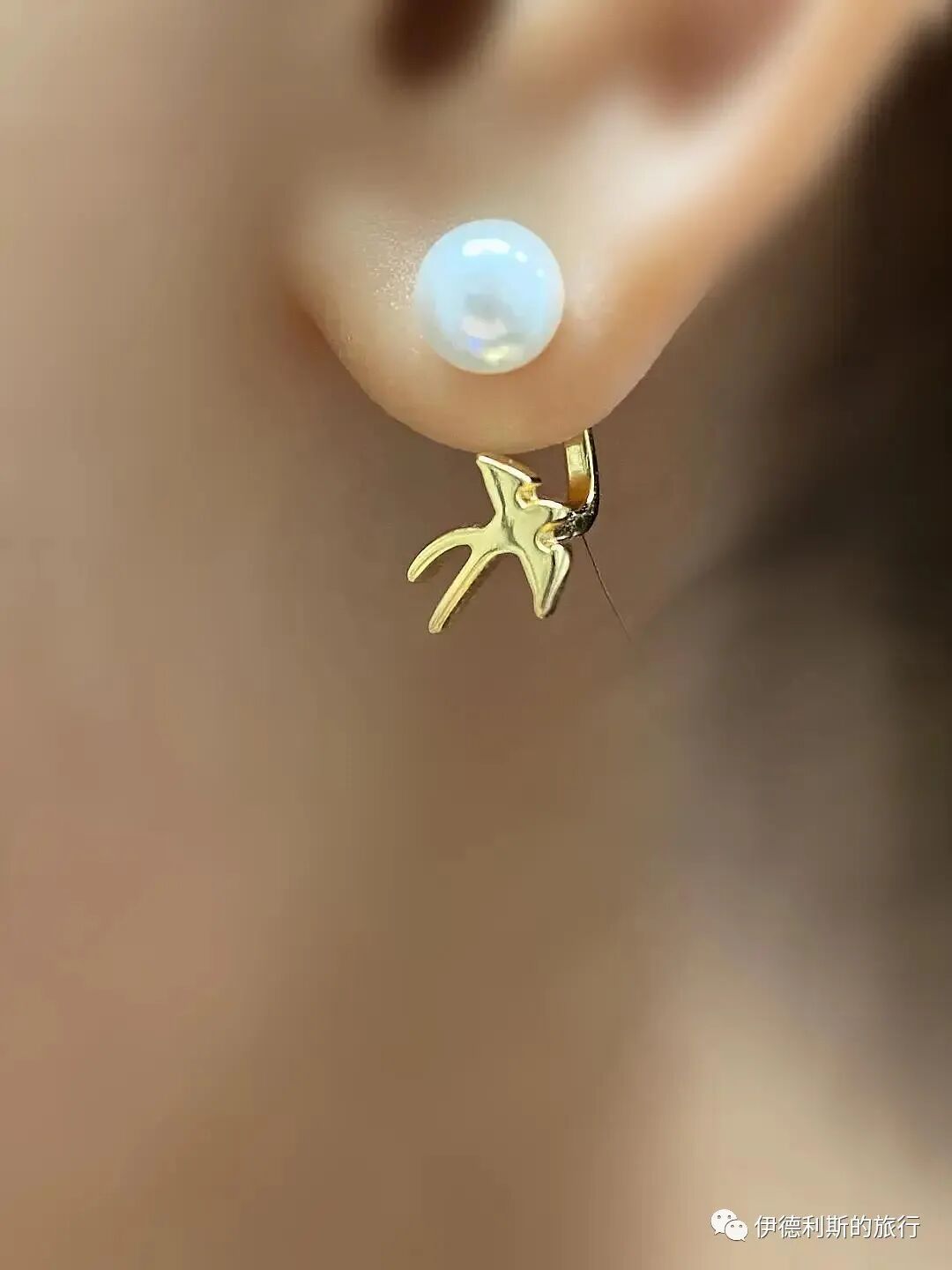
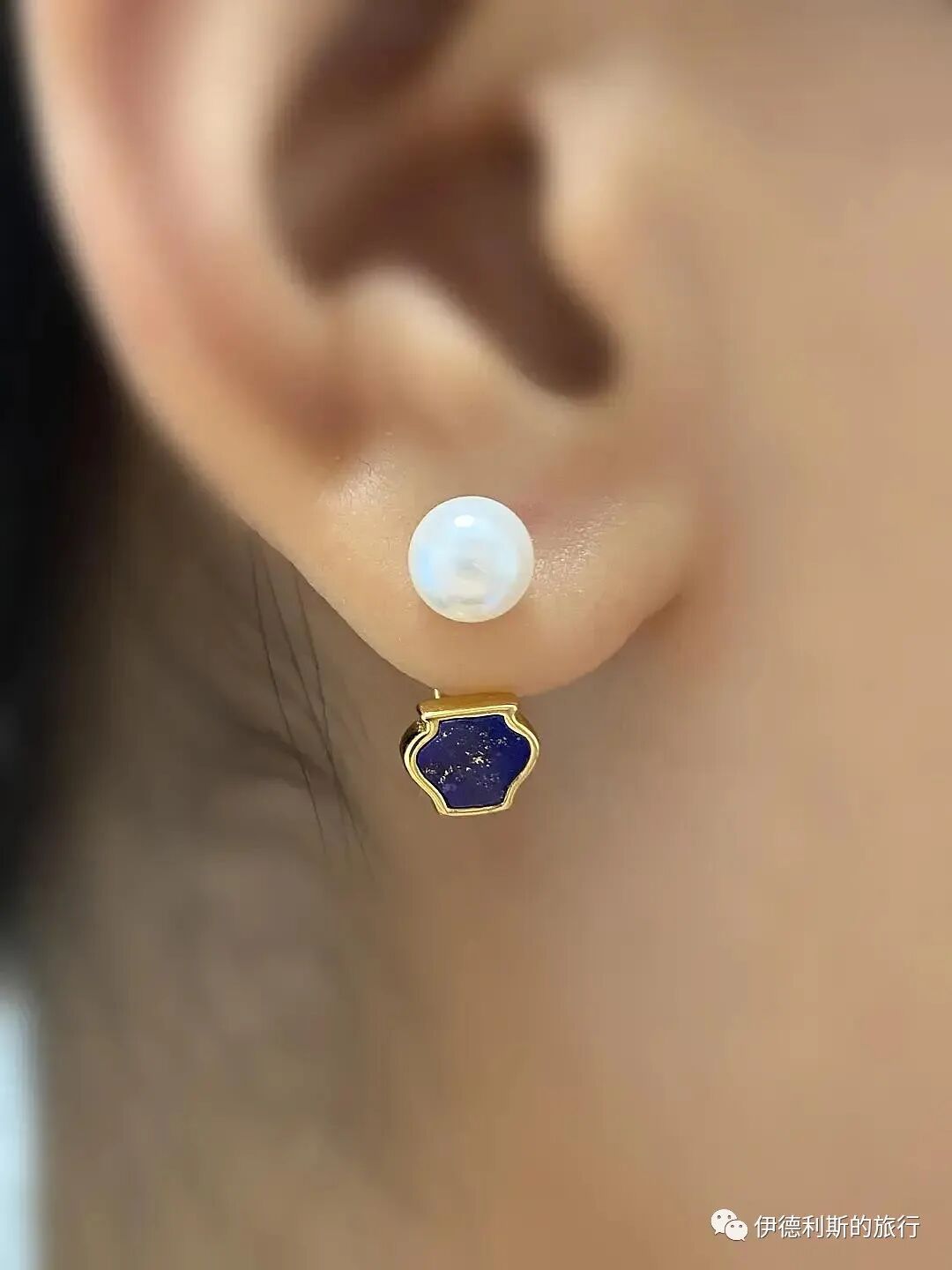
After the exhibition, I visited the National Museum of China’s gift shop. The creative designs and elements of the accessories all come from the museum's artifacts. I bought a pair of earrings for Zainab, modeled after the Qianlong-era sacrificial blue glazed gold-painted vase with sea and river patterns (haiyanheqing zun).
Qianmen Mosque
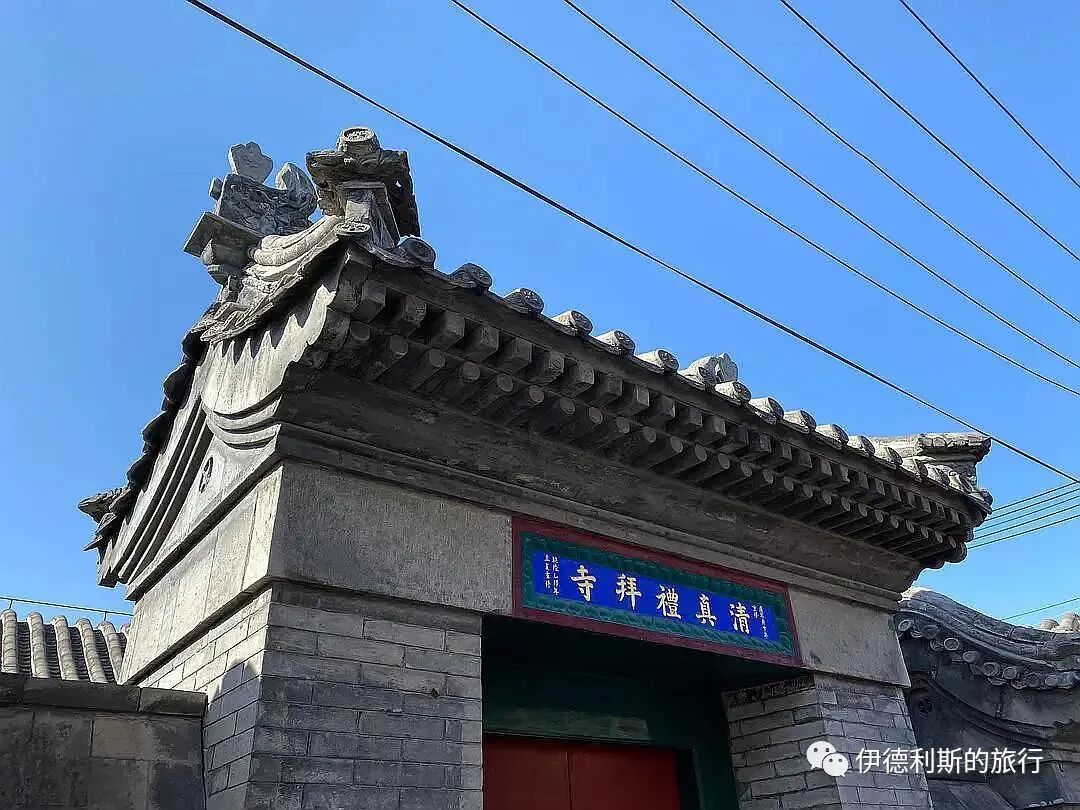
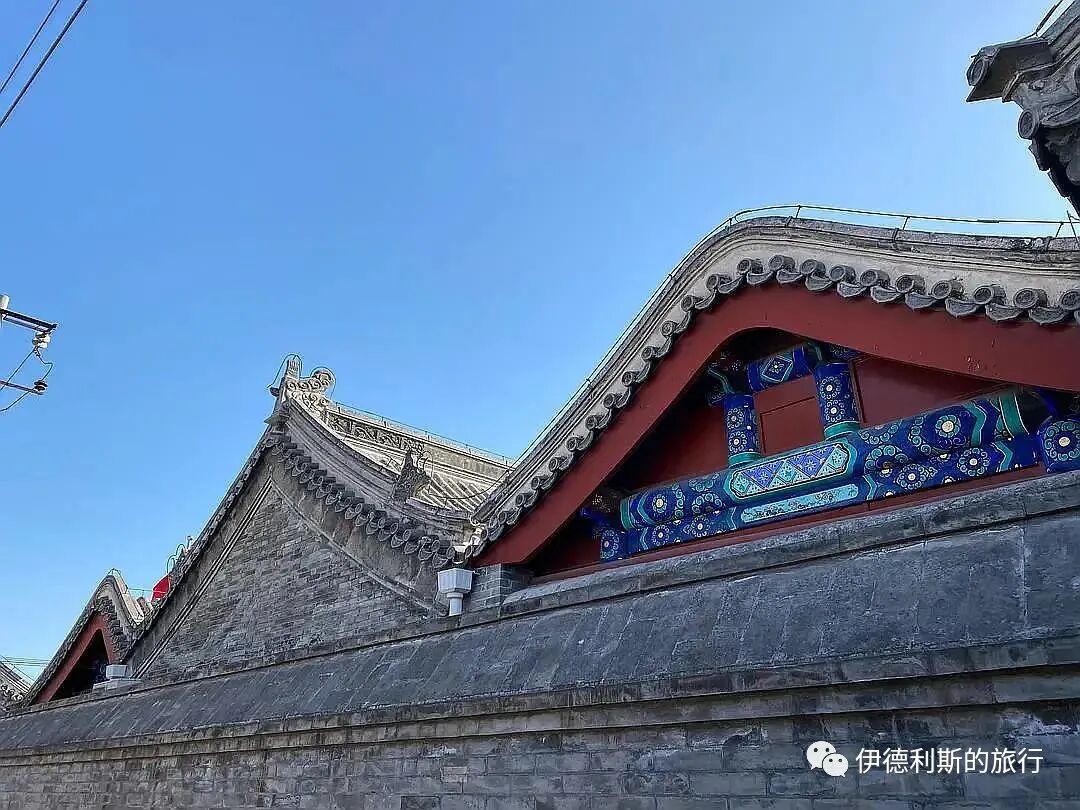
After leaving the National Museum, I took a walk outside Qianmen. I took a few photos of the beautiful interlocking roof structure (goulianda) of the Qianmen Mosque, where you can also see the roof ridge ornaments (chiwen) replaced by scrolling vine patterns.
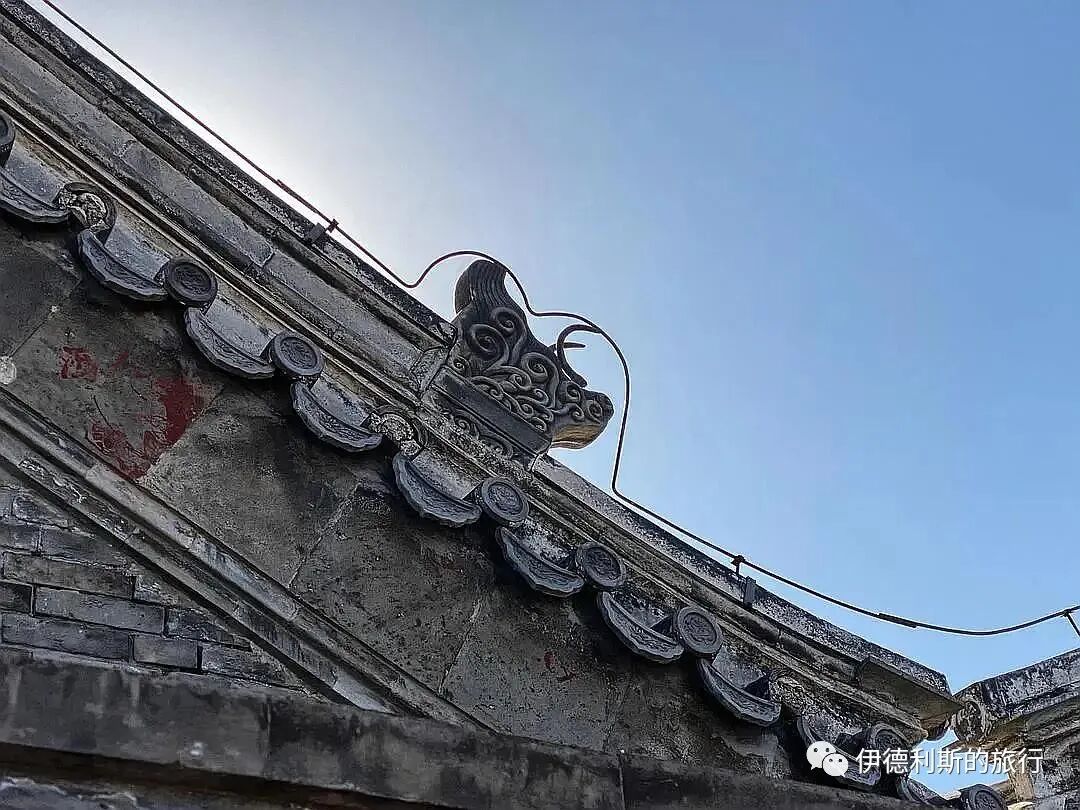
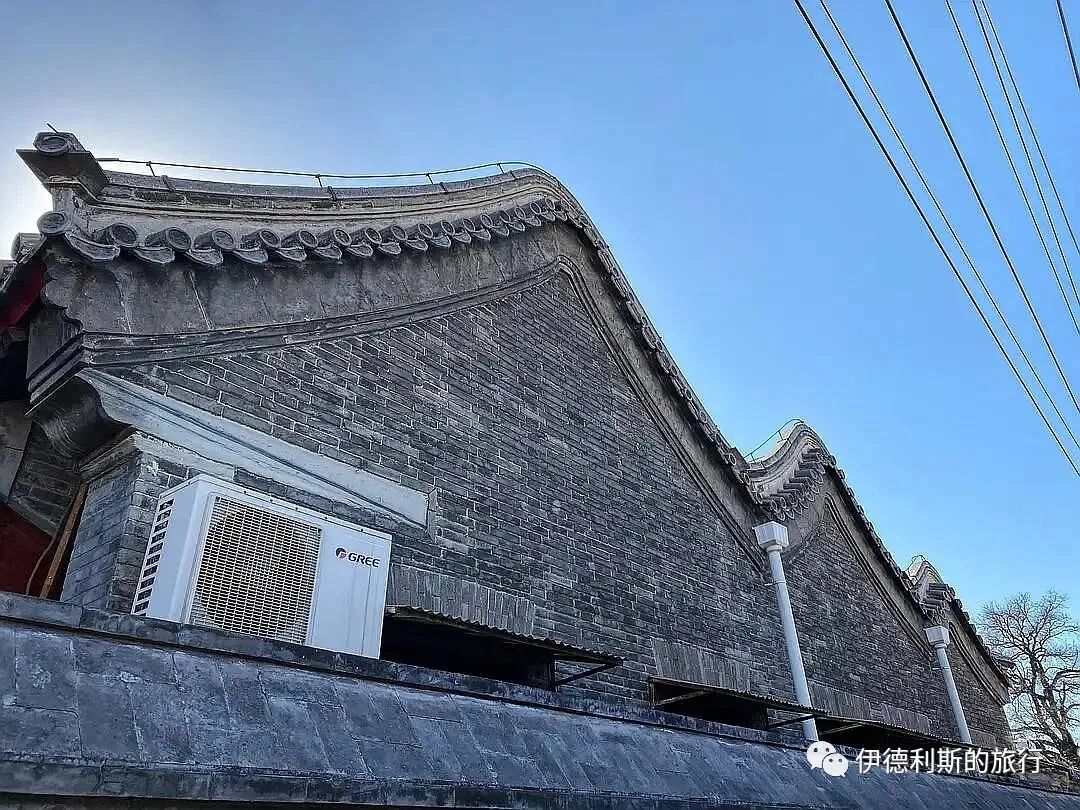
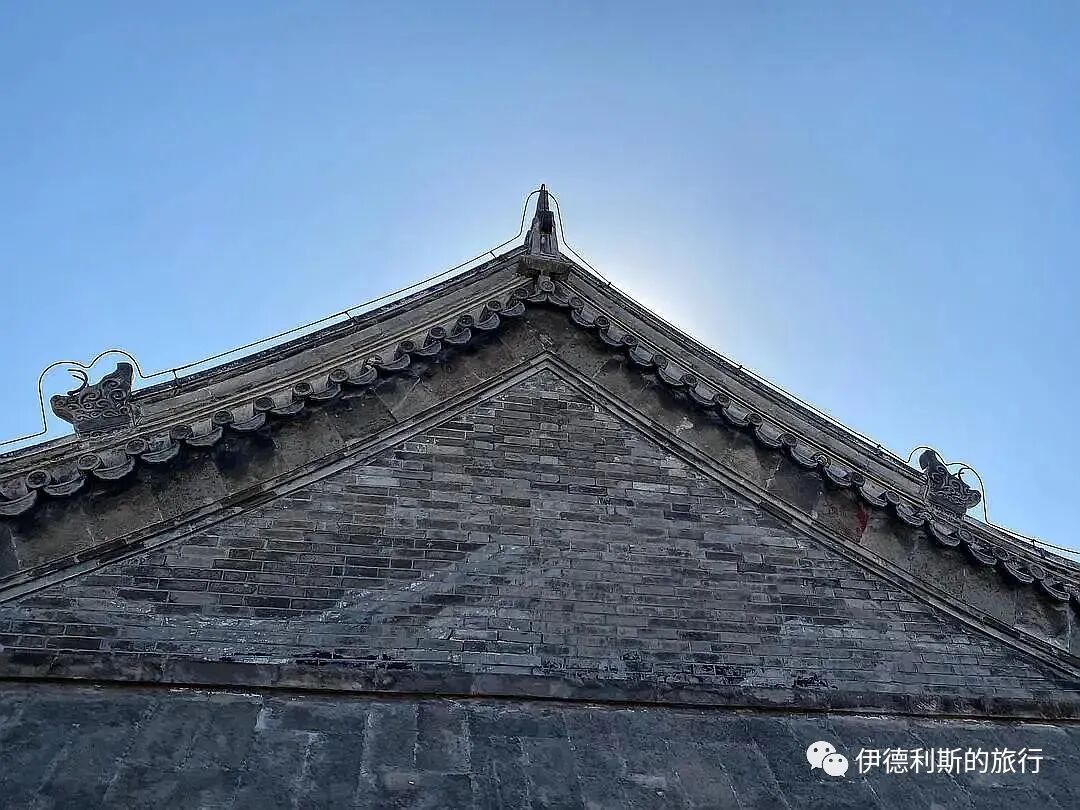
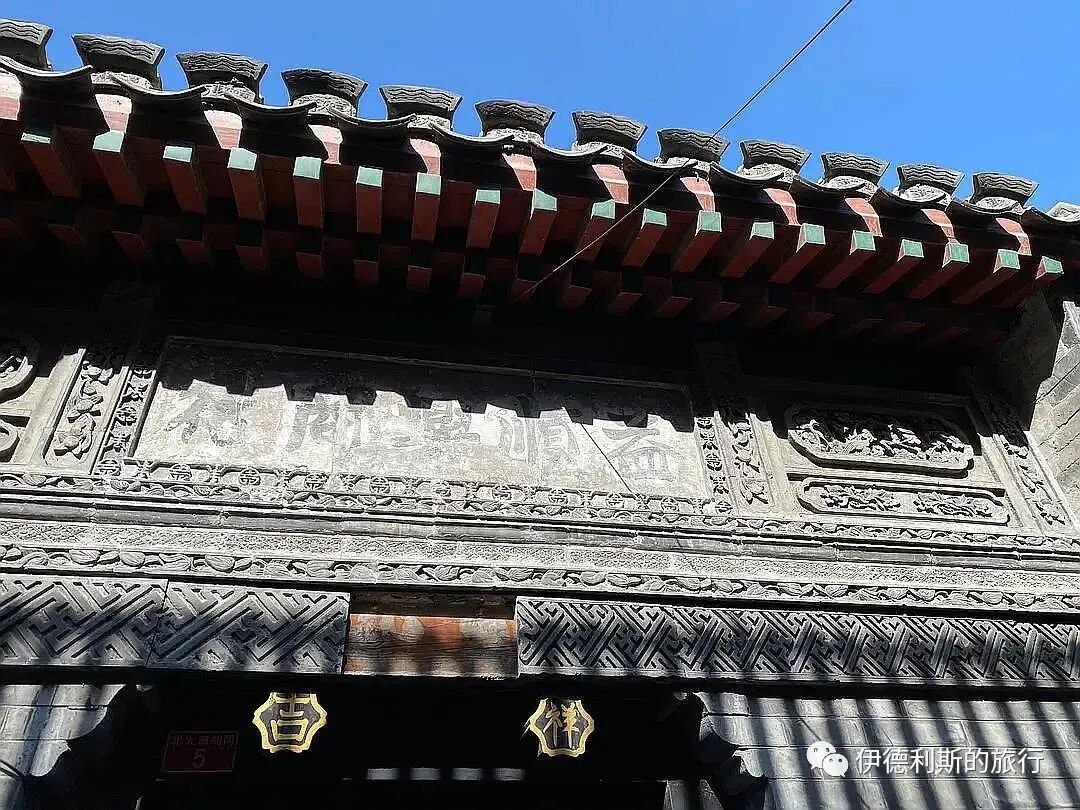
The alleys (hutong) outside Qianmen
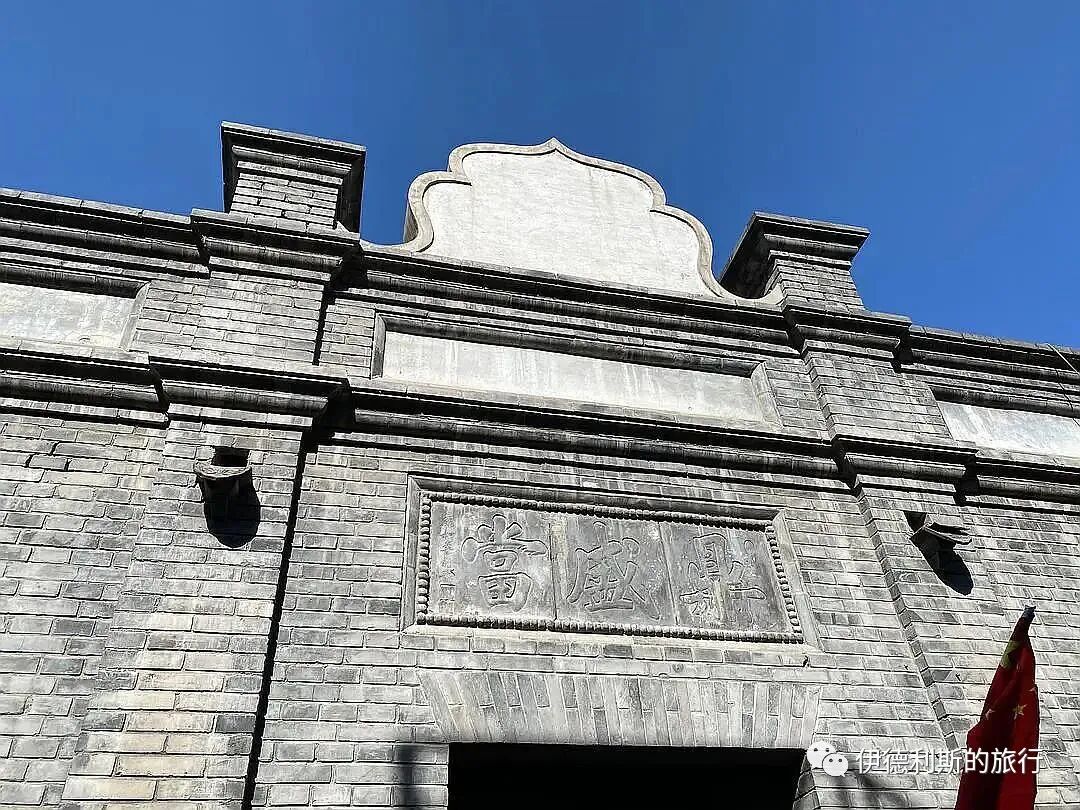
February 16, Uyghur band JAM performance
I went to Jianghu Bar for a show tonight. I first saw a folk music performance here in early 2009, and now 12 years have passed in the blink of an eye.
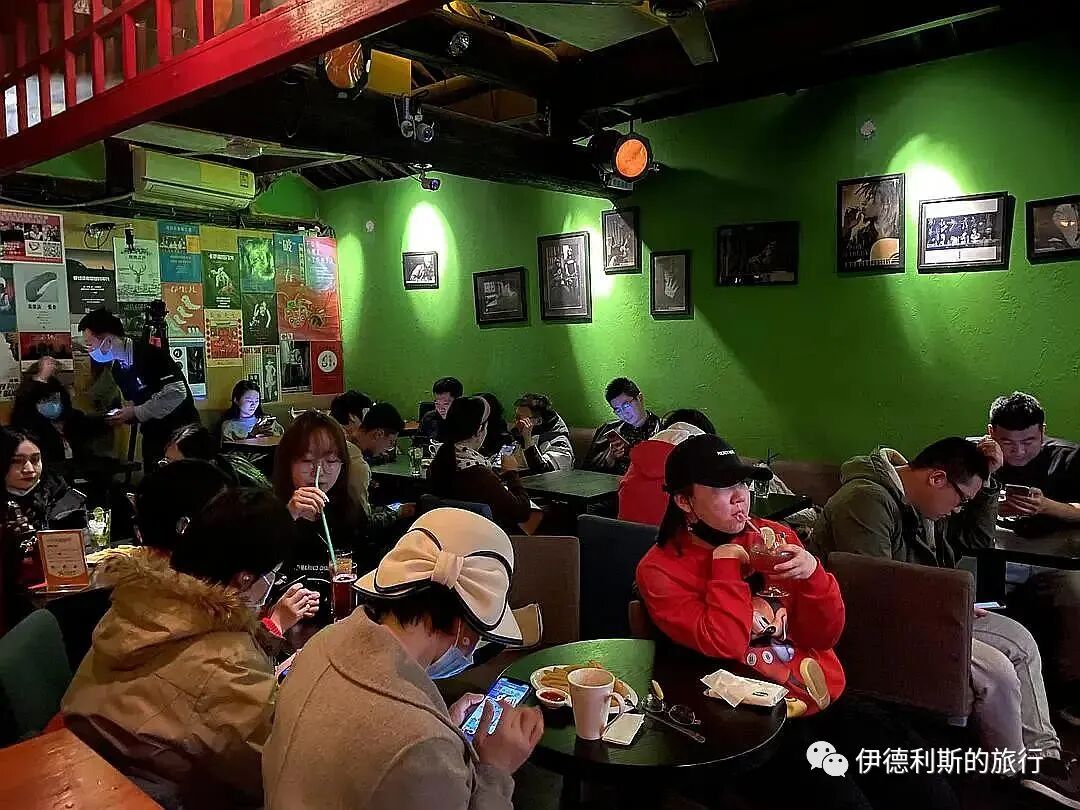
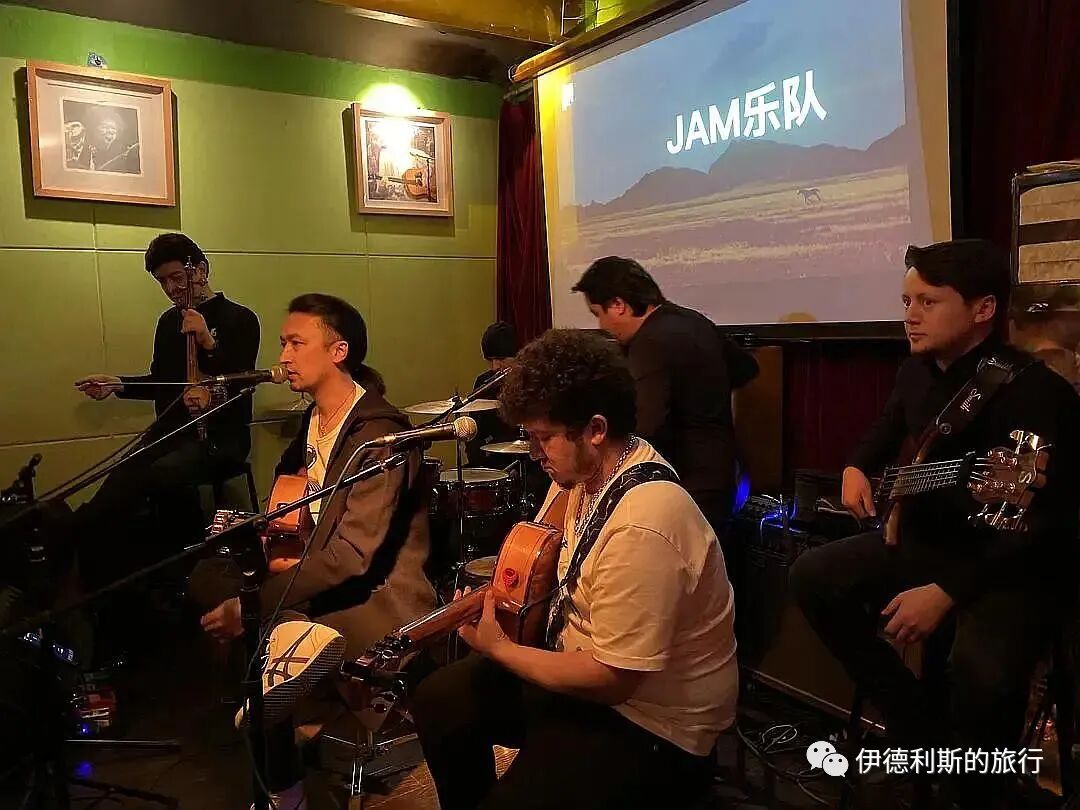
One of the acts was the Uyghur fusion band JAM, which sounded great. It featured the master Aijieke player Adilijan. It reminded me of seeing him perform with the Dastan band at Jianghu Bar six years ago. The band JAM performed an original song using the unique Uyghur 8/7 time signature. The lyrics were very sufi, describing life as being in heaven one day and hell the next, or living in luxury one day and as a beggar the next. They also played some Uyghur folk songs and segments of Muqam.
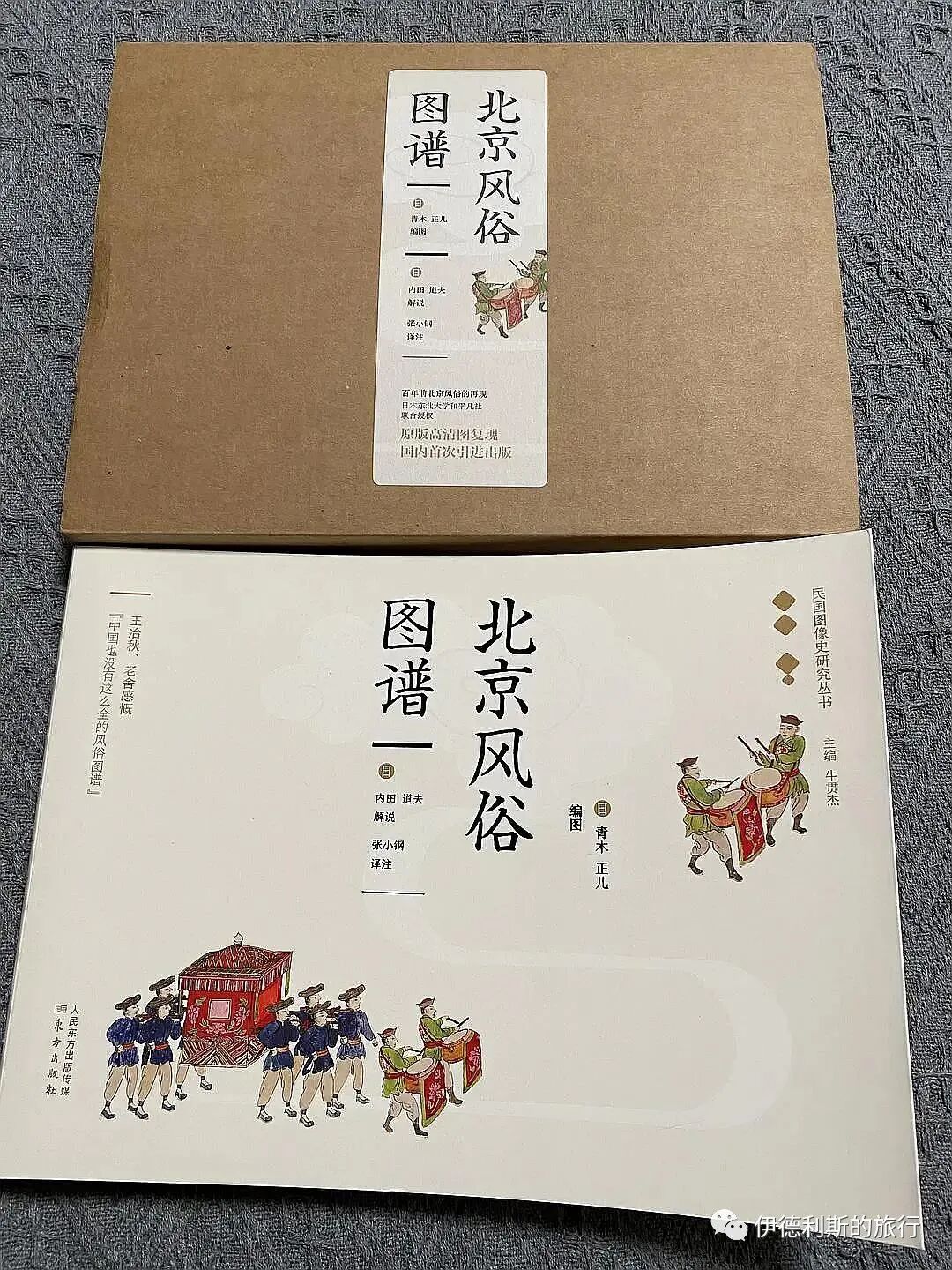
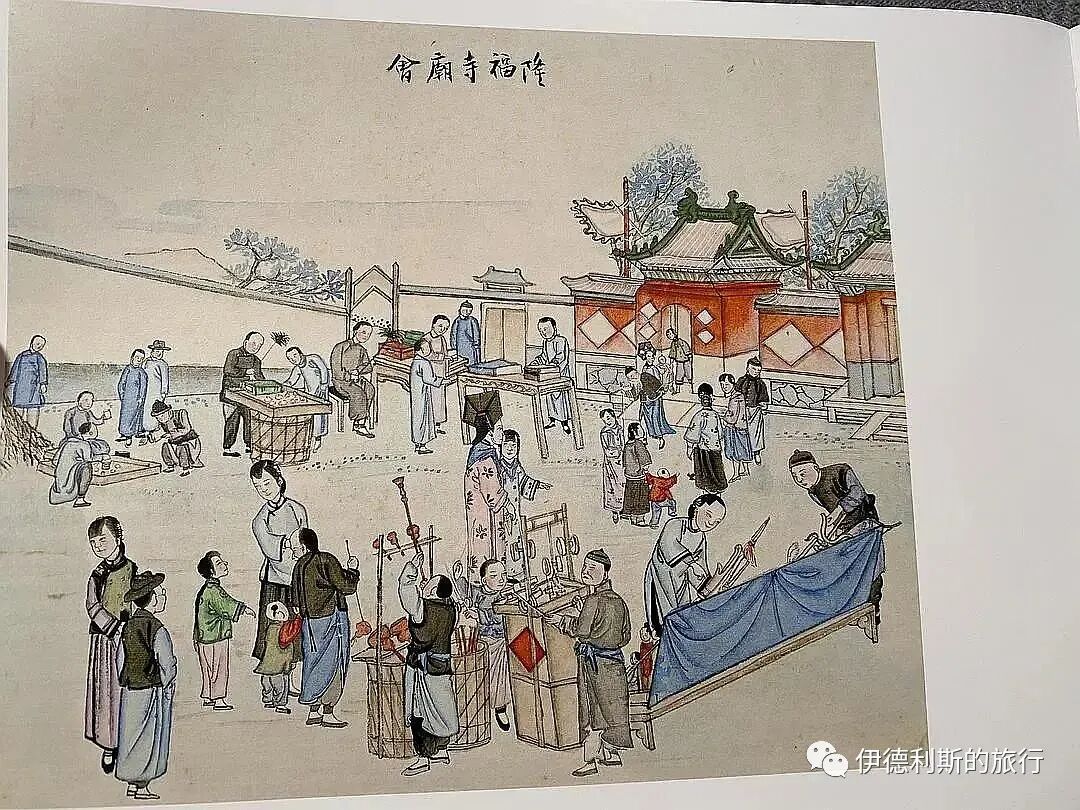
I won a copy of 'Beijing Customs Illustrated' (Beijing Fengsu Tupu) from the organizers by answering a trivia question during the show. I looked through it when I got home and really liked it. Japanese sinologist Masaru Aoki planned this book while studying in Beijing from 1925 to 1926 and hired local Beijing artists to draw it. Coincidentally, Masaru Aoki lived in Dongsi at the time, at an address then known as the Honganji Mosque (Honganji) on Dongsi Liutiao. This collection of illustrations sat in a library for a long time, and it was only published decades later after another Japanese sinologist, Michio Uchida, wrote the commentary. The content of these illustrations is very precious.
February 17, near the Temple of the Sun (Ritan).
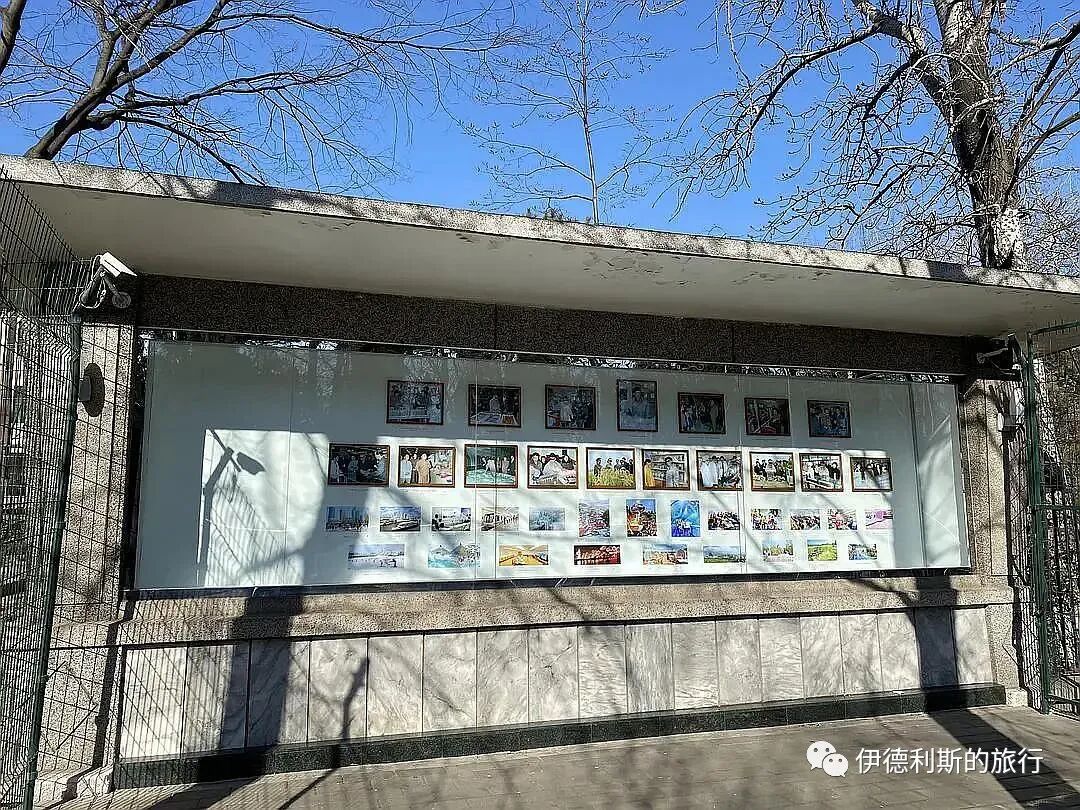
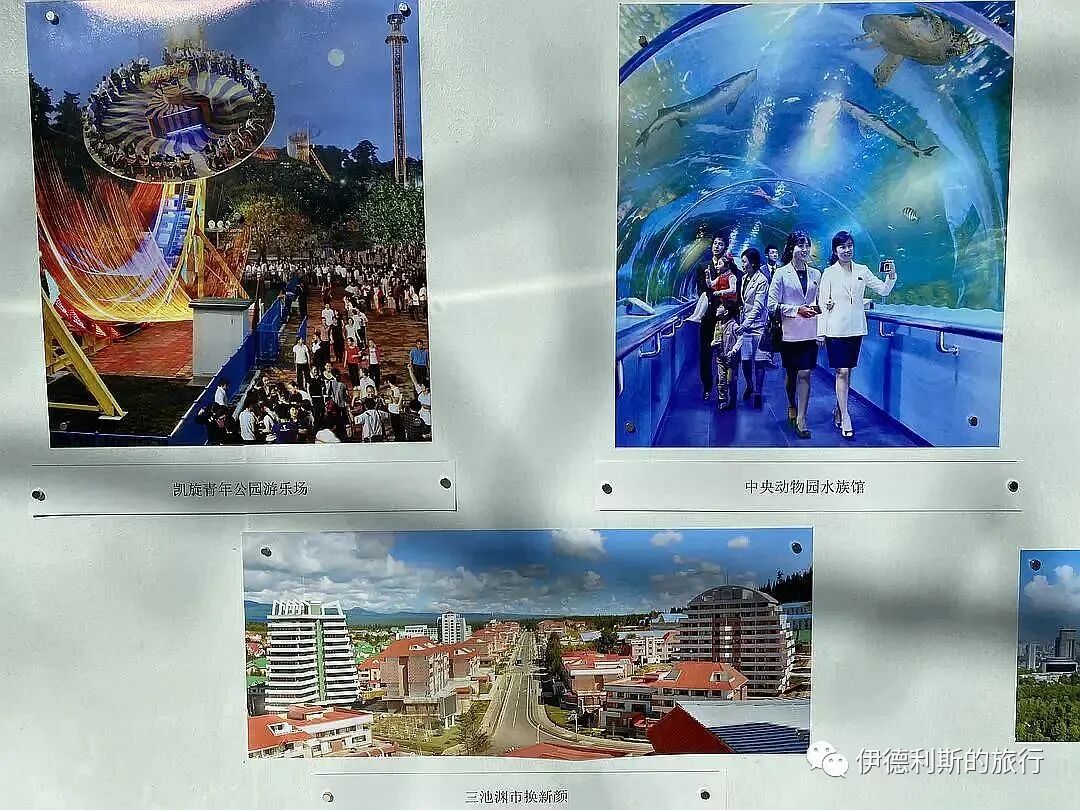
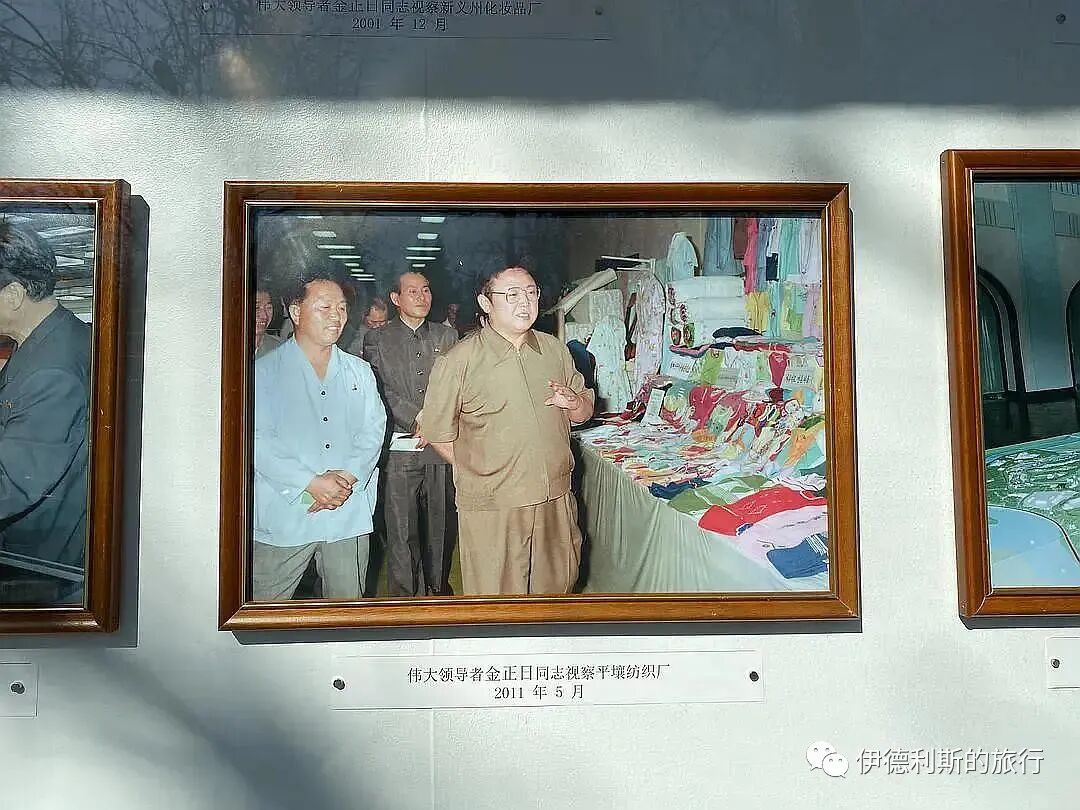
I passed by the North Korean Embassy.
I walked around Ritan Park.
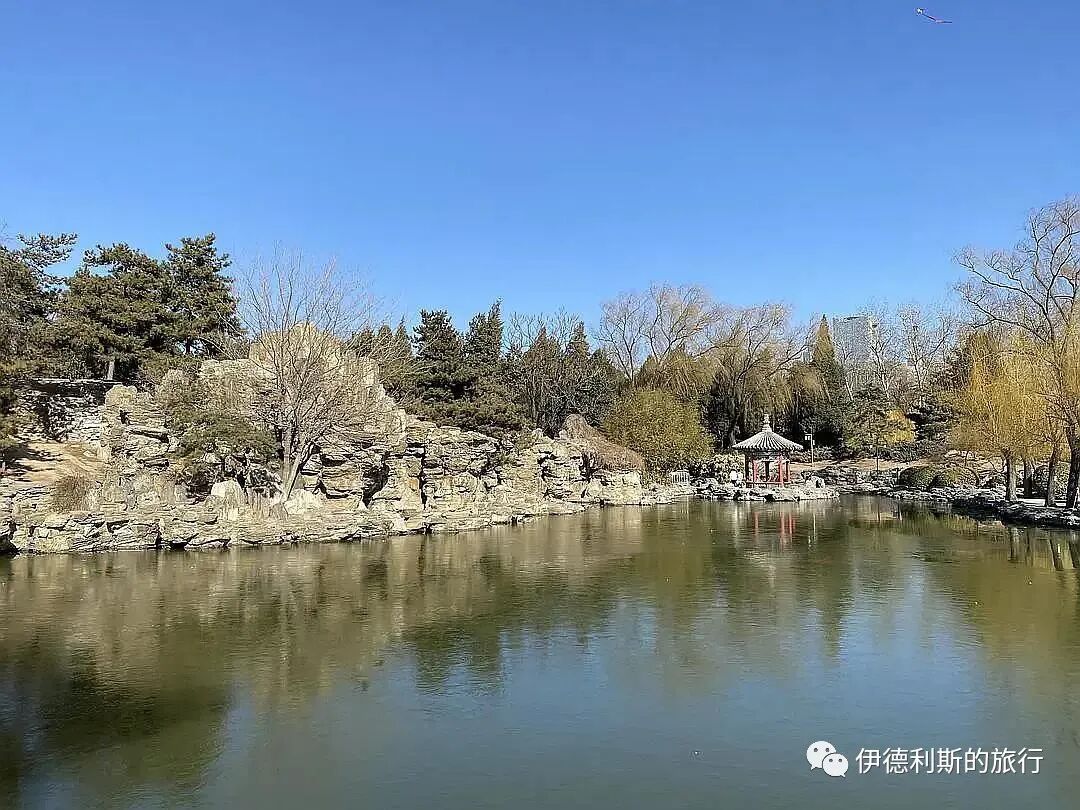
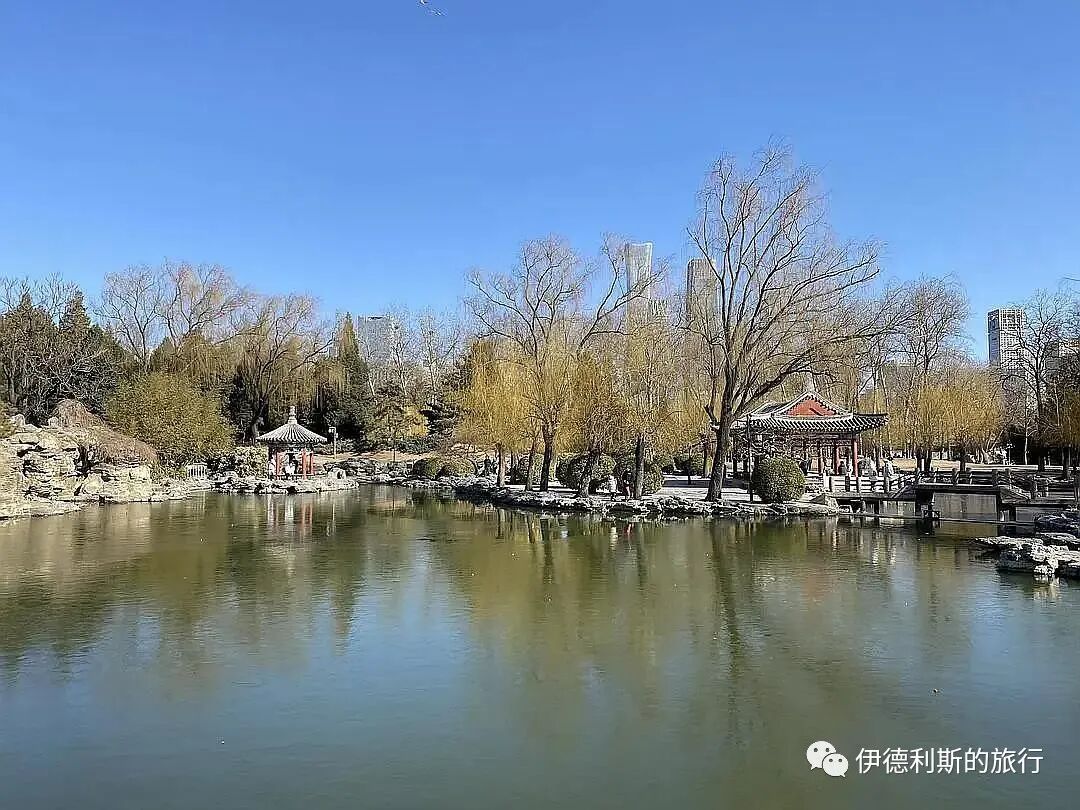
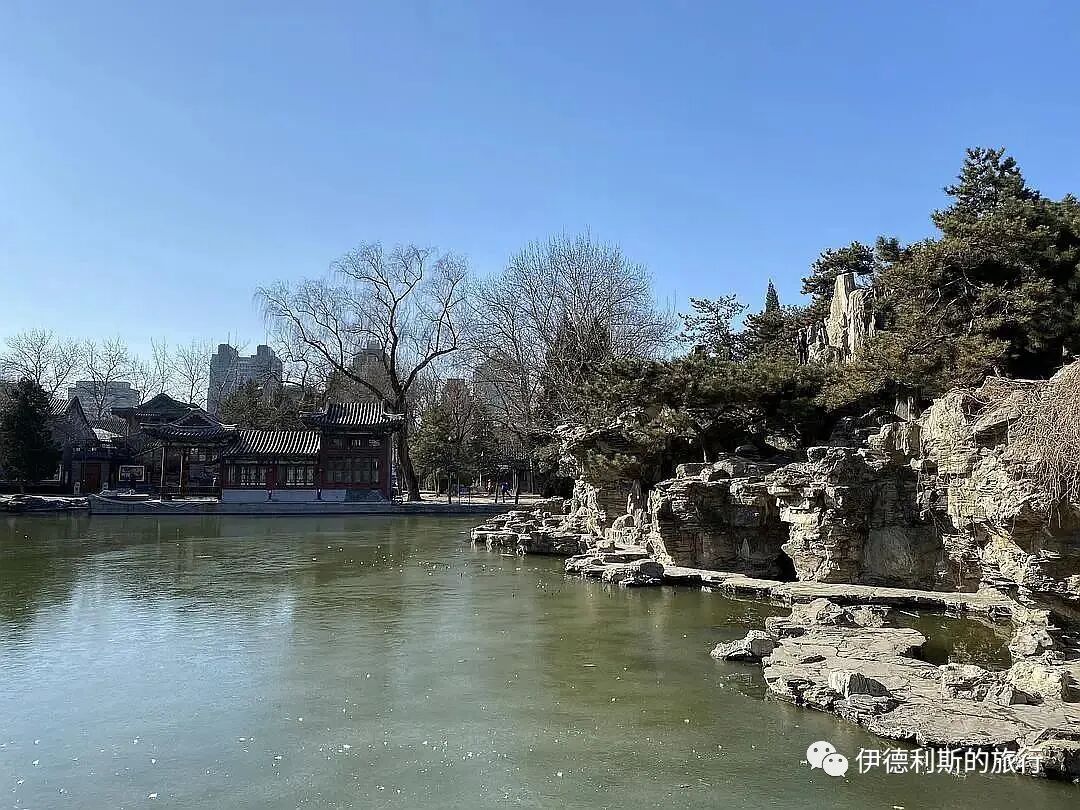
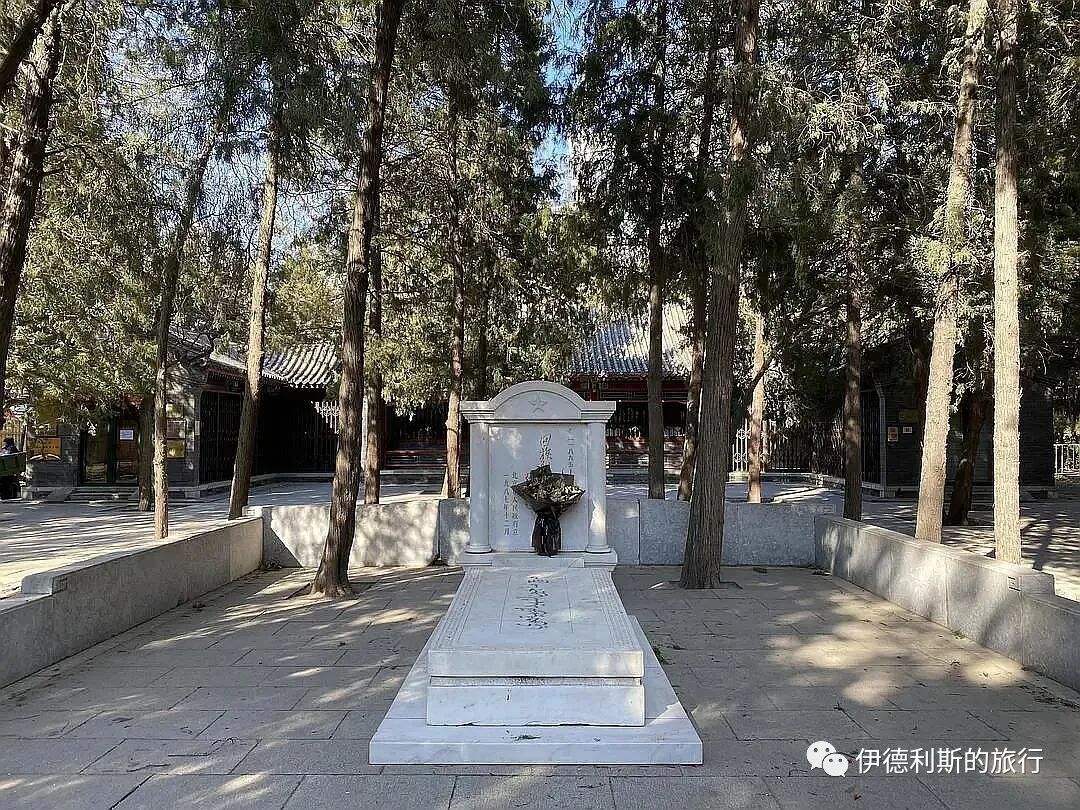
I visited the tomb of the martyr Ma Jun.
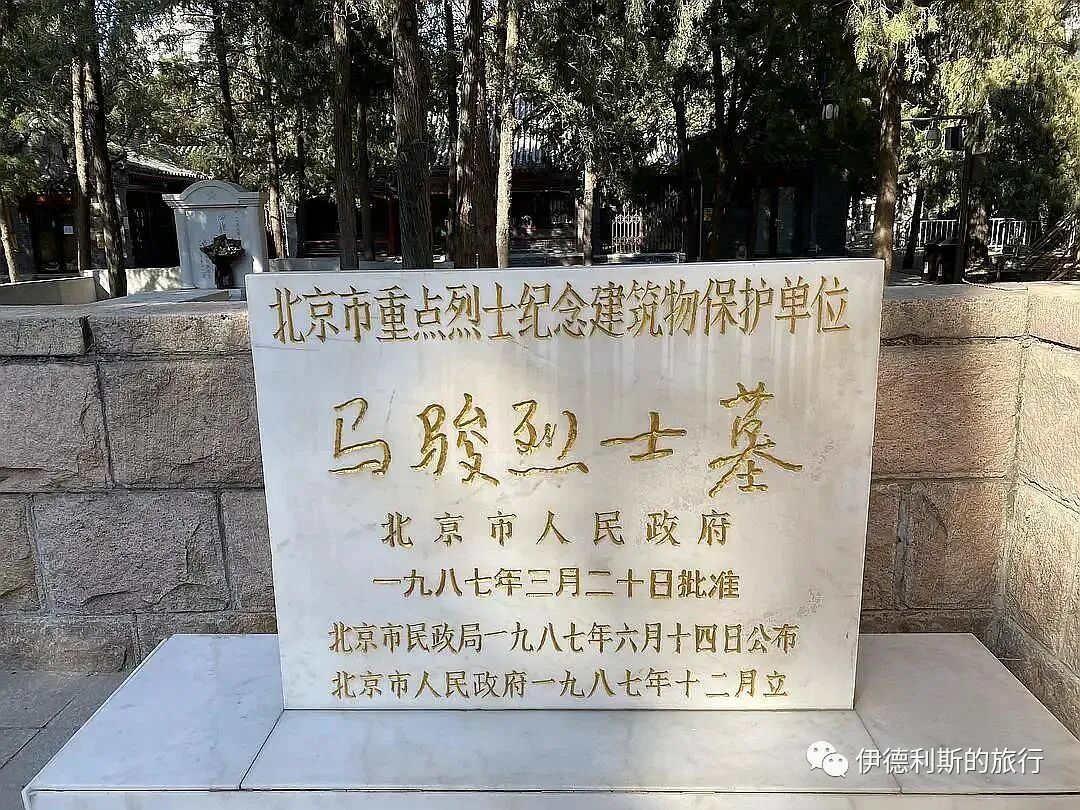
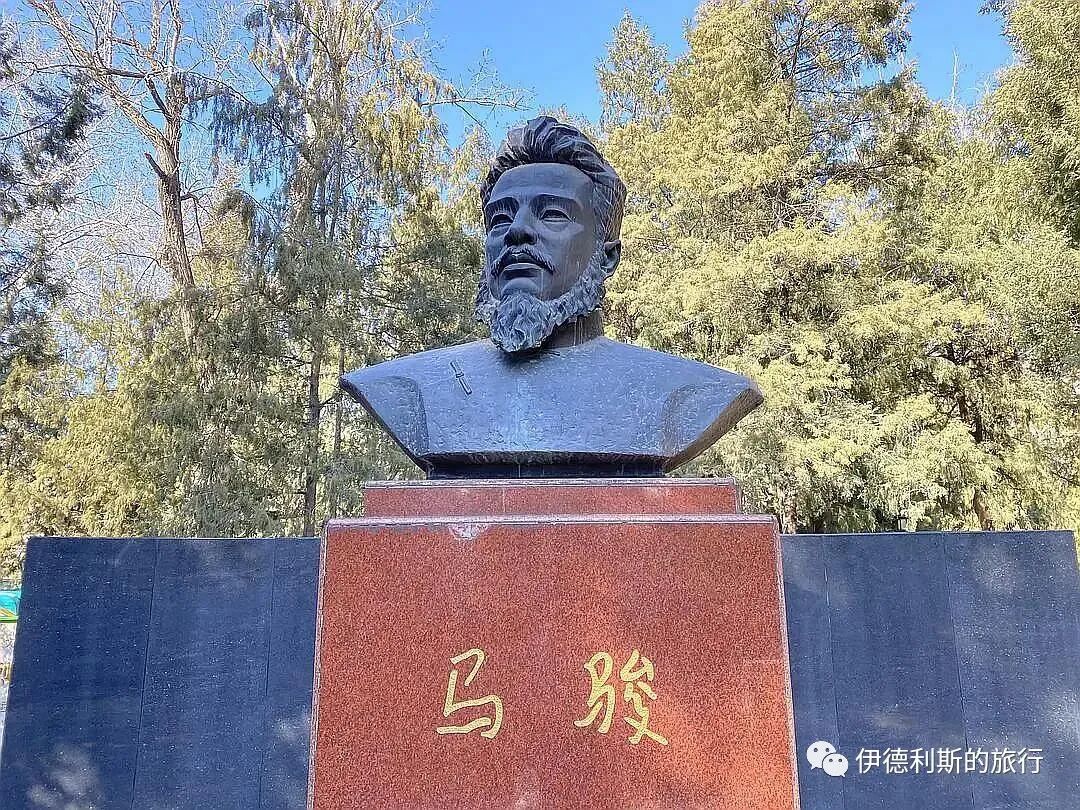
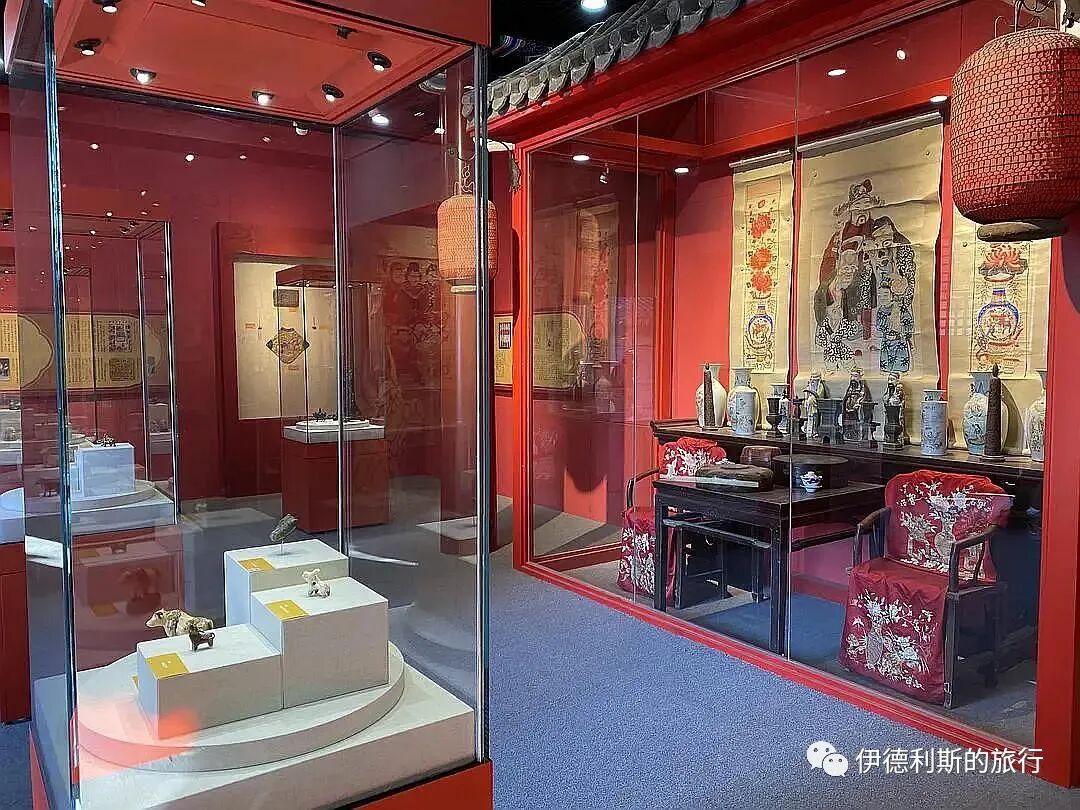
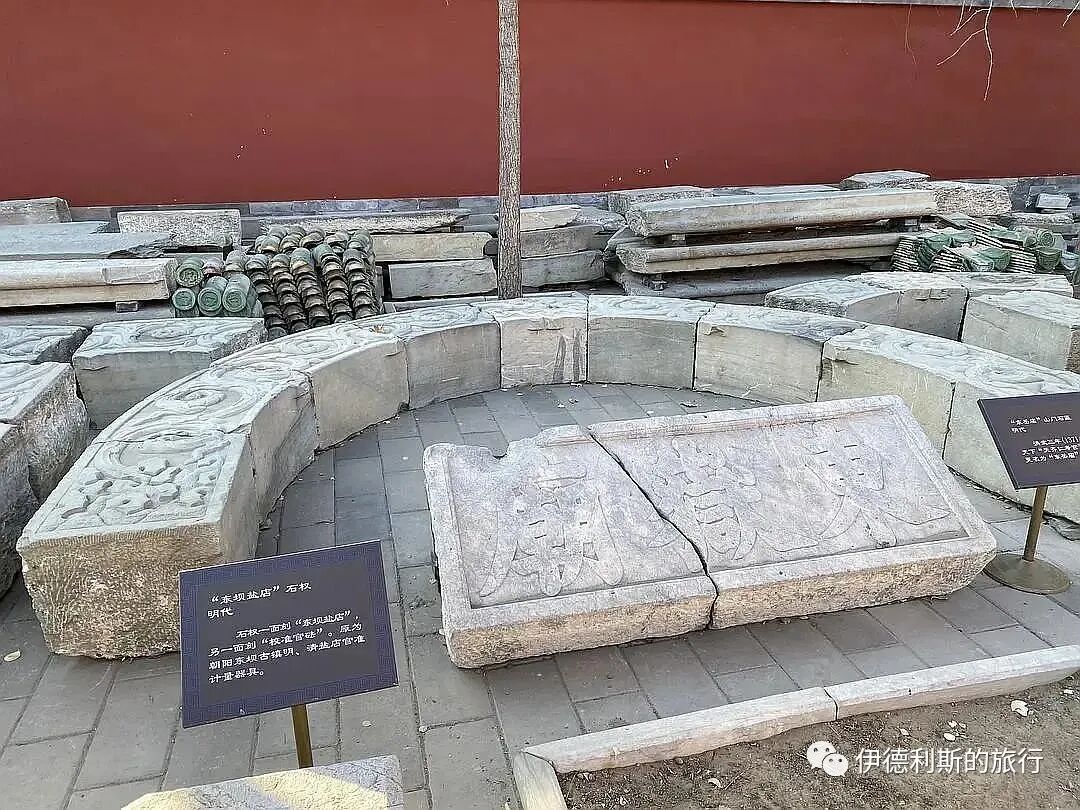
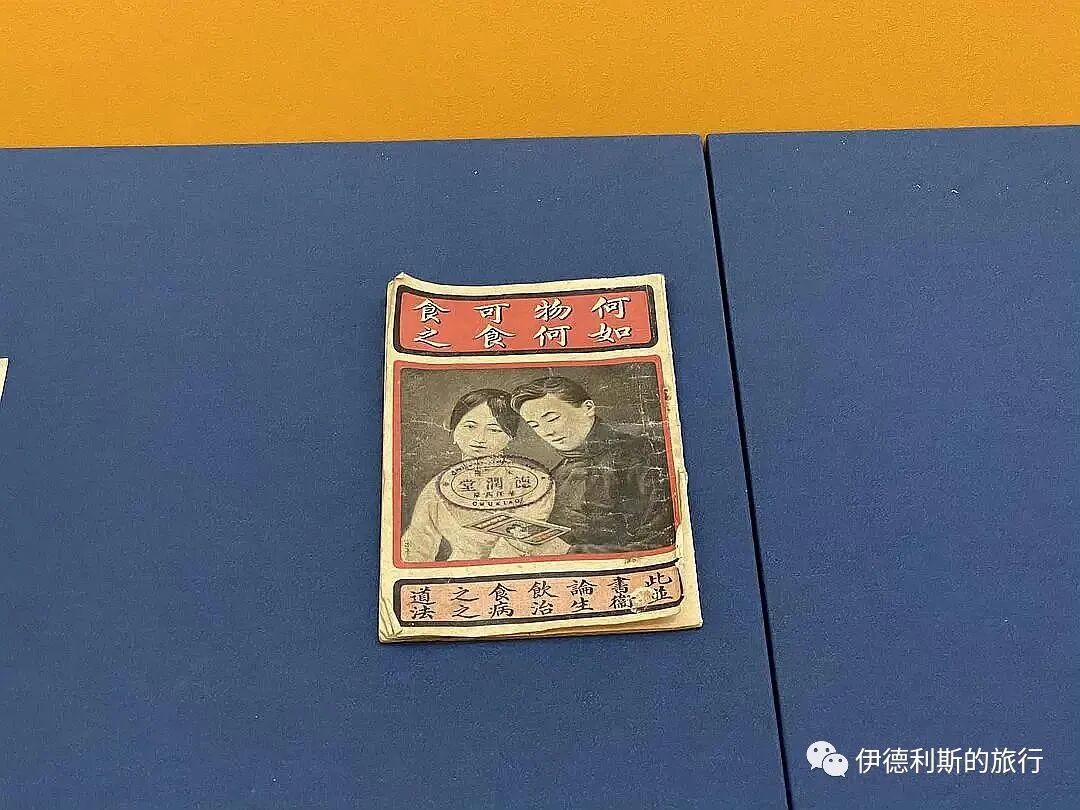
Then I went to the Beijing Folklore Museum at Dongyue Temple. It currently has two Ming dynasty porcelain exhibits, a traditional Chinese medicine exhibit, and a Year of the Ox zodiac exhibit.
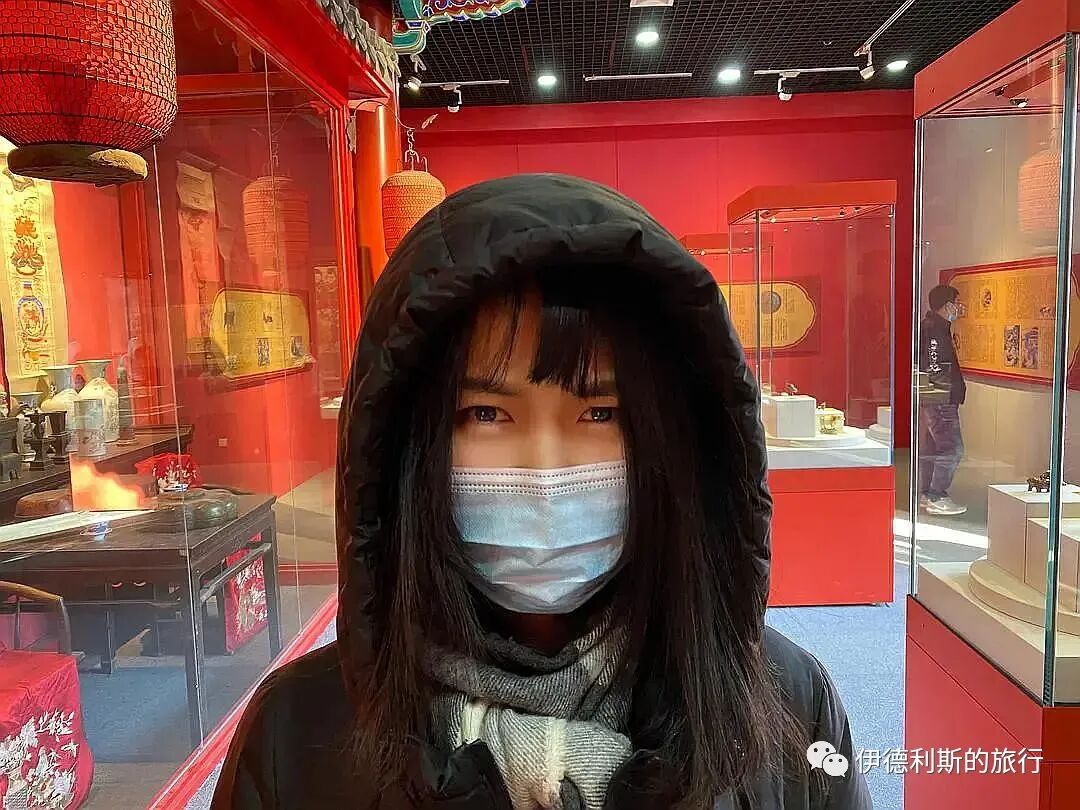
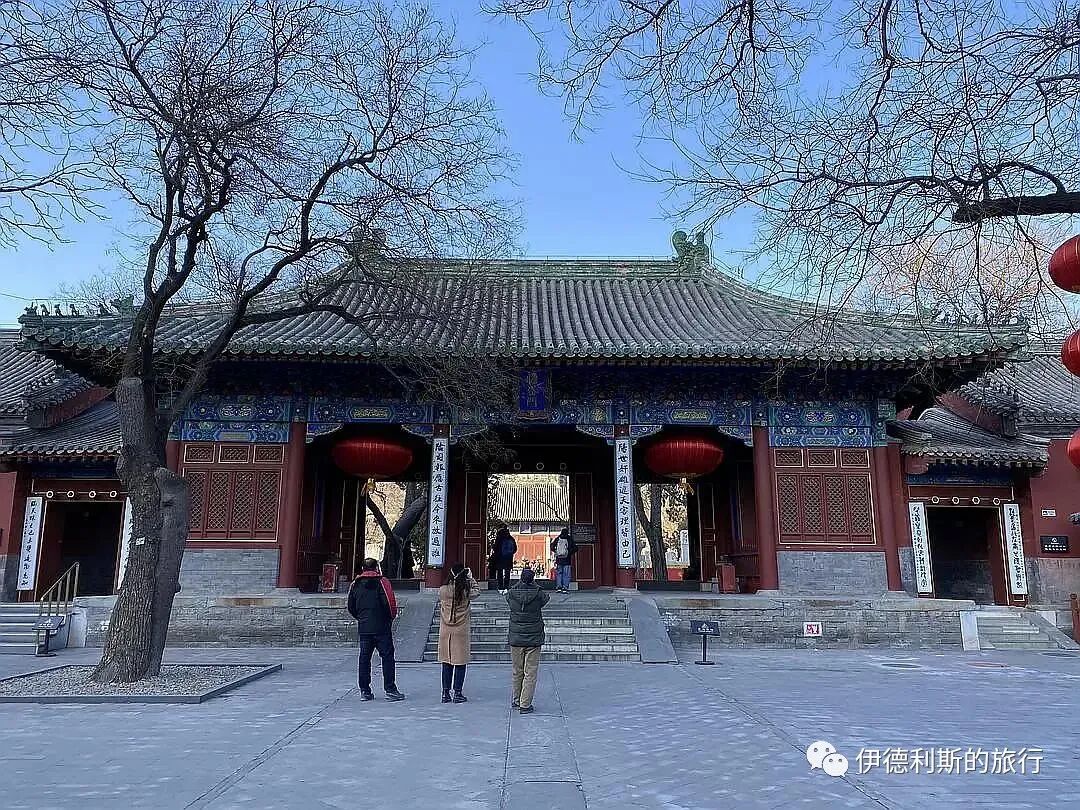
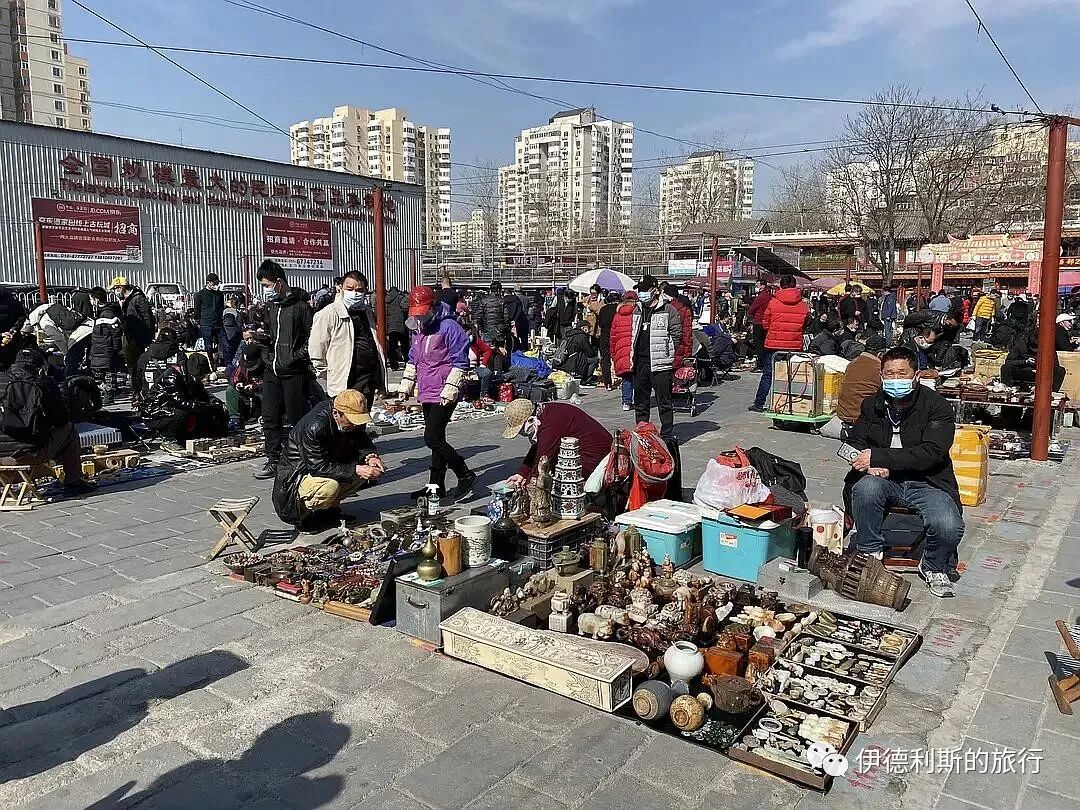
February 20, Panjiayuan Antique Market.
The weather in Beijing is great, but I didn't find anything worth buying after spending the whole morning at Panjiayuan. I'll just count it as a nice day out in the sun.
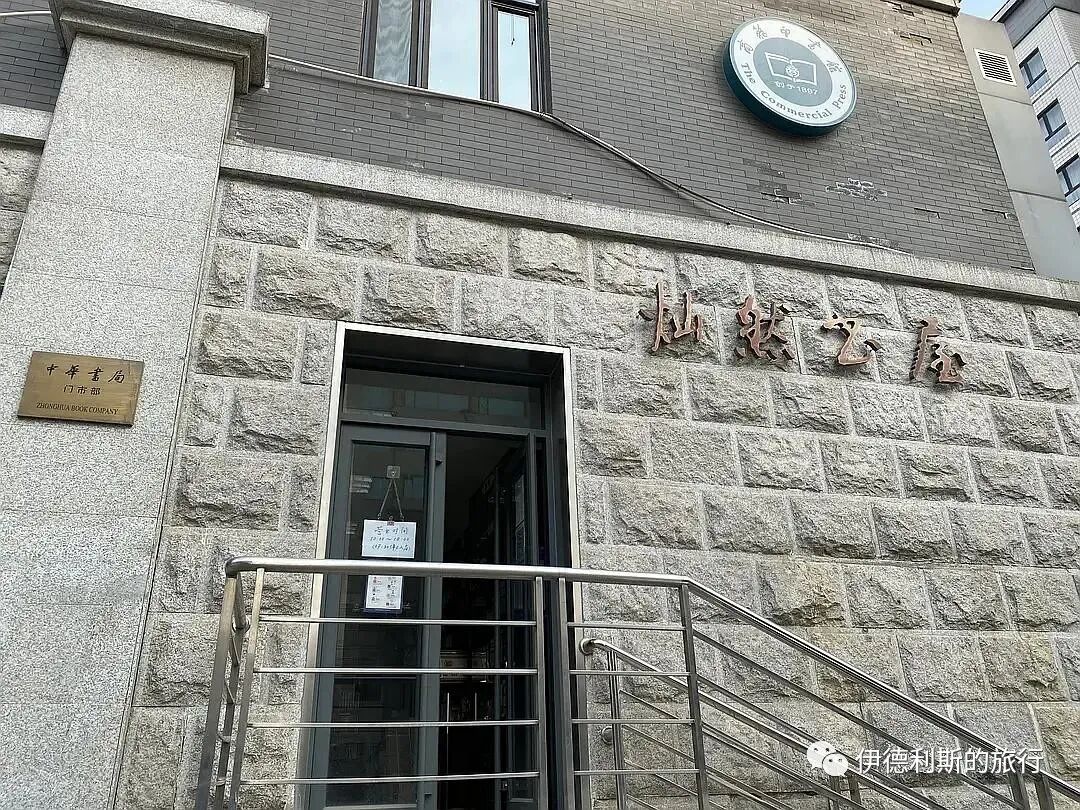
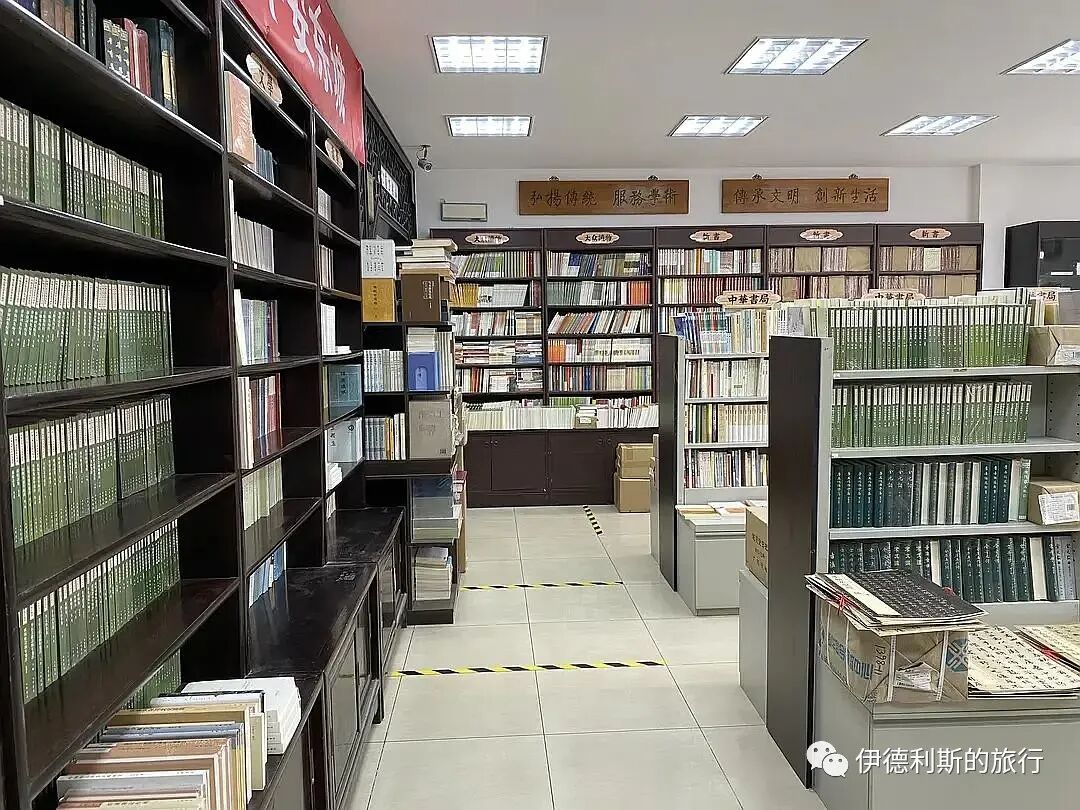
February 24, Canran Bookstore
The Canran Bookstore next to the Commercial Press has actually reopened. It was closed for about ten years because of subway construction, and I really missed it. Visiting the China Bookstore, Sanlian Bookstore, Hanfenlou Bookstore, and Canran Bookstore around Dongsi all in one go takes at least half a day.
February 25, second visit to the art museum's New Year exhibition
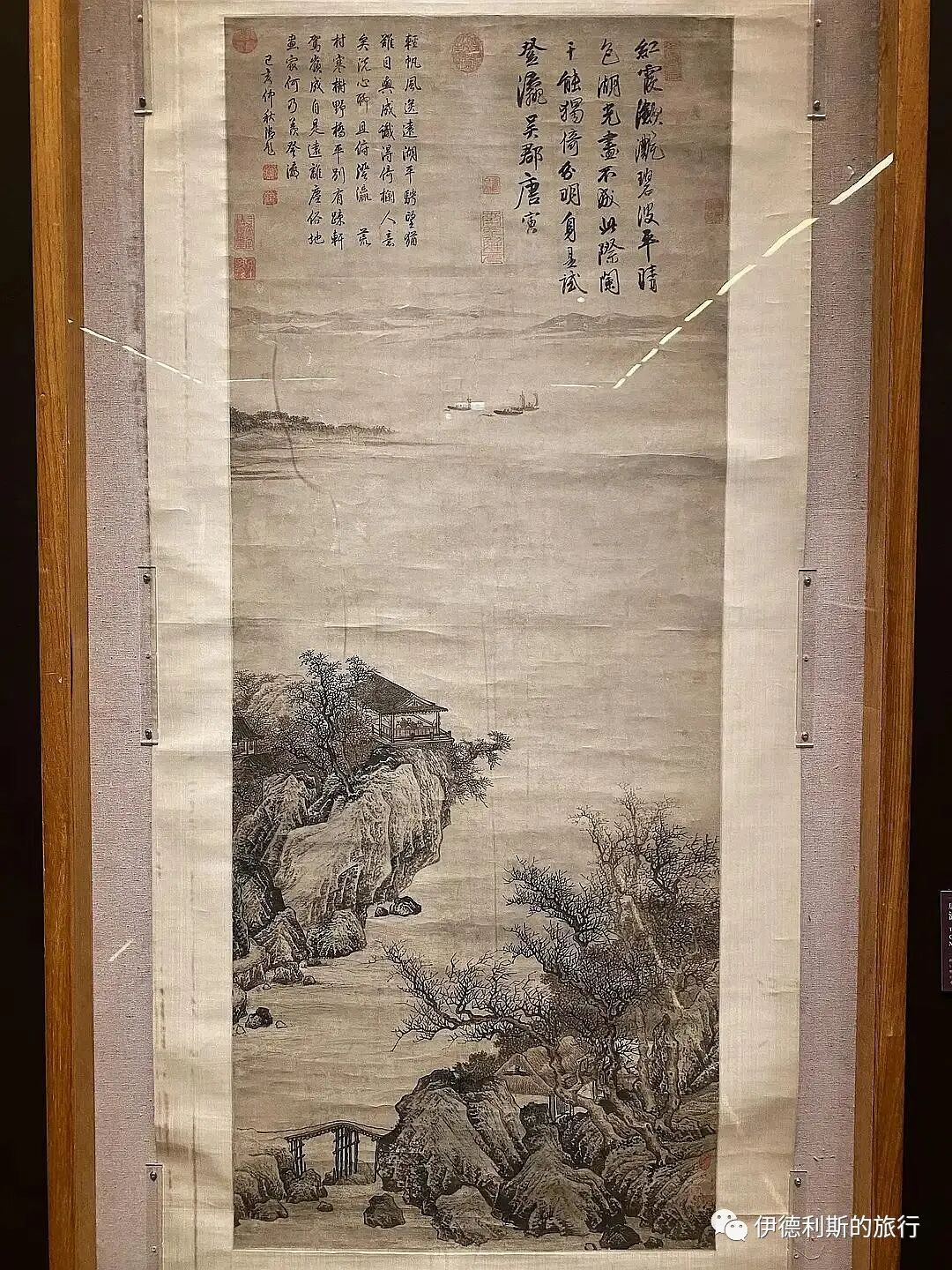
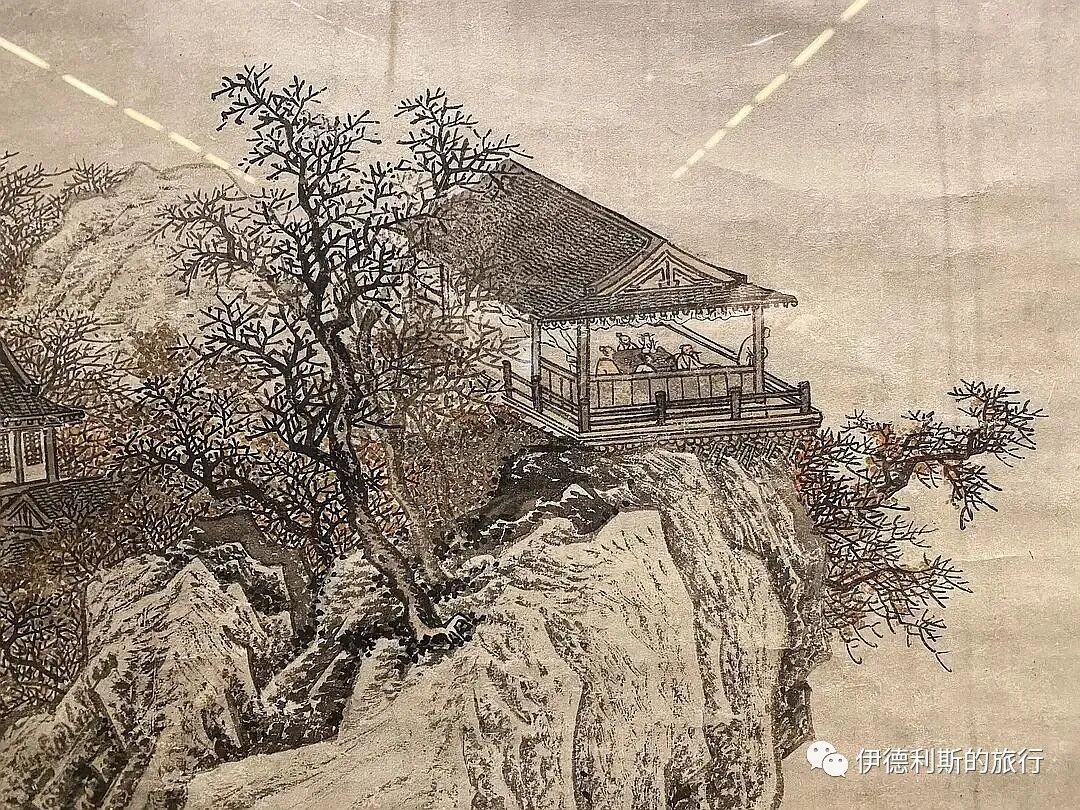
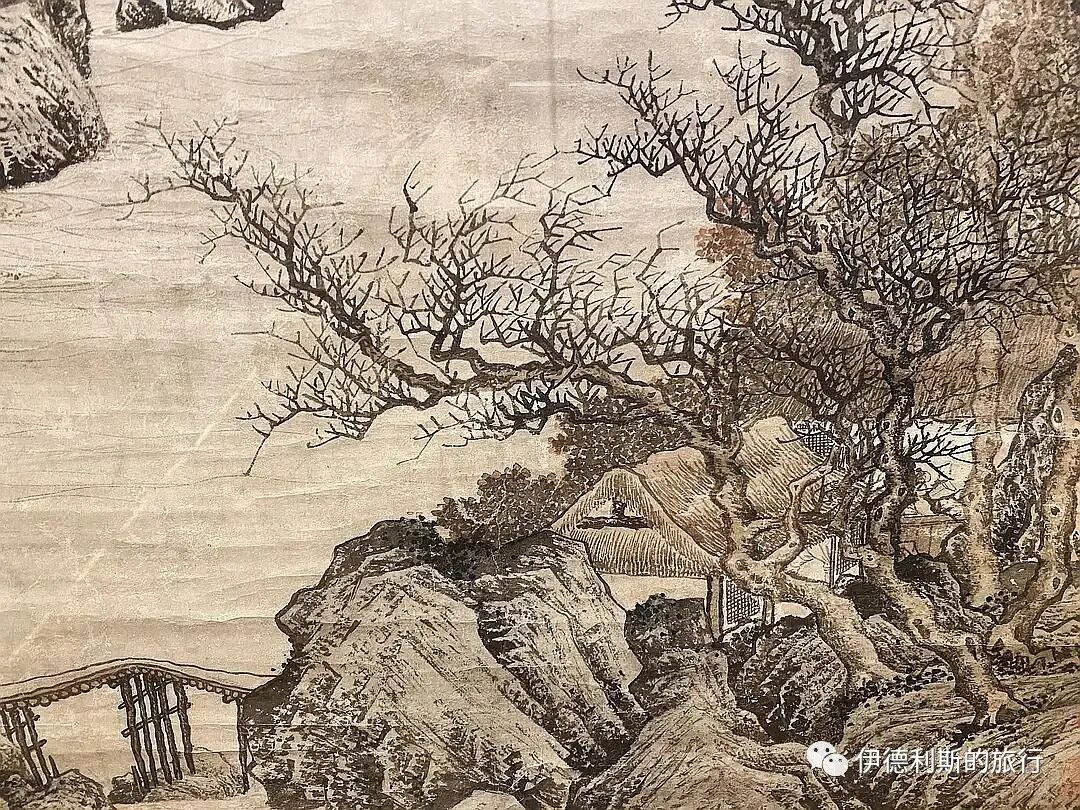
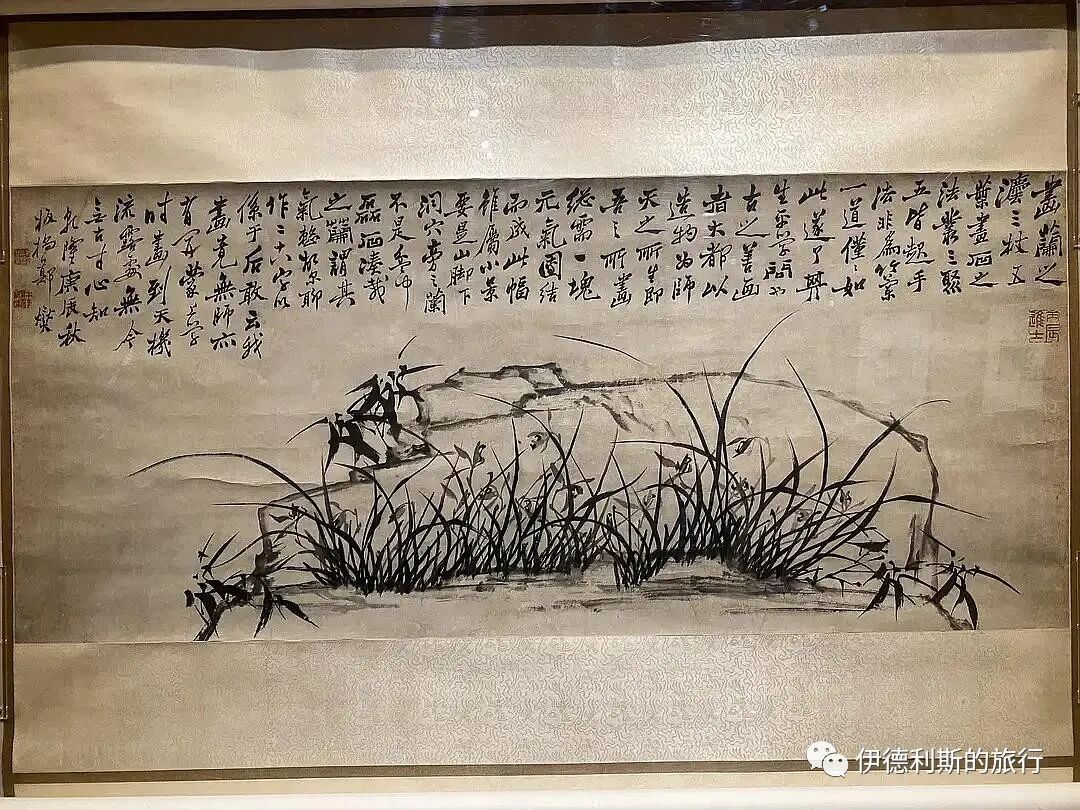
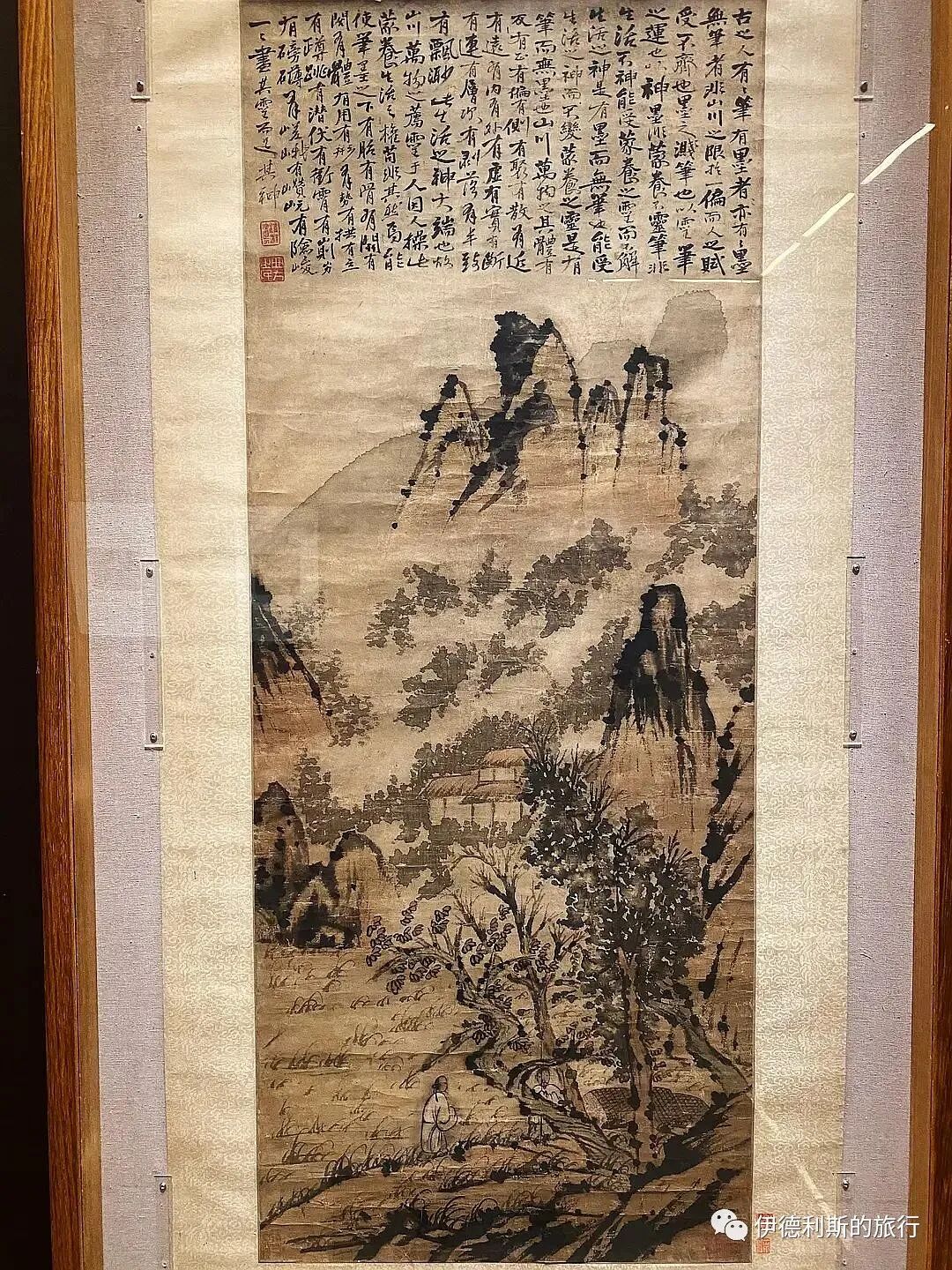
Visiting the National Art Museum of China's New Year exhibition for the second time. I saw Tang Bohu's 'View of Lakes and Mountains,' Zheng Banqiao's 'Orchids and Bamboo,' and Shitao's 'Visiting a Friend by the River.' The museum put together a great collection that lets you experience famous paintings in all kinds of styles.
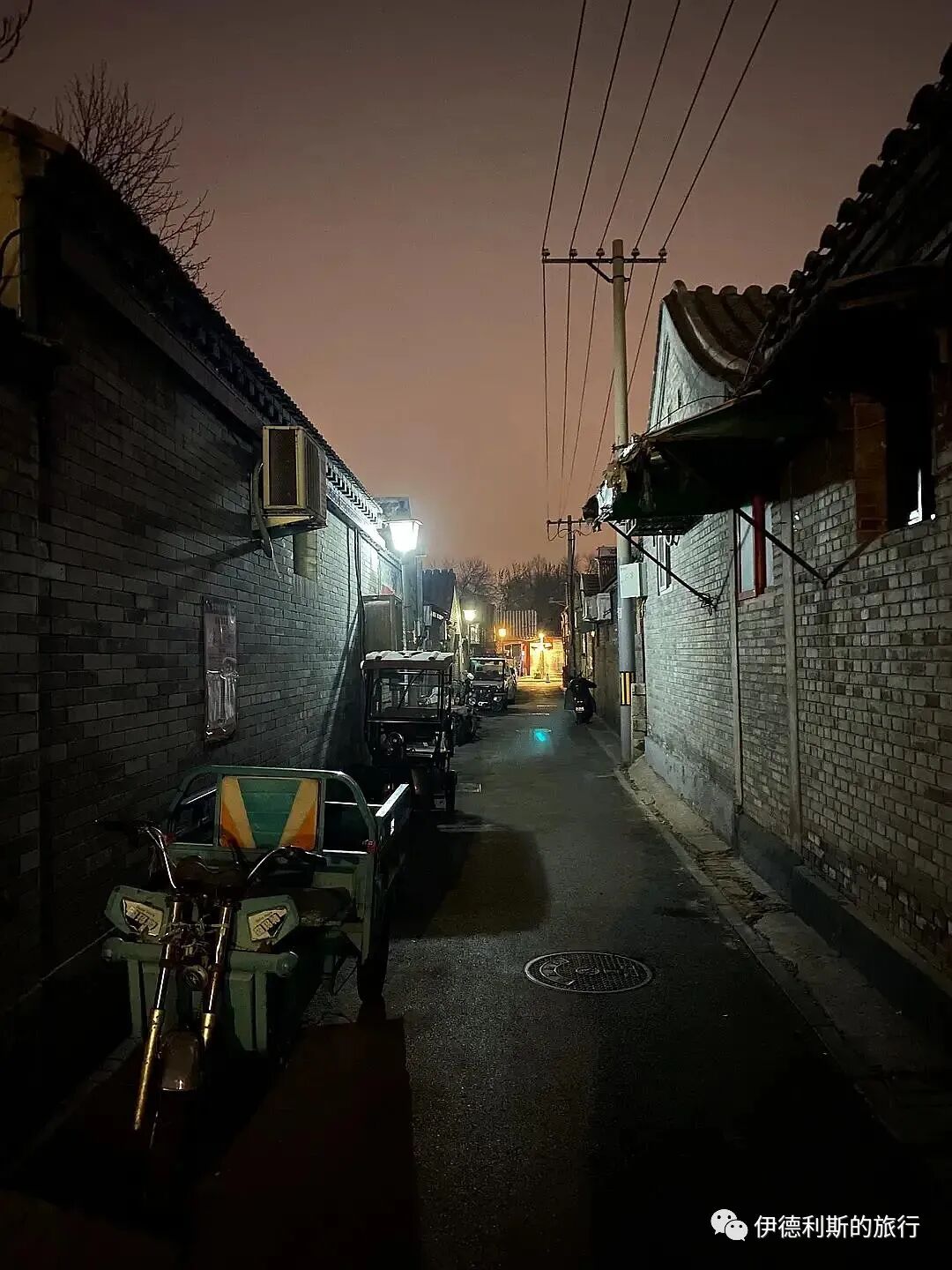
Daily food walk through the alleyways (hutong).
February 27, taking a stroll.
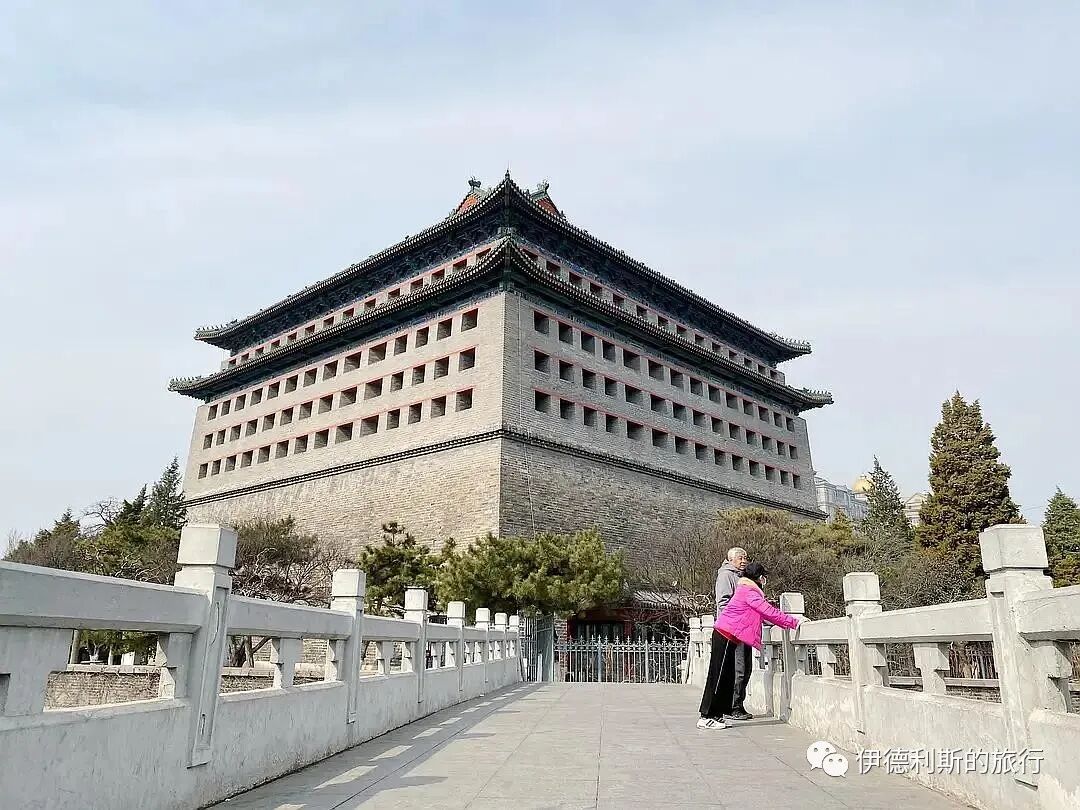
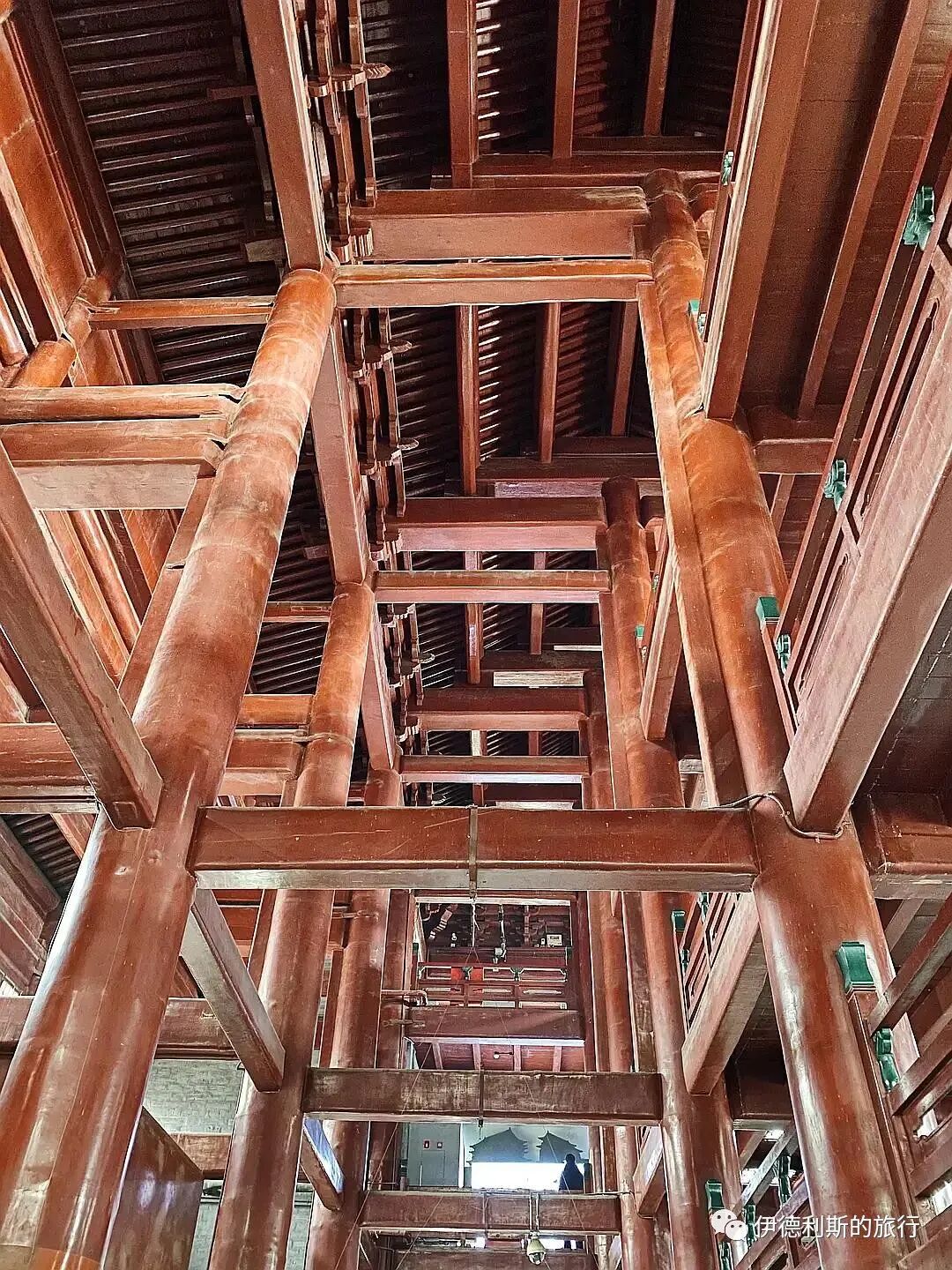
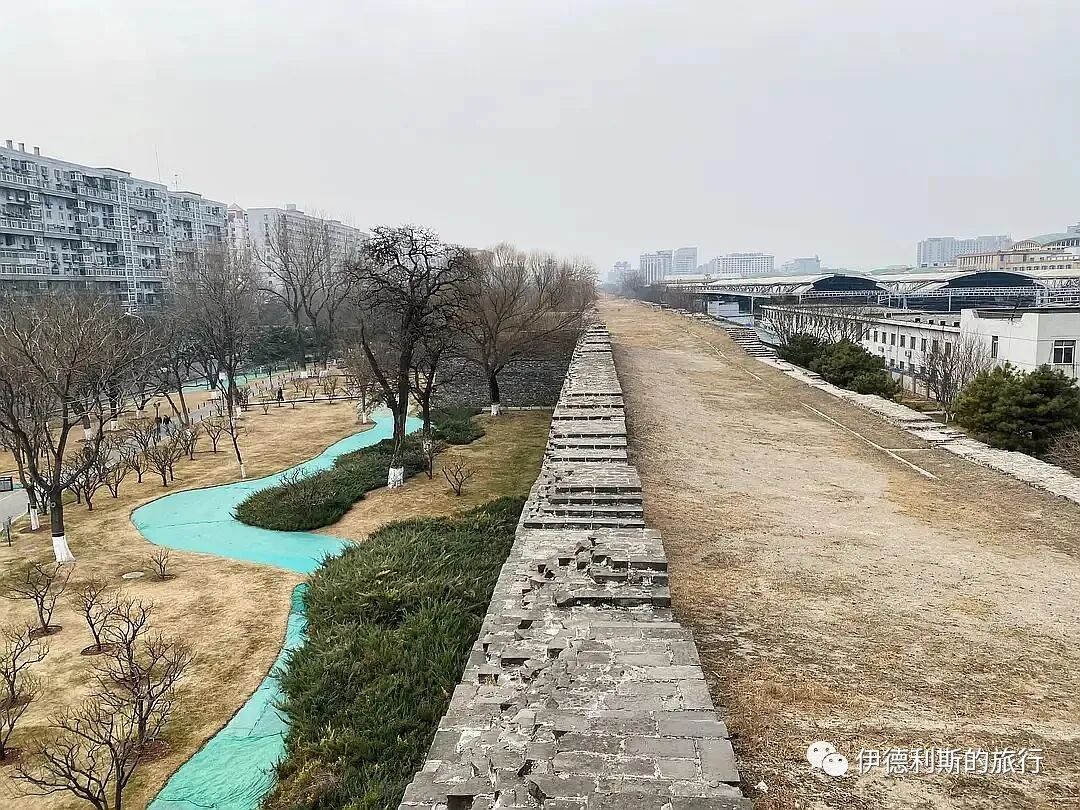
I went for a walk on Saturday and visited the Southeast Corner Tower of the Inner City. The Southeast Corner Tower of the Inner City was built in 1439. It was saved from demolition in the 1960s because the subway line was rerouted around Beijing Railway Station.
Summary: Beijing Muslim Heritage Walk 2021 is presented here as a firsthand travel account in clear English, beginning with this scene: 2021 was a year spent stuck in Beijing, so I managed to visit many places and join many activities. I hope in 2022 I can spend less time wandering around Beijing and travel further afield, insha'Allah. The account keeps its focus on Beijing Walks, Muslim Heritage, Beijing Mosques while preserving the names, places, food, and historical details from the Chinese source.
2021 was a year spent stuck in Beijing, so I managed to visit many places and join many activities. I hope in 2022 I can spend less time wandering around Beijing and travel further afield, insha'Allah.
Historical visits: Beijing Zoo, the former site of Sino-French University, the residence of Duke Cheng'en Zhijun, the Chengqing Middle Sluice and Lower Sluice ruins of the Grand Canal, the Lao She Memorial Hall, the Shijia Hutong Museum, Jingshan Park, Beihai Park, the Hengchang Ruiji shop on Dongsi Fourth Alley, Ritan Park, the Beijing Folklore Museum, the Southeast Corner Tower of the Inner City, the Wen Tianxiang Shrine, the Soong Ching-ling Former Residence, the Dongsi Hutong Museum, the Beijing People's Art Theatre Drama Museum, the Drum Tower, the Mei Lanfang Former Residence, the Huanghualing Great Wall, the old Ma Yinglong Eye Medicine shop building, the Lugou Bridge, and the Qianmen Gate Tower.
Performances: traditional music by Syrian Kurdish and Iranian Isfahan musicians, the Uyghur fusion band JAM, the Beijing People's Art Theatre production of "Teahouse" starring Liang Guanhua, Pu Cunxin, Feng Yuanzheng, Yang Lixin, and Wu Gang, folk musicians Xiao Liu and Zhou Yunpeng, the rock band SUBS, and the Zhihua Temple Music Culture Festival featuring Wuyin Dagu drums from Caijiawa in Miyun, Zhihua Temple Buddhist music, and Zhonghe Shaoyue music from the Temple of Heaven's Shenyueshu. I also saw the Xibe rock band Ajias and Wang Yuebo's storytelling of "Water Margin".
Film festivals: the Iranian film "The Salesman" at the China Film Archive, the Algerian film "Papicha," the Malaysian Chinese film "The Story of Southern Islet" as the opening film for the Ambiguous South exhibition, the Pakistani film festival featuring "Motorcycle Girl," "I Am Not Going to Punjab," and "Where is My Heart," and the Beijing International Film Festival screenings of the Moroccan film "Casablanca Beats," the Turkish film "The Cemil Show," the Iranian Kurdish film "The Outsider," and the Bosnian film "Quo Vadis, Aida?" The VR short film from Javanese Indonesians 'Change', the Iranian immigrant film 'This Is Love', the Malaysian film 'Year Without a Summer', the Abbas Kiarostami film exhibition from Iran including 'Close-Up', 'Taste of Cherry', 'The Wind Will Carry Us', 'Where Is the Friend's Home?', and 'Life, and Nothing More', and the Uyghur short films 'Alex', 'My Choice', and 'Crossing the Calm River'.
Exhibitions: The National Art Museum of China's New Year exhibition and Ming and Qing dynasty portrait exhibition; the National Museum of China's ancient clothing culture exhibition, Shenyang Imperial Palace exhibition, Grand Canal exhibition, ancient musical instruments exhibition, and Inner Mongolia cultural relics exhibition; the Tsinghua University Art Museum's Indonesian modern and contemporary art exhibition; the China Overseas Chinese History Museum; the Palace Museum's Wuying Hall ceramics gallery and Dunhuang exhibition; the Cultural Palace of Nationalities' collection exhibition; the China Millennium Monument's Egyptian mummy exhibition; and the Natural History Museum's reindeer and ethnic culture exhibition.
Shopping: At the Dongzhimenwai morning market, I found a porcelain plate from the state-run Beijing Enamel Factory, two bookshelf dividers made by the Beijing South Suburb Xihongmen Primary School factory, four enamel plates, three small glass plates, a 1983 wallet from the Beijing No. 3 Leather Goods Factory, a Deer brand thermos, a piece of fabric with a pattern of the Kaaba in Mecca (Kaba), several religious booklets (jiaomen cezi), a soap box from the Beijing Great Wall Plastic Factory, and a felt hat.
At the Daliushu market, I found a late 1980s White Antelope brand six-piece tableware set, a 1990s clock made in Taiwan, a Pakistani copper plate with silver Arabic calligraphy inlay, a badge from the International Security Assistance Force in Afghanistan, and a 1990s water kettle and cup set for drinking boiled water.
At Panjiayuan, I found an early porcelain plate with calligraphy by Li Wencai from the Tangshan Crescent Porcelain Factory, a 1990s door-hanging scripture scroll (mentou jingdu), and a Republic of China-era Zhengxingde tea canister.
An Afghan rug bought at the Aotu Space market in Beixinqiao.
Record hunting: At director Cong Feng's stall at the Xinqiao market, I found music from East African Zanzibar, Pakistani devotional music, Bosnian religious music, Zanzibar dance music, Ottoman military bands, Algerian music, Azerbaijani tar music, Egyptian musicians, North African Algerian and Moroccan bands, and North Indian music.
January 1, Tongzhou Mosque.
On Jumu'ah, I went to the Tongzhou Mosque. Tongzhou Mosque and Dongsi Mosque are the only two mosques in Beijing that use the corbeling technique to build their prayer hall domes. Since the Qing Dynasty, all prayer hall roofs have been changed to wooden pavilion-style structures.
The Arabic calligraphy brick carvings are beautiful and rare.
These are early stone carvings that the mosque has managed to preserve.
January 23, Beijing Zoo.
I walked around the zoo and took photos of some science education boards from my childhood.
January 31, Iranian traditional music performance.
The first explosive performance of 2021! At Fruit Space on Meishuguan East Street, it was such a thrill to hear traditional Persian and Kurdish music performed by Arian, a Kurdish musician from Syria, alongside Persian musicians Majid, Massoud, Camellia, Mohsen, and Mahdis from Isfahan.
The instruments used in the show included the oud, daf drum, santur hammered dulcimer, nay flute, sitar, and tombak drum.
The concert featured powerful pieces composed by a late master from Isfahan. The high-pitched santur and mid-range sitar echoed each other against the rhythm of the daf and tombak drums, all perfectly complemented by the deep tones of the oud.
The group sang "Sit Beside Me," a poem by the famous Persian Sufi poet Rumi. In Sufi poetry, the songs are not actually about worldly love, but a way to express deep love for Allah. Lyrics:
My beloved comes to sit by my side
You are just like my own heart
I hold my soulmate in my arms
We hold hands and talk.
You are far away.
I watch and wait for you.
You gave me life.
I will stay with you forever.
What a beautiful day, yet what can I do?
I would not trade this for half the world.
I wish to be the ball under your polo mallet.
Staying with you forever in both stillness and motion.
Yalong sang a Kurdish folk song while playing an Iraqi lute (oud). The lyrics mean:
I have a flower.
It comes from the garden in my heart.
I water it with my tears.
I picked this one from a garden full of flowers.
Oh my dear, you are my hope.
February 4, Iranian film
The first Iranian film of 2021, I watched "The Salesman" (Forushande) at the film archive. It felt like a movie about the suffering of women, and Zeinab was much more upset than I was after watching it. My feeling after watching is that the film is very professional and shows the standard of Iranian realist cinema, but the plot feels a bit forced, as if it is being pushed forward step by step.
February 6, daily walk
The alleyways (hutong) around Dongsi.
The south wall of Jingshan Park.
The east wall of Jingshan Park.
The former site of the Sino-French University, located at Donghuangchenggen.
The mounting stone at the residence of Duke Cheng'en Zhijun on Dafo Mosque East Street.
The Chengqing Lower Sluice site of the Grand Canal, built by Guo Shoujing during the Yuan Dynasty.
Nearby alleyways (hutong).
The northeast corner tower of the Forbidden City.
February 12, shopping and visiting exhibitions.
On the morning of the first day of the Lunar New Year, I kept eating dumplings (jiaozi), then took a walk to see the New Year exhibition at the National Art Museum of China. From January 9 to March 27, 2021, the National Art Museum of China hosted the exhibition Beauty in Cultivation: The National Art Museum of China 2021 New Year Exhibition Welcoming the Auspicious Ox. It featured paintings in many different styles and was well worth seeing.
I was very lucky to see the famous painting Muqam by the renowned artist Ghazi Ahmed. Countless Uyghur restaurants across the country hang this painting, and it has become an important symbol for the Uyghur people.
The painting Holiday of a Kazakh Young Woman, created in 1982 by Kang Shuzeng, the dean of the Fine Arts College at Xinjiang Normal University, has a very distinct style of that era.
After leaving the art museum, I wandered over to the Lao She Memorial Hall.
After leaving the Lao She Memorial Hall, I went to the Shijia Hutong Museum.
When I was little, my grandmother pushed me and my cousin around in a bamboo cart (zhuche) every day.
In the afternoon, I went to the Hall of Imperial Longevity (Shouhuangdian) in Jingshan Park. When I was a child, this place was the Beijing Children's Palace, and I spent many years there learning how to draw. The Children's Palace moved out later, and it only opened as a tourist site two years ago. I haven't been inside Shouhuang Hall for over 20 years, but I still have a faint memory of what it looks like. I loved running around the courtyard when I was a kid.
The classroom where I learned to draw as a child looks very desolate inside now.
The lions at Shouhuang Hall are beautiful. They look very different from the round, chubby style common to Qing Dynasty lions. The little lion's hair is so smooth. It is rare to see a little lion like this that doesn't have curly hair.
The bronze deer even has plum blossom patterns carved into it in great detail.
Next, I walked around Beihai Park. In Beijing, colorful glazed tile roofs were only allowed on Tibetan Buddhist buildings.
After leaving Beihai, I strolled home and saw the sign for the old grain store in Huanghuamen Hutong.
The Zongli Yamen (the office for managing foreign affairs) in Dongtangzi Hutong.
The storefront at the east entrance of Lishi Hutong.
The mounting block (shangmashi) in Lishi Hutong.
Hengchang Ruiji on Dongsi Fourth Alley
February 14, Wangfujing Department Store and Heping Guoju
I visited the Wangfujing Department Store and Heping Guoju. I followed the trend and took a vintage-style photo at Dabeizhao with Zainab and my father-in-law.
February 15, National Museum of China
The most popular exhibit at the National Museum is the ancient clothing culture exhibition.
Sun Ji, an expert in ancient Chinese clothing history, led the restoration of the Yuan dynasty gugu crown (guguguan), summer veil hat (xiajimanli), and braided robe (bianxianpao).
The National Museum of China holds Ming dynasty portraits of Kublai Khan (Yuan Shizu) and Khayishan (Yuan Wuzong). Kublai wears a winter ermine hat and braided hair loops while dressed in a zhusun robe, while Khayishan wears a summer cymbal-shaped hat (bolì) and braided hair loops while dressed in a zhusun robe.
At the Shenyang Imperial Palace exhibition, the Shenyang Palace Museum displays a helmet used by the Qianlong Emperor.
The Shenyang Palace Museum holds a mink fur winter hat for women from the Qianlong era.
The Canal Exhibition features the Qing Dynasty painting of the Tianhou Palace procession in Tianjin from the National Museum collection, showing the scene during the traditional parade of the Menfan Laohui association.
Ancient musical instrument exhibition. The Qing Dynasty thirteen-string zither (zheng) in the collection of the Chinese National Academy of Arts once belonged to the Peking Opera artist Mr. Cheng Yanqiu. In 1958, Mr. Cheng donated his entire collection of over one hundred traditional musical instruments to the state for free.
The Ming Dynasty lute (huobusi) in the collection of the Chinese National Academy of Arts is made of redwood, covered in python skin, and features a bamboo bridge. The huobusi is a transliteration of the Turkic word Kopuz. It is an ancient Inner Asian musical instrument used widely by both Turkic and Mongolian peoples. According to Volume 71 of the History of Yuan, Records of Rites and Music, the huobusi is shaped like a lute (pipa). It has a straight neck, no frets, and a small sound box. Its belly is round like half a bottle, the face is covered in skin, and it has four strings made of skin stretched over a single post. During the Ming Dynasty, the huobusi was popular in Mongolia and Central Asia. The Veritable Records of the Ming Yingzong state that the Oirat leader Esen, who captured Emperor Yingzong, played the huobusi and sang for the emperor himself. Shen Chongsui’s Notes on Singing from the Ming Dynasty records that the zither (zheng) and the hunbusi were among the instruments used to accompany northern melodies.
After the exhibition, I visited the National Museum of China’s gift shop. The creative designs and elements of the accessories all come from the museum's artifacts. I bought a pair of earrings for Zainab, modeled after the Qianlong-era sacrificial blue glazed gold-painted vase with sea and river patterns (haiyanheqing zun).
Qianmen Mosque
After leaving the National Museum, I took a walk outside Qianmen. I took a few photos of the beautiful interlocking roof structure (goulianda) of the Qianmen Mosque, where you can also see the roof ridge ornaments (chiwen) replaced by scrolling vine patterns.
The alleys (hutong) outside Qianmen
February 16, Uyghur band JAM performance
I went to Jianghu Bar for a show tonight. I first saw a folk music performance here in early 2009, and now 12 years have passed in the blink of an eye.
One of the acts was the Uyghur fusion band JAM, which sounded great. It featured the master Aijieke player Adilijan. It reminded me of seeing him perform with the Dastan band at Jianghu Bar six years ago. The band JAM performed an original song using the unique Uyghur 8/7 time signature. The lyrics were very sufi, describing life as being in heaven one day and hell the next, or living in luxury one day and as a beggar the next. They also played some Uyghur folk songs and segments of Muqam.
I won a copy of 'Beijing Customs Illustrated' (Beijing Fengsu Tupu) from the organizers by answering a trivia question during the show. I looked through it when I got home and really liked it. Japanese sinologist Masaru Aoki planned this book while studying in Beijing from 1925 to 1926 and hired local Beijing artists to draw it. Coincidentally, Masaru Aoki lived in Dongsi at the time, at an address then known as the Honganji Mosque (Honganji) on Dongsi Liutiao. This collection of illustrations sat in a library for a long time, and it was only published decades later after another Japanese sinologist, Michio Uchida, wrote the commentary. The content of these illustrations is very precious.
February 17, near the Temple of the Sun (Ritan).
I passed by the North Korean Embassy.
I walked around Ritan Park.
I visited the tomb of the martyr Ma Jun.
Then I went to the Beijing Folklore Museum at Dongyue Temple. It currently has two Ming dynasty porcelain exhibits, a traditional Chinese medicine exhibit, and a Year of the Ox zodiac exhibit.
February 20, Panjiayuan Antique Market.
The weather in Beijing is great, but I didn't find anything worth buying after spending the whole morning at Panjiayuan. I'll just count it as a nice day out in the sun.
February 24, Canran Bookstore
The Canran Bookstore next to the Commercial Press has actually reopened. It was closed for about ten years because of subway construction, and I really missed it. Visiting the China Bookstore, Sanlian Bookstore, Hanfenlou Bookstore, and Canran Bookstore around Dongsi all in one go takes at least half a day.
February 25, second visit to the art museum's New Year exhibition
Visiting the National Art Museum of China's New Year exhibition for the second time. I saw Tang Bohu's 'View of Lakes and Mountains,' Zheng Banqiao's 'Orchids and Bamboo,' and Shitao's 'Visiting a Friend by the River.' The museum put together a great collection that lets you experience famous paintings in all kinds of styles.
Daily food walk through the alleyways (hutong).
February 27, taking a stroll.
I went for a walk on Saturday and visited the Southeast Corner Tower of the Inner City. The Southeast Corner Tower of the Inner City was built in 1439. It was saved from demolition in the 1960s because the subway line was rerouted around Beijing Railway Station.
