
Halal Travel Guide: Beijing Muslim Heritage Walk 2021 (Part 2)
Reposted from the web
Summary: Beijing Muslim Heritage Walk 2021 is presented here as a firsthand travel account in clear English, beginning with this scene: The Beijing-Fengtian Railway signal station and a small preserved section of track. The account keeps its focus on Beijing Walks, Muslim Heritage, Beijing Mosques while preserving the names, places, food, and historical details from the Chinese source.
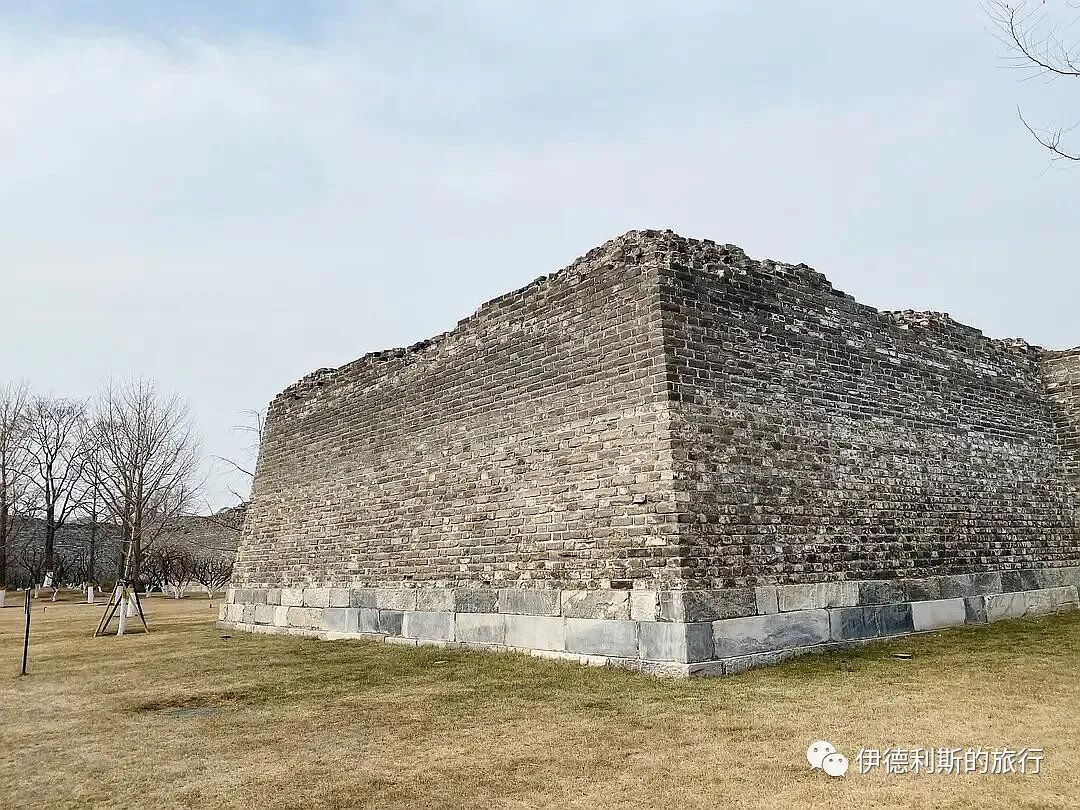
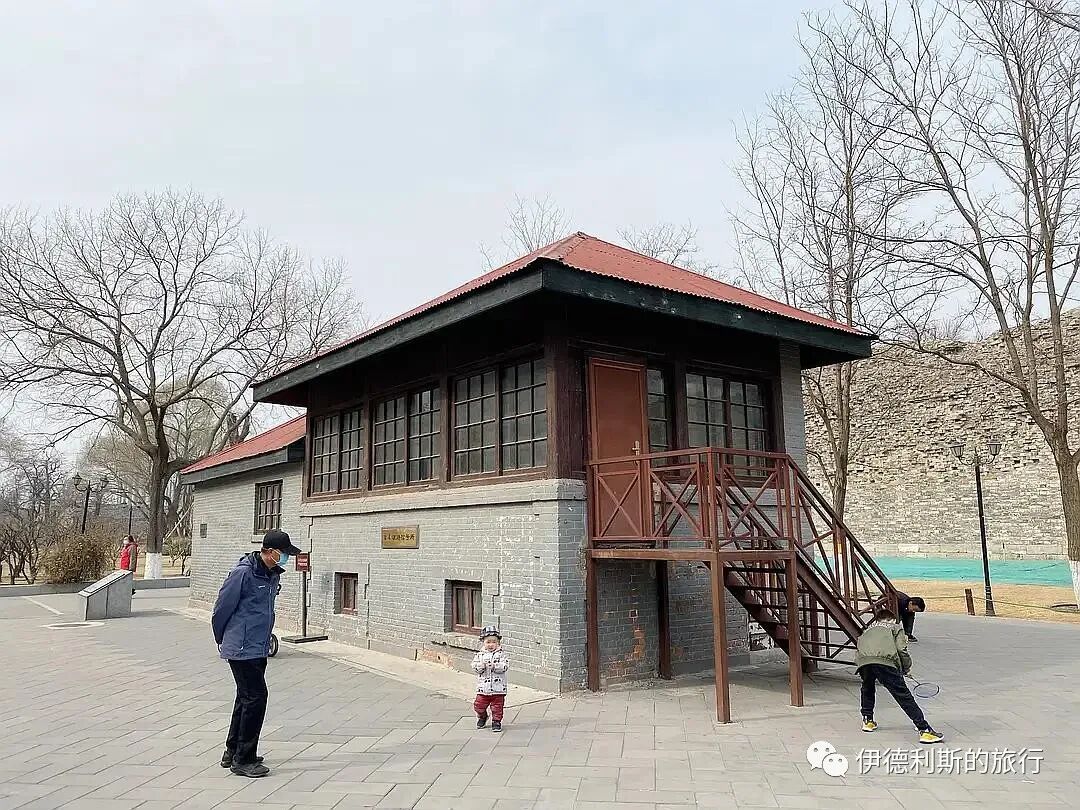
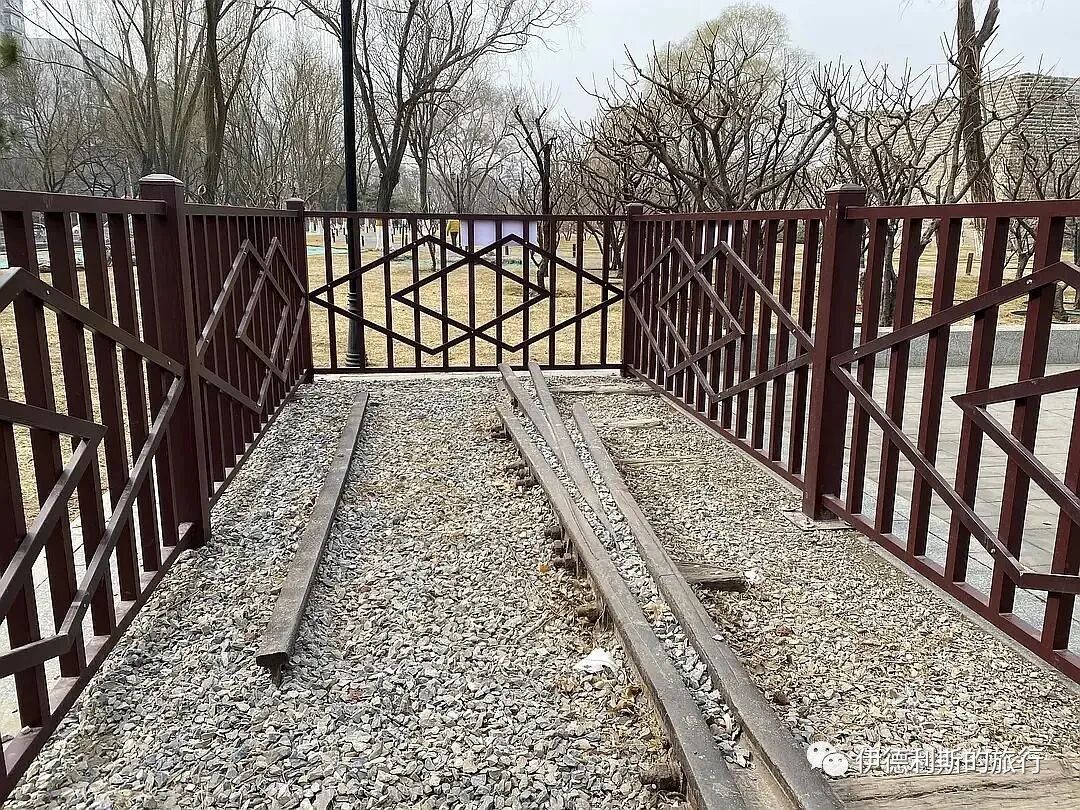
The Beijing-Fengtian Railway signal station and a small preserved section of track. This signal station was designed and built in 1901 by British railway engineer Claude W. Kinder, just like the Qianmen Railway Station. The Beijing-Fengtian Railway opened fully in 1912, and this small section of track was discovered in 2002 during the construction of the Beijing Ming City Wall Ruins Park.
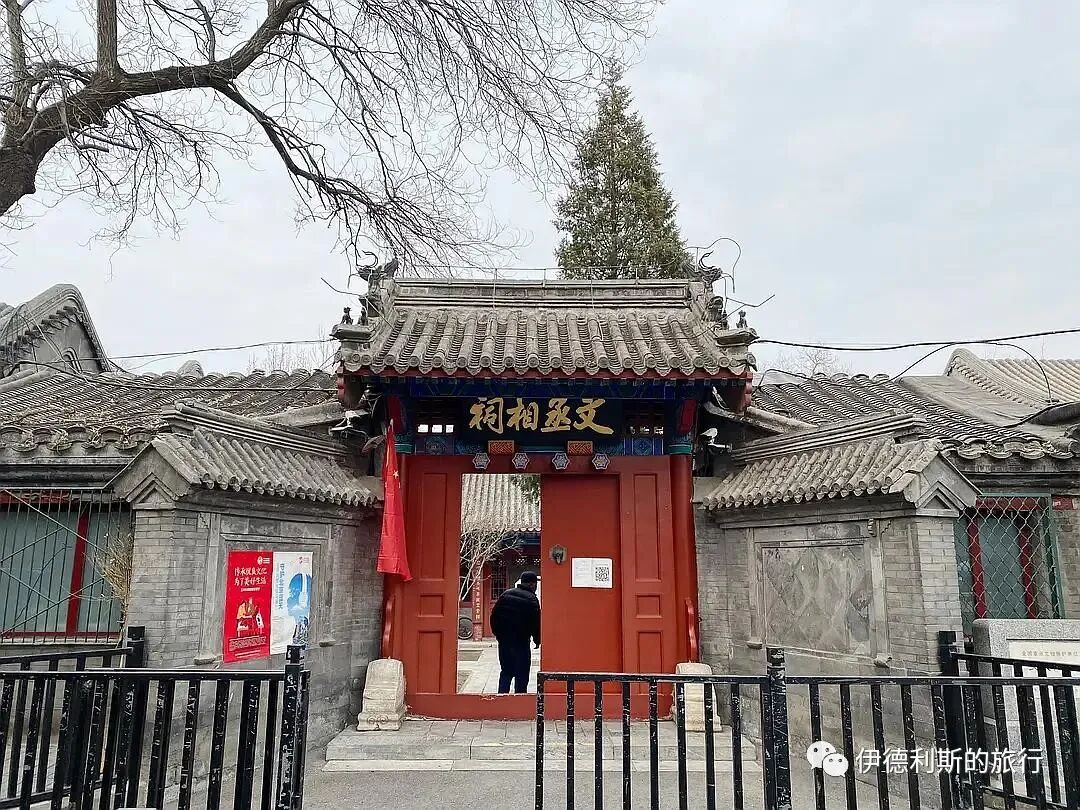
Then I went to the Wen Tianxiang Shrine. After his resistance against the Yuan dynasty failed in 1279, Wen Tianxiang was imprisoned in the Bingmasi jail in Dadu, and he was executed in 1282 at Chaishi, which is now Jiaodaokou. In 1376, the Ming Dynasty built the Wen Tianxiang Shrine on the former site of the Bingmasi prison.
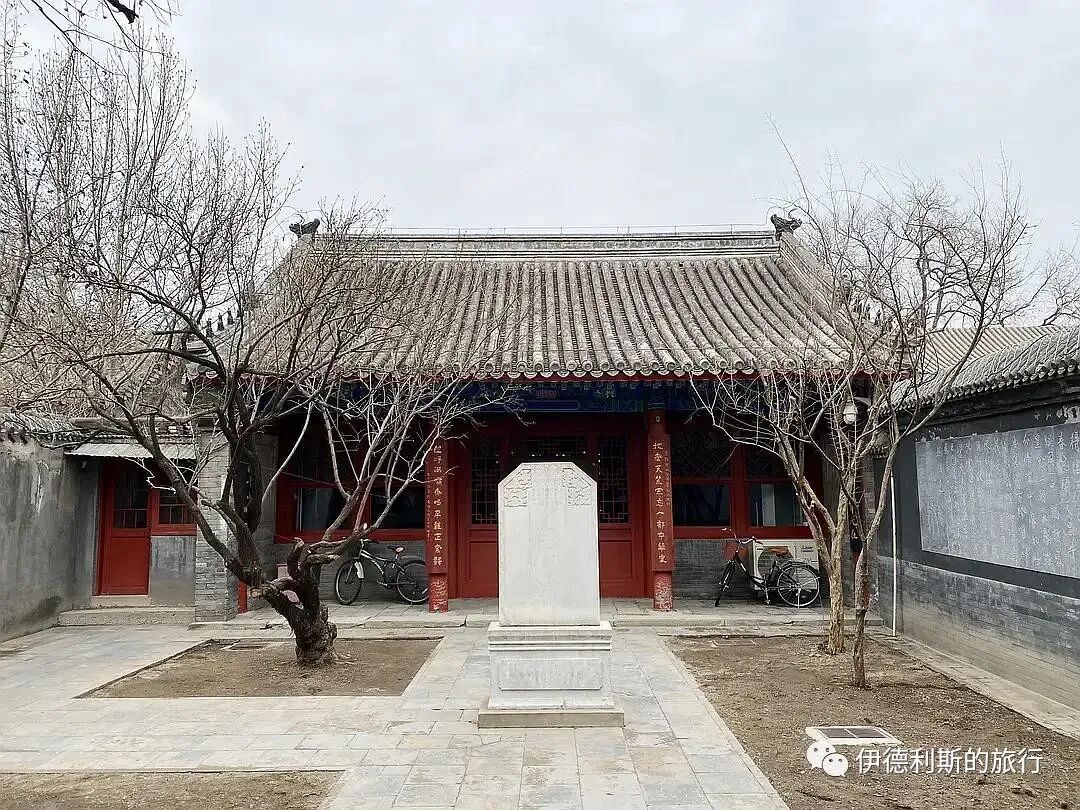
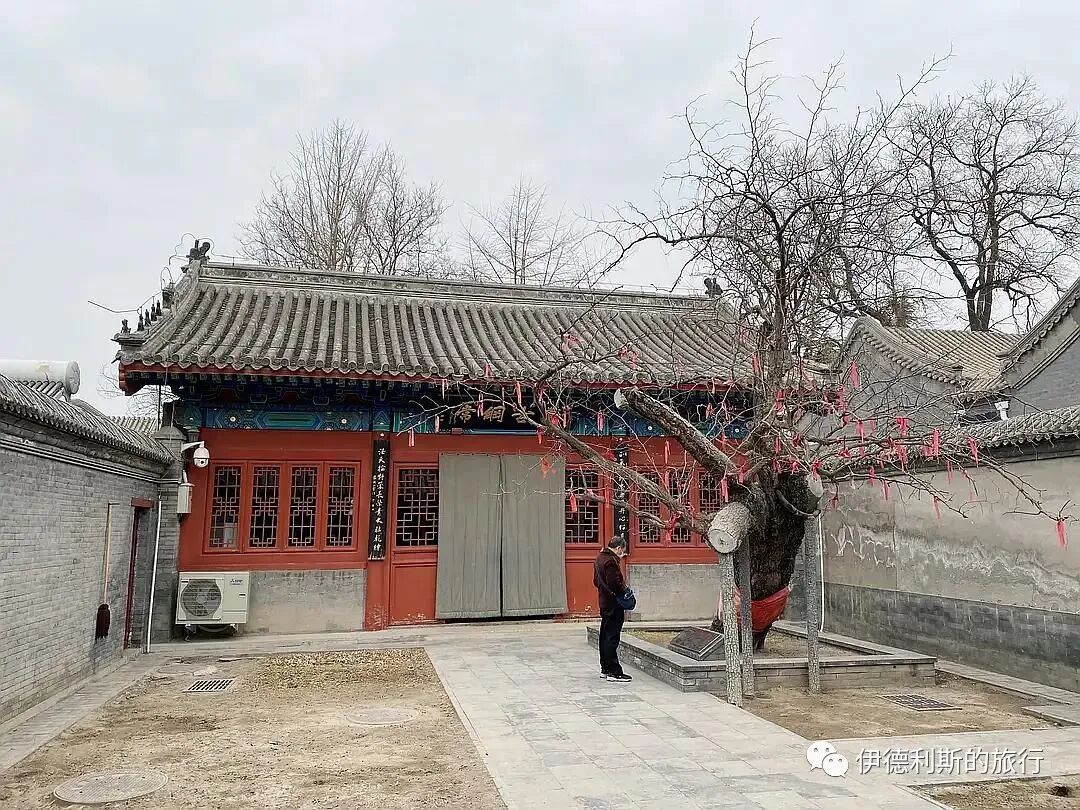
Next to the Wen Tianxiang Shrine is my alma mater, Fuxue Hutong Primary School. During the Yuan Dynasty, this site was the Bao'en Mosque. It became the Daxing County School in 1368, was renamed Shuntian Prefecture School in 1403, and became the modern primary school Shuntian Prefecture Higher Primary School in 1903.
The picture below shows the classroom where I went to school. The ground floor is very high, and there are three more floors underground.
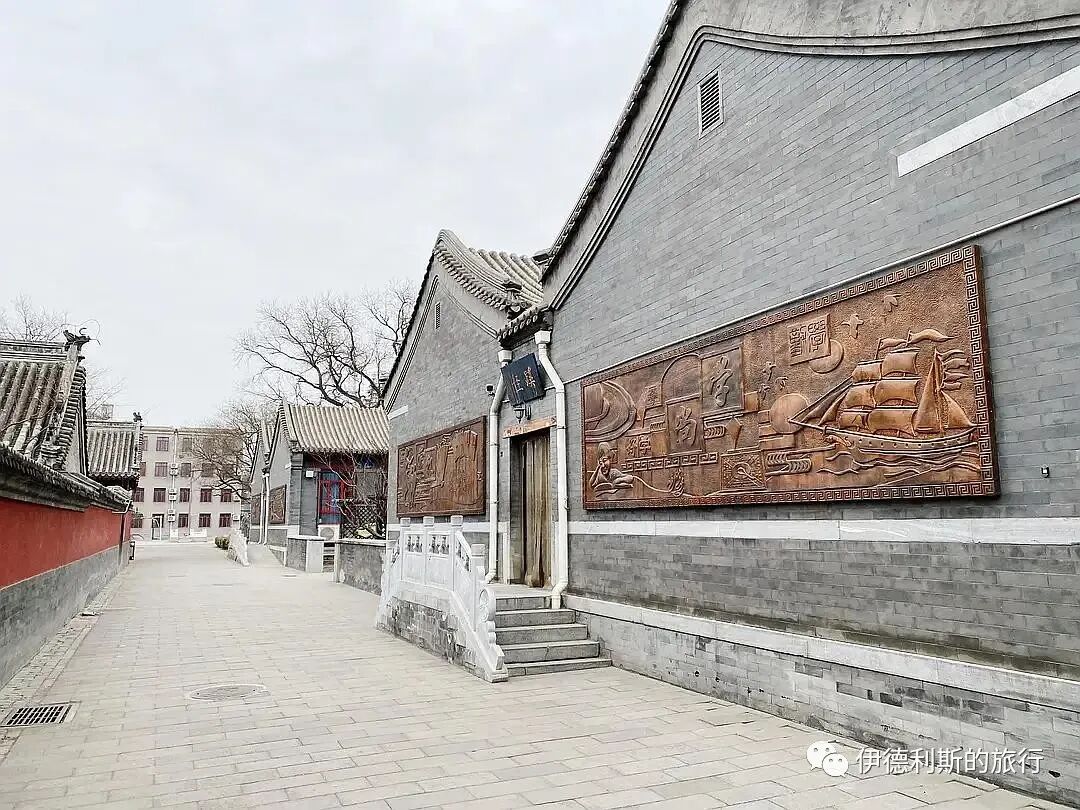
School gate
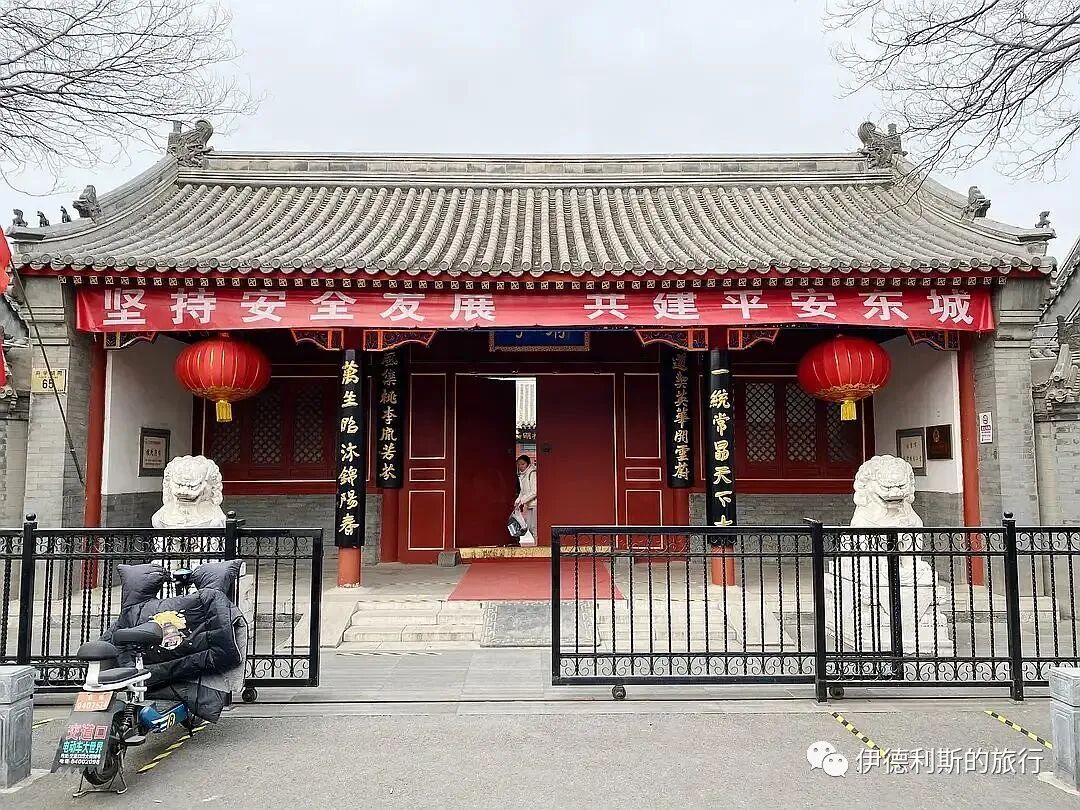
The Lingxing Gate (lingxingmen) that we sketched in our art class
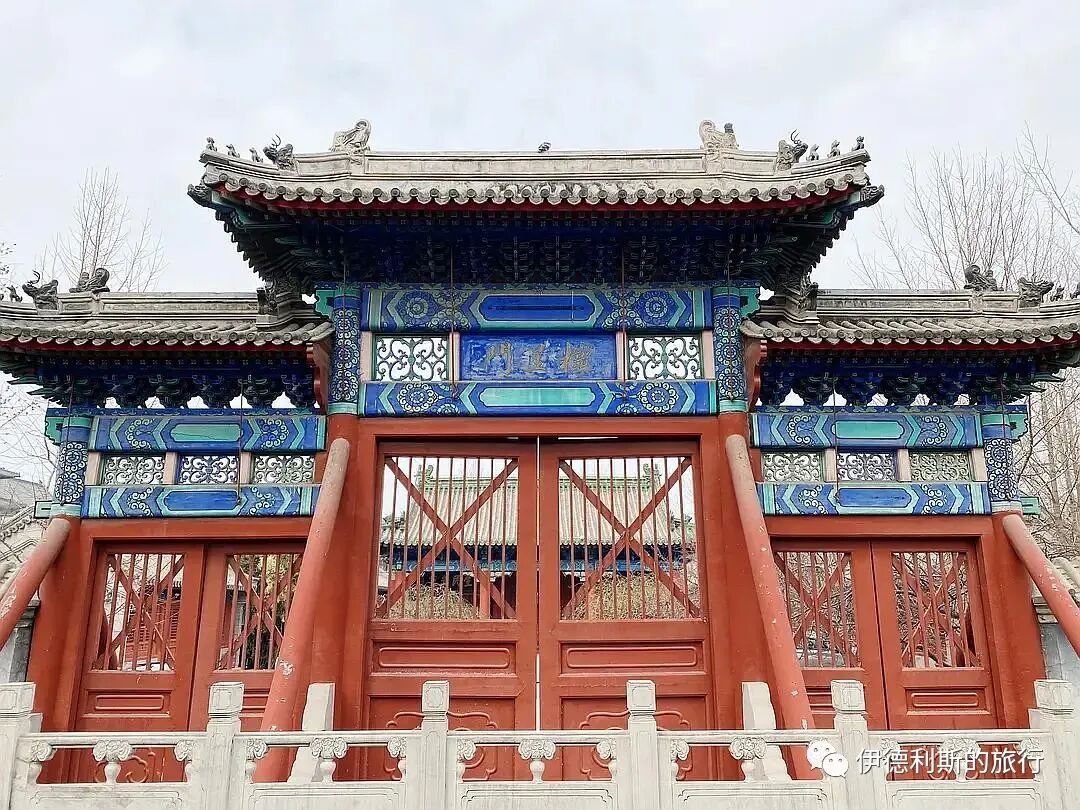
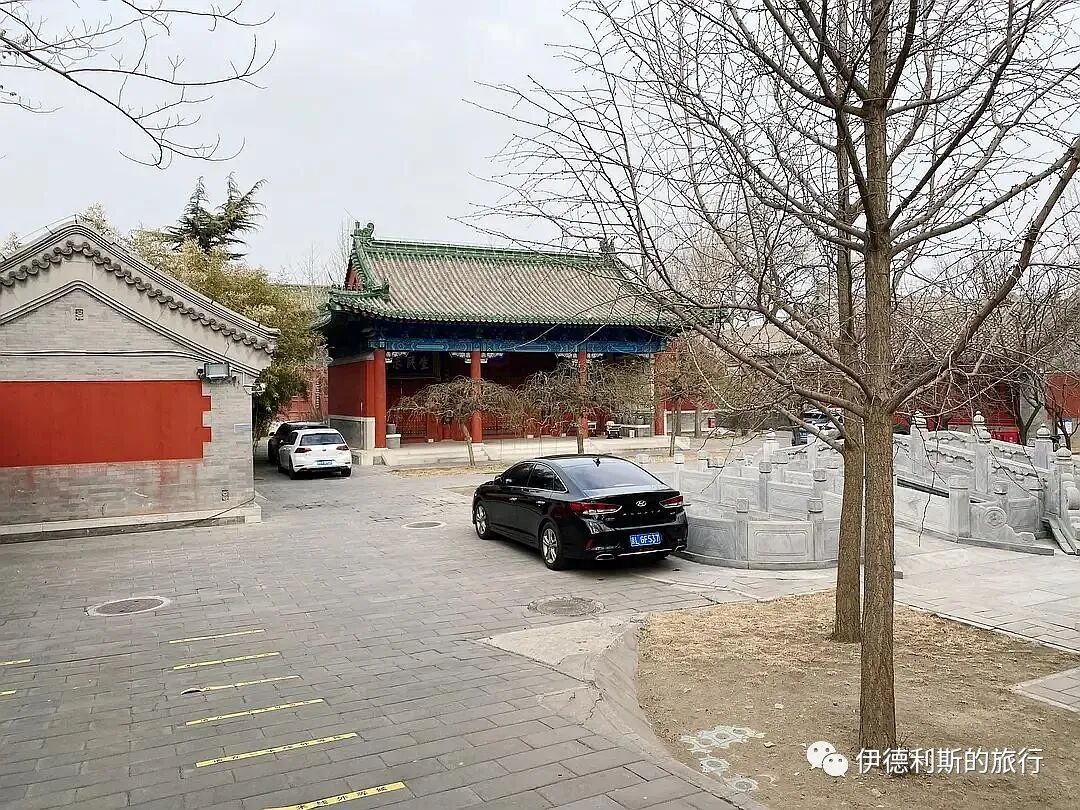
The Dacheng Gate (Dachengmen), Dacheng Hall (Dachengdian), and Pan Pool (Panchi) where we used to run and play.
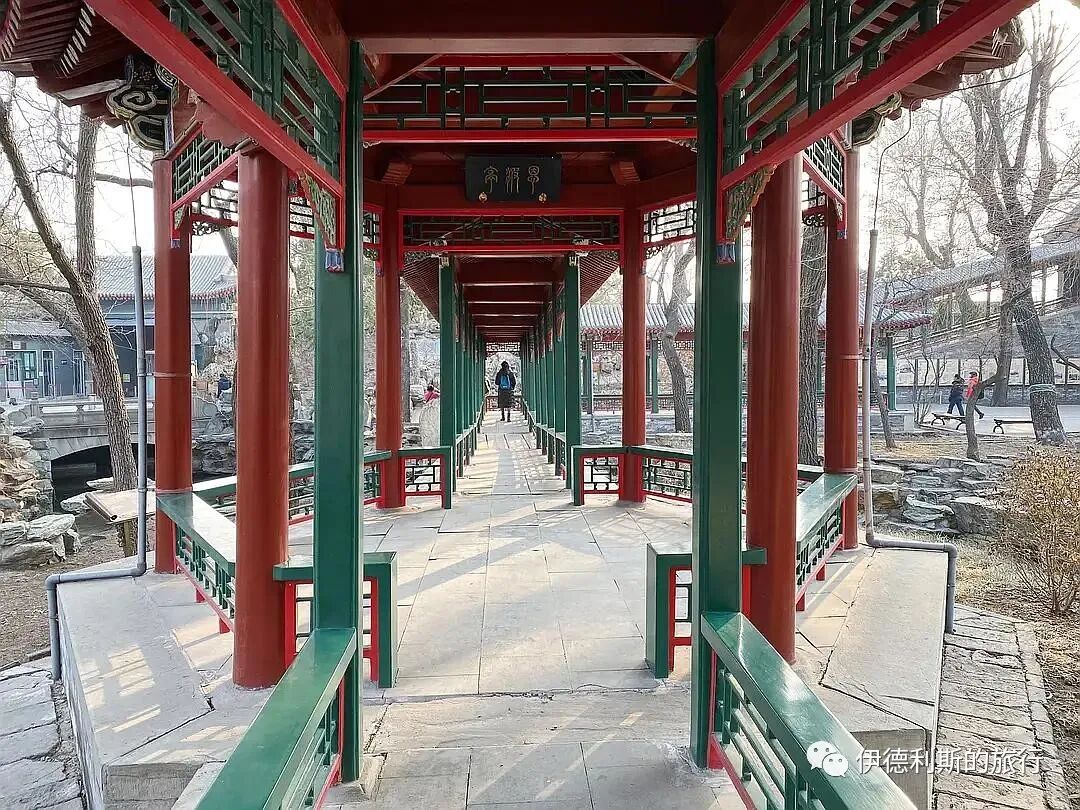
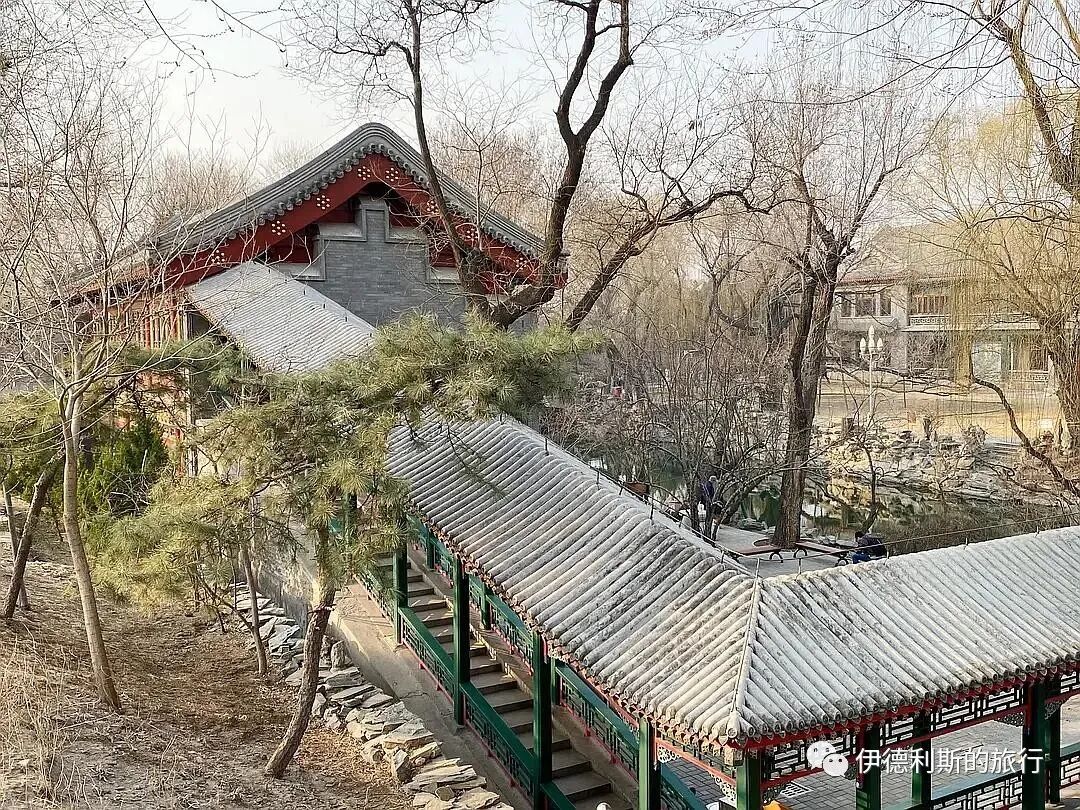
In the afternoon, we went to the Former Residence of Soong Ching-ling. During the Kangxi reign, this place was the garden of Mingzhu's mansion and the home of the poet Nalan Xingde. It became a villa for Heshen during the Qianlong reign, the garden of Prince Cheng's mansion during the Jiaqing reign, later the garden of the Prince Chun mansion belonging to the father of the Guangxu Emperor, and finally the garden of the Prince Regent's mansion belonging to the father of Puyi.
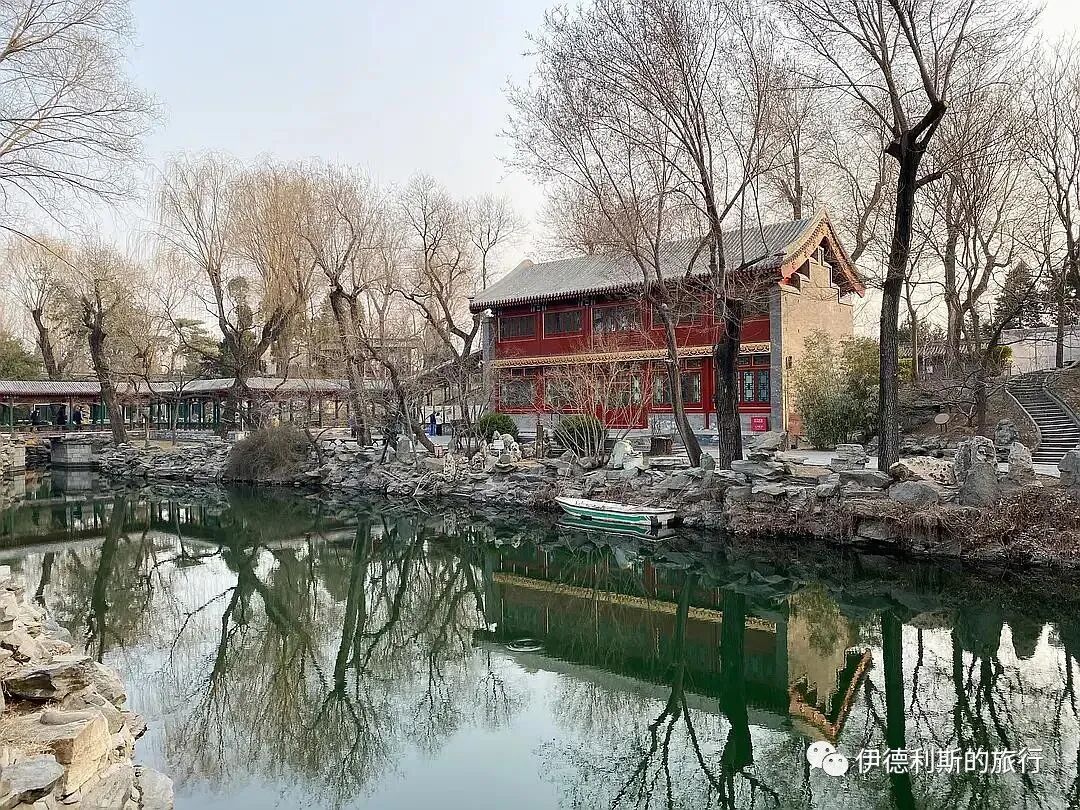
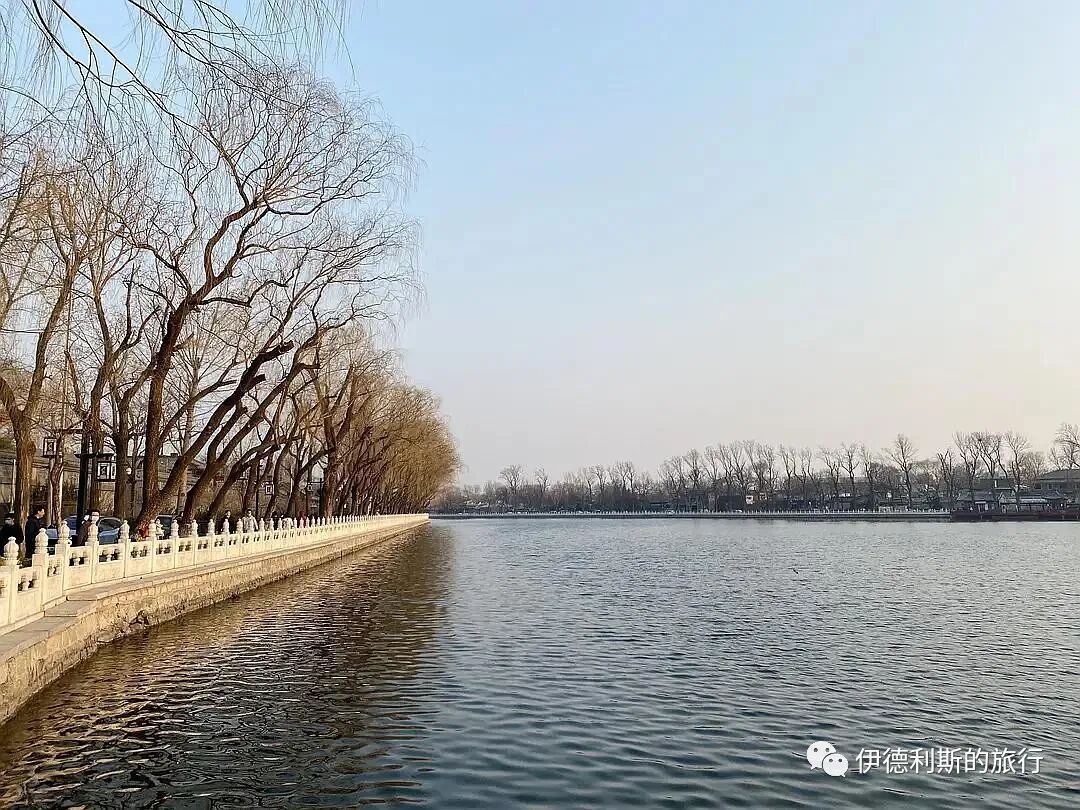
The surface of Houhai Lake after leaving the Former Residence of Soong Ching-ling.
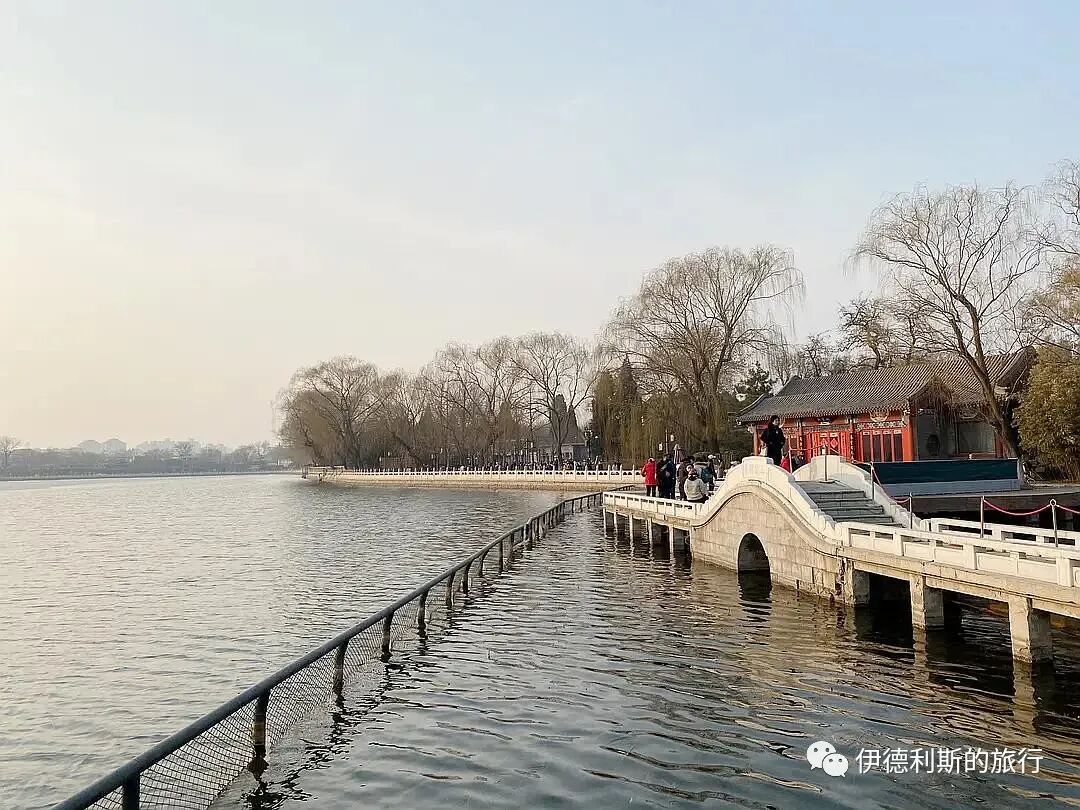
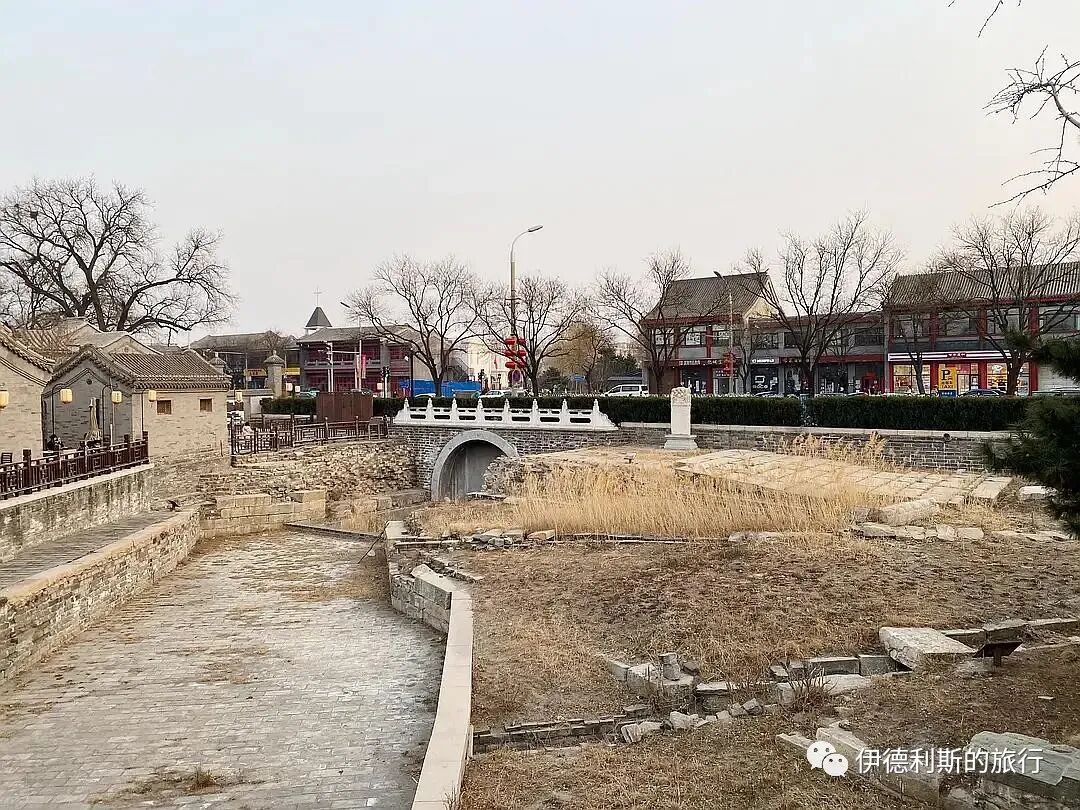
We strolled along Shichahai and the Yu River to Dongbuyaqiao Bridge. This is the site of the Chengqing Middle Sluice of the Grand Canal from the Yuan Dynasty, built by the Yuan Dynasty water conservancy expert Guo Shoujing.
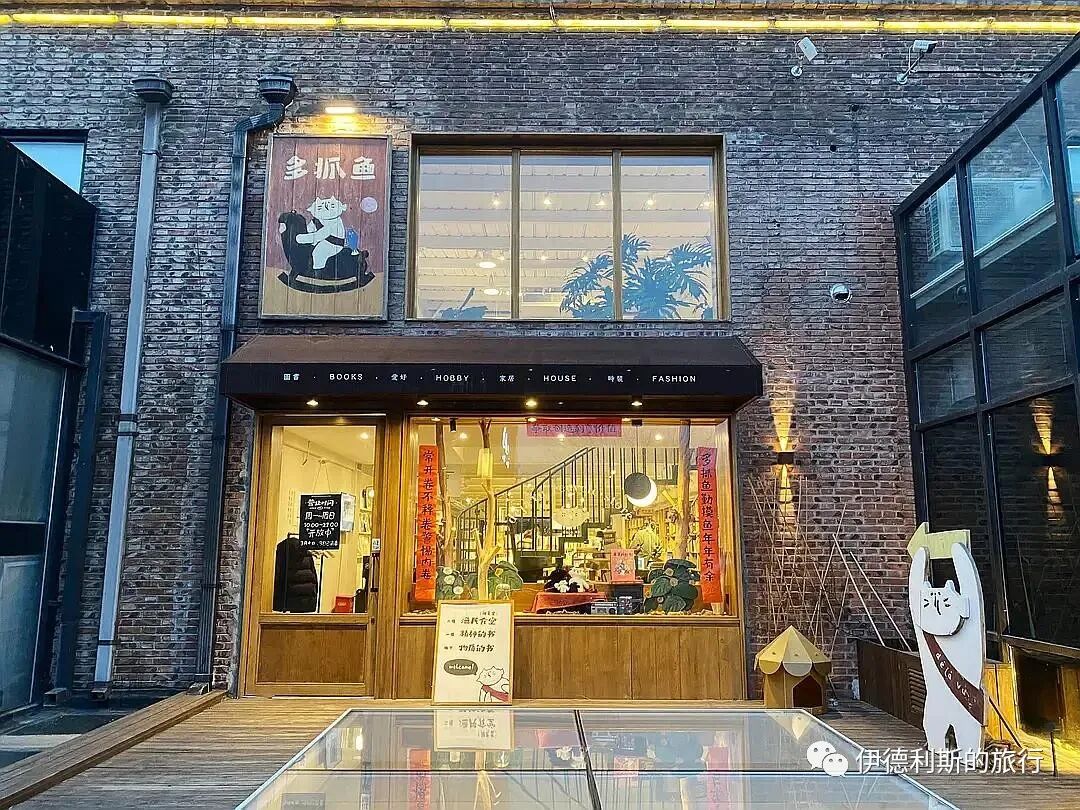
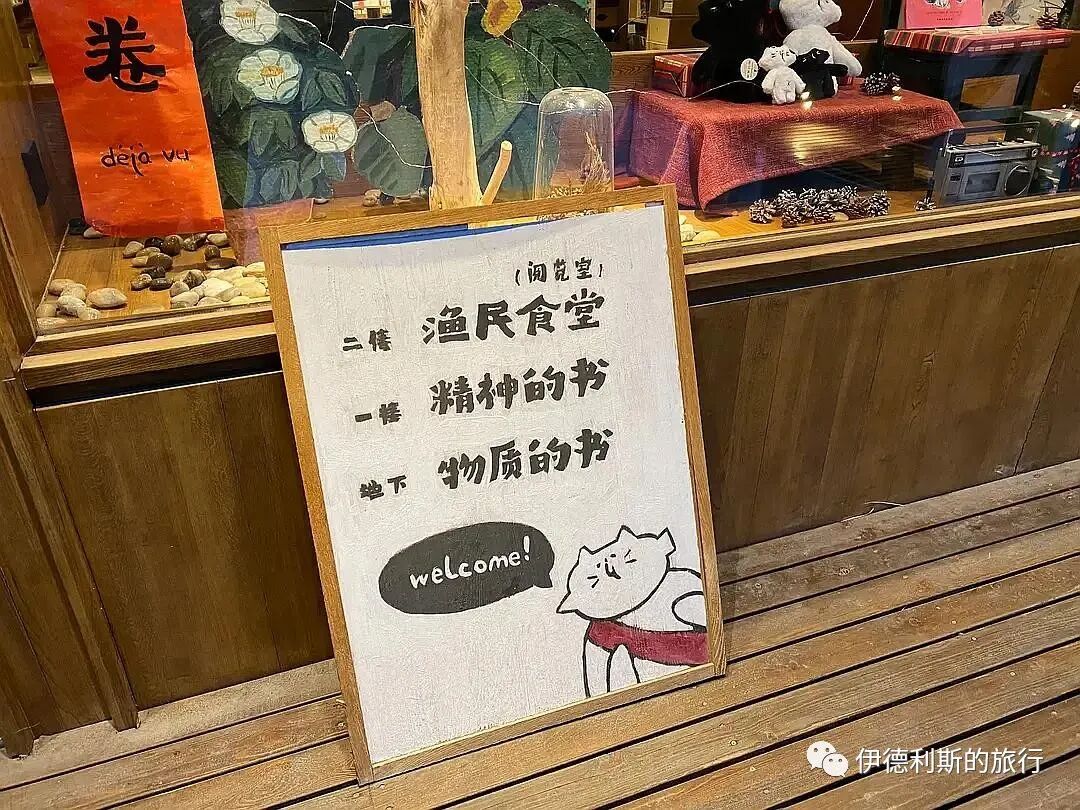
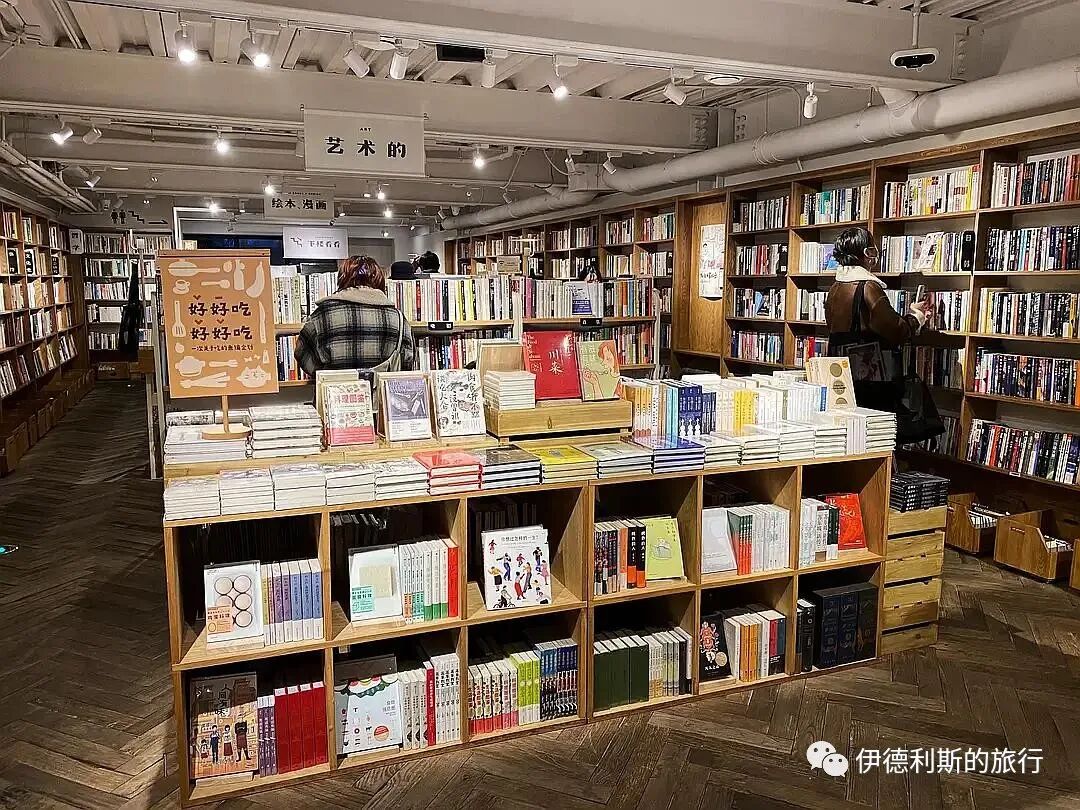
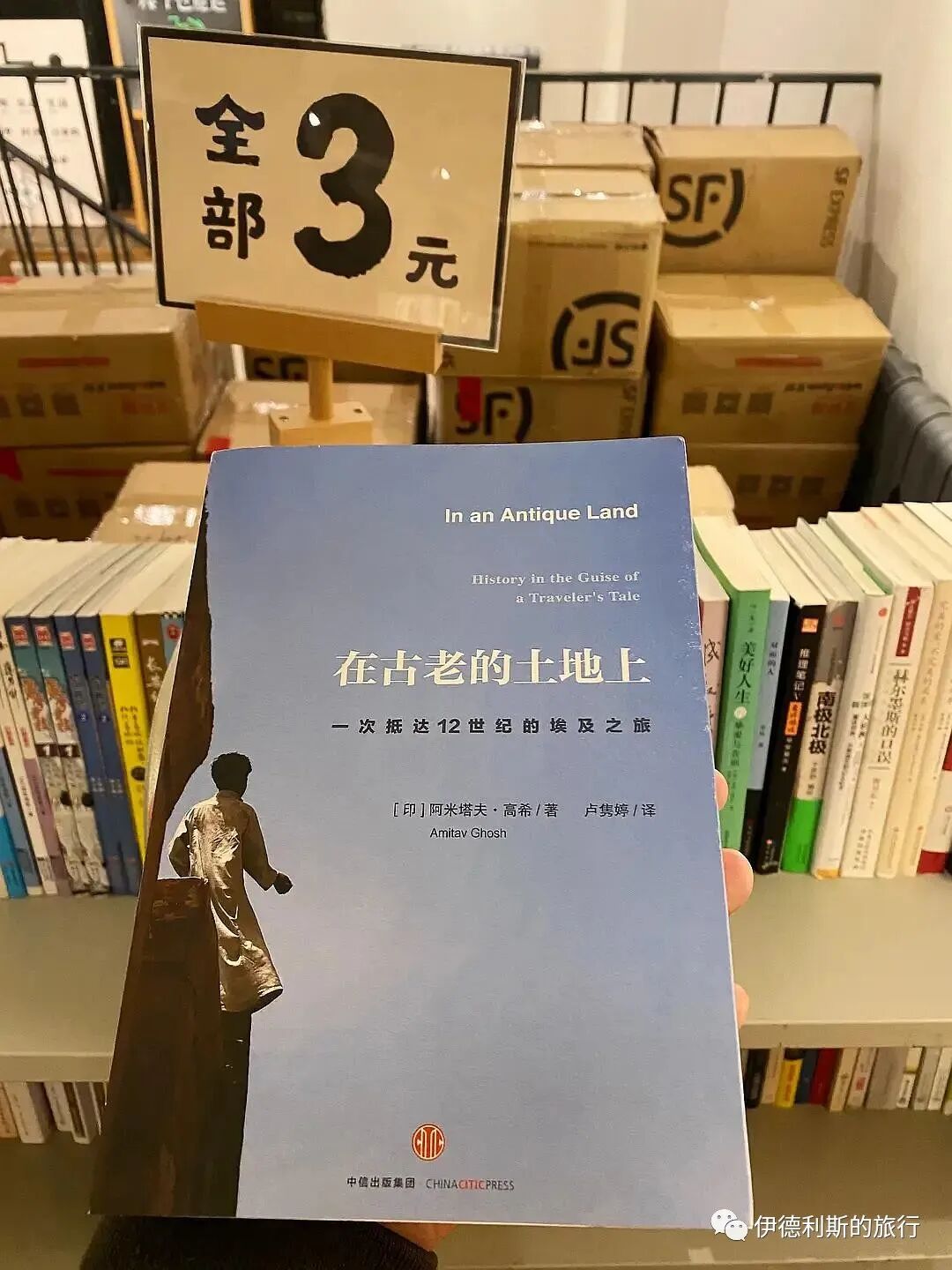
I went to the Duo Zhuayu bookstore in the evening and bought a very interesting book for 3 yuan called In an Antique Land: History in the Guise of a Traveler's Tale, which is about a trip to 12th-century Egypt. I read a hundred pages in one sitting. The author is an Indian anthropology PhD who graduated from Oxford University. He learned about the story of a 12th-century Arab Jewish merchant and his Indian slave from some documents, so he went to Egypt in the 1980s to conduct research himself. The book mentions that a synagogue in Cairo had a manuscript storage room comparable to the Dunhuang library cave. In the 19th century, the British took hundreds of thousands of precious Jewish documents from it, including Hebrew manuscripts of the Bible that had never been discovered before. It also talks about the author's life while doing fieldwork in Cairo in the 1980s, and some of the descriptions, like those during Ramadan, are very interesting.
March 6, taking a walk.
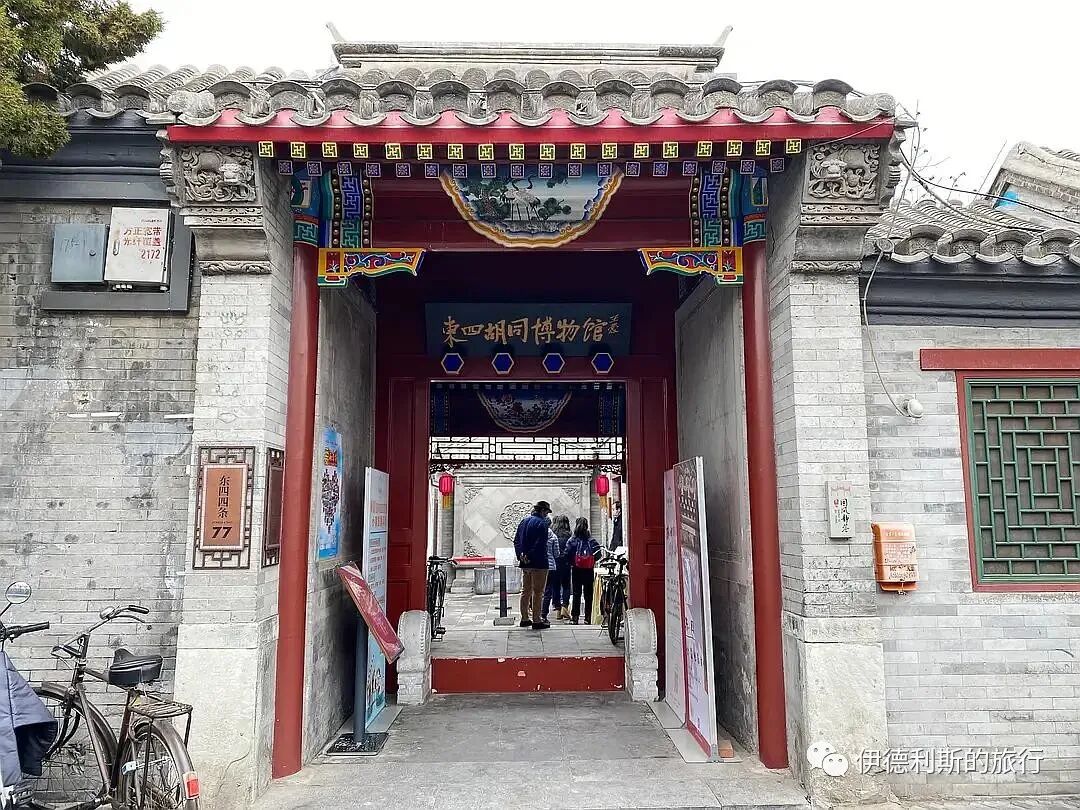
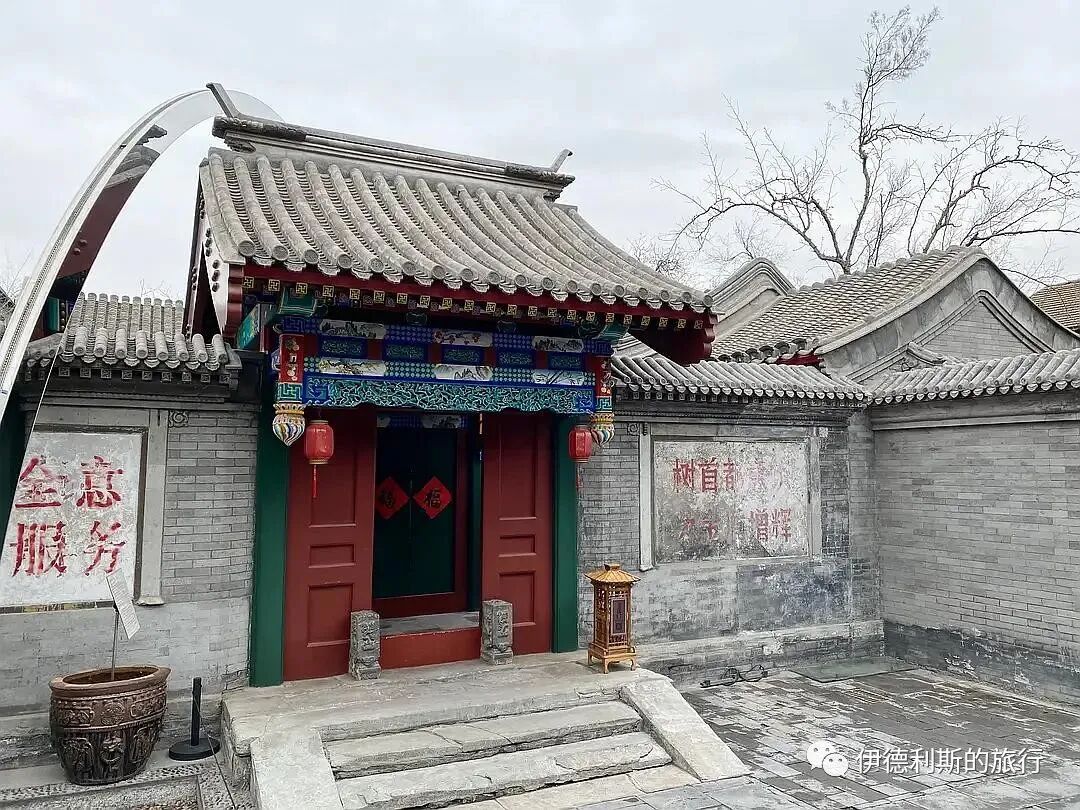
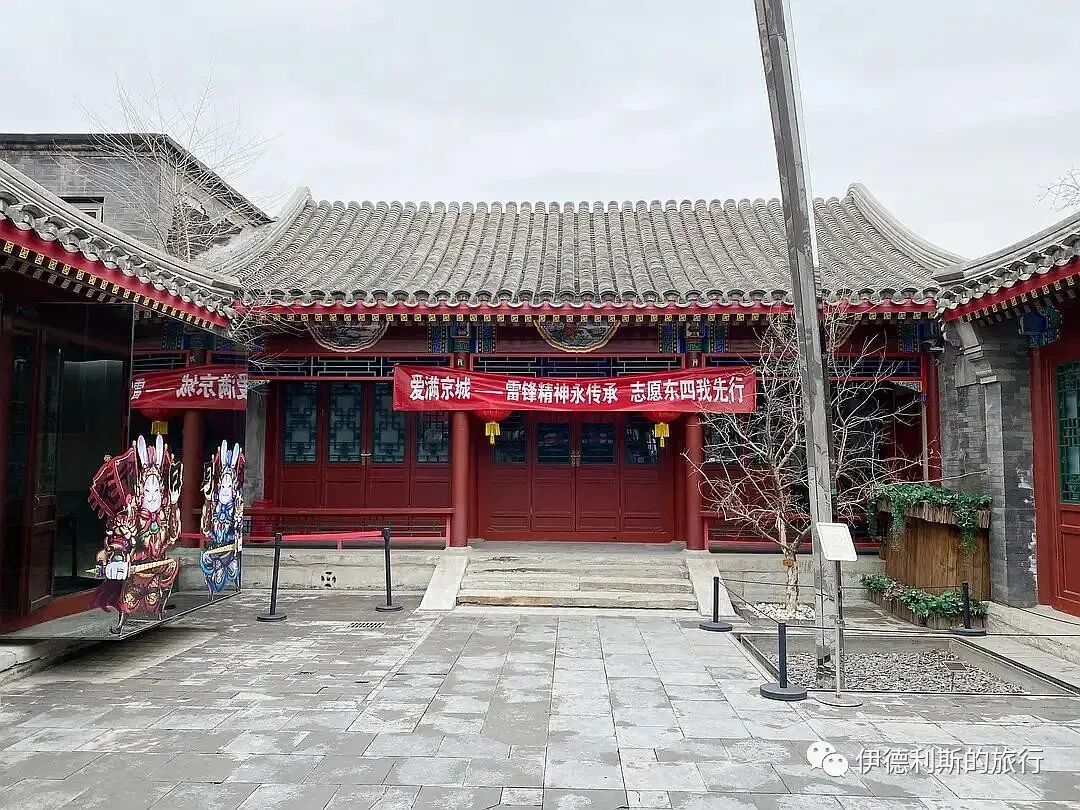
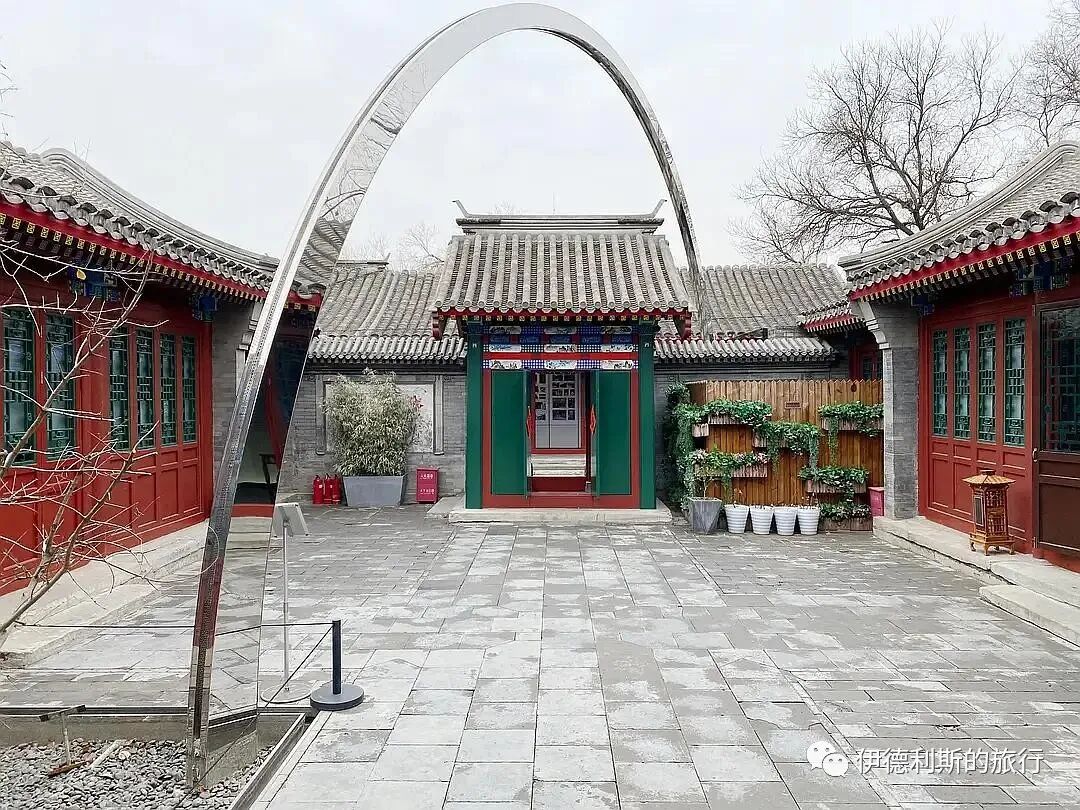
The Dongsi Hutong Museum on Dongsi Fourth Alley is a classic three-courtyard traditional house (siheyuan) near my home. It was renovated a few years ago and is now a community space for the Dongsi area.
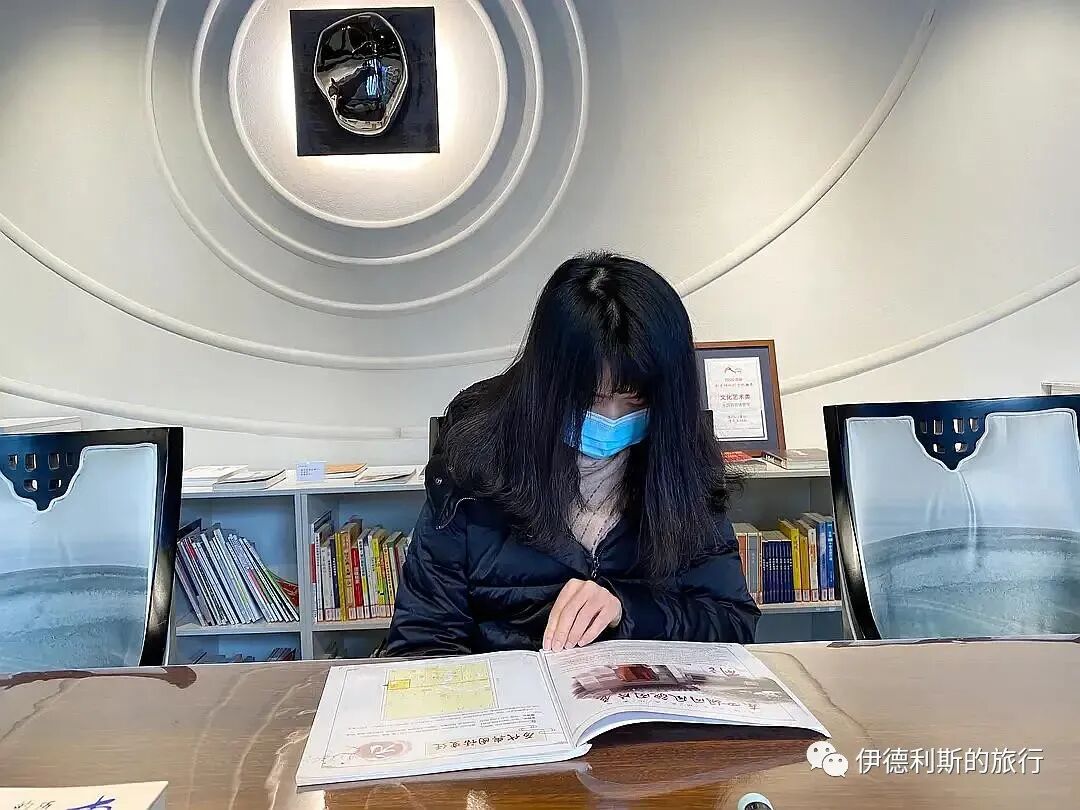
Next to the museum
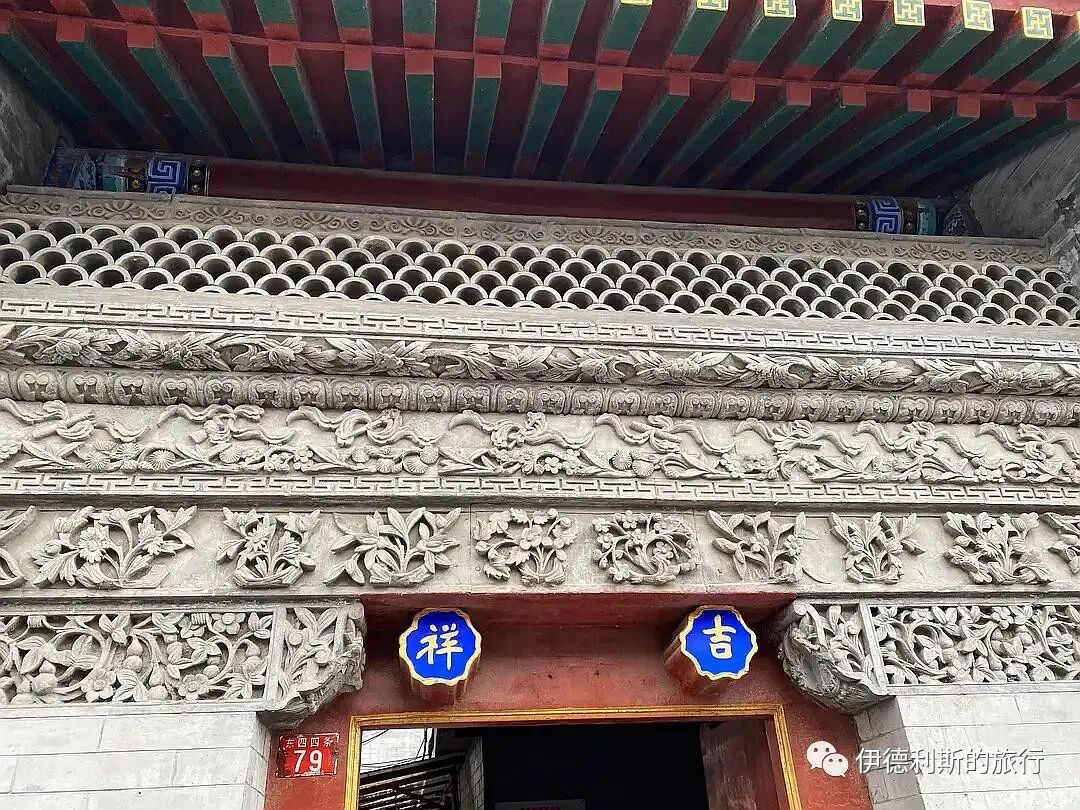
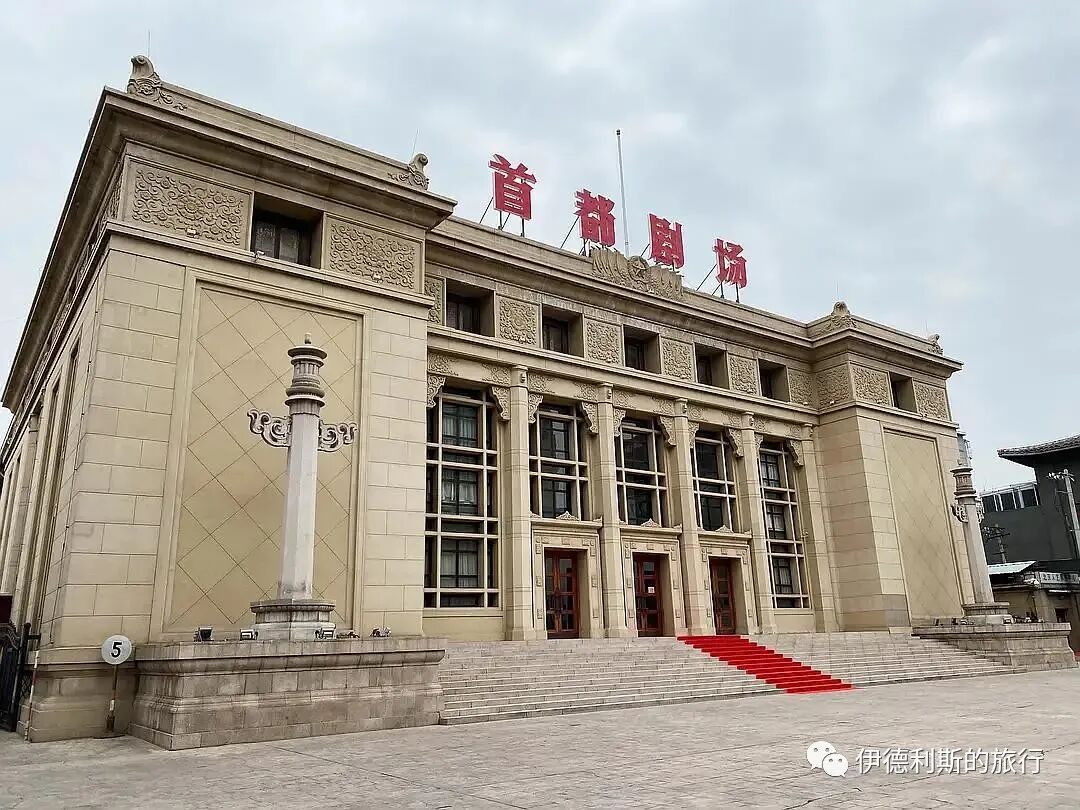
After leaving, I went to the Beijing People's Art Theatre Museum at the Capital Theatre.
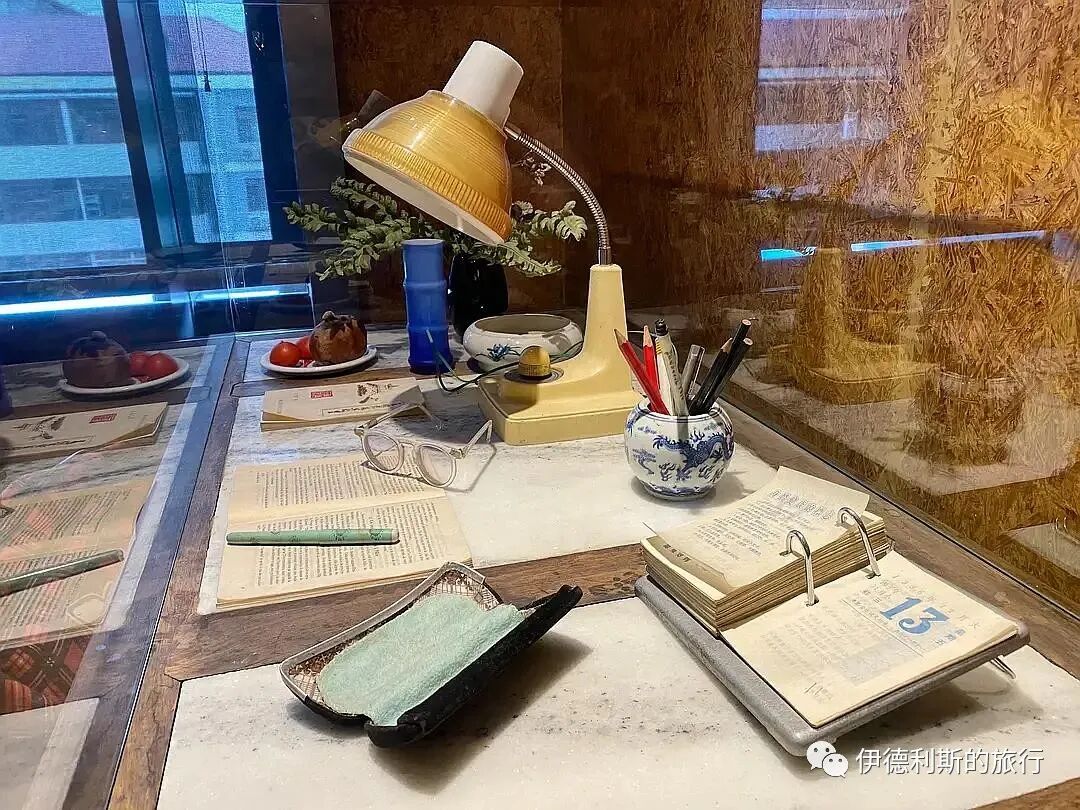
The restored desk of Cao Yu
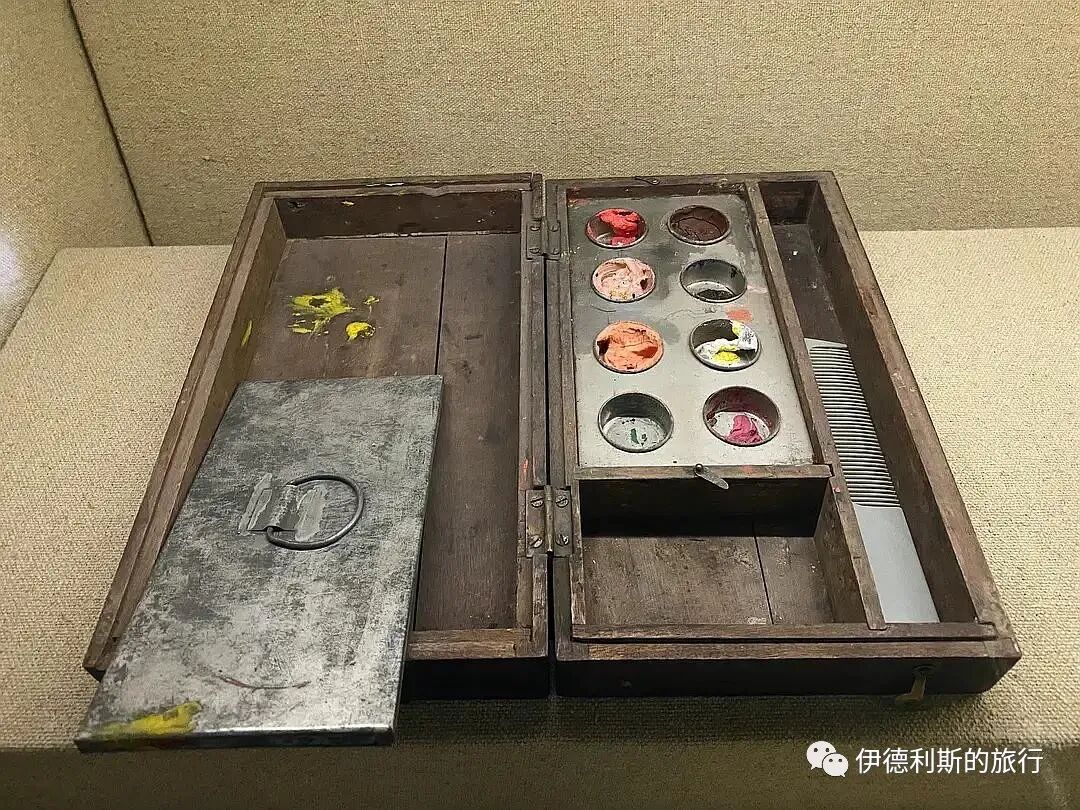
A wooden makeup box handmade by the theatre during its early years
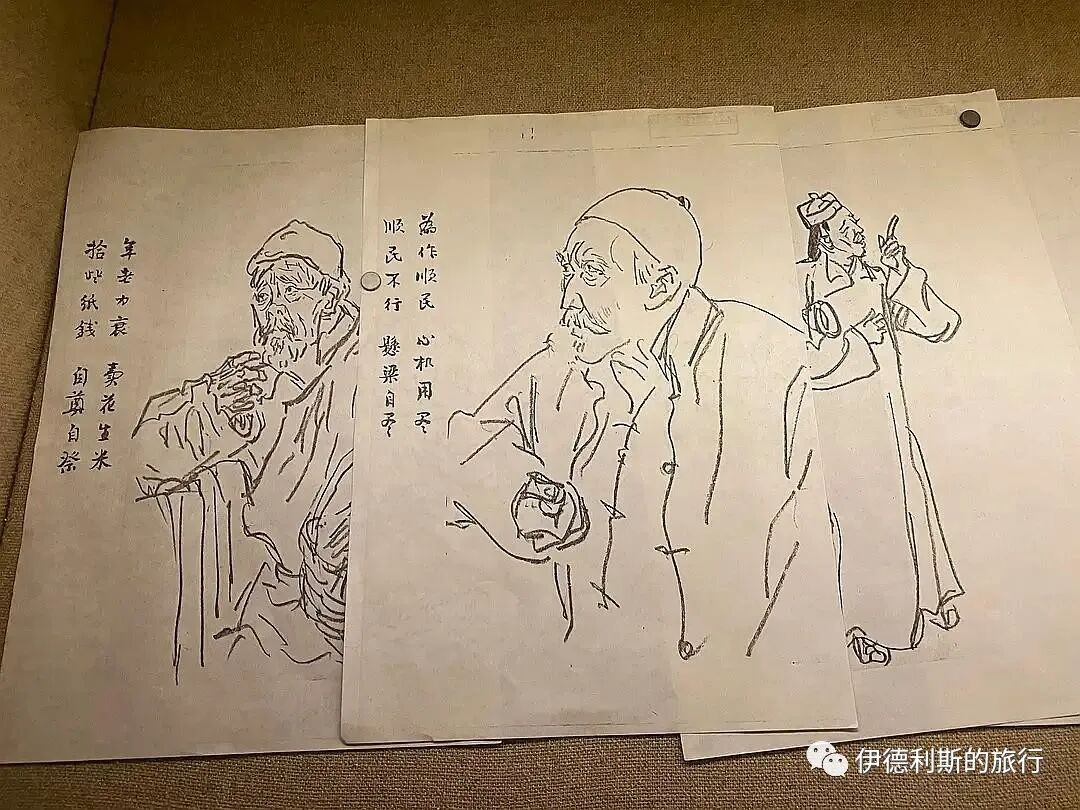
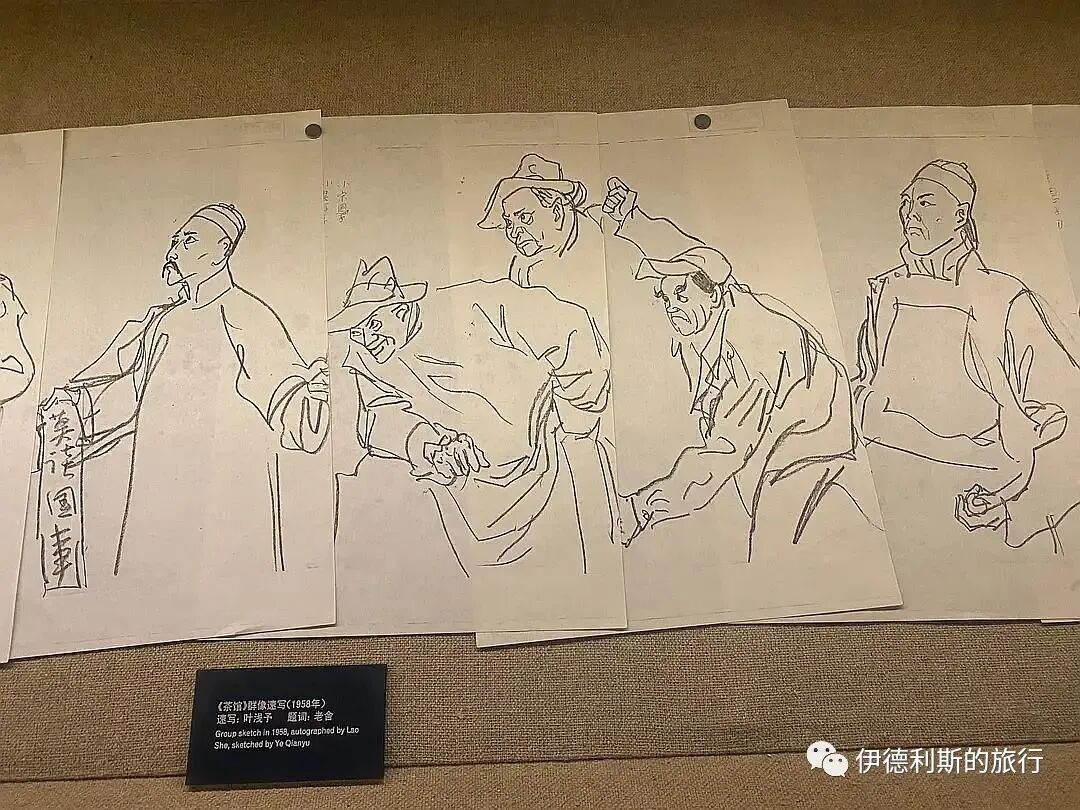
Sketches of characters from the play Teahouse (Chaguan) with an inscription by Lao She, drawn by Ye Qianyu.
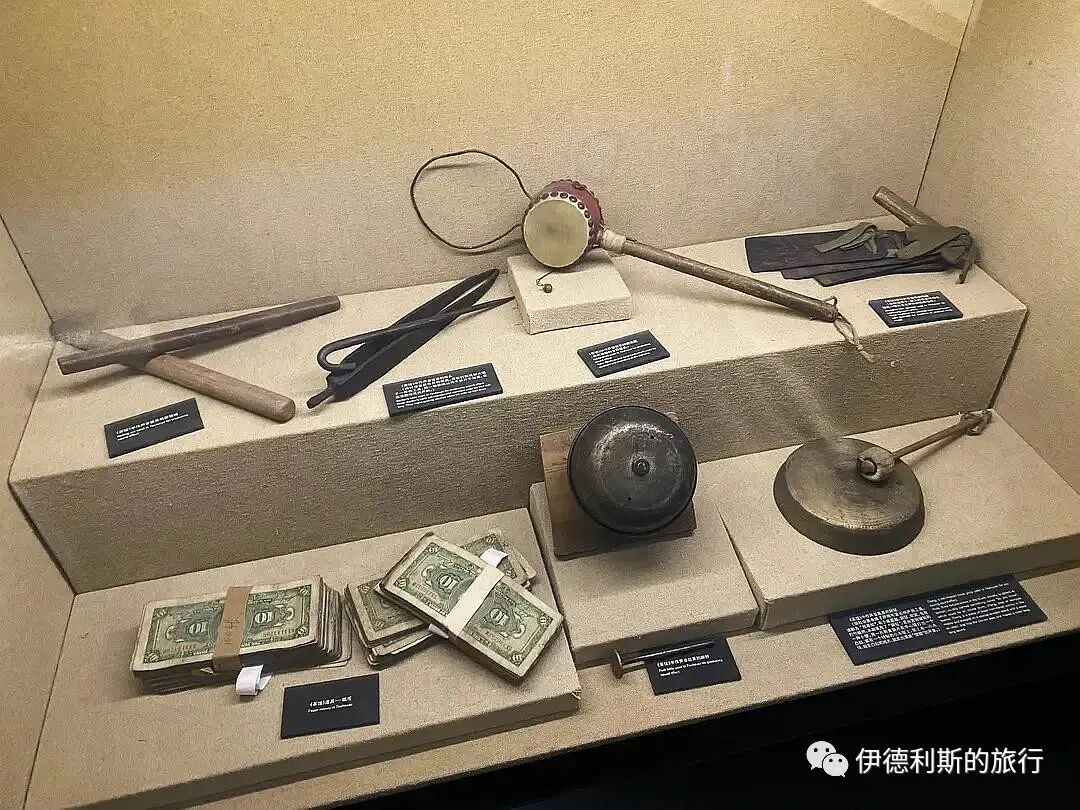
Props used in the play Teahouse (Chaguan).
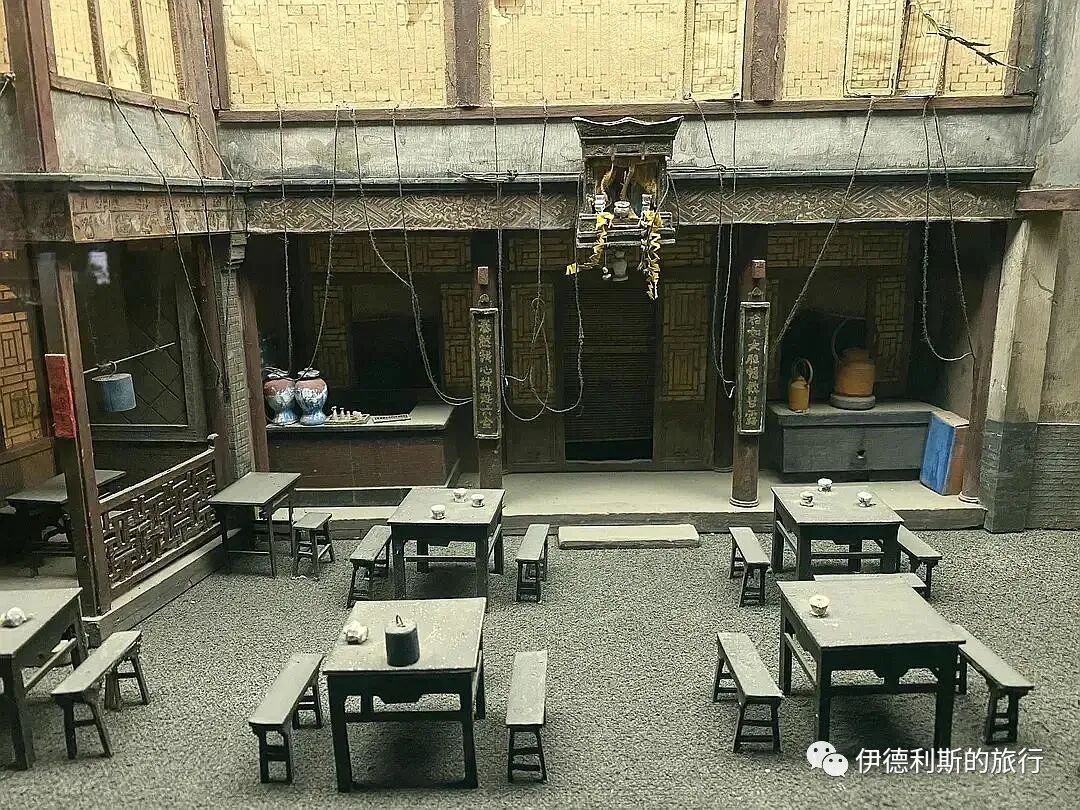
A scale model of the Teahouse (Chaguan) stage set.
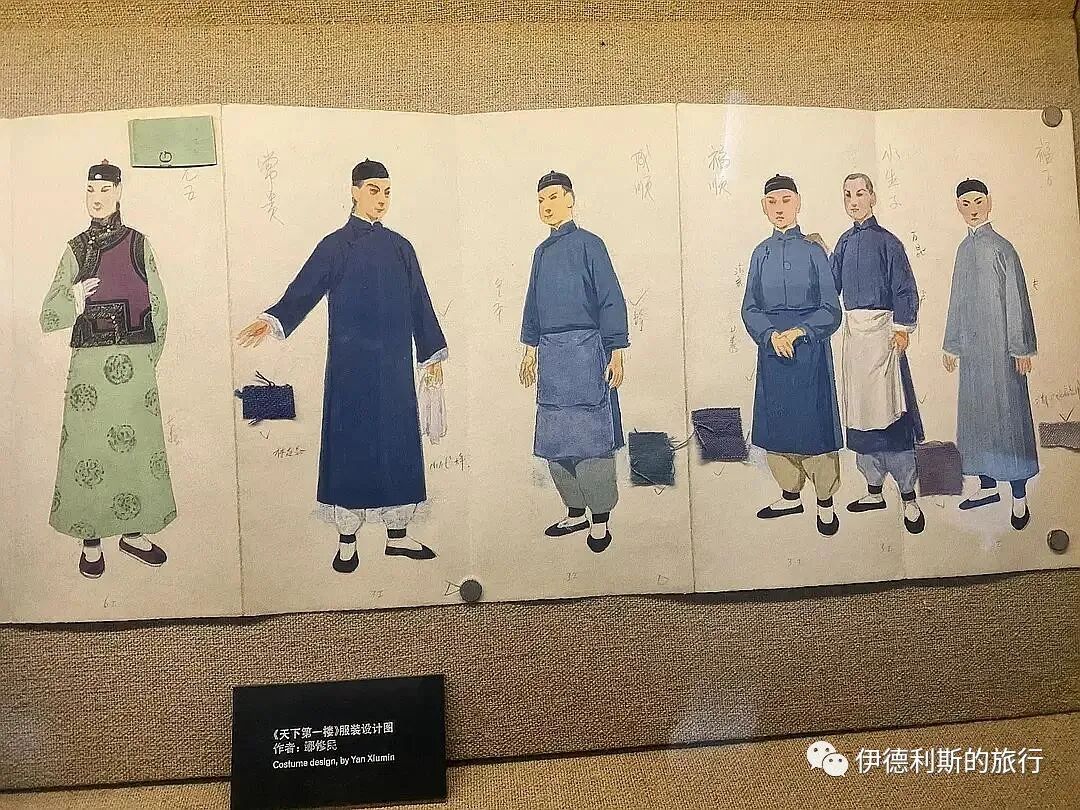
Costume design sketches for the play The Top Restaurant in the World (Tianxia Diyi Lou).
March 7, Indonesian Modern and Contemporary Art Exhibition at the Tsinghua University Art Museum.
I visited the Tsinghua University Art Museum to see the Indonesian modern and contemporary art exhibition. It features a rich collection of works from various art groups and artists spanning from the 1930s to the present day. It is well worth a visit.
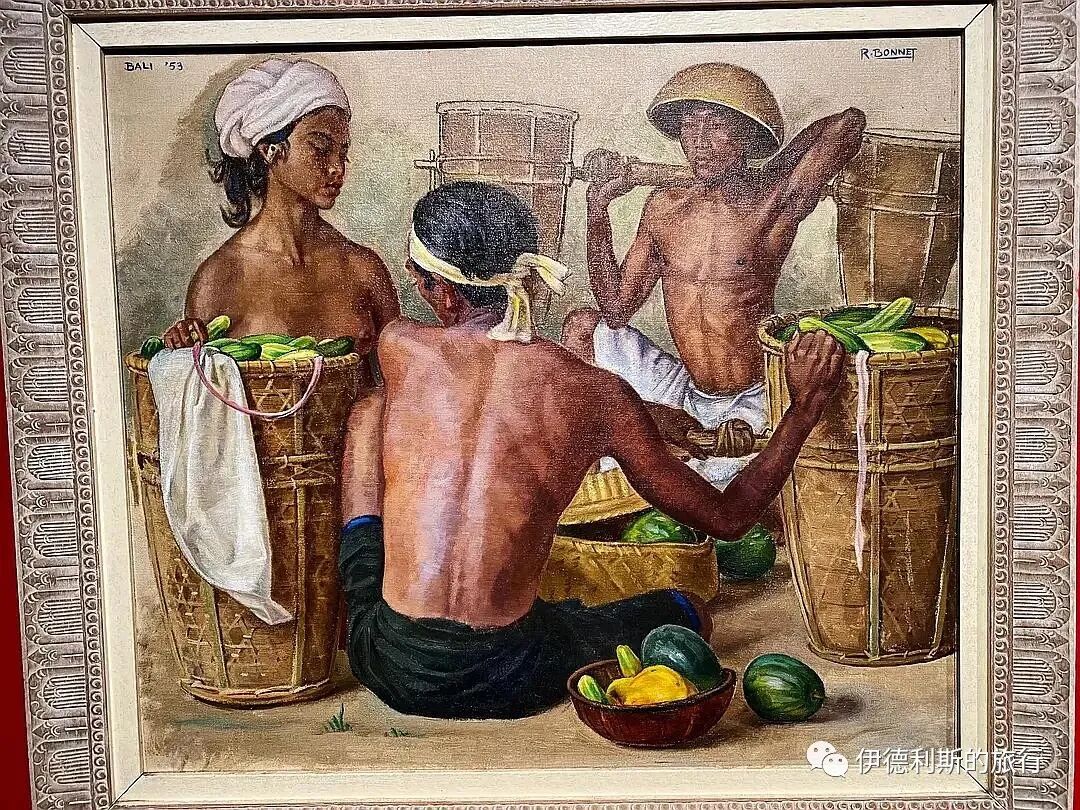
The first section displays representative works by early Indonesian contemporary artists. In the first half of the 20th century, the first contemporary art movement in Indonesia was called Sanggar, which means studio. At that time, different groups of artists formed many art studios across the islands of Java and Bali. The earliest of these was the Pita Maha studio, established in 1936 on Bali by artists including the Russian-German painter Walter Spies and the Dutch painter Johan Rudolf Bonnet. They combined traditional Balinese painting with modern European painting to create a new style of Balinese art.
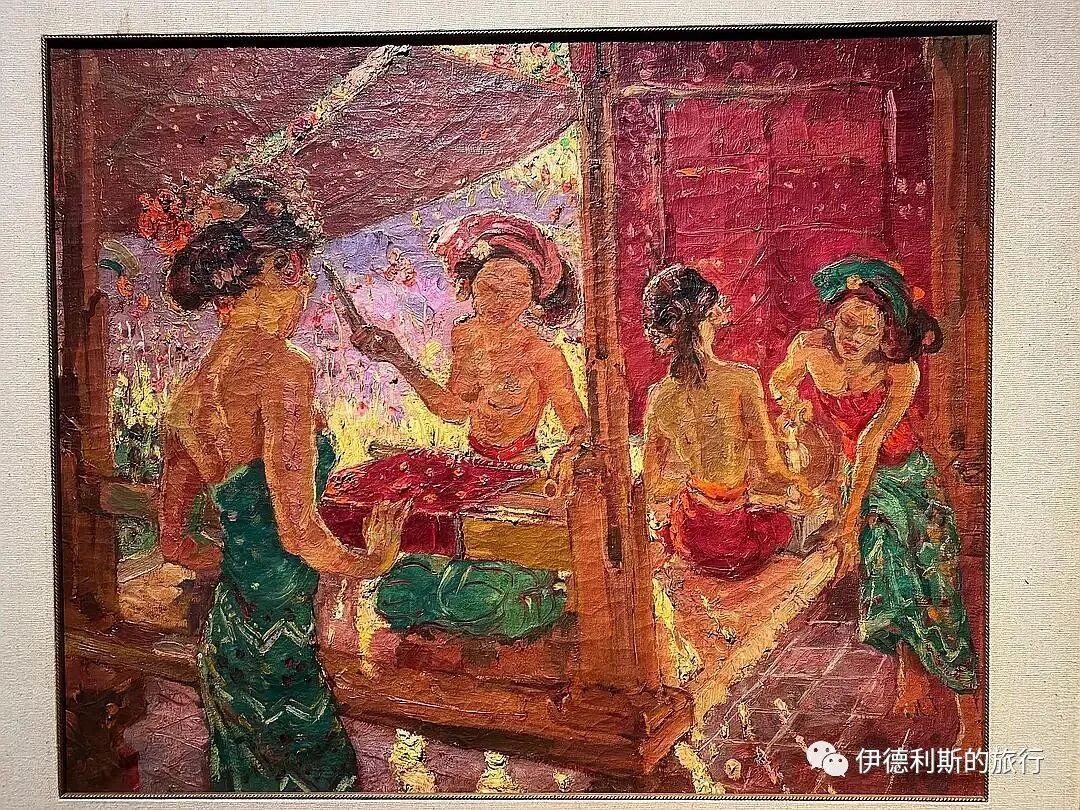
The painting "Balinese Beauties Weaving and Sewing" by Adrien-Jean Le Mayeur. Adrien-Jean Le Mayeur was born in Belgium in 1880 and moved to Bali in 1932. In Bali, he met a 15-year-old dancer named Ni Nyoman Pollok. He used her as a model for many paintings, which became a big success after being shown in Singapore in 1933. Le Mayeur married Ni Pollok in 1935 and continued to use her as his model for his work from then on. Le Mayeur passed away due to illness in 1958. Ni Pollok handed over all of her husband's property to the Indonesian government and turned his former home into a museum.
The painting "Buffalo and Herdsman" by Lee Man Fong in 1959. Lee Man Fong was born in Guangzhou in 1913 and moved to Singapore with his father for business when he was young. After his father died in 1930, he made a living by painting advertisements. He moved to Jakarta in 1932 and was imprisoned for six months in 1942 for opposing Japanese colonial rule. After Indonesia gained independence, Lee Man Fong held a solo exhibition in Jakarta in 1946 and exhibited his work abroad many times. In 1955, he founded the Yin Hua Art Association for ethnic Chinese painters in Jakarta and organized many exhibitions. In 1956, the association was invited to visit China, where they held exhibitions for five months.
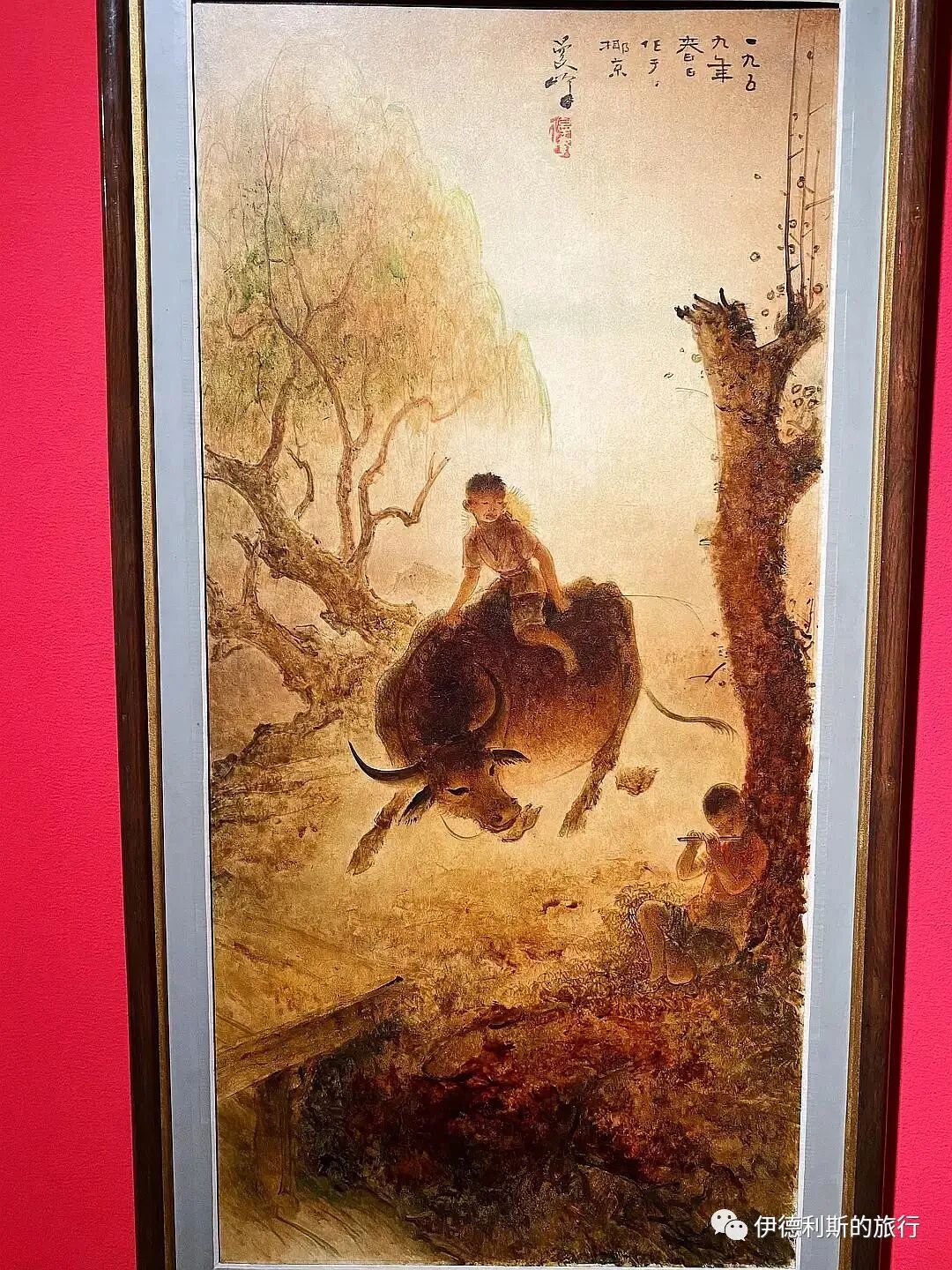
The second part explains that after the Bandung Higher Education Center for Art Teachers was established in 1947 and the Indonesian Academy of Arts in Yogyakarta in 1949, Indonesian modern art shifted from studio-based work to an academic model. Art courses in Bandung were set up by European painters and leaned toward European and American modern art standards, especially abstract formalism, while the Yogyakarta art academy system inherited the style of early art studios and leaned more toward social realism. In 1965, the military purged realism as communist art, and some artists were brutally massacred.
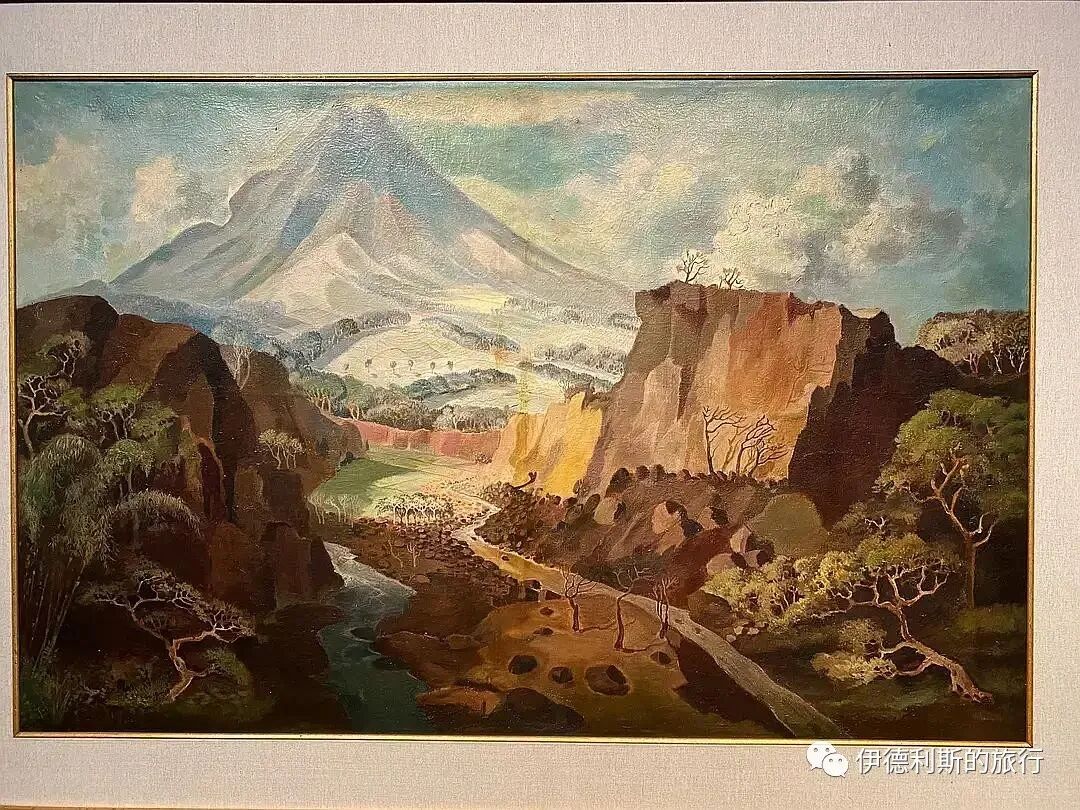
The 'Another Urban' theme introduces a group of Indonesian artists who became famous between the late 1980s and early 1990s. Their work mostly points directly to key issues in social development, such as social identity, marginalization, historical trauma, discrimination against women, and political corruption. Against the backdrop of international art focusing on multiculturalism in the 1990s, their work received high regard from the international art community.
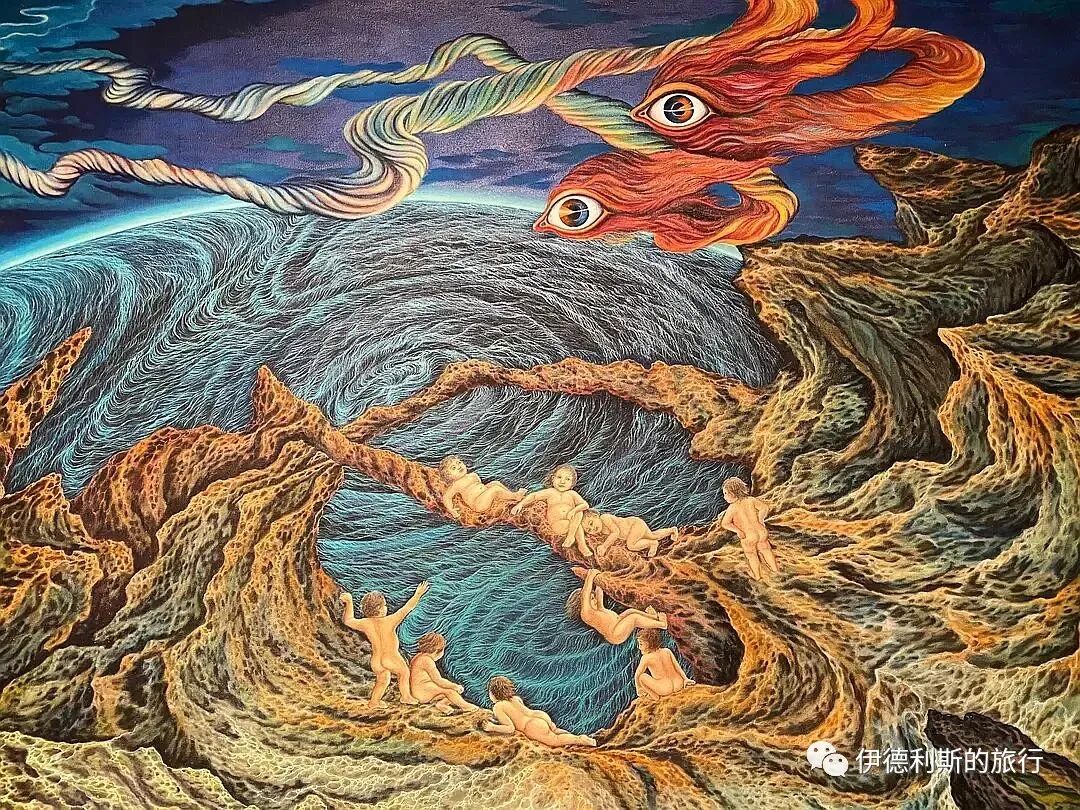
The 'Post-Reform and Globalization' theme introduces the post-Suharto era that began in Indonesia in 1998. Political reform brought gradually relaxed censorship, and the internet brought the spread of information. Indonesian artists born in the 1970s became trendsetters in the early 21st century, and their work became more international.
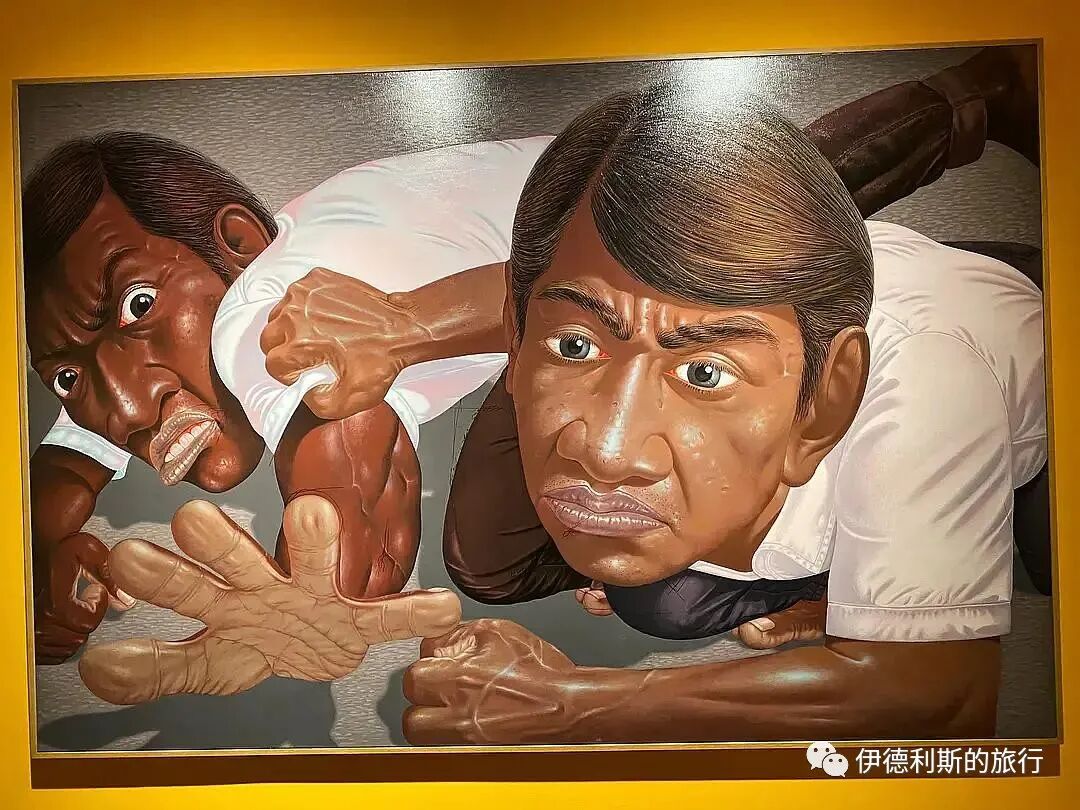
Six young Minangkabau artists from West Sumatra established the 'Kelompok Seni Rupa Jendela,' or 'Window Art Group,' in Yogyakarta in 1996. They love to break down stereotypes and use visual images to create strange-looking symbols.
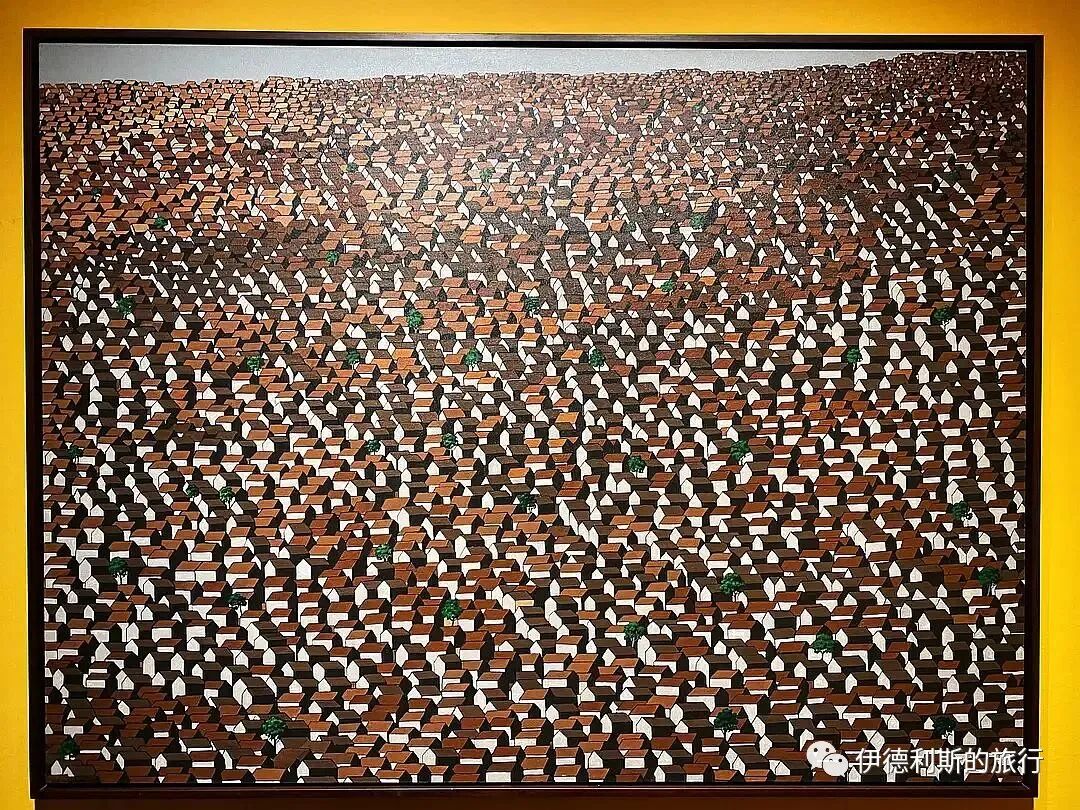
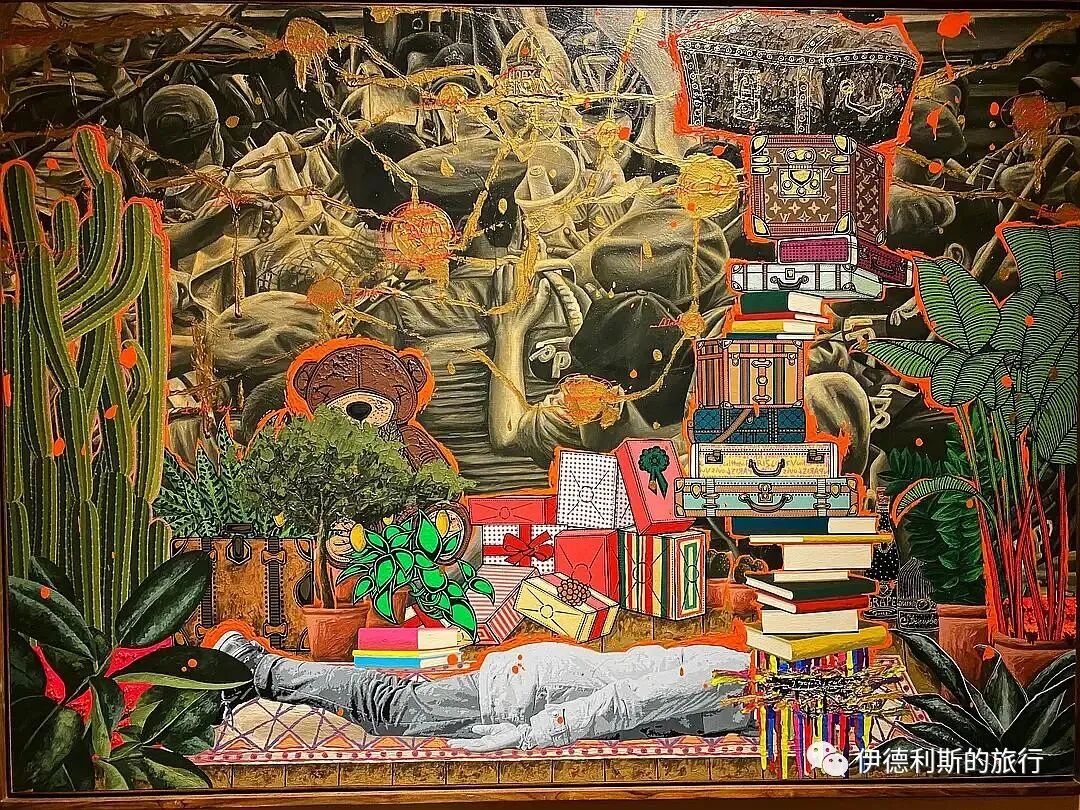
Indonesian curator Rain Rosidi coined the term Jogja Agro Pop to describe how young artists in Yogyakarta blended daily life with global pop culture in the early 21st century. They draw inspiration from everyday rural life in Yogyakarta as well as subcultures like sci-fi comics and graffiti.
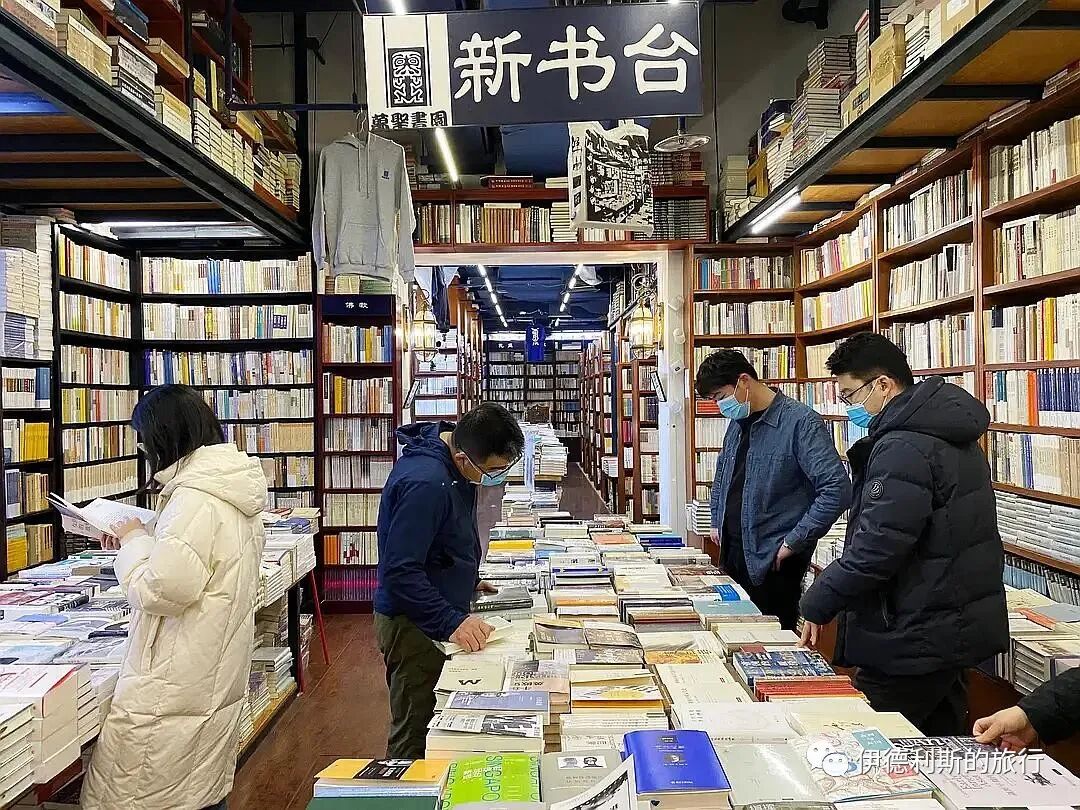
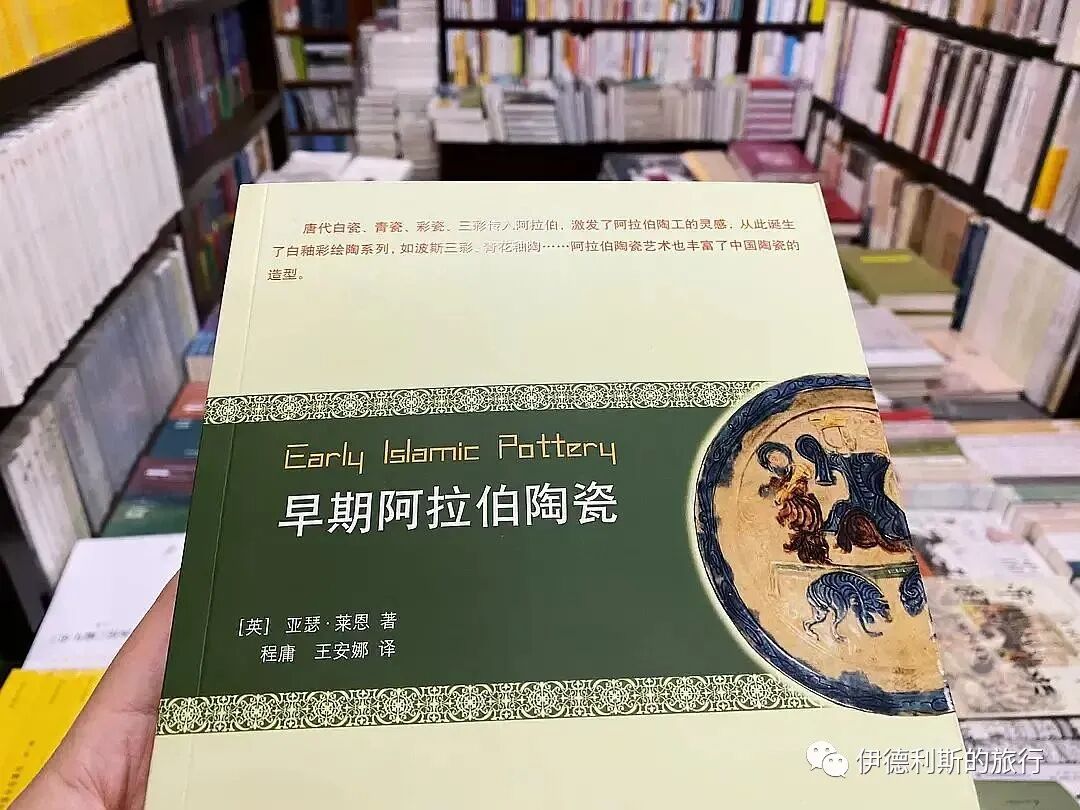
I visited All Saints Bookstore (Wansheng Shuyuan) at noon and bought a book about early Arab ceramics. To be honest, I prefer the new book selection at All Saints Bookstore (Wansheng Shuyuan) over Sanlian Bookstore.
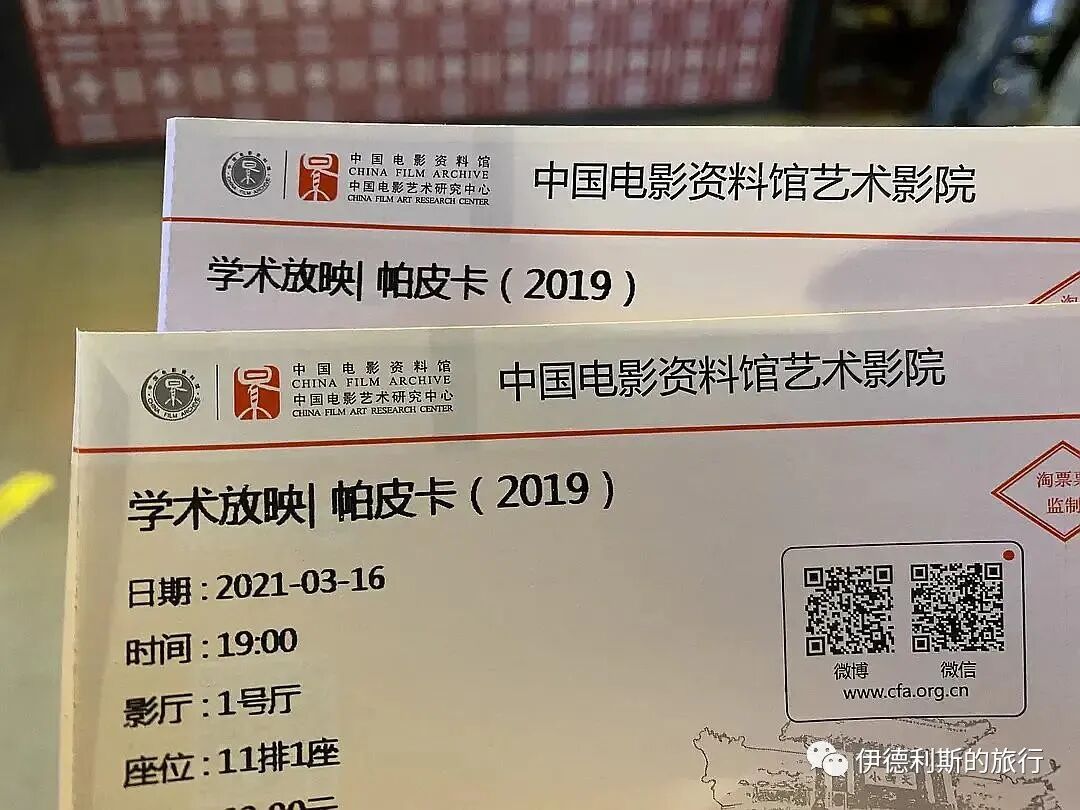
March 16, the Algerian film Papicha.
I attended the French Film Panorama hosted by the China Film Archive and the French Embassy, which was the first film exhibition in Beijing in 2021. In late 1990s Algeria, extremists used religion to carry out violence and oppression. Strong and brave Arab girls used a fashion show to resist, but it ended in tragedy. This is a film from a female perspective. After watching it, Zainab felt very depressed and could not pull herself out of it for a long time.
March 19, the Malaysian Chinese film The Story of Southern Islet (Nan Wu).
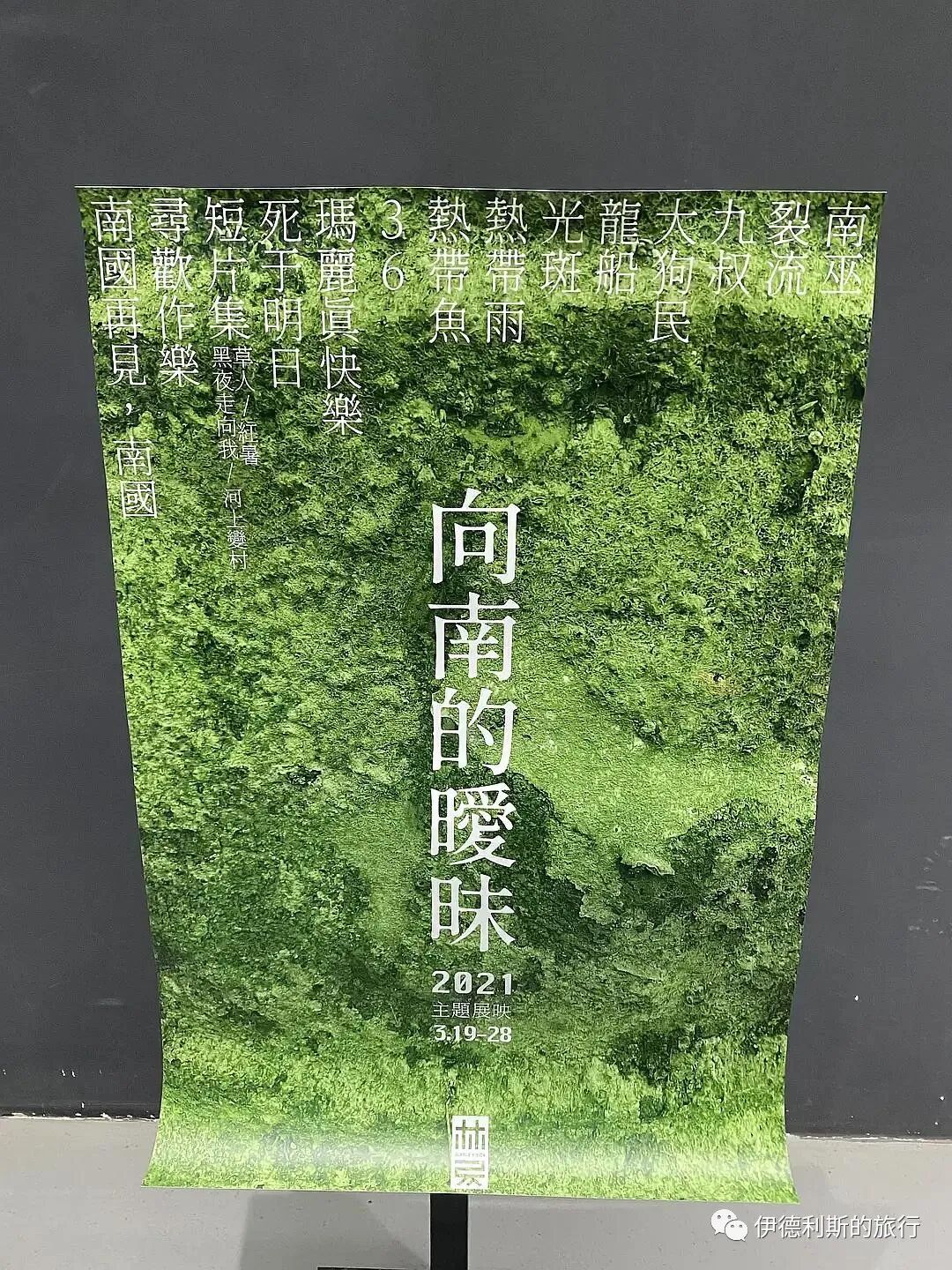
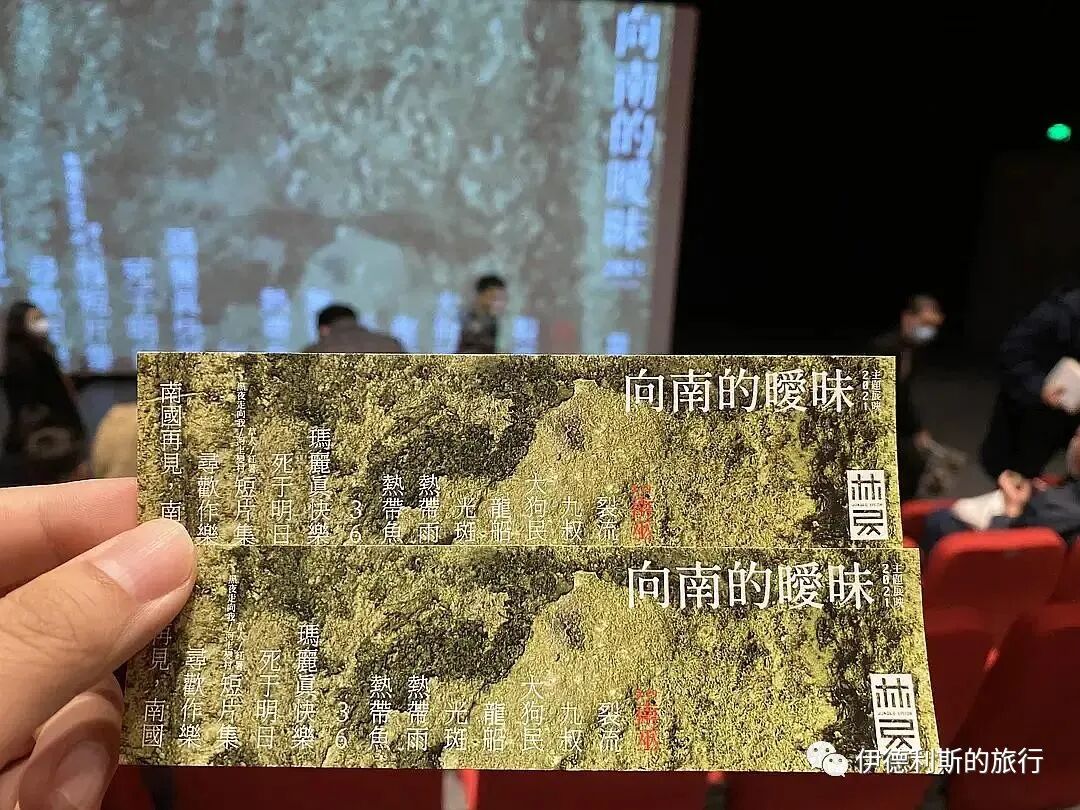
The opening film for the Southward Ambiguity exhibition, The Story of Southern Islet (Nan Wu), premiered on March 19 at the Yu She art space. This is a brilliant Malaysian film. It is not just about the Chinese community, but also about the diverse, blended cultures of Malaysia. Set in the rice fields (dao tian) beneath Mount Keriang on the border of Malaysia and Thailand, a Hokkien-descended Chinese person is cursed with black magic, and a Malay shaman performs rituals to break the spell. I was very excited to see Malay shadow puppetry (piyingxi) on the big screen for the first time; it was performed beautifully. After the screening, the director joined us for an online Q&A. He spoke very well and mentioned his next film, Snow in Midsummer (Wu Yue Xue). It tells the story of a Malaysian Chinese Teochew opera troupe struggling through the changing times from the 1950s to the 1990s. I am really looking forward to it.
March 20, Daliushu Second-hand Market and Panjiayuan Antique Book Market.
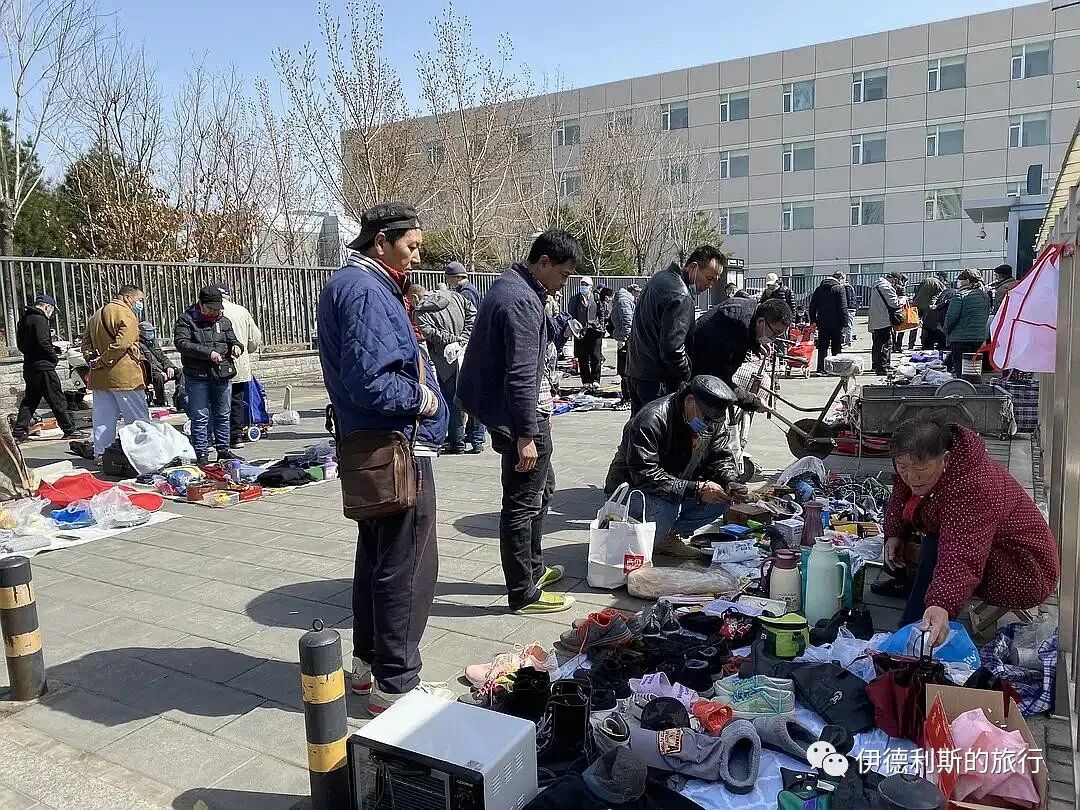
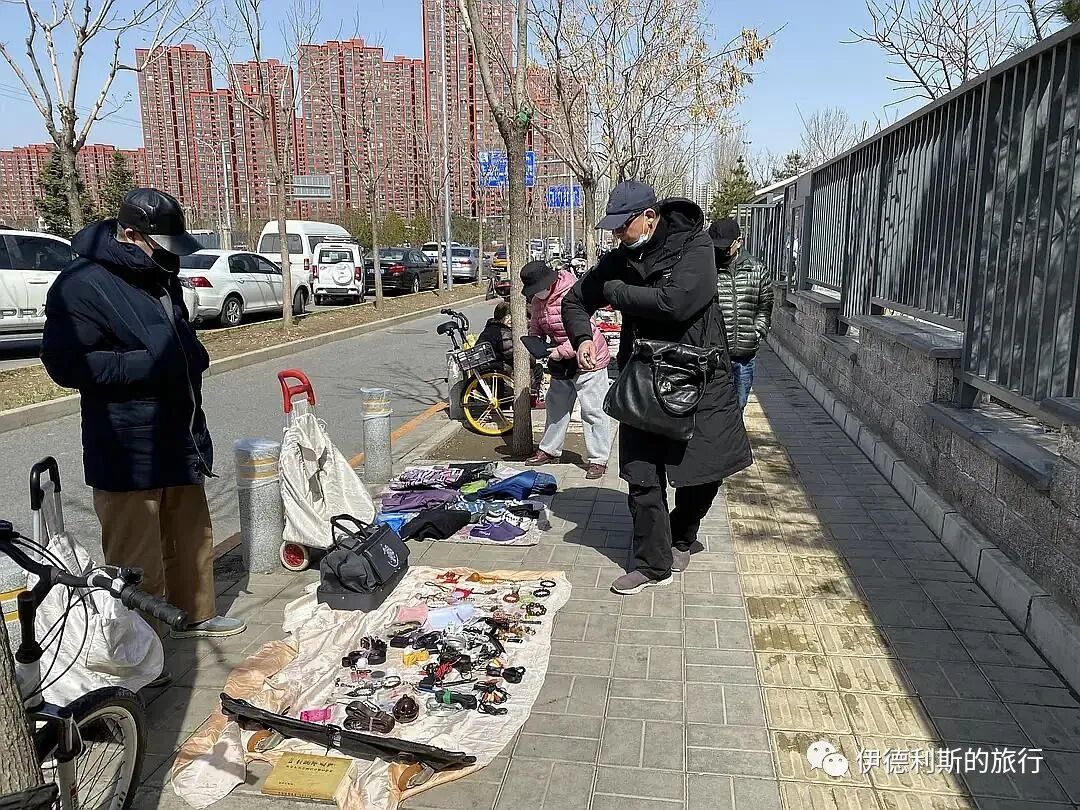
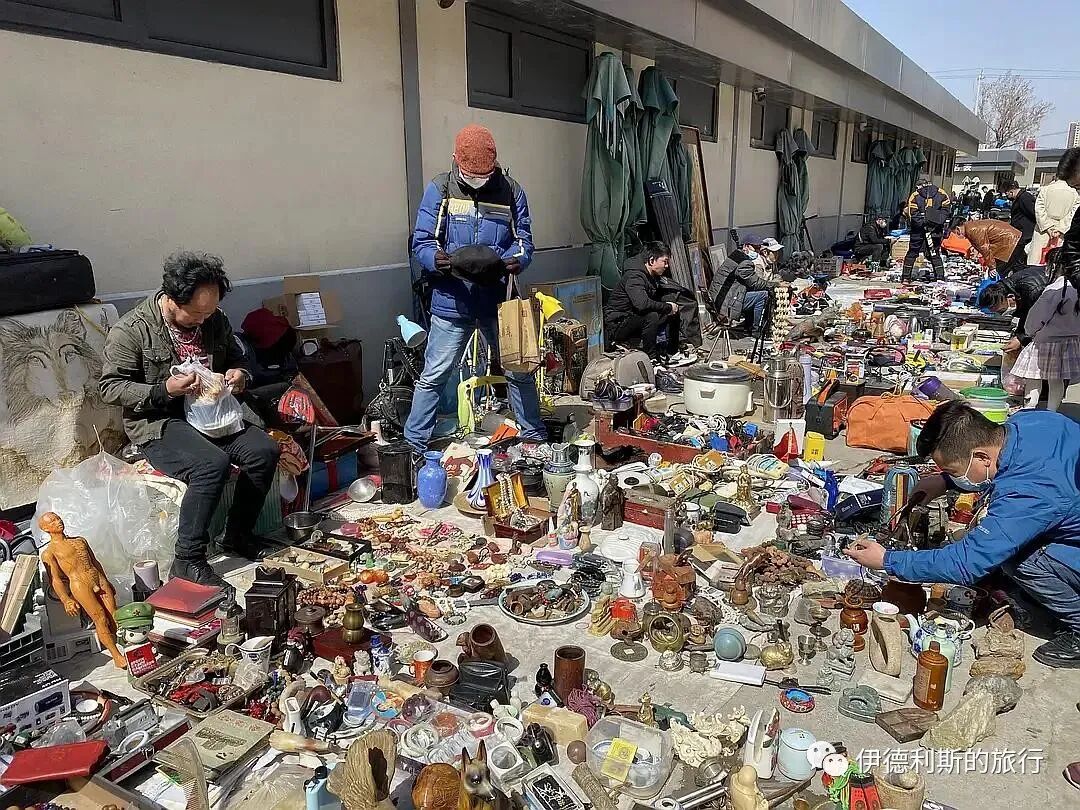
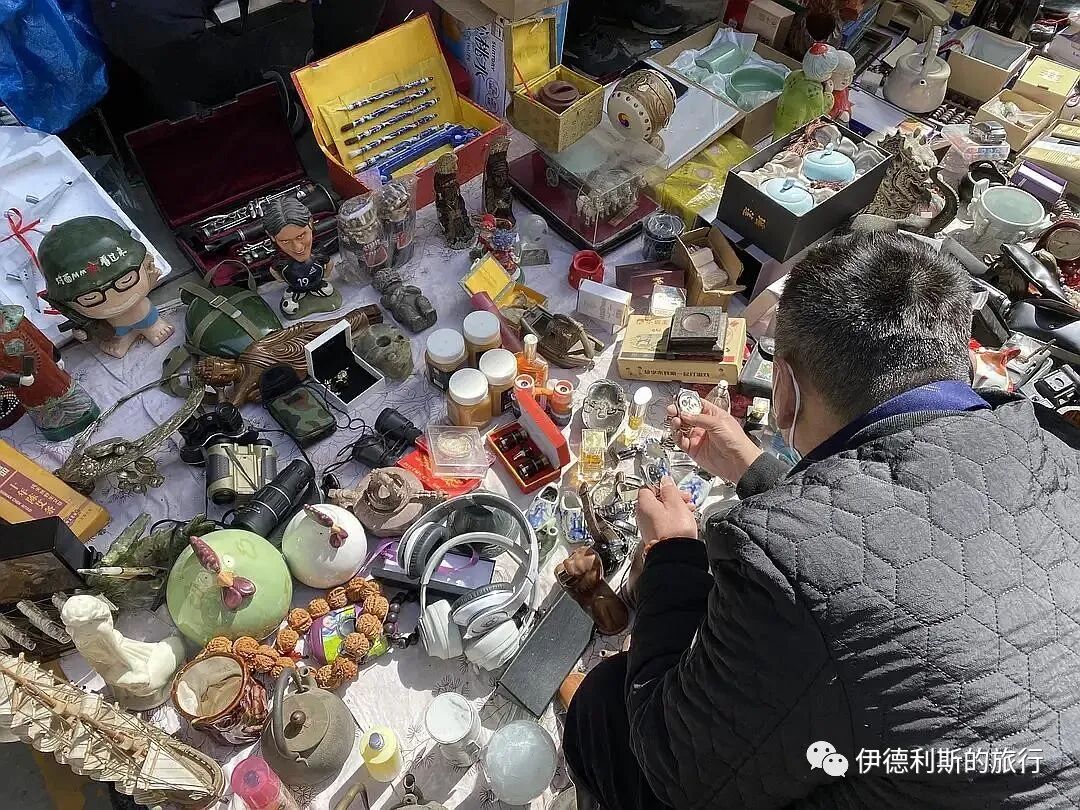
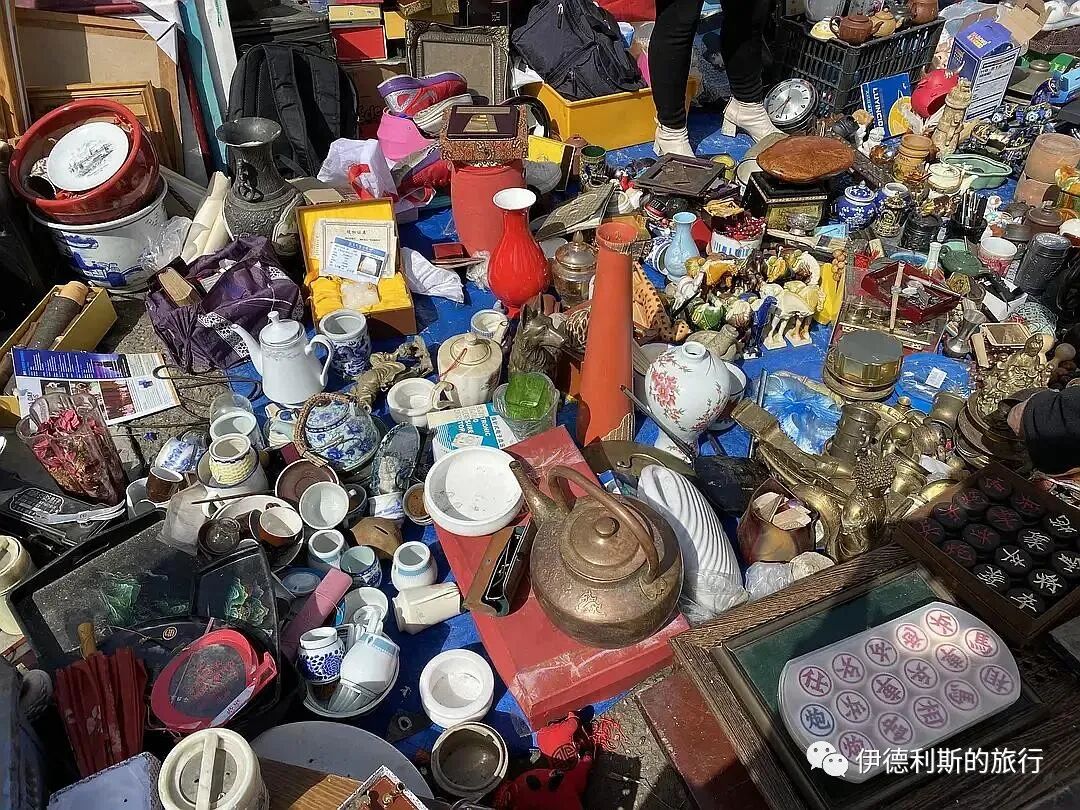
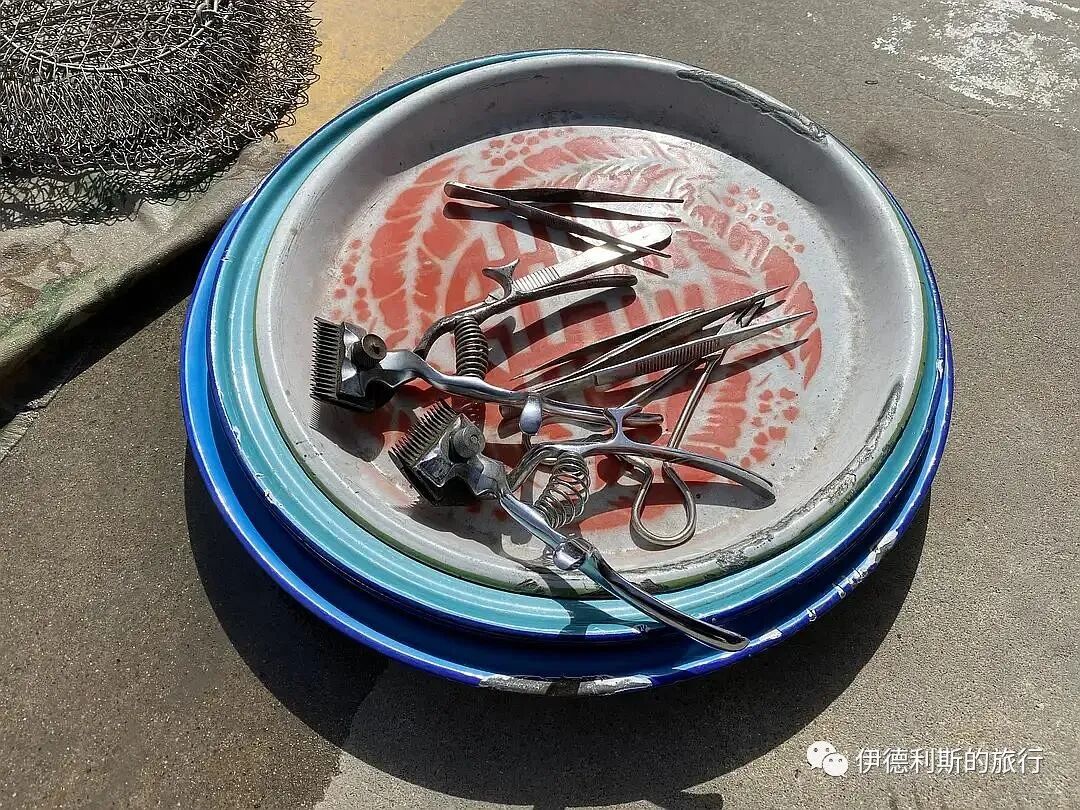
I went to Daliushu Second-hand Market on Saturday. It has been a long time since I last visited! I heard it was closed for a while, but it is lively again now. Beyond the market itself, the roadside by the entrance is full of informal stalls. The atmosphere is great and much more interesting than Panjiayuan.
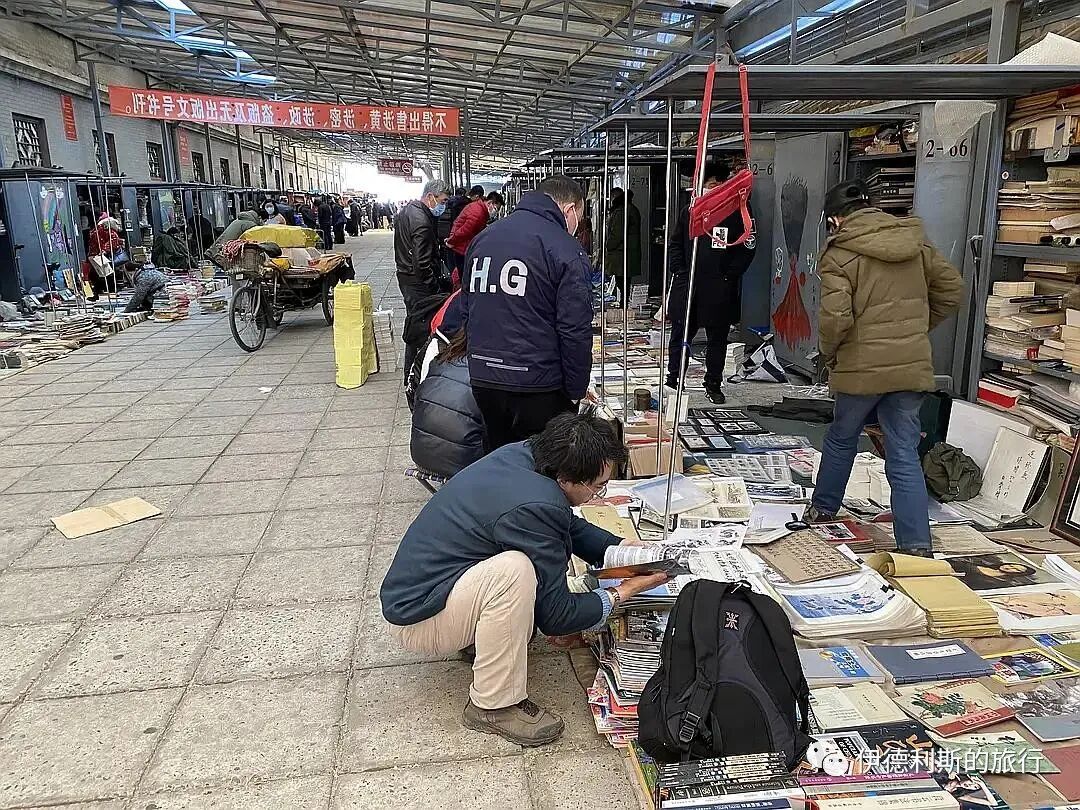
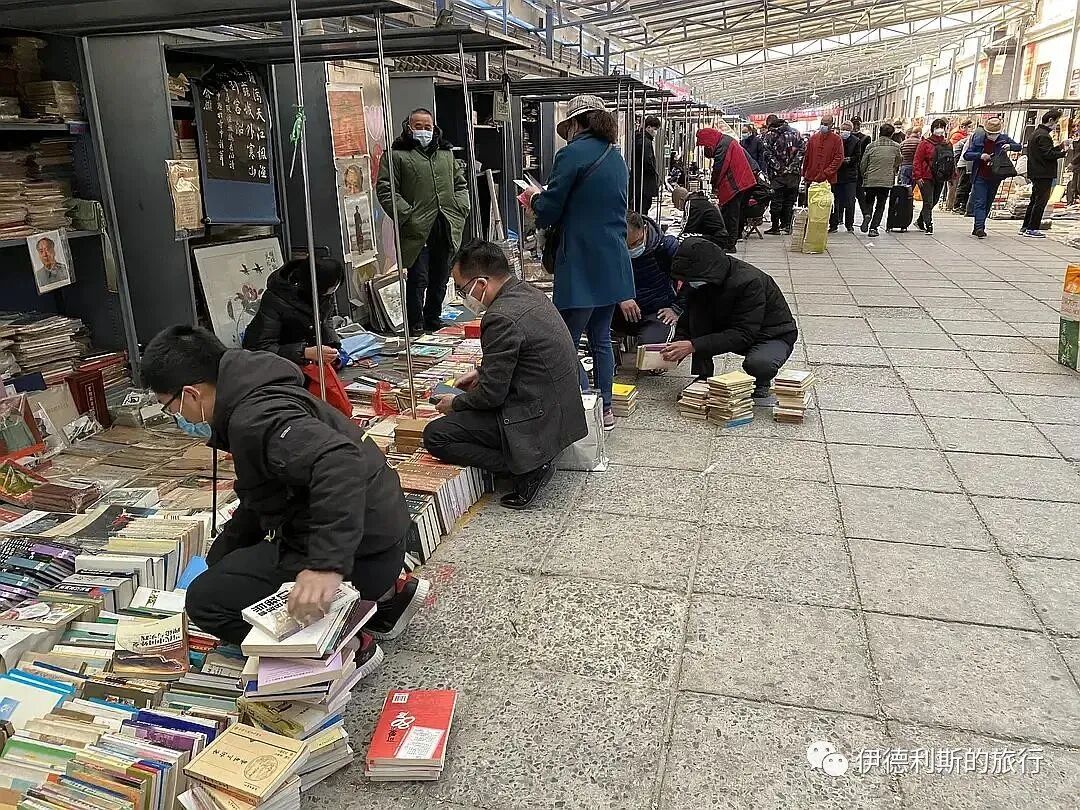
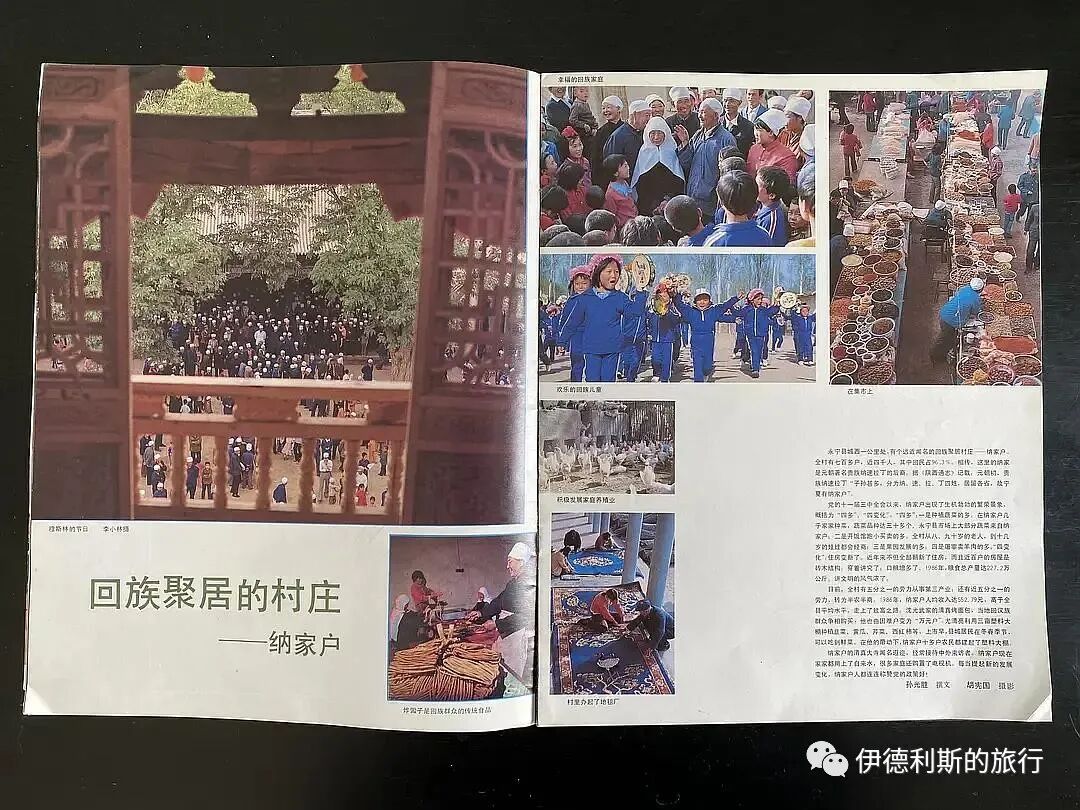
While browsing the Panjiayuan Antique Book Market, I bought a copy of the Ningxia Pictorial from January 1988 for 5 yuan. I really enjoy looking at old pictorials.
In 1987, Najiahu had a mosque, fried dough twists (sanzi), carpet making, and a market.
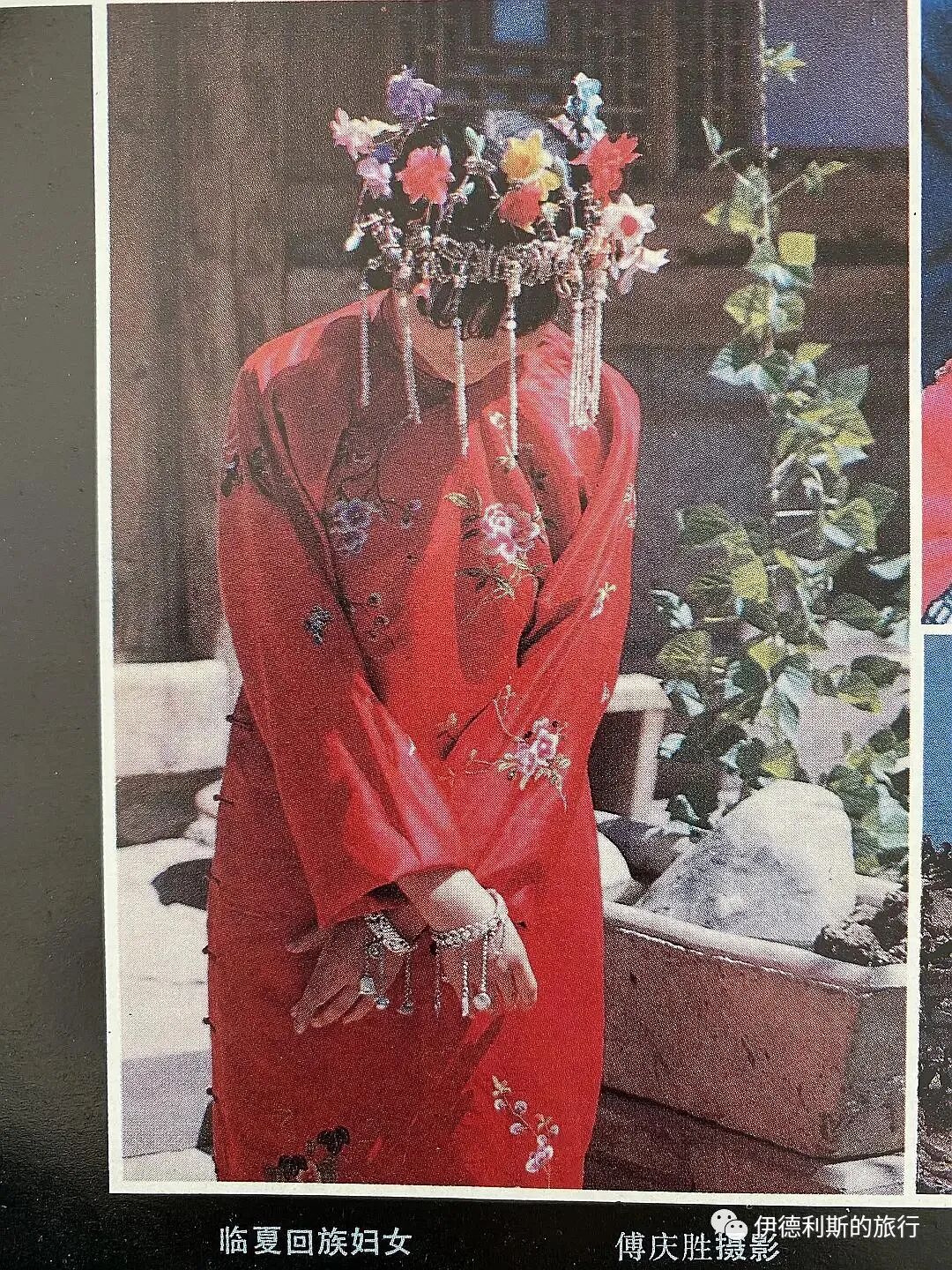
A Hui Muslim bride in Linxia in 1987.
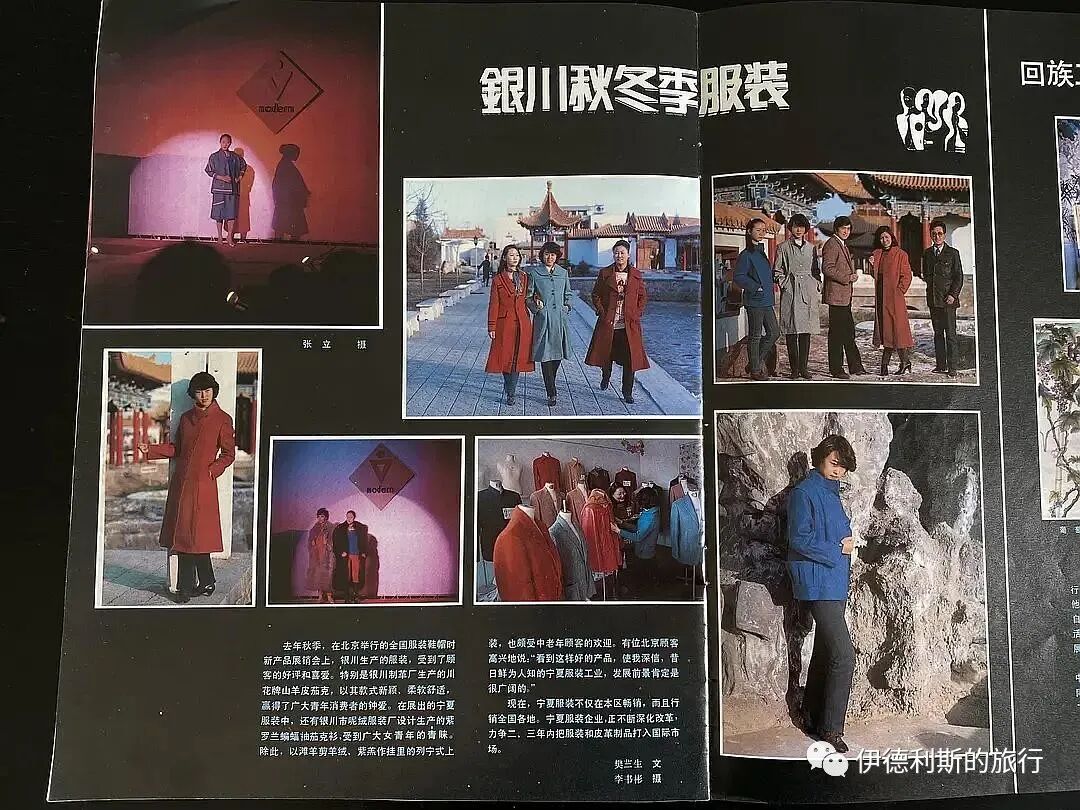
Autumn and winter fashion in Yinchuan in 1987.
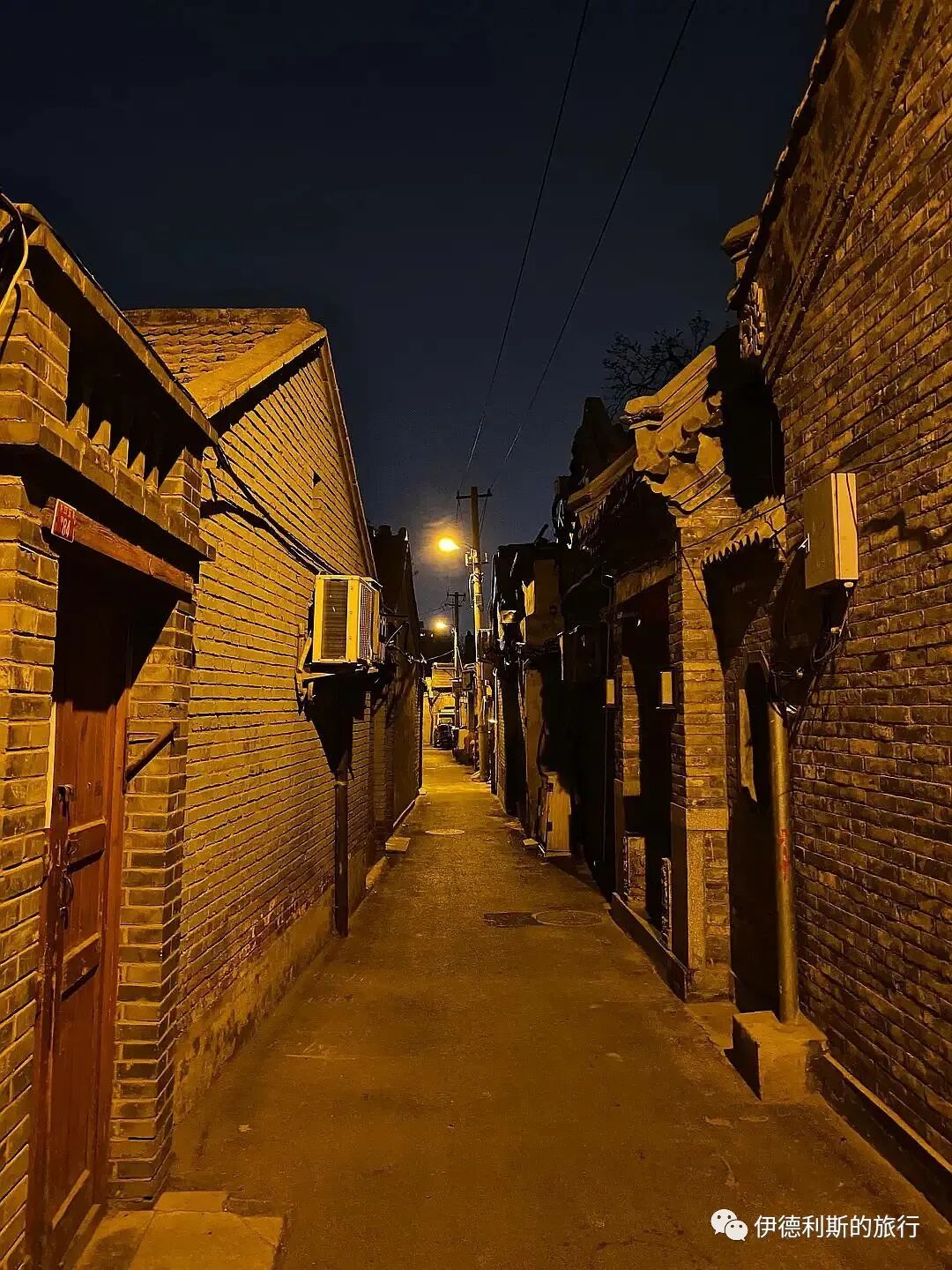
April 9, walking through the alley in the evening.
After dinner, I took a walk through the alleyways. Beijing at night feels just like it did when I was a kid.
Beihai Bridge
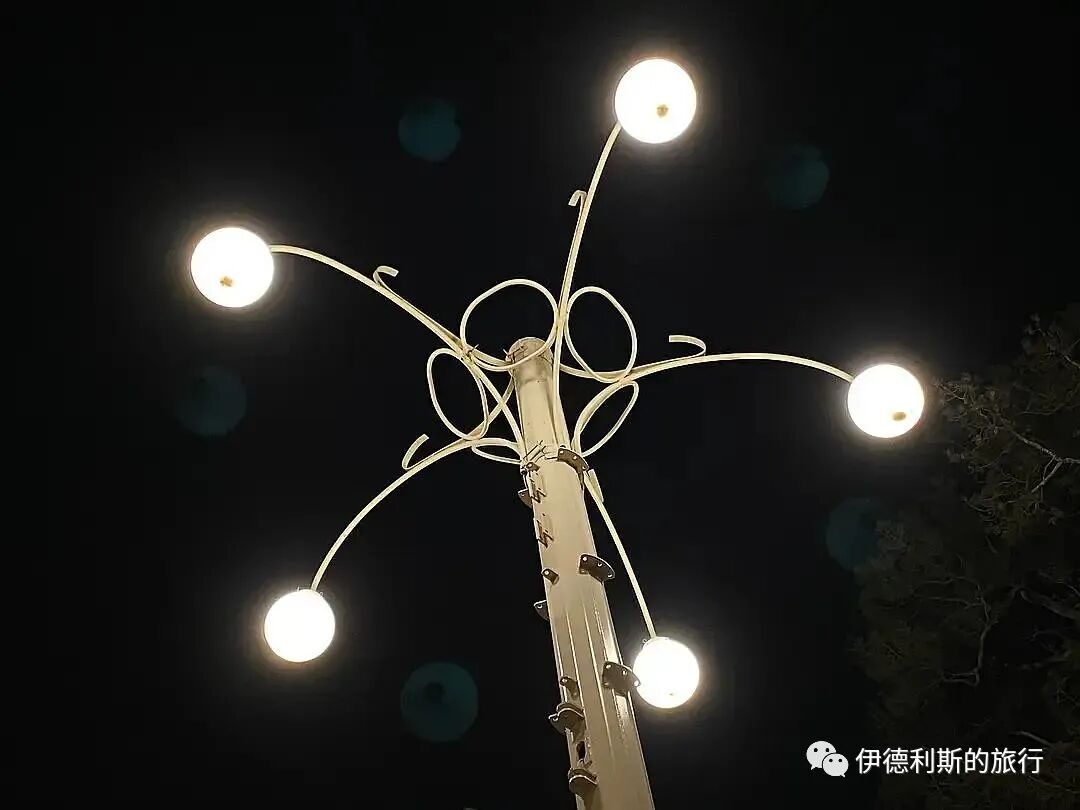
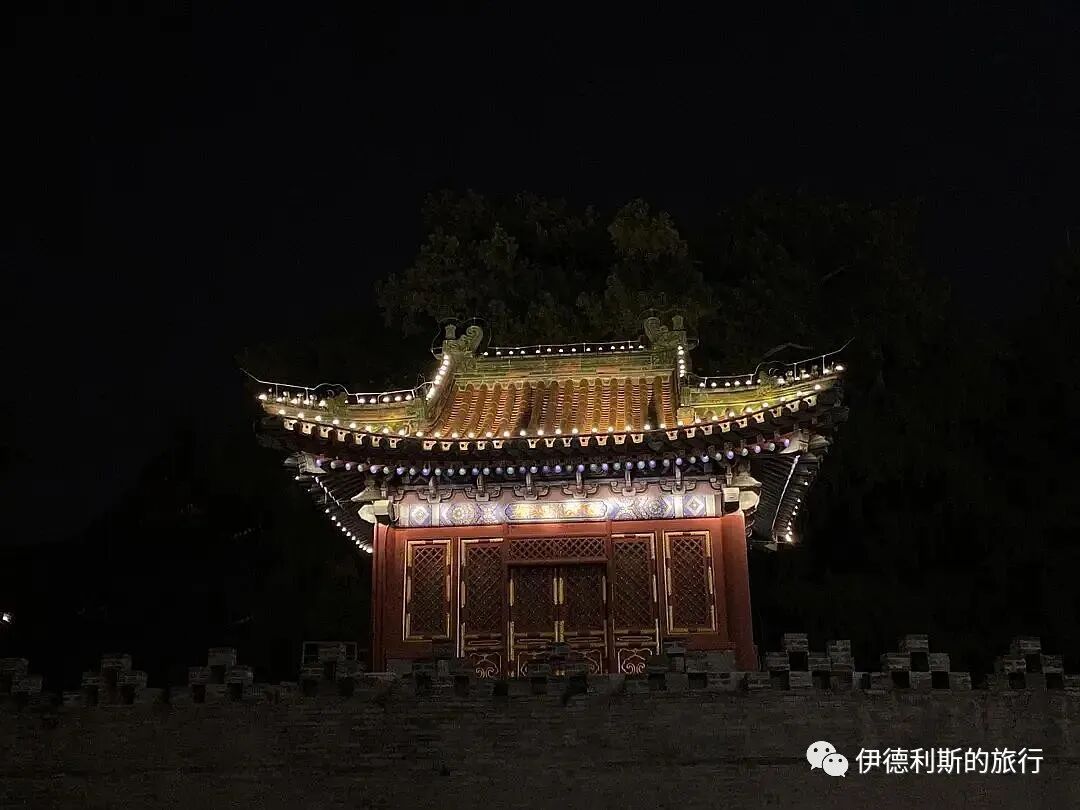
Beihai Round City (Tuancheng)
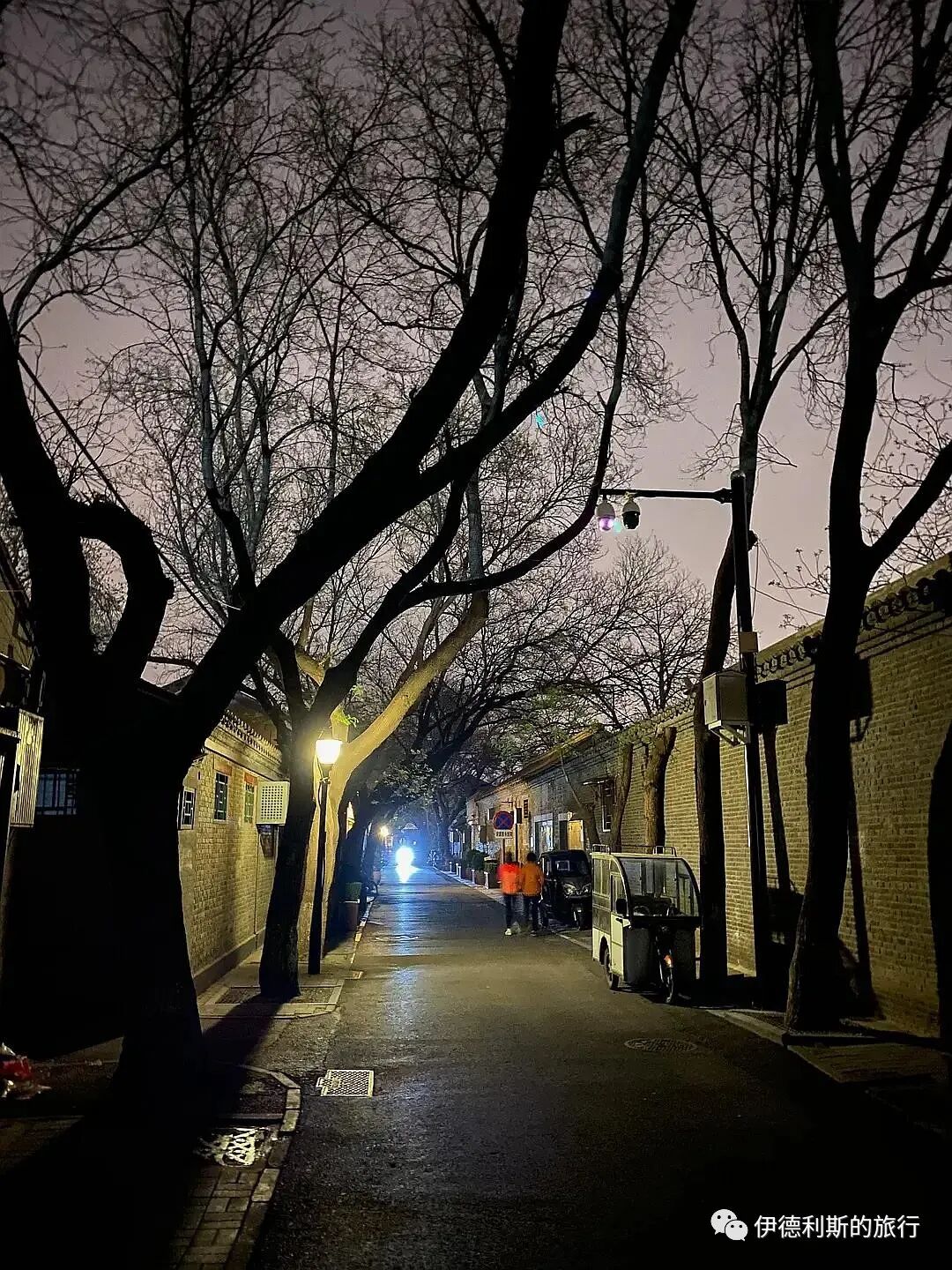
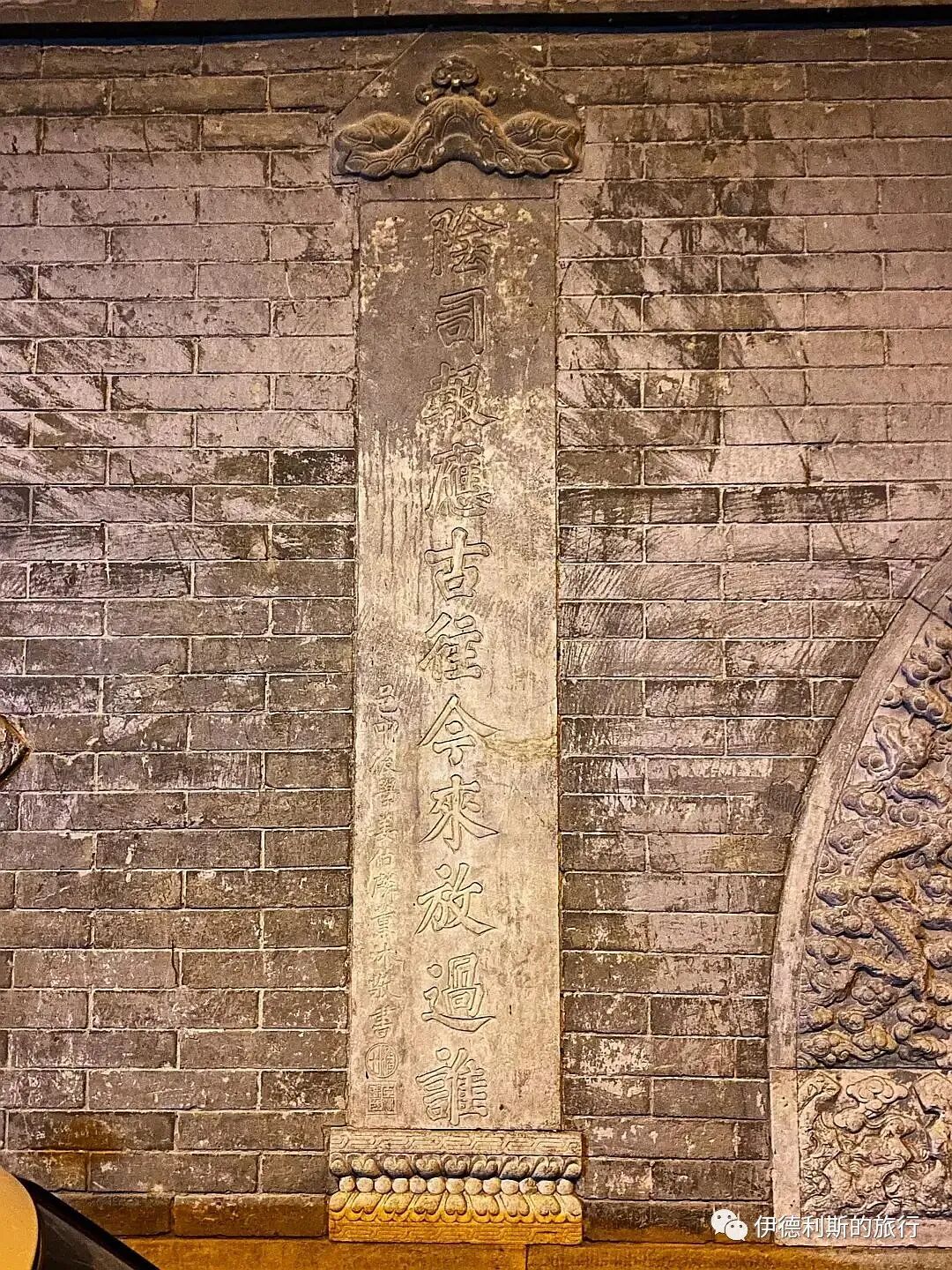
City God Temple (Chenghuangmiao) on Daxing Alley
April 16, Nandouyacai Mosque
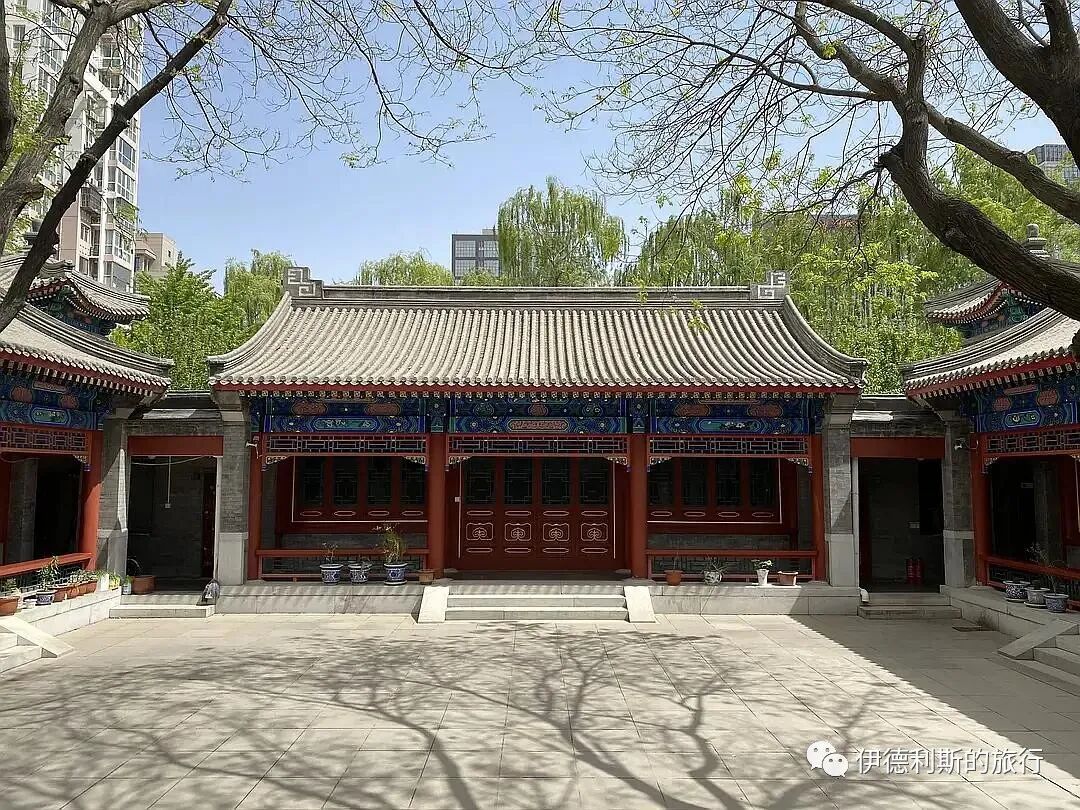
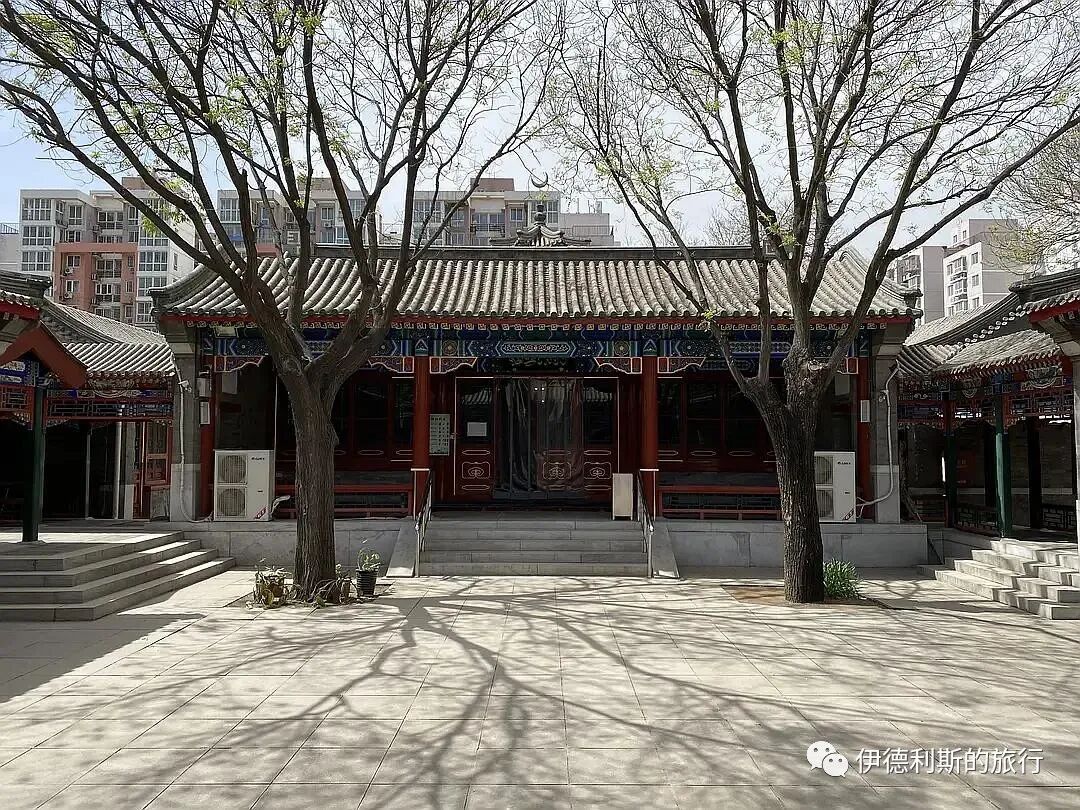
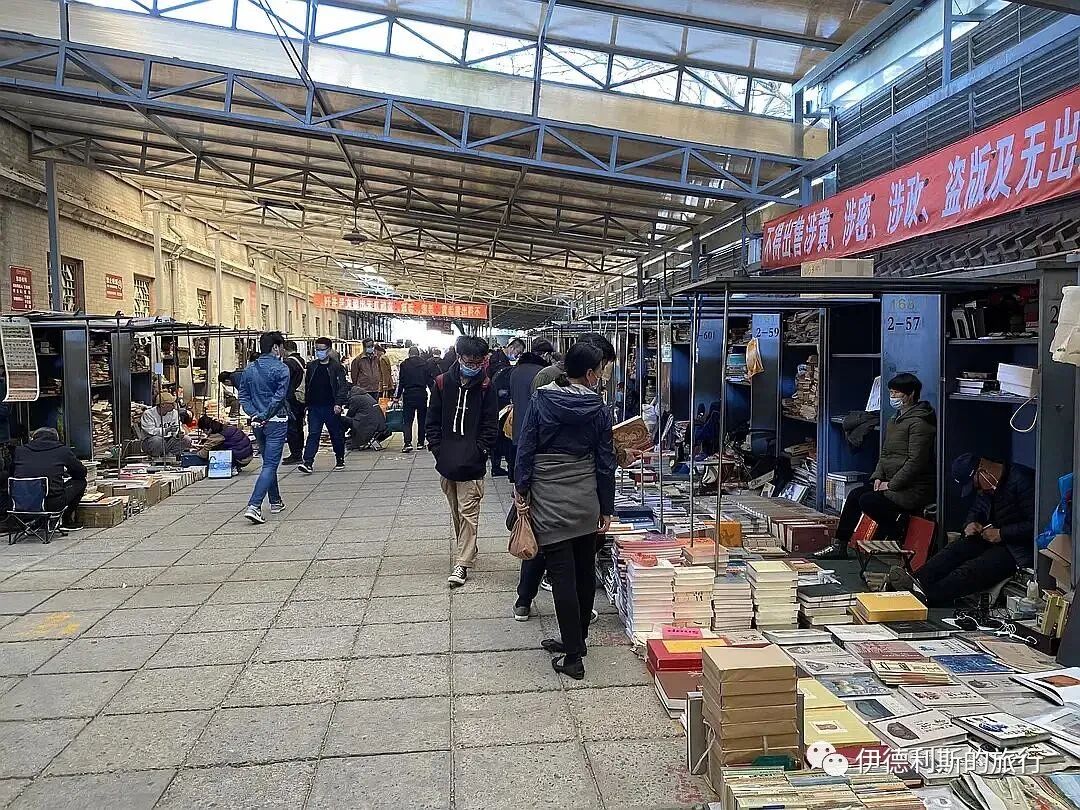
April 17: Panjiayuan Antique Book Market, Daliushu Second-hand Market, and Xinqiao Market.
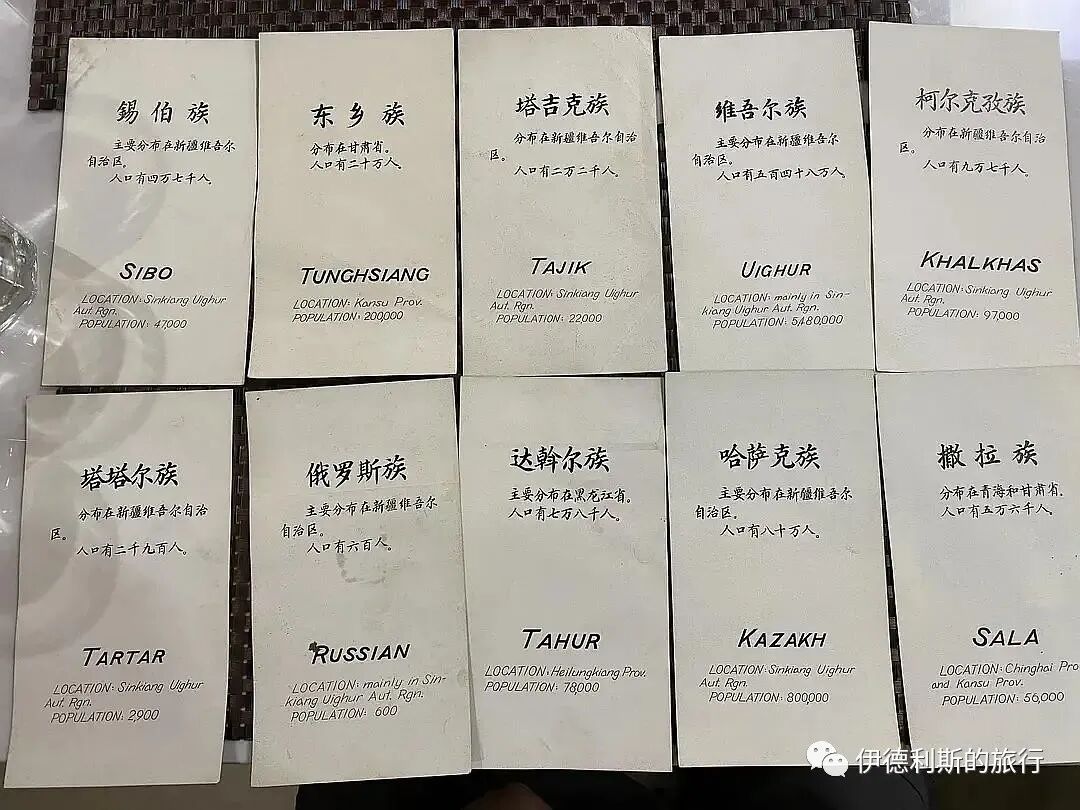
I picked up some ethnic picture cards at the Panjiayuan Antique Book Market today, published by the Central Institute of Nationalities research department in the late 1970s. They really capture the style of that era. I was surprised to find cards of the Salar people; it would have been hard to identify them without checking the back.
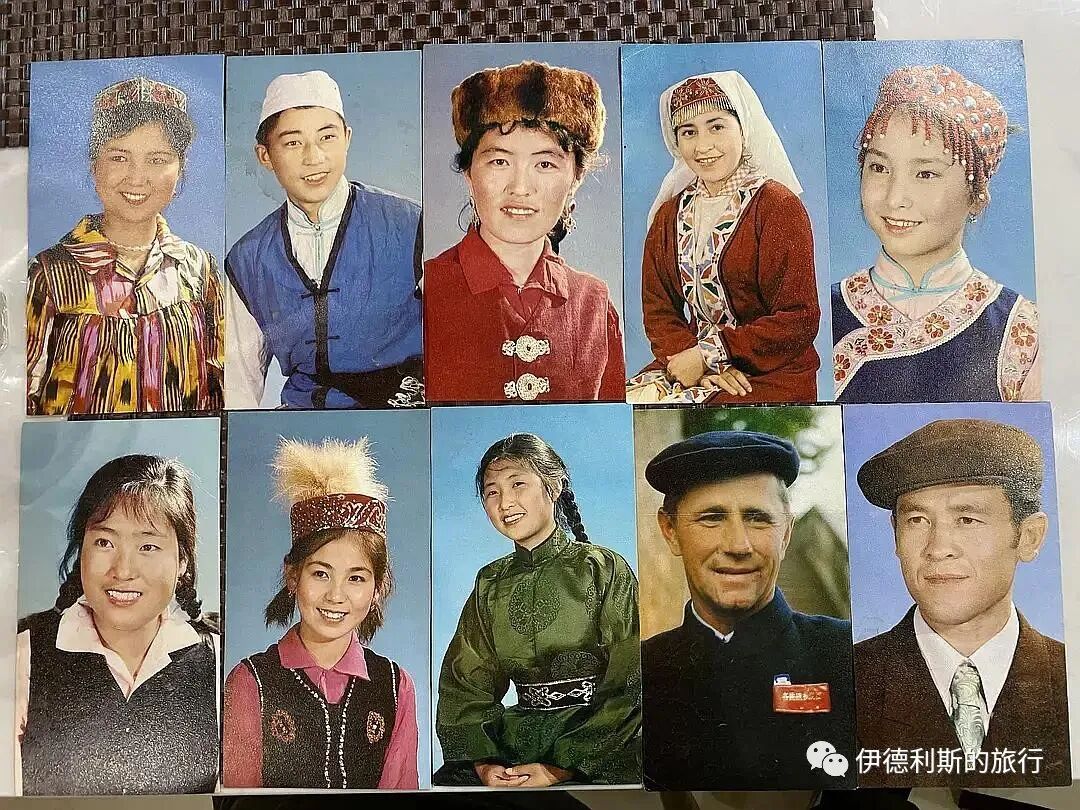
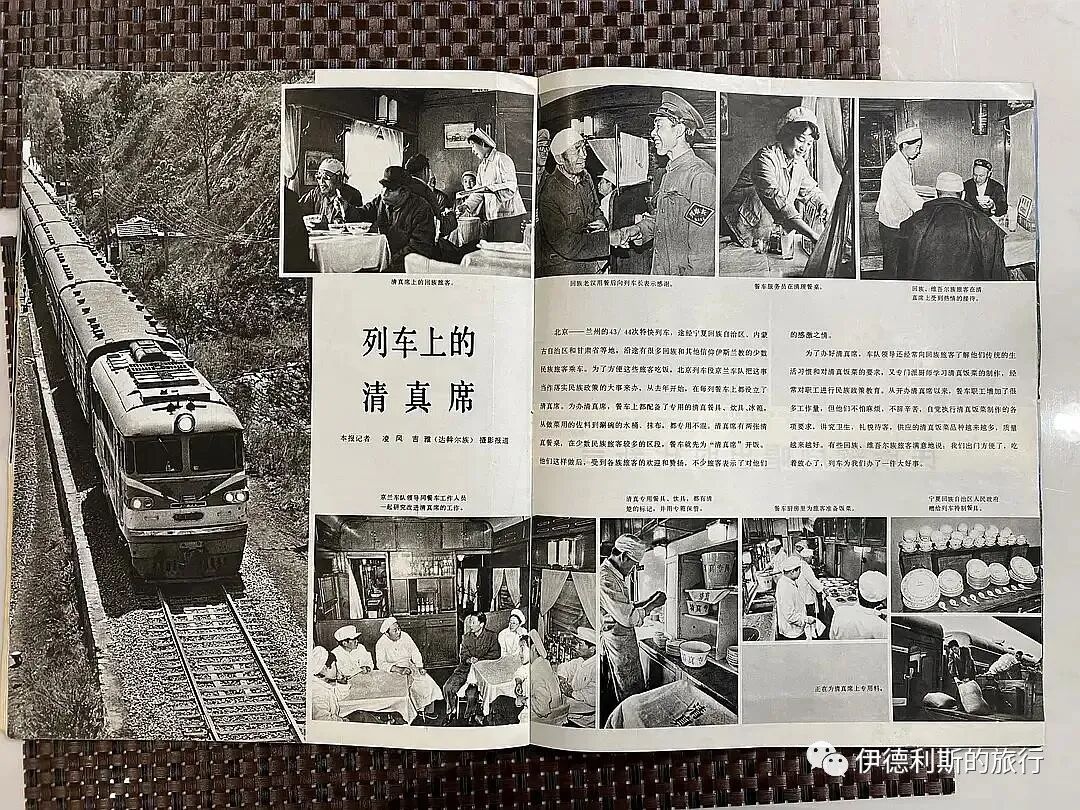
I bought a 1984 issue of Nationalities Pictorial (Minzu Huabao) that features an article about halal meals served on the T43/44 train between Beijing and Lanzhou in the 1980s.
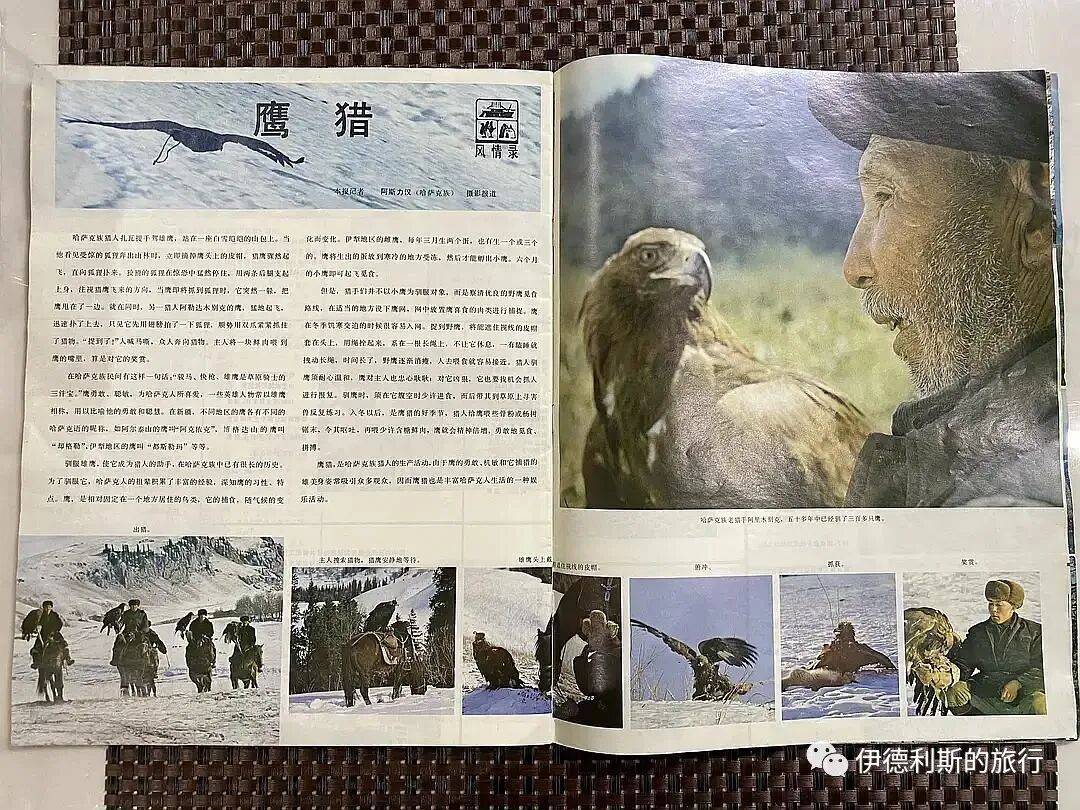
Kazakh people hunting with eagles.
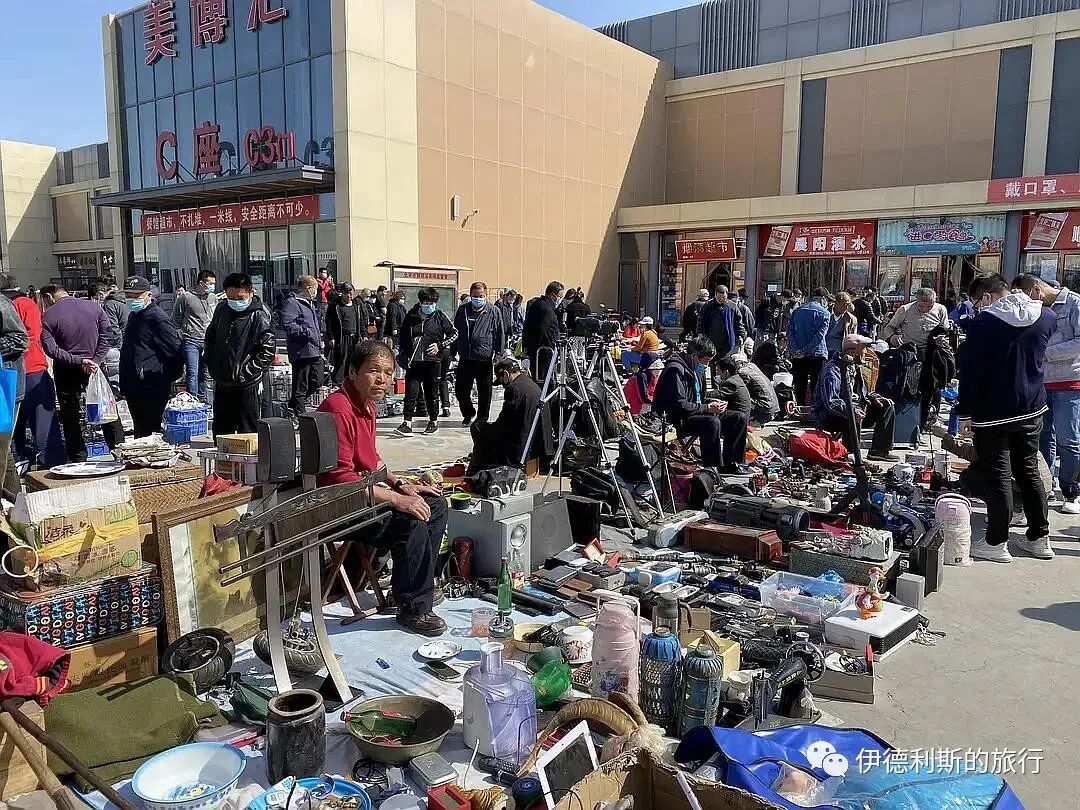
I went to browse the Daliushu Second-hand Market again.
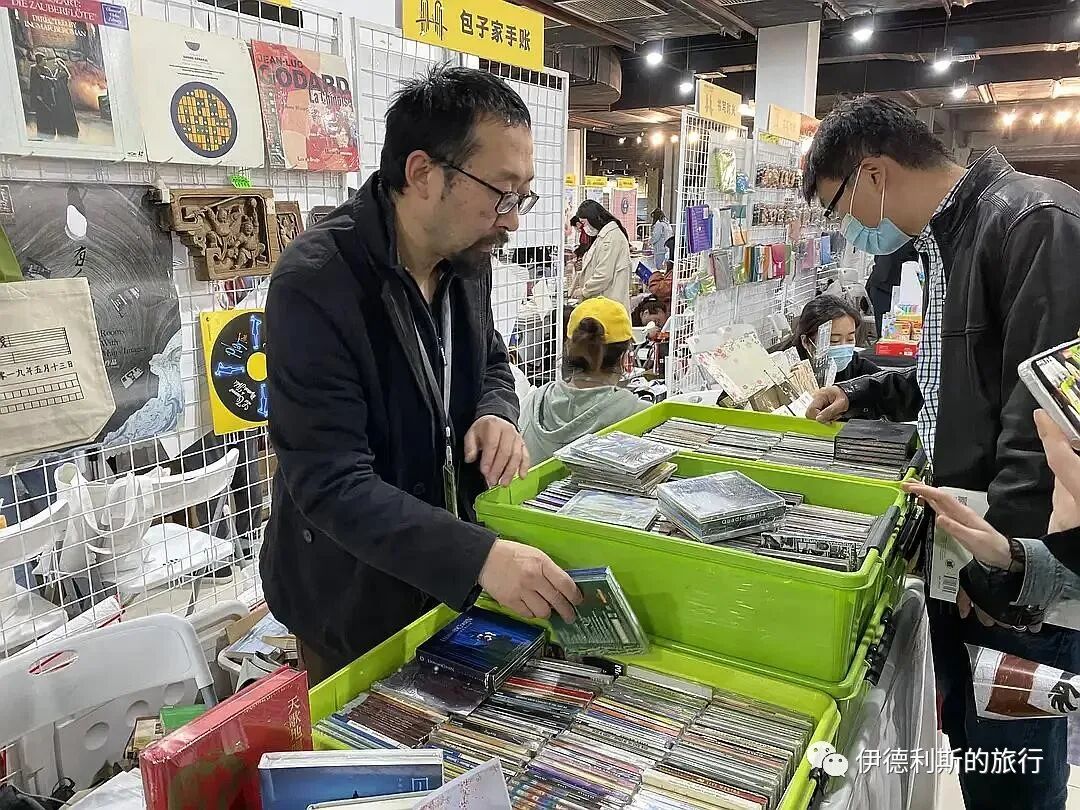
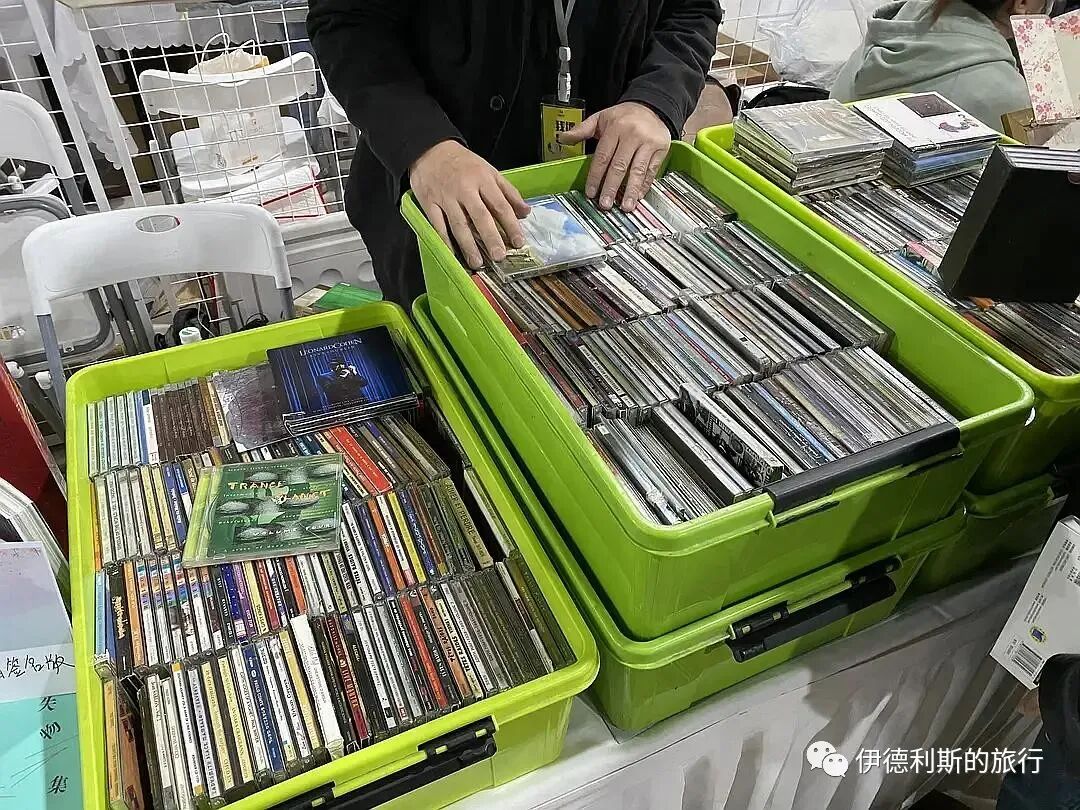
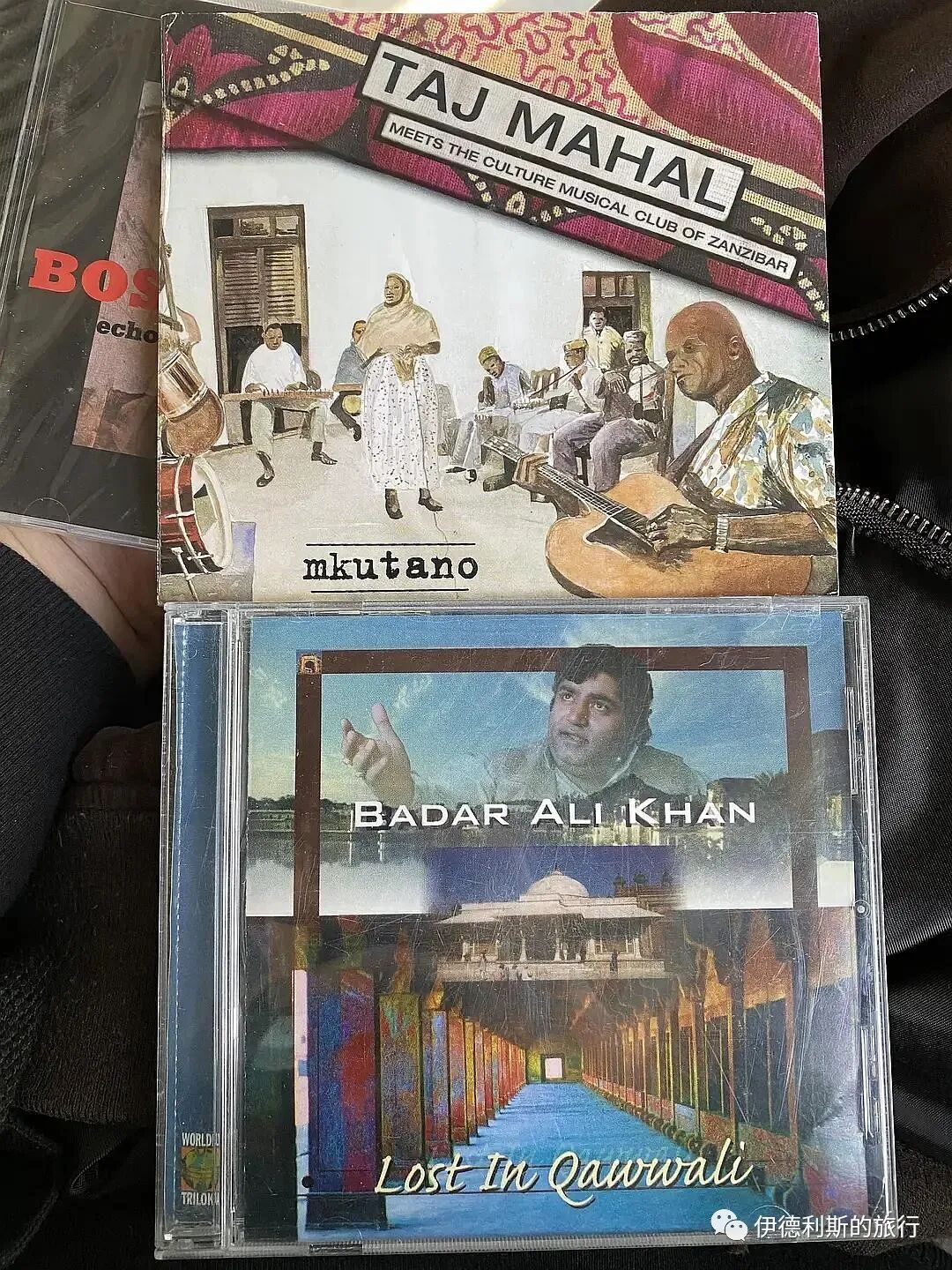
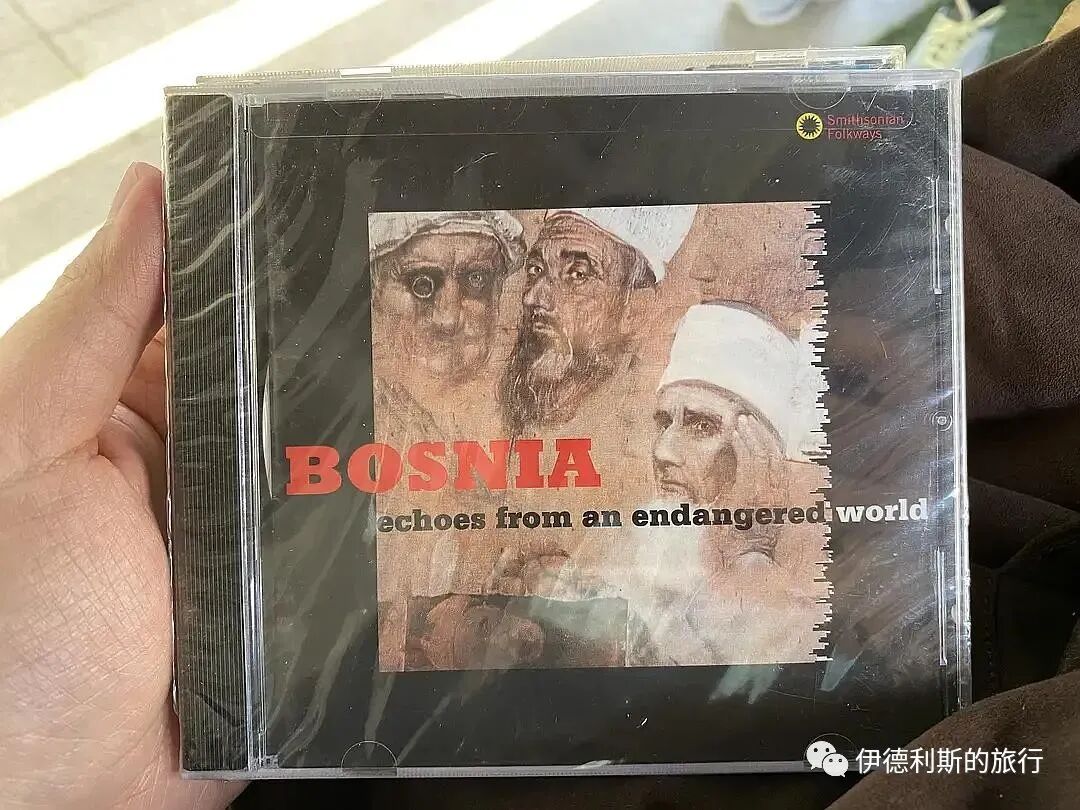
I spent the afternoon at the Xinqiao market and bought three world music records from documentary director Cong Feng. One was East African Zanzibar music, one was Pakistani devotional music, and one was Bosnian music. He had many other great records, like Azerbaijani mugham and Javanese gamelan, but I managed to stop myself from buying more.
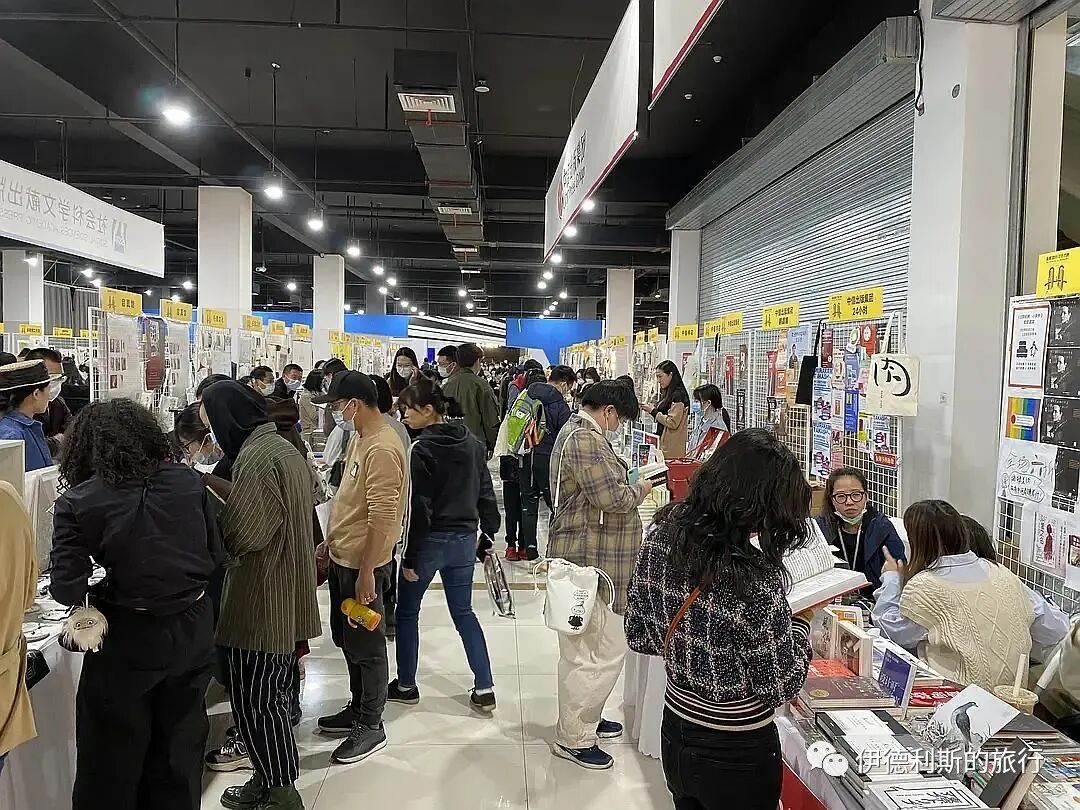
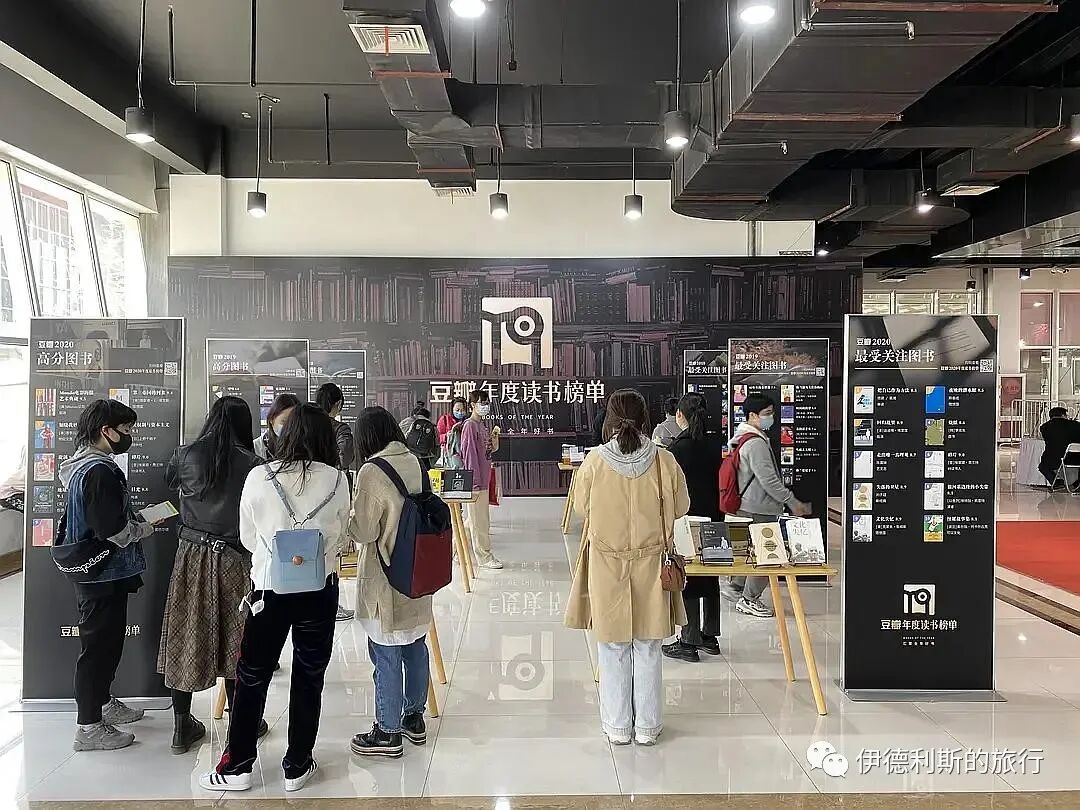
April 18, Book market at Langyuan.
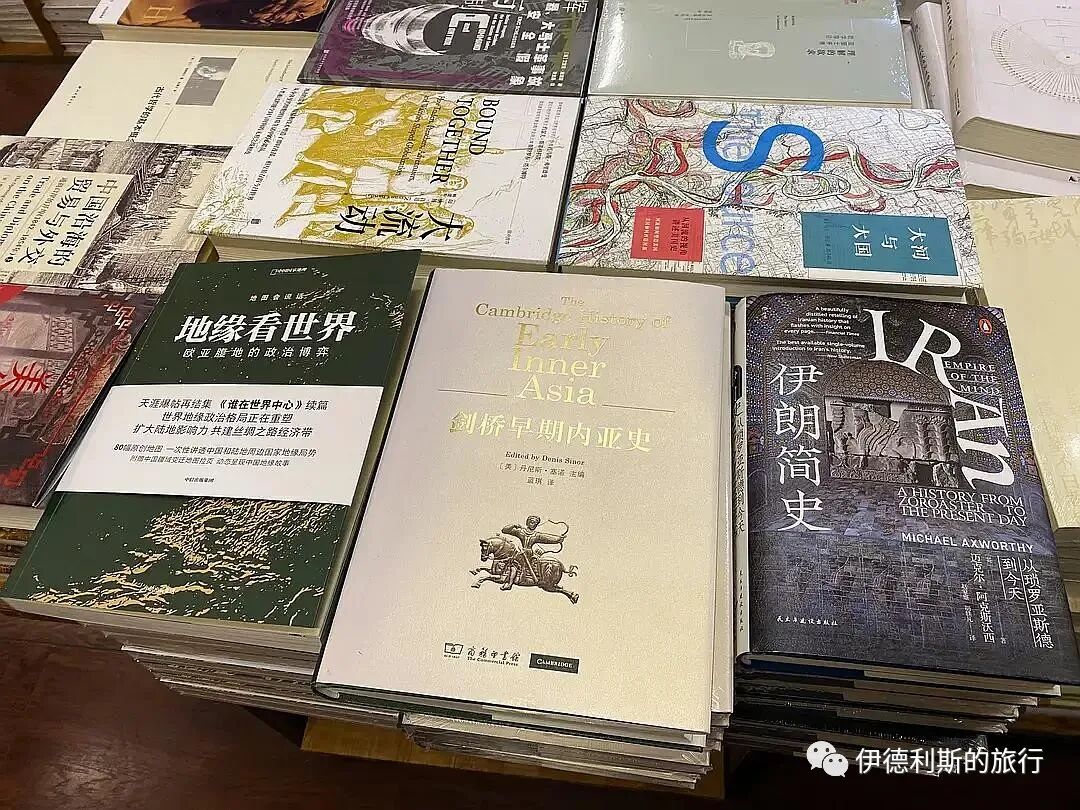
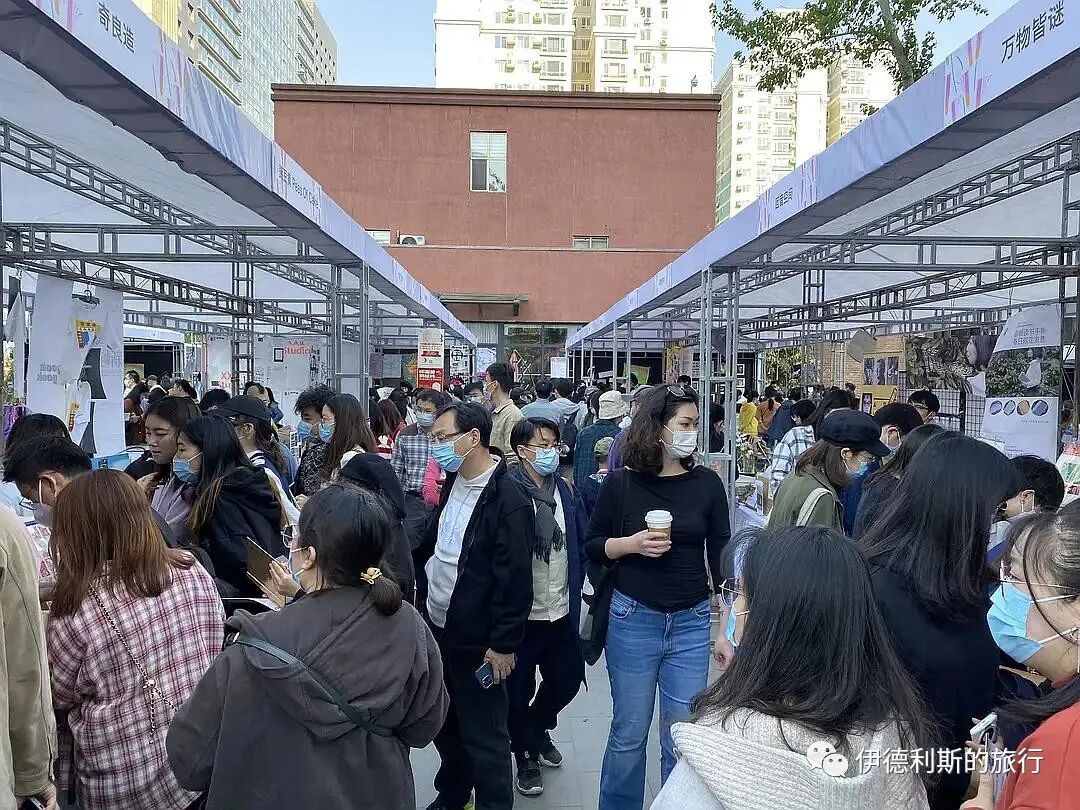
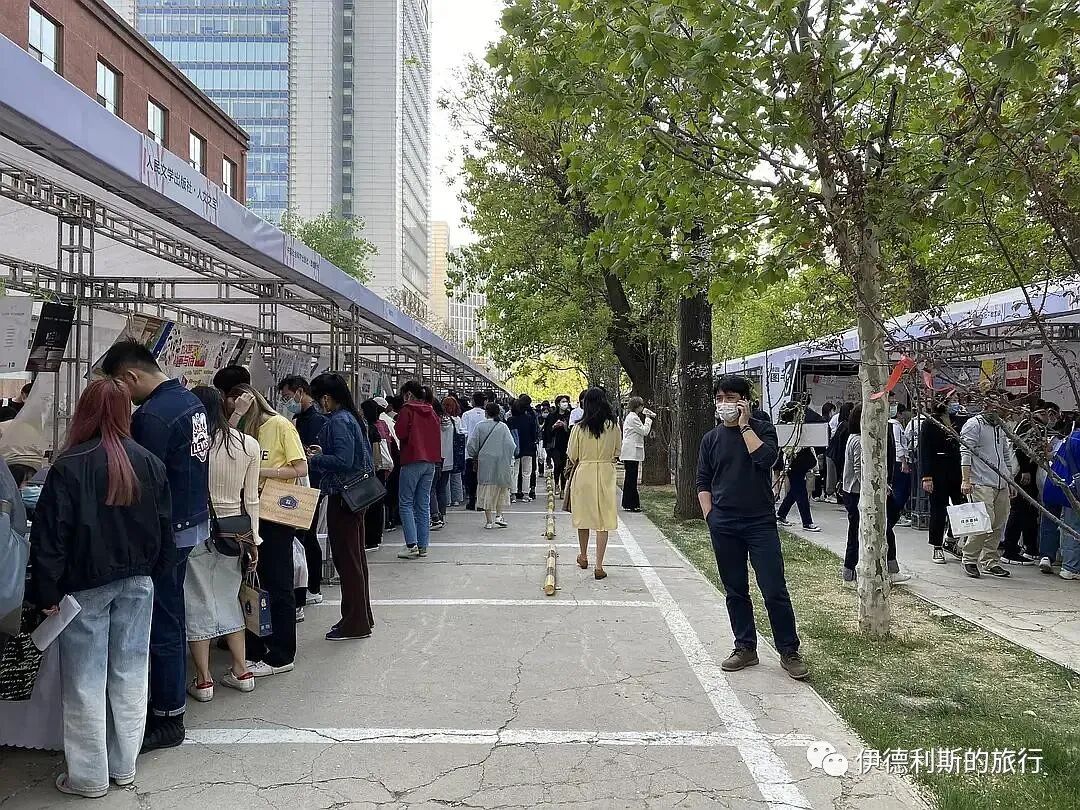
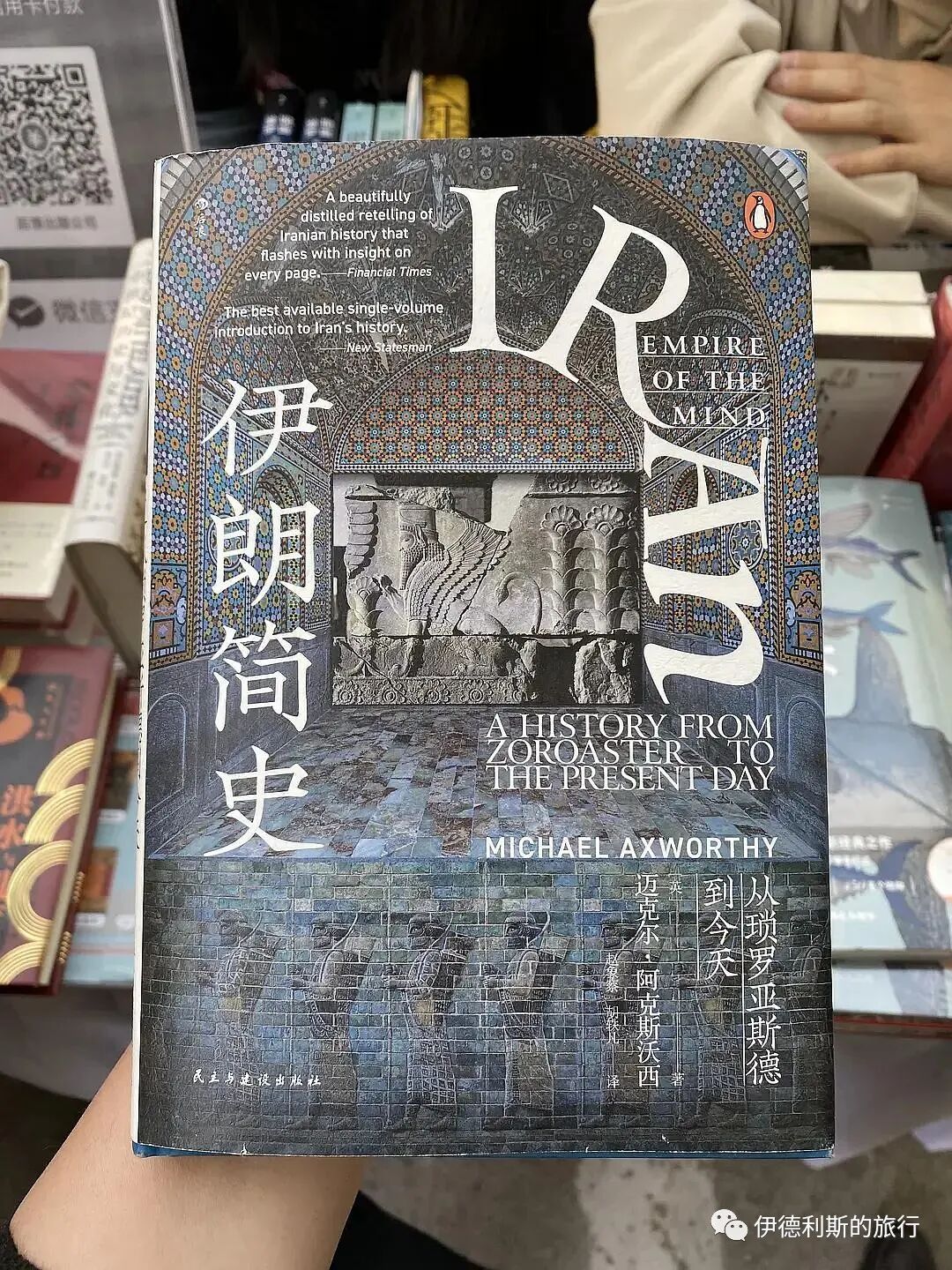
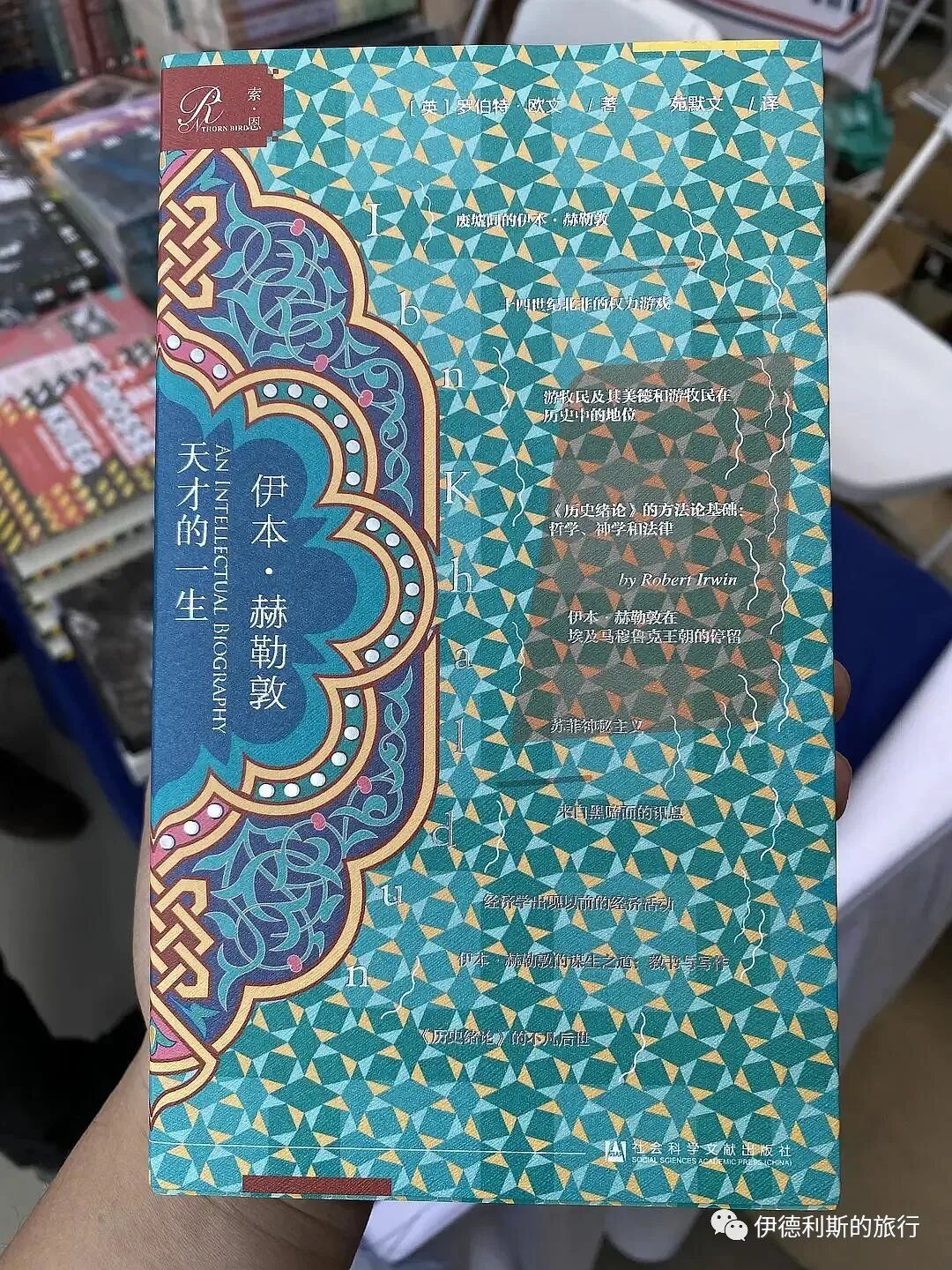
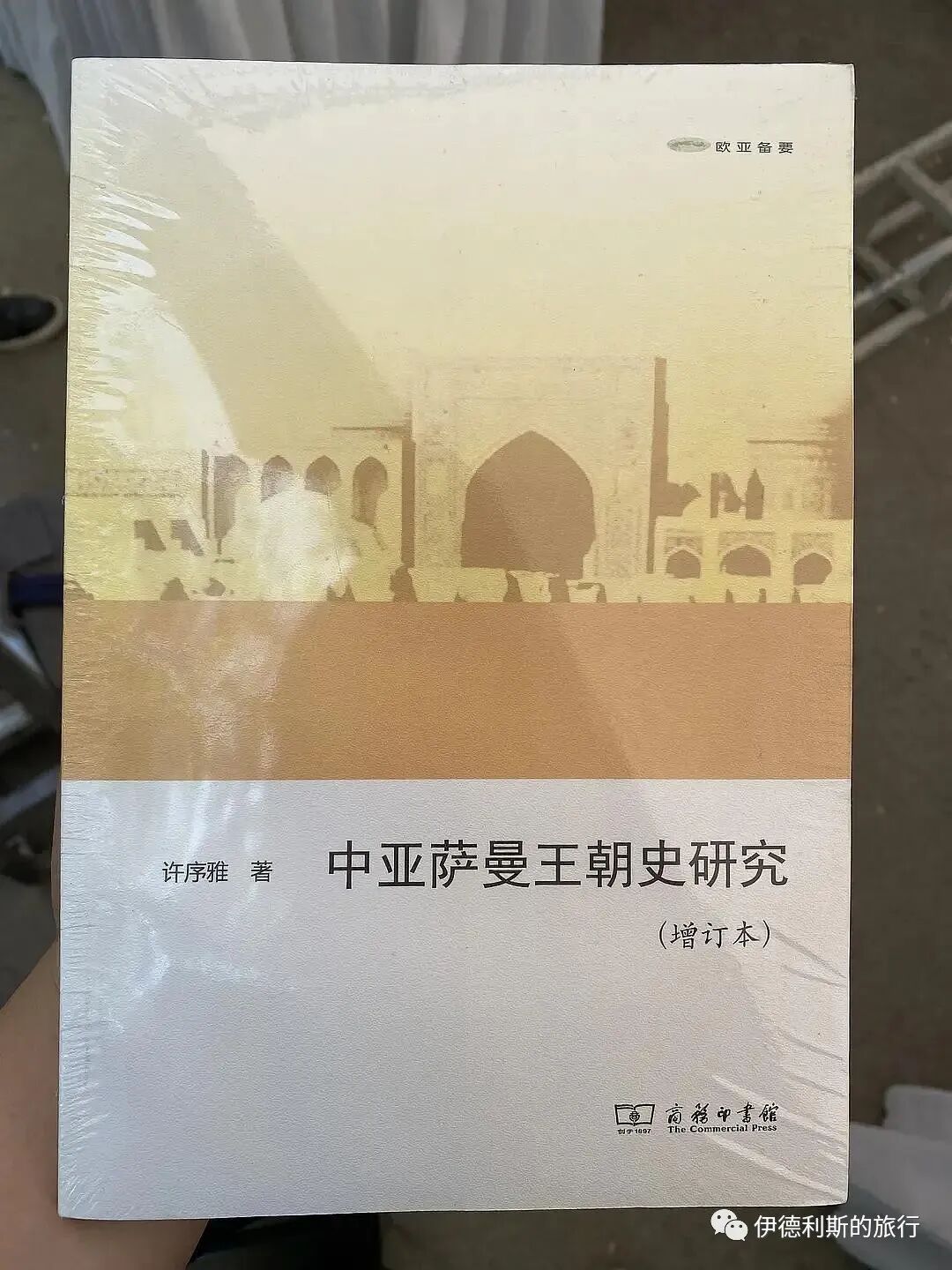
The book market at Langyuan was so crowded this afternoon! I bought three books at half price. They were A Brief History of Iran by Post Wave, Ibn Khaldun by Social Sciences Academic Press, and A Study of the Samanid Dynasty in Central Asia (Revised Edition) by The Commercial Press. It was a great deal.
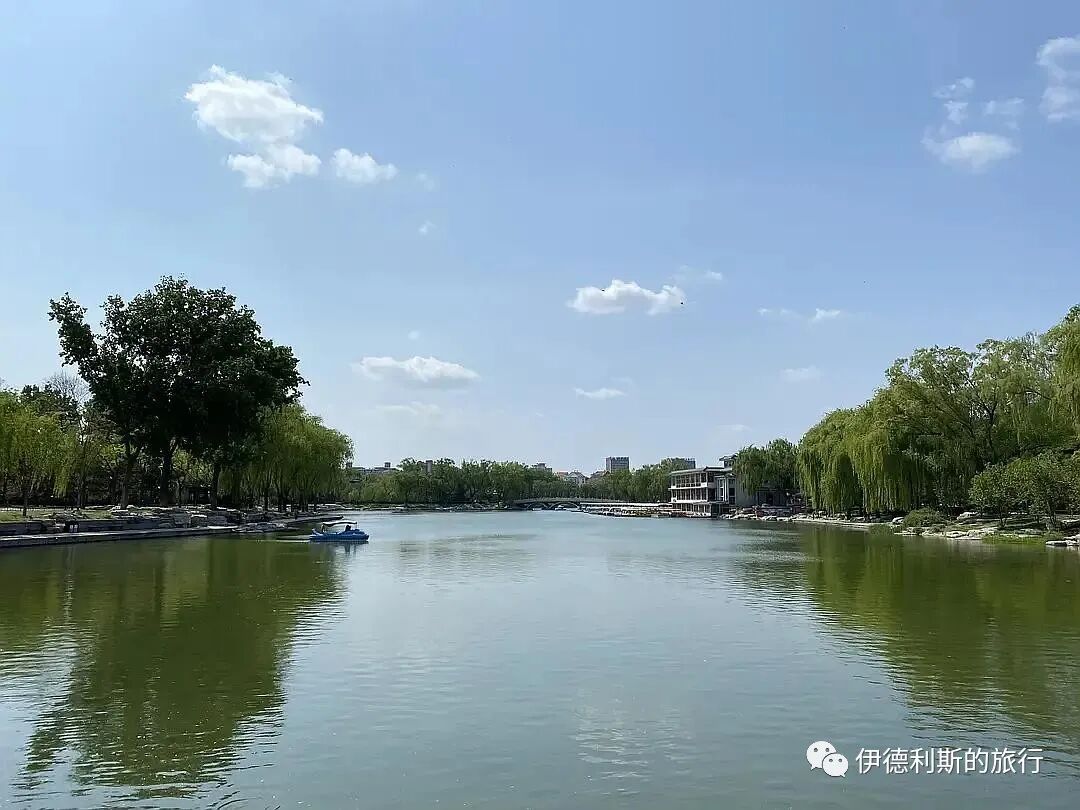
April 23, Taoranting Park and Panjiayuan Ghost Market.
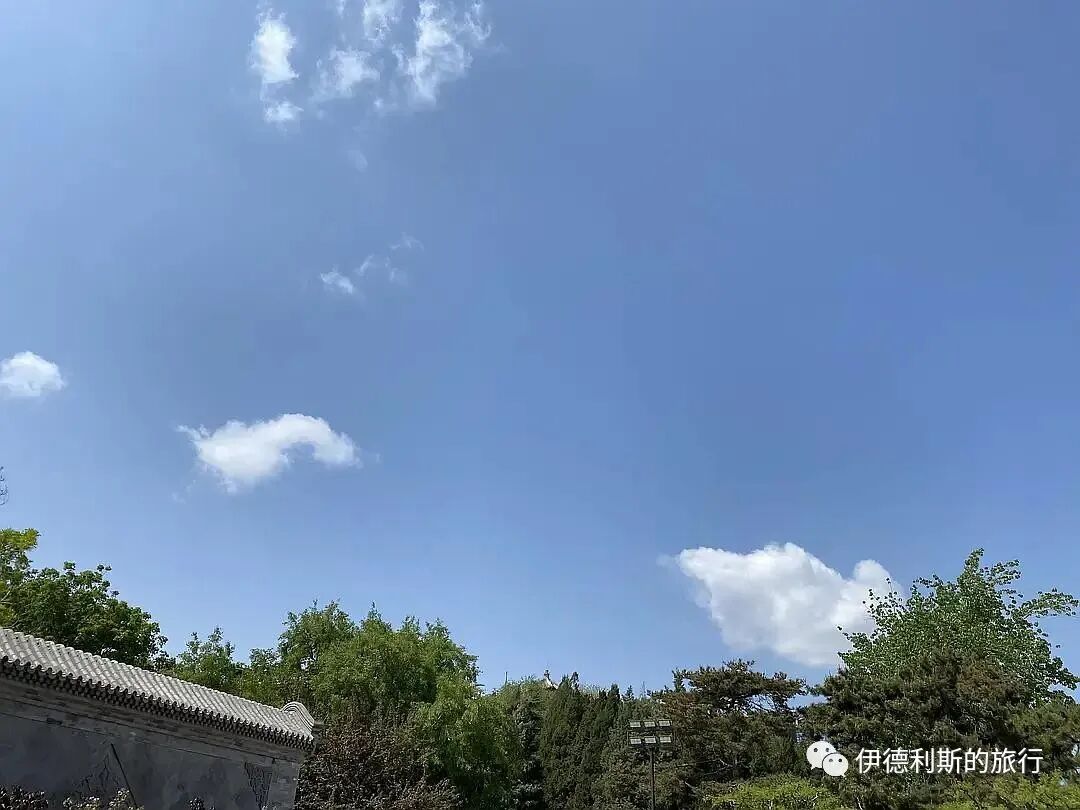
The weather in Beijing is so nice today.
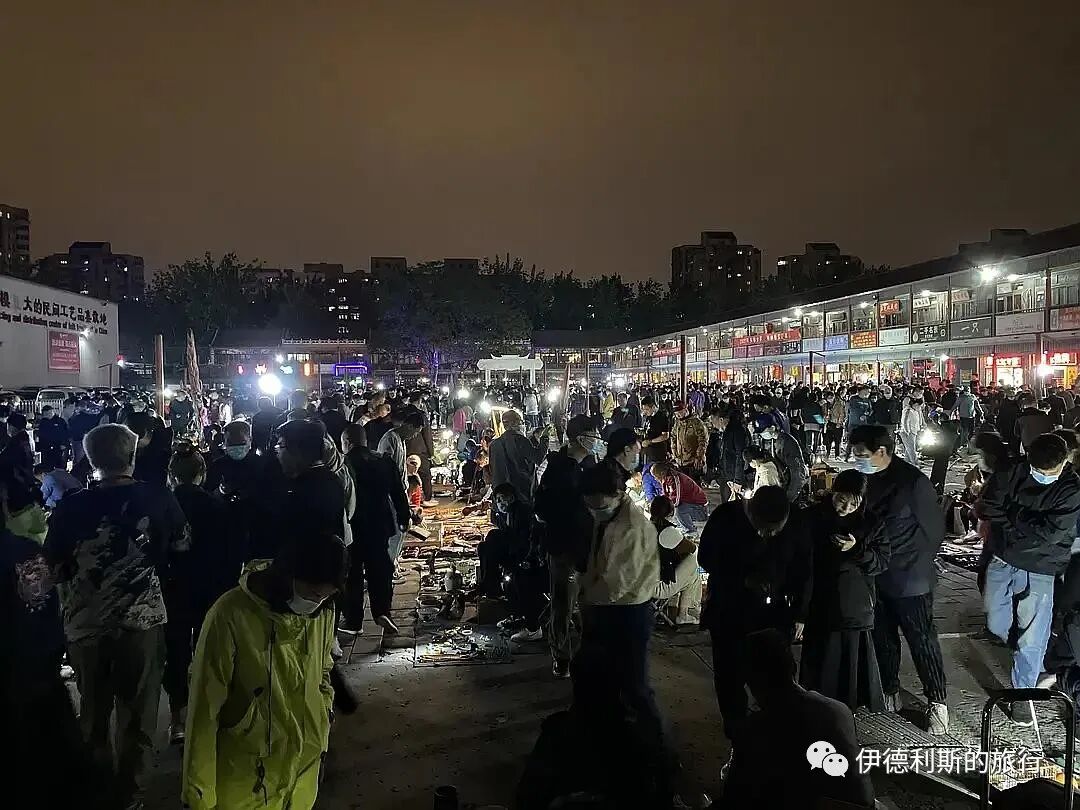
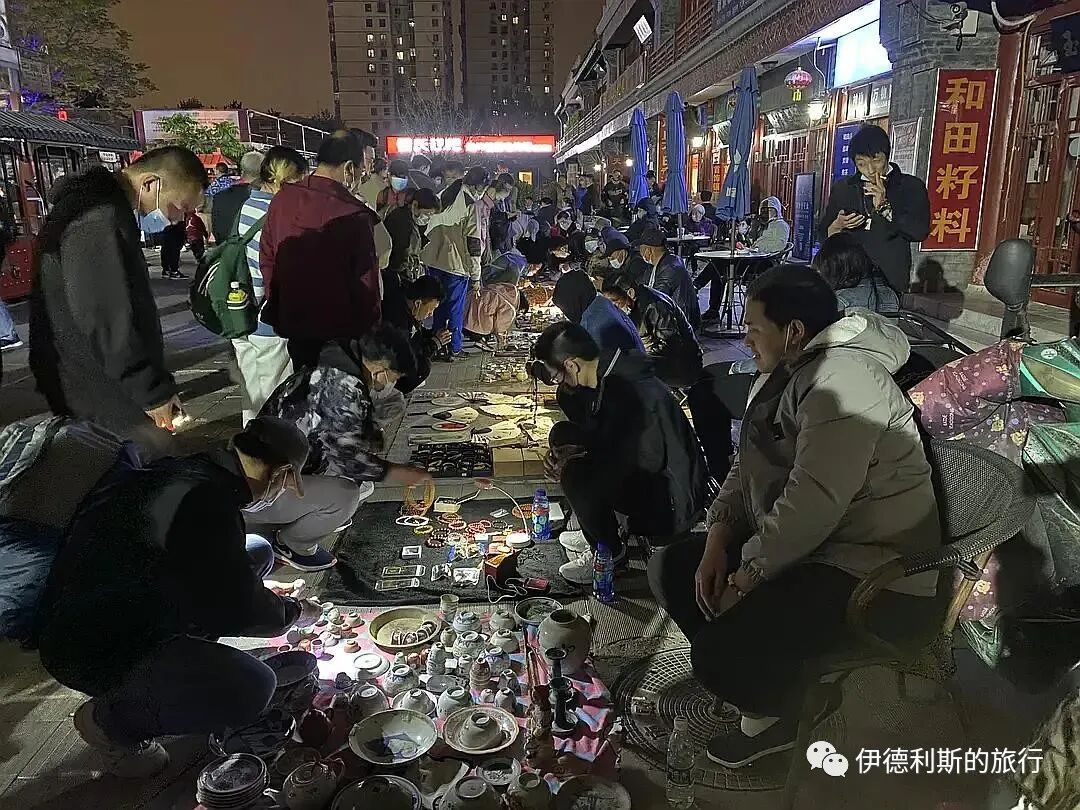
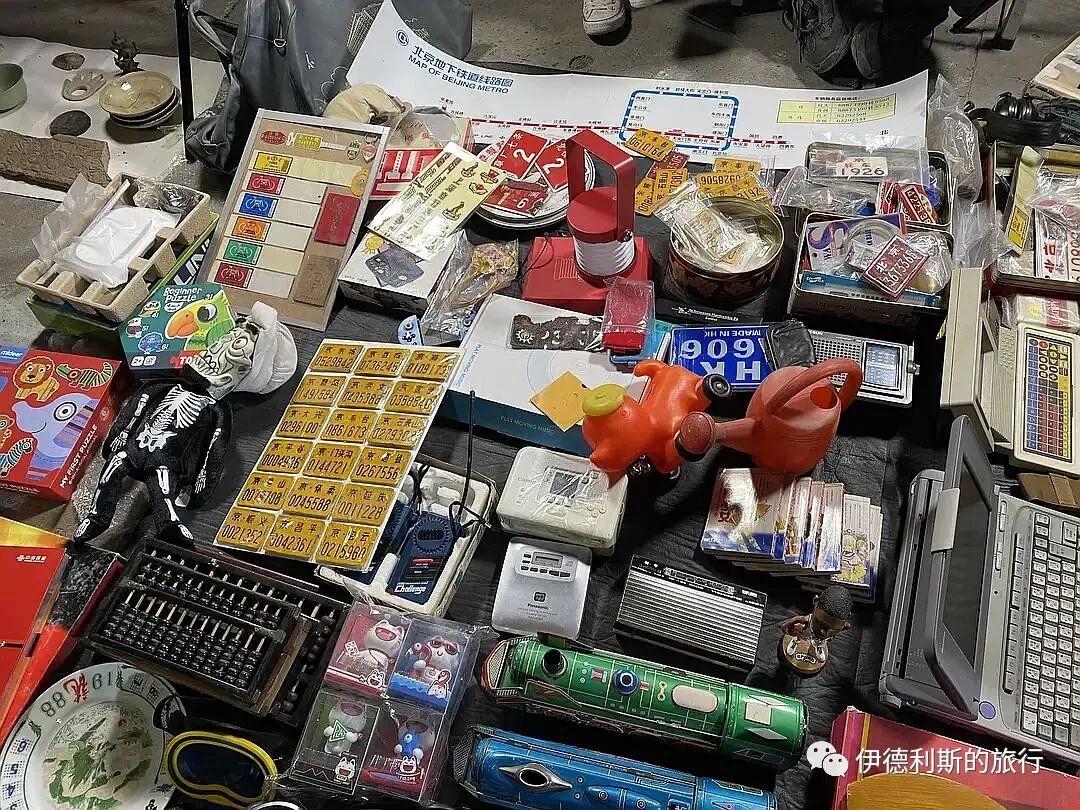
The Panjiayuan Ghost Market is open from 7:00 PM on Friday until 4:00 AM on Saturday. Zainab said she has never seen so many Beijingers with stronger accents than mine all at once.
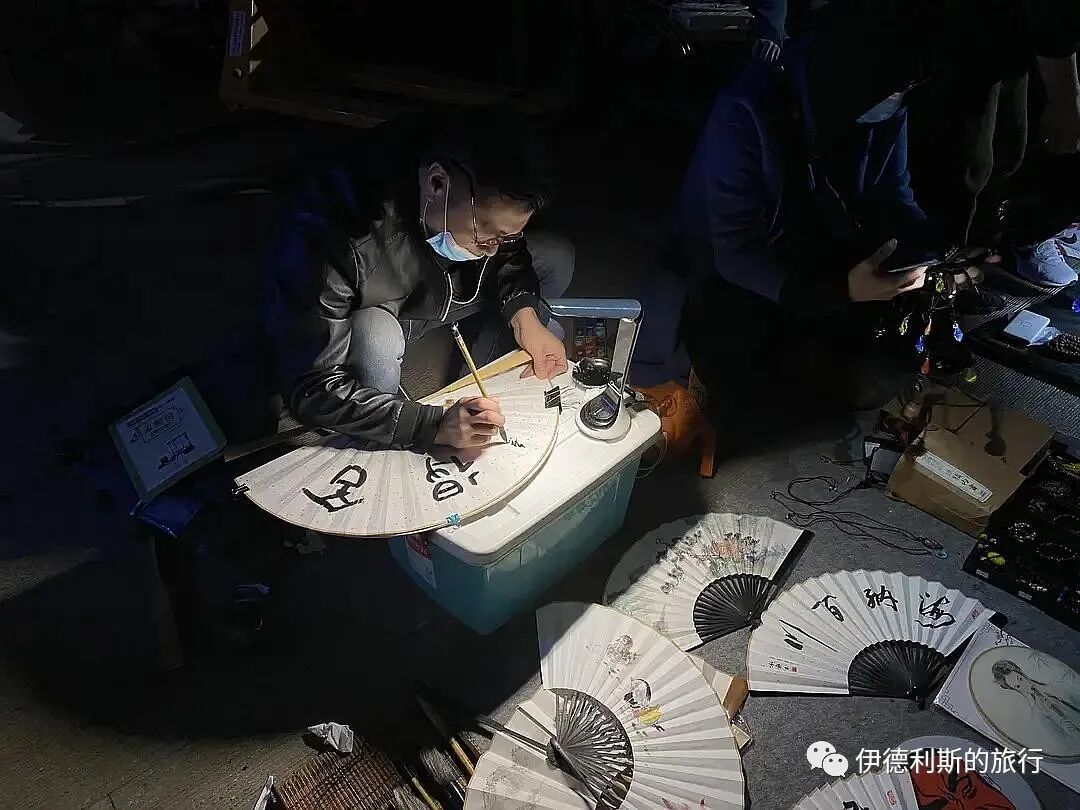
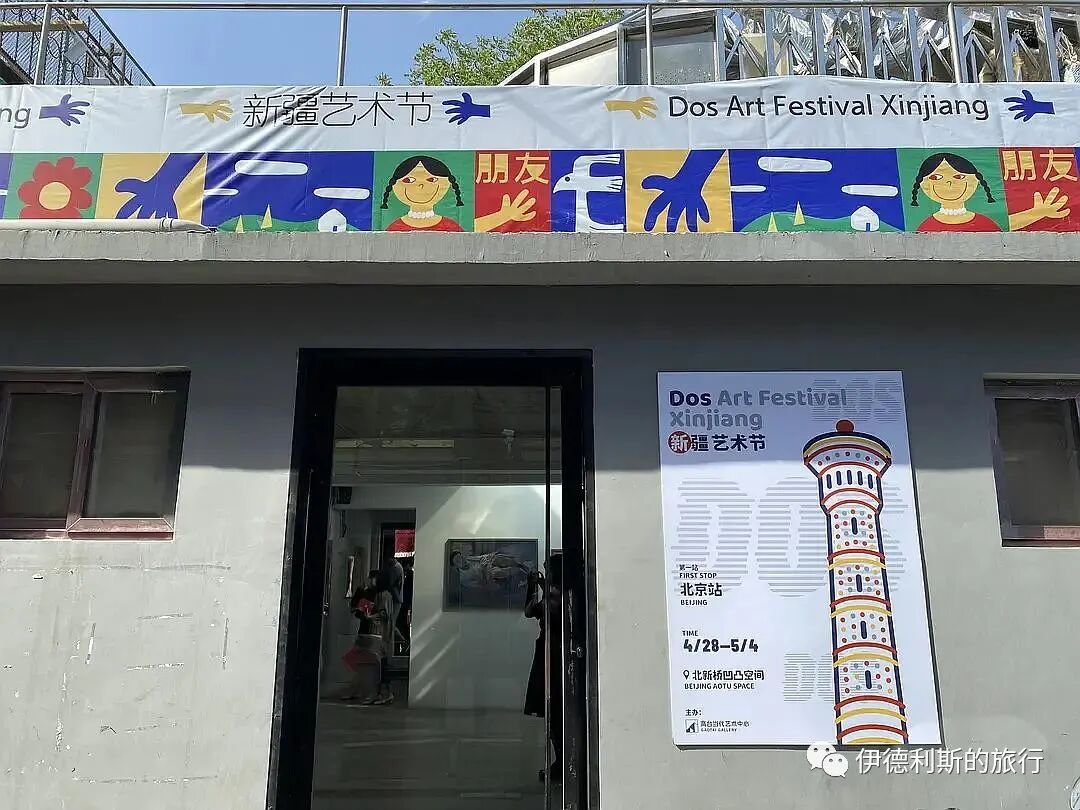
April 28, Dos Xinjiang Art Festival.
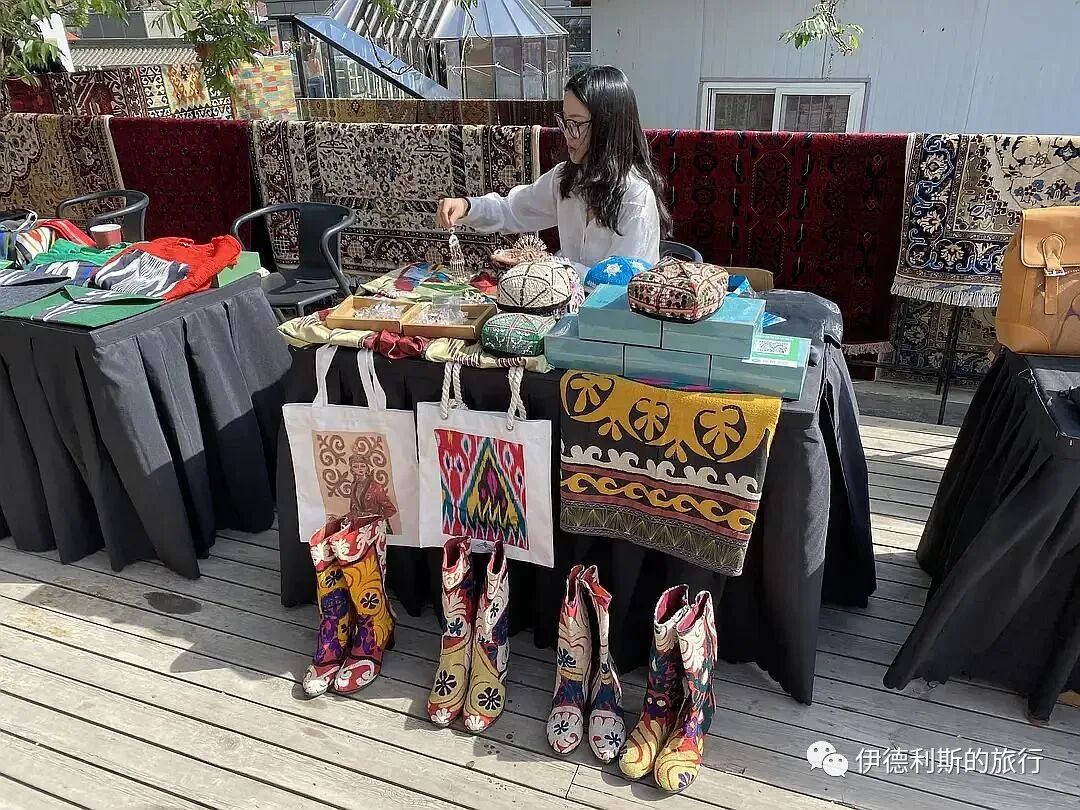
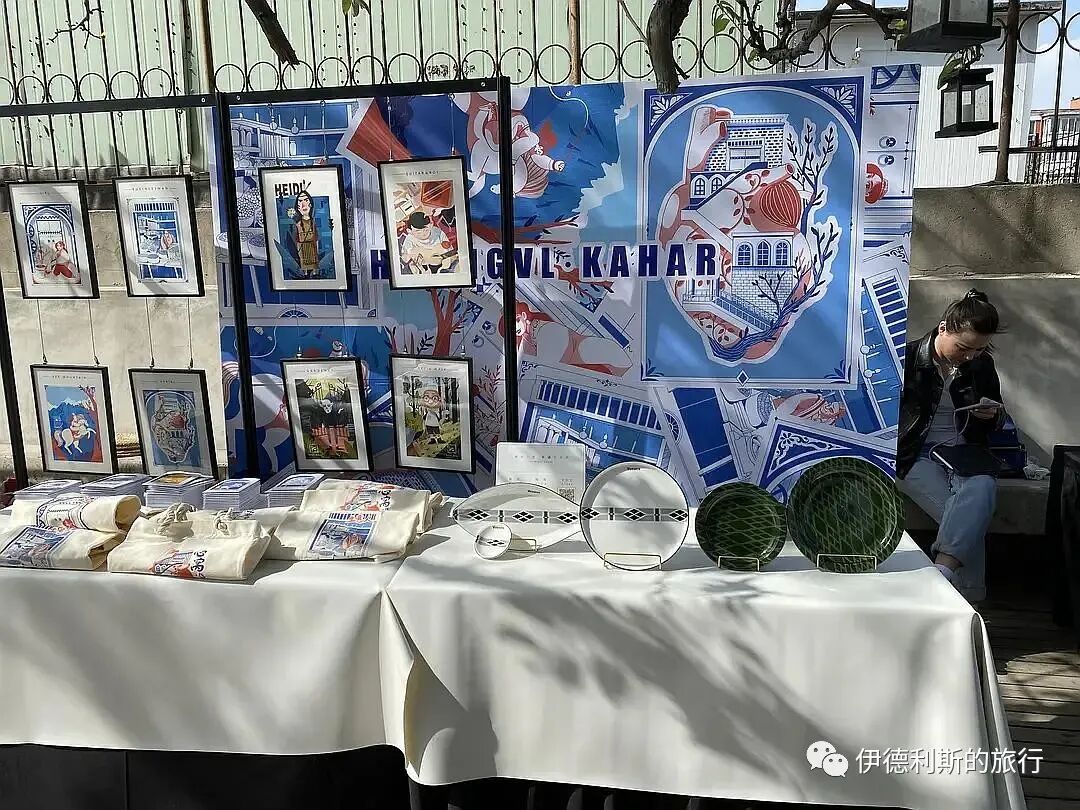
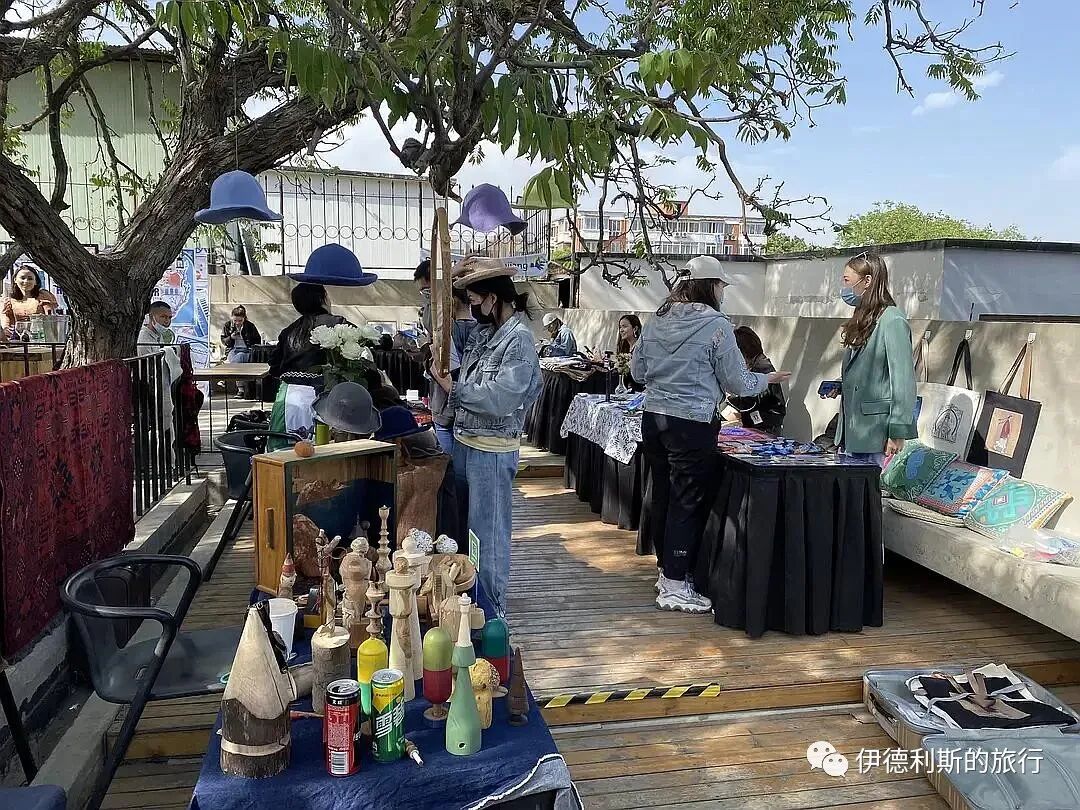
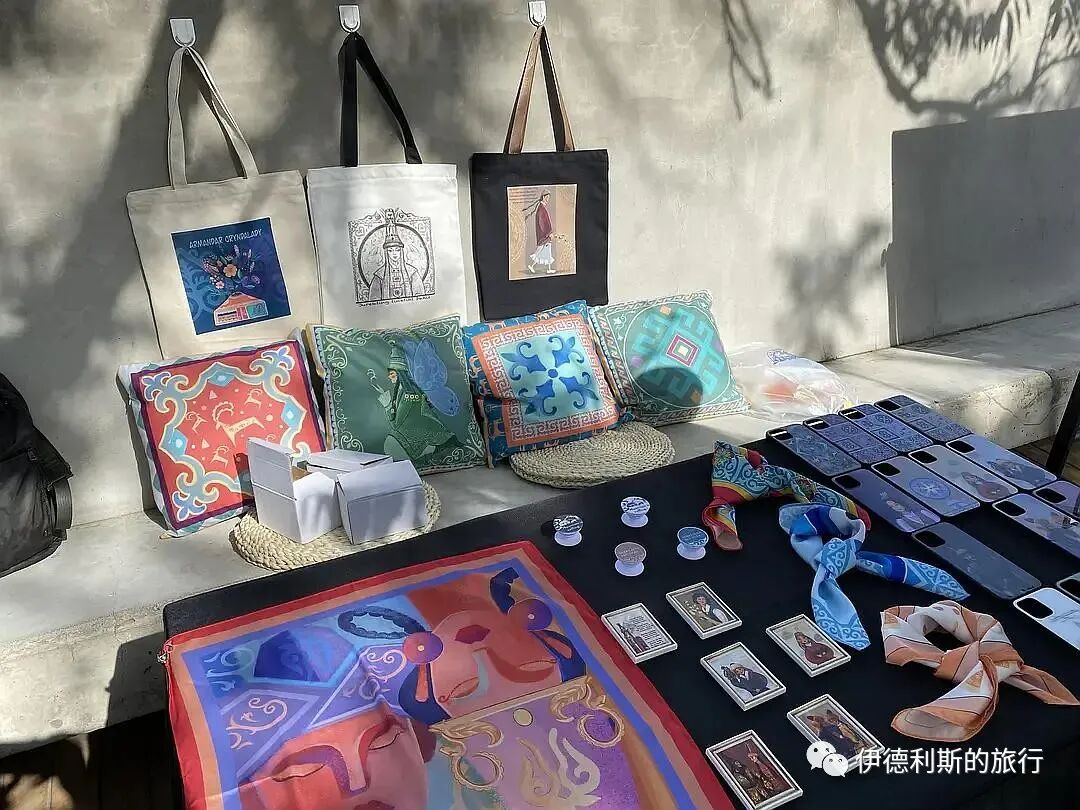
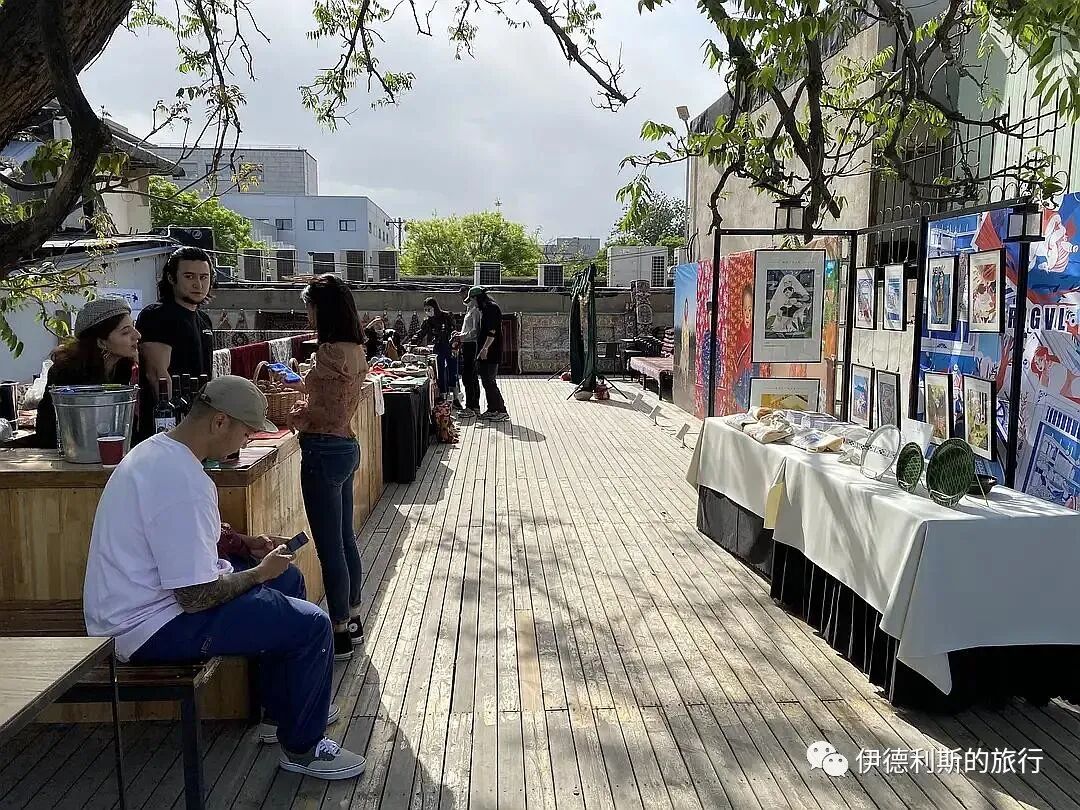
The Dost Xinjiang Art Festival features art exhibits, a market, and film screenings. It runs until May 4 at the Aotu Space in Beixinqiao.
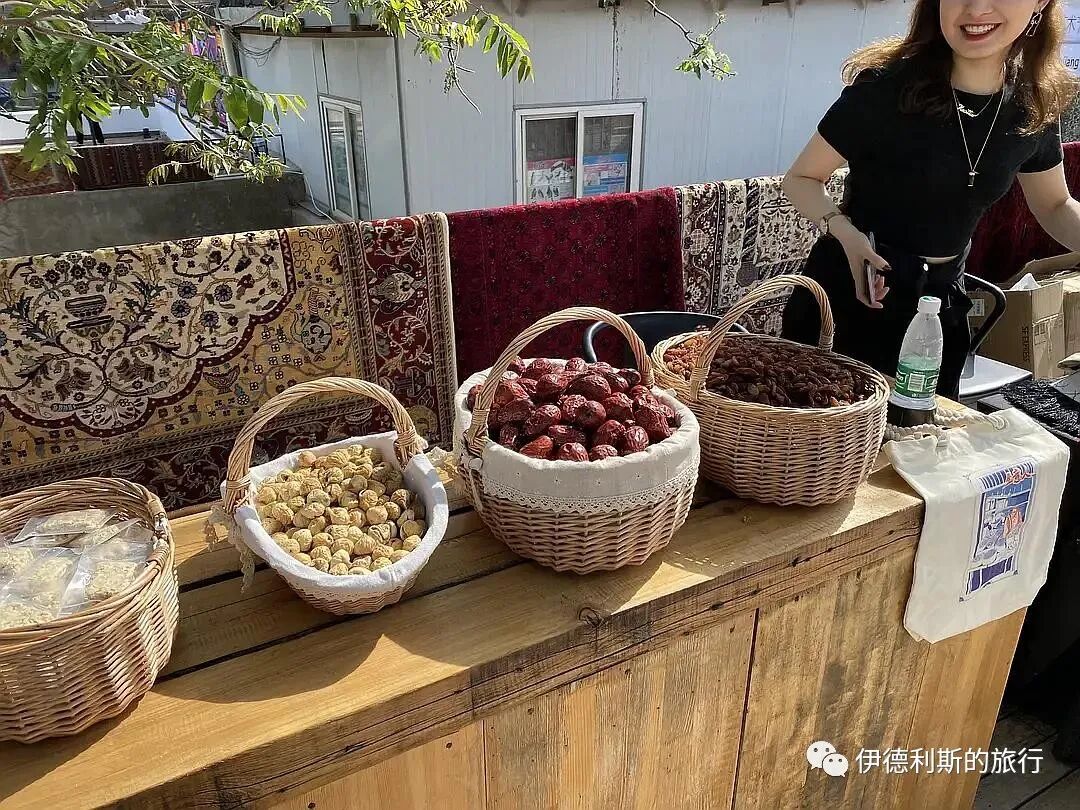
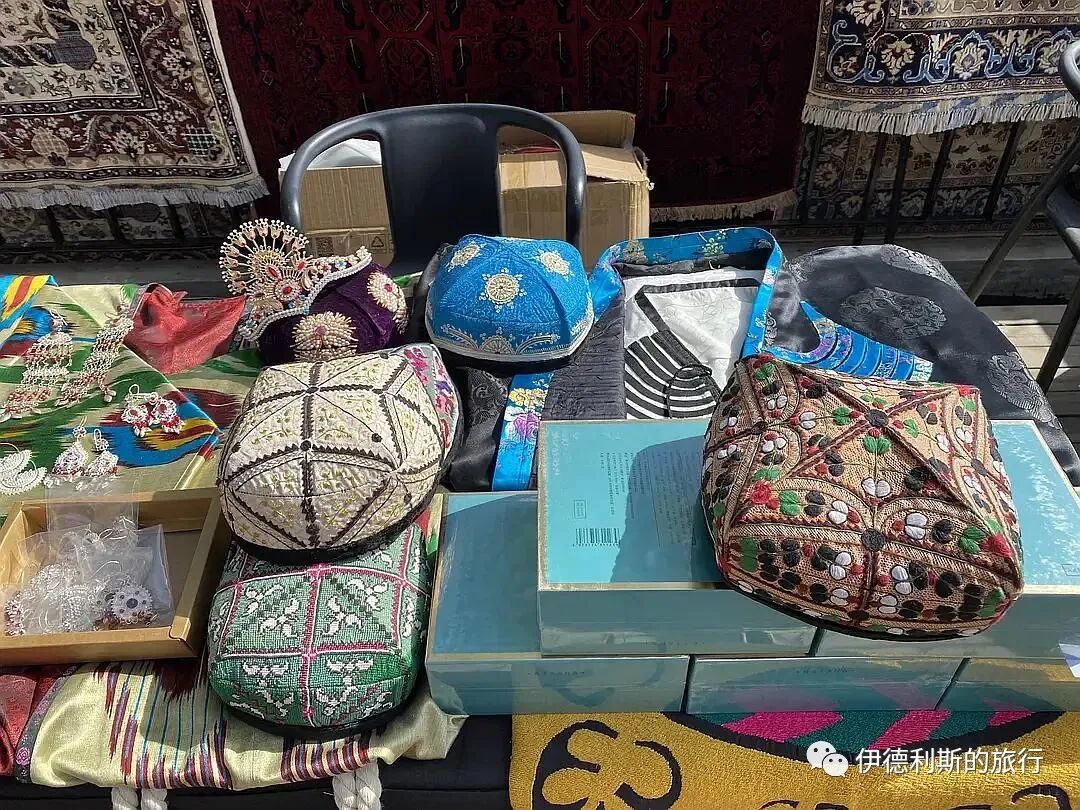
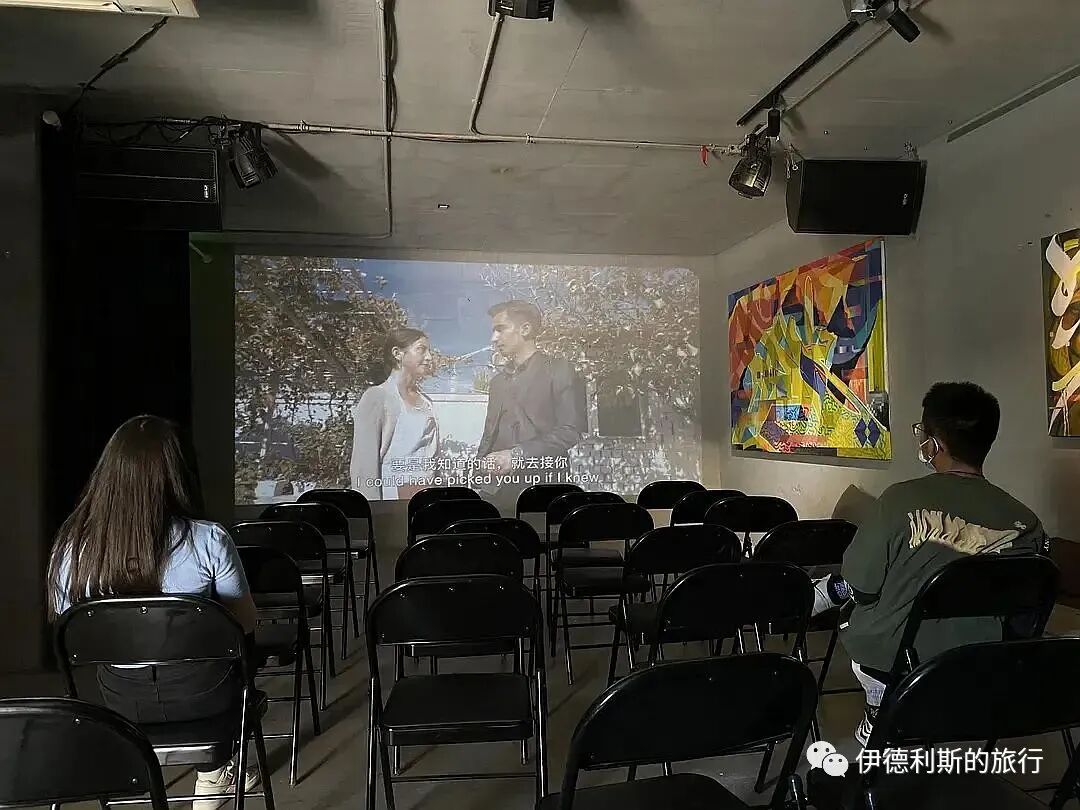
I watched three Uyghur short films. "Alex" is a dark comedy about Uyghur people in Yining, and it is quite fun.
"My Choice" tells the story of a Uyghur girl who dropped out of school to marry and have children early. She wants to take the college entrance exam and go to university, but she ultimately faces a life she cannot escape. The film shows many vivid details of daily life. What impressed me most was the story the main character tells her son about a little tiger who loved eating instant noodles and ended up with a stomach illness.
"Crossing the Calm River" is set in snow-covered fields. It follows a Uyghur father and son on their way home after buying pomegranates, as their memories begin to intertwine. The overall tone is quite dark, using empty shots, blurred focus, and close-ups. It is interesting to see the small emotions of young boys and girls. Last year, I also walked and talked in the snow in Xinjiang with someone I liked.
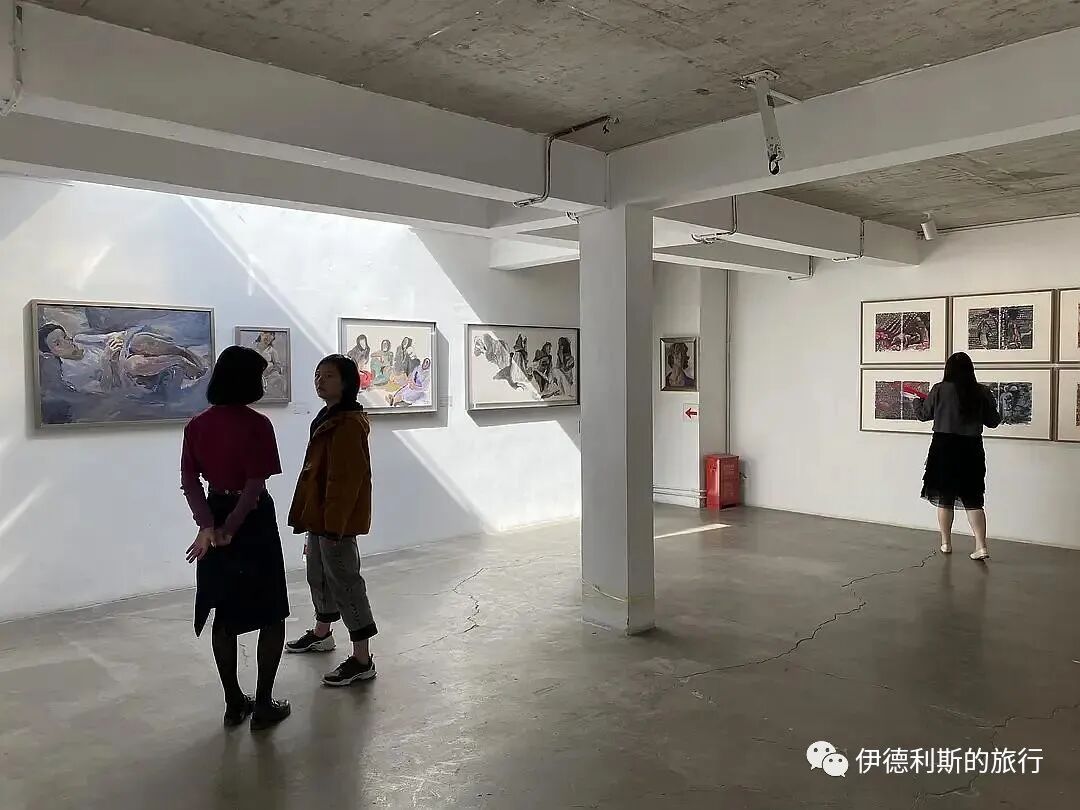
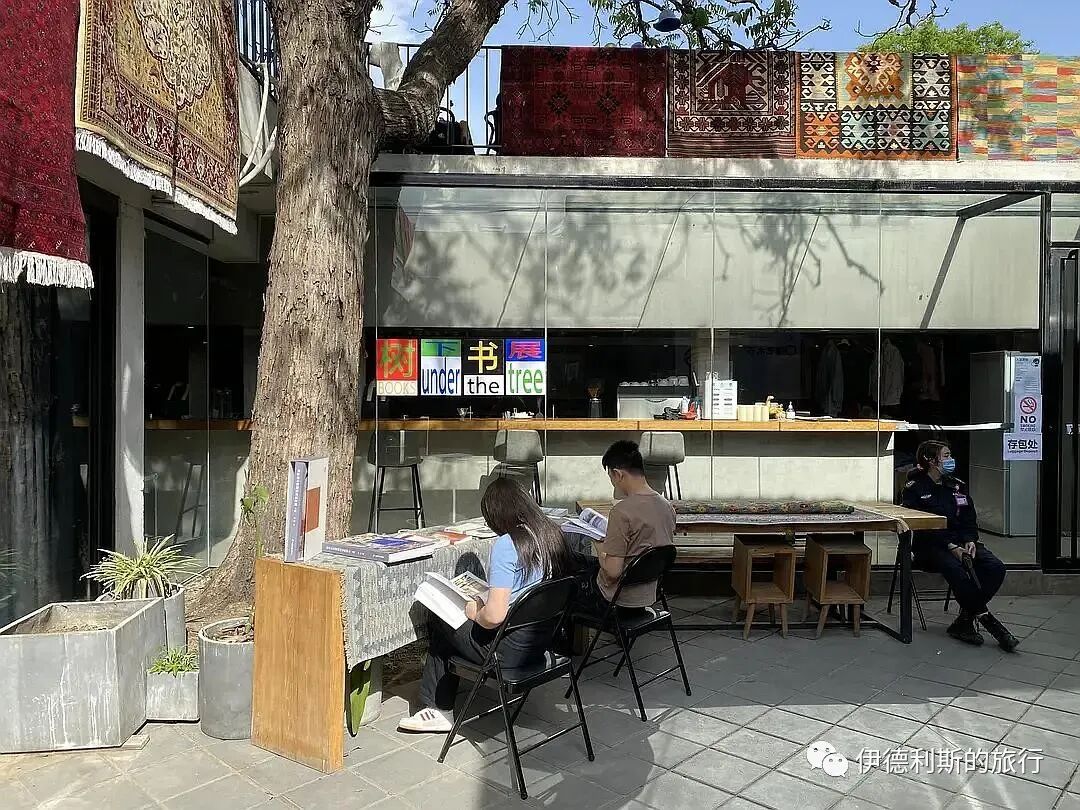
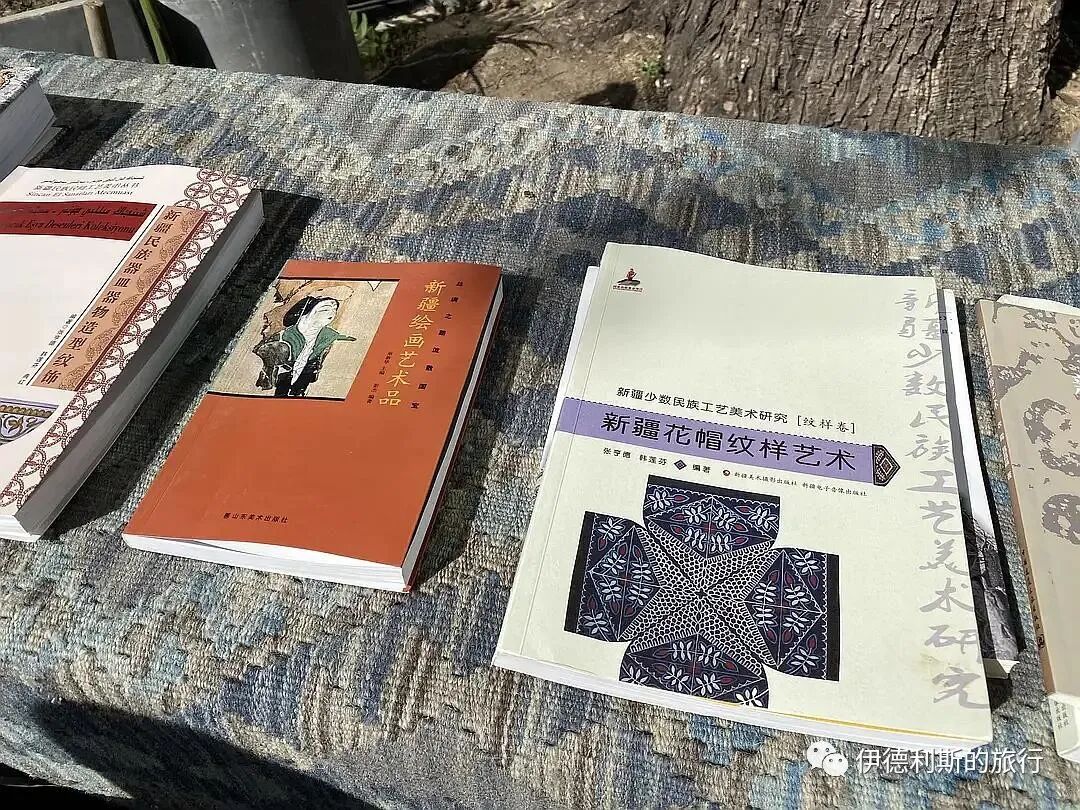
The art festival has places to read books and soak up the sun, with some books about Xinjiang art.
The place where they show movies has Uyghur calligraphy hanging up.
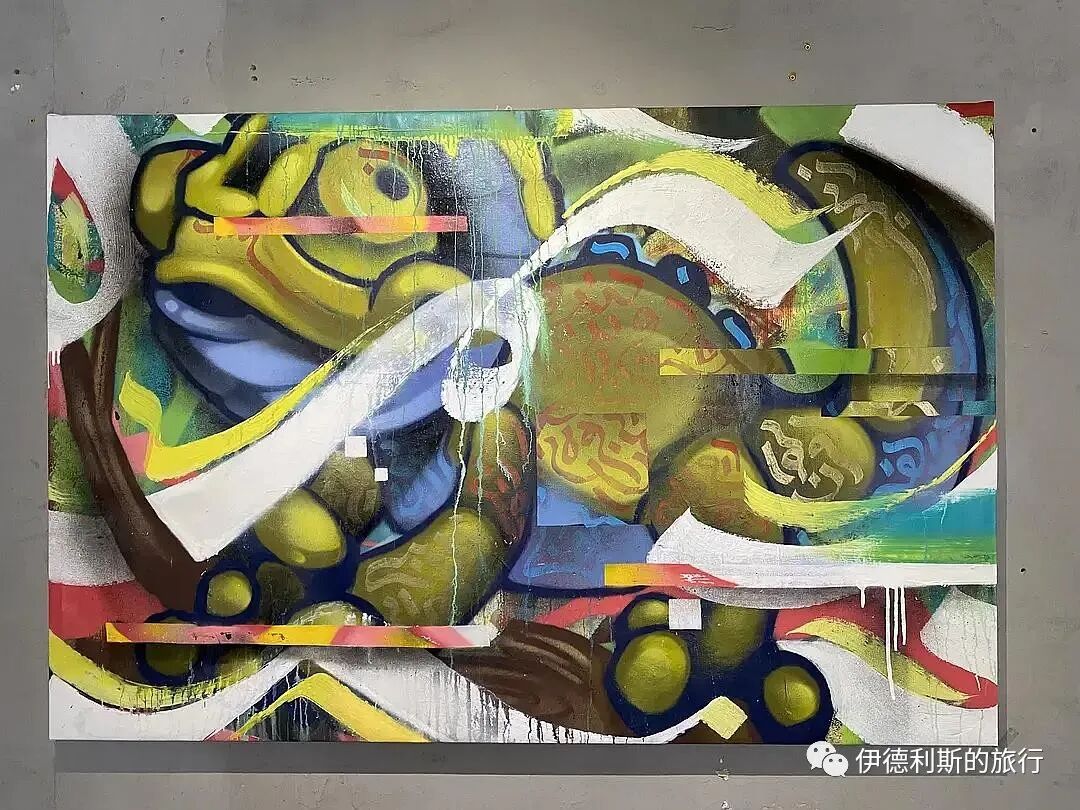
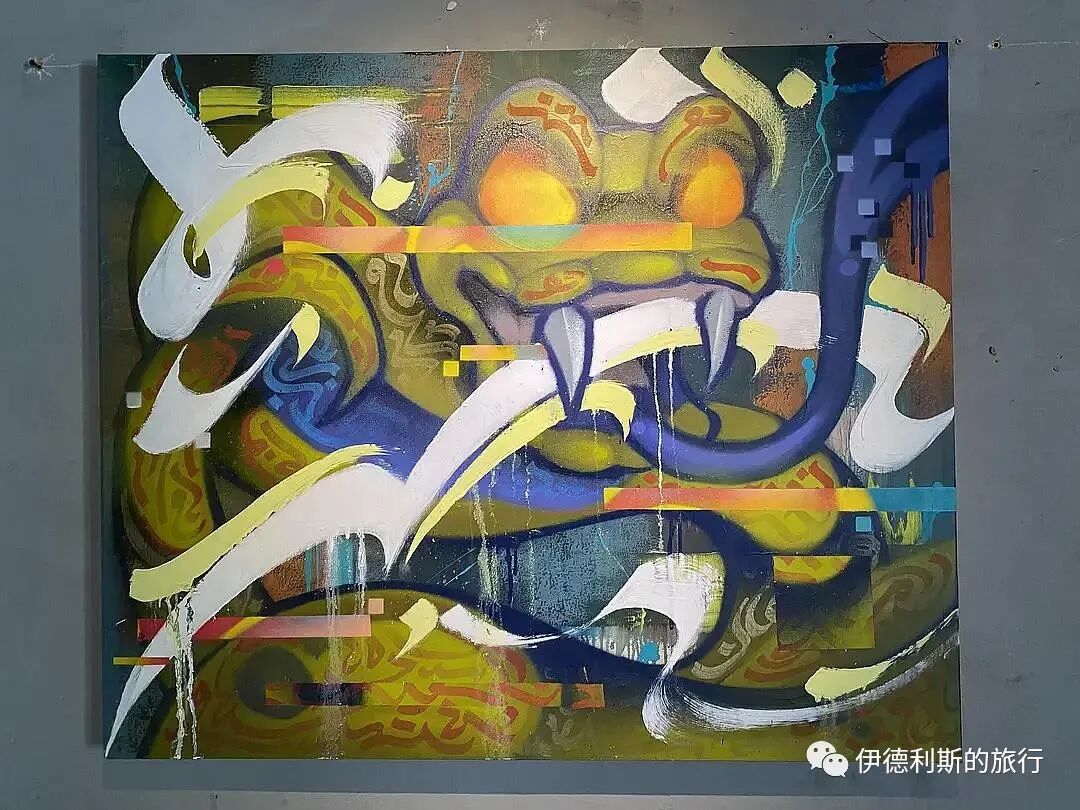
Paintings by Uyghur artists Reshidan Aili and Najimiding Aizezi.
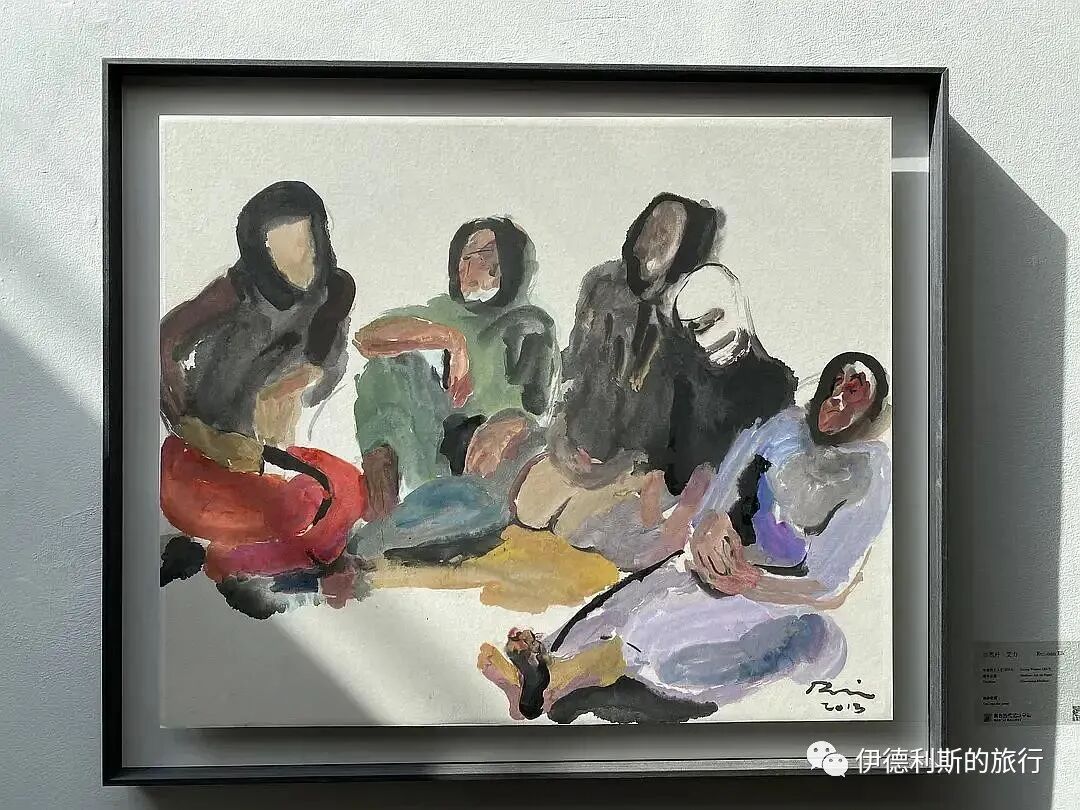
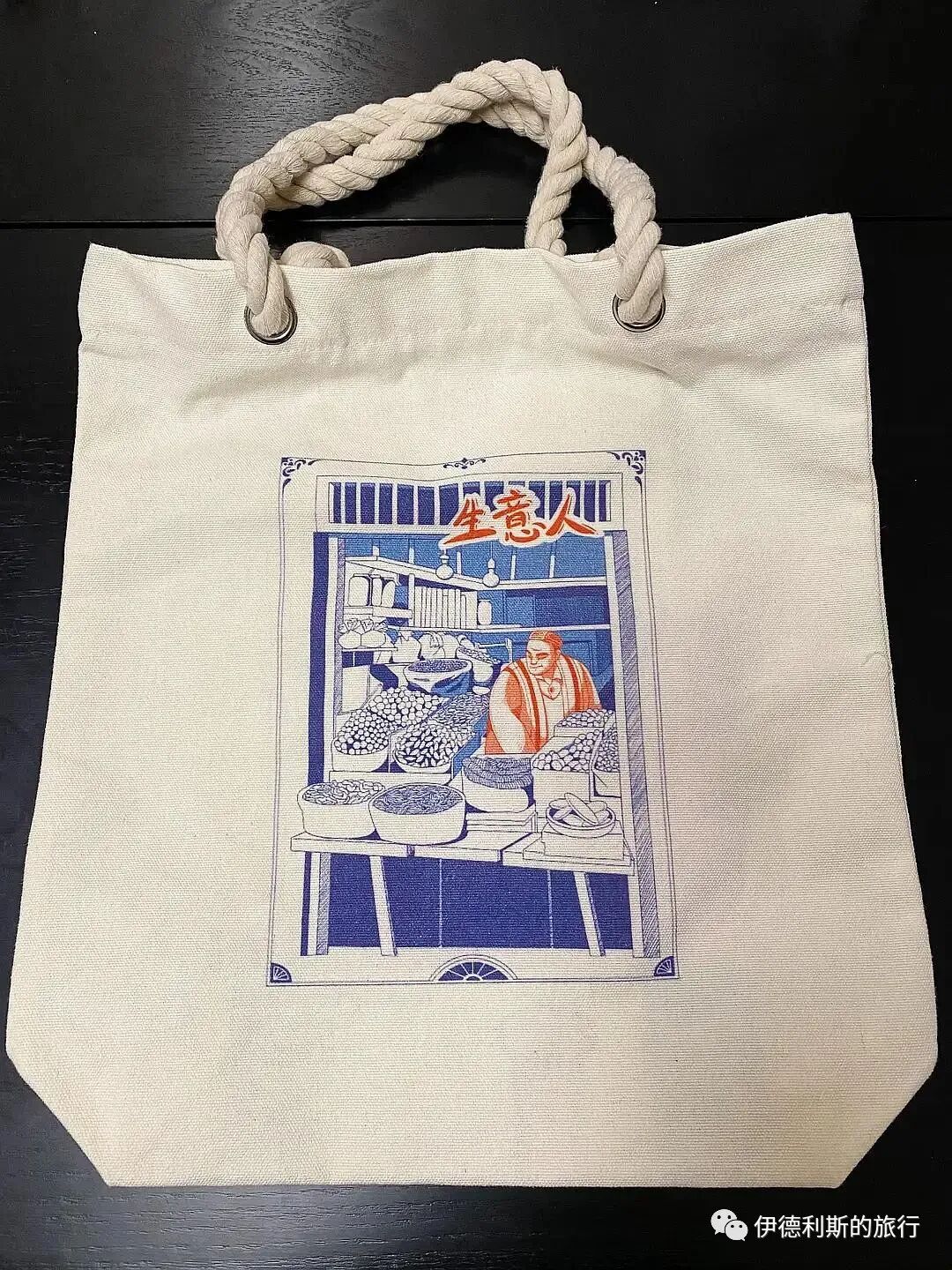
I bought a cloth bag illustrated by Haidi, which shows an uncle at the bazaar.
May 13, Eid al-Fitr.
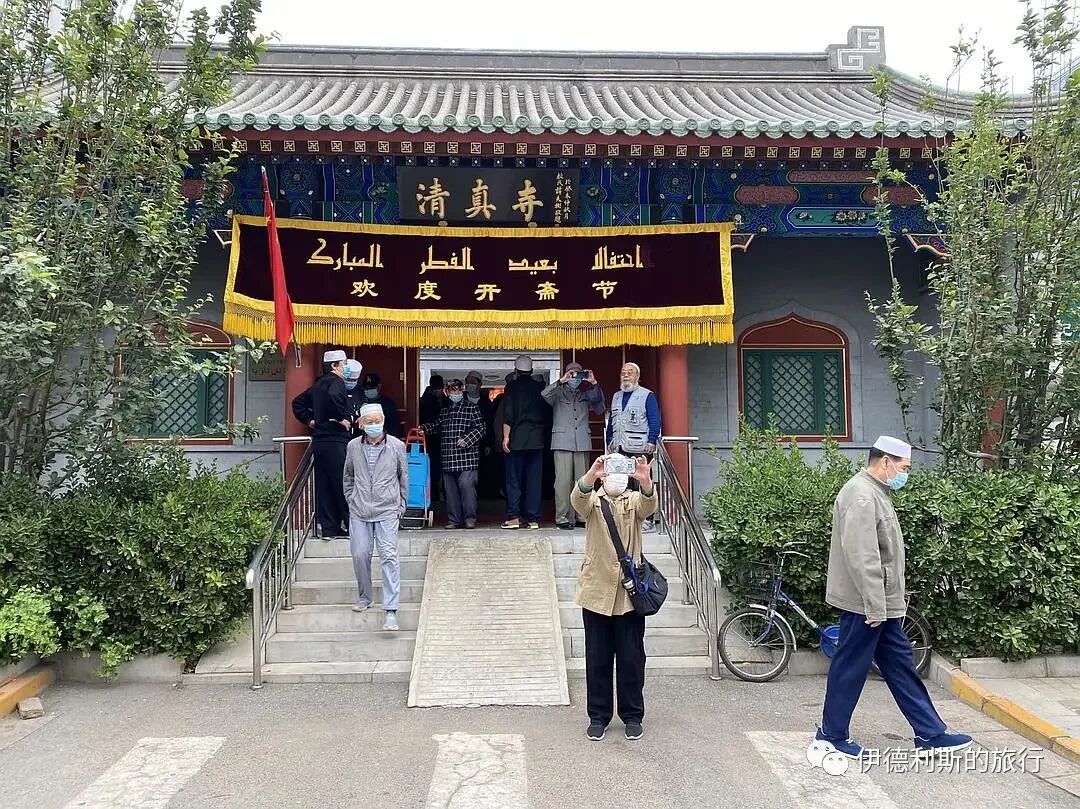
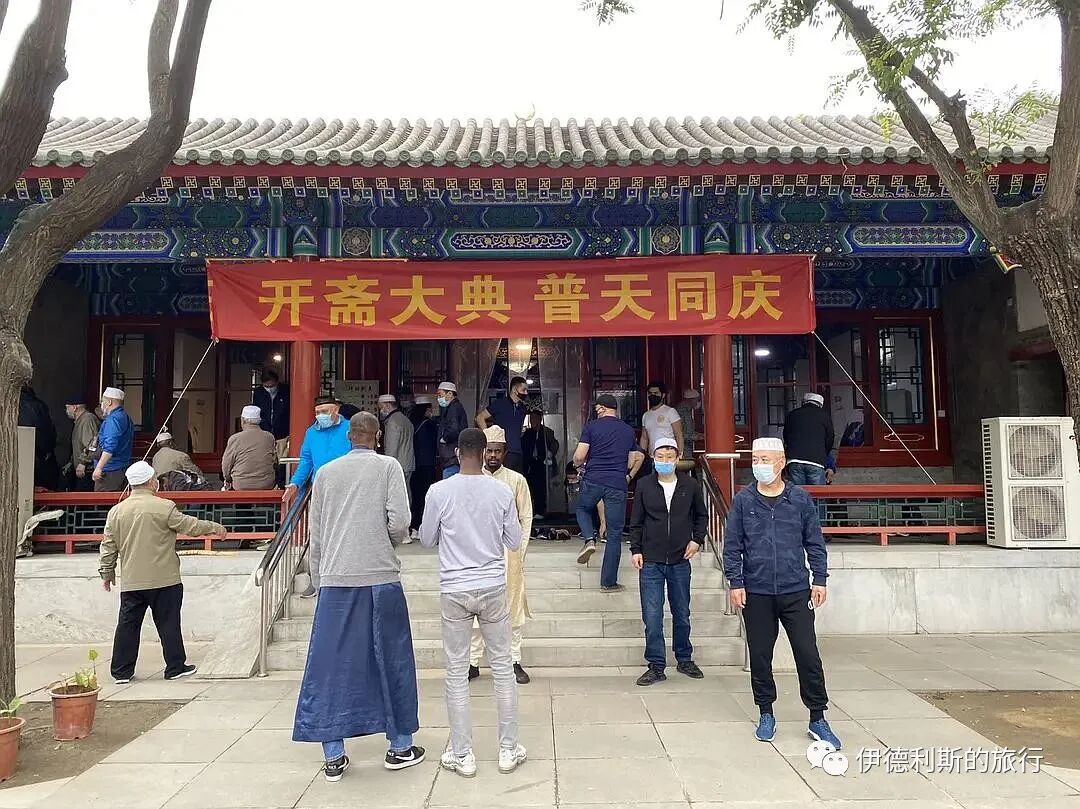
In the morning, we attended the Eid prayer at the Nandouyacai Mosque.
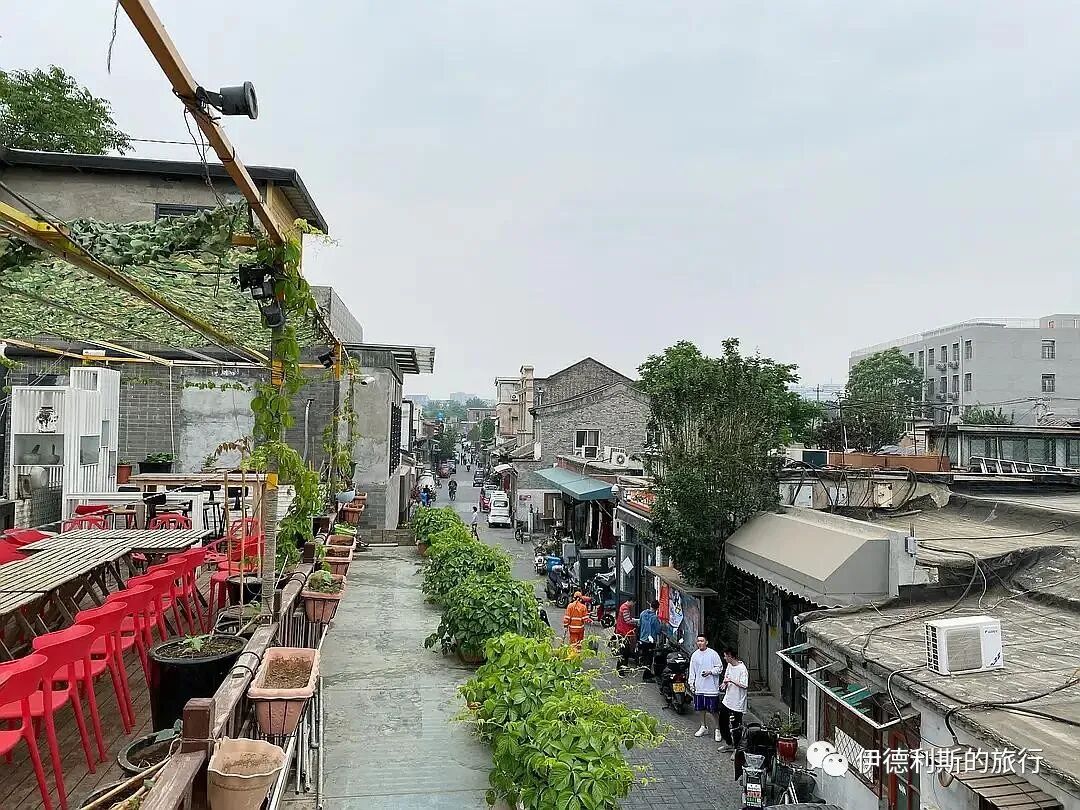
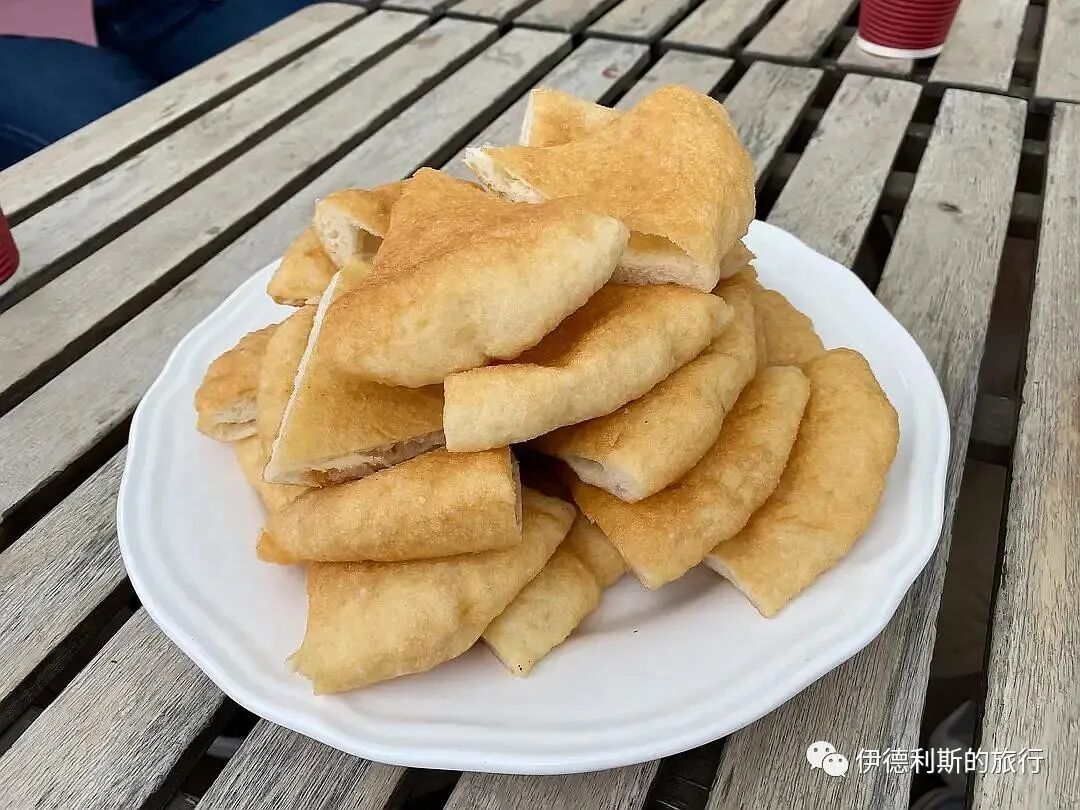
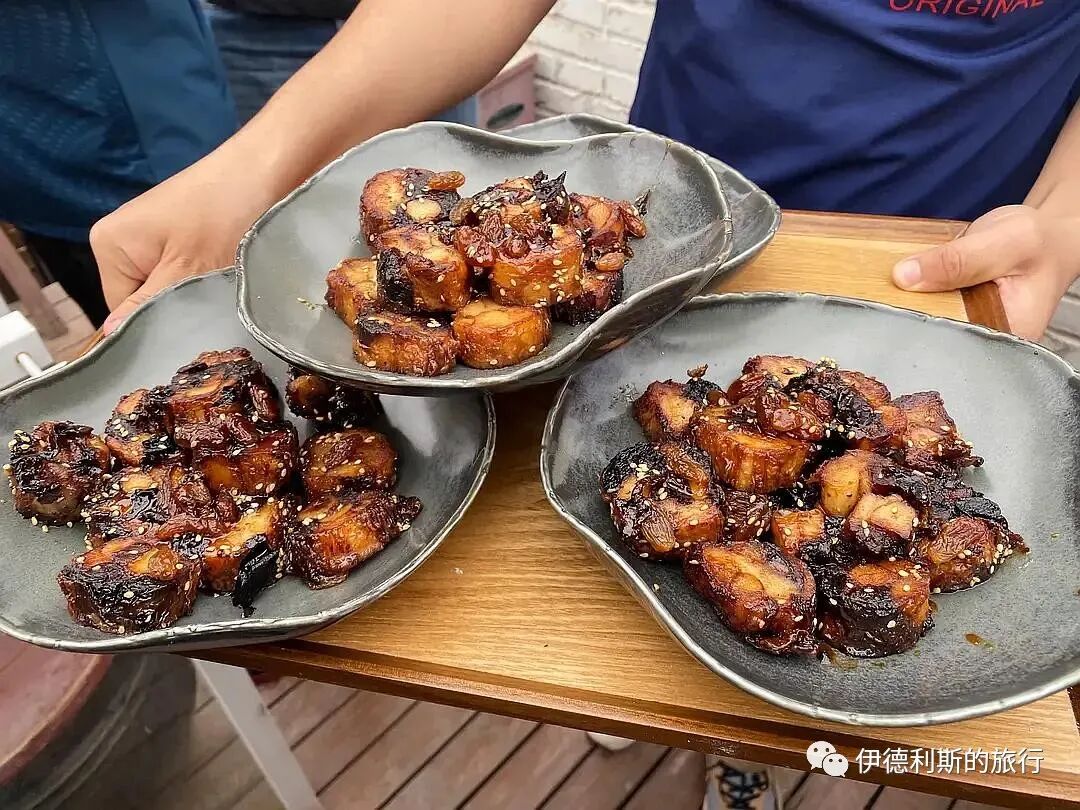
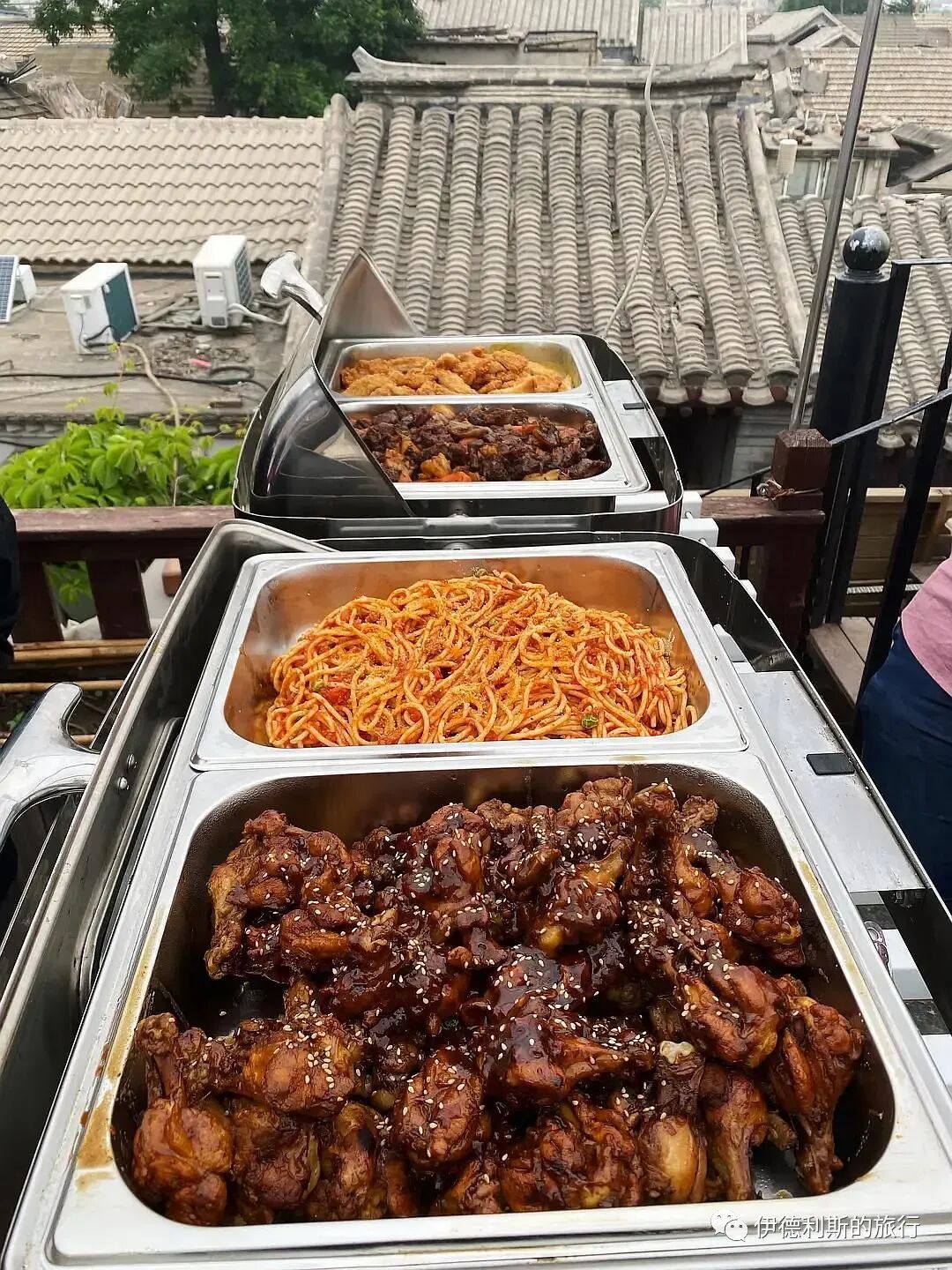
After the prayer, we gathered on the rooftop of the century-old Jianzhai shop on Yangmeizhu Xiejie street outside Qianmen for a buffet. The 21st-generation descendant of Wang Huihui from Jiantang personally fried the deep-fried dough (youxiang) for us. It was super delicious, with a chewy texture that was not hard at all. We also ate beef stew and sugar-rolled fruit (tang juanguo), which are traditional specialties of the Hui Muslims in old Beijing. The beef is brought in from Niujie street every morning and stewed fresh, never kept overnight. The sugar-rolled fruit is made by steaming yams, dates, and raisins, then stir-frying them in caramelized sugar, which is a very time-consuming process. Besides traditional old Beijing specialties, there was chicken curry, tomato pasta, fried cod fillets, fruit salad, and small cream cakes. It was a very satisfying meal.
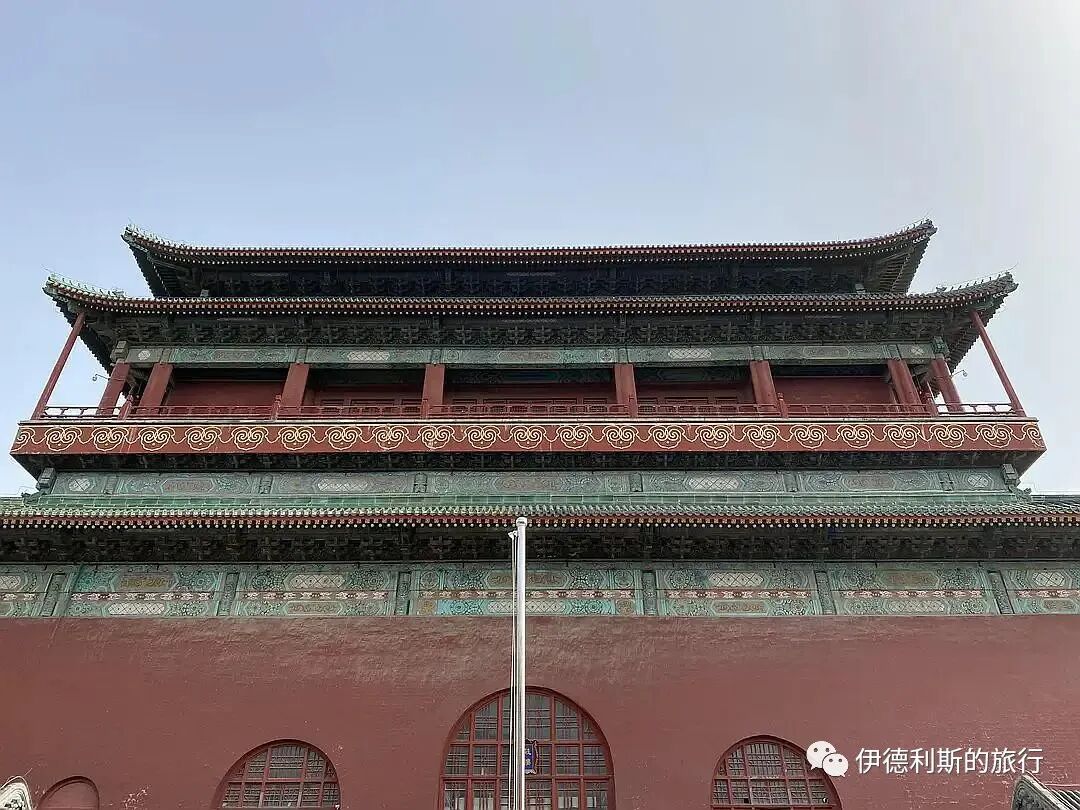
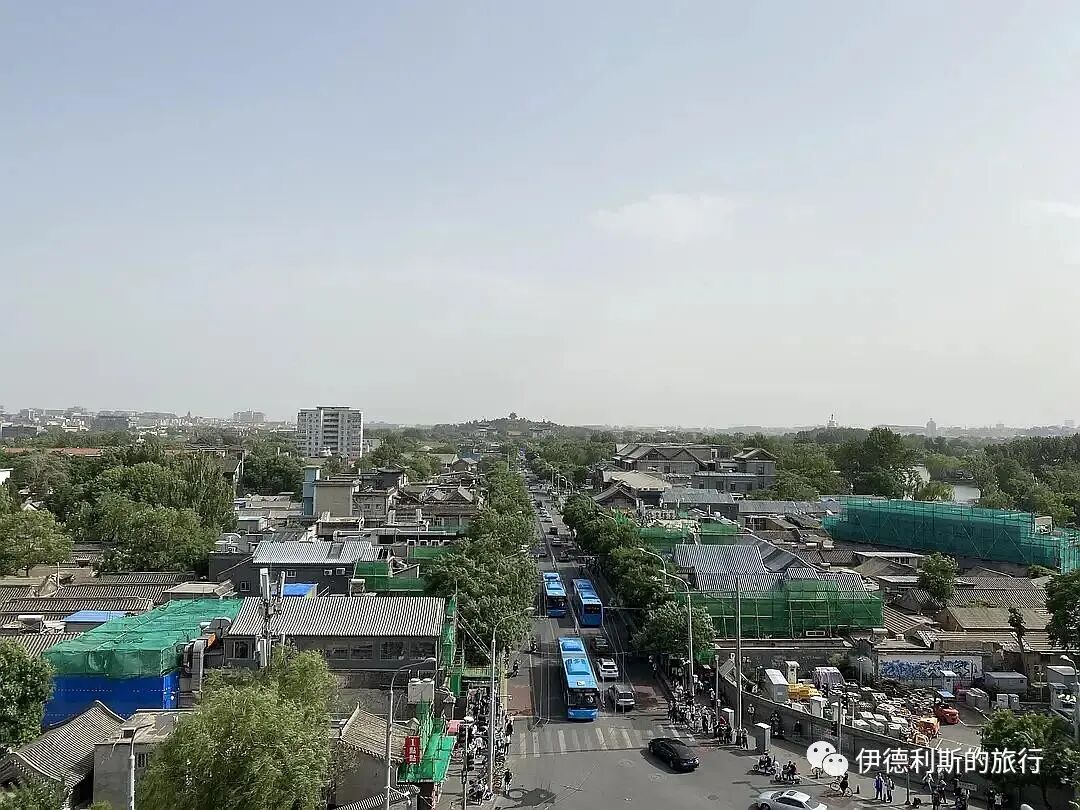
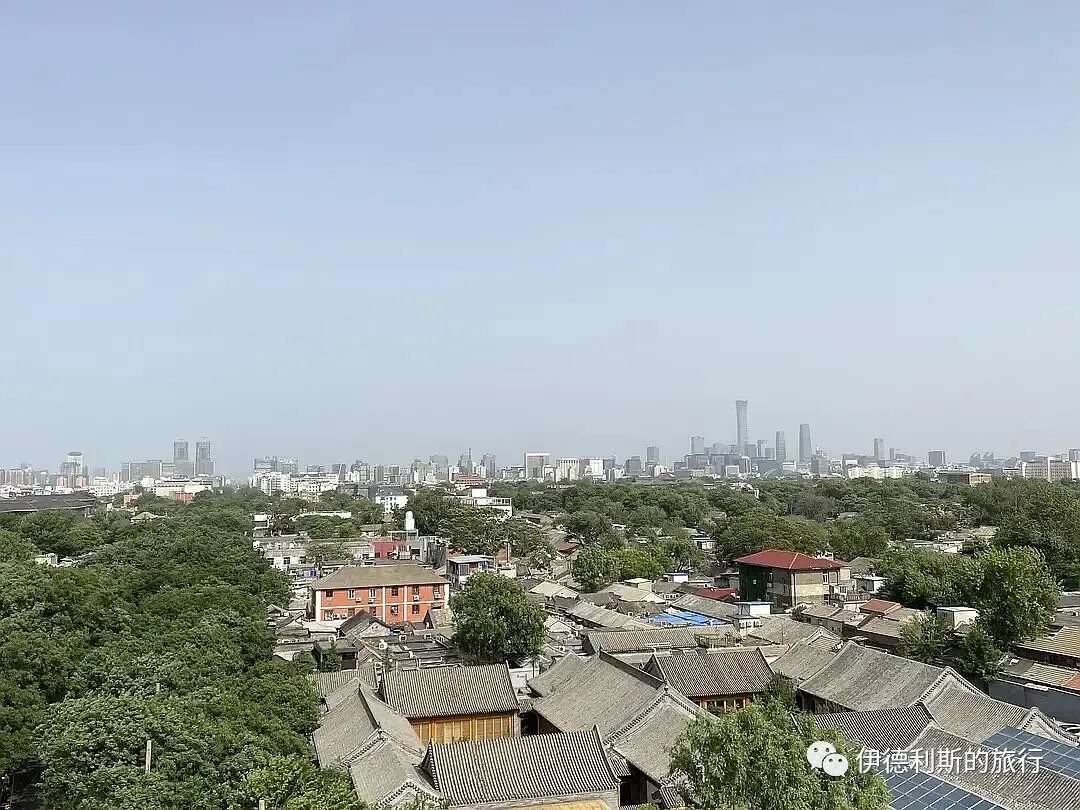
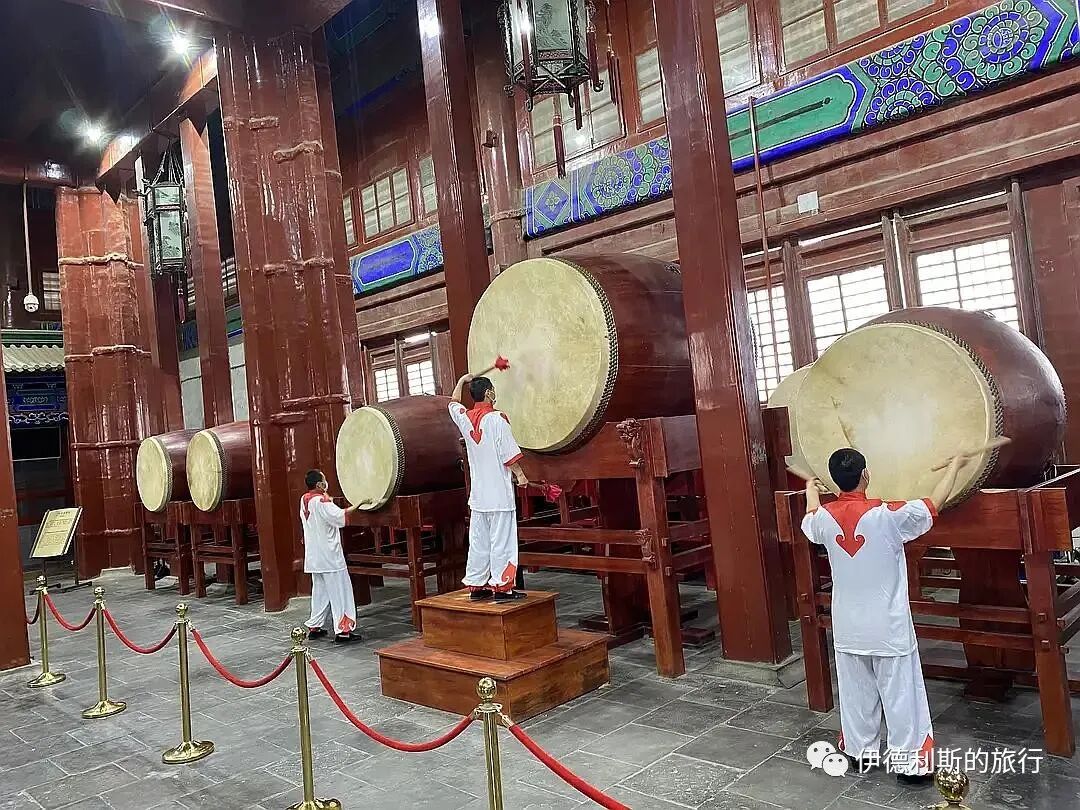
May 23: Climbed the Drum Tower and visited the former residence of Mei Lanfang.
I took Zainab up to the top of the Drum Tower to look at the view.
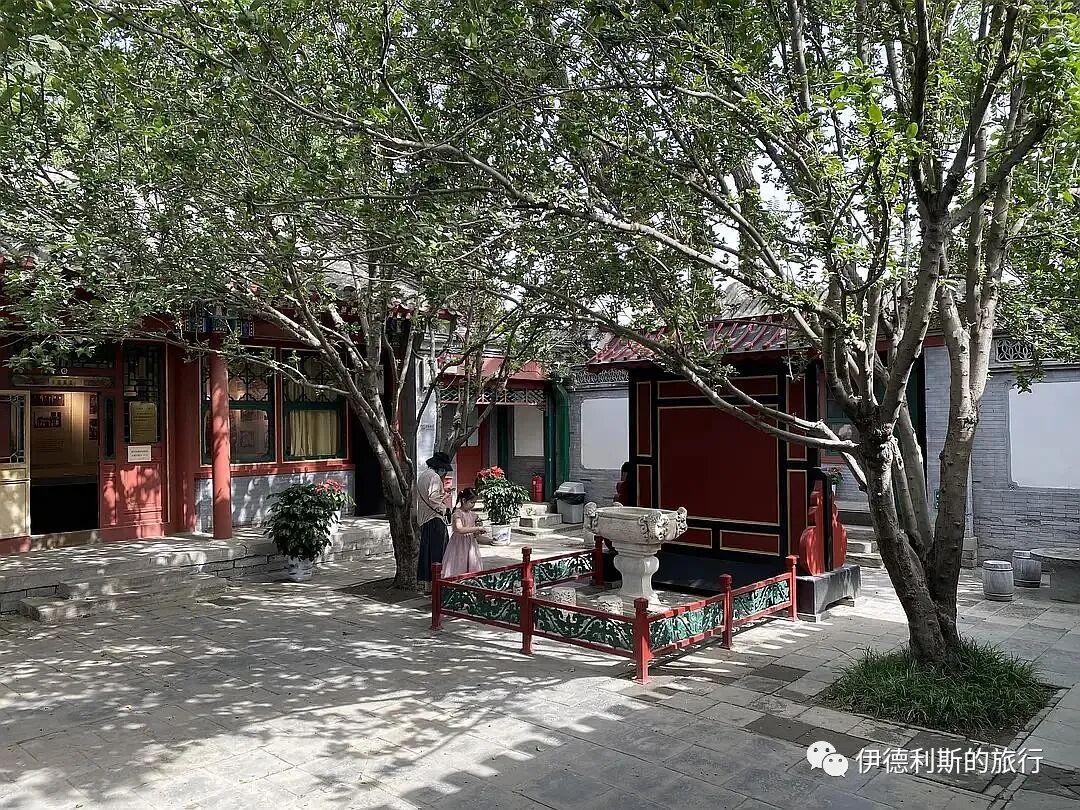
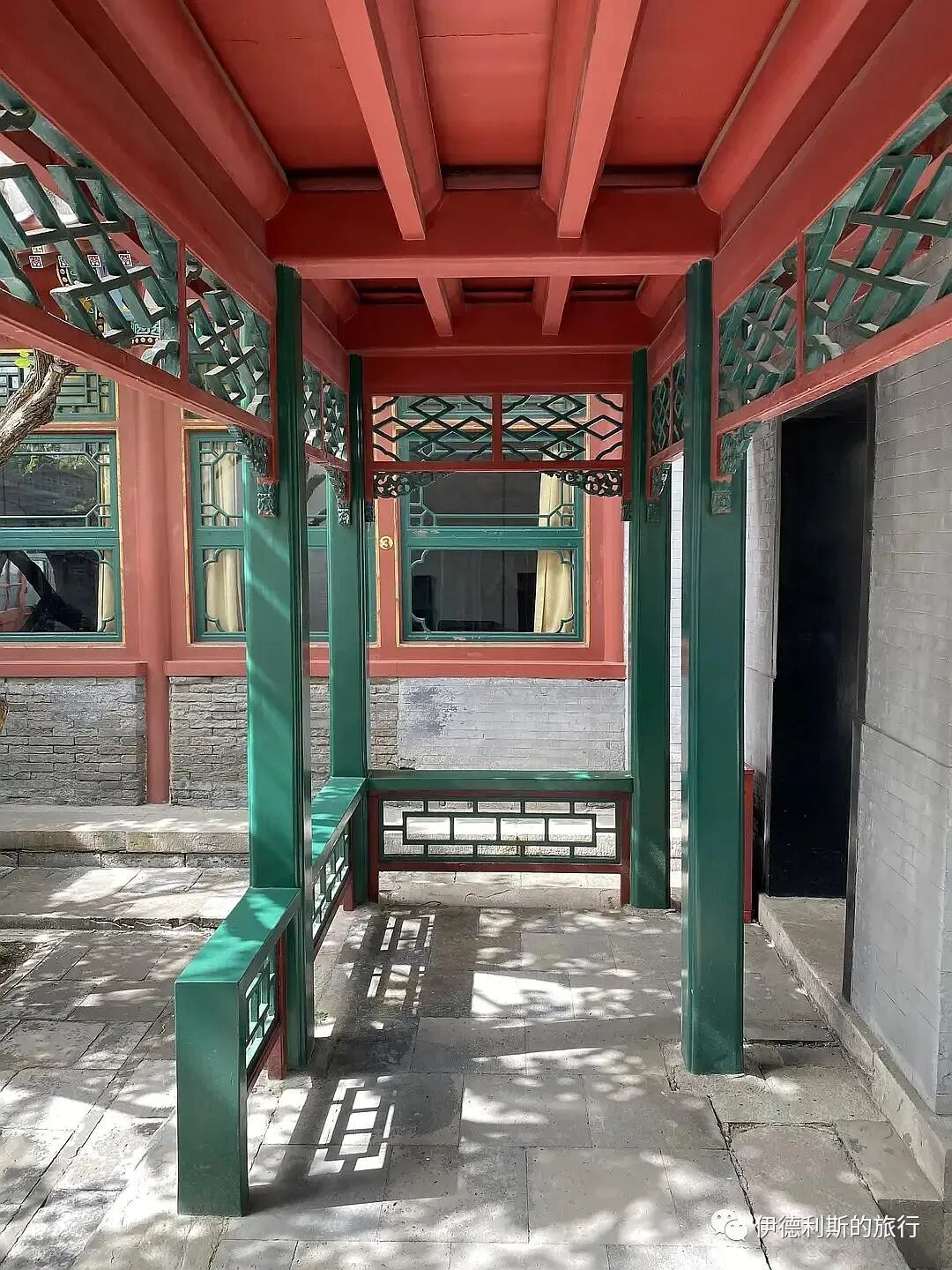
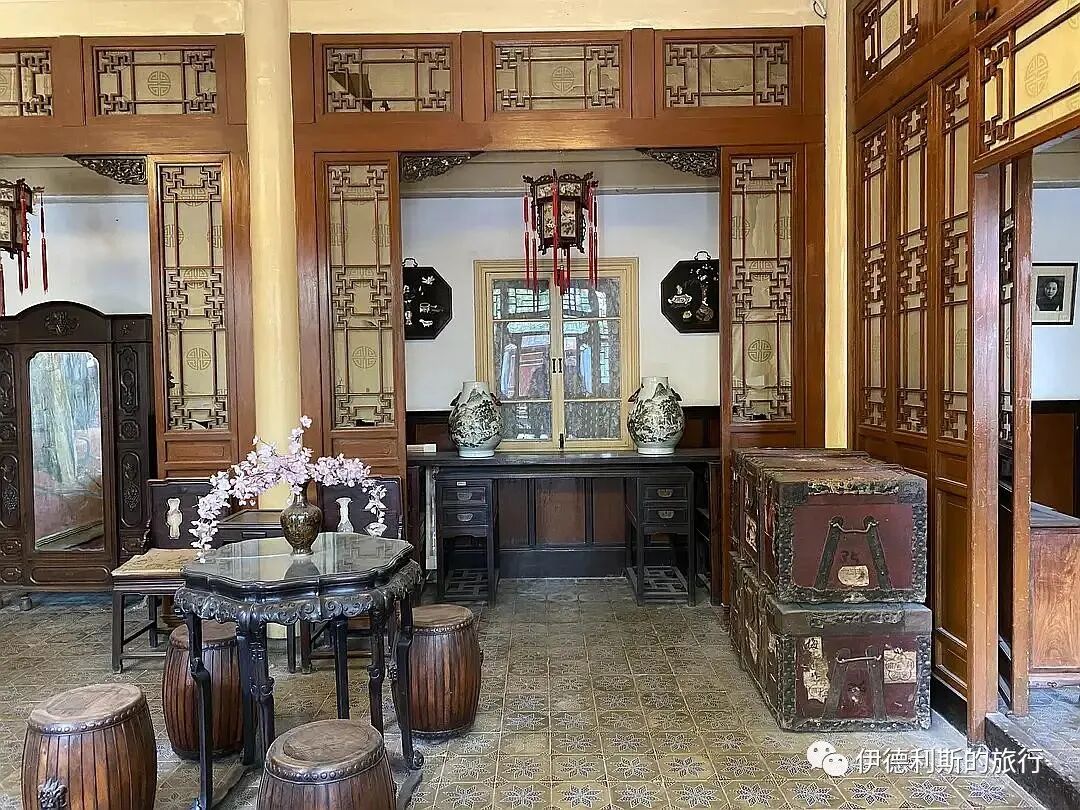
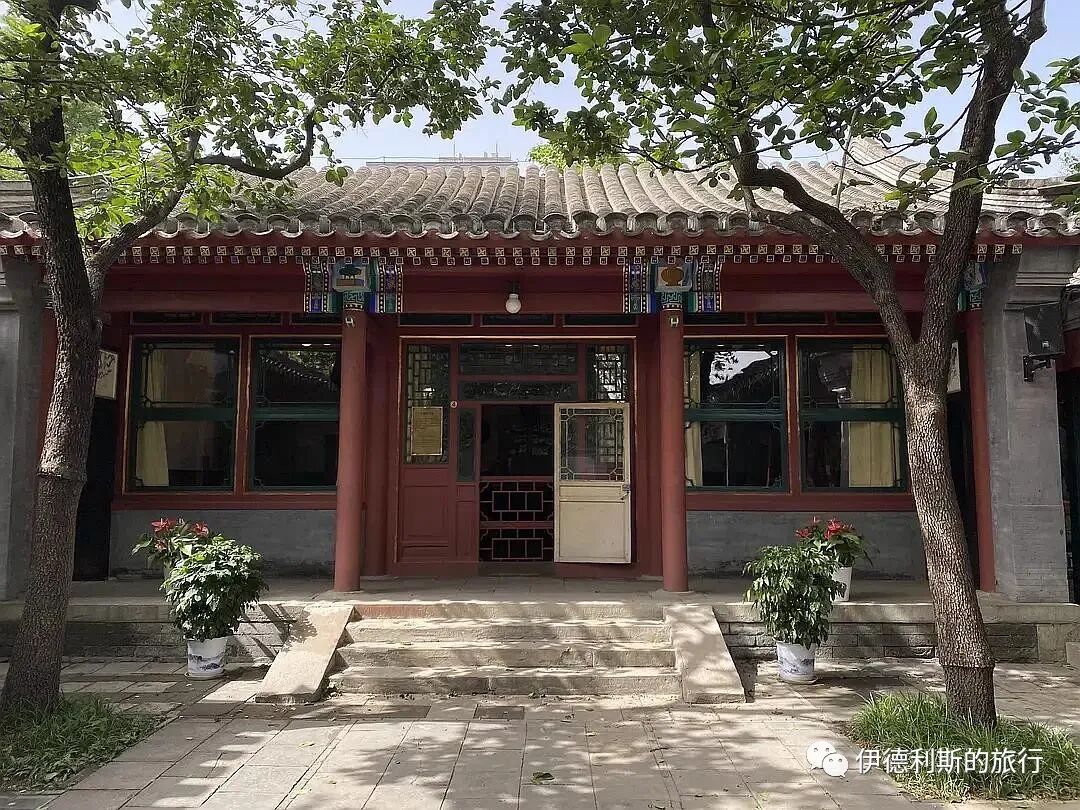
Then we visited the former residence of Mei Lanfang.
Summary: Beijing Muslim Heritage Walk 2021 is presented here as a firsthand travel account in clear English, beginning with this scene: The Beijing-Fengtian Railway signal station and a small preserved section of track. The account keeps its focus on Beijing Walks, Muslim Heritage, Beijing Mosques while preserving the names, places, food, and historical details from the Chinese source.
The Beijing-Fengtian Railway signal station and a small preserved section of track. This signal station was designed and built in 1901 by British railway engineer Claude W. Kinder, just like the Qianmen Railway Station. The Beijing-Fengtian Railway opened fully in 1912, and this small section of track was discovered in 2002 during the construction of the Beijing Ming City Wall Ruins Park.
Then I went to the Wen Tianxiang Shrine. After his resistance against the Yuan dynasty failed in 1279, Wen Tianxiang was imprisoned in the Bingmasi jail in Dadu, and he was executed in 1282 at Chaishi, which is now Jiaodaokou. In 1376, the Ming Dynasty built the Wen Tianxiang Shrine on the former site of the Bingmasi prison.
Next to the Wen Tianxiang Shrine is my alma mater, Fuxue Hutong Primary School. During the Yuan Dynasty, this site was the Bao'en Mosque. It became the Daxing County School in 1368, was renamed Shuntian Prefecture School in 1403, and became the modern primary school Shuntian Prefecture Higher Primary School in 1903.
The picture below shows the classroom where I went to school. The ground floor is very high, and there are three more floors underground.
School gate
The Lingxing Gate (lingxingmen) that we sketched in our art class
The Dacheng Gate (Dachengmen), Dacheng Hall (Dachengdian), and Pan Pool (Panchi) where we used to run and play.
In the afternoon, we went to the Former Residence of Soong Ching-ling. During the Kangxi reign, this place was the garden of Mingzhu's mansion and the home of the poet Nalan Xingde. It became a villa for Heshen during the Qianlong reign, the garden of Prince Cheng's mansion during the Jiaqing reign, later the garden of the Prince Chun mansion belonging to the father of the Guangxu Emperor, and finally the garden of the Prince Regent's mansion belonging to the father of Puyi.
The surface of Houhai Lake after leaving the Former Residence of Soong Ching-ling.
We strolled along Shichahai and the Yu River to Dongbuyaqiao Bridge. This is the site of the Chengqing Middle Sluice of the Grand Canal from the Yuan Dynasty, built by the Yuan Dynasty water conservancy expert Guo Shoujing.
I went to the Duo Zhuayu bookstore in the evening and bought a very interesting book for 3 yuan called In an Antique Land: History in the Guise of a Traveler's Tale, which is about a trip to 12th-century Egypt. I read a hundred pages in one sitting. The author is an Indian anthropology PhD who graduated from Oxford University. He learned about the story of a 12th-century Arab Jewish merchant and his Indian slave from some documents, so he went to Egypt in the 1980s to conduct research himself. The book mentions that a synagogue in Cairo had a manuscript storage room comparable to the Dunhuang library cave. In the 19th century, the British took hundreds of thousands of precious Jewish documents from it, including Hebrew manuscripts of the Bible that had never been discovered before. It also talks about the author's life while doing fieldwork in Cairo in the 1980s, and some of the descriptions, like those during Ramadan, are very interesting.
March 6, taking a walk.
The Dongsi Hutong Museum on Dongsi Fourth Alley is a classic three-courtyard traditional house (siheyuan) near my home. It was renovated a few years ago and is now a community space for the Dongsi area.
Next to the museum
After leaving, I went to the Beijing People's Art Theatre Museum at the Capital Theatre.
The restored desk of Cao Yu
A wooden makeup box handmade by the theatre during its early years
Sketches of characters from the play Teahouse (Chaguan) with an inscription by Lao She, drawn by Ye Qianyu.
Props used in the play Teahouse (Chaguan).
A scale model of the Teahouse (Chaguan) stage set.
Costume design sketches for the play The Top Restaurant in the World (Tianxia Diyi Lou).
March 7, Indonesian Modern and Contemporary Art Exhibition at the Tsinghua University Art Museum.
I visited the Tsinghua University Art Museum to see the Indonesian modern and contemporary art exhibition. It features a rich collection of works from various art groups and artists spanning from the 1930s to the present day. It is well worth a visit.
The first section displays representative works by early Indonesian contemporary artists. In the first half of the 20th century, the first contemporary art movement in Indonesia was called Sanggar, which means studio. At that time, different groups of artists formed many art studios across the islands of Java and Bali. The earliest of these was the Pita Maha studio, established in 1936 on Bali by artists including the Russian-German painter Walter Spies and the Dutch painter Johan Rudolf Bonnet. They combined traditional Balinese painting with modern European painting to create a new style of Balinese art.
The painting "Balinese Beauties Weaving and Sewing" by Adrien-Jean Le Mayeur. Adrien-Jean Le Mayeur was born in Belgium in 1880 and moved to Bali in 1932. In Bali, he met a 15-year-old dancer named Ni Nyoman Pollok. He used her as a model for many paintings, which became a big success after being shown in Singapore in 1933. Le Mayeur married Ni Pollok in 1935 and continued to use her as his model for his work from then on. Le Mayeur passed away due to illness in 1958. Ni Pollok handed over all of her husband's property to the Indonesian government and turned his former home into a museum.
The painting "Buffalo and Herdsman" by Lee Man Fong in 1959. Lee Man Fong was born in Guangzhou in 1913 and moved to Singapore with his father for business when he was young. After his father died in 1930, he made a living by painting advertisements. He moved to Jakarta in 1932 and was imprisoned for six months in 1942 for opposing Japanese colonial rule. After Indonesia gained independence, Lee Man Fong held a solo exhibition in Jakarta in 1946 and exhibited his work abroad many times. In 1955, he founded the Yin Hua Art Association for ethnic Chinese painters in Jakarta and organized many exhibitions. In 1956, the association was invited to visit China, where they held exhibitions for five months.
The second part explains that after the Bandung Higher Education Center for Art Teachers was established in 1947 and the Indonesian Academy of Arts in Yogyakarta in 1949, Indonesian modern art shifted from studio-based work to an academic model. Art courses in Bandung were set up by European painters and leaned toward European and American modern art standards, especially abstract formalism, while the Yogyakarta art academy system inherited the style of early art studios and leaned more toward social realism. In 1965, the military purged realism as communist art, and some artists were brutally massacred.
The 'Another Urban' theme introduces a group of Indonesian artists who became famous between the late 1980s and early 1990s. Their work mostly points directly to key issues in social development, such as social identity, marginalization, historical trauma, discrimination against women, and political corruption. Against the backdrop of international art focusing on multiculturalism in the 1990s, their work received high regard from the international art community.
The 'Post-Reform and Globalization' theme introduces the post-Suharto era that began in Indonesia in 1998. Political reform brought gradually relaxed censorship, and the internet brought the spread of information. Indonesian artists born in the 1970s became trendsetters in the early 21st century, and their work became more international.
Six young Minangkabau artists from West Sumatra established the 'Kelompok Seni Rupa Jendela,' or 'Window Art Group,' in Yogyakarta in 1996. They love to break down stereotypes and use visual images to create strange-looking symbols.
Indonesian curator Rain Rosidi coined the term Jogja Agro Pop to describe how young artists in Yogyakarta blended daily life with global pop culture in the early 21st century. They draw inspiration from everyday rural life in Yogyakarta as well as subcultures like sci-fi comics and graffiti.
I visited All Saints Bookstore (Wansheng Shuyuan) at noon and bought a book about early Arab ceramics. To be honest, I prefer the new book selection at All Saints Bookstore (Wansheng Shuyuan) over Sanlian Bookstore.
March 16, the Algerian film Papicha.
I attended the French Film Panorama hosted by the China Film Archive and the French Embassy, which was the first film exhibition in Beijing in 2021. In late 1990s Algeria, extremists used religion to carry out violence and oppression. Strong and brave Arab girls used a fashion show to resist, but it ended in tragedy. This is a film from a female perspective. After watching it, Zainab felt very depressed and could not pull herself out of it for a long time.
March 19, the Malaysian Chinese film The Story of Southern Islet (Nan Wu).
The opening film for the Southward Ambiguity exhibition, The Story of Southern Islet (Nan Wu), premiered on March 19 at the Yu She art space. This is a brilliant Malaysian film. It is not just about the Chinese community, but also about the diverse, blended cultures of Malaysia. Set in the rice fields (dao tian) beneath Mount Keriang on the border of Malaysia and Thailand, a Hokkien-descended Chinese person is cursed with black magic, and a Malay shaman performs rituals to break the spell. I was very excited to see Malay shadow puppetry (piyingxi) on the big screen for the first time; it was performed beautifully. After the screening, the director joined us for an online Q&A. He spoke very well and mentioned his next film, Snow in Midsummer (Wu Yue Xue). It tells the story of a Malaysian Chinese Teochew opera troupe struggling through the changing times from the 1950s to the 1990s. I am really looking forward to it.
March 20, Daliushu Second-hand Market and Panjiayuan Antique Book Market.
I went to Daliushu Second-hand Market on Saturday. It has been a long time since I last visited! I heard it was closed for a while, but it is lively again now. Beyond the market itself, the roadside by the entrance is full of informal stalls. The atmosphere is great and much more interesting than Panjiayuan.
While browsing the Panjiayuan Antique Book Market, I bought a copy of the Ningxia Pictorial from January 1988 for 5 yuan. I really enjoy looking at old pictorials.
In 1987, Najiahu had a mosque, fried dough twists (sanzi), carpet making, and a market.
A Hui Muslim bride in Linxia in 1987.
Autumn and winter fashion in Yinchuan in 1987.
April 9, walking through the alley in the evening.
After dinner, I took a walk through the alleyways. Beijing at night feels just like it did when I was a kid.
Beihai Bridge
Beihai Round City (Tuancheng)
City God Temple (Chenghuangmiao) on Daxing Alley
April 16, Nandouyacai Mosque
April 17: Panjiayuan Antique Book Market, Daliushu Second-hand Market, and Xinqiao Market.
I picked up some ethnic picture cards at the Panjiayuan Antique Book Market today, published by the Central Institute of Nationalities research department in the late 1970s. They really capture the style of that era. I was surprised to find cards of the Salar people; it would have been hard to identify them without checking the back.
I bought a 1984 issue of Nationalities Pictorial (Minzu Huabao) that features an article about halal meals served on the T43/44 train between Beijing and Lanzhou in the 1980s.
Kazakh people hunting with eagles.
I went to browse the Daliushu Second-hand Market again.
I spent the afternoon at the Xinqiao market and bought three world music records from documentary director Cong Feng. One was East African Zanzibar music, one was Pakistani devotional music, and one was Bosnian music. He had many other great records, like Azerbaijani mugham and Javanese gamelan, but I managed to stop myself from buying more.
April 18, Book market at Langyuan.
The book market at Langyuan was so crowded this afternoon! I bought three books at half price. They were A Brief History of Iran by Post Wave, Ibn Khaldun by Social Sciences Academic Press, and A Study of the Samanid Dynasty in Central Asia (Revised Edition) by The Commercial Press. It was a great deal.
April 23, Taoranting Park and Panjiayuan Ghost Market.
The weather in Beijing is so nice today.
The Panjiayuan Ghost Market is open from 7:00 PM on Friday until 4:00 AM on Saturday. Zainab said she has never seen so many Beijingers with stronger accents than mine all at once.
April 28, Dos Xinjiang Art Festival.
The Dost Xinjiang Art Festival features art exhibits, a market, and film screenings. It runs until May 4 at the Aotu Space in Beixinqiao.
I watched three Uyghur short films. "Alex" is a dark comedy about Uyghur people in Yining, and it is quite fun.
"My Choice" tells the story of a Uyghur girl who dropped out of school to marry and have children early. She wants to take the college entrance exam and go to university, but she ultimately faces a life she cannot escape. The film shows many vivid details of daily life. What impressed me most was the story the main character tells her son about a little tiger who loved eating instant noodles and ended up with a stomach illness.
"Crossing the Calm River" is set in snow-covered fields. It follows a Uyghur father and son on their way home after buying pomegranates, as their memories begin to intertwine. The overall tone is quite dark, using empty shots, blurred focus, and close-ups. It is interesting to see the small emotions of young boys and girls. Last year, I also walked and talked in the snow in Xinjiang with someone I liked.
The art festival has places to read books and soak up the sun, with some books about Xinjiang art.
The place where they show movies has Uyghur calligraphy hanging up.
Paintings by Uyghur artists Reshidan Aili and Najimiding Aizezi.
I bought a cloth bag illustrated by Haidi, which shows an uncle at the bazaar.
May 13, Eid al-Fitr.
In the morning, we attended the Eid prayer at the Nandouyacai Mosque.
After the prayer, we gathered on the rooftop of the century-old Jianzhai shop on Yangmeizhu Xiejie street outside Qianmen for a buffet. The 21st-generation descendant of Wang Huihui from Jiantang personally fried the deep-fried dough (youxiang) for us. It was super delicious, with a chewy texture that was not hard at all. We also ate beef stew and sugar-rolled fruit (tang juanguo), which are traditional specialties of the Hui Muslims in old Beijing. The beef is brought in from Niujie street every morning and stewed fresh, never kept overnight. The sugar-rolled fruit is made by steaming yams, dates, and raisins, then stir-frying them in caramelized sugar, which is a very time-consuming process. Besides traditional old Beijing specialties, there was chicken curry, tomato pasta, fried cod fillets, fruit salad, and small cream cakes. It was a very satisfying meal.
May 23: Climbed the Drum Tower and visited the former residence of Mei Lanfang.
I took Zainab up to the top of the Drum Tower to look at the view.
Then we visited the former residence of Mei Lanfang.
