
Halal Travel Guide: Sharjah — Museums, Gulf History and Muslim Heritage (Part 2)
Reposted from the web
Summary: Sharjah — Museums, Gulf History and Muslim Heritage is presented here as a firsthand travel account in clear English, beginning with this scene: Sharjah Fort (Al Hisn) is a traditional two-story fort in the Gulf region built from rock, coral stone, and mud brick. It was built in 1820 by the ruler of Sharjah, Sultan I. The account keeps its focus on Sharjah Travel, Islamic Museums, Gulf History while preserving the names, places, food, and historical details from the Chinese source.



13. Sharjah Fort
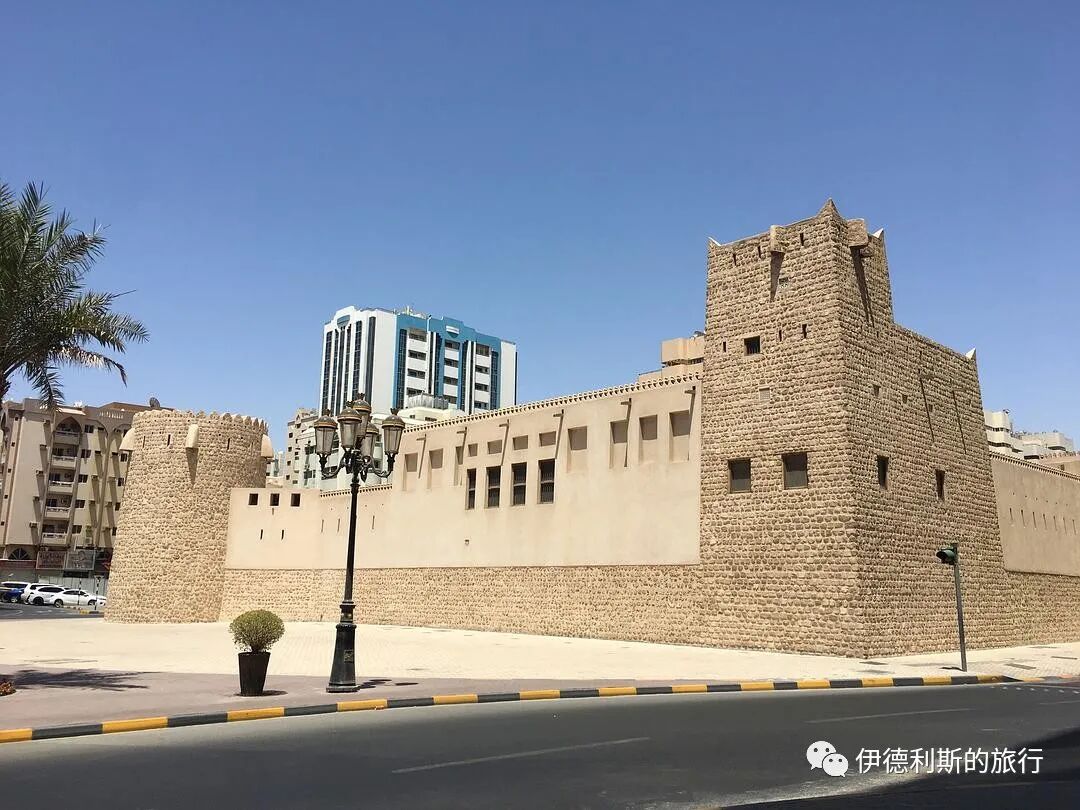
Sharjah Fort (Al Hisn) is a traditional two-story fort in the Gulf region built from rock, coral stone, and mud brick. It was built in 1820 by the ruler of Sharjah, Sultan I.
In January 1970, the ruler of Sharjah, Khalid III, wanted to remove traces of the previous ruler, so he ordered the fort to be torn down. The ruler's brother, Sheikh Sultan, was studying at Cairo University at the time. He heard the news and rushed home to stop it, but he only managed to save one tower (Al Kebs).
Sheikh Sultan recorded the fort's foundation and saved the parts that survived. He became Sultan III in 1972. Between January 1996 and April 1997, he restored the fort using doors, windows, and other parts he had personally saved years earlier.
Sharjah Fort opened as a museum in 1997. It underwent another major renovation between 2013 and 2014 to bring back its historical appearance.
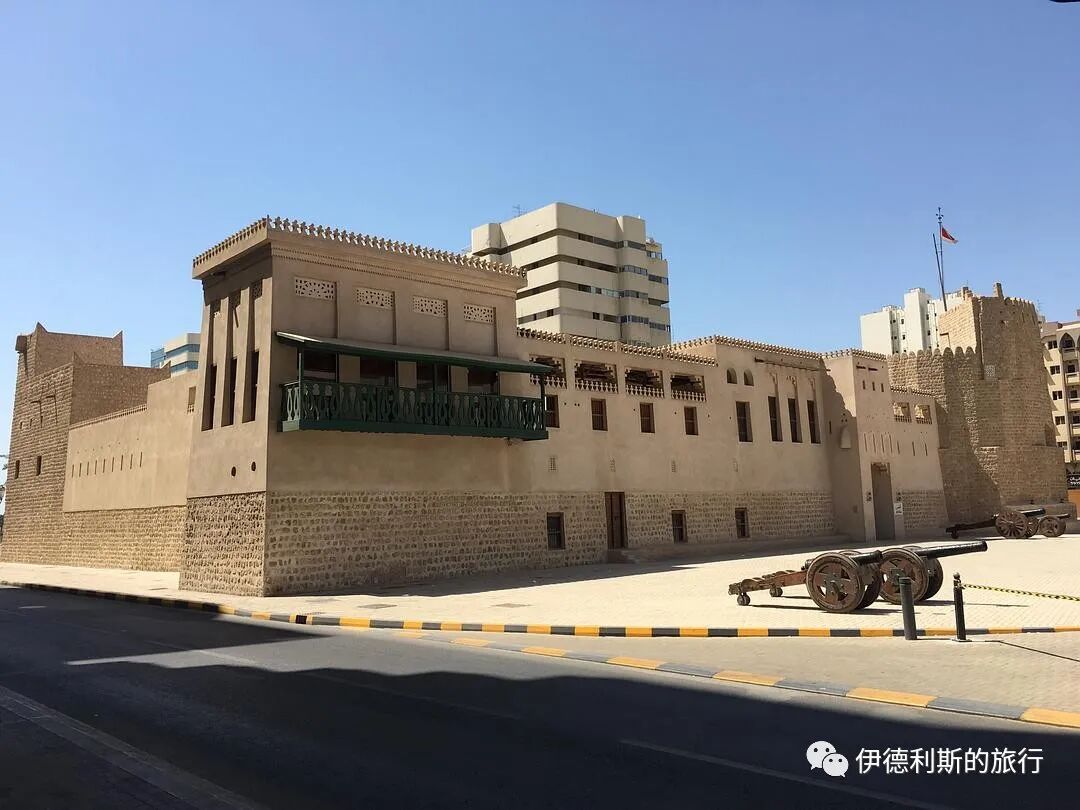
On the left in the picture below is the only surviving tower, Al Kebs.
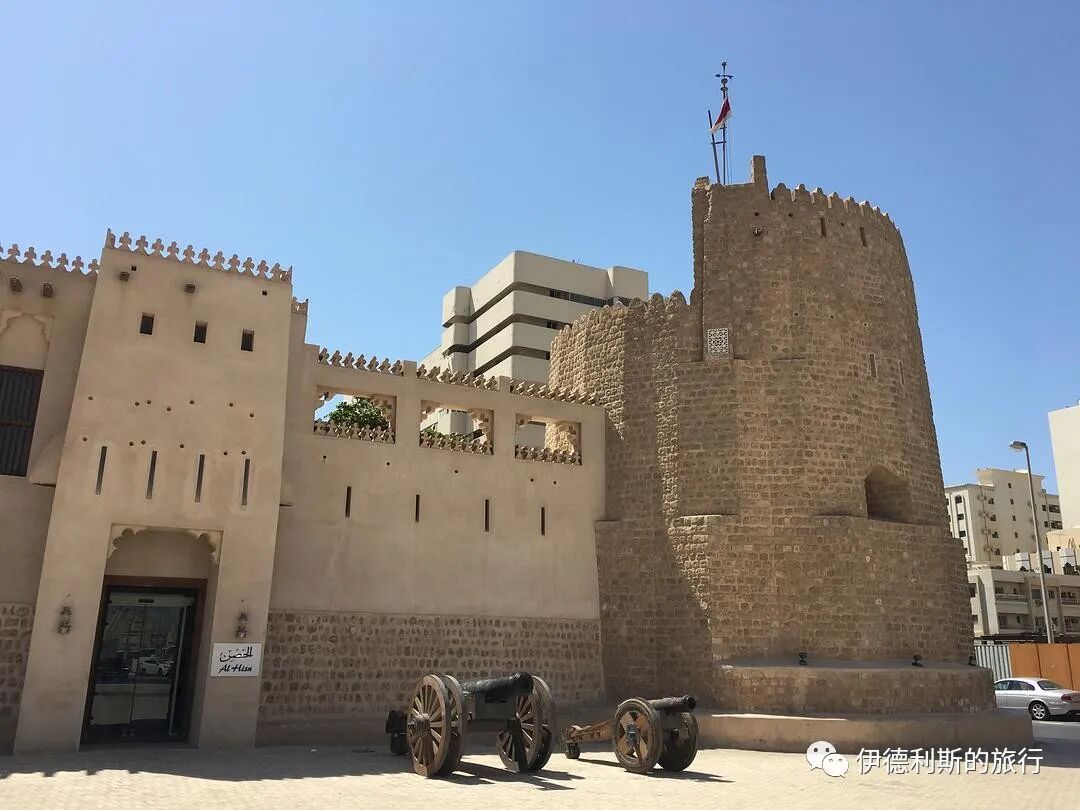
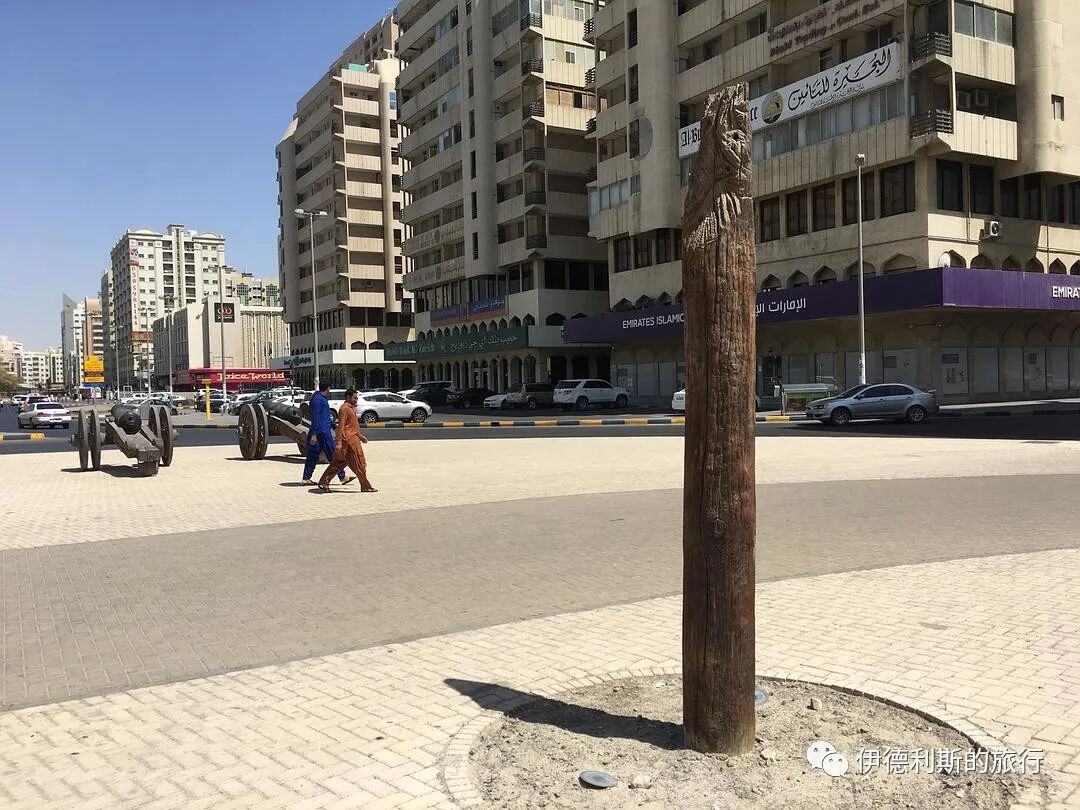
At the main gate stands a Repentance Pillar (Hatabat Al Tawba), where prisoners were tied up for punishment in the past. The Repentance Pillar was originally the mast of a pearl boat that burned down in a fire between the late 19th and early 20th centuries.
A blind man named Baseedou started this big fire. It was very windy that day. While Baseedou was grilling fish, he set fire to the palm leaves on the roof. The fire spread quickly in the strong wind and reached the harbor, where it set a docked pearl boat on fire. The ruler at the time, Sheikh Saqr II (reigned 1883-1914), ordered the mast to be cut down to stop the fire. After the fire was out, the Sheikh set this mast up in front of the fort gate to tie up prisoners for punishment. In the Gulf region, it was a custom at the time for pearl boat owners to tie non-working crew members to the mast as punishment.
Today, the original repentance pole has been preserved, and a replica stands in its place.
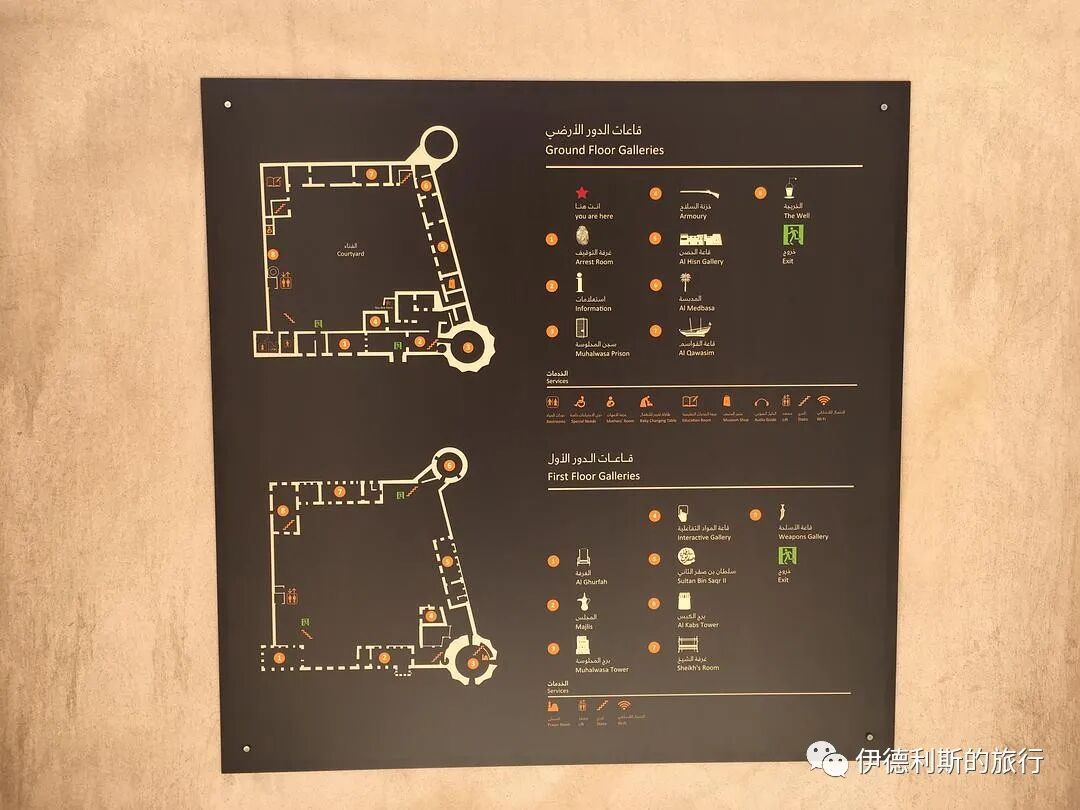
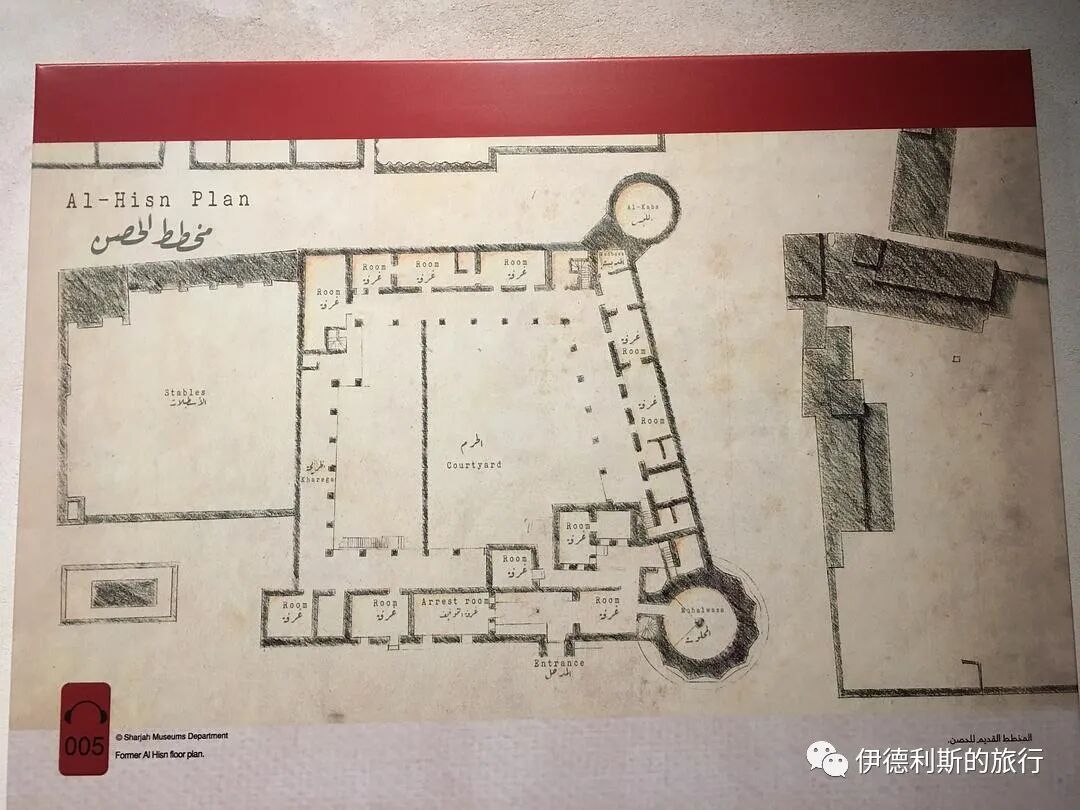
The floor plan of the fort.
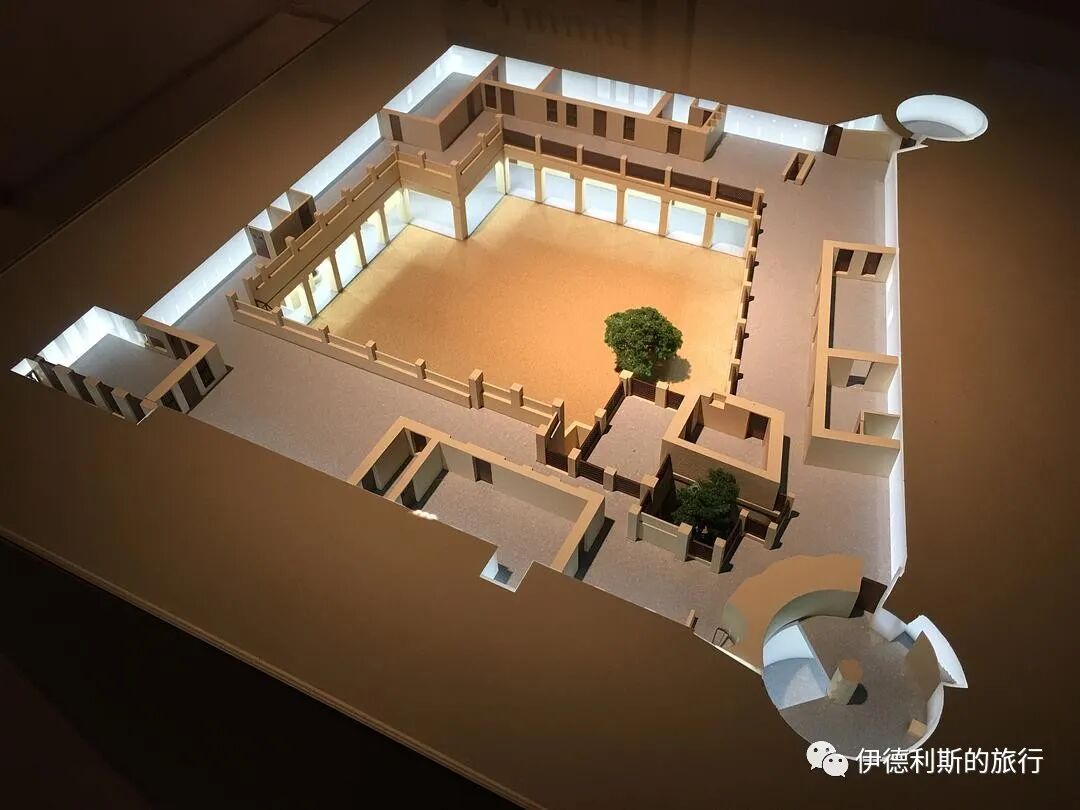
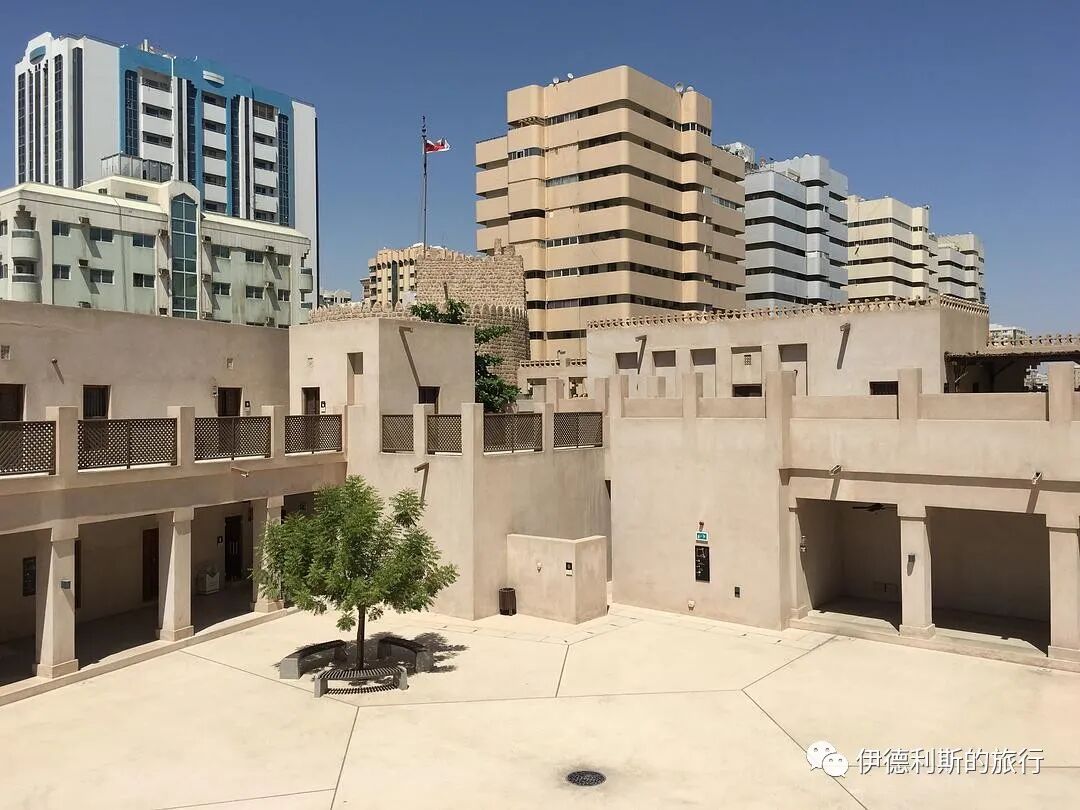
Inside the fort courtyard.
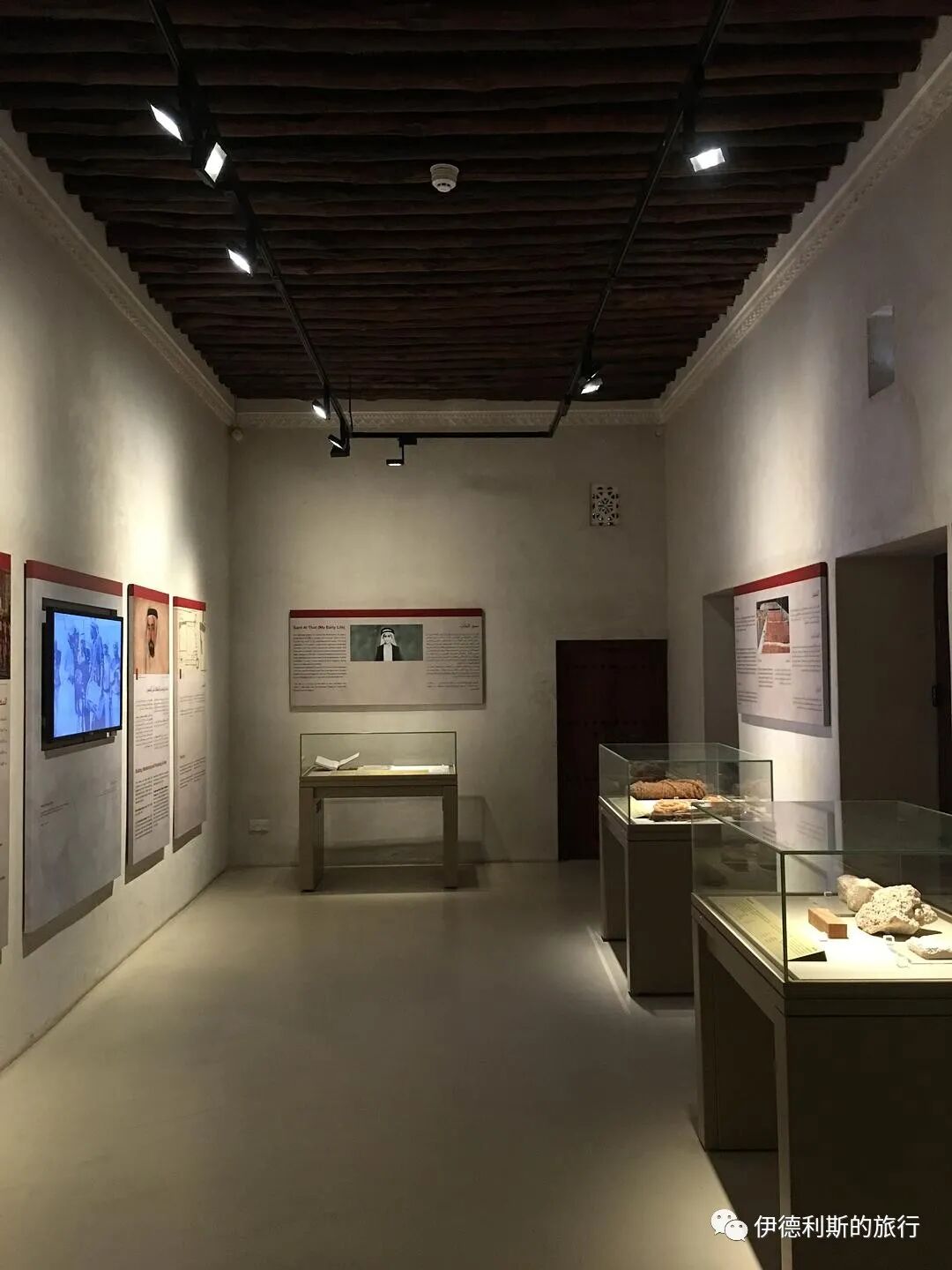
The first-floor exhibition hall introduces the fort.
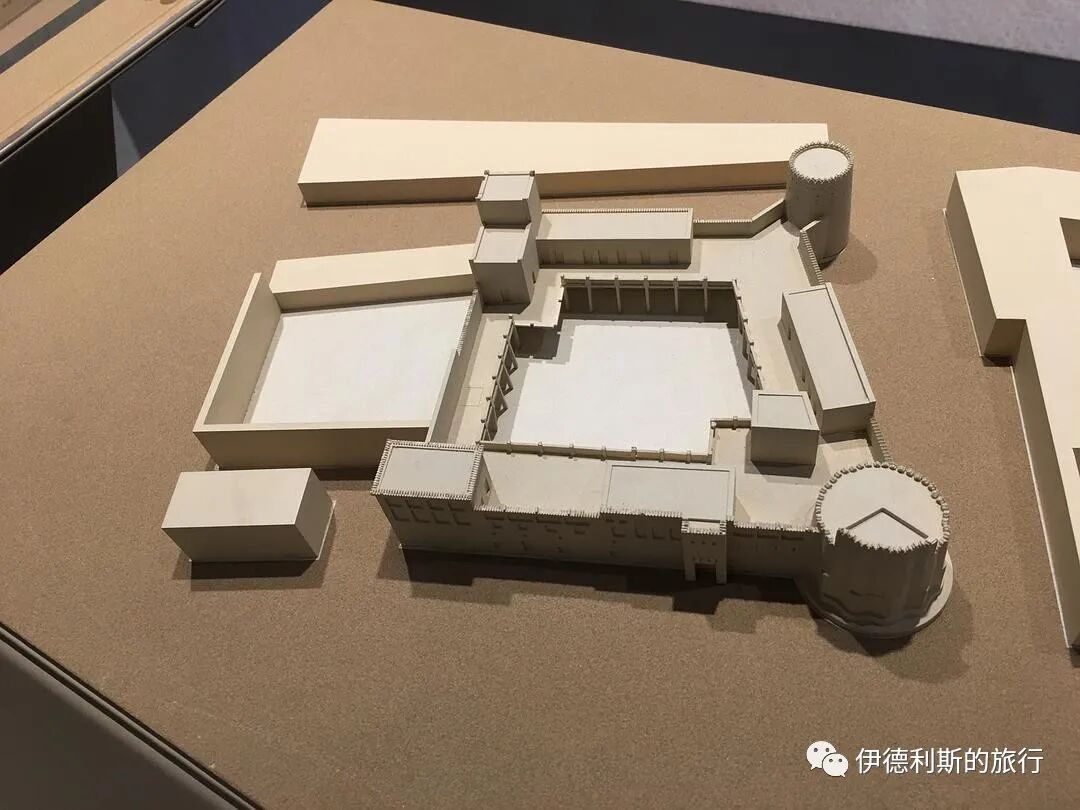
The original floor plan of Sharjah Fort shows an extra western courtyard that the fort did not have after its 1997 reconstruction.
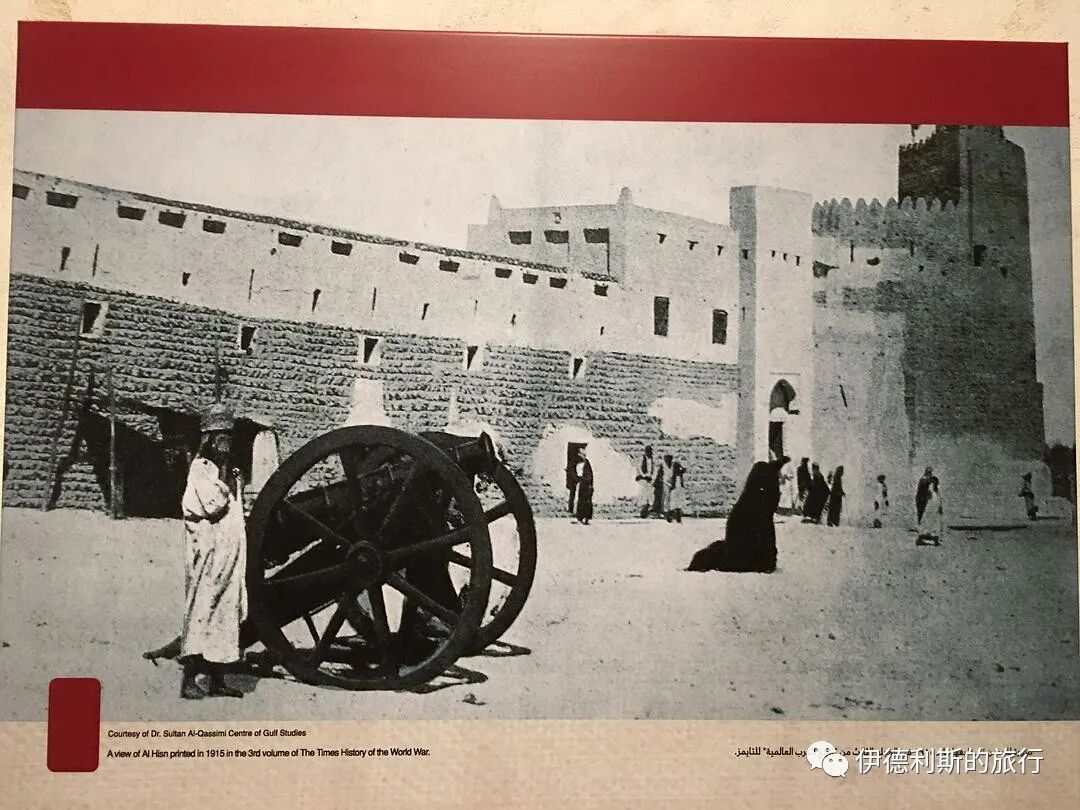
Sharjah Fort in 1915.
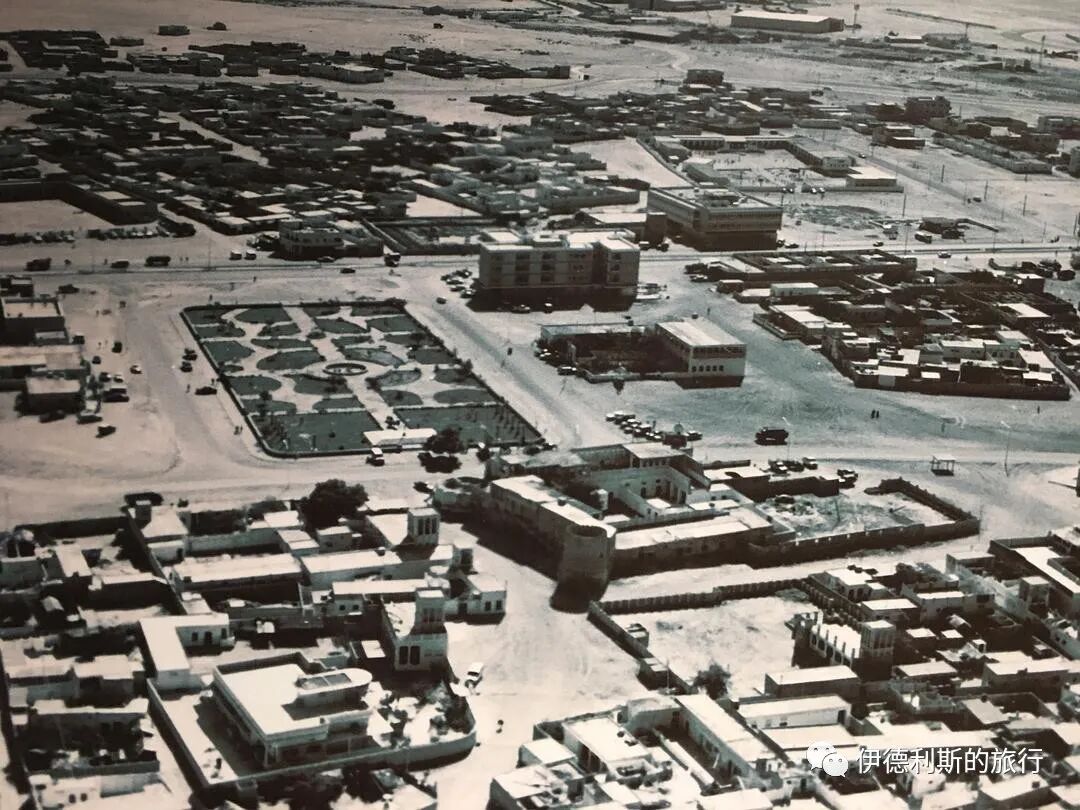
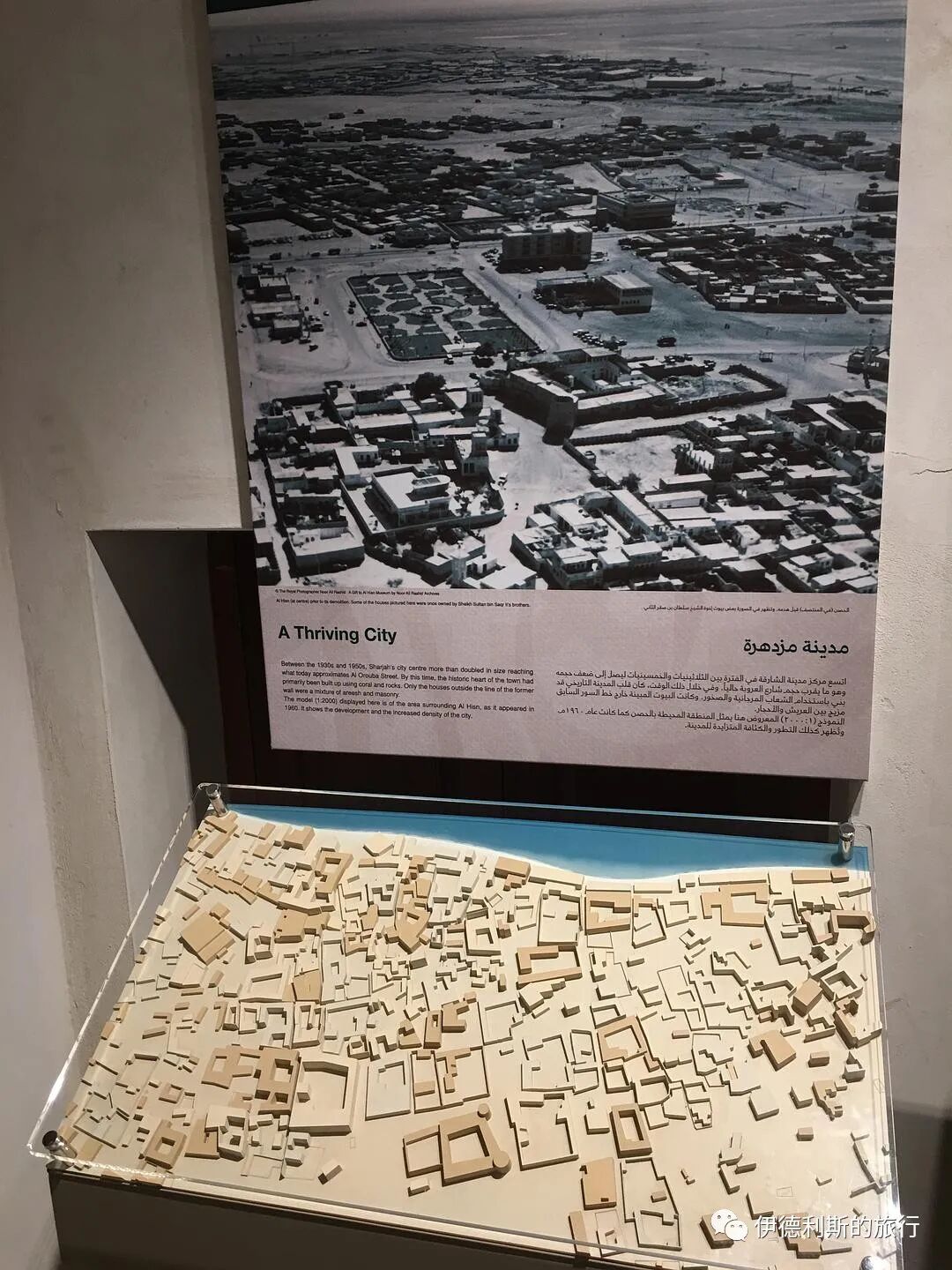
The area near the castle in the 1960s.
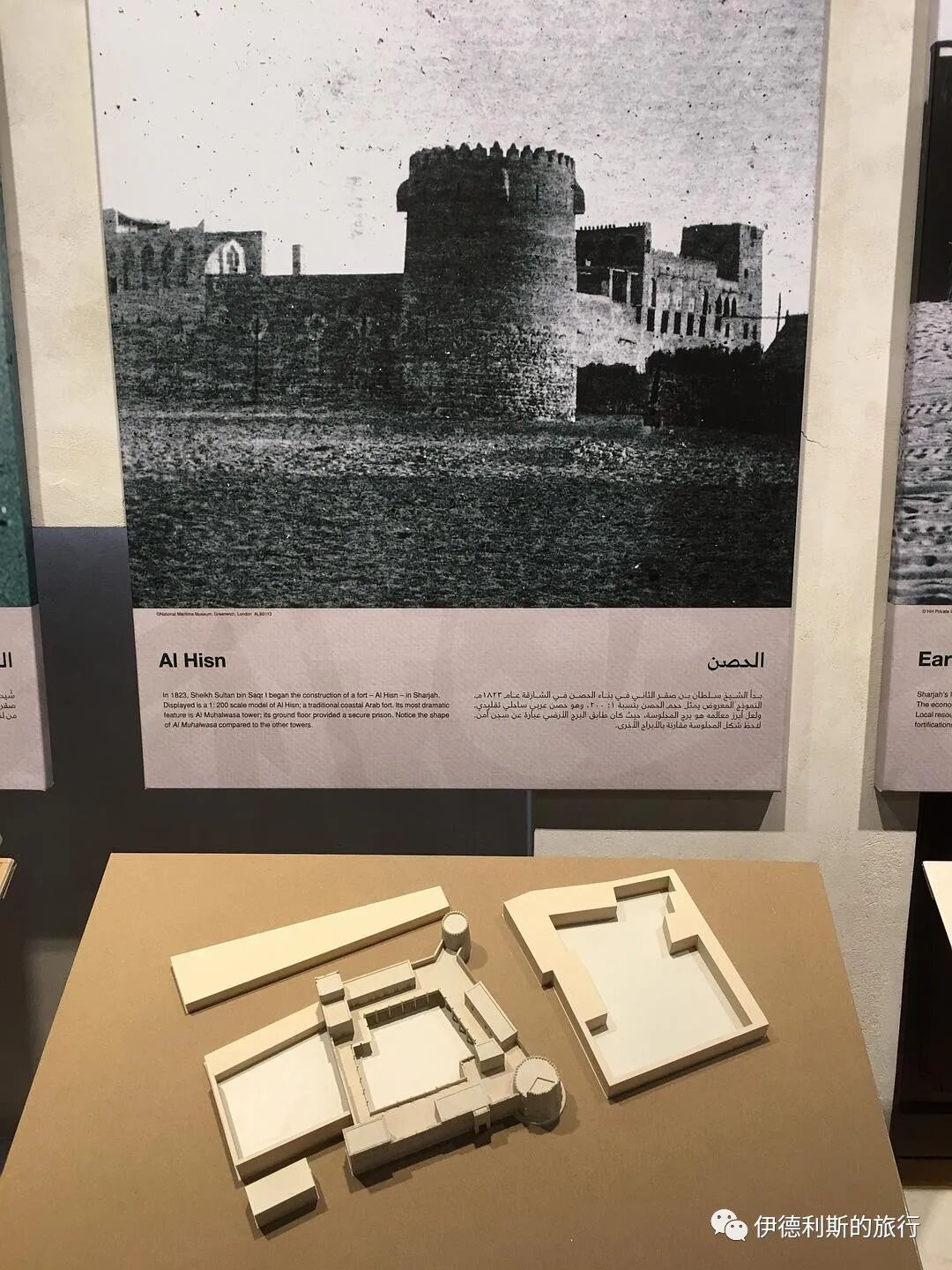
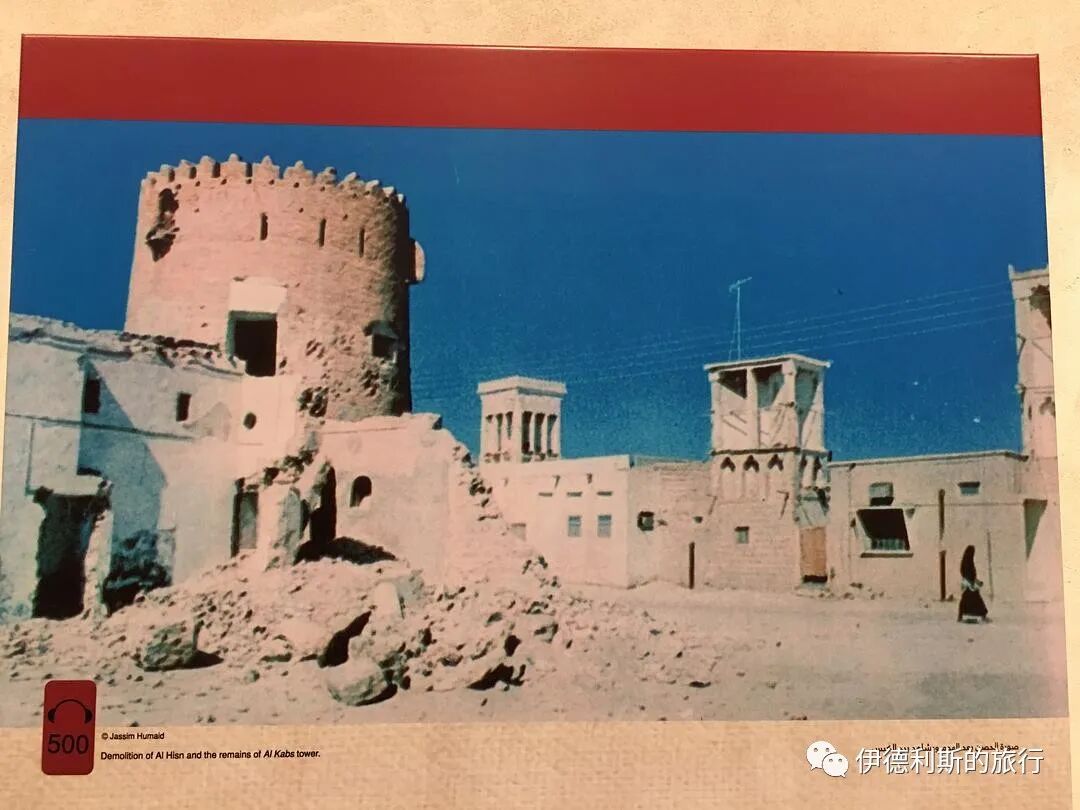
The castle ruins and the surviving tower before it was torn down in 1970.
The lone tower between 1970 and 1995.
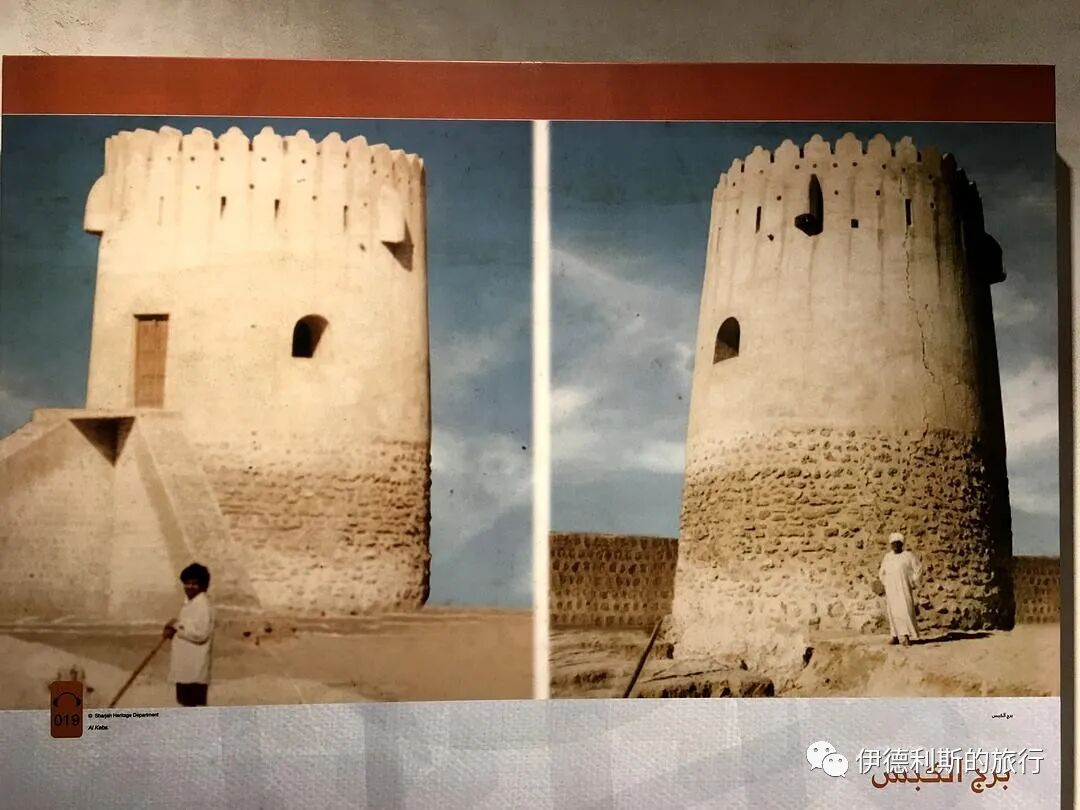
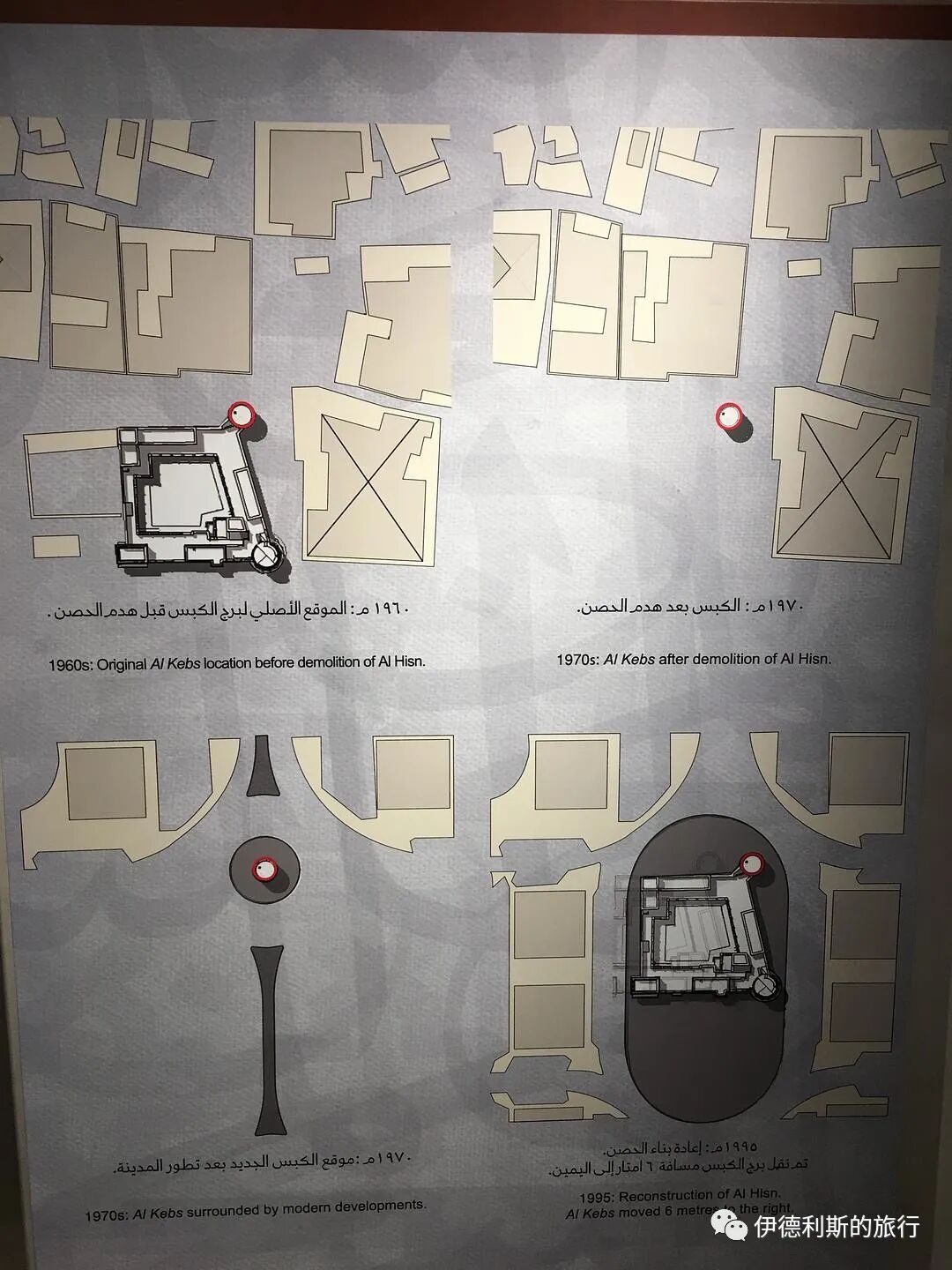
Let's look at the four stages of Sharjah Castle: its original look before 1970, the tower left alone in 1970, the modern apartments built around the tower from 1970 to 1995, and the castle reconstruction after 1995. During the 1995 reconstruction, the tower was moved 6 meters to the east.
Here are some artifacts.
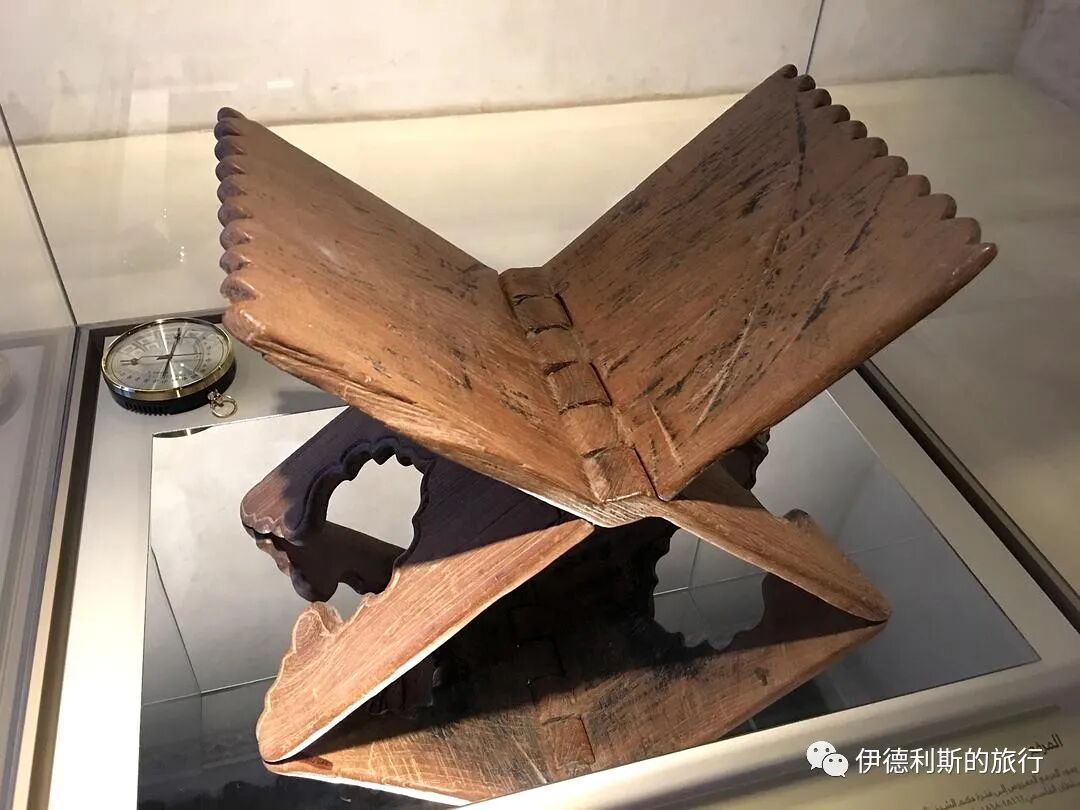
Rashid, the first ruler of the Emirate of Sharjah (reigned 1727–1777), once gave each of his five sons a dagger. The picture below shows two of them. The picture below shows the Quran stand (merfa'a) belonging to Khalid I, the ruler of Sharjah (reigned 1866–1868). It is inscribed with: "Property of Khalid bin Sultan Bin Saqr Al Qasimi, 9th of Muharram, 1257." The year 1257 in the Islamic calendar is 1841 AD, and Muharram is the first month, which is a sacred month in the Islamic calendar.
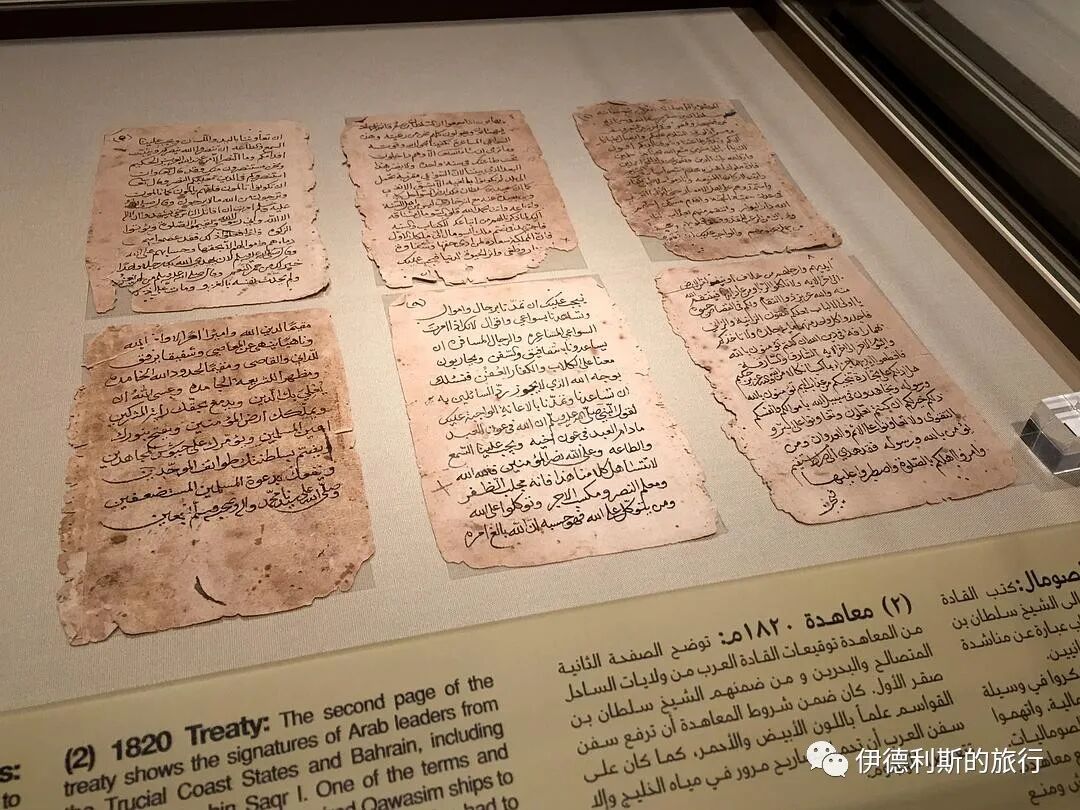
The image below shows a letter written in 1837 by a Somali ruler to Sultan I of Sharjah, asking for help against the British. After the British learned what was in the letter, they made up a story about Sharjah kidnapping some missing Somali girls to stop Sharjah from helping Somalia. Sultan I of Sharjah was forced to sign a treaty with the British, which allowed them to search and seize any ships suspected of kidnapping.
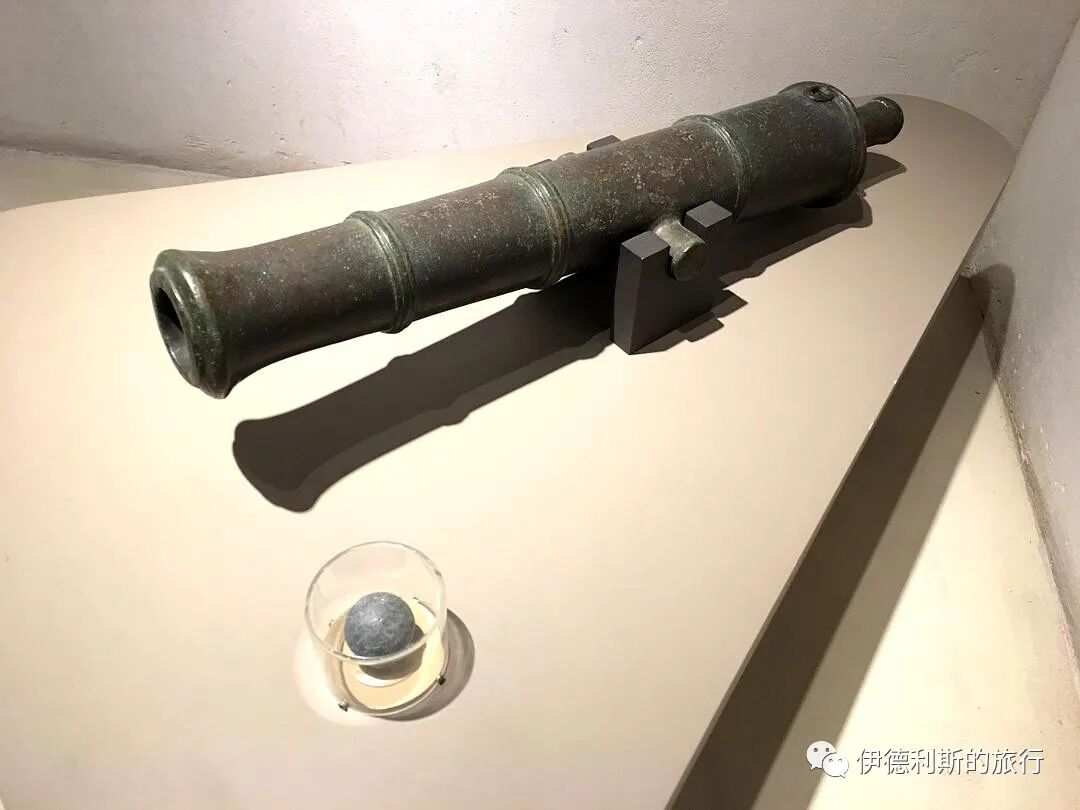
The image below shows a naval cannon from a Sharjah warship.
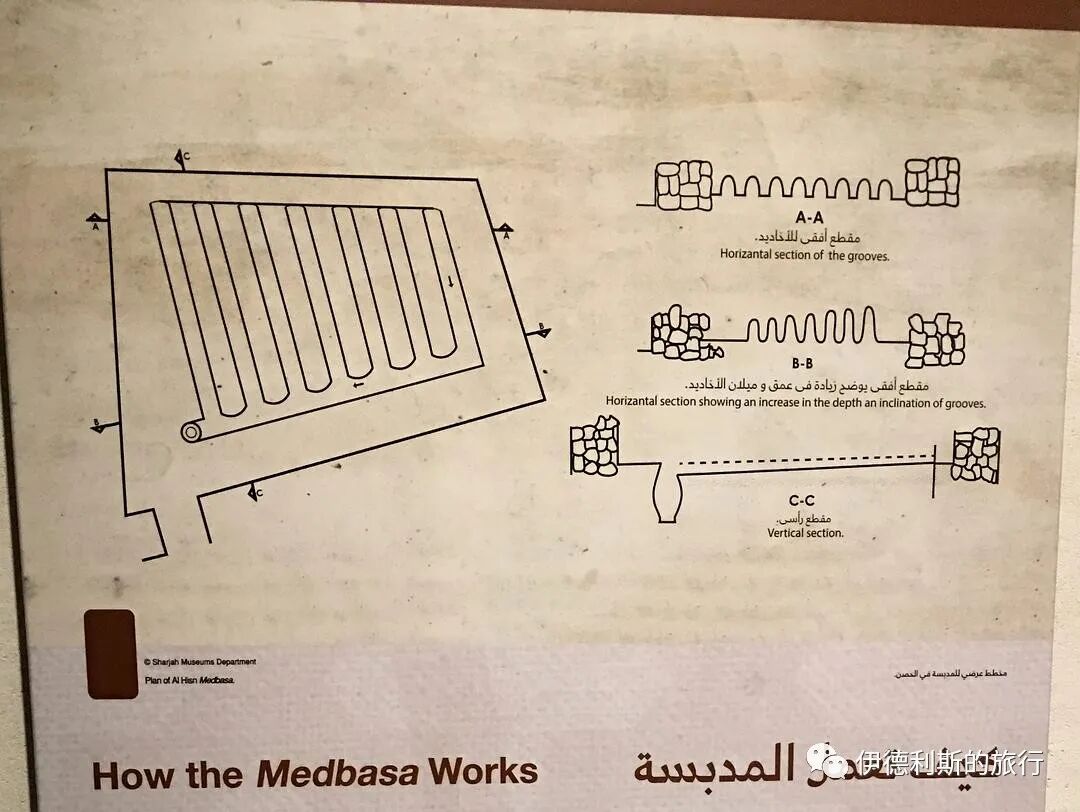
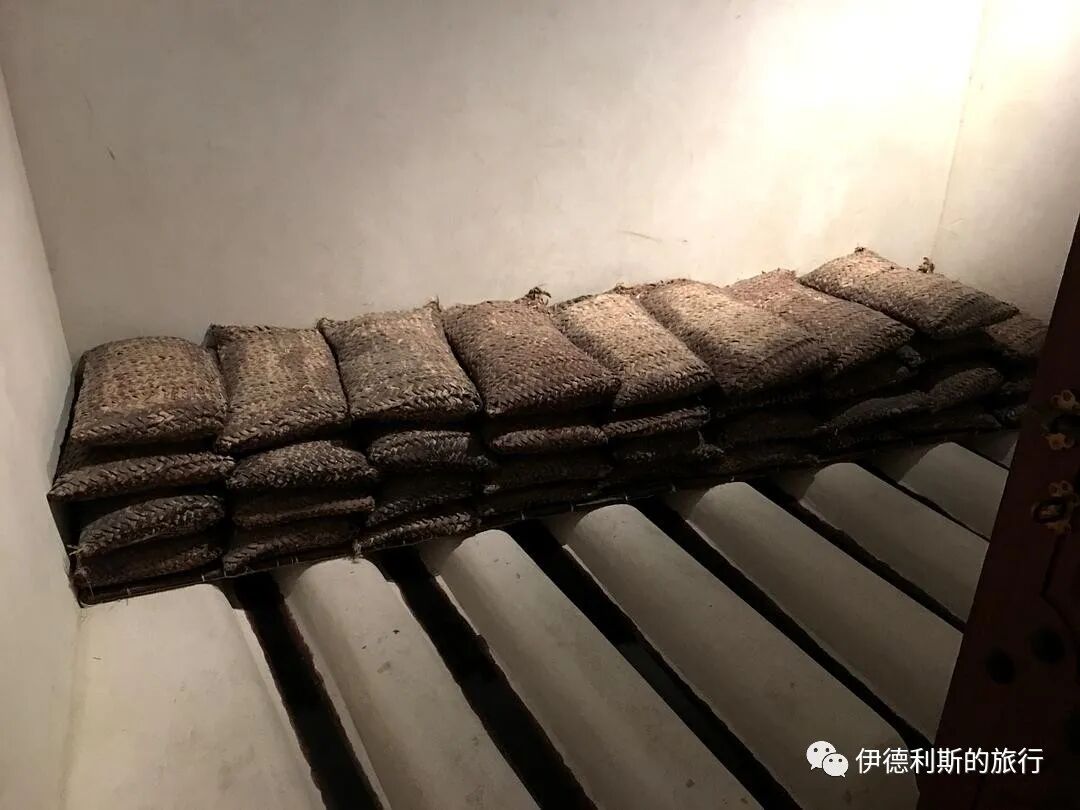
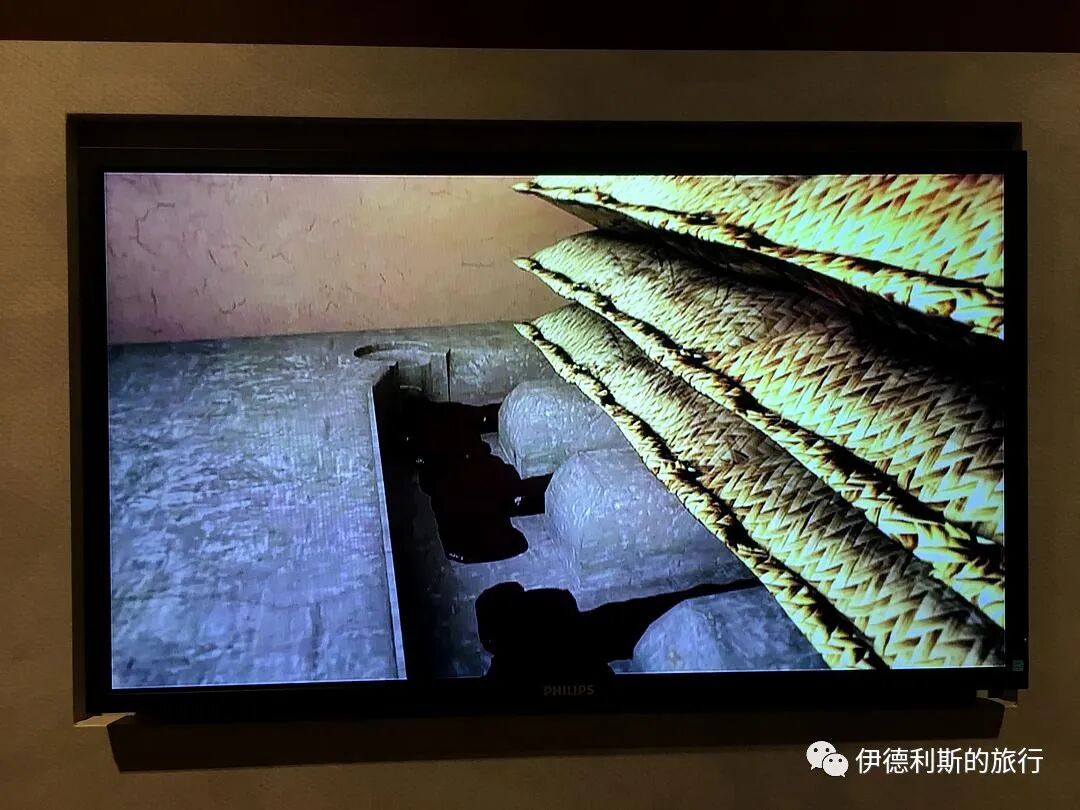
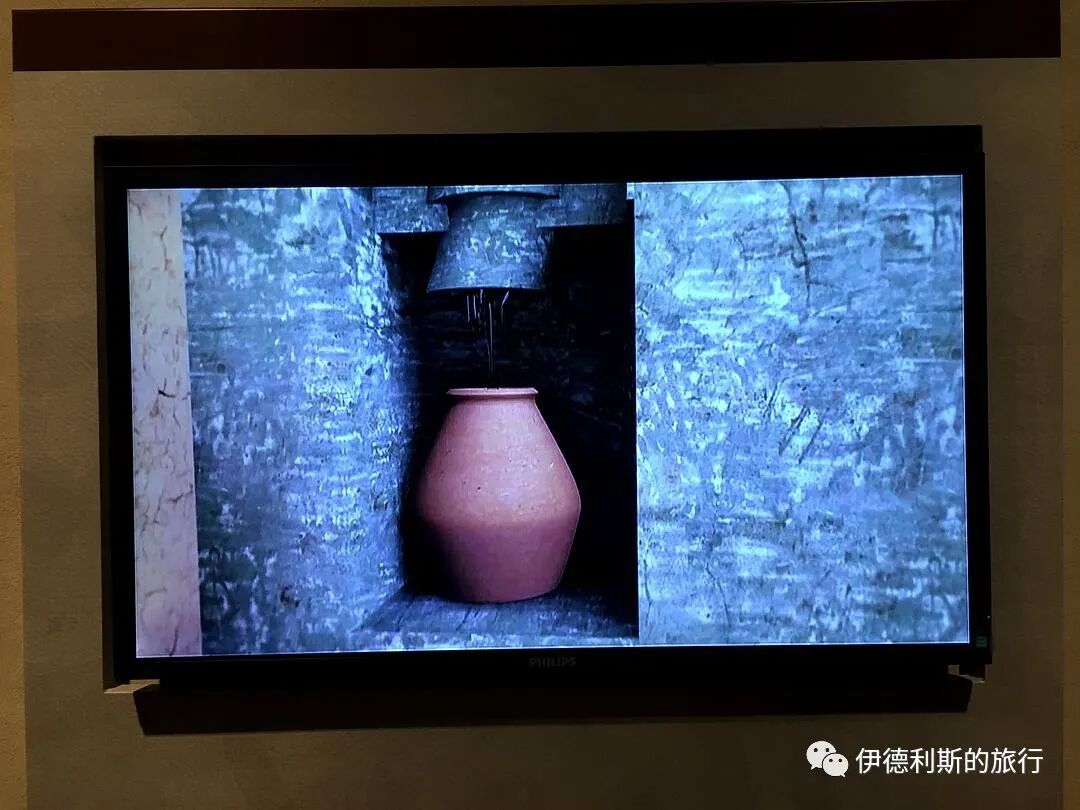
The process of making date molasses is shown below. The room used to make date molasses is called a Medbasa. Here are the steps to make the molasses:
1. Collect ripe dates.
2. Place the dates on palm leaf mats to dry in the sun.
3. Put the dried dates into bags woven from palm leaves.
4. Place a layer of bags over the grooves.
5. Keep stacking the bags layer by layer, as the weight helps extract the molasses.
6. Make sure there is no airflow in the room. A room without windows helps trap heat and speeds up the molasses extraction.
7. The molasses will slowly seep into the grooves on the floor and eventually collect in a clay pot.
8. Once the clay pot is full, use a ladle to scoop out the molasses. The whole process takes a month or longer.
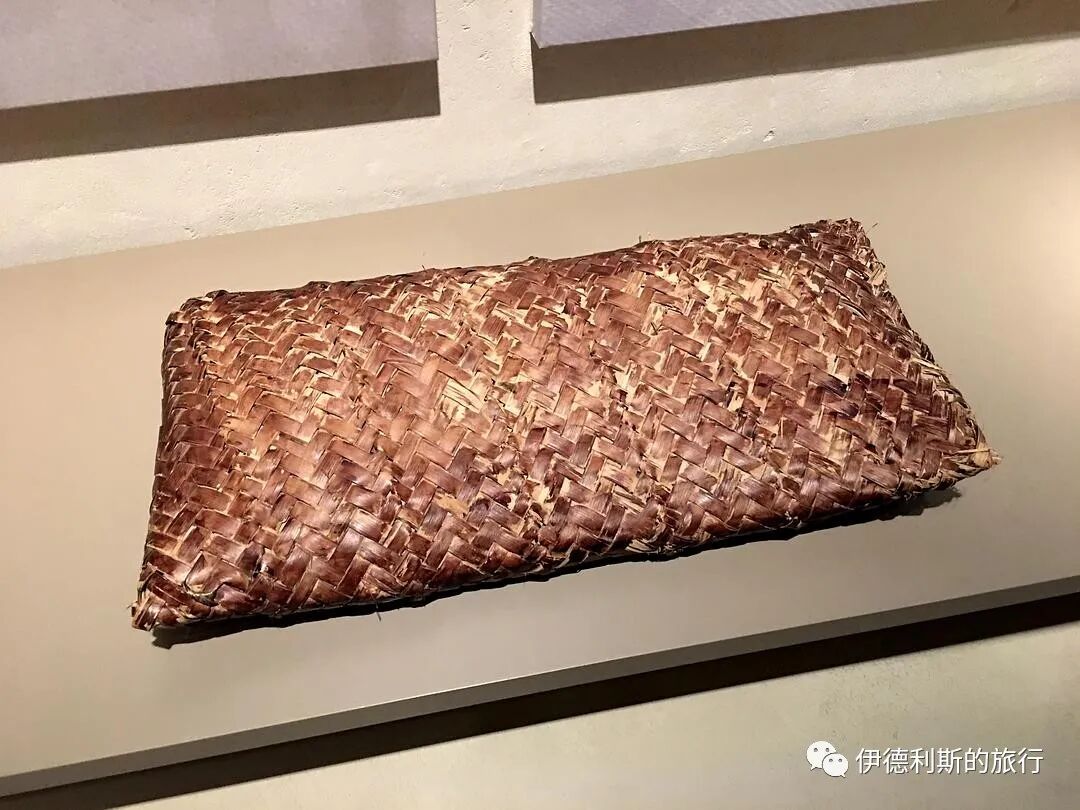
Woven palm leaf bags for holding dates.
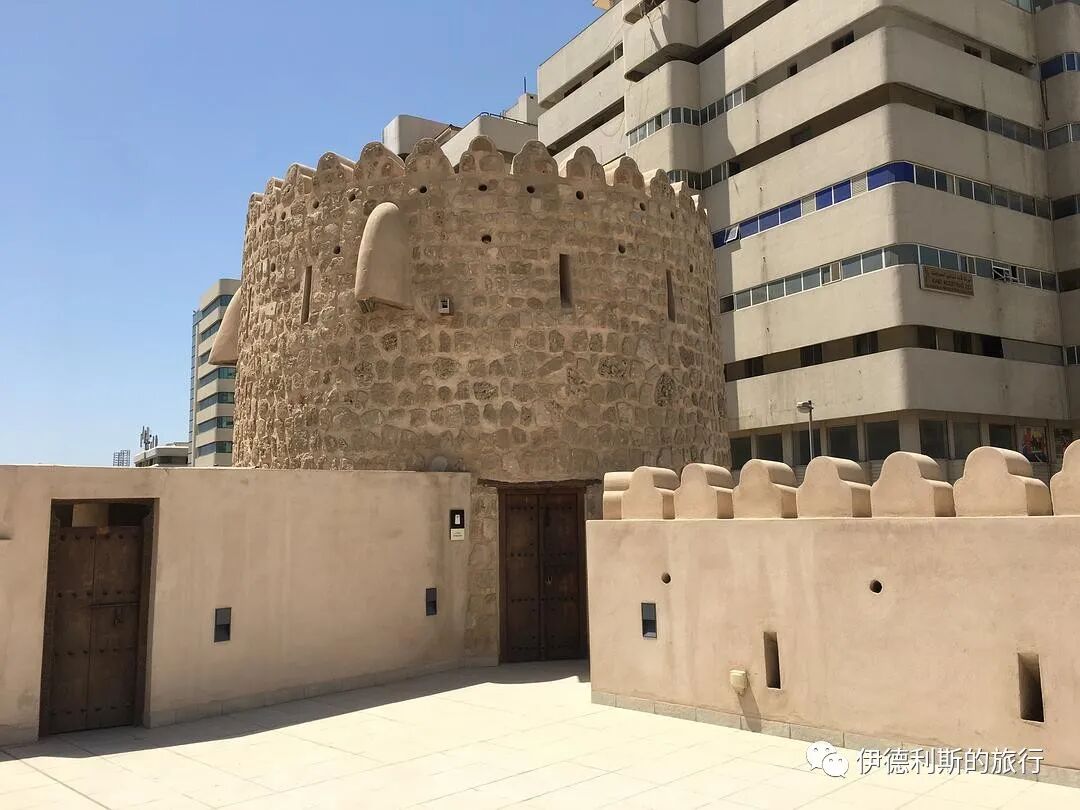
Below is the only surviving tower, Al Kebs.
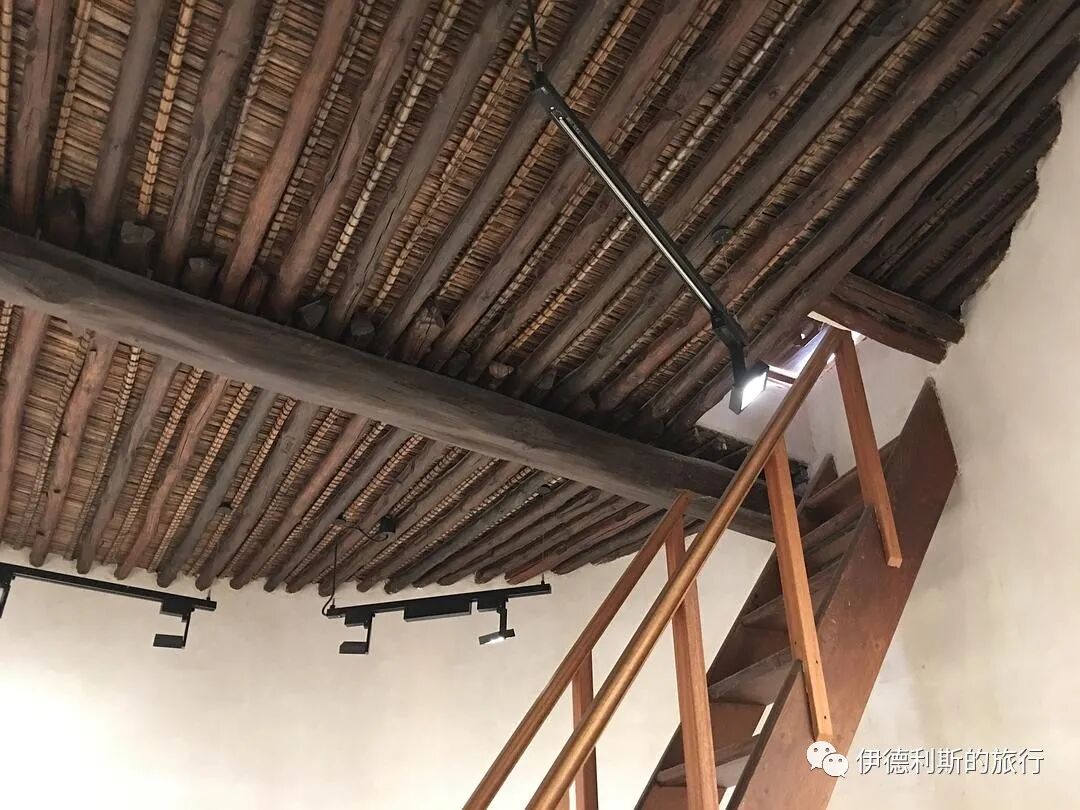
Inside is a roof made of palm fronds.
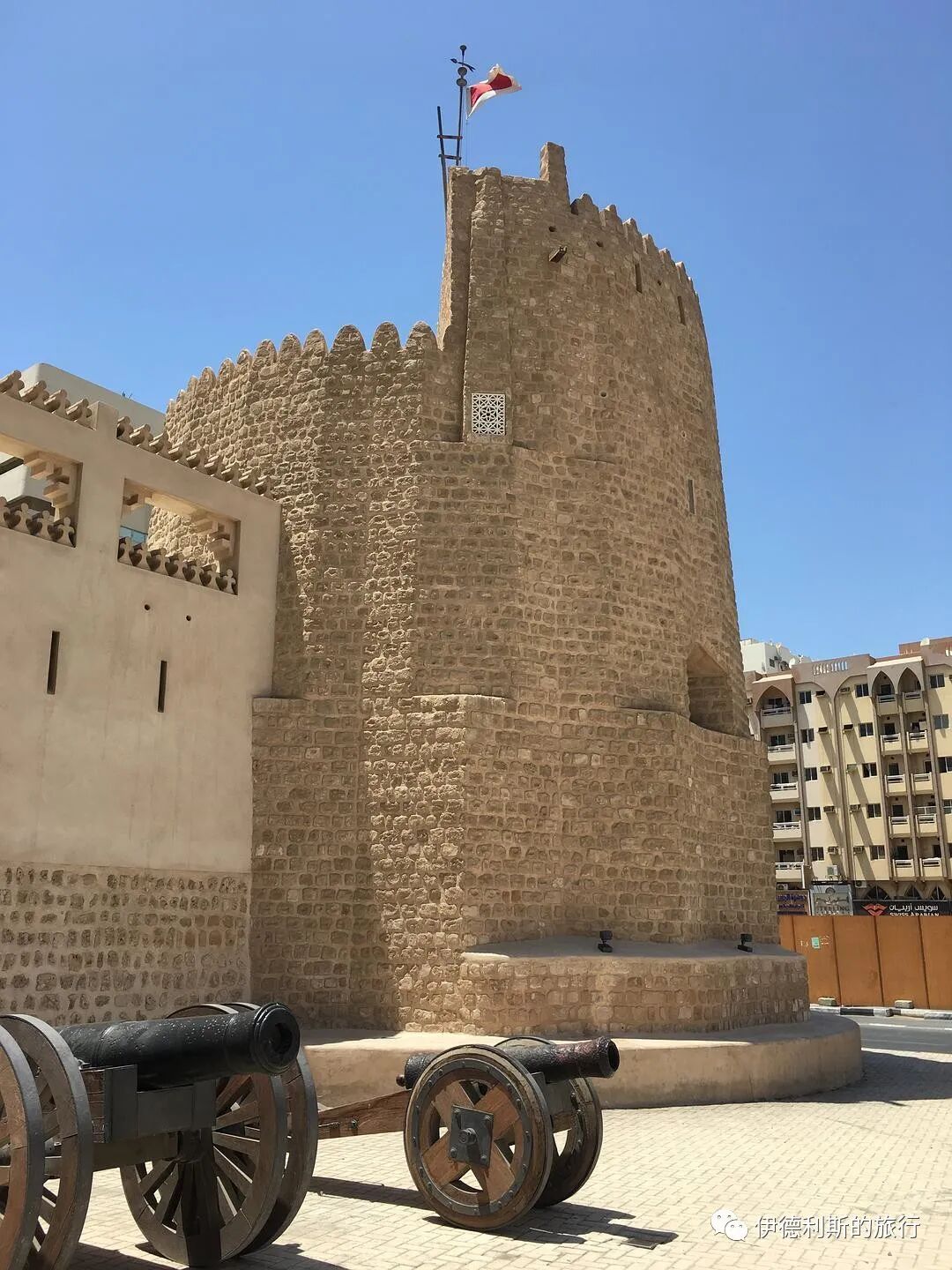
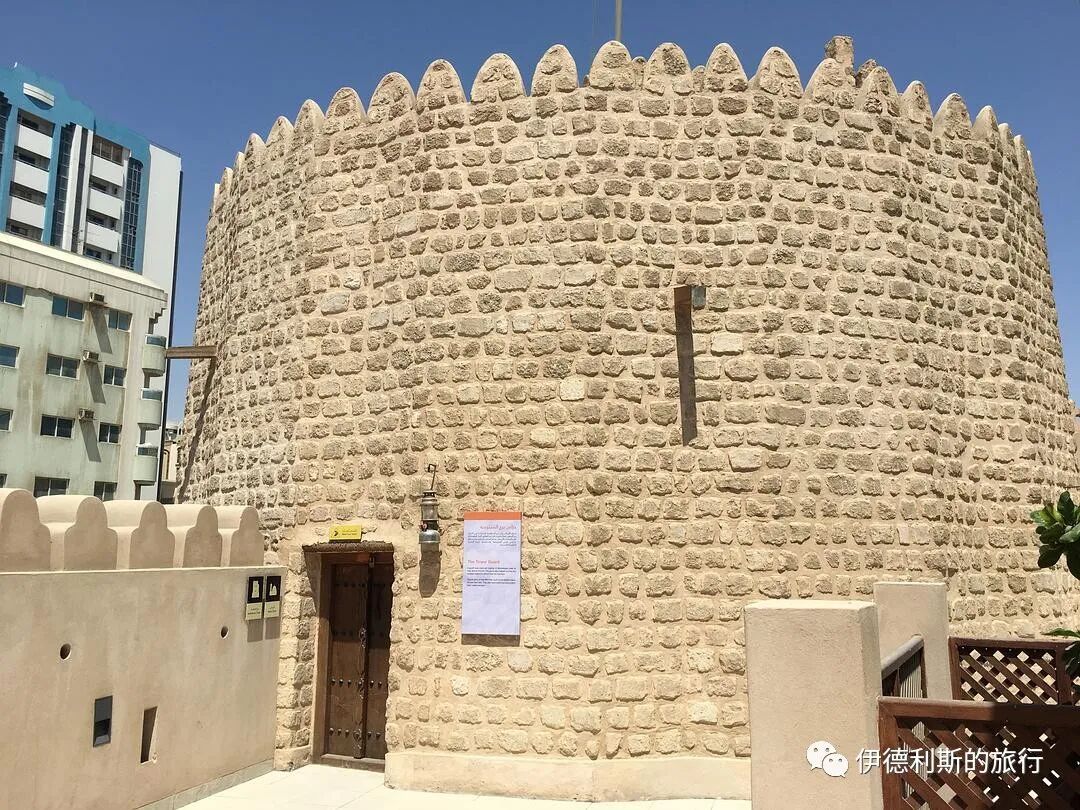
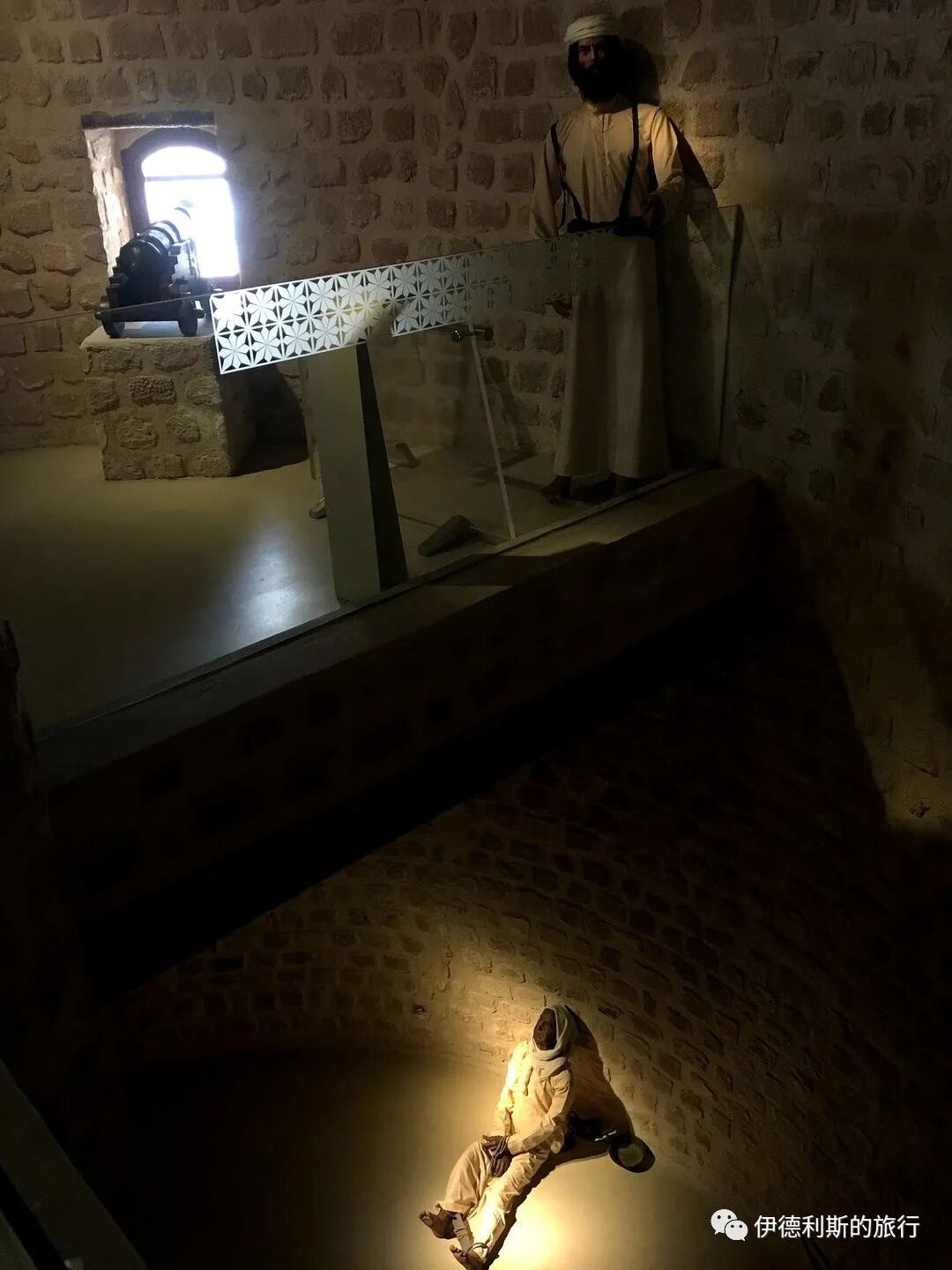
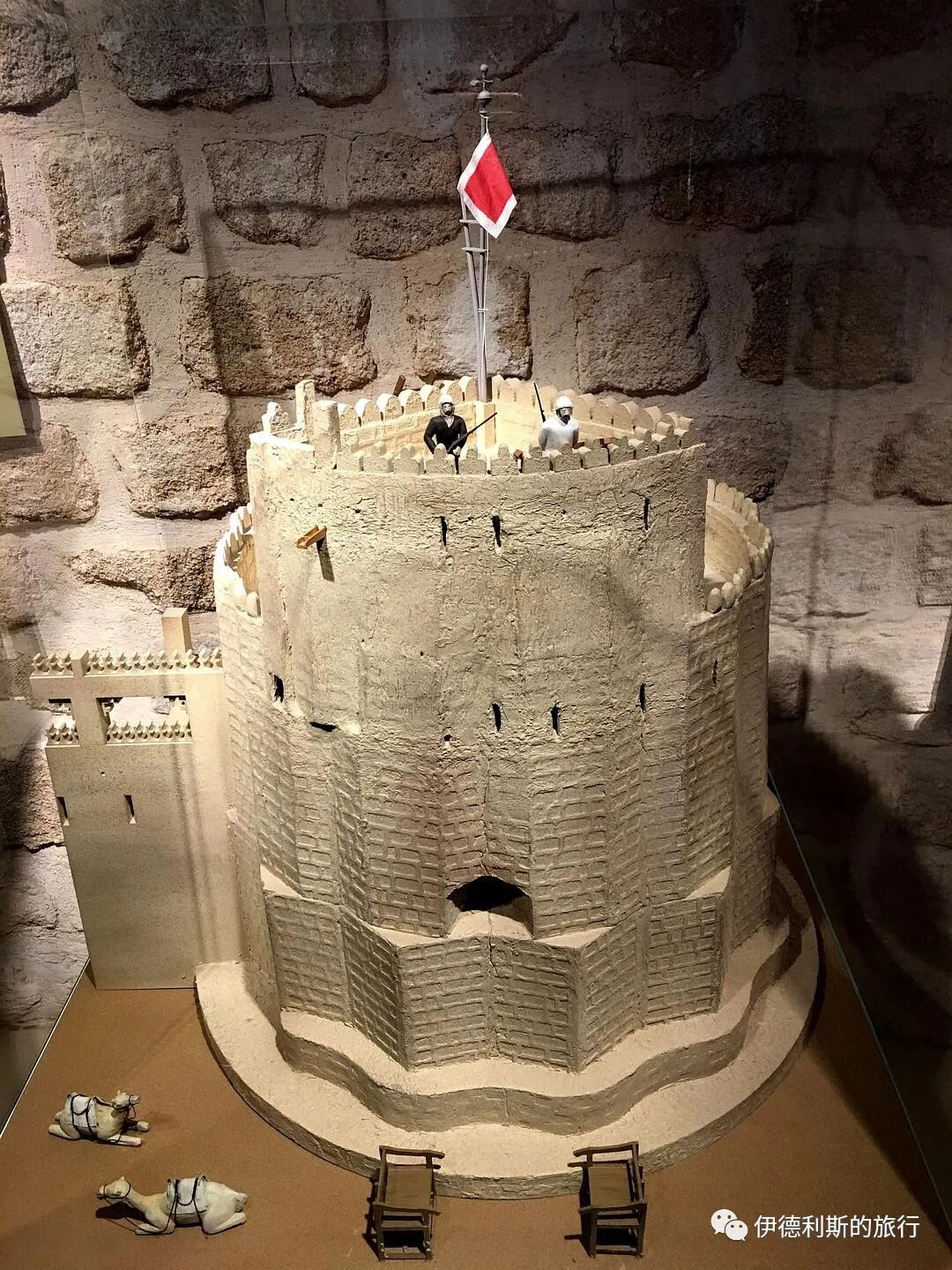
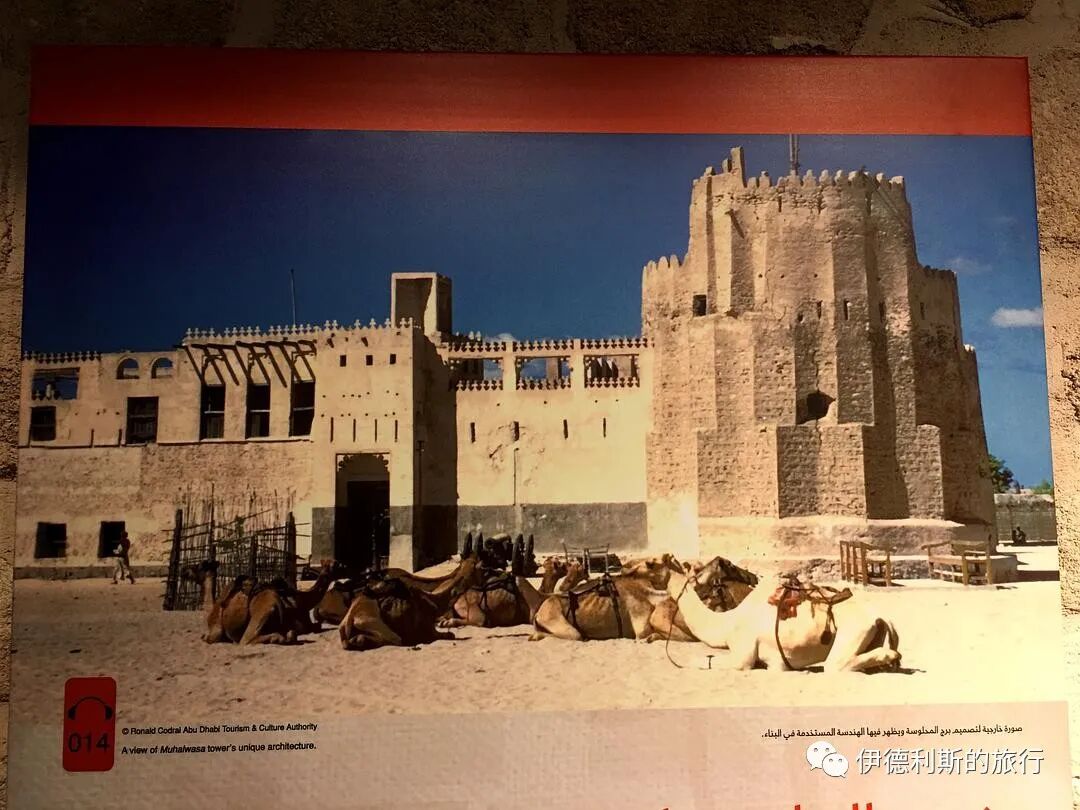
This is the rebuilt Al Muhalwasa tower, which was once the most important tower in Sharjah. The first floor of the tower was a prison, and the top floor was a prayer room.
Model.
An old photo from before it was torn down in 1970.
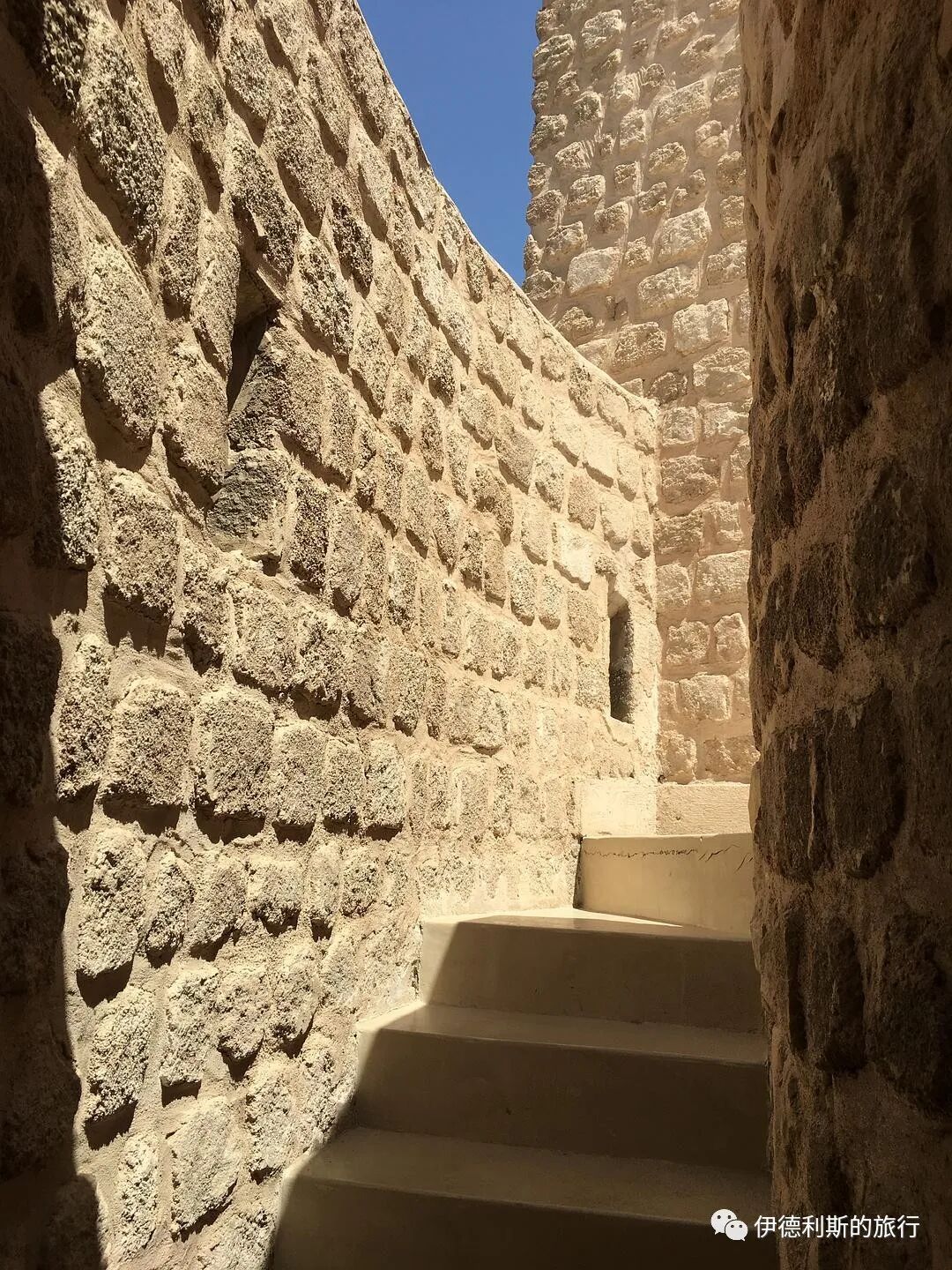
Stairs going up
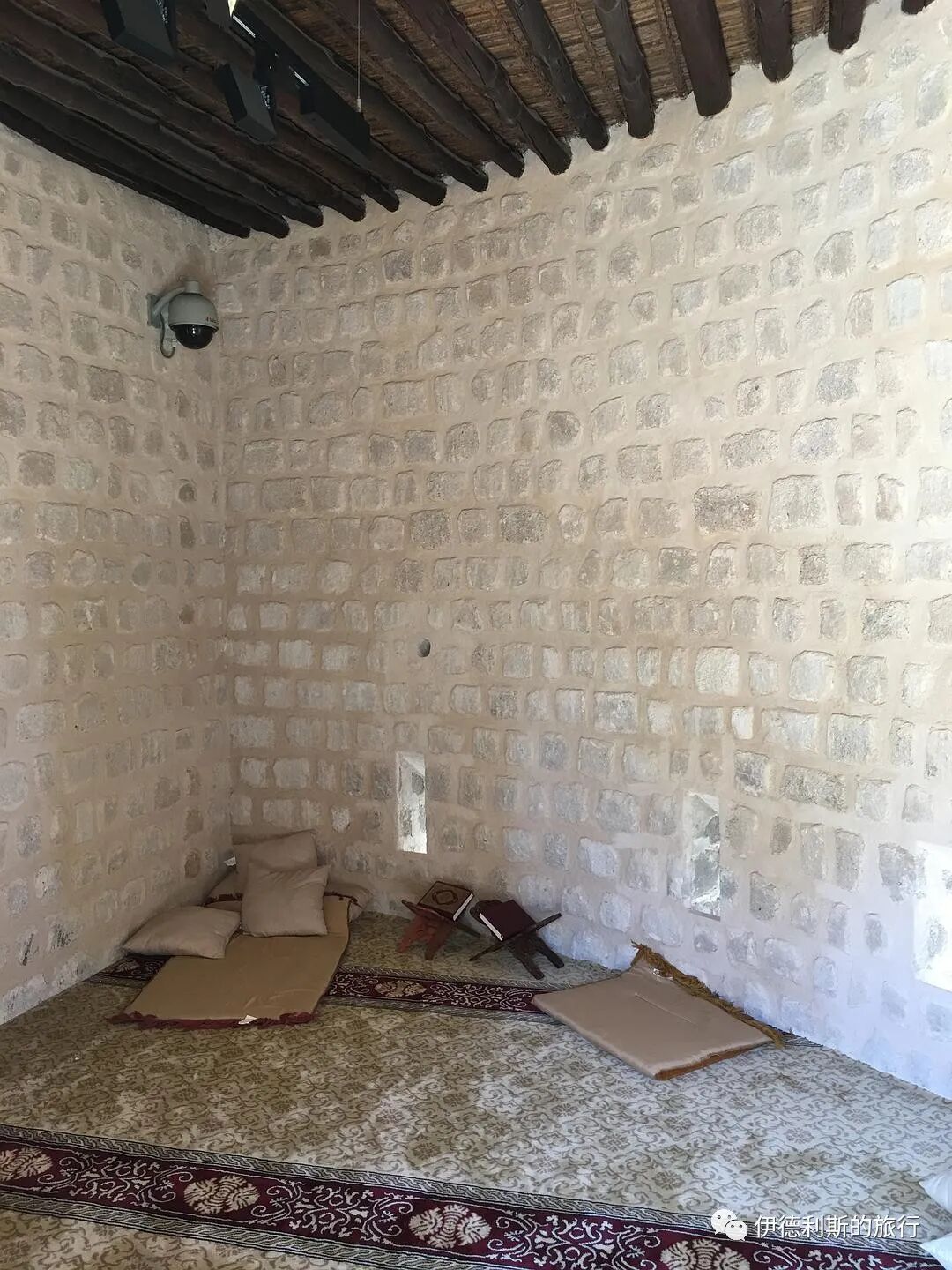
The prayer room on the roof
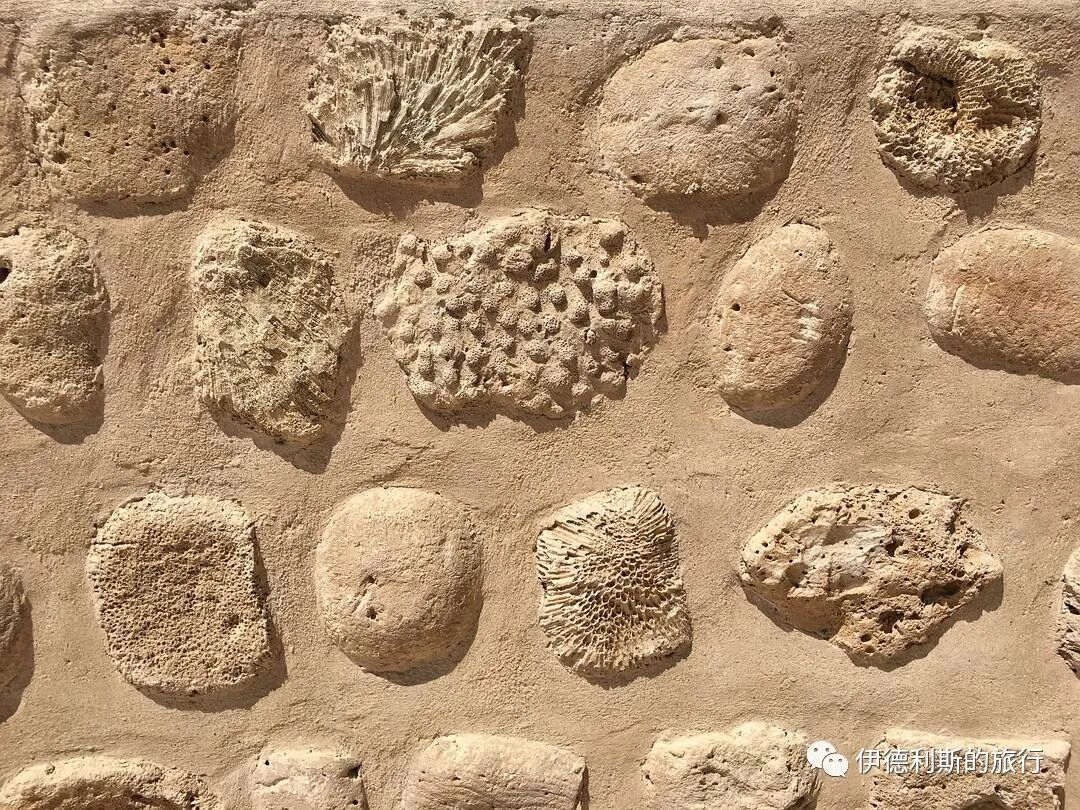
Coral stone walls
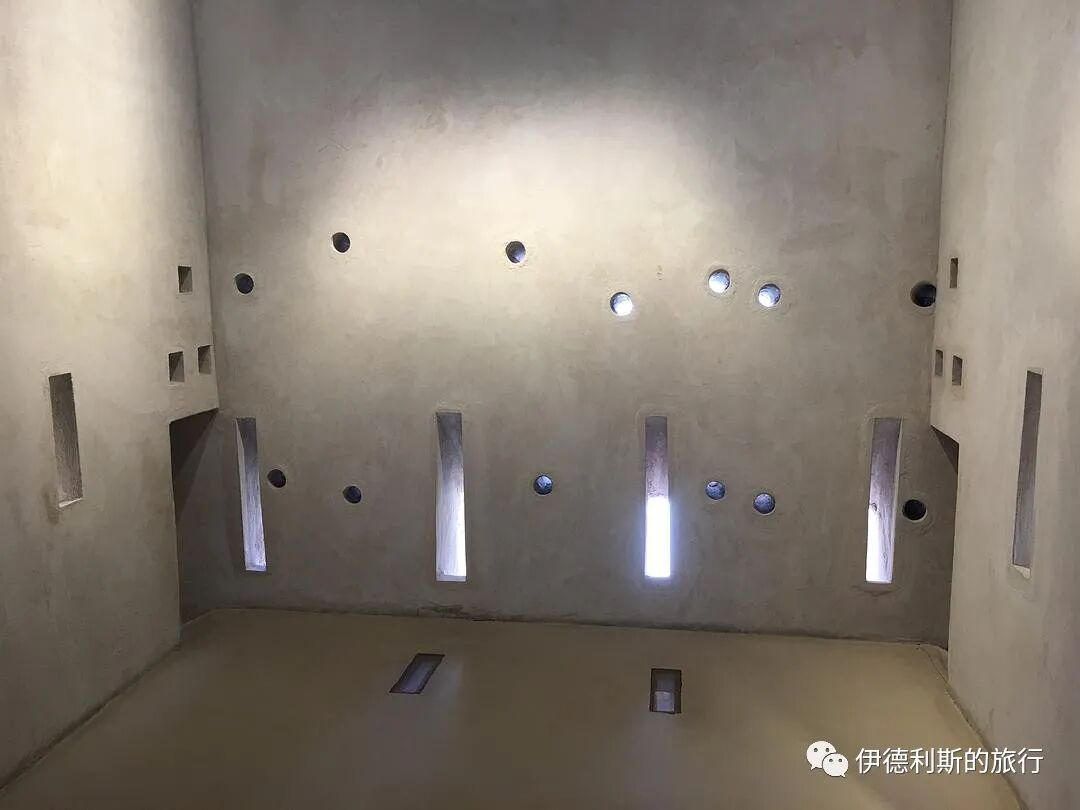
Shooting holes and lookout holes on the wall nearby
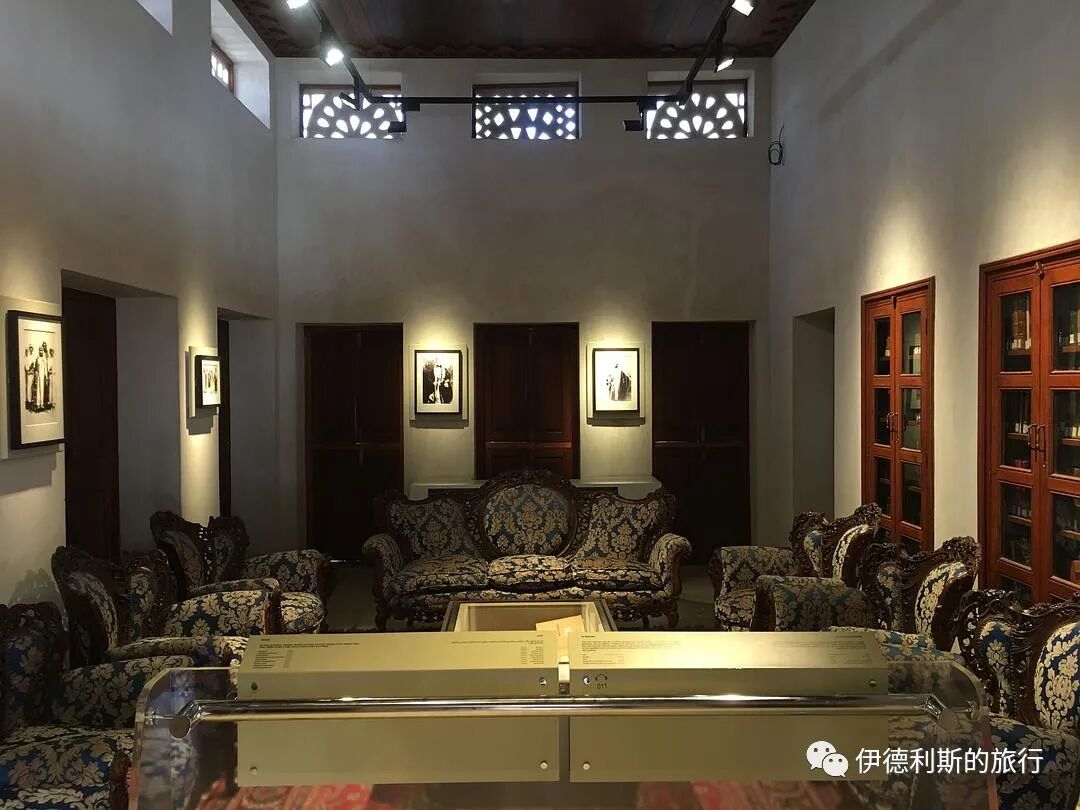
The restored reception room from the early 1930s
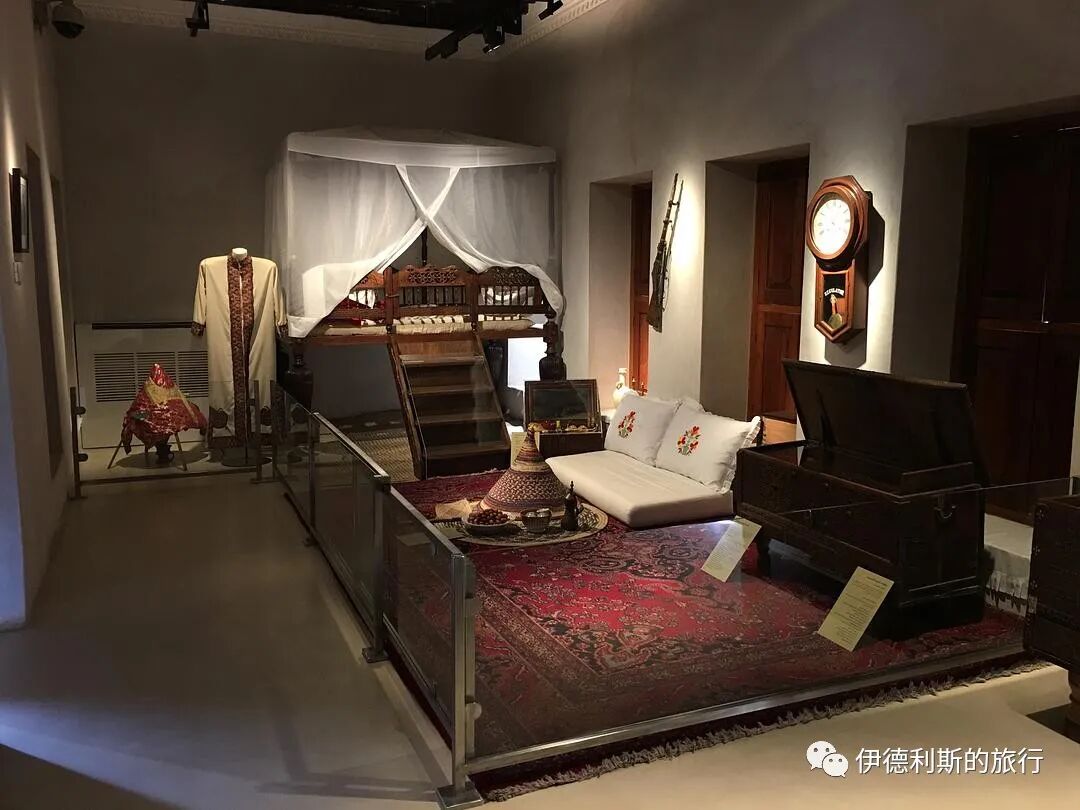
Restored bedroom
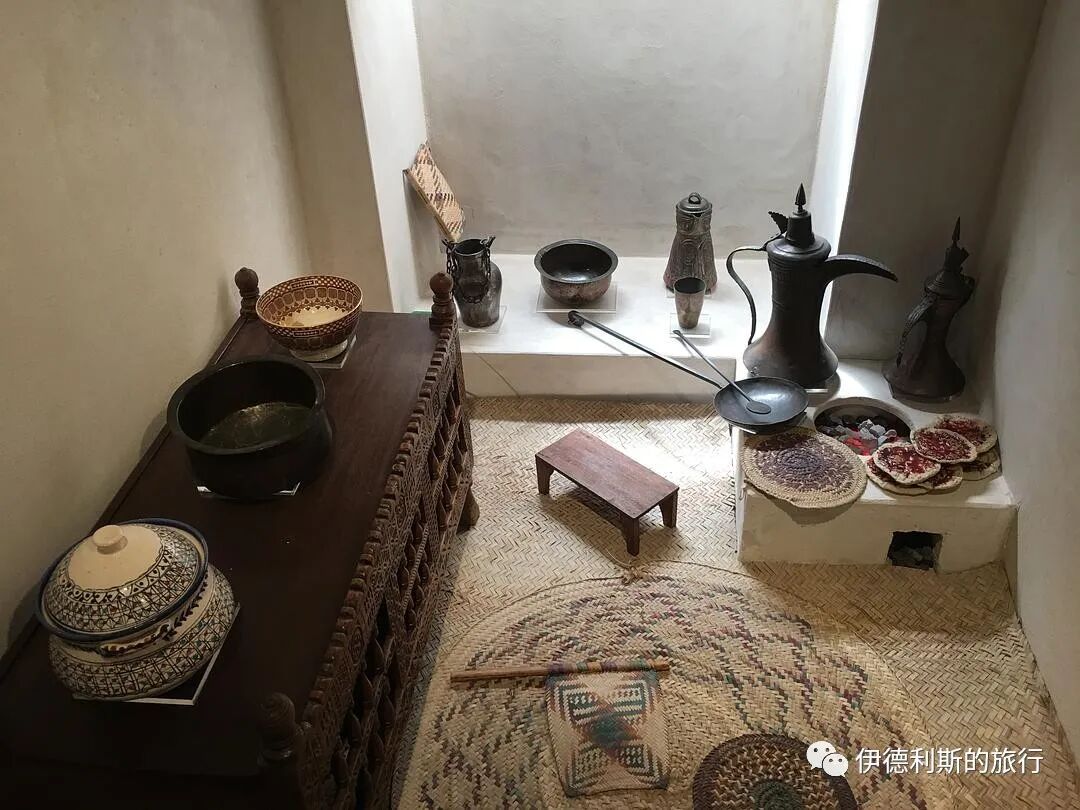
Restored kitchen
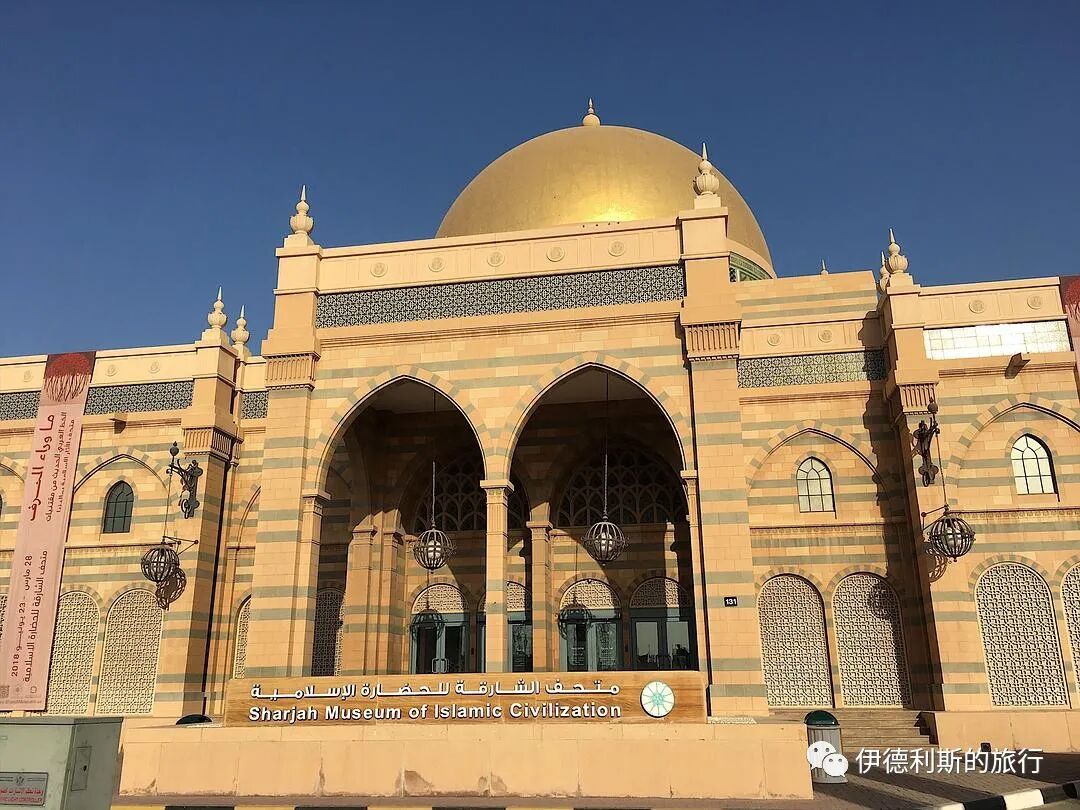
14. Sharjah Museum of Islamic Civilization
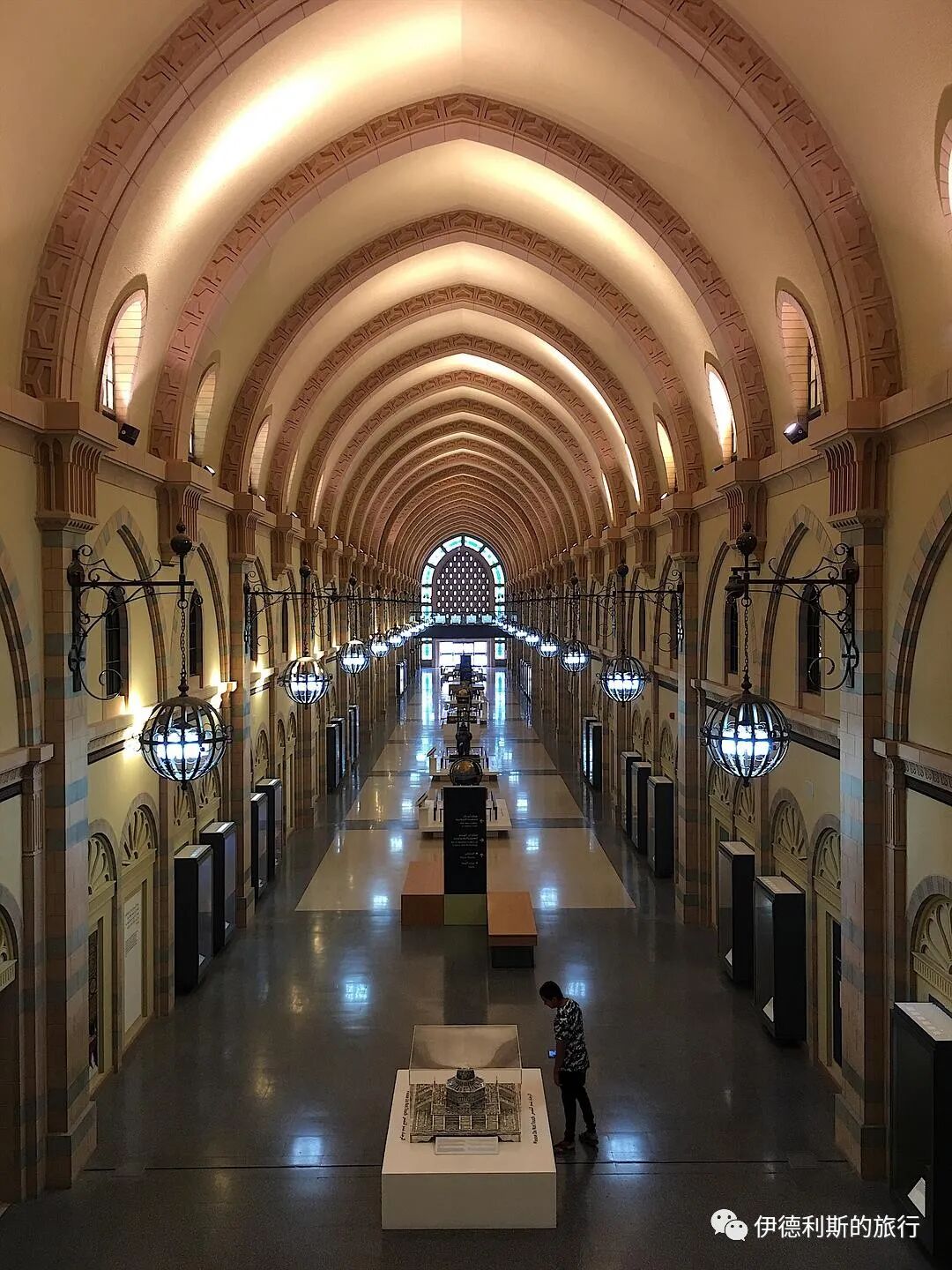
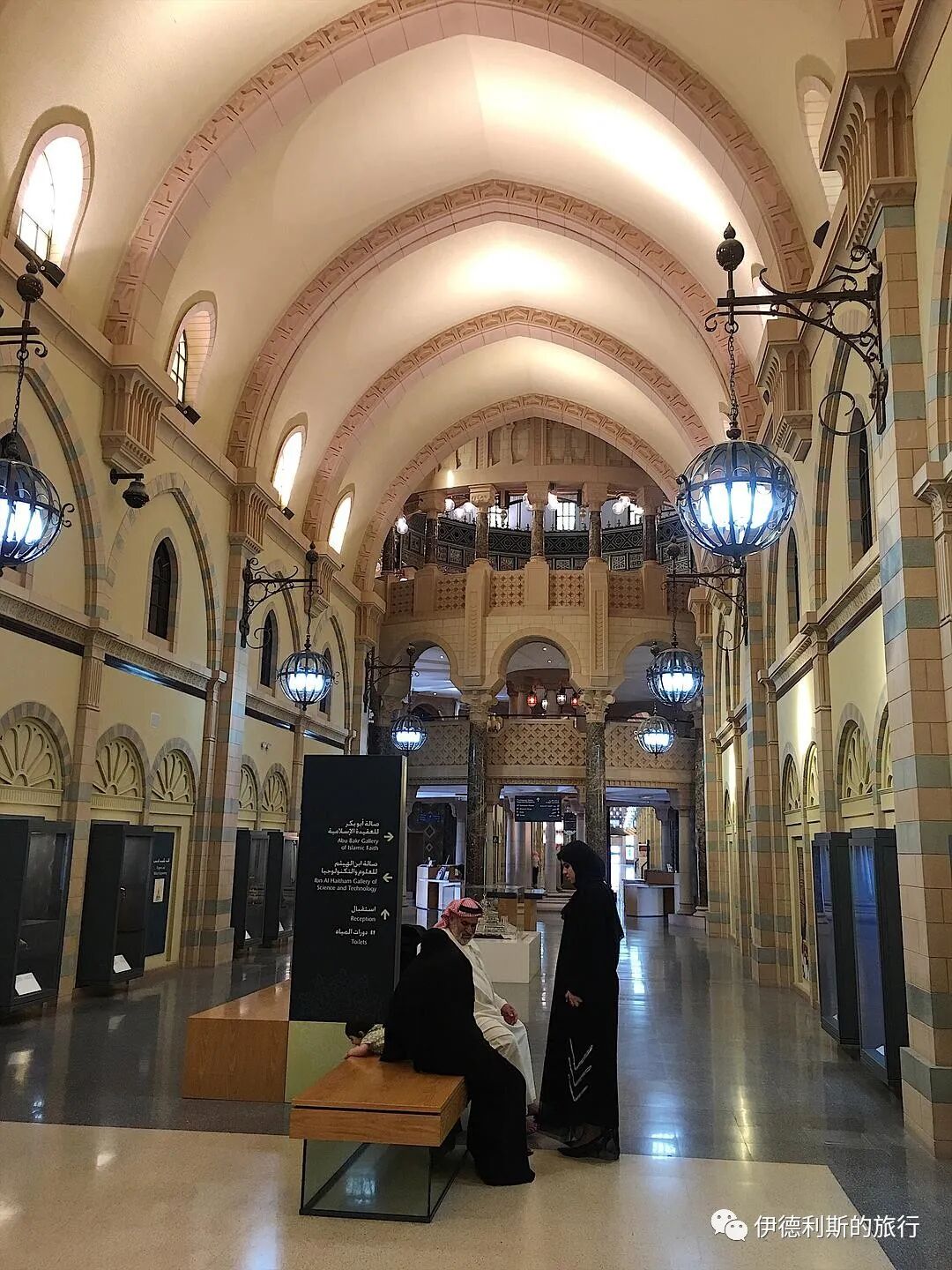
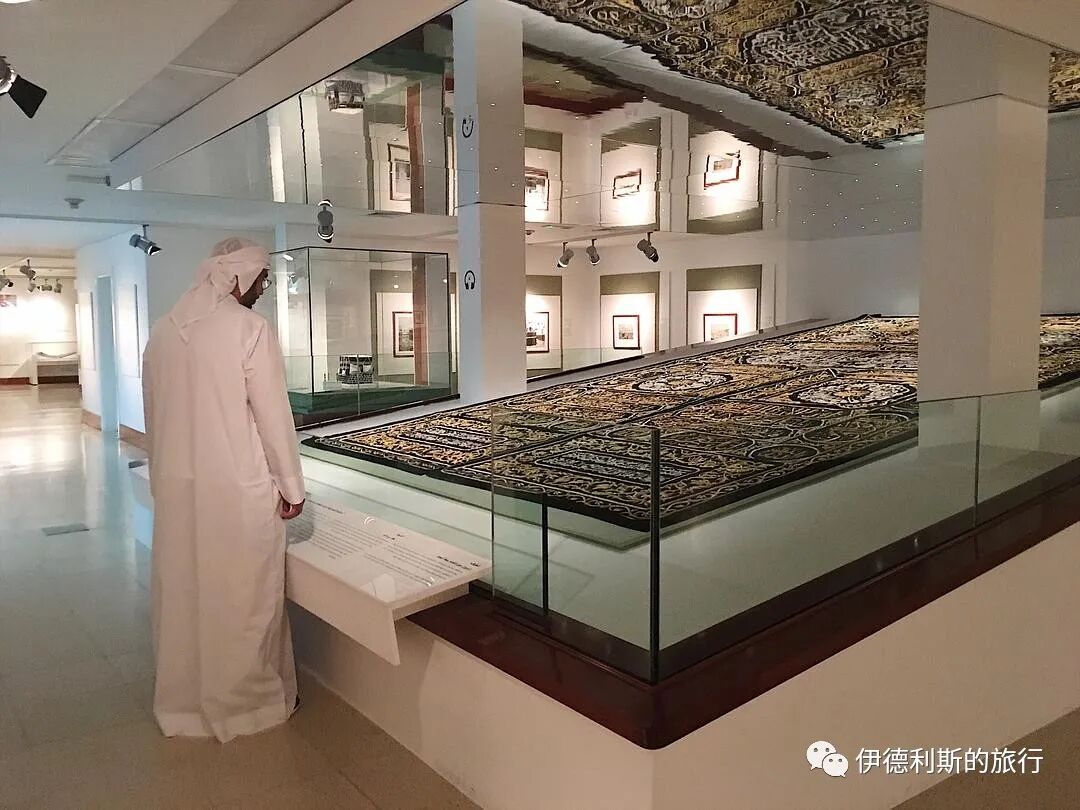
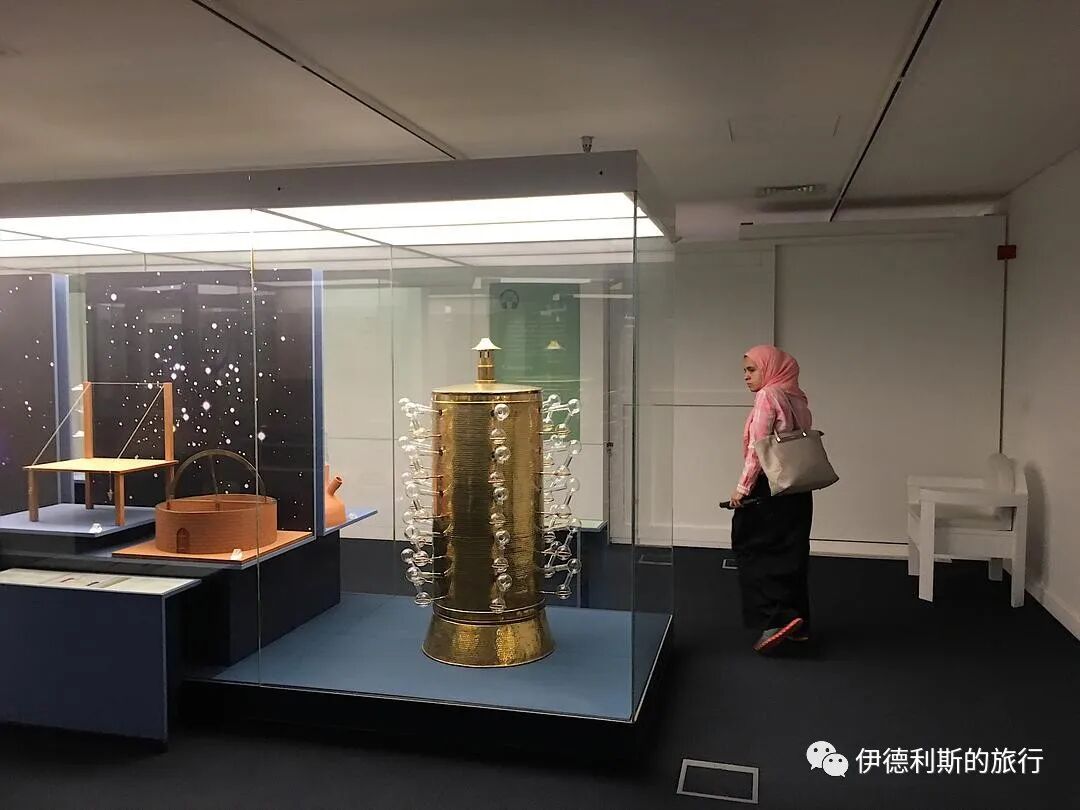
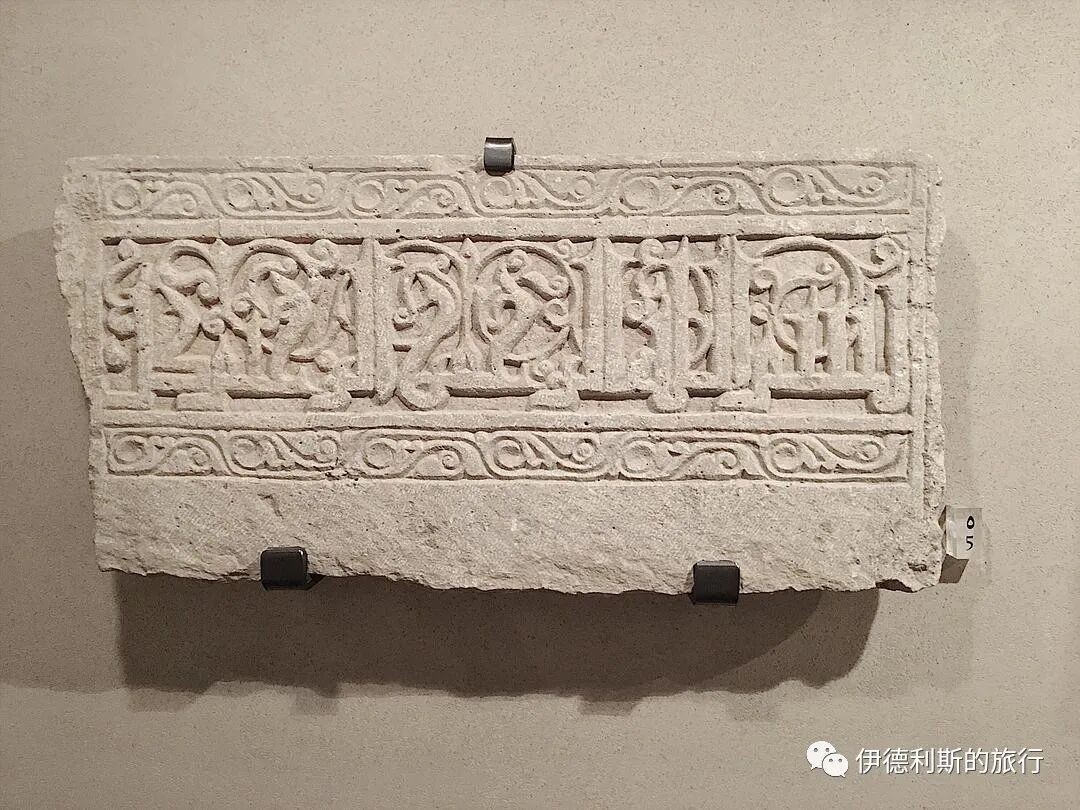
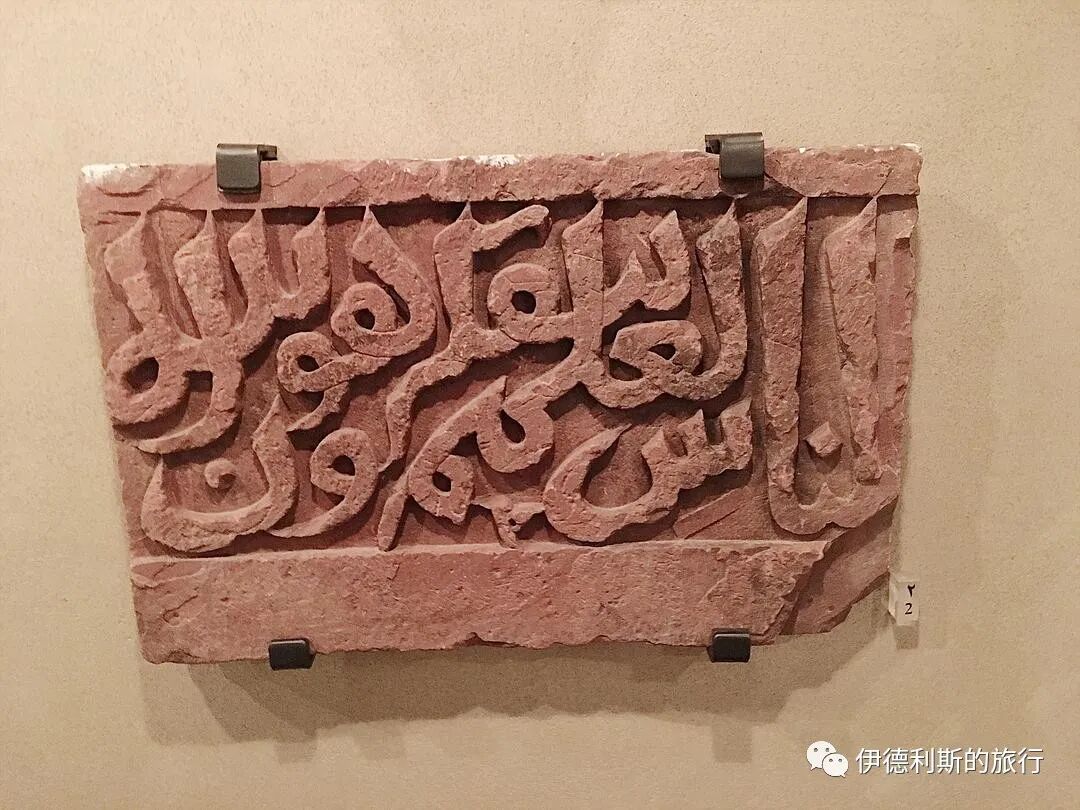
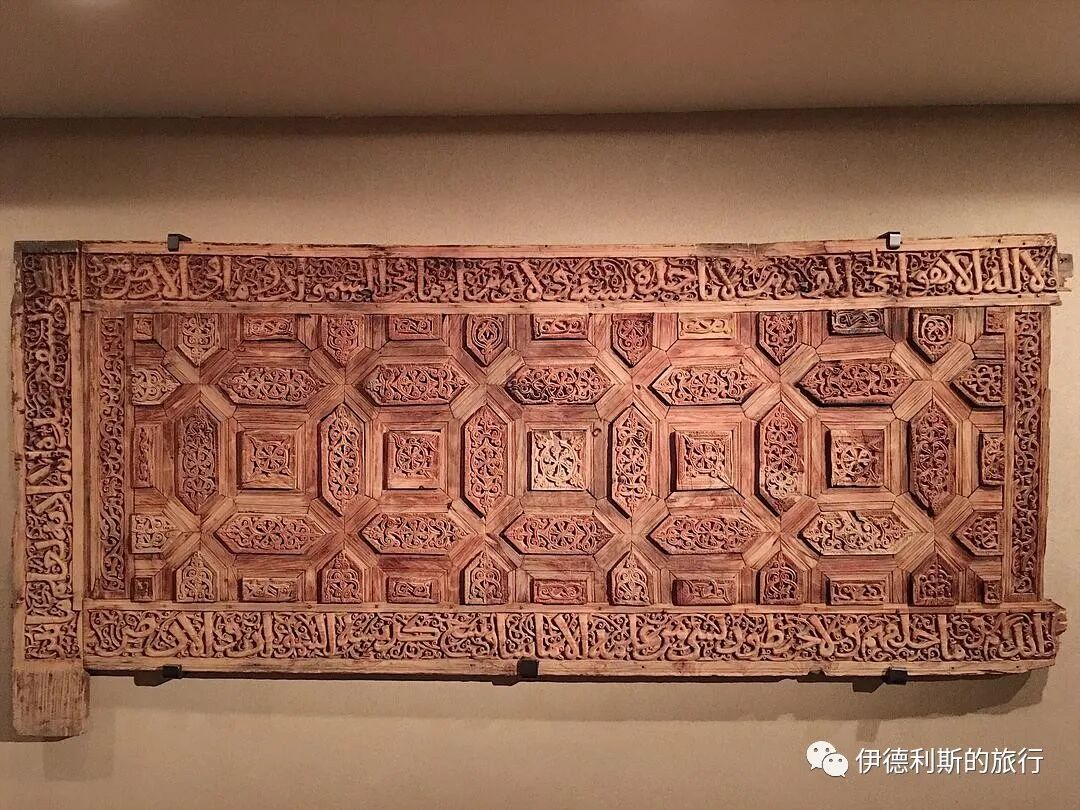
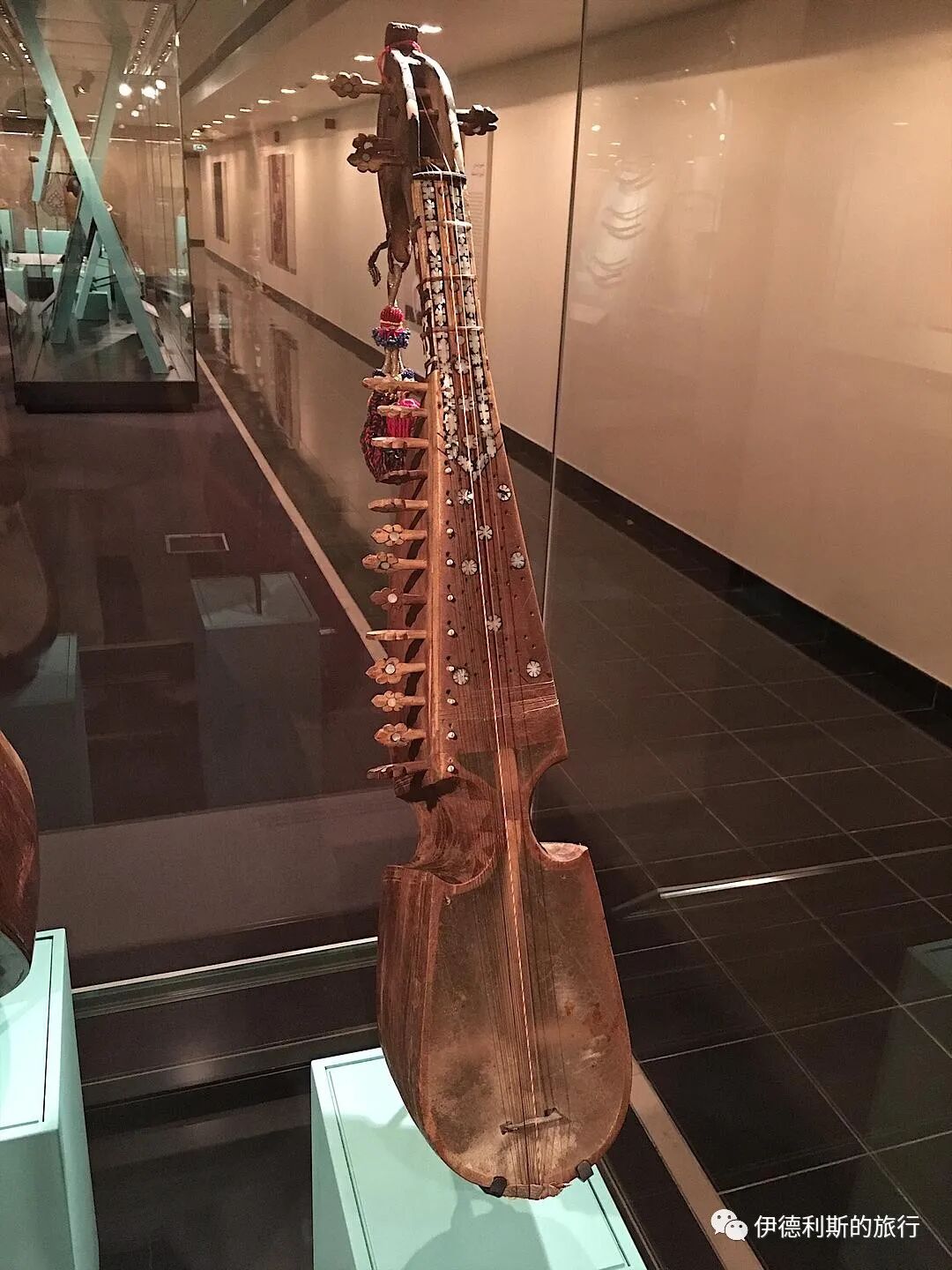
The Sharjah Museum of Islamic Civilization was converted from a traditional indoor market in 2008. It houses over 5,000 Islamic artifacts from around the world, including calligraphy, manuscripts, carvings, ceramics, coins, and various scientific instruments.
The exhibits are divided into several sections: 1. Kufic script stone carvings
2. Other stone carvings
3. Wood carvings
4. String instruments
5. Quran manuscripts
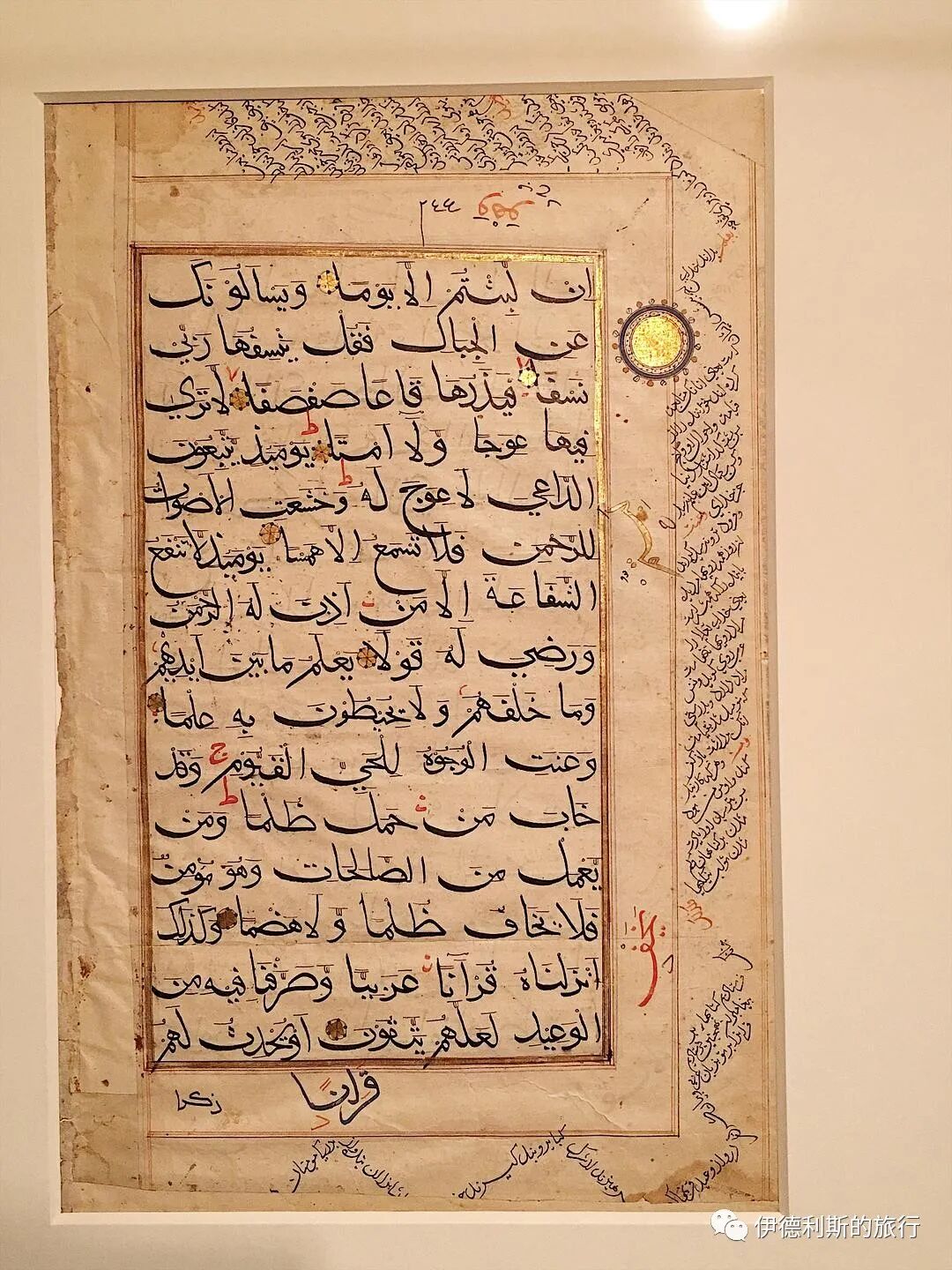
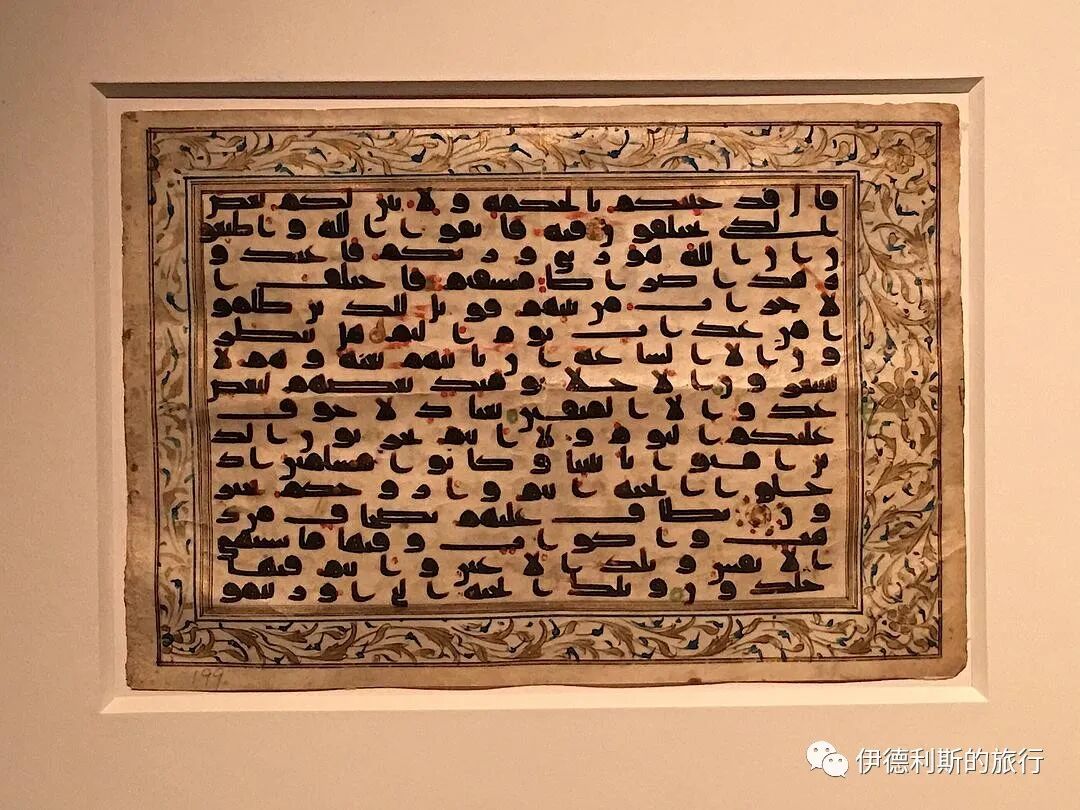
6. Quran manuscripts in Kufic script from around the 10th century
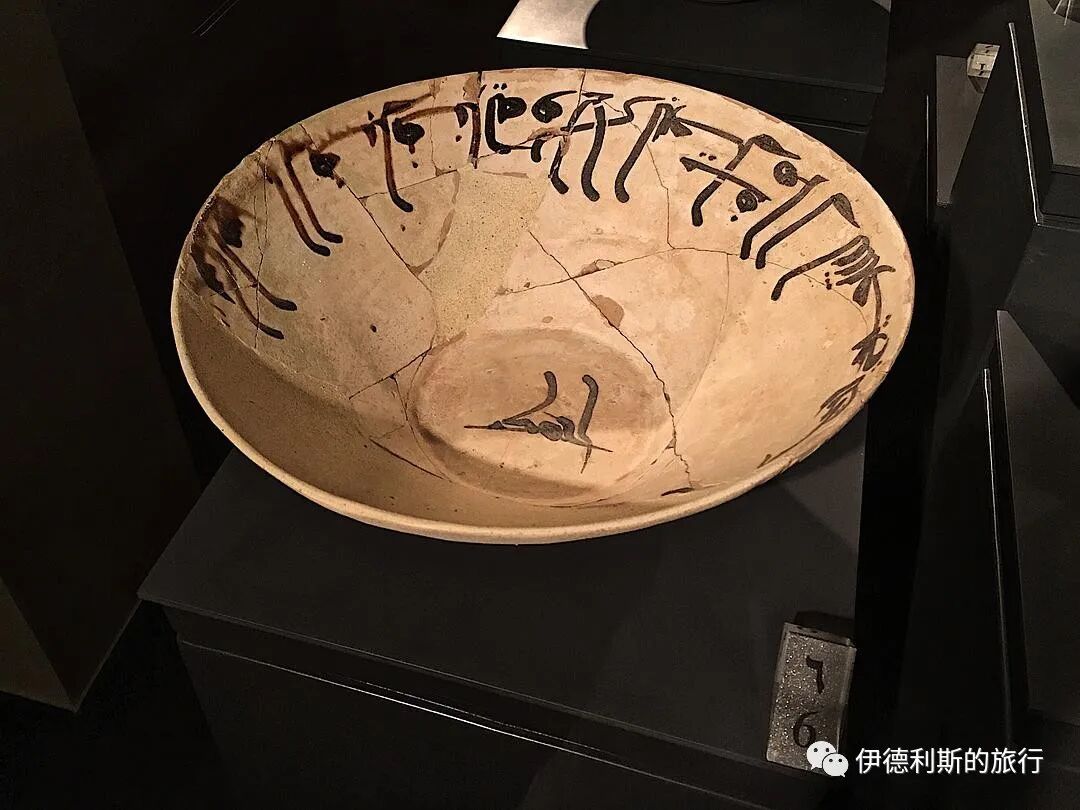
7. Glazed pottery with Kufic script from around the 10th century.
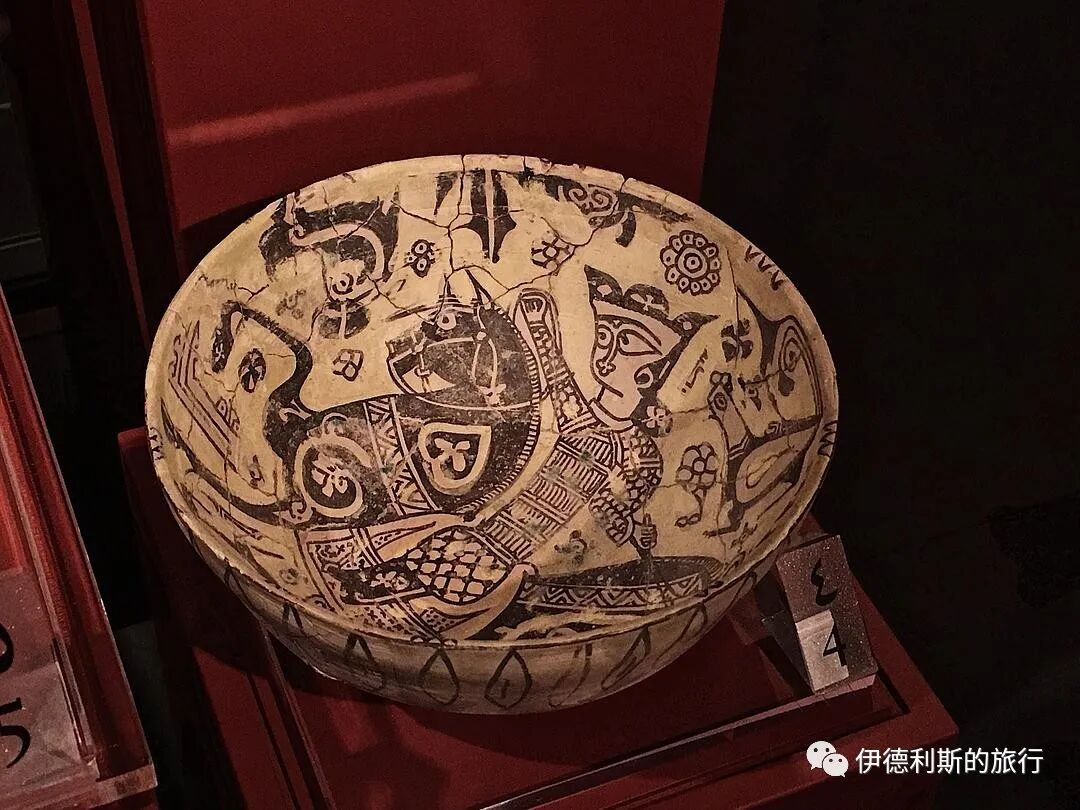
8. Iranian ceramics featuring human figures.
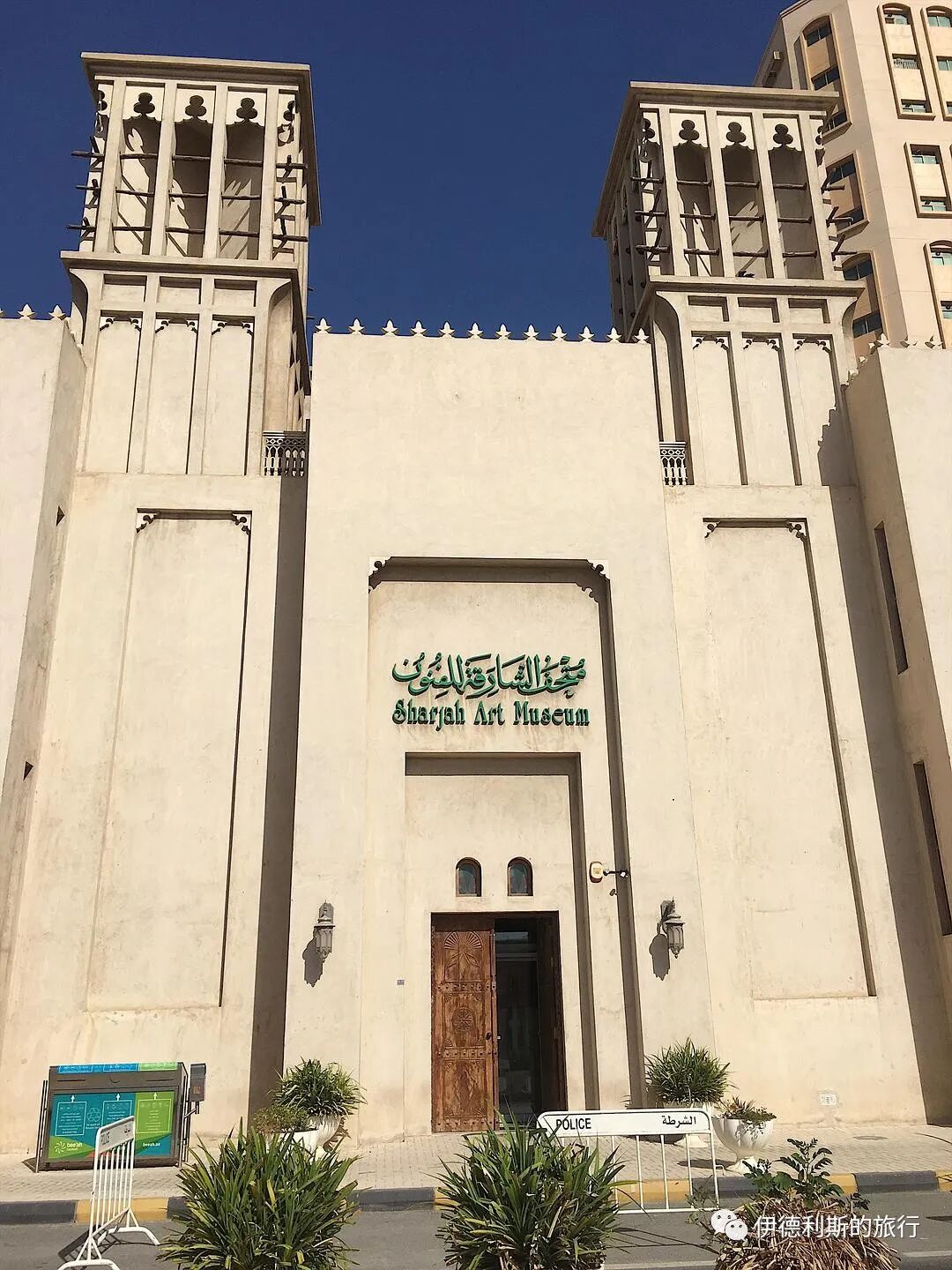
15. Sharjah Art Museum.
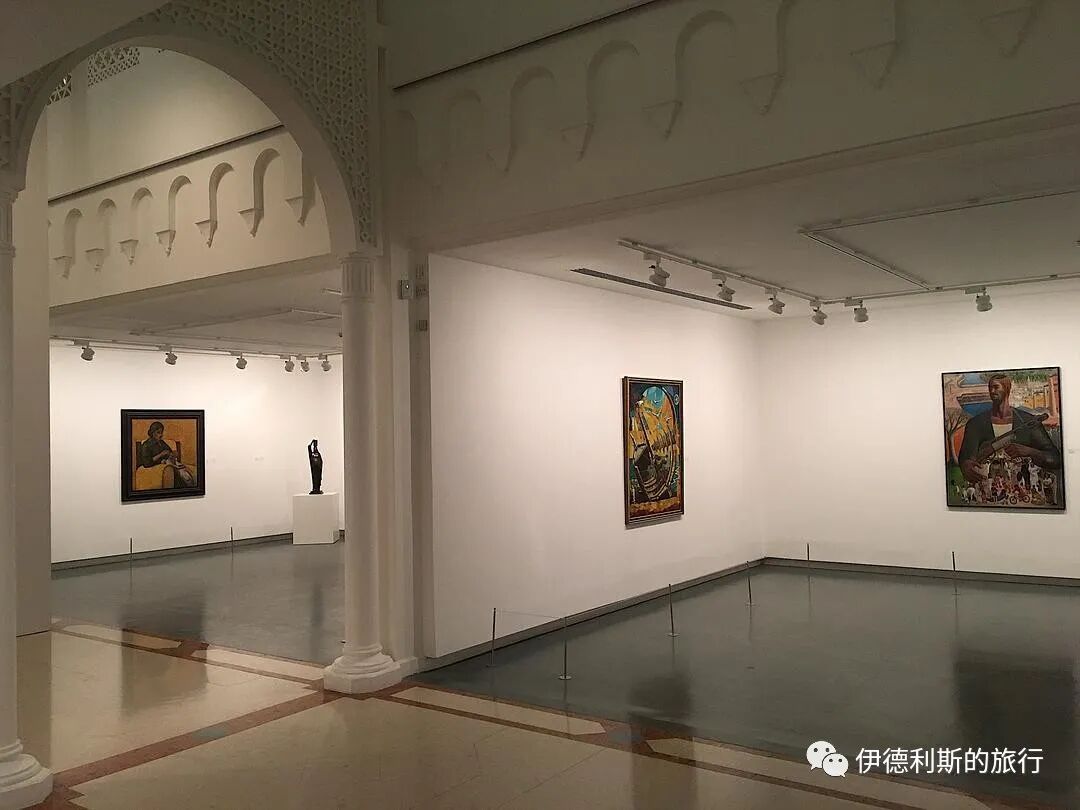
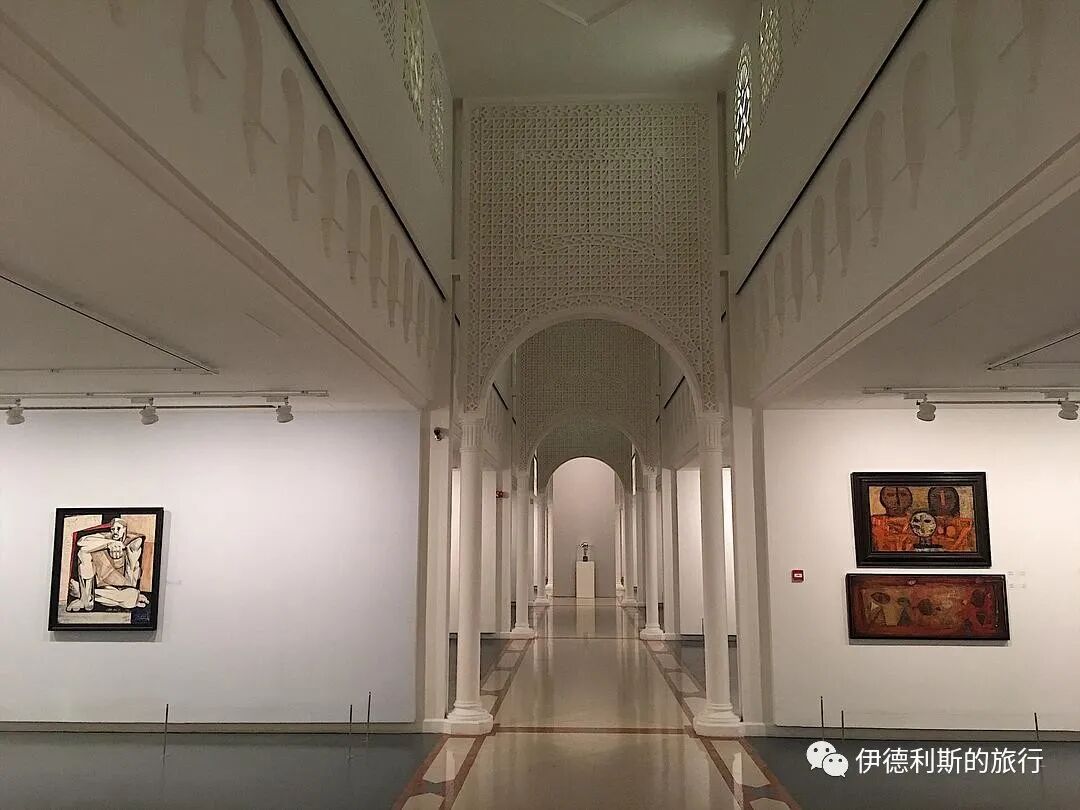
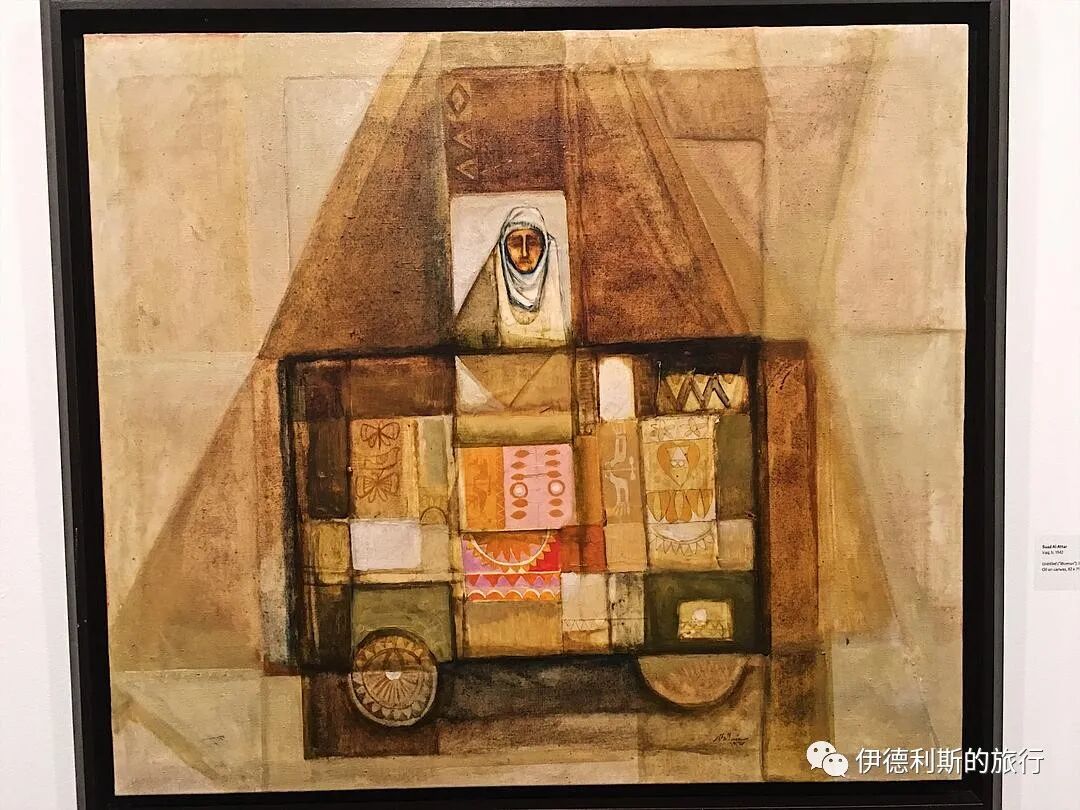
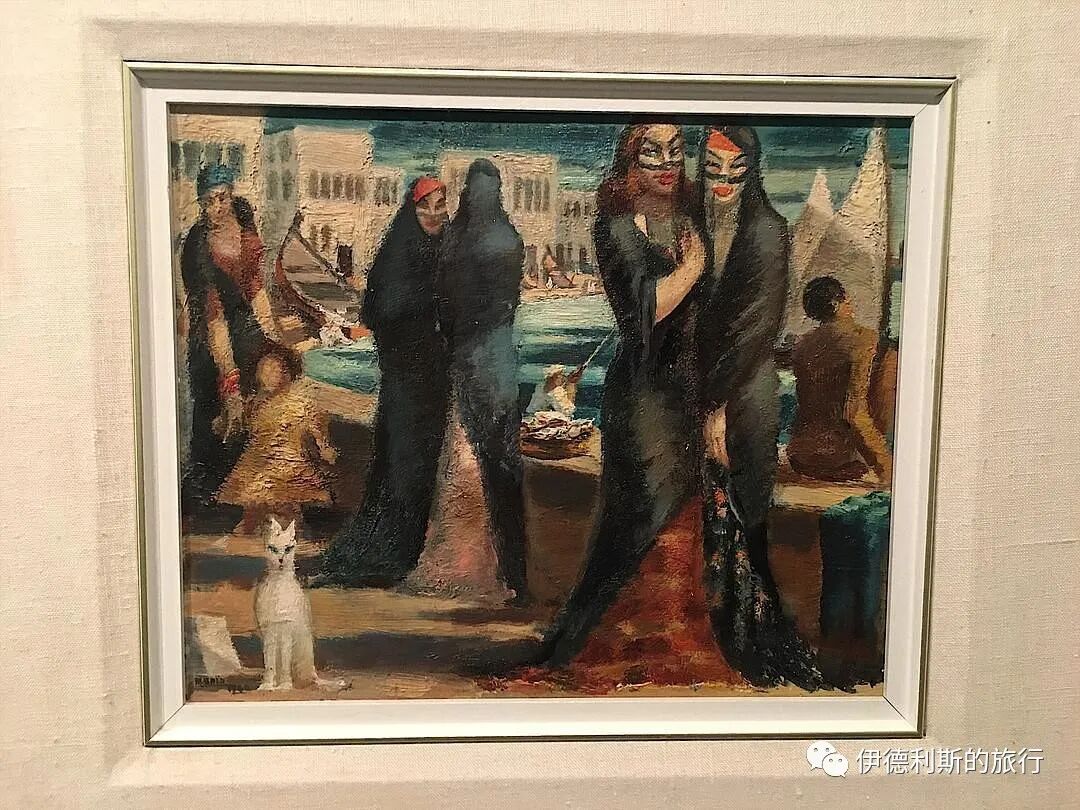
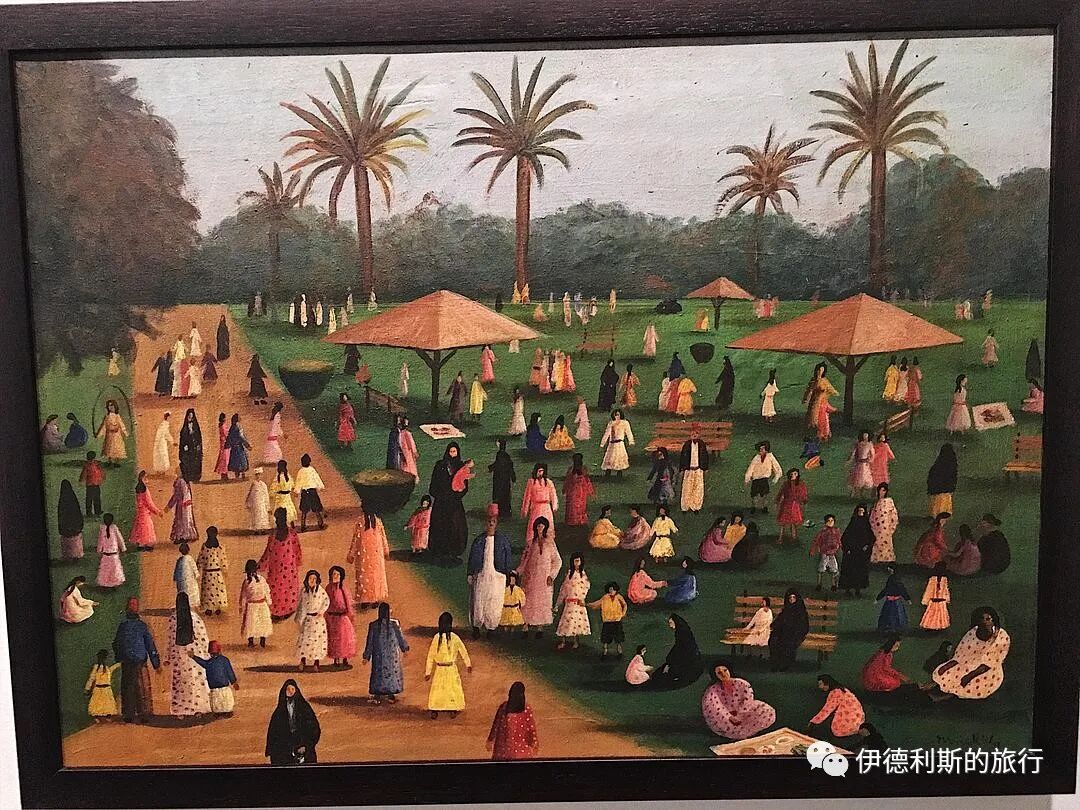
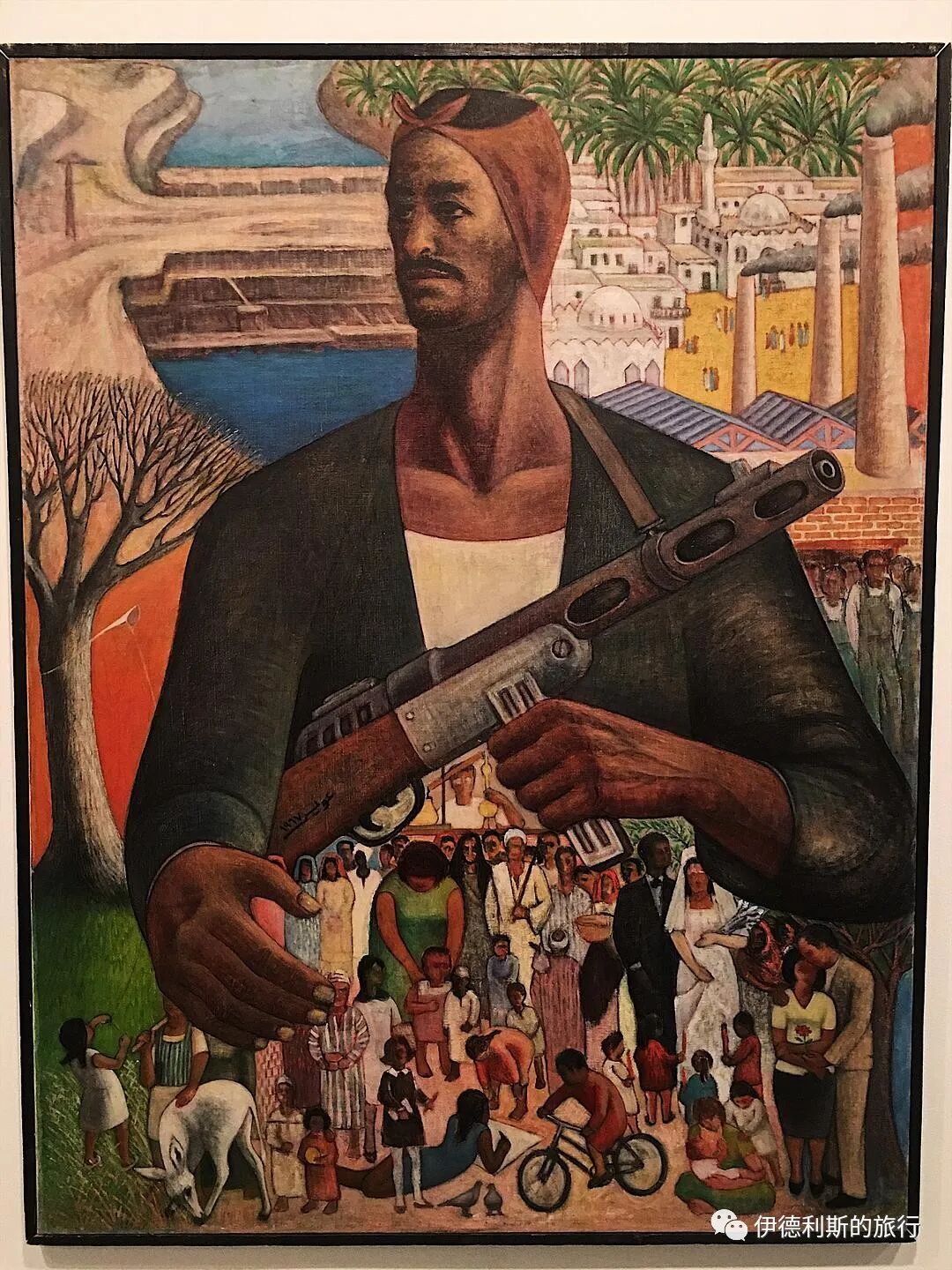
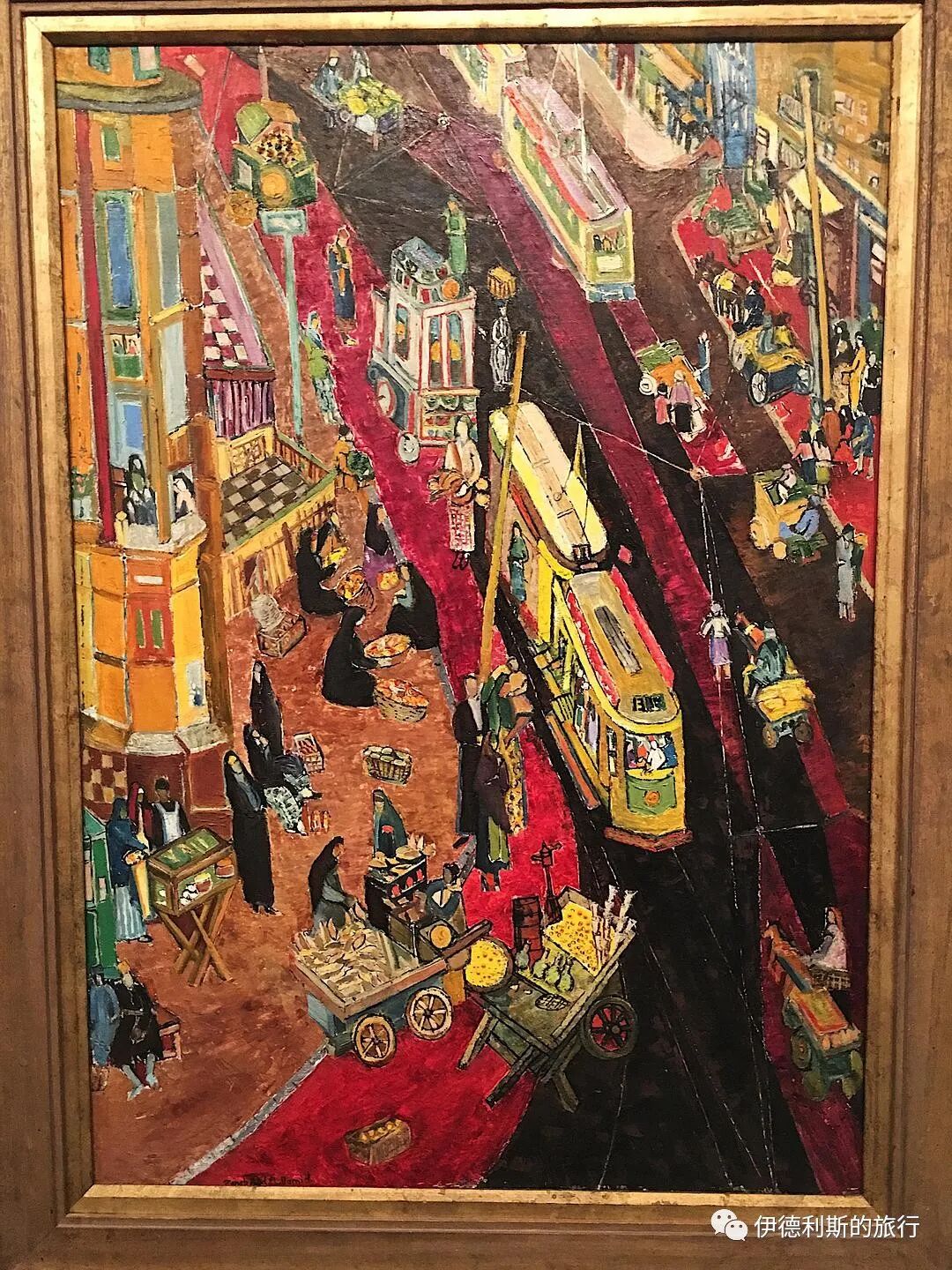
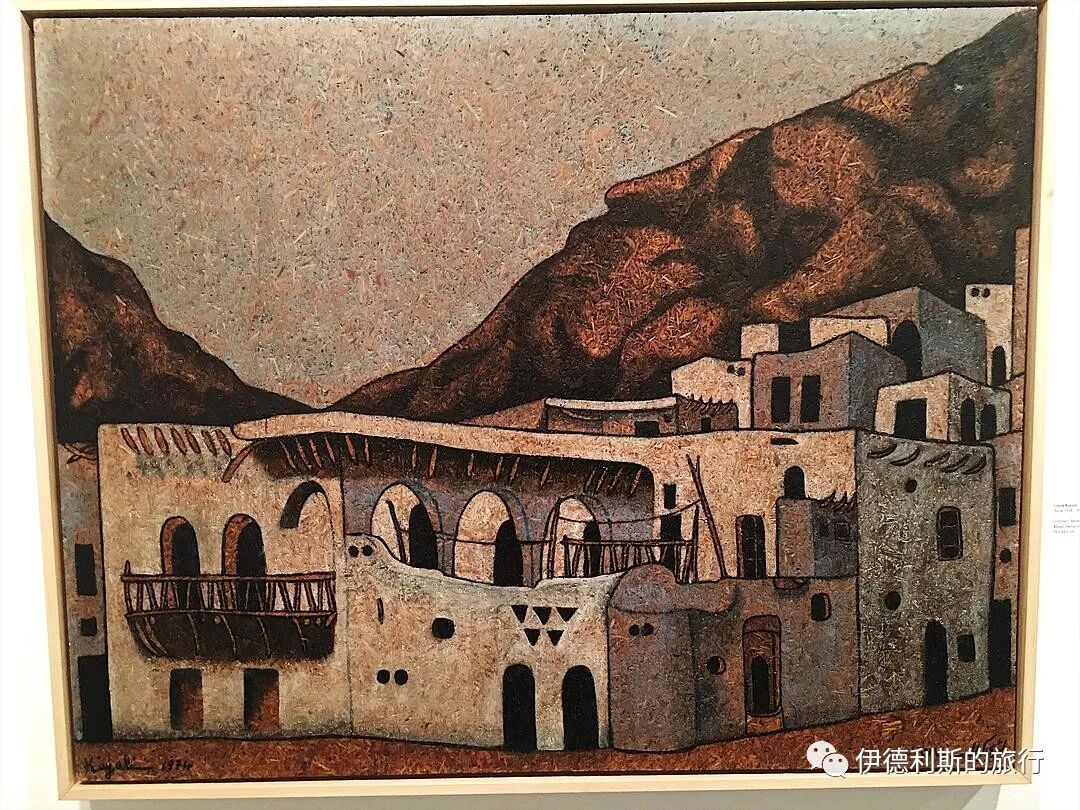
Sharjah Art Museum opened in 1997. It hosts a permanent collection of excellent art from the Arab world and frequently holds wonderful special exhibitions. I visited during Ramadan just after some great special exhibitions had ended, but I still saw some very valuable paintings.
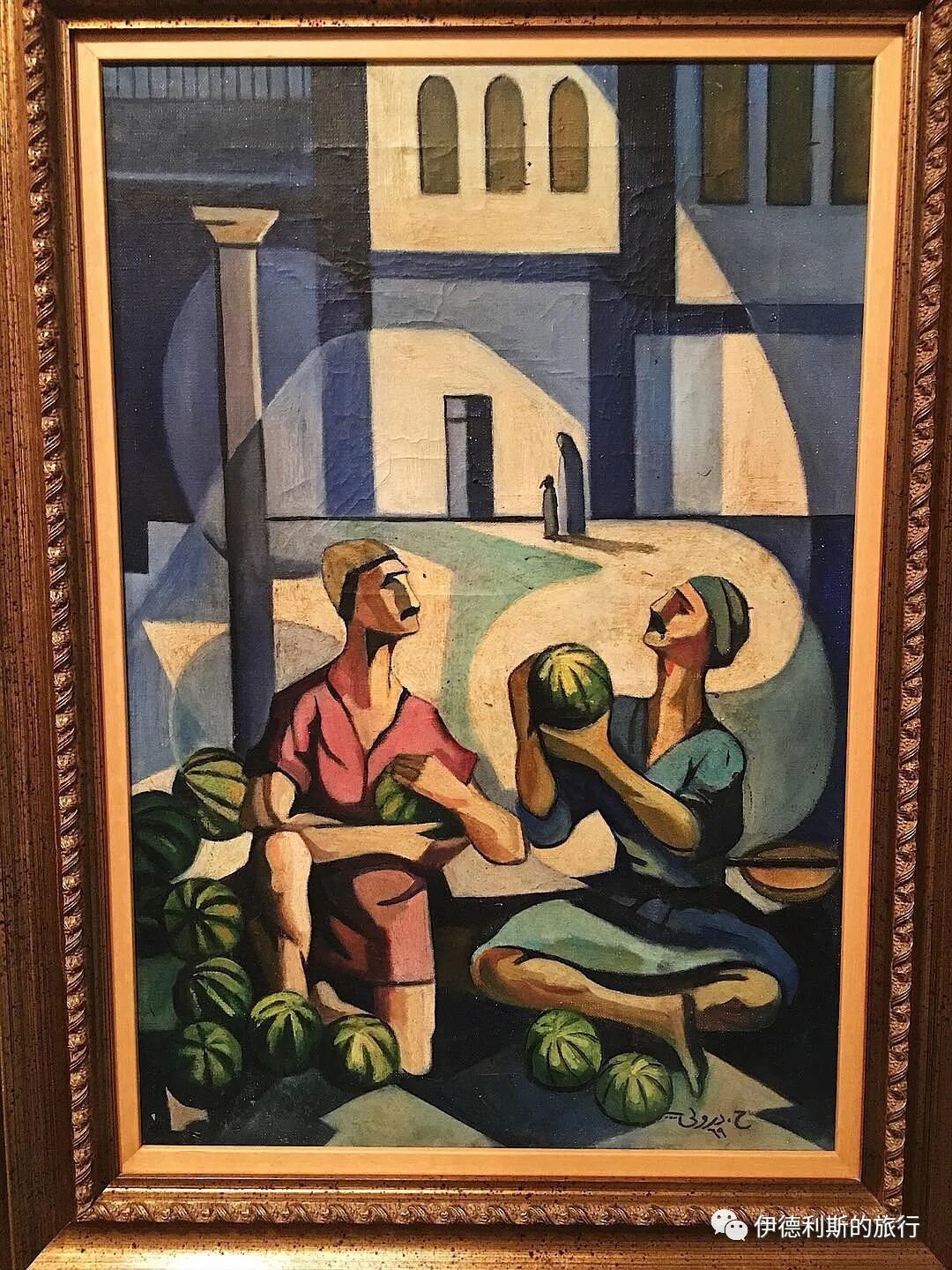
The museum displays works by 31 artists from Iraq, Egypt, Syria, Lebanon, Palestine, and the UAE. These artists hold important places in 20th-century Arab modern art history, and many are pioneers and founders of the movement. By sharing the life stories of these artists and showing their work, we hope to provide a personal look at the history of 20th-century Arab modern art.
Summary: Sharjah — Museums, Gulf History and Muslim Heritage is presented here as a firsthand travel account in clear English, beginning with this scene: Sharjah Fort (Al Hisn) is a traditional two-story fort in the Gulf region built from rock, coral stone, and mud brick. It was built in 1820 by the ruler of Sharjah, Sultan I. The account keeps its focus on Sharjah Travel, Islamic Museums, Gulf History while preserving the names, places, food, and historical details from the Chinese source.
13. Sharjah Fort
Sharjah Fort (Al Hisn) is a traditional two-story fort in the Gulf region built from rock, coral stone, and mud brick. It was built in 1820 by the ruler of Sharjah, Sultan I.
In January 1970, the ruler of Sharjah, Khalid III, wanted to remove traces of the previous ruler, so he ordered the fort to be torn down. The ruler's brother, Sheikh Sultan, was studying at Cairo University at the time. He heard the news and rushed home to stop it, but he only managed to save one tower (Al Kebs).
Sheikh Sultan recorded the fort's foundation and saved the parts that survived. He became Sultan III in 1972. Between January 1996 and April 1997, he restored the fort using doors, windows, and other parts he had personally saved years earlier.
Sharjah Fort opened as a museum in 1997. It underwent another major renovation between 2013 and 2014 to bring back its historical appearance.
On the left in the picture below is the only surviving tower, Al Kebs.
At the main gate stands a Repentance Pillar (Hatabat Al Tawba), where prisoners were tied up for punishment in the past. The Repentance Pillar was originally the mast of a pearl boat that burned down in a fire between the late 19th and early 20th centuries.
A blind man named Baseedou started this big fire. It was very windy that day. While Baseedou was grilling fish, he set fire to the palm leaves on the roof. The fire spread quickly in the strong wind and reached the harbor, where it set a docked pearl boat on fire. The ruler at the time, Sheikh Saqr II (reigned 1883-1914), ordered the mast to be cut down to stop the fire. After the fire was out, the Sheikh set this mast up in front of the fort gate to tie up prisoners for punishment. In the Gulf region, it was a custom at the time for pearl boat owners to tie non-working crew members to the mast as punishment.
Today, the original repentance pole has been preserved, and a replica stands in its place.
The floor plan of the fort.
Inside the fort courtyard.
The first-floor exhibition hall introduces the fort.
The original floor plan of Sharjah Fort shows an extra western courtyard that the fort did not have after its 1997 reconstruction.
Sharjah Fort in 1915.
The area near the castle in the 1960s.
The castle ruins and the surviving tower before it was torn down in 1970.
The lone tower between 1970 and 1995.
Let's look at the four stages of Sharjah Castle: its original look before 1970, the tower left alone in 1970, the modern apartments built around the tower from 1970 to 1995, and the castle reconstruction after 1995. During the 1995 reconstruction, the tower was moved 6 meters to the east.
Here are some artifacts.
Rashid, the first ruler of the Emirate of Sharjah (reigned 1727–1777), once gave each of his five sons a dagger. The picture below shows two of them. The picture below shows the Quran stand (merfa'a) belonging to Khalid I, the ruler of Sharjah (reigned 1866–1868). It is inscribed with: "Property of Khalid bin Sultan Bin Saqr Al Qasimi, 9th of Muharram, 1257." The year 1257 in the Islamic calendar is 1841 AD, and Muharram is the first month, which is a sacred month in the Islamic calendar.
The image below shows a letter written in 1837 by a Somali ruler to Sultan I of Sharjah, asking for help against the British. After the British learned what was in the letter, they made up a story about Sharjah kidnapping some missing Somali girls to stop Sharjah from helping Somalia. Sultan I of Sharjah was forced to sign a treaty with the British, which allowed them to search and seize any ships suspected of kidnapping.
The image below shows a naval cannon from a Sharjah warship.
The process of making date molasses is shown below. The room used to make date molasses is called a Medbasa. Here are the steps to make the molasses:
1. Collect ripe dates.
2. Place the dates on palm leaf mats to dry in the sun.
3. Put the dried dates into bags woven from palm leaves.
4. Place a layer of bags over the grooves.
5. Keep stacking the bags layer by layer, as the weight helps extract the molasses.
6. Make sure there is no airflow in the room. A room without windows helps trap heat and speeds up the molasses extraction.
7. The molasses will slowly seep into the grooves on the floor and eventually collect in a clay pot.
8. Once the clay pot is full, use a ladle to scoop out the molasses. The whole process takes a month or longer.
Woven palm leaf bags for holding dates.
Below is the only surviving tower, Al Kebs.
Inside is a roof made of palm fronds.
This is the rebuilt Al Muhalwasa tower, which was once the most important tower in Sharjah. The first floor of the tower was a prison, and the top floor was a prayer room.
Model.
An old photo from before it was torn down in 1970.
Stairs going up
The prayer room on the roof
Coral stone walls
Shooting holes and lookout holes on the wall nearby
The restored reception room from the early 1930s
Restored bedroom
Restored kitchen
14. Sharjah Museum of Islamic Civilization
The Sharjah Museum of Islamic Civilization was converted from a traditional indoor market in 2008. It houses over 5,000 Islamic artifacts from around the world, including calligraphy, manuscripts, carvings, ceramics, coins, and various scientific instruments.
The exhibits are divided into several sections: 1. Kufic script stone carvings
2. Other stone carvings
3. Wood carvings
4. String instruments
5. Quran manuscripts
6. Quran manuscripts in Kufic script from around the 10th century
7. Glazed pottery with Kufic script from around the 10th century.
8. Iranian ceramics featuring human figures.
15. Sharjah Art Museum.
Sharjah Art Museum opened in 1997. It hosts a permanent collection of excellent art from the Arab world and frequently holds wonderful special exhibitions. I visited during Ramadan just after some great special exhibitions had ended, but I still saw some very valuable paintings.
The museum displays works by 31 artists from Iraq, Egypt, Syria, Lebanon, Palestine, and the UAE. These artists hold important places in 20th-century Arab modern art history, and many are pioneers and founders of the movement. By sharing the life stories of these artists and showing their work, we hope to provide a personal look at the history of 20th-century Arab modern art.
