
Halal Travel Guide: Sharjah — Museums, Gulf History and Muslim Heritage (Part 1)
Reposted from the web
Summary: Sharjah — Museums, Gulf History and Muslim Heritage is presented here as a firsthand travel account in clear English, beginning with this scene: The Emirate of Sharjah is a great place for a short trip to experience the traditional culture of the Gulf region. The account keeps its focus on Sharjah Travel, UAE Museums, Muslim Heritage while preserving the names, places, food, and historical details from the Chinese source.
1. Arrival
The Emirate of Sharjah is a great place for a short trip to experience the traditional culture of the Gulf region. Everyone in the city speaks English, all street signs are in English, and it is very close to Dubai. It only takes 40 minutes by bus if there is no traffic. You can catch double-decker buses to Sharjah from Dubai bus hubs like Al Ghubaiba, Union, and Deira City Centre. Just tap your Dubai bus card to pay. You can buy a rechargeable silver card or a one-time red card at a small booth in these hubs, and these cards work on the Dubai Metro too.
The station in Sharjah is called Al Jubail. If you walk a few hundred meters to the northeast, you will reach the historic district of the old city, known as Heart of Sharjah. I will start by introducing the history of Sharjah's old city.
2. The history of Sharjah
The Al Qasimi family from the Huwayla tribe began ruling Sharjah in the early 18th century. They declared independence in 1727 and built trade routes across the Strait of Hormuz that connected the Arabian Peninsula with Persia, playing a key role in trade between the two regions.
In the late 18th and early 19th centuries, political tensions between Oman, Britain, and France grew more complex, and Sharjah became involved. In 1797, Sharjah seized a ship flying the British flag. The British then labeled Sharjah as pirates, leading to decades of military conflict. This included two attacks on Sharjah by the British Indian fleet in 1809 and 1819.
In 1820, to end conflicts in the Gulf region and focus on opposing the Ottoman Empire, Sharjah and several neighboring emirates signed the General Maritime Treaty with Britain, becoming a British protectorate. During this period, Britain acted as an arbitrator in the Gulf region, trying its best to avoid any conflicts between the emirates. In 1853, Sharjah and Britain signed the Perpetual Maritime Truce, which began an era of peace.
Throughout the 19th and early 20th centuries, Sharjah was an important pearl trading port in the Gulf. In 1830, Britain counted three to four hundred pearl boats in Sharjah, and many of the city's 19th-century historical buildings are related to the pearl trade.
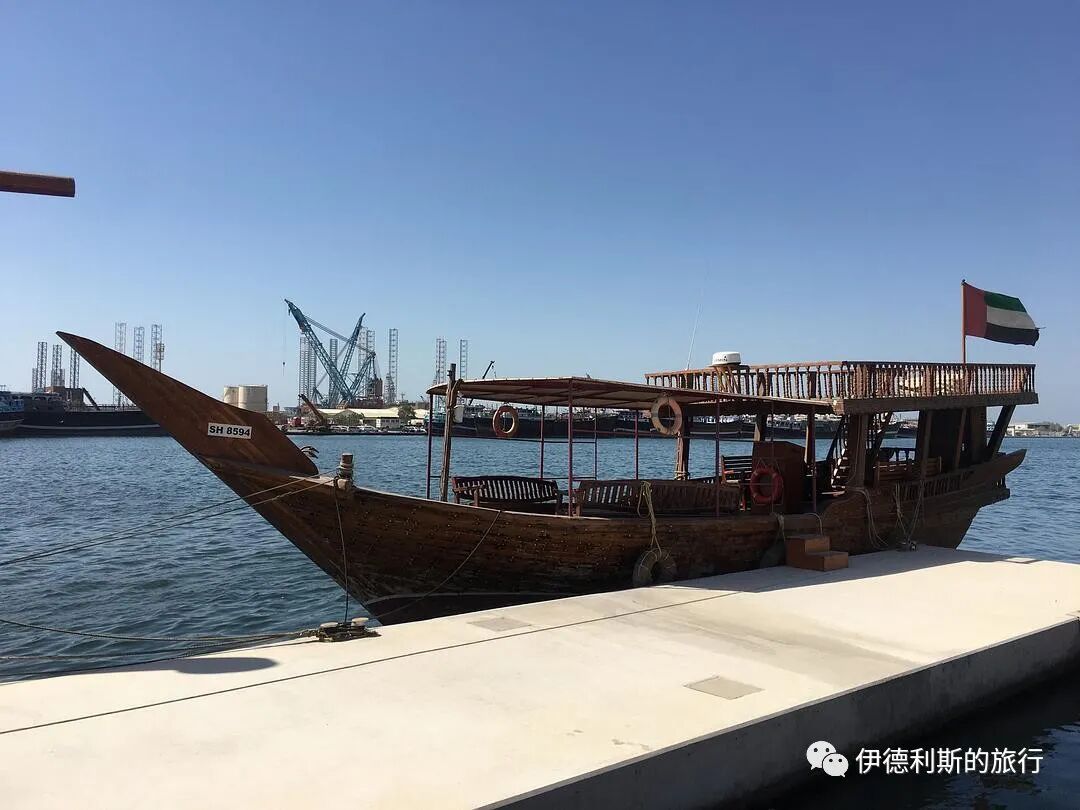
The old wharf outside Sharjah city.
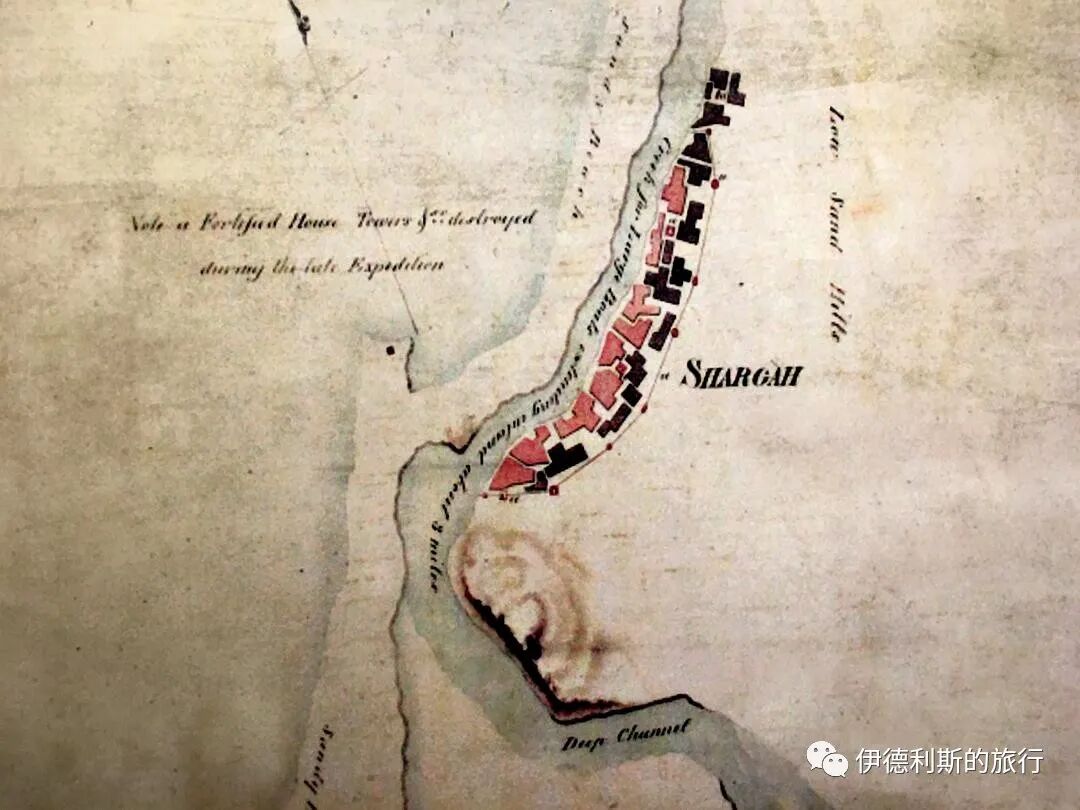
The image below is a map of Sharjah drawn by the British in 1820. The city wall in the lower half and the buildings inside are what we now call the Heart of Sharjah historical district.
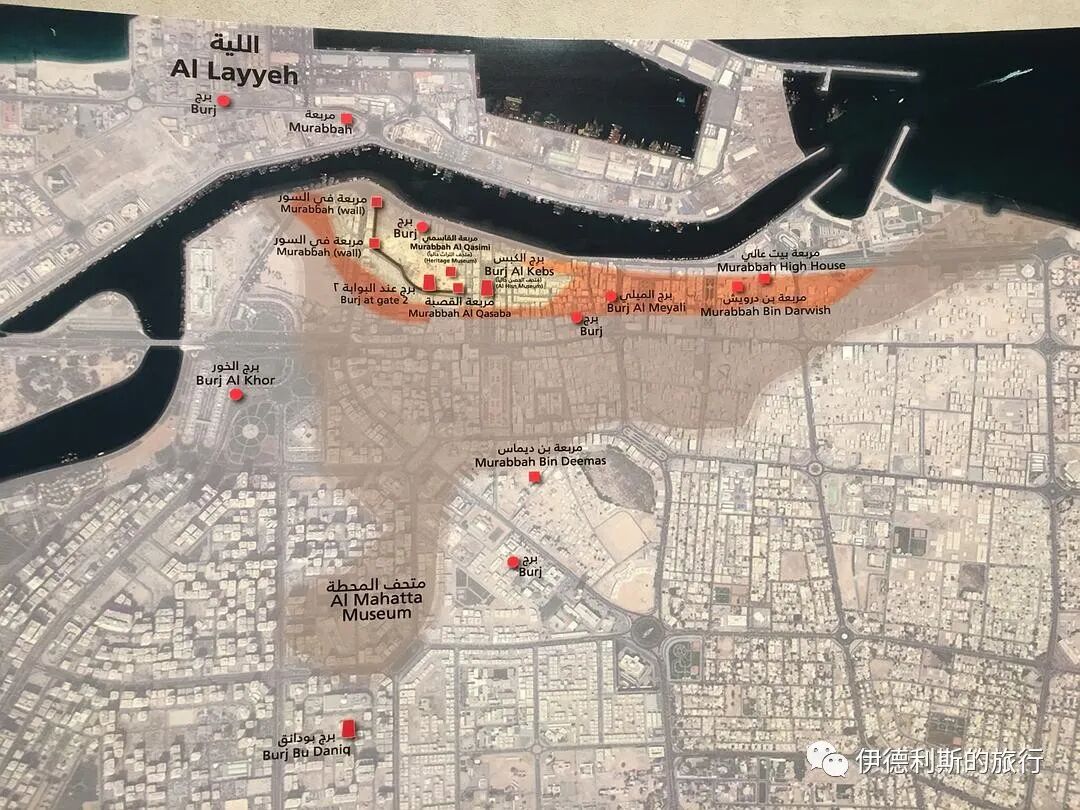
The image below shows a map of historical sites in Sharjah Fort. The yellow area in the middle represents Sharjah in 1822, with the Heart of Sharjah (Sharjah al-Qalb) historical district at its core. The dark brown lines show the Sharjah city walls. The red circles marked with Burj are watchtowers, and those marked with Murabbah are fort towers. The orange area shows Sharjah in 1933, and the brown area shows Sharjah in 1963. After the 1960s, Sharjah followed British plans to build a modern city and entered its stage of modernization.
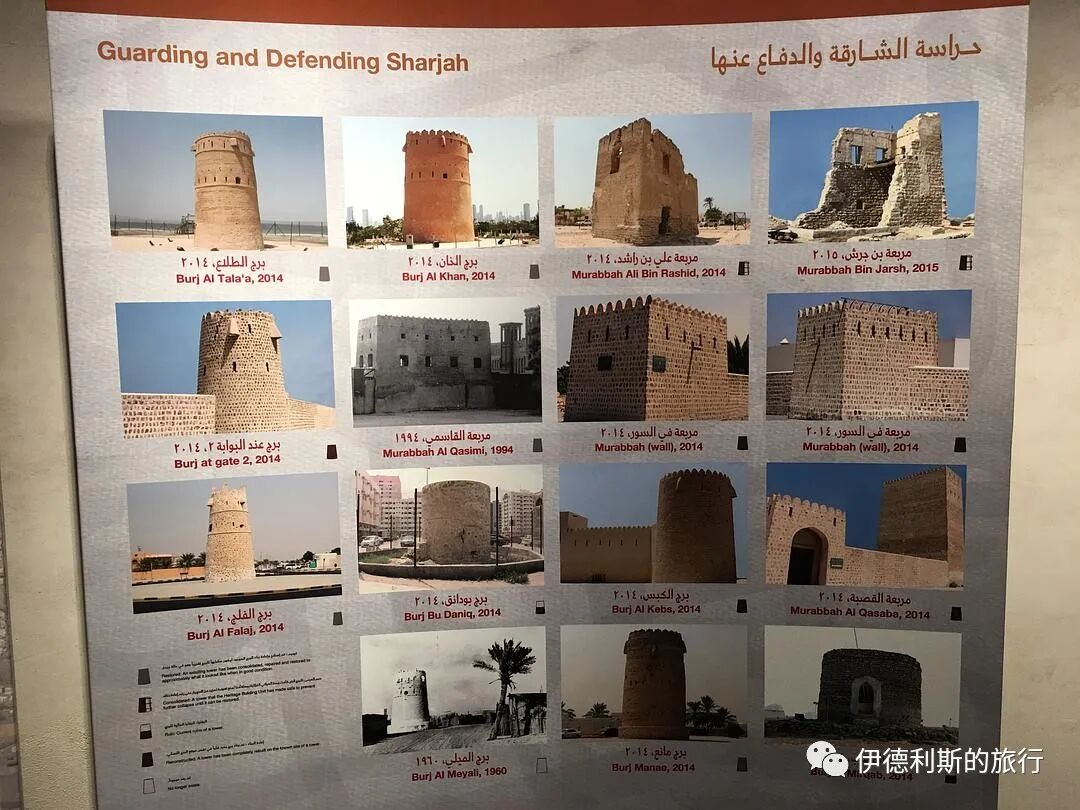
The image below shows the watchtowers and fort towers of Sharjah. Archaeological surveys show there are at least 16 watchtowers outside the Sharjah city walls, mostly near water sources, farmland, and main roads leading into the city.
3. Sharjah City Walls
The current coral stone wall is the southern section of the original Sharjah city wall.
The image below shows the southwest wall and the watchtower (Murabbah).
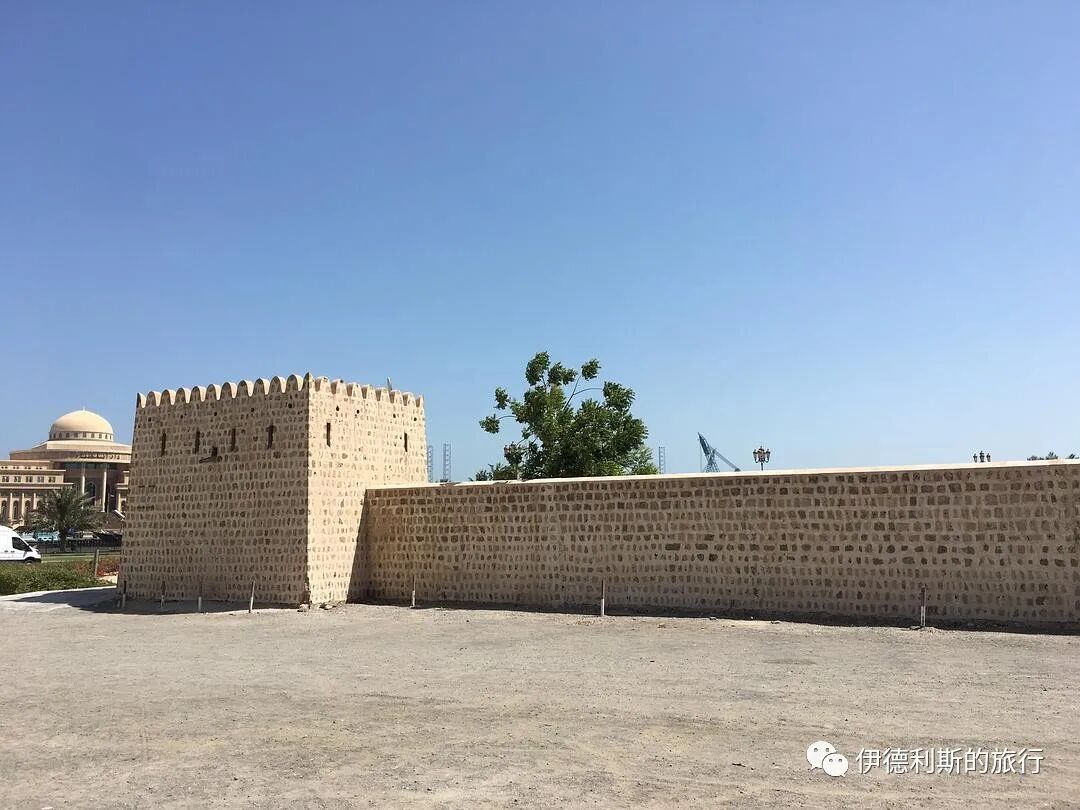
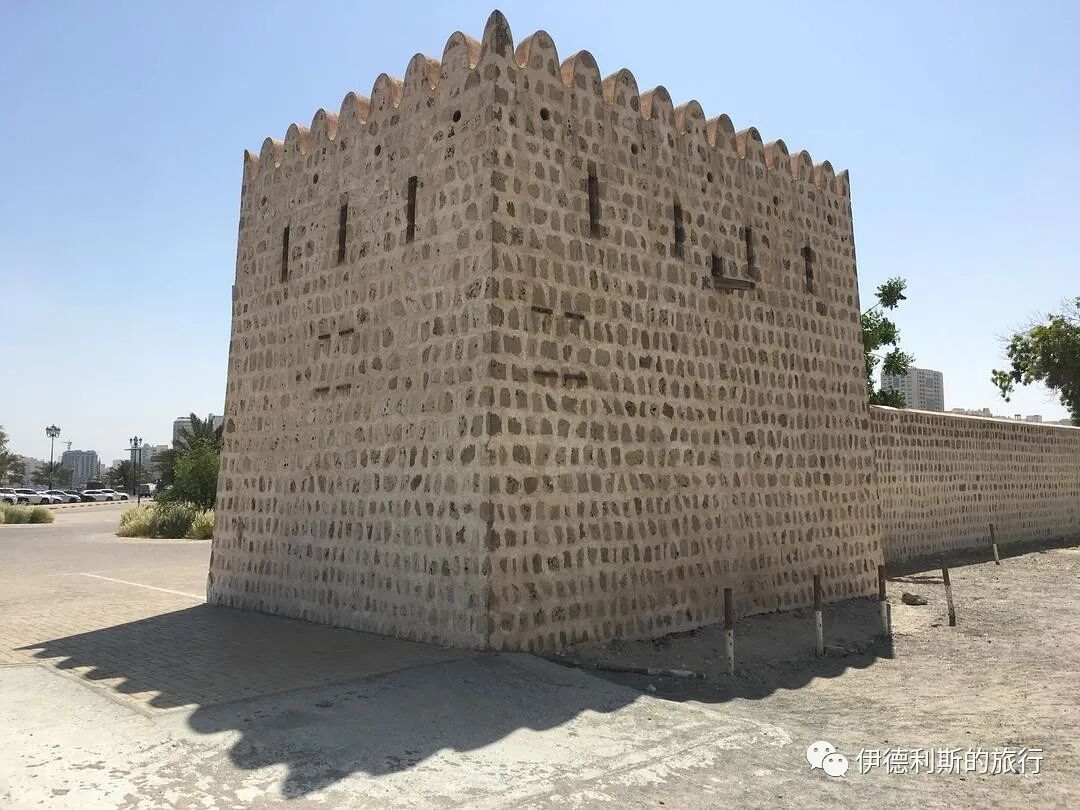
The south gate and the watchtower (Murabbah Al Qasaba).
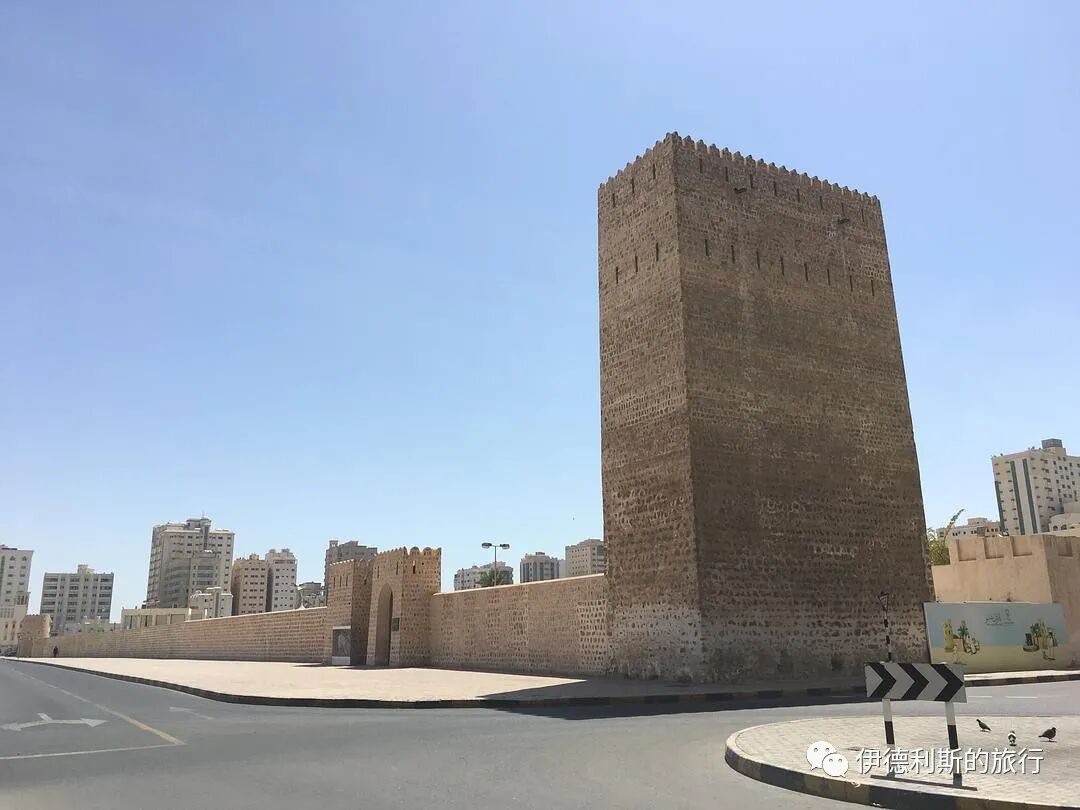
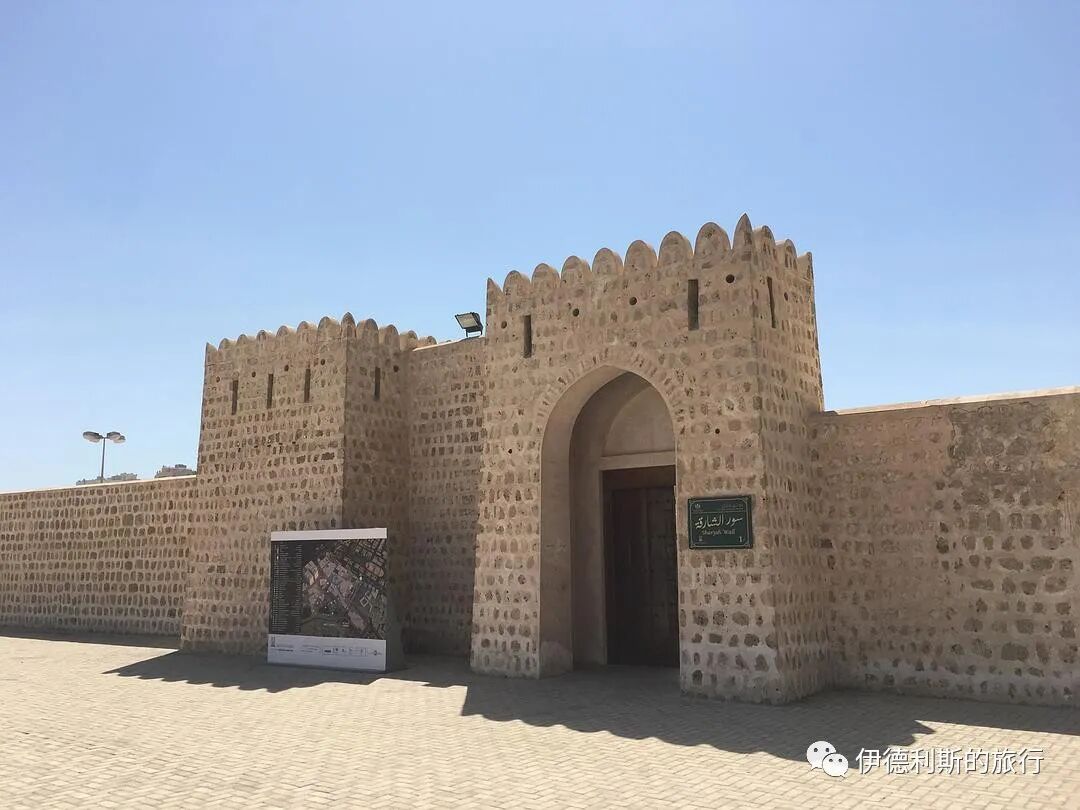
4. Entering the Heart of Sharjah
I entered the Heart of Sharjah from the southwest. Since everyone was on holiday for Eid al-Fitr, there were very few people around.
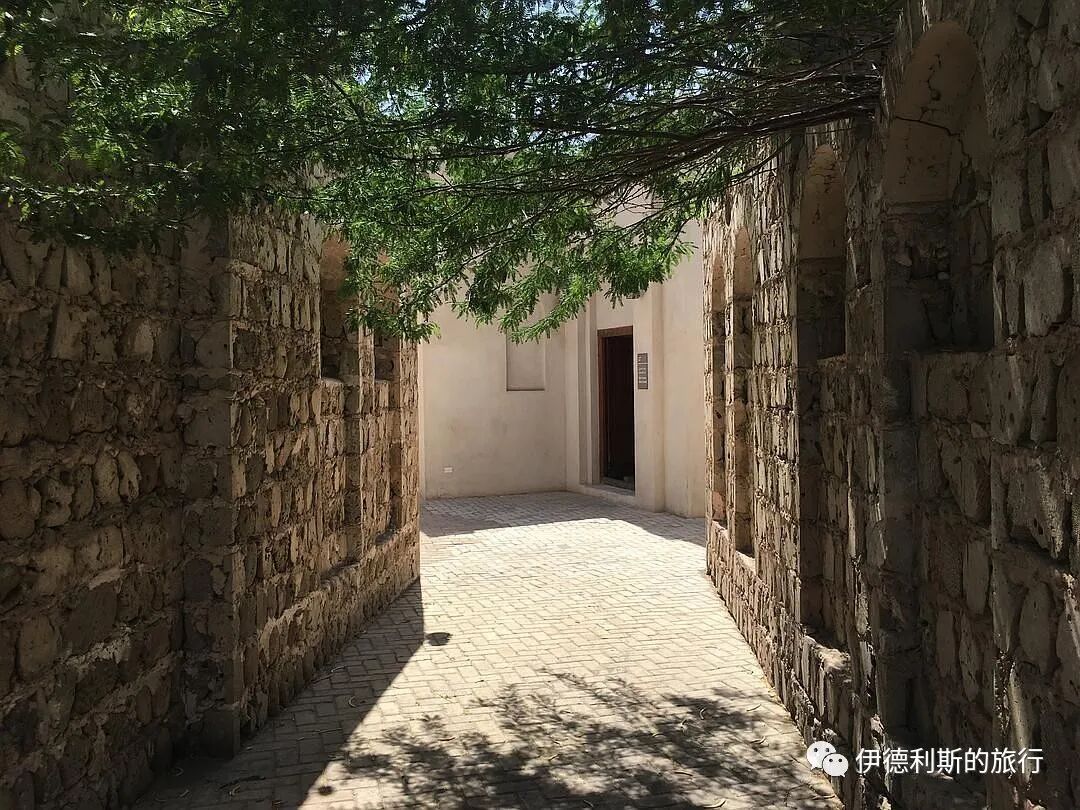
Once inside, you can see walls built with traditional coral stone (coral stone) techniques.
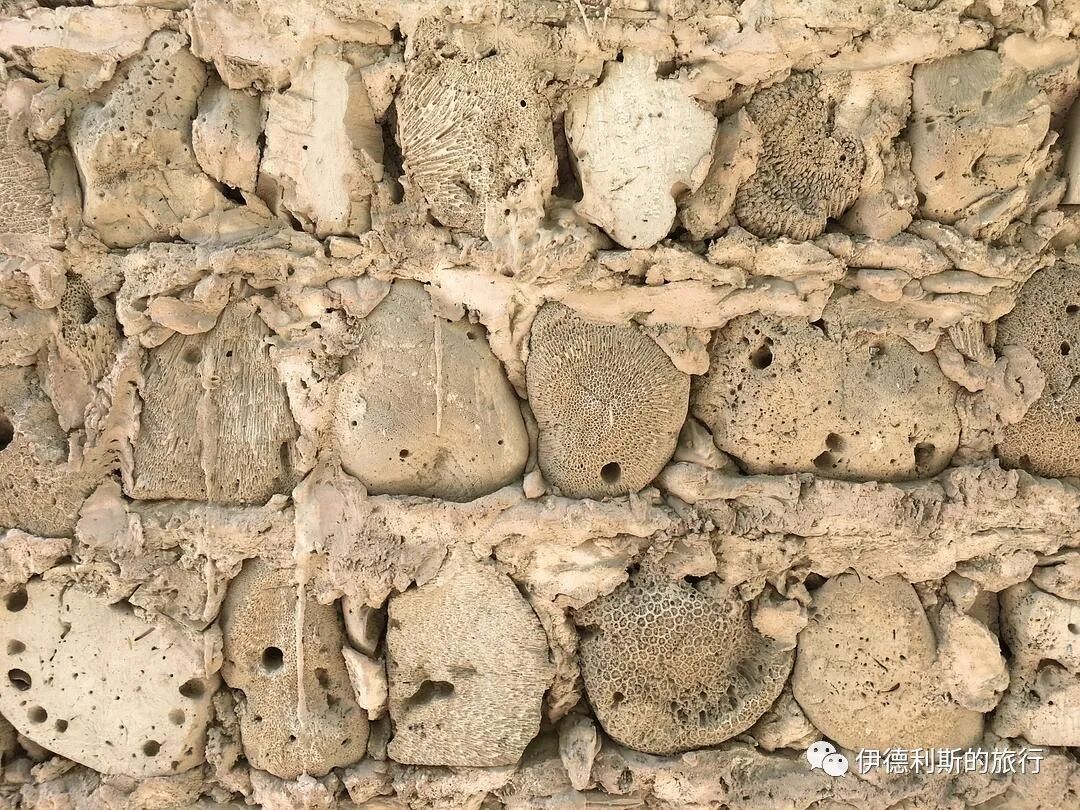
The fan-shaped and brain-shaped coral stones used for the walls were taken from old coral beds during low tide, then dried in the sun to remove the salt. When building the walls, the coral stones were wrapped in a mortar made from crushed coral stone fragments and sand.
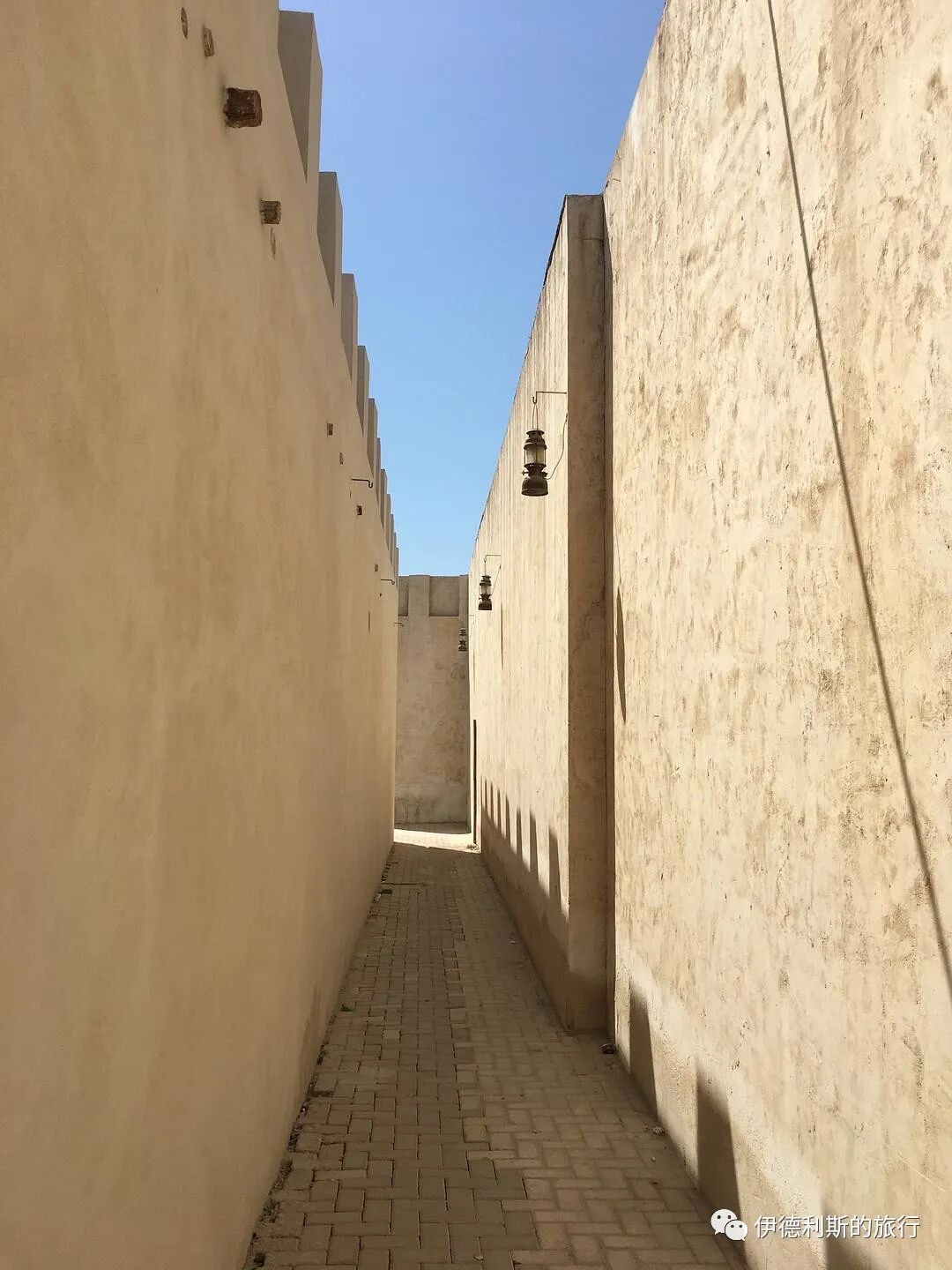
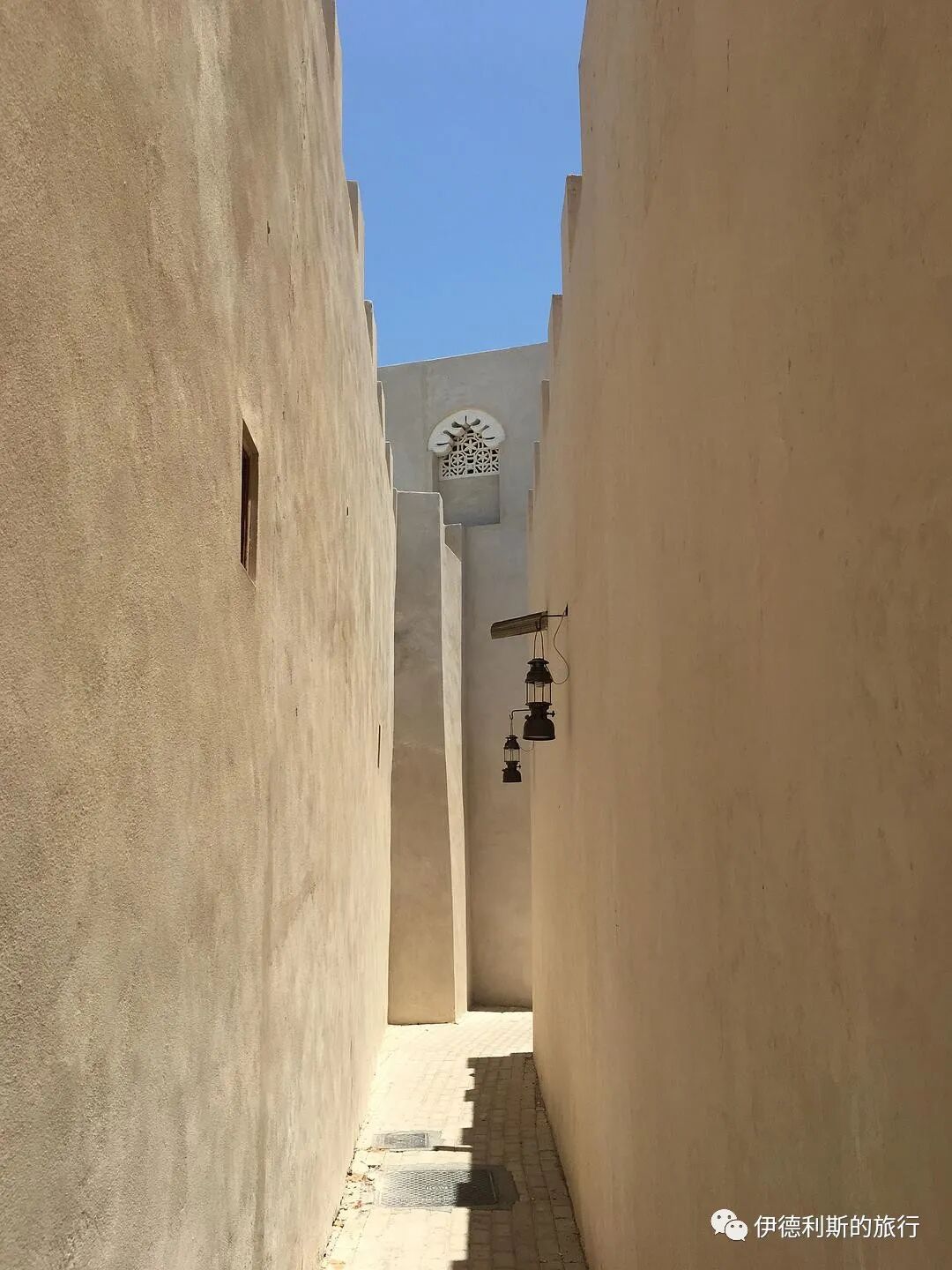
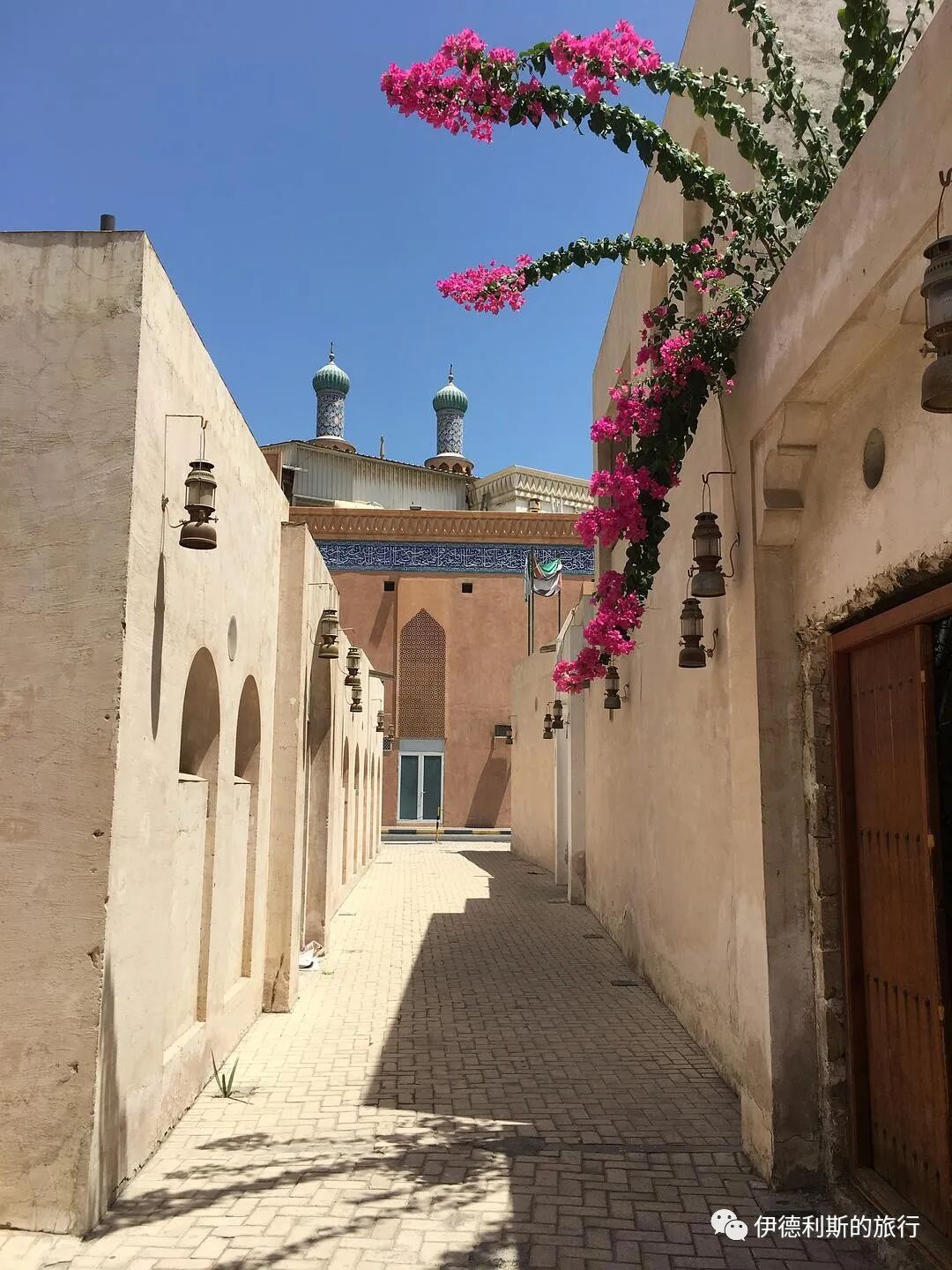
Walking through the narrow alleys of the old town in Sharjah.
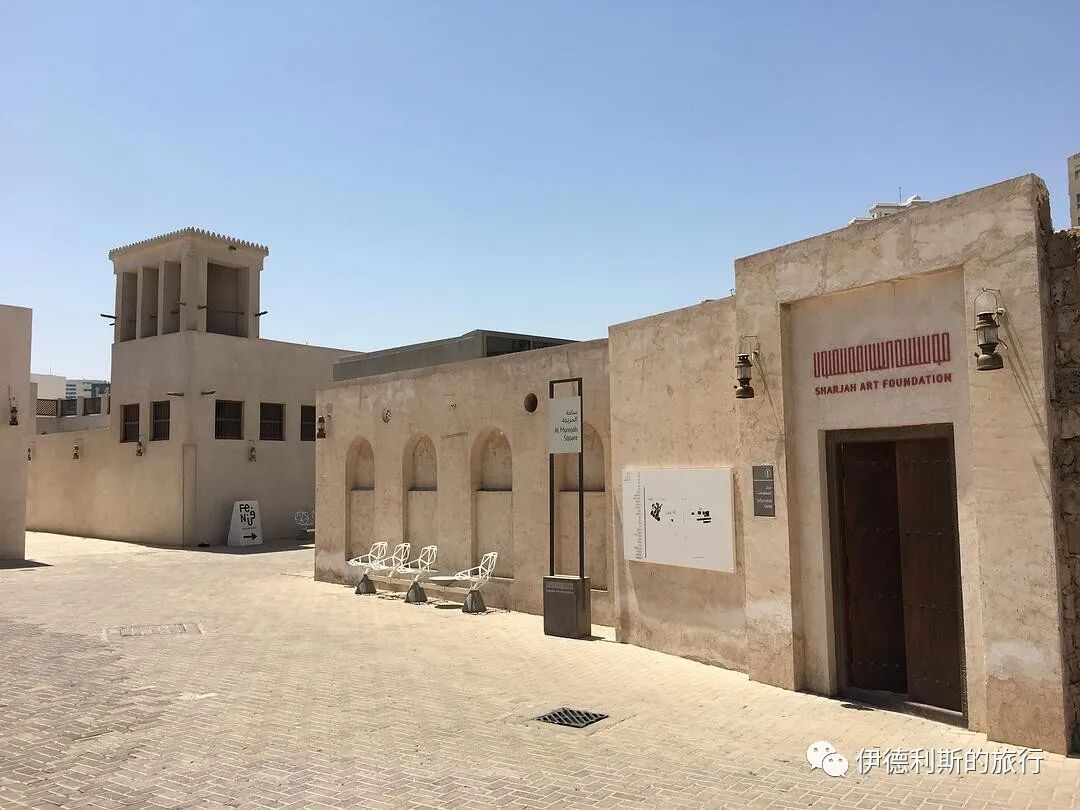
The picture below shows the Sharjah Art Foundation, which often hosts various exhibitions.
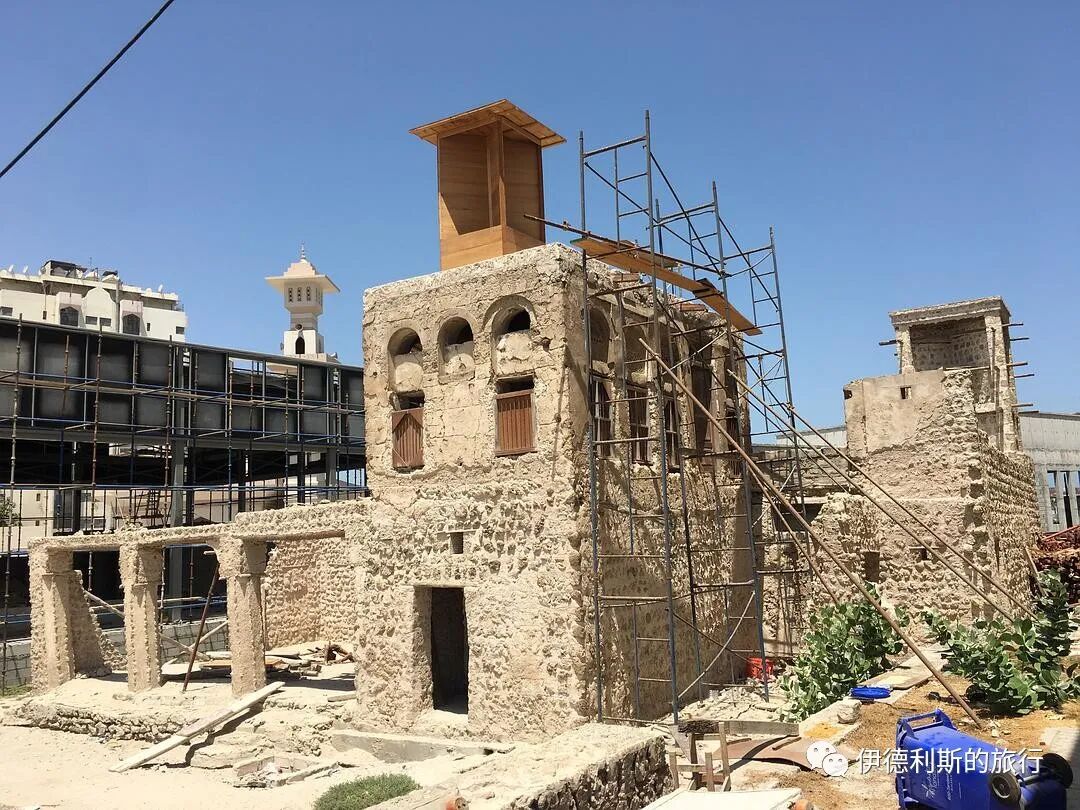
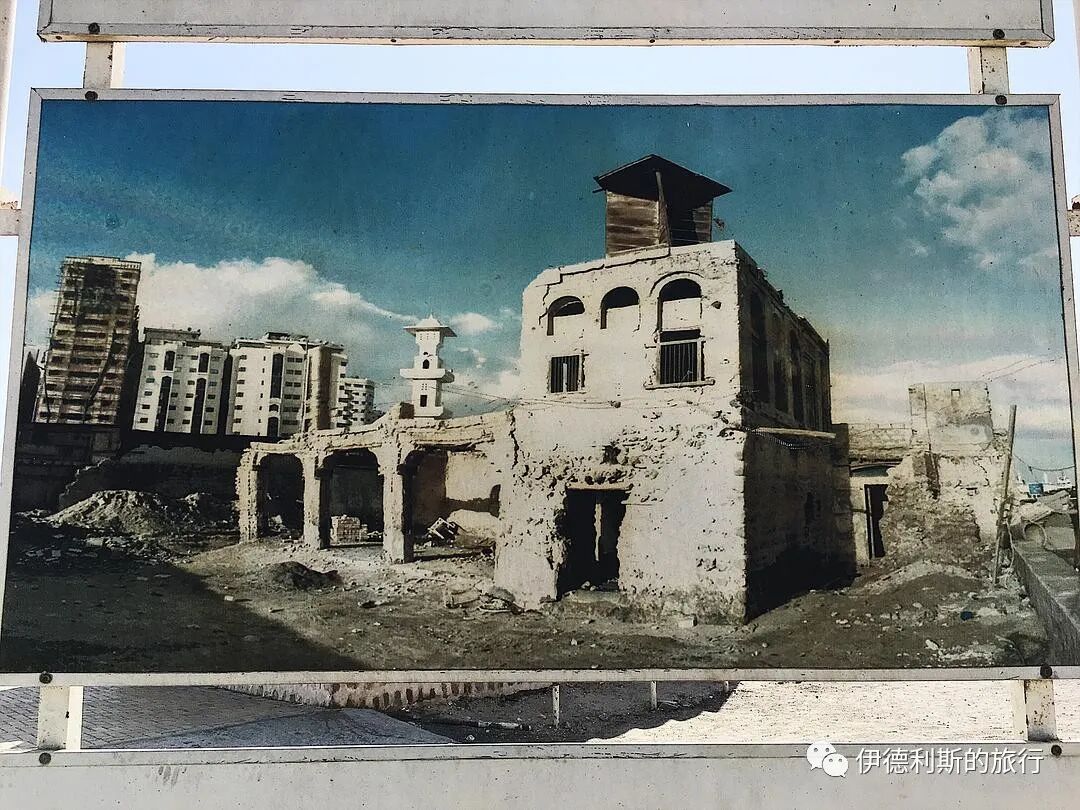
Next to it is a historic building under renovation, where you can see that the wooden roof structure has already been replaced.
5. A wonderful breakfast
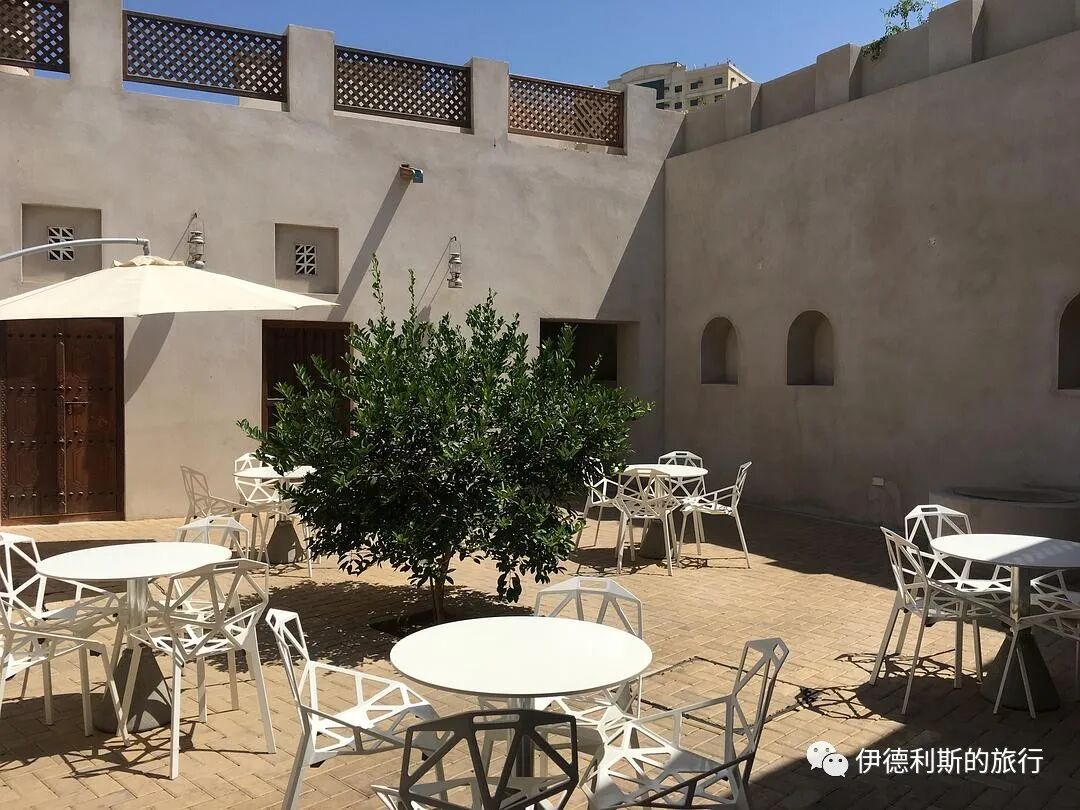
Next to the Art Foundation is a cafe and casual dining spot called Fen restaurant. The atmosphere is great and the service is excellent. I had an avocado and egg breakfast to recharge before officially starting my tour of the historic district of Sharjah.
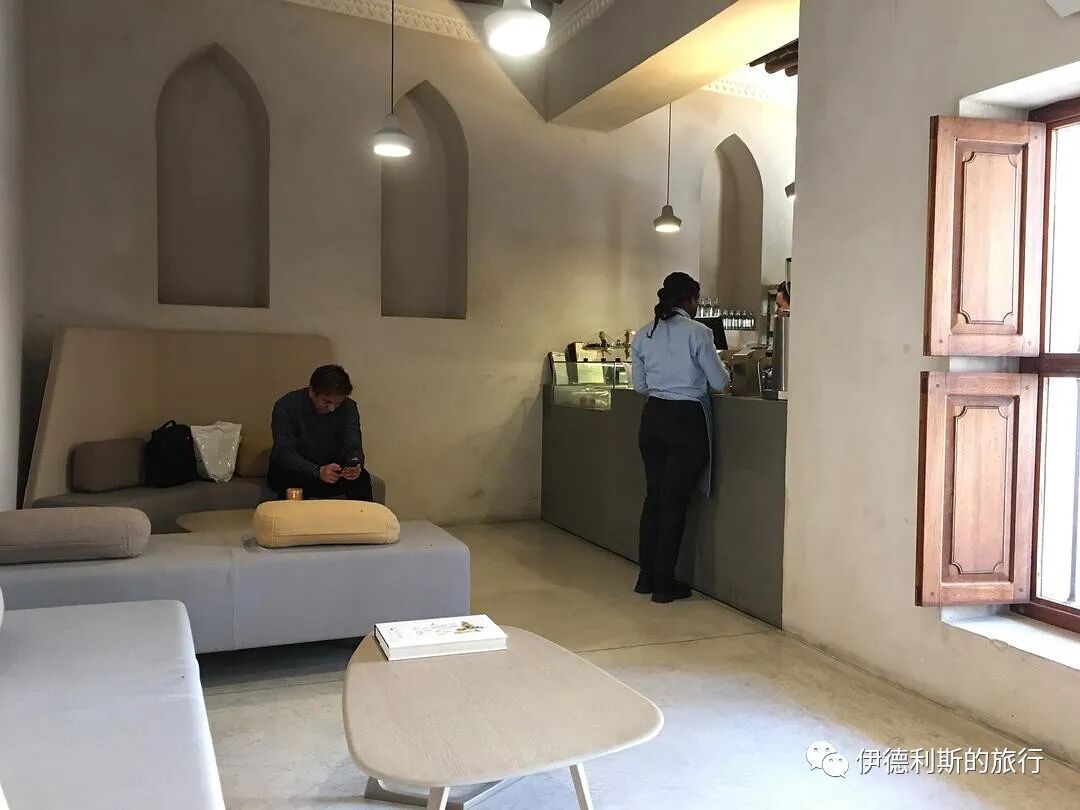
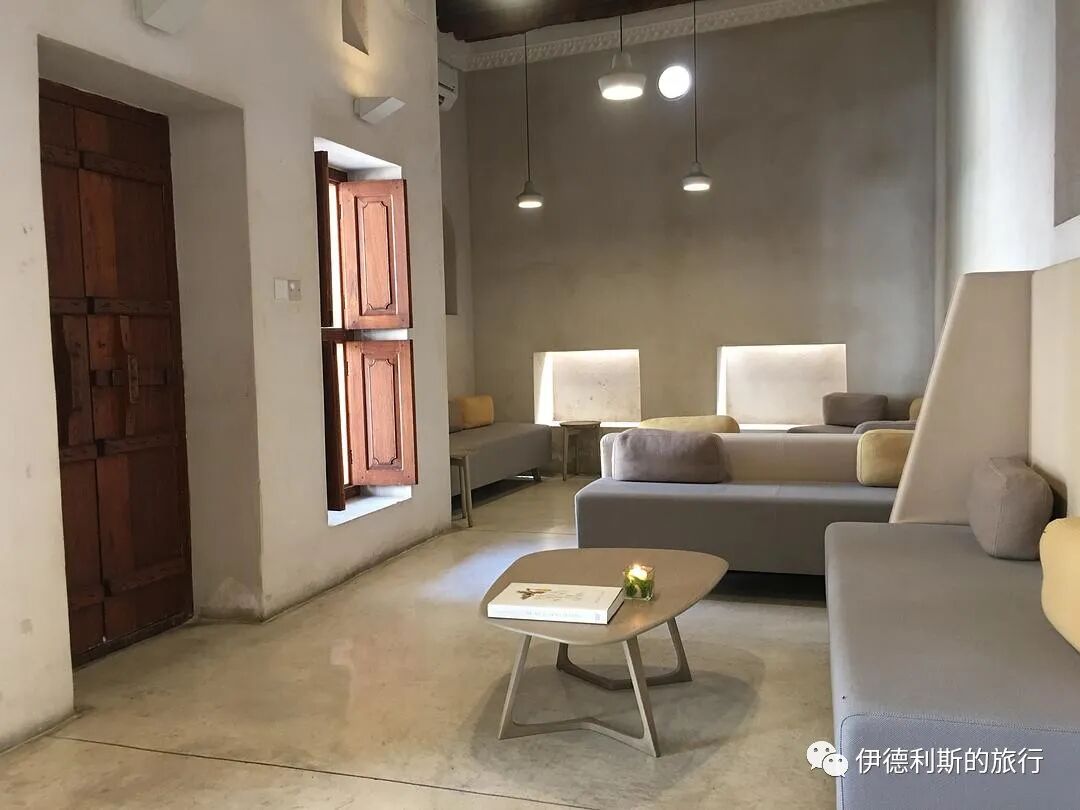
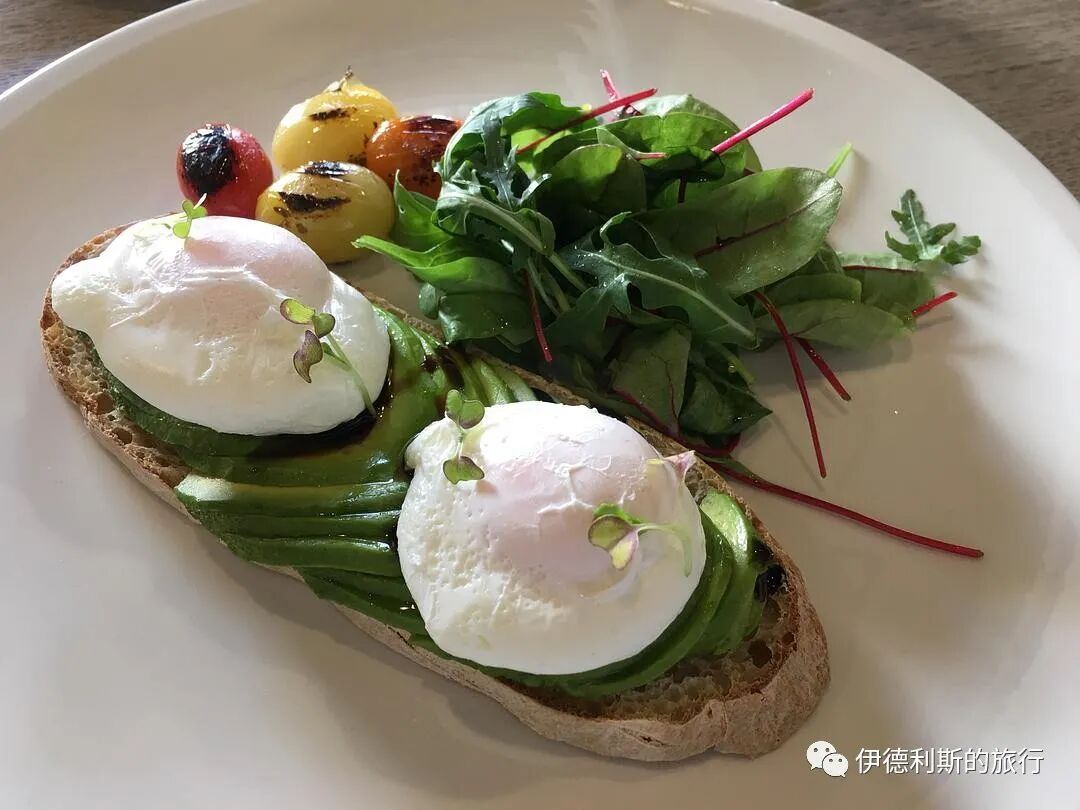
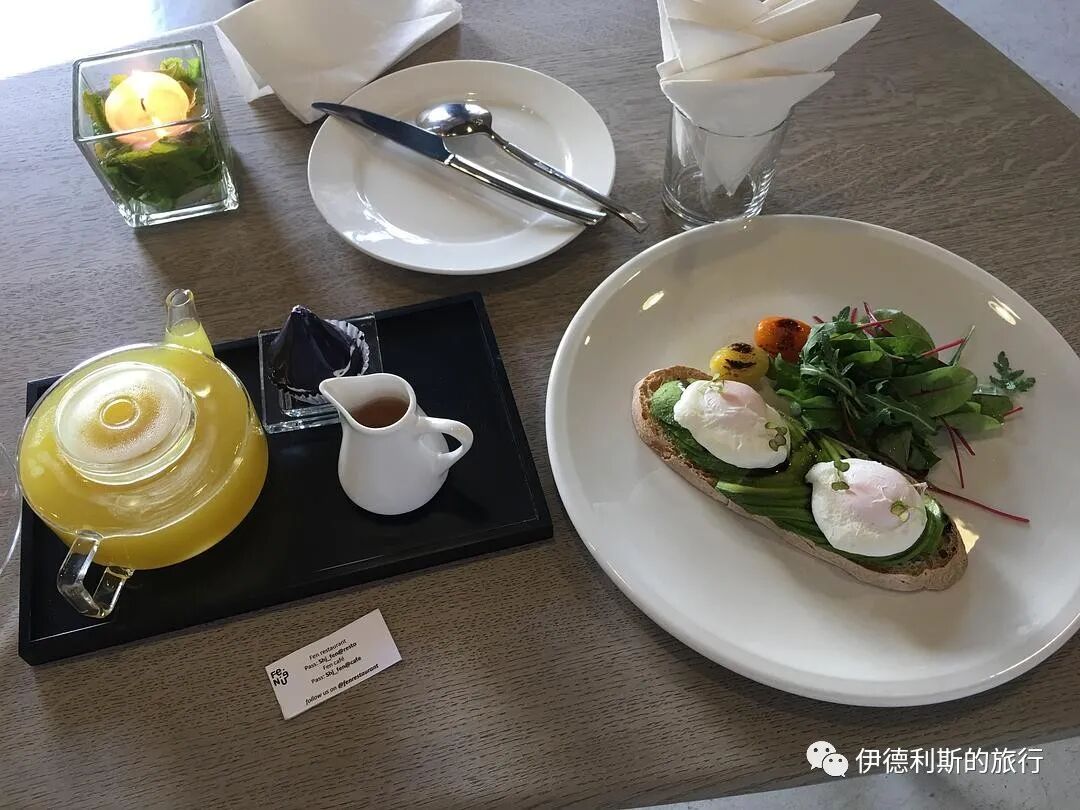
6. Wind Chime Garden
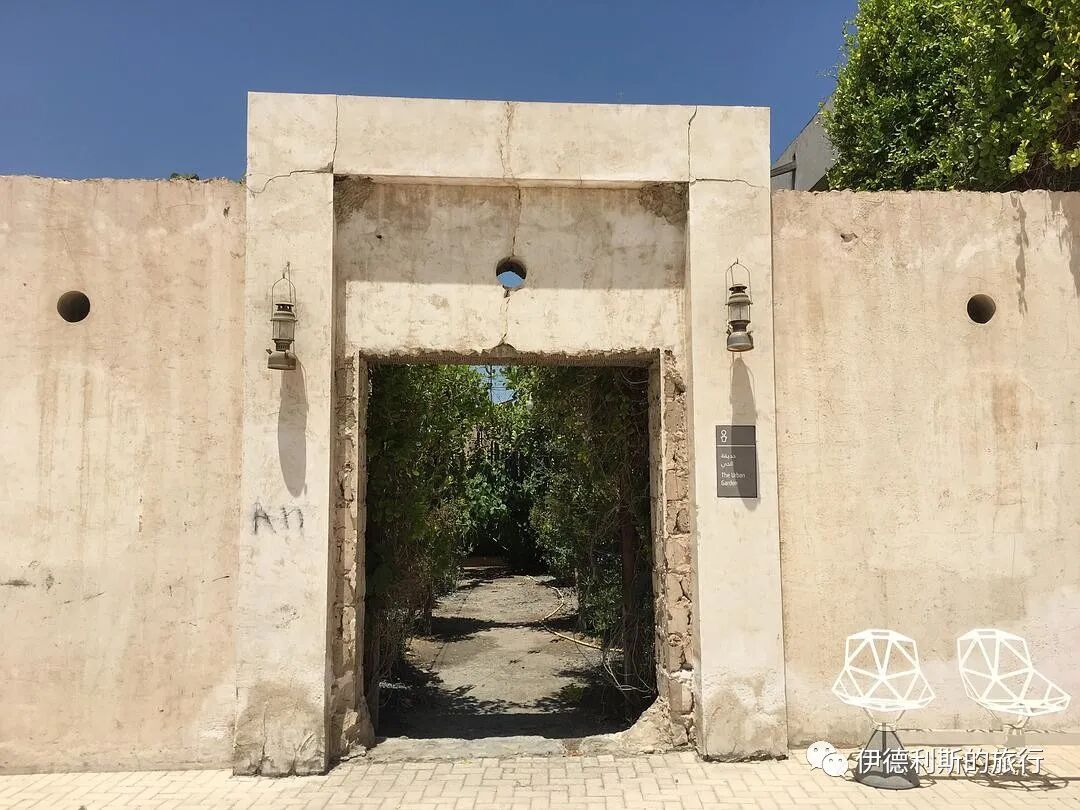
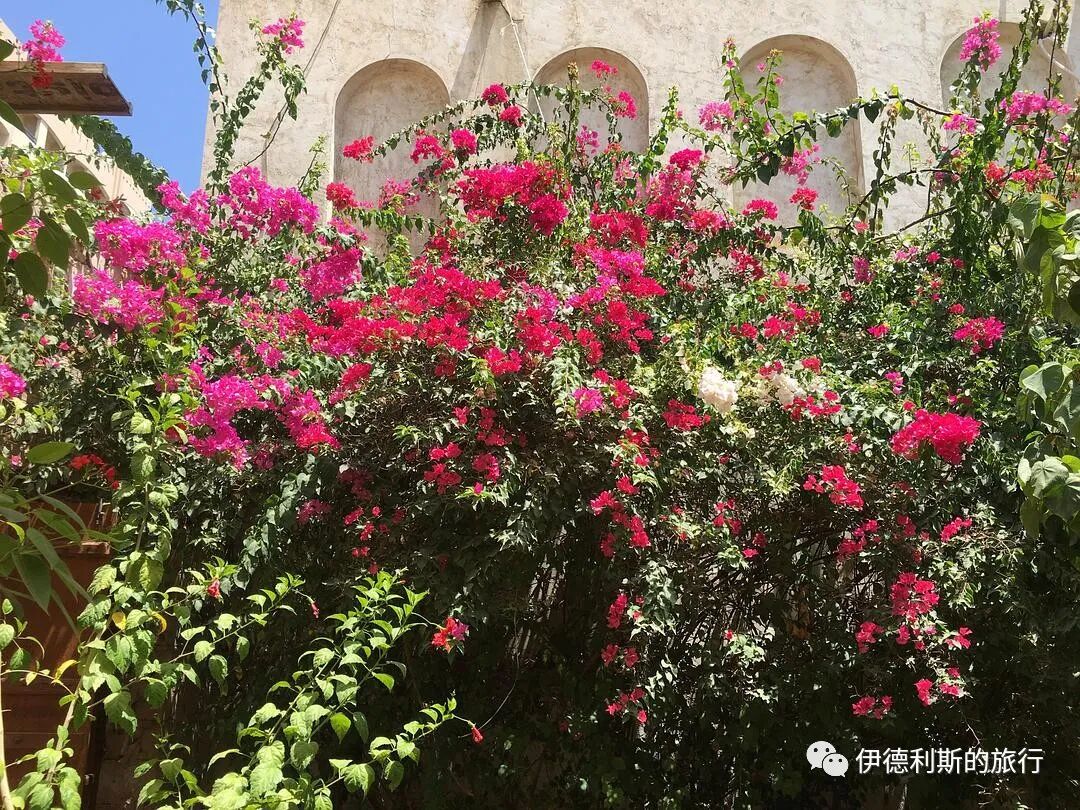
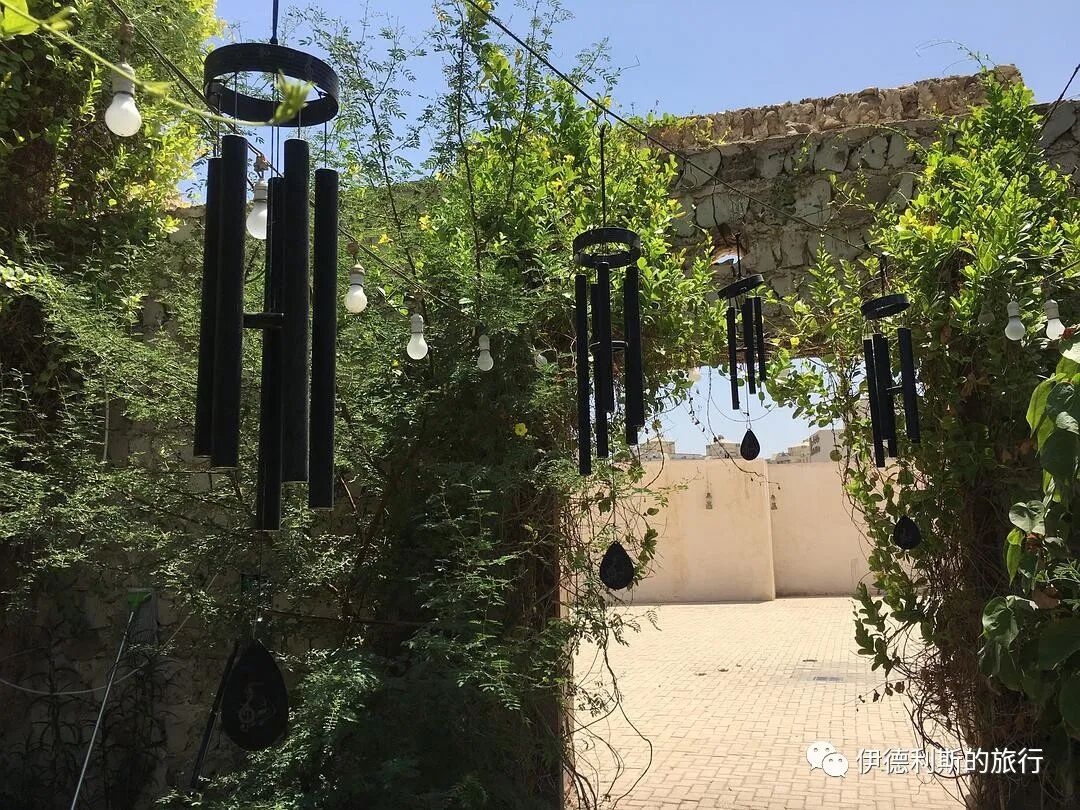
Outside the restaurant, you can see a beautiful garden filled with many wind chimes.
7. Traditional Mosque
Before coming to the UAE, I knew almost nothing about the traditional mosques here. I thought they were all modeled after famous foreign mosques, so I was very excited to see a traditional Gulf-style mosque in Sharjah this time.
The first one I want to share with you is Obeid Bin Issa, the oldest mosque in Sharjah. On the left in the picture is the washroom for wudu and ghusl, and on the right is the prayer hall. The first floor is the south hall, and the second floor is the women's hall. Traditional mosques in Sharjah usually have the washroom and the main prayer hall as two separate buildings.
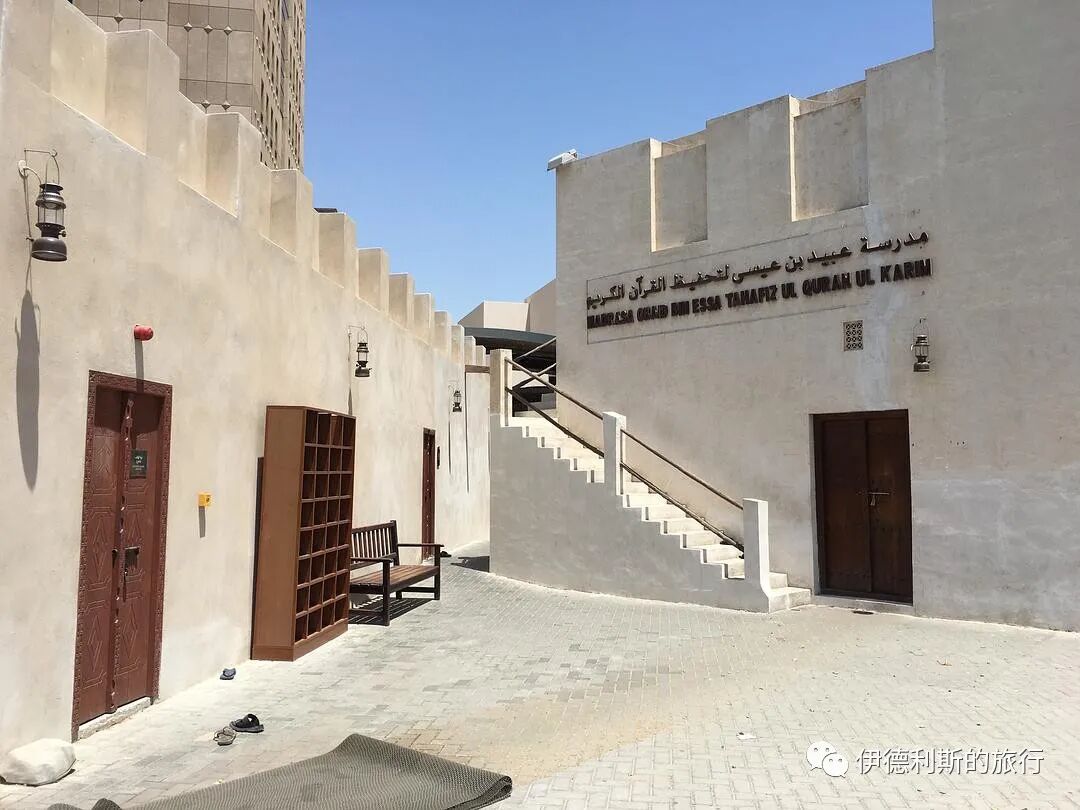
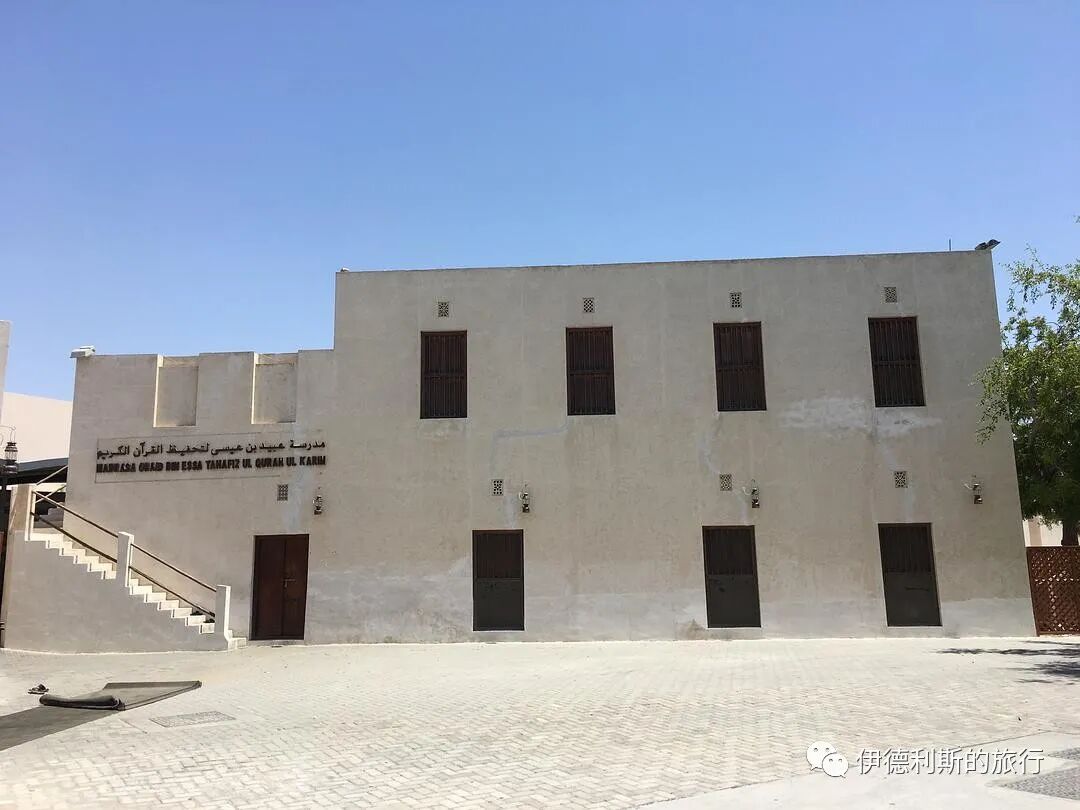
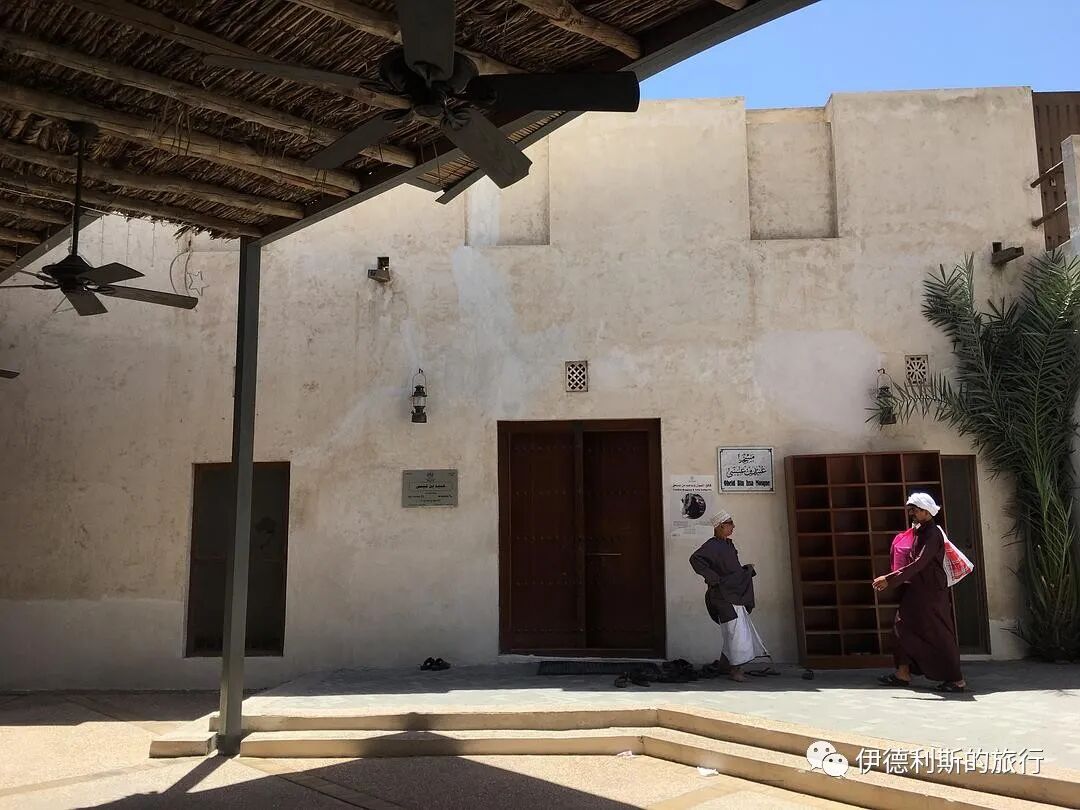
There is a palm-frond shade in front of the washroom.
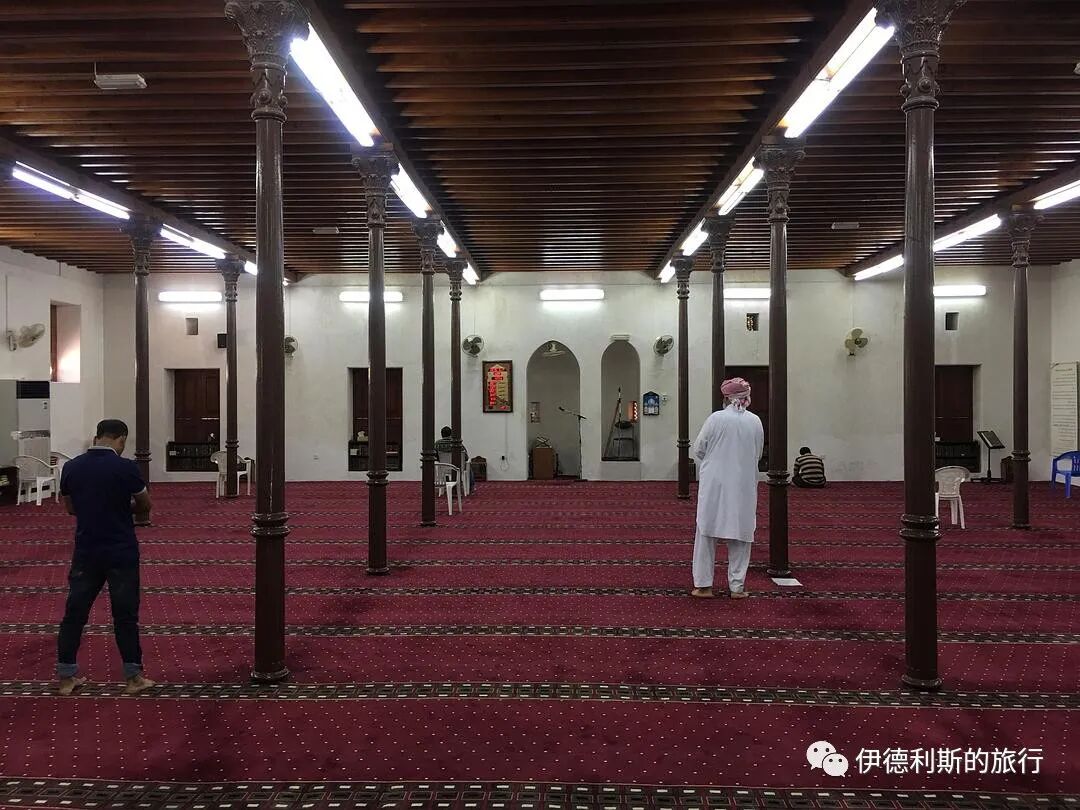
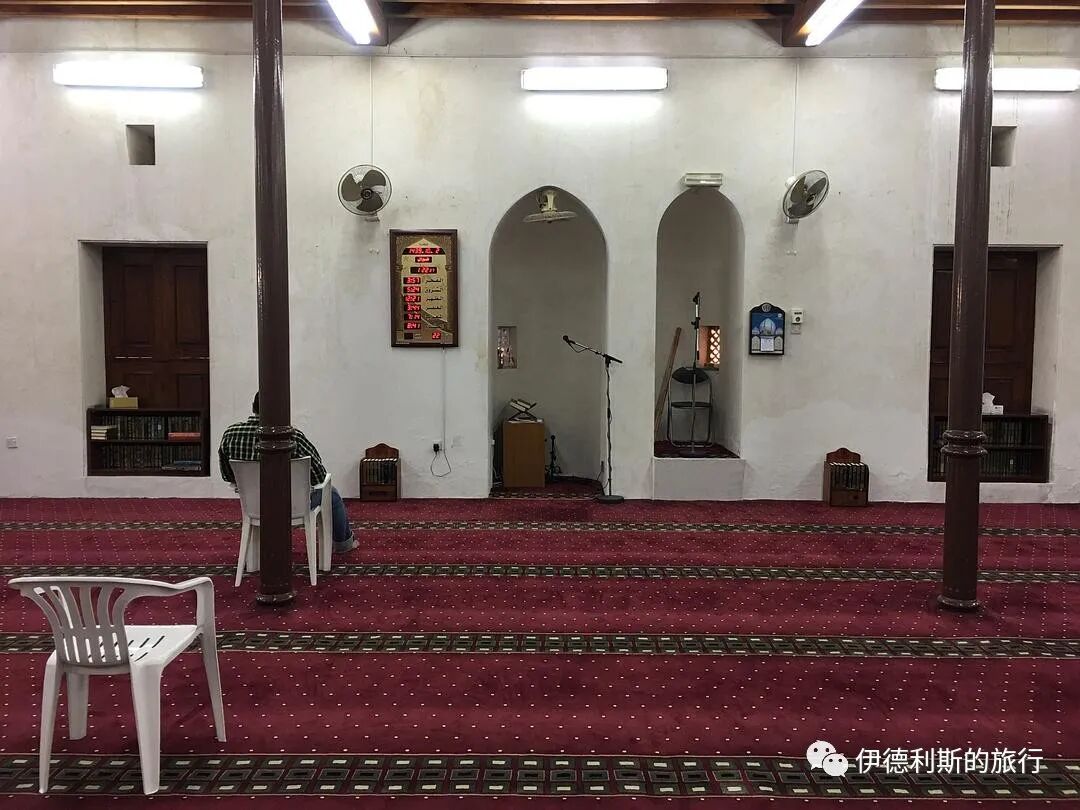
Inside the main prayer hall, there are wooden pillars.
The mihrab is plain with no decorations at all, and the minbar pulpit next to it is also set inside a niche, which is a first for me.
This is the back of the mosque. The curved part sticking out on the left is the prayer niche (mihrab) behind the main hall.
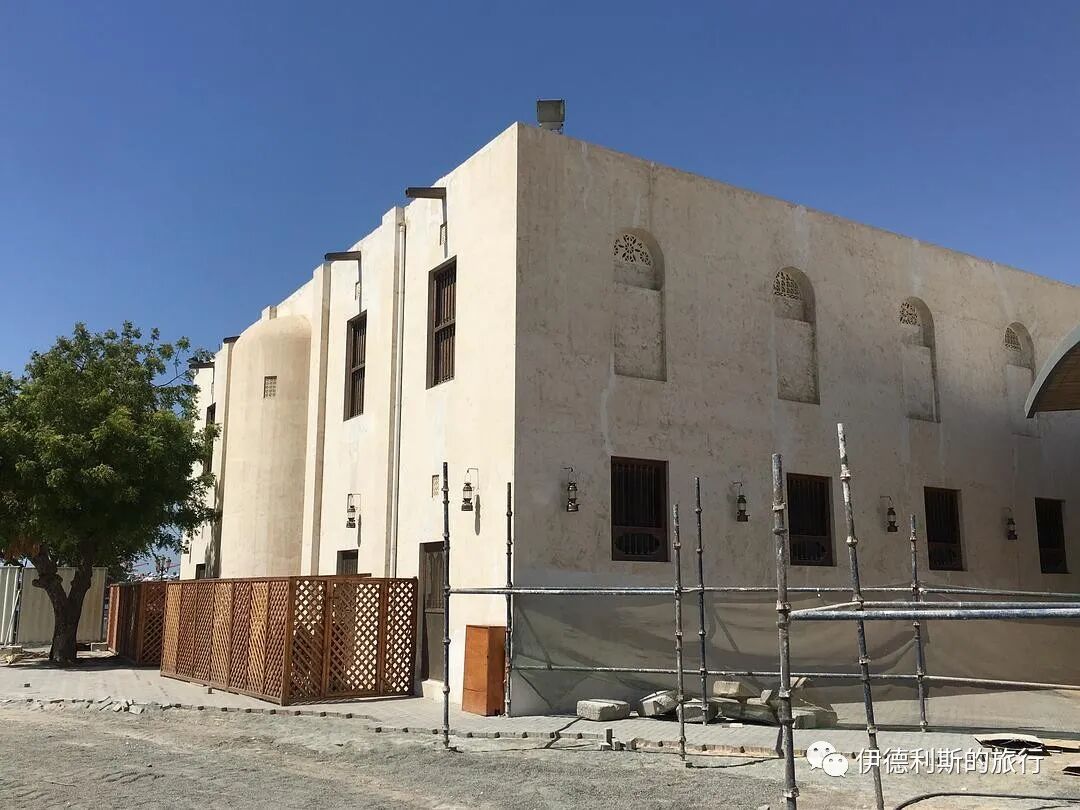
The second traditional mosque is called Al-Daleel, and it also has a long history. The first floor is the men's prayer hall and the second floor is the women's prayer hall. The washroom (wudu area) is in a separate building.
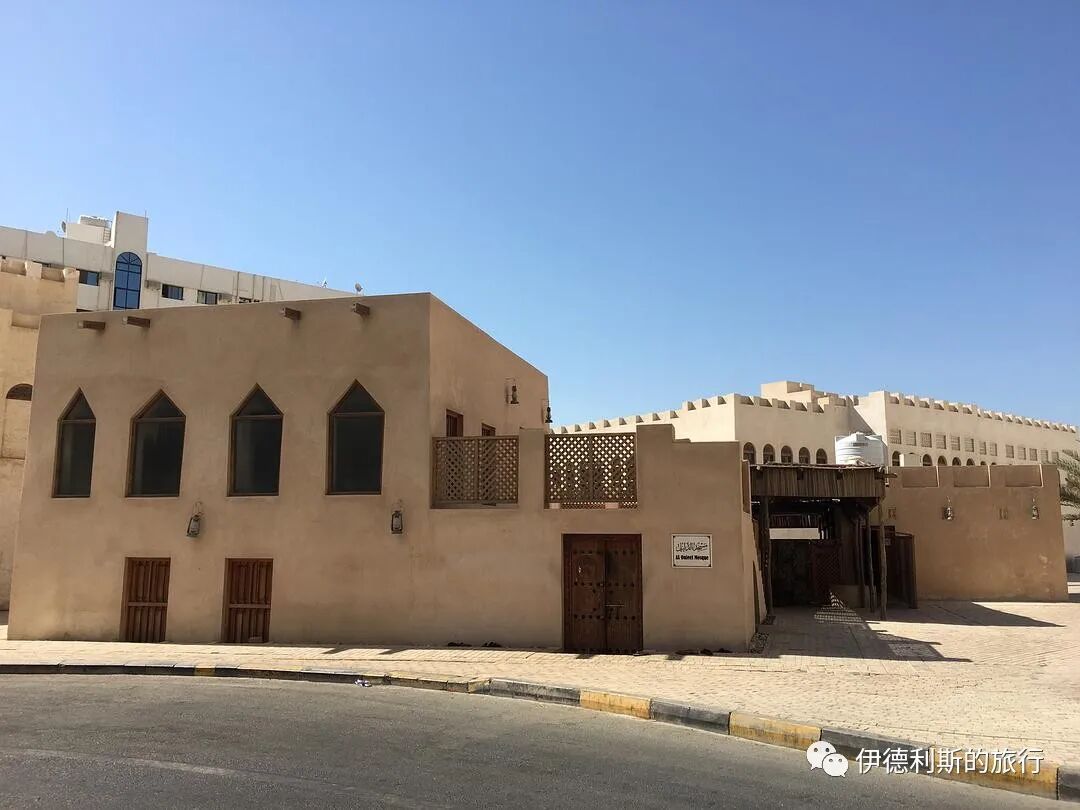
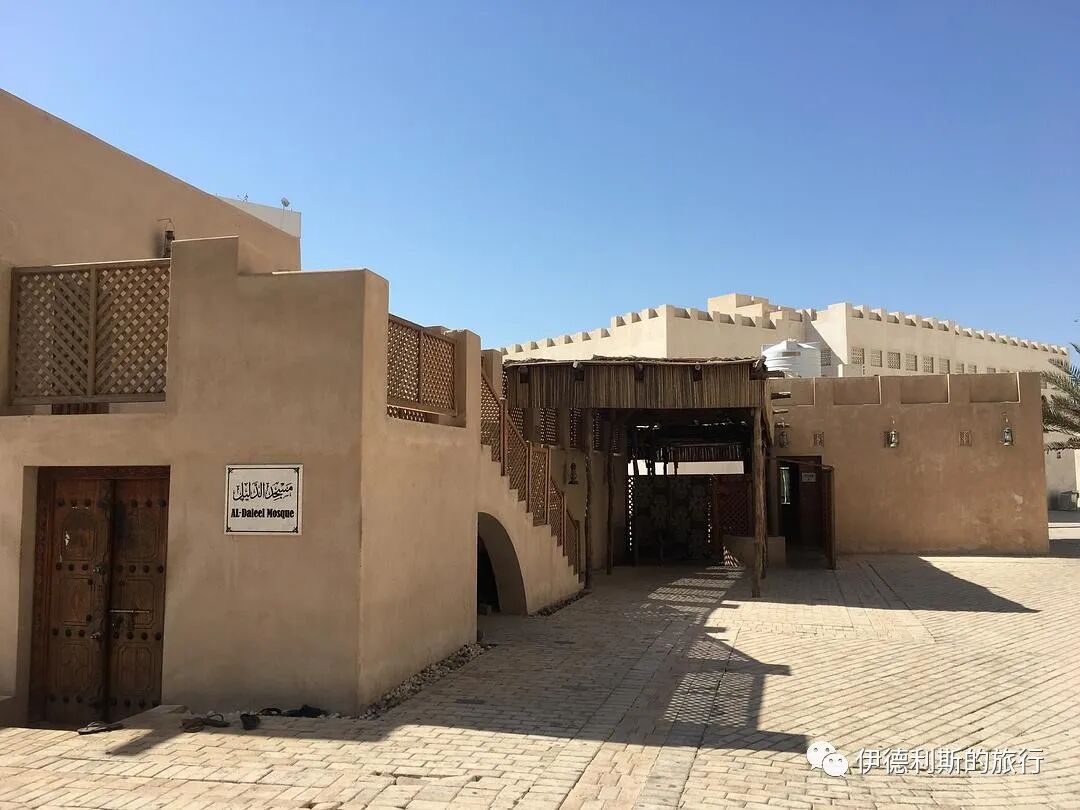
In front of the main hall, there is also a palm-leaf shade.
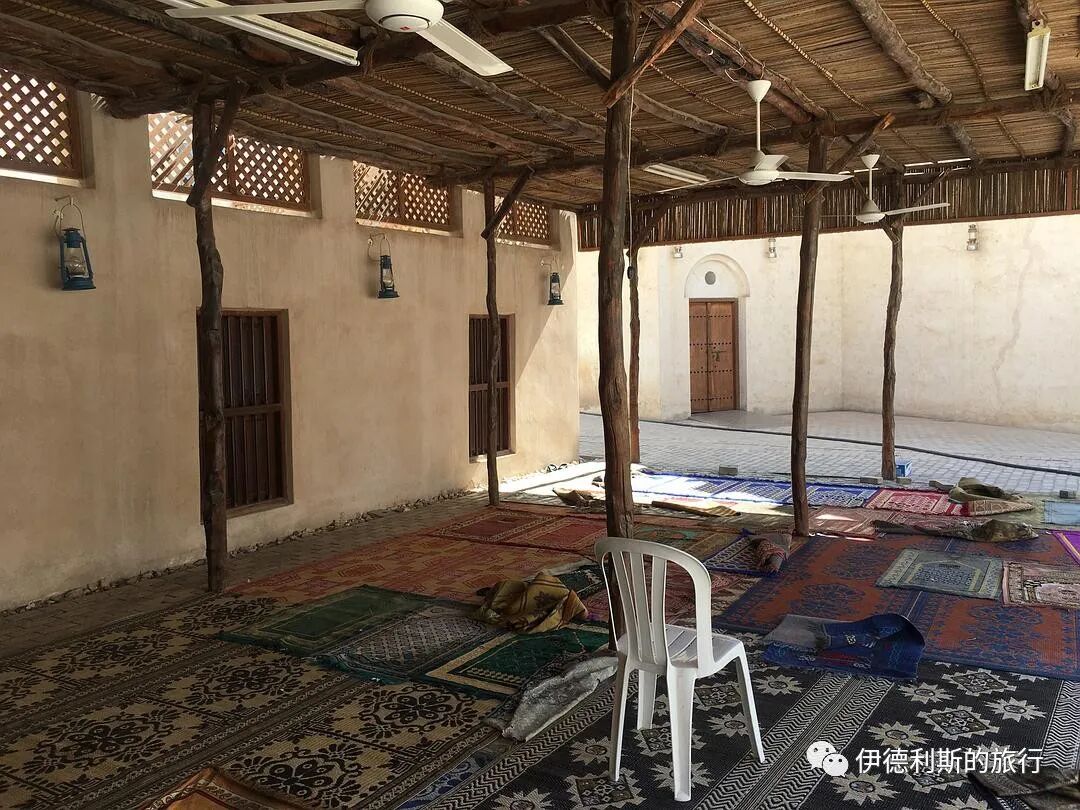
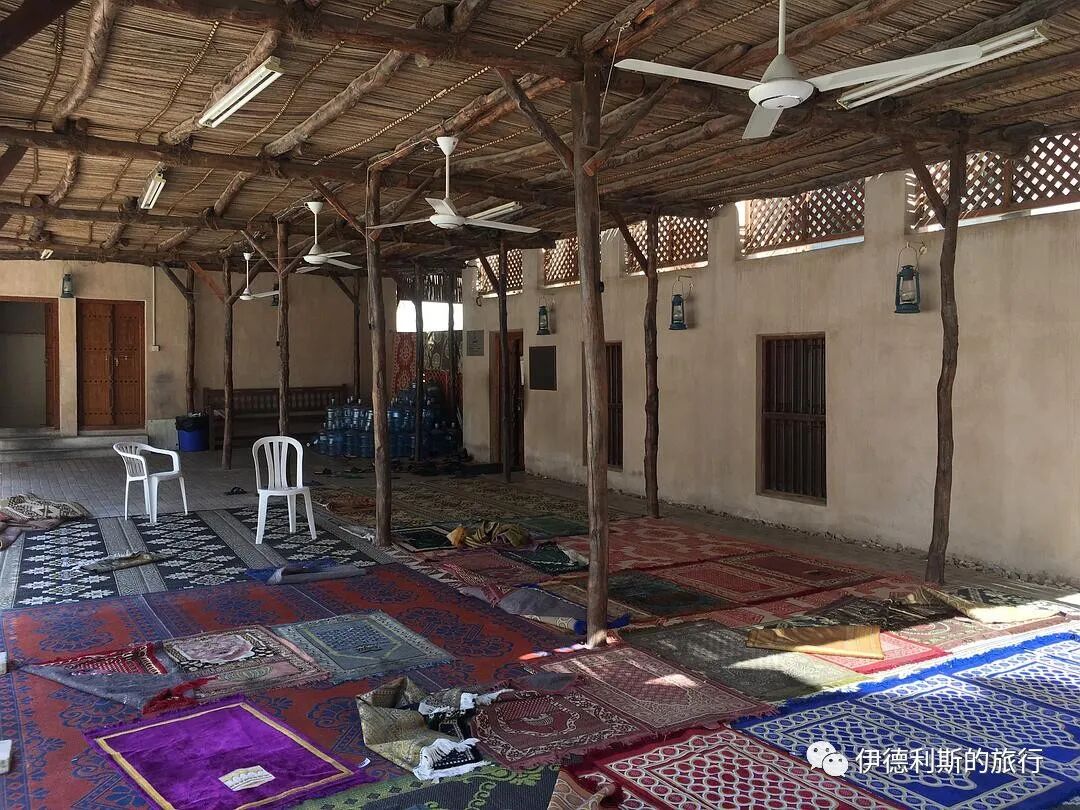
To make a traditional palm ceiling, you first wash and dry the palm fibers, twist them into twine, and tie them onto trimmed palm branches. Next, wash and dry the palm leaves, weave them into large mats, and finally lay them out to form the ceiling.
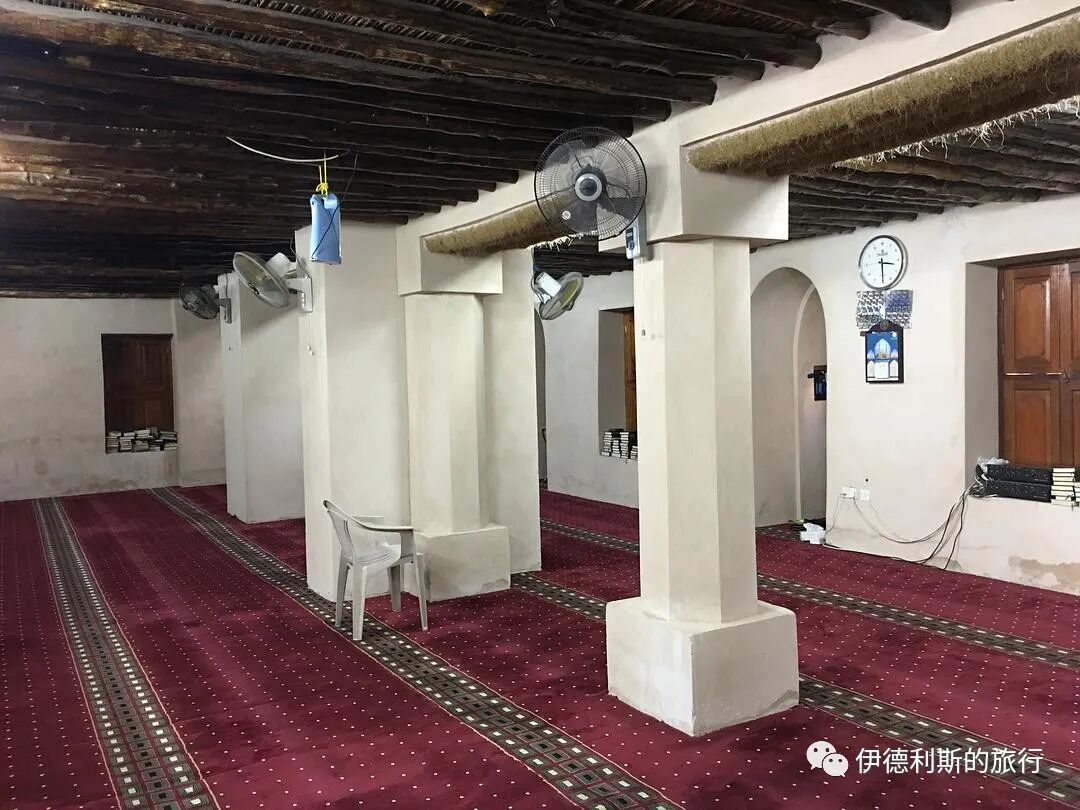
The mihrab also has no decorations at all.
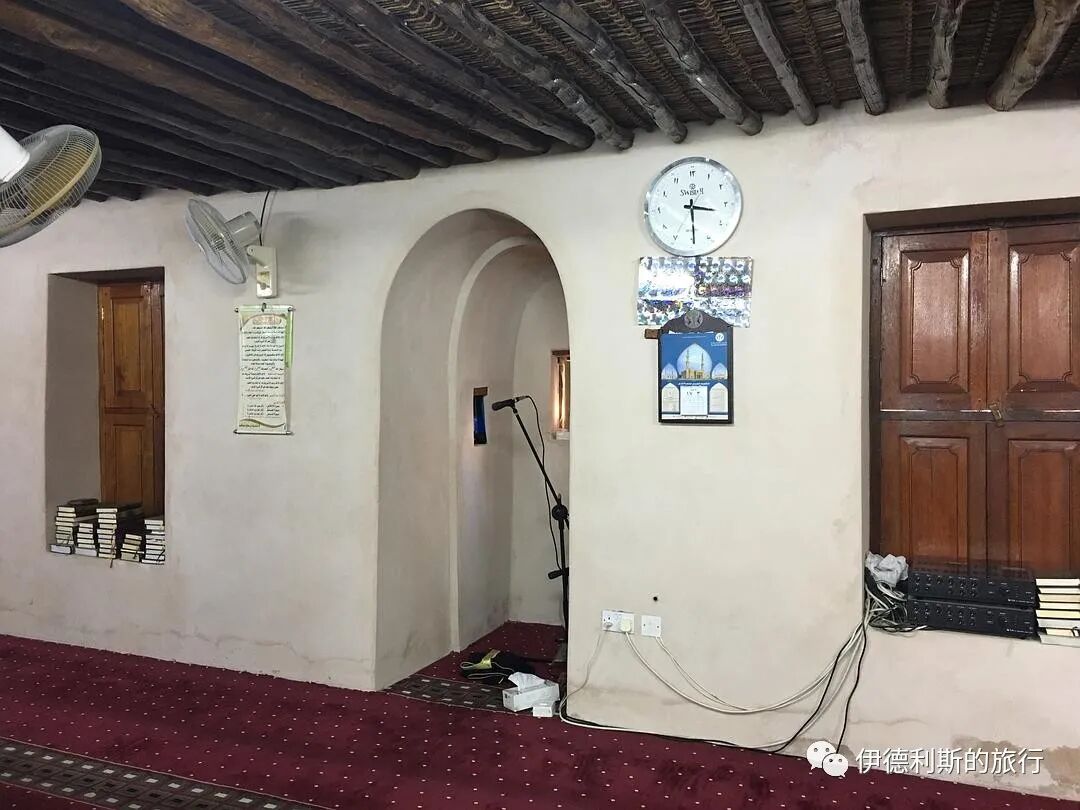
The rear kiln-style prayer hall (yaodian).
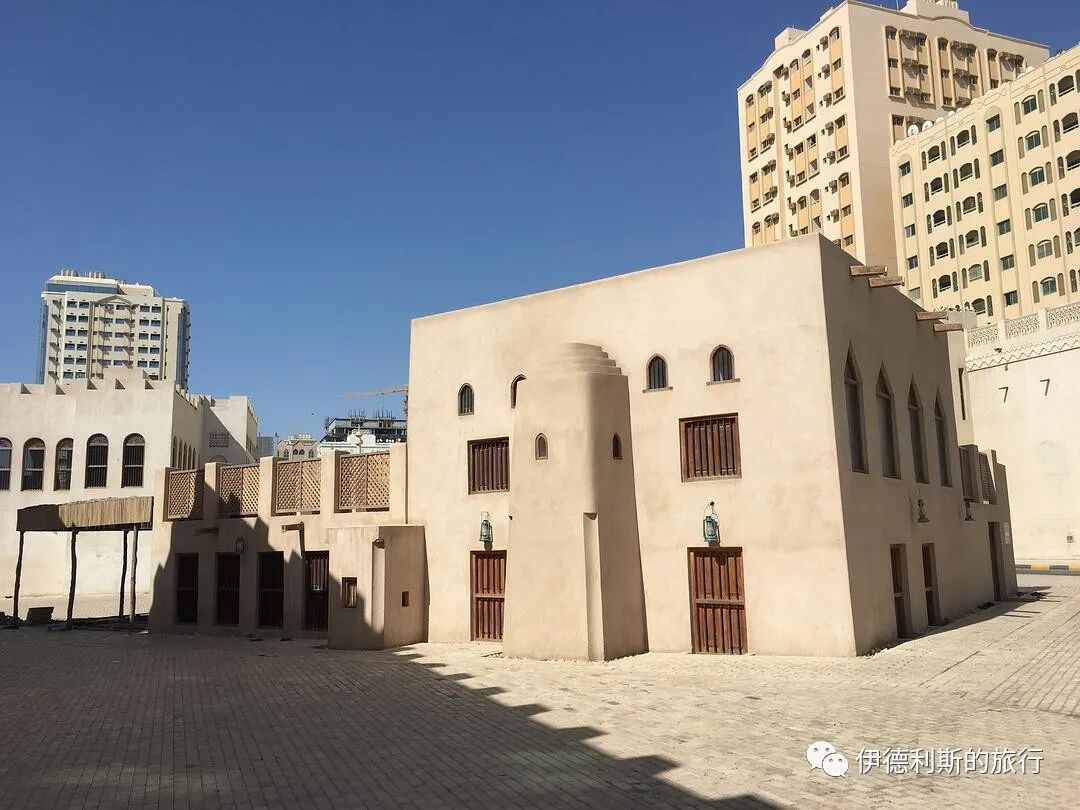
Outside the ablution room of every mosque in Sharjah, there is a direct drinking water station, which is very convenient for locals or passersby to get a drink.
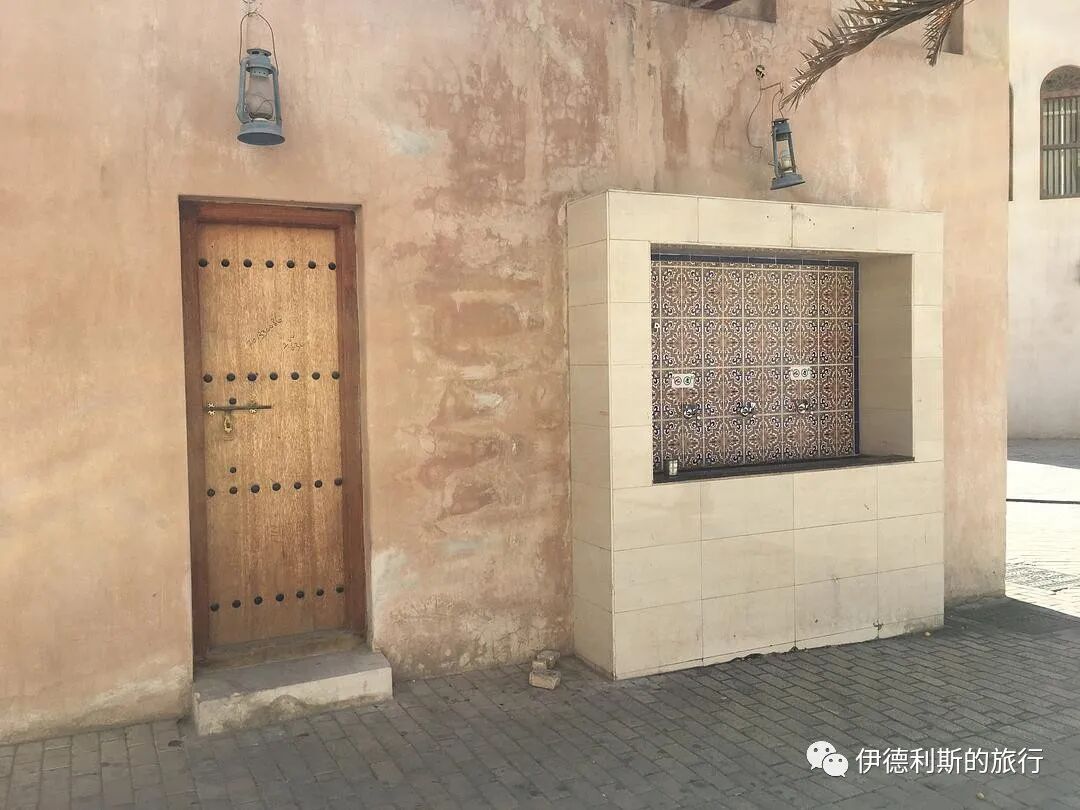
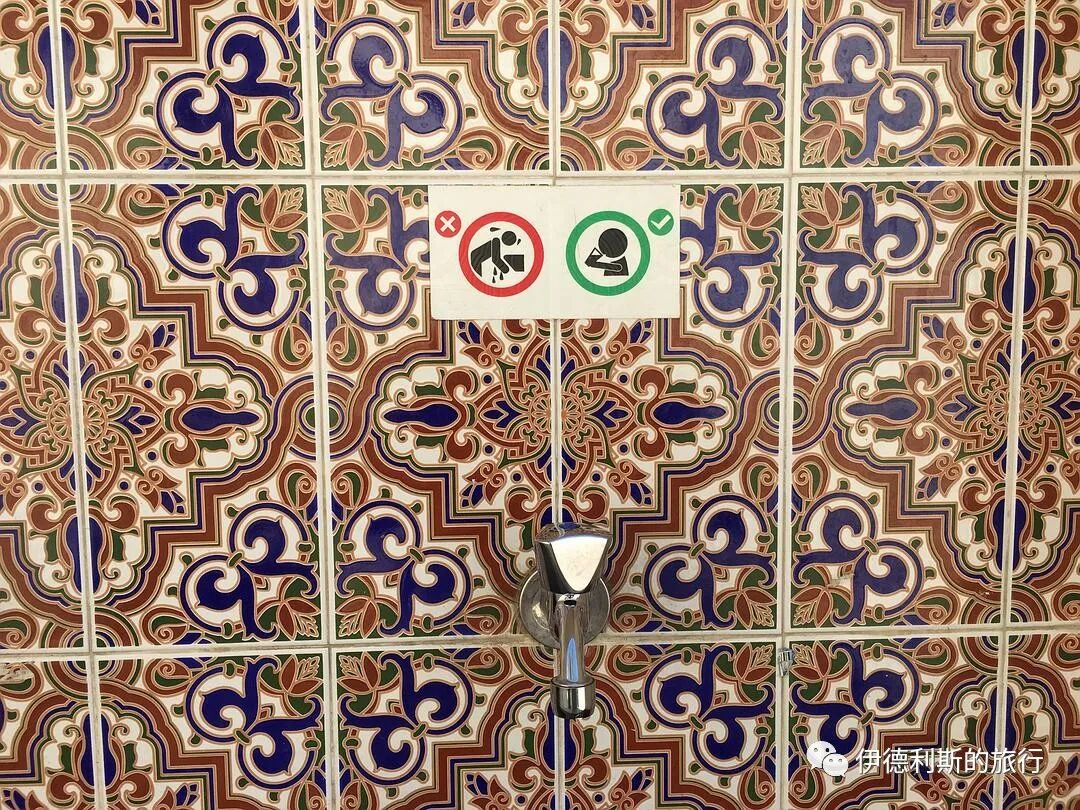
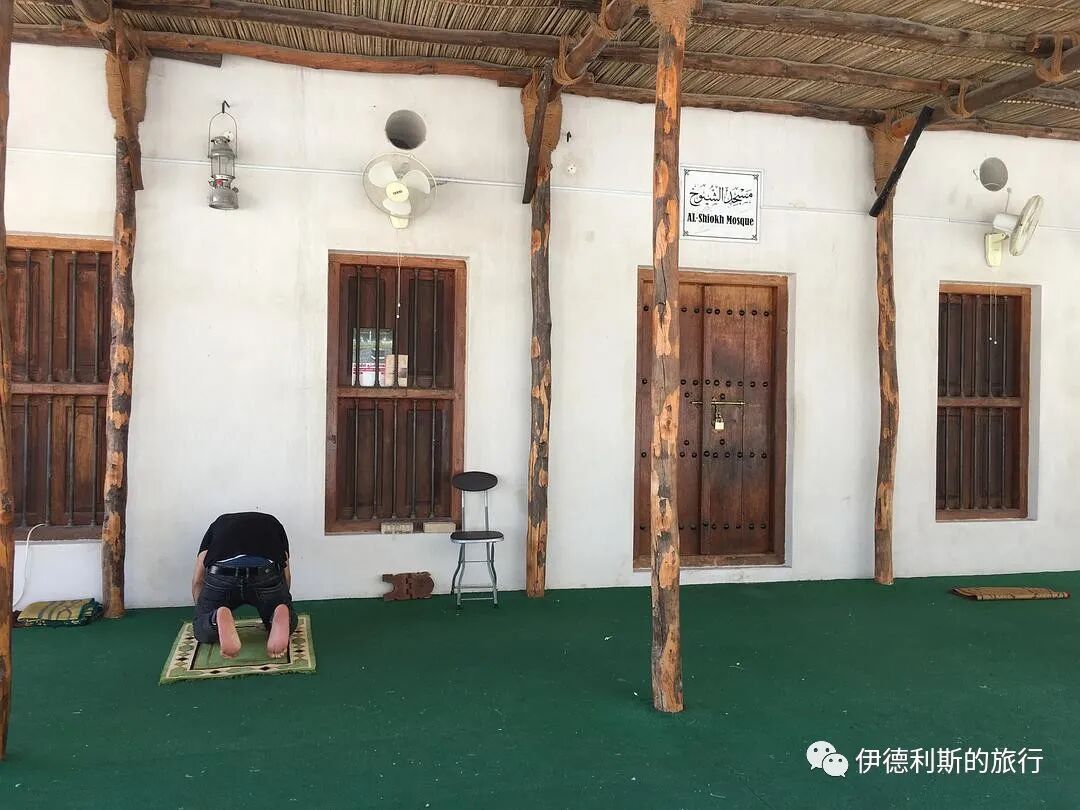
The third mosque is called Al-Shiokh, and it only has one floor.
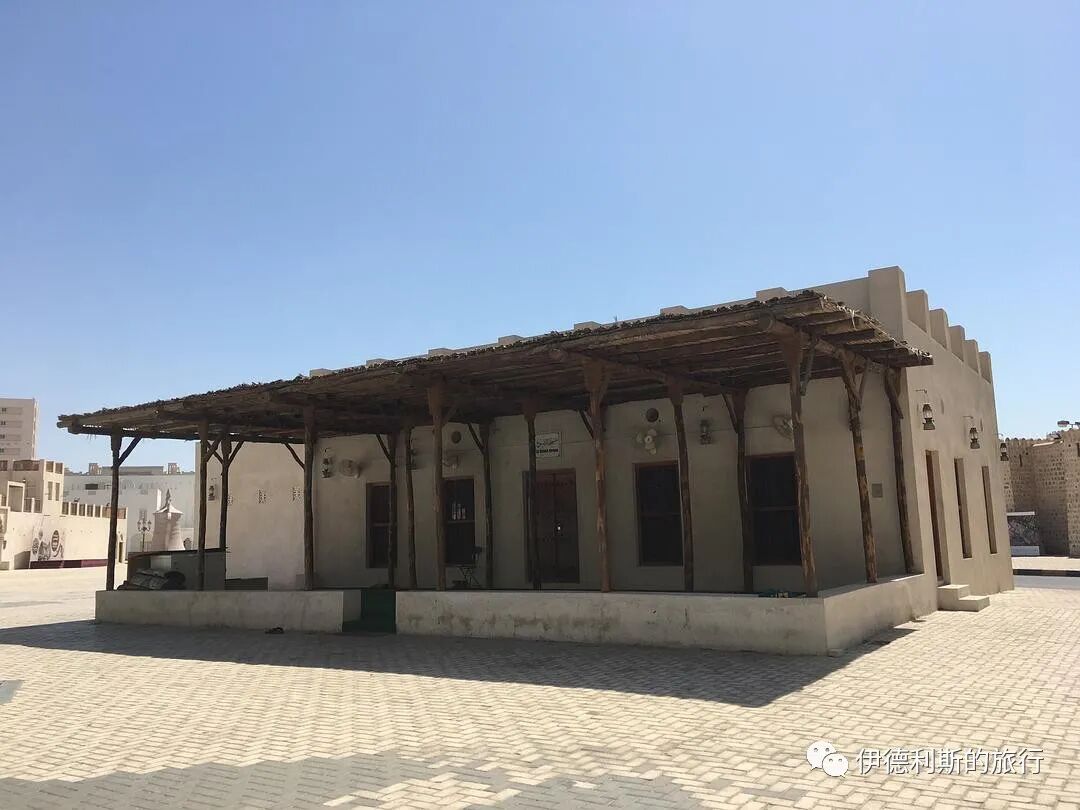
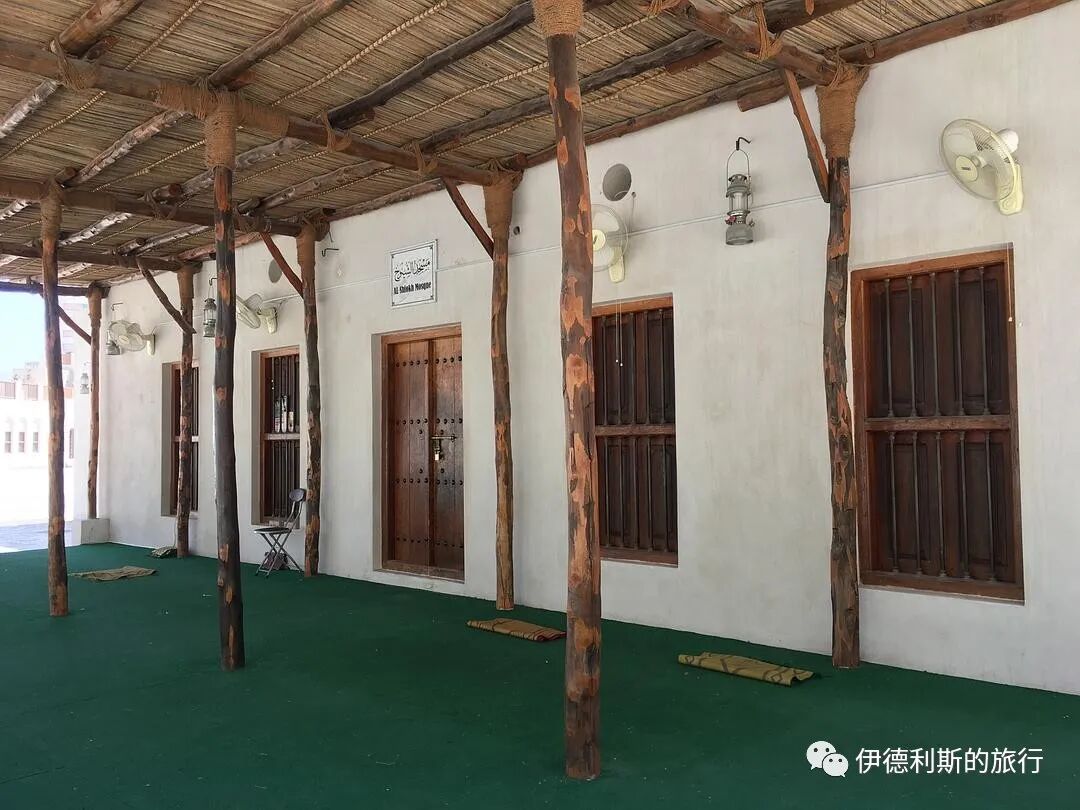
This mosque is closed outside of the five daily namaz times, so you have to pray in the outdoor shelter at other times.
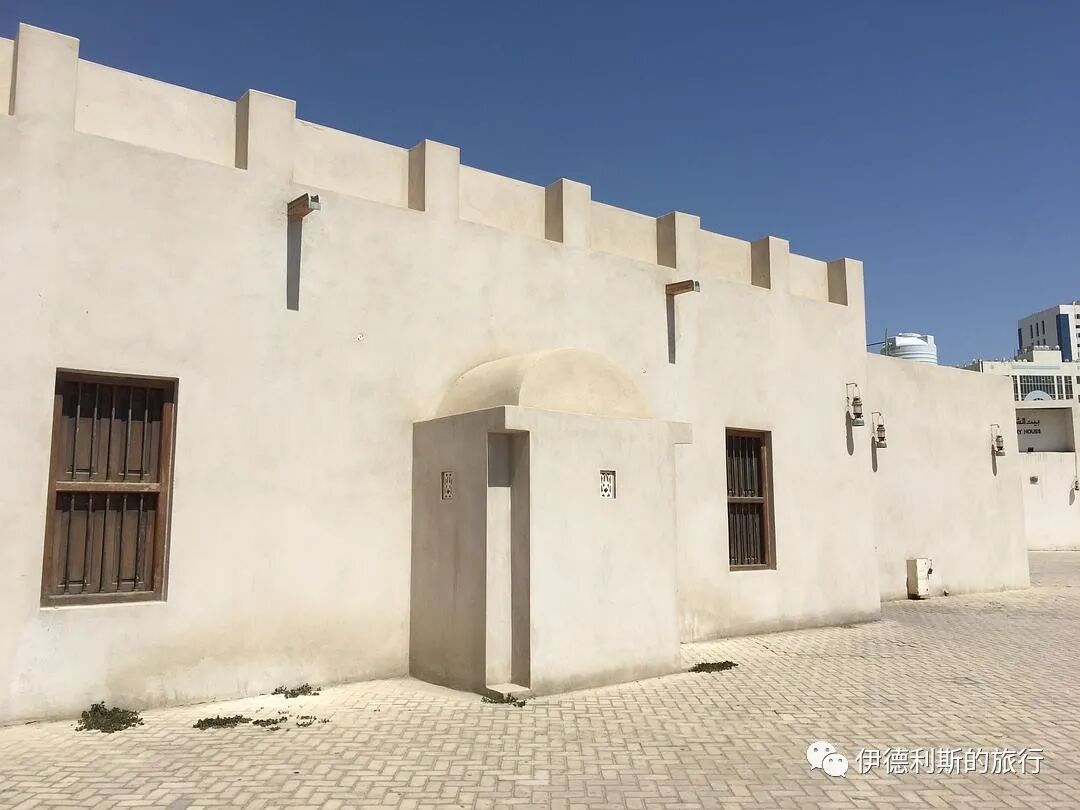
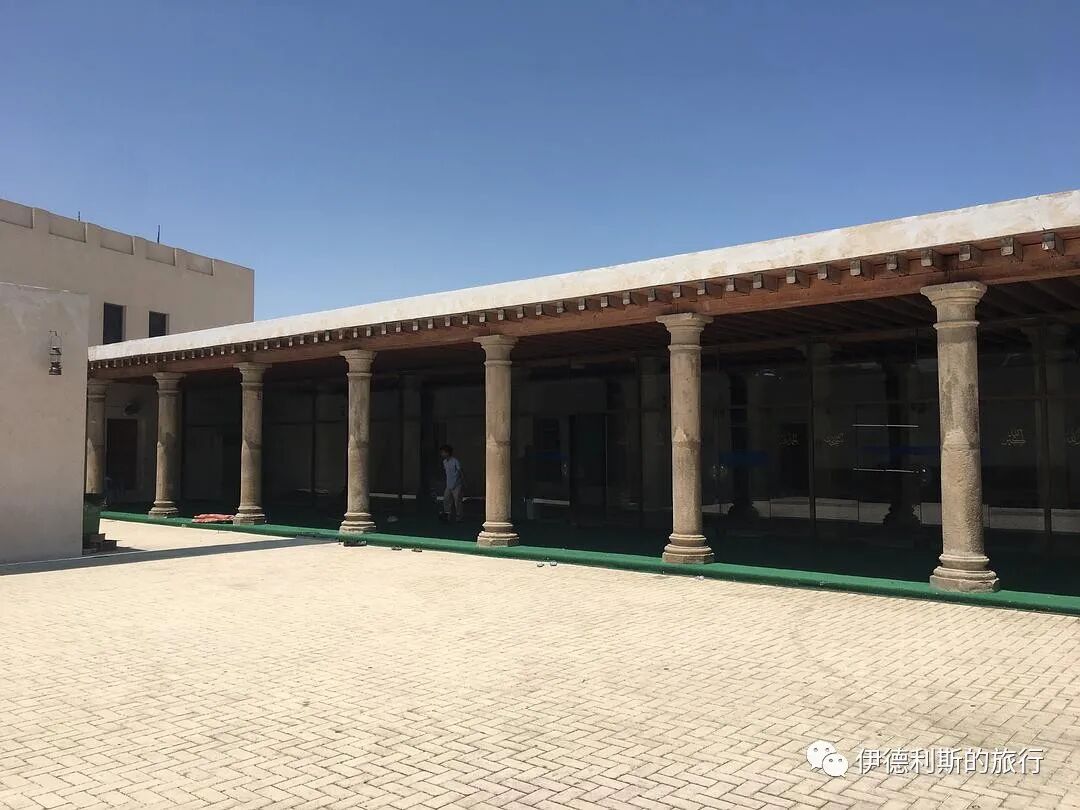
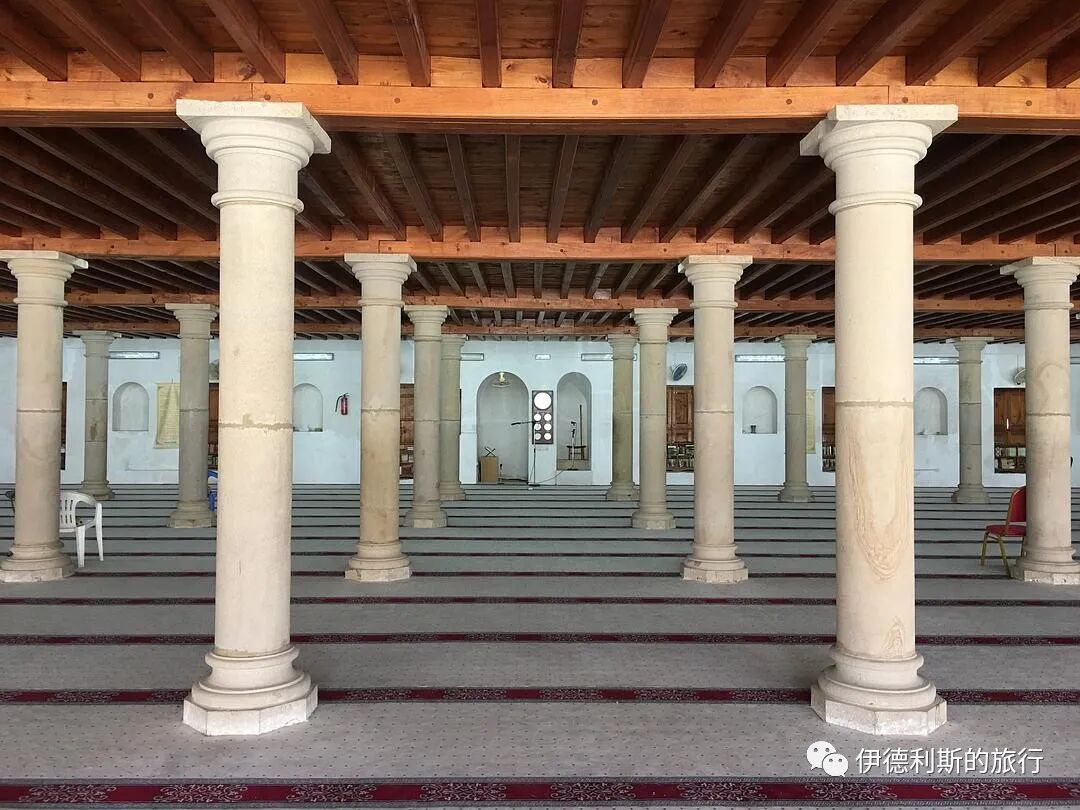
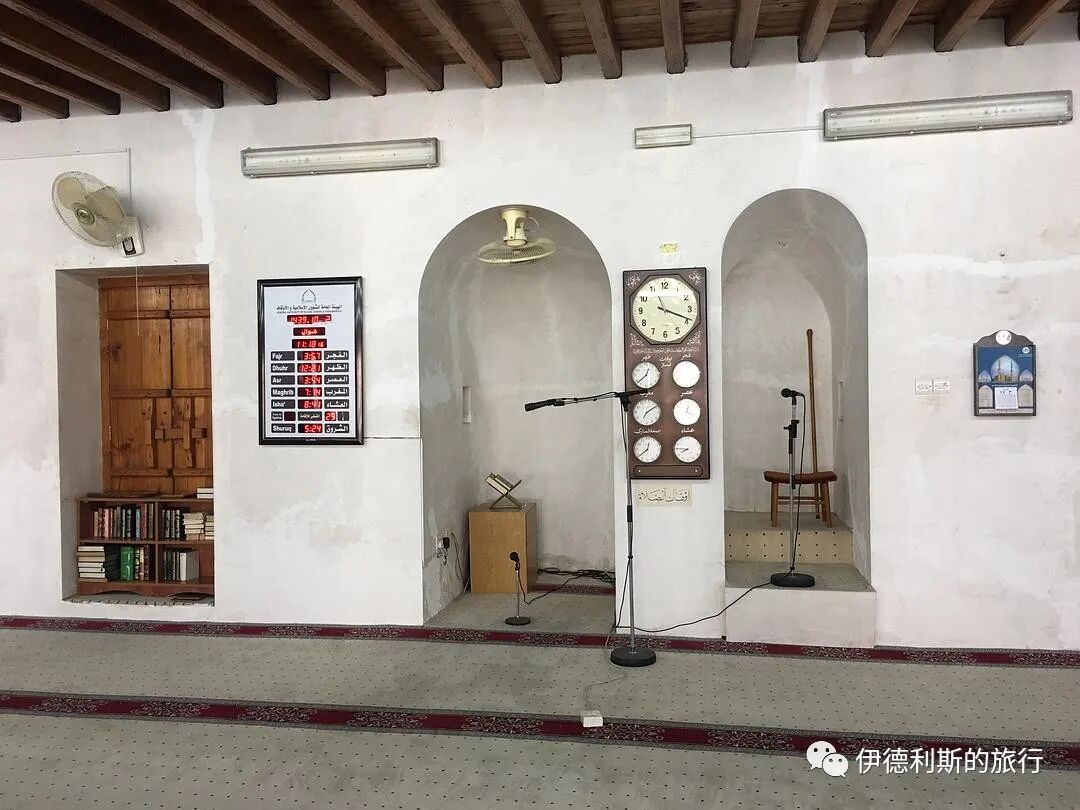
The fourth mosque is called Al Jame'i, and it is the largest traditional mosque in Sharjah. Its low, flat-roofed design is very similar to traditional buildings in Turpan, as both styles developed to suit hot and dry climates.
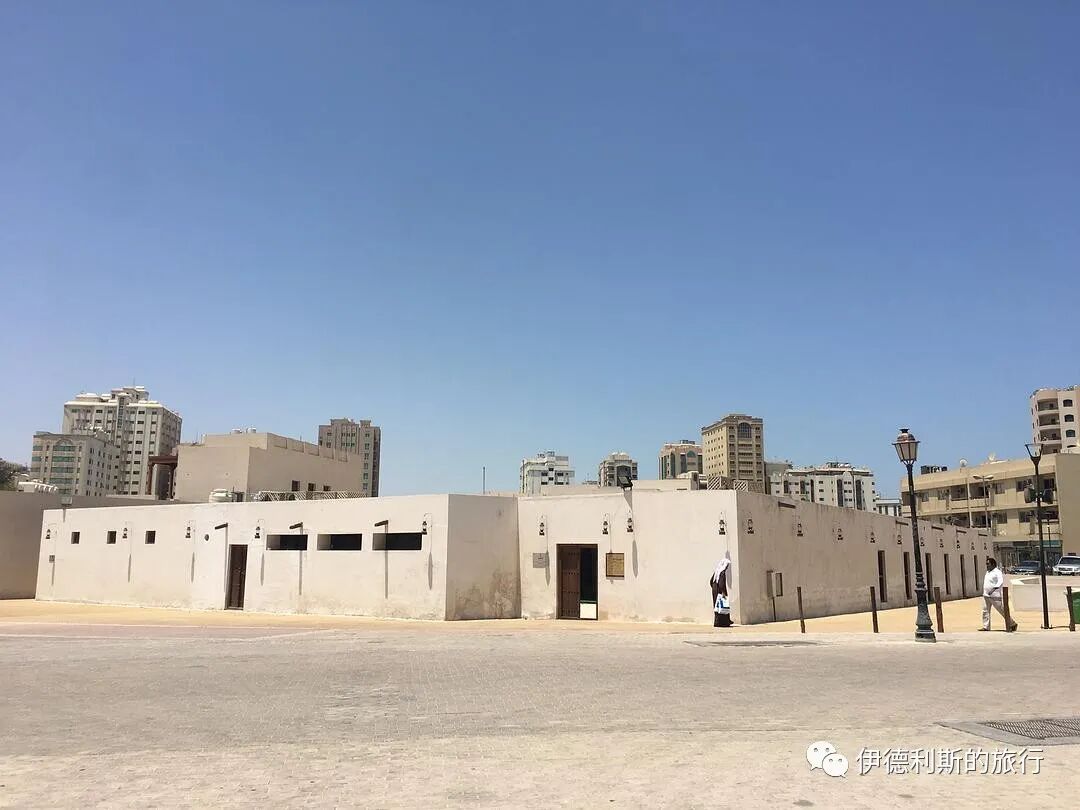
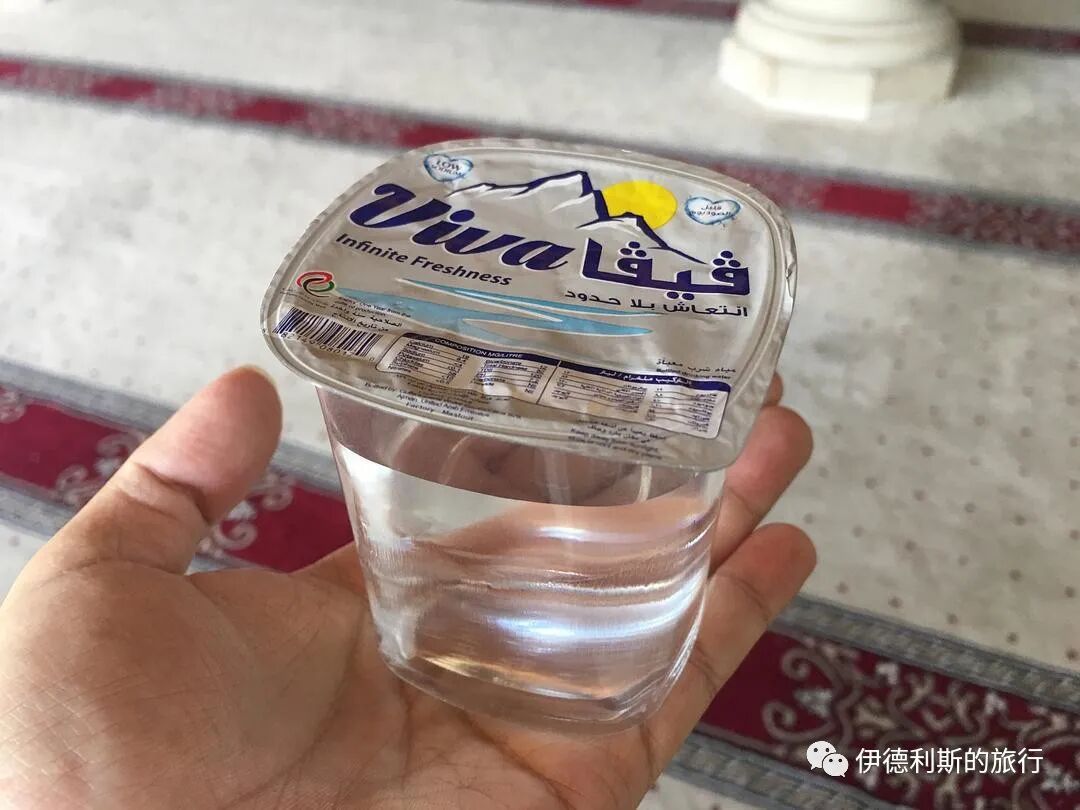
Besides the drinking water in the washroom, mosques here keep bottled water in refrigerators inside the main prayer hall. When I walked in, an older man offered me some to drink.
The fifth mosque is called Al-Mana a, and it is the only mosque I saw in Sharjah that has a minaret. The design of this minaret is very simple.
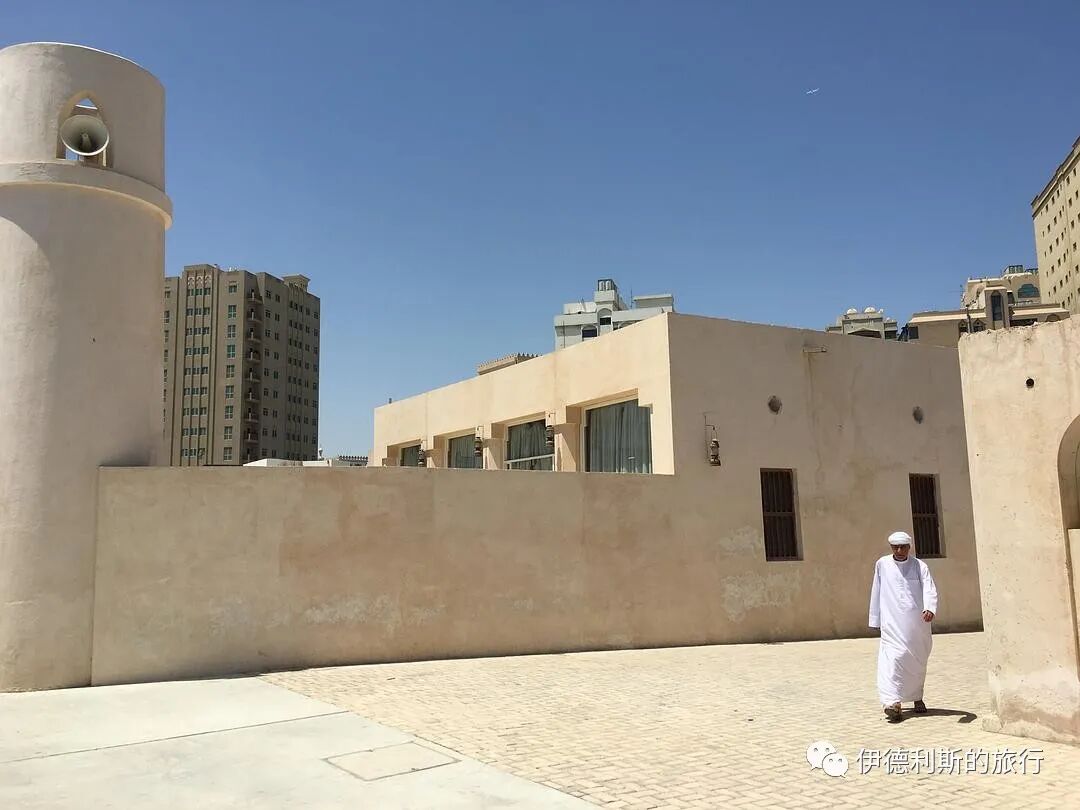
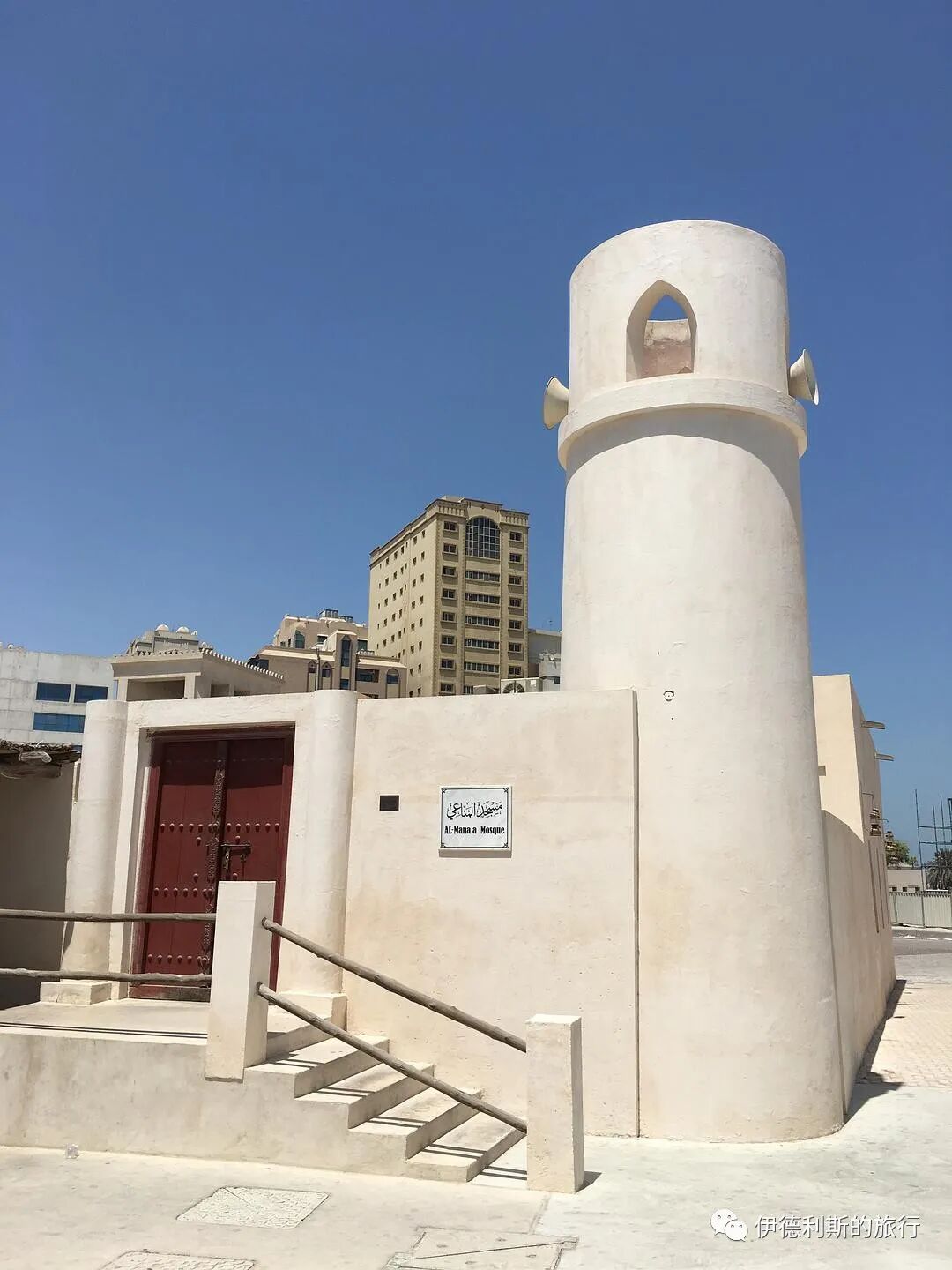
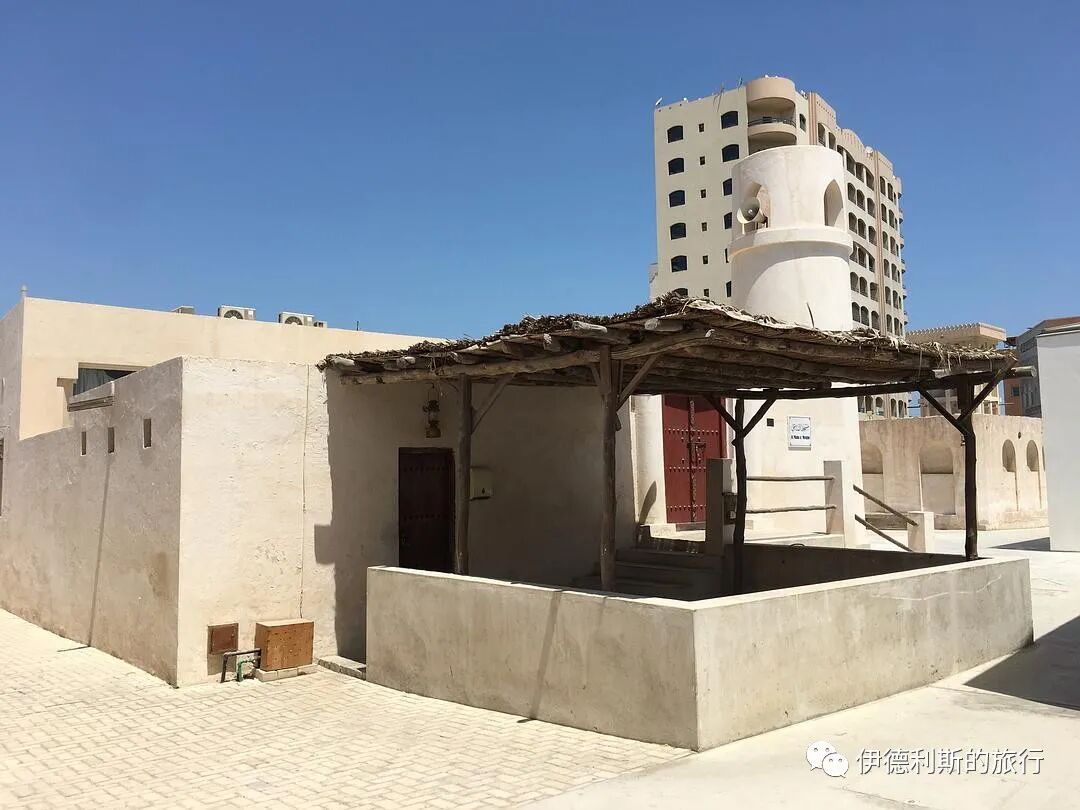
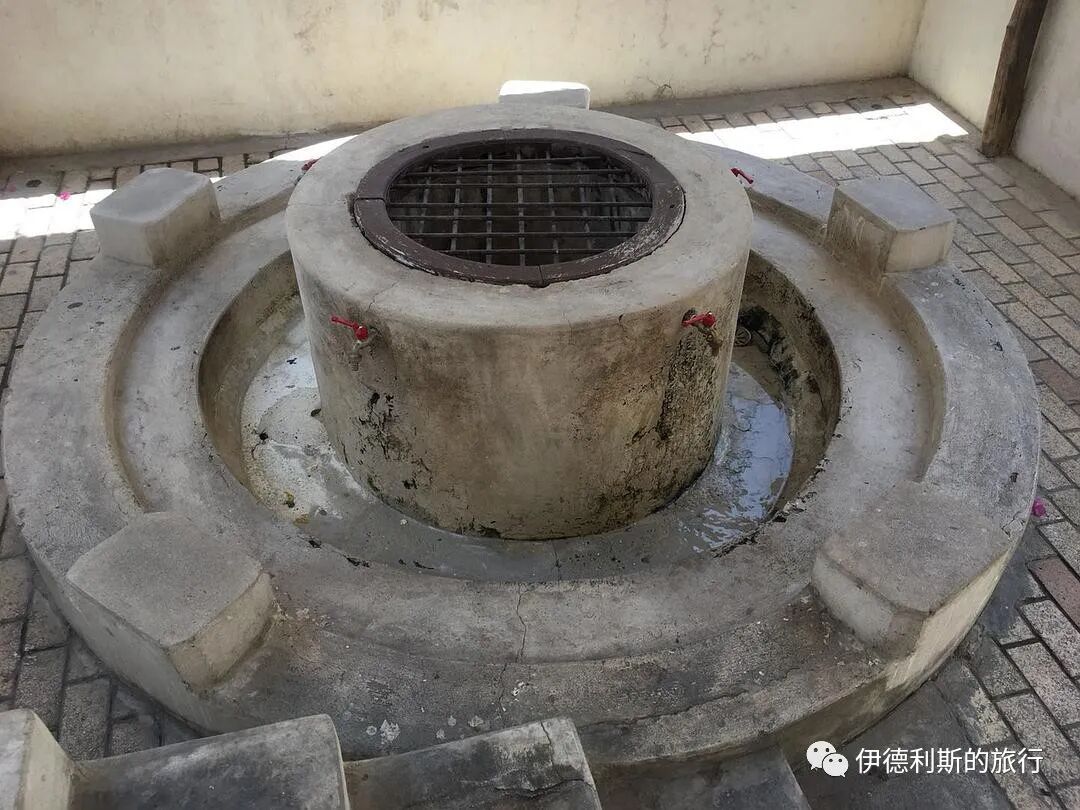
Inside the pergola is a well used for ritual washing (wudu). You can turn on the tap and water comes out, which is a rare sight these days.
8. Sharjah Heritage Museum
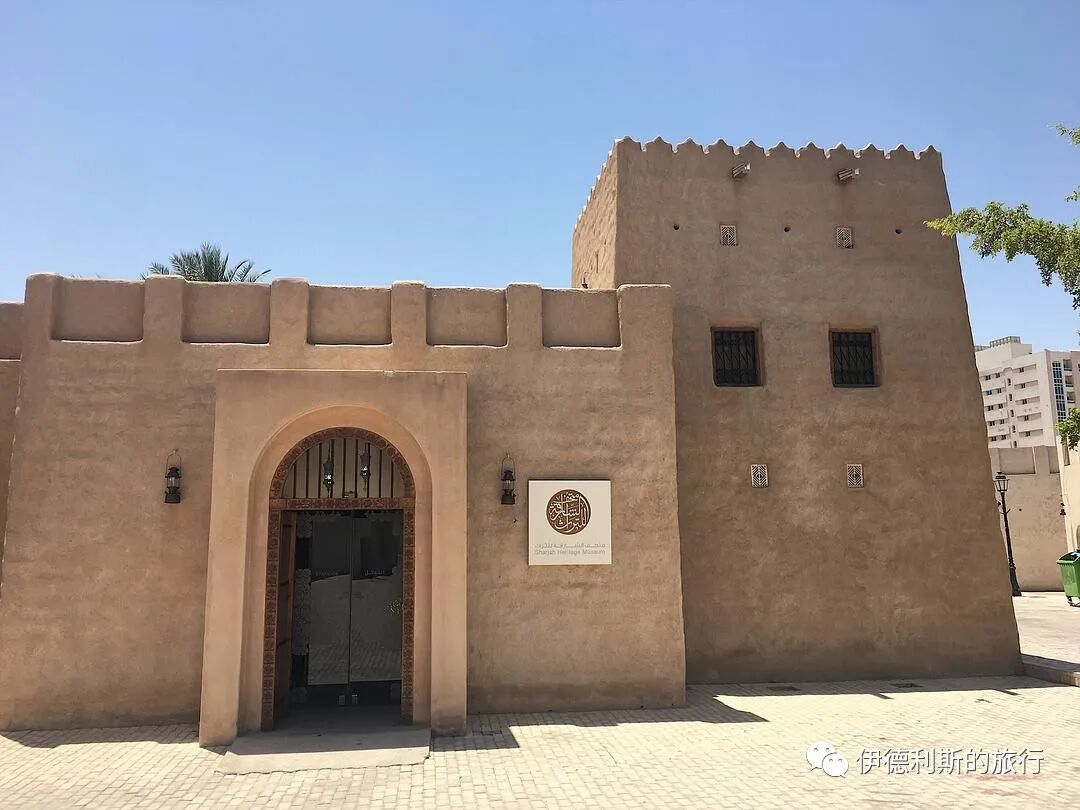
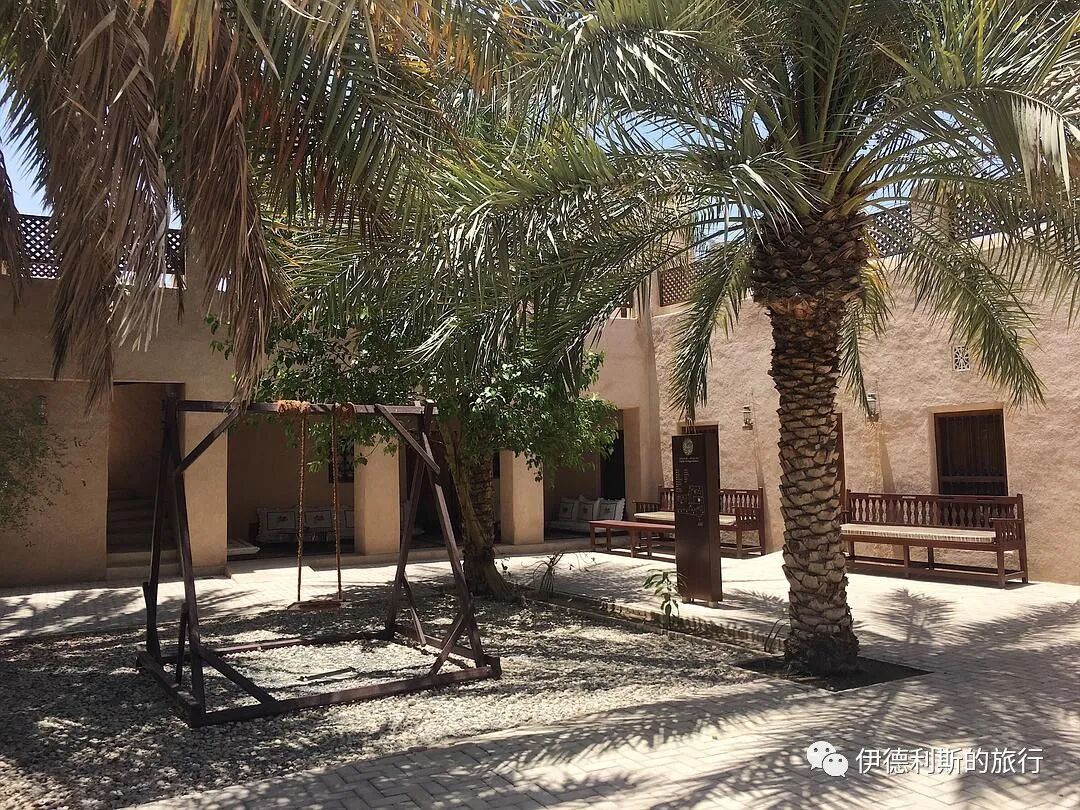
The historic building housing the Sharjah Heritage Museum was built in 1795 by the pearl merchant Saeed bin Mohammed Al Shamsi. It is also known as Bait Saeed Al Taweel, which means the house of tall Saeed.
The museum shows the traditional lifestyle of the people of Sharjah through crafts, folk music, wedding ceremonies, and folktales.
Staff members wearing traditional robes (kandura)
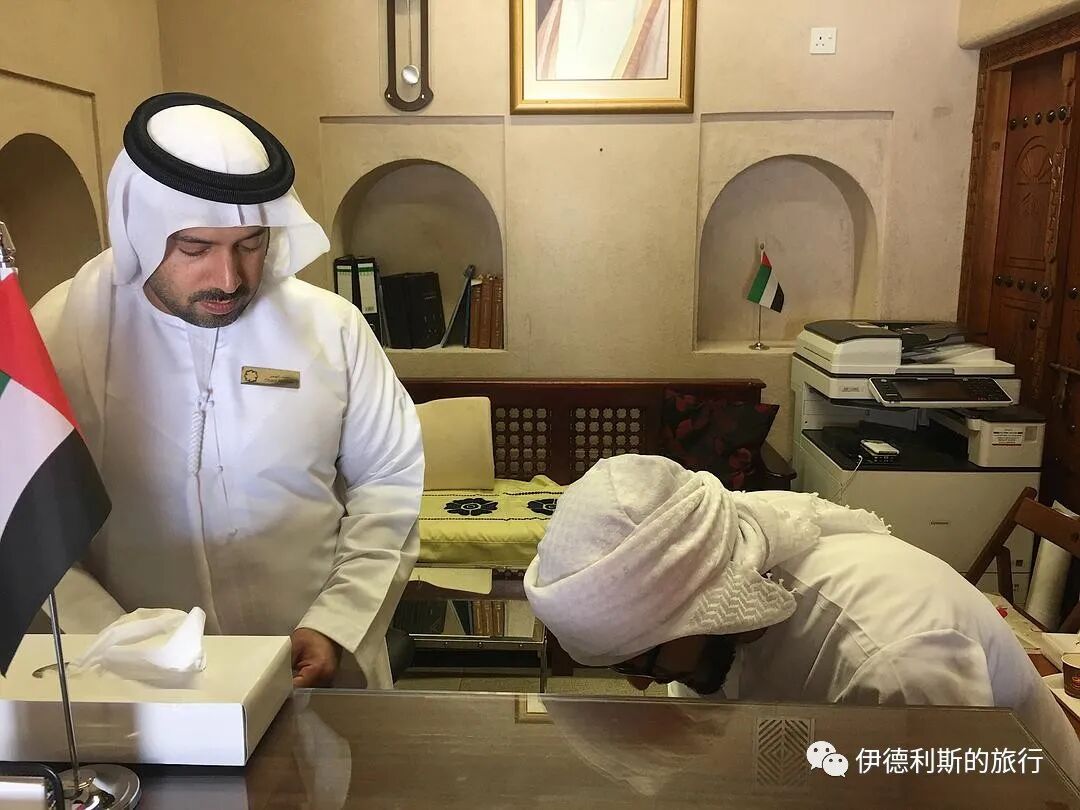
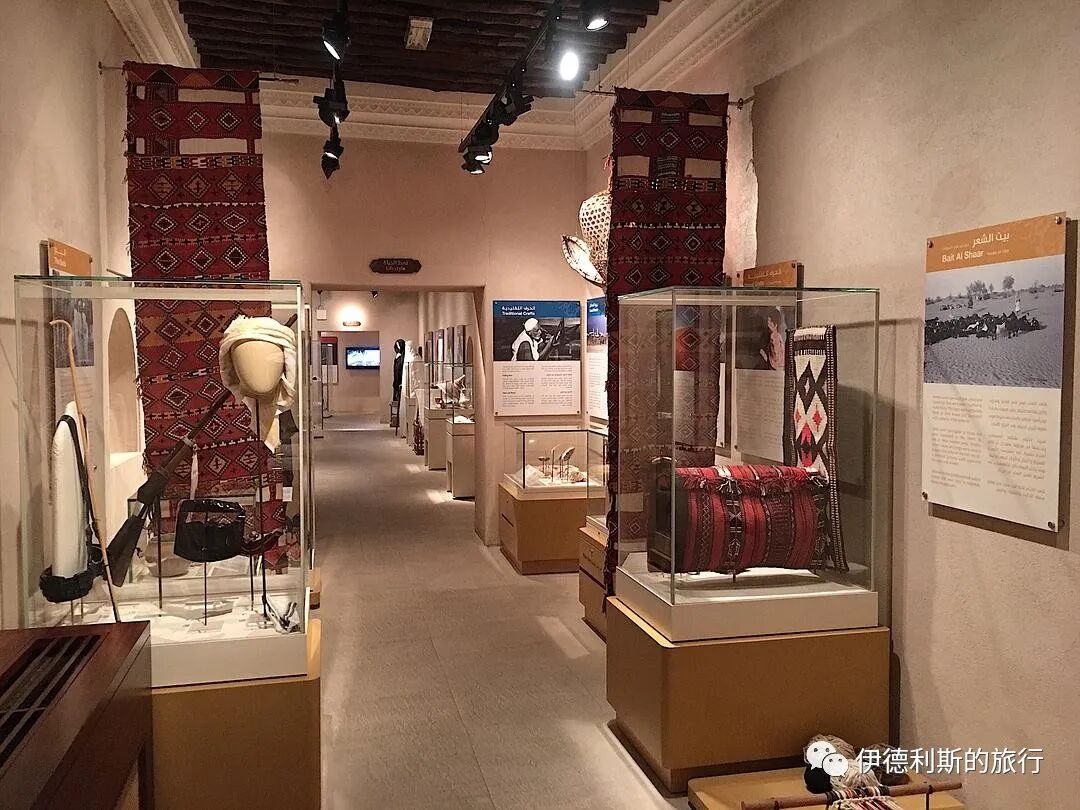
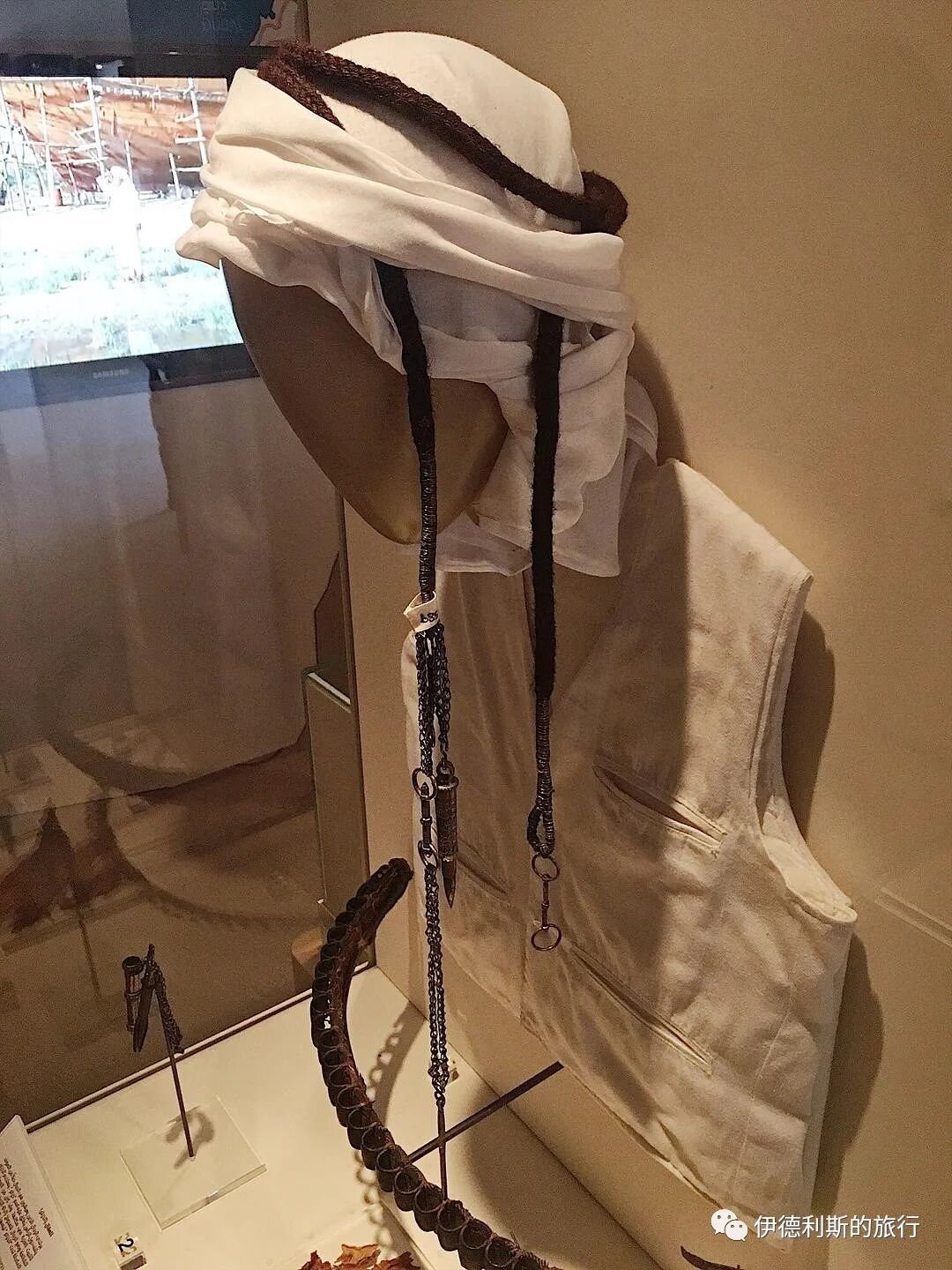
Traditional Emirati clothing is a type of traditional dress worn by the Bedouin people of the Arabian Peninsula. The headscarf is called a keffiyeh, and the pure white version is known as a ghutrah, which is mostly made of cotton. The black cord on top is called an agal, which is traditionally made from goat hair. This headpiece appeared as early as the Lihyan Kingdom of ancient Arabia between the 7th and 1st centuries BC.
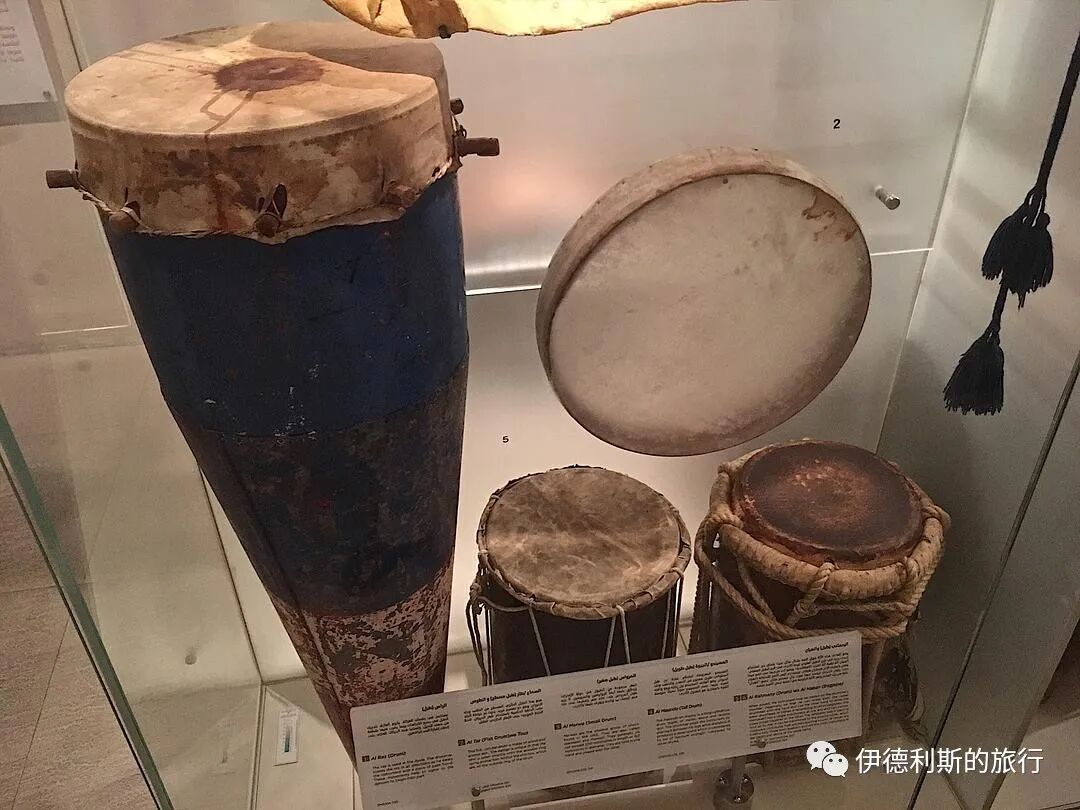
Traditional Emirati percussion instruments. The tallest drum on the left is called an al masindo. You play it while standing by holding it between your legs, and it makes a very deep sound. The Al Rahmany and Al Ras drums shown on the bottom right are both carried over the shoulder. The Al Tar drum on the top right is a type of hand drum.
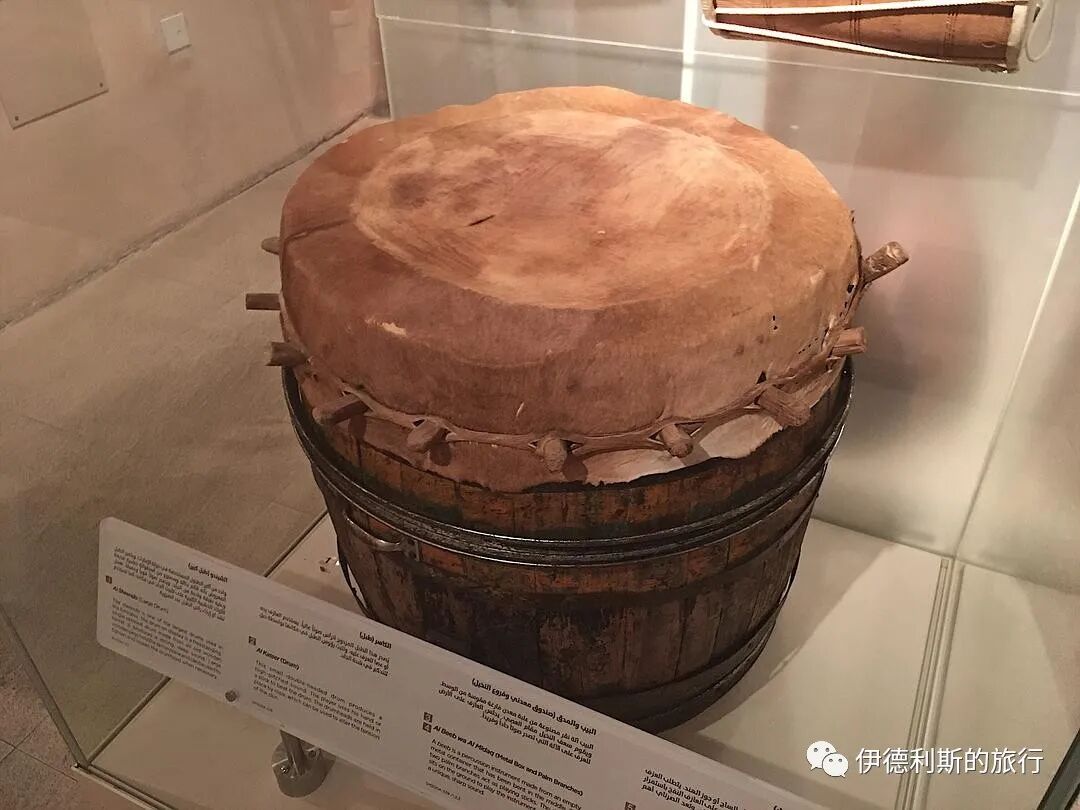
The Al Sheendo drum is the largest of the traditional Emirati drums and has the deepest sound.
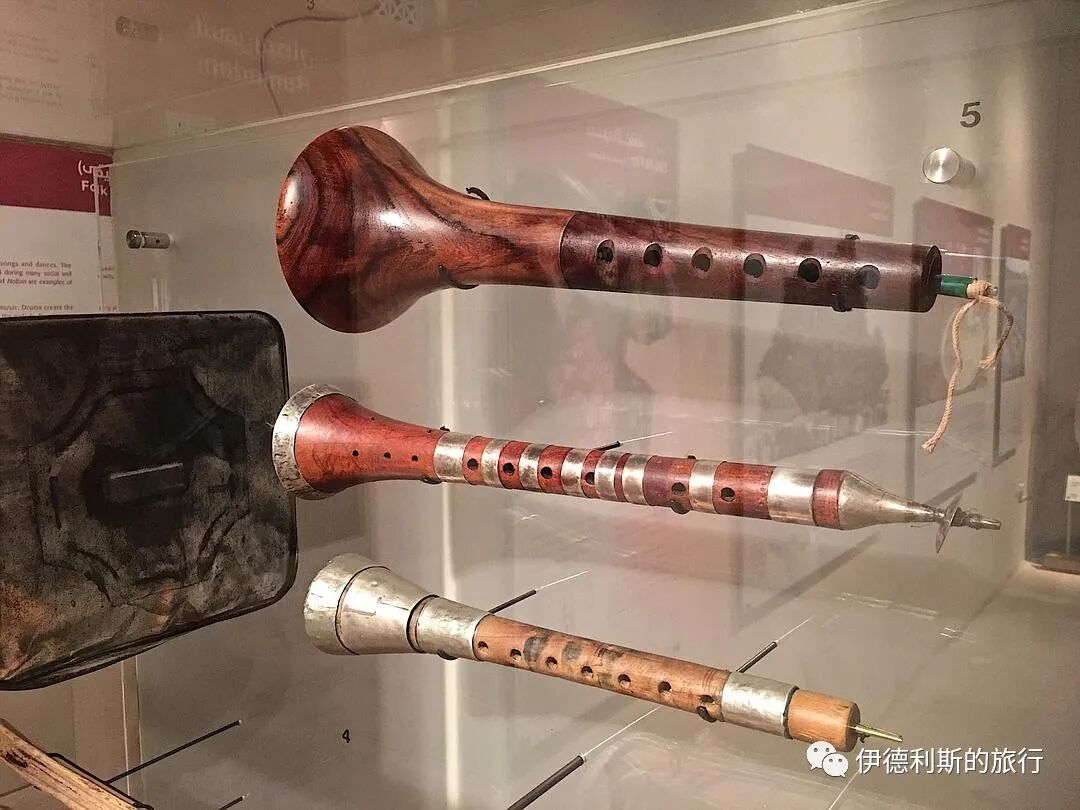
The traditional Emirati flute is called Al Simai.
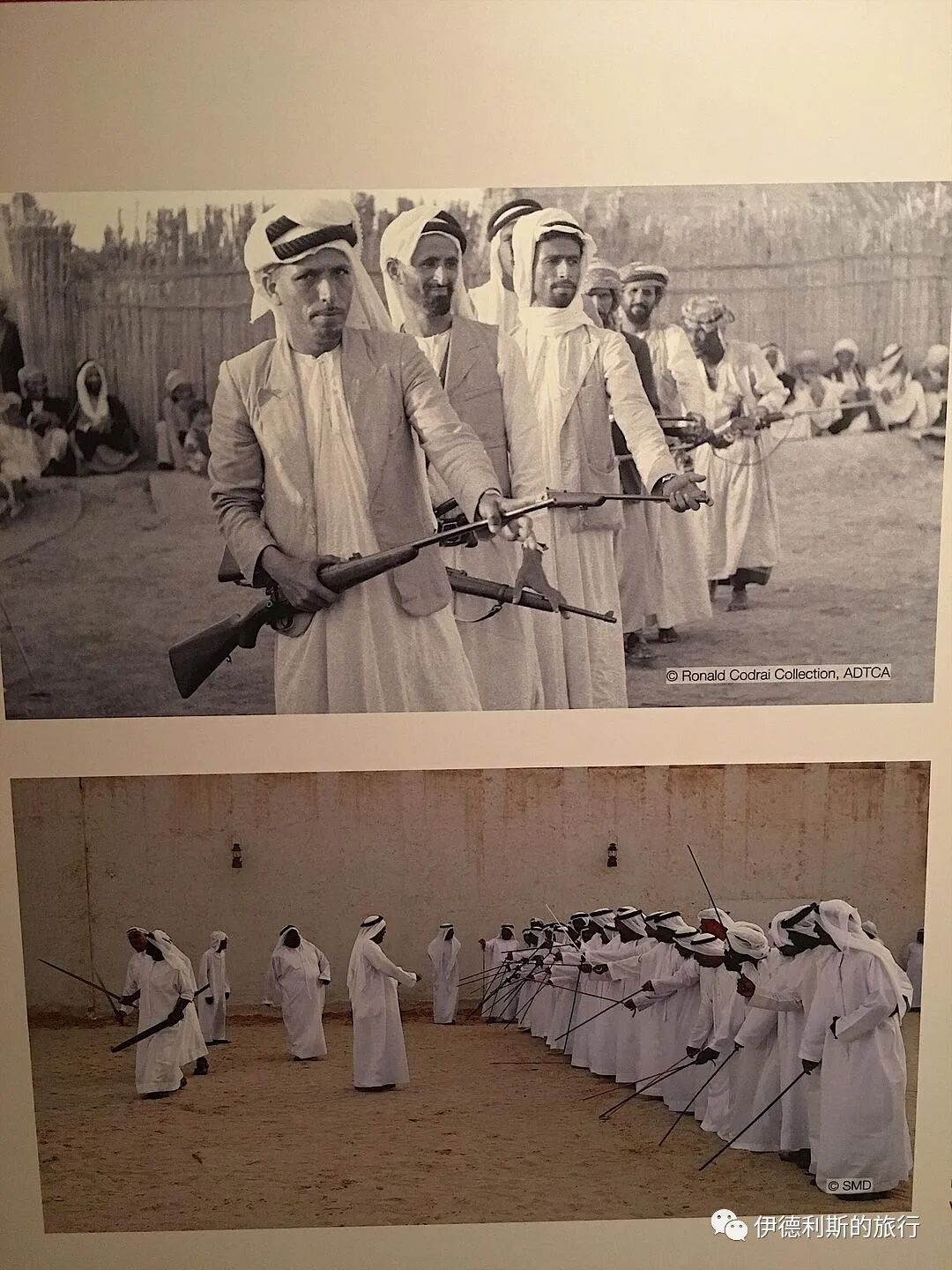
The main traditional Emirati song and dance styles are Al Ayala, Al Dan (Al Meedan), and Al Razeef, with Al Ayala being the most popular.
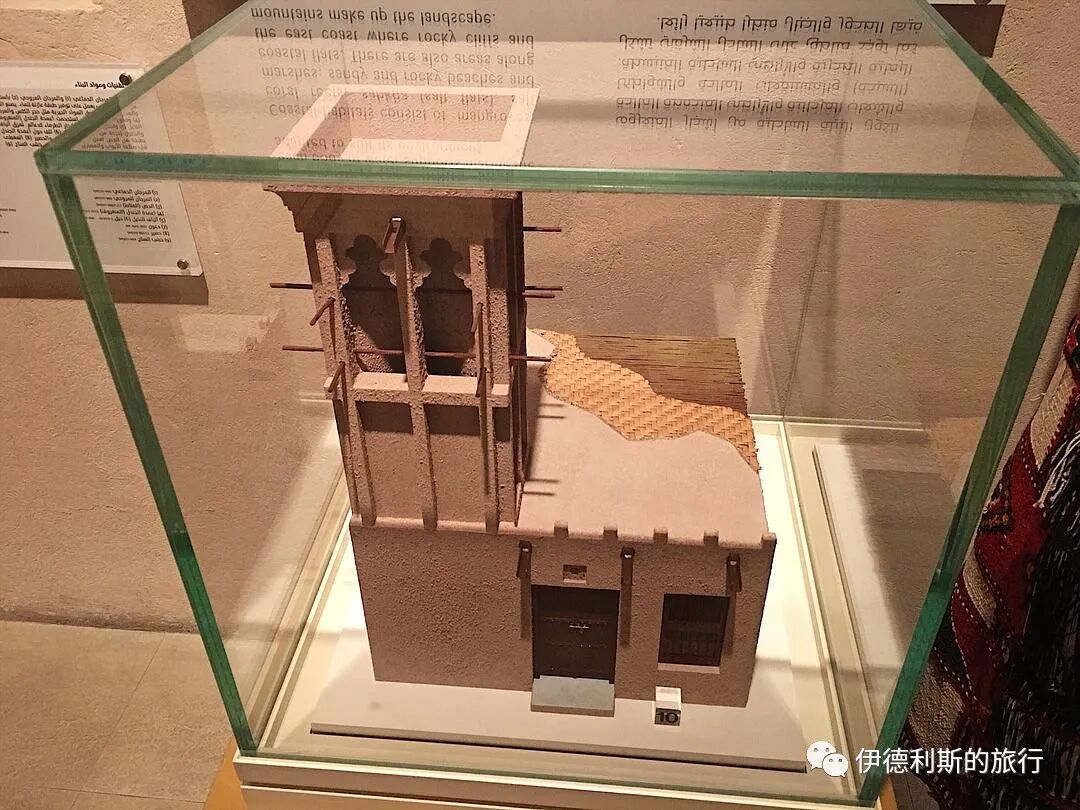
The traditional Emirati wind tower (Barjeel) is a building design that creates a natural breeze inside the house. Wind towers first appeared in ancient Egypt thousands of years ago. The Emirati wind tower design mainly comes from Persia, serving as a witness to the influence of Persian culture on the Arabian Gulf region.
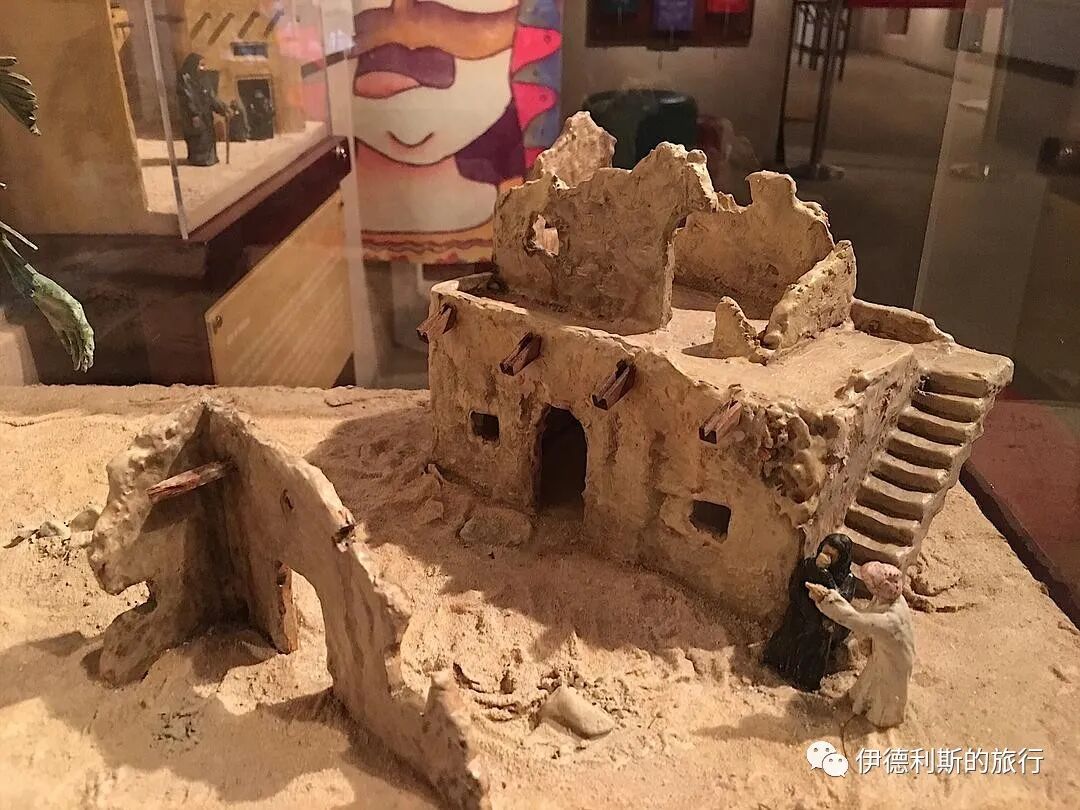
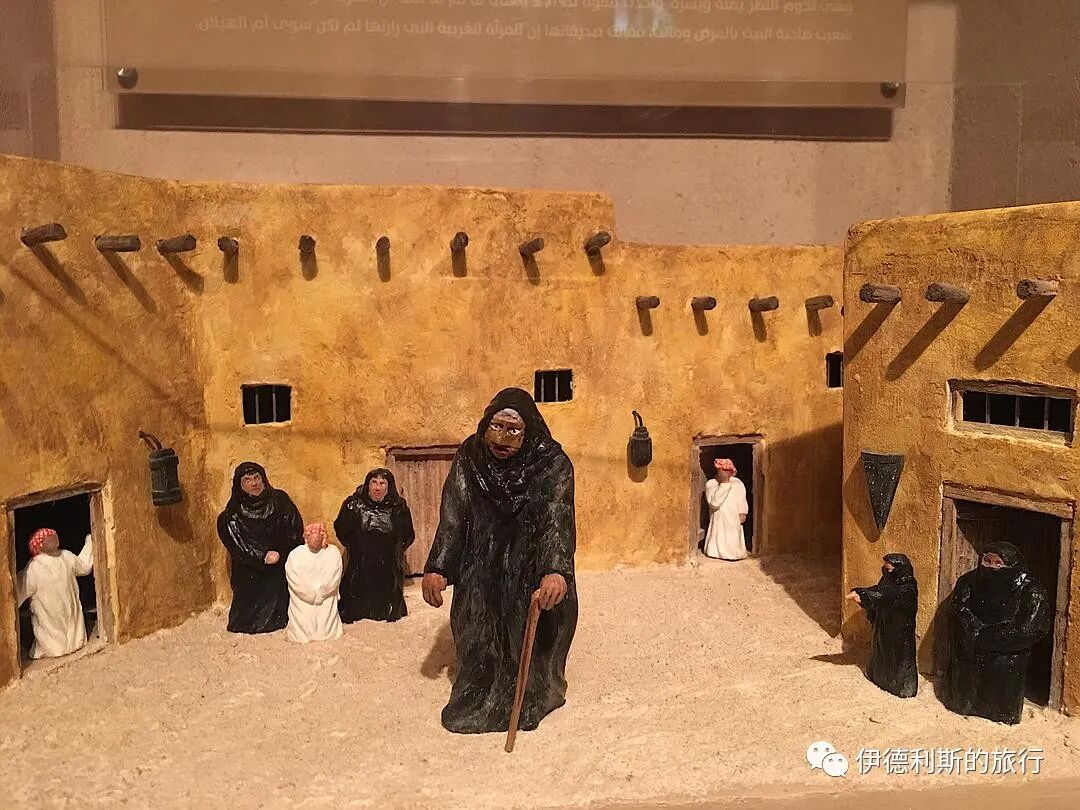
Some miniature models in the museum.
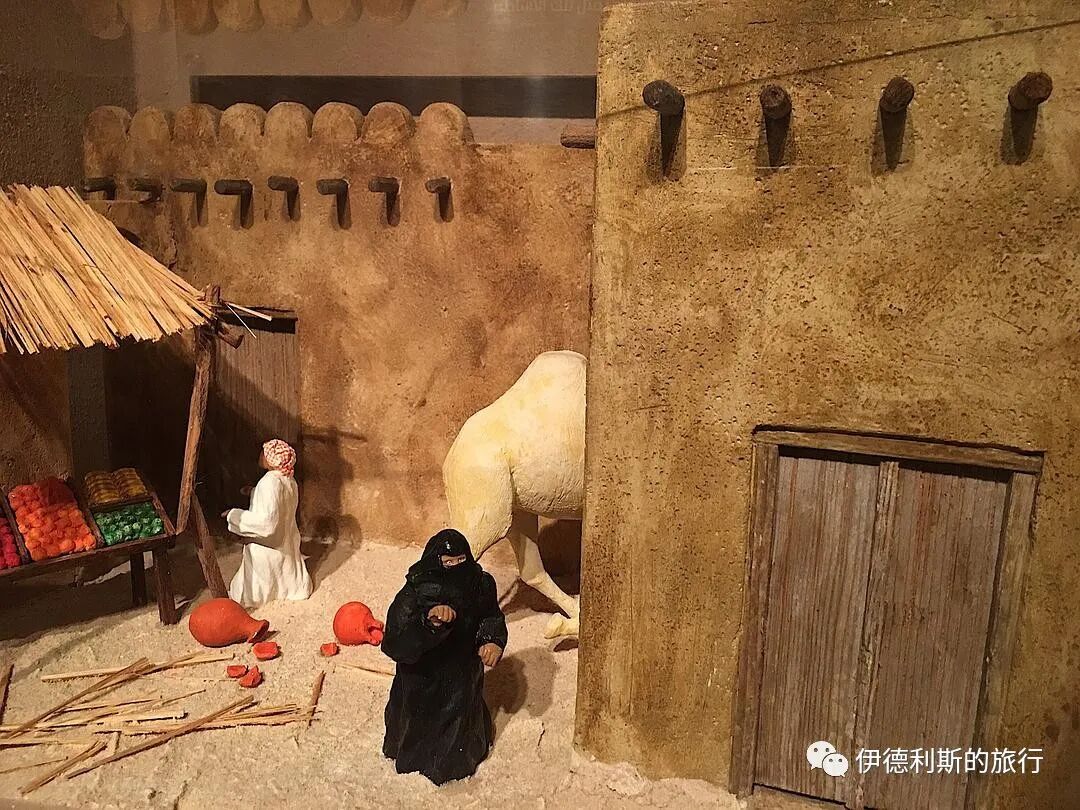
9. Sharjah House (Bait Al Naboodah).
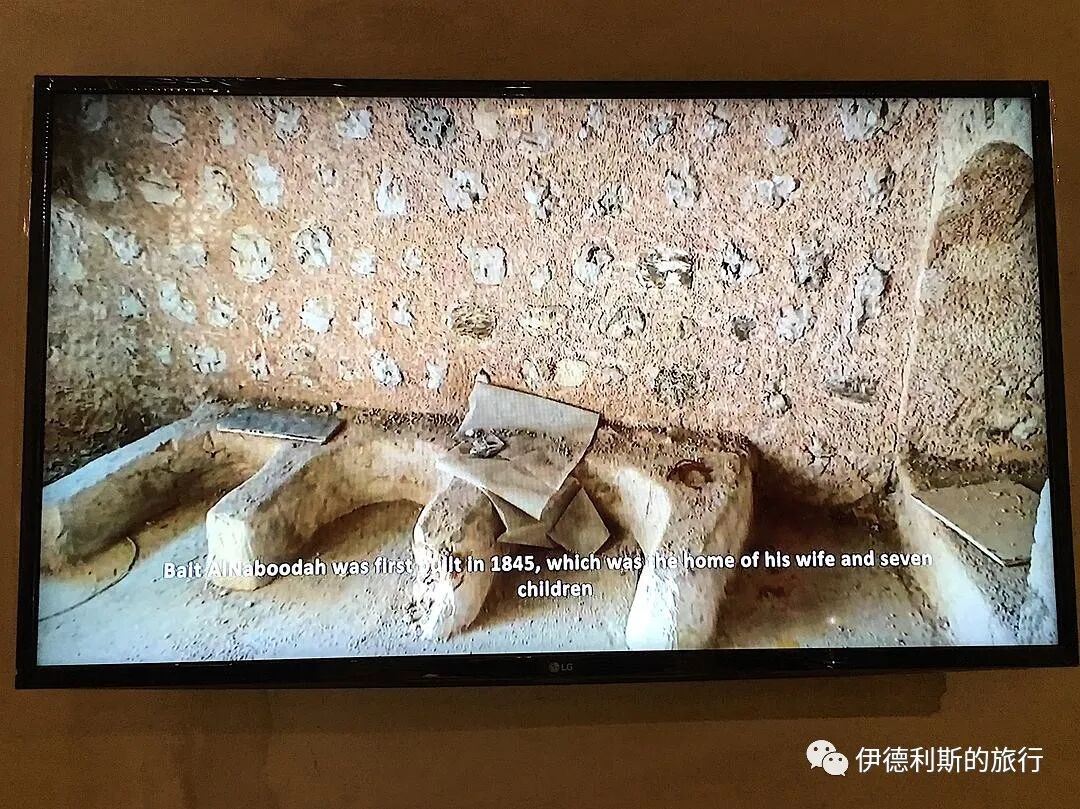
Sharjah House (Bait Al Naboodah) is the most famous traditional Gulf residence in Sharjah. It was built in 1845 by Obaid bin Eissa Bin Ali Al Shamsi, known as Al Naboodah, who was the wealthiest pearl merchant in Sharjah during the 19th century.
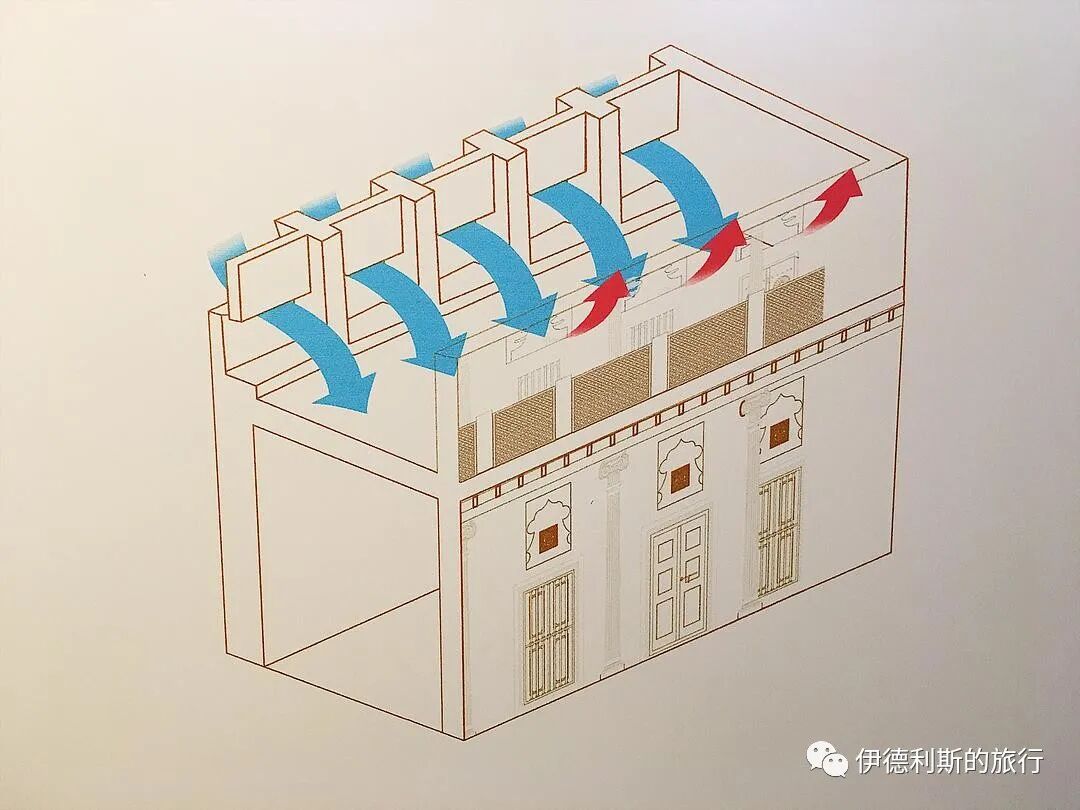
Al Naboodah’s pearl trade reached across Africa, France, and India, and he built up massive wealth specifically through his pearl business with India. In 1845, Al Naboodah rebuilt his father’s family home. The new house featured a large courtyard with coral stone walls, along with Indian teak pillars unique to Sharjah and plaster carvings made by Persian craftsmen. Unlike traditional Emirati buildings, this house did not use a wind tower (barjeel). Instead, it was the first to use a wind scoop (malaqaf) that moved air along the inside of the walls.
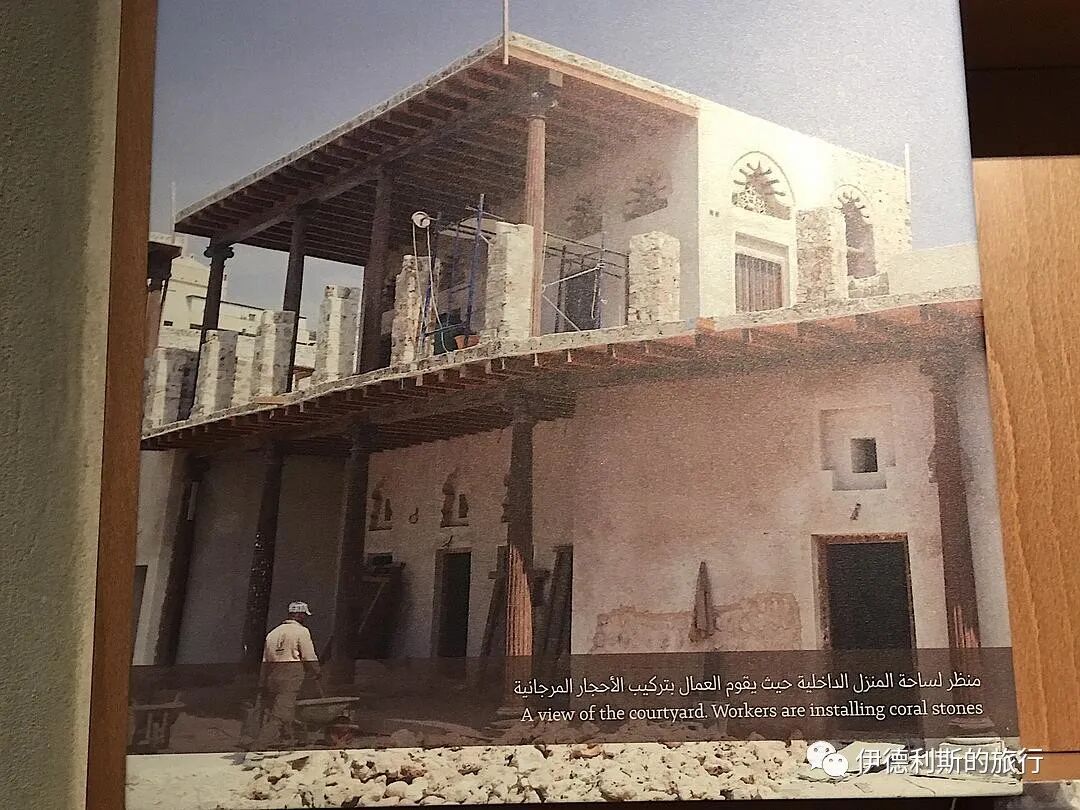
Al Naboodah’s descendants lived here until the 1970s, but the building eventually fell into serious disrepair. In the 1990s, the Sharjah Museums Authority hired a team of historians to carry out a massive, multi-year renovation. The house officially opened to the public in 1995.
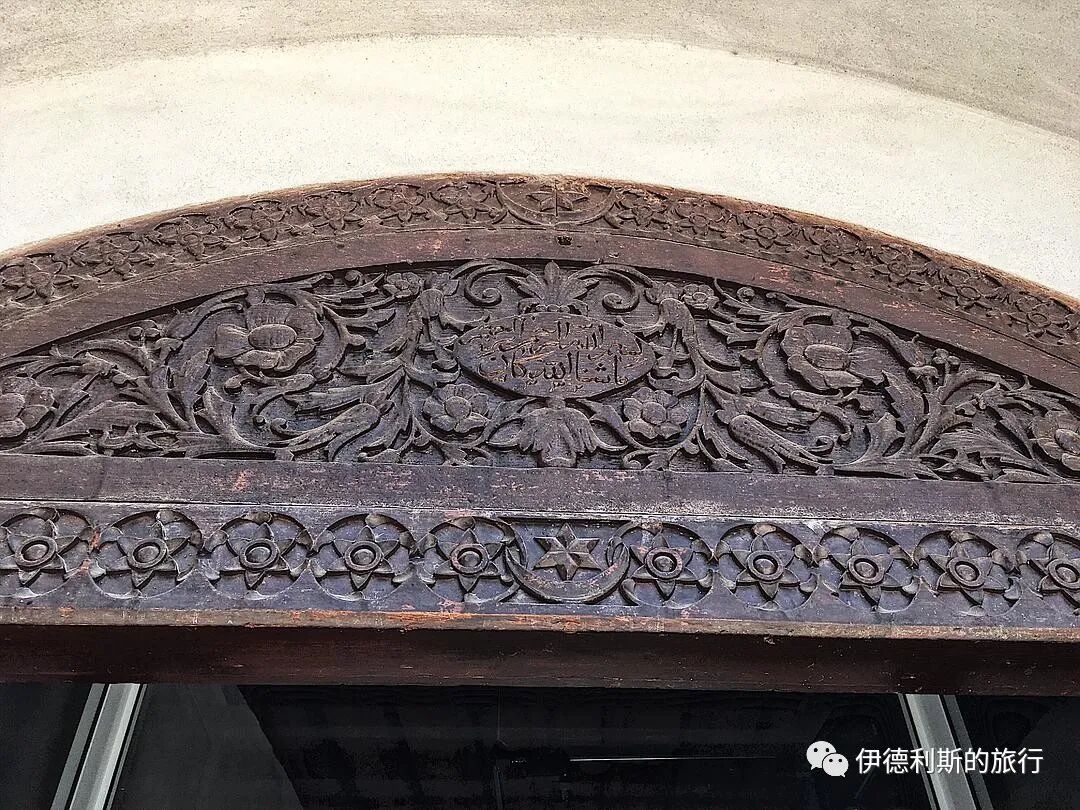
The wood carving on the main gate is the most beautiful piece preserved in Sharjah to this day.
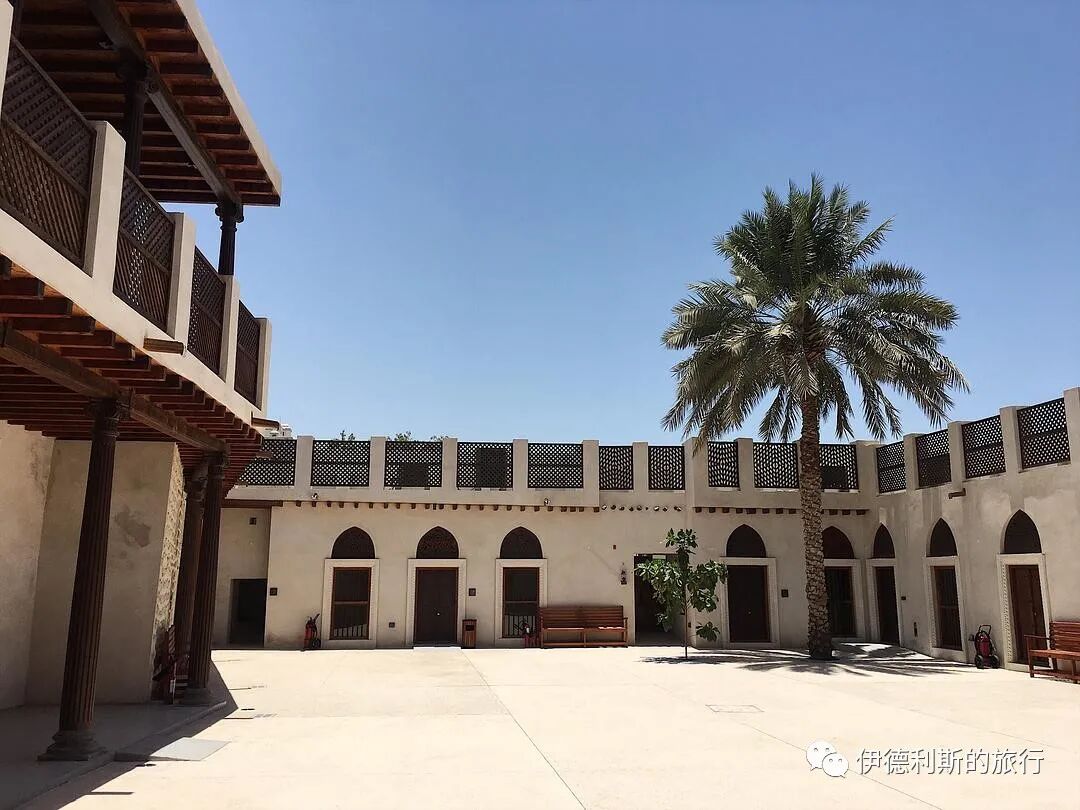
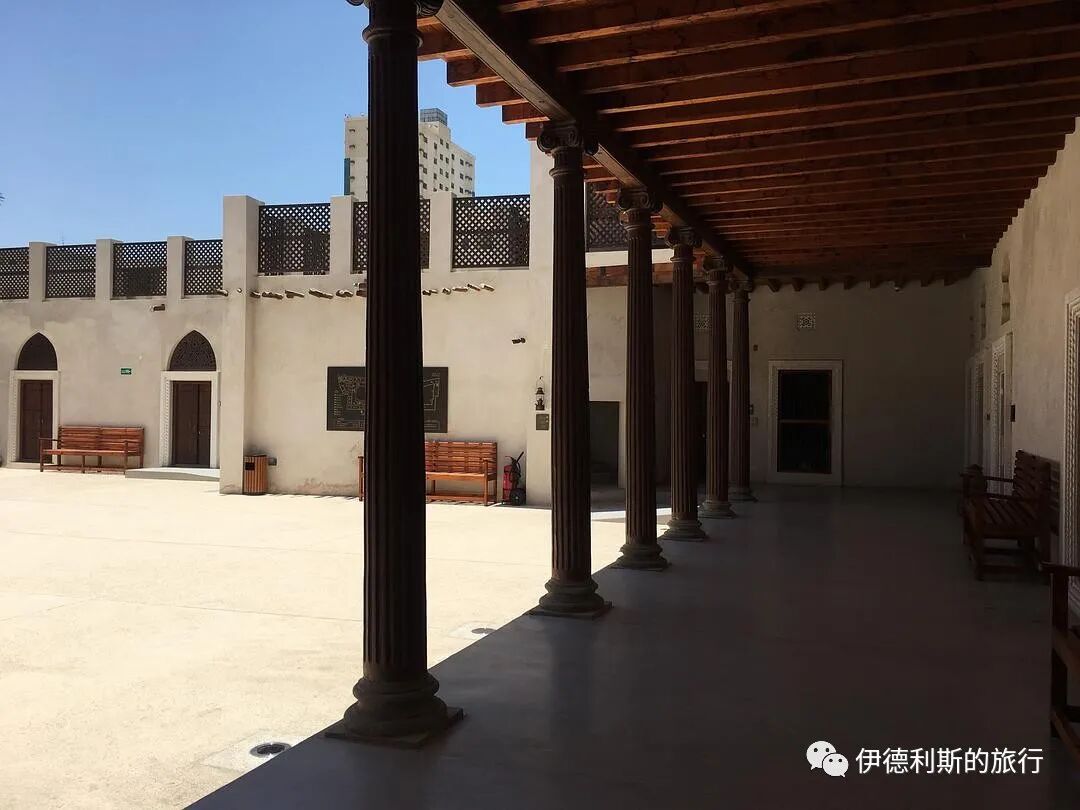
Inside the courtyard.
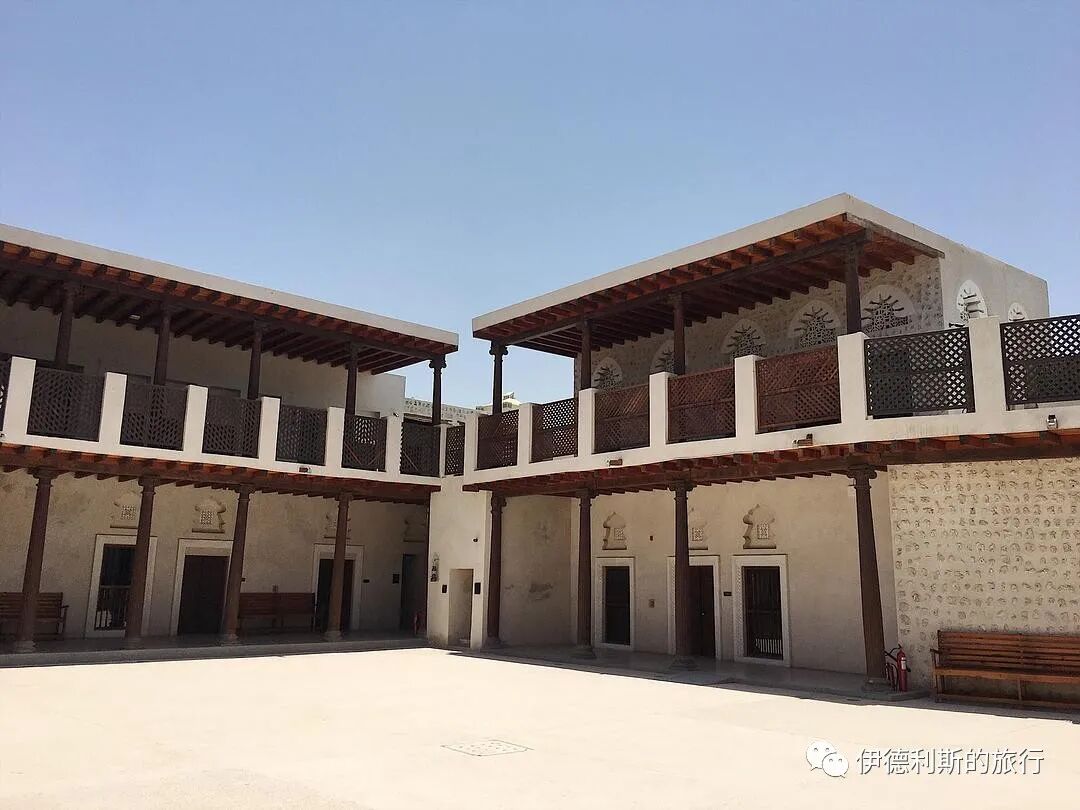
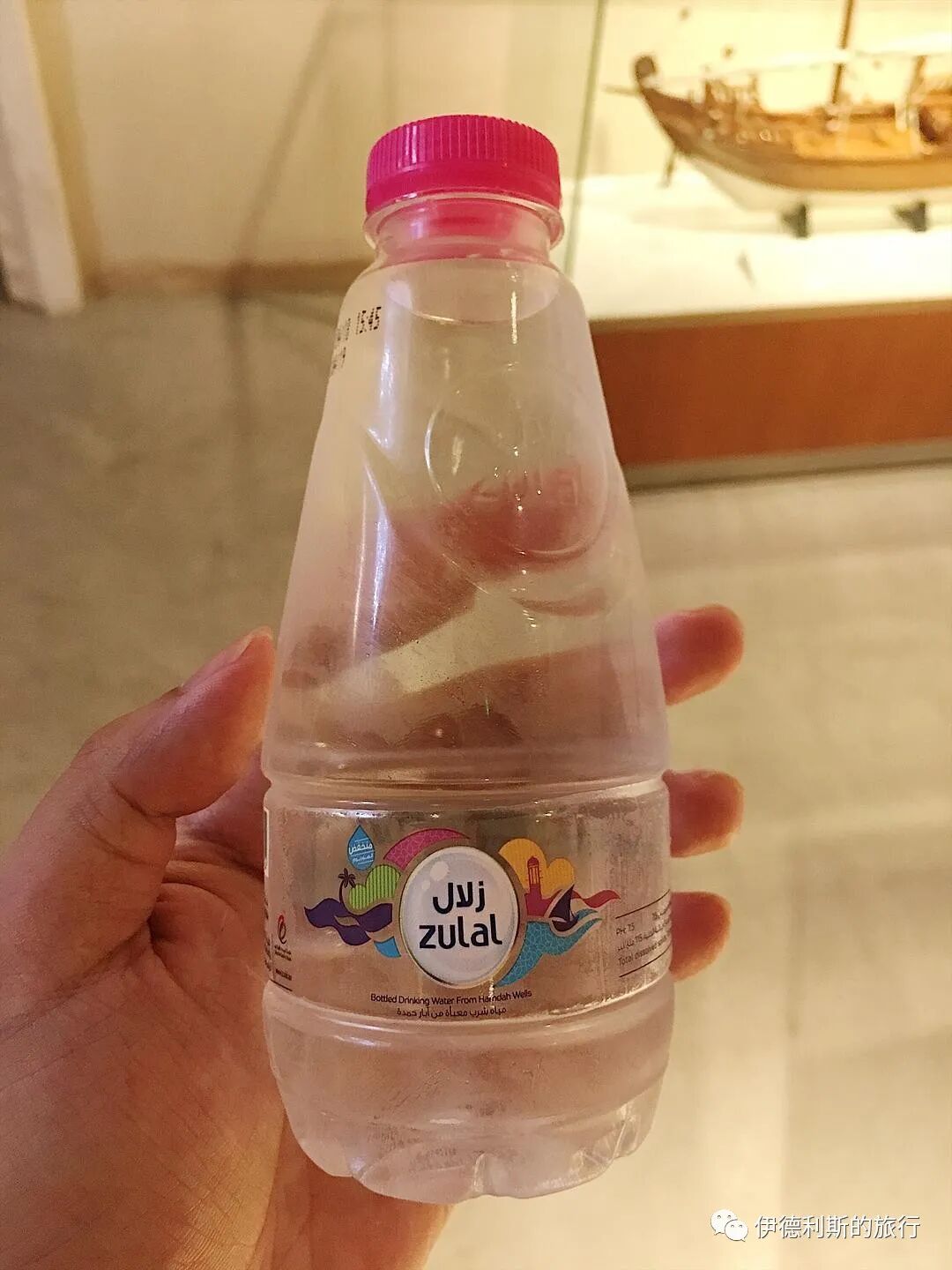
The museum staff were very welcoming and offered me some ice water.
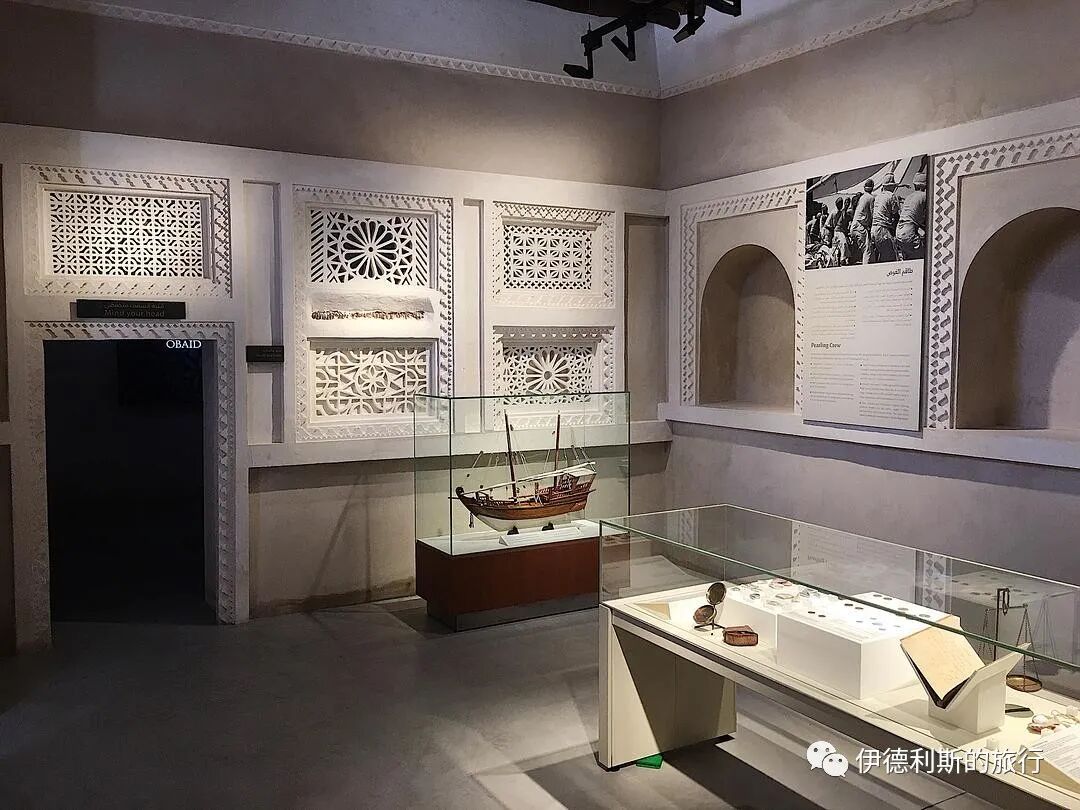
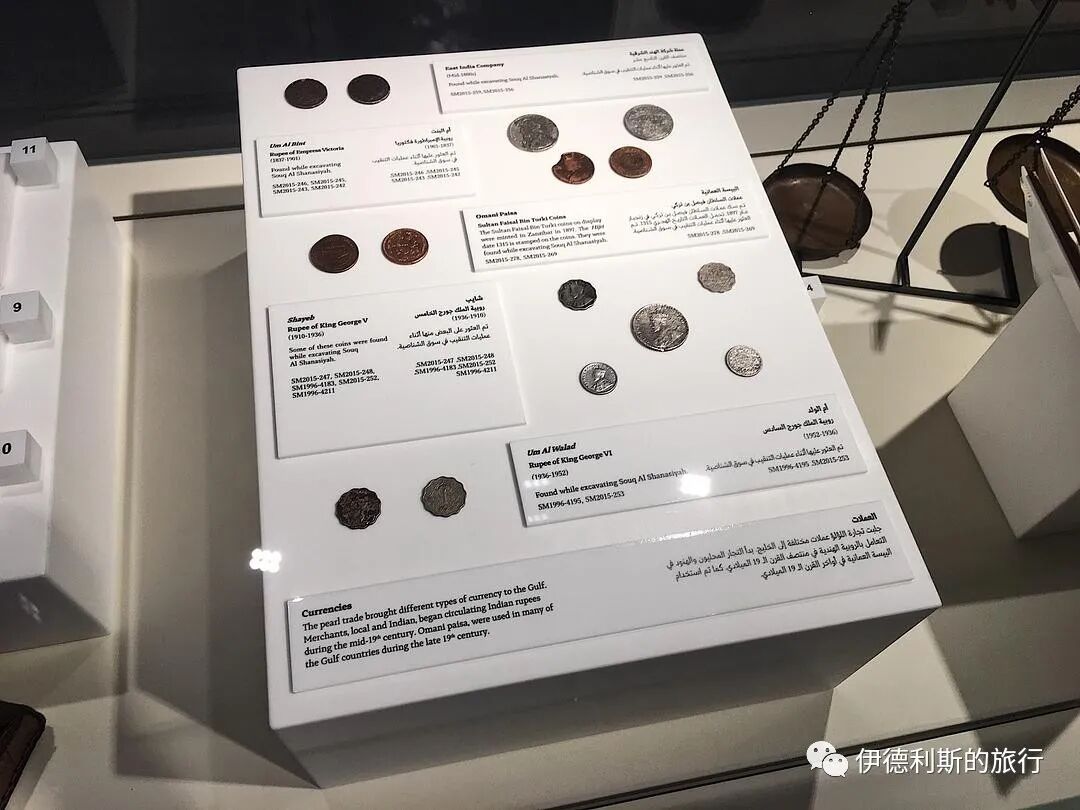
The first gallery introduces the pearl trade in the Emirate of Sharjah from the 19th to the early 20th century. It displays porcelain shards and coins found during archaeological excavations at the ancient market Souq Al Shanasiyah next to the courtyard.
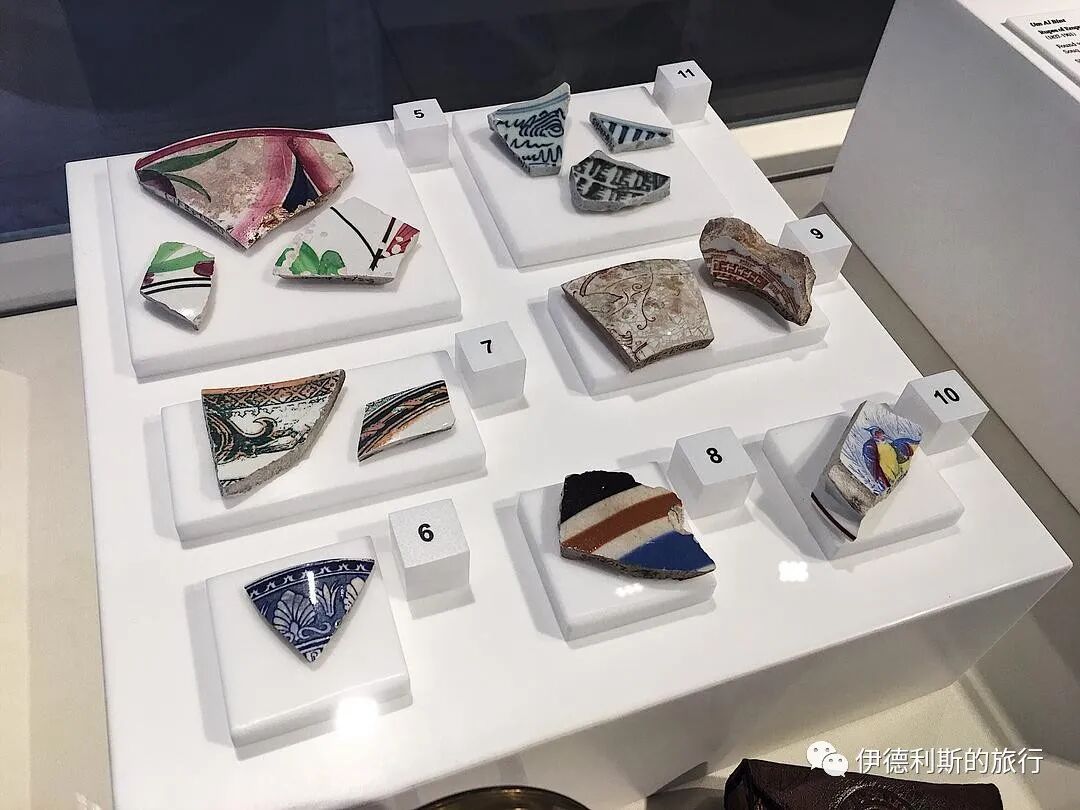
These porcelain shards come from different countries including France, Britain, Japan, Germany, and China.
The coins on the left side of the picture are all from British India.
Top left is a Victoria rupee (1837-1901).
Middle left is a George V rupee (1910-1937).
Bottom left is a George VI rupee (1936-1952).
Top right is a coin issued by the British East India Company in the mid-19th century.
On the bottom right is a coin minted in 1897 on Zanzibar Island by Sultan Faisal bin Turki of Oman, who reigned from 1888 to 1913.
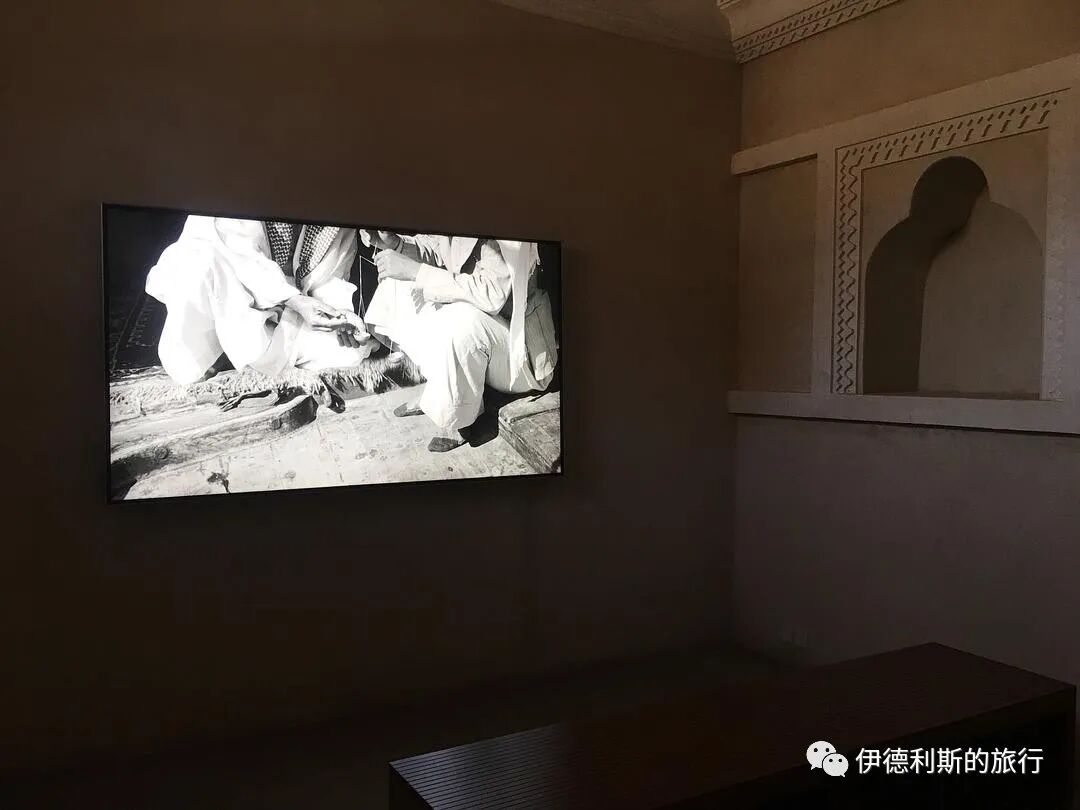
This is a high-quality documentary screening about the pearl trade in Sharjah.
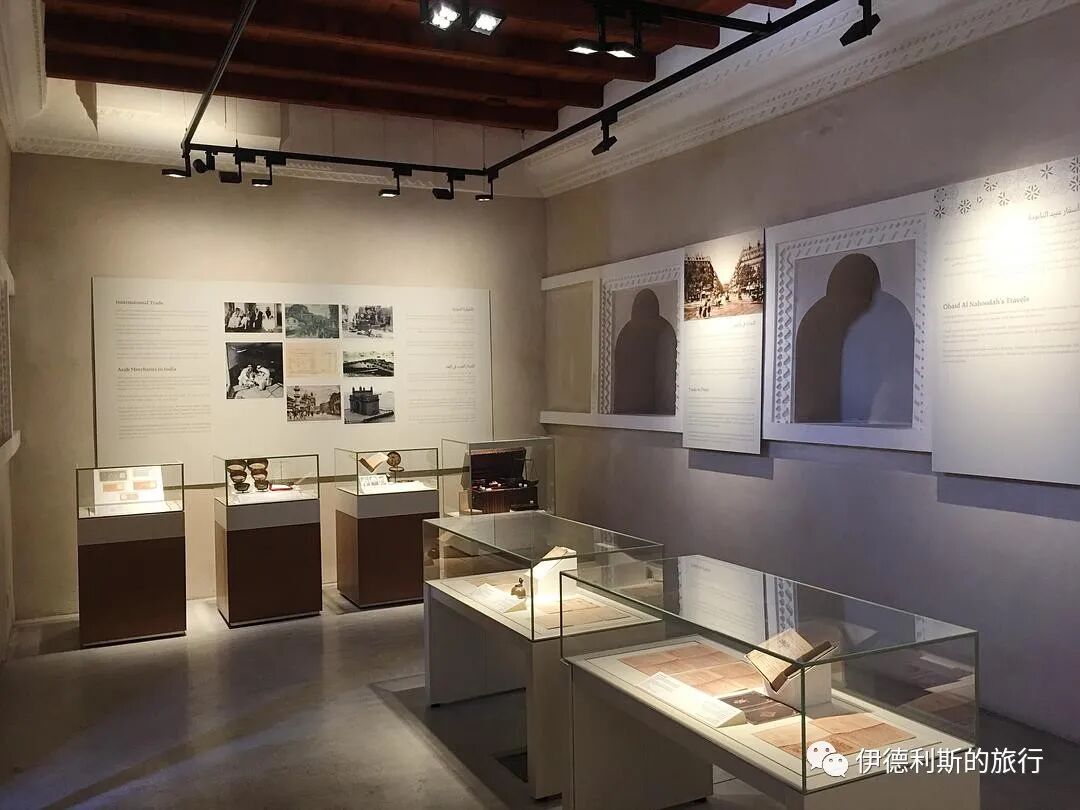
The second exhibition hall focuses on Al Naboodah to introduce the trade activities of Arab merchants from the Gulf region in India and Paris.
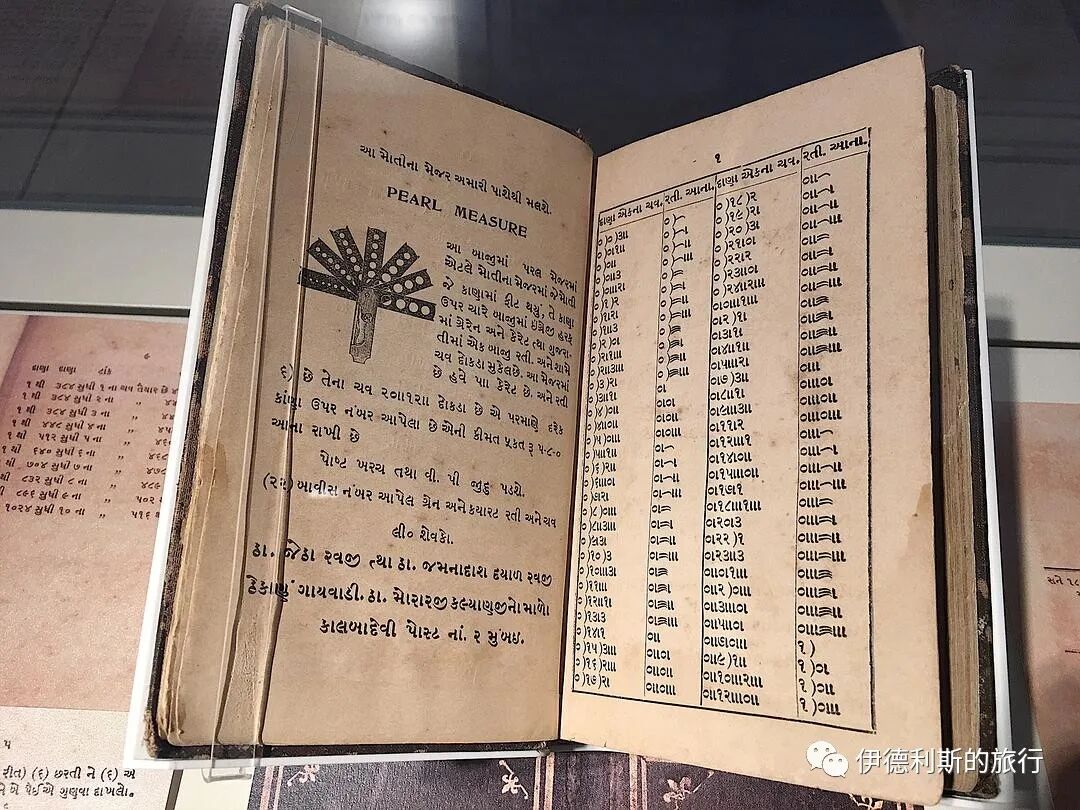
The image below shows the trade ledger of Qasim bin Mohammad Al Ibrahim (1869-1965), a pearl merchant from Kuwait. Inside, his employees used the Gujarati language of India to record the size, weight, and price of the pearls in detail.
The third exhibition hall features an interactive display of the courtyard house. You can tap on any building component on the screen to see an introduction and the restoration process for that part.
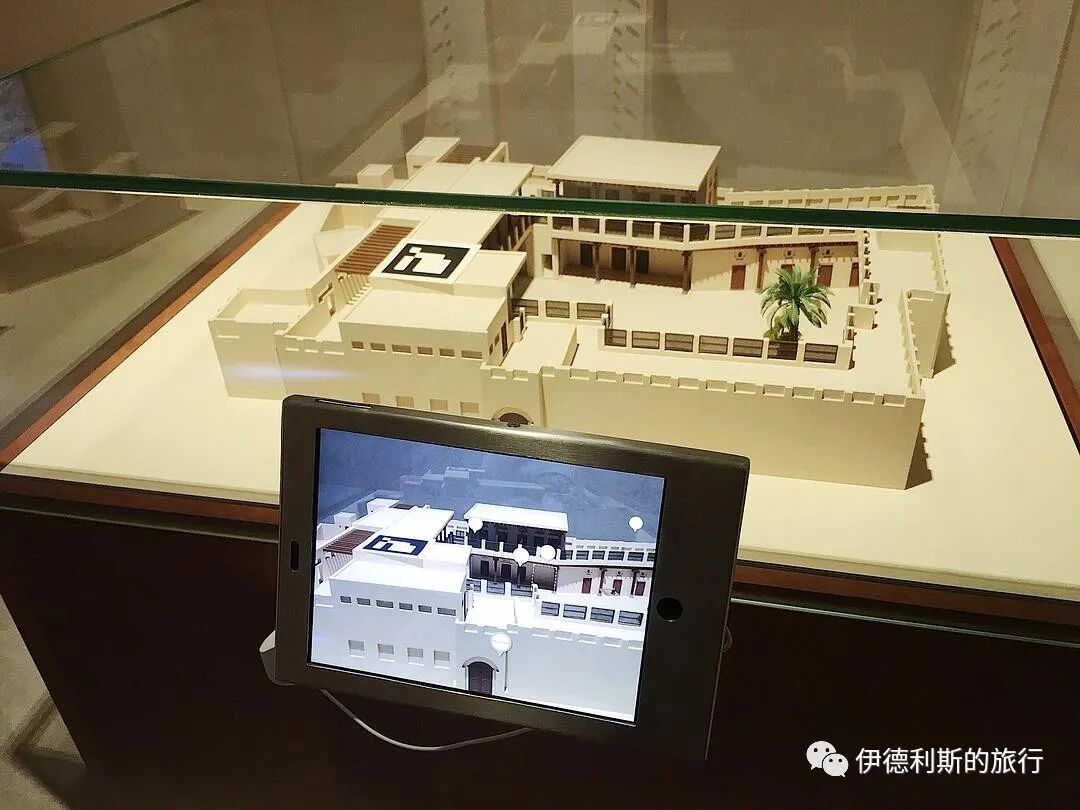
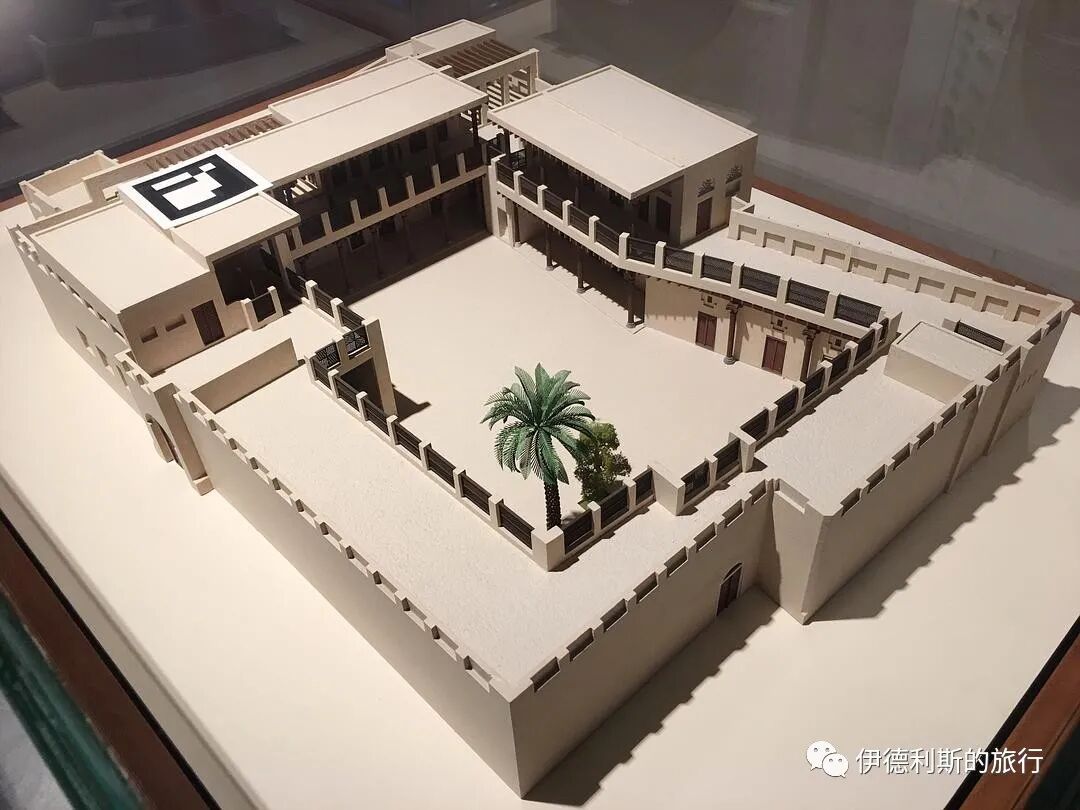
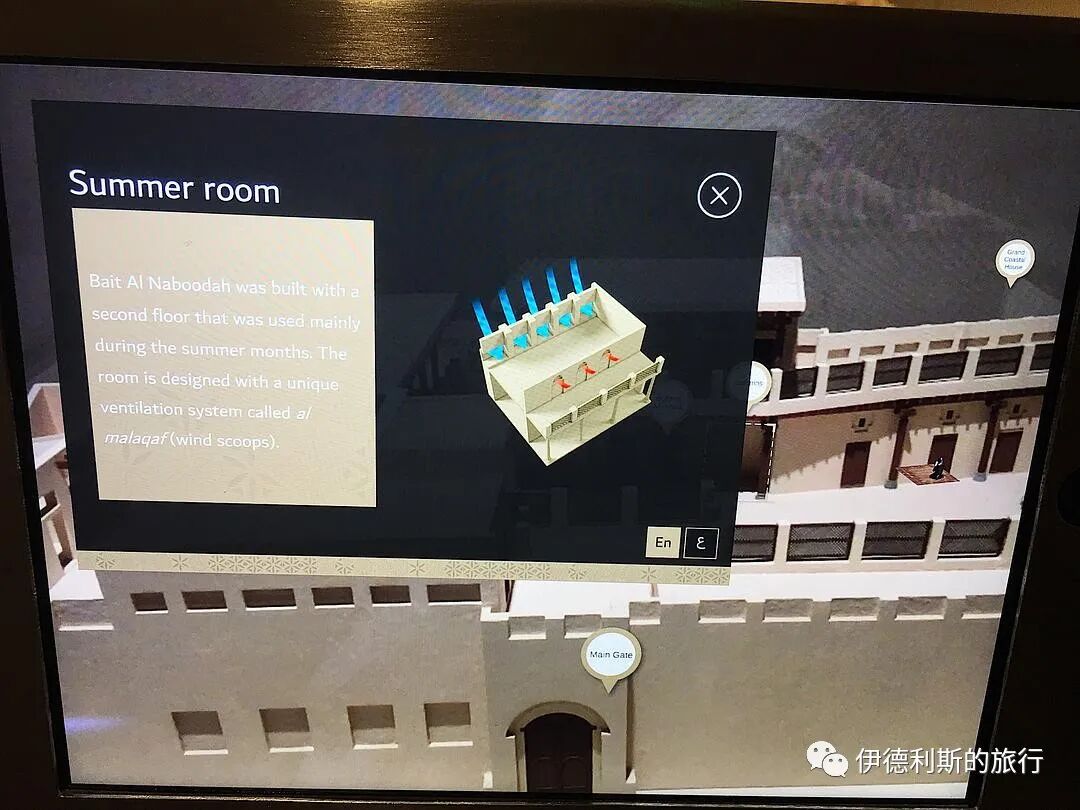
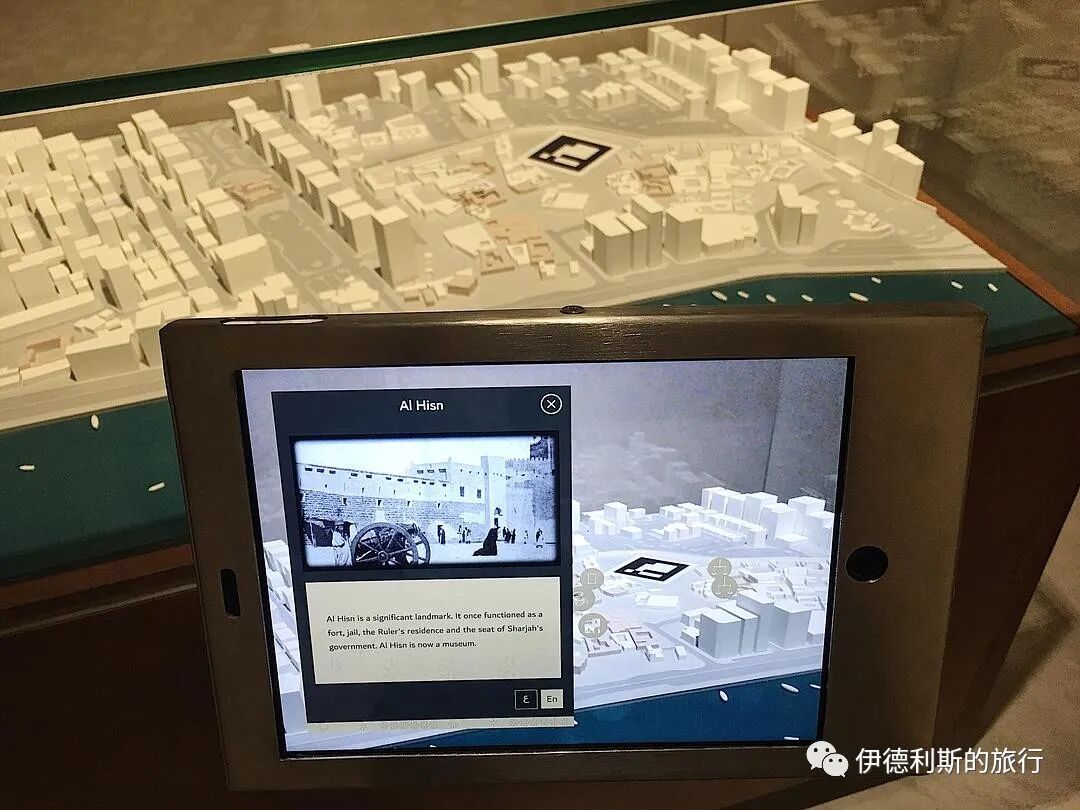
Below is an interactive display of the Heart of Sharjah (Sharjah Heart), the historic district of the entire Sharjah Emirate.
The image below shows the brain-shaped coral stone used in the courtyard.
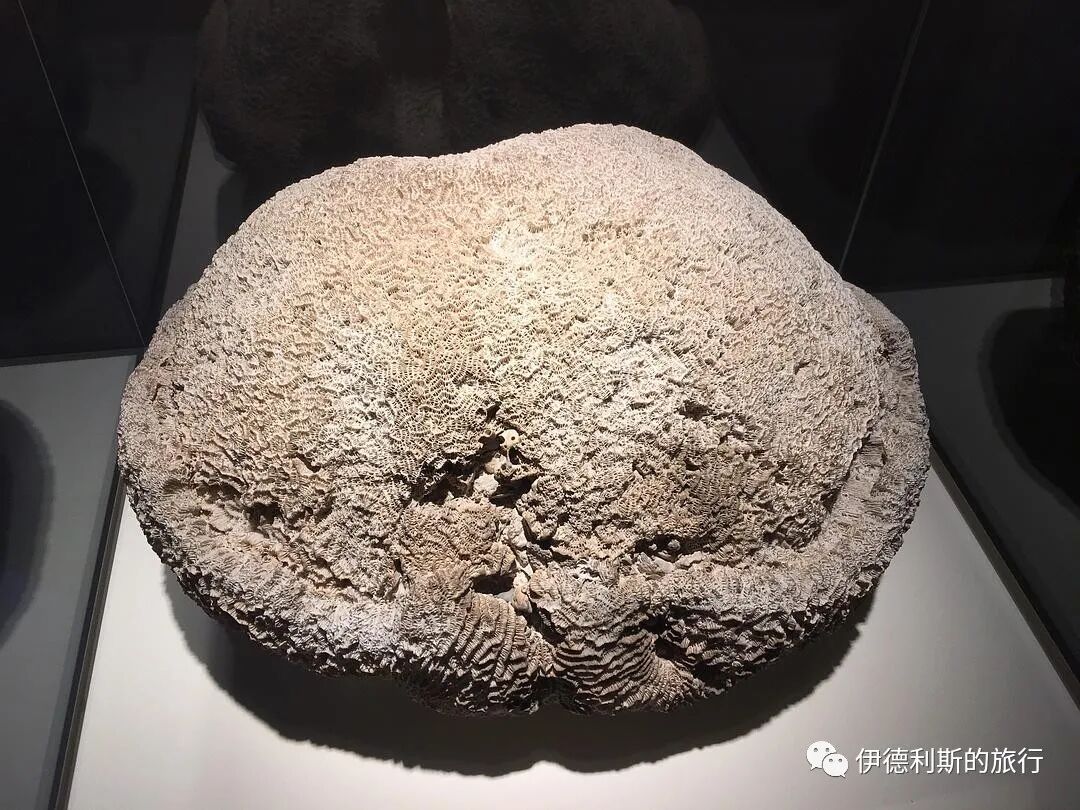
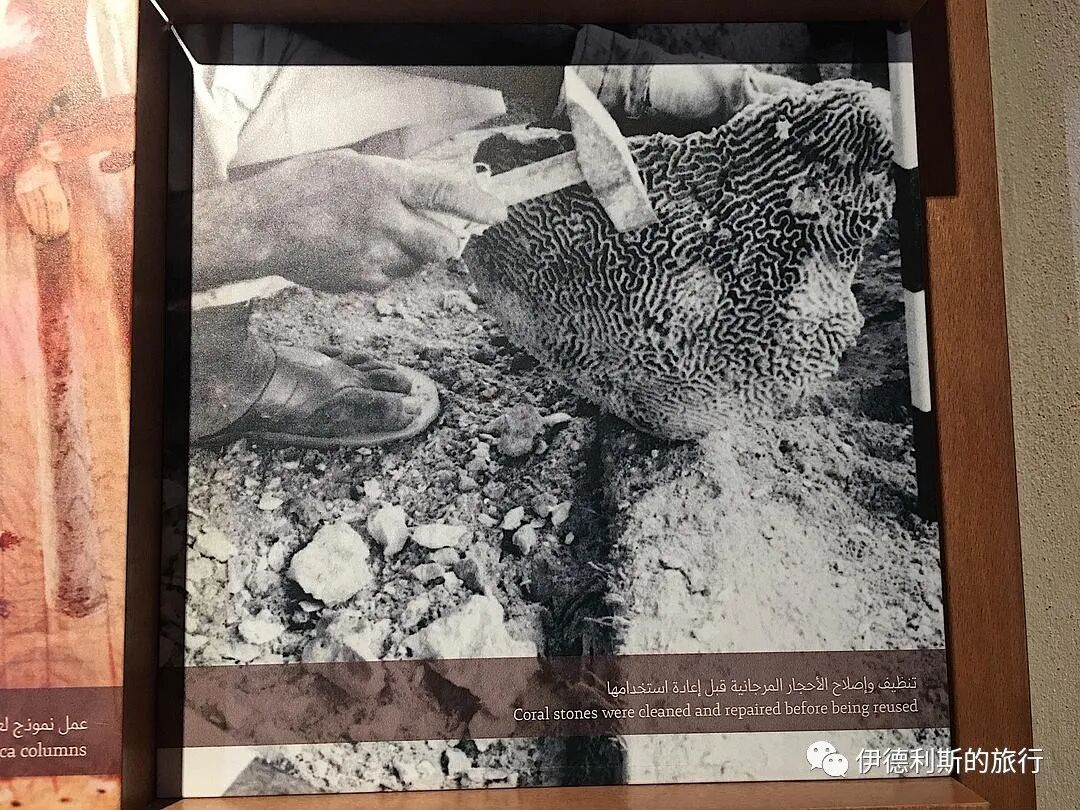
The coral stone used to build the courtyard comes in two types: brain-shaped and fan-shaped. After being pulled from the seabed, the coral must be dried in the sun. Once dried, the coral is very light but very strong. Environmental protection laws now forbid collecting coral stone. Because of this, workers must use limestone from the mountains when repairing damaged coral stone in the courtyard.
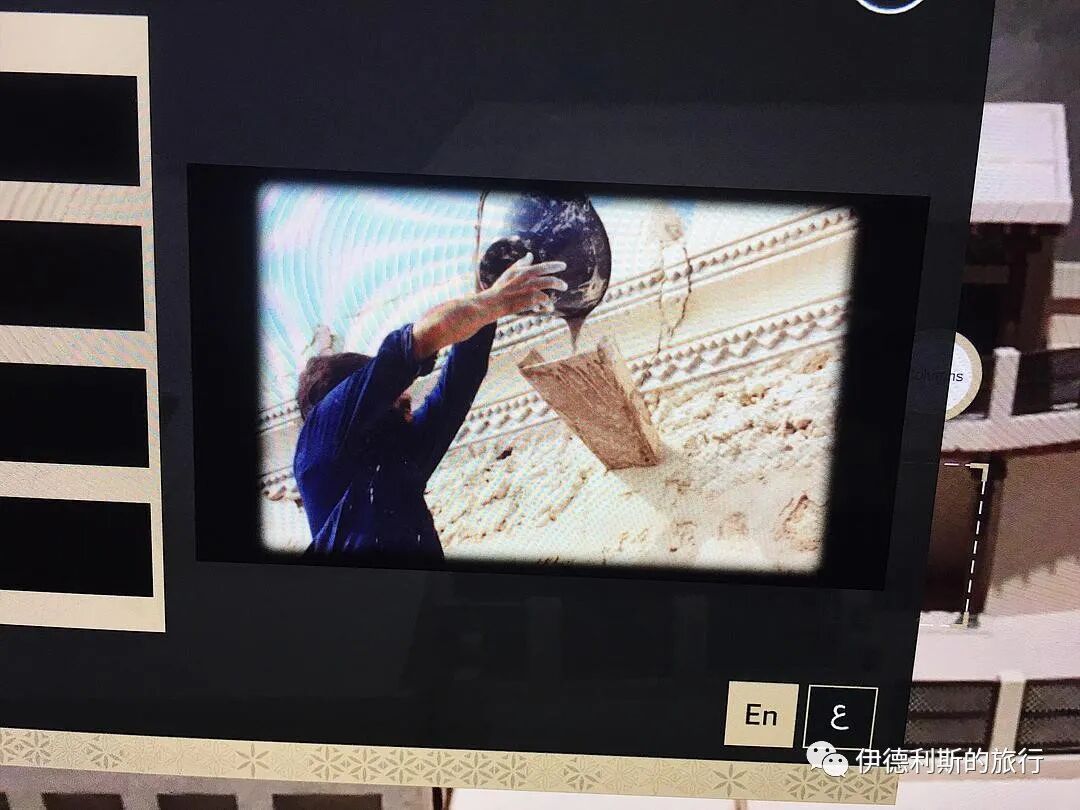
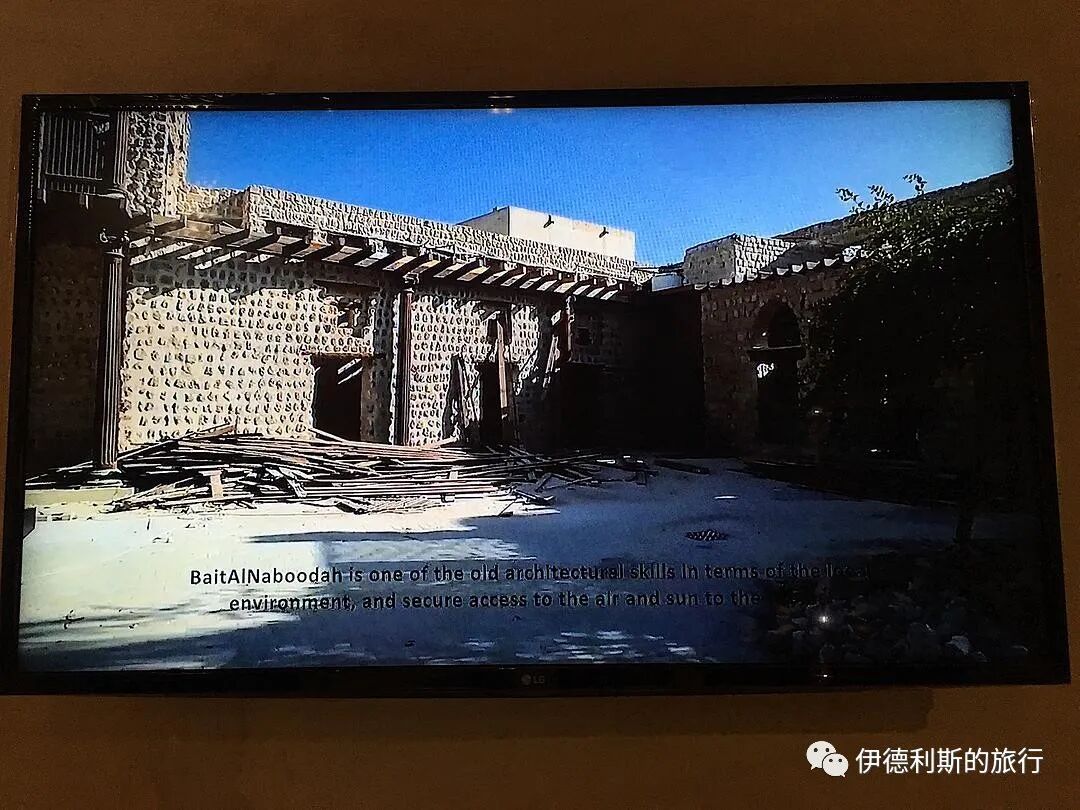
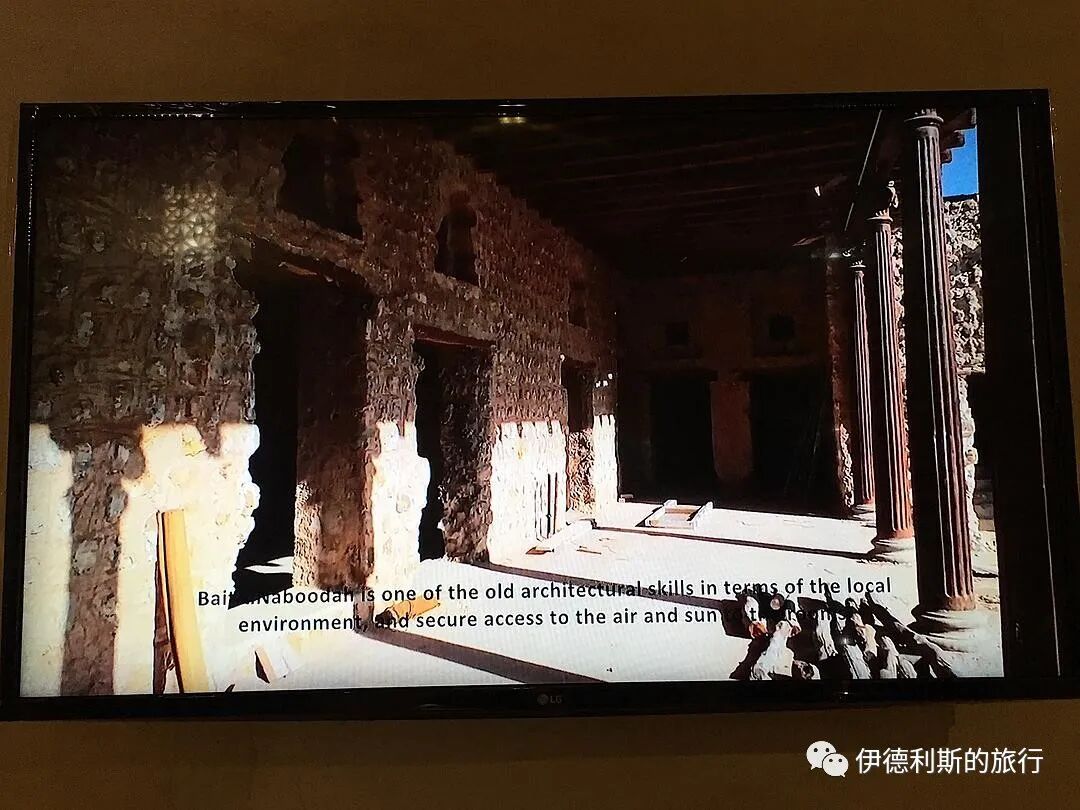
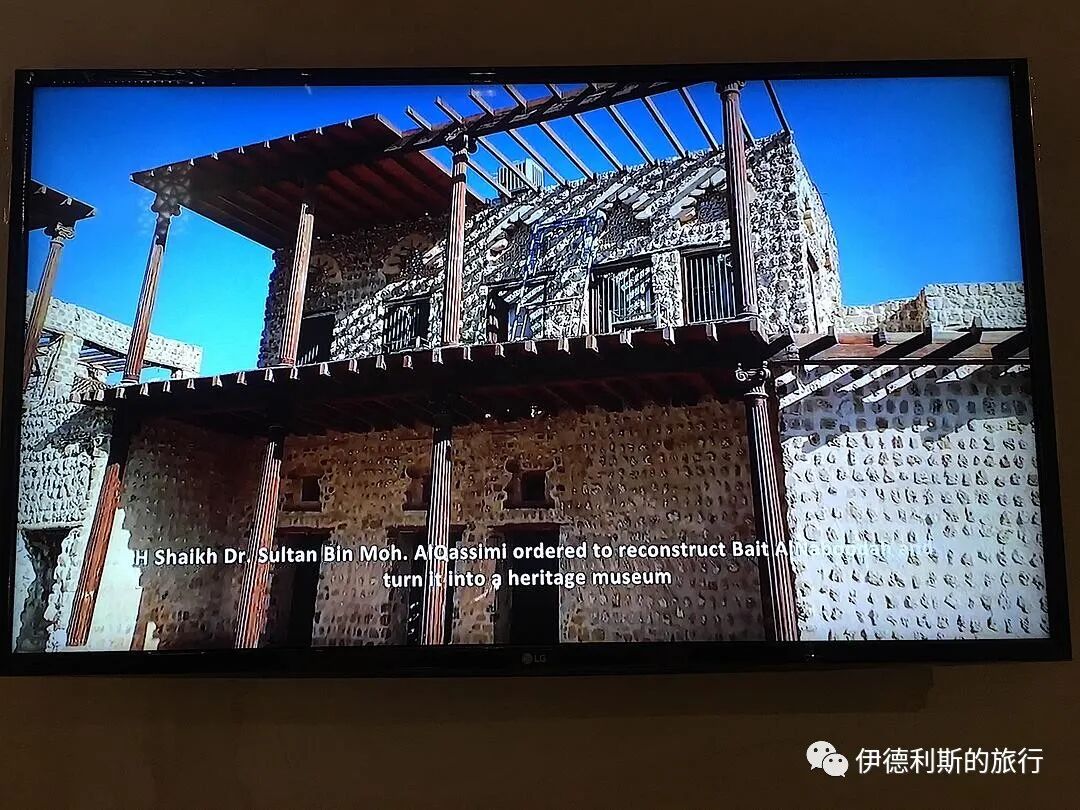
Below is a documentary about the major renovation of the courtyard in 1995.
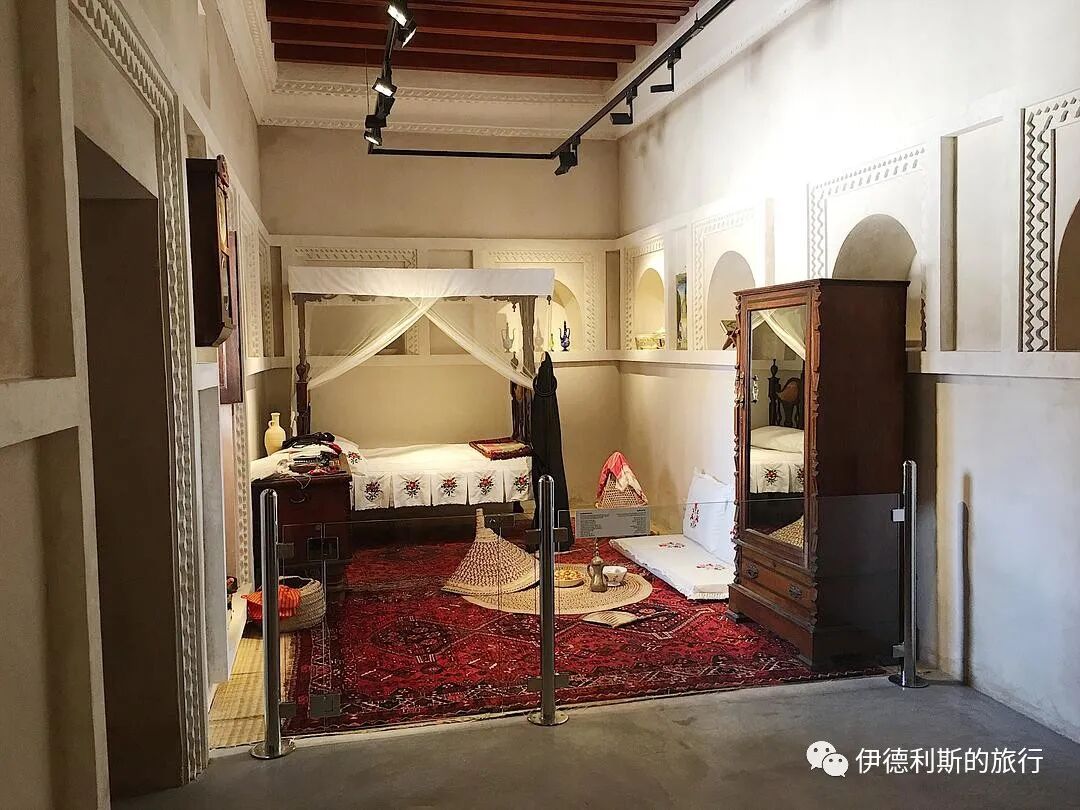
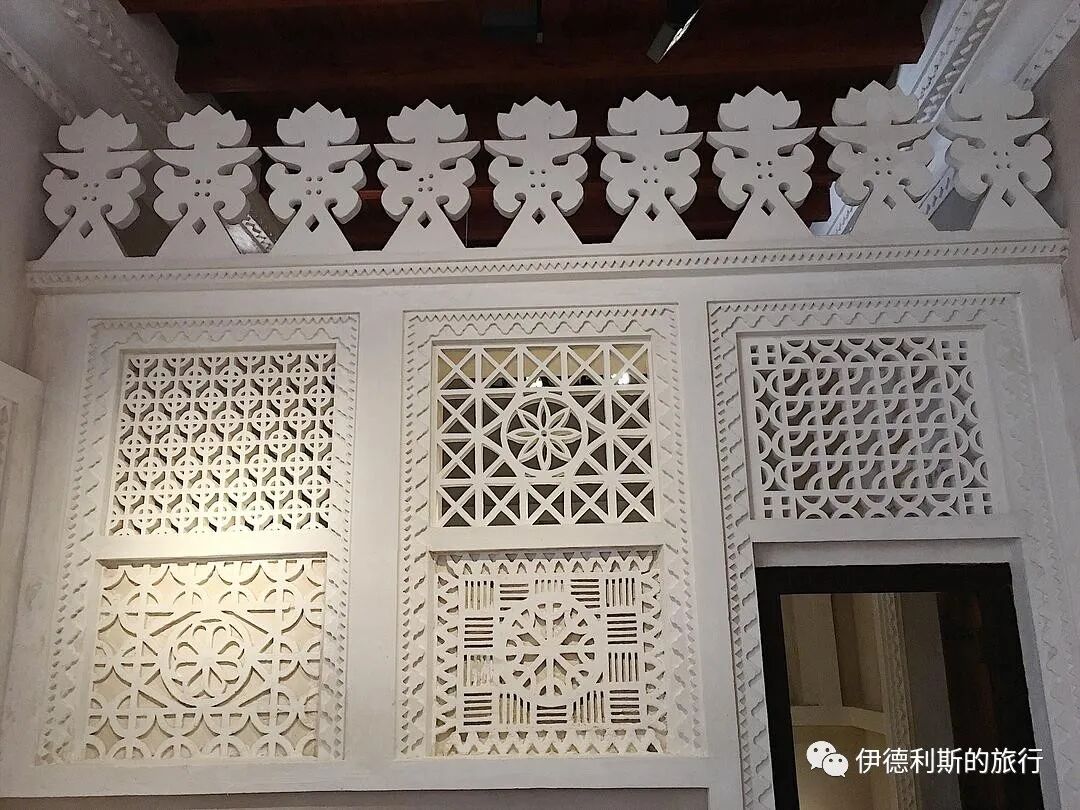
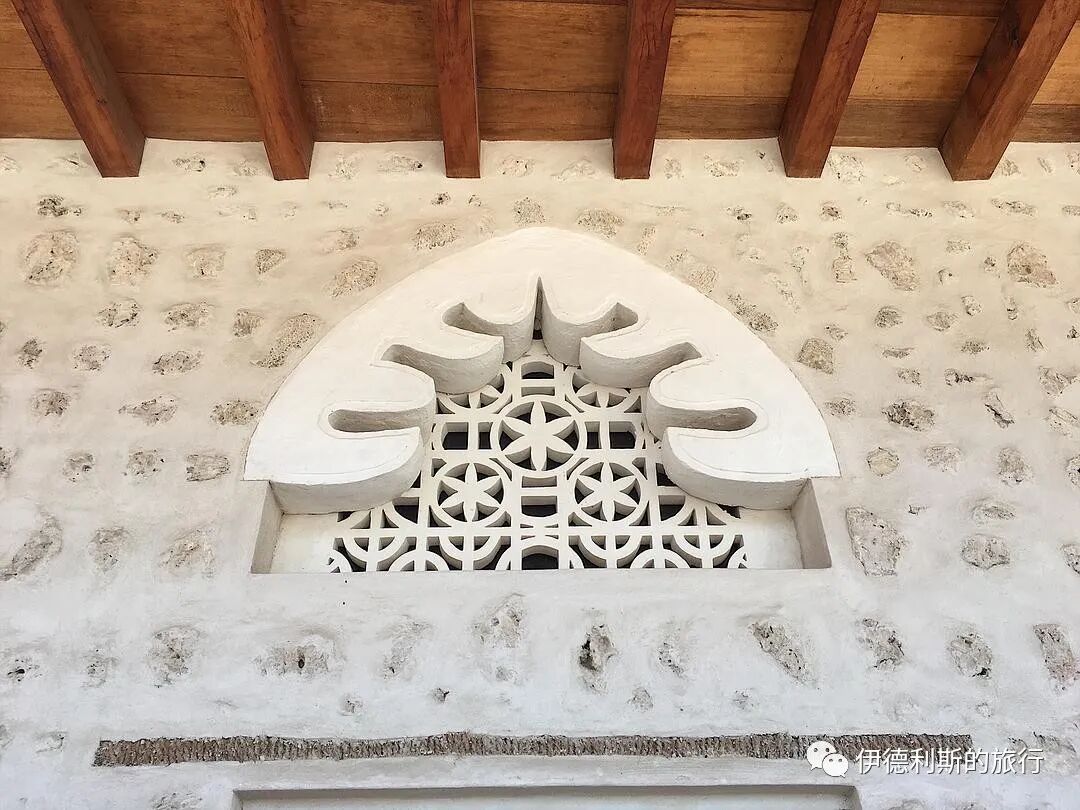
The plaster carvings in the first-floor bedroom.
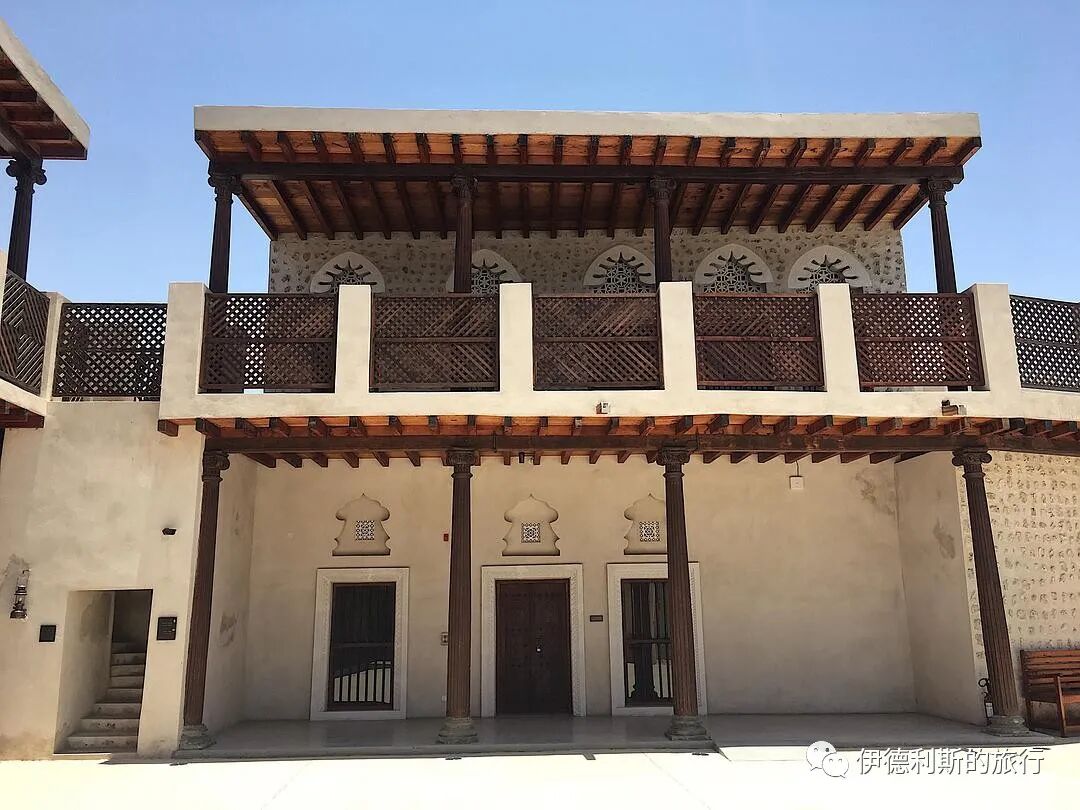
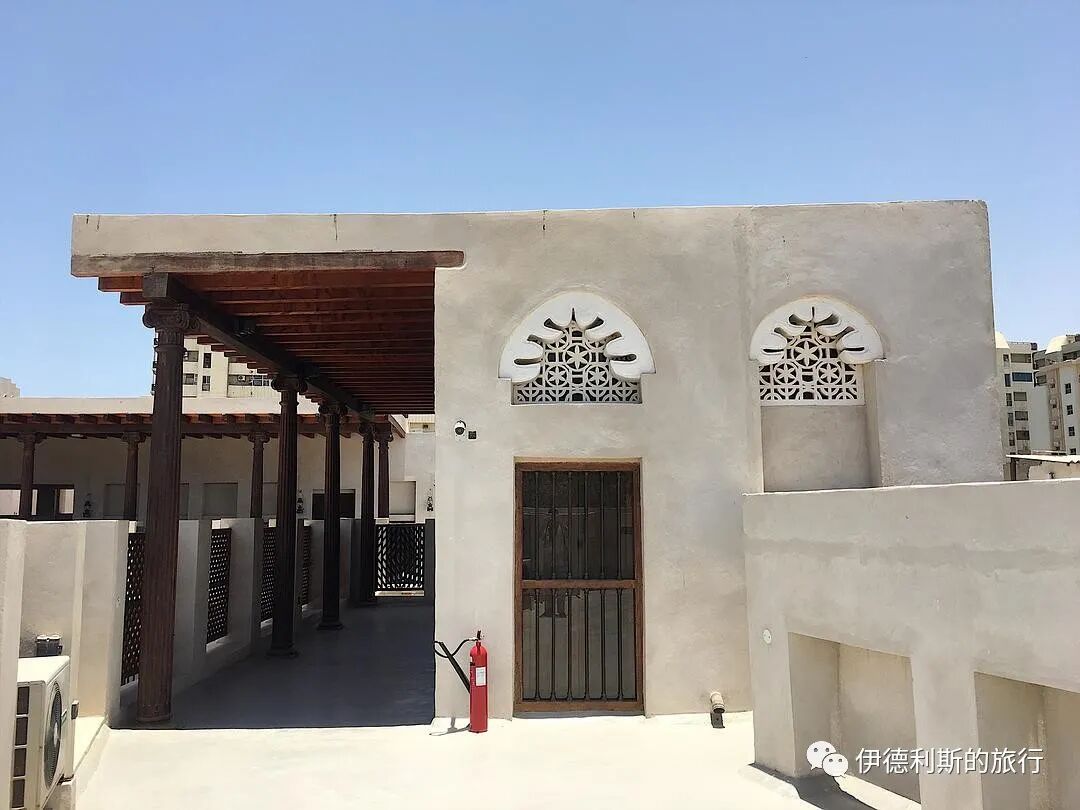
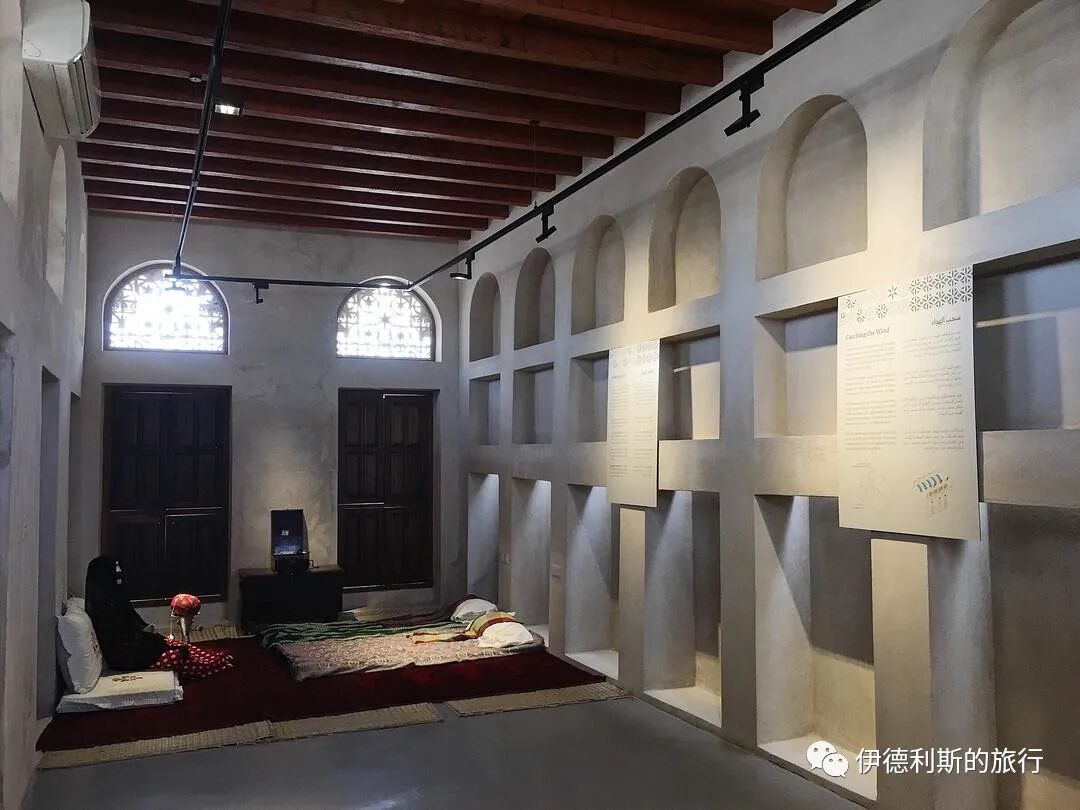
Go up to the second floor to find the summer house.
How it looked during the 1995 renovation.
Summer temperatures in Sharjah can top 45 degrees Celsius. From June to August, many people head to the mountains or oases to escape the heat, a summer retreat route known as al maqeedh. With the summer house, people no longer had to travel inland to escape the heat.
People in Sharjah usually start getting their summer houses ready at the end of March. They paint the inside and outside of the buildings with a lime powder called norah, which helps reflect the sun's rays. The most important feature of a summer house is the many vents on the roof that help air circulate. During the day, wind blows from the land into the house, and at night, the breeze comes in from the sea.
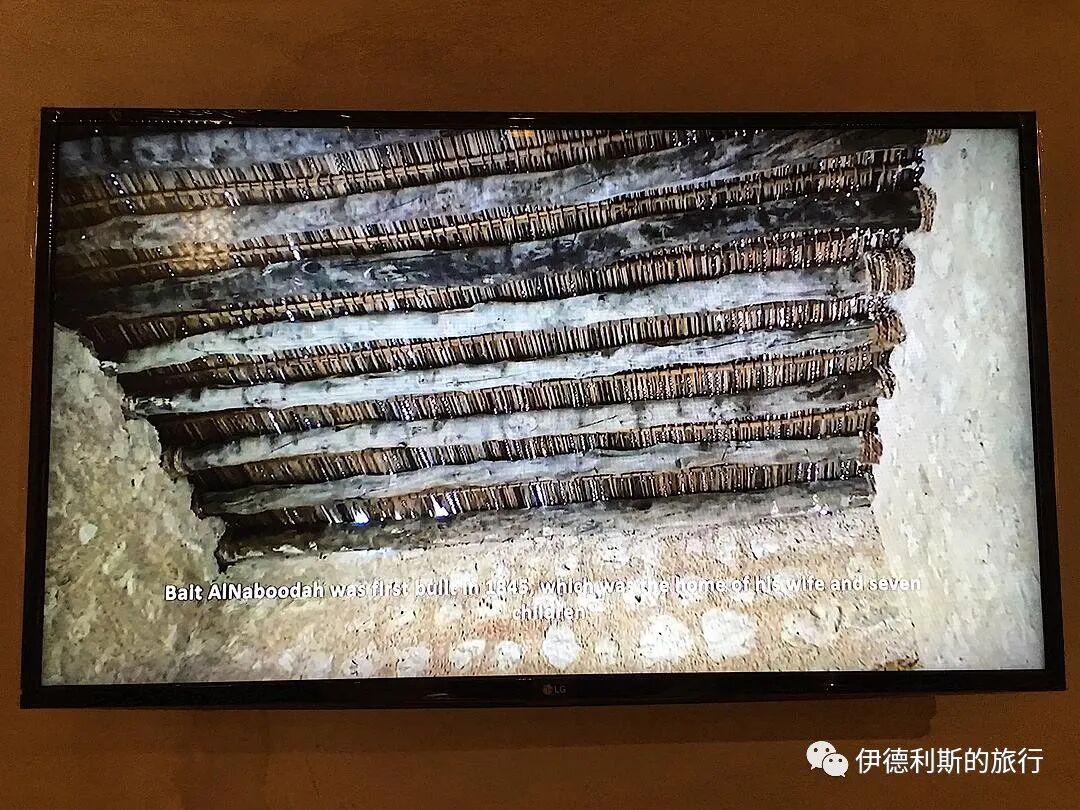
A roof made from palm leaves.
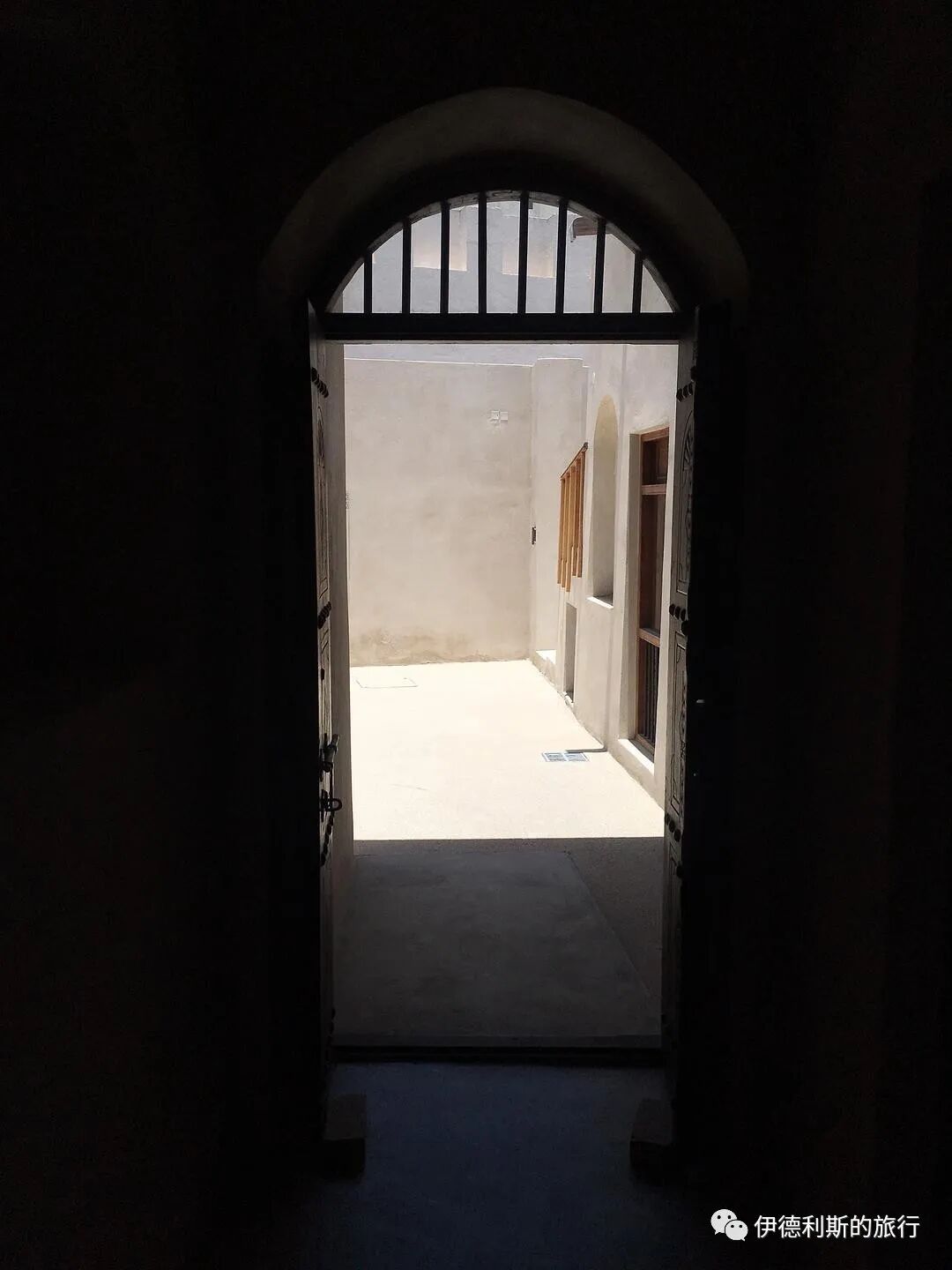
Go back to the first floor and enter the backyard.
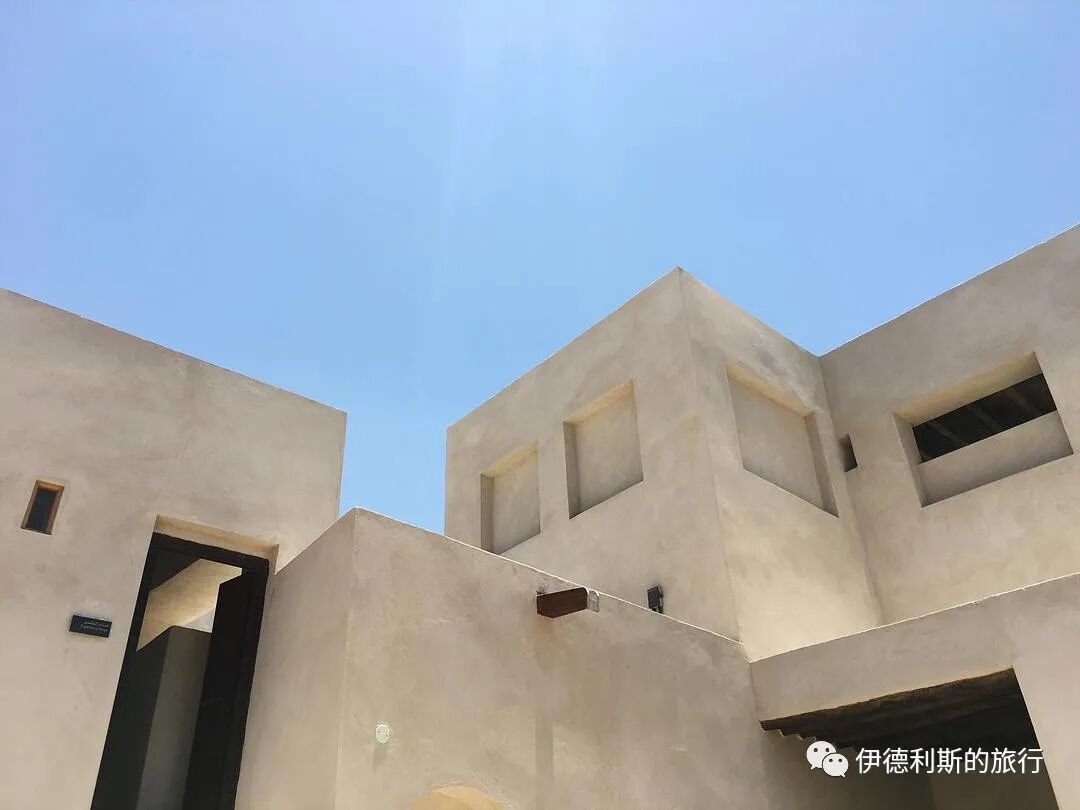
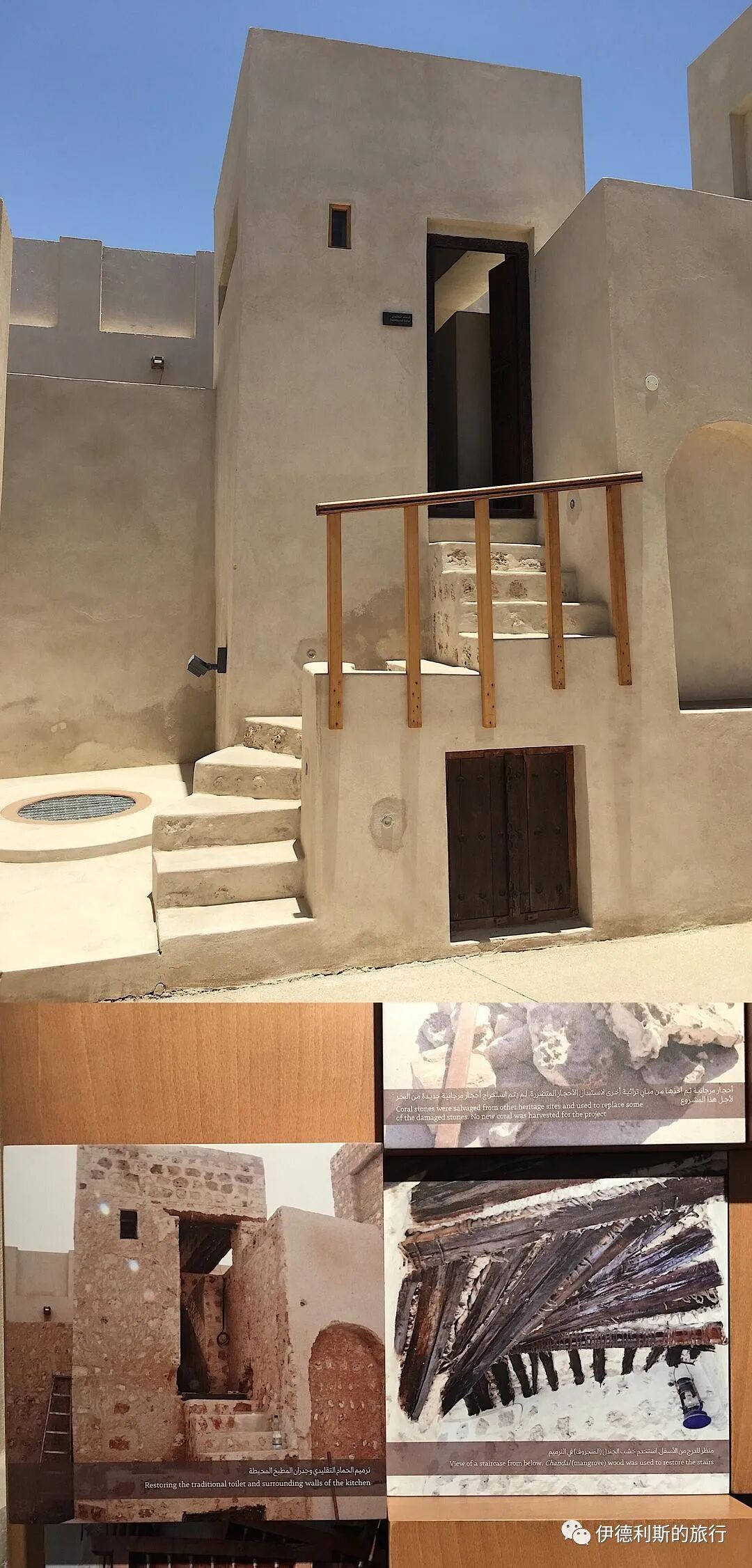
Traditional toilet
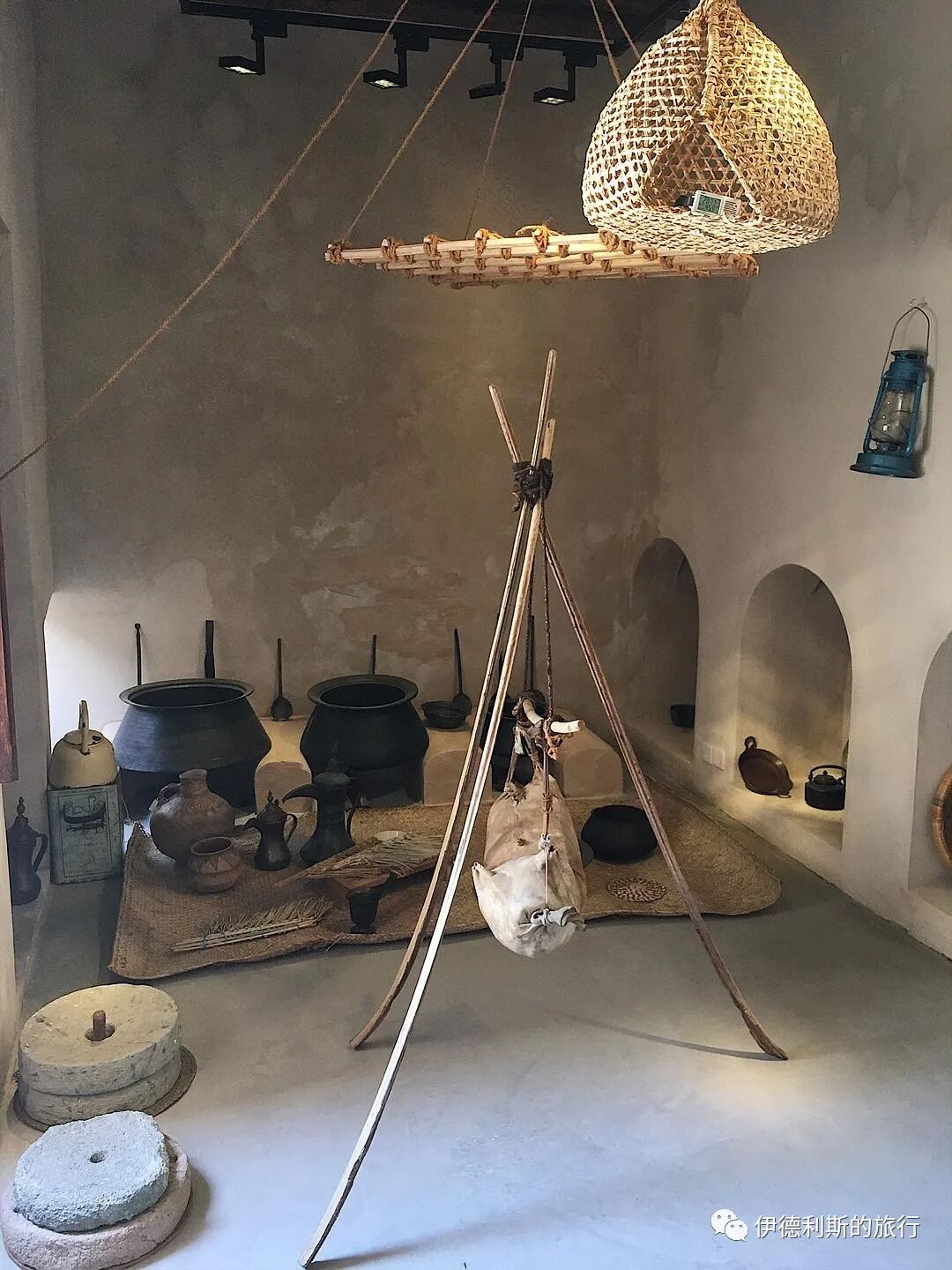
Kitchen
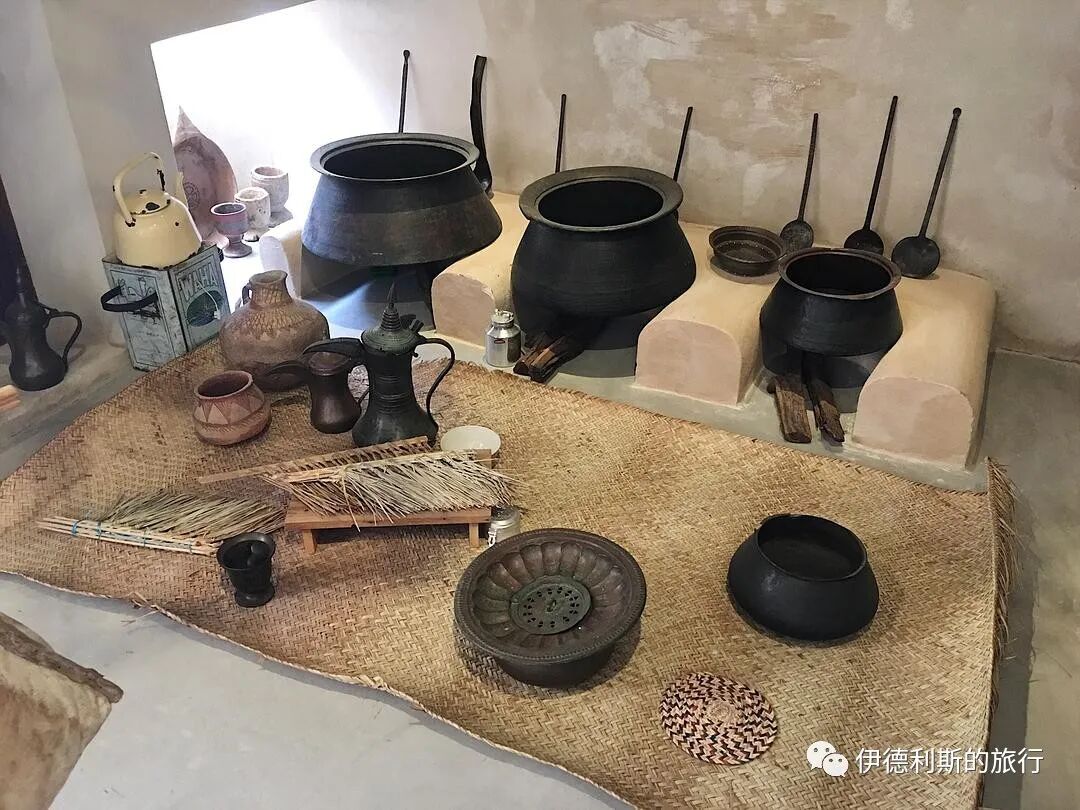
Kitchen from the 1995 renovation
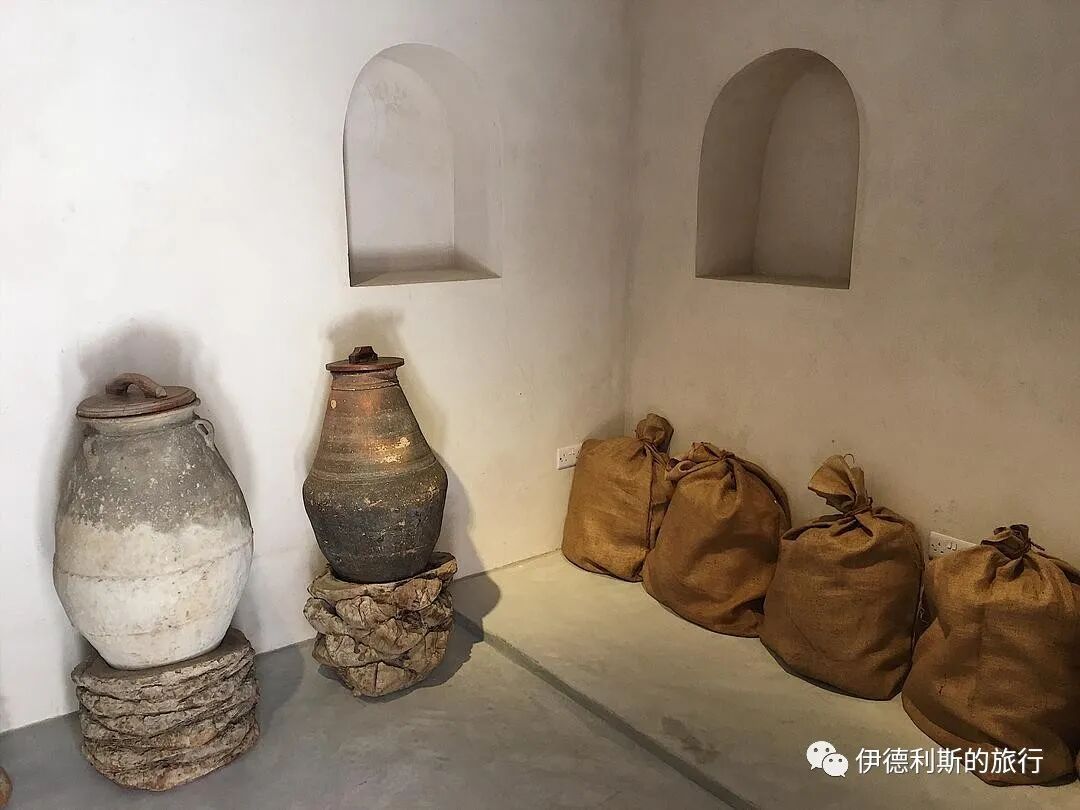
Storage room
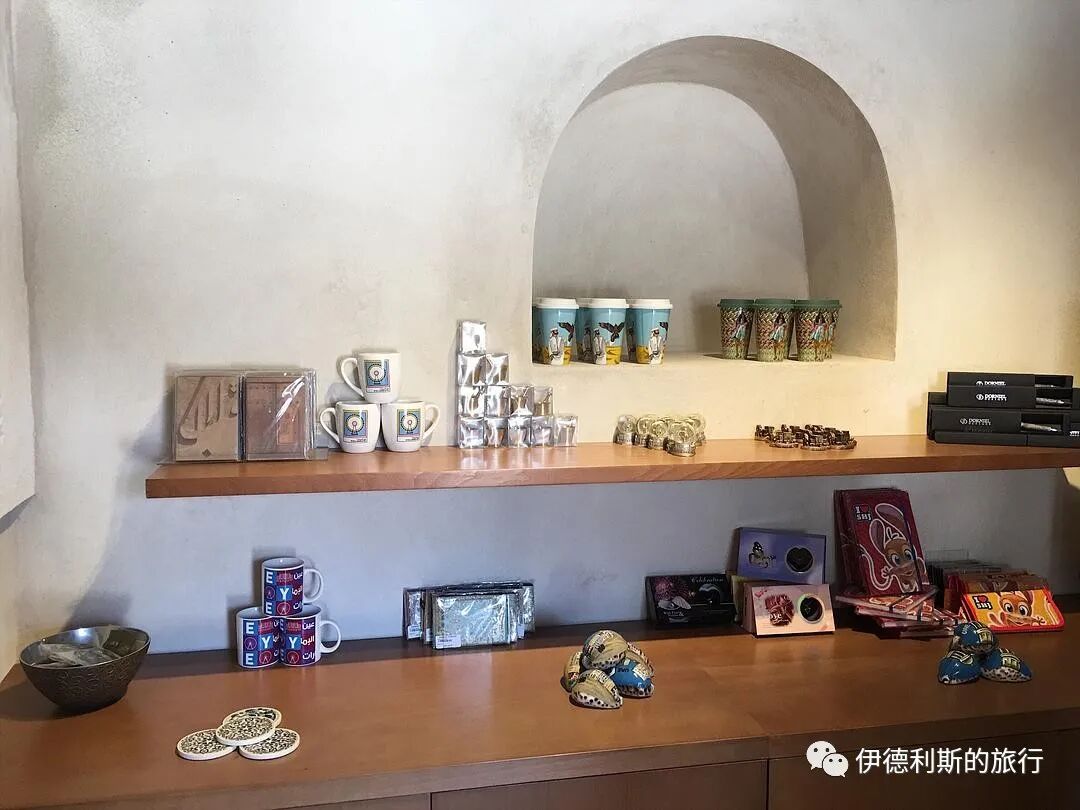
Finally, I bought two coasters at the cultural gift shop by the entrance
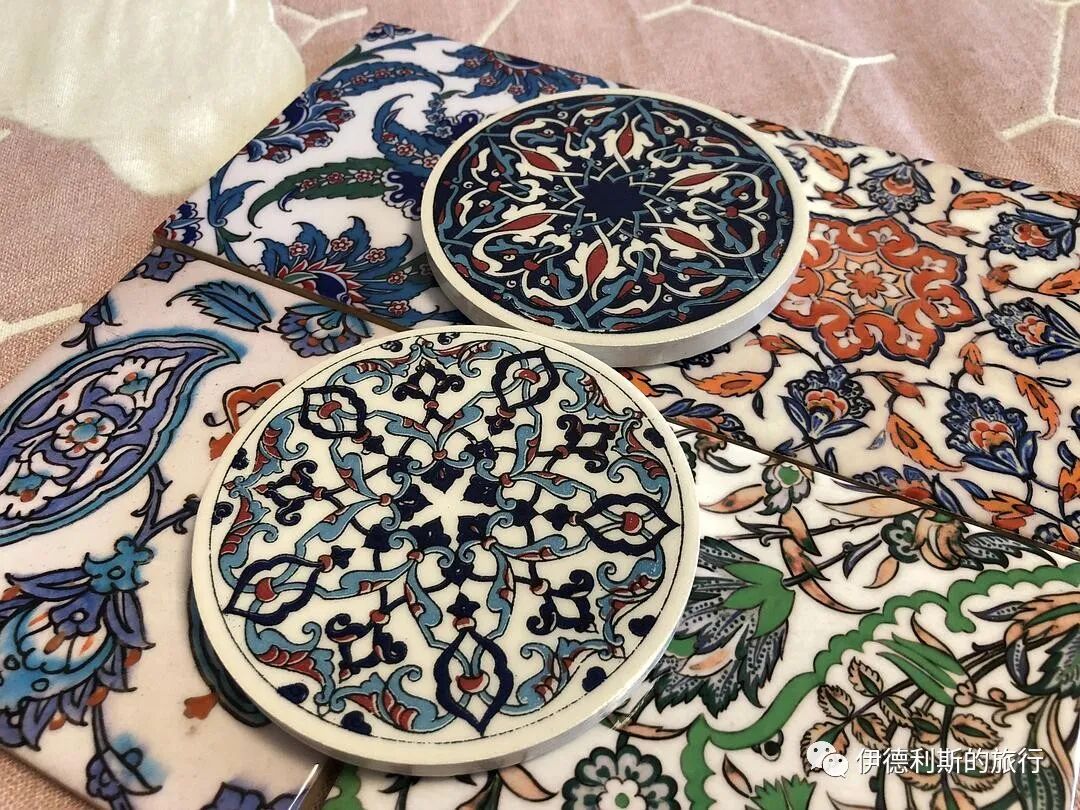
Two round coasters on the top layer.
10. Al Eslah School Museum
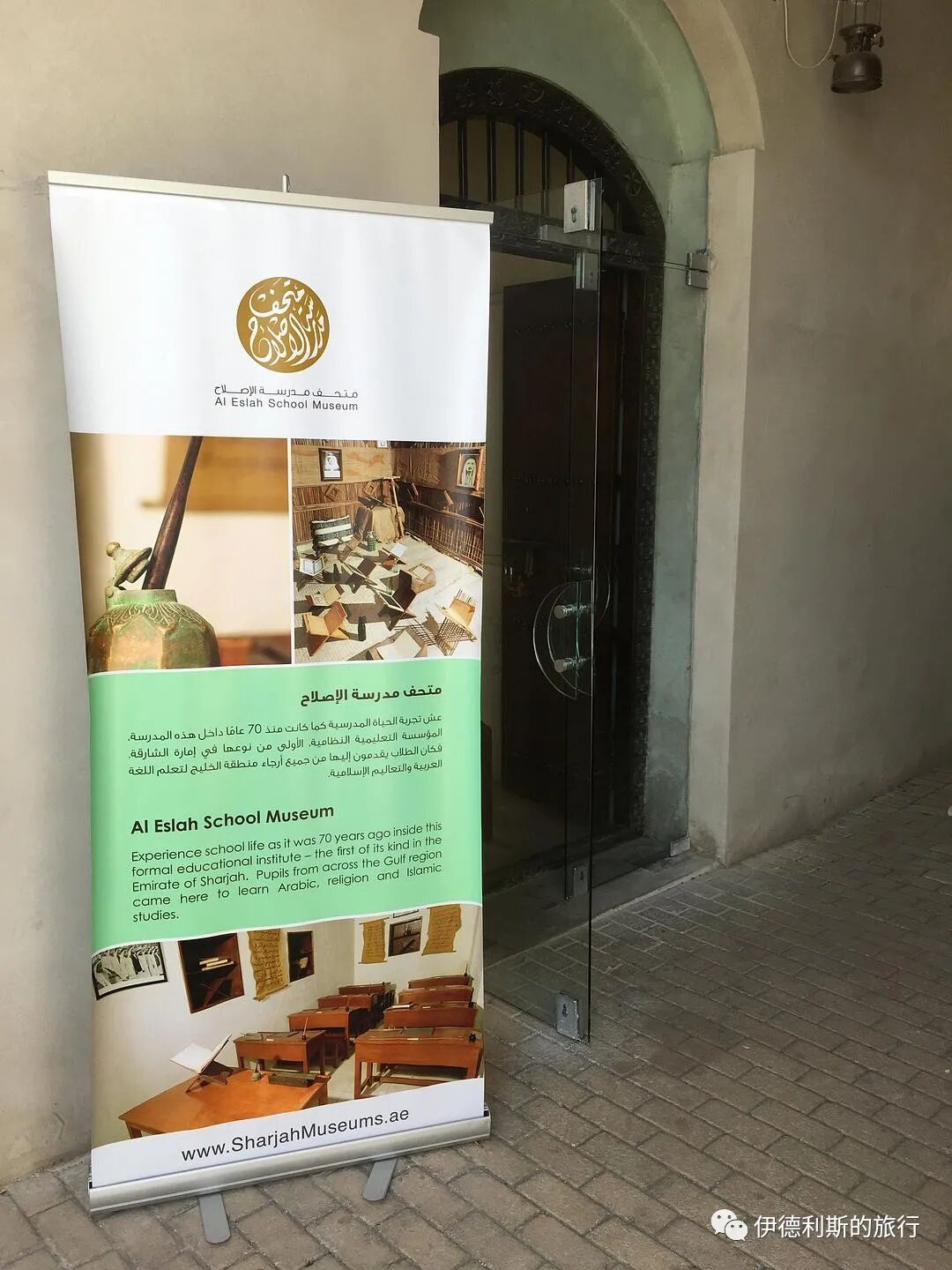
Al Eslah School started in 1935. It was first in a village in Al Heera before moving to Sharjah city. It was the first official school in the Emirate of Sharjah. Before this, religious and academic education in the Emirate of Sharjah happened at home.
The founder of Al Eslah School, Sheikh Mohammad bin Ali al Mahmood, was a pioneer for religion and intellectuals in Sharjah. He served as the school principal until 1948. He brought in excellent teachers from other Arab regions for the school, so the curriculum included math, history, geography, astronomy, literature, and even English, to religious studies. The current ruler of Sharjah, Sultan III, once attended this school.
In the early 1950s, Al Eslah School was also the first school in Sharjah to enroll female students. By the late 1950s, as larger schools began to appear in Sharjah, Al Eslah School was gradually abandoned.
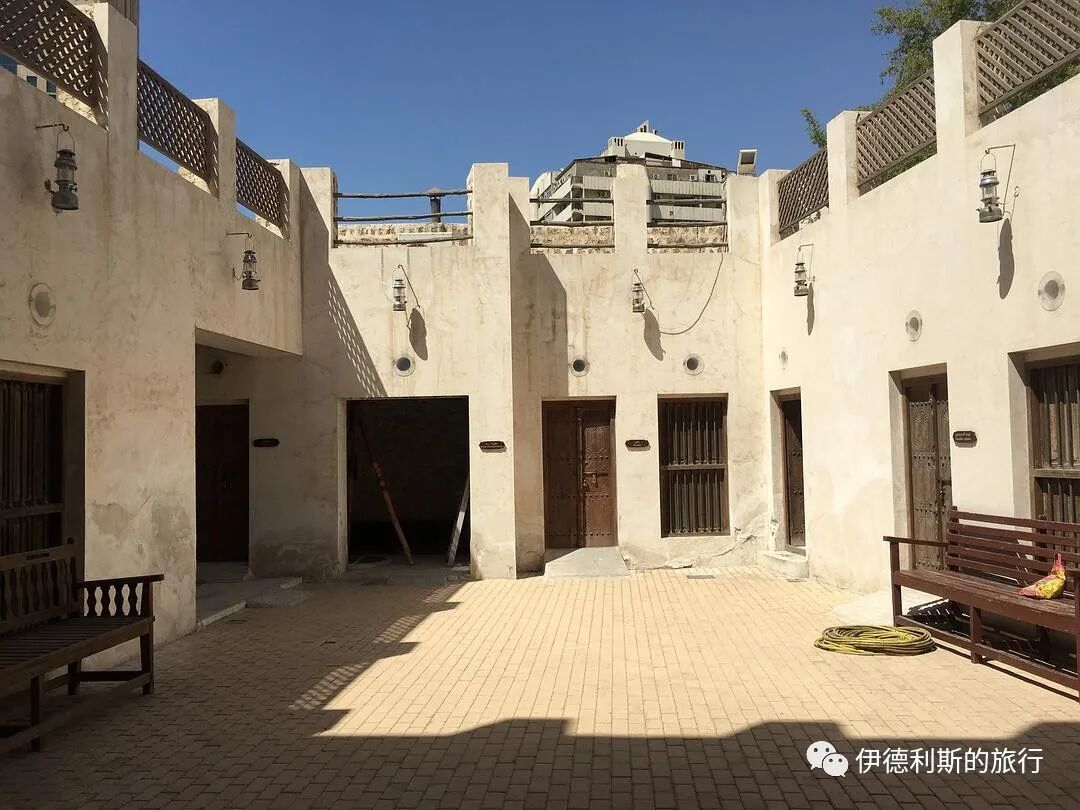
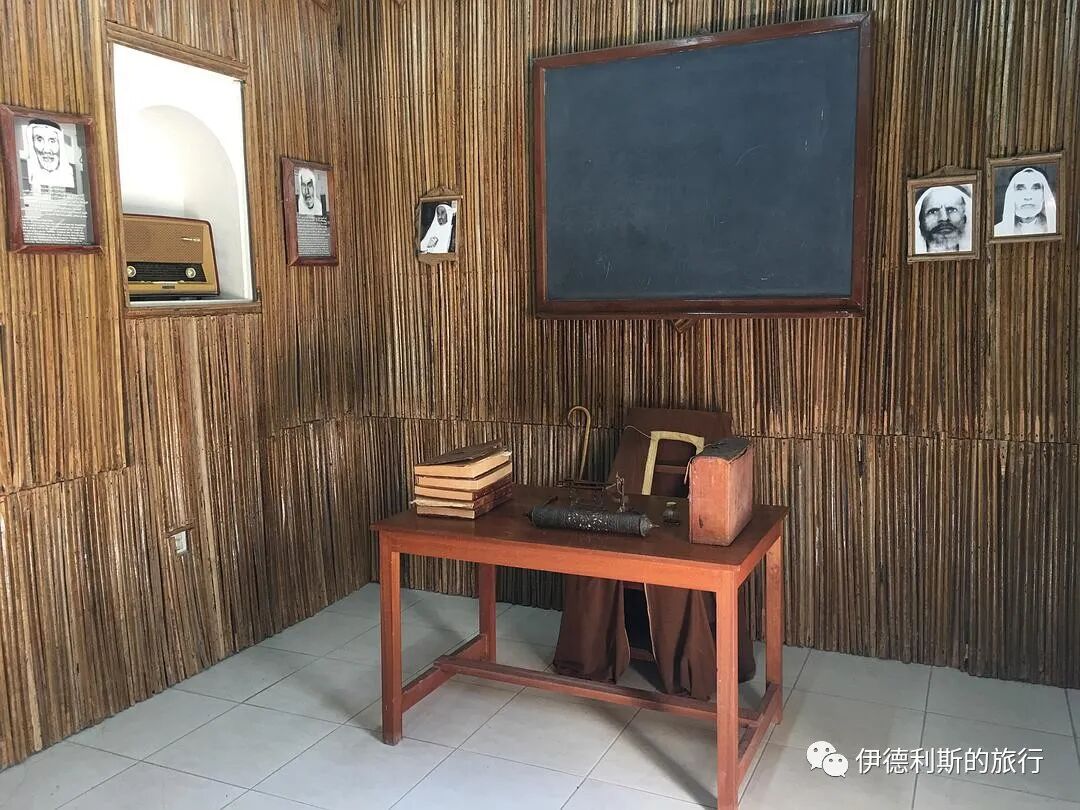
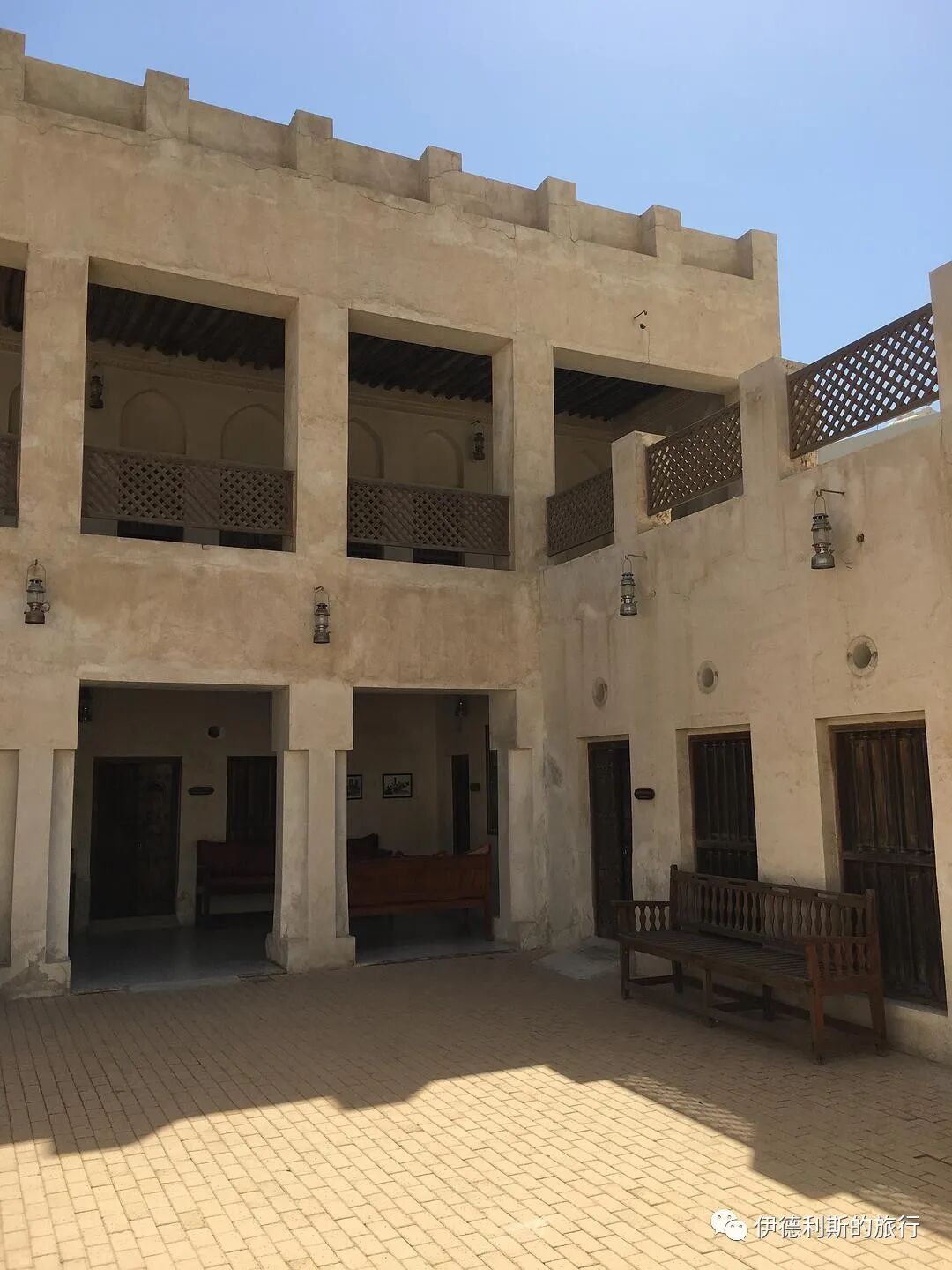
The site was renovated in the 1990s and reopened as a museum in 2003, recreating campus life from over 70 years ago. At that time, students from all over the Gulf region gathered here to study Arabic and Islamic knowledge.
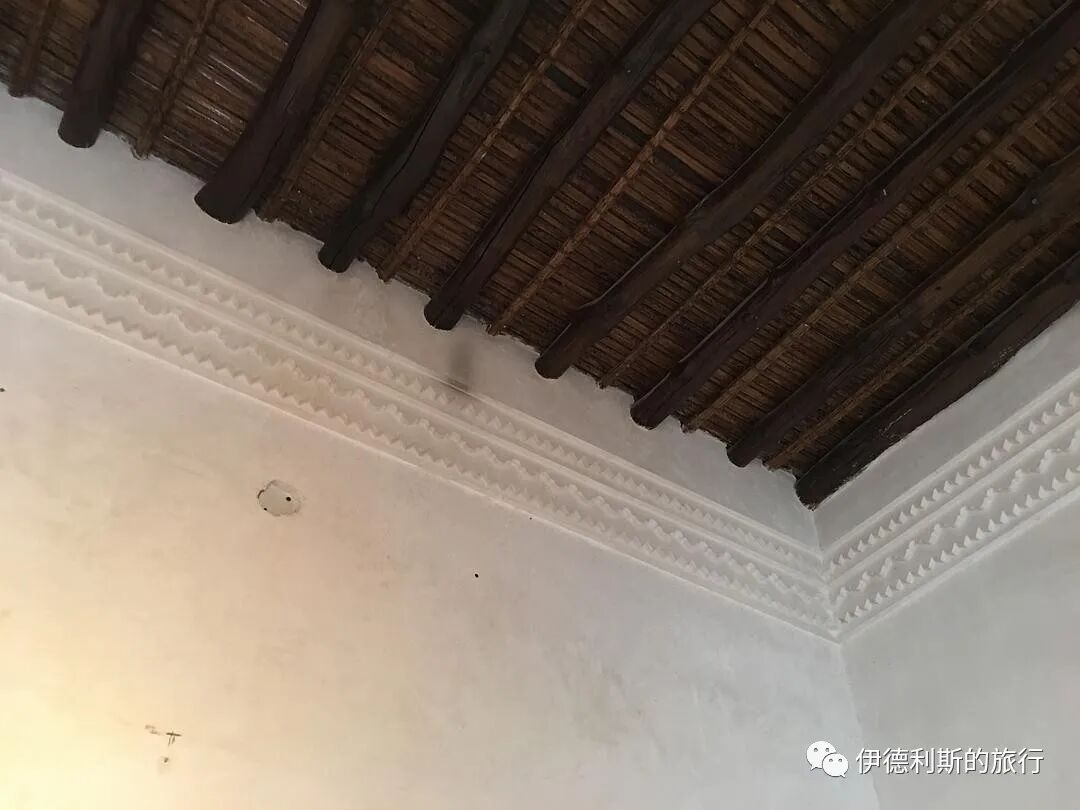
The classrooms back then also had palm-frond ceilings.
11. Coffee shops in the bazaar
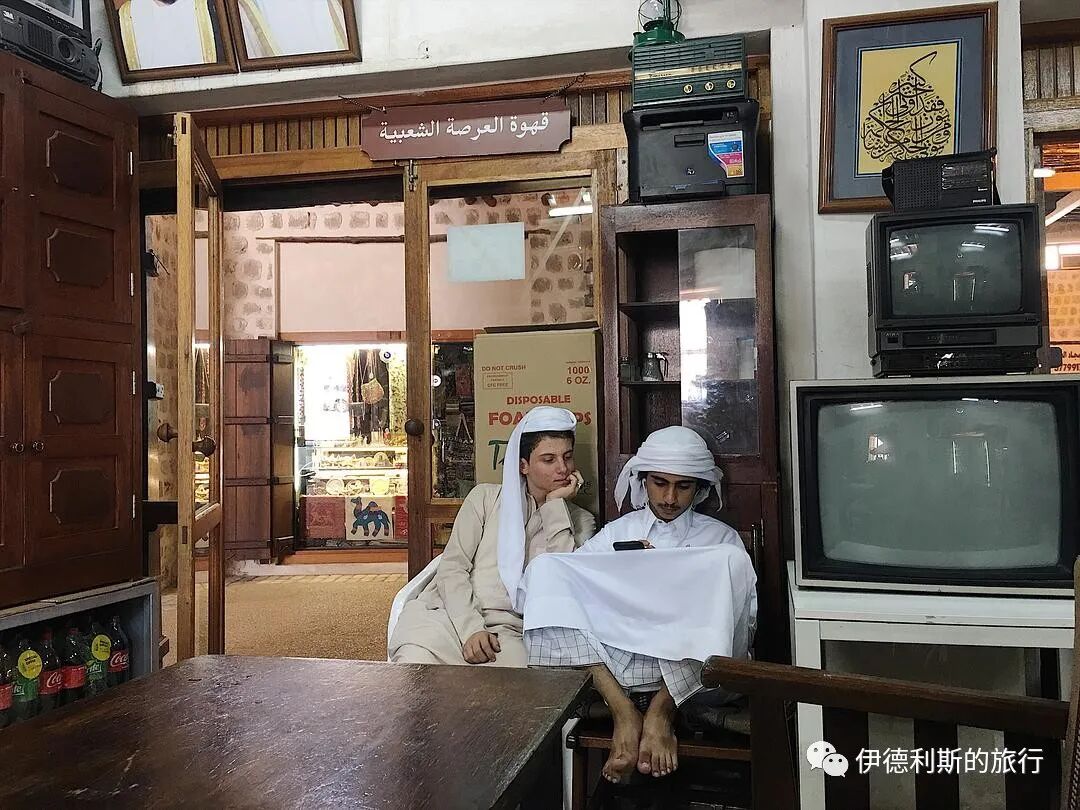
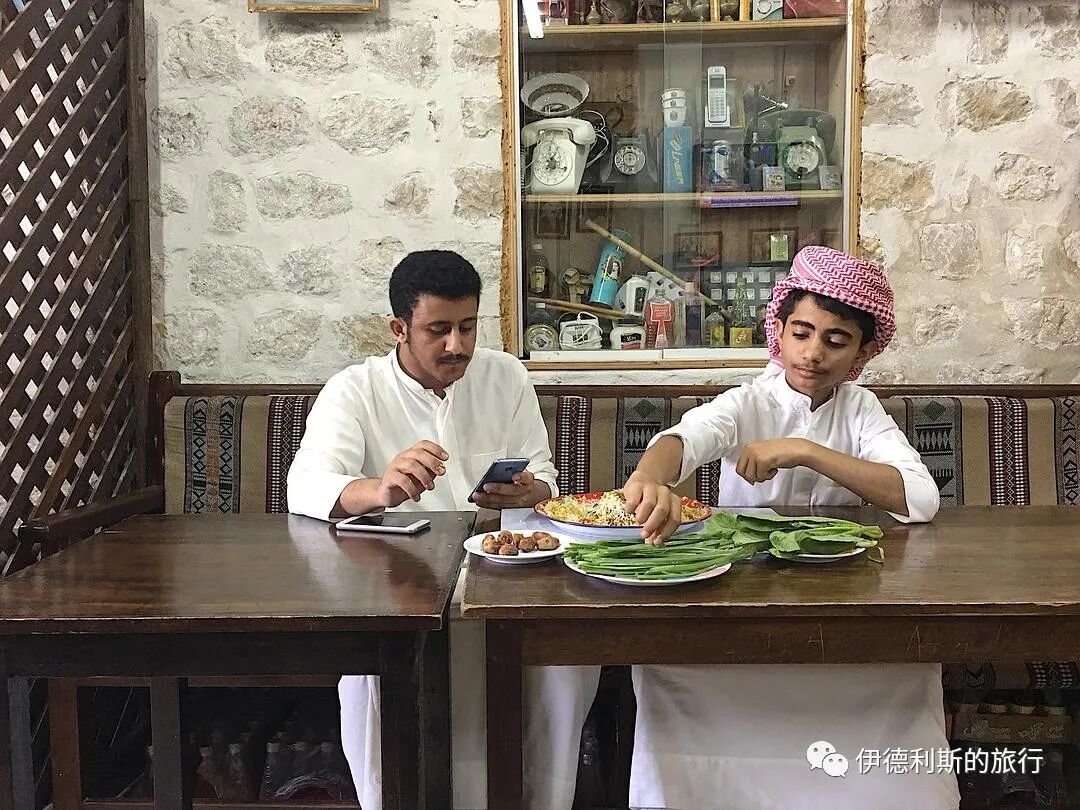
Al Arsa Souq is the oldest surviving bazaar in Sharjah. It started as an open-air market where Bedouins traded while leading their camels, and later, it was built into its current structure using coral stone and palm trees. I visited during the lunch break, and it was very quiet.
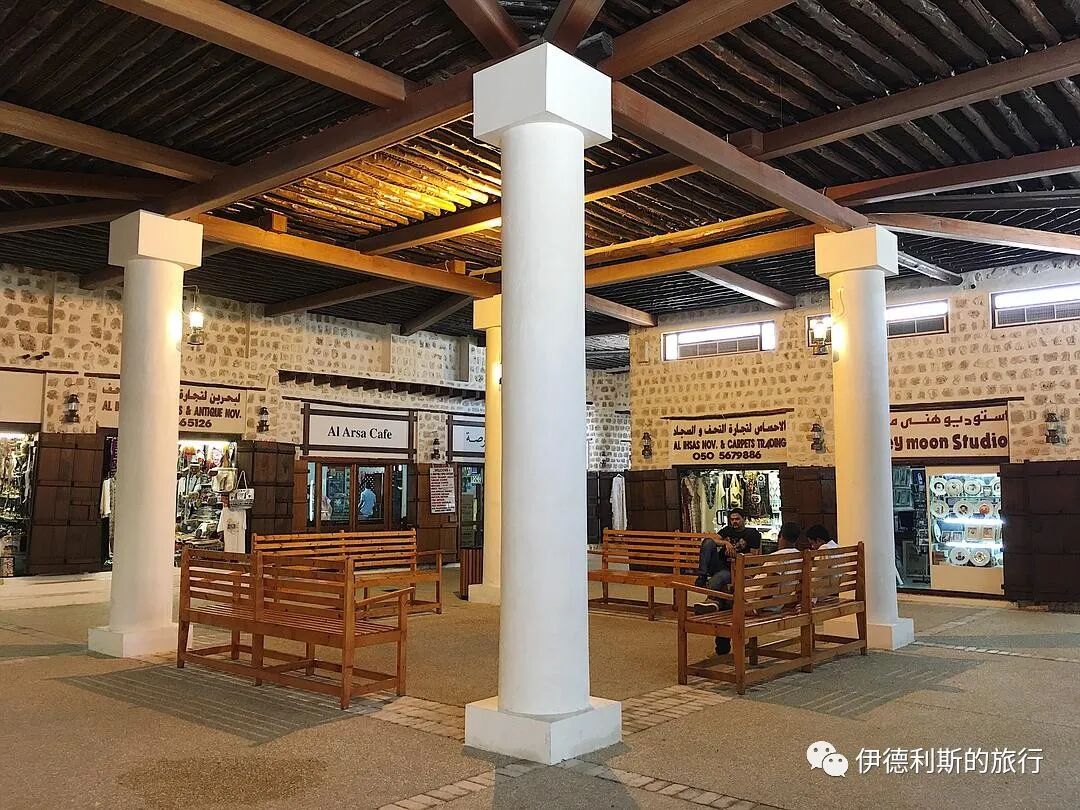
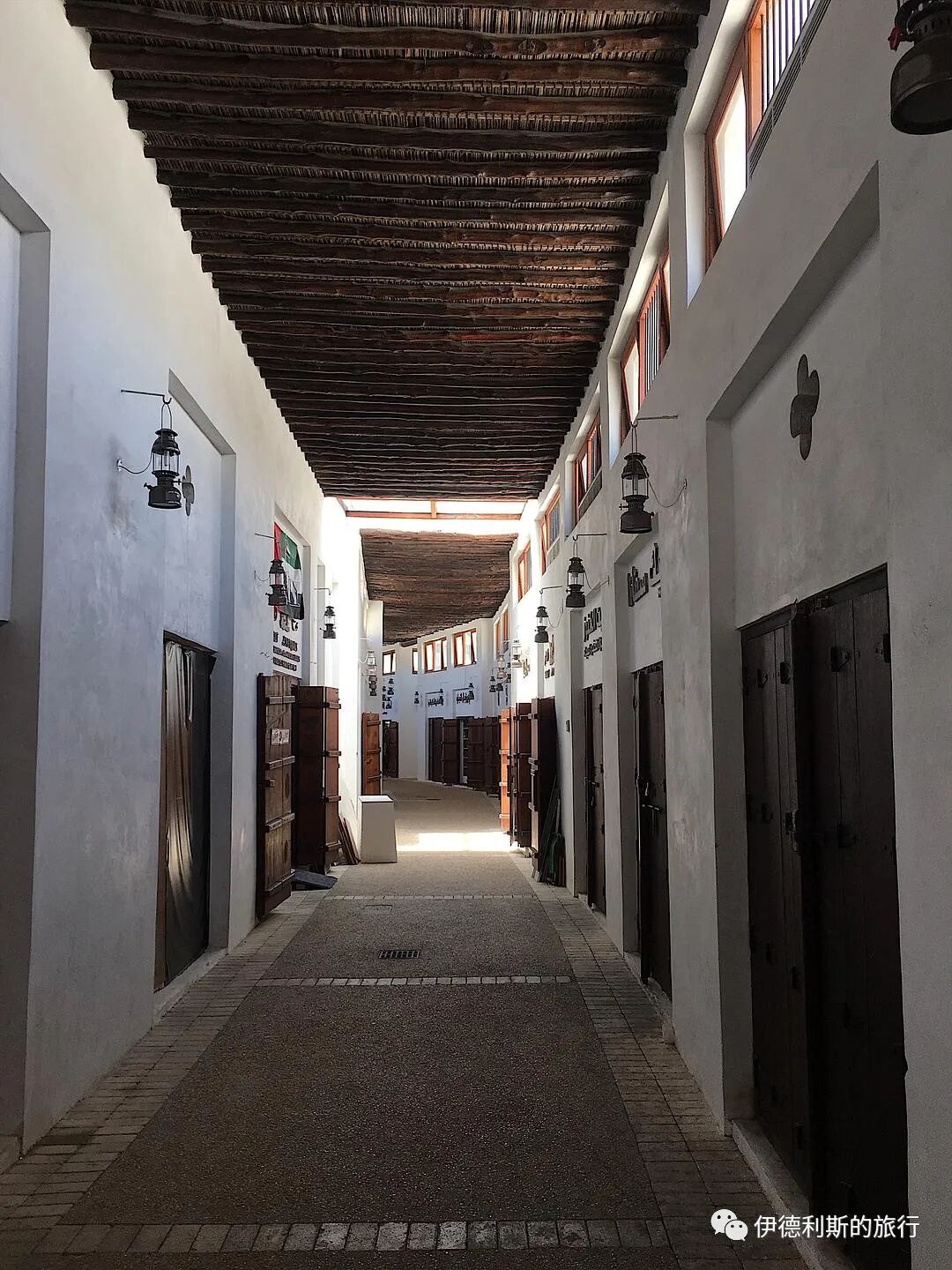
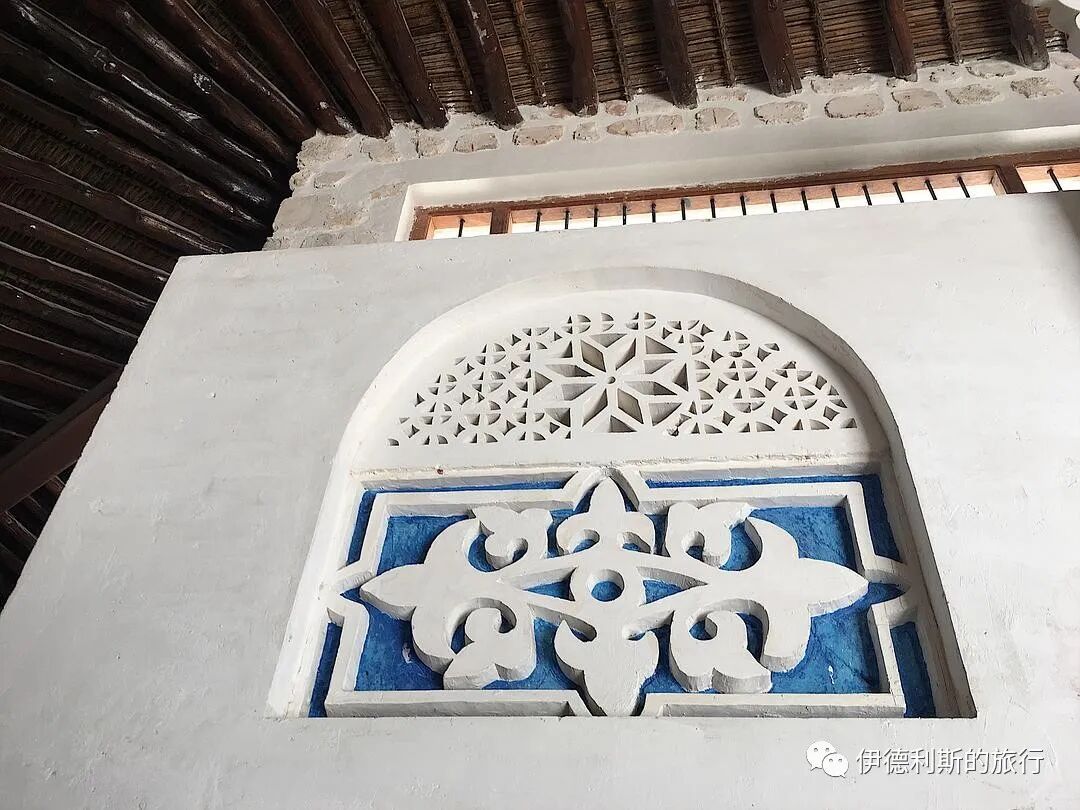
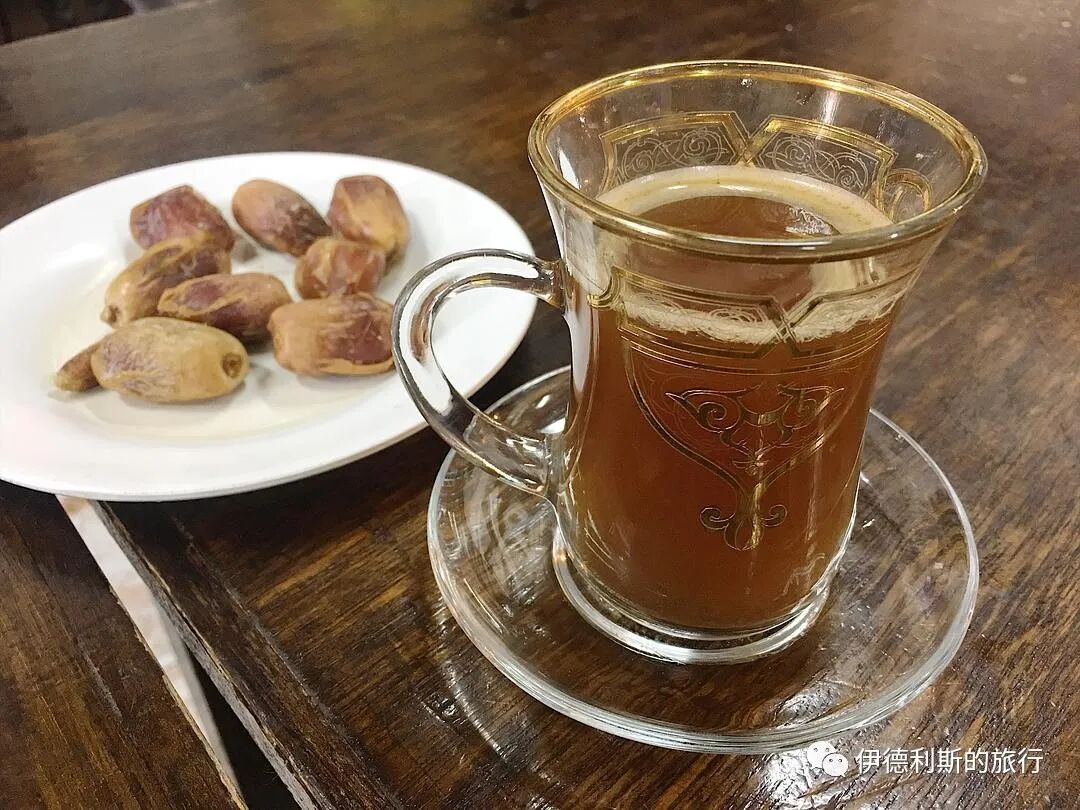
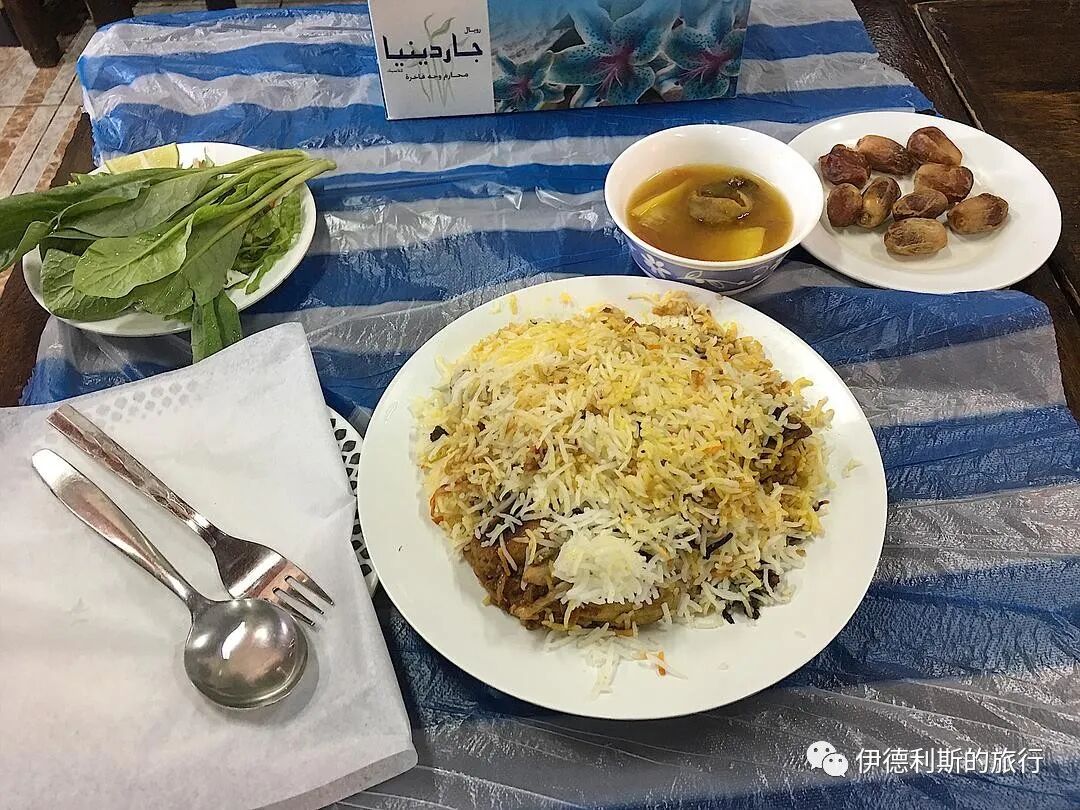
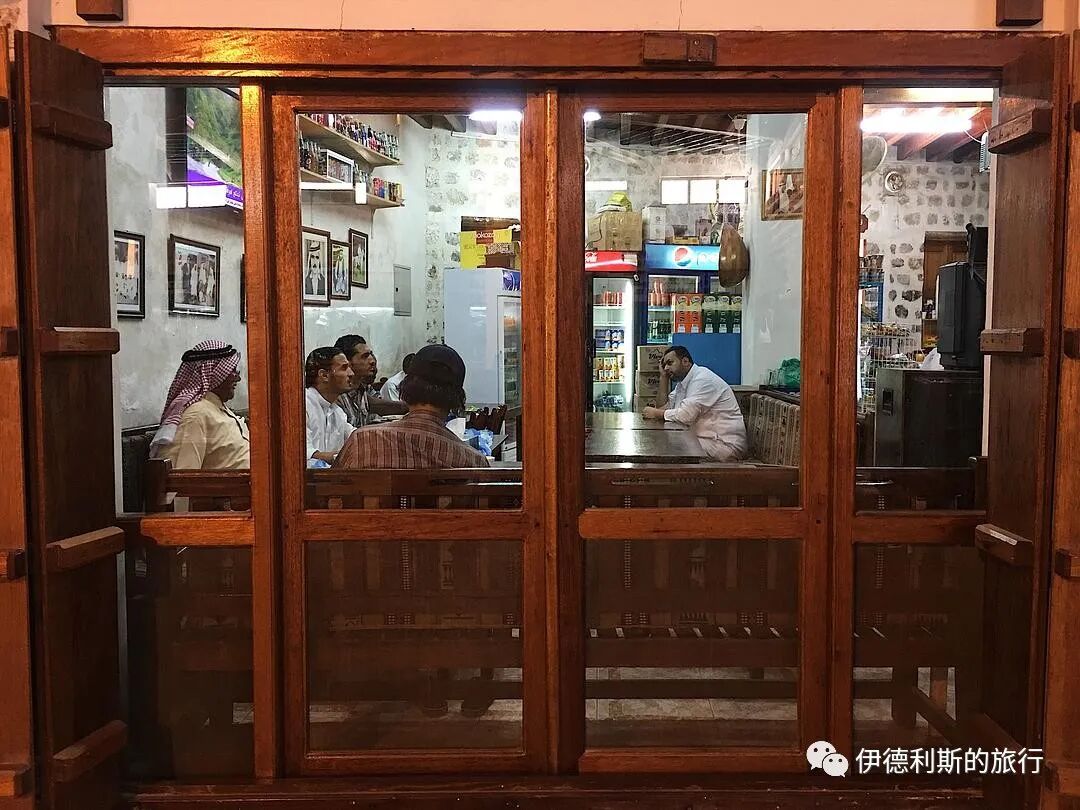
There is a traditional Arabic coffee shop inside the bazaar. I drank some herbal-tasting Arabic coffee paired with mild dates, and ate some chicken rice. Being surrounded by people in traditional clothing felt great.
12. Delicious ice cream
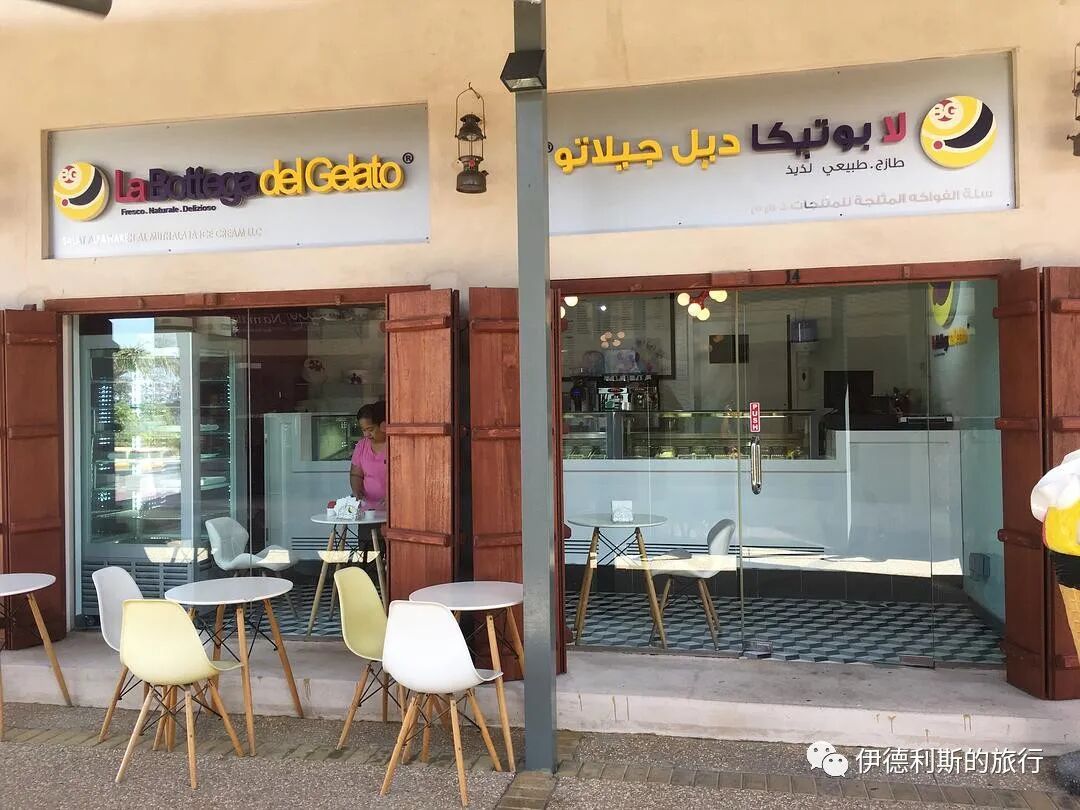
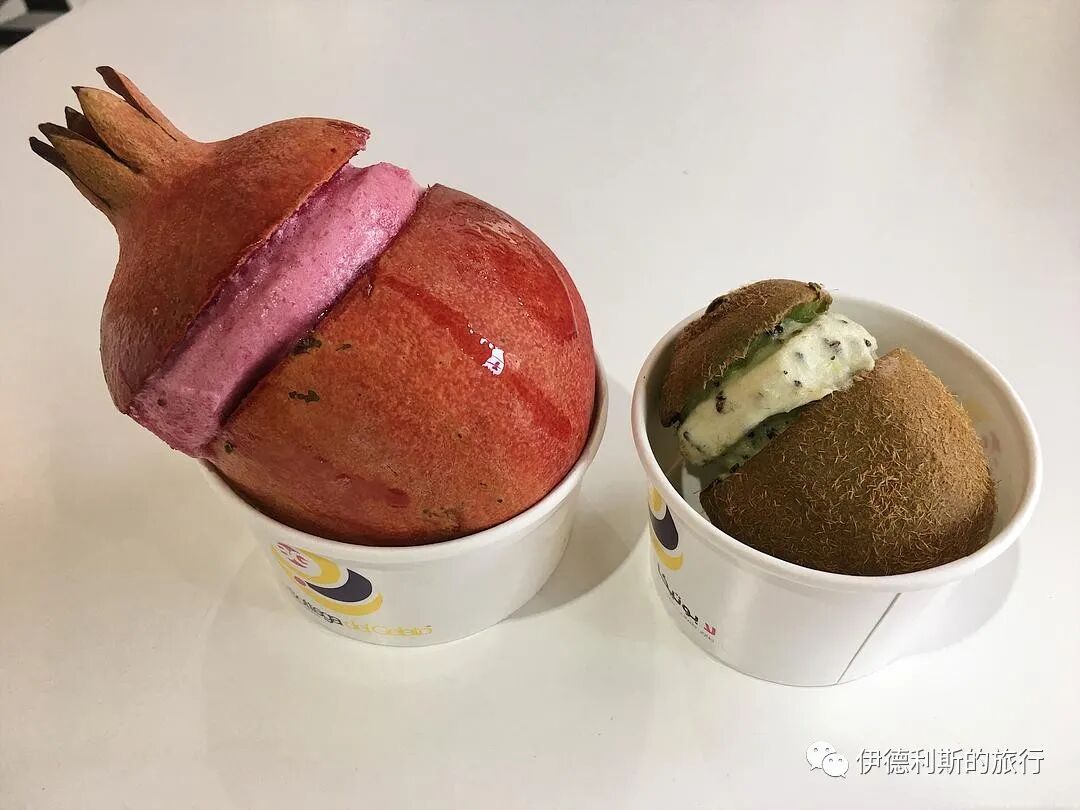
There is a tasty ice cream shop next to the bazaar. I had pomegranate and kiwi ice cream. I thought it might just be for show, but the flavors were actually very rich and delicious.

Summary: Sharjah — Museums, Gulf History and Muslim Heritage is presented here as a firsthand travel account in clear English, beginning with this scene: The Emirate of Sharjah is a great place for a short trip to experience the traditional culture of the Gulf region. The account keeps its focus on Sharjah Travel, UAE Museums, Muslim Heritage while preserving the names, places, food, and historical details from the Chinese source.
1. Arrival
The Emirate of Sharjah is a great place for a short trip to experience the traditional culture of the Gulf region. Everyone in the city speaks English, all street signs are in English, and it is very close to Dubai. It only takes 40 minutes by bus if there is no traffic. You can catch double-decker buses to Sharjah from Dubai bus hubs like Al Ghubaiba, Union, and Deira City Centre. Just tap your Dubai bus card to pay. You can buy a rechargeable silver card or a one-time red card at a small booth in these hubs, and these cards work on the Dubai Metro too.
The station in Sharjah is called Al Jubail. If you walk a few hundred meters to the northeast, you will reach the historic district of the old city, known as Heart of Sharjah. I will start by introducing the history of Sharjah's old city.
2. The history of Sharjah
The Al Qasimi family from the Huwayla tribe began ruling Sharjah in the early 18th century. They declared independence in 1727 and built trade routes across the Strait of Hormuz that connected the Arabian Peninsula with Persia, playing a key role in trade between the two regions.
In the late 18th and early 19th centuries, political tensions between Oman, Britain, and France grew more complex, and Sharjah became involved. In 1797, Sharjah seized a ship flying the British flag. The British then labeled Sharjah as pirates, leading to decades of military conflict. This included two attacks on Sharjah by the British Indian fleet in 1809 and 1819.
In 1820, to end conflicts in the Gulf region and focus on opposing the Ottoman Empire, Sharjah and several neighboring emirates signed the General Maritime Treaty with Britain, becoming a British protectorate. During this period, Britain acted as an arbitrator in the Gulf region, trying its best to avoid any conflicts between the emirates. In 1853, Sharjah and Britain signed the Perpetual Maritime Truce, which began an era of peace.
Throughout the 19th and early 20th centuries, Sharjah was an important pearl trading port in the Gulf. In 1830, Britain counted three to four hundred pearl boats in Sharjah, and many of the city's 19th-century historical buildings are related to the pearl trade.
The old wharf outside Sharjah city.
The image below is a map of Sharjah drawn by the British in 1820. The city wall in the lower half and the buildings inside are what we now call the Heart of Sharjah historical district.
The image below shows a map of historical sites in Sharjah Fort. The yellow area in the middle represents Sharjah in 1822, with the Heart of Sharjah (Sharjah al-Qalb) historical district at its core. The dark brown lines show the Sharjah city walls. The red circles marked with Burj are watchtowers, and those marked with Murabbah are fort towers. The orange area shows Sharjah in 1933, and the brown area shows Sharjah in 1963. After the 1960s, Sharjah followed British plans to build a modern city and entered its stage of modernization.
The image below shows the watchtowers and fort towers of Sharjah. Archaeological surveys show there are at least 16 watchtowers outside the Sharjah city walls, mostly near water sources, farmland, and main roads leading into the city.
3. Sharjah City Walls
The current coral stone wall is the southern section of the original Sharjah city wall.
The image below shows the southwest wall and the watchtower (Murabbah).
The south gate and the watchtower (Murabbah Al Qasaba).
4. Entering the Heart of Sharjah
I entered the Heart of Sharjah from the southwest. Since everyone was on holiday for Eid al-Fitr, there were very few people around.
Once inside, you can see walls built with traditional coral stone (coral stone) techniques.
The fan-shaped and brain-shaped coral stones used for the walls were taken from old coral beds during low tide, then dried in the sun to remove the salt. When building the walls, the coral stones were wrapped in a mortar made from crushed coral stone fragments and sand.
Walking through the narrow alleys of the old town in Sharjah.
The picture below shows the Sharjah Art Foundation, which often hosts various exhibitions.
Next to it is a historic building under renovation, where you can see that the wooden roof structure has already been replaced.
5. A wonderful breakfast
Next to the Art Foundation is a cafe and casual dining spot called Fen restaurant. The atmosphere is great and the service is excellent. I had an avocado and egg breakfast to recharge before officially starting my tour of the historic district of Sharjah.
6. Wind Chime Garden
Outside the restaurant, you can see a beautiful garden filled with many wind chimes.
7. Traditional Mosque
Before coming to the UAE, I knew almost nothing about the traditional mosques here. I thought they were all modeled after famous foreign mosques, so I was very excited to see a traditional Gulf-style mosque in Sharjah this time.
The first one I want to share with you is Obeid Bin Issa, the oldest mosque in Sharjah. On the left in the picture is the washroom for wudu and ghusl, and on the right is the prayer hall. The first floor is the south hall, and the second floor is the women's hall. Traditional mosques in Sharjah usually have the washroom and the main prayer hall as two separate buildings.
There is a palm-frond shade in front of the washroom.
Inside the main prayer hall, there are wooden pillars.
The mihrab is plain with no decorations at all, and the minbar pulpit next to it is also set inside a niche, which is a first for me.
This is the back of the mosque. The curved part sticking out on the left is the prayer niche (mihrab) behind the main hall.
The second traditional mosque is called Al-Daleel, and it also has a long history. The first floor is the men's prayer hall and the second floor is the women's prayer hall. The washroom (wudu area) is in a separate building.
In front of the main hall, there is also a palm-leaf shade.
To make a traditional palm ceiling, you first wash and dry the palm fibers, twist them into twine, and tie them onto trimmed palm branches. Next, wash and dry the palm leaves, weave them into large mats, and finally lay them out to form the ceiling.
The mihrab also has no decorations at all.
The rear kiln-style prayer hall (yaodian).
Outside the ablution room of every mosque in Sharjah, there is a direct drinking water station, which is very convenient for locals or passersby to get a drink.
The third mosque is called Al-Shiokh, and it only has one floor.
This mosque is closed outside of the five daily namaz times, so you have to pray in the outdoor shelter at other times.
The fourth mosque is called Al Jame'i, and it is the largest traditional mosque in Sharjah. Its low, flat-roofed design is very similar to traditional buildings in Turpan, as both styles developed to suit hot and dry climates.
Besides the drinking water in the washroom, mosques here keep bottled water in refrigerators inside the main prayer hall. When I walked in, an older man offered me some to drink.
The fifth mosque is called Al-Mana a, and it is the only mosque I saw in Sharjah that has a minaret. The design of this minaret is very simple.
Inside the pergola is a well used for ritual washing (wudu). You can turn on the tap and water comes out, which is a rare sight these days.
8. Sharjah Heritage Museum
The historic building housing the Sharjah Heritage Museum was built in 1795 by the pearl merchant Saeed bin Mohammed Al Shamsi. It is also known as Bait Saeed Al Taweel, which means the house of tall Saeed.
The museum shows the traditional lifestyle of the people of Sharjah through crafts, folk music, wedding ceremonies, and folktales.
Staff members wearing traditional robes (kandura)
Traditional Emirati clothing is a type of traditional dress worn by the Bedouin people of the Arabian Peninsula. The headscarf is called a keffiyeh, and the pure white version is known as a ghutrah, which is mostly made of cotton. The black cord on top is called an agal, which is traditionally made from goat hair. This headpiece appeared as early as the Lihyan Kingdom of ancient Arabia between the 7th and 1st centuries BC.
Traditional Emirati percussion instruments. The tallest drum on the left is called an al masindo. You play it while standing by holding it between your legs, and it makes a very deep sound. The Al Rahmany and Al Ras drums shown on the bottom right are both carried over the shoulder. The Al Tar drum on the top right is a type of hand drum.
The Al Sheendo drum is the largest of the traditional Emirati drums and has the deepest sound.
The traditional Emirati flute is called Al Simai.
The main traditional Emirati song and dance styles are Al Ayala, Al Dan (Al Meedan), and Al Razeef, with Al Ayala being the most popular.
The traditional Emirati wind tower (Barjeel) is a building design that creates a natural breeze inside the house. Wind towers first appeared in ancient Egypt thousands of years ago. The Emirati wind tower design mainly comes from Persia, serving as a witness to the influence of Persian culture on the Arabian Gulf region.
Some miniature models in the museum.
9. Sharjah House (Bait Al Naboodah).
Sharjah House (Bait Al Naboodah) is the most famous traditional Gulf residence in Sharjah. It was built in 1845 by Obaid bin Eissa Bin Ali Al Shamsi, known as Al Naboodah, who was the wealthiest pearl merchant in Sharjah during the 19th century.
Al Naboodah’s pearl trade reached across Africa, France, and India, and he built up massive wealth specifically through his pearl business with India. In 1845, Al Naboodah rebuilt his father’s family home. The new house featured a large courtyard with coral stone walls, along with Indian teak pillars unique to Sharjah and plaster carvings made by Persian craftsmen. Unlike traditional Emirati buildings, this house did not use a wind tower (barjeel). Instead, it was the first to use a wind scoop (malaqaf) that moved air along the inside of the walls.
Al Naboodah’s descendants lived here until the 1970s, but the building eventually fell into serious disrepair. In the 1990s, the Sharjah Museums Authority hired a team of historians to carry out a massive, multi-year renovation. The house officially opened to the public in 1995.
The wood carving on the main gate is the most beautiful piece preserved in Sharjah to this day.
Inside the courtyard.
The museum staff were very welcoming and offered me some ice water.
The first gallery introduces the pearl trade in the Emirate of Sharjah from the 19th to the early 20th century. It displays porcelain shards and coins found during archaeological excavations at the ancient market Souq Al Shanasiyah next to the courtyard.
These porcelain shards come from different countries including France, Britain, Japan, Germany, and China.
The coins on the left side of the picture are all from British India.
Top left is a Victoria rupee (1837-1901).
Middle left is a George V rupee (1910-1937).
Bottom left is a George VI rupee (1936-1952).
Top right is a coin issued by the British East India Company in the mid-19th century.
On the bottom right is a coin minted in 1897 on Zanzibar Island by Sultan Faisal bin Turki of Oman, who reigned from 1888 to 1913.
This is a high-quality documentary screening about the pearl trade in Sharjah.
The second exhibition hall focuses on Al Naboodah to introduce the trade activities of Arab merchants from the Gulf region in India and Paris.
The image below shows the trade ledger of Qasim bin Mohammad Al Ibrahim (1869-1965), a pearl merchant from Kuwait. Inside, his employees used the Gujarati language of India to record the size, weight, and price of the pearls in detail.
The third exhibition hall features an interactive display of the courtyard house. You can tap on any building component on the screen to see an introduction and the restoration process for that part.
Below is an interactive display of the Heart of Sharjah (Sharjah Heart), the historic district of the entire Sharjah Emirate.
The image below shows the brain-shaped coral stone used in the courtyard.
The coral stone used to build the courtyard comes in two types: brain-shaped and fan-shaped. After being pulled from the seabed, the coral must be dried in the sun. Once dried, the coral is very light but very strong. Environmental protection laws now forbid collecting coral stone. Because of this, workers must use limestone from the mountains when repairing damaged coral stone in the courtyard.
Below is a documentary about the major renovation of the courtyard in 1995.
The plaster carvings in the first-floor bedroom.
Go up to the second floor to find the summer house.
How it looked during the 1995 renovation.
Summer temperatures in Sharjah can top 45 degrees Celsius. From June to August, many people head to the mountains or oases to escape the heat, a summer retreat route known as al maqeedh. With the summer house, people no longer had to travel inland to escape the heat.
People in Sharjah usually start getting their summer houses ready at the end of March. They paint the inside and outside of the buildings with a lime powder called norah, which helps reflect the sun's rays. The most important feature of a summer house is the many vents on the roof that help air circulate. During the day, wind blows from the land into the house, and at night, the breeze comes in from the sea.
A roof made from palm leaves.
Go back to the first floor and enter the backyard.
Traditional toilet
Kitchen
Kitchen from the 1995 renovation
Storage room
Finally, I bought two coasters at the cultural gift shop by the entrance
Two round coasters on the top layer.
10. Al Eslah School Museum
Al Eslah School started in 1935. It was first in a village in Al Heera before moving to Sharjah city. It was the first official school in the Emirate of Sharjah. Before this, religious and academic education in the Emirate of Sharjah happened at home.
The founder of Al Eslah School, Sheikh Mohammad bin Ali al Mahmood, was a pioneer for religion and intellectuals in Sharjah. He served as the school principal until 1948. He brought in excellent teachers from other Arab regions for the school, so the curriculum included math, history, geography, astronomy, literature, and even English, to religious studies. The current ruler of Sharjah, Sultan III, once attended this school.
In the early 1950s, Al Eslah School was also the first school in Sharjah to enroll female students. By the late 1950s, as larger schools began to appear in Sharjah, Al Eslah School was gradually abandoned.
The site was renovated in the 1990s and reopened as a museum in 2003, recreating campus life from over 70 years ago. At that time, students from all over the Gulf region gathered here to study Arabic and Islamic knowledge.
The classrooms back then also had palm-frond ceilings.
11. Coffee shops in the bazaar
Al Arsa Souq is the oldest surviving bazaar in Sharjah. It started as an open-air market where Bedouins traded while leading their camels, and later, it was built into its current structure using coral stone and palm trees. I visited during the lunch break, and it was very quiet.
There is a traditional Arabic coffee shop inside the bazaar. I drank some herbal-tasting Arabic coffee paired with mild dates, and ate some chicken rice. Being surrounded by people in traditional clothing felt great.
12. Delicious ice cream
There is a tasty ice cream shop next to the bazaar. I had pomegranate and kiwi ice cream. I thought it might just be for show, but the flavors were actually very rich and delicious.
