
Halal Travel Guide: Dubai Al Ras — Old Streets, Souks and Muslim Heritage
Reposted from the web
Summary: Dubai Al Ras — Old Streets, Souks and Muslim Heritage is presented here as a firsthand travel account in clear English, beginning with this scene: Al Ras literally means "the cape" or "headland." It is surrounded by Dubai Creek on three sides and sits at the westernmost edge of the Deira district in Old Dubai. It is also the oldest neighborhood in Deira. The account keeps its focus on Dubai Travel, Al Ras, Muslim Heritage while preserving the names, places, food, and historical details from the Chinese source.
Al Ras literally means "the cape" or "headland." It is surrounded by Dubai Creek on three sides and sits at the westernmost edge of the Deira district in Old Dubai. It is also the oldest neighborhood in Deira.
In 1841, a smallpox outbreak hit the Bur Dubai area on the south bank of Dubai Creek, causing residents to move to the Deira area on the north bank. A disastrous fire broke out in Dubai in 1896. Because the traditional houses were made of palm fronds, the fire spread quickly and almost destroyed the entire Deira area. The Deira area was rebuilt only after the fire.
1. Dubai Creek
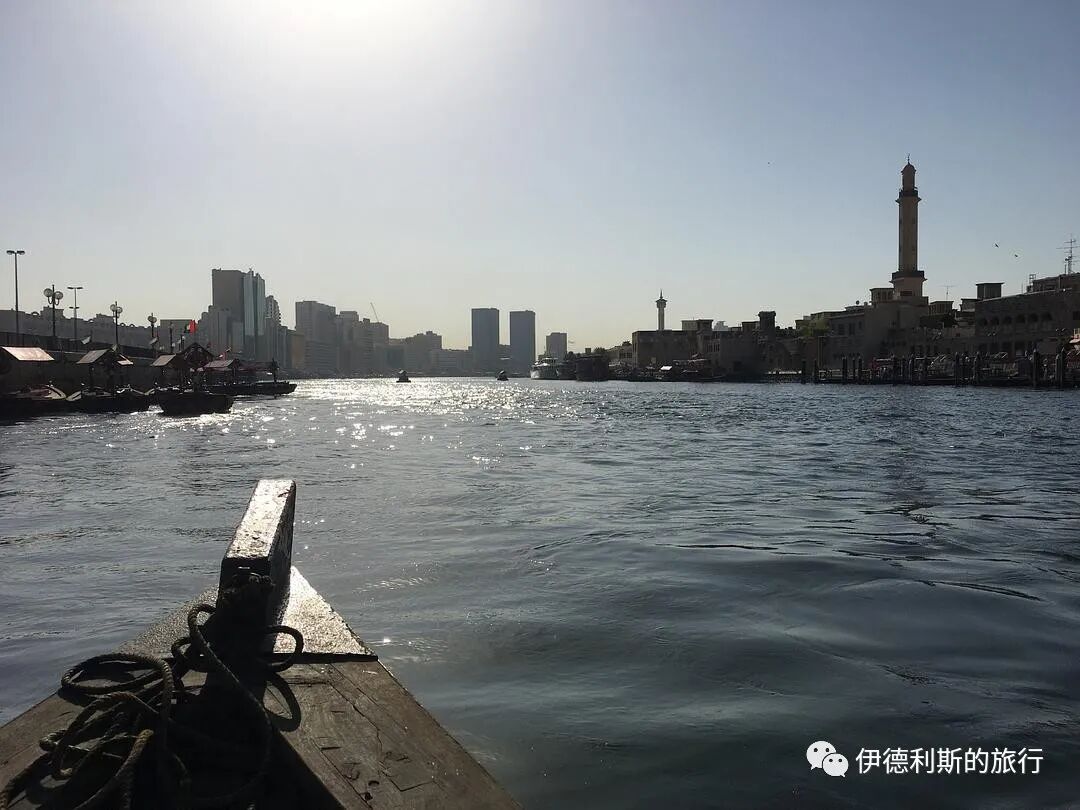
Dubai Creek separates the Bur Dubai and Deira districts of Dubai's old city. From the late 19th and early 20th centuries until it was dredged in 1961, Dubai Creek was an important port for dhows (traditional sailing vessels) coming from India and East Africa, even though the shallow water could not support large-scale shipping.
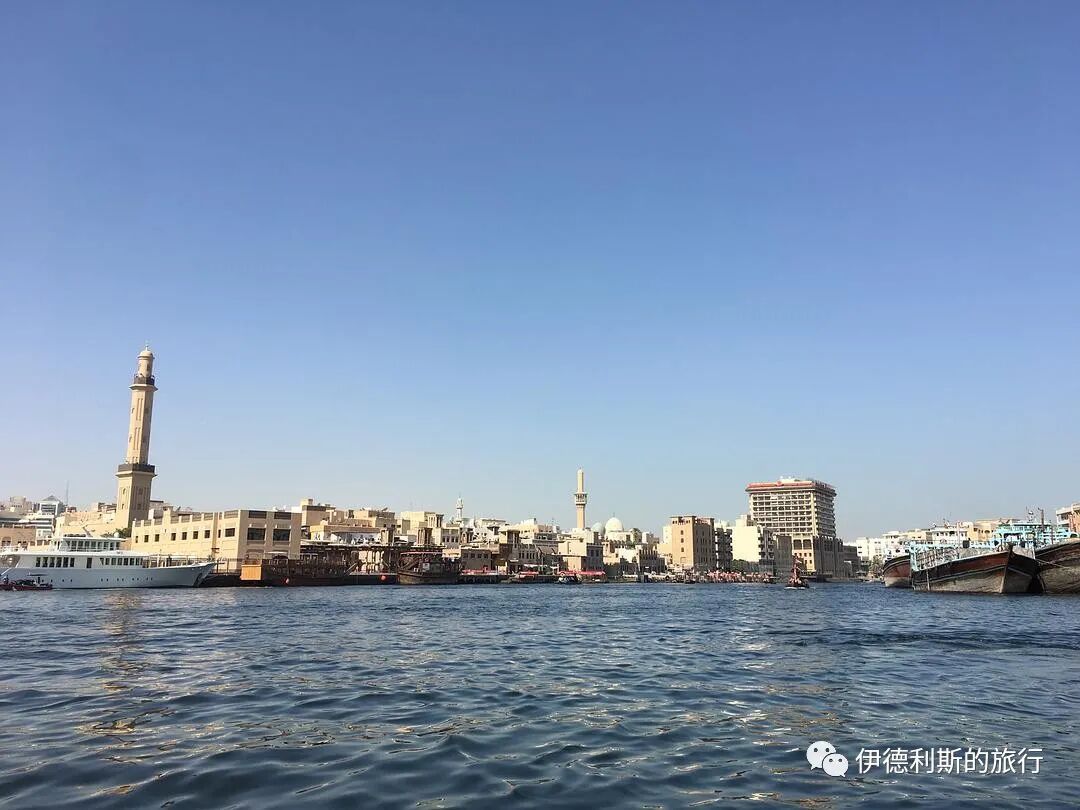
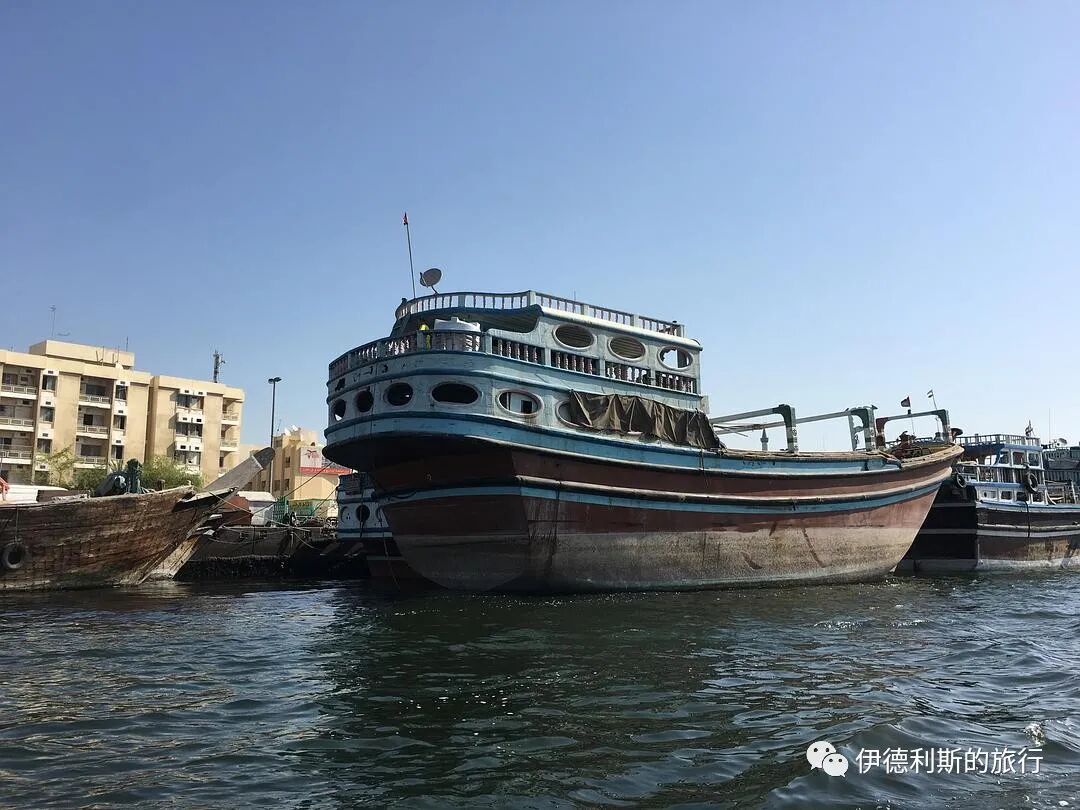
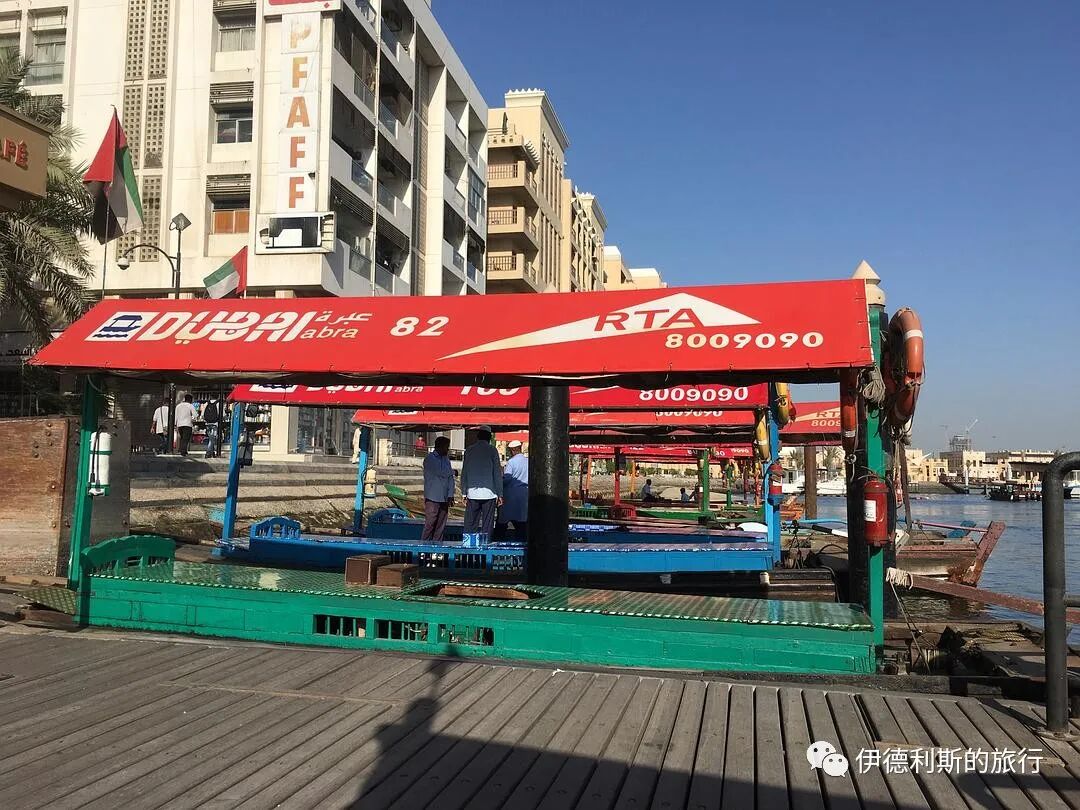
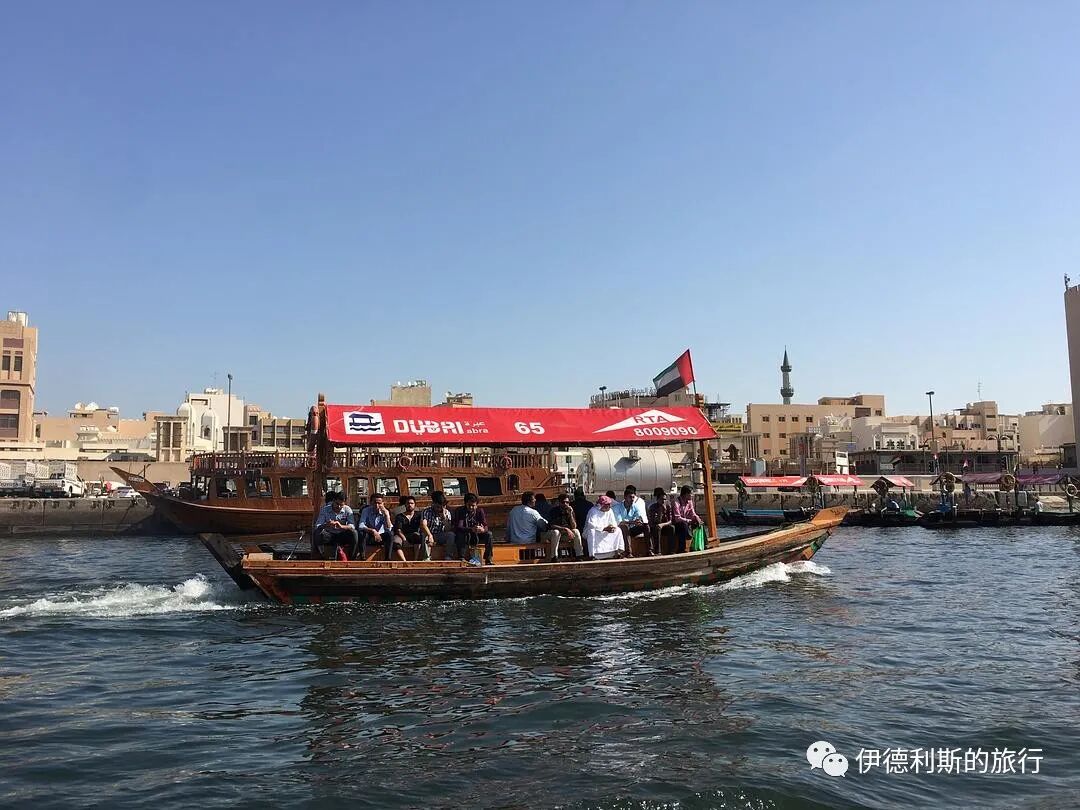
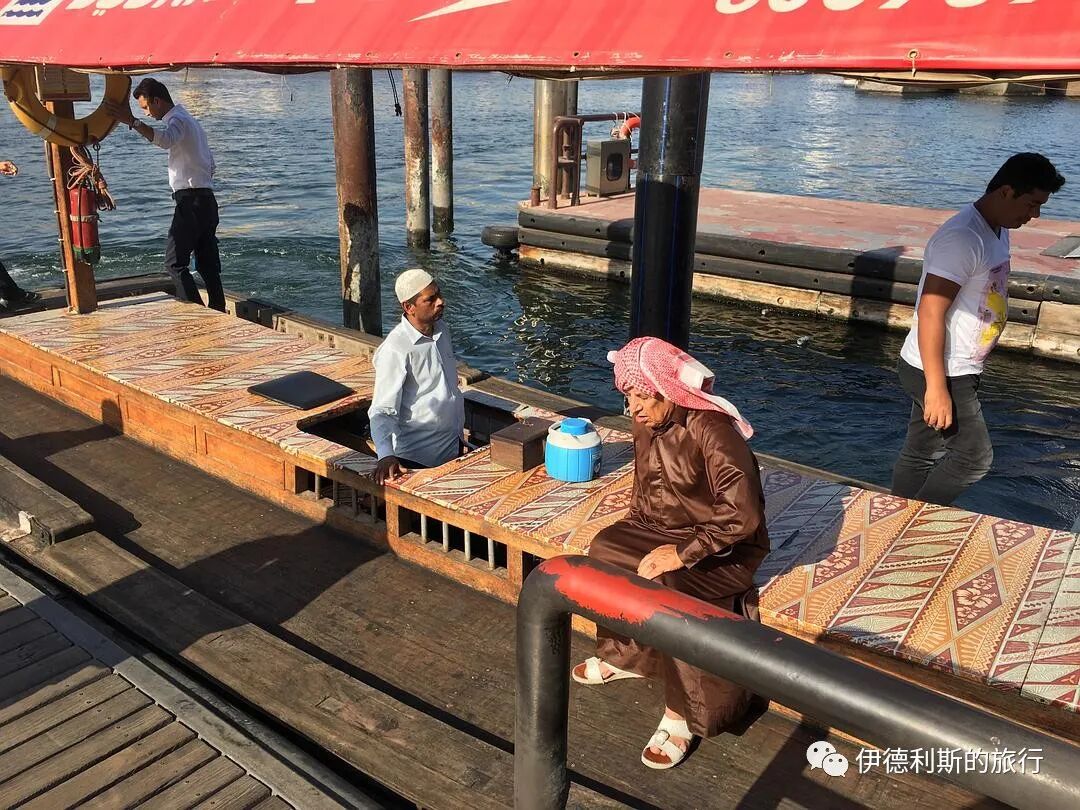
Today, the easiest way to get from Bur Dubai to Al Ras is still by taking a small boat across Dubai Creek. The dock for Al Ras is right at the west exit of the Bur Dubai Souk and is called the Bur Dubai Abra Station. The small boats leave as soon as they are full, and the fare is two coins (if I remember correctly).
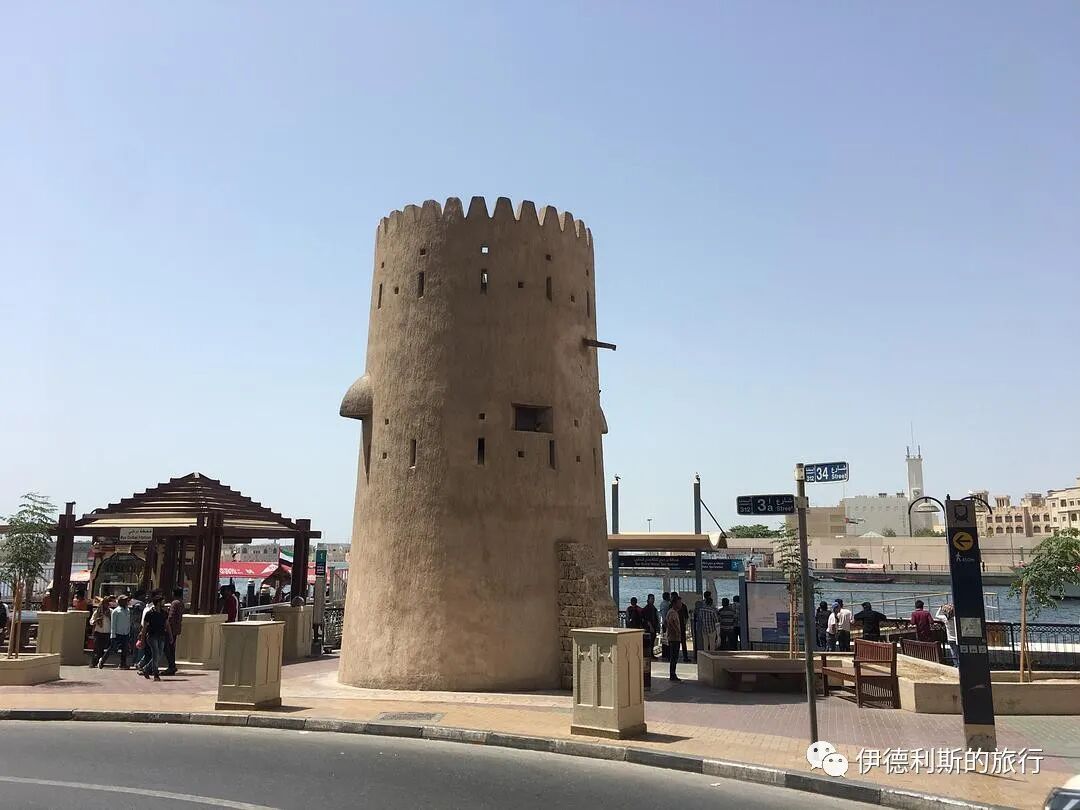
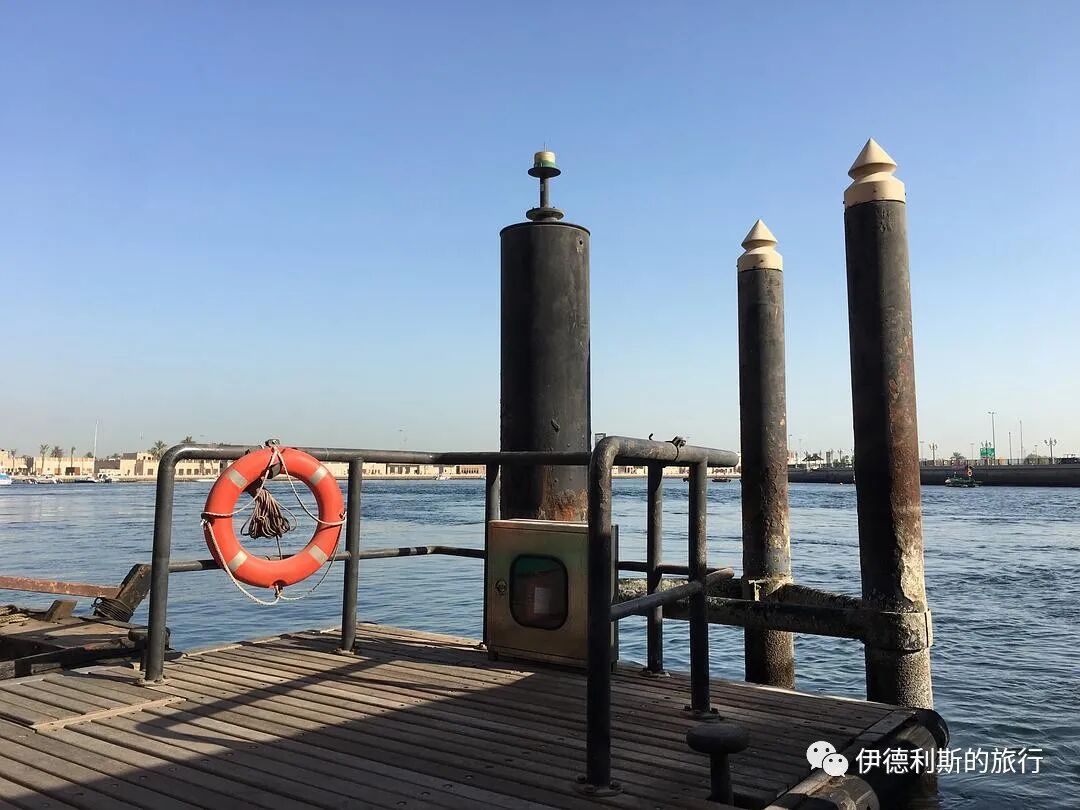
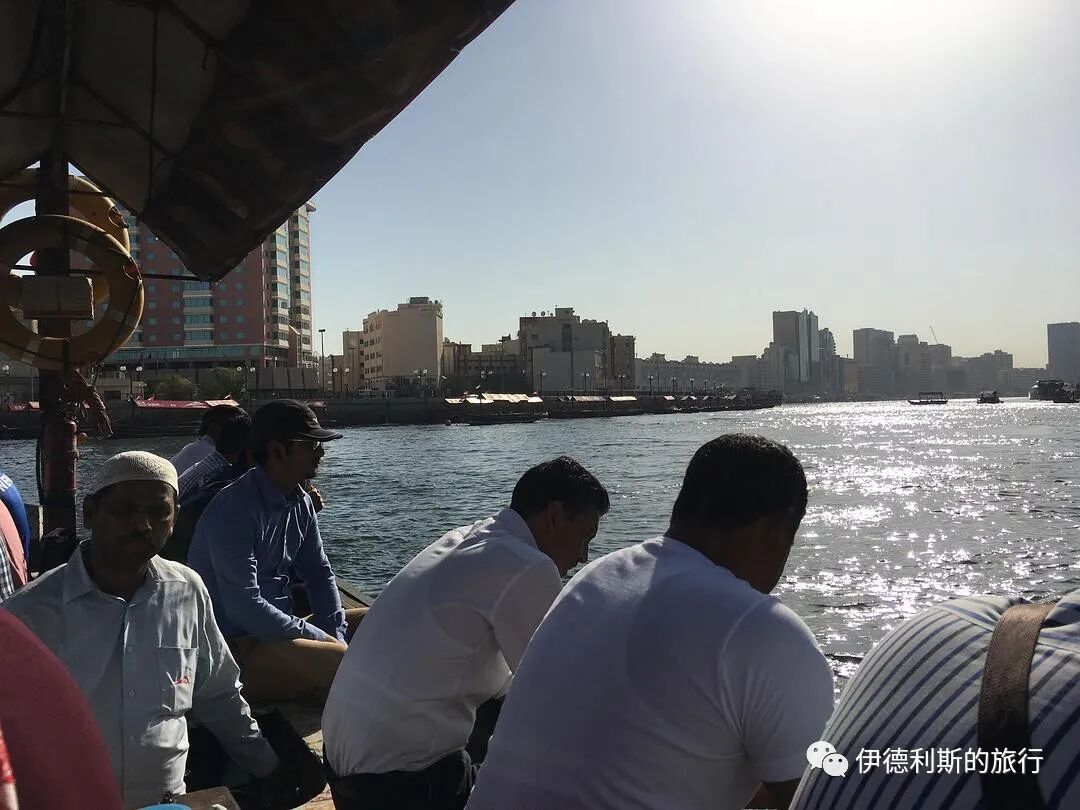
You will arrive at the Deira Old Souk Abra Station on the other side very quickly.
2. Spice Market
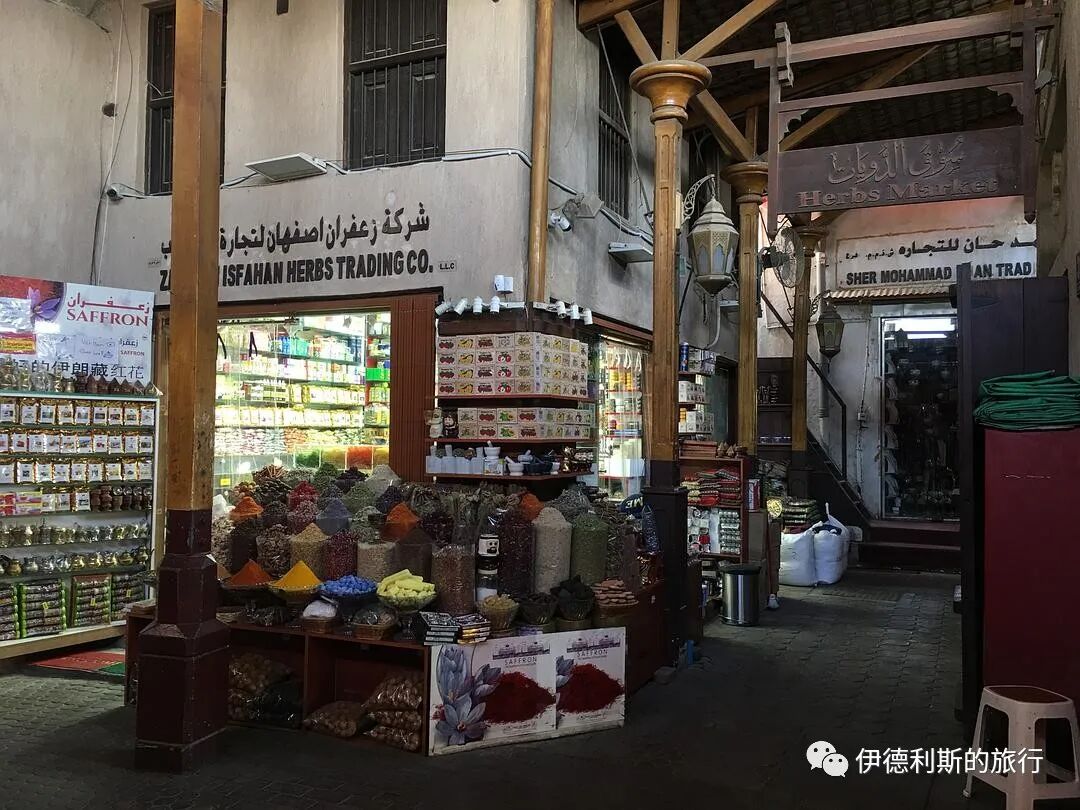
Cross the street from the pier and you are at the famous Spice Souk. I arrived early, so the spice market was not fully open yet.
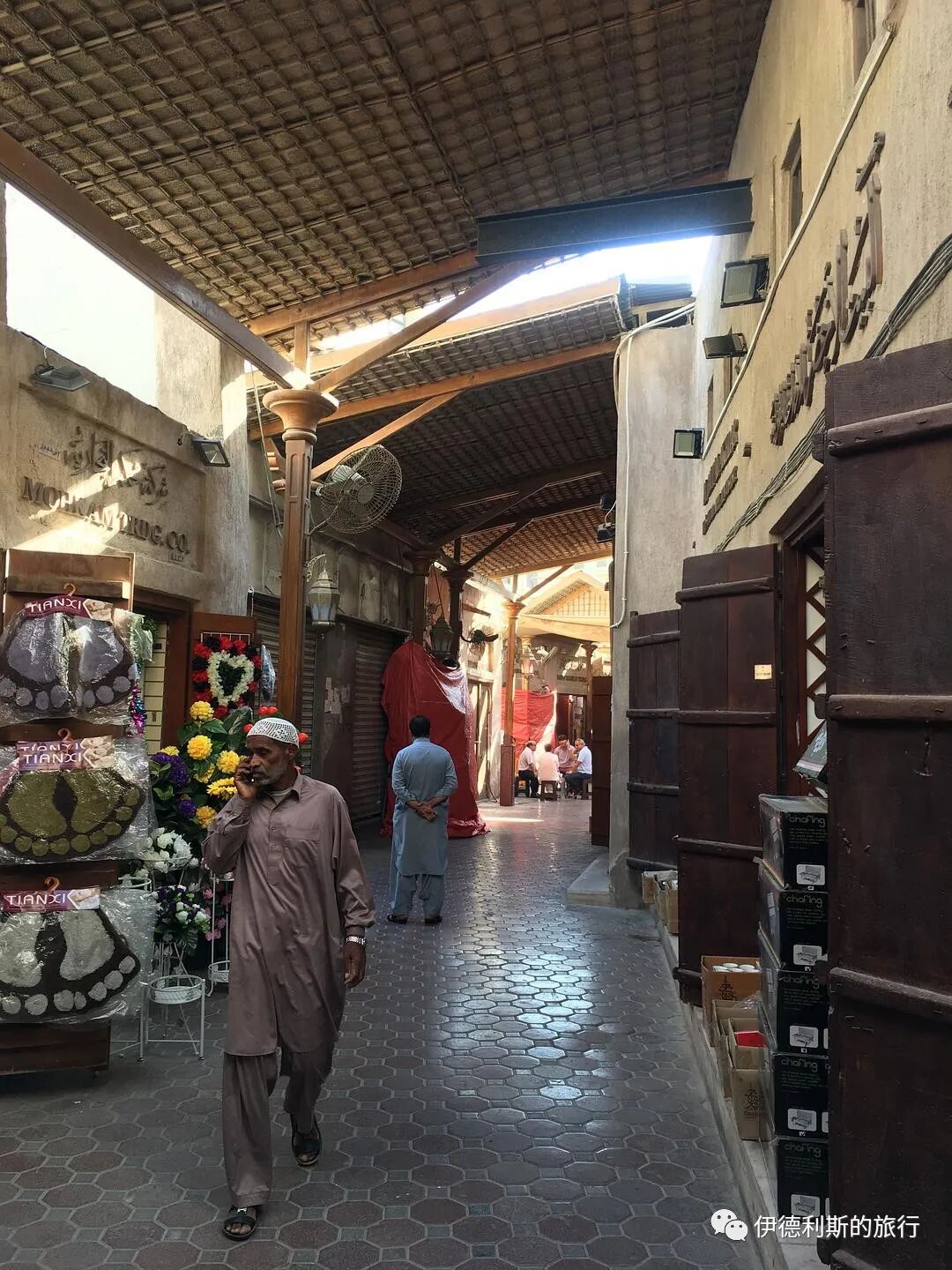
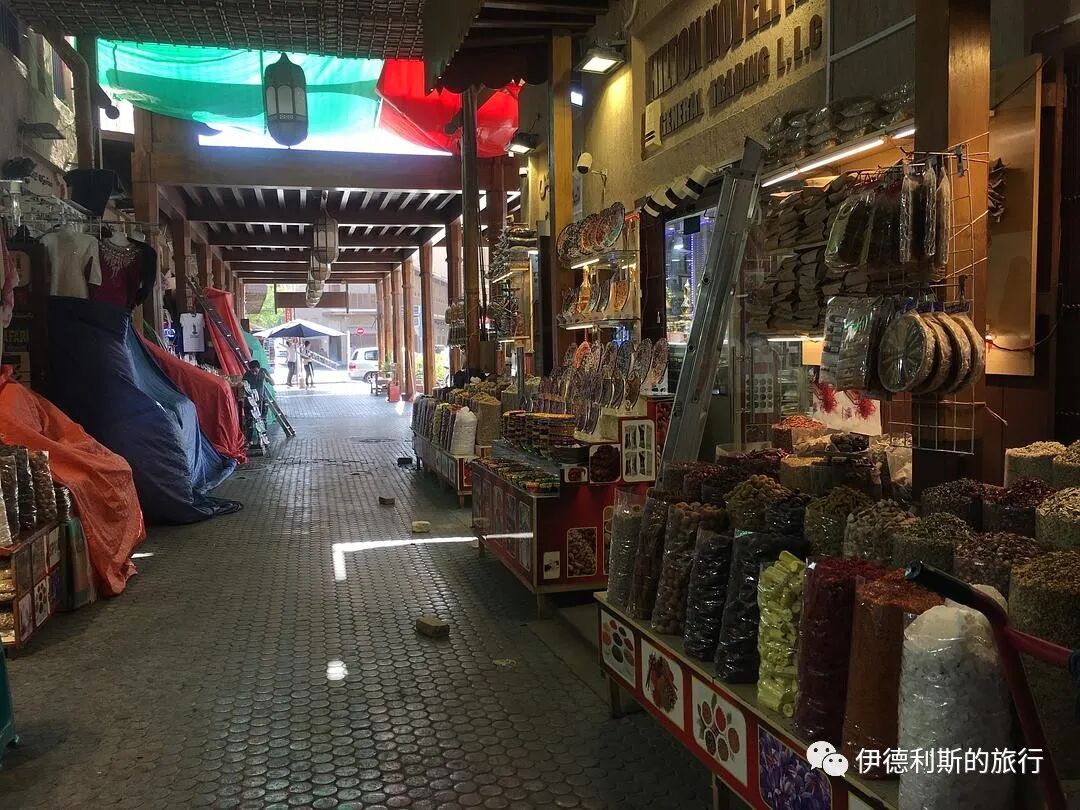
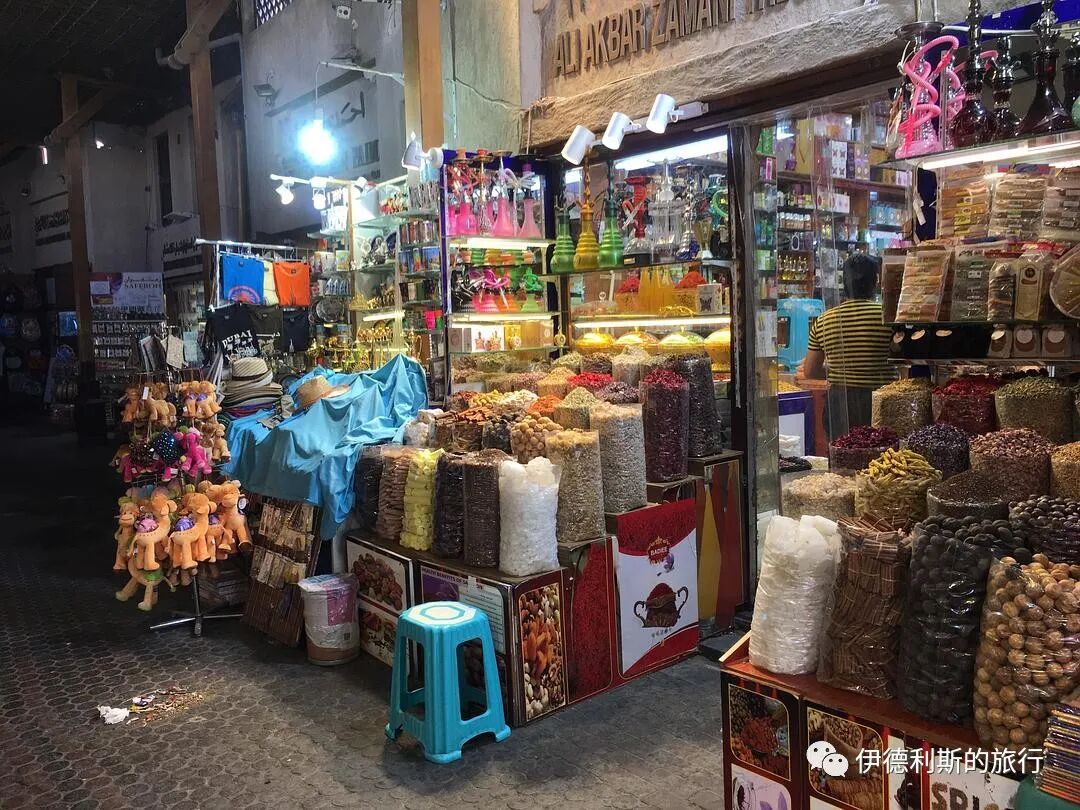
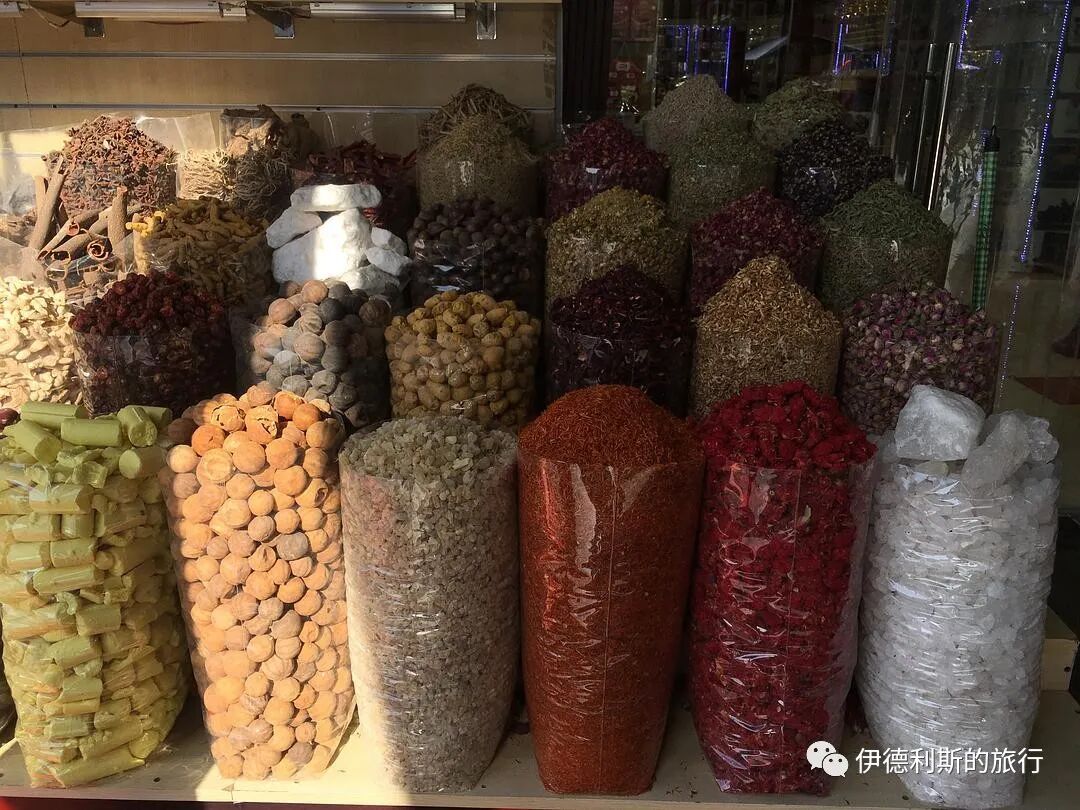
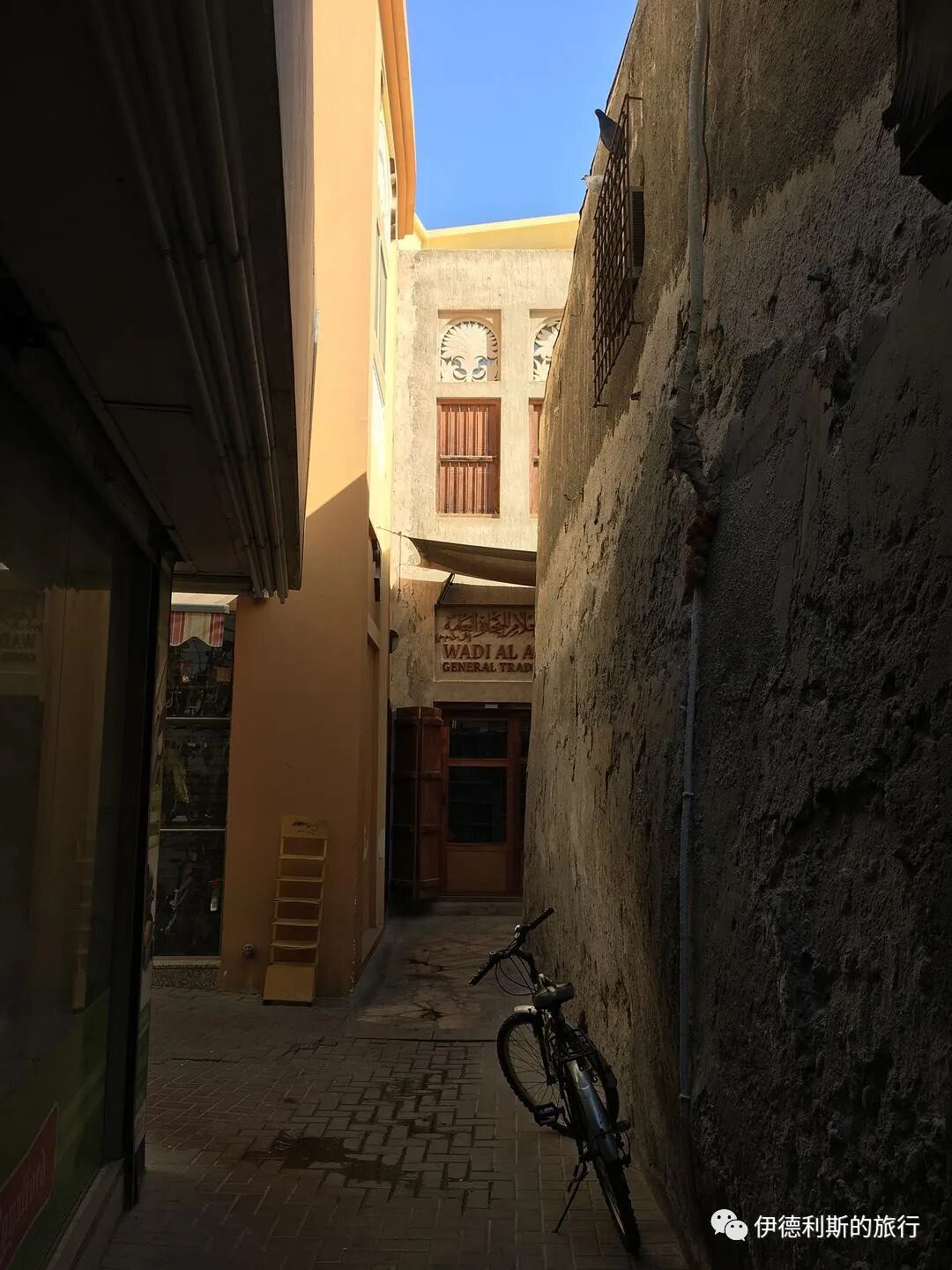
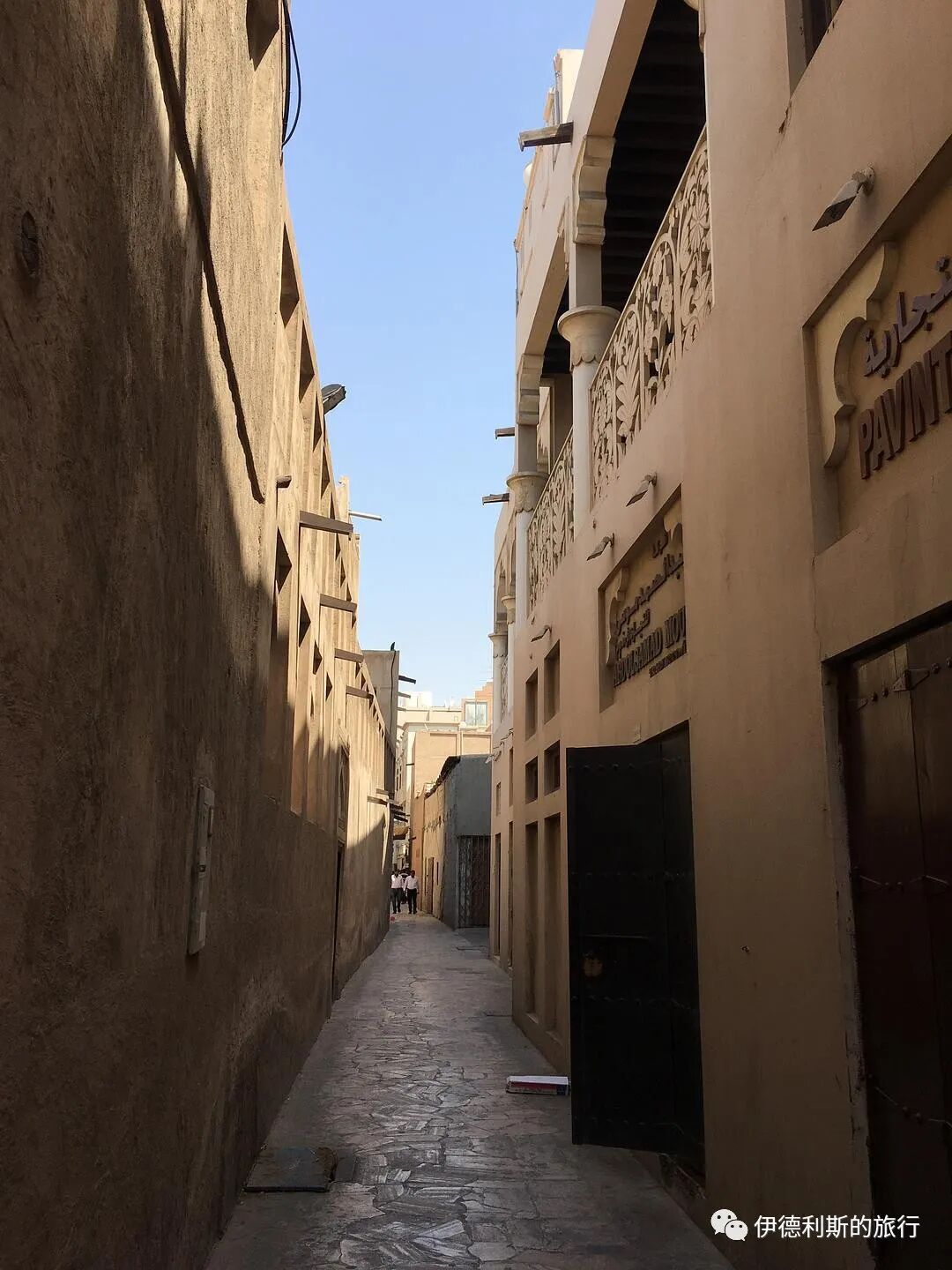
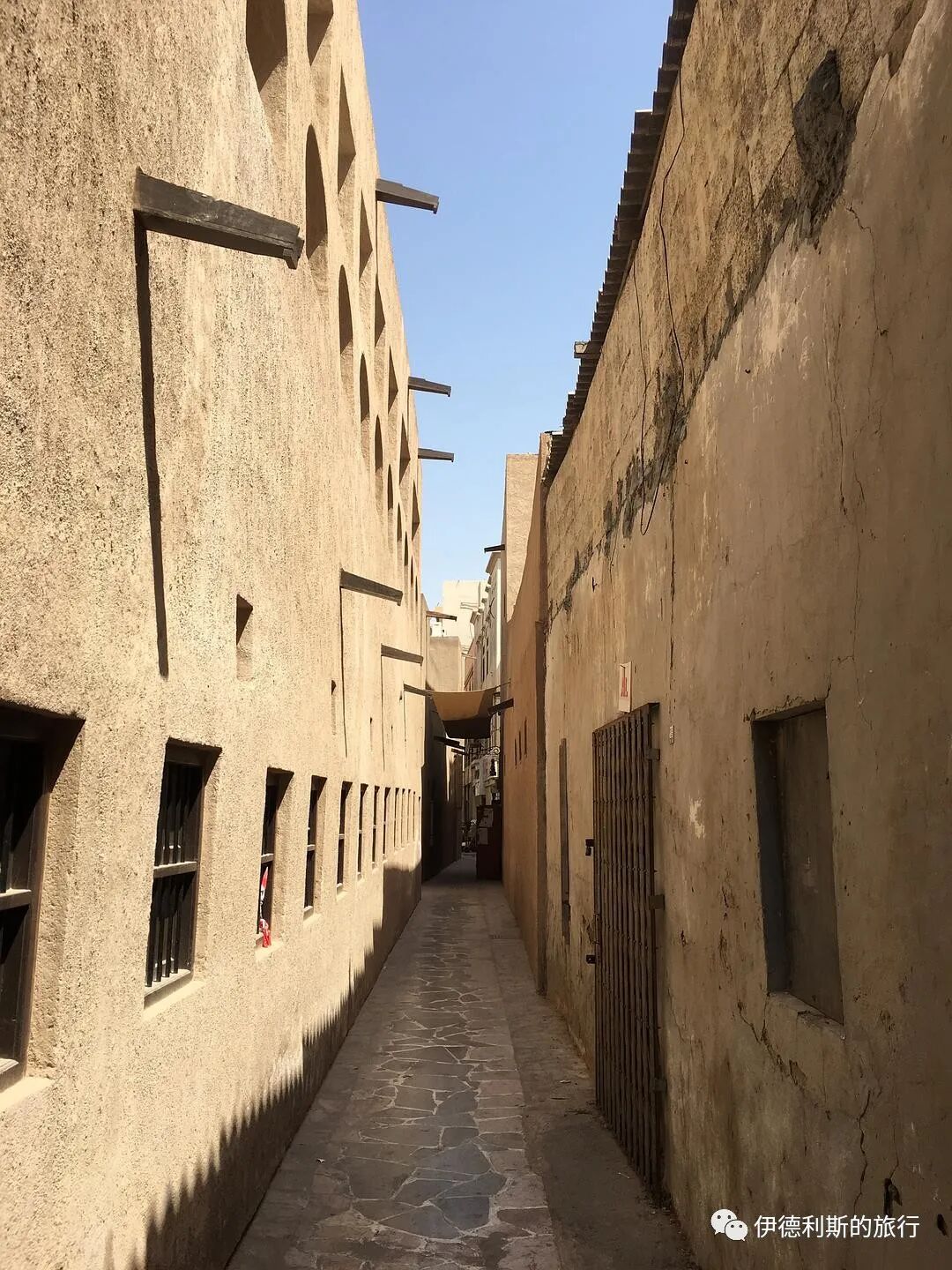
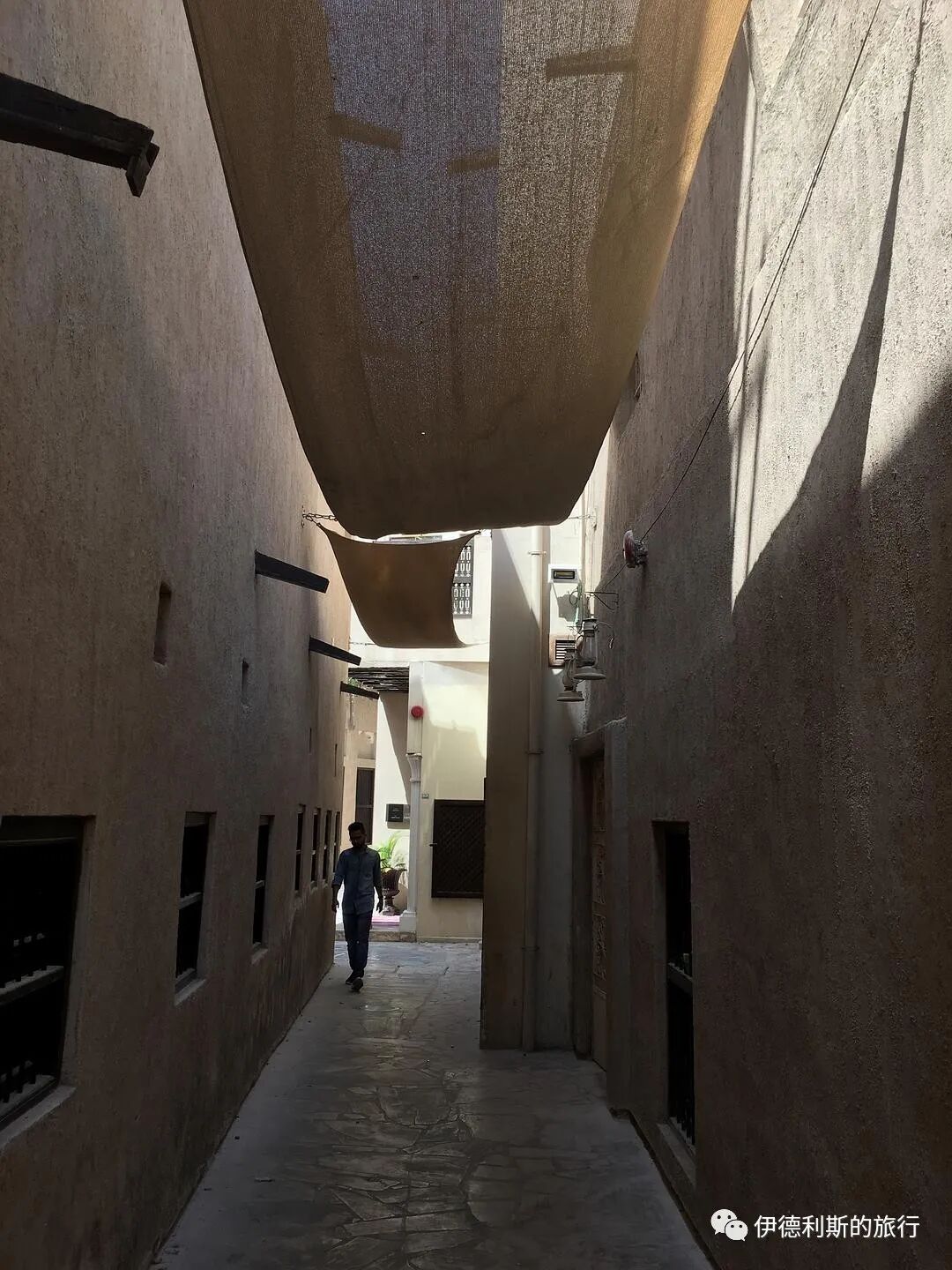
Behind the spice market is a maze of small alleys.
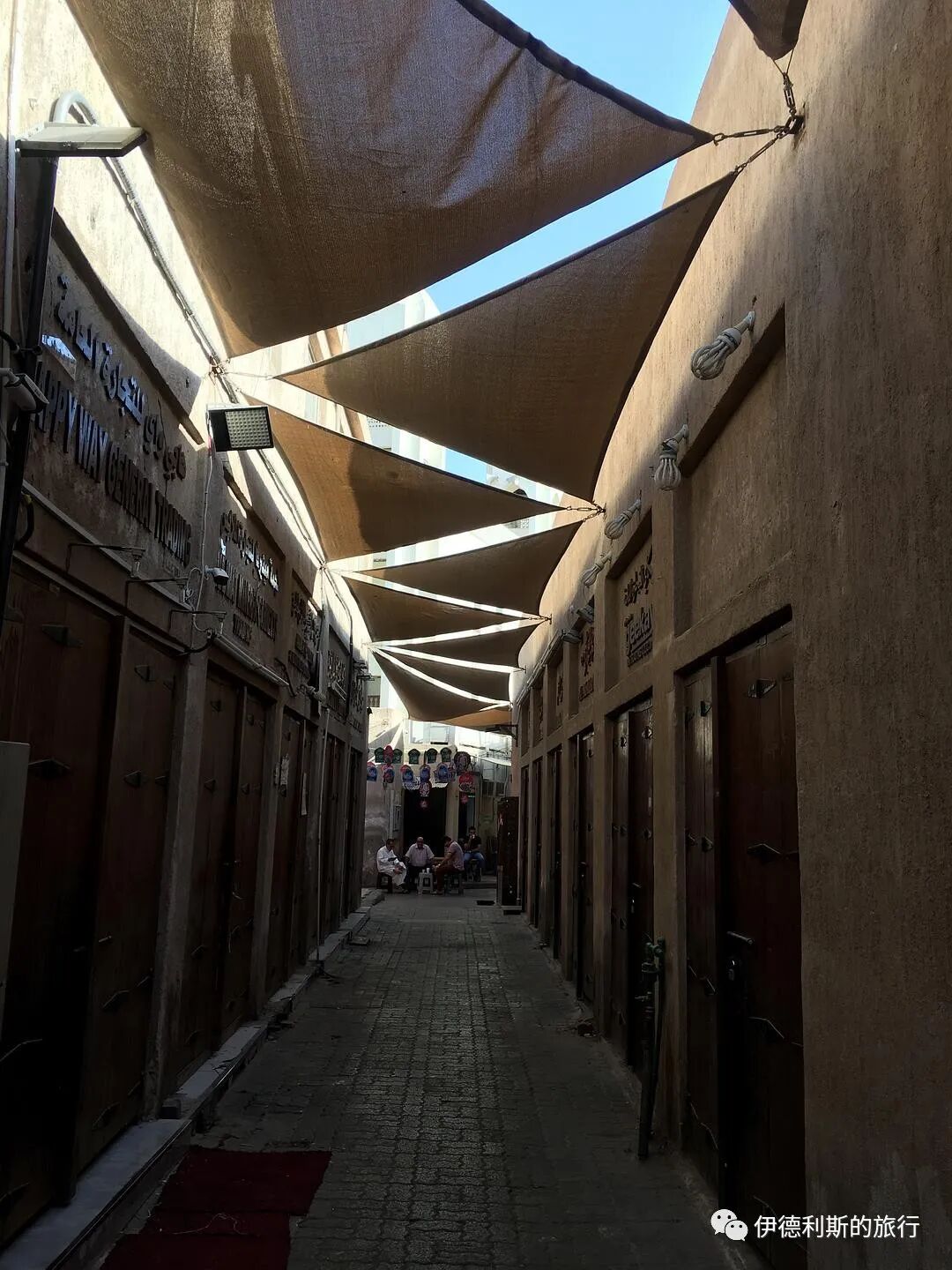
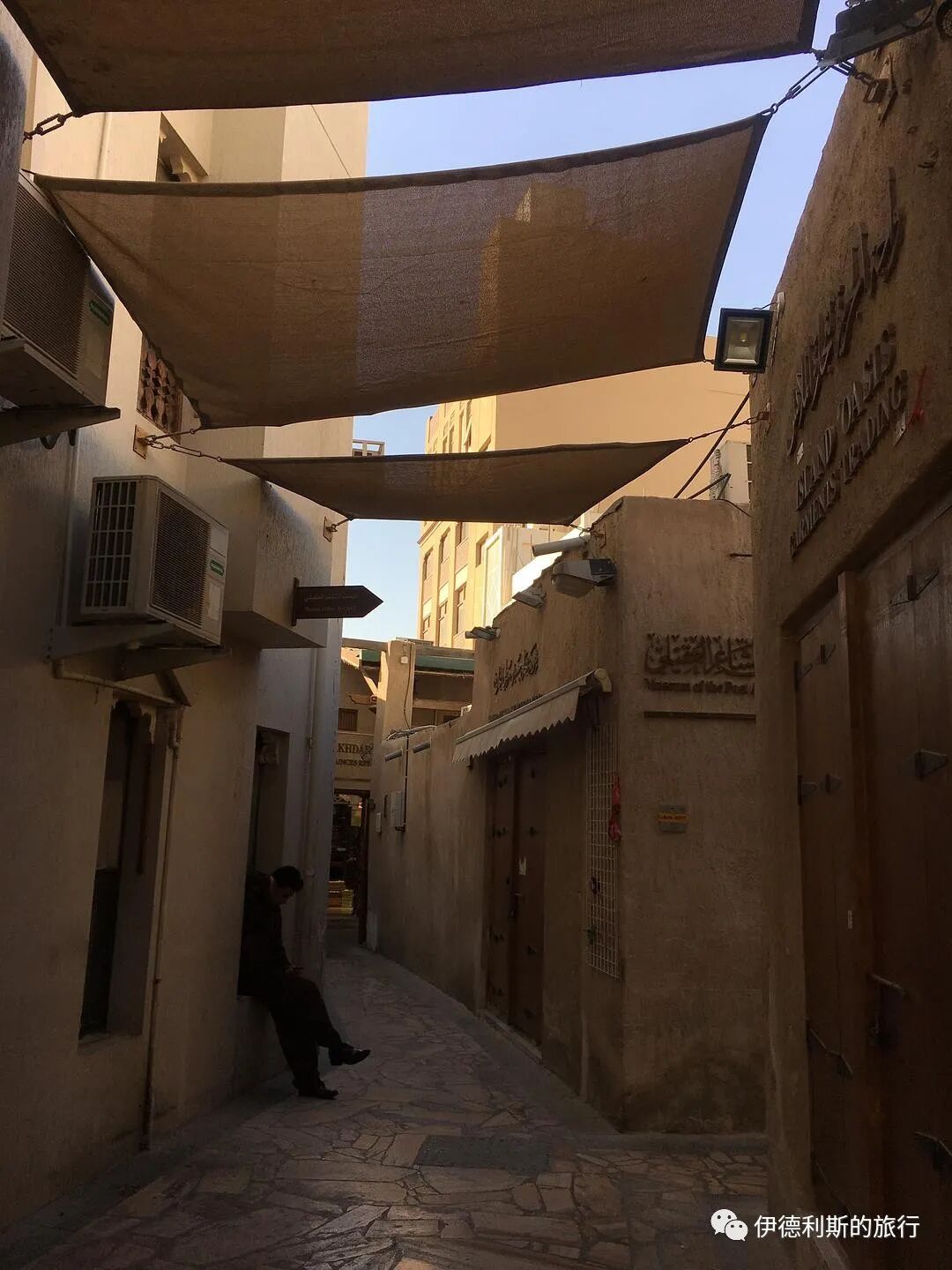
2. Former residence of the poet Al Oqaili
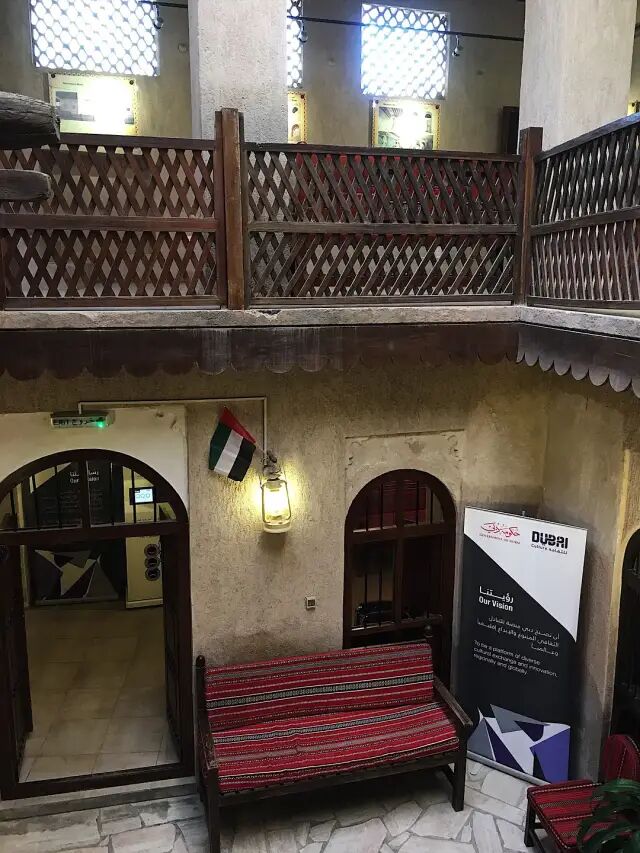
Inside the alley is the Museum of the Poet Al Oqaili, which was the former home of the poet Al Oqaili (1875-1954). Al Oqaili's full name was Mubarak bin Hamad bin Mubarak Al Manea Al Oqaili, and he was a very famous writer in Dubai.
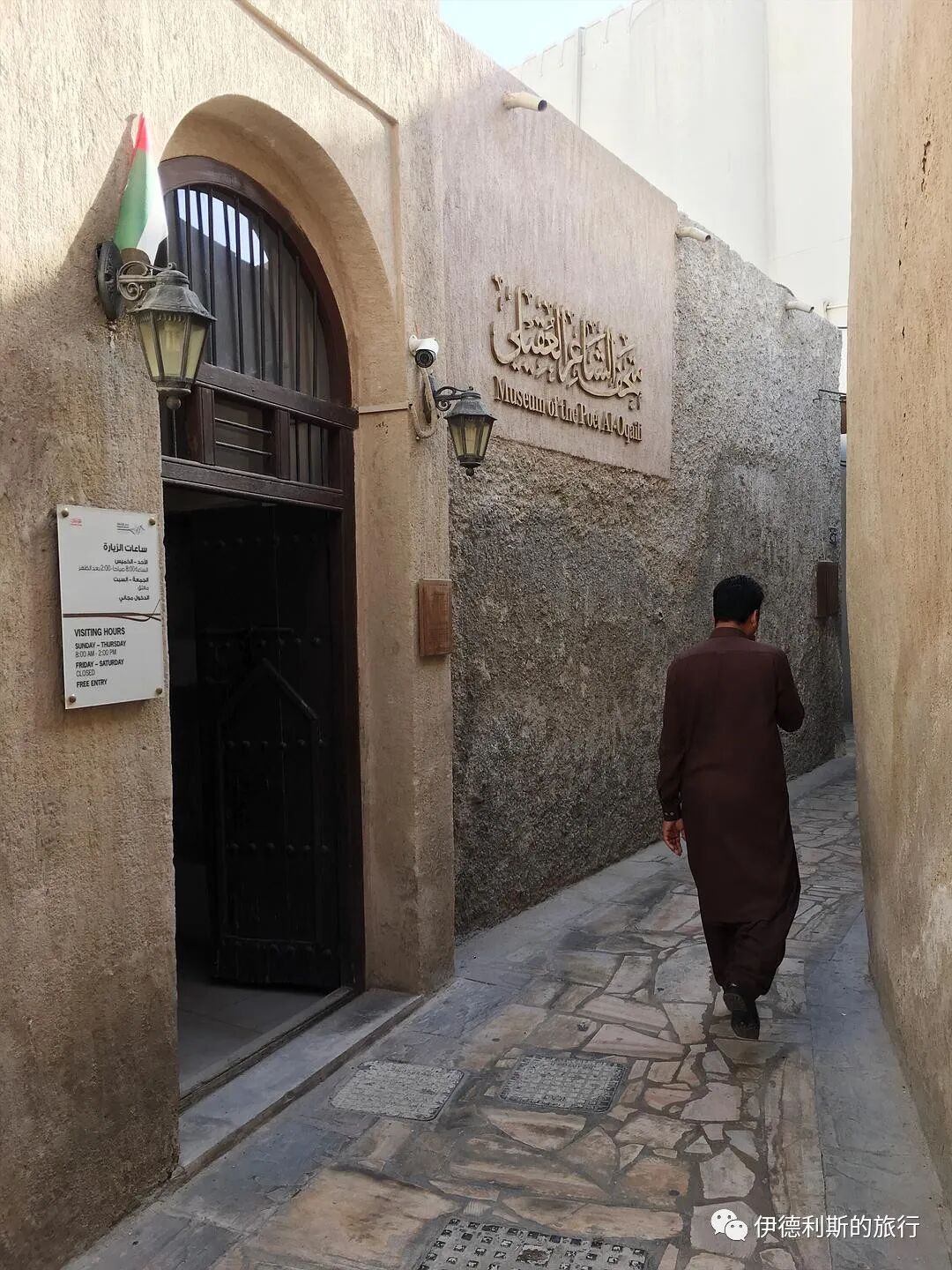
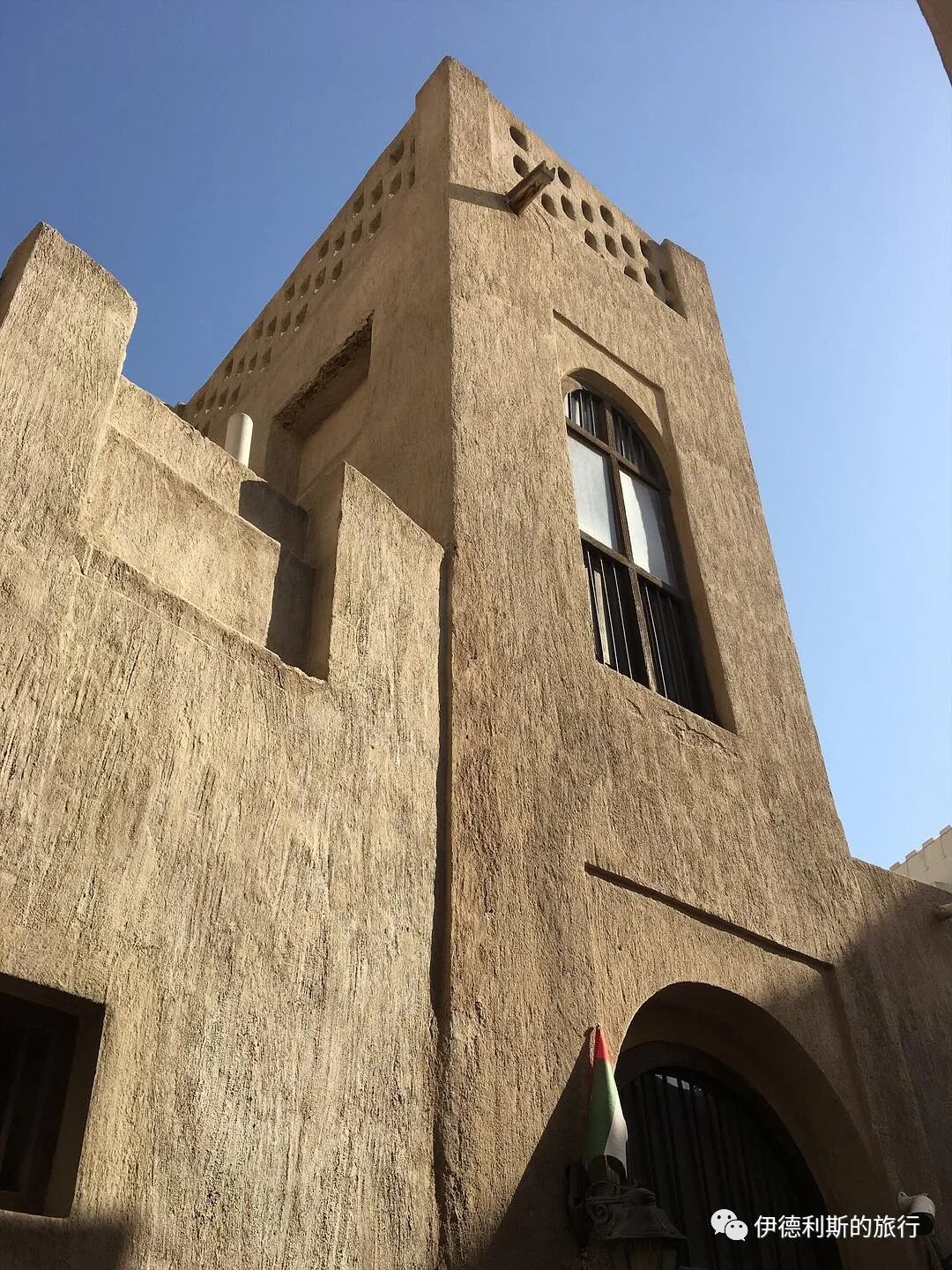
Al Oqaili was born in 1875 in the Al-Ahsa region of the eastern Arabian Peninsula, which is now part of Saudi Arabia. He lost his father at a young age and was raised by his mother, showing a great talent for poetry early on.
In his middle age, he traveled around the Persian Gulf, living in places like Iraq, Bahrain, and Abu Dhabi before finally settling in Dubai at the beginning of the 20th century.
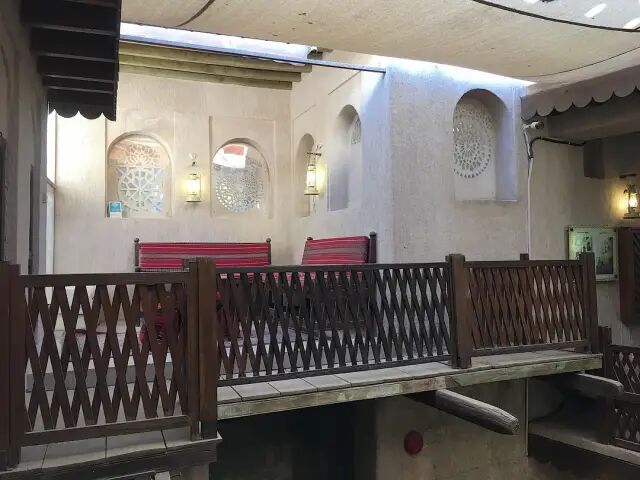
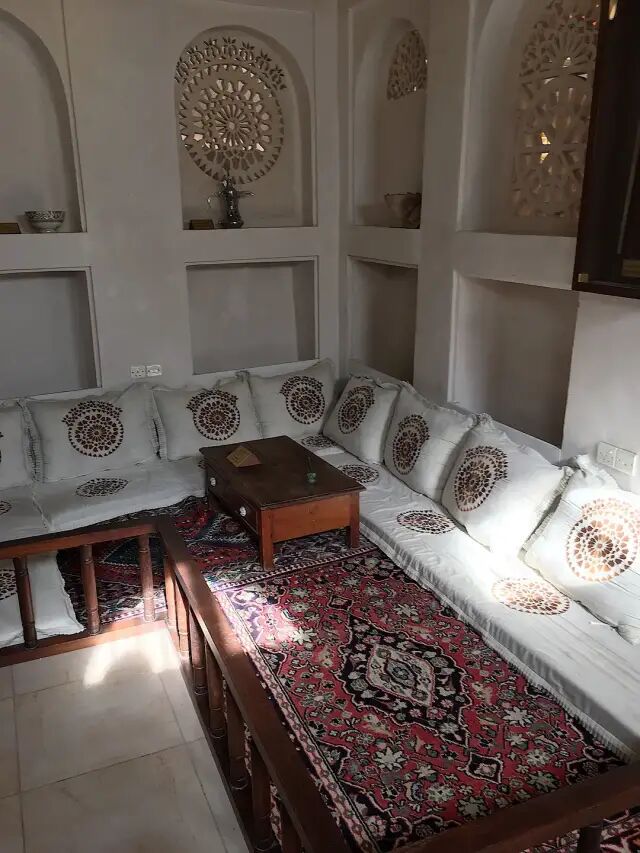
In 1923, he hired craftsmen from his hometown of Al-Ahsa to build this house. The entire building is made of coral, stone, plaster, teak, and palm fronds, along with a traditional Iranian building material called Sarooj. Sarooj is a waterproof mortar often used for bridges, ice cellars, and refrigerators (yakhchal). It is a hard mixture made of clay and limestone in a 6:4 ratio. After kneading it for two days, workers add bathhouse furnace ash, cattail fibers, eggs, and straw, then beat it with wooden sticks to make the final mortar.
In 1954, Al Oqaili passed away in this house at the age of 81. He never married or had children, so his cousin from Saudi Arabia inherited the property.
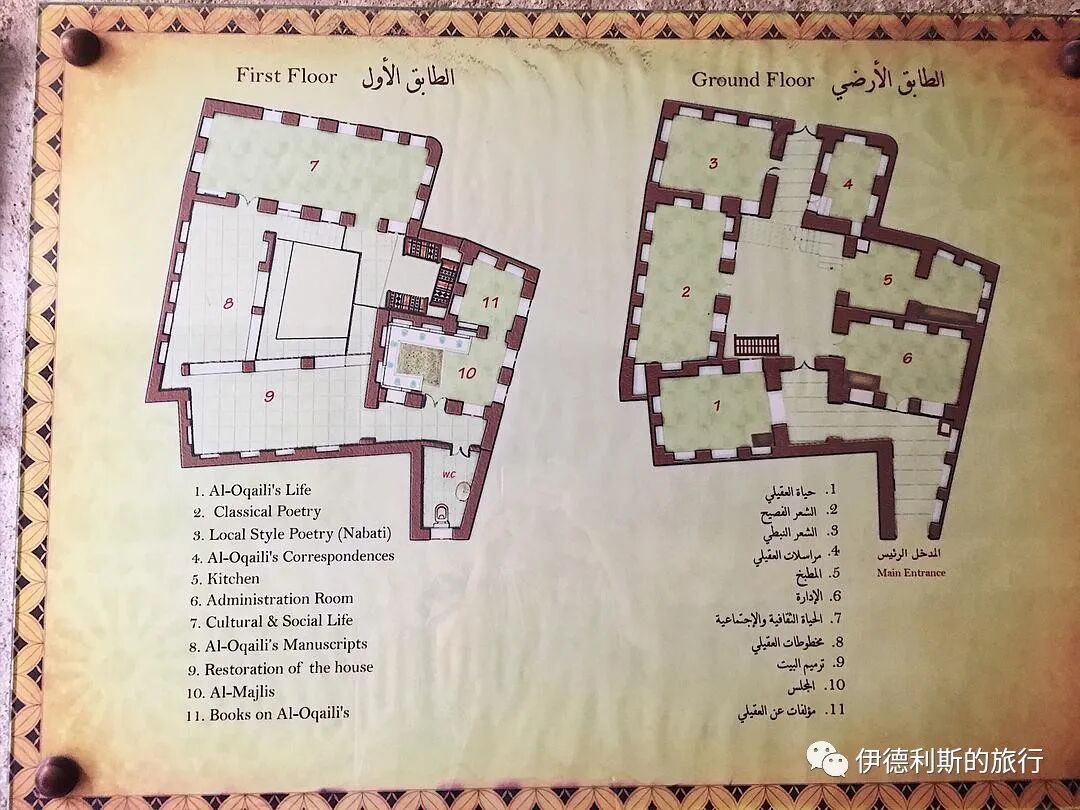
Floor plan of the former residence:
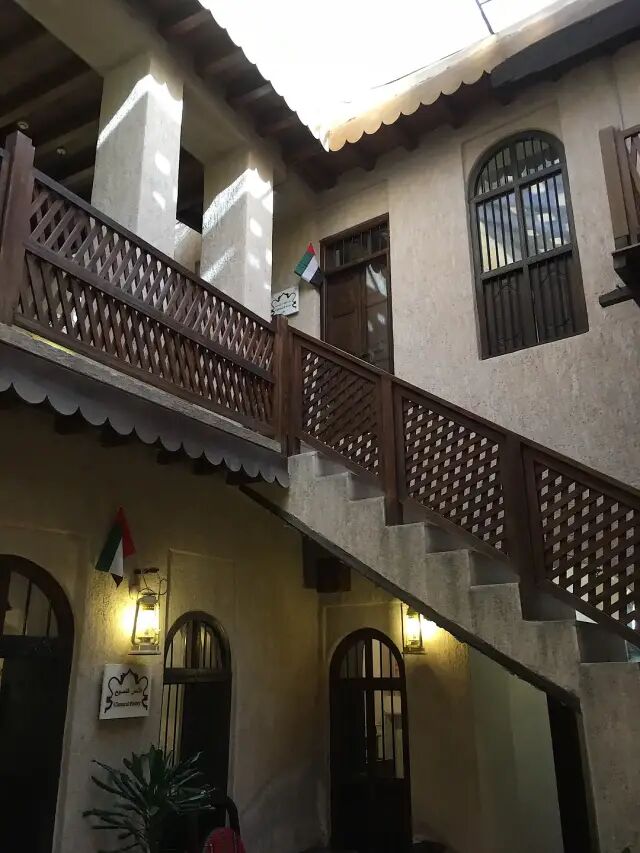
Inside the courtyard
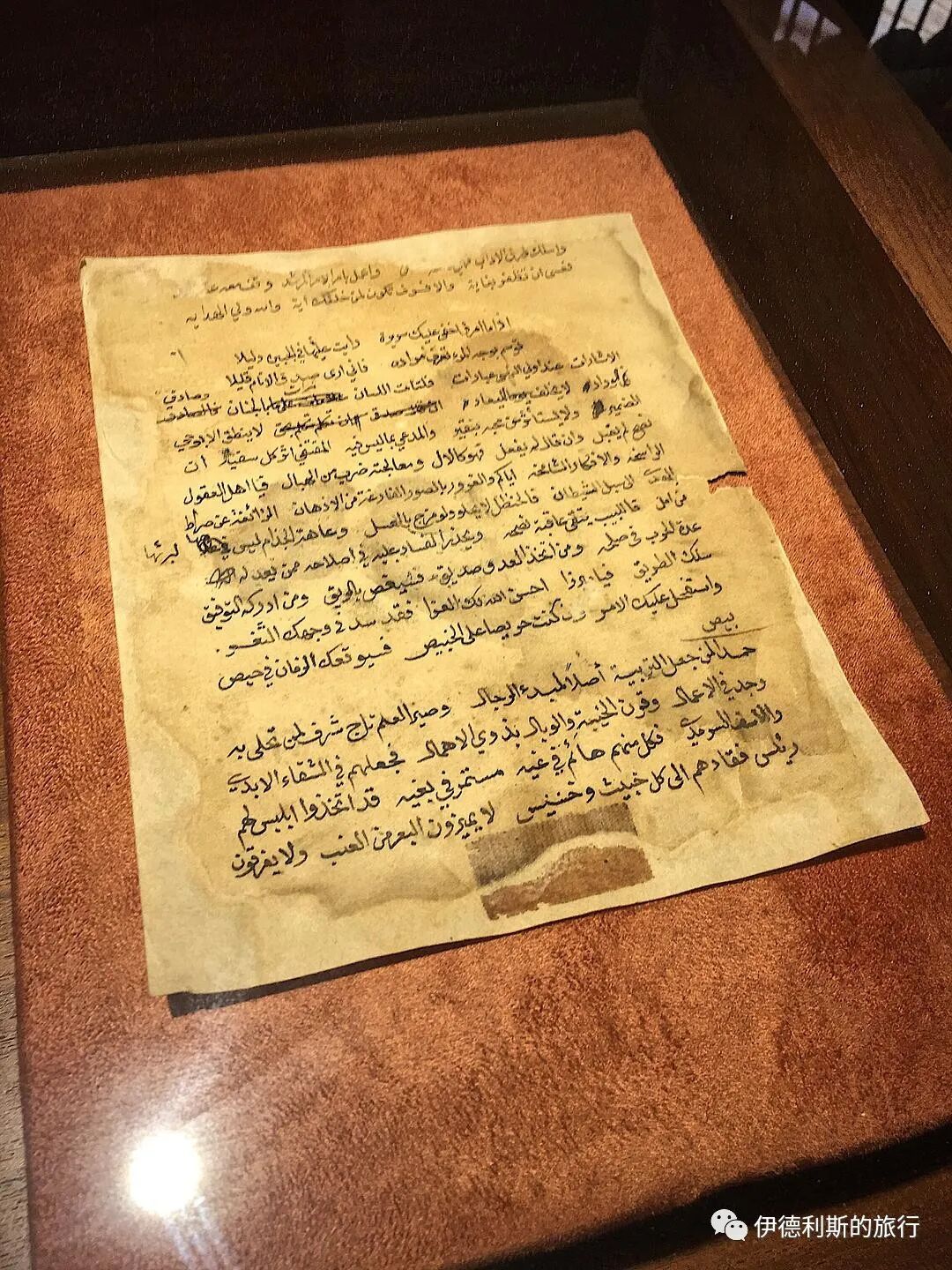
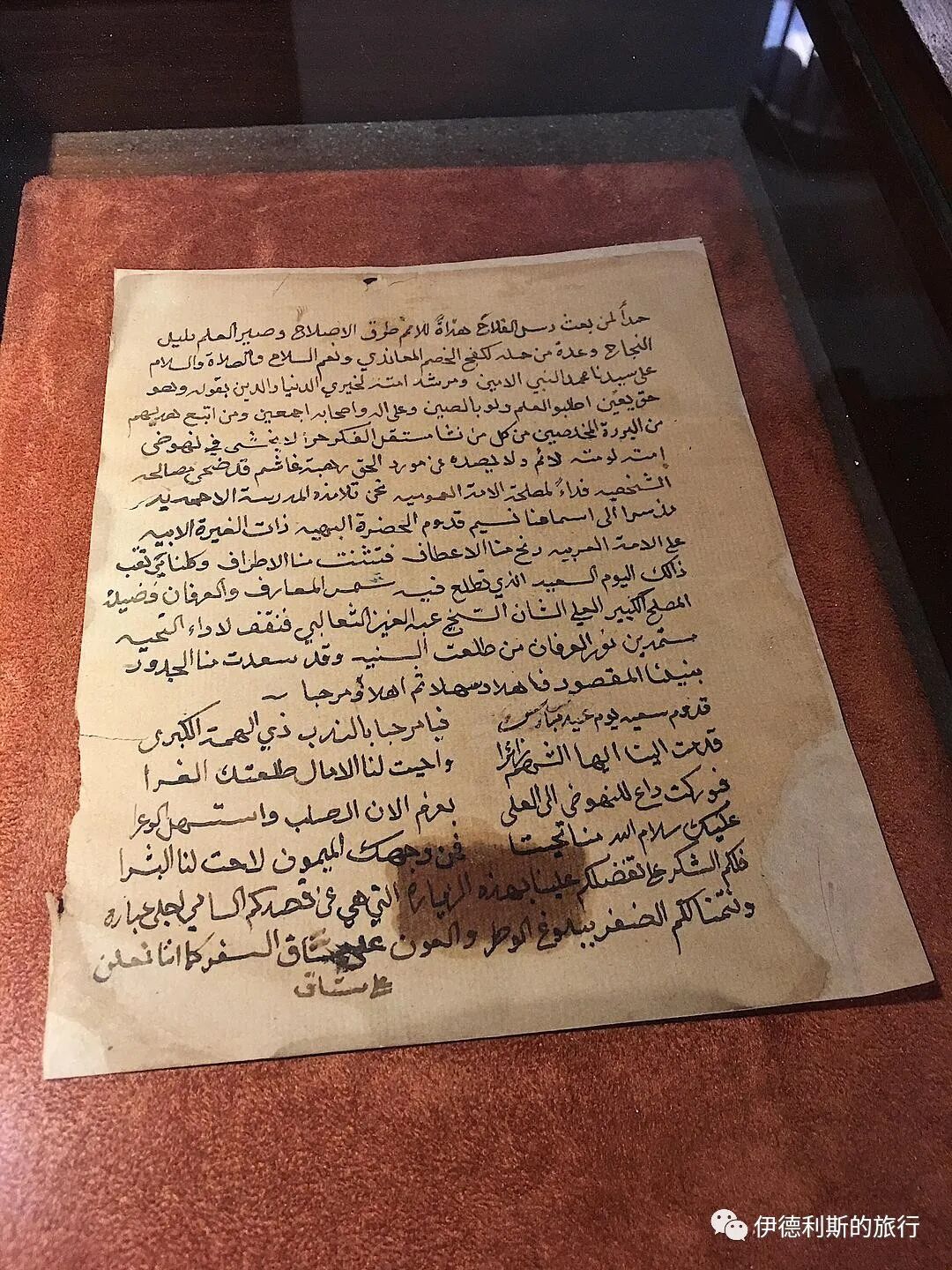
The poet's manuscript
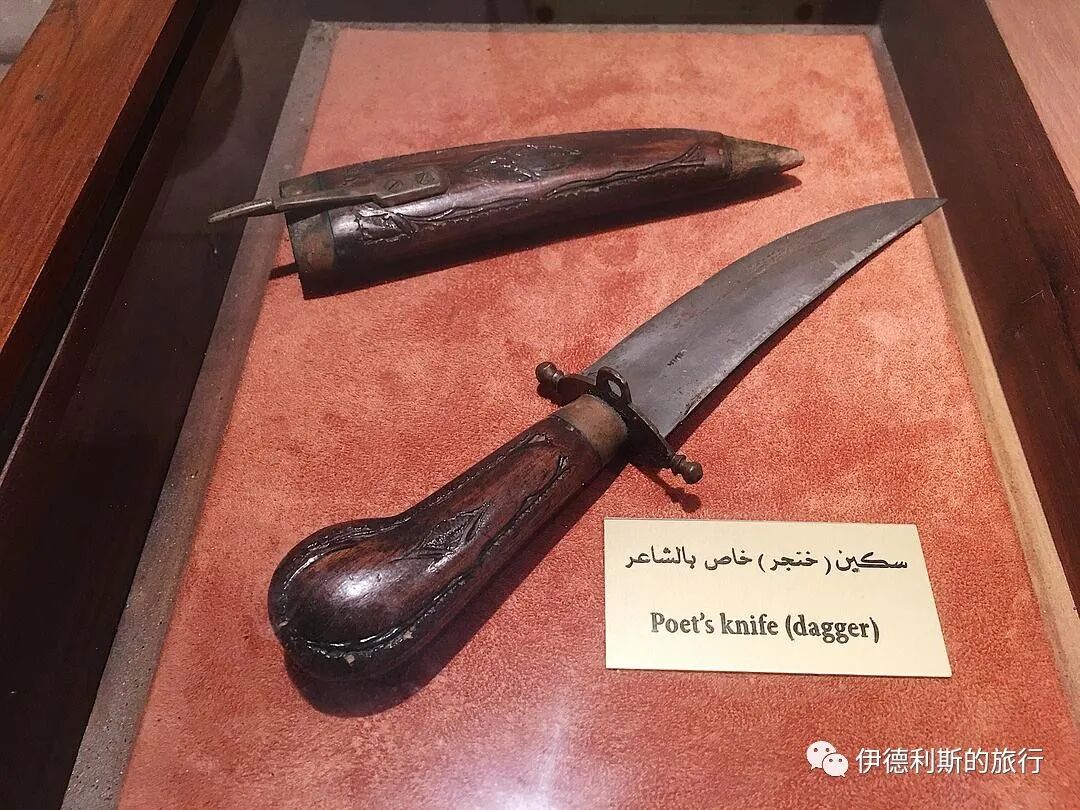
The poet's dagger
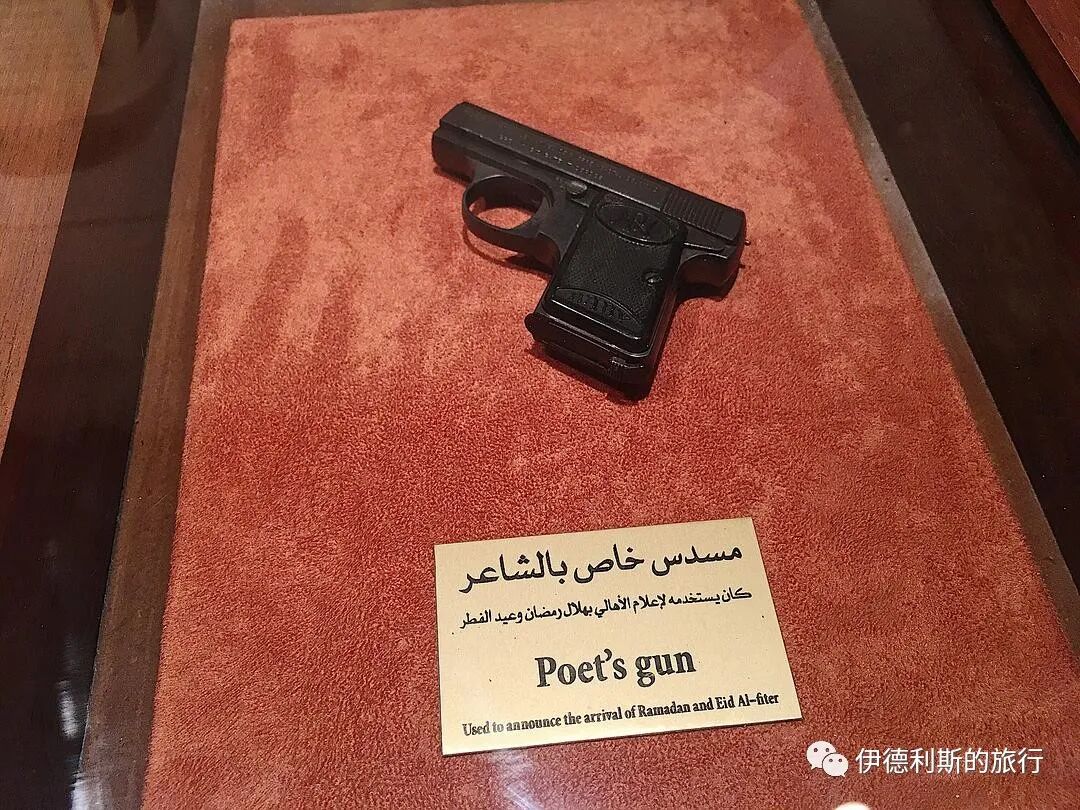
The poet's gun
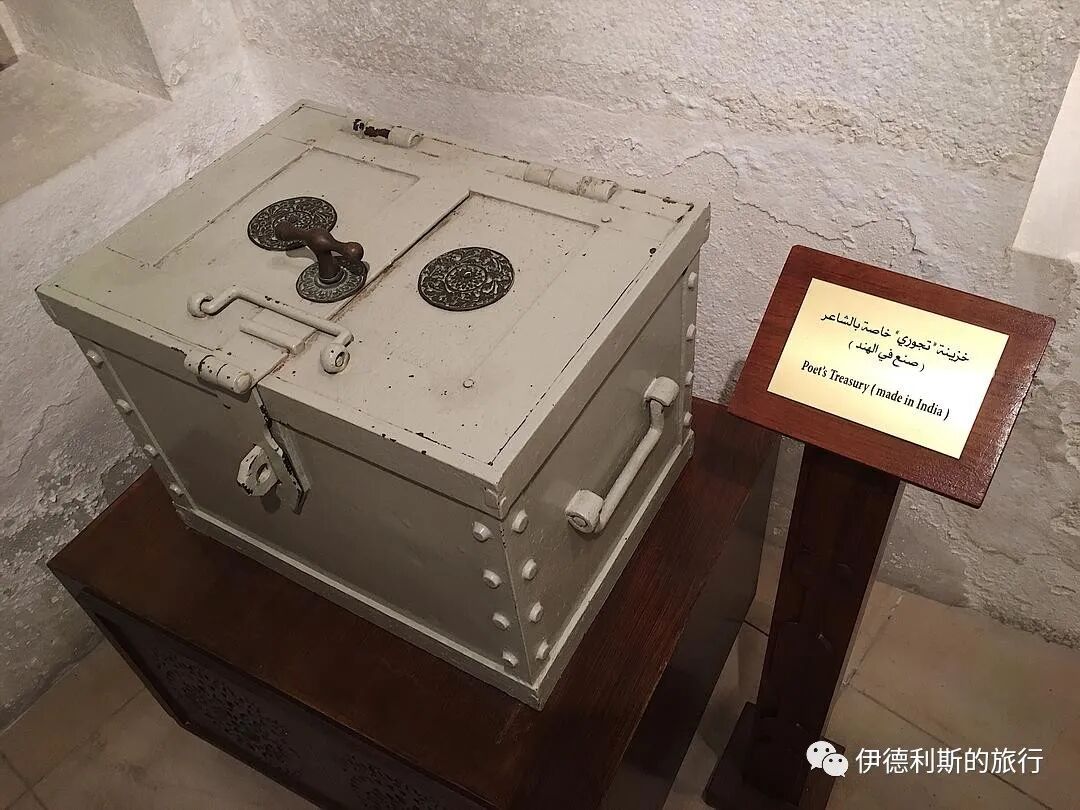
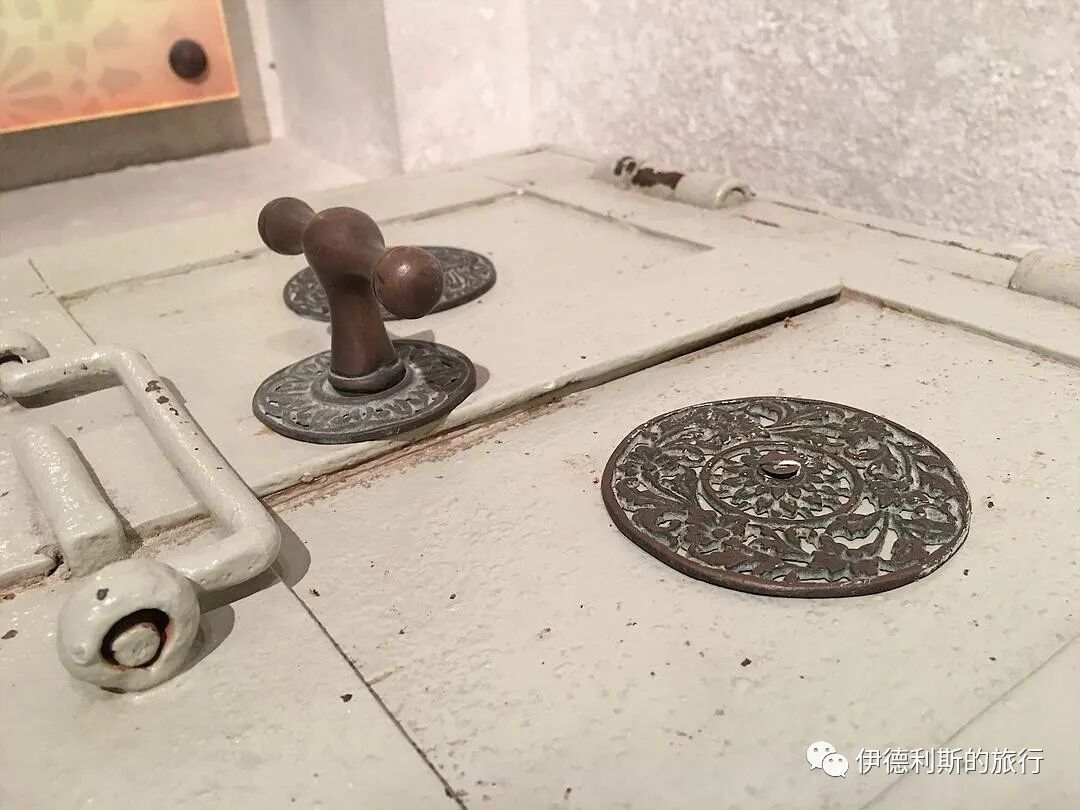
The poet's safe
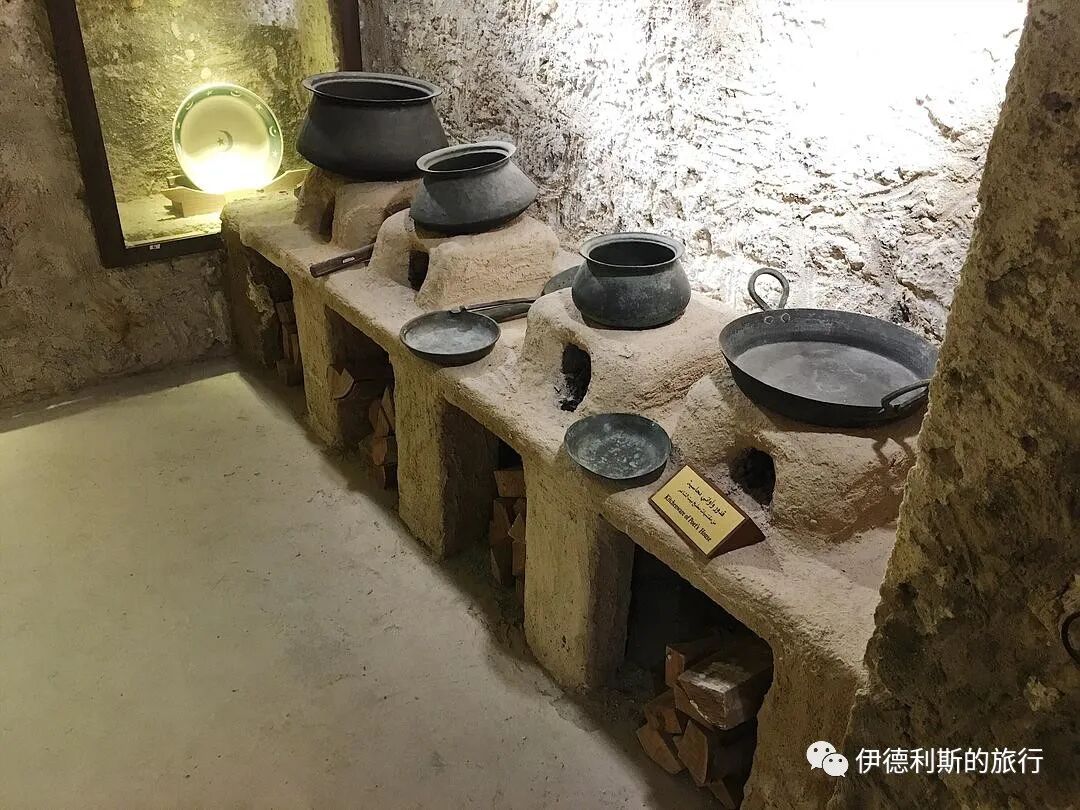
Kitchen
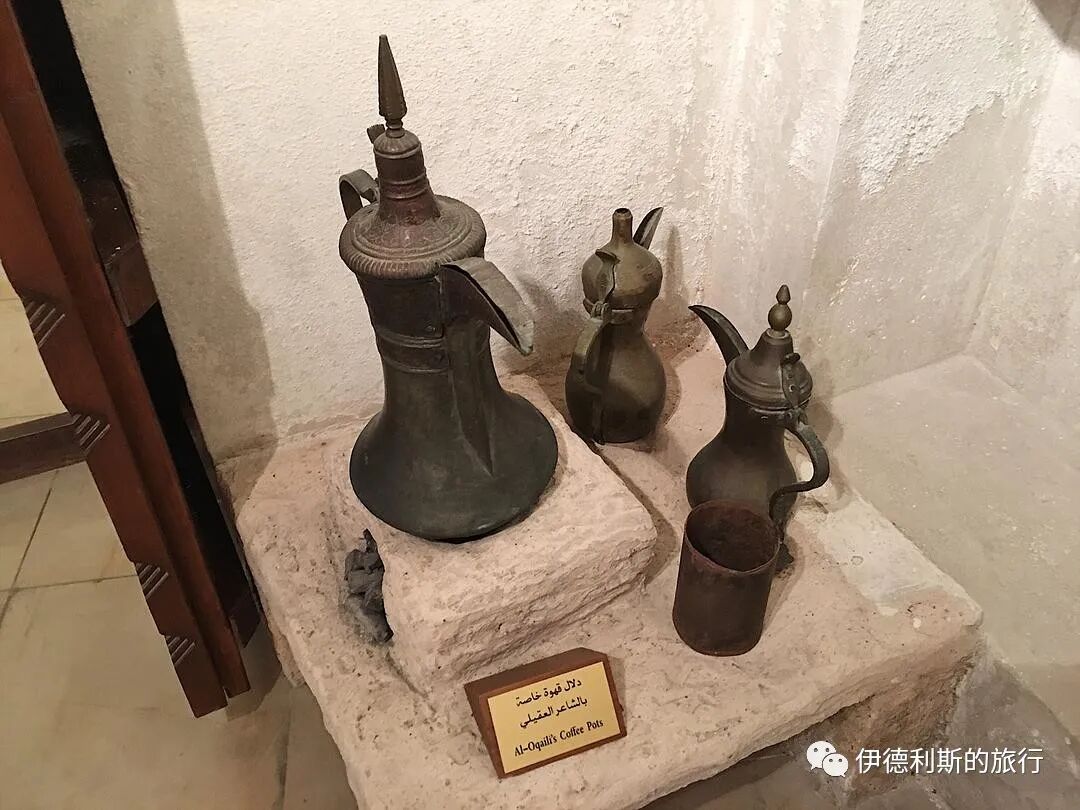
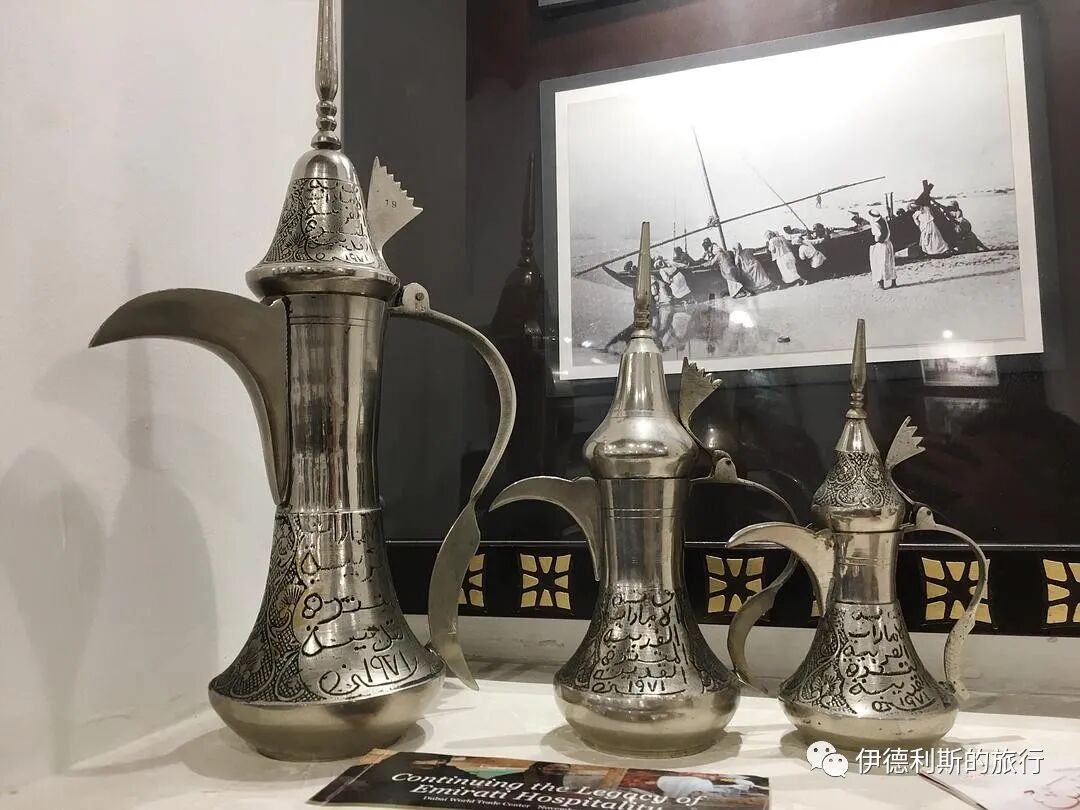
Coffee pot
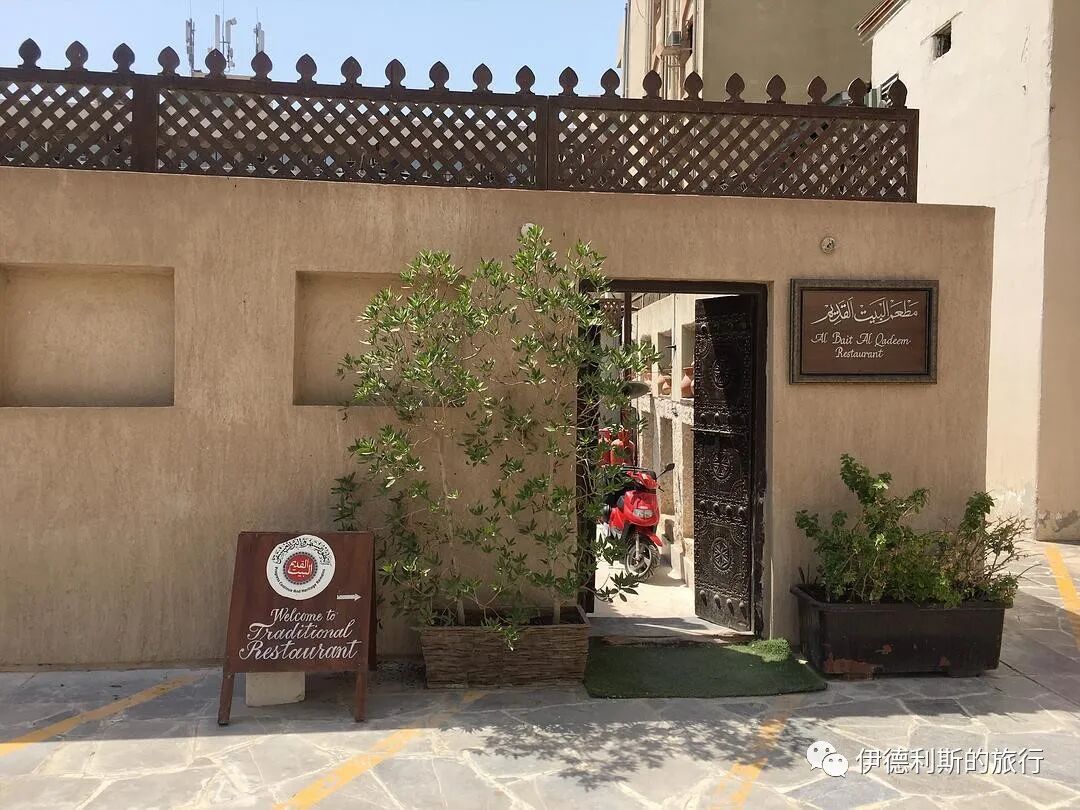
3. Al Bait Alqadeem Restaurant
Al Bait Alqadeem means "the old house" in Arabic. The restaurant is inside a traditional Gulf-style home built in 1909. It was built by a pearl boat owner named Abdulla Bin Jamaan, who also served as a bodyguard for the ruler of Dubai at the time. In 1954, Abdulla Bin Jamaan became the first mayor of Dubai.
Today, this old house has been turned into a restaurant that serves traditional Gulf cuisine.
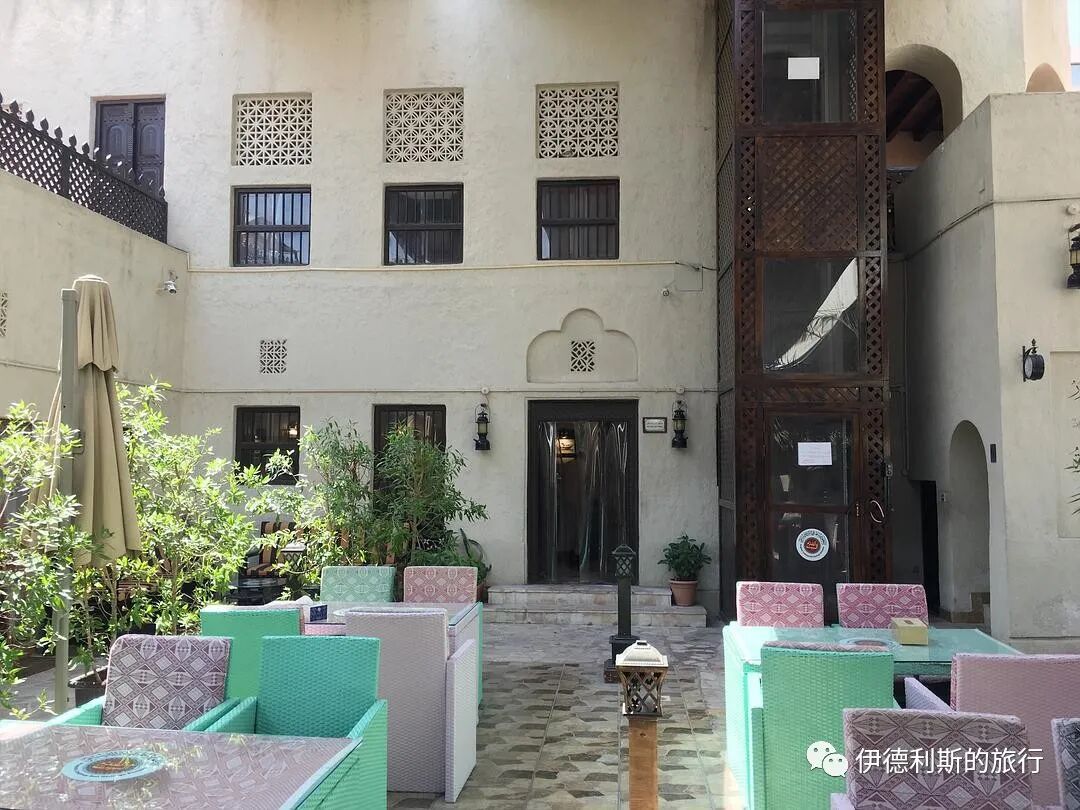
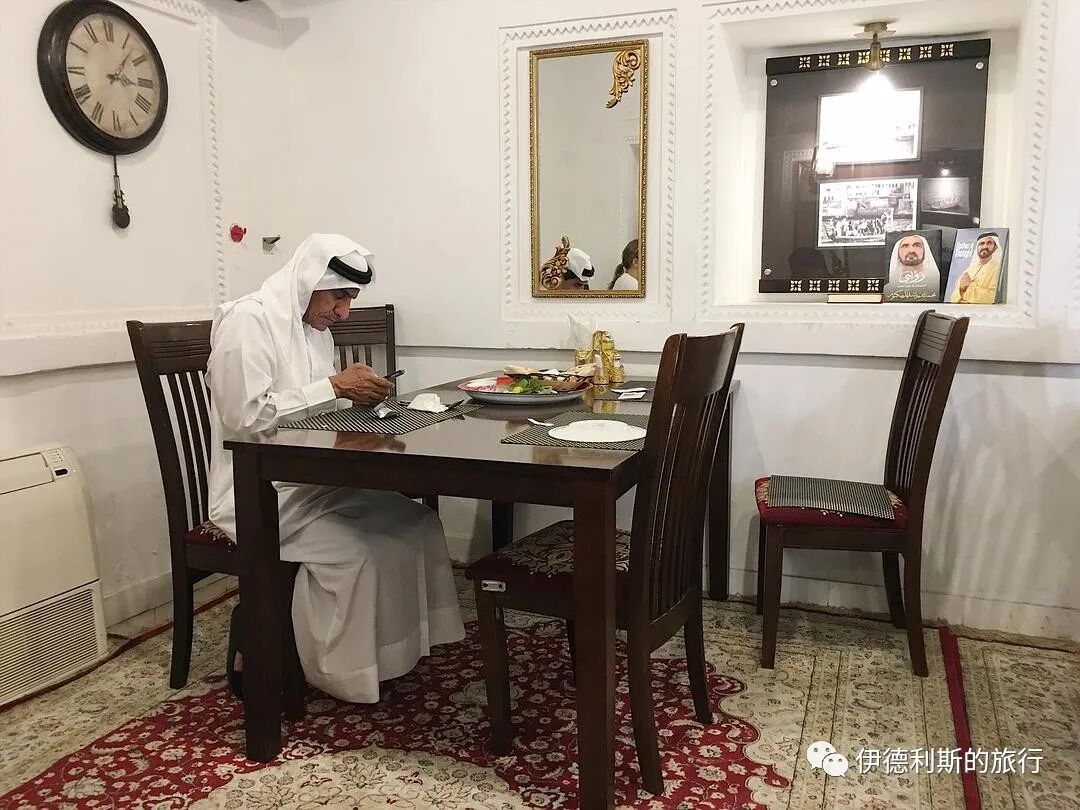
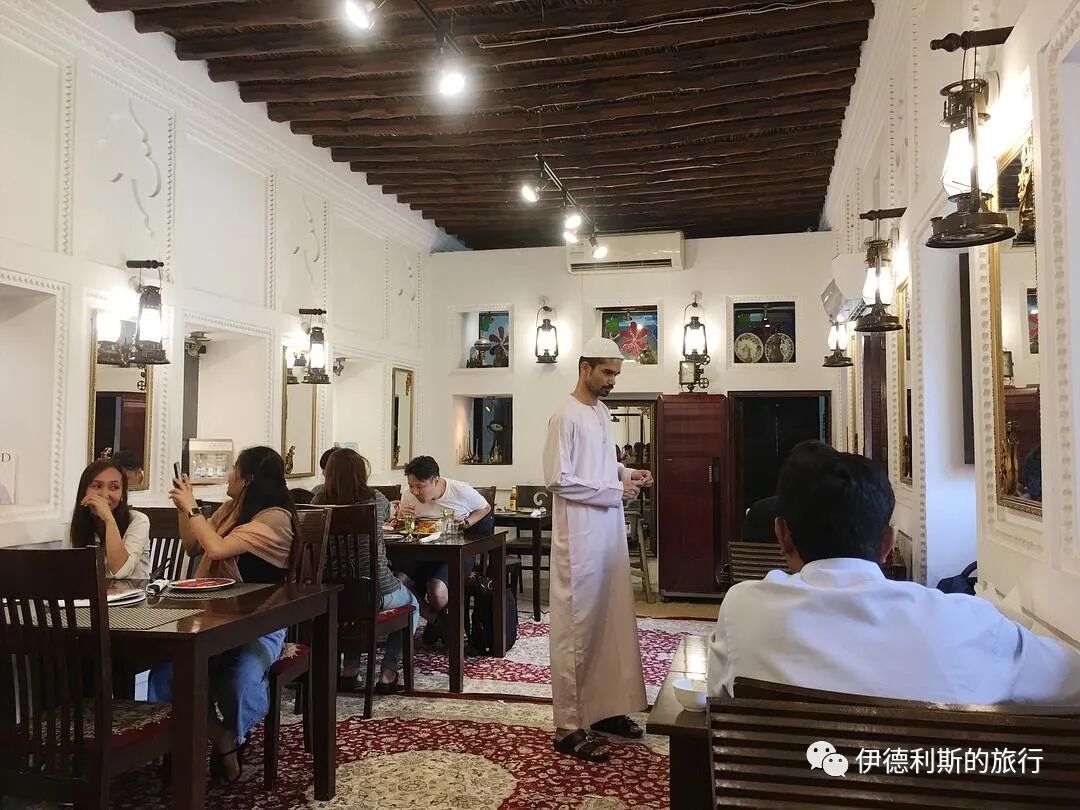
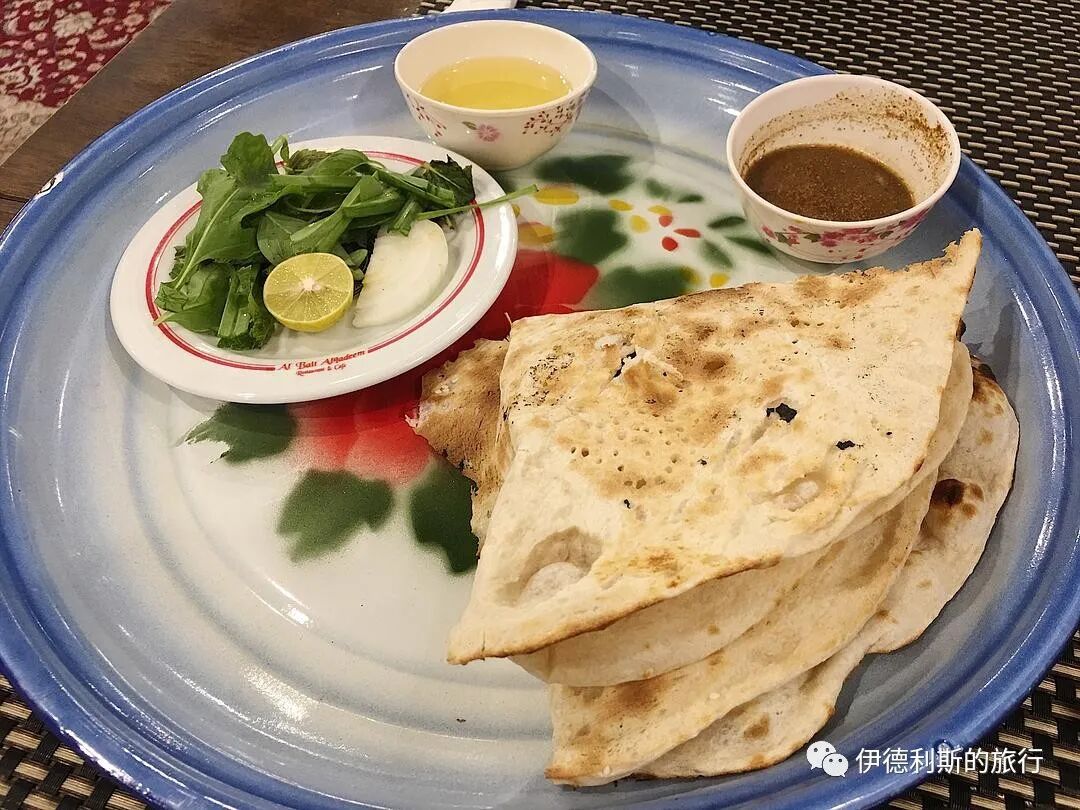
The freshly baked flatbread (bing) is super crispy and tastes amazing, and it feels special to eat it off these huge enamel plates.
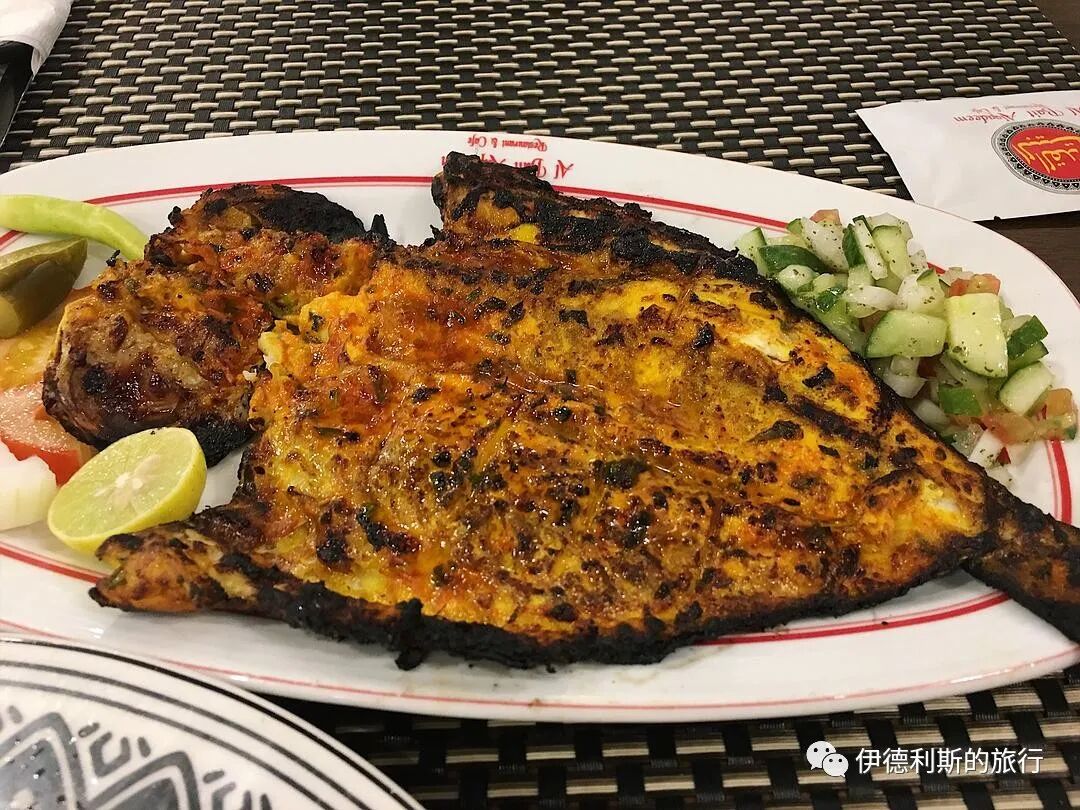
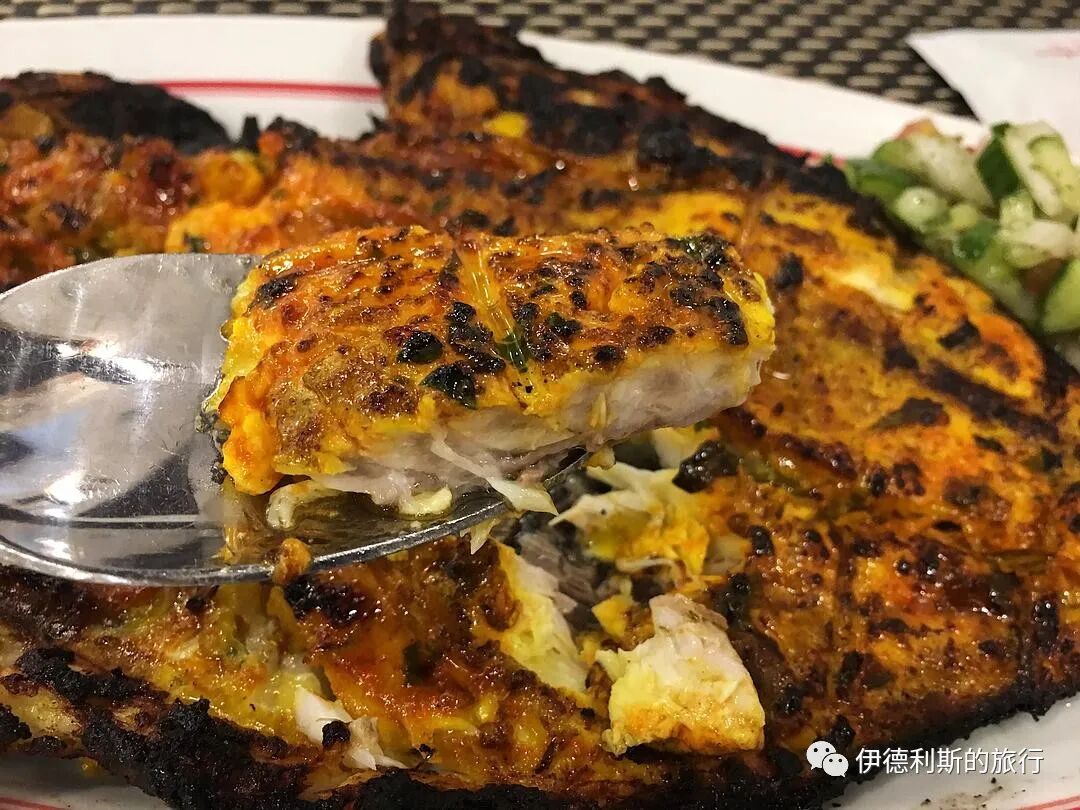
The grilled fish is the chef's recommendation and it is also excellent.
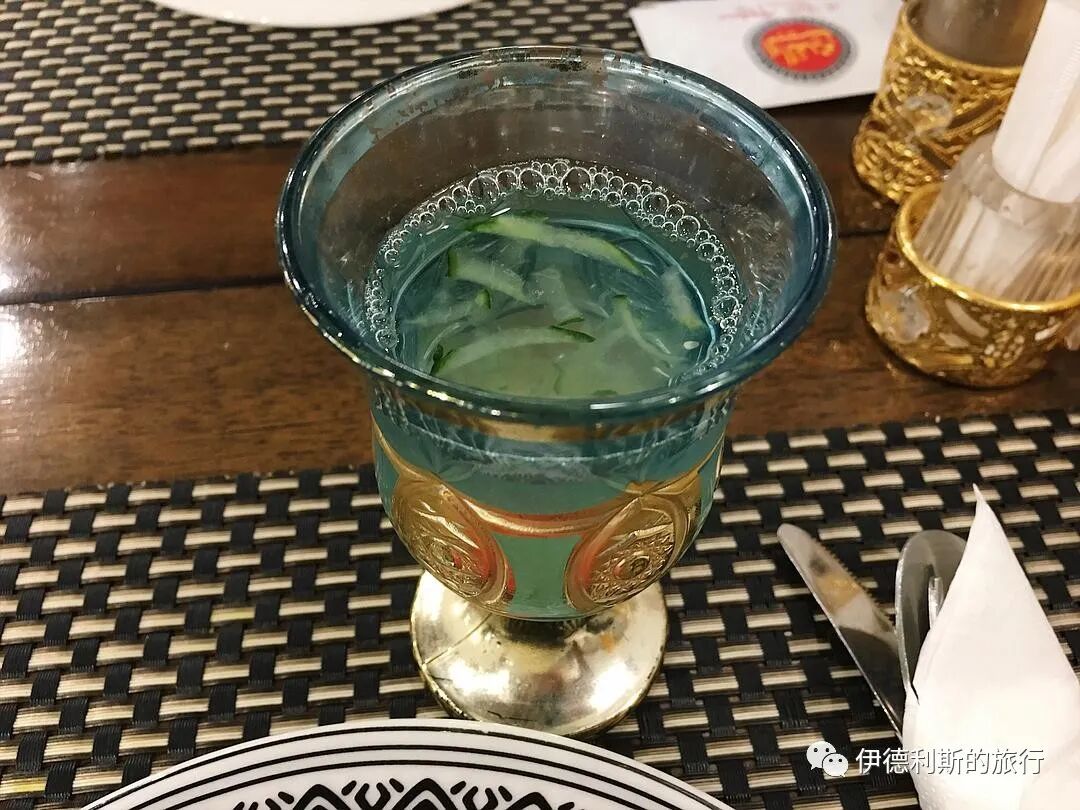
I also drank cucumber honey water and really liked it.
4. Nasser bin Obaid bin Lootah Mosque
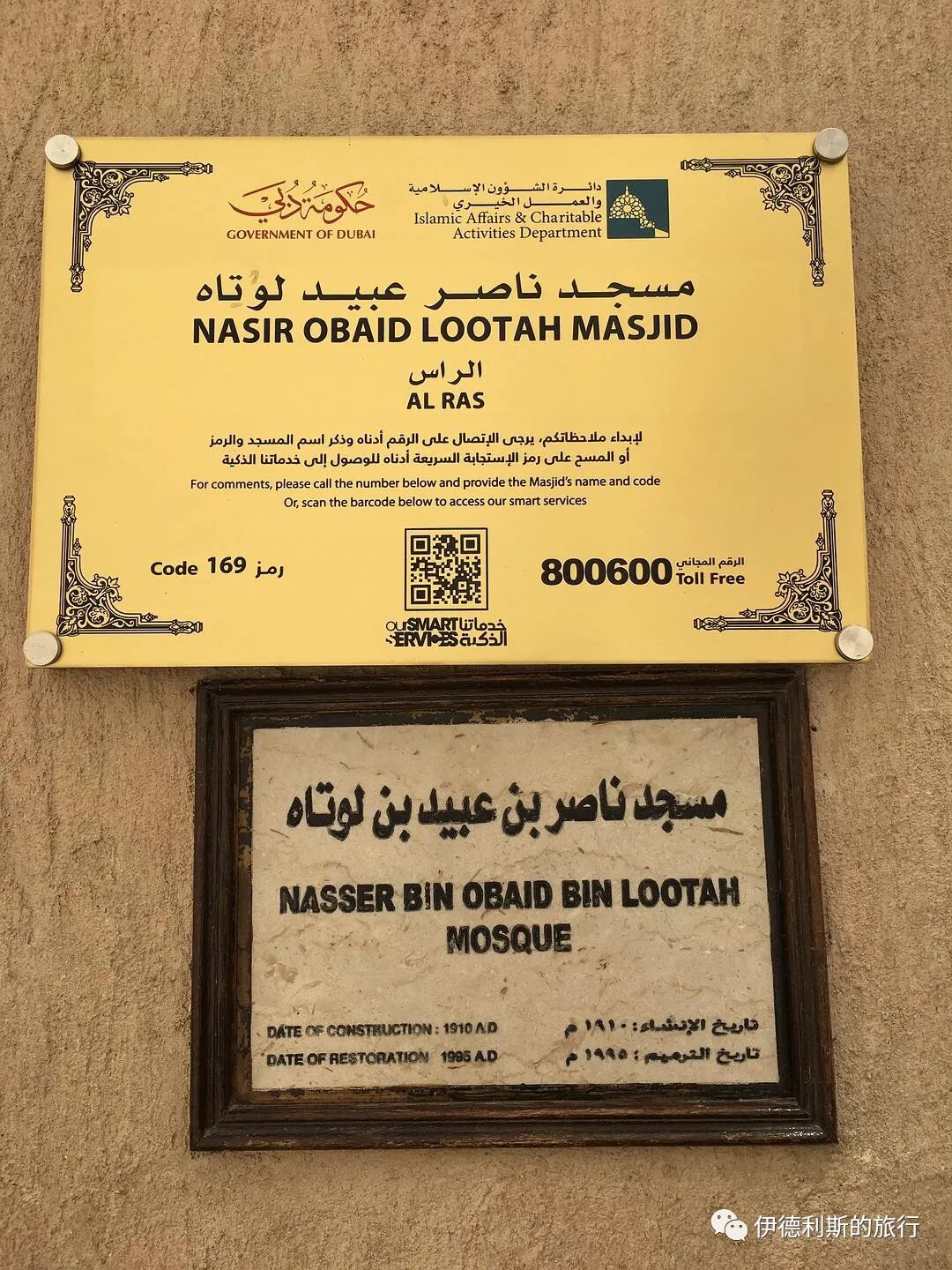
Lootah is a famous merchant family in the UAE, and the family first came to Dubai from Liwa to settle in Al Ras, led by Mohammad bin Ali bin Rashid. At that time, Al Ras had no residents and was just a place for grazing camels. Later, other members of the family came to settle in Al Ras, including Obaid bin Lootah, the son-in-law of Mohammad bin Ali bin Rashid.
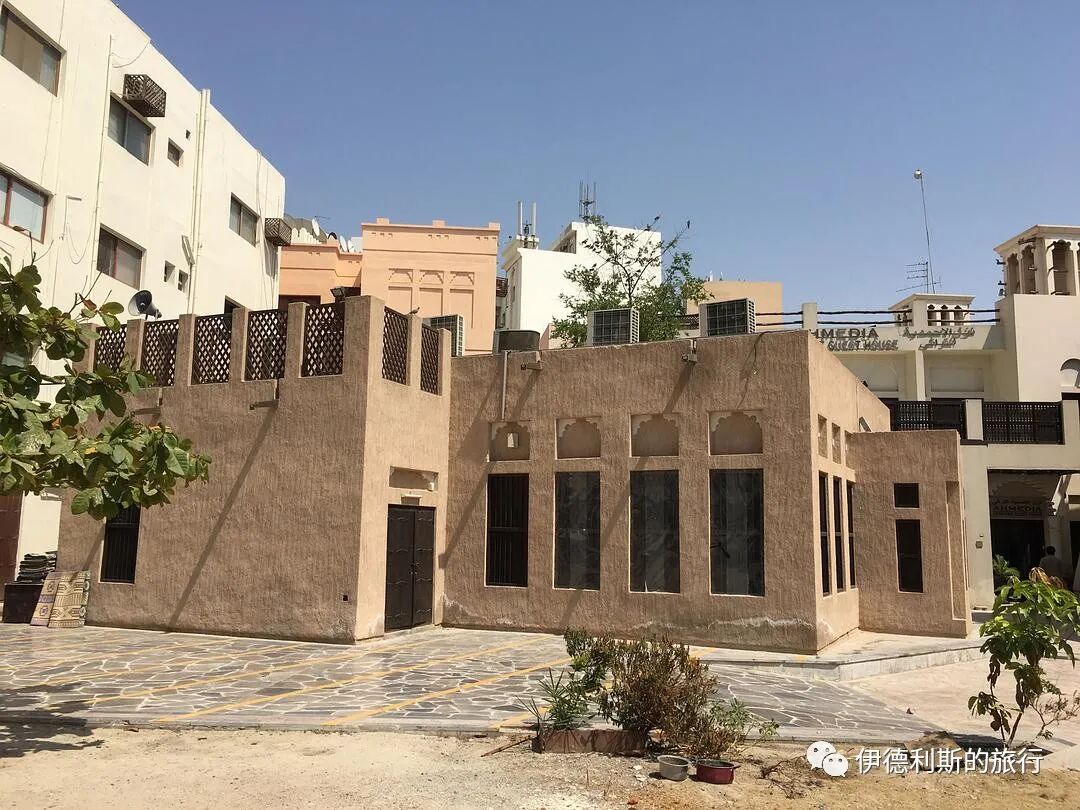
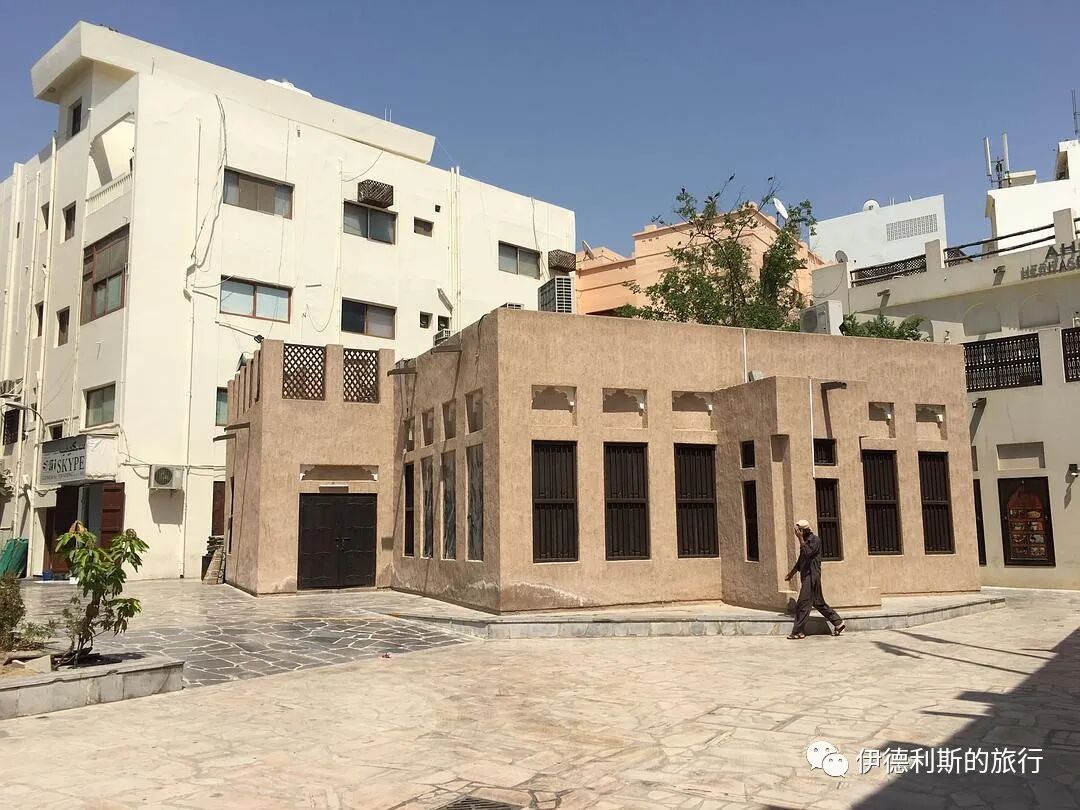
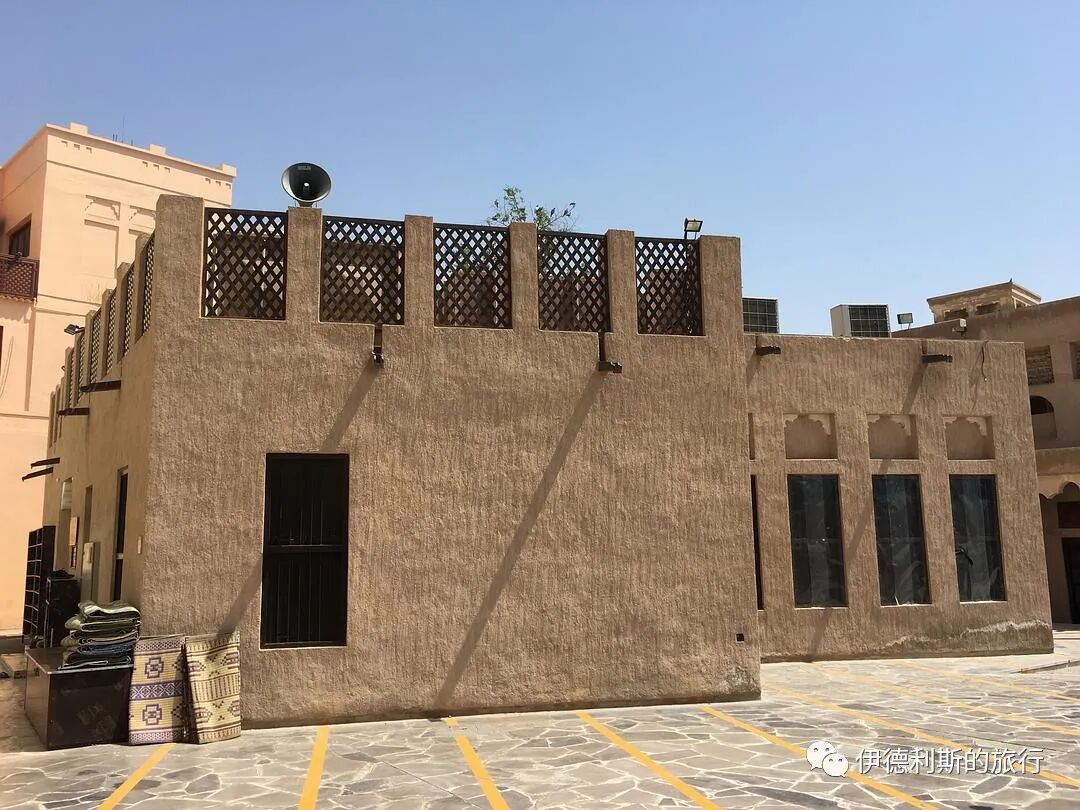
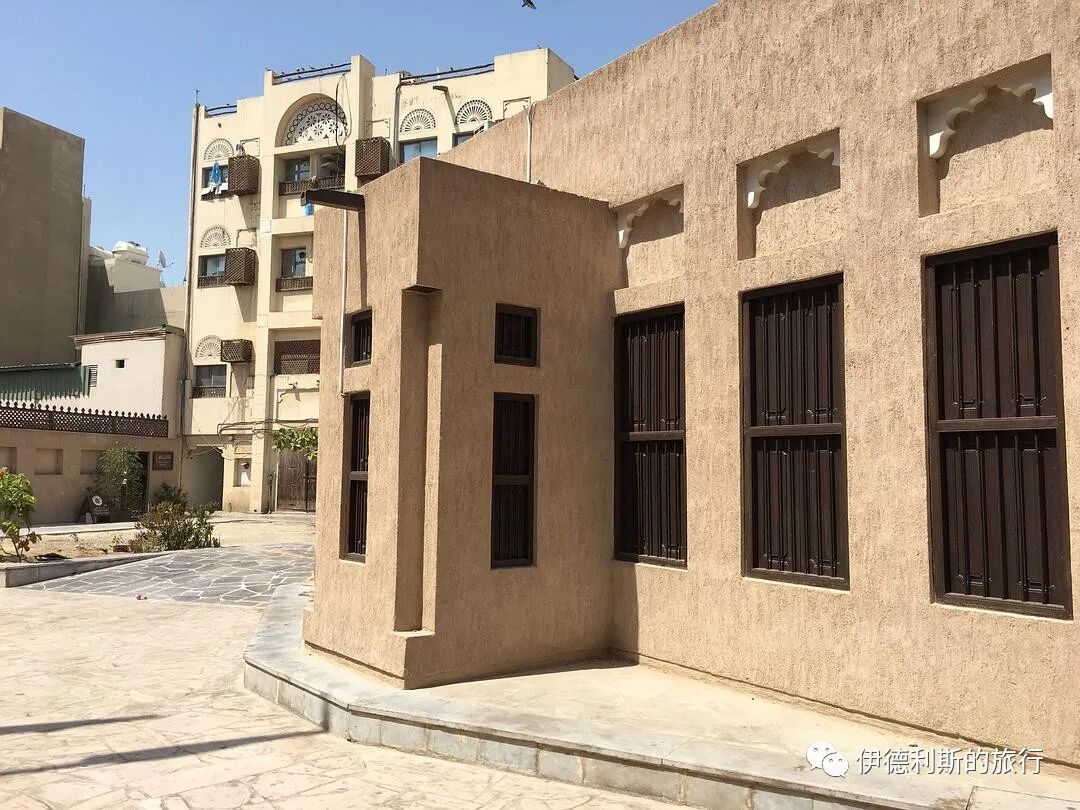
In 1910, Nasser, the son of Obaid bin Lootah, built this mosque. I could not visit the inside of the mosque because I arrived when it was not time for namaz.
5. Heritage House in Dubai
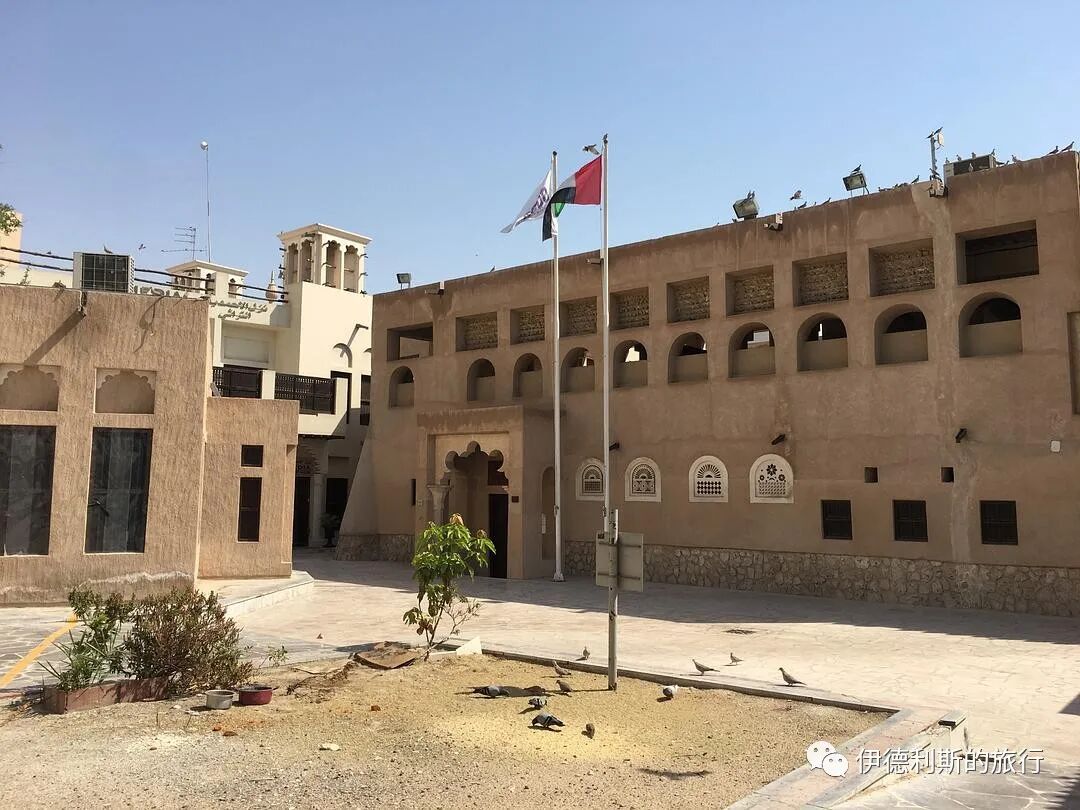
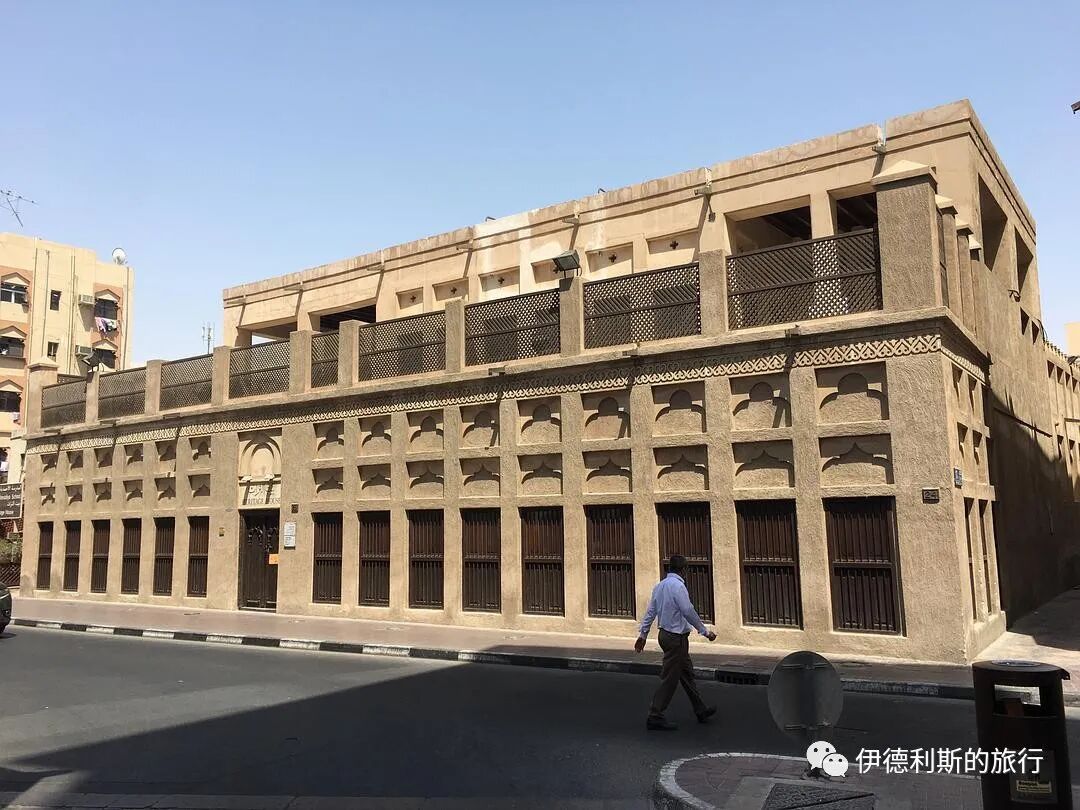
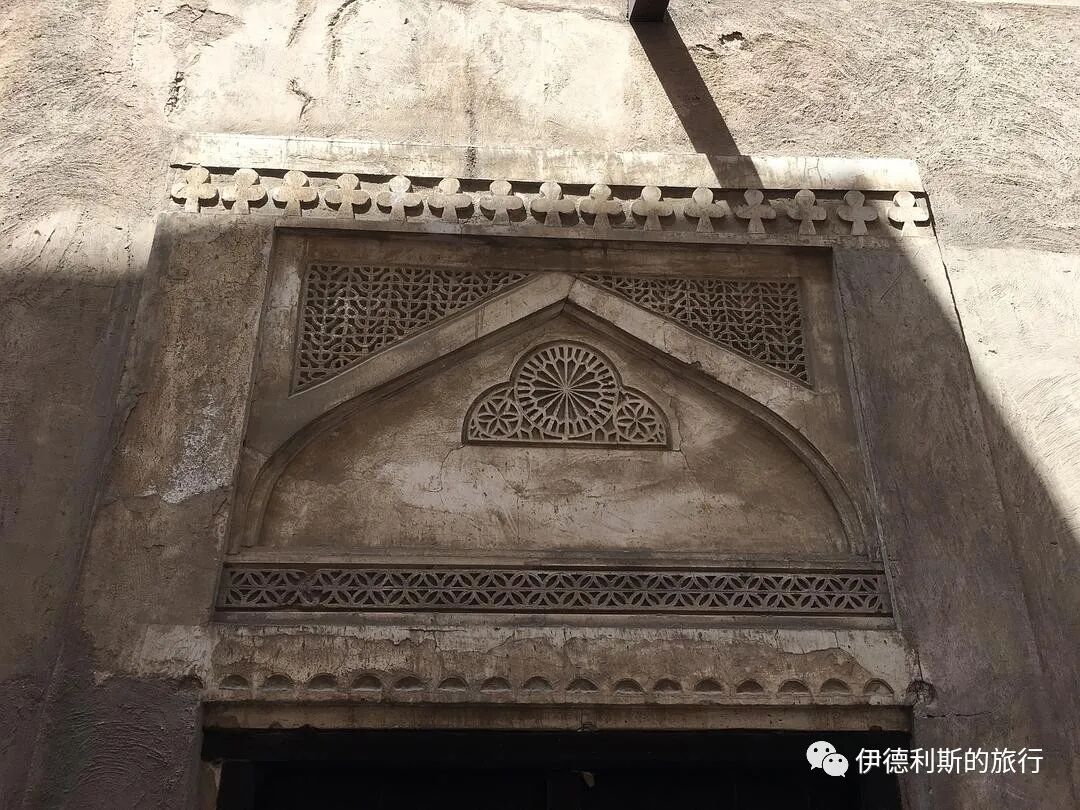
Next to the mosque is the Heritage House, a traditional Gulf-style home built by Matar Saeed bin Mazina in 1890. The structure of this house is similar to the nearby home of the poet Al Oqaili, as it is also made from coral, stone, plaster, teak wood, and palm fronds.
The Heritage House used to display various historical and cultural items from Dubai, but it is currently closed for renovations.
Summary: Dubai Al Ras — Old Streets, Souks and Muslim Heritage is presented here as a firsthand travel account in clear English, beginning with this scene: Al Ras literally means "the cape" or "headland." It is surrounded by Dubai Creek on three sides and sits at the westernmost edge of the Deira district in Old Dubai. It is also the oldest neighborhood in Deira. The account keeps its focus on Dubai Travel, Al Ras, Muslim Heritage while preserving the names, places, food, and historical details from the Chinese source.
Al Ras literally means "the cape" or "headland." It is surrounded by Dubai Creek on three sides and sits at the westernmost edge of the Deira district in Old Dubai. It is also the oldest neighborhood in Deira.
In 1841, a smallpox outbreak hit the Bur Dubai area on the south bank of Dubai Creek, causing residents to move to the Deira area on the north bank. A disastrous fire broke out in Dubai in 1896. Because the traditional houses were made of palm fronds, the fire spread quickly and almost destroyed the entire Deira area. The Deira area was rebuilt only after the fire.
1. Dubai Creek
Dubai Creek separates the Bur Dubai and Deira districts of Dubai's old city. From the late 19th and early 20th centuries until it was dredged in 1961, Dubai Creek was an important port for dhows (traditional sailing vessels) coming from India and East Africa, even though the shallow water could not support large-scale shipping.
Today, the easiest way to get from Bur Dubai to Al Ras is still by taking a small boat across Dubai Creek. The dock for Al Ras is right at the west exit of the Bur Dubai Souk and is called the Bur Dubai Abra Station. The small boats leave as soon as they are full, and the fare is two coins (if I remember correctly).
You will arrive at the Deira Old Souk Abra Station on the other side very quickly.
2. Spice Market
Cross the street from the pier and you are at the famous Spice Souk. I arrived early, so the spice market was not fully open yet.
Behind the spice market is a maze of small alleys.
2. Former residence of the poet Al Oqaili
Inside the alley is the Museum of the Poet Al Oqaili, which was the former home of the poet Al Oqaili (1875-1954). Al Oqaili's full name was Mubarak bin Hamad bin Mubarak Al Manea Al Oqaili, and he was a very famous writer in Dubai.
Al Oqaili was born in 1875 in the Al-Ahsa region of the eastern Arabian Peninsula, which is now part of Saudi Arabia. He lost his father at a young age and was raised by his mother, showing a great talent for poetry early on.
In his middle age, he traveled around the Persian Gulf, living in places like Iraq, Bahrain, and Abu Dhabi before finally settling in Dubai at the beginning of the 20th century.
In 1923, he hired craftsmen from his hometown of Al-Ahsa to build this house. The entire building is made of coral, stone, plaster, teak, and palm fronds, along with a traditional Iranian building material called Sarooj. Sarooj is a waterproof mortar often used for bridges, ice cellars, and refrigerators (yakhchal). It is a hard mixture made of clay and limestone in a 6:4 ratio. After kneading it for two days, workers add bathhouse furnace ash, cattail fibers, eggs, and straw, then beat it with wooden sticks to make the final mortar.
In 1954, Al Oqaili passed away in this house at the age of 81. He never married or had children, so his cousin from Saudi Arabia inherited the property.
Floor plan of the former residence:
Inside the courtyard
The poet's manuscript
The poet's dagger
The poet's gun
The poet's safe
Kitchen
Coffee pot
3. Al Bait Alqadeem Restaurant
Al Bait Alqadeem means "the old house" in Arabic. The restaurant is inside a traditional Gulf-style home built in 1909. It was built by a pearl boat owner named Abdulla Bin Jamaan, who also served as a bodyguard for the ruler of Dubai at the time. In 1954, Abdulla Bin Jamaan became the first mayor of Dubai.
Today, this old house has been turned into a restaurant that serves traditional Gulf cuisine.
The freshly baked flatbread (bing) is super crispy and tastes amazing, and it feels special to eat it off these huge enamel plates.
The grilled fish is the chef's recommendation and it is also excellent.
I also drank cucumber honey water and really liked it.
4. Nasser bin Obaid bin Lootah Mosque
Lootah is a famous merchant family in the UAE, and the family first came to Dubai from Liwa to settle in Al Ras, led by Mohammad bin Ali bin Rashid. At that time, Al Ras had no residents and was just a place for grazing camels. Later, other members of the family came to settle in Al Ras, including Obaid bin Lootah, the son-in-law of Mohammad bin Ali bin Rashid.
In 1910, Nasser, the son of Obaid bin Lootah, built this mosque. I could not visit the inside of the mosque because I arrived when it was not time for namaz.
5. Heritage House in Dubai
Next to the mosque is the Heritage House, a traditional Gulf-style home built by Matar Saeed bin Mazina in 1890. The structure of this house is similar to the nearby home of the poet Al Oqaili, as it is also made from coral, stone, plaster, teak wood, and palm fronds.
The Heritage House used to display various historical and cultural items from Dubai, but it is currently closed for renovations.
