
Halal Travel Guide: Beijing Summer Diary — Mosques, Food and Muslim Heritage (Part 2)
Reposted from the web
Summary: Beijing Summer Diary — Mosques, Food and Muslim Heritage is presented here as a firsthand travel account in clear English, beginning with this scene: On a summer evening in Changying, life is so pleasant. You can enjoy spicy hot pot (malatang) and small BBQ skewers (xiaoshaokao) at Jingshunxuan, fried chicken from Changlaishun's entrance, and self-serve cold dishes. The account keeps its focus on Beijing Mosques, Halal Food, Muslim Heritage while preserving the names, places, food, and historical details from the Chinese source.
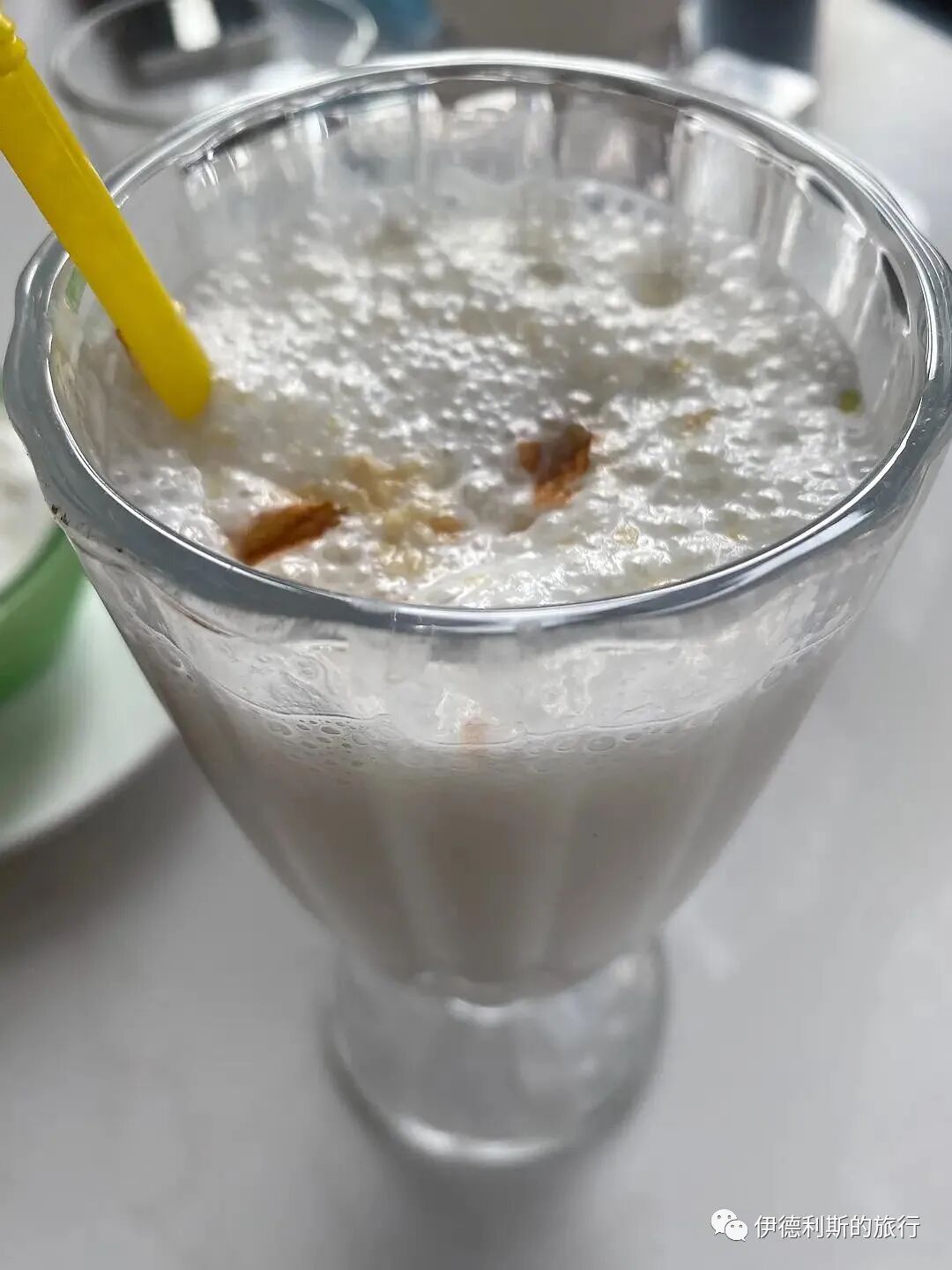
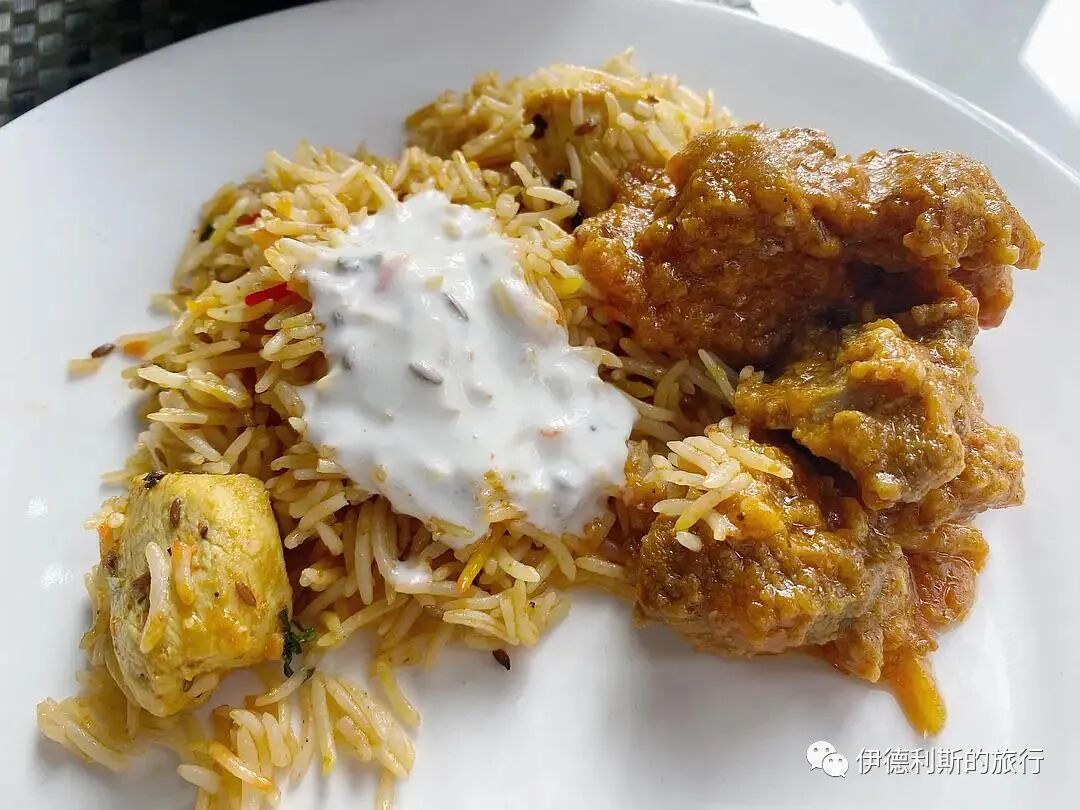
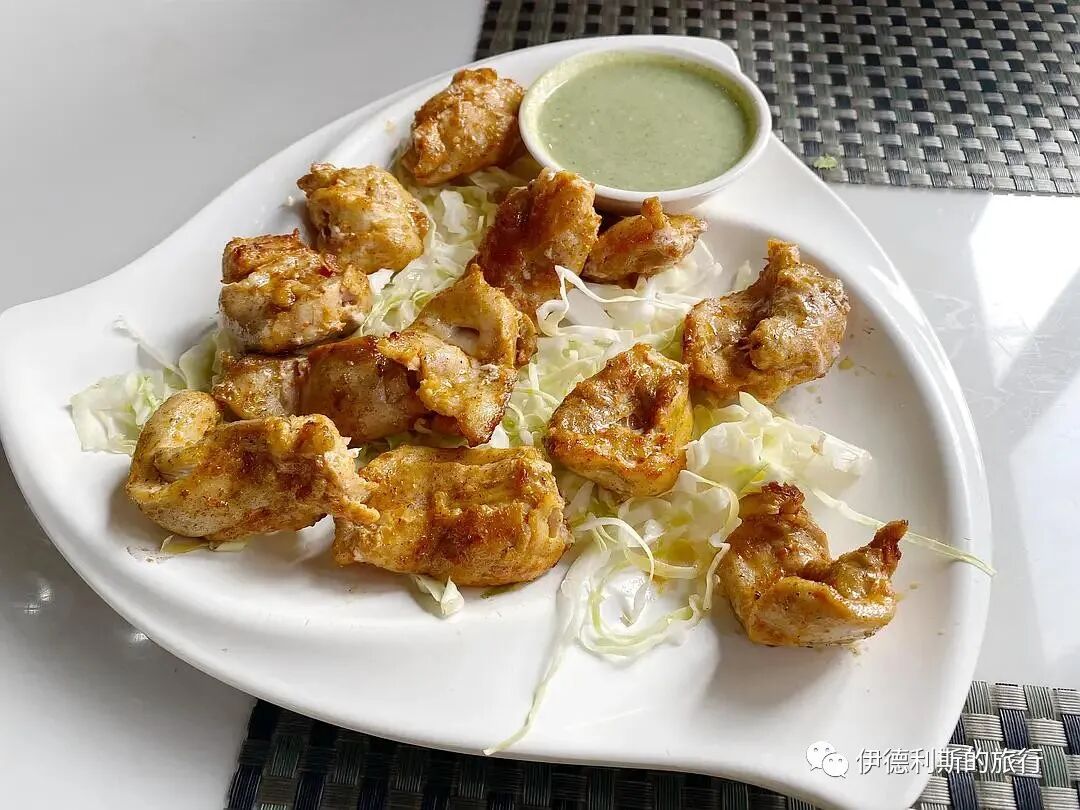
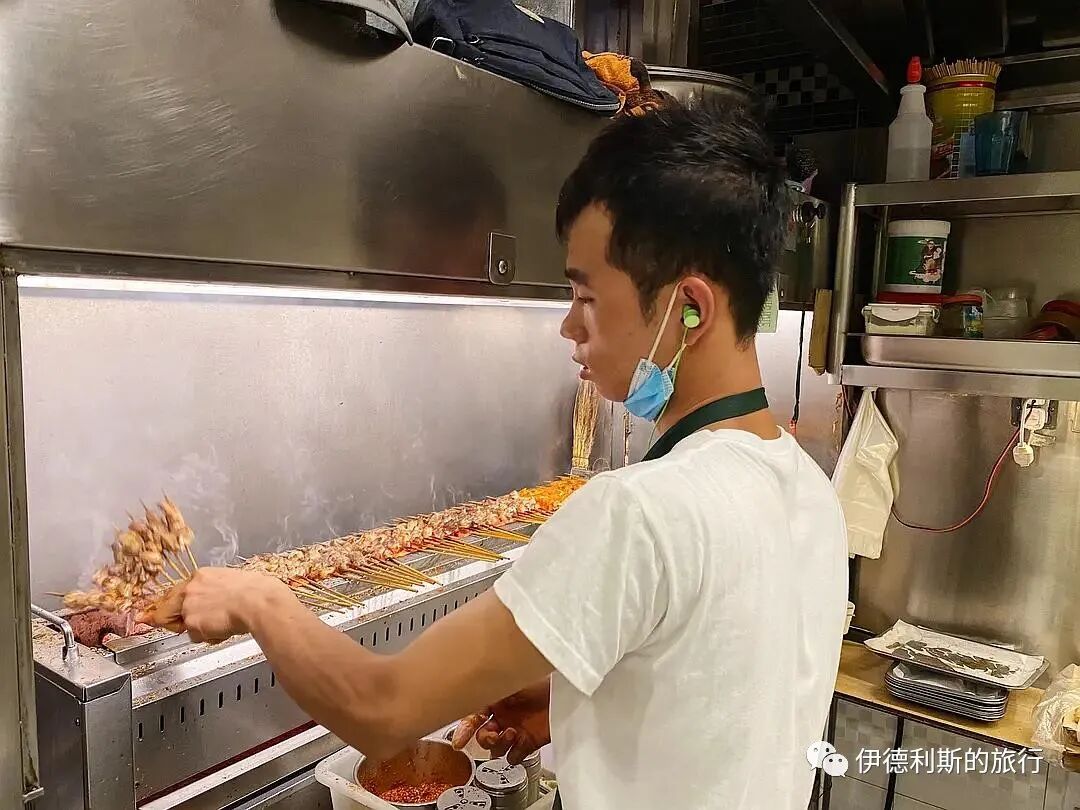
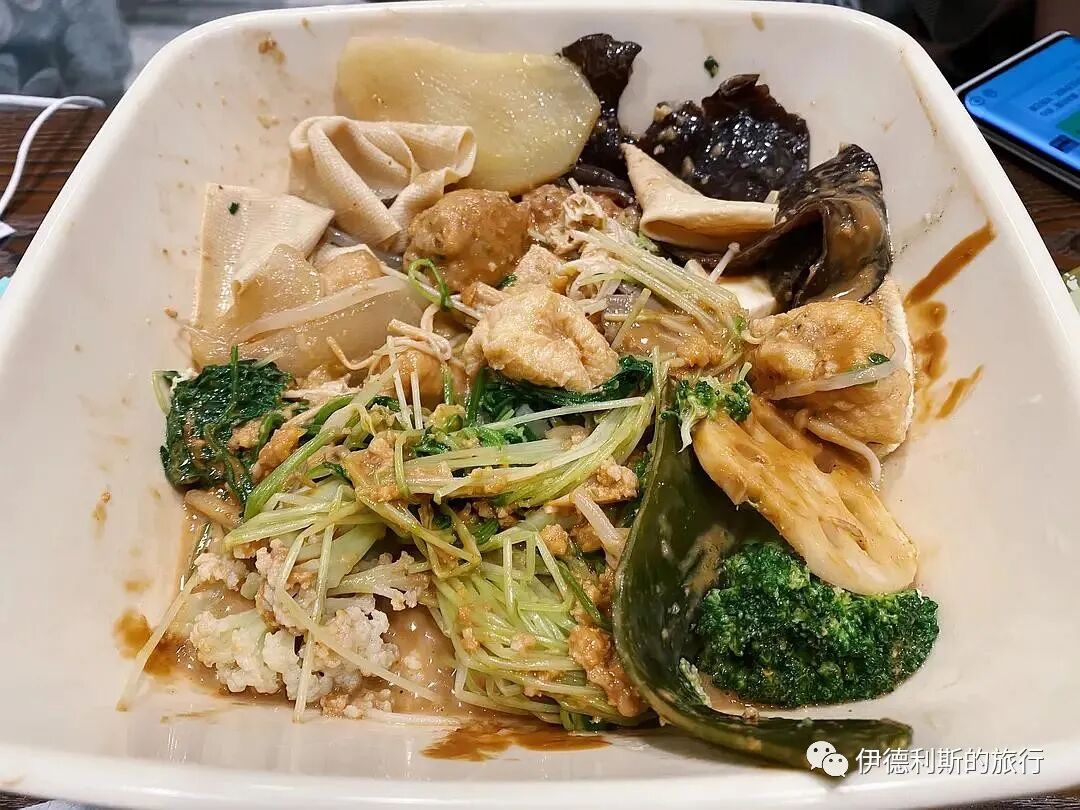
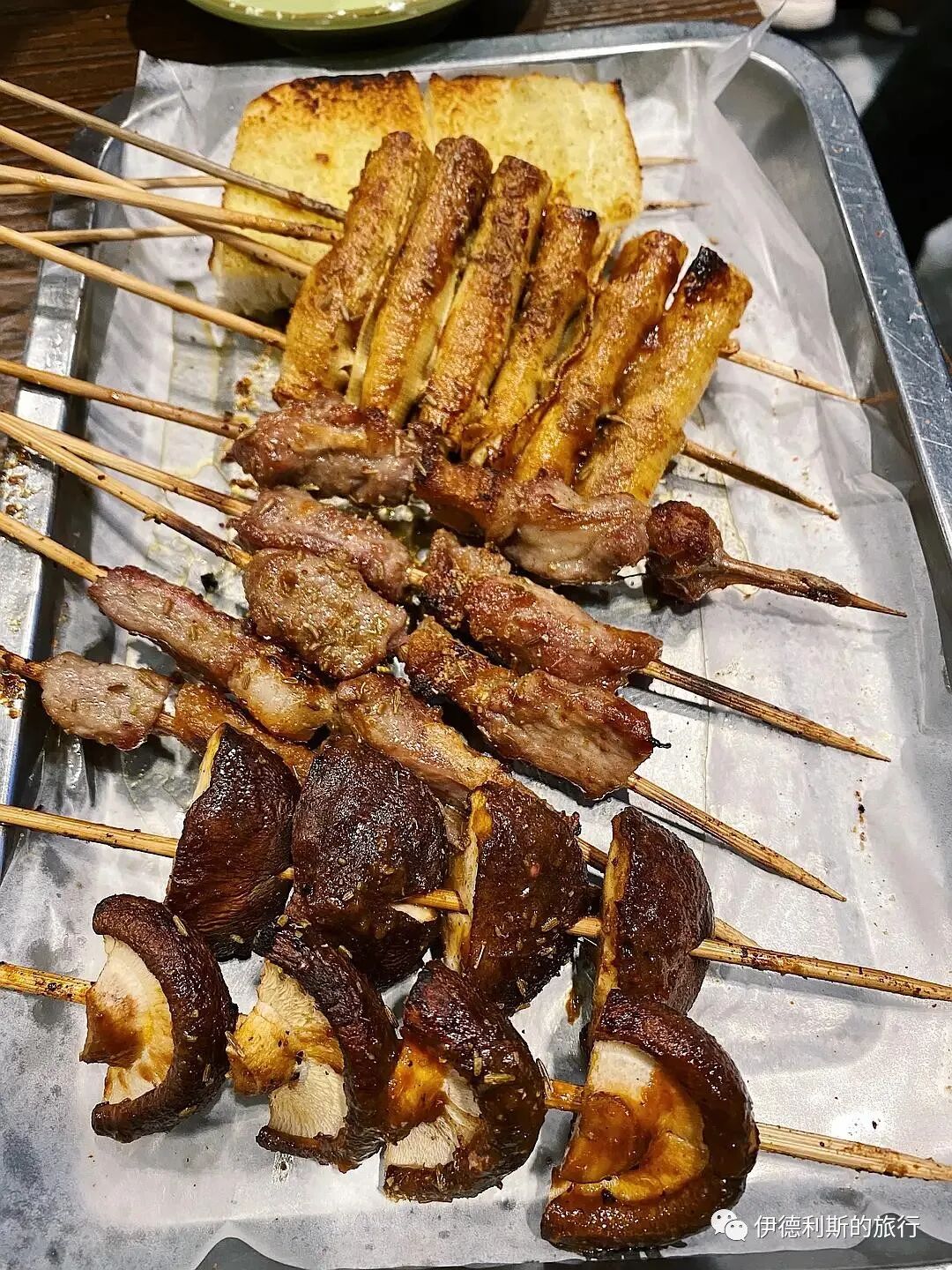
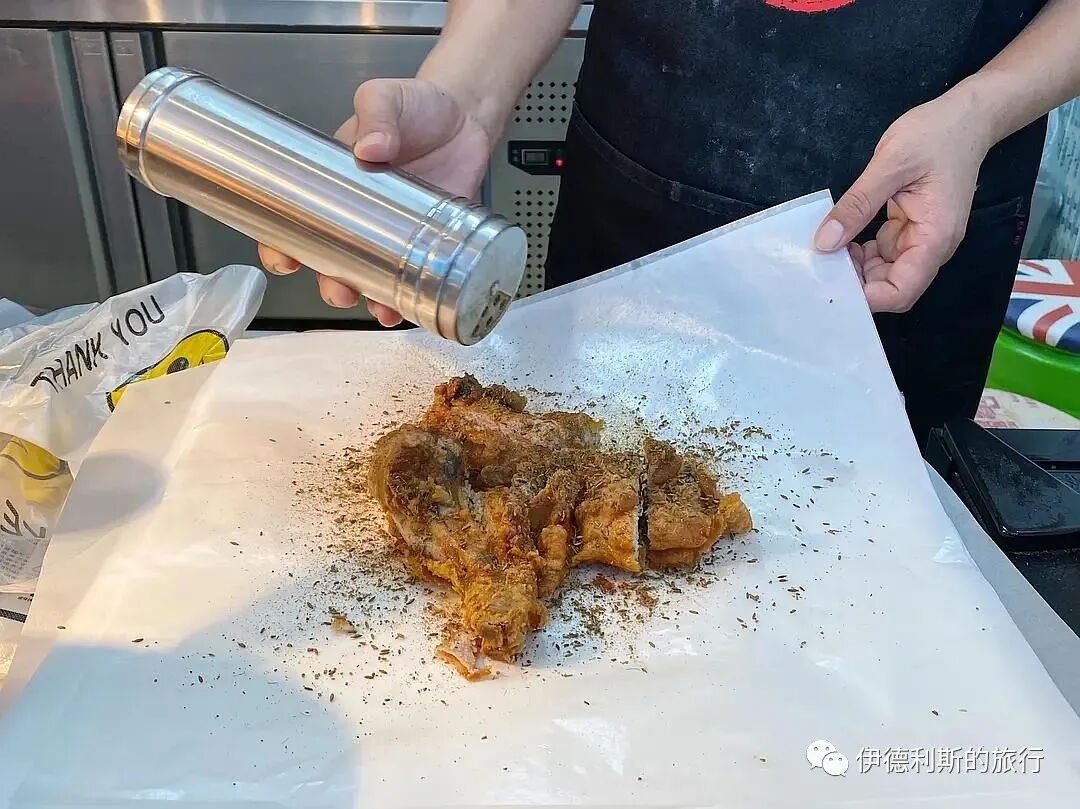
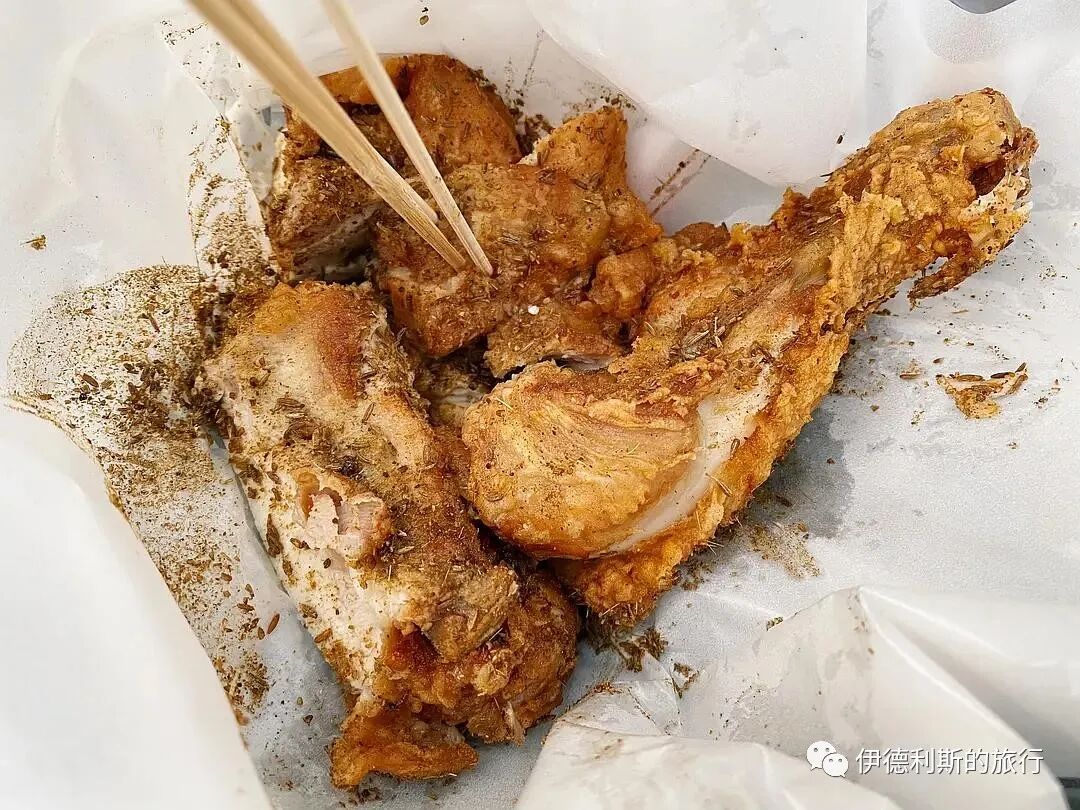
August 11: Spicy hot pot (malatang) and small BBQ skewers (xiaoshaokao) at Jingshunxuan in Changying.
On a summer evening in Changying, life is so pleasant. You can enjoy spicy hot pot (malatang) and small BBQ skewers (xiaoshaokao) at Jingshunxuan, fried chicken from Changlaishun's entrance, and self-serve cold dishes (liangban cai) from the halal supermarket.
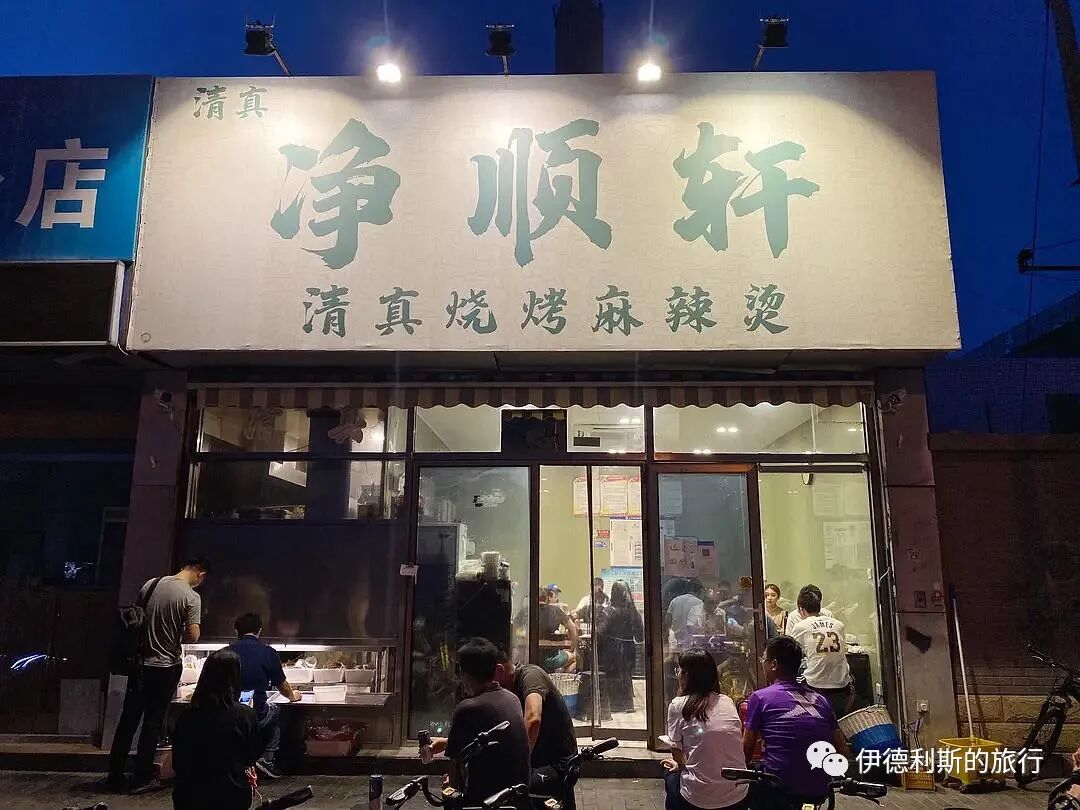
August 14: Gulou Chimian (Drum Tower Noodles) opened a new store at the east entrance of Gulou East Street.
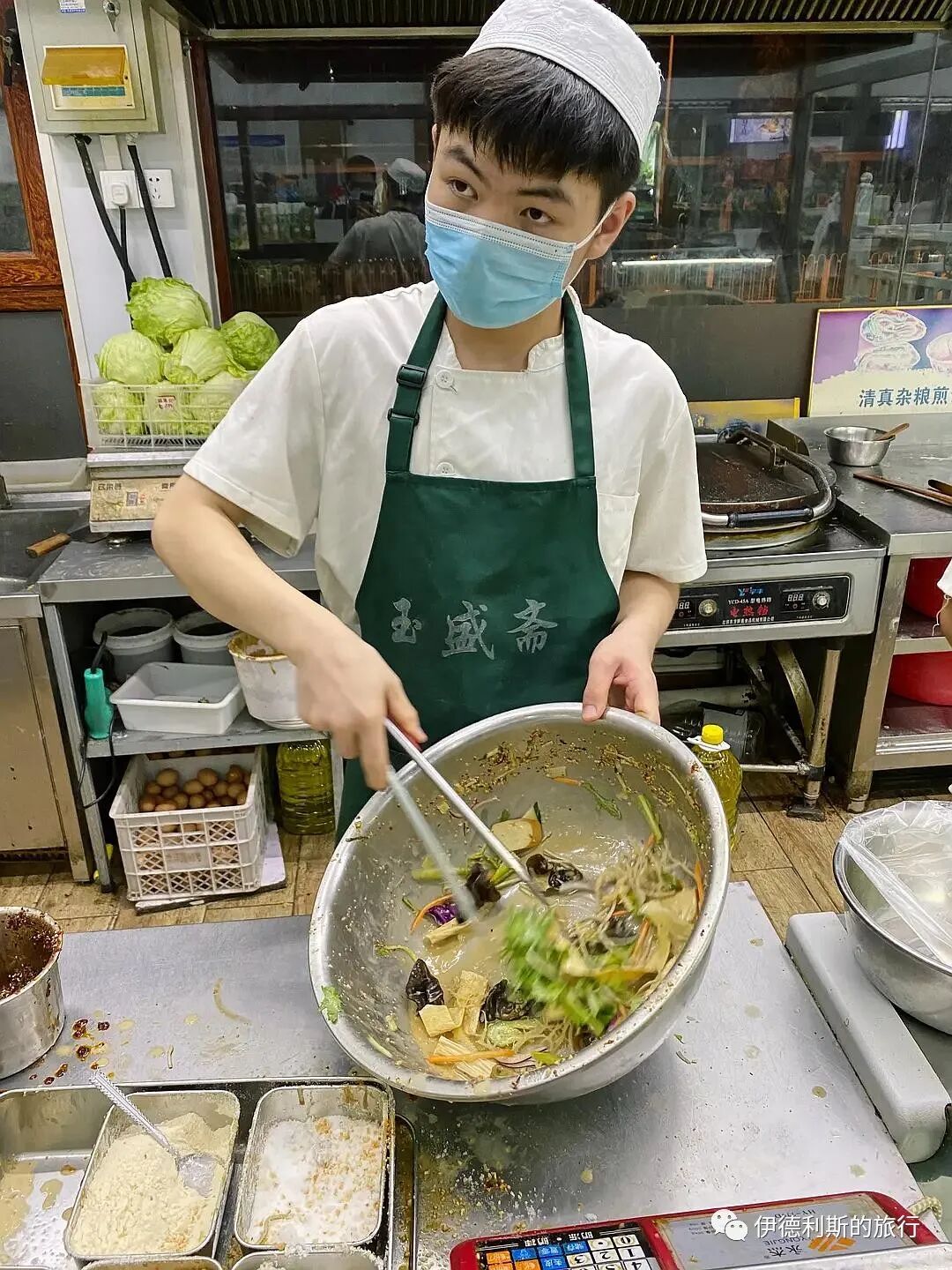
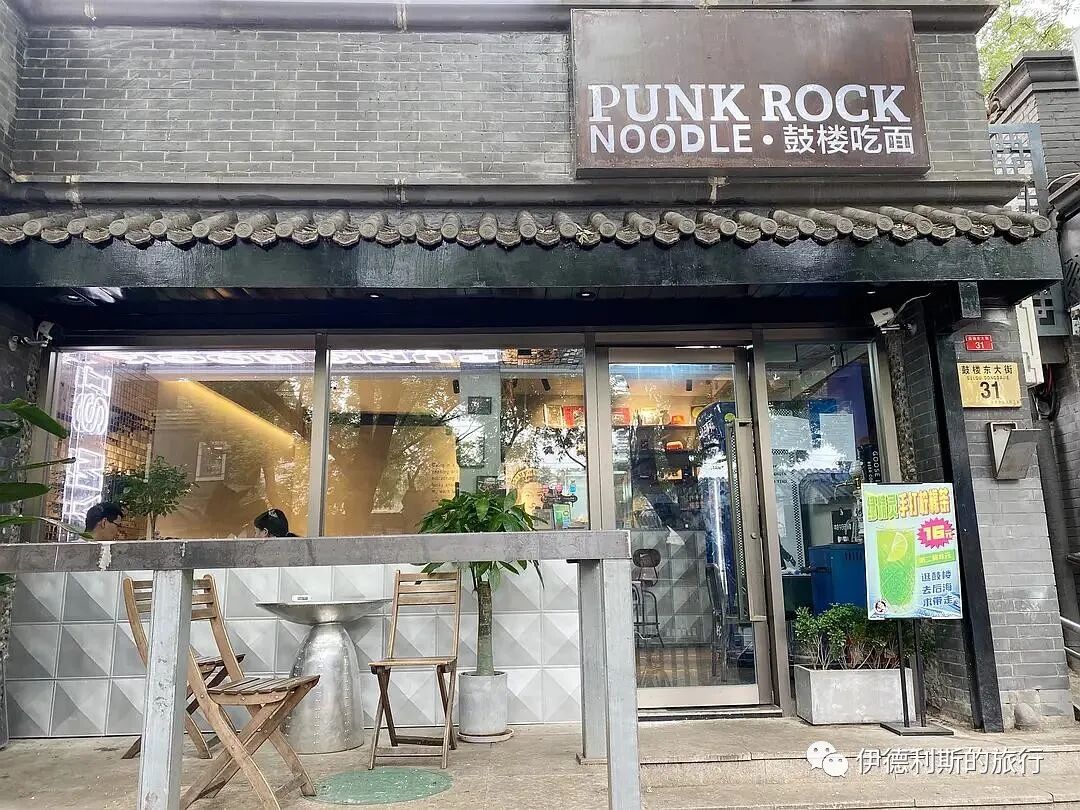
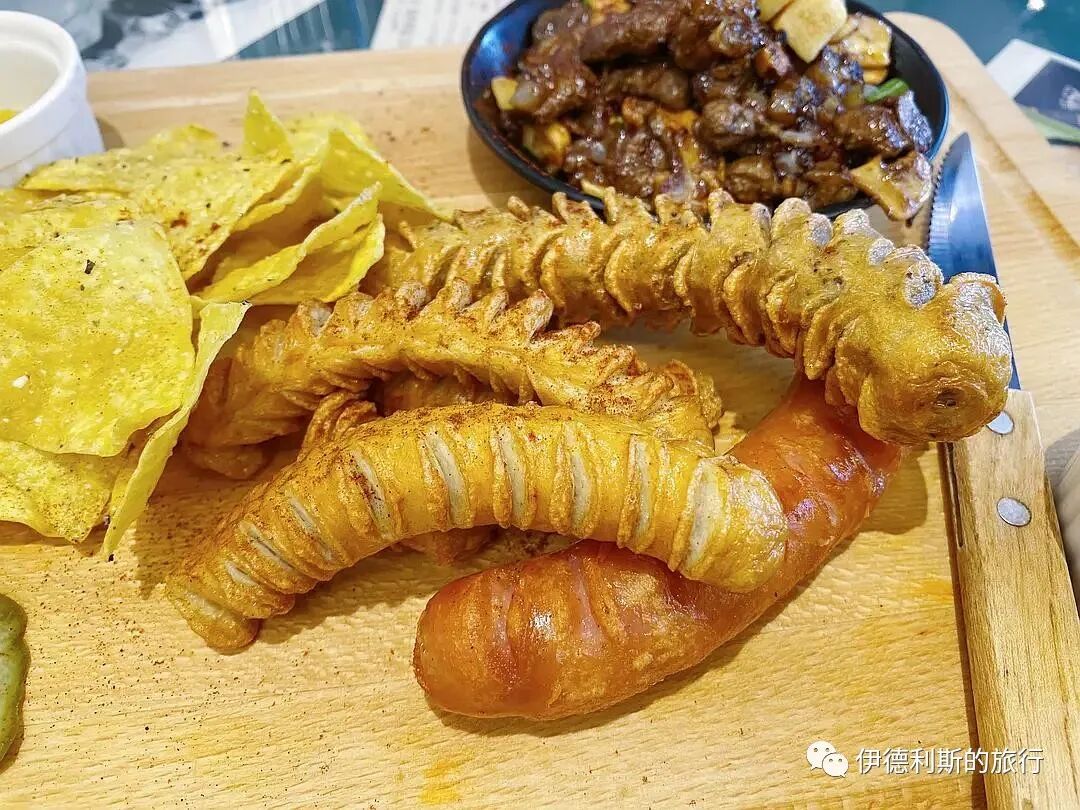
At noon, we went to the new Gulou Chimian (Drum Tower Noodles) store at the east entrance of Gulou East Street. Their old store on Donggong Street is still there. The new store's menu and taste are just like the old one. I always order my favorite roasted lamb with Sichuan peppercorn noodles (shaoyangrou huajiao cuan'er mian). Zainab ordered a vegetable and nut salad, a non-alcoholic mojito, and cordyceps flower with sour bamboo shoots (chongcaohua suansun). We also tried their new "Heartbreak" (ganchang cunduan) set meal, which has chicken liver with chicken sausage and beef sausage. Their sausages are much tastier than the ones you buy in a supermarket.
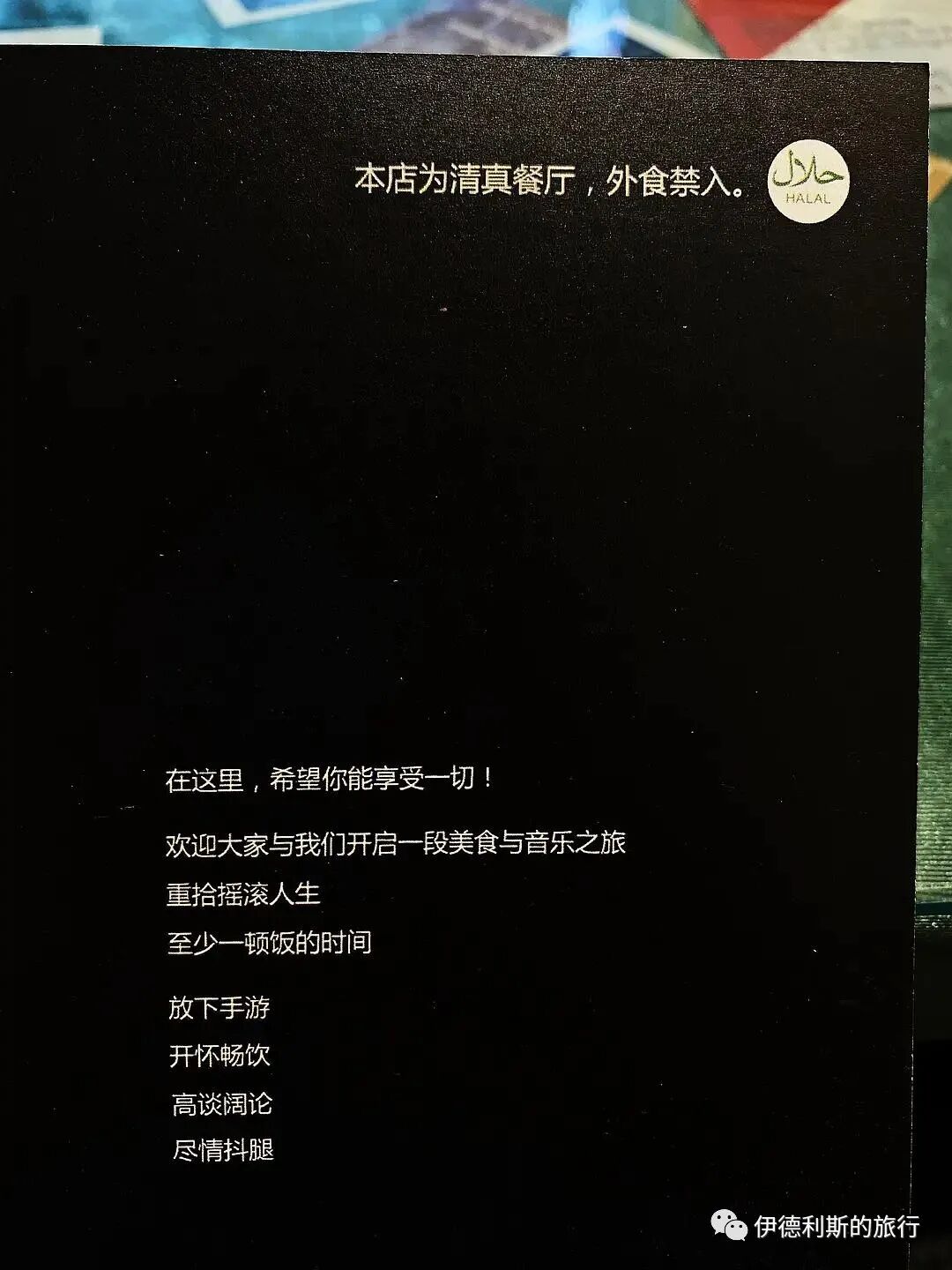
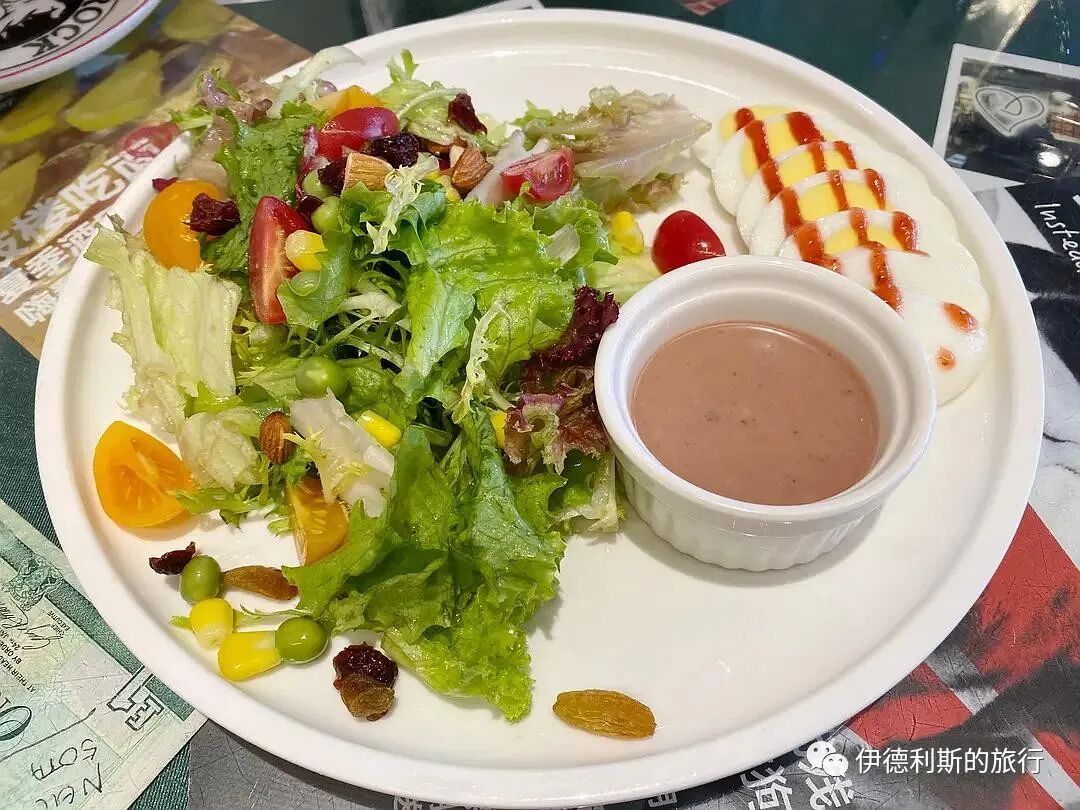
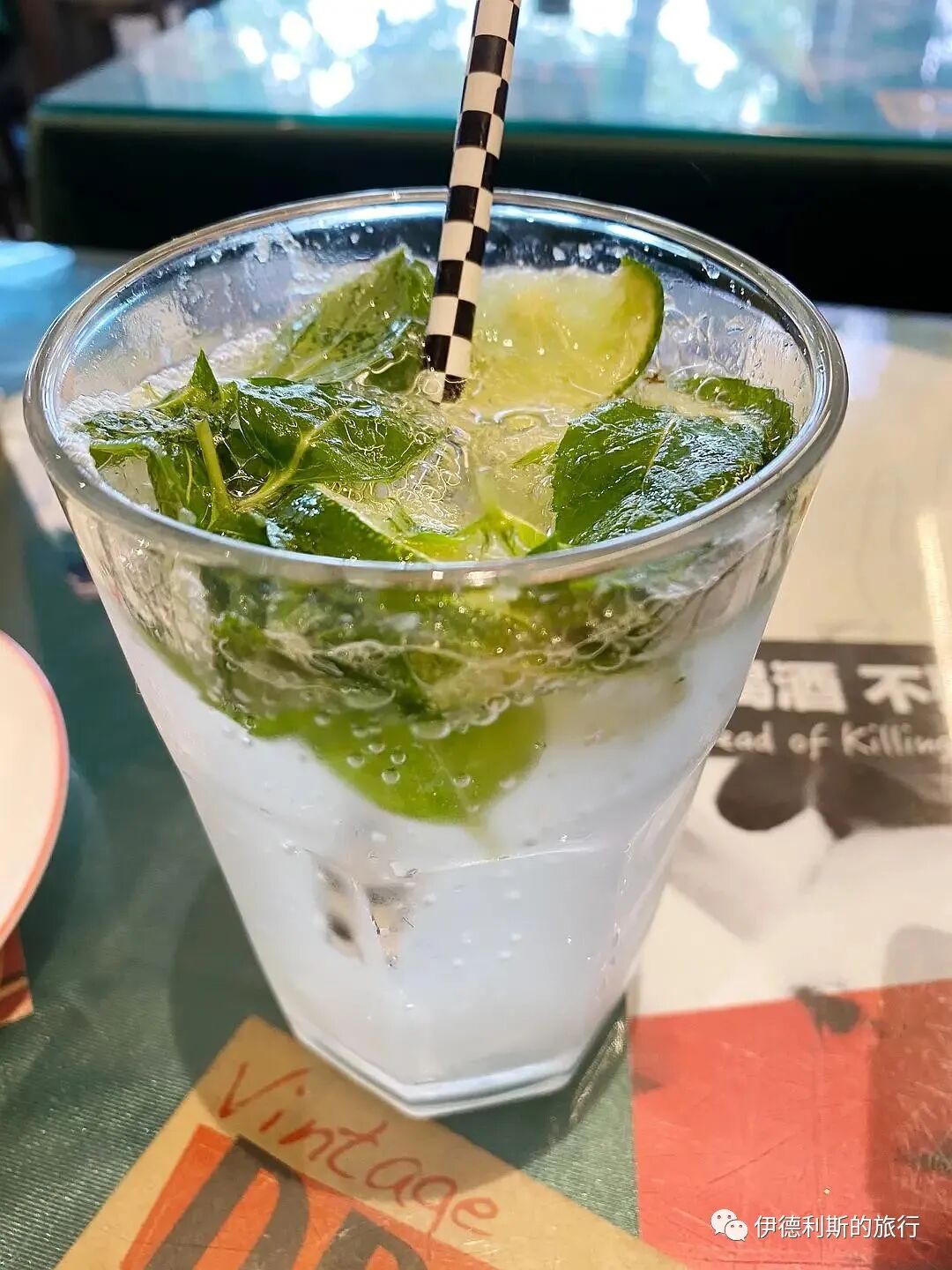
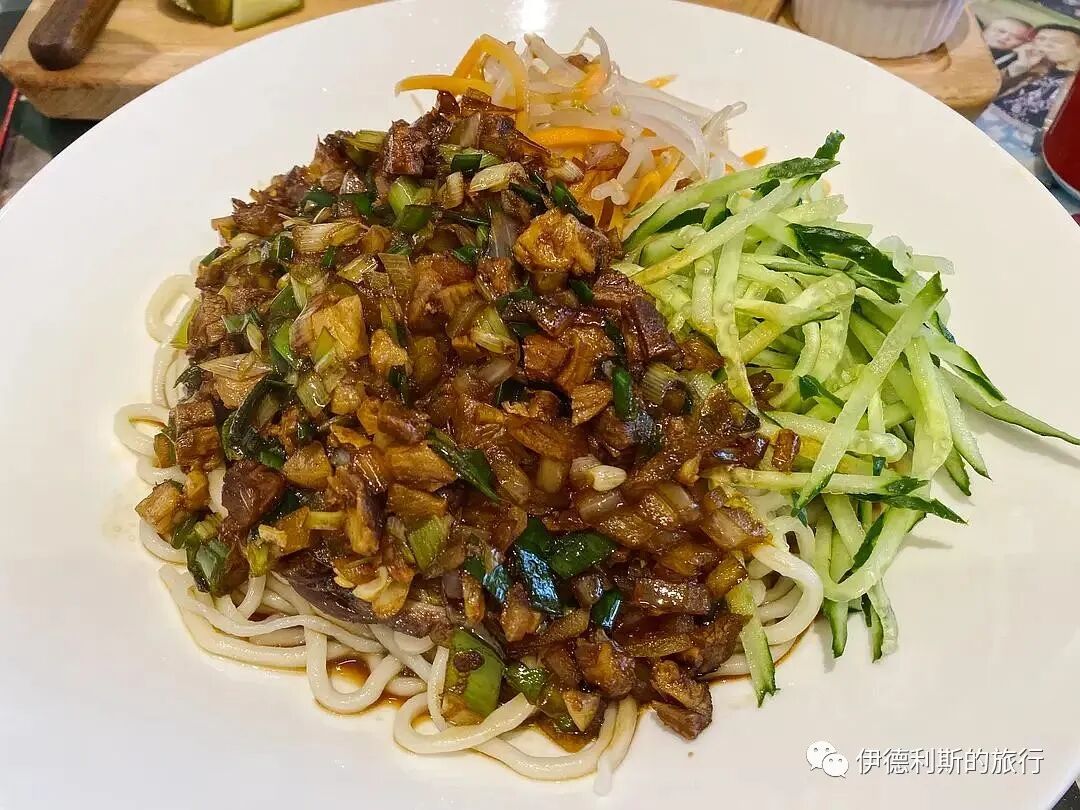
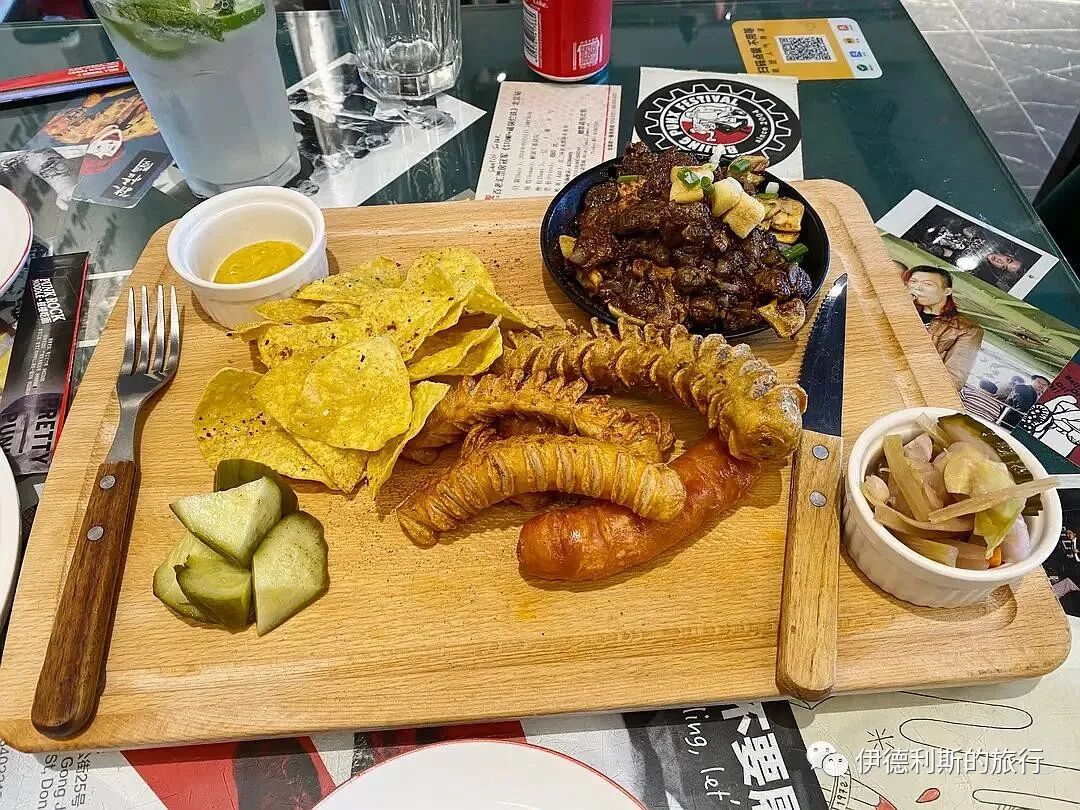
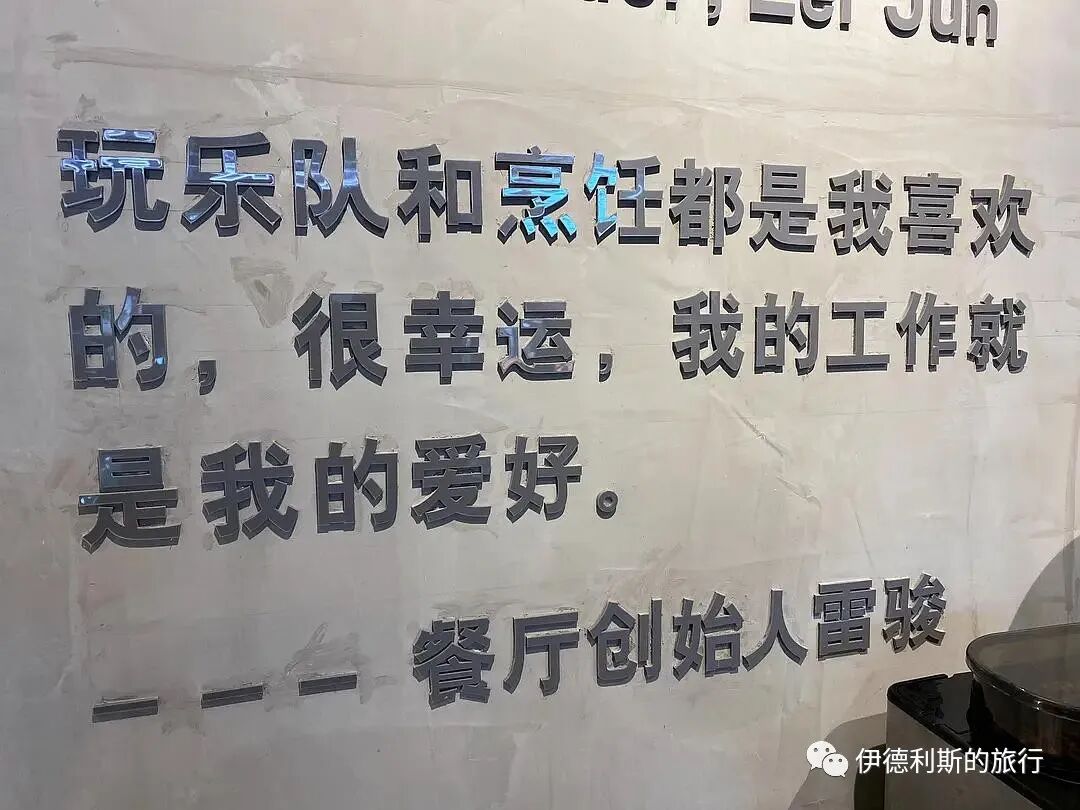
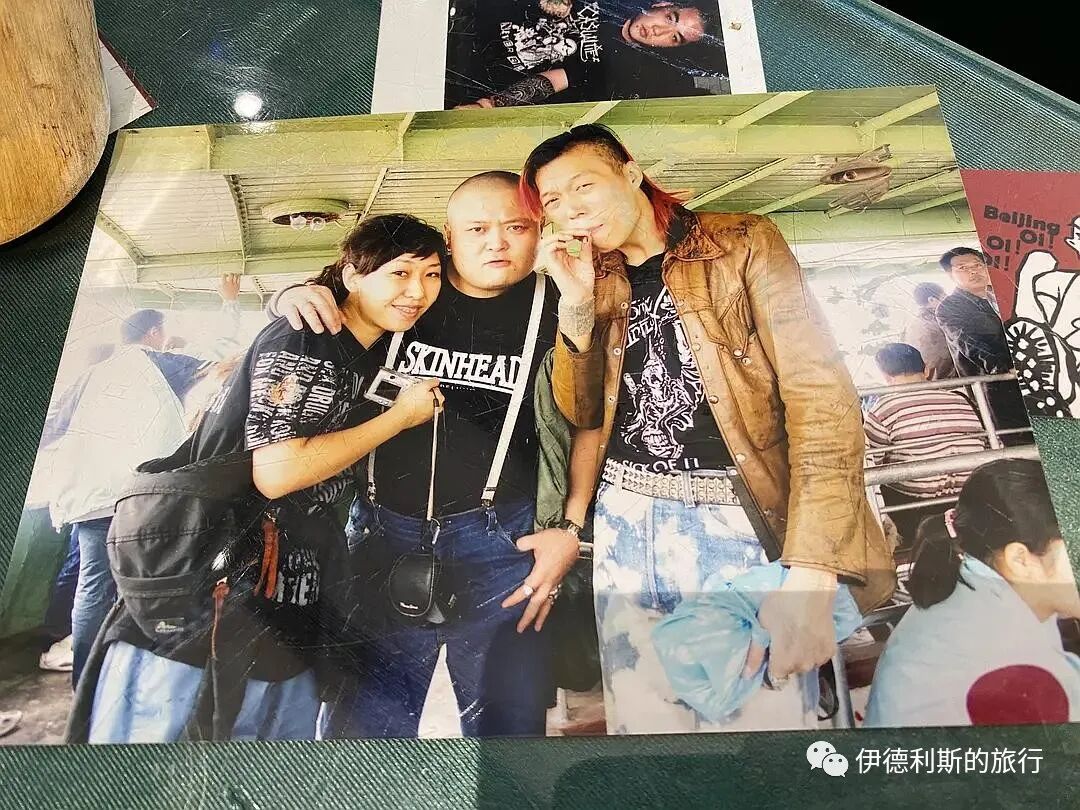
The new store also has Boss Lei's words on the wall. This instantly brought back memories of Boss Lei making noodles for us ten years ago at the old Xiaojingchang store. Time really flies so fast, you can't stop it. There's also a photo of Boss Lei and Boss Wu. During my four years of university in Wuhan, I saw many "Life of Pie" (Shengming Zhibing) performances. I also went to after-parties at Boss Wu's "Wuhan Ah Prison Bar" (Wuhan A Jianyu Jiuba), which was downstairs from VOX.
August 15: Zayton, a Palestinian restaurant in Sanlitun Soho.
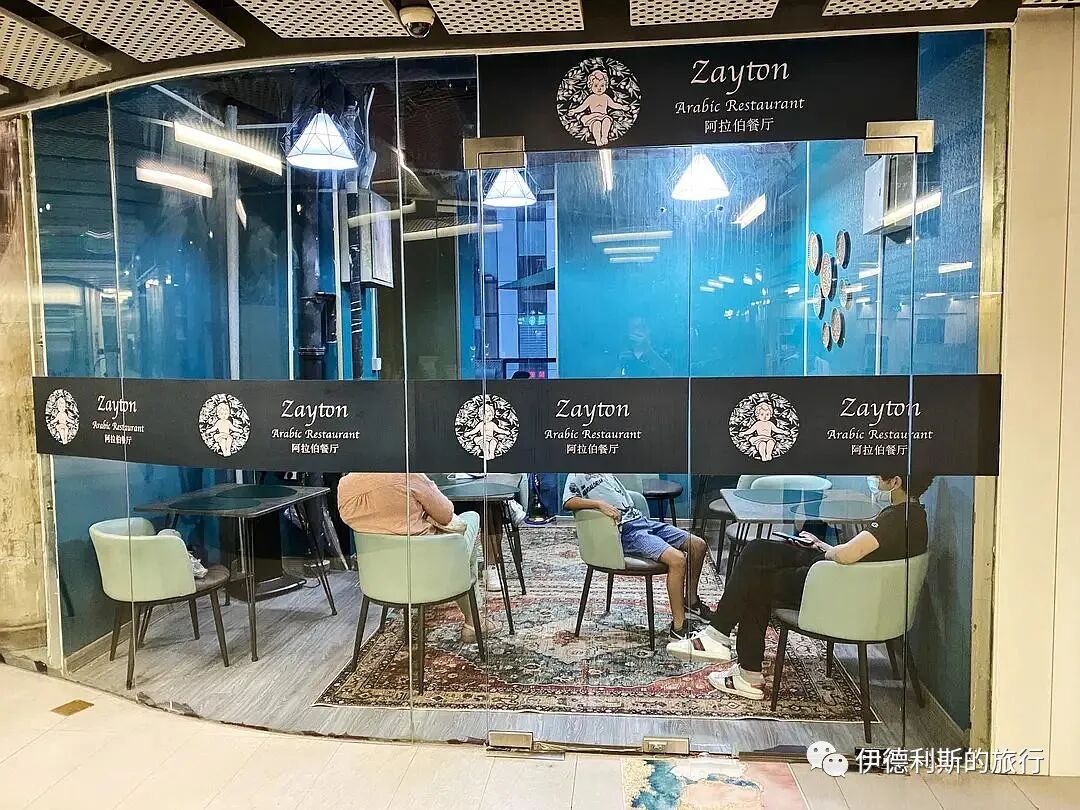
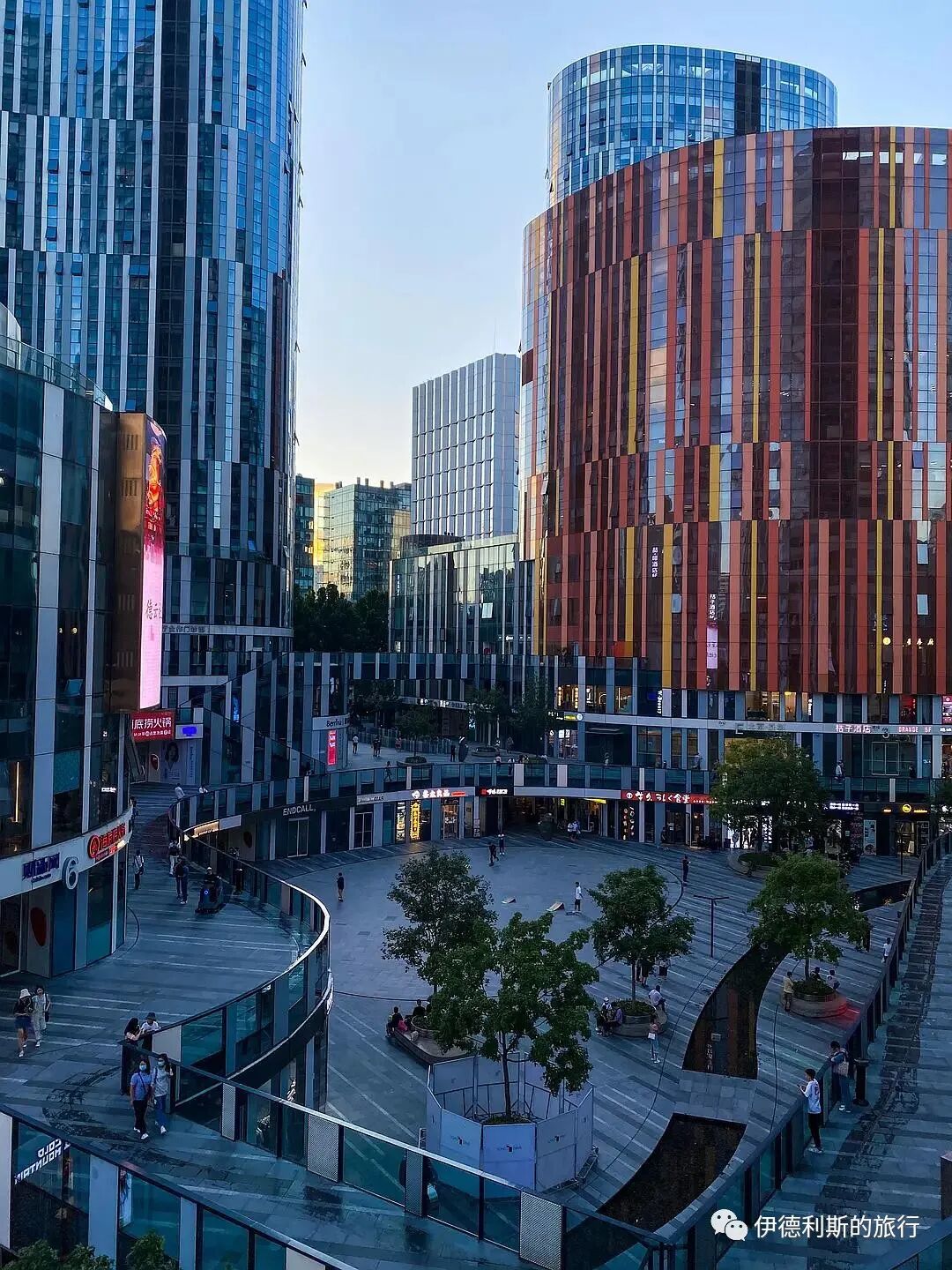
A new Arab restaurant called Zayton just opened in Sanlitun Soho. Everyone has been going to check it out, so we went to eat there in the evening.
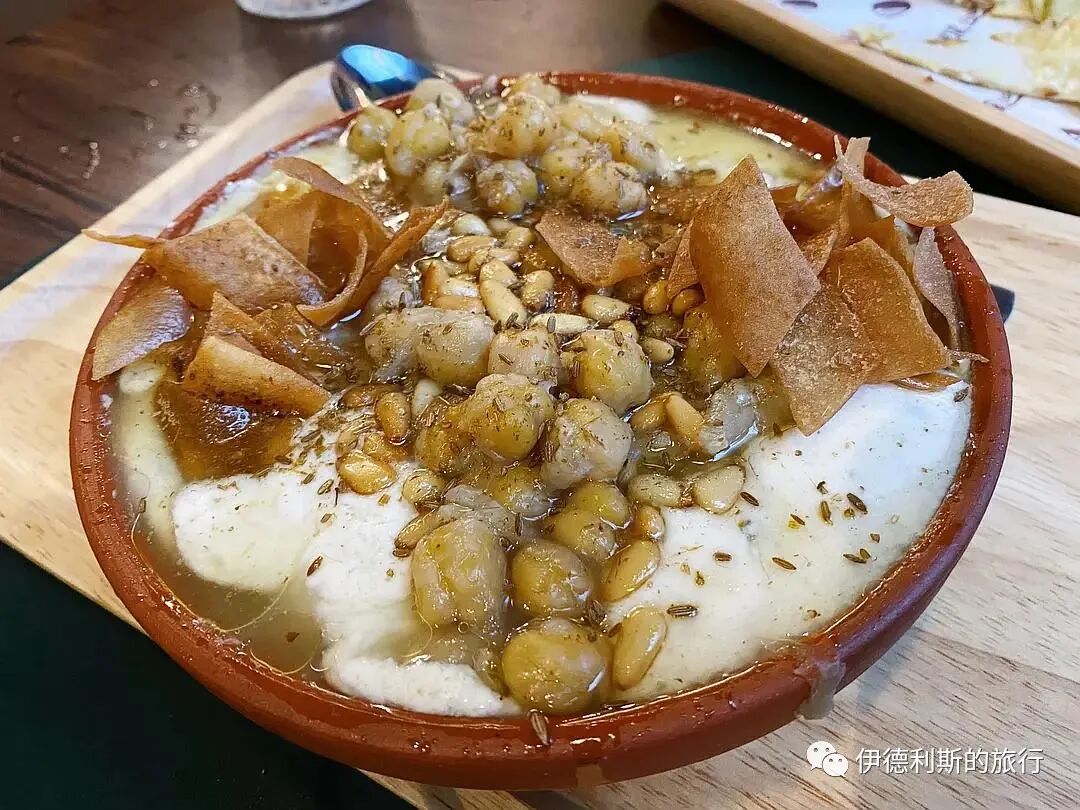
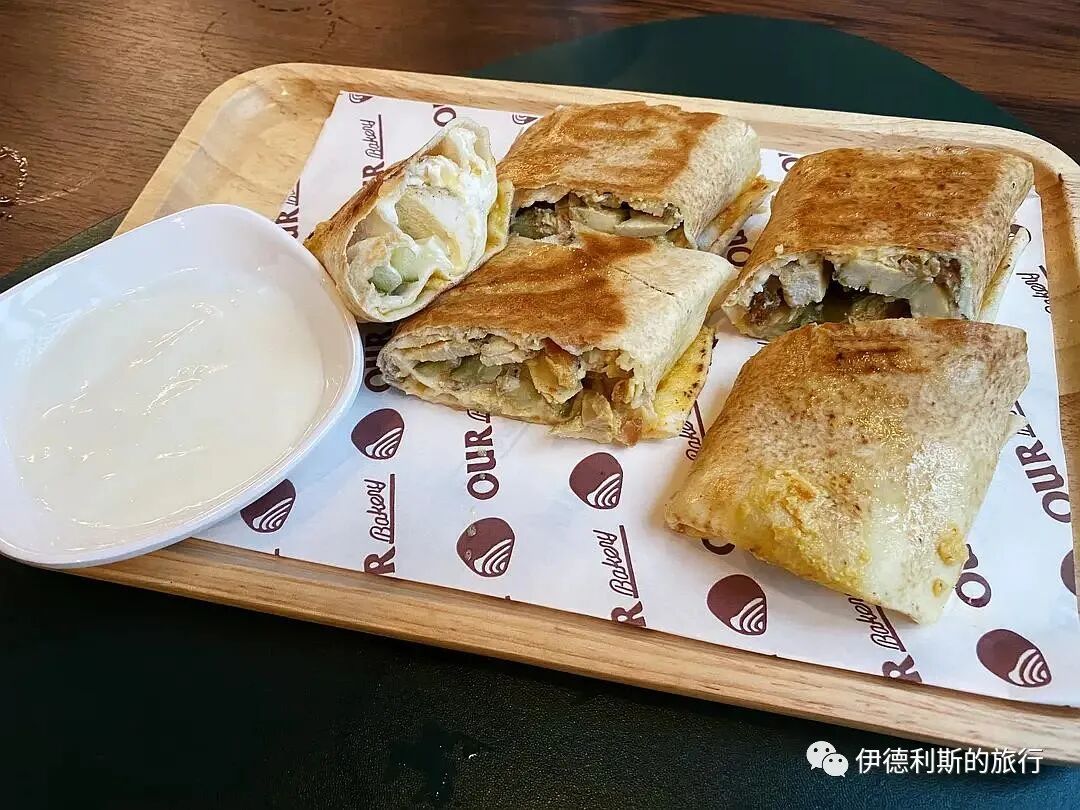
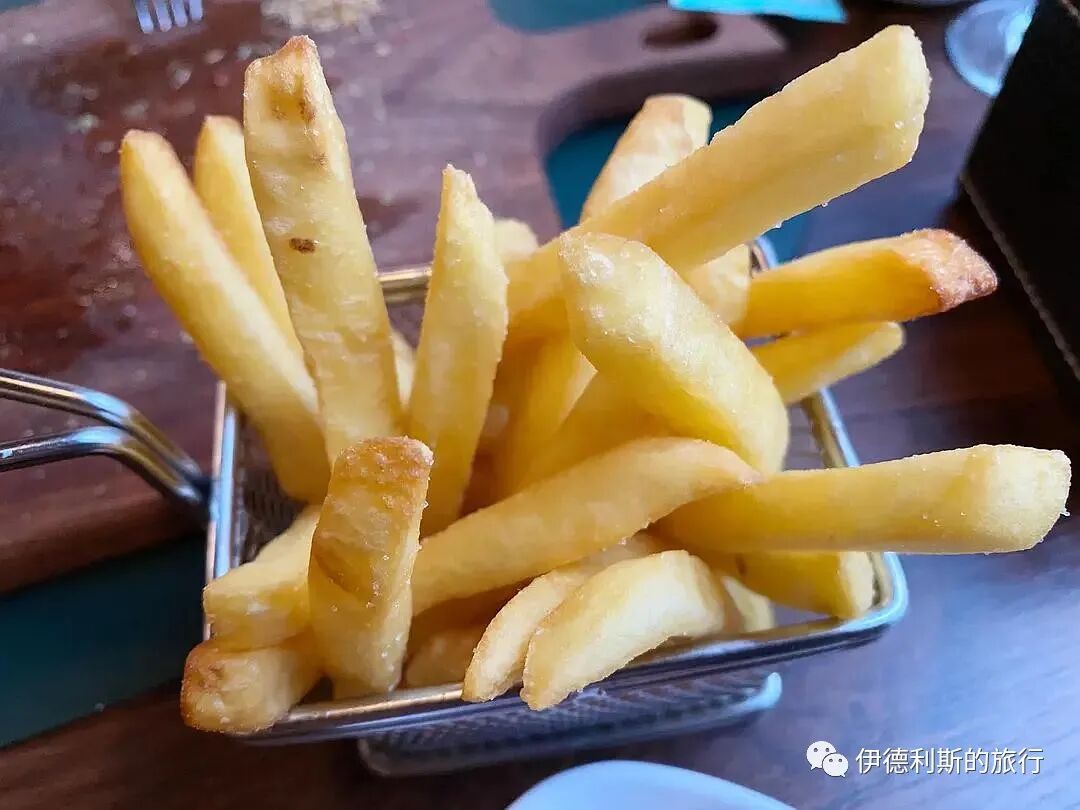
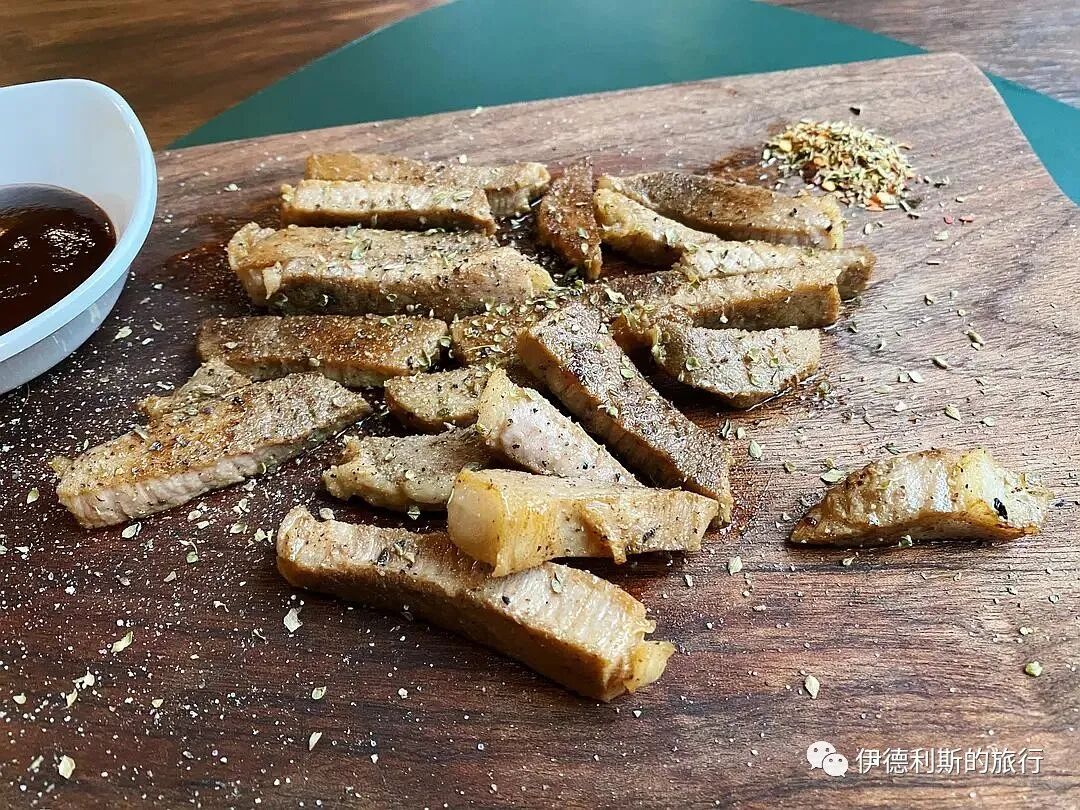
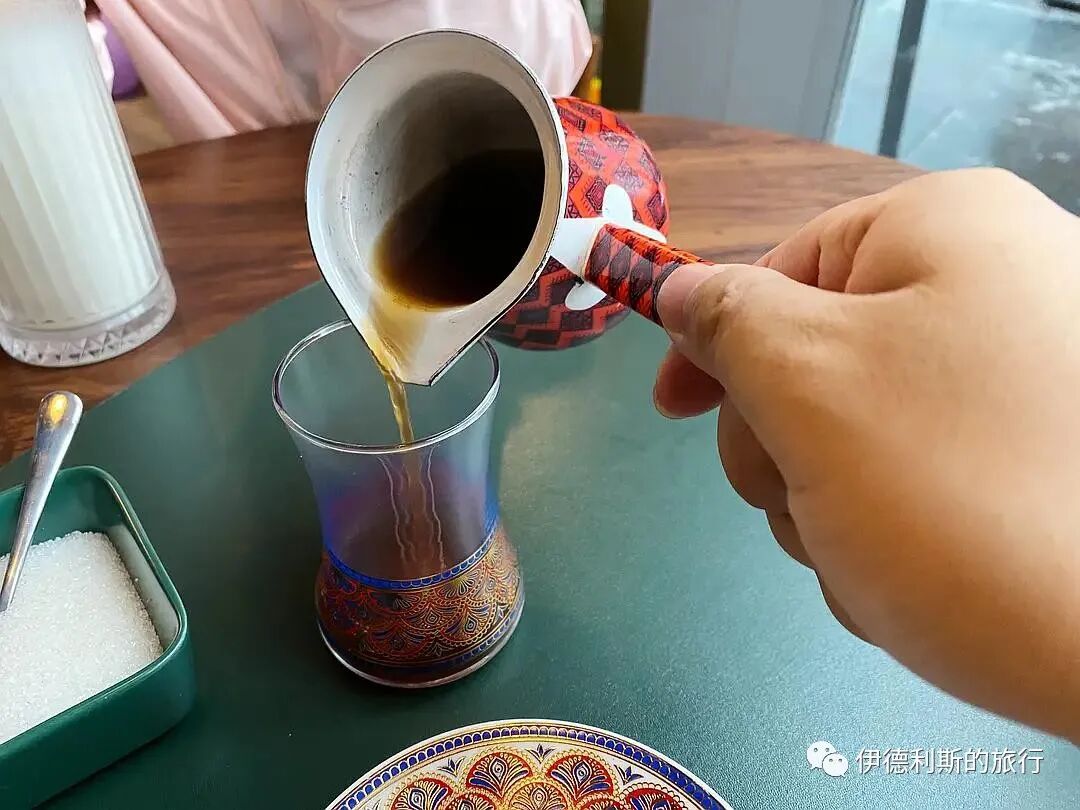
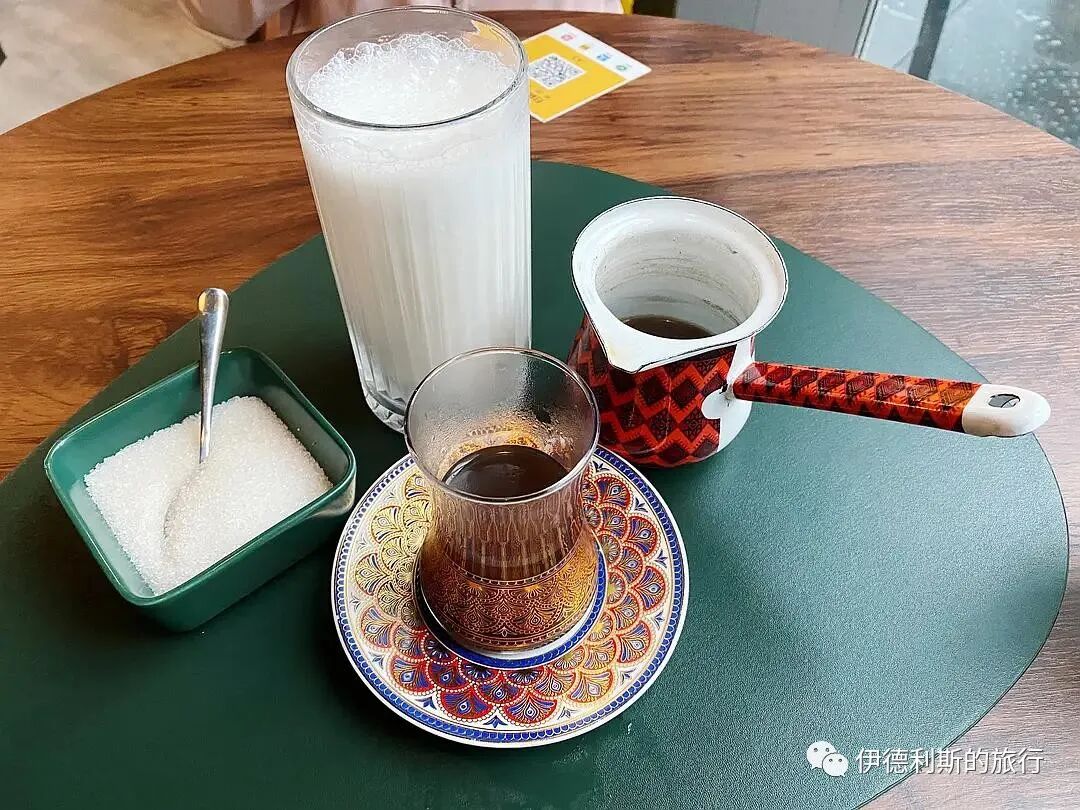
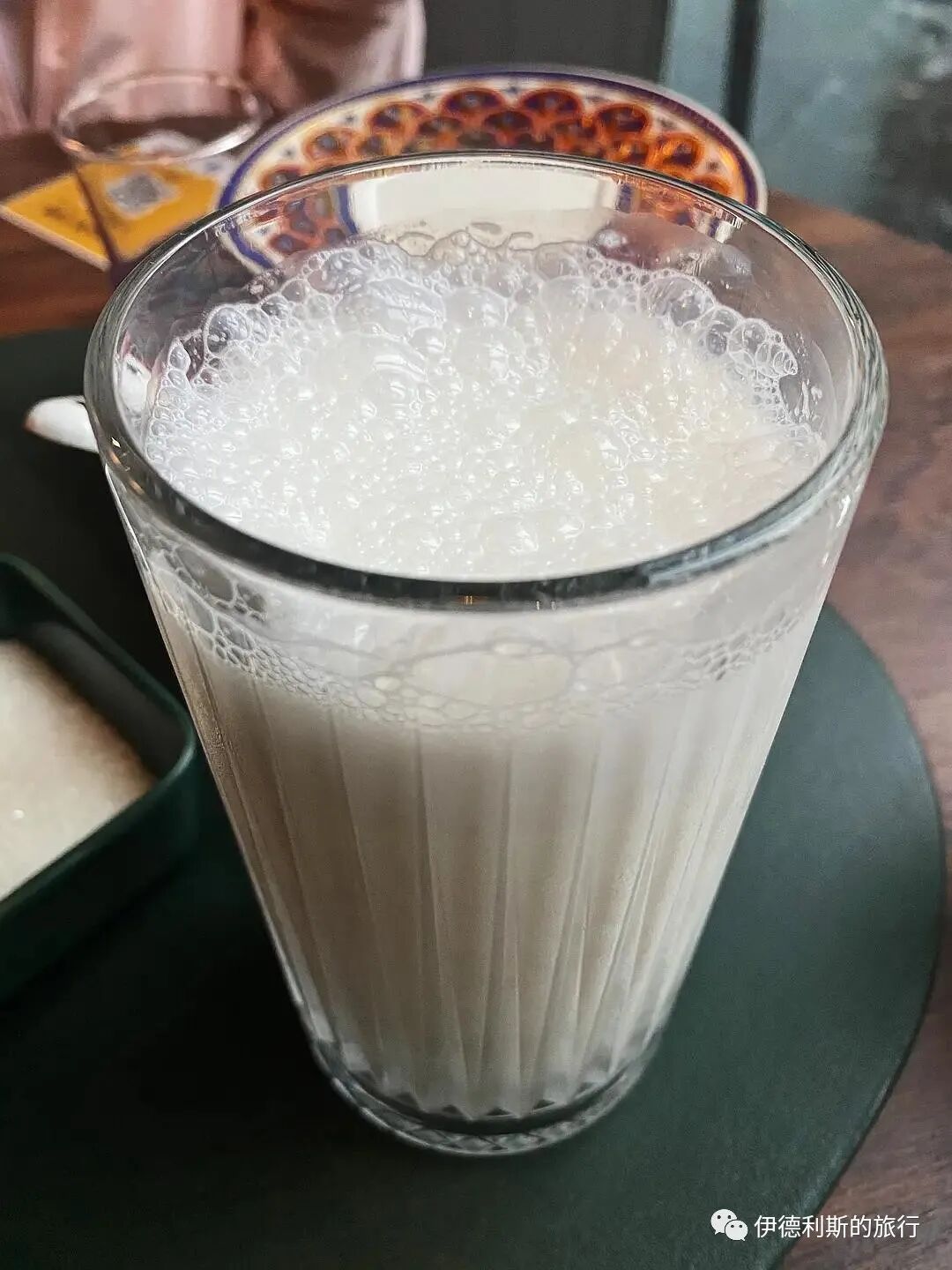
Their prices are not high compared to other foreign halal restaurants in Sanlitun. The owner is a Palestinian who lived in Syria for a long time. They mainly serve various Levantine snacks. We ordered chicken shawarma (Shawarma), veal steak, chickpea yogurt salad (Fatteh), Ayran yogurt drink (Ayran), and Arabic coffee. Let me tell you about Fatteh. It's not very common in other Arab restaurants in Beijing.
Fatteh means "crushed" in Arabic. It's a snack from the Southern Levant region, found in places like Damascus, Beirut, Jordan, and Palestine, but not in the Northern Levant. Fatteh's main ingredient is crushed Khubz bread pieces. Then they add yogurt, steamed chickpeas, olive oil, and other toppings, sprinkled with cumin. Sometimes it includes eggplant and carrots, or chicken or lamb. At Zayton, they add pine nuts.
August 17: Ziguangyuan Dumpling Restaurant in Xisi.
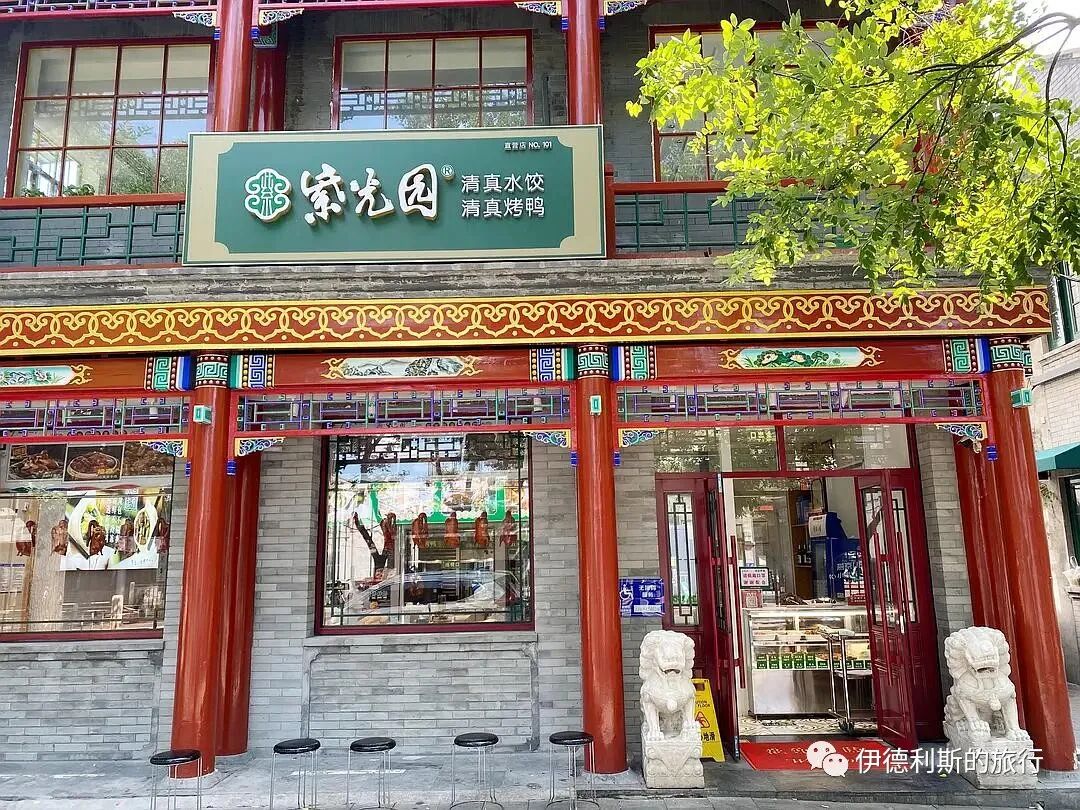
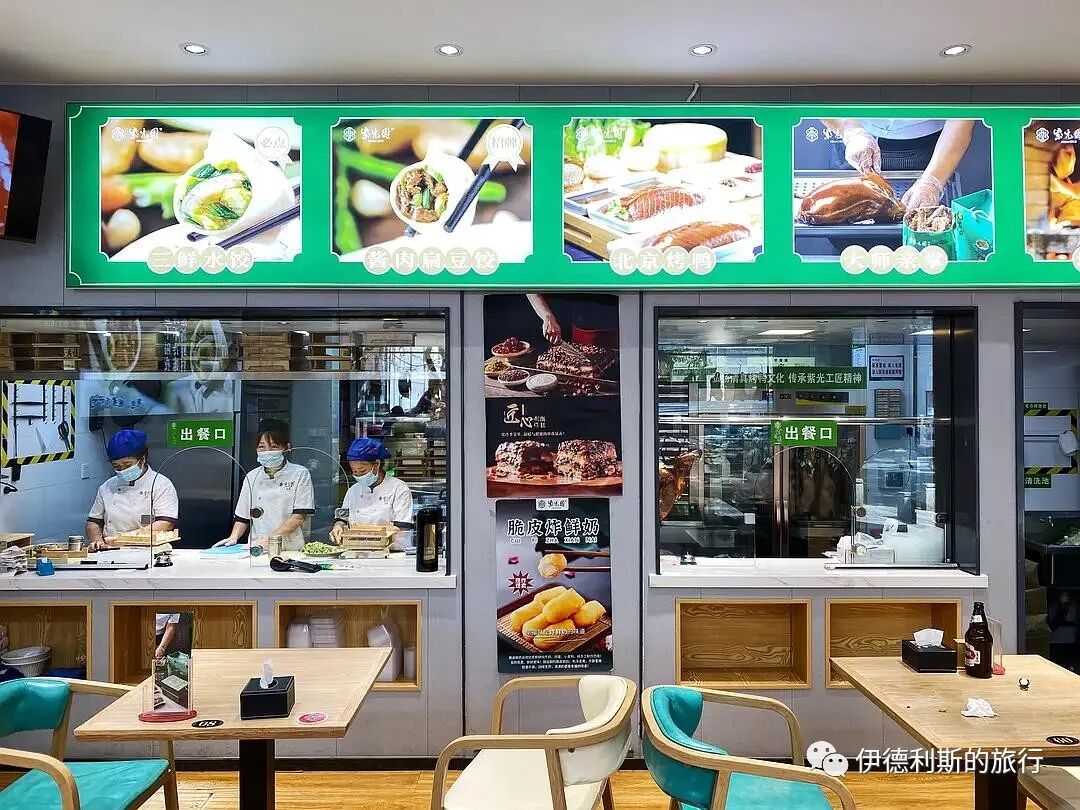
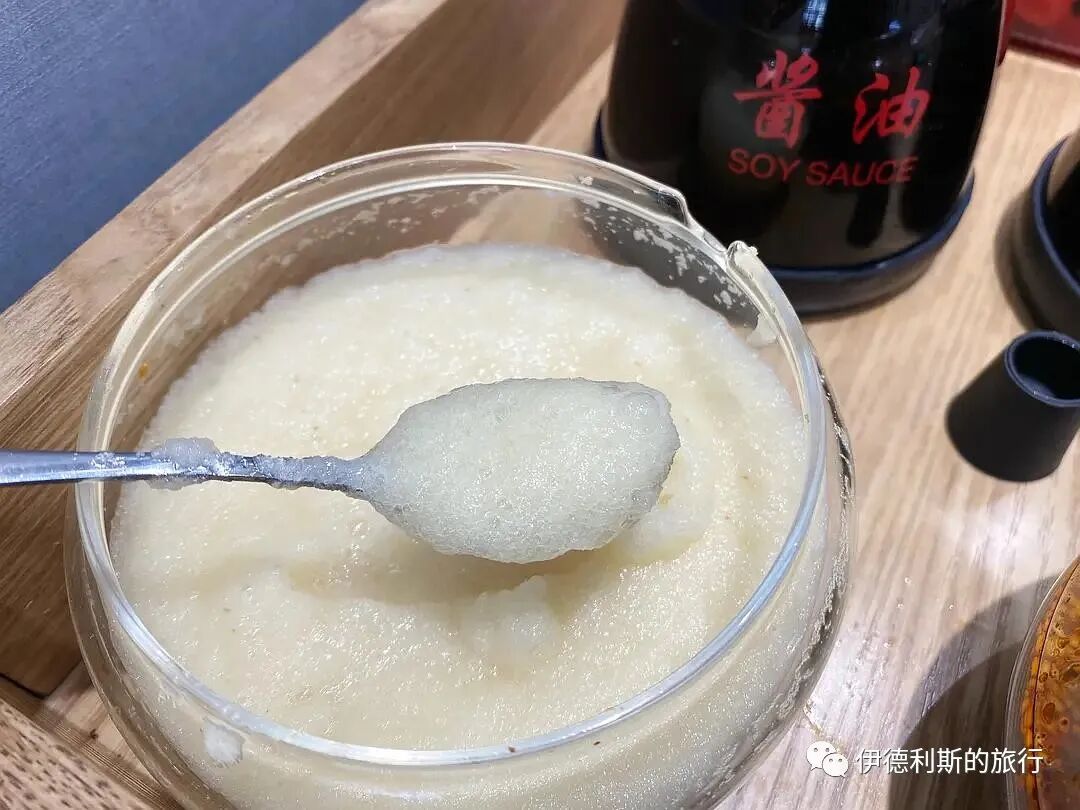
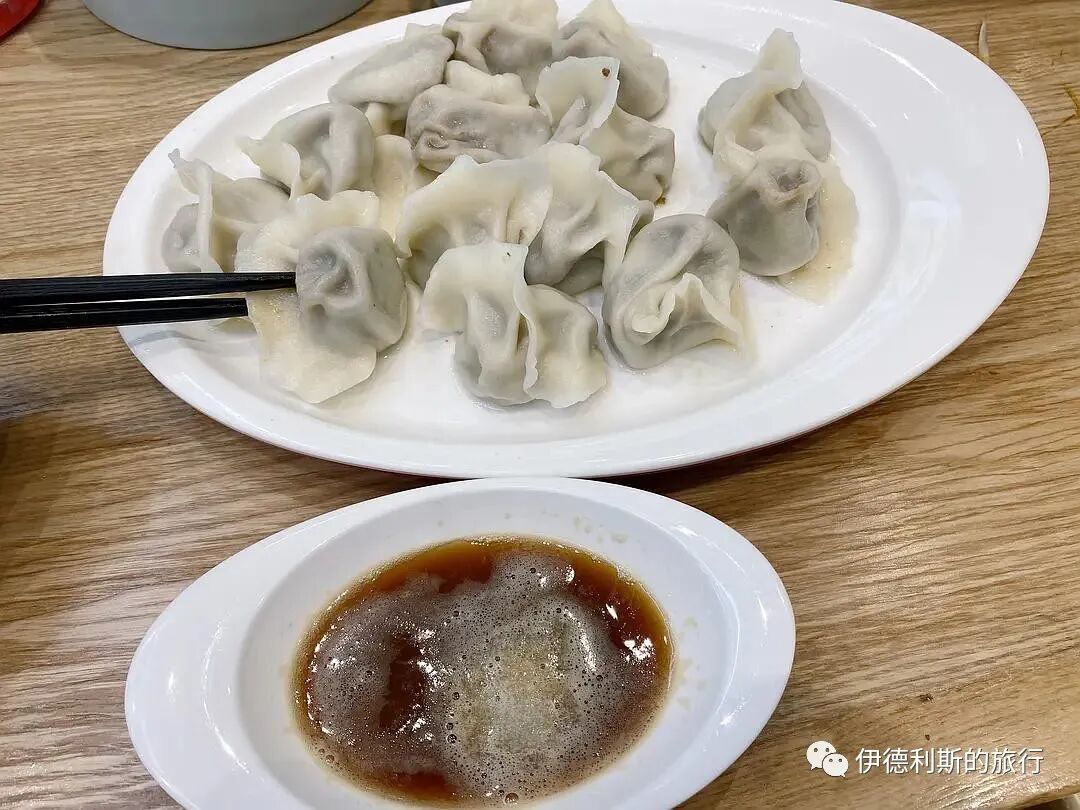
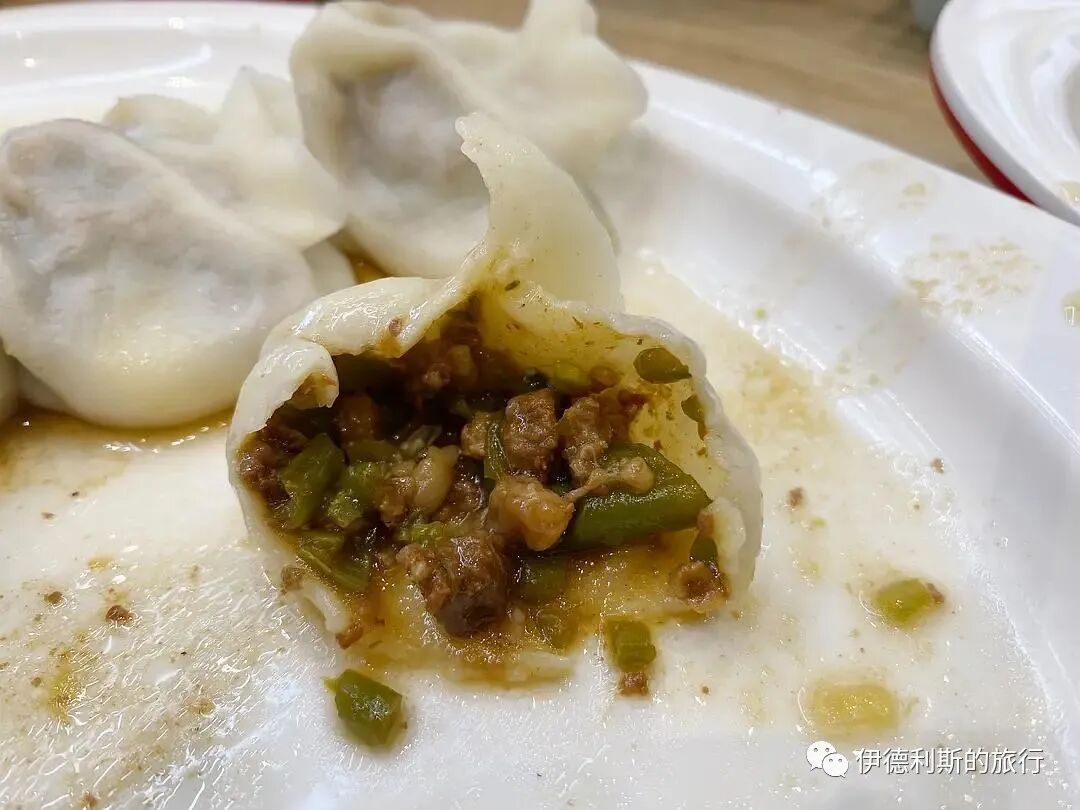
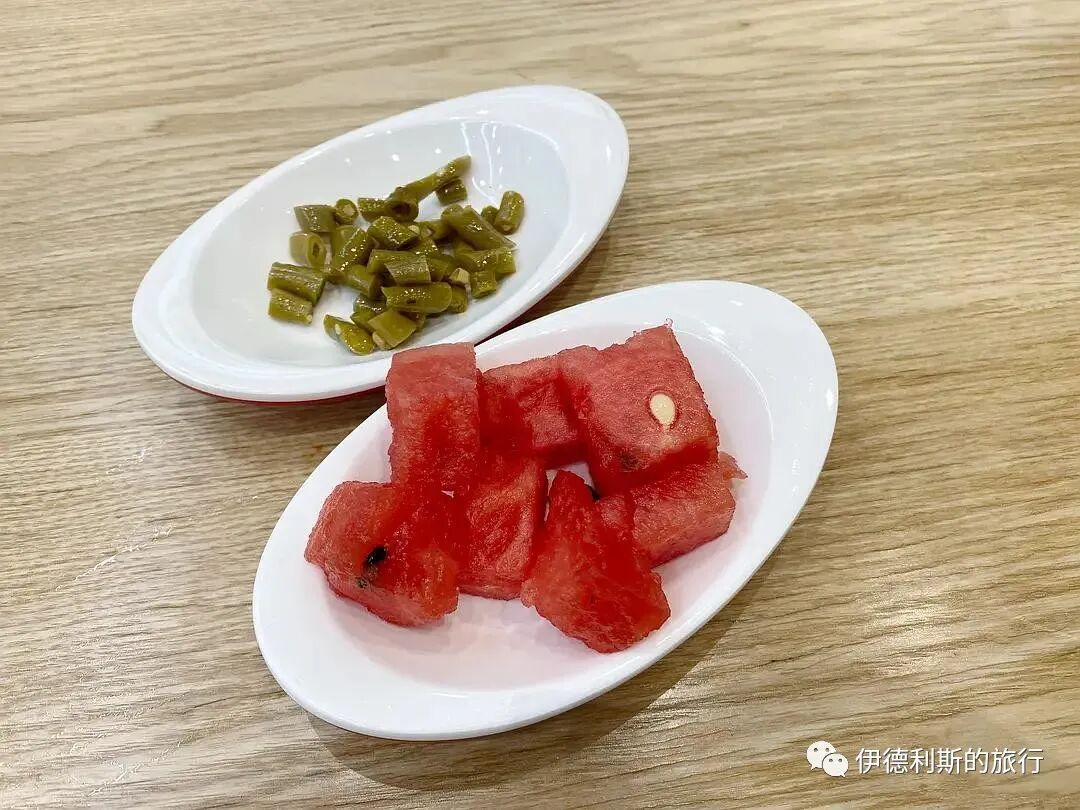
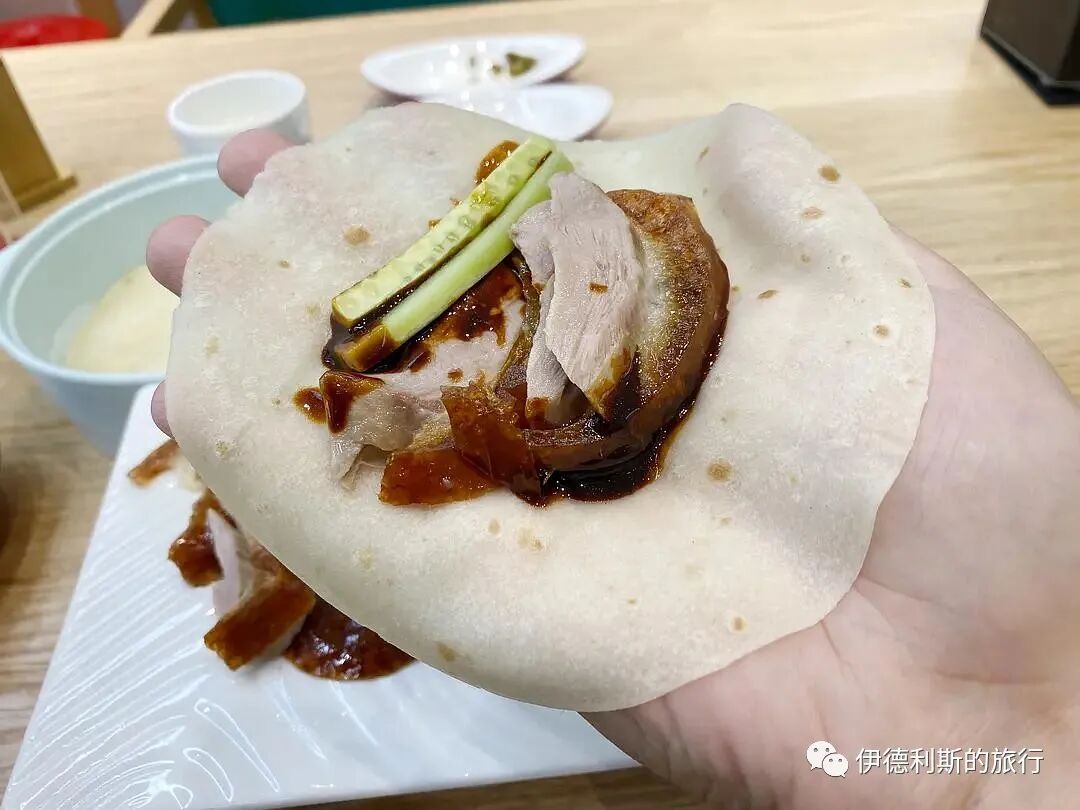
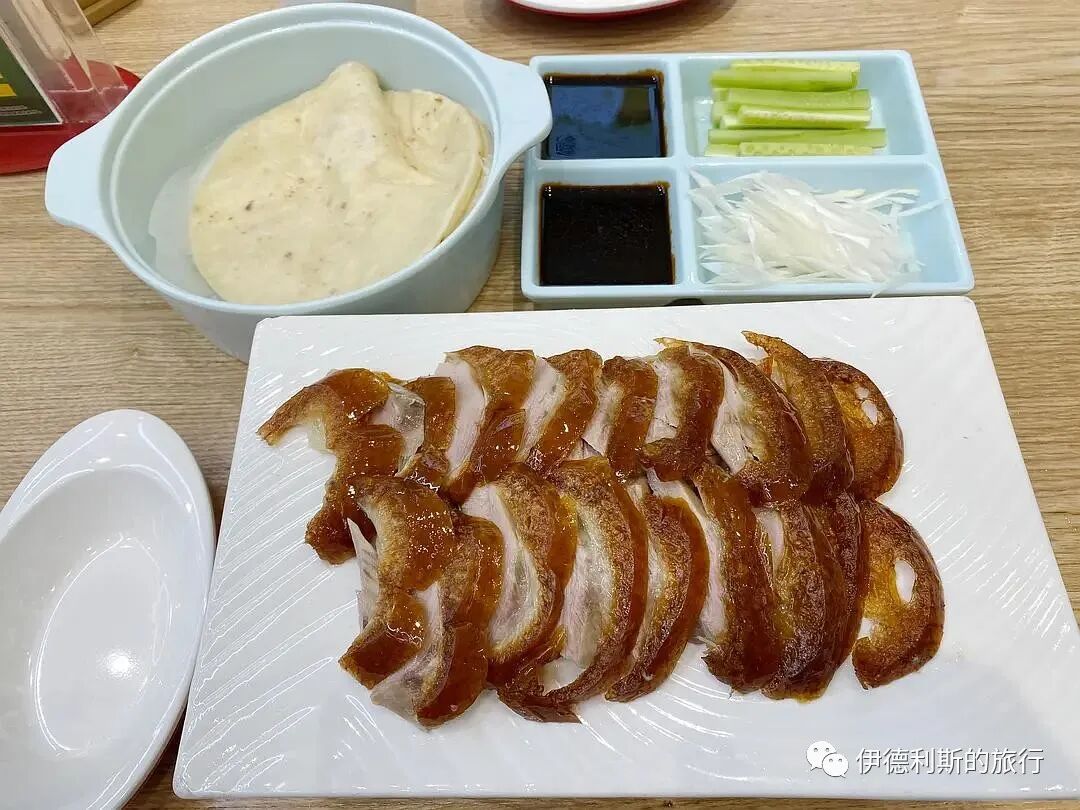
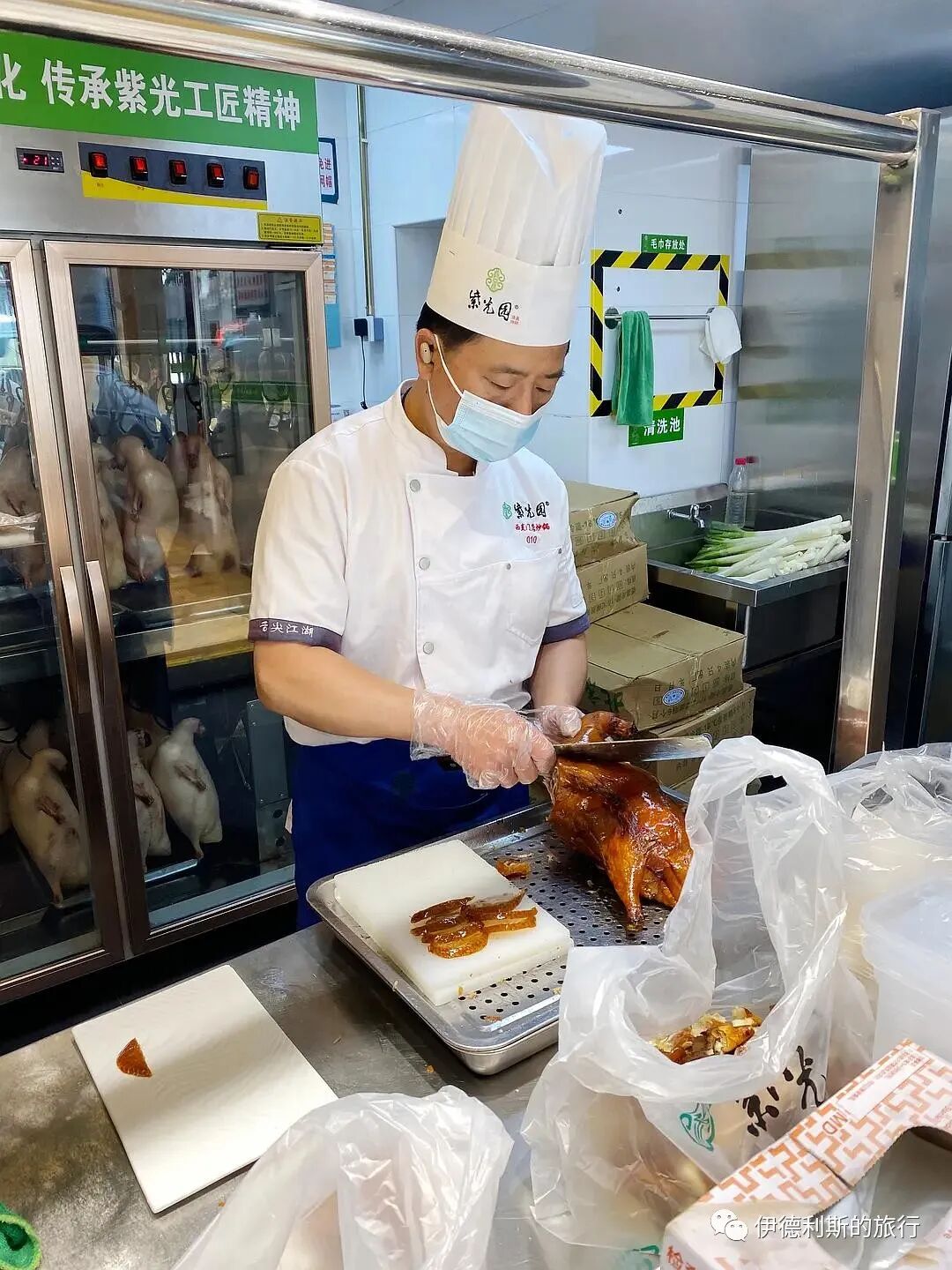
I went to Peking University School of Stomatology for a dental appointment. On the way, I saw a new Ziguangyuan had opened in Xisi. They specialize in dumplings and roast duck, and their dumplings are freshly wrapped and sold. I tried dumplings with braised meat and lentil filling for the first time. The texture was very different from fresh meat dumplings; it had chunks of meat, which I really liked. They also offer unlimited watermelon chunks, pickled long beans, and minced garlic. This felt very thoughtful, as many noodle shops I've been to don't provide garlic sauce. Finally, I have to say, both are chain snack shops, but Hu Xiao's food is so bad it makes you want to curse.
August 18, the Noble Day of Ashura.
Today is the noble Day of Ashura, and it's time for Suhoor.
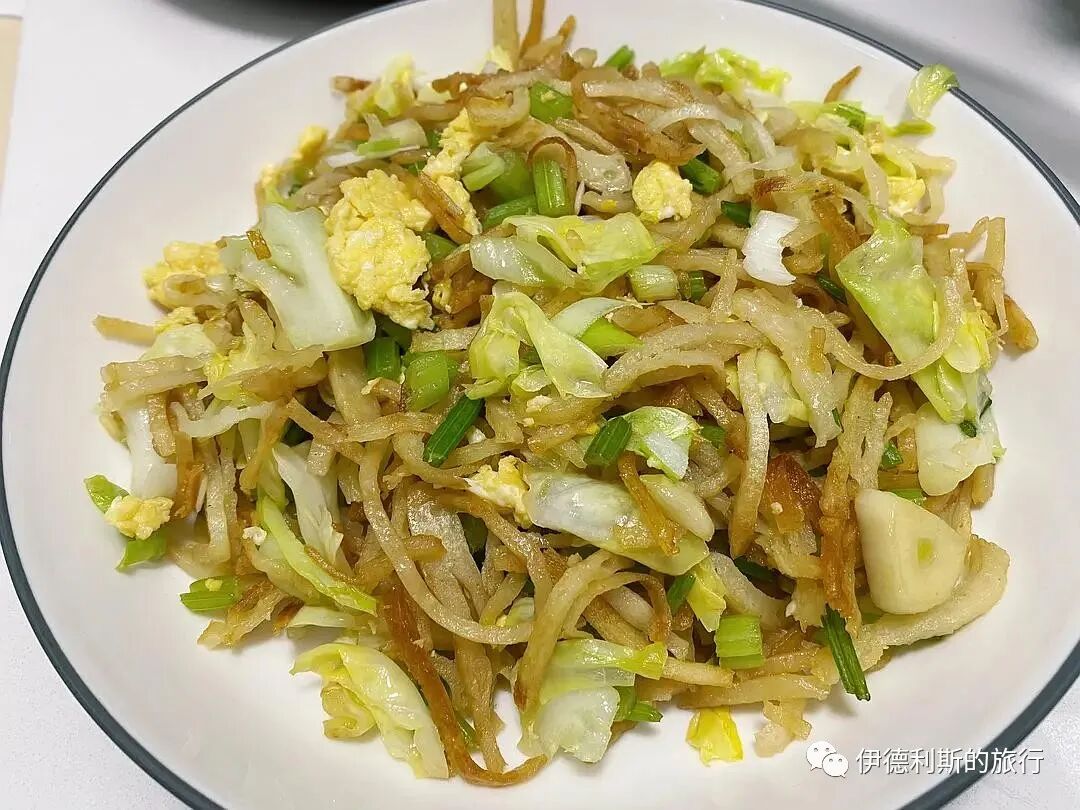
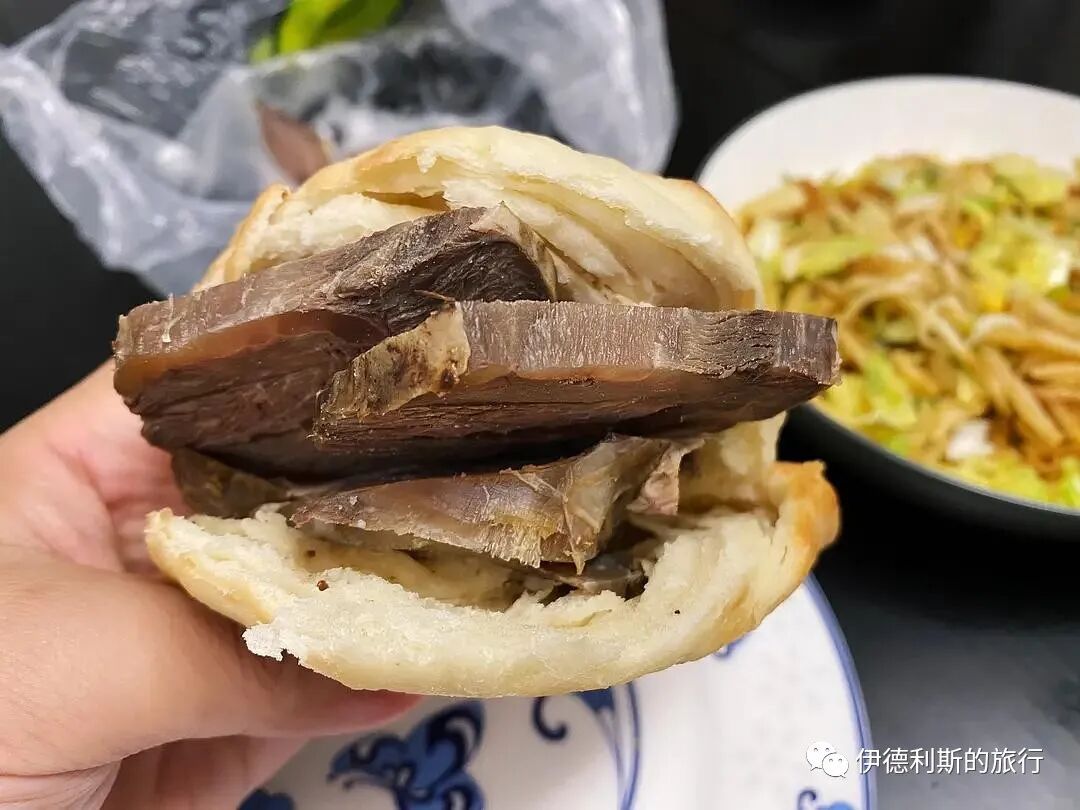
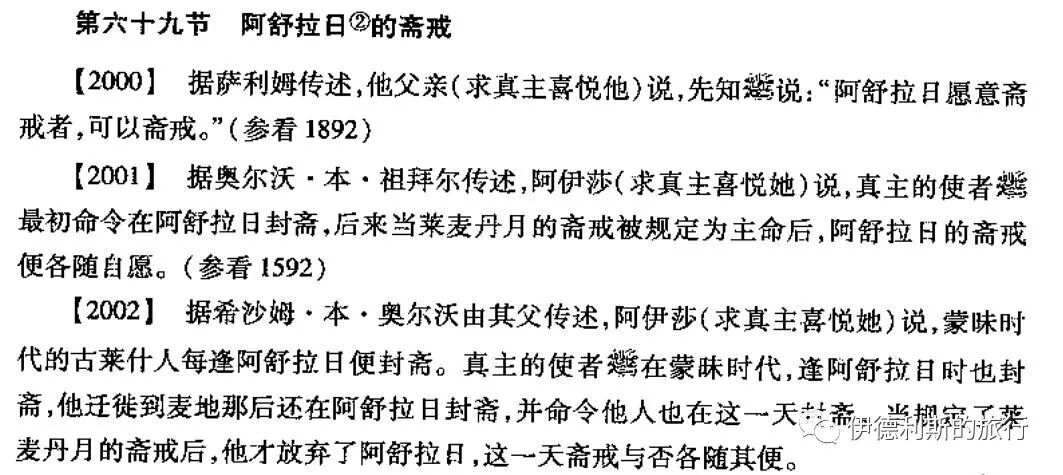
Many important events happened on the Day of Ashura throughout history, including Prophet Nuh (Noah) bringing his ark to shore. Legend says that on this day, Nuh gathered all the leftover beans on the ark and cooked a pot of bean porridge. Because of this, Hui Muslims make bean porridge every year on this day to commemorate it.
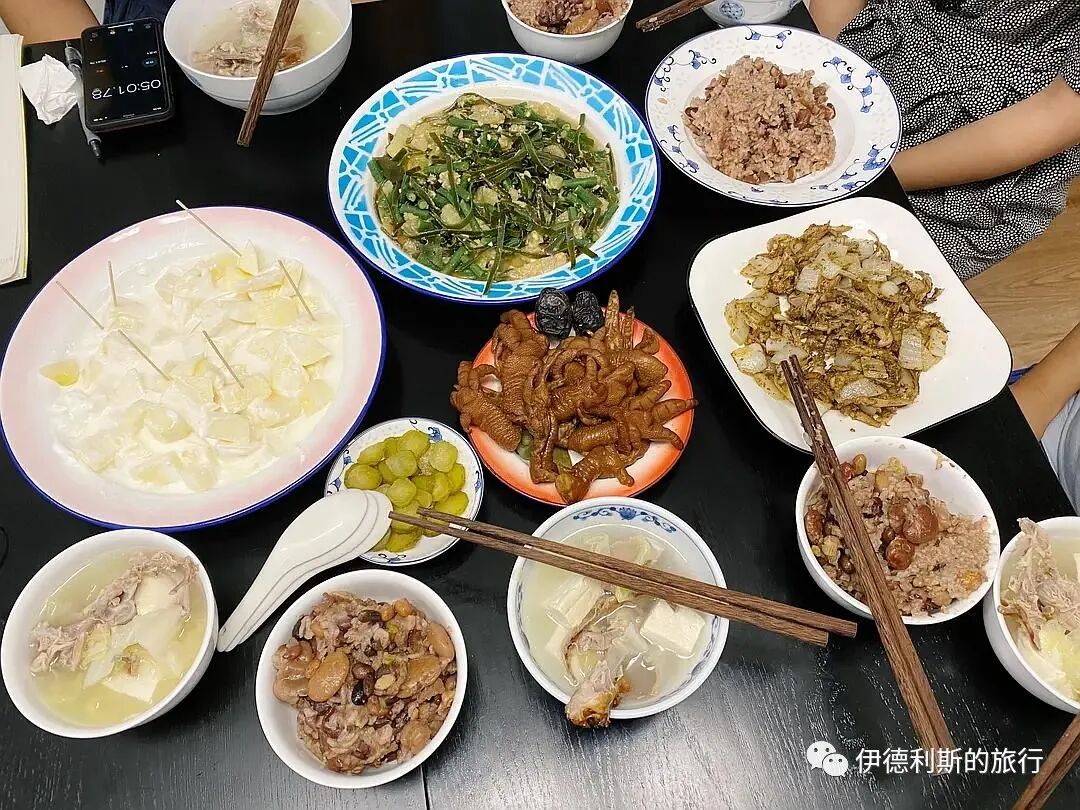
Today, I'm learning to make the Urumqi Hui Muslim version of bean rice. As an Urumqi son-in-law, this is a must-have skill. Zainab prepared porridge with 11 kinds of beans a day in advance. Today, I'll stir-fry the diced lamb from Eid al-Adha (Gurban), then add regular rice and glutinous rice and cook it all together.
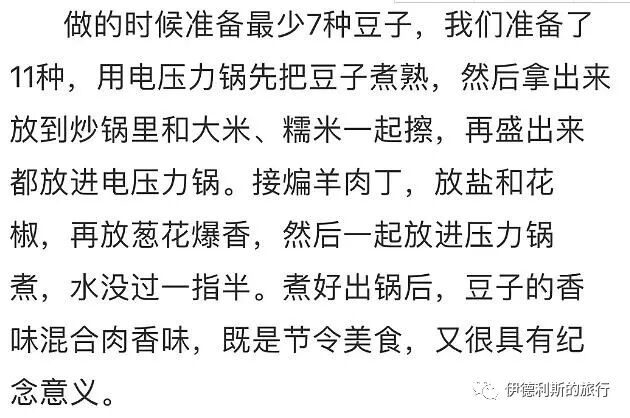
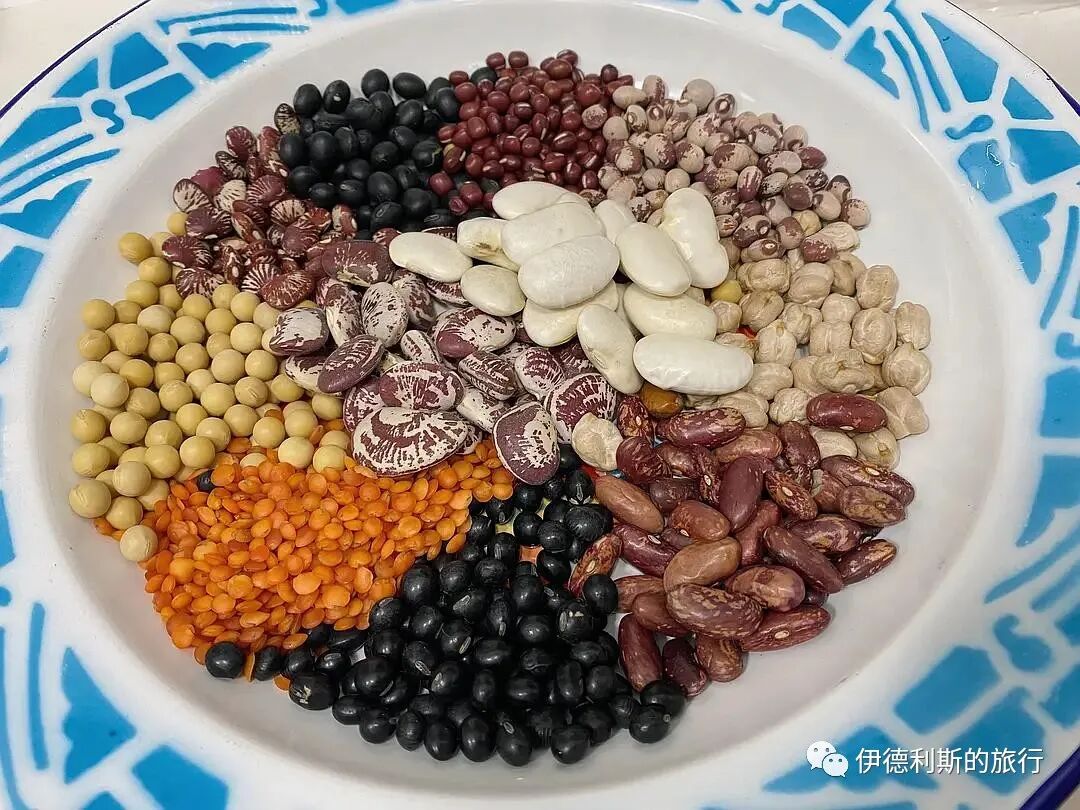
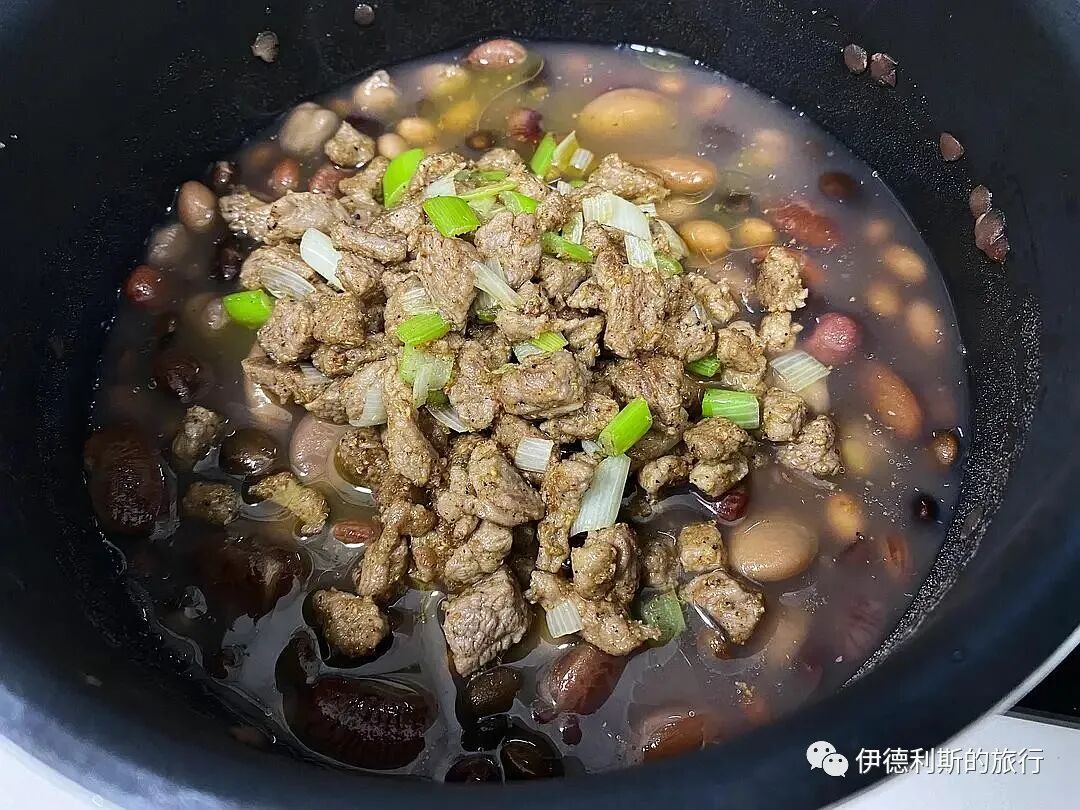
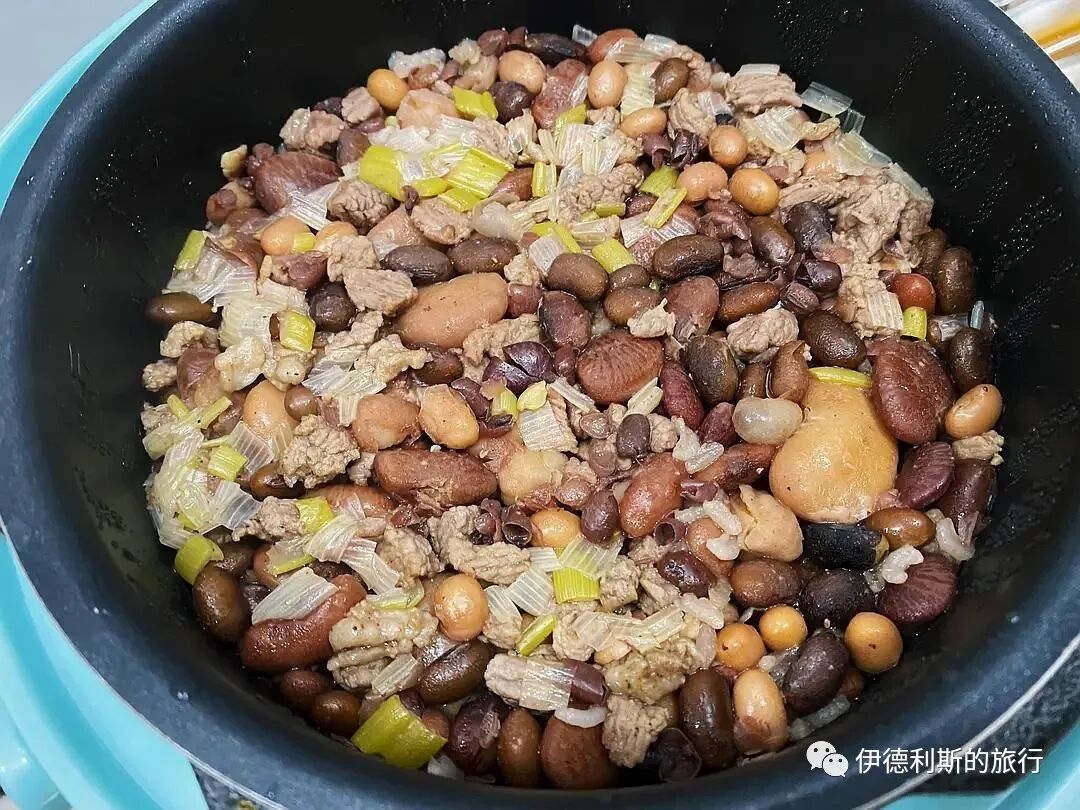
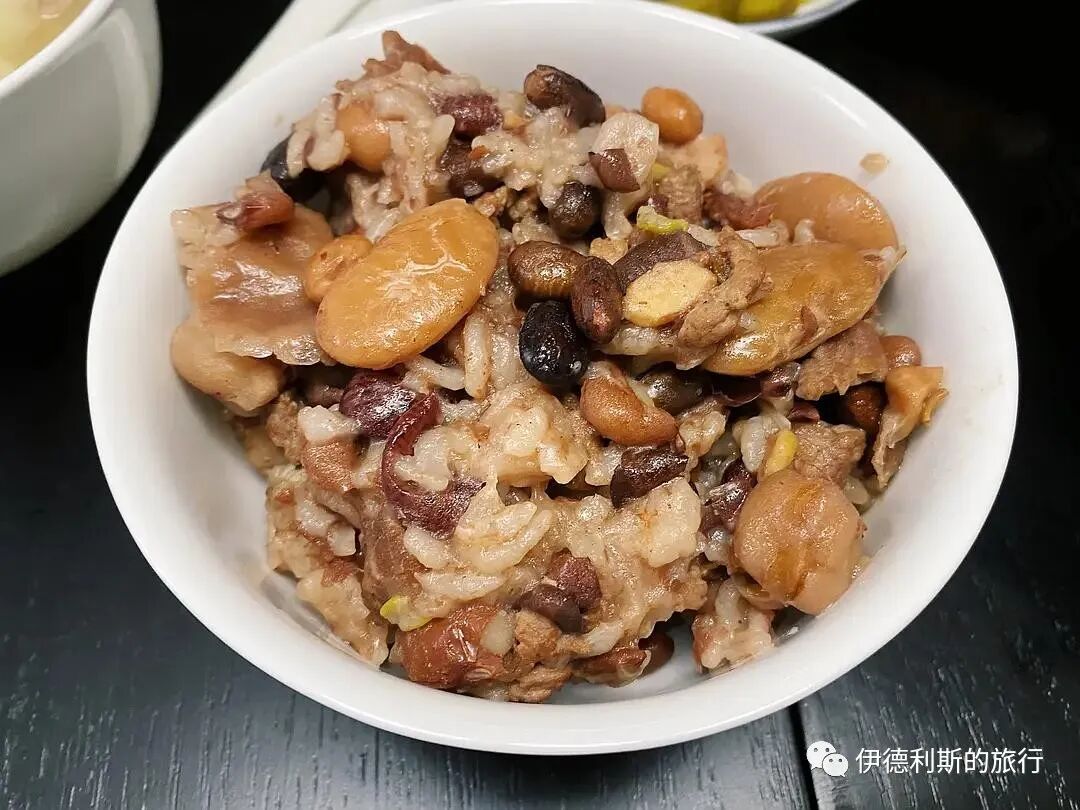
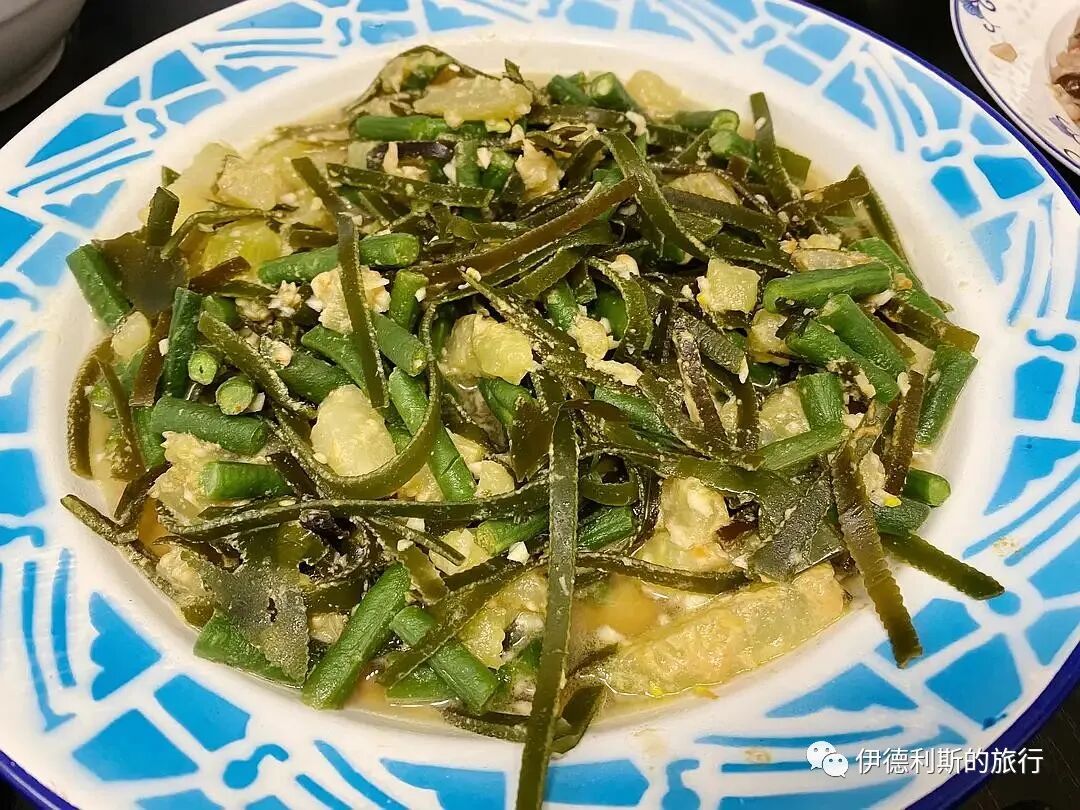
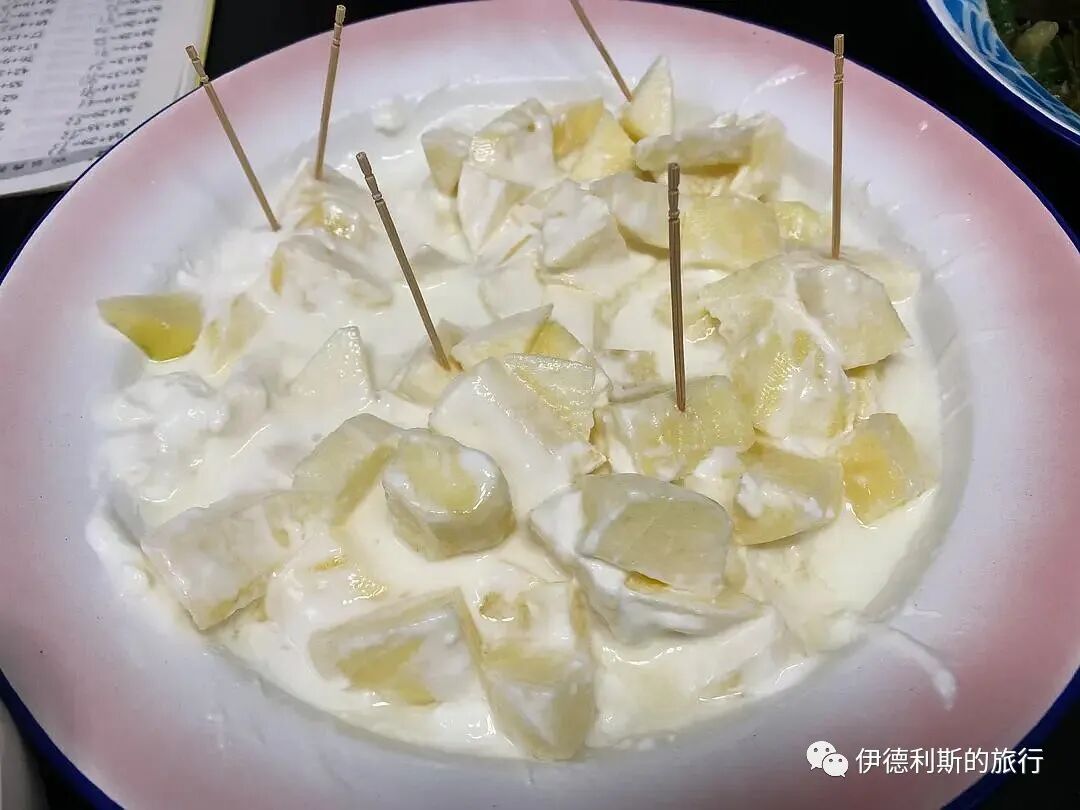
In the afternoon, I bought a duck carcass and half a jin (250g) of Laba garlic chicken feet (labasuan fengzhao) at Ziguan Garden. The chicken feet are boneless now, which makes the texture even better, haha. Half of the duck carcass will be stewed with cabbage and tofu. The other half will be stir-fried with onions (piyazi) and cumin. I bought kelp, eggplant, and long beans at the market. After blanching, I'll mix them with erba sauce (erba jiang) and garlic sauce for a cold salad. I diced apples and added Zainab's homemade yogurt and honey.
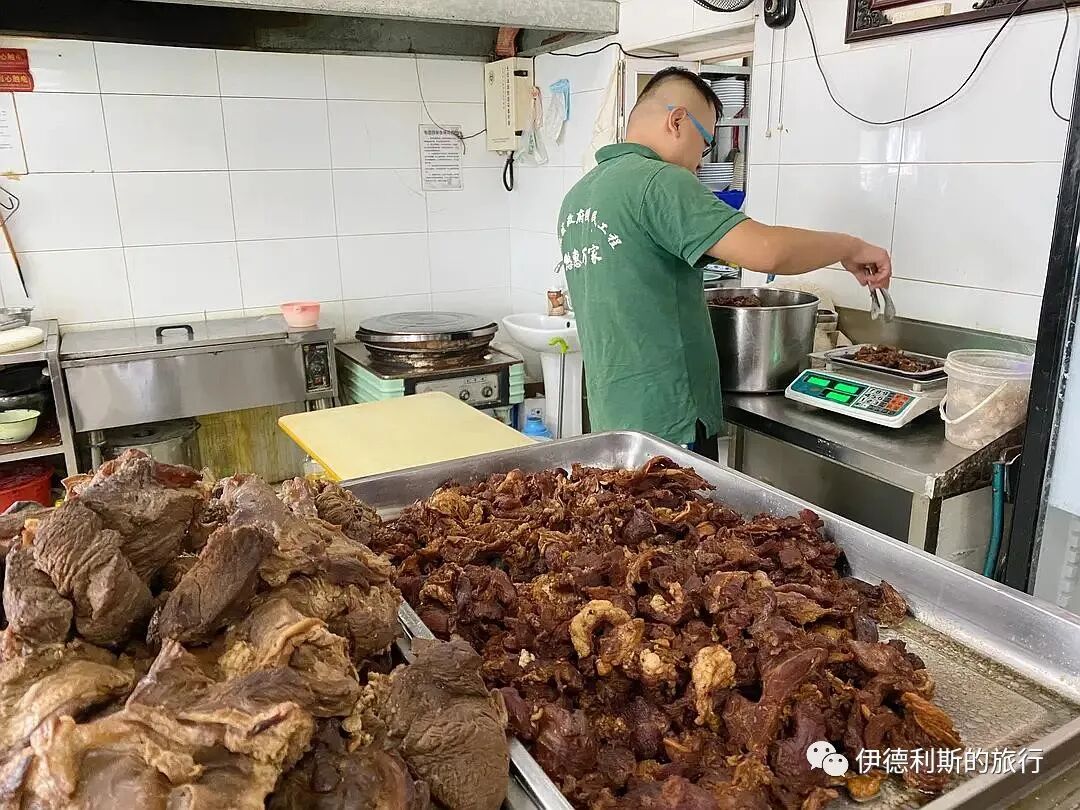
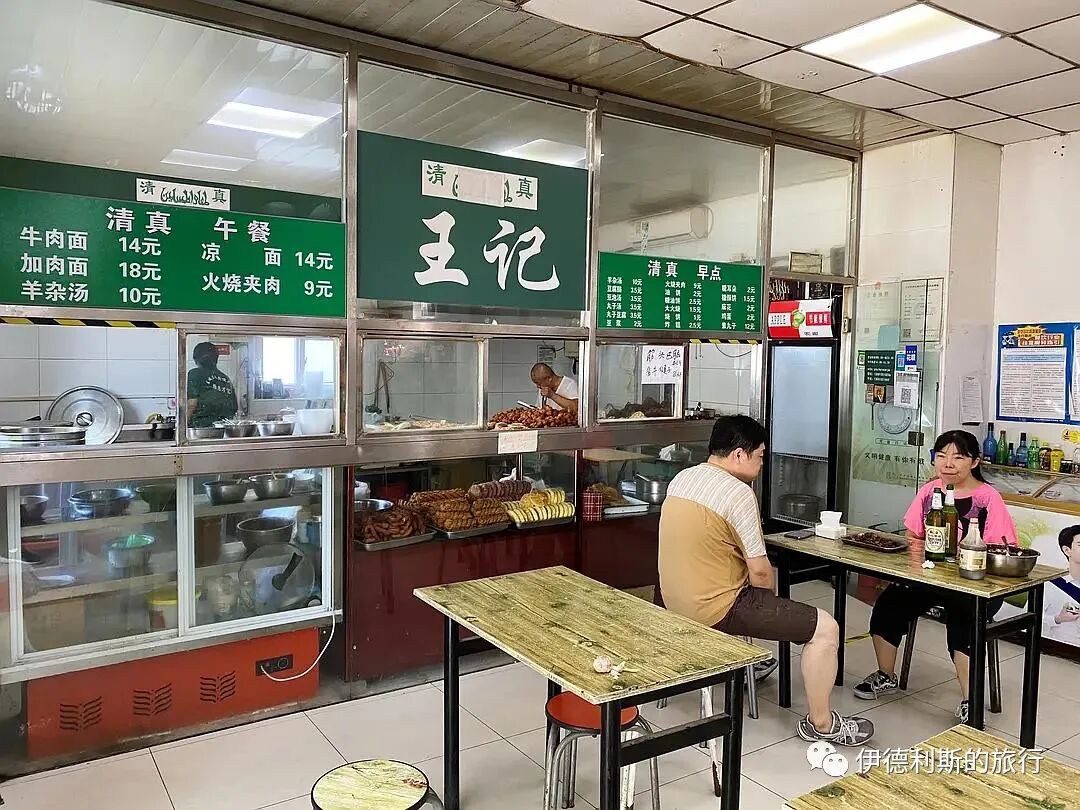
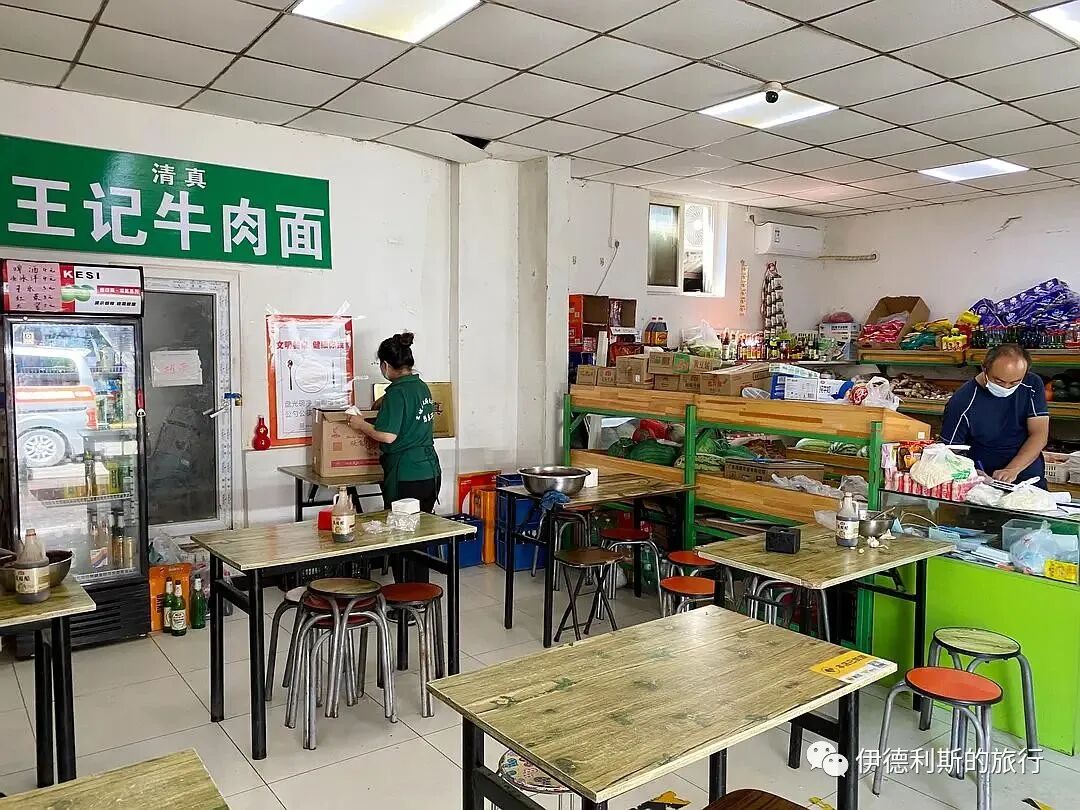
August 21, Wang Ji Halal Snacks (Wangji Qingzhen Xiaochi) in the Xilou Hutong Convenience Store.
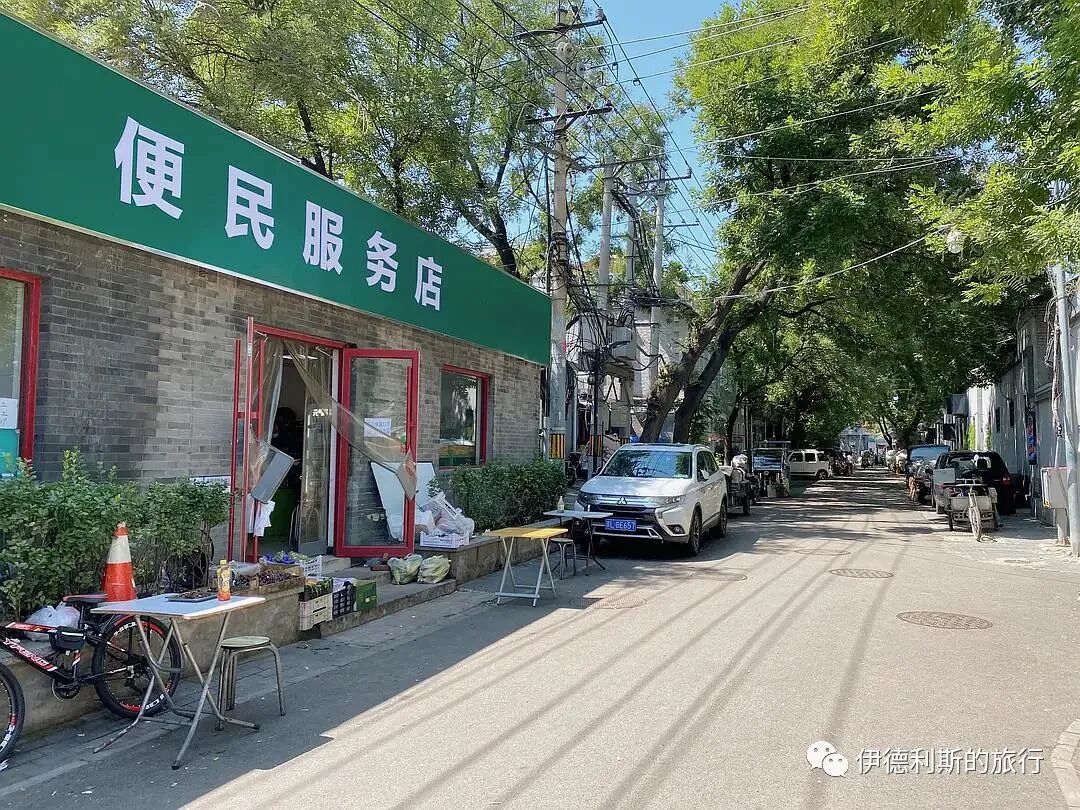
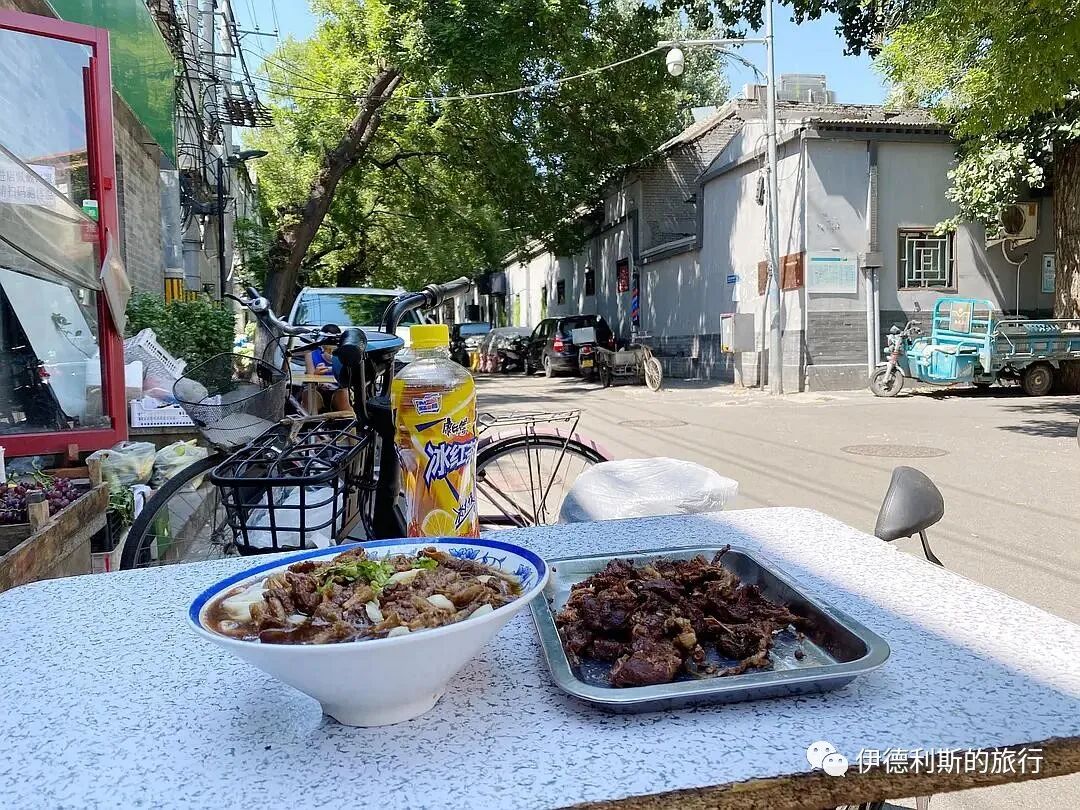
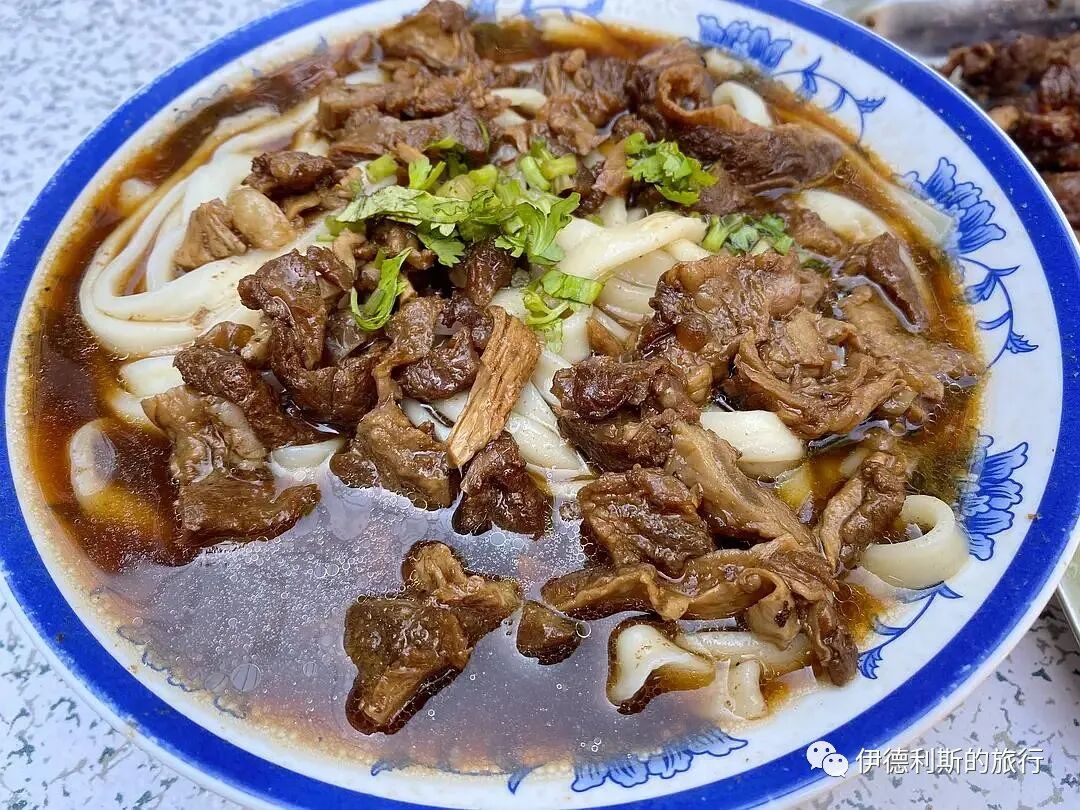
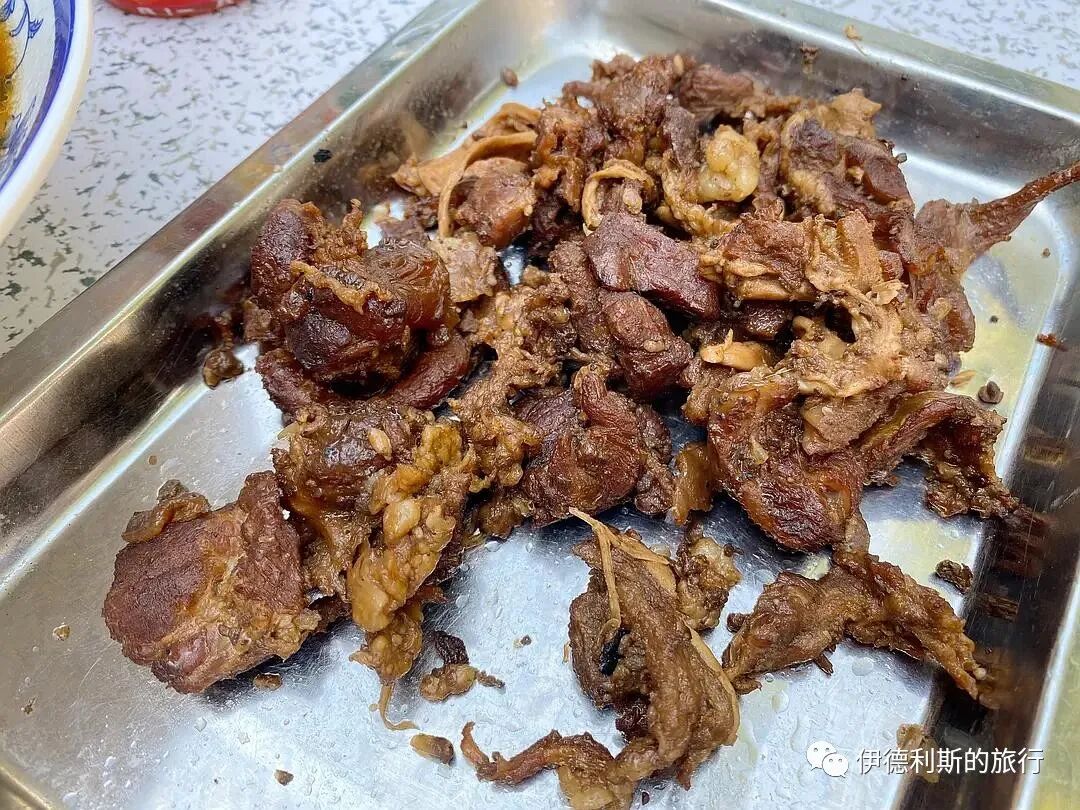
At noon, I went to Wang Ji Halal Snacks (Wangji Qingzhen Xiaochi) in the Xilou Hutong Convenience Store. Halal food in the hutong is truly wonderful! I ordered a bowl of beef noodles with extra meat and a plate of tendon and brain (jintou banao). The noodles were handmade and very chewy, much tastier than Chai Ji's machine-made noodles. But honestly, the stewed beef didn't taste as good as Chai Ji's.
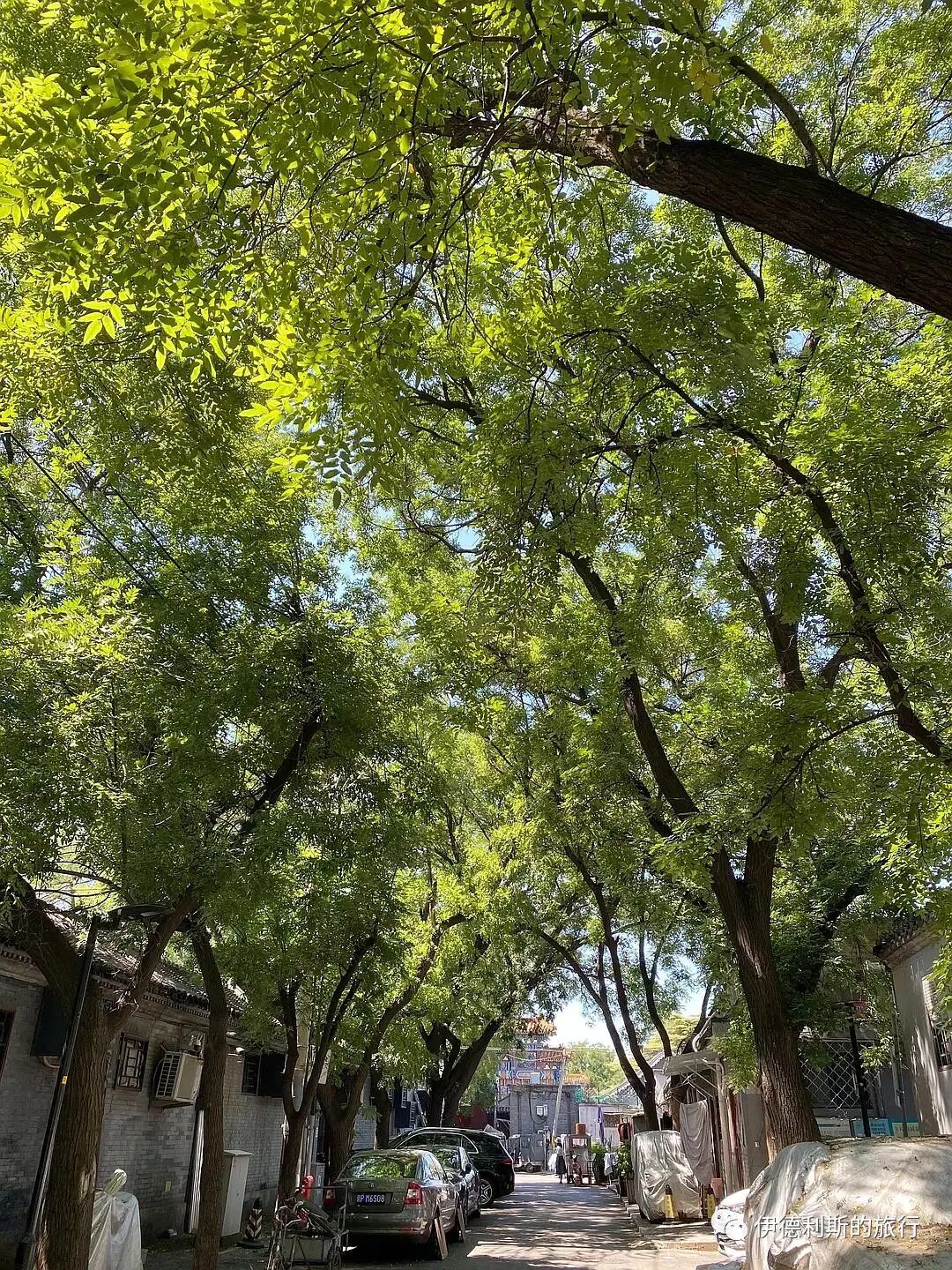
The best thing about their place is that you can eat in the cool shade of the hutong. It feels so much like childhood! When I was a kid in summer, I loved carrying my fried sauce noodles (zhajiangmian) or sesame paste noodles (majiangmian) to eat under the shade of the trees in the hutong. Since the crackdown on illegal wall openings and storefronts, this kind of experience has become even rarer. I remember a winter a few years ago at Old Jin's Hotpot (Lao Jin Shuanrou) on Fuchangjie 3rd Alley near Tianqiao. It was snowing lightly at night, and we set up a table in the hutong for hotpot. That feeling of happiness must have been similar to today.
August 21: Istanbul Restaurant, a long-standing Turkish eatery
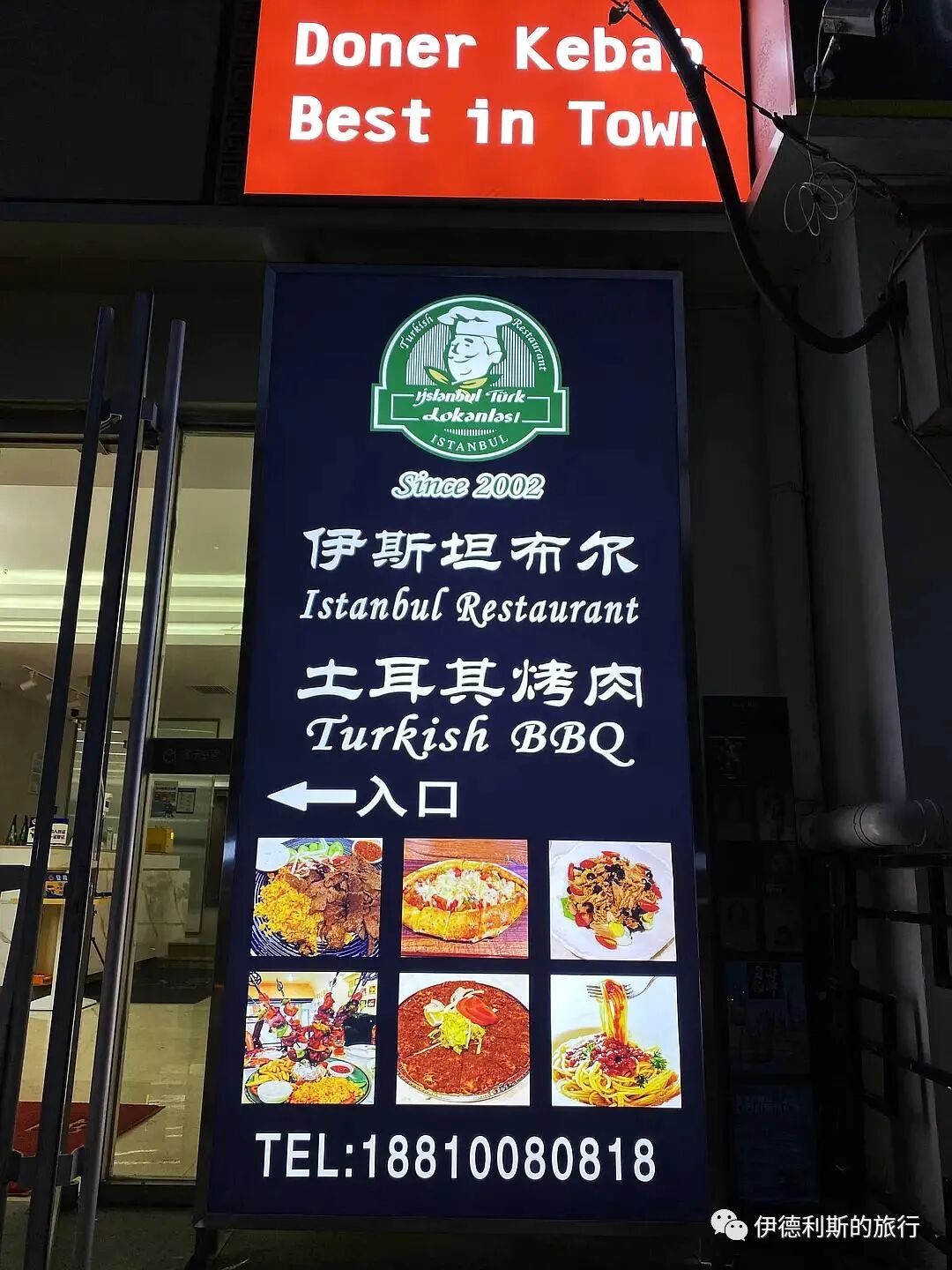
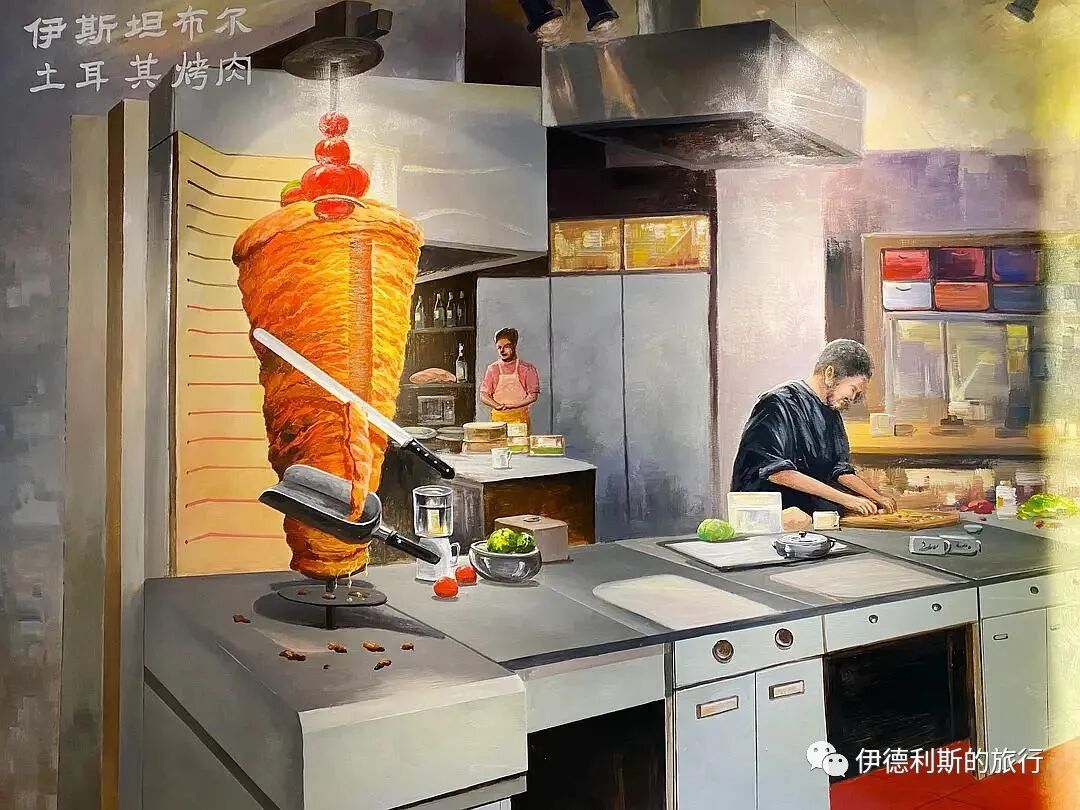
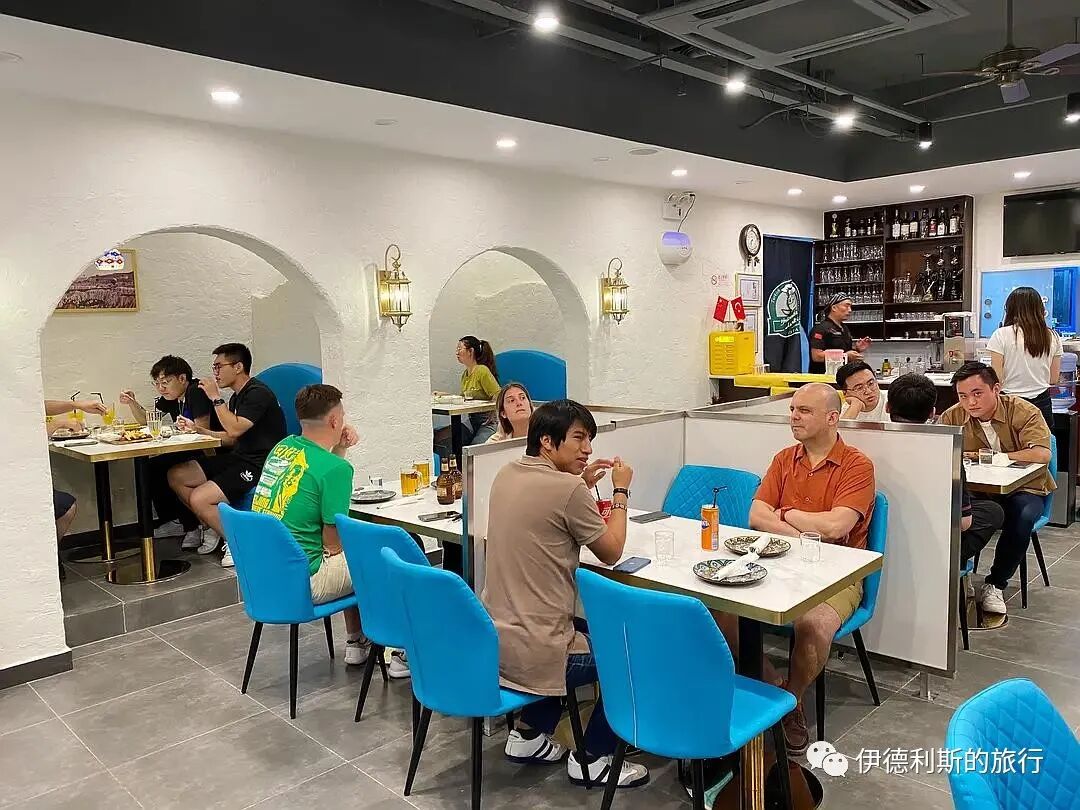
Today, a friend told me that Istanbul Restaurant, a long-standing Turkish eatery in Beijing for nearly 20 years, had reopened. So I quickly went to eat there tonight. Istanbul Restaurant opened in 2002 near Jianguomen. After closing in 2018, they had been looking for a new location. Now they have moved across from Beijing No. 55 High School, near Dongsi Shitiao Bridge. It's super close to my home!
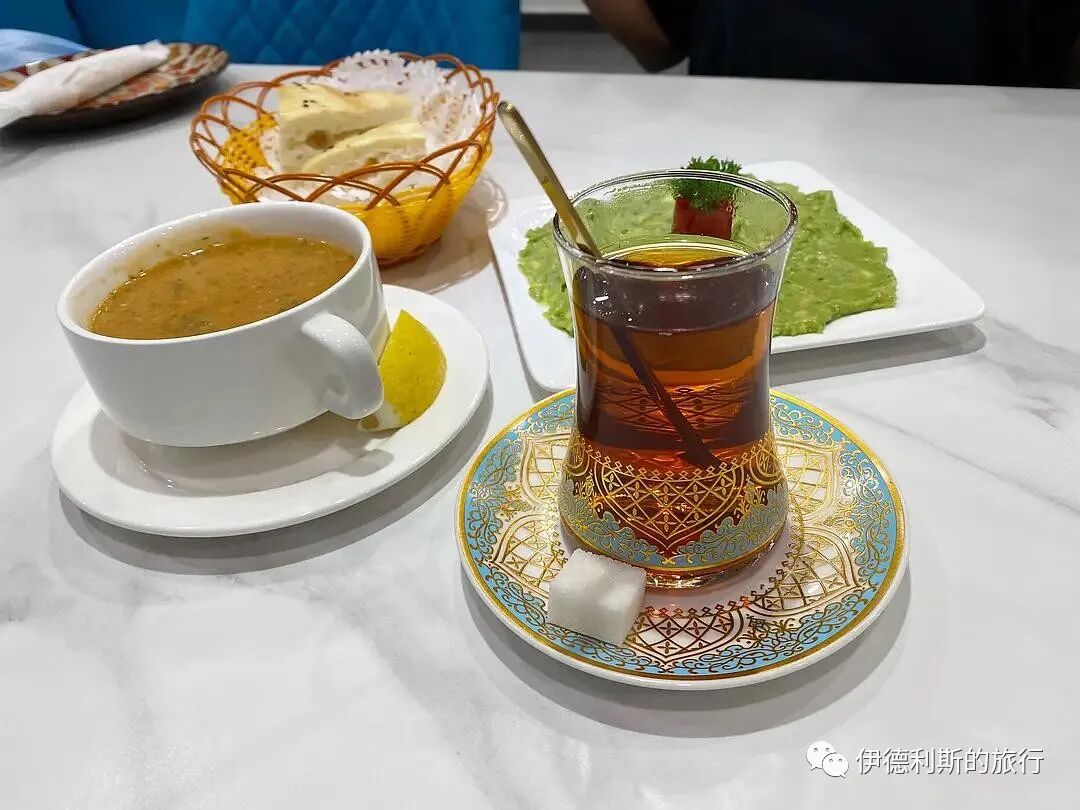
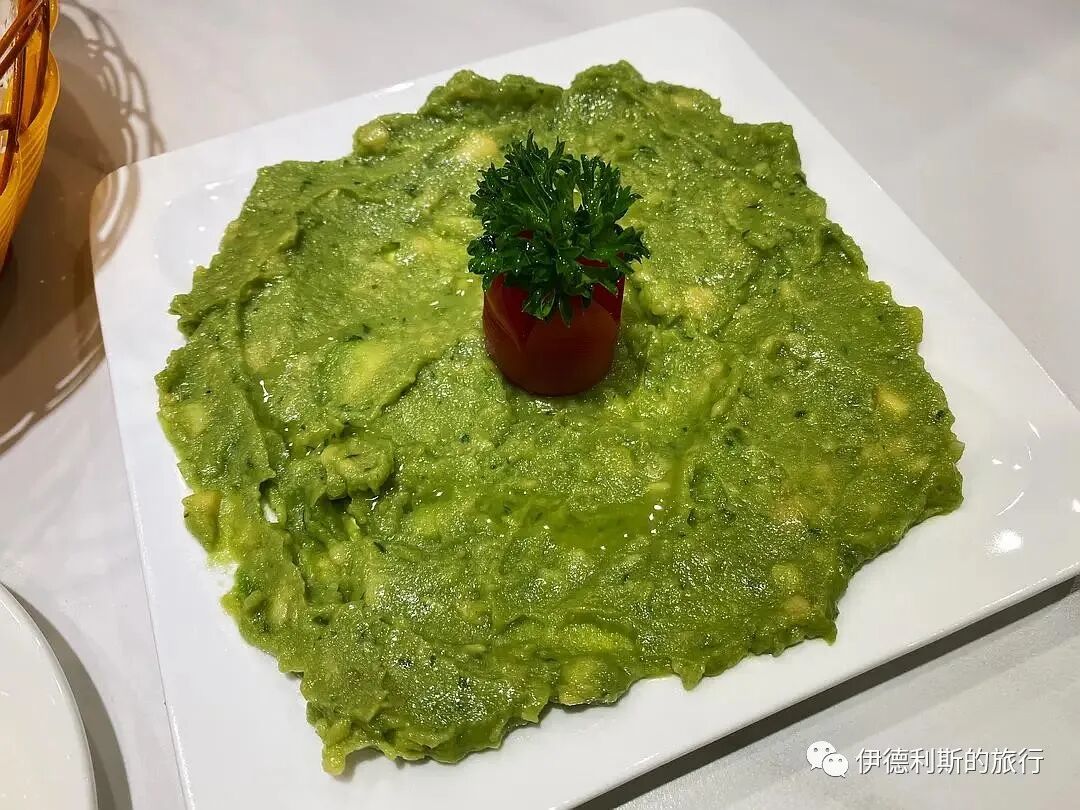
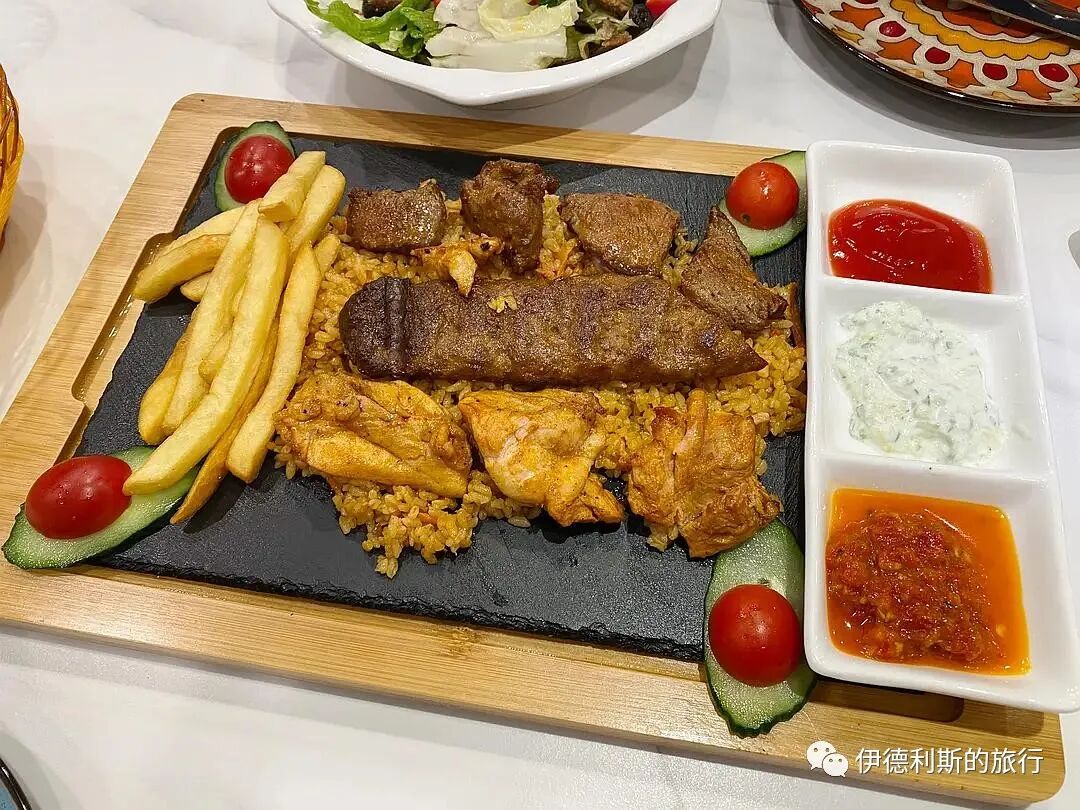
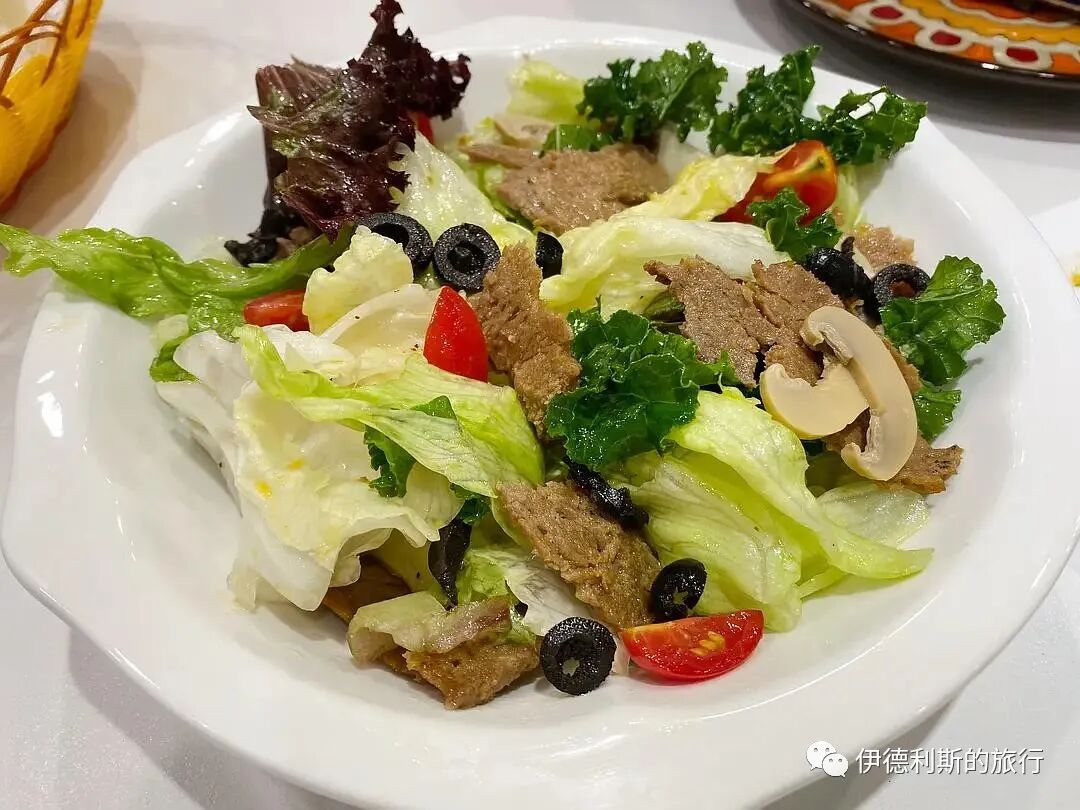
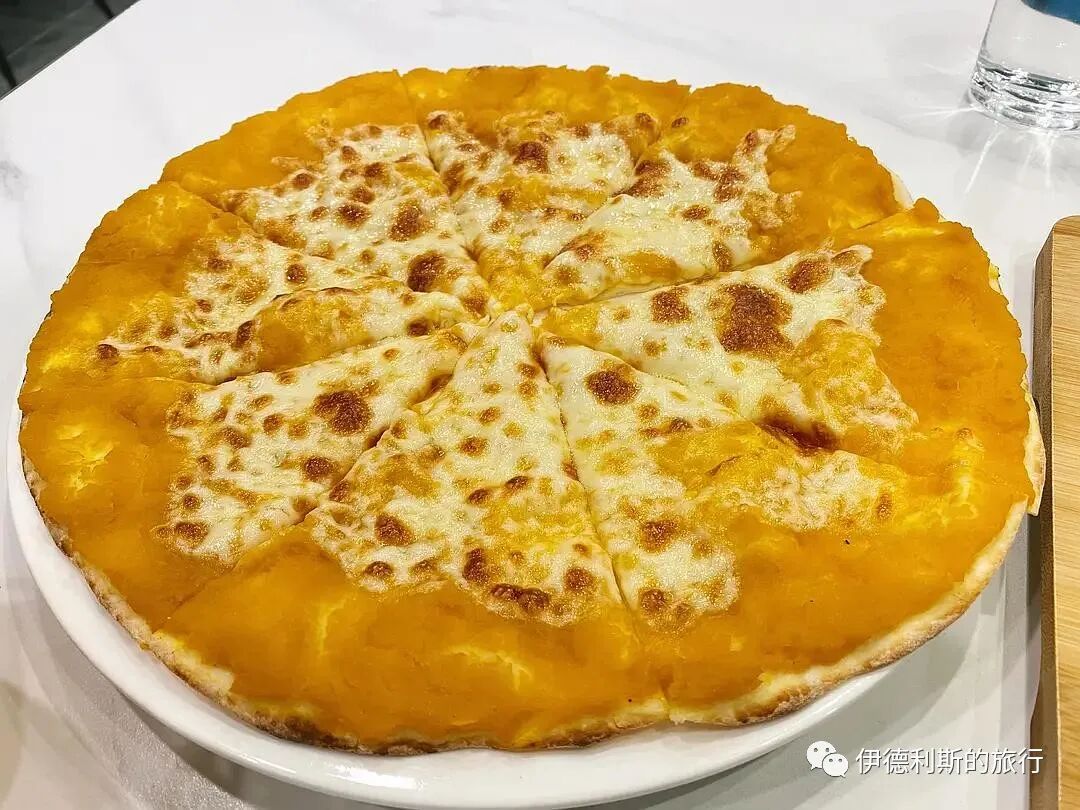
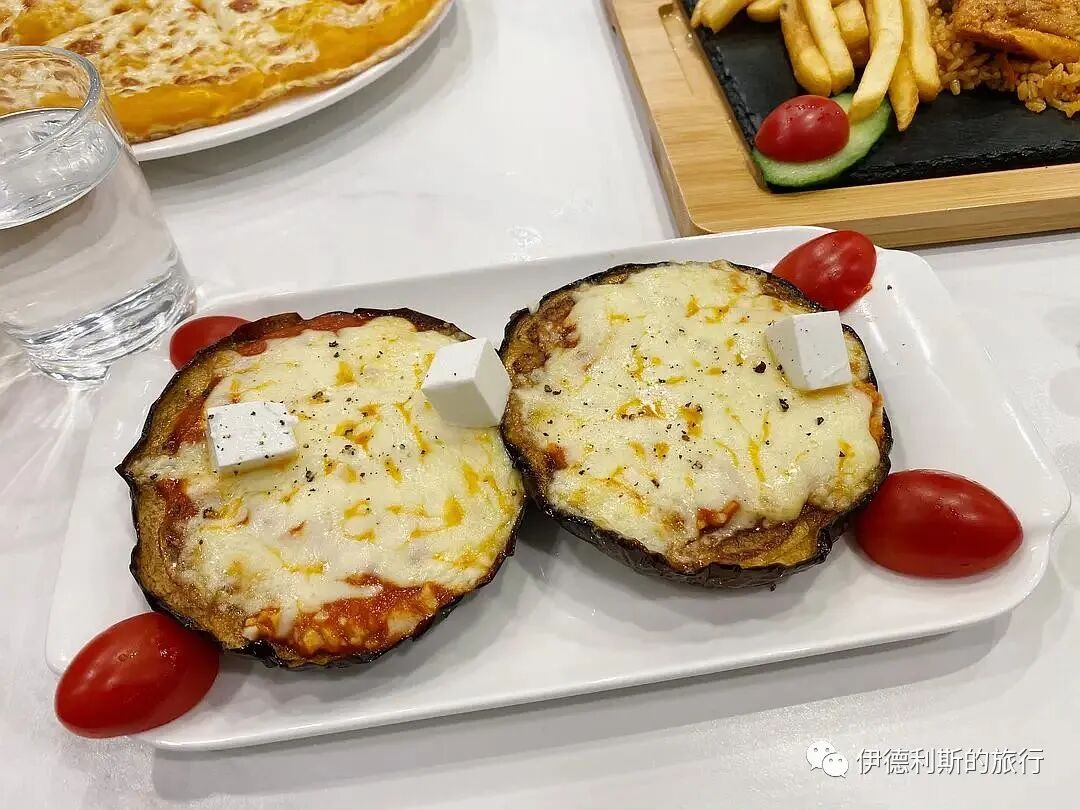
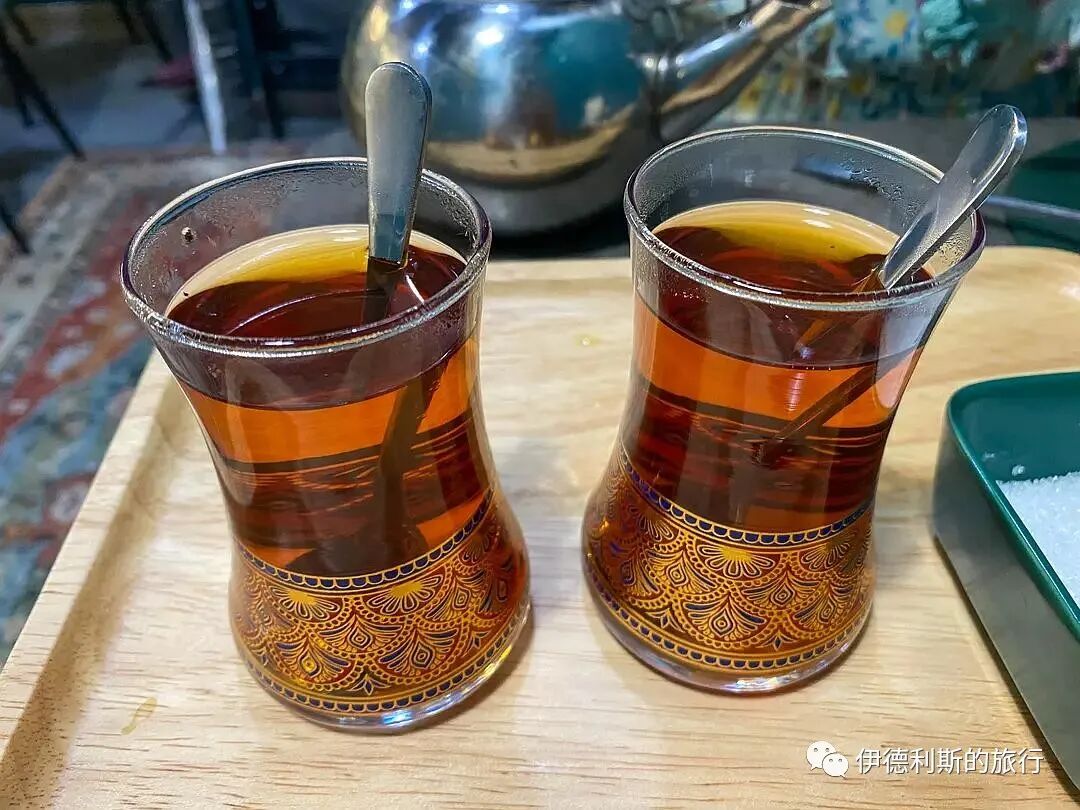
I ordered fennel lentil soup, avocado dip, baked cheese eggplant, Doner kebab salad, a mixed grill platter, pumpkin cheese pizza, and Turkish black tea. Overall, everything was quite tasty. The pumpkin cheese pizza was especially good! Next time, I want to try Kofte meatballs and Iskender kebab. Also, I want to praise their very warm service. The chef personally came over to explain what kind of meat it was and what sauce to dip it in. He was smiling the whole time. The waitstaff were very proactive in refilling water and responded to every request. The experience was truly excellent. To be honest, their kebab is still not as good as Al Safir's. Al Safir's kebab is the best among Middle Eastern restaurants in Beijing, in my opinion.
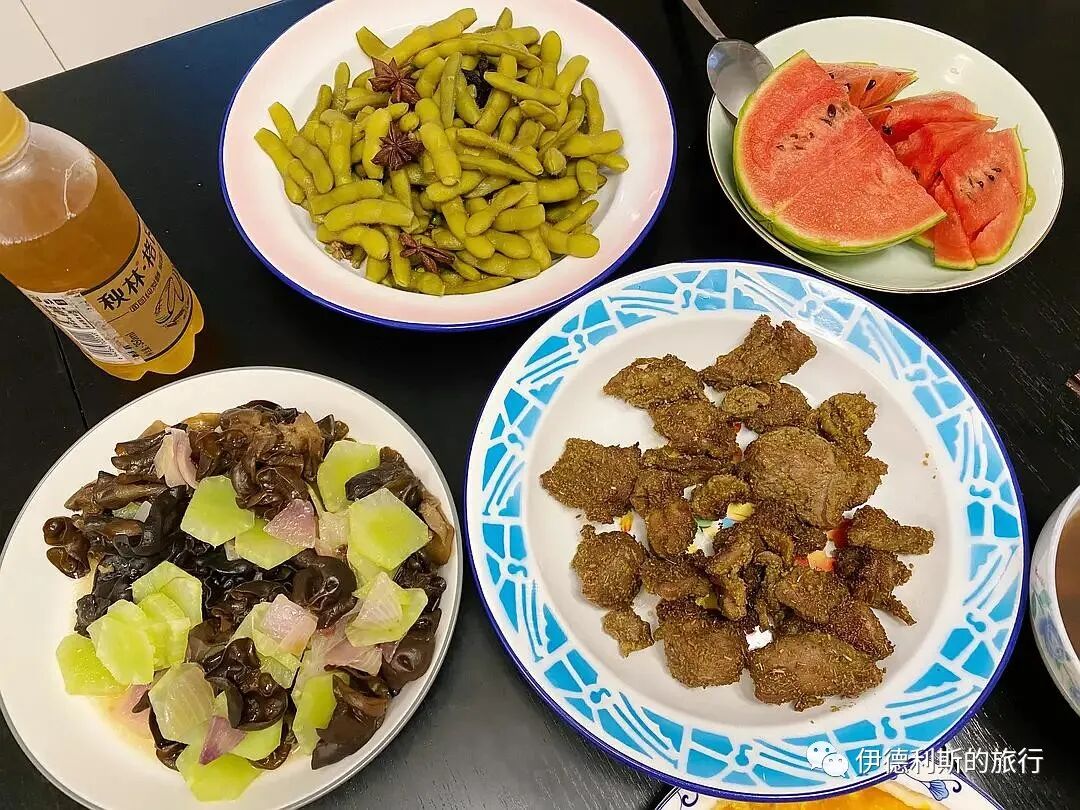
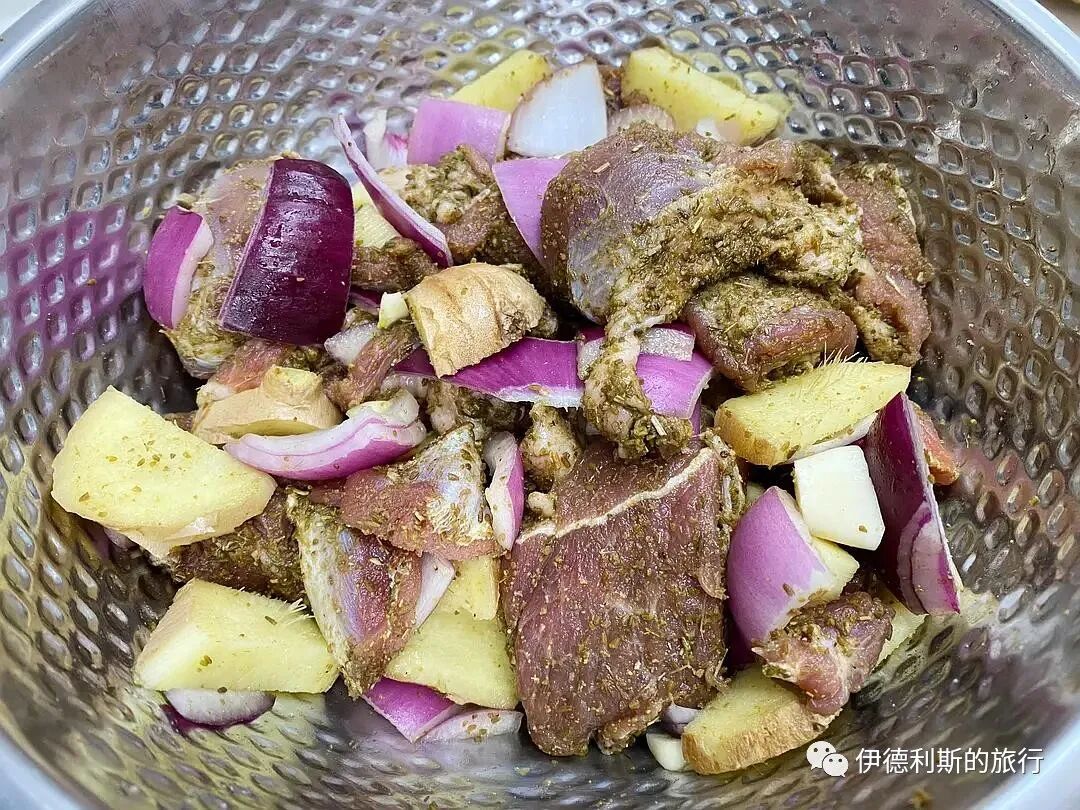
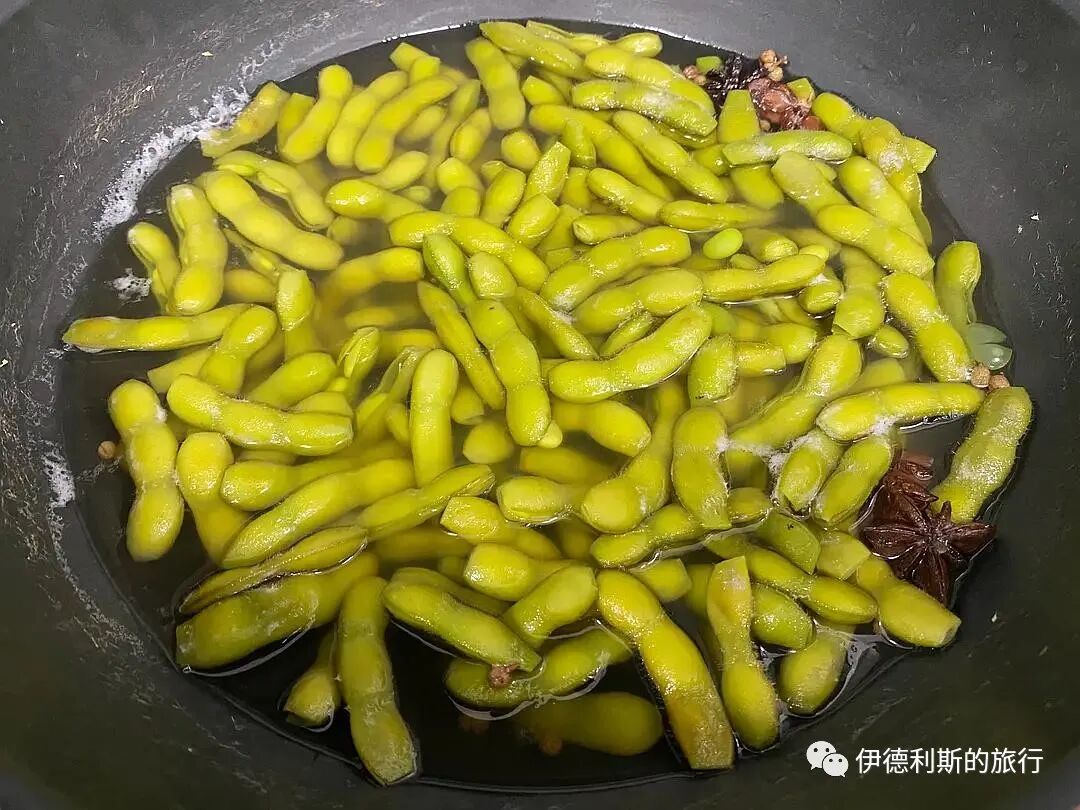
August 22: Making grilled meat and edamame with watermelon at home
On a beautiful summer night, I made grilled meat and edamame with watermelon at home. The Eid al-Adha (Gurban) lamb was tender and fragrant, and the edamame was very flavorful.
August 25: Zayton, the Palestinian restaurant in Sanlitun SOHO
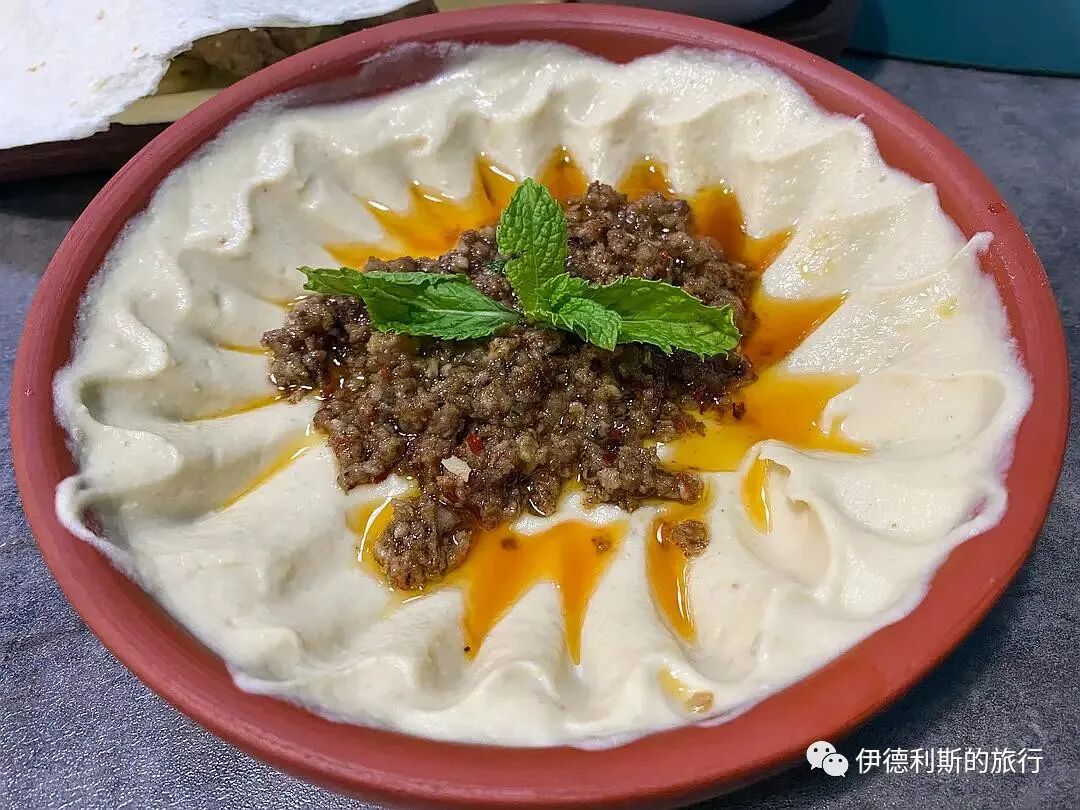
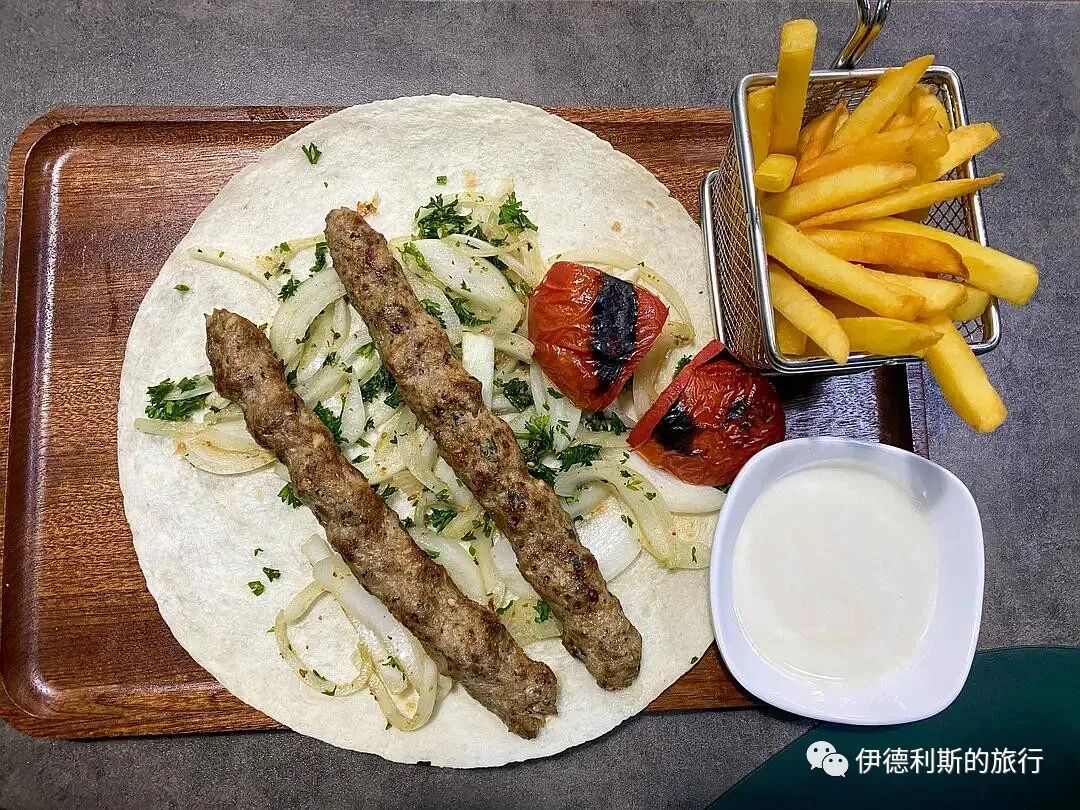
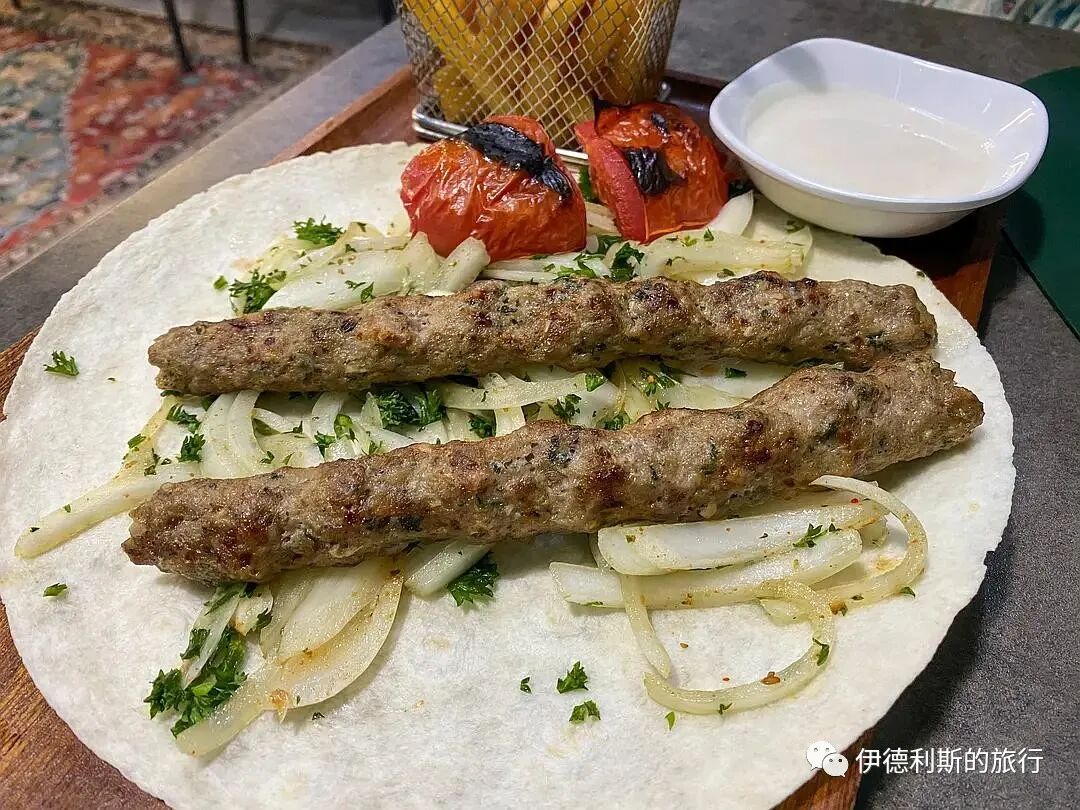
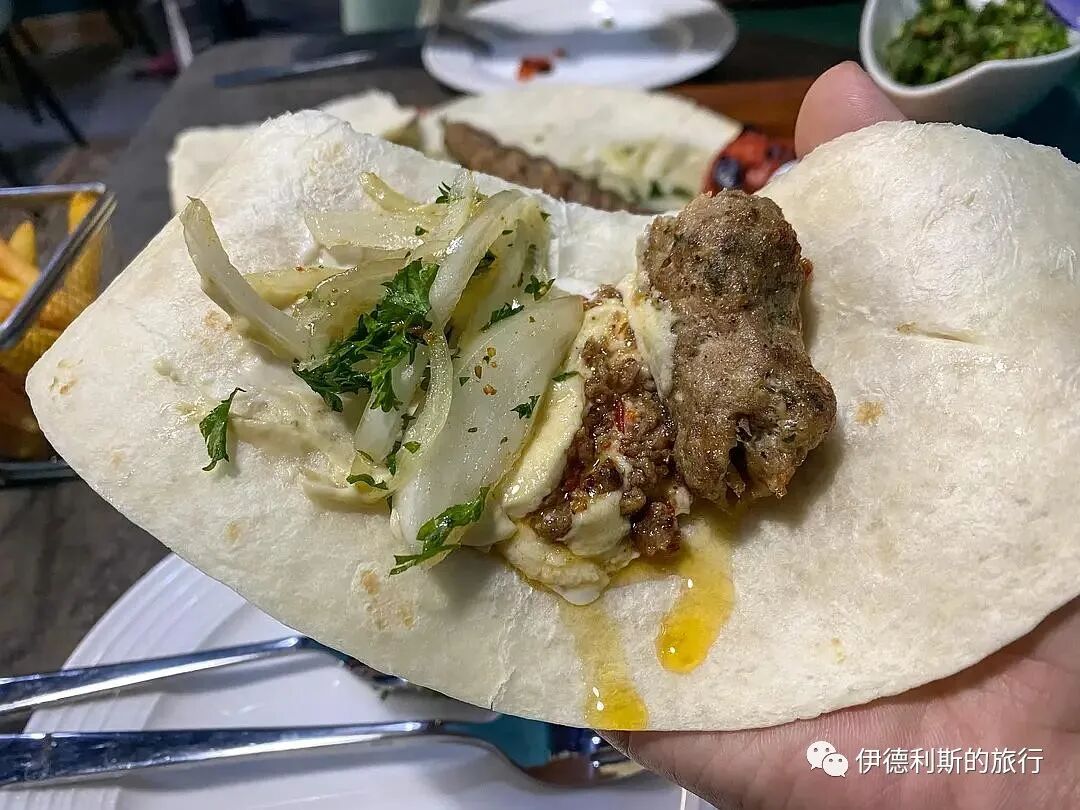
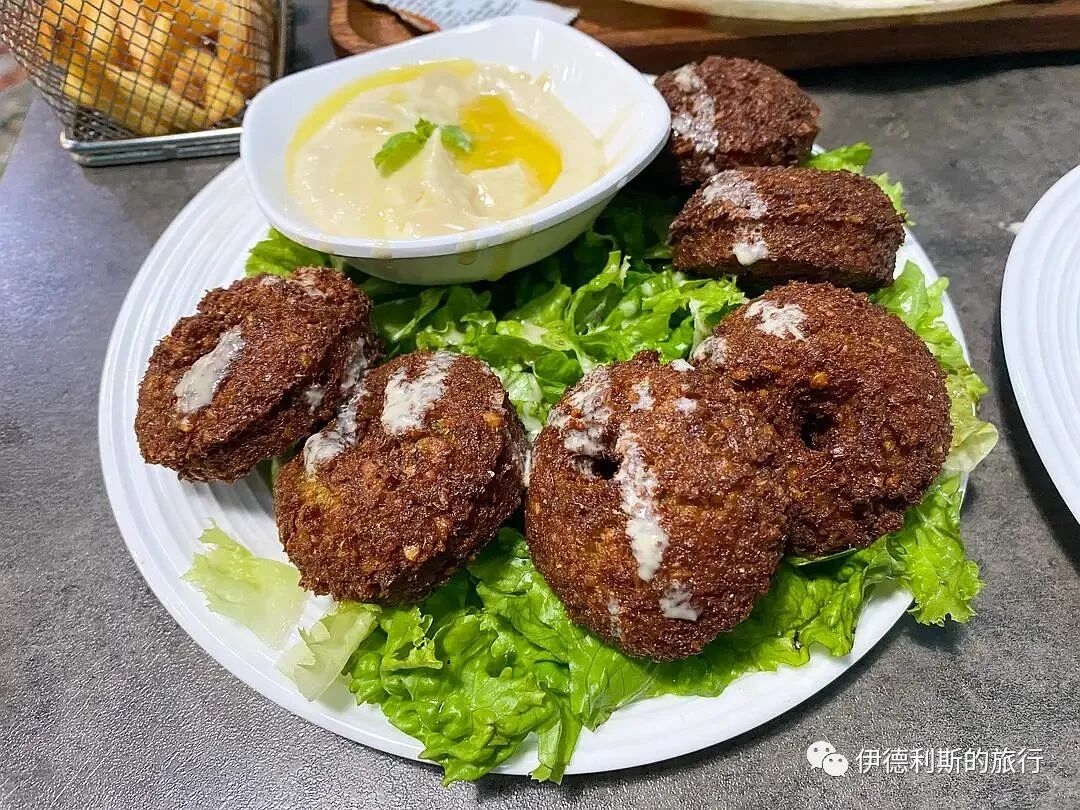
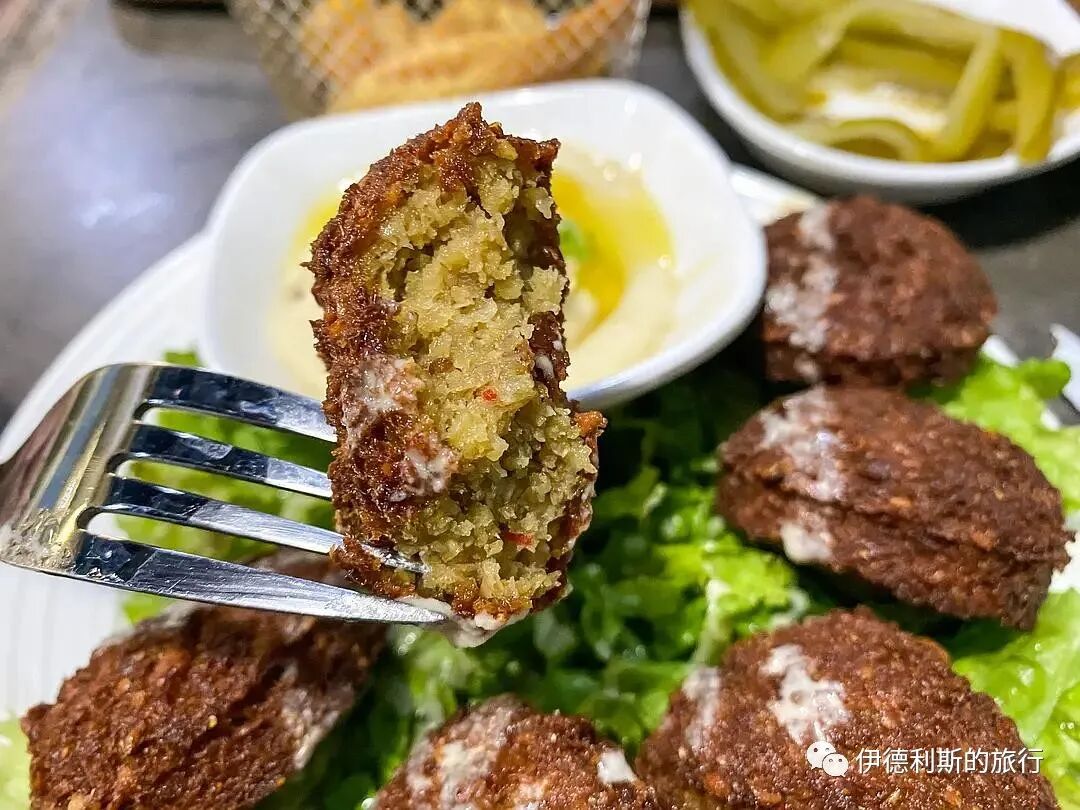
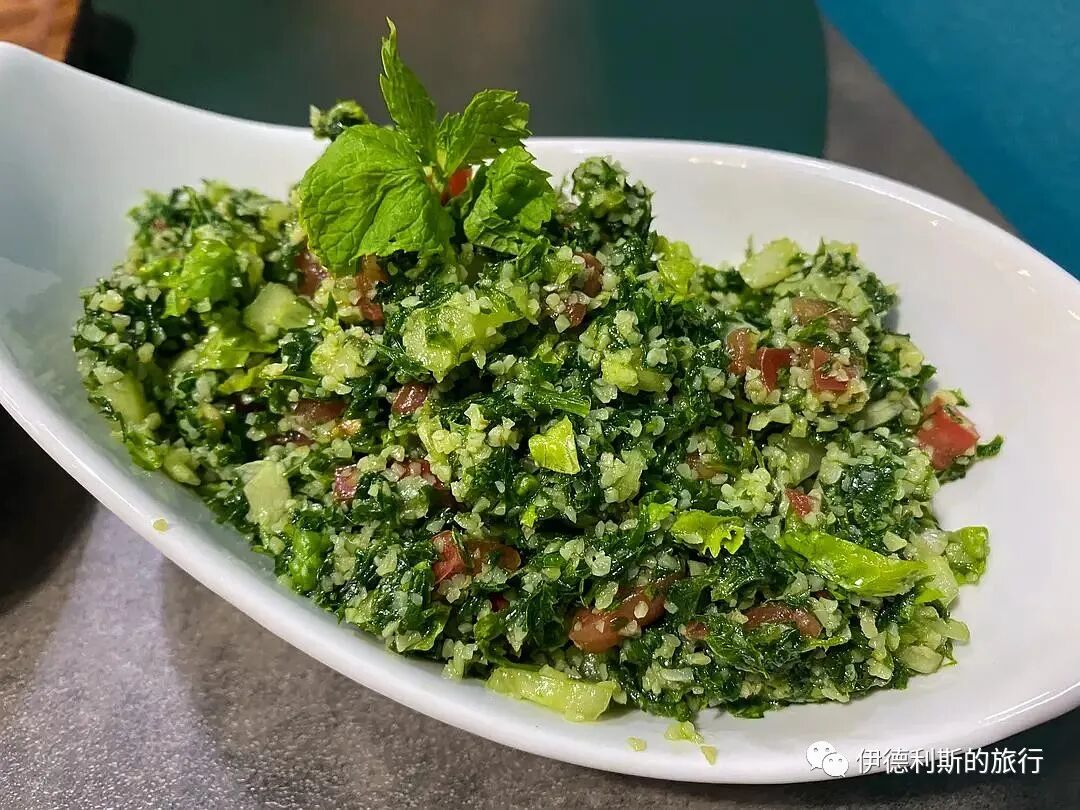
My second visit to Zayton, the Palestinian restaurant in Sanlitun SOHO. I ordered grilled meat with yogurt garlic sauce, beef hummus (chickpea dip), falafel (fried chickpea balls), and Tabbouleh salad. Their falafel is really delicious. When freshly fried, it's crispy outside and tender inside. But this wonderful texture only lasts for 5 minutes. If made into a falafel sandwich or ordered for delivery, it becomes dry.
Tabbouleh is a special Meze (appetizer) from the Levant region. It's made with chopped parsley, tomatoes, mint, onions, and bulgur (cracked wheat). It's seasoned with olive oil, lemon juice, salt, and pepper. The word "tabbūle" in Levantine Arabic comes from the ancient Aramaic root "t-b-l", which means "to season" or "to soak". Tabbouleh salad originated in the mountains of Lebanon and Syria. Wheat grown in Lebanon's Beqaa Valley was once known as especially good for making bulgur.
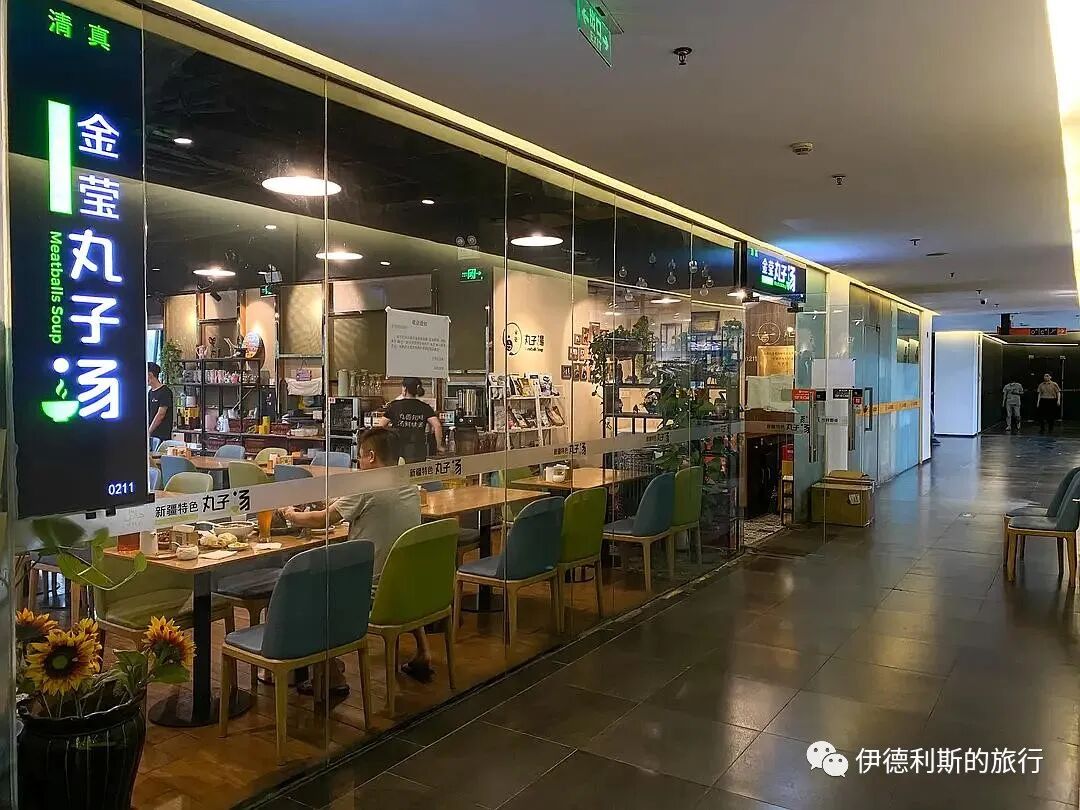
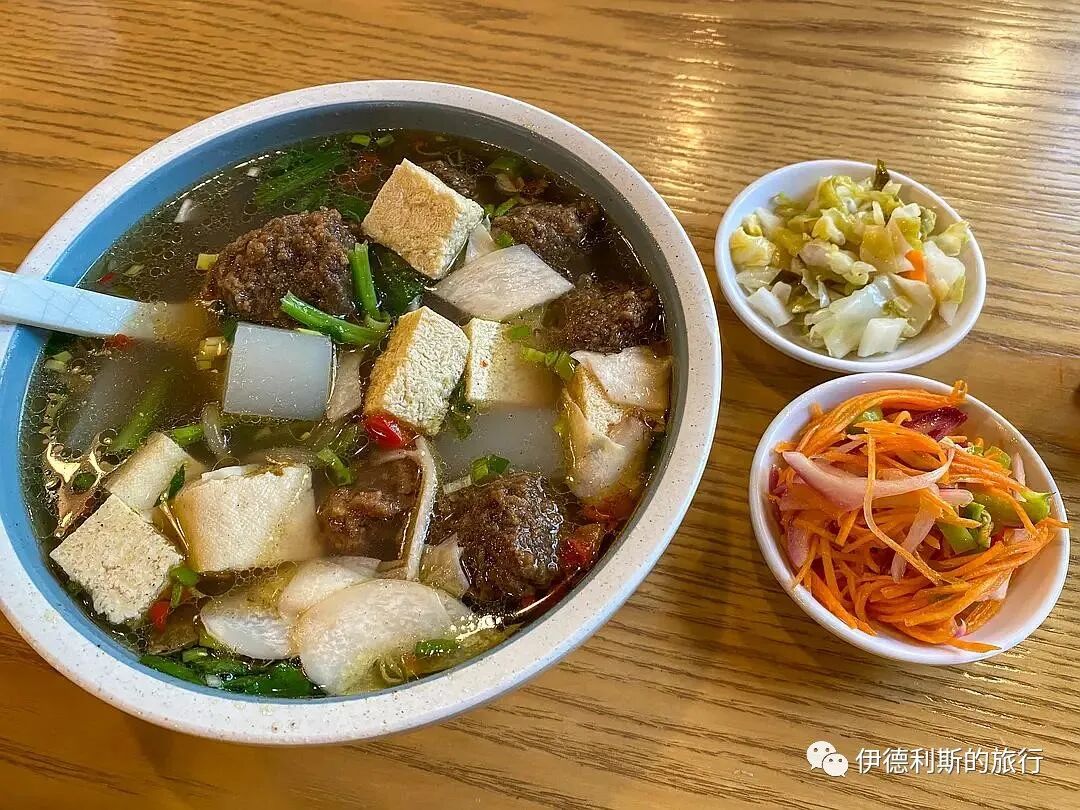
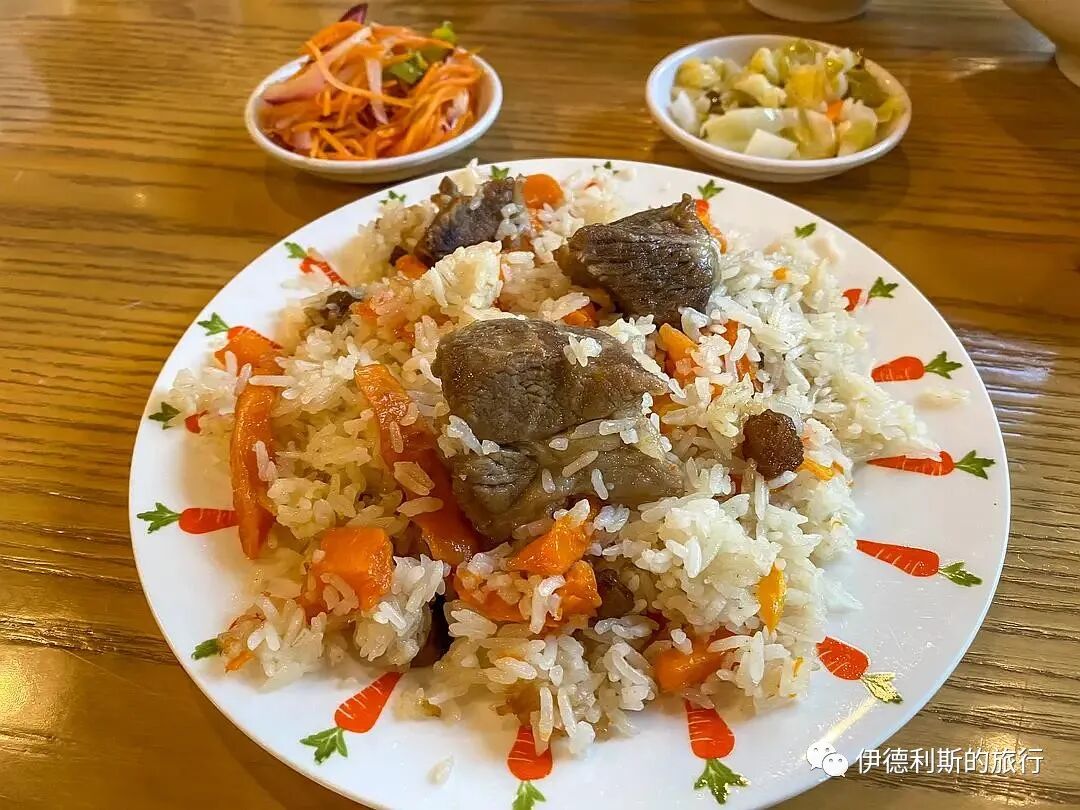
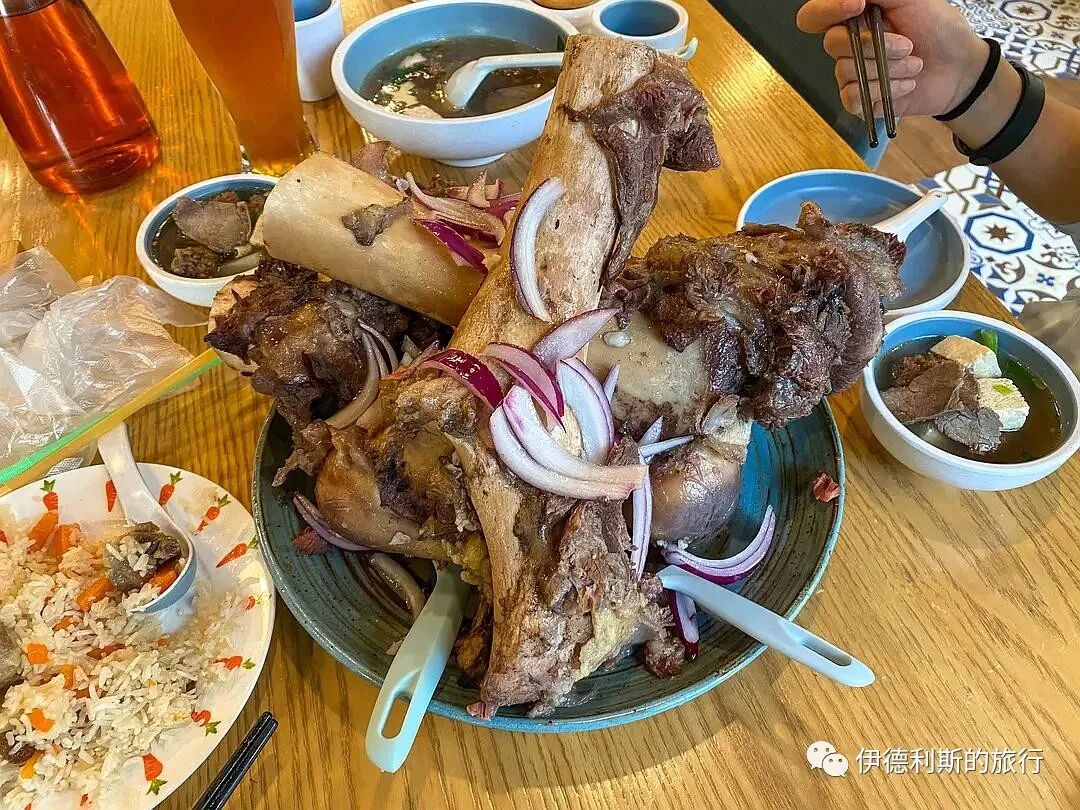
August 27 Chaowai SOHO Jinying Meatball Soup
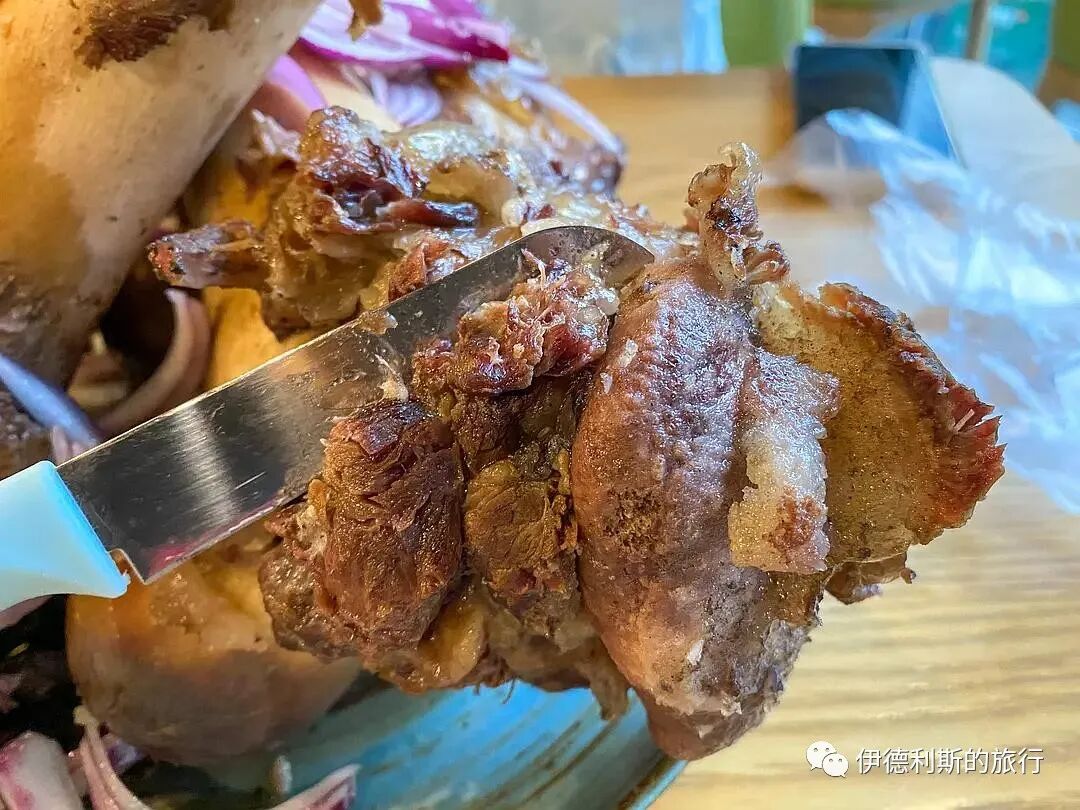
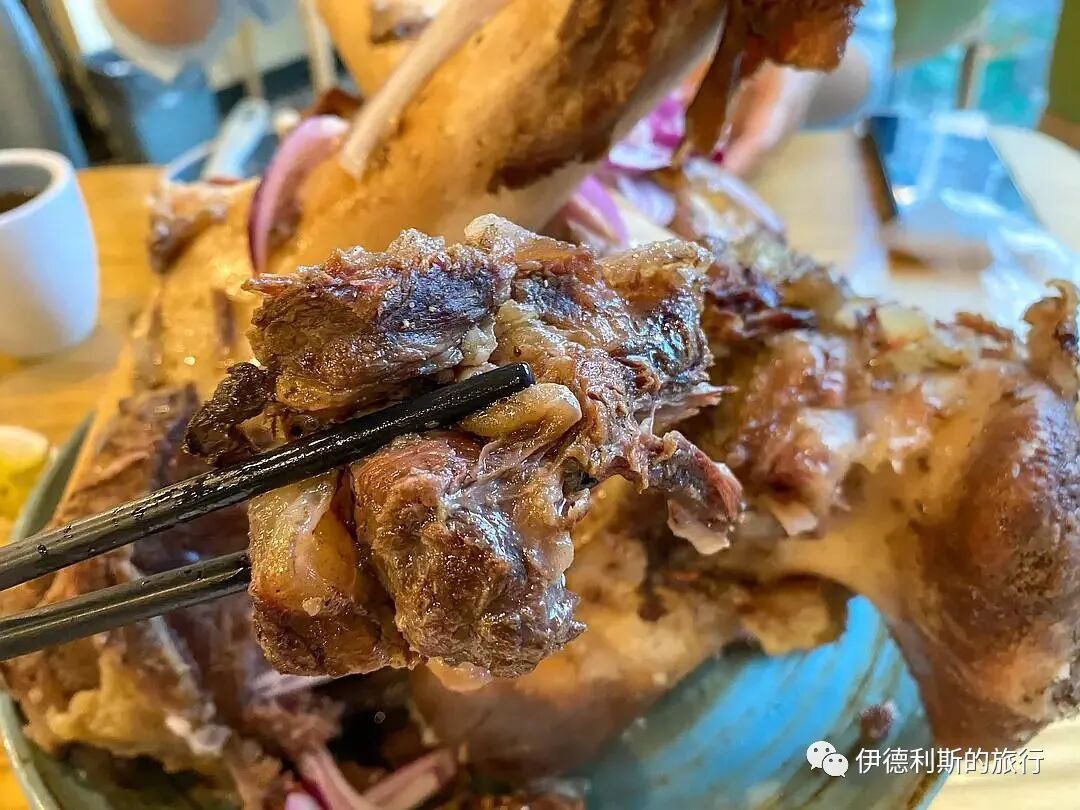
In the afternoon, we ate meatball soup at Chaowai SOHO. We ordered three beef marrow bones. It was so satisfying to cut and eat them with a knife! I forgot to take a picture of the kvass that came with it.
August 28 Huilongguan's Henan Braised Noodle Restaurant Jingchang Liangji
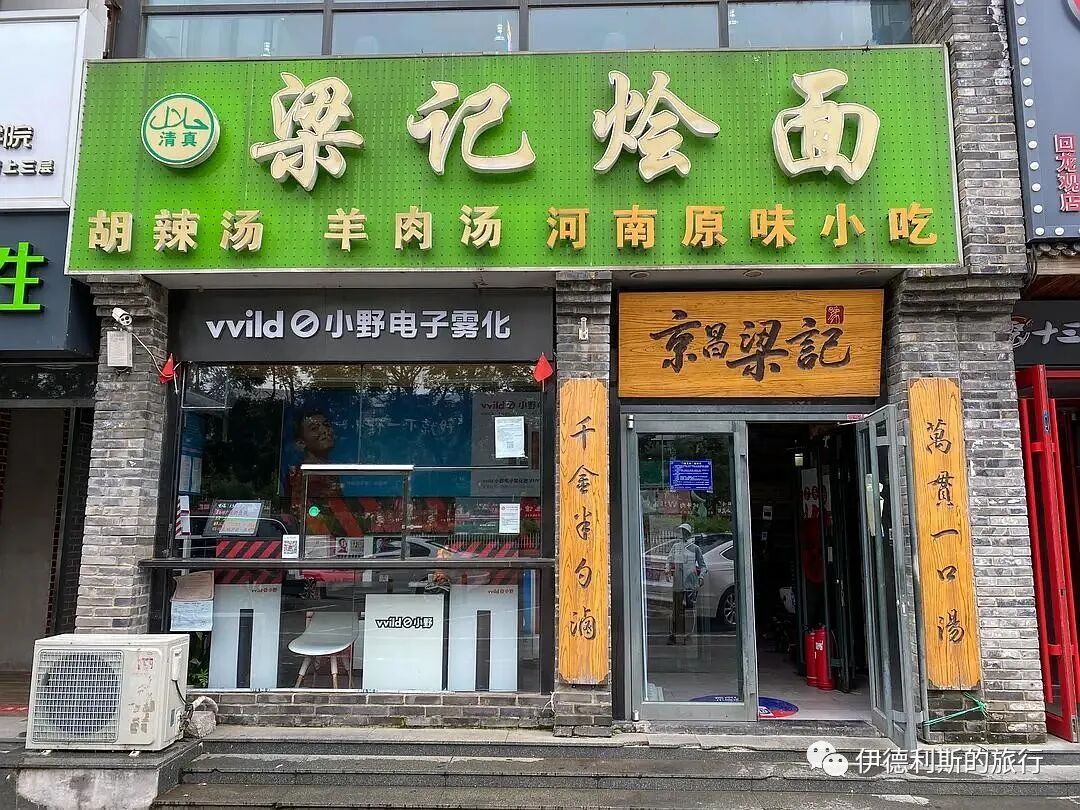
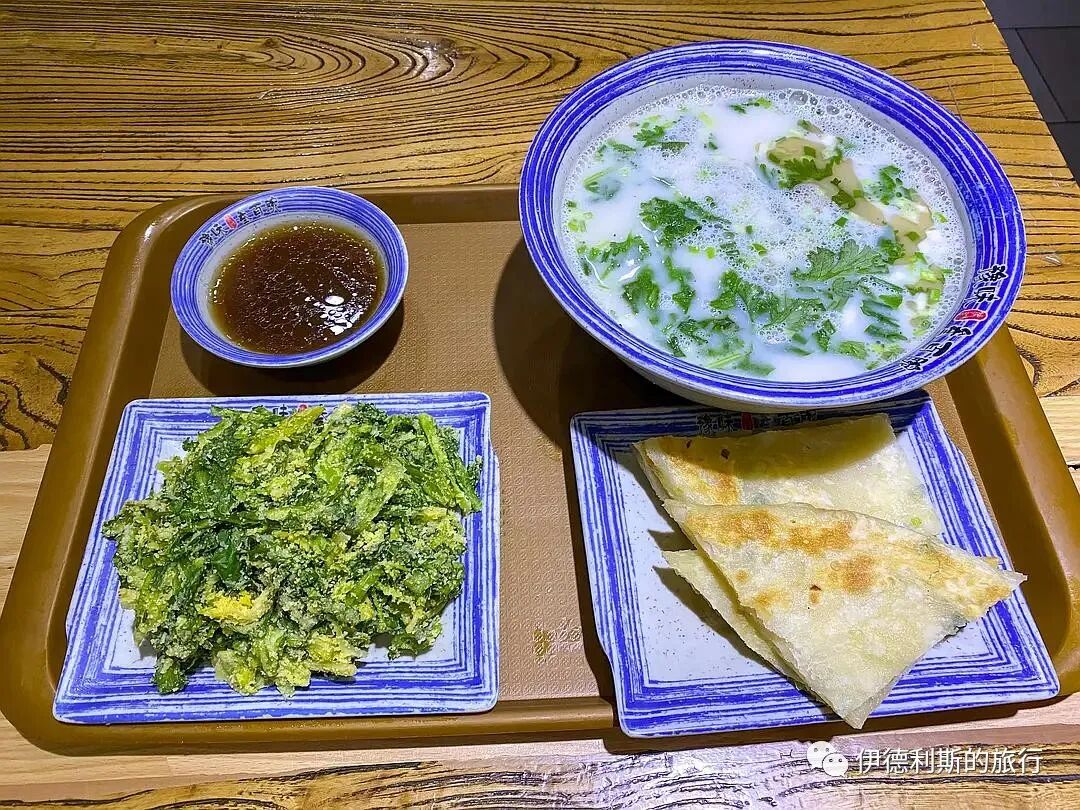
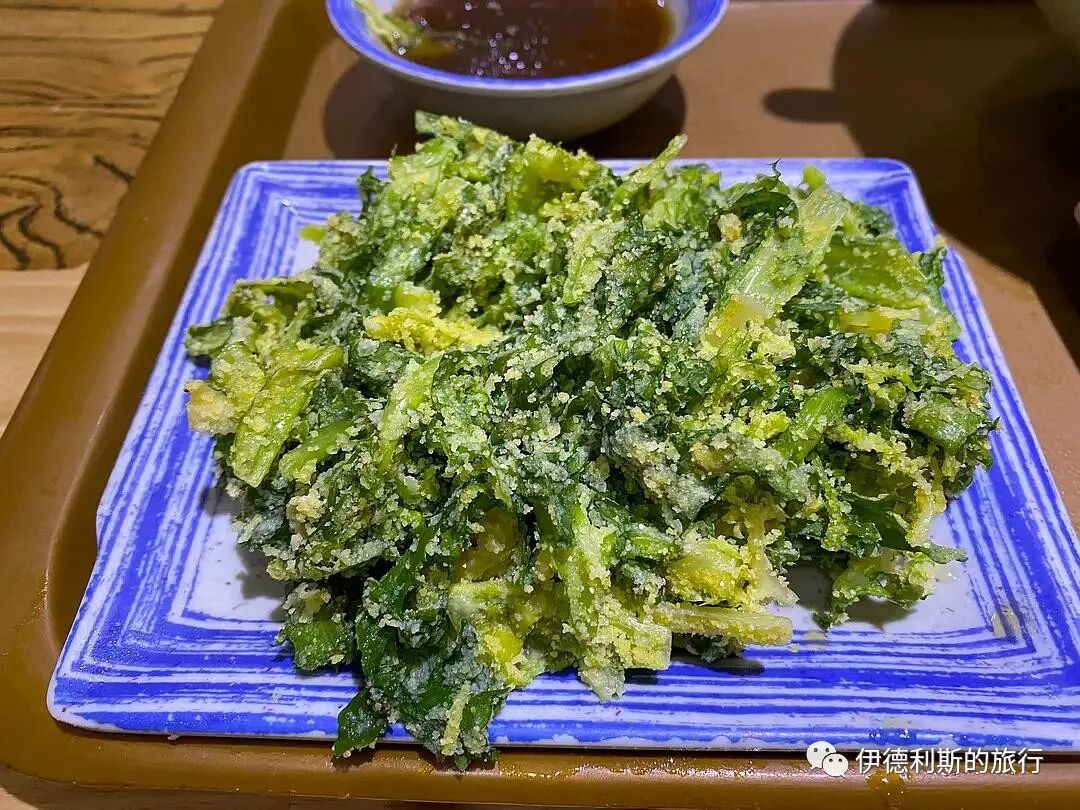
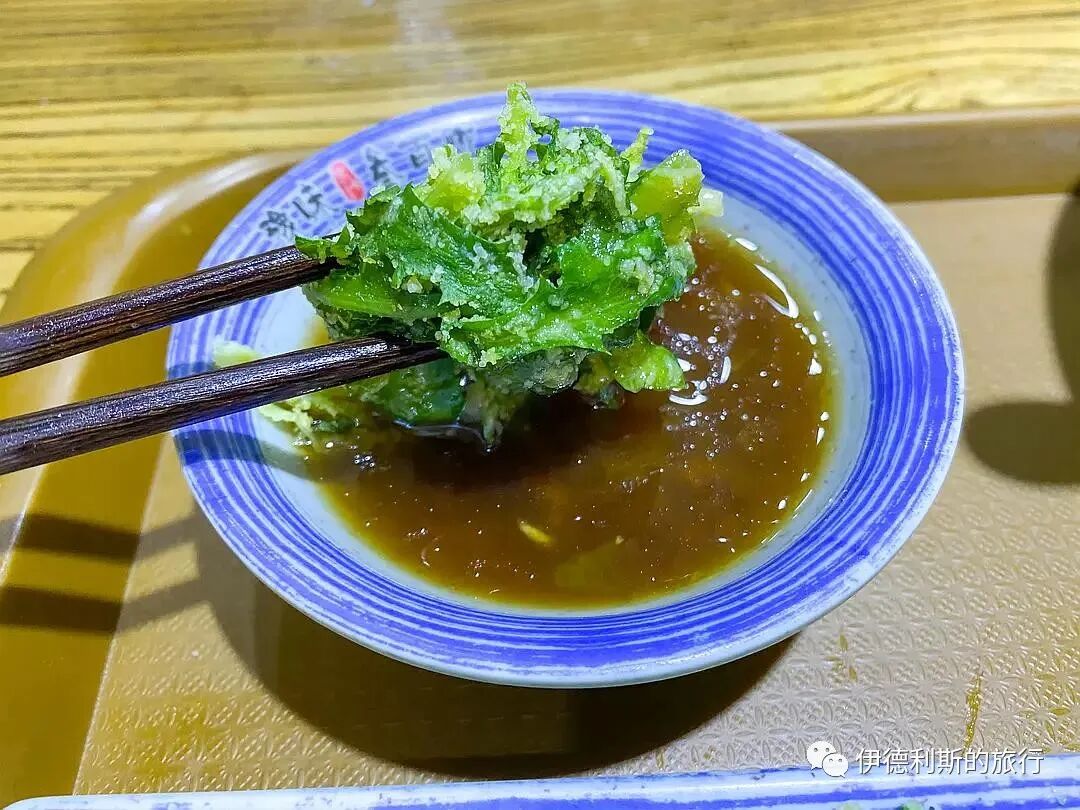
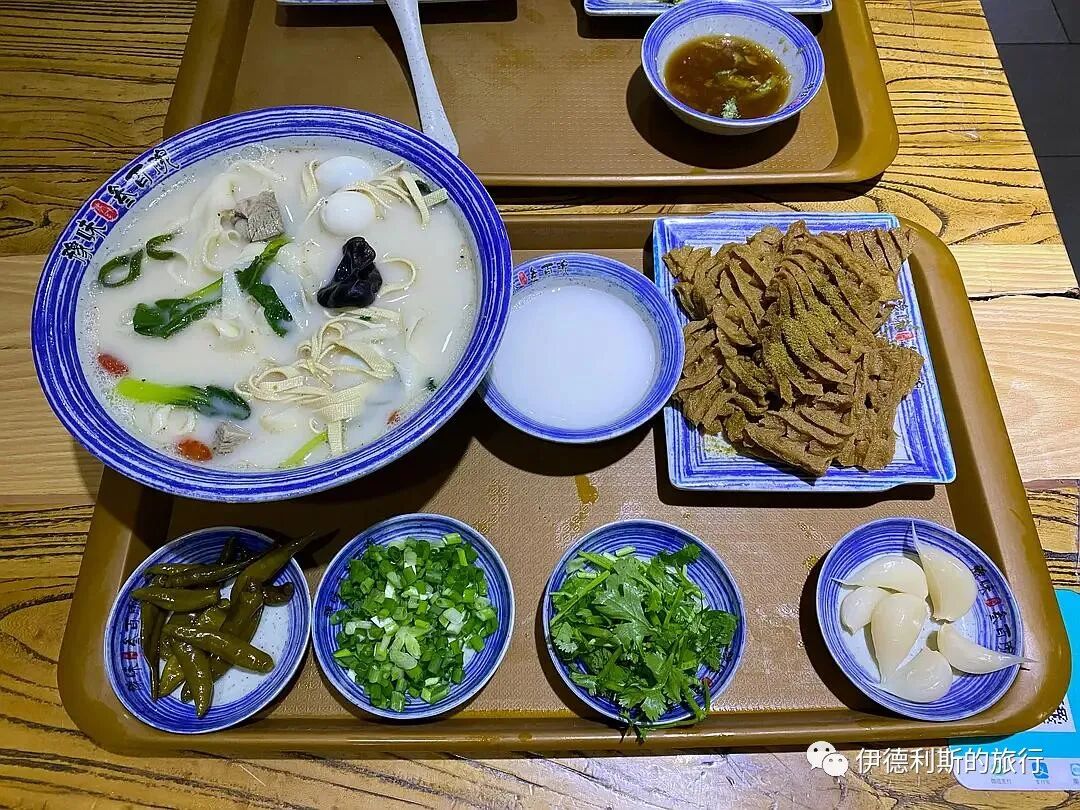
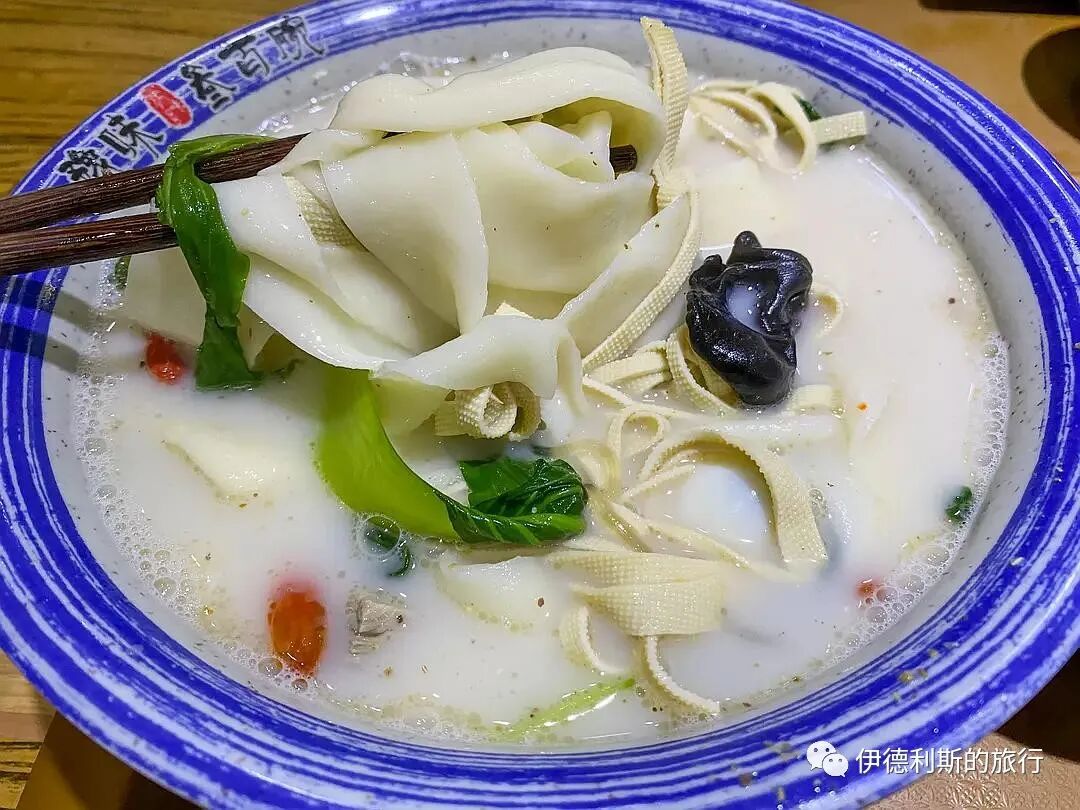
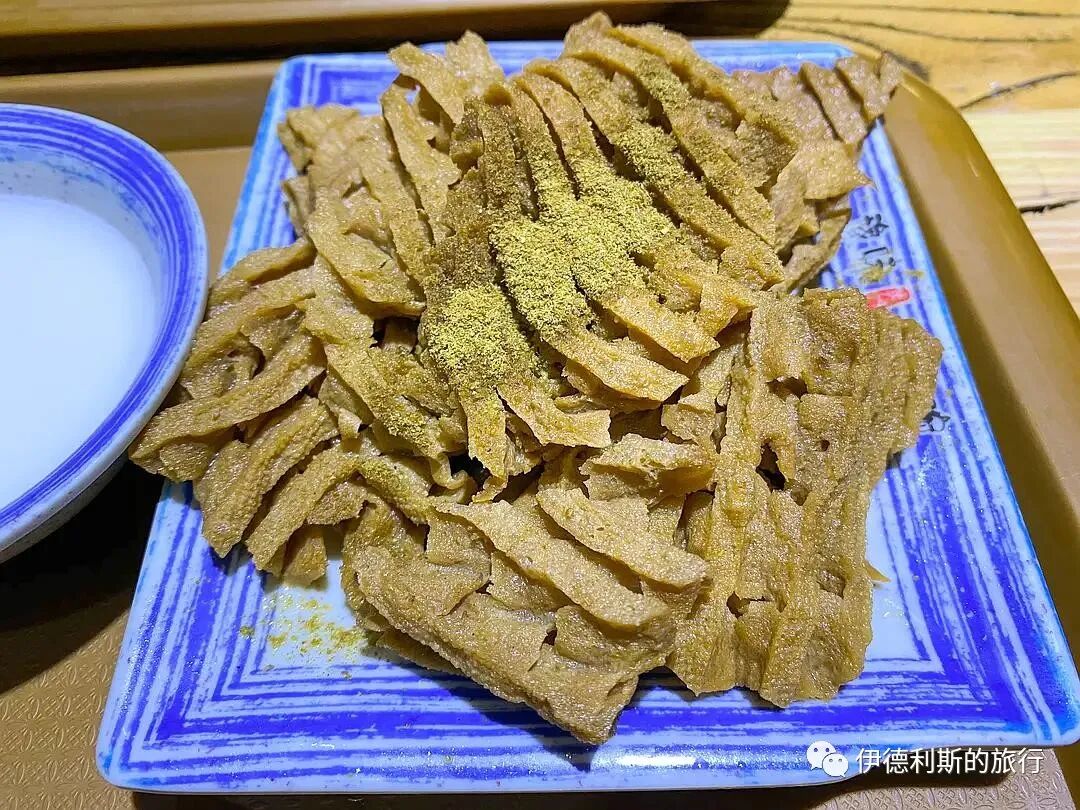
We went hiking in Changping. In the morning, at Huilongguan's Henan Braised Noodle Restaurant Jingchang Liangji, we ate braised noodles (huimian) and lamb soup (yangtang) with scallion pancakes (cong huabing). We also ordered steamed crown daisy (tonghao) and tofu skewers (doufu chuan). For breakfast, they mainly serve spicy soup (hulatang) with pan-fried buns (shuijianbao). They start making braised noodles (huimian) after 9:30 AM. It's great that they have an open kitchen where they hand-pull noodles fresh for each order.
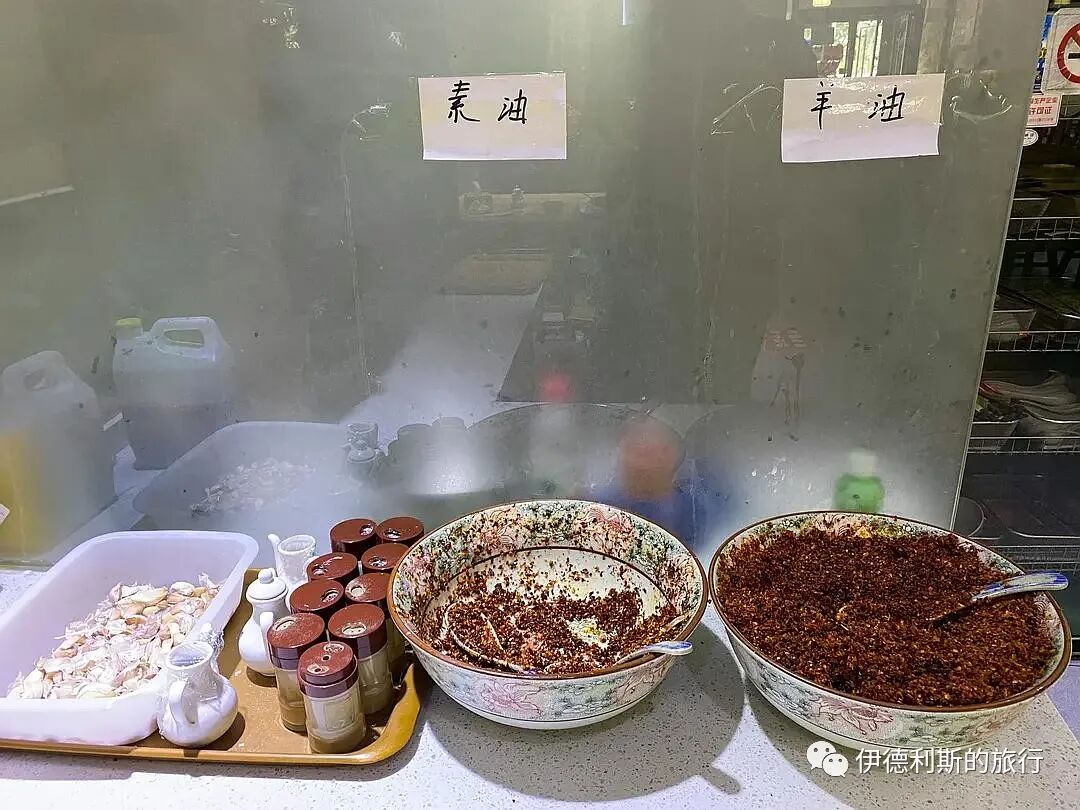
Besides braised noodles (huimian), you can also have steamed braised noodles (zhenglumian). This is also a special Henan dish. You can also try their steamed dishes (zhengcai). They are steamed with a bit of flour and dipped in garlic sauce. When in season, you can also get steamed elm seeds (zhengyuqianer). Also, for chili oil, you can choose between lamb fat (yangyou) or vegetable oil (suyou), which is very thoughtful!
August 28 Xiguanshi Hui Muslim Village for knife-cut noodles
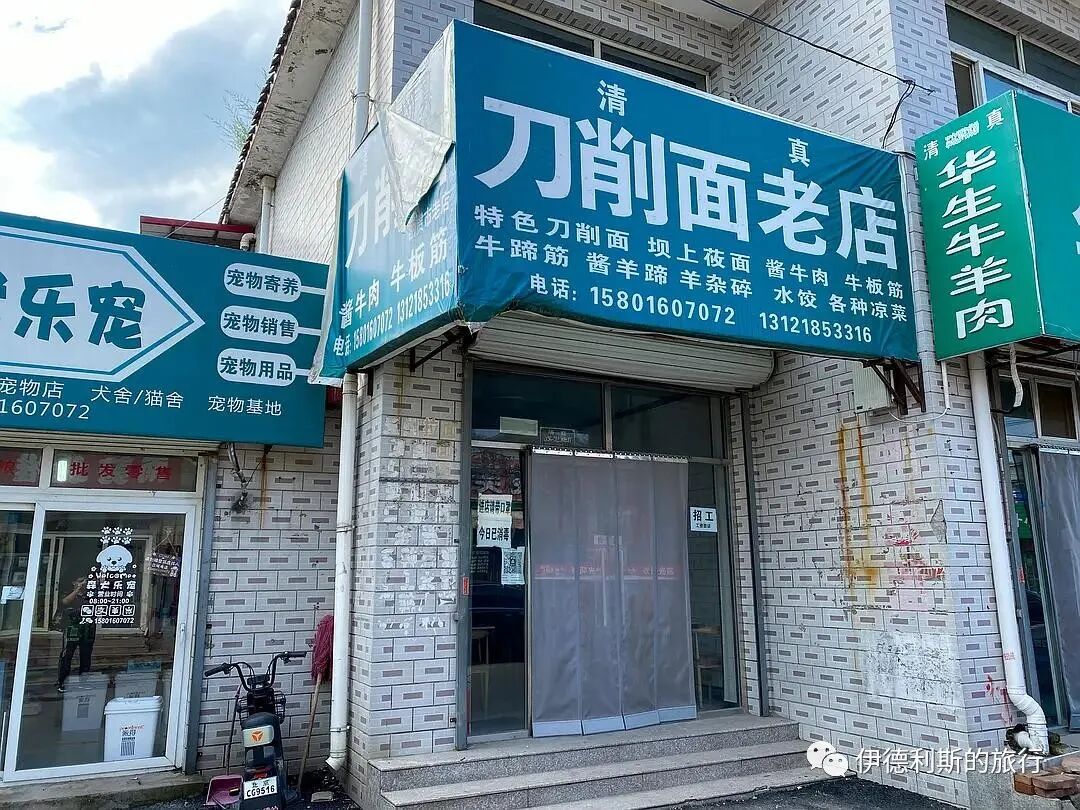
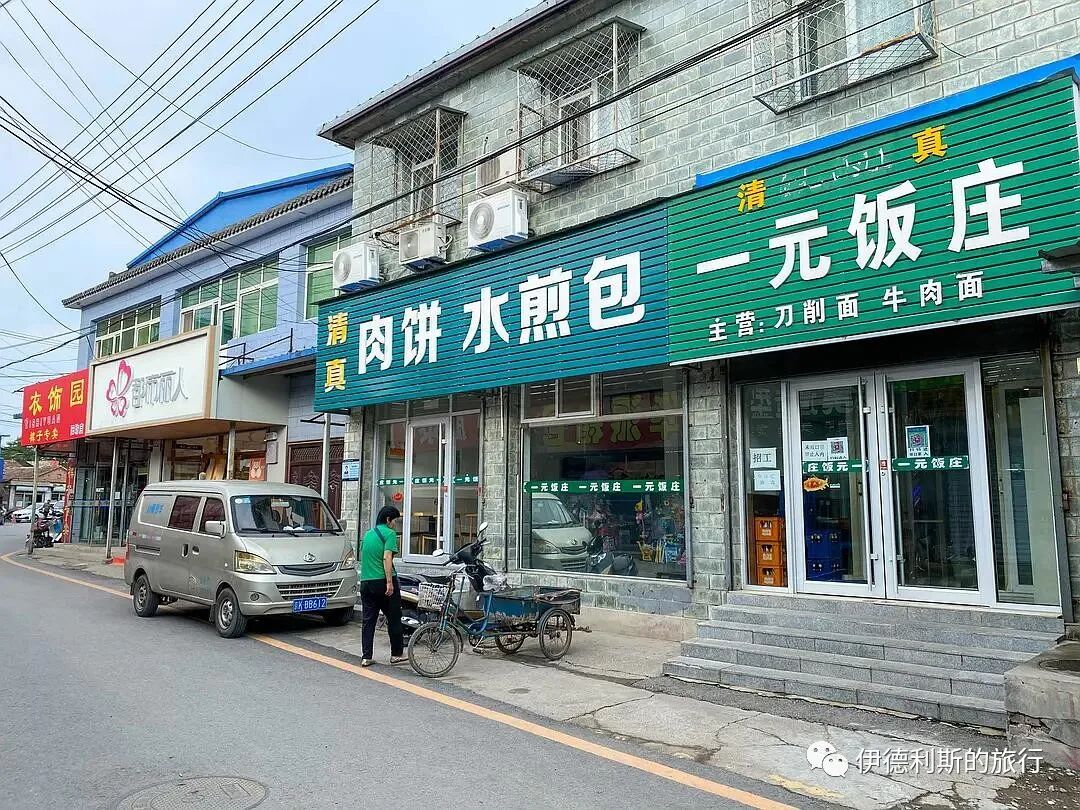
In the afternoon, after hiking in Baihujian, we went to the nearby Xiguanshi Hui Muslim Village for knife-cut noodles (daoxiaomian).
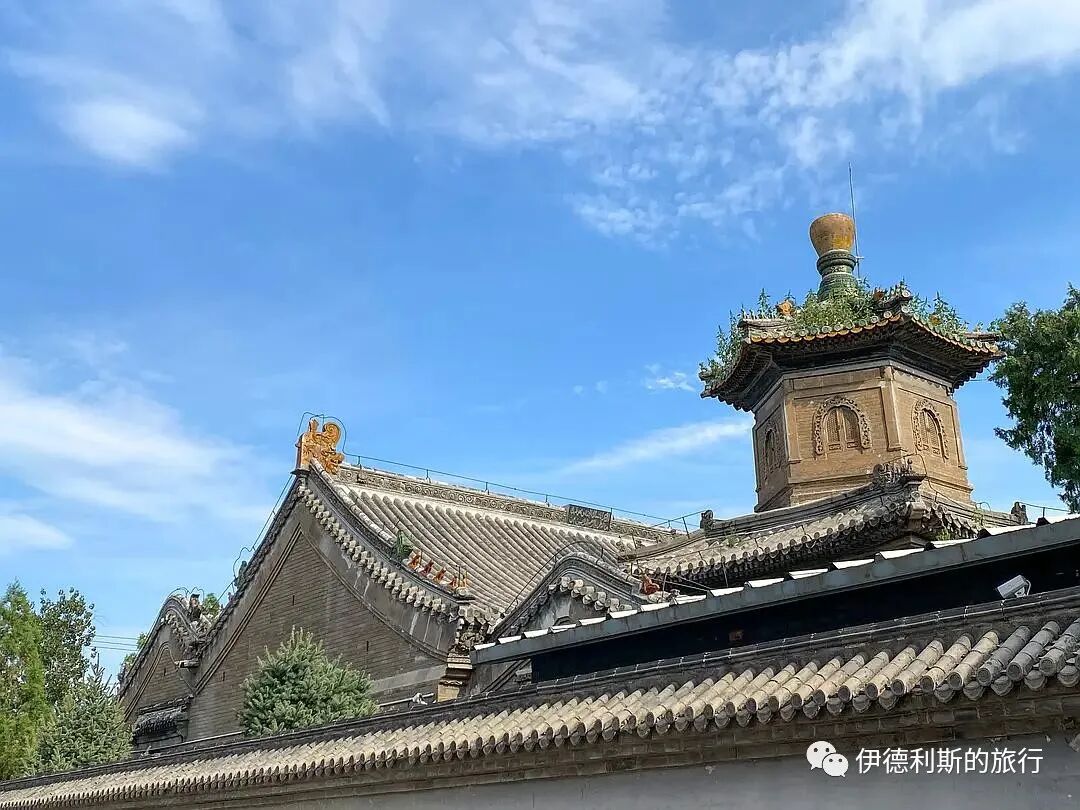
The Hui Muslims of Xiguanshi came to Beijing in the early Ming Dynasty with Prince Yan during his northern campaign. Because Xiguanshi was near the trade route from Beijing to Zhangjiakou, and its Hui Muslims were skilled in martial arts, many of them opened security escort agencies (biaohang) outside Qianmen in Beijing since the Qing Dynasty. They worked as bodyguards in the five northwestern provinces, mainly serving wealthy Shanxi merchants. Li Wuye, known as "Magic Bullet" in the book "Shigong An," is said to have been a Hui Muslim from Xiguanshi. The descriptions of Li Guoliang, "Golden Bow Little Erlang," and the Dongguangyu Security Escort Agency (biaoju) outside Qianmen in "Yongzheng Jianxia Tu" vividly show the security escort agency (biaohang) scene of Xiguanshi Hui Muslims during the Qing Dynasty.
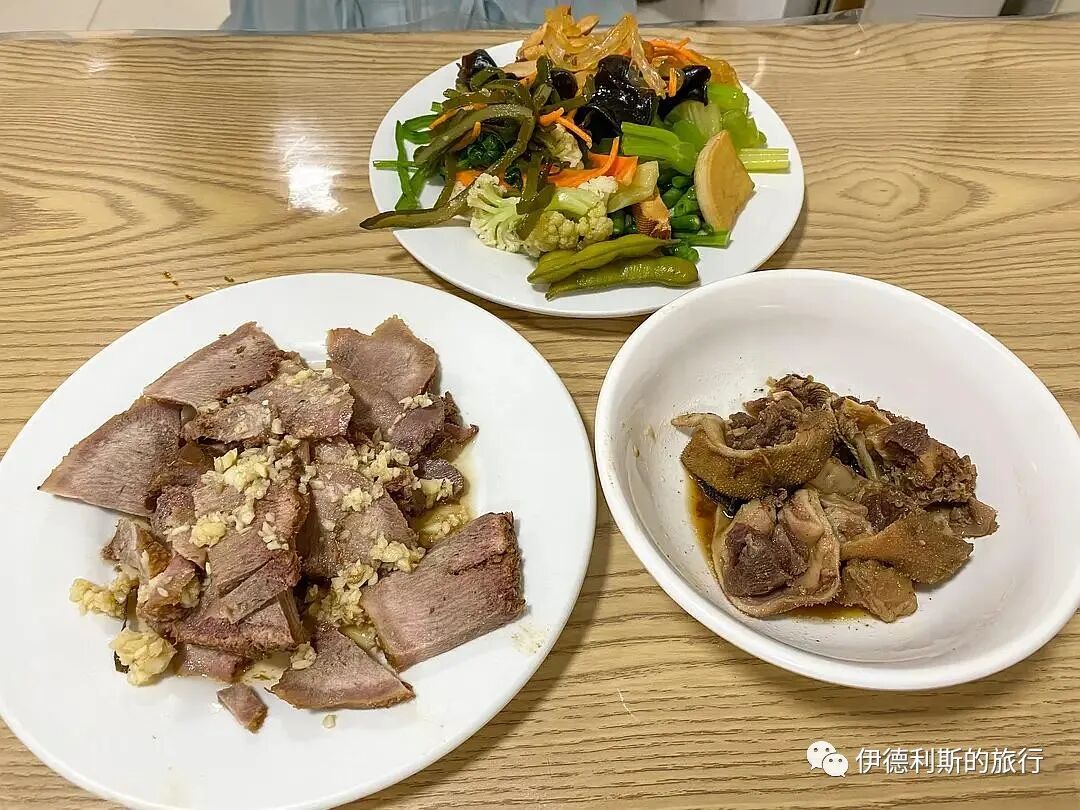
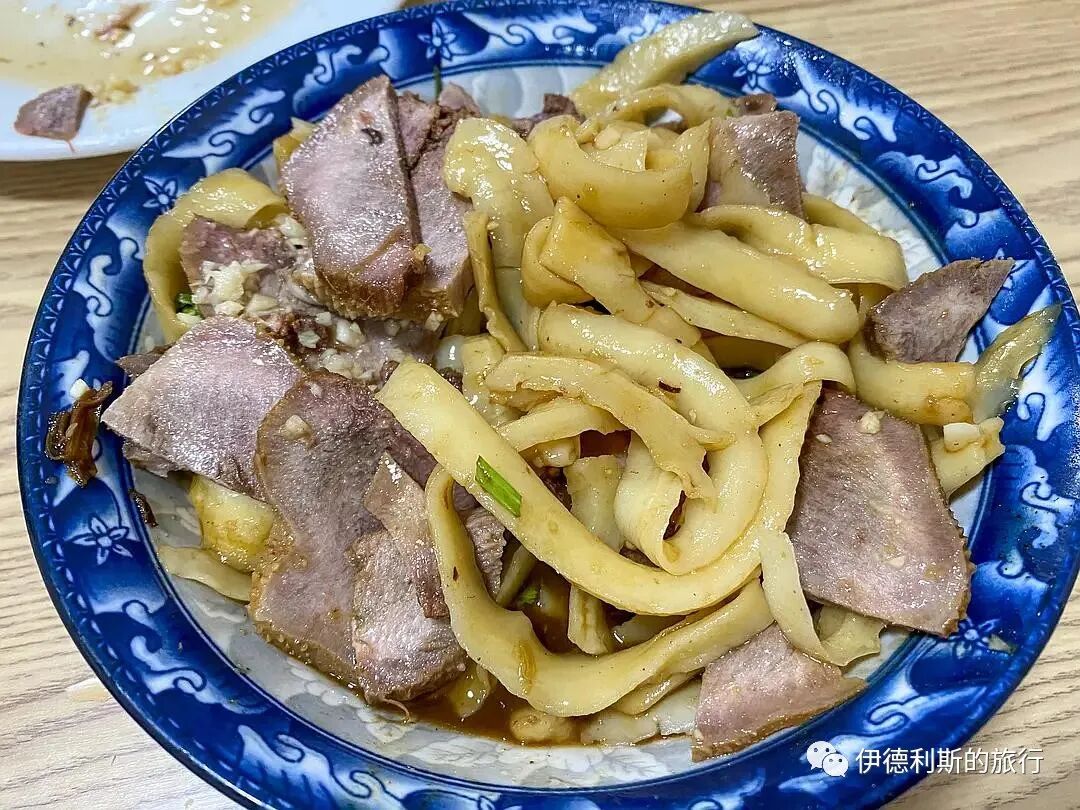
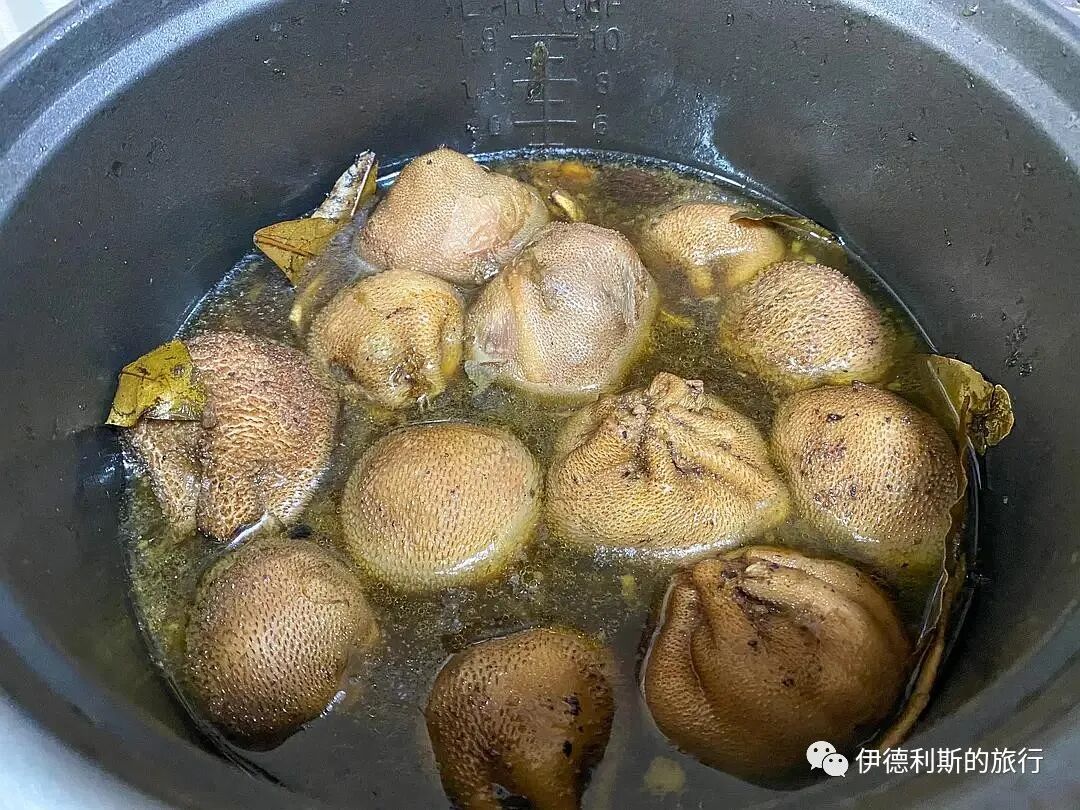
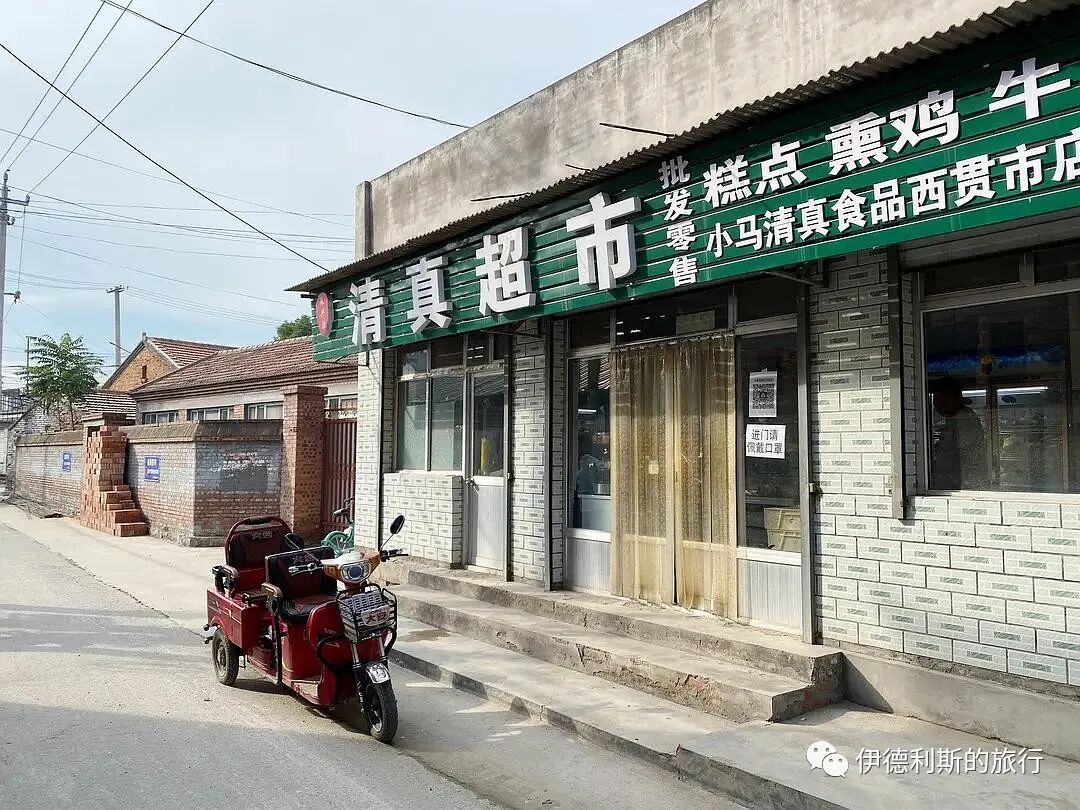
Because of its close ties with Shanxi, Xiguanshi offers halal knife-cut noodles (daoxiaomian) and Bashang oat noodles (youmian), which are hard to find in the city. We ate knife-cut noodles (daoxiaomian) at an old noodle shop in the village. We also ordered beef tongue and tripe-wrapped meat (dubao rou). I had been craving knife-cut noodles (daoxiaomian) since I ate them in Datong before. This time, I finally got to eat them again.
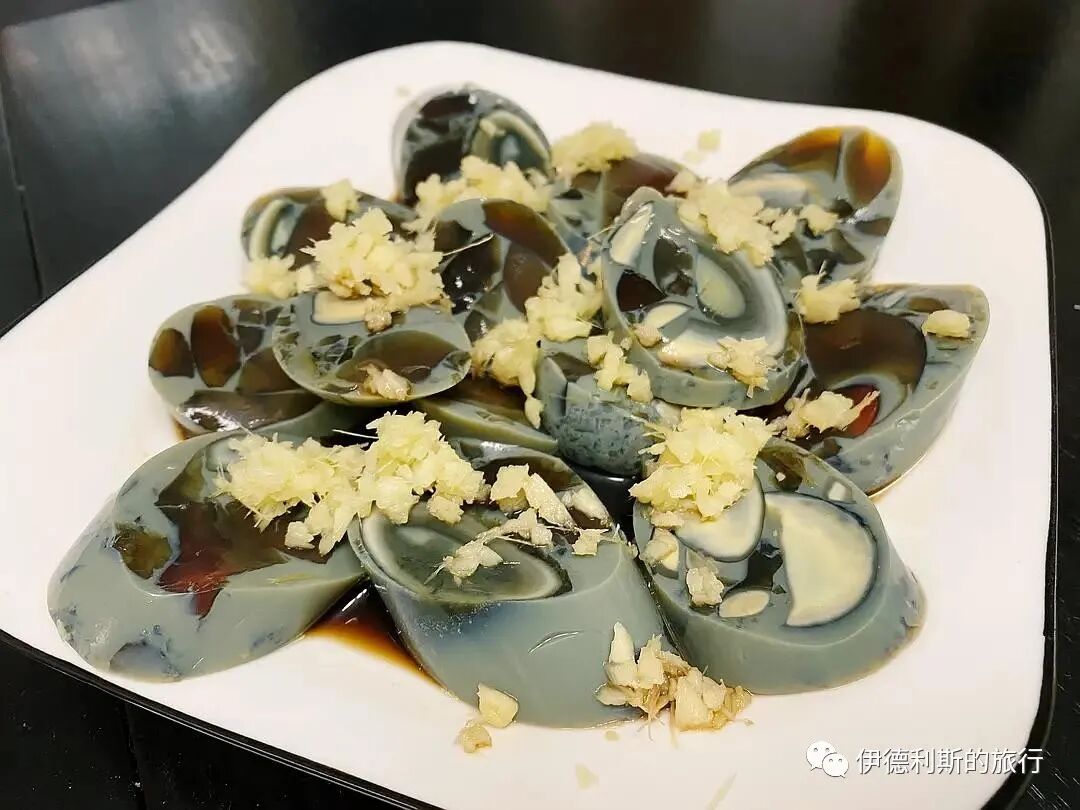
The preserved egg sausage (songhuadan chang) I bought at the Xiguanshi halal supermarket was incredibly delicious after I seasoned it with ginger juice yesterday! Today, I plan to add some tofu and eat it again.
August 29: Wangji Halal Snack Shop on Xilou Hutong.
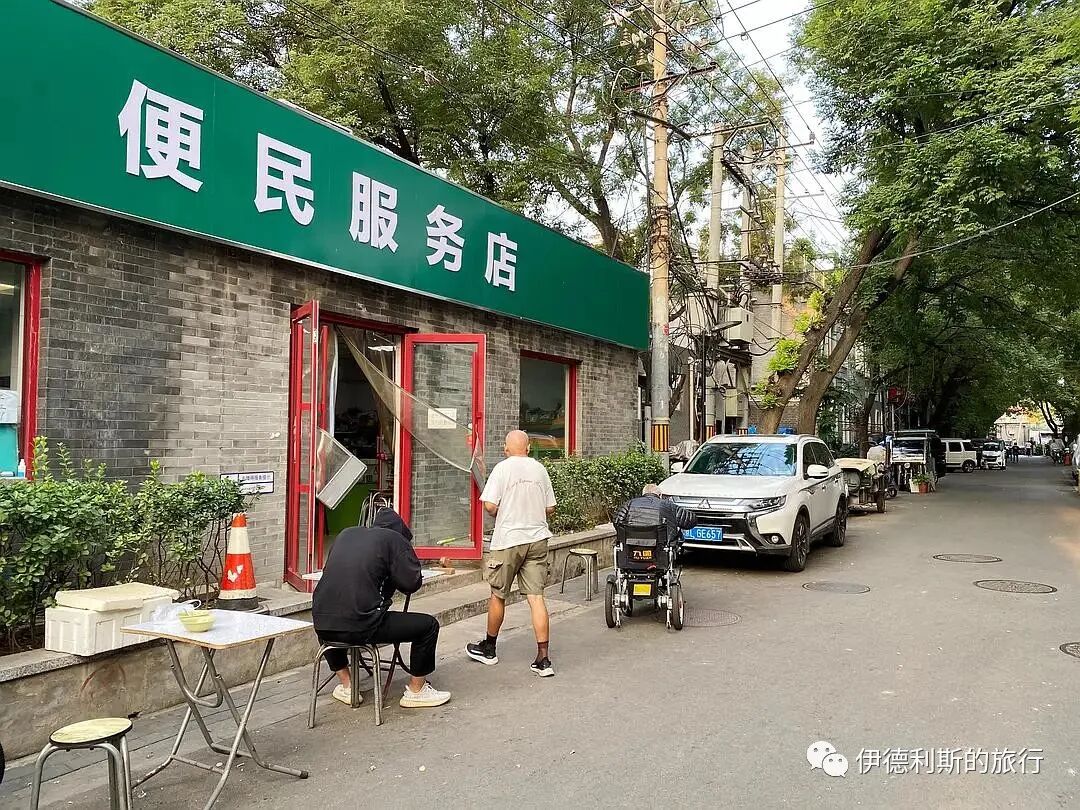
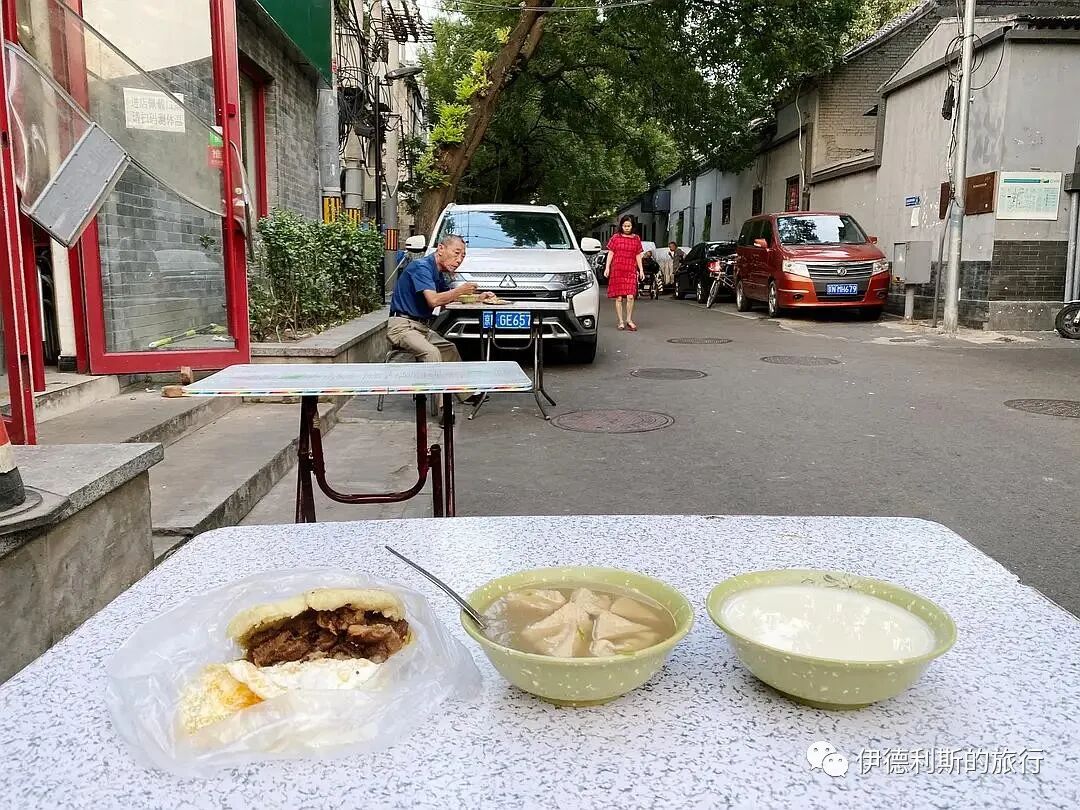
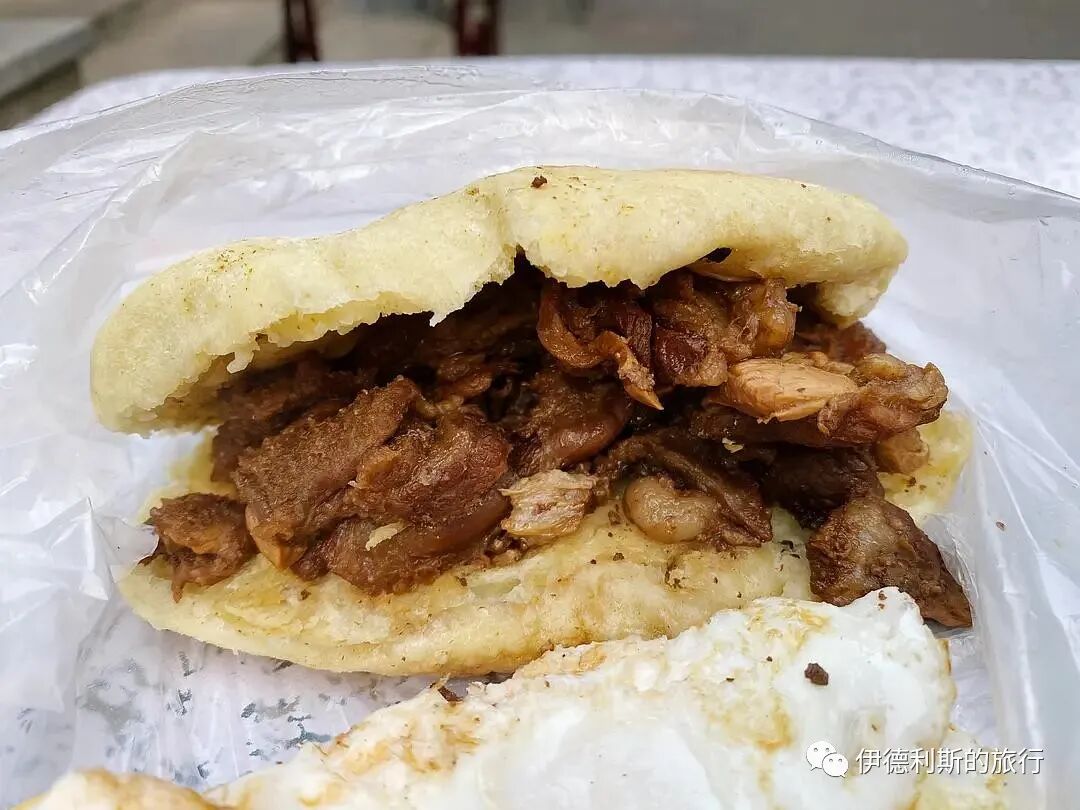
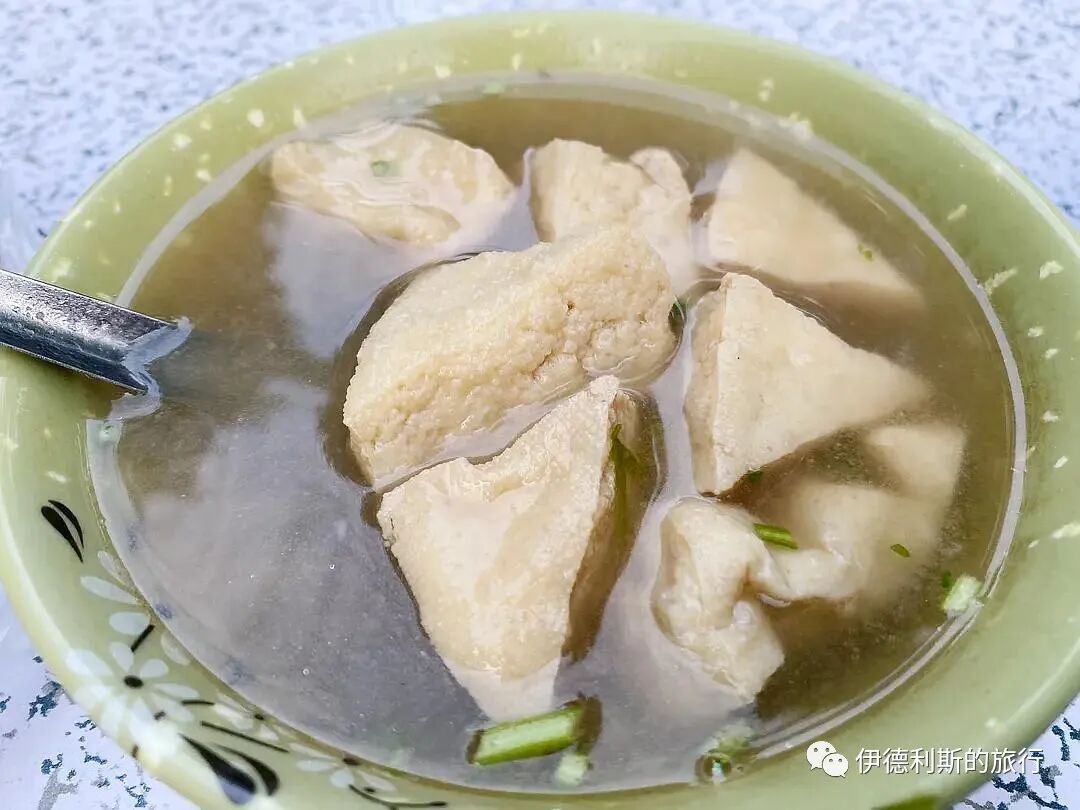
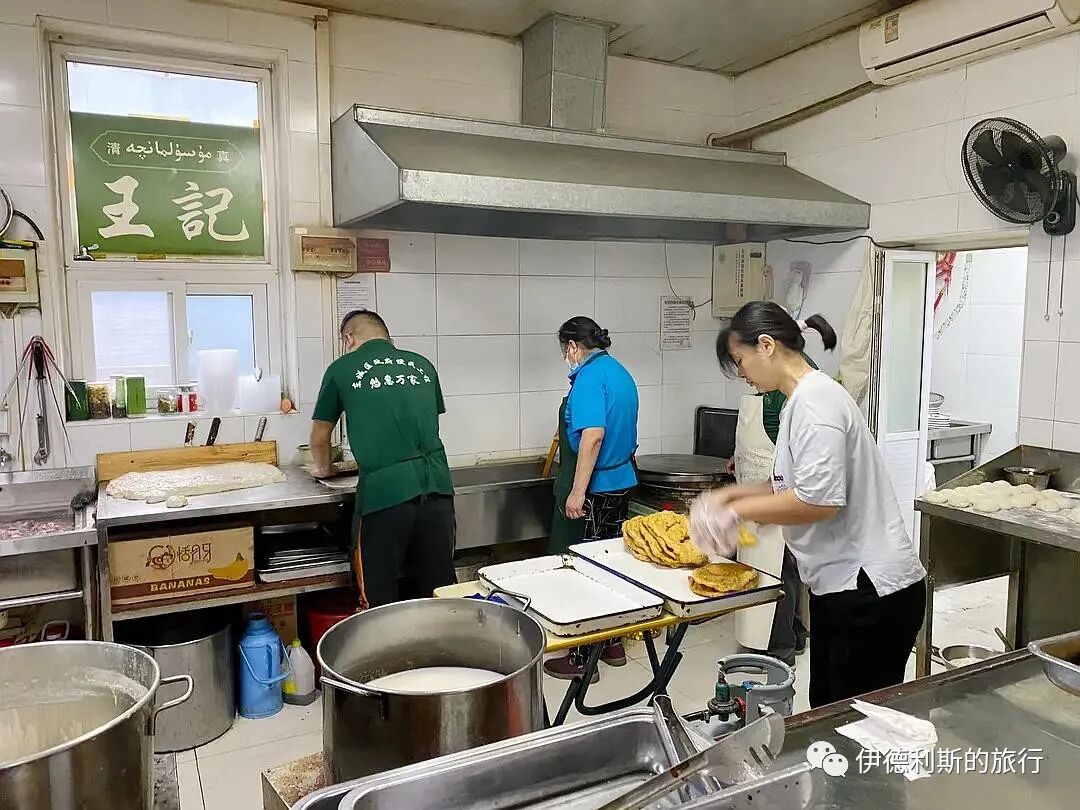
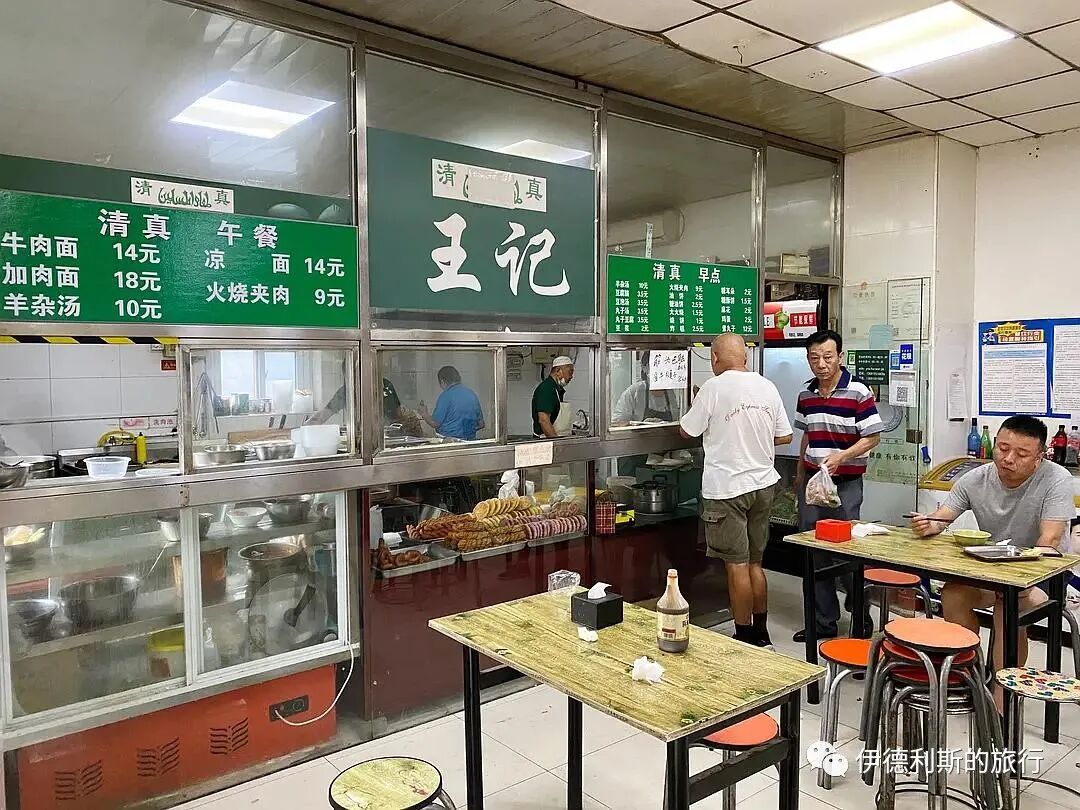
Early in the morning, after Qing'er walked around Xiaoshi, we had breakfast at Wangji Halal Snack Shop on Xilou Hutong. We ordered baked flatbread with beef (huoshao jia niurou), fried tofu soup, and soy milk. I really loved the atmosphere there! The late summer breeze felt so comfortable!
August 29: Baoduman at the east entrance of Dongsi Wutiao.
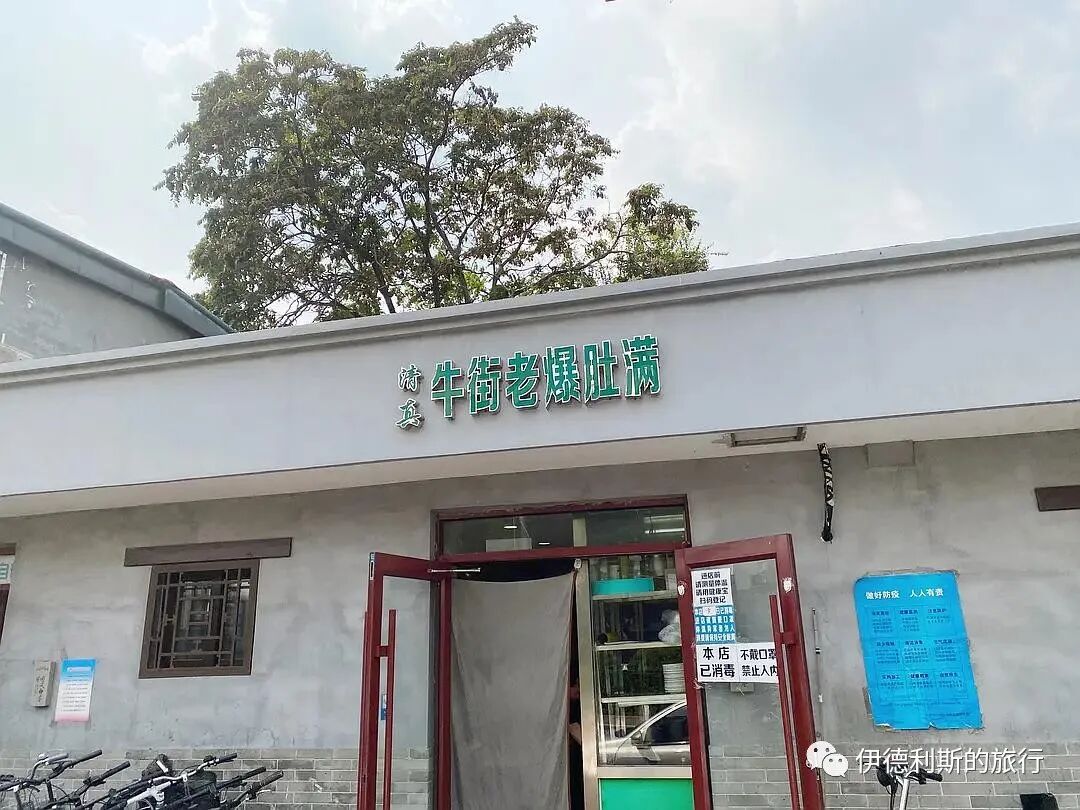
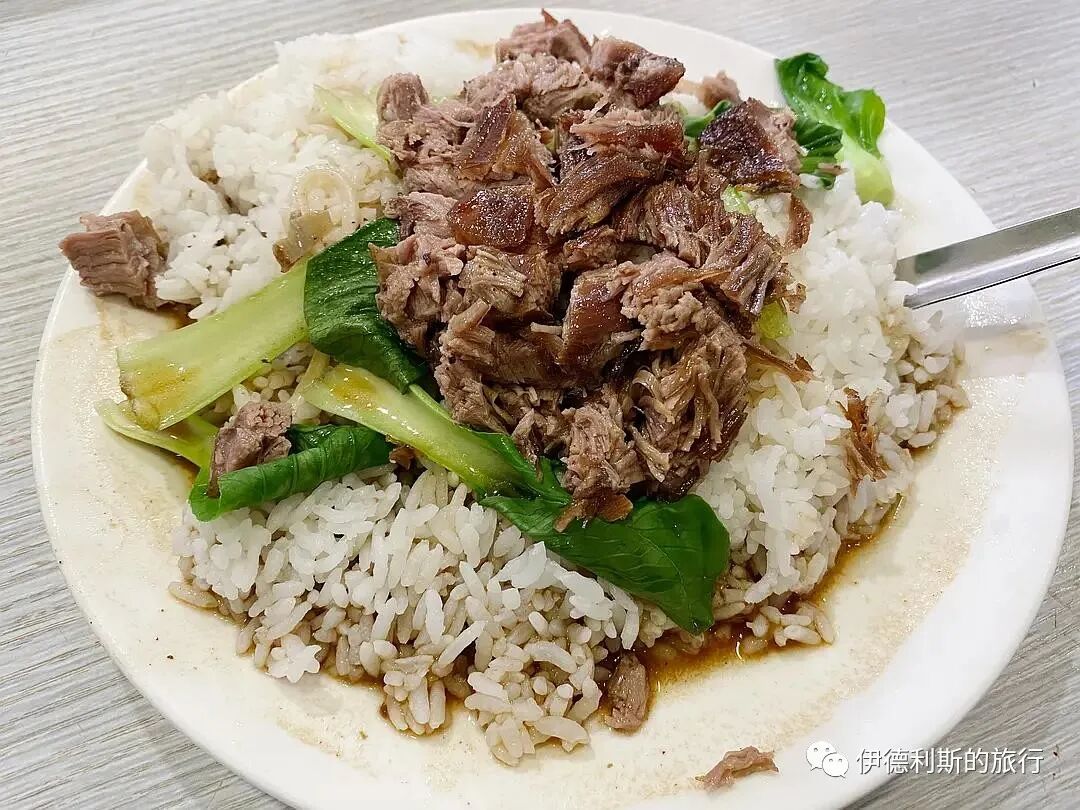
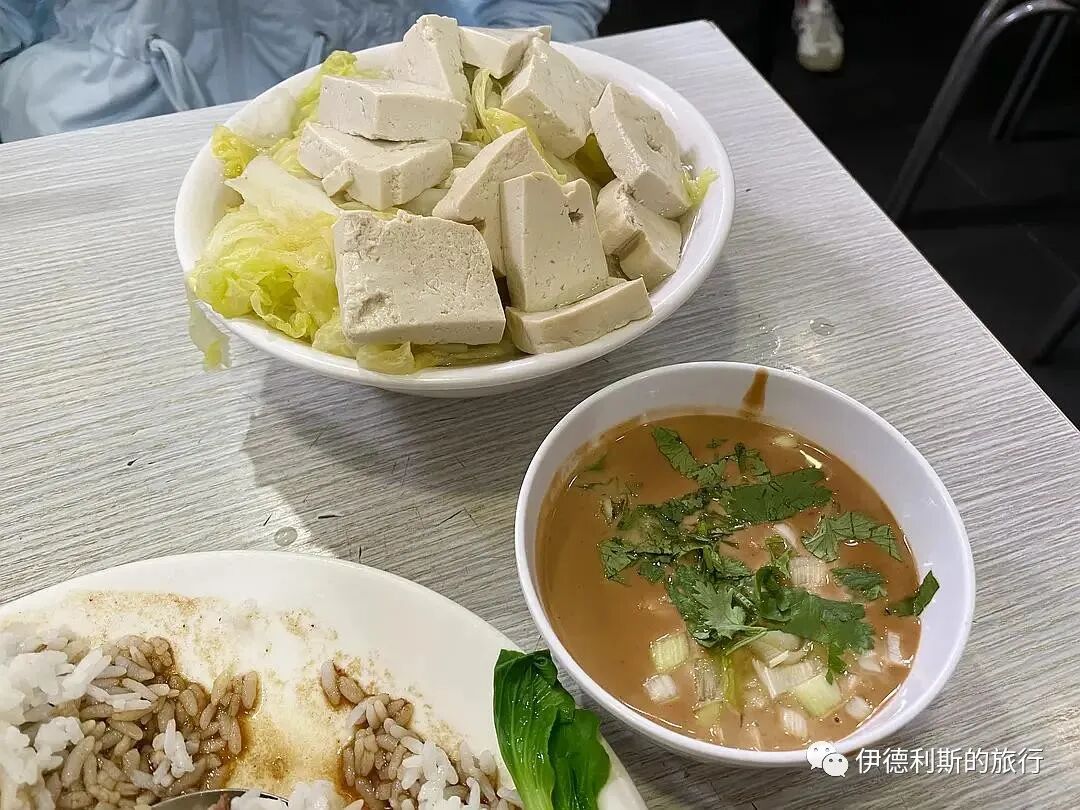
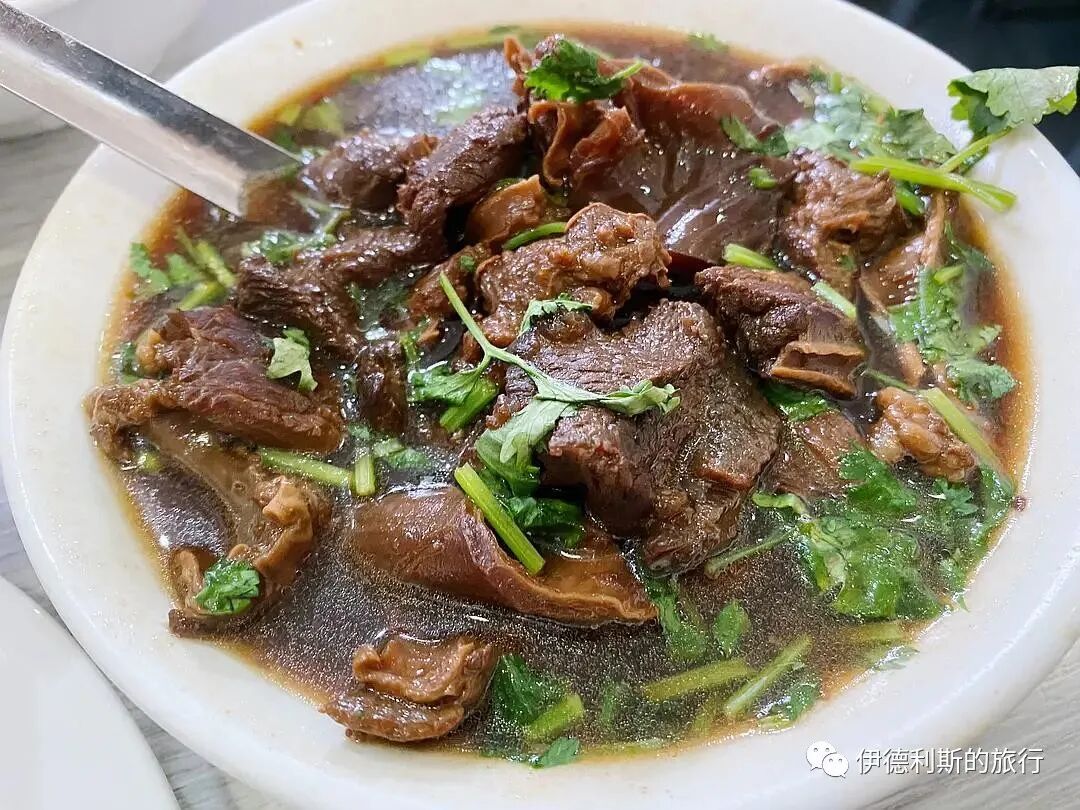
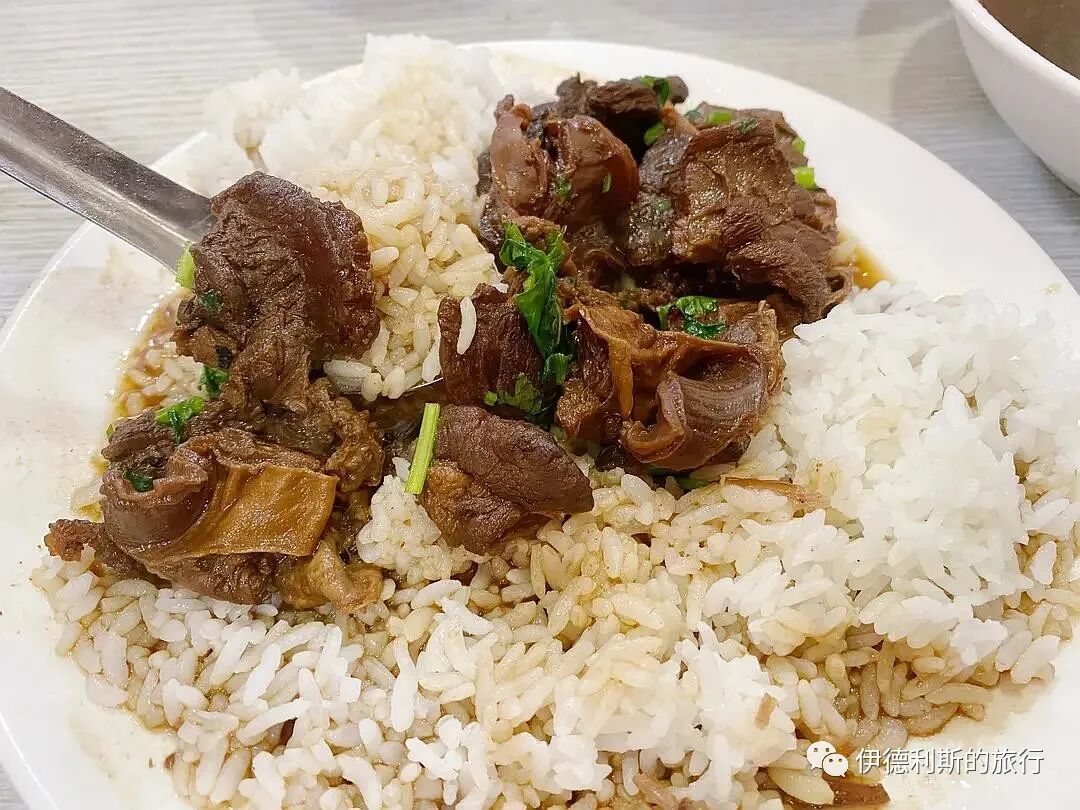
At noon, at Baoduman at the east entrance of Dongsi Wutiao, we ate roasted lamb rice (shaoyangrou fan), a small bowl of beef, and blanched cabbage with tofu. After eating the roasted lamb, it was great to put the stewed beef over rice and eat it.
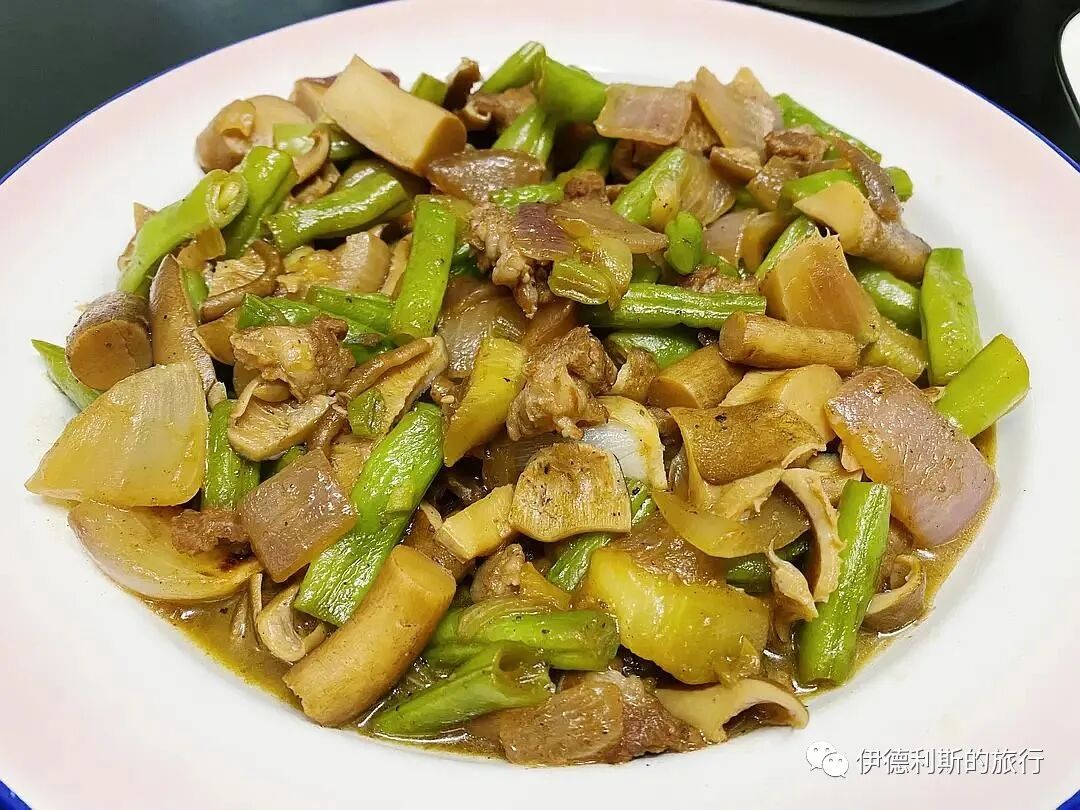
August 30: Mushrooms stewed with eggplant, green beans, and lamb.
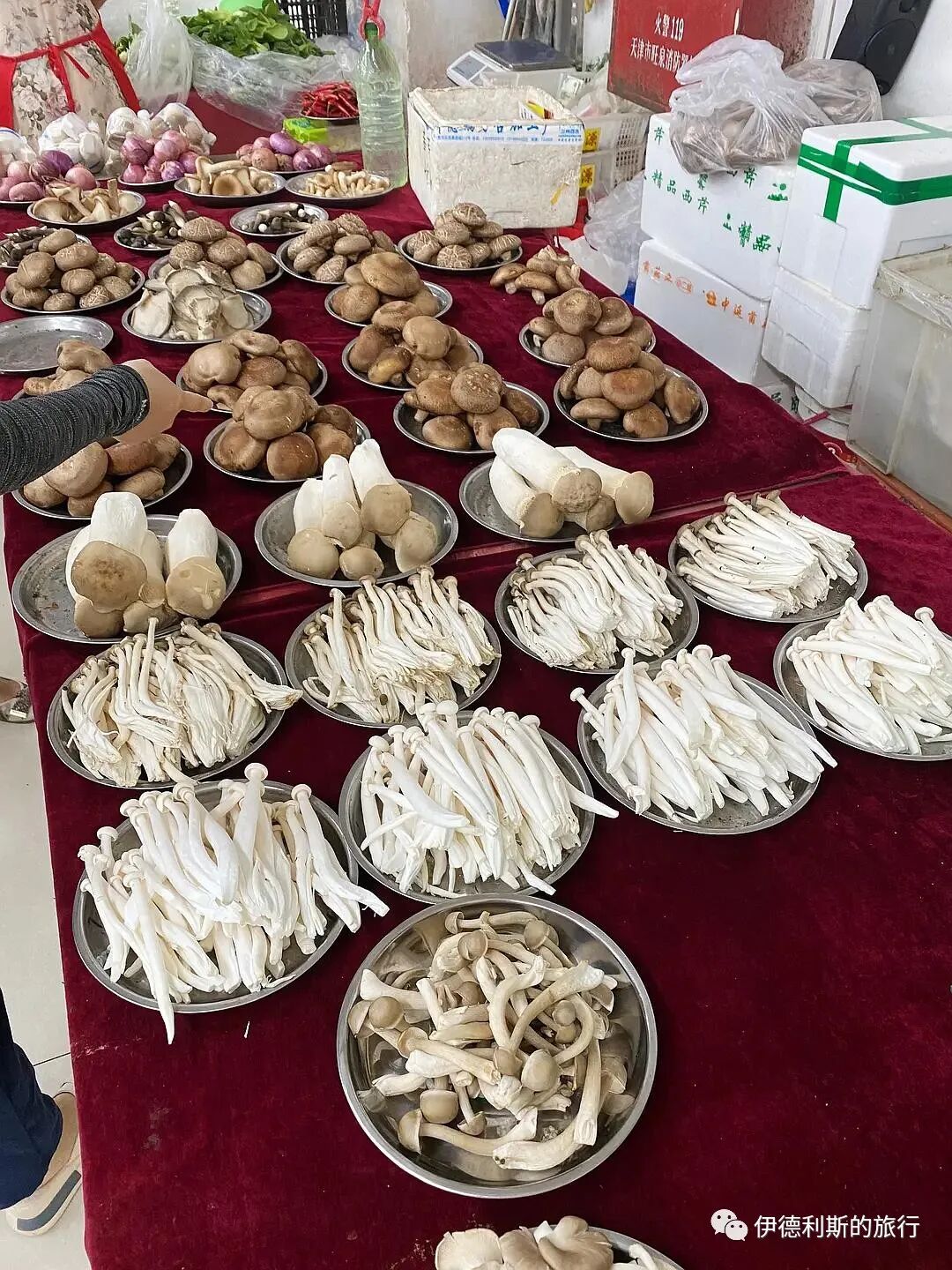
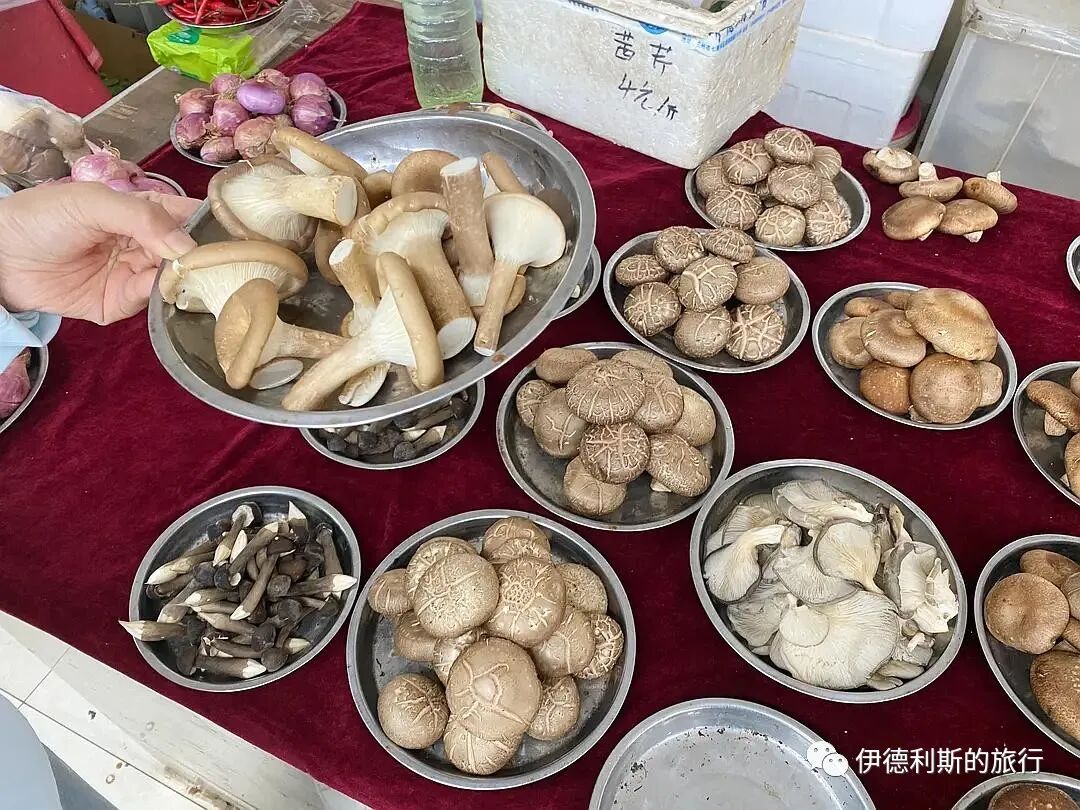
In the mushroom section of Chaoyangmen Life Supermarket, I bought some mushrooms to stew with eggplant, green beans, and lamb. It was quite delicious!
Summary: Beijing Summer Diary — Mosques, Food and Muslim Heritage is presented here as a firsthand travel account in clear English, beginning with this scene: On a summer evening in Changying, life is so pleasant. You can enjoy spicy hot pot (malatang) and small BBQ skewers (xiaoshaokao) at Jingshunxuan, fried chicken from Changlaishun's entrance, and self-serve cold dishes. The account keeps its focus on Beijing Mosques, Halal Food, Muslim Heritage while preserving the names, places, food, and historical details from the Chinese source.
August 11: Spicy hot pot (malatang) and small BBQ skewers (xiaoshaokao) at Jingshunxuan in Changying.
On a summer evening in Changying, life is so pleasant. You can enjoy spicy hot pot (malatang) and small BBQ skewers (xiaoshaokao) at Jingshunxuan, fried chicken from Changlaishun's entrance, and self-serve cold dishes (liangban cai) from the halal supermarket.
August 14: Gulou Chimian (Drum Tower Noodles) opened a new store at the east entrance of Gulou East Street.
At noon, we went to the new Gulou Chimian (Drum Tower Noodles) store at the east entrance of Gulou East Street. Their old store on Donggong Street is still there. The new store's menu and taste are just like the old one. I always order my favorite roasted lamb with Sichuan peppercorn noodles (shaoyangrou huajiao cuan'er mian). Zainab ordered a vegetable and nut salad, a non-alcoholic mojito, and cordyceps flower with sour bamboo shoots (chongcaohua suansun). We also tried their new "Heartbreak" (ganchang cunduan) set meal, which has chicken liver with chicken sausage and beef sausage. Their sausages are much tastier than the ones you buy in a supermarket.
The new store also has Boss Lei's words on the wall. This instantly brought back memories of Boss Lei making noodles for us ten years ago at the old Xiaojingchang store. Time really flies so fast, you can't stop it. There's also a photo of Boss Lei and Boss Wu. During my four years of university in Wuhan, I saw many "Life of Pie" (Shengming Zhibing) performances. I also went to after-parties at Boss Wu's "Wuhan Ah Prison Bar" (Wuhan A Jianyu Jiuba), which was downstairs from VOX.
August 15: Zayton, a Palestinian restaurant in Sanlitun Soho.
A new Arab restaurant called Zayton just opened in Sanlitun Soho. Everyone has been going to check it out, so we went to eat there in the evening.
Their prices are not high compared to other foreign halal restaurants in Sanlitun. The owner is a Palestinian who lived in Syria for a long time. They mainly serve various Levantine snacks. We ordered chicken shawarma (Shawarma), veal steak, chickpea yogurt salad (Fatteh), Ayran yogurt drink (Ayran), and Arabic coffee. Let me tell you about Fatteh. It's not very common in other Arab restaurants in Beijing.
Fatteh means "crushed" in Arabic. It's a snack from the Southern Levant region, found in places like Damascus, Beirut, Jordan, and Palestine, but not in the Northern Levant. Fatteh's main ingredient is crushed Khubz bread pieces. Then they add yogurt, steamed chickpeas, olive oil, and other toppings, sprinkled with cumin. Sometimes it includes eggplant and carrots, or chicken or lamb. At Zayton, they add pine nuts.
August 17: Ziguangyuan Dumpling Restaurant in Xisi.
I went to Peking University School of Stomatology for a dental appointment. On the way, I saw a new Ziguangyuan had opened in Xisi. They specialize in dumplings and roast duck, and their dumplings are freshly wrapped and sold. I tried dumplings with braised meat and lentil filling for the first time. The texture was very different from fresh meat dumplings; it had chunks of meat, which I really liked. They also offer unlimited watermelon chunks, pickled long beans, and minced garlic. This felt very thoughtful, as many noodle shops I've been to don't provide garlic sauce. Finally, I have to say, both are chain snack shops, but Hu Xiao's food is so bad it makes you want to curse.
August 18, the Noble Day of Ashura.
Today is the noble Day of Ashura, and it's time for Suhoor.
Many important events happened on the Day of Ashura throughout history, including Prophet Nuh (Noah) bringing his ark to shore. Legend says that on this day, Nuh gathered all the leftover beans on the ark and cooked a pot of bean porridge. Because of this, Hui Muslims make bean porridge every year on this day to commemorate it.
Today, I'm learning to make the Urumqi Hui Muslim version of bean rice. As an Urumqi son-in-law, this is a must-have skill. Zainab prepared porridge with 11 kinds of beans a day in advance. Today, I'll stir-fry the diced lamb from Eid al-Adha (Gurban), then add regular rice and glutinous rice and cook it all together.
In the afternoon, I bought a duck carcass and half a jin (250g) of Laba garlic chicken feet (labasuan fengzhao) at Ziguan Garden. The chicken feet are boneless now, which makes the texture even better, haha. Half of the duck carcass will be stewed with cabbage and tofu. The other half will be stir-fried with onions (piyazi) and cumin. I bought kelp, eggplant, and long beans at the market. After blanching, I'll mix them with erba sauce (erba jiang) and garlic sauce for a cold salad. I diced apples and added Zainab's homemade yogurt and honey.
August 21, Wang Ji Halal Snacks (Wangji Qingzhen Xiaochi) in the Xilou Hutong Convenience Store.
At noon, I went to Wang Ji Halal Snacks (Wangji Qingzhen Xiaochi) in the Xilou Hutong Convenience Store. Halal food in the hutong is truly wonderful! I ordered a bowl of beef noodles with extra meat and a plate of tendon and brain (jintou banao). The noodles were handmade and very chewy, much tastier than Chai Ji's machine-made noodles. But honestly, the stewed beef didn't taste as good as Chai Ji's.
The best thing about their place is that you can eat in the cool shade of the hutong. It feels so much like childhood! When I was a kid in summer, I loved carrying my fried sauce noodles (zhajiangmian) or sesame paste noodles (majiangmian) to eat under the shade of the trees in the hutong. Since the crackdown on illegal wall openings and storefronts, this kind of experience has become even rarer. I remember a winter a few years ago at Old Jin's Hotpot (Lao Jin Shuanrou) on Fuchangjie 3rd Alley near Tianqiao. It was snowing lightly at night, and we set up a table in the hutong for hotpot. That feeling of happiness must have been similar to today.
August 21: Istanbul Restaurant, a long-standing Turkish eatery
Today, a friend told me that Istanbul Restaurant, a long-standing Turkish eatery in Beijing for nearly 20 years, had reopened. So I quickly went to eat there tonight. Istanbul Restaurant opened in 2002 near Jianguomen. After closing in 2018, they had been looking for a new location. Now they have moved across from Beijing No. 55 High School, near Dongsi Shitiao Bridge. It's super close to my home!
I ordered fennel lentil soup, avocado dip, baked cheese eggplant, Doner kebab salad, a mixed grill platter, pumpkin cheese pizza, and Turkish black tea. Overall, everything was quite tasty. The pumpkin cheese pizza was especially good! Next time, I want to try Kofte meatballs and Iskender kebab. Also, I want to praise their very warm service. The chef personally came over to explain what kind of meat it was and what sauce to dip it in. He was smiling the whole time. The waitstaff were very proactive in refilling water and responded to every request. The experience was truly excellent. To be honest, their kebab is still not as good as Al Safir's. Al Safir's kebab is the best among Middle Eastern restaurants in Beijing, in my opinion.
August 22: Making grilled meat and edamame with watermelon at home
On a beautiful summer night, I made grilled meat and edamame with watermelon at home. The Eid al-Adha (Gurban) lamb was tender and fragrant, and the edamame was very flavorful.
August 25: Zayton, the Palestinian restaurant in Sanlitun SOHO
My second visit to Zayton, the Palestinian restaurant in Sanlitun SOHO. I ordered grilled meat with yogurt garlic sauce, beef hummus (chickpea dip), falafel (fried chickpea balls), and Tabbouleh salad. Their falafel is really delicious. When freshly fried, it's crispy outside and tender inside. But this wonderful texture only lasts for 5 minutes. If made into a falafel sandwich or ordered for delivery, it becomes dry.
Tabbouleh is a special Meze (appetizer) from the Levant region. It's made with chopped parsley, tomatoes, mint, onions, and bulgur (cracked wheat). It's seasoned with olive oil, lemon juice, salt, and pepper. The word "tabbūle" in Levantine Arabic comes from the ancient Aramaic root "t-b-l", which means "to season" or "to soak". Tabbouleh salad originated in the mountains of Lebanon and Syria. Wheat grown in Lebanon's Beqaa Valley was once known as especially good for making bulgur.
August 27 Chaowai SOHO Jinying Meatball Soup
In the afternoon, we ate meatball soup at Chaowai SOHO. We ordered three beef marrow bones. It was so satisfying to cut and eat them with a knife! I forgot to take a picture of the kvass that came with it.
August 28 Huilongguan's Henan Braised Noodle Restaurant Jingchang Liangji
We went hiking in Changping. In the morning, at Huilongguan's Henan Braised Noodle Restaurant Jingchang Liangji, we ate braised noodles (huimian) and lamb soup (yangtang) with scallion pancakes (cong huabing). We also ordered steamed crown daisy (tonghao) and tofu skewers (doufu chuan). For breakfast, they mainly serve spicy soup (hulatang) with pan-fried buns (shuijianbao). They start making braised noodles (huimian) after 9:30 AM. It's great that they have an open kitchen where they hand-pull noodles fresh for each order.
Besides braised noodles (huimian), you can also have steamed braised noodles (zhenglumian). This is also a special Henan dish. You can also try their steamed dishes (zhengcai). They are steamed with a bit of flour and dipped in garlic sauce. When in season, you can also get steamed elm seeds (zhengyuqianer). Also, for chili oil, you can choose between lamb fat (yangyou) or vegetable oil (suyou), which is very thoughtful!
August 28 Xiguanshi Hui Muslim Village for knife-cut noodles
In the afternoon, after hiking in Baihujian, we went to the nearby Xiguanshi Hui Muslim Village for knife-cut noodles (daoxiaomian).
The Hui Muslims of Xiguanshi came to Beijing in the early Ming Dynasty with Prince Yan during his northern campaign. Because Xiguanshi was near the trade route from Beijing to Zhangjiakou, and its Hui Muslims were skilled in martial arts, many of them opened security escort agencies (biaohang) outside Qianmen in Beijing since the Qing Dynasty. They worked as bodyguards in the five northwestern provinces, mainly serving wealthy Shanxi merchants. Li Wuye, known as "Magic Bullet" in the book "Shigong An," is said to have been a Hui Muslim from Xiguanshi. The descriptions of Li Guoliang, "Golden Bow Little Erlang," and the Dongguangyu Security Escort Agency (biaoju) outside Qianmen in "Yongzheng Jianxia Tu" vividly show the security escort agency (biaohang) scene of Xiguanshi Hui Muslims during the Qing Dynasty.
Because of its close ties with Shanxi, Xiguanshi offers halal knife-cut noodles (daoxiaomian) and Bashang oat noodles (youmian), which are hard to find in the city. We ate knife-cut noodles (daoxiaomian) at an old noodle shop in the village. We also ordered beef tongue and tripe-wrapped meat (dubao rou). I had been craving knife-cut noodles (daoxiaomian) since I ate them in Datong before. This time, I finally got to eat them again.
The preserved egg sausage (songhuadan chang) I bought at the Xiguanshi halal supermarket was incredibly delicious after I seasoned it with ginger juice yesterday! Today, I plan to add some tofu and eat it again.
August 29: Wangji Halal Snack Shop on Xilou Hutong.
Early in the morning, after Qing'er walked around Xiaoshi, we had breakfast at Wangji Halal Snack Shop on Xilou Hutong. We ordered baked flatbread with beef (huoshao jia niurou), fried tofu soup, and soy milk. I really loved the atmosphere there! The late summer breeze felt so comfortable!
August 29: Baoduman at the east entrance of Dongsi Wutiao.
At noon, at Baoduman at the east entrance of Dongsi Wutiao, we ate roasted lamb rice (shaoyangrou fan), a small bowl of beef, and blanched cabbage with tofu. After eating the roasted lamb, it was great to put the stewed beef over rice and eat it.
August 30: Mushrooms stewed with eggplant, green beans, and lamb.
In the mushroom section of Chaoyangmen Life Supermarket, I bought some mushrooms to stew with eggplant, green beans, and lamb. It was quite delicious!
