
Halal Travel Guide: Hainan — Muslim History, Mosques and Local Communities (Part 2)
Reposted from the web
Summary: Hainan — Muslim History, Mosques and Local Communities is presented here as a firsthand travel account in clear English, beginning with this scene: Starting in the Qing Dynasty, Hainan Muslims from places like Suanmeipu and Dadang Port in Yazhou, as well as Wanzhou and Qiongshan, moved to Suosanya Lifan Village (now Sanya Huixin Village). The account keeps its focus on Hainan Muslims, Muslim History, China Mosques while preserving the names, places, food, and historical details from the Chinese source.
Starting in the Qing Dynasty, Hainan Muslims from places like Suanmeipu and Dadang Port in Yazhou, as well as Wanzhou and Qiongshan, moved to Suosanya Lifan Village (now Sanya Huixin Village). While other Muslim communities across Hainan were becoming Sinicized, Li-ized, or Dan-ized during the Qing Dynasty, Suosanya Lifan Village became Hainan's only Muslim community. This community eventually formed the modern Huihui people group.
1. Historical Suosanya Lifan Village
The earliest record of Suosanya Lifan Village comes from the Ming Dynasty's Zhengde Qiongtai Zhi, Volume 27, "Yazhou Temples and Monasteries," completed in 1521.
The mosque is in Fanren Village, one hundred li east of Yazhou. It was built during the Hongwu period, and inside, it is just a wooden hut. They carve foreign scriptures. One person serves as a "Buddhist slave," chanting and burning incense morning and evening. Those who understand foreign scriptures are called "sirs." They all wear white cloth robes, like the clothing of Huihui people. Inside the mosque, they sit on the floor to recite scriptures and perform namaz. They do the same on fasting days. "
This Fan Village, located one hundred li east of Yazhou City, and the description of Suosanya Lifan Village in the Guangxu Yazhou Zhi, Volume 5, "Construction Records - Townships and Districts," match the records in the Ming Dynasty's Zhengde Qiongtai Zhi.
Sanya Village is one hundred li east of Yazhou City. Suosanya Li, Fan Village, is east of Sanya Village. "
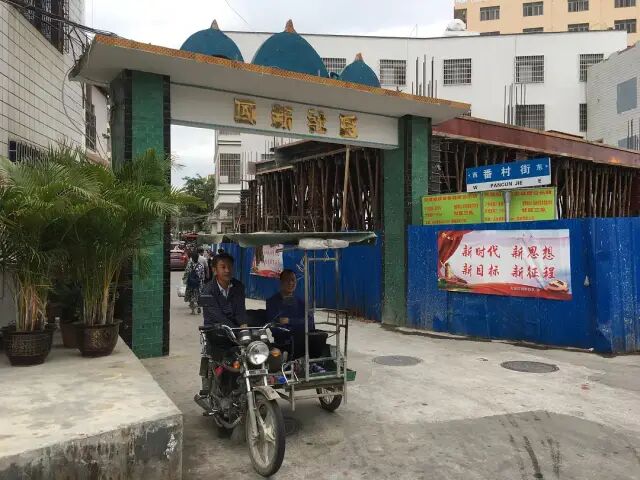
Sanya Huixin Village still has Fan Village Street today.
In 1947, Liu Xianzun, the headmaster of Huihui Village Primary School, attended the Guangdong Hui Muslim Progressive Association. He gave his 1922 handwritten Huihui people's genealogy, "Complete Genealogy of Tongtun," to the president, Xiong Zhendong. Later, the famous modern historian Luo Xianglin borrowed "Brief Genealogy of the Pu Clan of Sanya Tonggang Village" (which was part of "Complete Genealogy of Tongtun") from Xiong Zhendong. The preface of "Brief Genealogy of the Pu Clan of Sanya Tonggang Village" states that the Pu clan of Sanya came to Hainan during the Song Dynasty. Later, all members of the Pu clan in Danzhou, Wanzhou, and Qiongzhou abandoned their faith (no longer believing in Islam).
Since the Song Dynasty, twelve ships were originally carried by the wind to Yazhou, where people settled. By the Ming Dynasty, due to Li rebellions and the government's pressure for grain taxes, many scattered to various places. They settled in markets like Danzhou, Wanzhou, Qiongzhou, and Sanya. After several generations, there were three calamities of apostasy. This happened during the late Ming Dynasty, when Sanya was once broken by a major rebellion of the Western Li people. "
The text mentions that Sanya was devastated by a major Xili rebellion at the end of the Ming Dynasty. This likely refers to 1655, when Tan Yazhen, the leader of the Baobi Li village, rebelled against the government and burned down Sanya Fancun village.
The family genealogy, in the section for the "Hai family" of the tenth jia, also records: Pu Shangzhi (first generation) – Cheng En (second generation) – Qi Hao (third generation) – Xue Song (fourth generation) – Ben Zhong (fifth generation) – Fu Run (sixth generation). Among these, Fu Run, the sixth generation, was the main figure in the famous "Hai Furun Case" during the Qianlong era.
In 1774, Hai Furun, along with five fellow villagers, left Sanya Huihui Village to study Islamic scriptures. They first studied in Guangzhou, then traveled through Guangxi, Hunan, Hubei, Anhui, Shaanxi, and other places for nine years. In 1781, Hai Furun returned home from Shaanxi, and when passing through Hankou, he obtained many Islamic books. The following year, when he arrived in Guilin, customs officials confiscated the books, and he was arrested and imprisoned as an accomplice of "Su Sisan". The "Hai Furun Case" quickly expanded, spreading across eight provinces. This made Muslims at the time feel insecure. It was finally settled only after direct intervention by Emperor Qianlong.
Tracing back from Hai Furun in 1774, the Hai family's ancestor, Pu Shangzhi, should have been born in the late Ming Dynasty or early Qing Dynasty.
2. Historical Sites in Suosanya Lifan Village
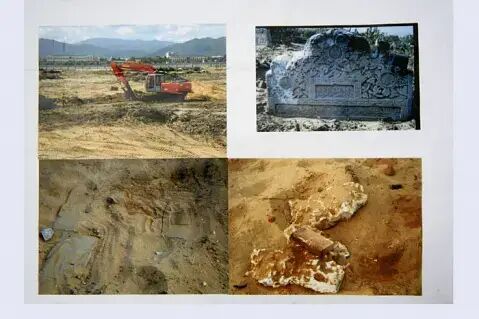
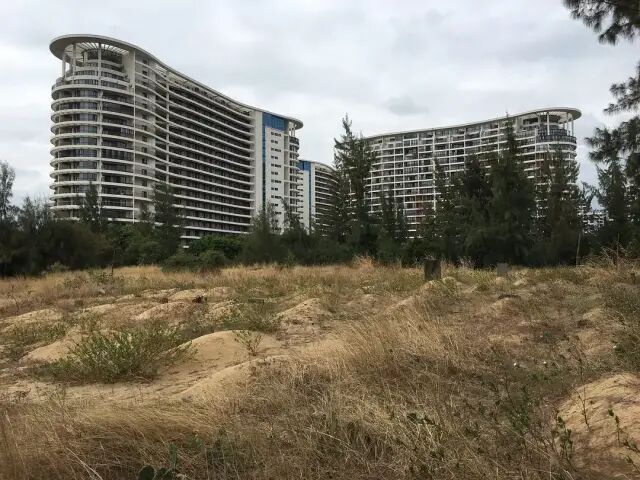
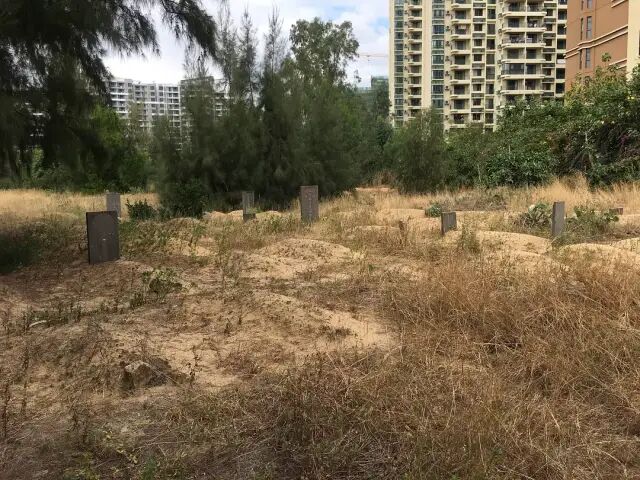
Southwest of Suosanya Lifan Village, there is an ancient Muslim cemetery. The tombs are similar to the Islamic ancient tombs mentioned earlier. In 2006, this site, named "Yanglan Tombs", was designated as a Sanya City Cultural Relics Protection Unit. Unfortunately, at the end of 2008, a certain department destroyed the Yanglan Tombs with excavators, under the pretext of building a training base. Tombstones were smashed, and human remains were exposed. Through the Hui Muslims' desperate resistance, this ancient Muslim cemetery was finally preserved.
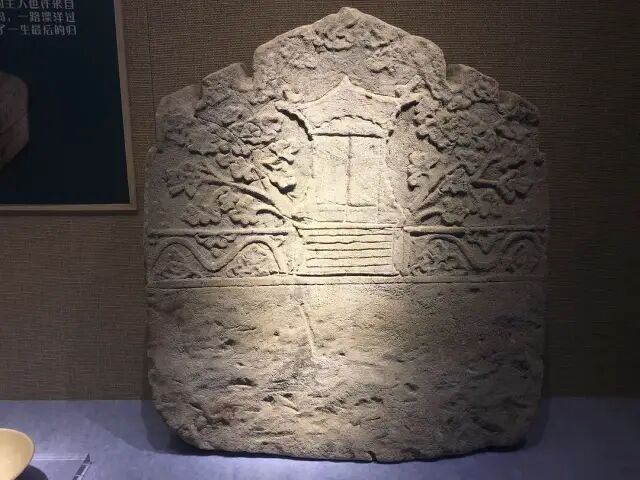
On June 11, 2016, at the "Asking the Sea – Huaguang Reef No. 1 Shipwreck Special Exhibition" at Nanjing Museum, I saw a coral stone Muslim tombstone. It was labeled as collected from Sanya Fenghuang Huixin Village (formerly Suosanya Lifan Village) and is now in the collection of the Hainan Museum.
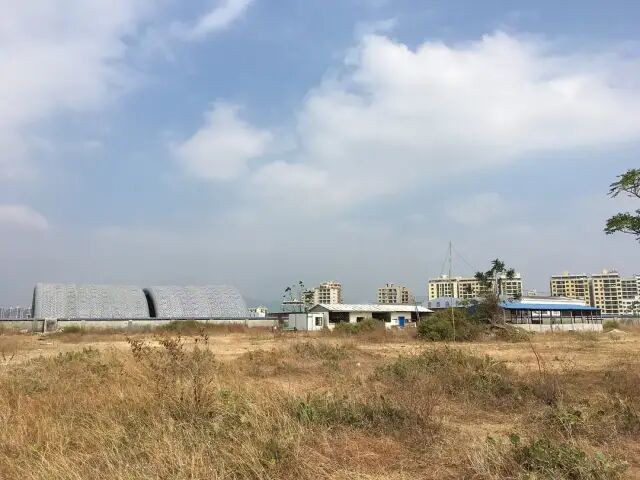
On December 31, 2017, I came to the site of the Yanglan cemetery. Today, part of this beach dune has been turned into an outdoor set for wedding photos. The temporary construction setup in the photo has become a place where the wedding photo company keeps horses.
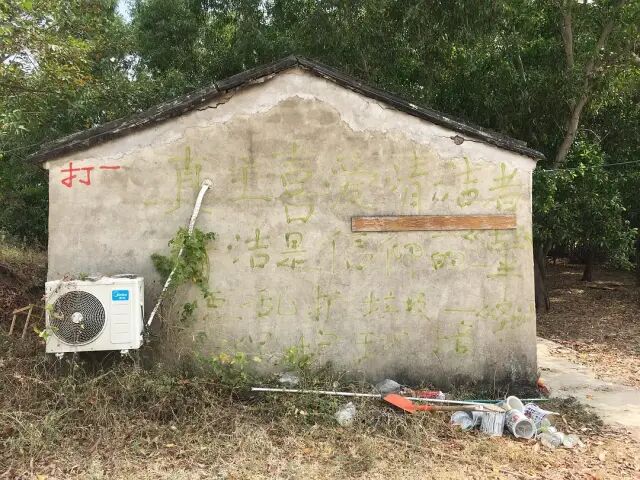
At the entrance there are abandoned houses, with two hadiths written on them: Allah loves those who keep clean, and cleanliness is half of faith. Below that it says: Please do not litter, and protect the environment.
Unfortunately, the wedding photo company still left a lot of trash here.
At the entrance and farther inside, you can see Sanya Bay coastal defense bunkers that have been abandoned for years.
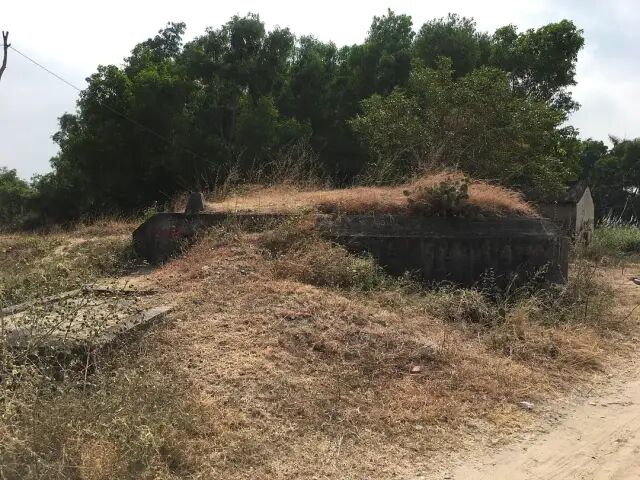
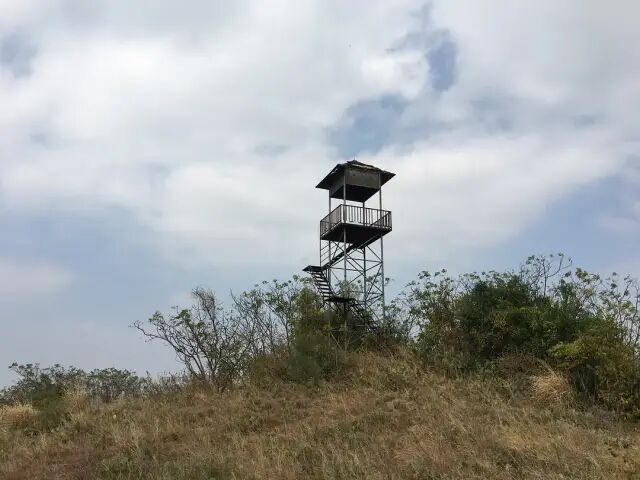
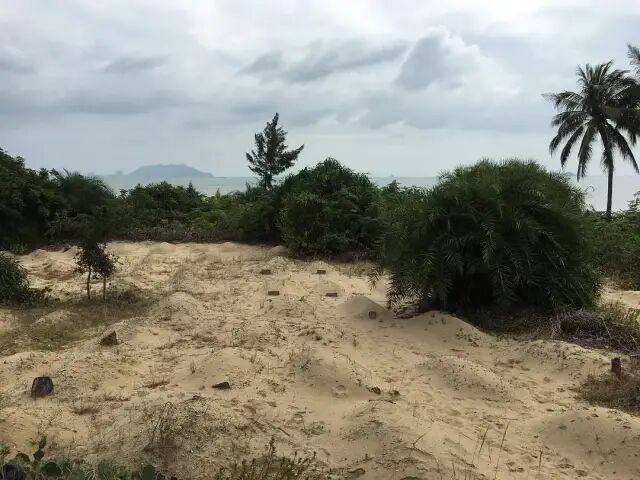
This was the site of the ancient cemetery that was bulldozed in 2008.
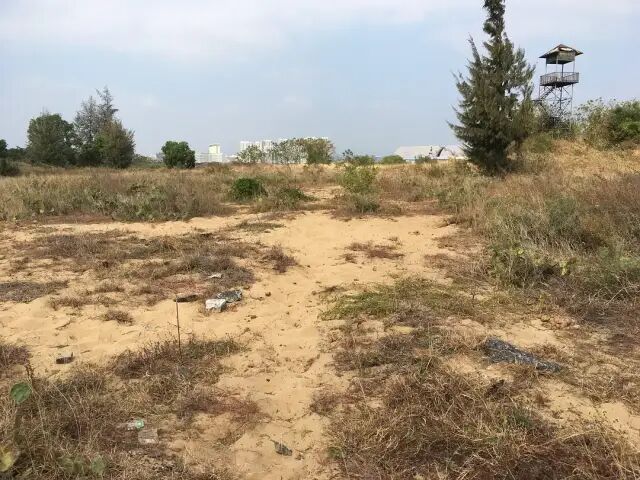
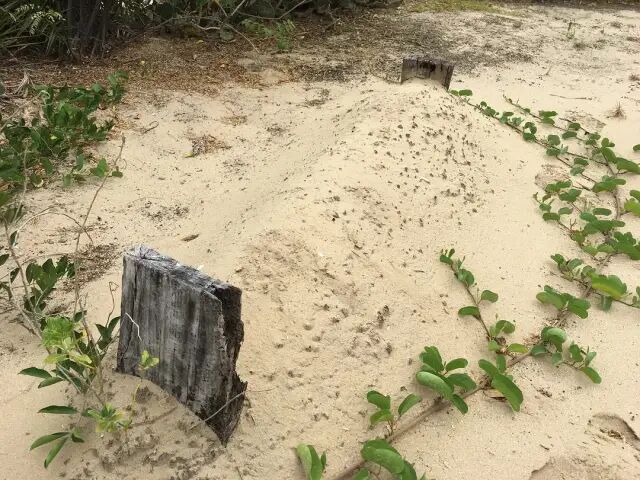
Walking farther in, I finally found the surviving old graves.
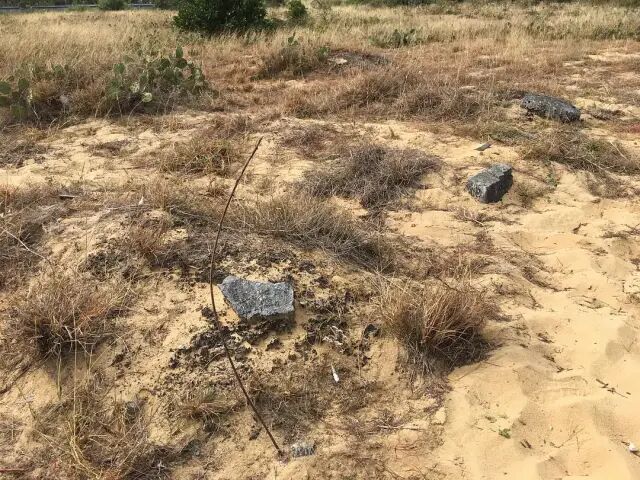
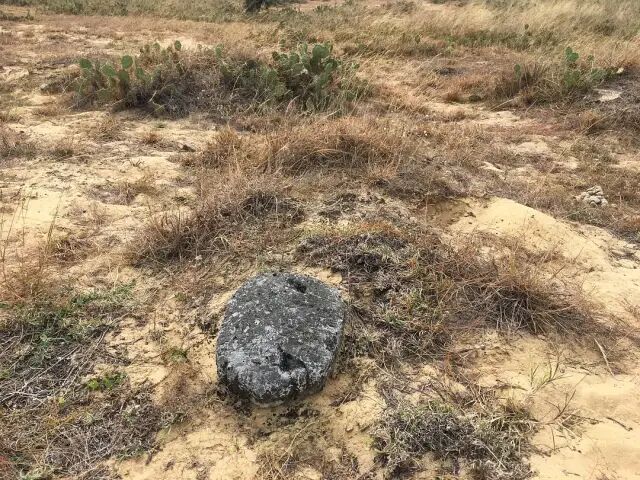
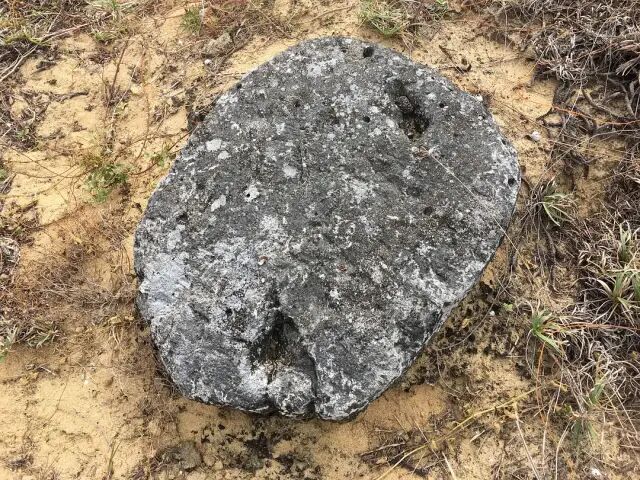
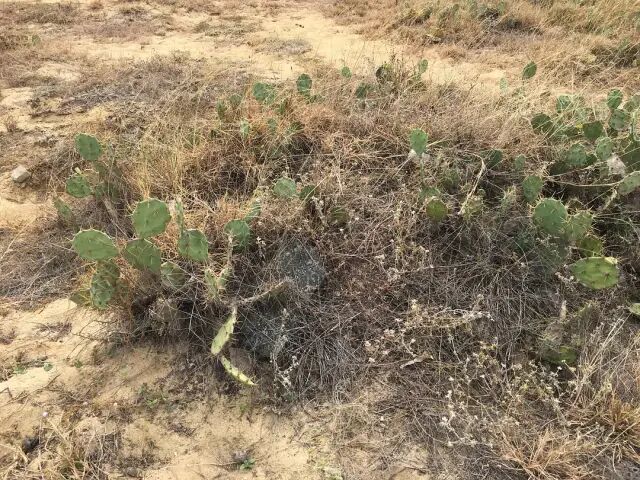
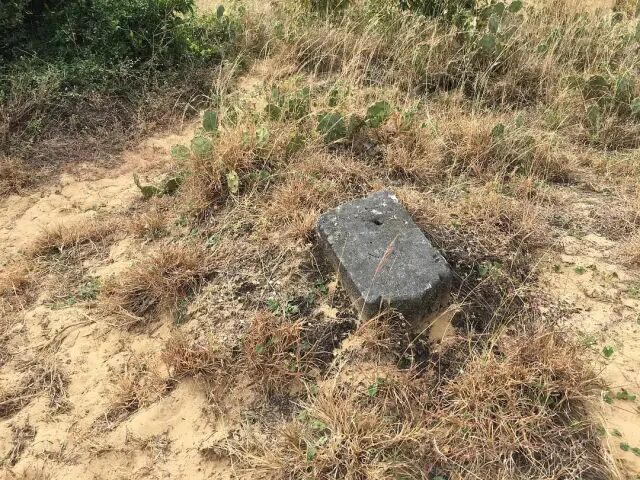
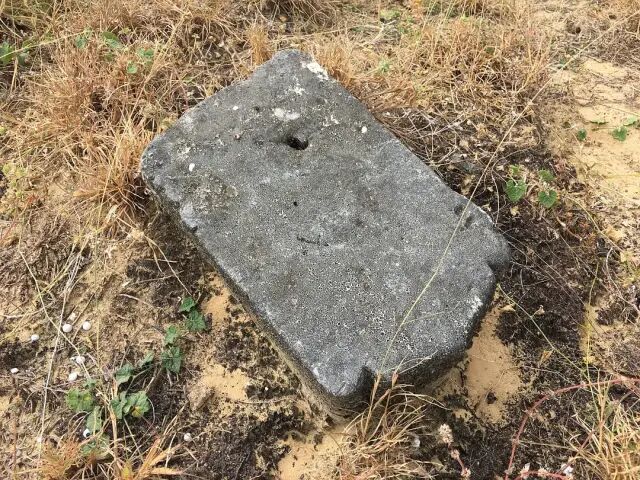
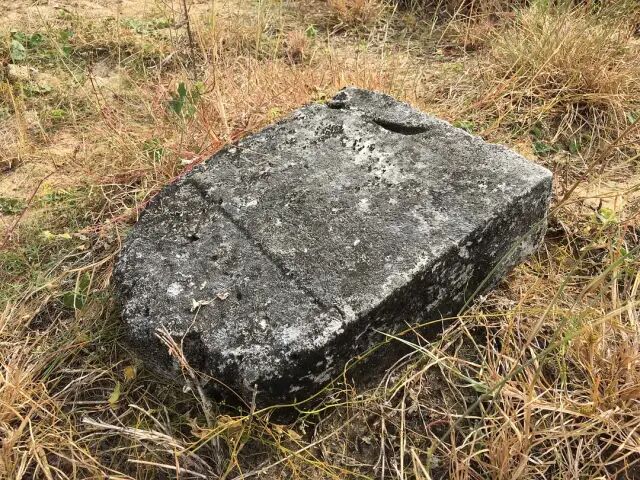
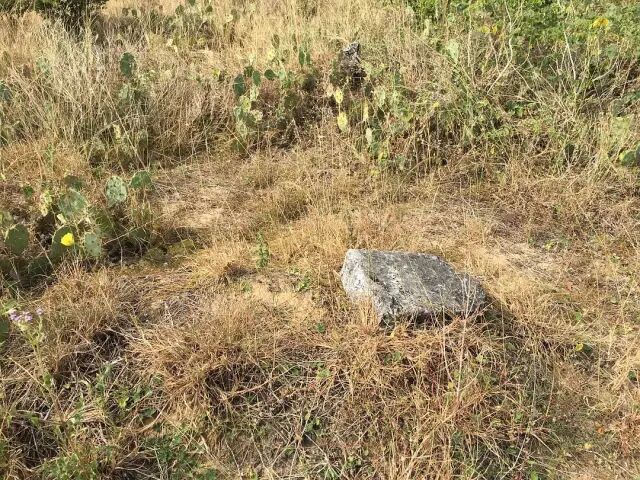
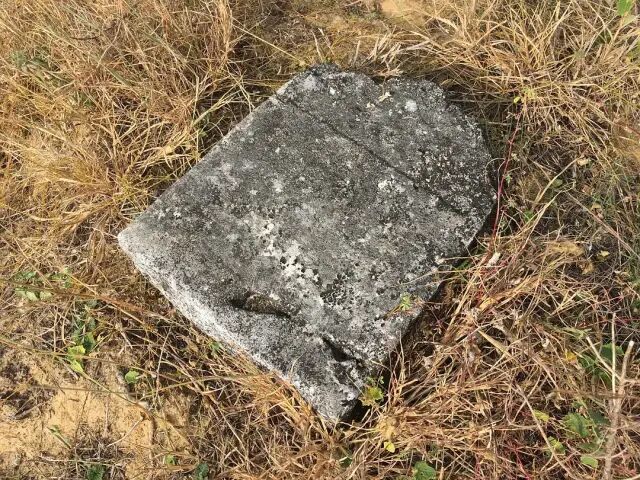
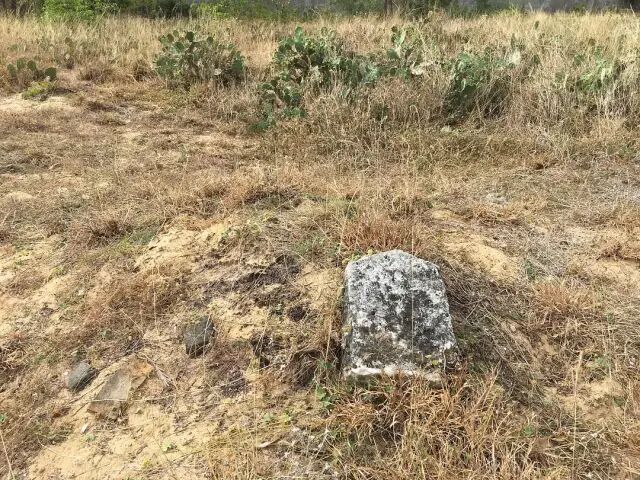
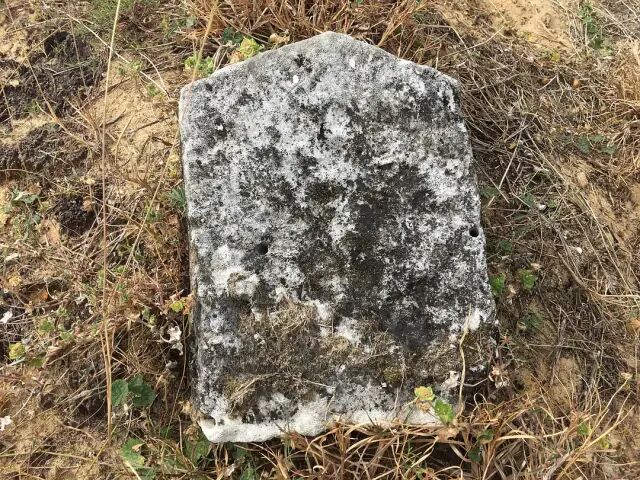
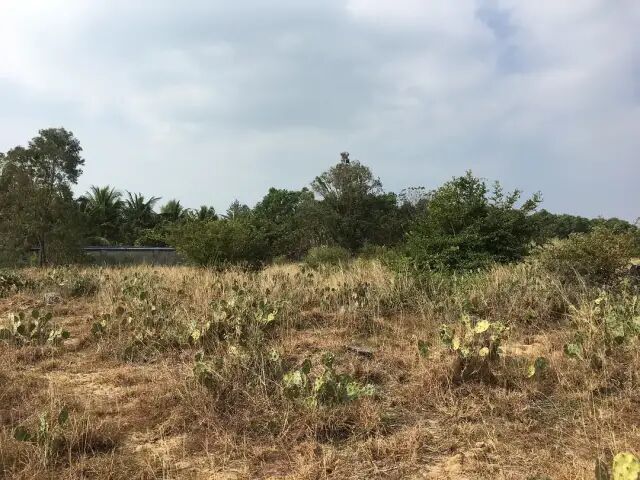
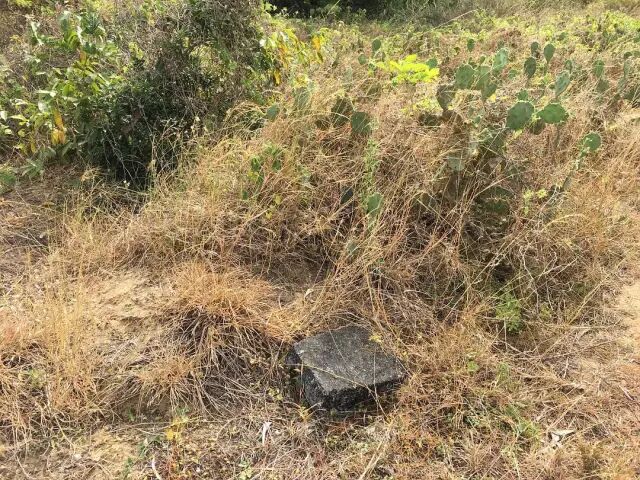
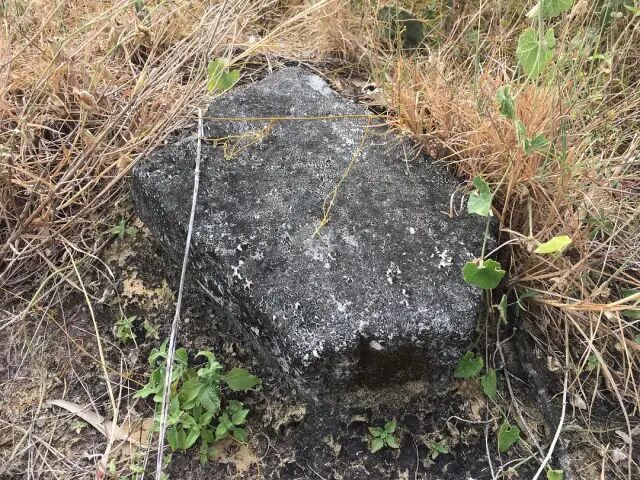
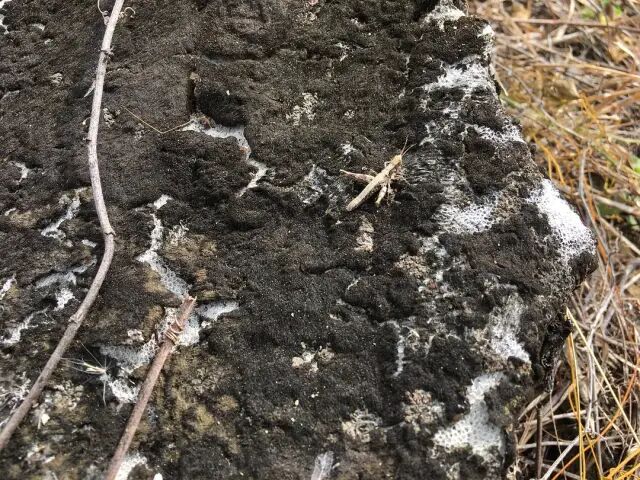
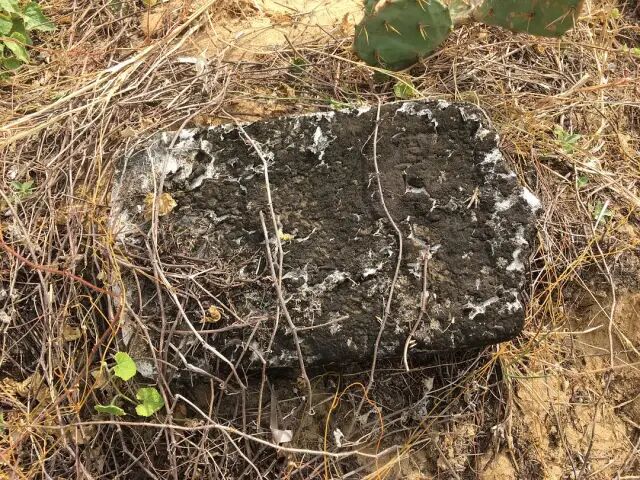
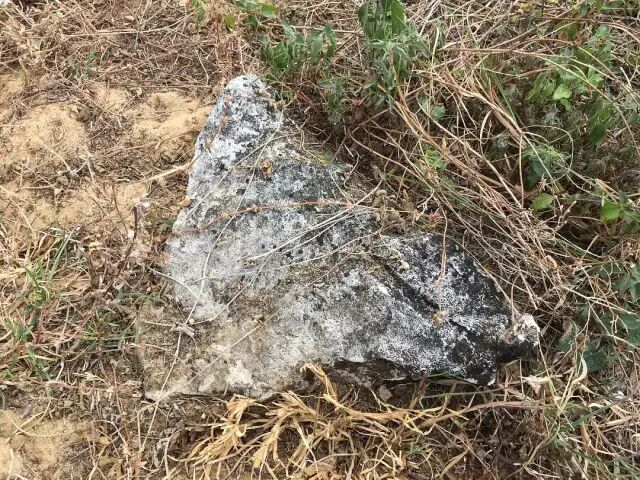
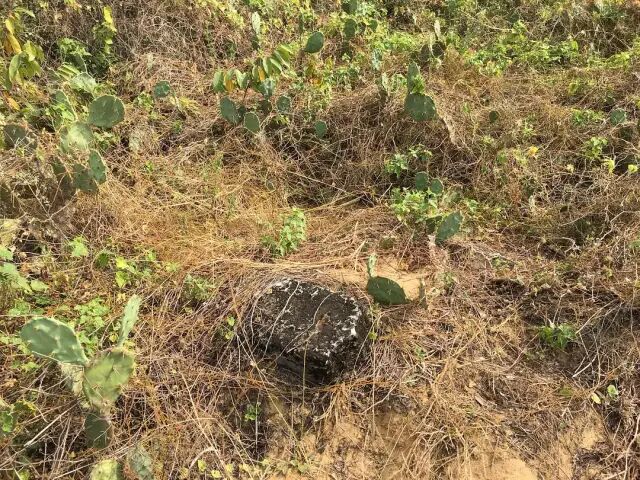
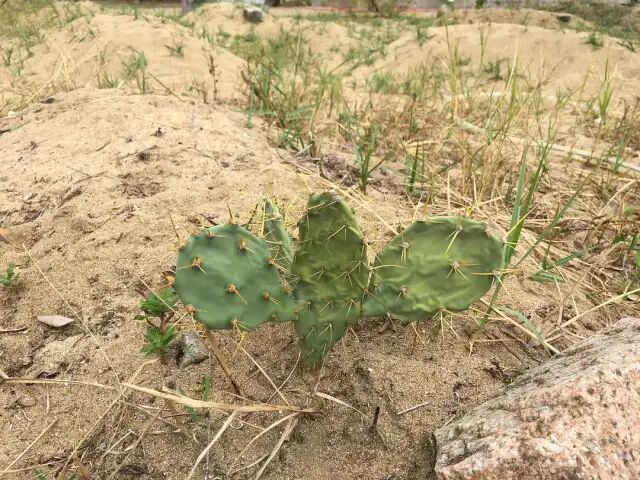
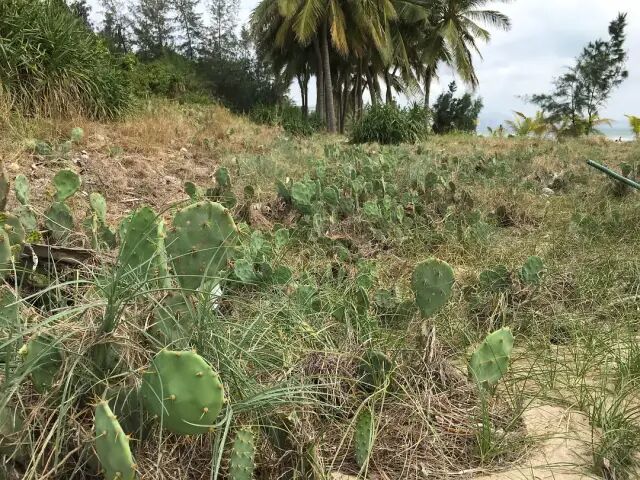
There are many cactuses in the cemetery, and I also saw cactus flowers and fruit.
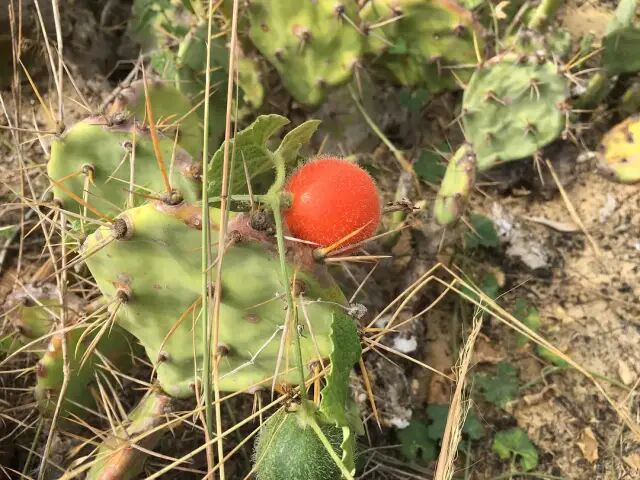
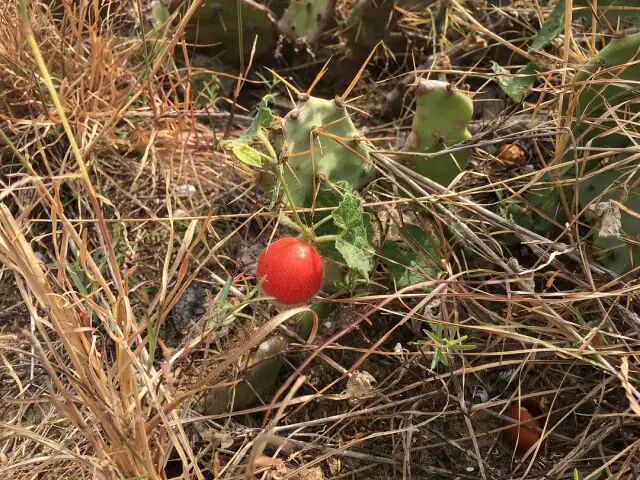
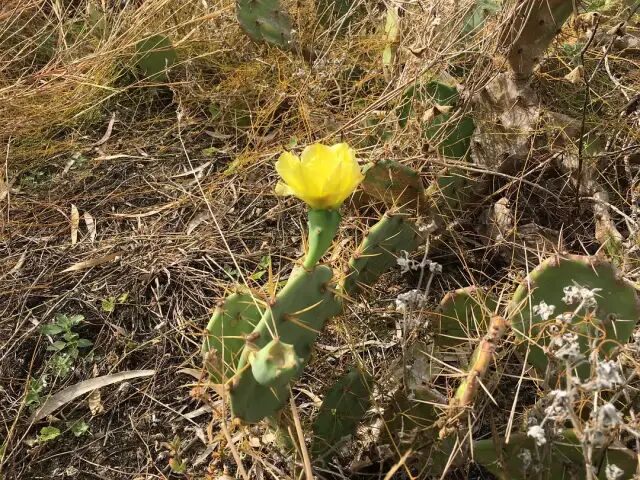
The article The Islamic Ancient Cemetery in Yanglan Town, Sanya Was Destroyed includes photos taken in early 2009. At that time, the ancient cemetery still had many gravestones with patterns and writing. You can see that they were similar to the gravestones in Lingshui, with tree-of-life patterns.
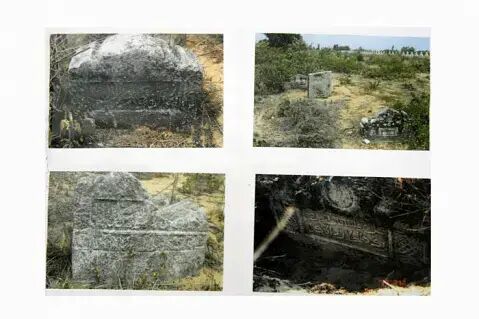
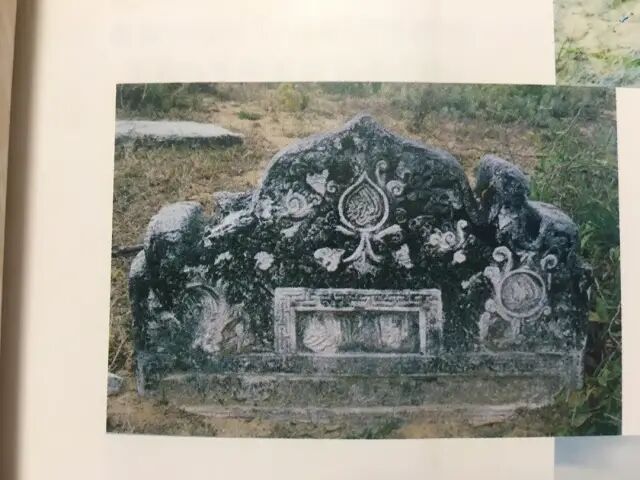
A Muslim gravestone inside the Yanglan ancient cemetery was photographed in the book The History and Culture of the Hui Muslims of Hainan. It is less weathered, and the pattern is also distinctive.
Besides the Yanglan ancient cemetery, there are many Muslim cemeteries on Sanya Bay beach, but most have already been covered by newer graves, so traces of the old graves can no longer be seen.
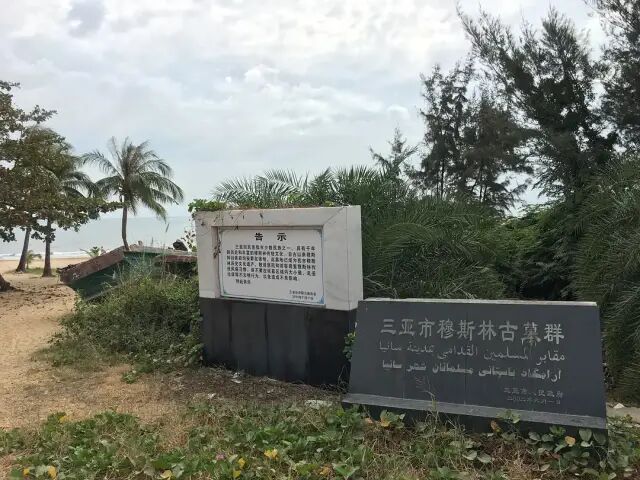
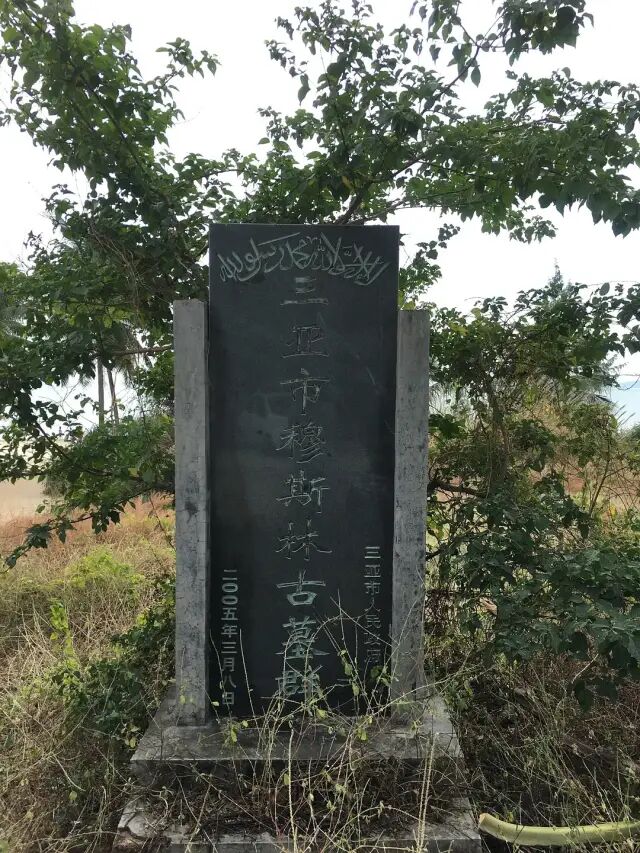
On Sanya Bay Road there is a site called Ancient Tombs of Tianfang Sages. The gate reads late Song and early Yuan, but so far I have not found any historical records about this ancient tomb site.
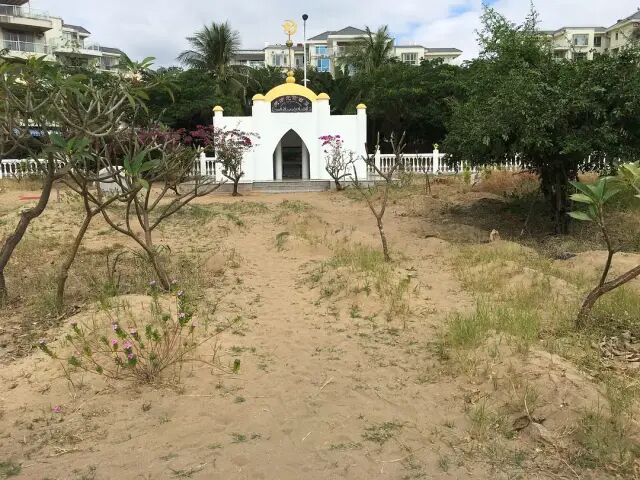
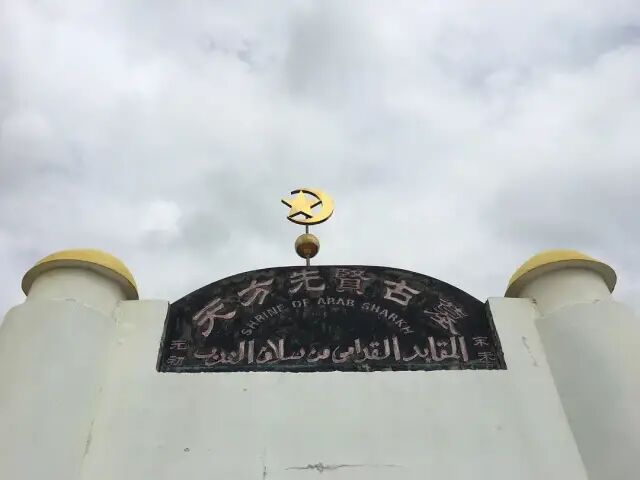
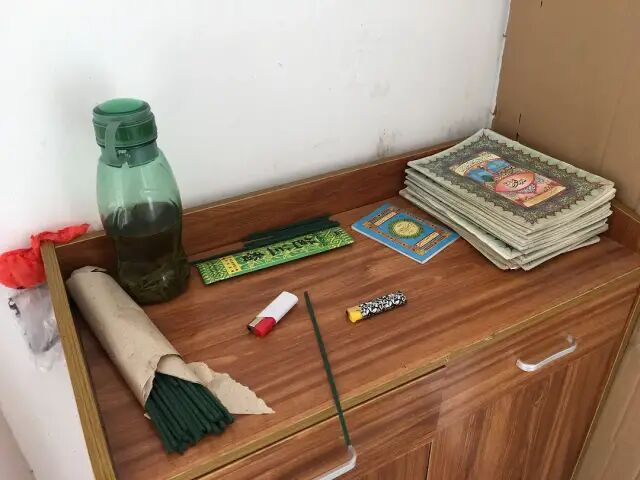
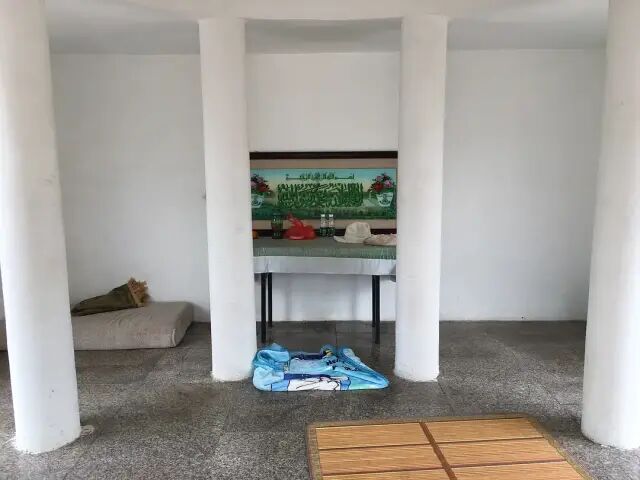
Inside the compound there is a coral-stone gravestone.
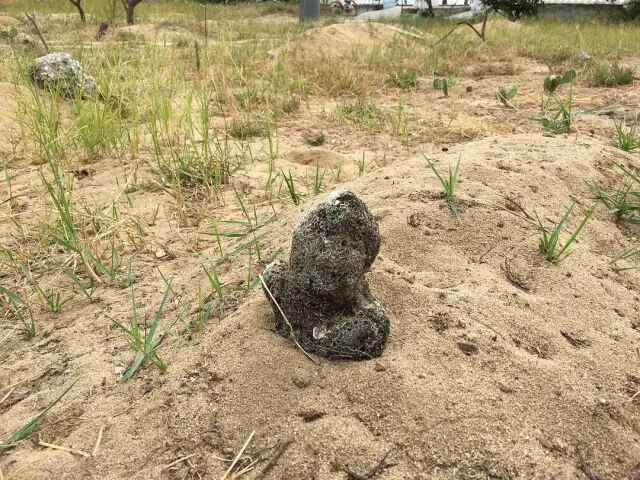
On Sanya Bay beach, there is a one-kilometer-long Muslim ancient cemetery area. Today it is basically a modern and contemporary Muslim cemetery.
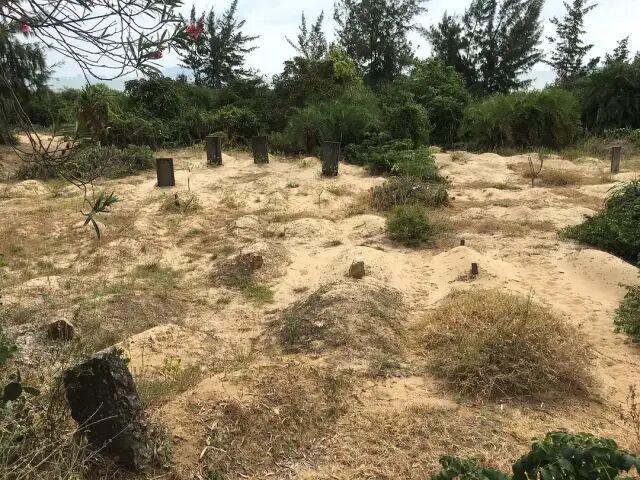
Many graves with paired gravestones can still be seen inside.
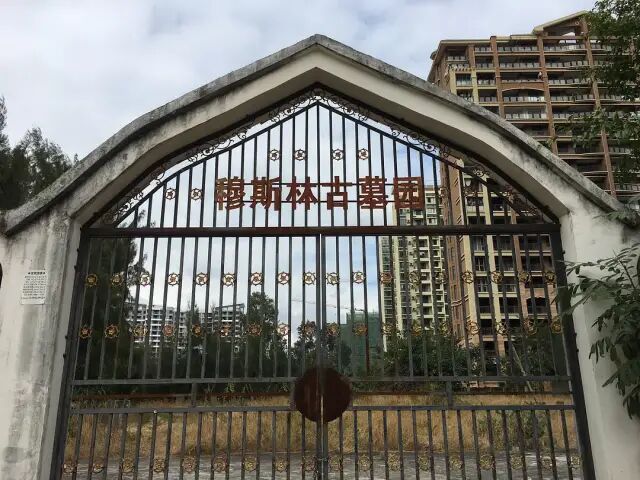
The third site is called the Muslim Ancient Cemetery. It sits at the T-junction of Zhonghai Road and Haitao Road, and most of it is also made up of modern and contemporary Muslim graves.
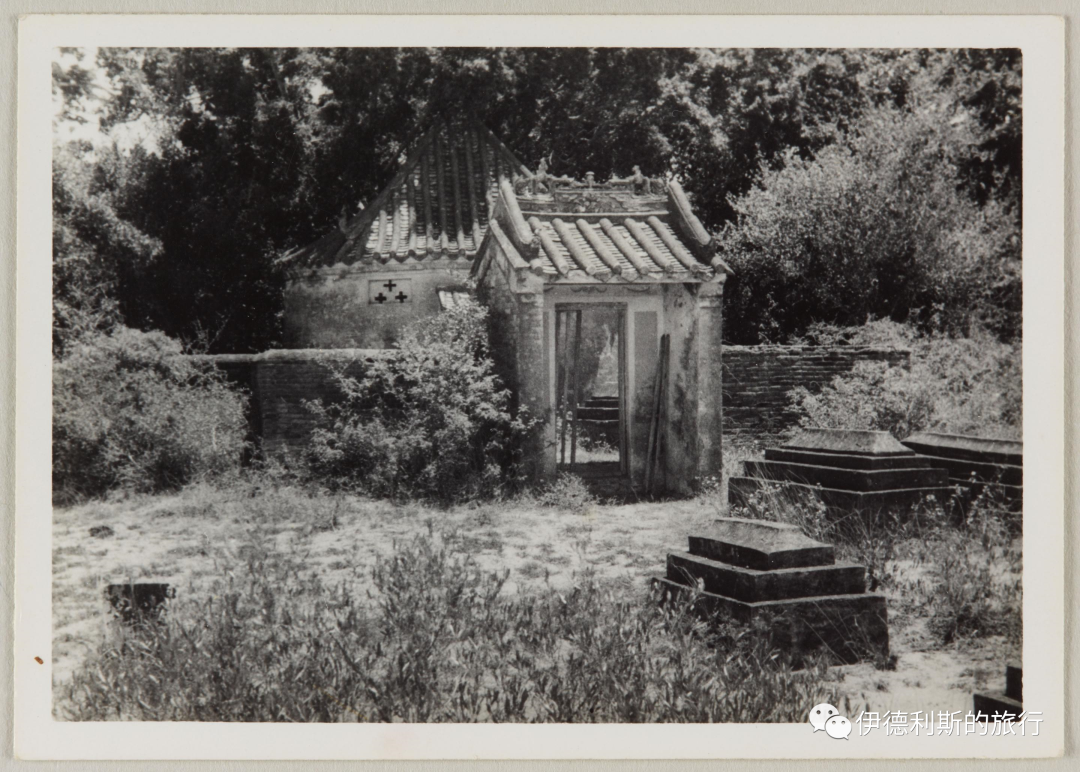
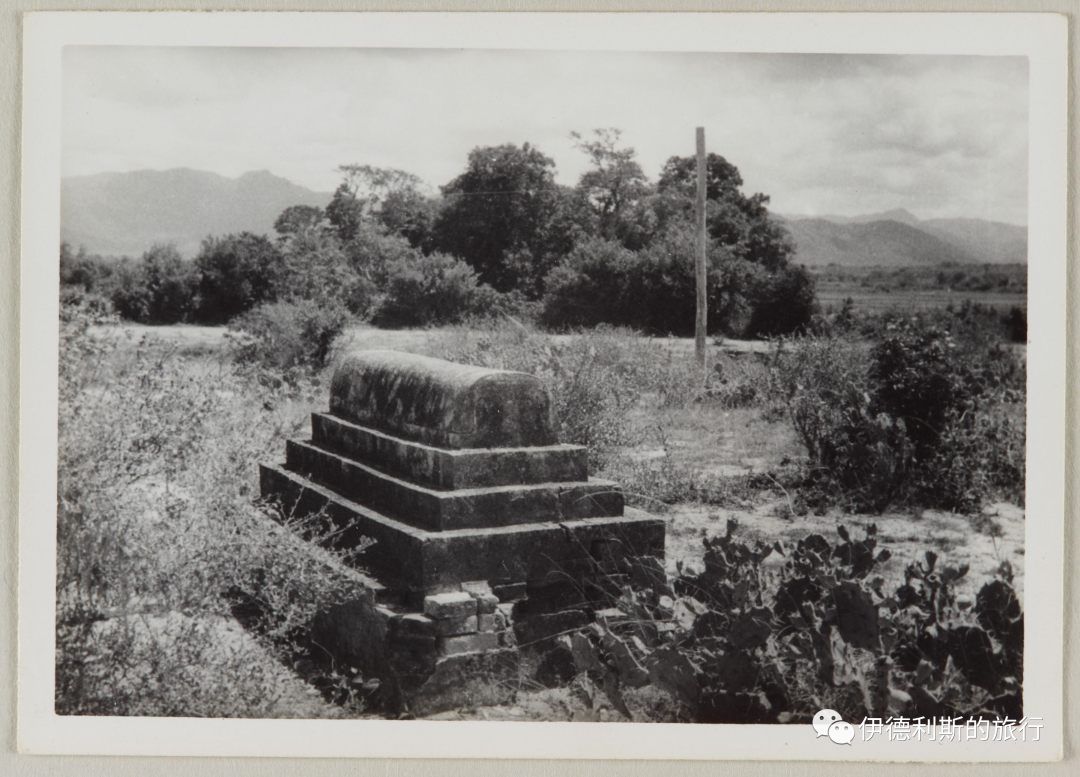
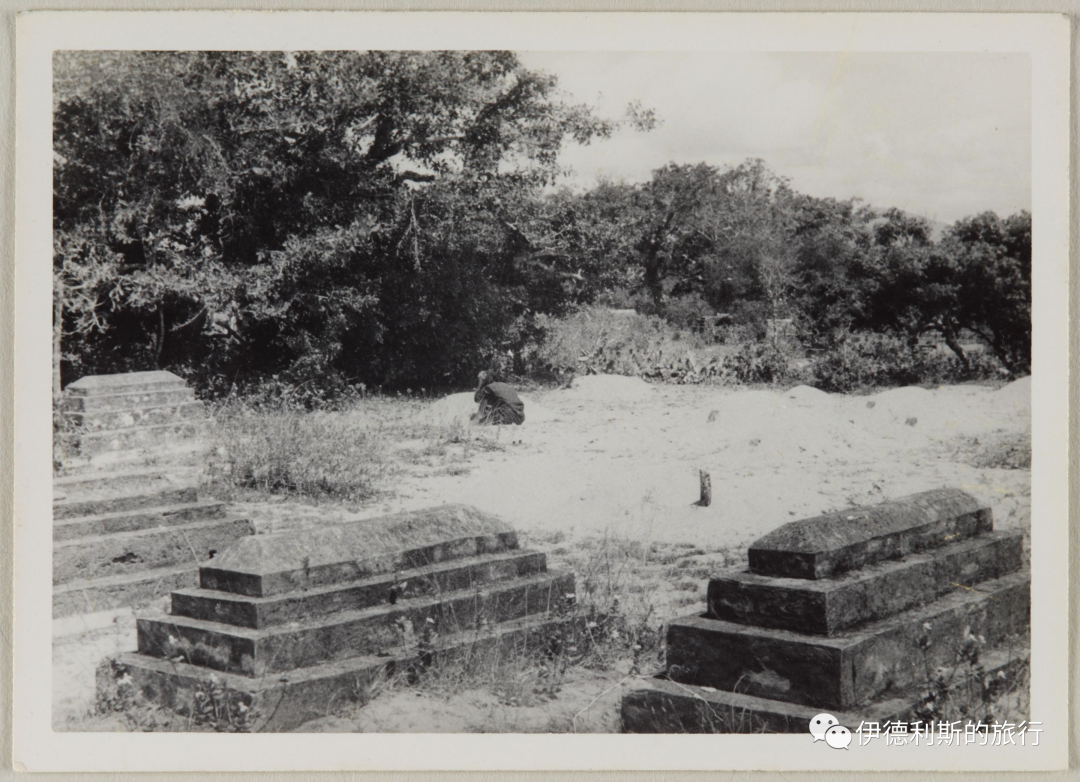
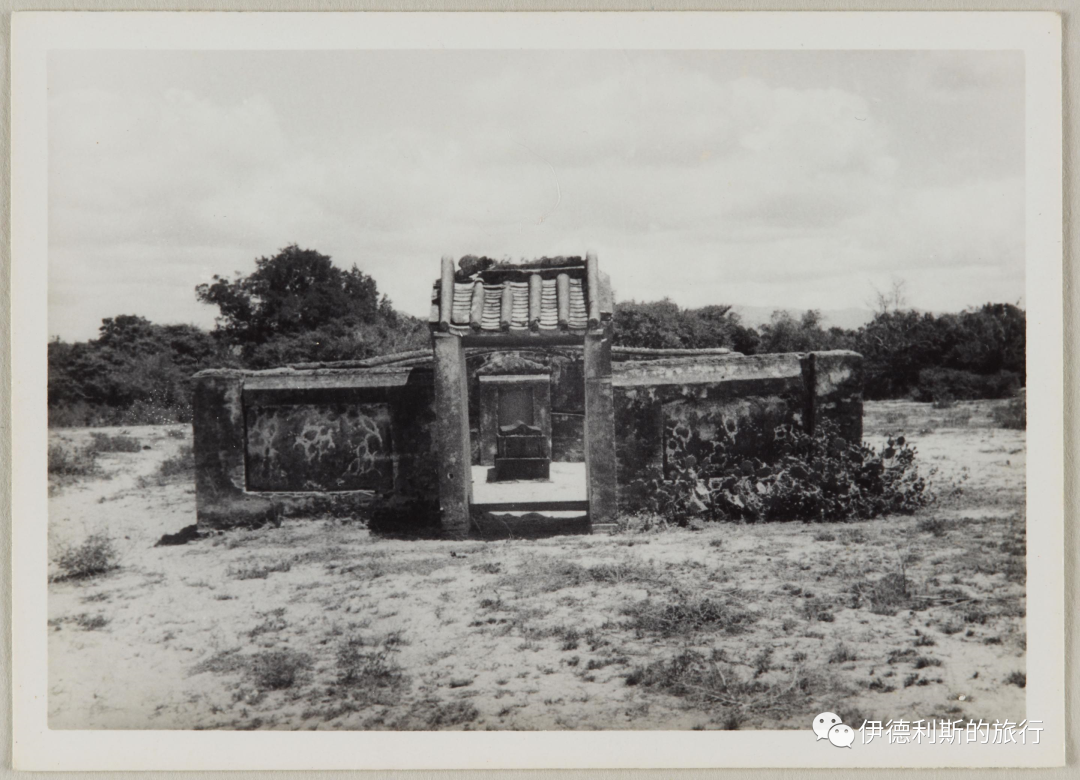
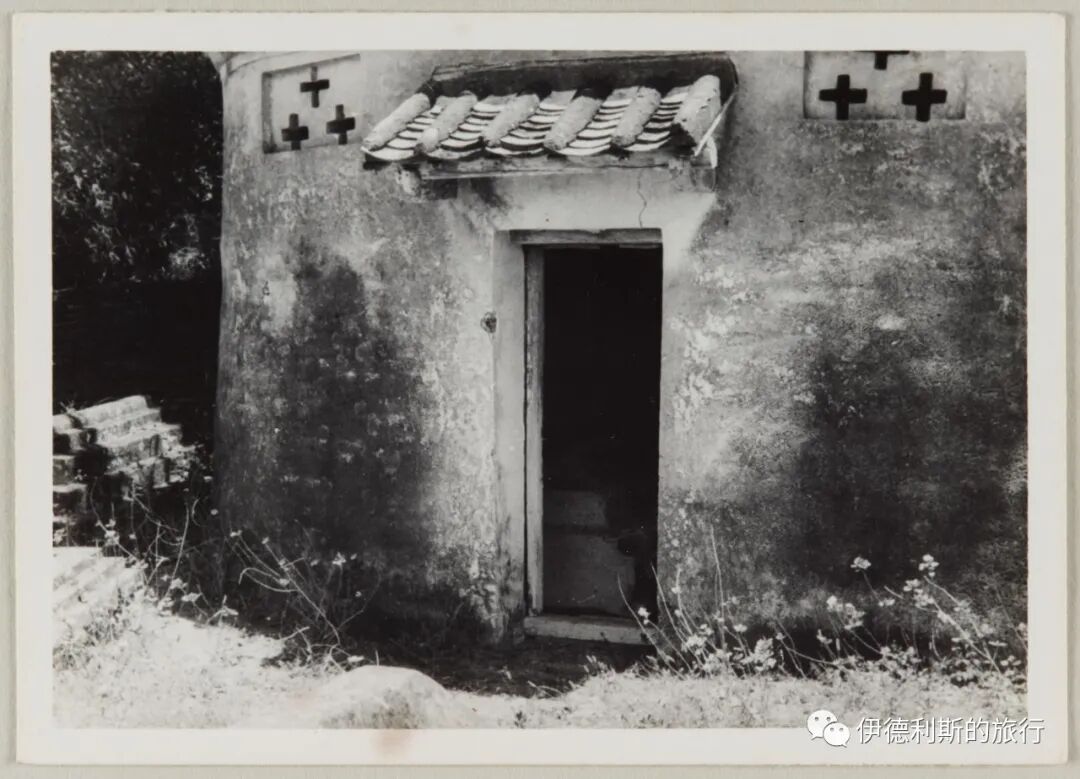
In 1941, Kawahara Shinichiro photographed the Huihui cemetery in Sanya. The photo is held by the Japan Islamic Association.
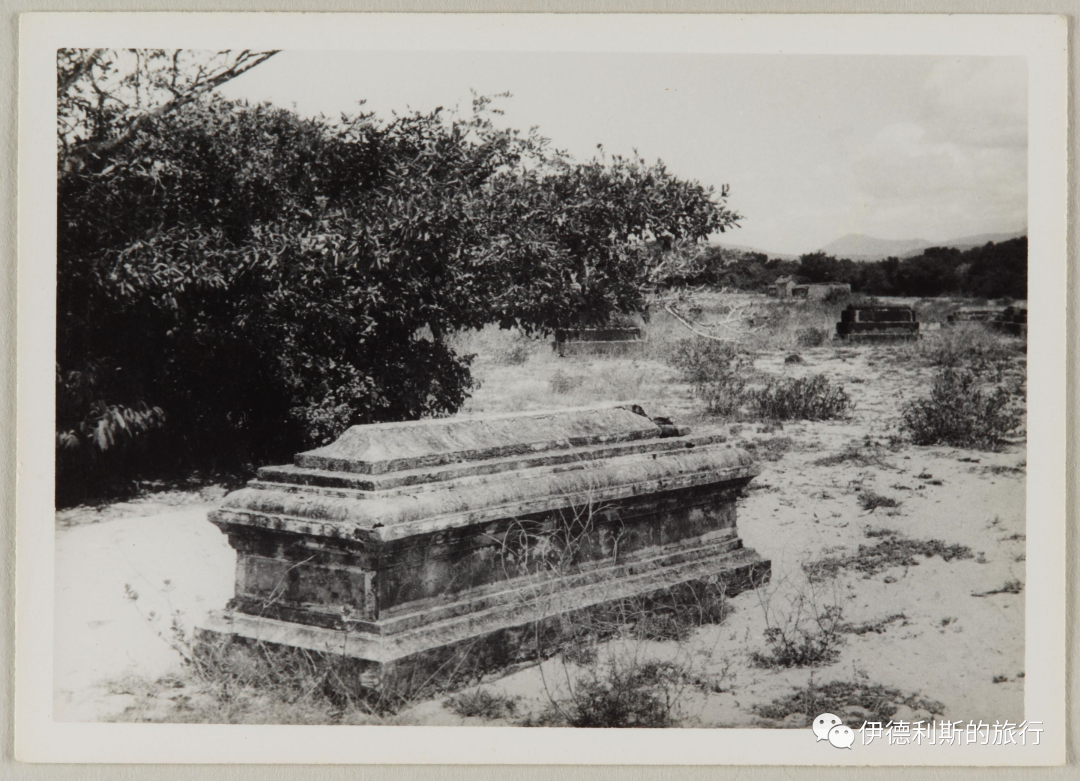
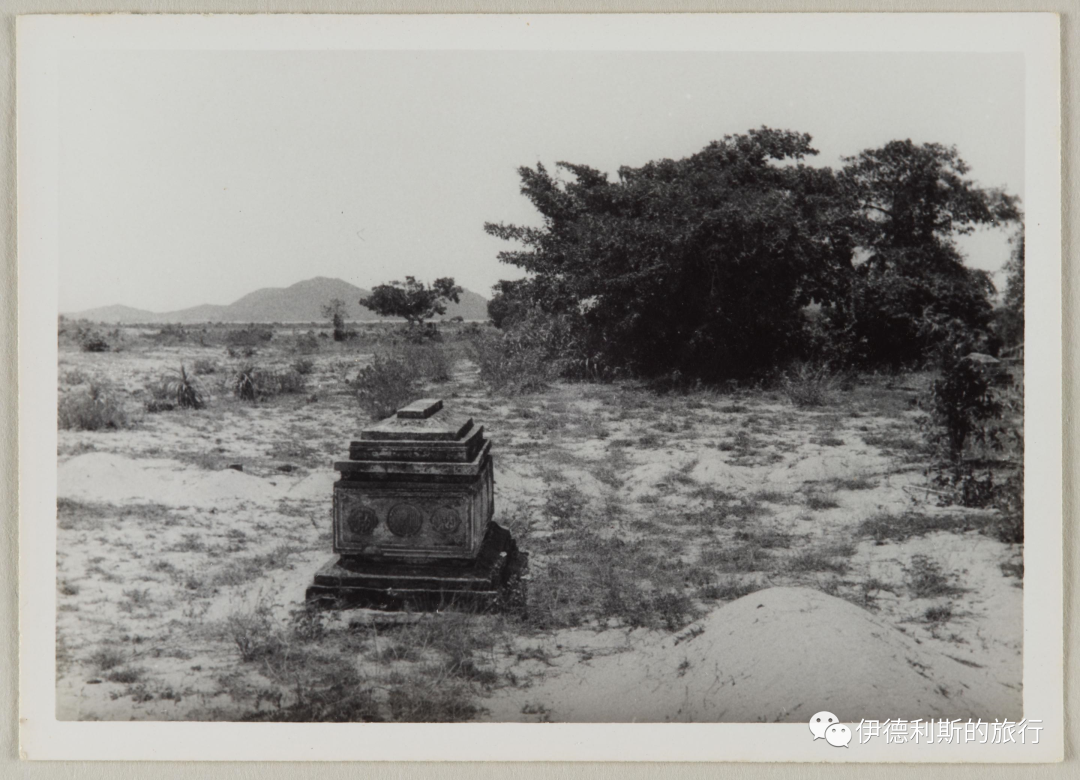
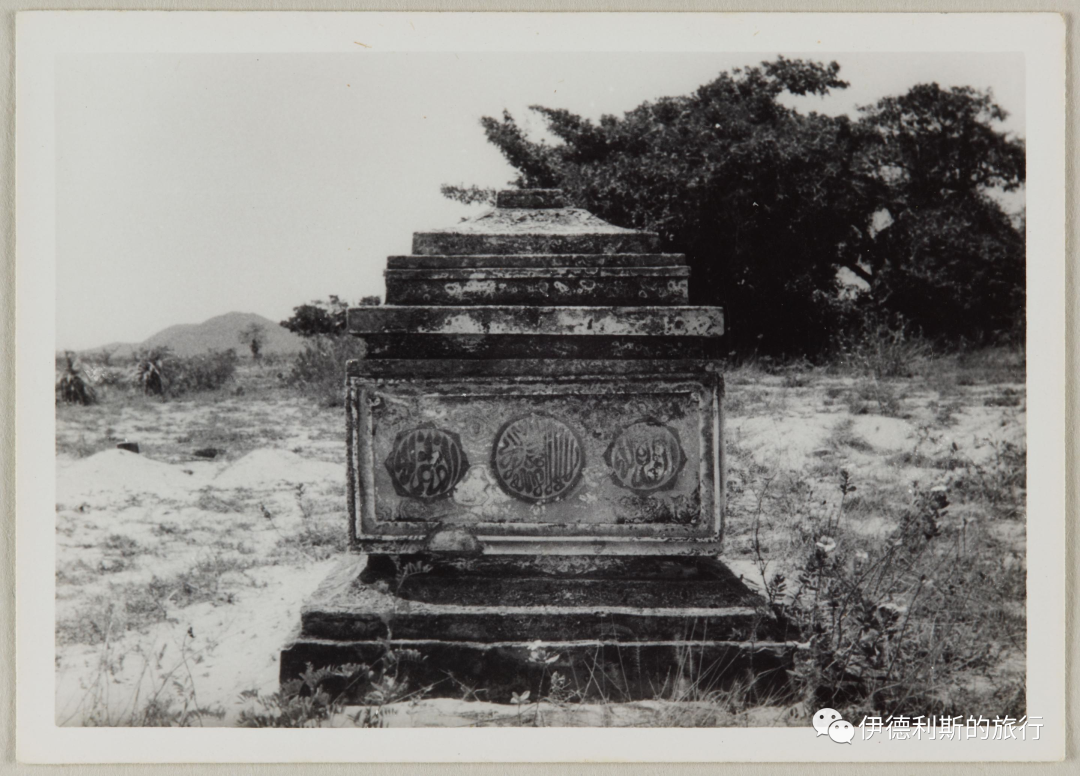
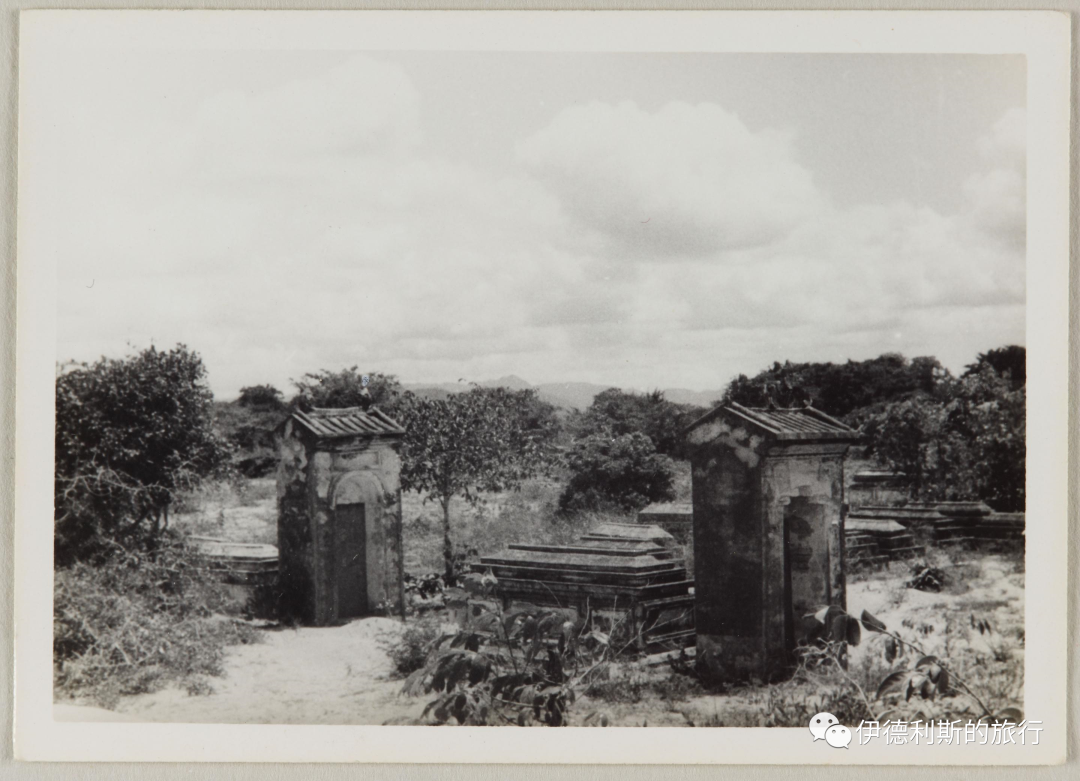
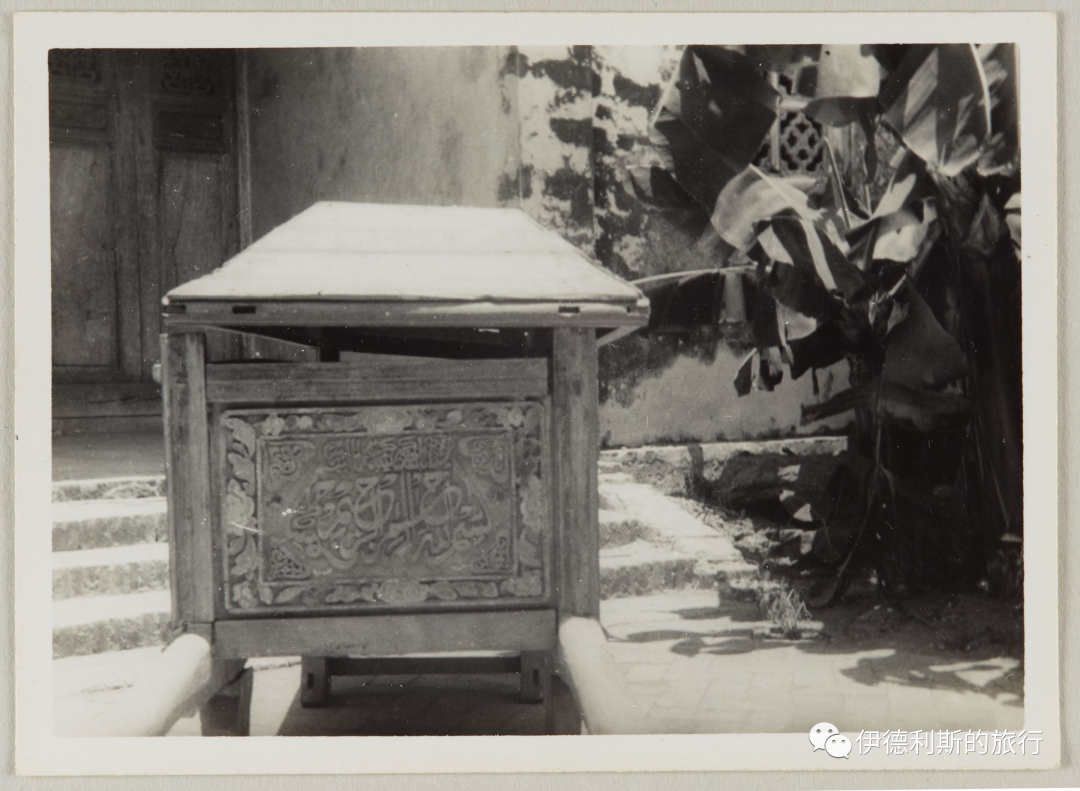
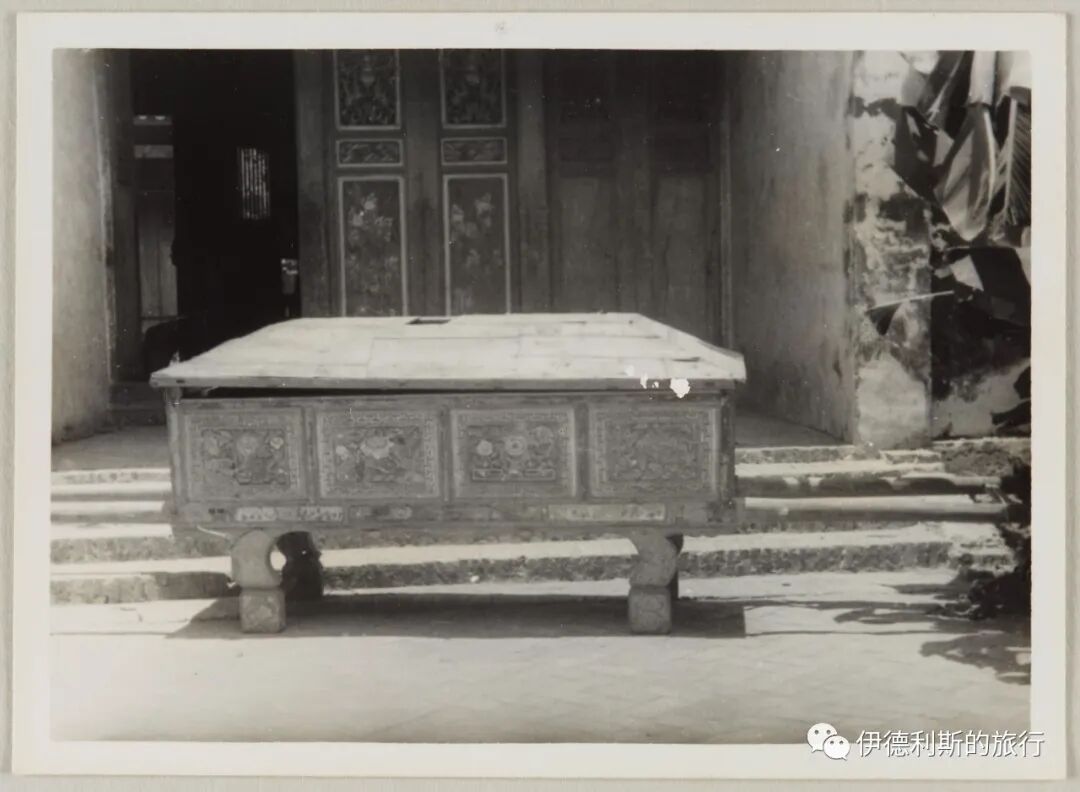
A tabut box used to carry the body for burial.
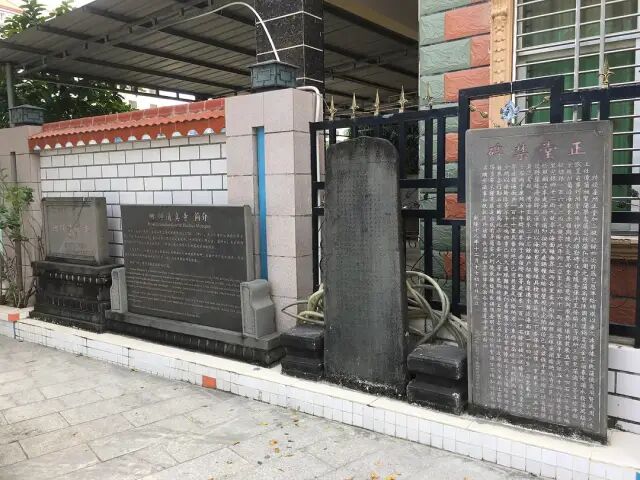
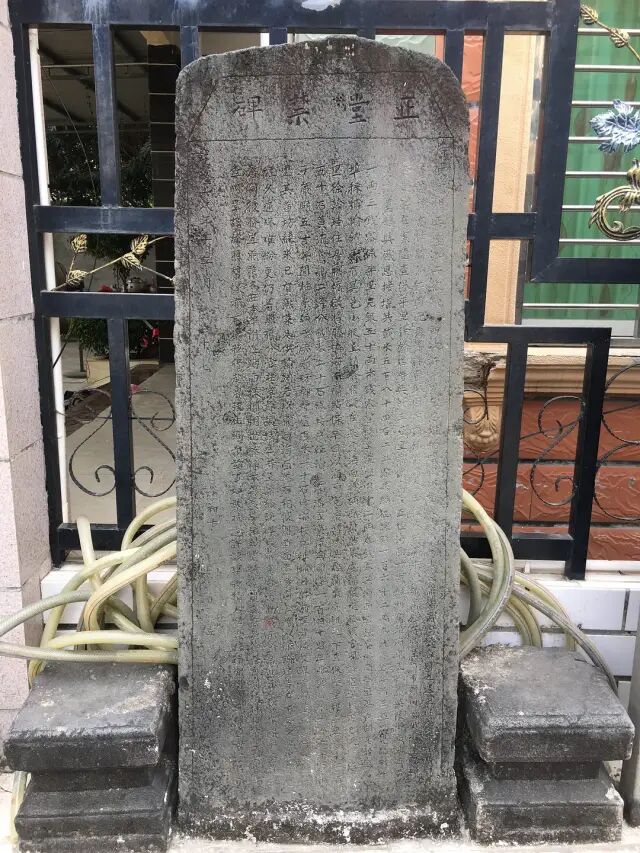
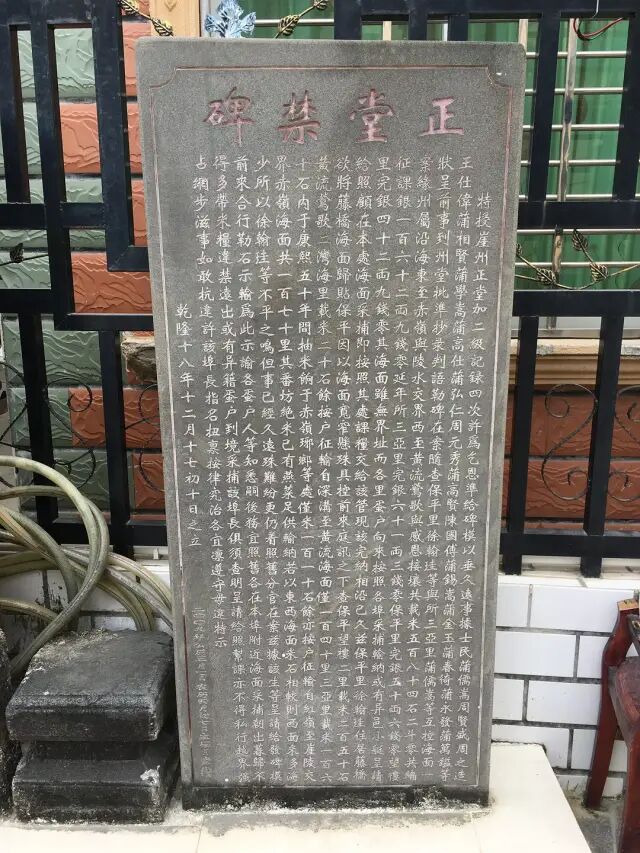
Inside the old mosque in Huihui Village, there is a Prohibition Stele of the Main Hall erected in 1753. It records a dispute between the fanfang of Suo Sanyali and nearby Baopingli over the boundary of fishing grounds, and the magistrate of Yazhou ruled that the original boundary should remain in place.
3. Hainan Muslims Were Registered Under Suo Sanyali
The earliest record of Hainan Muslims moving into Suo Sanyali comes from volume 1380 of the geography section of Gujin Tushu Jicheng, completed in 1706:
The Cham people, between the Song and Yuan periods, brought their families by boat because of unrest and scattered along the coast. They were called fantun and fanpu.
Today they are registered under Suo Sanyali, and they are all of that group. "
Volume 1 of the Guangxu-period Yazhou Gazetteer, in the geography and customs section, gives a more detailed account. It says the Cham Muslims moved from Dadangang and the Suanmeipu coast in Yazhou to Fan Village in Suo Sanyali:
The fan people were originally Cham Muslims. Between the Song and Yuan periods, they brought their families by boat because of unrest and lived scattered along the coasts of Dadangang and Suanmeipu. Later they gathered in Fan Village in Suo Sanyali. "
In 1942, the Japanese Hainan Naval Special Affairs Department commissioned Obata Atsushi, a lecturer at Taihoku Imperial University, to compile History of Hainan Island. Obata came to Hainan Island in 1943 and 1944 to study the Huihui people of Sanya, and in 1976 he published A Study of Huihui Village, a Muslim Village on Hainan Island. In Obata Atsushi s investigation, villagers in Huihui Village in Suo Sanyali said that the Ha and Liu families of the Huihui people moved from Dadan Village in the late Ming and early Qing periods. At that time, many people also moved from Dadangang, Suanmeipu, and Fanrentang in Yazhou to Huihui Village and Liupan. Later, people in Liupan fled bandits and moved again from Liupan to Huihui Village.
During his fieldwork, Obata borrowed Complete Genealogy of Tongtun from Liu Xianzun. Using local memories, he found records saying that the Huihui people of Suo Sanyali had moved from Dadangang, Suanmei Village, and Qiongshan:
The Ha clan mainly traced its founding ancestors to Pu Chengpeng, Pu Chengxiang, Pu Chengxi, Pu Chengfu, and Pu Chengrui. Ha Bingzhong, who helped Obata with the investigation, was a seventh-generation descendant of Pu Chengpeng and was born in 1871. According to Ha Bingzhong, Pu Chengpeng s father came from Shaanxi to Guangta Street in Guangzhou, then moved with his whole family to Dadangang in Yazhou, Hainan, and finally moved again to Huihui Village in Suo Sanyali.
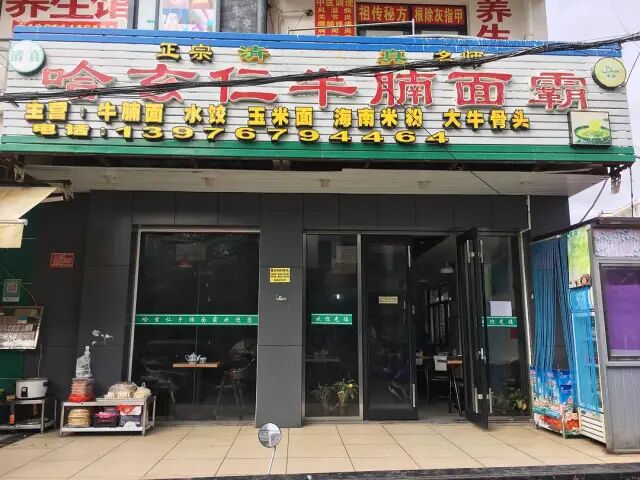
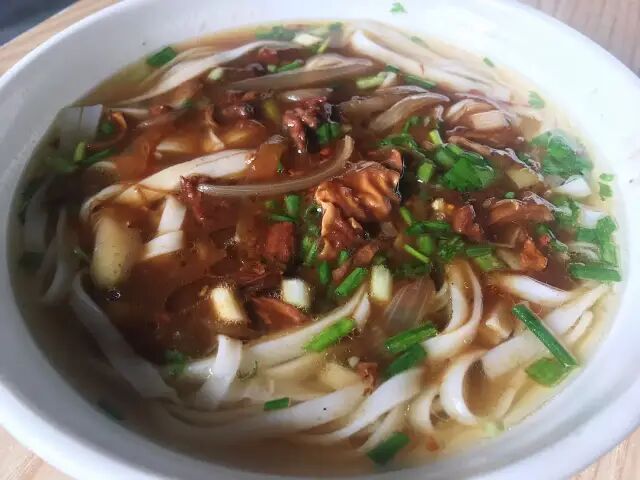
The descendants of the Ha family run a noodle shop in Sanya s Huihui Village, and I ate beef brisket noodles there.
Pu Fengsha moved here from Suanmei Village, and that line continued for four generations.
Lin Fengqing was born in 1907. His grandfather Lin Decheng and Lin Changyun, who was born in 1882, moved here from Qiongshan.
Local people also said that some people from Fan Village in Wanzhou moved to Suo Sanyali in the mid-19th century.
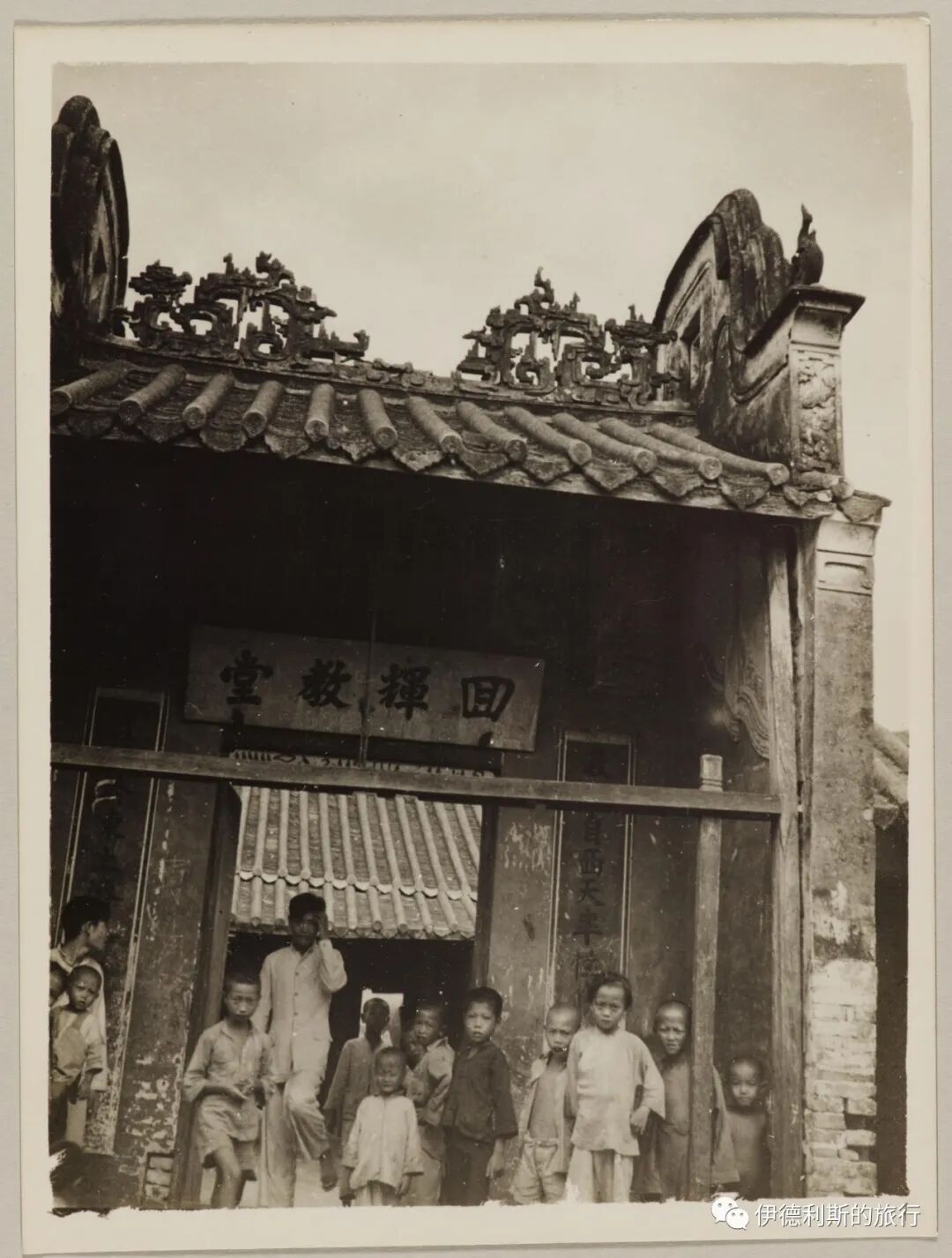
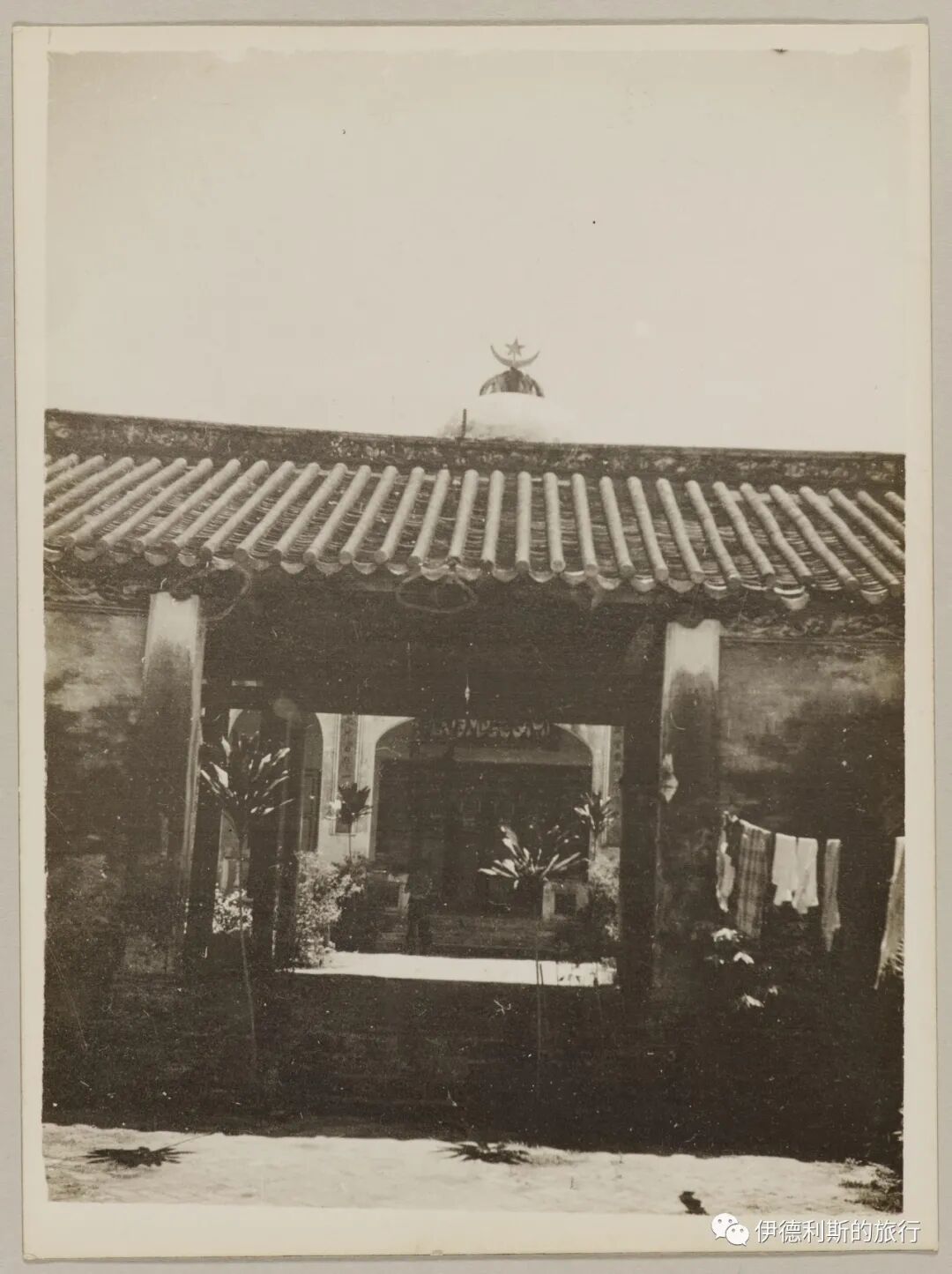
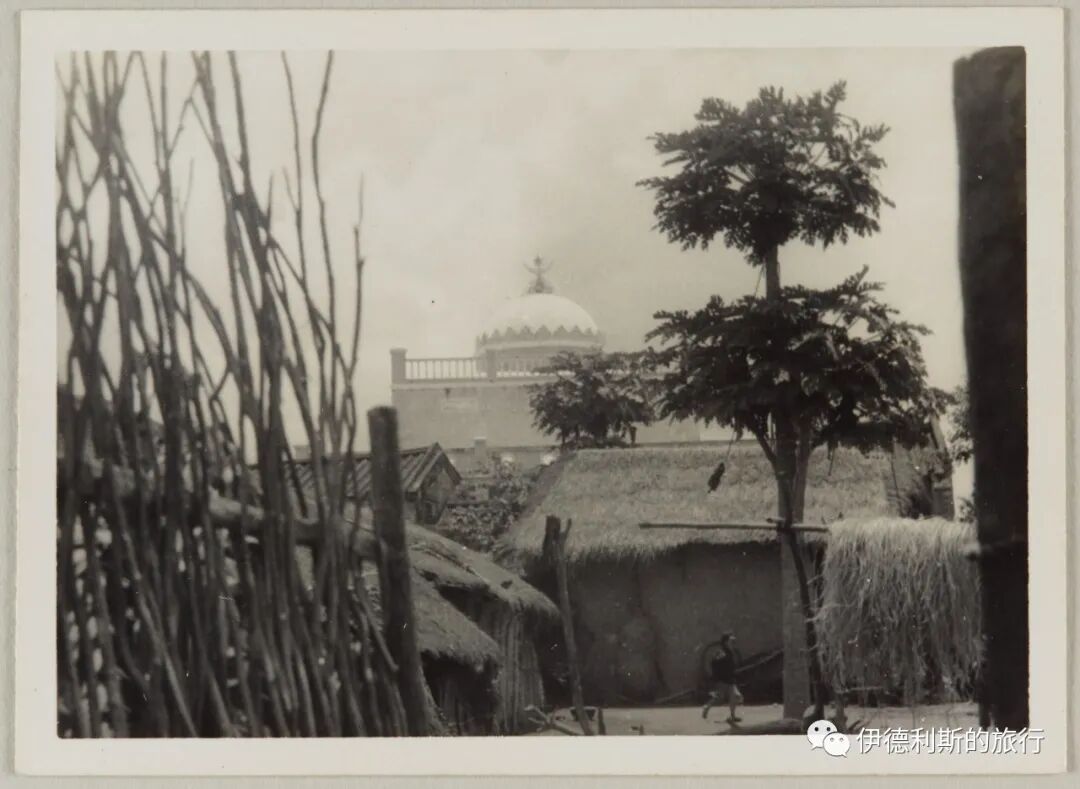
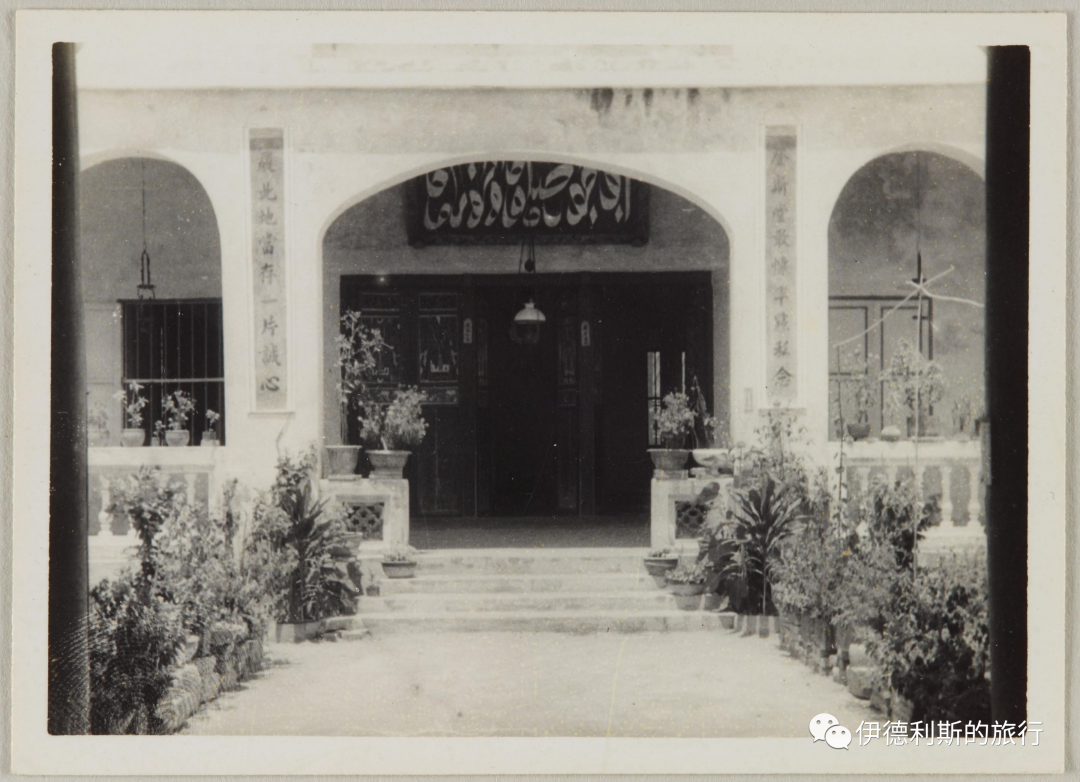
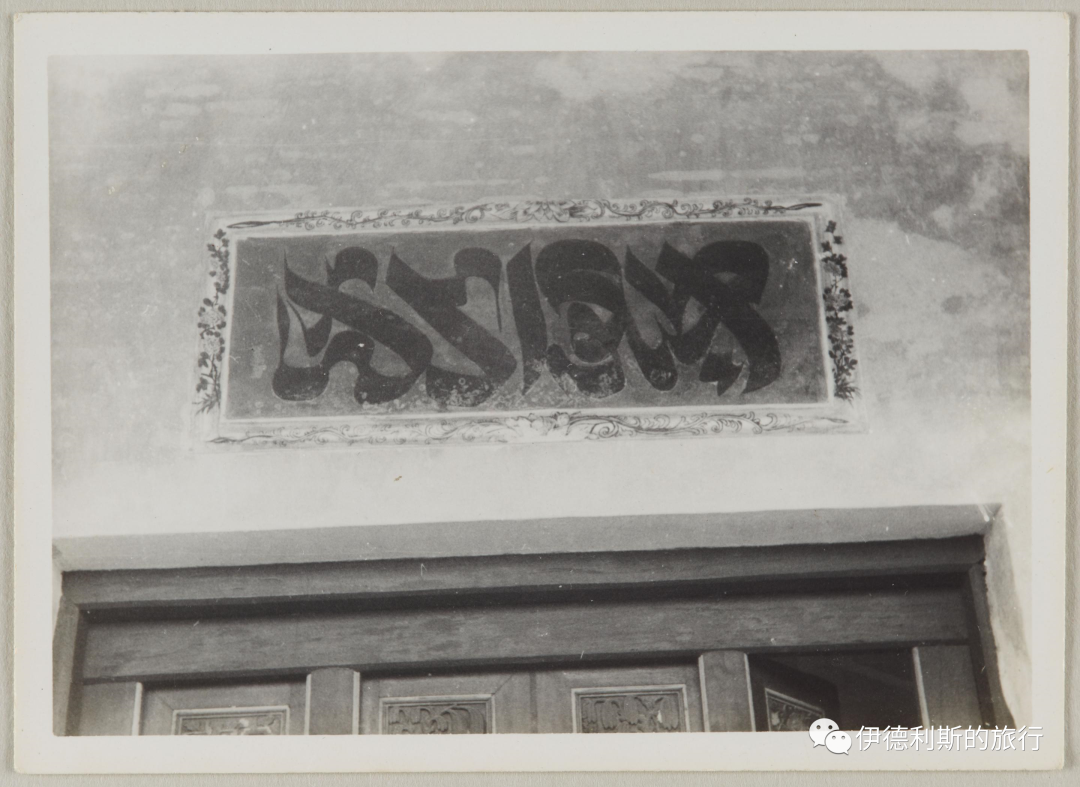
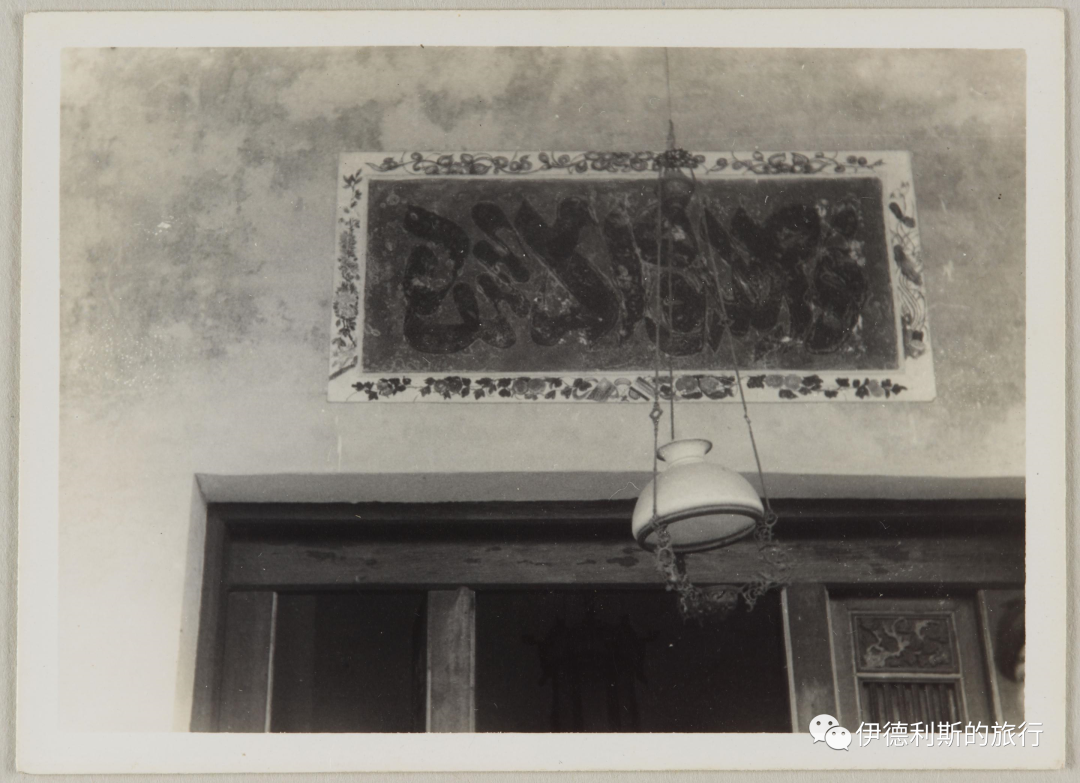
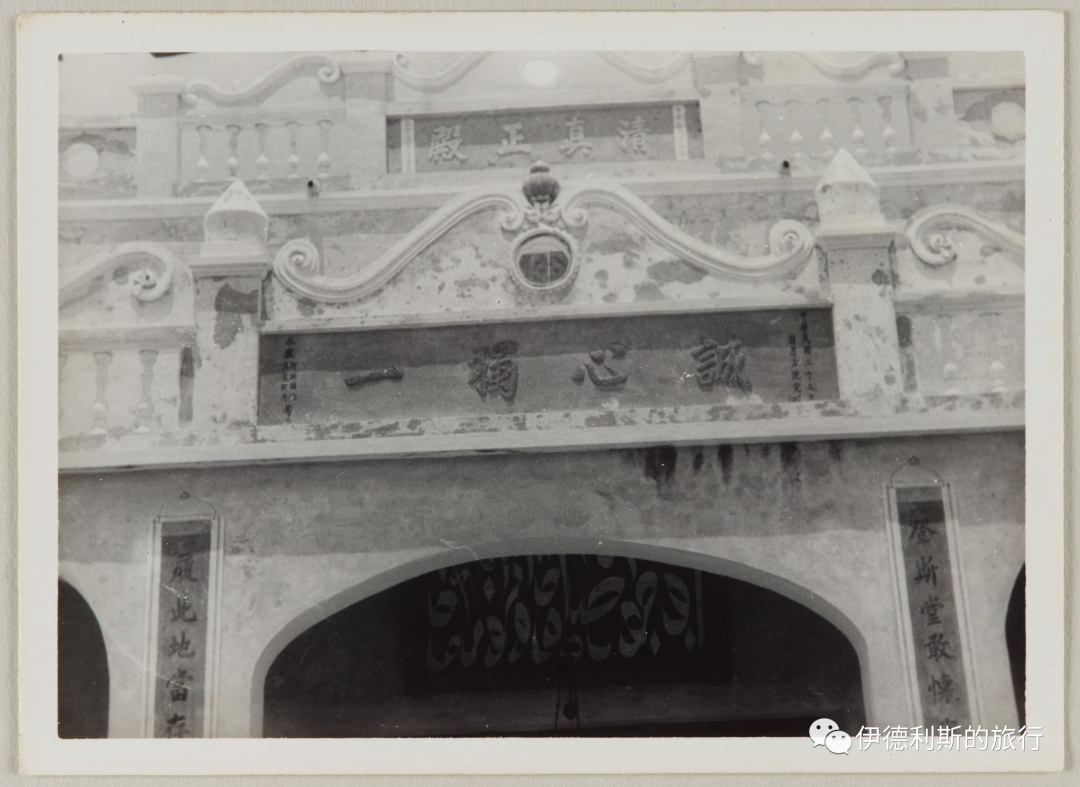
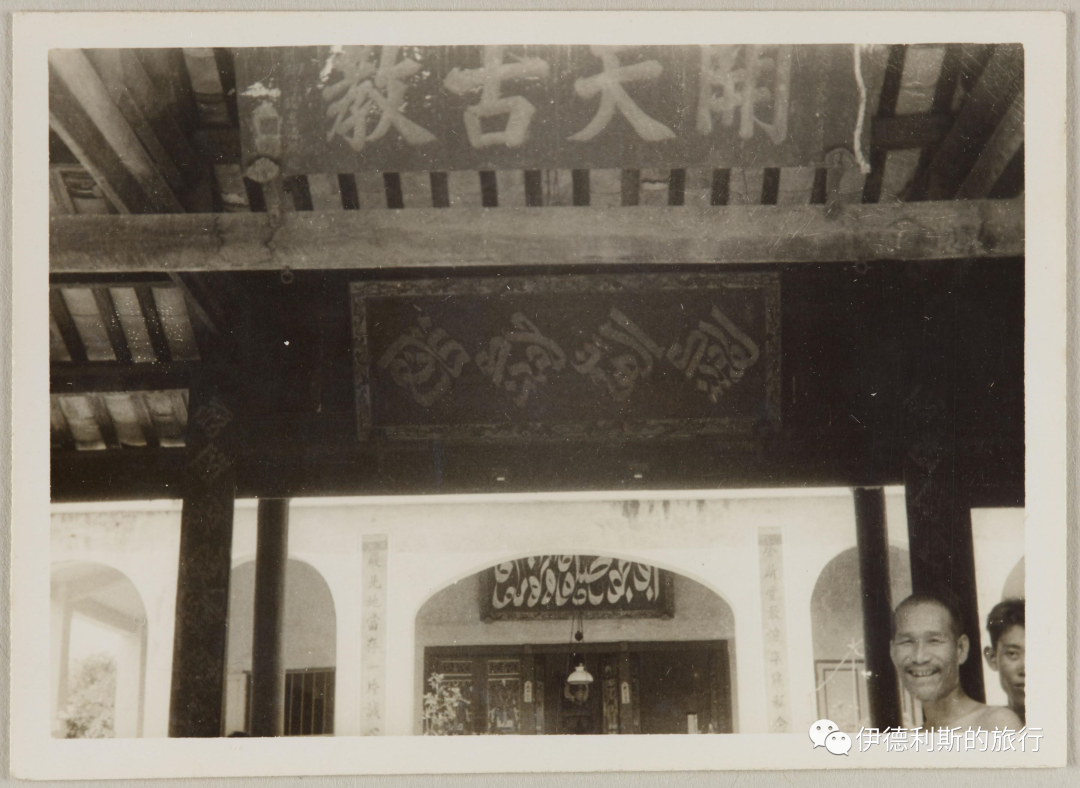
In 1941, Kawahara Shinichiro photographed the Huihui Mosque in Sanya. The photo is held by the Japan Islamic Association.
Five: Huihui Speech, the Only Austronesian Language on Hainan Island
The Huihui speech used by the Huihui people, known as the Tsat language, is now classified under the Austronesian family, the Malayo-Polynesian branch, and the Chamic branch. It is most closely related to Roglai in southern Vietnam, but it is also one of the most unusual Chamic languages because it contains many Sino-Tibetan elements.
When the Huihui people first entered Hainan, the language they used was probably close to early Cham. But as they had close contact with surrounding Chinese-speaking groups, Huihui speech kept changing. Its grammar moved closer to Chinese, its Chinese vocabulary grew sharply, and it developed a monosyllabic, multi-tone system not found in Austronesian languages.
1. Sound Changes in Huihui Speech
According to Professor Zheng Yiqing s book A Study of Huihui Speech, Huihui speech shares many elements and sound correspondences with present-day Chamic languages. Professor Zheng compared Huihui speech with Rade, a Chamic language spoken in the mountains of southern Vietnam. Of the 19 initials in Huihui speech, 11 are basically the same as Rade, and the other eight show clear correspondences.
At the same time, the sounds of Huihui speech are much simpler than Rade. Consonant clusters and some initials disappeared. The seven Rade initials ph, b, bh, br, bl, mr, and ml were simplified into ph in Huihui speech. The six Rade initials kh, g, gh, gr, kl, and dl were simplified into kh, and most Rade final sounds -h, -p, -t, and -k disappeared in Huihui speech.
In Huihui speech, most prefixes that early Cham added before word stems to distinguish meaning disappeared, and most two-syllable words became one-syllable words. In response, Huihui speech developed a tone system that can distinguish meaning, something other Chamic languages do not have. Huihui speech has seven tones. One is used only for Cham words and words unique to Huihui speech, and one is used only for Chinese words.
According to Professor Zheng Yiqing, the loss of final sounds and the development of tones in Huihui speech were partly caused by its own internal changes and partly influenced by Southwestern Mandarin.
2. Cham Vocabulary in Huihui Speech
According to Professor Zheng Yiqing, Huihui speech and Rade share about 40 to 50 percent of their vocabulary, and the share rises to about 60 percent for common words. Most of these shared words are basic vocabulary, because basic vocabulary changes very slowly.
Among 95 words related to animals and plants, Huihui speech and Rade share 42 words, including cattle, water buffalo, cow, horse, sheep, dog, cat, monkey, hedgehog, rabbit, squirrel, mouse, chicken, hen, bird, crow, gecko, snake, insect, shrimp, crab, fish, tail, wing, hair, horn, and claw. There are also more than a dozen words shared by Huihui speech, Rade, early Cham, Proto-Austronesian, Li, and Zhuang. They should be common vocabulary shared by the Chamic and Kra-Dai branches, including cotton, below, sesame, eye, nose, chin, shoulder, laugh, fly, I, and this.
Morris Swadesh, the founder of glottochronology, proposed the Swadesh list of core vocabulary in the 1940s and 1950s. It first included 200 basic words and was later narrowed to 100. By using the Swadesh list to calculate the rate of vocabulary difference between two languages, researchers can estimate roughly when the two languages separated. Using the Swadesh core vocabulary list, Professor Zheng Yiqing concluded that Huihui speech and Rade separated about 1,000 years ago.
Six: The Sanya Huihui People in Molecular Anthropology
In 2013, the biology teaching and research office of Hainan Medical University and the State Key Laboratory of Genetic Engineering at the School of Life Sciences of Fudan University, together with the Ministry of Education Key Laboratory of Contemporary Anthropology, published Reconstructing the Genetic History of the Huihui People: Native Hainan Components Replaced the Genetic Lineages of Cham Exiles. The paper made an important discovery about the origins of the Sanya Huihui people.
1. Paternal Y-Chromosome DNA Research
This study typed the Y chromosomes and maternal mitochondrial mtDNA of 102 Sanya Huihui samples with no traceable kinship within five generations. Among 72 Y-chromosome haplogroups from Sanya Huihui people, the O1a*-M119 type made up more than 60 percent, while it appeared only at very low frequency among Cham people. The O2a1* and O2a1a types, which are dominant among Cham people, made up only 4.17 percent among the Huihui people.
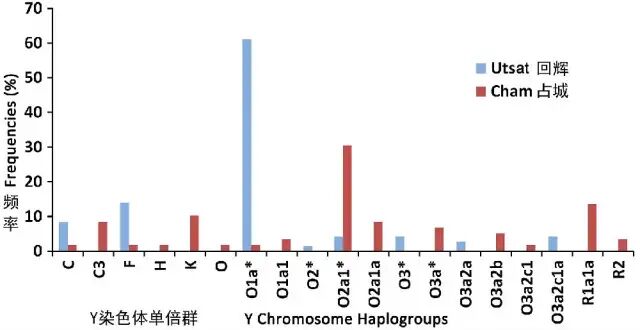
Y-chromosome haplogroup frequencies of Huihui people and Cham people.
A principal component analysis comparing the Y-chromosome haplogroups of Huihui people, Cham people, and other East Asian populations found that Huihui people are closer to native Hainan groups and to the Dong and Sui peoples of southern China, and far from Cham people.
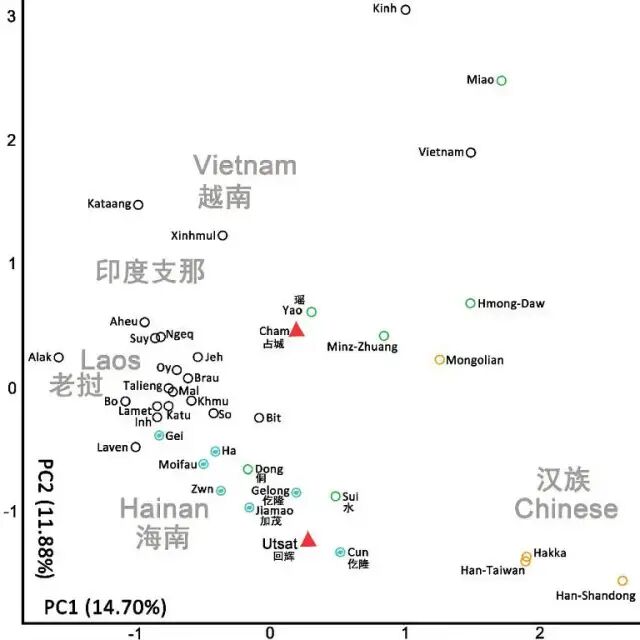
Principal component analysis chart of Y-chromosome haplogroups from 44 populations.
The study then analyzed the O1a*-M119 type, the main type among Huihui people. Using six STR haplotypes inside O1a*-M119, the researchers built a median-joining network. It showed that native Hainan groups had already become isolated from other Dong-Tai populations in southern China and from Taiwan Indigenous peoples, while almost all Huihui samples clustered within the isolated native Hainan branch. Samples from Indochina tended to cluster with southern China. These results show that the main paternal haplogroup of the Huihui people comes from native ethnic groups in Hainan, not from Cham people or other Indochinese groups.
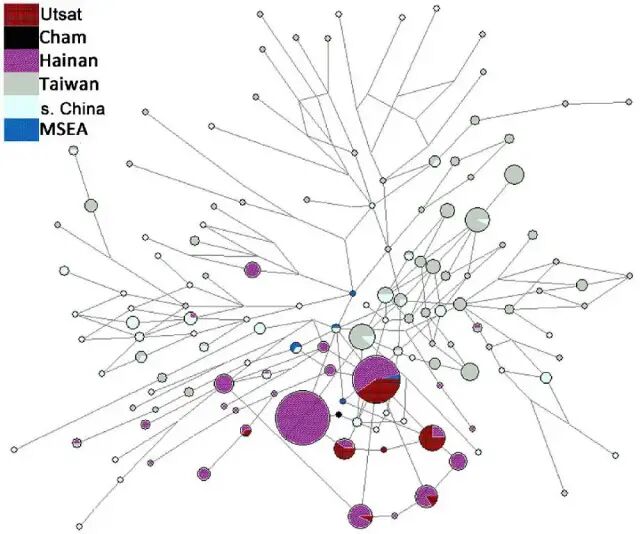
Median-joining network built from six STR haplotypes inside O1a*-M119. The length of the lines between nodes is proportional to the number of mutational steps.
2. Maternal Mitochondrial mtDNA Research
In the study of Huihui maternal mitochondrial mtDNA, the most frequent of the 19 mtDNA haplogroups found were D4 at 16.67 percent and F2a at 15.69 percent. These two types were either absent or rare among other native Hainan groups and Indochinese populations.
The study then compared D4 and F2a with related populations at the haplotype level. It found that the Huihui D4 type is rare among East Asian and Indochinese populations, while F2a appears only among some Han Chinese groups and several small groups in Yunnan, including Lahu, Yi, and Mosuo people.
The researchers then used the HVS-I sequence haplogroup network of mitochondrial DNA to analyze Huihui people, Cham people, and other populations. They found that Huihui maternal lineages are closer to groups in Hainan and southern China than to Indochinese populations.
3. Conclusion: A Religion-Driven Mechanism of Genetic Replacement
The Y-chromosome and mitochondrial DNA results show that Huihui people are closer to native Hainan groups than to Cham people and other Indochinese populations. This means that the formation of the Huihui people involved large-scale assimilation of native people, while self-identity and religious belief continued. The paper Reconstructing the Genetic History of the Huihui People: Native Hainan Components Replaced the Genetic Lineages of Cham Exiles calls this a religion-driven mechanism of genetic replacement. After a small migrant group was accepted by local native people, its genetic makeup was replaced by the local population, but the religious belief brought by that small migrant group allowed them to preserve a cultural tradition and self-identity rooted in religion.
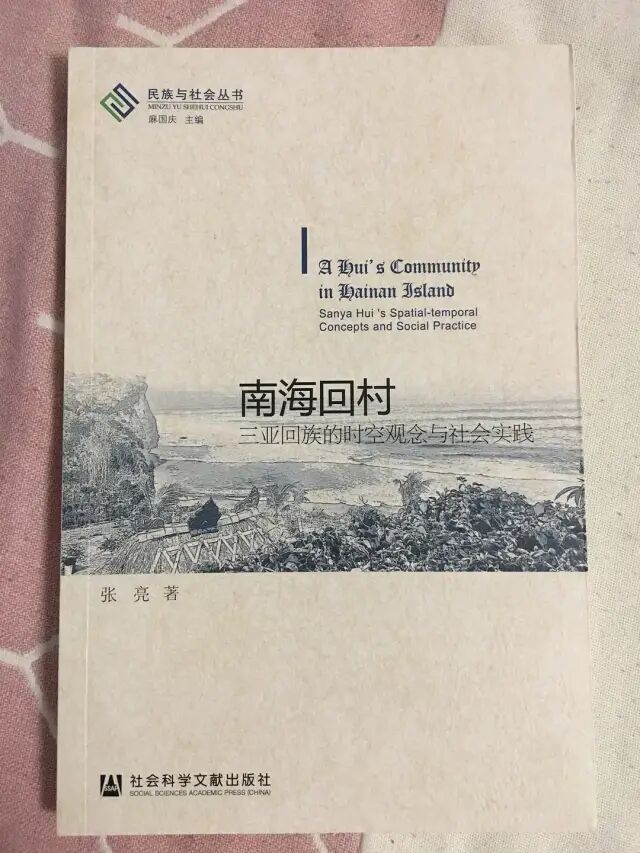
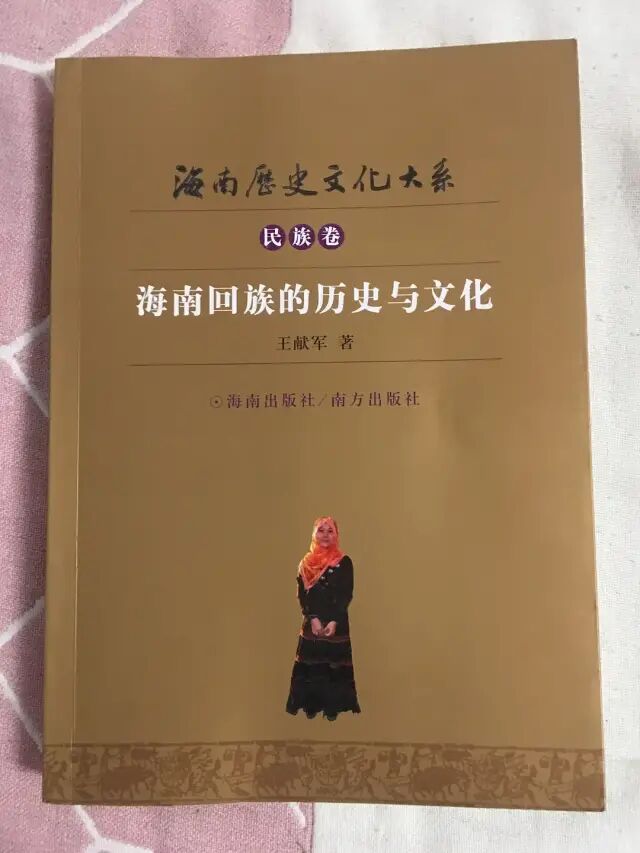
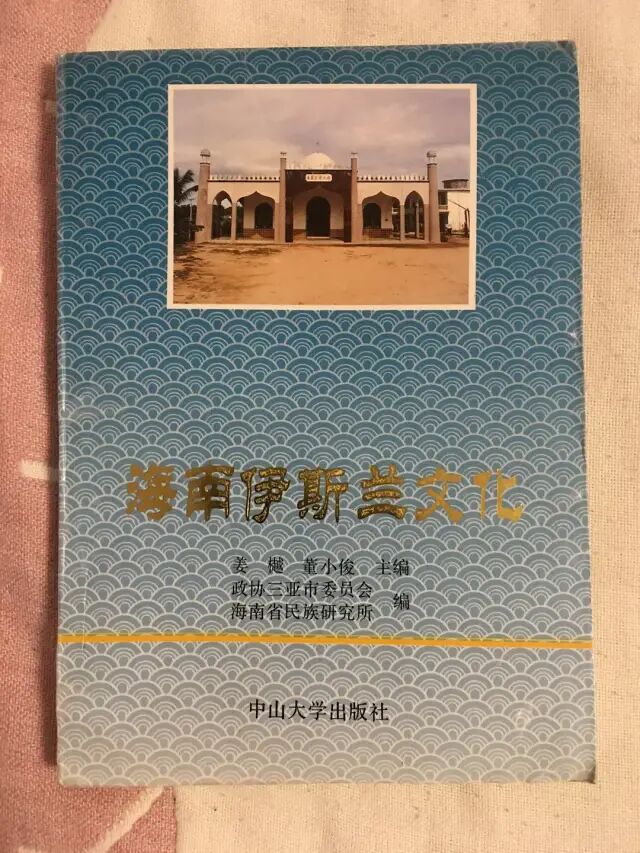
Some of the material in this article comes from books including Hainan Islamic Culture, The History and Culture of the Hui Muslims of Hainan, and Hainan Hui Village: Sanya Hui Muslims Concepts of Time and Space and Social Practice.
Summary: Hainan — Muslim History, Mosques and Local Communities is presented here as a firsthand travel account in clear English, beginning with this scene: Starting in the Qing Dynasty, Hainan Muslims from places like Suanmeipu and Dadang Port in Yazhou, as well as Wanzhou and Qiongshan, moved to Suosanya Lifan Village (now Sanya Huixin Village). The account keeps its focus on Hainan Muslims, Muslim History, China Mosques while preserving the names, places, food, and historical details from the Chinese source.
Starting in the Qing Dynasty, Hainan Muslims from places like Suanmeipu and Dadang Port in Yazhou, as well as Wanzhou and Qiongshan, moved to Suosanya Lifan Village (now Sanya Huixin Village). While other Muslim communities across Hainan were becoming Sinicized, Li-ized, or Dan-ized during the Qing Dynasty, Suosanya Lifan Village became Hainan's only Muslim community. This community eventually formed the modern Huihui people group.
1. Historical Suosanya Lifan Village
The earliest record of Suosanya Lifan Village comes from the Ming Dynasty's Zhengde Qiongtai Zhi, Volume 27, "Yazhou Temples and Monasteries," completed in 1521.
The mosque is in Fanren Village, one hundred li east of Yazhou. It was built during the Hongwu period, and inside, it is just a wooden hut. They carve foreign scriptures. One person serves as a "Buddhist slave," chanting and burning incense morning and evening. Those who understand foreign scriptures are called "sirs." They all wear white cloth robes, like the clothing of Huihui people. Inside the mosque, they sit on the floor to recite scriptures and perform namaz. They do the same on fasting days. "
This Fan Village, located one hundred li east of Yazhou City, and the description of Suosanya Lifan Village in the Guangxu Yazhou Zhi, Volume 5, "Construction Records - Townships and Districts," match the records in the Ming Dynasty's Zhengde Qiongtai Zhi.
Sanya Village is one hundred li east of Yazhou City. Suosanya Li, Fan Village, is east of Sanya Village. "
Sanya Huixin Village still has Fan Village Street today.
In 1947, Liu Xianzun, the headmaster of Huihui Village Primary School, attended the Guangdong Hui Muslim Progressive Association. He gave his 1922 handwritten Huihui people's genealogy, "Complete Genealogy of Tongtun," to the president, Xiong Zhendong. Later, the famous modern historian Luo Xianglin borrowed "Brief Genealogy of the Pu Clan of Sanya Tonggang Village" (which was part of "Complete Genealogy of Tongtun") from Xiong Zhendong. The preface of "Brief Genealogy of the Pu Clan of Sanya Tonggang Village" states that the Pu clan of Sanya came to Hainan during the Song Dynasty. Later, all members of the Pu clan in Danzhou, Wanzhou, and Qiongzhou abandoned their faith (no longer believing in Islam).
Since the Song Dynasty, twelve ships were originally carried by the wind to Yazhou, where people settled. By the Ming Dynasty, due to Li rebellions and the government's pressure for grain taxes, many scattered to various places. They settled in markets like Danzhou, Wanzhou, Qiongzhou, and Sanya. After several generations, there were three calamities of apostasy. This happened during the late Ming Dynasty, when Sanya was once broken by a major rebellion of the Western Li people. "
The text mentions that Sanya was devastated by a major Xili rebellion at the end of the Ming Dynasty. This likely refers to 1655, when Tan Yazhen, the leader of the Baobi Li village, rebelled against the government and burned down Sanya Fancun village.
The family genealogy, in the section for the "Hai family" of the tenth jia, also records: Pu Shangzhi (first generation) – Cheng En (second generation) – Qi Hao (third generation) – Xue Song (fourth generation) – Ben Zhong (fifth generation) – Fu Run (sixth generation). Among these, Fu Run, the sixth generation, was the main figure in the famous "Hai Furun Case" during the Qianlong era.
In 1774, Hai Furun, along with five fellow villagers, left Sanya Huihui Village to study Islamic scriptures. They first studied in Guangzhou, then traveled through Guangxi, Hunan, Hubei, Anhui, Shaanxi, and other places for nine years. In 1781, Hai Furun returned home from Shaanxi, and when passing through Hankou, he obtained many Islamic books. The following year, when he arrived in Guilin, customs officials confiscated the books, and he was arrested and imprisoned as an accomplice of "Su Sisan". The "Hai Furun Case" quickly expanded, spreading across eight provinces. This made Muslims at the time feel insecure. It was finally settled only after direct intervention by Emperor Qianlong.
Tracing back from Hai Furun in 1774, the Hai family's ancestor, Pu Shangzhi, should have been born in the late Ming Dynasty or early Qing Dynasty.
2. Historical Sites in Suosanya Lifan Village
Southwest of Suosanya Lifan Village, there is an ancient Muslim cemetery. The tombs are similar to the Islamic ancient tombs mentioned earlier. In 2006, this site, named "Yanglan Tombs", was designated as a Sanya City Cultural Relics Protection Unit. Unfortunately, at the end of 2008, a certain department destroyed the Yanglan Tombs with excavators, under the pretext of building a training base. Tombstones were smashed, and human remains were exposed. Through the Hui Muslims' desperate resistance, this ancient Muslim cemetery was finally preserved.
On June 11, 2016, at the "Asking the Sea – Huaguang Reef No. 1 Shipwreck Special Exhibition" at Nanjing Museum, I saw a coral stone Muslim tombstone. It was labeled as collected from Sanya Fenghuang Huixin Village (formerly Suosanya Lifan Village) and is now in the collection of the Hainan Museum.
On December 31, 2017, I came to the site of the Yanglan cemetery. Today, part of this beach dune has been turned into an outdoor set for wedding photos. The temporary construction setup in the photo has become a place where the wedding photo company keeps horses.
At the entrance there are abandoned houses, with two hadiths written on them: Allah loves those who keep clean, and cleanliness is half of faith. Below that it says: Please do not litter, and protect the environment.
Unfortunately, the wedding photo company still left a lot of trash here.
At the entrance and farther inside, you can see Sanya Bay coastal defense bunkers that have been abandoned for years.
This was the site of the ancient cemetery that was bulldozed in 2008.
Walking farther in, I finally found the surviving old graves.
There are many cactuses in the cemetery, and I also saw cactus flowers and fruit.
The article The Islamic Ancient Cemetery in Yanglan Town, Sanya Was Destroyed includes photos taken in early 2009. At that time, the ancient cemetery still had many gravestones with patterns and writing. You can see that they were similar to the gravestones in Lingshui, with tree-of-life patterns.
A Muslim gravestone inside the Yanglan ancient cemetery was photographed in the book The History and Culture of the Hui Muslims of Hainan. It is less weathered, and the pattern is also distinctive.
Besides the Yanglan ancient cemetery, there are many Muslim cemeteries on Sanya Bay beach, but most have already been covered by newer graves, so traces of the old graves can no longer be seen.
On Sanya Bay Road there is a site called Ancient Tombs of Tianfang Sages. The gate reads late Song and early Yuan, but so far I have not found any historical records about this ancient tomb site.
Inside the compound there is a coral-stone gravestone.
On Sanya Bay beach, there is a one-kilometer-long Muslim ancient cemetery area. Today it is basically a modern and contemporary Muslim cemetery.
Many graves with paired gravestones can still be seen inside.
The third site is called the Muslim Ancient Cemetery. It sits at the T-junction of Zhonghai Road and Haitao Road, and most of it is also made up of modern and contemporary Muslim graves.
In 1941, Kawahara Shinichiro photographed the Huihui cemetery in Sanya. The photo is held by the Japan Islamic Association.
A tabut box used to carry the body for burial.
Inside the old mosque in Huihui Village, there is a Prohibition Stele of the Main Hall erected in 1753. It records a dispute between the fanfang of Suo Sanyali and nearby Baopingli over the boundary of fishing grounds, and the magistrate of Yazhou ruled that the original boundary should remain in place.
3. Hainan Muslims Were Registered Under Suo Sanyali
The earliest record of Hainan Muslims moving into Suo Sanyali comes from volume 1380 of the geography section of Gujin Tushu Jicheng, completed in 1706:
The Cham people, between the Song and Yuan periods, brought their families by boat because of unrest and scattered along the coast. They were called fantun and fanpu.
Today they are registered under Suo Sanyali, and they are all of that group. "
Volume 1 of the Guangxu-period Yazhou Gazetteer, in the geography and customs section, gives a more detailed account. It says the Cham Muslims moved from Dadangang and the Suanmeipu coast in Yazhou to Fan Village in Suo Sanyali:
The fan people were originally Cham Muslims. Between the Song and Yuan periods, they brought their families by boat because of unrest and lived scattered along the coasts of Dadangang and Suanmeipu. Later they gathered in Fan Village in Suo Sanyali. "
In 1942, the Japanese Hainan Naval Special Affairs Department commissioned Obata Atsushi, a lecturer at Taihoku Imperial University, to compile History of Hainan Island. Obata came to Hainan Island in 1943 and 1944 to study the Huihui people of Sanya, and in 1976 he published A Study of Huihui Village, a Muslim Village on Hainan Island. In Obata Atsushi s investigation, villagers in Huihui Village in Suo Sanyali said that the Ha and Liu families of the Huihui people moved from Dadan Village in the late Ming and early Qing periods. At that time, many people also moved from Dadangang, Suanmeipu, and Fanrentang in Yazhou to Huihui Village and Liupan. Later, people in Liupan fled bandits and moved again from Liupan to Huihui Village.
During his fieldwork, Obata borrowed Complete Genealogy of Tongtun from Liu Xianzun. Using local memories, he found records saying that the Huihui people of Suo Sanyali had moved from Dadangang, Suanmei Village, and Qiongshan:
The Ha clan mainly traced its founding ancestors to Pu Chengpeng, Pu Chengxiang, Pu Chengxi, Pu Chengfu, and Pu Chengrui. Ha Bingzhong, who helped Obata with the investigation, was a seventh-generation descendant of Pu Chengpeng and was born in 1871. According to Ha Bingzhong, Pu Chengpeng s father came from Shaanxi to Guangta Street in Guangzhou, then moved with his whole family to Dadangang in Yazhou, Hainan, and finally moved again to Huihui Village in Suo Sanyali.
The descendants of the Ha family run a noodle shop in Sanya s Huihui Village, and I ate beef brisket noodles there.
Pu Fengsha moved here from Suanmei Village, and that line continued for four generations.
Lin Fengqing was born in 1907. His grandfather Lin Decheng and Lin Changyun, who was born in 1882, moved here from Qiongshan.
Local people also said that some people from Fan Village in Wanzhou moved to Suo Sanyali in the mid-19th century.
In 1941, Kawahara Shinichiro photographed the Huihui Mosque in Sanya. The photo is held by the Japan Islamic Association.
Five: Huihui Speech, the Only Austronesian Language on Hainan Island
The Huihui speech used by the Huihui people, known as the Tsat language, is now classified under the Austronesian family, the Malayo-Polynesian branch, and the Chamic branch. It is most closely related to Roglai in southern Vietnam, but it is also one of the most unusual Chamic languages because it contains many Sino-Tibetan elements.
When the Huihui people first entered Hainan, the language they used was probably close to early Cham. But as they had close contact with surrounding Chinese-speaking groups, Huihui speech kept changing. Its grammar moved closer to Chinese, its Chinese vocabulary grew sharply, and it developed a monosyllabic, multi-tone system not found in Austronesian languages.
1. Sound Changes in Huihui Speech
According to Professor Zheng Yiqing s book A Study of Huihui Speech, Huihui speech shares many elements and sound correspondences with present-day Chamic languages. Professor Zheng compared Huihui speech with Rade, a Chamic language spoken in the mountains of southern Vietnam. Of the 19 initials in Huihui speech, 11 are basically the same as Rade, and the other eight show clear correspondences.
At the same time, the sounds of Huihui speech are much simpler than Rade. Consonant clusters and some initials disappeared. The seven Rade initials ph, b, bh, br, bl, mr, and ml were simplified into ph in Huihui speech. The six Rade initials kh, g, gh, gr, kl, and dl were simplified into kh, and most Rade final sounds -h, -p, -t, and -k disappeared in Huihui speech.
In Huihui speech, most prefixes that early Cham added before word stems to distinguish meaning disappeared, and most two-syllable words became one-syllable words. In response, Huihui speech developed a tone system that can distinguish meaning, something other Chamic languages do not have. Huihui speech has seven tones. One is used only for Cham words and words unique to Huihui speech, and one is used only for Chinese words.
According to Professor Zheng Yiqing, the loss of final sounds and the development of tones in Huihui speech were partly caused by its own internal changes and partly influenced by Southwestern Mandarin.
2. Cham Vocabulary in Huihui Speech
According to Professor Zheng Yiqing, Huihui speech and Rade share about 40 to 50 percent of their vocabulary, and the share rises to about 60 percent for common words. Most of these shared words are basic vocabulary, because basic vocabulary changes very slowly.
Among 95 words related to animals and plants, Huihui speech and Rade share 42 words, including cattle, water buffalo, cow, horse, sheep, dog, cat, monkey, hedgehog, rabbit, squirrel, mouse, chicken, hen, bird, crow, gecko, snake, insect, shrimp, crab, fish, tail, wing, hair, horn, and claw. There are also more than a dozen words shared by Huihui speech, Rade, early Cham, Proto-Austronesian, Li, and Zhuang. They should be common vocabulary shared by the Chamic and Kra-Dai branches, including cotton, below, sesame, eye, nose, chin, shoulder, laugh, fly, I, and this.
Morris Swadesh, the founder of glottochronology, proposed the Swadesh list of core vocabulary in the 1940s and 1950s. It first included 200 basic words and was later narrowed to 100. By using the Swadesh list to calculate the rate of vocabulary difference between two languages, researchers can estimate roughly when the two languages separated. Using the Swadesh core vocabulary list, Professor Zheng Yiqing concluded that Huihui speech and Rade separated about 1,000 years ago.
Six: The Sanya Huihui People in Molecular Anthropology
In 2013, the biology teaching and research office of Hainan Medical University and the State Key Laboratory of Genetic Engineering at the School of Life Sciences of Fudan University, together with the Ministry of Education Key Laboratory of Contemporary Anthropology, published Reconstructing the Genetic History of the Huihui People: Native Hainan Components Replaced the Genetic Lineages of Cham Exiles. The paper made an important discovery about the origins of the Sanya Huihui people.
1. Paternal Y-Chromosome DNA Research
This study typed the Y chromosomes and maternal mitochondrial mtDNA of 102 Sanya Huihui samples with no traceable kinship within five generations. Among 72 Y-chromosome haplogroups from Sanya Huihui people, the O1a*-M119 type made up more than 60 percent, while it appeared only at very low frequency among Cham people. The O2a1* and O2a1a types, which are dominant among Cham people, made up only 4.17 percent among the Huihui people.
Y-chromosome haplogroup frequencies of Huihui people and Cham people.
A principal component analysis comparing the Y-chromosome haplogroups of Huihui people, Cham people, and other East Asian populations found that Huihui people are closer to native Hainan groups and to the Dong and Sui peoples of southern China, and far from Cham people.
Principal component analysis chart of Y-chromosome haplogroups from 44 populations.
The study then analyzed the O1a*-M119 type, the main type among Huihui people. Using six STR haplotypes inside O1a*-M119, the researchers built a median-joining network. It showed that native Hainan groups had already become isolated from other Dong-Tai populations in southern China and from Taiwan Indigenous peoples, while almost all Huihui samples clustered within the isolated native Hainan branch. Samples from Indochina tended to cluster with southern China. These results show that the main paternal haplogroup of the Huihui people comes from native ethnic groups in Hainan, not from Cham people or other Indochinese groups.
Median-joining network built from six STR haplotypes inside O1a*-M119. The length of the lines between nodes is proportional to the number of mutational steps.
2. Maternal Mitochondrial mtDNA Research
In the study of Huihui maternal mitochondrial mtDNA, the most frequent of the 19 mtDNA haplogroups found were D4 at 16.67 percent and F2a at 15.69 percent. These two types were either absent or rare among other native Hainan groups and Indochinese populations.
The study then compared D4 and F2a with related populations at the haplotype level. It found that the Huihui D4 type is rare among East Asian and Indochinese populations, while F2a appears only among some Han Chinese groups and several small groups in Yunnan, including Lahu, Yi, and Mosuo people.
The researchers then used the HVS-I sequence haplogroup network of mitochondrial DNA to analyze Huihui people, Cham people, and other populations. They found that Huihui maternal lineages are closer to groups in Hainan and southern China than to Indochinese populations.
3. Conclusion: A Religion-Driven Mechanism of Genetic Replacement
The Y-chromosome and mitochondrial DNA results show that Huihui people are closer to native Hainan groups than to Cham people and other Indochinese populations. This means that the formation of the Huihui people involved large-scale assimilation of native people, while self-identity and religious belief continued. The paper Reconstructing the Genetic History of the Huihui People: Native Hainan Components Replaced the Genetic Lineages of Cham Exiles calls this a religion-driven mechanism of genetic replacement. After a small migrant group was accepted by local native people, its genetic makeup was replaced by the local population, but the religious belief brought by that small migrant group allowed them to preserve a cultural tradition and self-identity rooted in religion.
Some of the material in this article comes from books including Hainan Islamic Culture, The History and Culture of the Hui Muslims of Hainan, and Hainan Hui Village: Sanya Hui Muslims Concepts of Time and Space and Social Practice.
