
Halal Travel Guide: Beijing Autumn Diary — Mosques, Halal Food and Muslim Heritage (Part 2)
Reposted from the web
Summary: Beijing Autumn Diary — Mosques, Halal Food and Muslim Heritage is presented here as a firsthand travel account in clear English, beginning with this scene: After work, I had soybean paste noodles (zhajiangmian) with large meat skewers at Liu's Nail-Head Dumplings (mending) in Hongmiao. The account keeps its focus on Beijing Halal Food, Beijing Mosques, Muslim Heritage while preserving the names, places, food, and historical details from the Chinese source.
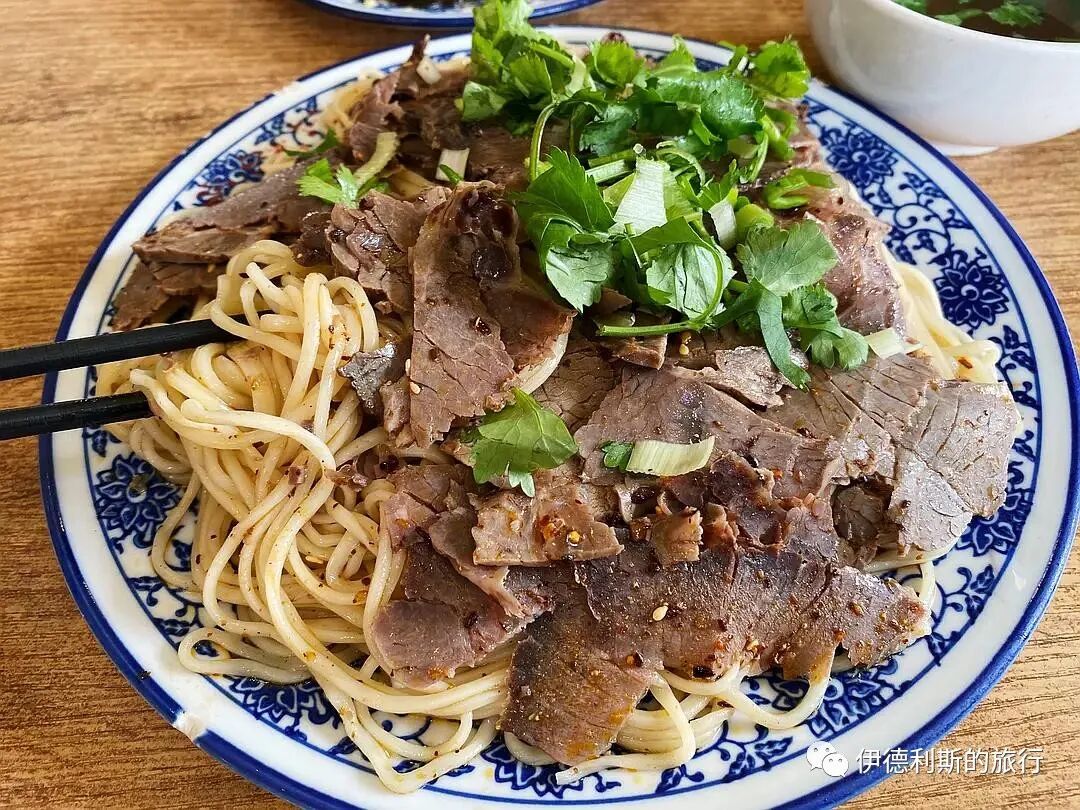
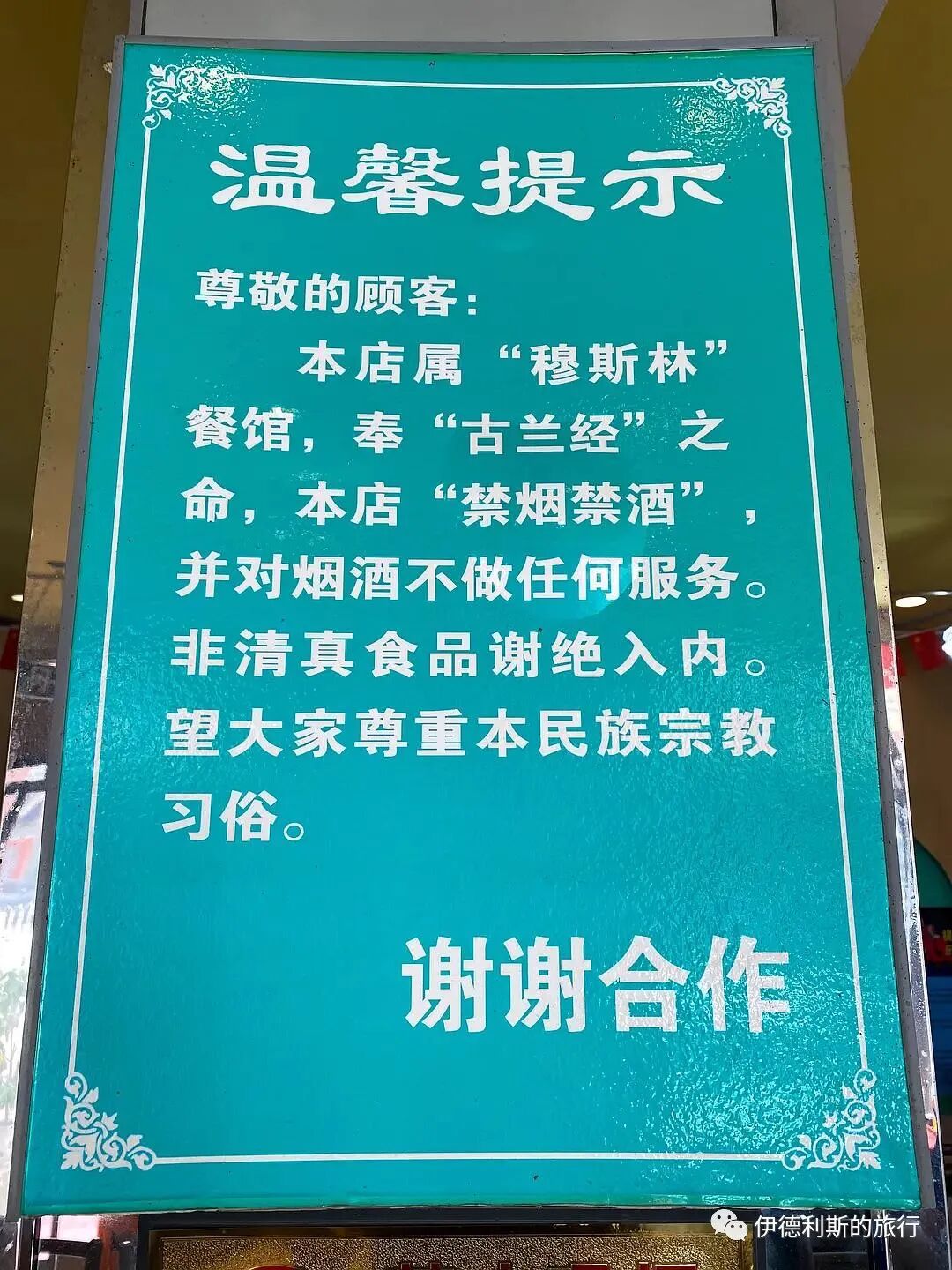
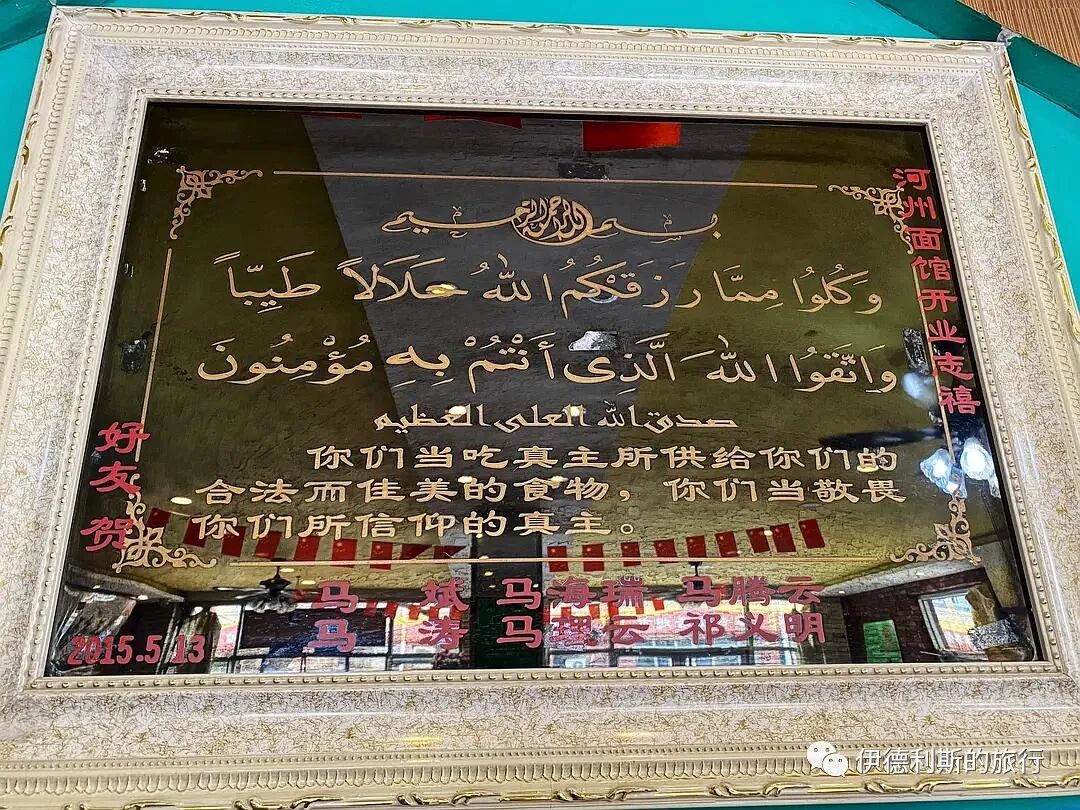
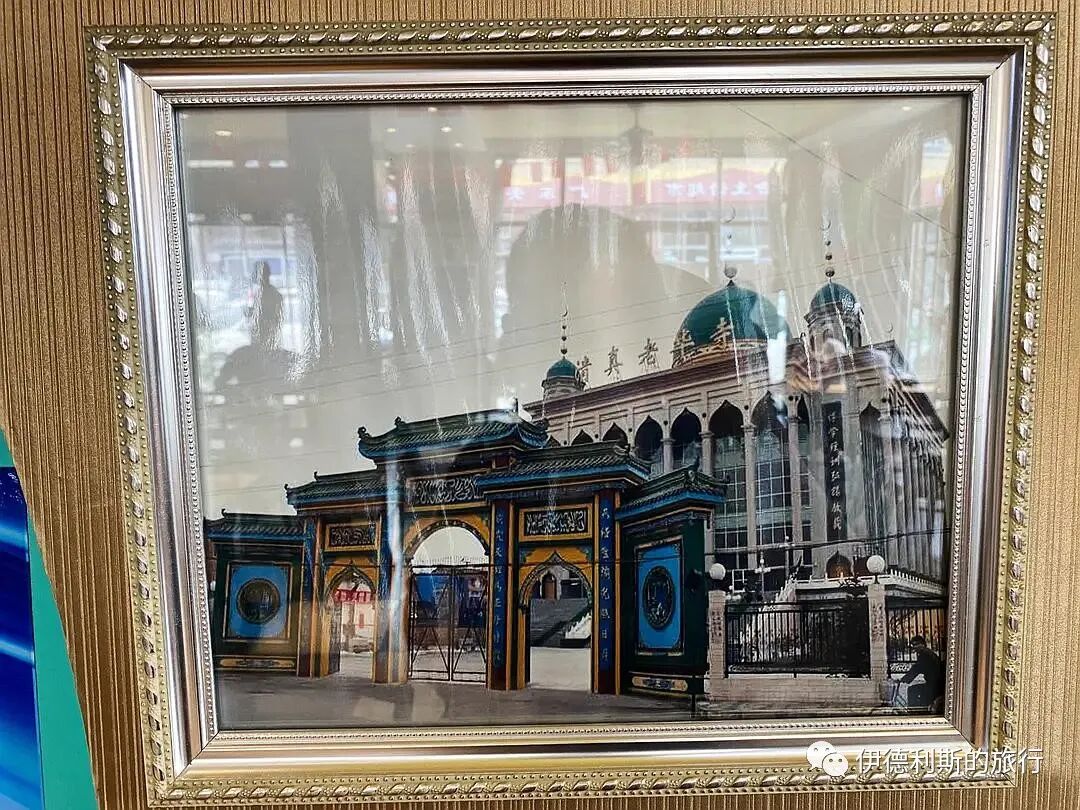
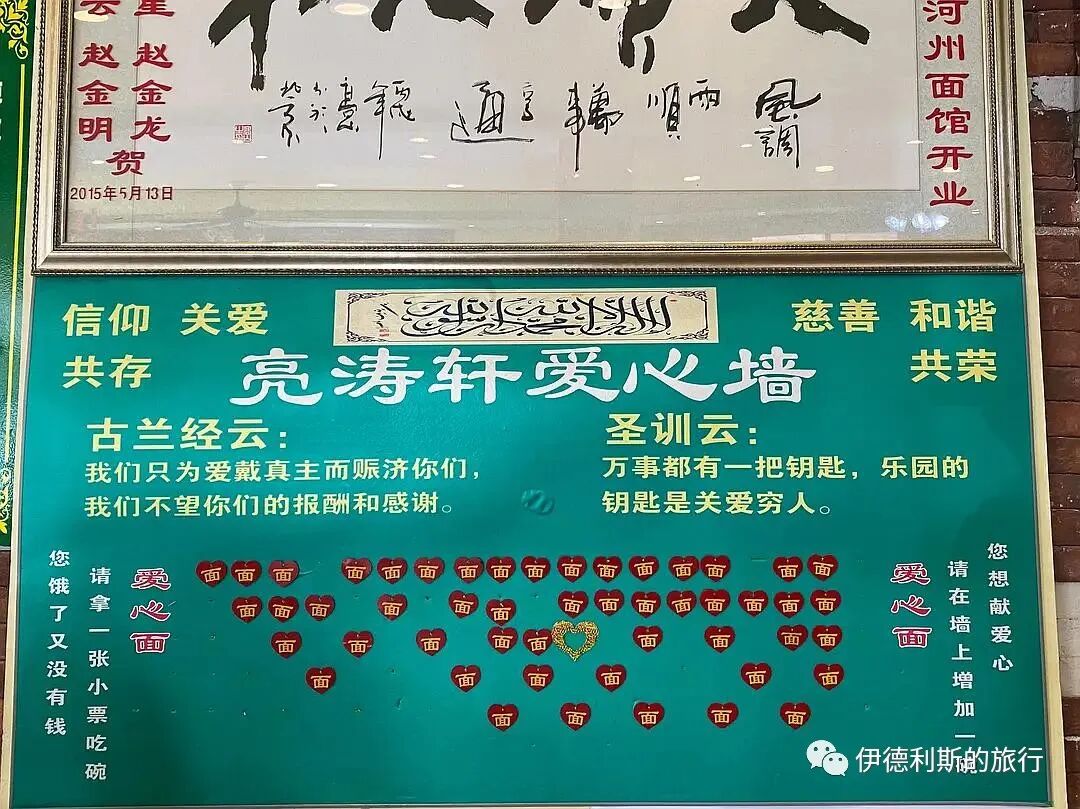
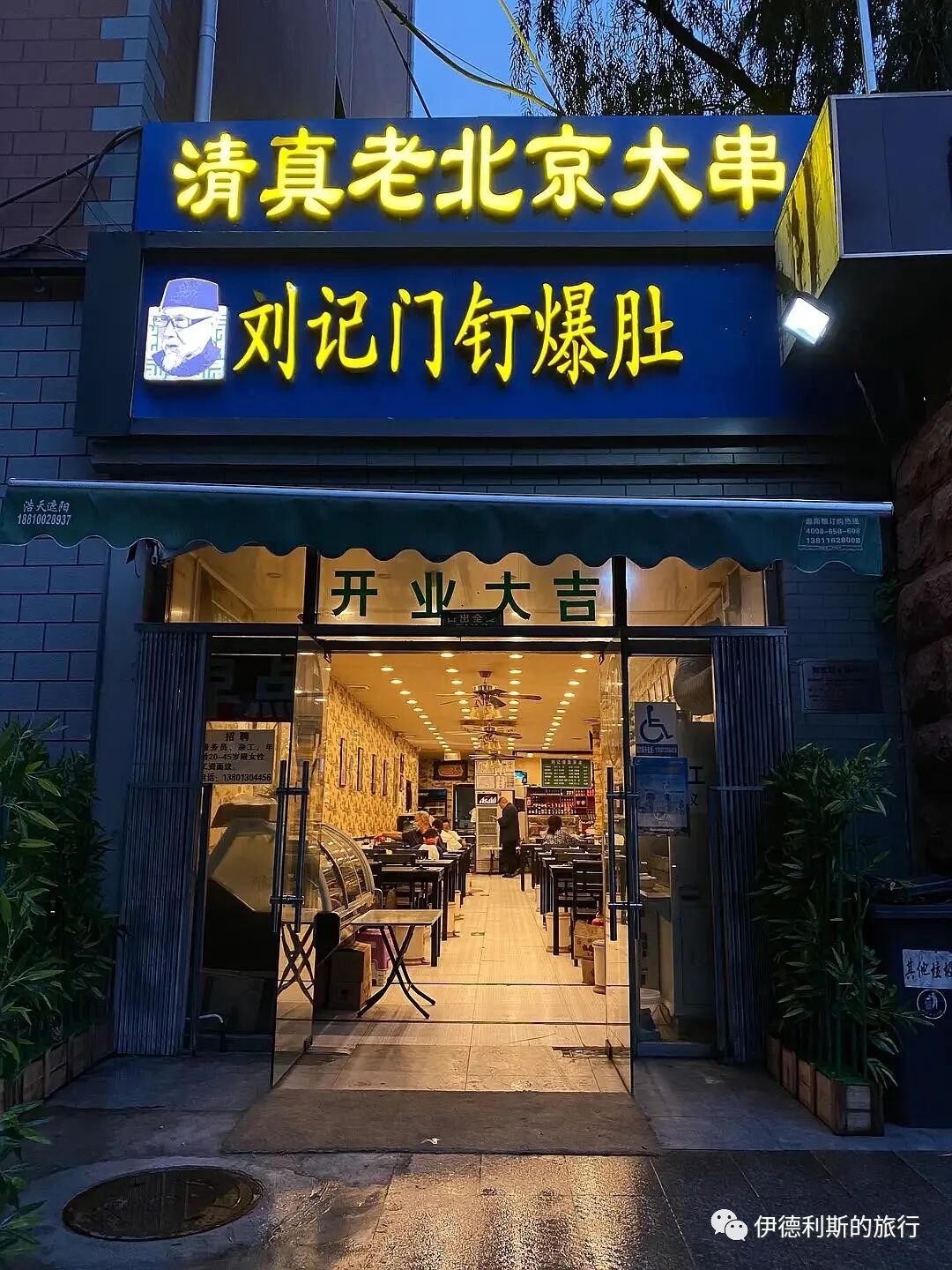
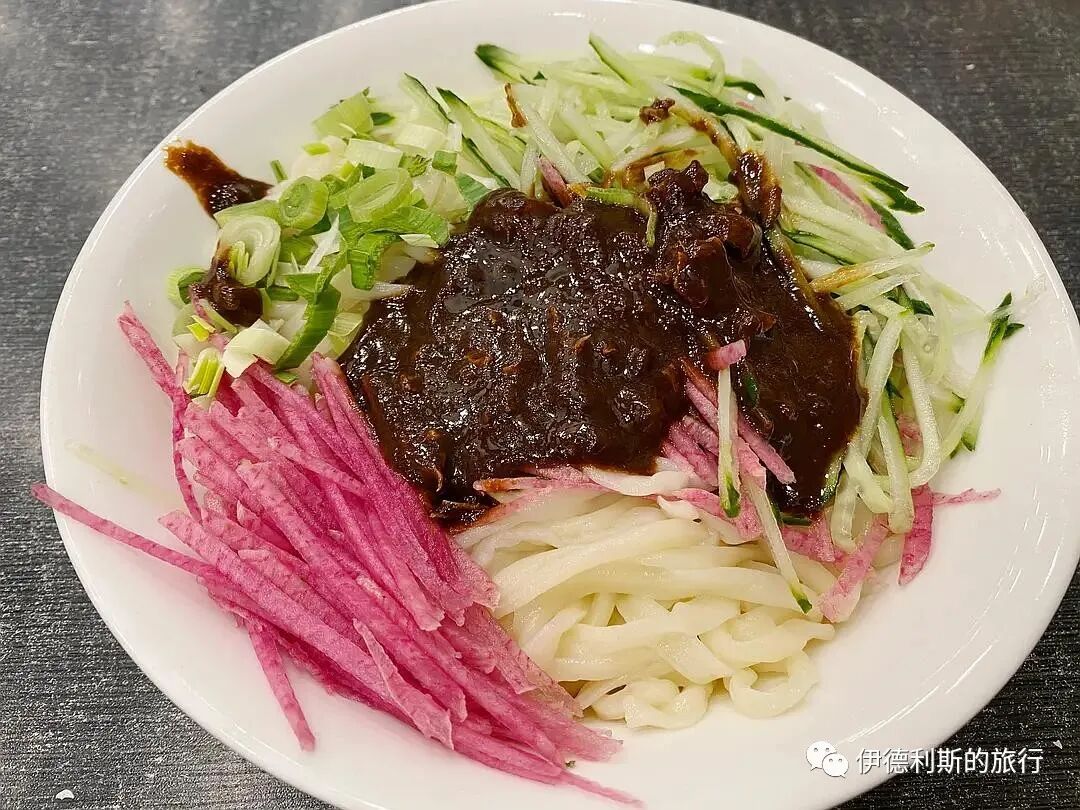
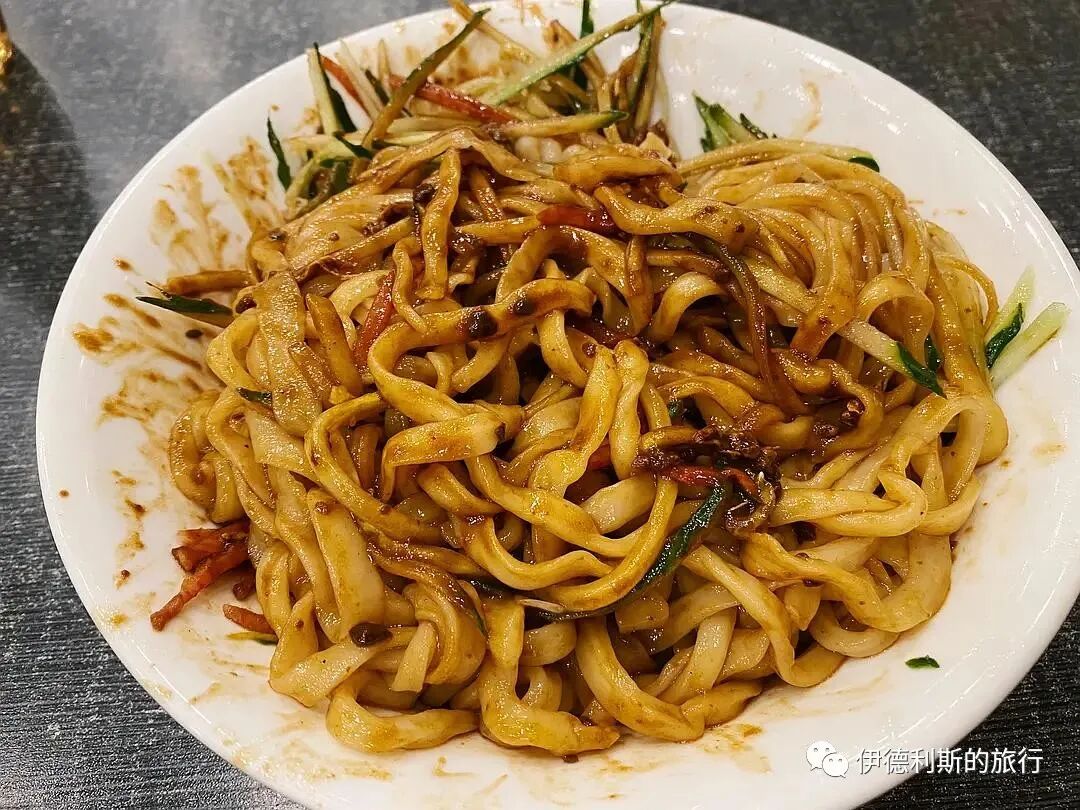
September 26, Liu's Nail-Head Dumplings (mending) at Hongmiao.
After work, I had soybean paste noodles (zhajiangmian) with large meat skewers at Liu's Nail-Head Dumplings (mending) in Hongmiao. This is my classic go-to meal. I just found out that Boss Liu is also a high-level traditional Chinese medicine specialist.
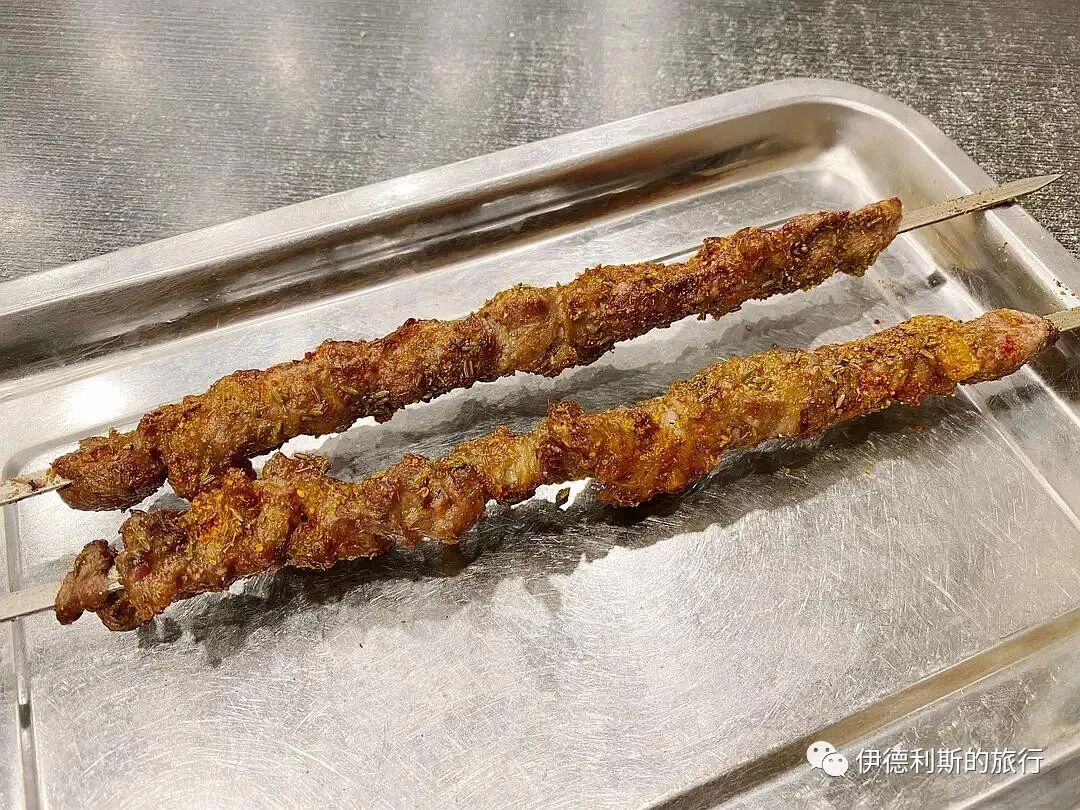
September 28, Tunisian restaurant La Medina.
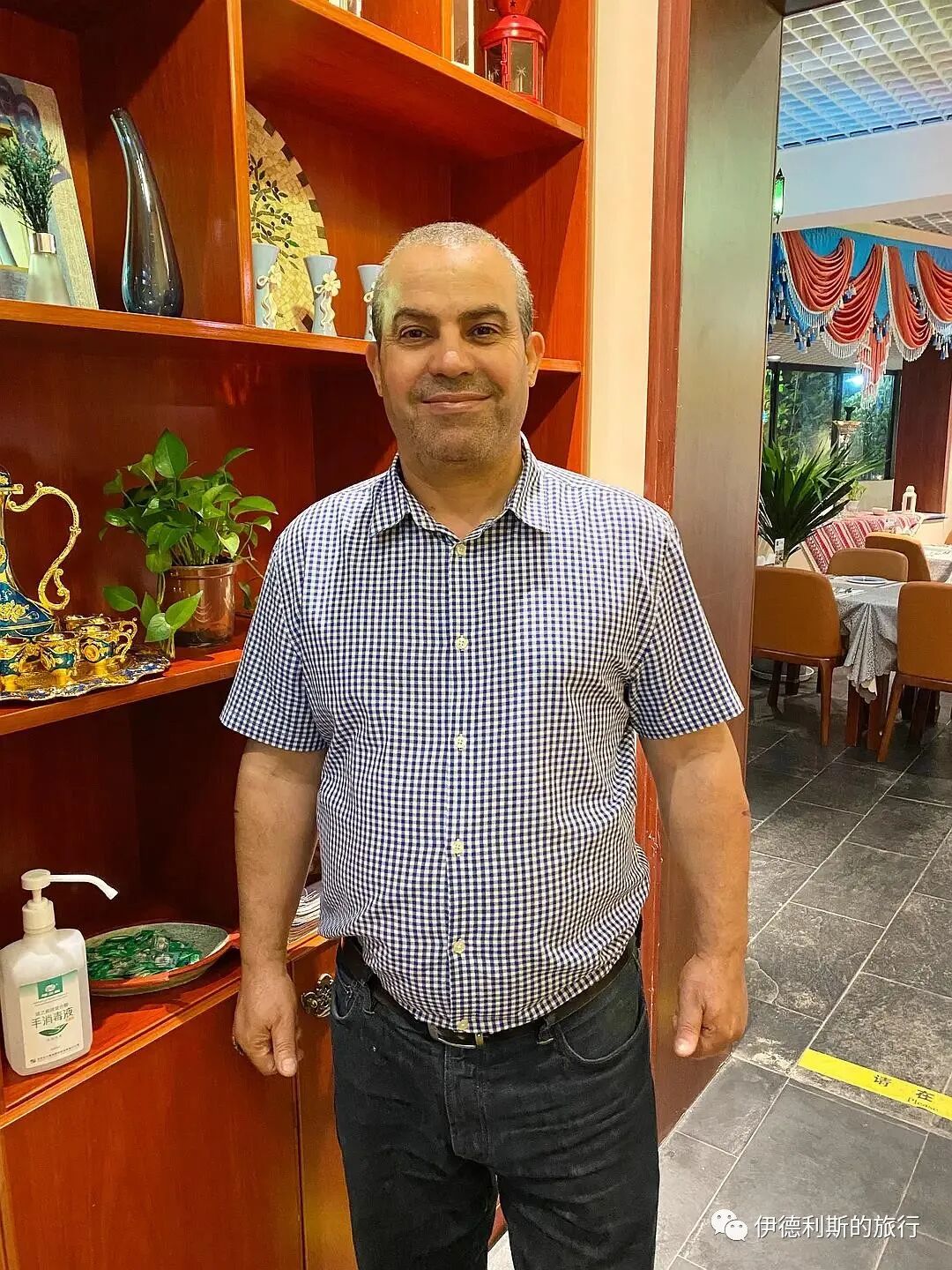
After a movie, I went to the Tunisian restaurant La Medina on Liangmahe South Road. This is the same place as Mesa, the Tunisian restaurant that opened and closed last year. Mesa's location was too out of the way and didn't get enough foot traffic. This year's new spot is right in the heart of the embassy district, very close to another Lebanese restaurant called Al Ameen. As soon as we walked in, we saw the Tunisian chef we met when we ate at Mesa. The chef is very kind and friendly. If you are interested in North African food, you can chat with him.
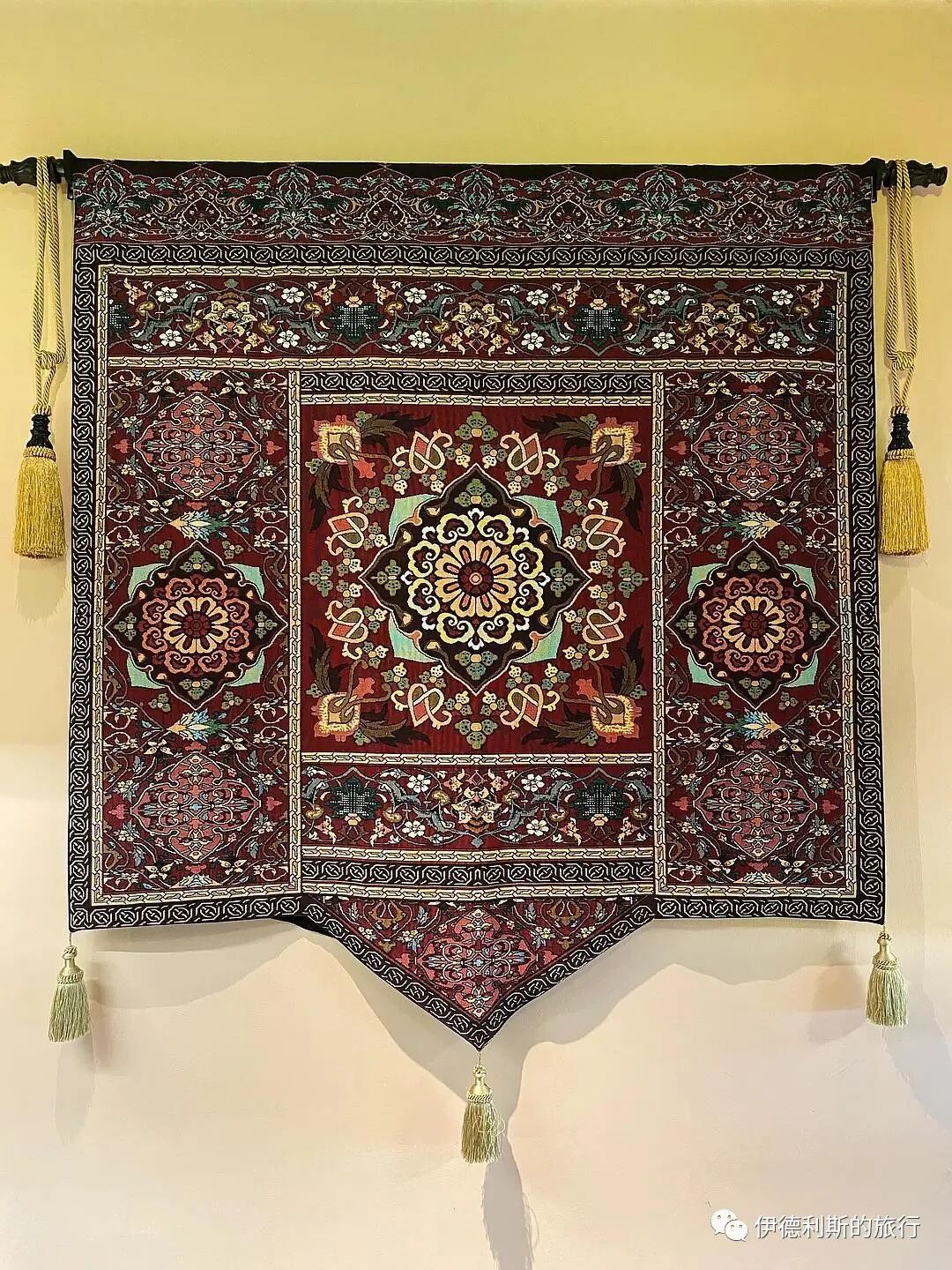
Medina means city in Arabic. In North Africa, a medina usually refers to an old town built with city walls and many narrow, maze-like alleys. The Medina of Tunis, the capital of Tunisia, was listed as a UNESCO World Heritage site in 1979. It is one of the most famous medinas and contains 700 historical buildings, including palaces, mosques, mausoleums, madrasas, and fountains.
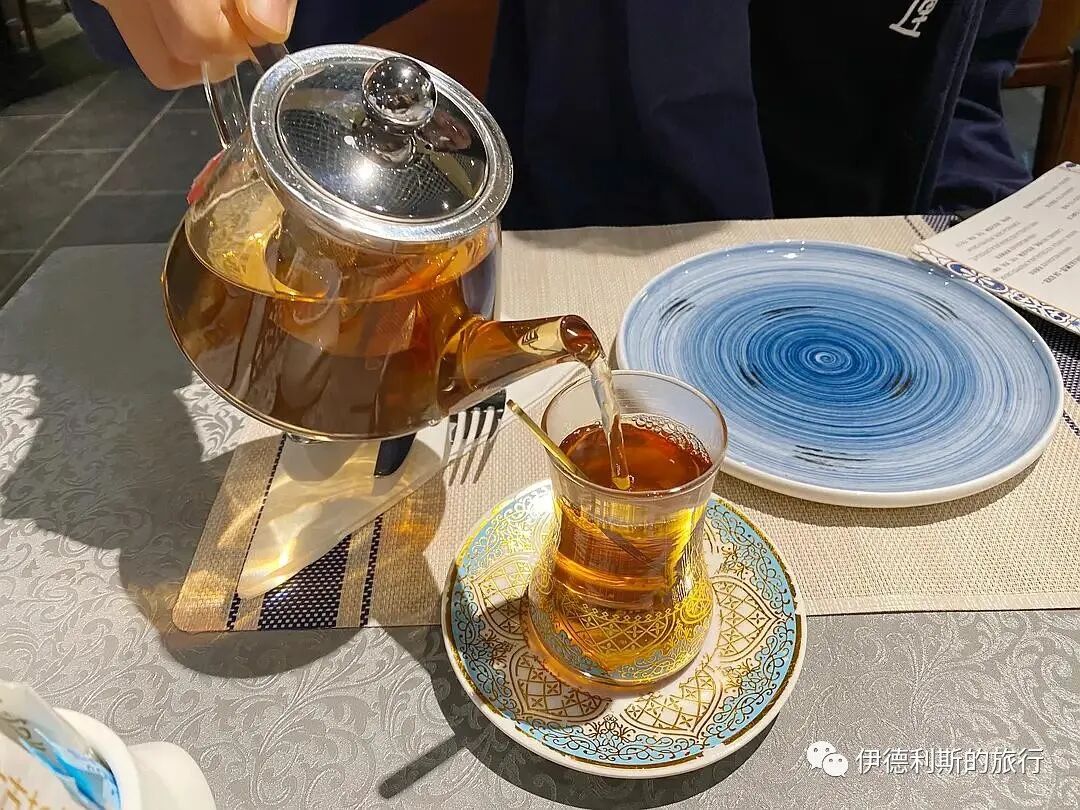
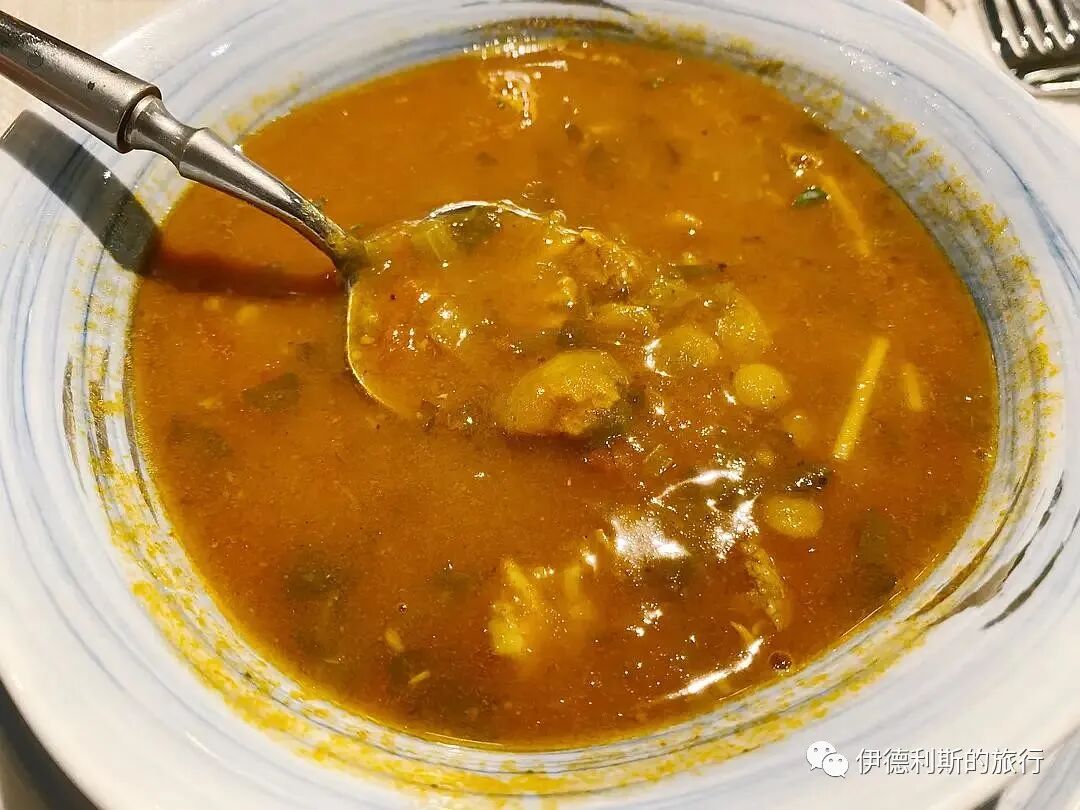
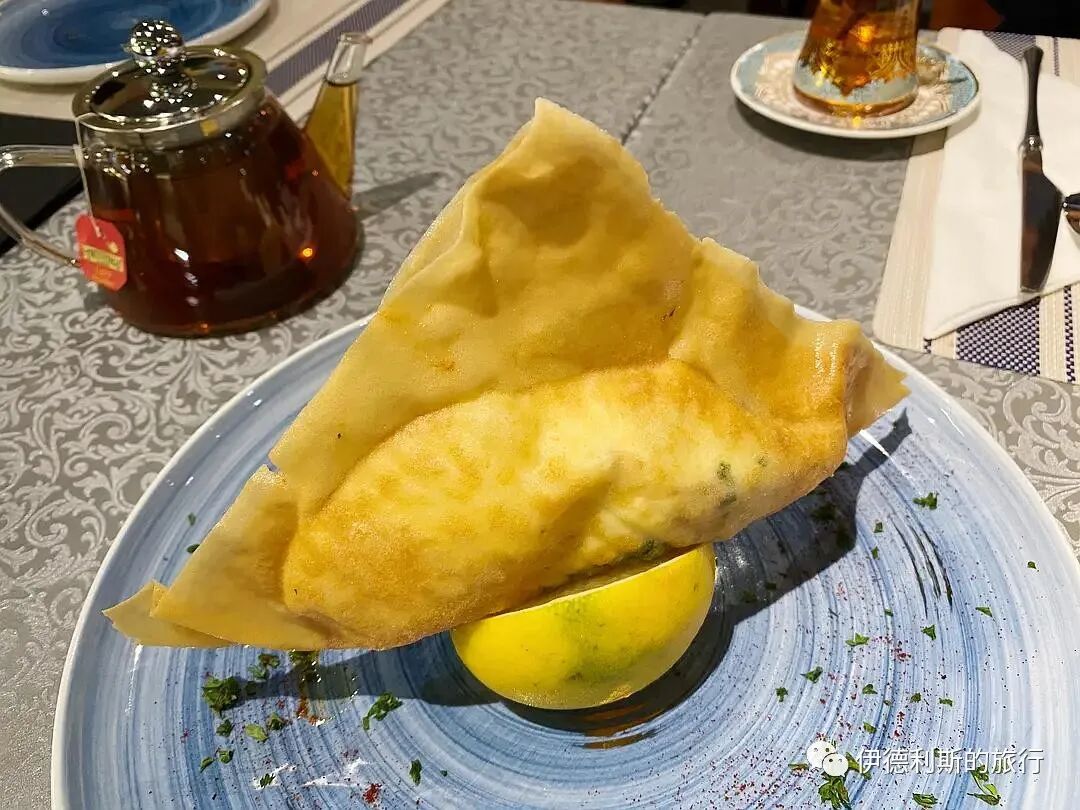
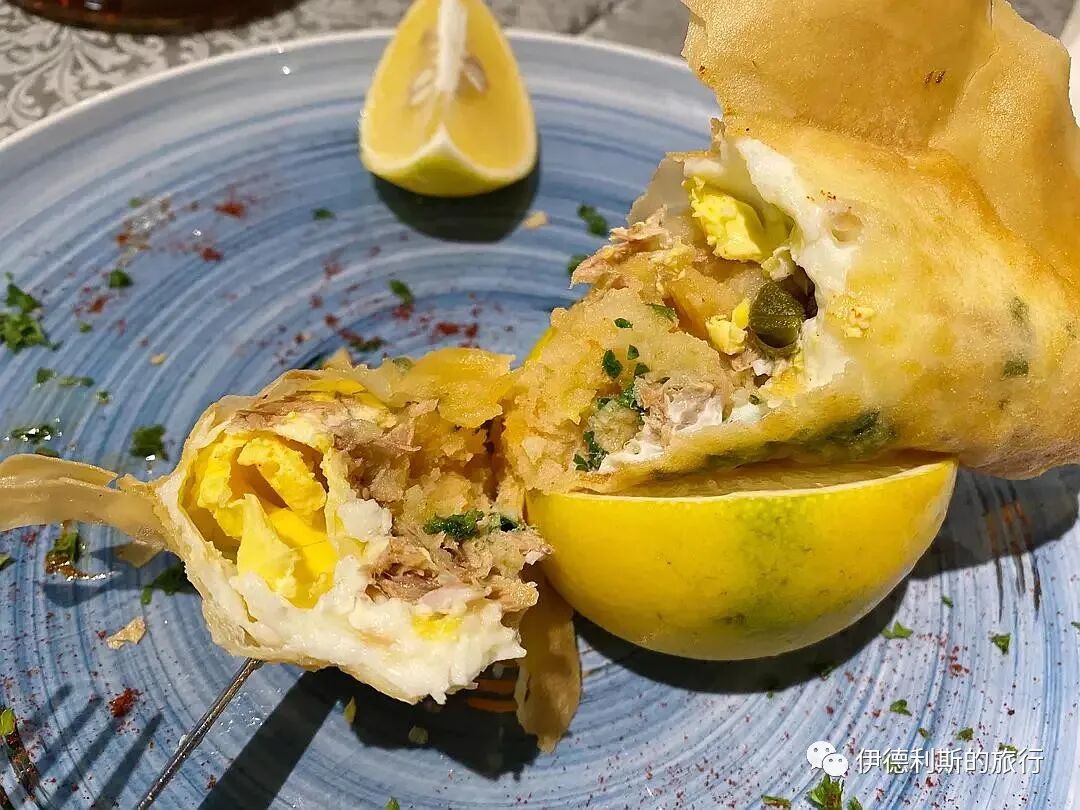
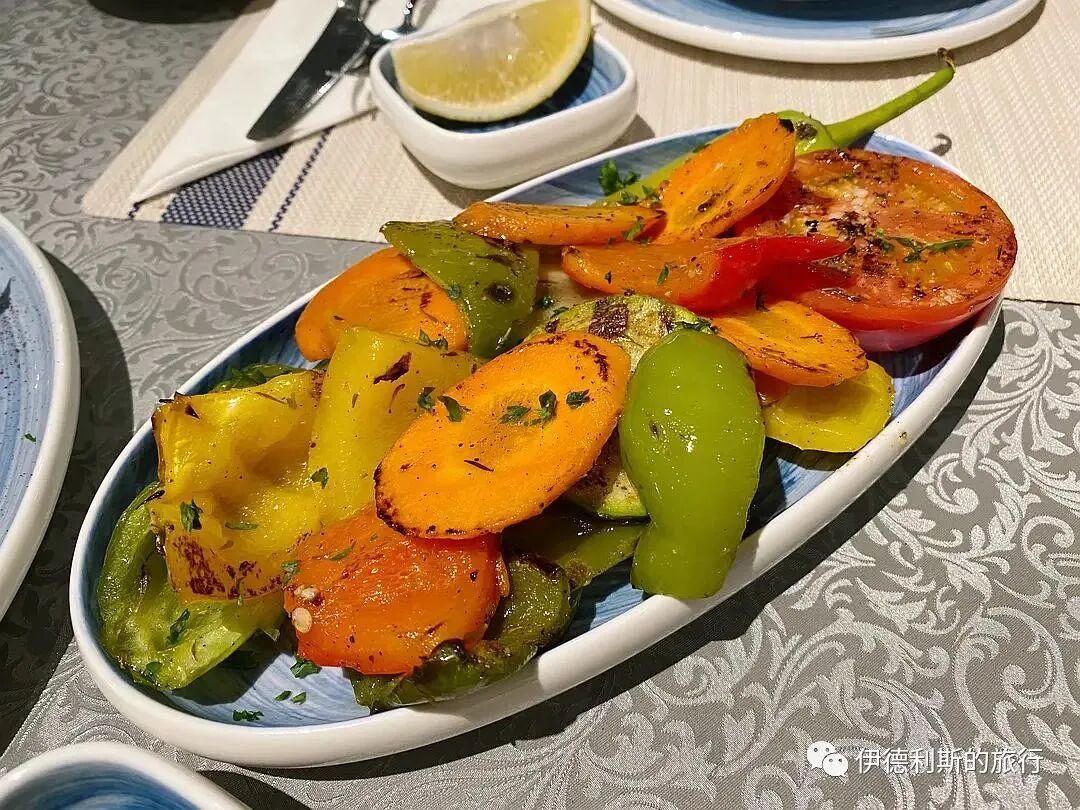
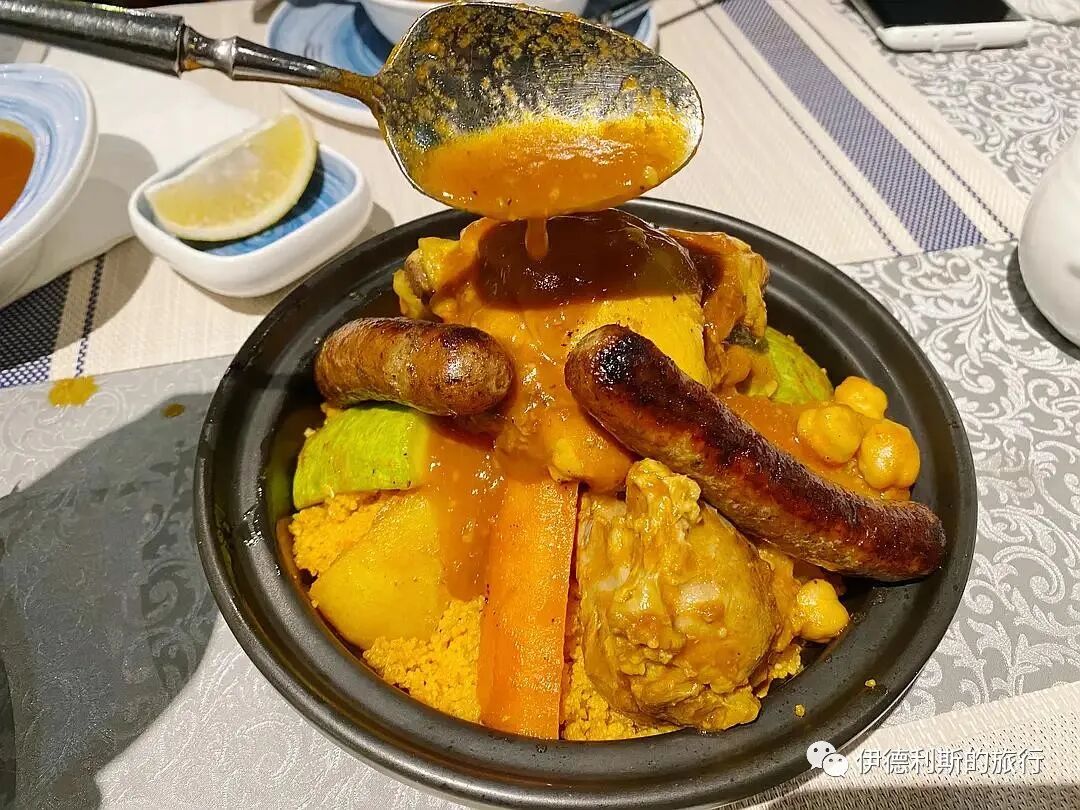
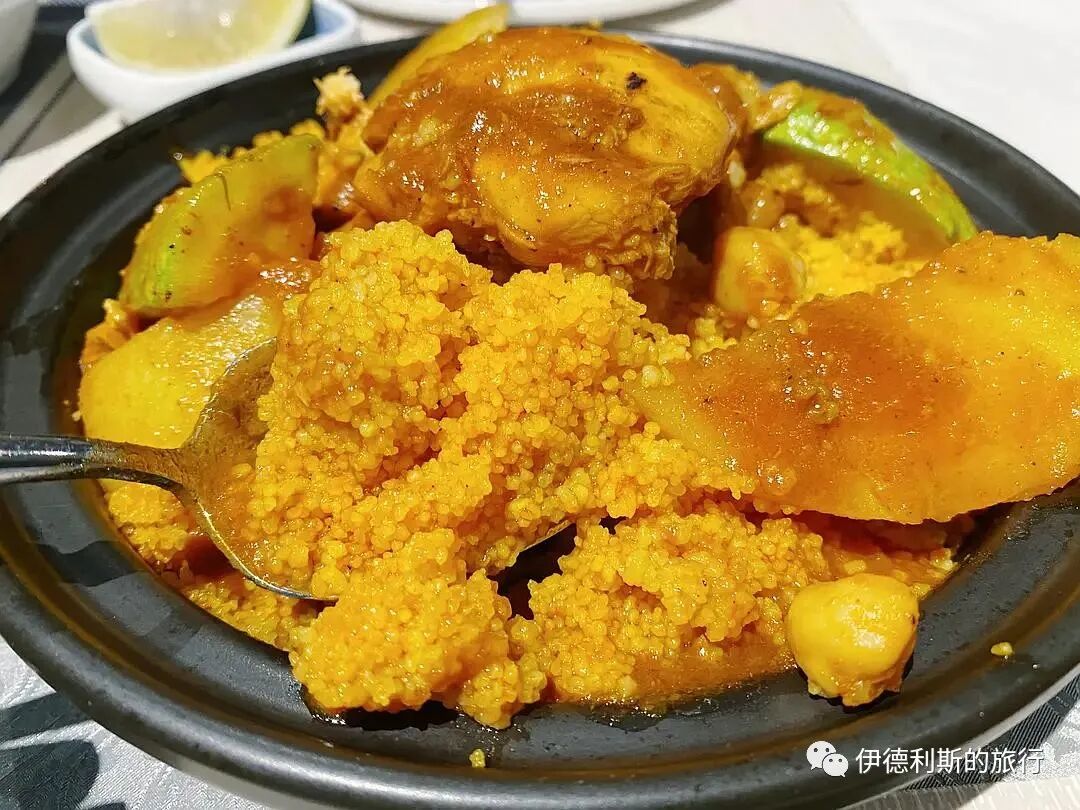
We ordered North African bean soup (Harira), tuna pastry (Brik), tagine (Tajine) with couscous (Couscous), chicken, North African sausage (Merguez), grilled seasonal vegetables, and Arabic mint tea. The sauce for the tagine was so delicious that I couldn't get enough of it poured over the couscous.
Harira bean soup is a classic appetizer in the Maghreb region (Algeria, Libya, Mauritania, Morocco, and Tunisia). It is most commonly made for breaking the fast during Ramadan. Every region makes Harira differently. The version we had included tomatoes, lentils, chickpeas, lamb, and various spices.
Brik pastry is a North African Berber dish that was later brought to Israel by Tunisian Jews. The filling usually contains eggs, tuna, harissa sauce (Harissa), and parsley. It is then wrapped in a crispy dough called Malsouka or Warka and deep-fried.
The tagine (Tajine) is a North African Berber specialty that appeared in the 9th-century classic One Thousand and One Nights. Modern tagines are made of pottery, sometimes glazed. They have a round, flat bottom and a conical or domed top. This design allows evaporated steam to return to the bottom, and water can be added through a hole in the lid.
Couscous (Couscous) is a staple of Berber cuisine. It is made by rubbing semolina into millet-sized grains and then drying them in the sun. Couscous was first seen in North Africa between the 11th and 13th centuries. The famous 13th-century Andalusian scholar and gourmet Ibn Razin al-Tuyibi first recorded the method for making couscous in his book, The Andalusian Cookbook.
North African sausage (Merguez) is made with lamb and beef, mixed with cumin, harissa sauce, chili, and other spices. It is usually grilled. Merguez sausage was first seen in the 12th century in Andalusia, which was southern Spain under Arab rule, and later spread throughout North Africa.
September 30, Xu's Bowl of Braised Noodles (huimian).
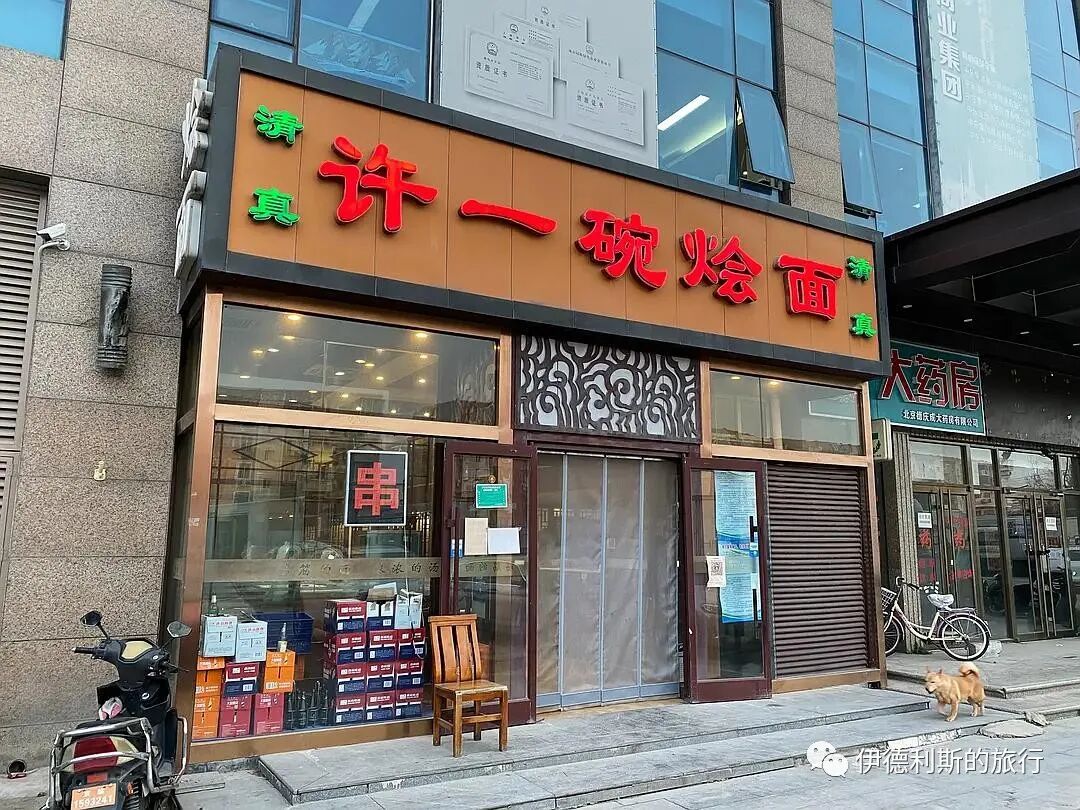
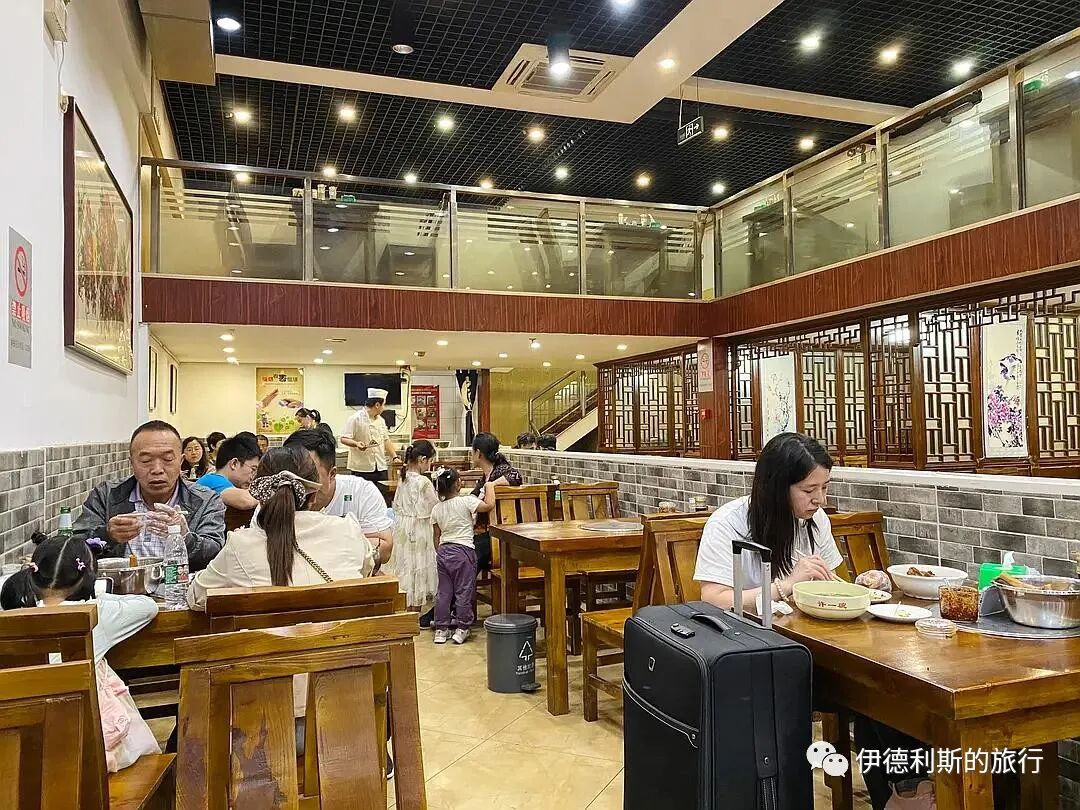
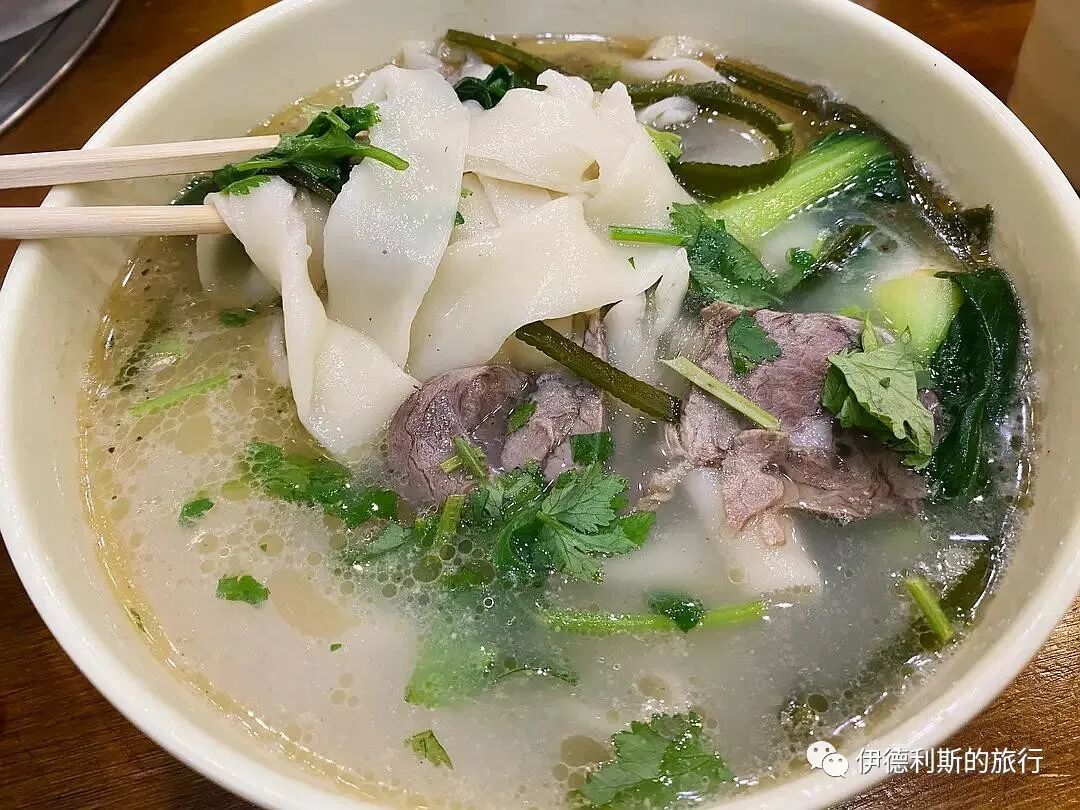
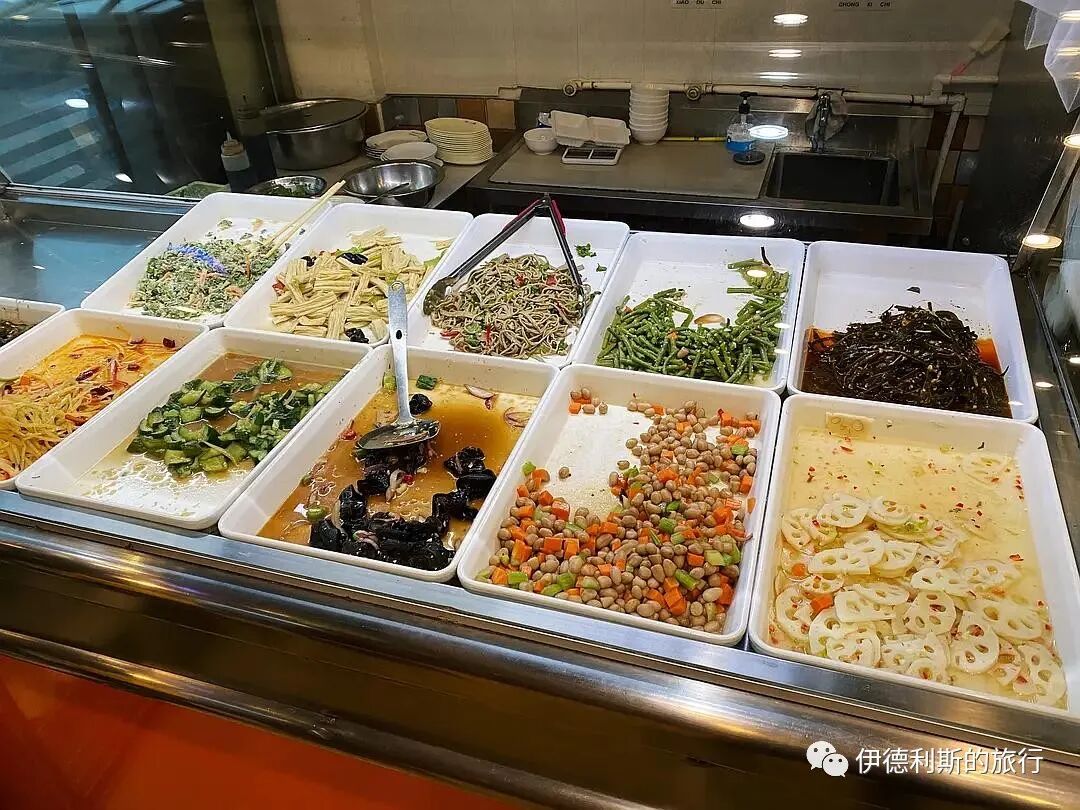
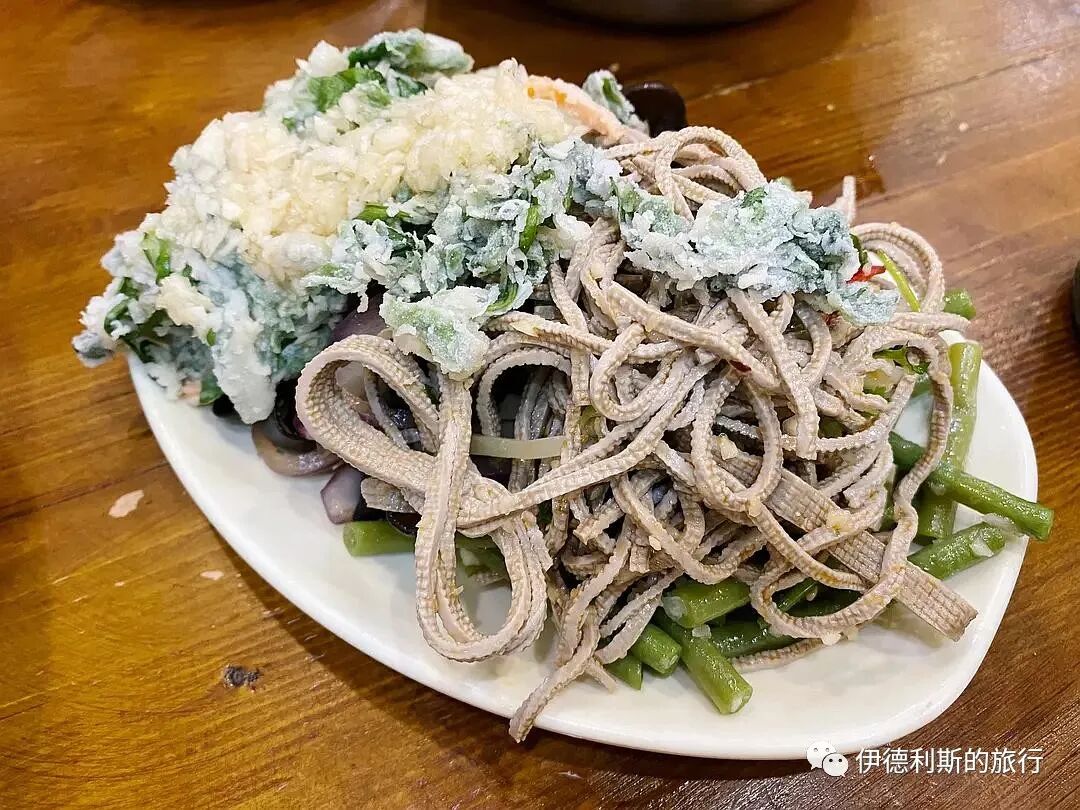
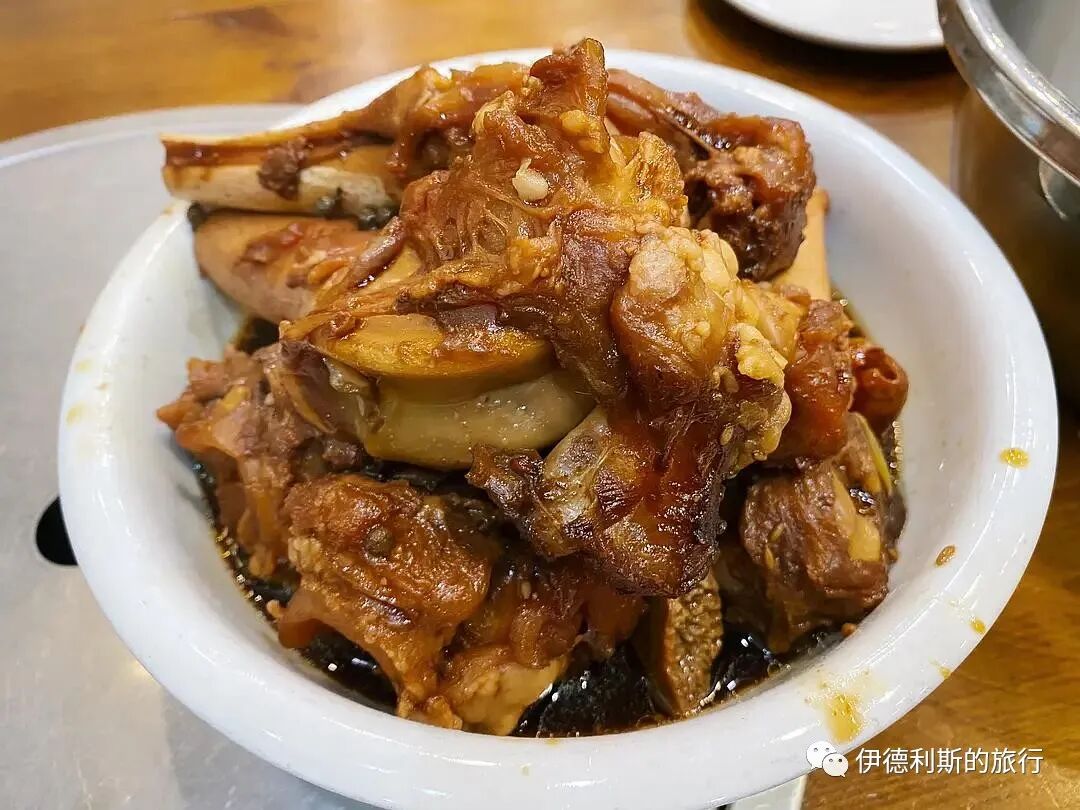
In the evening, I went to Xu's Bowl of Braised Noodles (huimian) at Wanliu Bridge on the Southwest Third Ring Road. I ordered a pot of red-broth lamb bone marrow (yangbanggu), a bowl of braised noodles (huimian), and a side of cold dishes. The braised noodles (huimian) included kelp, tofu skin, and quail eggs. The broth was very tasty. The location is just a bit out of the way.
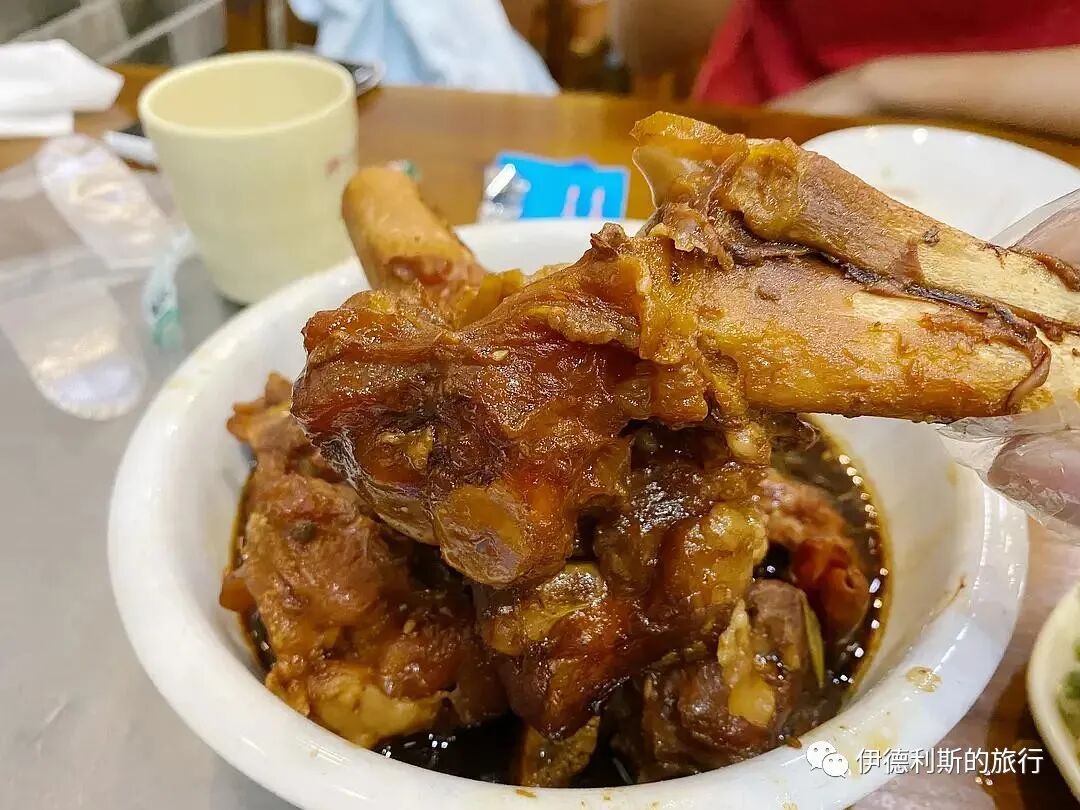
October 9, White Diamond (baizuan) in Shilihe.
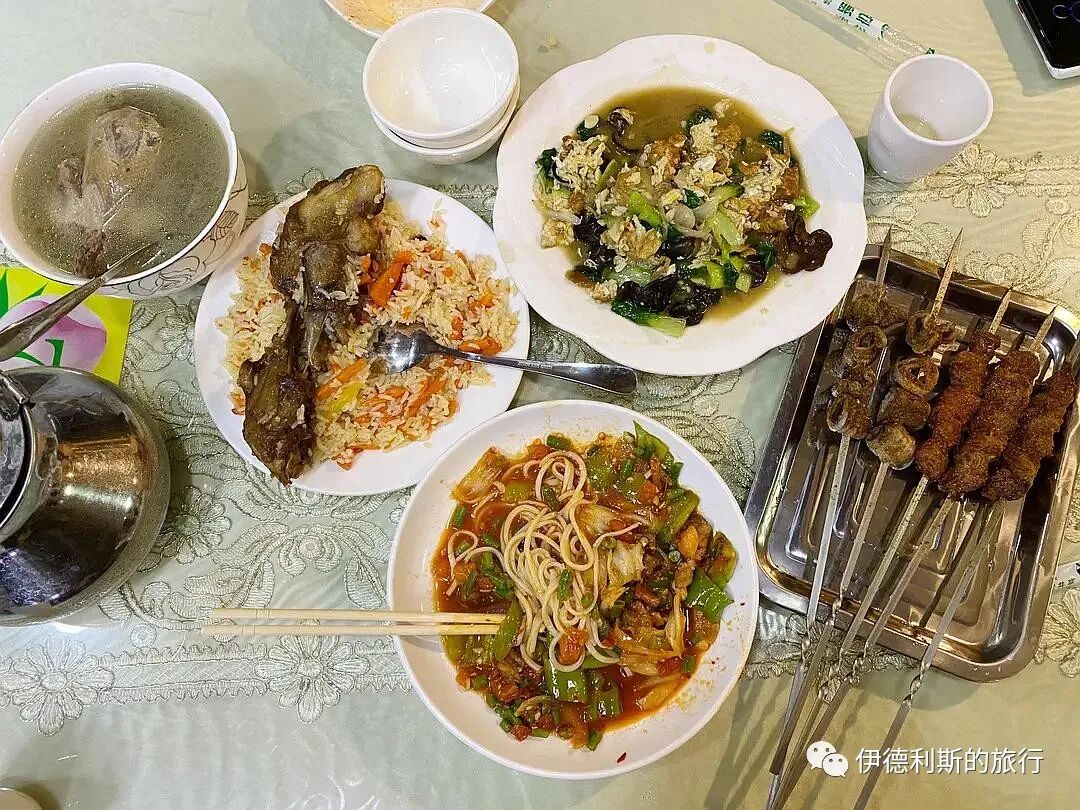
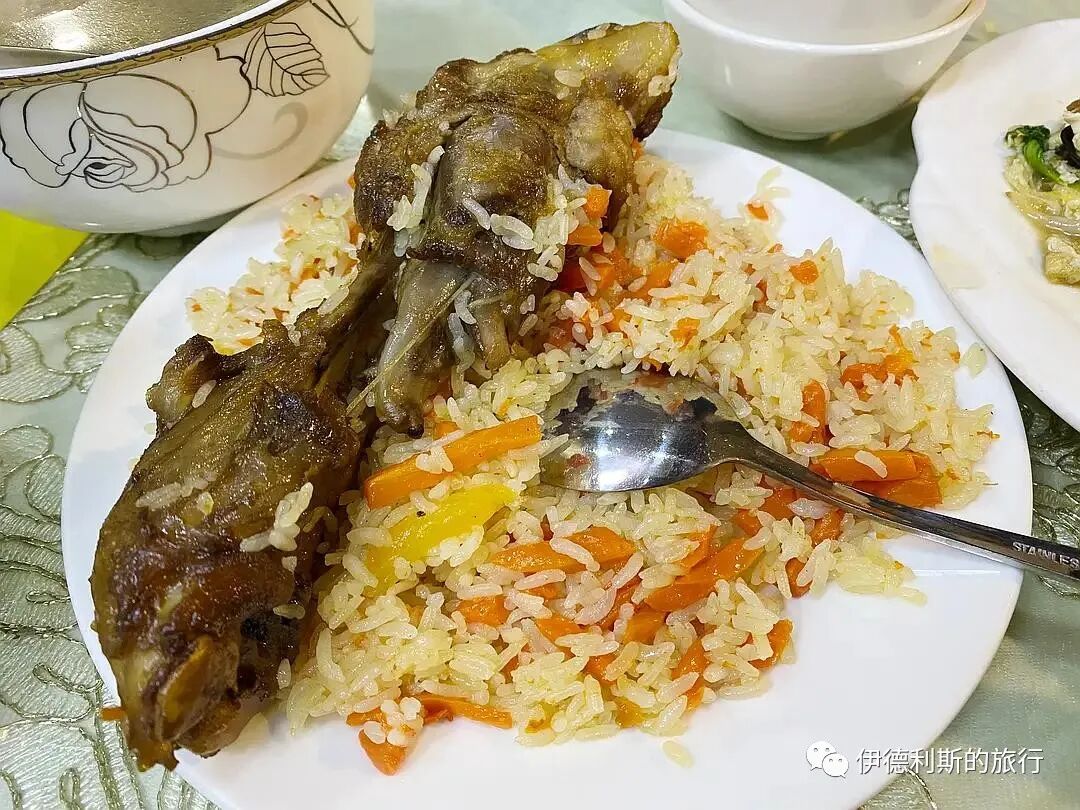
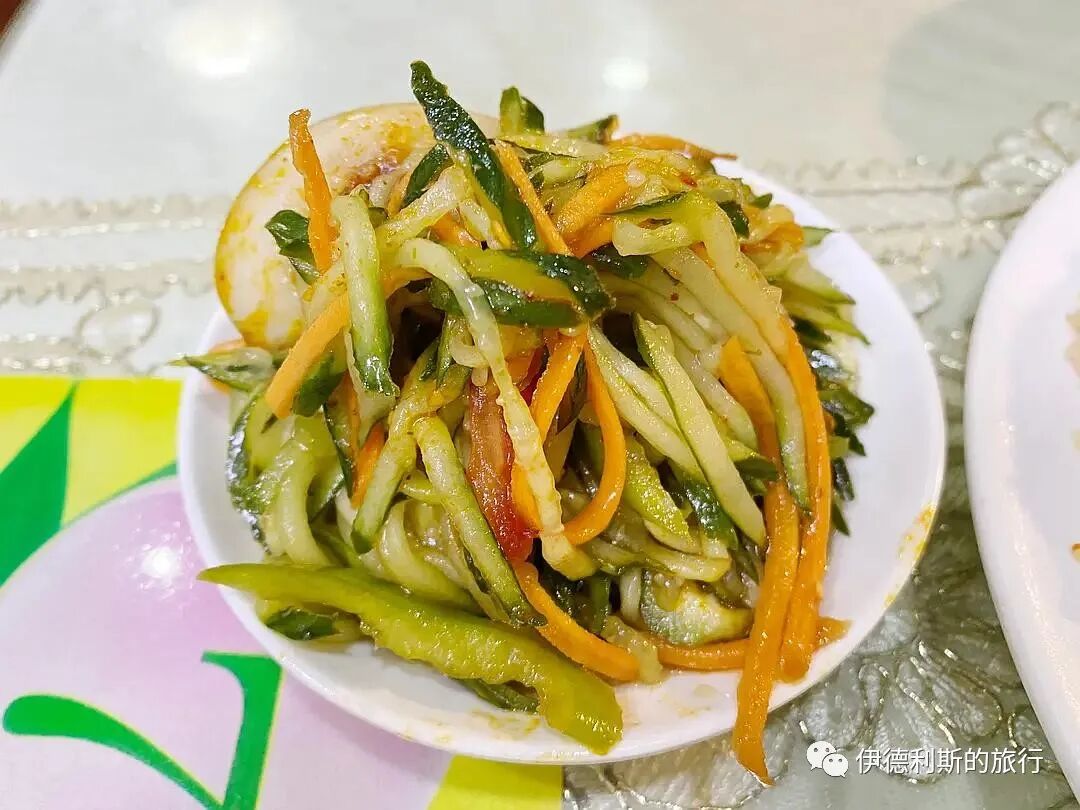
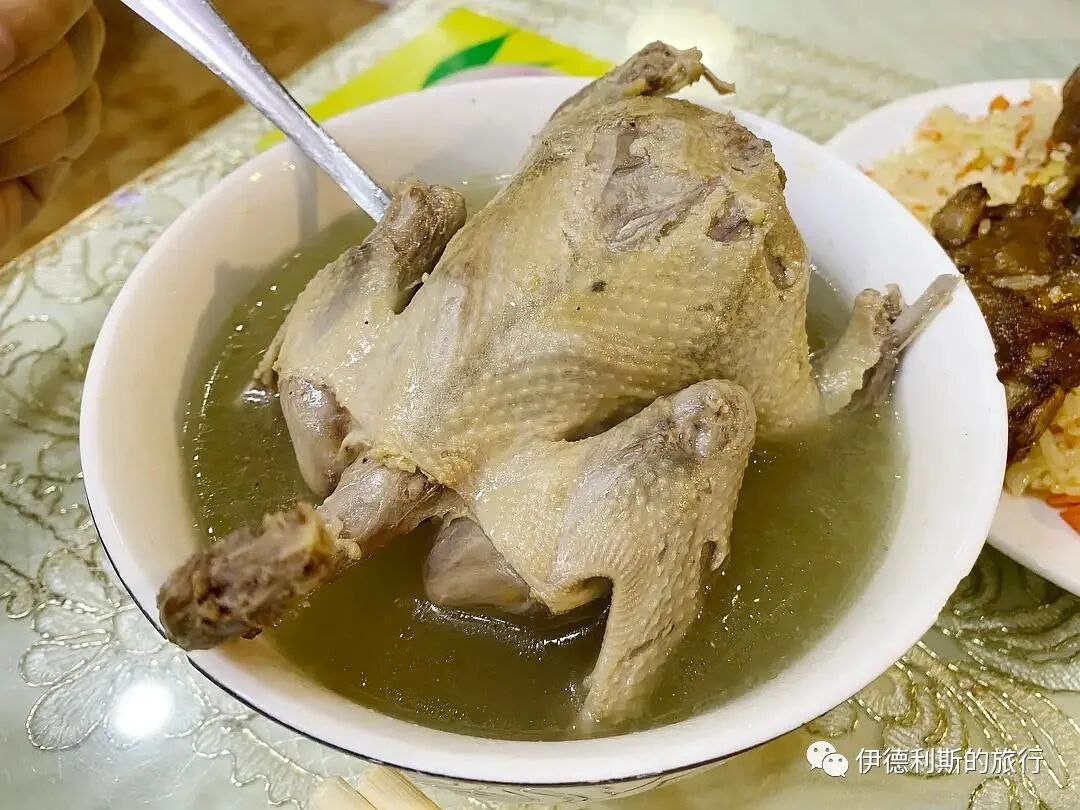
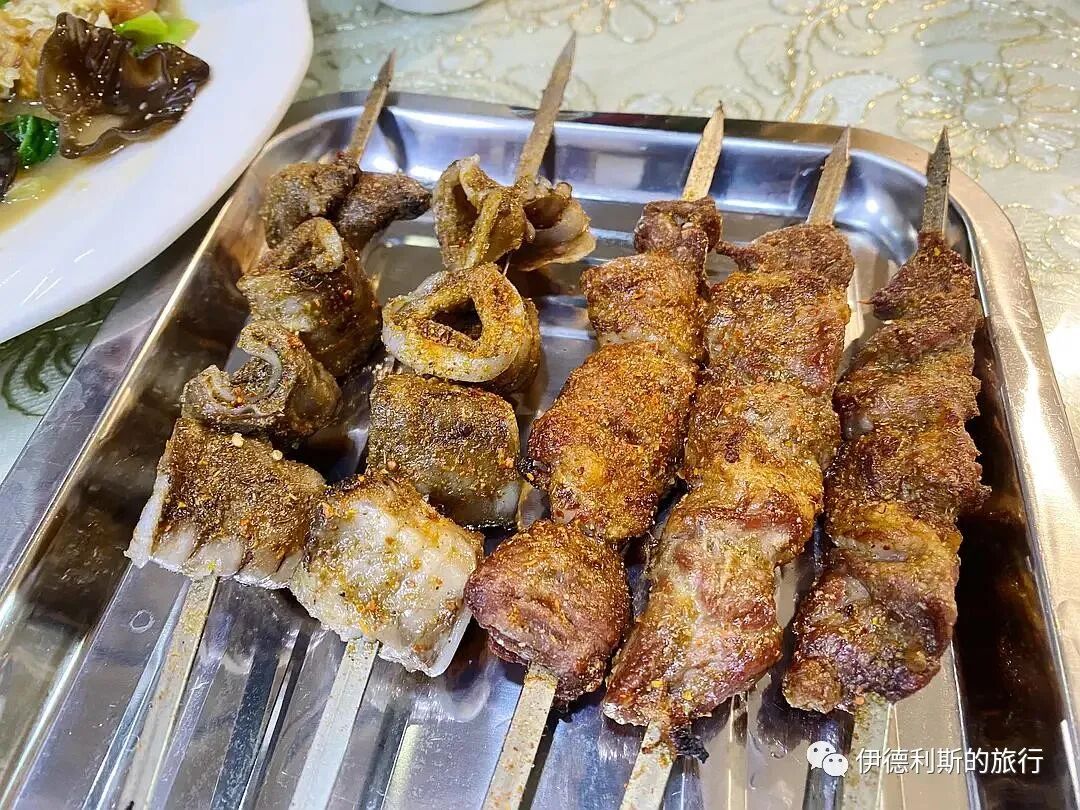
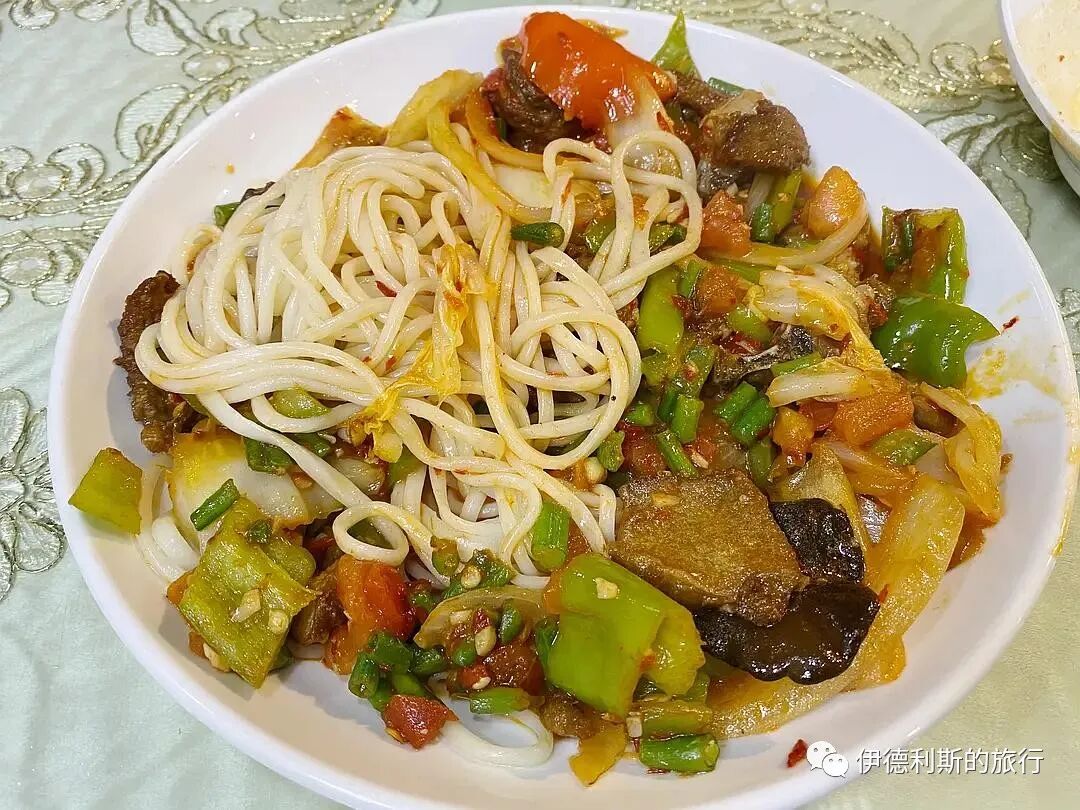
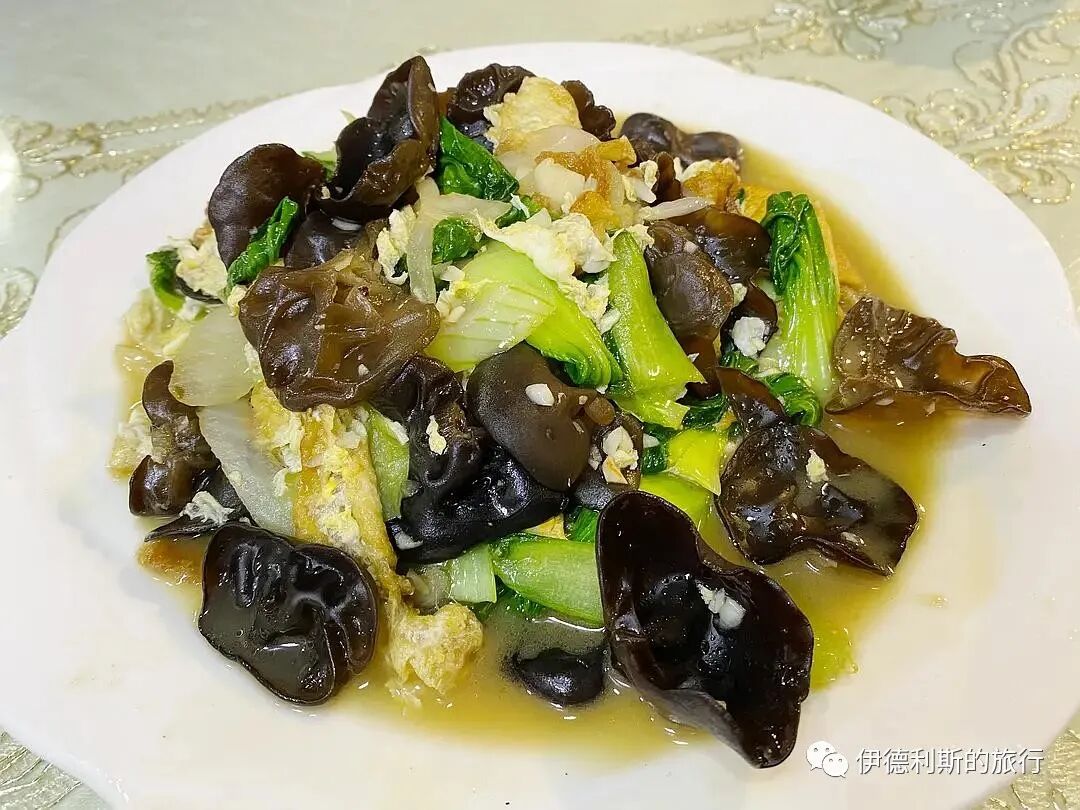
In the evening, I had a wonderful dinner at White Diamond (baizuan) in Shilihe, featuring expensive meat (guirou) romance, lamb leg pilaf (zhua fan), pigeon soup, grilled meat, grilled lamb lung pipes, and stir-fried wood ear mushrooms with eggs. Then I went to the Daliushu Dongpeng Night Market, but there were not many vendors because of the rain.
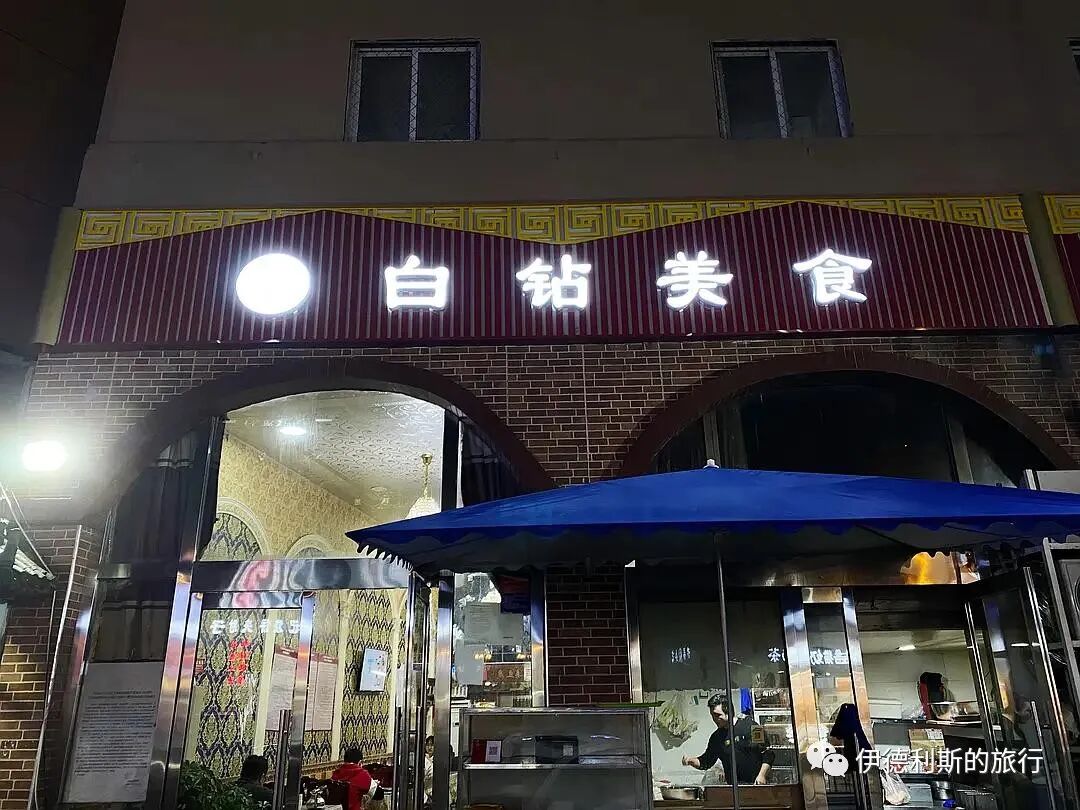
October 12, homemade mixed noodles (banmian).
I made a huge portion of homemade mushroom and meat noodles (lamian), it was really satisfying.
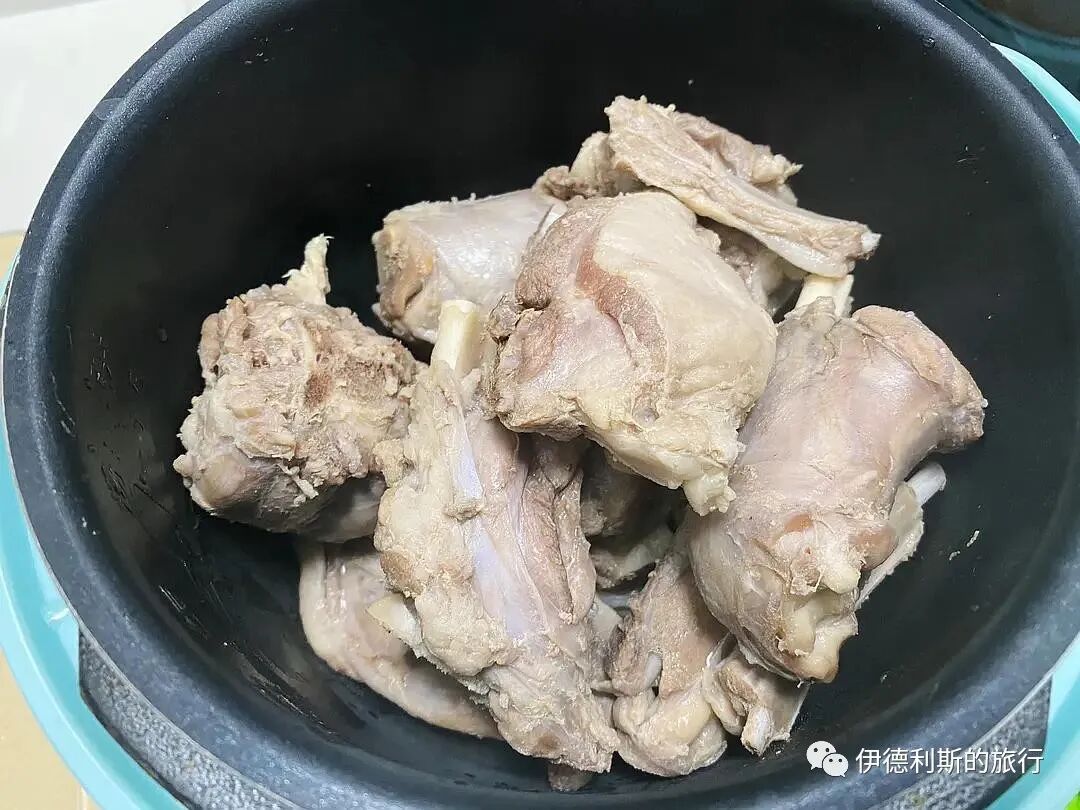
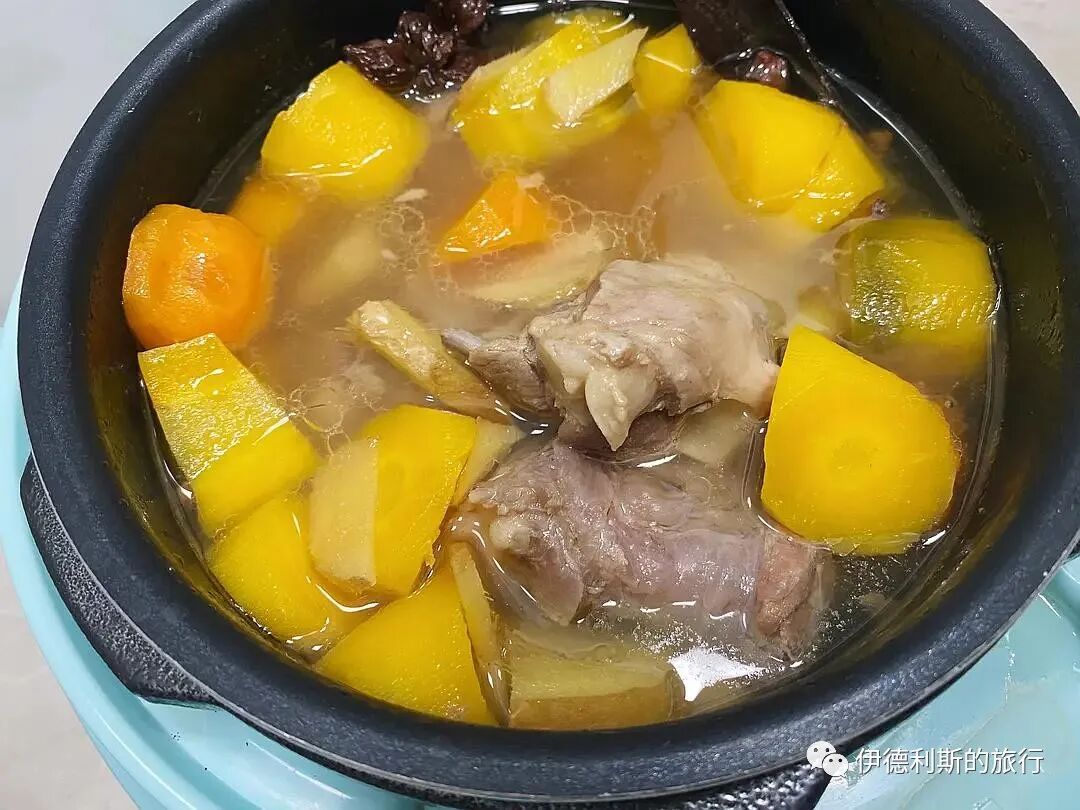
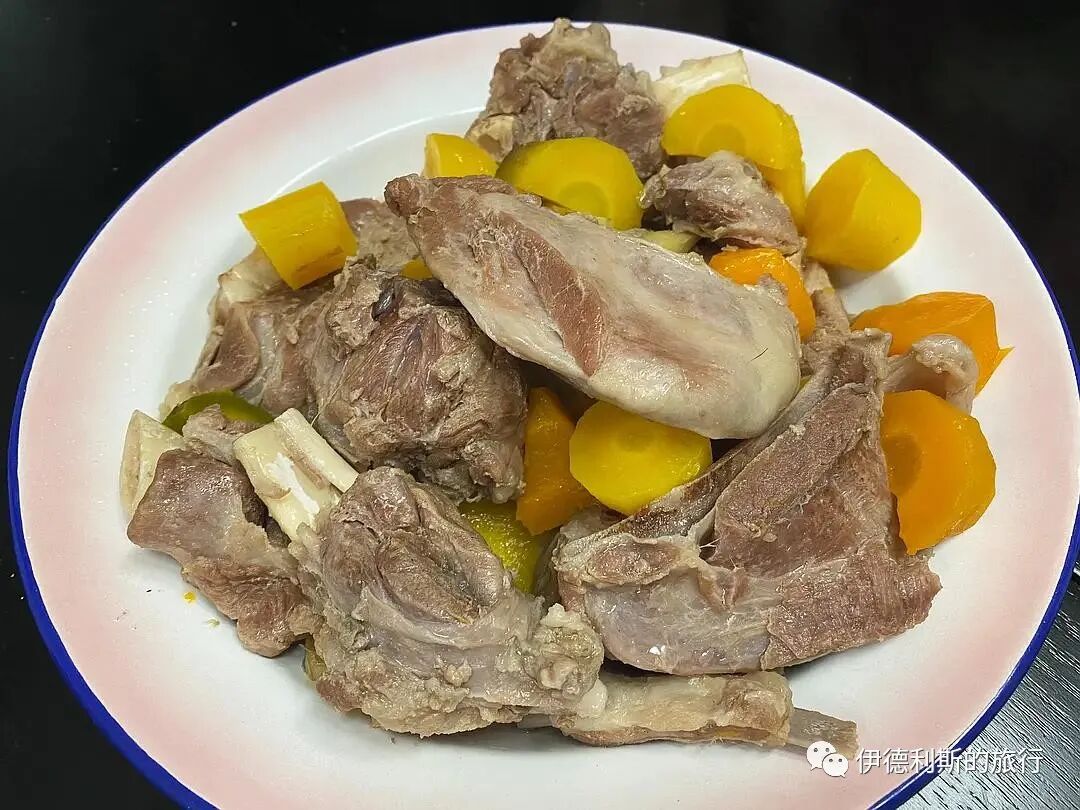
October 13, Eid al-Adha lamb (Qurban yanggao).
I stewed some lamb after work, and I have finally eaten most of this year's Eid al-Adha lamb.
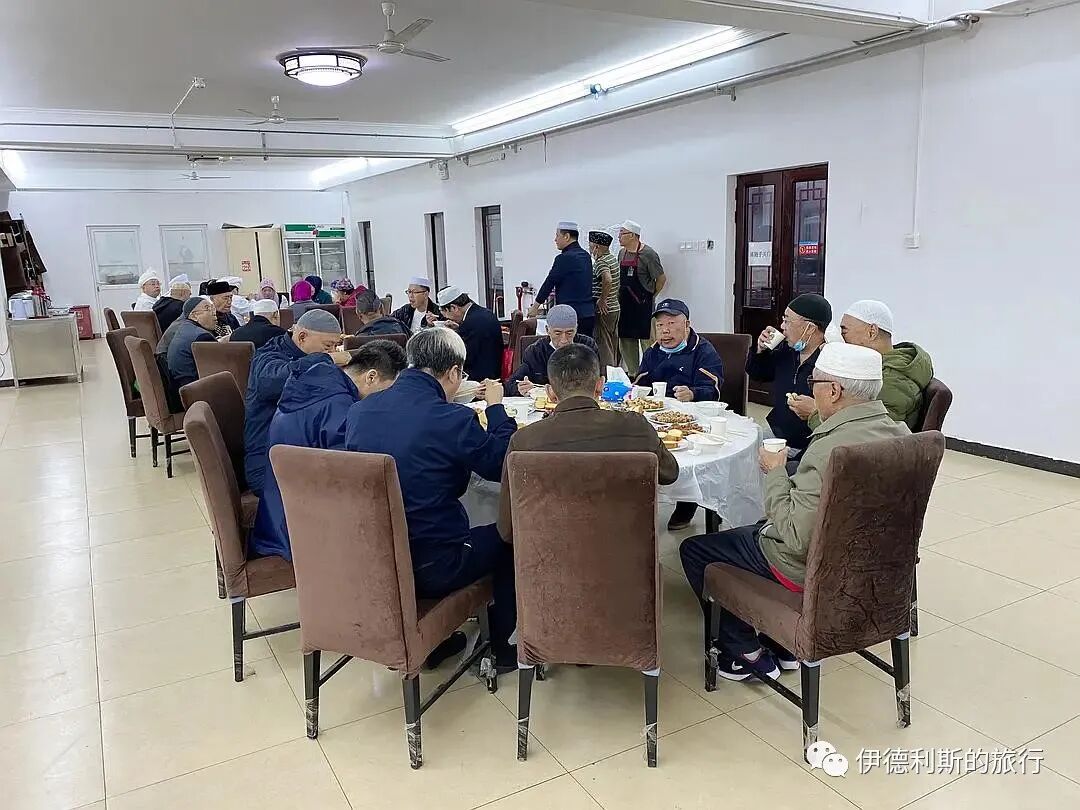
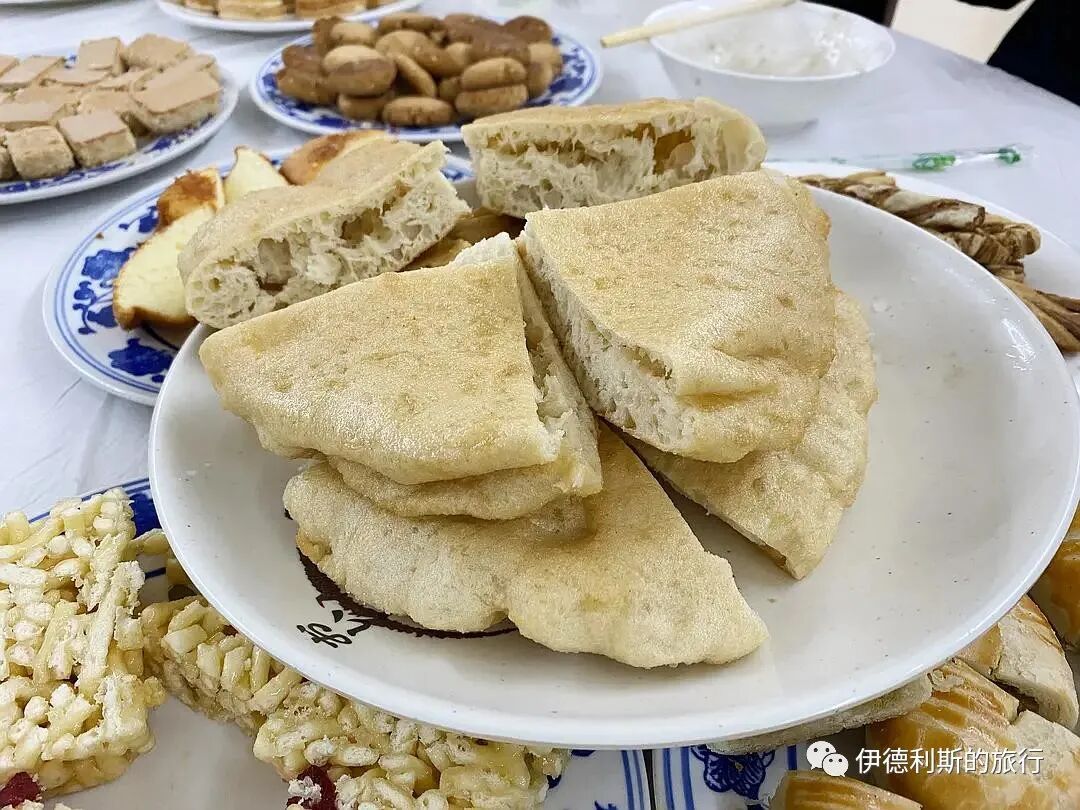
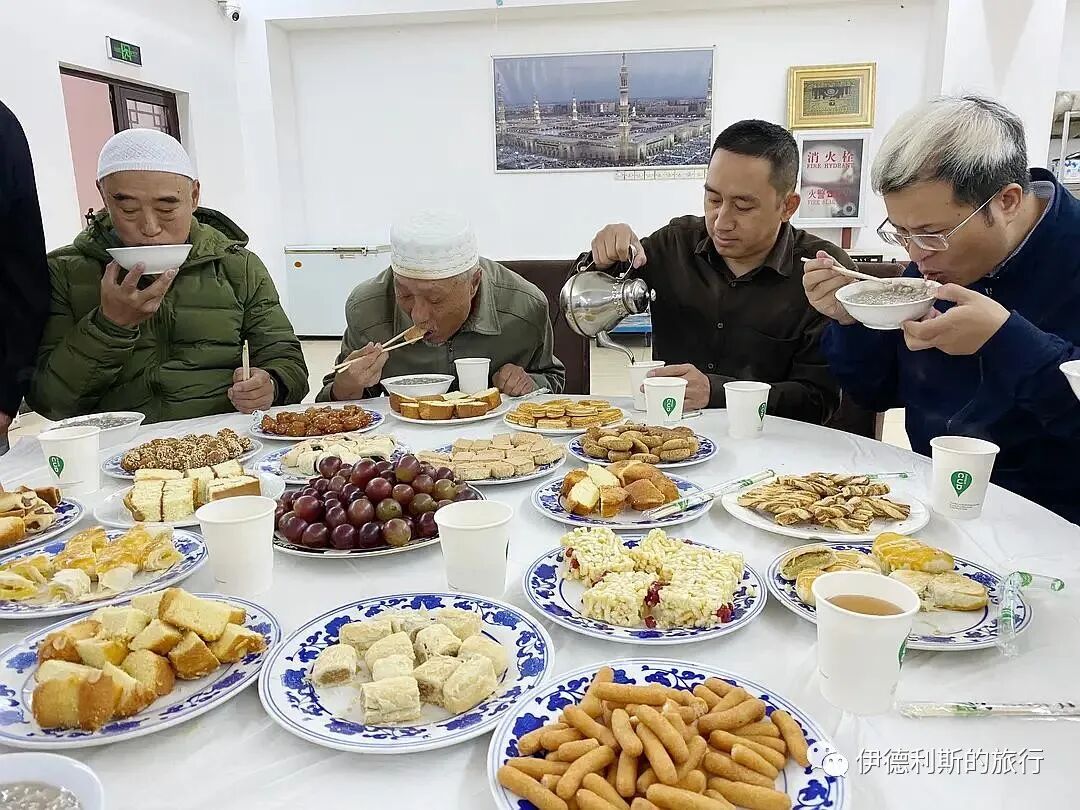
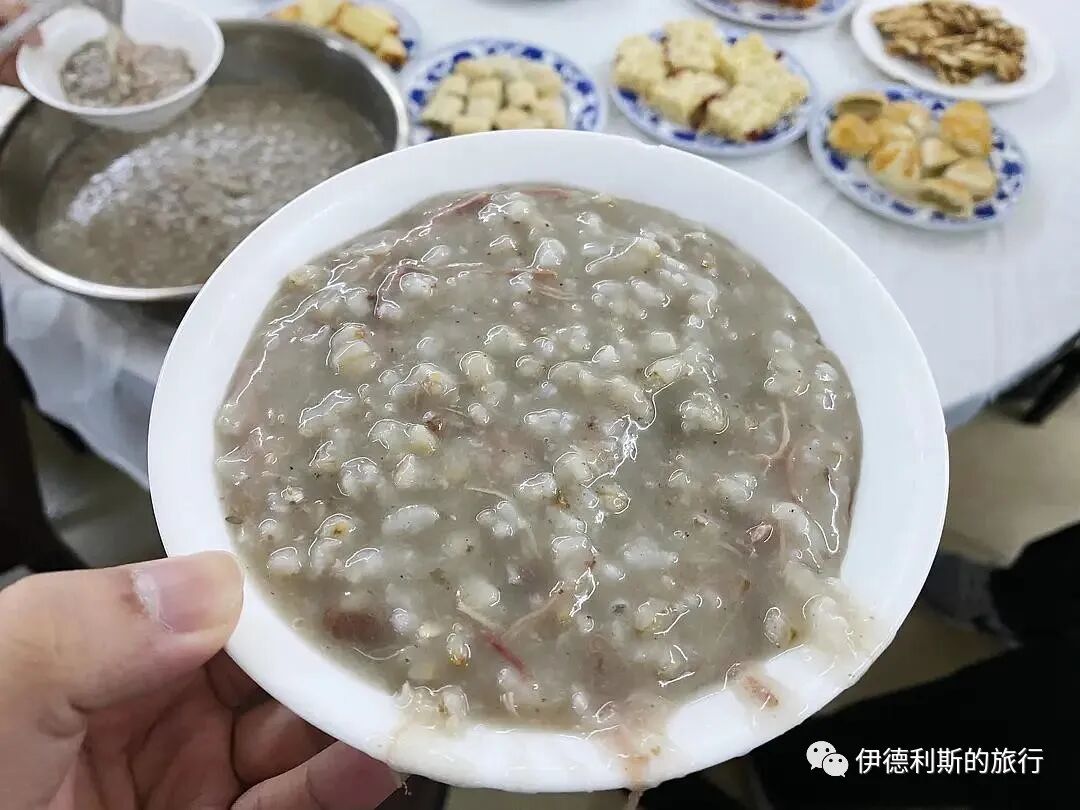
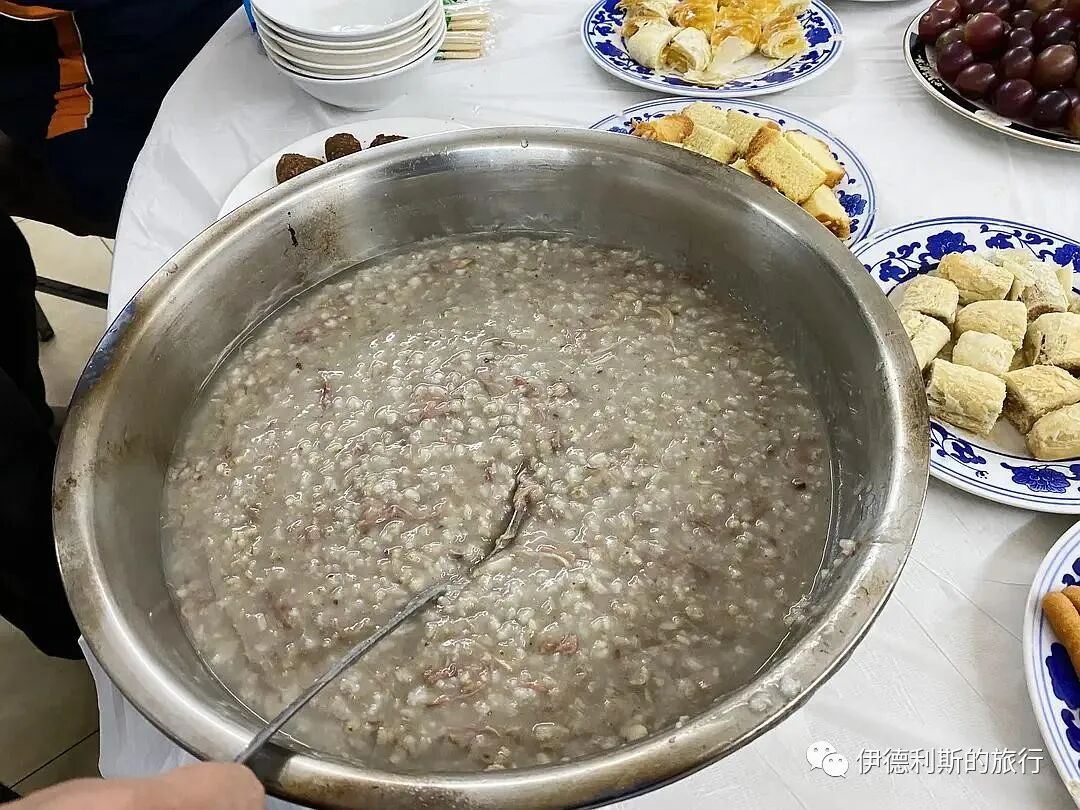
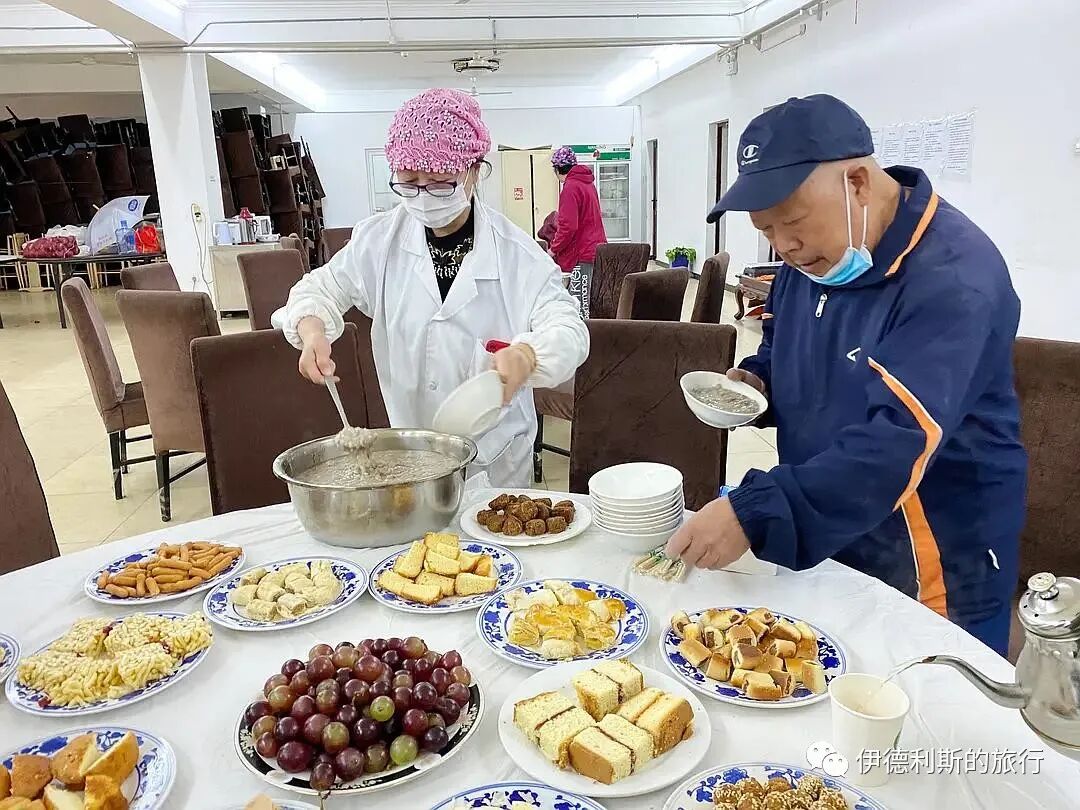
October 15, Xiapo religious gathering (sheng hui).
At the Xiapo religious gathering, we had lamb and wheat porridge (mairen rouzhou) and fried dough (youxiang).
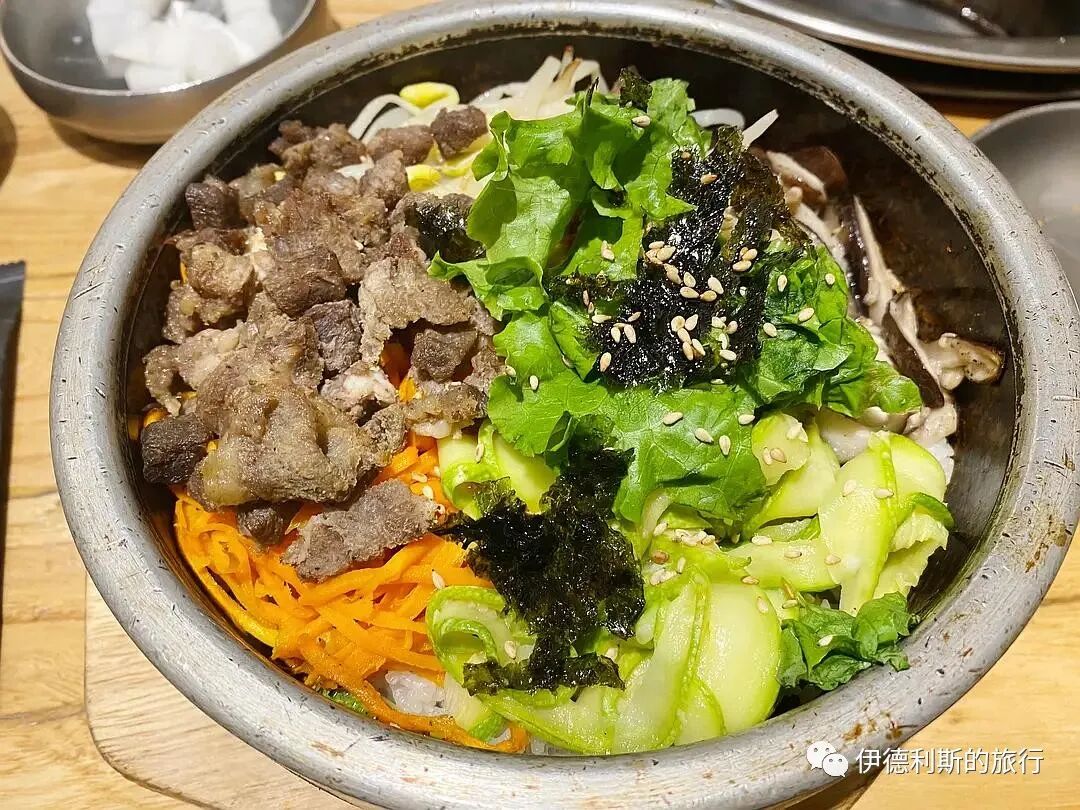
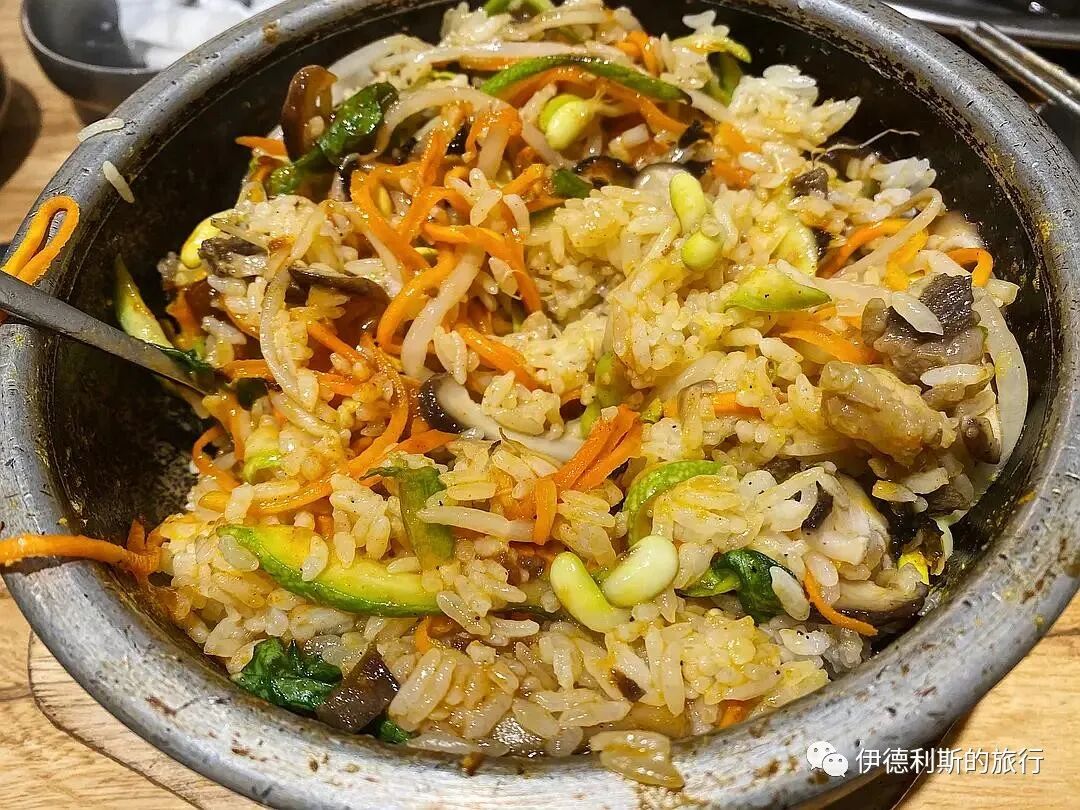
October 19, Chingu stone pot bibimbap in Changying.
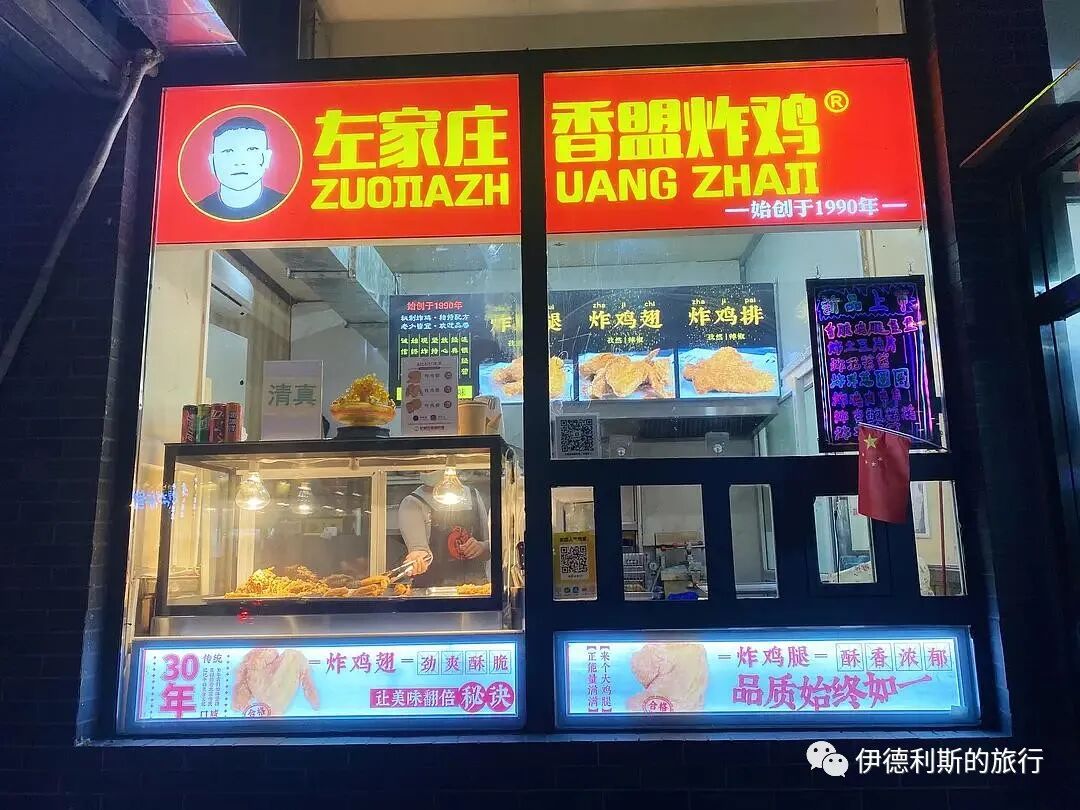
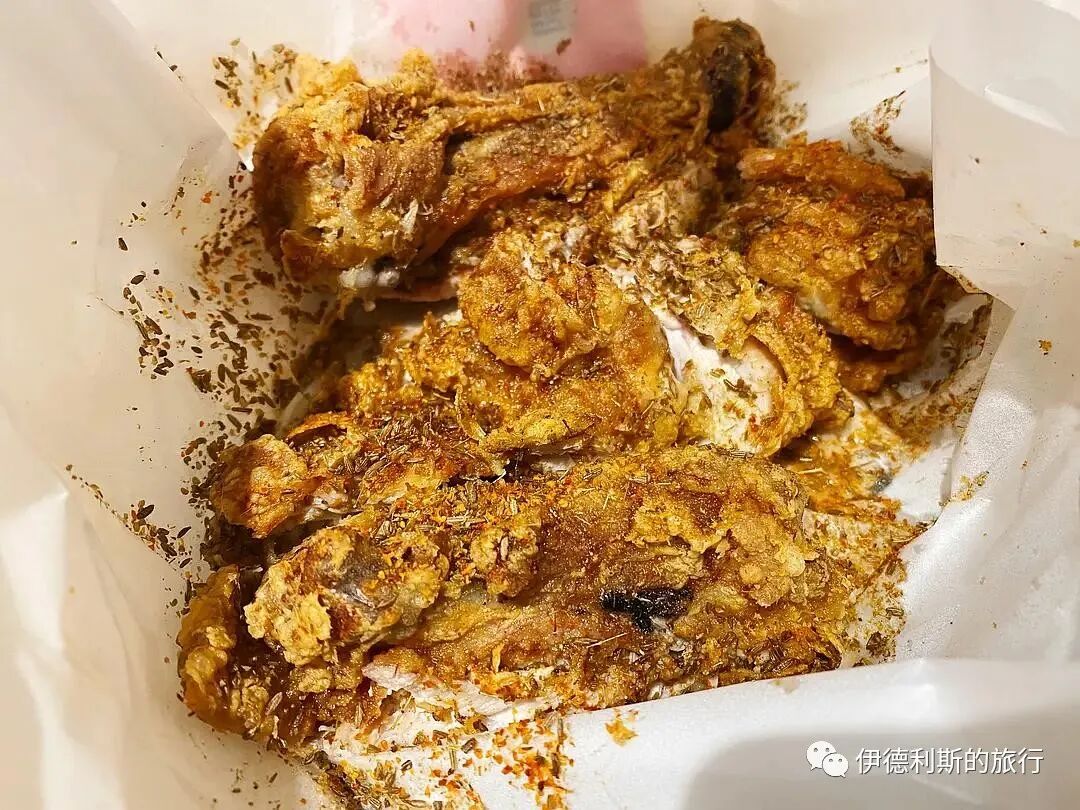
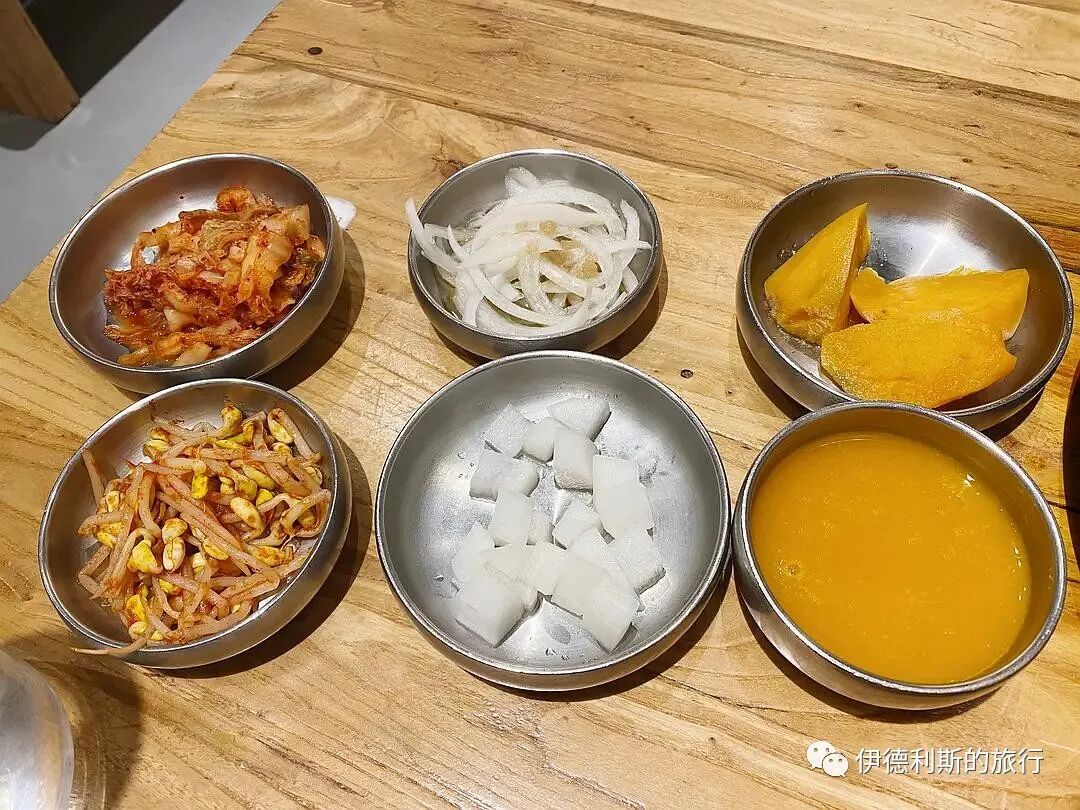
I bought some fried chicken downstairs from Chingu, then had stone pot bibimbap with Chingu, it was wonderful.
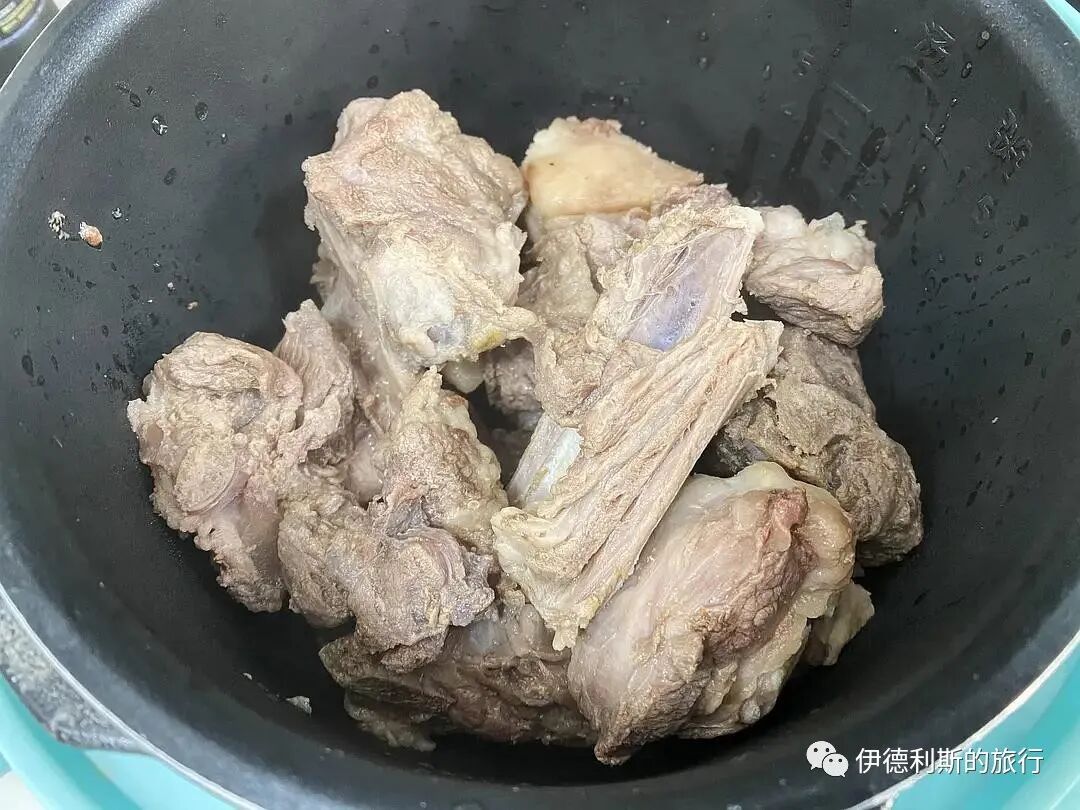
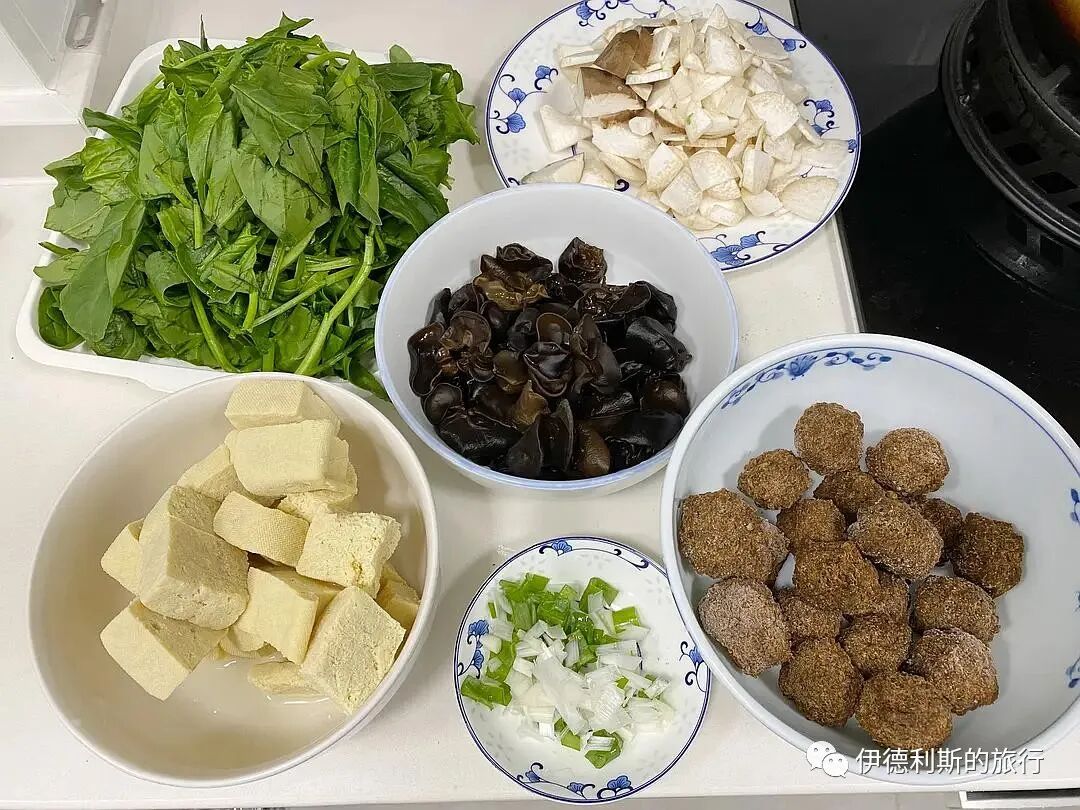
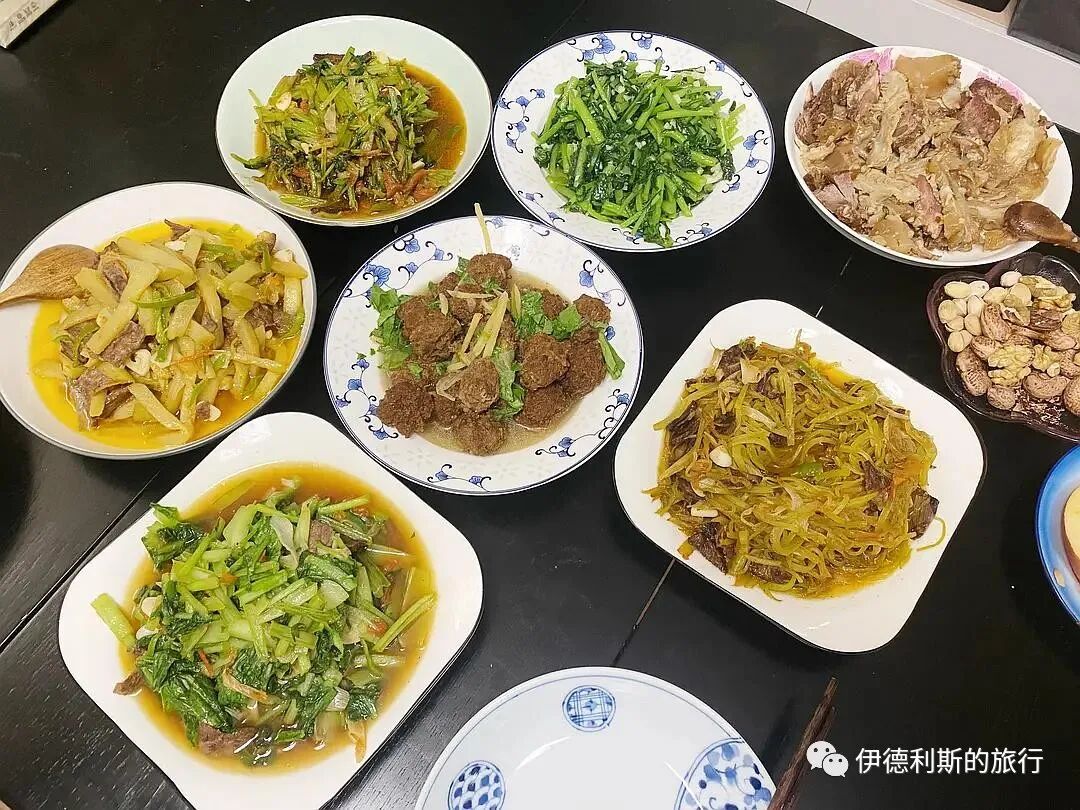
October 21, a table of food I made, including Xinjiang meatball soup (wanzi tang).
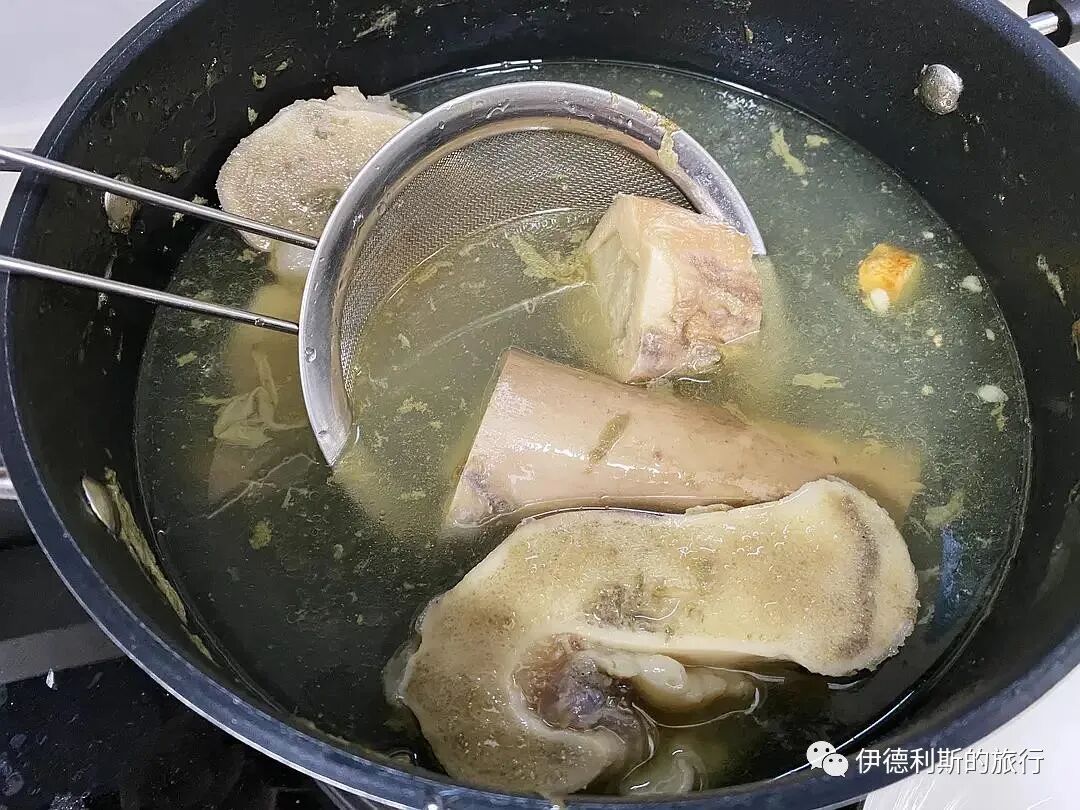
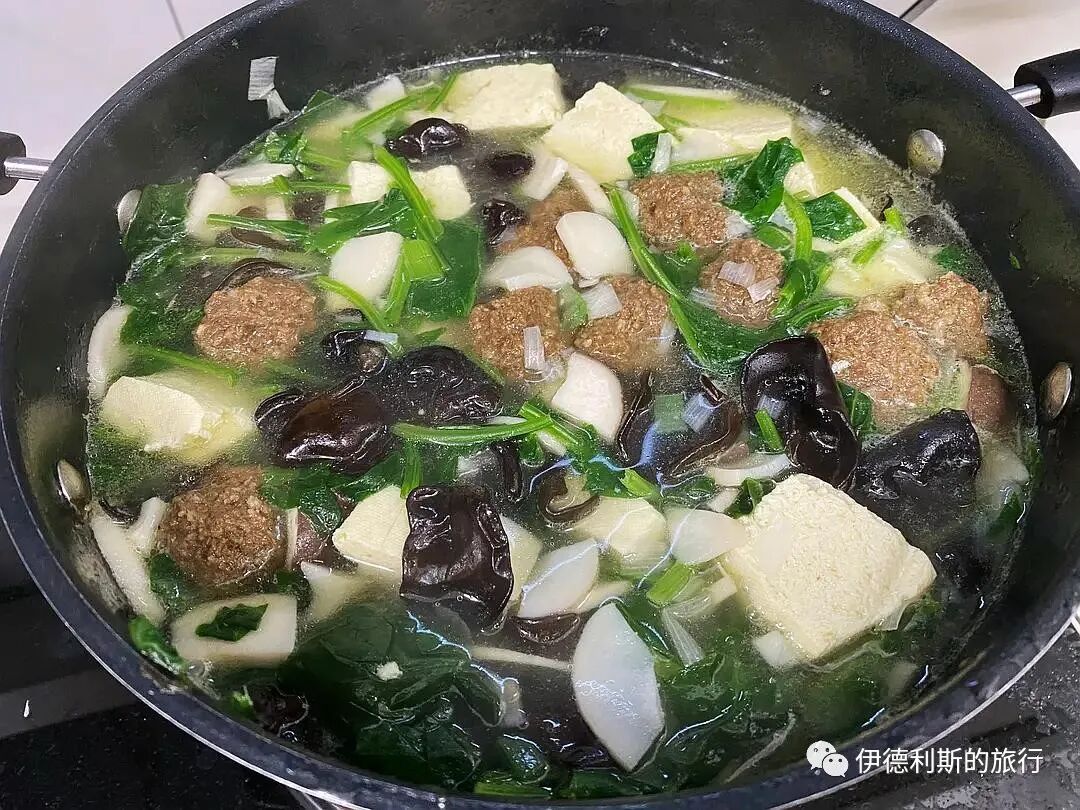
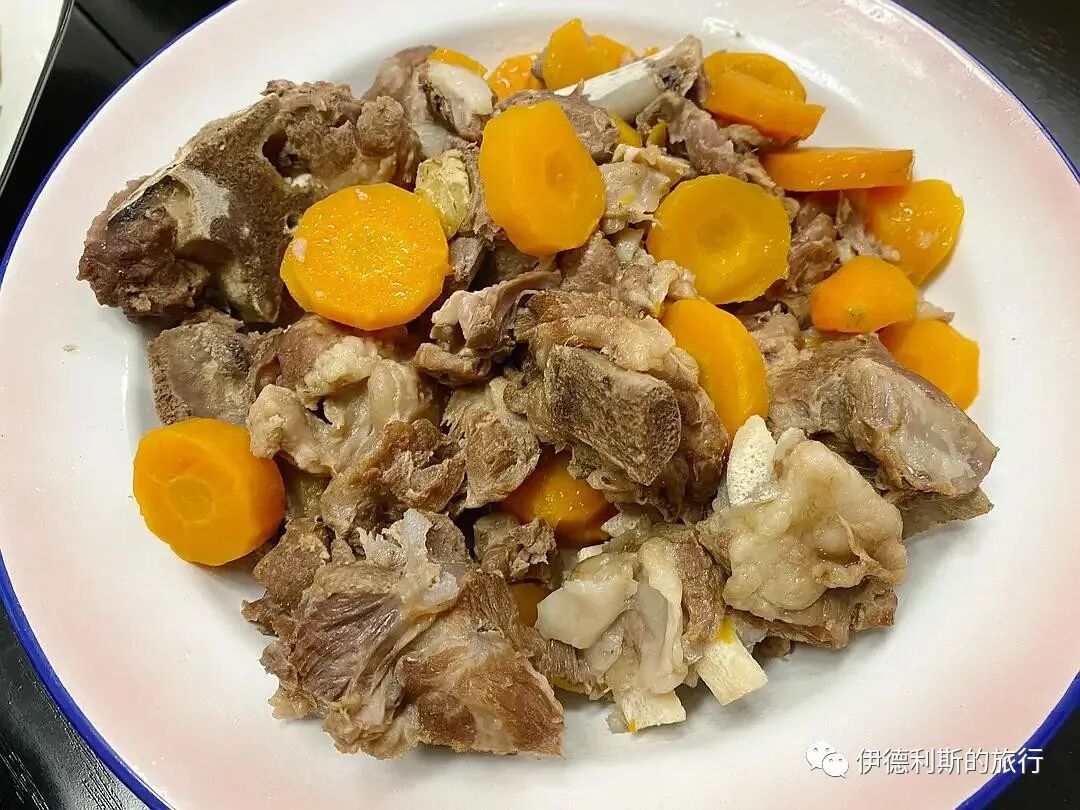
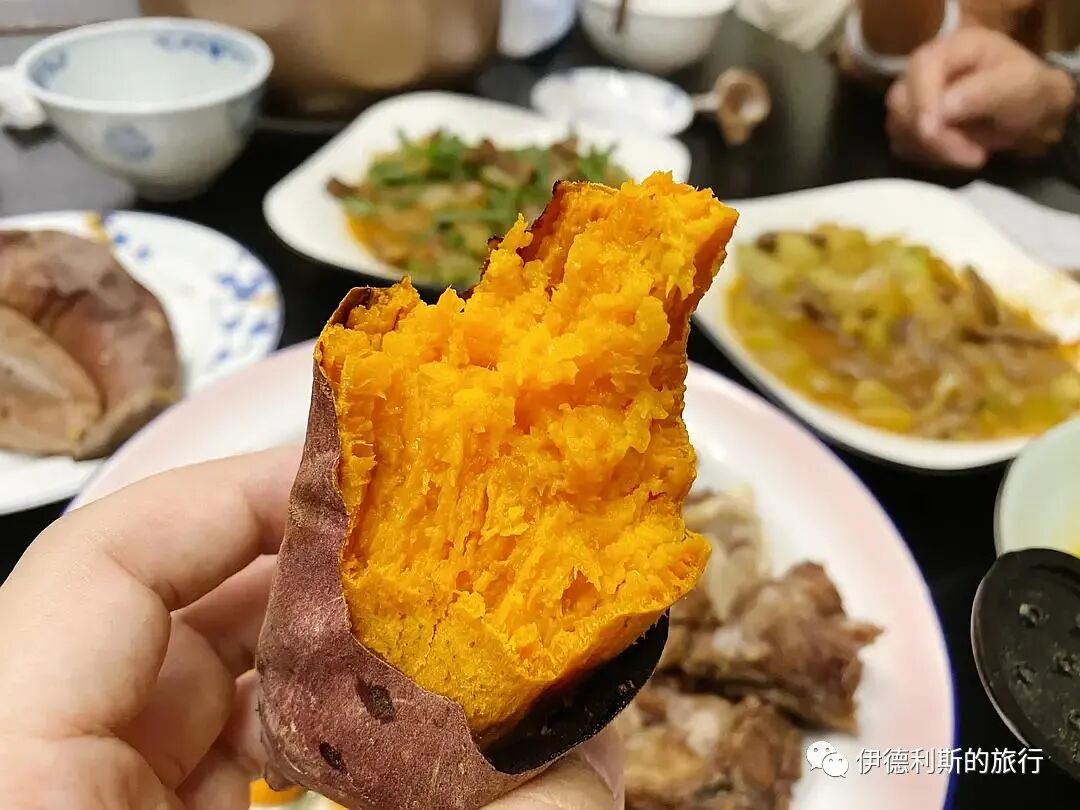
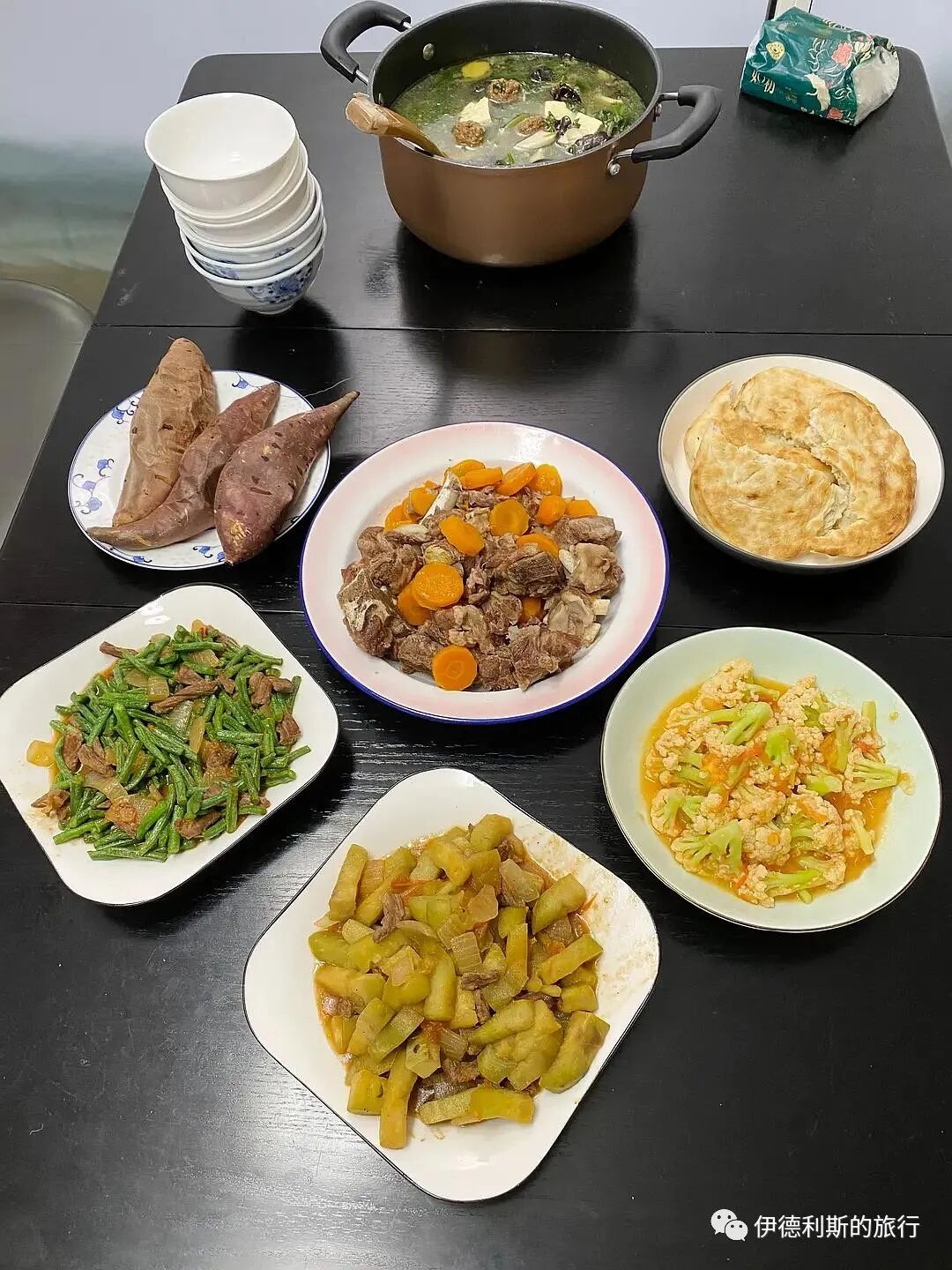
My parents-in-law came to Beijing, so I cooked a whole table of food for them. I bought beef bone marrow (niu banggu) in Changying and stewed it for three hours, then added meatballs my mother-in-law had fried in advance, frozen tofu, king oyster mushrooms, wood ear mushrooms, and spinach to make a pot of Xinjiang meatball soup. I clear-stewed the last of the Eid al-Adha lamb from the fridge, stir-fried eggplant and long beans with beef cucumber strip (niu huanggua tiao) bought at the market, made stir-fried cauliflower with tomatoes, and roasted sweet potatoes in the steam-oven.
October 21, Jufuyuan at Beixinqiao.
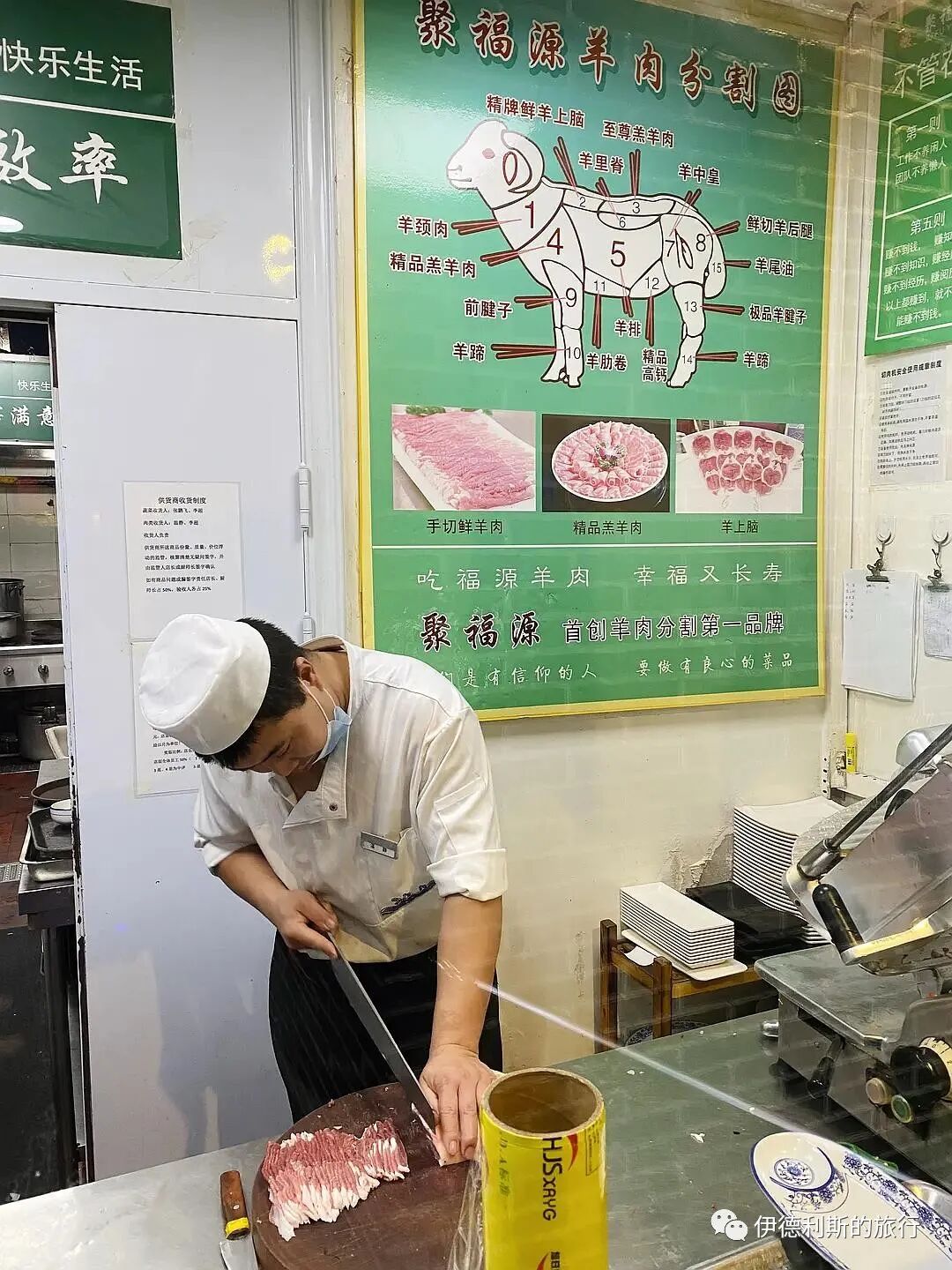
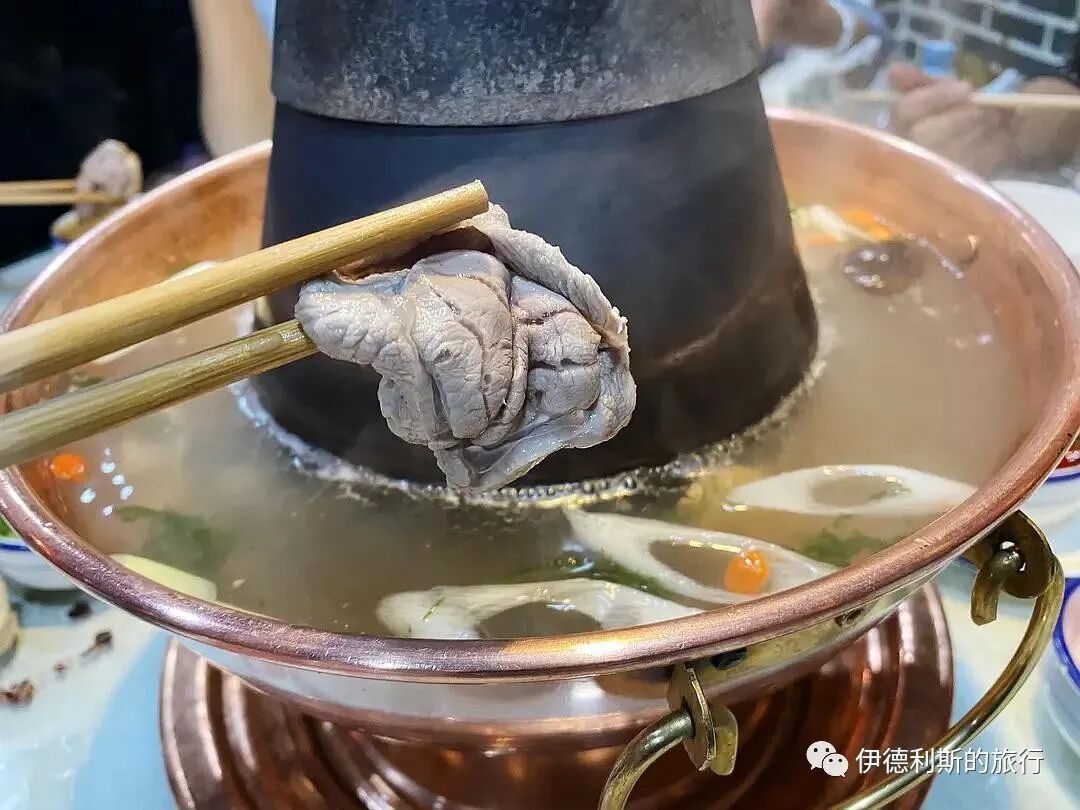
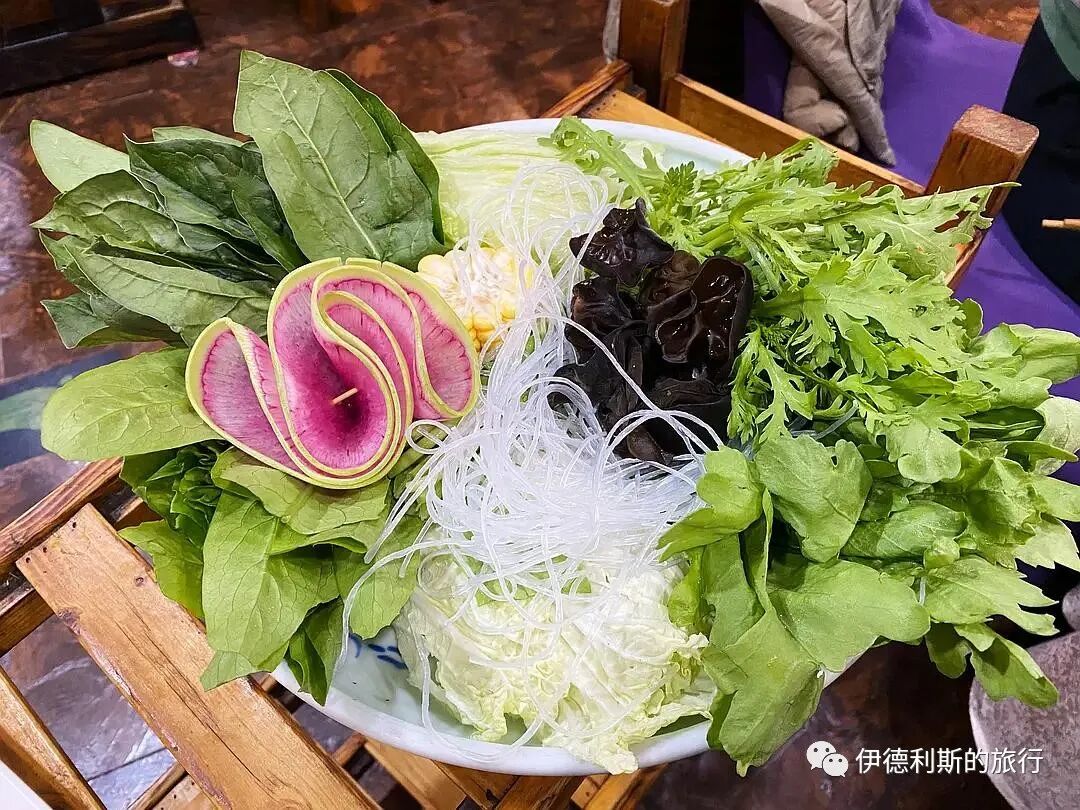
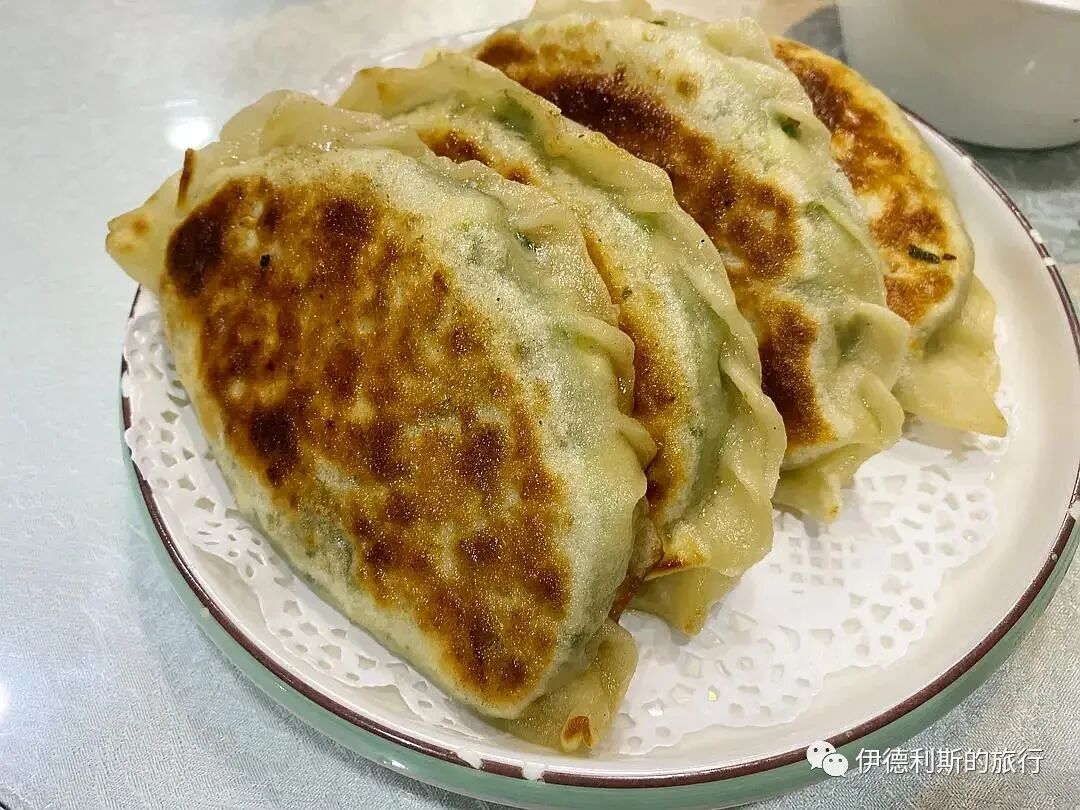
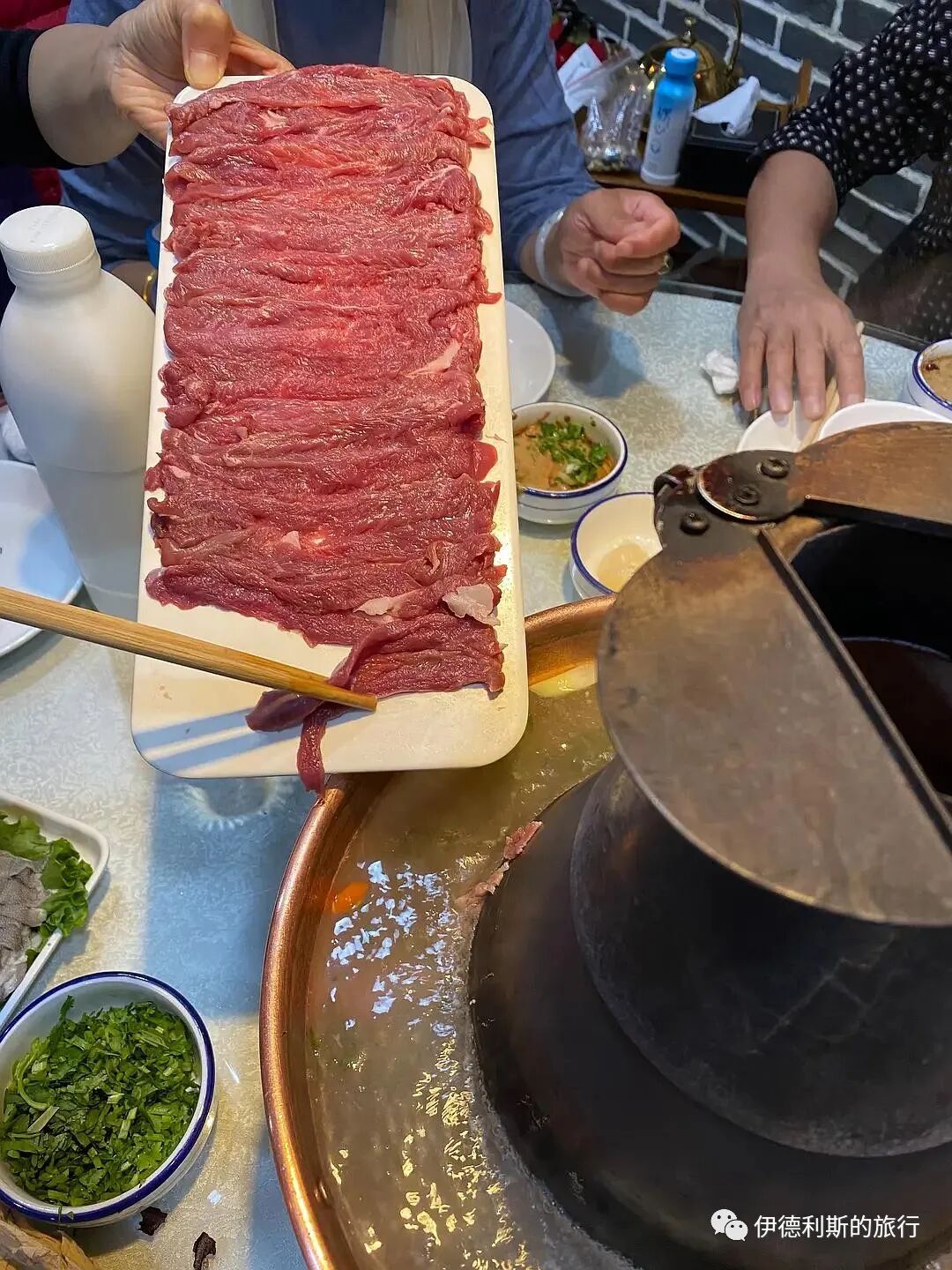
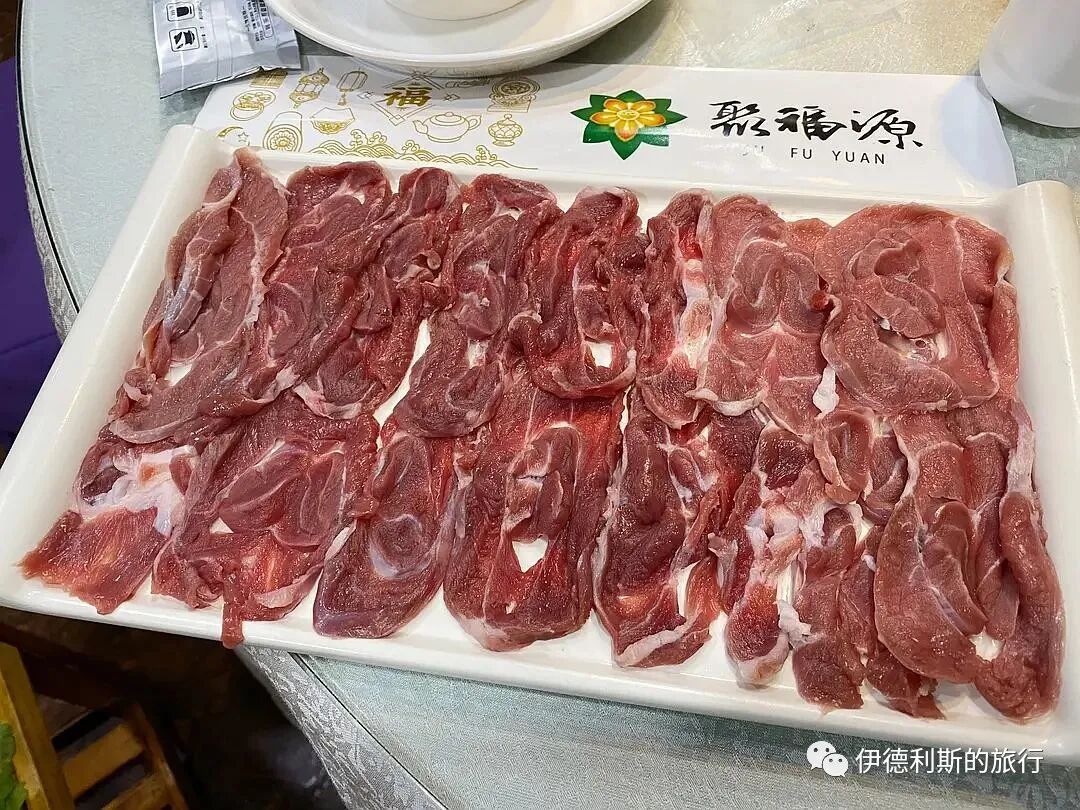
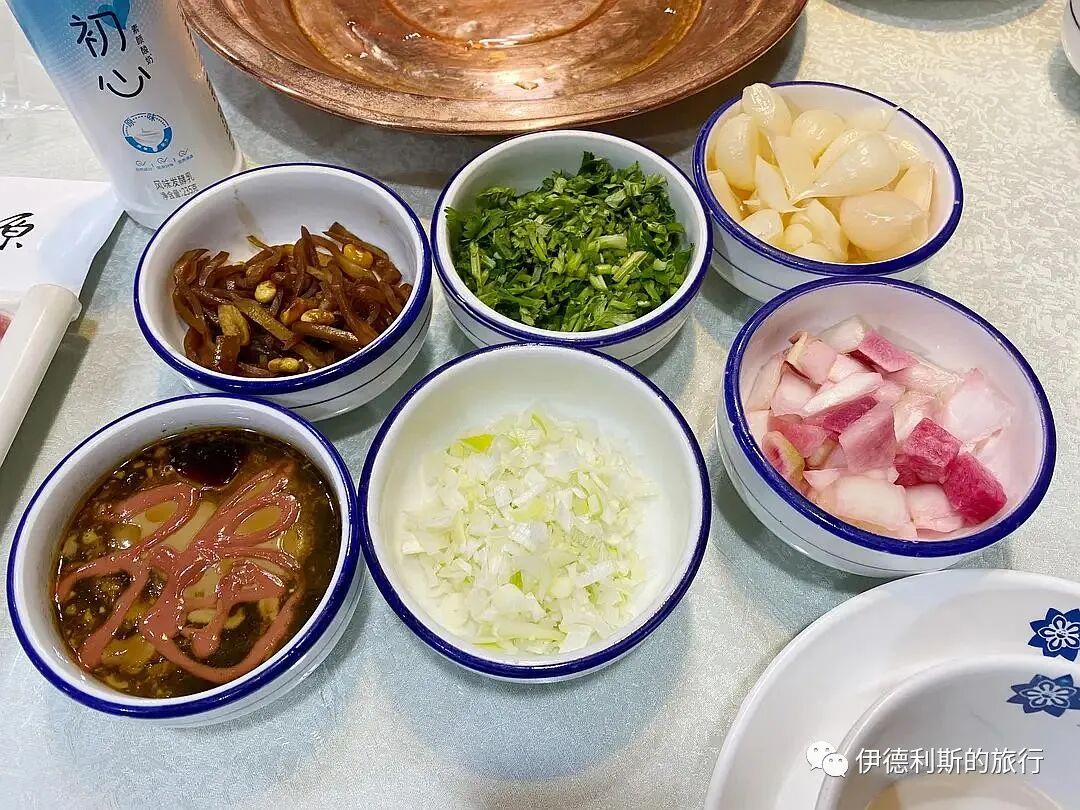
In the afternoon, the family gathered at Jufuyuan in Beixinqiao for hot pot (shuan guozi), grilled meat (zhizi kaorou), and chive pockets (jiucai hezi), and everyone was very satisfied.
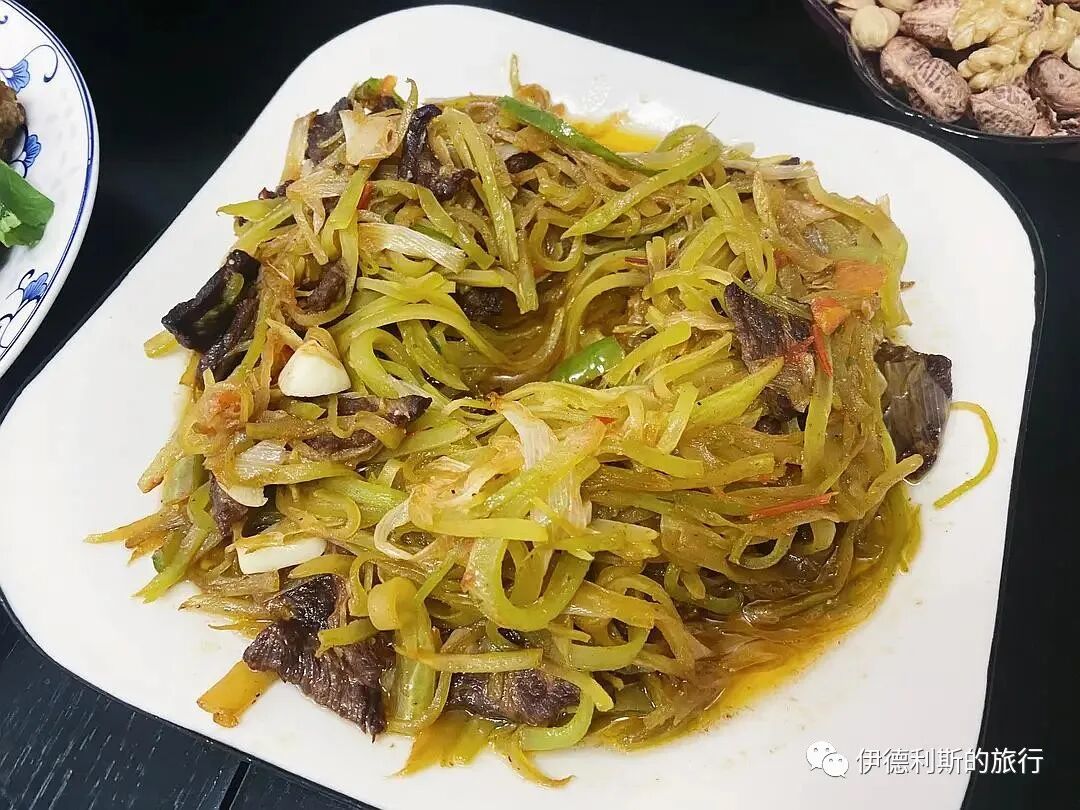
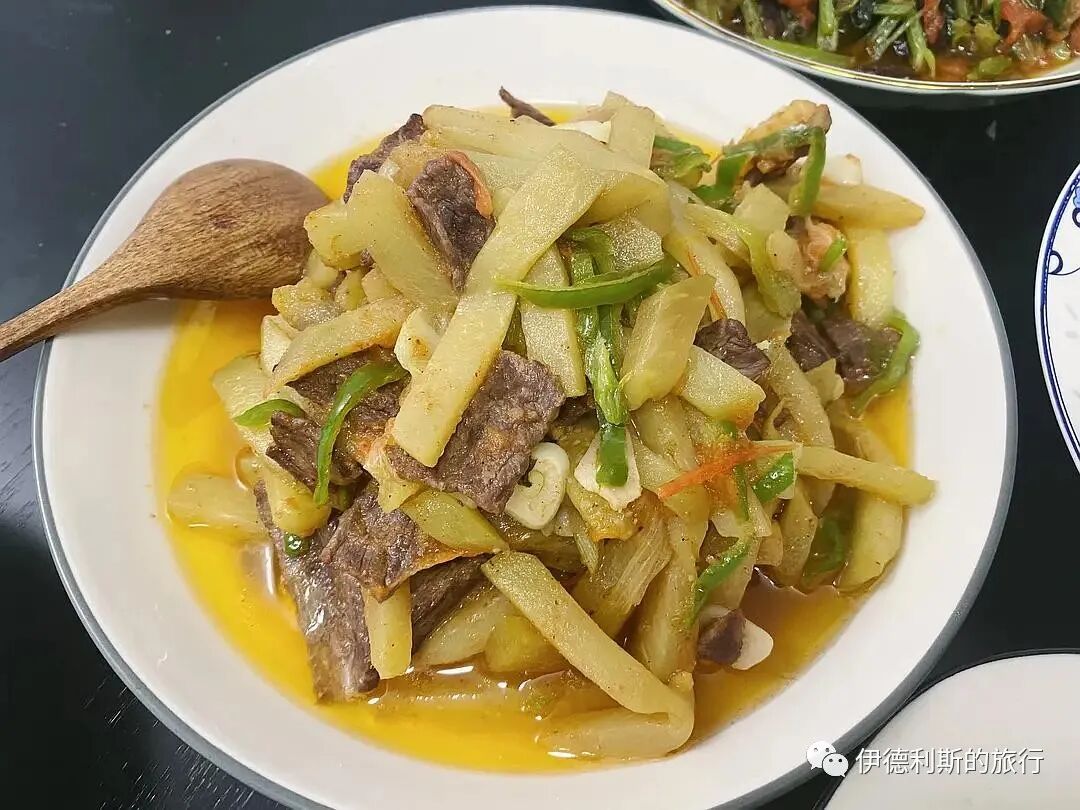
October 24, hand-pulled noodles (latiaozi).
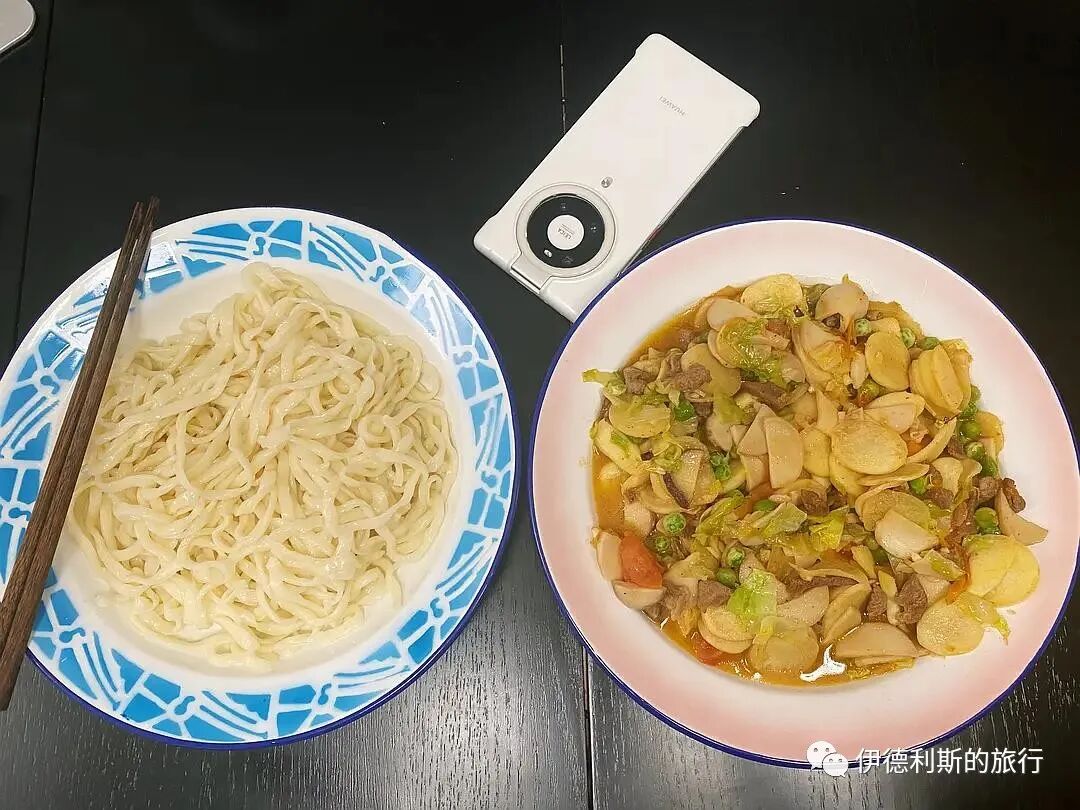
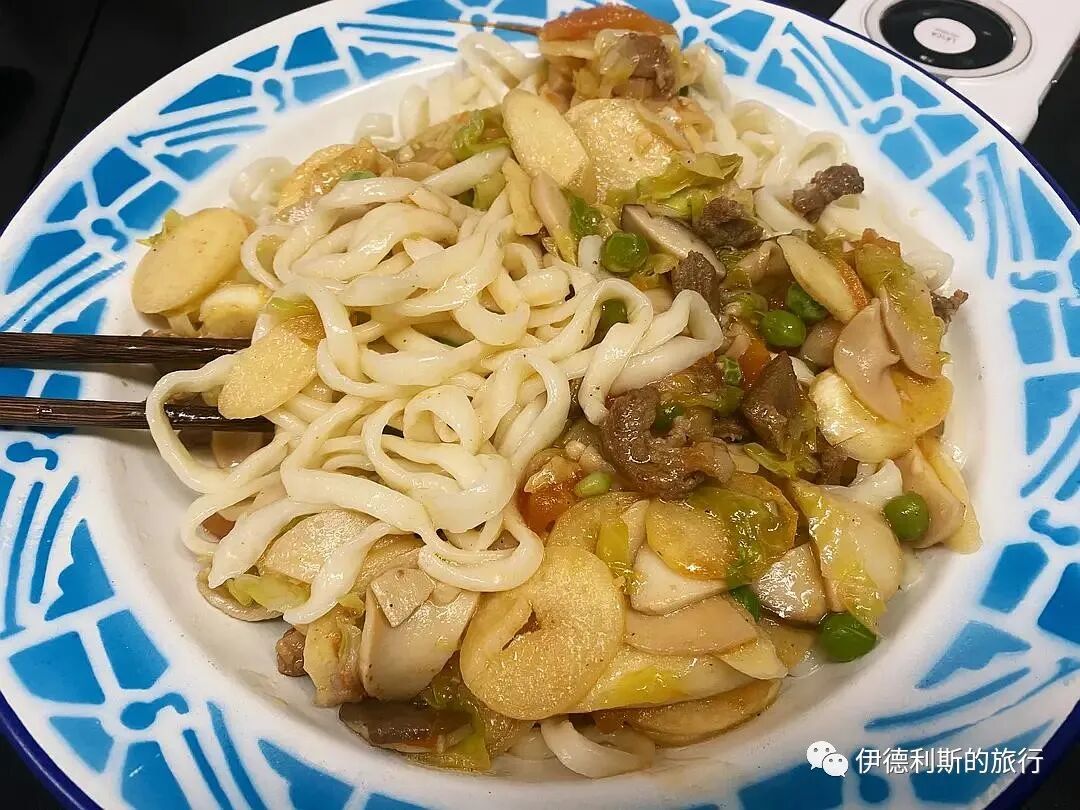
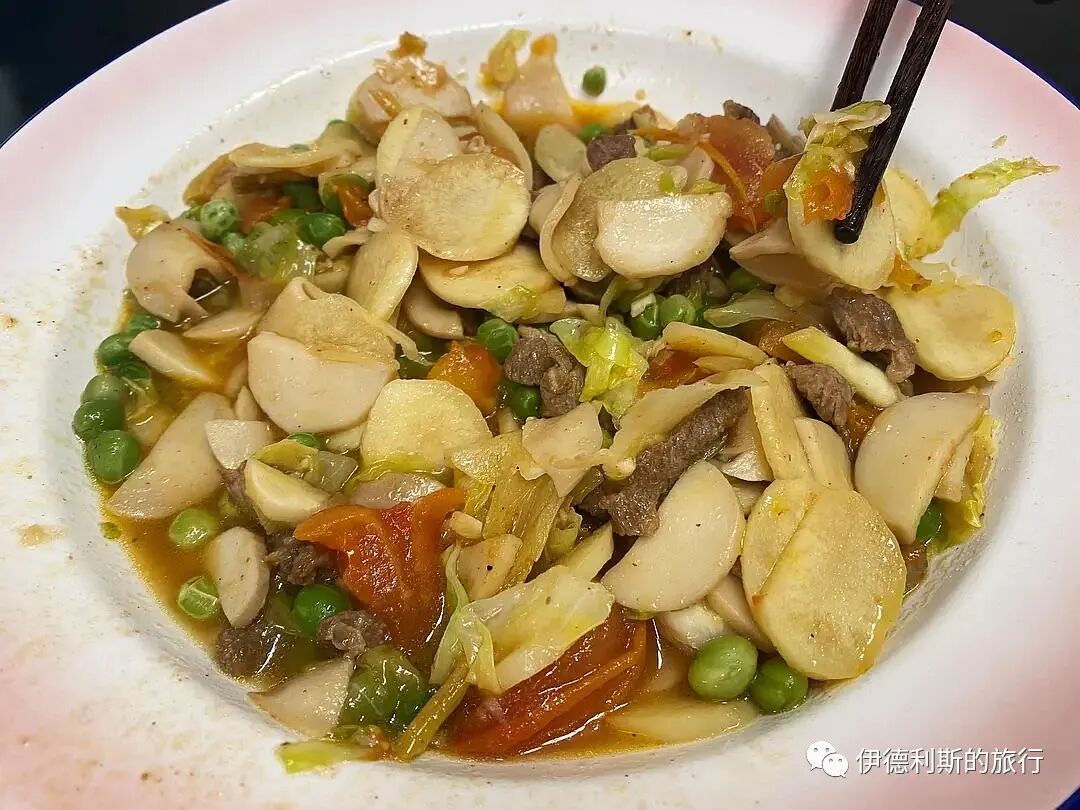
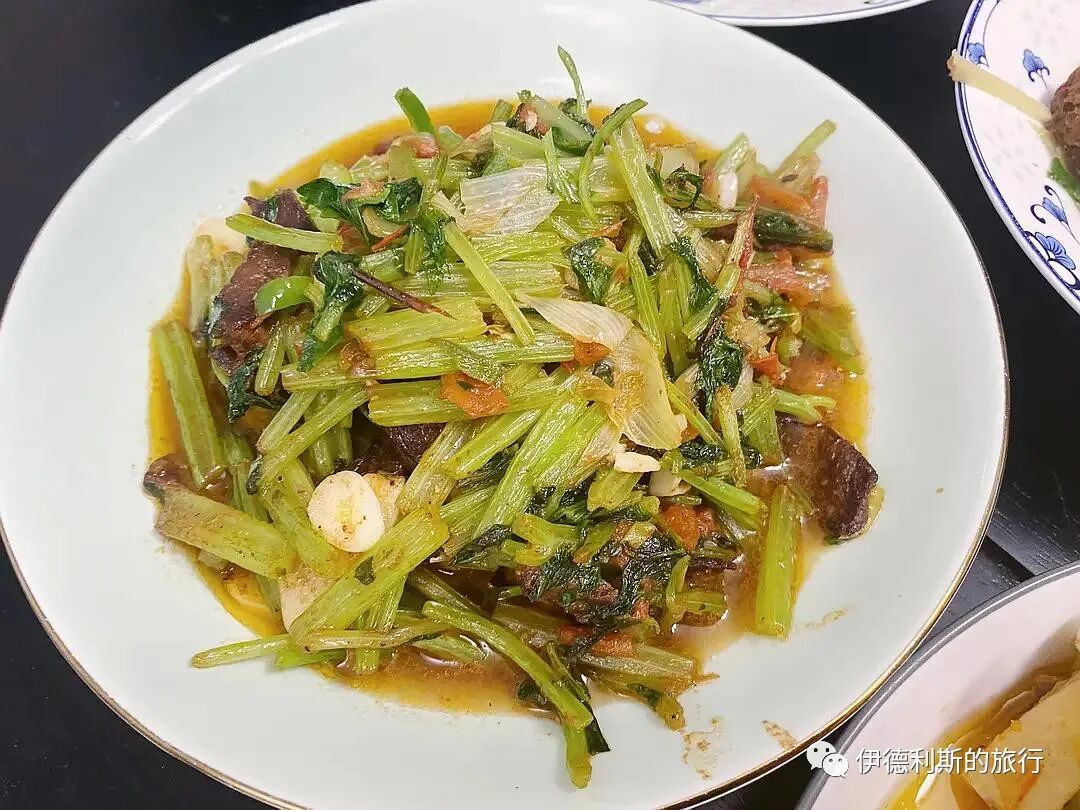
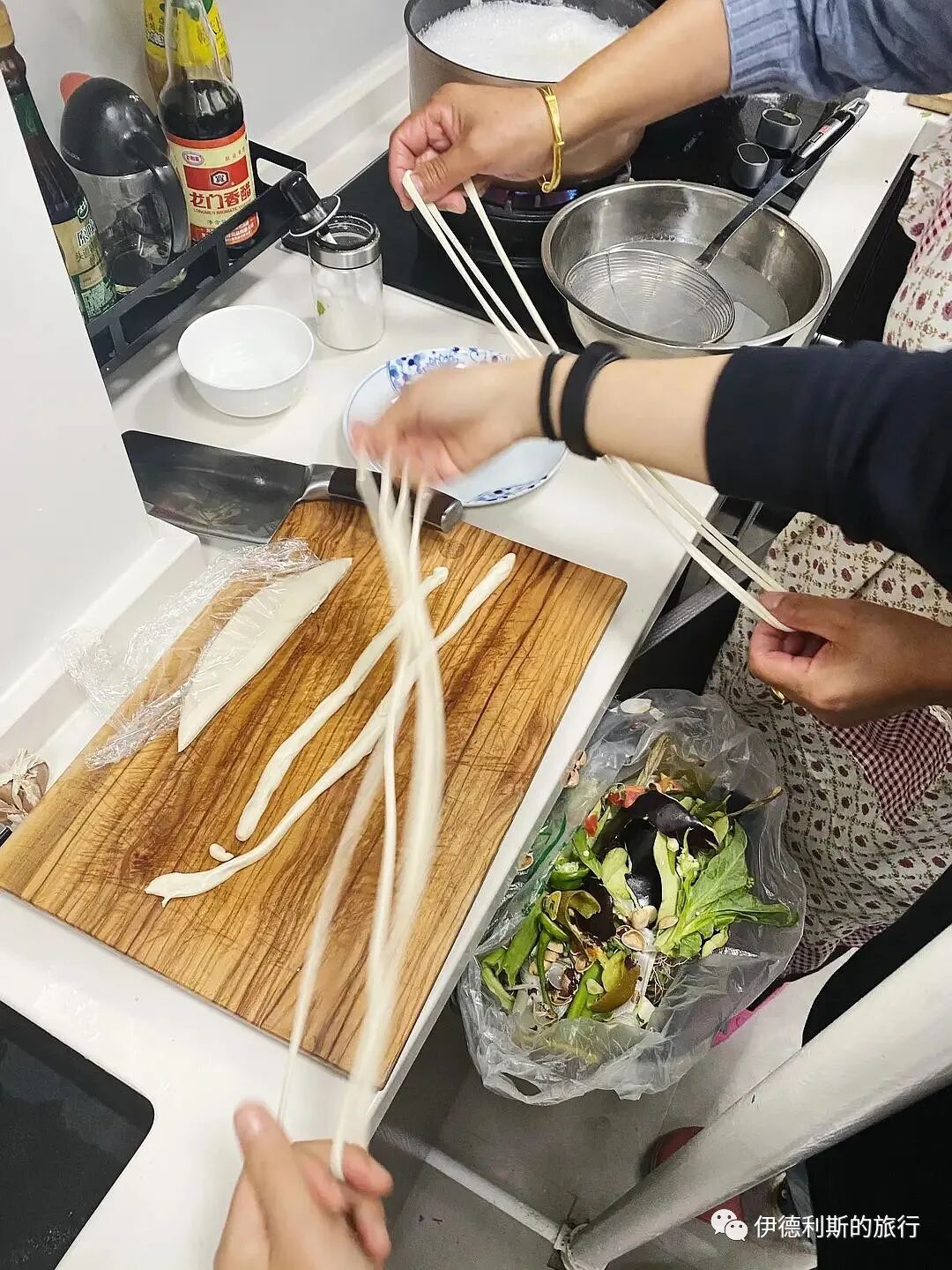
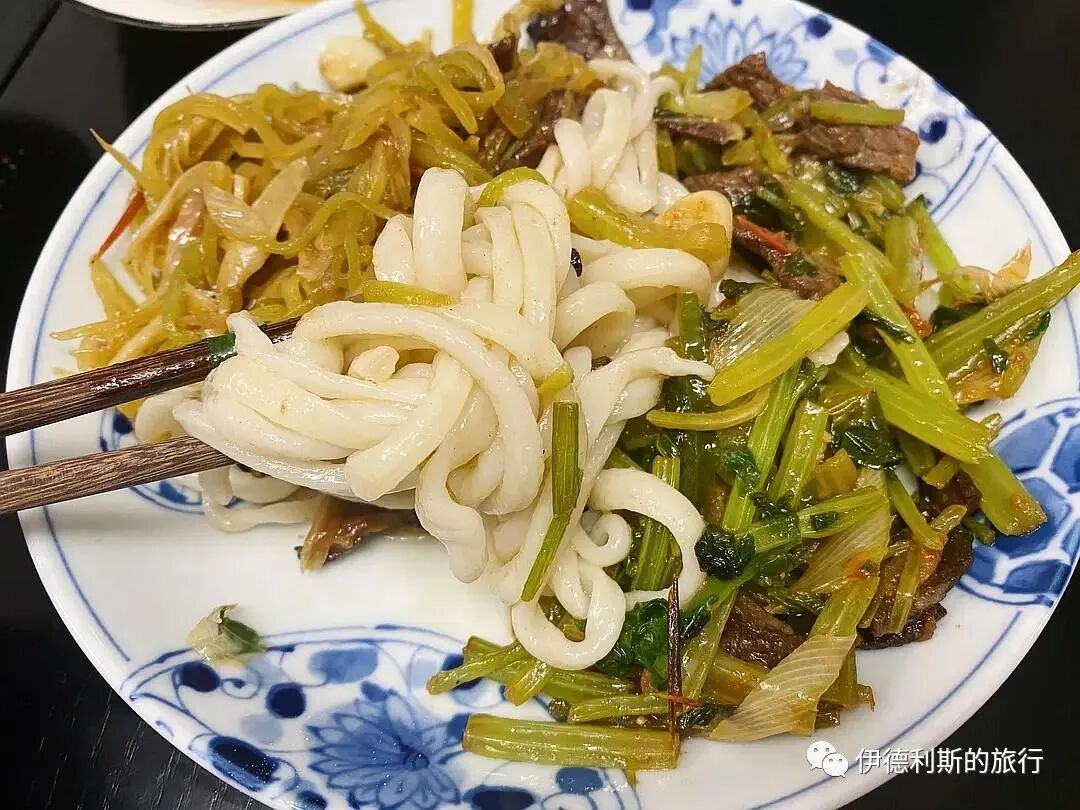
In the evening, my mother-in-law made noodles for me with eggplant and meat, bamboo shoots and meat, and celery and meat—all my favorites! Zainab and my mother-in-law made the noodles together; homemade food is just better.
October 25, Xiaowang Beef Soup and Huainan Beef Soup in Changyang, Fangshan.
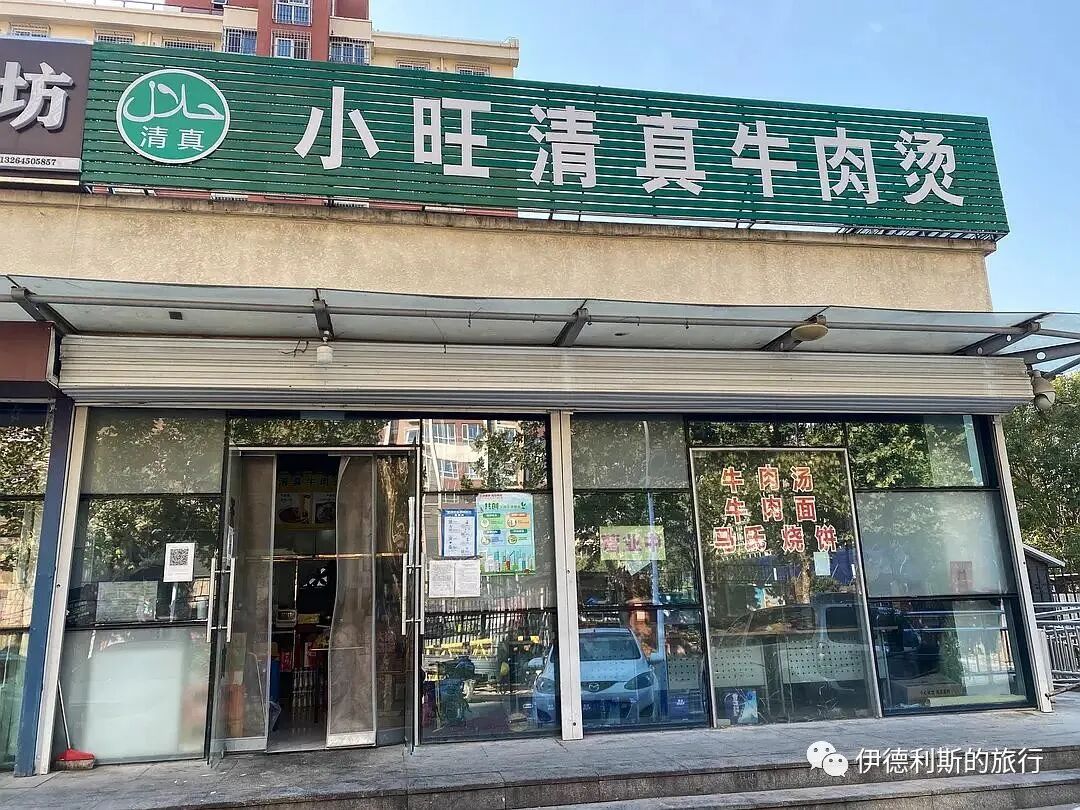
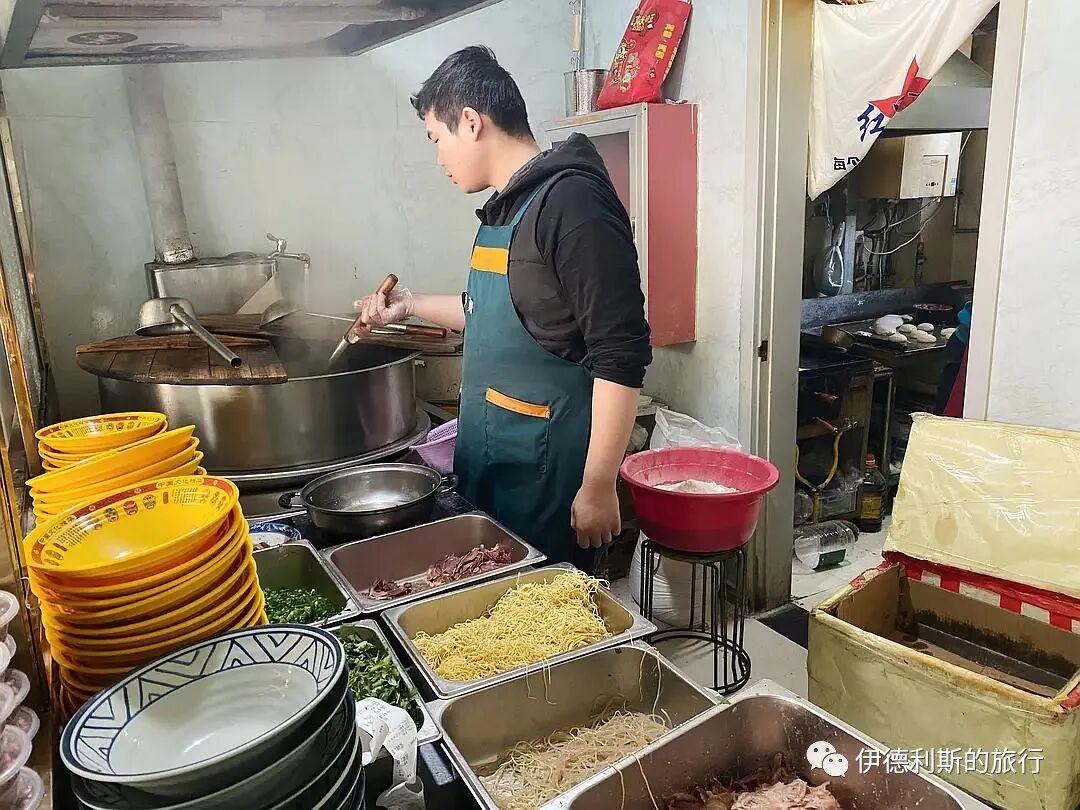
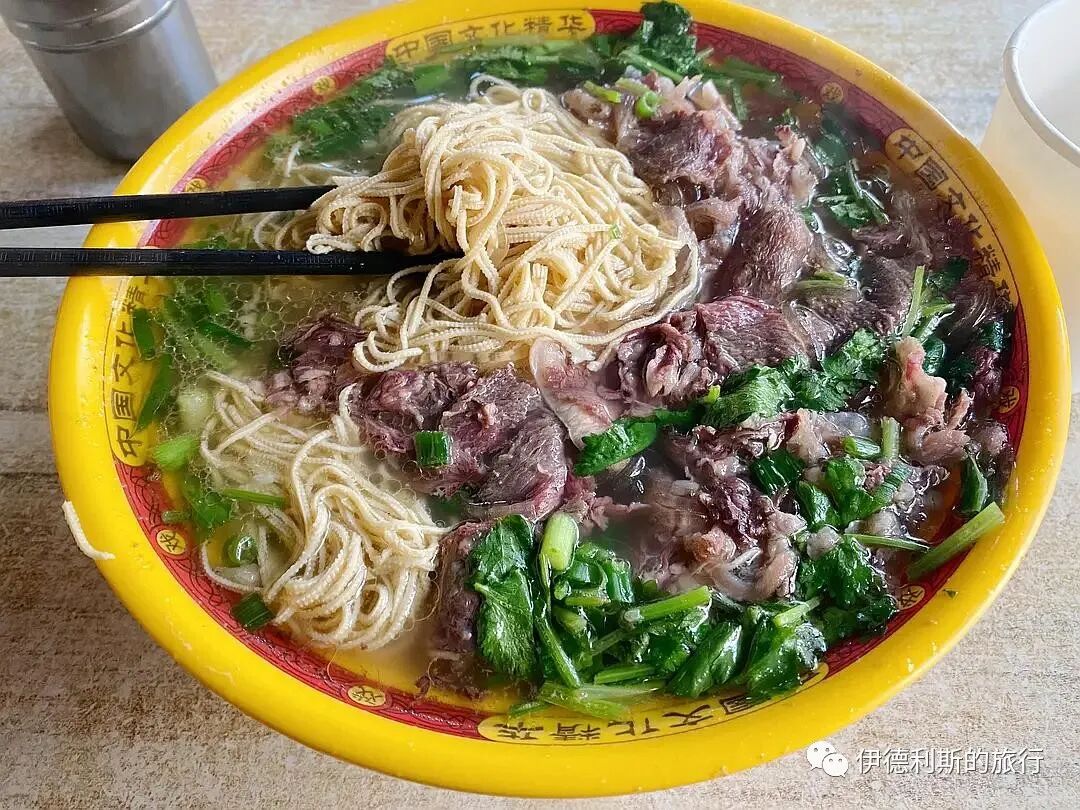
In the morning, I had Huainan beef soup and sesame flatbread (shaobing) at Xiaowang Beef Soup in Changyang, Fangshan. This is a family-run shop opened by Hui Muslims from Panji, Huainan, Anhui. What makes their Huainan beef soup special is that they add a lot of bean noodles (dousi). Their bean noodles are thin and have a great texture, which you cannot find in other Beijing restaurants. The beef soup is also stewed well; even my parents-in-law from Urumqi said they really liked it.
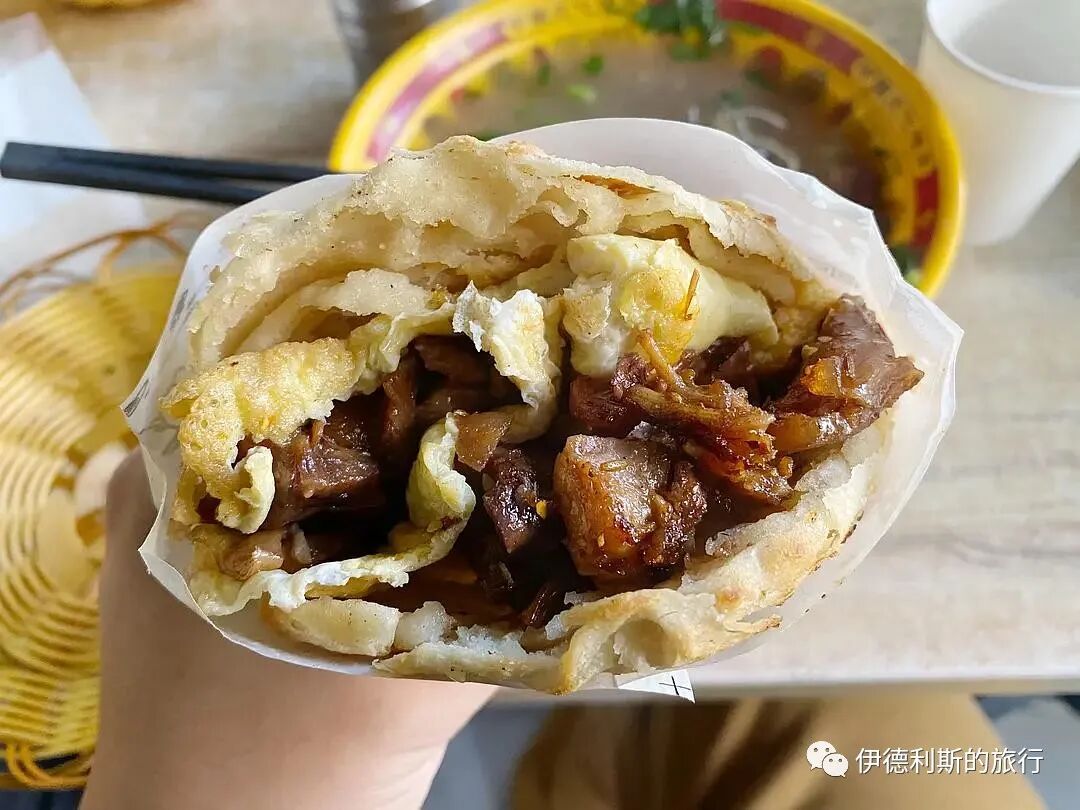
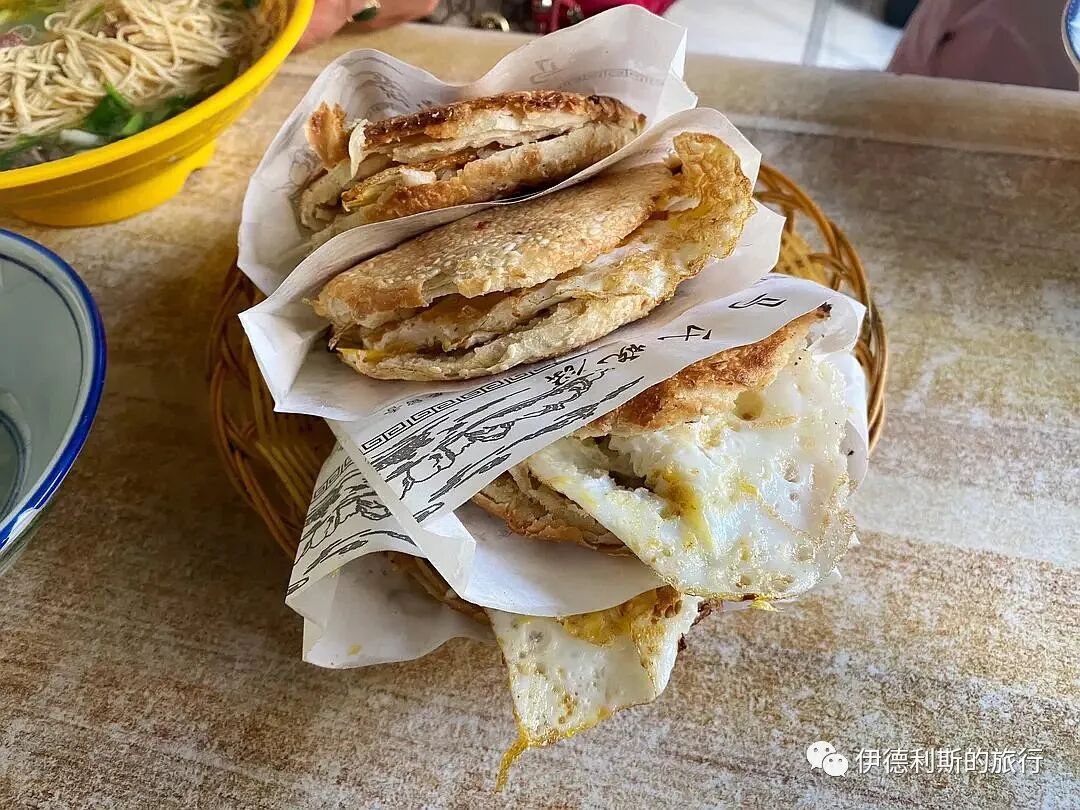
The landlady makes the flatbreads fresh. The hot flatbread is crispy and fragrant. You can fill it with fried eggs or scrambled eggs. I chose a double filling of beef head meat and scrambled eggs, which was very satisfying.
October 25, eating a beef head feast (niutou yan) at Tongshunzhai in Doudian.
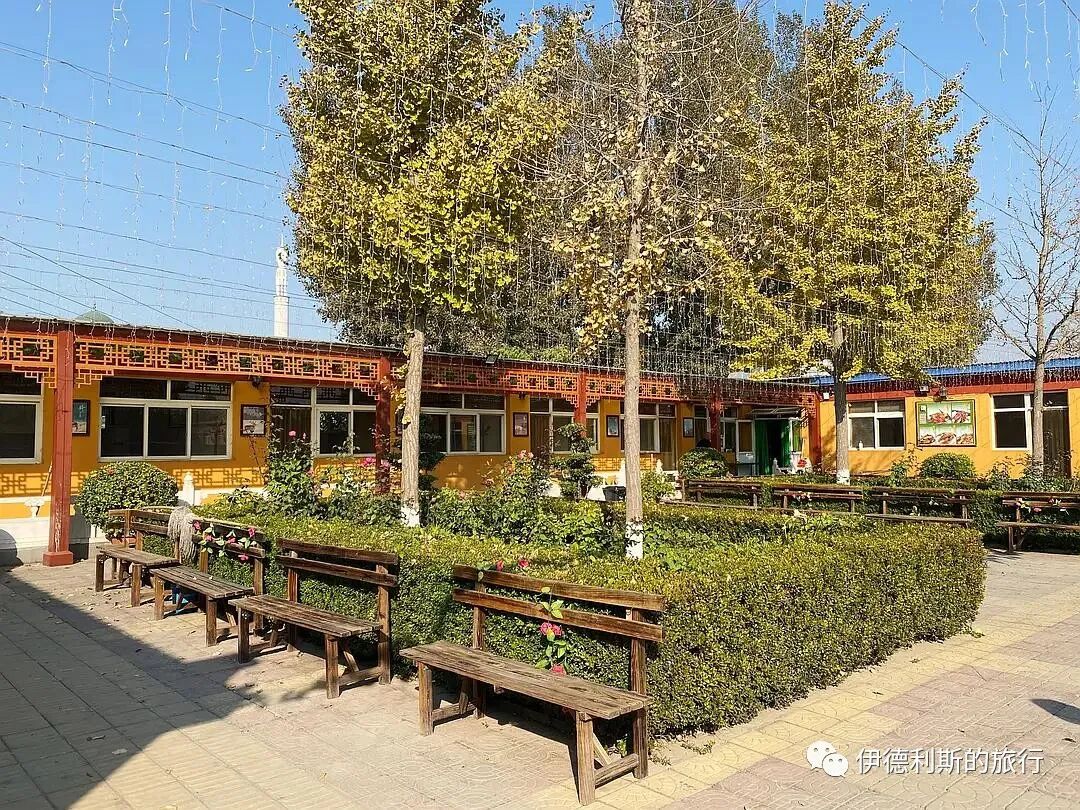
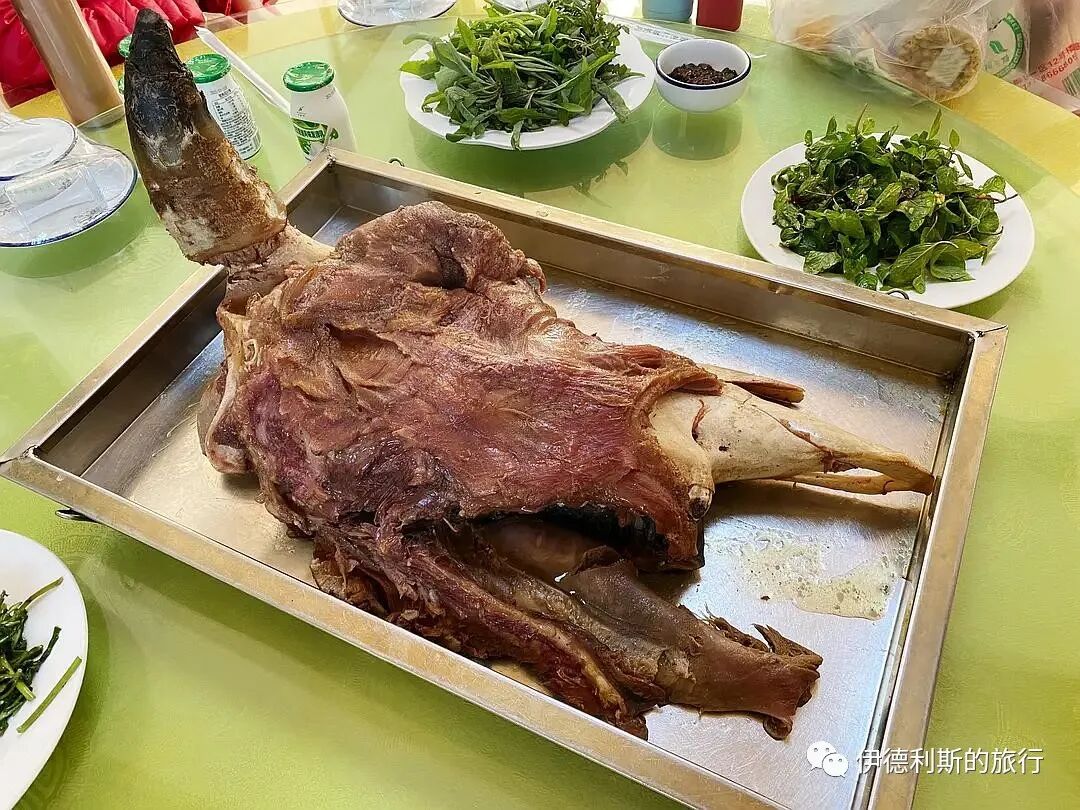
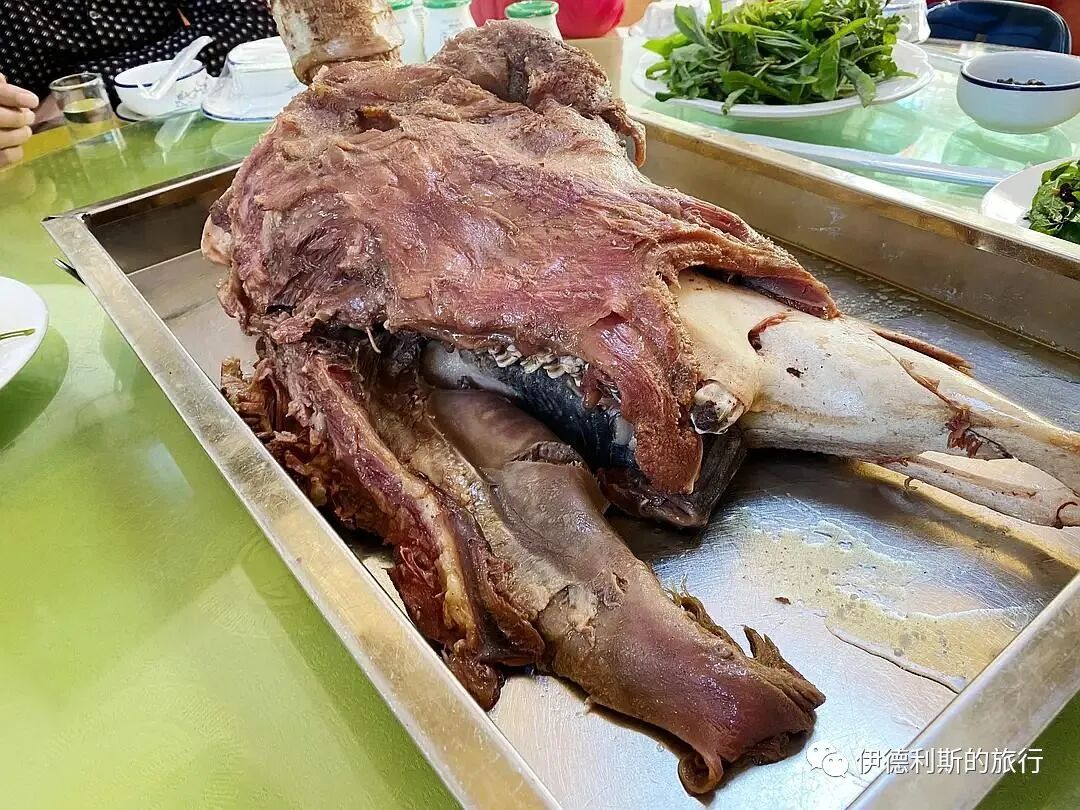
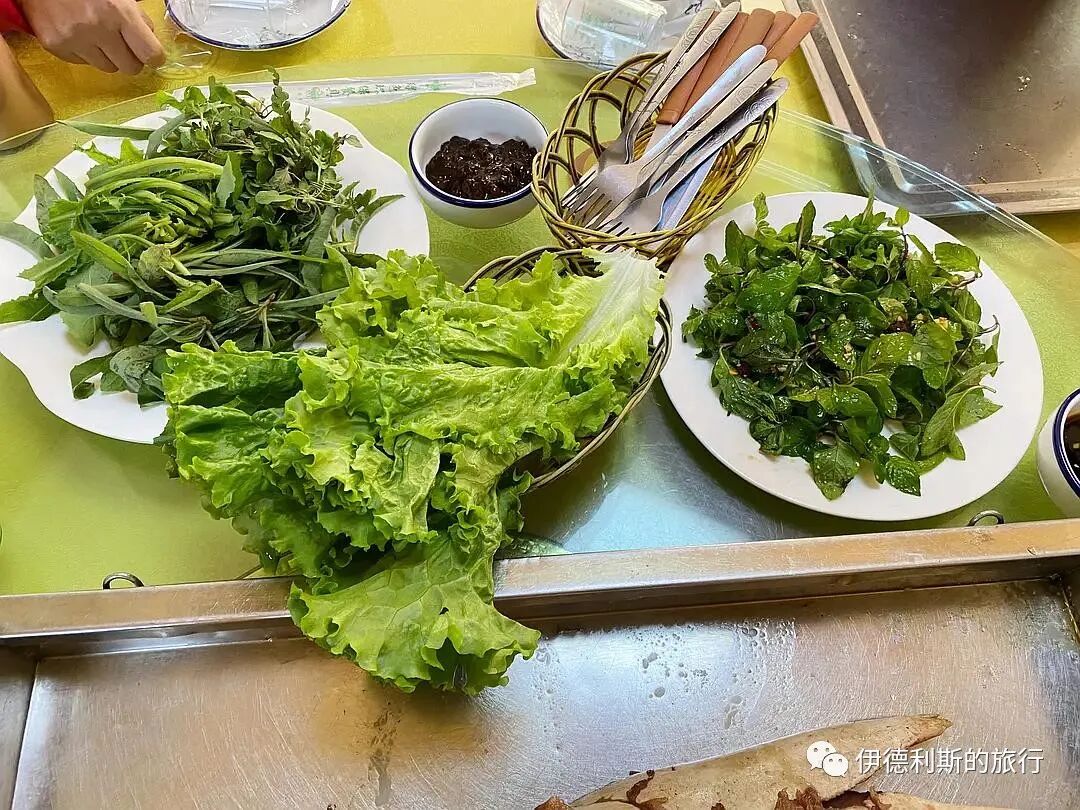
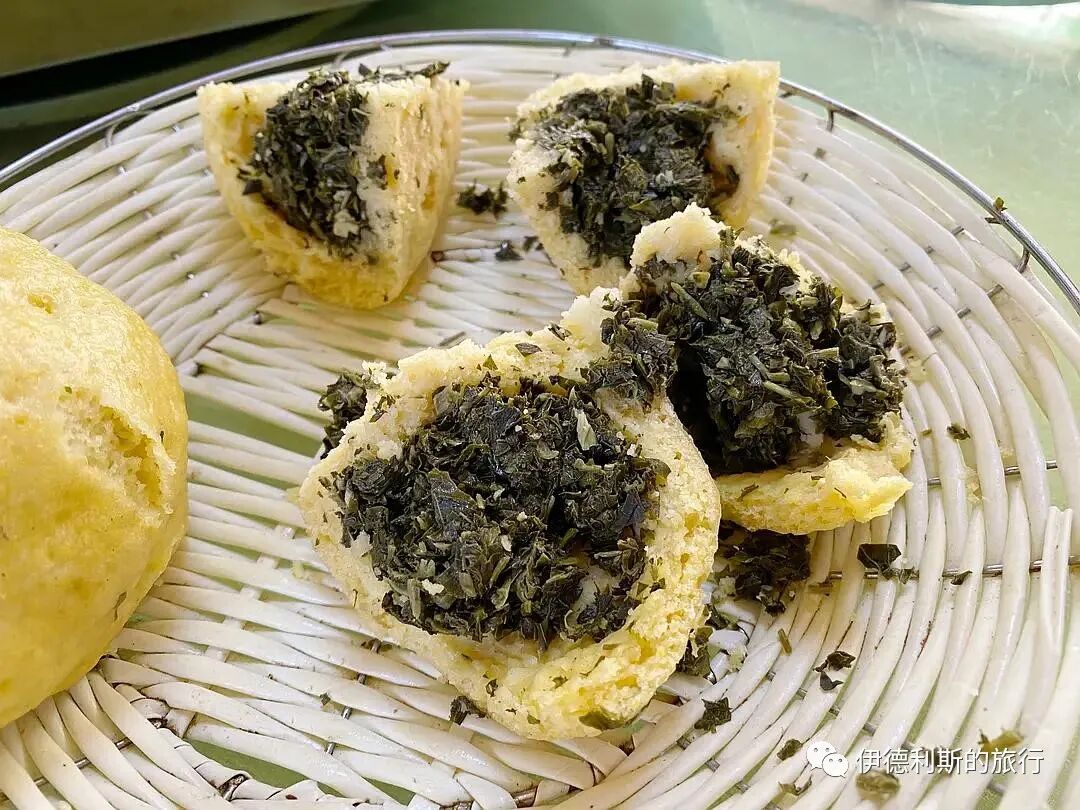
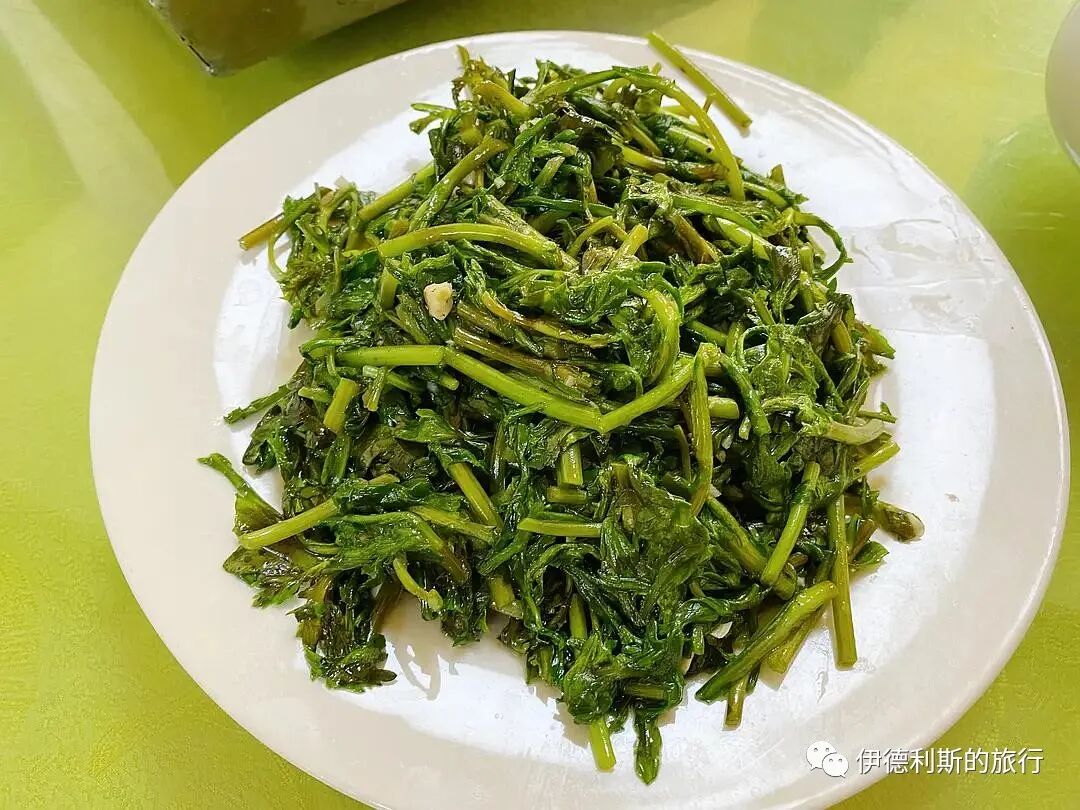
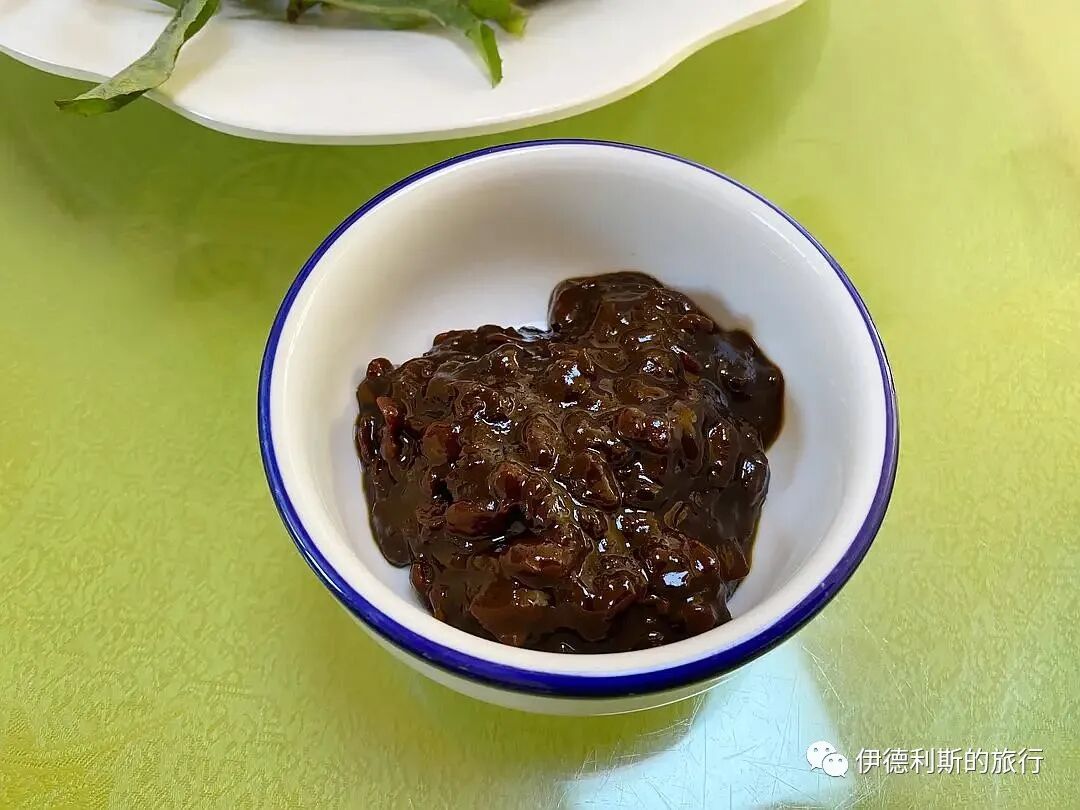
For lunch, we had the ox head feast at Tongshunzhai in Doudian. We ordered half an ox head and some side dishes, including mint, wild vegetable (quma cai), and dandelion. Some were served with fried soybean paste (zhajiang) and others with hot oil poured over them. We also ordered vegetable-filled steamed buns (caituanzi) made with amaranth. The restaurant is set in a farmhouse courtyard, which is a perfect spot to soak up the sun after a meal.
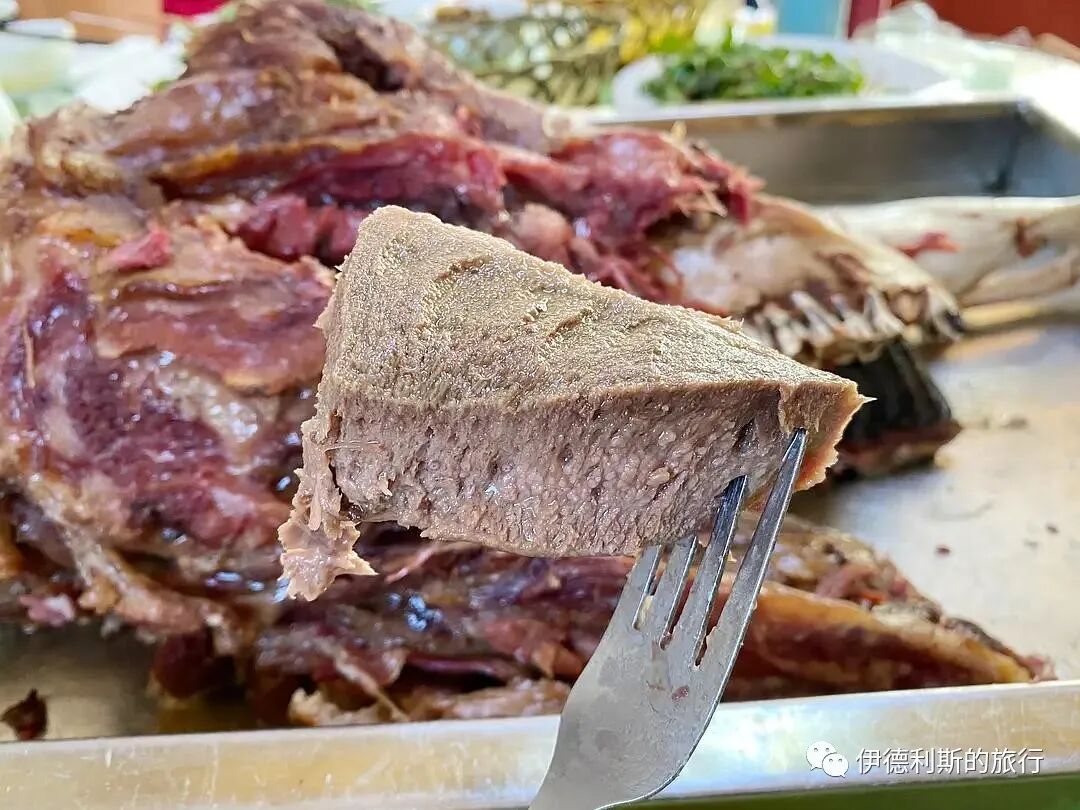
I worked in Doudian for a year and always heard that the ox head feast here was the most famous, but I never got to try it until now. This half ox head was huge; it felt like enough to feed ten people. The meat was very tender and tasted great. The skin, meat, and ox tongue all had different flavors, making for a rich eating experience. If you have a small group or a small appetite, you will definitely have to pack a lot of the ox head to take home. If you have fewer people, you could choose the nearby sturgeon feast (xunlong yan) for fish, but they stop serving at 1:50 PM. We arrived in Doudian after 2:00 PM and missed it.
The owner of the ox head feast restaurant, Zhang Fugang, is known as Baldy Zhang. Zhang is a major surname among Hui Muslims in the Doudian area, mainly distributed across Beijing, Tianjin, Hebei, and Shandong, originating from the Yuan Dynasty poet Zhang Zhangsha. People say Zhang Zhangsha's ancestral home was in the Arab world (Dashi), and he lived on Hui Street outside the outer city of Shangdu in the Yuan Dynasty.
October 26, Naolao Wei at Niujie.
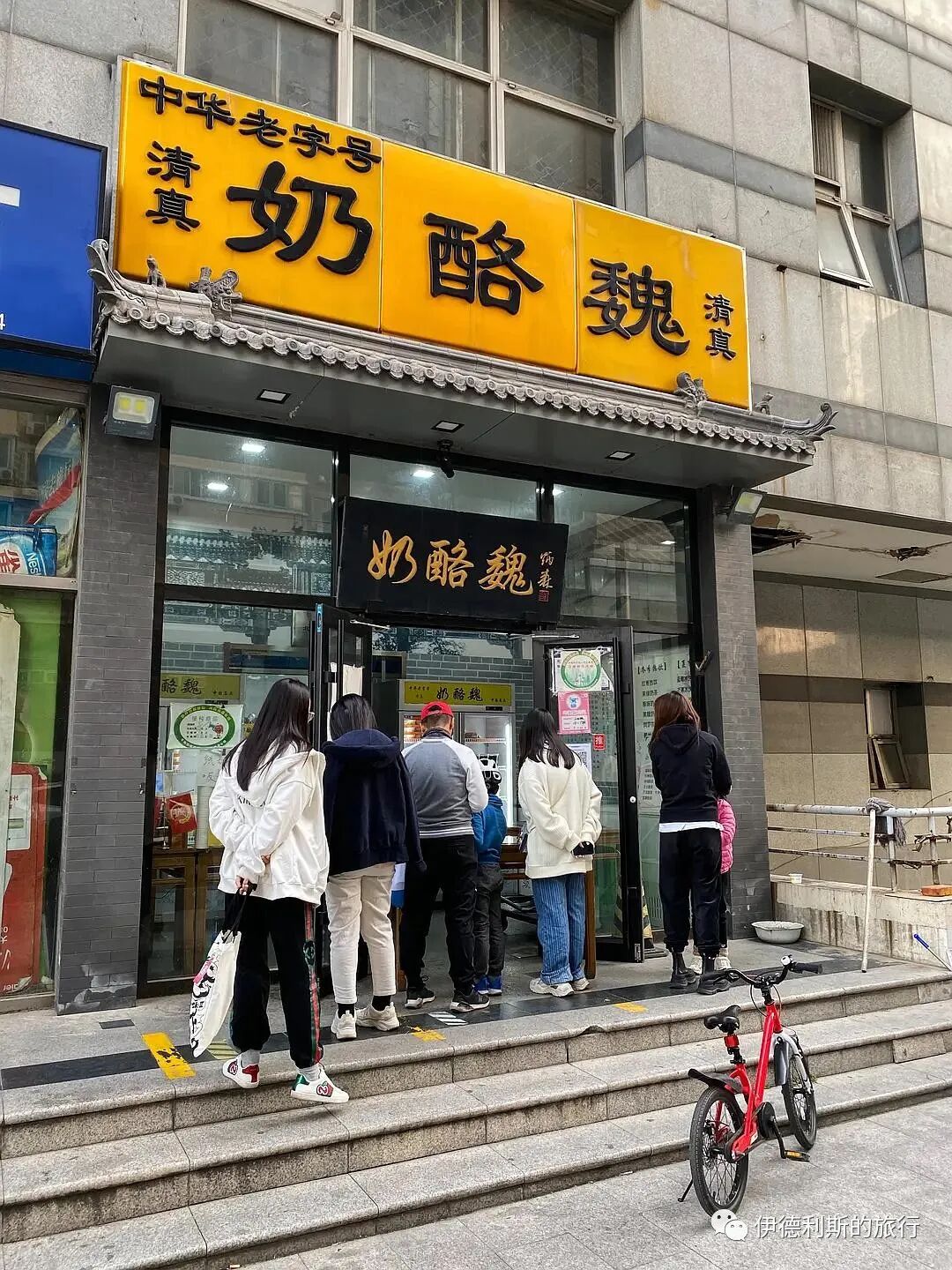
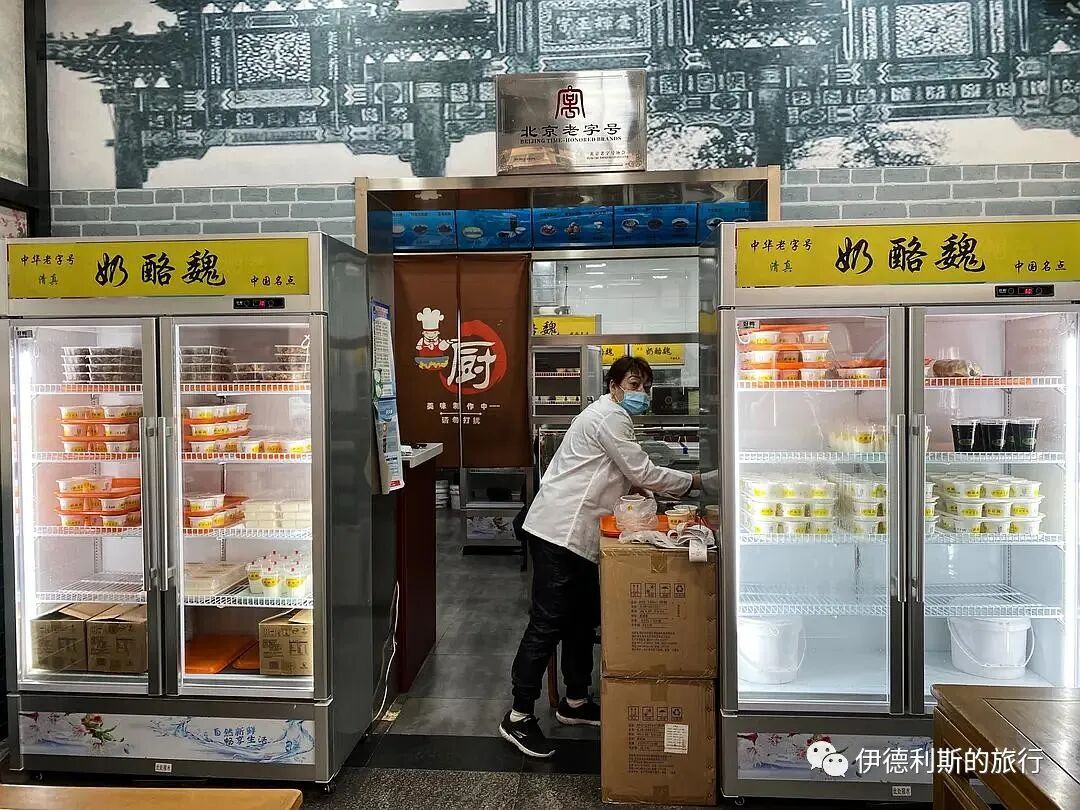
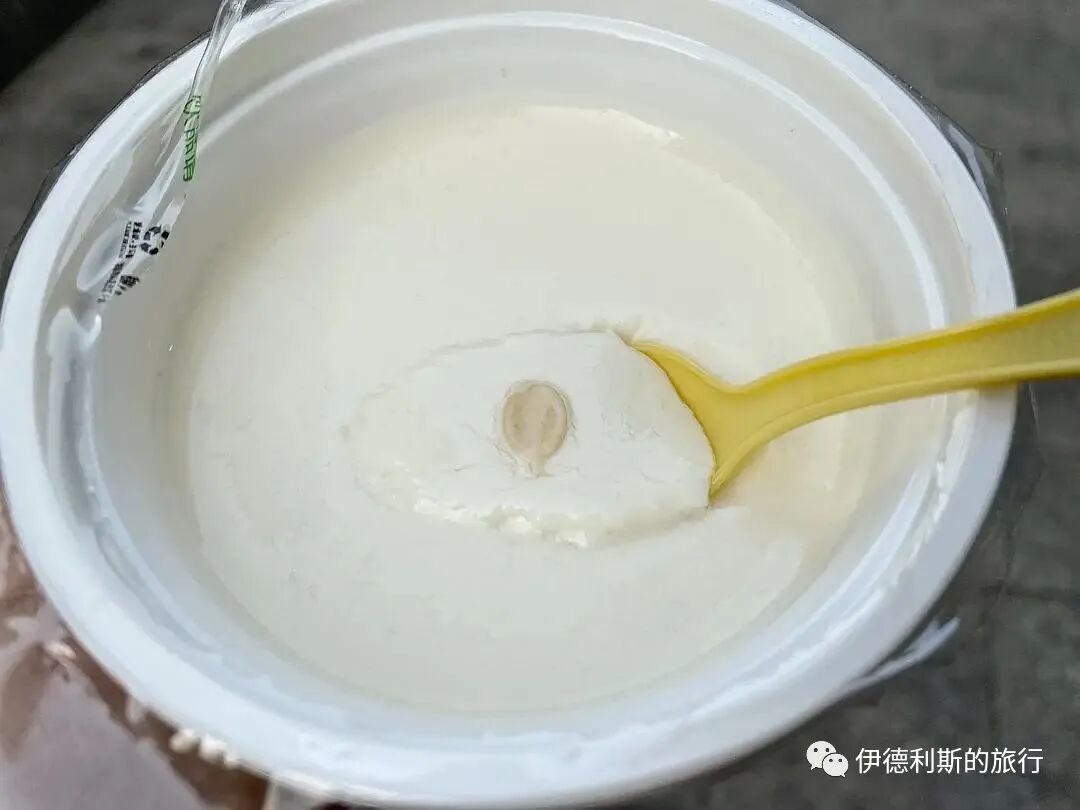
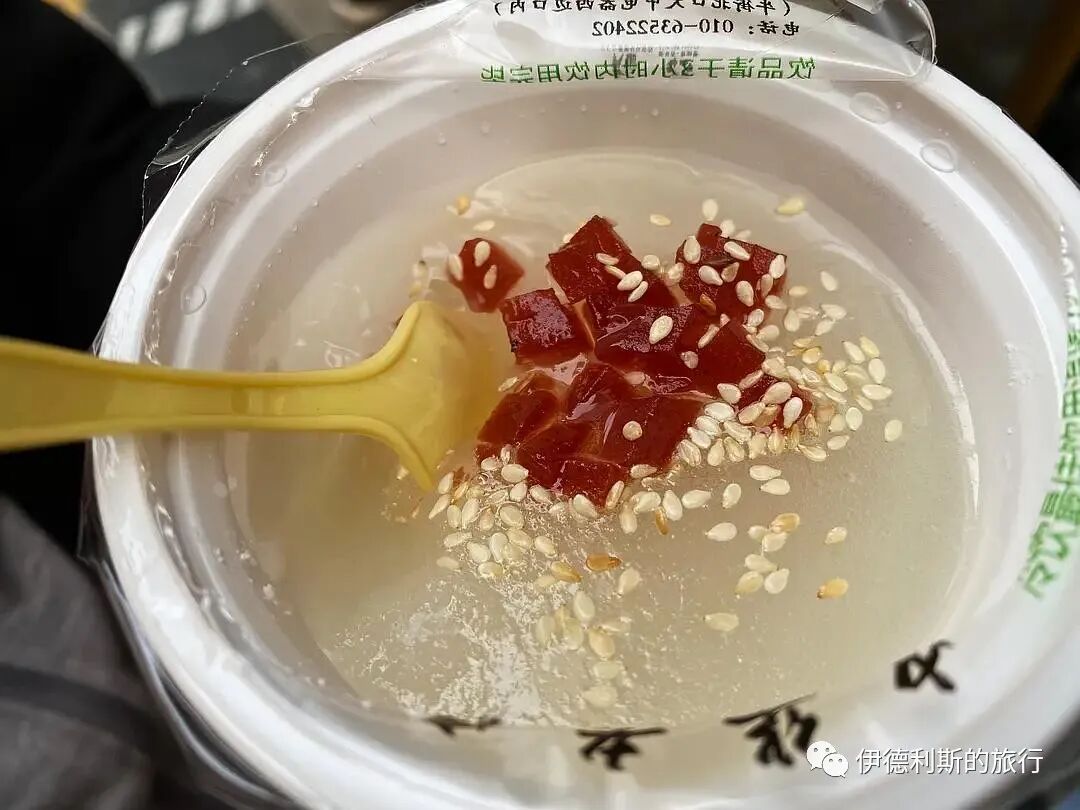
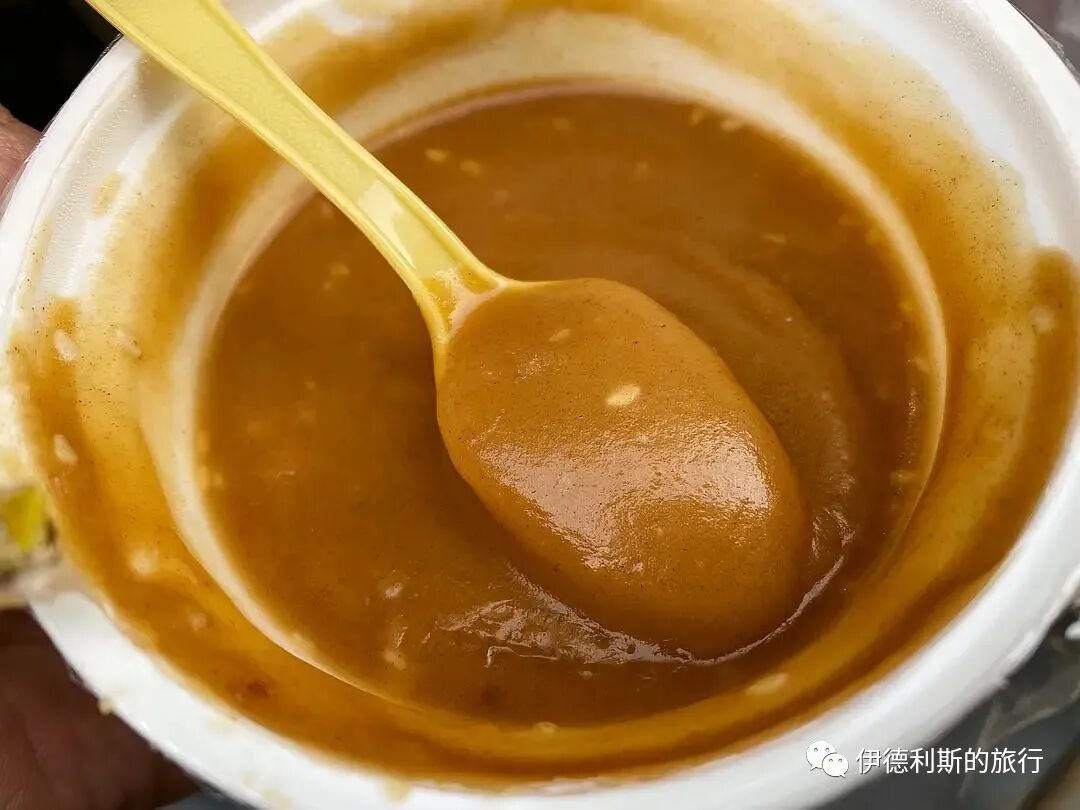
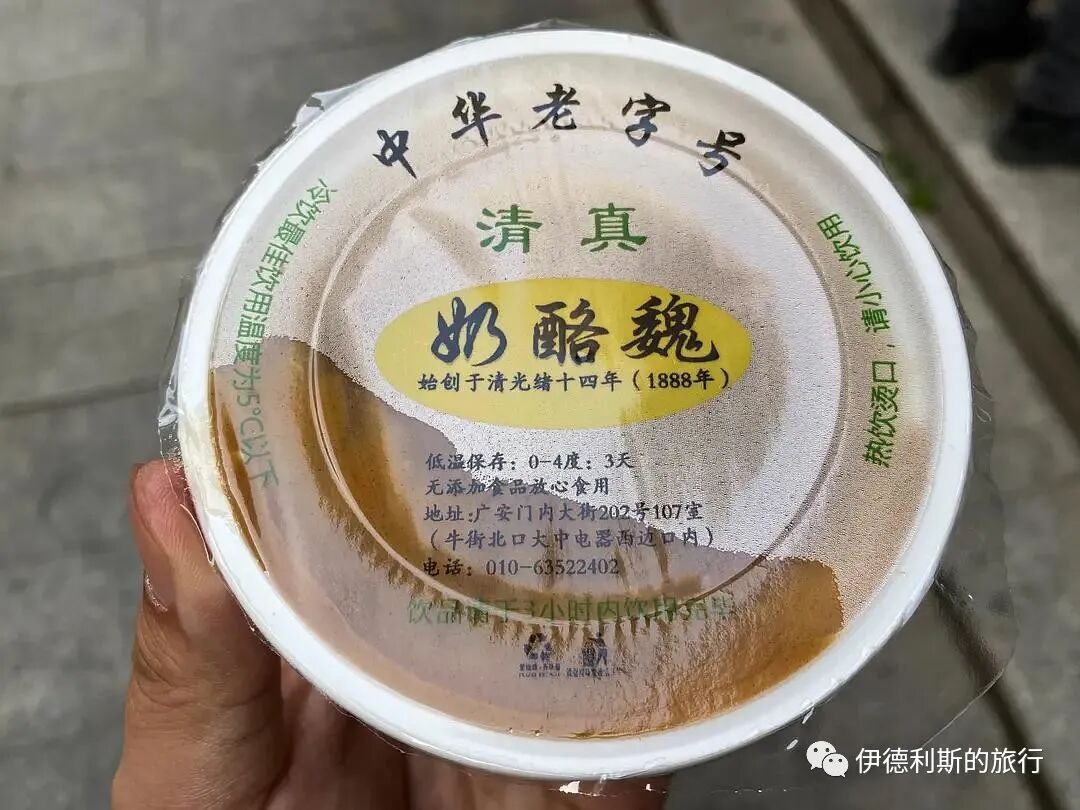
For lunch, we had cheese, beef bone marrow tea (niugusui youcha), tea soup (chatang), and almond tea at Naolao Wei on Niujie. It has been a long time since I visited, and I really missed their cheese.
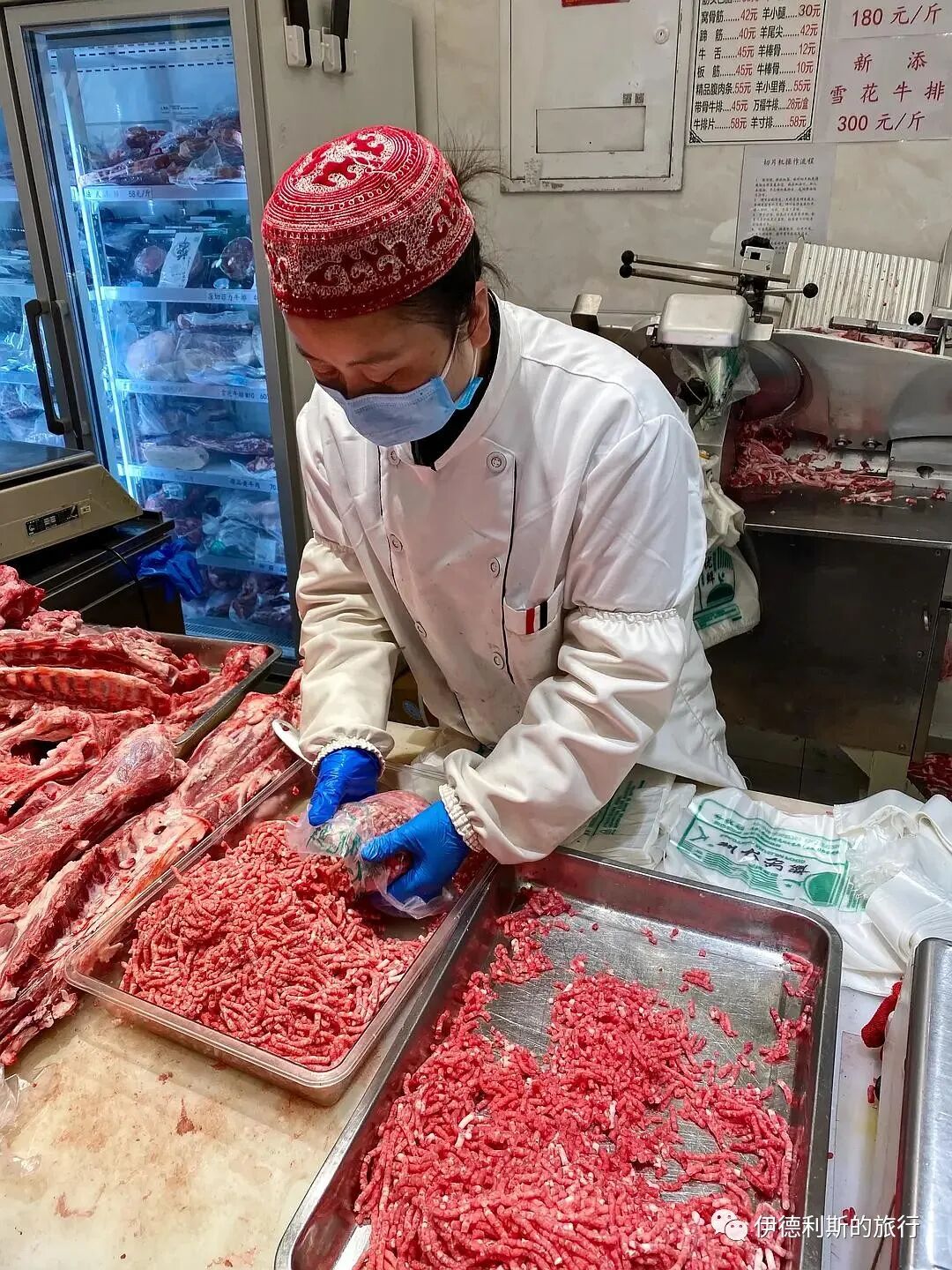
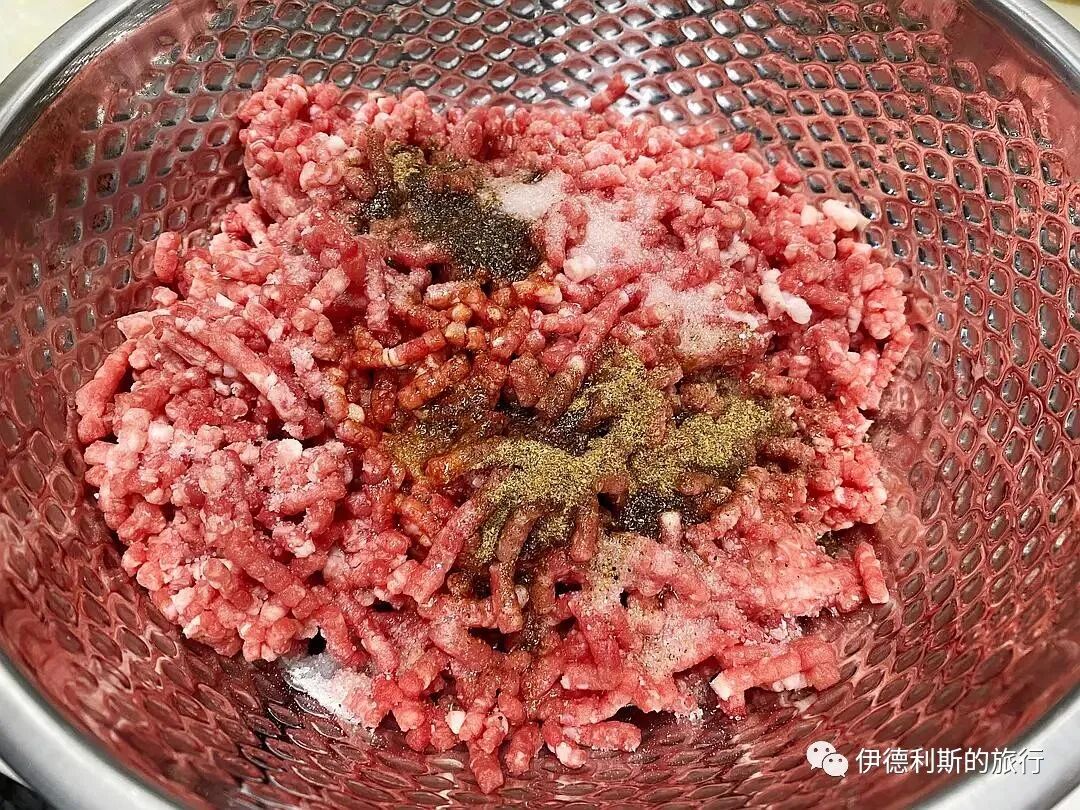
Afterward, we went to Shuru Hutong to buy two jin of minced meat to make dumplings at home.
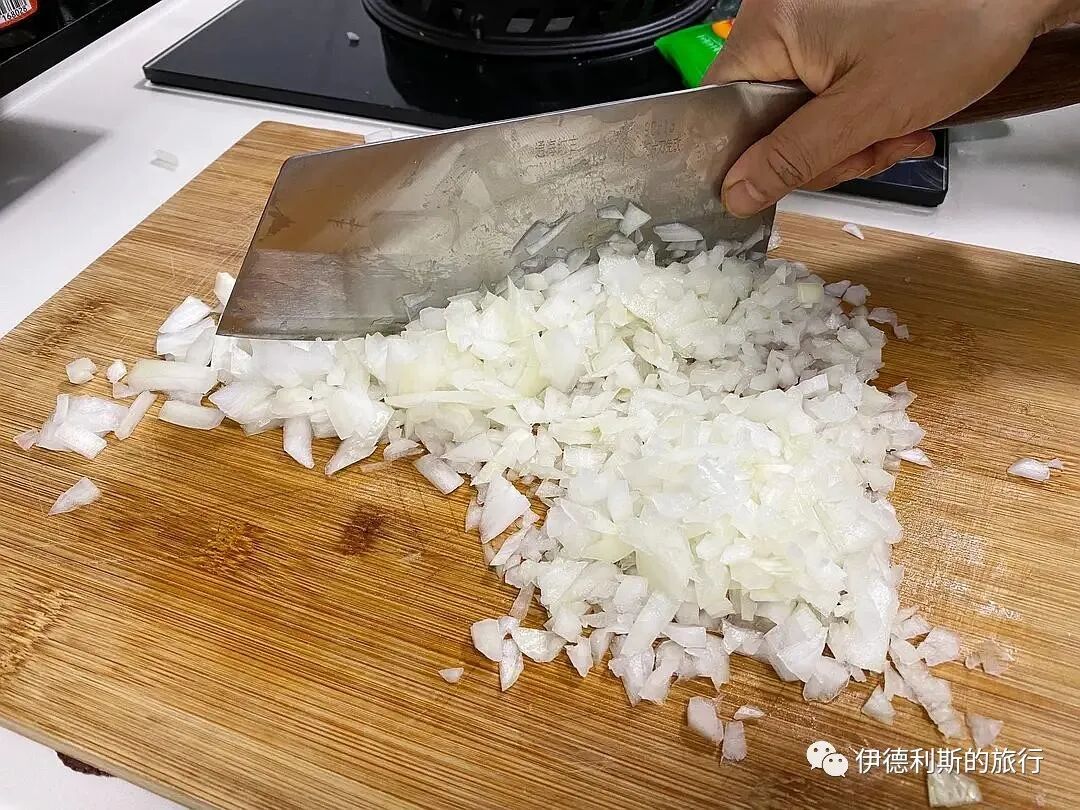
October 26, making dumplings.
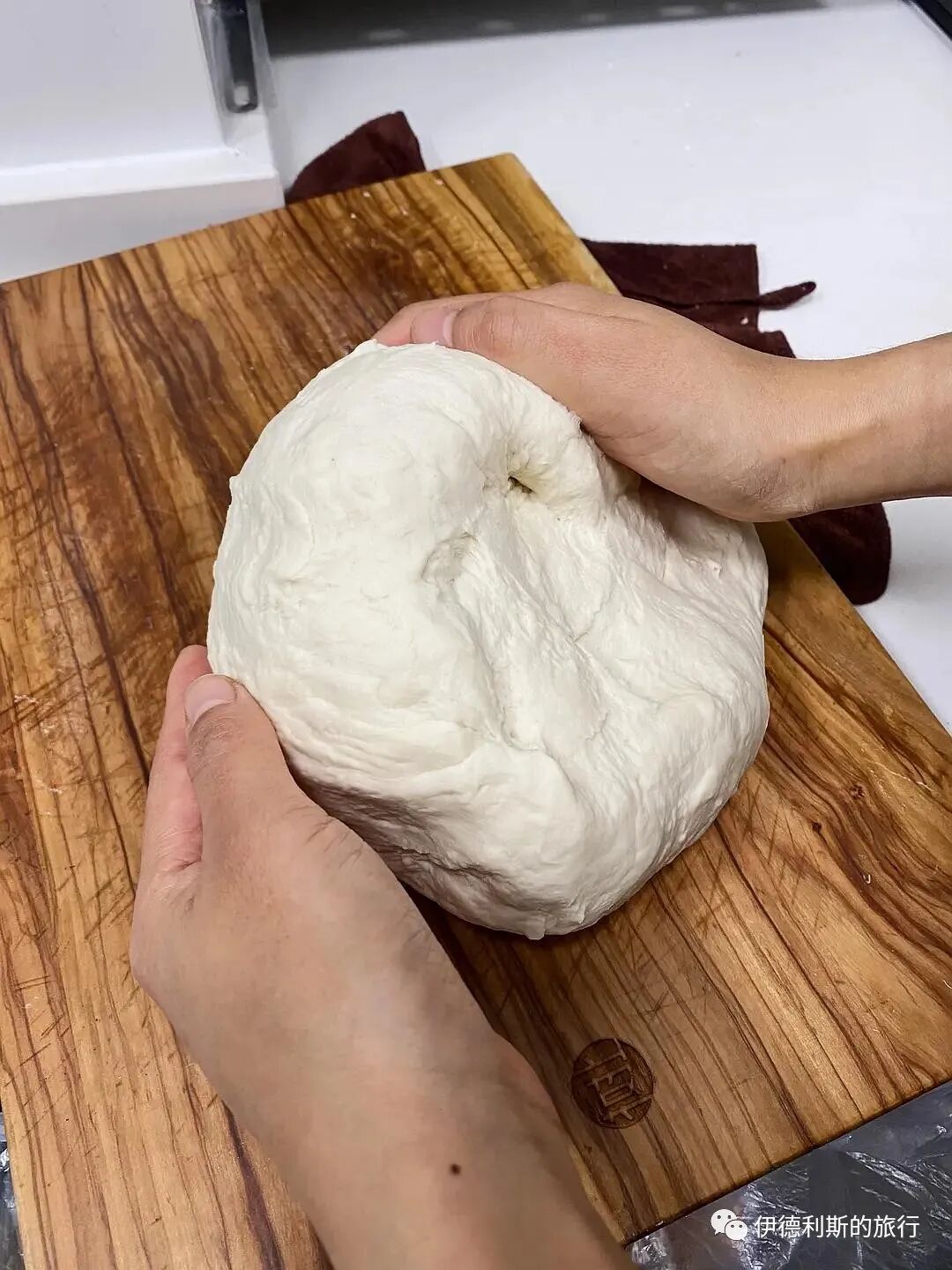
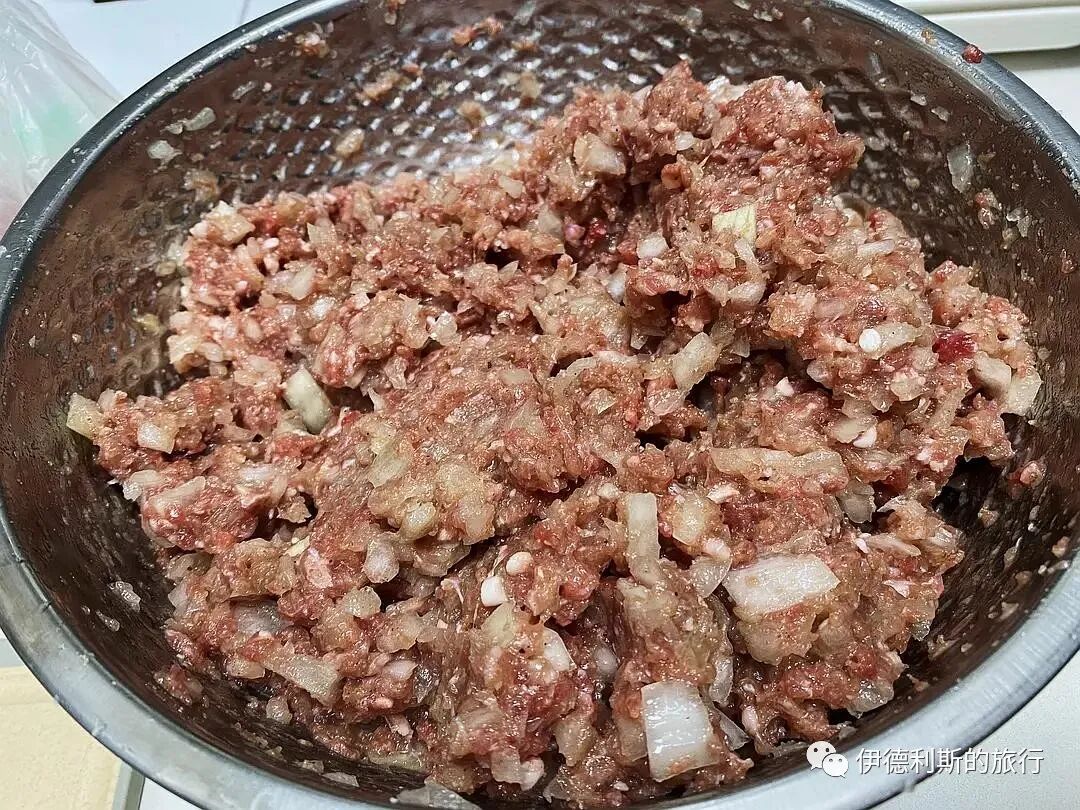
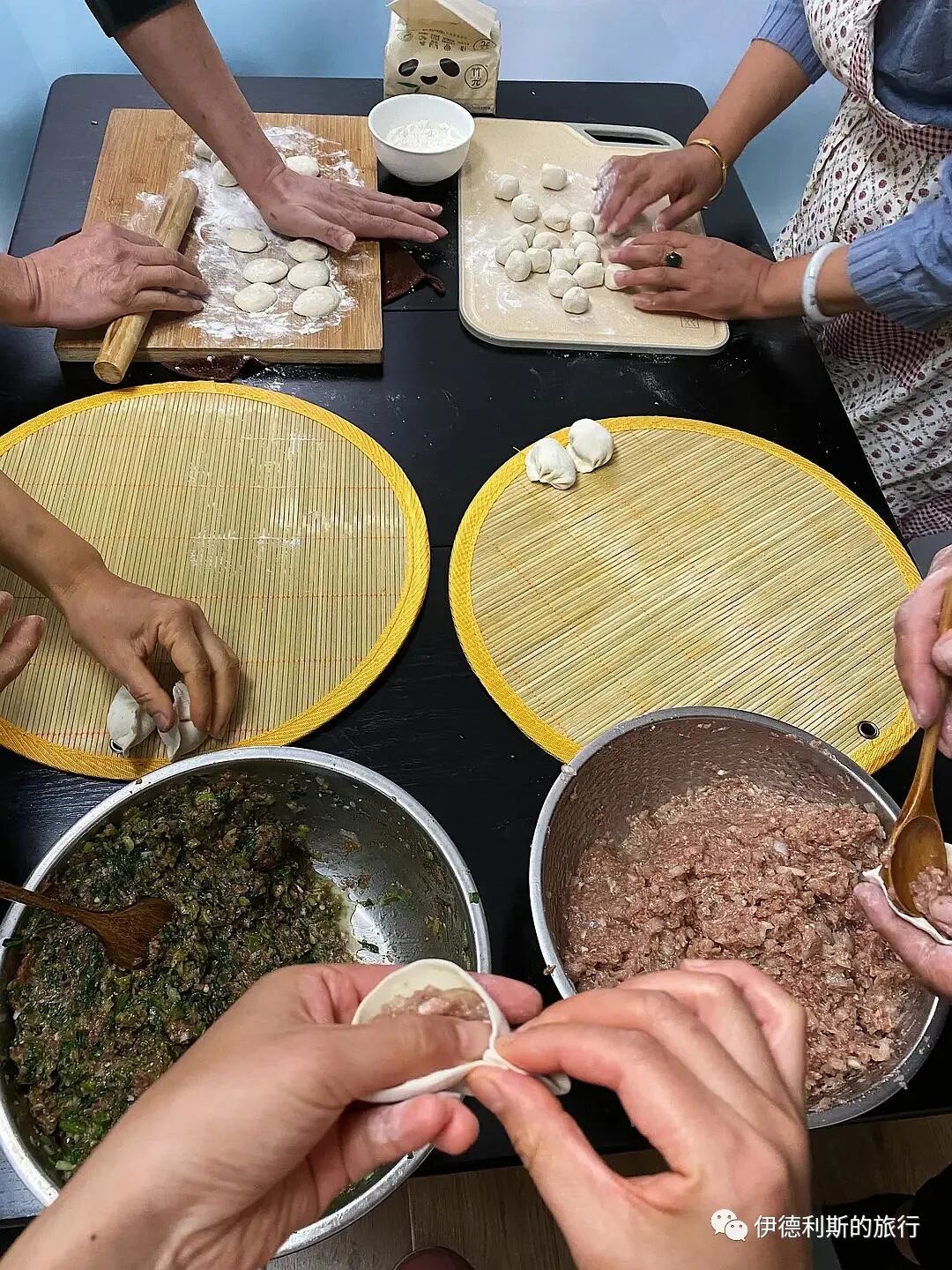
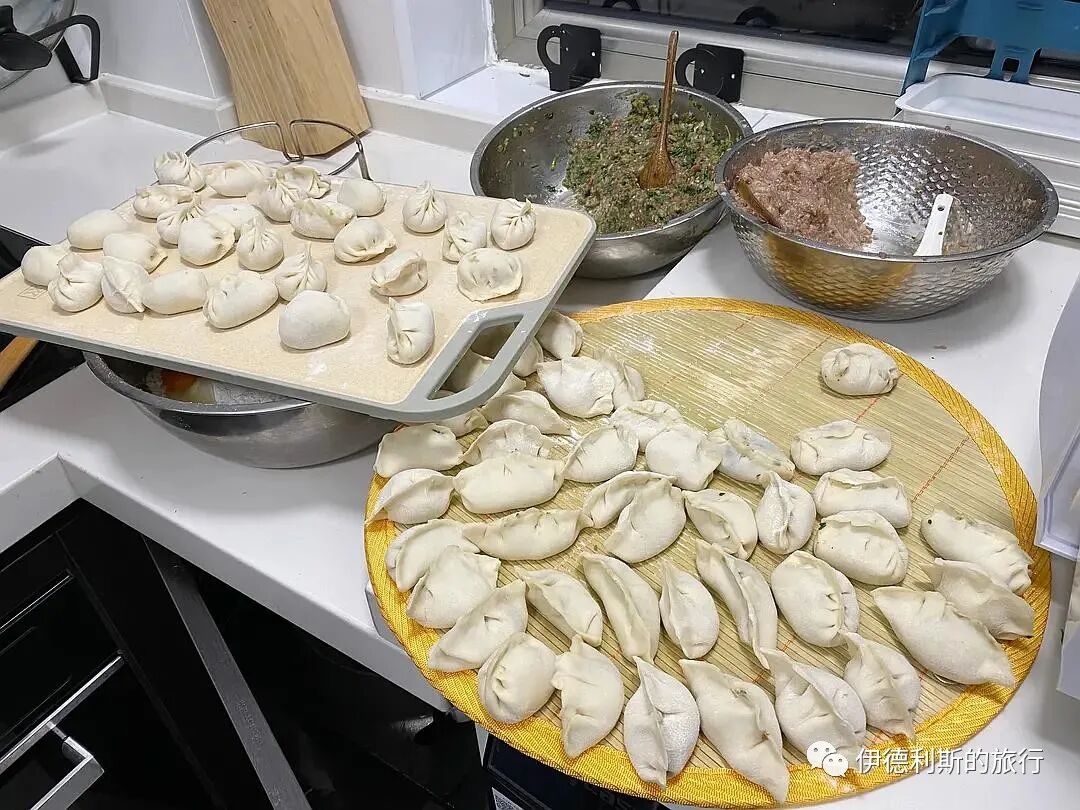
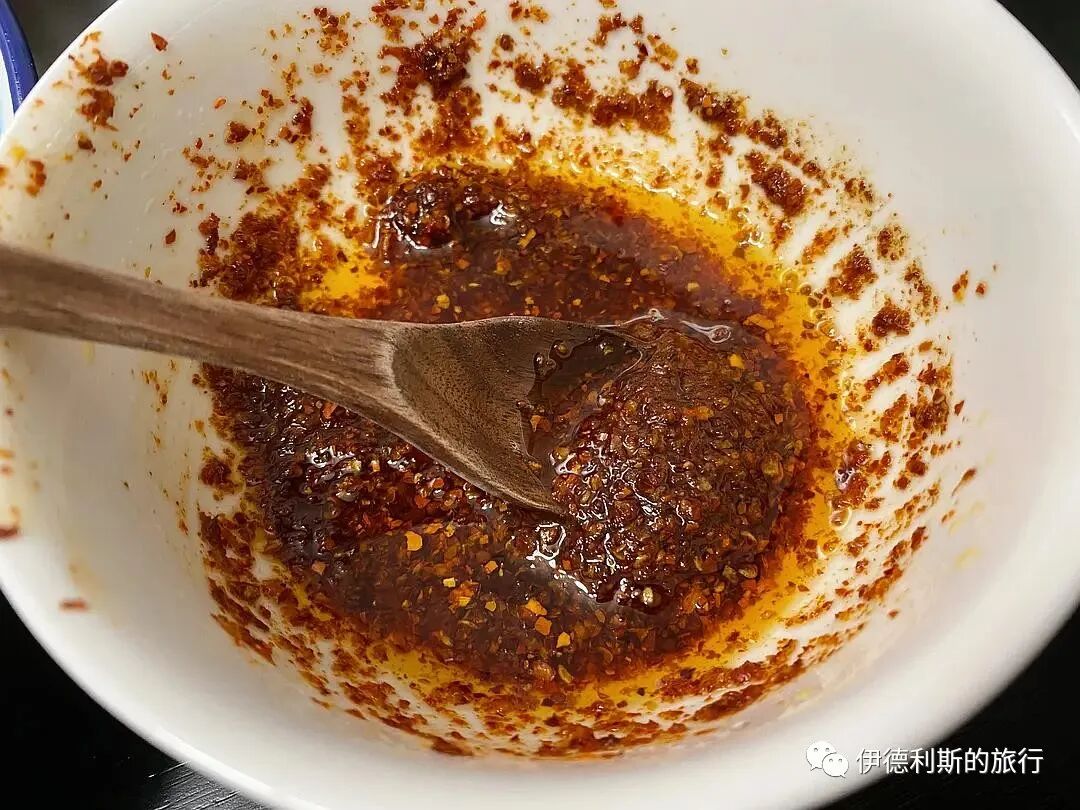
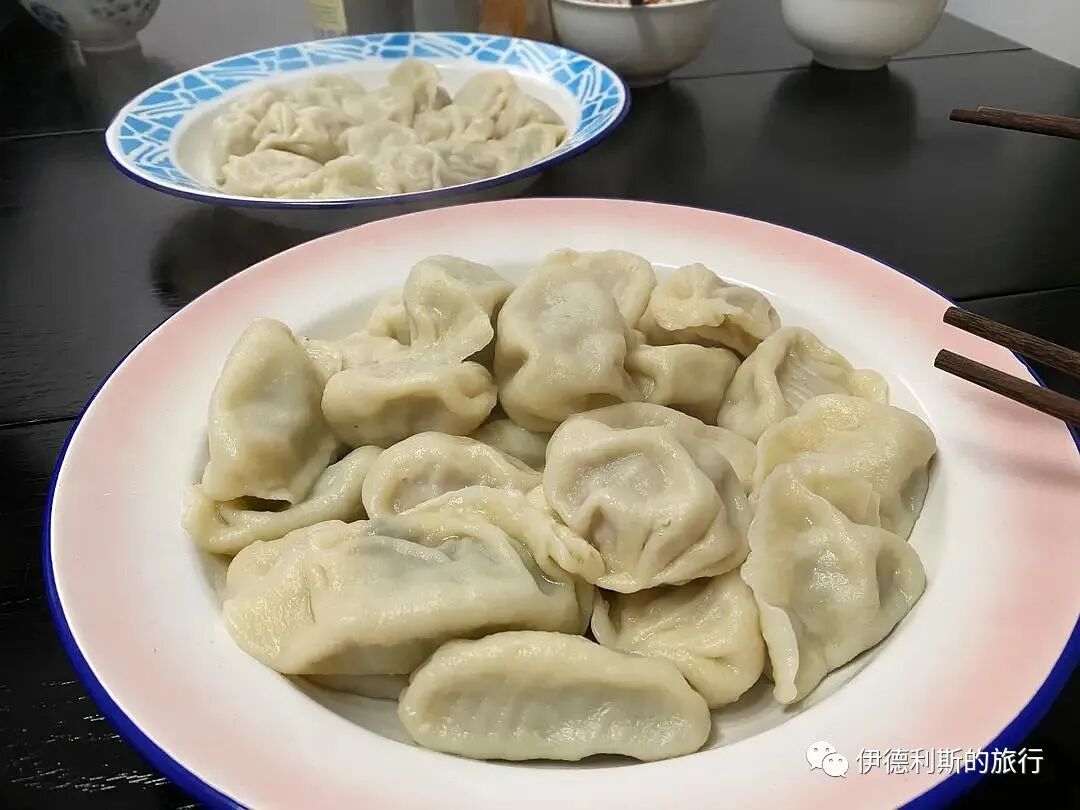
Before my parents-in-law left, the whole family made dumplings together. We mixed a Xinjiang-style onion and meat filling (piyazi rouxuanzi), added plenty of Sichuan peppercorns, and poured hot chili oil over them when eating. We made extra to store away so we can make traditional Xinjiang sour soup dumplings later.
October 27, braised meatballs.
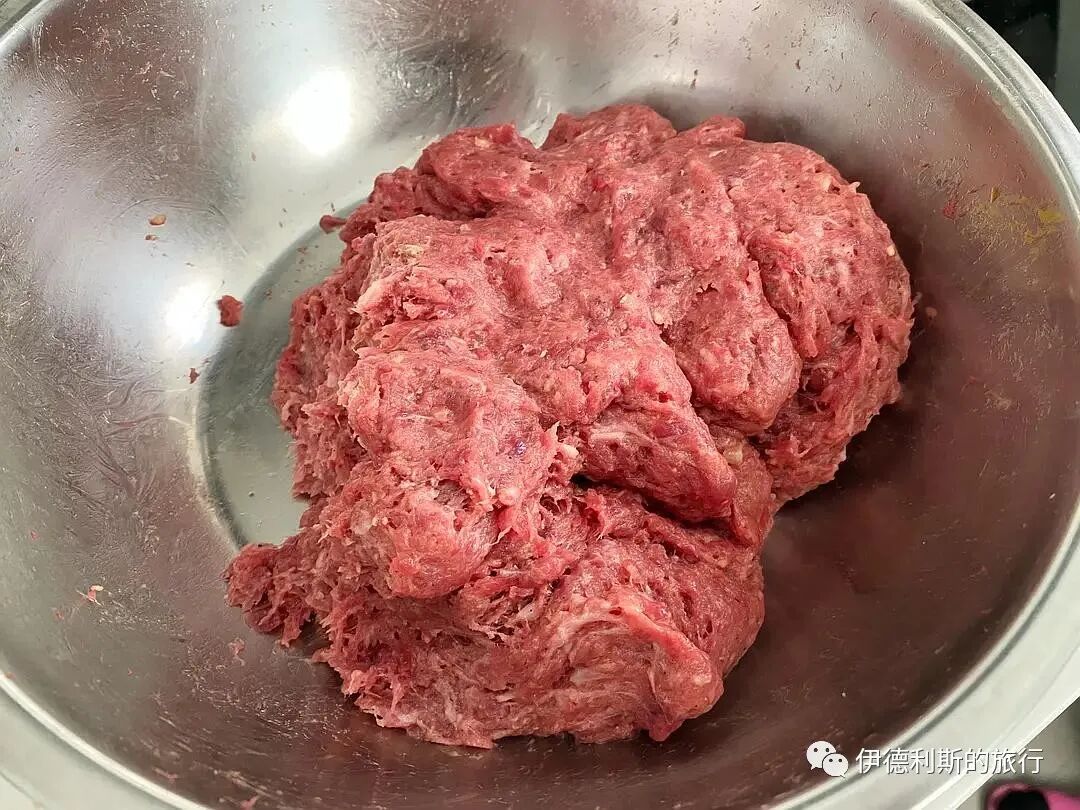
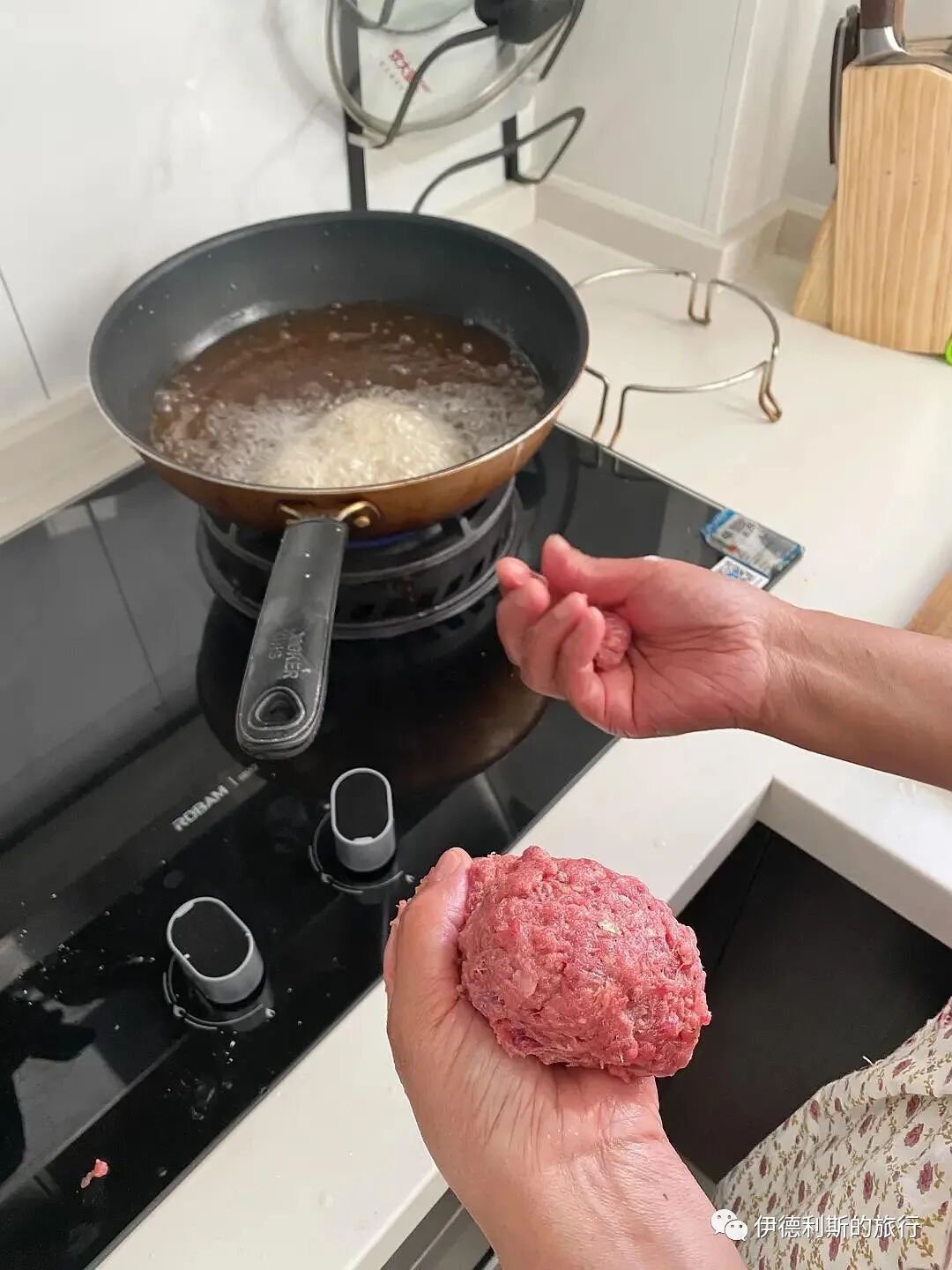
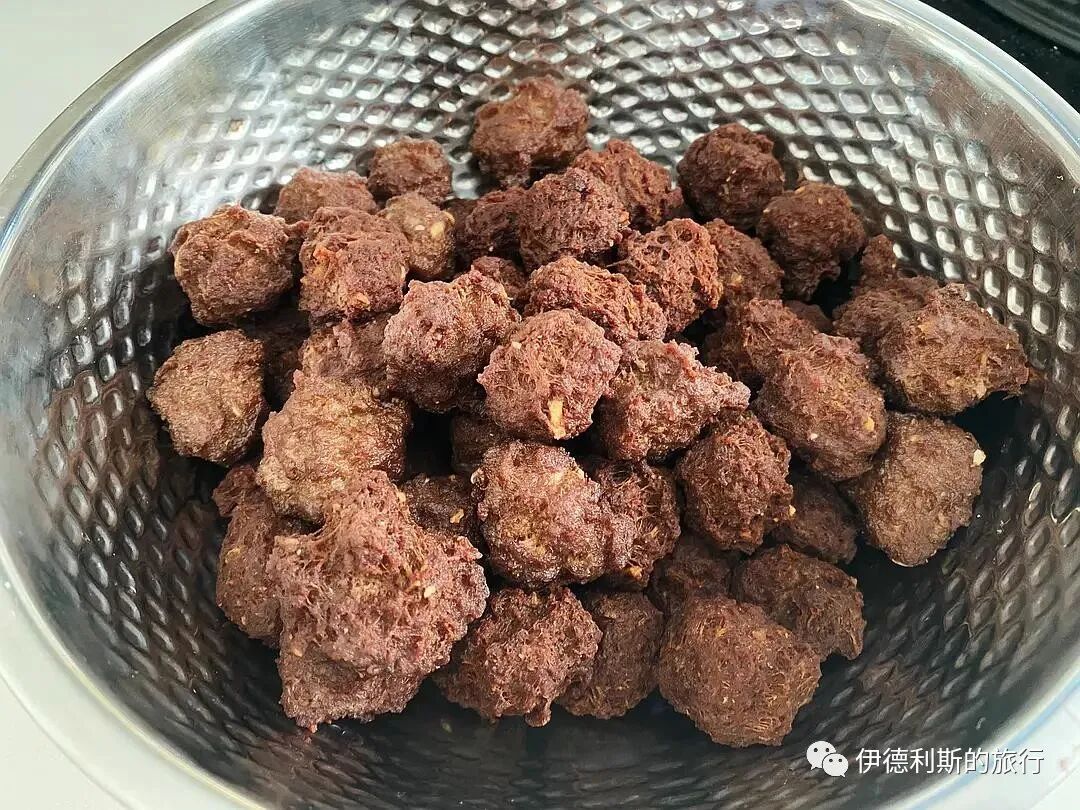
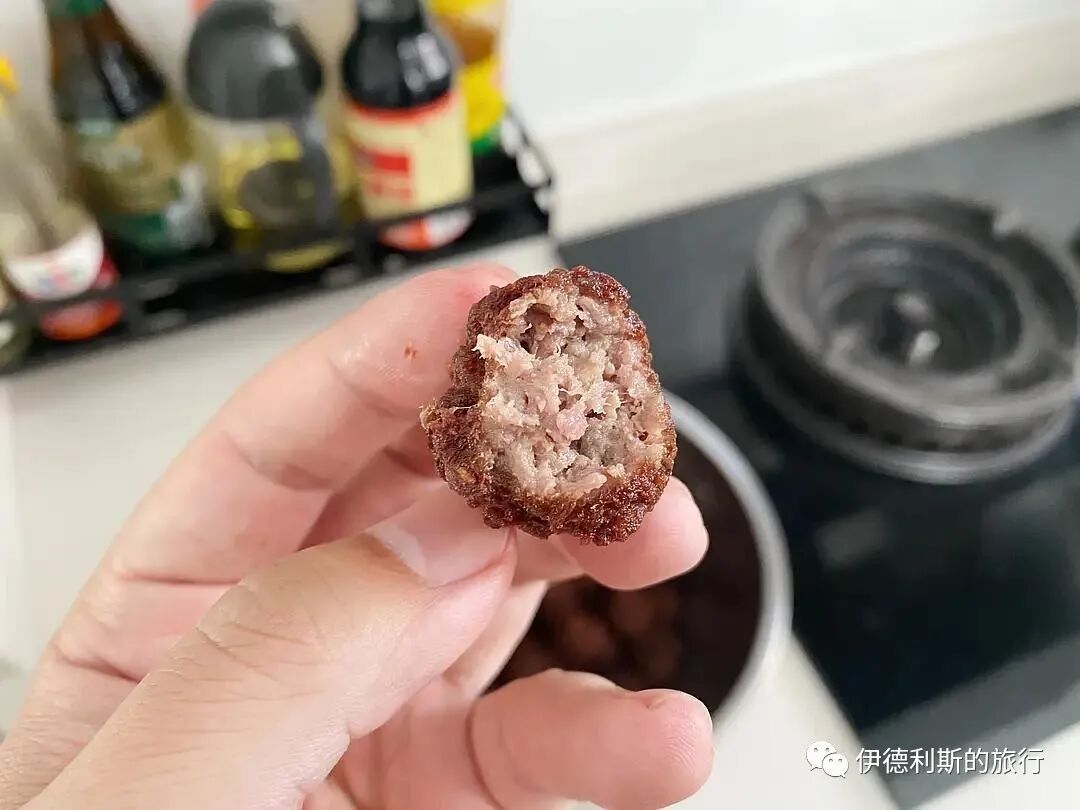
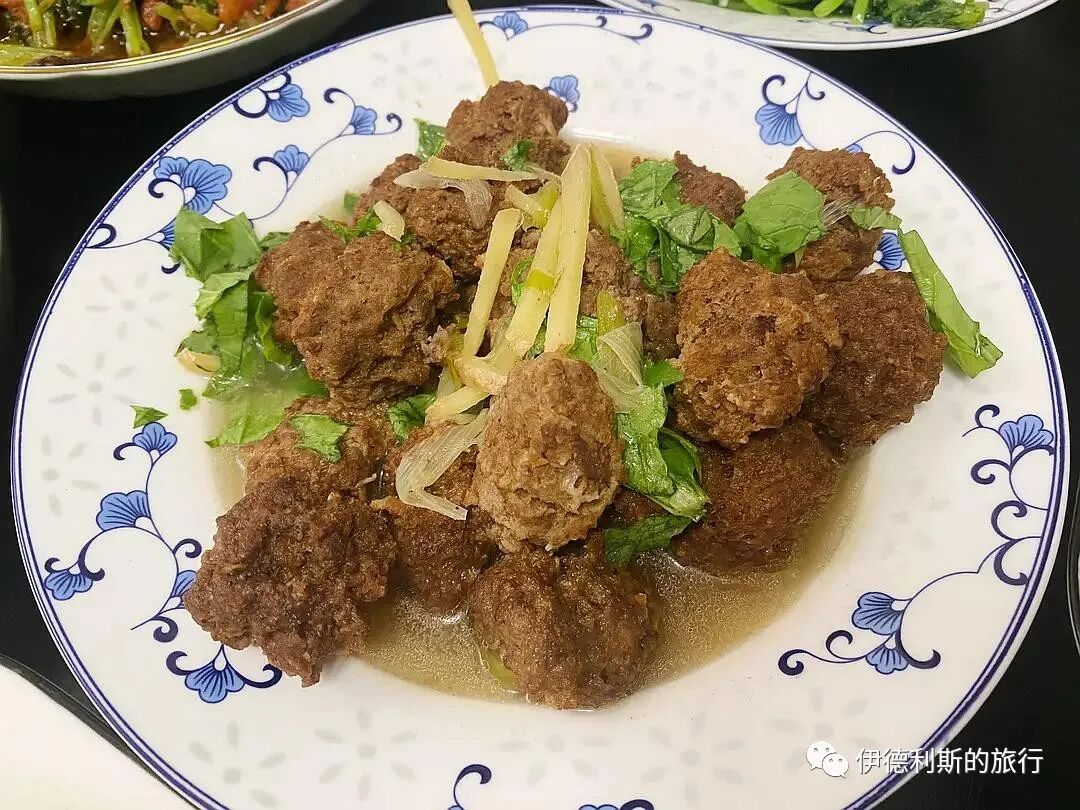
My mother-in-law fried some beef meatballs. The freshly fried meatballs were crispy on the outside and tender on the inside, and they tasted delicious when braised.
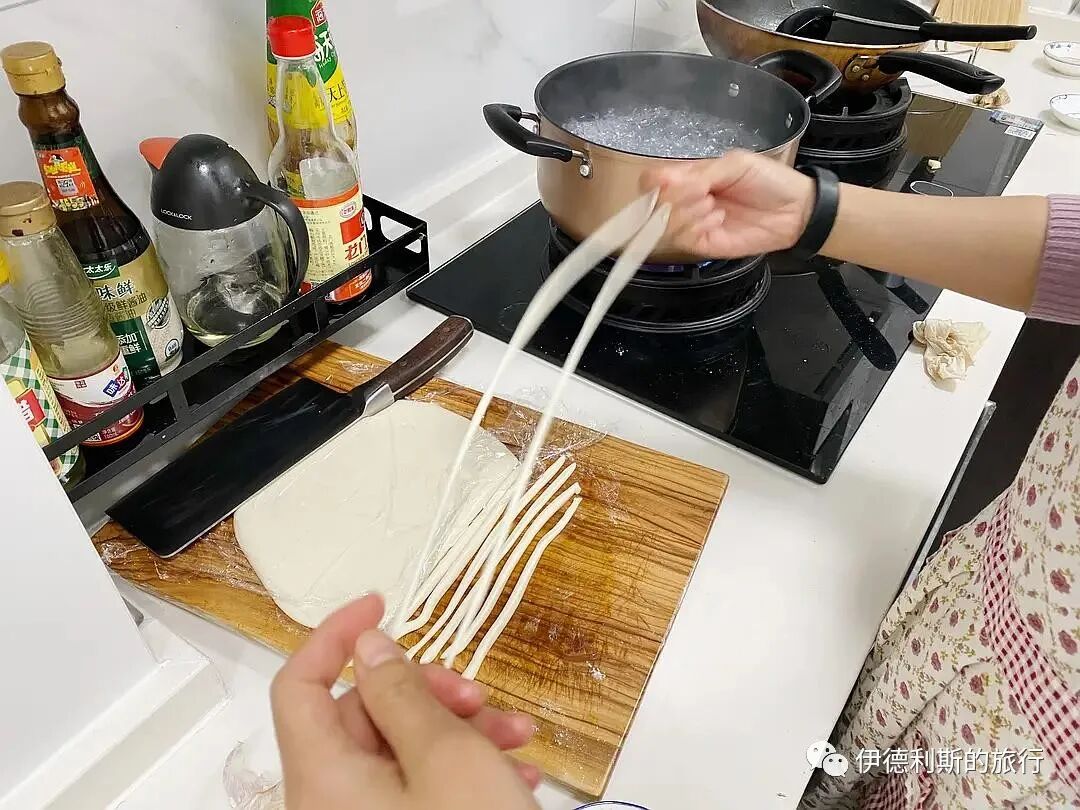
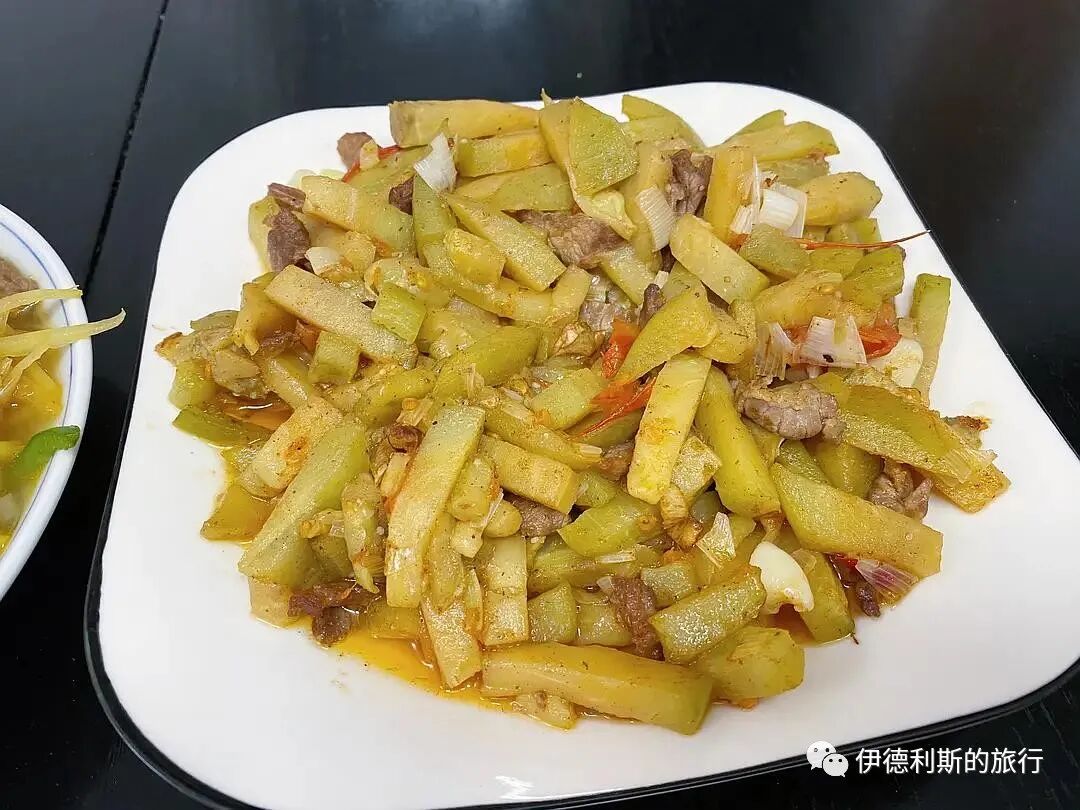
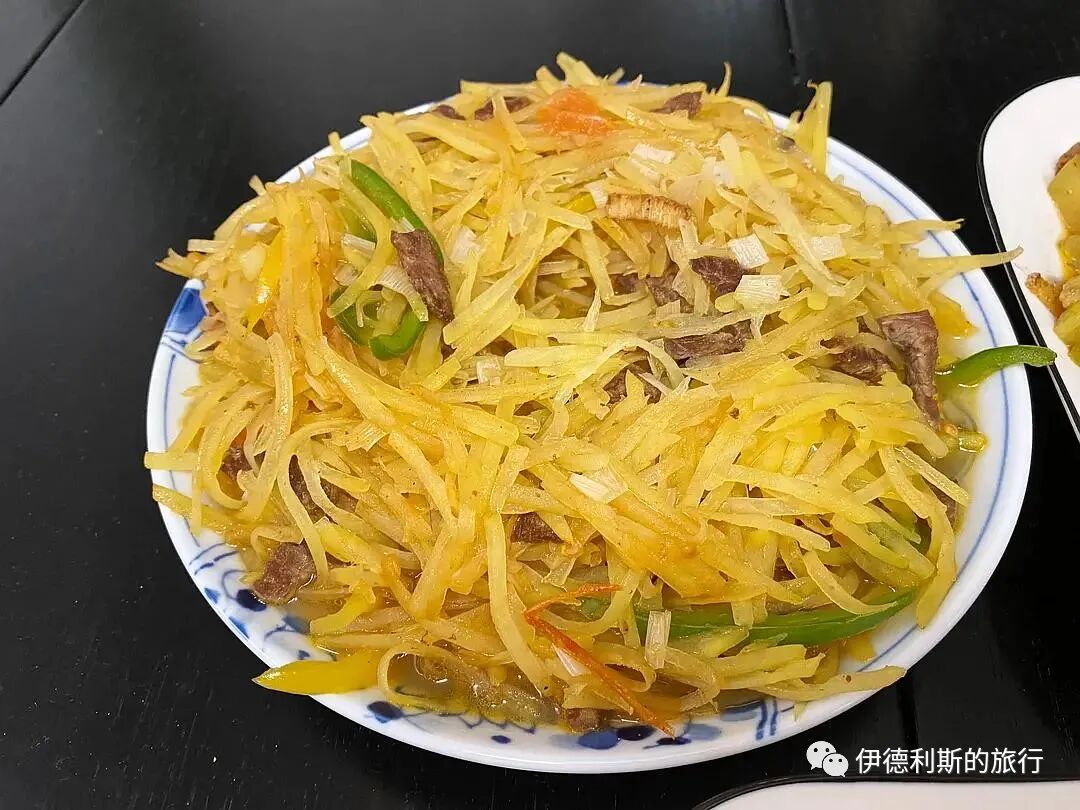
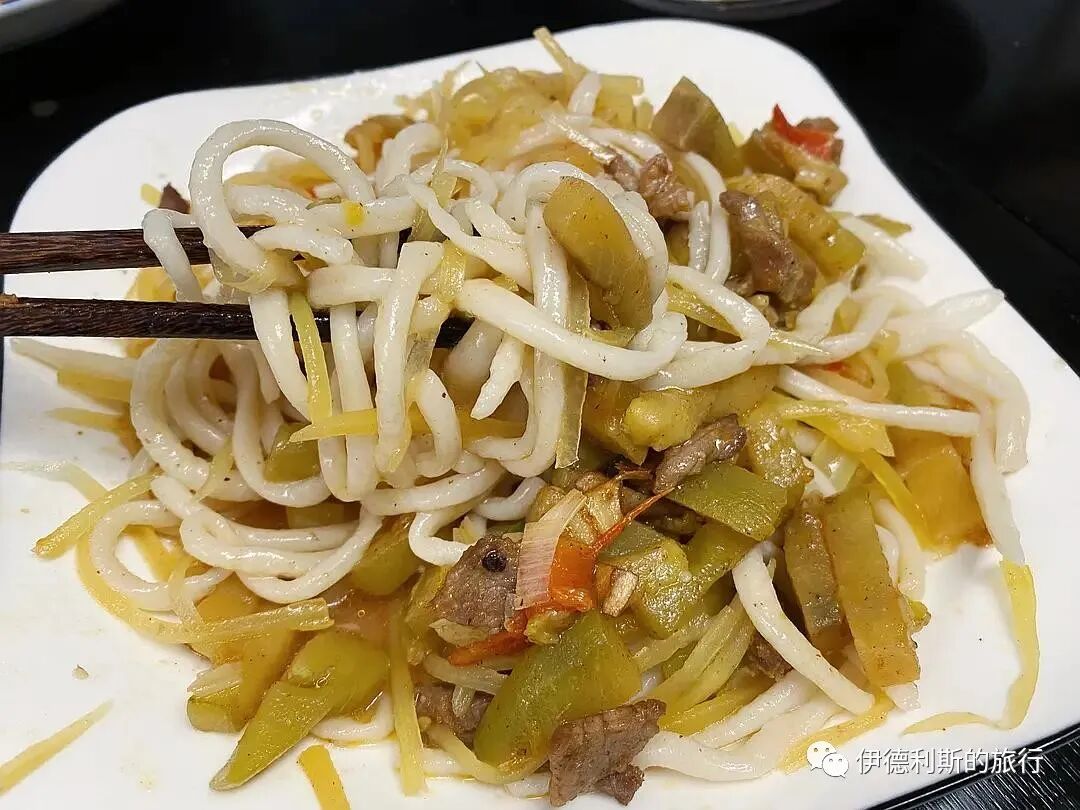
October 30, hand-pulled noodles (latiaozi).
My wife made shredded potato and eggplant with meat (rouman), and also stir-fried some ox head meat. Home-cooked meals are just so comforting.
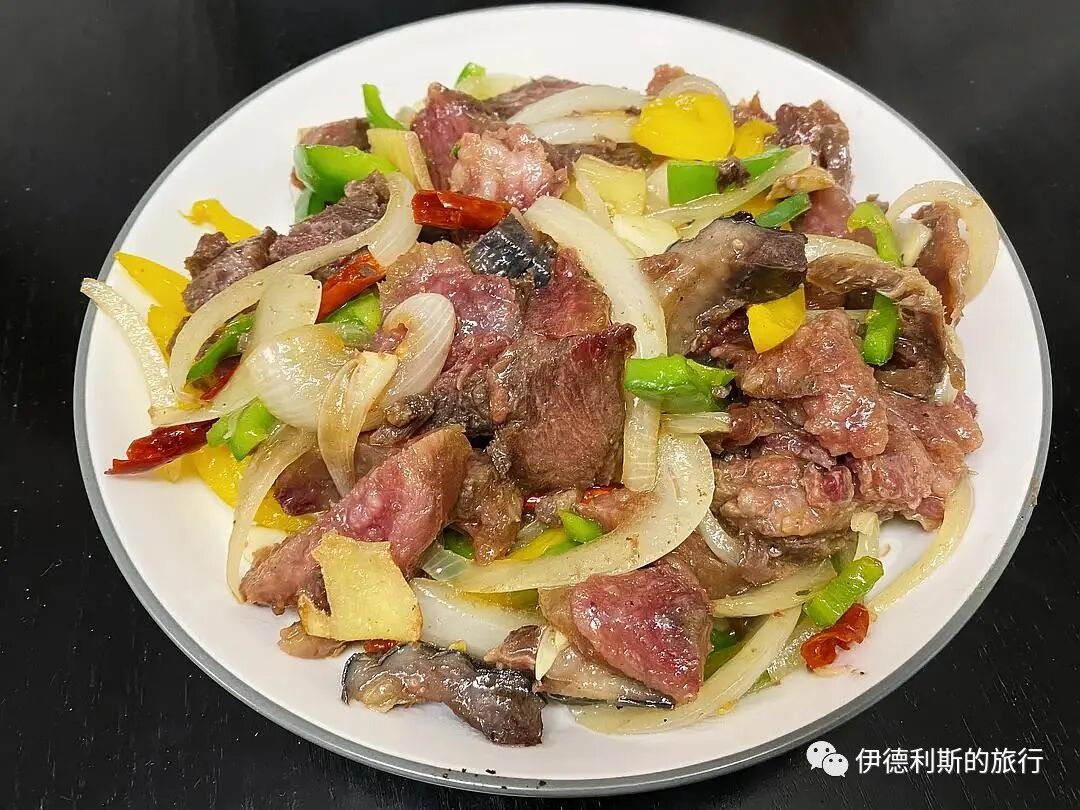
October 31, sour soup dumplings.
My wife made old-fashioned Hui Muslim sour soup dumplings from the Saybagh District of Urumqi.
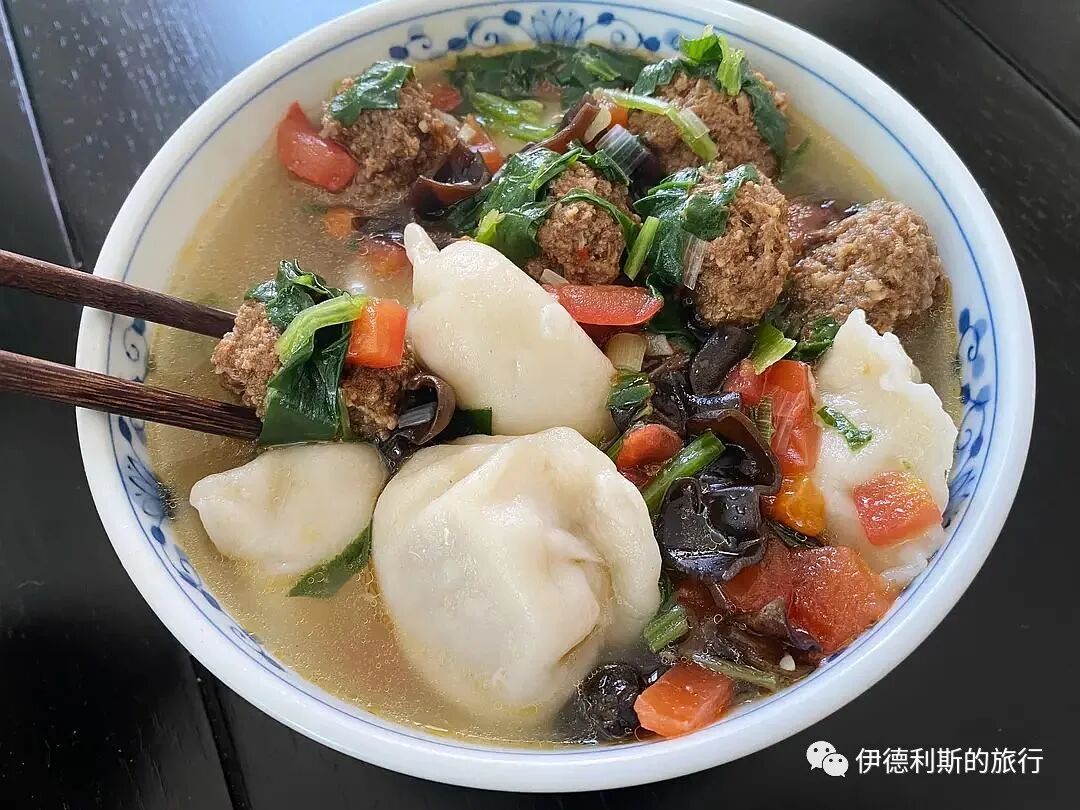
November 3, Yanlanlou at Dongsi Shitiao Bridge.
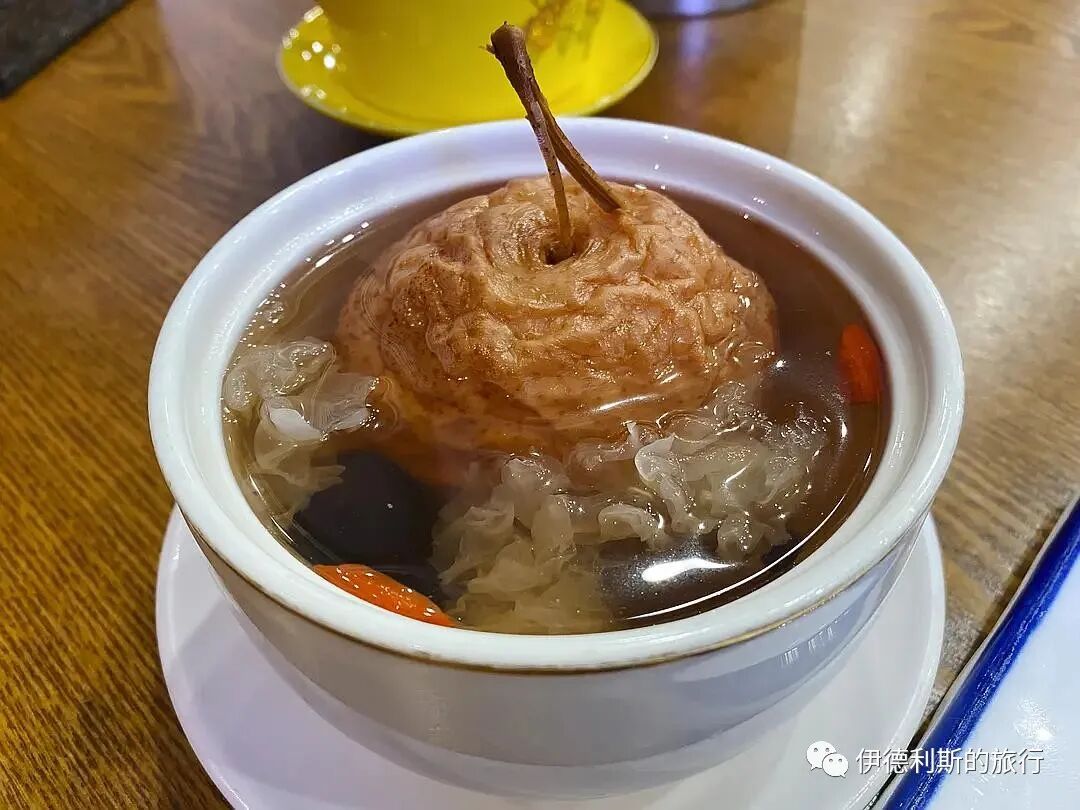
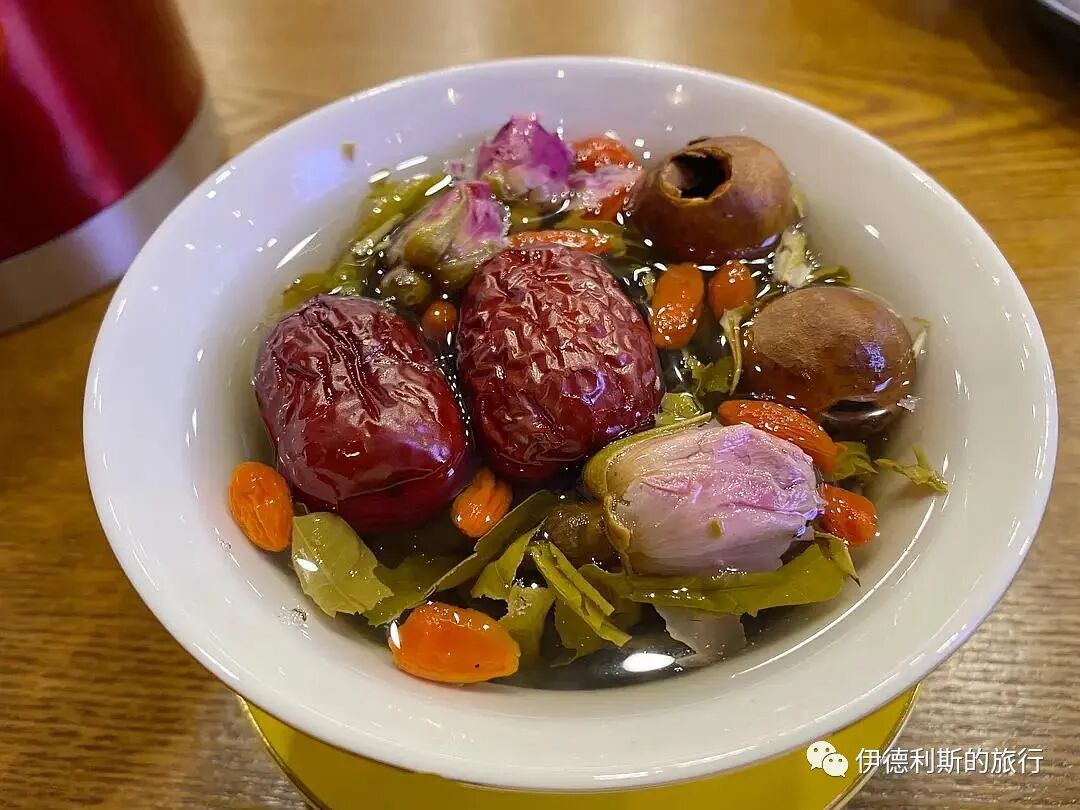
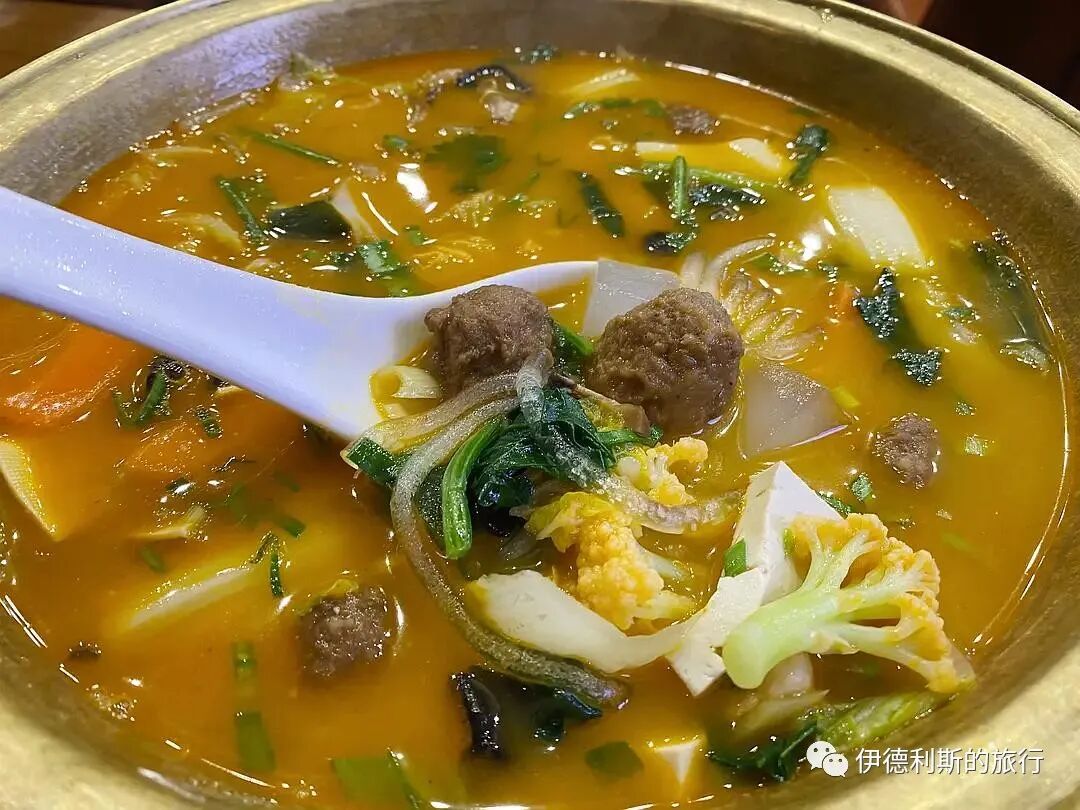
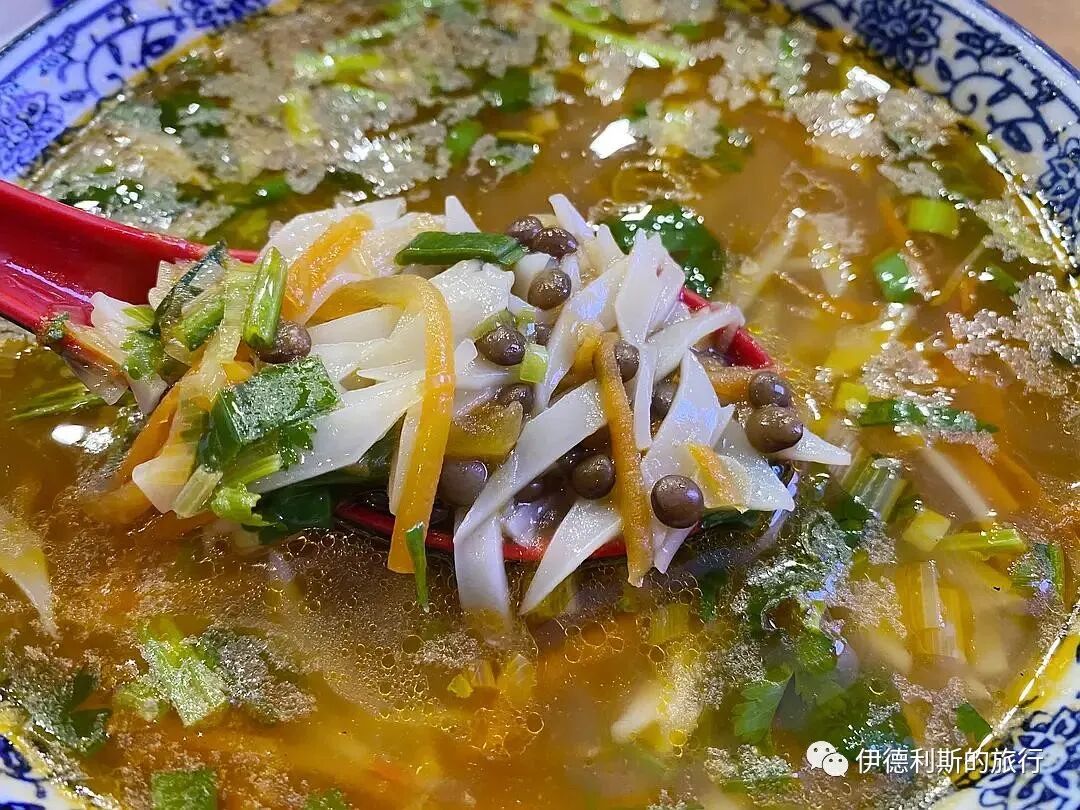
I was craving hand-grabbed lamb (shouzhua), so we went to Yanlanlou at Dongsi Shitiao Bridge (we call it Shitiao Huokou). We had half a jin of hand-grabbed lamb, a pot of braised vegetables, a bowl of lentil sparrow-tongue noodles (biandou queshe mian), a serving of hot winter fruit (re dongguo), and a cup of three-treasure tea (sanpaotai). We were very satisfied! The hand-grabbed lamb was tender and cooked perfectly. The sour soup of the lentil noodles is great for winter, and it kept us warm after the meal.
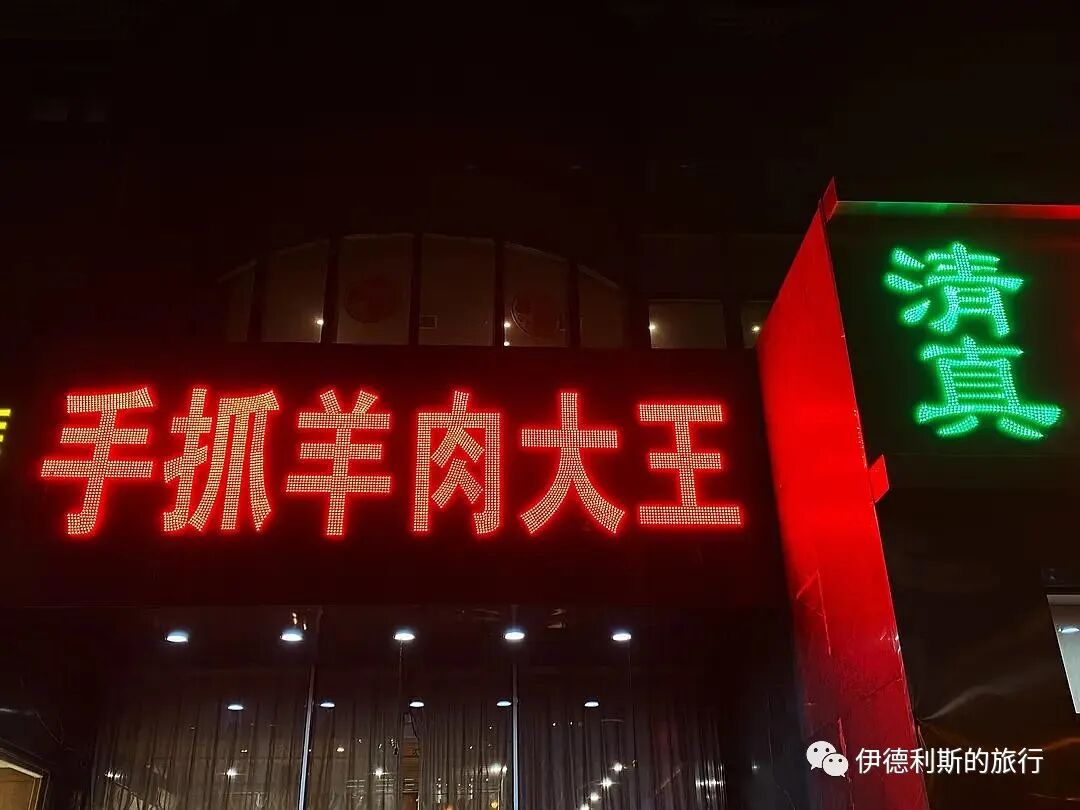
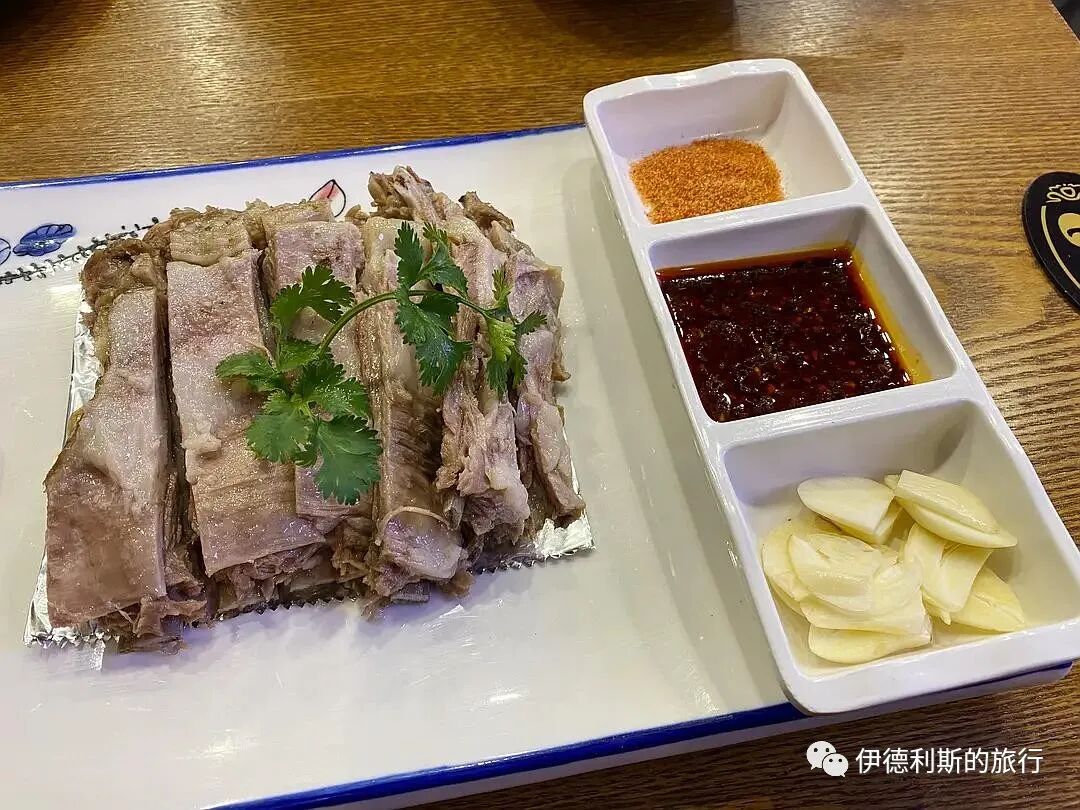
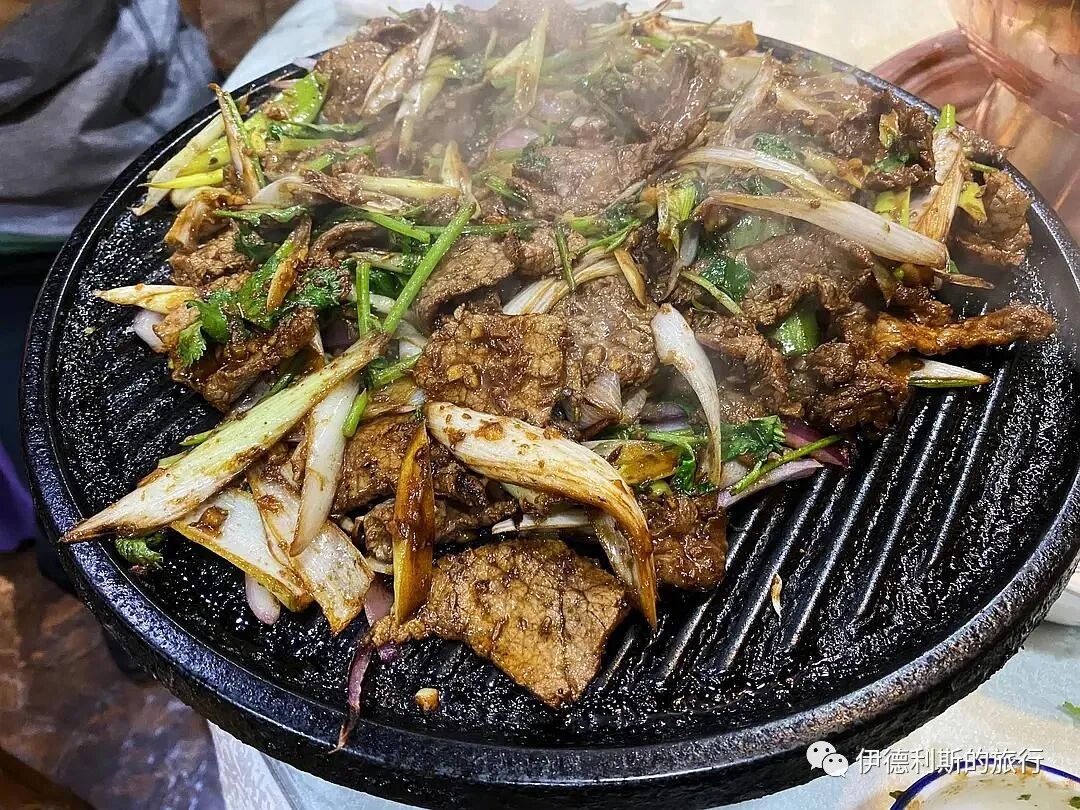
November 8, stone pot barbecue on Ciqikou Street.
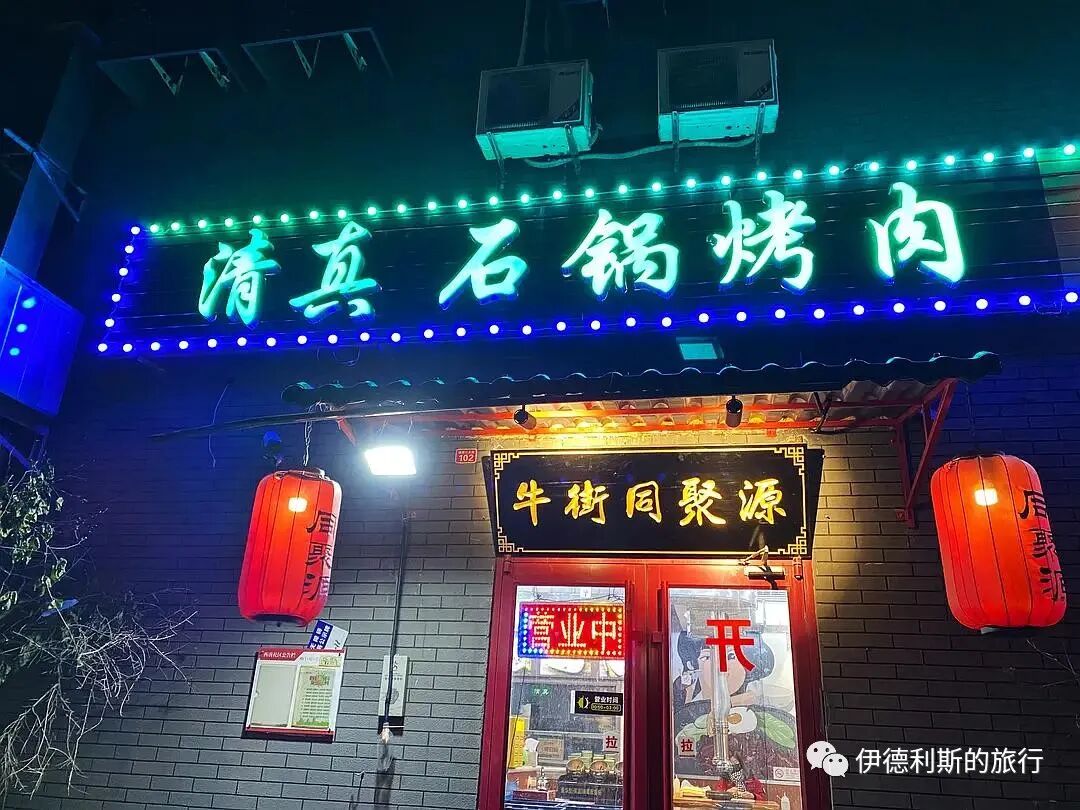
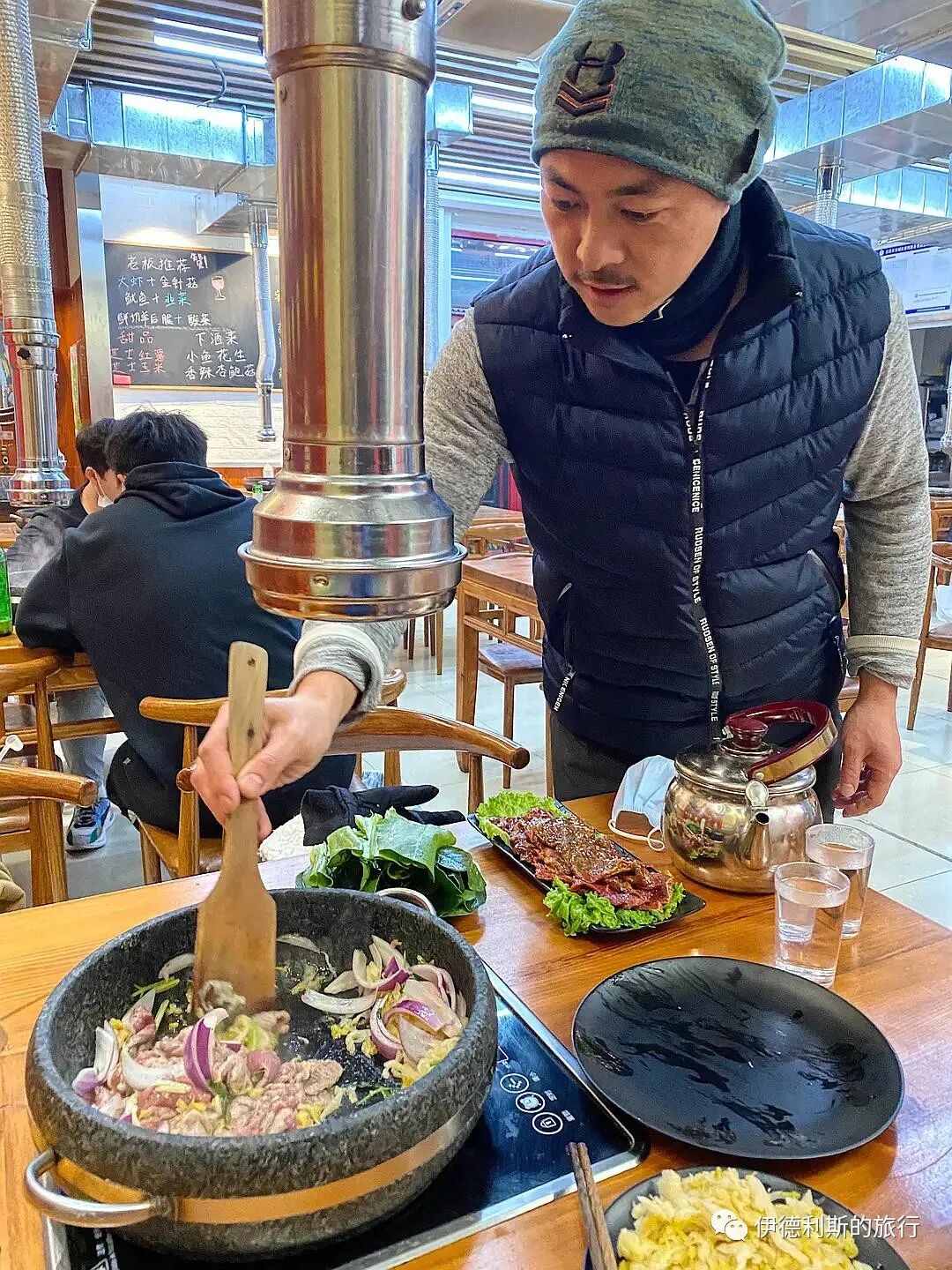
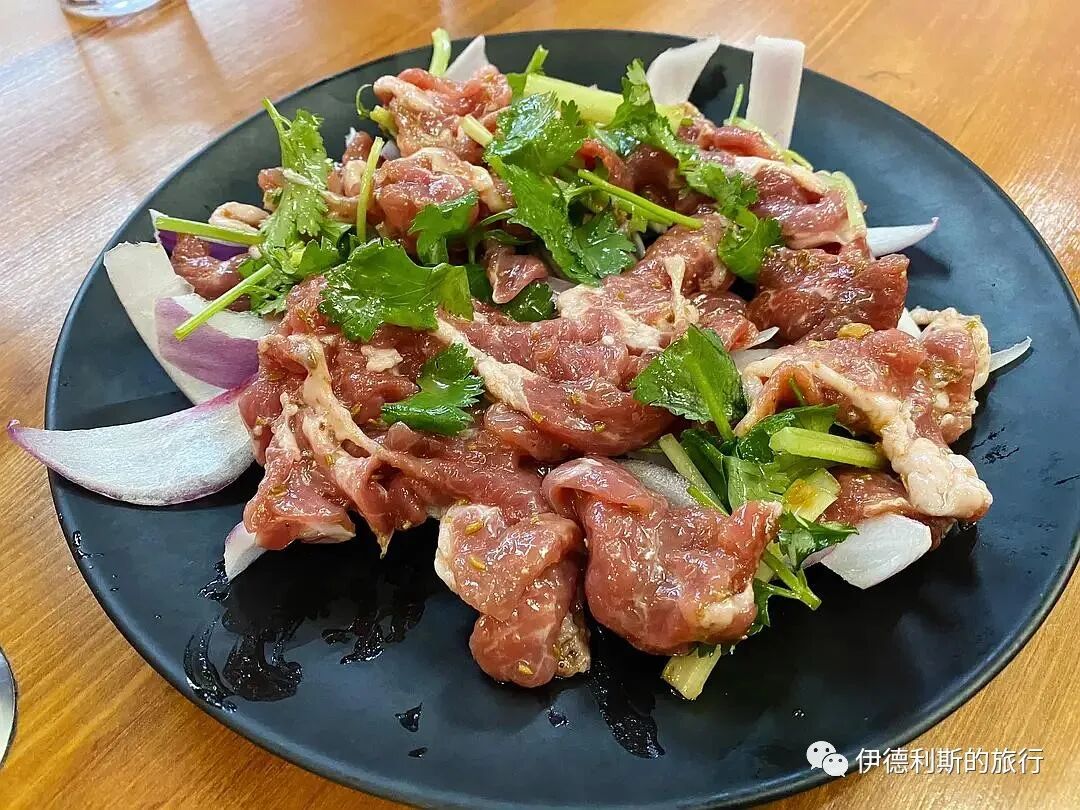
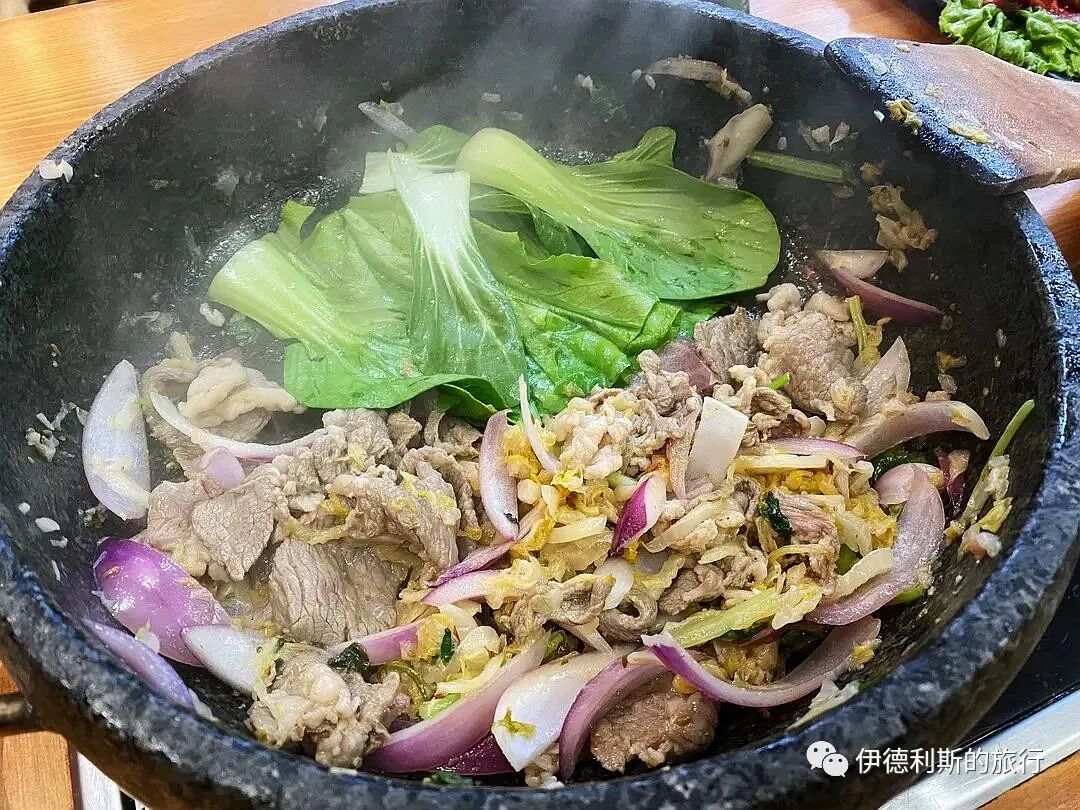
In the evening, I took Zainab out, and we had stone pot barbecue on Ciqikou Street. We ordered lamb leg, pickled cabbage, black pepper beef tenderloin, and a plate of vegetables. Winter is the perfect time for pickled cabbage and lamb! The owner looks just like the actor Wang Xuebing. The service was very enthusiastic, and he took the initiative to grill meat for every table. My favorite thing there is still their beef rice! The mix of meat and vegetables tastes great. They have all kinds of sauces like black pepper, tomato, and Korean style.
Summary: Beijing Autumn Diary — Mosques, Halal Food and Muslim Heritage is presented here as a firsthand travel account in clear English, beginning with this scene: After work, I had soybean paste noodles (zhajiangmian) with large meat skewers at Liu's Nail-Head Dumplings (mending) in Hongmiao. The account keeps its focus on Beijing Halal Food, Beijing Mosques, Muslim Heritage while preserving the names, places, food, and historical details from the Chinese source.
September 26, Liu's Nail-Head Dumplings (mending) at Hongmiao.
After work, I had soybean paste noodles (zhajiangmian) with large meat skewers at Liu's Nail-Head Dumplings (mending) in Hongmiao. This is my classic go-to meal. I just found out that Boss Liu is also a high-level traditional Chinese medicine specialist.
September 28, Tunisian restaurant La Medina.
After a movie, I went to the Tunisian restaurant La Medina on Liangmahe South Road. This is the same place as Mesa, the Tunisian restaurant that opened and closed last year. Mesa's location was too out of the way and didn't get enough foot traffic. This year's new spot is right in the heart of the embassy district, very close to another Lebanese restaurant called Al Ameen. As soon as we walked in, we saw the Tunisian chef we met when we ate at Mesa. The chef is very kind and friendly. If you are interested in North African food, you can chat with him.
Medina means city in Arabic. In North Africa, a medina usually refers to an old town built with city walls and many narrow, maze-like alleys. The Medina of Tunis, the capital of Tunisia, was listed as a UNESCO World Heritage site in 1979. It is one of the most famous medinas and contains 700 historical buildings, including palaces, mosques, mausoleums, madrasas, and fountains.
We ordered North African bean soup (Harira), tuna pastry (Brik), tagine (Tajine) with couscous (Couscous), chicken, North African sausage (Merguez), grilled seasonal vegetables, and Arabic mint tea. The sauce for the tagine was so delicious that I couldn't get enough of it poured over the couscous.
Harira bean soup is a classic appetizer in the Maghreb region (Algeria, Libya, Mauritania, Morocco, and Tunisia). It is most commonly made for breaking the fast during Ramadan. Every region makes Harira differently. The version we had included tomatoes, lentils, chickpeas, lamb, and various spices.
Brik pastry is a North African Berber dish that was later brought to Israel by Tunisian Jews. The filling usually contains eggs, tuna, harissa sauce (Harissa), and parsley. It is then wrapped in a crispy dough called Malsouka or Warka and deep-fried.
The tagine (Tajine) is a North African Berber specialty that appeared in the 9th-century classic One Thousand and One Nights. Modern tagines are made of pottery, sometimes glazed. They have a round, flat bottom and a conical or domed top. This design allows evaporated steam to return to the bottom, and water can be added through a hole in the lid.
Couscous (Couscous) is a staple of Berber cuisine. It is made by rubbing semolina into millet-sized grains and then drying them in the sun. Couscous was first seen in North Africa between the 11th and 13th centuries. The famous 13th-century Andalusian scholar and gourmet Ibn Razin al-Tuyibi first recorded the method for making couscous in his book, The Andalusian Cookbook.
North African sausage (Merguez) is made with lamb and beef, mixed with cumin, harissa sauce, chili, and other spices. It is usually grilled. Merguez sausage was first seen in the 12th century in Andalusia, which was southern Spain under Arab rule, and later spread throughout North Africa.
September 30, Xu's Bowl of Braised Noodles (huimian).
In the evening, I went to Xu's Bowl of Braised Noodles (huimian) at Wanliu Bridge on the Southwest Third Ring Road. I ordered a pot of red-broth lamb bone marrow (yangbanggu), a bowl of braised noodles (huimian), and a side of cold dishes. The braised noodles (huimian) included kelp, tofu skin, and quail eggs. The broth was very tasty. The location is just a bit out of the way.
October 9, White Diamond (baizuan) in Shilihe.
In the evening, I had a wonderful dinner at White Diamond (baizuan) in Shilihe, featuring expensive meat (guirou) romance, lamb leg pilaf (zhua fan), pigeon soup, grilled meat, grilled lamb lung pipes, and stir-fried wood ear mushrooms with eggs. Then I went to the Daliushu Dongpeng Night Market, but there were not many vendors because of the rain.
October 12, homemade mixed noodles (banmian).
I made a huge portion of homemade mushroom and meat noodles (lamian), it was really satisfying.
October 13, Eid al-Adha lamb (Qurban yanggao).
I stewed some lamb after work, and I have finally eaten most of this year's Eid al-Adha lamb.
October 15, Xiapo religious gathering (sheng hui).
At the Xiapo religious gathering, we had lamb and wheat porridge (mairen rouzhou) and fried dough (youxiang).
October 19, Chingu stone pot bibimbap in Changying.
I bought some fried chicken downstairs from Chingu, then had stone pot bibimbap with Chingu, it was wonderful.
October 21, a table of food I made, including Xinjiang meatball soup (wanzi tang).
My parents-in-law came to Beijing, so I cooked a whole table of food for them. I bought beef bone marrow (niu banggu) in Changying and stewed it for three hours, then added meatballs my mother-in-law had fried in advance, frozen tofu, king oyster mushrooms, wood ear mushrooms, and spinach to make a pot of Xinjiang meatball soup. I clear-stewed the last of the Eid al-Adha lamb from the fridge, stir-fried eggplant and long beans with beef cucumber strip (niu huanggua tiao) bought at the market, made stir-fried cauliflower with tomatoes, and roasted sweet potatoes in the steam-oven.
October 21, Jufuyuan at Beixinqiao.
In the afternoon, the family gathered at Jufuyuan in Beixinqiao for hot pot (shuan guozi), grilled meat (zhizi kaorou), and chive pockets (jiucai hezi), and everyone was very satisfied.
October 24, hand-pulled noodles (latiaozi).
In the evening, my mother-in-law made noodles for me with eggplant and meat, bamboo shoots and meat, and celery and meat—all my favorites! Zainab and my mother-in-law made the noodles together; homemade food is just better.
October 25, Xiaowang Beef Soup and Huainan Beef Soup in Changyang, Fangshan.
In the morning, I had Huainan beef soup and sesame flatbread (shaobing) at Xiaowang Beef Soup in Changyang, Fangshan. This is a family-run shop opened by Hui Muslims from Panji, Huainan, Anhui. What makes their Huainan beef soup special is that they add a lot of bean noodles (dousi). Their bean noodles are thin and have a great texture, which you cannot find in other Beijing restaurants. The beef soup is also stewed well; even my parents-in-law from Urumqi said they really liked it.
The landlady makes the flatbreads fresh. The hot flatbread is crispy and fragrant. You can fill it with fried eggs or scrambled eggs. I chose a double filling of beef head meat and scrambled eggs, which was very satisfying.
October 25, eating a beef head feast (niutou yan) at Tongshunzhai in Doudian.
For lunch, we had the ox head feast at Tongshunzhai in Doudian. We ordered half an ox head and some side dishes, including mint, wild vegetable (quma cai), and dandelion. Some were served with fried soybean paste (zhajiang) and others with hot oil poured over them. We also ordered vegetable-filled steamed buns (caituanzi) made with amaranth. The restaurant is set in a farmhouse courtyard, which is a perfect spot to soak up the sun after a meal.
I worked in Doudian for a year and always heard that the ox head feast here was the most famous, but I never got to try it until now. This half ox head was huge; it felt like enough to feed ten people. The meat was very tender and tasted great. The skin, meat, and ox tongue all had different flavors, making for a rich eating experience. If you have a small group or a small appetite, you will definitely have to pack a lot of the ox head to take home. If you have fewer people, you could choose the nearby sturgeon feast (xunlong yan) for fish, but they stop serving at 1:50 PM. We arrived in Doudian after 2:00 PM and missed it.
The owner of the ox head feast restaurant, Zhang Fugang, is known as Baldy Zhang. Zhang is a major surname among Hui Muslims in the Doudian area, mainly distributed across Beijing, Tianjin, Hebei, and Shandong, originating from the Yuan Dynasty poet Zhang Zhangsha. People say Zhang Zhangsha's ancestral home was in the Arab world (Dashi), and he lived on Hui Street outside the outer city of Shangdu in the Yuan Dynasty.
October 26, Naolao Wei at Niujie.
For lunch, we had cheese, beef bone marrow tea (niugusui youcha), tea soup (chatang), and almond tea at Naolao Wei on Niujie. It has been a long time since I visited, and I really missed their cheese.
Afterward, we went to Shuru Hutong to buy two jin of minced meat to make dumplings at home.
October 26, making dumplings.
Before my parents-in-law left, the whole family made dumplings together. We mixed a Xinjiang-style onion and meat filling (piyazi rouxuanzi), added plenty of Sichuan peppercorns, and poured hot chili oil over them when eating. We made extra to store away so we can make traditional Xinjiang sour soup dumplings later.
October 27, braised meatballs.
My mother-in-law fried some beef meatballs. The freshly fried meatballs were crispy on the outside and tender on the inside, and they tasted delicious when braised.
October 30, hand-pulled noodles (latiaozi).
My wife made shredded potato and eggplant with meat (rouman), and also stir-fried some ox head meat. Home-cooked meals are just so comforting.
October 31, sour soup dumplings.
My wife made old-fashioned Hui Muslim sour soup dumplings from the Saybagh District of Urumqi.
November 3, Yanlanlou at Dongsi Shitiao Bridge.
I was craving hand-grabbed lamb (shouzhua), so we went to Yanlanlou at Dongsi Shitiao Bridge (we call it Shitiao Huokou). We had half a jin of hand-grabbed lamb, a pot of braised vegetables, a bowl of lentil sparrow-tongue noodles (biandou queshe mian), a serving of hot winter fruit (re dongguo), and a cup of three-treasure tea (sanpaotai). We were very satisfied! The hand-grabbed lamb was tender and cooked perfectly. The sour soup of the lentil noodles is great for winter, and it kept us warm after the meal.
November 8, stone pot barbecue on Ciqikou Street.
In the evening, I took Zainab out, and we had stone pot barbecue on Ciqikou Street. We ordered lamb leg, pickled cabbage, black pepper beef tenderloin, and a plate of vegetables. Winter is the perfect time for pickled cabbage and lamb! The owner looks just like the actor Wang Xuebing. The service was very enthusiastic, and he took the initiative to grill meat for every table. My favorite thing there is still their beef rice! The mix of meat and vegetables tastes great. They have all kinds of sauces like black pepper, tomato, and Korean style.
