
Halal Travel Guide: Beijing Autumn Diary — Mosques, Halal Food and Muslim Heritage (Part 1)
Reposted from the web
Summary: Beijing Autumn Diary — Mosques, Halal Food and Muslim Heritage is presented here as a firsthand travel account in clear English, beginning with this scene: After a night tour of the mummy exhibition at the Century Altar, I went to Jiasan Steamed Buns (baozi) at Baiyunguan for lamb pita bread soup (yangrou paomo). The account keeps its focus on Beijing Halal Food, Beijing Mosques, Muslim Heritage while preserving the names, places, food, and historical details from the Chinese source.
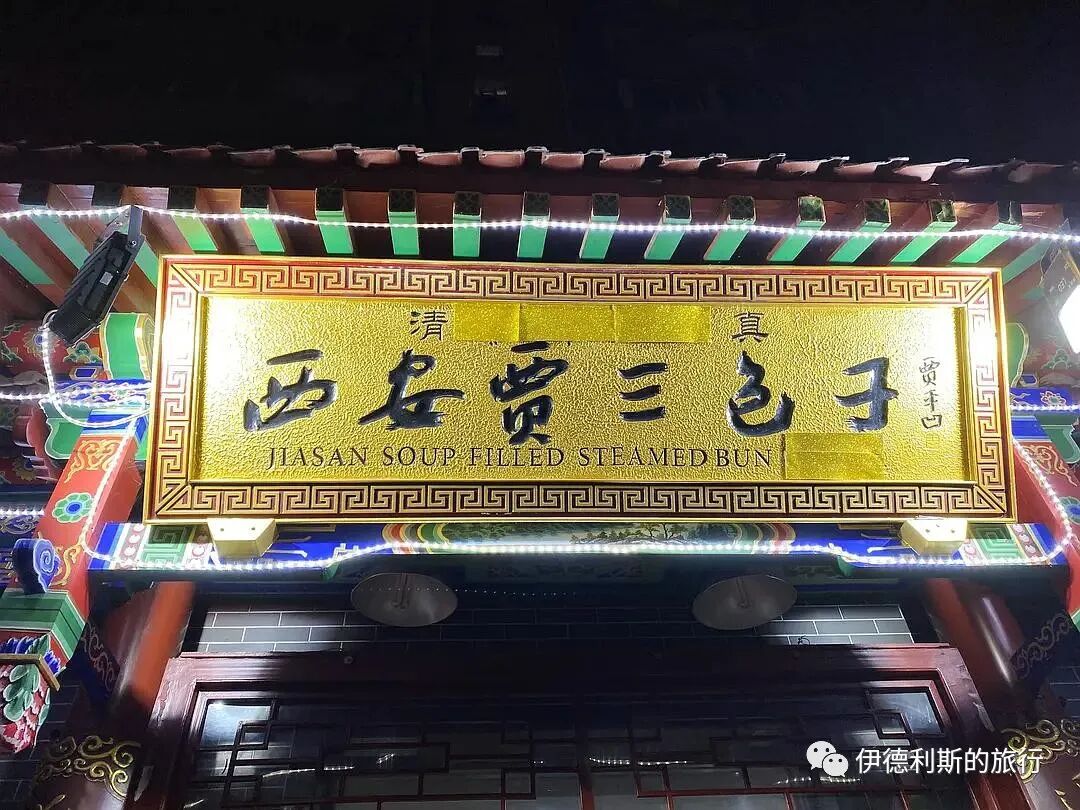
September 3, Jiasan Steamed Buns (baozi) at Baiyunguan.
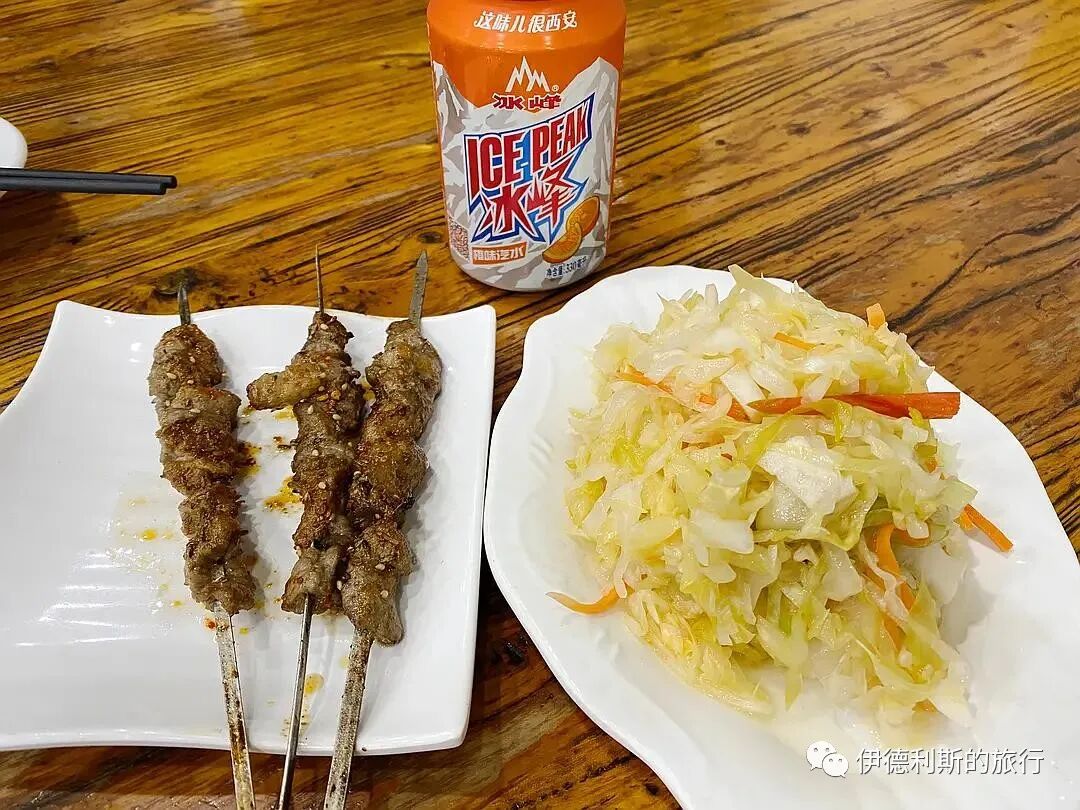
After a night tour of the mummy exhibition at the Century Altar, I went to Jiasan Steamed Buns (baozi) at Baiyunguan for lamb pita bread soup (yangrou paomo). I also ordered a water basin soup (shuipen) without vermicelli but with extra dried tofu, eight-treasure sweet porridge (babao tianxifan), pickles, lamb skewers, and Bingfeng soda.
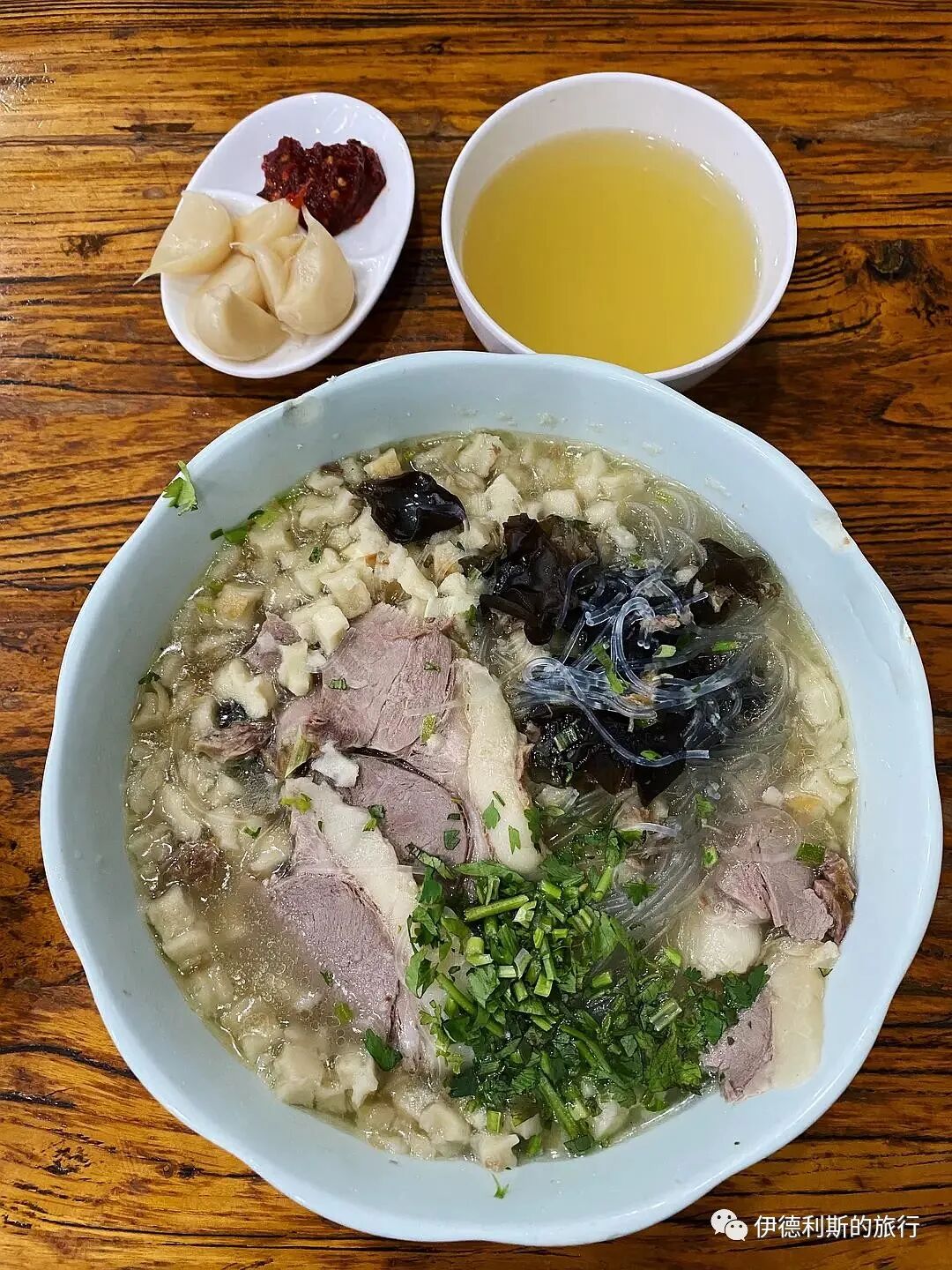
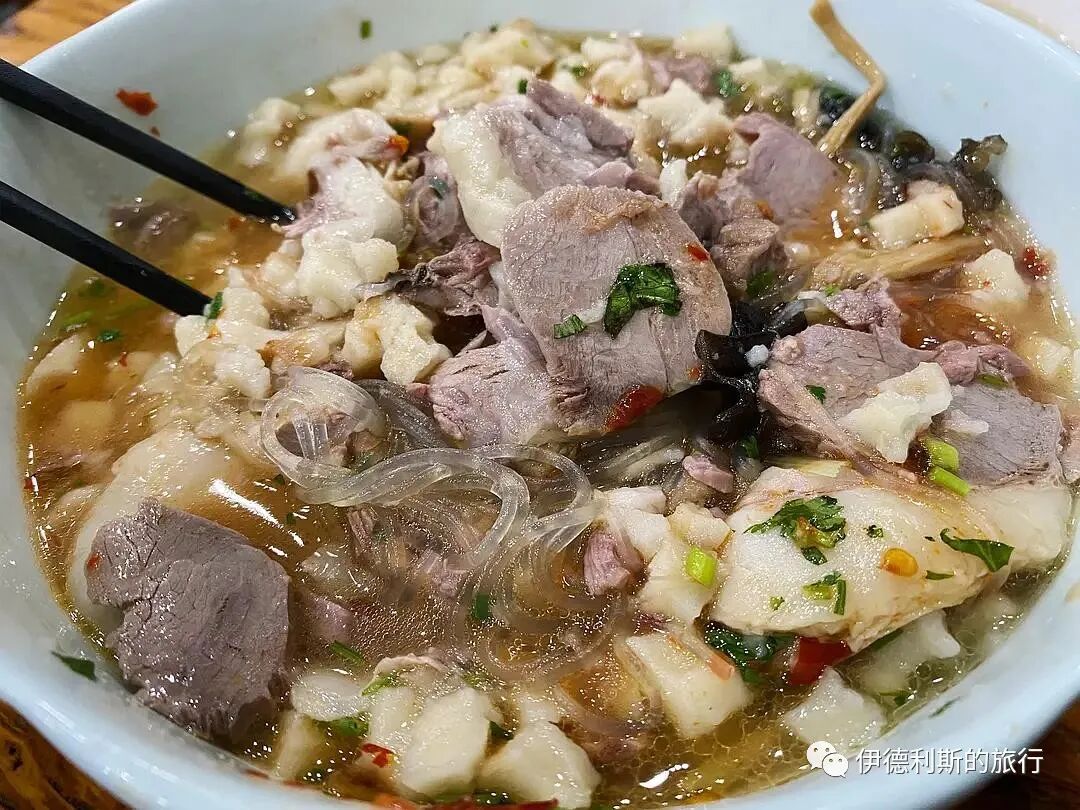
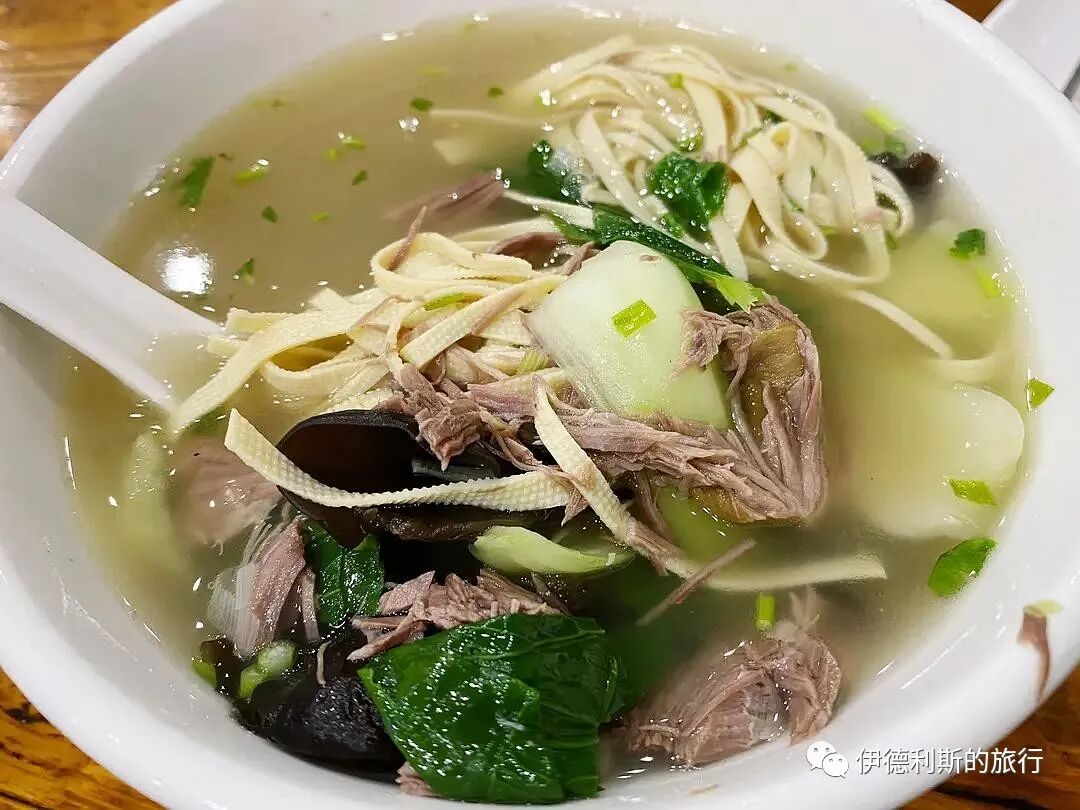
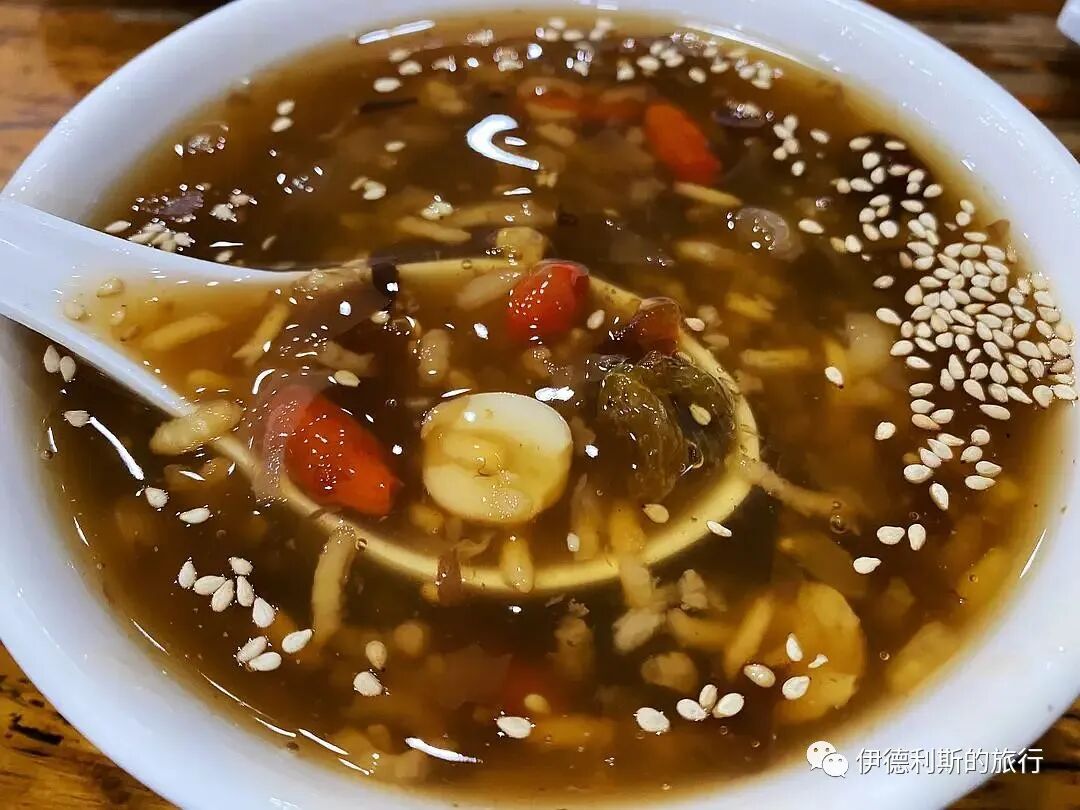
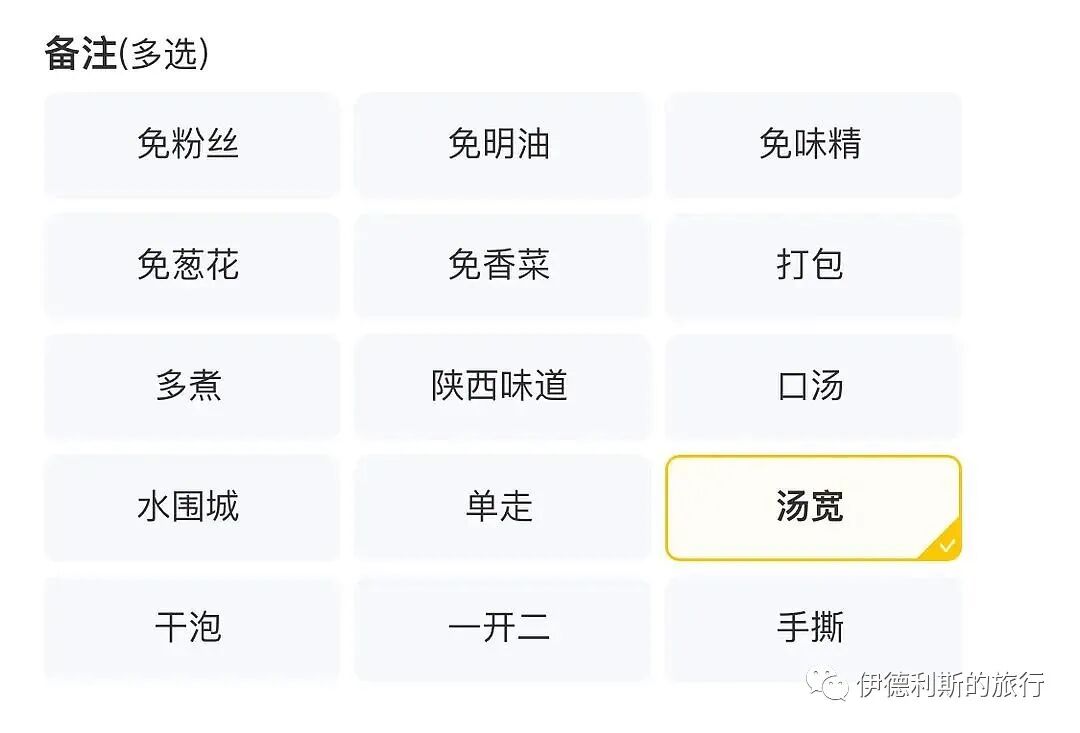
Several ways to eat pita bread soup (paomo): mouth soup (koutang), water-surrounded city (shuiweicheng), separate serving (danzou), wide soup (kuantang), dry soak (ganpao), and one-split-two (yikai'er).
Delete
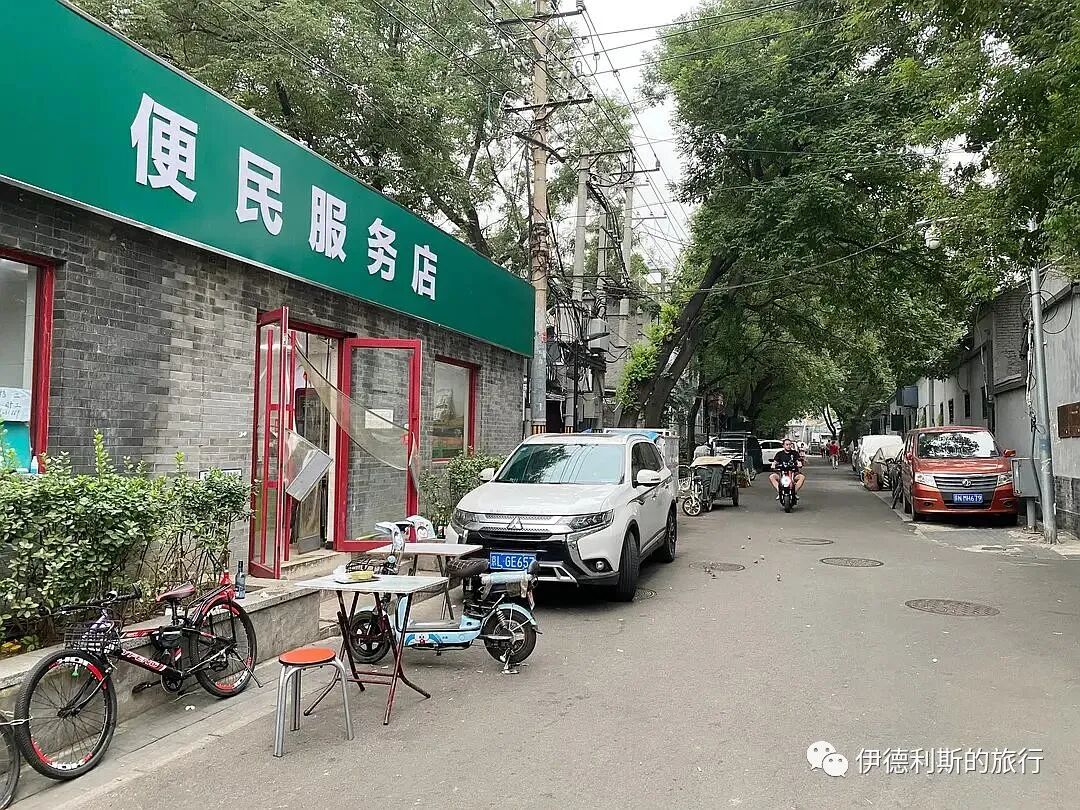
September 4, Wang's at Xilou Hutong.
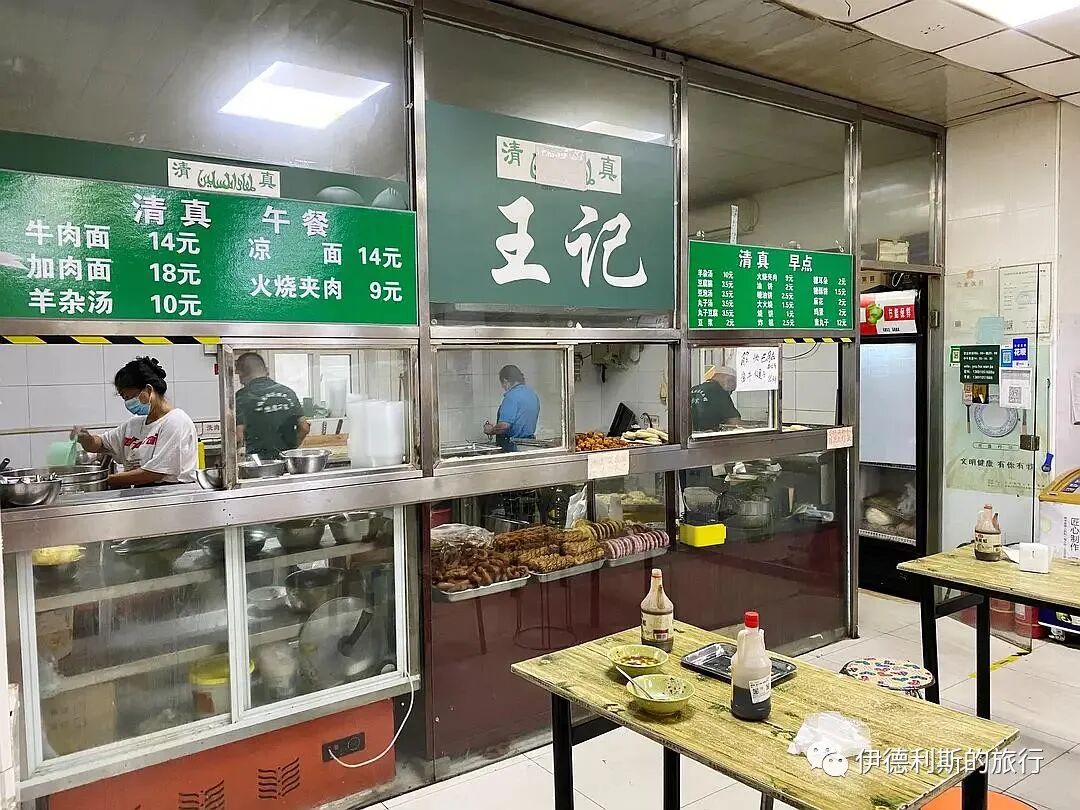
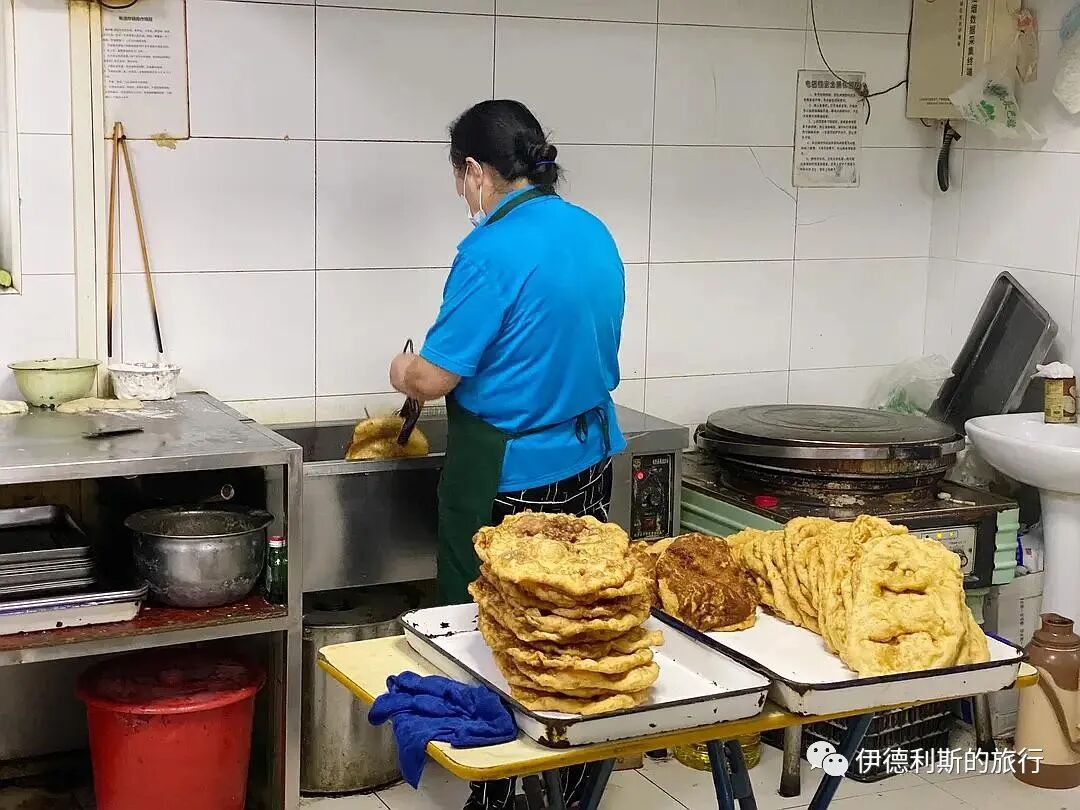
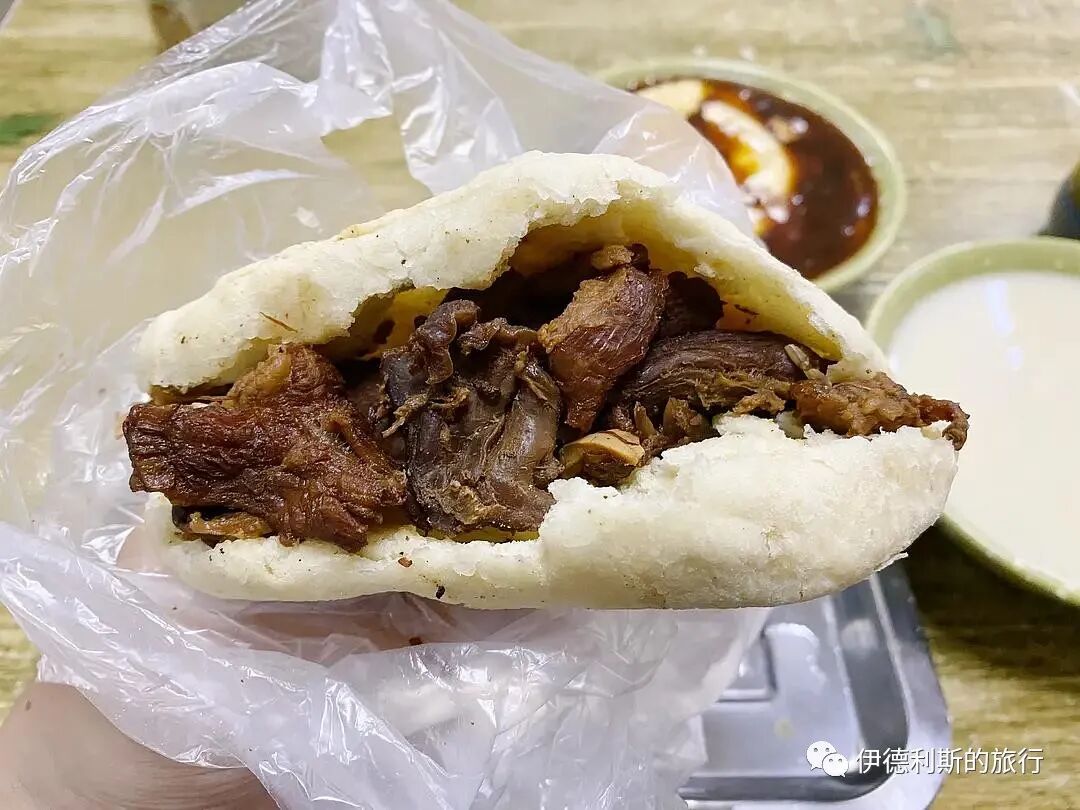
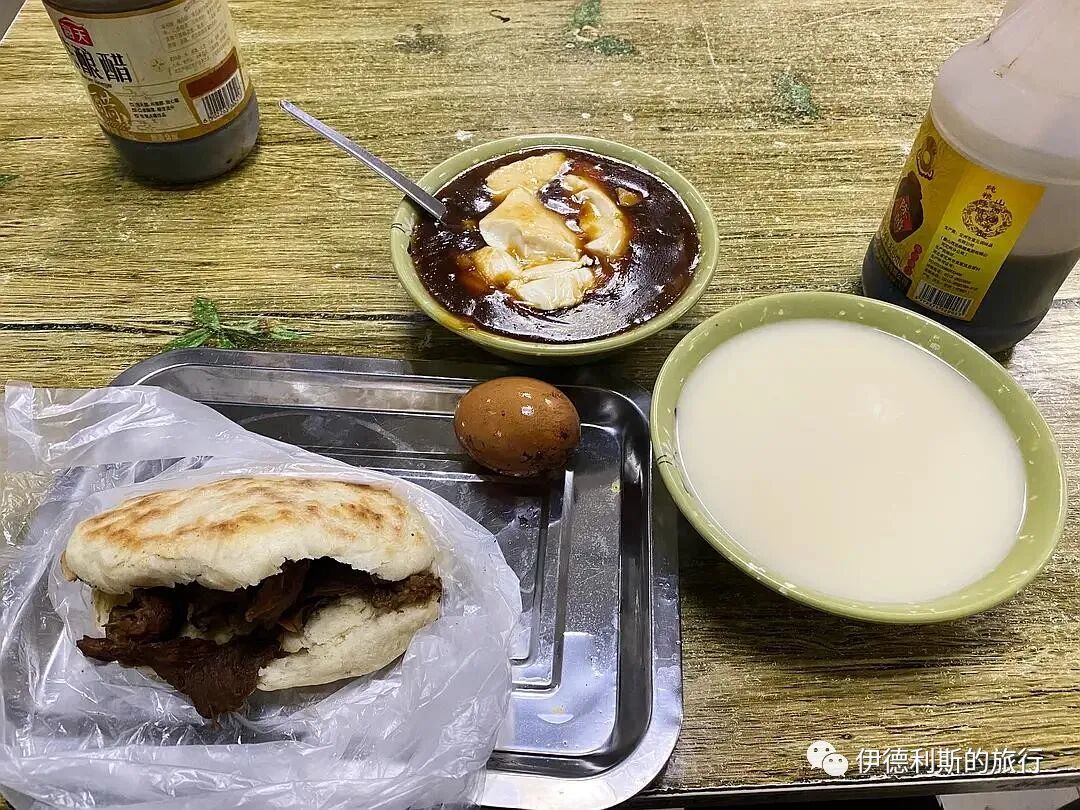
Early in the morning, I finished walking through the morning market outside Dongzhimen and had breakfast at Wang's in Xilou Hutong. I had a meat-filled baked bun (huoshao jiarou), tofu pudding (doufunao), and soy milk. I was afraid of rain, so I didn't eat in the alley, but it didn't rain at all after I finished.
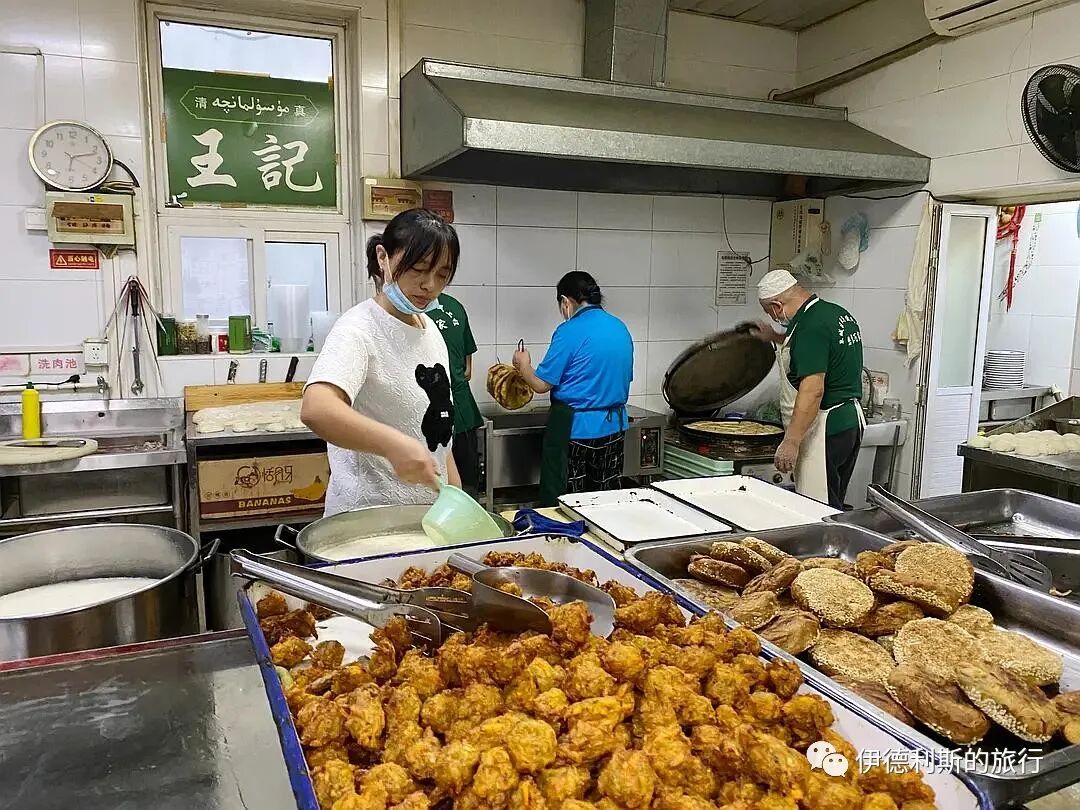
September 4, Making big plate chicken (dapanji) at home.
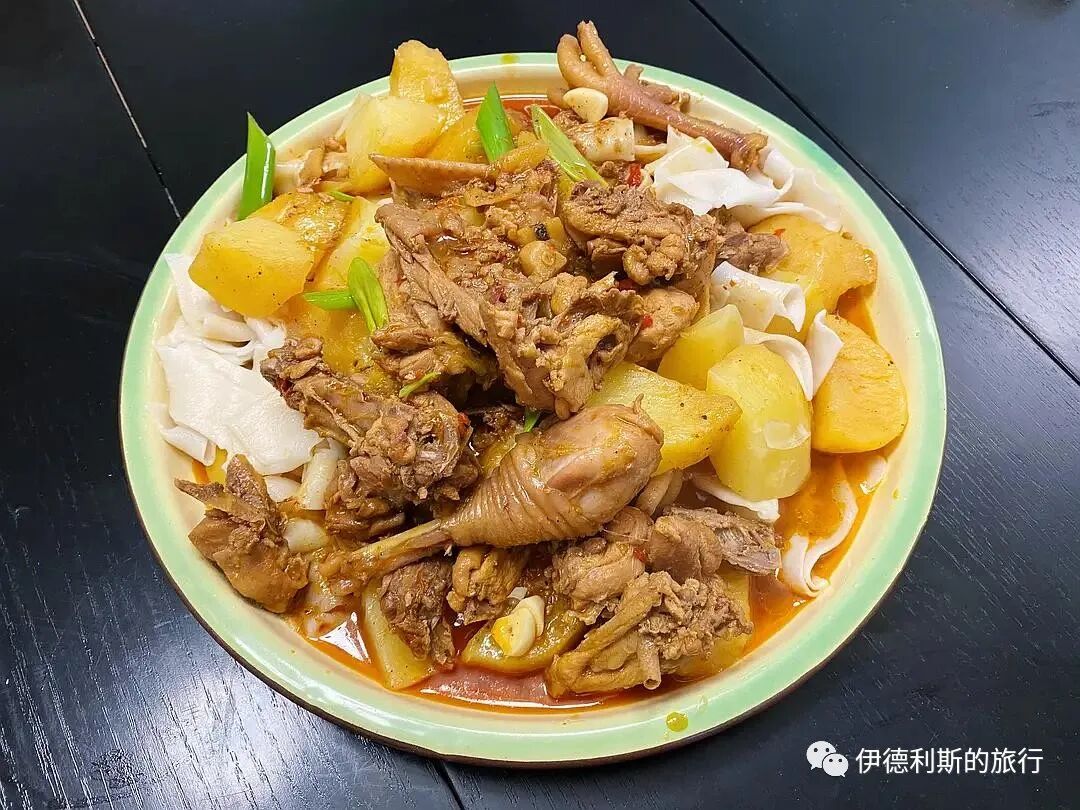
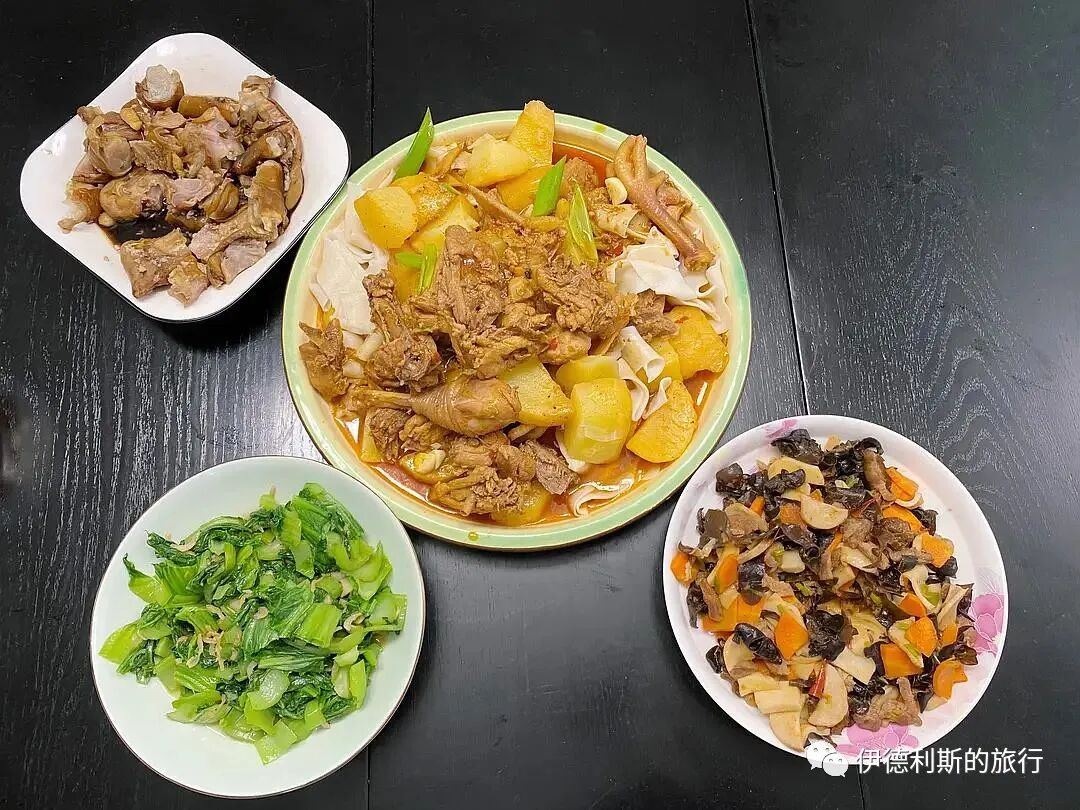
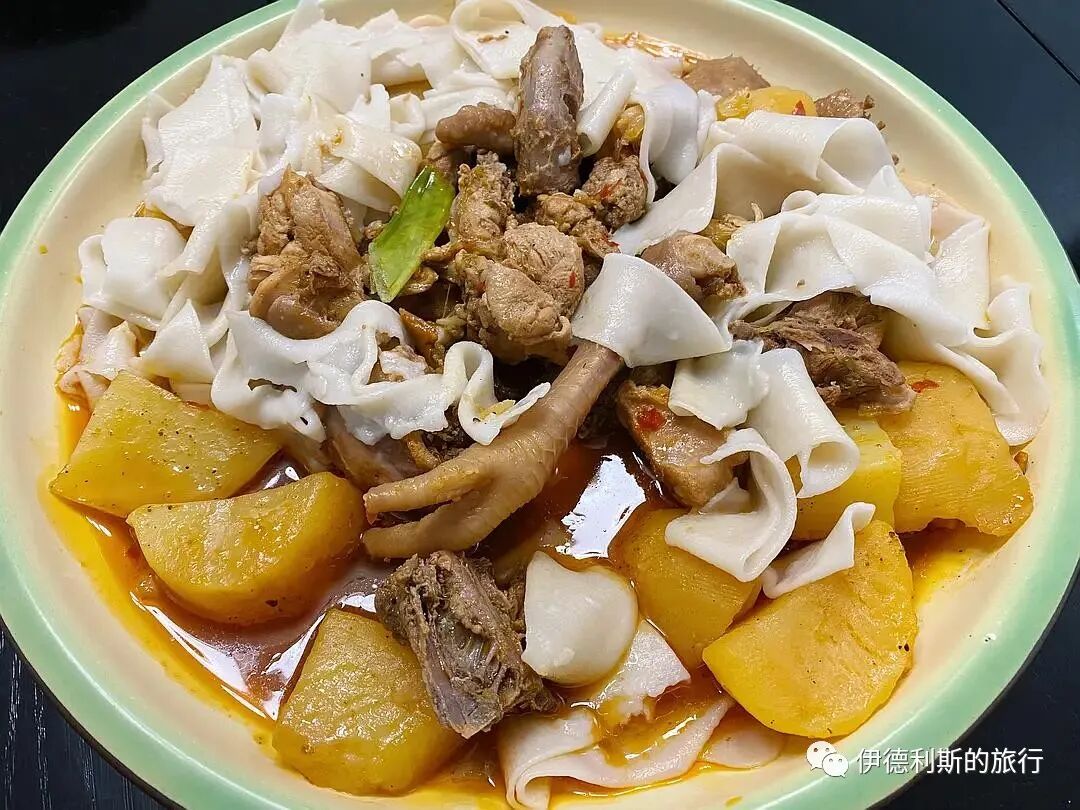
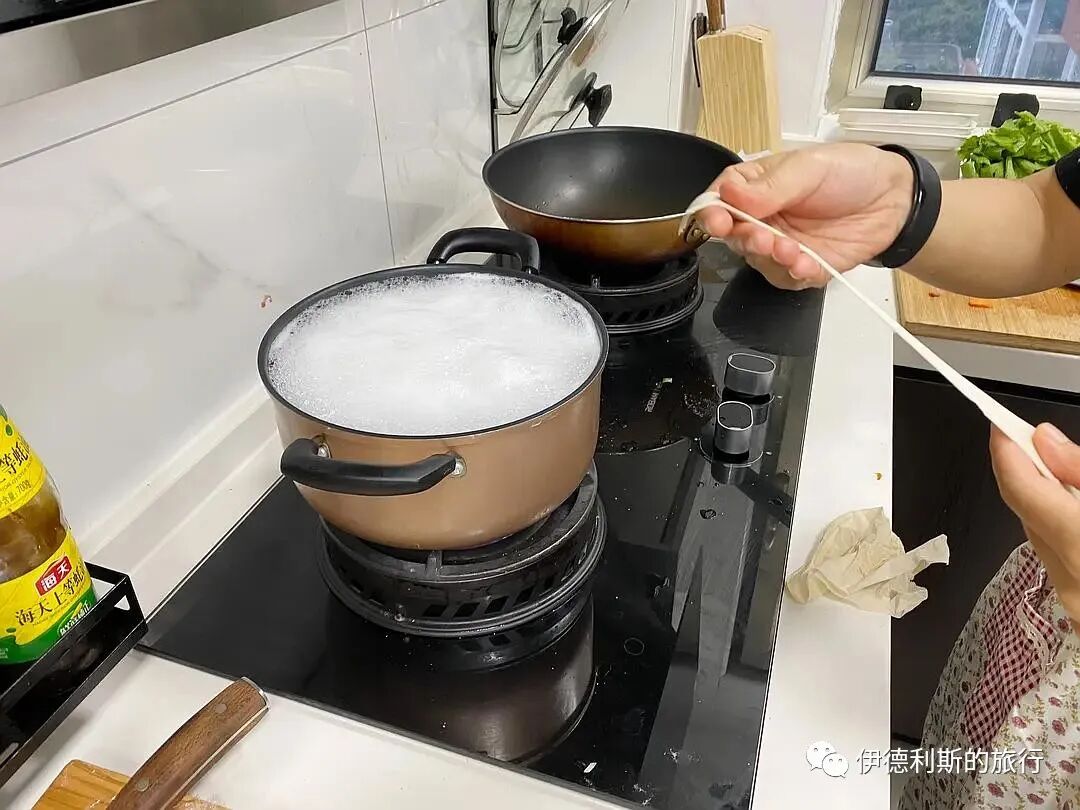
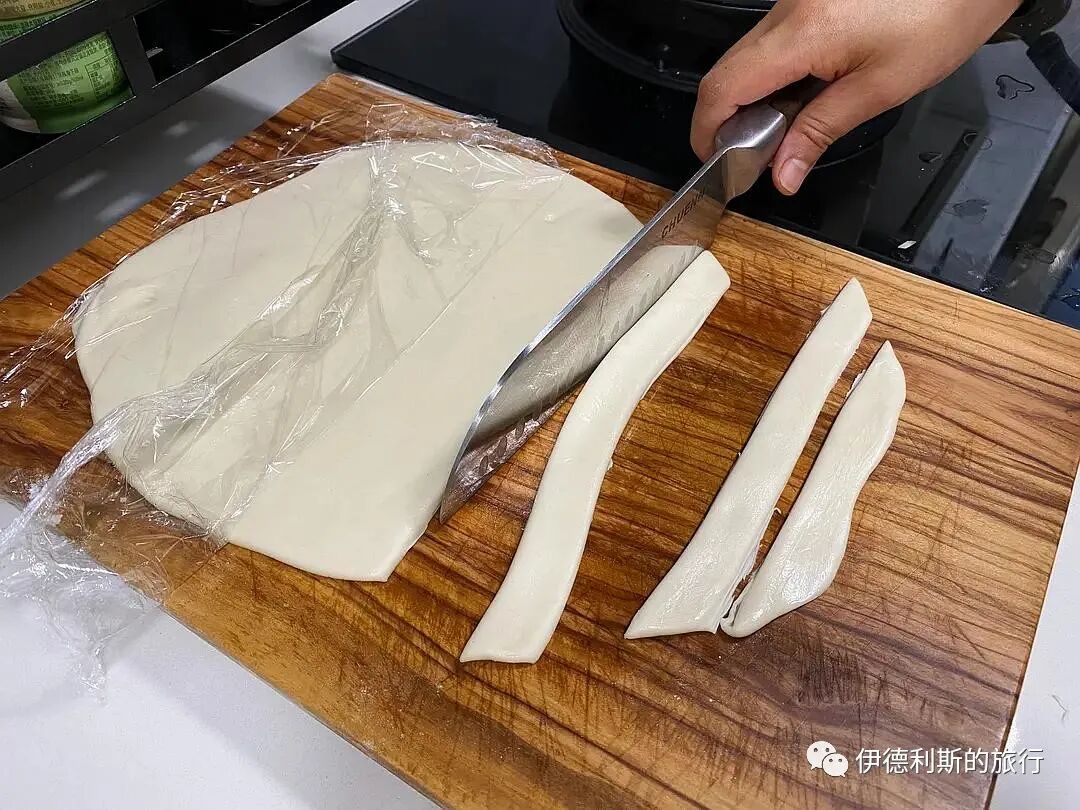
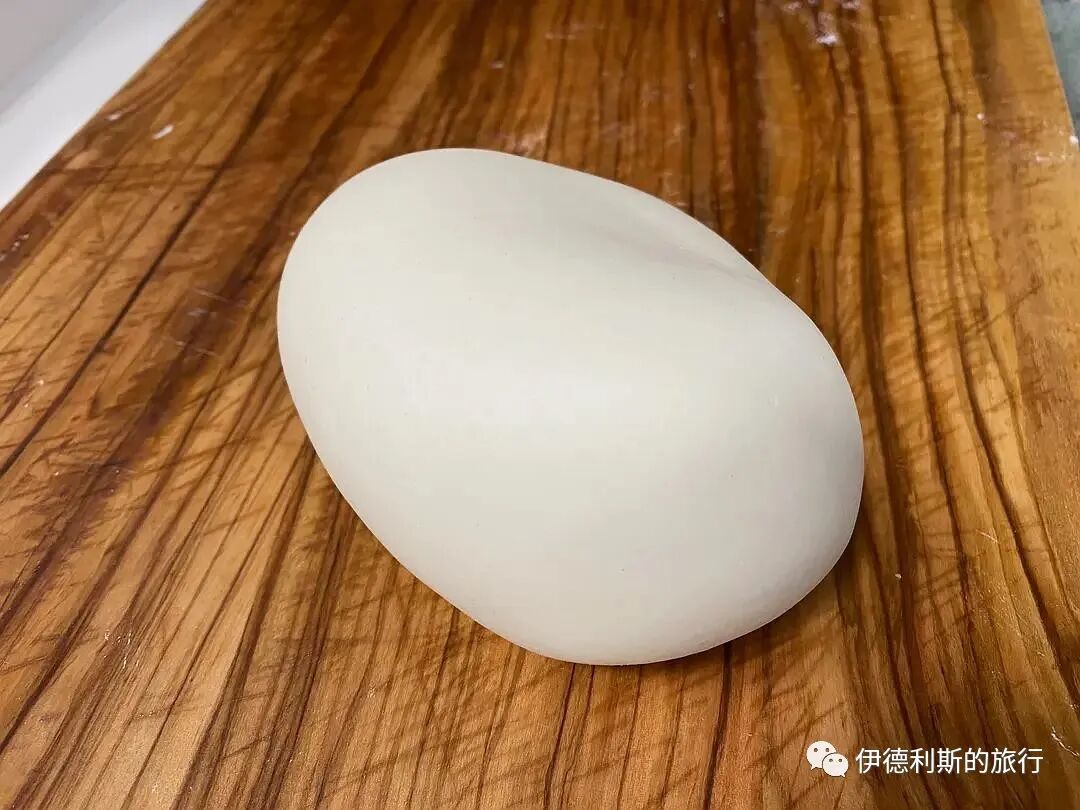
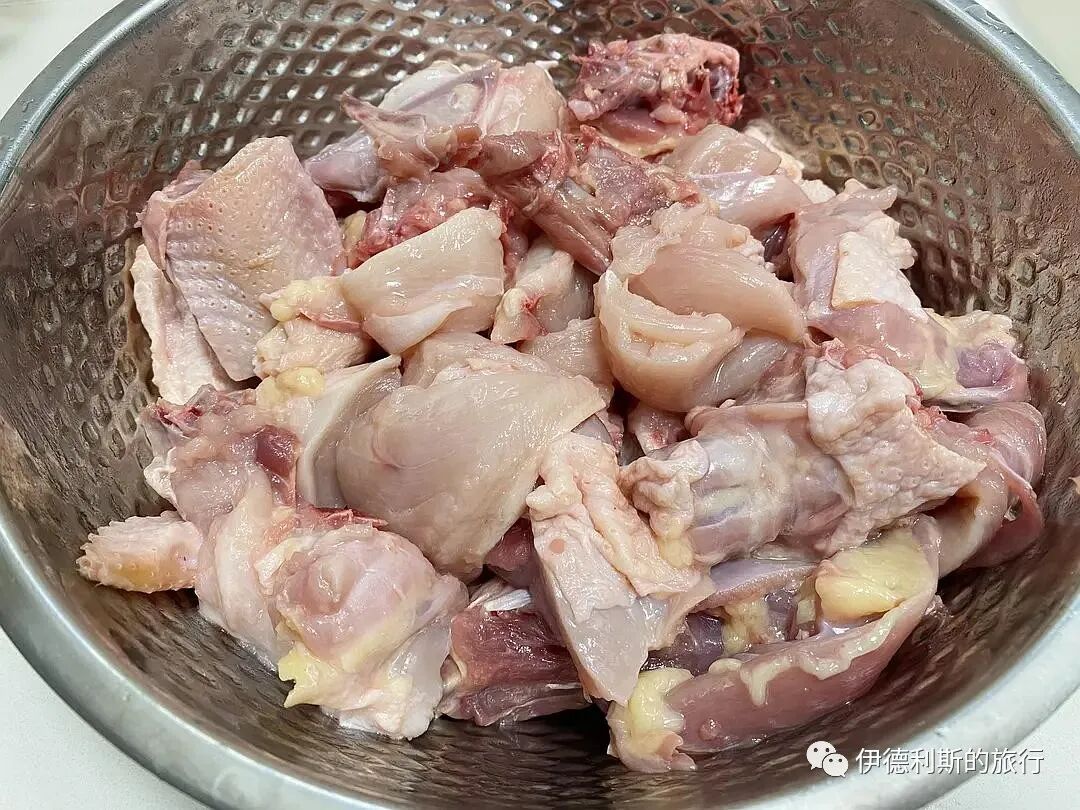
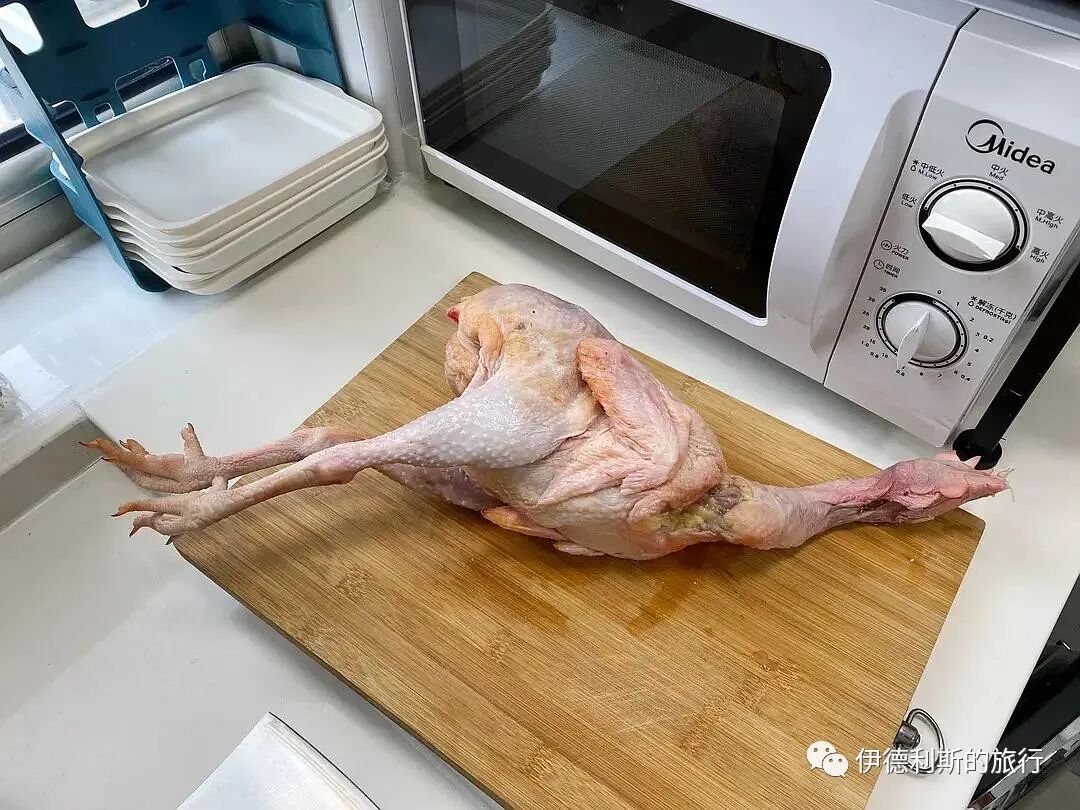
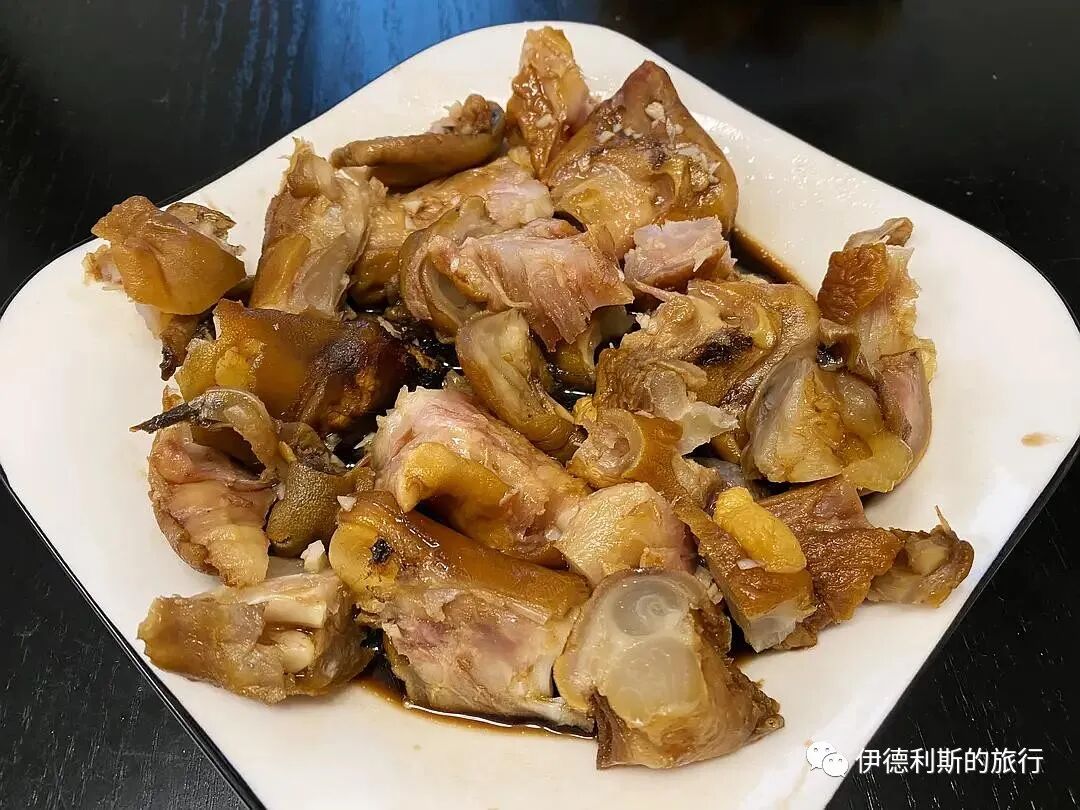
In the afternoon, I had big plate chicken (dapanji) at home. I bought a free-range chicken at the Changying halal supermarket on Friday. Today, I cut it up, and Zainab stir-fried the big plate chicken (dapanji). We also made some delicious belt noodles (pidaimian). After eating, we drank some warm brick tea (zhuancha). It was perfect for the weather between late summer and early autumn.
September 5, Xingshengzhai in Baiwanzhuang.
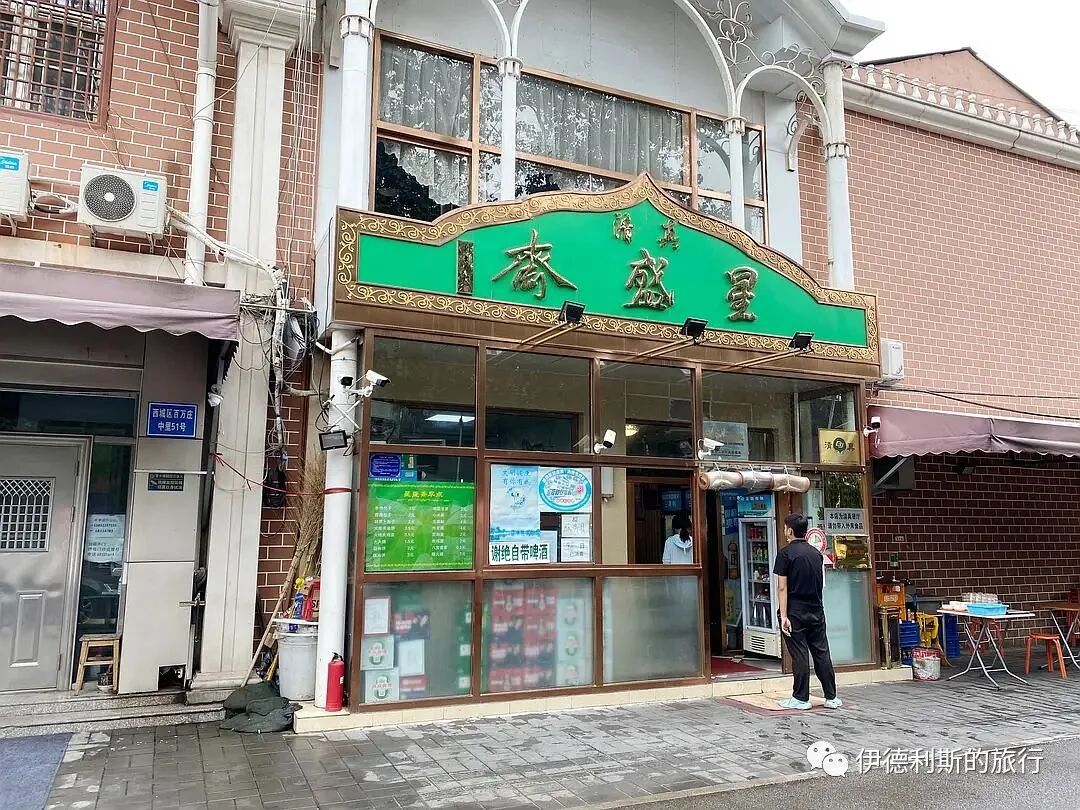
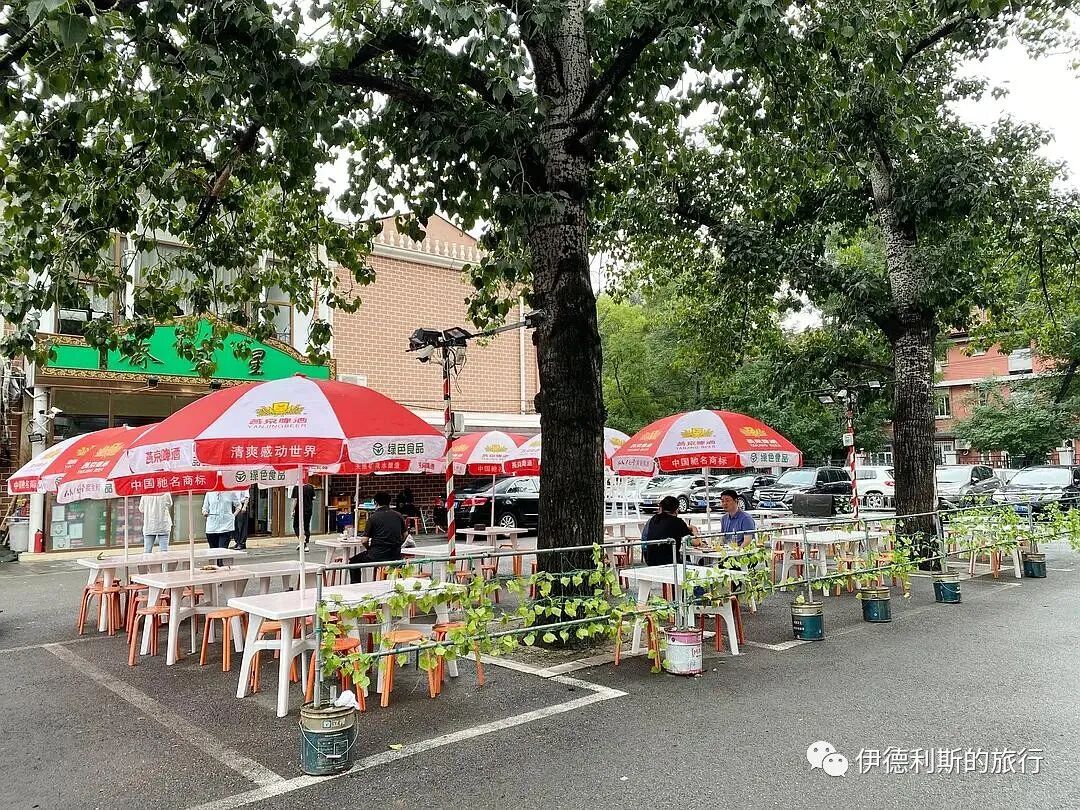
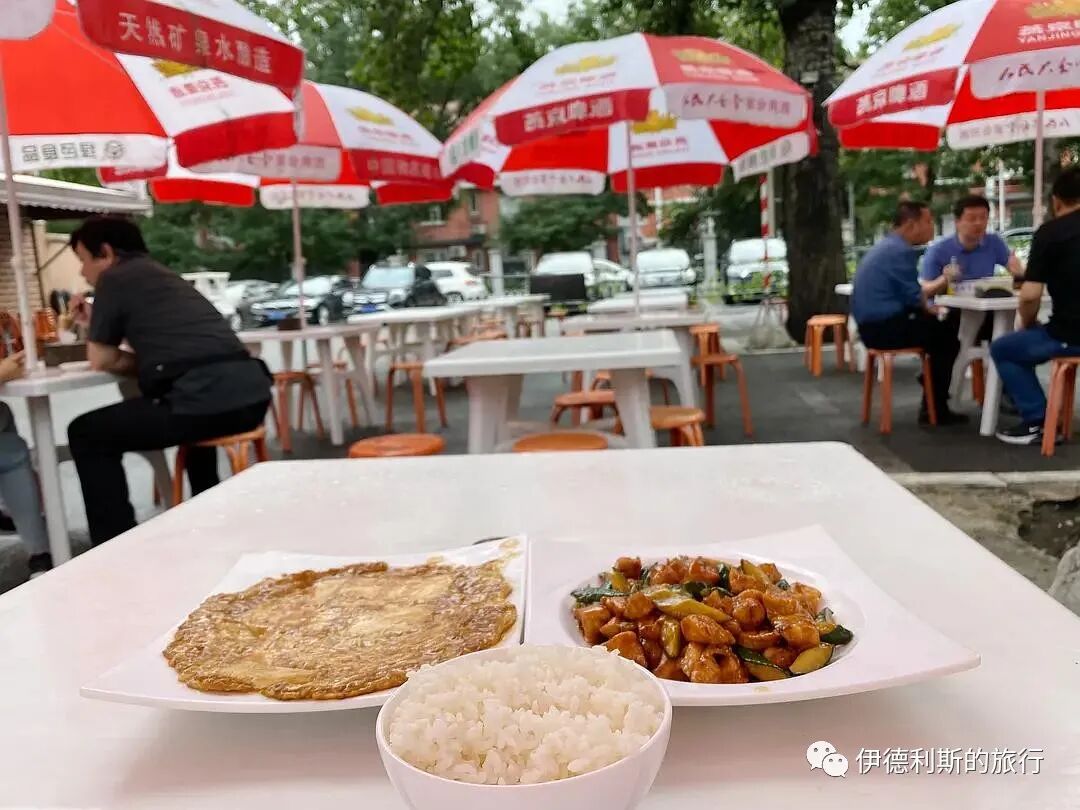
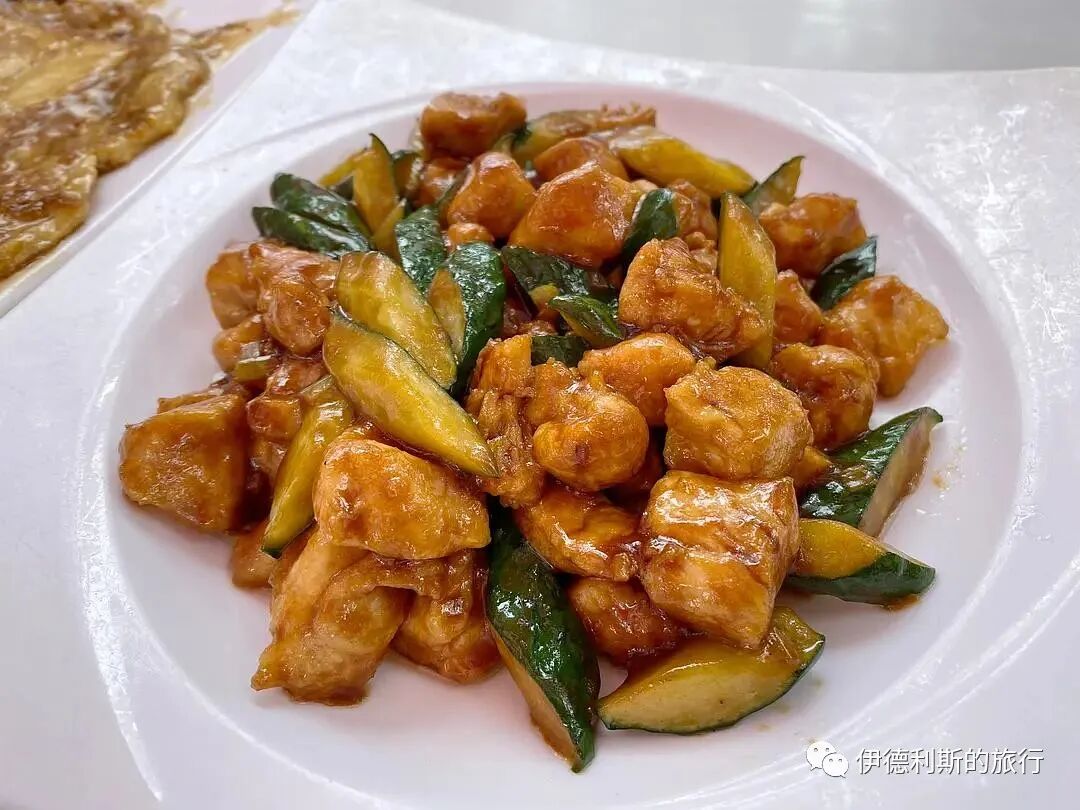
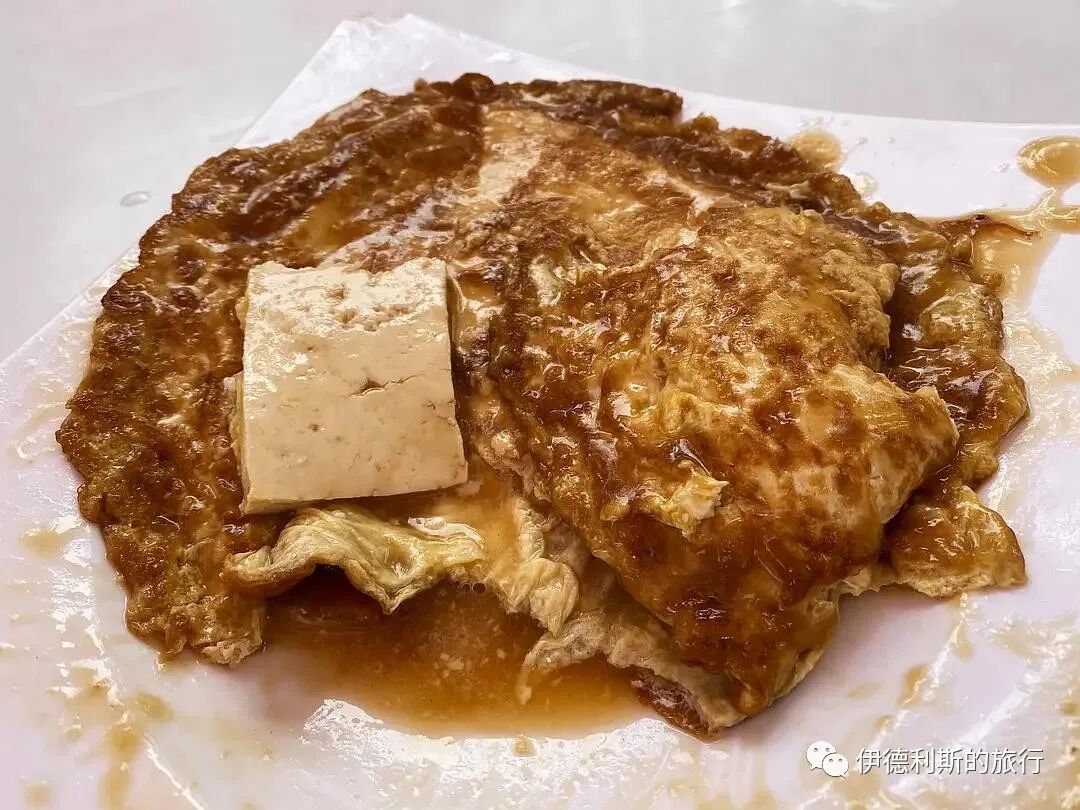
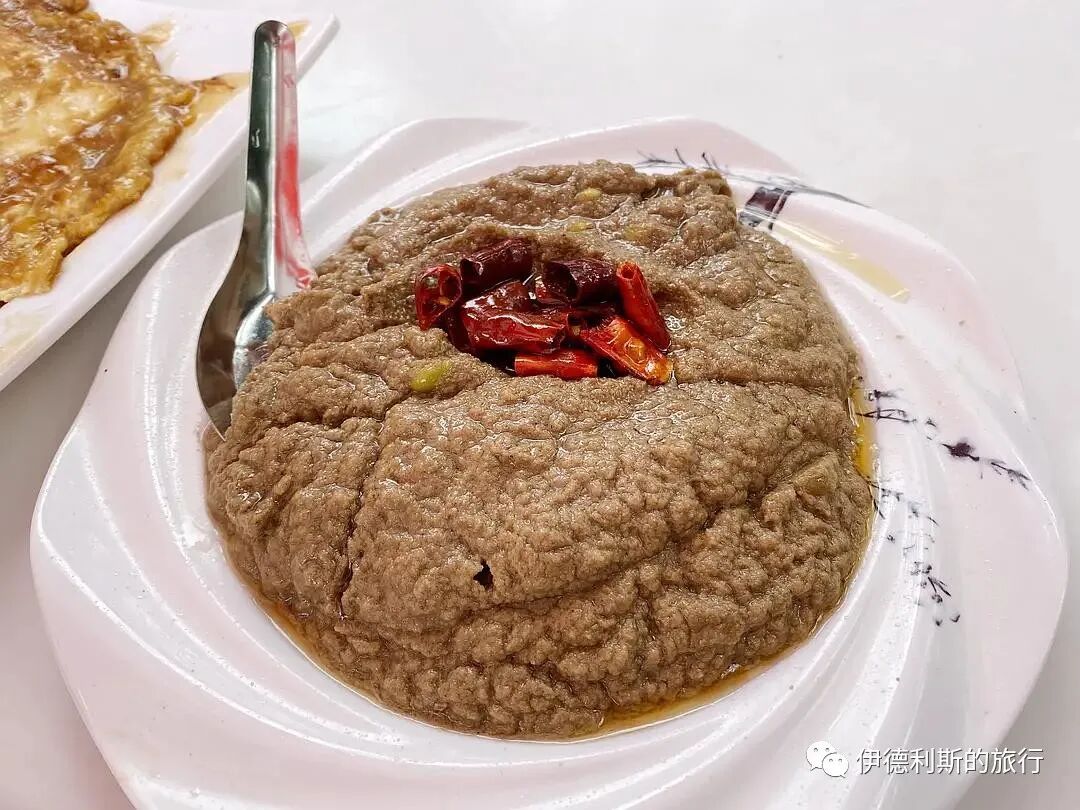
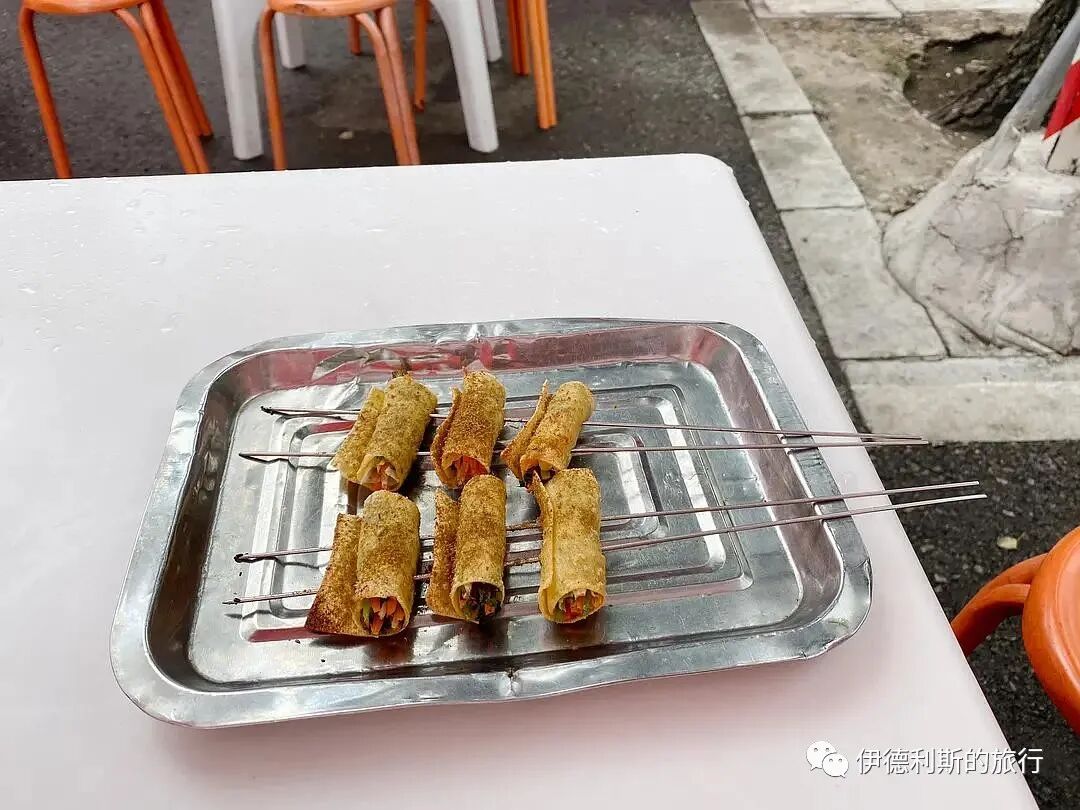
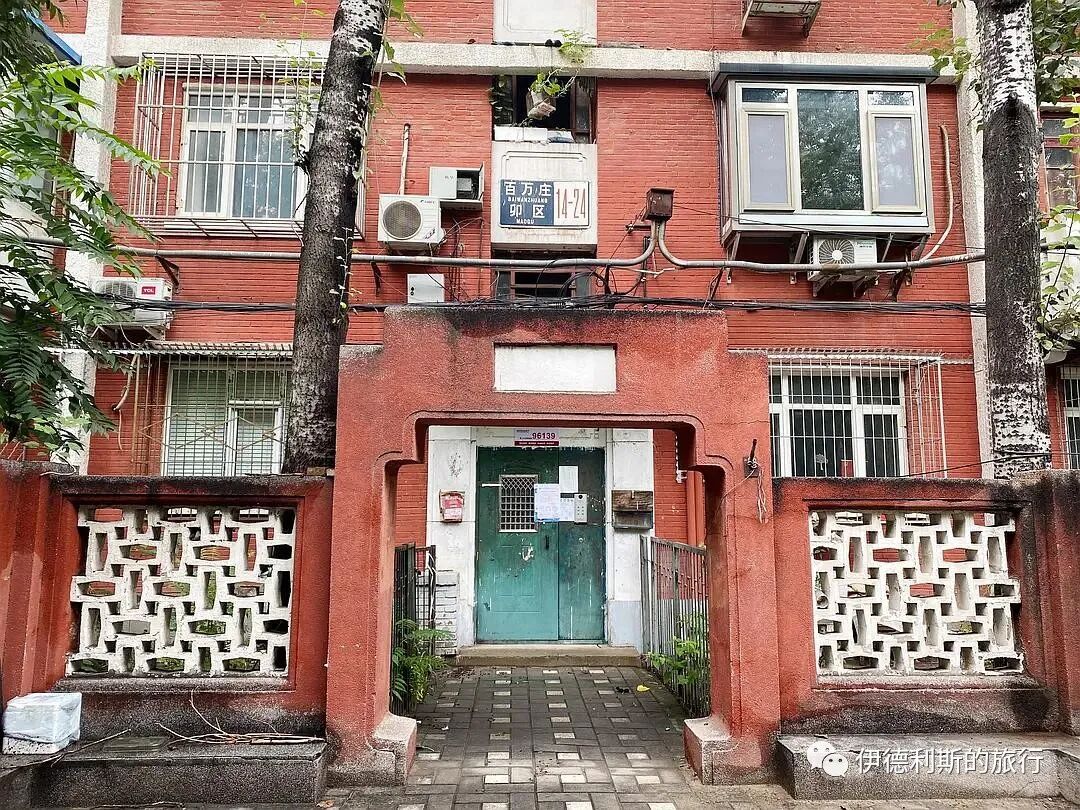
At noon, I went to Xingshengzhai in Baiwanzhuang. It is located in the commercial area planned in 1953 for this "first residential area of New China." This was China's earliest practice of the "neighborhood unit" design concept, where several open residential communities share one commercial area. Because there is a courtyard, we could eat outside. It was perfect for the cool weather after today's rain. We ordered stir-fried chicken cubes with bean paste (jiangbao jiding), pan-fried tofu (guota doufu), and fermented bean curd (madoufu). We also grilled vegetable rolls. There are really not many halal restaurants in downtown Beijing where you can eat in a courtyard.
September 7, Qingu in Changying.
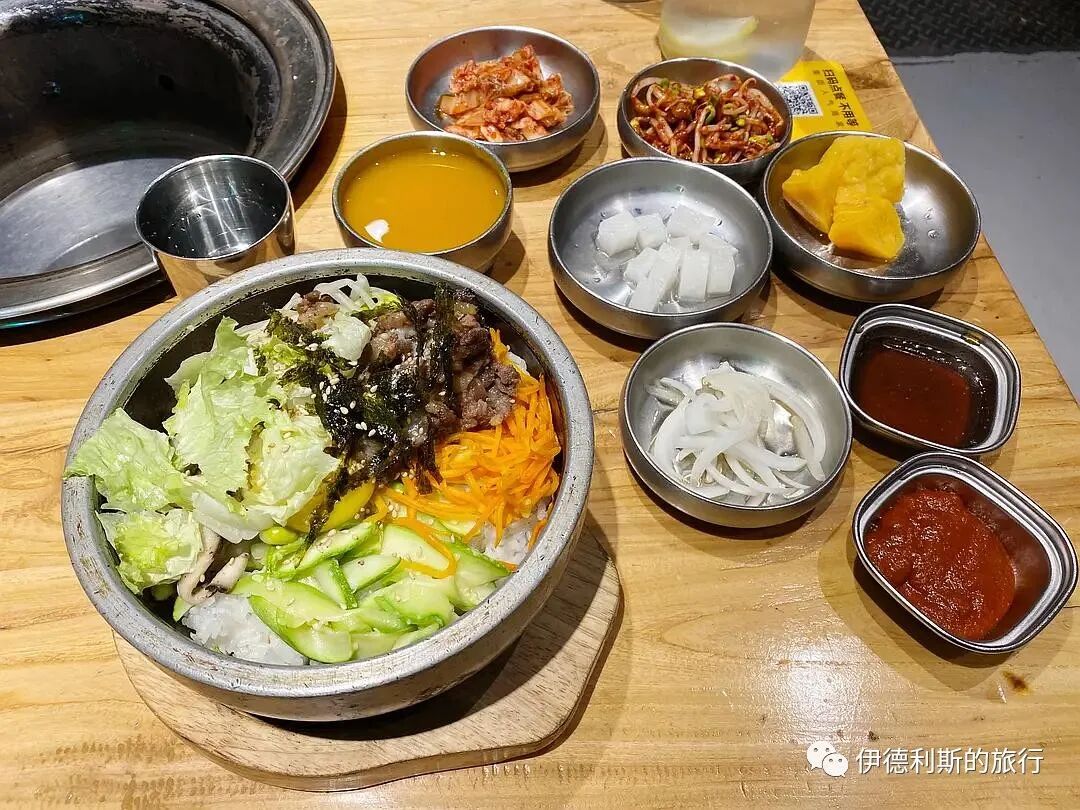
I just went to Changying and asked, but there is no news about the Friday prayer (jumu'ah) yet. Then I bought a sugar-rolled fruit (tangjuanguo) and had a beef stone pot bibimbap at Qingu. It was delicious.
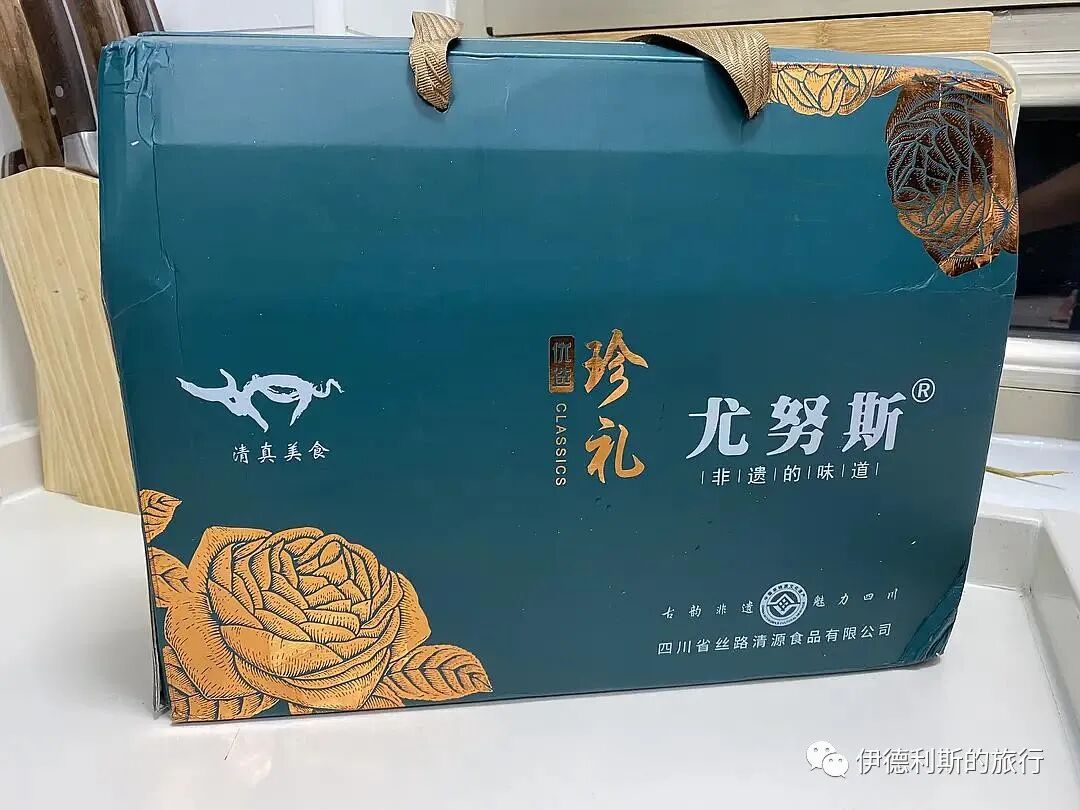
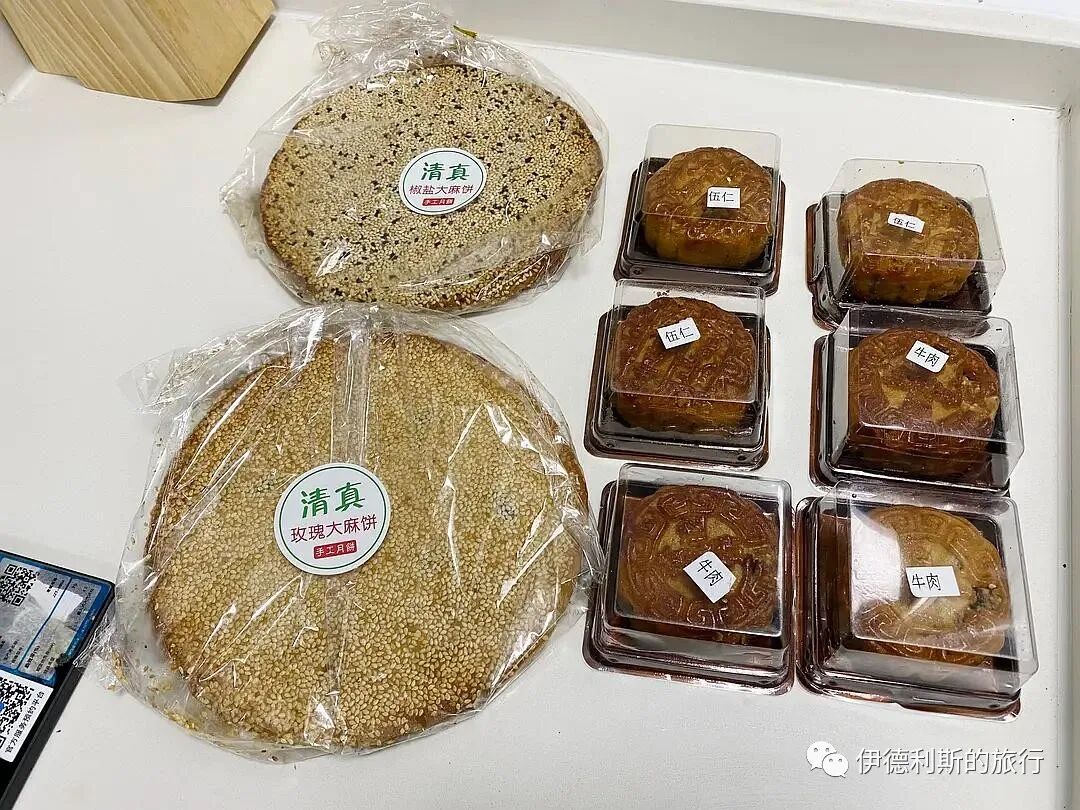
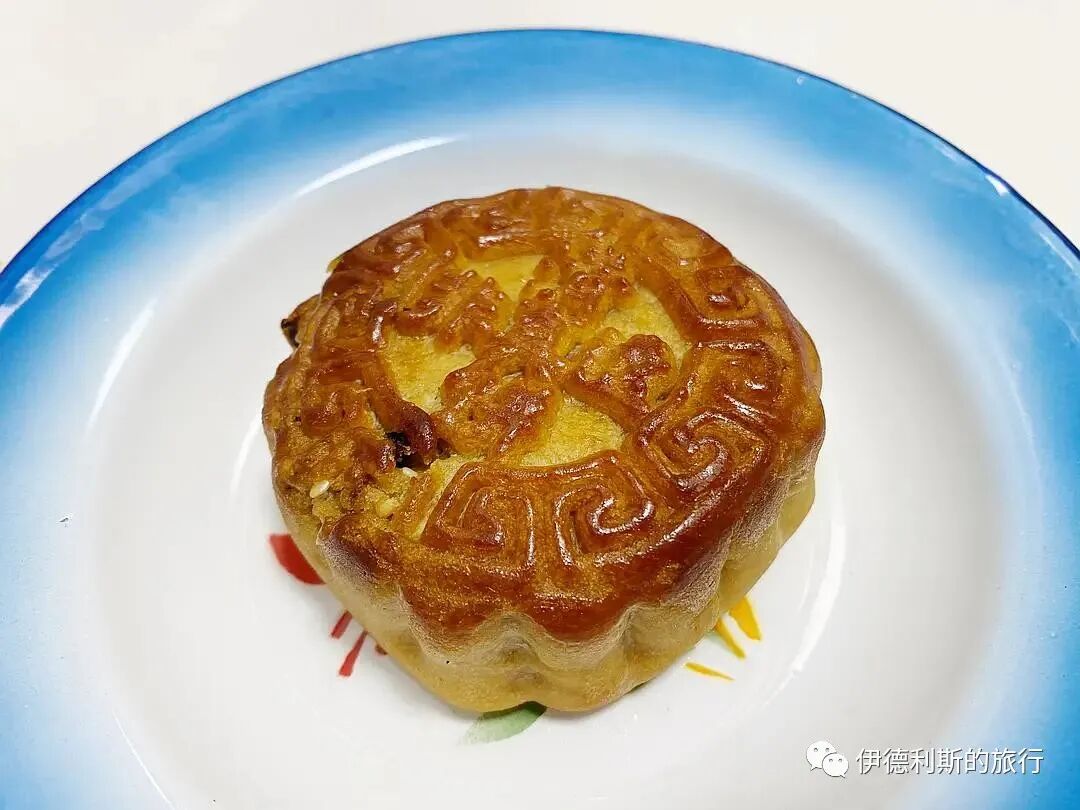
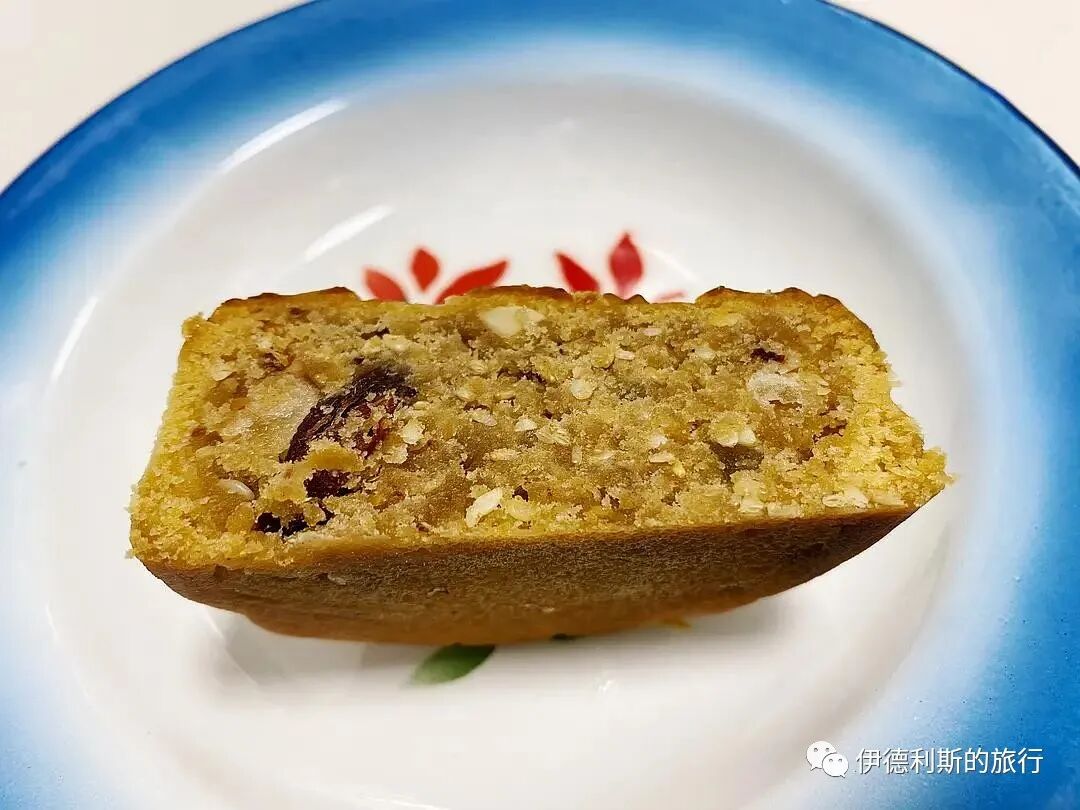
September 9, Received mooncakes sent by Imam Feng Yong from the Nanchong Mosque in Sichuan.
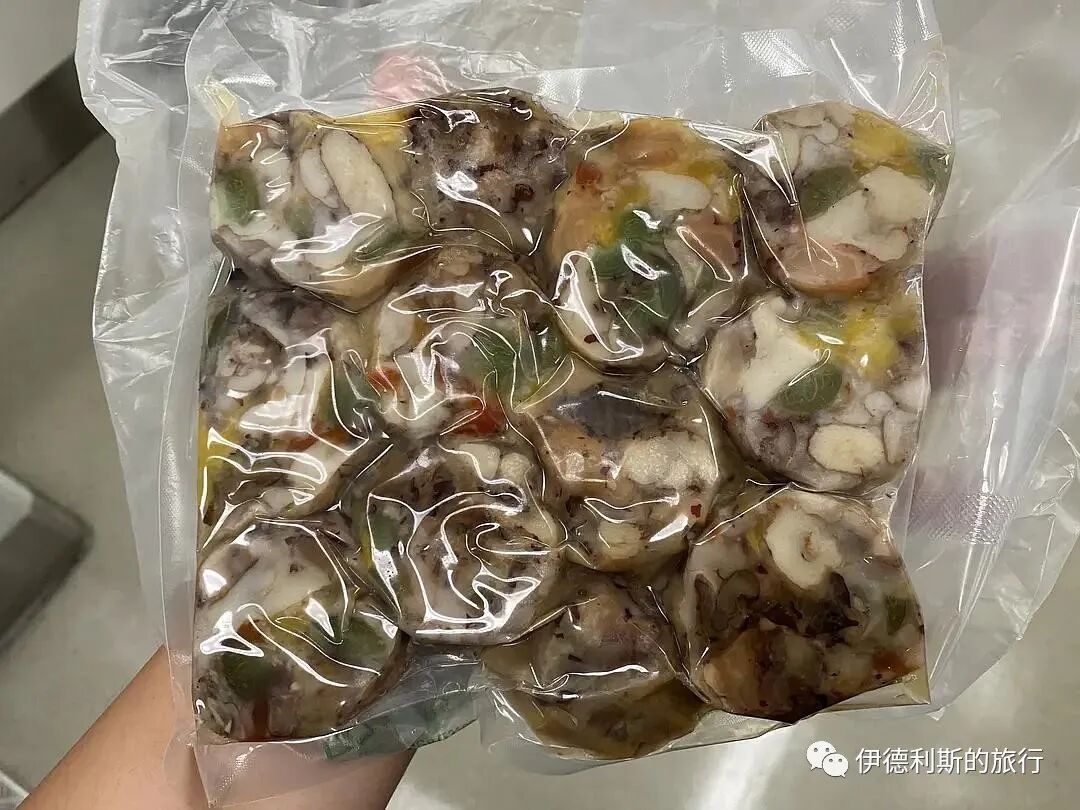
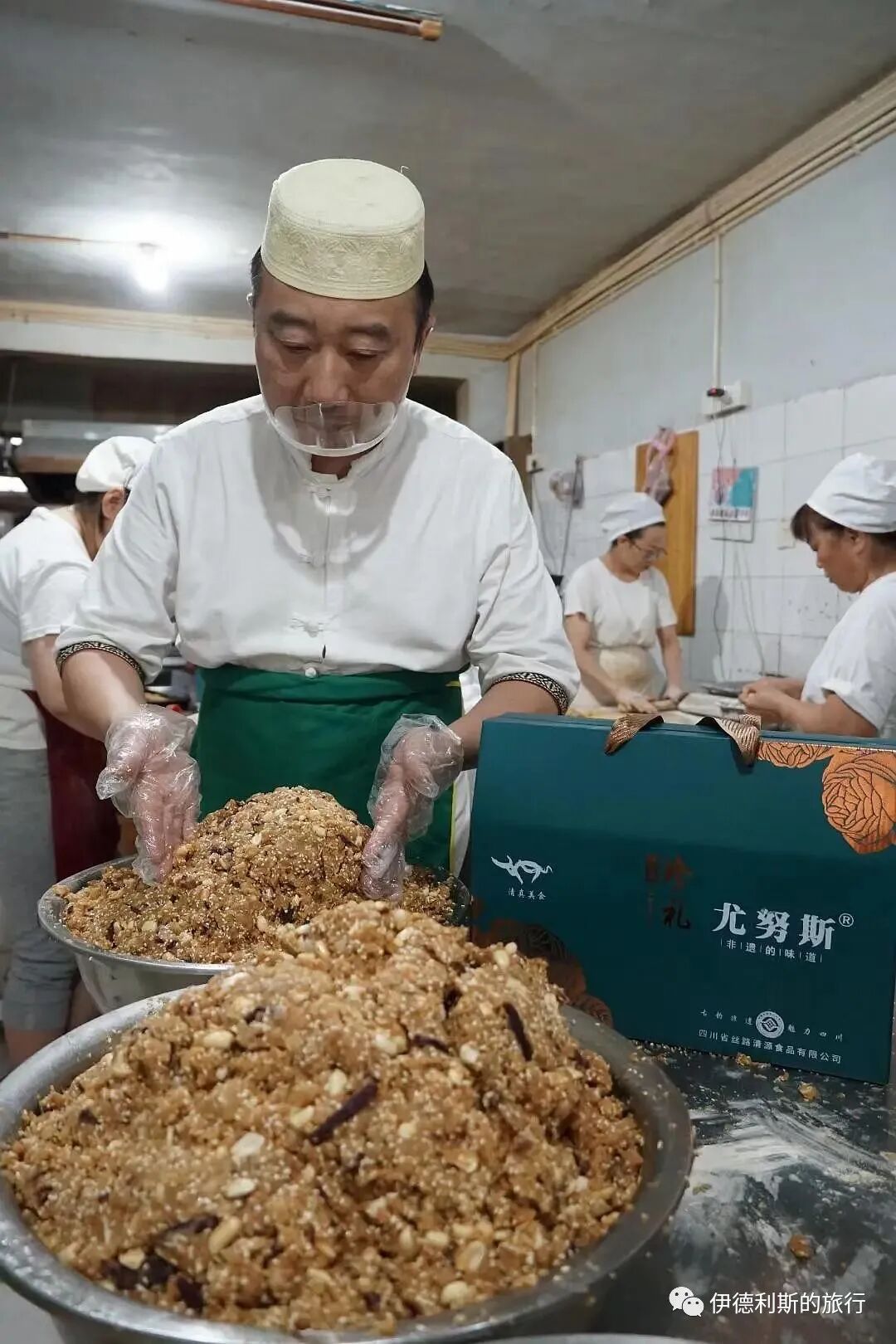
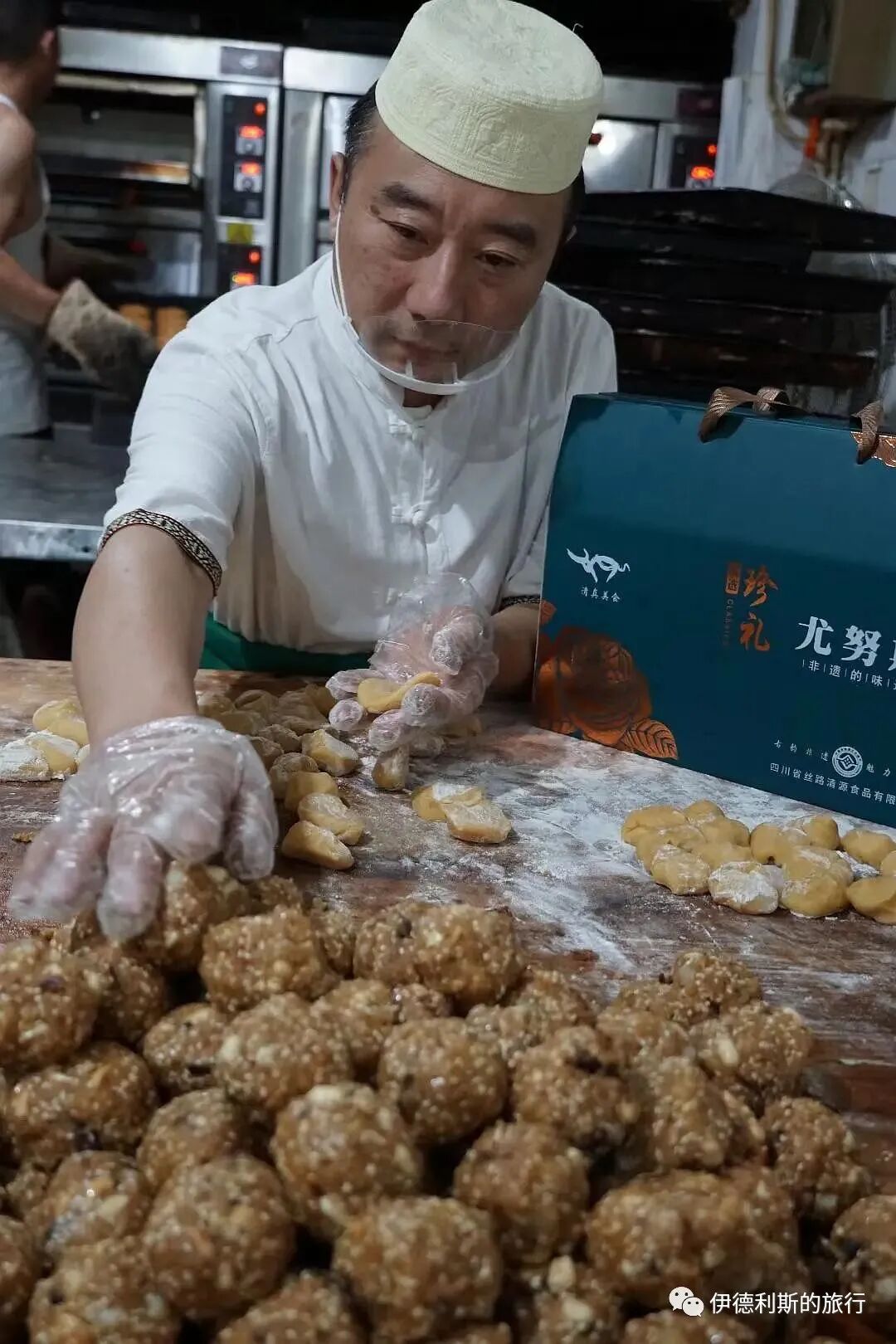
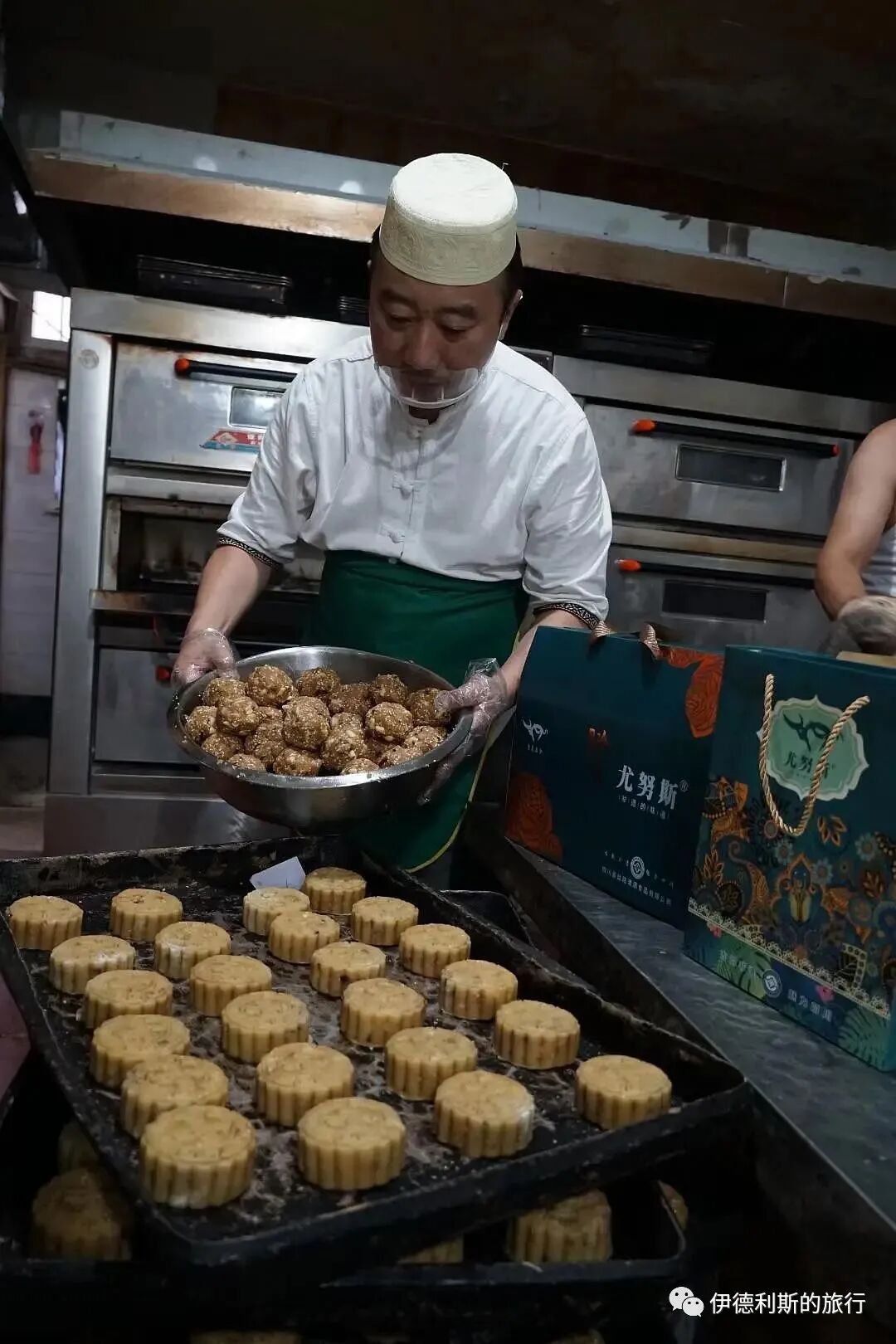
I received mooncakes sent by Imam Feng Yong from the Nanchong Mosque in Sichuan. There were traditional large hemp cakes (damabing), as well as beef and five-nut mooncakes. The beef mooncakes are filled with beef, fresh eggs, nuts, sesame, walnuts, white sugar, rapeseed oil, sesame oil, kumquat, Nanchong salt, and Sichuan peppercorns. The flavor is very rich. This is also part of the Nanchong municipal-level intangible cultural heritage.
September 9, Ziguangyuan affordable canteen on Meishuguan Houjie.
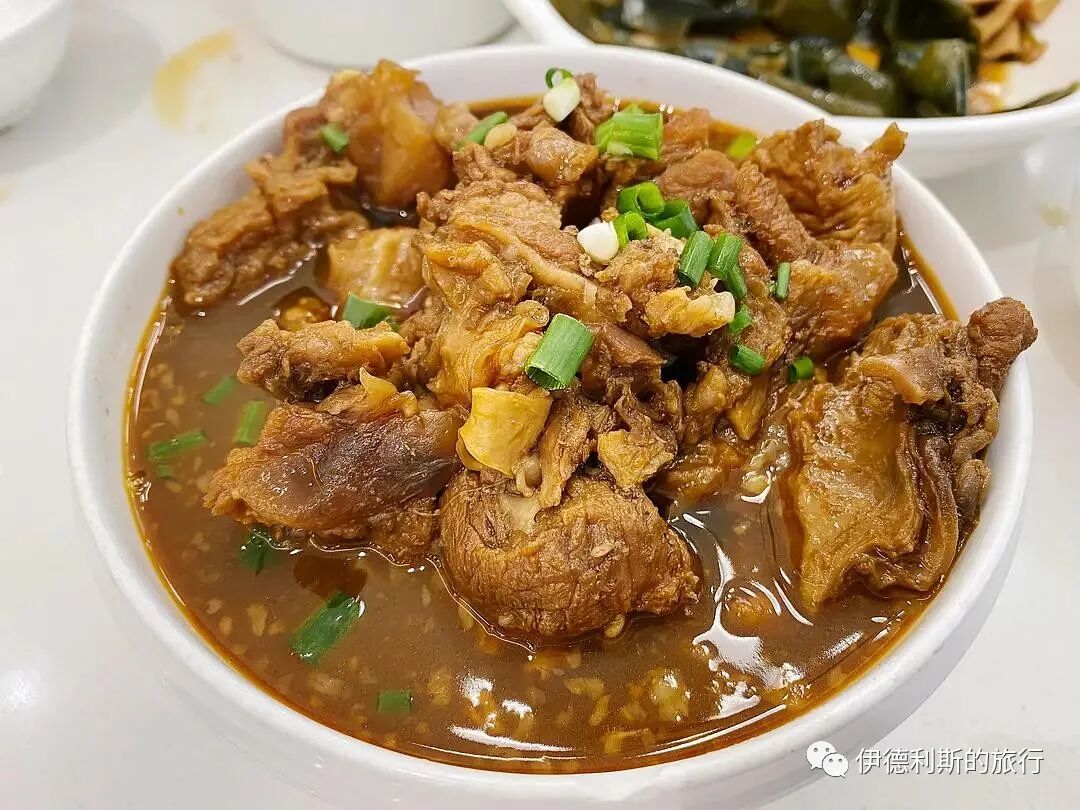
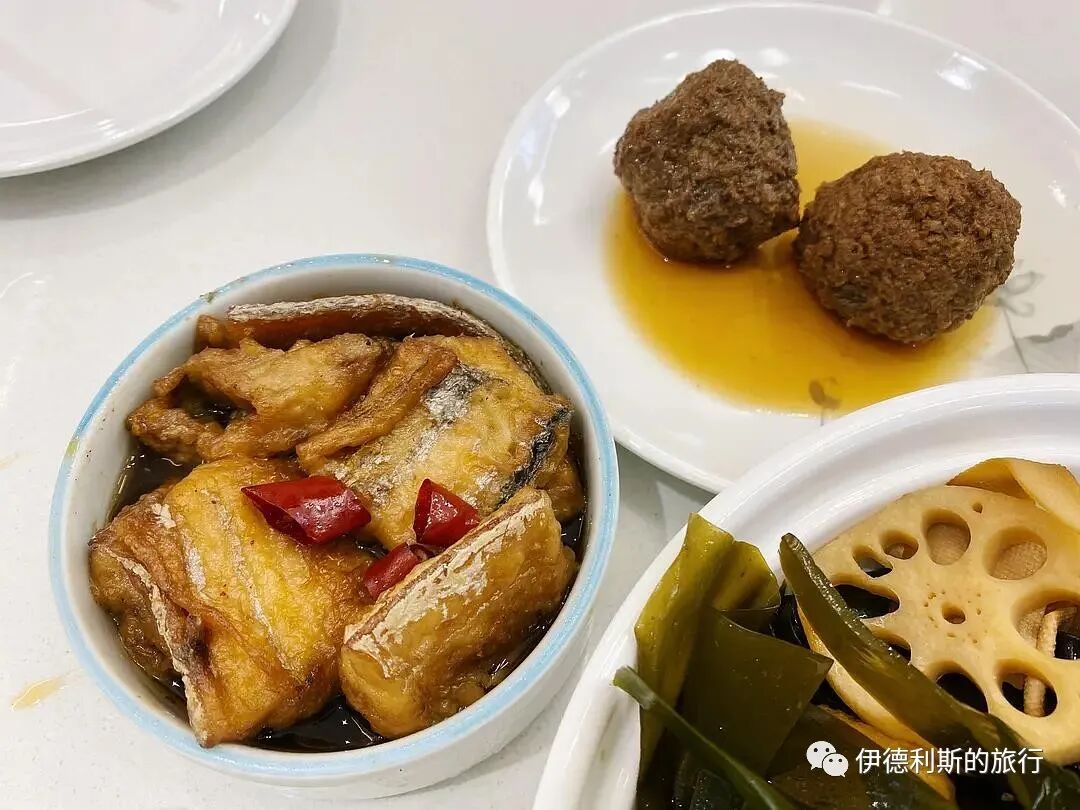
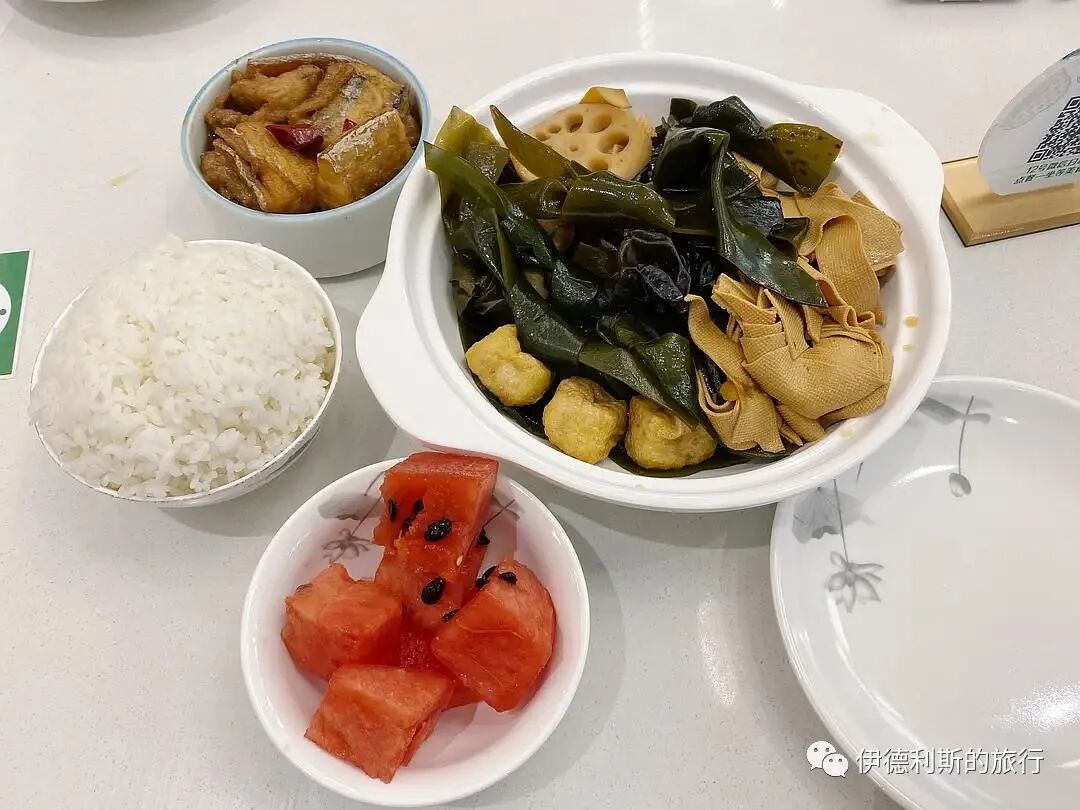
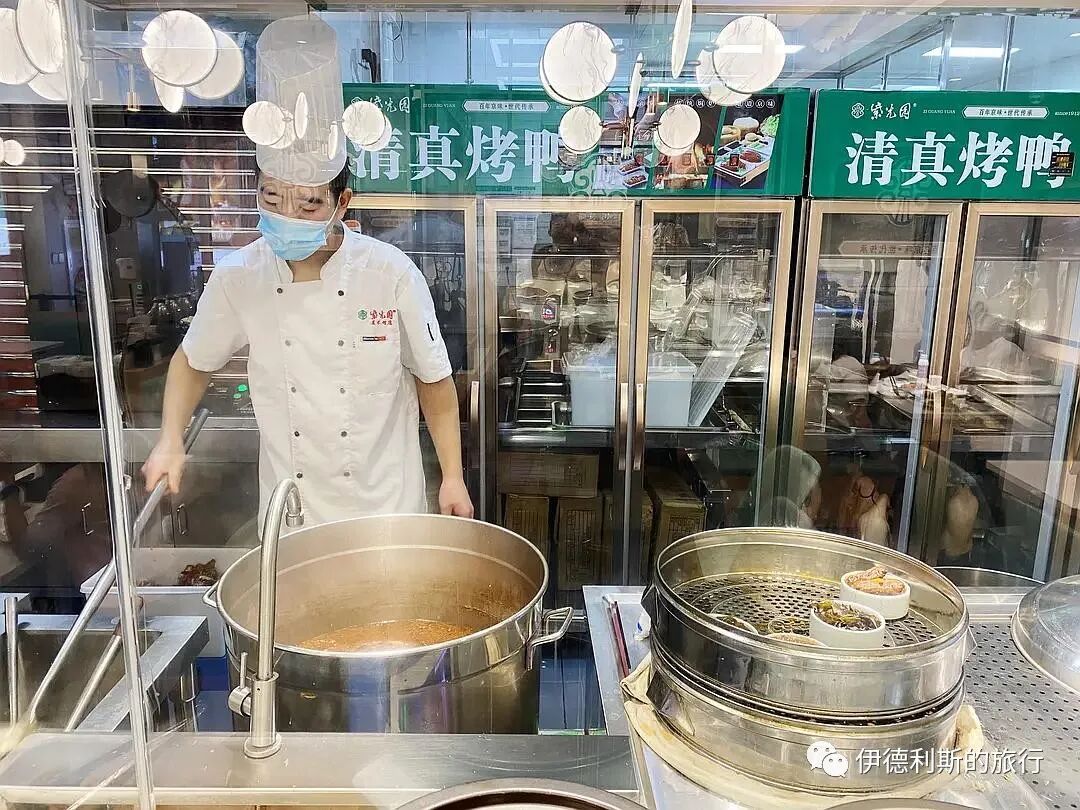
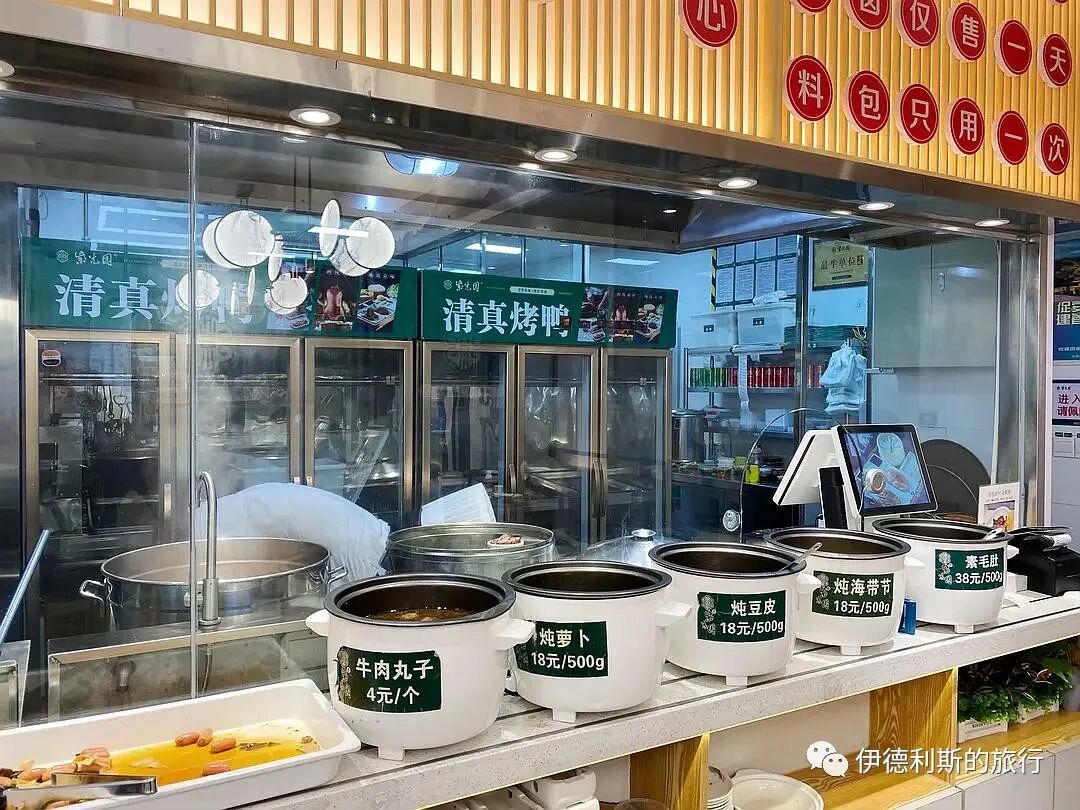
After work, I went to the Ziguangyuan affordable canteen on Meishuguan Houjie. There were few vegetable dishes, and the main focus was roast duck. They also had some stir-fried, stewed, and steamed dishes (zhengwan). Unfortunately, the stir-fried dough bits (chaogeda) were only available in a three-fresh version, which I couldn't eat because of my shrimp allergy. I ordered stewed beef, a mix of stewed kelp knots, bean curd sheets, and lotus root, stewed meatballs, and steamed hairtail. It tasted like home cooking, perfect for when you don't want to cook after work, and the price is not expensive. The waiters were enthusiastic. There was free watermelon, and they also gave us some steamed jujube cake (zenggao).
September 10, Eid al-Adha (Qurban) lamb.
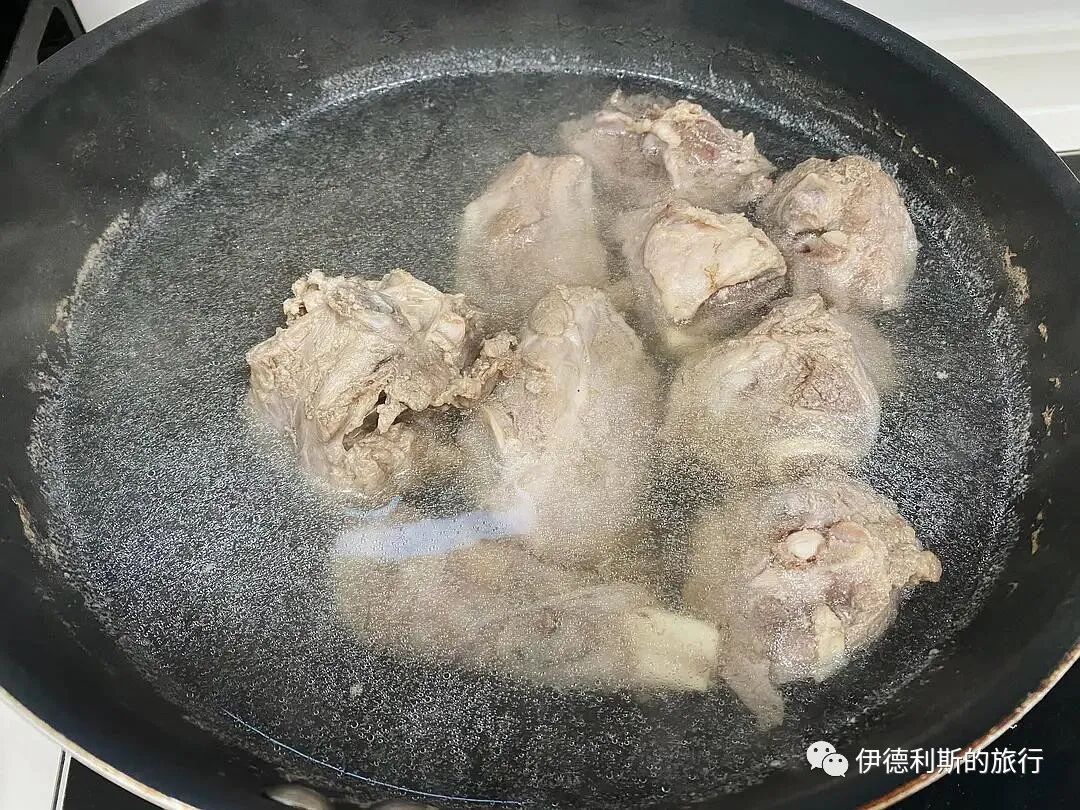
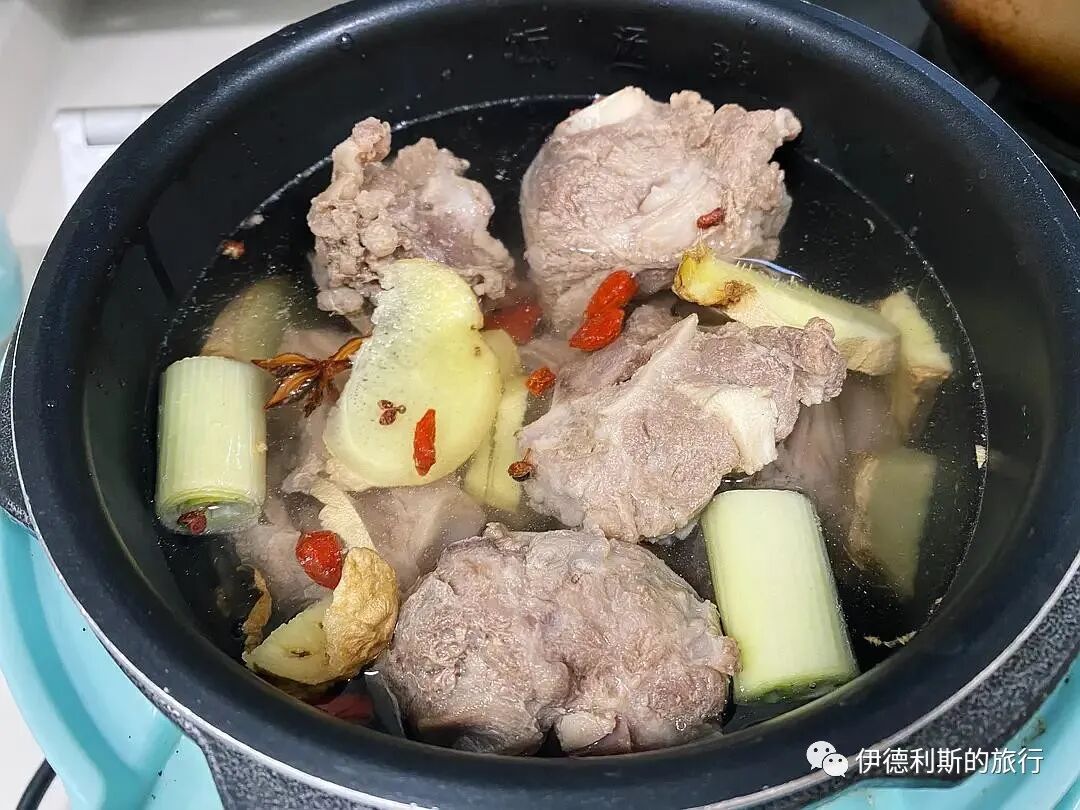
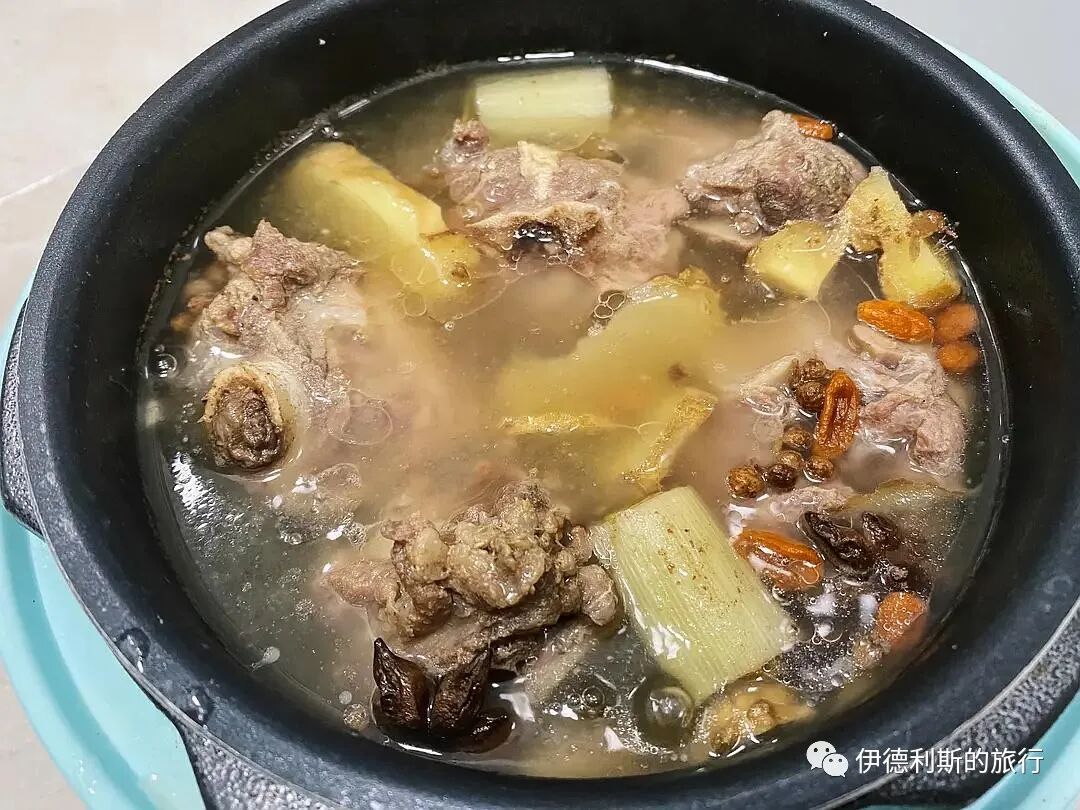
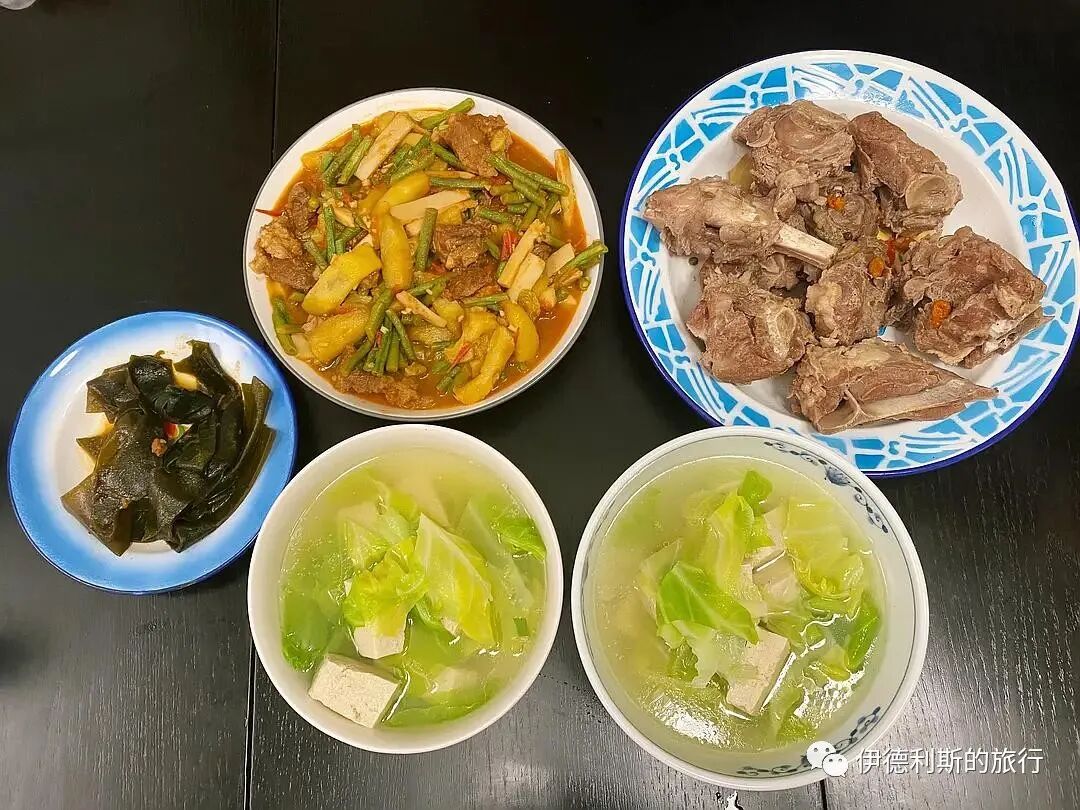
After getting home from work, I immediately started stewing the Eid al-Adha (Qurban) lamb I had stored in the freezer. I skimmed the foam and used a pressure cooker to save time. Then I stir-fried eggplant with fermented beans and king oyster mushrooms. After the lamb was stewed, I used the lamb broth to stew some cabbage and tofu. It was quite fragrant.
September 11, Turkish restaurant Qubbe.
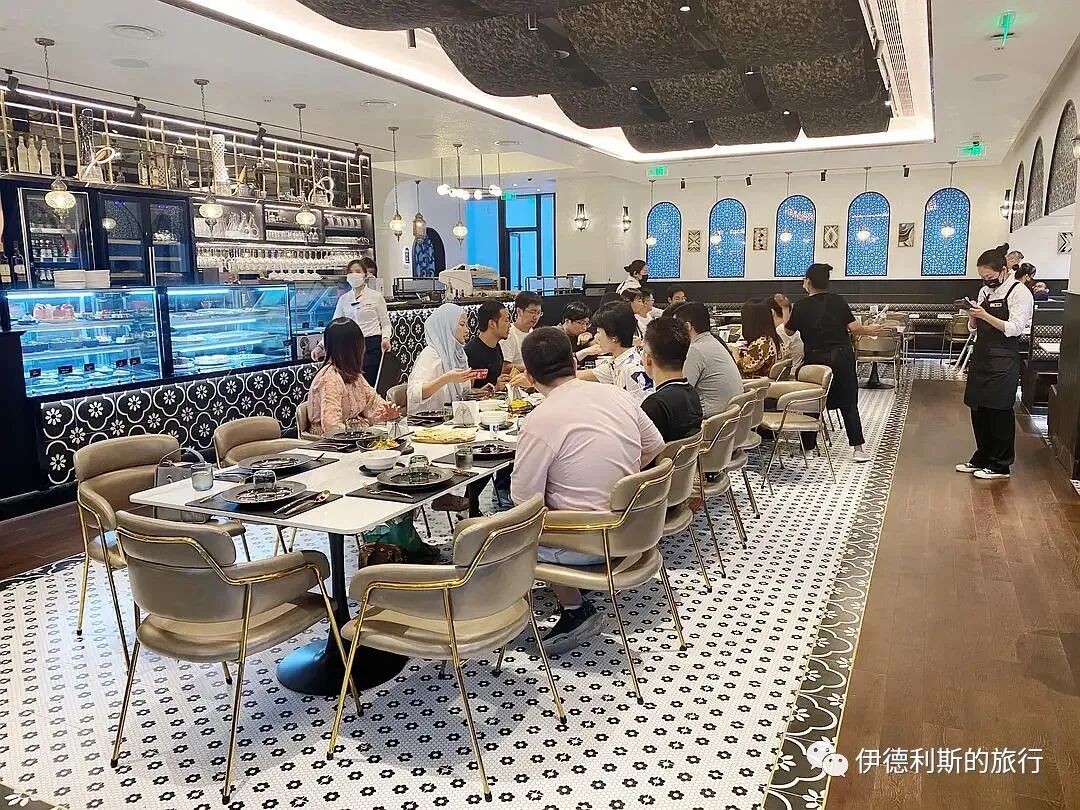
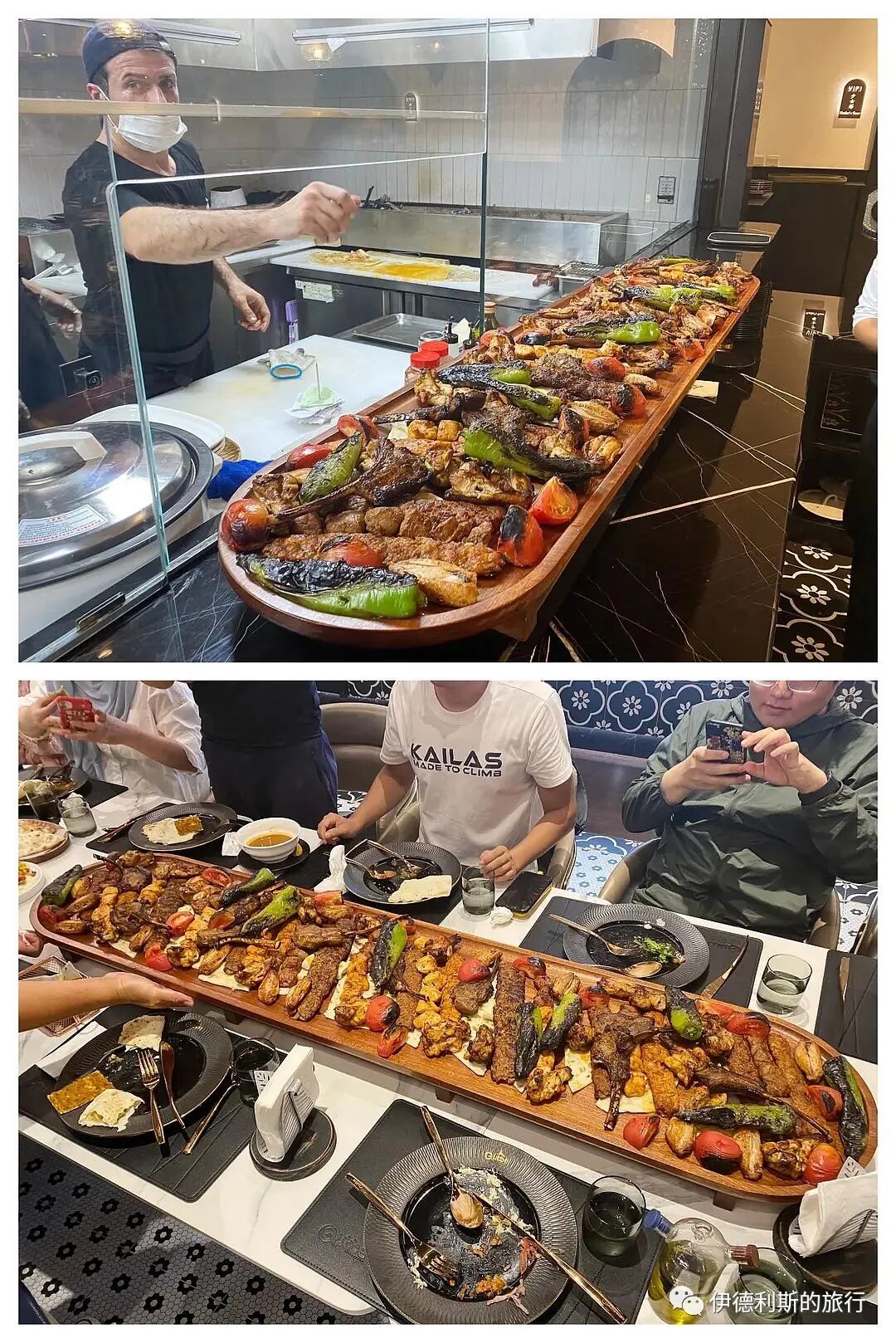
A new Turkish restaurant called Qubbe recently opened next to Xiting Xiuse. The head chef is from the Turkish Embassy. Our Beijing jamaat gathered there for dinner last night. The food was delicious, and it was a joy to see old friends (dosti) and meet new ones.
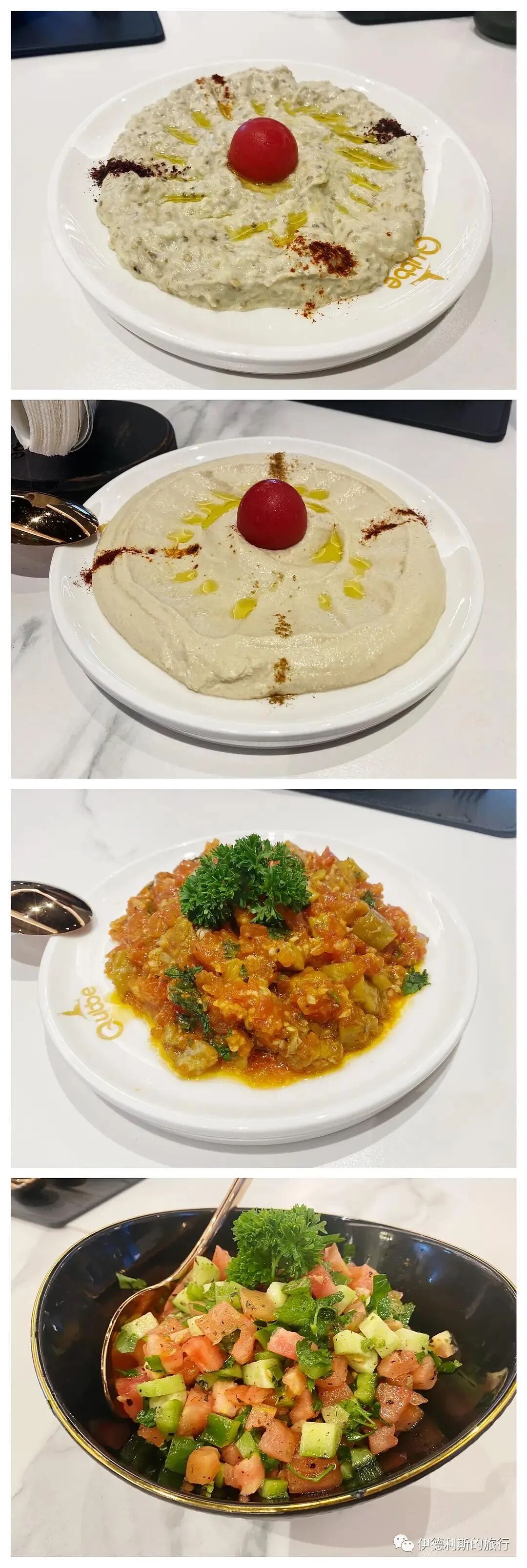
For appetizers, we ordered chicken soup, lentil soup, and mushroom soup—a classic start. For salads, we ordered feta cheese salad, shepherd's salad, chicken Caesar salad, and arugula salad.
For starters, we ordered hummus (chickpea puree), mutebbel (eggplant yogurt dip), babagannush (sesame eggplant dip), and tomato sauce eggplant.
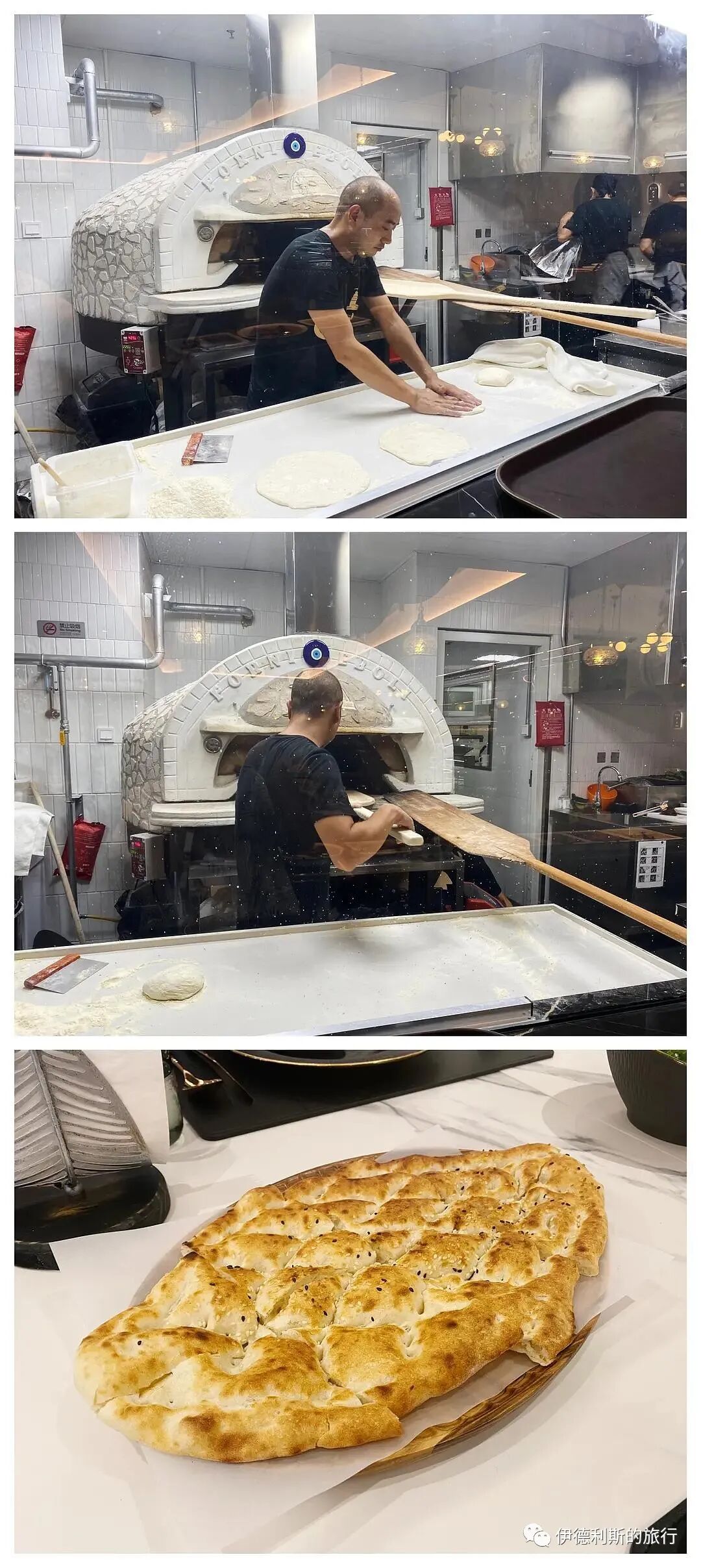
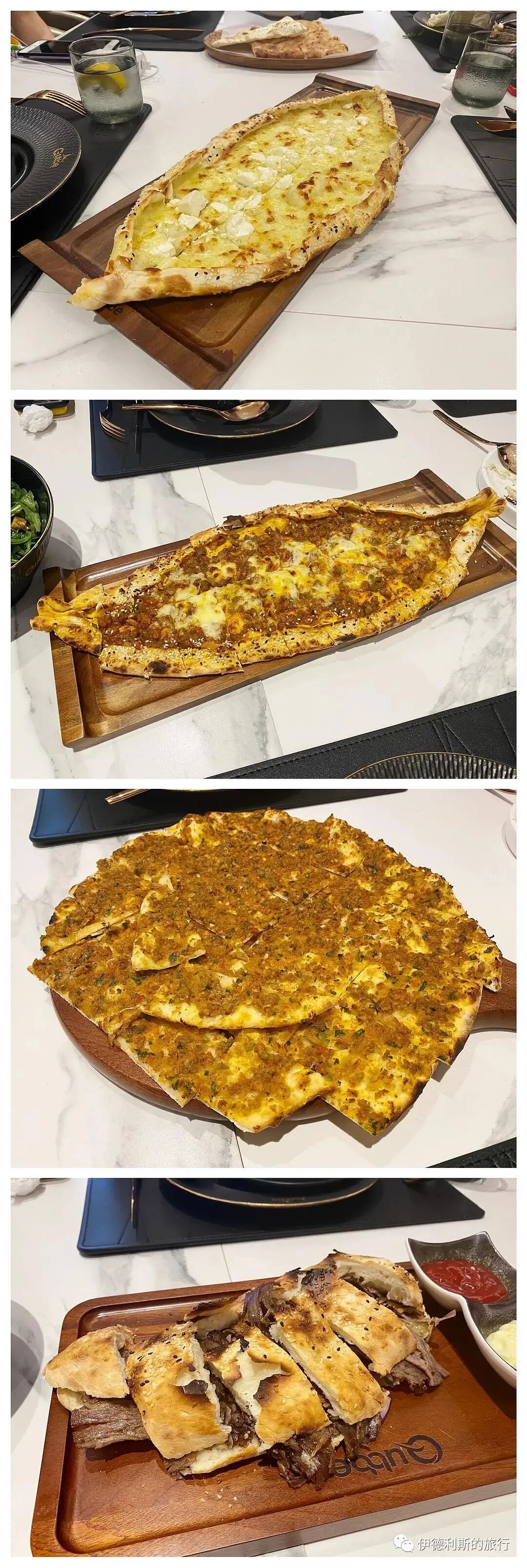
For main dishes, we ordered thin flatbread (lavash), minced meat flatbread (lahmacun), black cumin sesame bread, hollow bread, double cheese pizza (pide), Mevlana meat pizza (pide), and doner kebab sandwiches. Their oven is fantastic!
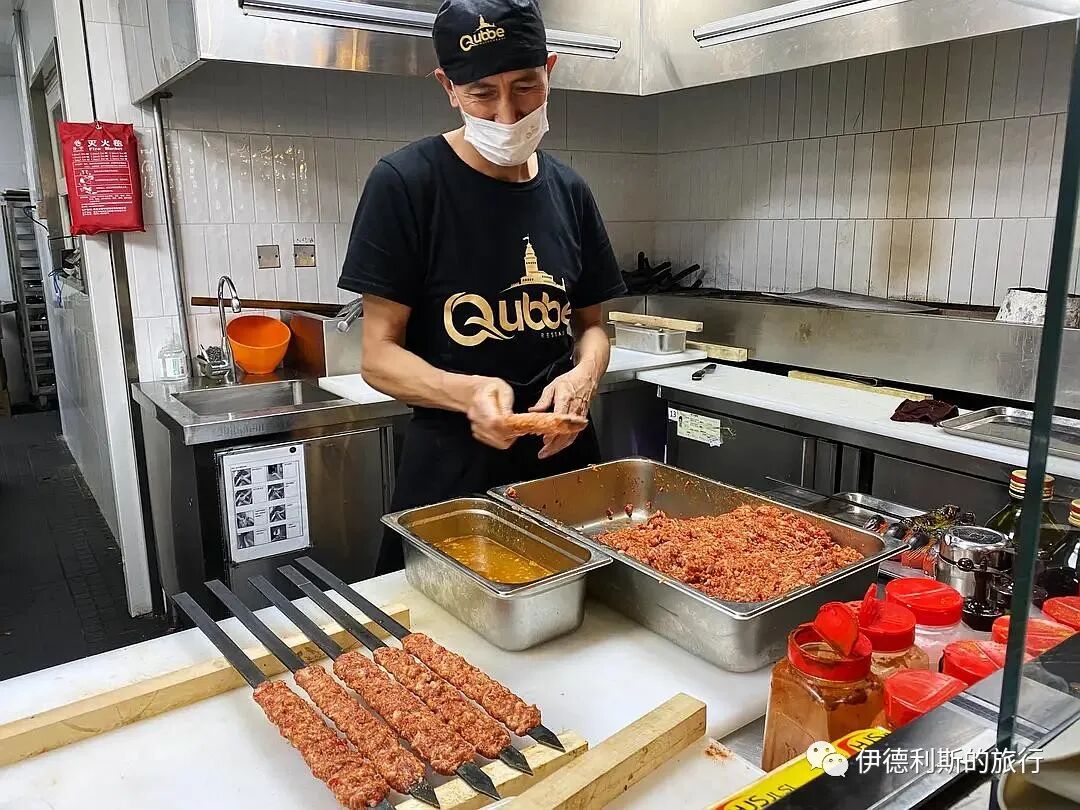
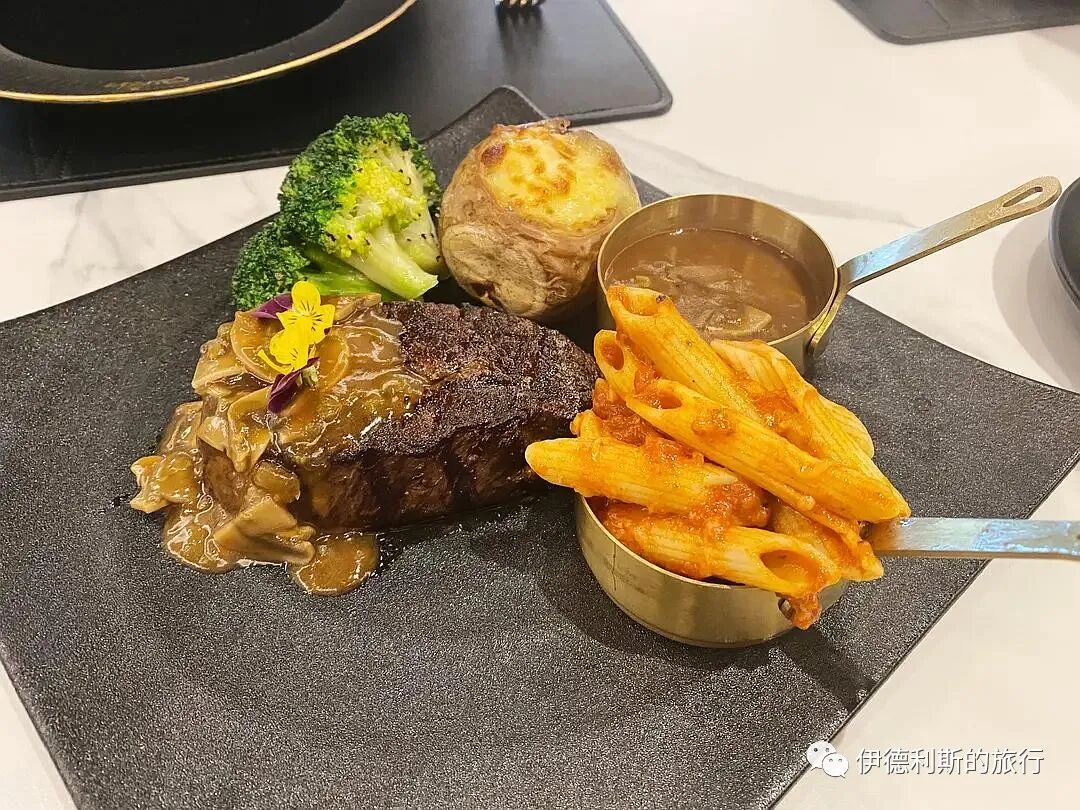
For meat, we ordered a mixed grill platter for ten people. It included spicy Adana kebab, regular meat kebab, chicken skewers, lamb skewers, grilled chicken chops, and grilled lamb chops. It was quite a sight! We also ordered filet mignon and Iskender roast beef.
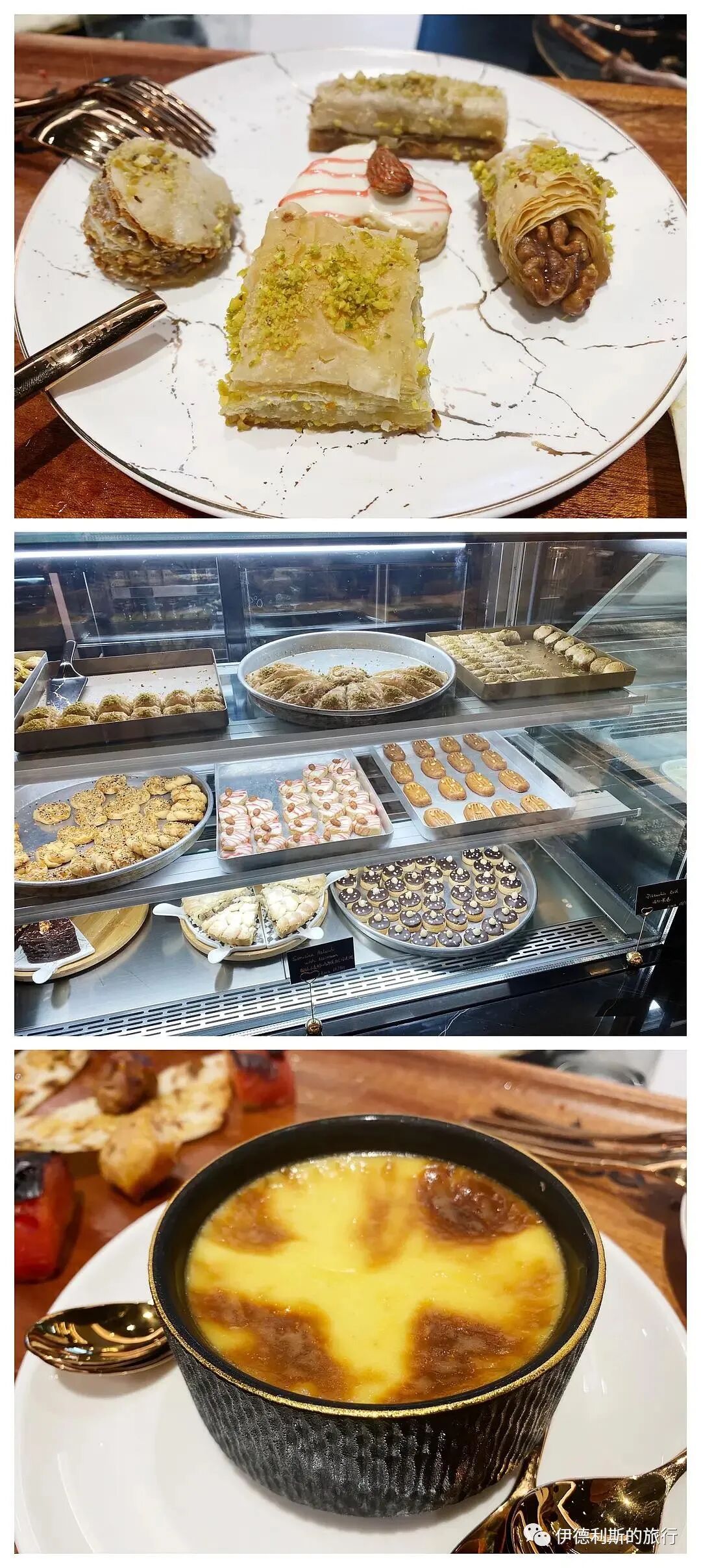
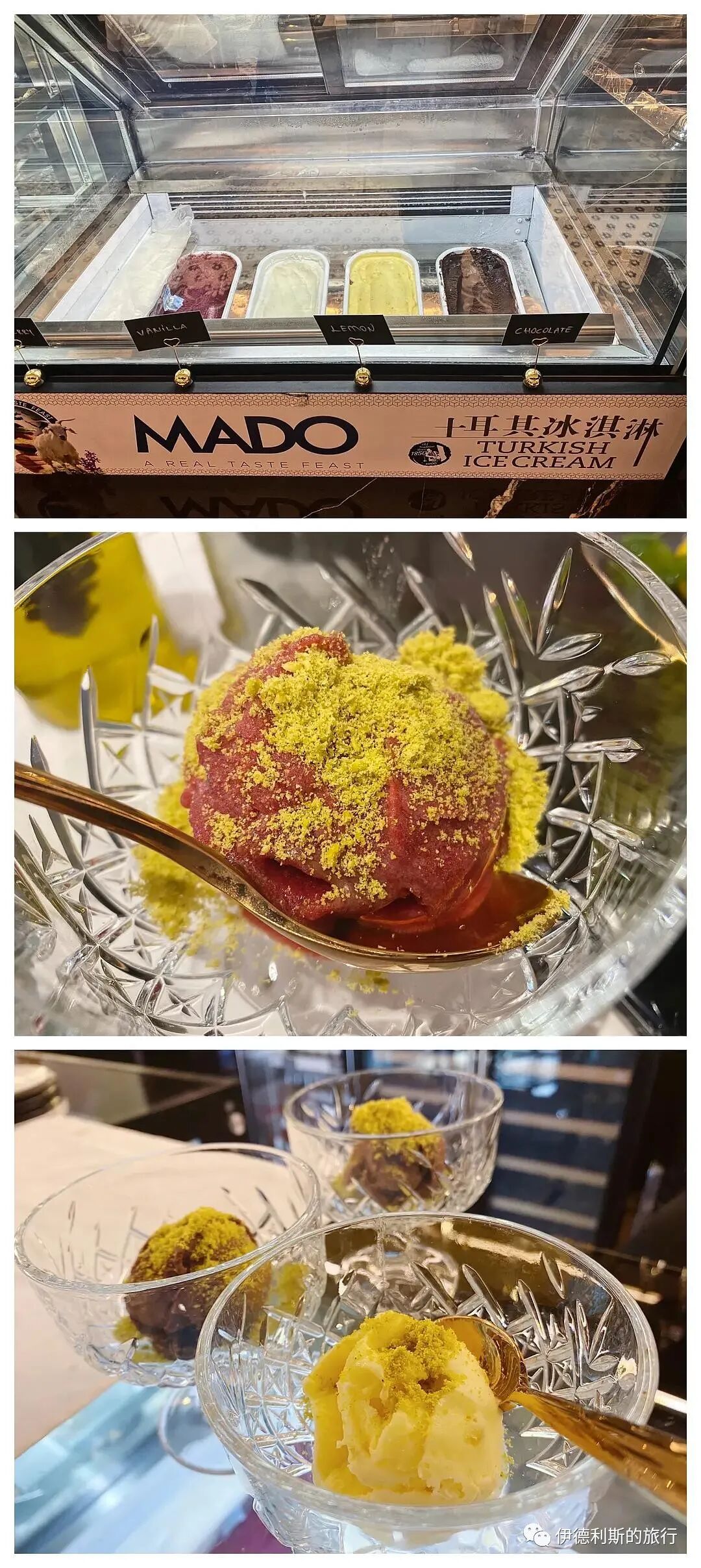
For dessert, we had classic baklava, milk pudding, and the amazing Turkish Mado ice cream. Mado is a famous Turkish ice cream chain from the city of Kahramanmarash in southeastern Turkey. They used to have shops in Yiwu and Guangzhou, and now they have finally opened in Beijing. It is likely the most authentic Turkish ice cream in China, made entirely with goat milk from their hometown of Kahramanmarash.
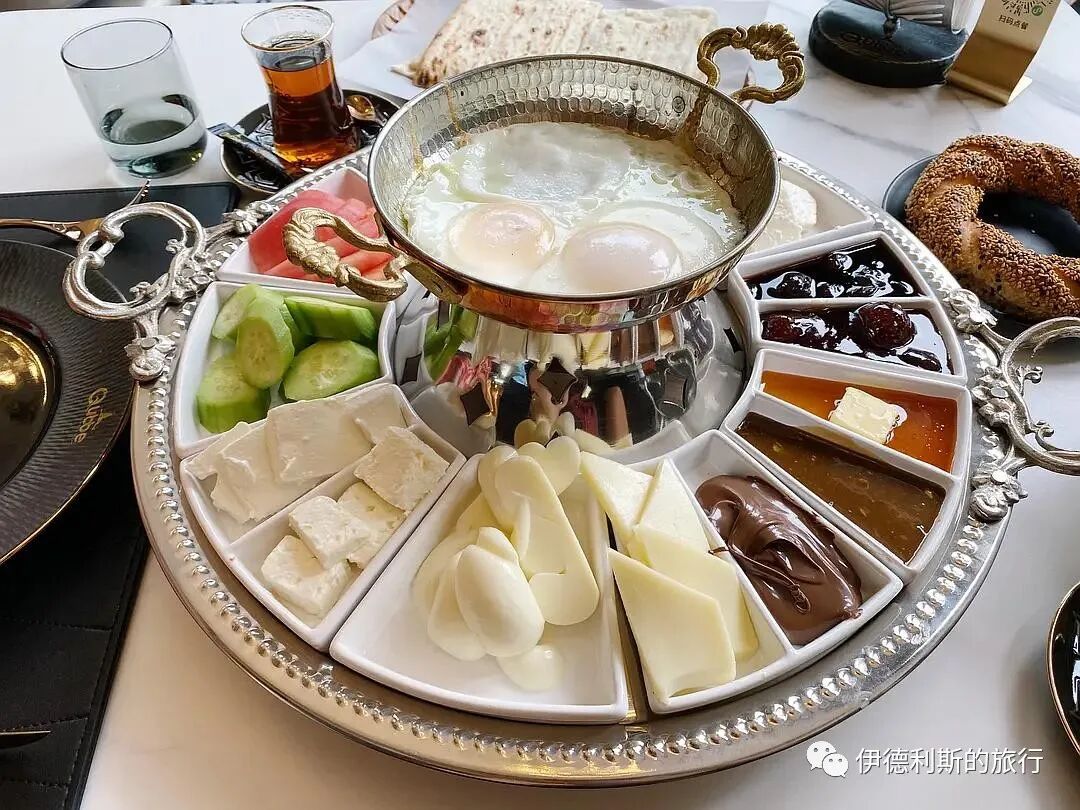
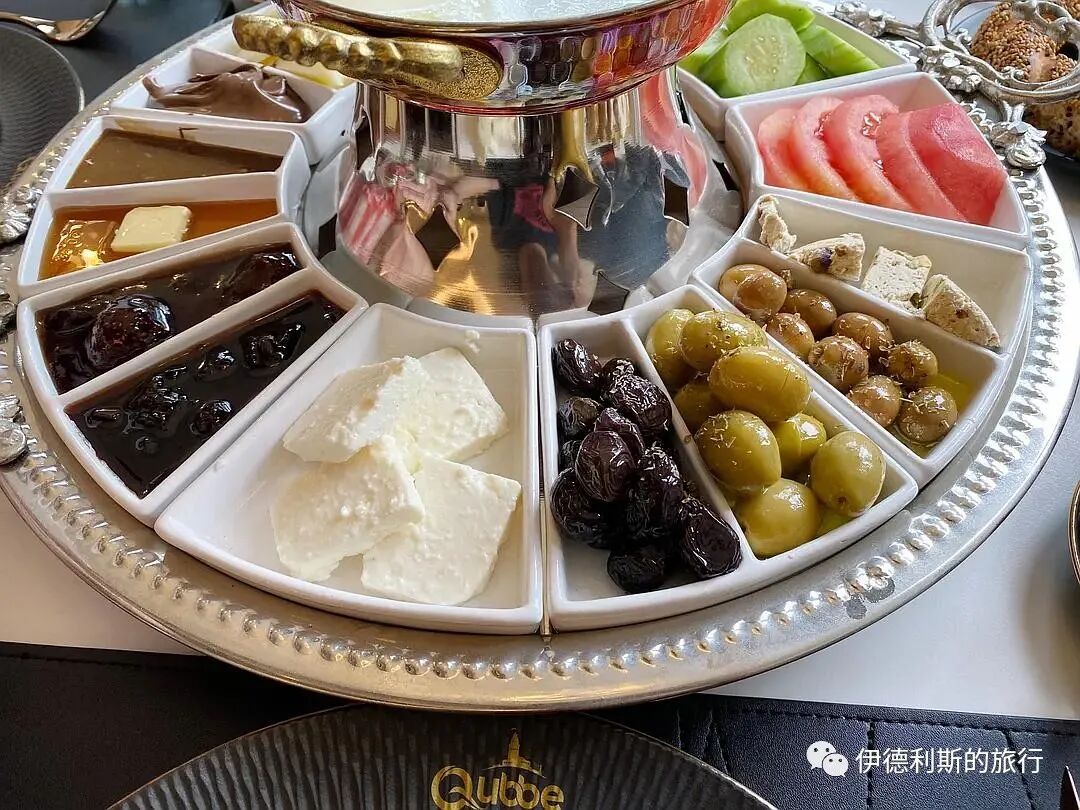
September 12, breakfast at Turkish restaurant Qubbe.
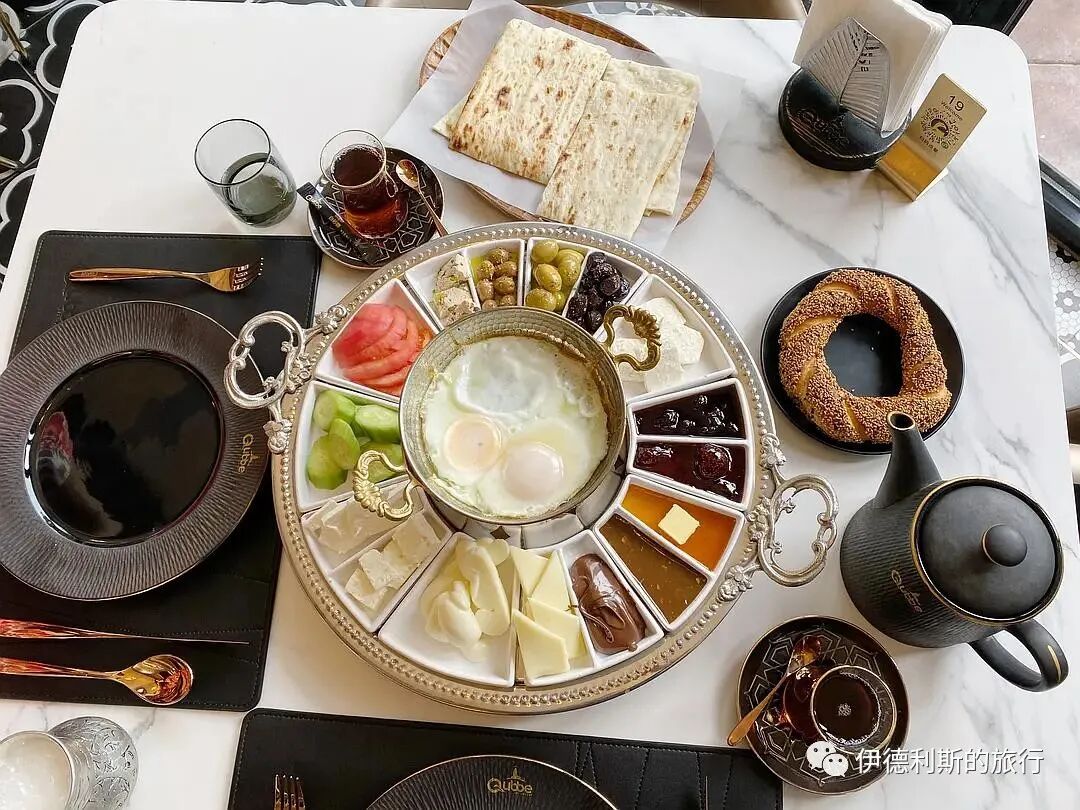
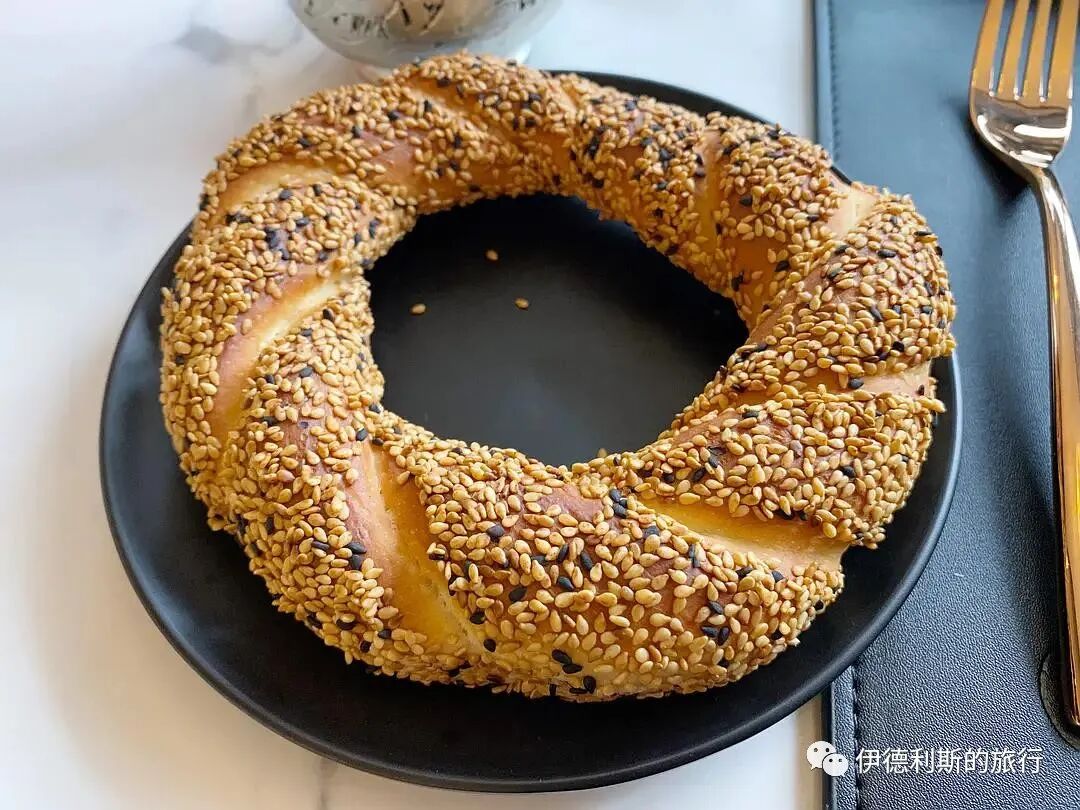
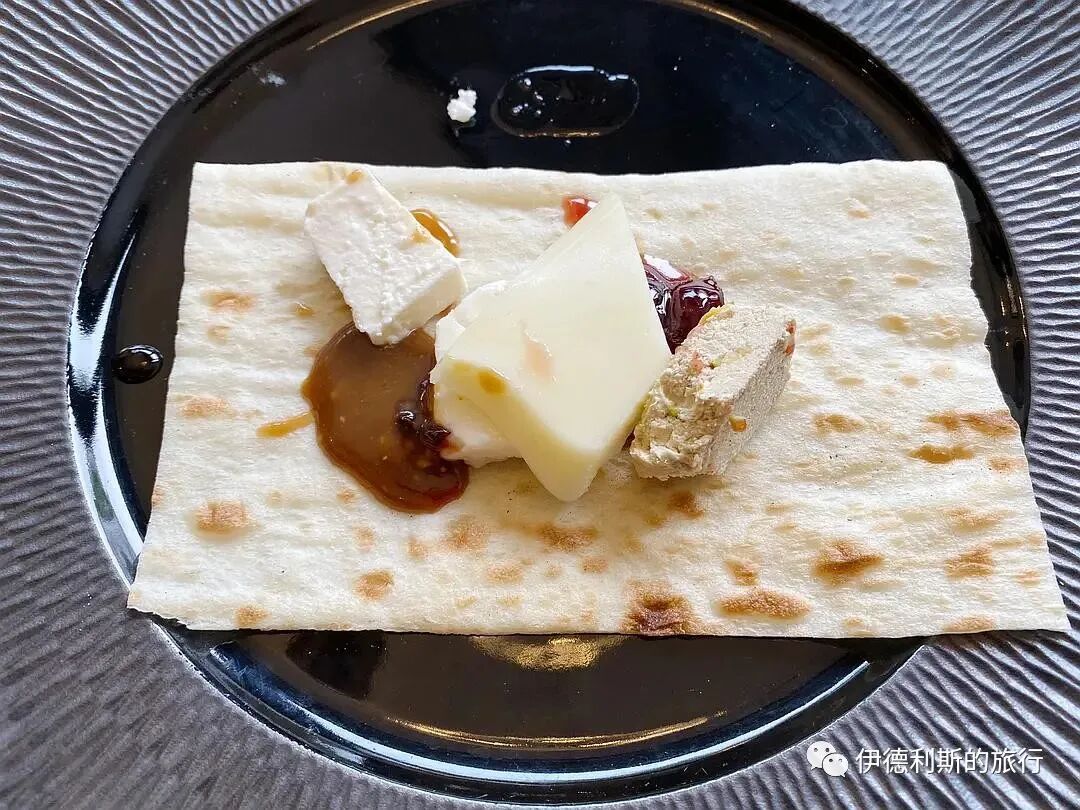
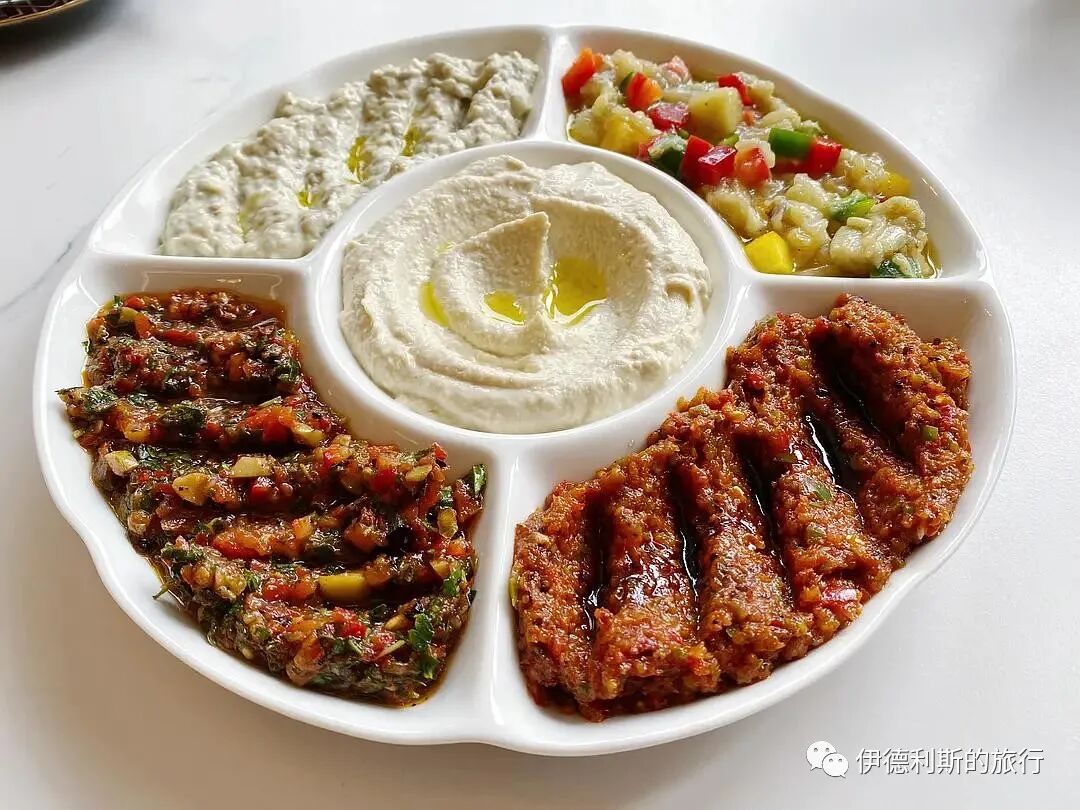
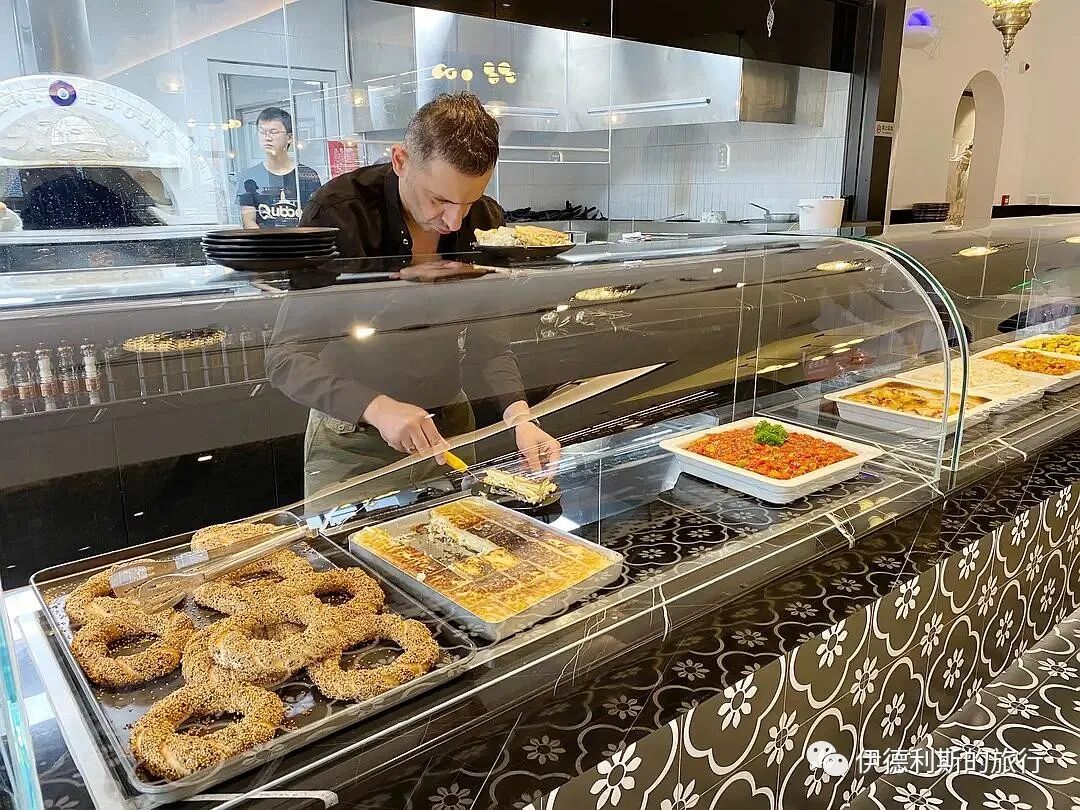
I visited Qubbe again this morning to try the Turkish breakfast. The chef from the Turkish Embassy was there. We had three types of olives, six types of cheese, and five types of dips. It was very rich, and every cheese had a different texture and level of sweetness or sourness. We paired it with thin flatbread and the classic Turkish sesame bagel (simit).
The earliest record of the simit bagel in Istanbul dates back to 1525. According to the famous 17th-century Ottoman traveler Evliya Celebi, there were 70 simit bakeries in Istanbul in the 1630s.
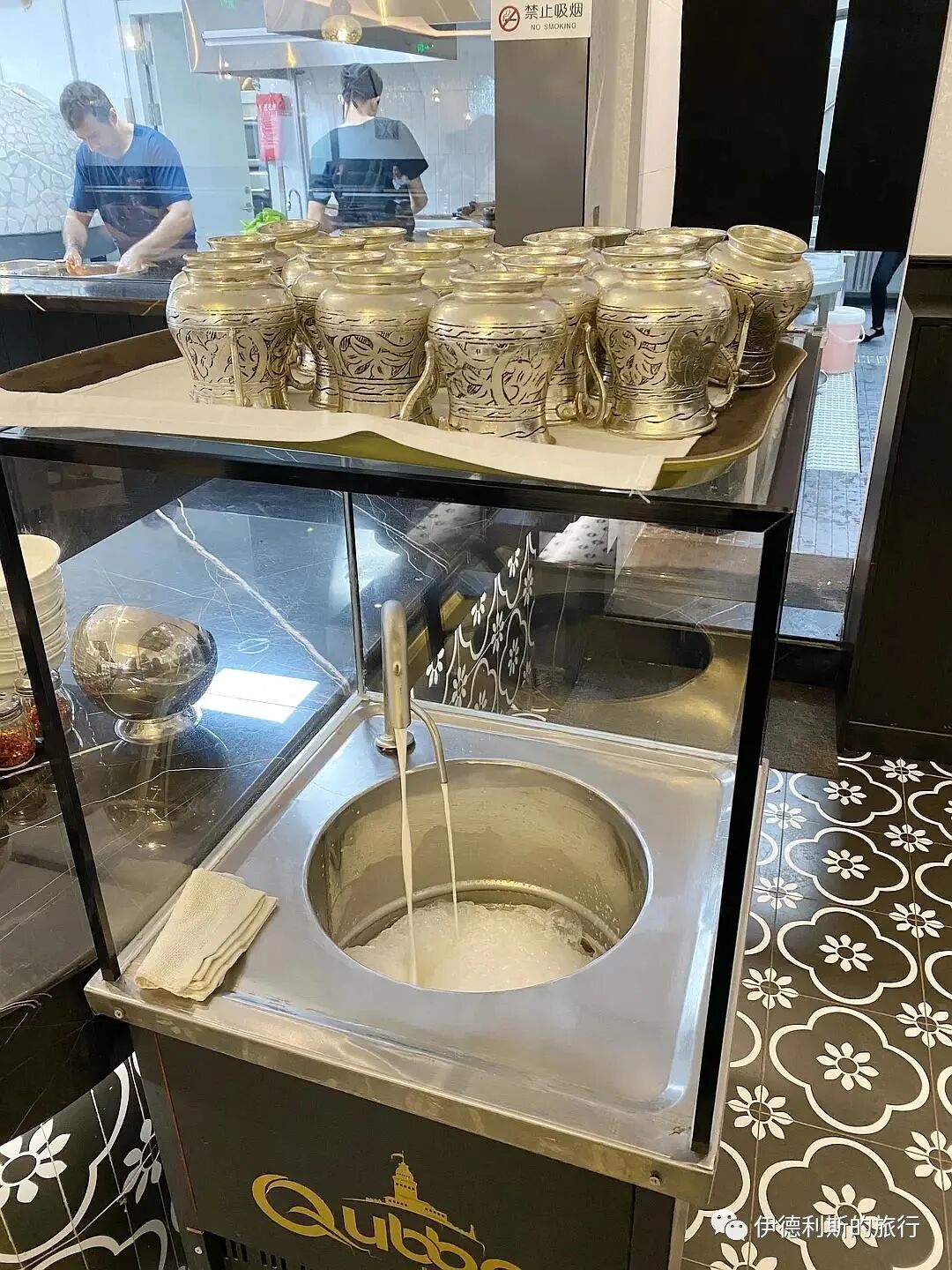
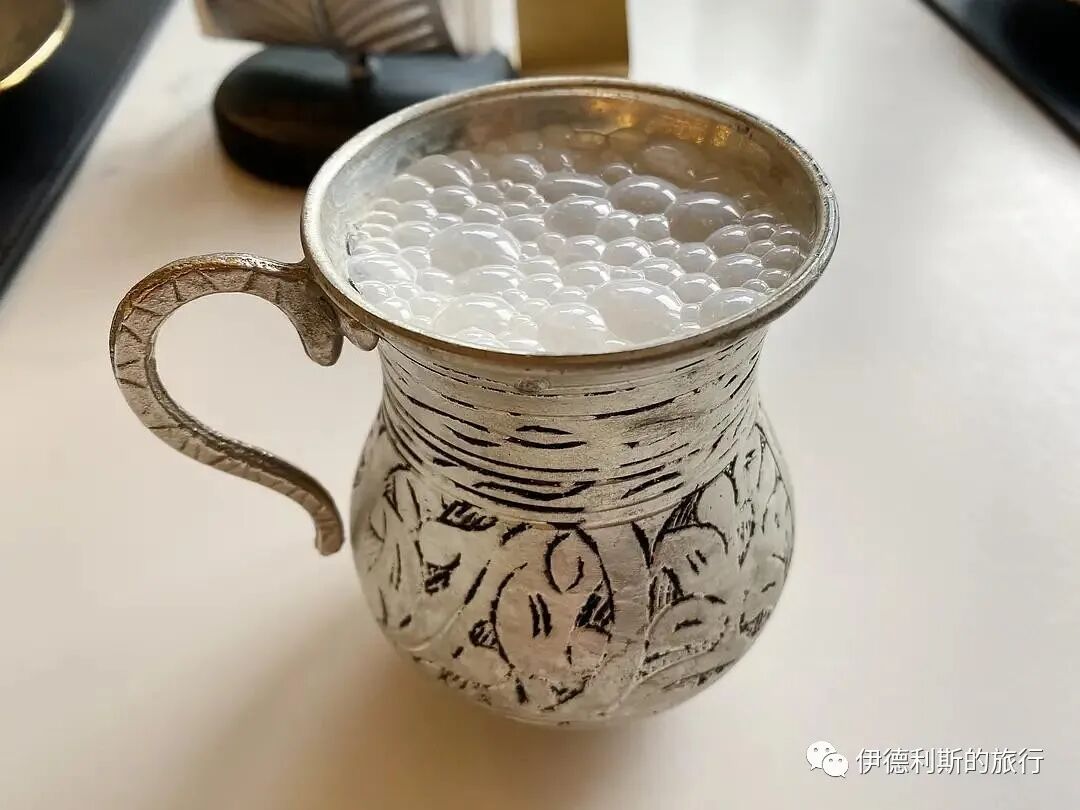
We also ordered salty yogurt drink (ayran) and an appetizer platter, which included spicy chopped tomato (Antep ezme), tomato sauce eggplant, hummus (chickpea puree), mutebbel (eggplant yogurt dip), and babagannush (sesame eggplant dip).
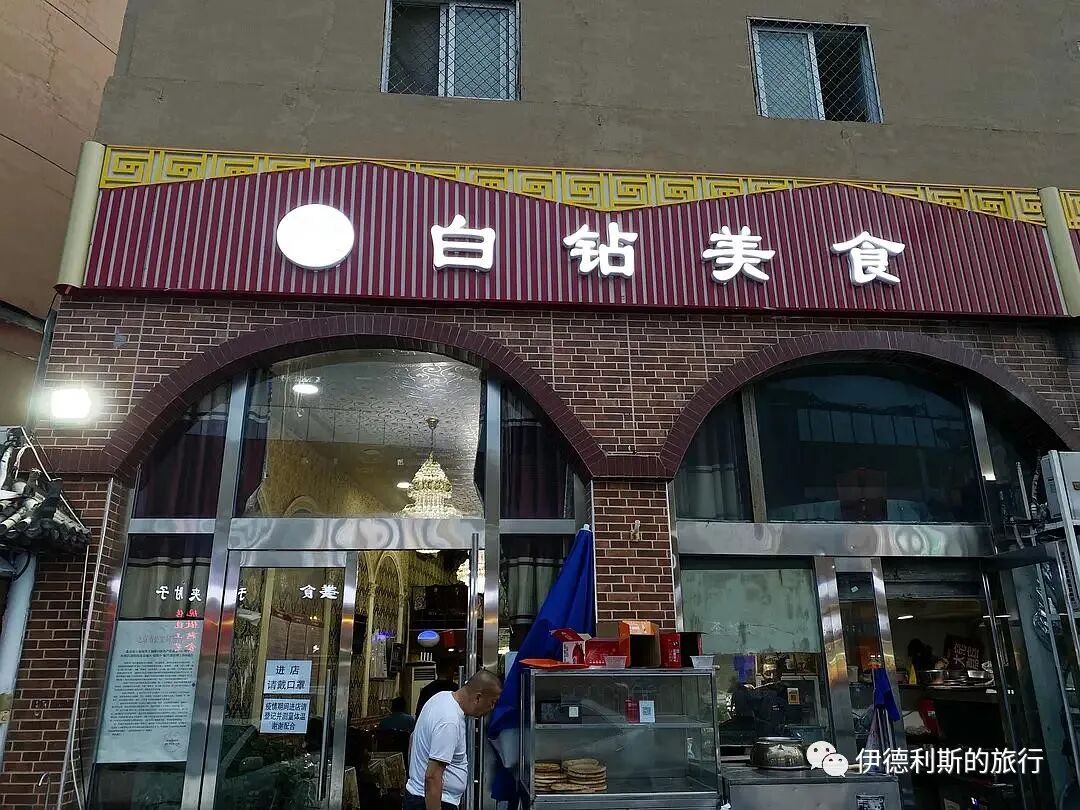
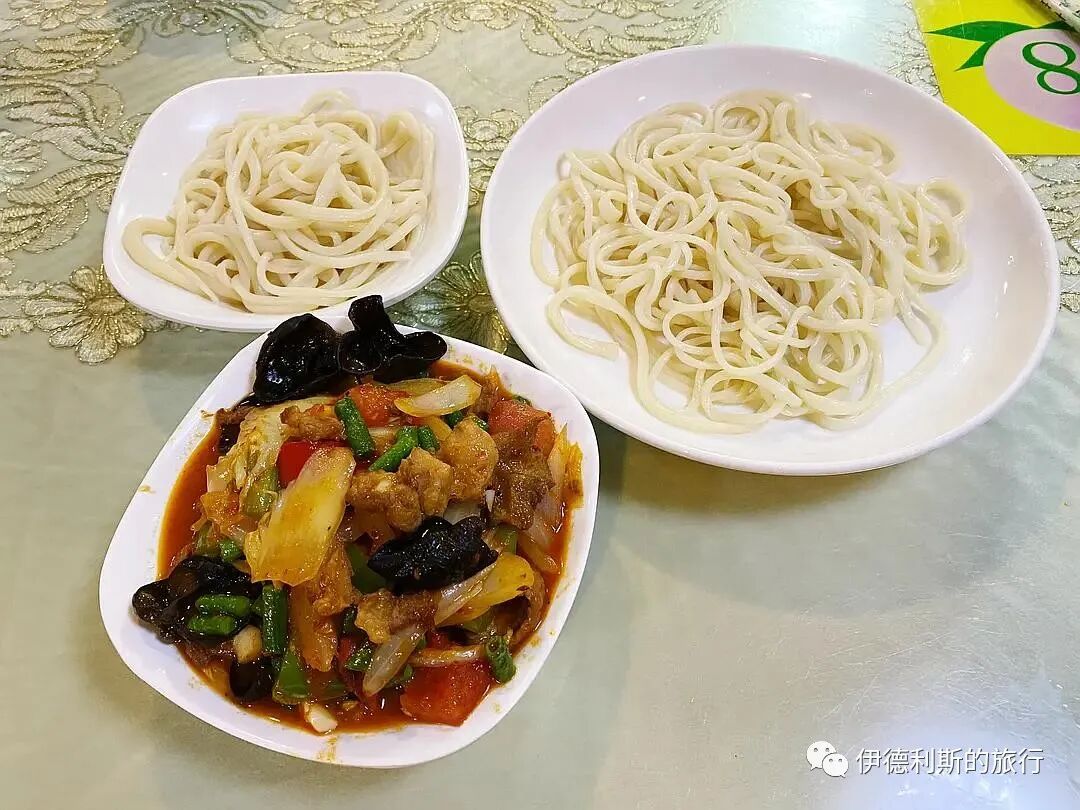
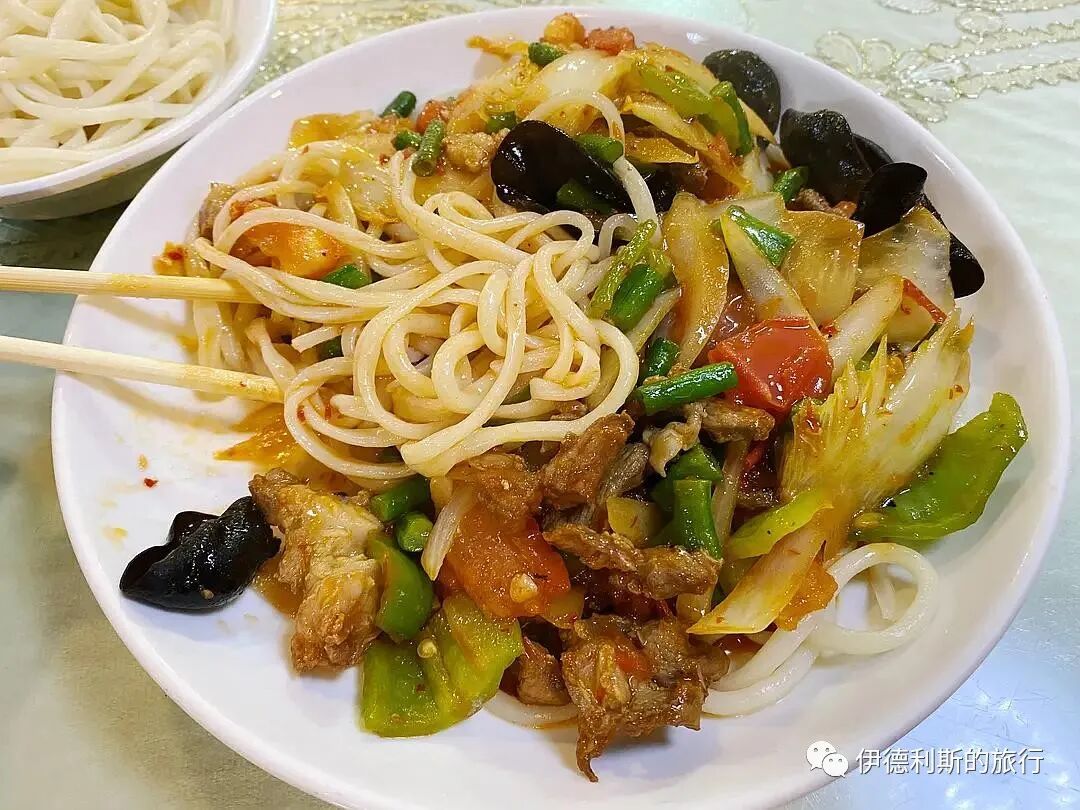
September 14, Uyghur restaurant Baizuan in Shilihe.
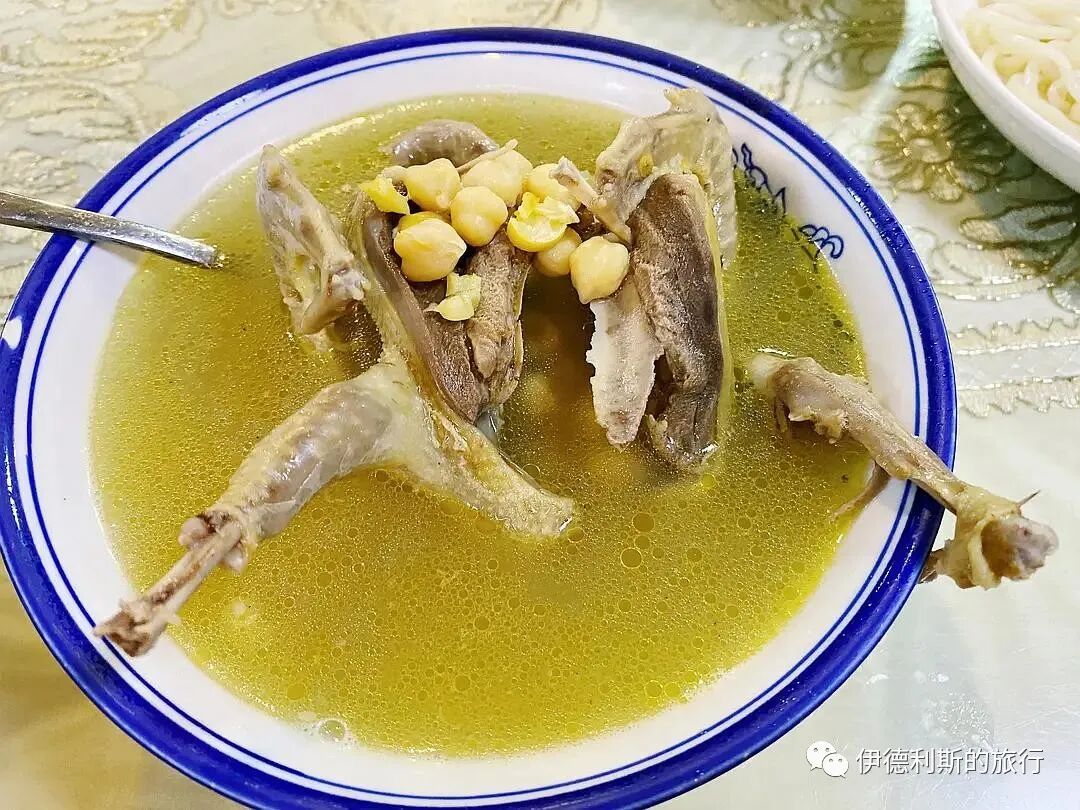
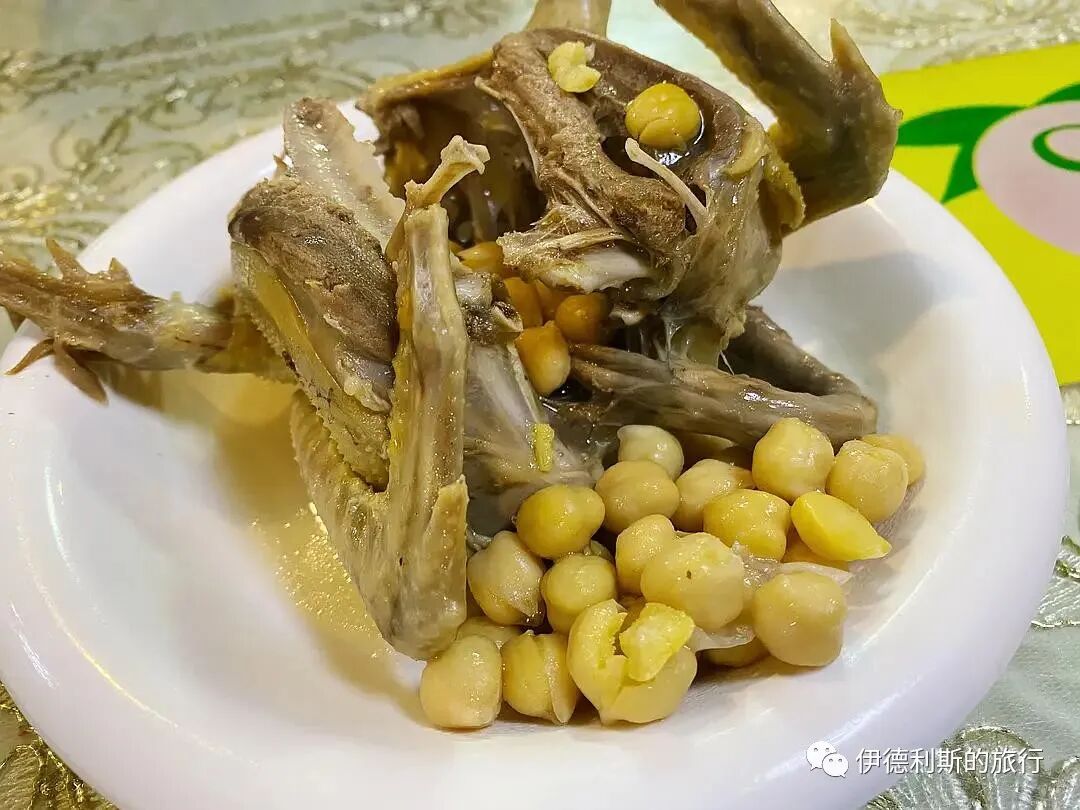
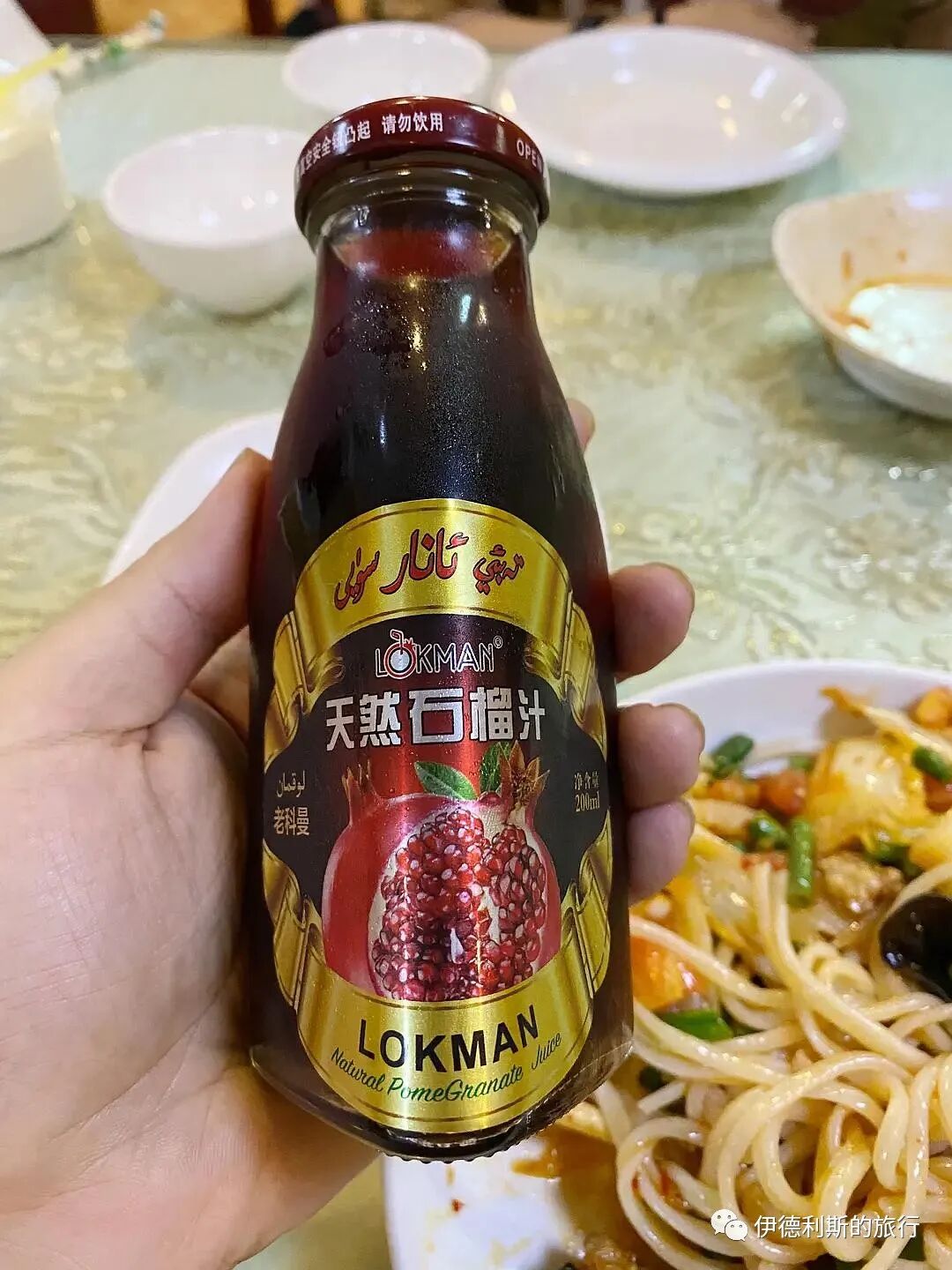
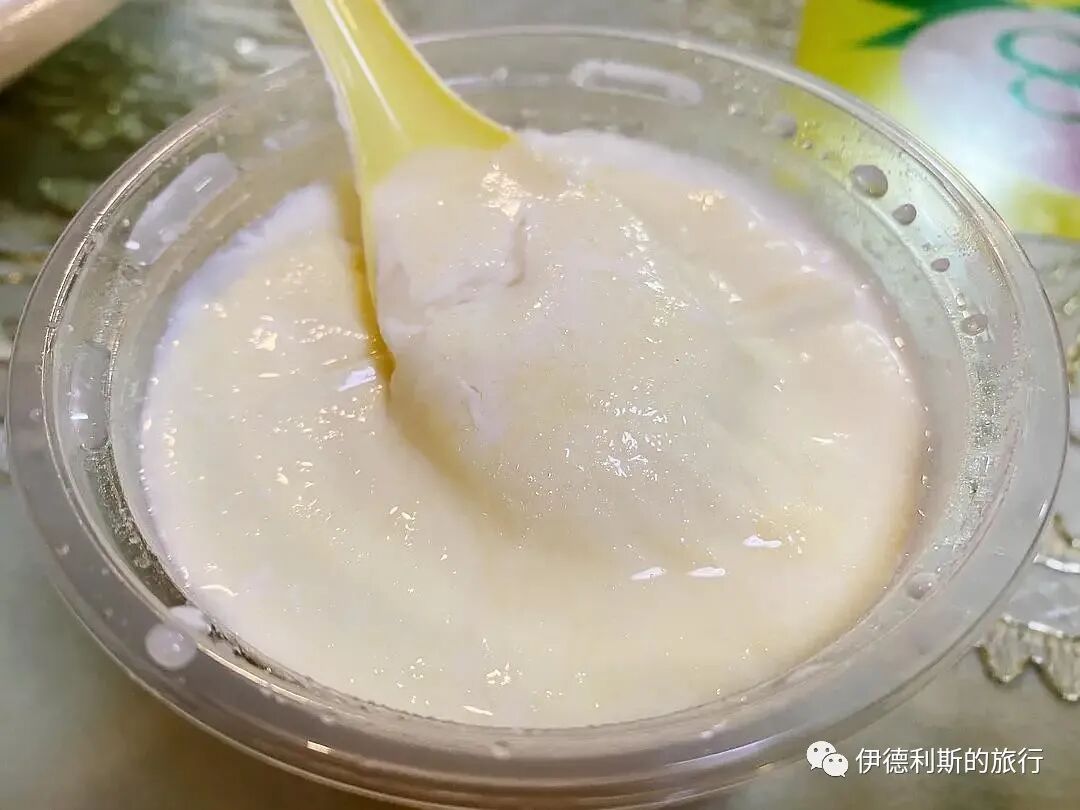
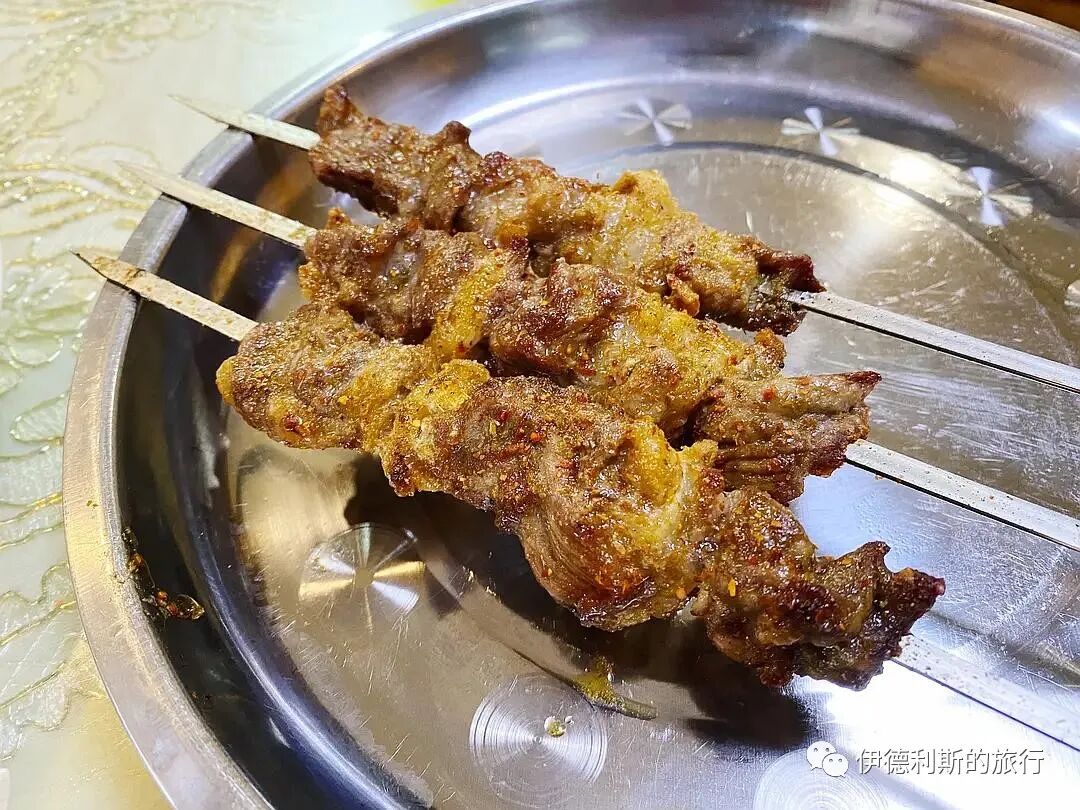
Before hitting the night market, we ate at Baizuan in Shilihe. We had roasted meat (guirou langman), kebabs (kawap), yogurt, pigeon soup, and old Koman pomegranate juice. The kebabs (kawap) tasted excellent this time! The pigeon soup had plenty of chickpeas, which I was very happy with.
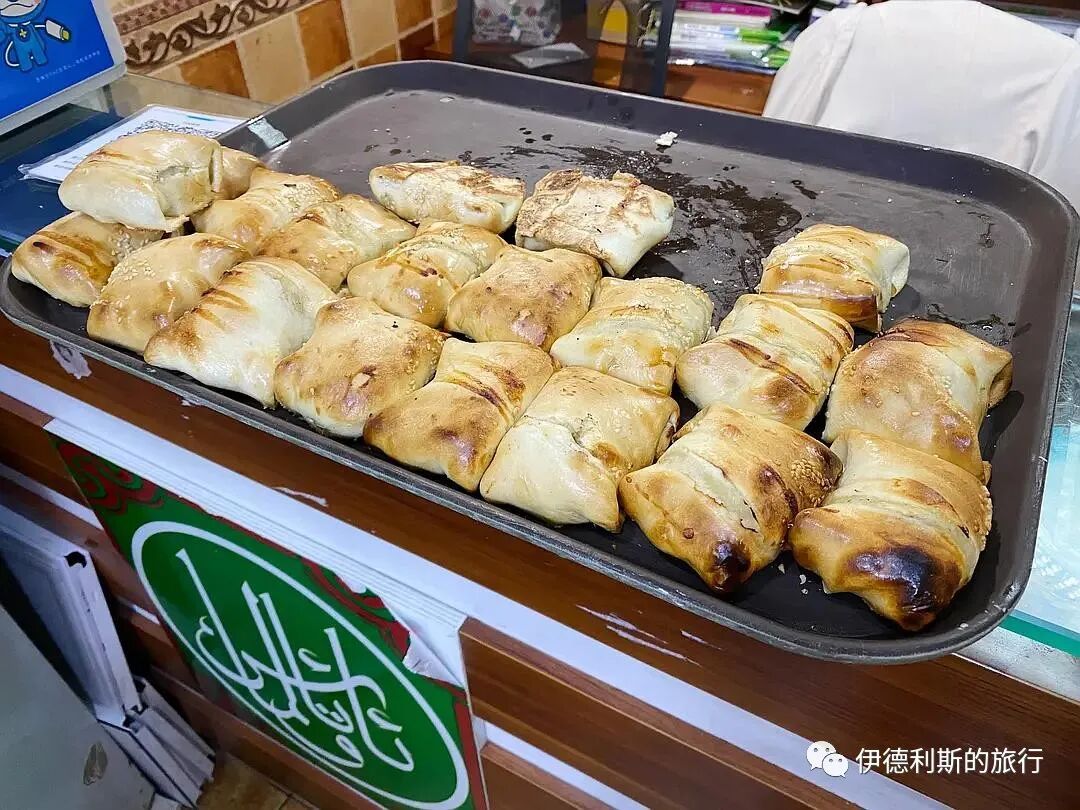
September 19, Middle Eastern snack shop Taiba.
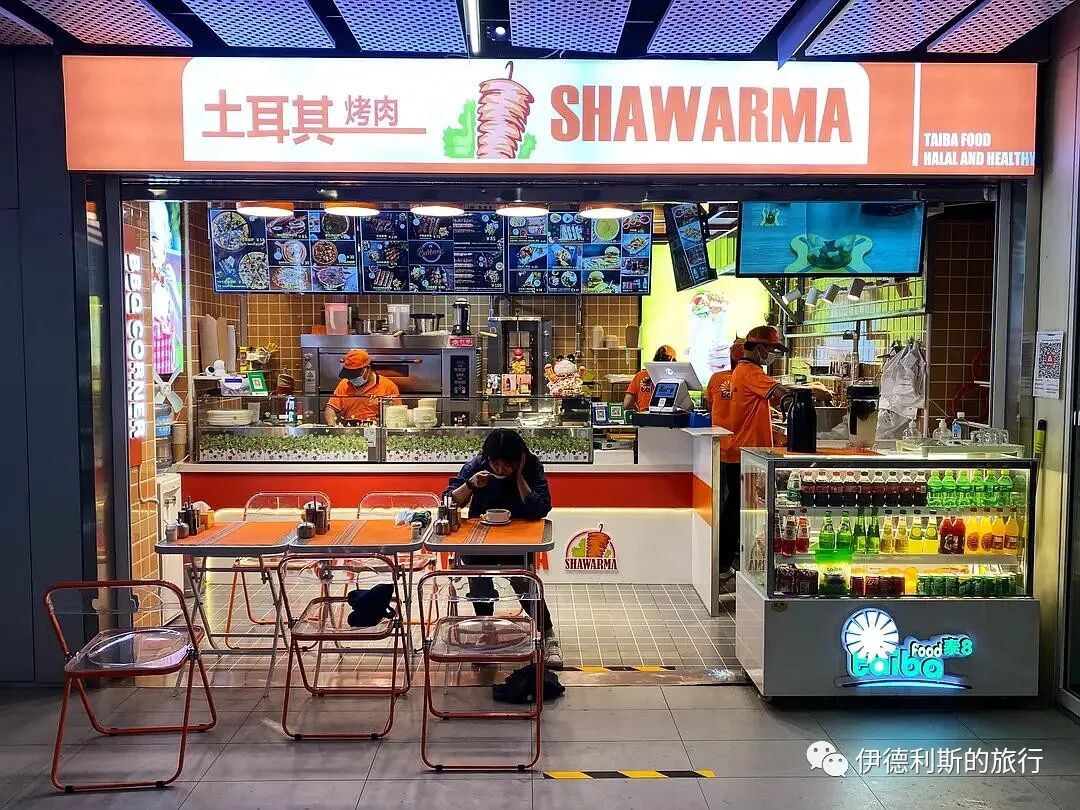
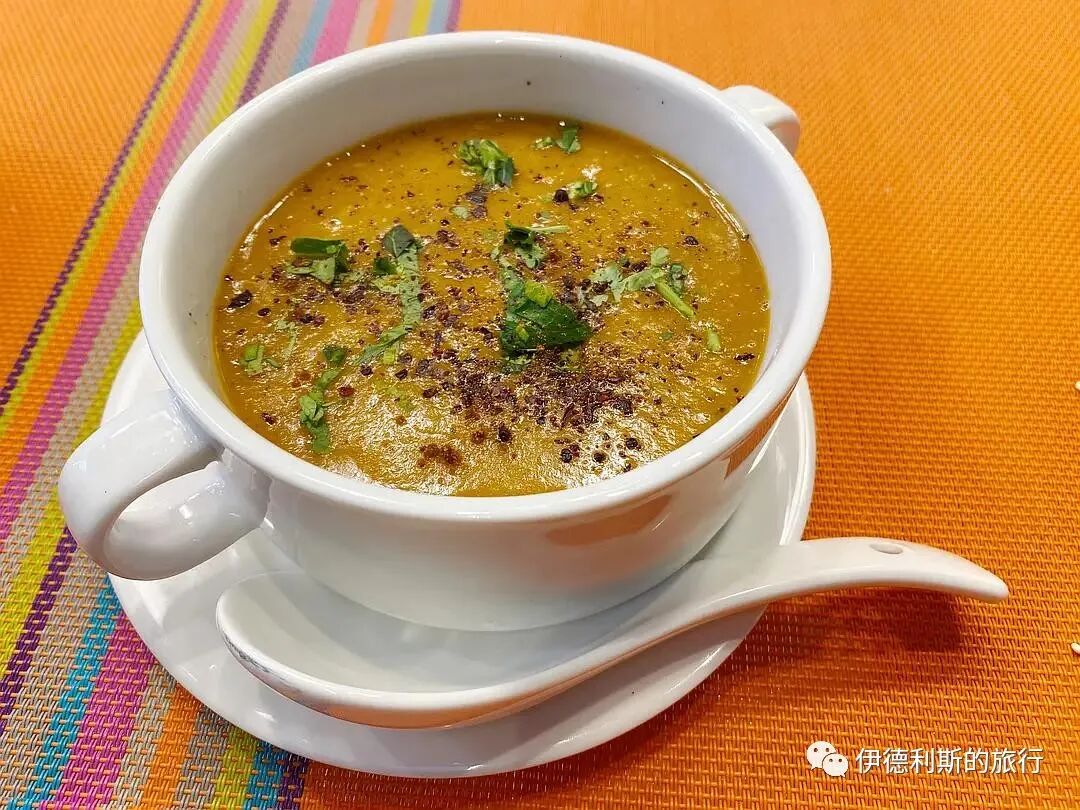
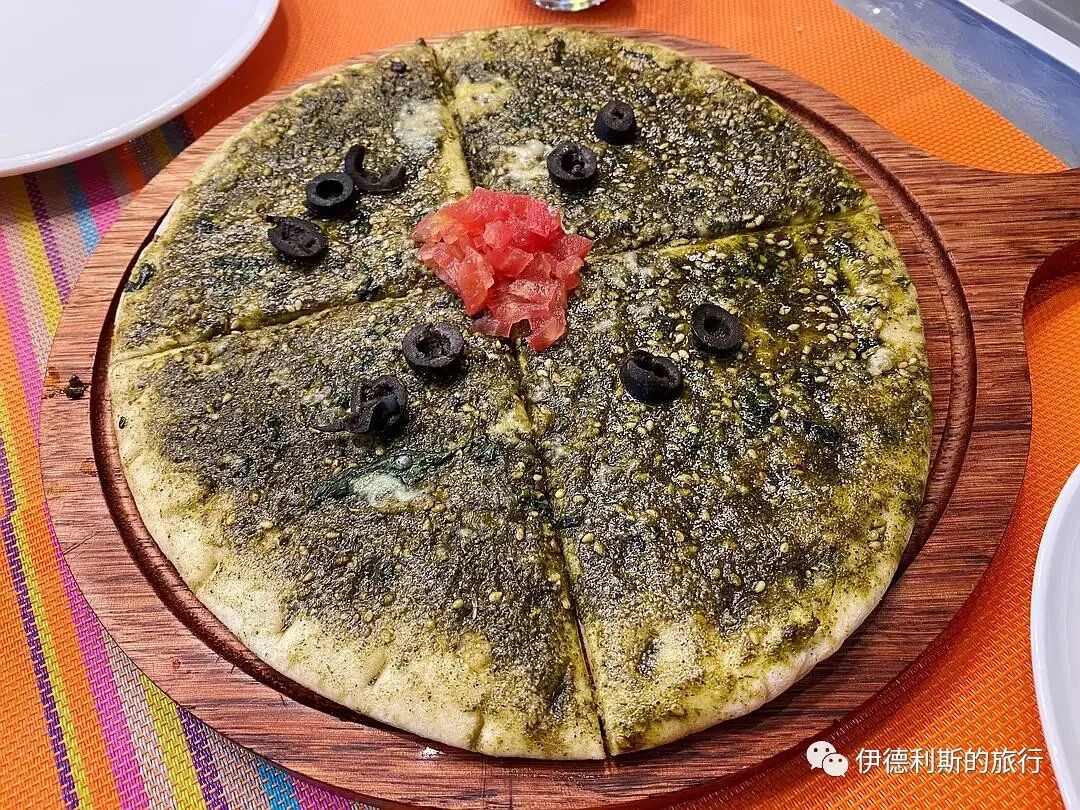
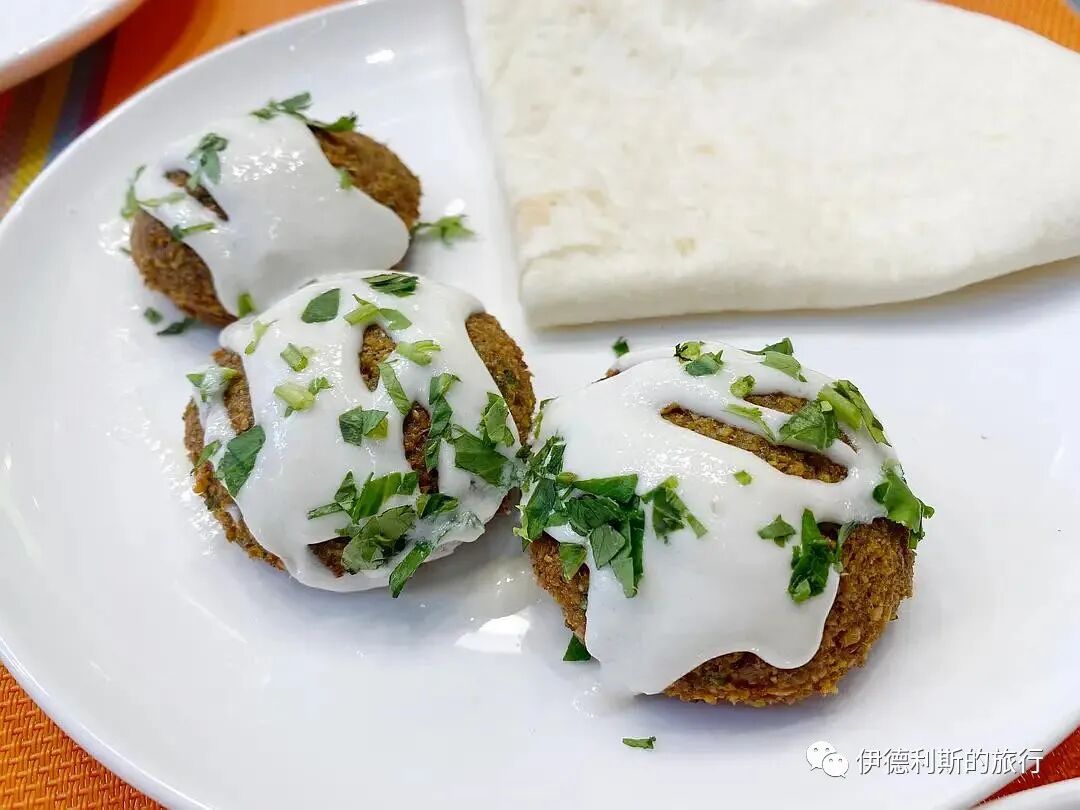
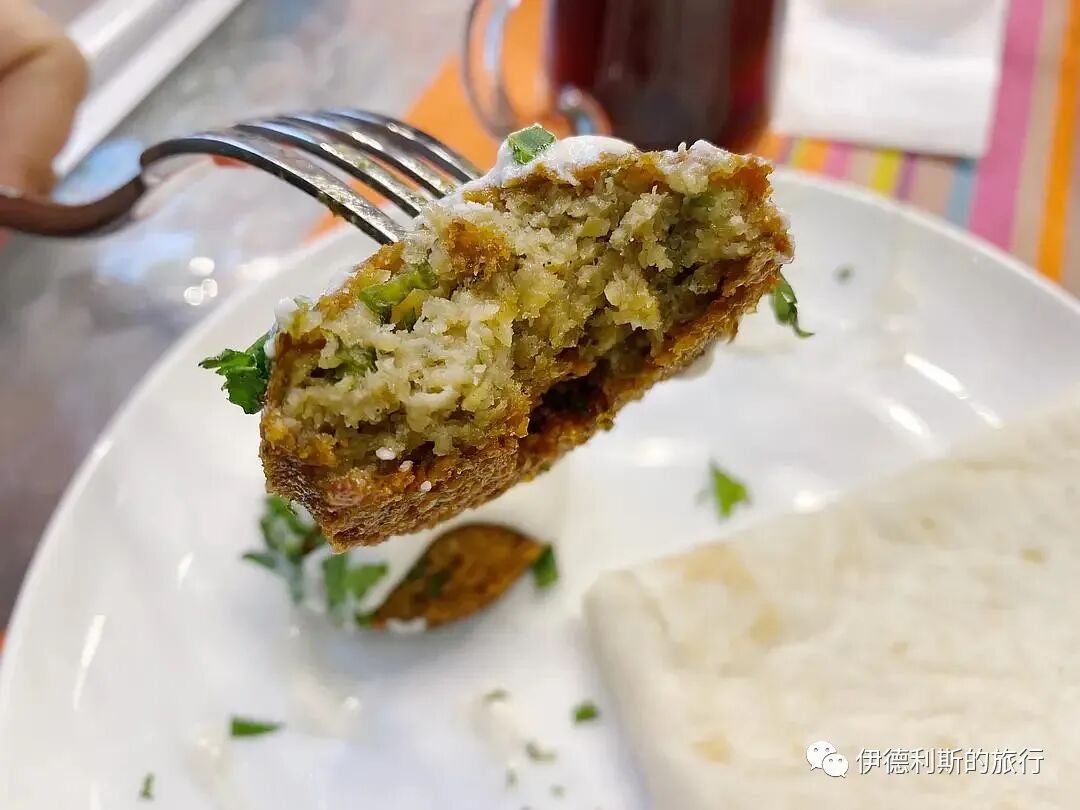
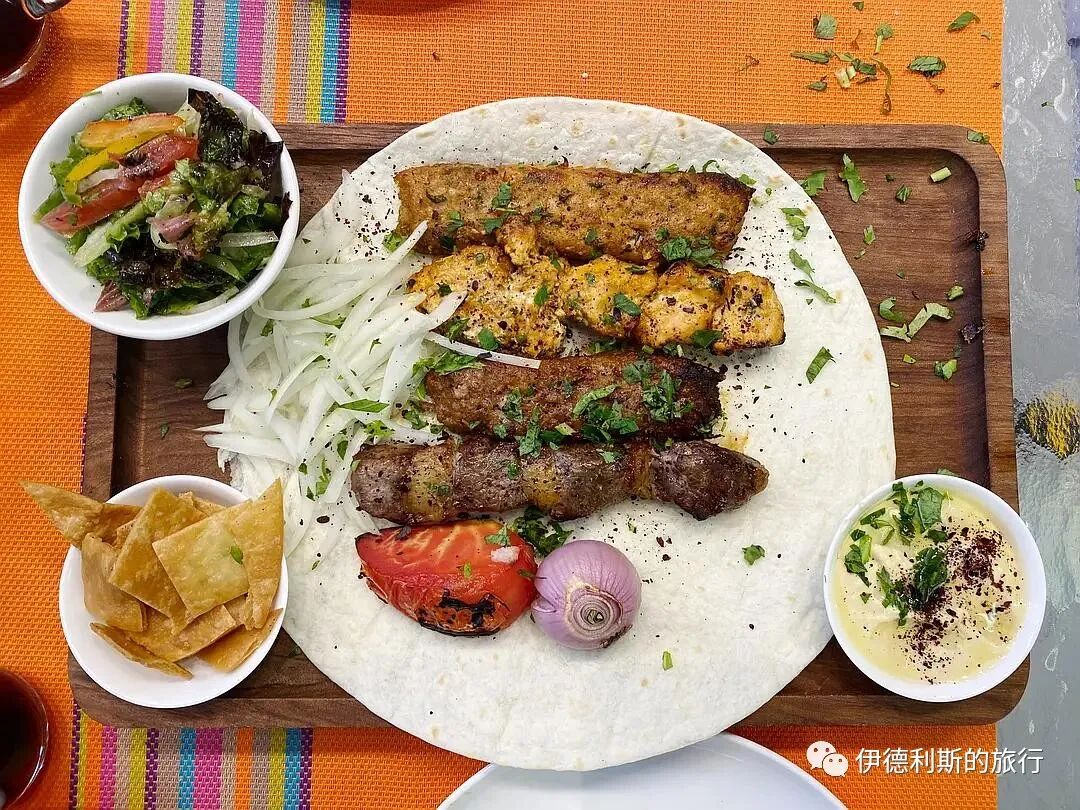
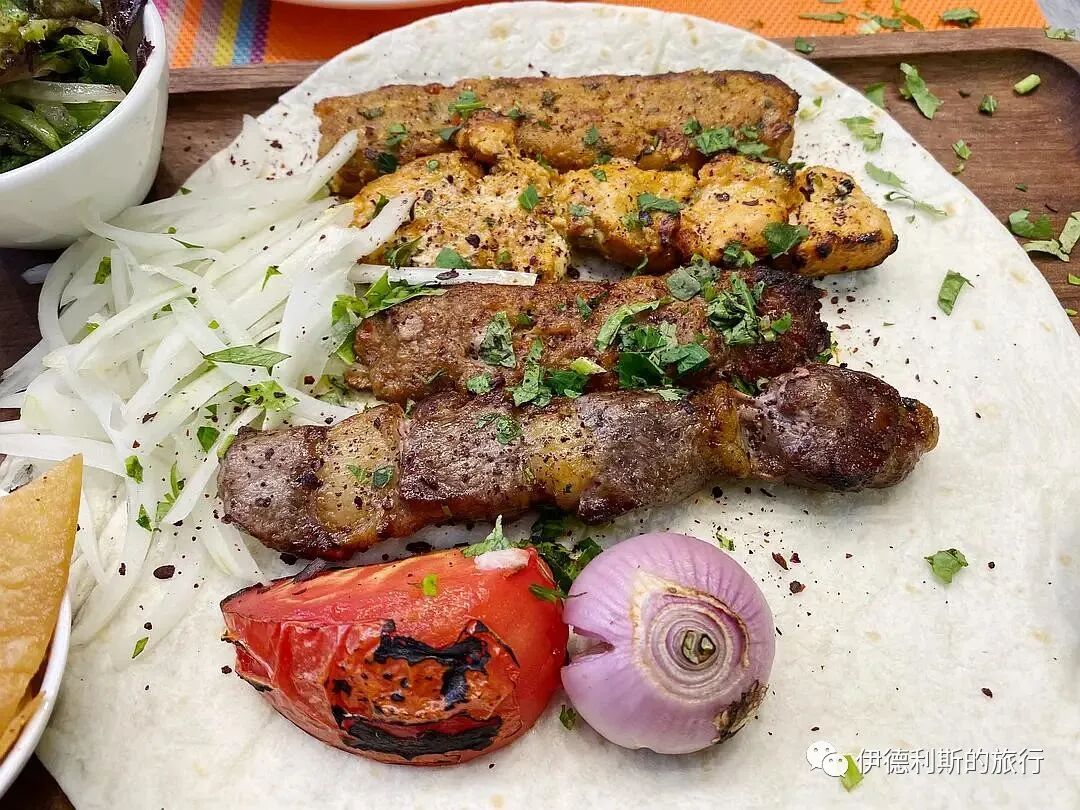
In the evening, I went to Taiba, a Middle Eastern snack shop that opened in July at Sanlitun SOHO. I had been to their Guijie branch before. The atmosphere really reminds me of Chungking Mansions in Hong Kong! We ordered lentil soup, a meat platter with hummus, fried chickpea balls (falafel), and za'atar manakeesh flatbread.
The za'atar manakeesh flatbread is worth mentioning. Manakeesh is a type of Arab flatbread. Za'atar is a Levantine spice blend made from Syrian oregano (also called Lebanese oregano), toasted sesame seeds, dried sumac, and thyme, mixed with olive oil before eating. Syrian oregano is also considered the hyssop mentioned in the Bible. People in Syria and Lebanon often find wild oregano in the fields, pick the leaves to dry in the sun, and then grind them into a powder to make the spice. Za'atar has an earthy taste with a hint of citrus and nuttiness. It feels very unique the first time you eat it.
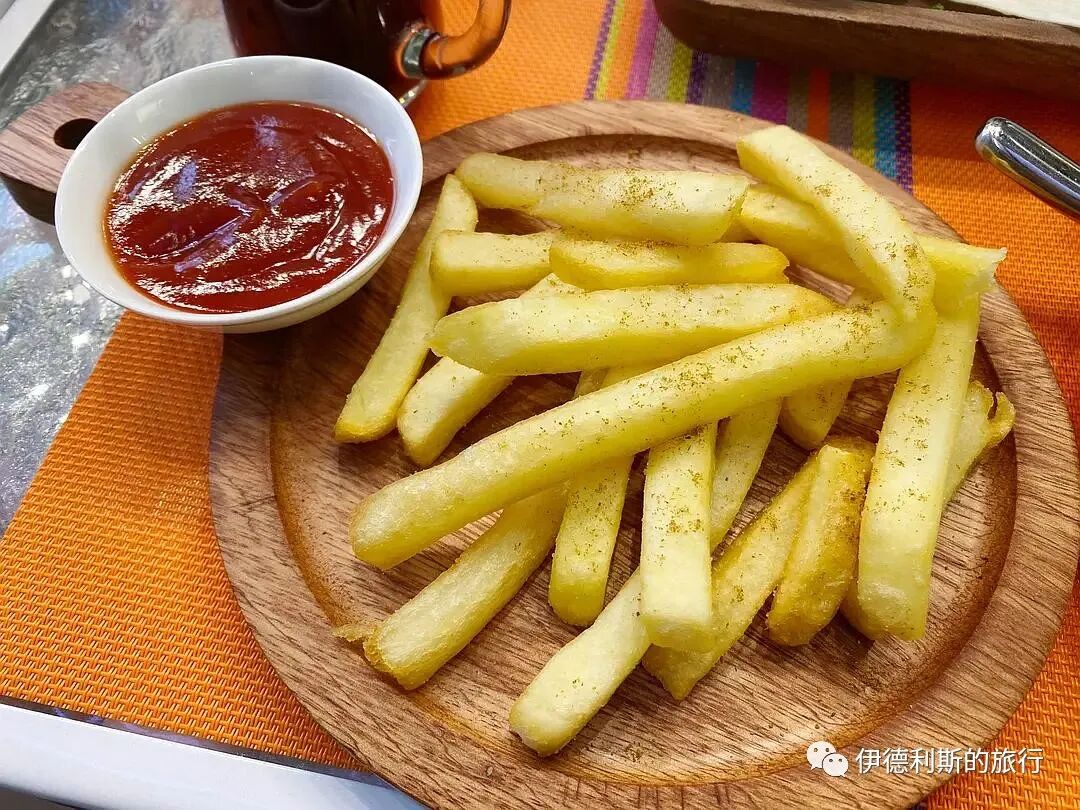
September 20, Lanzhou snack shop Lan Jiu Shi Qi.
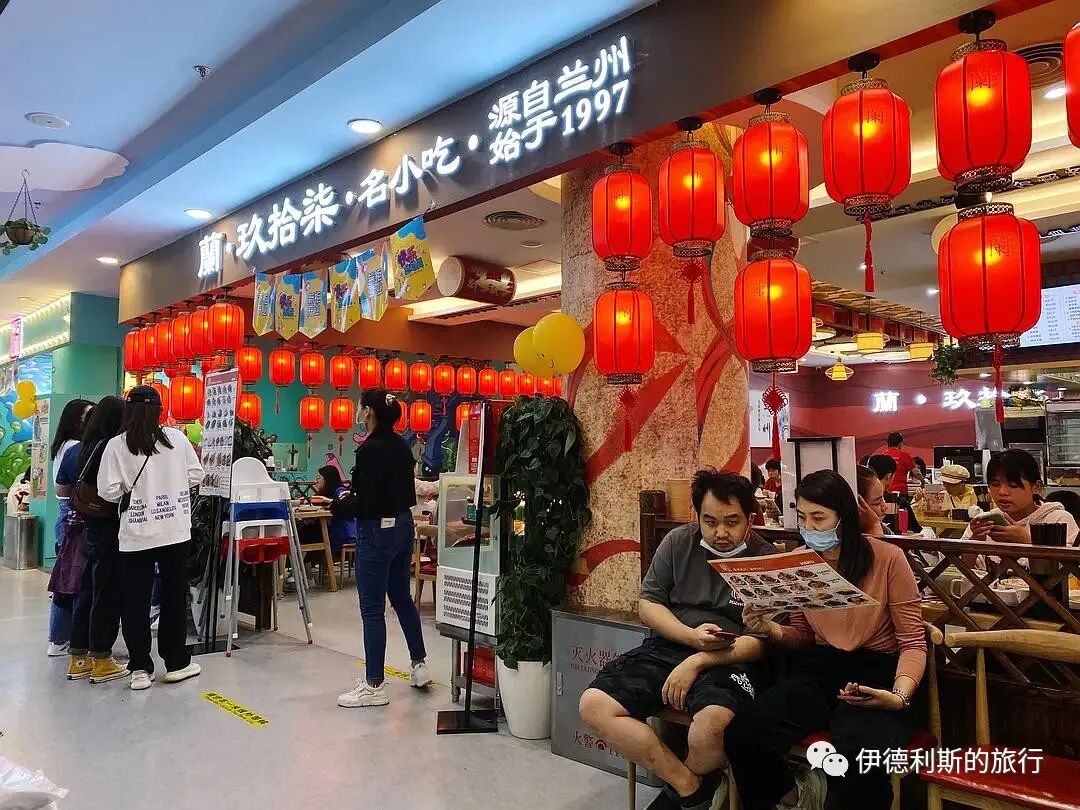
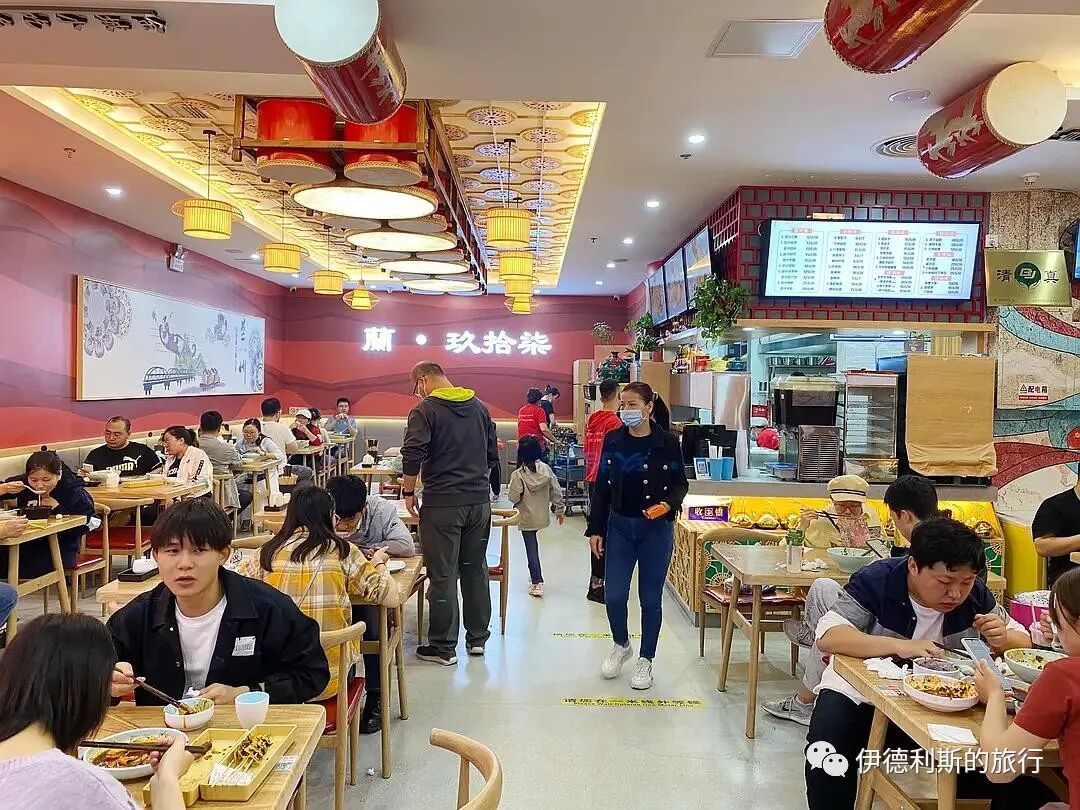
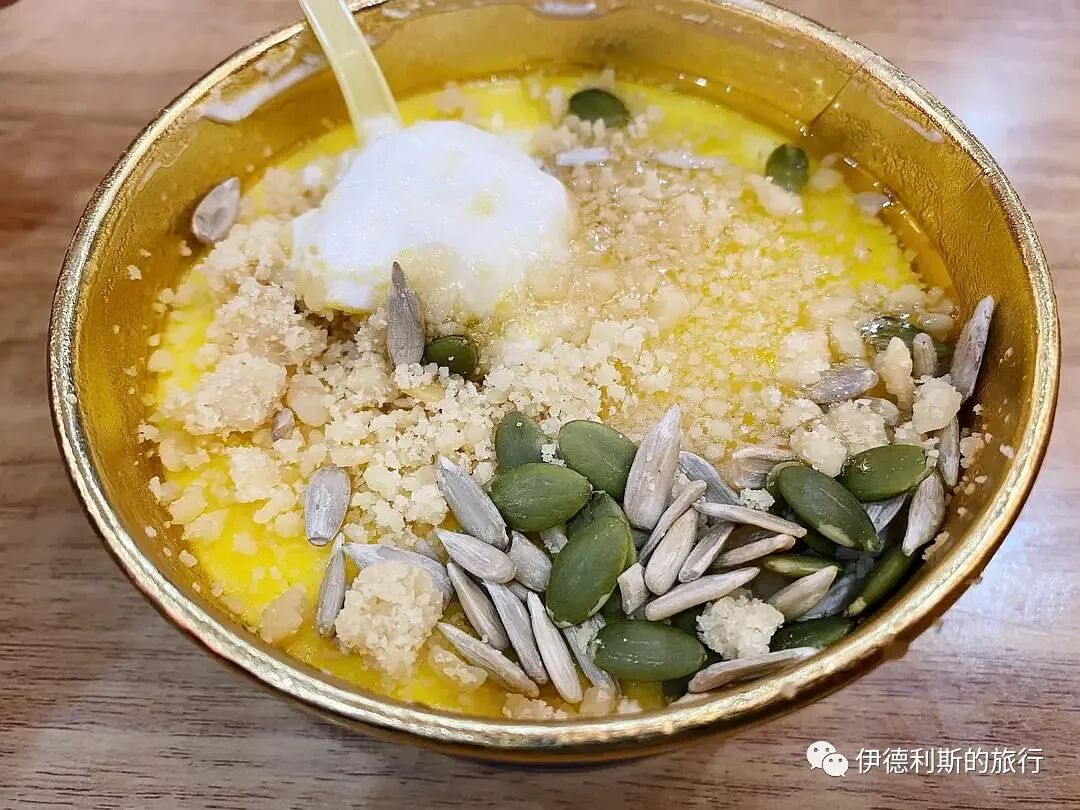
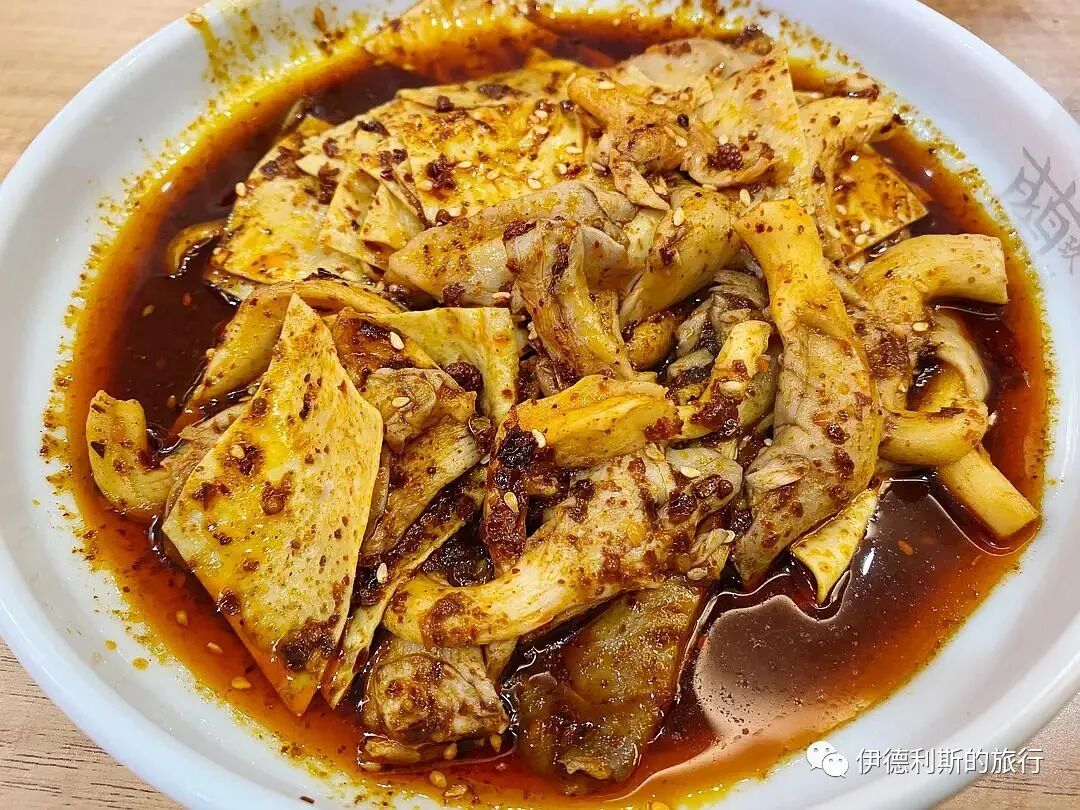
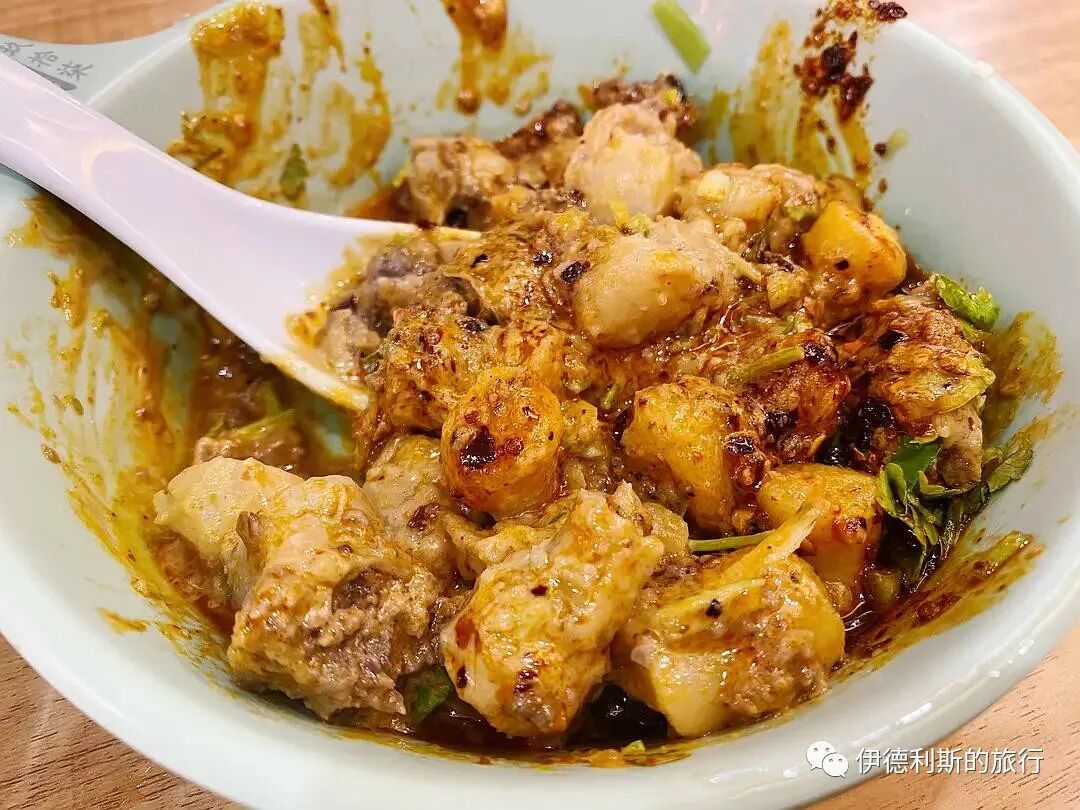
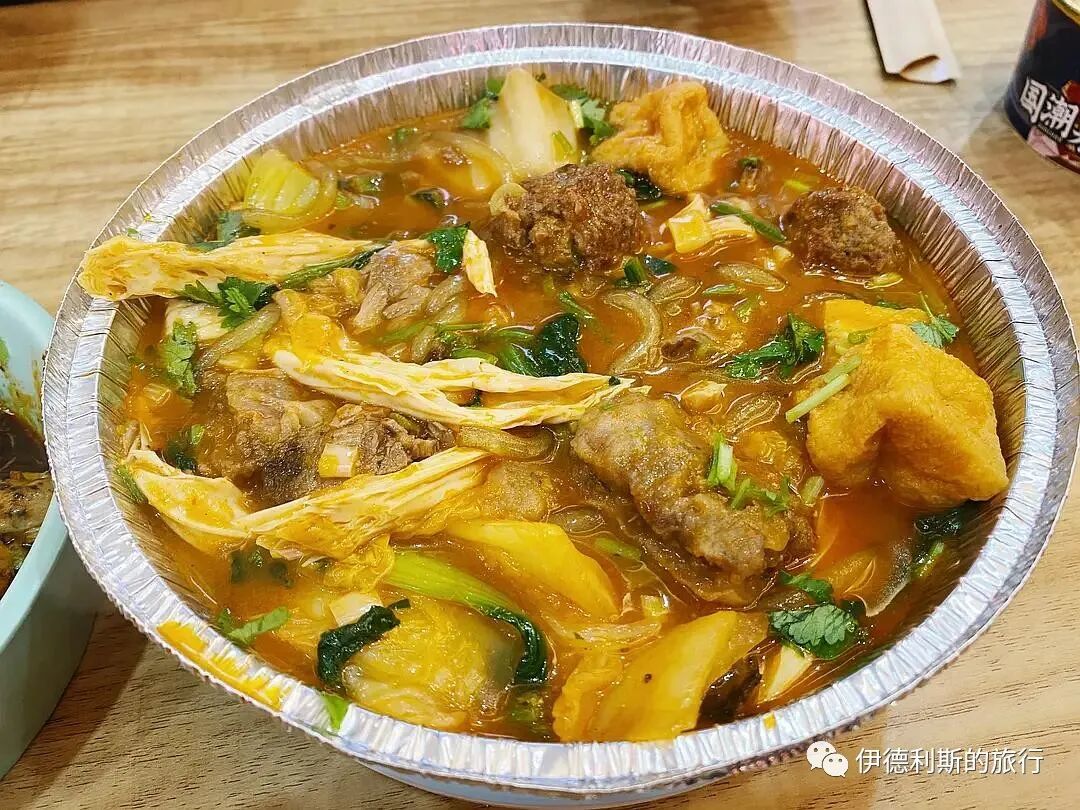
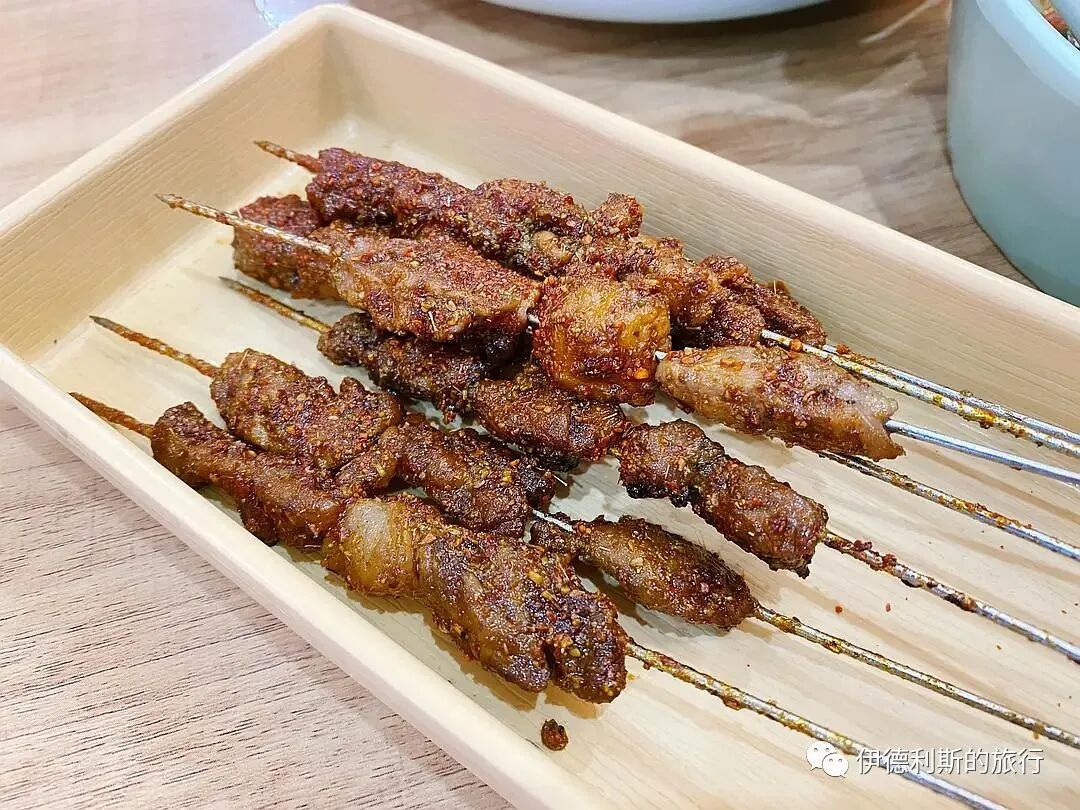
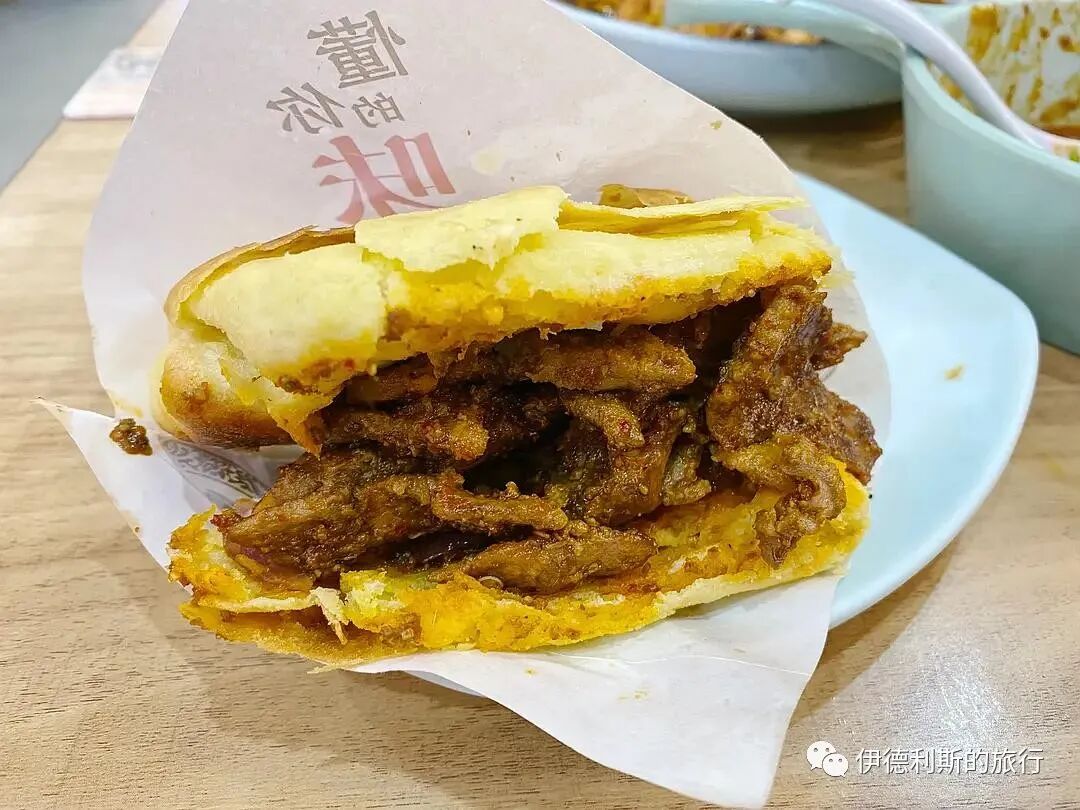
After seeing the Palace Museum's Dunhuang exhibition in the afternoon, I went to the Lanzhou snack shop Lan Jiu Shi Qi inside the Rainbow Shopping Mall at Olympic Park in the evening. It felt like a virtual trip to Gansu. This shop has a wide variety of snacks and is great for friends who love spicy food. We ordered mixed vegetable stew (huicai), sausage-stuffed noodles (fazi mianchang), braised noodles (lumian), a mix of saucy tofu skin and oyster mushrooms, half a portion of lamb skewers, apricot skin tea (xingpishui), yogurt with crushed walnuts and sunflower seeds, and packed a grilled meat sandwich (roujiamo) to go. The mixed vegetable stew and sausage-stuffed noodles were the best. The stew had many meatballs and fried meat patties (jiasha), which had a great texture. The texture of the braised noodles wasn't great, and the apricot skin tea was a bit too sweet and harsh on the throat. Everything else was pretty good. The place was packed at night, and we had to wait for a table.
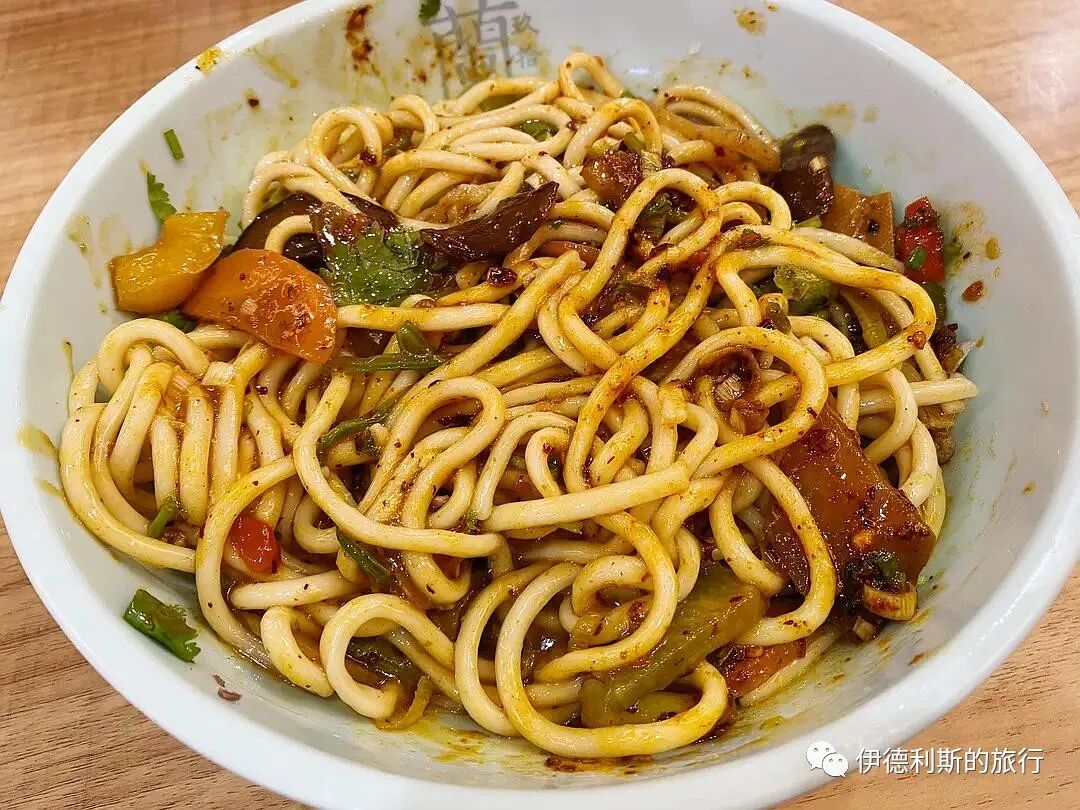
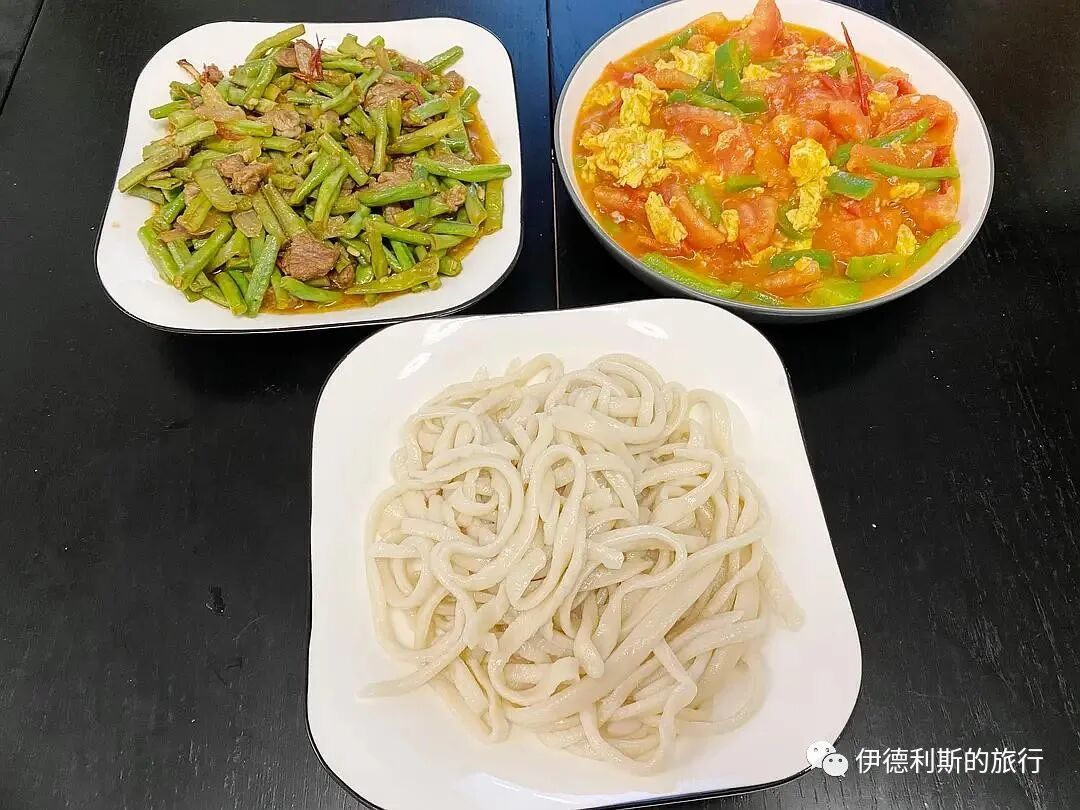
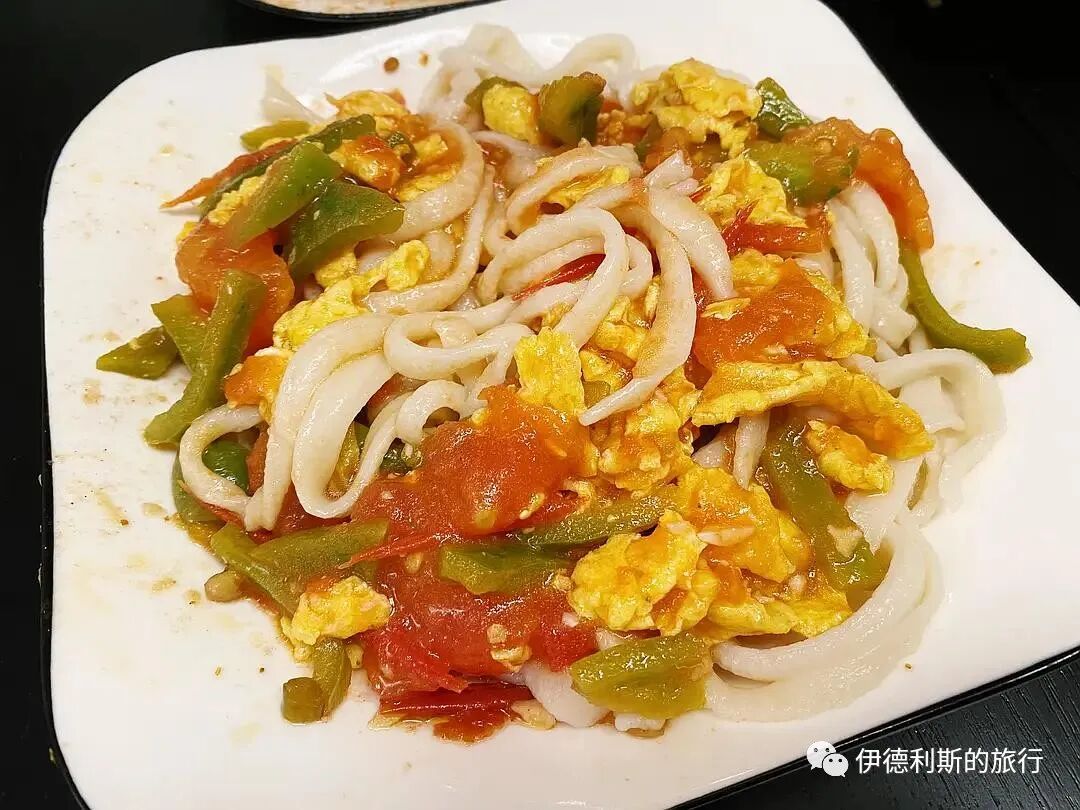
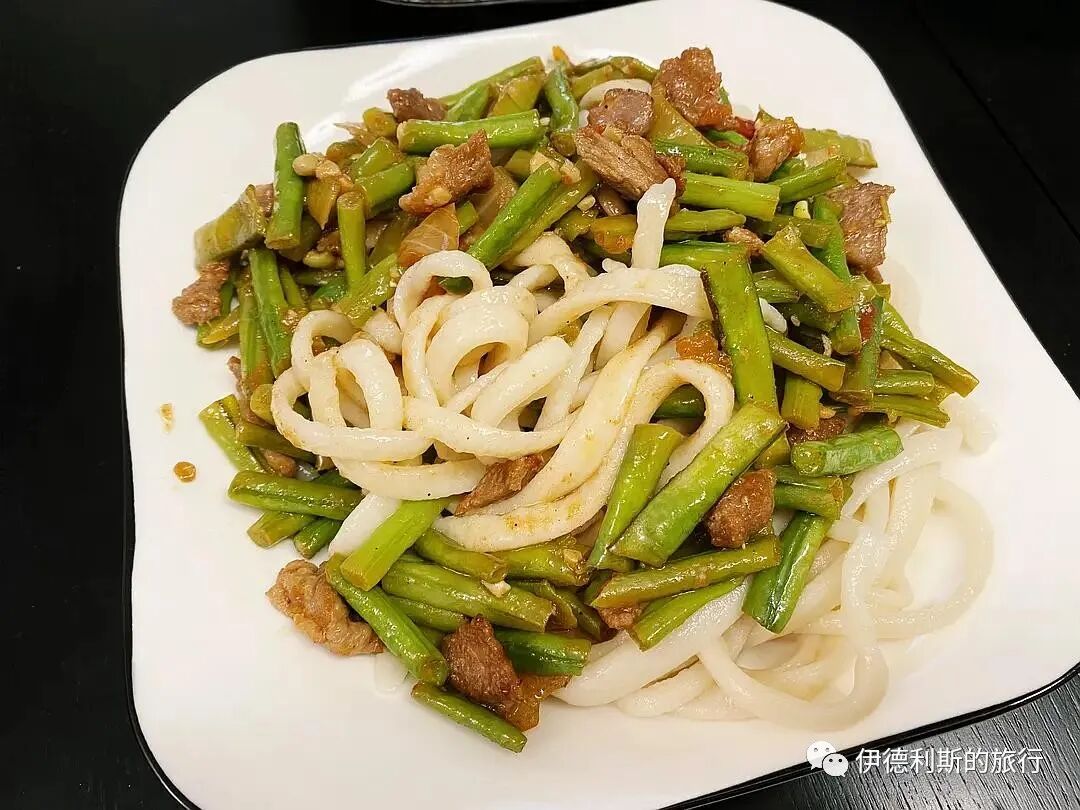
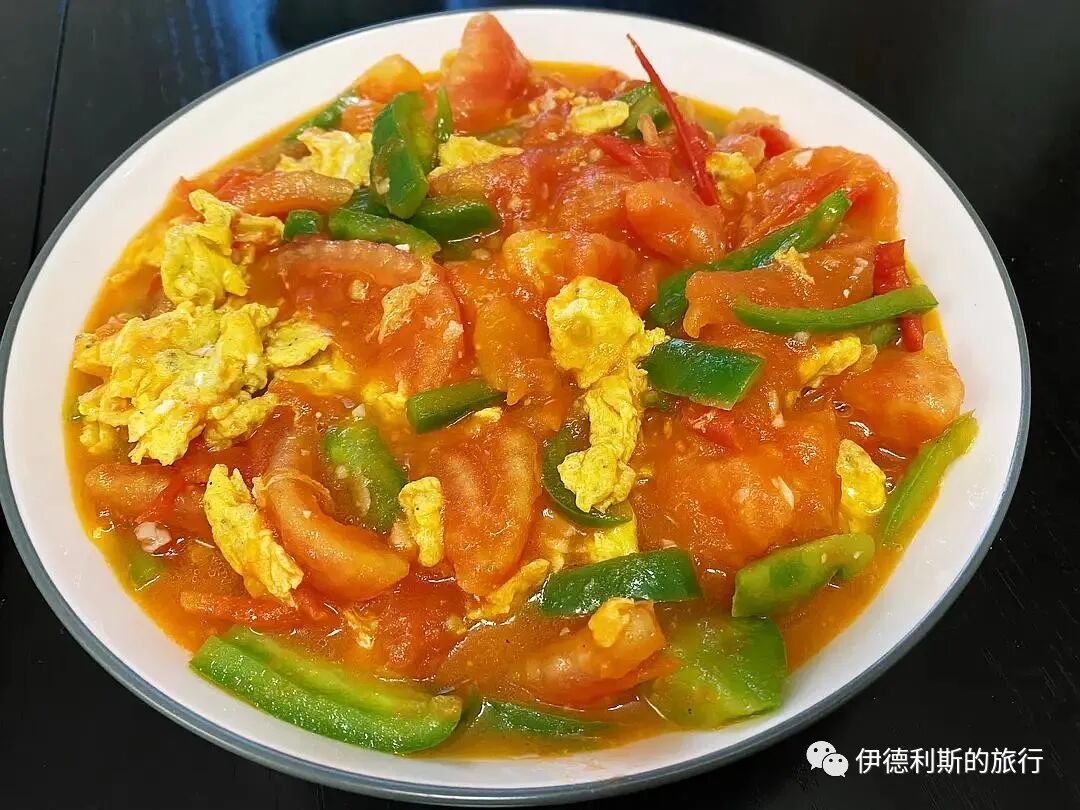
September 21, making hand-pulled noodles (latiaozi) at home.
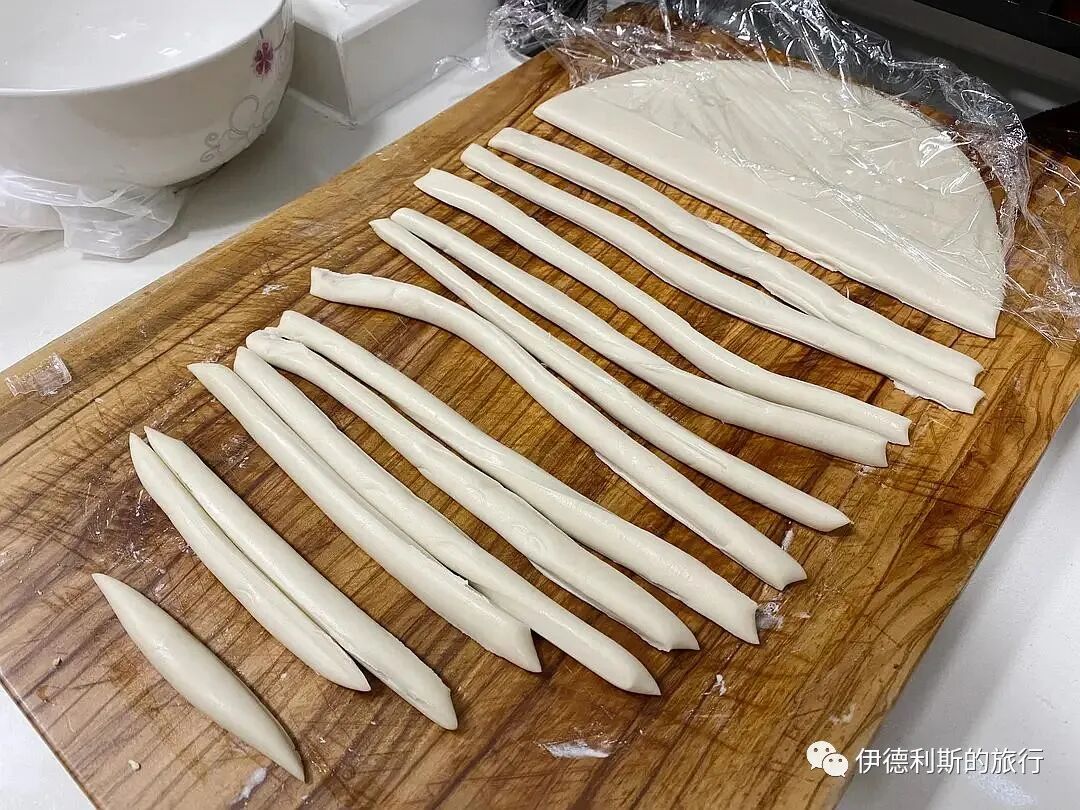
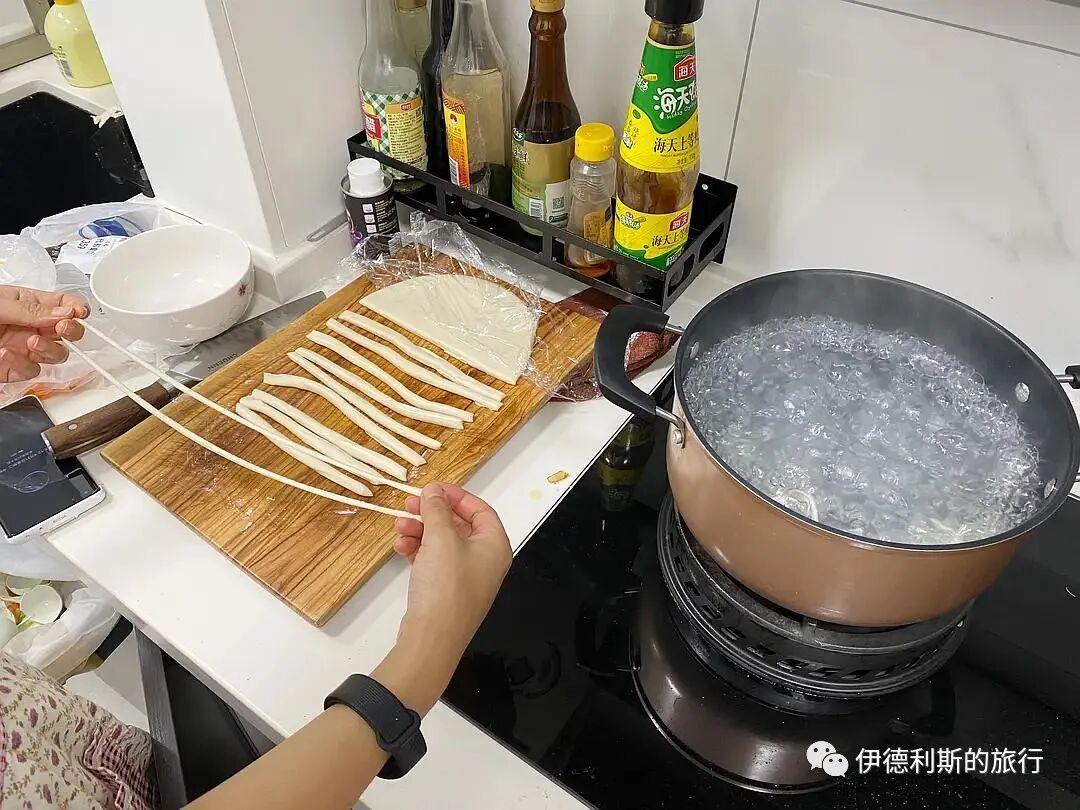
I bought groceries to make Lagman at home. Zainab made the noodles while I made the cowpea with meat and the western-style spicy eggs. We worked together perfectly!
September 22, Xilaishun.
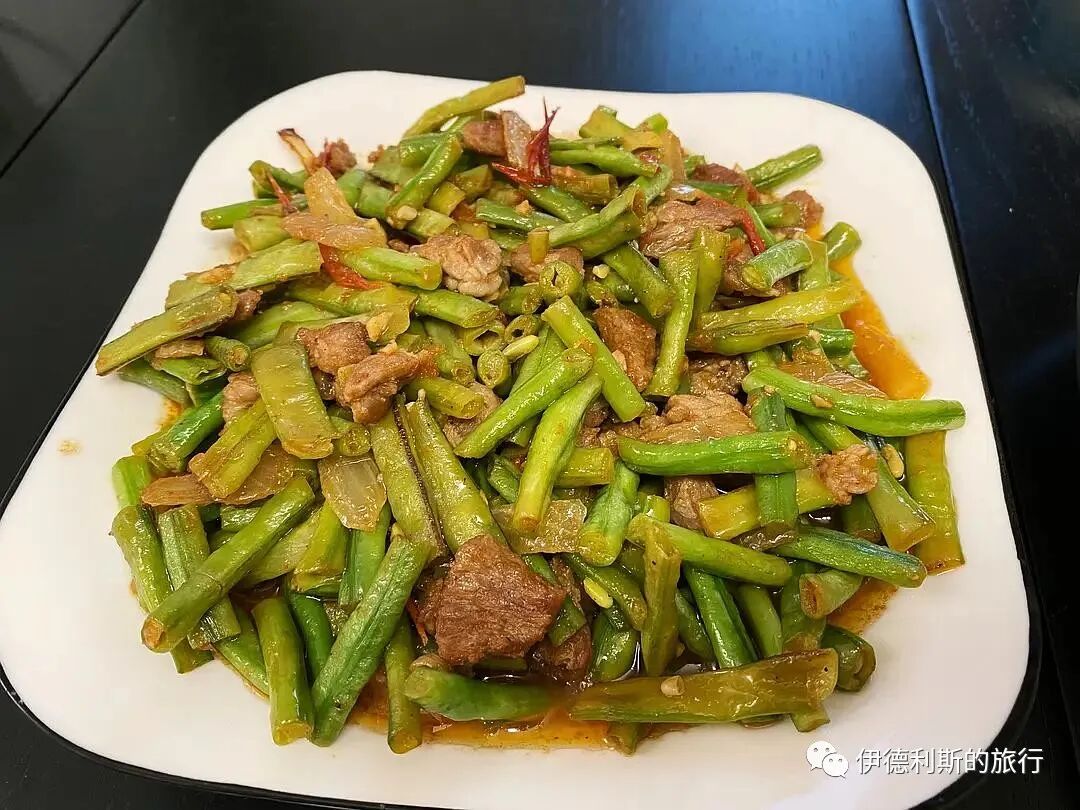
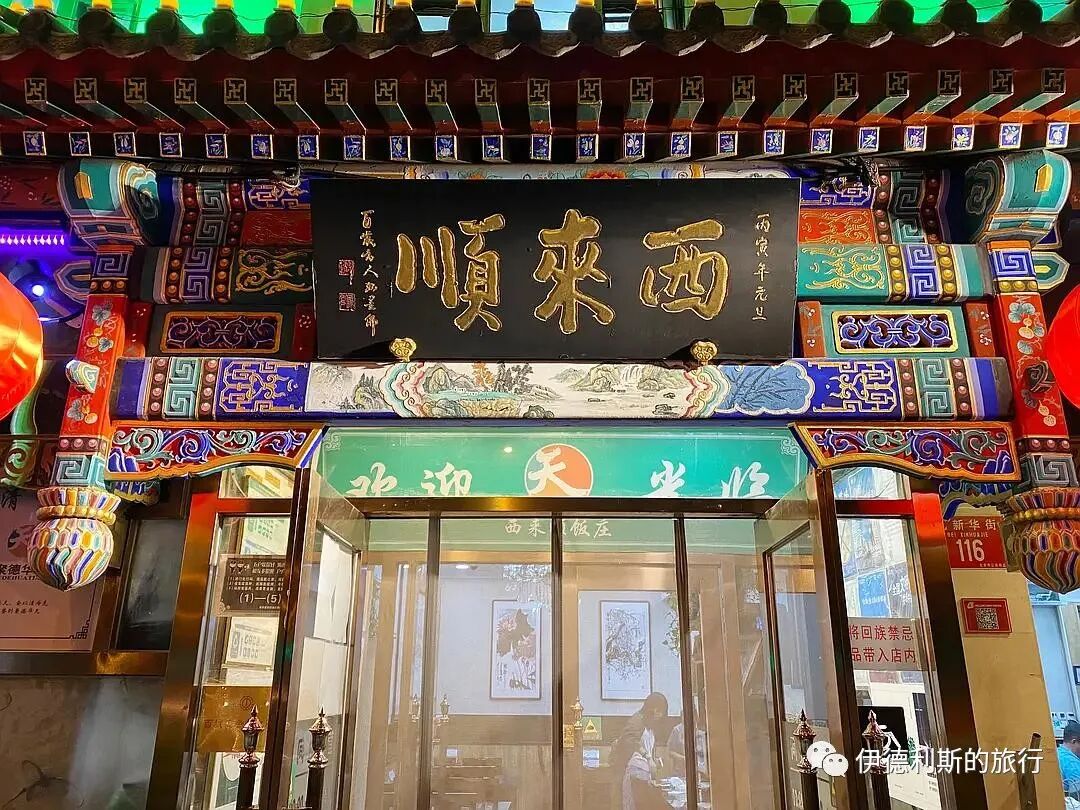
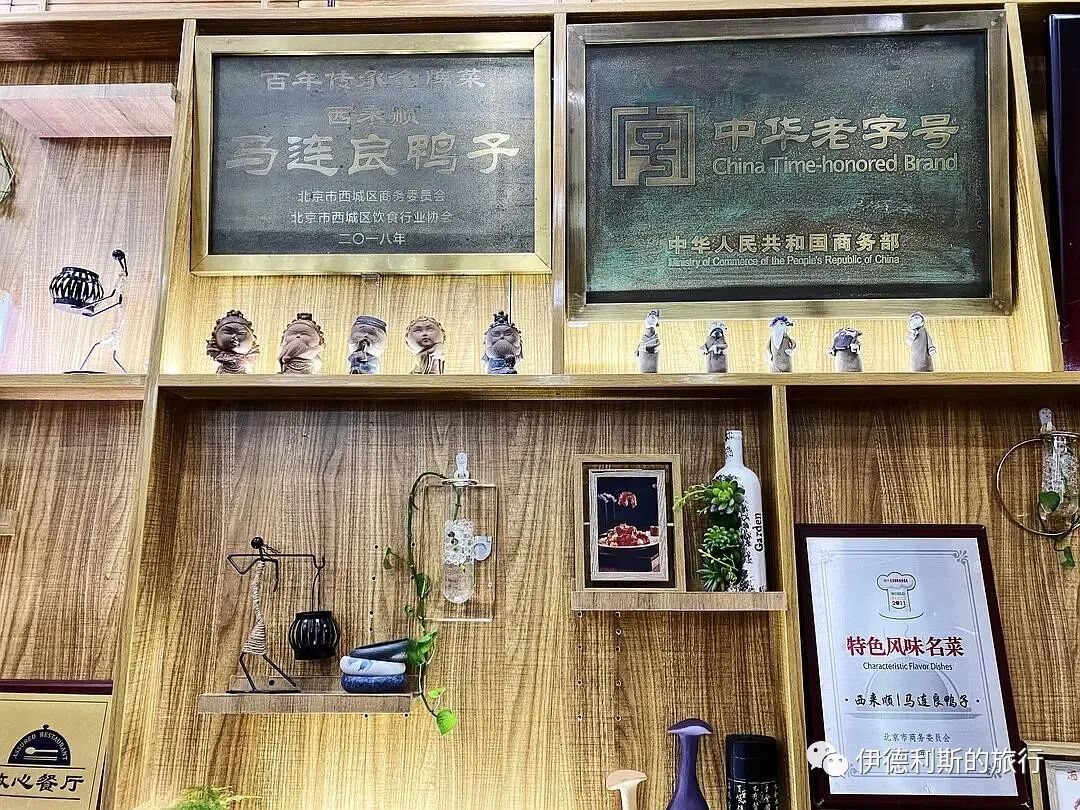
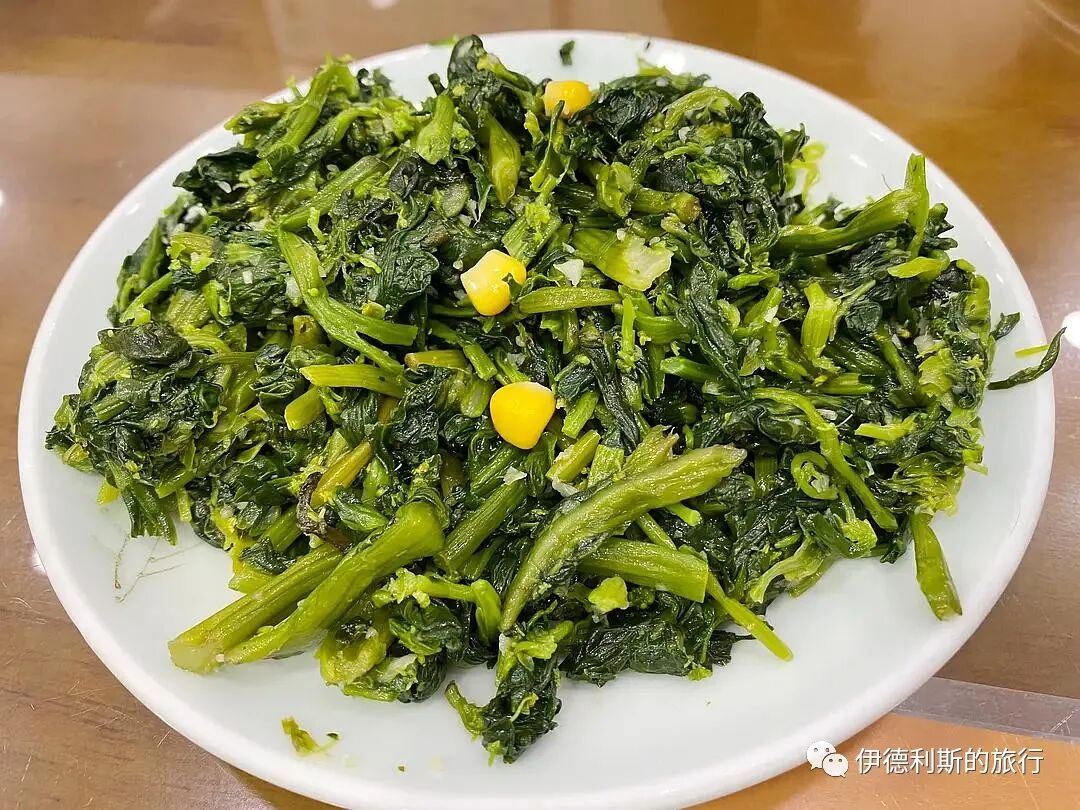
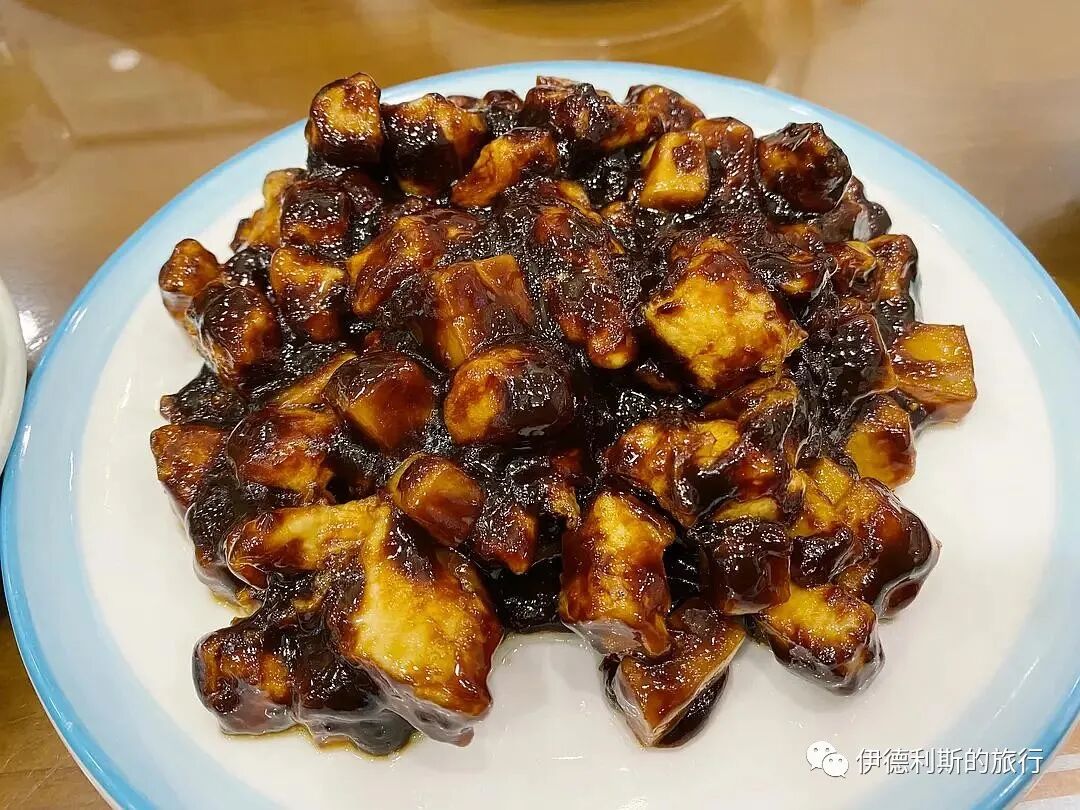
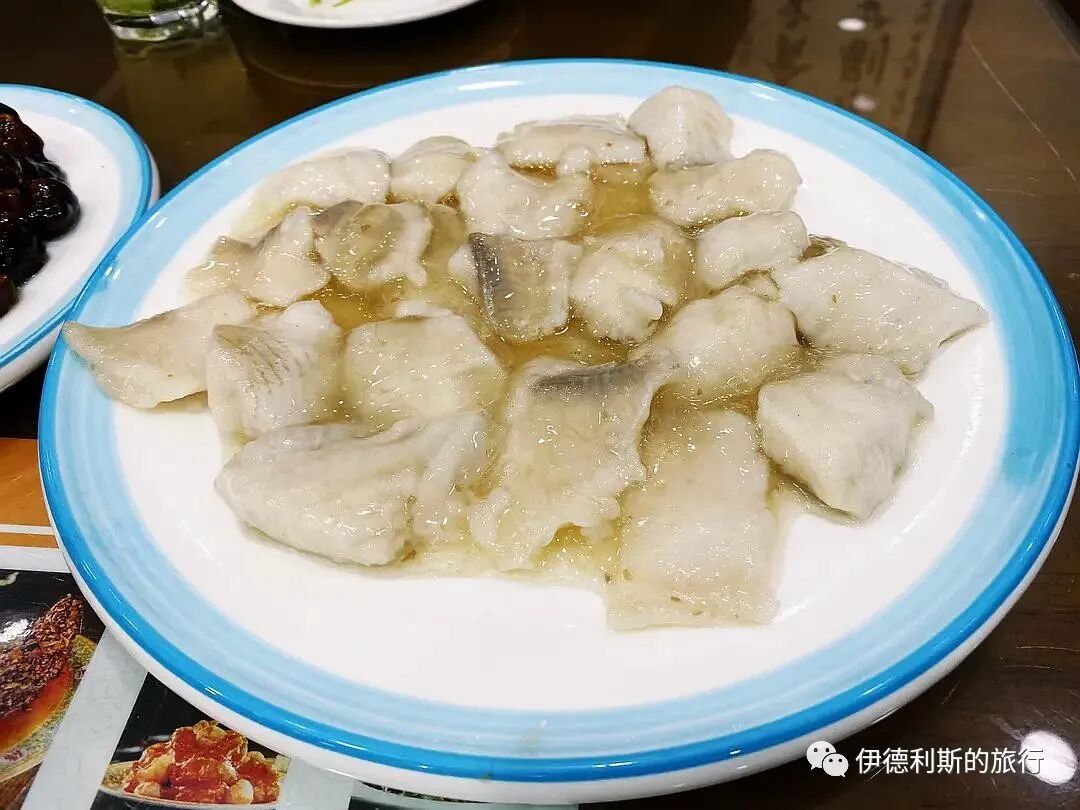
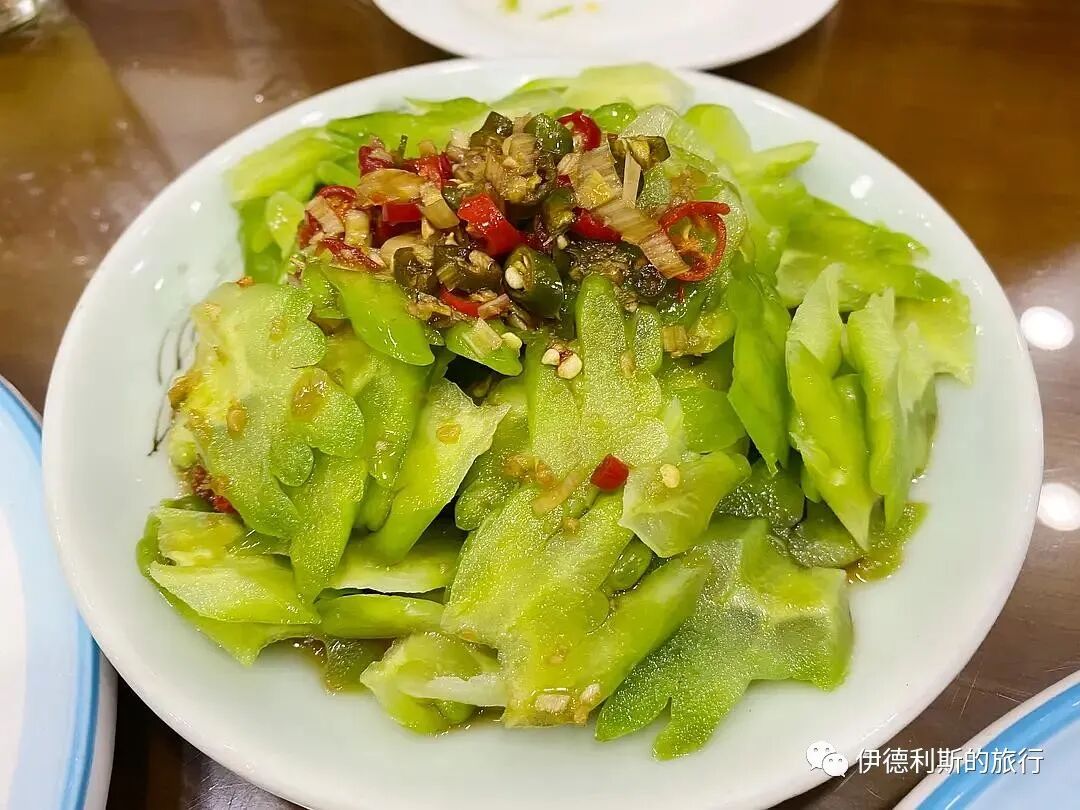
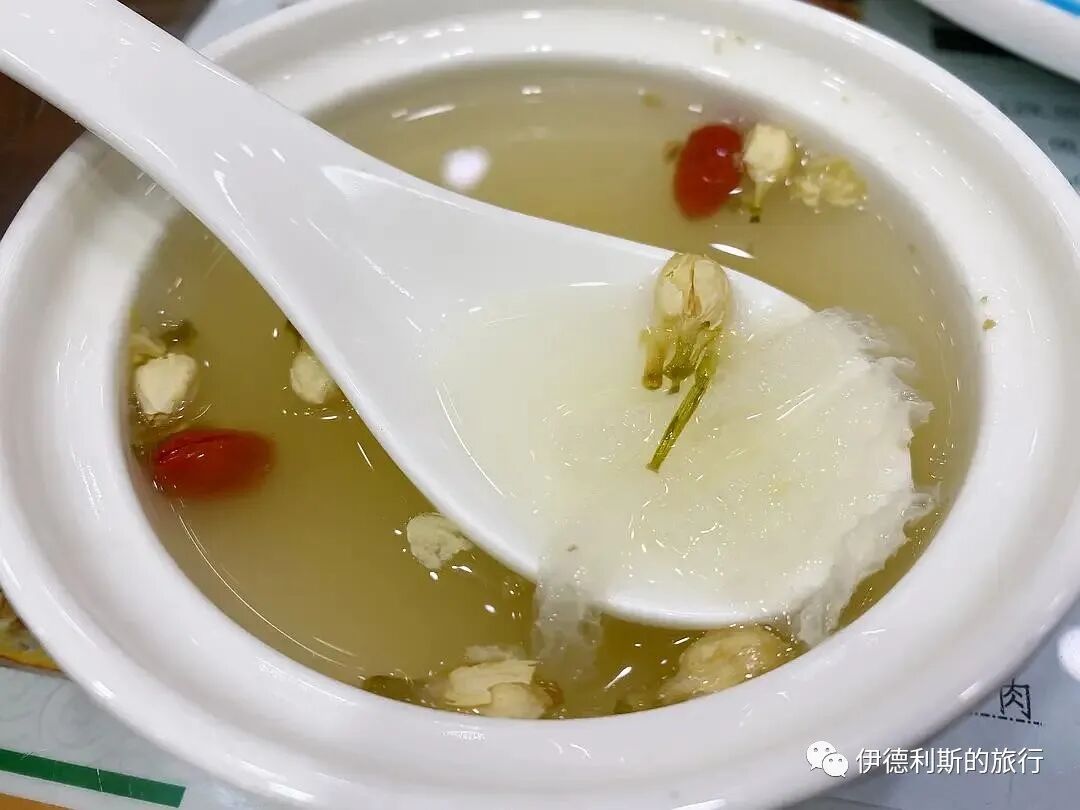
At Xilaishun in Hepingmen, I had soy-sauce stir-fried chicken cubes (jiangbao jiding), white-braised fish fillets, mixed wild mountain vegetables, five-flavor bitter melon, and jasmine bamboo fungus soup. The soy-sauce stir-fried chicken cubes and bamboo fungus soup are things I eat often. The chicken is quite sweet, so people from regions outside the Lu cuisine tradition might not be used to it. The white-braised fish fillets weren't as milky white as the ones at Tianjin Yuquan Restaurant, but the taste was okay. The five-flavor bitter melon was very spicy.
September 24, Muyixuan.
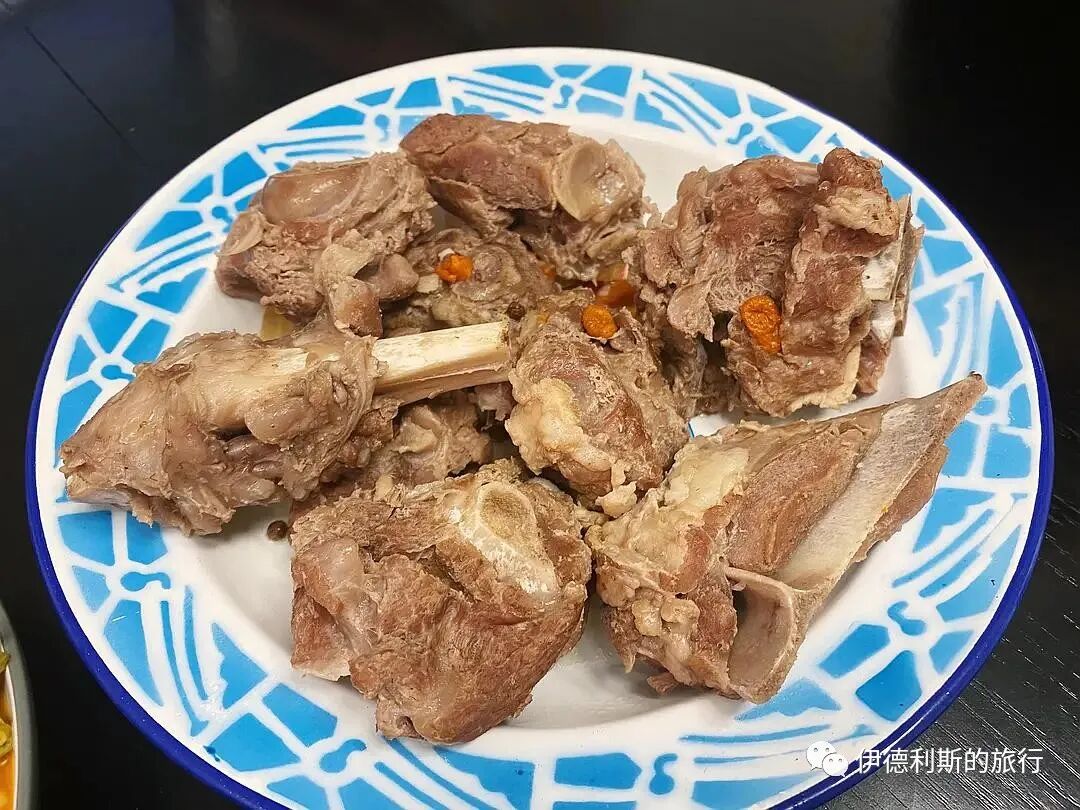
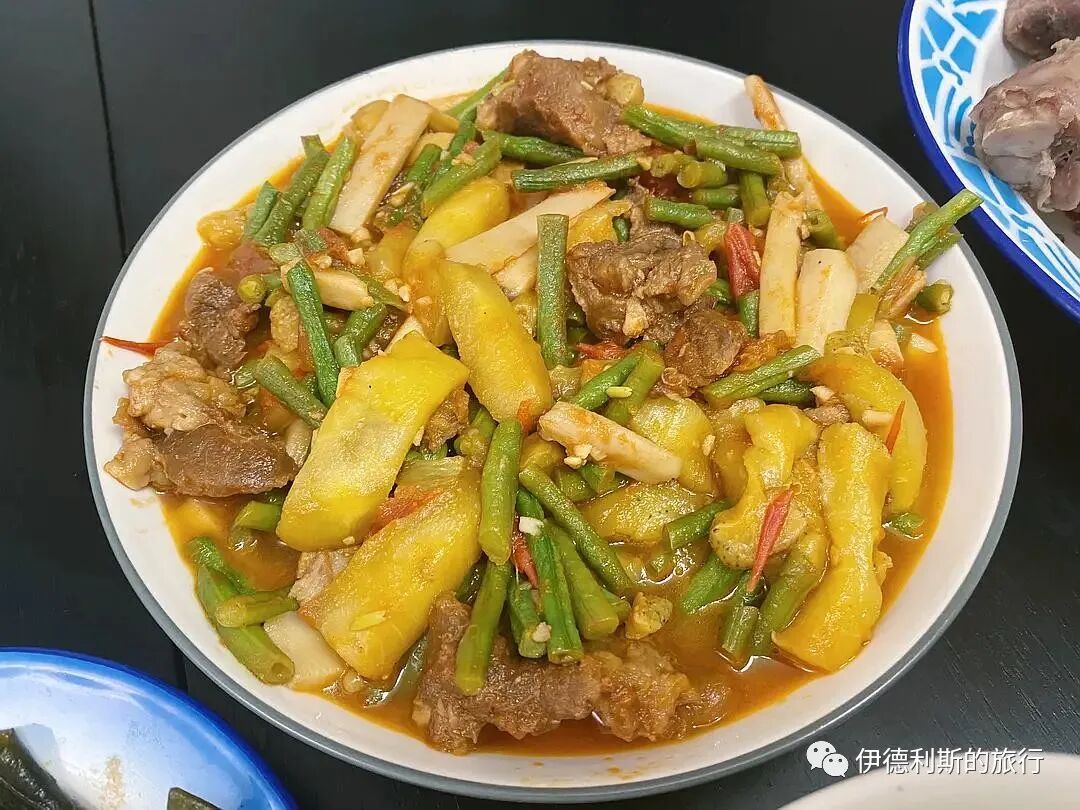
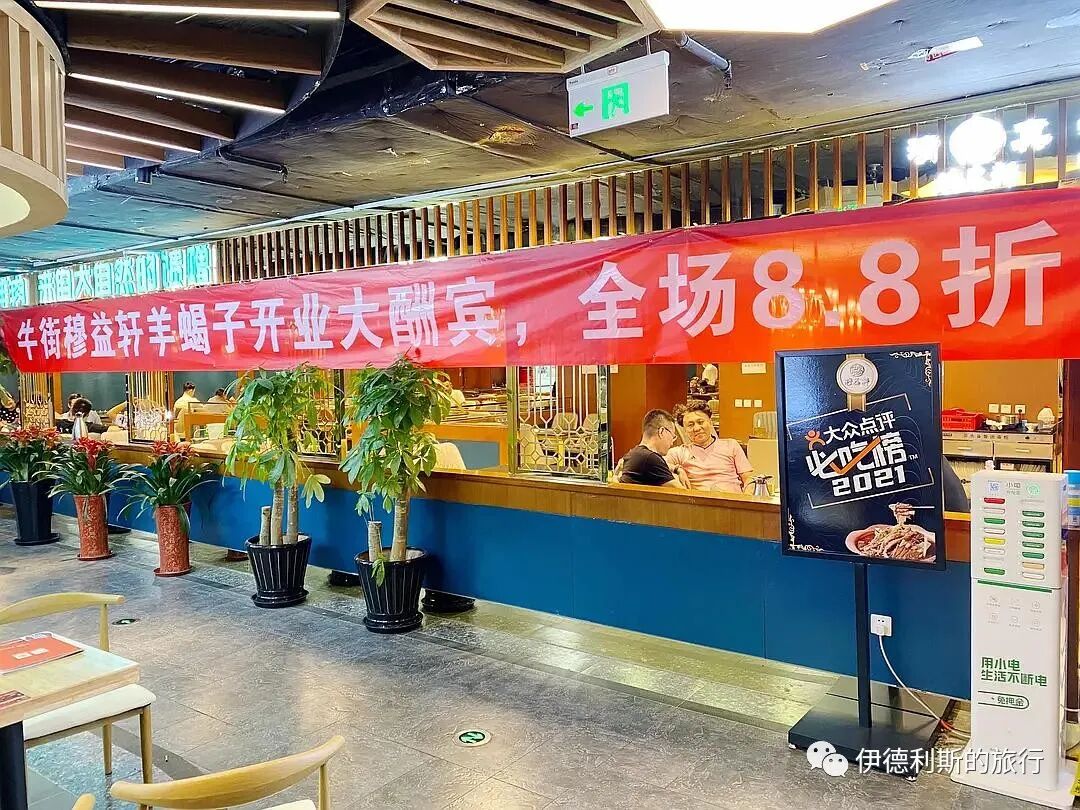
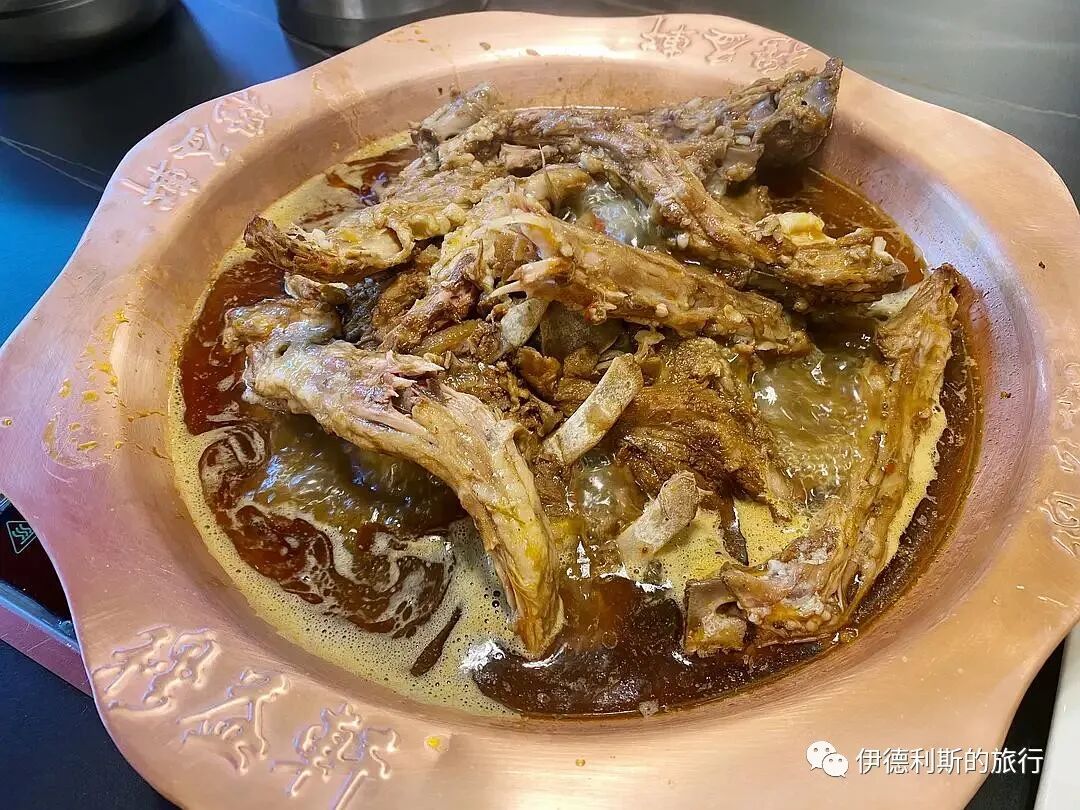
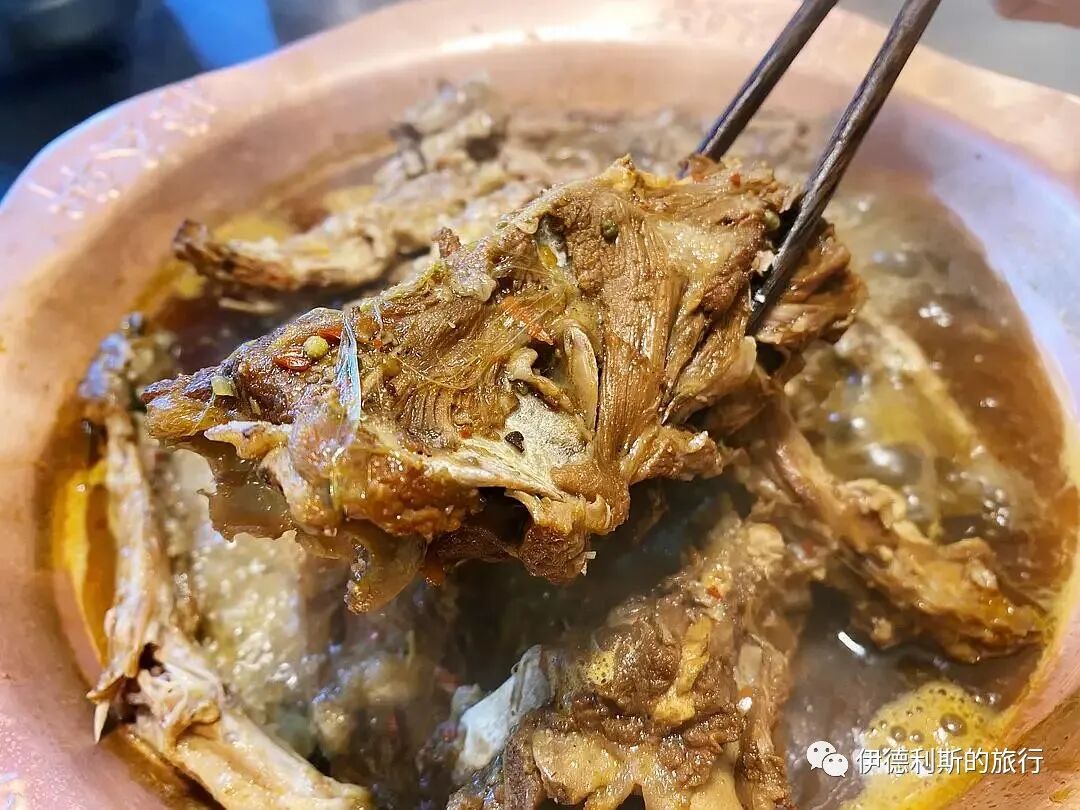
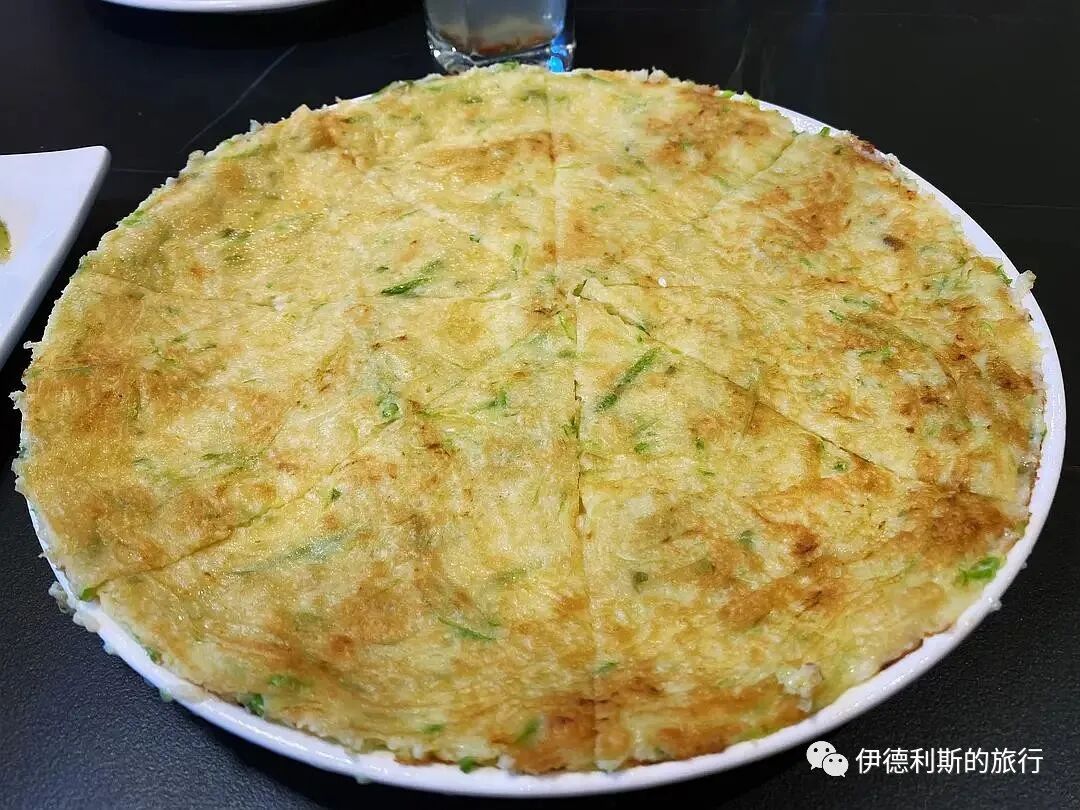
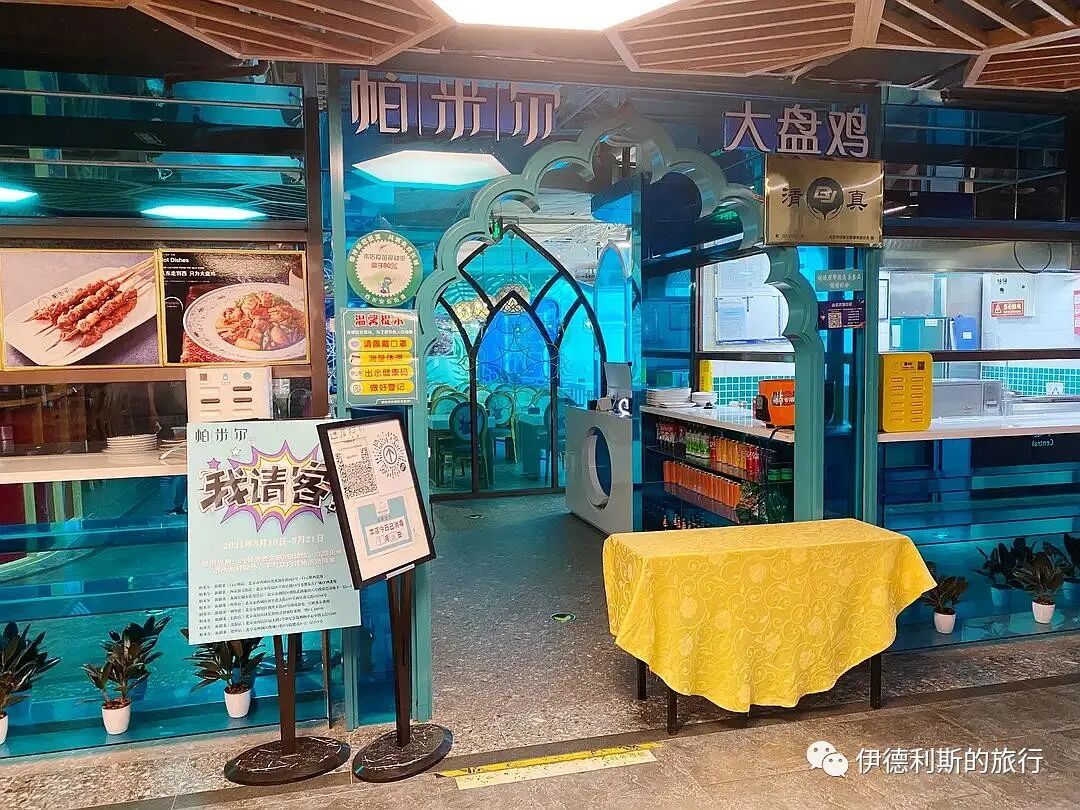
A new food street called Shibaojie opened in Xidan Friendship Shopping Mall, featuring Muyixuan and Pamir Big Plate Chicken (dapanji). Now there are places to eat when I'm in the Xidan area. At Muyixuan, we had our usual order: the lamb spine and lamb tail hot pot. We picked the meat off the lamb spine and gnawed on the lamb tail; each had its own charm. Then we had a zucchini pancake (hutuzi) with two cold side dishes. It was quite good.
September 24, Xinyuezhai in Douban Hutong.
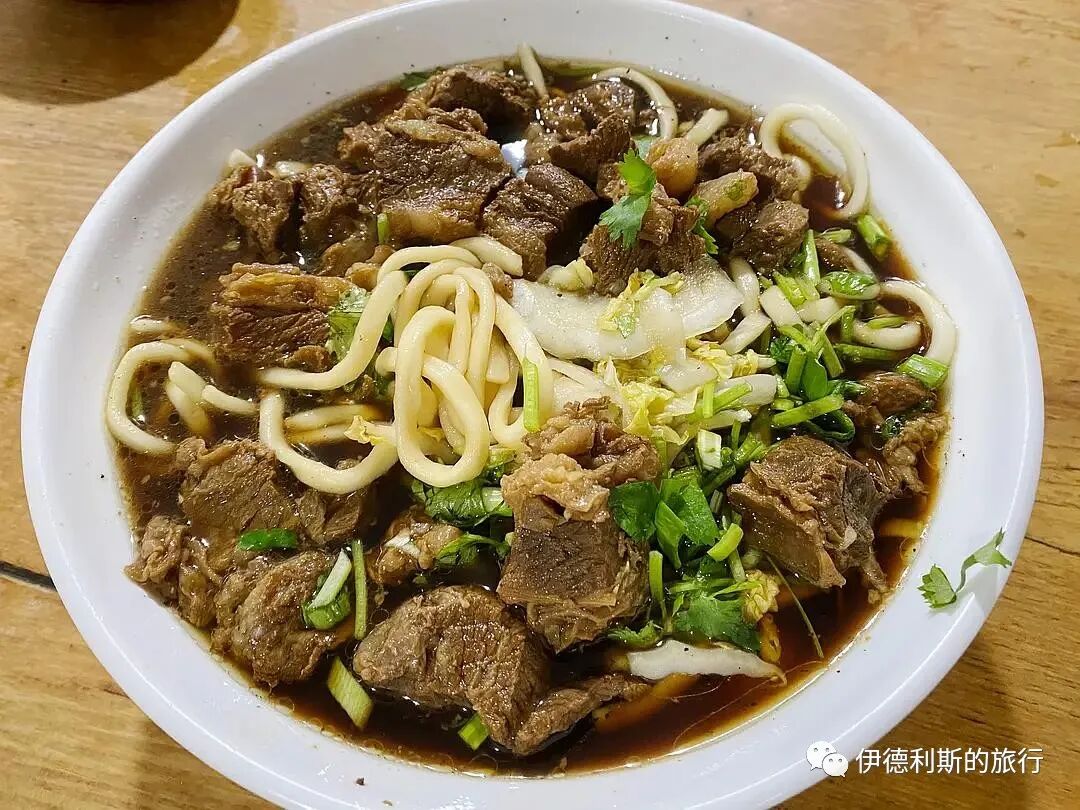
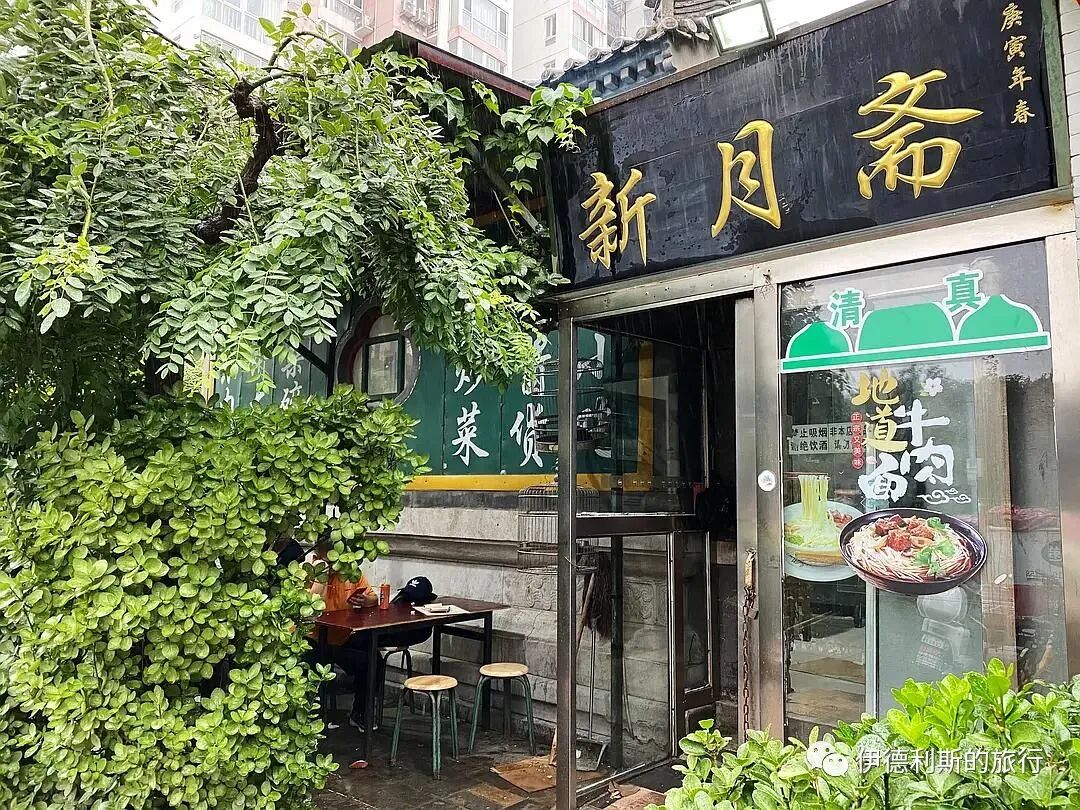
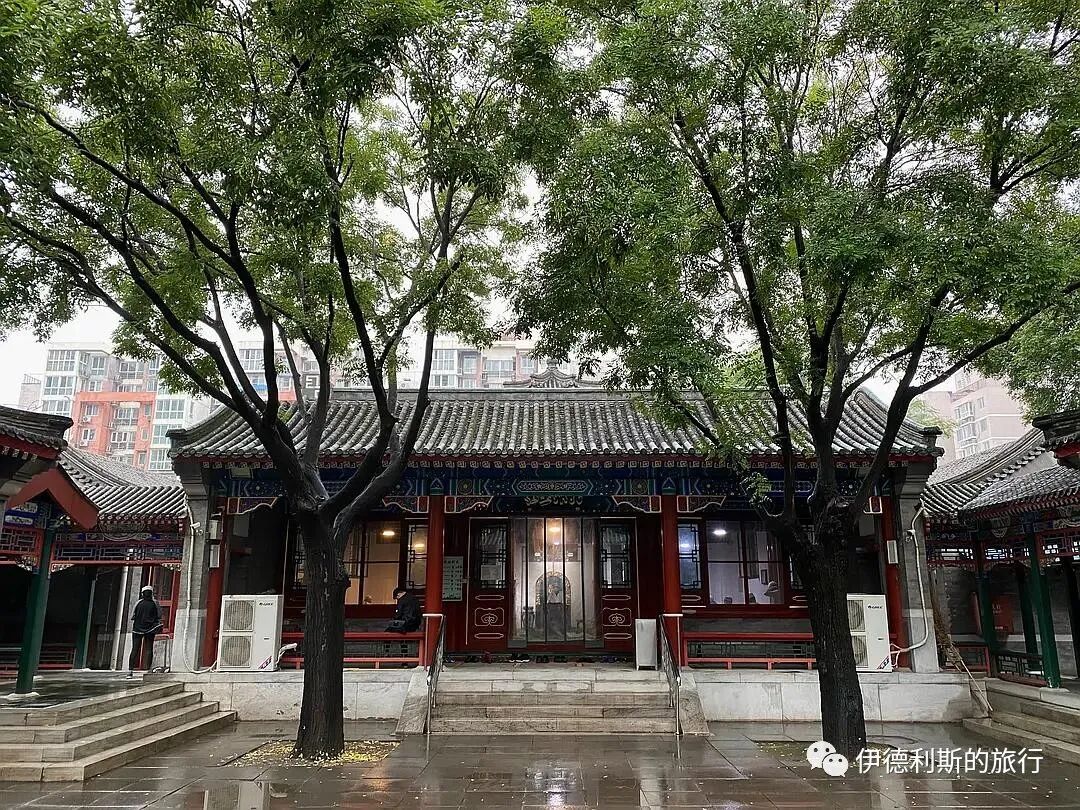
Autumn rain, beef noodles with extra meat at Xinyuezhai.
September 25, Liangtaoxuan Hezhou Noodle Restaurant.
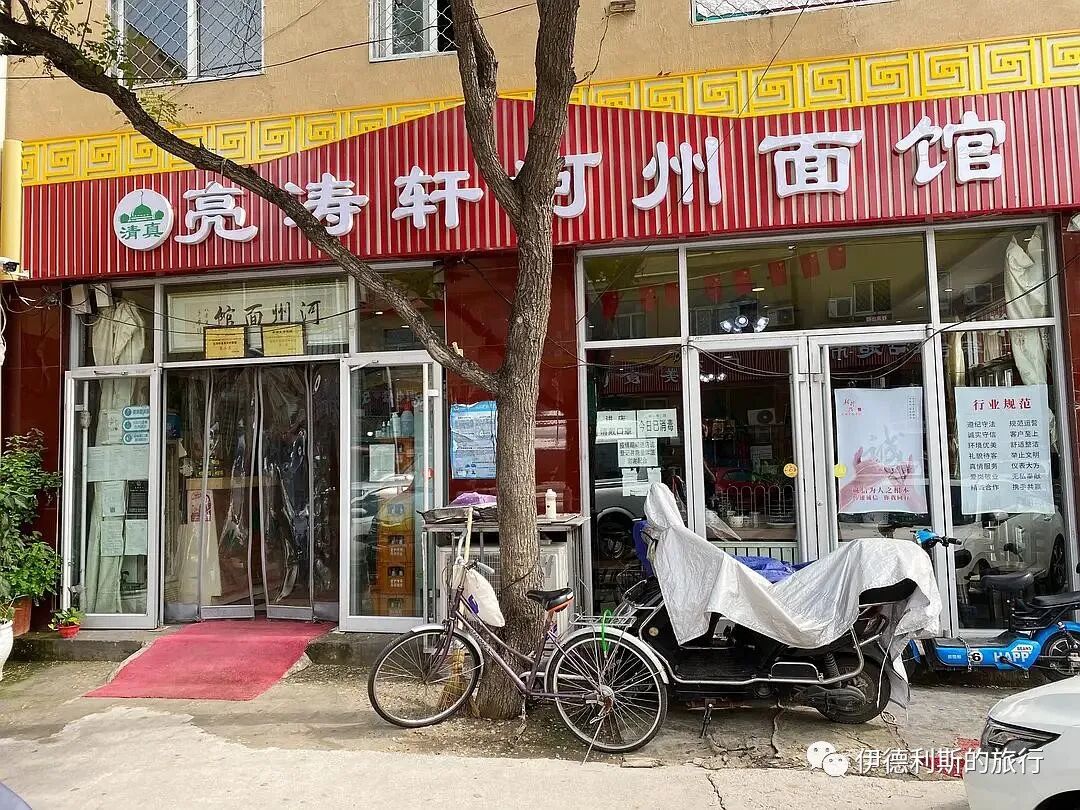
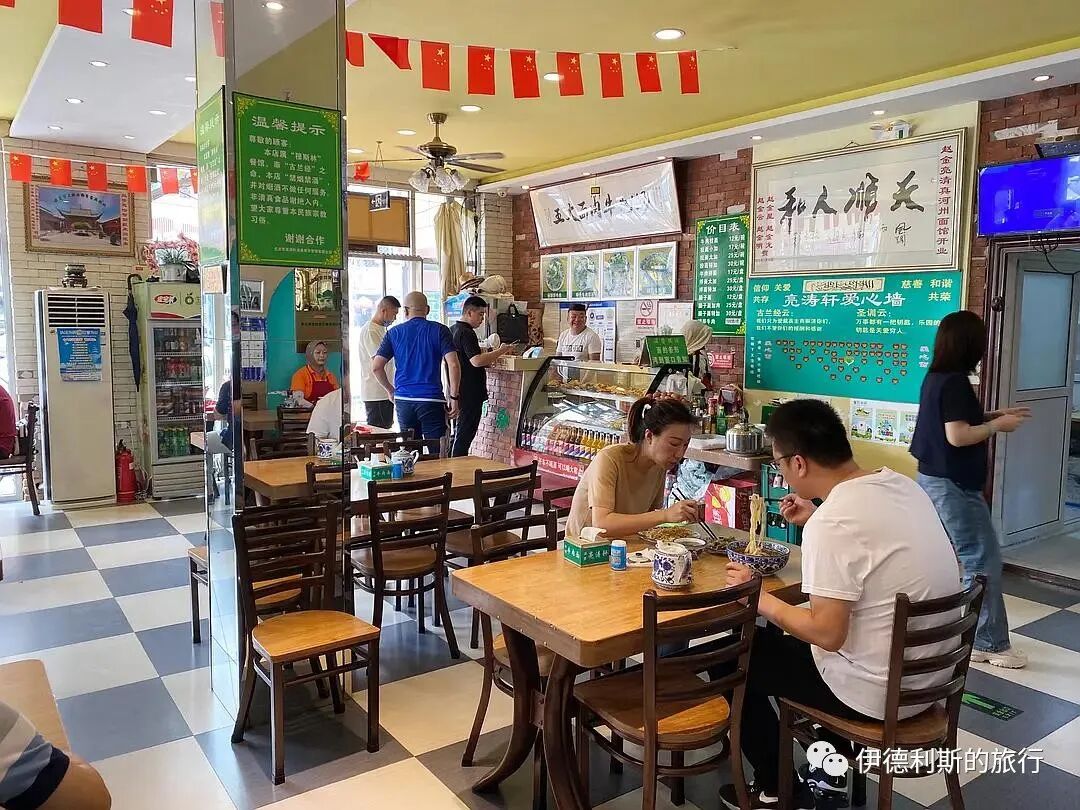
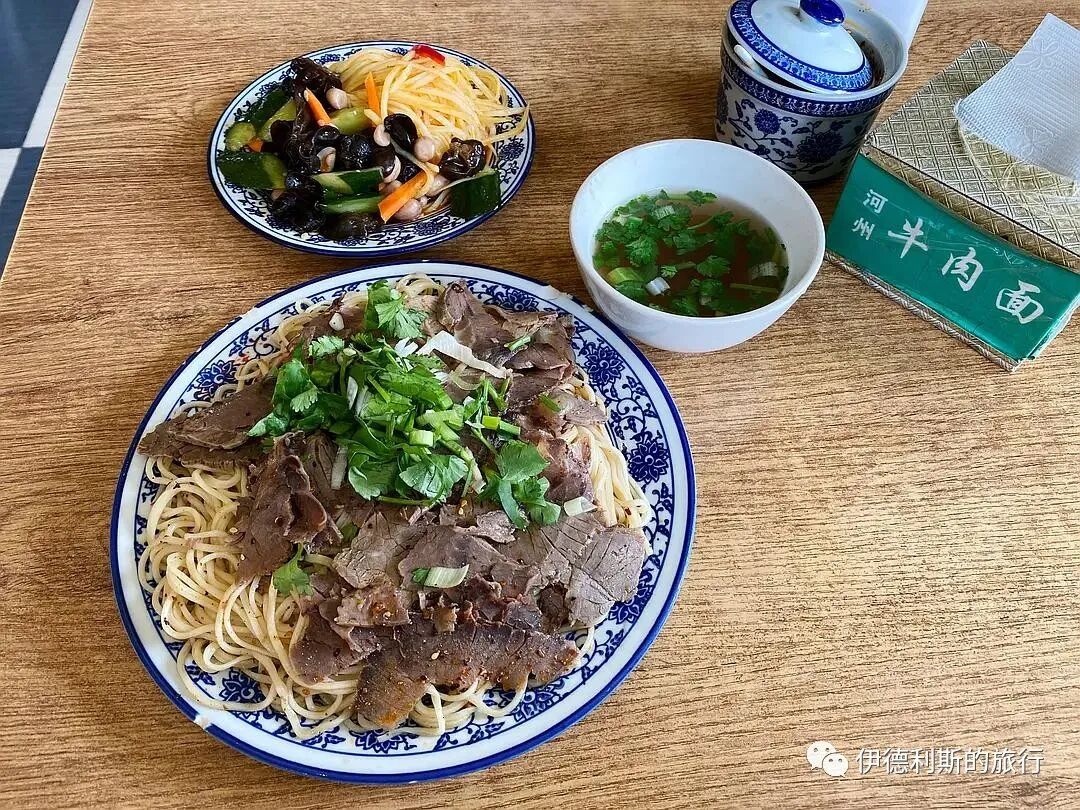
I'm used to eating at Baizuan in Shilihe, but today I went to the Liangtaoxuan Hezhou Noodle Restaurant next to it. I ordered the special mixed noodles and cold side dishes. The meat broth is free to refill. The mixed noodles were delicious! The noodles have a great texture and the meat is not dry at all. After eating here, the hand-pulled noodles (lamian) shop near my office just doesn't taste as good anymore. The atmosphere in the shop is also very nice, and they even have a photo of the old Hua Mosque (Lao Hua Si) in Linxia hanging on the wall.
I have to complain about Luying Street in Shilihe. It used to be a one-of-a-kind food street in Beijing that brought together restaurants from all over the country. Instead of promoting it, the local authorities replaced the unique, attractive storefront signs with boring, generic ones. If you plan to visit both the Panjiayuan and Daliushu antique markets on the weekend, Shilihe is a perfect place to stop for lunch.
Summary: Beijing Autumn Diary — Mosques, Halal Food and Muslim Heritage is presented here as a firsthand travel account in clear English, beginning with this scene: After a night tour of the mummy exhibition at the Century Altar, I went to Jiasan Steamed Buns (baozi) at Baiyunguan for lamb pita bread soup (yangrou paomo). The account keeps its focus on Beijing Halal Food, Beijing Mosques, Muslim Heritage while preserving the names, places, food, and historical details from the Chinese source.
September 3, Jiasan Steamed Buns (baozi) at Baiyunguan.
After a night tour of the mummy exhibition at the Century Altar, I went to Jiasan Steamed Buns (baozi) at Baiyunguan for lamb pita bread soup (yangrou paomo). I also ordered a water basin soup (shuipen) without vermicelli but with extra dried tofu, eight-treasure sweet porridge (babao tianxifan), pickles, lamb skewers, and Bingfeng soda.
Several ways to eat pita bread soup (paomo): mouth soup (koutang), water-surrounded city (shuiweicheng), separate serving (danzou), wide soup (kuantang), dry soak (ganpao), and one-split-two (yikai'er).
Delete
September 4, Wang's at Xilou Hutong.
Early in the morning, I finished walking through the morning market outside Dongzhimen and had breakfast at Wang's in Xilou Hutong. I had a meat-filled baked bun (huoshao jiarou), tofu pudding (doufunao), and soy milk. I was afraid of rain, so I didn't eat in the alley, but it didn't rain at all after I finished.
September 4, Making big plate chicken (dapanji) at home.
In the afternoon, I had big plate chicken (dapanji) at home. I bought a free-range chicken at the Changying halal supermarket on Friday. Today, I cut it up, and Zainab stir-fried the big plate chicken (dapanji). We also made some delicious belt noodles (pidaimian). After eating, we drank some warm brick tea (zhuancha). It was perfect for the weather between late summer and early autumn.
September 5, Xingshengzhai in Baiwanzhuang.
At noon, I went to Xingshengzhai in Baiwanzhuang. It is located in the commercial area planned in 1953 for this "first residential area of New China." This was China's earliest practice of the "neighborhood unit" design concept, where several open residential communities share one commercial area. Because there is a courtyard, we could eat outside. It was perfect for the cool weather after today's rain. We ordered stir-fried chicken cubes with bean paste (jiangbao jiding), pan-fried tofu (guota doufu), and fermented bean curd (madoufu). We also grilled vegetable rolls. There are really not many halal restaurants in downtown Beijing where you can eat in a courtyard.
September 7, Qingu in Changying.
I just went to Changying and asked, but there is no news about the Friday prayer (jumu'ah) yet. Then I bought a sugar-rolled fruit (tangjuanguo) and had a beef stone pot bibimbap at Qingu. It was delicious.
September 9, Received mooncakes sent by Imam Feng Yong from the Nanchong Mosque in Sichuan.
I received mooncakes sent by Imam Feng Yong from the Nanchong Mosque in Sichuan. There were traditional large hemp cakes (damabing), as well as beef and five-nut mooncakes. The beef mooncakes are filled with beef, fresh eggs, nuts, sesame, walnuts, white sugar, rapeseed oil, sesame oil, kumquat, Nanchong salt, and Sichuan peppercorns. The flavor is very rich. This is also part of the Nanchong municipal-level intangible cultural heritage.
September 9, Ziguangyuan affordable canteen on Meishuguan Houjie.
After work, I went to the Ziguangyuan affordable canteen on Meishuguan Houjie. There were few vegetable dishes, and the main focus was roast duck. They also had some stir-fried, stewed, and steamed dishes (zhengwan). Unfortunately, the stir-fried dough bits (chaogeda) were only available in a three-fresh version, which I couldn't eat because of my shrimp allergy. I ordered stewed beef, a mix of stewed kelp knots, bean curd sheets, and lotus root, stewed meatballs, and steamed hairtail. It tasted like home cooking, perfect for when you don't want to cook after work, and the price is not expensive. The waiters were enthusiastic. There was free watermelon, and they also gave us some steamed jujube cake (zenggao).
September 10, Eid al-Adha (Qurban) lamb.
After getting home from work, I immediately started stewing the Eid al-Adha (Qurban) lamb I had stored in the freezer. I skimmed the foam and used a pressure cooker to save time. Then I stir-fried eggplant with fermented beans and king oyster mushrooms. After the lamb was stewed, I used the lamb broth to stew some cabbage and tofu. It was quite fragrant.
September 11, Turkish restaurant Qubbe.
A new Turkish restaurant called Qubbe recently opened next to Xiting Xiuse. The head chef is from the Turkish Embassy. Our Beijing jamaat gathered there for dinner last night. The food was delicious, and it was a joy to see old friends (dosti) and meet new ones.
For appetizers, we ordered chicken soup, lentil soup, and mushroom soup—a classic start. For salads, we ordered feta cheese salad, shepherd's salad, chicken Caesar salad, and arugula salad.
For starters, we ordered hummus (chickpea puree), mutebbel (eggplant yogurt dip), babagannush (sesame eggplant dip), and tomato sauce eggplant.
For main dishes, we ordered thin flatbread (lavash), minced meat flatbread (lahmacun), black cumin sesame bread, hollow bread, double cheese pizza (pide), Mevlana meat pizza (pide), and doner kebab sandwiches. Their oven is fantastic!
For meat, we ordered a mixed grill platter for ten people. It included spicy Adana kebab, regular meat kebab, chicken skewers, lamb skewers, grilled chicken chops, and grilled lamb chops. It was quite a sight! We also ordered filet mignon and Iskender roast beef.
For dessert, we had classic baklava, milk pudding, and the amazing Turkish Mado ice cream. Mado is a famous Turkish ice cream chain from the city of Kahramanmarash in southeastern Turkey. They used to have shops in Yiwu and Guangzhou, and now they have finally opened in Beijing. It is likely the most authentic Turkish ice cream in China, made entirely with goat milk from their hometown of Kahramanmarash.
September 12, breakfast at Turkish restaurant Qubbe.
I visited Qubbe again this morning to try the Turkish breakfast. The chef from the Turkish Embassy was there. We had three types of olives, six types of cheese, and five types of dips. It was very rich, and every cheese had a different texture and level of sweetness or sourness. We paired it with thin flatbread and the classic Turkish sesame bagel (simit).
The earliest record of the simit bagel in Istanbul dates back to 1525. According to the famous 17th-century Ottoman traveler Evliya Celebi, there were 70 simit bakeries in Istanbul in the 1630s.
We also ordered salty yogurt drink (ayran) and an appetizer platter, which included spicy chopped tomato (Antep ezme), tomato sauce eggplant, hummus (chickpea puree), mutebbel (eggplant yogurt dip), and babagannush (sesame eggplant dip).
September 14, Uyghur restaurant Baizuan in Shilihe.
Before hitting the night market, we ate at Baizuan in Shilihe. We had roasted meat (guirou langman), kebabs (kawap), yogurt, pigeon soup, and old Koman pomegranate juice. The kebabs (kawap) tasted excellent this time! The pigeon soup had plenty of chickpeas, which I was very happy with.
September 19, Middle Eastern snack shop Taiba.
In the evening, I went to Taiba, a Middle Eastern snack shop that opened in July at Sanlitun SOHO. I had been to their Guijie branch before. The atmosphere really reminds me of Chungking Mansions in Hong Kong! We ordered lentil soup, a meat platter with hummus, fried chickpea balls (falafel), and za'atar manakeesh flatbread.
The za'atar manakeesh flatbread is worth mentioning. Manakeesh is a type of Arab flatbread. Za'atar is a Levantine spice blend made from Syrian oregano (also called Lebanese oregano), toasted sesame seeds, dried sumac, and thyme, mixed with olive oil before eating. Syrian oregano is also considered the hyssop mentioned in the Bible. People in Syria and Lebanon often find wild oregano in the fields, pick the leaves to dry in the sun, and then grind them into a powder to make the spice. Za'atar has an earthy taste with a hint of citrus and nuttiness. It feels very unique the first time you eat it.
September 20, Lanzhou snack shop Lan Jiu Shi Qi.
After seeing the Palace Museum's Dunhuang exhibition in the afternoon, I went to the Lanzhou snack shop Lan Jiu Shi Qi inside the Rainbow Shopping Mall at Olympic Park in the evening. It felt like a virtual trip to Gansu. This shop has a wide variety of snacks and is great for friends who love spicy food. We ordered mixed vegetable stew (huicai), sausage-stuffed noodles (fazi mianchang), braised noodles (lumian), a mix of saucy tofu skin and oyster mushrooms, half a portion of lamb skewers, apricot skin tea (xingpishui), yogurt with crushed walnuts and sunflower seeds, and packed a grilled meat sandwich (roujiamo) to go. The mixed vegetable stew and sausage-stuffed noodles were the best. The stew had many meatballs and fried meat patties (jiasha), which had a great texture. The texture of the braised noodles wasn't great, and the apricot skin tea was a bit too sweet and harsh on the throat. Everything else was pretty good. The place was packed at night, and we had to wait for a table.
September 21, making hand-pulled noodles (latiaozi) at home.
I bought groceries to make Lagman at home. Zainab made the noodles while I made the cowpea with meat and the western-style spicy eggs. We worked together perfectly!
September 22, Xilaishun.
At Xilaishun in Hepingmen, I had soy-sauce stir-fried chicken cubes (jiangbao jiding), white-braised fish fillets, mixed wild mountain vegetables, five-flavor bitter melon, and jasmine bamboo fungus soup. The soy-sauce stir-fried chicken cubes and bamboo fungus soup are things I eat often. The chicken is quite sweet, so people from regions outside the Lu cuisine tradition might not be used to it. The white-braised fish fillets weren't as milky white as the ones at Tianjin Yuquan Restaurant, but the taste was okay. The five-flavor bitter melon was very spicy.
September 24, Muyixuan.
A new food street called Shibaojie opened in Xidan Friendship Shopping Mall, featuring Muyixuan and Pamir Big Plate Chicken (dapanji). Now there are places to eat when I'm in the Xidan area. At Muyixuan, we had our usual order: the lamb spine and lamb tail hot pot. We picked the meat off the lamb spine and gnawed on the lamb tail; each had its own charm. Then we had a zucchini pancake (hutuzi) with two cold side dishes. It was quite good.
September 24, Xinyuezhai in Douban Hutong.
Autumn rain, beef noodles with extra meat at Xinyuezhai.
September 25, Liangtaoxuan Hezhou Noodle Restaurant.
I'm used to eating at Baizuan in Shilihe, but today I went to the Liangtaoxuan Hezhou Noodle Restaurant next to it. I ordered the special mixed noodles and cold side dishes. The meat broth is free to refill. The mixed noodles were delicious! The noodles have a great texture and the meat is not dry at all. After eating here, the hand-pulled noodles (lamian) shop near my office just doesn't taste as good anymore. The atmosphere in the shop is also very nice, and they even have a photo of the old Hua Mosque (Lao Hua Si) in Linxia hanging on the wall.
I have to complain about Luying Street in Shilihe. It used to be a one-of-a-kind food street in Beijing that brought together restaurants from all over the country. Instead of promoting it, the local authorities replaced the unique, attractive storefront signs with boring, generic ones. If you plan to visit both the Panjiayuan and Daliushu antique markets on the weekend, Shilihe is a perfect place to stop for lunch.
