
Halal Food Guide: Noodles Abroad — Muslim Food from Moscow to Penang
Reposted from the web
Summary: Halal Food Guide: Noodles Abroad — Muslim Food from Moscow to Penang is presented here as a firsthand travel account in clear English, beginning with this scene: In the early 17th century, as the Romanov dynasty was established, Moscow became prosperous again, and many Tatars from the Volga River and steppe regions came here to trade. The account keeps its focus on Global Halal Food, Noodles, Muslim Travel while preserving the names, places, food, and historical details from the Chinese source.
1. Hand-pulled noodles (latiaozi) at the historic mosque in the Tatar community of Moscow, Russia; stir-fried noodles at a Moscow Uzbek restaurant; and hand-pulled noodles (latiaozi) from the Crimean Tatars.
2. Hand-pulled noodles (latiaozi) in Tashkent, Uzbekistan.
3. Rice noodle soup (pho) in Ho Chi Minh City, Vietnam.
4. Stir-fried rice noodles (char kway teow), white curry noodles, vermicelli soup (mee sua kor), and Indian-style stir-fried noodles (mee goreng mamak) in Penang, Malaysia; and boiled noodle dish (mee rebus) in Malacca.
5. Fish cake noodles in Yogyakarta, Indonesia.
6. Korean-style black bean noodles (jjajangmyeon) in Seoul, South Korea.
7. Curry noodles (khao soi) and cold rice noodles in Chiang Mai, Thailand.
1. Russia
1. Hand-pulled noodles (latiaozi) at the historic mosque in the Tatar community of Moscow.
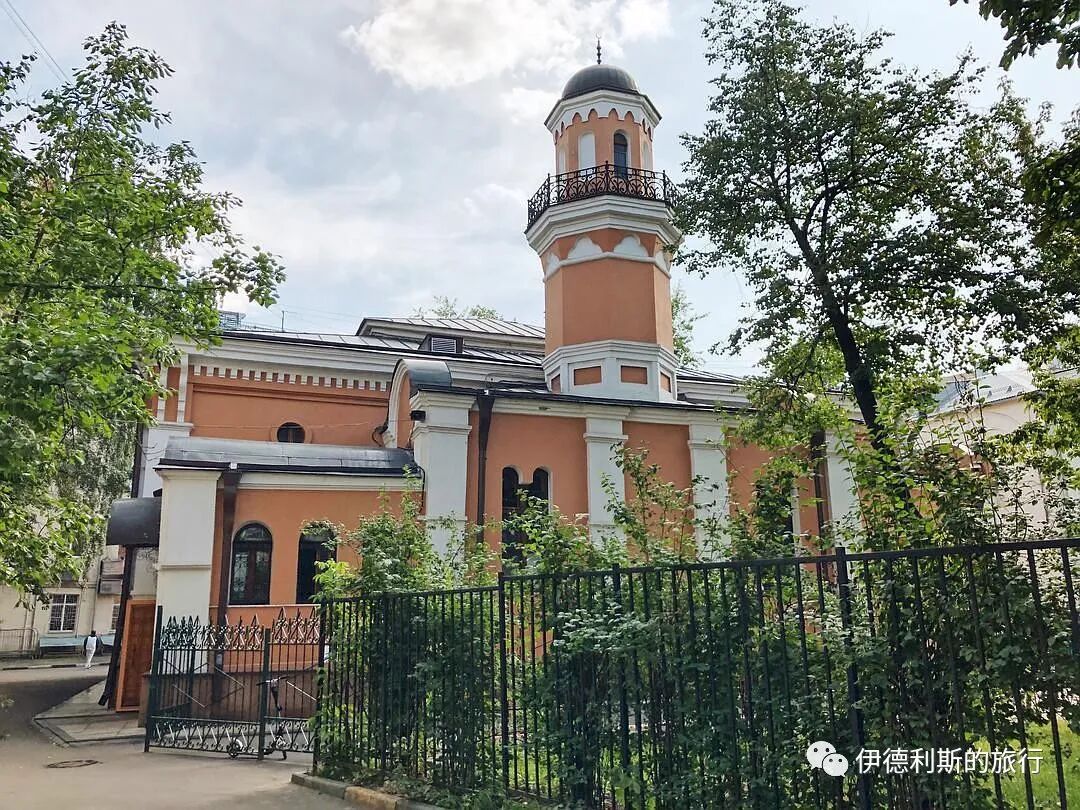
In the early 17th century, as the Romanov dynasty was established, Moscow became prosperous again, and many Tatars from the Volga River and steppe regions came here to trade. The Tatar community officially formed south of the Moskva River, across from the Kremlin. The Tatar community mosque dates back to 1712. It has been rebuilt many times. Today, most Muslims who come for Friday namaz are from Central Asia and the Caucasus.
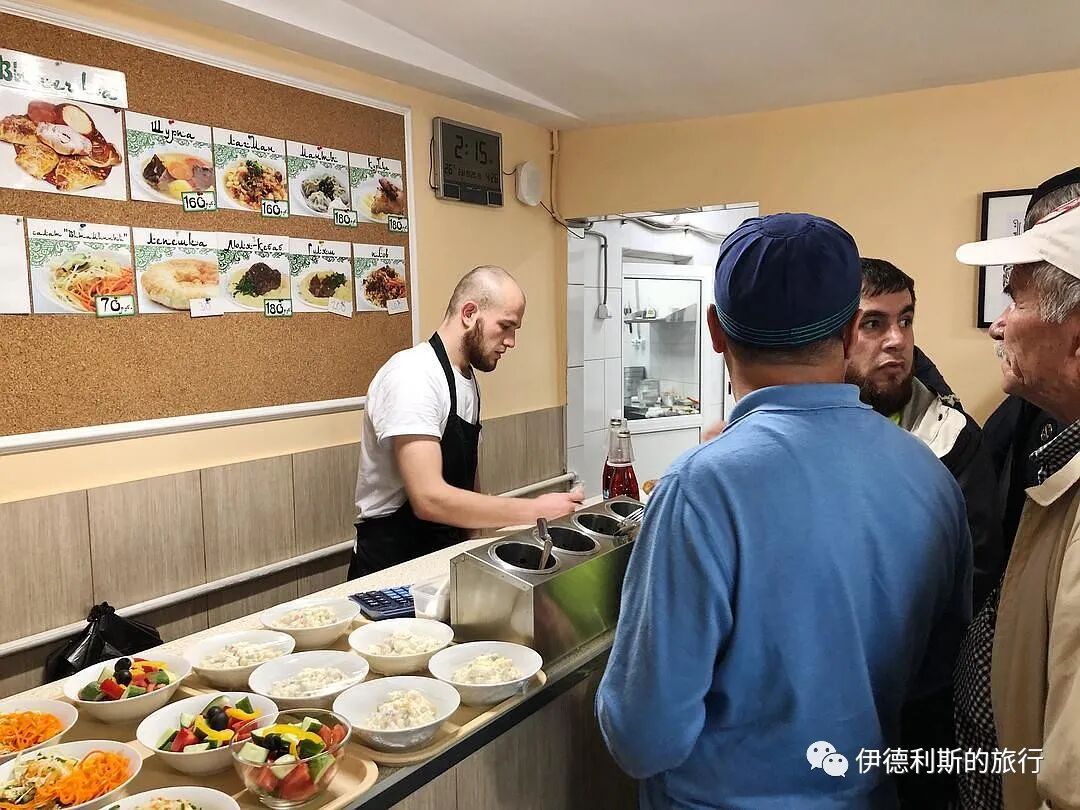
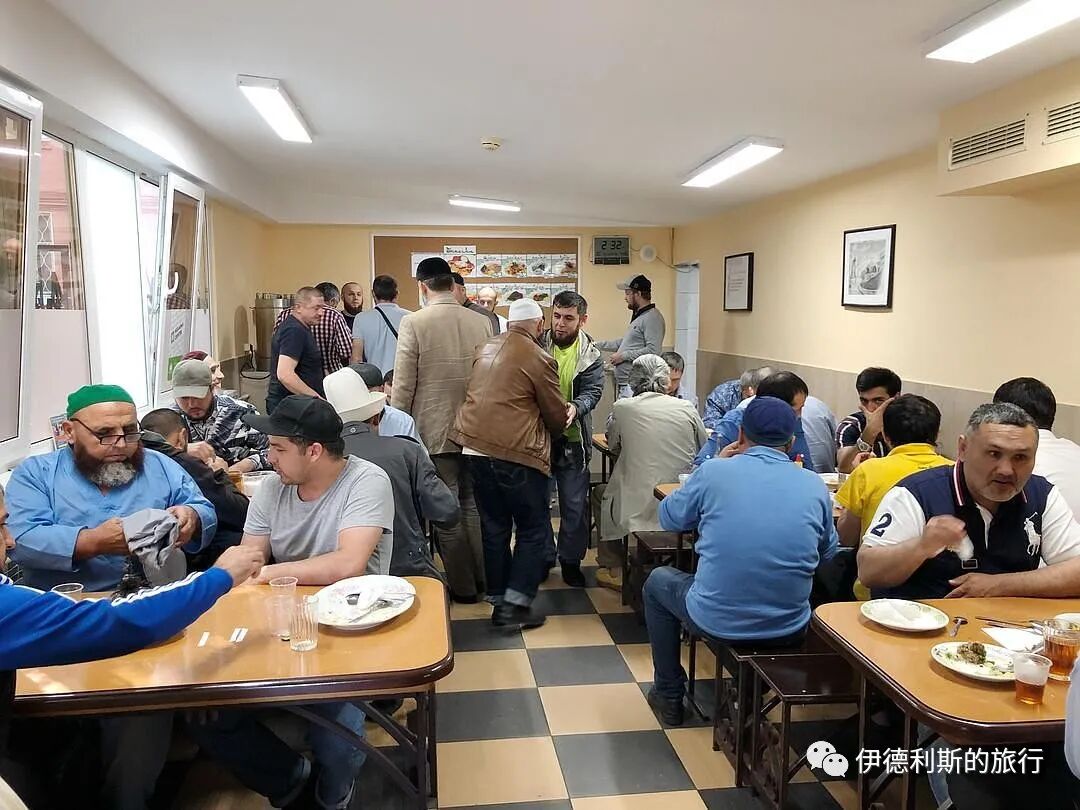
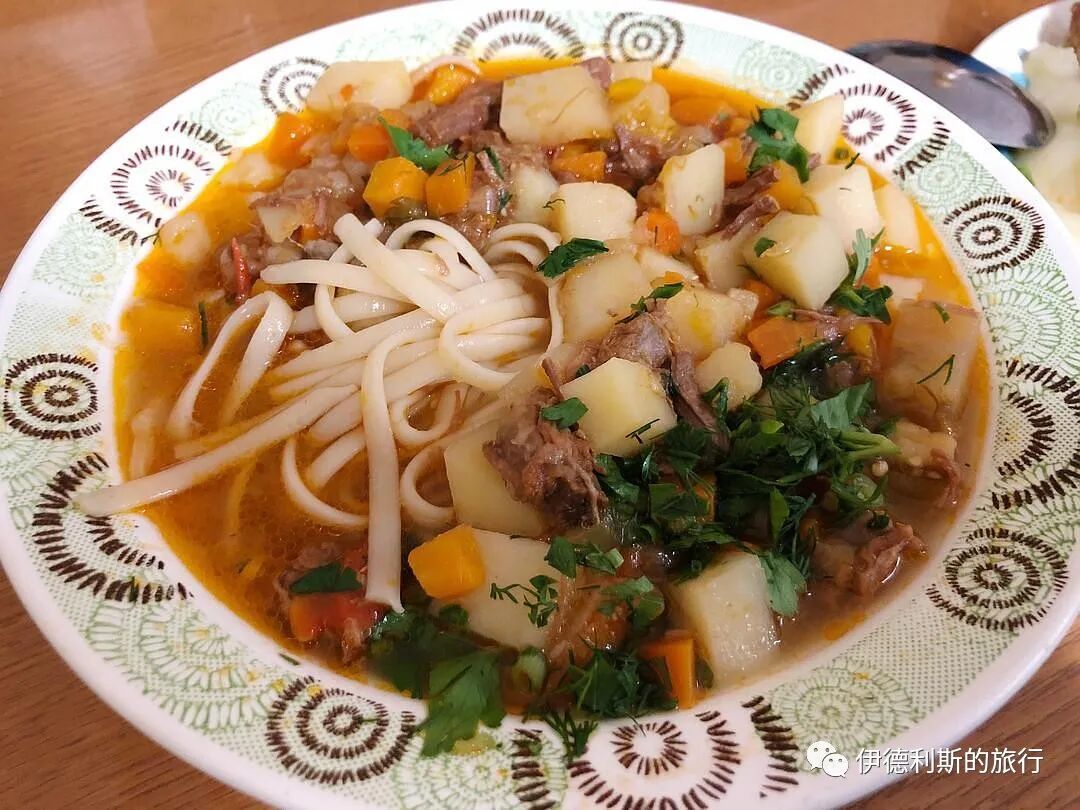
After Friday namaz, I ate hand-pulled noodles (latiaozi) at the mosque's restaurant. The atmosphere here is very good and lively.
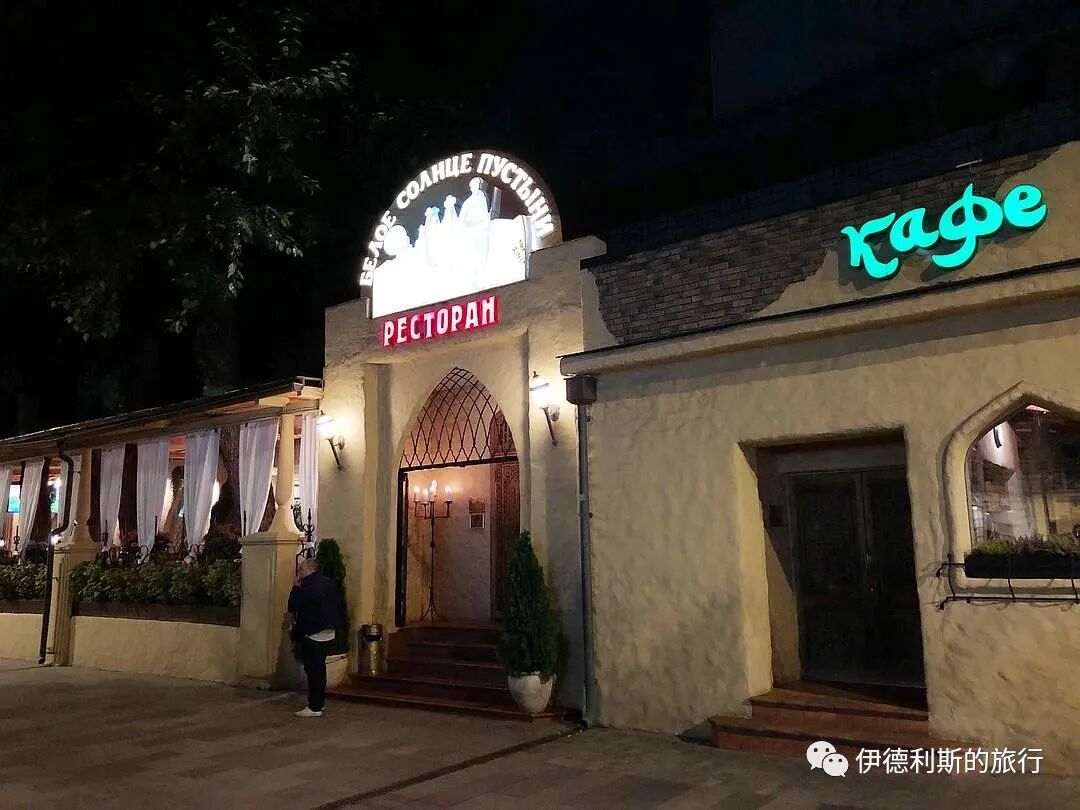
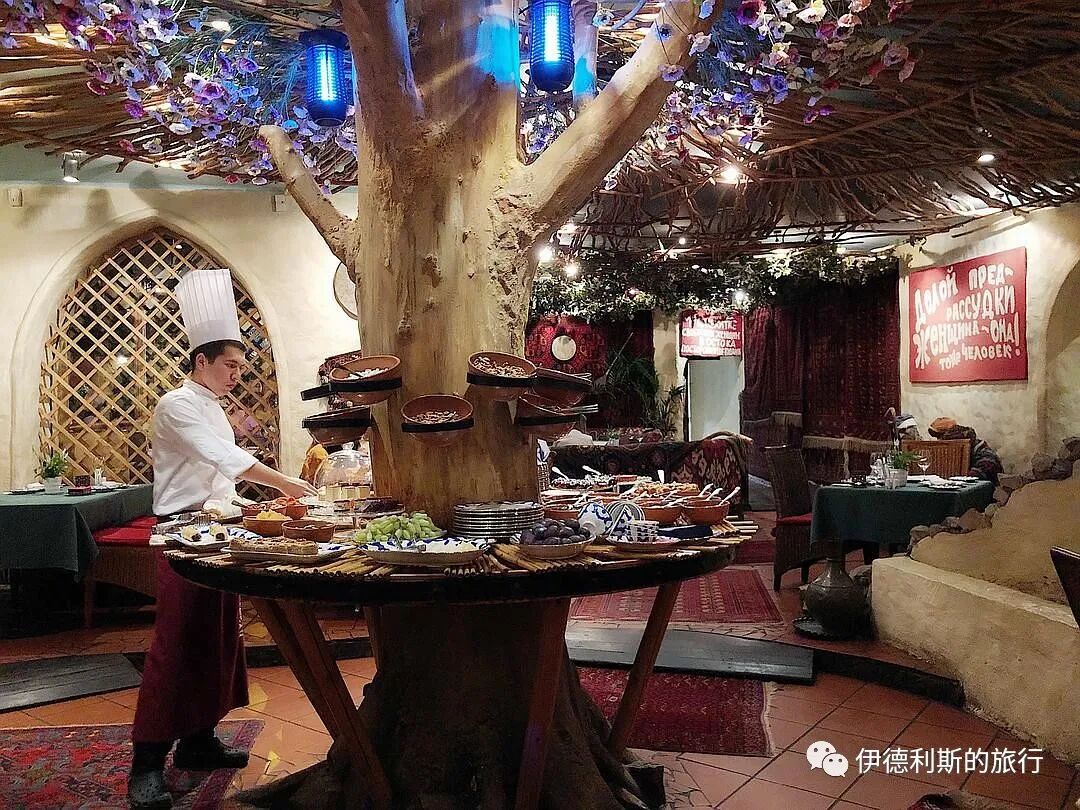
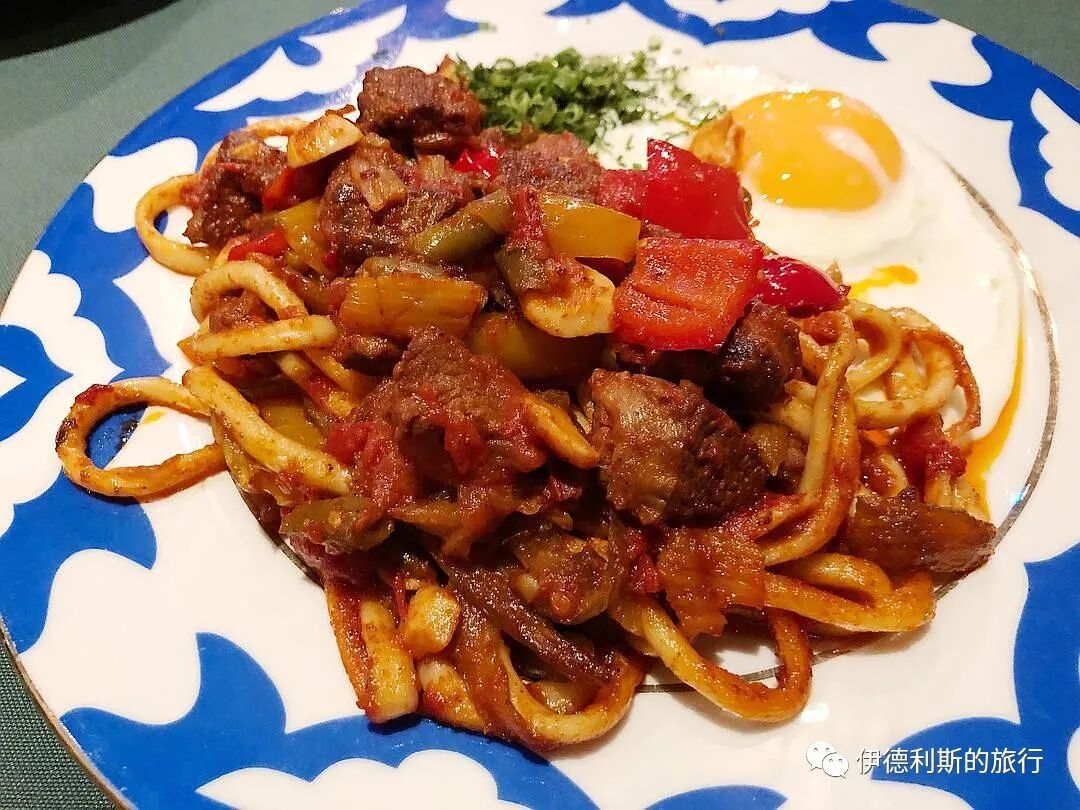
2. Stir-fried noodles at a Moscow Uzbek restaurant.
Since the collapse of the Soviet Union, many Uzbeks have come to Moscow for work. Many became loaders and taxi drivers, and some opened restaurants.
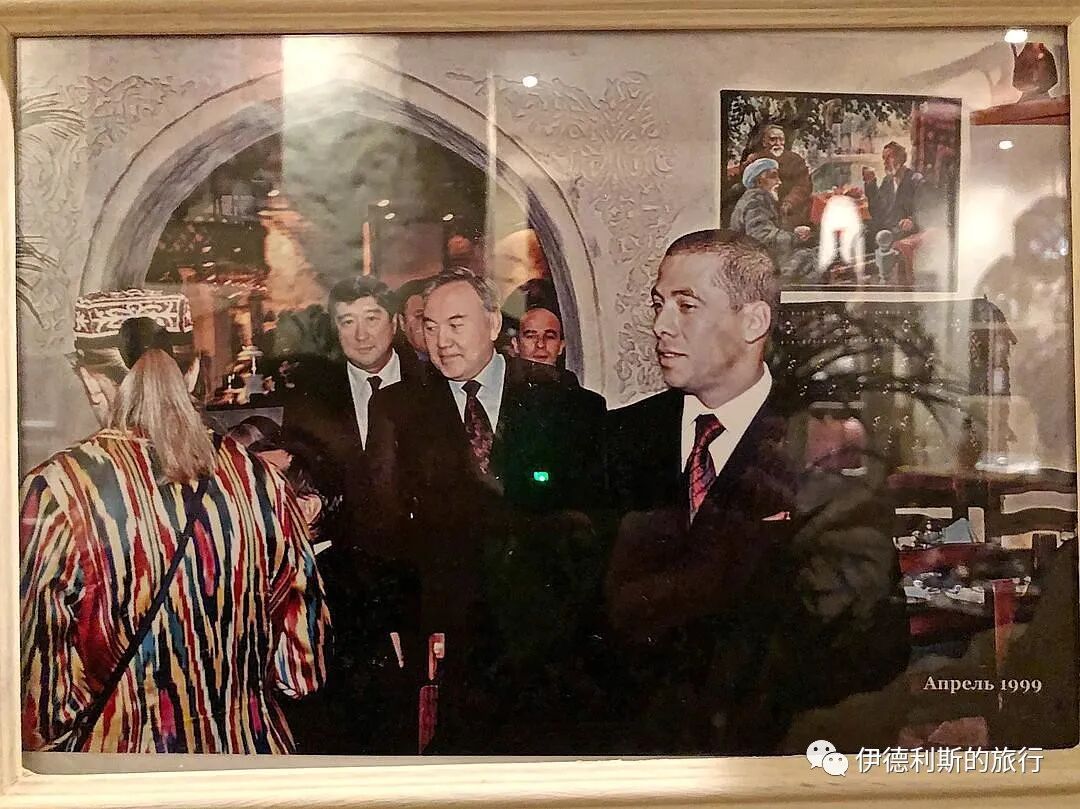
In 1951, the Ministry of Trade of the Uzbek Soviet Socialist Republic decided to open a restaurant called "Uzbekistan." It is now a long-standing Uzbek establishment in Moscow, though it has been transferred to private ownership. I ate stir-fried noodles here.
3. Hand-pulled noodles (latiaozi) of the Crimean Tatars.
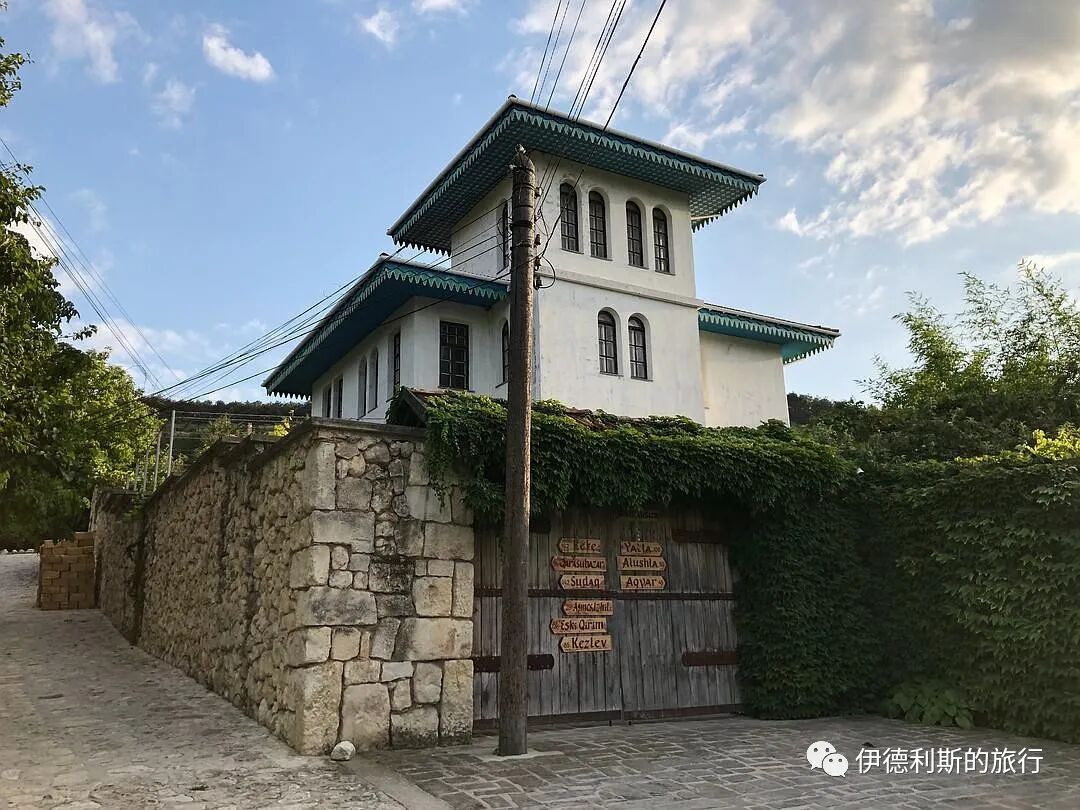
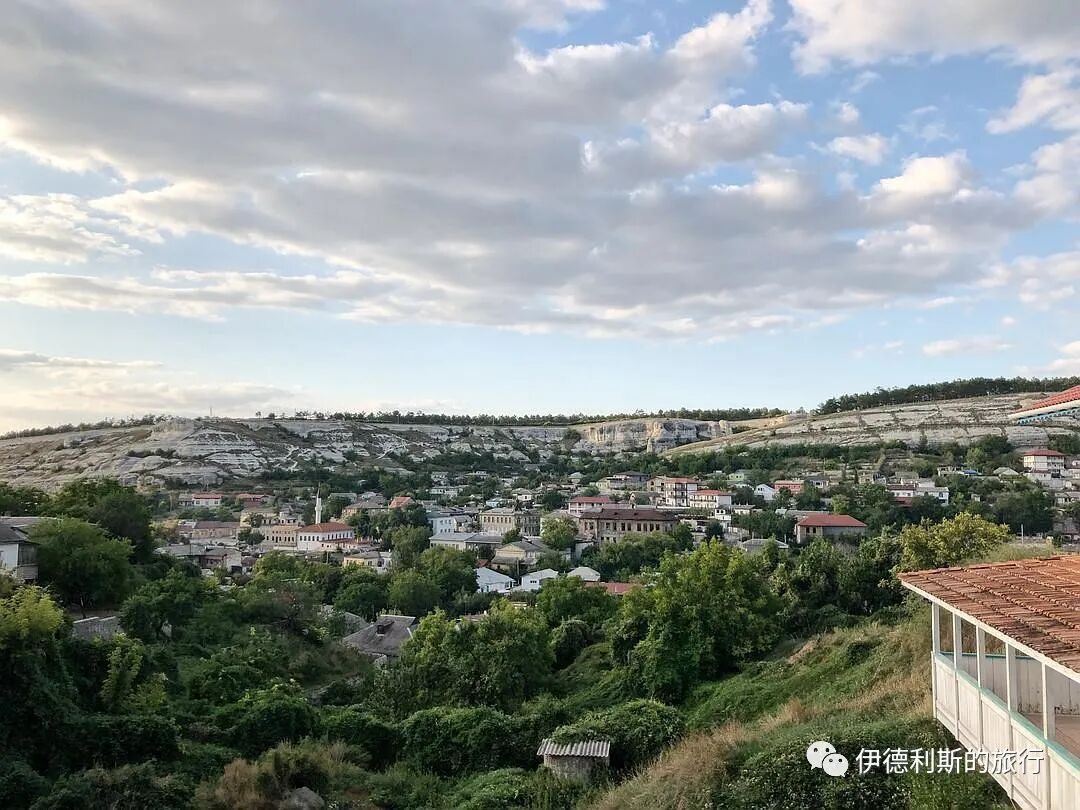
Bakhchysarai is the former capital of the Crimean Tatars. Although it became an ordinary town after Russia occupied the Crimean Khanate in 1783, it remains the cultural center of the Crimean Tatars and preserves their unique culture and customs.
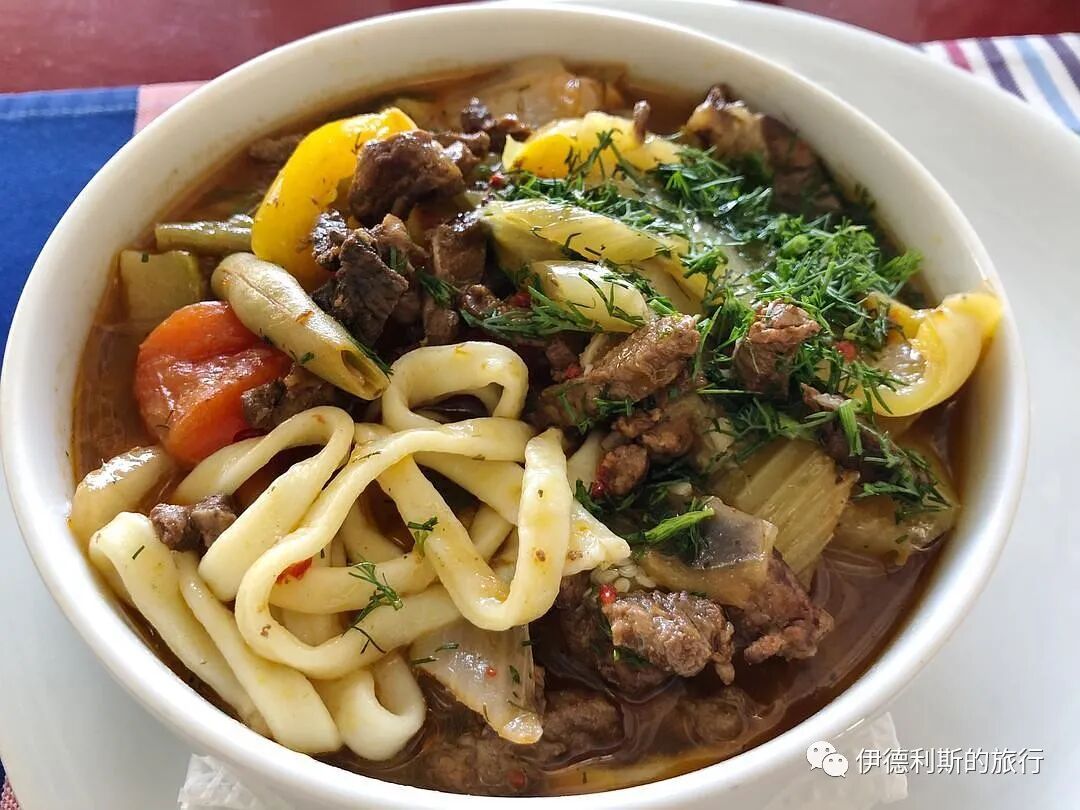
In May 1944, the Soviet Union deported all 240,000 Crimean Tatars from the Crimean Peninsula to Uzbekistan and other remote regions. The Crimean Tatars learned to make hand-pulled noodles (latiaozi) while in exile in Uzbekistan, and today it has become a part of their food culture.
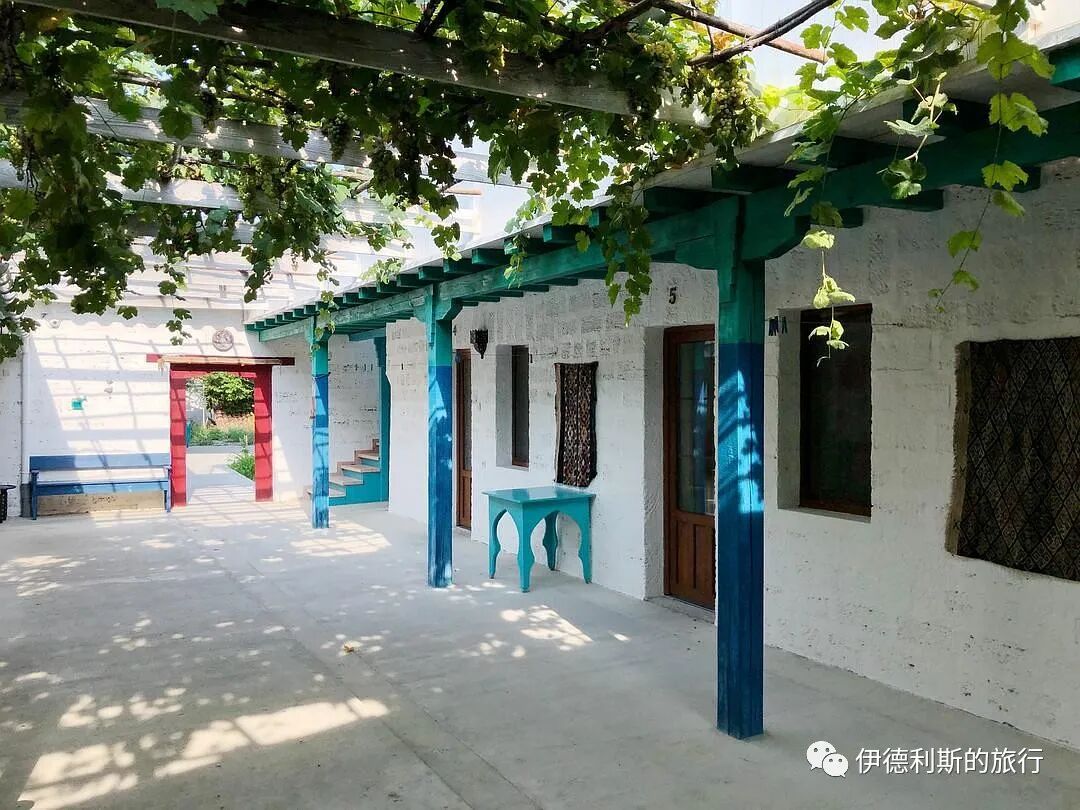
I stayed at a very beautiful traditional Crimean Tatar house called Bahitgul Boutique-Hotel. They serve traditional Crimean Tatar food, and I ordered hand-pulled noodles (lagman) for my first meal.
2. Uzbekistan
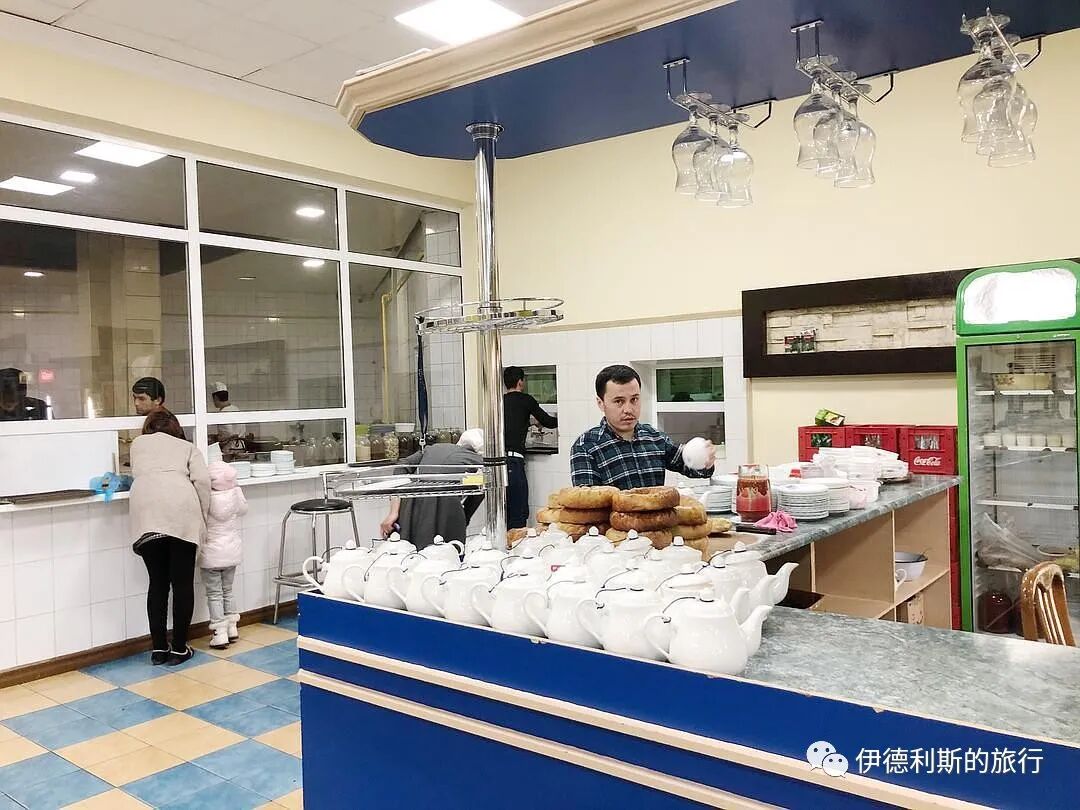
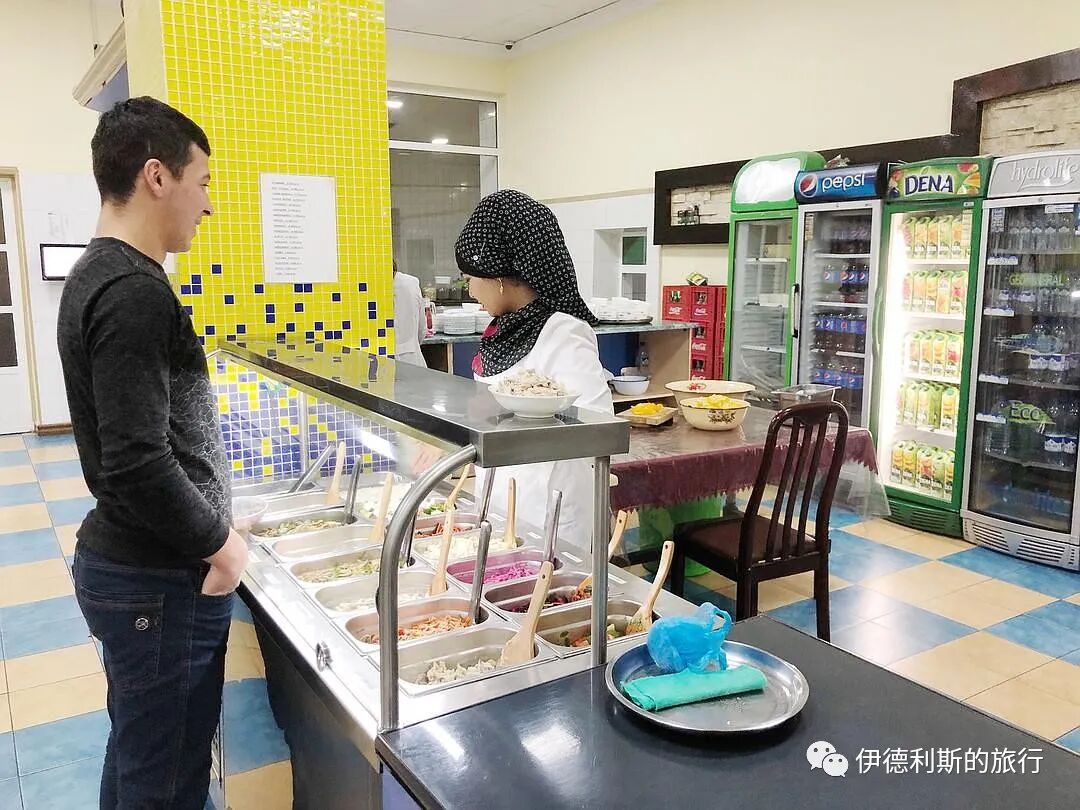
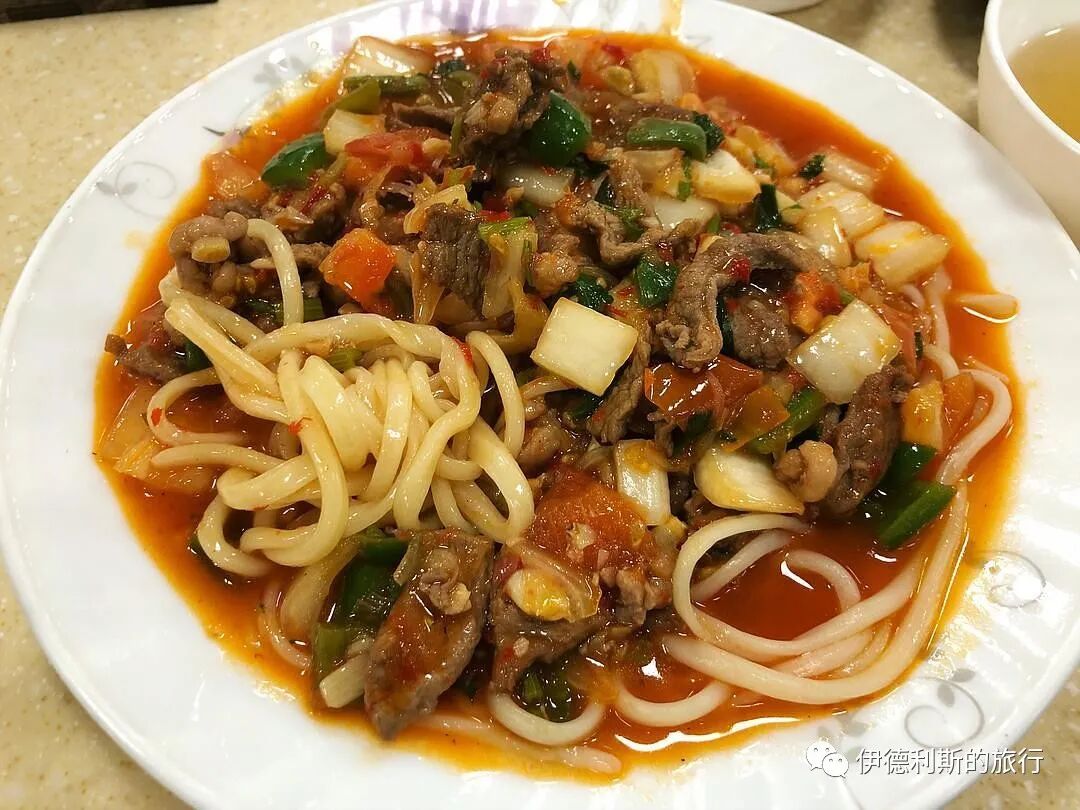
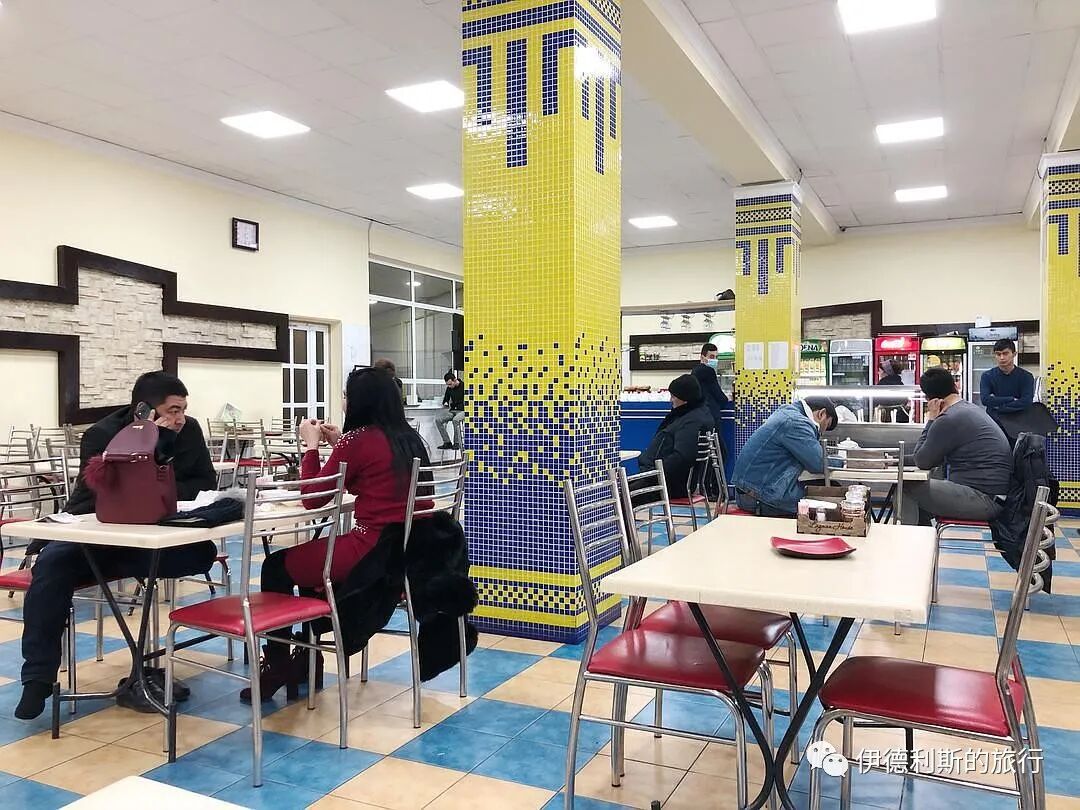
1. Hand-pulled noodles (latiaozi) in Tashkent.
The grandmother where we stayed highly recommended this noodle shop called Lagman House. It is not far from our place or Chorsu Bazaar. The shop is very clean, and the meat in the mixed noodles is delicious.
3. Vietnam
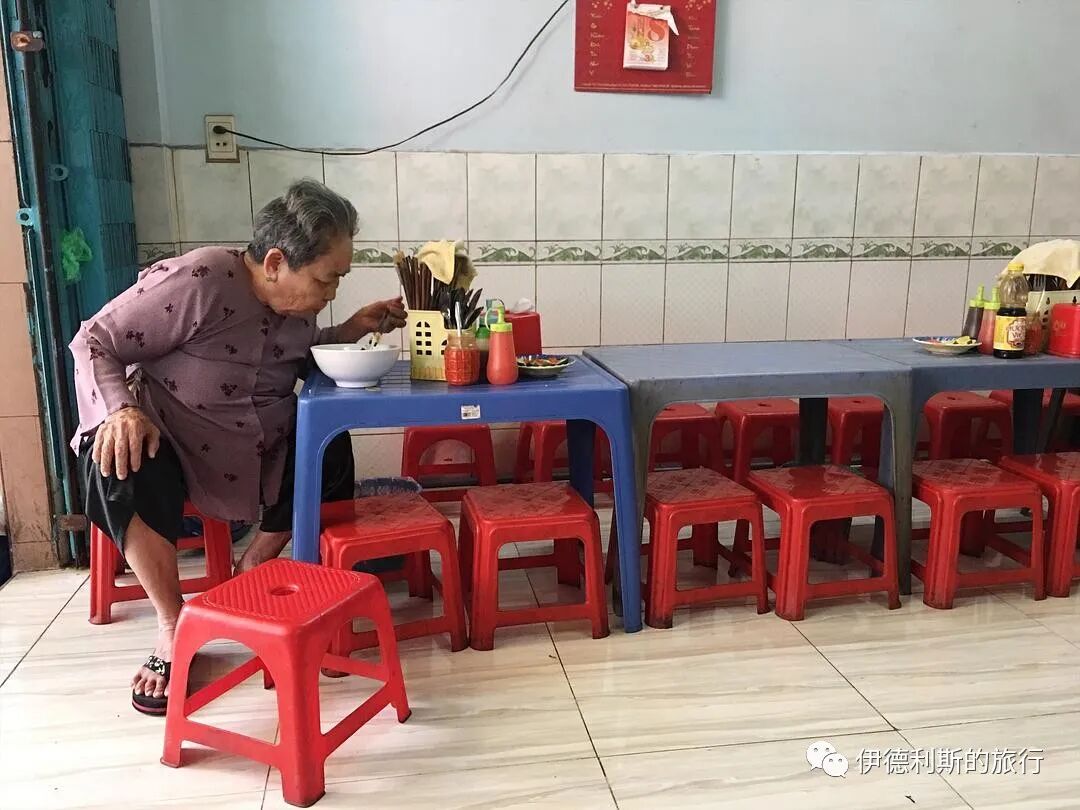
1. Pho in Ho Chi Minh City
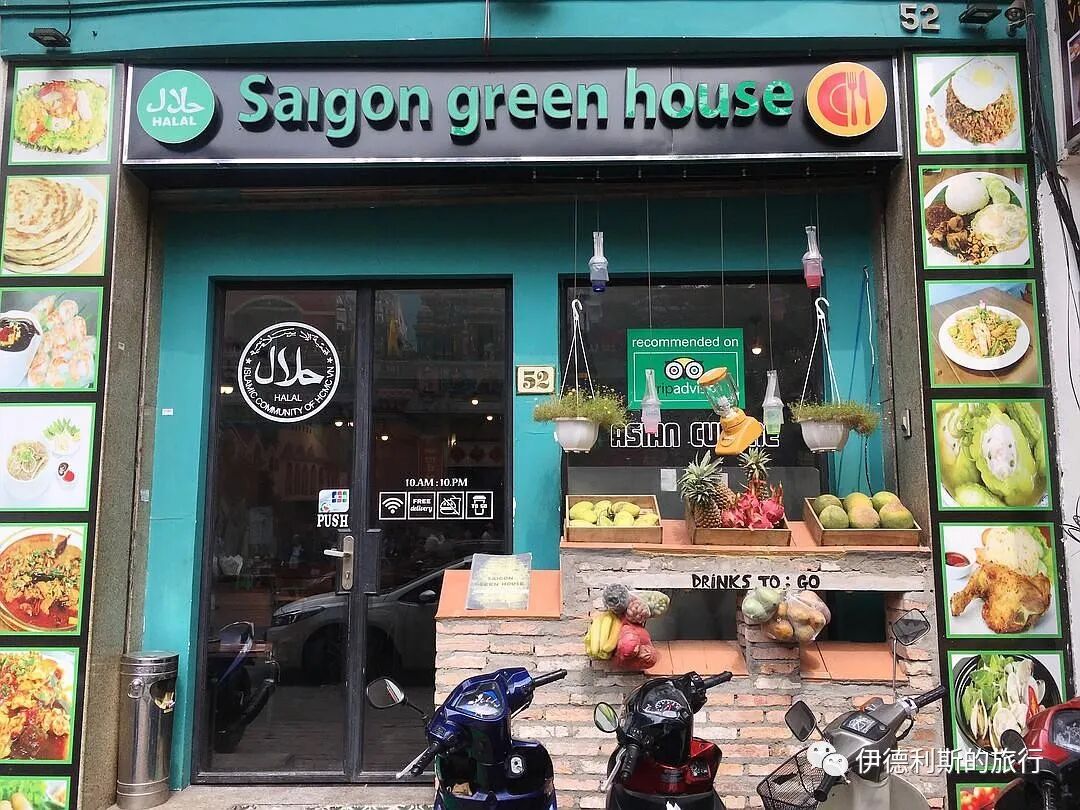
During the French colonial period in Vietnam, many Cham Muslims from Cambodia moved to the Mekong Delta because of the relatively loose autonomy policy for the Cham people. Saigon Green House is the best Cham Muslim restaurant in Ho Chi Minh City, and it has a rich variety of delicious food.
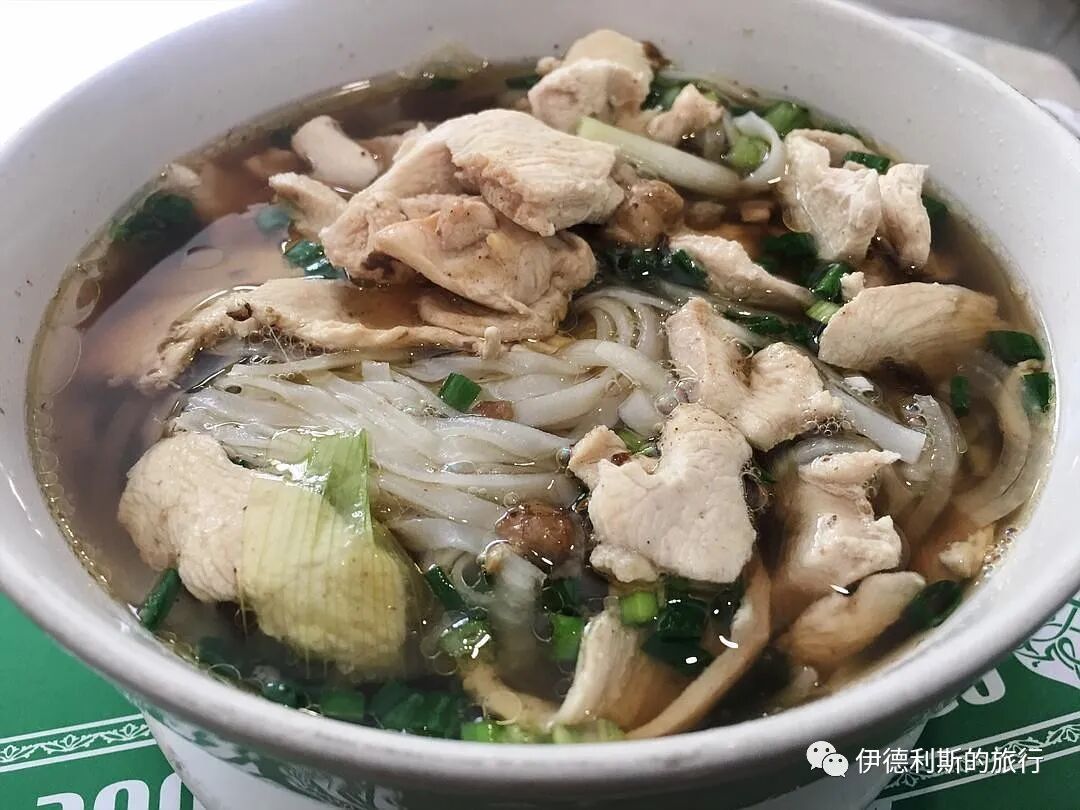
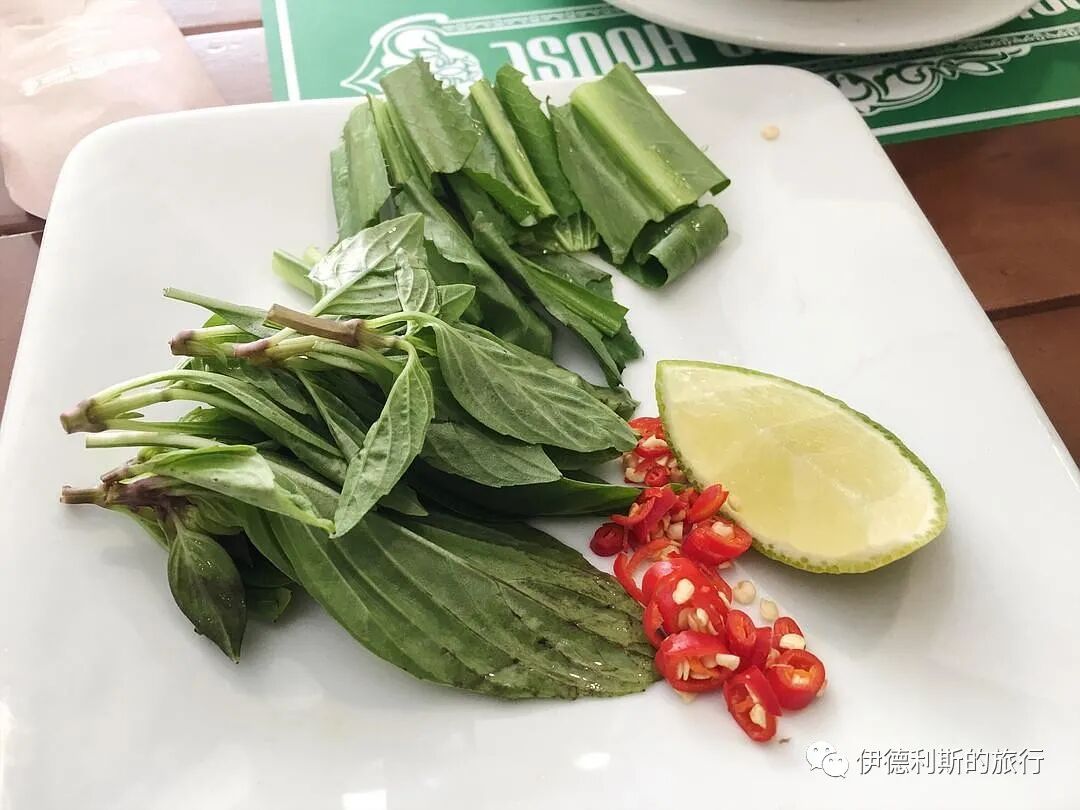
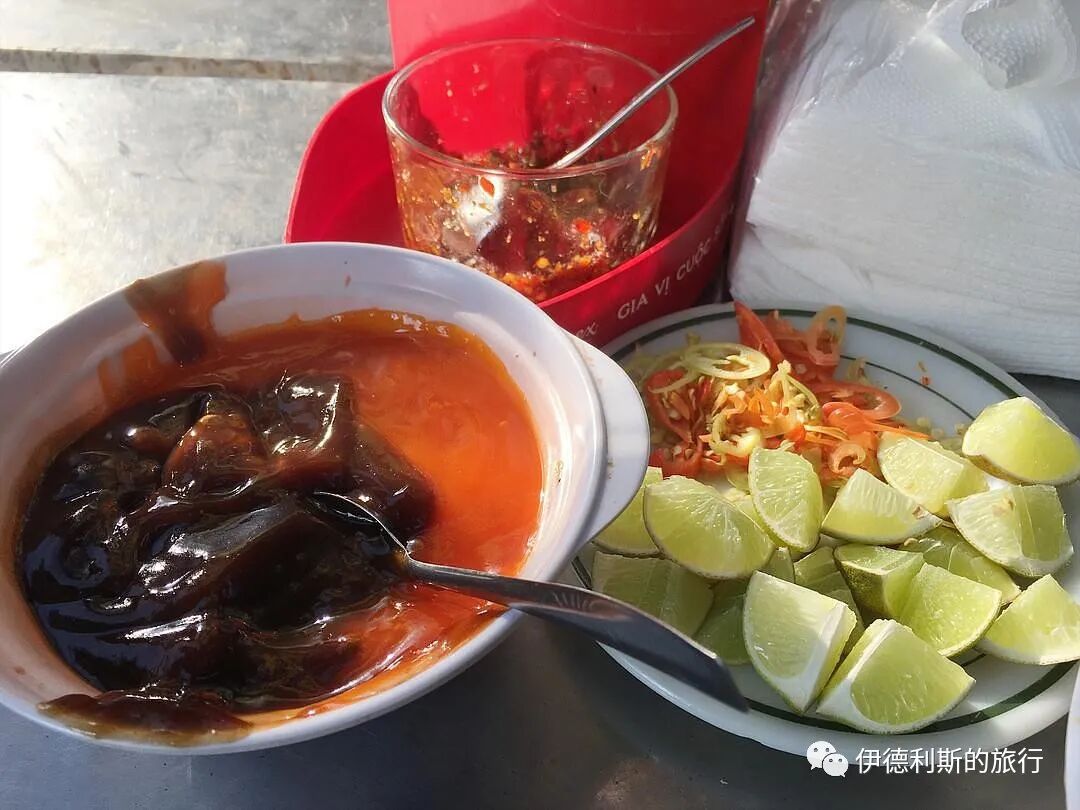
I ate Vietnamese rice noodle soup (pho) with Thai basil here. Vietnamese rice noodle soup (pho) appeared in northern Vietnam in the early 20th century, but it was not very popular in Saigon until the 1950s. After Vietnam was divided into north and south in 1954, over a million people moved from the north to the south. Pho became popular in Saigon and developed a unique flavor different from the north.
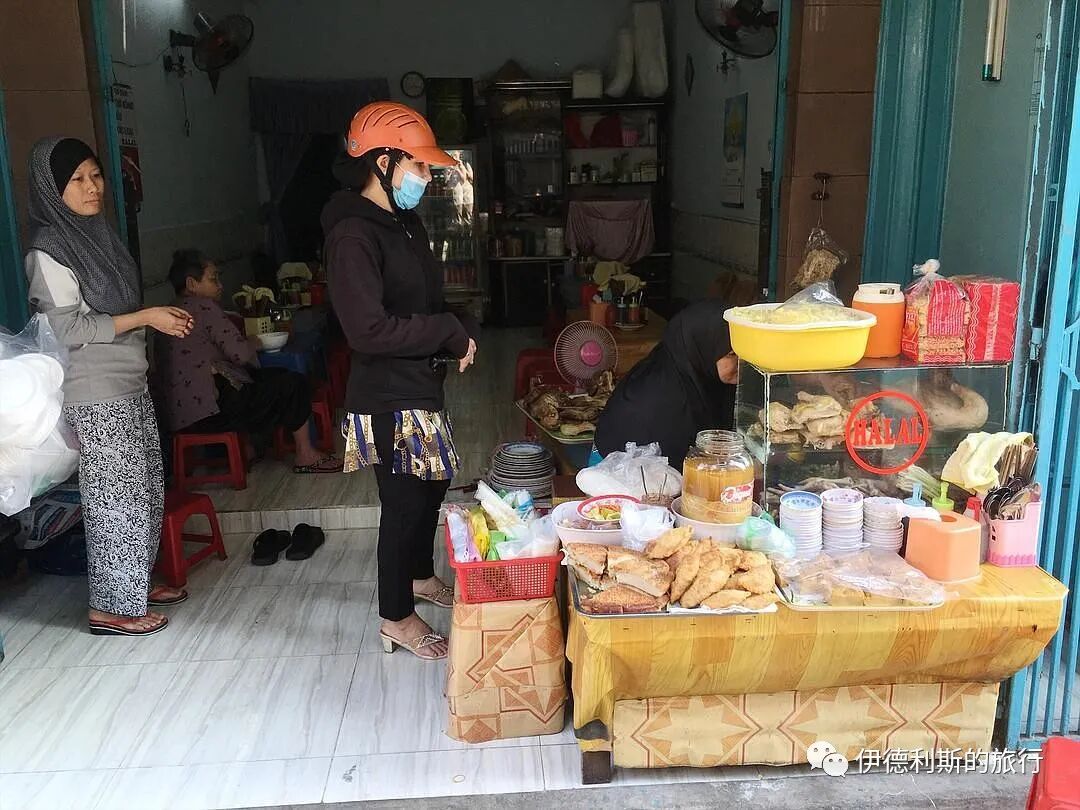
Al Rahim mosque is the first mosque in Saigon, built by Malay and Indonesian Muslims in 1885. Every morning until noon, there is a small noodle shop run by Cham Muslims at the entrance of the mosque.
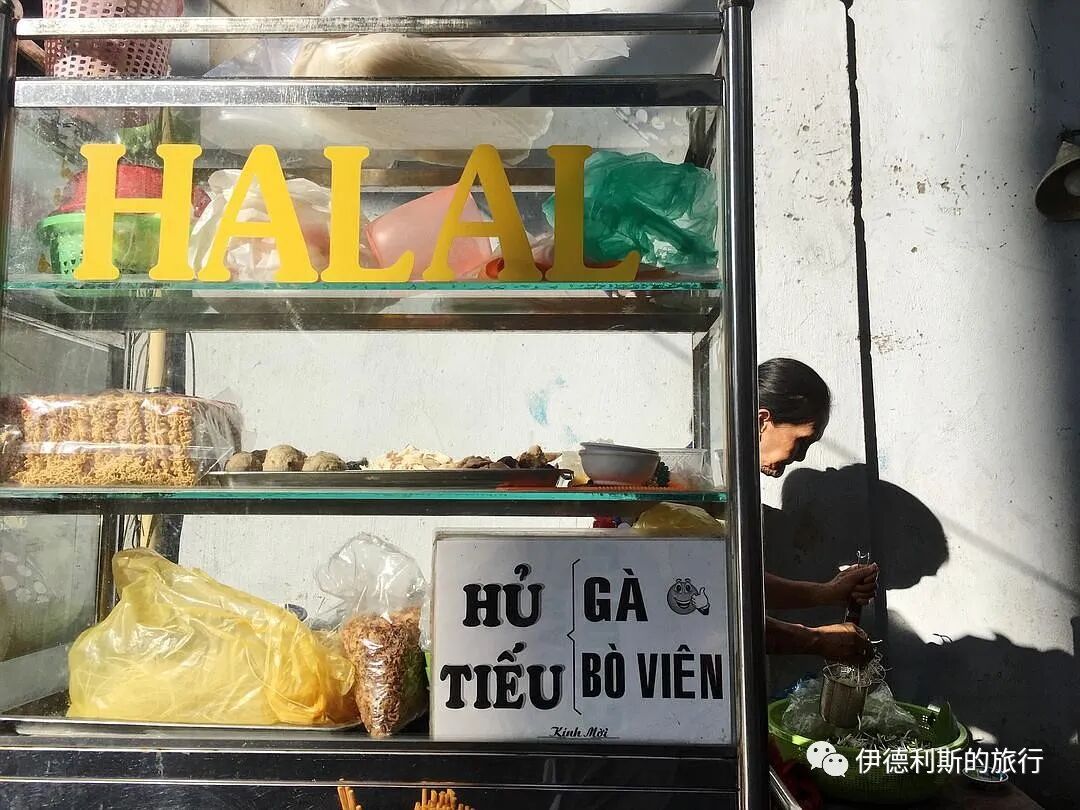
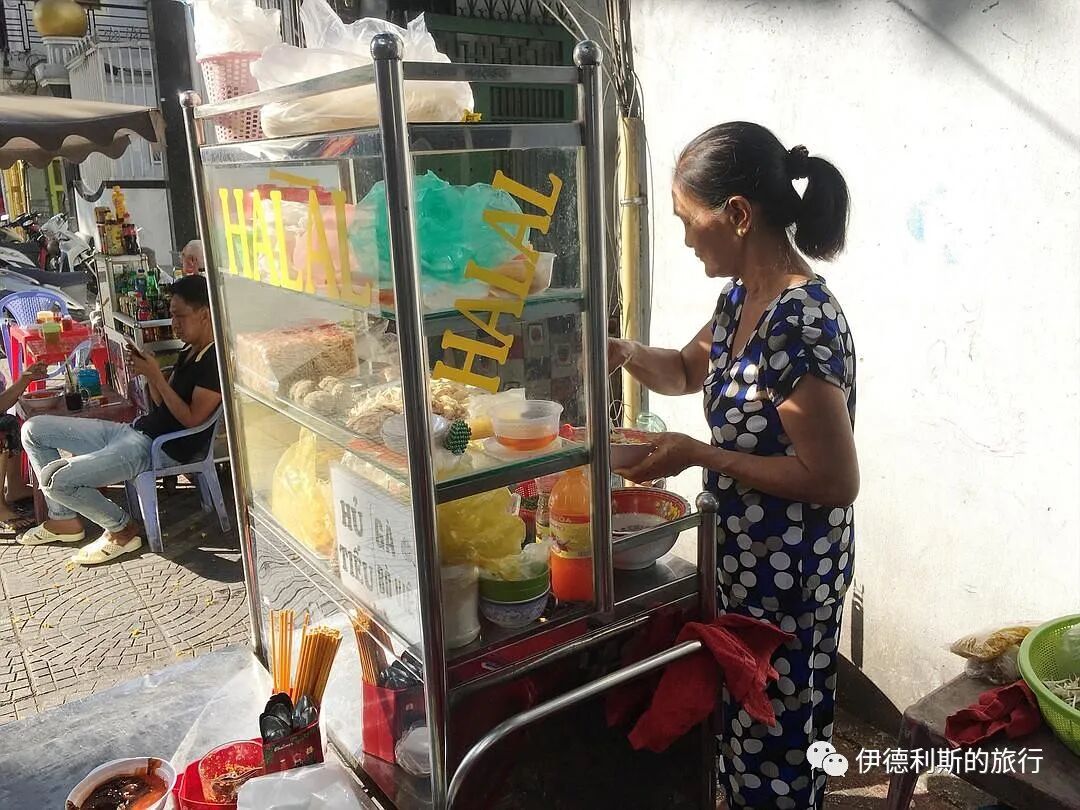
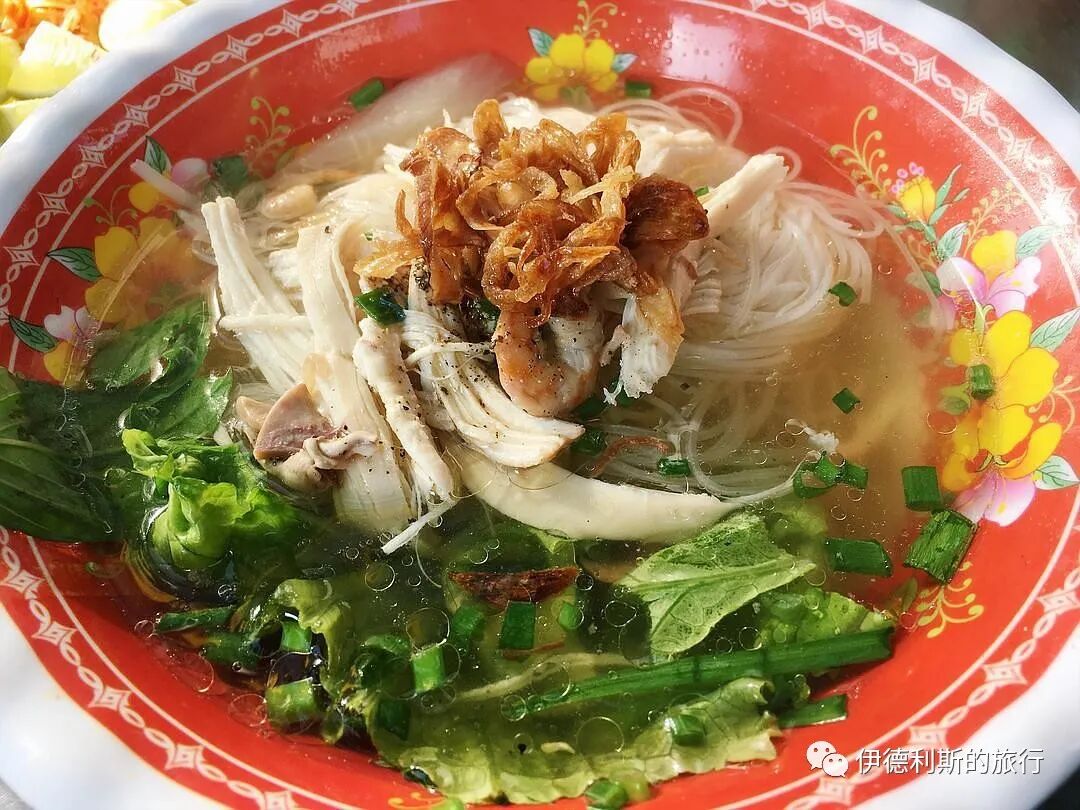
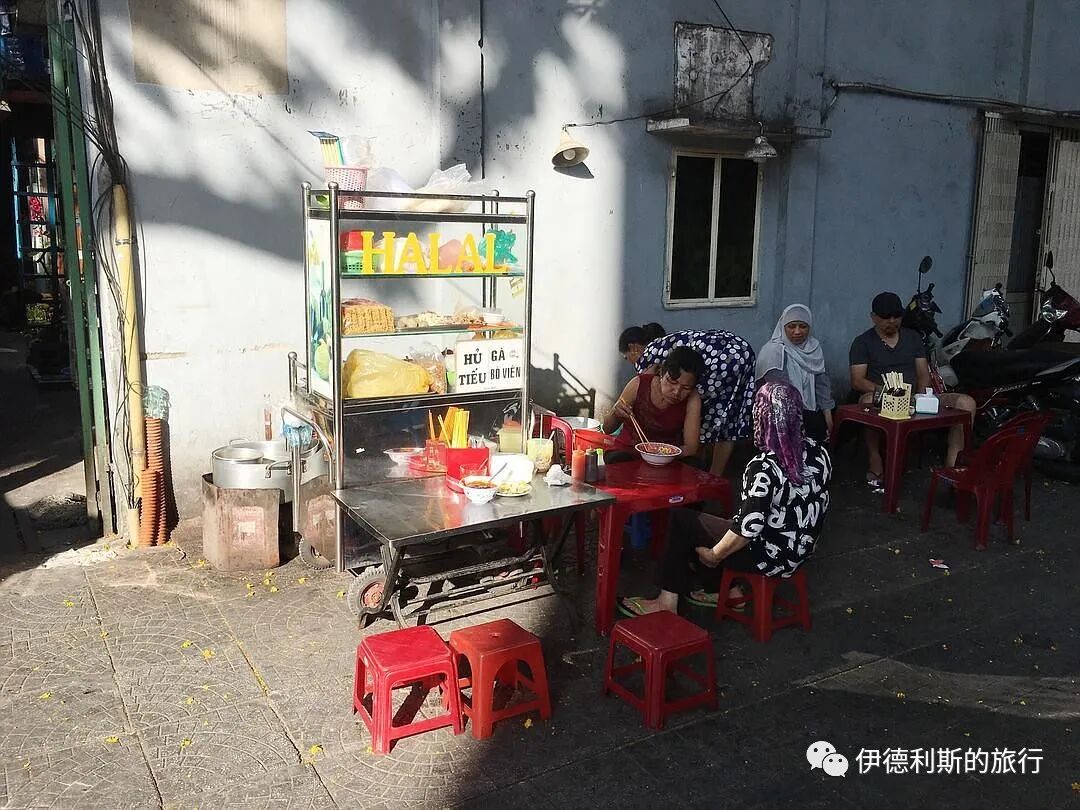
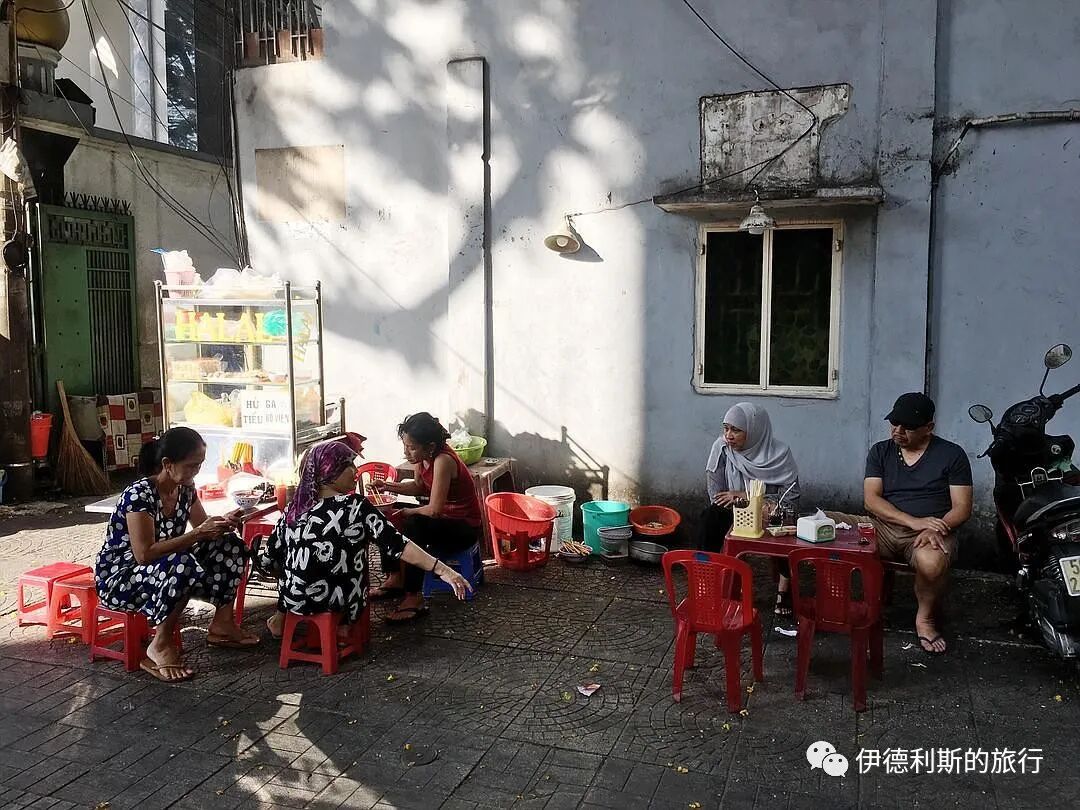
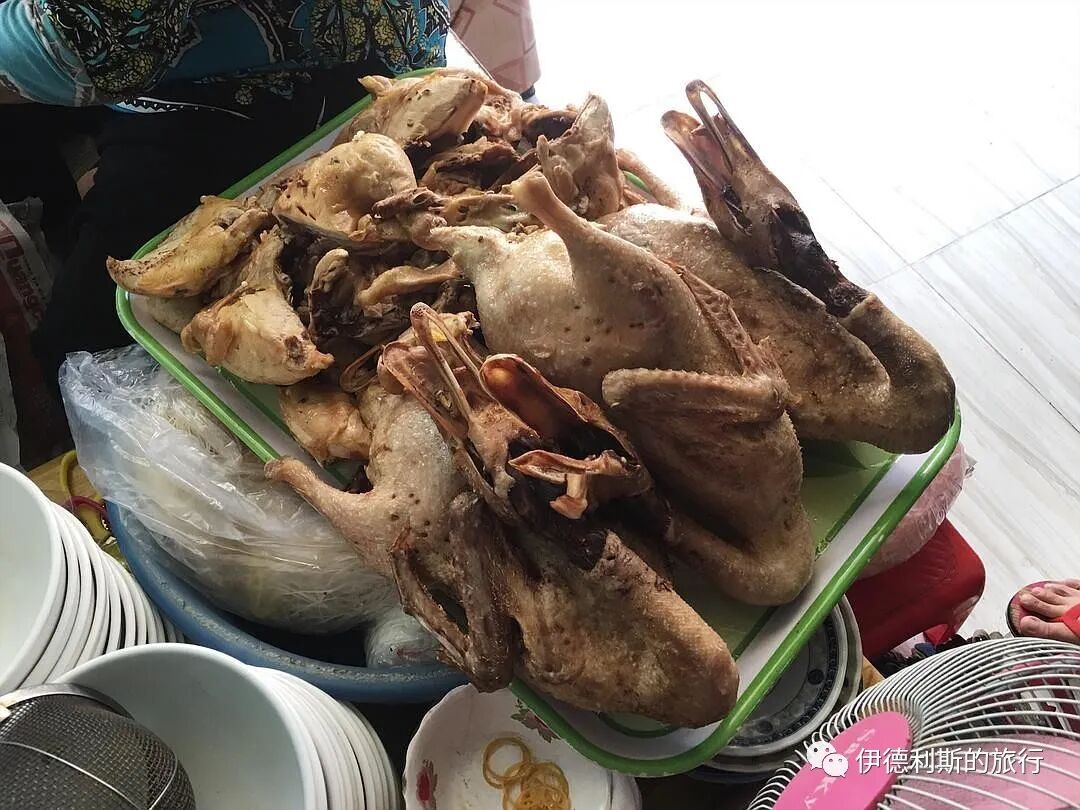
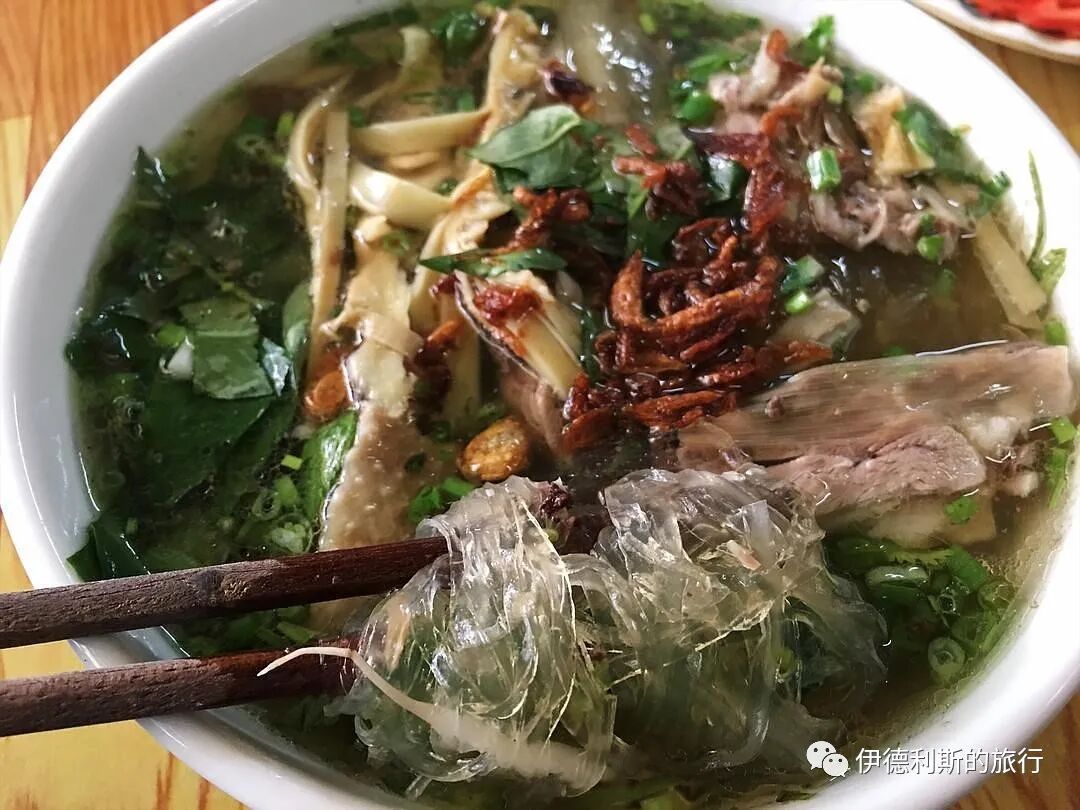
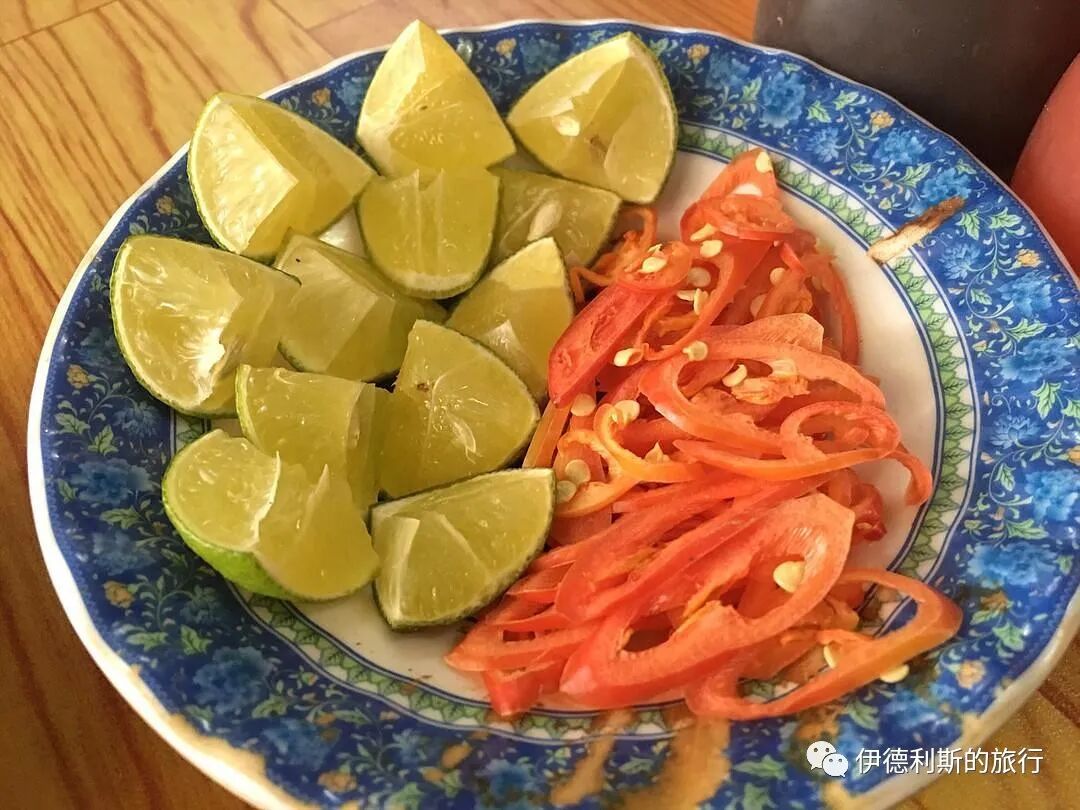
Jamiul Anwar mosque was built with aid from Malaysia in 1968, and currently, 240 Cham Muslims pray here. On the way to the mosque, there is a halal snack shop where I ate duck glass noodles.
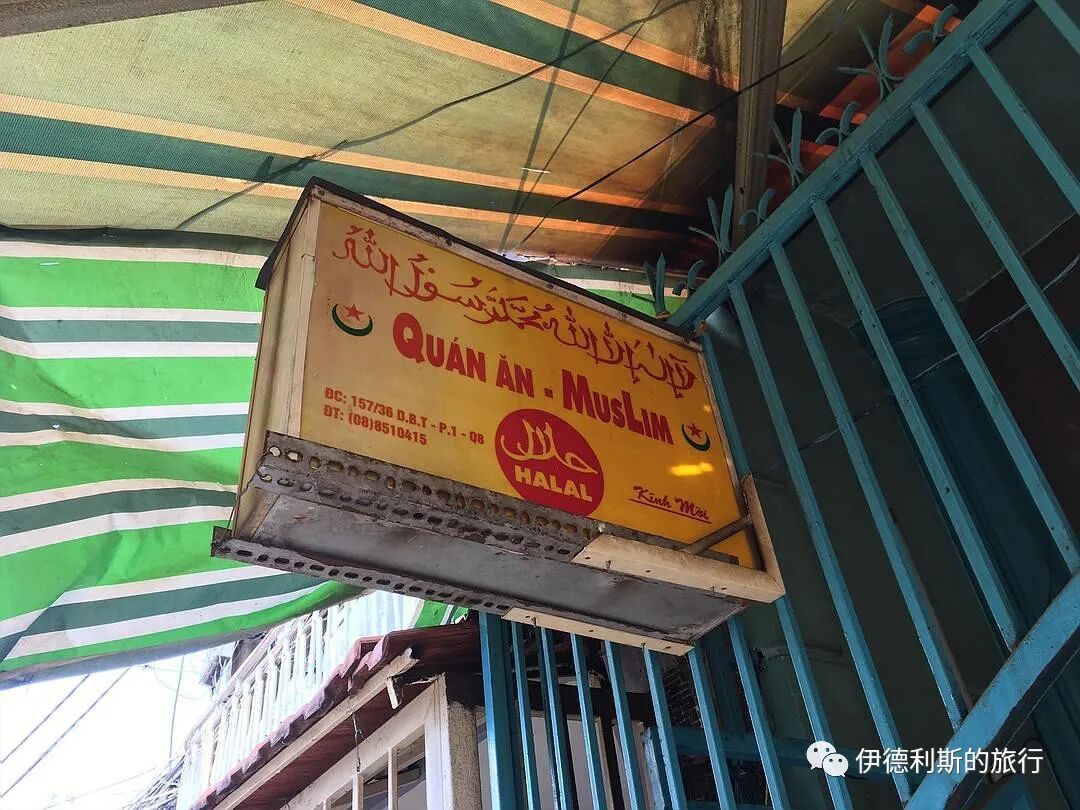
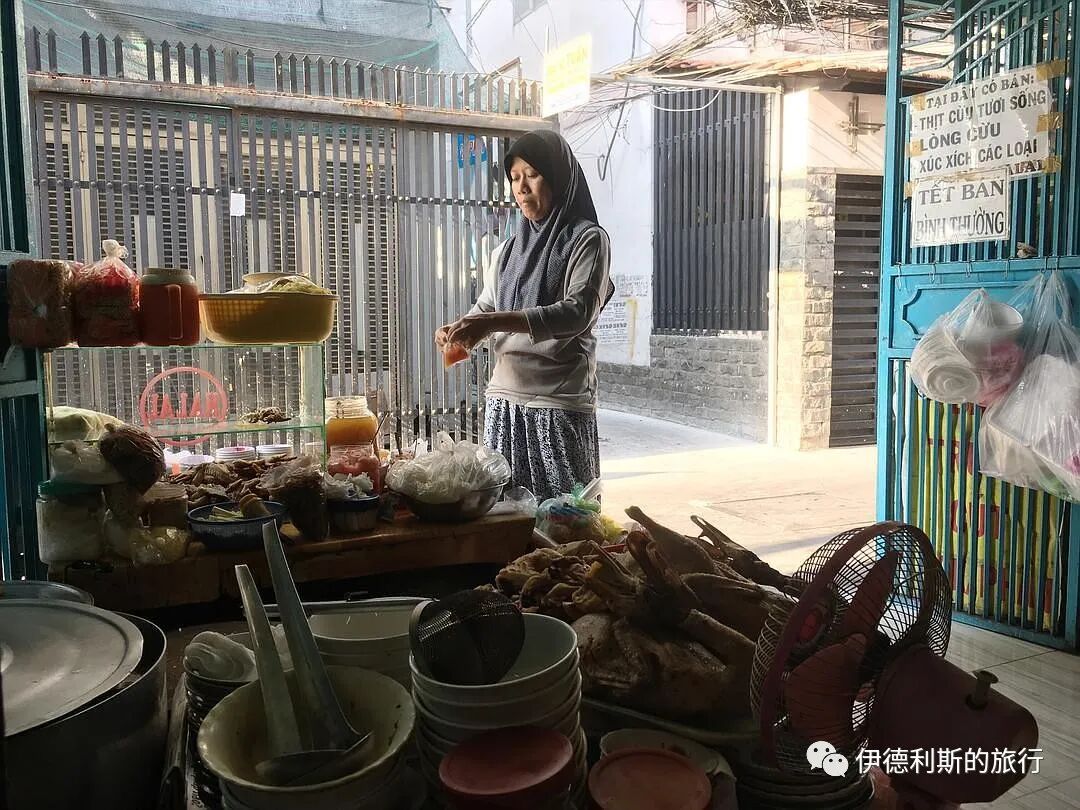
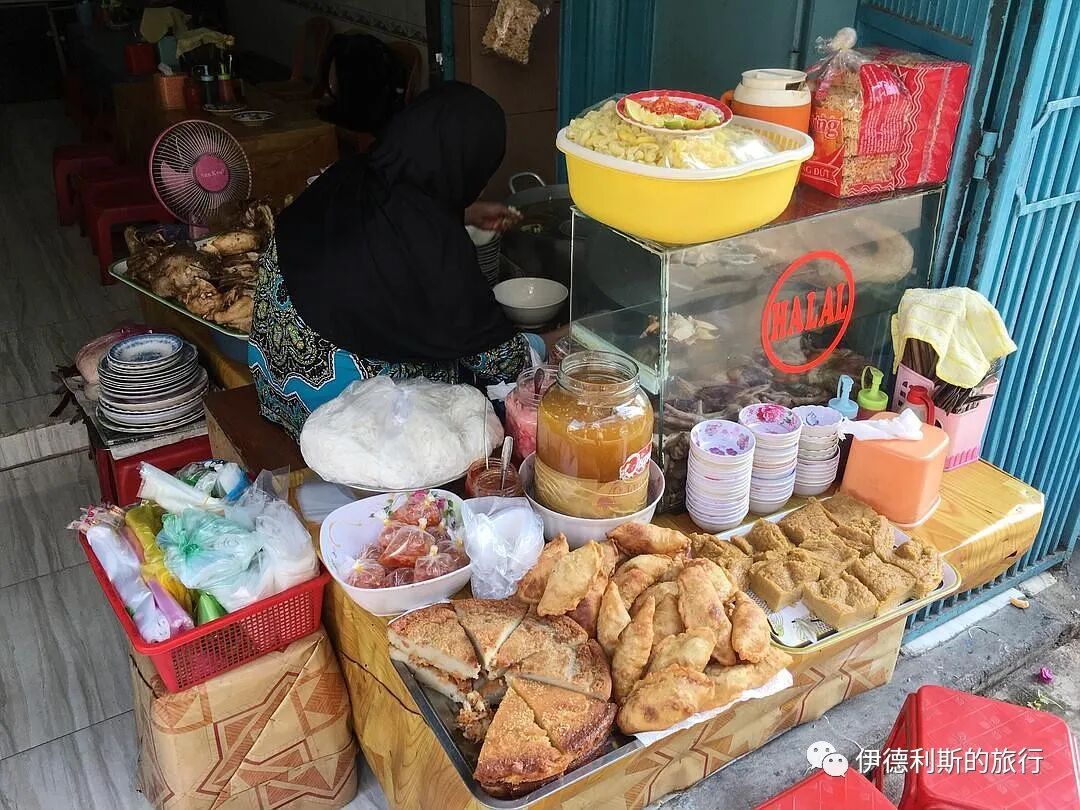
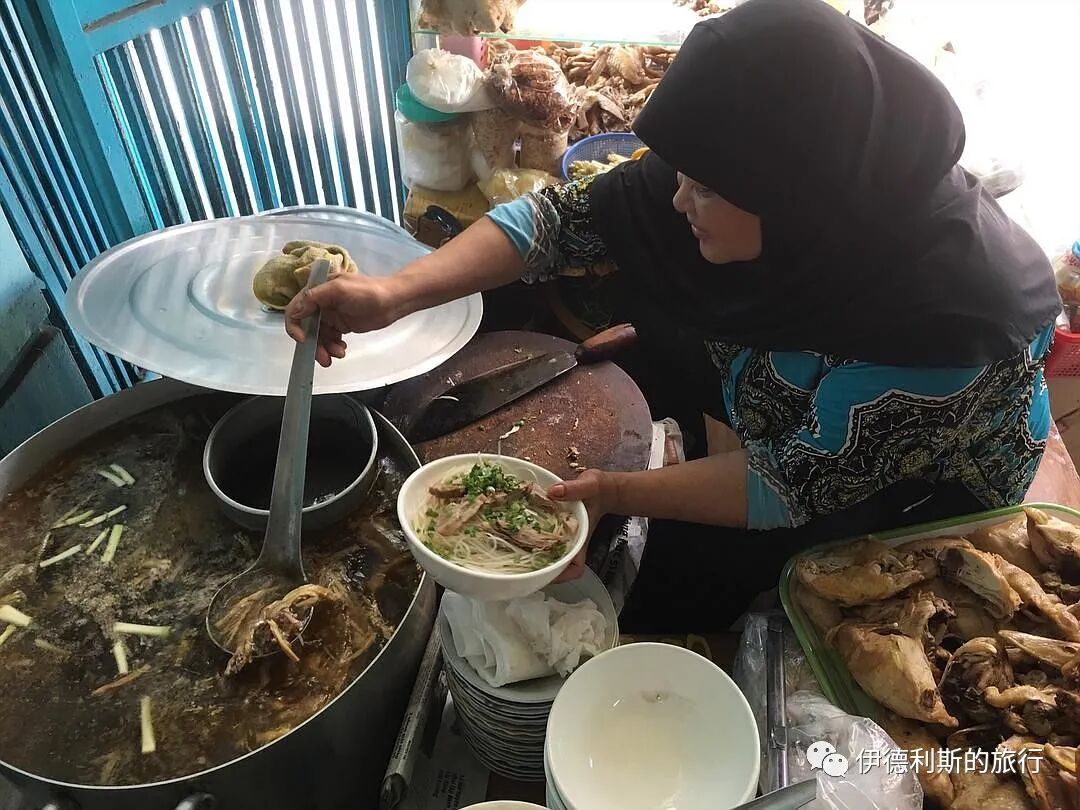
The Cham Muslims here live together with the Kinh people and Chinese people, and everyone gets along very harmoniously.
4. Malaysia
1. Penang's stir-fried rice noodles (char kway teow), white curry noodles, wheat noodle soup (mee sua kor), and Indian stir-fried noodles (mee goreng mamak).
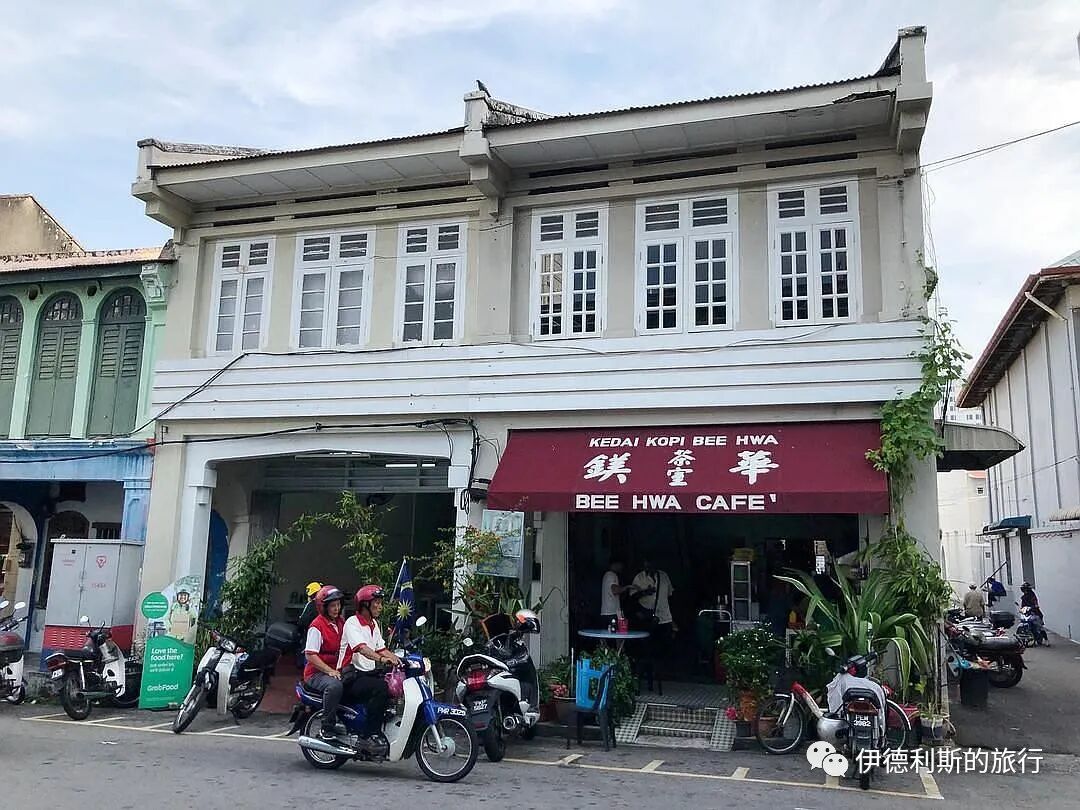
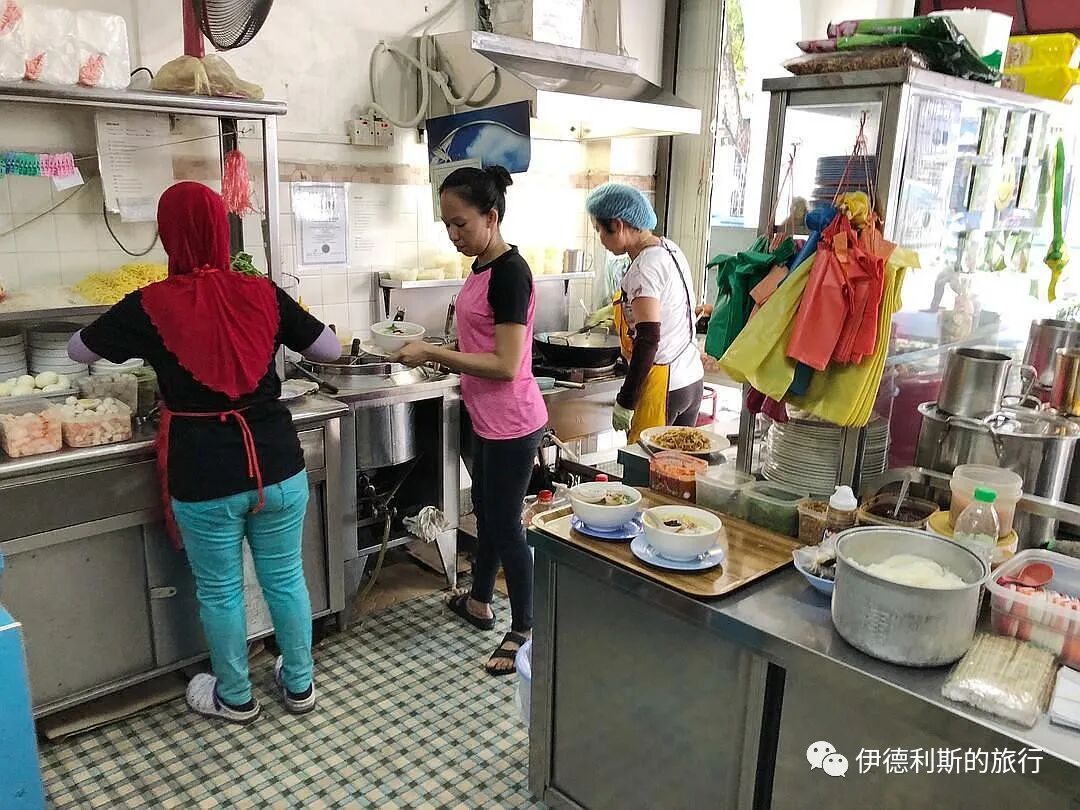
Bee Hwa Cafe in Penang attracts many Malay people because it uses halal ingredients. We ate the classic Malaysian Chinese dishes, stir-fried rice noodles (char kway teow) and white curry noodles (curry mee), at their place.
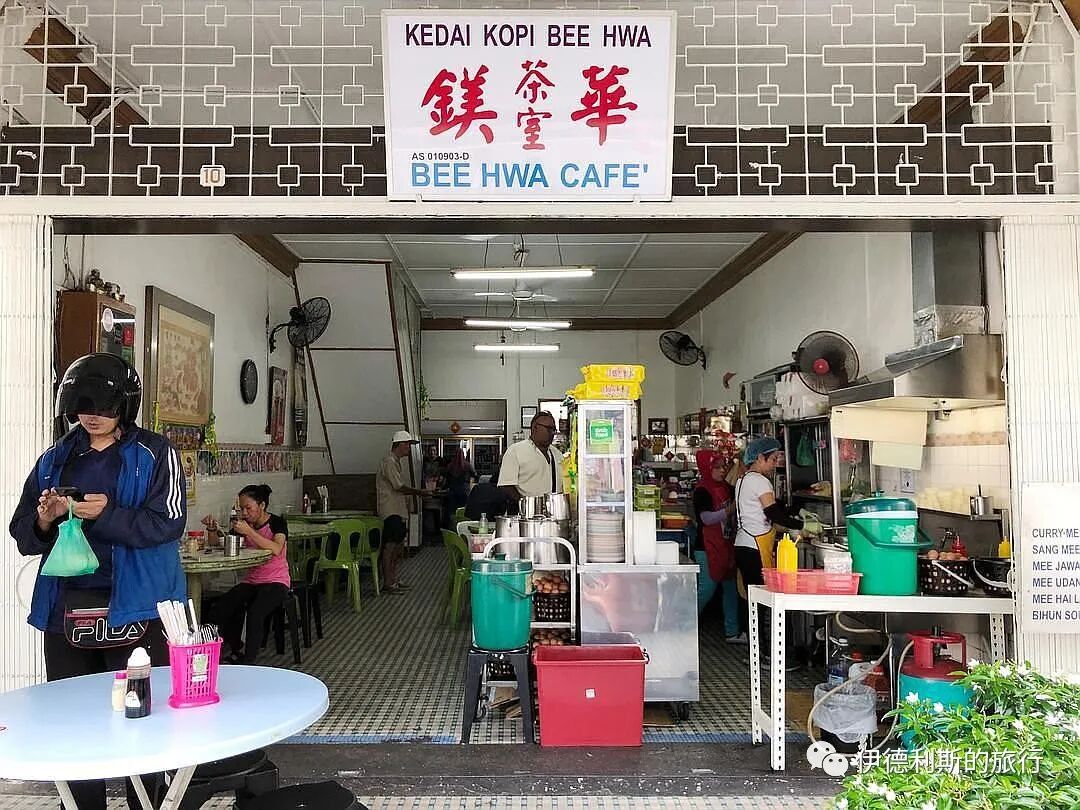
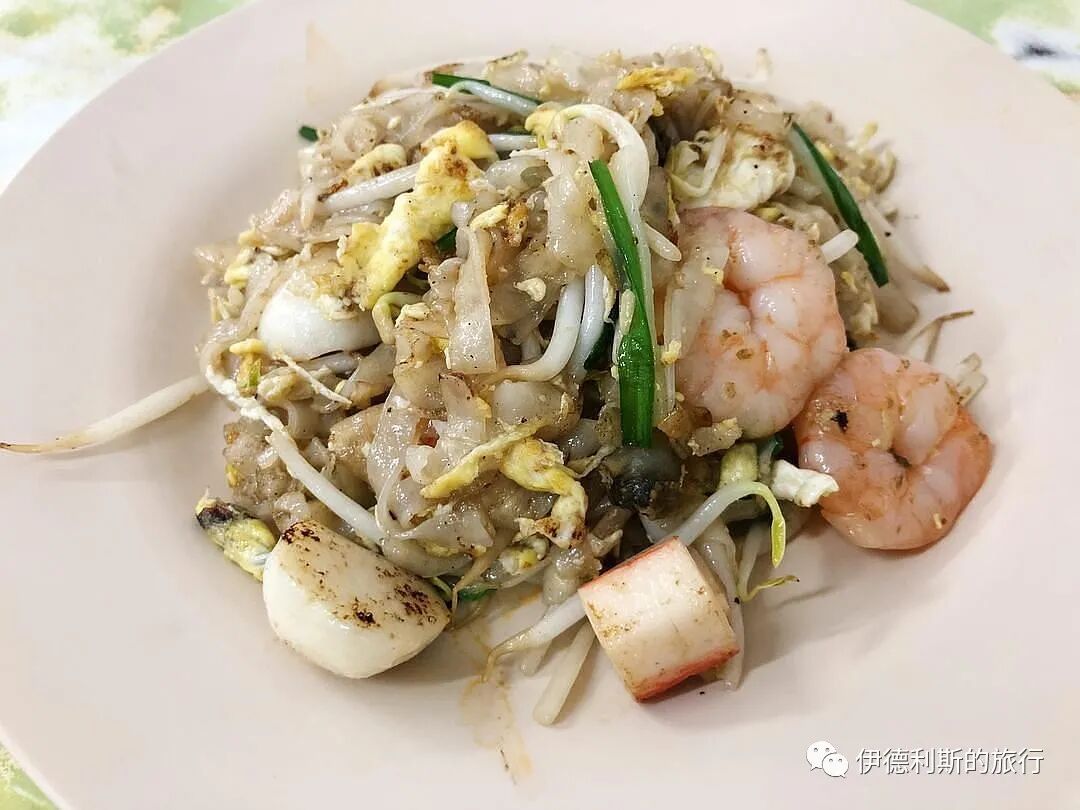
Stir-fried rice noodles (char kway teow) is a representative delicacy of Penang Chinese, similar to the Cantonese dish stir-fried beef rice noodles (gan chao niu he). Although it originated from their hometown in Chaozhou, it developed a local style after being passed down for several generations. Penang's stir-fried rice noodles (char kway teow) are relatively wide and thick, seasoned mainly with fish sauce and soy sauce, so the color is lighter. It also contains shrimp, fish balls, crab sticks, bean sprouts, chives, and eggs. Because this shop is halal, it does not use lard or Chinese sausage.
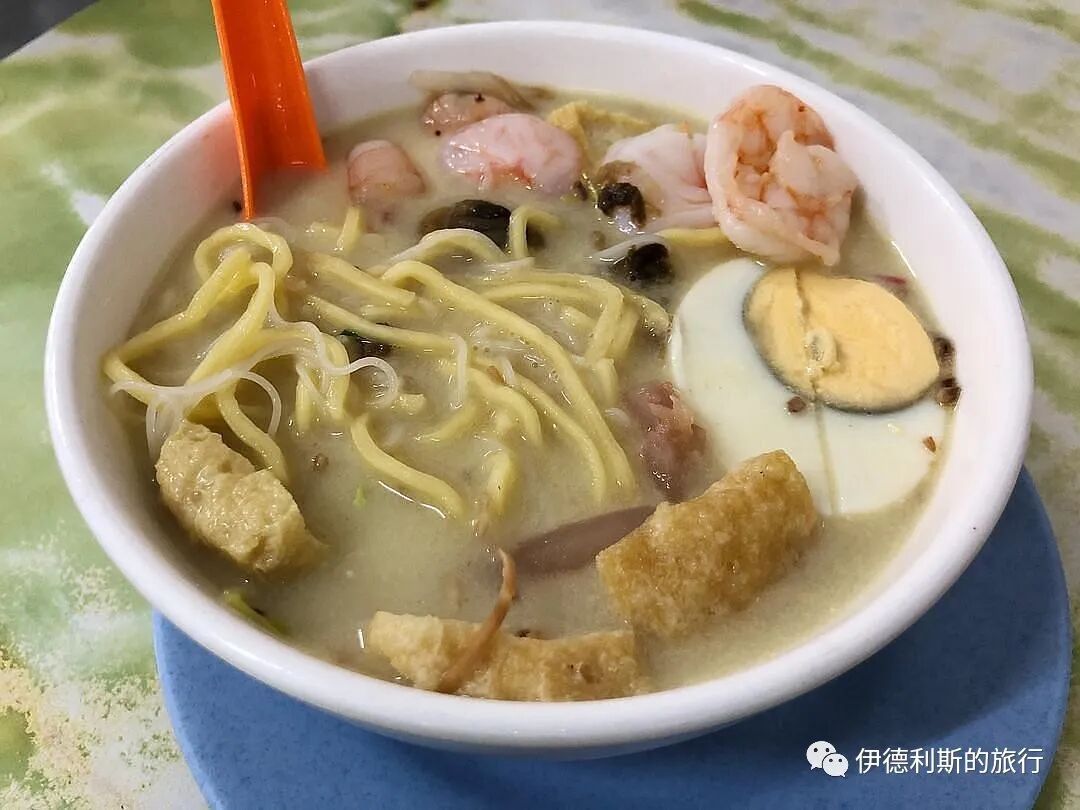
The white curry noodles are made with coconut milk and curry. They are slightly spicy and include shrimp, fried tofu, eggs, wood ear mushrooms, and mint leaves. You can choose the noodles yourself, and we chose half yellow noodles and half rice vermicelli.
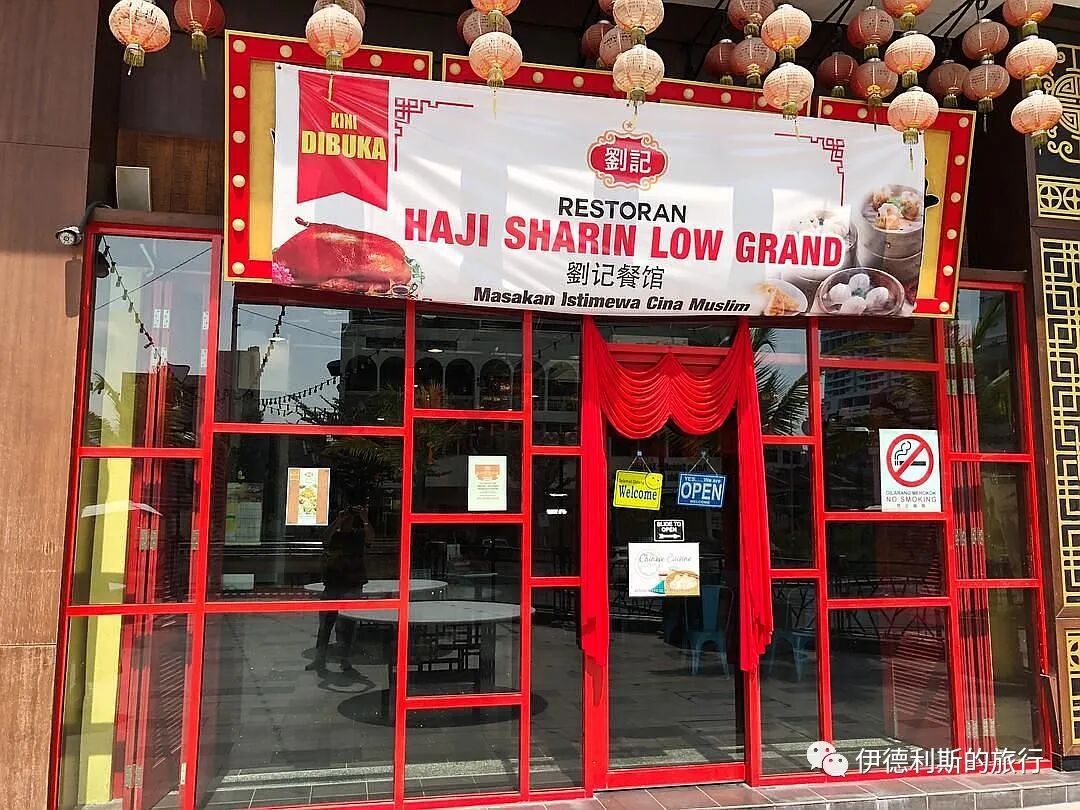
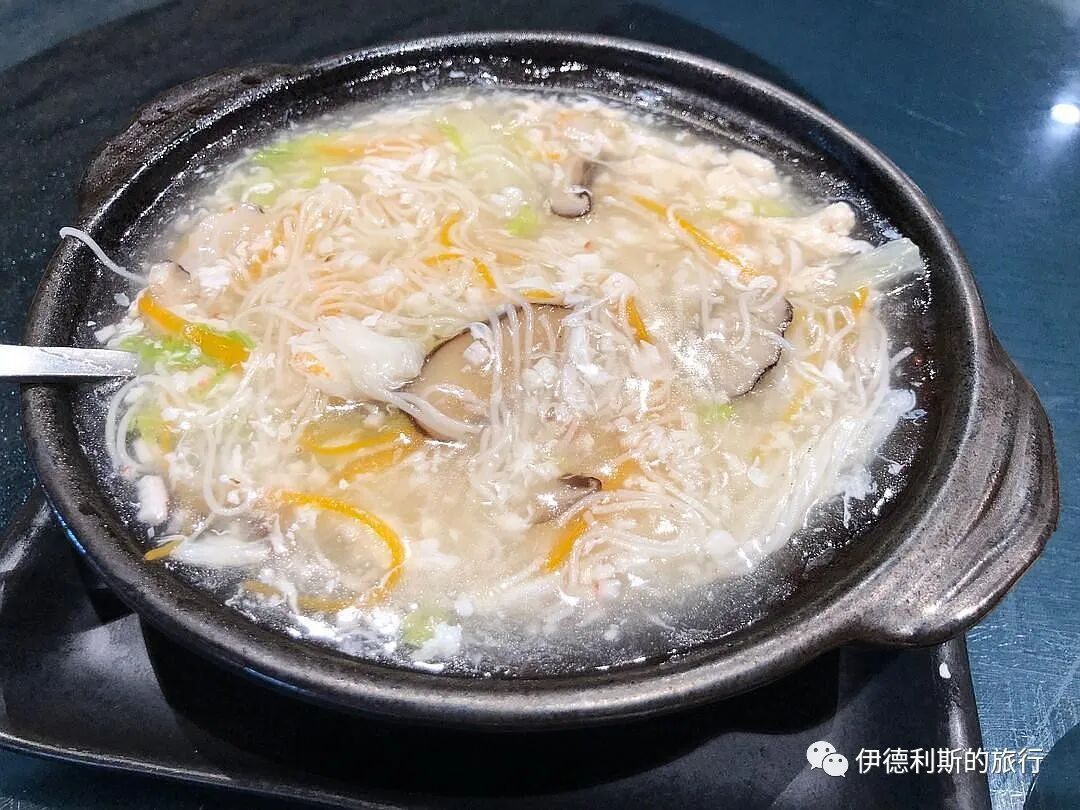
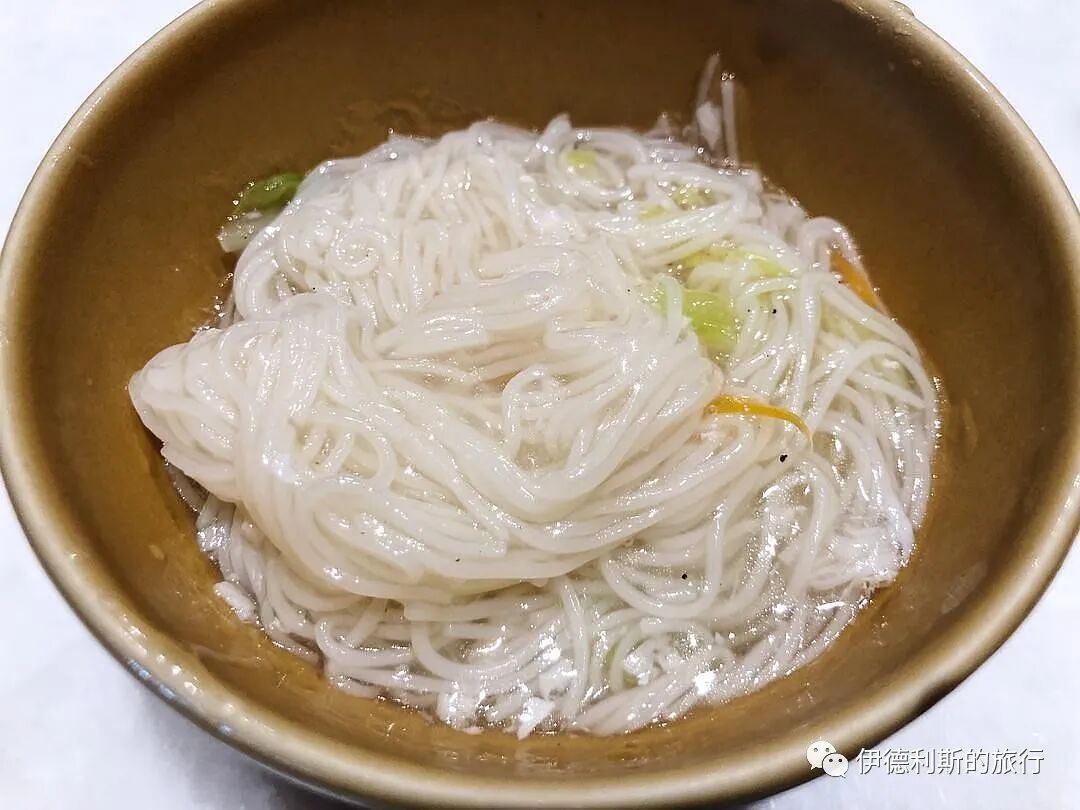
Restoran Haji Sharin Low Grand is the largest Chinese Muslim restaurant chain in Southeast Asia, with over 17 branches in Malaysia and Indonesia. The main store is in Kuala Lumpur, and the founder is Chinese Muslim Tuan Haji Sharin Low. This shop in Penang serves local Nyonya-style dishes alongside Teochew and Minnan recipes. We had the Minnan-style vermicelli soup (mianxianhu) here.
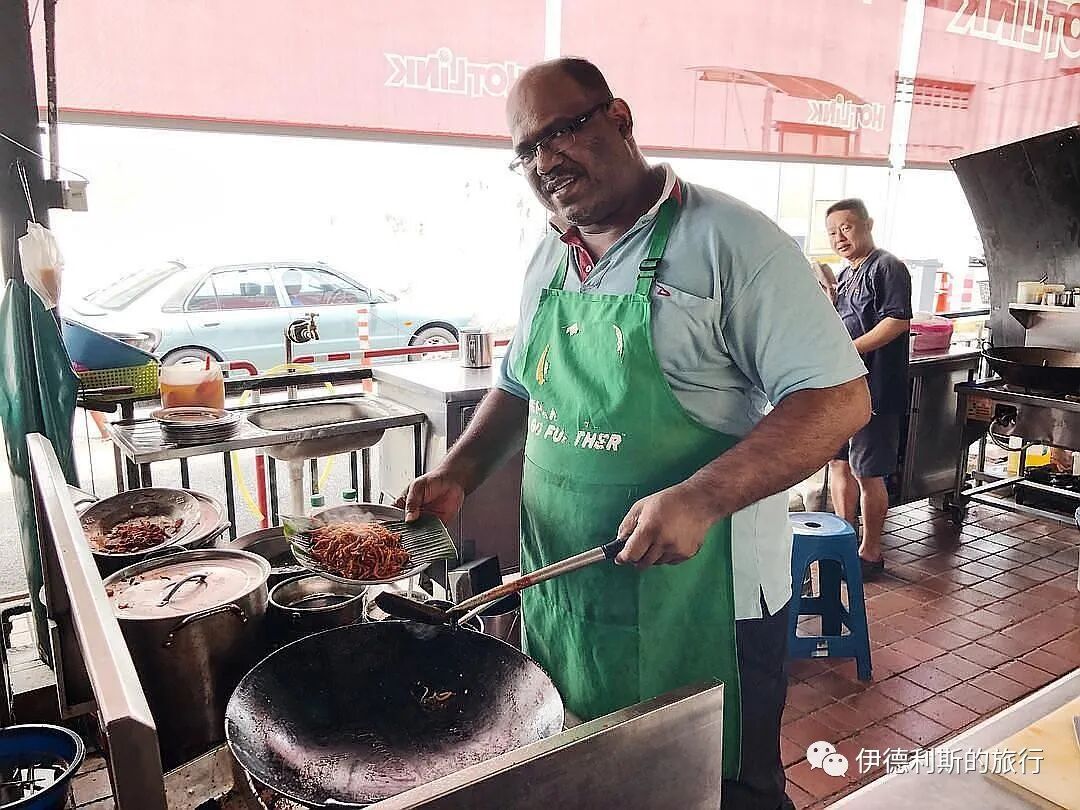
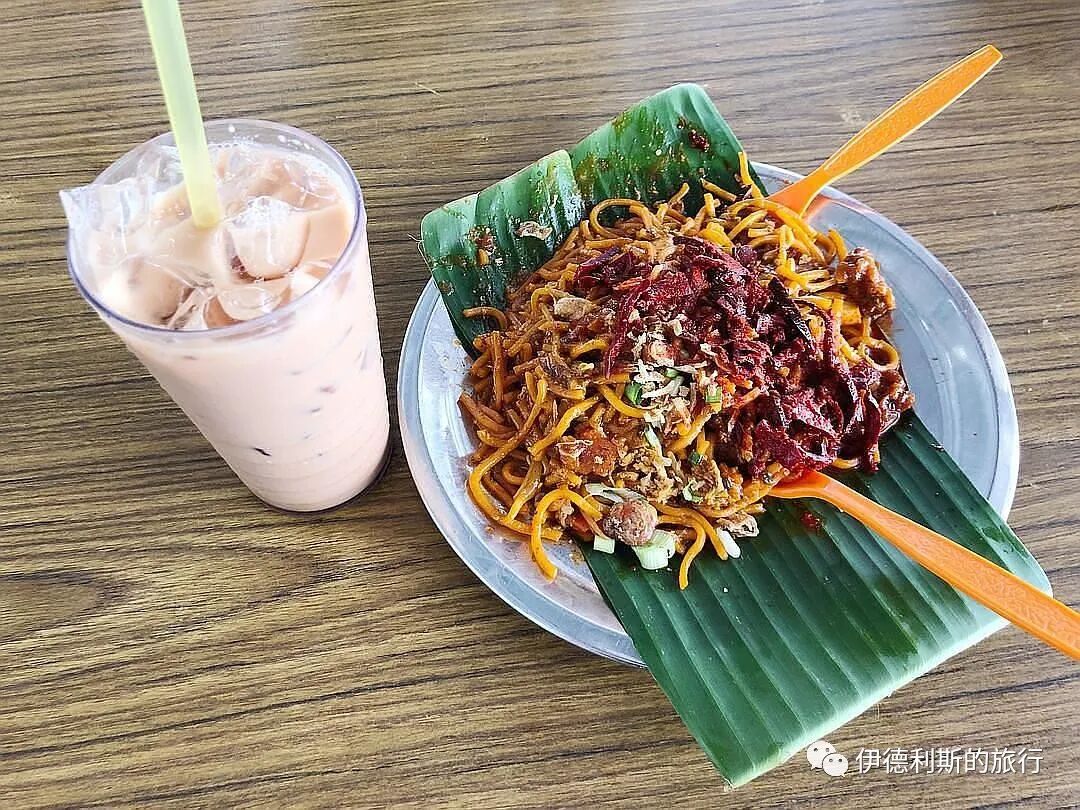
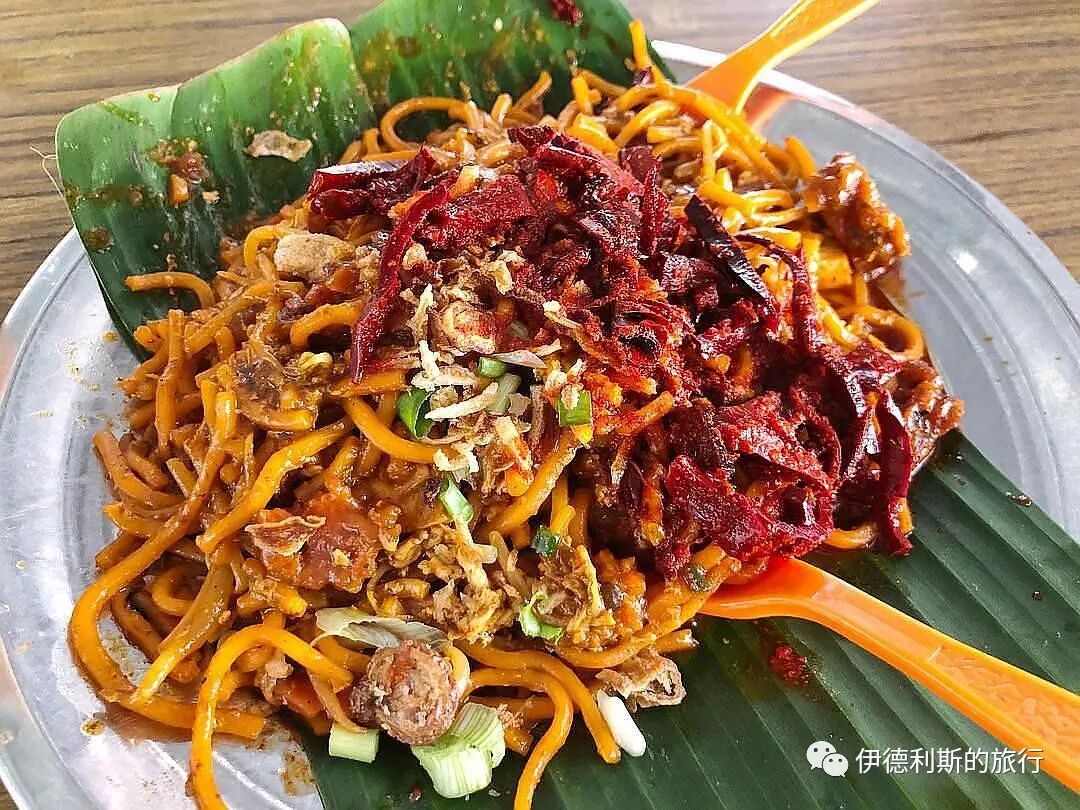
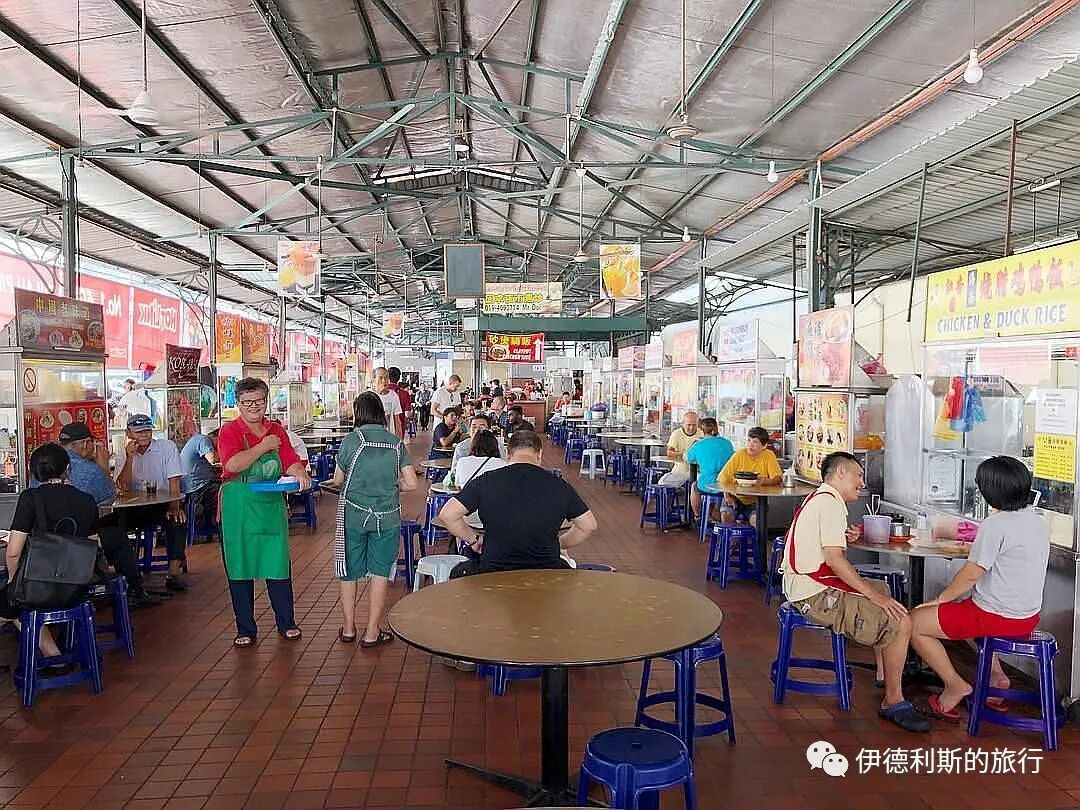
I ate fried noodles (mee goreng) with squid (sotong) at a mamak stall in the Sri Weld Food Court in Penang.
Sri Weld Food Court is a Chinese-dominated food center. Seeni Mohamed Sheik Abidin's mamak stall is the only South Indian-run stand there. Seeni has helped his grandfather sell fried noodles since he was a child. His noodles are famous for their sweet, sour, and spicy sauce, and the marinated squid must sit for a full day to soak up the flavor.
2. Malacca's boiled noodle soup (mee rebus)
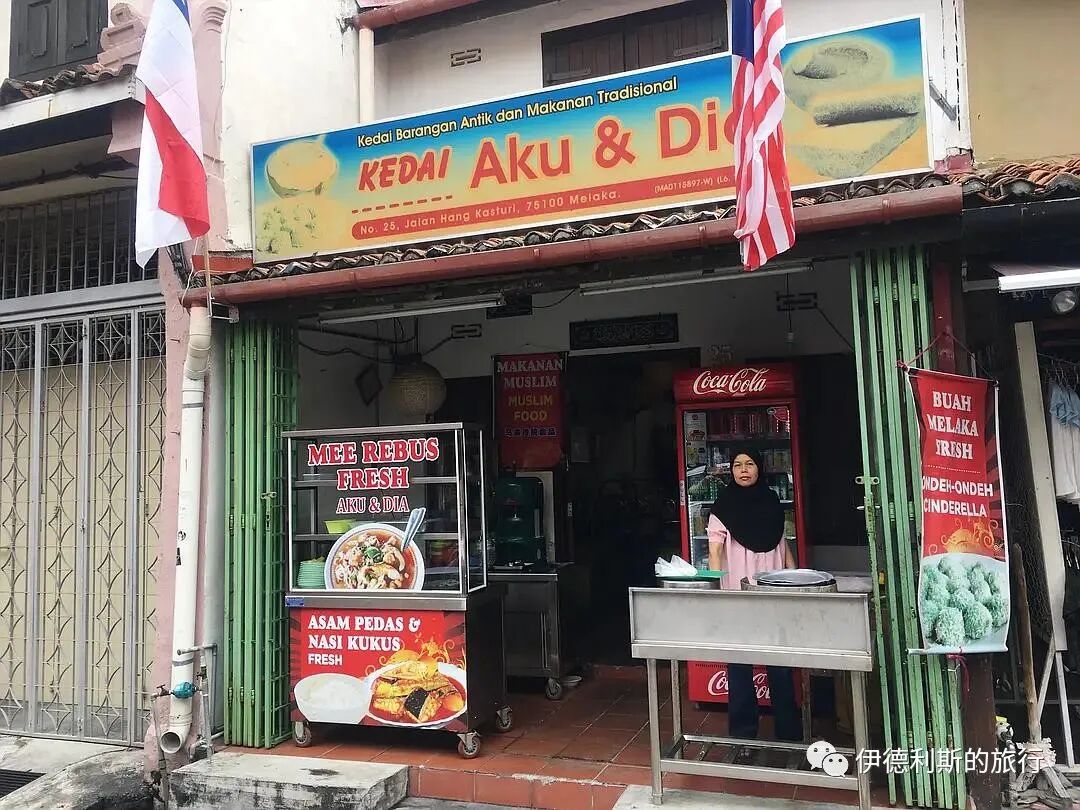
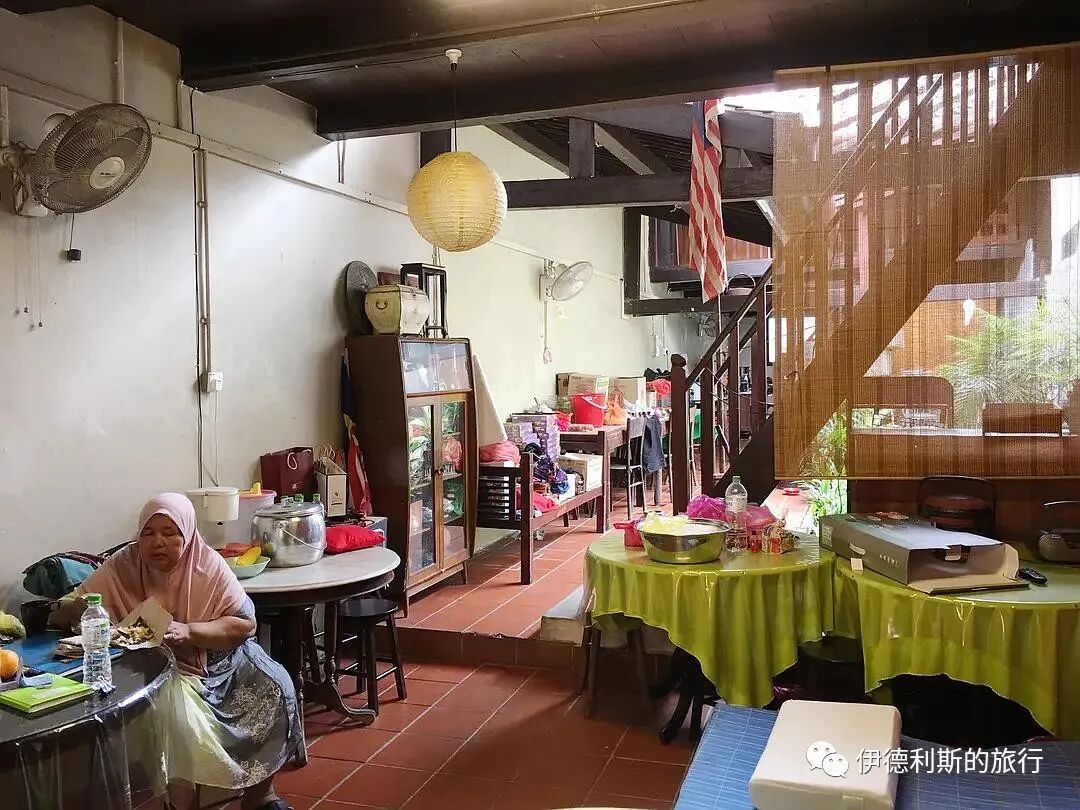
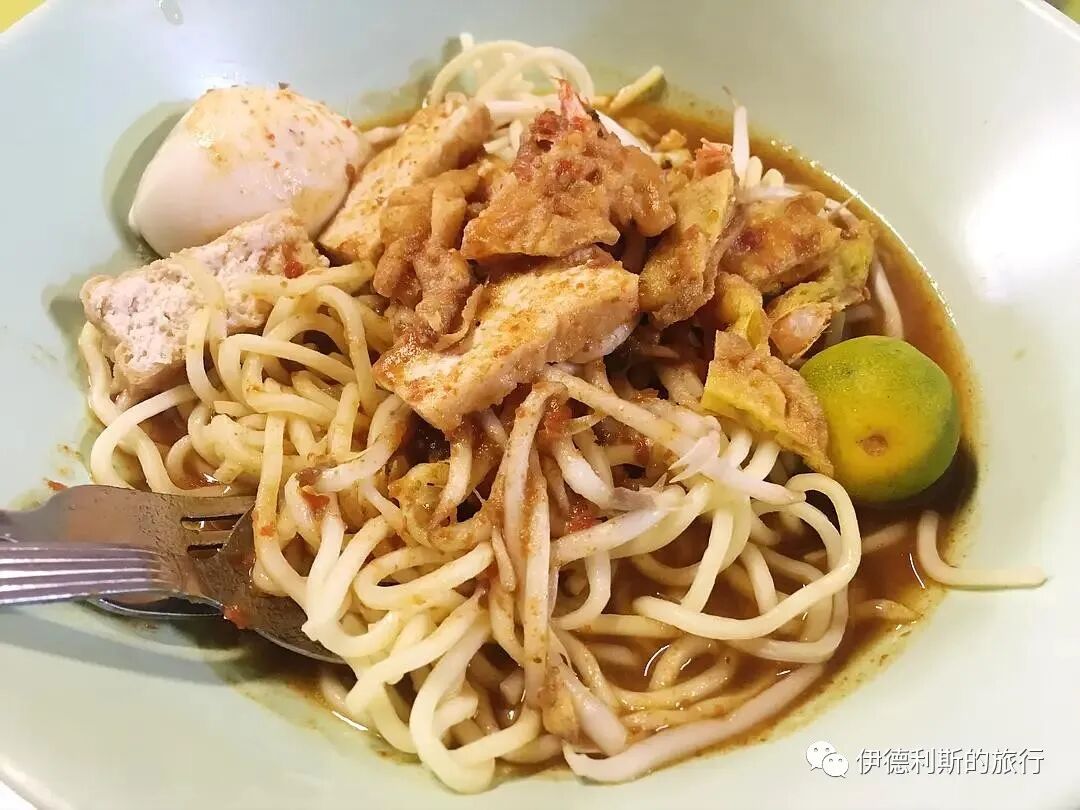
I had boiled noodle soup (mee rebus) at a Malay snack shop in Malacca. Boiled noodle soup (mee rebus) is popular in Malaysia, Indonesia, and Singapore. It is made with yellow egg noodles or Hokkien noodles (Hokkien mee) and served in a slightly sweet, spicy curry broth. The soup can include ingredients like eggs, shrimp, potatoes, lime, green onions, celery, green peppers, fried tofu, and bean sprouts.
5. Indonesia
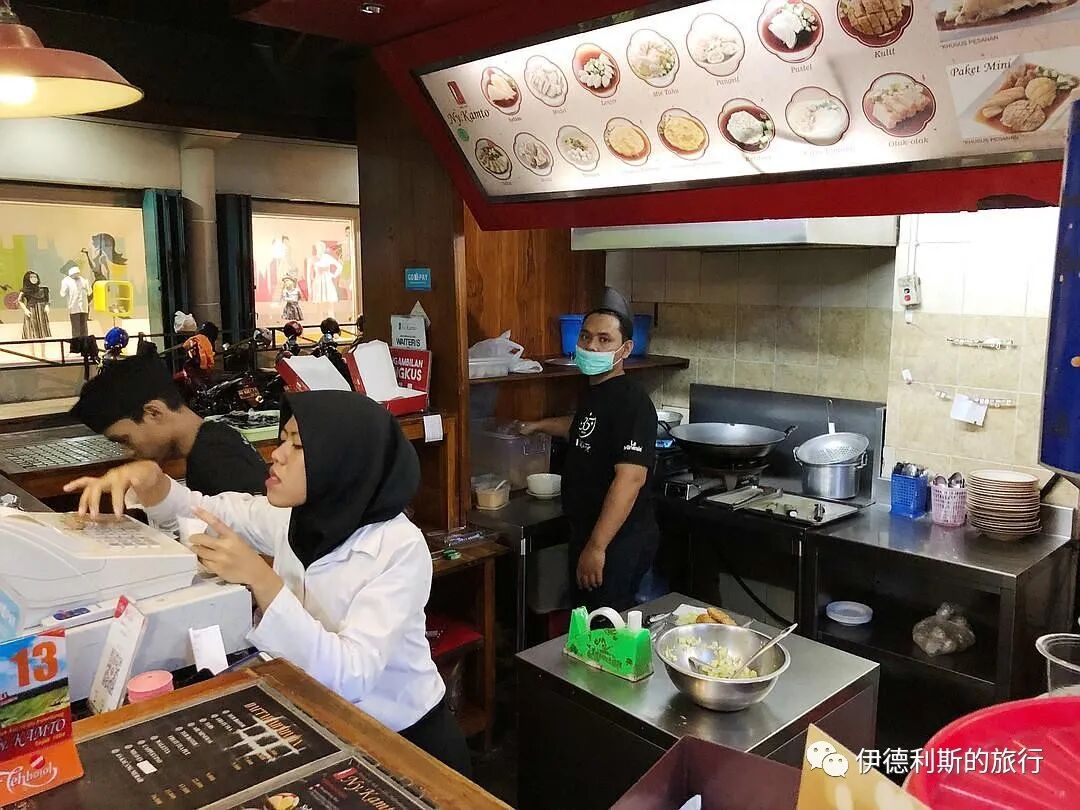
1. Yogyakarta's fish cake noodles
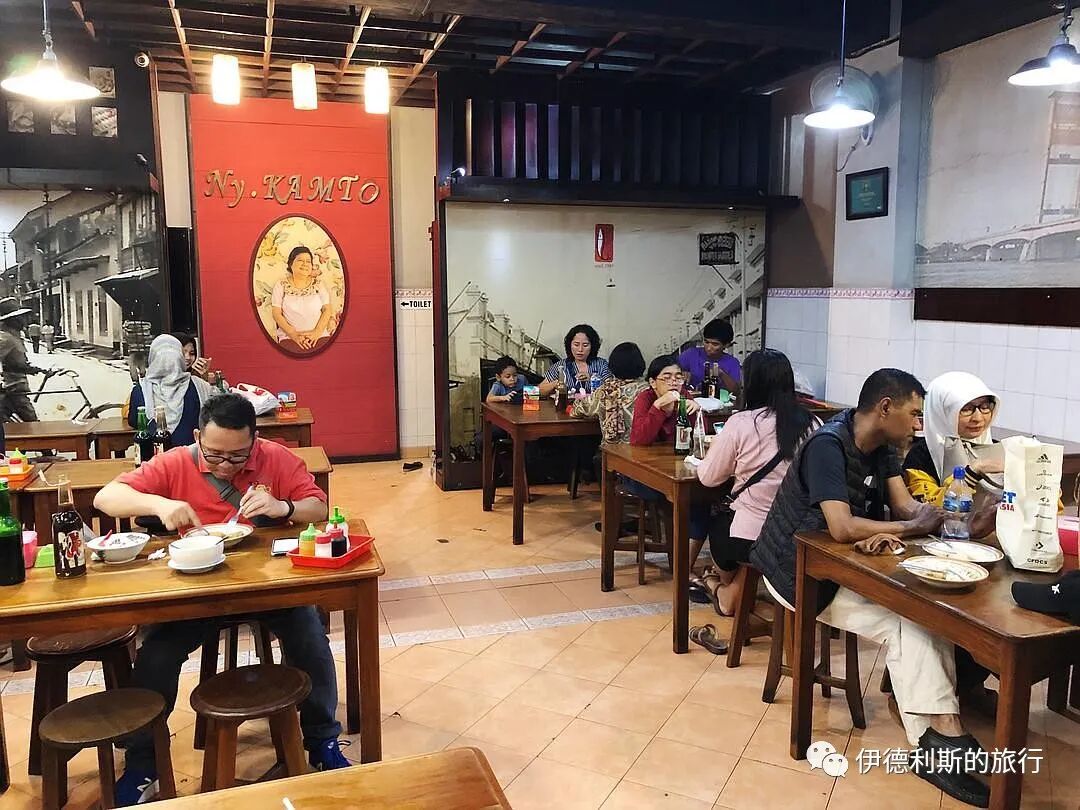
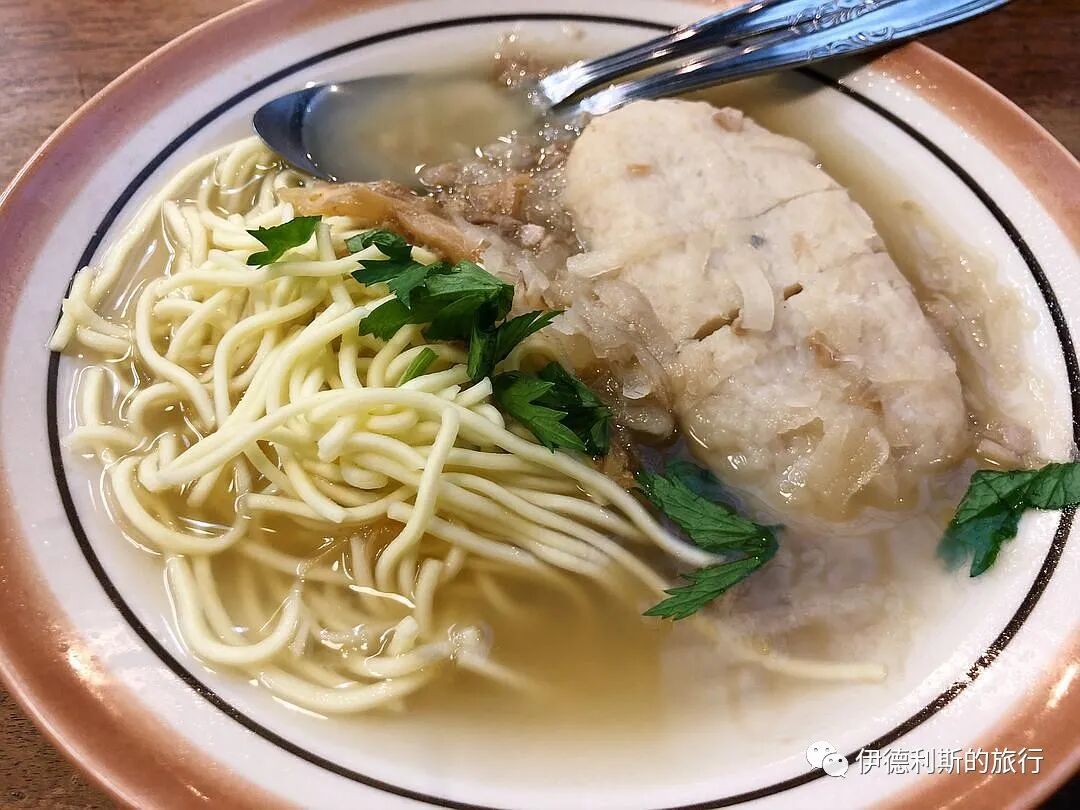
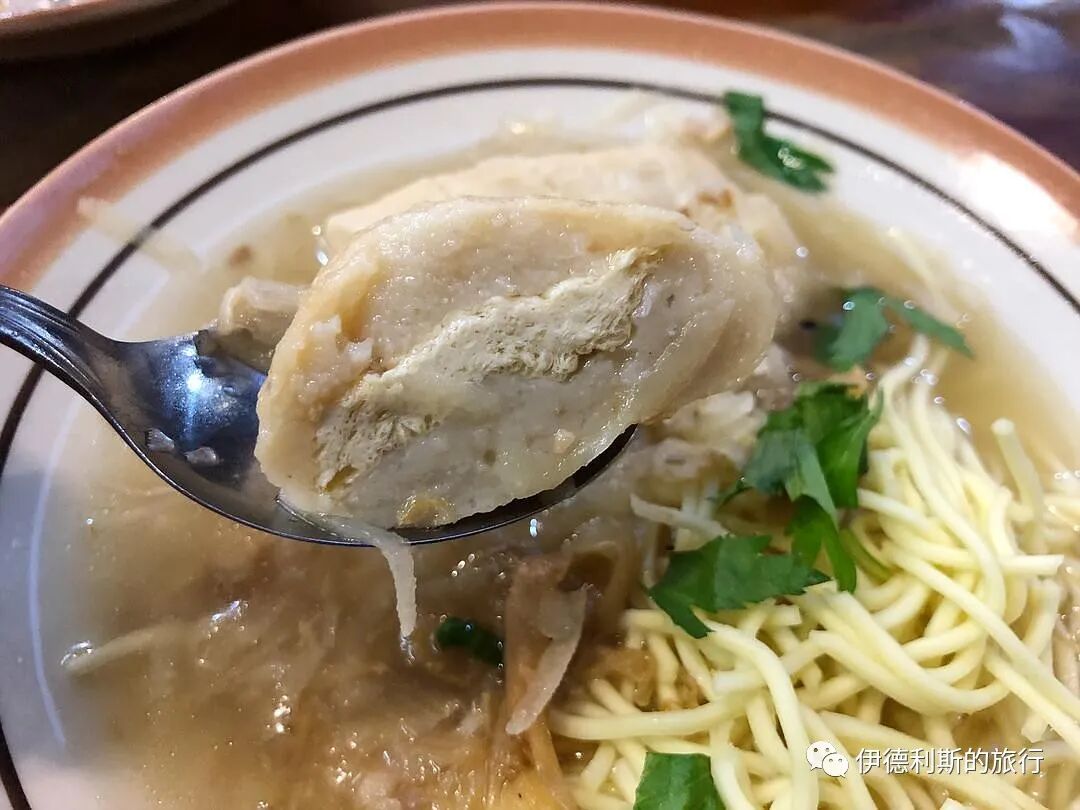
At a small shop in Yogyakarta that specializes in fish cakes, I ordered fish cake noodles (mie laksan). The fish cakes were stuffed with fish tofu.
6. South Korea
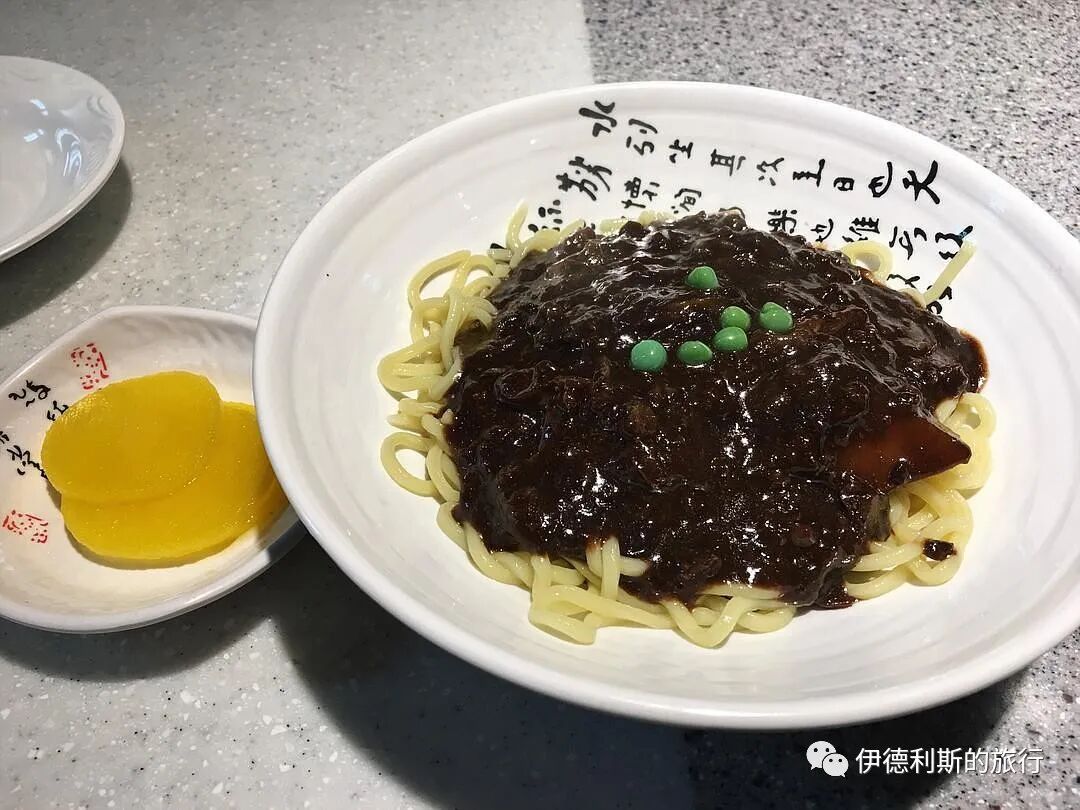
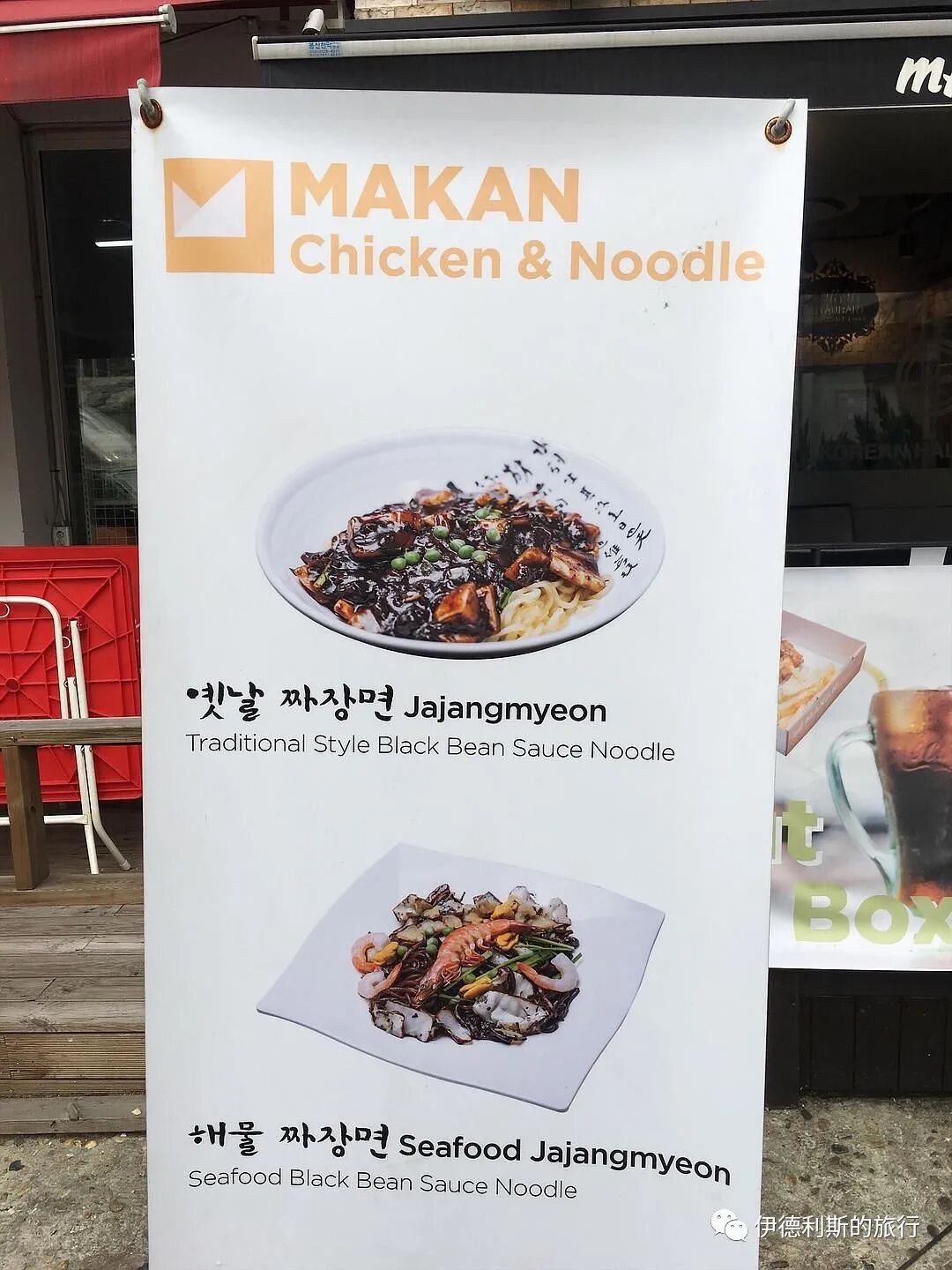
1. Seoul's Korean-style black bean noodles
In 1952, the U. S. military stationed on the Korean Peninsula officially established its headquarters in Yongsan, which became the United States Forces Korea headquarters after 1957. To meet the daily needs of the large number of U. S. troops, various foreign restaurants and bars began to appear in Itaewon, not far east of the Yongsan base. Muslims also started coming to Itaewon to open halal restaurants.
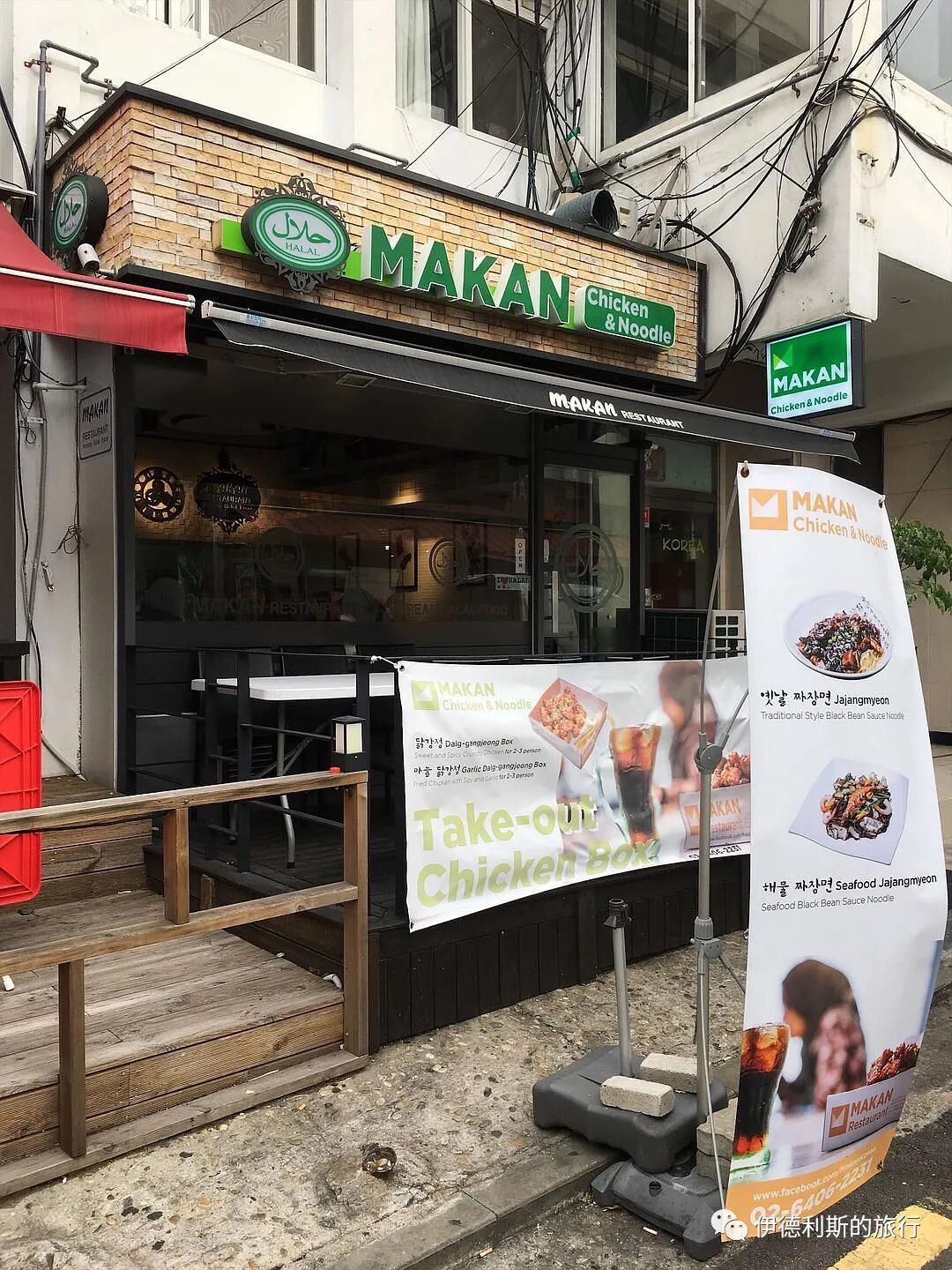
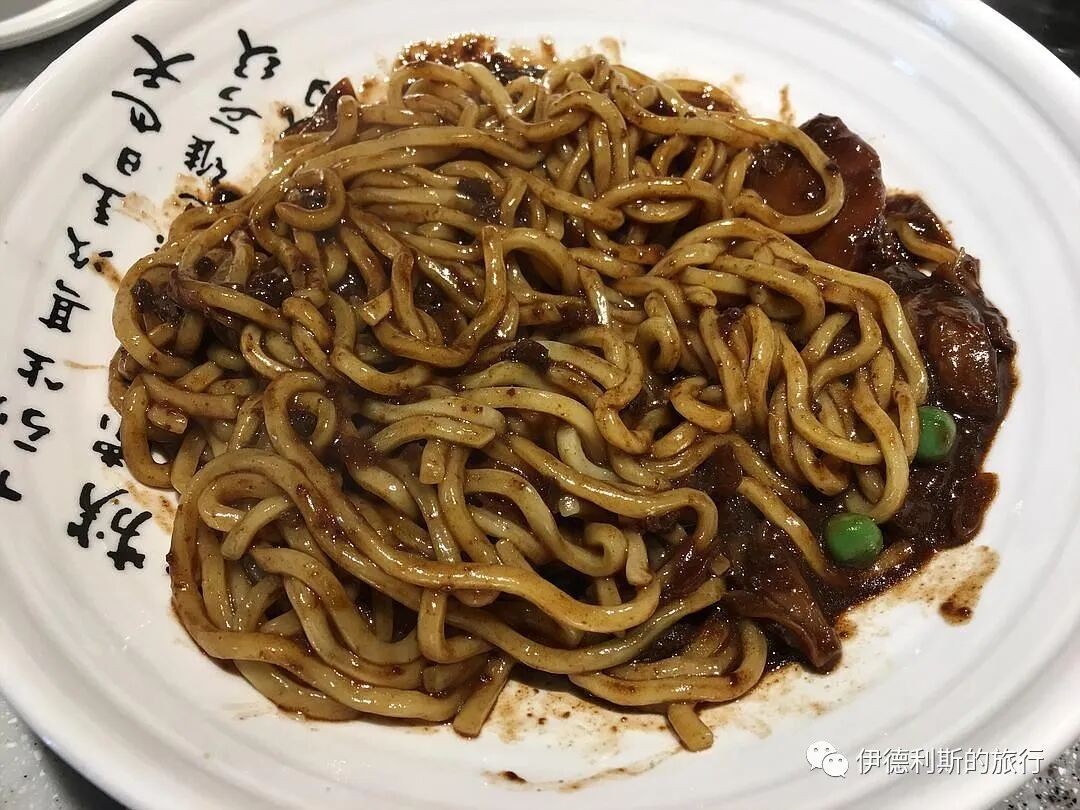
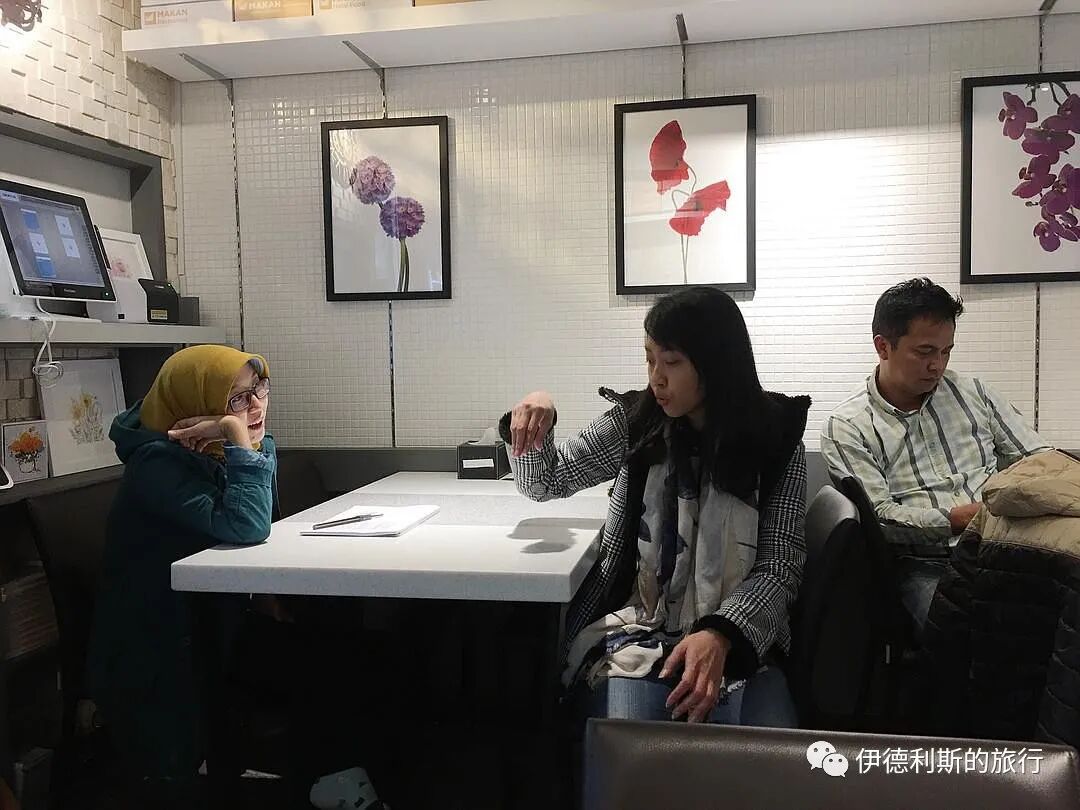
Although Itaewon has many Middle Eastern, Indian, and Turkish halal restaurants, the most unique ones are the halal Korean restaurants, and Makan is the most famous among them. to the main shop south of the mosque, Makan has another location west of the mosque that specializes in Korean-style fried chicken and black bean noodles. The chef is an older man, and it is part of the same business. The taste of Korean-style black bean noodles is different from Beijing-style black bean noodles, and the noodles are a bit like udon.
7. Thailand
1. Chiang Mai's curry noodles (khao soi)
In the late 19th and early 20th centuries, King Rama V of Thailand promoted economic development and needed a large labor force, so many Hui Muslim caravans from Yunnan came to Chiang Mai. In 1904, Zheng Chonglin, a Hui Muslim caravan merchant from Yuxi, Yunnan, and a descendant of Zheng He, built his own large caravan inn in the east of Chiang Mai city, which became the base for Yunnan caravans in Chiang Mai. Many Hui Muslim caravan members from Yunnan came to live near the inn, and the Wang He community began to form.
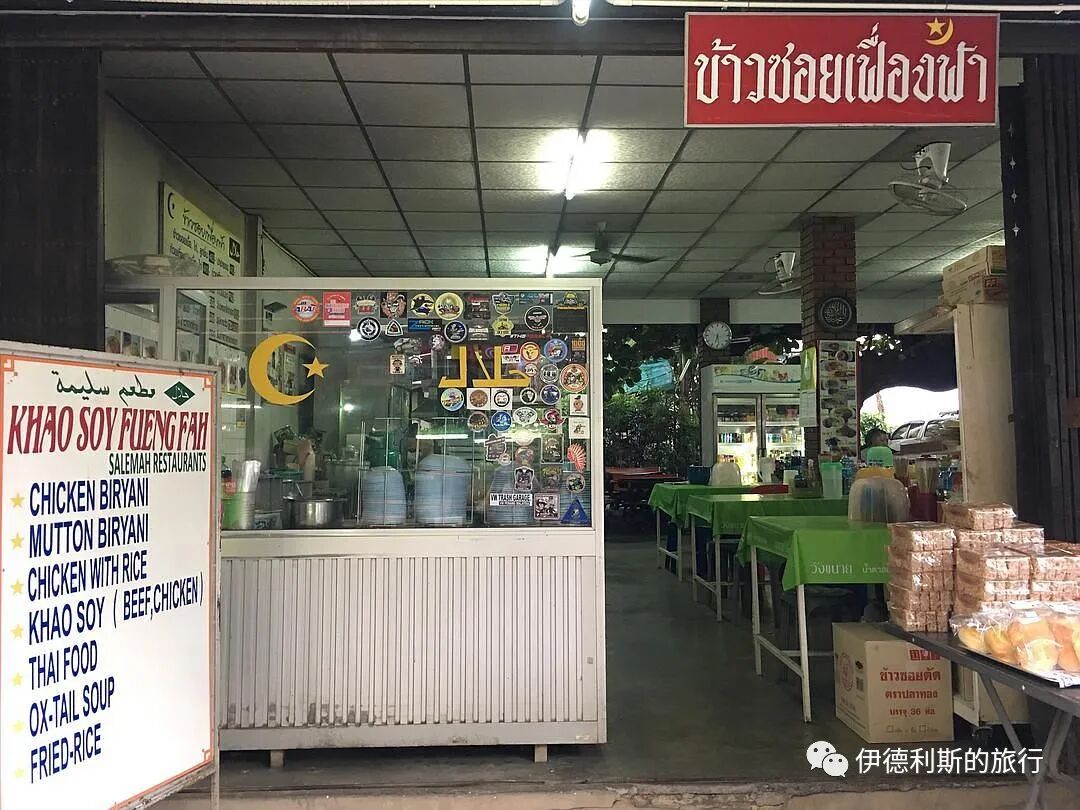
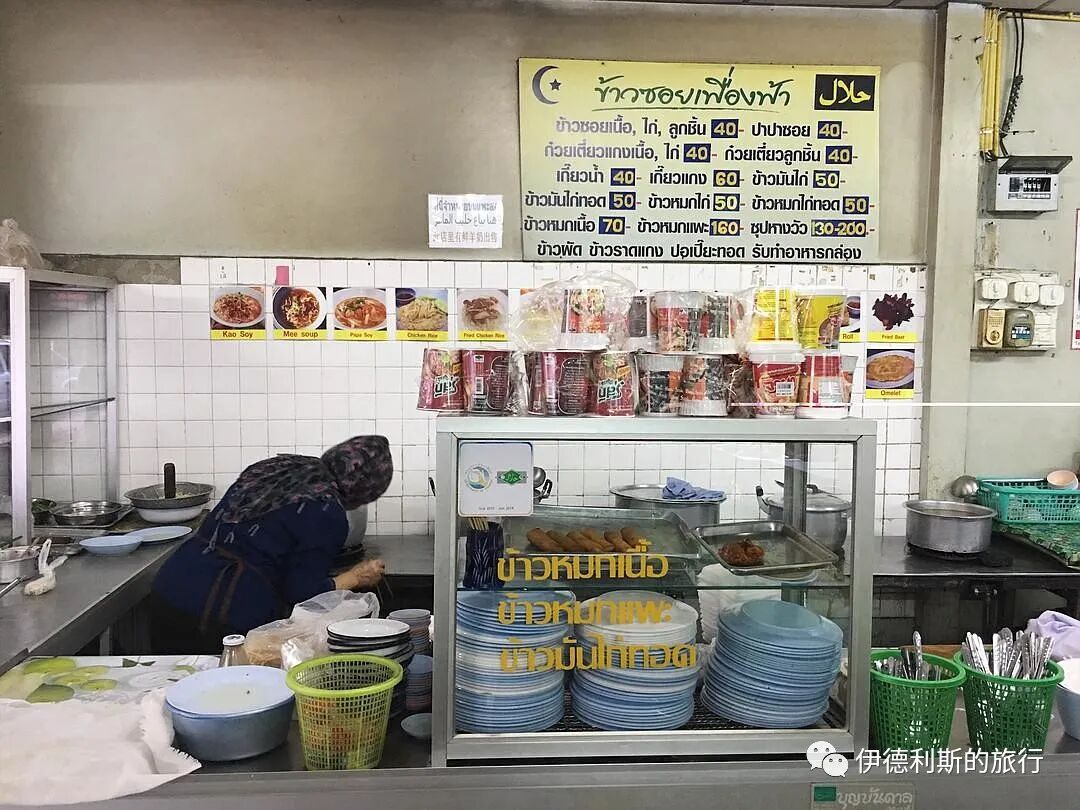
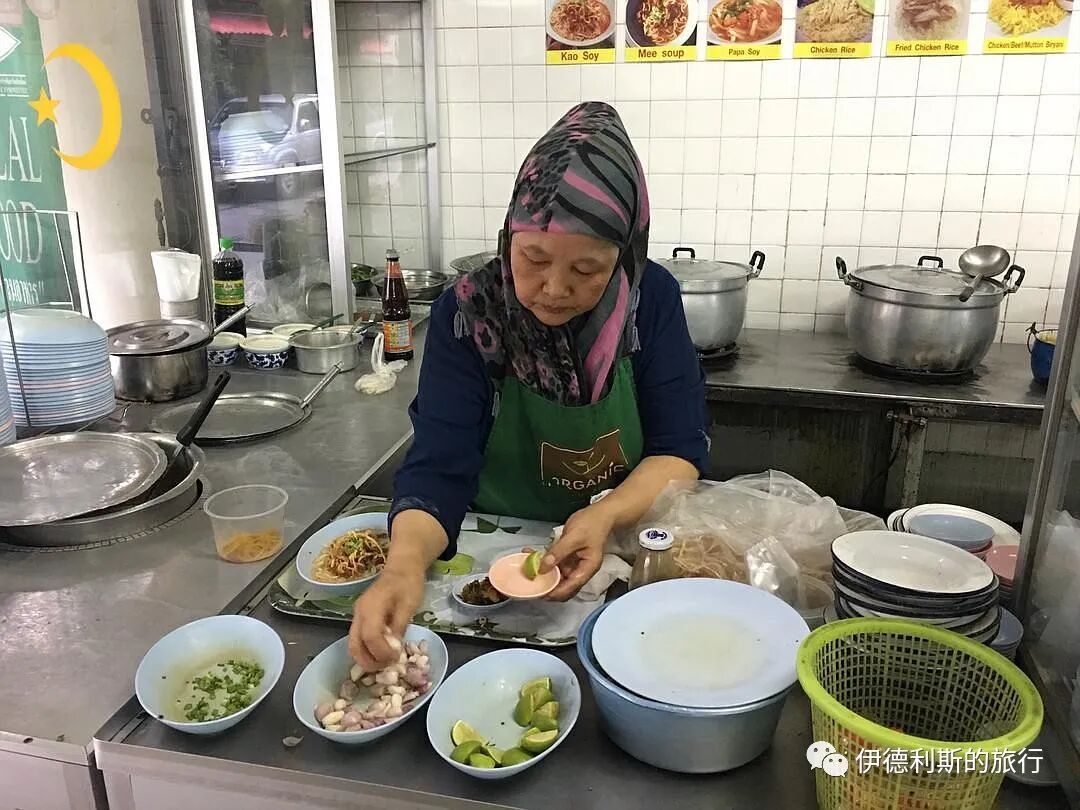
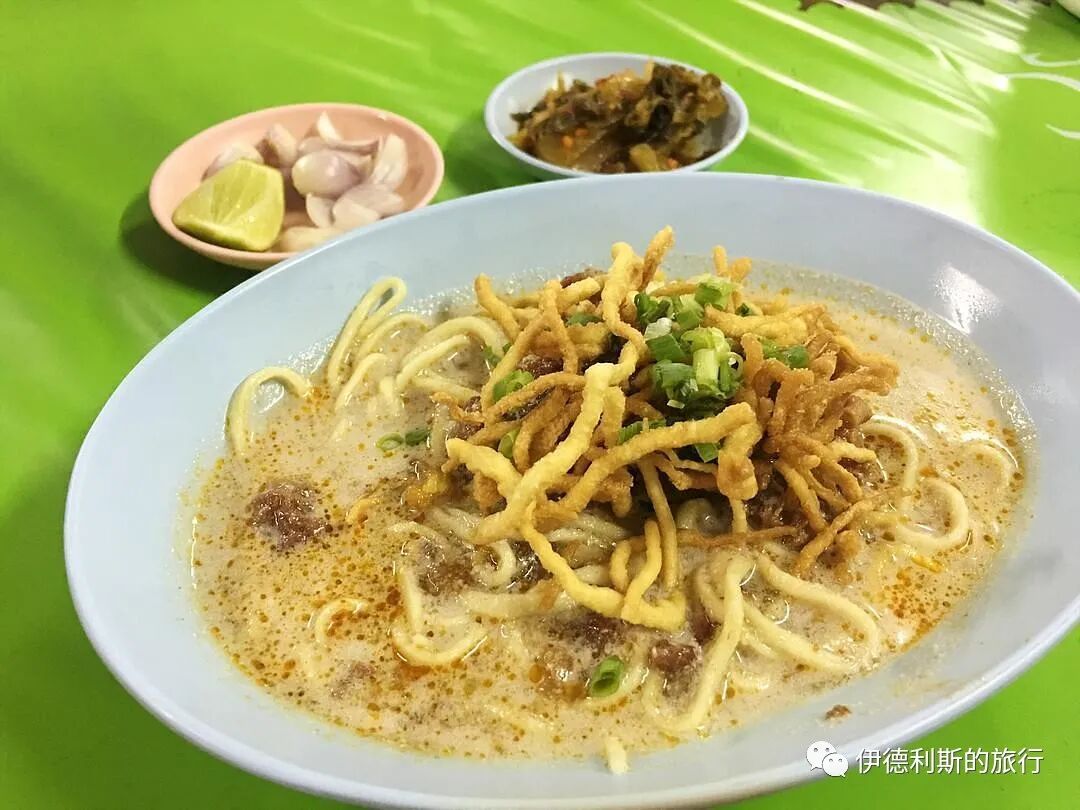
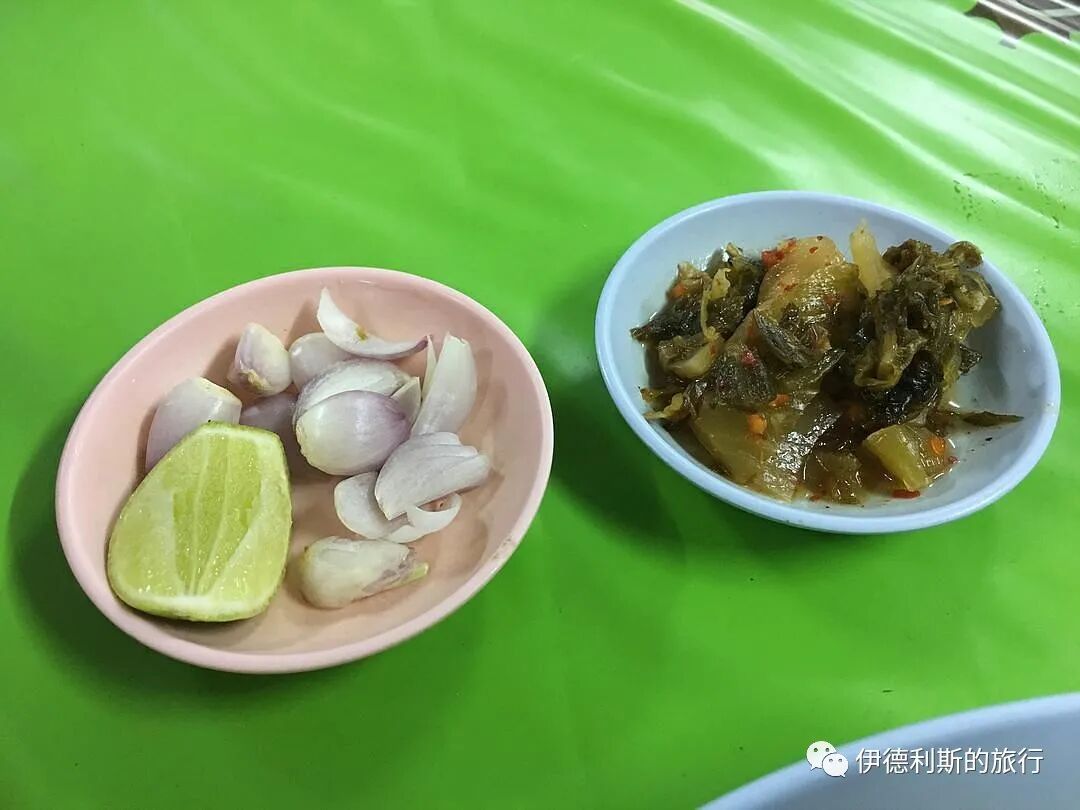
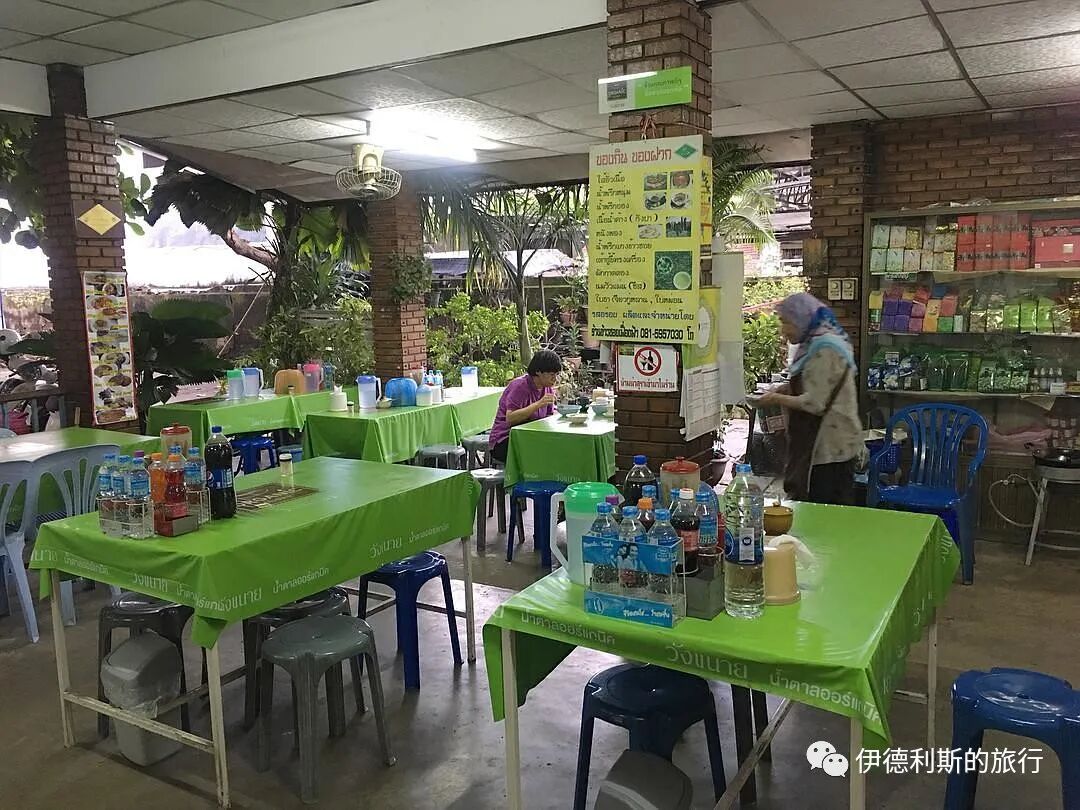
There are several halal restaurants run by Yunnan Hui Muslims on Wang He Street. I ate the famous Northern Thai curry noodles (khao soi) at this shop, KAO SOI FUENG FAH. People say these noodles were brought to Northern Thailand by people from Yunnan. The soup noodles are slightly spicy and topped with fried dough twists (sanzi), raw onions, and lemon. They taste pretty good.
2. Cold rice noodles (migan) from Chiang Mai.
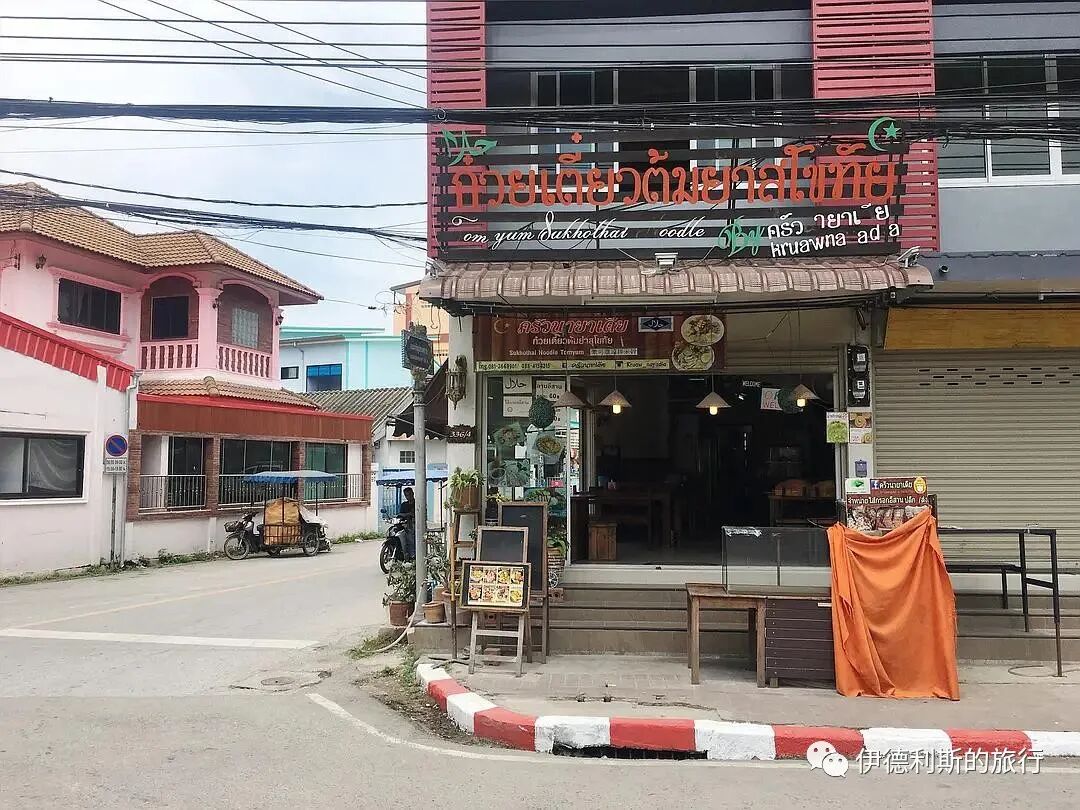
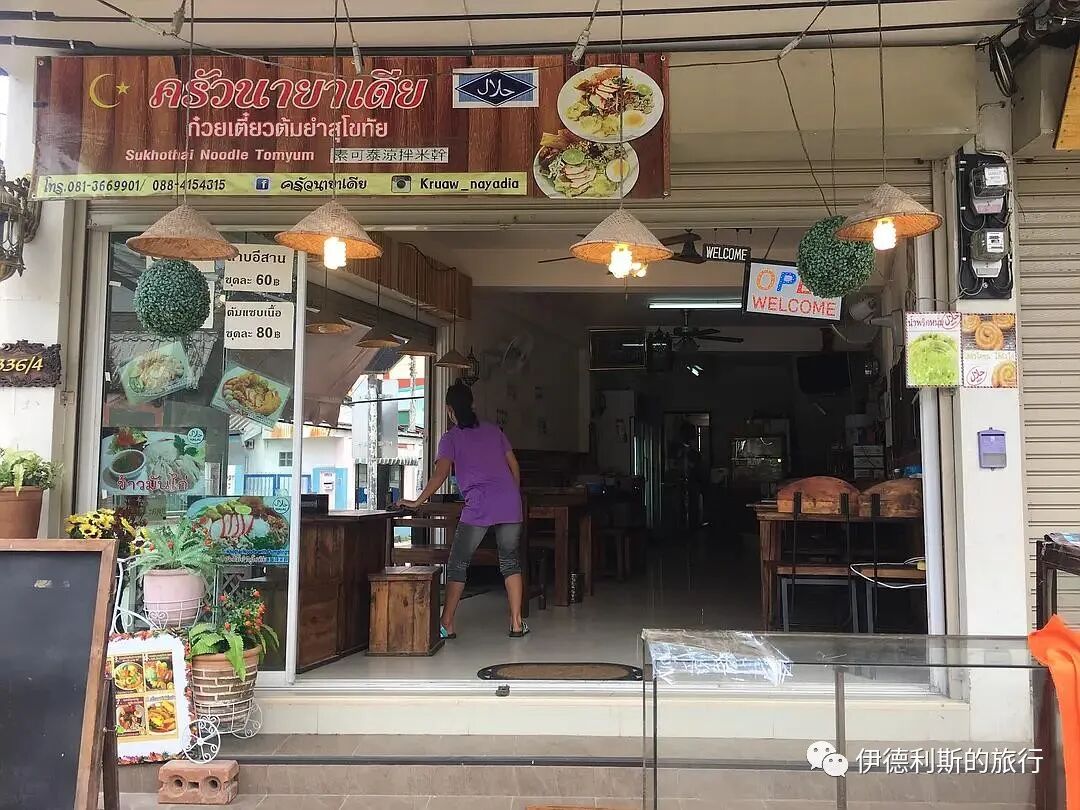
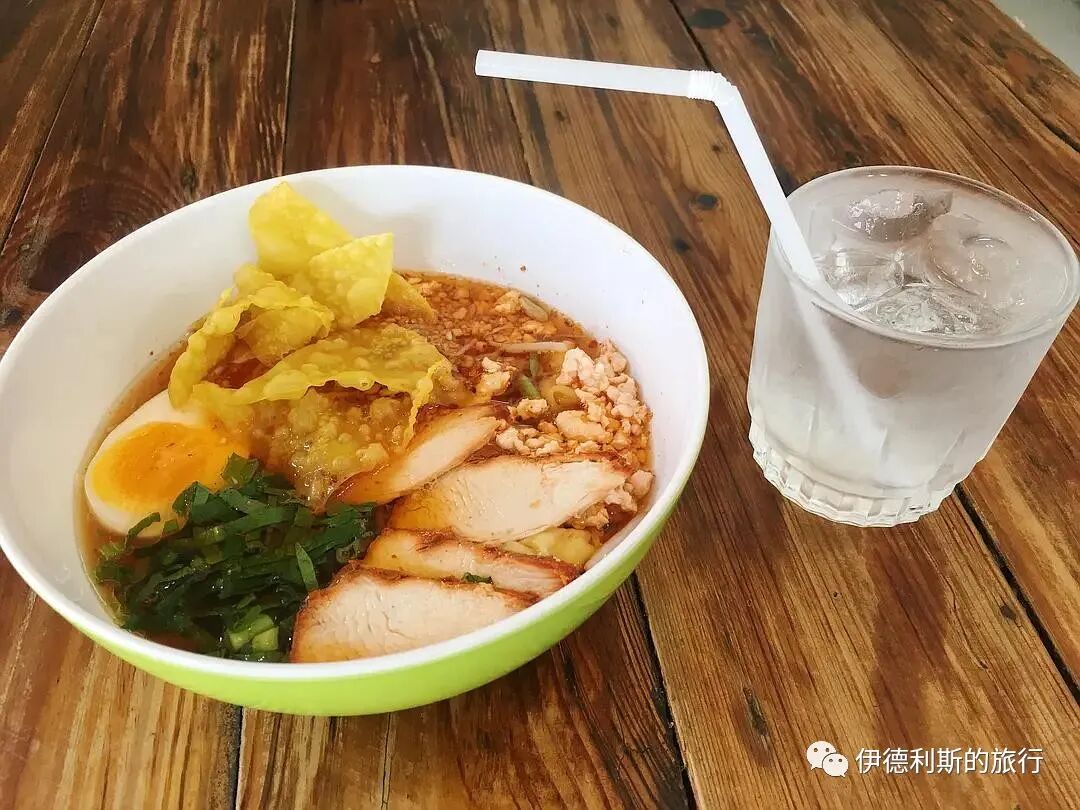
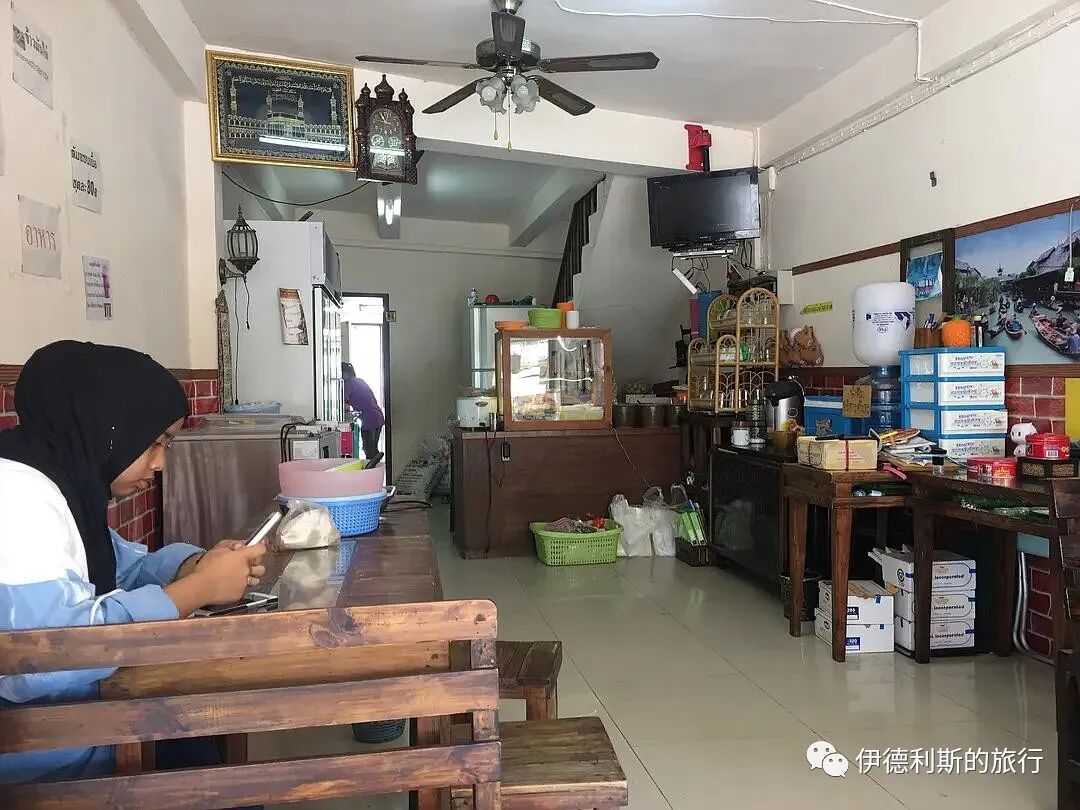
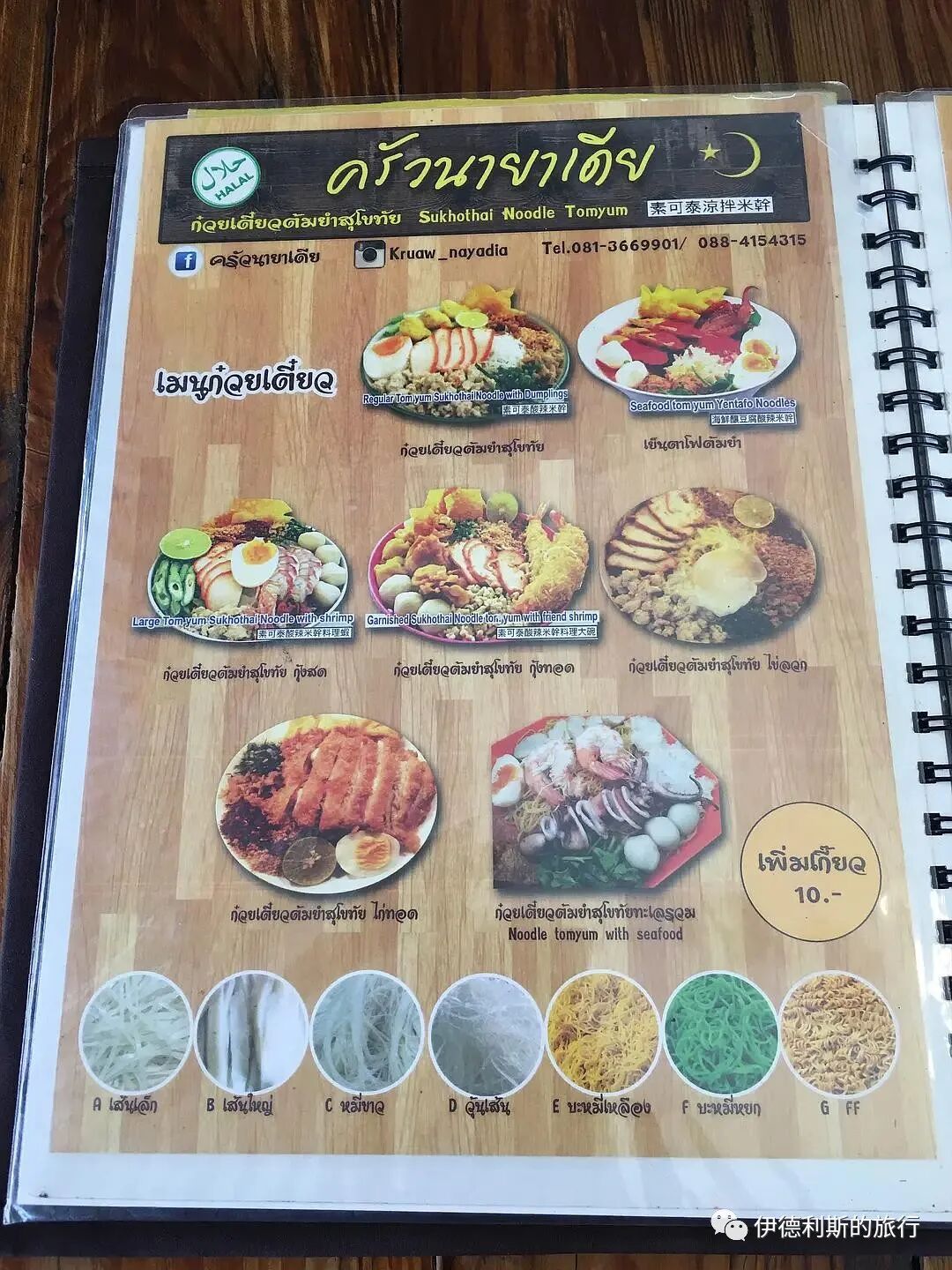
I visited a Thai restaurant in the Chang Khlan Muslim community in Chiang Mai and ordered their signature Sukhothai-style cold rice noodles (migan). Thai-speaking Muslims who have integrated through generations of intermarriage live here.
Summary: Halal Food Guide: Noodles Abroad — Muslim Food from Moscow to Penang is presented here as a firsthand travel account in clear English, beginning with this scene: In the early 17th century, as the Romanov dynasty was established, Moscow became prosperous again, and many Tatars from the Volga River and steppe regions came here to trade. The account keeps its focus on Global Halal Food, Noodles, Muslim Travel while preserving the names, places, food, and historical details from the Chinese source.
1. Hand-pulled noodles (latiaozi) at the historic mosque in the Tatar community of Moscow, Russia; stir-fried noodles at a Moscow Uzbek restaurant; and hand-pulled noodles (latiaozi) from the Crimean Tatars.
2. Hand-pulled noodles (latiaozi) in Tashkent, Uzbekistan.
3. Rice noodle soup (pho) in Ho Chi Minh City, Vietnam.
4. Stir-fried rice noodles (char kway teow), white curry noodles, vermicelli soup (mee sua kor), and Indian-style stir-fried noodles (mee goreng mamak) in Penang, Malaysia; and boiled noodle dish (mee rebus) in Malacca.
5. Fish cake noodles in Yogyakarta, Indonesia.
6. Korean-style black bean noodles (jjajangmyeon) in Seoul, South Korea.
7. Curry noodles (khao soi) and cold rice noodles in Chiang Mai, Thailand.
1. Russia
1. Hand-pulled noodles (latiaozi) at the historic mosque in the Tatar community of Moscow.
In the early 17th century, as the Romanov dynasty was established, Moscow became prosperous again, and many Tatars from the Volga River and steppe regions came here to trade. The Tatar community officially formed south of the Moskva River, across from the Kremlin. The Tatar community mosque dates back to 1712. It has been rebuilt many times. Today, most Muslims who come for Friday namaz are from Central Asia and the Caucasus.
After Friday namaz, I ate hand-pulled noodles (latiaozi) at the mosque's restaurant. The atmosphere here is very good and lively.
2. Stir-fried noodles at a Moscow Uzbek restaurant.
Since the collapse of the Soviet Union, many Uzbeks have come to Moscow for work. Many became loaders and taxi drivers, and some opened restaurants.
In 1951, the Ministry of Trade of the Uzbek Soviet Socialist Republic decided to open a restaurant called "Uzbekistan." It is now a long-standing Uzbek establishment in Moscow, though it has been transferred to private ownership. I ate stir-fried noodles here.
3. Hand-pulled noodles (latiaozi) of the Crimean Tatars.
Bakhchysarai is the former capital of the Crimean Tatars. Although it became an ordinary town after Russia occupied the Crimean Khanate in 1783, it remains the cultural center of the Crimean Tatars and preserves their unique culture and customs.
In May 1944, the Soviet Union deported all 240,000 Crimean Tatars from the Crimean Peninsula to Uzbekistan and other remote regions. The Crimean Tatars learned to make hand-pulled noodles (latiaozi) while in exile in Uzbekistan, and today it has become a part of their food culture.
I stayed at a very beautiful traditional Crimean Tatar house called Bahitgul Boutique-Hotel. They serve traditional Crimean Tatar food, and I ordered hand-pulled noodles (lagman) for my first meal.
2. Uzbekistan
1. Hand-pulled noodles (latiaozi) in Tashkent.
The grandmother where we stayed highly recommended this noodle shop called Lagman House. It is not far from our place or Chorsu Bazaar. The shop is very clean, and the meat in the mixed noodles is delicious.
3. Vietnam
1. Pho in Ho Chi Minh City
During the French colonial period in Vietnam, many Cham Muslims from Cambodia moved to the Mekong Delta because of the relatively loose autonomy policy for the Cham people. Saigon Green House is the best Cham Muslim restaurant in Ho Chi Minh City, and it has a rich variety of delicious food.
I ate Vietnamese rice noodle soup (pho) with Thai basil here. Vietnamese rice noodle soup (pho) appeared in northern Vietnam in the early 20th century, but it was not very popular in Saigon until the 1950s. After Vietnam was divided into north and south in 1954, over a million people moved from the north to the south. Pho became popular in Saigon and developed a unique flavor different from the north.
Al Rahim mosque is the first mosque in Saigon, built by Malay and Indonesian Muslims in 1885. Every morning until noon, there is a small noodle shop run by Cham Muslims at the entrance of the mosque.
Jamiul Anwar mosque was built with aid from Malaysia in 1968, and currently, 240 Cham Muslims pray here. On the way to the mosque, there is a halal snack shop where I ate duck glass noodles.
The Cham Muslims here live together with the Kinh people and Chinese people, and everyone gets along very harmoniously.
4. Malaysia
1. Penang's stir-fried rice noodles (char kway teow), white curry noodles, wheat noodle soup (mee sua kor), and Indian stir-fried noodles (mee goreng mamak).
Bee Hwa Cafe in Penang attracts many Malay people because it uses halal ingredients. We ate the classic Malaysian Chinese dishes, stir-fried rice noodles (char kway teow) and white curry noodles (curry mee), at their place.
Stir-fried rice noodles (char kway teow) is a representative delicacy of Penang Chinese, similar to the Cantonese dish stir-fried beef rice noodles (gan chao niu he). Although it originated from their hometown in Chaozhou, it developed a local style after being passed down for several generations. Penang's stir-fried rice noodles (char kway teow) are relatively wide and thick, seasoned mainly with fish sauce and soy sauce, so the color is lighter. It also contains shrimp, fish balls, crab sticks, bean sprouts, chives, and eggs. Because this shop is halal, it does not use lard or Chinese sausage.
The white curry noodles are made with coconut milk and curry. They are slightly spicy and include shrimp, fried tofu, eggs, wood ear mushrooms, and mint leaves. You can choose the noodles yourself, and we chose half yellow noodles and half rice vermicelli.
Restoran Haji Sharin Low Grand is the largest Chinese Muslim restaurant chain in Southeast Asia, with over 17 branches in Malaysia and Indonesia. The main store is in Kuala Lumpur, and the founder is Chinese Muslim Tuan Haji Sharin Low. This shop in Penang serves local Nyonya-style dishes alongside Teochew and Minnan recipes. We had the Minnan-style vermicelli soup (mianxianhu) here.
I ate fried noodles (mee goreng) with squid (sotong) at a mamak stall in the Sri Weld Food Court in Penang.
Sri Weld Food Court is a Chinese-dominated food center. Seeni Mohamed Sheik Abidin's mamak stall is the only South Indian-run stand there. Seeni has helped his grandfather sell fried noodles since he was a child. His noodles are famous for their sweet, sour, and spicy sauce, and the marinated squid must sit for a full day to soak up the flavor.
2. Malacca's boiled noodle soup (mee rebus)
I had boiled noodle soup (mee rebus) at a Malay snack shop in Malacca. Boiled noodle soup (mee rebus) is popular in Malaysia, Indonesia, and Singapore. It is made with yellow egg noodles or Hokkien noodles (Hokkien mee) and served in a slightly sweet, spicy curry broth. The soup can include ingredients like eggs, shrimp, potatoes, lime, green onions, celery, green peppers, fried tofu, and bean sprouts.
5. Indonesia
1. Yogyakarta's fish cake noodles
At a small shop in Yogyakarta that specializes in fish cakes, I ordered fish cake noodles (mie laksan). The fish cakes were stuffed with fish tofu.
6. South Korea
1. Seoul's Korean-style black bean noodles
In 1952, the U. S. military stationed on the Korean Peninsula officially established its headquarters in Yongsan, which became the United States Forces Korea headquarters after 1957. To meet the daily needs of the large number of U. S. troops, various foreign restaurants and bars began to appear in Itaewon, not far east of the Yongsan base. Muslims also started coming to Itaewon to open halal restaurants.
Although Itaewon has many Middle Eastern, Indian, and Turkish halal restaurants, the most unique ones are the halal Korean restaurants, and Makan is the most famous among them. to the main shop south of the mosque, Makan has another location west of the mosque that specializes in Korean-style fried chicken and black bean noodles. The chef is an older man, and it is part of the same business. The taste of Korean-style black bean noodles is different from Beijing-style black bean noodles, and the noodles are a bit like udon.
7. Thailand
1. Chiang Mai's curry noodles (khao soi)
In the late 19th and early 20th centuries, King Rama V of Thailand promoted economic development and needed a large labor force, so many Hui Muslim caravans from Yunnan came to Chiang Mai. In 1904, Zheng Chonglin, a Hui Muslim caravan merchant from Yuxi, Yunnan, and a descendant of Zheng He, built his own large caravan inn in the east of Chiang Mai city, which became the base for Yunnan caravans in Chiang Mai. Many Hui Muslim caravan members from Yunnan came to live near the inn, and the Wang He community began to form.
There are several halal restaurants run by Yunnan Hui Muslims on Wang He Street. I ate the famous Northern Thai curry noodles (khao soi) at this shop, KAO SOI FUENG FAH. People say these noodles were brought to Northern Thailand by people from Yunnan. The soup noodles are slightly spicy and topped with fried dough twists (sanzi), raw onions, and lemon. They taste pretty good.
2. Cold rice noodles (migan) from Chiang Mai.
I visited a Thai restaurant in the Chang Khlan Muslim community in Chiang Mai and ordered their signature Sukhothai-style cold rice noodles (migan). Thai-speaking Muslims who have integrated through generations of intermarriage live here.
