
Halal Travel Guide: Anqing Hui Muslim Community — South Gate Mosque and Halal Food (Part 1)
Reposted from the web
Summary: Anqing Hui Muslim Community — South Gate Mosque and Halal Food is presented here as a firsthand travel account in clear English, beginning with this scene: I visited the Hui Muslim community in Anqing in 2017 and would like to share some details about the mosques and halal food there. The account keeps its focus on Anqing Muslims, China Mosques, Halal Food while preserving the names, places, food, and historical details from the Chinese source.
I visited the Hui Muslim community in Anqing in 2017 and would like to share some details about the mosques and halal food there.
Hui Muslims settle in Anqing.
In 1381 (the 14th year of the Hongwu reign of the Ming Dynasty), the Hui Muslim general Ma Jucheng led his troops to guard Anqing and was named General Mingwei. Many of his officers and soldiers were also Hui Muslims, and they settled in Anqing with him. Ma Jucheng's descendants are also known as the Ming Ma family. In 1389 (the 22nd year of the Hongwu reign of the Ming Dynasty), another Hui Muslim general, Ma Hazhi, was transferred to the Anqing Left Guard. His descendants were hereditary commanders of the Anqing Guard and became known as the Wei Ma family, the most important Hui Muslim family in Anqing.
According to the Huaining Ma Family Genealogy, a version revised by the Dunyue Hall in the second year of the Guangxu reign of the Qing Dynasty and kept at the C. V. Starr East Asian Library at Columbia University, the ancestor of the Wei Ma family was Ma'iz, a Rum person from the Western Regions. His name was translated into Chinese as Ma Yize, so his descendants took Ma as their surname. Rum refers to the Anatolian Peninsula, now translated as Rûm (meaning Roman). It was once territory of the Eastern Roman Empire, and from the 11th to the 14th century, the Seljuk dynasty established the Sultanate of Rum there.
According to the family genealogy, Ma Yize came to the Song Dynasty in 961 (the second year of the Jianlong reign of the Song Dynasty) to help compile the Ying Tian Calendar. He was appointed as the Director of the Imperial Astronomical Bureau and granted a hereditary marquis title. The 18th-generation descendant, Ma Hazhi, who had been on a pilgrimage to Mecca, took office at the Anqing Left Guard in 1389 (the 22nd year of the Hongwu reign of the Ming Dynasty). Ma Hazhi had two sons. His second son, Ma Lin, had three sons: Ma Yi, Ma Jun, and Ma Bao. All three brothers were soldiers, and Ma Yi had the most outstanding military achievements. He was also the founder of the Nanguan Mosque in Anqing.
In 1466 (the second year of the Chenghua reign), Ma Yi returned home with honors, and in 1468 (the fourth year of the Chenghua reign), he was granted the hereditary title of General Piaoji. His younger brothers, Ma Jun and Ma Bao, who fought alongside Ma Yi in Guangxi, were granted the titles of General Wude and General Wubei in the early years of the Chenghua reign, serving as hereditary thousand-man commanders and garrison commanders of the Anqing Guard.
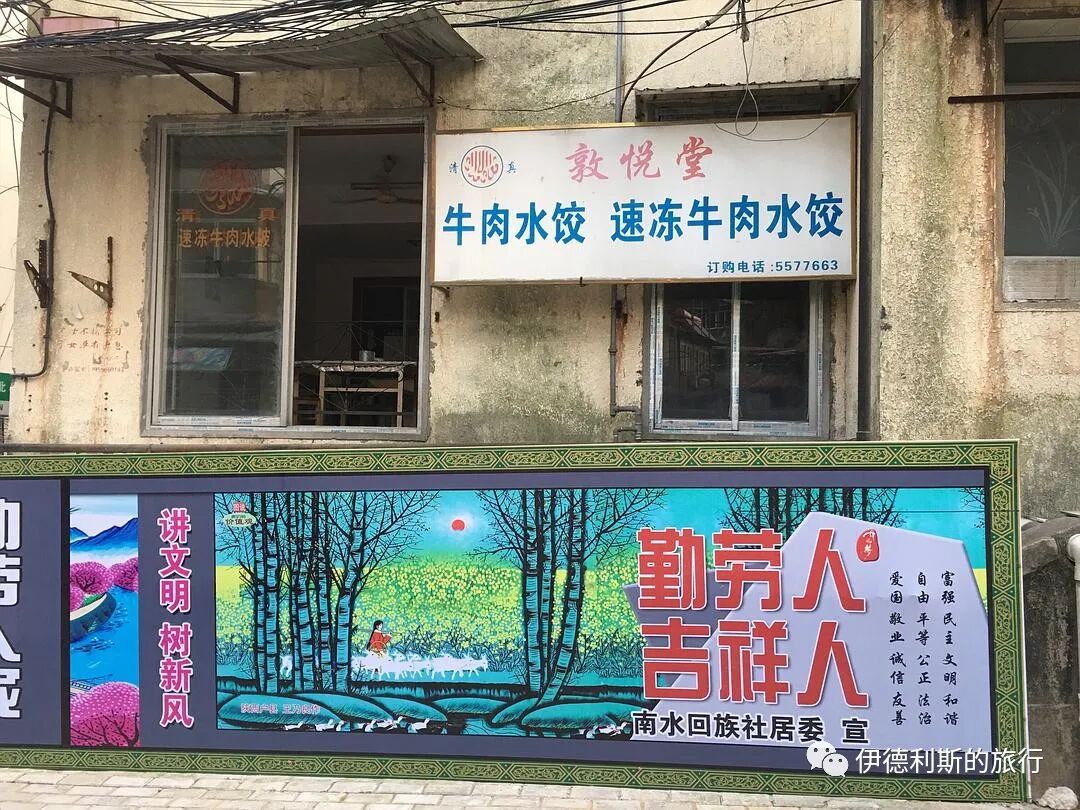
After returning to his ancestral home, the three Ma brothers established the clan hall Qingzhen Dunyue Tang in 1469 (the fifth year of the Chenghua reign) inside the Great South Gate of Anqing, and compiled the Ma Family Genealogy of Qingzhen Dunyue Tang in 1471 (the seventh year of the Chenghua reign).
A shop at the Great South Gate of Anqing with the Dunyue Tang hall name written on it.
Nanguan Mosque.
In 1469 (the fifth year of the Chenghua reign), Ma Yi built the Anqing Nanguan Mosque on Zhongxiao Street inside the Zhenhai Gate (South Gate) of Anqing, with the main entrance facing the city wall, and built the Ma Family Qingzhen Dunyue Tang as a residence next to the mosque. After Ma Yi passed away, his descendants held the hereditary positions of Anqing Guard Commander and Assistant Commander for seven generations, and as late as 1648 (the fifth year of the Shunzhi reign) and 1650 (the seventh year of the Shunzhi reign), Ma Mingluan still held the positions of Anqing Guard Seal Holder and Chief Transport Officer.
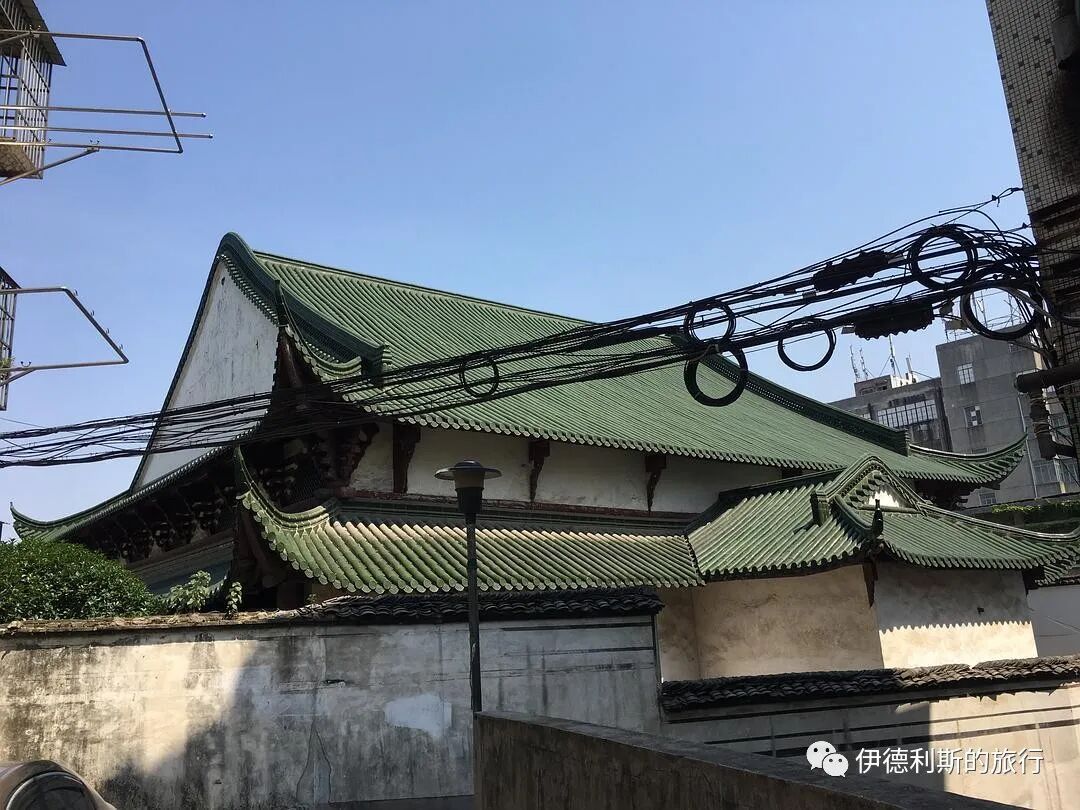
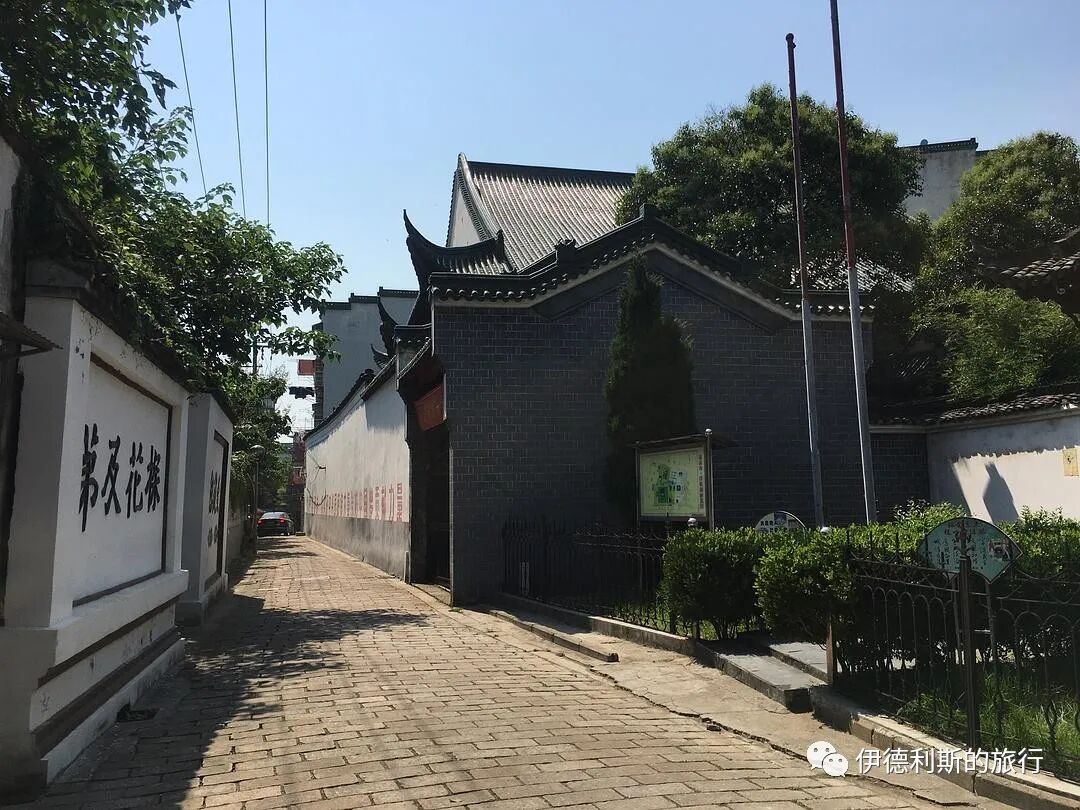
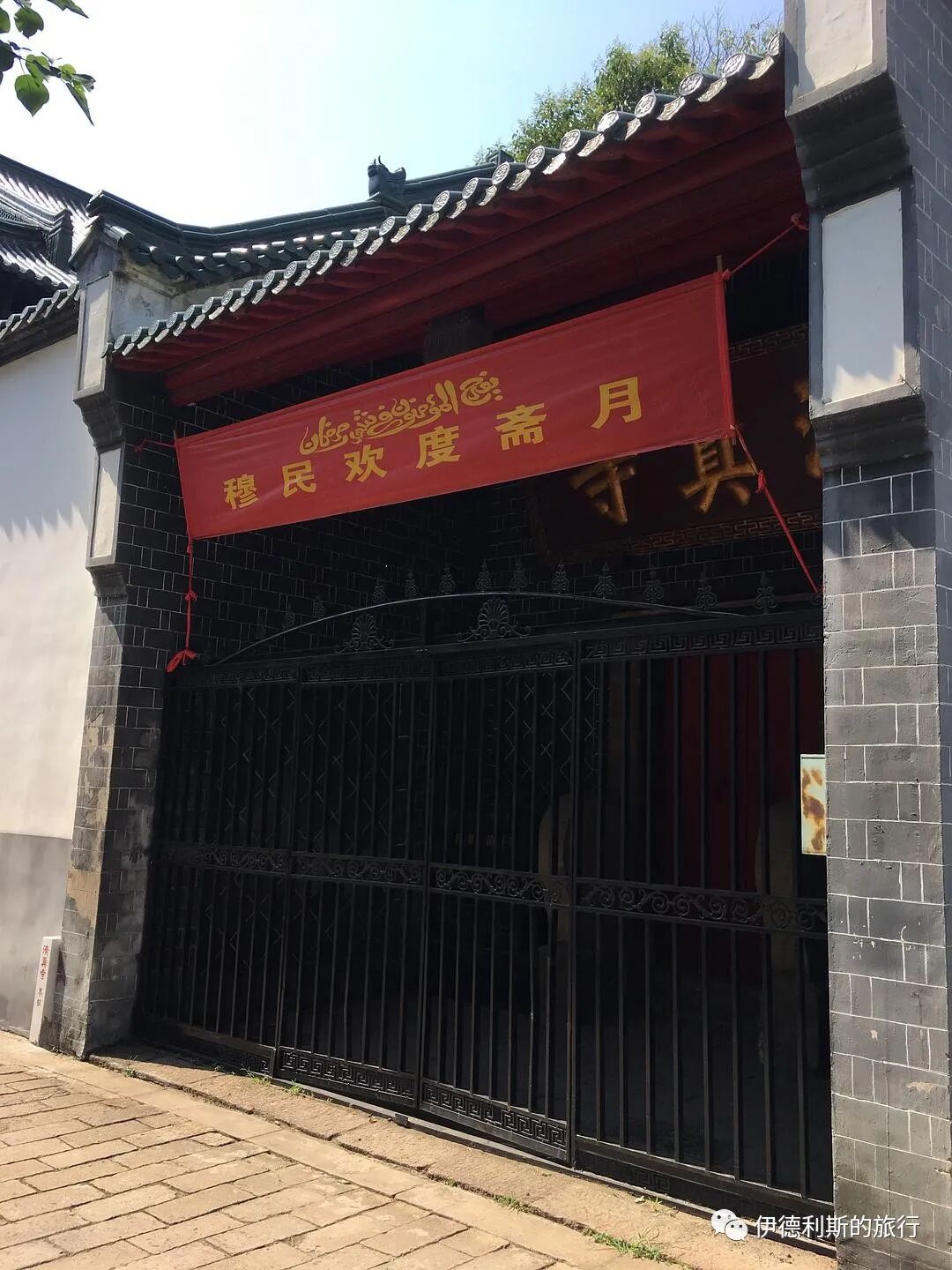
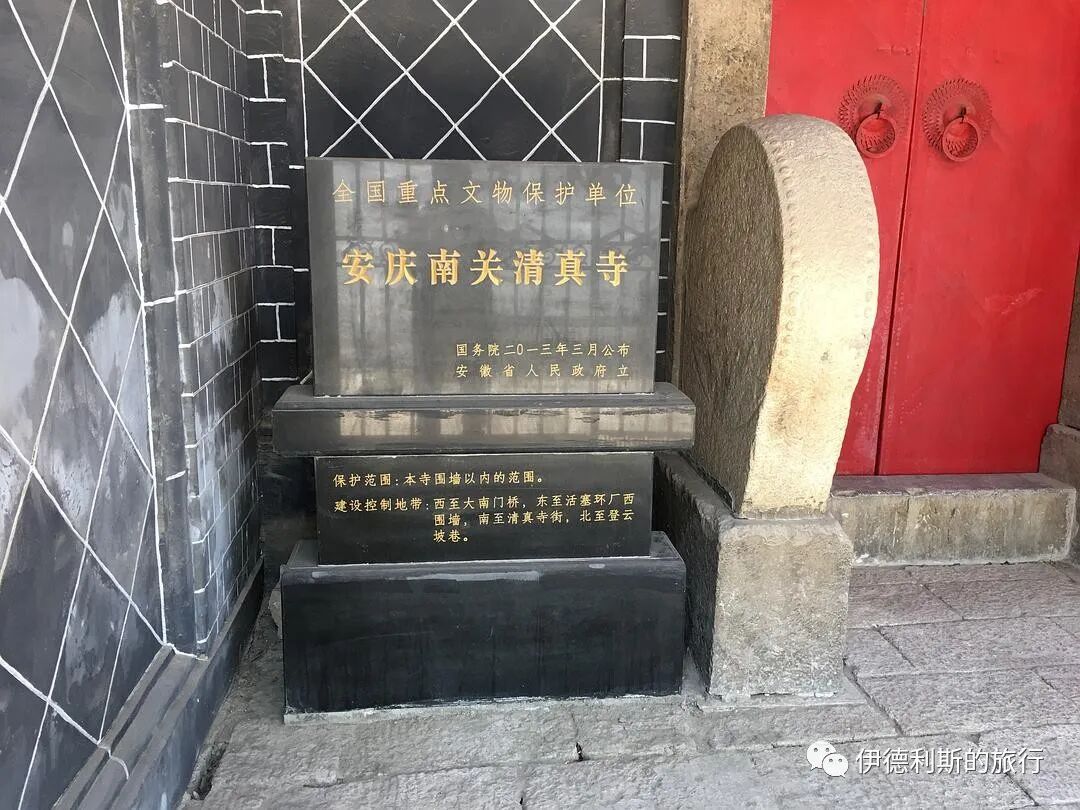
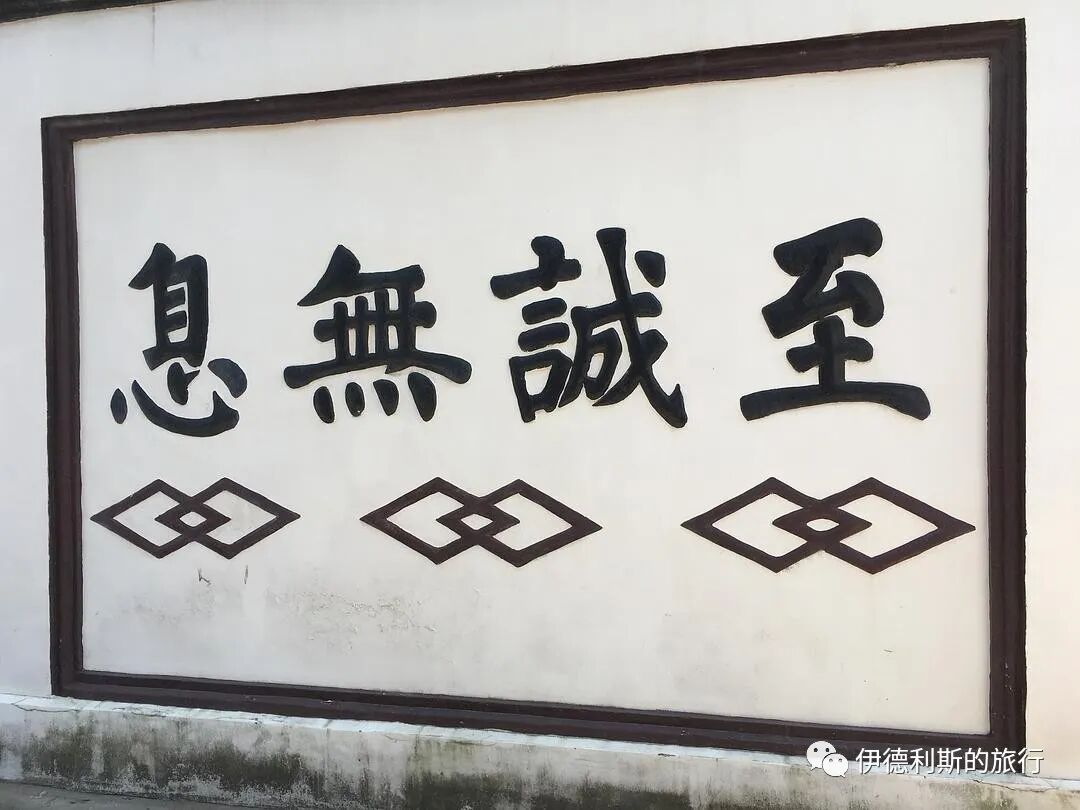
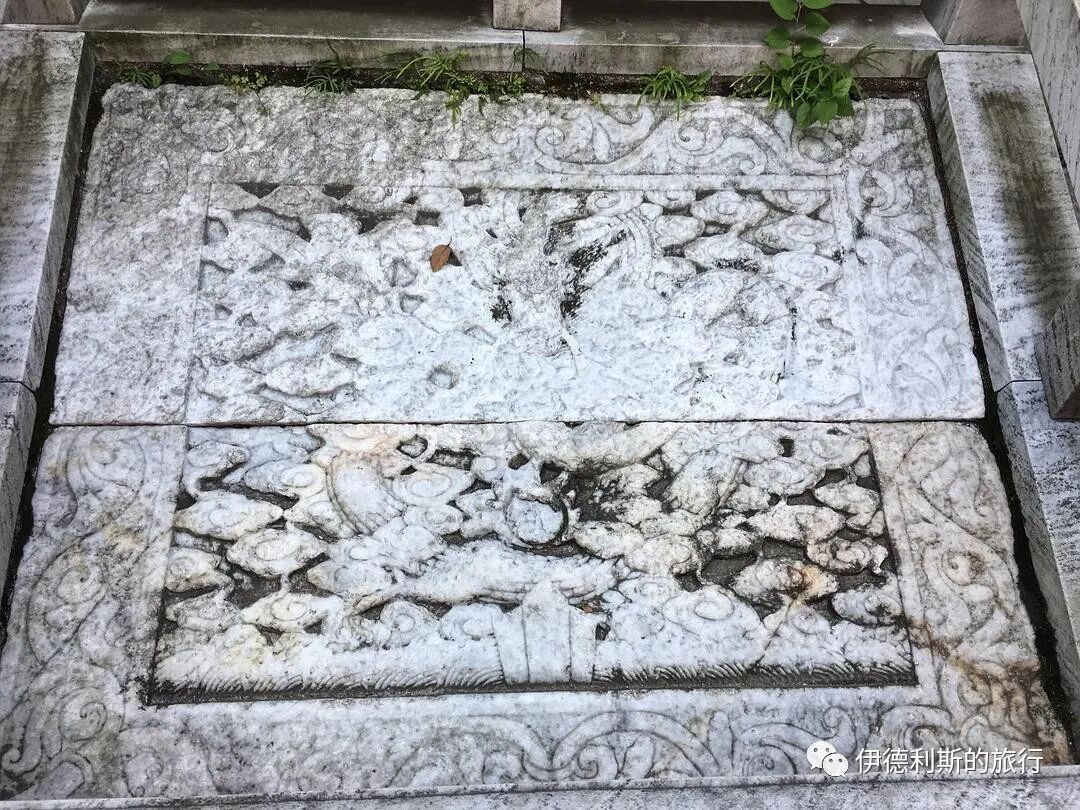
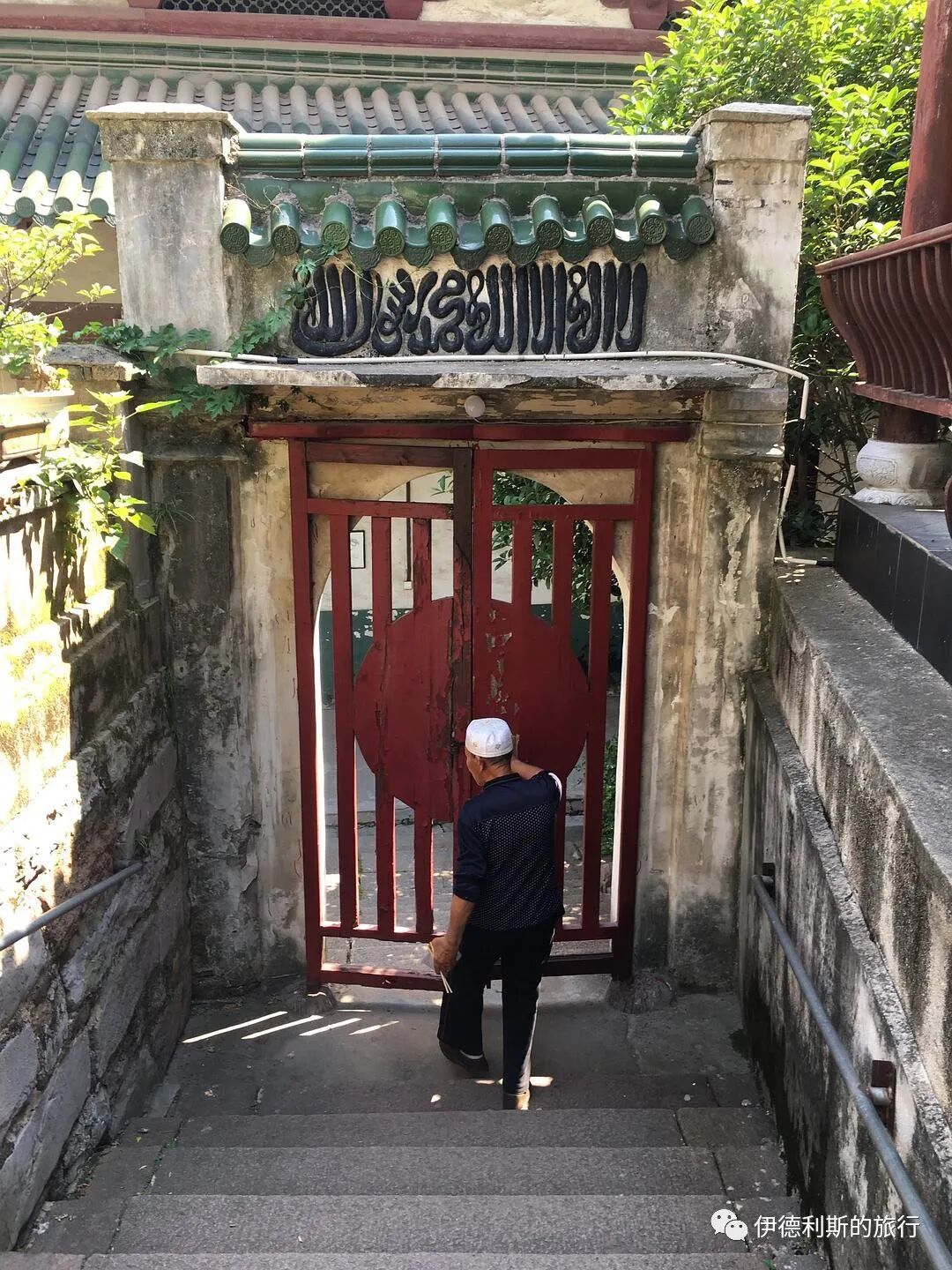
Anqing Nanguan Mosque was originally named Qingzhen Tang, and was later renamed a mosque. Around the Tianqi reign of the Ming Dynasty, Ma Ruxuan, the 27th generation descendant of Ma Yize, began serving as the imam of the mosque, and his descendants served as imams for 10 consecutive generations until the late Qing Dynasty imam Ma Xiaowen.
In 1643 (the 16th year of the Chongzhen reign), the late Ming warlord Zuo Liangyu led his troops through Anqing, massacred the residents in the south of the city, and the mosque was damaged. During the middle of the Kangxi reign, the main hall was rebuilt, and the Mingde Hall and the left and right corridors were constructed. In the early years of the Daoguang reign, north and south lecture halls were built, and in the late years of the Daoguang reign, the Moon-Sighting Tower (Wangyue Lou), also known as the Octagonal Pavilion (Bajiao Ting), was built.
In 1853 (the third year of the Xianfeng reign), Nanguan Mosque was destroyed in the Taiping Rebellion. After the Qing army recaptured Anqing, Nanguan Mosque was in ruins, so everyone had to purchase a private house northwest of the original site to use as a temporary place for namaz. It was not until 1876 (the second year of the Guangxu reign) that funds were finally raised to build the perimeter walls and gate tower, and the main hall was constructed following the round-ridge style of the Wanshou Palace and Fengzhi Guild Hall. Later, buildings such as a school, a washing room (shuifang), and a water fire brigade station were added. After more than twenty years and a cost of over 10,000 taels of silver, the reconstruction of the Nanguan Mosque was finally completed in 1897 (the twenty-third year of the Guangxu reign).
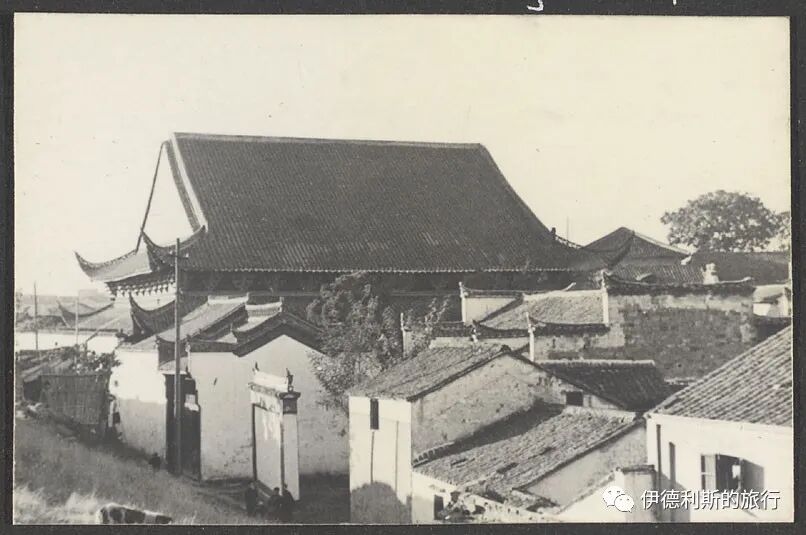
Between 1934 and 1935, the famous missionary Claude L. Pickens passed through Anqing and recorded precious photos of the Anqing Nanguan Mosque, which are currently kept in the Harvard University Library.
The Anqing Nanguan Mosque photographed by Claude L. Pickens. According to Wang Jianping in the book Old Photos of Islamic Culture in China's Interior and Frontier, the house in the bottom right corner was the residence of Imam Fang Chuqing. His son, Fang Qingru, was a committee member of the Nanmen Mosque management board, and his grandfather, Fang Yucai, was also an imam at the Nanmen Mosque.
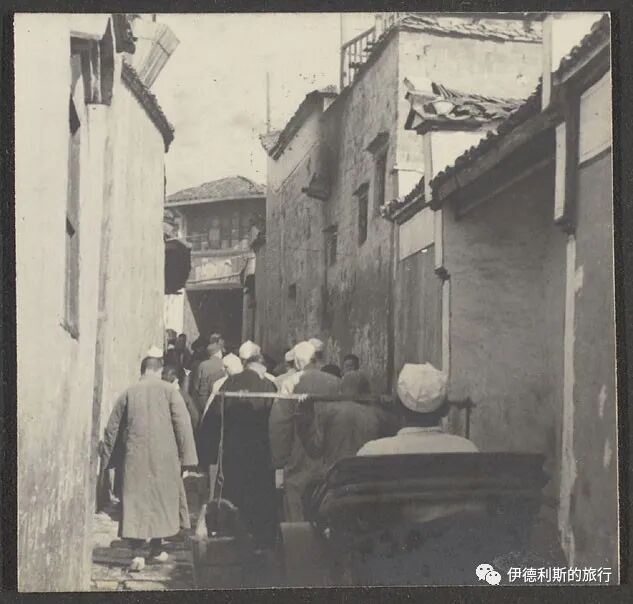
According to Wang Jianping in the book Old Photos of Islamic Culture in China's Interior and Frontier, this shows a procession of Hui Muslims in an alleyway carrying a casket to the graveyard, heading from the Anqing Nanmen Mosque toward the mosque outside the city. Several elderly Hui Muslims believe this alley was Zhongxiao Street at the time, while others say it was Sipailou.
Between 1961 and 1965, a research group on Chinese Islamic architecture led by the famous architect Liu Zhiping began field surveys of Islamic buildings in China and captured very precious images of the Anqing Nanguan Mosque before it was occupied by the North Factory.
In his book Islamic Architecture in China, Professor Liu Zhiping used the word "magnificent" to describe the Anqing Nanguan Mosque. He said that Anqing is a waterway terminal on the north bank of the Yangtze River with prosperous commerce, very little flat land, and a hot climate. Therefore, the layout of the Zhongxiao Street Mosque was adapted to local conditions, and to prevent heat, it adopted a small courtyard design, showing an architectural style completely different from those in Shou County and the north.
Professor Liu Zhiping wrote in the book that the main hall's double-eave bracket sets (dougong) extend four tiers, making them extremely decorative. The hip-and-gable roof (xieshan) method involves adding a short eave outside the hard-gable wall. This style is common in Yunnan. It is different from the northern hip-and-gable roof (xieshan) style and also different from the main hall of the Shou County mosque. The gable walls of the hard-gable roof (yingshan) go straight up, which is clearly a more reasonable approach.
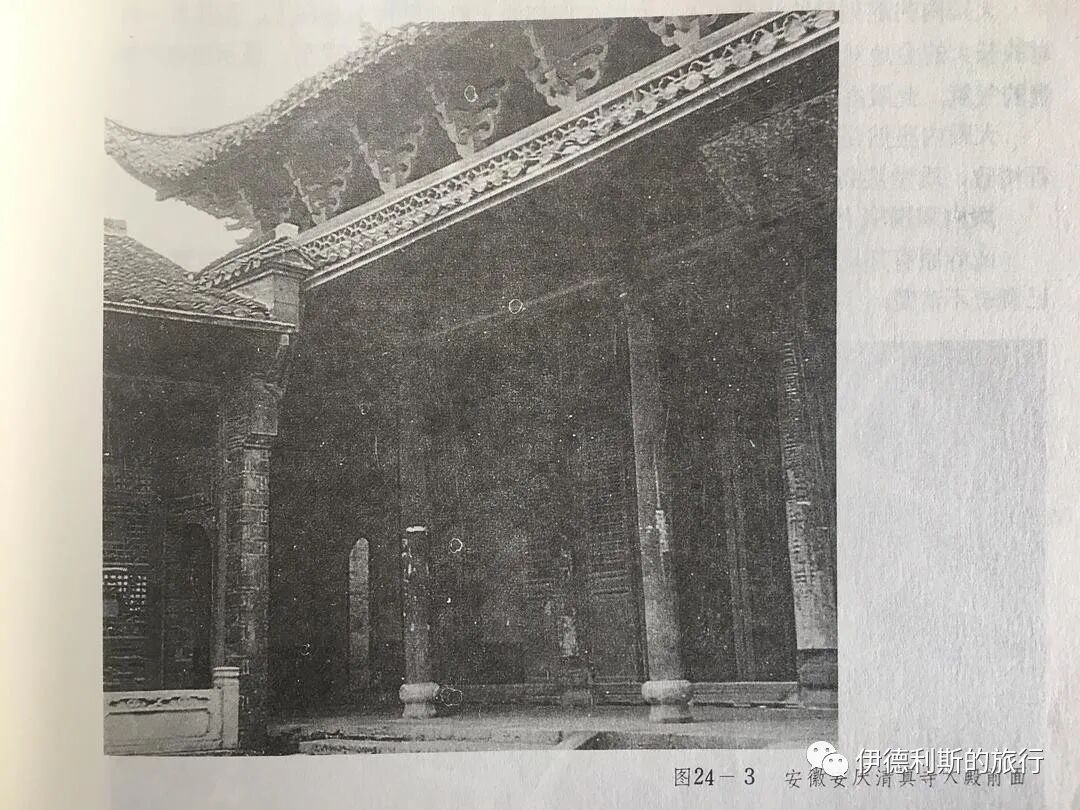
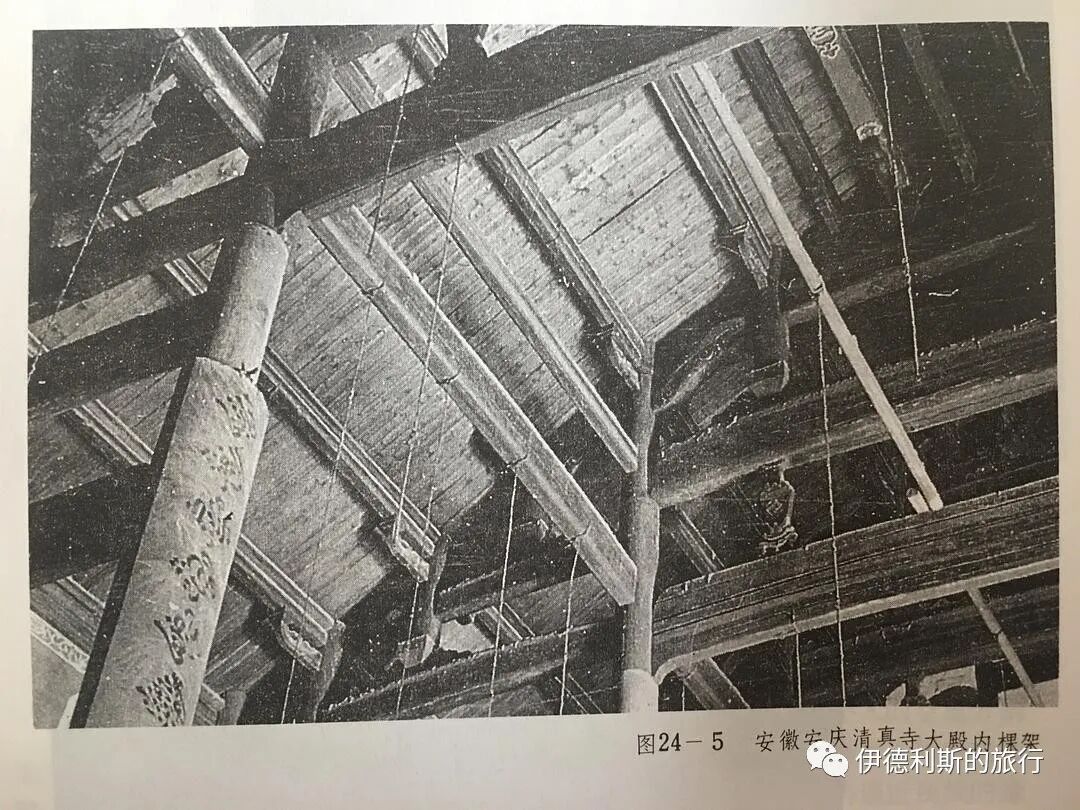
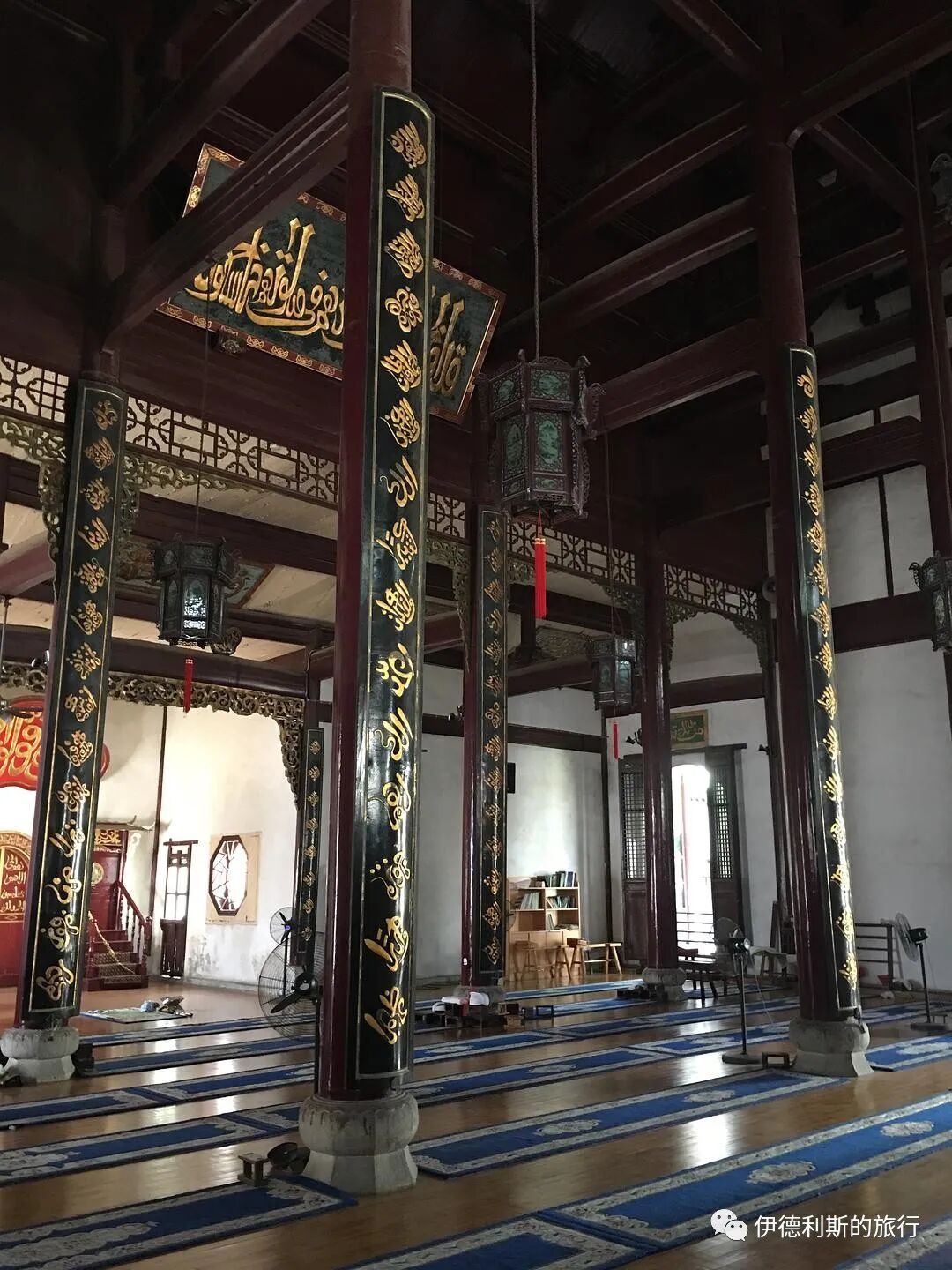
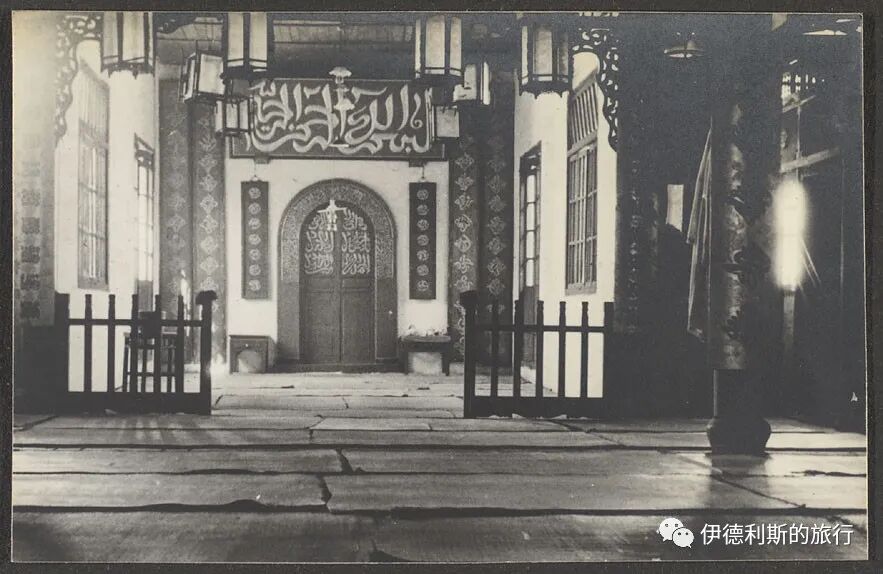
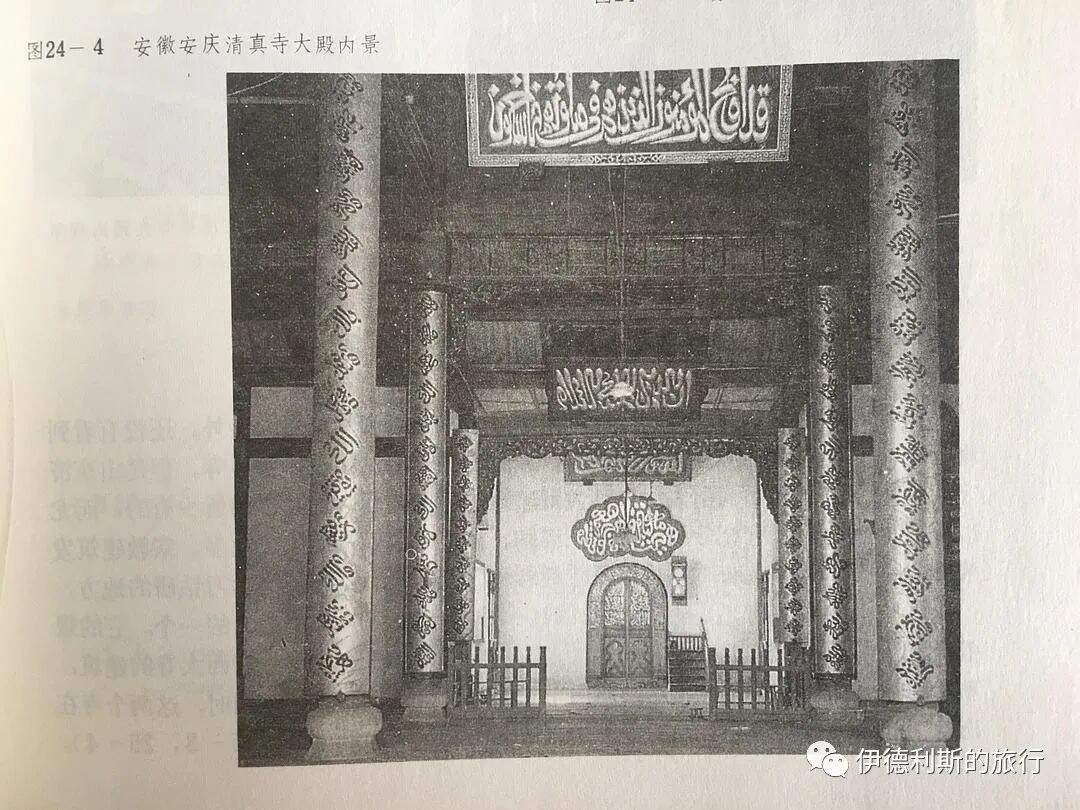
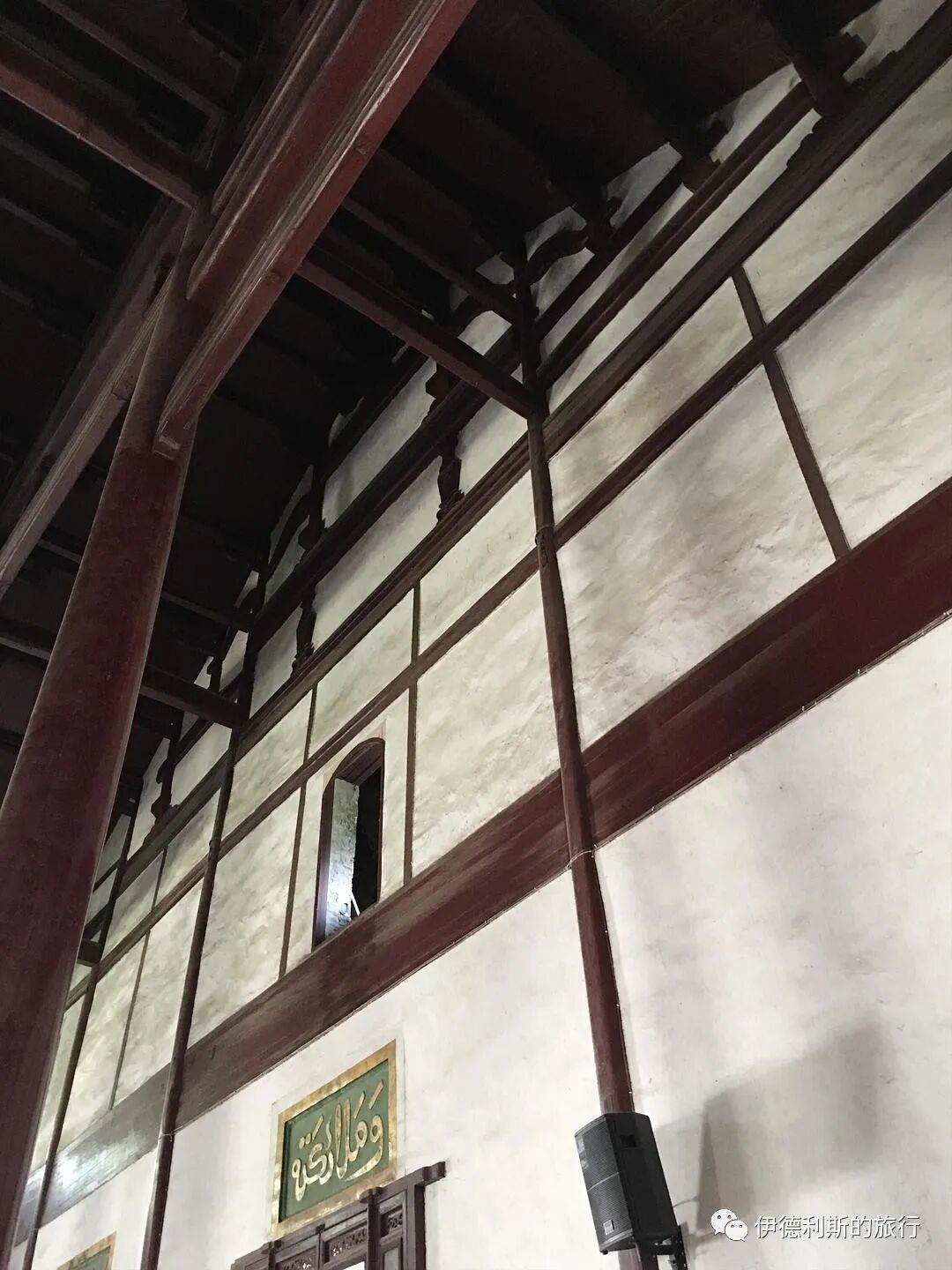
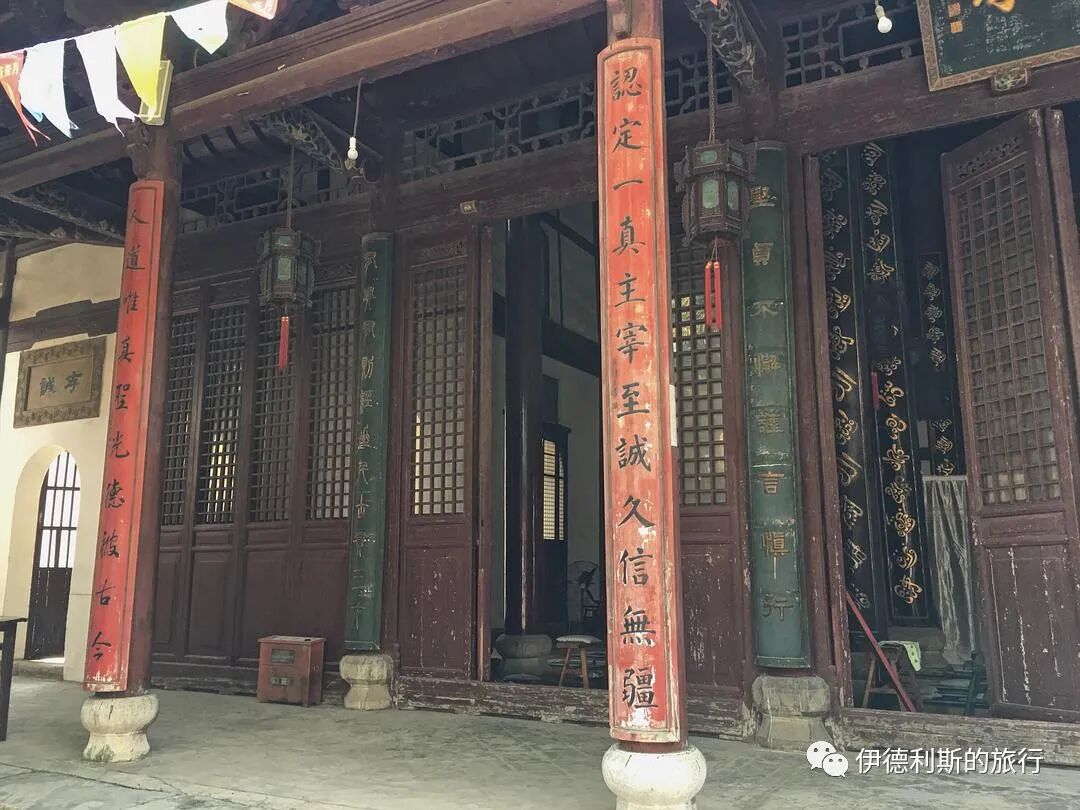
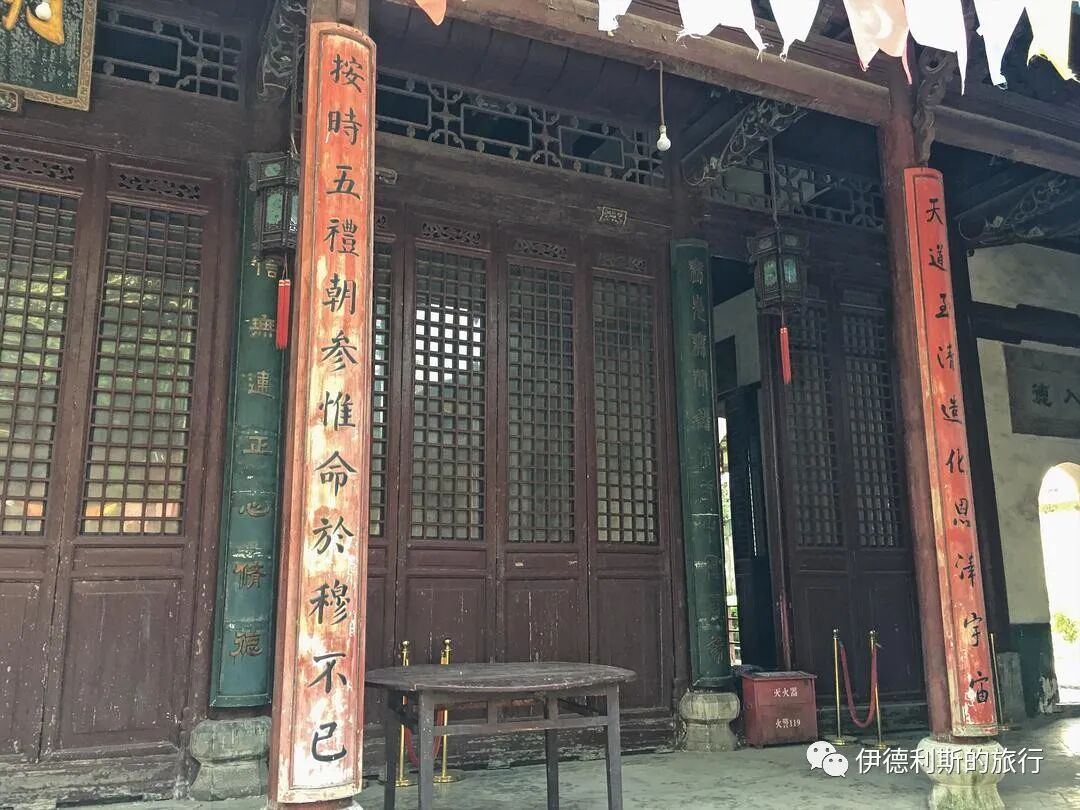
Professor Liu Zhiping wrote in his book that the carvings inside the main hall are the most magnificent and moving. Inside the deep and dim main hall, many golden pillars are hung with pairs of long, gold-background couplets. They shimmer with gold light, making the hall feel rich and grand, and showing an atmosphere of dignity and luxury. Using a large number of couplets for decoration inside this hall is a style rarely seen elsewhere. Although the main hall uses an exposed roof structure (cheshang lumingzao), it still uses ceiling boards (wangban) under the rafters and above the purlins, making people feel that the hall's construction is exquisite and of very high quality.
The main hall photographed by Bi Jingshi between 1934 and 1935.
The interior of the main hall photographed by Professor Liu Zhiping in the early 1960s.
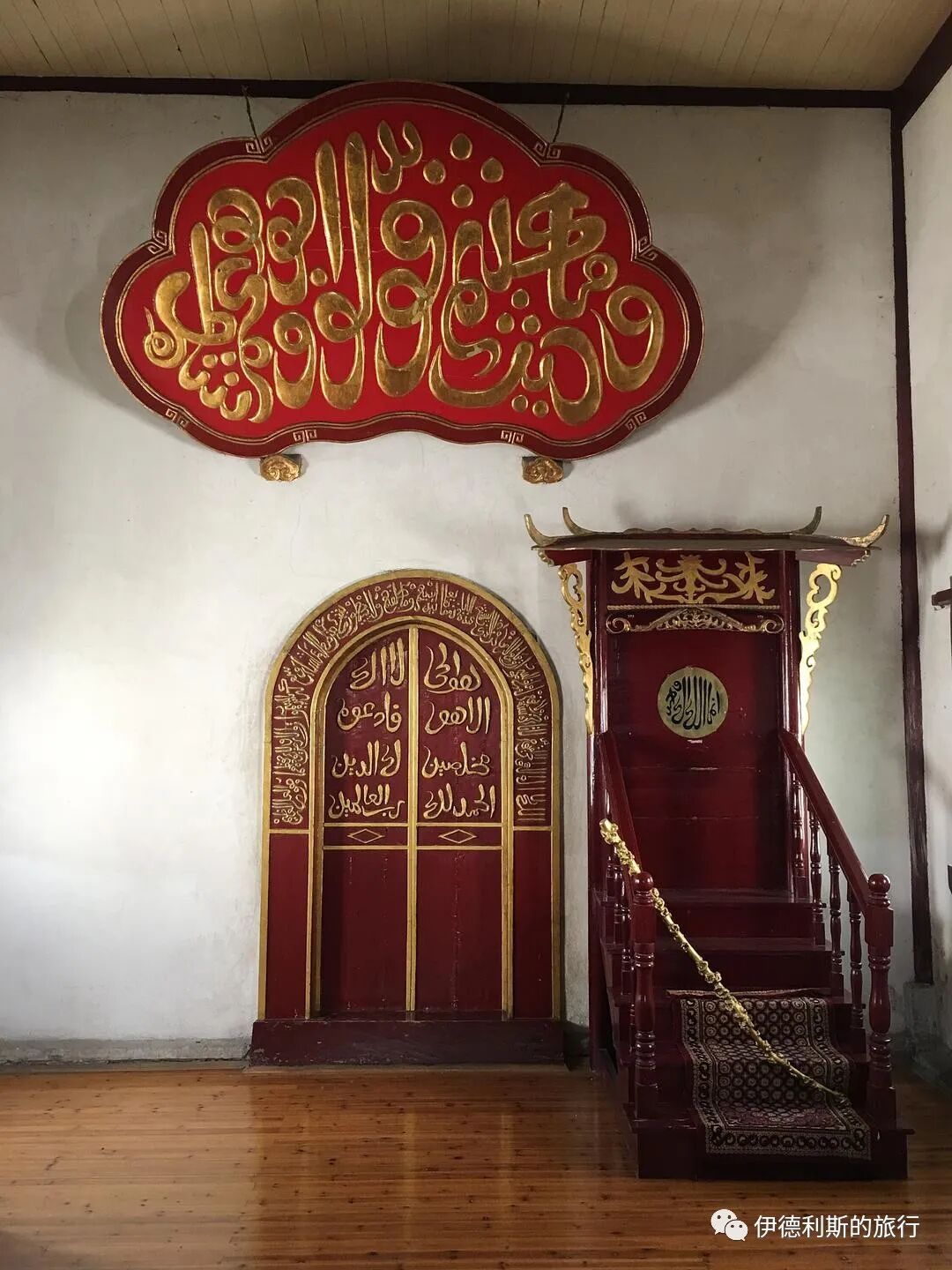
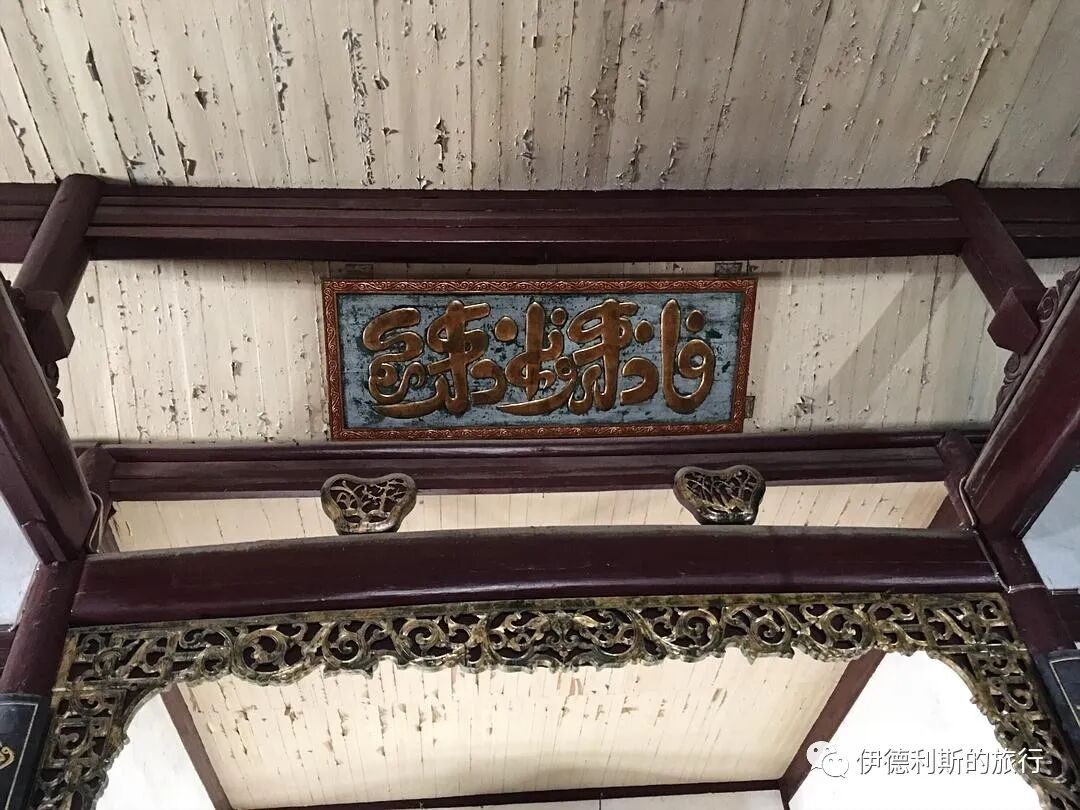
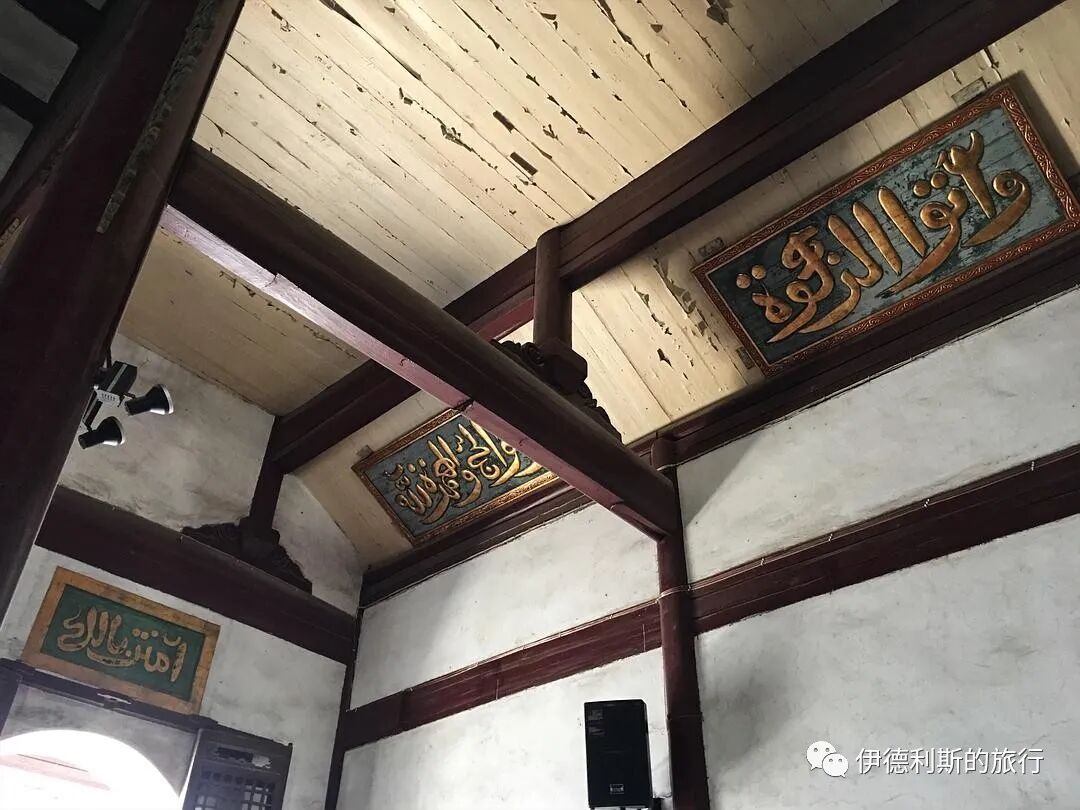
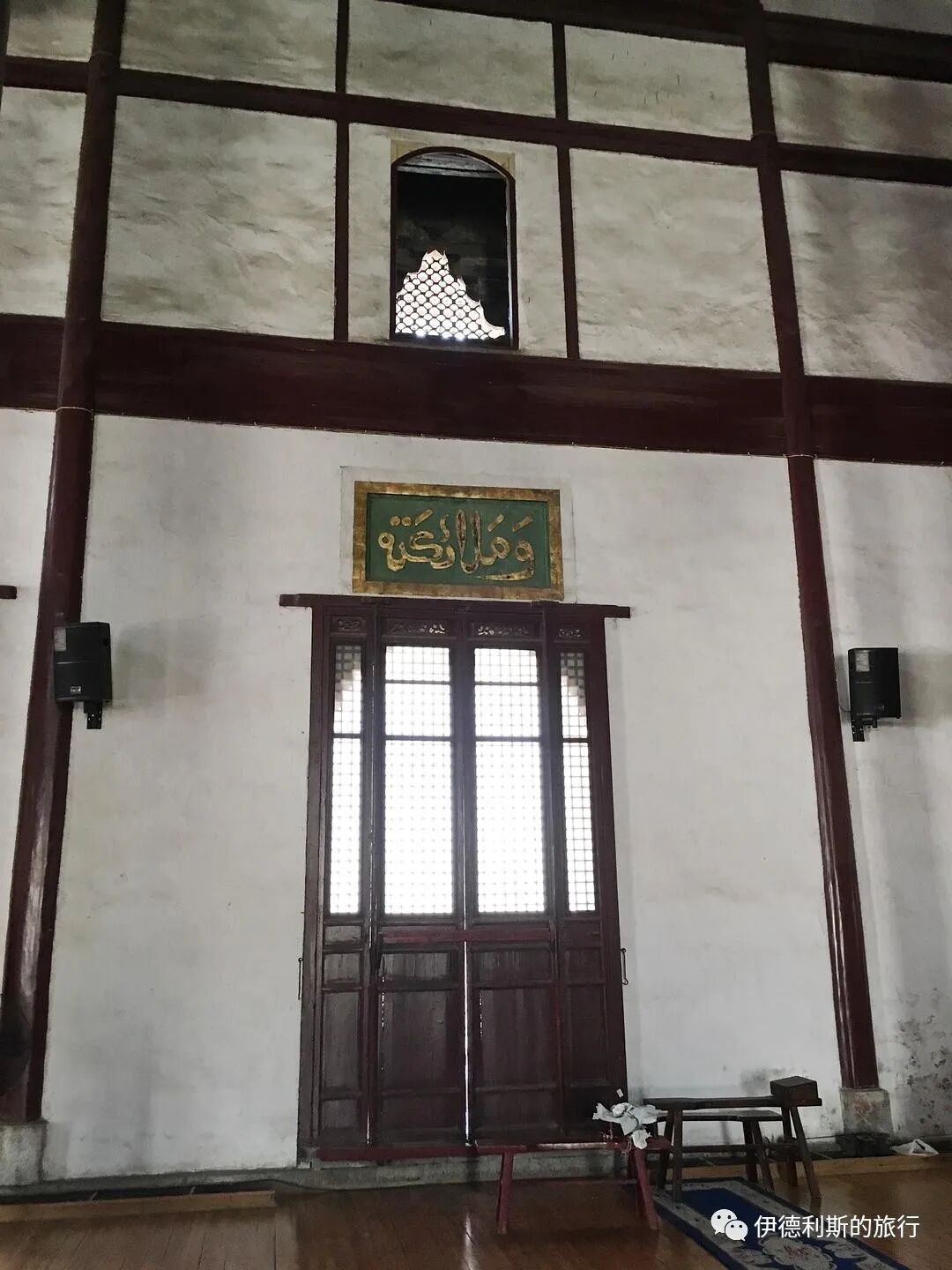
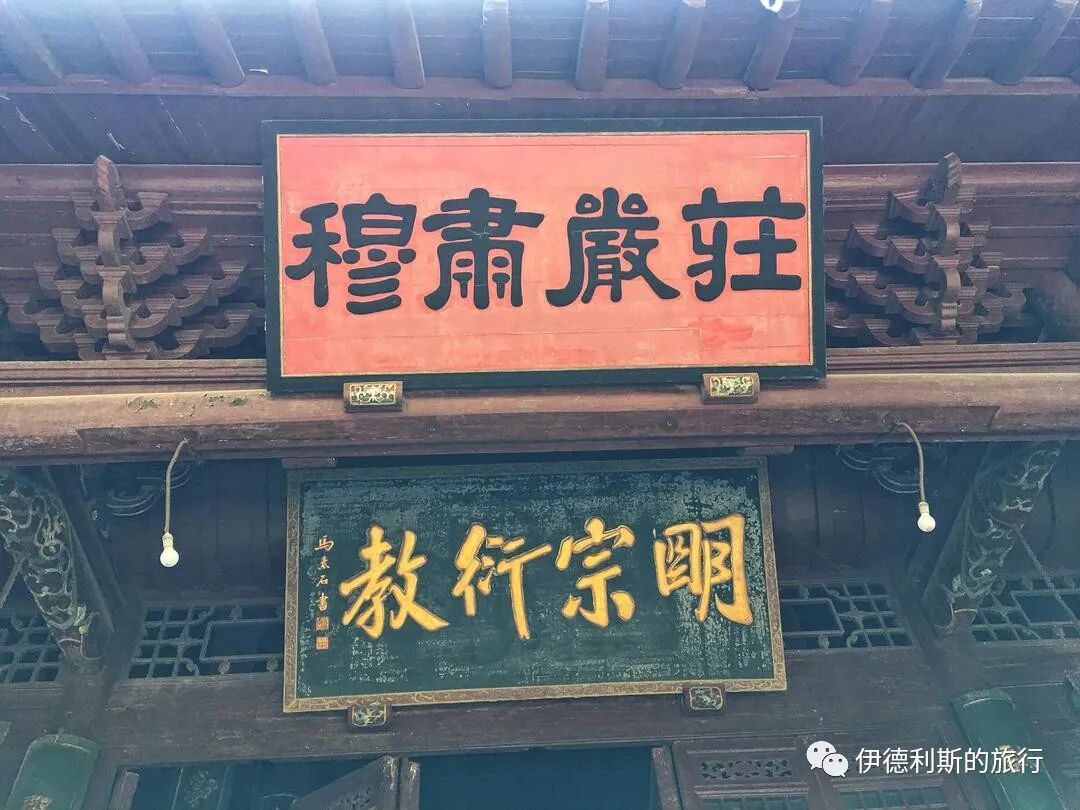
Thanks to my friend (dosti) Qi Qiangfei for interpreting the plaques.
The top plaque: The believers have certainly succeeded, they are humble in their namaz.
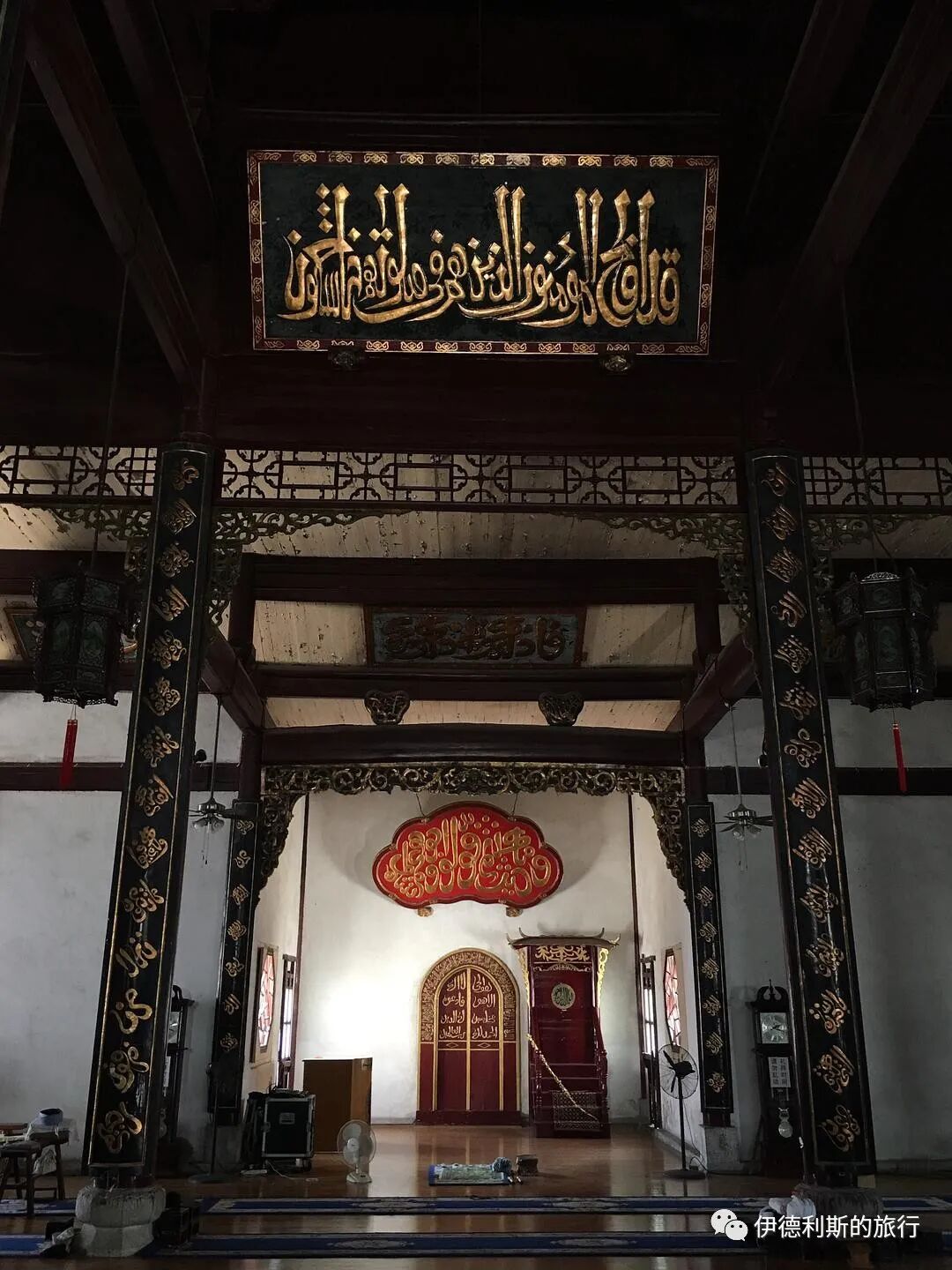
The top plaque: Wherever you are, you should turn your faces toward the Sacred Mosque.
Remember Me (Allah), and I will remember you.
From left: I believe in Allah. Complete the Hajj and Umrah for the sake of Allah. Pay your zakat.
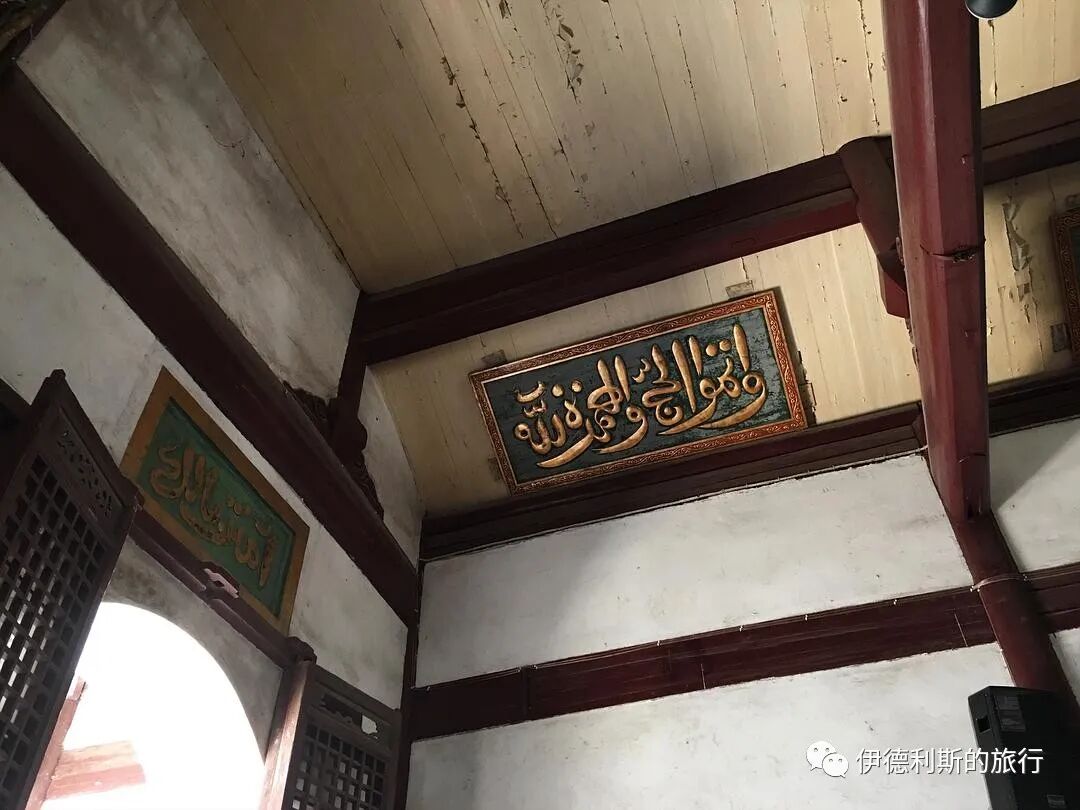
With the angels
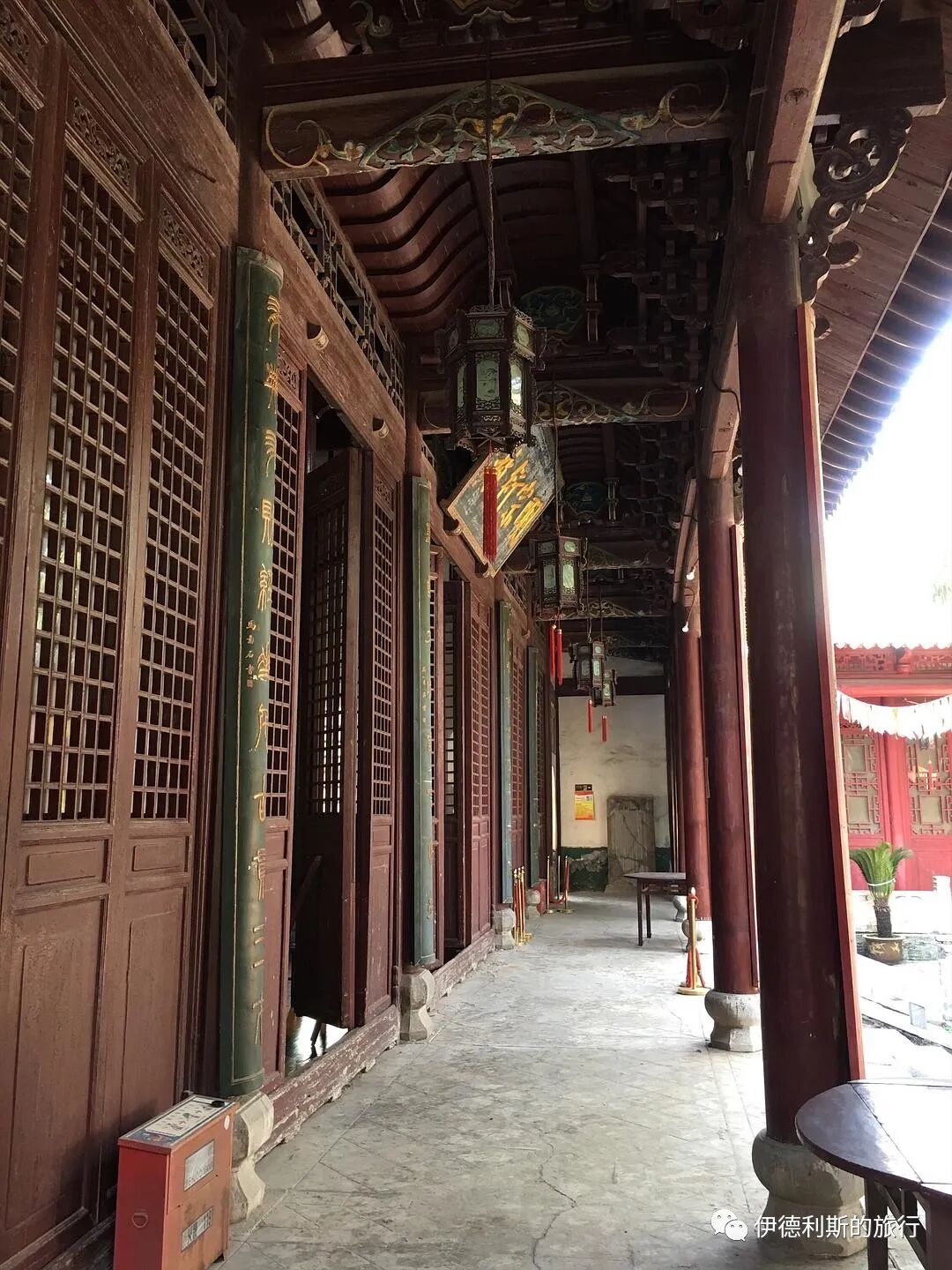
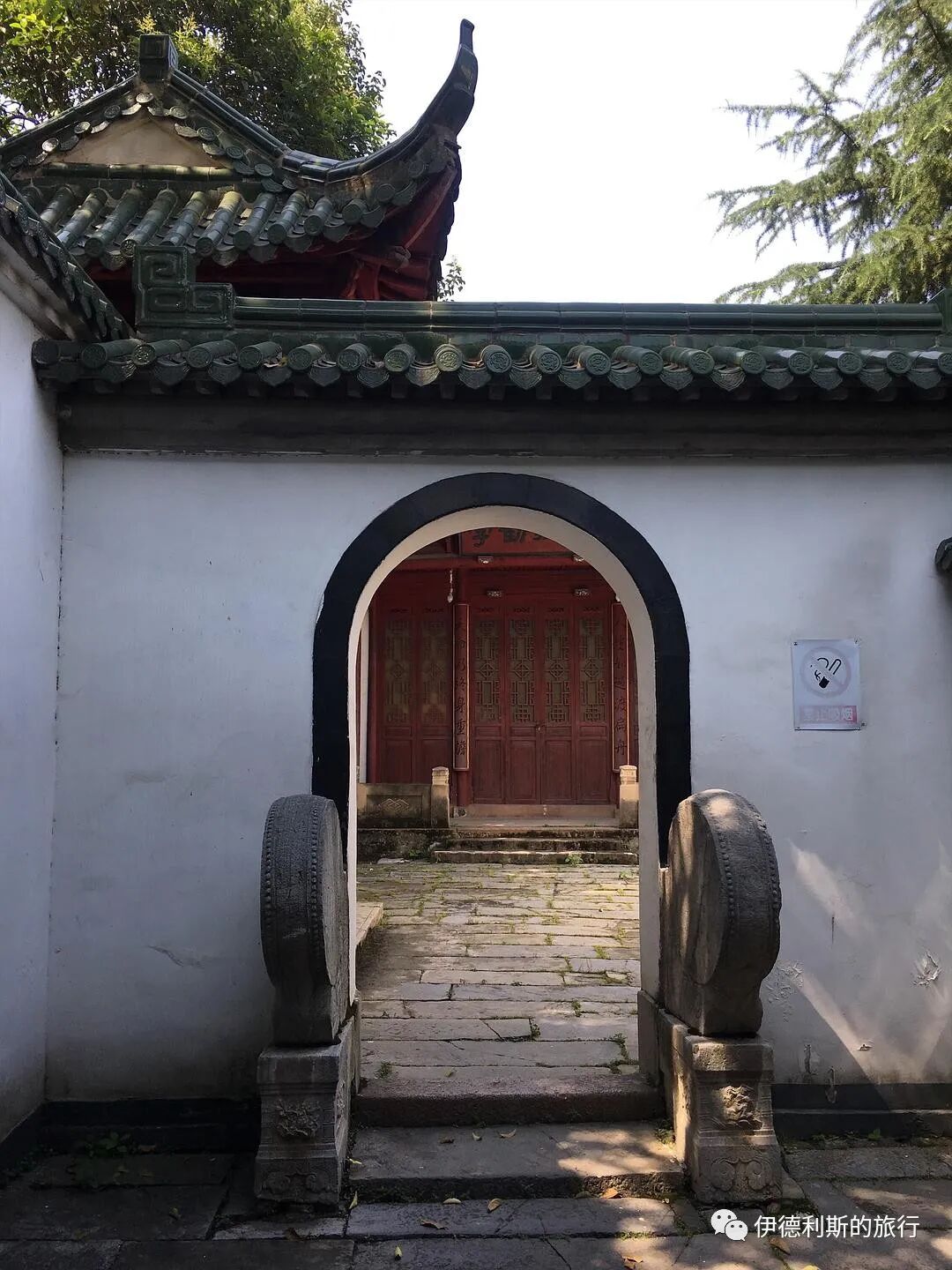
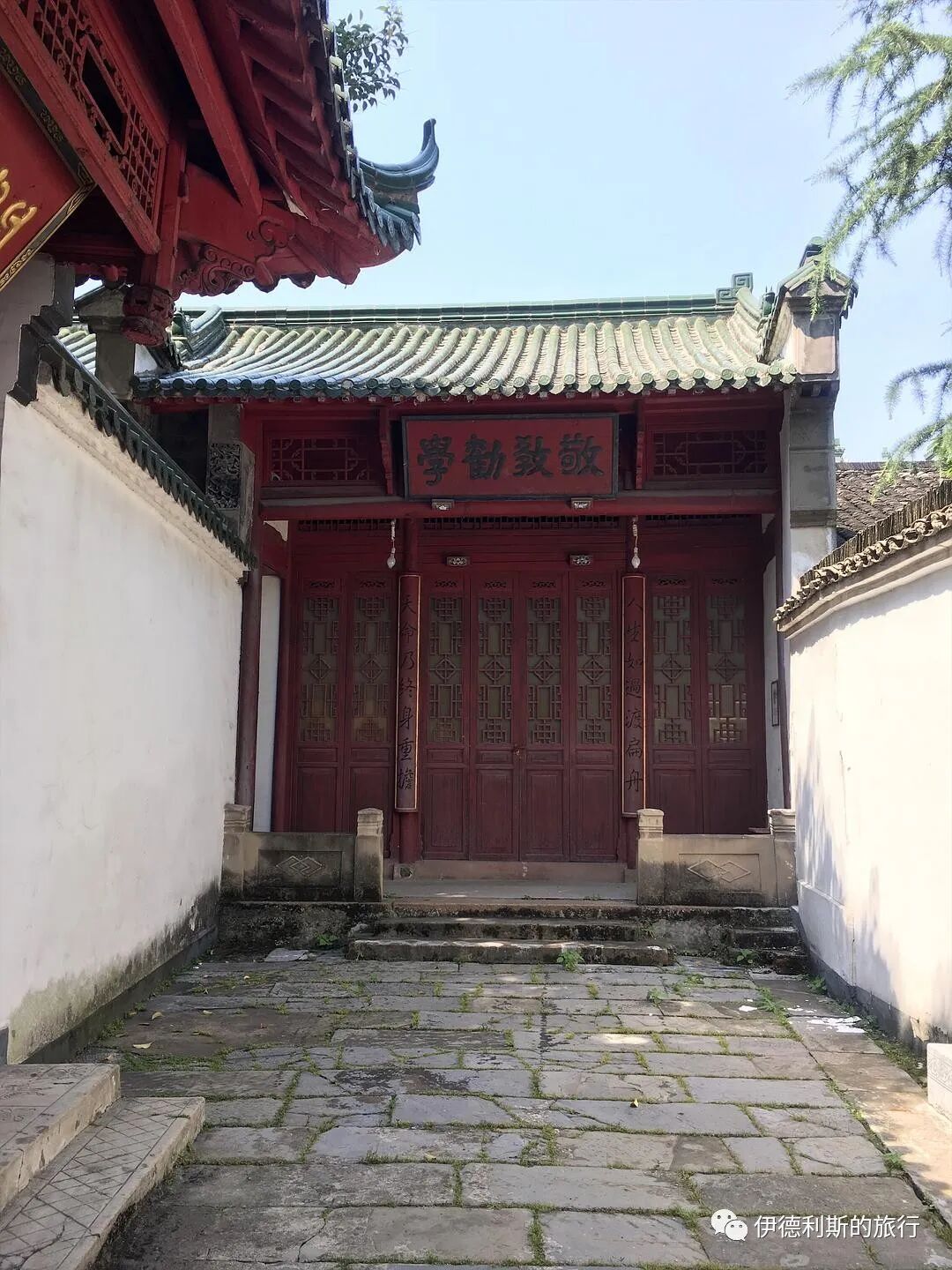
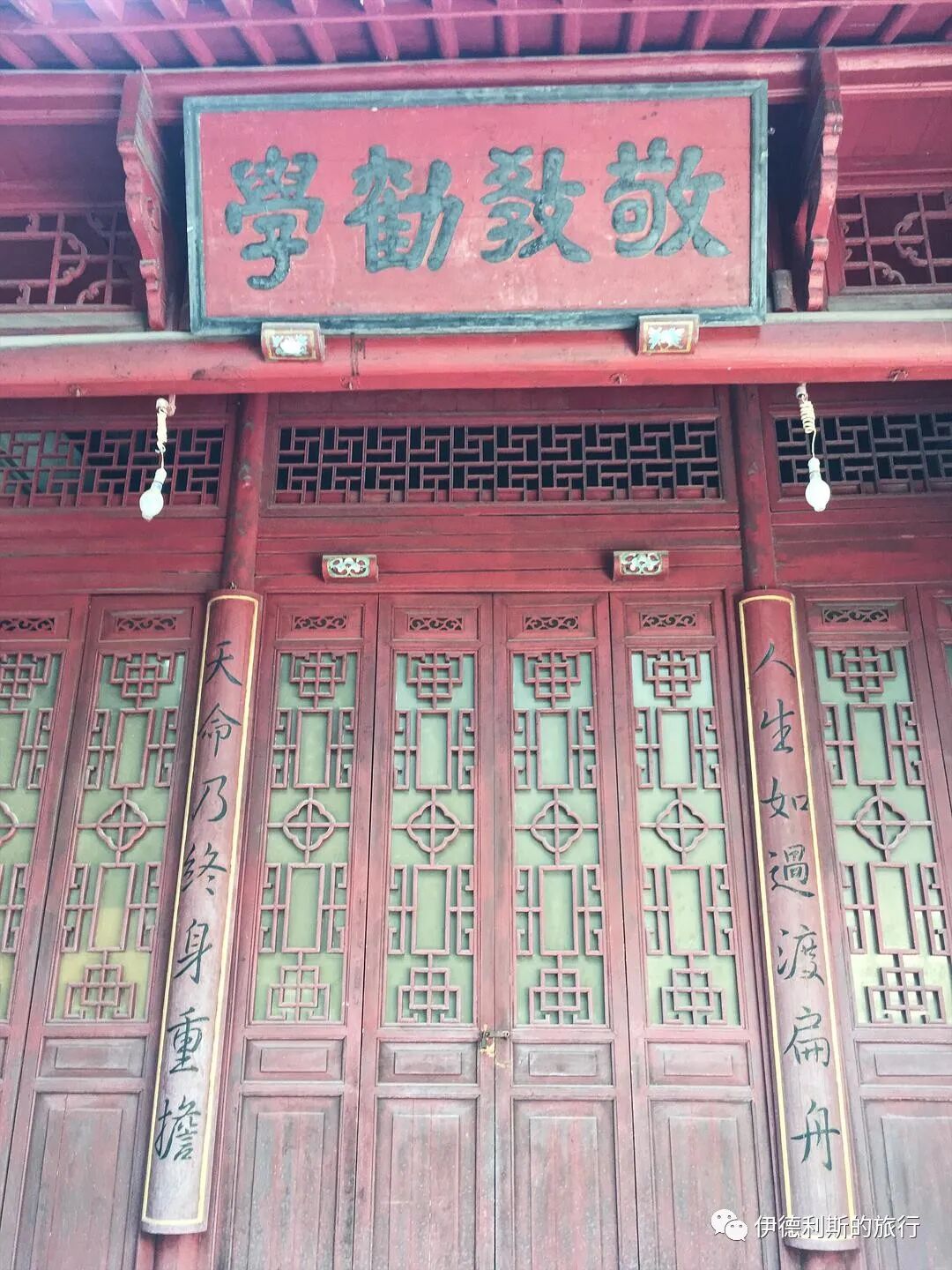
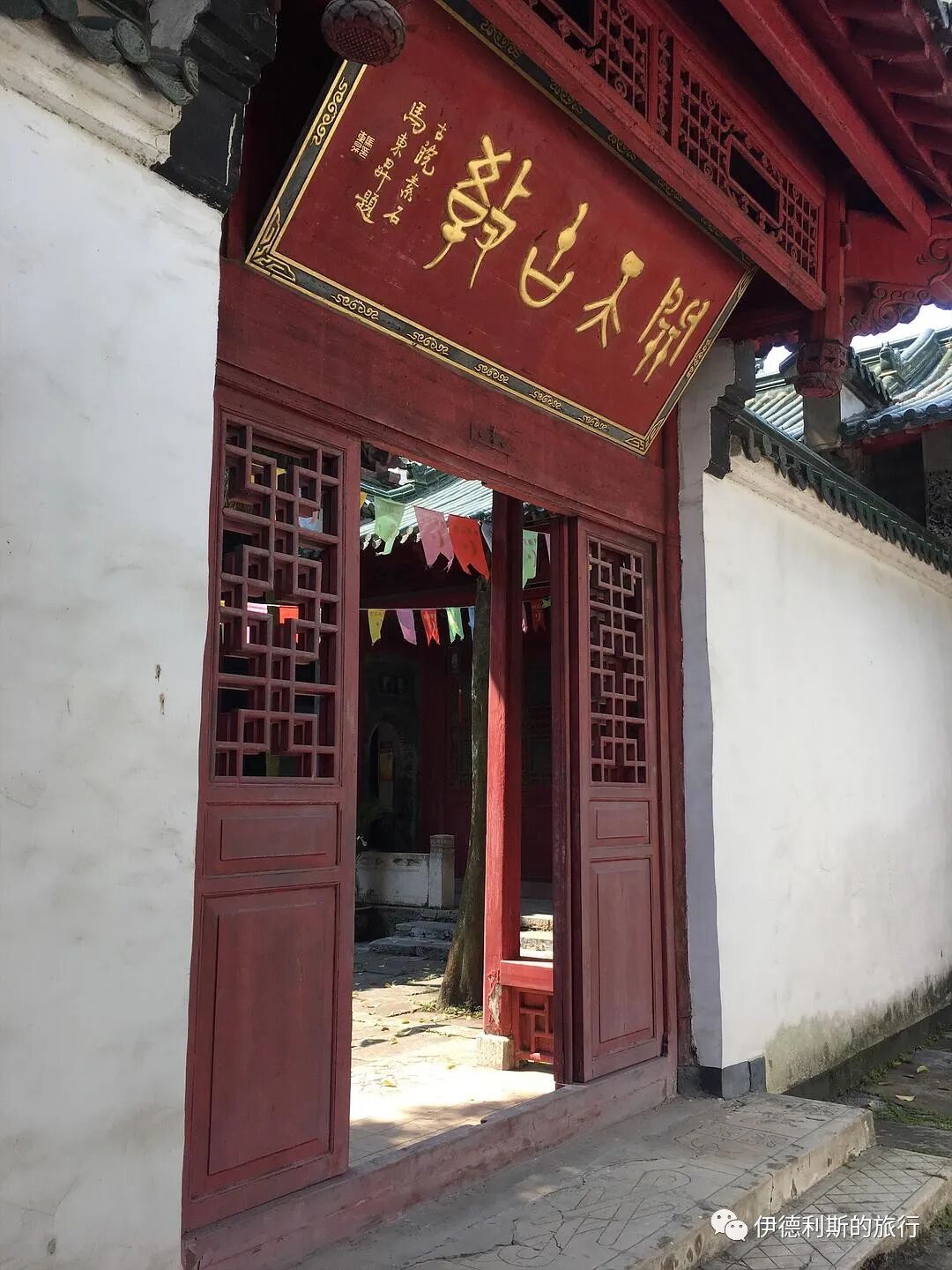
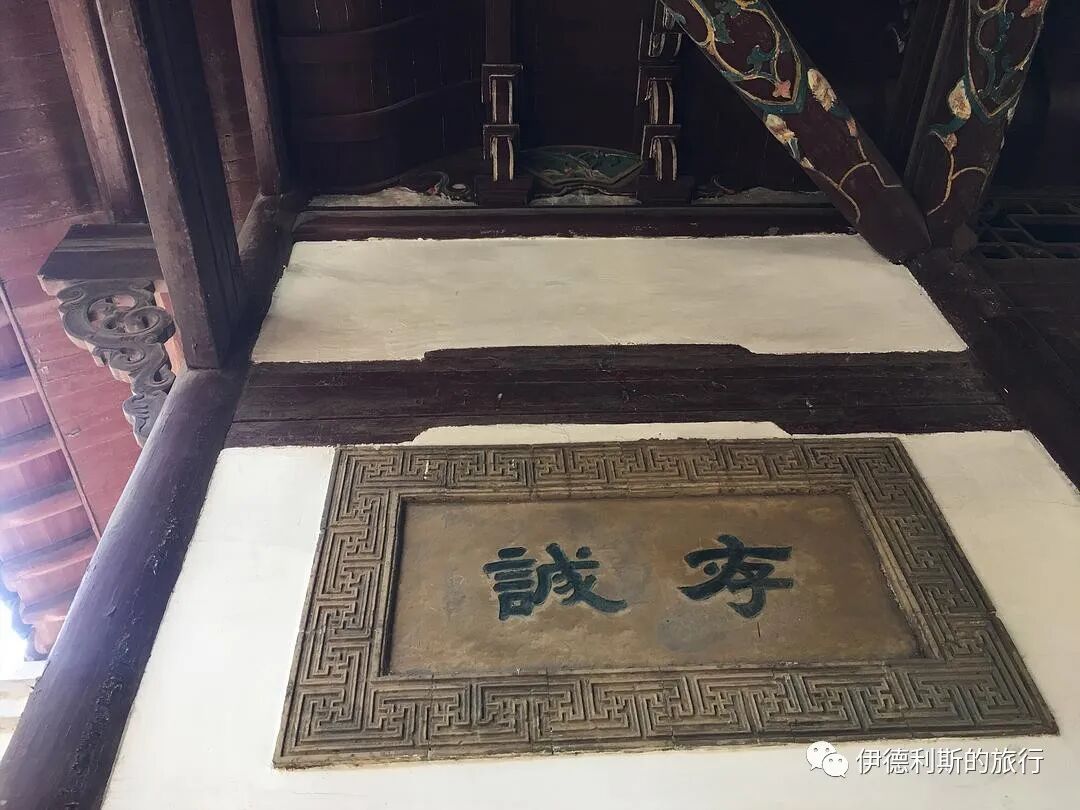
During the Qing Dynasty and the Republic of China era, the mosque school (jingtang jiaoyu) at Nanguan Mosque was very well-developed. The Huaining Ma Family Genealogy records three imams who taught at the mosque school: Imam Ma Guangxia was born in 1767 (the 32nd year of the Qianlong reign) and died in 1823 (the 3rd year of the Daoguang reign). Imam Ma Dicai, the son of Imam Ma Guangxia, was born in 1820 (the 1st year of the Daoguang reign), taught in Hubei, and died after 1876 (the 2nd year of the Guangxu reign). His contemporary, Imam Ma Dien, was born in 1813 (the 18th year of the Jiaqing reign), taught in Guangdong, and died in 1875 (the 1st year of the Guangxu reign).
Later, Imam Ma Dicai trained his nephew, Imam Yang Zizhen, who became a famous scripture teacher. Imam Yang Zizhen went to Xi'an for advanced studies. After finishing his training, he returned to Anqing to teach for over thirty years. He had a deep understanding of both Confucian and Islamic classics. His translation of the Record of Prayer Methods (Baishi Jilue) was published by the mosque. In 1949, Ma Yiyu returned to Anqing and received the manuscripts left by Imam Yang Zizhen. Ma Yiyu edited them into the Collection of Wanpu (Wanpu Shi Canggao).
In 1905 (the 31st year of the Guangxu reign), Zheng Zihui led the effort to establish a primary school at Nanguan Mosque that focused on Chinese language and modern science, which helped educate many famous people. This group included Army Commander Ma Jidi, Minister of Communications Duanmu Jie, famous Islamic scholar Ma Yiyu, and noted educator Ma Yichen.
Until the start of the Second Sino-Japanese War in 1937, most Hui Muslims in Anqing attended scripture classes at the Nanguan Mosque before entering regular primary school. They used textbooks like the Arabic Alphabet Primer (Tianfang Qimeng Zimu) from the Beijing Muslim Press and the Standard Arabic Phonetic Method (Awen Biaozhun Pinyinfa) from the Shanghai Islamic Book Company.
After 1966, a factory took over the mosque and destroyed all the floors. It was renovated and reopened in 1981.
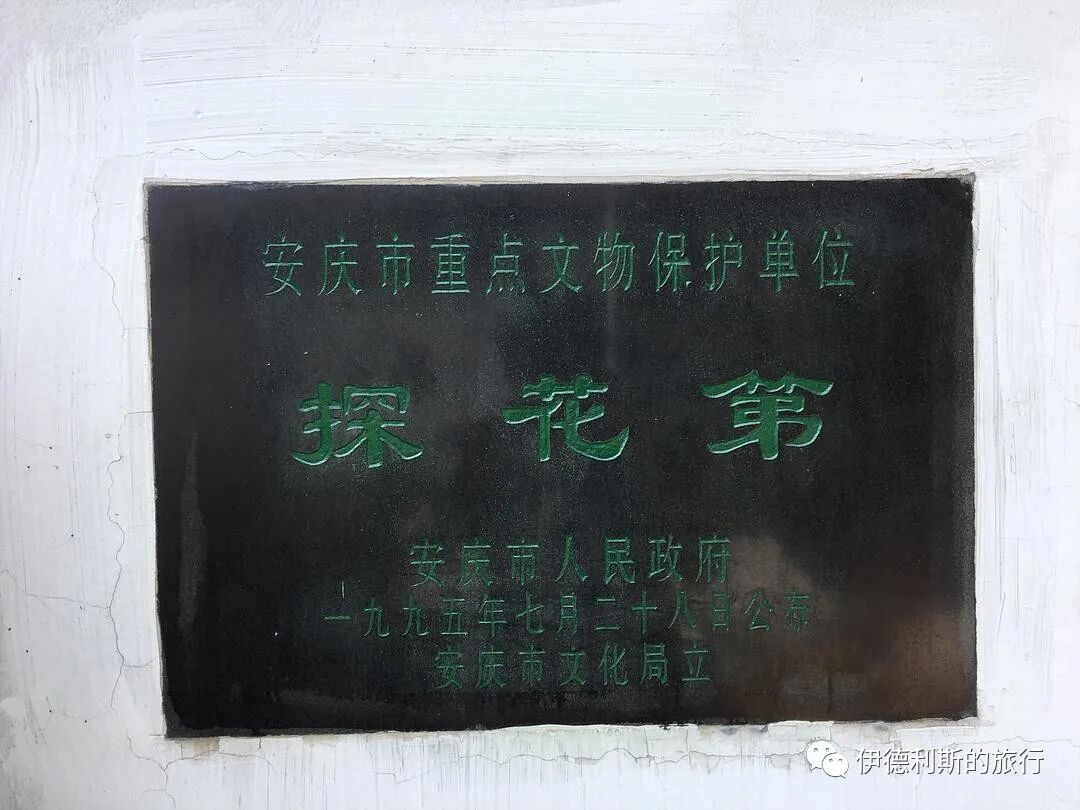
The Scholar's Residence (Tanhua Di).
Ma Dayong was the 29th-generation descendant of Ma Yize and the 8th-generation descendant of Ma Yi. In 1727, the fifth year of the Yongzheng reign, he placed third in the imperial palace examination. Emperor Yongzheng personally bestowed a plaque reading 'Scholar's Residence' (Tanhua Jidi) to hang above the door of the Dunyue Mosque (Qingzhen Dunyue Tang), which is why the mosque became known as the Scholar's Residence.
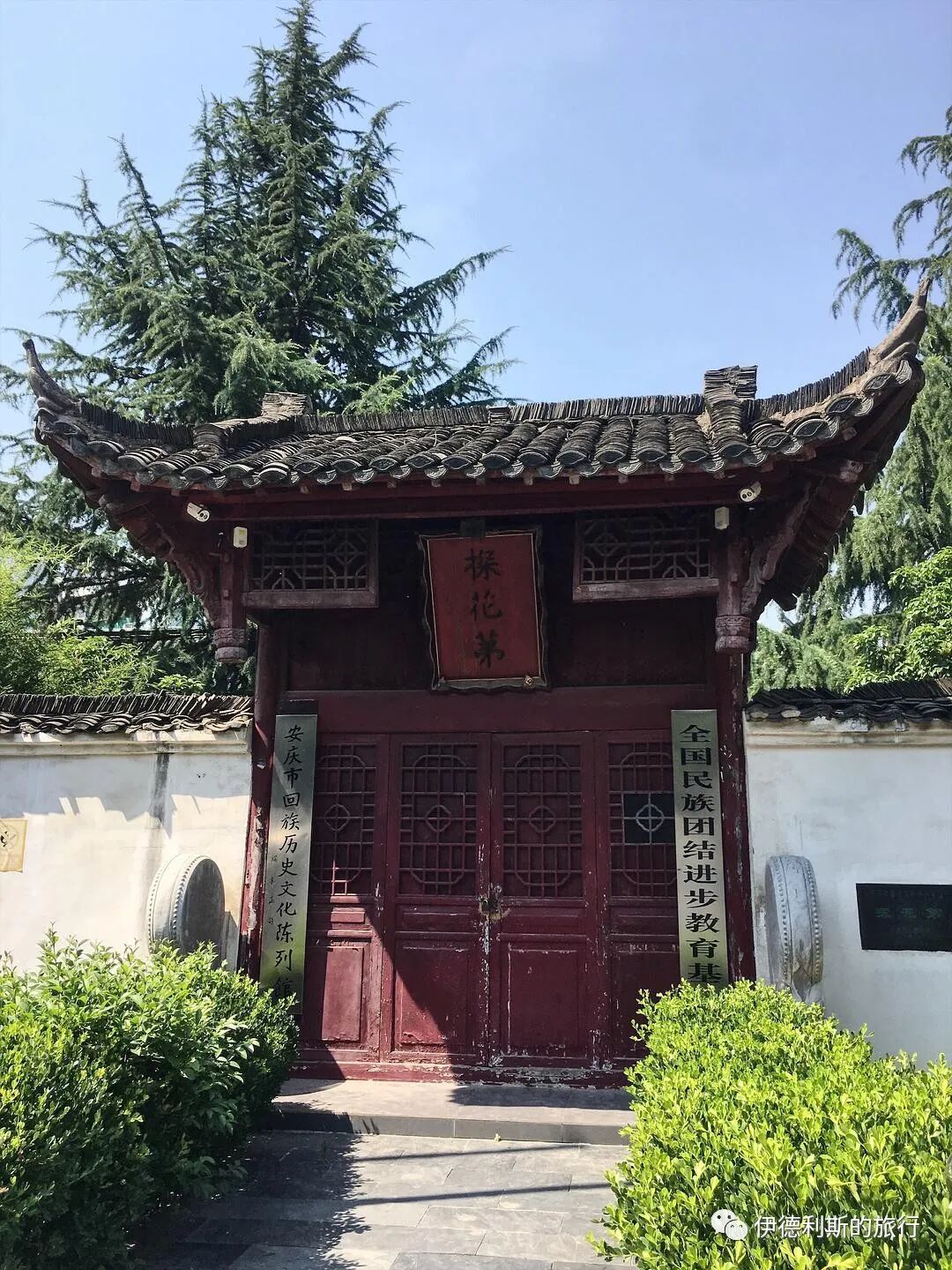
After becoming a scholar, Ma Dayong first served as a second-rank imperial guard and a lieutenant colonel in the Shaanxi Firearms Battalion. In 1737, the second year of the Qianlong reign, he was transferred to Yuanzhou, Hunan, as a brigade general. At that time, the Miao people in Yuanzhou occupied a lot of farmland. Ma Dayong rode alone to the Miao village and negotiated repeatedly, eventually convincing them to return thousands of acres of farmland. In 1747, the twelfth year of the Qianlong reign, Ma Dayong was transferred to Yichang, Hubei, as a brigade general, where he built the Yichang Mosque. In 1751, the sixteenth year of the Qianlong reign, Ma Dayong was transferred to Zhangzhou as a brigade general and assistant commander-in-chief. The following year, Cai Rongzu printed books with the words 'Great Ning Kingdom' to prepare for a rebellion against the Qing. Ma Dayong led his cavalry 200 miles to charge directly into Cai Rongzu's camp and captured him. In 1753, the eighteenth year of the Qianlong reign, Ma Dayong served as the brigade general of Taiwan. After a hurricane and tsunami hit Lu'ermen, Taiwan, Ma Dayong led his naval forces to swim through the wind and waves to rescue over 4,000 people. After the tsunami, a plague broke out. Ma Dayong distributed medicine widely and took many measures to prevent the spread of the disease. In 1756, the twenty-first year of the Qianlong reign, Ma Dayong became the Admiral of the Fujian Navy, stationed in Xiamen. He fought hard to clear out pirates, causing many pirate groups to disband. In 1759, the twenty-fourth year of the Qianlong reign, he returned to Anqing due to illness. After he passed away, he was posthumously awarded the title of Grand Master of Glorious Happiness (Ronglu Daifu).
Ma Dayong's grandson, Ma Chen, joined the army as a young man. Over twenty years, he fought in Sichuan, Hubei, Hunan, and Taiwan. In 1838 (the 18th year of the Daoguang reign), he followed Imperial Commissioner Lin Zexu to Guangdong to ban opium. Lin Zexu put Ma Chen in charge of major tasks, including seizing British store ships, confiscating over 20,000 chests of opium, and destroying the opium at Humen. After that, the First Opium War broke out. Ma Chen fought in the battles of Guanyong and Dongyong, winning repeatedly. In 1840 (the 20th year of the Daoguang reign), the British fleet attacked Guangzhou, and he won again in the naval battle. At the end of the year, Ma Chen led hundreds of soldiers to defend the Qingyuan and Weiyuan forts. When reinforcements did not arrive, he died heroically for his country.
West Gate Mosque (Xiguan Qingzhensi)
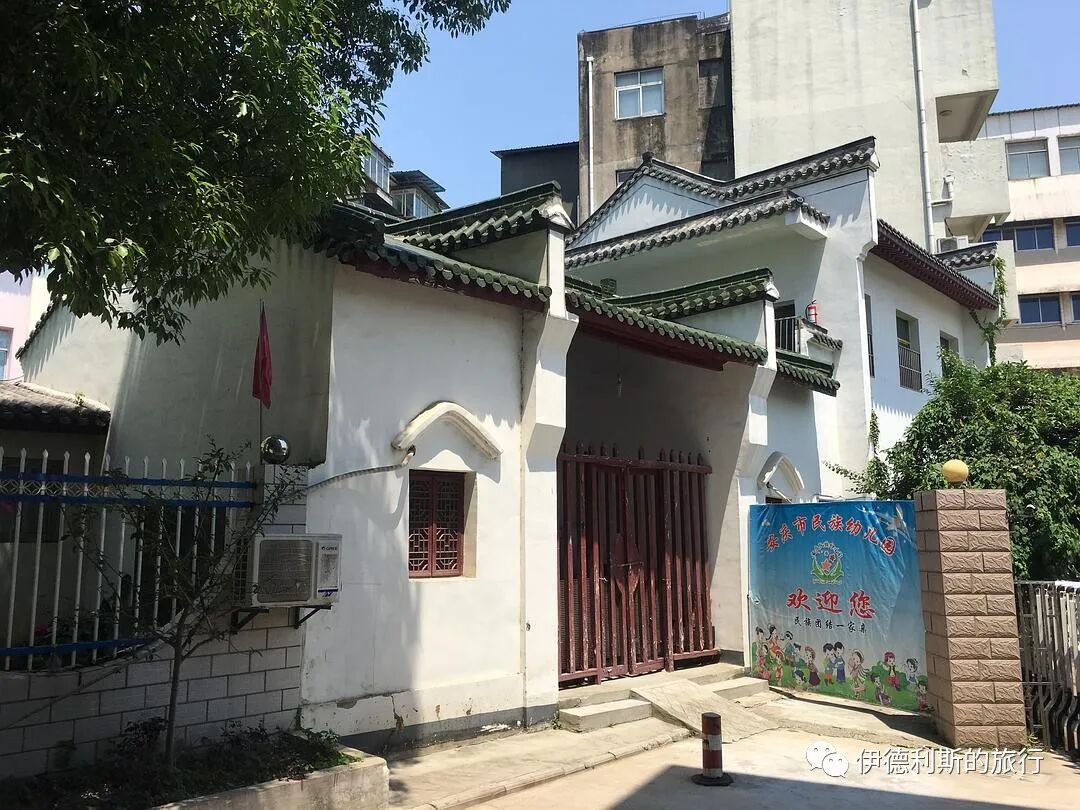
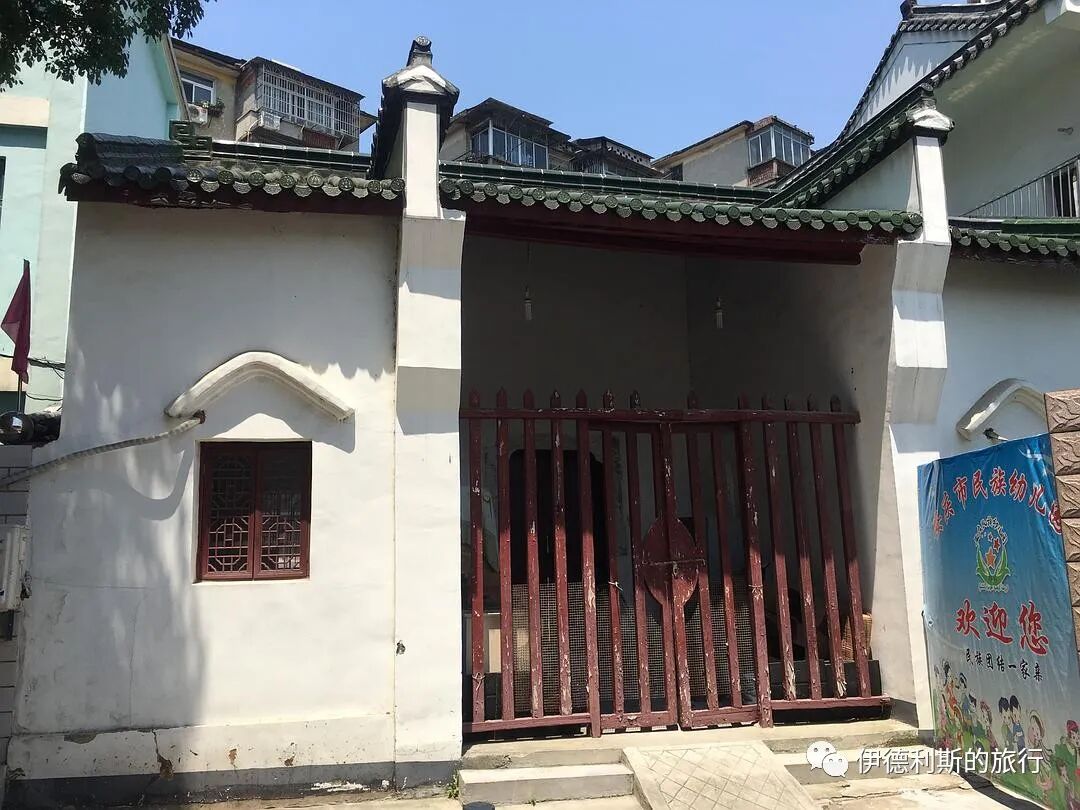
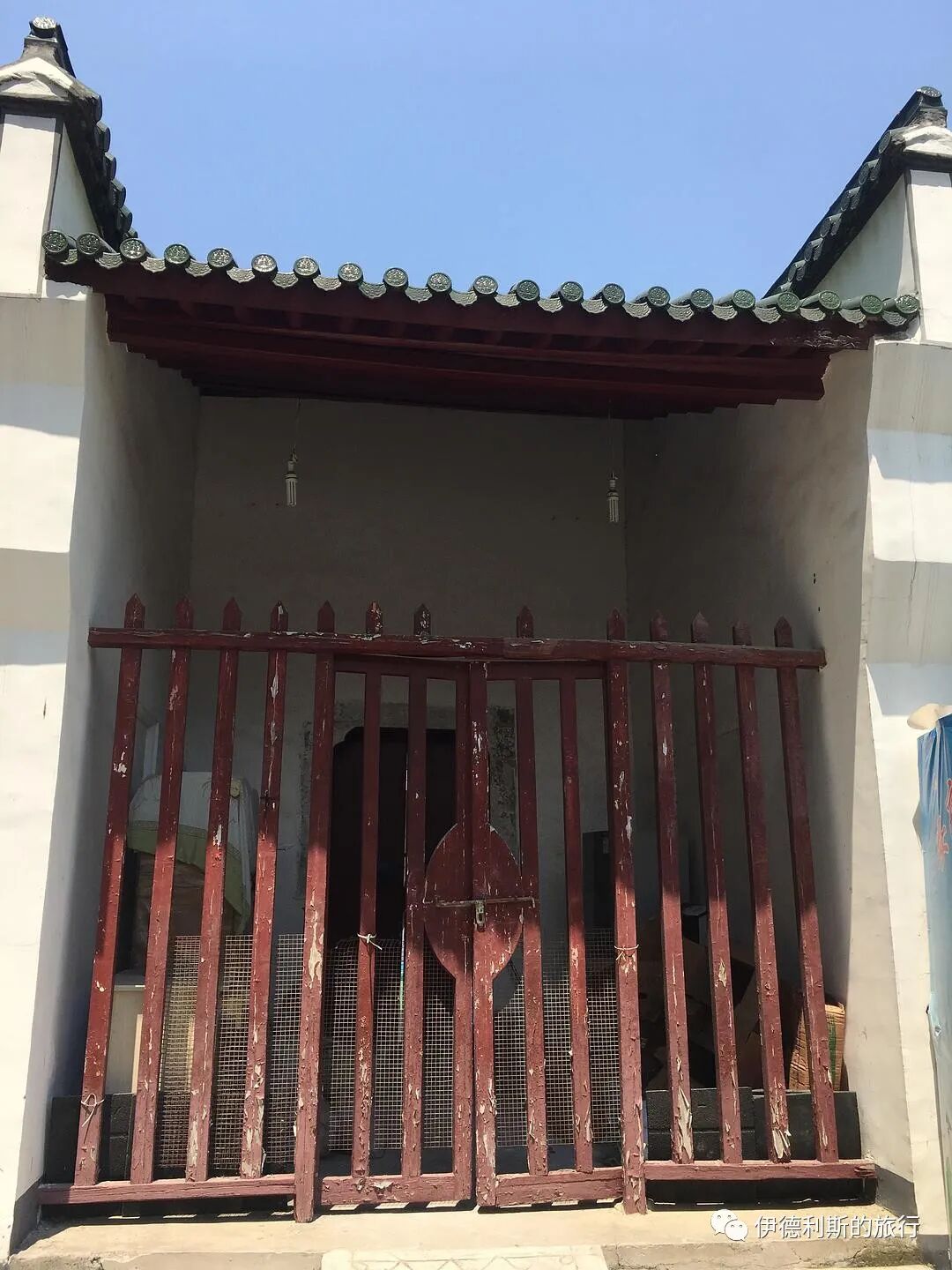
Besides the South Gate Mosque (Nanguan Qingzhensi), Anqing once had a West Gate Mosque. According to Ma Zhaoceng in 'The Origin and Changes of the West Gate Mosque in Anqing,' the number of Hui Muslims living outside the Zhengguan Gate (West Gate) of Anqing grew during the Qianlong reign. Because the prayer times did not match the city gate's opening and closing hours, it was very inconvenient for them to go to the South Gate Mosque. Ma Tianrong, a 12th-generation descendant of the original ancestor Ma Hazhi from the Dunyue Hall Ma family in Huaining (Anqing), donated the two residences of Yayuan and Yakui located outside the Zhenhai Gate (South Gate). He then built a new mosque at Gou'erkou outside the Zhengguan Gate. Ma Tianrong was born in 1744 (the 9th year of the Qianlong reign) and died in 1788 (the 53rd year of the Qianlong reign), so the West Gate Mosque was likely built in the middle or late Qianlong period.
In 1877 (the 13th year of the Guangxu reign), the West Gate Mosque moved to the back street of Gou'er Mountain outside the West Gate. The people in charge of the relocation included Ma Hongchang and Ma Shaowen. Ma Shaowen was the 33rd-generation descendant of Ma Yize, the original ancestor of the Dunyue Hall Ma family in Huaining, and he was the grandfather of Ma Yiyu.
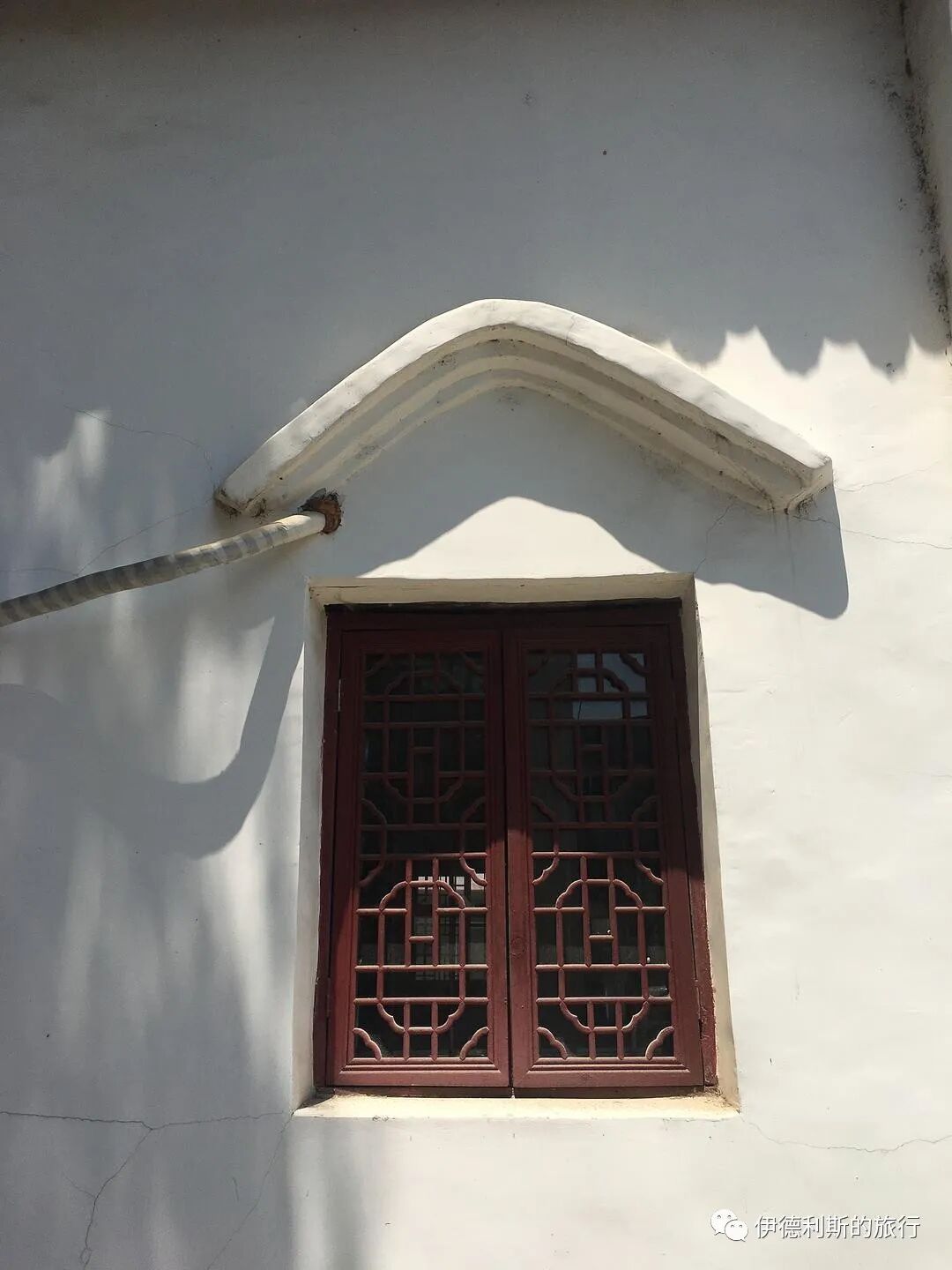
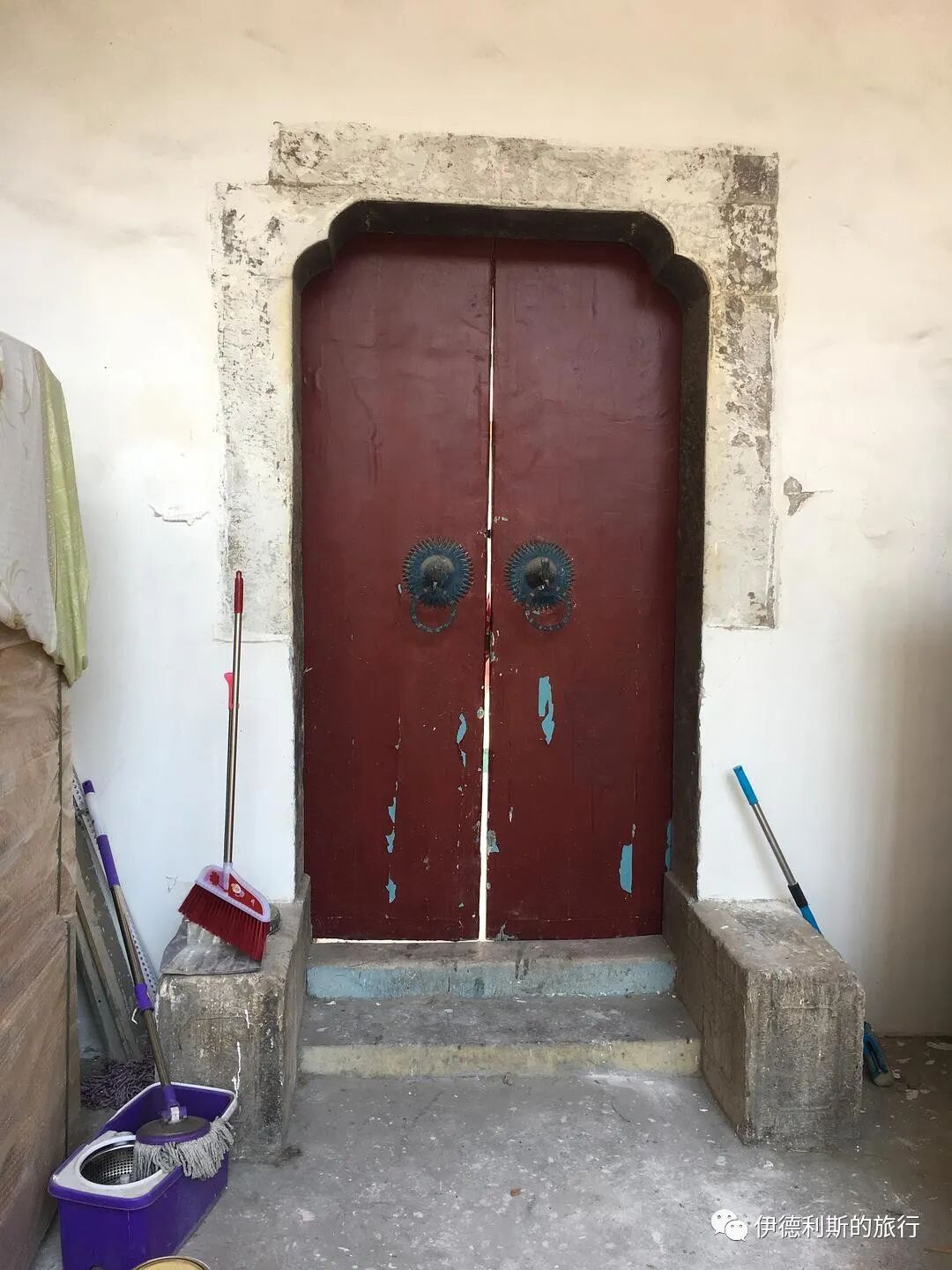
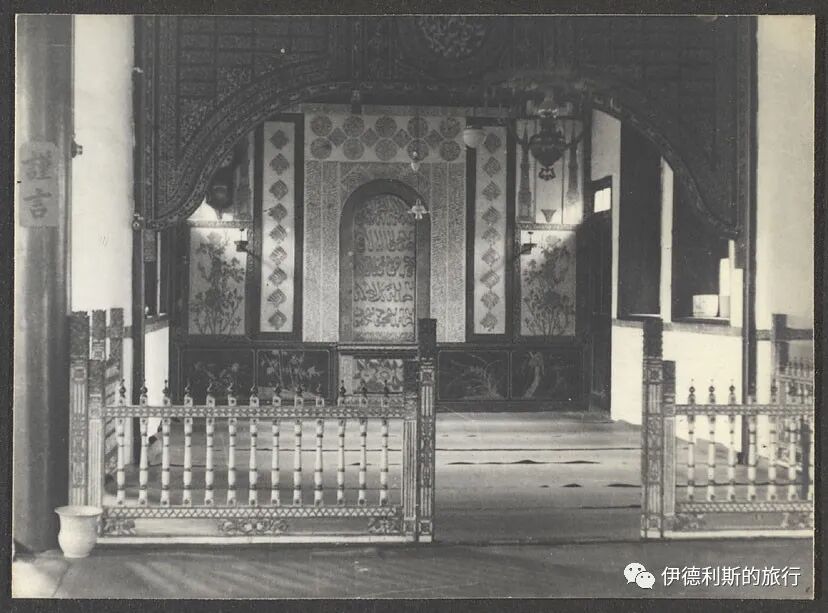
The main hall of the West Gate Mosque, photographed by Bi Jingshi in 1934.
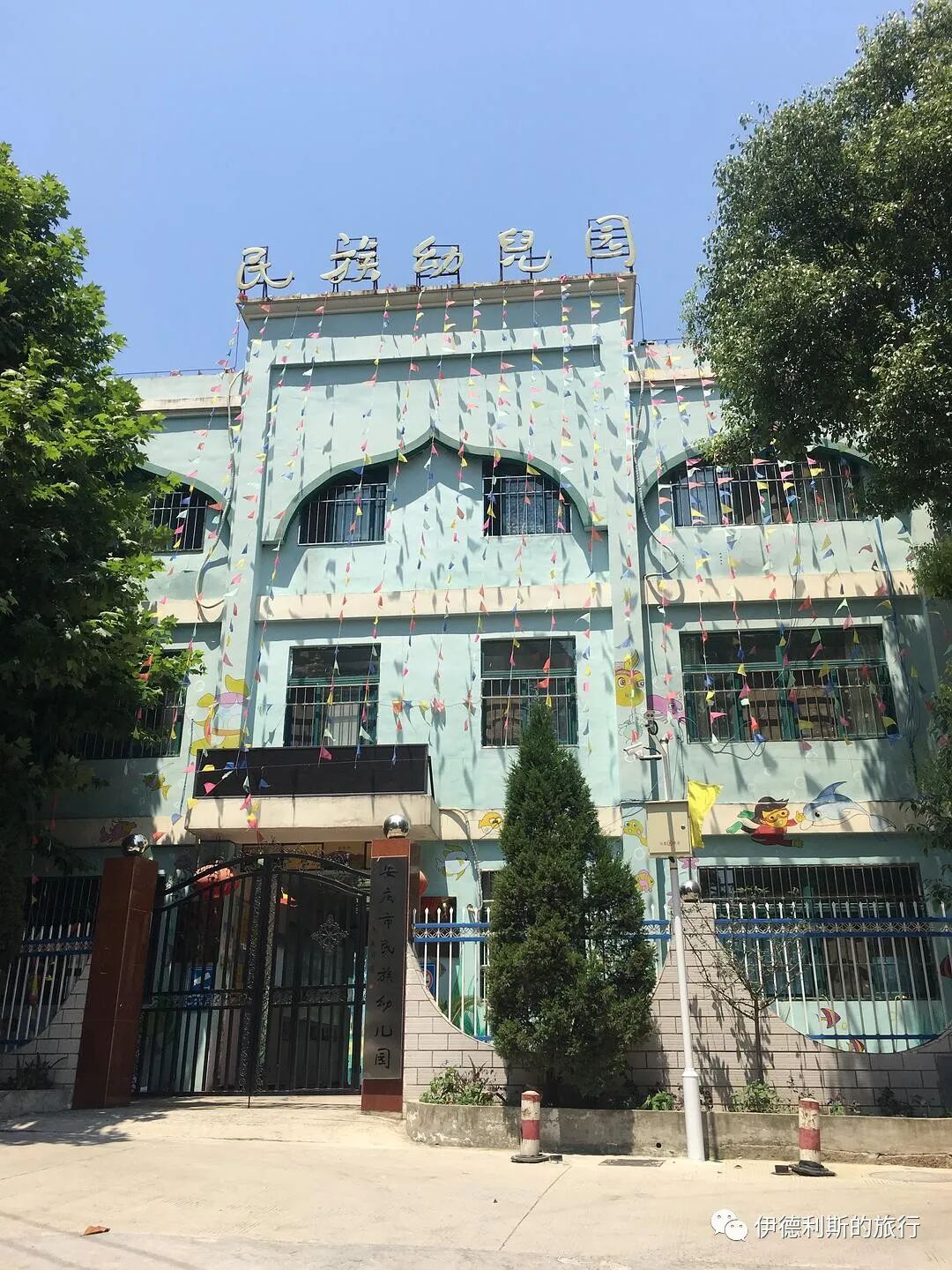
Before 1949, Ma Yiyu used the family property of the Huaining Dunyue Hall to start Yize Primary School at Xiguan Mosque. After 1949, it merged with Qingzhen Primary School and Qingzhen Mosque Street Primary School.
In the 1950s, Xiguan Mosque became a residential area. In 1995, it was renovated and expanded into a kindergarten for ethnic minorities, leaving only the main gate and side rooms of the mosque. On November 16, 2011, the west side room was demolished, and the ethnic minority kindergarten building was built on the original site.
Dananmen Hui Muslim community.
Hui Muslims in Anqing have lived near Dananmen (Zhenhai Gate) by the Yangtze River for generations. Besides running shops and slaughtering cattle, many lived off the water, working as dock porters or living on boats as independent traders (polo). Others made a living by carrying reeds for fuel from the riverside or fetching water from the river. After the 1990s, many Hui Muslims moved away due to the demolition of the old city, but the Nanmen and Nanshui areas remain areas where Hui Muslims are relatively concentrated.
More than half of the Hui Muslims in Anqing are from the "Ming Ma" and "Wei Ma" lineages. Other surnames include Jin, Ding, Zong, Dong, Si, Ha, Ma, Bai, and Bai. The Jin surname among Hui Muslims is divided into "Nanjing Jin (Jinling Jin)" and "Maoling Jin." According to family records, the ancestor of the "Nanjing Jin" was Yibulajin (now translated as Ibrahim) from the Rumi Kingdom (possibly the Sultanate of Rum), who moved from Nanjing in the early Ming Dynasty. Hui Muslims with the surname Ding state that they moved from Quanzhou in the early Ming Dynasty, and their founding ancestor was an Arab named Ashiding.
According to Ma Yichen's "The Business Operations of Hui Muslims in Anqing Since the Late Qing and Early Republic," there were 64 recorded shops and workshops run by Hui Muslims in Anqing since the late Qing and early Republic. The seven largest were Yingshengtai Grocery Store on Daobashi Street, Yinhe Tea House on Sipailou, Wangtaihe Grocery Store, Xinji Grocery Store, and Yongxingde Hardware Store on Sipailou West Street, Huafeng Money Shop on Penglai Street, and Maxingyu Egg Shop on the riverside road outside the South Gate. Hui Muslims at Dananmen in Anqing mainly engaged in small businesses and worked as porters at the South Gate dock during the Republic of China era. A 1950 survey showed that nearly 100 Hui Muslim households in Anqing were engaged in the halal food and slaughtering industry, mainly distributed near Dananmen. During the late Qing Dynasty and the Republic of China era, there were four restaurants outside the South Gate on Zhengjie Street: Yanghexing, Maqishun, Fangshunxing, and Magongxing. Other businesses included Yujia Chicken and Duck Restaurant, Yuchangchun Plaster Shop, Zongjia Beef Jerky, Majia Tofu Shop, Majihe Tofu Shop, Dongjia Tea Stove, Fuguilou Teahouse, Dongjia Noodle Workshop, Mayitai Sauce Workshop, Baizhaoji Pastry Shop, and Tongmao Pastry Shop. Yaojia Cattle Slaughterhouse was located in the West Alley outside the South Gate, and Malaowu Cattle Slaughterhouse was in the East Alley outside the South Gate. Wuyue Street had Mayongxing Restaurant, Longmenkou had Lida-ge Beef Jerky, Daobashi Street had Tongjia Tea Stove and Zhengshouhe Pastry Shop, Peide Alley had Liangjia Tea Stove, and Yingjiang Road had Yingjianglou Teahouse.
According to a blog post by an old resident of Anqing, a Hui Muslim named Ma Weiqin opened Mayongxing Restaurant around 1923 at the entrance of the Anhui Provincial Department of Finance on Wuyue Street. At that time, there was no storefront, just a small shed with three small tables for serving breakfast. They started by selling only noodles. After the noodles were cooked, they added different toppings like braised beef, beef offal, beef tripe, or served them plain. Later, they added white rice porridge, steamed buns (mantou), twisted rolls (huajuan), and shuttle-shaped buns (suozimo). The shuttle-shaped bun (suozimo) was Ma Weiqin's specialty. He rolled the dough into a shape pointed at both ends and wide in the middle, made vertical cuts on the surface, brushed it with syrup, sprinkled it with white sesame seeds, and baked it in an oven. When finished, it looked just like a weaving shuttle. In 1931, Ma Weiqin rented a storefront on Shizheng Street and hung up a sign that read Mayongxing Porridge Shop. They offered over ten types of porridge, including vegetarian options like mung bean, red bean, Job's tears, lily bulb, and lotus seed, as well as meat options like beef, shrimp, shredded chicken, and assorted ten-ingredient porridge. To make the beef porridge at Mayongxing, they first made beef meatballs, then boiled white porridge in a wok, added sesame oil, and finished by cooking the beef meatballs in the porridge. The beef porridge made this way smelled delicious.
After Anqing was occupied by Japan in 1938, Mayongxing closed down. It was not until 1946 that Ma Weiqin hung the sign for Mayongxing Canteen (later renamed Mayong Restaurant) at Yubeiting and began selling halal dishes. Mayongxing Canteen was a three-story building that blended Chinese and Western styles, with enough space for 19 square tables across the second and third floors. At that time, Zhang Liguang was the head chef for stir-fry, Wu Konglai was the head prep cook for meat dishes, Sun Jinshan made the flour-based pastries, and there were over 10 other assistants. The most famous dish at Mayongxing Canteen was boiled beef (shuizhu niurou), served with beef on top and greens on the bottom. The meat slices were so tender they had almost no gristle, melting in your mouth as soon as you took a bite. The beef jerky (niuroupu) and smoked fish (xunyu) sold at Mayongxing Canteen were also very special, especially the beef jerky, which had a perfect color, pure flavor, and a fragrant, delicious taste.
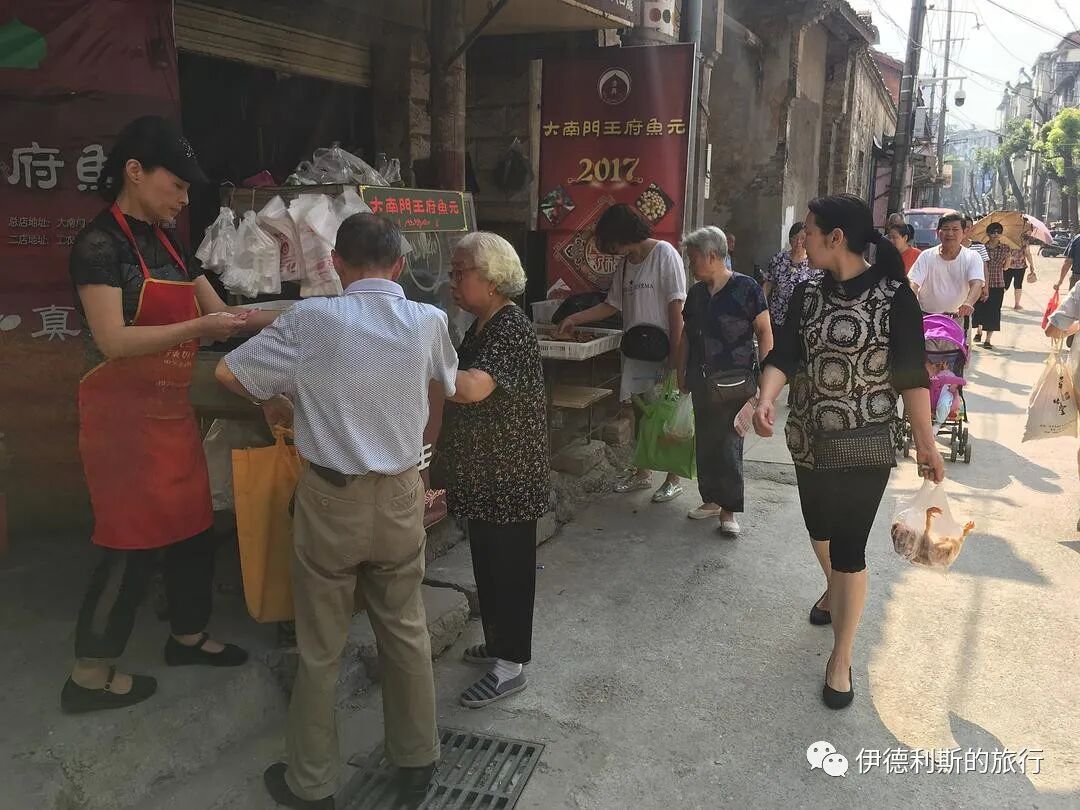
The busiest time at the South Gate (Dananmen) was every morning when everyone came to shop.
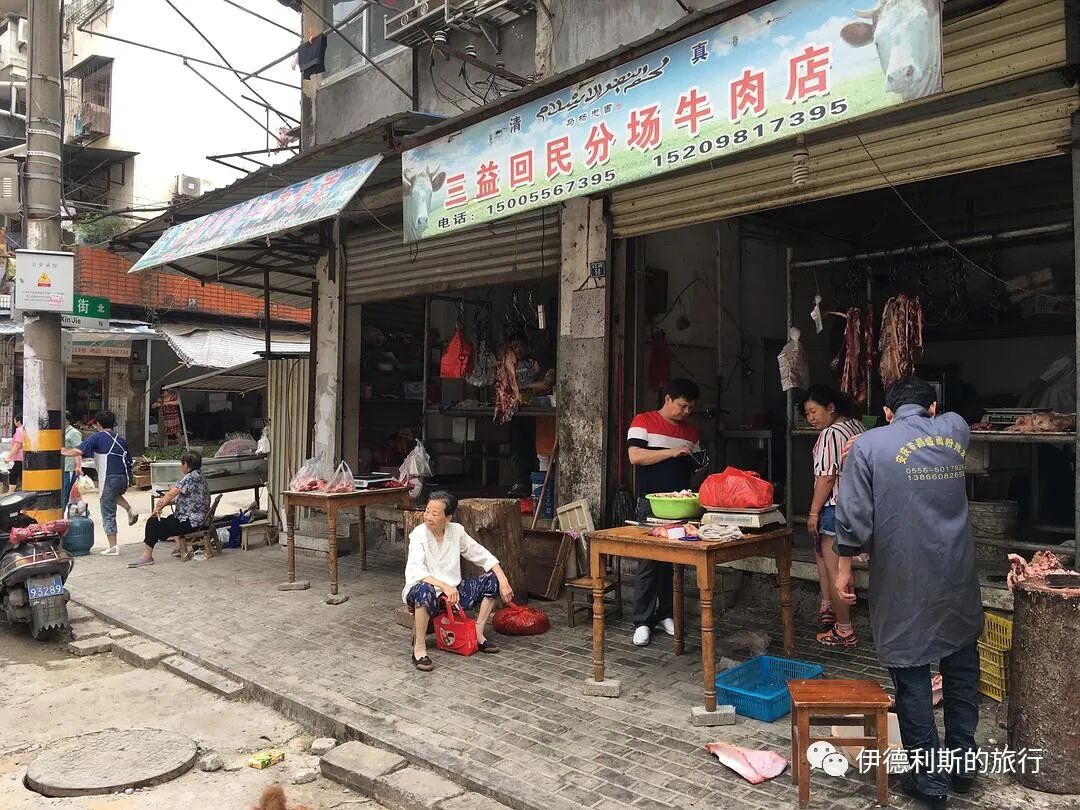
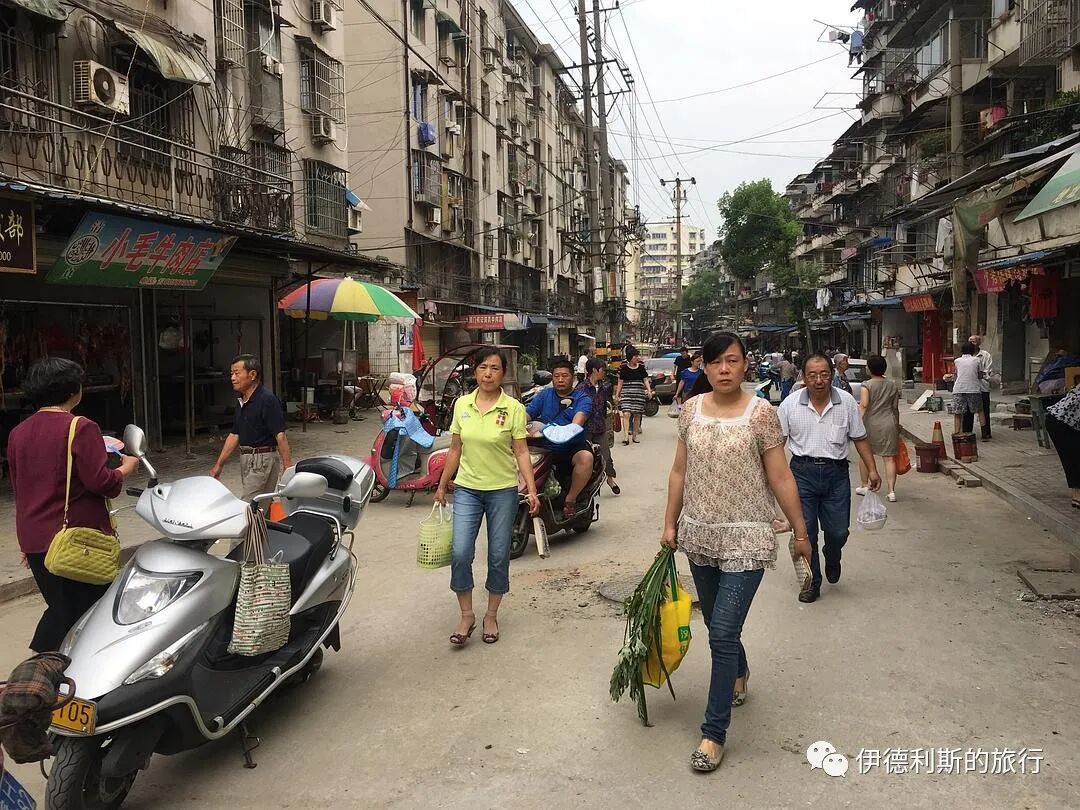
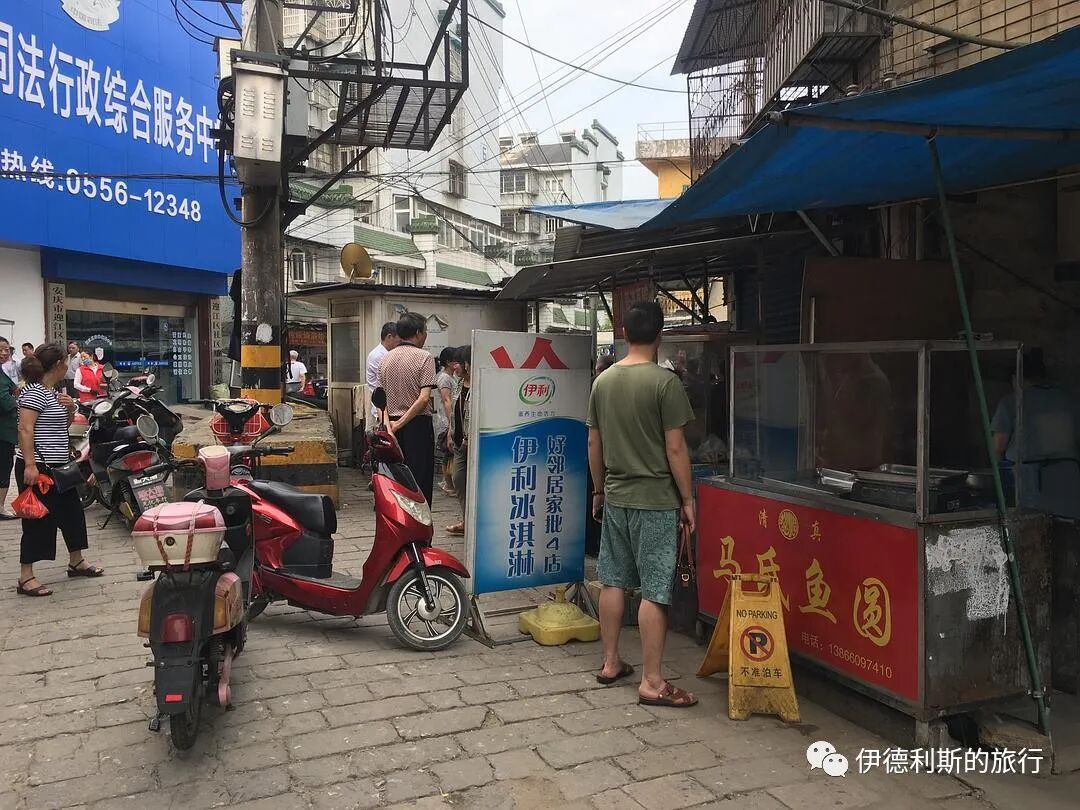
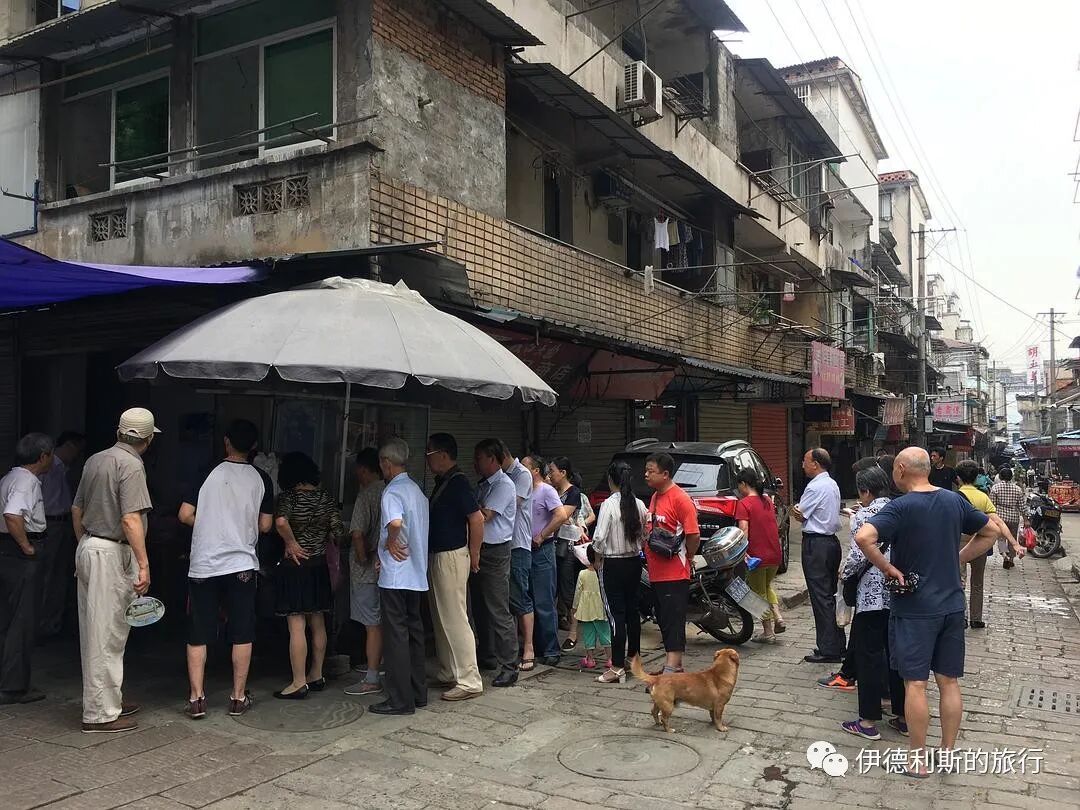
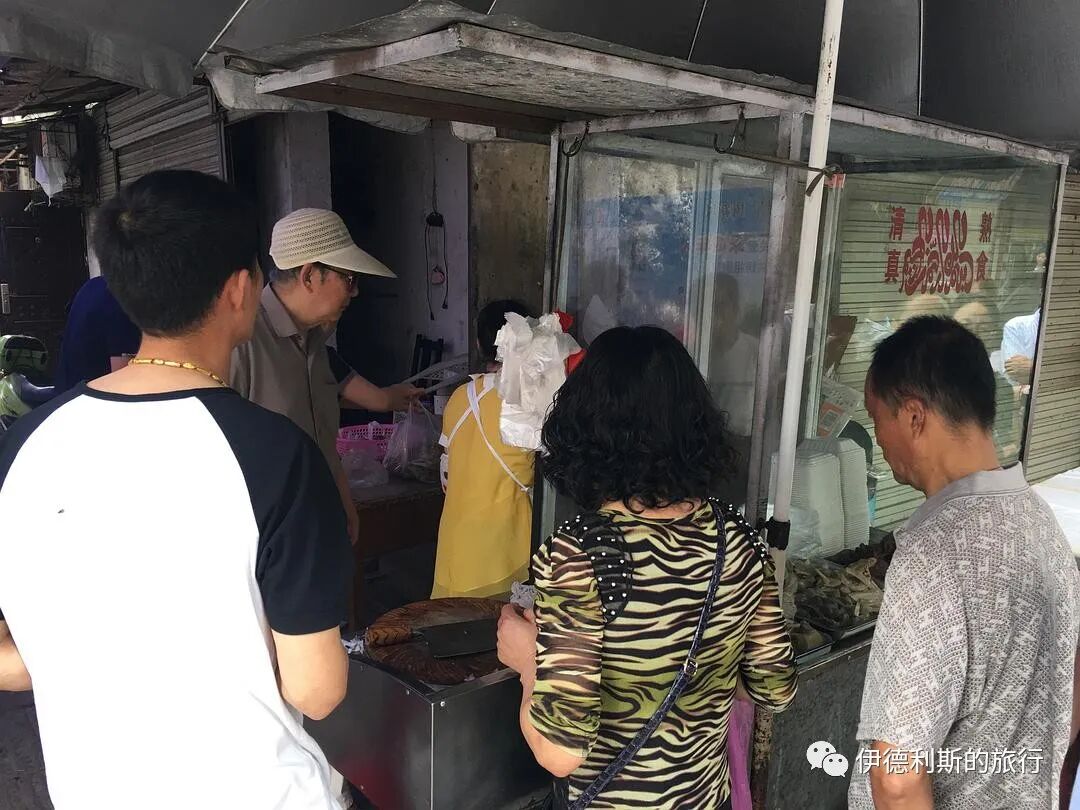
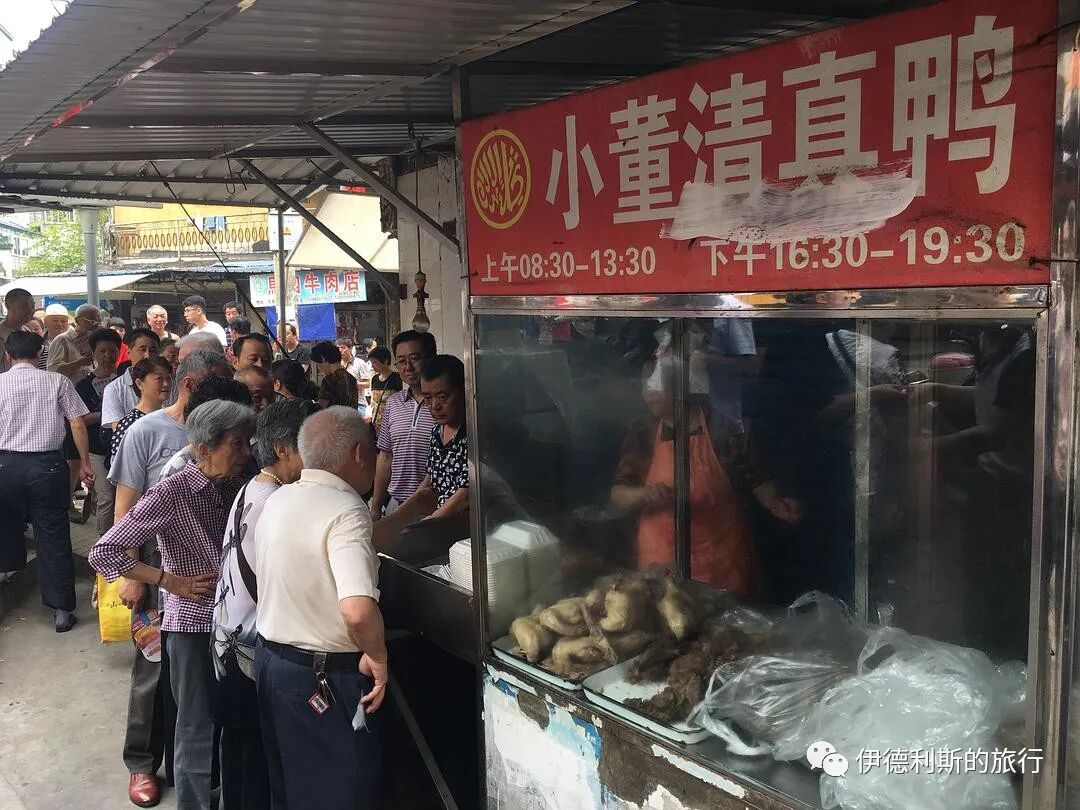
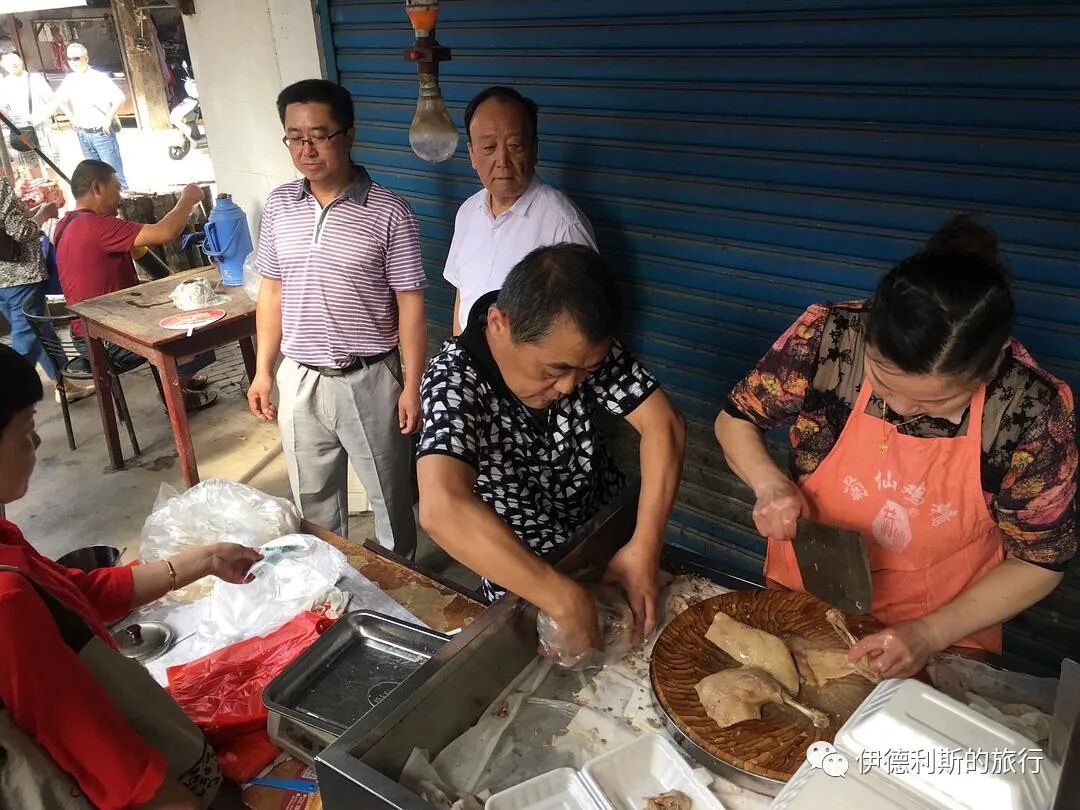
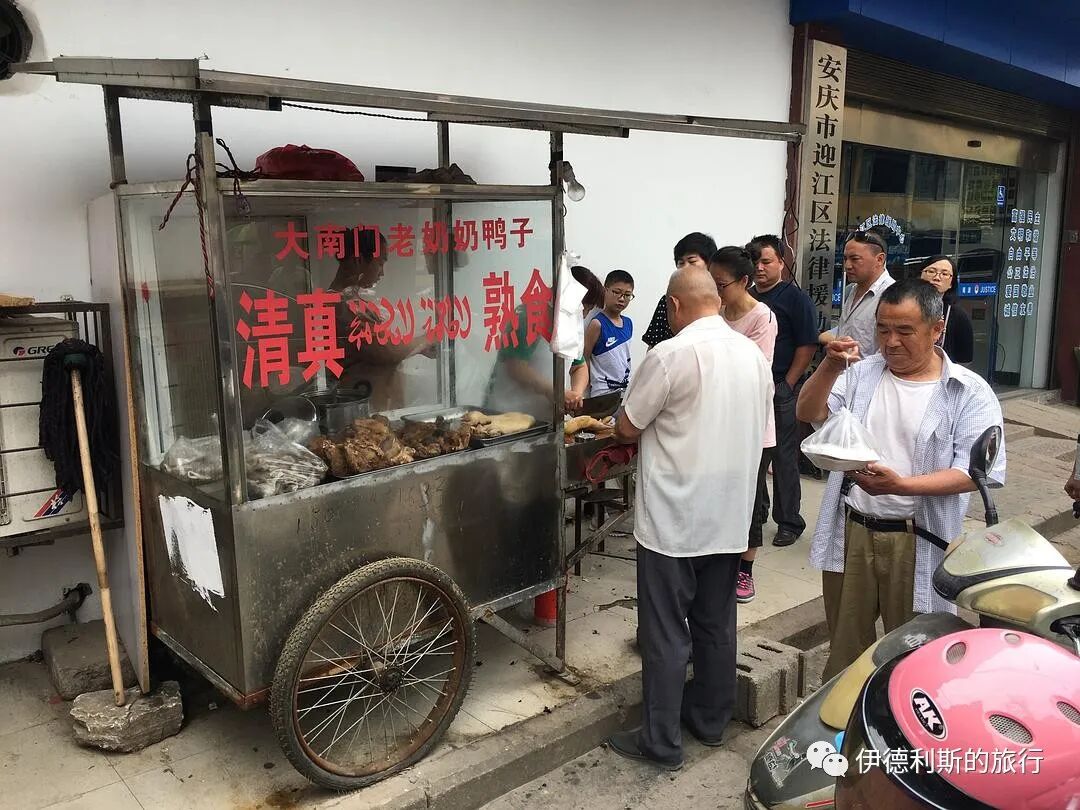
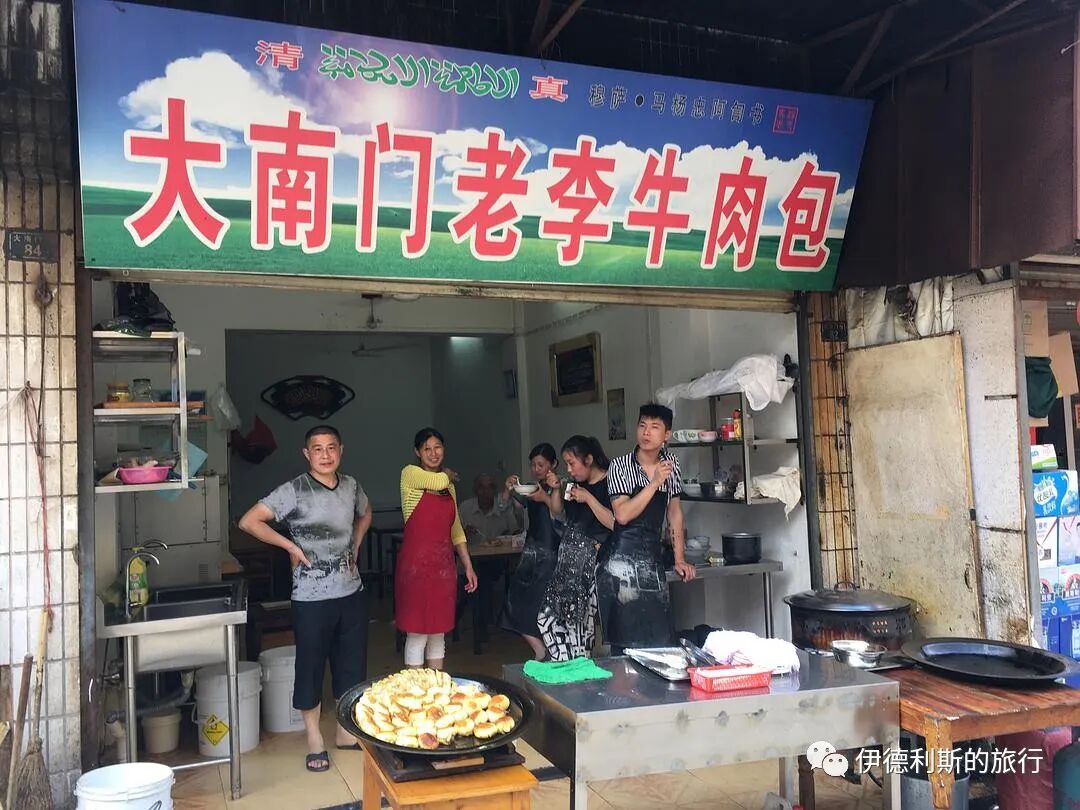
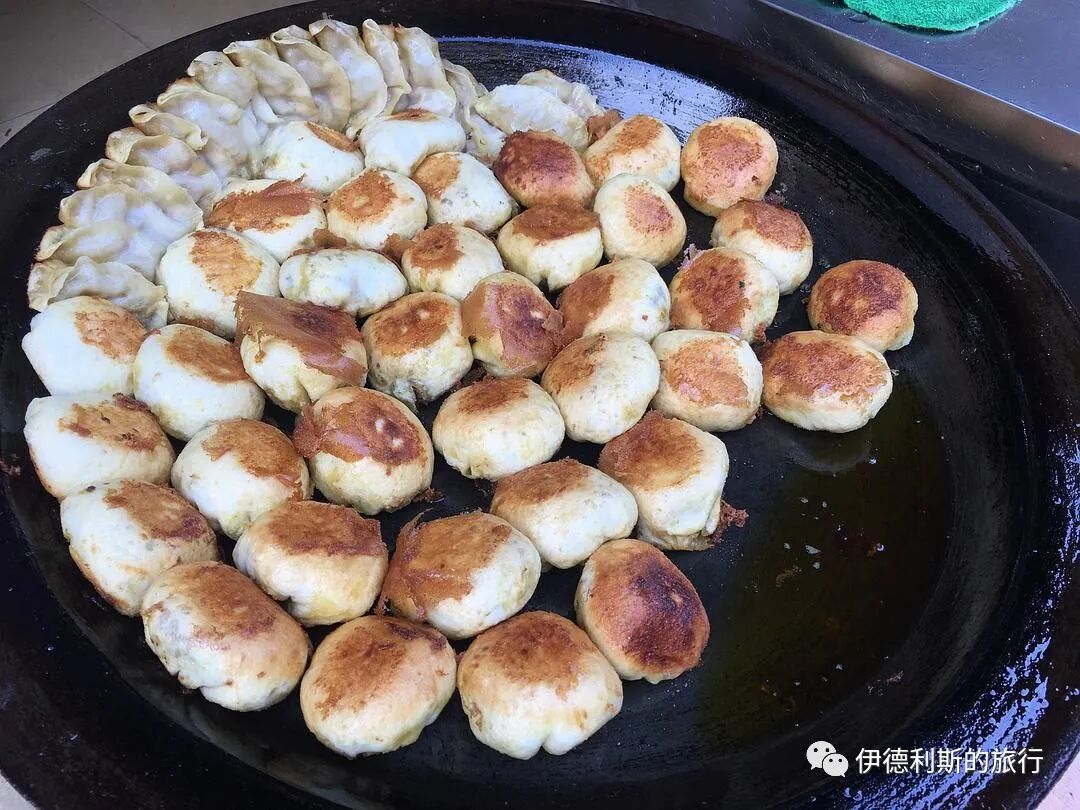
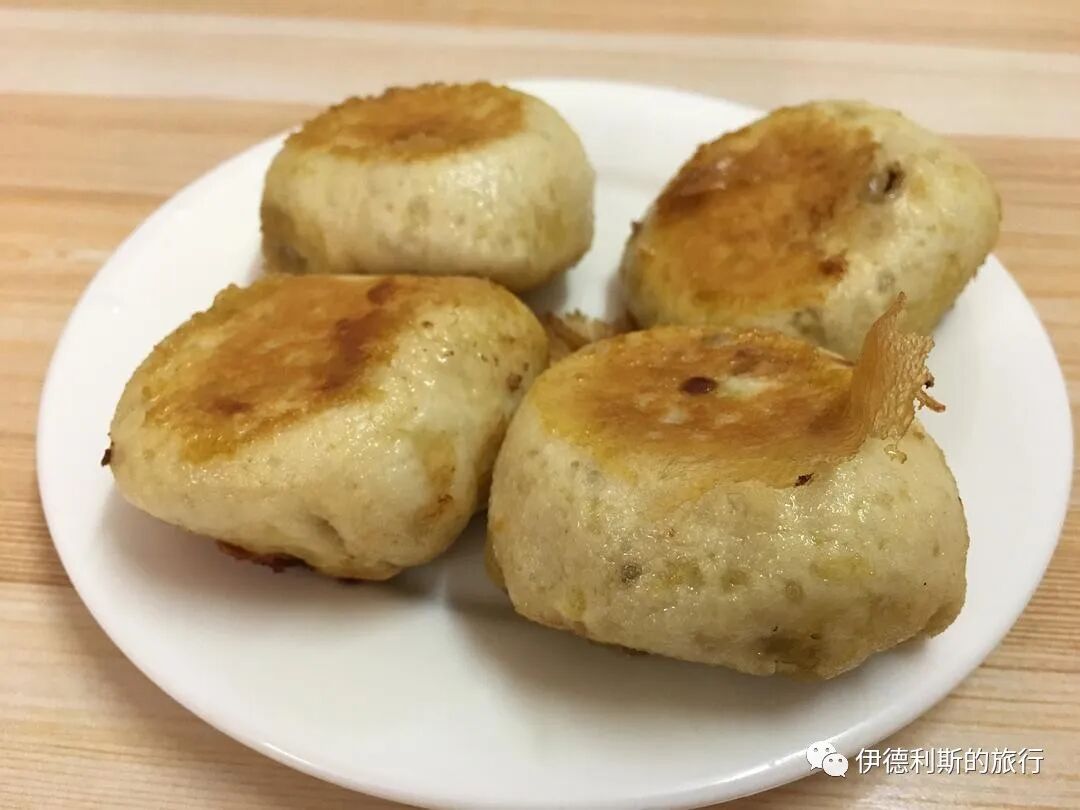
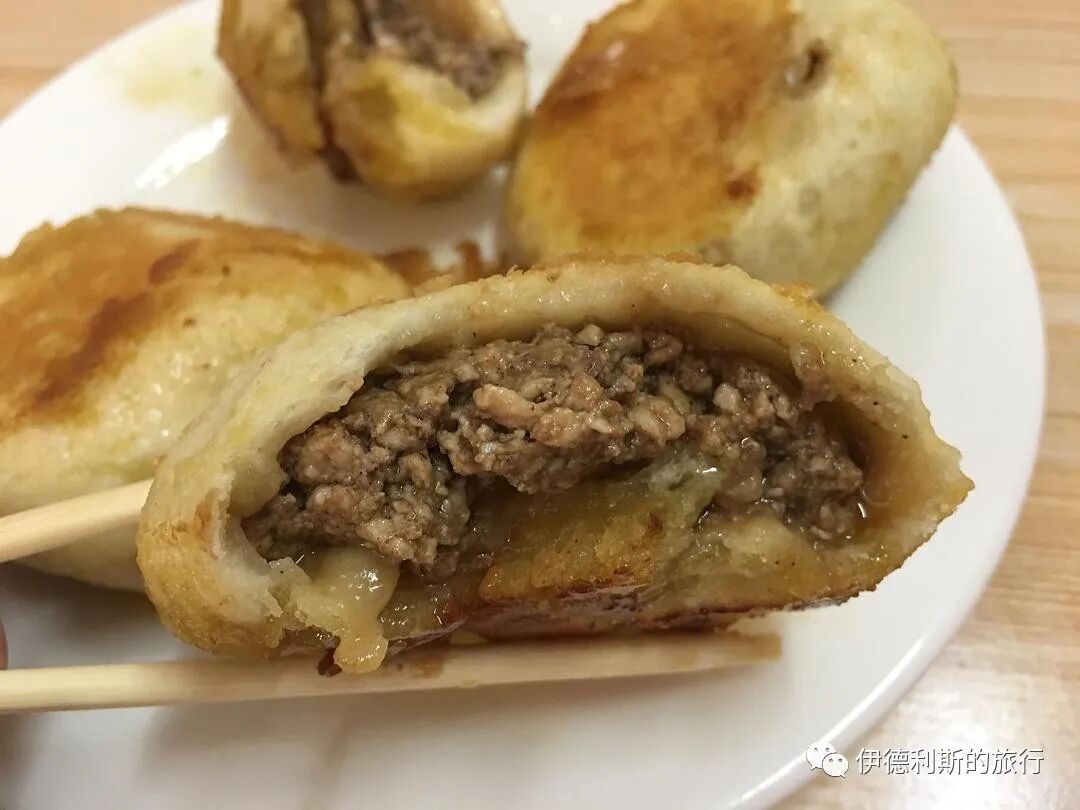
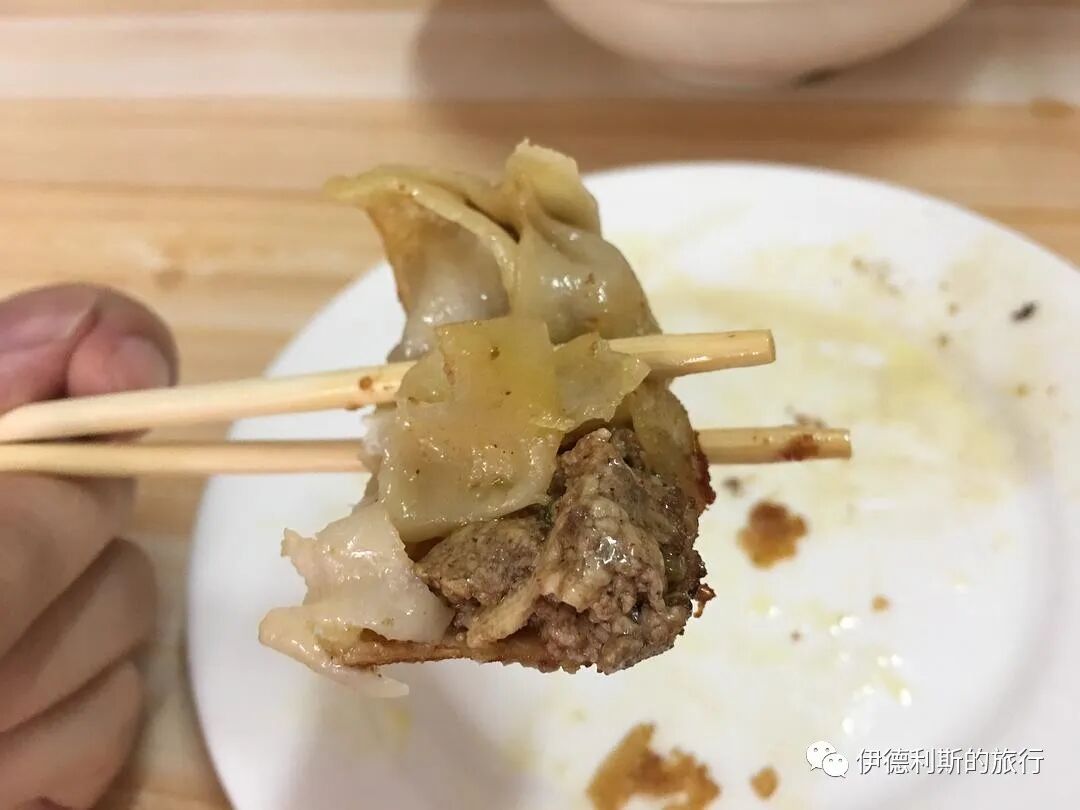
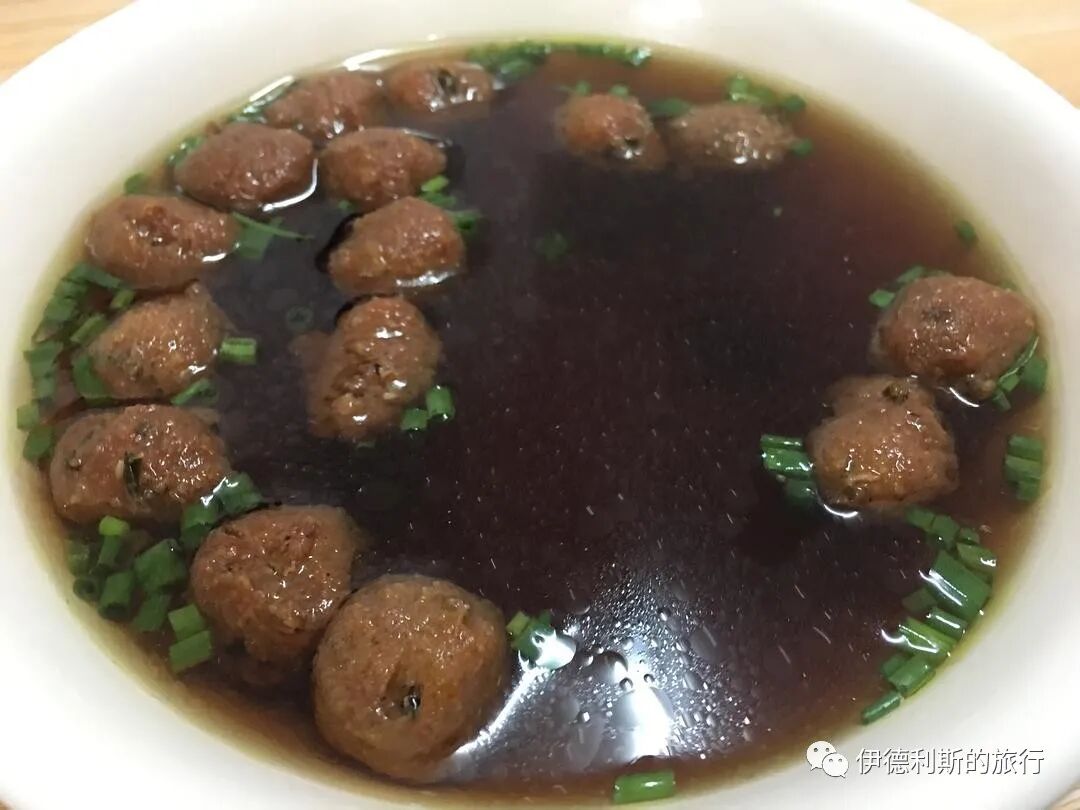
I ate pan-fried buns (jianbao) and pan-fried dumplings (jianjiao) filled with beef and tofu, along with mung bean ball soup (lvdou yuanzi tang), at Old Li's Beef Bun Shop at the South Gate. According to a blog post by an Anqing local, the most famous halal mung bean balls (lvdou yuanzi) in Anqing were from the Big Beard Breakfast Shop at the Shizheng Street intersection in the 1930s. The owner, known as Big Beard, was named Liu Jinlin and had a full beard. Anqing mung bean balls are usually served with fried dough cakes (youbing). Big Beard's fried dough cakes were crispy on the outside and soft on the inside, thin, golden, and layered, staying soft even when cold. The mung bean balls were even better. They were the size of abacus beads, yellow in color, and tender in texture. Besides flour and mung beans, they were made with extra ingredients like dried soy sauce curd and small dried shrimp.
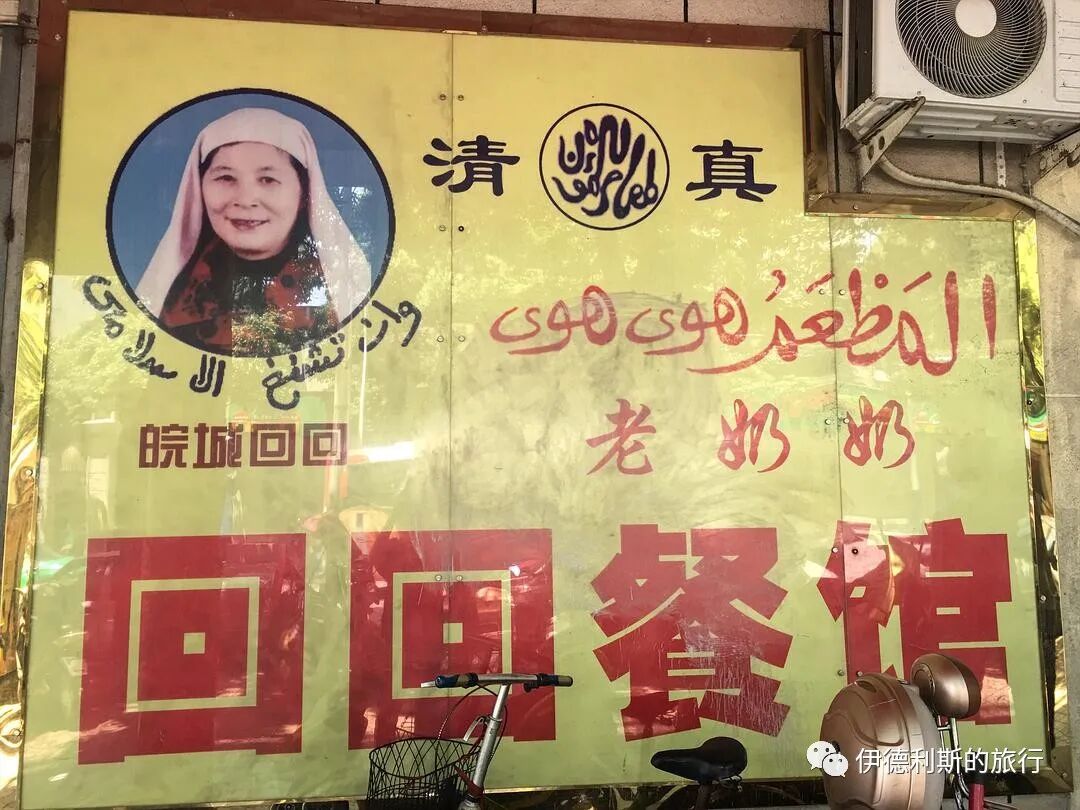
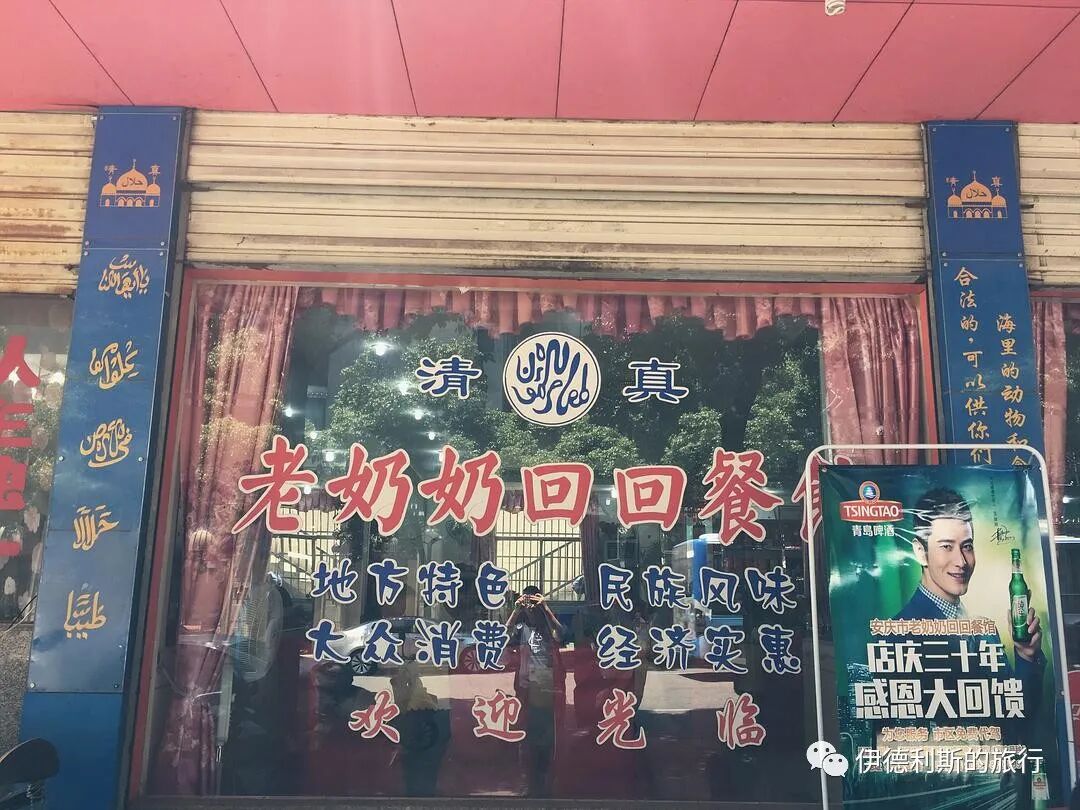
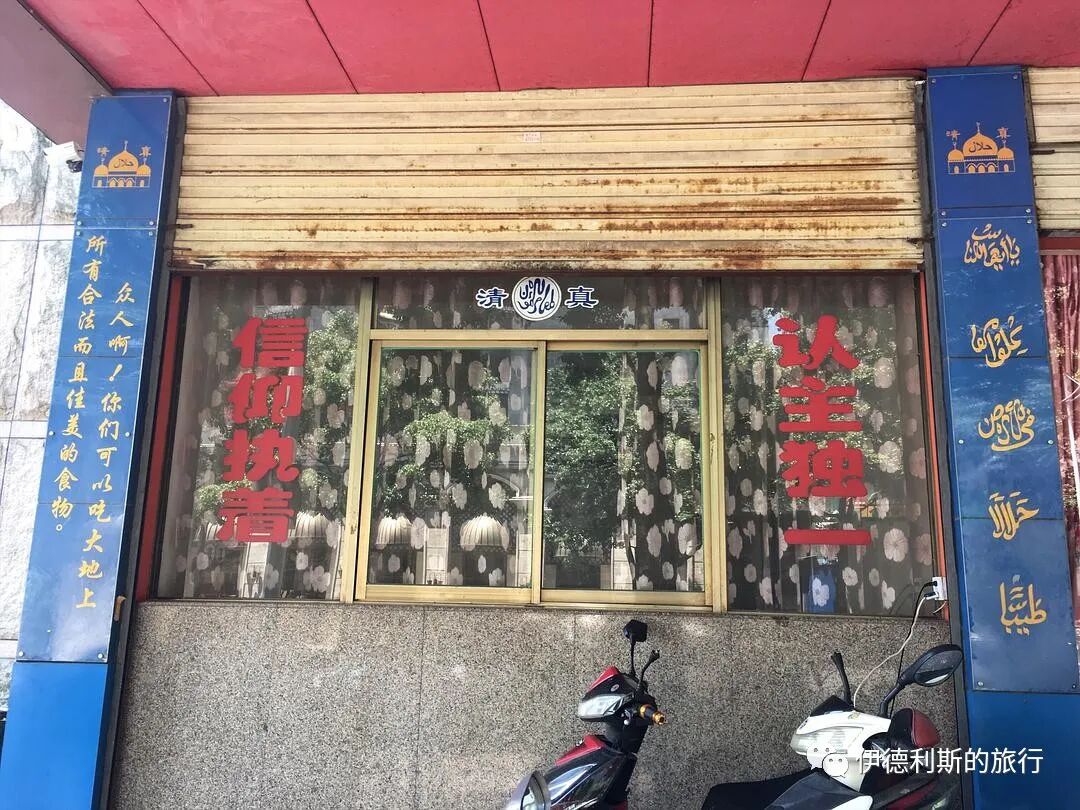
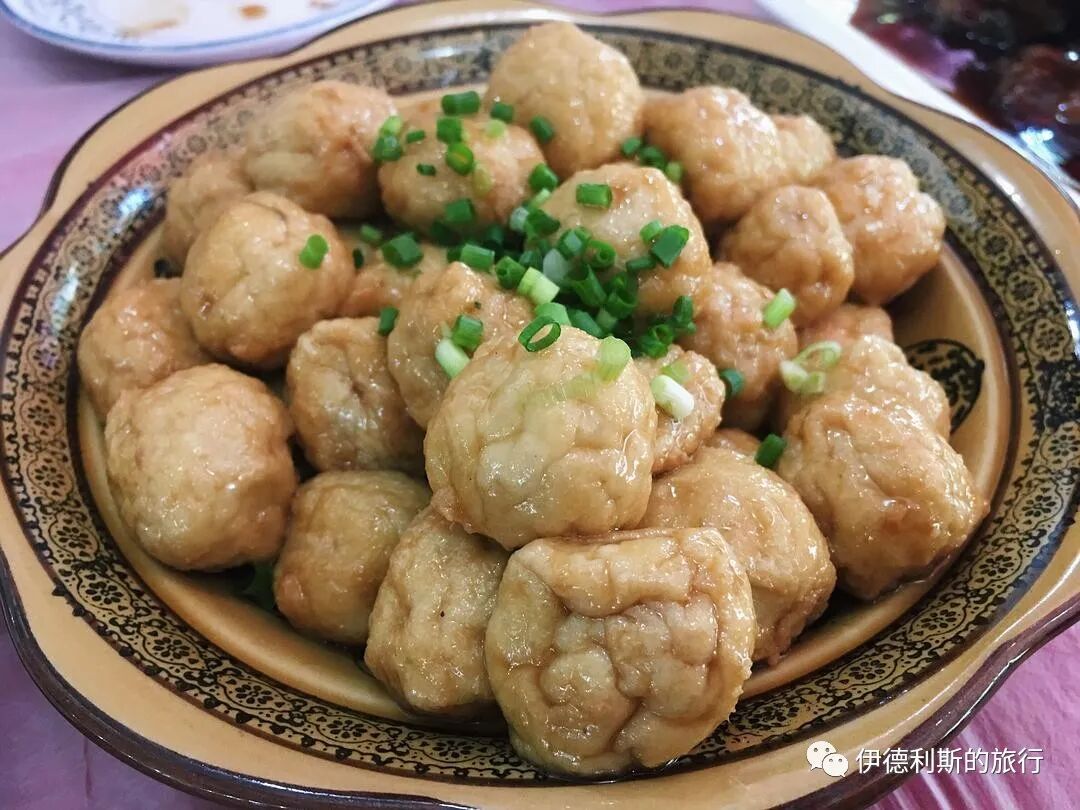
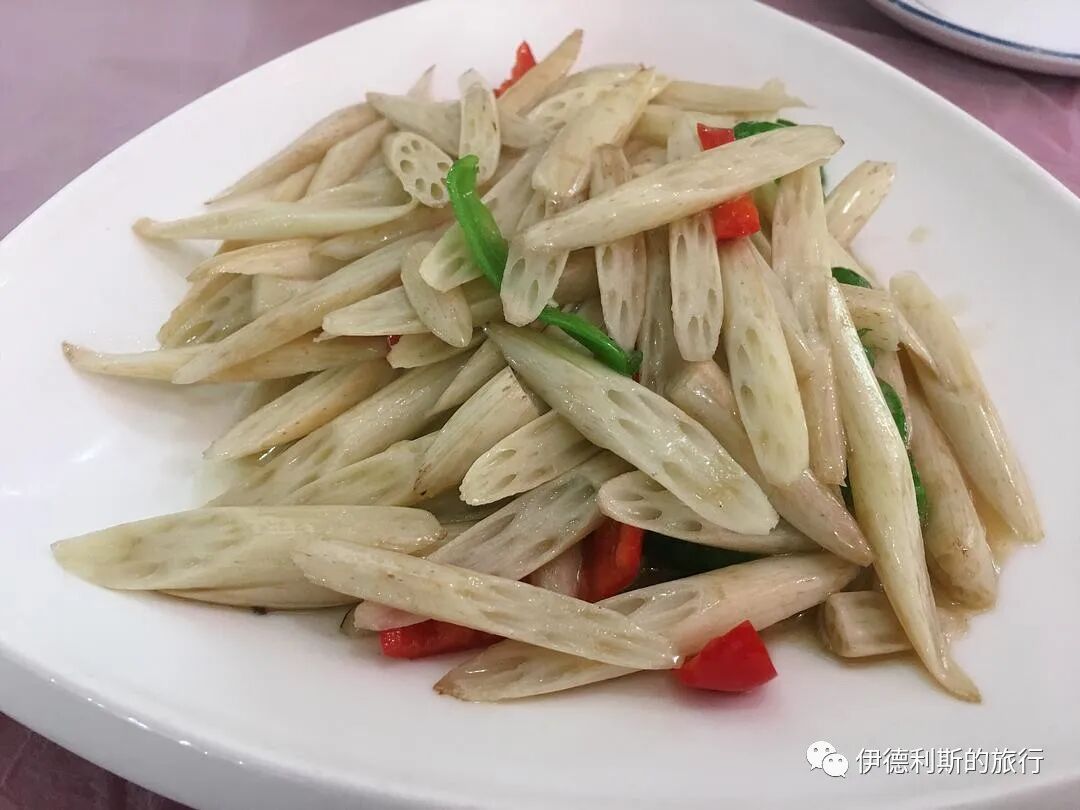
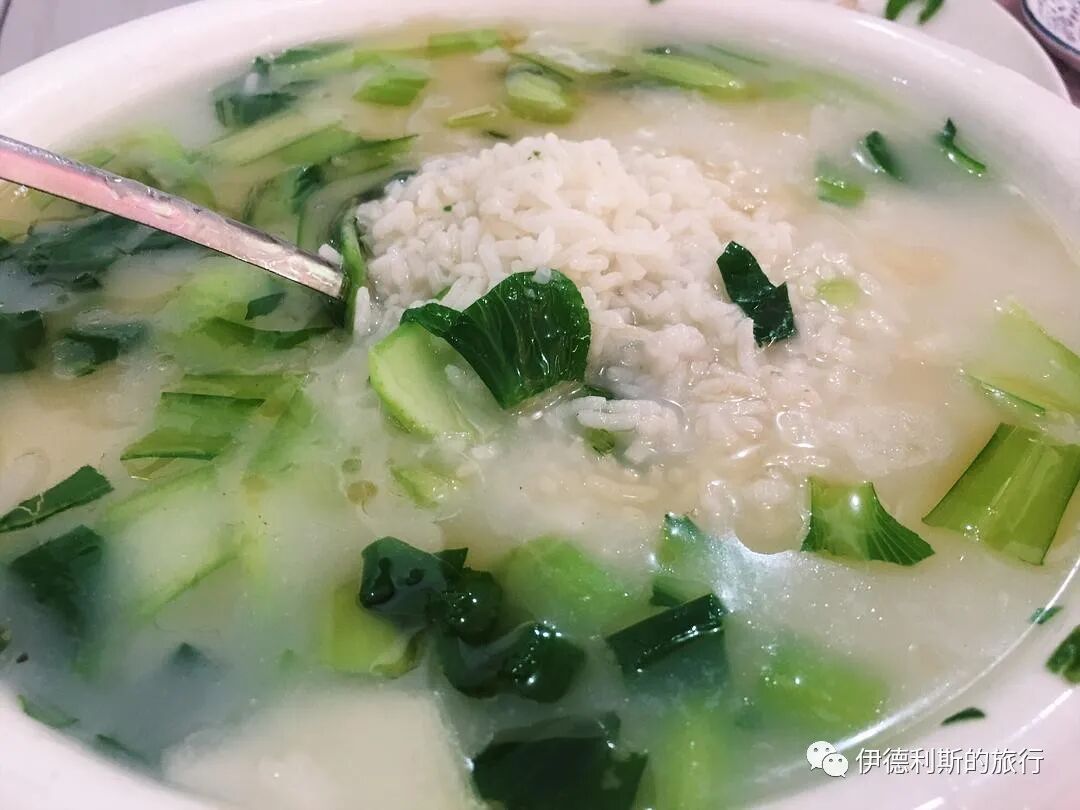
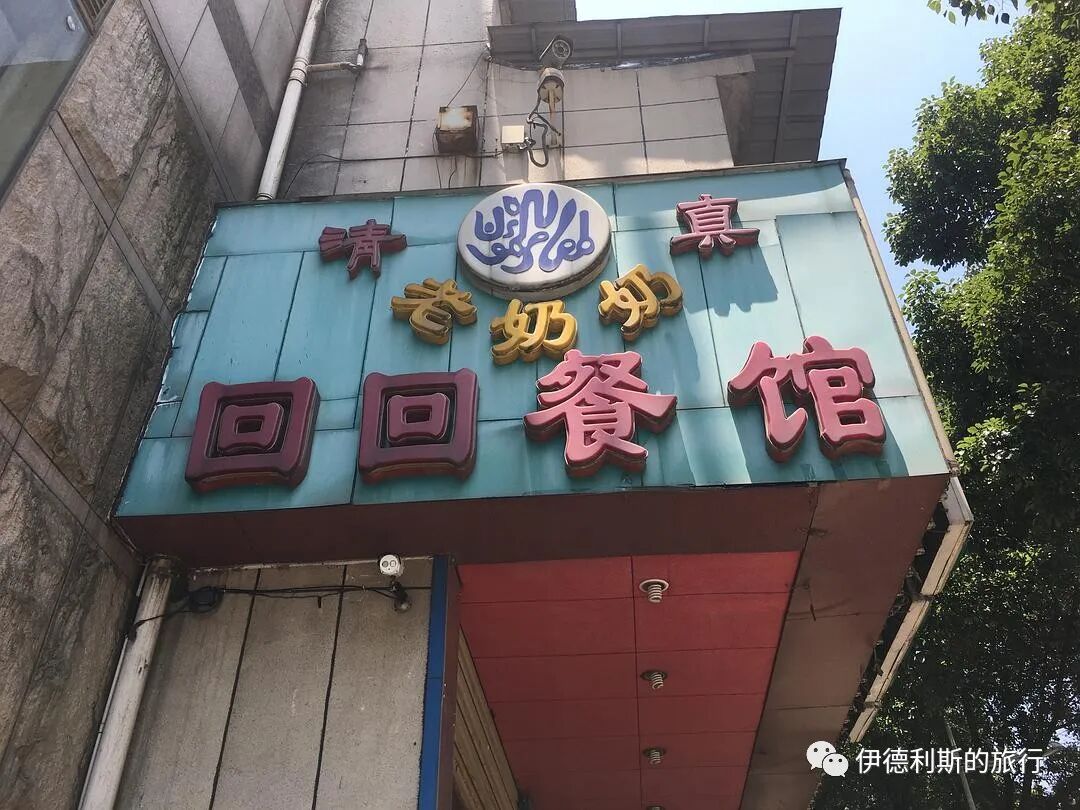
At Grandma Hui Restaurant, I ordered lotus heart greens (ouxincai), smoked fish, duck broth rice (ya lu paofan), and fish balls. Smoked fish and fish balls are specialties of Anqing Hui Muslims, while lotus heart greens are a seasonal vegetable dish.
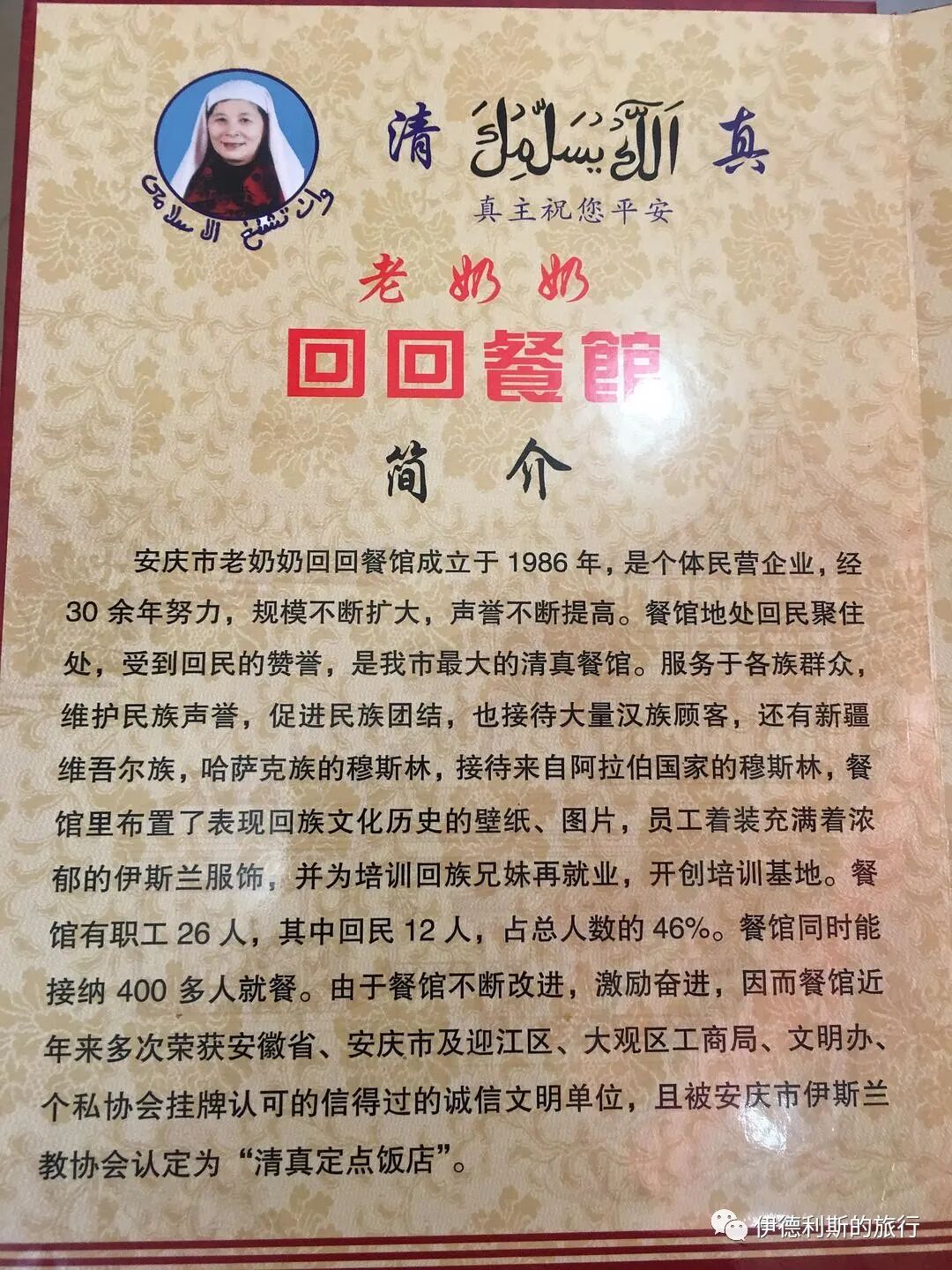
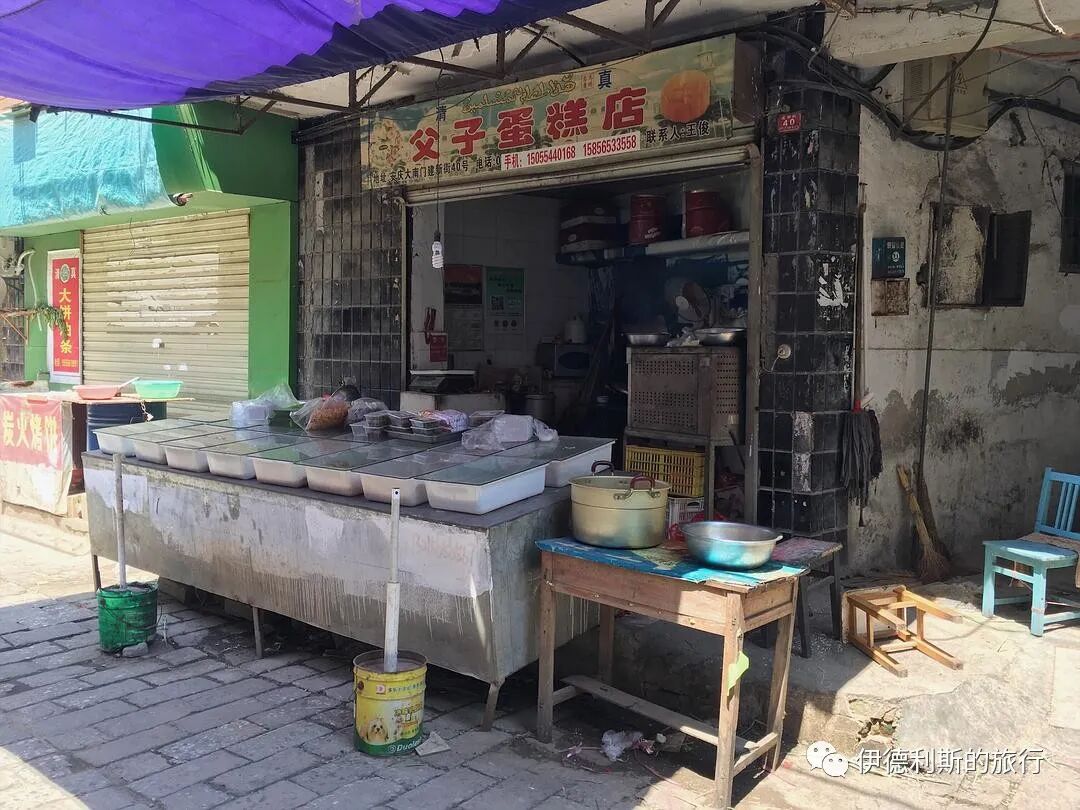
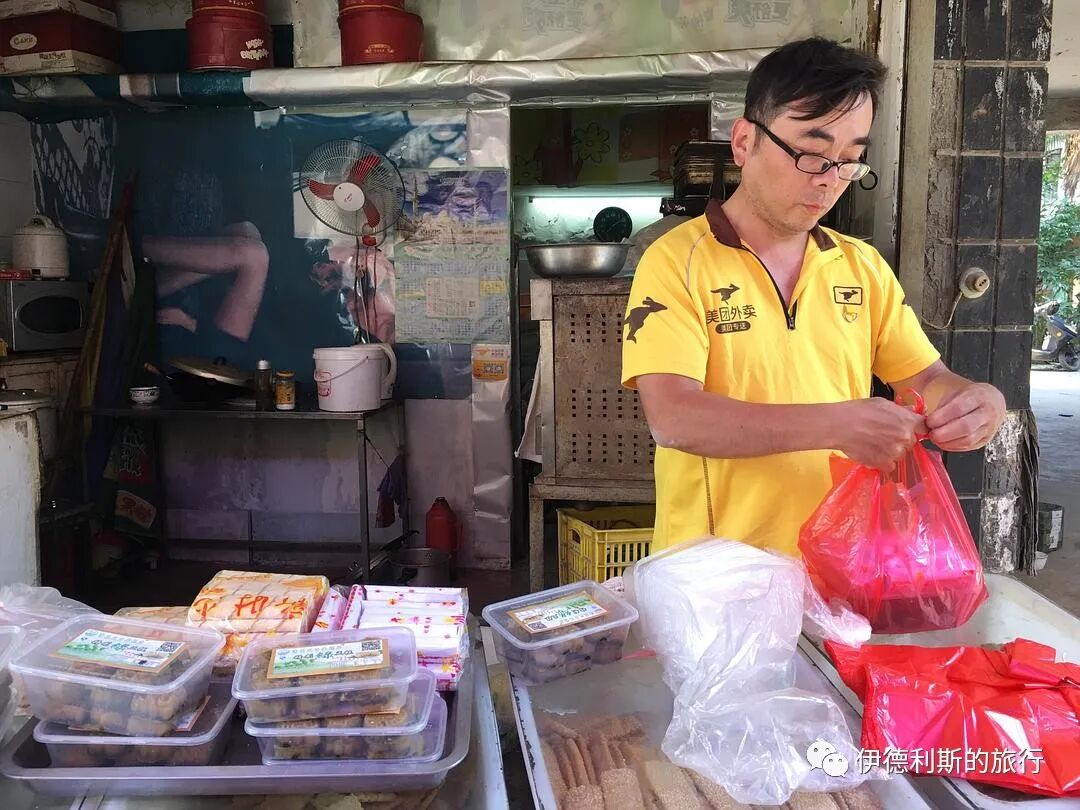
Father and Son Cake Shop is a traditional bakery with the shop in front and the factory in the back. I bought mung bean cakes (lvdougao) and black sesame brittle (heimasutang). The mung bean cake has a special filling inside.
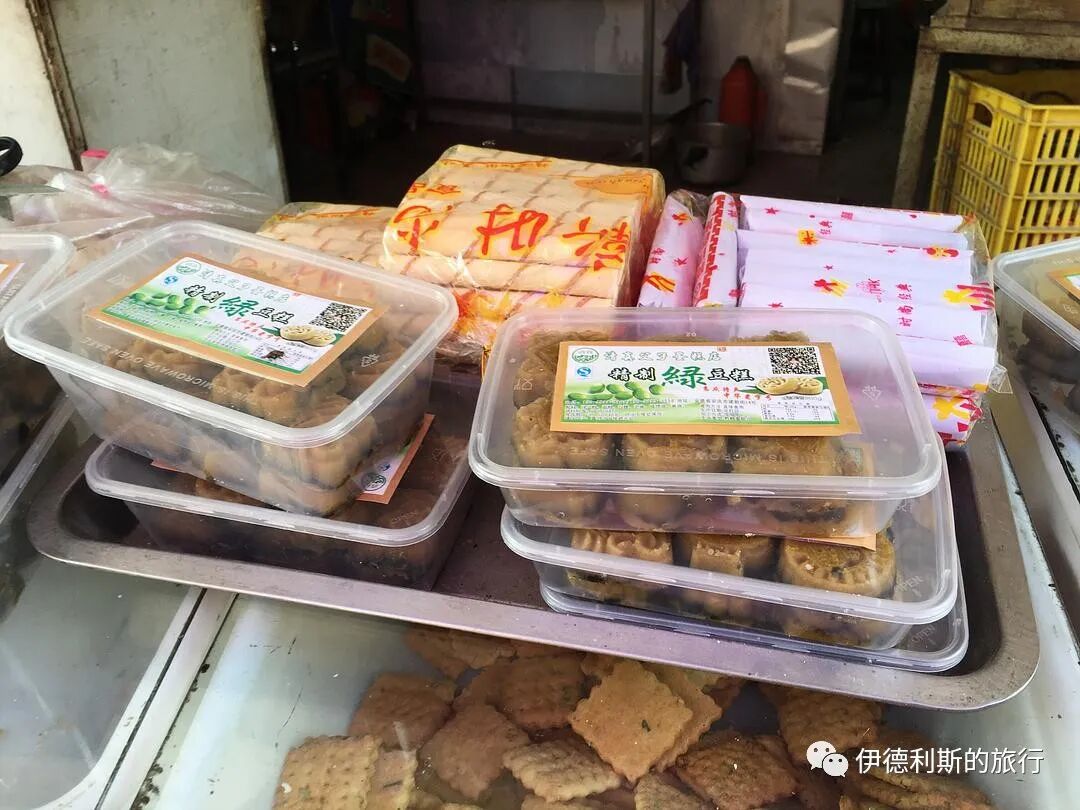
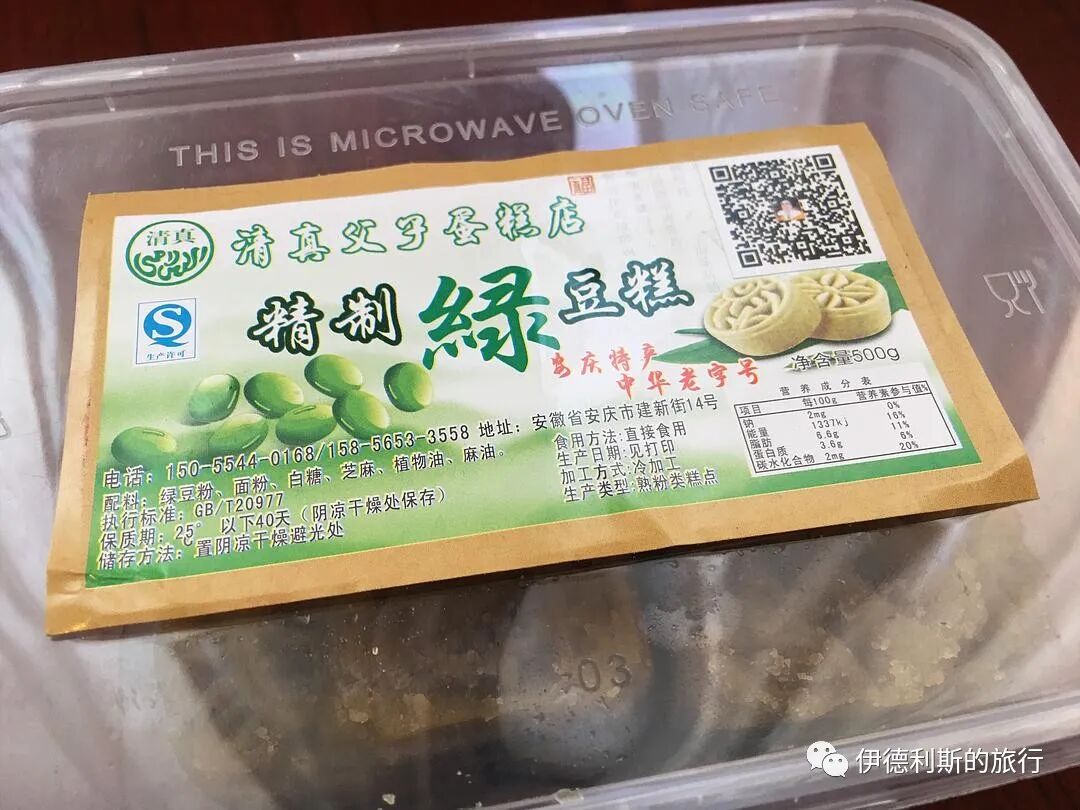
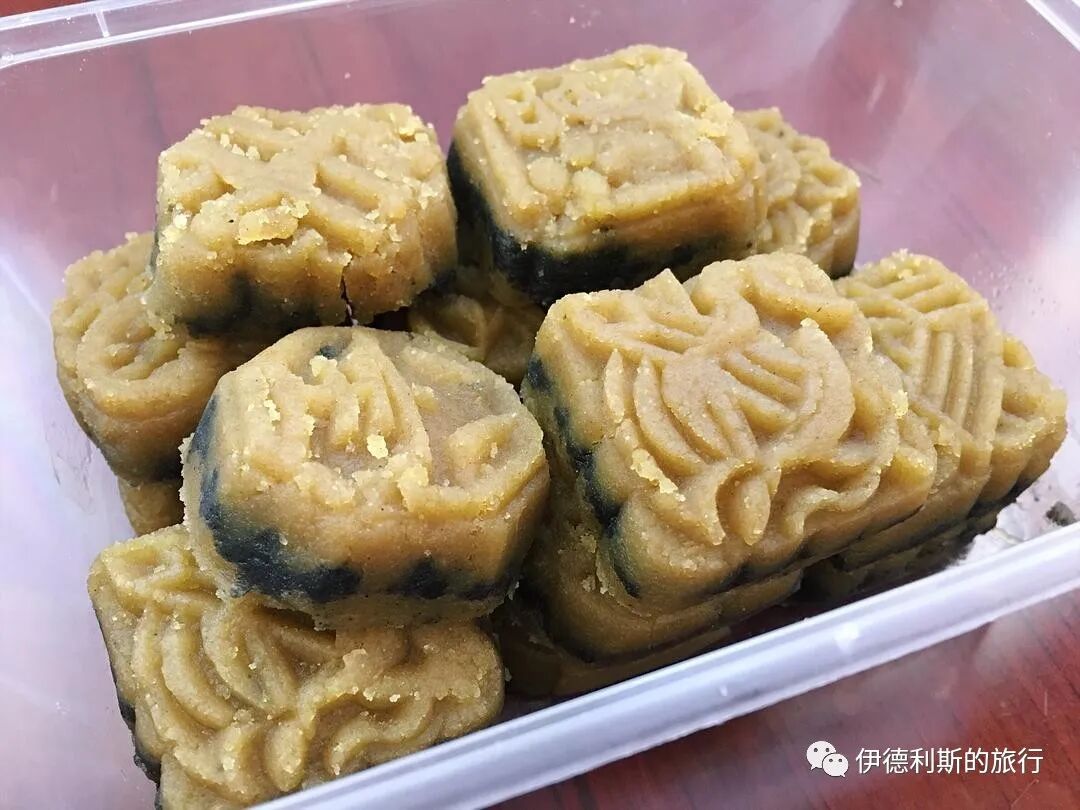
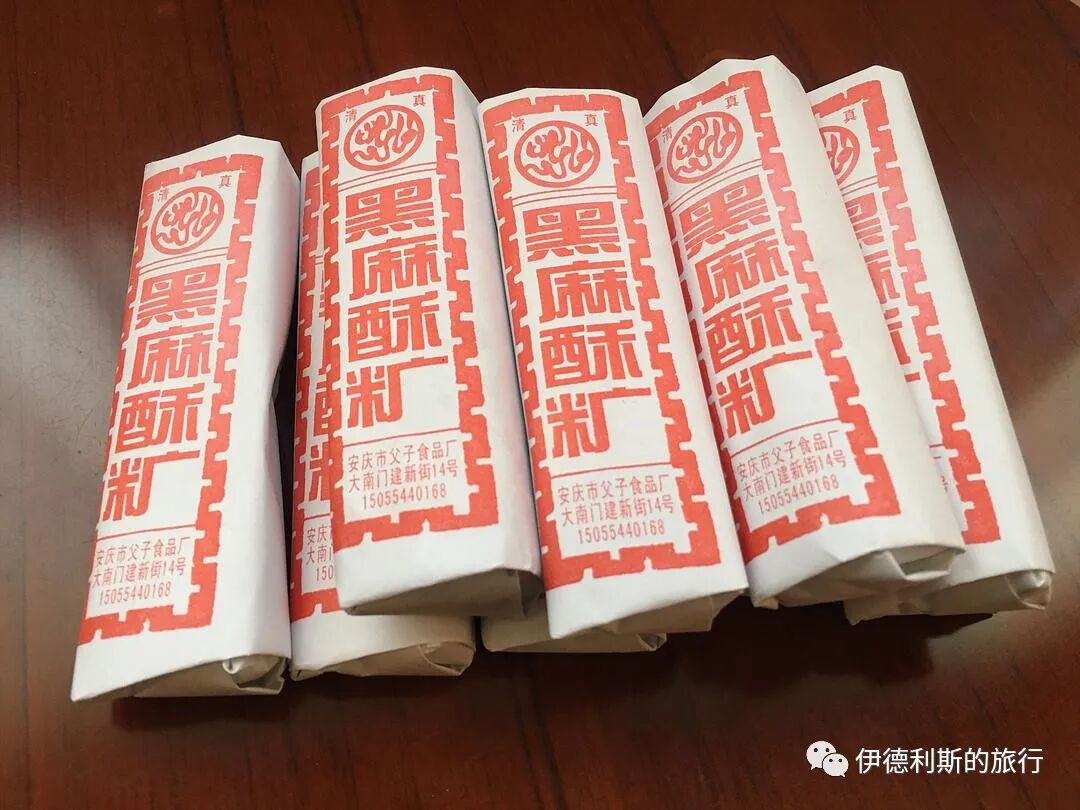
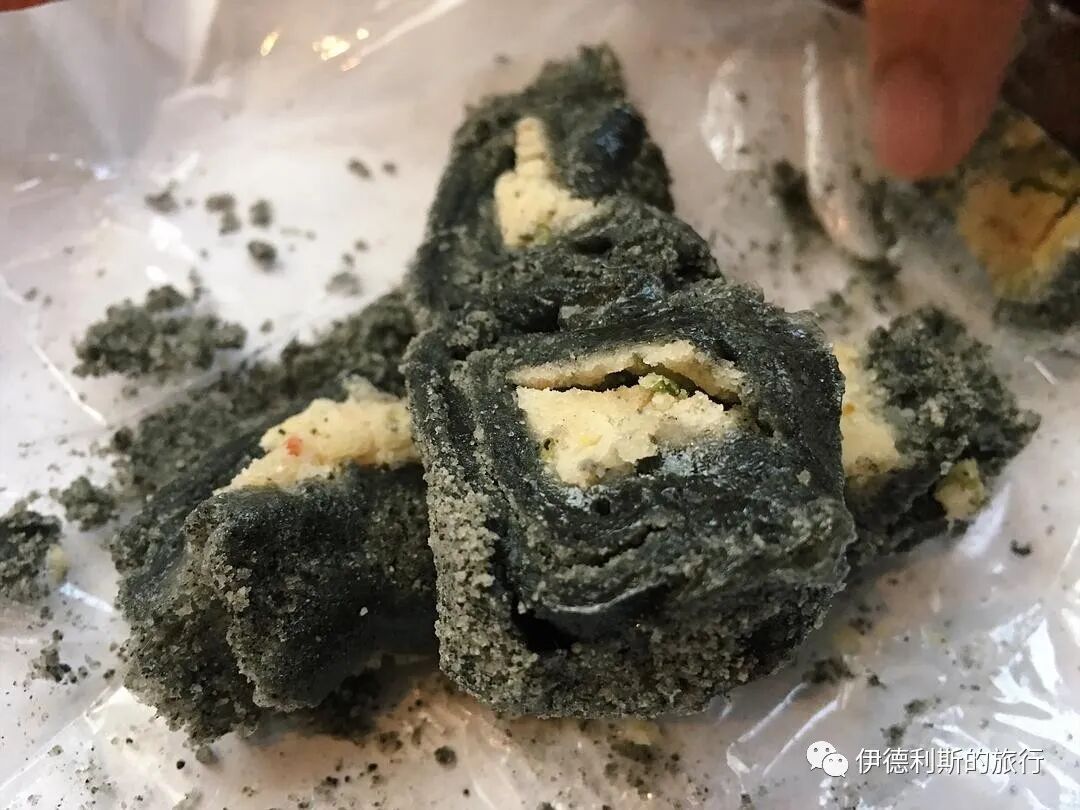
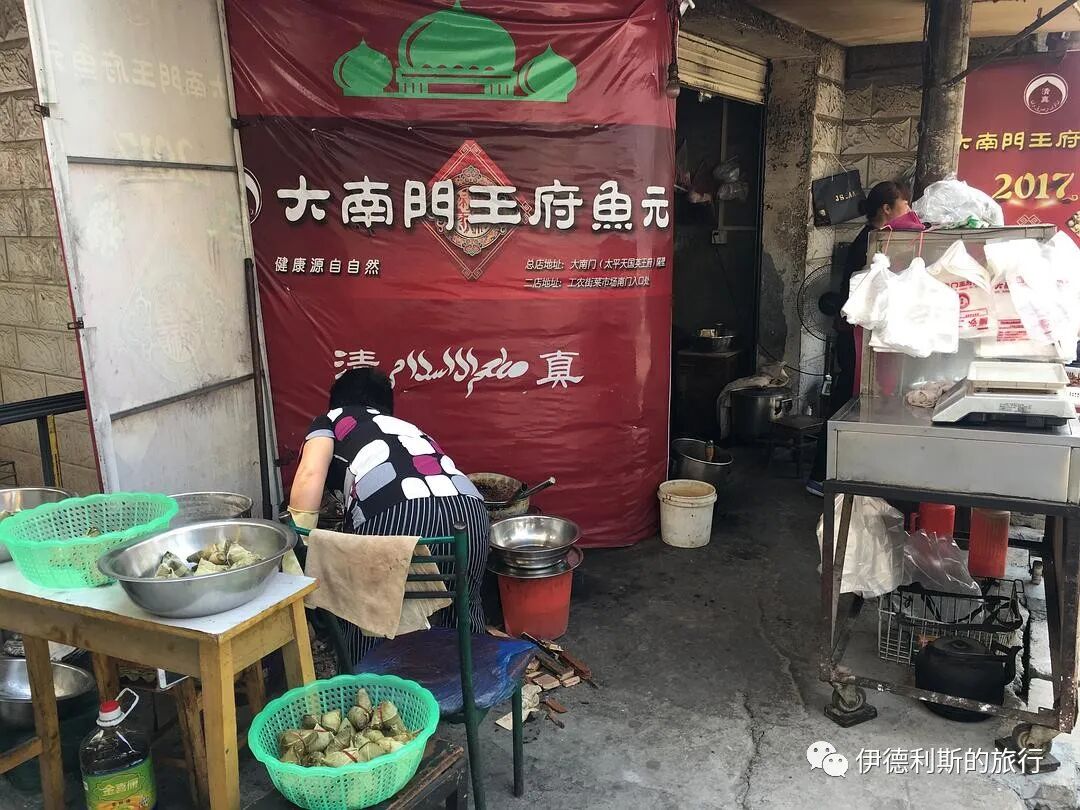
Honey date sticky rice dumplings (mizaozong) and beef sticky rice dumplings (niurouzong) from the Fish Ball and Smoked Fish Shop at South Gate.
Delete
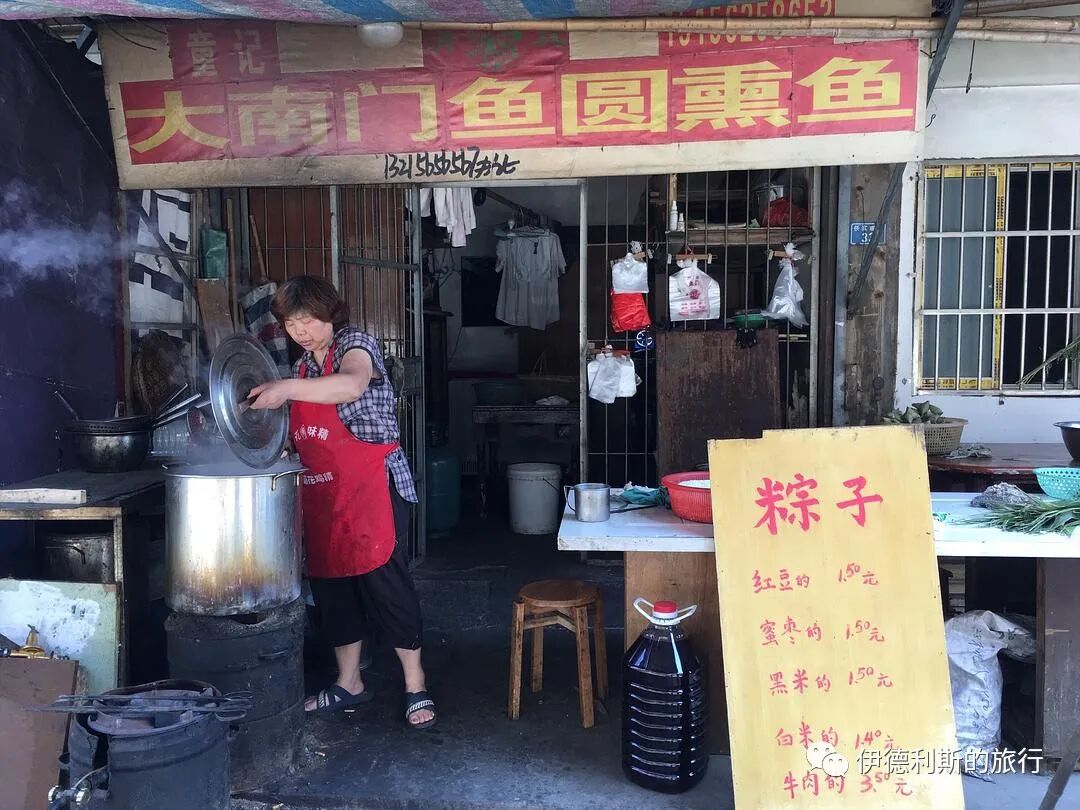
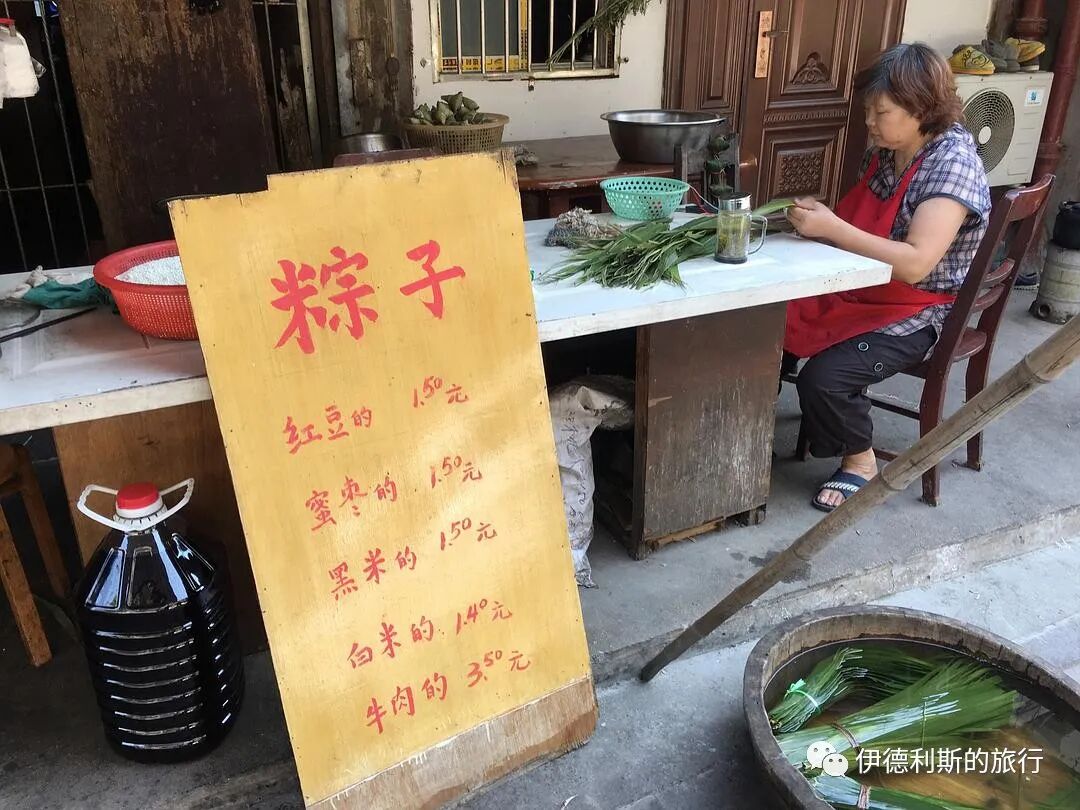
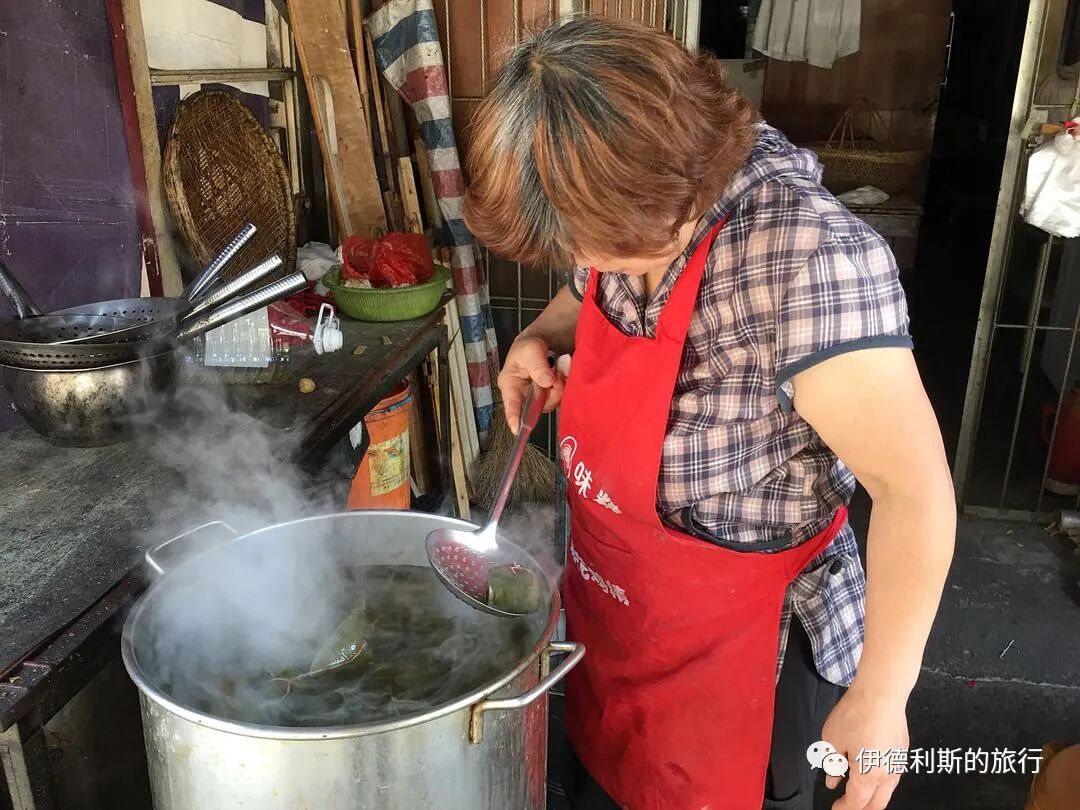
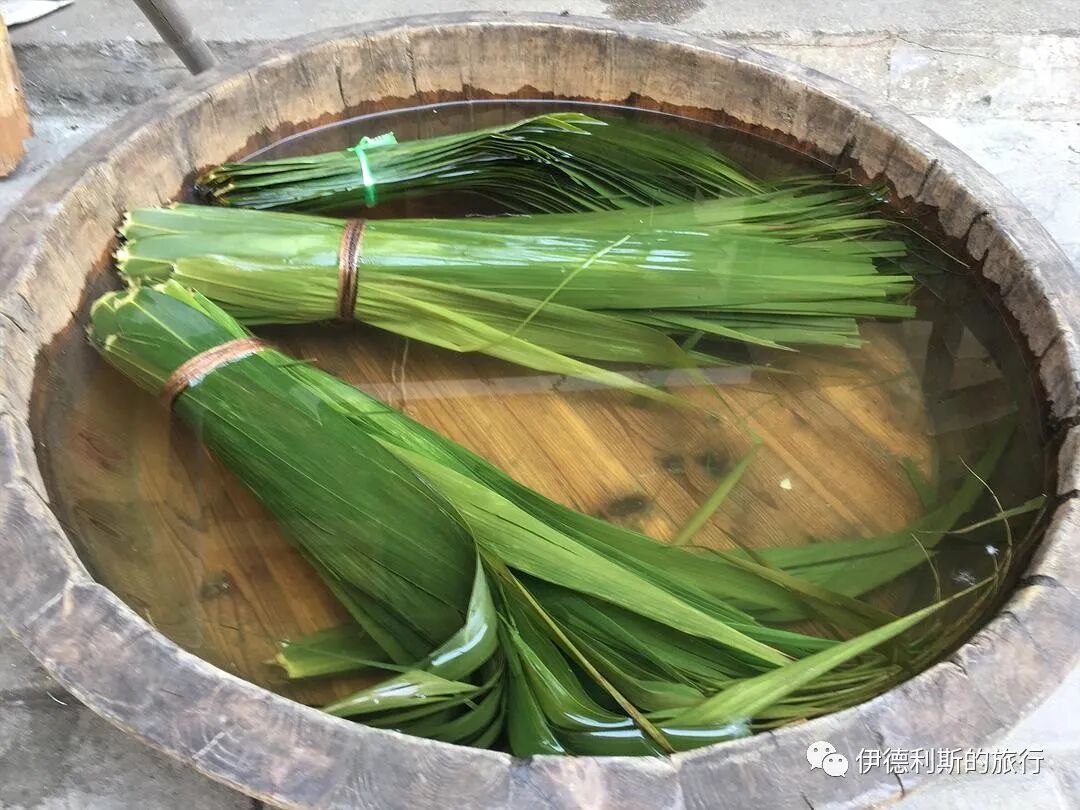
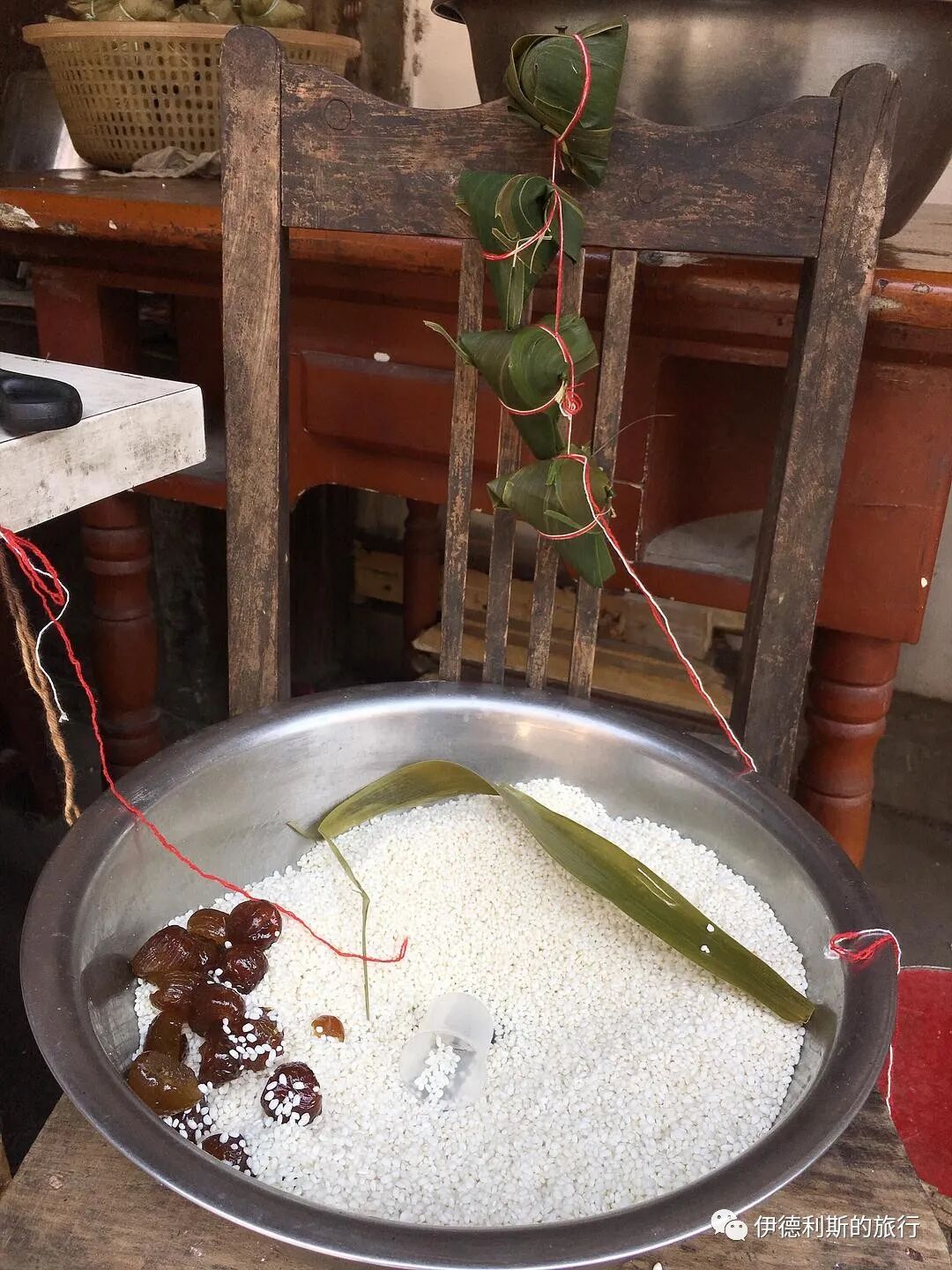
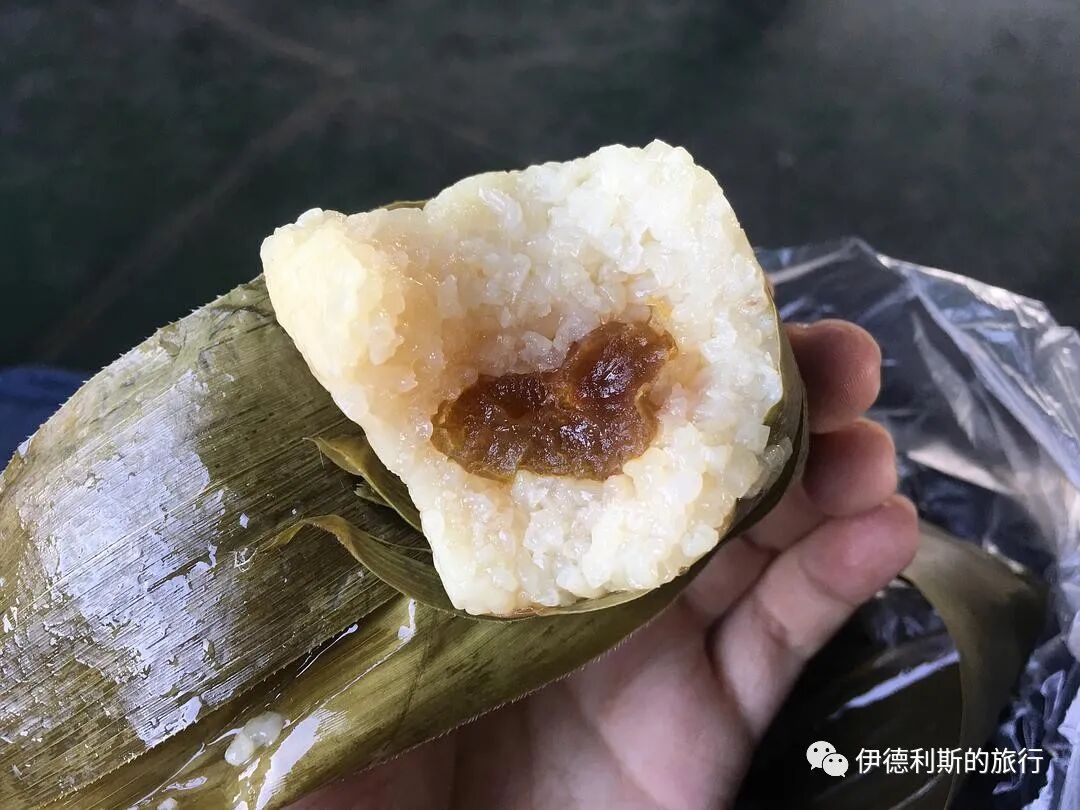
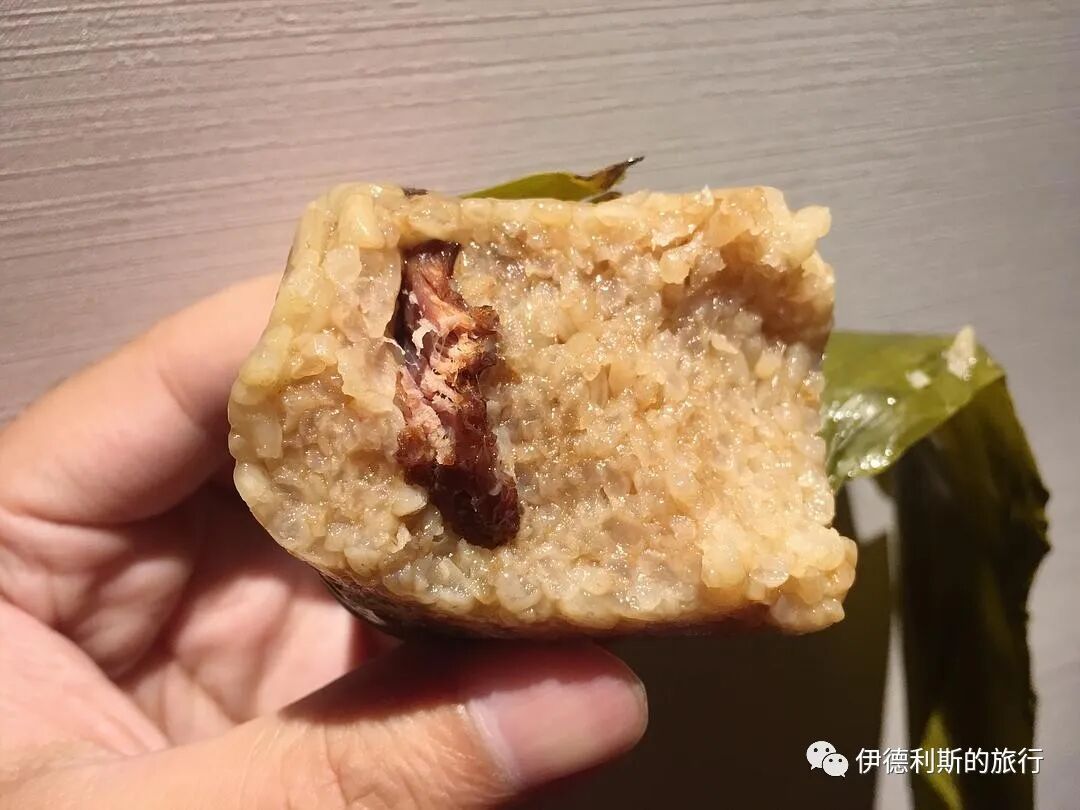
Fish ball shop
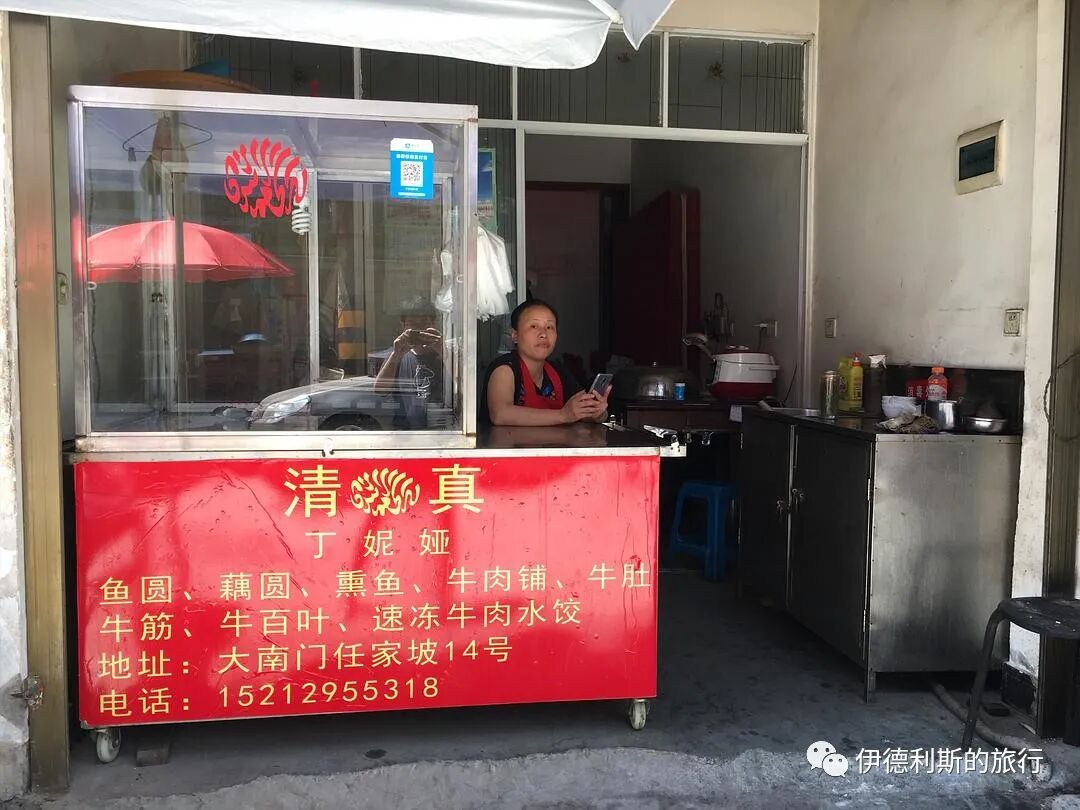
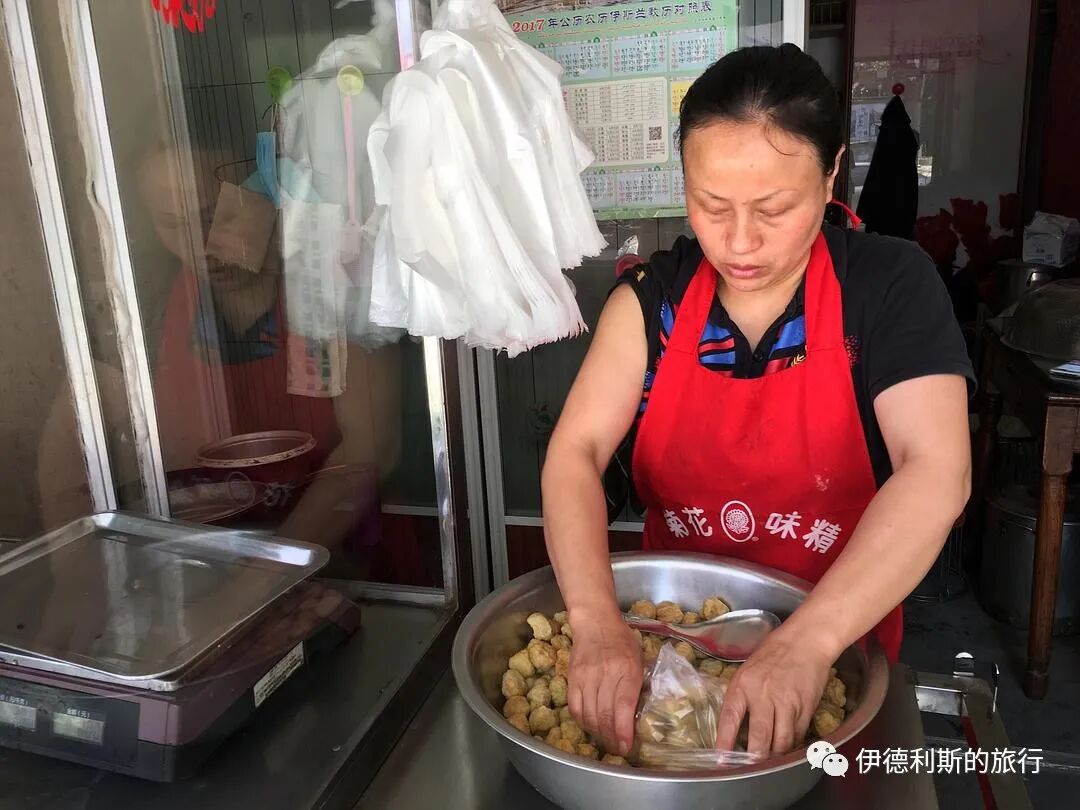
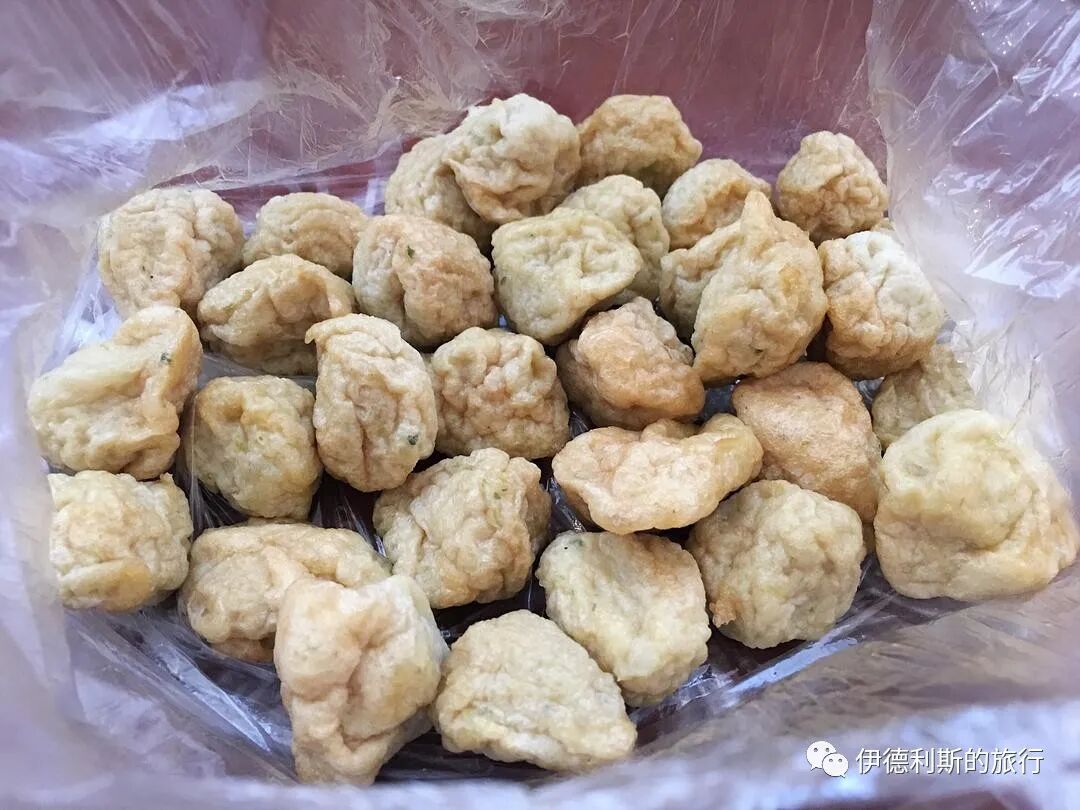
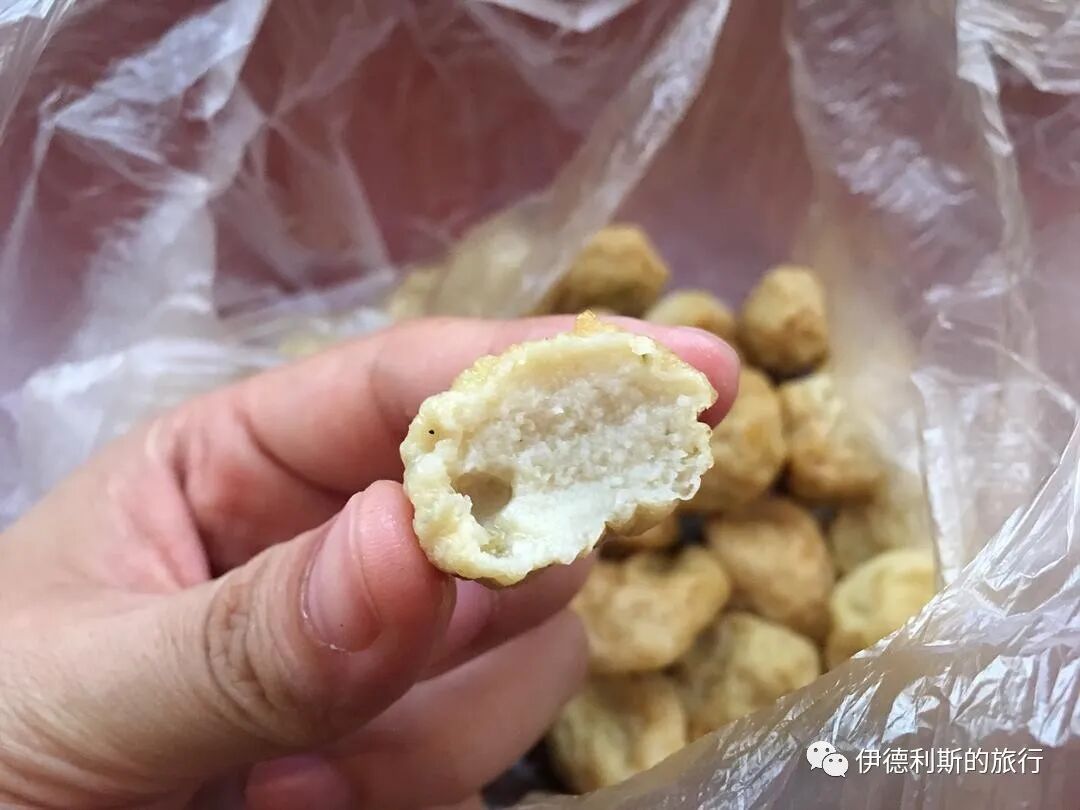
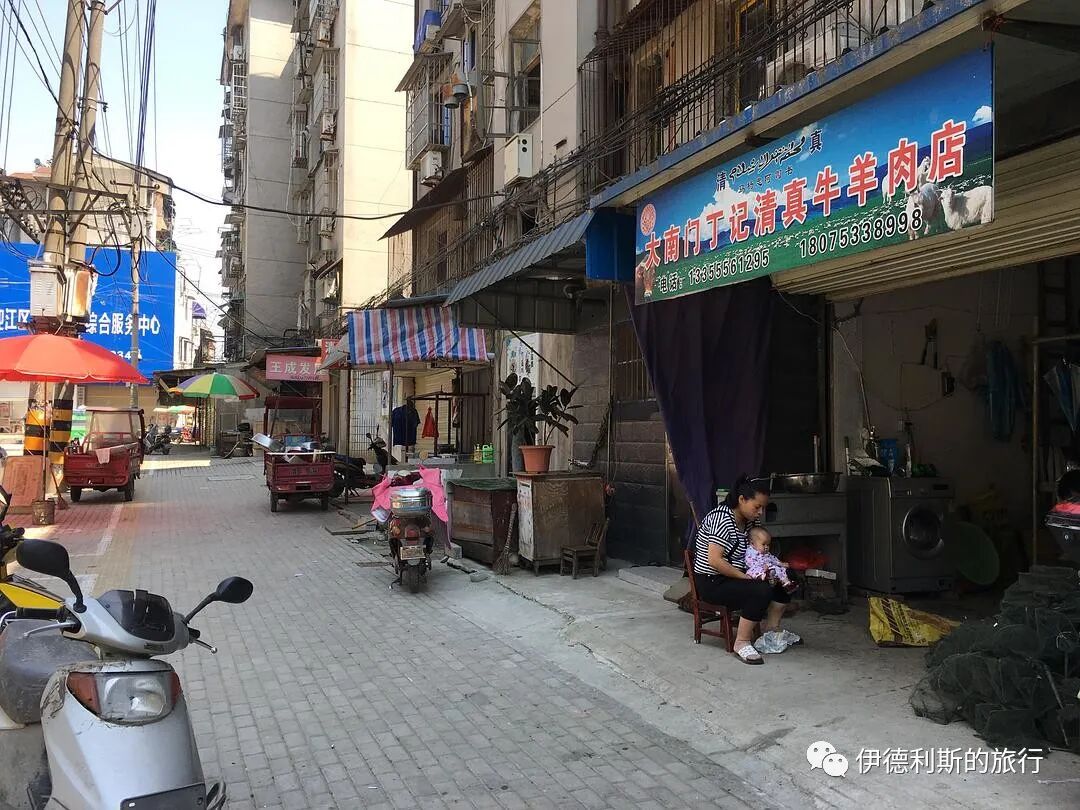
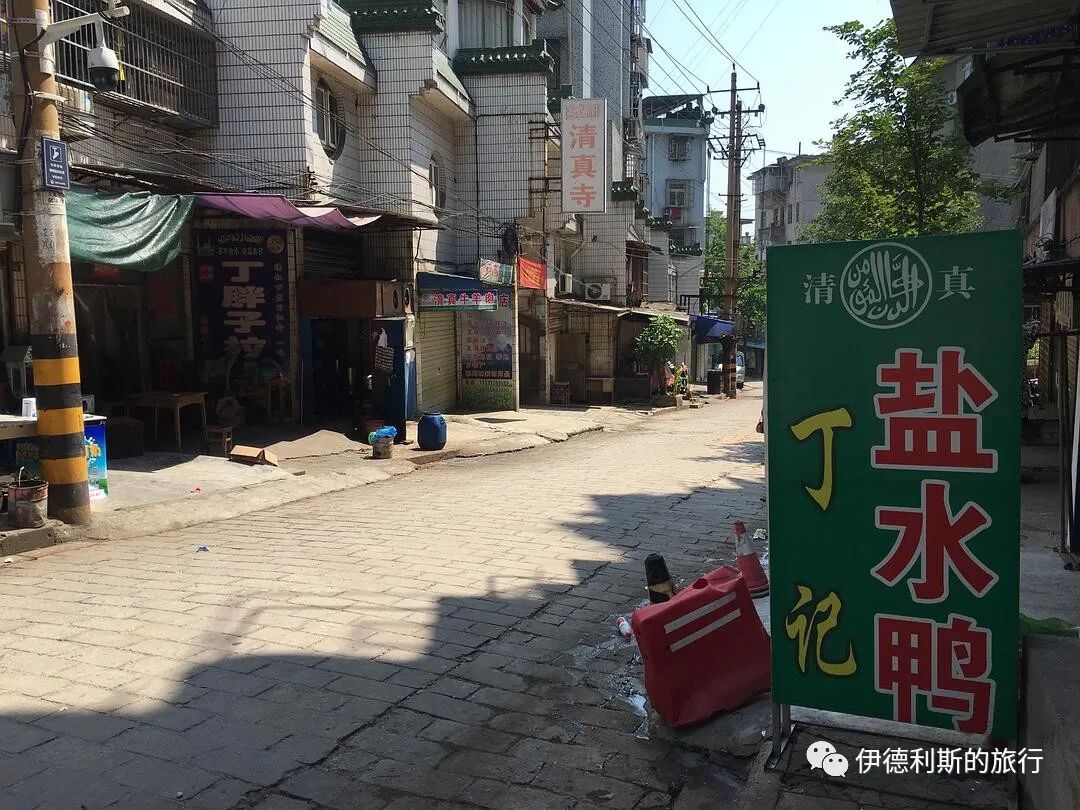
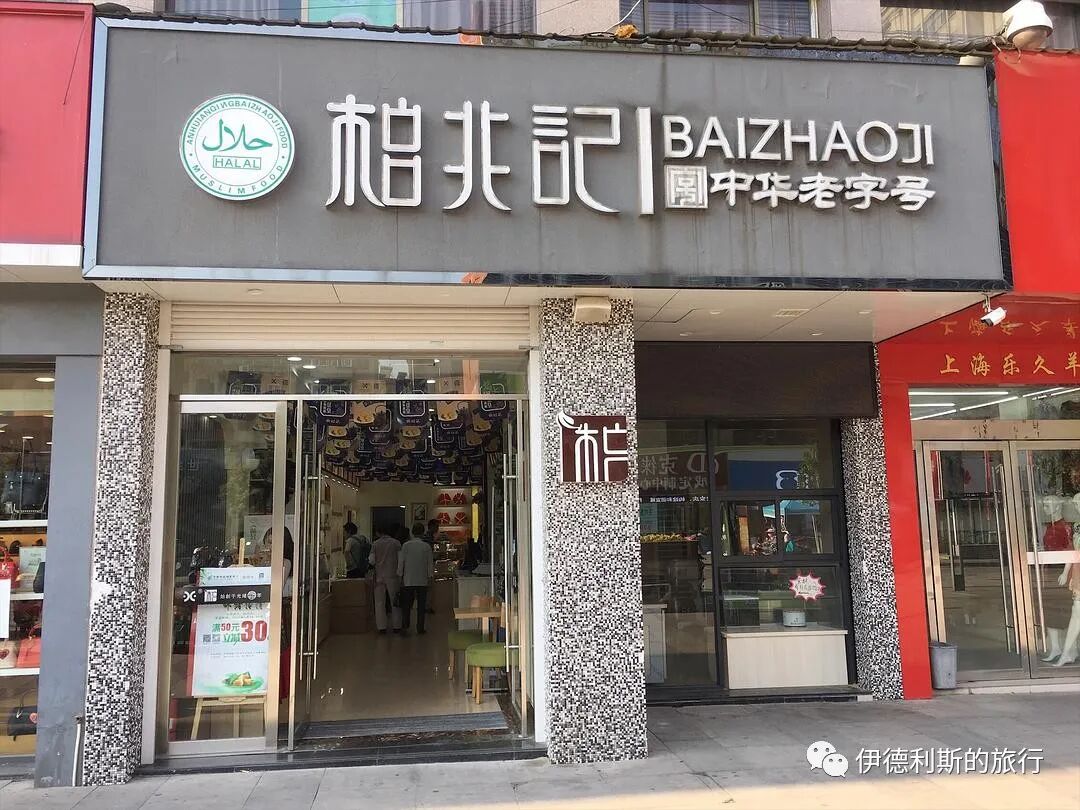
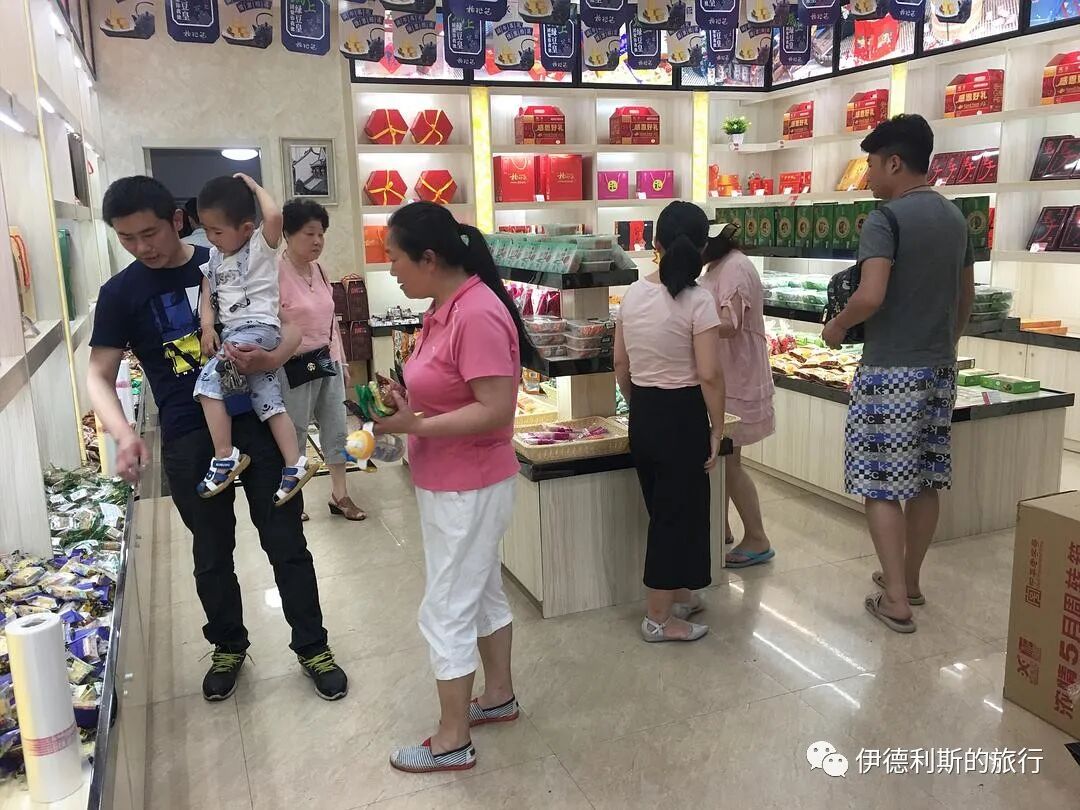
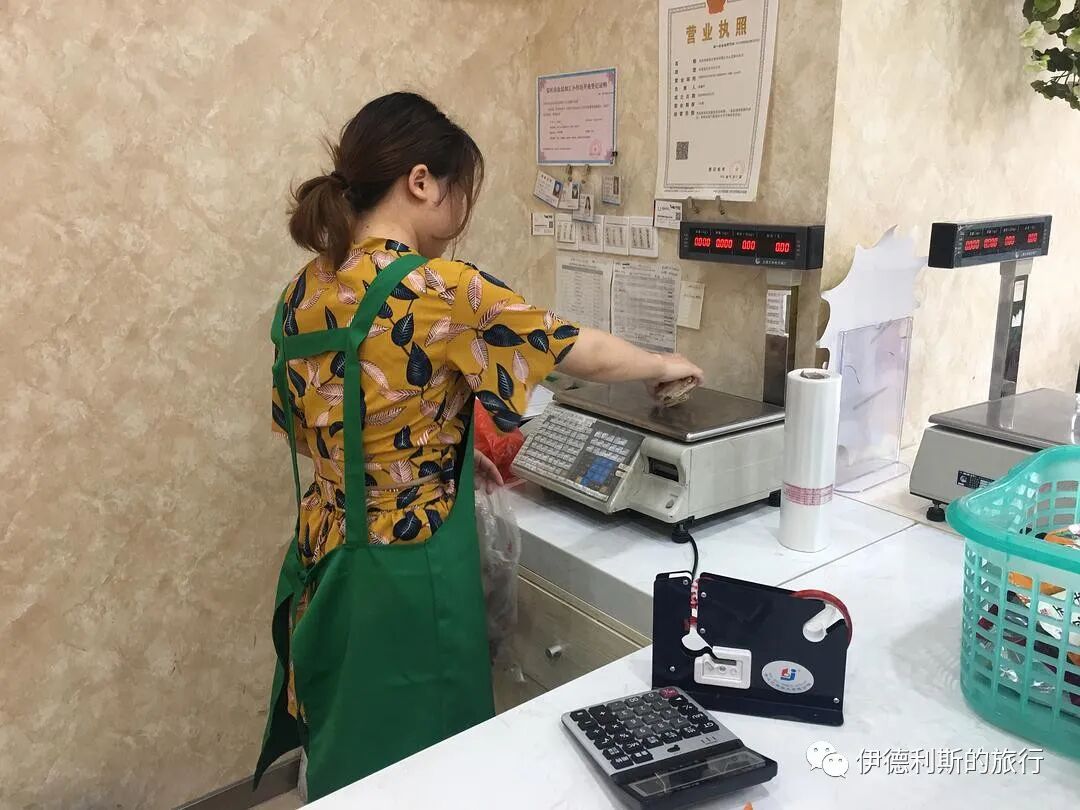
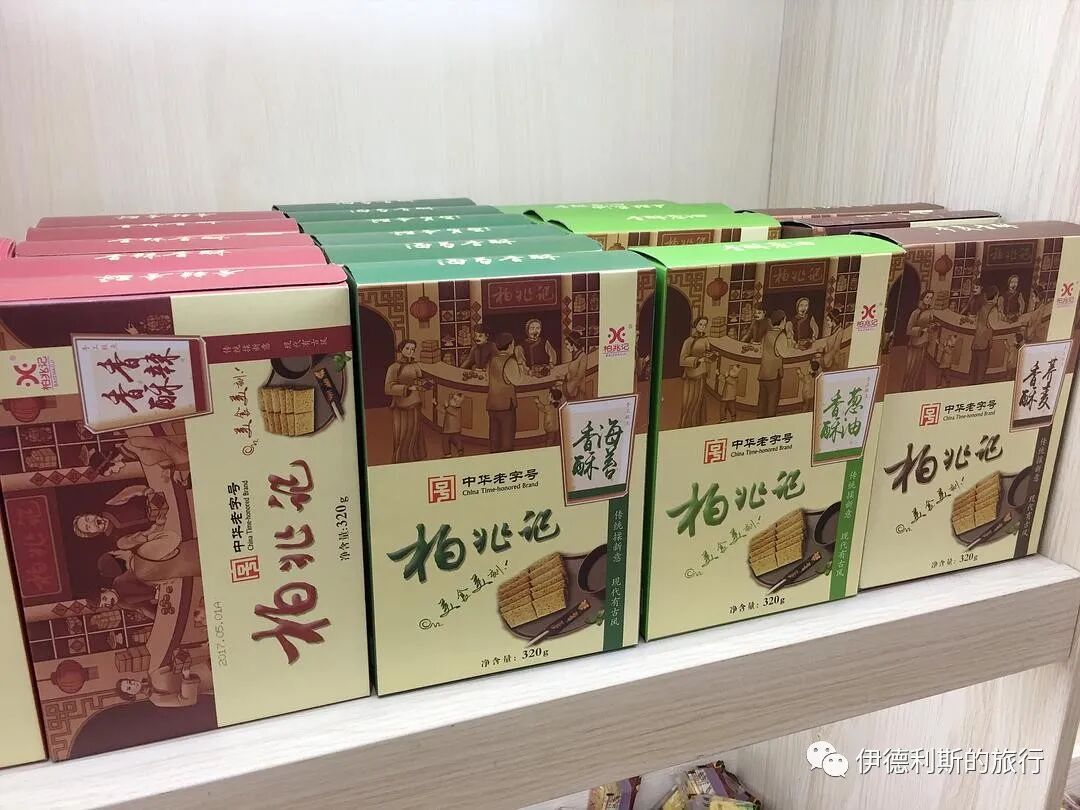
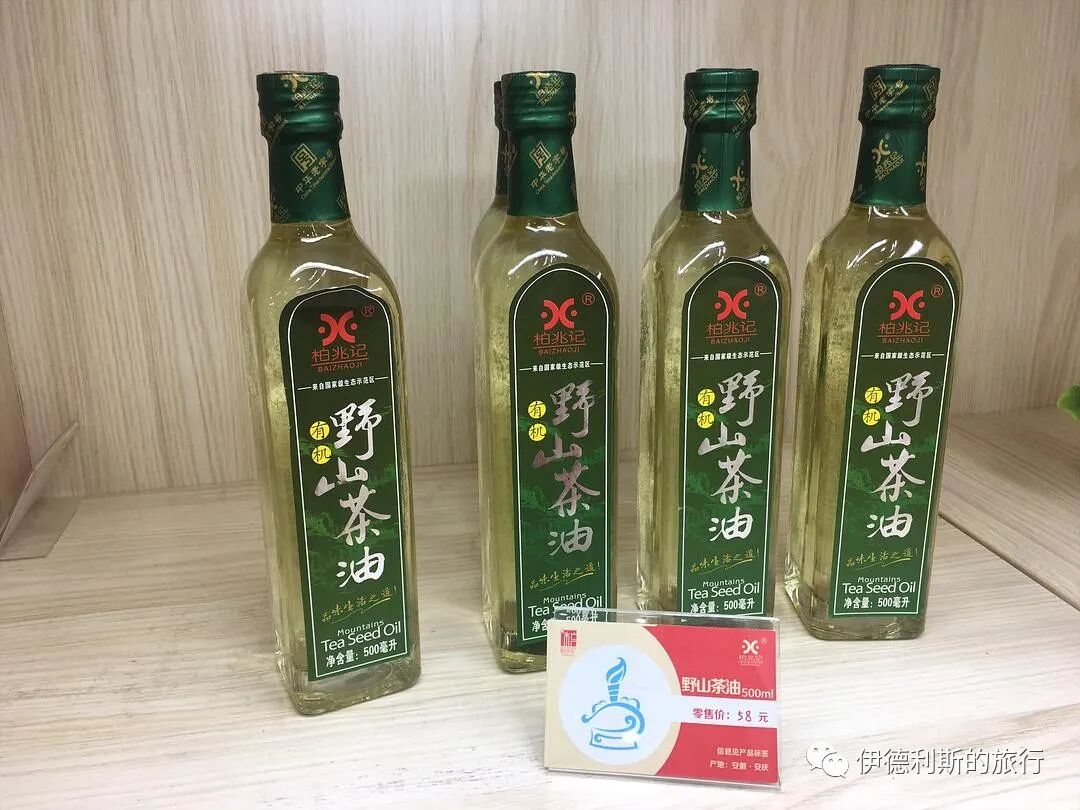
Bozhaoji is the largest chain of halal pastry shops in Anhui. Besides Anqing, it also has branches in Hefei and Wuhu.
Bozhaoji was founded in 1904 (the 30th year of the Guangxu reign) by a Hui Muslim from Anqing named Bo Zhaohe. The original Bozhaoji had the shop in front and the workshop in the back. The storefront was small, and it closed down due to debt after operating on and off for seven or eight years. In 1939, Bo Zhaohe's son, Bo Shaoqing, reopened the Bozhaoji pastry workshop. The shop was located in the middle section of Peide Lane, which was the second alley from south to north on South Gate Main Street. Besides the Bo father and son, the shop also hired a master craftsman named Xu Qixian. Bozhaoji thrived from 1939 to 1948, but business declined in 1949 due to the economic collapse in the Jiangnan region.
After the public-private partnership in 1956, Bozhaoji became the Bozhaoji branch of the Anqing Sugar and Pastry General Store. The shop moved to the intersection of Sipailou and South Gate Street. Bo Shaoqing, staff member Ma Zhaofu, and master craftsman Xu Hongyi worked there as employees until they retired.
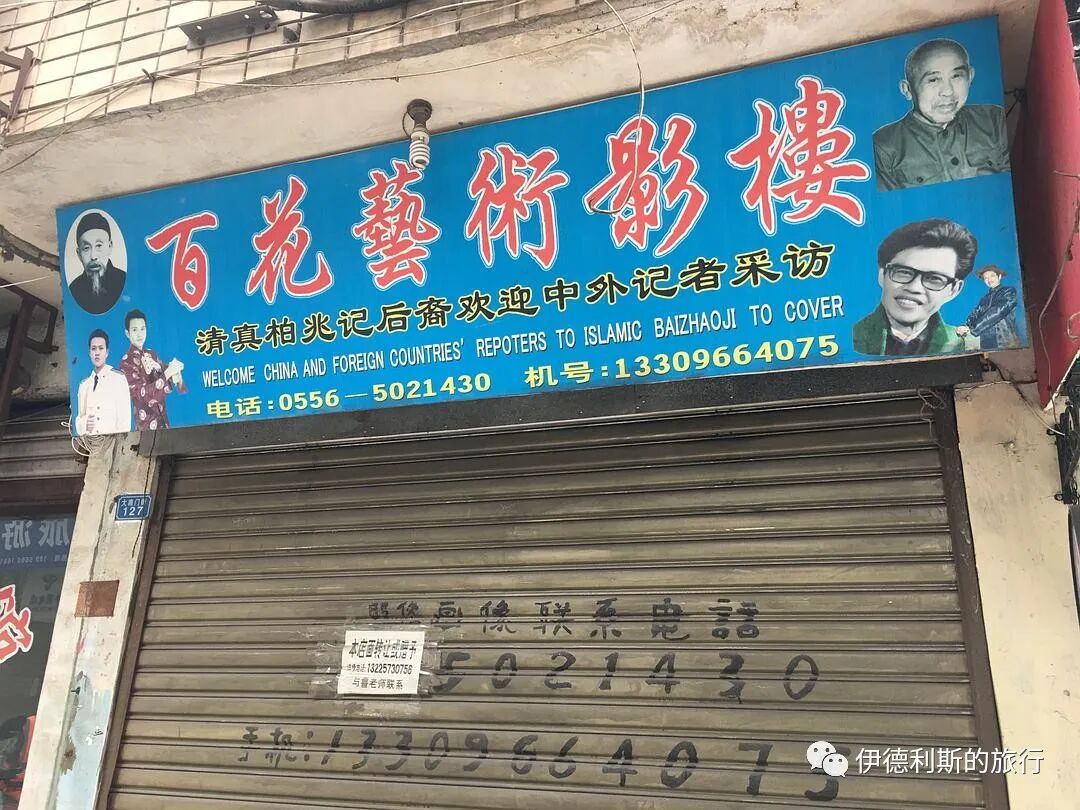
In 1990, the Anqing Finance Committee cleaned and renovated the four-story production workshop and storefront of another old brand, Mailongxiang's second shop, to meet halal requirements. The Anqing Bozhaoji Halal Food Factory was established at that original site.
In 2003, Bai Zhaoji underwent a complete restructuring to become a joint-stock company. In 2013, it moved its headquarters to Hefei and established Anhui Bai Zhaoji Food Co., Ltd., specializing in European-style baking.
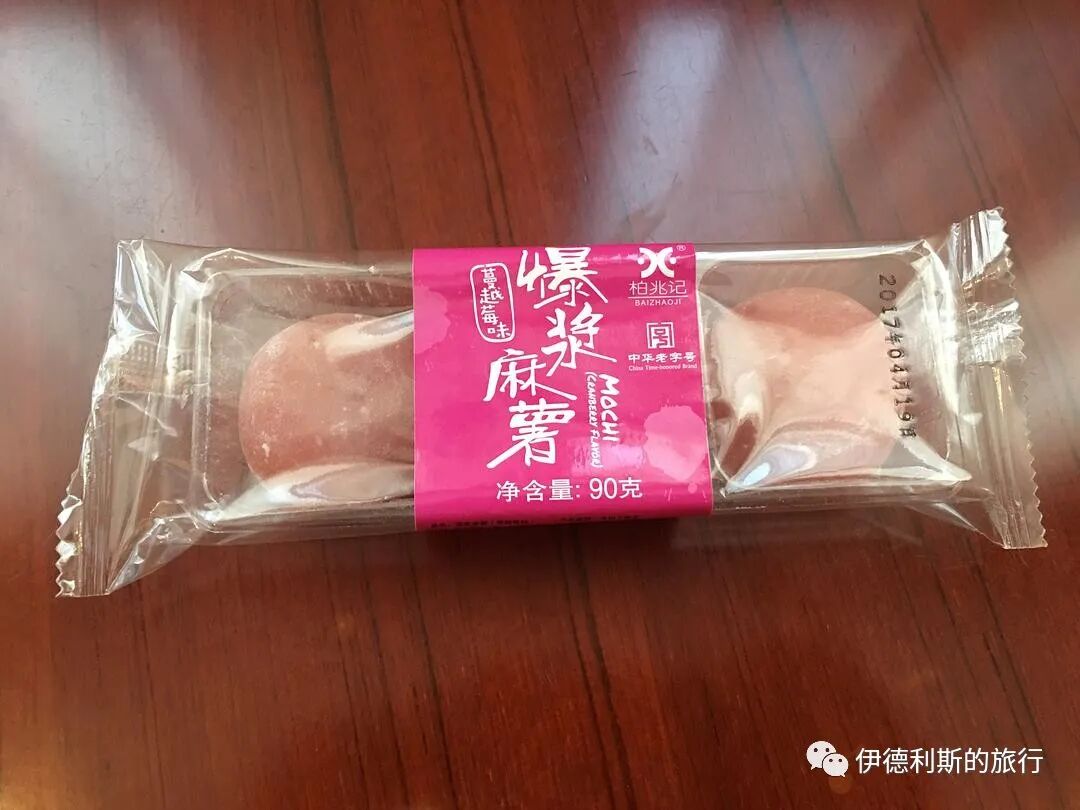
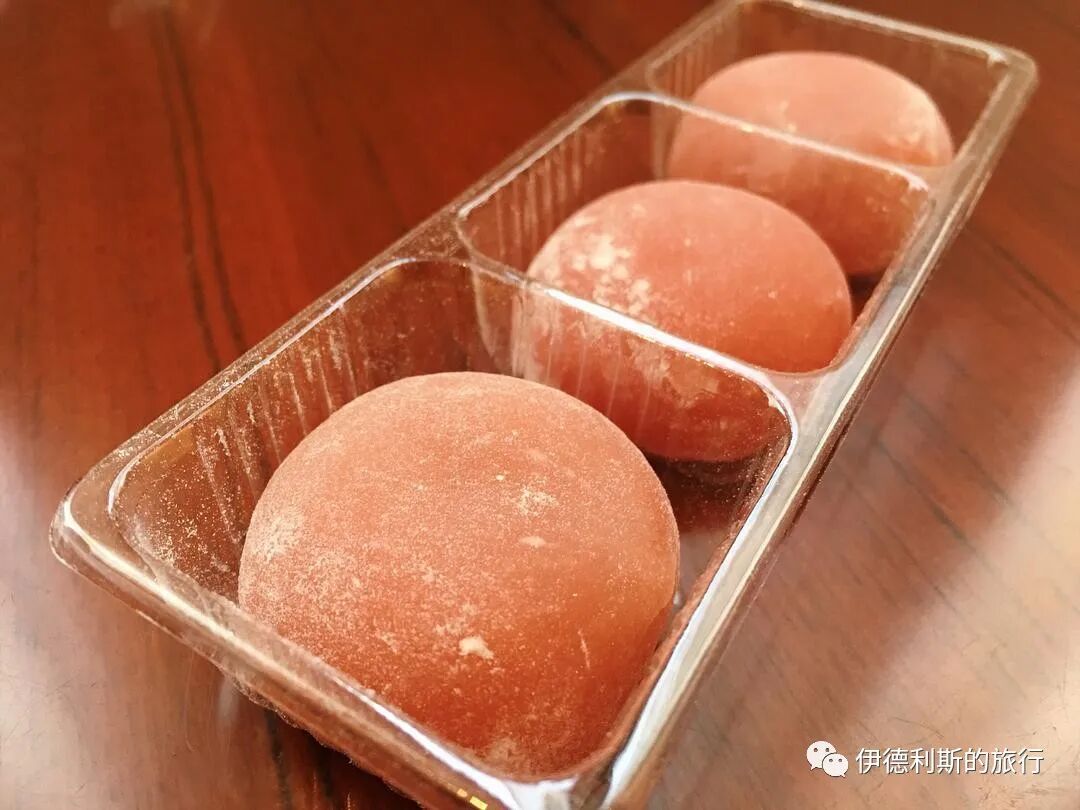
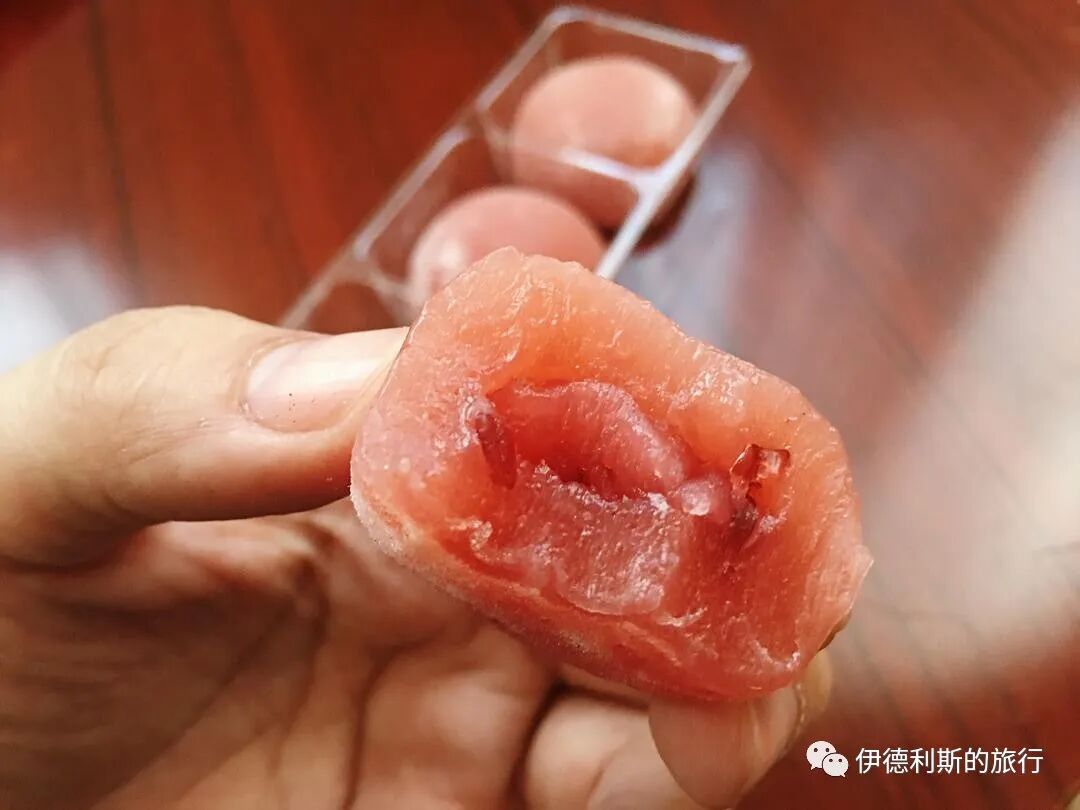
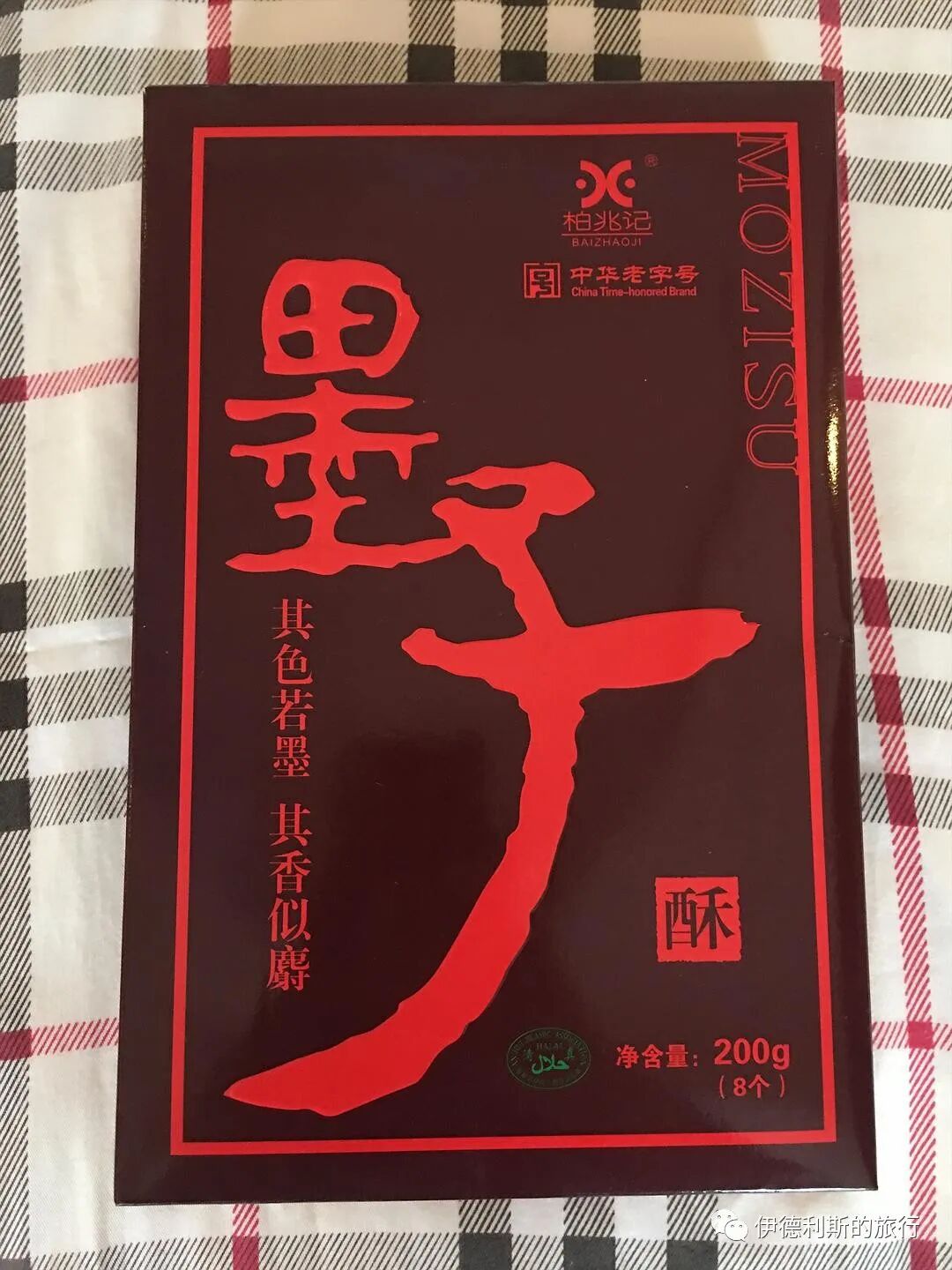
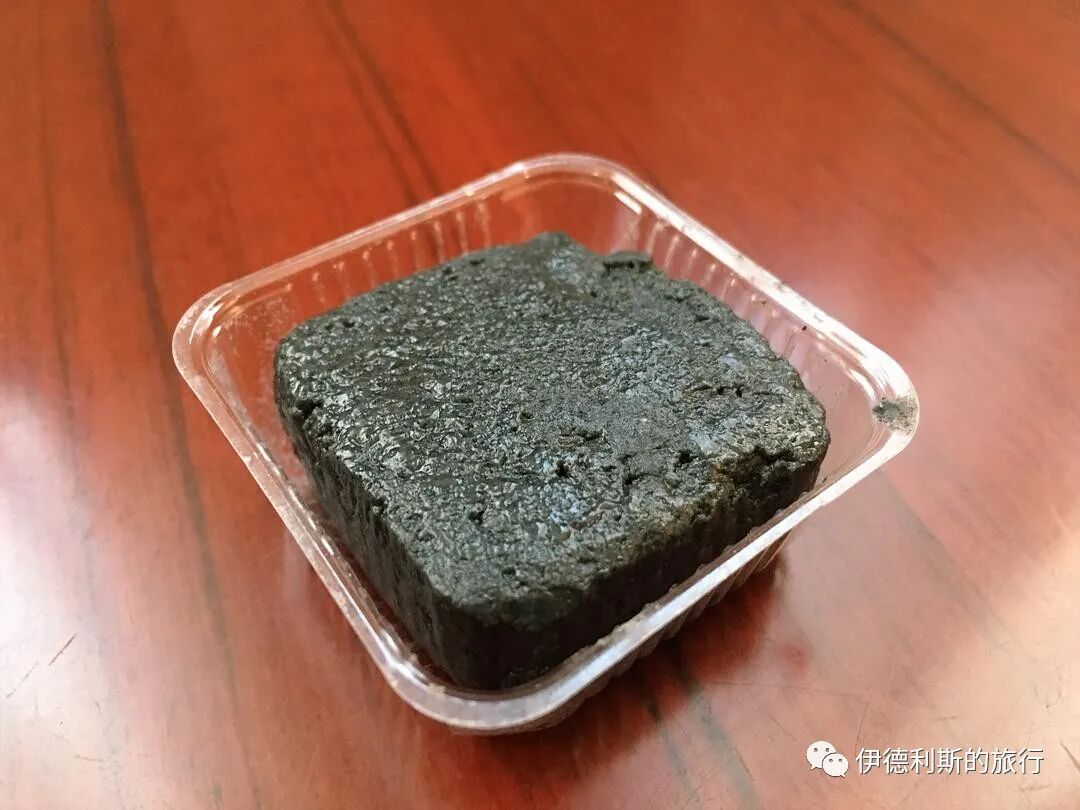
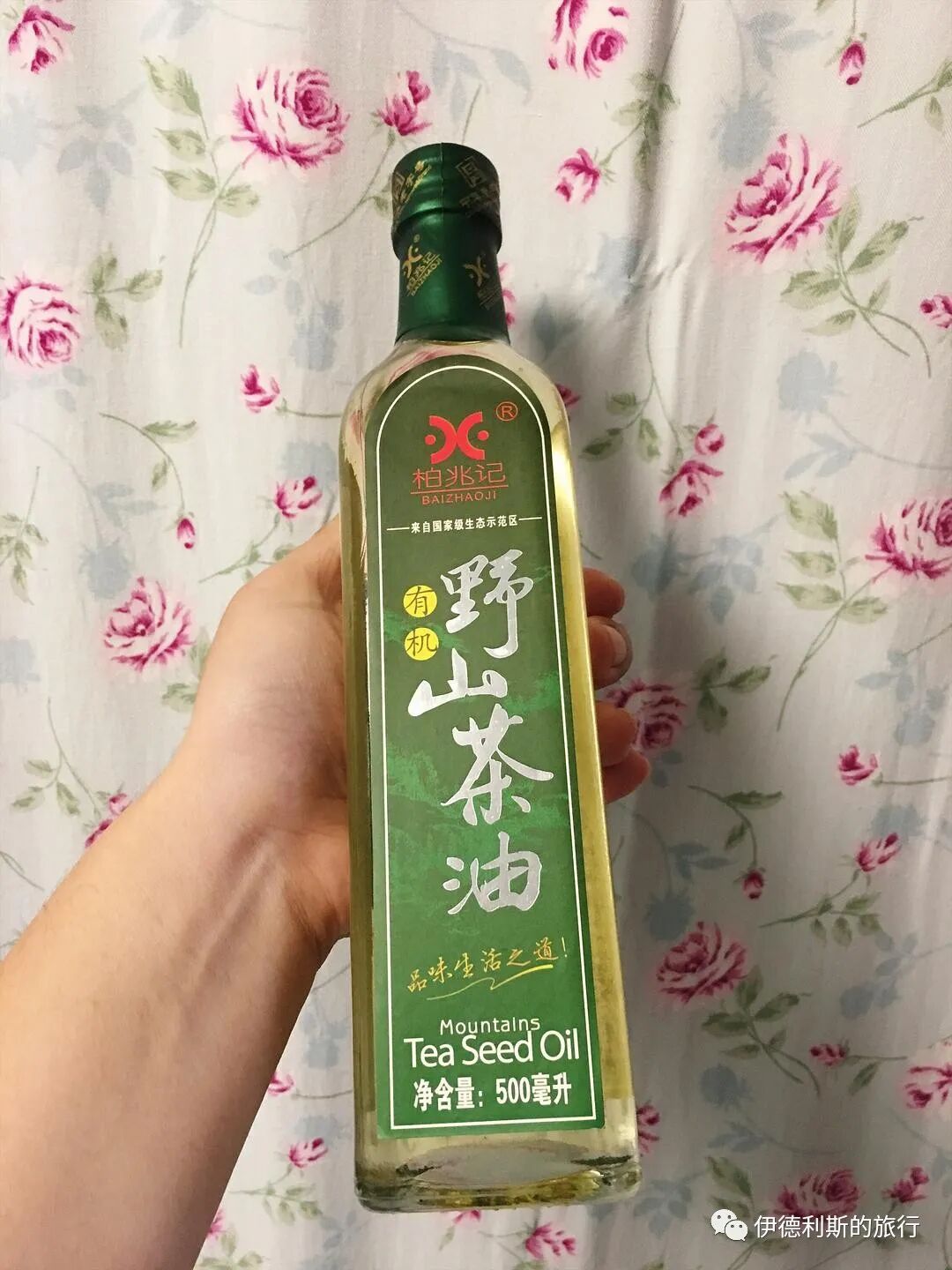
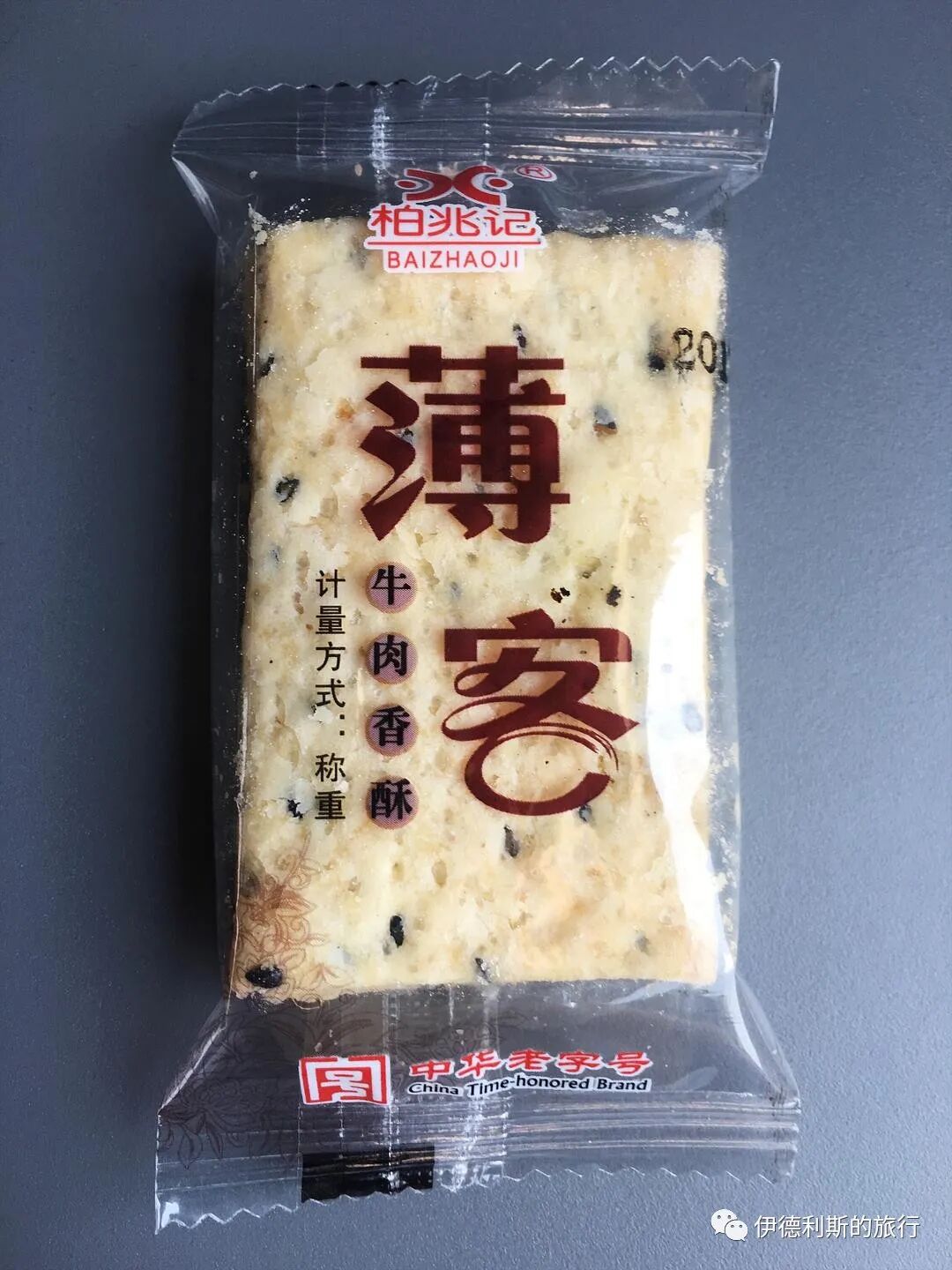
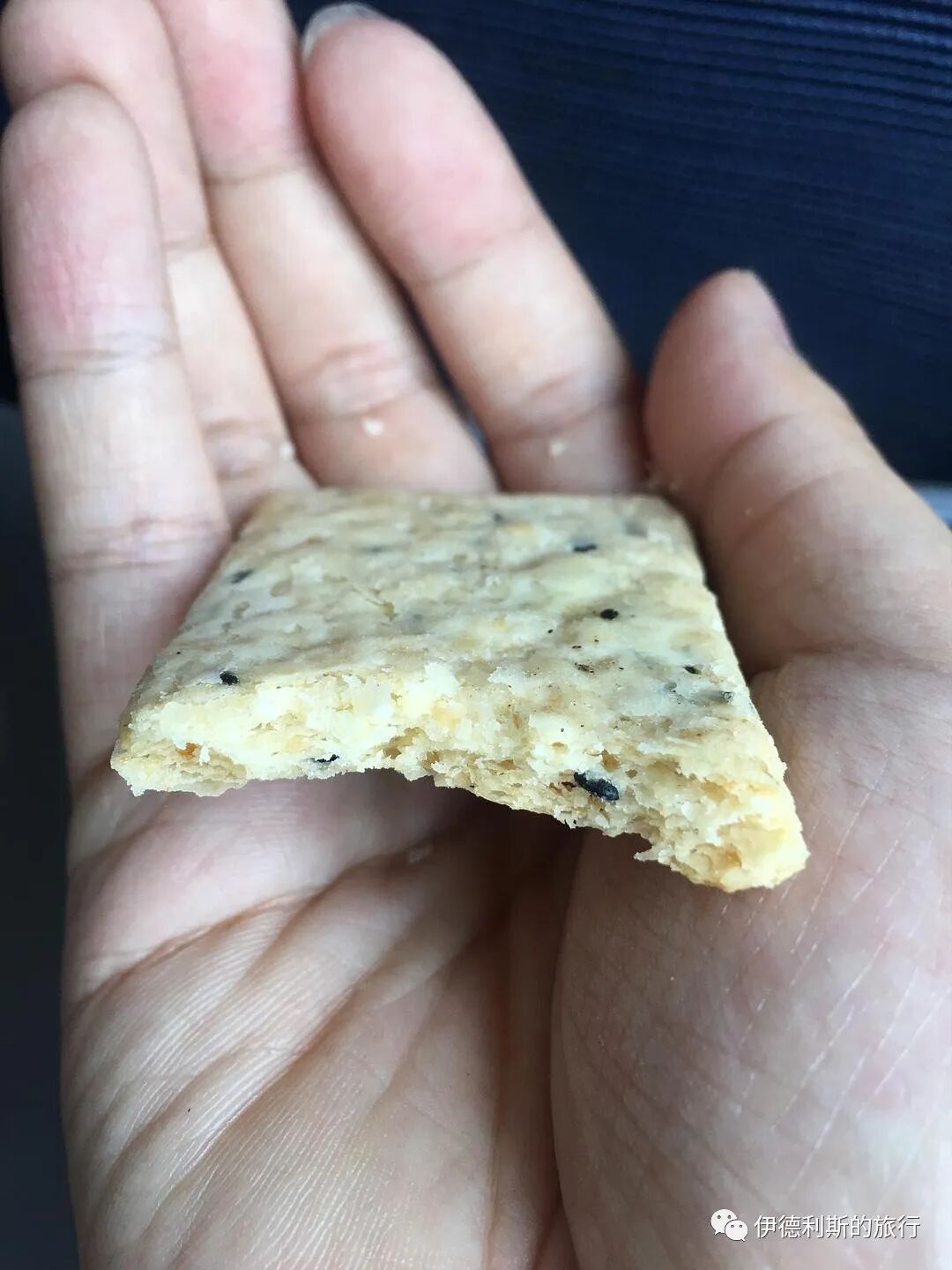
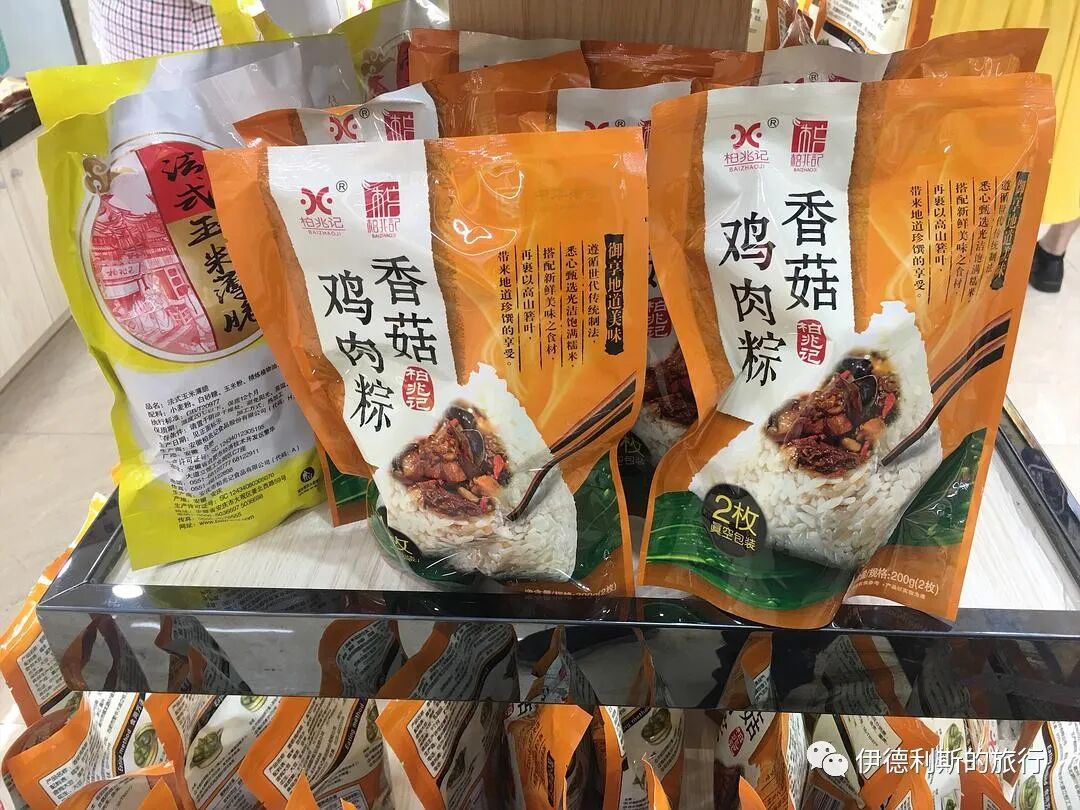
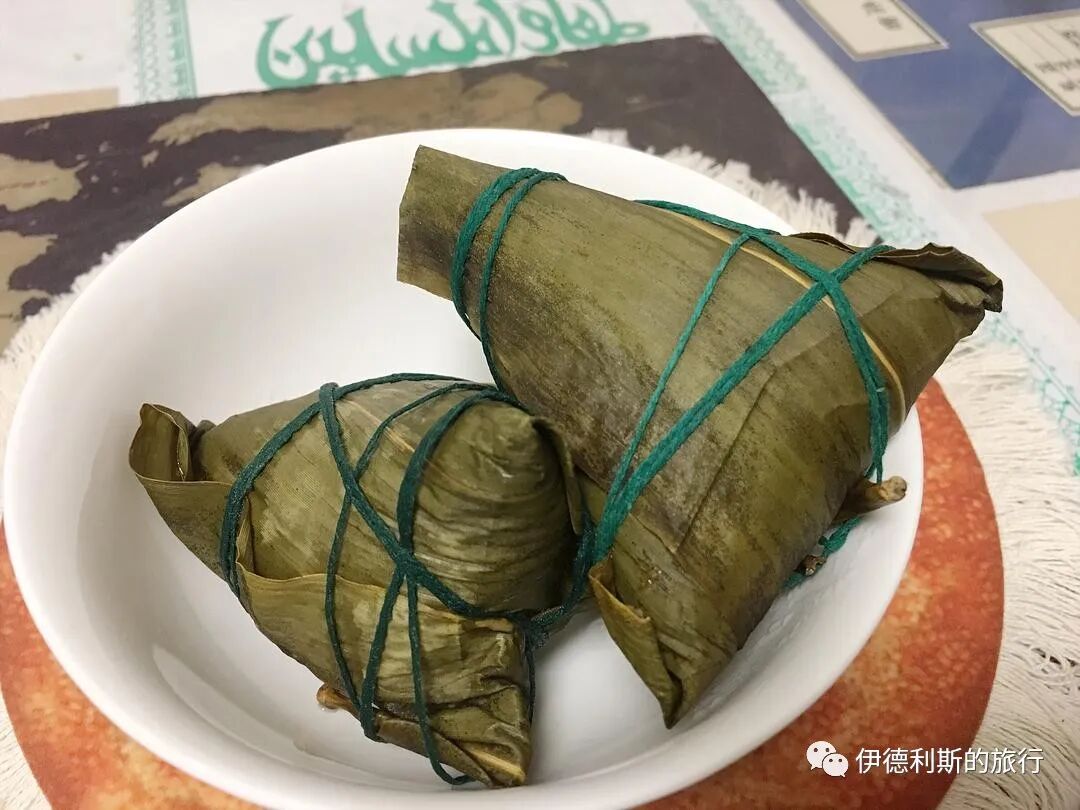
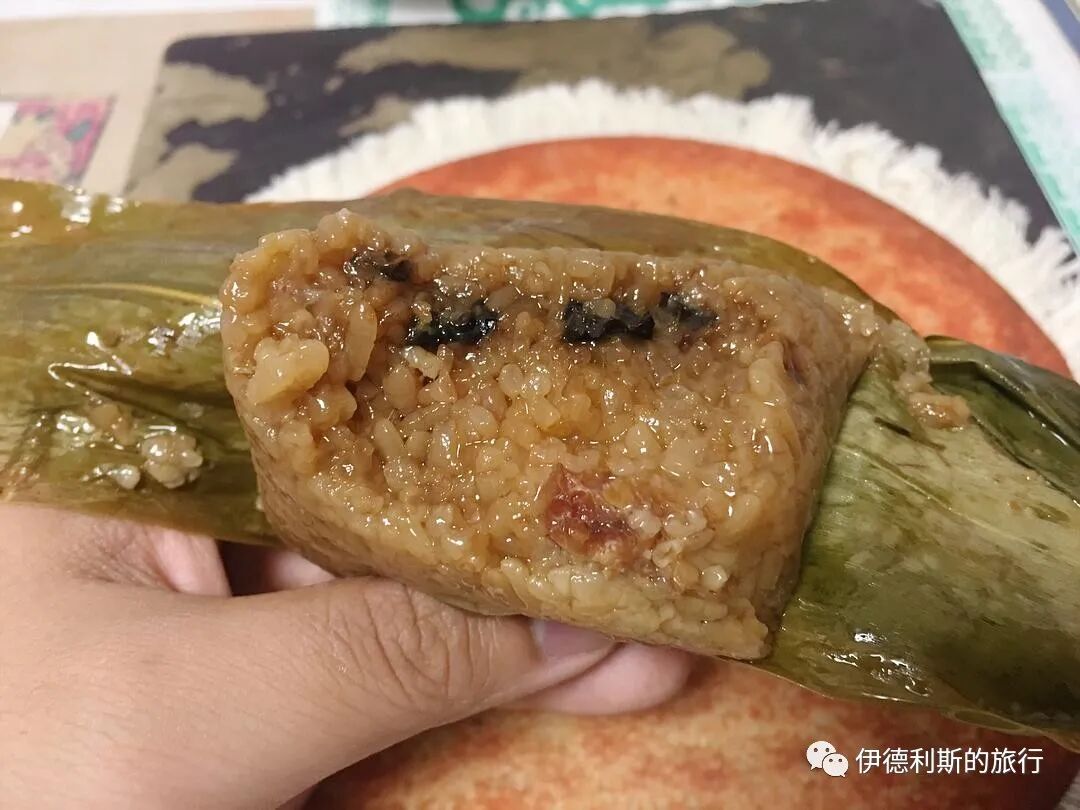
I bought cranberry-flavored lava mochi (baojiang mashu), Mozi pastry (Mozi su), crispy beef (niurou xiangsu), wild camellia oil, and mushroom chicken rice dumplings (zongzi) at Bai Zhaoji.
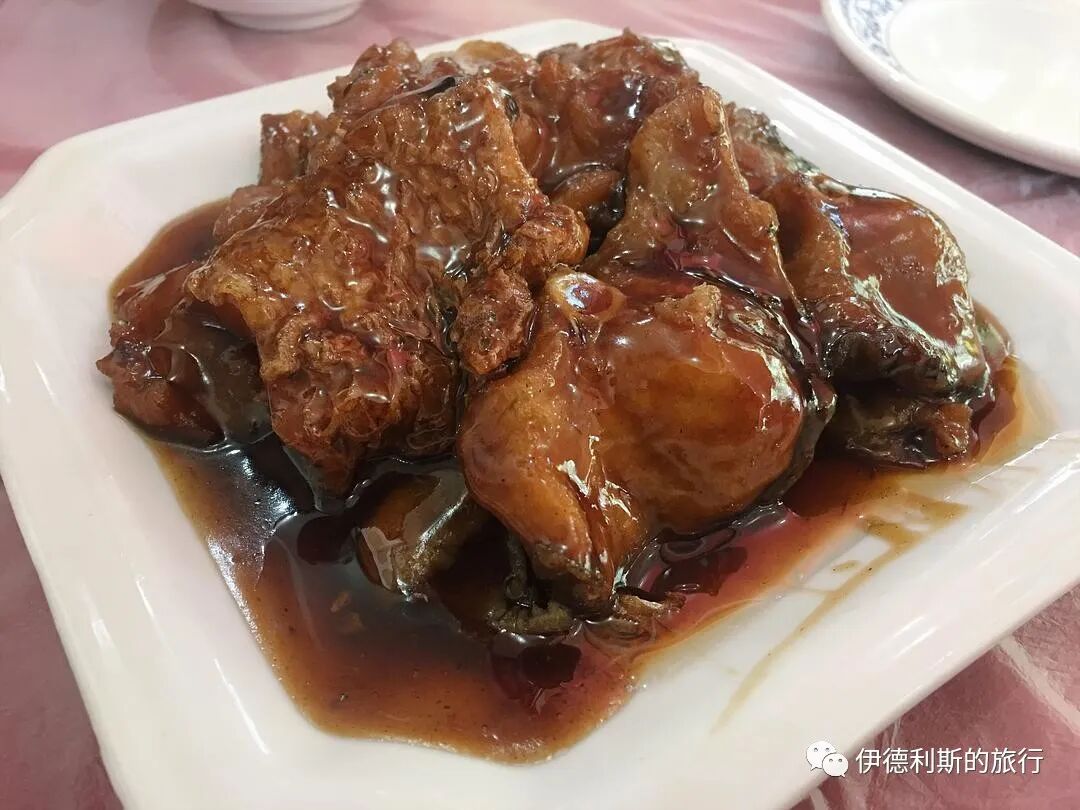
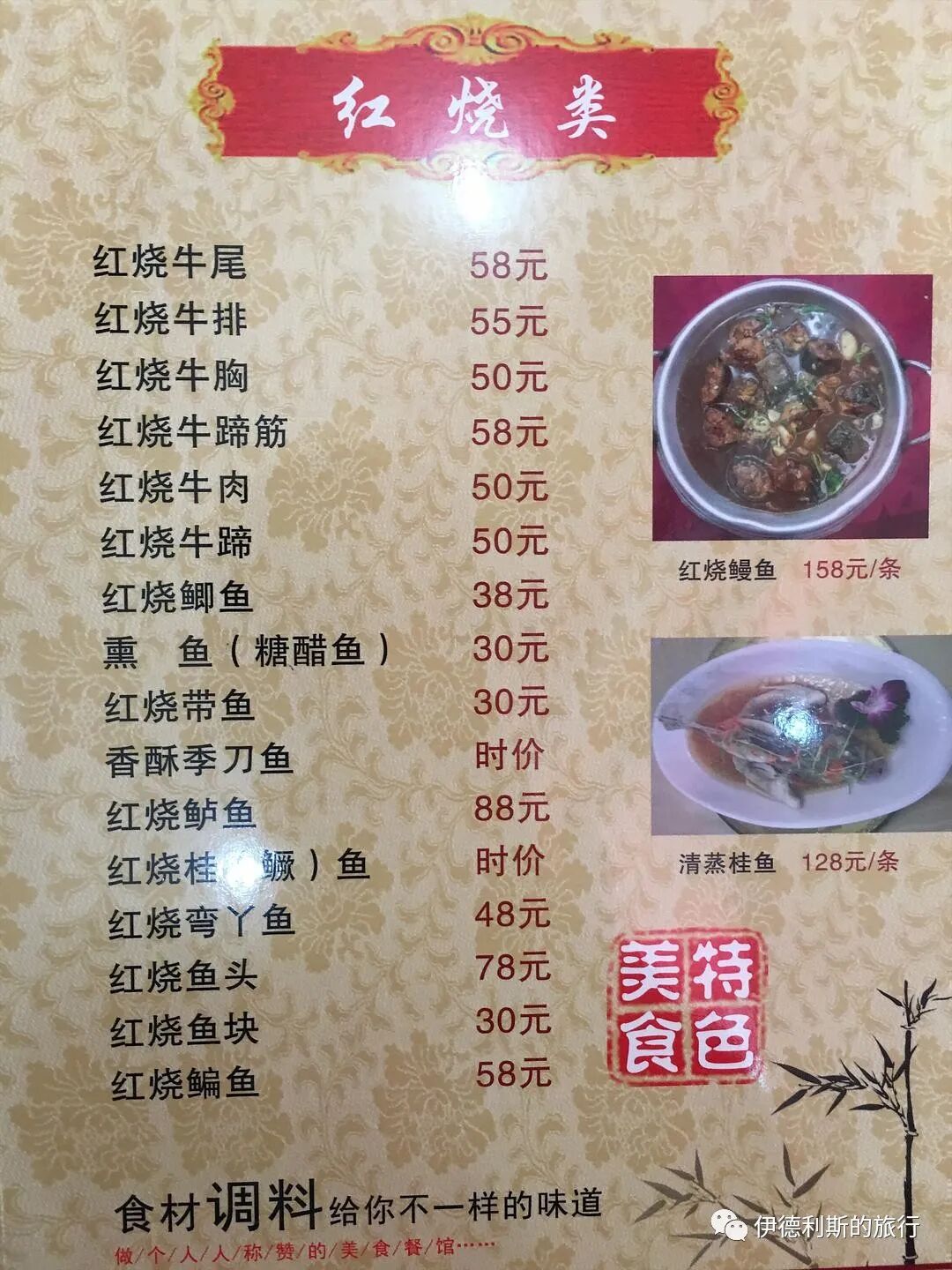
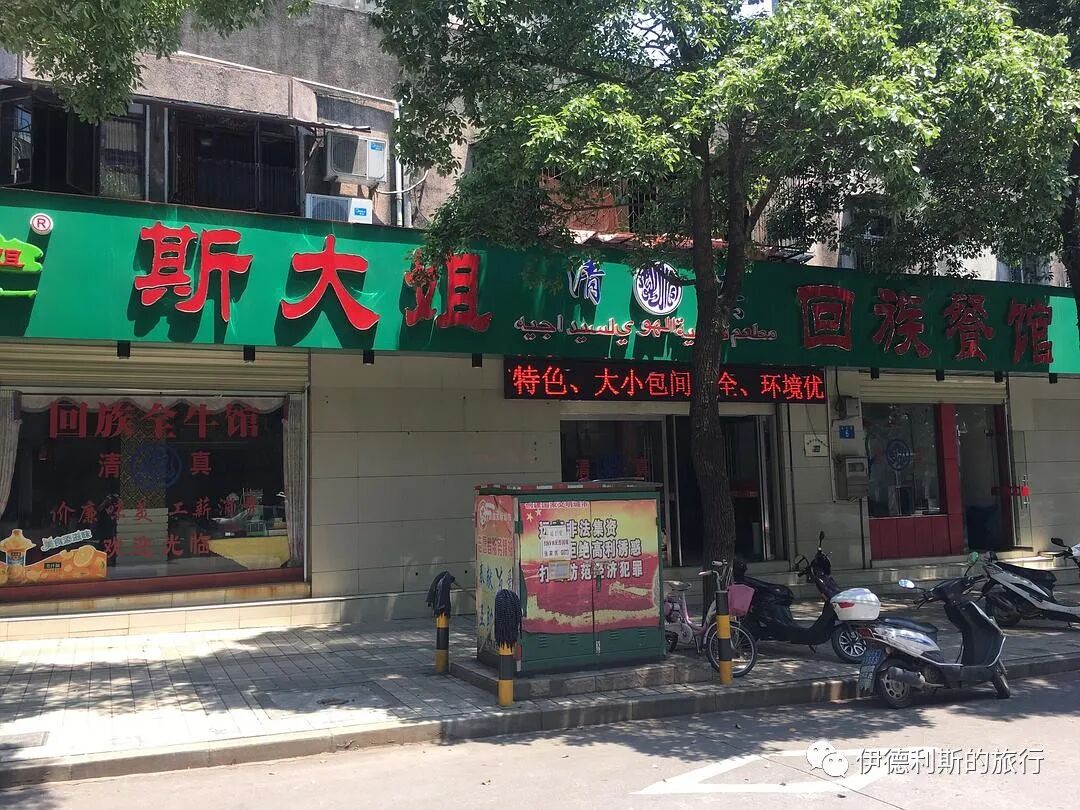
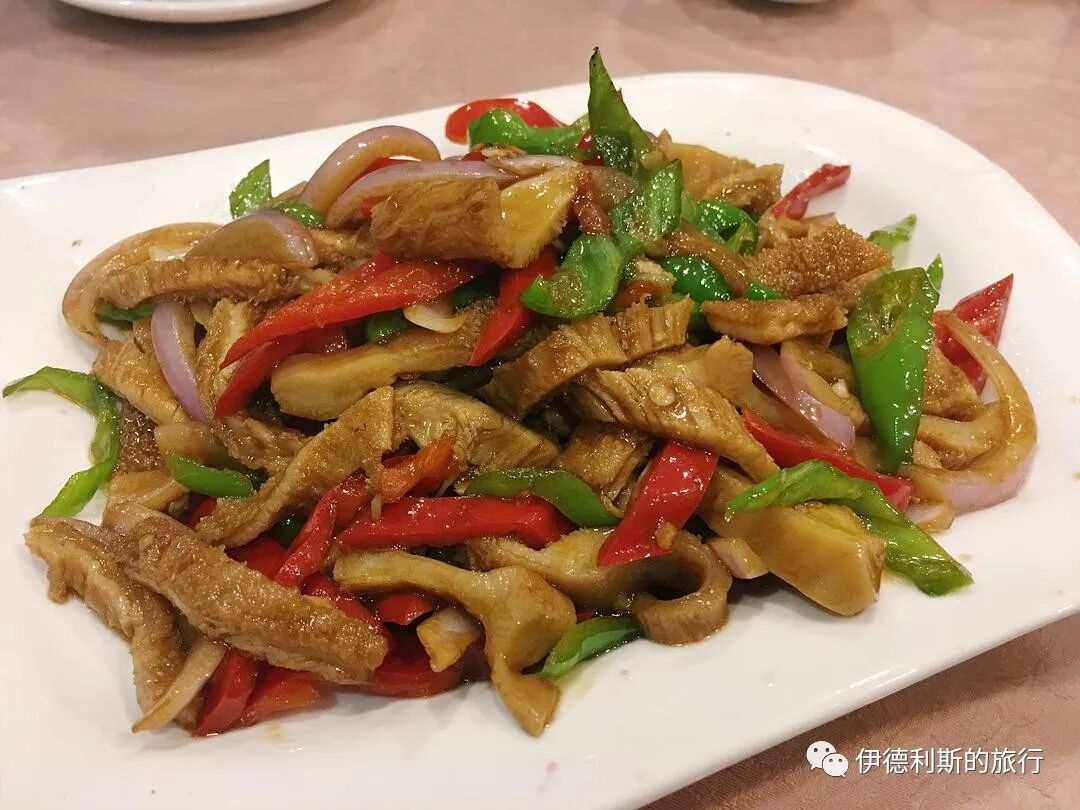
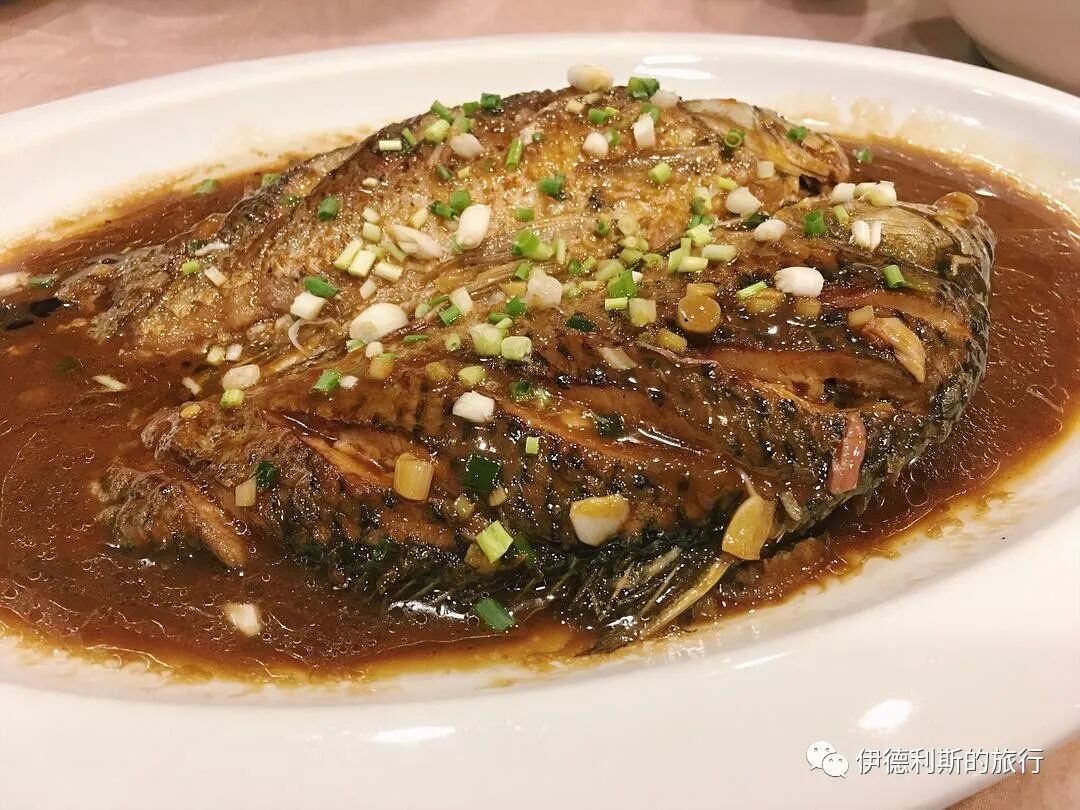
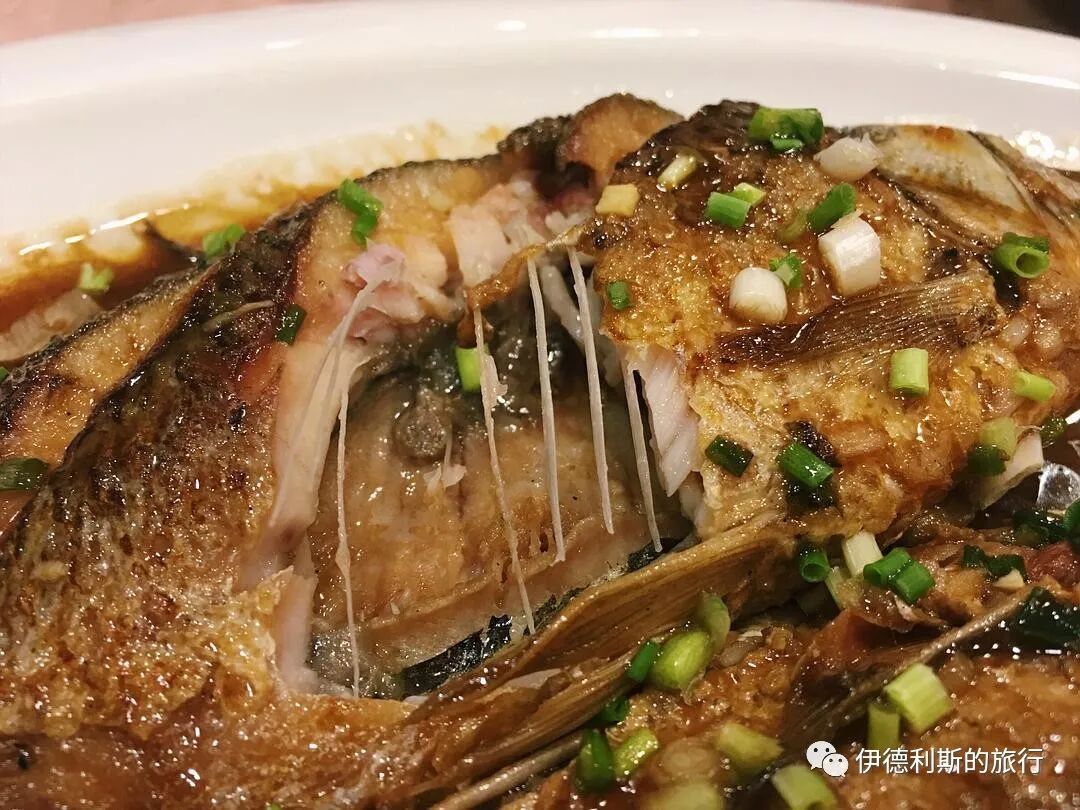
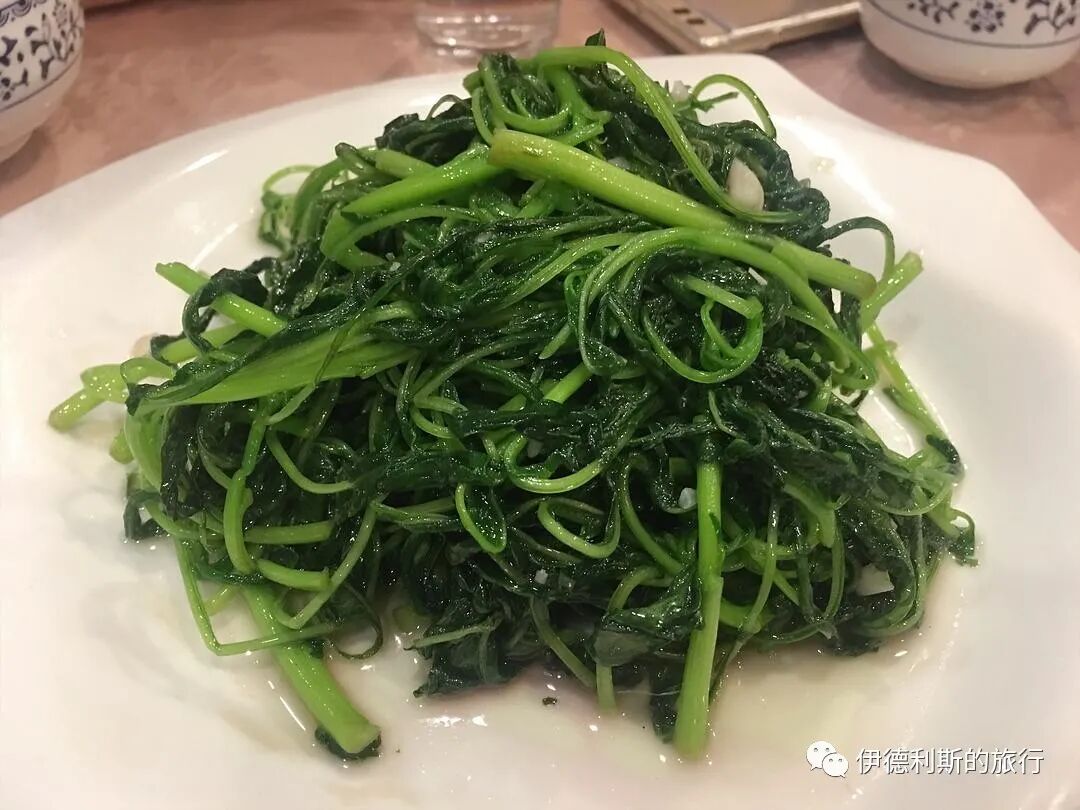
I ate braised crucian carp, stir-fried beef tripe, and stir-fried amaranth at Sister Si's Hui Muslim restaurant. Amaranth is in season right now.
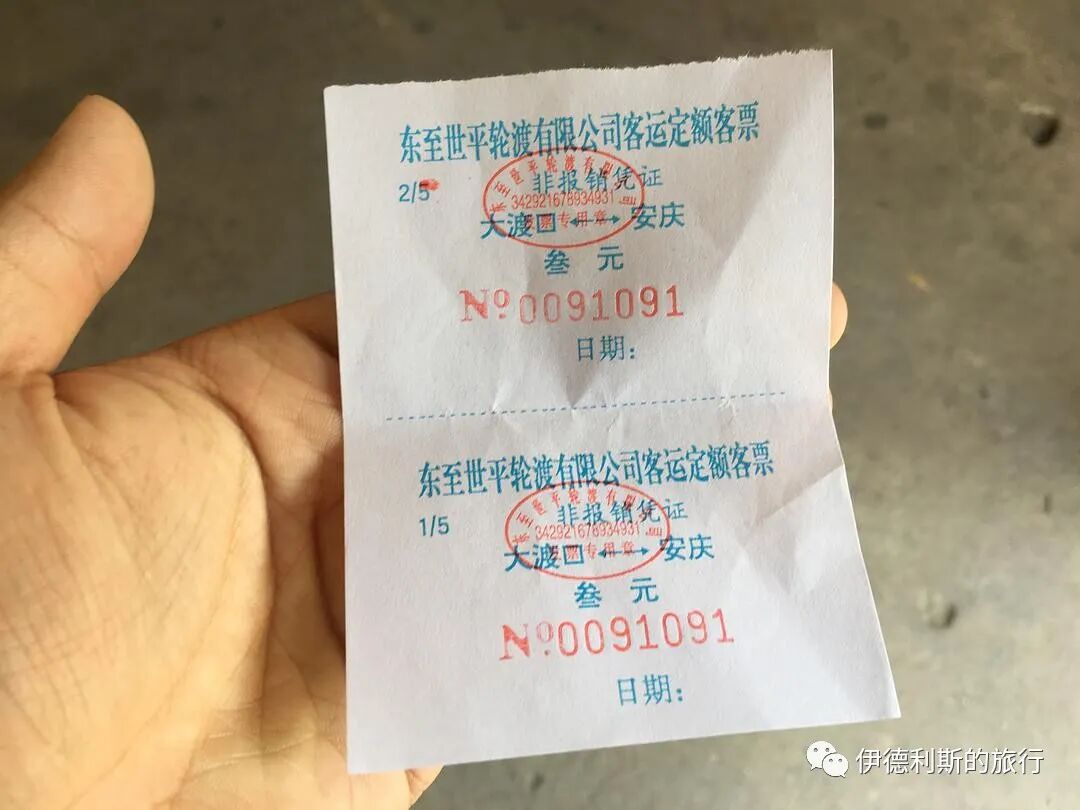
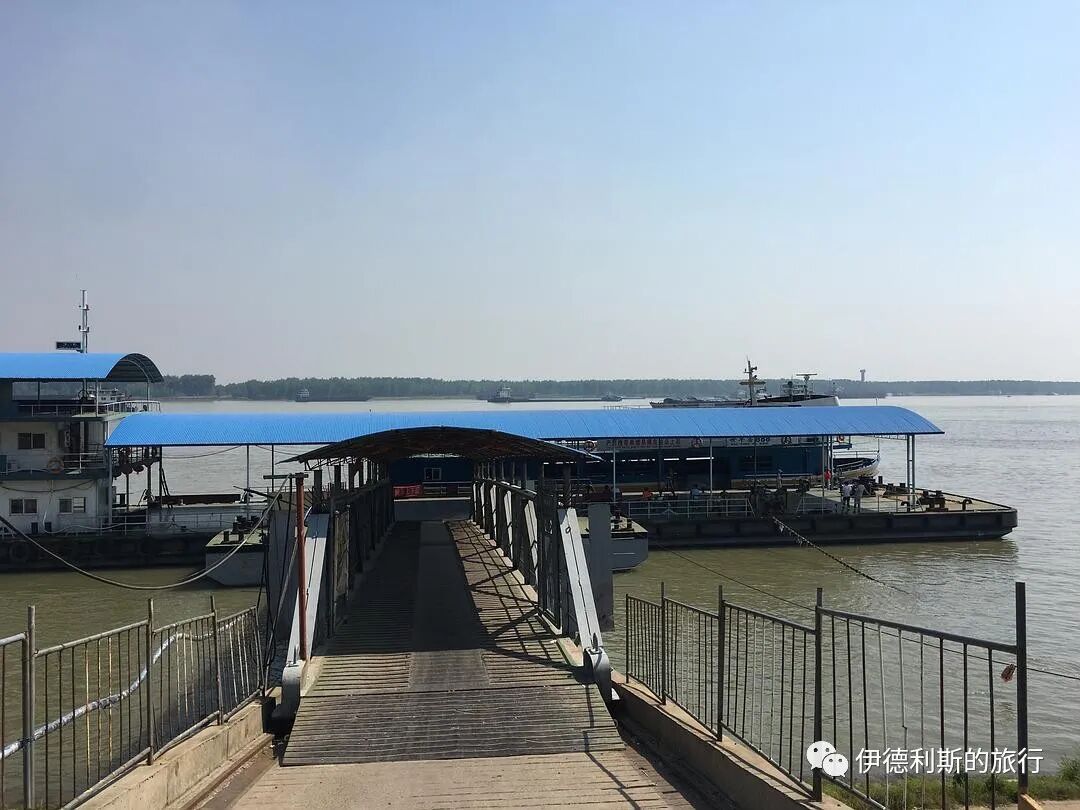
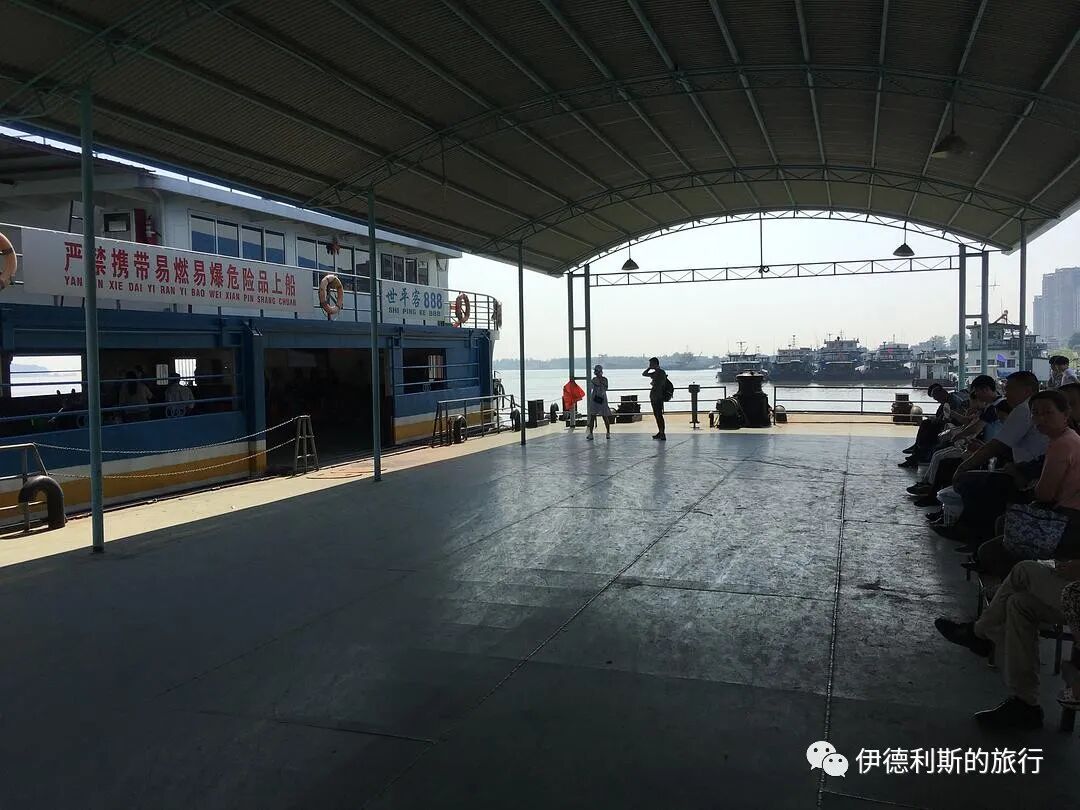
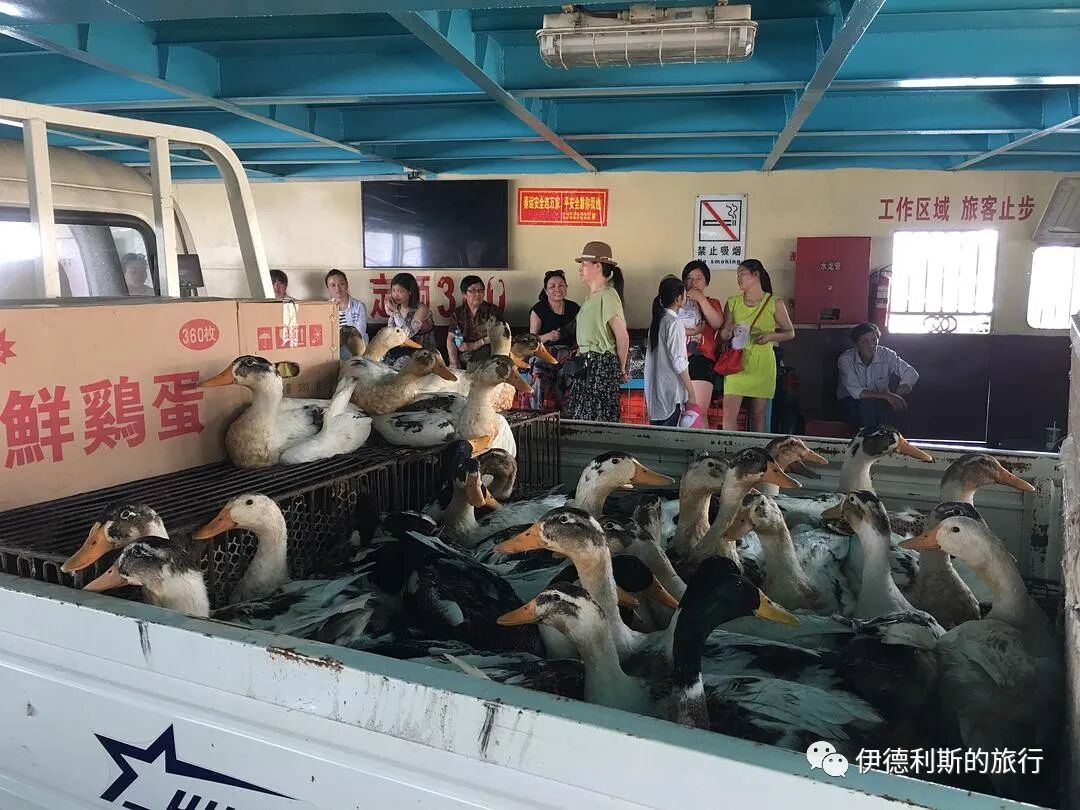
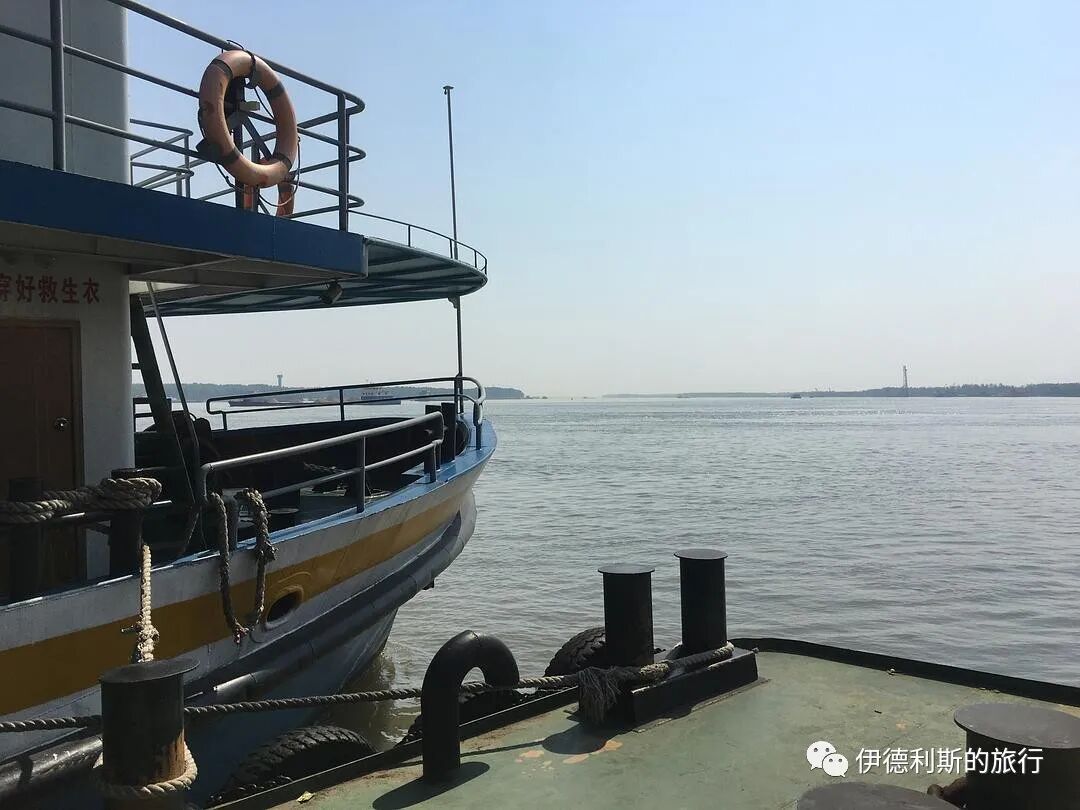
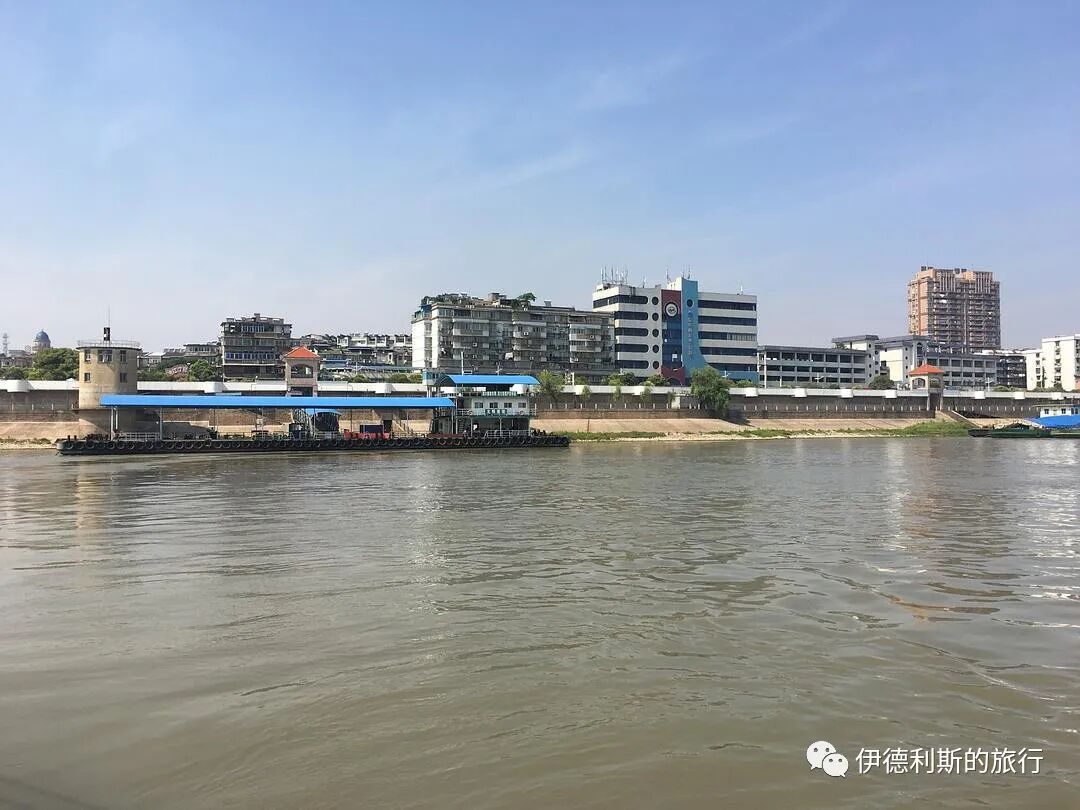
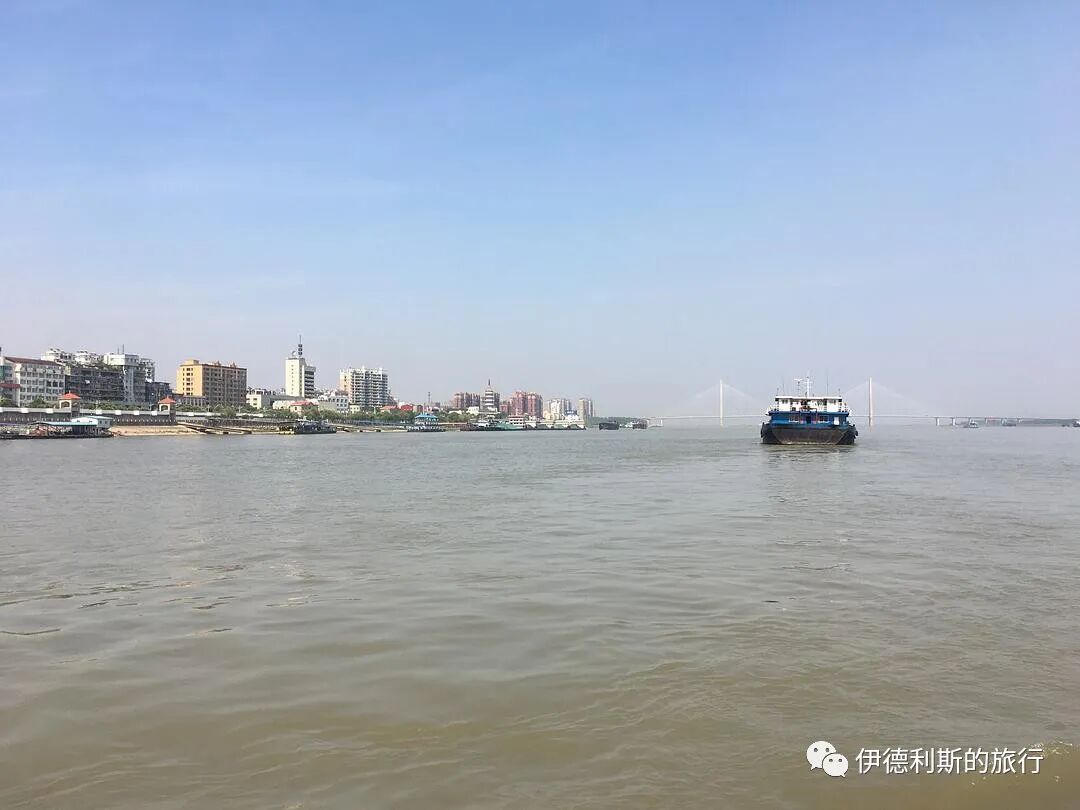
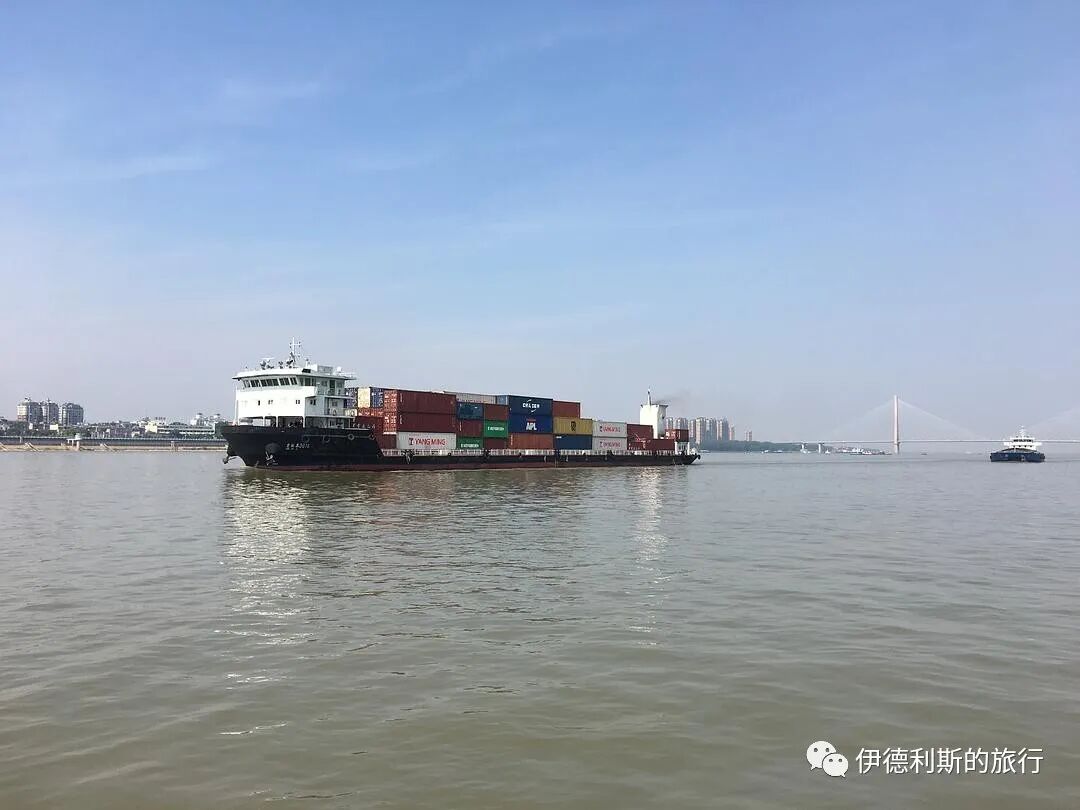
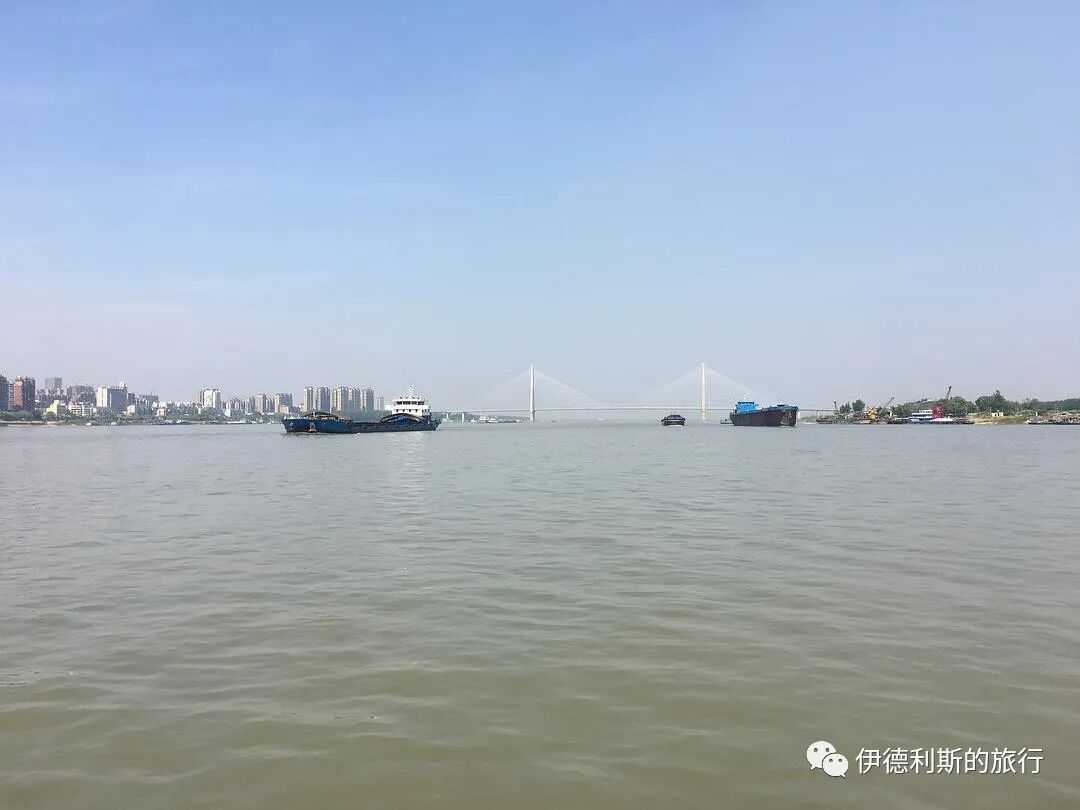
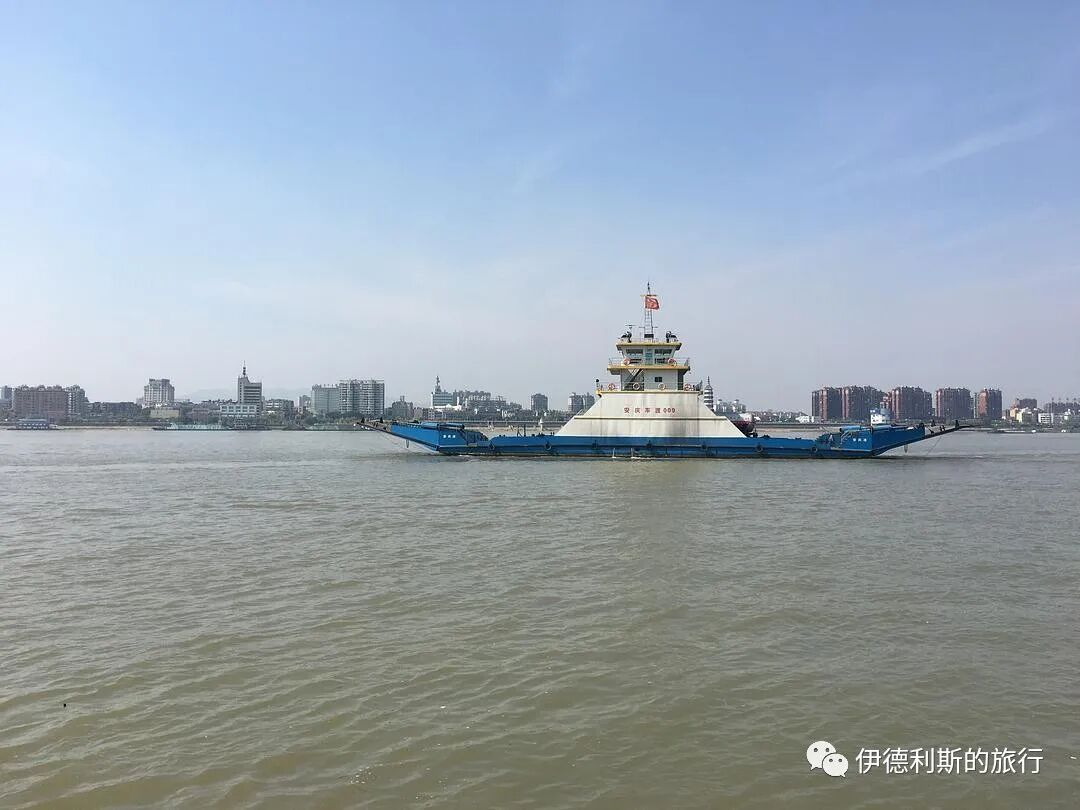
The river ferry at Dananmen in Anqing.
Summary: Anqing Hui Muslim Community — South Gate Mosque and Halal Food is presented here as a firsthand travel account in clear English, beginning with this scene: I visited the Hui Muslim community in Anqing in 2017 and would like to share some details about the mosques and halal food there. The account keeps its focus on Anqing Muslims, China Mosques, Halal Food while preserving the names, places, food, and historical details from the Chinese source.
I visited the Hui Muslim community in Anqing in 2017 and would like to share some details about the mosques and halal food there.
Hui Muslims settle in Anqing.
In 1381 (the 14th year of the Hongwu reign of the Ming Dynasty), the Hui Muslim general Ma Jucheng led his troops to guard Anqing and was named General Mingwei. Many of his officers and soldiers were also Hui Muslims, and they settled in Anqing with him. Ma Jucheng's descendants are also known as the Ming Ma family. In 1389 (the 22nd year of the Hongwu reign of the Ming Dynasty), another Hui Muslim general, Ma Hazhi, was transferred to the Anqing Left Guard. His descendants were hereditary commanders of the Anqing Guard and became known as the Wei Ma family, the most important Hui Muslim family in Anqing.
According to the Huaining Ma Family Genealogy, a version revised by the Dunyue Hall in the second year of the Guangxu reign of the Qing Dynasty and kept at the C. V. Starr East Asian Library at Columbia University, the ancestor of the Wei Ma family was Ma'iz, a Rum person from the Western Regions. His name was translated into Chinese as Ma Yize, so his descendants took Ma as their surname. Rum refers to the Anatolian Peninsula, now translated as Rûm (meaning Roman). It was once territory of the Eastern Roman Empire, and from the 11th to the 14th century, the Seljuk dynasty established the Sultanate of Rum there.
According to the family genealogy, Ma Yize came to the Song Dynasty in 961 (the second year of the Jianlong reign of the Song Dynasty) to help compile the Ying Tian Calendar. He was appointed as the Director of the Imperial Astronomical Bureau and granted a hereditary marquis title. The 18th-generation descendant, Ma Hazhi, who had been on a pilgrimage to Mecca, took office at the Anqing Left Guard in 1389 (the 22nd year of the Hongwu reign of the Ming Dynasty). Ma Hazhi had two sons. His second son, Ma Lin, had three sons: Ma Yi, Ma Jun, and Ma Bao. All three brothers were soldiers, and Ma Yi had the most outstanding military achievements. He was also the founder of the Nanguan Mosque in Anqing.
In 1466 (the second year of the Chenghua reign), Ma Yi returned home with honors, and in 1468 (the fourth year of the Chenghua reign), he was granted the hereditary title of General Piaoji. His younger brothers, Ma Jun and Ma Bao, who fought alongside Ma Yi in Guangxi, were granted the titles of General Wude and General Wubei in the early years of the Chenghua reign, serving as hereditary thousand-man commanders and garrison commanders of the Anqing Guard.
After returning to his ancestral home, the three Ma brothers established the clan hall Qingzhen Dunyue Tang in 1469 (the fifth year of the Chenghua reign) inside the Great South Gate of Anqing, and compiled the Ma Family Genealogy of Qingzhen Dunyue Tang in 1471 (the seventh year of the Chenghua reign).
A shop at the Great South Gate of Anqing with the Dunyue Tang hall name written on it.
Nanguan Mosque.
In 1469 (the fifth year of the Chenghua reign), Ma Yi built the Anqing Nanguan Mosque on Zhongxiao Street inside the Zhenhai Gate (South Gate) of Anqing, with the main entrance facing the city wall, and built the Ma Family Qingzhen Dunyue Tang as a residence next to the mosque. After Ma Yi passed away, his descendants held the hereditary positions of Anqing Guard Commander and Assistant Commander for seven generations, and as late as 1648 (the fifth year of the Shunzhi reign) and 1650 (the seventh year of the Shunzhi reign), Ma Mingluan still held the positions of Anqing Guard Seal Holder and Chief Transport Officer.
Anqing Nanguan Mosque was originally named Qingzhen Tang, and was later renamed a mosque. Around the Tianqi reign of the Ming Dynasty, Ma Ruxuan, the 27th generation descendant of Ma Yize, began serving as the imam of the mosque, and his descendants served as imams for 10 consecutive generations until the late Qing Dynasty imam Ma Xiaowen.
In 1643 (the 16th year of the Chongzhen reign), the late Ming warlord Zuo Liangyu led his troops through Anqing, massacred the residents in the south of the city, and the mosque was damaged. During the middle of the Kangxi reign, the main hall was rebuilt, and the Mingde Hall and the left and right corridors were constructed. In the early years of the Daoguang reign, north and south lecture halls were built, and in the late years of the Daoguang reign, the Moon-Sighting Tower (Wangyue Lou), also known as the Octagonal Pavilion (Bajiao Ting), was built.
In 1853 (the third year of the Xianfeng reign), Nanguan Mosque was destroyed in the Taiping Rebellion. After the Qing army recaptured Anqing, Nanguan Mosque was in ruins, so everyone had to purchase a private house northwest of the original site to use as a temporary place for namaz. It was not until 1876 (the second year of the Guangxu reign) that funds were finally raised to build the perimeter walls and gate tower, and the main hall was constructed following the round-ridge style of the Wanshou Palace and Fengzhi Guild Hall. Later, buildings such as a school, a washing room (shuifang), and a water fire brigade station were added. After more than twenty years and a cost of over 10,000 taels of silver, the reconstruction of the Nanguan Mosque was finally completed in 1897 (the twenty-third year of the Guangxu reign).
Between 1934 and 1935, the famous missionary Claude L. Pickens passed through Anqing and recorded precious photos of the Anqing Nanguan Mosque, which are currently kept in the Harvard University Library.
The Anqing Nanguan Mosque photographed by Claude L. Pickens. According to Wang Jianping in the book Old Photos of Islamic Culture in China's Interior and Frontier, the house in the bottom right corner was the residence of Imam Fang Chuqing. His son, Fang Qingru, was a committee member of the Nanmen Mosque management board, and his grandfather, Fang Yucai, was also an imam at the Nanmen Mosque.
According to Wang Jianping in the book Old Photos of Islamic Culture in China's Interior and Frontier, this shows a procession of Hui Muslims in an alleyway carrying a casket to the graveyard, heading from the Anqing Nanmen Mosque toward the mosque outside the city. Several elderly Hui Muslims believe this alley was Zhongxiao Street at the time, while others say it was Sipailou.
Between 1961 and 1965, a research group on Chinese Islamic architecture led by the famous architect Liu Zhiping began field surveys of Islamic buildings in China and captured very precious images of the Anqing Nanguan Mosque before it was occupied by the North Factory.
In his book Islamic Architecture in China, Professor Liu Zhiping used the word "magnificent" to describe the Anqing Nanguan Mosque. He said that Anqing is a waterway terminal on the north bank of the Yangtze River with prosperous commerce, very little flat land, and a hot climate. Therefore, the layout of the Zhongxiao Street Mosque was adapted to local conditions, and to prevent heat, it adopted a small courtyard design, showing an architectural style completely different from those in Shou County and the north.
Professor Liu Zhiping wrote in the book that the main hall's double-eave bracket sets (dougong) extend four tiers, making them extremely decorative. The hip-and-gable roof (xieshan) method involves adding a short eave outside the hard-gable wall. This style is common in Yunnan. It is different from the northern hip-and-gable roof (xieshan) style and also different from the main hall of the Shou County mosque. The gable walls of the hard-gable roof (yingshan) go straight up, which is clearly a more reasonable approach.
Professor Liu Zhiping wrote in his book that the carvings inside the main hall are the most magnificent and moving. Inside the deep and dim main hall, many golden pillars are hung with pairs of long, gold-background couplets. They shimmer with gold light, making the hall feel rich and grand, and showing an atmosphere of dignity and luxury. Using a large number of couplets for decoration inside this hall is a style rarely seen elsewhere. Although the main hall uses an exposed roof structure (cheshang lumingzao), it still uses ceiling boards (wangban) under the rafters and above the purlins, making people feel that the hall's construction is exquisite and of very high quality.
The main hall photographed by Bi Jingshi between 1934 and 1935.
The interior of the main hall photographed by Professor Liu Zhiping in the early 1960s.
Thanks to my friend (dosti) Qi Qiangfei for interpreting the plaques.
The top plaque: The believers have certainly succeeded, they are humble in their namaz.
The top plaque: Wherever you are, you should turn your faces toward the Sacred Mosque.
Remember Me (Allah), and I will remember you.
From left: I believe in Allah. Complete the Hajj and Umrah for the sake of Allah. Pay your zakat.
With the angels
During the Qing Dynasty and the Republic of China era, the mosque school (jingtang jiaoyu) at Nanguan Mosque was very well-developed. The Huaining Ma Family Genealogy records three imams who taught at the mosque school: Imam Ma Guangxia was born in 1767 (the 32nd year of the Qianlong reign) and died in 1823 (the 3rd year of the Daoguang reign). Imam Ma Dicai, the son of Imam Ma Guangxia, was born in 1820 (the 1st year of the Daoguang reign), taught in Hubei, and died after 1876 (the 2nd year of the Guangxu reign). His contemporary, Imam Ma Dien, was born in 1813 (the 18th year of the Jiaqing reign), taught in Guangdong, and died in 1875 (the 1st year of the Guangxu reign).
Later, Imam Ma Dicai trained his nephew, Imam Yang Zizhen, who became a famous scripture teacher. Imam Yang Zizhen went to Xi'an for advanced studies. After finishing his training, he returned to Anqing to teach for over thirty years. He had a deep understanding of both Confucian and Islamic classics. His translation of the Record of Prayer Methods (Baishi Jilue) was published by the mosque. In 1949, Ma Yiyu returned to Anqing and received the manuscripts left by Imam Yang Zizhen. Ma Yiyu edited them into the Collection of Wanpu (Wanpu Shi Canggao).
In 1905 (the 31st year of the Guangxu reign), Zheng Zihui led the effort to establish a primary school at Nanguan Mosque that focused on Chinese language and modern science, which helped educate many famous people. This group included Army Commander Ma Jidi, Minister of Communications Duanmu Jie, famous Islamic scholar Ma Yiyu, and noted educator Ma Yichen.
Until the start of the Second Sino-Japanese War in 1937, most Hui Muslims in Anqing attended scripture classes at the Nanguan Mosque before entering regular primary school. They used textbooks like the Arabic Alphabet Primer (Tianfang Qimeng Zimu) from the Beijing Muslim Press and the Standard Arabic Phonetic Method (Awen Biaozhun Pinyinfa) from the Shanghai Islamic Book Company.
After 1966, a factory took over the mosque and destroyed all the floors. It was renovated and reopened in 1981.
The Scholar's Residence (Tanhua Di).
Ma Dayong was the 29th-generation descendant of Ma Yize and the 8th-generation descendant of Ma Yi. In 1727, the fifth year of the Yongzheng reign, he placed third in the imperial palace examination. Emperor Yongzheng personally bestowed a plaque reading 'Scholar's Residence' (Tanhua Jidi) to hang above the door of the Dunyue Mosque (Qingzhen Dunyue Tang), which is why the mosque became known as the Scholar's Residence.
After becoming a scholar, Ma Dayong first served as a second-rank imperial guard and a lieutenant colonel in the Shaanxi Firearms Battalion. In 1737, the second year of the Qianlong reign, he was transferred to Yuanzhou, Hunan, as a brigade general. At that time, the Miao people in Yuanzhou occupied a lot of farmland. Ma Dayong rode alone to the Miao village and negotiated repeatedly, eventually convincing them to return thousands of acres of farmland. In 1747, the twelfth year of the Qianlong reign, Ma Dayong was transferred to Yichang, Hubei, as a brigade general, where he built the Yichang Mosque. In 1751, the sixteenth year of the Qianlong reign, Ma Dayong was transferred to Zhangzhou as a brigade general and assistant commander-in-chief. The following year, Cai Rongzu printed books with the words 'Great Ning Kingdom' to prepare for a rebellion against the Qing. Ma Dayong led his cavalry 200 miles to charge directly into Cai Rongzu's camp and captured him. In 1753, the eighteenth year of the Qianlong reign, Ma Dayong served as the brigade general of Taiwan. After a hurricane and tsunami hit Lu'ermen, Taiwan, Ma Dayong led his naval forces to swim through the wind and waves to rescue over 4,000 people. After the tsunami, a plague broke out. Ma Dayong distributed medicine widely and took many measures to prevent the spread of the disease. In 1756, the twenty-first year of the Qianlong reign, Ma Dayong became the Admiral of the Fujian Navy, stationed in Xiamen. He fought hard to clear out pirates, causing many pirate groups to disband. In 1759, the twenty-fourth year of the Qianlong reign, he returned to Anqing due to illness. After he passed away, he was posthumously awarded the title of Grand Master of Glorious Happiness (Ronglu Daifu).
Ma Dayong's grandson, Ma Chen, joined the army as a young man. Over twenty years, he fought in Sichuan, Hubei, Hunan, and Taiwan. In 1838 (the 18th year of the Daoguang reign), he followed Imperial Commissioner Lin Zexu to Guangdong to ban opium. Lin Zexu put Ma Chen in charge of major tasks, including seizing British store ships, confiscating over 20,000 chests of opium, and destroying the opium at Humen. After that, the First Opium War broke out. Ma Chen fought in the battles of Guanyong and Dongyong, winning repeatedly. In 1840 (the 20th year of the Daoguang reign), the British fleet attacked Guangzhou, and he won again in the naval battle. At the end of the year, Ma Chen led hundreds of soldiers to defend the Qingyuan and Weiyuan forts. When reinforcements did not arrive, he died heroically for his country.
West Gate Mosque (Xiguan Qingzhensi)
Besides the South Gate Mosque (Nanguan Qingzhensi), Anqing once had a West Gate Mosque. According to Ma Zhaoceng in 'The Origin and Changes of the West Gate Mosque in Anqing,' the number of Hui Muslims living outside the Zhengguan Gate (West Gate) of Anqing grew during the Qianlong reign. Because the prayer times did not match the city gate's opening and closing hours, it was very inconvenient for them to go to the South Gate Mosque. Ma Tianrong, a 12th-generation descendant of the original ancestor Ma Hazhi from the Dunyue Hall Ma family in Huaining (Anqing), donated the two residences of Yayuan and Yakui located outside the Zhenhai Gate (South Gate). He then built a new mosque at Gou'erkou outside the Zhengguan Gate. Ma Tianrong was born in 1744 (the 9th year of the Qianlong reign) and died in 1788 (the 53rd year of the Qianlong reign), so the West Gate Mosque was likely built in the middle or late Qianlong period.
In 1877 (the 13th year of the Guangxu reign), the West Gate Mosque moved to the back street of Gou'er Mountain outside the West Gate. The people in charge of the relocation included Ma Hongchang and Ma Shaowen. Ma Shaowen was the 33rd-generation descendant of Ma Yize, the original ancestor of the Dunyue Hall Ma family in Huaining, and he was the grandfather of Ma Yiyu.
The main hall of the West Gate Mosque, photographed by Bi Jingshi in 1934.
Before 1949, Ma Yiyu used the family property of the Huaining Dunyue Hall to start Yize Primary School at Xiguan Mosque. After 1949, it merged with Qingzhen Primary School and Qingzhen Mosque Street Primary School.
In the 1950s, Xiguan Mosque became a residential area. In 1995, it was renovated and expanded into a kindergarten for ethnic minorities, leaving only the main gate and side rooms of the mosque. On November 16, 2011, the west side room was demolished, and the ethnic minority kindergarten building was built on the original site.
Dananmen Hui Muslim community.
Hui Muslims in Anqing have lived near Dananmen (Zhenhai Gate) by the Yangtze River for generations. Besides running shops and slaughtering cattle, many lived off the water, working as dock porters or living on boats as independent traders (polo). Others made a living by carrying reeds for fuel from the riverside or fetching water from the river. After the 1990s, many Hui Muslims moved away due to the demolition of the old city, but the Nanmen and Nanshui areas remain areas where Hui Muslims are relatively concentrated.
More than half of the Hui Muslims in Anqing are from the "Ming Ma" and "Wei Ma" lineages. Other surnames include Jin, Ding, Zong, Dong, Si, Ha, Ma, Bai, and Bai. The Jin surname among Hui Muslims is divided into "Nanjing Jin (Jinling Jin)" and "Maoling Jin." According to family records, the ancestor of the "Nanjing Jin" was Yibulajin (now translated as Ibrahim) from the Rumi Kingdom (possibly the Sultanate of Rum), who moved from Nanjing in the early Ming Dynasty. Hui Muslims with the surname Ding state that they moved from Quanzhou in the early Ming Dynasty, and their founding ancestor was an Arab named Ashiding.
According to Ma Yichen's "The Business Operations of Hui Muslims in Anqing Since the Late Qing and Early Republic," there were 64 recorded shops and workshops run by Hui Muslims in Anqing since the late Qing and early Republic. The seven largest were Yingshengtai Grocery Store on Daobashi Street, Yinhe Tea House on Sipailou, Wangtaihe Grocery Store, Xinji Grocery Store, and Yongxingde Hardware Store on Sipailou West Street, Huafeng Money Shop on Penglai Street, and Maxingyu Egg Shop on the riverside road outside the South Gate. Hui Muslims at Dananmen in Anqing mainly engaged in small businesses and worked as porters at the South Gate dock during the Republic of China era. A 1950 survey showed that nearly 100 Hui Muslim households in Anqing were engaged in the halal food and slaughtering industry, mainly distributed near Dananmen. During the late Qing Dynasty and the Republic of China era, there were four restaurants outside the South Gate on Zhengjie Street: Yanghexing, Maqishun, Fangshunxing, and Magongxing. Other businesses included Yujia Chicken and Duck Restaurant, Yuchangchun Plaster Shop, Zongjia Beef Jerky, Majia Tofu Shop, Majihe Tofu Shop, Dongjia Tea Stove, Fuguilou Teahouse, Dongjia Noodle Workshop, Mayitai Sauce Workshop, Baizhaoji Pastry Shop, and Tongmao Pastry Shop. Yaojia Cattle Slaughterhouse was located in the West Alley outside the South Gate, and Malaowu Cattle Slaughterhouse was in the East Alley outside the South Gate. Wuyue Street had Mayongxing Restaurant, Longmenkou had Lida-ge Beef Jerky, Daobashi Street had Tongjia Tea Stove and Zhengshouhe Pastry Shop, Peide Alley had Liangjia Tea Stove, and Yingjiang Road had Yingjianglou Teahouse.
According to a blog post by an old resident of Anqing, a Hui Muslim named Ma Weiqin opened Mayongxing Restaurant around 1923 at the entrance of the Anhui Provincial Department of Finance on Wuyue Street. At that time, there was no storefront, just a small shed with three small tables for serving breakfast. They started by selling only noodles. After the noodles were cooked, they added different toppings like braised beef, beef offal, beef tripe, or served them plain. Later, they added white rice porridge, steamed buns (mantou), twisted rolls (huajuan), and shuttle-shaped buns (suozimo). The shuttle-shaped bun (suozimo) was Ma Weiqin's specialty. He rolled the dough into a shape pointed at both ends and wide in the middle, made vertical cuts on the surface, brushed it with syrup, sprinkled it with white sesame seeds, and baked it in an oven. When finished, it looked just like a weaving shuttle. In 1931, Ma Weiqin rented a storefront on Shizheng Street and hung up a sign that read Mayongxing Porridge Shop. They offered over ten types of porridge, including vegetarian options like mung bean, red bean, Job's tears, lily bulb, and lotus seed, as well as meat options like beef, shrimp, shredded chicken, and assorted ten-ingredient porridge. To make the beef porridge at Mayongxing, they first made beef meatballs, then boiled white porridge in a wok, added sesame oil, and finished by cooking the beef meatballs in the porridge. The beef porridge made this way smelled delicious.
After Anqing was occupied by Japan in 1938, Mayongxing closed down. It was not until 1946 that Ma Weiqin hung the sign for Mayongxing Canteen (later renamed Mayong Restaurant) at Yubeiting and began selling halal dishes. Mayongxing Canteen was a three-story building that blended Chinese and Western styles, with enough space for 19 square tables across the second and third floors. At that time, Zhang Liguang was the head chef for stir-fry, Wu Konglai was the head prep cook for meat dishes, Sun Jinshan made the flour-based pastries, and there were over 10 other assistants. The most famous dish at Mayongxing Canteen was boiled beef (shuizhu niurou), served with beef on top and greens on the bottom. The meat slices were so tender they had almost no gristle, melting in your mouth as soon as you took a bite. The beef jerky (niuroupu) and smoked fish (xunyu) sold at Mayongxing Canteen were also very special, especially the beef jerky, which had a perfect color, pure flavor, and a fragrant, delicious taste.
The busiest time at the South Gate (Dananmen) was every morning when everyone came to shop.
I ate pan-fried buns (jianbao) and pan-fried dumplings (jianjiao) filled with beef and tofu, along with mung bean ball soup (lvdou yuanzi tang), at Old Li's Beef Bun Shop at the South Gate. According to a blog post by an Anqing local, the most famous halal mung bean balls (lvdou yuanzi) in Anqing were from the Big Beard Breakfast Shop at the Shizheng Street intersection in the 1930s. The owner, known as Big Beard, was named Liu Jinlin and had a full beard. Anqing mung bean balls are usually served with fried dough cakes (youbing). Big Beard's fried dough cakes were crispy on the outside and soft on the inside, thin, golden, and layered, staying soft even when cold. The mung bean balls were even better. They were the size of abacus beads, yellow in color, and tender in texture. Besides flour and mung beans, they were made with extra ingredients like dried soy sauce curd and small dried shrimp.
At Grandma Hui Restaurant, I ordered lotus heart greens (ouxincai), smoked fish, duck broth rice (ya lu paofan), and fish balls. Smoked fish and fish balls are specialties of Anqing Hui Muslims, while lotus heart greens are a seasonal vegetable dish.
Father and Son Cake Shop is a traditional bakery with the shop in front and the factory in the back. I bought mung bean cakes (lvdougao) and black sesame brittle (heimasutang). The mung bean cake has a special filling inside.
Honey date sticky rice dumplings (mizaozong) and beef sticky rice dumplings (niurouzong) from the Fish Ball and Smoked Fish Shop at South Gate.
Delete
Fish ball shop
Bozhaoji is the largest chain of halal pastry shops in Anhui. Besides Anqing, it also has branches in Hefei and Wuhu.
Bozhaoji was founded in 1904 (the 30th year of the Guangxu reign) by a Hui Muslim from Anqing named Bo Zhaohe. The original Bozhaoji had the shop in front and the workshop in the back. The storefront was small, and it closed down due to debt after operating on and off for seven or eight years. In 1939, Bo Zhaohe's son, Bo Shaoqing, reopened the Bozhaoji pastry workshop. The shop was located in the middle section of Peide Lane, which was the second alley from south to north on South Gate Main Street. Besides the Bo father and son, the shop also hired a master craftsman named Xu Qixian. Bozhaoji thrived from 1939 to 1948, but business declined in 1949 due to the economic collapse in the Jiangnan region.
After the public-private partnership in 1956, Bozhaoji became the Bozhaoji branch of the Anqing Sugar and Pastry General Store. The shop moved to the intersection of Sipailou and South Gate Street. Bo Shaoqing, staff member Ma Zhaofu, and master craftsman Xu Hongyi worked there as employees until they retired.
In 1990, the Anqing Finance Committee cleaned and renovated the four-story production workshop and storefront of another old brand, Mailongxiang's second shop, to meet halal requirements. The Anqing Bozhaoji Halal Food Factory was established at that original site.
In 2003, Bai Zhaoji underwent a complete restructuring to become a joint-stock company. In 2013, it moved its headquarters to Hefei and established Anhui Bai Zhaoji Food Co., Ltd., specializing in European-style baking.
I bought cranberry-flavored lava mochi (baojiang mashu), Mozi pastry (Mozi su), crispy beef (niurou xiangsu), wild camellia oil, and mushroom chicken rice dumplings (zongzi) at Bai Zhaoji.
I ate braised crucian carp, stir-fried beef tripe, and stir-fried amaranth at Sister Si's Hui Muslim restaurant. Amaranth is in season right now.
The river ferry at Dananmen in Anqing.
