
Halal Travel Guide: Tianjin Northwest Corner — Muslim Food and Street Changes (Part 1)
Reposted from the web
Summary: Tianjin Northwest Corner — Muslim Food and Street Changes is presented here as a firsthand travel account in clear English, beginning with this scene: In January and February 2016, Xiao Lin took me to explore the food in the Northwest Corner of Tianjin twice. The account keeps its focus on Tianjin Halal Food, Northwest Corner, Muslim Streets while preserving the names, places, food, and historical details from the Chinese source.
In January and February 2016, Xiao Lin took me to explore the food in the Northwest Corner of Tianjin twice. Those two trips to the Northwest Corner made me fall in love with the place. Over the next five years, from 2016 to 2021, I visited the Northwest Corner 11 more times to eat and explore. These 13 trips allowed me to document some of the changes in the area, including the now-vanished Northwest Corner night market, the meat porridge (rouzhou) and fried cakes (zhagao) at the entrance of the South Mosque, and various shops that disappeared due to urban renewal. I will now share my 13 trips to the Northwest Corner with you.
The History of the Northwest Corner
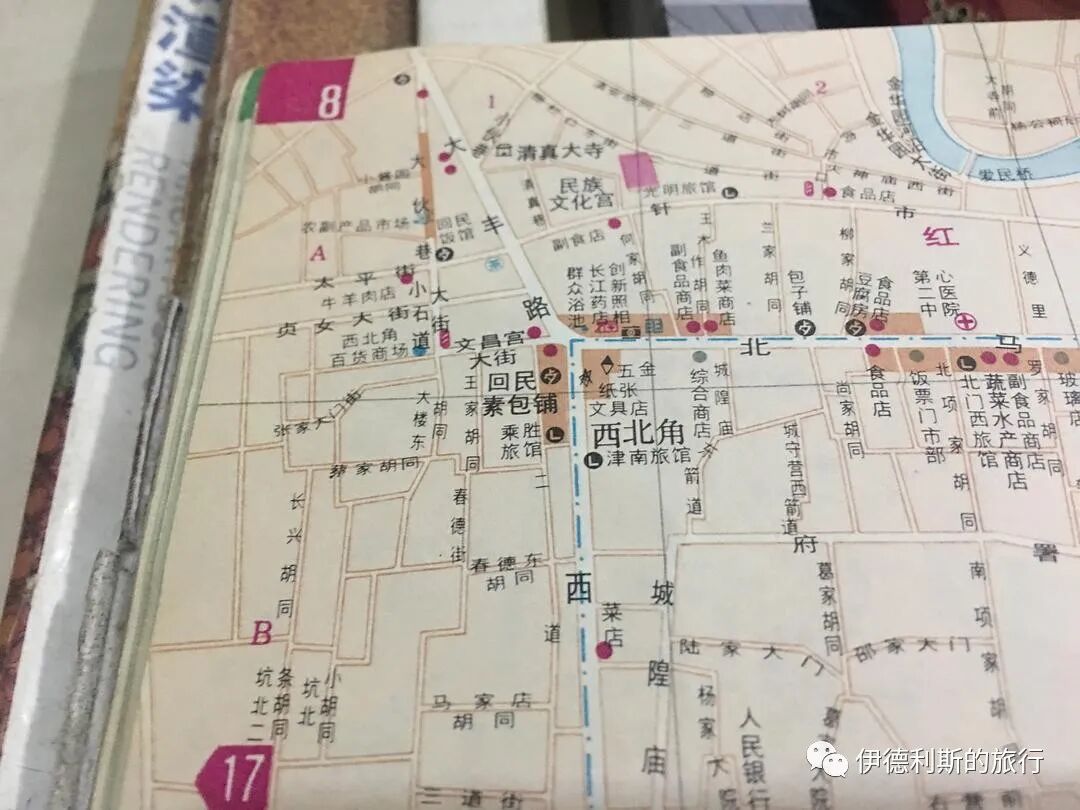
First, let me briefly introduce the history of the Northwest Corner in Tianjin. The Northwest Corner was once the largest Hui Muslim community in Tianjin. Before the demolition, it was home to 26,000 Hui Muslims, accounting for one-fifth of the Hui population in Tianjin at that time.
After Tianjin Wei was fortified in 1404, Hui Muslims continuously moved to the area via the Grand Canal from places like Anhui, Jiangsu, and Hebei. Some chose to settle in the Northwest Corner of the old city near the bustling Beidaguan canal transport hub, and they built the Northwest Corner Great Mosque (Qingzhen Dasi) around 1644.
With the Great Mosque at its center, the Northwest Corner was filled with halal shops before 1995. It also had 20 ethnic kindergartens, 7 ethnic primary schools, 2 ethnic middle schools, and 2 ethnic hospitals. In 1985, the Wenchang Palace Ethnic Food Street was built, and in 1988, it was renovated into the Dahuoxiang Ethnic Farmers' Market.
Demolition began in the mid-1990s, and the Hui Muslims of the Northwest Corner gradually scattered. Some people opened shops elsewhere and used the "Northwest Corner" name to show their roots.
Between 2004 and 2007, demolition began east of Dafeng Road, clearing away all buildings outside the Great Mosque (Qingzhen Dasi), the Ethnic Culture Palace, and the Islamic Association. The Northwest Corner remains an important community for Hui Muslims in Tianjin today, centered around the South Mosque (Qingzhen Nansi), which is home to many delicious Hui Muslim snacks.
In 1900, three French expeditionary captains named Present, Carmel, and Discher used a reconnaissance hot air balloon to photograph the area inside and outside the West Gate of Tianjin, with the Northwest Corner visible in the top right.
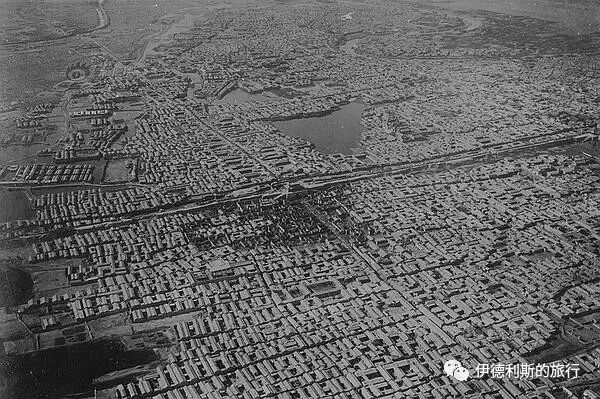
The Northwest Corner in 1983.
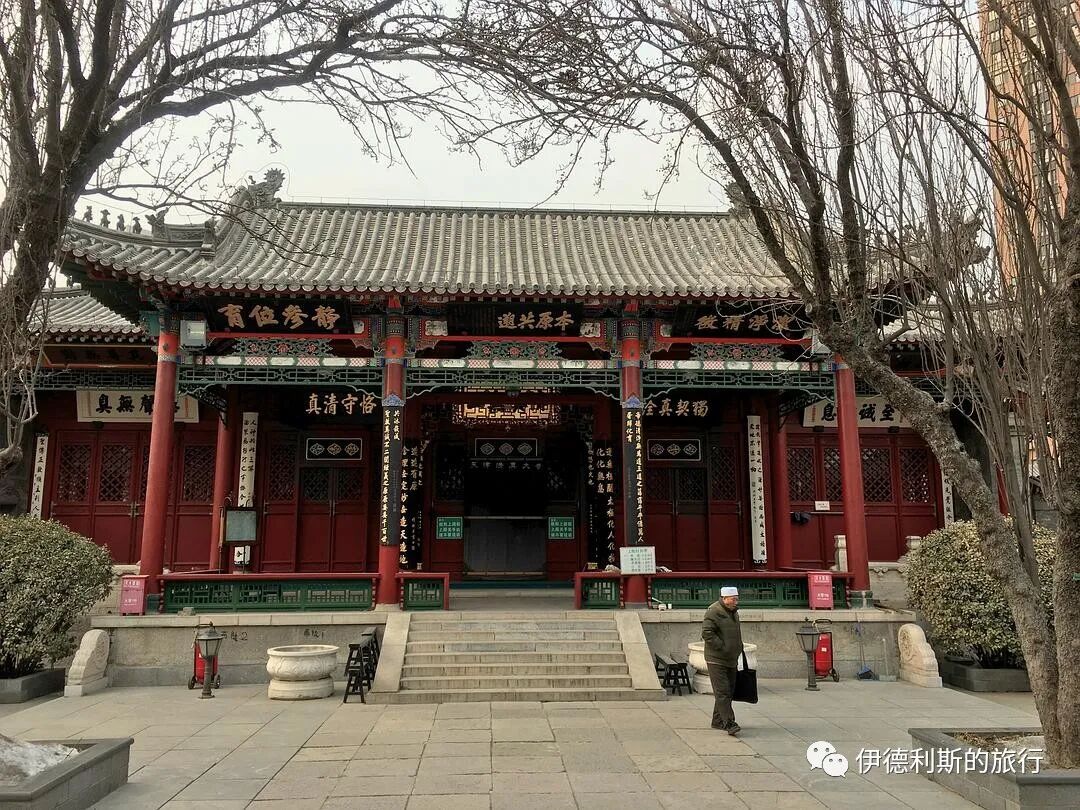
Mosque.
The Great Mosque of Tianjin in the Northwest Corner was reportedly built in 1644 (the first year of the Shunzhi reign of the Qing Dynasty) and was not very large at first. It was expanded twice, in 1679 (the eighteenth year of the Kangxi reign) and 1801 (the sixth year of the Jiaqing reign), to reach its current size. A major structural renovation was carried out between 2009 and 2011. I will post a separate article later featuring photos of Tianjin mosques.
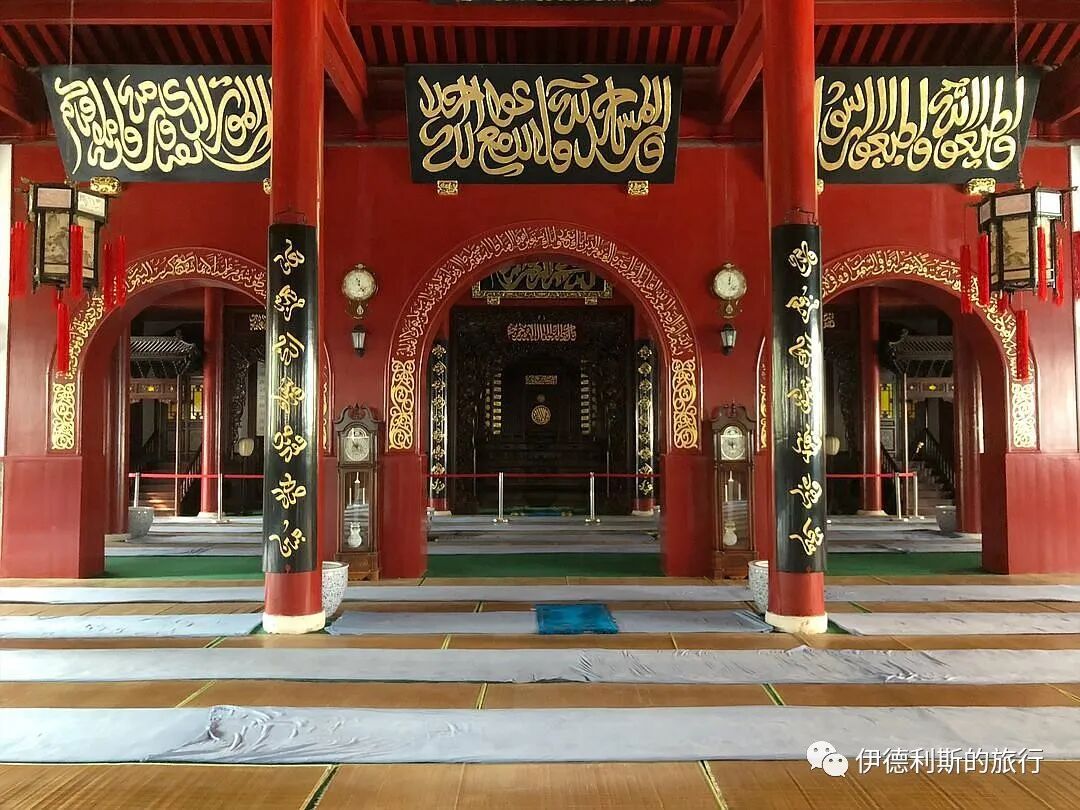
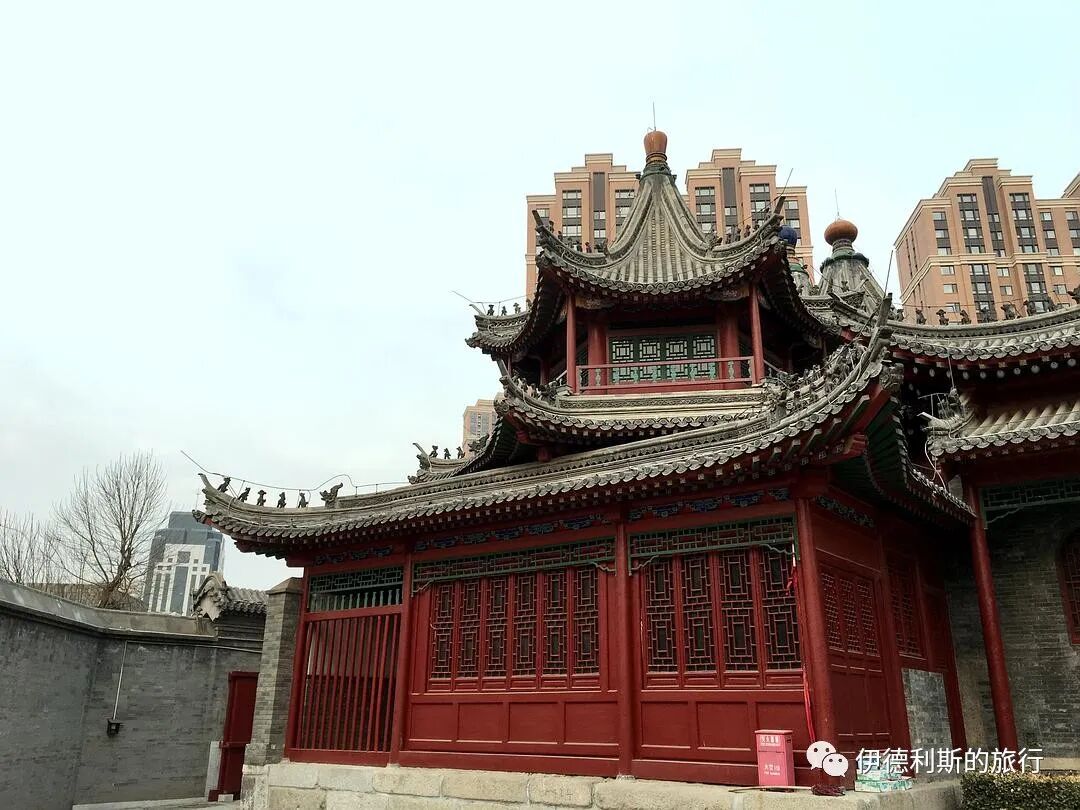
The South Mosque in the Northwest Corner was first built in 1819 (the twenty-fourth year of the Jiaqing reign) and was completed in 1845 (the twenty-fifth year of the Daoguang reign). It was closed after 1958 and turned into a school and a cardboard box factory after 1961. In 1976, the main prayer hall was turned into a factory workshop and was destroyed by a fire caused by heating equipment; it was rebuilt over 12 years starting in 1982. In 2001, the main hall roof was renovated, replacing the gray tube tiles with green glazed tiles.
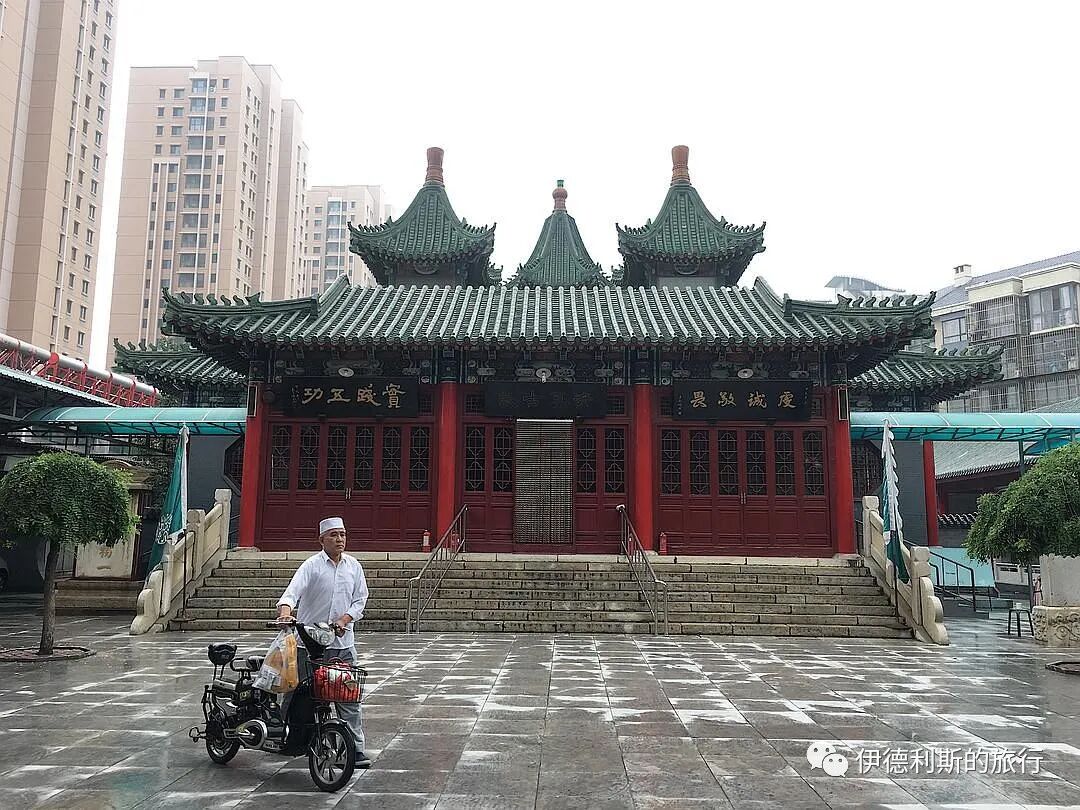
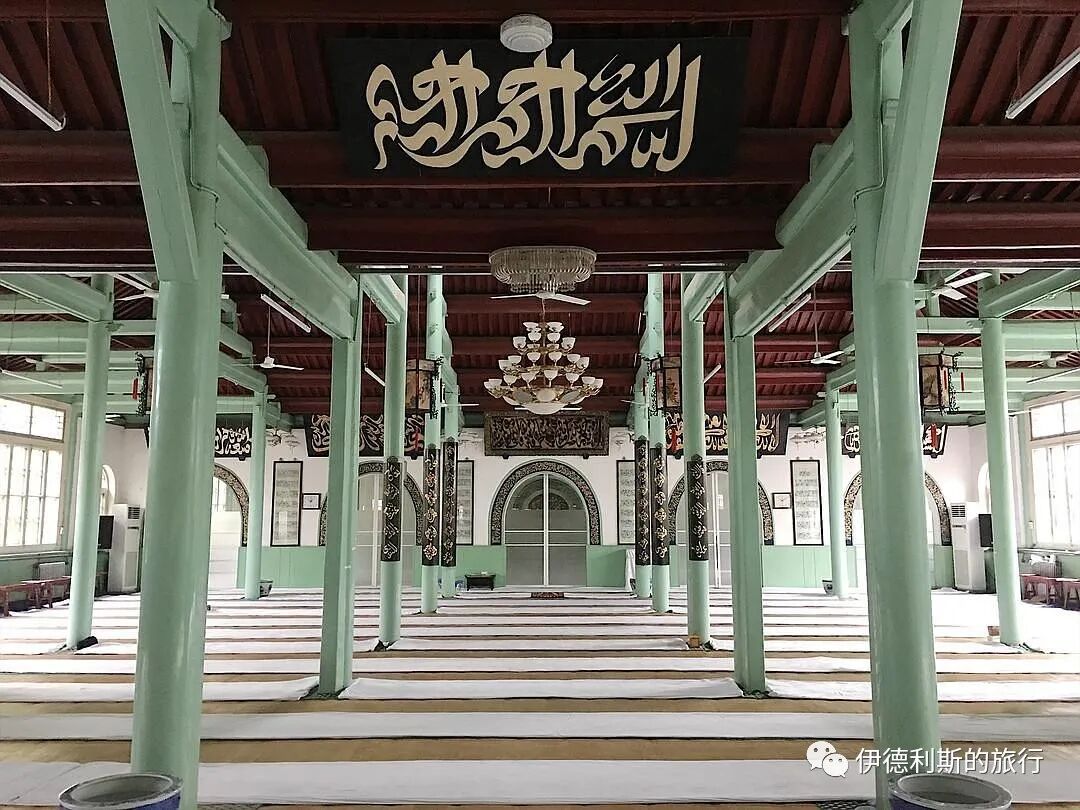
The Northwest Corner West Mosque.
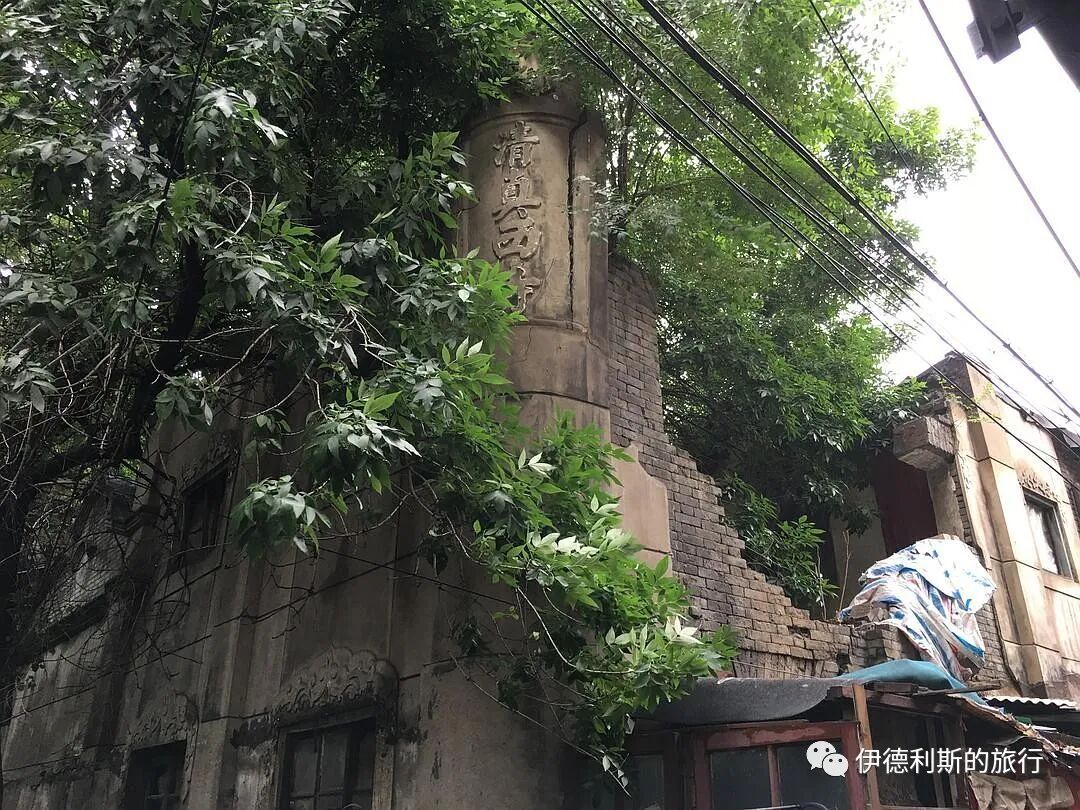
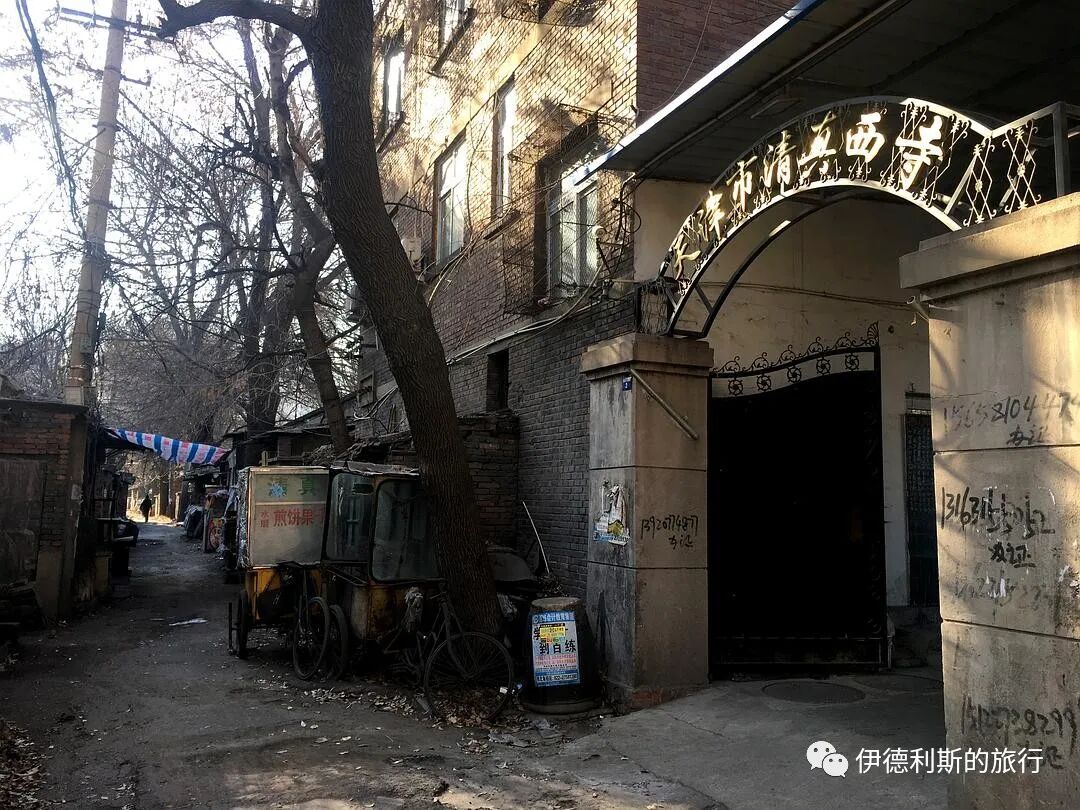
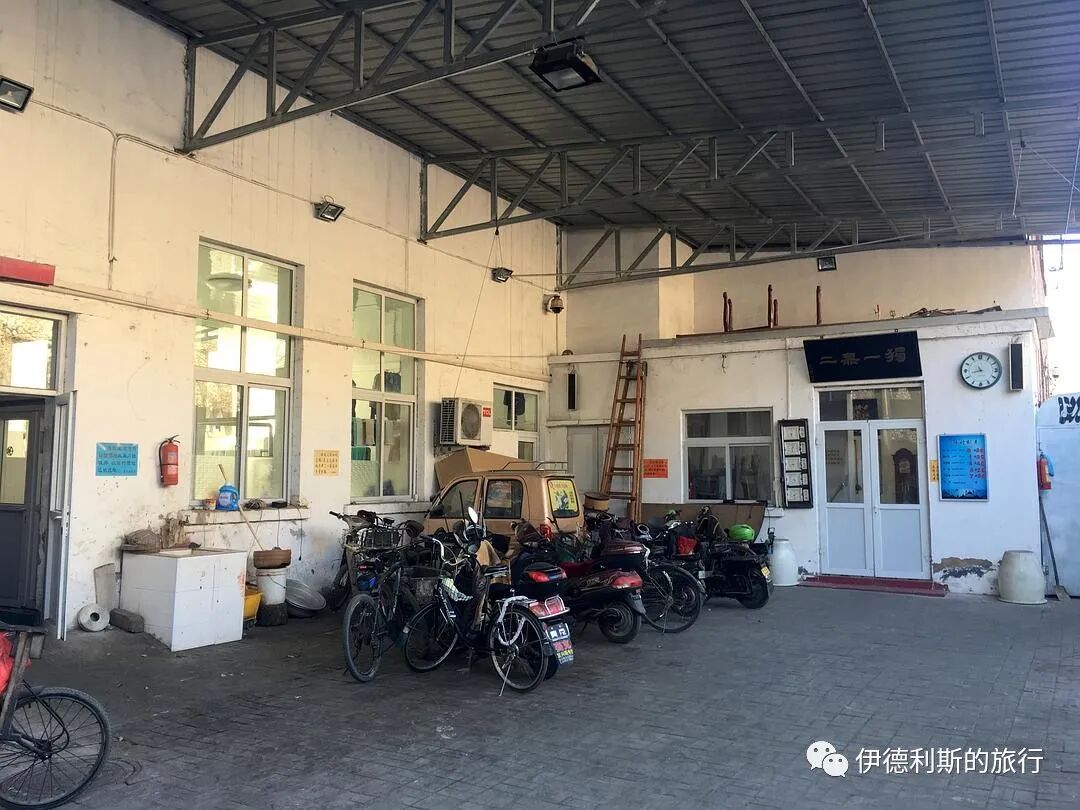
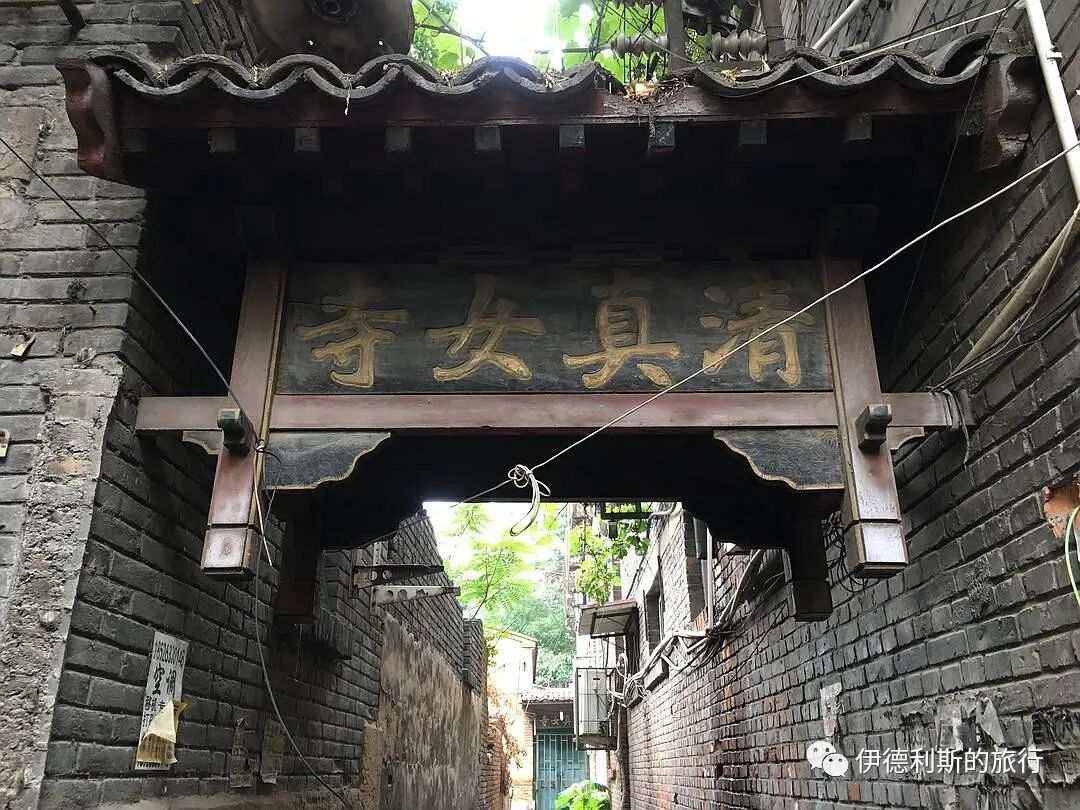
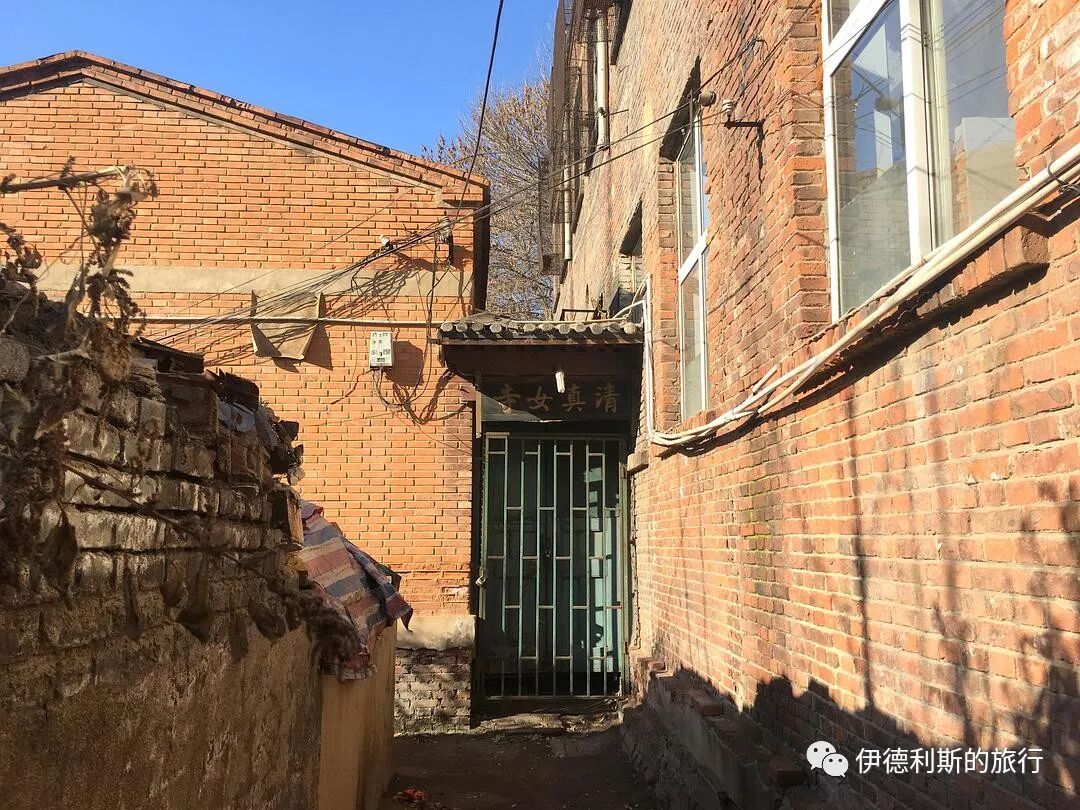
Next to it is the Women's Mosque.
January 2016.
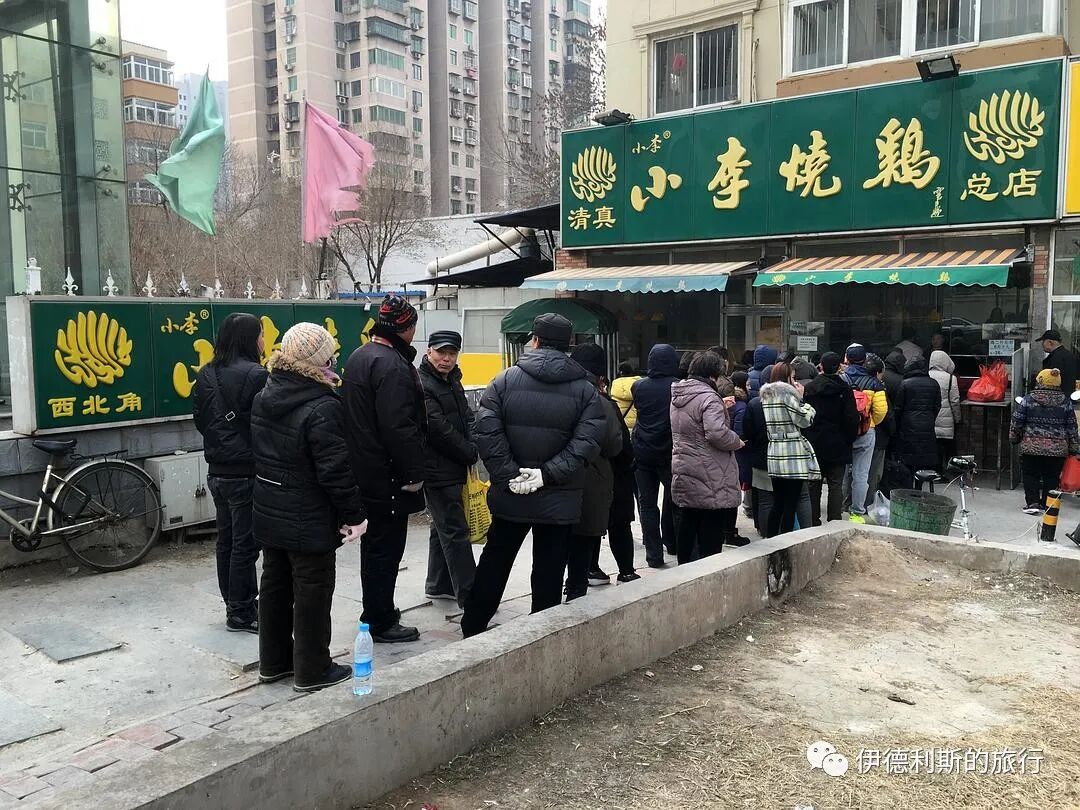
In the Northwest Corner in January 2016, you could see Xiao Li Roasted Chicken (Xiao Li Shaoji) right outside the subway station, where there was always a long line.
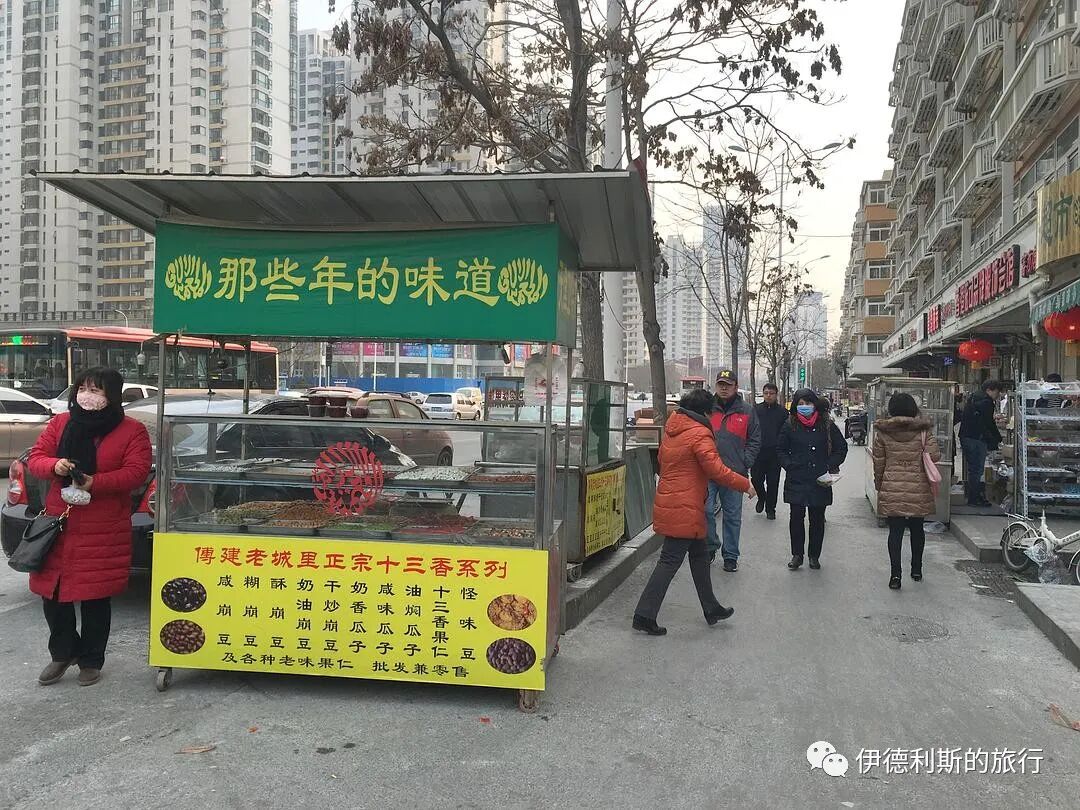
Walking south along West Horse Road (Xi Ma Lu), this area used to be the west city wall of Tianjin.
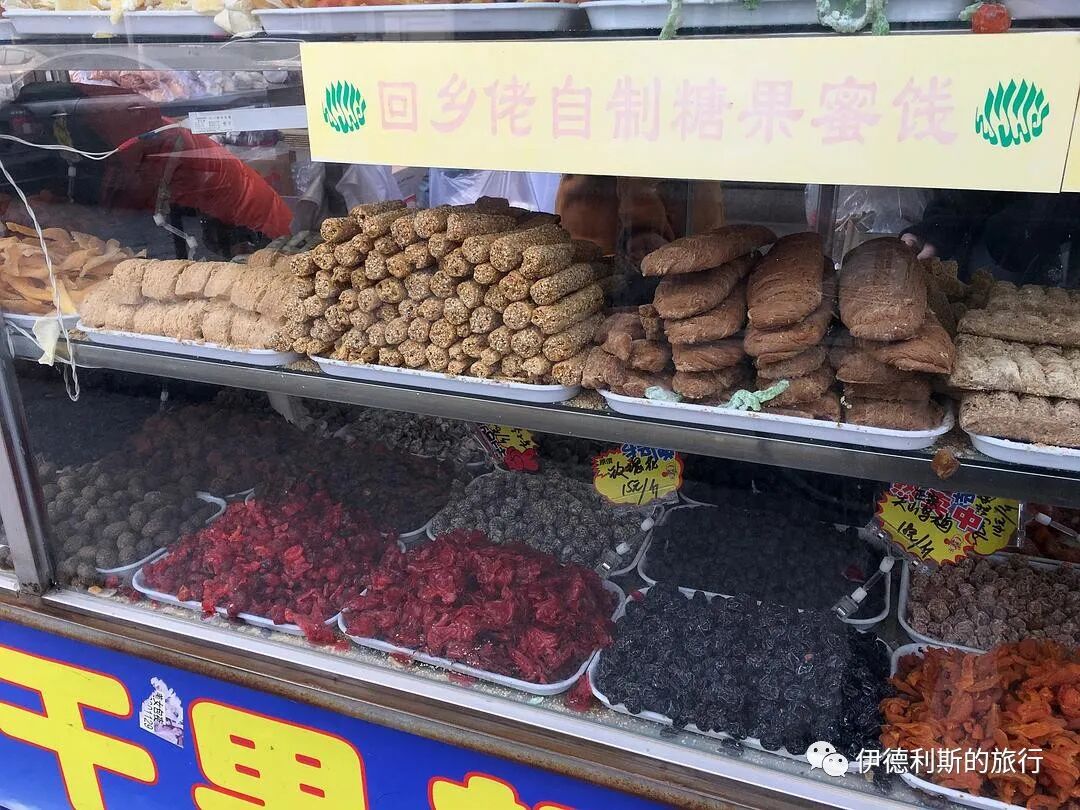
Homemade candies and preserved fruits from Hui Muslim locals.
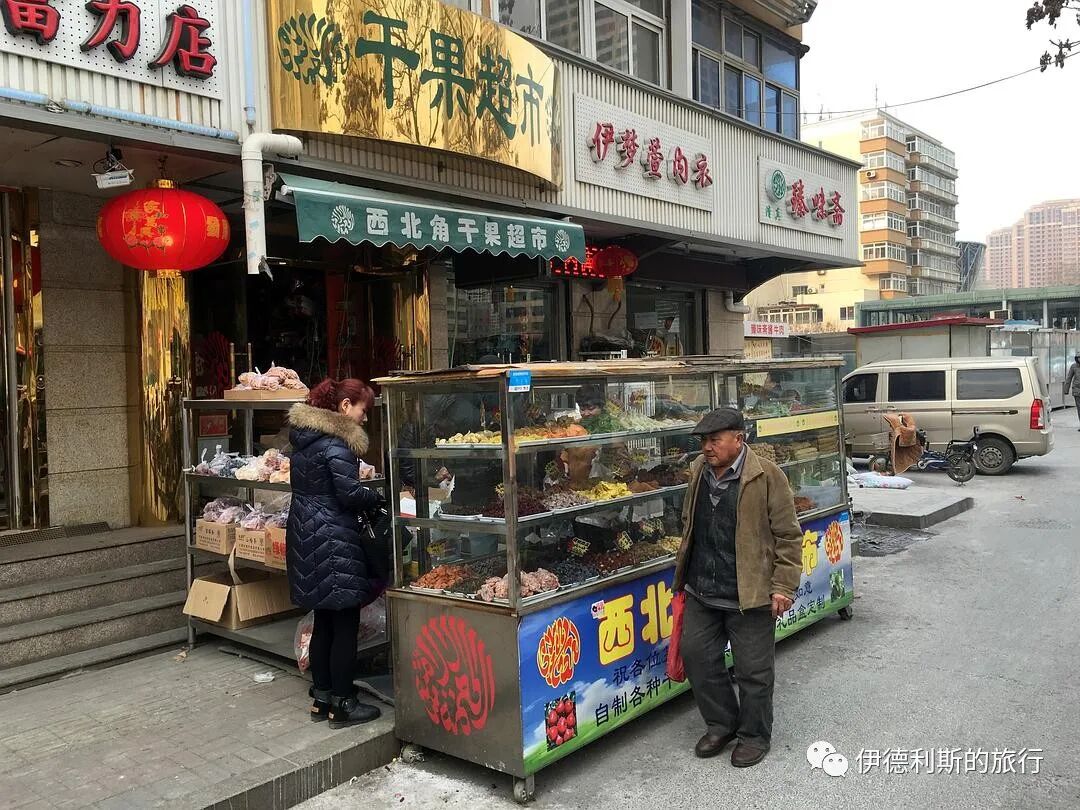
Turn into the Hui Muslim residential area on Huanqing West Alley.
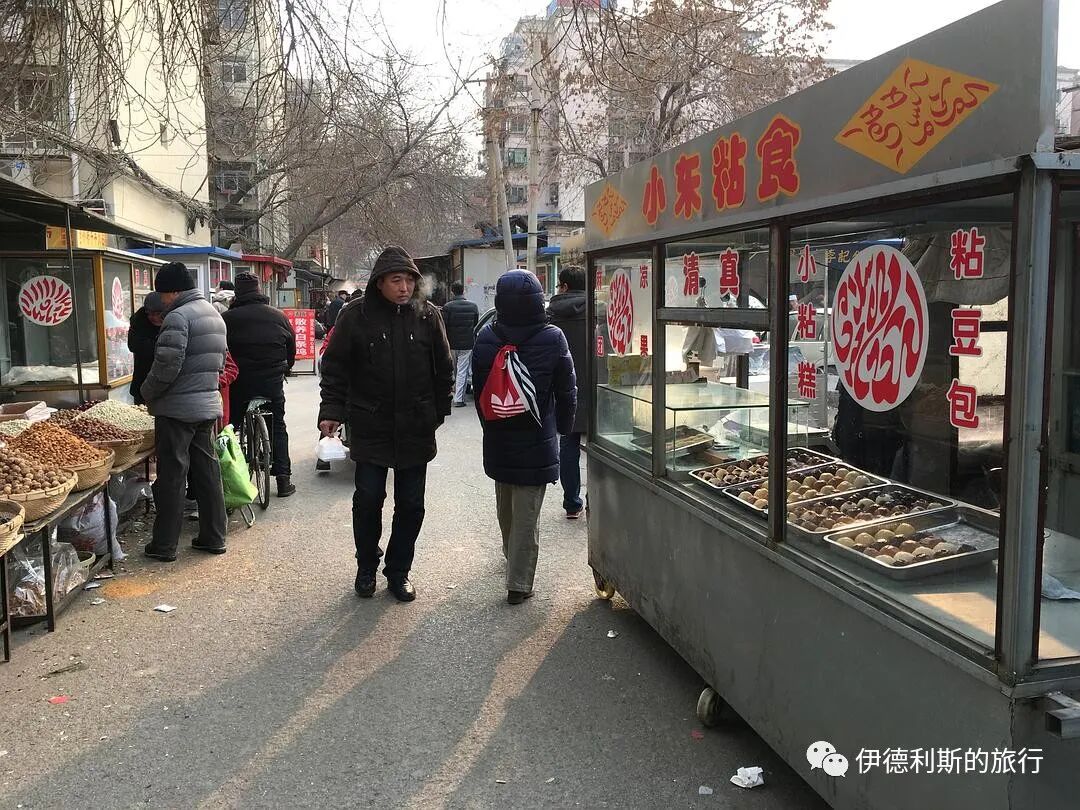
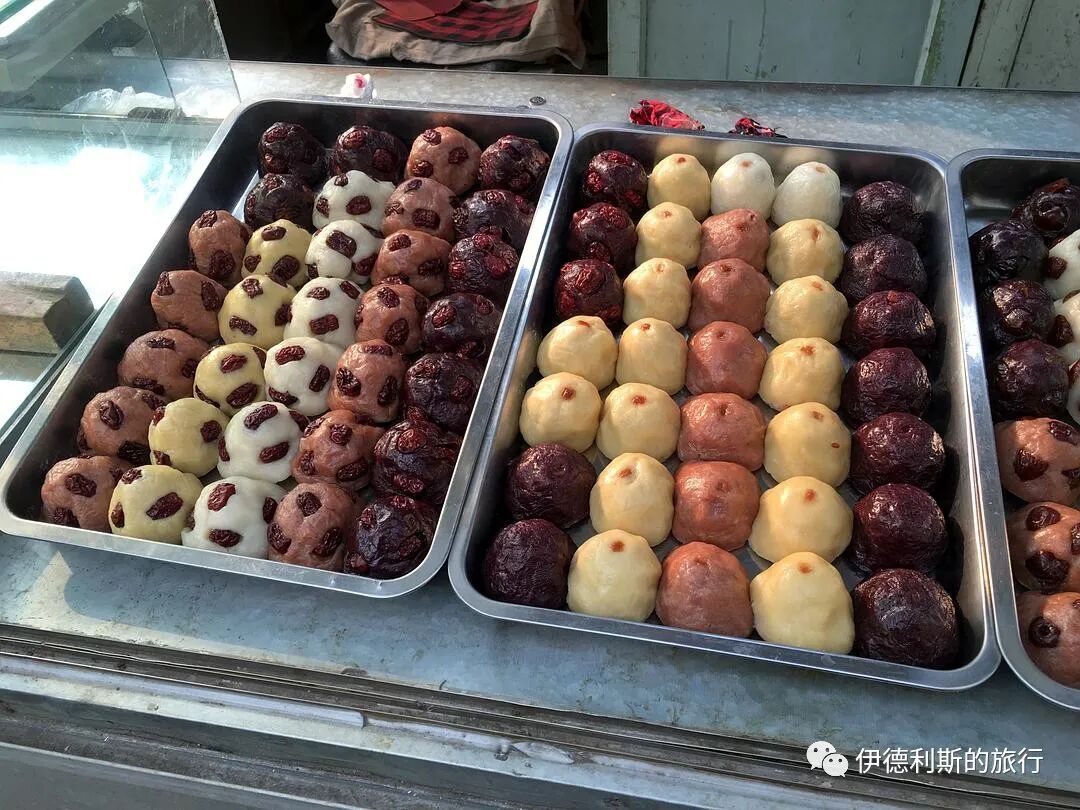
Sticky bean buns (niandoubao) from Xiao Dong Sticky Foods.
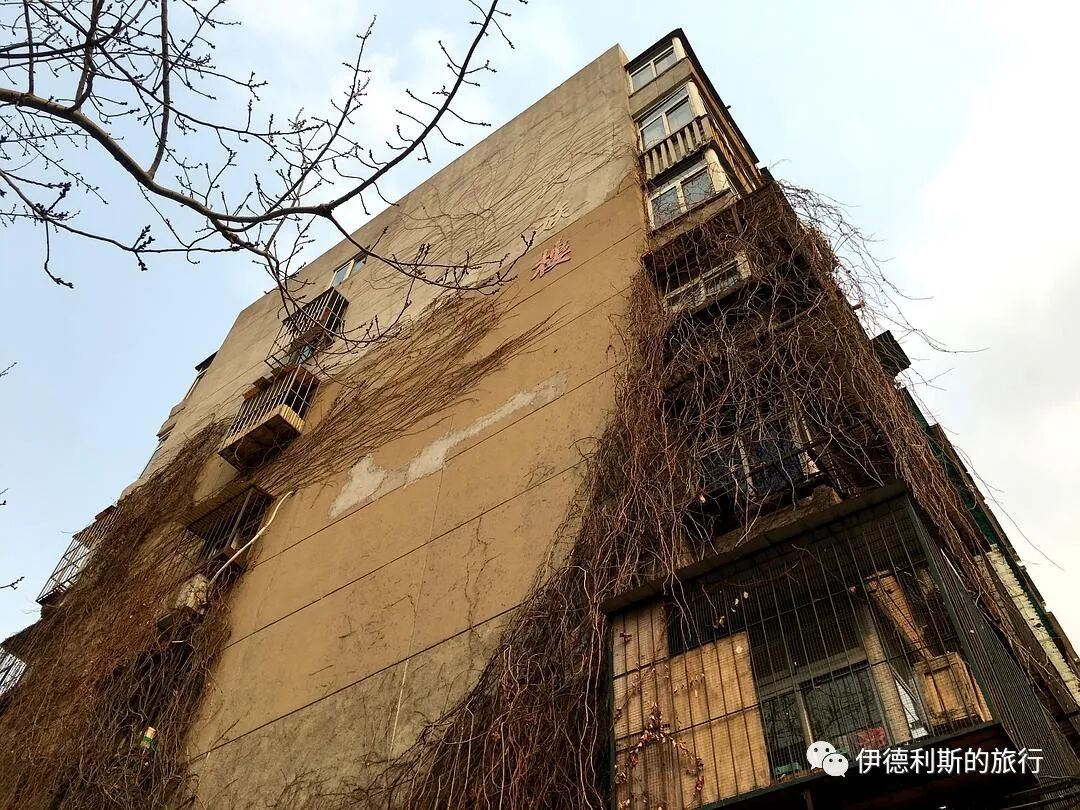
The Ethnic Building (Minzu Lou) in the Northwest Corner Hui Muslim residential area.
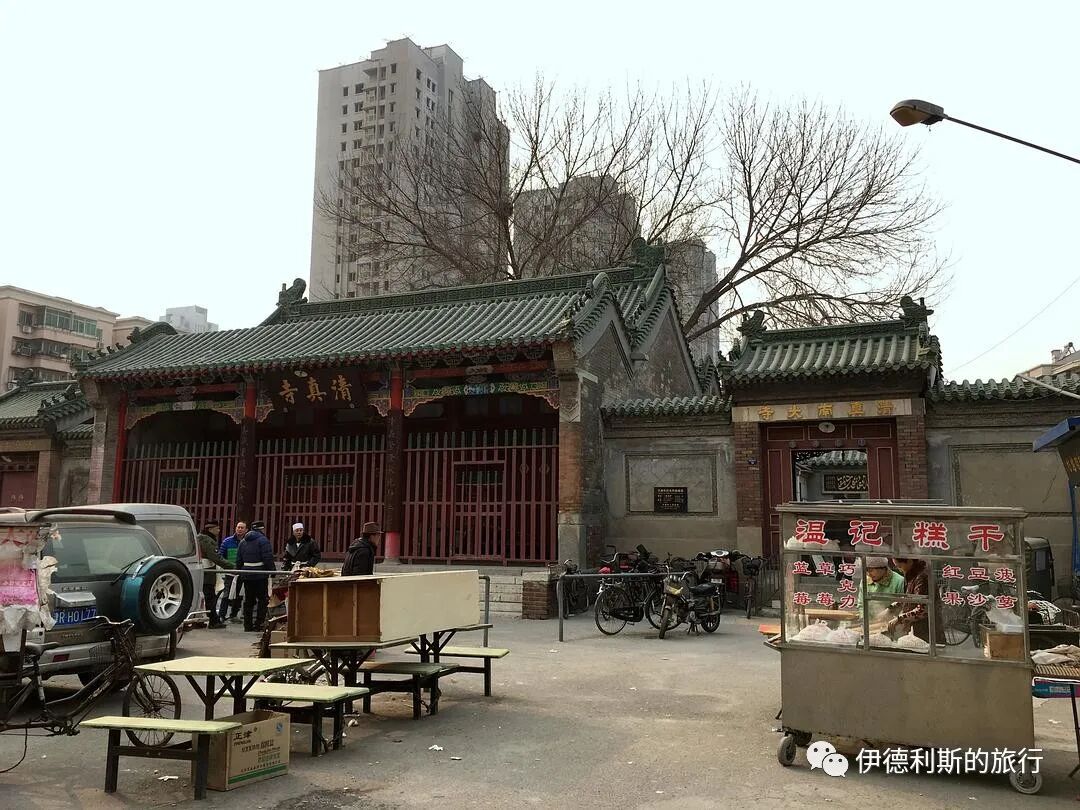
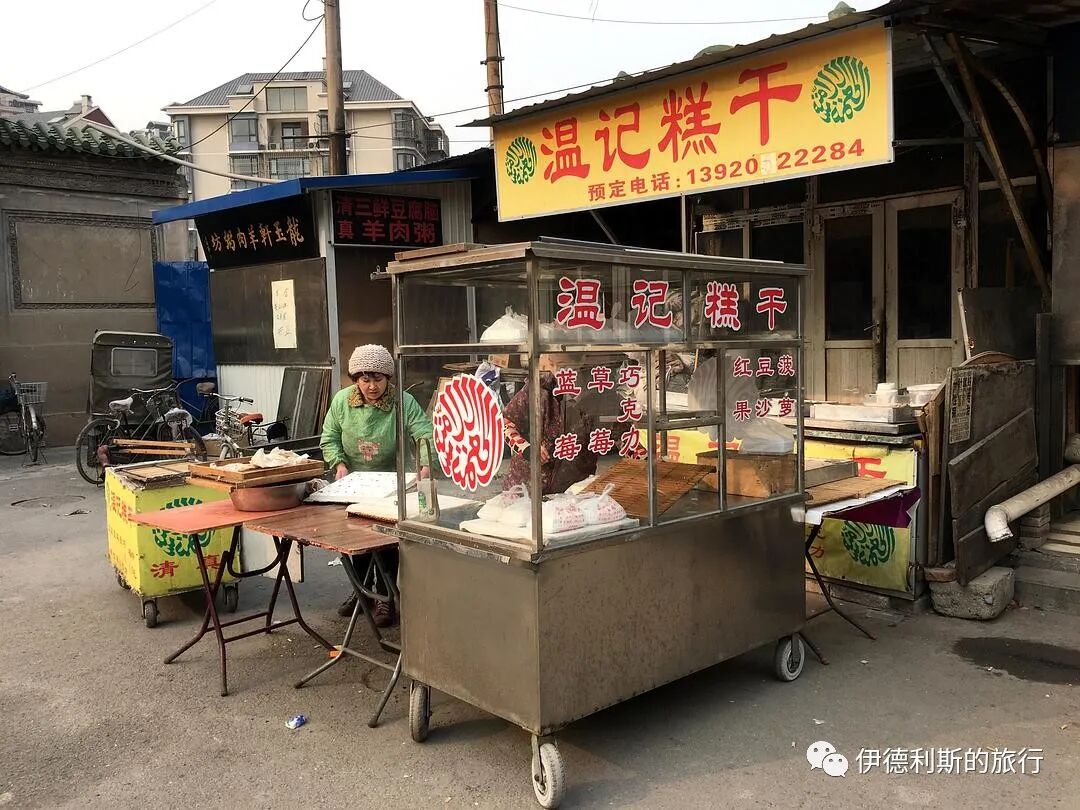
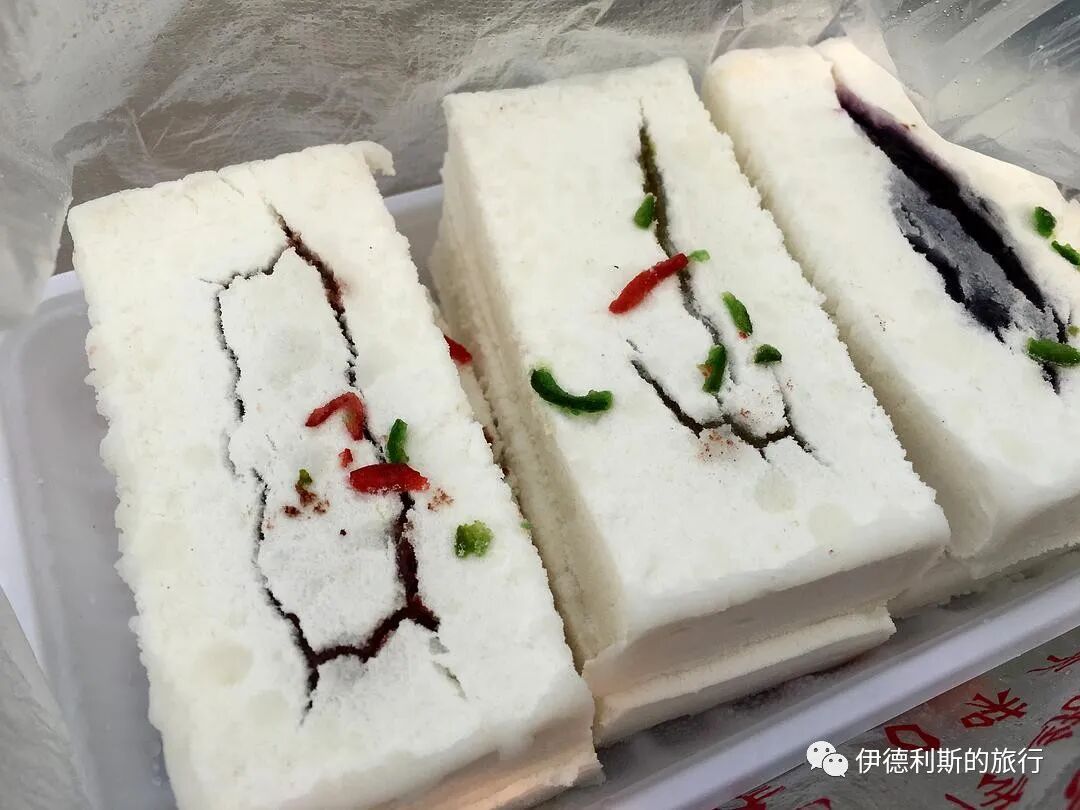
Wen's Rice Cake (Wenji Gaogan) at the entrance of the South Mosque, though the area is now cleared out.
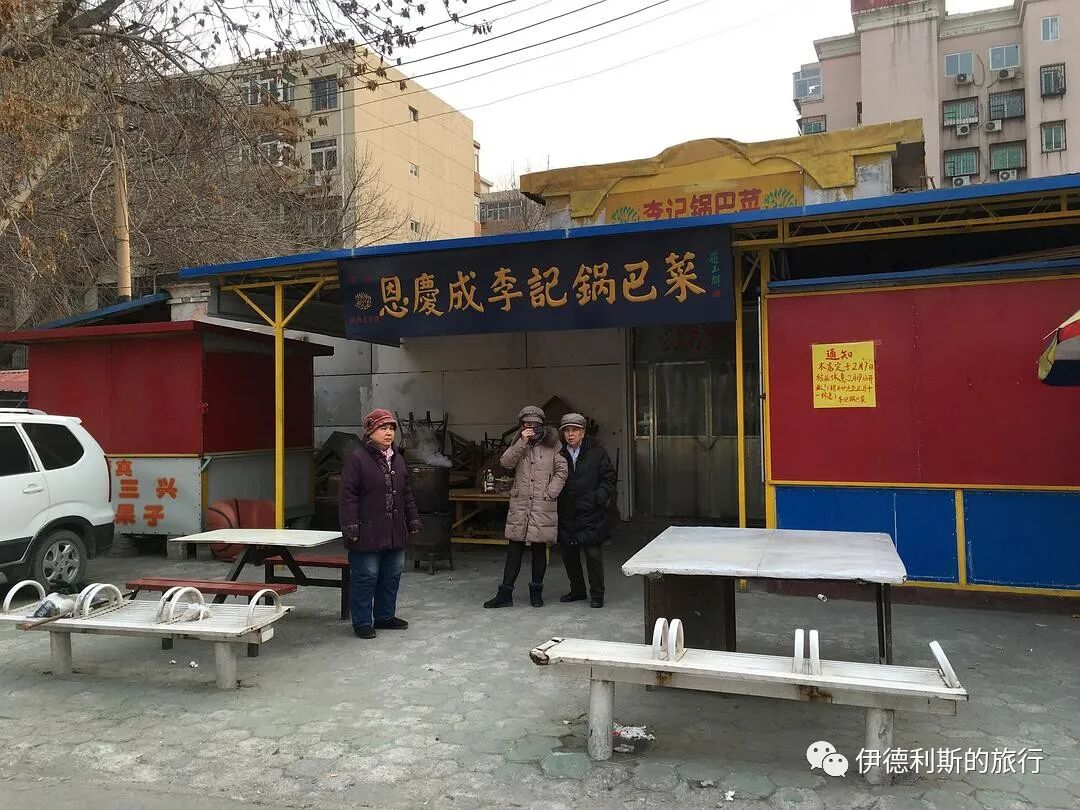
Li's Sizzling Rice Dish (Li Ji Guobacai) on the other side of the South Mosque is very popular now, but the stall shed is gone.
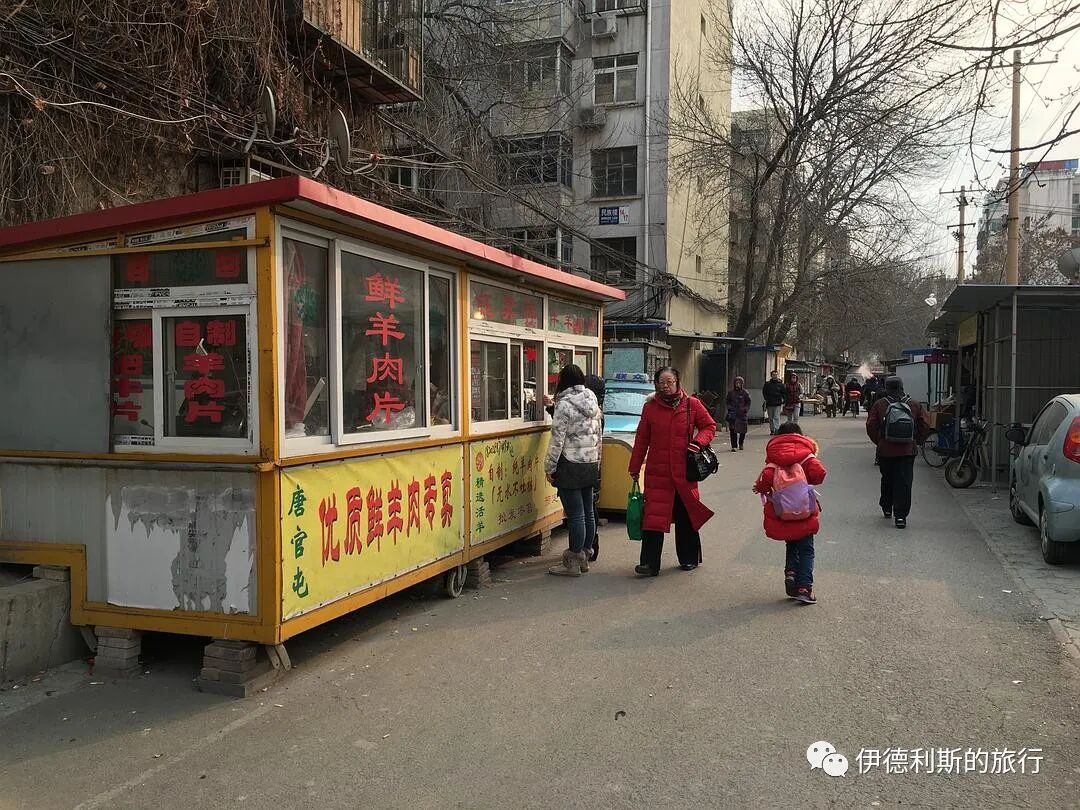
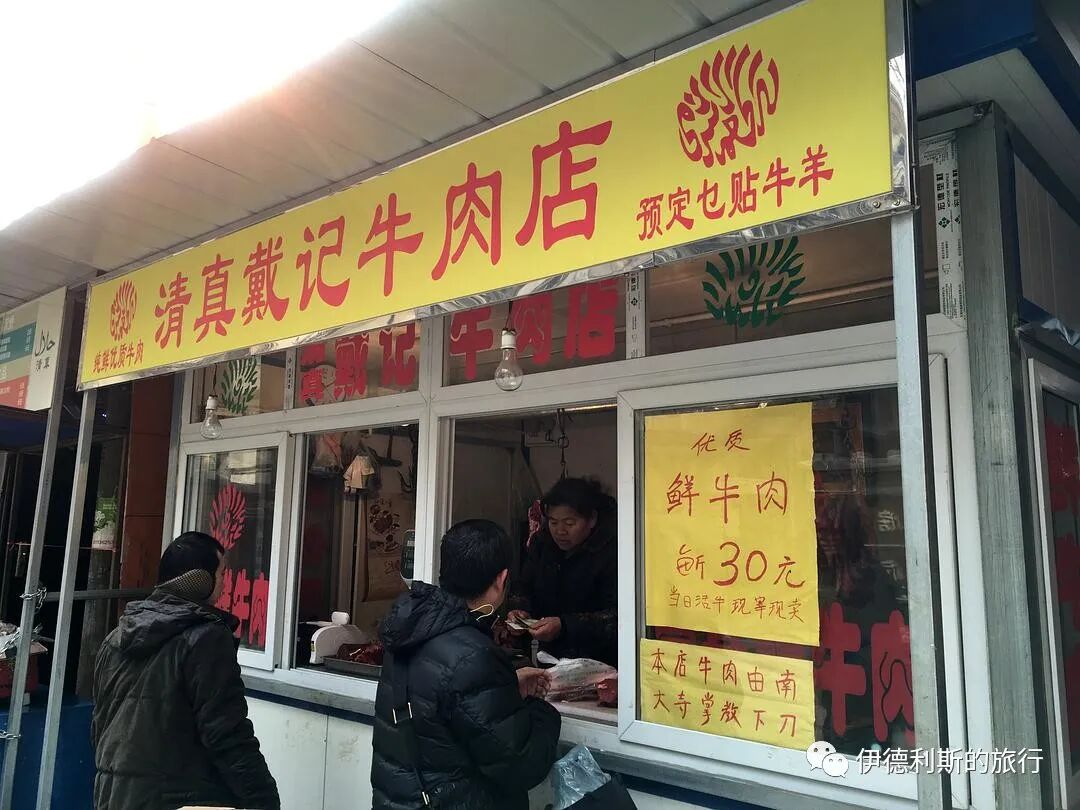
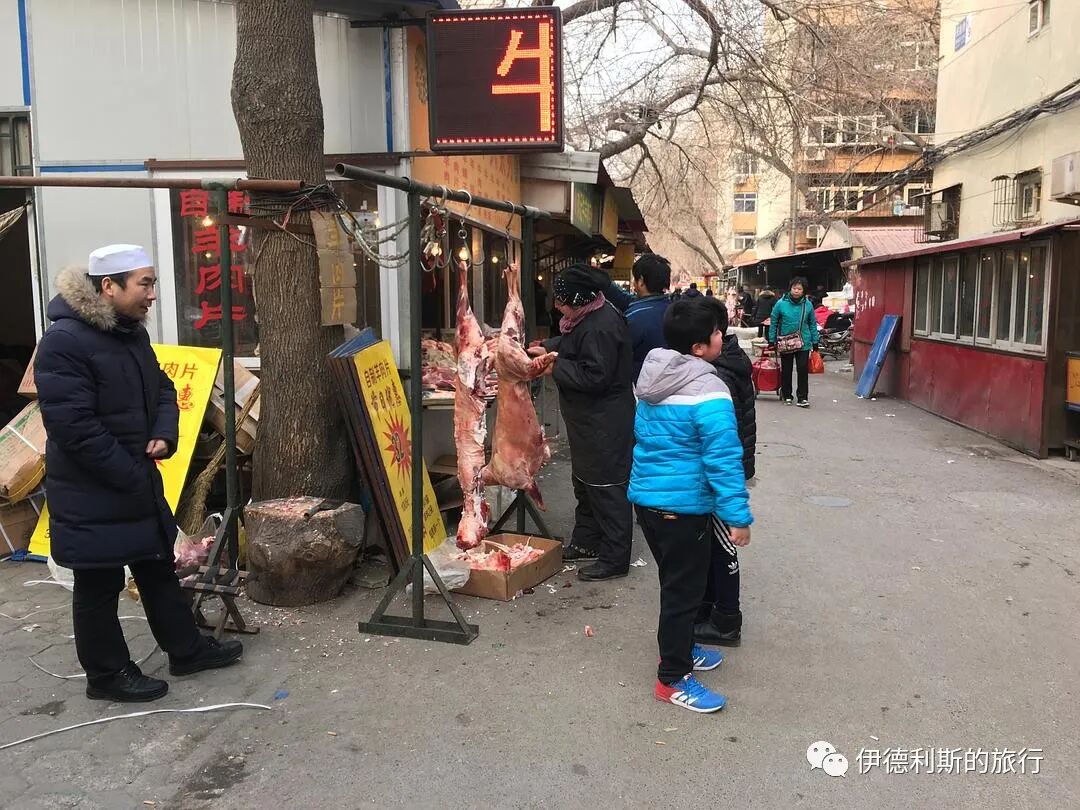
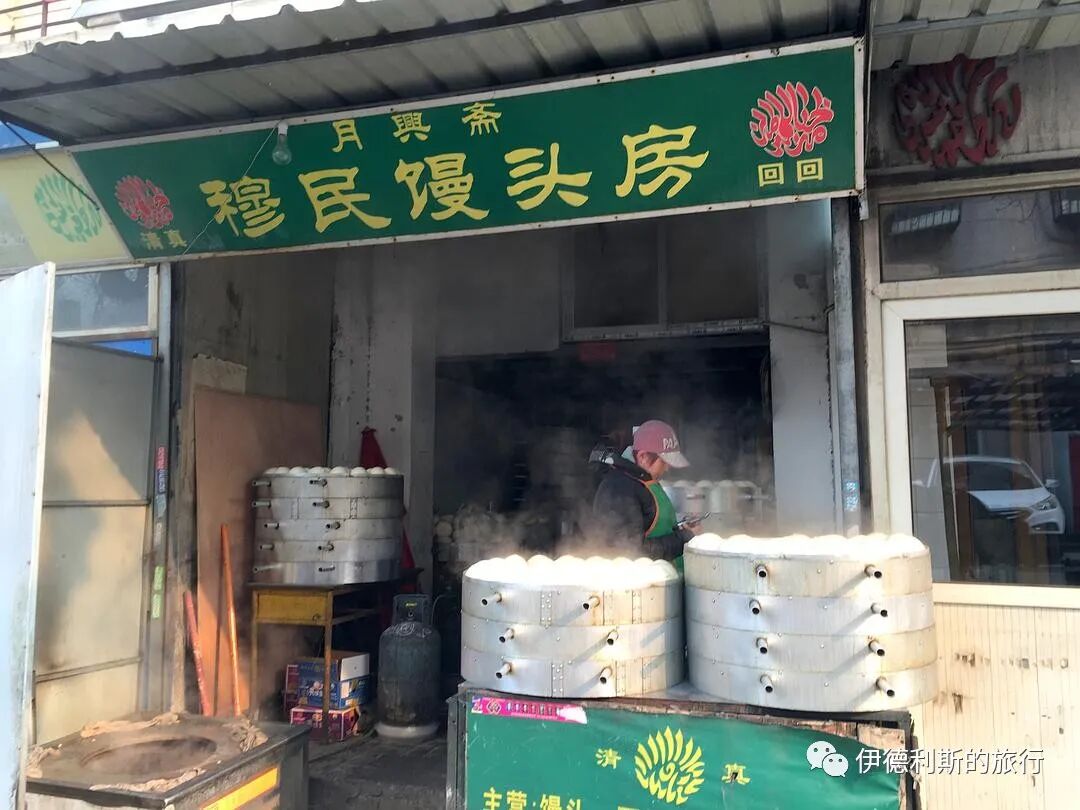
Keep heading south, and you will find more and more halal snacks.
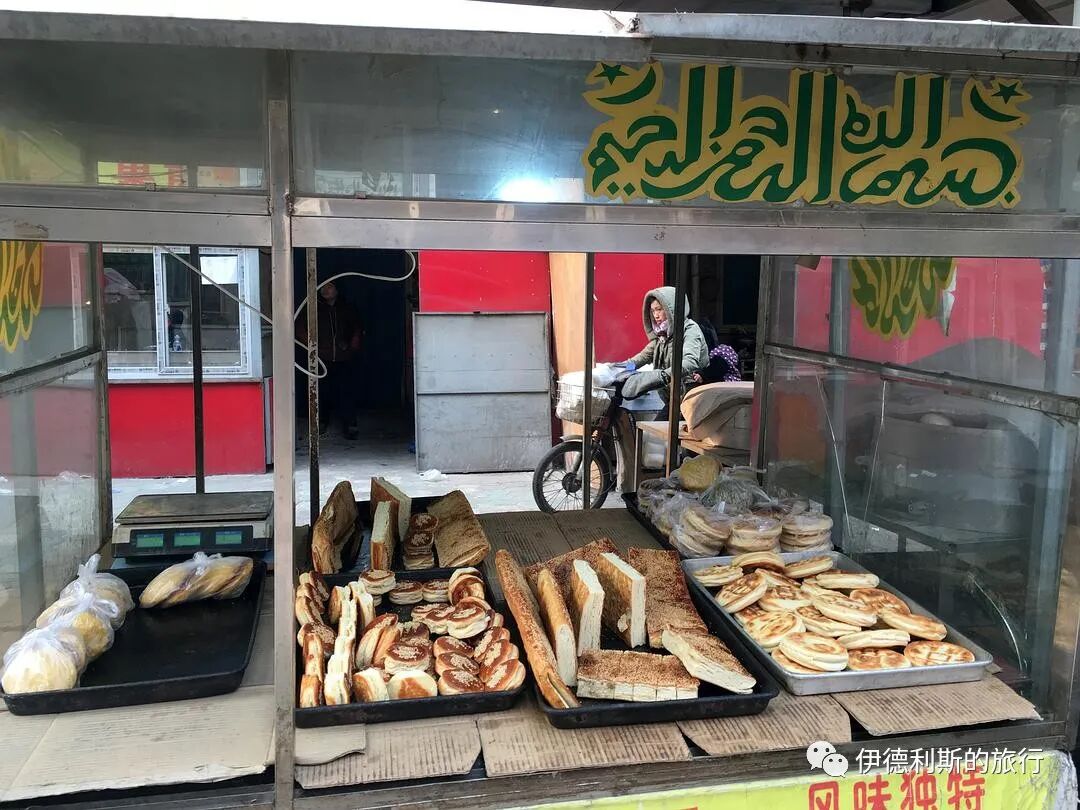
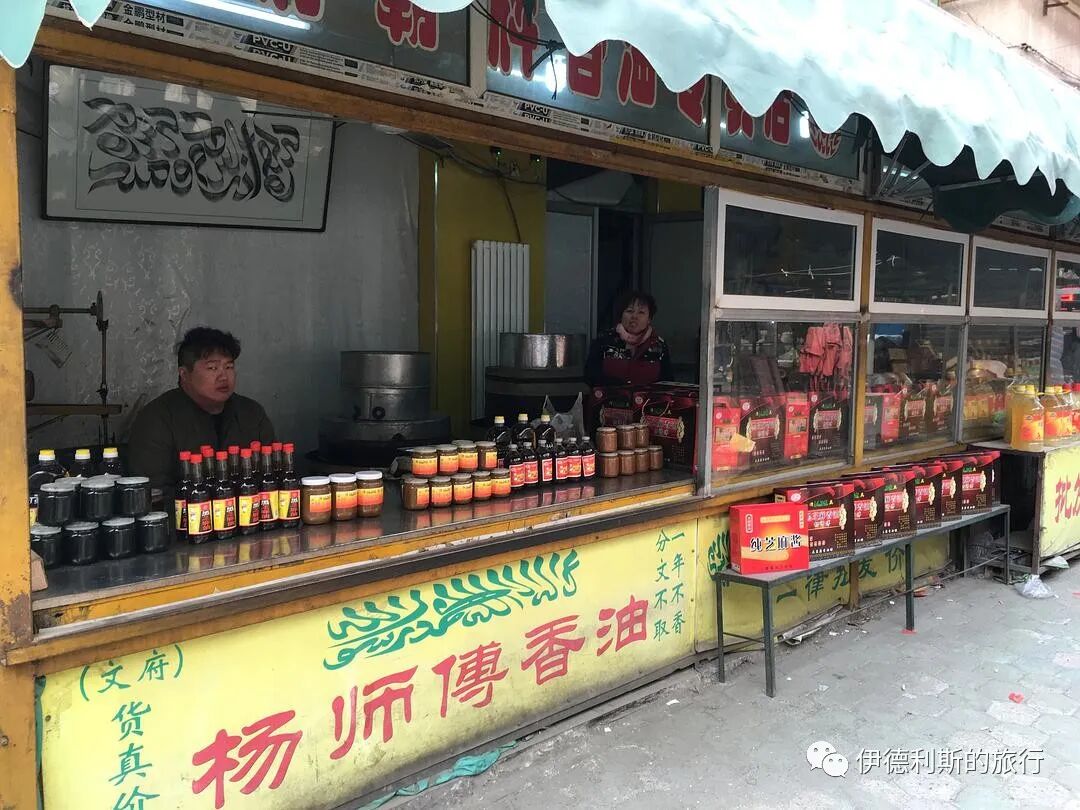
The row of shops on the right has been cleared out and turned into a parking lot.
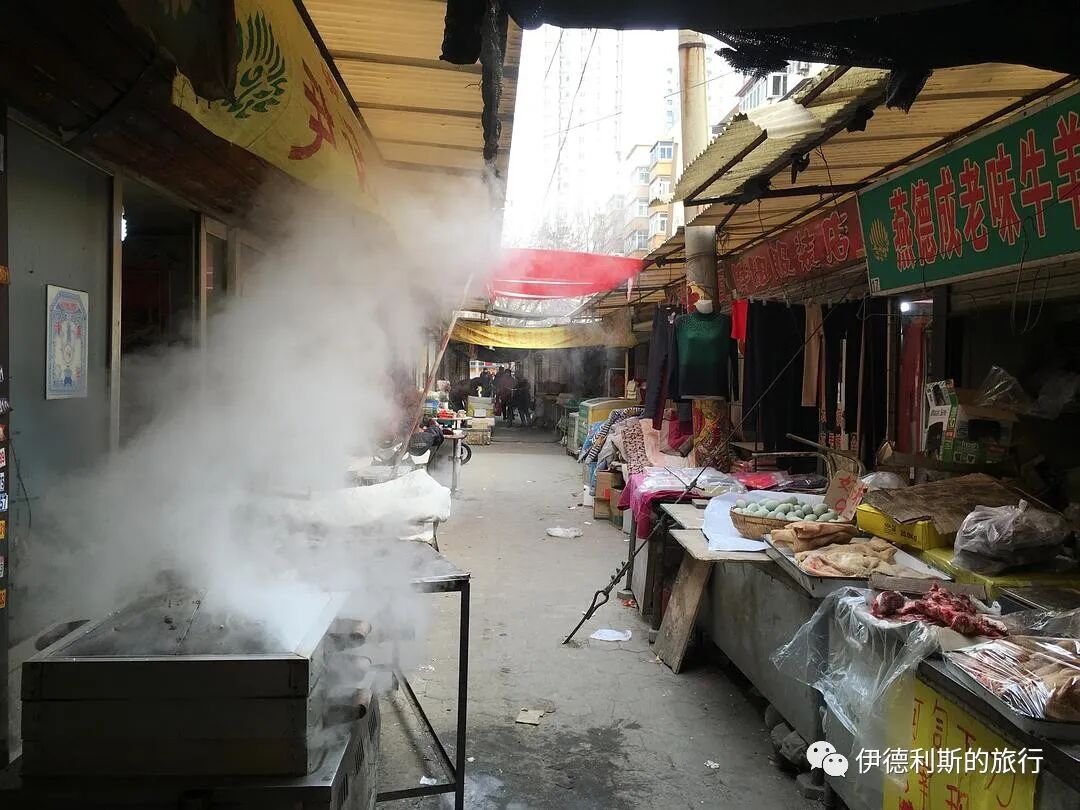
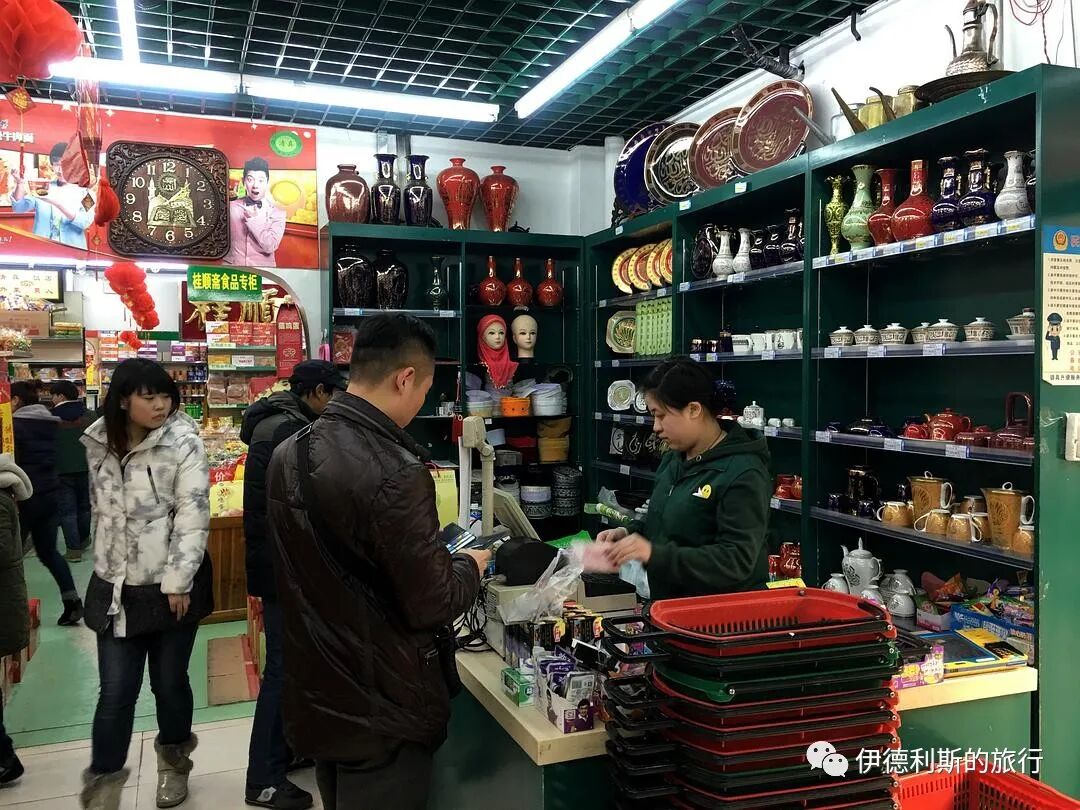
Walk west from Xiguan Beili, and you will reach the halal supermarket.
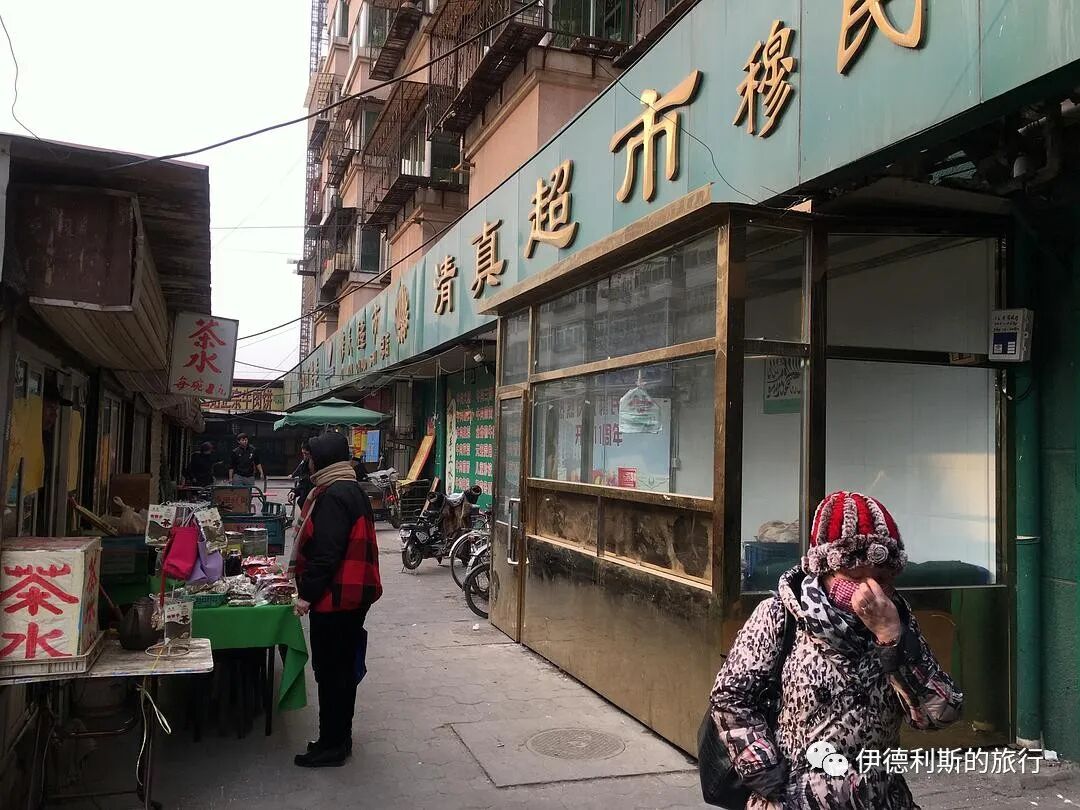
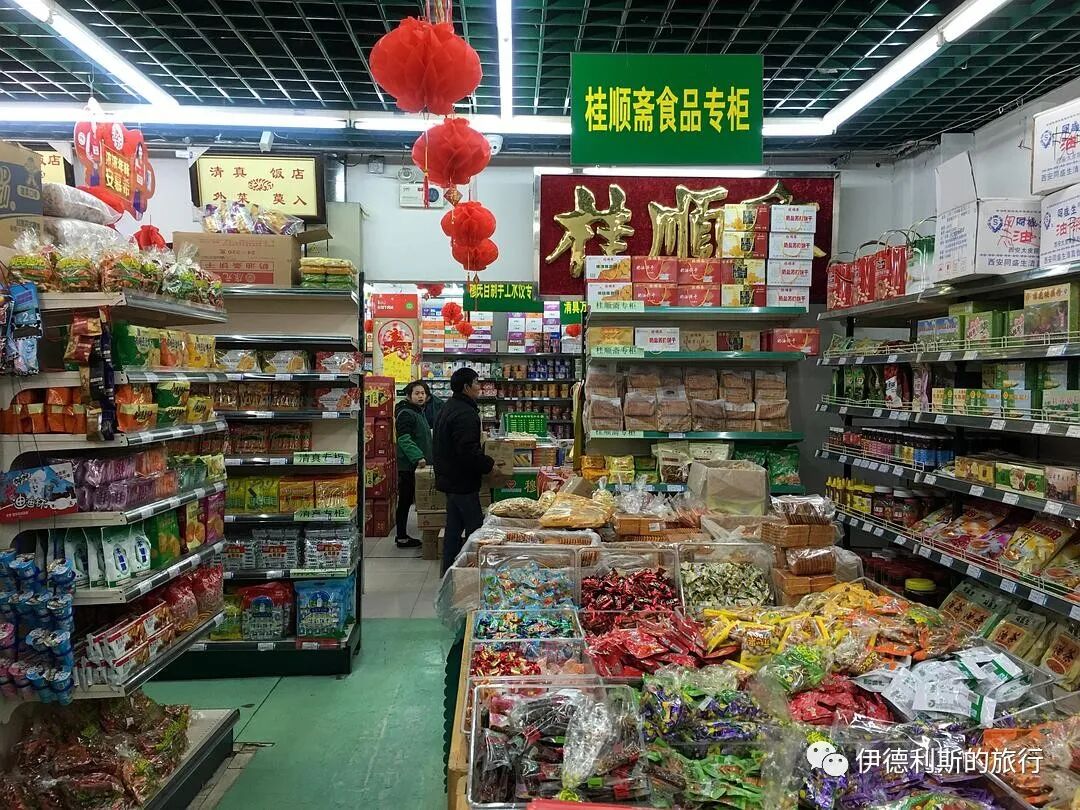
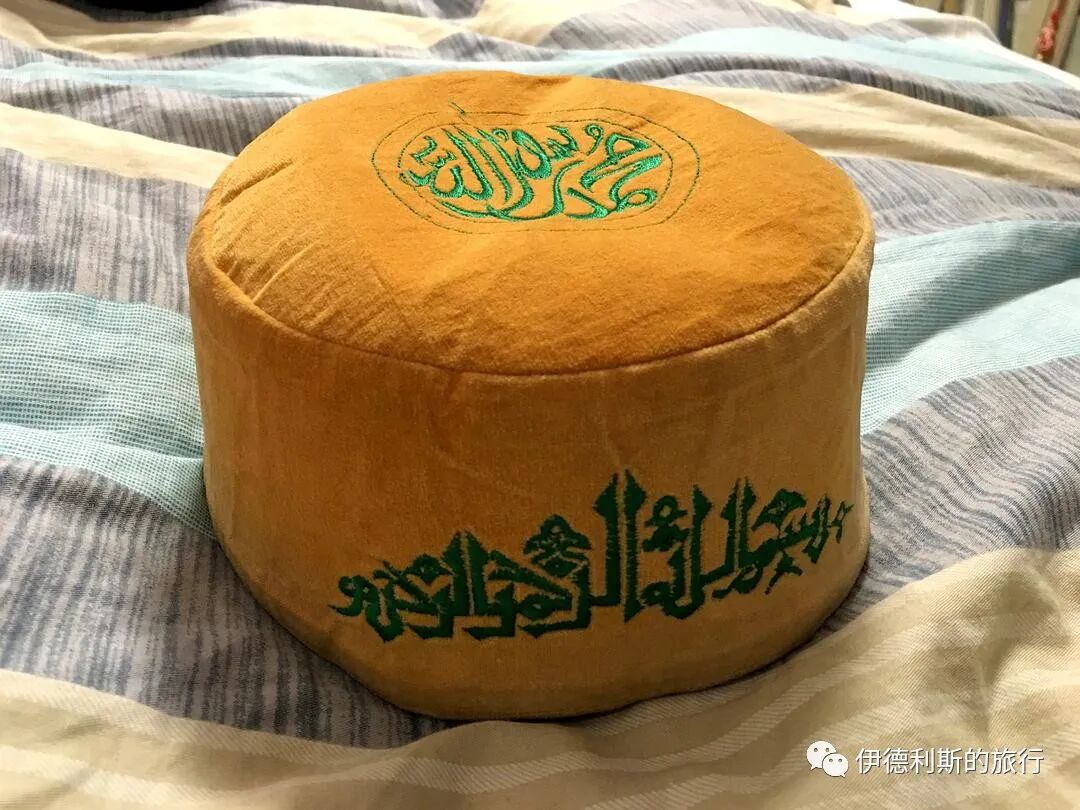
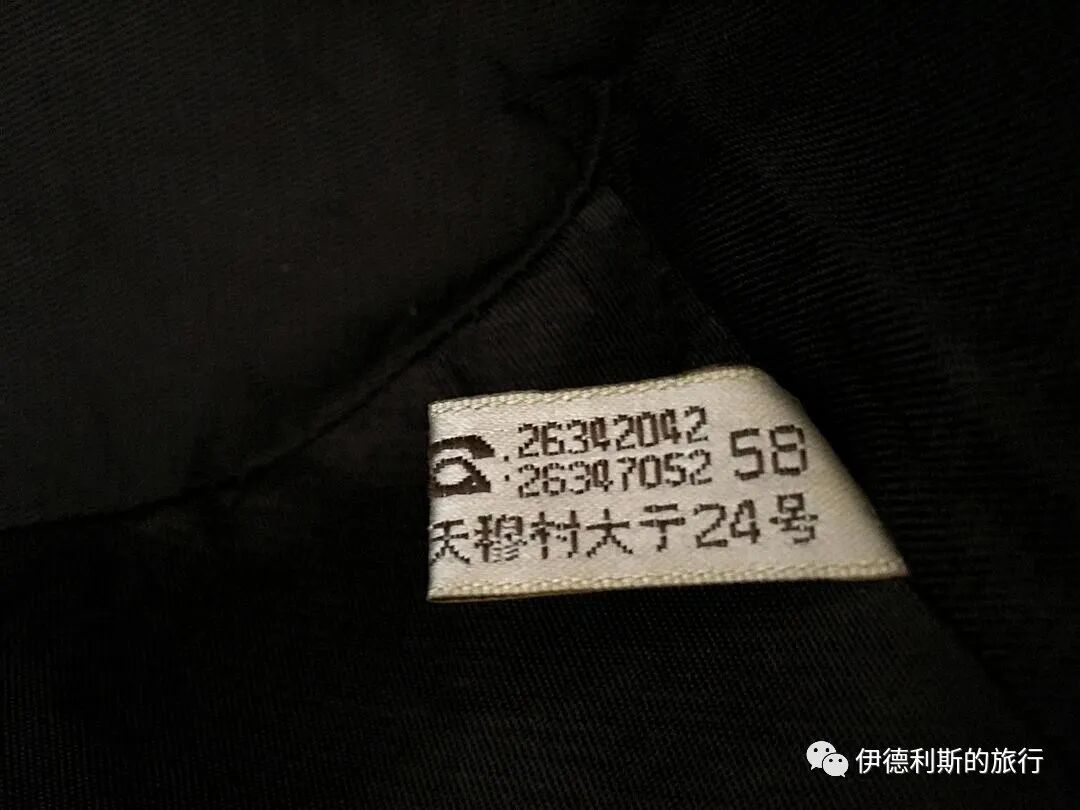
I bought a yellow cap made in Tianmu Village at the halal supermarket; yellow is the main color for Hui Muslims in Tianjin.
Head back to Xima Road.
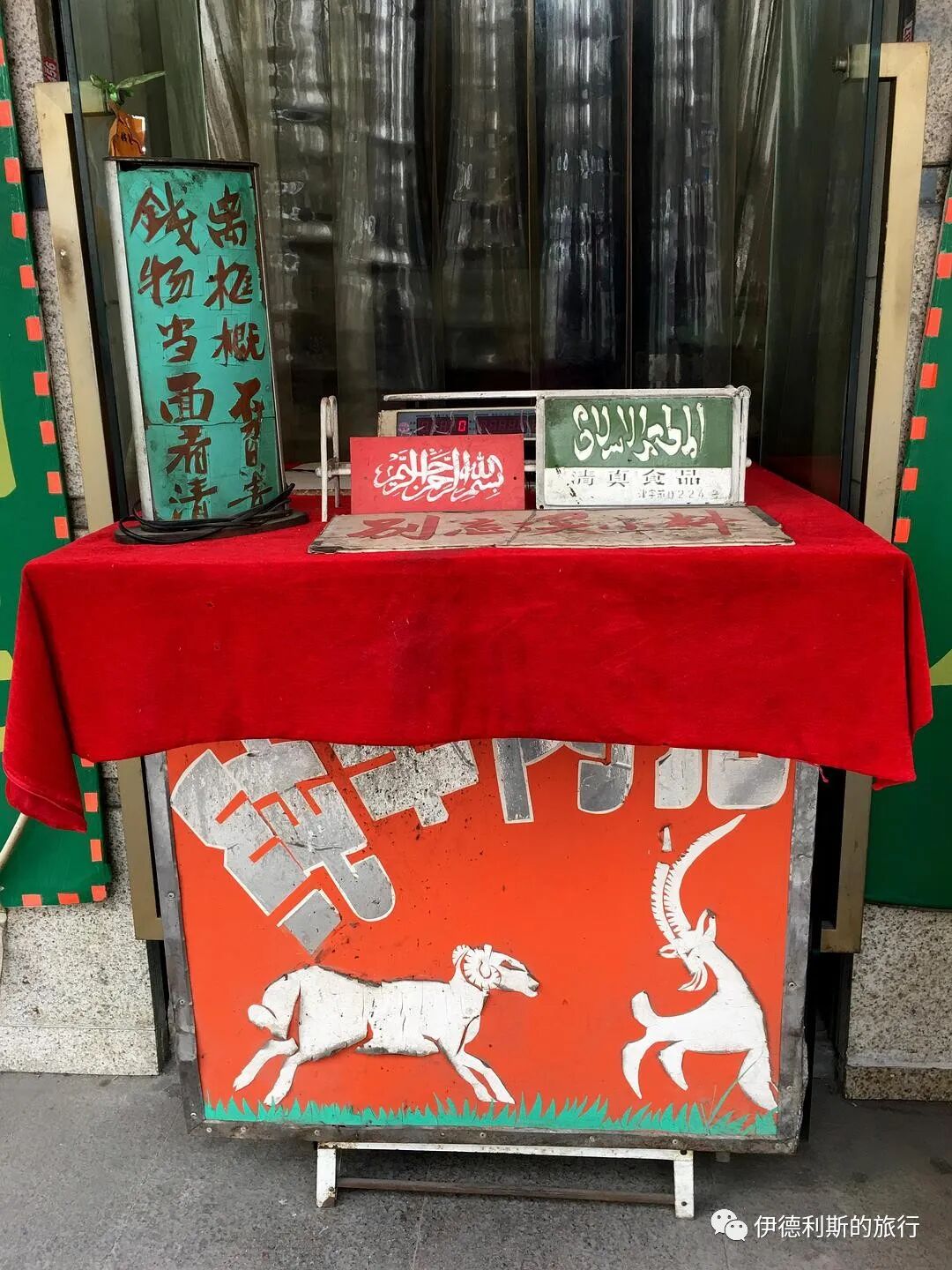
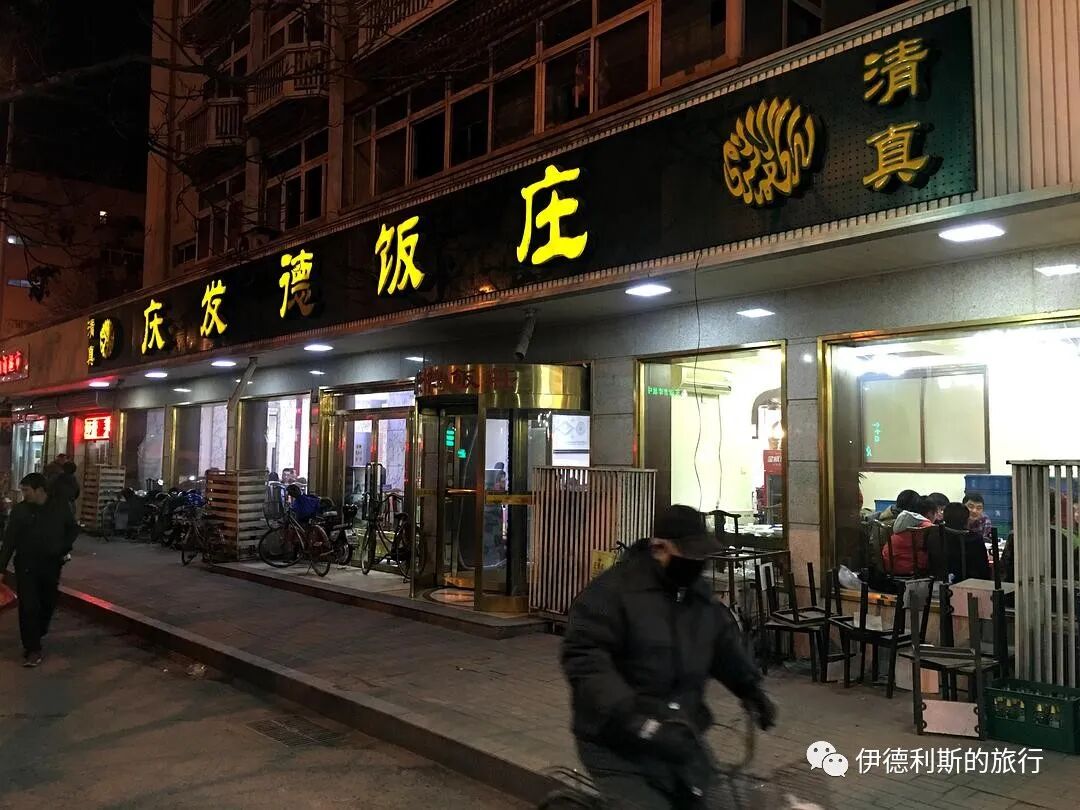
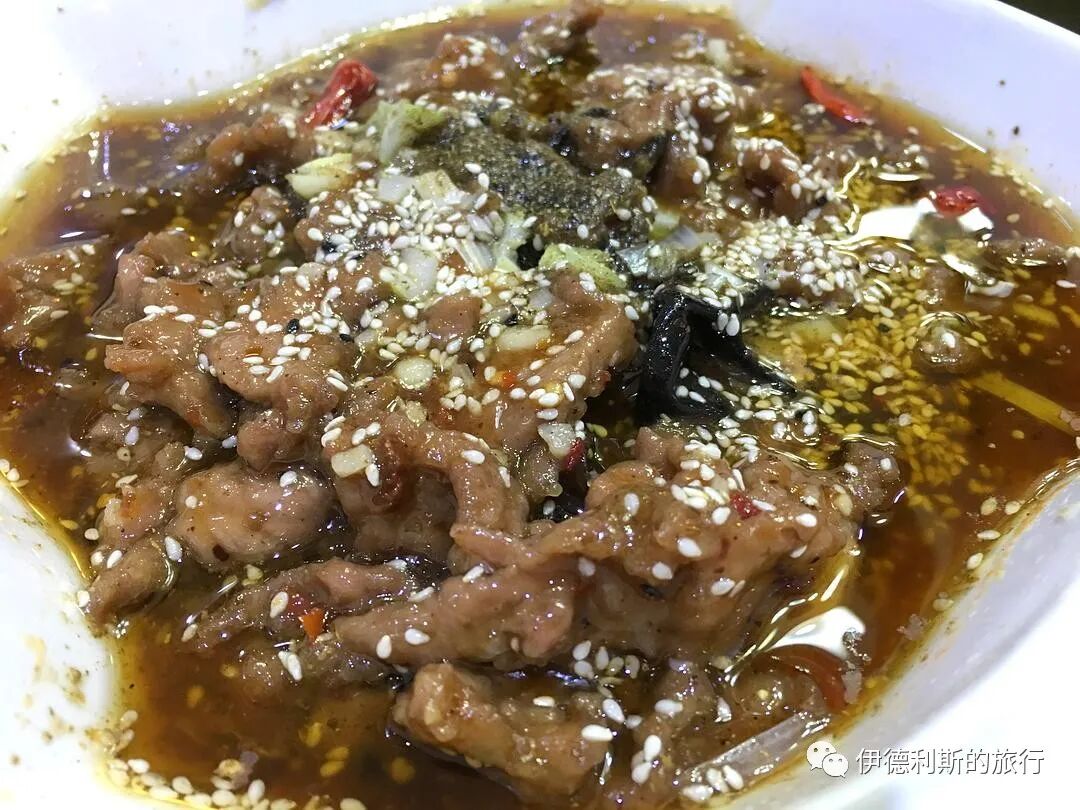
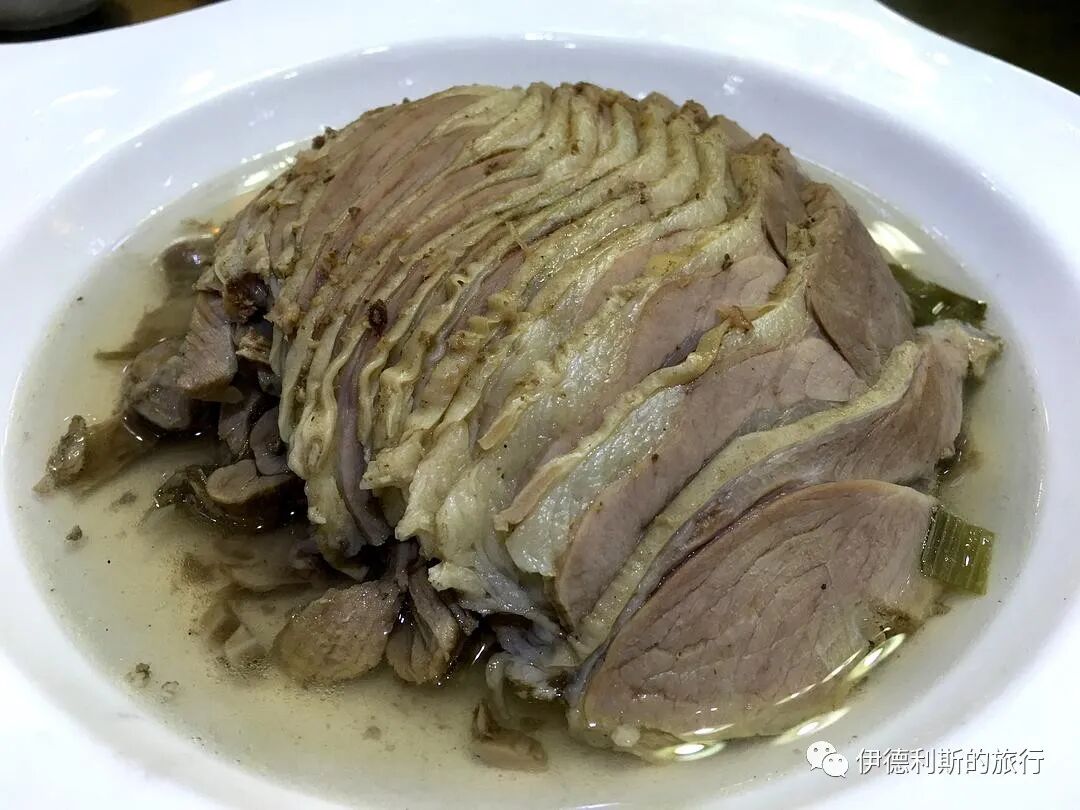
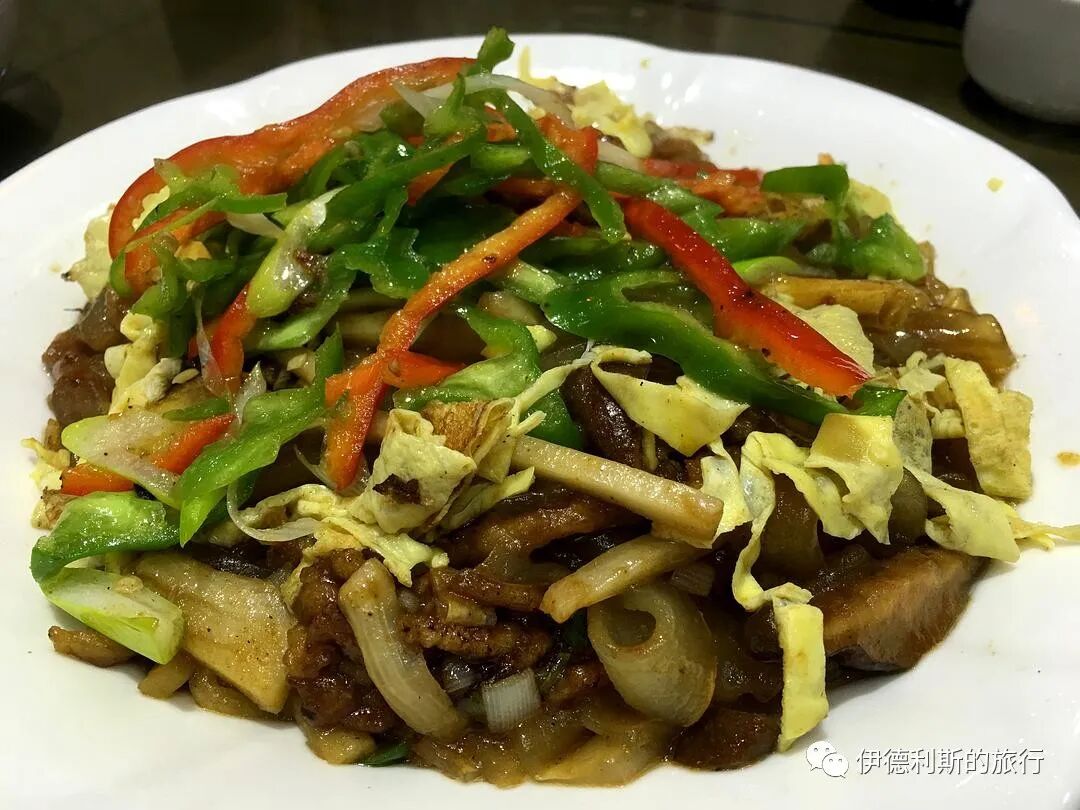
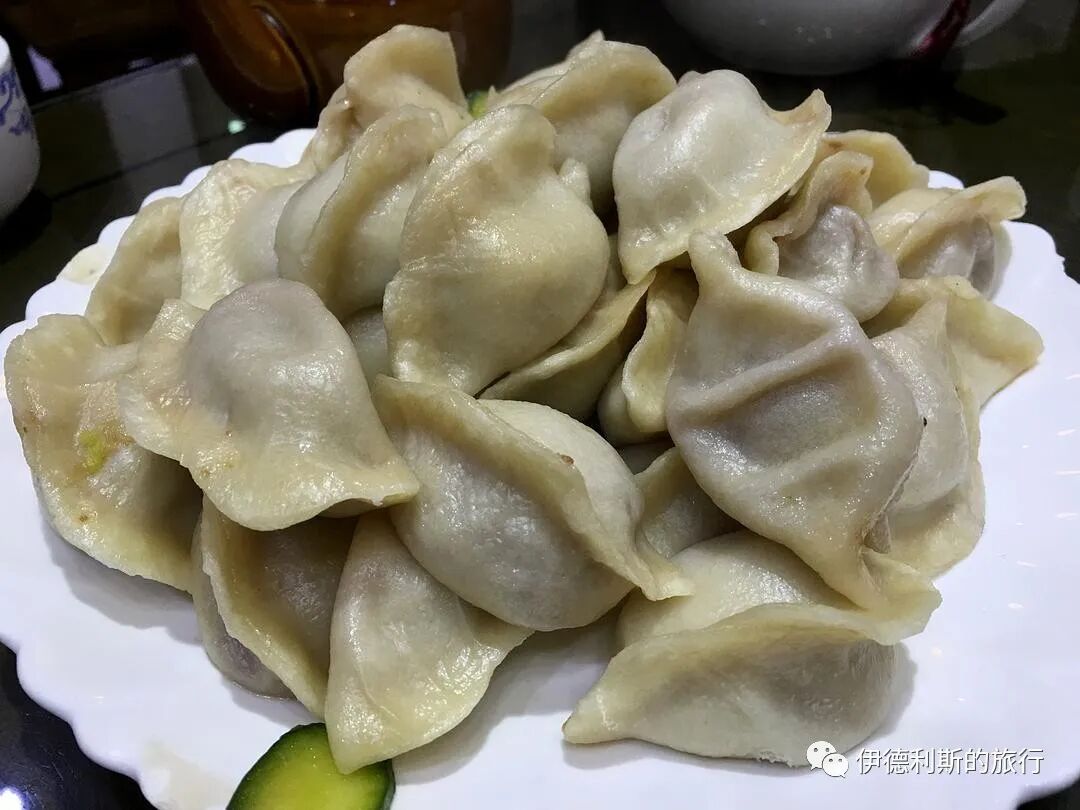
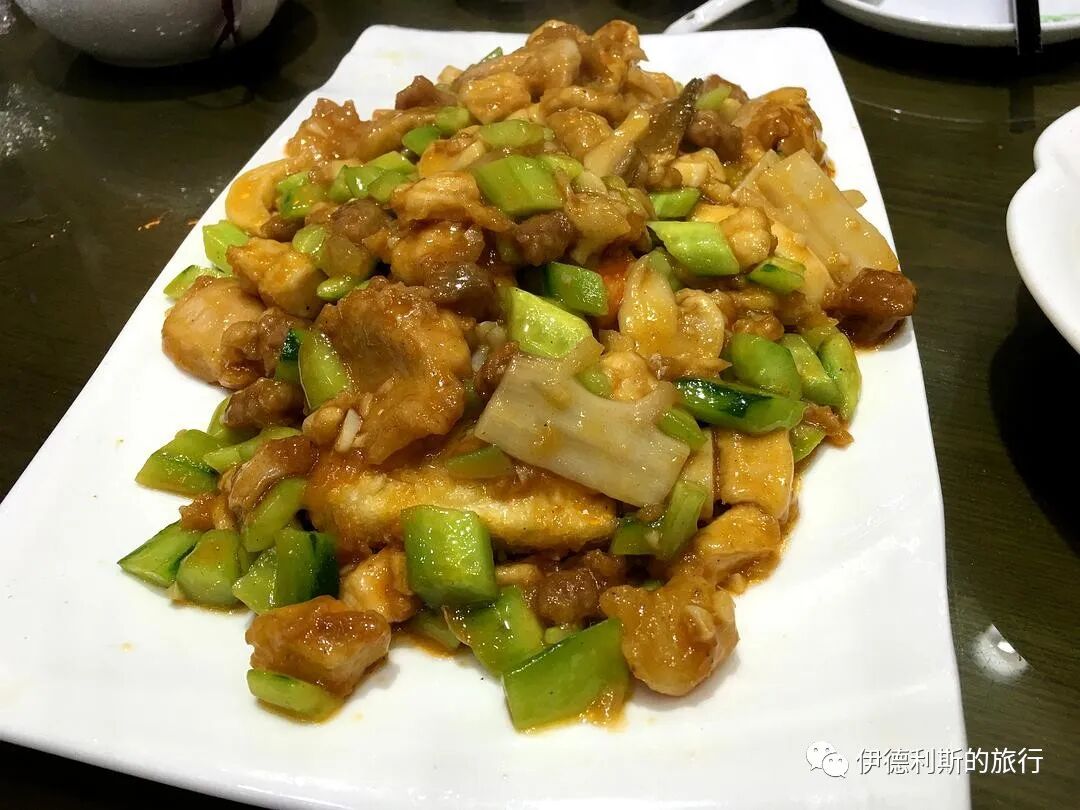
For dinner, I ate at Qingfade Restaurant on Xima Road, which is a classic stir-fry spot that represents the Northwest Corner area.
Night view of Xiguan Main Street.
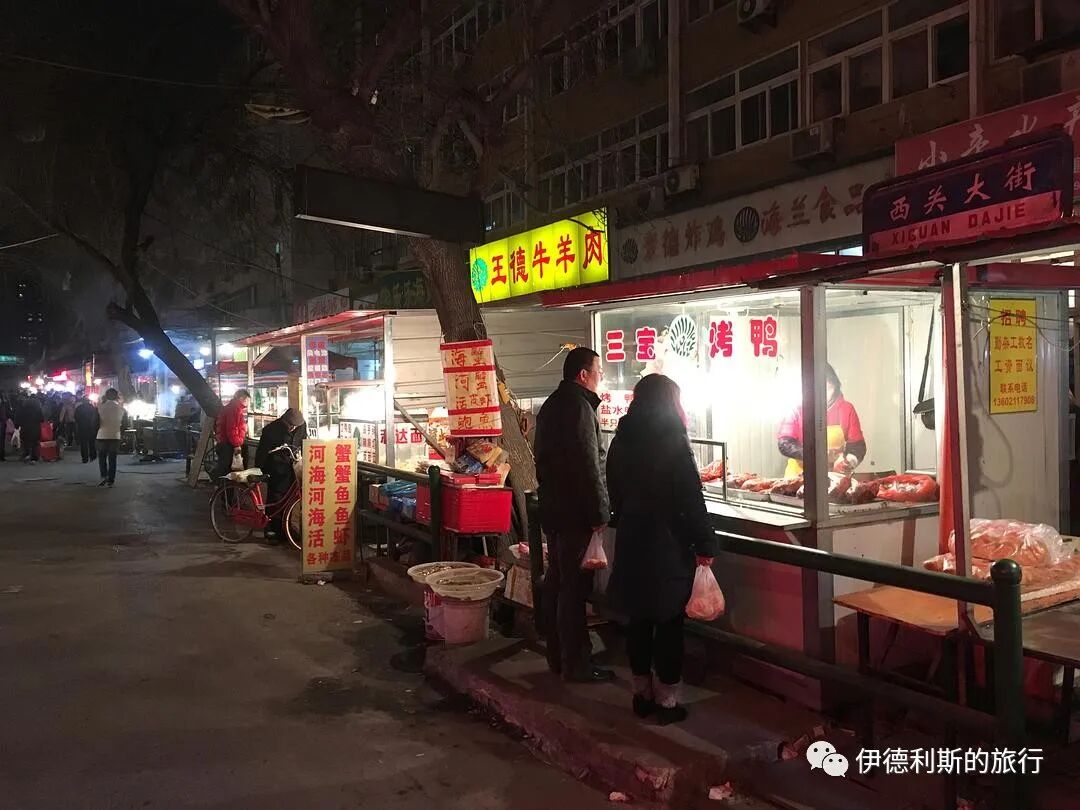
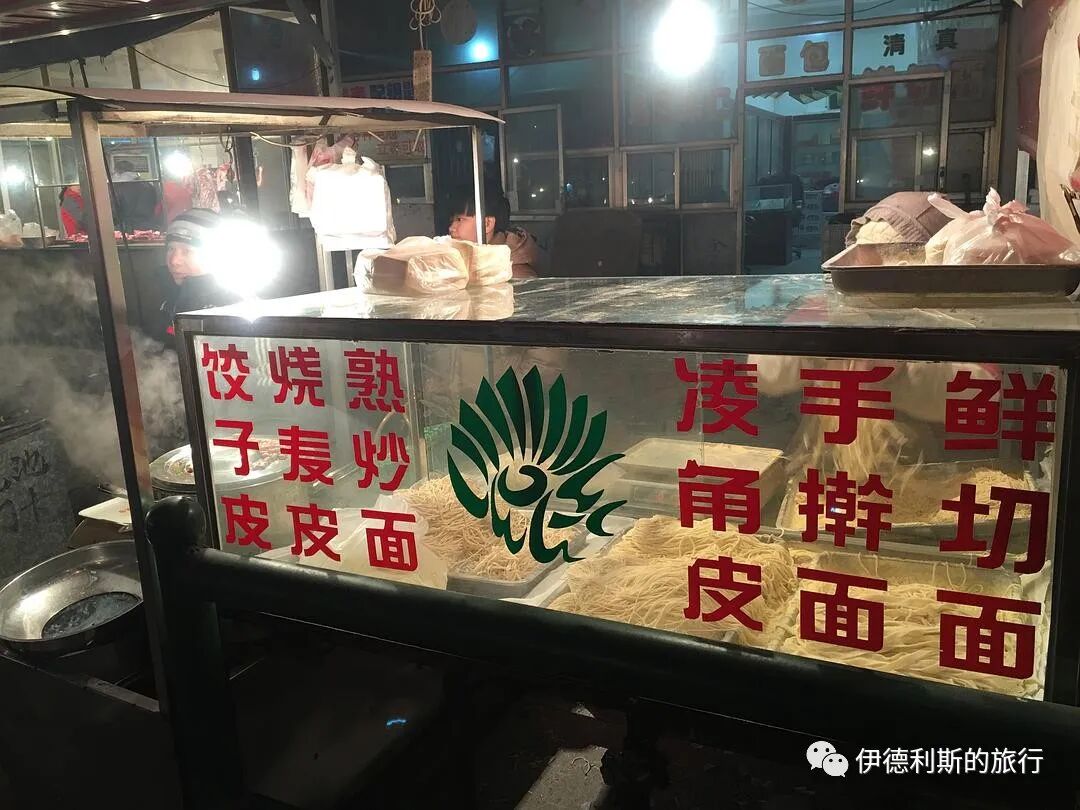
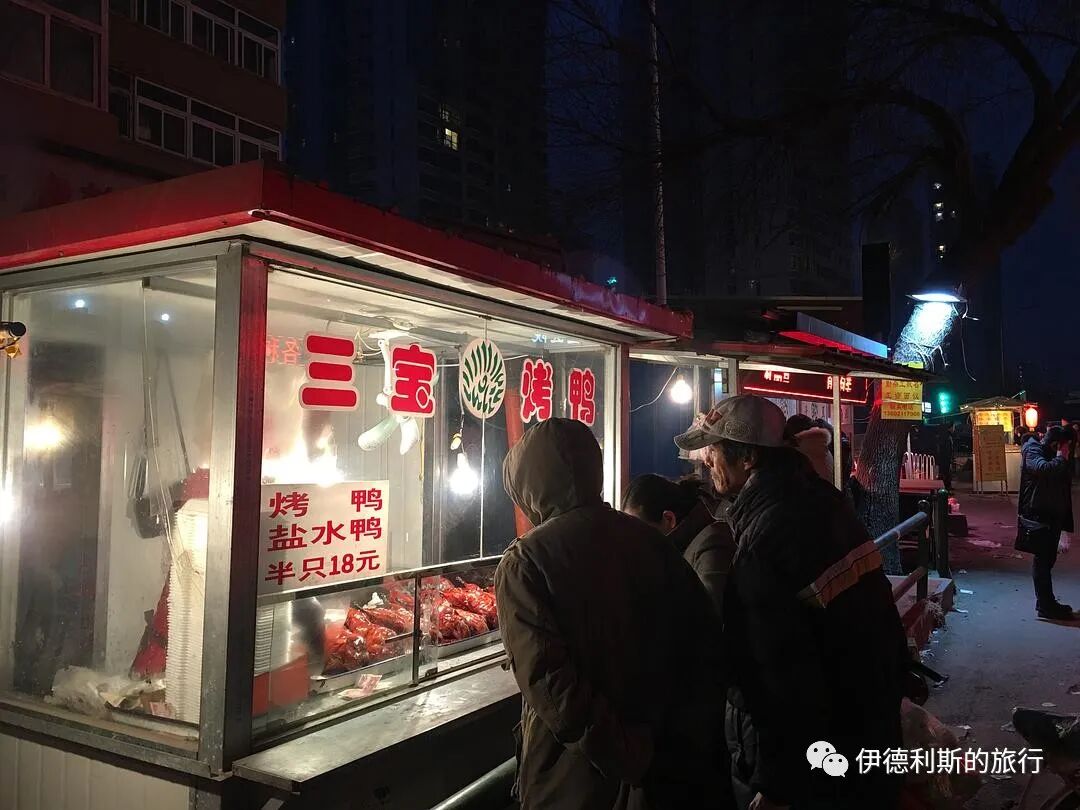
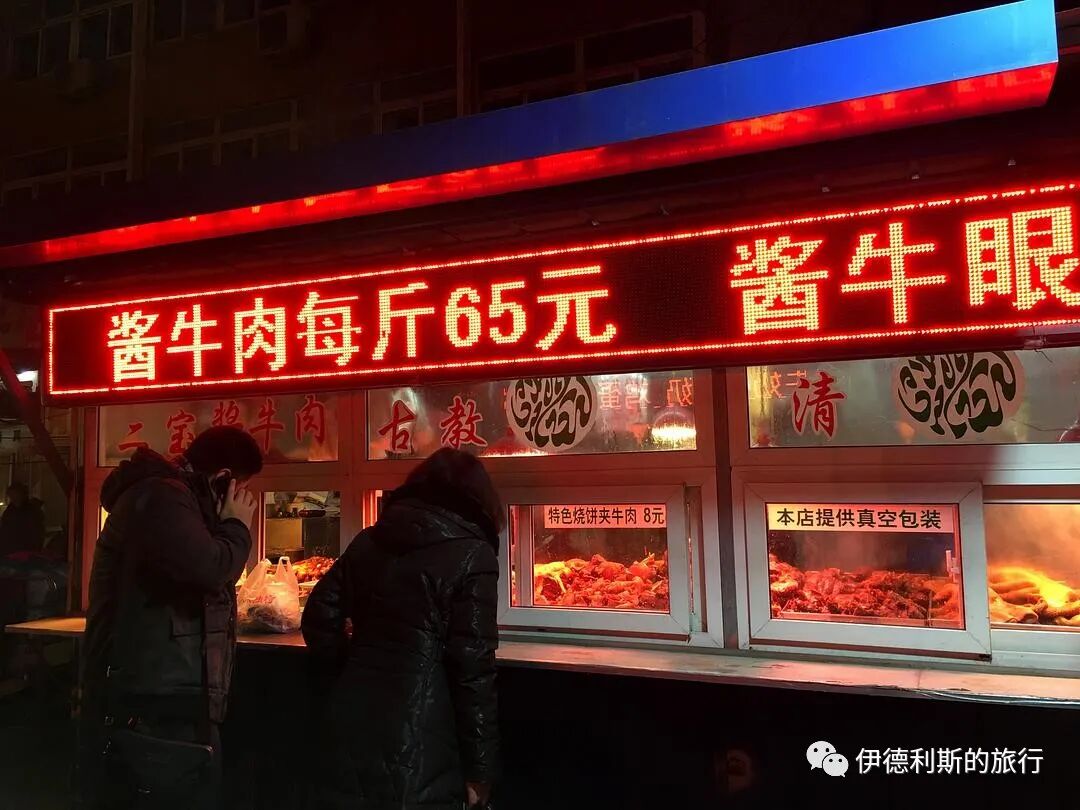
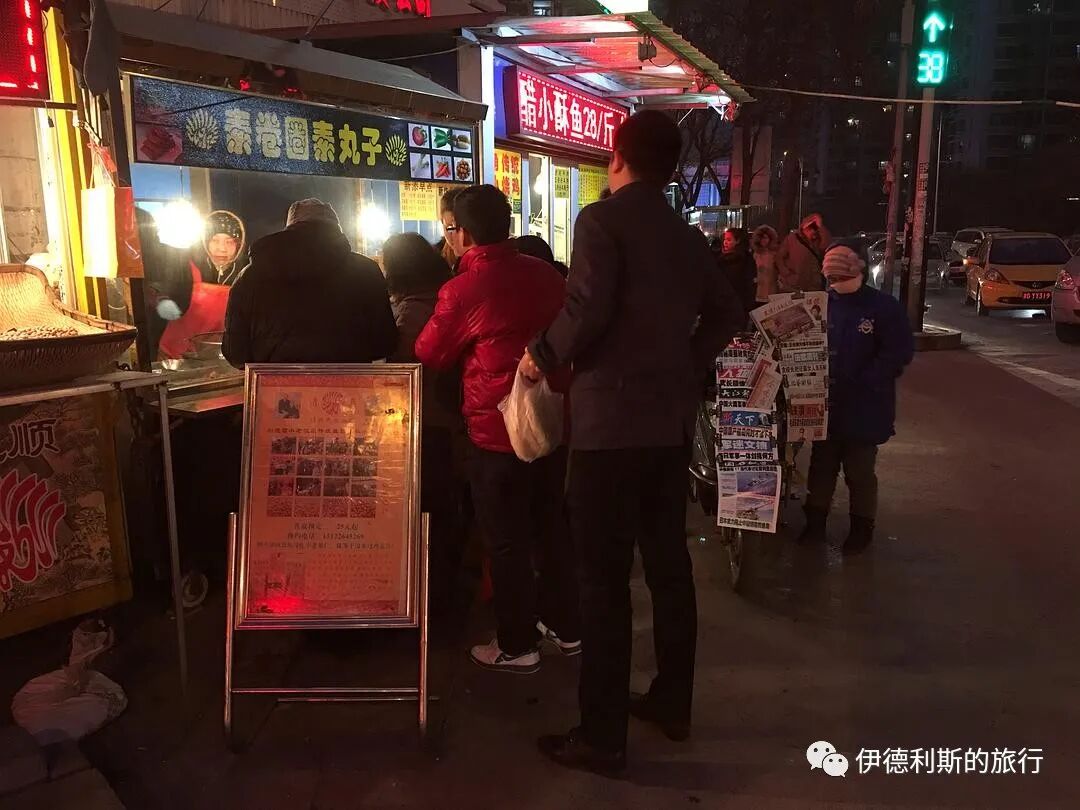
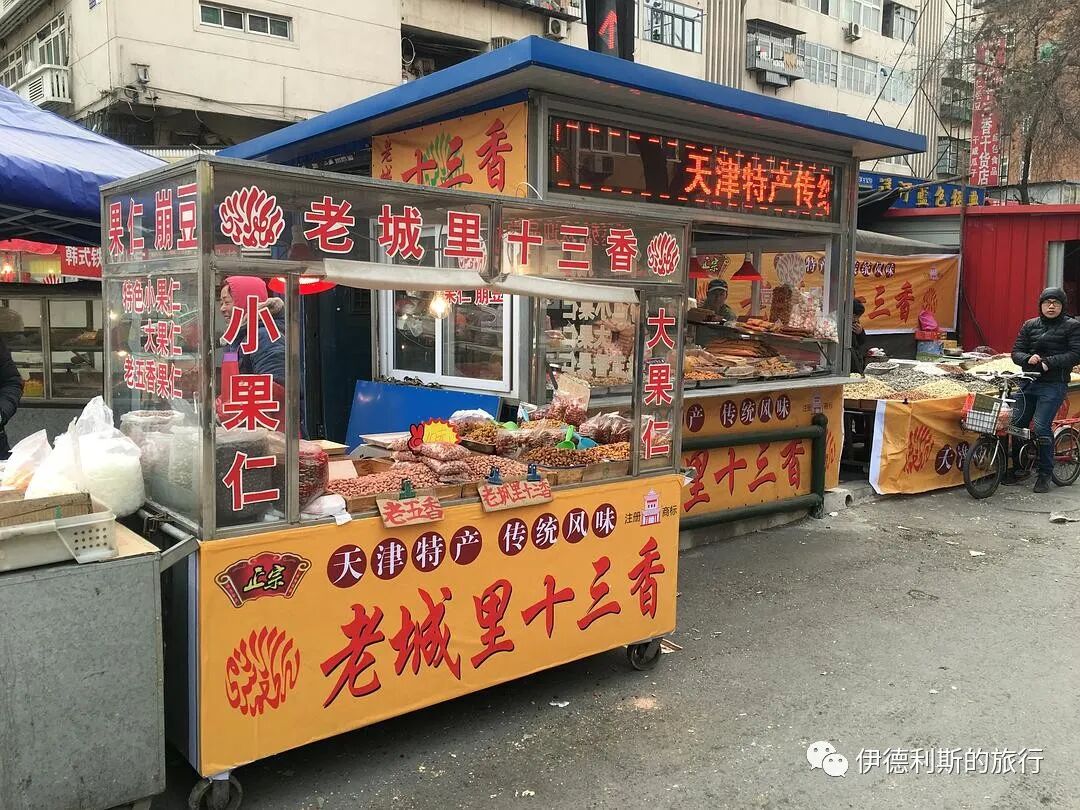
The famous Hailan black beans (hailan wudou) on Xiguan Main Street are still here.
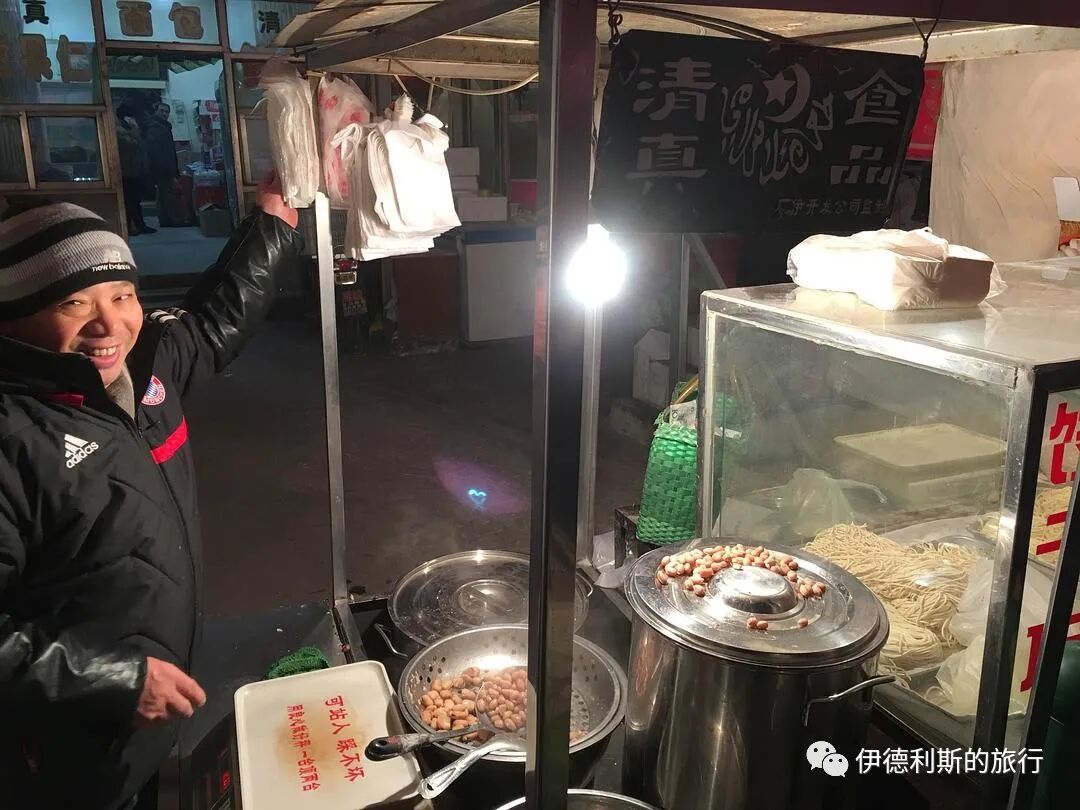
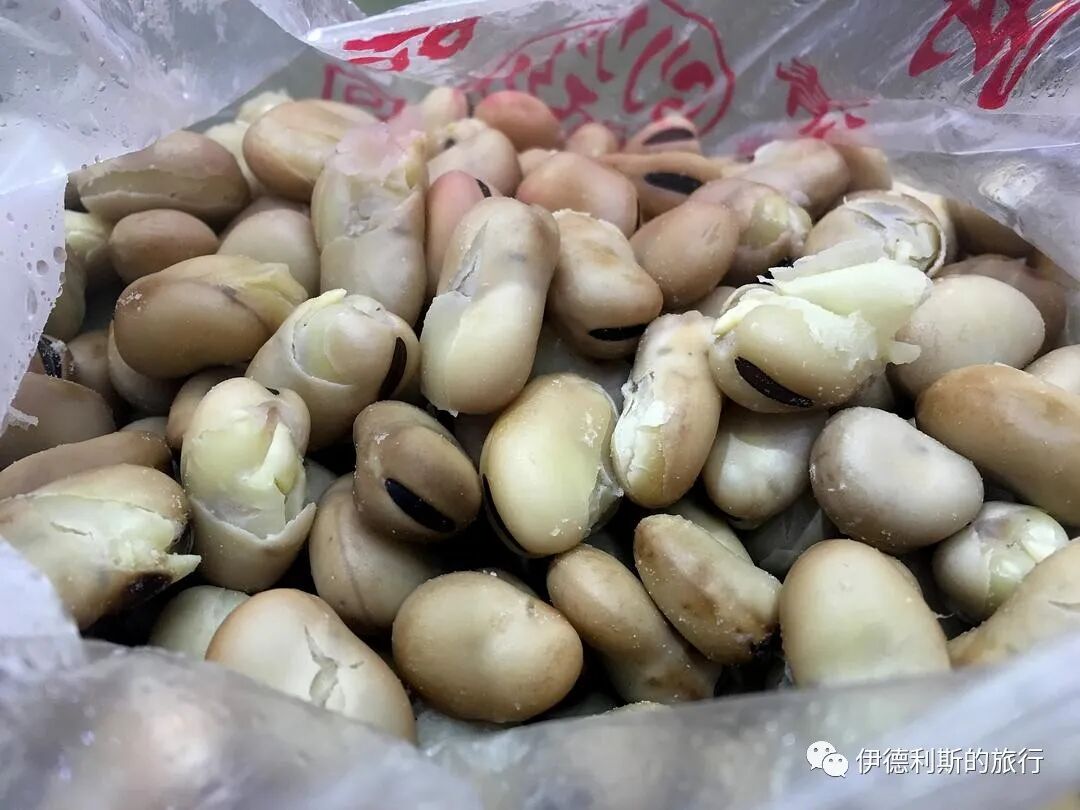
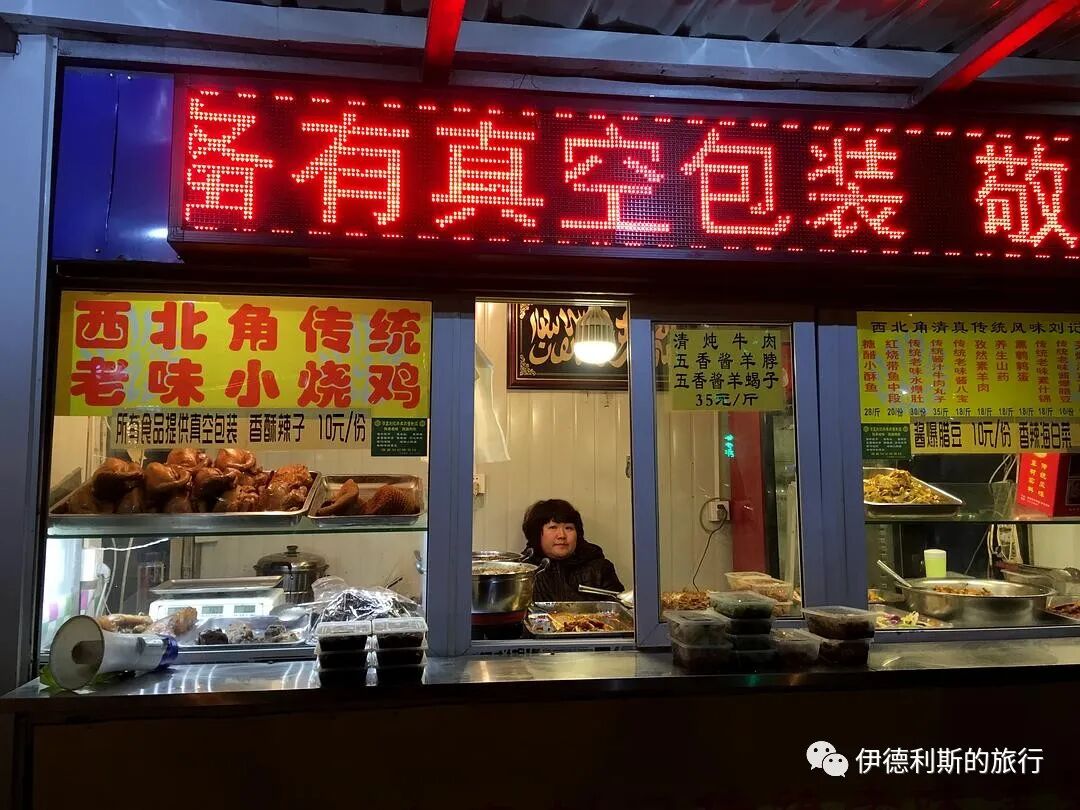
Back at the Northwest Corner subway station, the night market here is gone now.
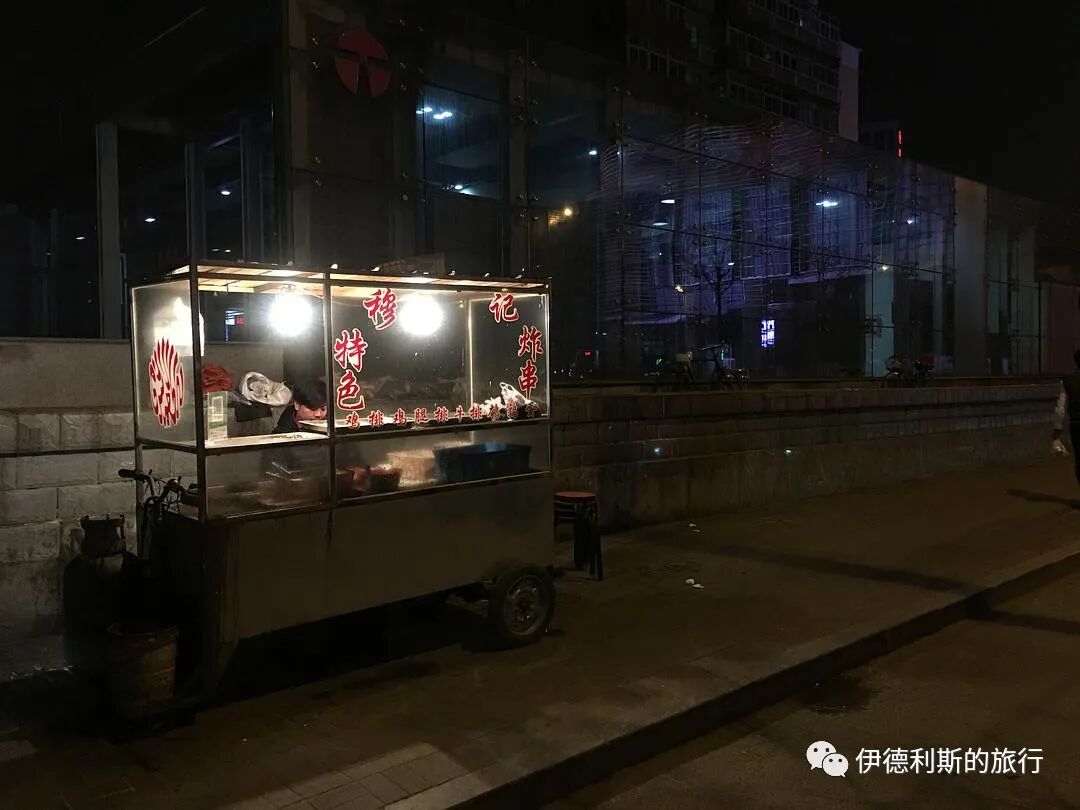
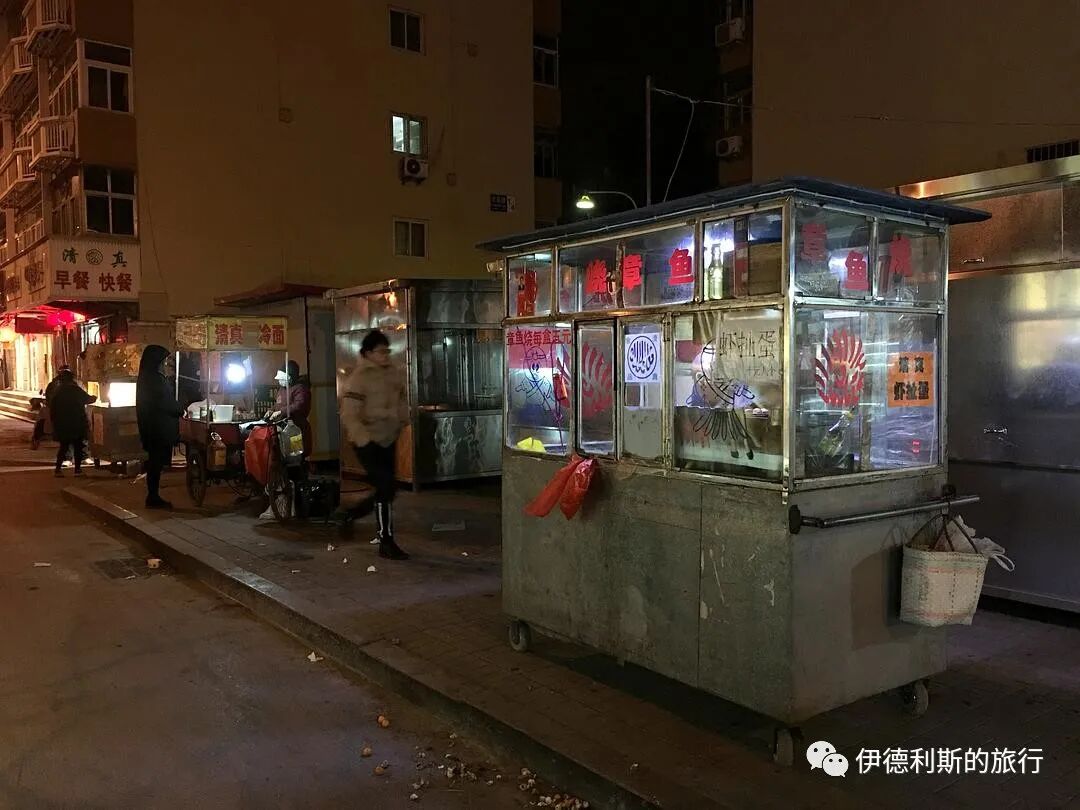
July 2016.
On a hot summer afternoon on July 9, 2016, my childhood friend and I came to the Northwest Corner again to see how it differs from winter.
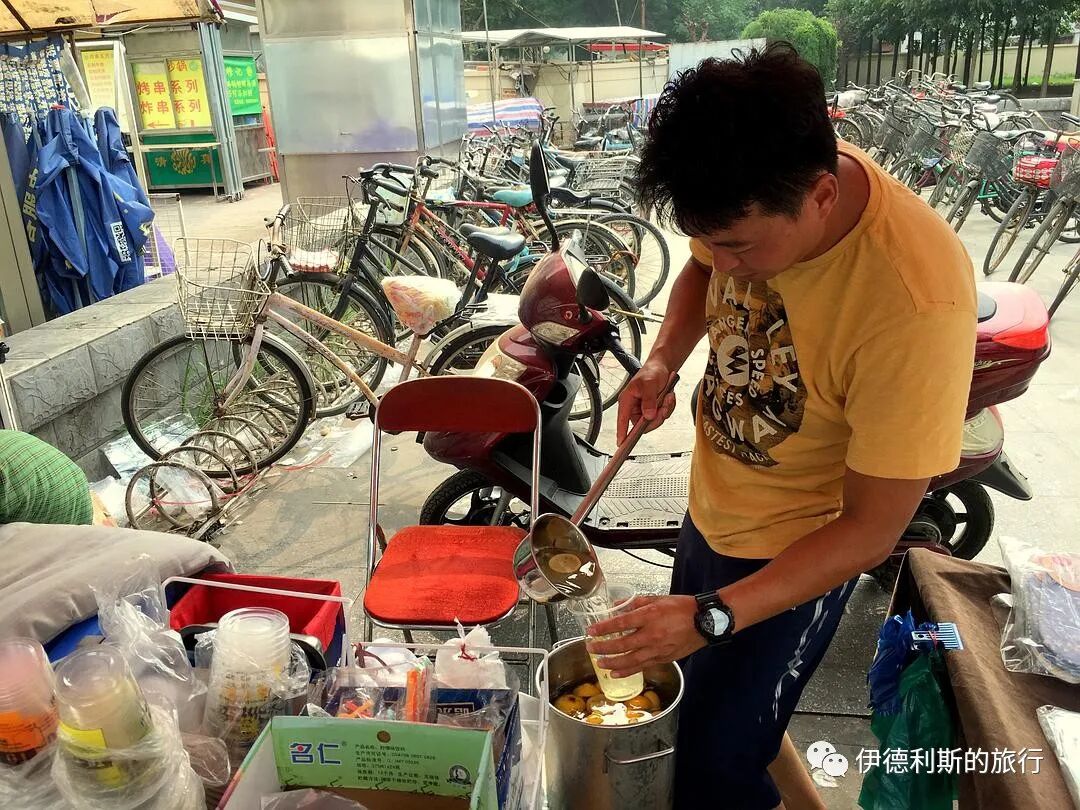
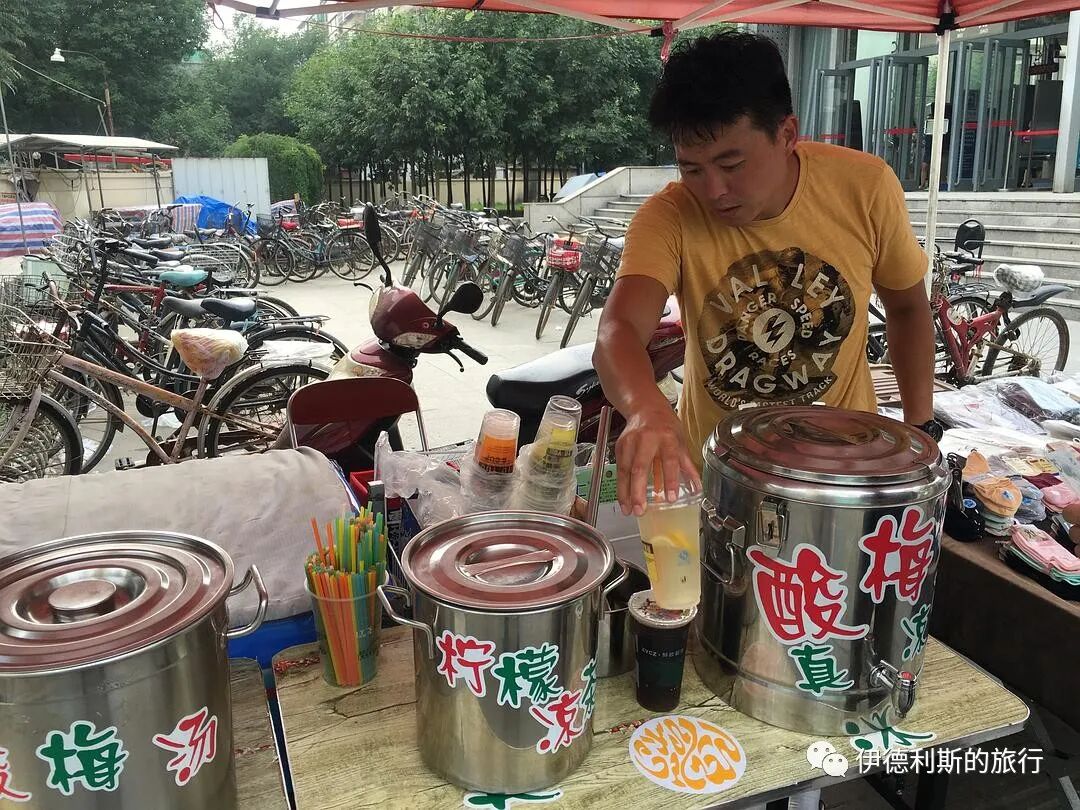
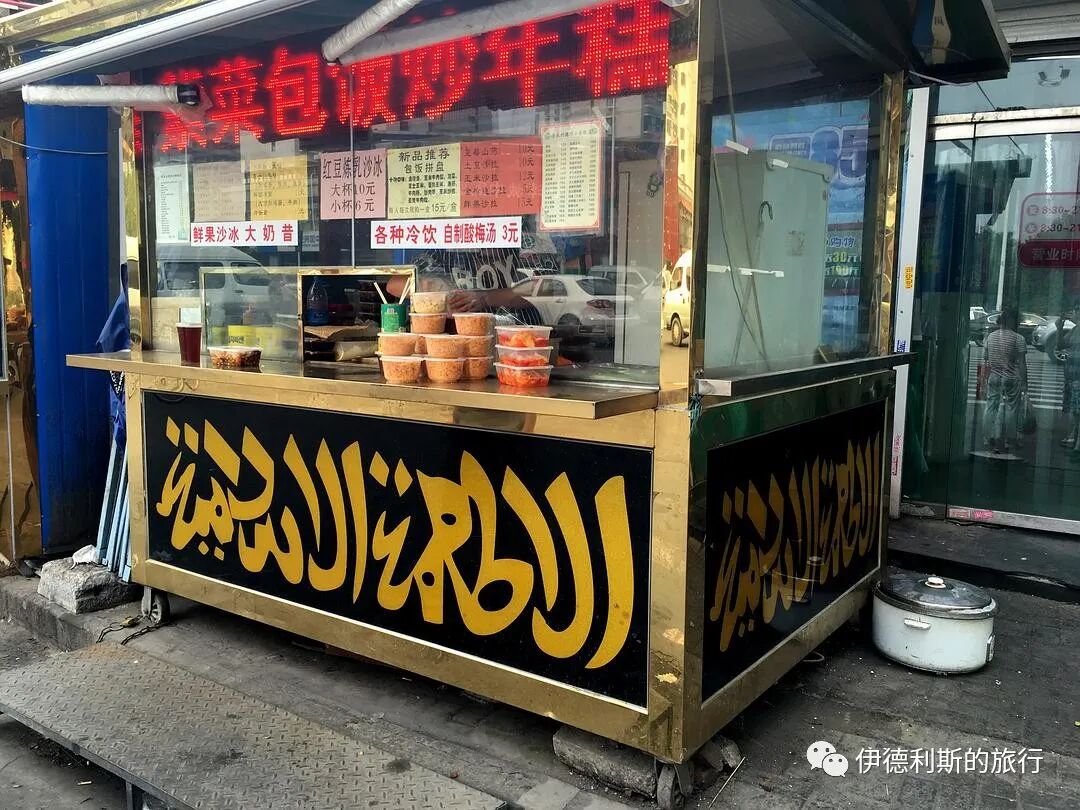
To get to the Northwest Corner from Beijing, it is best to take the train to Tianjin West Station, then take the subway one stop south to Northwest Corner Station. Right outside the southwest exit of the subway station is a halal cold drink stand. They have house-made sour plum drink (suanmeitang), homemade lemonade, and shaved ice (xuehualao). My childhood friend and I bought the sour plum drink and lemonade. They were delicious.
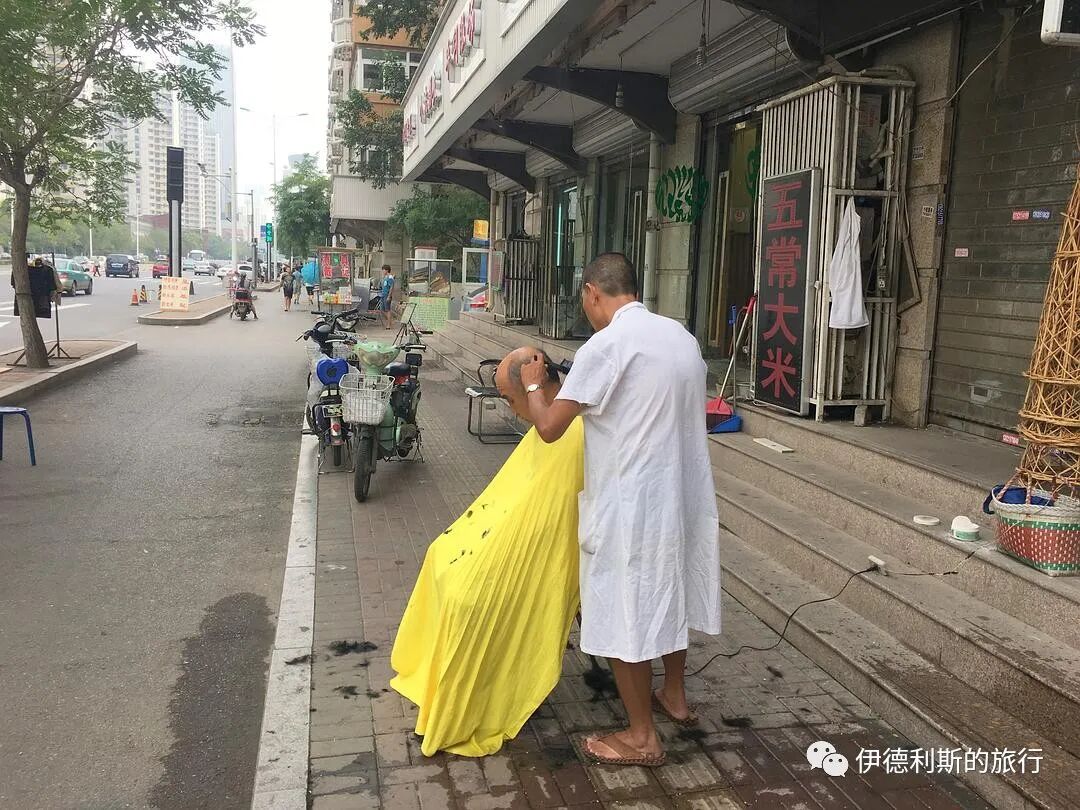
We kept walking south along West Horse Road (Xima Lu). The afternoon temperature was high, and there were very few people on the street.
At Ring City Noodle Shop (Huancheng Mianguan), my friend and I each had a bowl of cold noodles with shredded chicken and a plate of tofu with century egg. It was very refreshing. Almost no other halal restaurant in Beijing makes cold noodles better than this one.
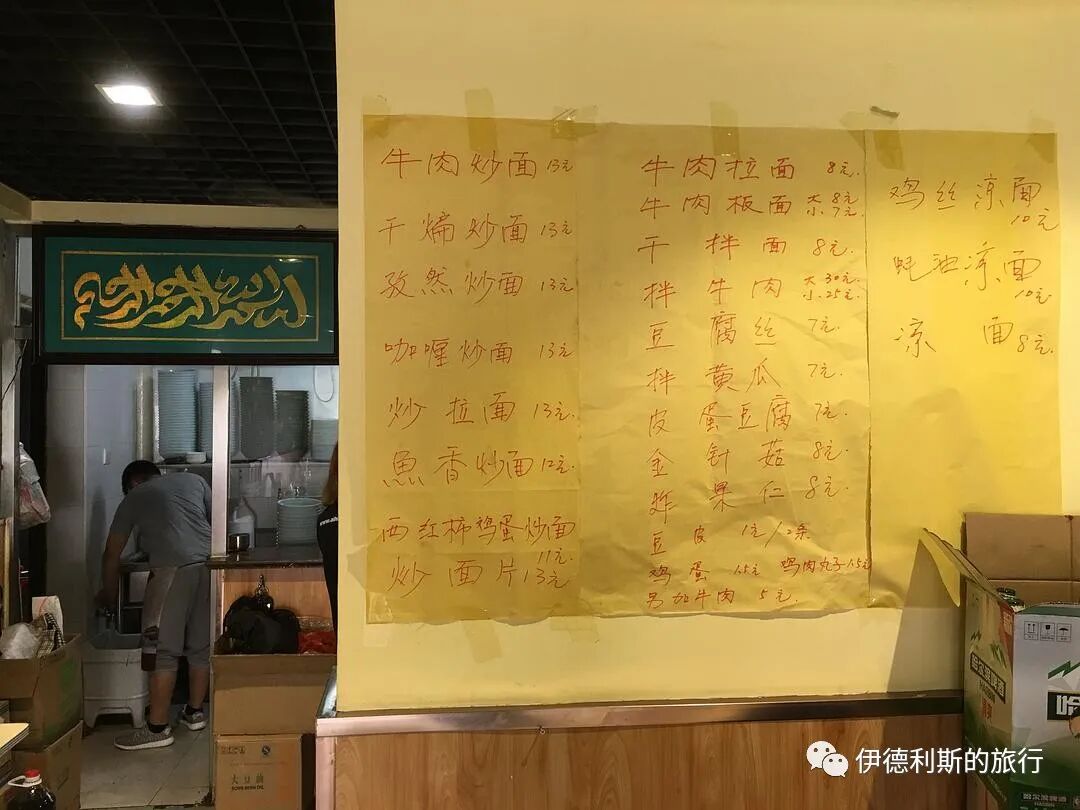
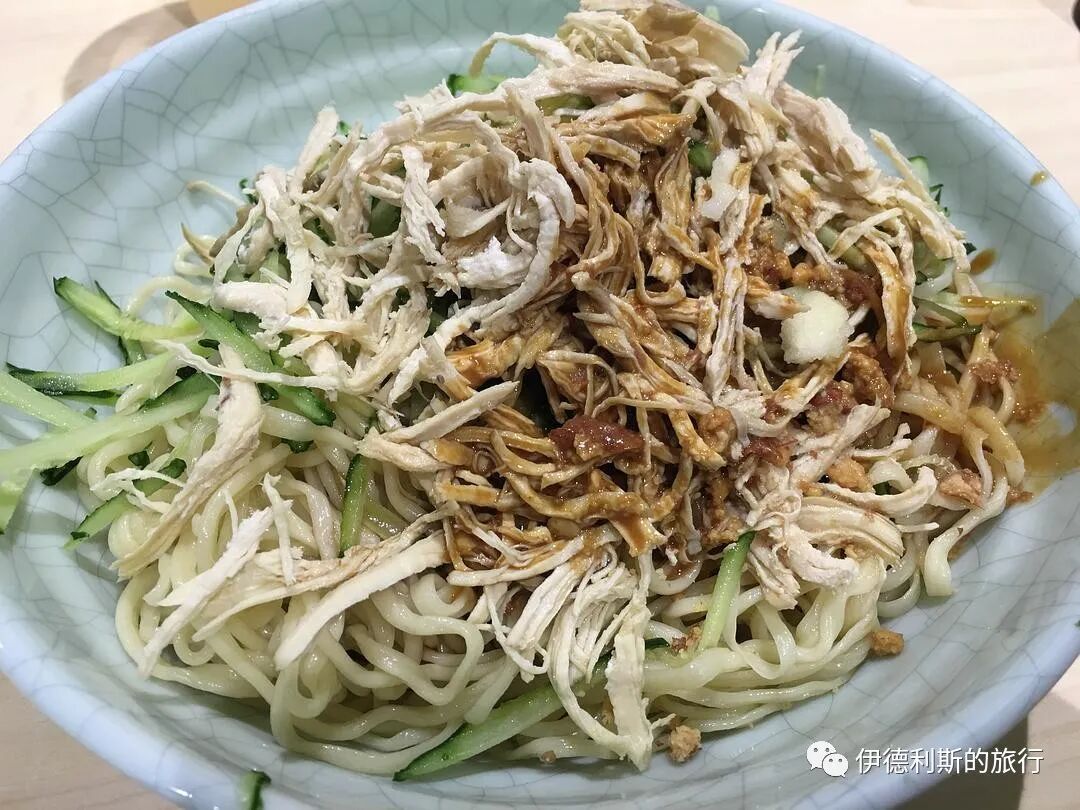
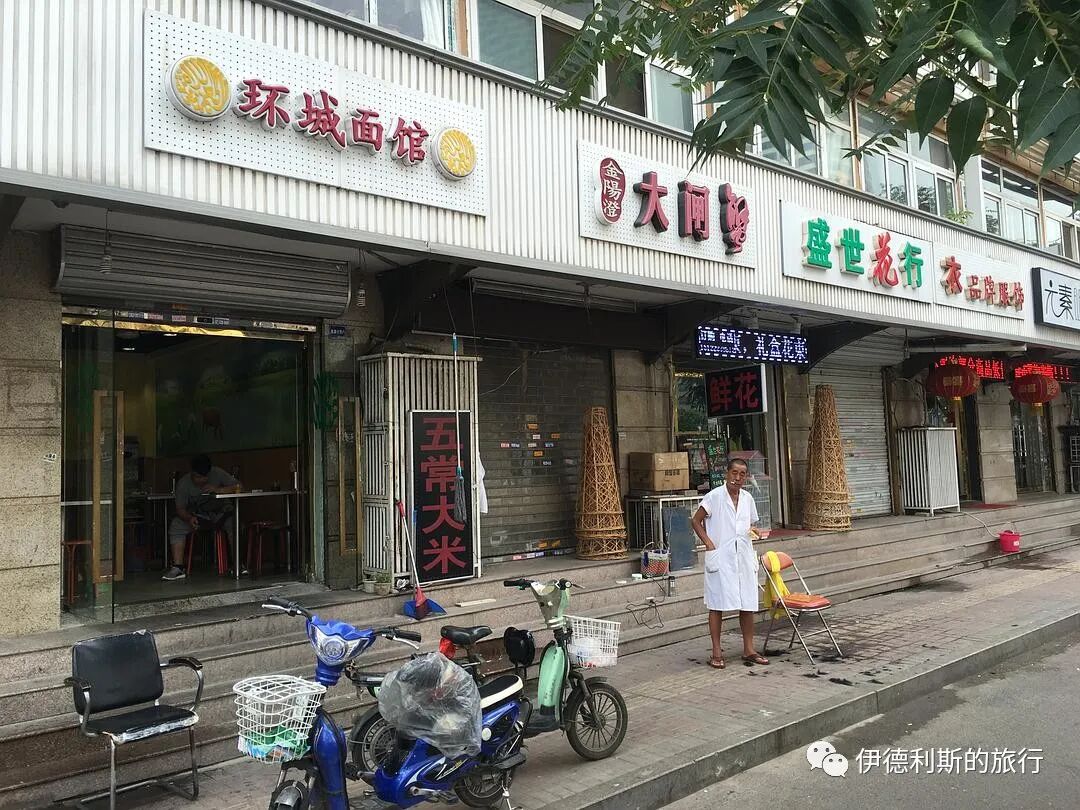
We continued walking south. I guess everyone was at home staying out of the heat. Not far ahead was the alley entrance facing the South Mosque (Qingzhen Nansi), where we turned into Huanqing West Alley.
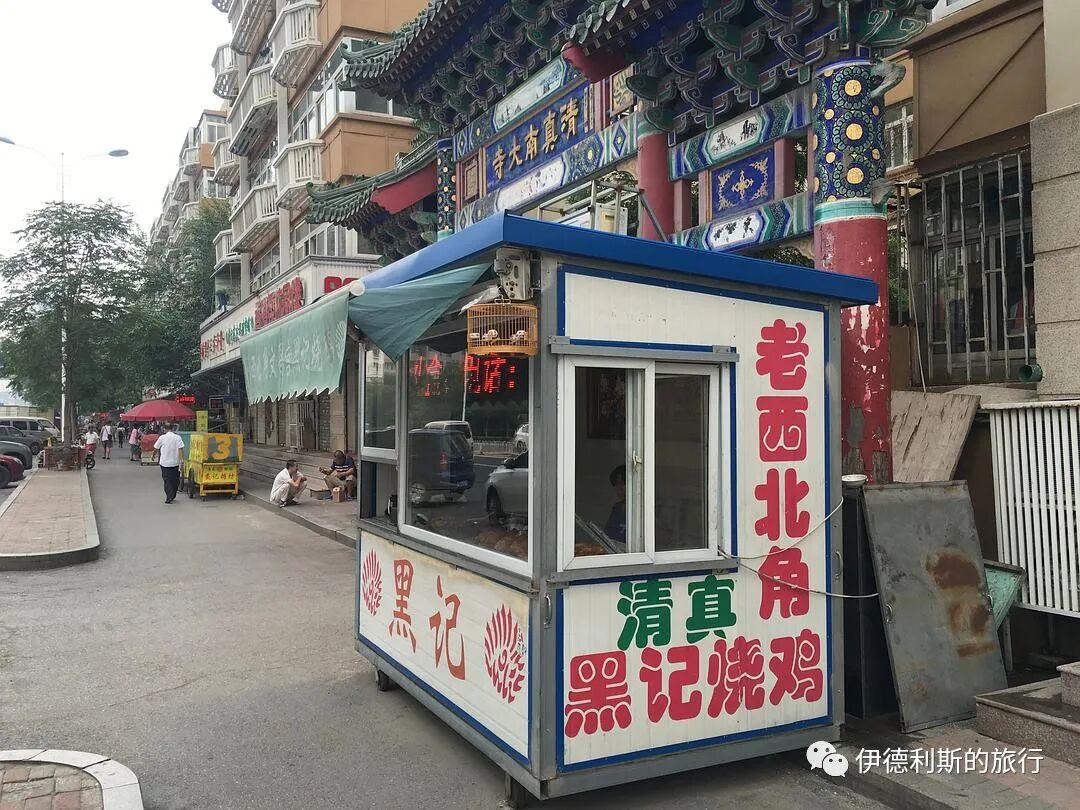
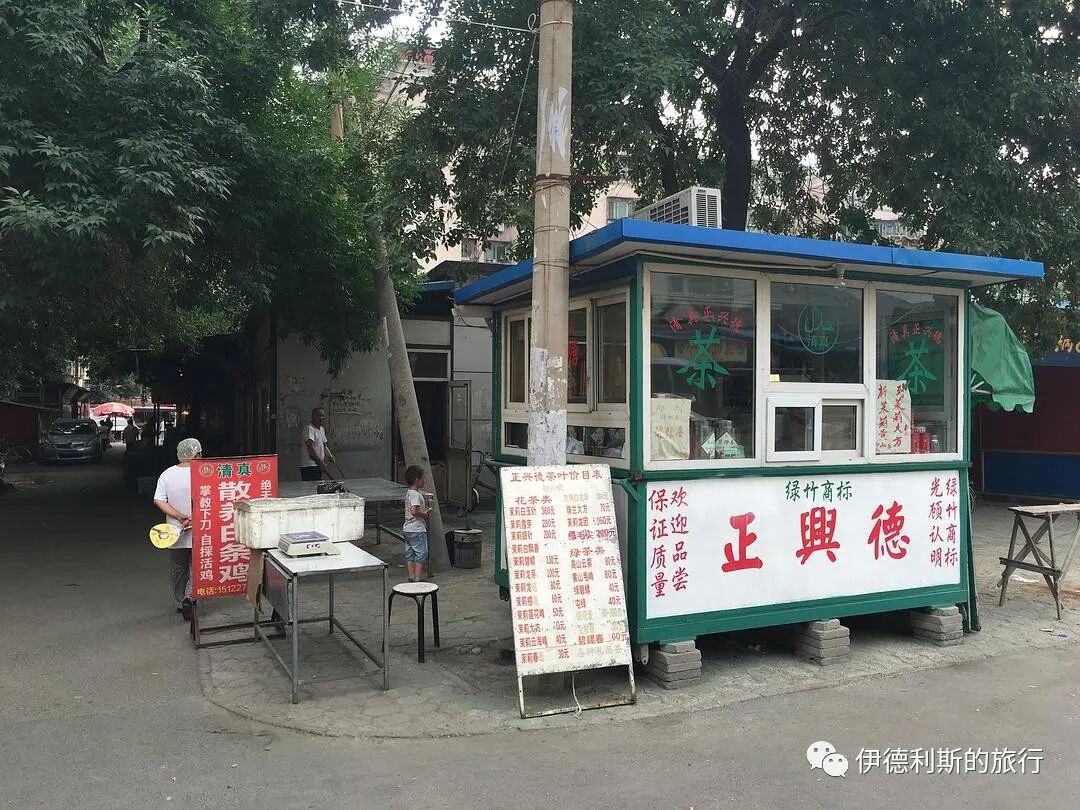
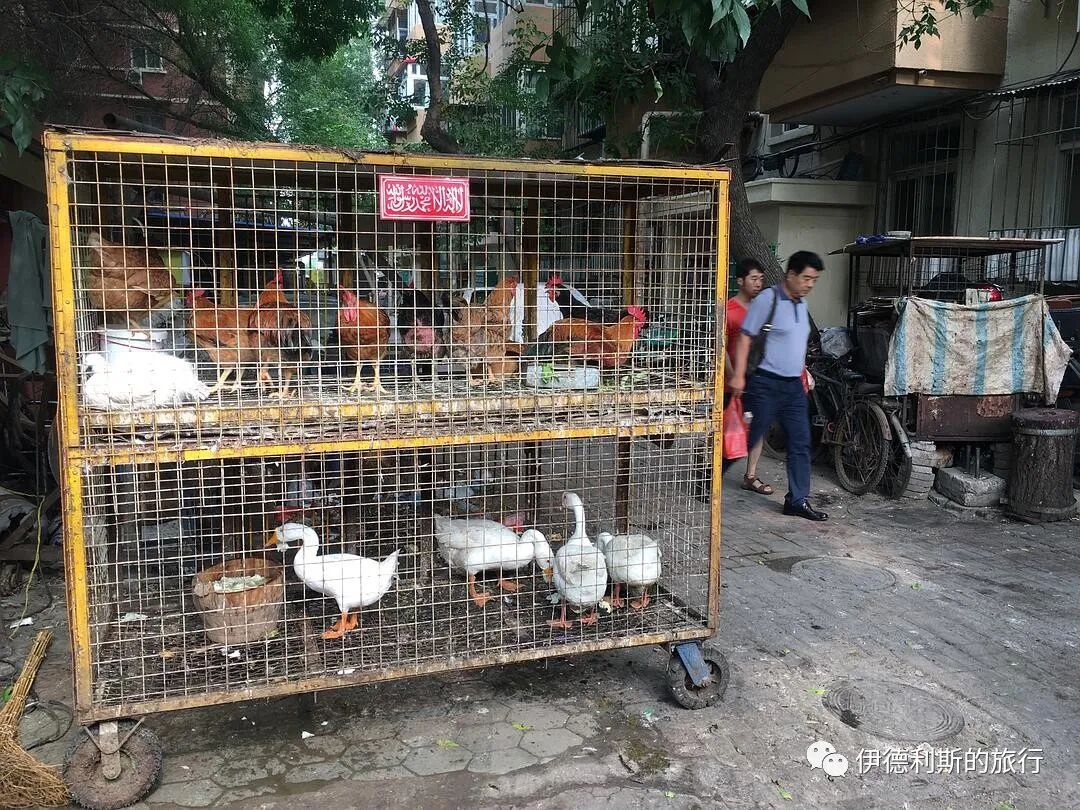
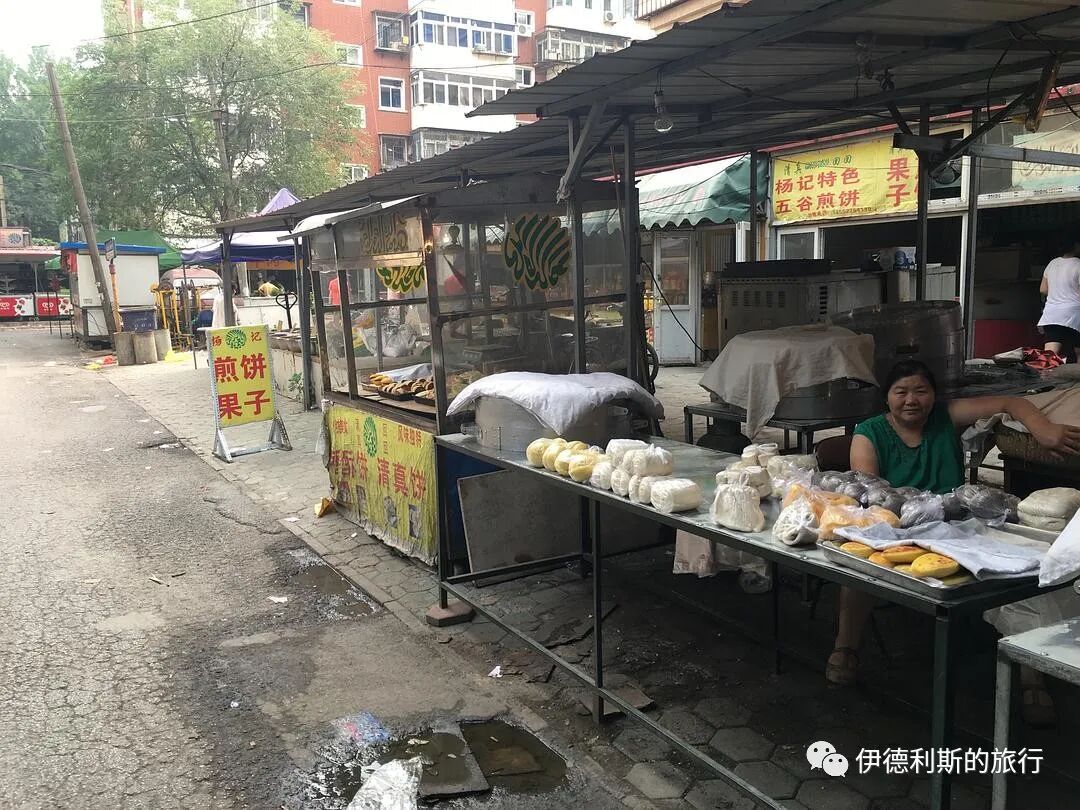
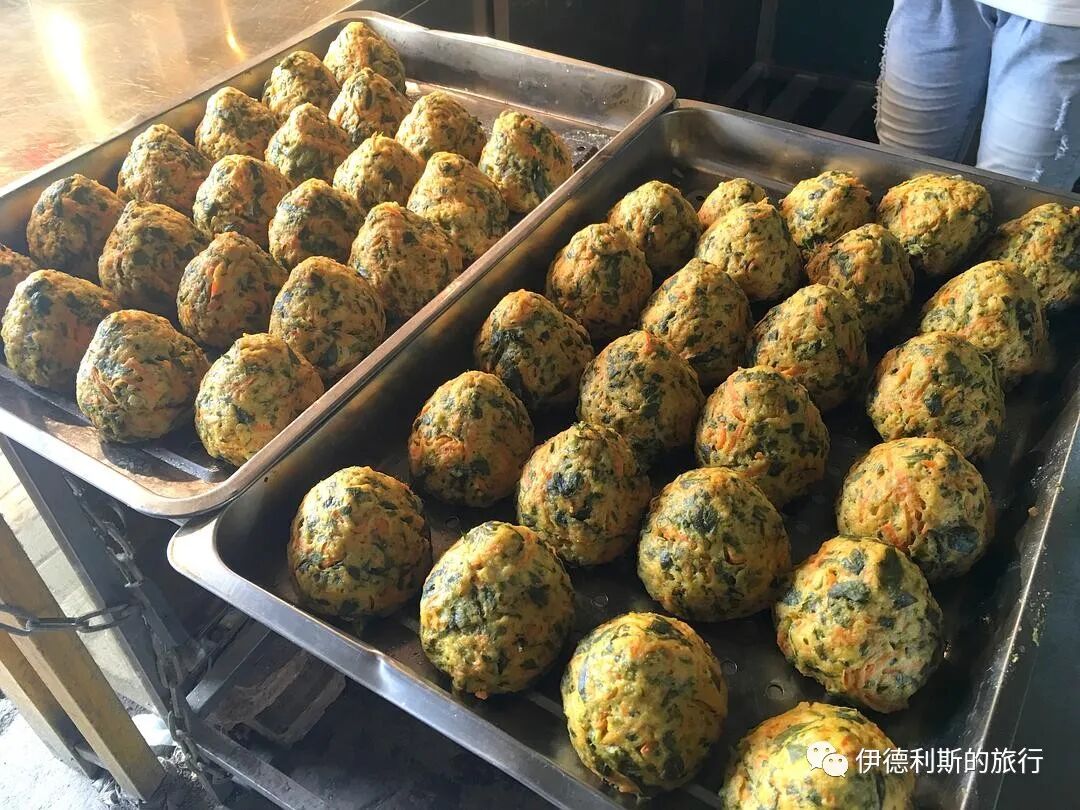
The intersection of Huanqing West Alley and Xiguan North Street is the heart of the Northwest Corner, and it is full of shops. I bought two coarse-grain vegetable dumplings (caimian tuanzi).
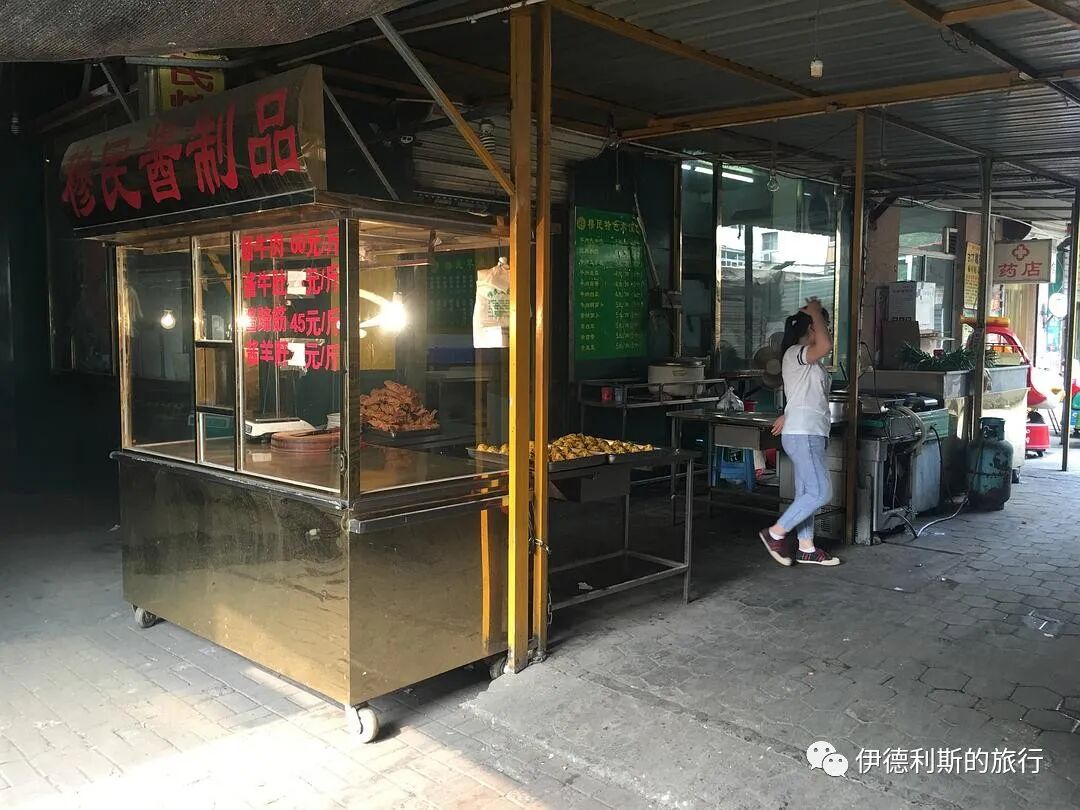
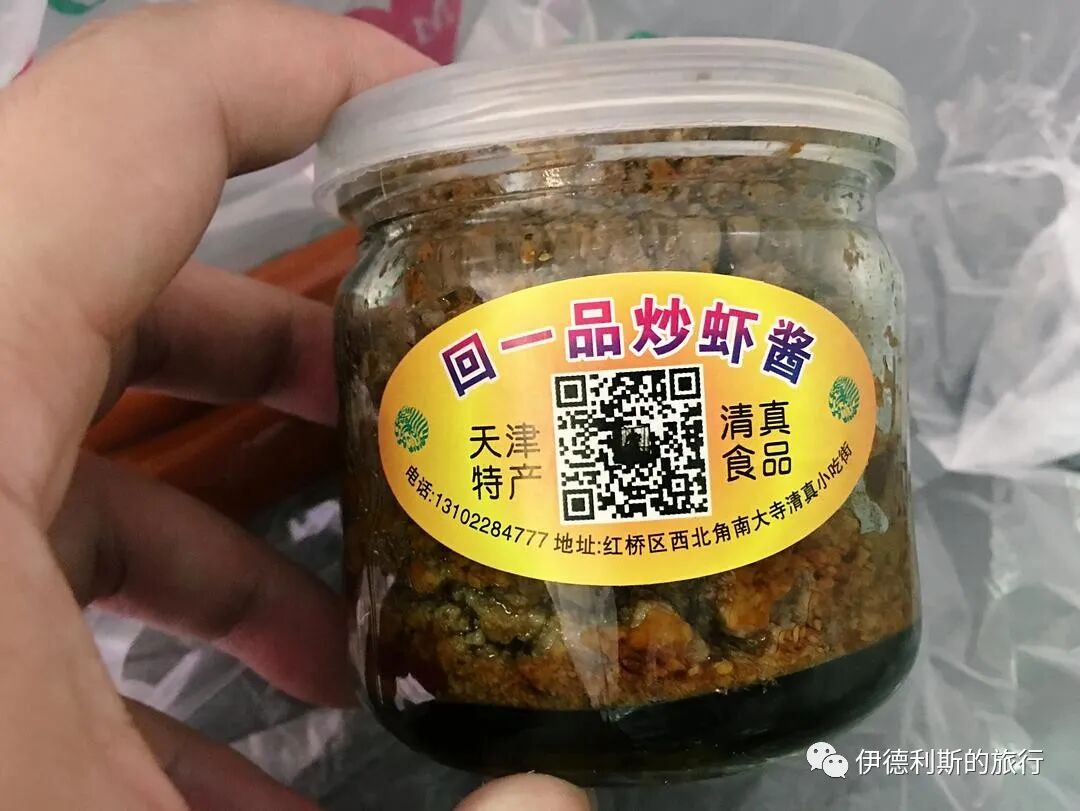
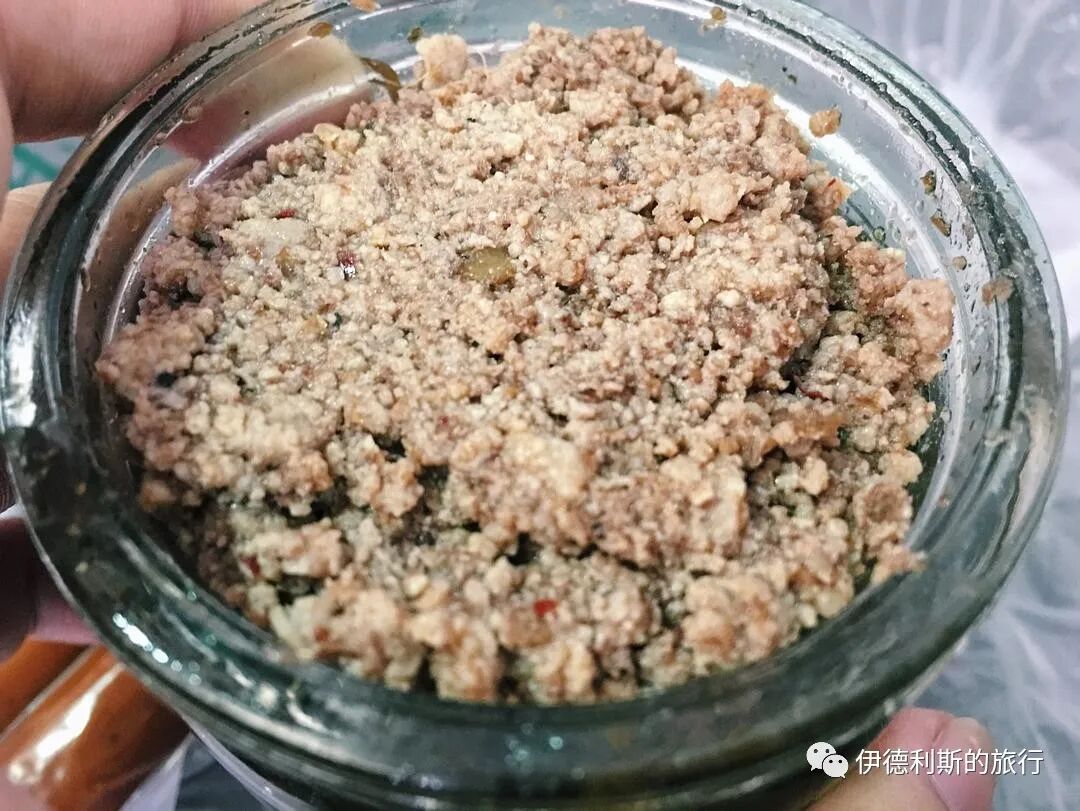
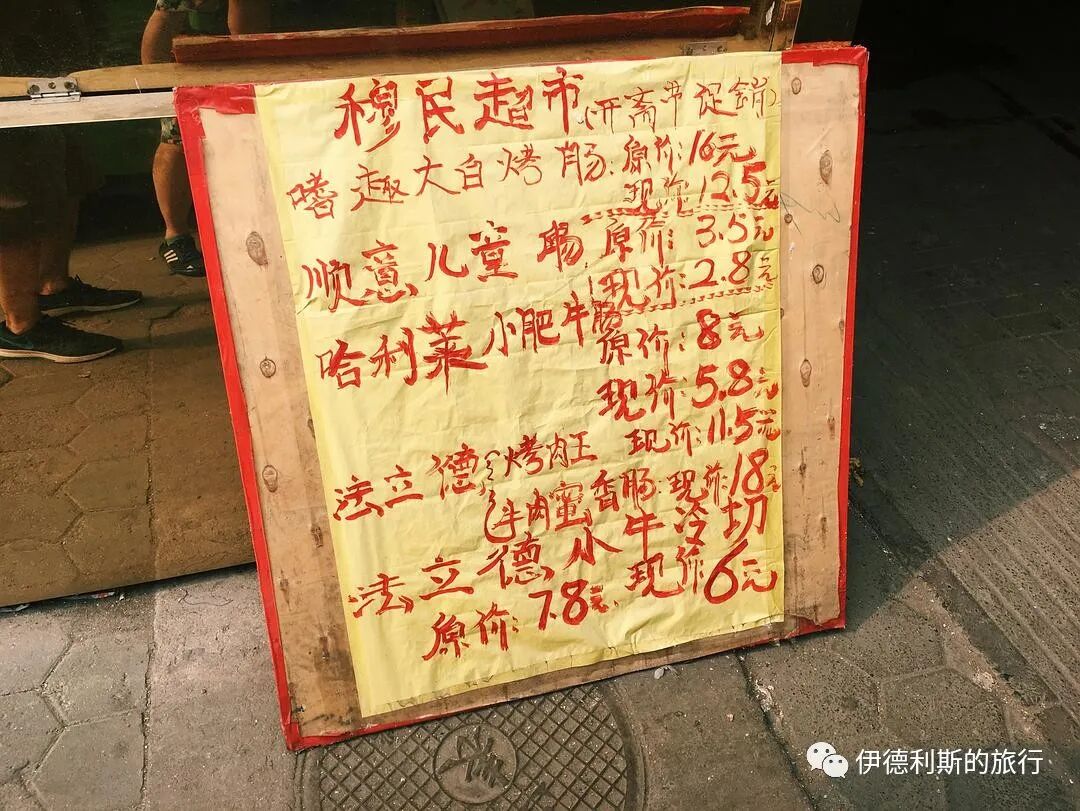
We went into Mumin Supermarket and bought a jar of stir-fried shrimp paste. My friend and I first came to Tianjin together ten years ago and specifically came here to buy this paste to eat with steamed buns (mantou). Haha!
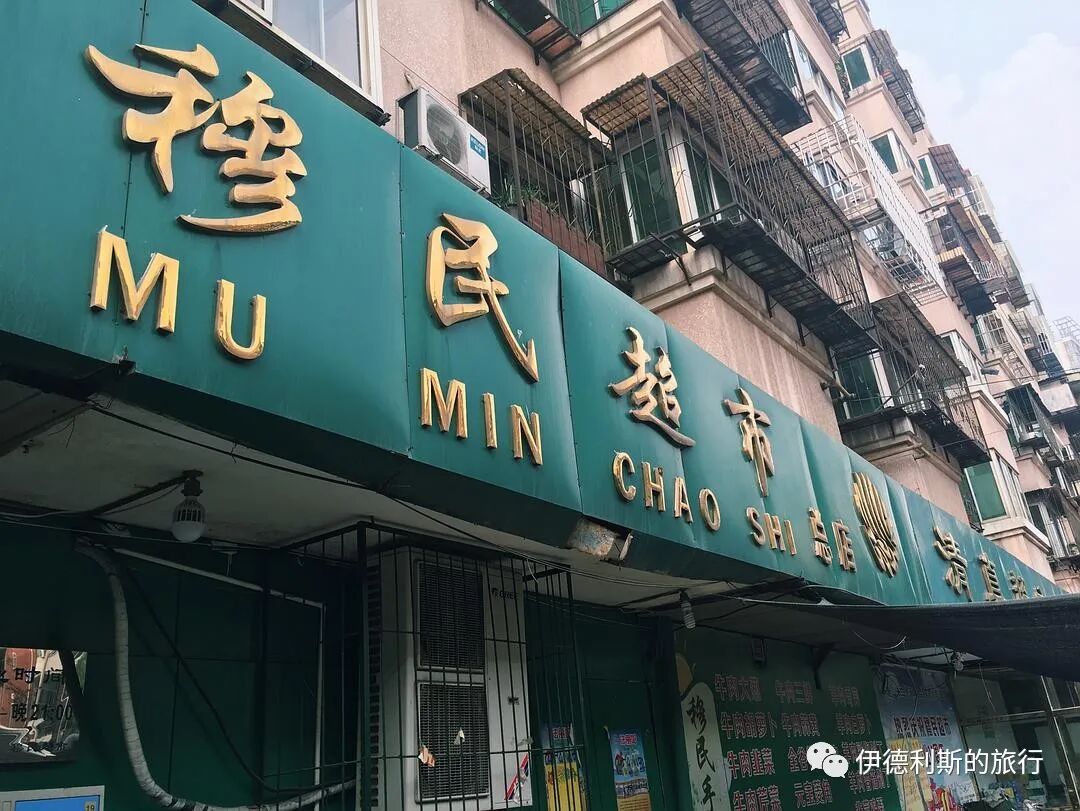
Mumin Supermarket has now changed its name to Mumin Supermarket (Mumin Chaoshi, using different characters).
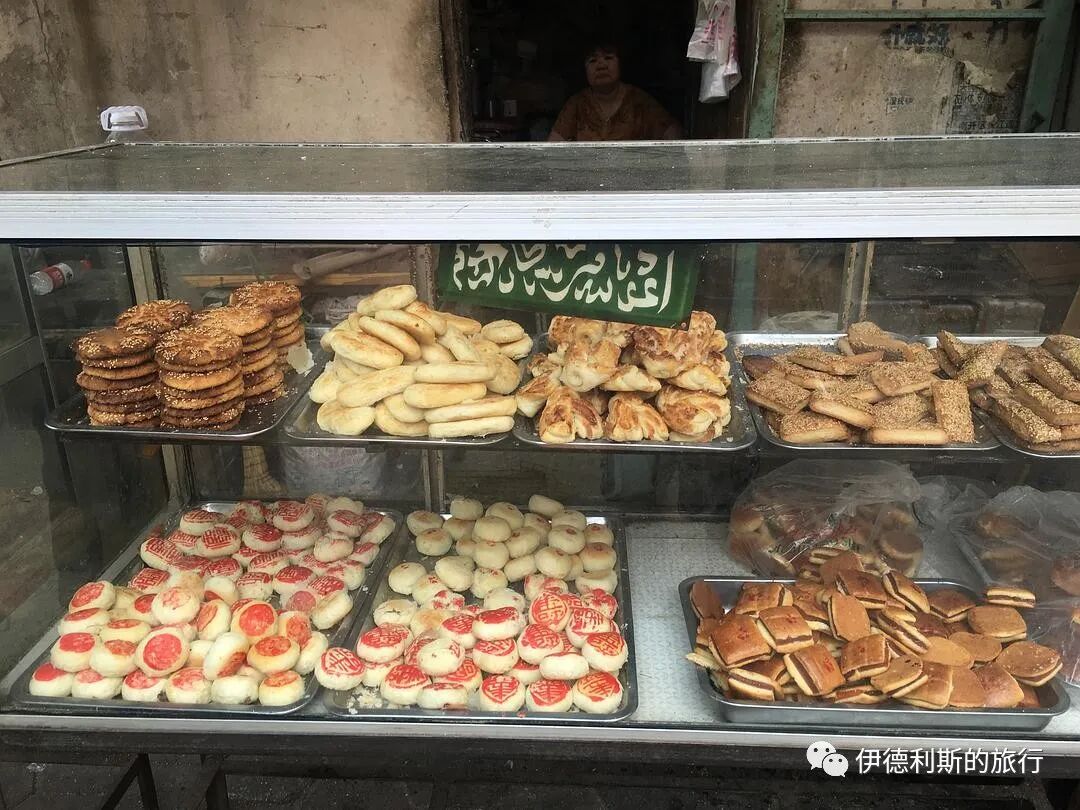
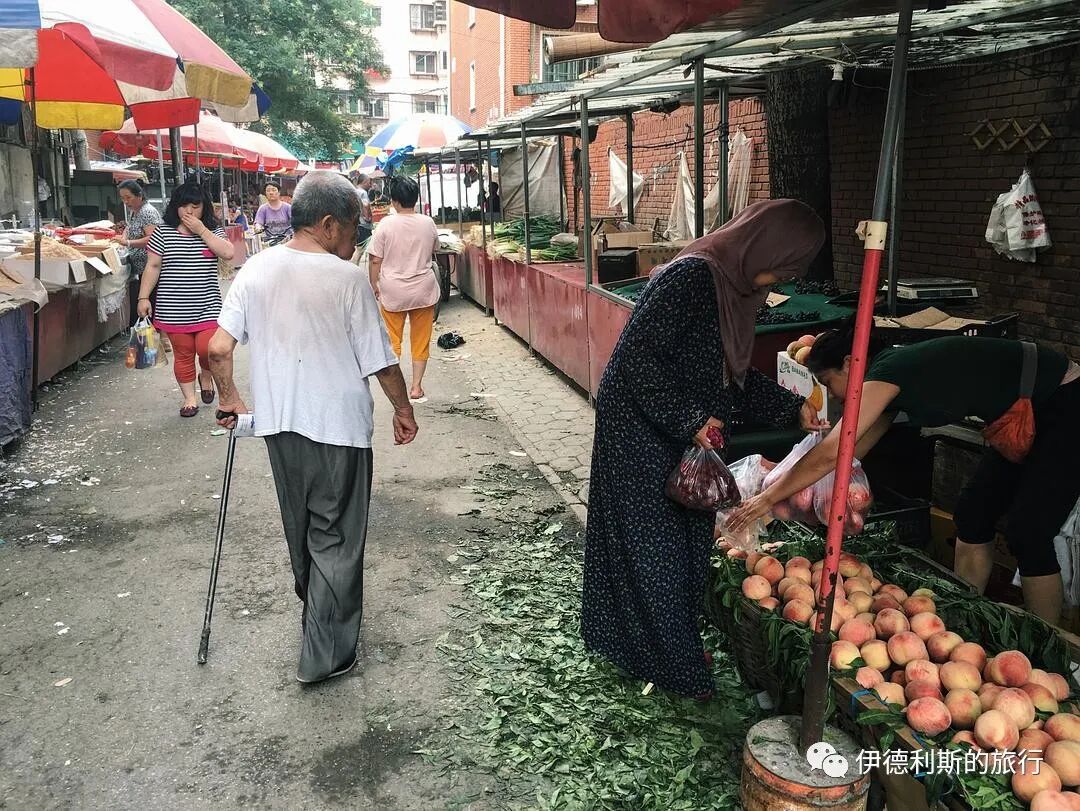
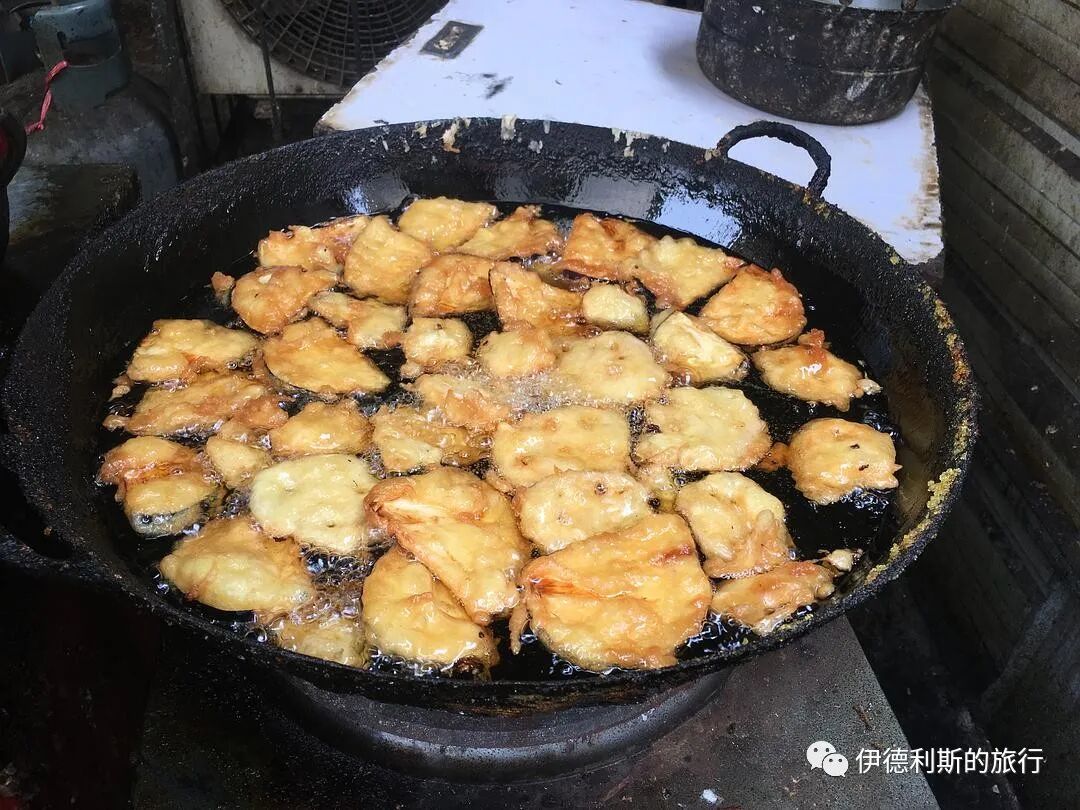
Coming out of Mumin Supermarket, we entered the north-south market on the east side of Xiguan Beili that leads to Xiguan Street. There were very fragrant fried eggplant boxes and lotus root boxes.
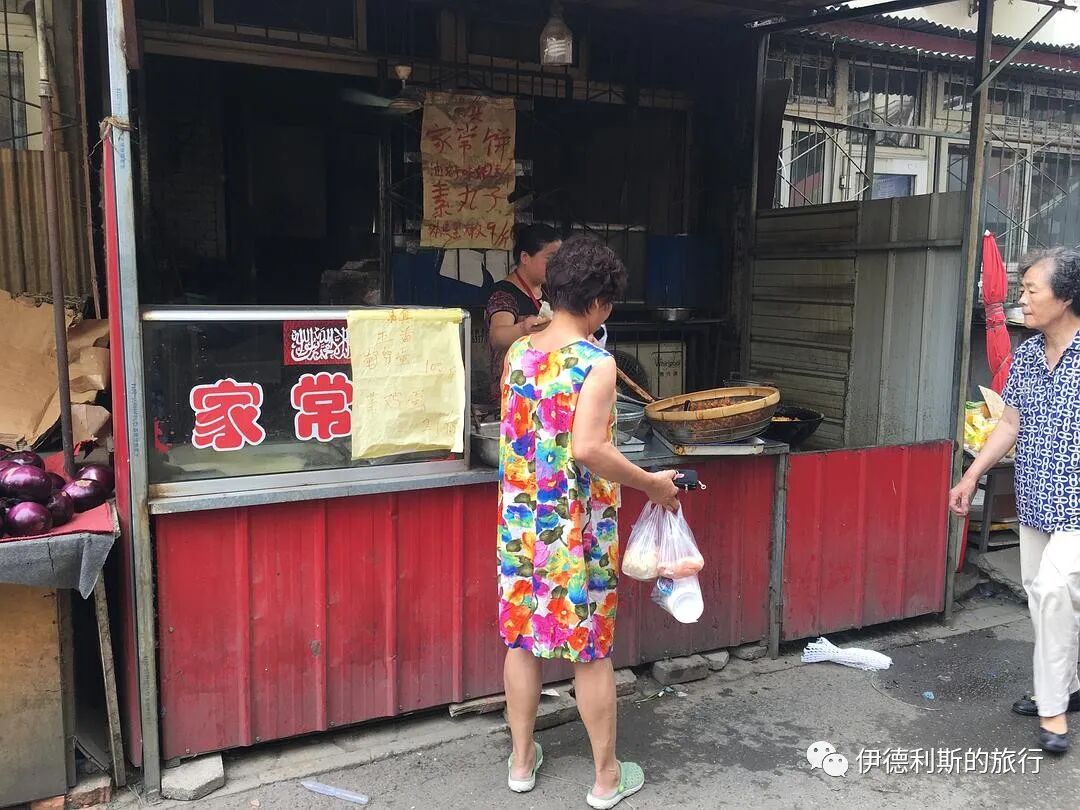
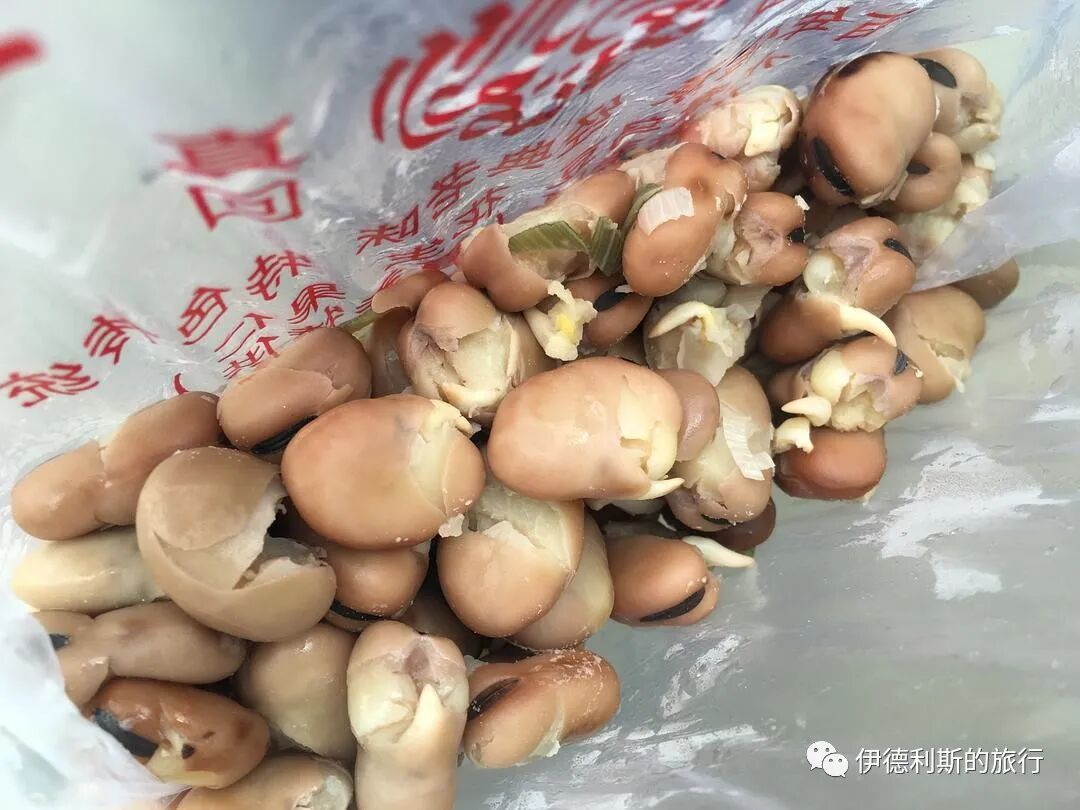
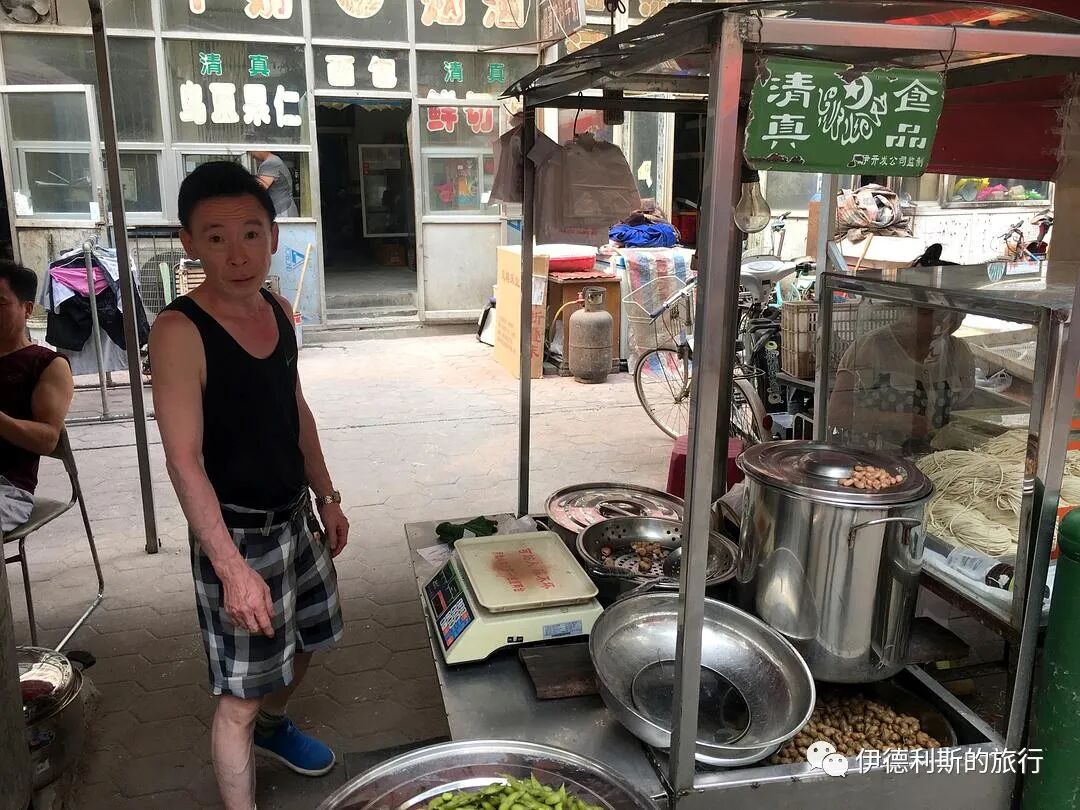
We turned onto Xiguan Street. When I came here in winter, the thing that left the deepest impression was the hot black beans (wudou) at the east entrance. So, we went to buy 3 yuan worth of black beans. My friend highly praised them, saying they were truly delicious.
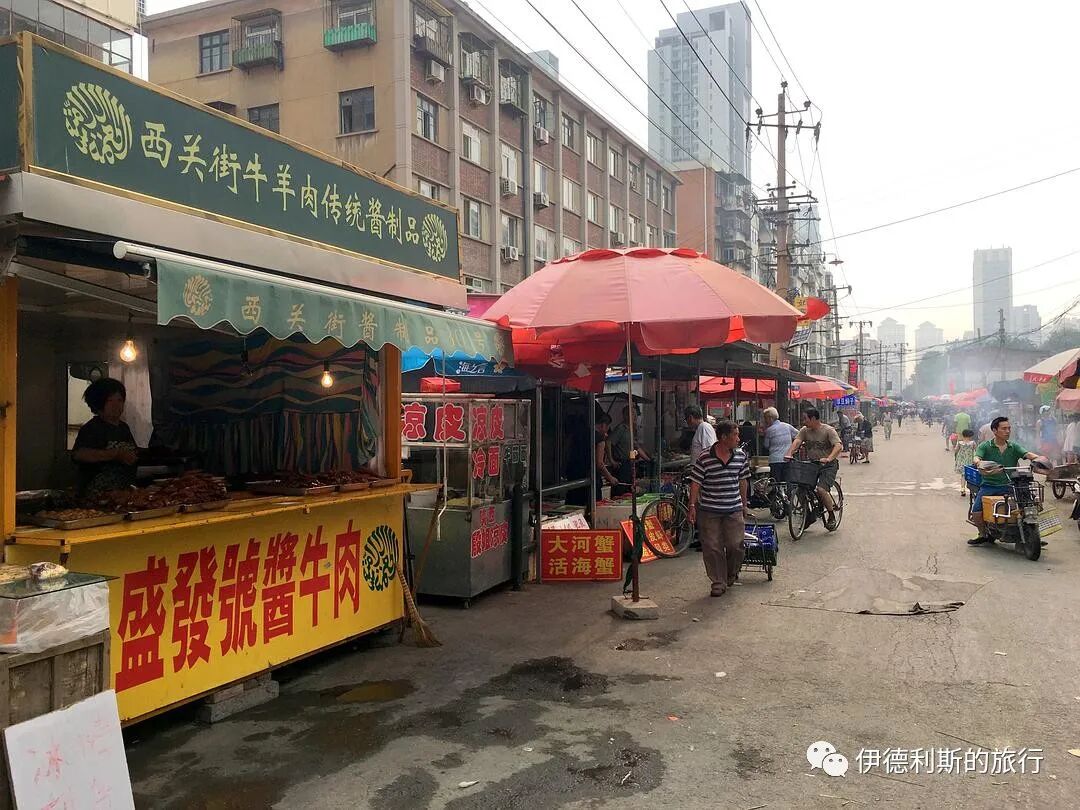
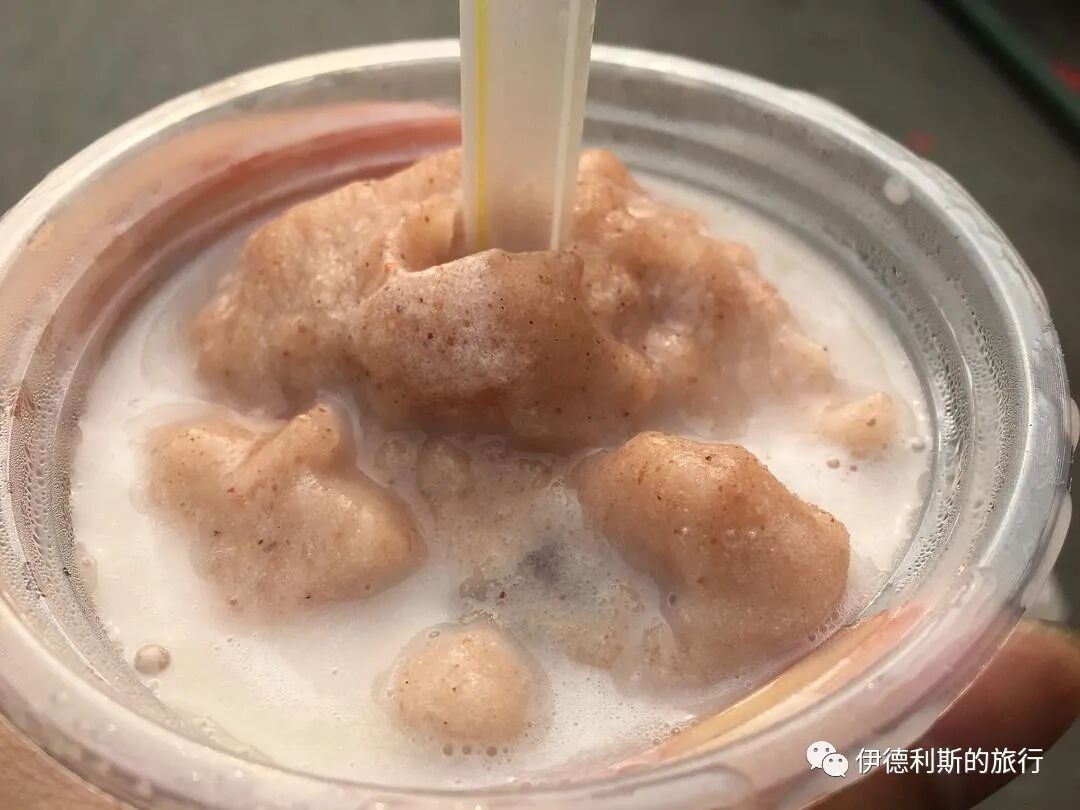
Further east from the black beans is the intersection of Xiguan Street and West Horse Road. On the northwest side of the road, they sell seaweed rice rolls, shaved ice, and milkshakes. I bought a cup of red bean condensed milk shaved ice, which was super refreshing.
August 2016
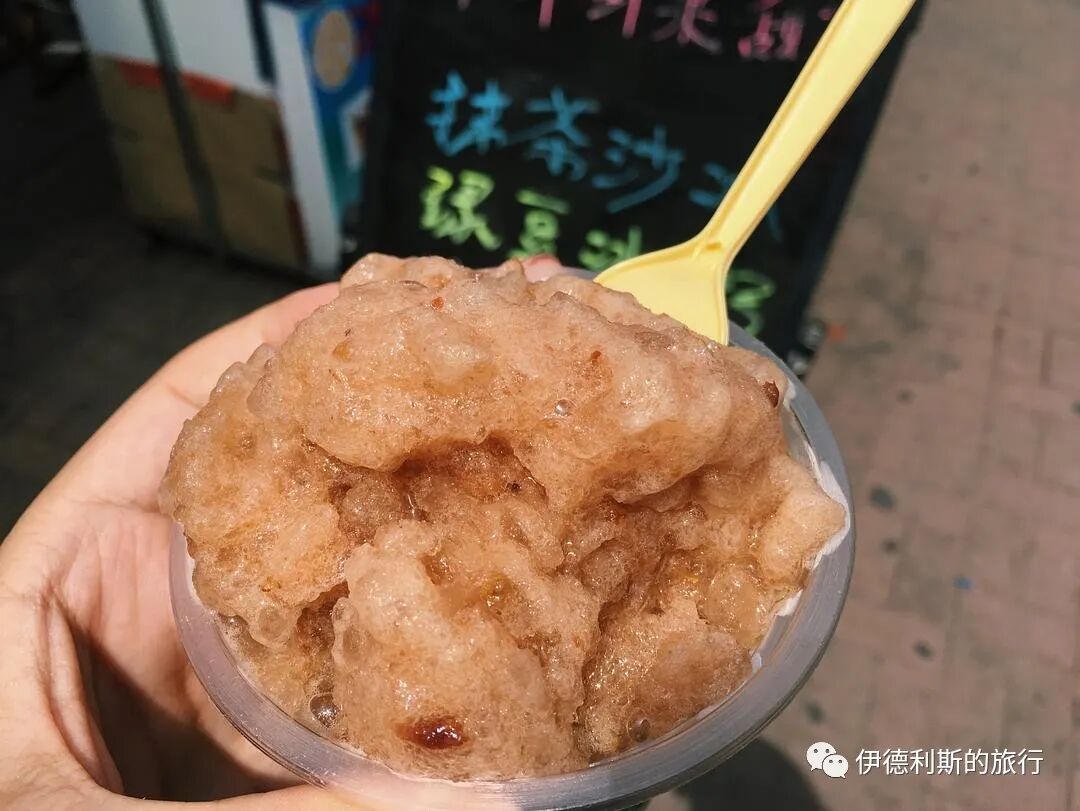
On August 20, 2016, over a month later, my childhood friend and I returned to Tianjin on a not-so-hot afternoon. We got off the train and took the subway straight to the Northwest Corner (Xibeijiao). We exited the southwest subway entrance and headed right to the cold drink shop we had been looking forward to. We had delicious sour plum drink (suanmeitang) there last time, so this time we tried the snowflake shaved ice (xuehualao).
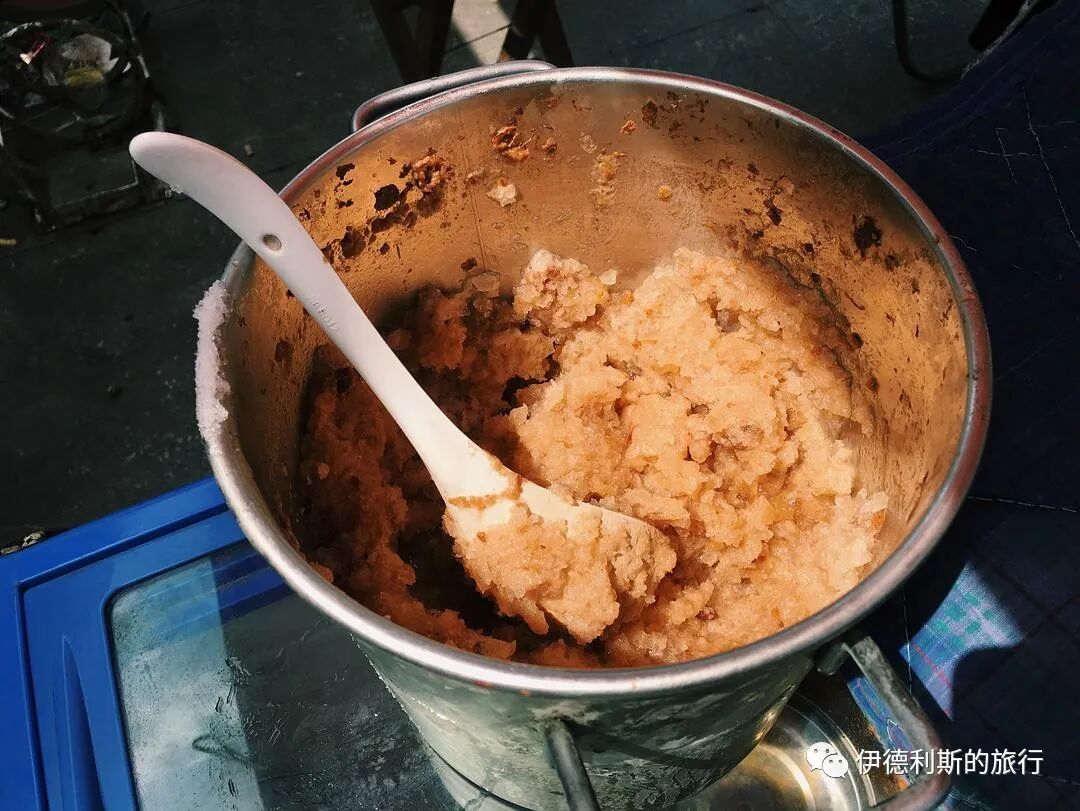
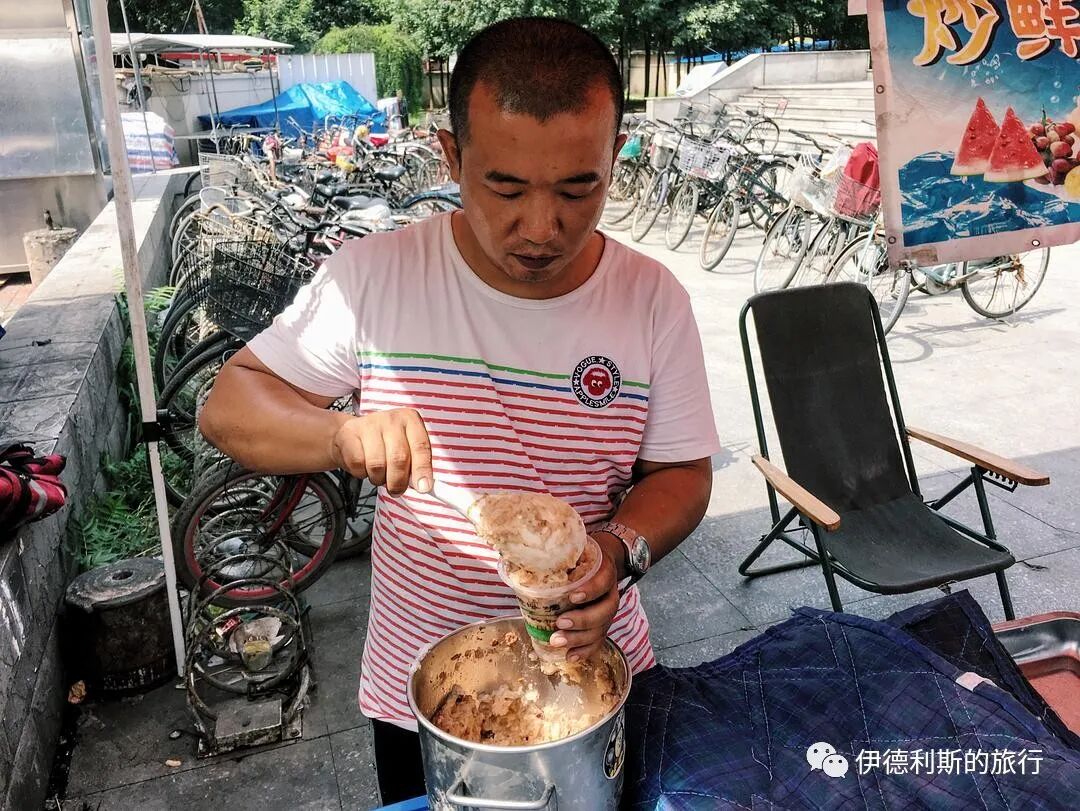
The snowflake shaved ice felt like red hawthorn shaved ice. Imagine it as snow made of stir-fried red hawthorn (chaohongguo). It was not as sweet as the stir-fried red hawthorn in Beijing, and I really liked it.
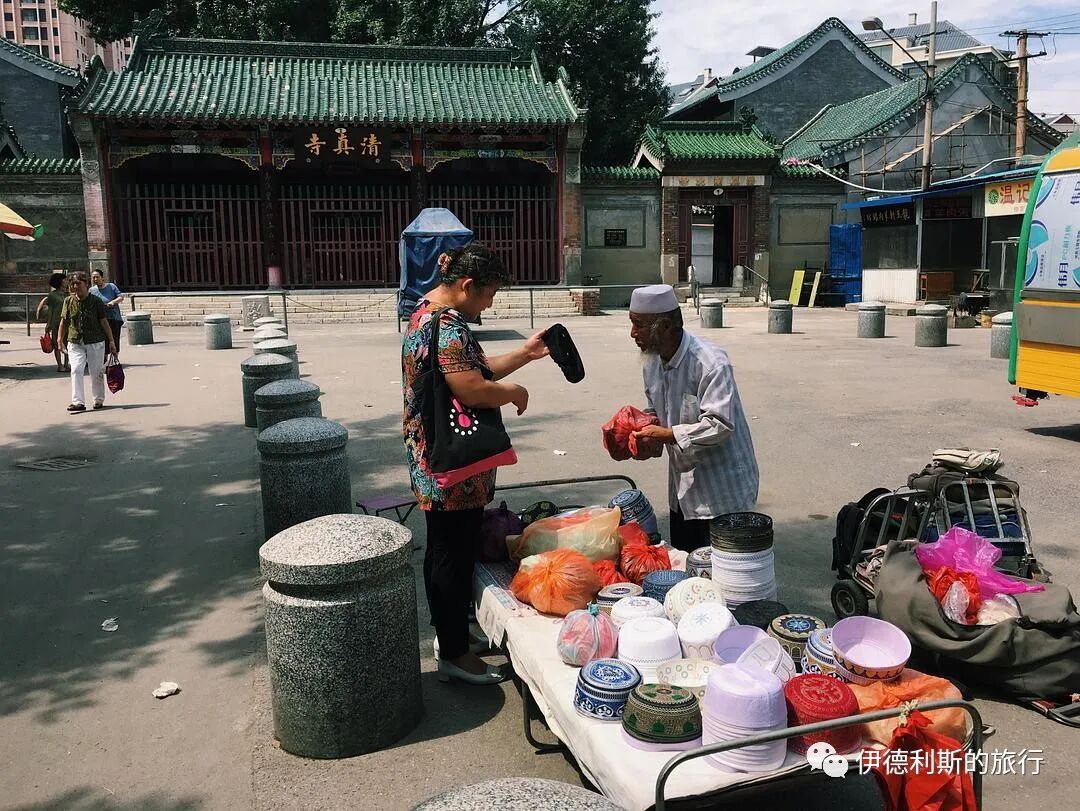
We kept walking south along West Horse Road (Ximalu), then turned west at the intersection of the South Mosque (Qingzhen Nansi). Many shops were closed due to the extreme heat when we visited last month, but it was much livelier this time.
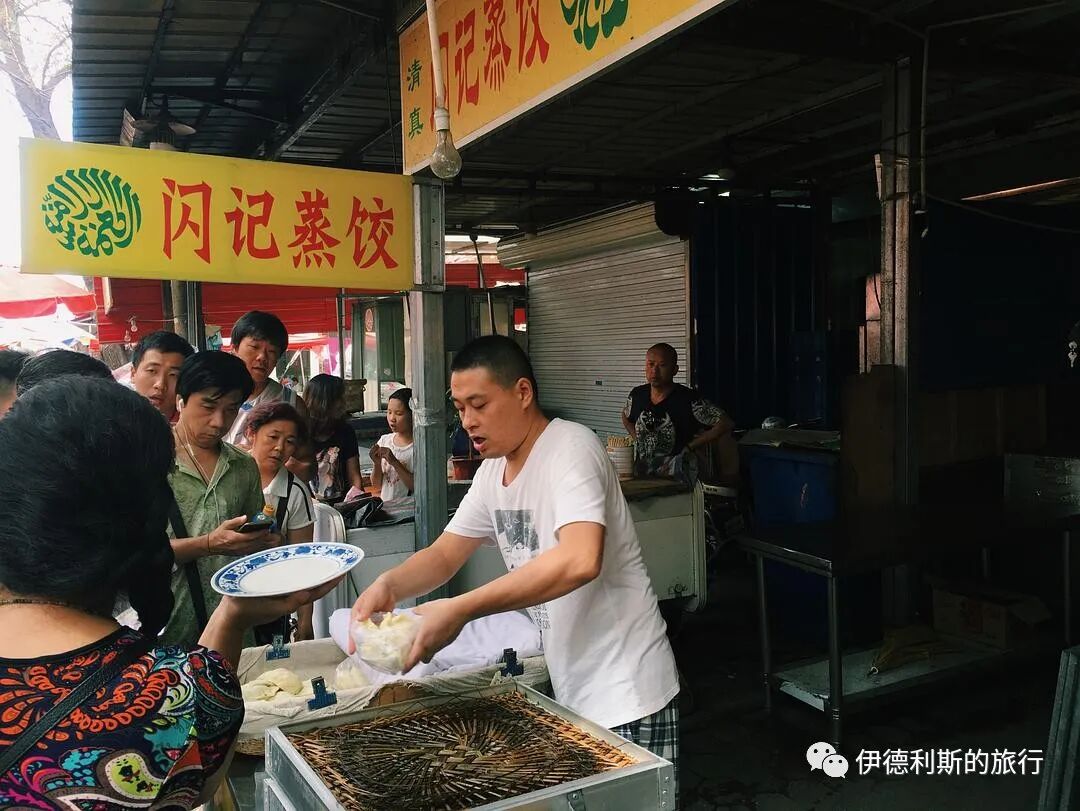
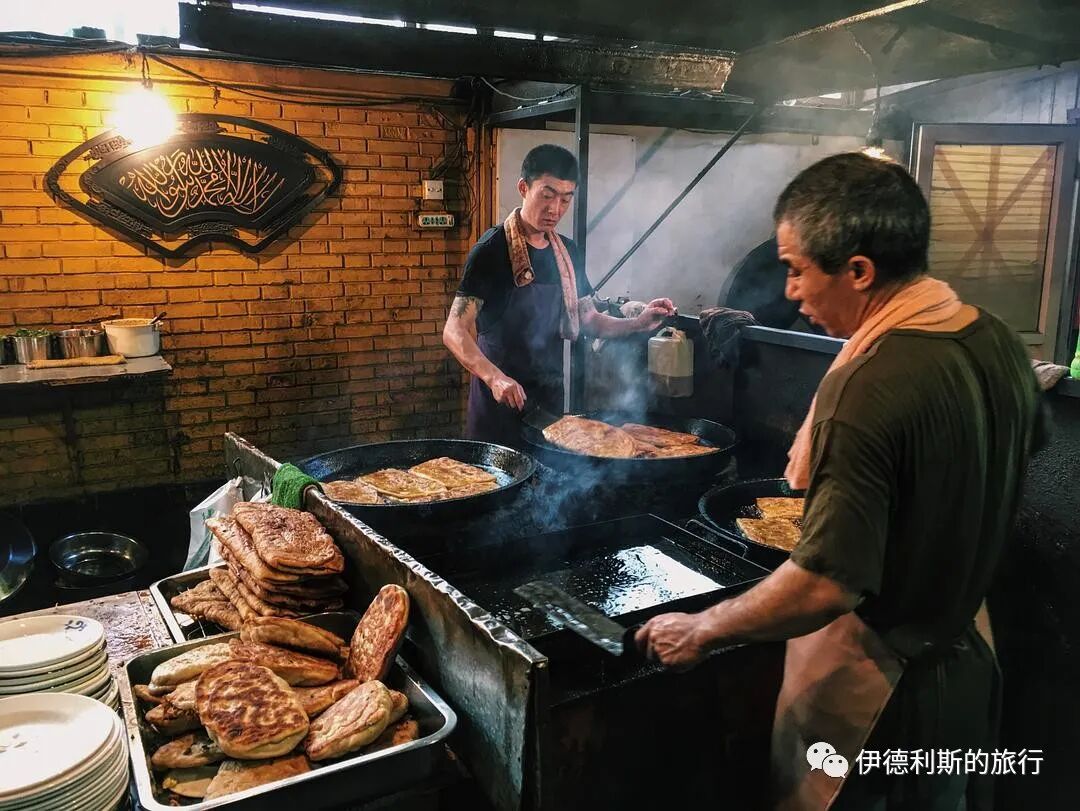
We walked south along Huanqing West Alley, turned west at the Muslim supermarket (Mumin Chaoshi), and walked to the end to find Wang Sangu Beef Pie. We could smell the aroma from far away. The kitchen was outdoors. We lined up from south to north. We paid and got a ticket from the man at the south end. Moving north, two women wrapped the pies, one woman handed them out, and two men cooked them. On the west side, others handled the cold dishes and stewed beef brisket. Everything was organized and lively.
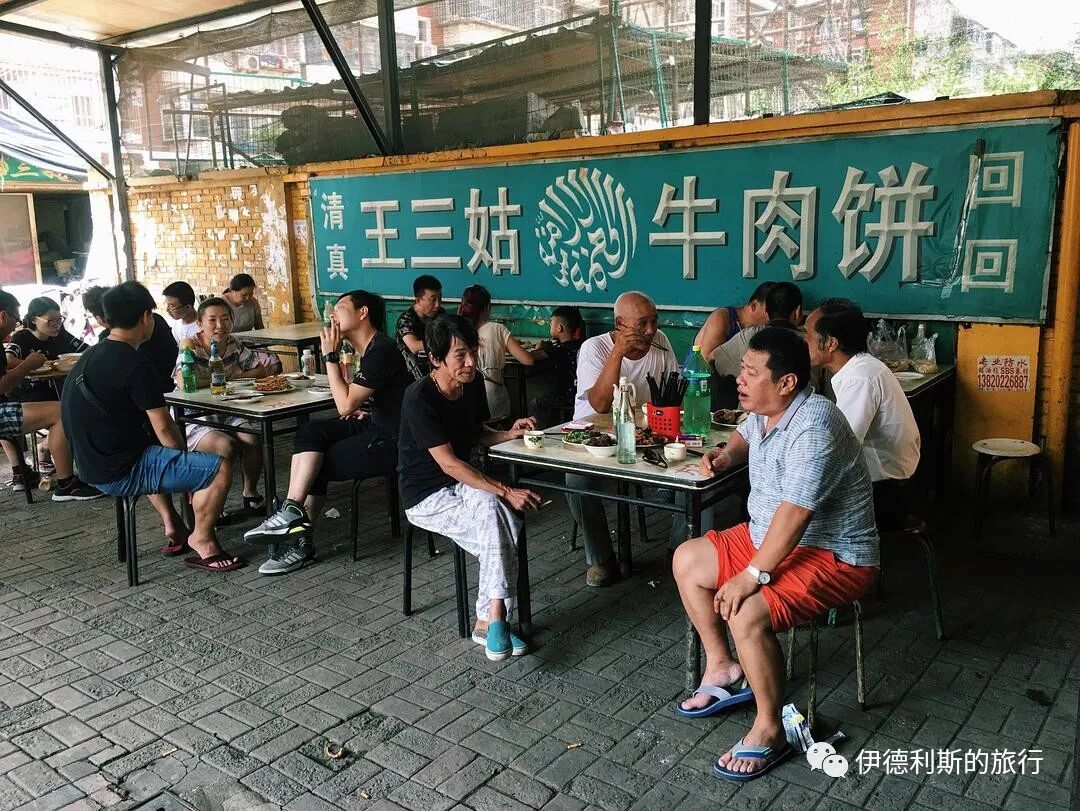
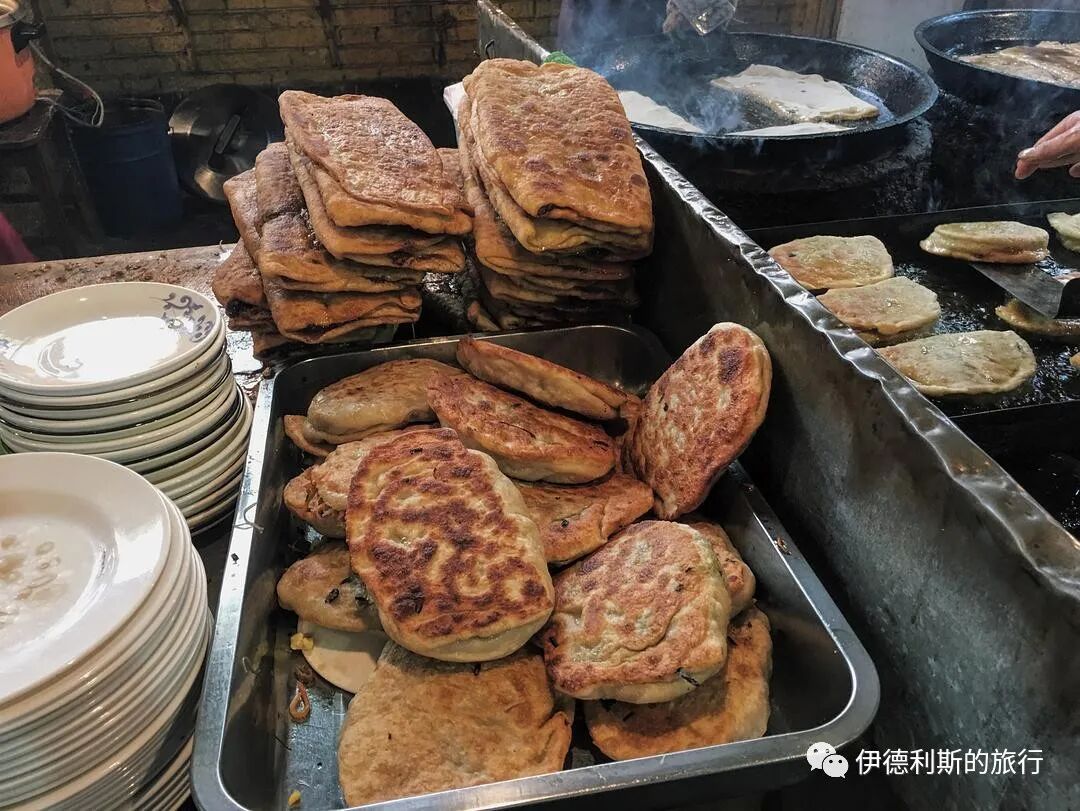
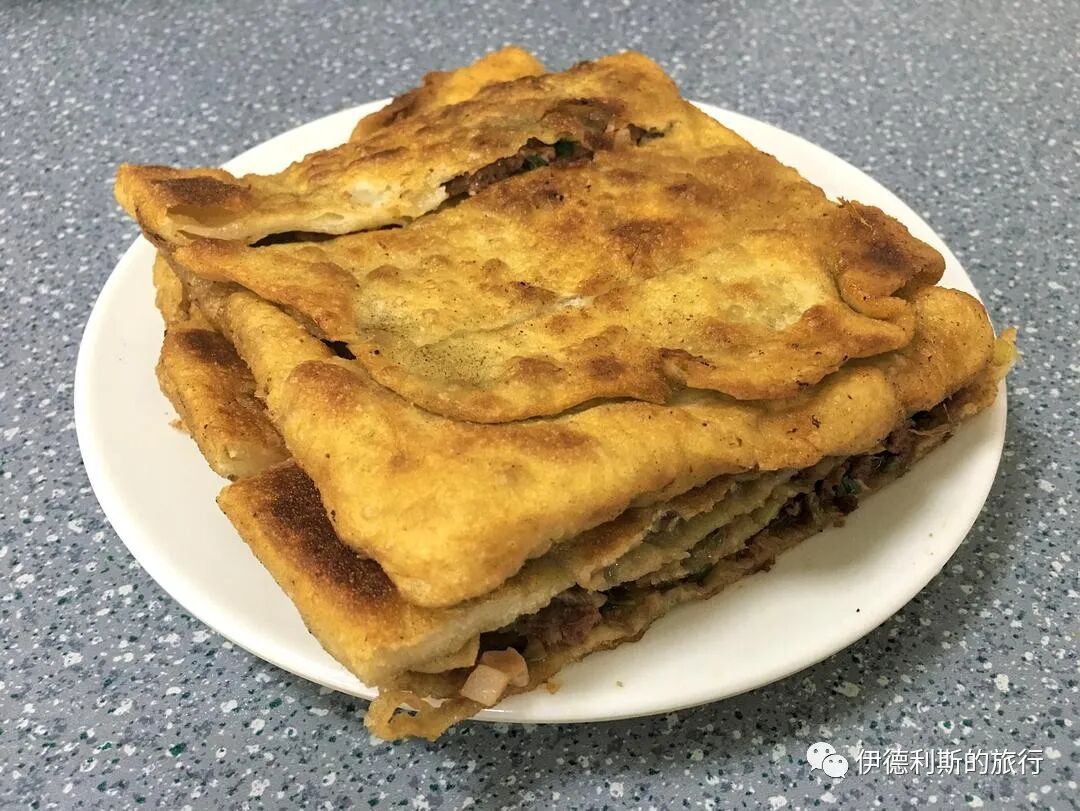
My friend and I bought a 17-yuan beef pie and took it inside to eat. The best part was the crust, which was crispy and had a great texture.
We walked around outside and returned to the Northwest Corner in the evening.
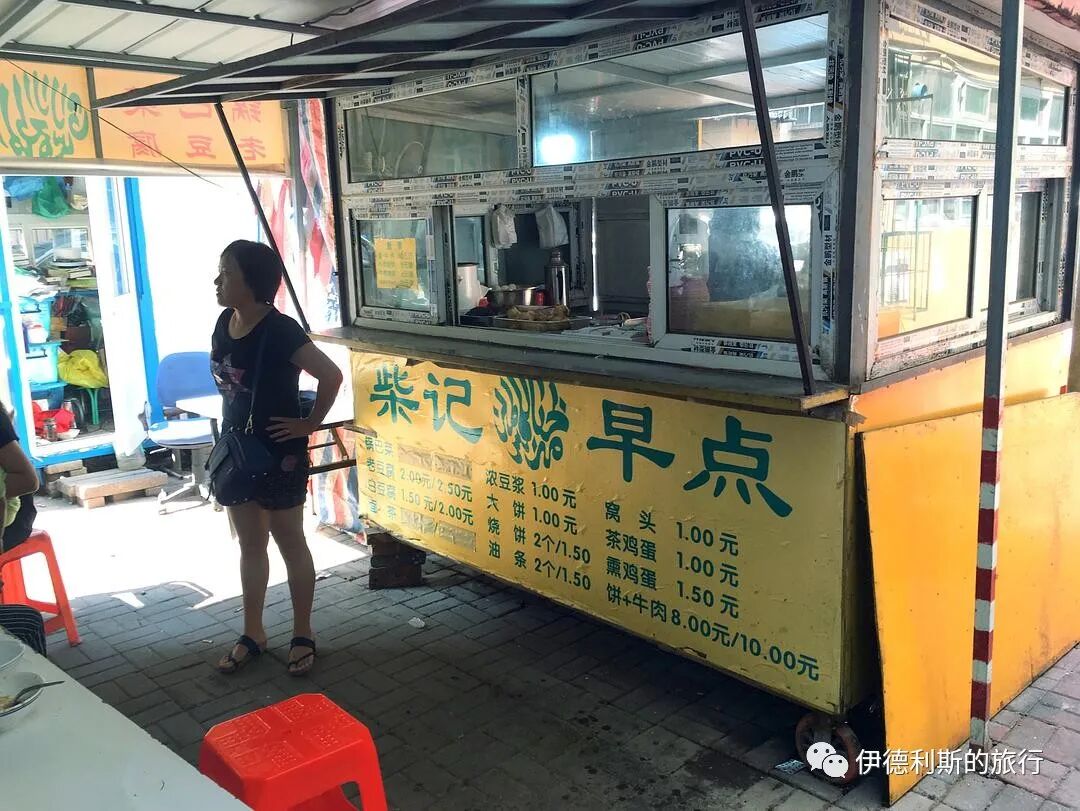
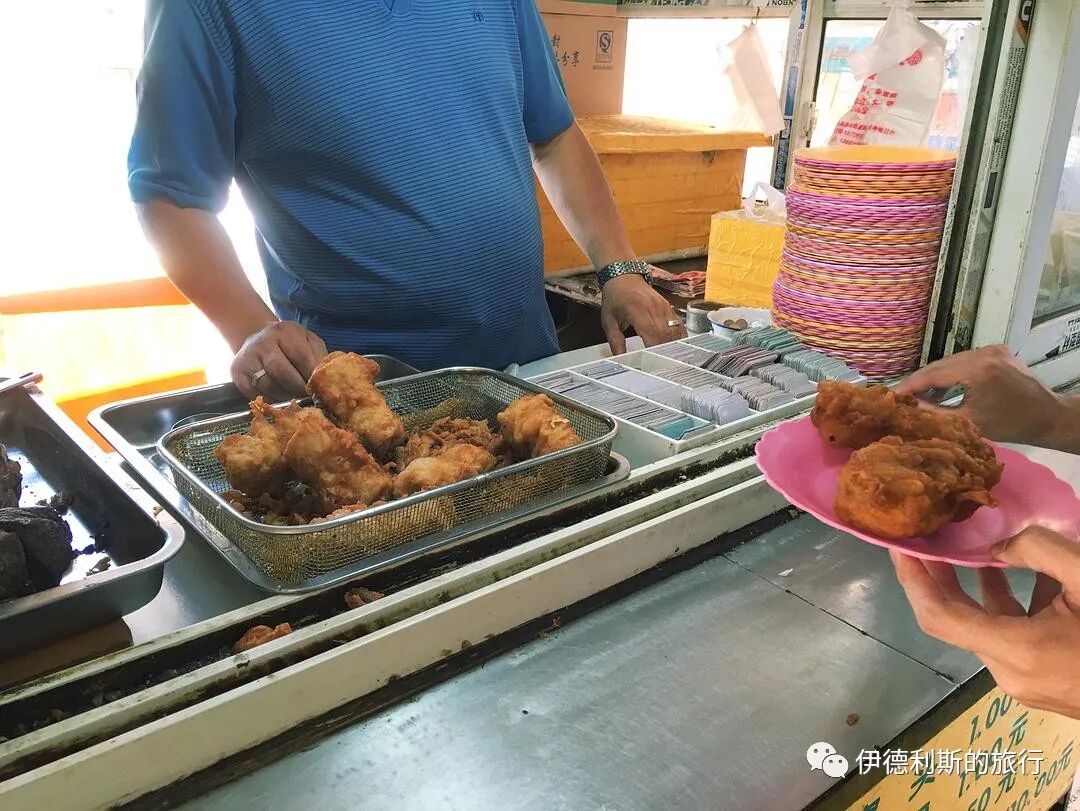
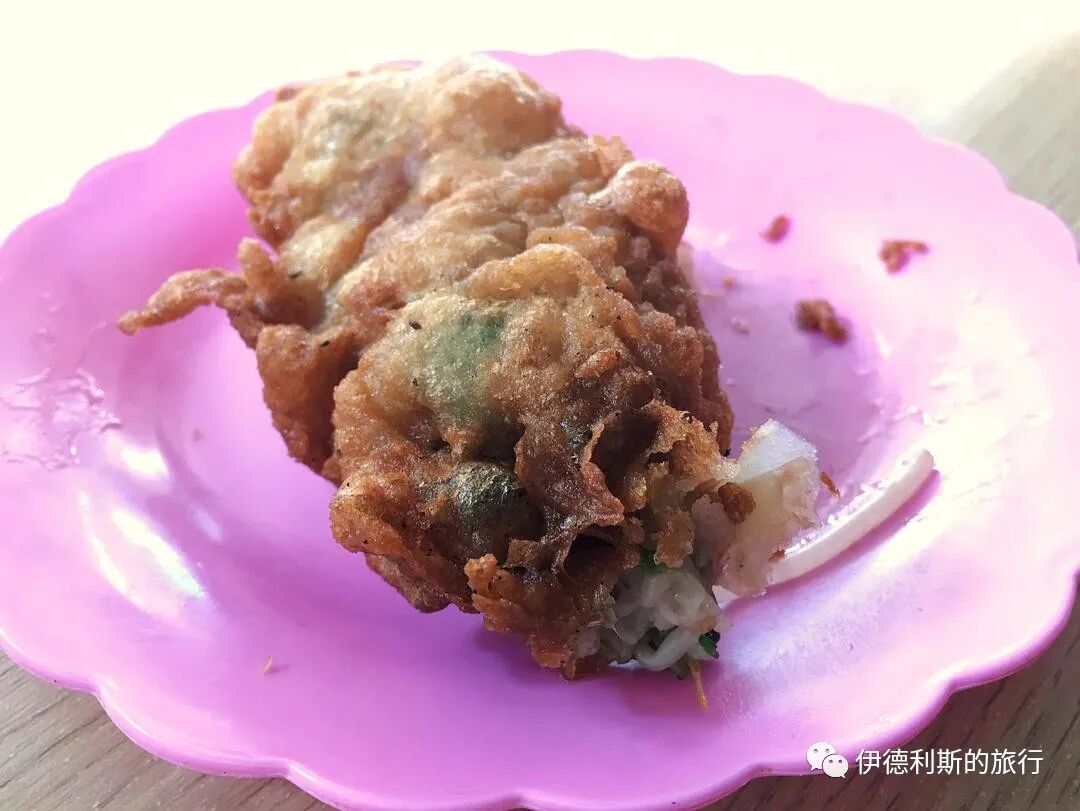
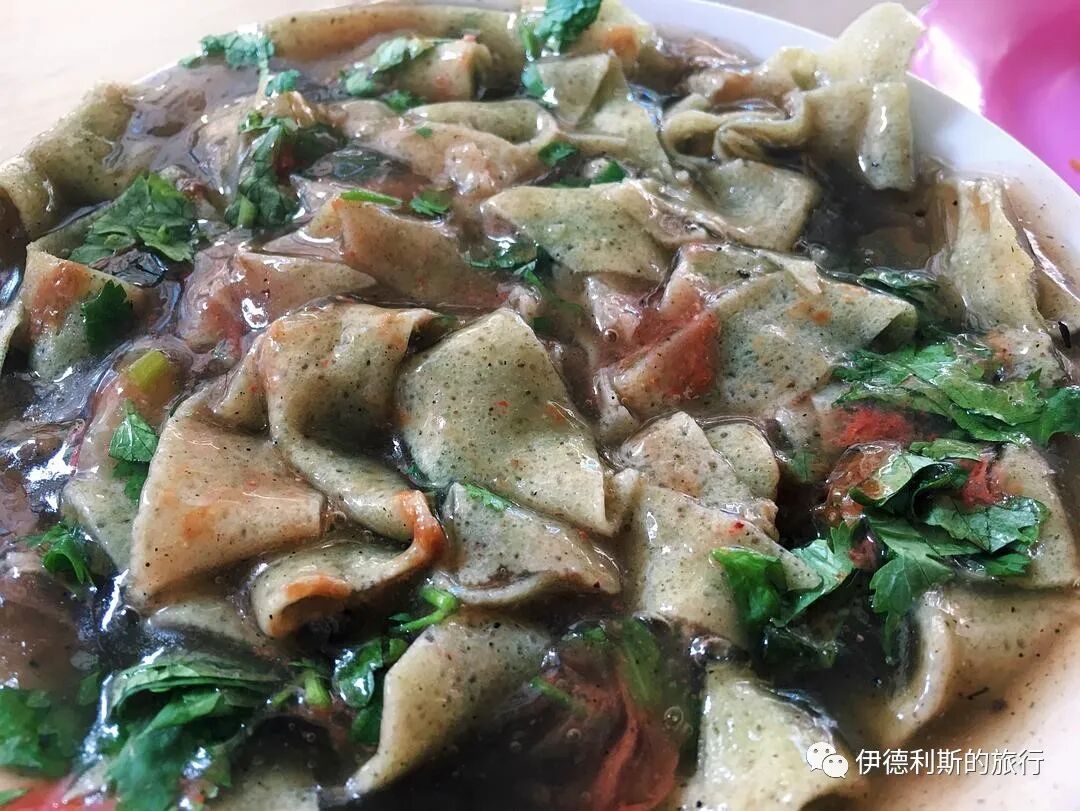
The next morning, we went to the Northwest Corner for breakfast. Outside the South Mosque, we ate savory crepe strips (guobacai) and fried dough rolls (juanquan) at Chai's Breakfast. My childhood friend loves the fried dough rolls so much that he bought another one from the owner after finishing the first. The portion of savory crepe strips I had was huge, so I couldn't finish it all.
Sunday was much hotter than Saturday. My friend and I wandered around the Northwest Corner for a while, but the heat became too much, so we took the subway to the train station.
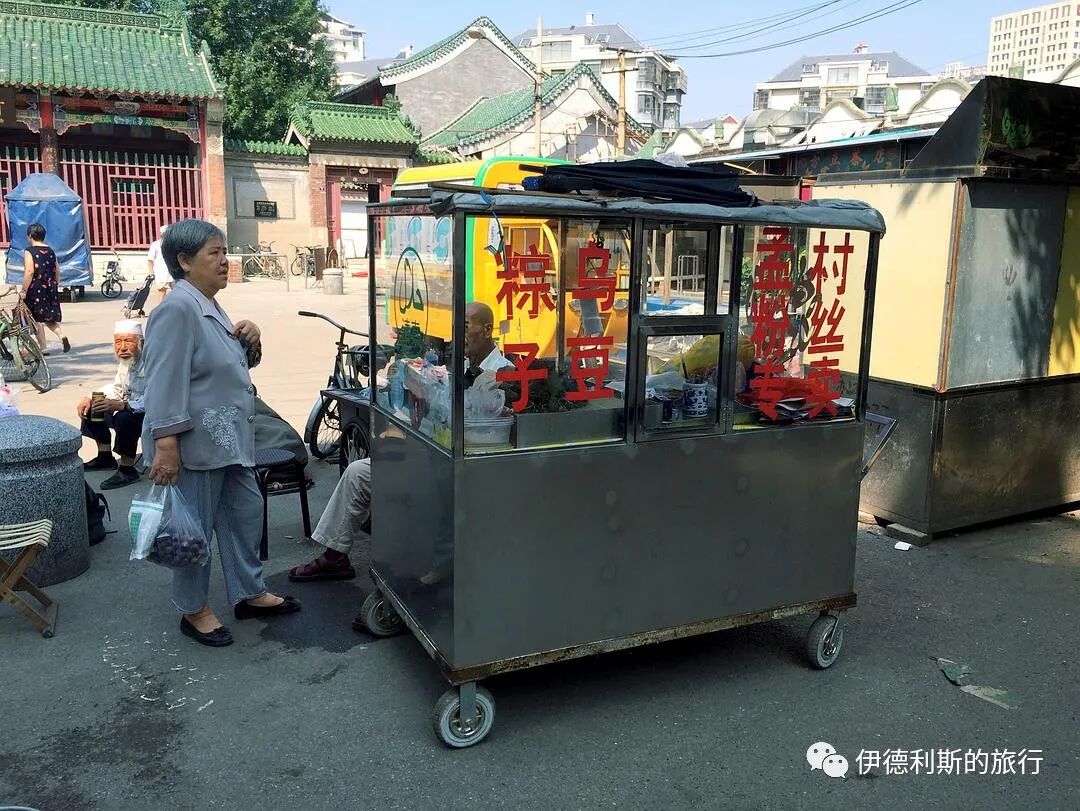
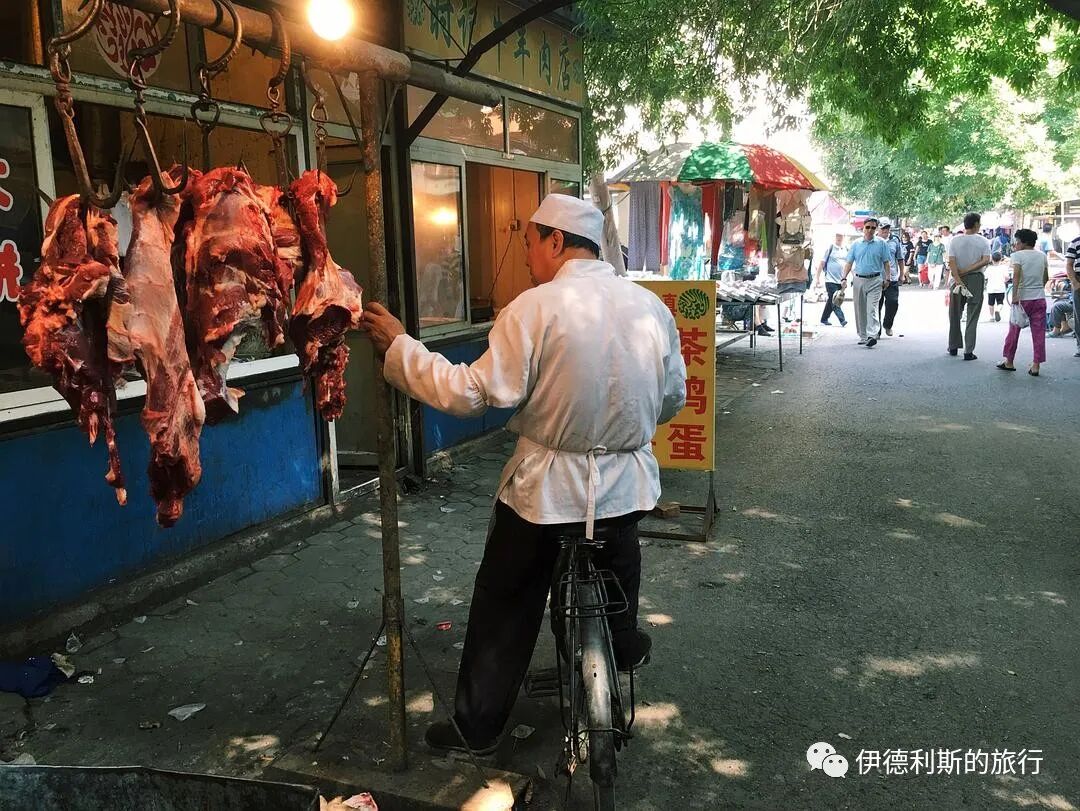
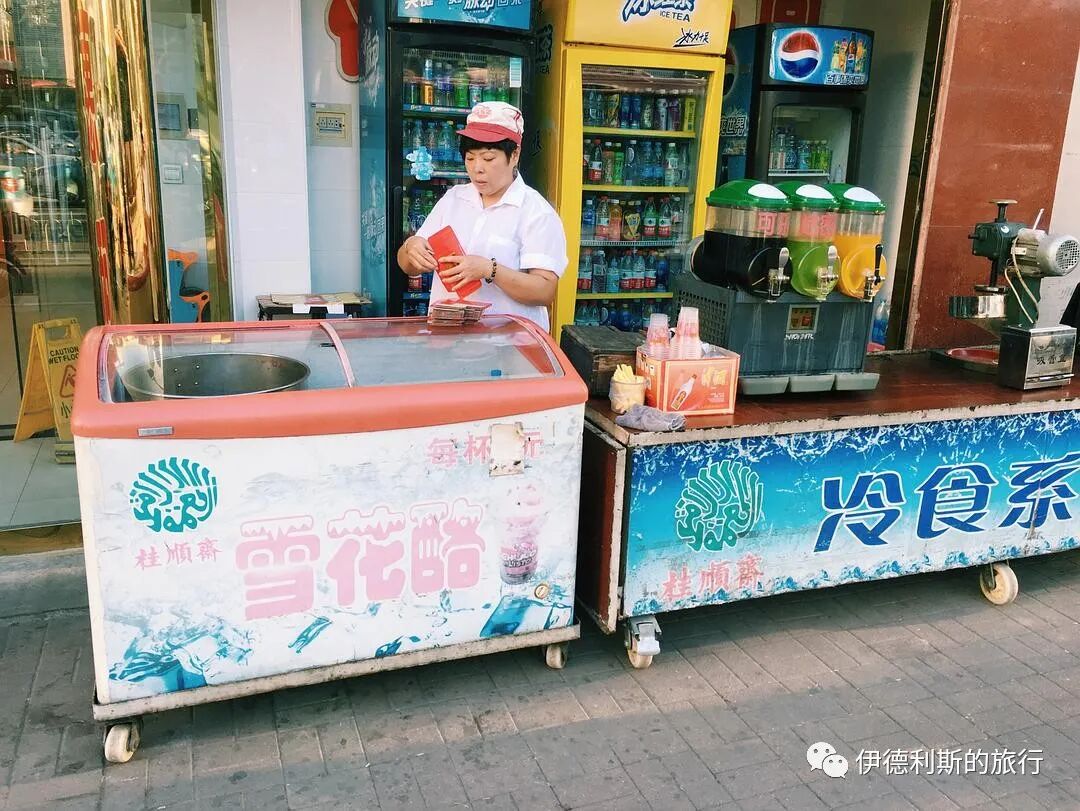
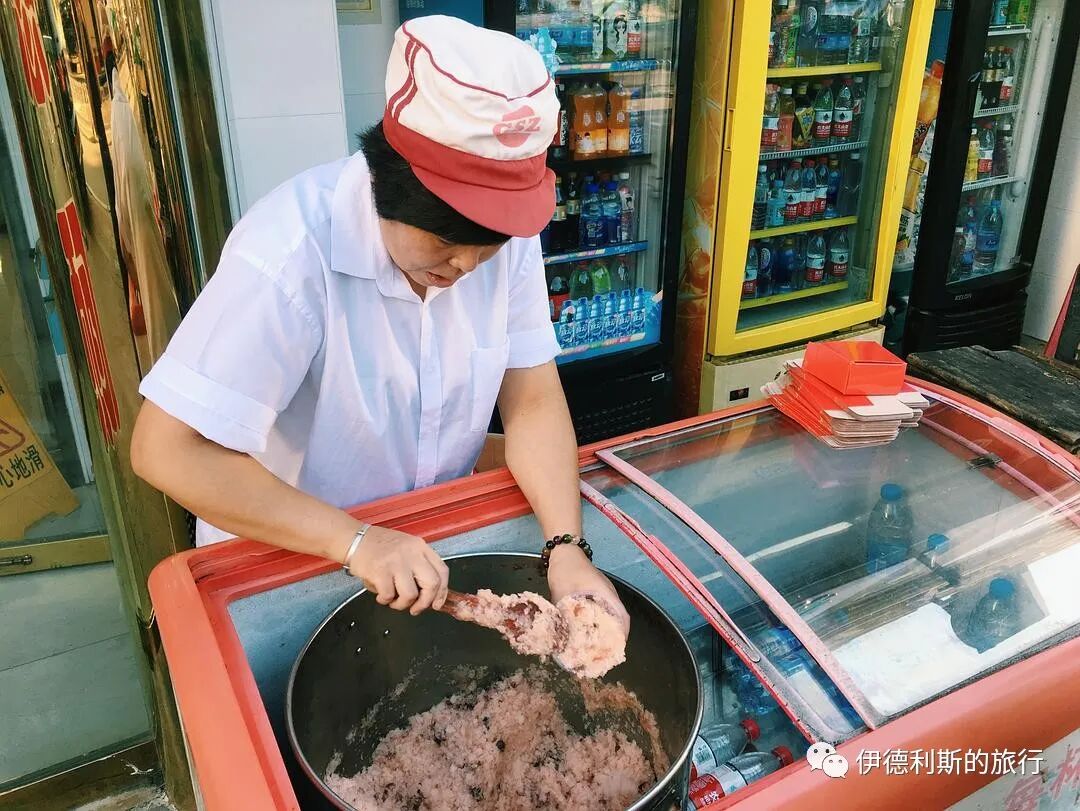
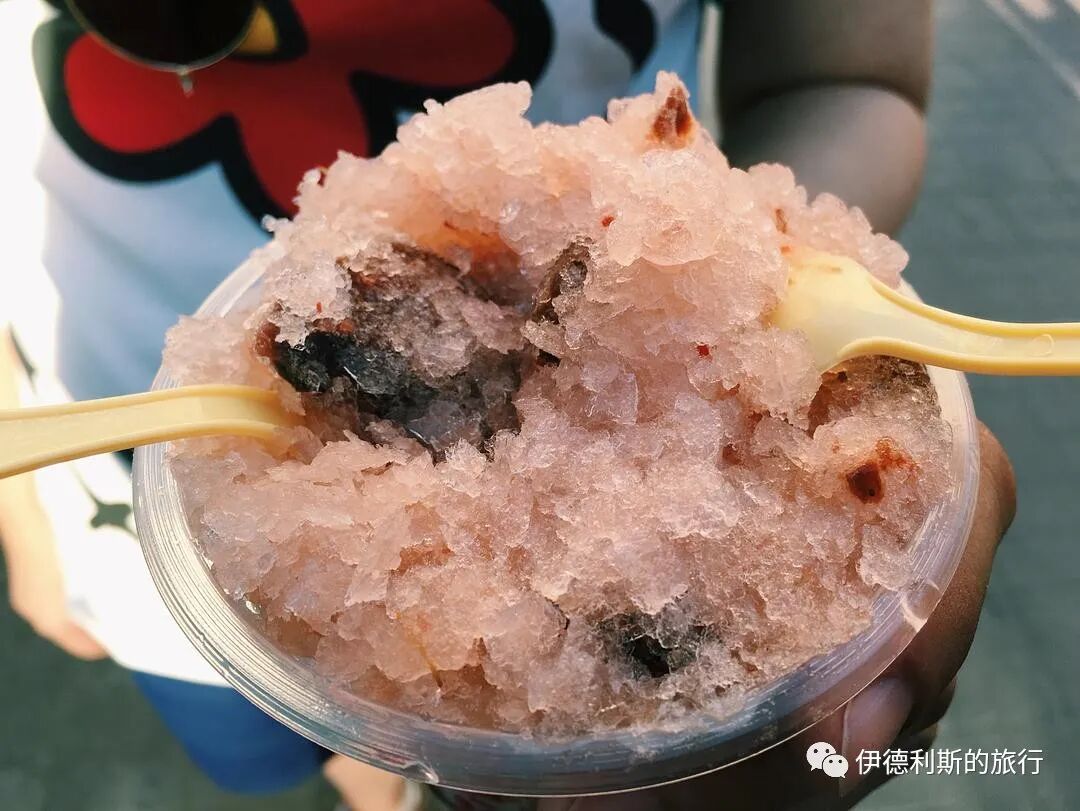
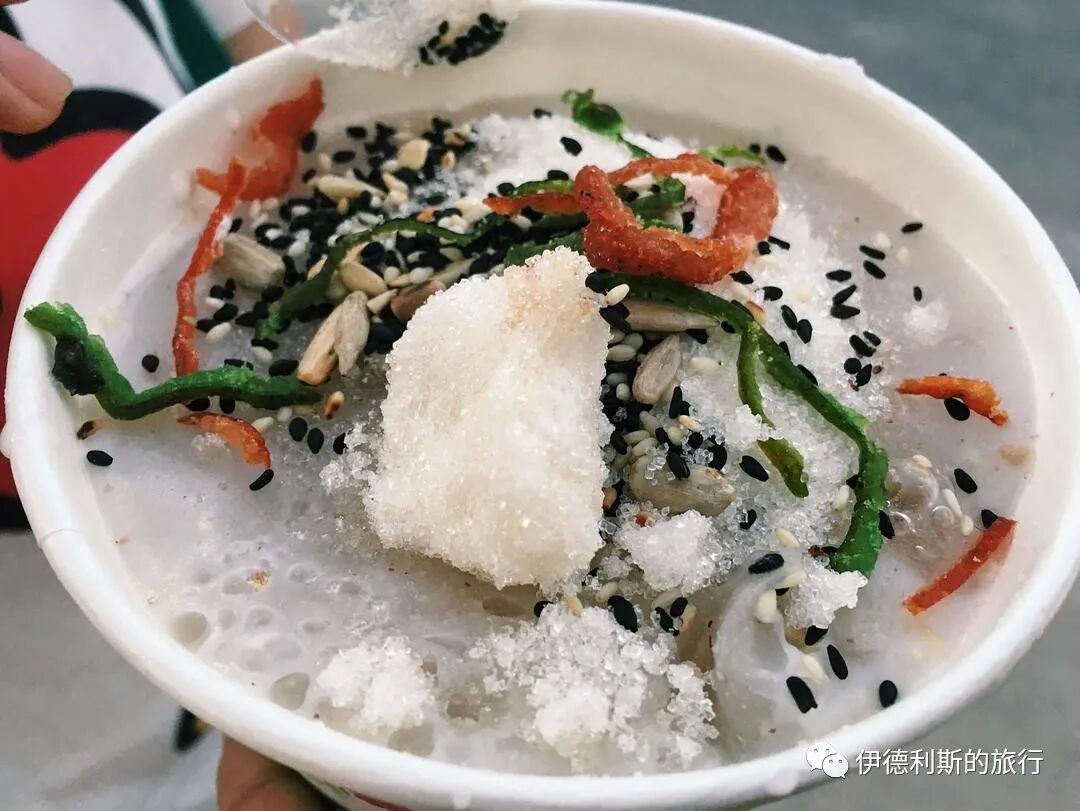
On Sunday, August 27, 2016, at 11:00 a.m., I took the intercity train to Tianjin. After exiting the Northwest Corner subway station, I first went to eat Wang Sangu meat pie (roubing), then bought two yuan worth of black beans (wudou) to snack on while walking. We walked from the Ancient Culture Street back to the Northwest Corner and had a snow-flake ice dessert (xuehualao) at the Guishunzhai shop at the intersection. It had frozen hawthorn and frozen raisins in it, which was very refreshing.
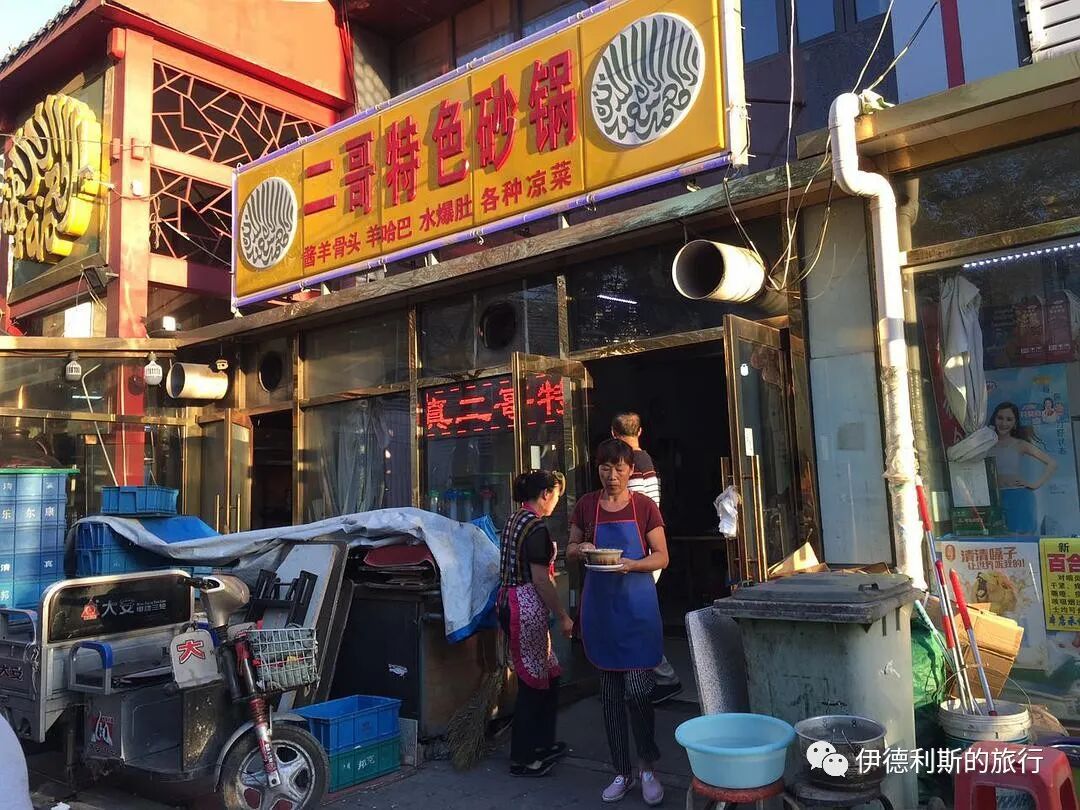
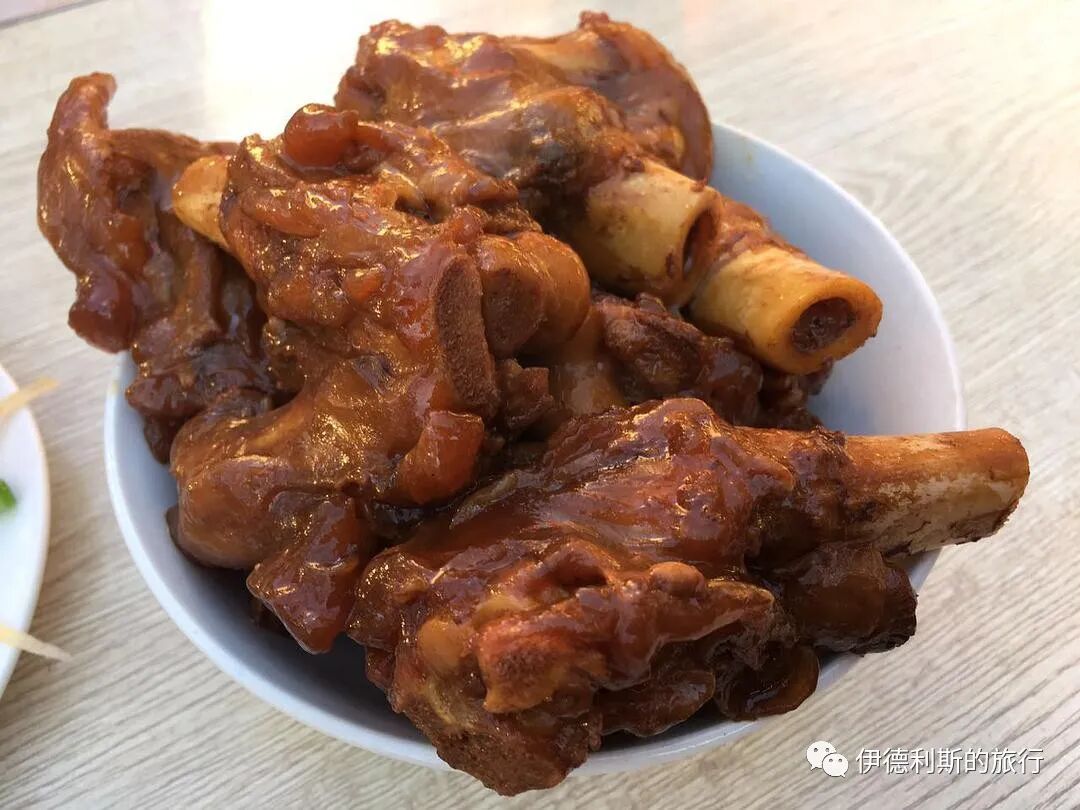
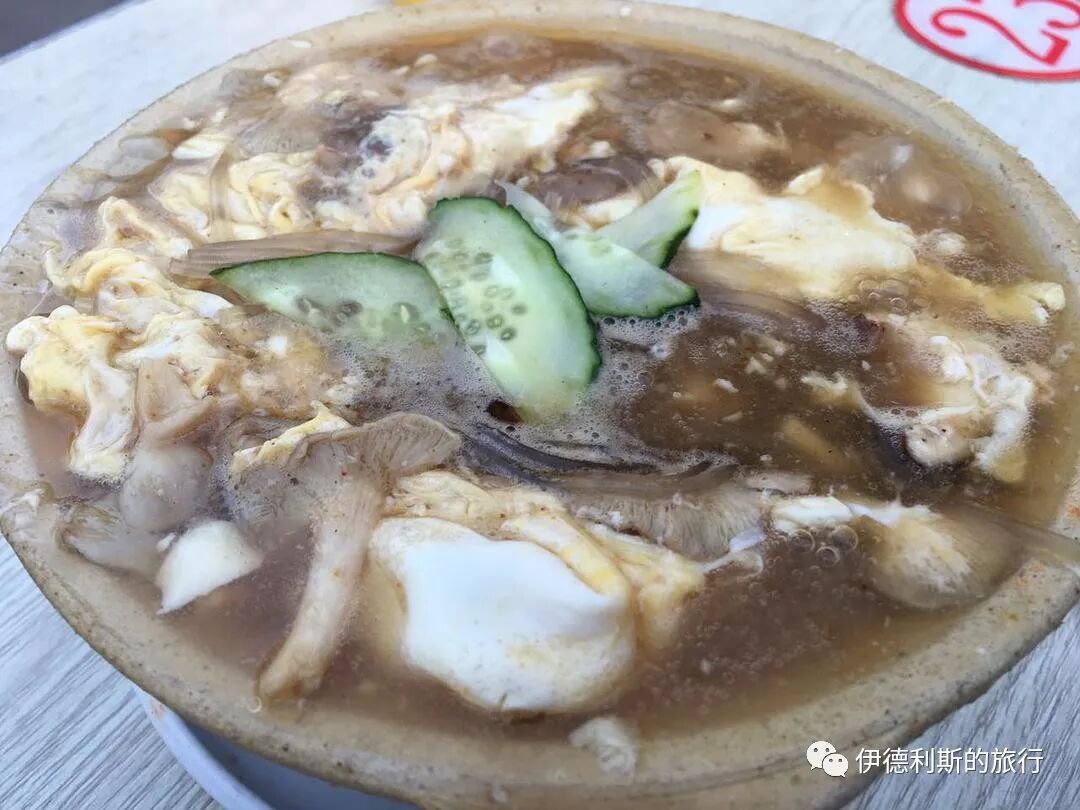
We strolled from Guishunzhai to Uncle Er's Specialty Clay Pot (erdaye tese shaguo) on Jieyuan Road, but it only opens in the evening. Following Xiaolin's suggestion, we ordered lamb knee bone (yanghaba) and vinegar pepper tofu. The lamb knee bone was stewed until very tender and full of flavor. The vinegar pepper tofu tasted like a mix of hot and sour soup and soft tofu, which I really liked.
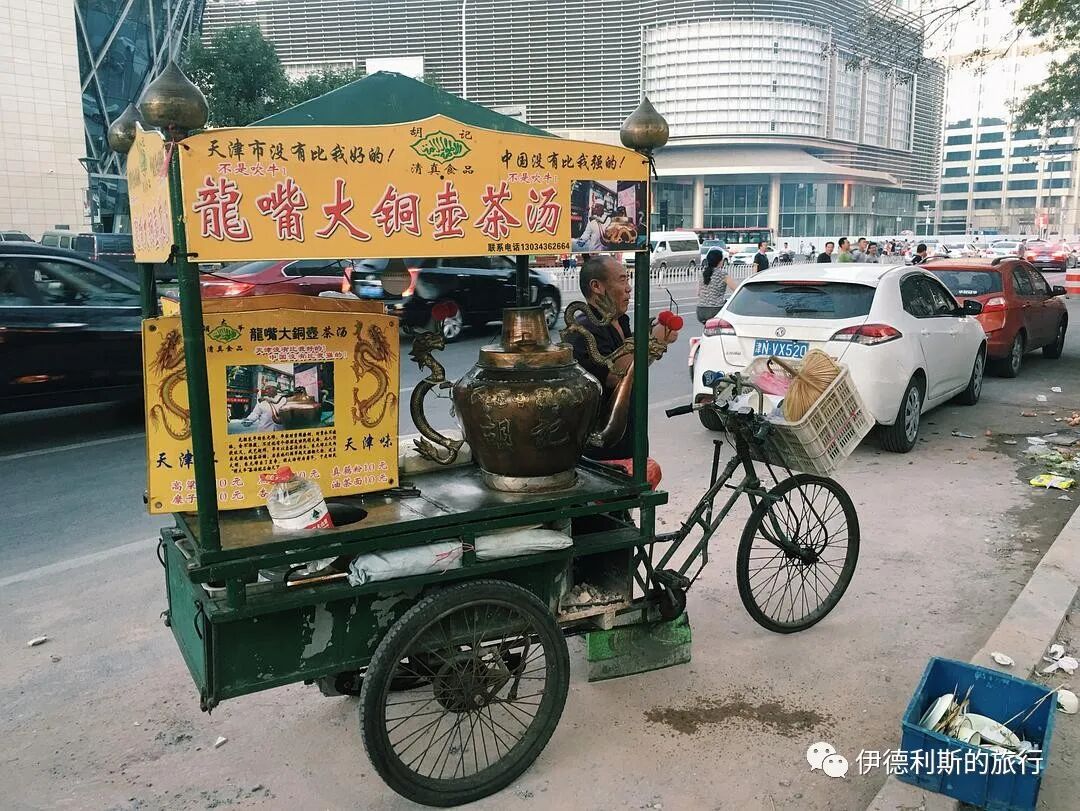
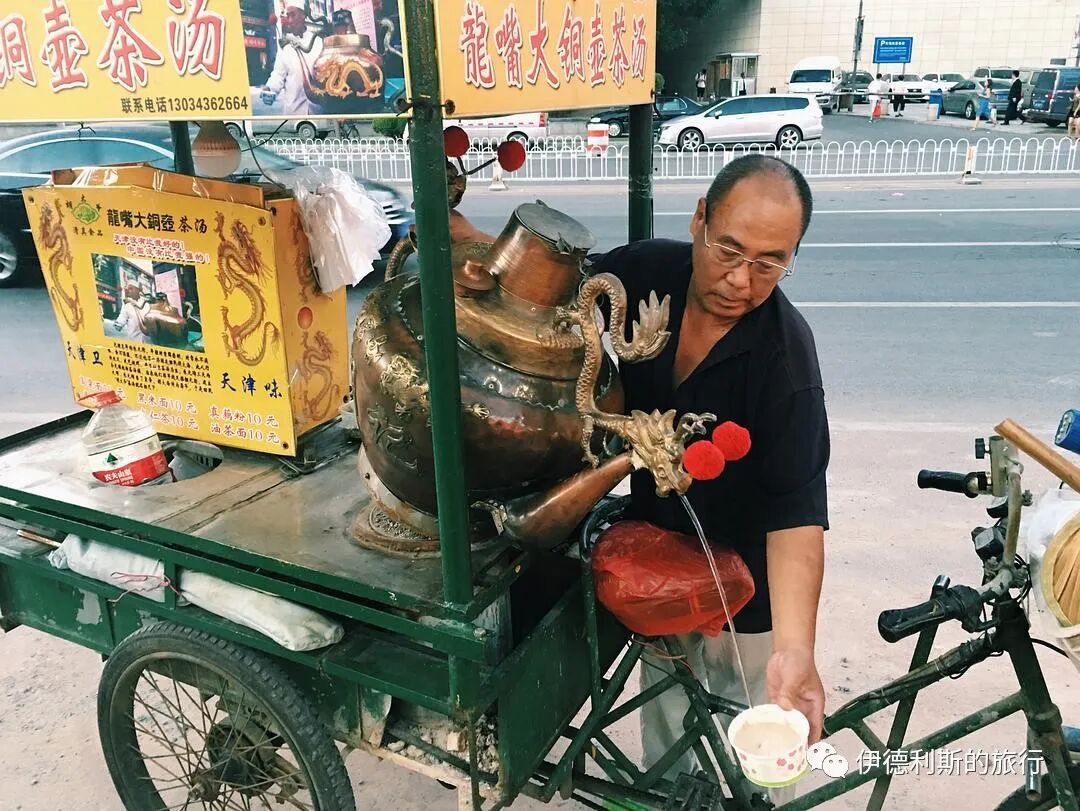
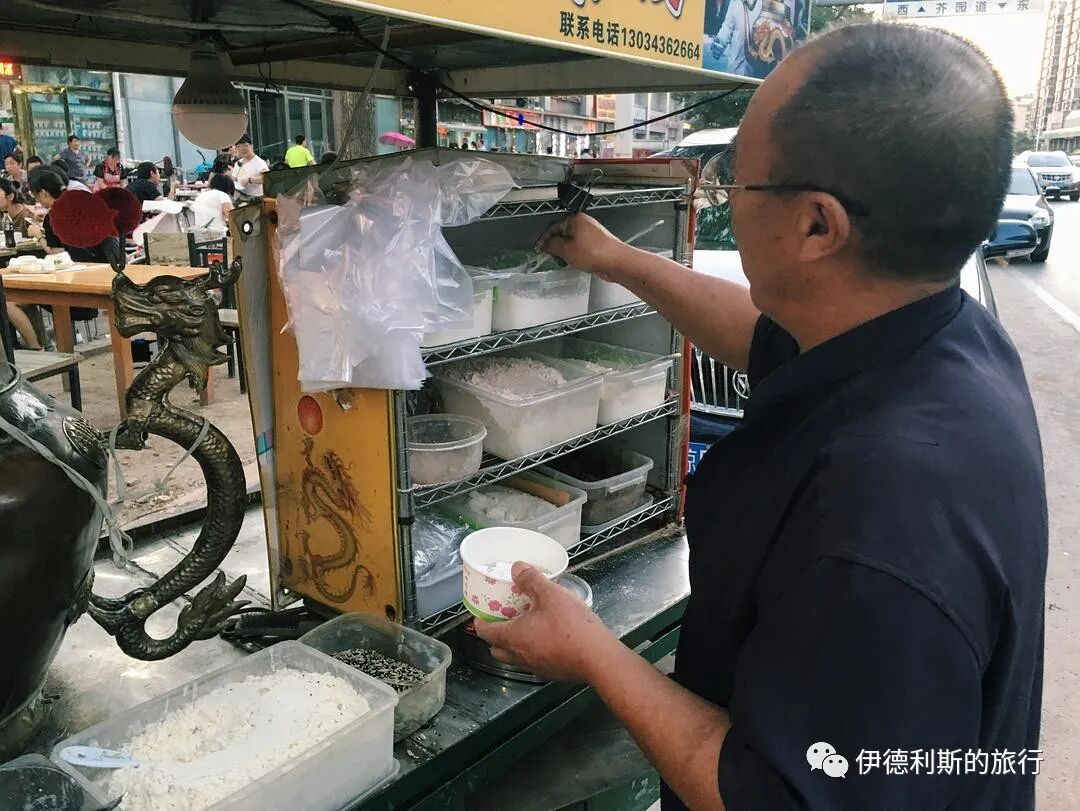
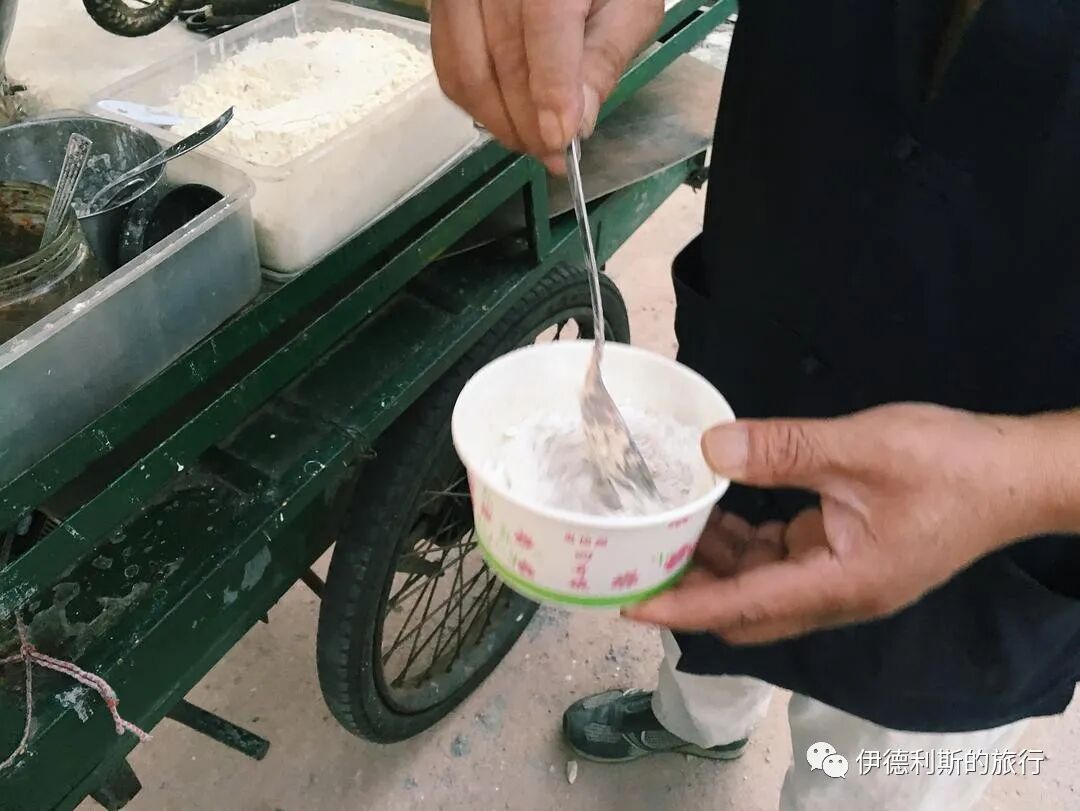
After finishing the clay pot, a cart selling tea soup (chatang) happened to pull up. I had heard that Tianjin's tea soup is a local specialty, so I bought a bowl of almond tea soup. They were very generous with the toppings, and it reminded me of the tea soup I drank as a child.
January 2017
Whenever anyone mentions the Northwest Corner in Tianjin, my mouth starts watering. On Friday, January 13, 2017, right after work, I set off on another trip to the Northwest Corner of Tianjin.
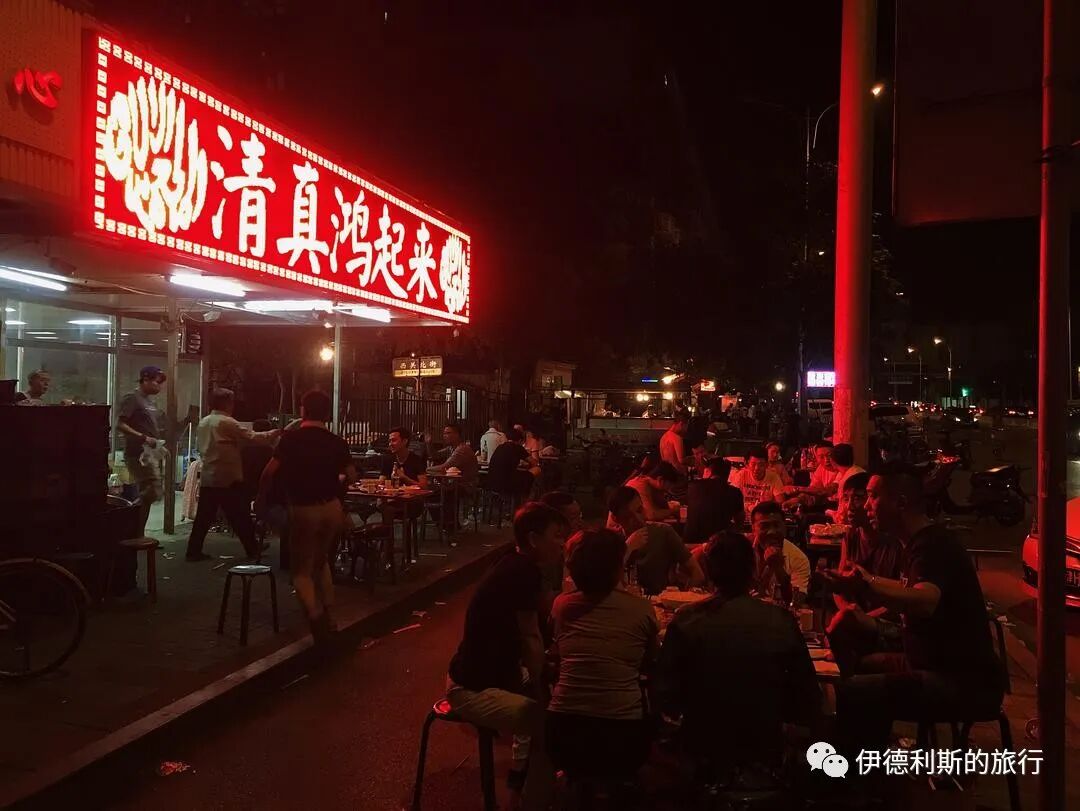
I took the intercity train from Beijing South Station to Tianjin West Station, then transferred to Line 1 of the subway for one stop to reach the Northwest Corner. The halal night market is right across from the southwest exit of the Northwest Corner subway station. It has all kinds of snacks like fried skewers (zhachuan), braised rice (bafan), and steamed pear cakes (shuligao). My goal this time was the long-awaited Ye's Rice Noodle Rolls (Yeji changfen).
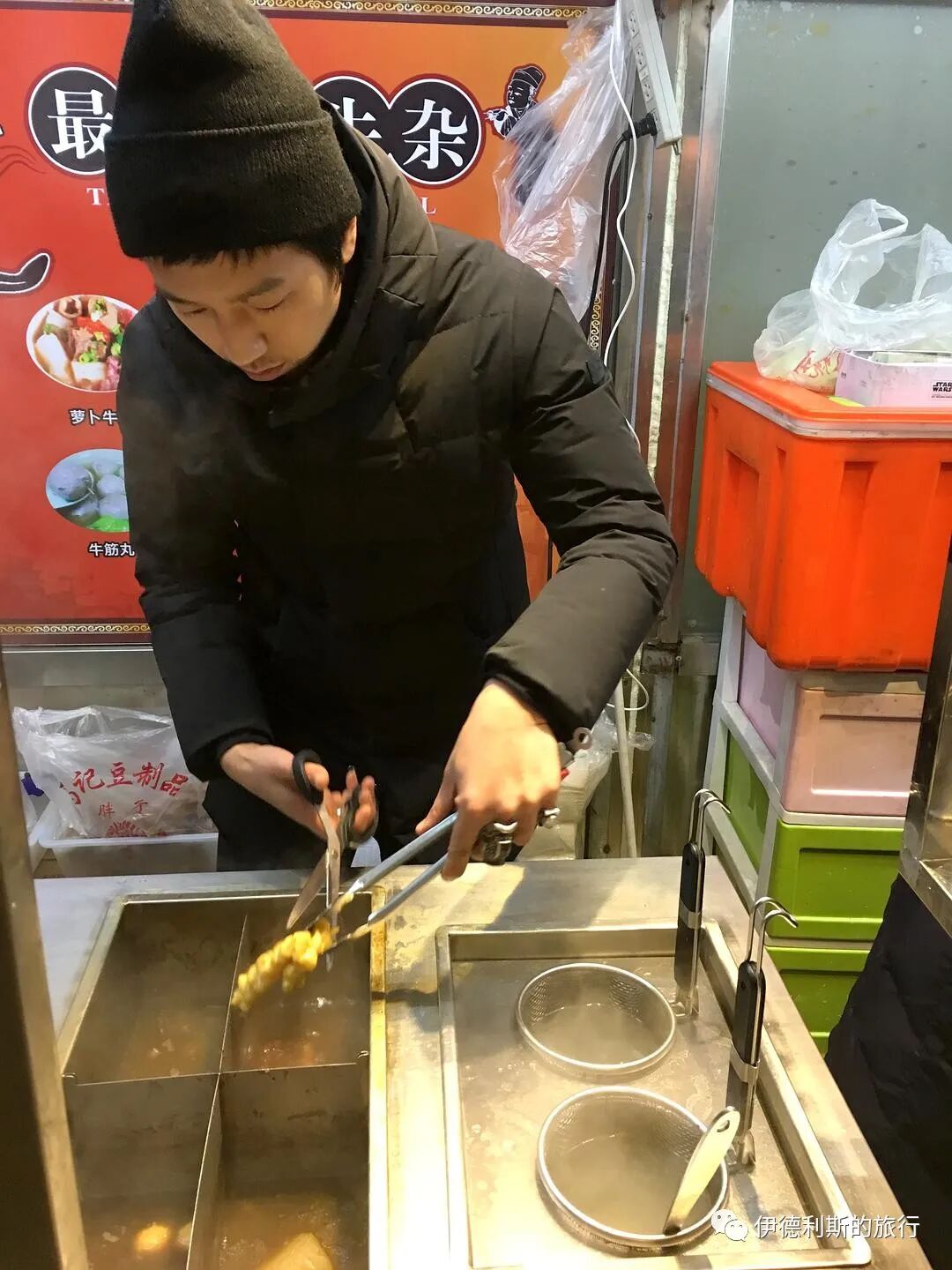
Ye's Rice Noodle Rolls hasn't been in the Northwest Corner for long, but it is the most popular spot at the night market. When I arrived, they had the longest line. I ordered the seafood combo rice noodle rolls with an egg, and the taste was very authentic! It was cold in the winter, so most people got their food to go. Since I came specifically to eat it, I sat in a small pavilion across the street.
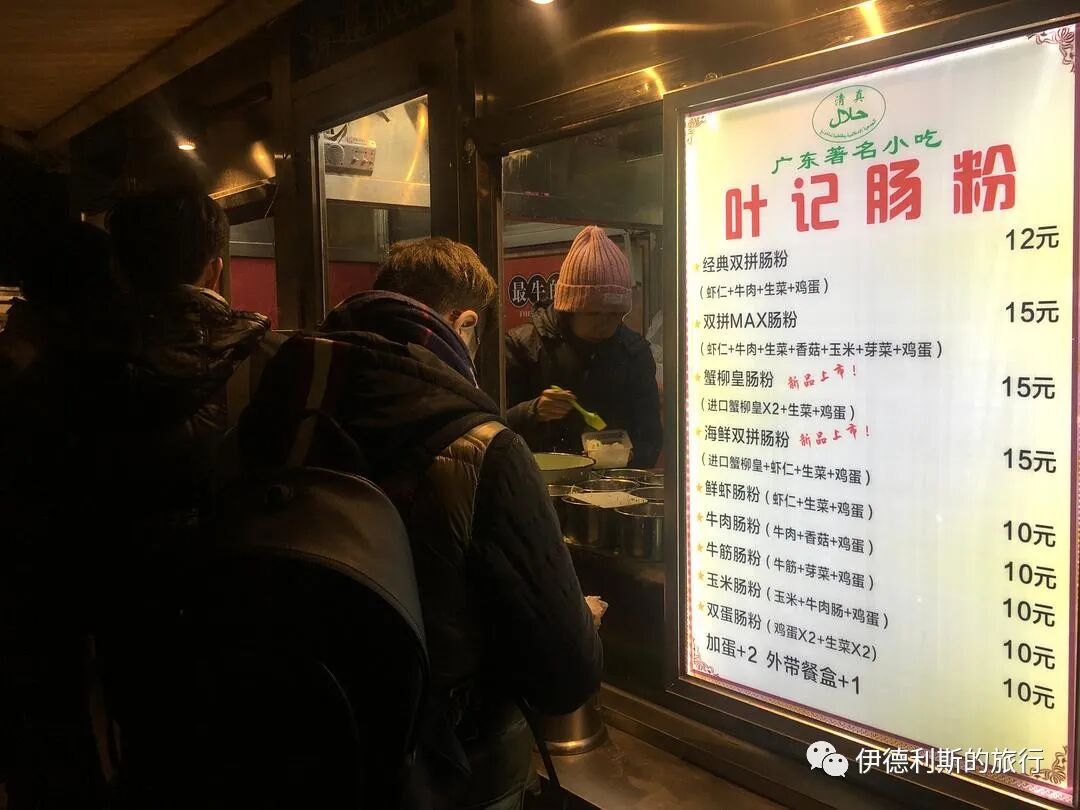
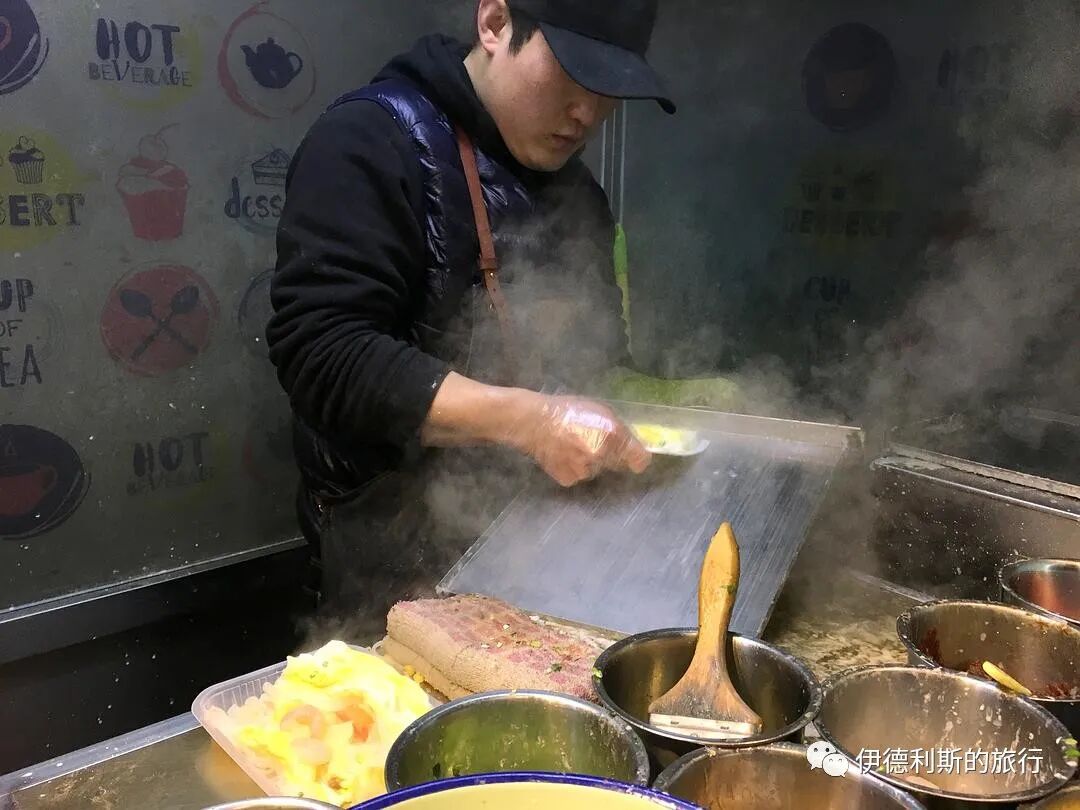
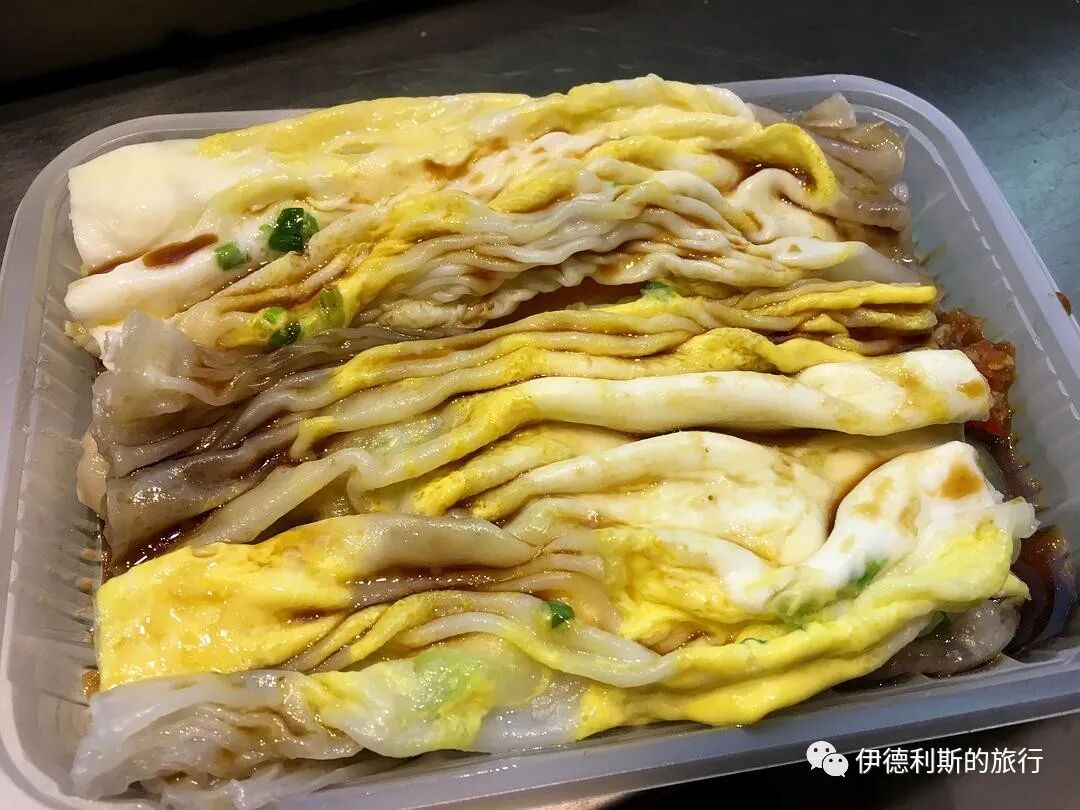
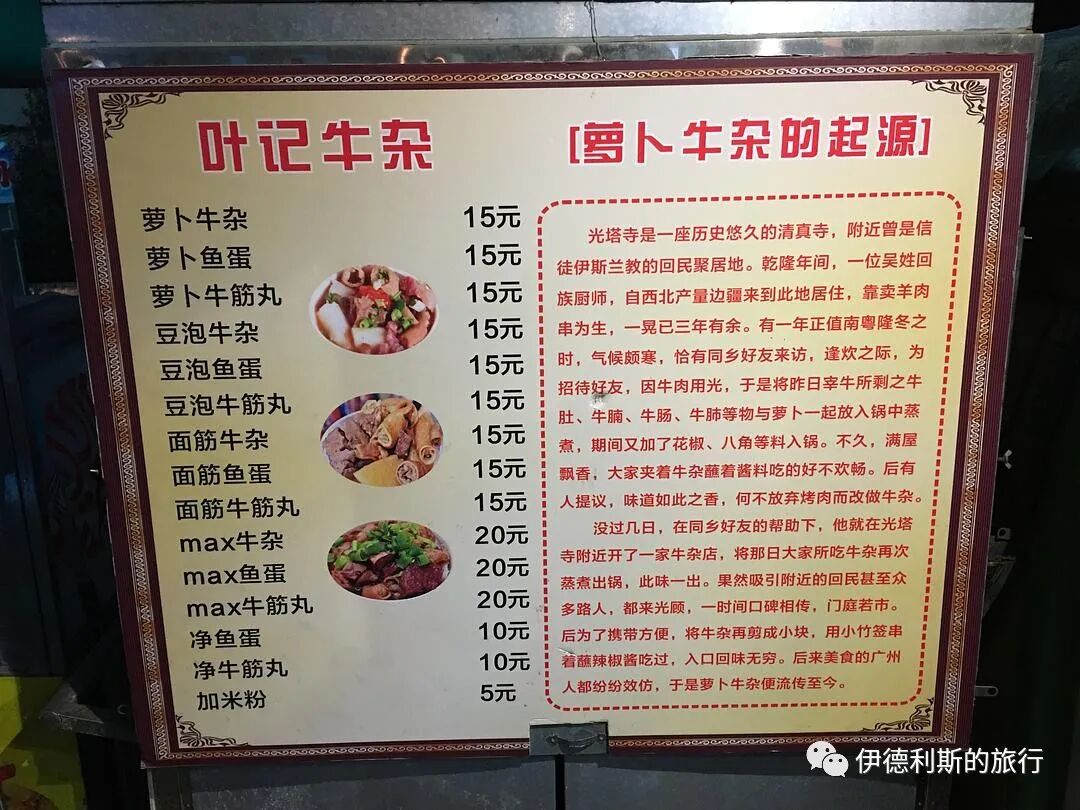
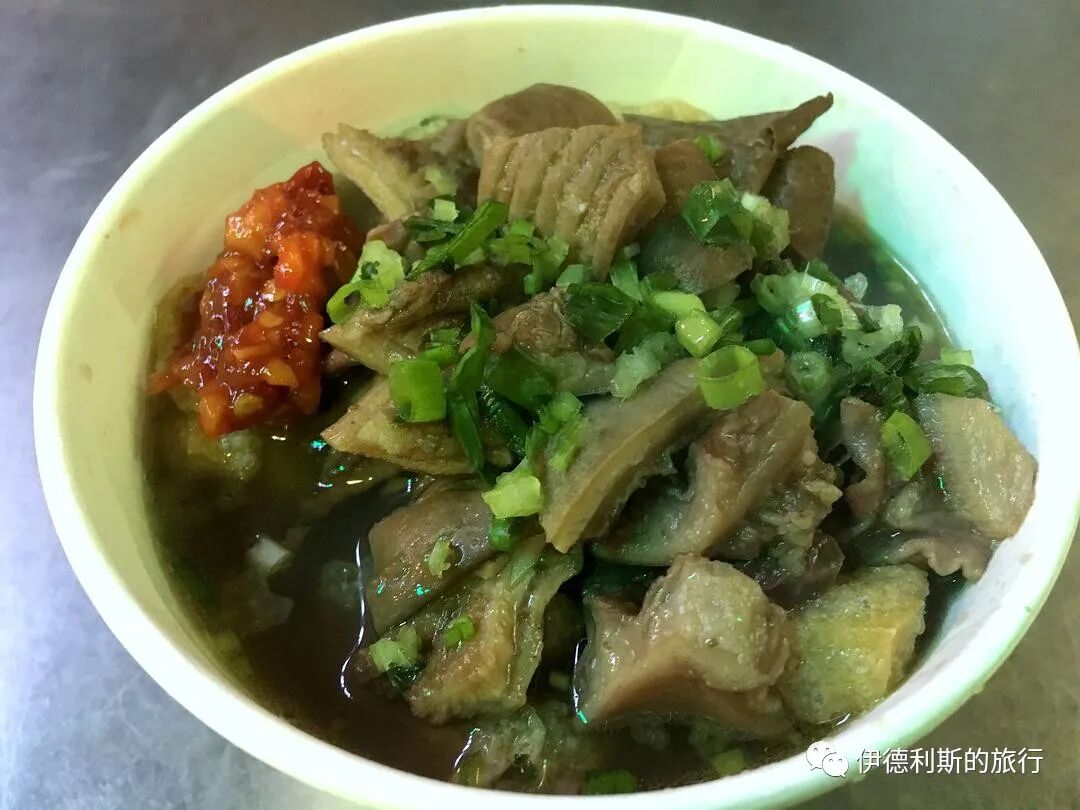
Besides rice noodle rolls, they also sell radish beef offal (luobo niuza). The sign says the recipe comes from old Hui Muslims on Guangta Road in Guangzhou. More people buy the rice noodle rolls than the beef offal, but honestly, the beef offal was so, so good. It had that slightly sweet Cantonese flavor that instantly took me back to the Hui Muslim restaurant in Guangzhou. Their sweet and spicy chopped chili sauce is amazing and adds so much flavor. Even someone like me who doesn't usually eat much chili couldn't stop wanting more when I saw their sauce.
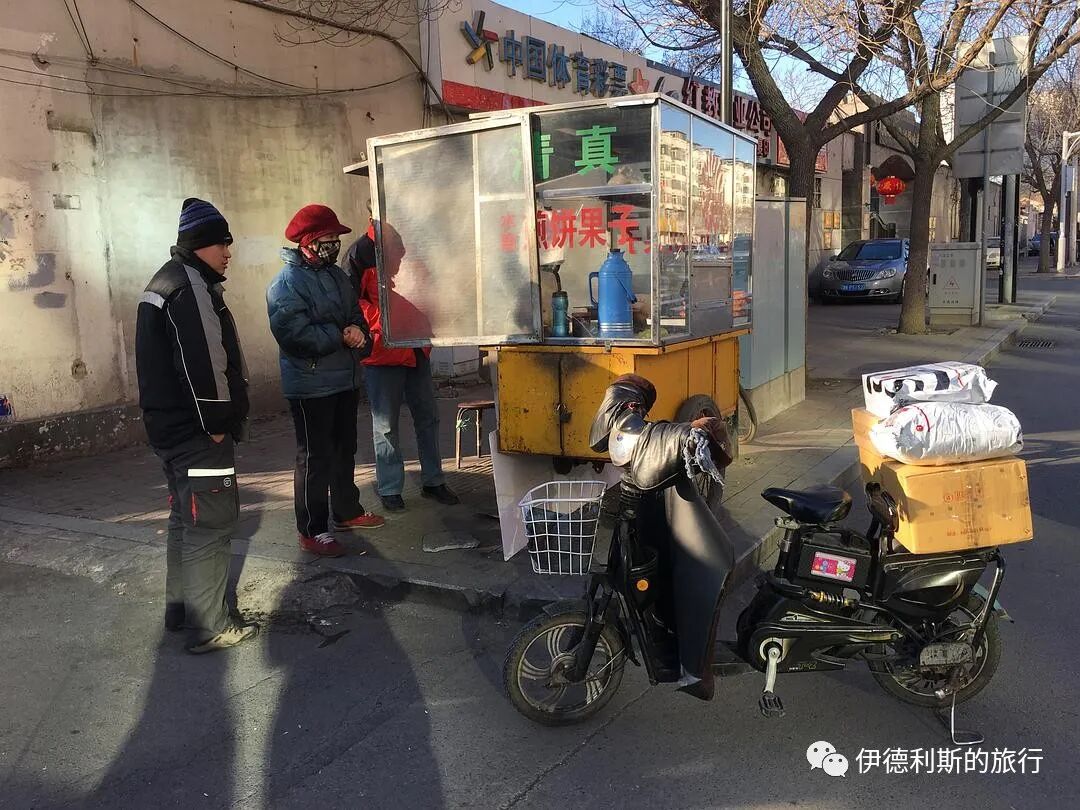
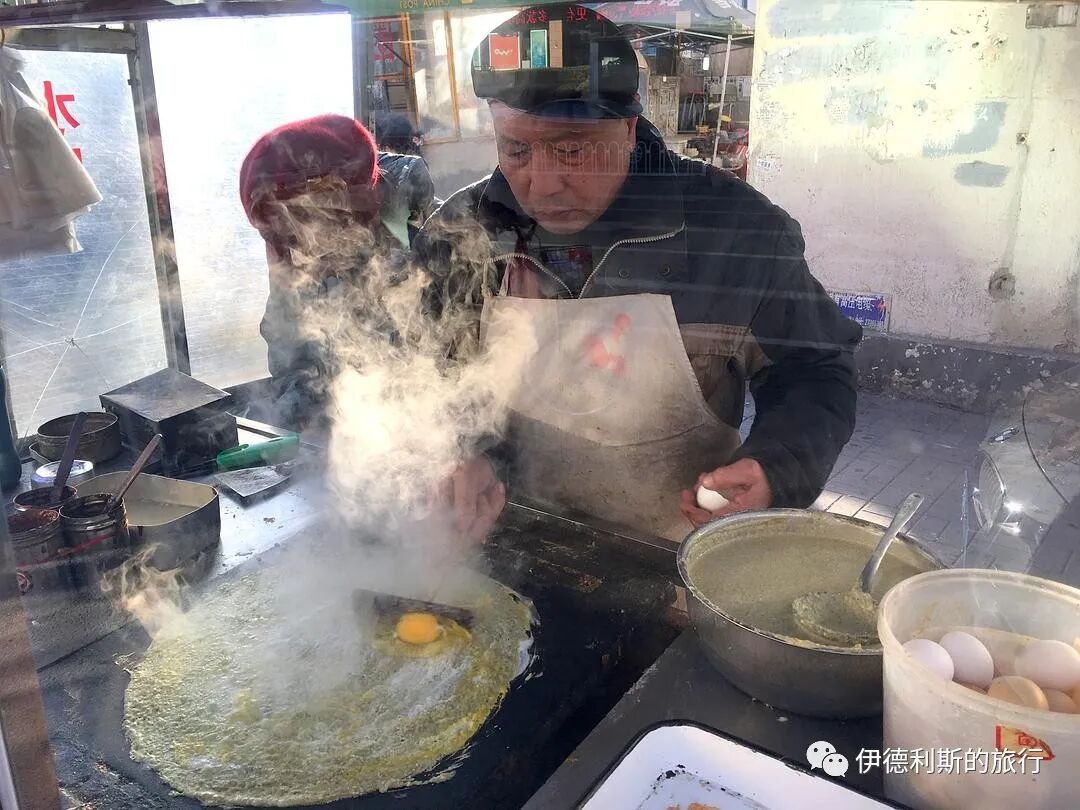
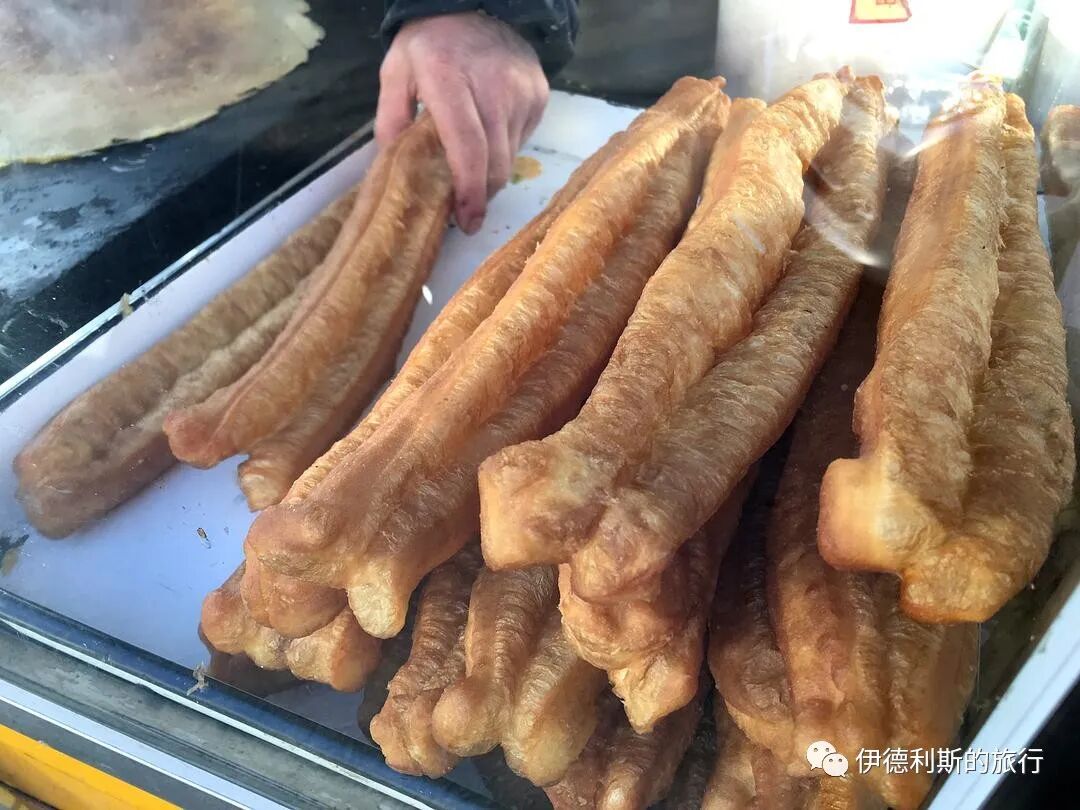
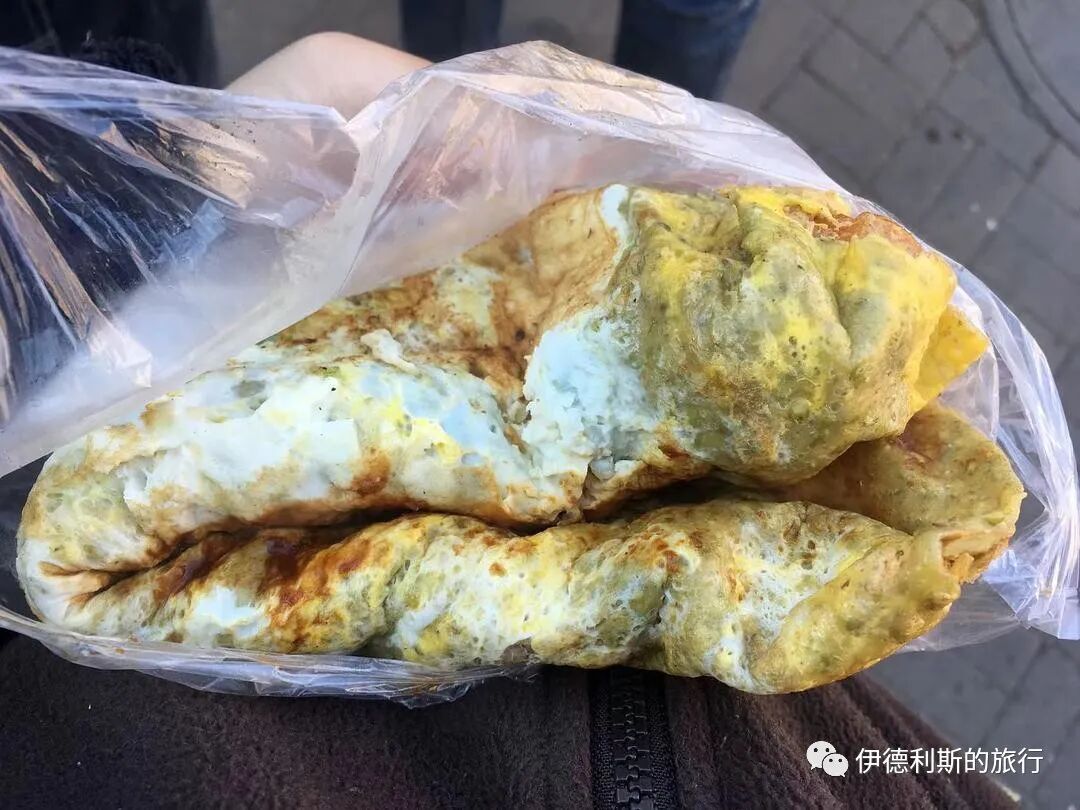
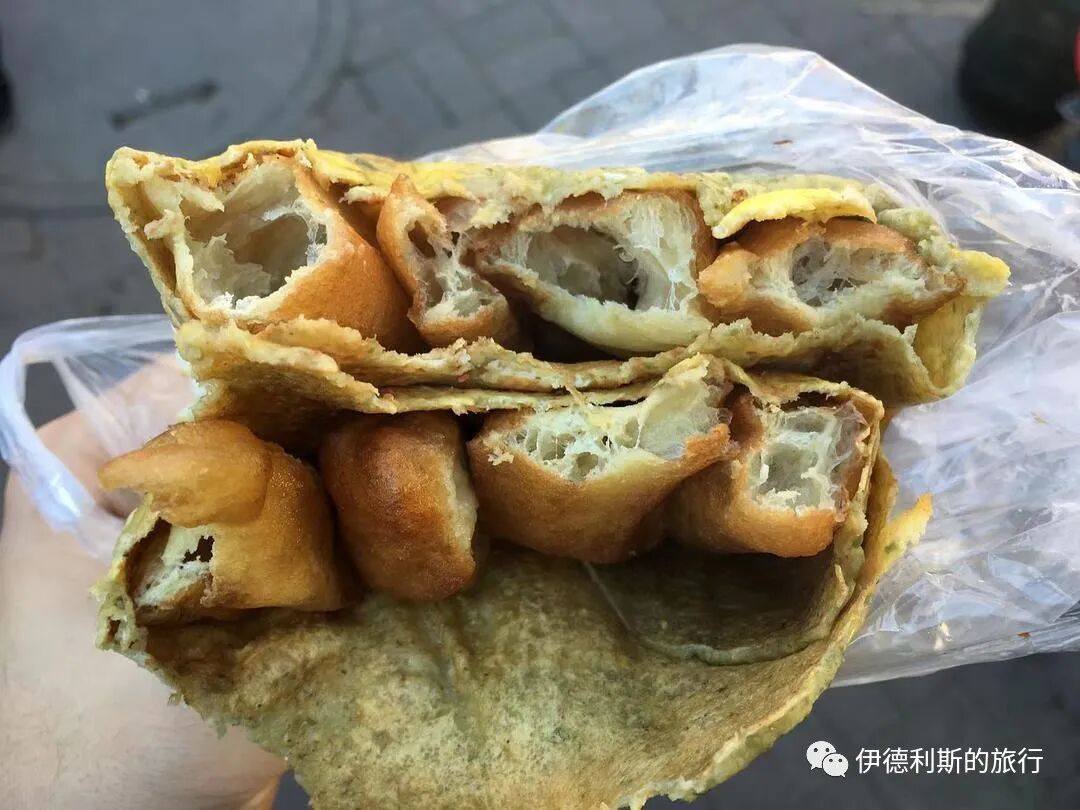
The next morning, I continued exploring and eating in the Northwest Corner. A great day starts with a set of savory crepe with fried dough sticks (jianbing guozi)! A unique feature of Tianjin jianbing guozi is that many locals bring their own two eggs for the cook to use. As tourists, we just stick to the cook's eggs.
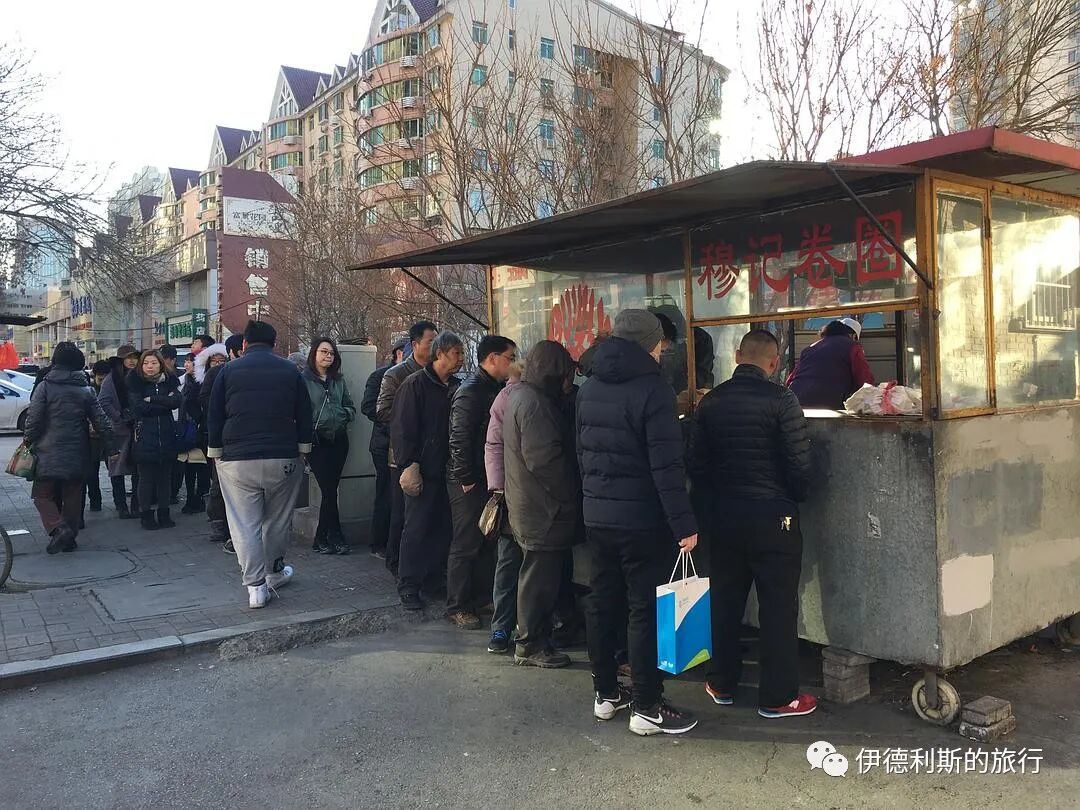
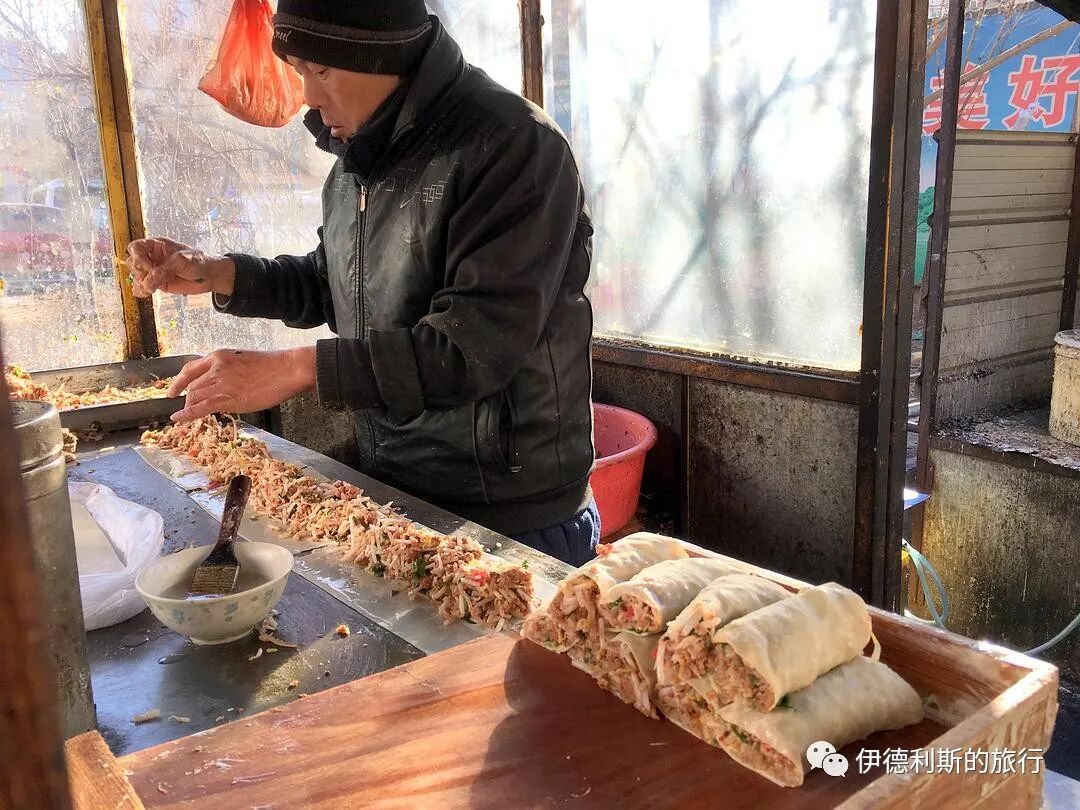
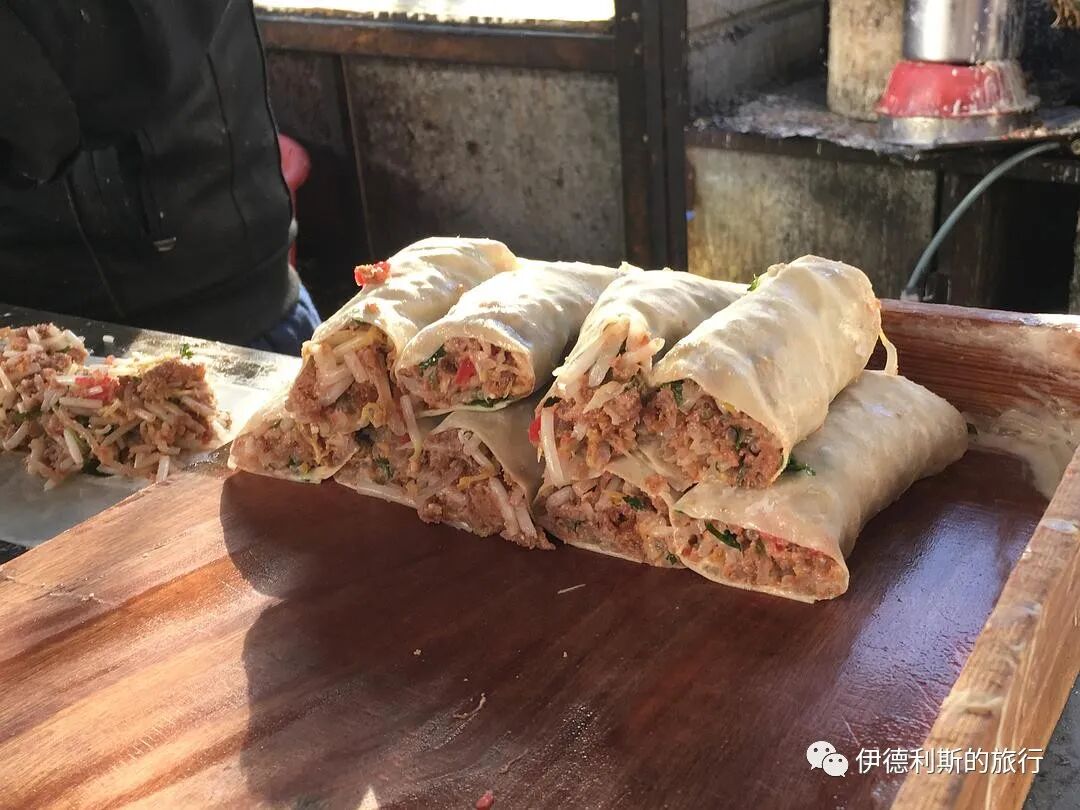
Next to Lingdangge Middle School is the Mu Family spring roll (juanquan) shop, where people line up all year round. I waited in line to try one, but it felt a bit oily.
Summary: Tianjin Northwest Corner — Muslim Food and Street Changes is presented here as a firsthand travel account in clear English, beginning with this scene: In January and February 2016, Xiao Lin took me to explore the food in the Northwest Corner of Tianjin twice. The account keeps its focus on Tianjin Halal Food, Northwest Corner, Muslim Streets while preserving the names, places, food, and historical details from the Chinese source.
In January and February 2016, Xiao Lin took me to explore the food in the Northwest Corner of Tianjin twice. Those two trips to the Northwest Corner made me fall in love with the place. Over the next five years, from 2016 to 2021, I visited the Northwest Corner 11 more times to eat and explore. These 13 trips allowed me to document some of the changes in the area, including the now-vanished Northwest Corner night market, the meat porridge (rouzhou) and fried cakes (zhagao) at the entrance of the South Mosque, and various shops that disappeared due to urban renewal. I will now share my 13 trips to the Northwest Corner with you.
The History of the Northwest Corner
First, let me briefly introduce the history of the Northwest Corner in Tianjin. The Northwest Corner was once the largest Hui Muslim community in Tianjin. Before the demolition, it was home to 26,000 Hui Muslims, accounting for one-fifth of the Hui population in Tianjin at that time.
After Tianjin Wei was fortified in 1404, Hui Muslims continuously moved to the area via the Grand Canal from places like Anhui, Jiangsu, and Hebei. Some chose to settle in the Northwest Corner of the old city near the bustling Beidaguan canal transport hub, and they built the Northwest Corner Great Mosque (Qingzhen Dasi) around 1644.
With the Great Mosque at its center, the Northwest Corner was filled with halal shops before 1995. It also had 20 ethnic kindergartens, 7 ethnic primary schools, 2 ethnic middle schools, and 2 ethnic hospitals. In 1985, the Wenchang Palace Ethnic Food Street was built, and in 1988, it was renovated into the Dahuoxiang Ethnic Farmers' Market.
Demolition began in the mid-1990s, and the Hui Muslims of the Northwest Corner gradually scattered. Some people opened shops elsewhere and used the "Northwest Corner" name to show their roots.
Between 2004 and 2007, demolition began east of Dafeng Road, clearing away all buildings outside the Great Mosque (Qingzhen Dasi), the Ethnic Culture Palace, and the Islamic Association. The Northwest Corner remains an important community for Hui Muslims in Tianjin today, centered around the South Mosque (Qingzhen Nansi), which is home to many delicious Hui Muslim snacks.
In 1900, three French expeditionary captains named Present, Carmel, and Discher used a reconnaissance hot air balloon to photograph the area inside and outside the West Gate of Tianjin, with the Northwest Corner visible in the top right.
The Northwest Corner in 1983.
Mosque.
The Great Mosque of Tianjin in the Northwest Corner was reportedly built in 1644 (the first year of the Shunzhi reign of the Qing Dynasty) and was not very large at first. It was expanded twice, in 1679 (the eighteenth year of the Kangxi reign) and 1801 (the sixth year of the Jiaqing reign), to reach its current size. A major structural renovation was carried out between 2009 and 2011. I will post a separate article later featuring photos of Tianjin mosques.
The South Mosque in the Northwest Corner was first built in 1819 (the twenty-fourth year of the Jiaqing reign) and was completed in 1845 (the twenty-fifth year of the Daoguang reign). It was closed after 1958 and turned into a school and a cardboard box factory after 1961. In 1976, the main prayer hall was turned into a factory workshop and was destroyed by a fire caused by heating equipment; it was rebuilt over 12 years starting in 1982. In 2001, the main hall roof was renovated, replacing the gray tube tiles with green glazed tiles.
The Northwest Corner West Mosque.
Next to it is the Women's Mosque.
January 2016.
In the Northwest Corner in January 2016, you could see Xiao Li Roasted Chicken (Xiao Li Shaoji) right outside the subway station, where there was always a long line.
Walking south along West Horse Road (Xi Ma Lu), this area used to be the west city wall of Tianjin.
Homemade candies and preserved fruits from Hui Muslim locals.
Turn into the Hui Muslim residential area on Huanqing West Alley.
Sticky bean buns (niandoubao) from Xiao Dong Sticky Foods.
The Ethnic Building (Minzu Lou) in the Northwest Corner Hui Muslim residential area.
Wen's Rice Cake (Wenji Gaogan) at the entrance of the South Mosque, though the area is now cleared out.
Li's Sizzling Rice Dish (Li Ji Guobacai) on the other side of the South Mosque is very popular now, but the stall shed is gone.
Keep heading south, and you will find more and more halal snacks.
The row of shops on the right has been cleared out and turned into a parking lot.
Walk west from Xiguan Beili, and you will reach the halal supermarket.
I bought a yellow cap made in Tianmu Village at the halal supermarket; yellow is the main color for Hui Muslims in Tianjin.
Head back to Xima Road.
For dinner, I ate at Qingfade Restaurant on Xima Road, which is a classic stir-fry spot that represents the Northwest Corner area.
Night view of Xiguan Main Street.
The famous Hailan black beans (hailan wudou) on Xiguan Main Street are still here.
Back at the Northwest Corner subway station, the night market here is gone now.
July 2016.
On a hot summer afternoon on July 9, 2016, my childhood friend and I came to the Northwest Corner again to see how it differs from winter.
To get to the Northwest Corner from Beijing, it is best to take the train to Tianjin West Station, then take the subway one stop south to Northwest Corner Station. Right outside the southwest exit of the subway station is a halal cold drink stand. They have house-made sour plum drink (suanmeitang), homemade lemonade, and shaved ice (xuehualao). My childhood friend and I bought the sour plum drink and lemonade. They were delicious.
We kept walking south along West Horse Road (Xima Lu). The afternoon temperature was high, and there were very few people on the street.
At Ring City Noodle Shop (Huancheng Mianguan), my friend and I each had a bowl of cold noodles with shredded chicken and a plate of tofu with century egg. It was very refreshing. Almost no other halal restaurant in Beijing makes cold noodles better than this one.
We continued walking south. I guess everyone was at home staying out of the heat. Not far ahead was the alley entrance facing the South Mosque (Qingzhen Nansi), where we turned into Huanqing West Alley.
The intersection of Huanqing West Alley and Xiguan North Street is the heart of the Northwest Corner, and it is full of shops. I bought two coarse-grain vegetable dumplings (caimian tuanzi).
We went into Mumin Supermarket and bought a jar of stir-fried shrimp paste. My friend and I first came to Tianjin together ten years ago and specifically came here to buy this paste to eat with steamed buns (mantou). Haha!
Mumin Supermarket has now changed its name to Mumin Supermarket (Mumin Chaoshi, using different characters).
Coming out of Mumin Supermarket, we entered the north-south market on the east side of Xiguan Beili that leads to Xiguan Street. There were very fragrant fried eggplant boxes and lotus root boxes.
We turned onto Xiguan Street. When I came here in winter, the thing that left the deepest impression was the hot black beans (wudou) at the east entrance. So, we went to buy 3 yuan worth of black beans. My friend highly praised them, saying they were truly delicious.
Further east from the black beans is the intersection of Xiguan Street and West Horse Road. On the northwest side of the road, they sell seaweed rice rolls, shaved ice, and milkshakes. I bought a cup of red bean condensed milk shaved ice, which was super refreshing.
August 2016
On August 20, 2016, over a month later, my childhood friend and I returned to Tianjin on a not-so-hot afternoon. We got off the train and took the subway straight to the Northwest Corner (Xibeijiao). We exited the southwest subway entrance and headed right to the cold drink shop we had been looking forward to. We had delicious sour plum drink (suanmeitang) there last time, so this time we tried the snowflake shaved ice (xuehualao).
The snowflake shaved ice felt like red hawthorn shaved ice. Imagine it as snow made of stir-fried red hawthorn (chaohongguo). It was not as sweet as the stir-fried red hawthorn in Beijing, and I really liked it.
We kept walking south along West Horse Road (Ximalu), then turned west at the intersection of the South Mosque (Qingzhen Nansi). Many shops were closed due to the extreme heat when we visited last month, but it was much livelier this time.
We walked south along Huanqing West Alley, turned west at the Muslim supermarket (Mumin Chaoshi), and walked to the end to find Wang Sangu Beef Pie. We could smell the aroma from far away. The kitchen was outdoors. We lined up from south to north. We paid and got a ticket from the man at the south end. Moving north, two women wrapped the pies, one woman handed them out, and two men cooked them. On the west side, others handled the cold dishes and stewed beef brisket. Everything was organized and lively.
My friend and I bought a 17-yuan beef pie and took it inside to eat. The best part was the crust, which was crispy and had a great texture.
We walked around outside and returned to the Northwest Corner in the evening.
The next morning, we went to the Northwest Corner for breakfast. Outside the South Mosque, we ate savory crepe strips (guobacai) and fried dough rolls (juanquan) at Chai's Breakfast. My childhood friend loves the fried dough rolls so much that he bought another one from the owner after finishing the first. The portion of savory crepe strips I had was huge, so I couldn't finish it all.
Sunday was much hotter than Saturday. My friend and I wandered around the Northwest Corner for a while, but the heat became too much, so we took the subway to the train station.
On Sunday, August 27, 2016, at 11:00 a.m., I took the intercity train to Tianjin. After exiting the Northwest Corner subway station, I first went to eat Wang Sangu meat pie (roubing), then bought two yuan worth of black beans (wudou) to snack on while walking. We walked from the Ancient Culture Street back to the Northwest Corner and had a snow-flake ice dessert (xuehualao) at the Guishunzhai shop at the intersection. It had frozen hawthorn and frozen raisins in it, which was very refreshing.
We strolled from Guishunzhai to Uncle Er's Specialty Clay Pot (erdaye tese shaguo) on Jieyuan Road, but it only opens in the evening. Following Xiaolin's suggestion, we ordered lamb knee bone (yanghaba) and vinegar pepper tofu. The lamb knee bone was stewed until very tender and full of flavor. The vinegar pepper tofu tasted like a mix of hot and sour soup and soft tofu, which I really liked.
After finishing the clay pot, a cart selling tea soup (chatang) happened to pull up. I had heard that Tianjin's tea soup is a local specialty, so I bought a bowl of almond tea soup. They were very generous with the toppings, and it reminded me of the tea soup I drank as a child.
January 2017
Whenever anyone mentions the Northwest Corner in Tianjin, my mouth starts watering. On Friday, January 13, 2017, right after work, I set off on another trip to the Northwest Corner of Tianjin.
I took the intercity train from Beijing South Station to Tianjin West Station, then transferred to Line 1 of the subway for one stop to reach the Northwest Corner. The halal night market is right across from the southwest exit of the Northwest Corner subway station. It has all kinds of snacks like fried skewers (zhachuan), braised rice (bafan), and steamed pear cakes (shuligao). My goal this time was the long-awaited Ye's Rice Noodle Rolls (Yeji changfen).
Ye's Rice Noodle Rolls hasn't been in the Northwest Corner for long, but it is the most popular spot at the night market. When I arrived, they had the longest line. I ordered the seafood combo rice noodle rolls with an egg, and the taste was very authentic! It was cold in the winter, so most people got their food to go. Since I came specifically to eat it, I sat in a small pavilion across the street.
Besides rice noodle rolls, they also sell radish beef offal (luobo niuza). The sign says the recipe comes from old Hui Muslims on Guangta Road in Guangzhou. More people buy the rice noodle rolls than the beef offal, but honestly, the beef offal was so, so good. It had that slightly sweet Cantonese flavor that instantly took me back to the Hui Muslim restaurant in Guangzhou. Their sweet and spicy chopped chili sauce is amazing and adds so much flavor. Even someone like me who doesn't usually eat much chili couldn't stop wanting more when I saw their sauce.
The next morning, I continued exploring and eating in the Northwest Corner. A great day starts with a set of savory crepe with fried dough sticks (jianbing guozi)! A unique feature of Tianjin jianbing guozi is that many locals bring their own two eggs for the cook to use. As tourists, we just stick to the cook's eggs.
Next to Lingdangge Middle School is the Mu Family spring roll (juanquan) shop, where people line up all year round. I waited in line to try one, but it felt a bit oily.
