
Halal Travel Guide: Bohaji Tomb — Beijing Muslim History and Sufi Memory
Reposted from the web
Summary: Bohaji Tomb — Beijing Muslim History and Sufi Memory is presented here as a firsthand travel account in clear English, beginning with this scene: Last Saturday, I visited the tomb of the Western Regions sage Burhanuddin (Bohezhi) in Heying, Changping, Beijing. The account keeps its focus on Beijing Muslim History, Sufi Shrines, Muslim Heritage while preserving the names, places, food, and historical details from the Chinese source.
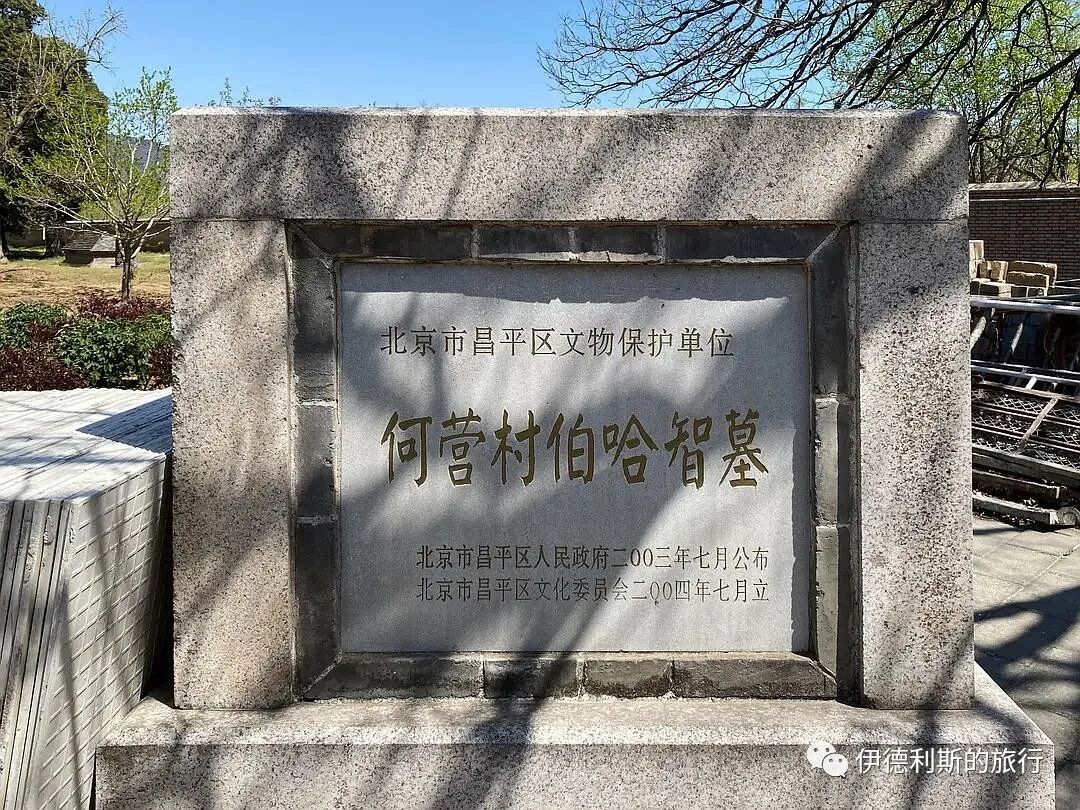
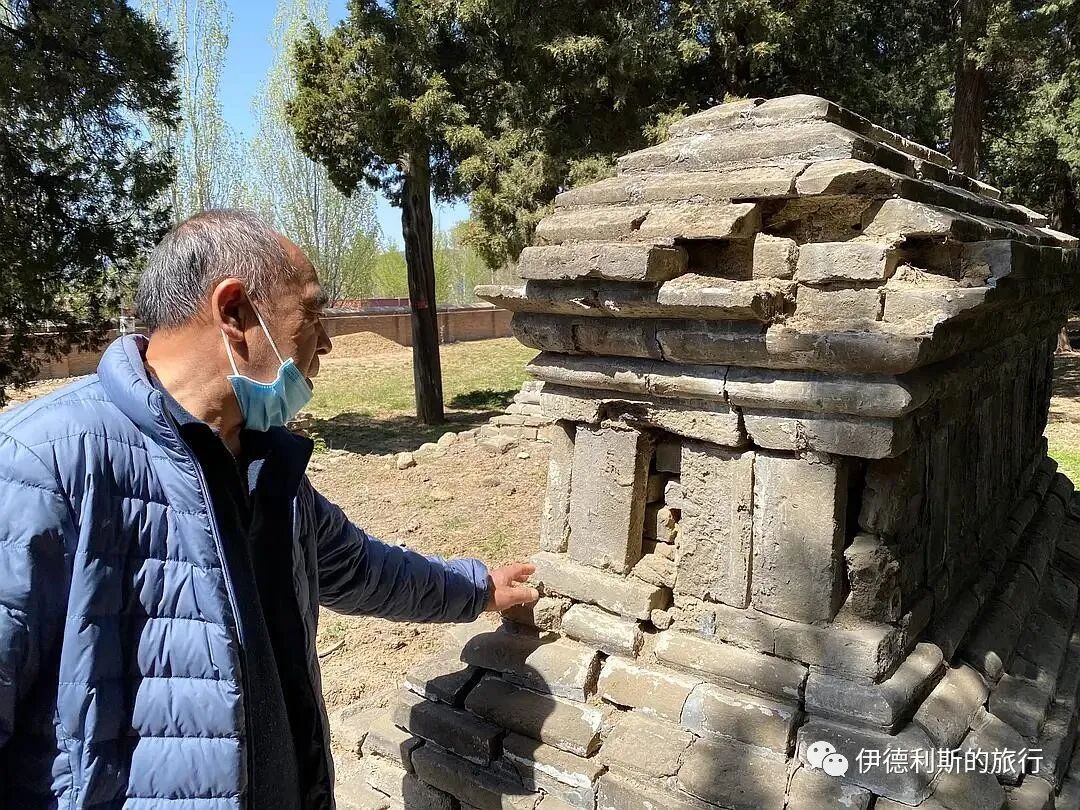
Last Saturday, I visited the tomb of the Western Regions sage Burhanuddin (Bohezhi) in Heying, Changping, Beijing. Locals also call it the Sheikh Baba (Shaihai Baba) tomb. We were warmly welcomed by Uncle Zhang, whose family has guarded the tomb for generations.
The records say Sheikh Baba came from Medina (Modena) to preach in China during the early years of the Hongwu reign of the Ming Dynasty. He eventually passed away in Heying, Changping, and is deeply respected by Hui Muslims. A 1713 (the 52nd year of the Kangxi reign) stele inside the cemetery says, 'He was a man from the Western Regions who came to the imperial court in the early Ming Dynasty to offer advice, but he refused the official title offered to him.' He asked to travel and teach the faith, and the emperor agreed. He lived with strict discipline and walked with purpose. He rode a white camel, and wherever he went, he did not fuss over minor details but focused on moral conduct. Those who had lost their way or acted improperly saw his pure character and began to correct themselves, striving to improve. Because of this, the customs of our village changed, and our faith flourished. The Ming Emperor Taizu admired his virtue and treated him with great respect. Later, he returned to Changping and died of old age. Our villagers buried him on the sunny side of Beishao, and the white camel he rode was buried beside his tomb.
At the same time, locals pass down legends of Burhanuddin ridding the people of evil, such as the story of him slaying a giant python on Mangshan Mountain. The Qing Dynasty's 'Changping Prefecture Gazetteer' (Kangxi edition), Volume 26, section on 'Hui Muslim Miracles,' records: 'A man from Medina with spiritual power died and was buried in Hejiaying, east of the prefecture, where he often showed signs of his holiness.' During the chaos of the rebel invasion, the countryside was trampled, but the grass on this tomb remained untouched. The villagers who hid there were all kept safe and sound. At the time, people saw a Hui Muslim dressed in white sitting at the tomb gate, and the soldiers never reached it. No one understood why. Was Muhammad born with divine power, and is this his descendant?
According to a stone tablet record from 1909 (the first year of the Xuantong reign), it has long been a tradition for imperial officials and Hui Muslims to visit the tomb for prayers every year on the 24th day of the third lunar month. From the Ming dynasty until today, local Hui Muslims and those from surrounding areas have come to visit the tomb of Sheikh Baba (Shaihai Baba) on the 24th day of the third lunar month without fail.
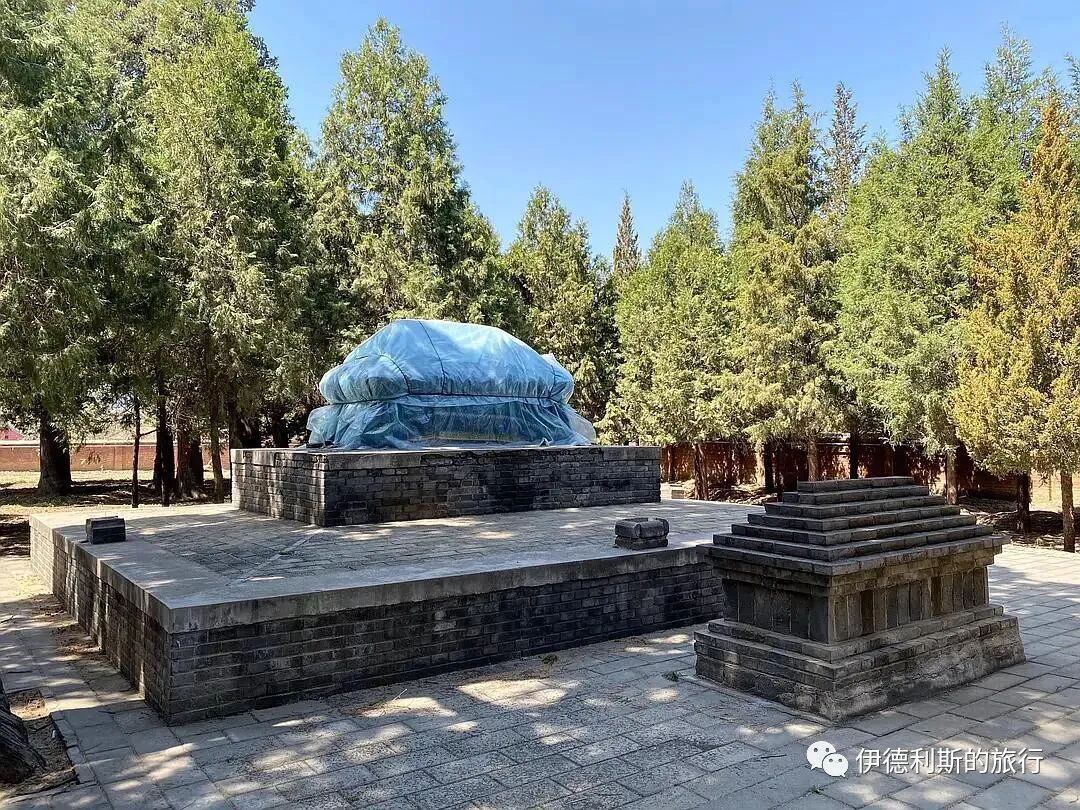
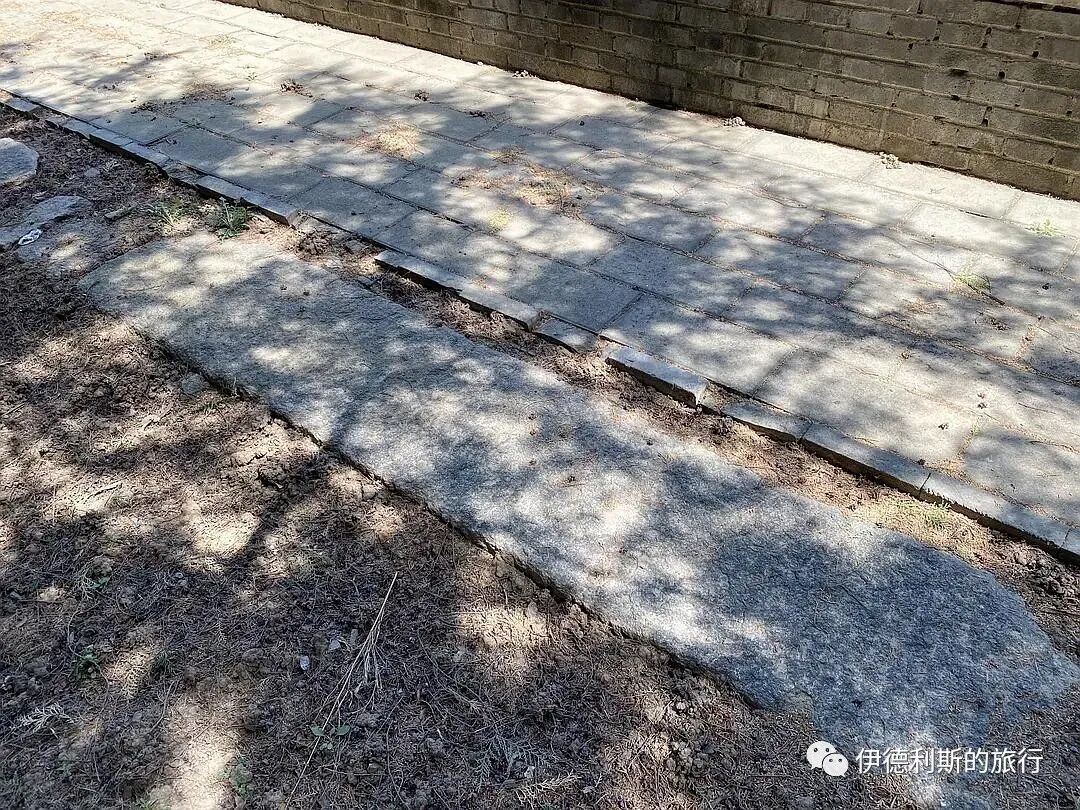
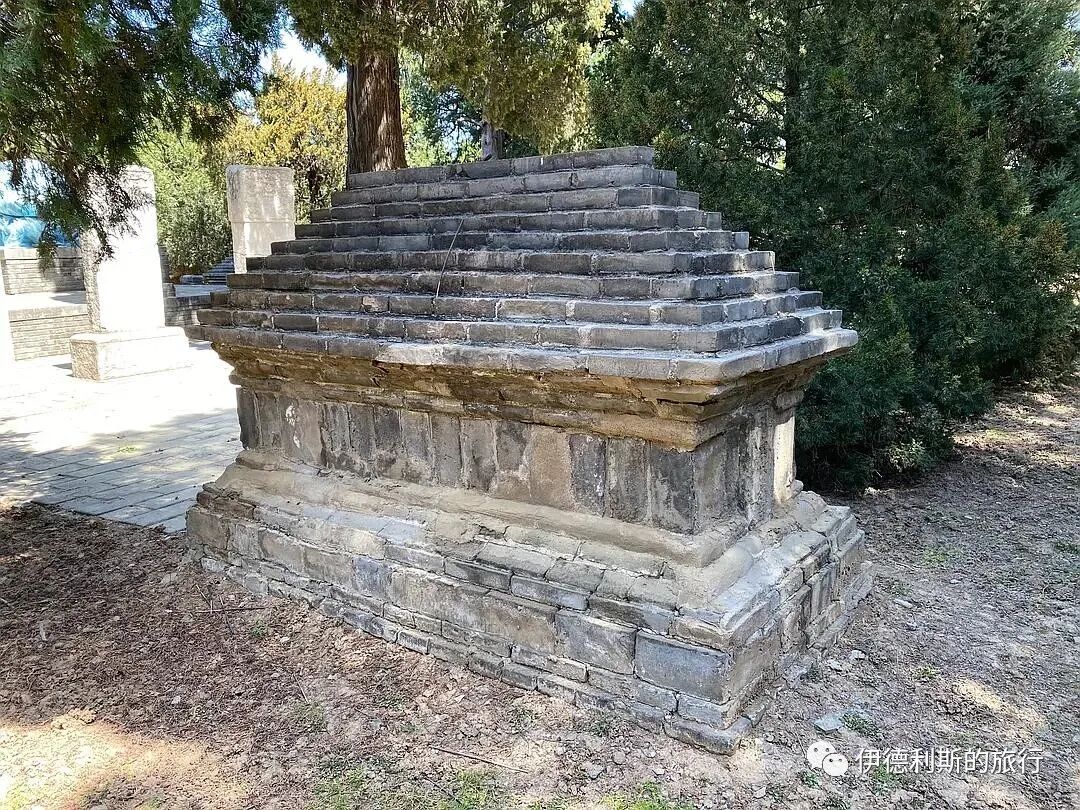
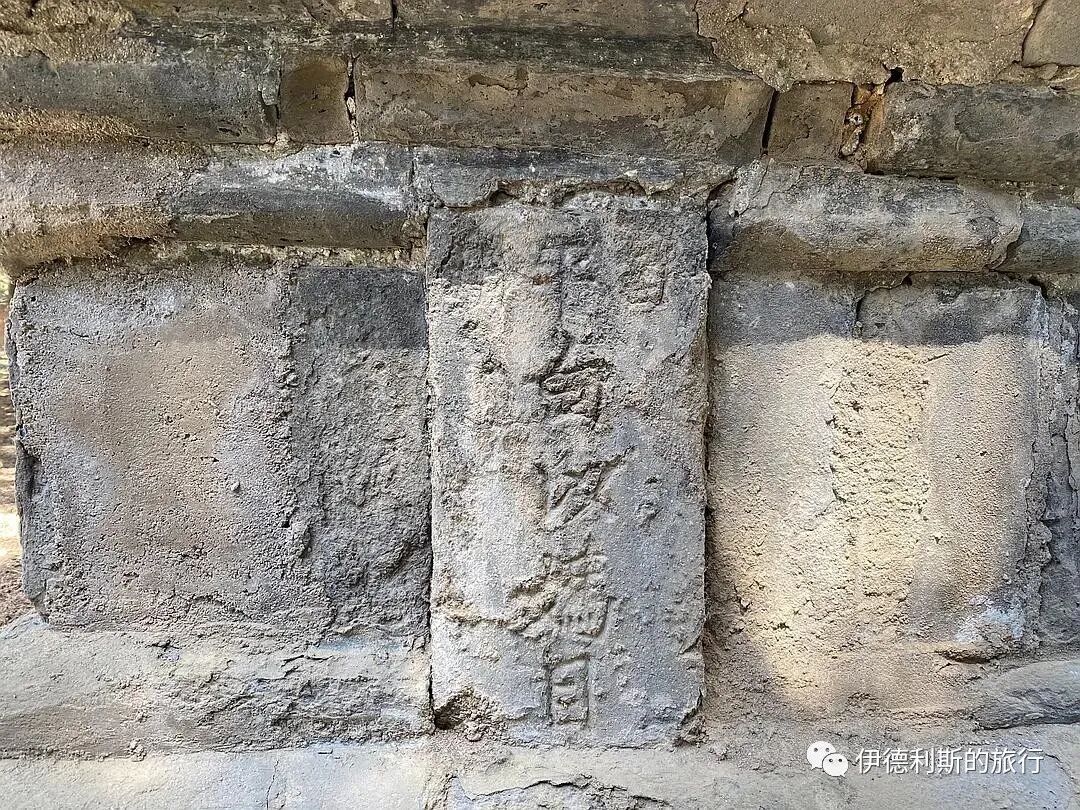
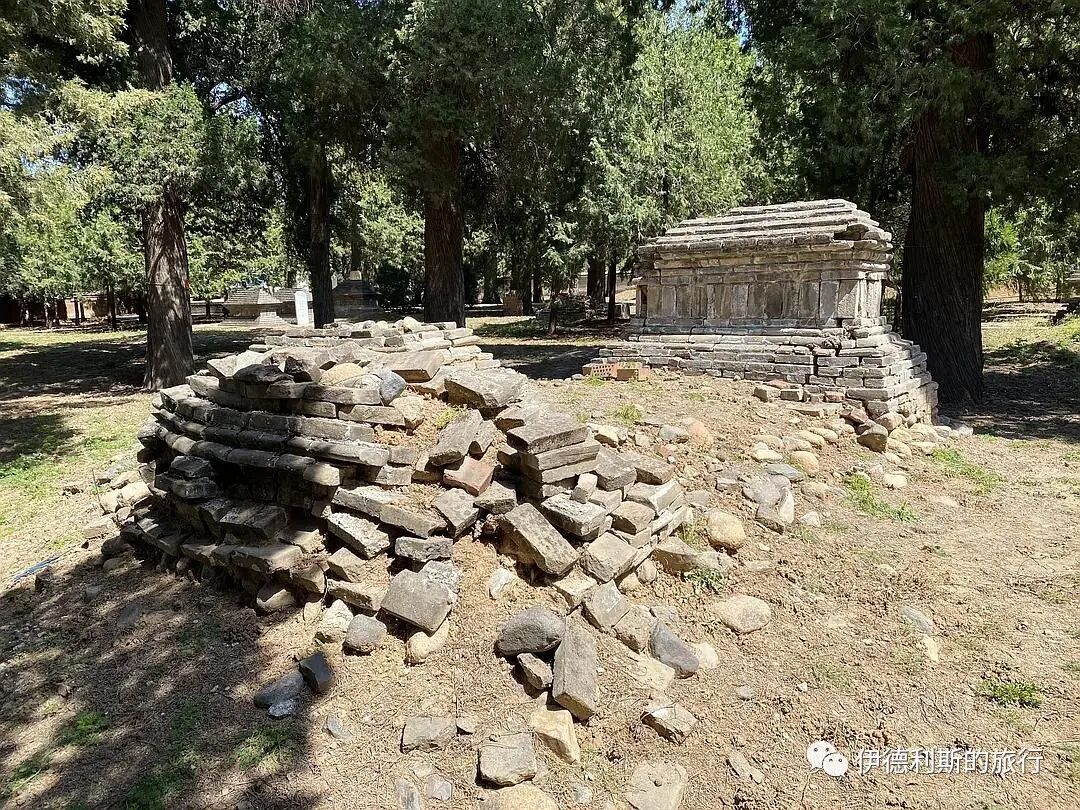
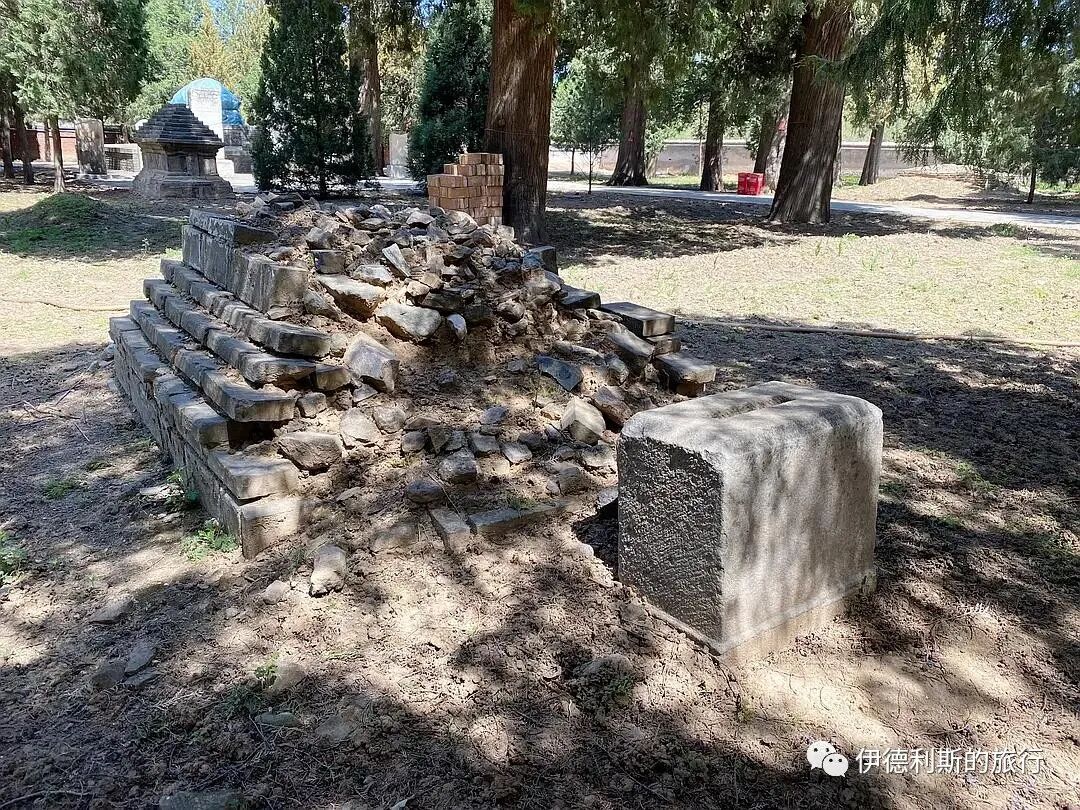
The tomb of Sheikh Baba and the white camel he rode. During the renovation in the 1990s, due to limited awareness of cultural relics at the time, the original stone slabs were replaced with cement-covered bricks. Now, only a few of the original stone slabs remain.
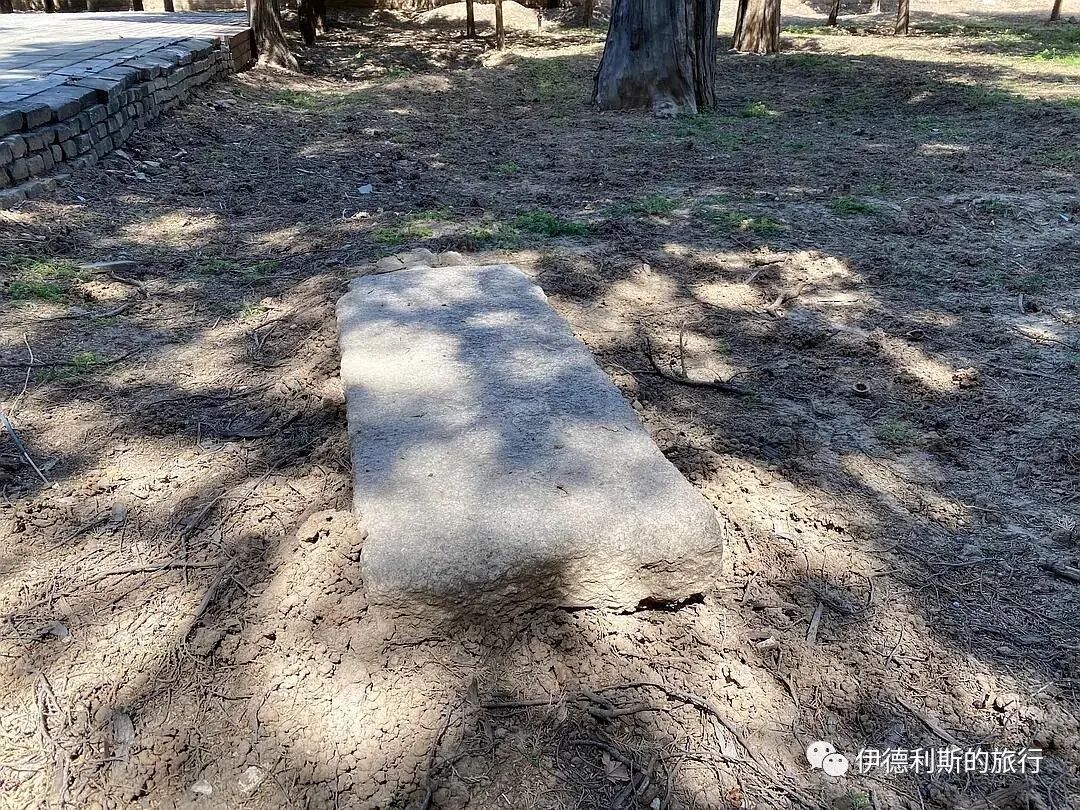
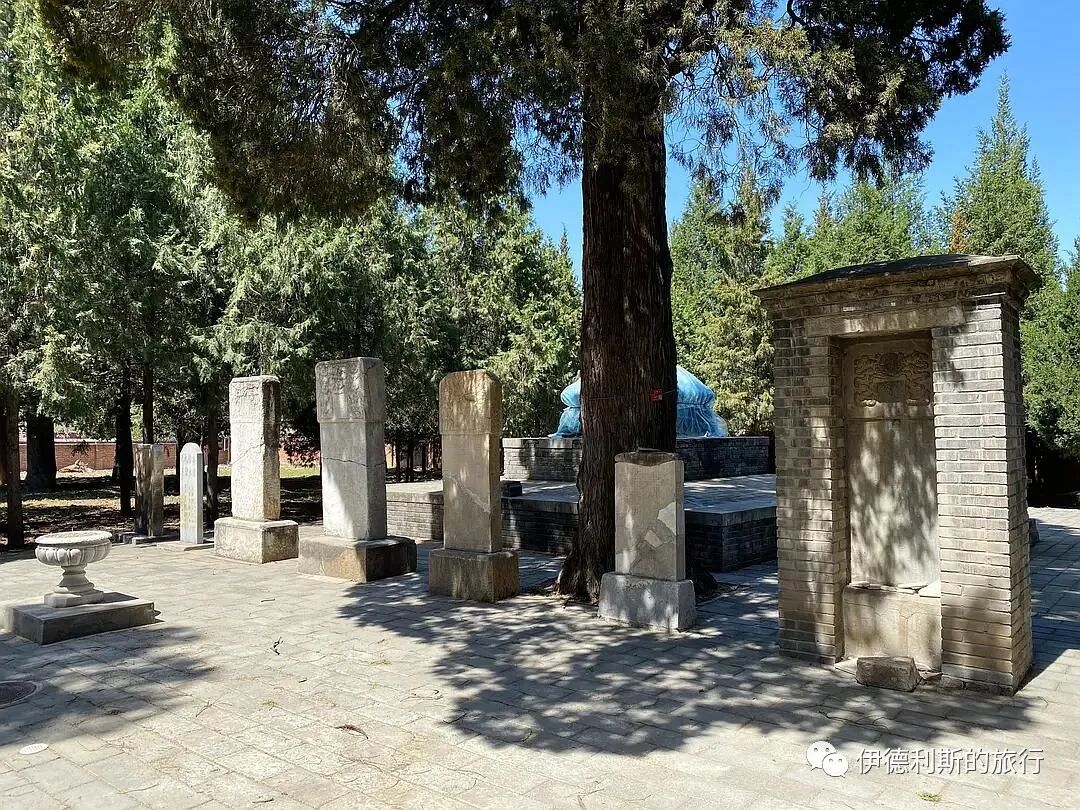
Five stone tablets from the Ming and Qing dynasties are currently preserved in front of the tomb.
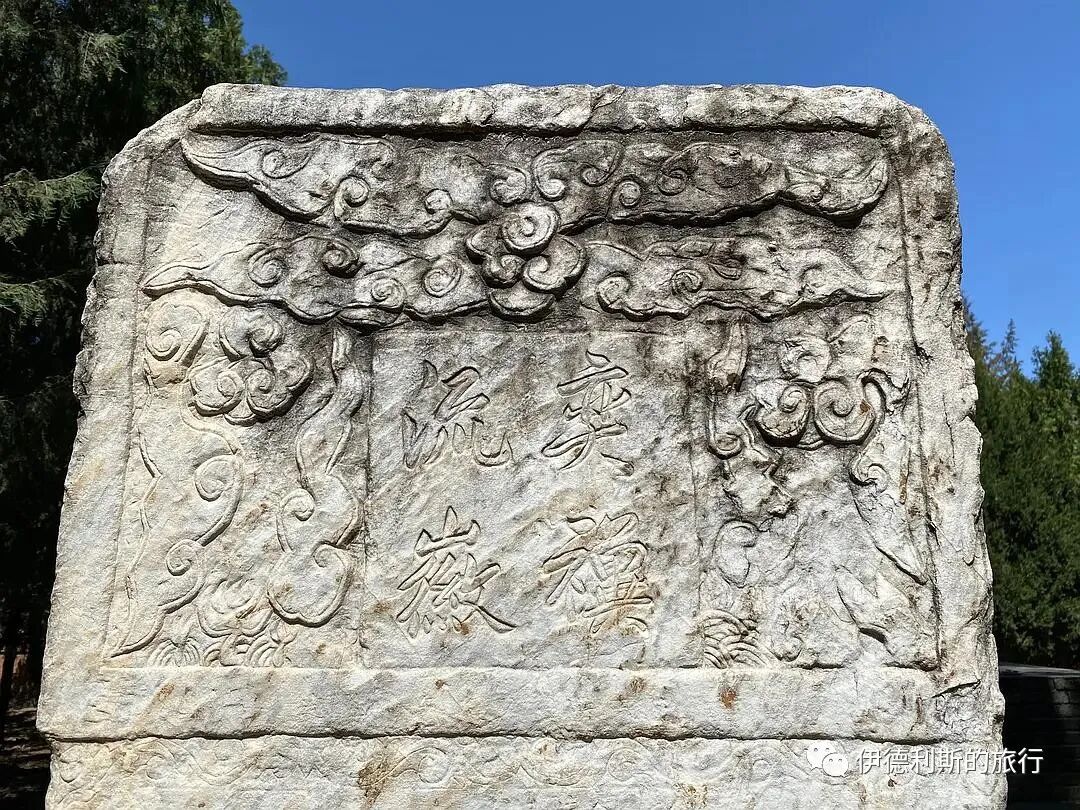
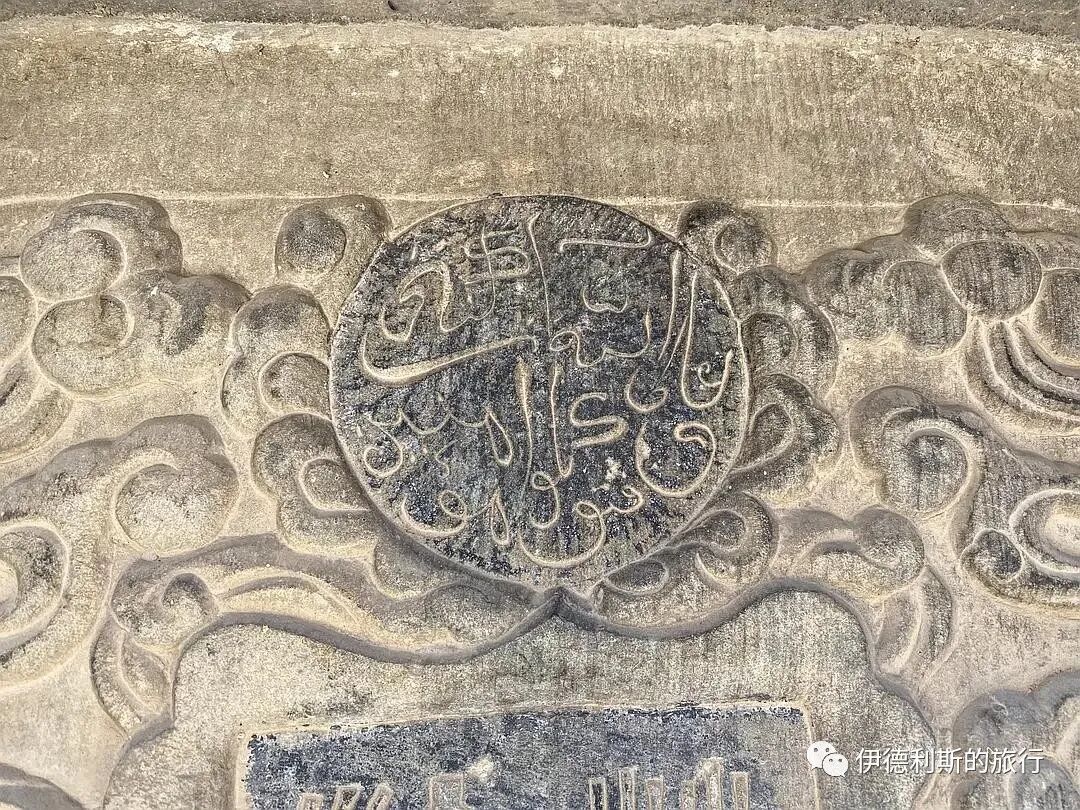
The Tomb Tablet of Bo Ha Zhi, written by Zhou Wenyuan in 1578 (the sixth year of the Wanli reign), which also features an Arabic inscription at the top.
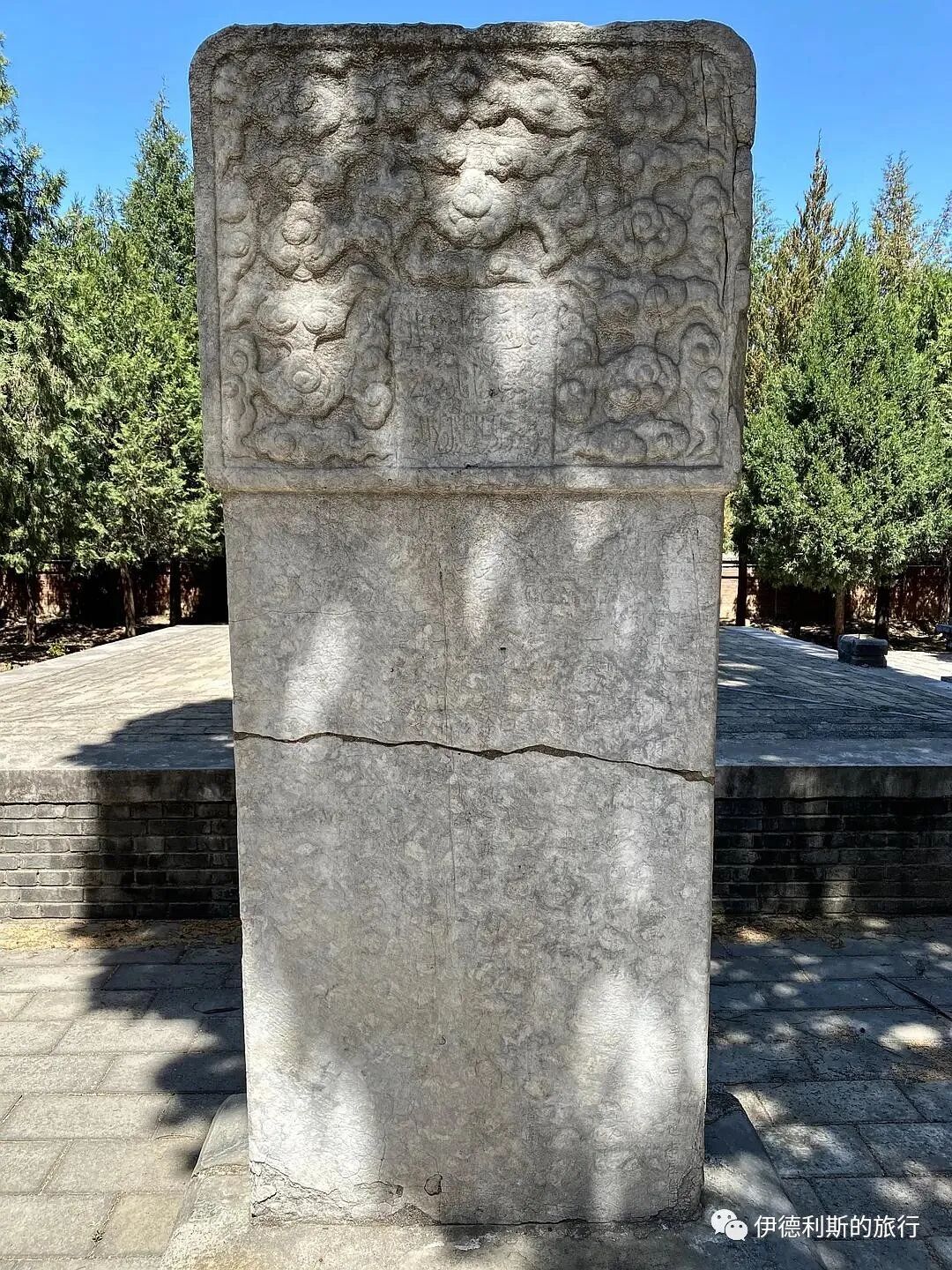
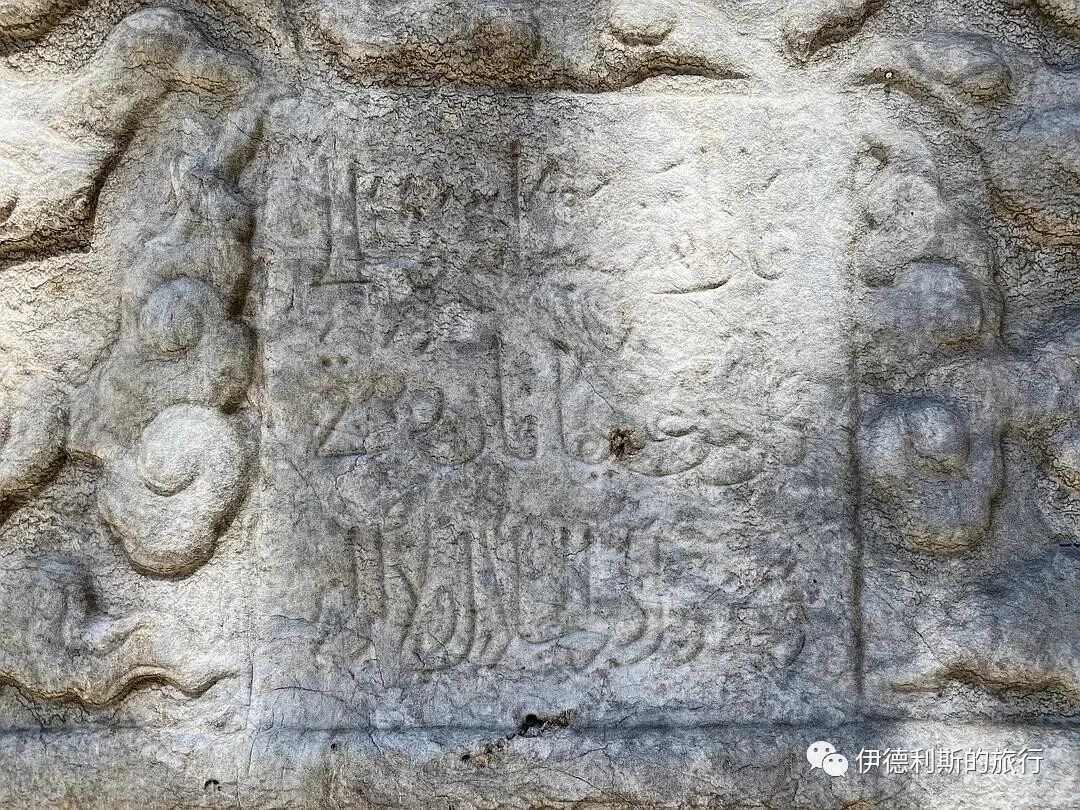
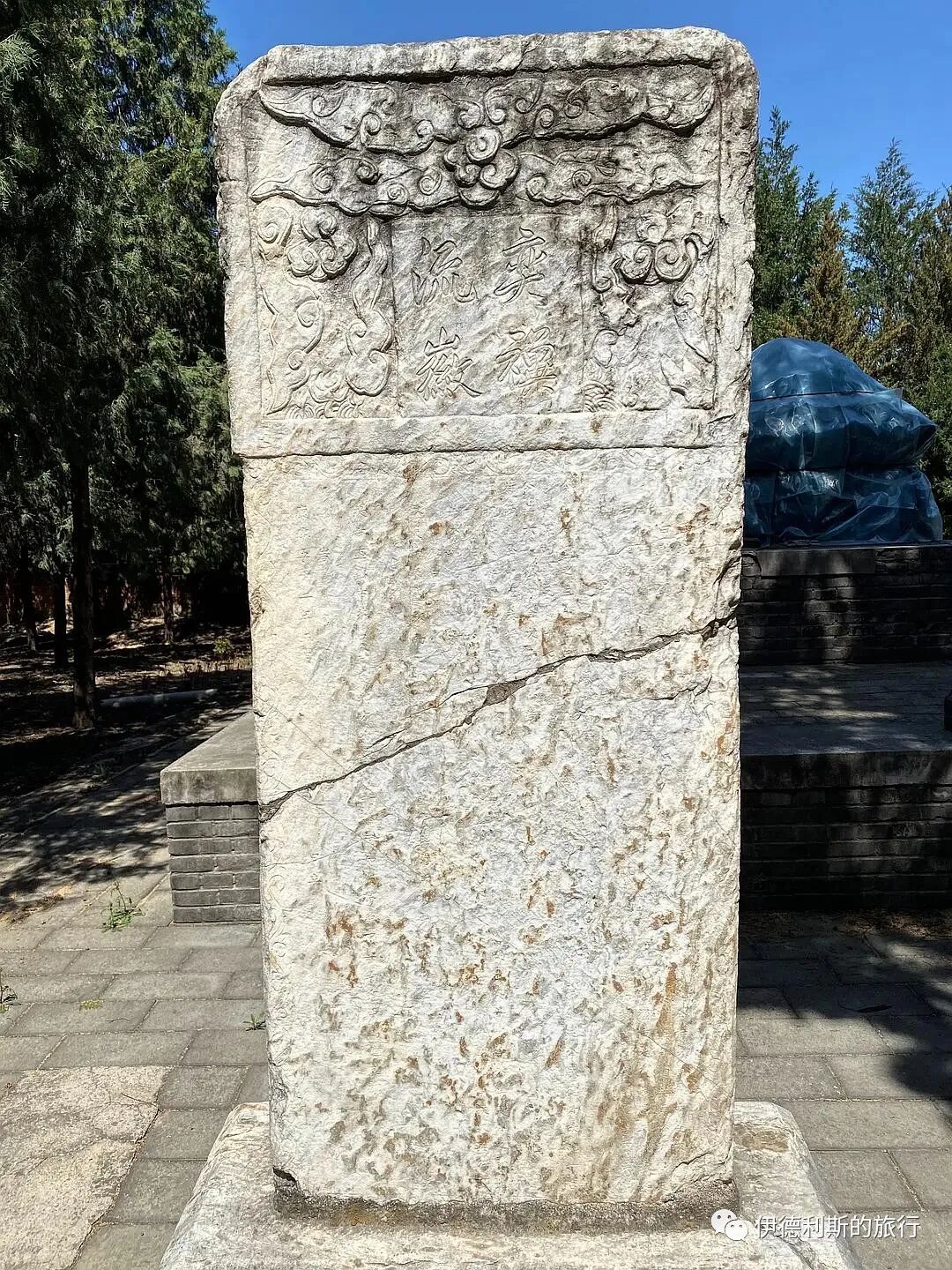
A stone tablet from 1618 (the 46th year of the Ming Wanli reign), inscribed by Zhang Dajin, who served as the Deputy General of the Divine Engine Division and Assistant Commissioner of the Chief Military Commission. Uncle Zhang said that the descendants of the person who wrote the tablet now live in Linxia. Because it is recorded in their family genealogy, they previously came here specifically to make a rubbing of this stone tablet.
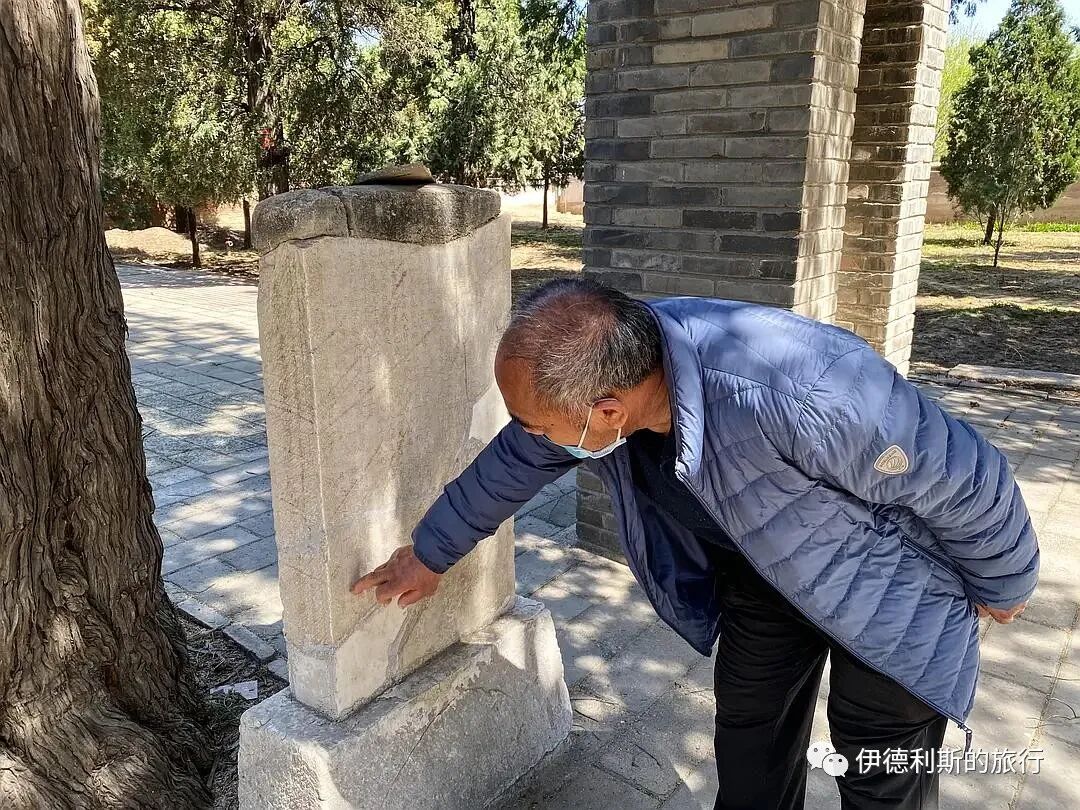
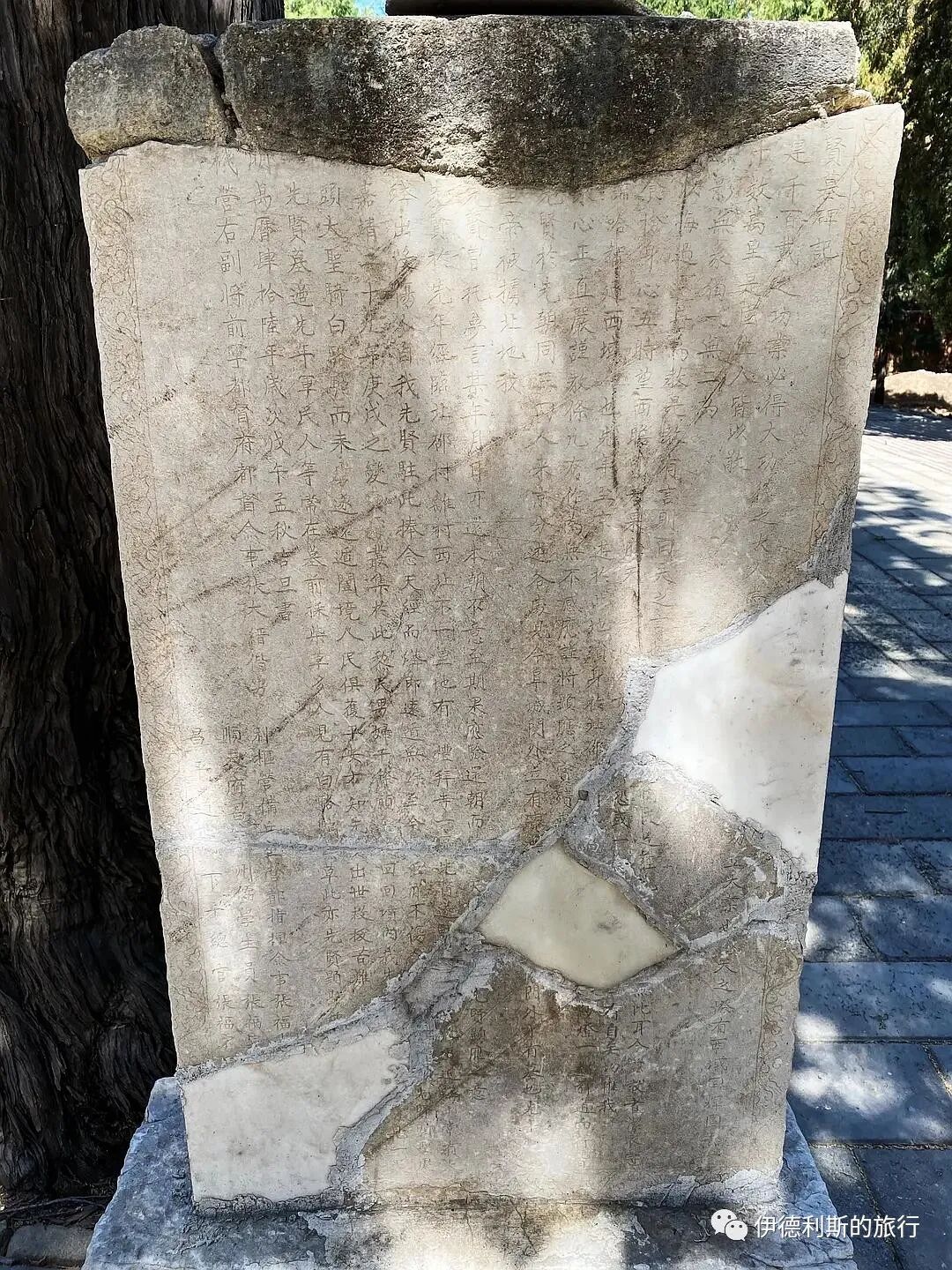
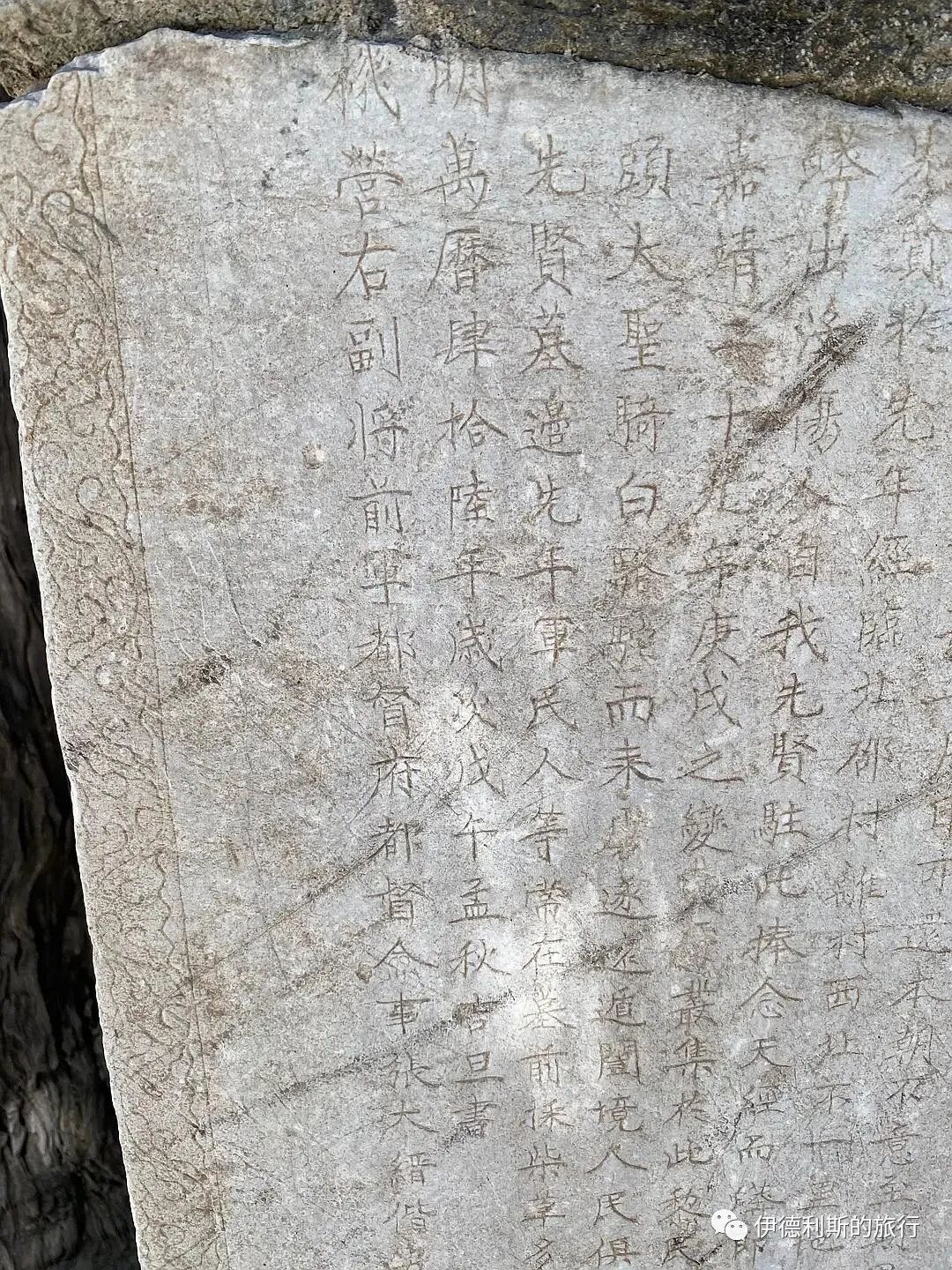
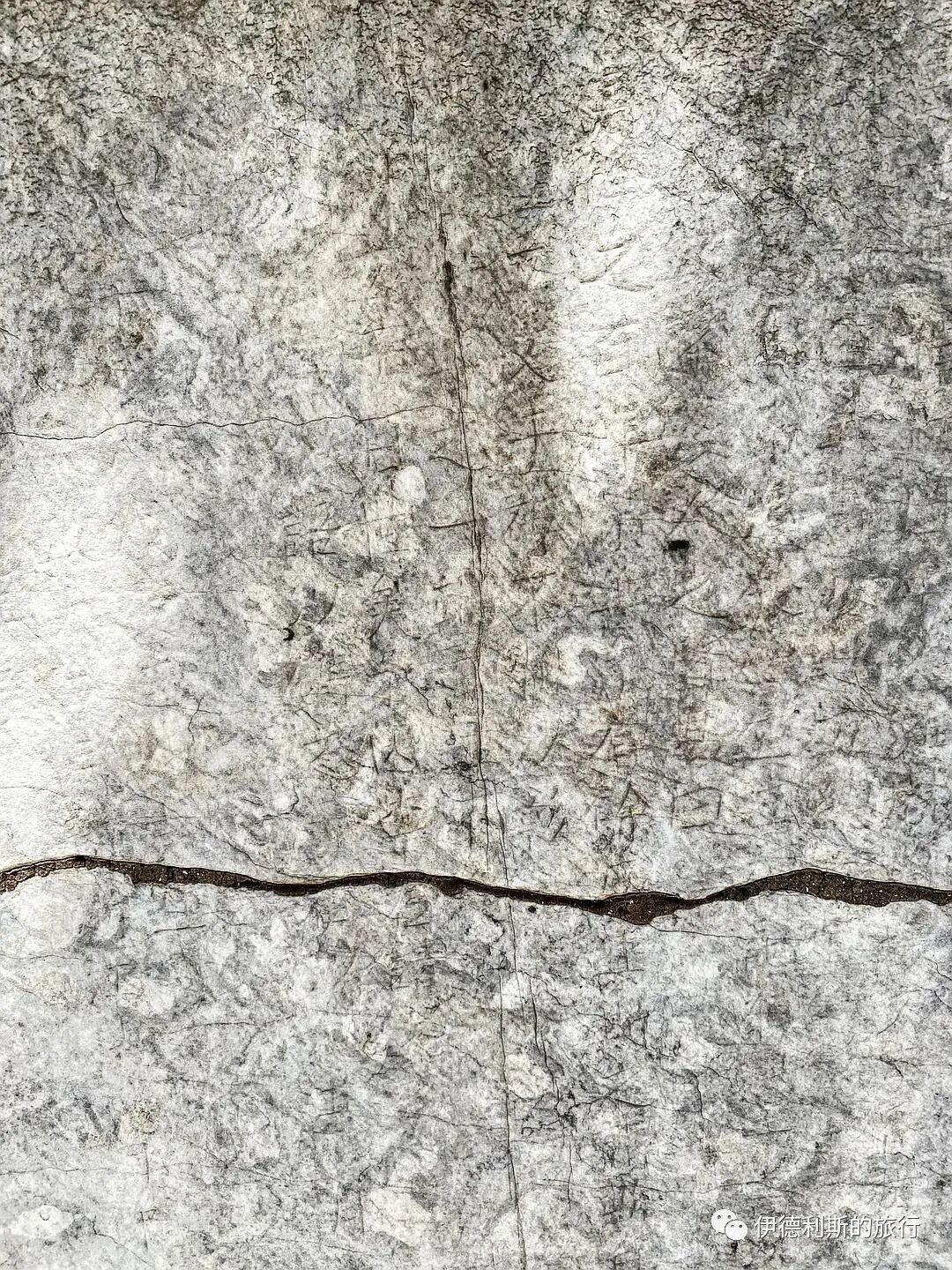
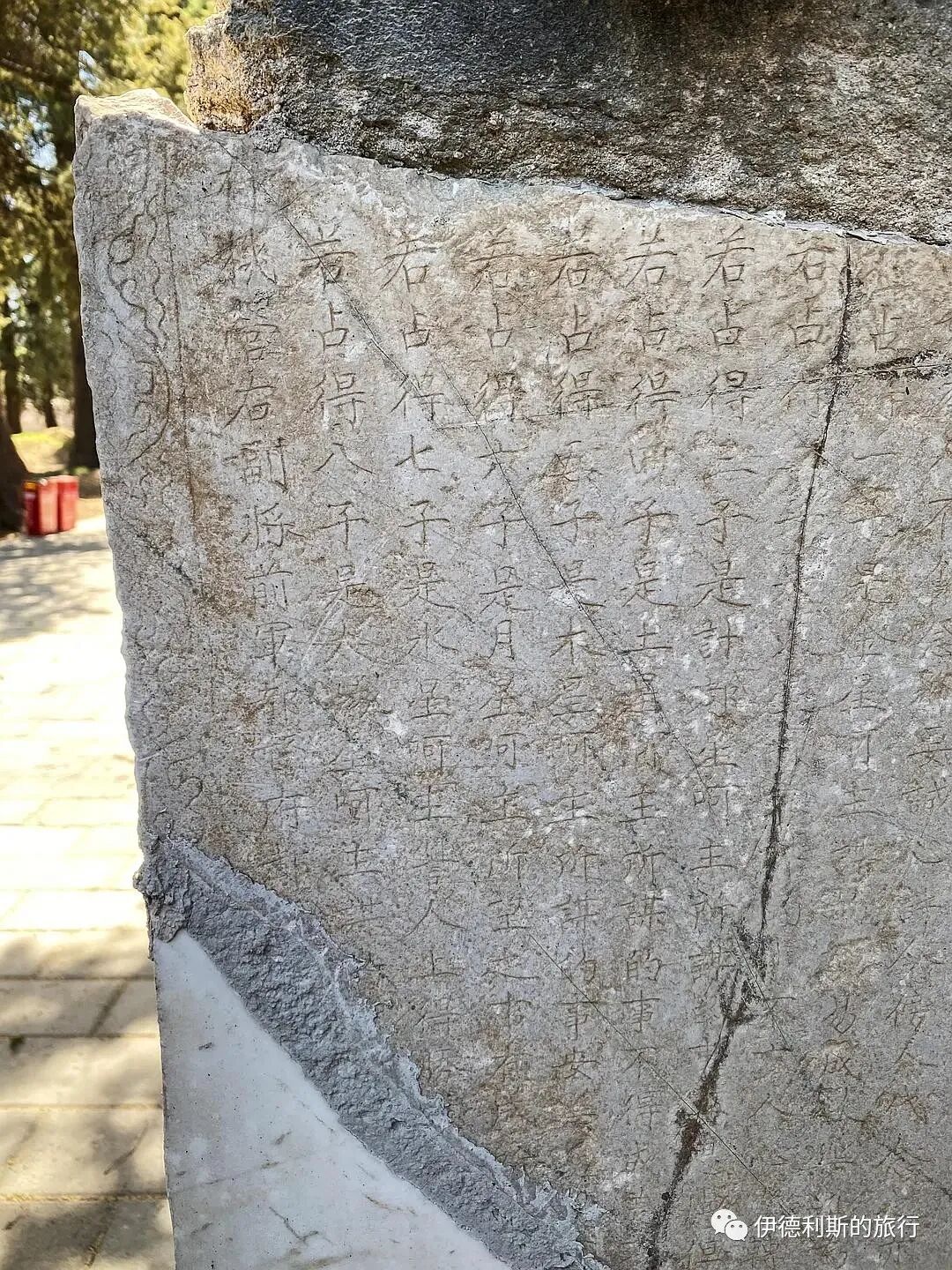
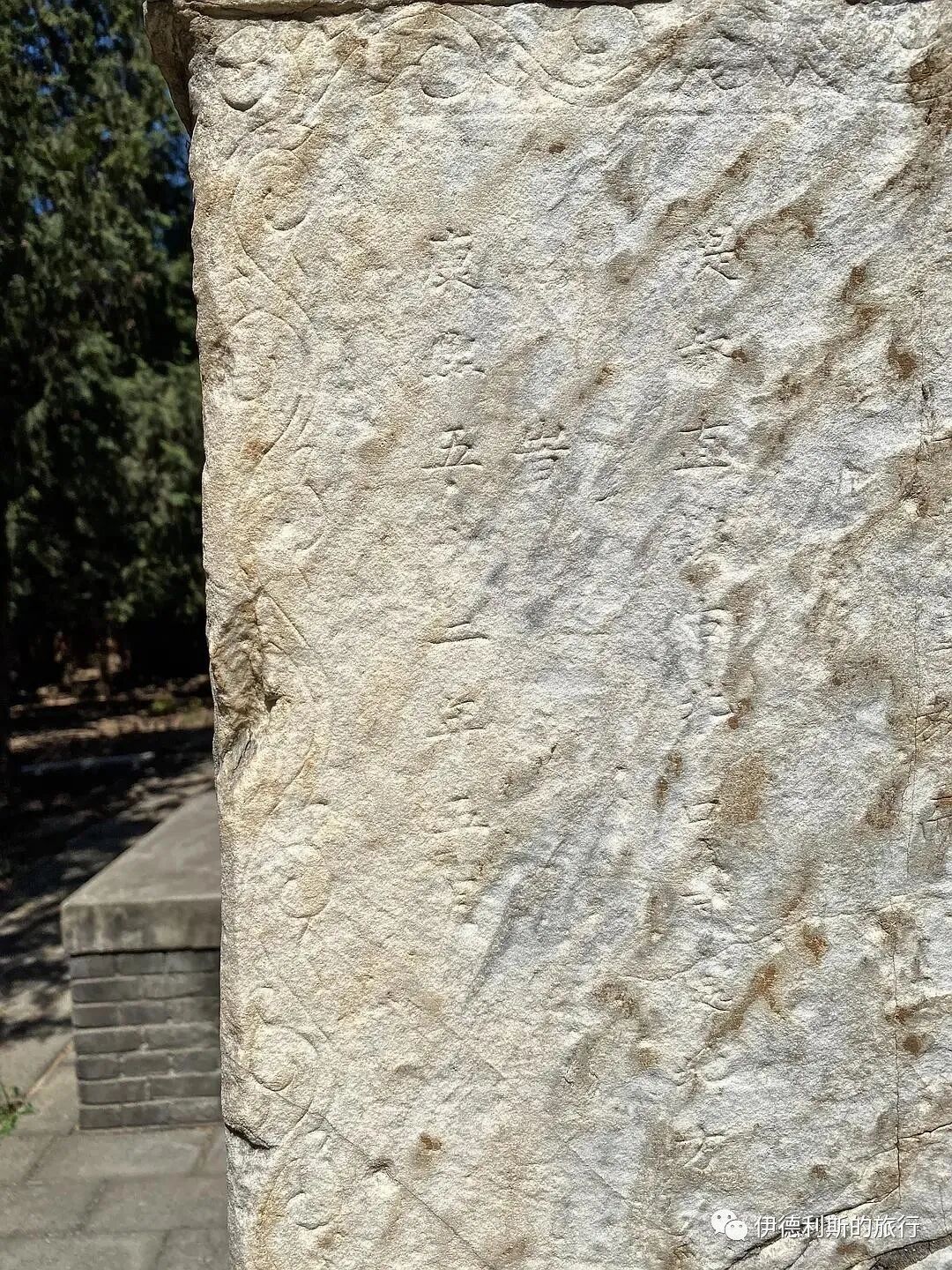
The most unique thing about this stone tablet is that the back records how the ancestors of the Hui Muslims used astrology for divination. According to Uncle Zhang, they would recite the Fatiha and then throw stones to perform the divination. Although the inscription is damaged, you can still see parts that say, 'Ali passed down a method of divination to the world, but those who follow the Hui religion... before doing anything, check if it is auspicious... grab a handful of stones with your right hand... this is the astrology of good fortune...' It then explains the results based on the number of stones: 'If you get four stones, it is ruled by Saturn, and what you plan will not succeed... If you get six stones, it is ruled by the Moon, and what you hope for will succeed... If you get seven stones, it is ruled by Mercury, and you will win over others...'
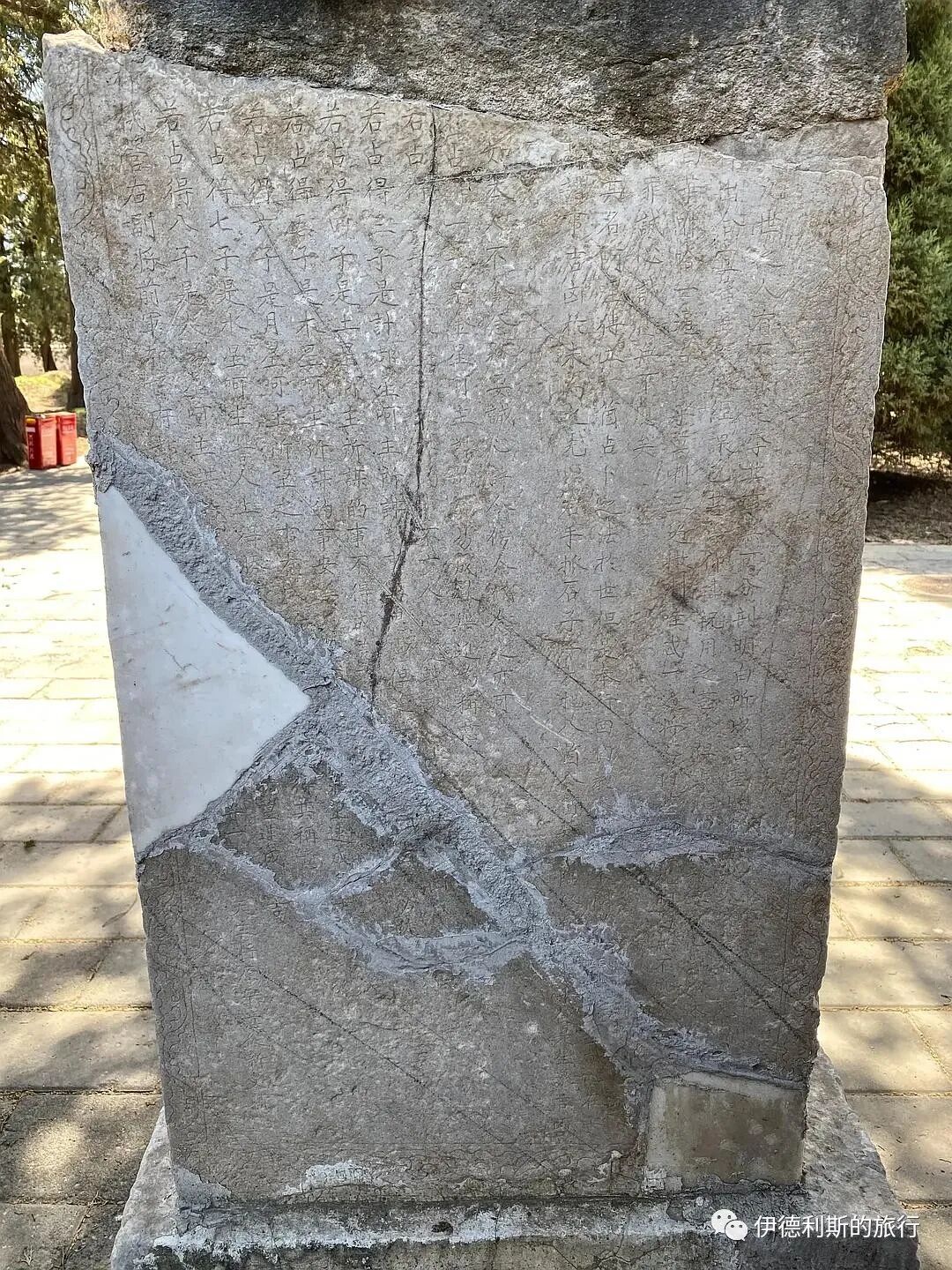
The 'Stele of Loyalty of the Worthy' (Xianxian Zhongyi Bei) was written and titled by Yang Yingduan in 1619 (the 47th year of the Wanli reign).
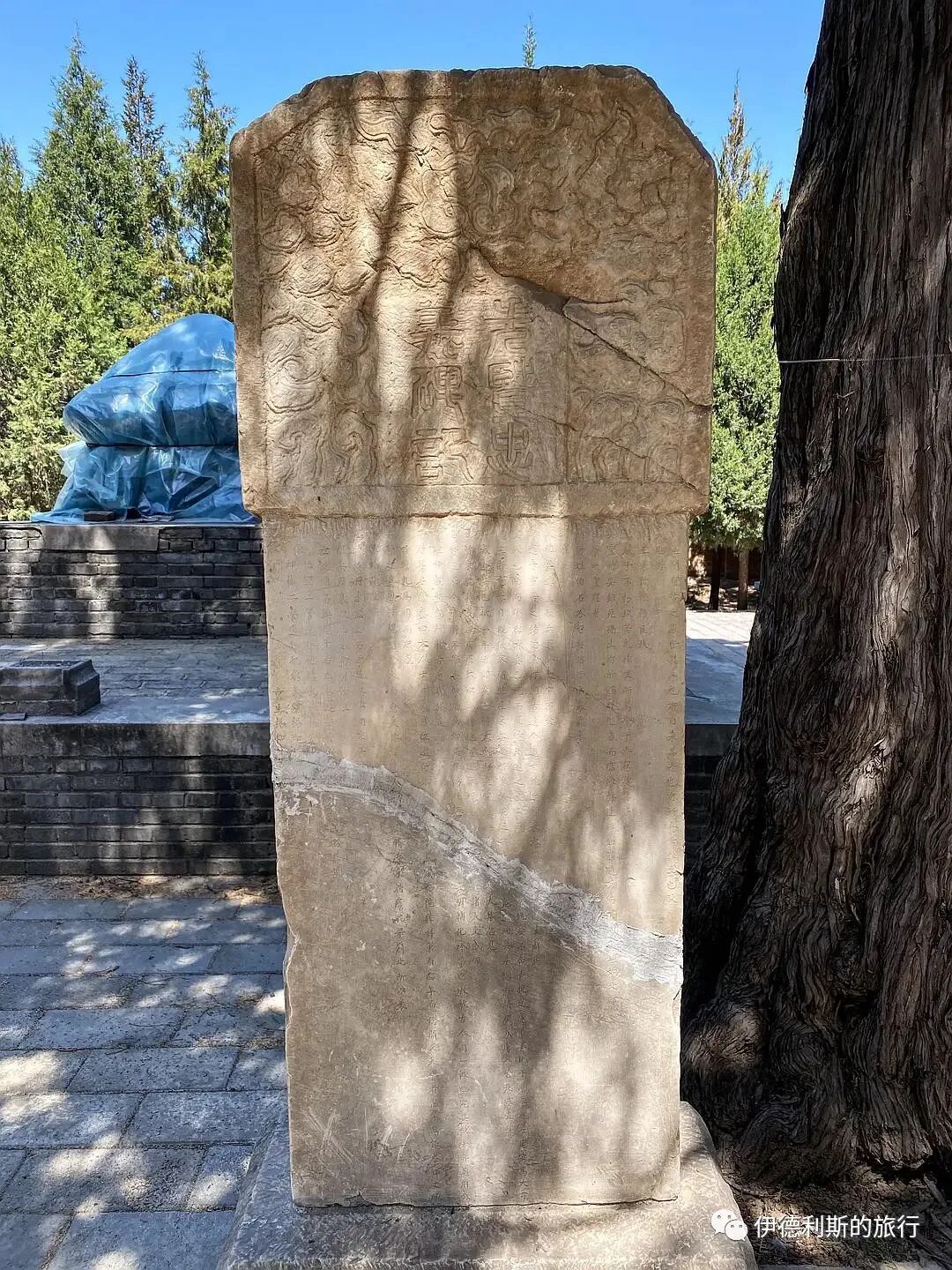
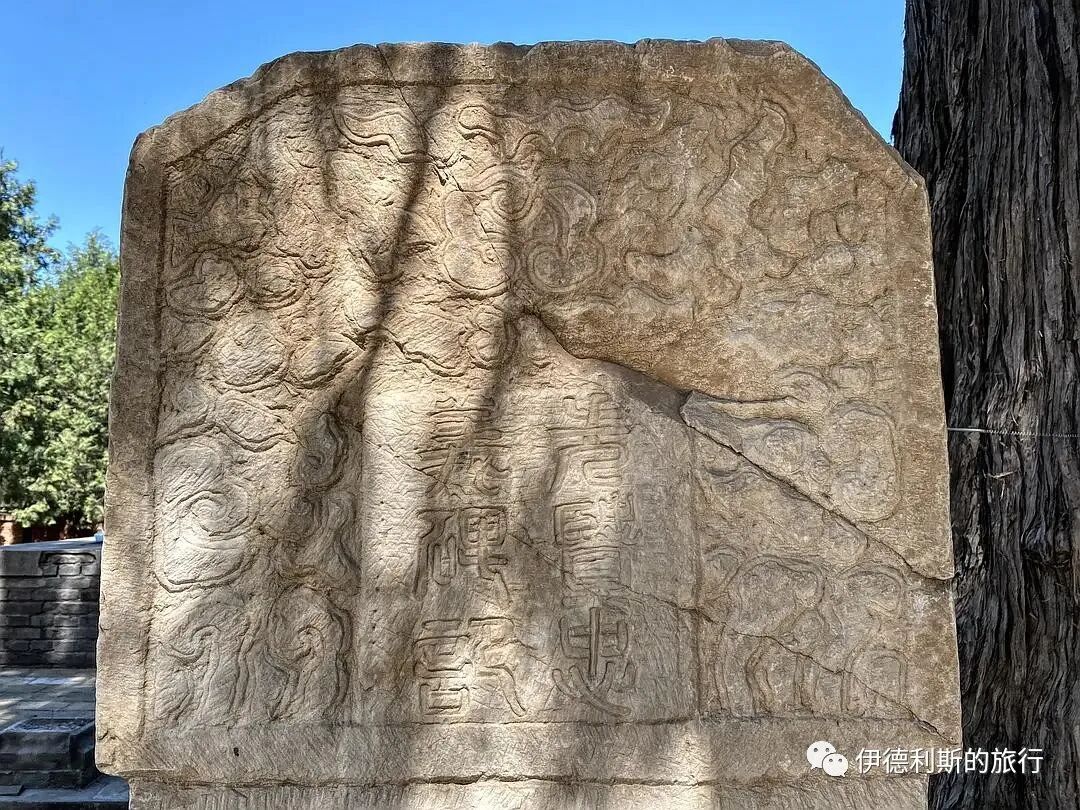
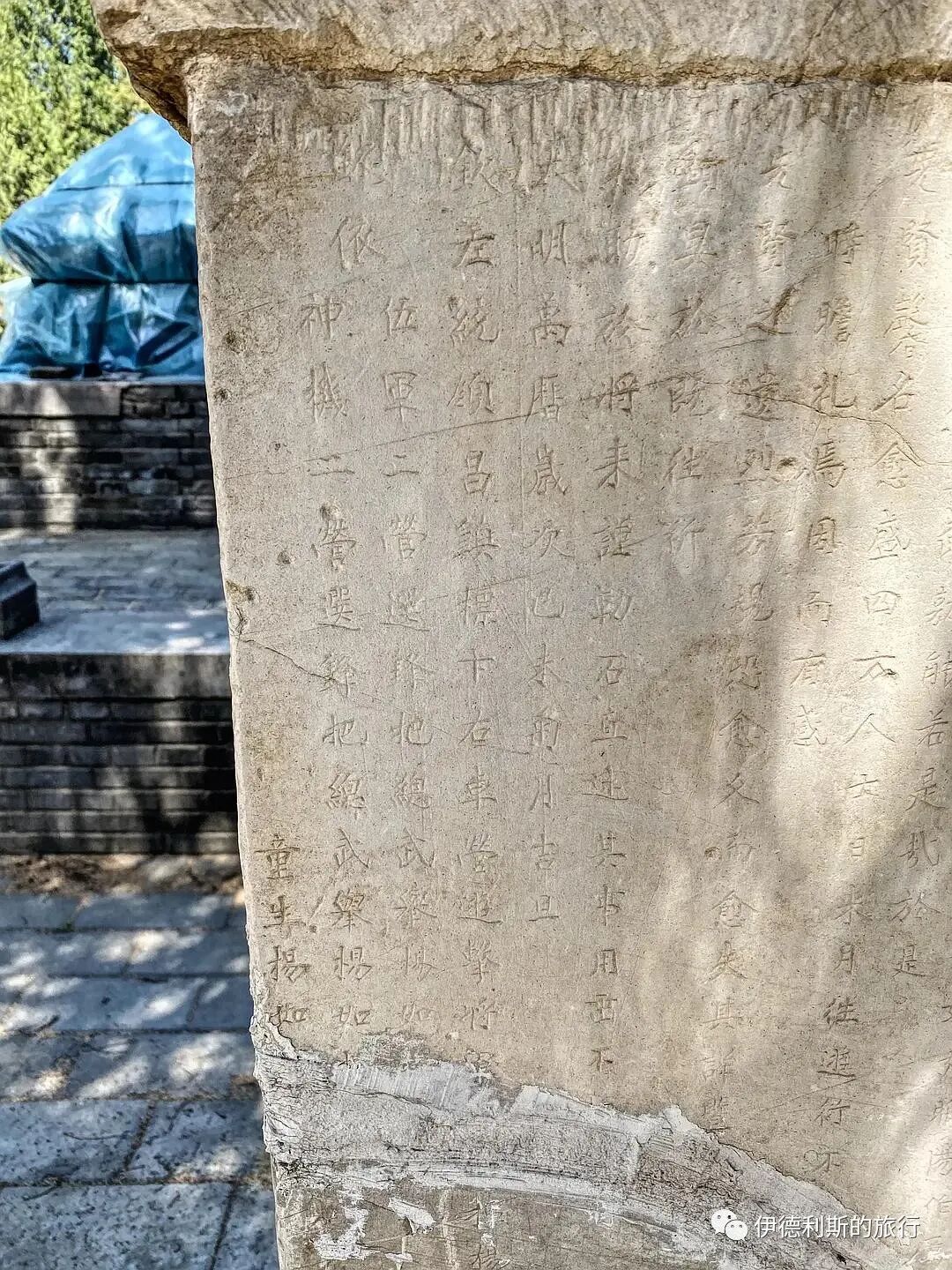
The 'Tombstone of Bo Haji' (Bo Haji Mubei) was written by Ma Jinliang in 1713 (the 52nd year of the Kangxi reign). Ma Jinliang was a famous Hui Muslim military officer in the early Qing Dynasty. When he wrote the stele, he was the Regional Commander (Zongbing Guan) and Assistant Commissioner-in-Chief (Dudu Tongzhi) stationed at Gubeikou, known to people as 'Hui Muslim General Ma'. In 1696 (the 35th year of the Kangxi reign), Ma Jinliang followed the Kangxi Emperor to fight Galdan. He performed with great merit and was awarded the title 'Valiant General' (Xiaoyong Jiangjun). On his way back, he passed through Changping and donated money to renovate the tomb of Bo Haji. In 1713 (the 52nd year of the Kangxi reign), Ma Jinliang passed by the tomb of Bo Haji again and 'repaired the walls, marked the boundaries, and fixed the tomb gate and the spirit path.' Afterward, he erected this stone tablet.
There were once 85 ancient cypress trees planted in the early Ming Dynasty inside the Bo Haji tomb. Later, 17 died, and 68 remain today. It is the best-preserved site of Ming Dynasty ancient trees in Changping District, outside of the Ming Tombs.
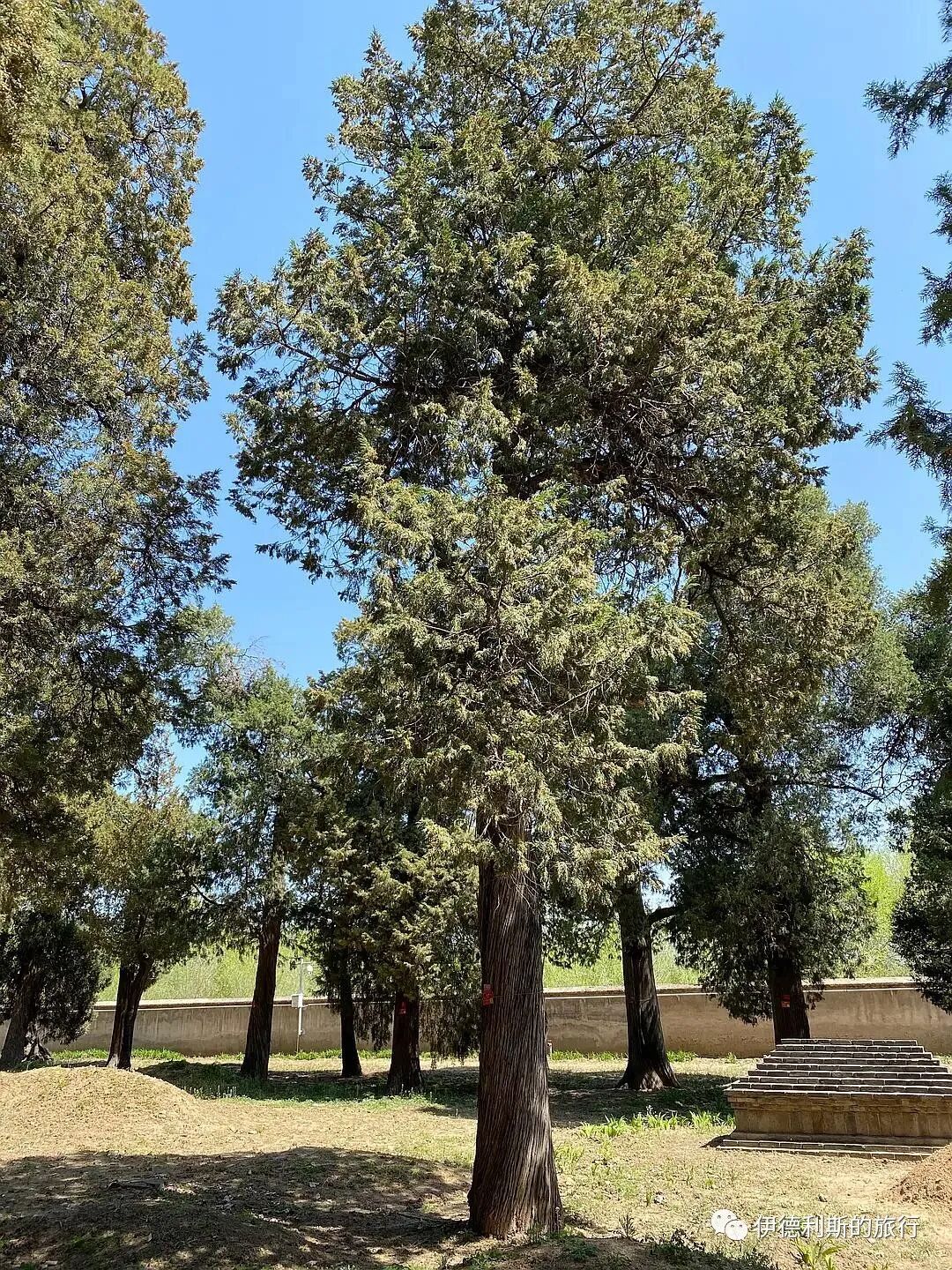
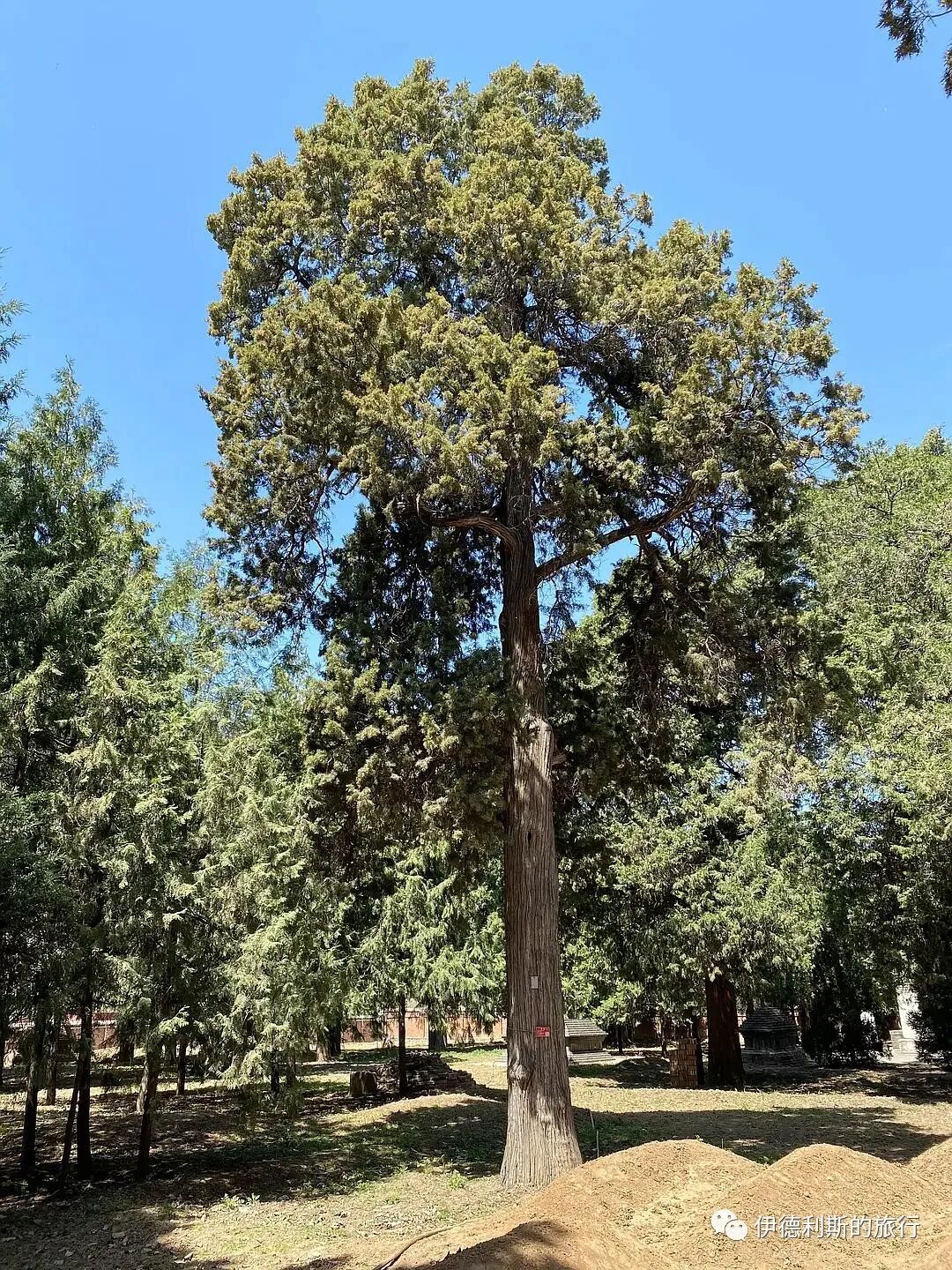
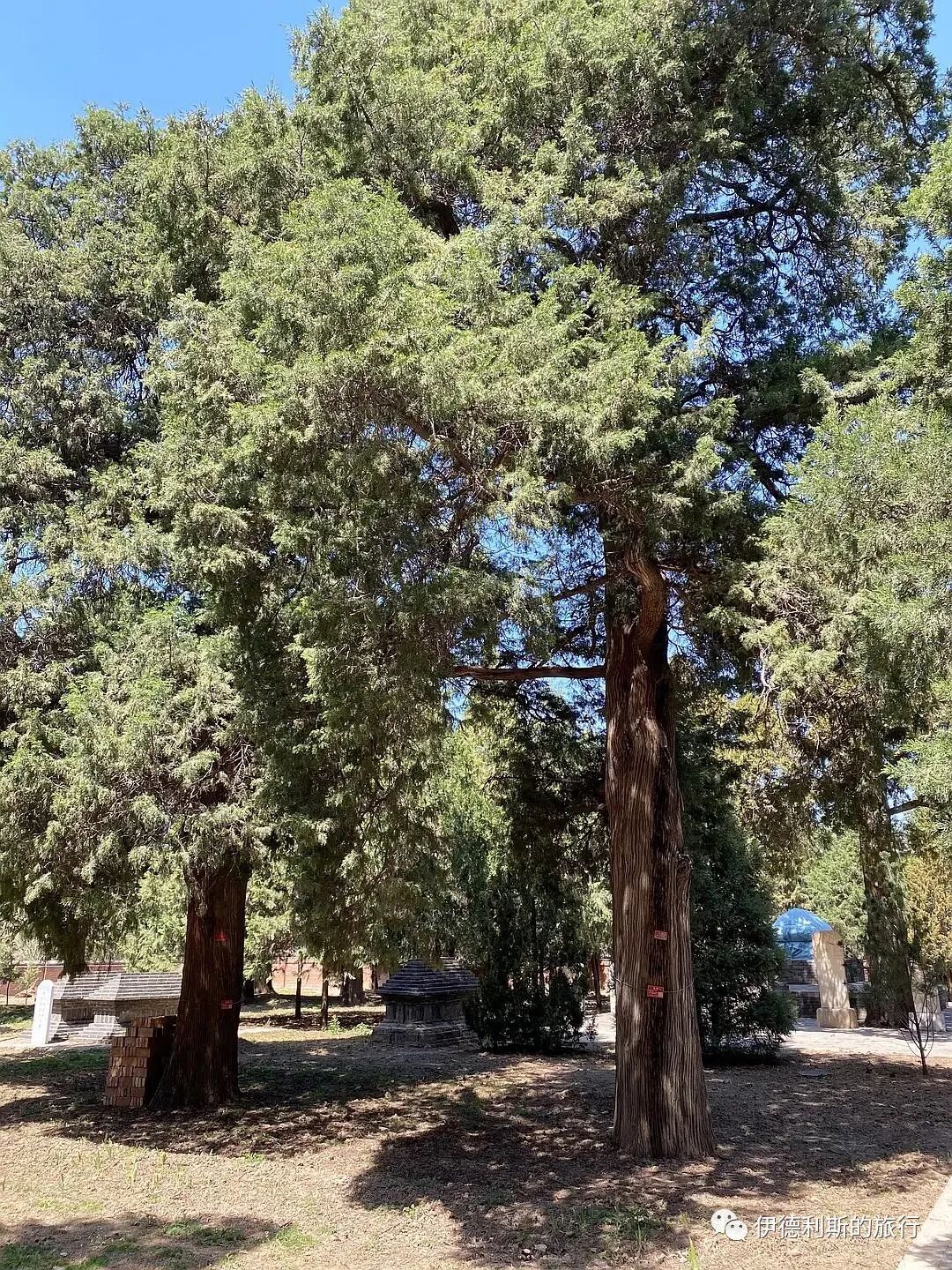
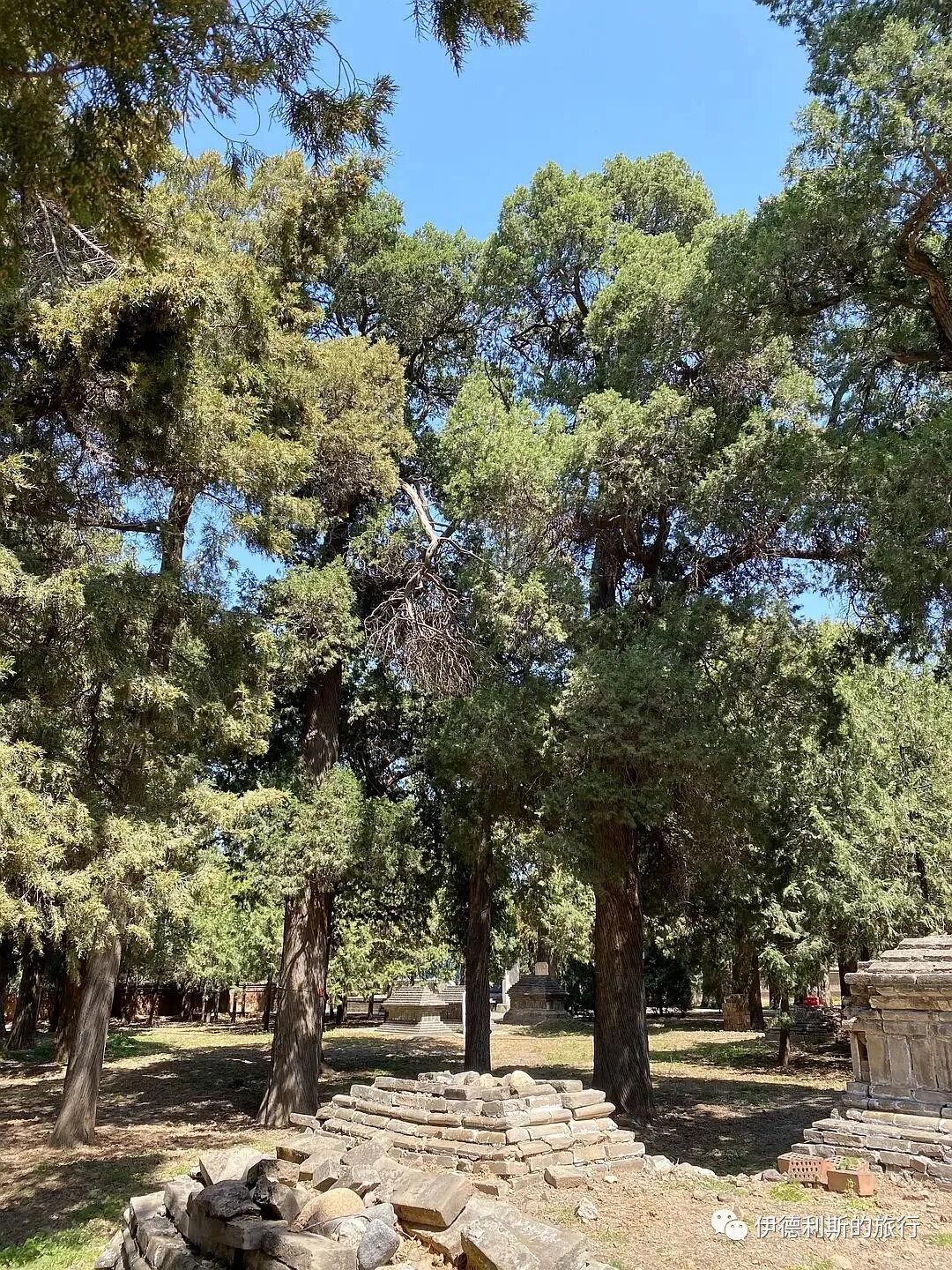
Inside the cemetery, there is a 'Notice Tablet for the Protection of Bo Haji's Tomb' (Baohu Bo Haji Mu Gaoshi Bei) erected in 1909 (the first year of the Xuantong reign). It records the story of how Hui Muslims protected these ancient trees over 110 years ago, which was a major case of deforestation and forest protection in Changping at the end of the Qing Dynasty. In the final years of the Guangxu reign, some people in Heying tried to cut down ancient trees to sell for public funds because their school budget was short. Local Hui Muslims reported them to the Changping Prefecture. After a trial, the Hui Muslims won the case, and it was finally ruled that no one could suggest cutting down the pine and cypress trees in front of the sheikh's tomb, or they would face investigation.
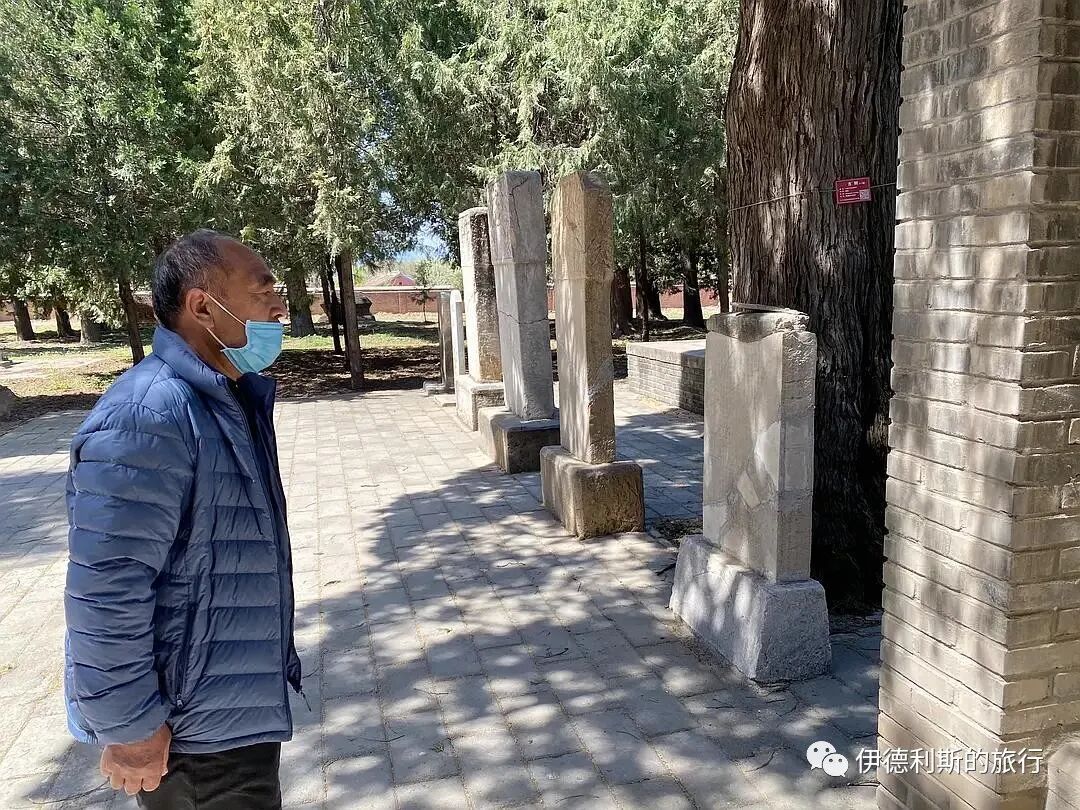
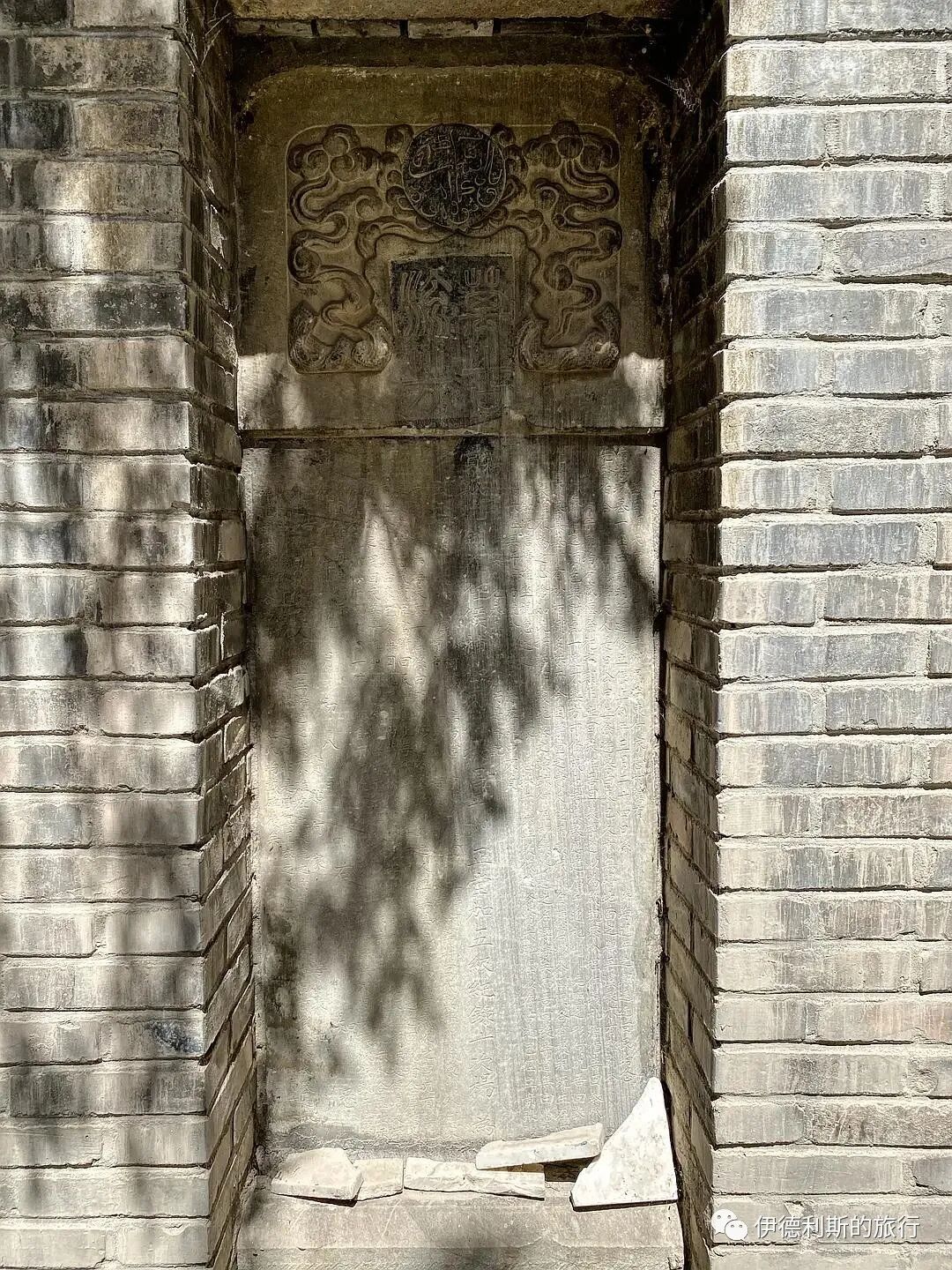
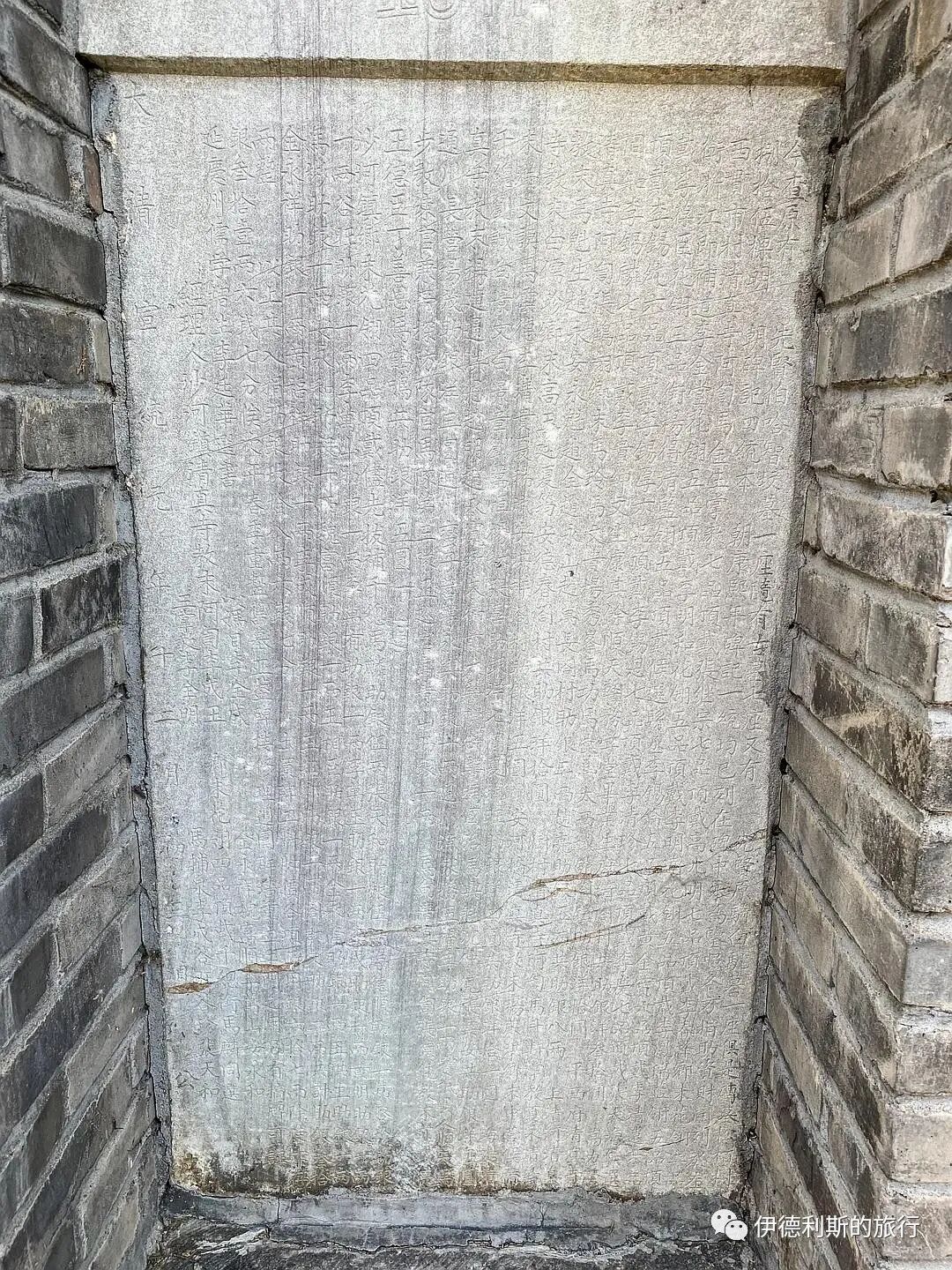
The back of the Xuantong stele records how Hui Muslims gave charity (nieti) to renovate the cemetery. The inscription says they reorganized the old cemetery, built a stele pavilion, repaired the surrounding walls, and rebuilt the second gate. Unfortunately, the stele pavilion, the walls, and the second gate are all gone now, leaving only the stone stele. Most of the donors on the stele were Hui Muslim officials ranging from the third to the seventh rank, including imperial physicians from the Imperial Hospital, cavalry and infantry instructors, and battalion commanders (qianzhong). There were also imams (ahong), religious leaders (zhangjiao), village elders, and community members from places like Xiguanshi, Gaoliying, Pingxifu, Shucun, Anheqiao, Haidian, Changying, Manziying, Yujiawu, Madian, and Shahe. The managers were the imam (imamu), ahong, and three religious leaders from the Shahe Town mosque.
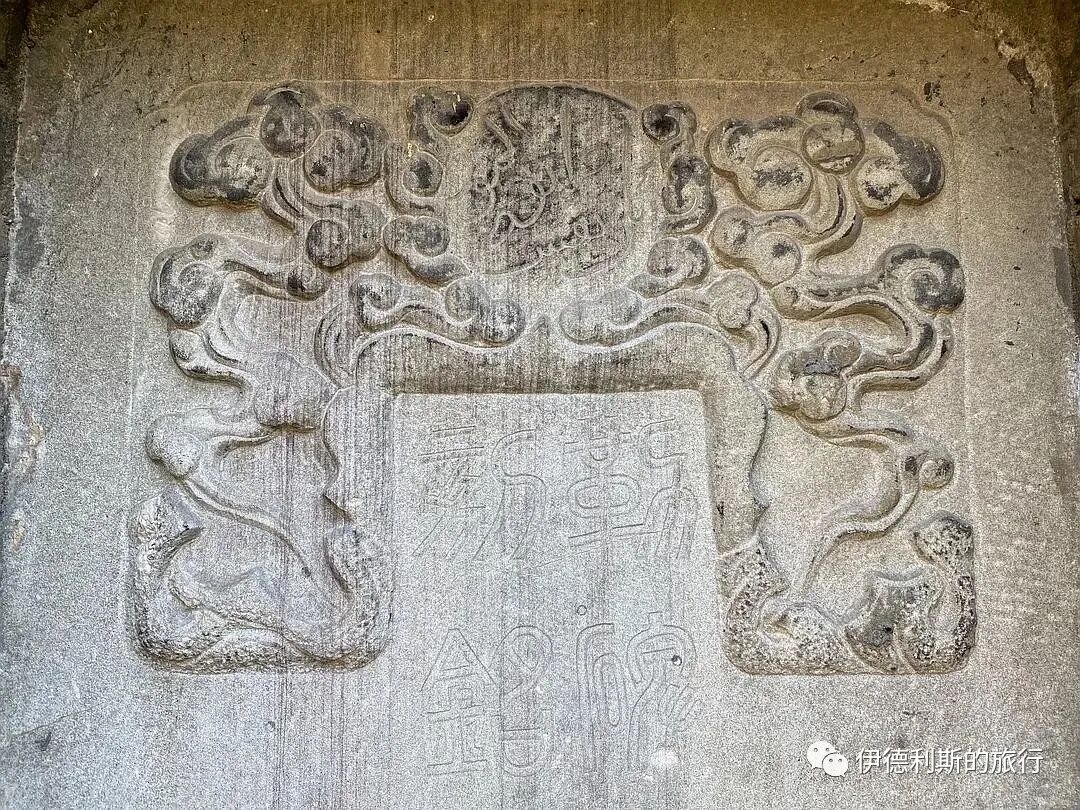
As for other tombs of virtuous predecessors in the cemetery, we only know one is called the White Imam (Bai Imamu), and another, according to Uncle Zhang, belongs to an ahong's family. The names of the others are lost. Uncle Zhang said that in the past, you had to reach a certain rank to be buried in the Sheikh Baba cemetery.
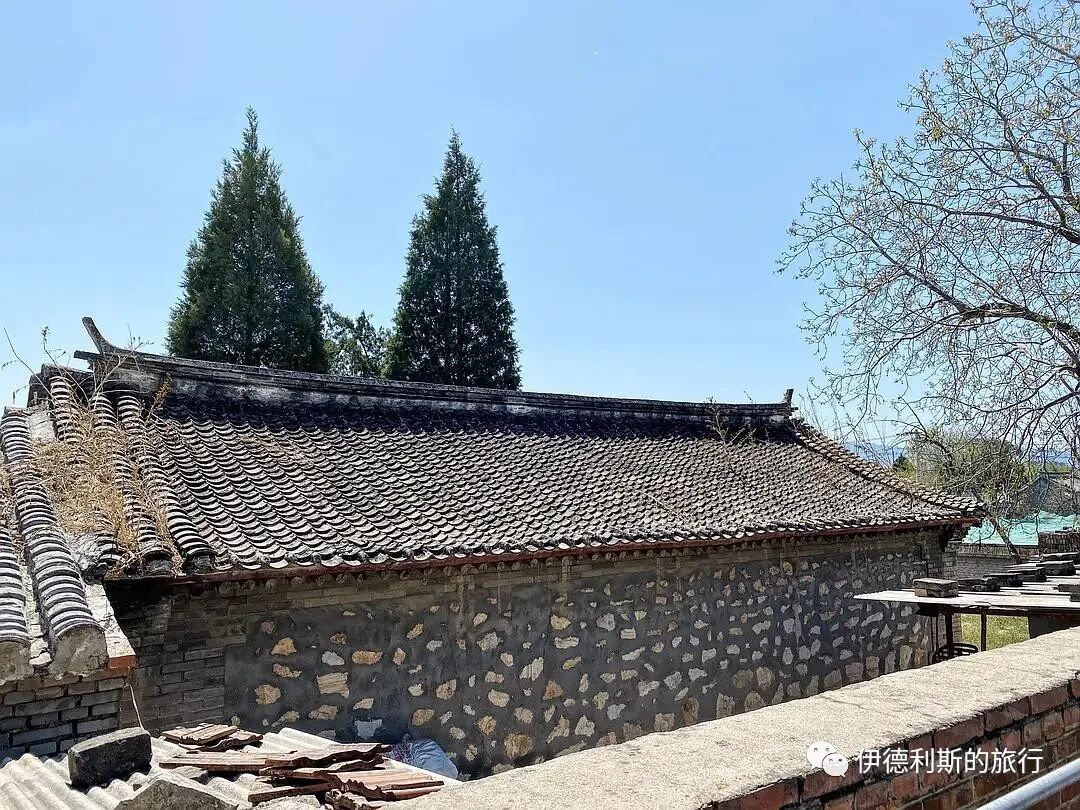
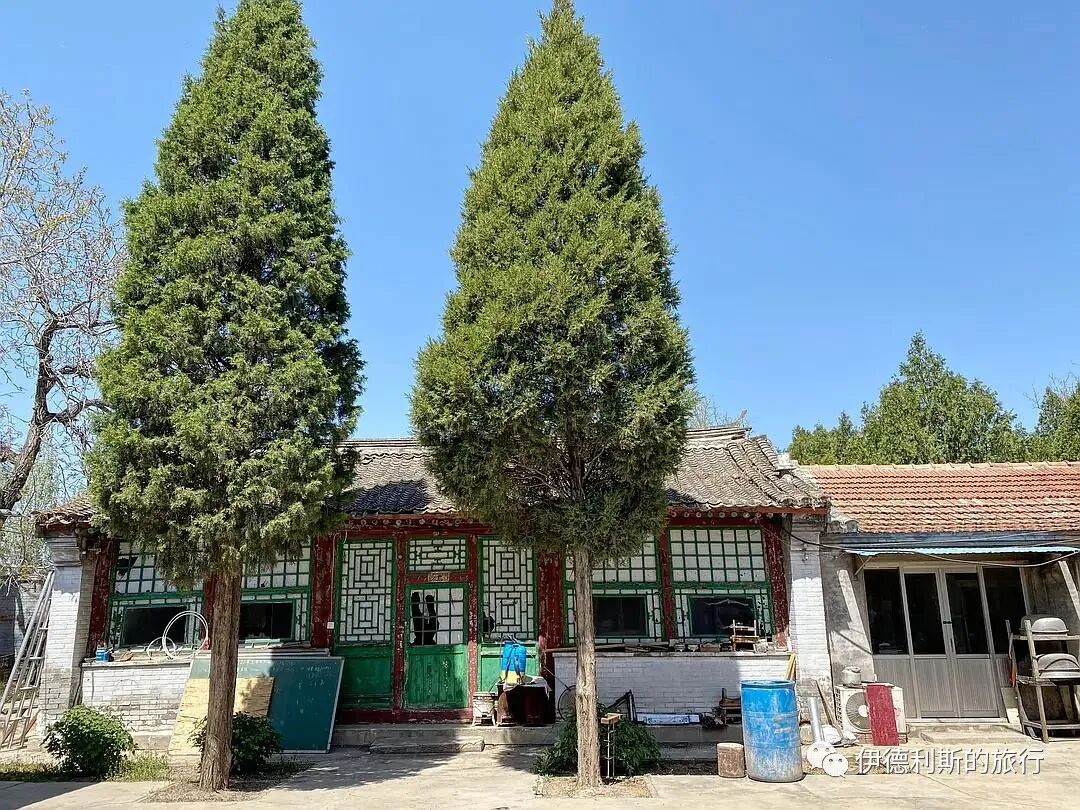
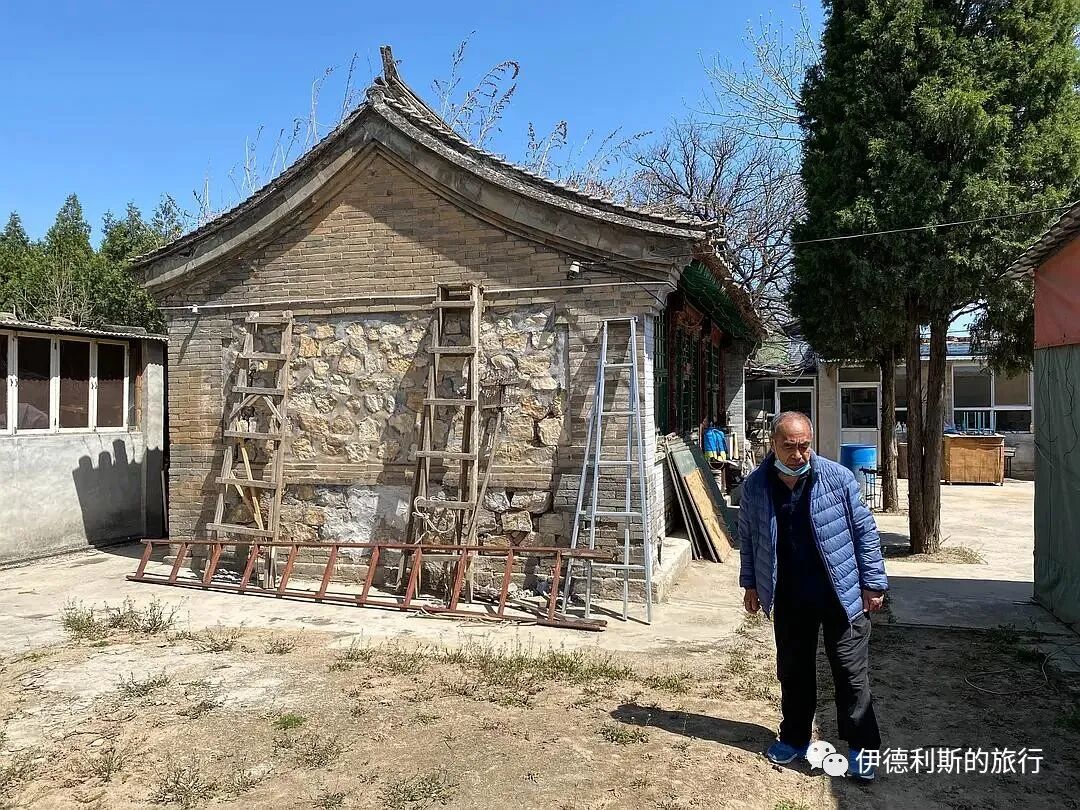
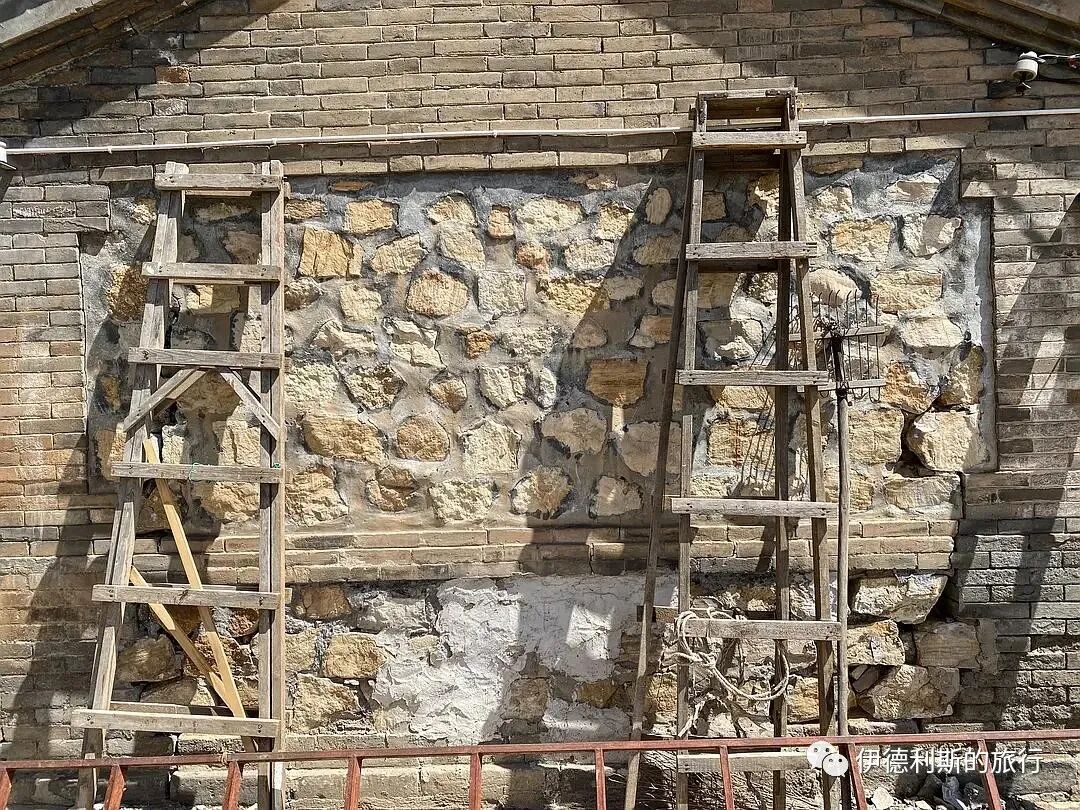
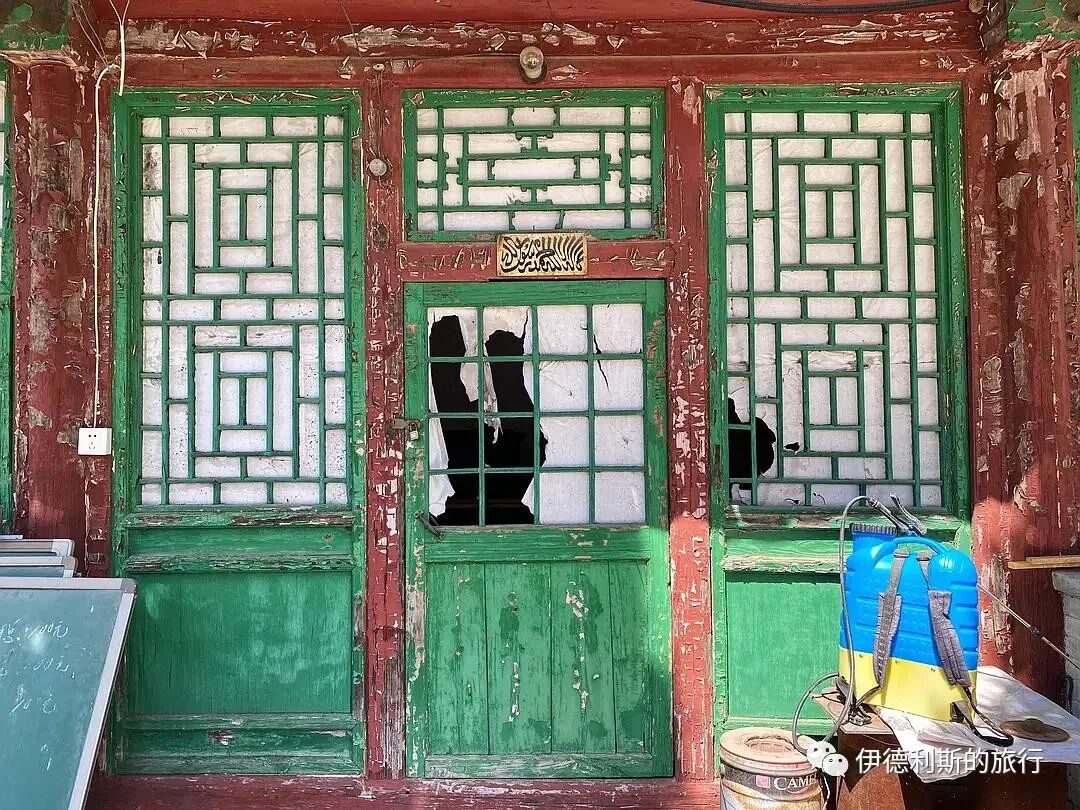
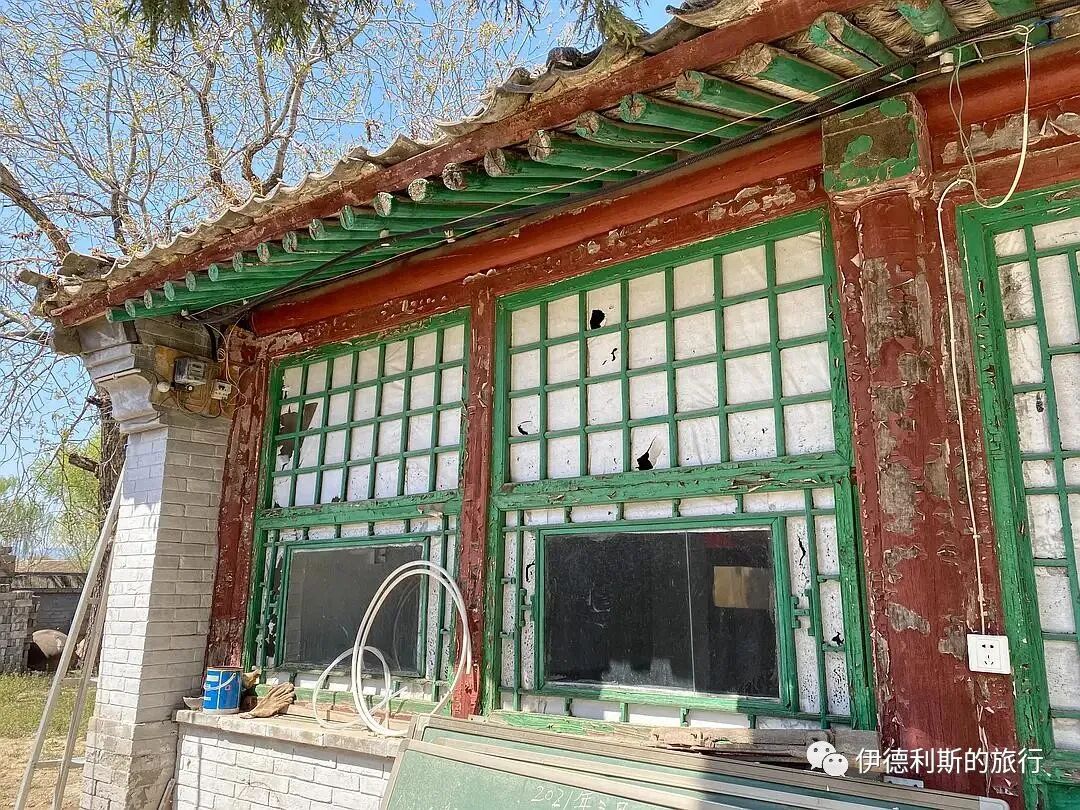
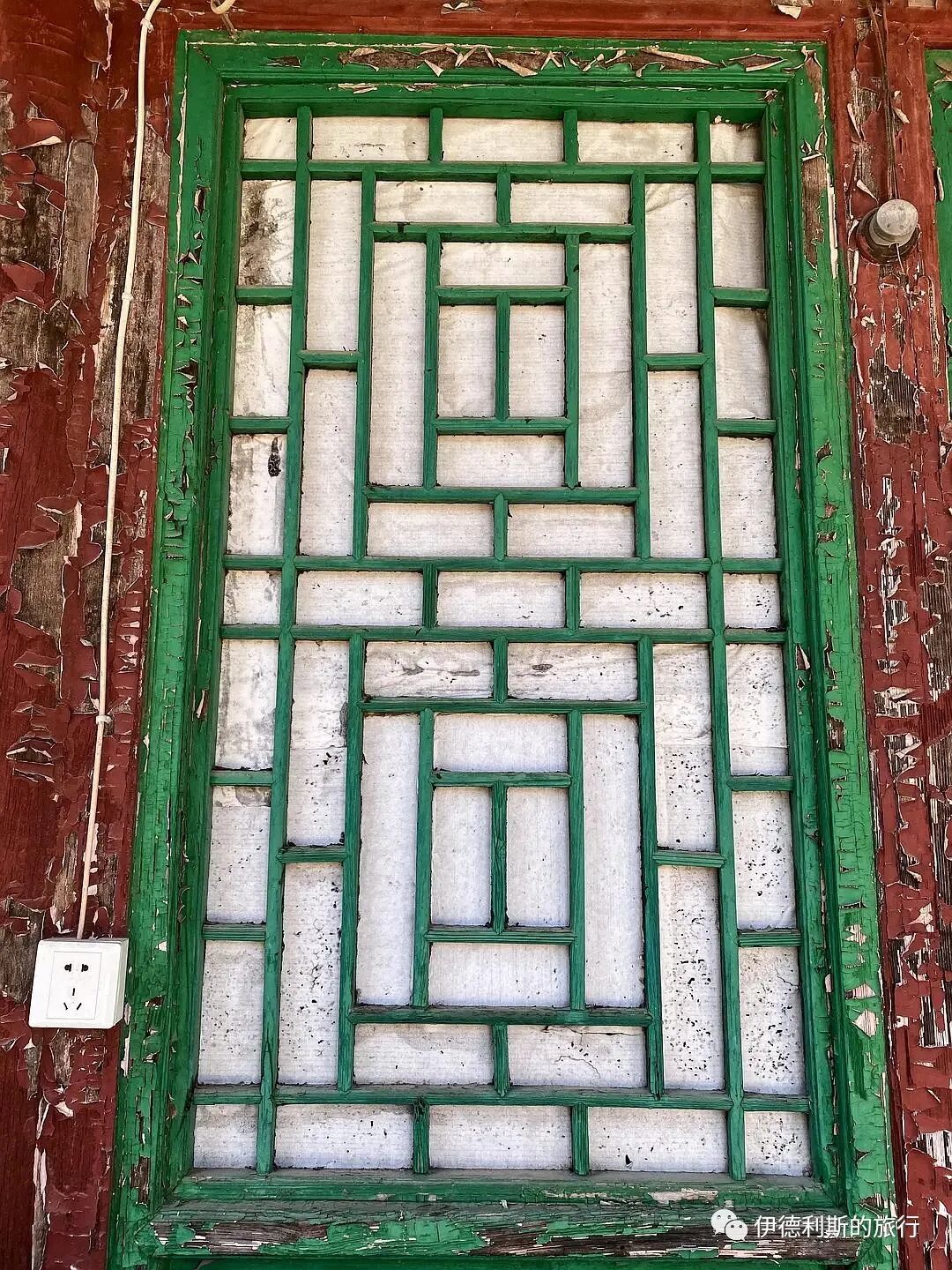
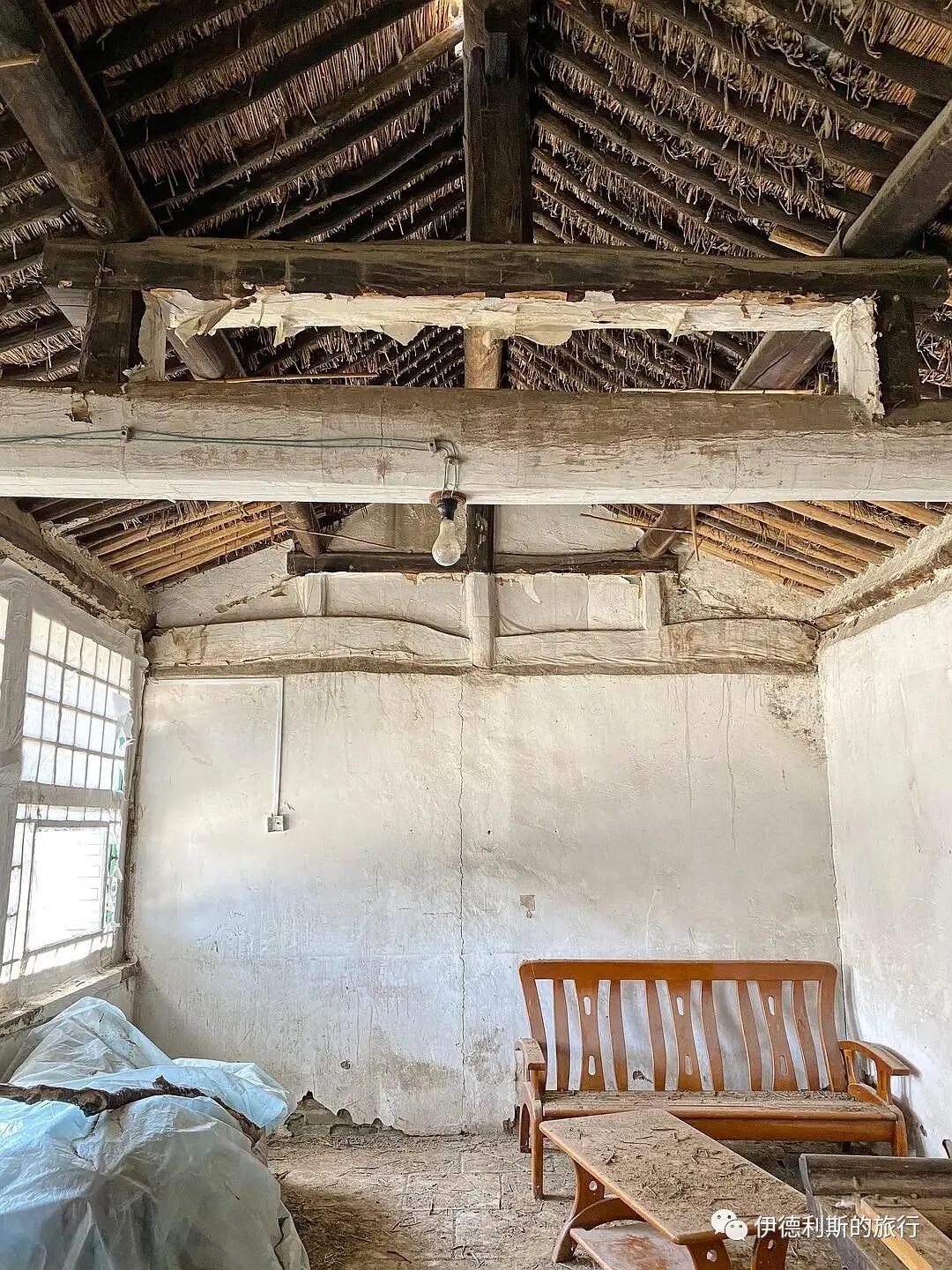
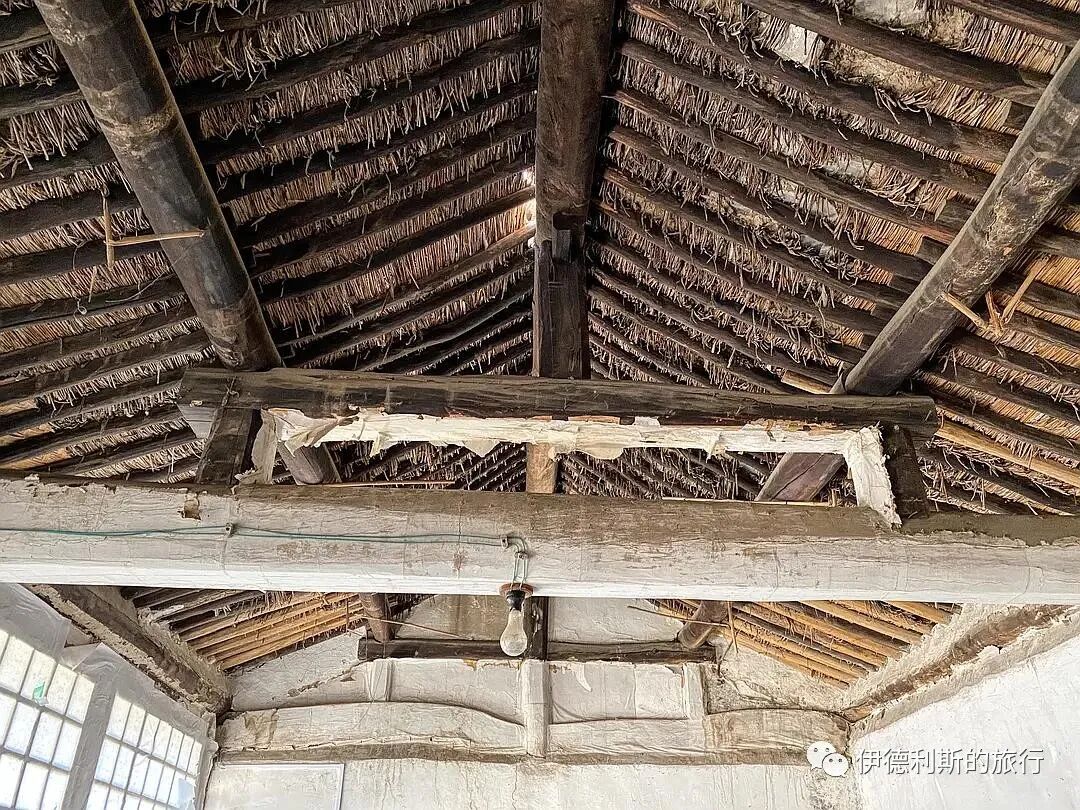
On the south side of the Bo Haji cemetery is the Heying mosque, which Uncle Zhang's family built in the 1930s. Only the north building of the old structure remains. You can see the middle of the walls are built with stones that Uncle Zhang's family hauled back from the mountains years ago. The ahong of the Heying mosque was forced to leave after the 1960s. After that, the mosque was mainly used by Hui Muslims from other places to visit graves and by local Hui Muslims for funerals (maiti). When policies were implemented in the 1980s, a mistake meant the mosque was not included in the cultural relic protection area for the Bo Haji tomb. Because of this, the nearly century-old mosque still does not have official cultural relic status. Uncle Zhang's family is currently using funds collected through community charity (nieti) to slowly save up, and they have started planning repairs for the old building.
Summary: Bohaji Tomb — Beijing Muslim History and Sufi Memory is presented here as a firsthand travel account in clear English, beginning with this scene: Last Saturday, I visited the tomb of the Western Regions sage Burhanuddin (Bohezhi) in Heying, Changping, Beijing. The account keeps its focus on Beijing Muslim History, Sufi Shrines, Muslim Heritage while preserving the names, places, food, and historical details from the Chinese source.
Last Saturday, I visited the tomb of the Western Regions sage Burhanuddin (Bohezhi) in Heying, Changping, Beijing. Locals also call it the Sheikh Baba (Shaihai Baba) tomb. We were warmly welcomed by Uncle Zhang, whose family has guarded the tomb for generations.
The records say Sheikh Baba came from Medina (Modena) to preach in China during the early years of the Hongwu reign of the Ming Dynasty. He eventually passed away in Heying, Changping, and is deeply respected by Hui Muslims. A 1713 (the 52nd year of the Kangxi reign) stele inside the cemetery says, 'He was a man from the Western Regions who came to the imperial court in the early Ming Dynasty to offer advice, but he refused the official title offered to him.' He asked to travel and teach the faith, and the emperor agreed. He lived with strict discipline and walked with purpose. He rode a white camel, and wherever he went, he did not fuss over minor details but focused on moral conduct. Those who had lost their way or acted improperly saw his pure character and began to correct themselves, striving to improve. Because of this, the customs of our village changed, and our faith flourished. The Ming Emperor Taizu admired his virtue and treated him with great respect. Later, he returned to Changping and died of old age. Our villagers buried him on the sunny side of Beishao, and the white camel he rode was buried beside his tomb.
At the same time, locals pass down legends of Burhanuddin ridding the people of evil, such as the story of him slaying a giant python on Mangshan Mountain. The Qing Dynasty's 'Changping Prefecture Gazetteer' (Kangxi edition), Volume 26, section on 'Hui Muslim Miracles,' records: 'A man from Medina with spiritual power died and was buried in Hejiaying, east of the prefecture, where he often showed signs of his holiness.' During the chaos of the rebel invasion, the countryside was trampled, but the grass on this tomb remained untouched. The villagers who hid there were all kept safe and sound. At the time, people saw a Hui Muslim dressed in white sitting at the tomb gate, and the soldiers never reached it. No one understood why. Was Muhammad born with divine power, and is this his descendant?
According to a stone tablet record from 1909 (the first year of the Xuantong reign), it has long been a tradition for imperial officials and Hui Muslims to visit the tomb for prayers every year on the 24th day of the third lunar month. From the Ming dynasty until today, local Hui Muslims and those from surrounding areas have come to visit the tomb of Sheikh Baba (Shaihai Baba) on the 24th day of the third lunar month without fail.
The tomb of Sheikh Baba and the white camel he rode. During the renovation in the 1990s, due to limited awareness of cultural relics at the time, the original stone slabs were replaced with cement-covered bricks. Now, only a few of the original stone slabs remain.
Five stone tablets from the Ming and Qing dynasties are currently preserved in front of the tomb.
The Tomb Tablet of Bo Ha Zhi, written by Zhou Wenyuan in 1578 (the sixth year of the Wanli reign), which also features an Arabic inscription at the top.
A stone tablet from 1618 (the 46th year of the Ming Wanli reign), inscribed by Zhang Dajin, who served as the Deputy General of the Divine Engine Division and Assistant Commissioner of the Chief Military Commission. Uncle Zhang said that the descendants of the person who wrote the tablet now live in Linxia. Because it is recorded in their family genealogy, they previously came here specifically to make a rubbing of this stone tablet.
The most unique thing about this stone tablet is that the back records how the ancestors of the Hui Muslims used astrology for divination. According to Uncle Zhang, they would recite the Fatiha and then throw stones to perform the divination. Although the inscription is damaged, you can still see parts that say, 'Ali passed down a method of divination to the world, but those who follow the Hui religion... before doing anything, check if it is auspicious... grab a handful of stones with your right hand... this is the astrology of good fortune...' It then explains the results based on the number of stones: 'If you get four stones, it is ruled by Saturn, and what you plan will not succeed... If you get six stones, it is ruled by the Moon, and what you hope for will succeed... If you get seven stones, it is ruled by Mercury, and you will win over others...'
The 'Stele of Loyalty of the Worthy' (Xianxian Zhongyi Bei) was written and titled by Yang Yingduan in 1619 (the 47th year of the Wanli reign).
The 'Tombstone of Bo Haji' (Bo Haji Mubei) was written by Ma Jinliang in 1713 (the 52nd year of the Kangxi reign). Ma Jinliang was a famous Hui Muslim military officer in the early Qing Dynasty. When he wrote the stele, he was the Regional Commander (Zongbing Guan) and Assistant Commissioner-in-Chief (Dudu Tongzhi) stationed at Gubeikou, known to people as 'Hui Muslim General Ma'. In 1696 (the 35th year of the Kangxi reign), Ma Jinliang followed the Kangxi Emperor to fight Galdan. He performed with great merit and was awarded the title 'Valiant General' (Xiaoyong Jiangjun). On his way back, he passed through Changping and donated money to renovate the tomb of Bo Haji. In 1713 (the 52nd year of the Kangxi reign), Ma Jinliang passed by the tomb of Bo Haji again and 'repaired the walls, marked the boundaries, and fixed the tomb gate and the spirit path.' Afterward, he erected this stone tablet.
There were once 85 ancient cypress trees planted in the early Ming Dynasty inside the Bo Haji tomb. Later, 17 died, and 68 remain today. It is the best-preserved site of Ming Dynasty ancient trees in Changping District, outside of the Ming Tombs.
Inside the cemetery, there is a 'Notice Tablet for the Protection of Bo Haji's Tomb' (Baohu Bo Haji Mu Gaoshi Bei) erected in 1909 (the first year of the Xuantong reign). It records the story of how Hui Muslims protected these ancient trees over 110 years ago, which was a major case of deforestation and forest protection in Changping at the end of the Qing Dynasty. In the final years of the Guangxu reign, some people in Heying tried to cut down ancient trees to sell for public funds because their school budget was short. Local Hui Muslims reported them to the Changping Prefecture. After a trial, the Hui Muslims won the case, and it was finally ruled that no one could suggest cutting down the pine and cypress trees in front of the sheikh's tomb, or they would face investigation.
The back of the Xuantong stele records how Hui Muslims gave charity (nieti) to renovate the cemetery. The inscription says they reorganized the old cemetery, built a stele pavilion, repaired the surrounding walls, and rebuilt the second gate. Unfortunately, the stele pavilion, the walls, and the second gate are all gone now, leaving only the stone stele. Most of the donors on the stele were Hui Muslim officials ranging from the third to the seventh rank, including imperial physicians from the Imperial Hospital, cavalry and infantry instructors, and battalion commanders (qianzhong). There were also imams (ahong), religious leaders (zhangjiao), village elders, and community members from places like Xiguanshi, Gaoliying, Pingxifu, Shucun, Anheqiao, Haidian, Changying, Manziying, Yujiawu, Madian, and Shahe. The managers were the imam (imamu), ahong, and three religious leaders from the Shahe Town mosque.
As for other tombs of virtuous predecessors in the cemetery, we only know one is called the White Imam (Bai Imamu), and another, according to Uncle Zhang, belongs to an ahong's family. The names of the others are lost. Uncle Zhang said that in the past, you had to reach a certain rank to be buried in the Sheikh Baba cemetery.
On the south side of the Bo Haji cemetery is the Heying mosque, which Uncle Zhang's family built in the 1930s. Only the north building of the old structure remains. You can see the middle of the walls are built with stones that Uncle Zhang's family hauled back from the mountains years ago. The ahong of the Heying mosque was forced to leave after the 1960s. After that, the mosque was mainly used by Hui Muslims from other places to visit graves and by local Hui Muslims for funerals (maiti). When policies were implemented in the 1980s, a mistake meant the mosque was not included in the cultural relic protection area for the Bo Haji tomb. Because of this, the nearly century-old mosque still does not have official cultural relic status. Uncle Zhang's family is currently using funds collected through community charity (nieti) to slowly save up, and they have started planning repairs for the old building.
