
Halal Travel Guide: Seven Beijing Mosques in Ramadan (Part 1)
Reposted from the web
Summary: Seven Beijing Mosques in Ramadan is presented here as a firsthand travel account in clear English, beginning with this scene: During Ramadan in 2022, I visited 7 mosques in Beijing. These included four in Changping: Shahe, Wujie, Heying, and Nankou; Chadao Mosque in Yanqing; Majuqiao Mosque in Tongzhou; and Mishi Hutong Mosque in Xicheng. The account keeps its focus on Beijing Mosques, Ramadan Travel, Muslim Heritage while preserving the names, places, food, and historical details from the Chinese source.
During Ramadan in 2022, I visited 7 mosques in Beijing. These included four in Changping: Shahe, Wujie, Heying, and Nankou; Chadao Mosque in Yanqing; Majuqiao Mosque in Tongzhou; and Mishi Hutong Mosque in Xicheng. I am sharing my experiences here.
1. Shahe Mosque
For the first Jumu'ah of Ramadan, I felt very grateful that some mosques in Beijing's Changping, Fangshan, and Tongzhou districts were open. I went to Shahe Mosque for Jumu'ah prayers because it was relatively easy to reach from my home.
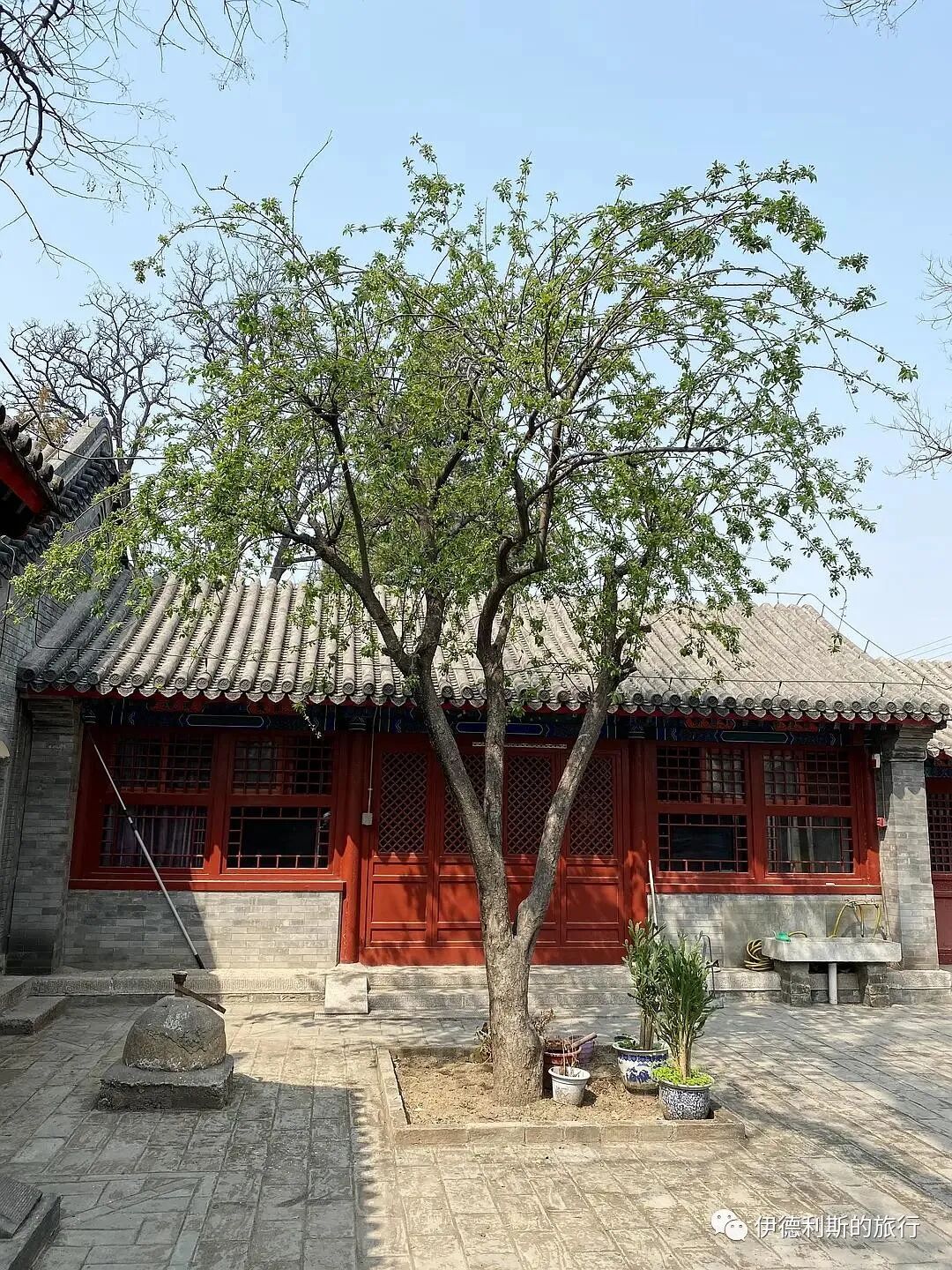
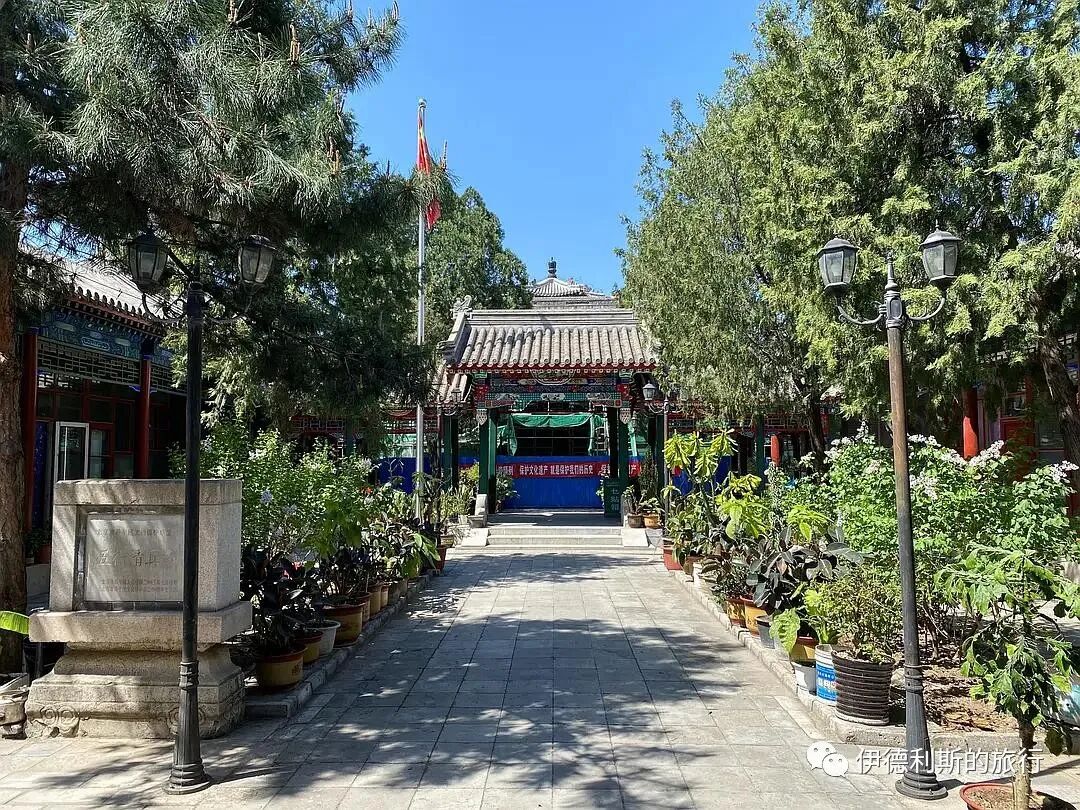
During the Wanli reign of the Ming Dynasty, the main road north of Beijing leading to Zhangjiakou moved to Shahe, and Hui Muslims who traded cattle and sheep began to settle there. Shahe Mosque was first built in the Ming Dynasty and renovated twice during the Qing Guangxu reign and the Republican period. It is a typical traditional mosque courtyard in North China.
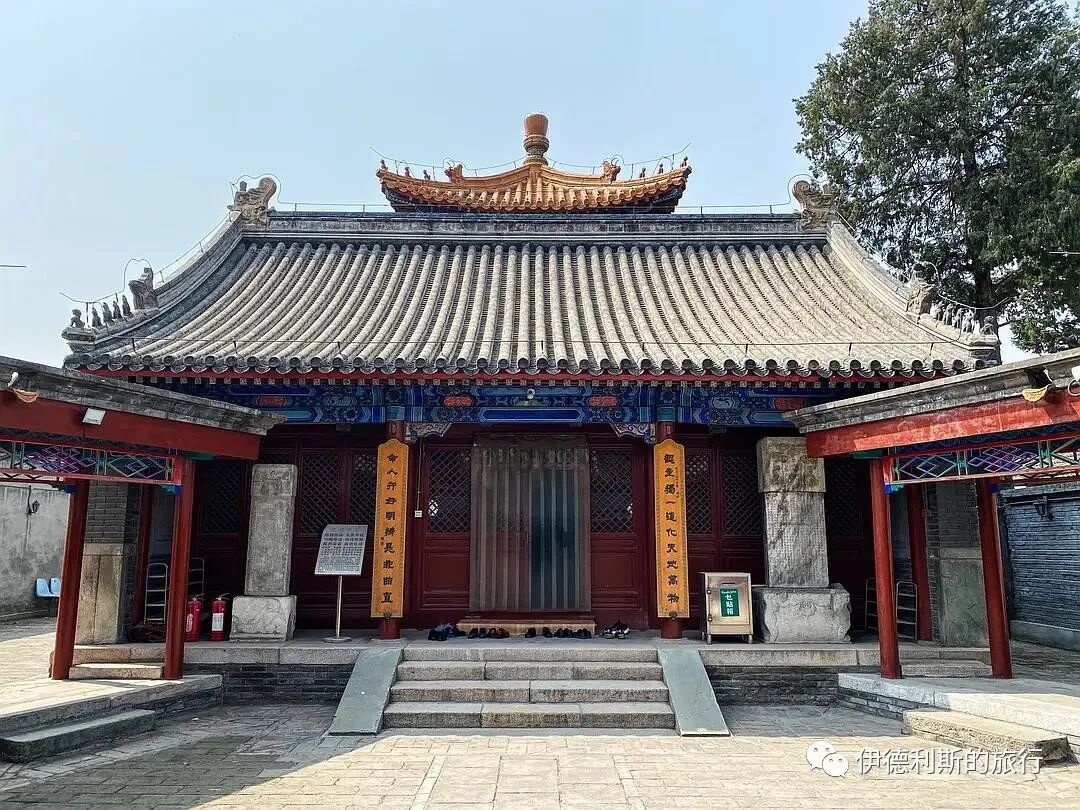
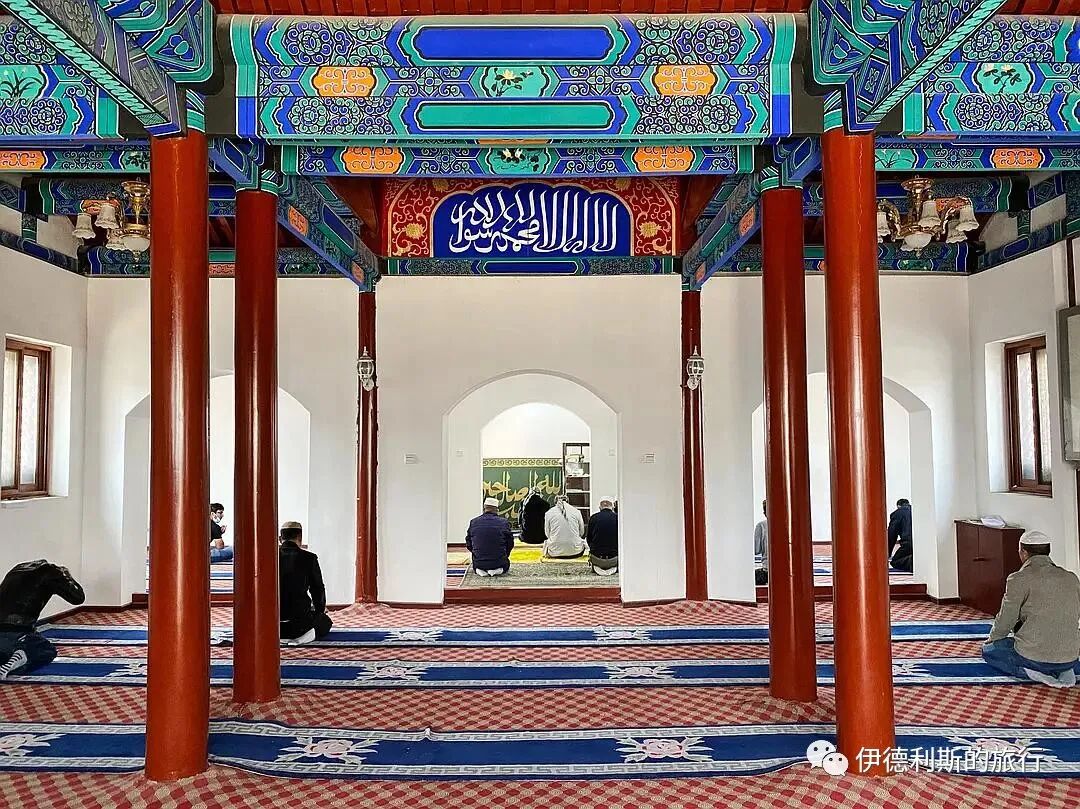
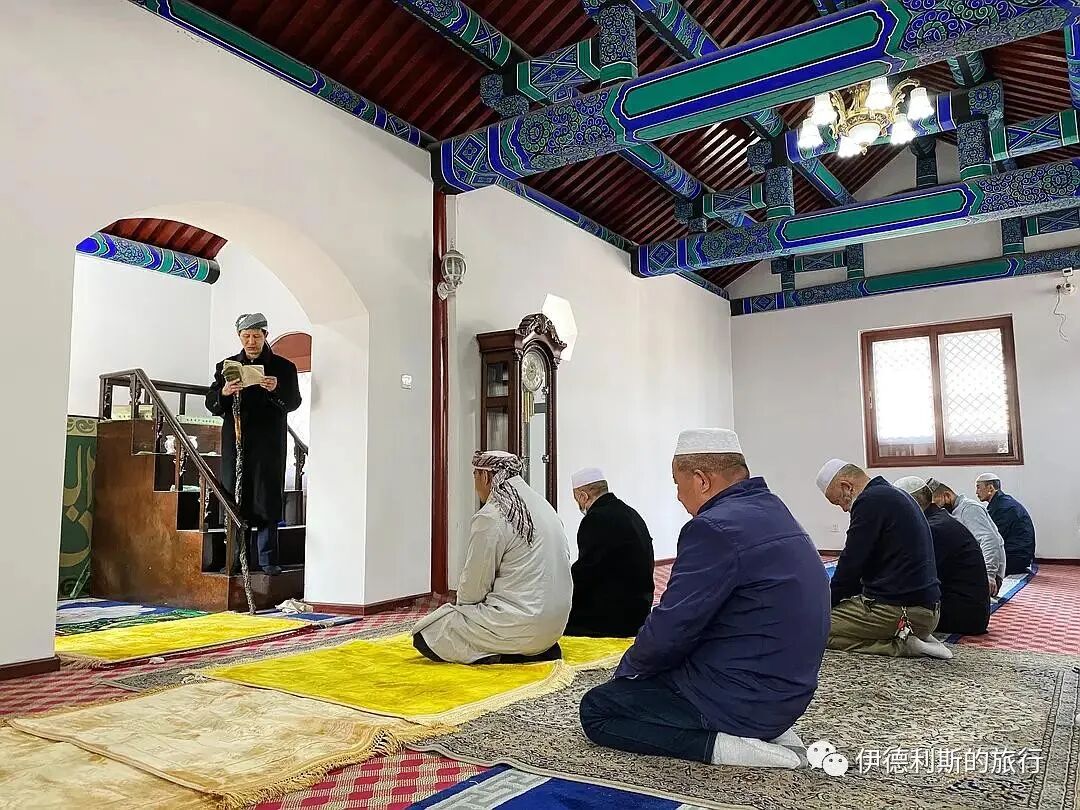
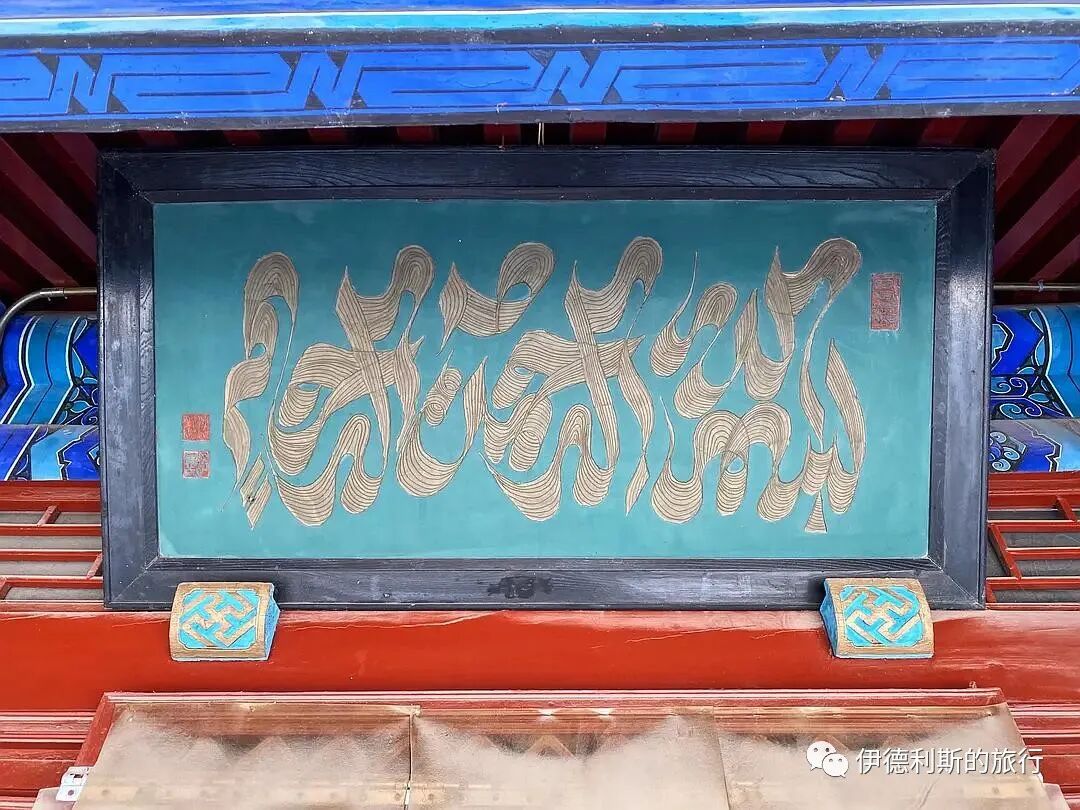
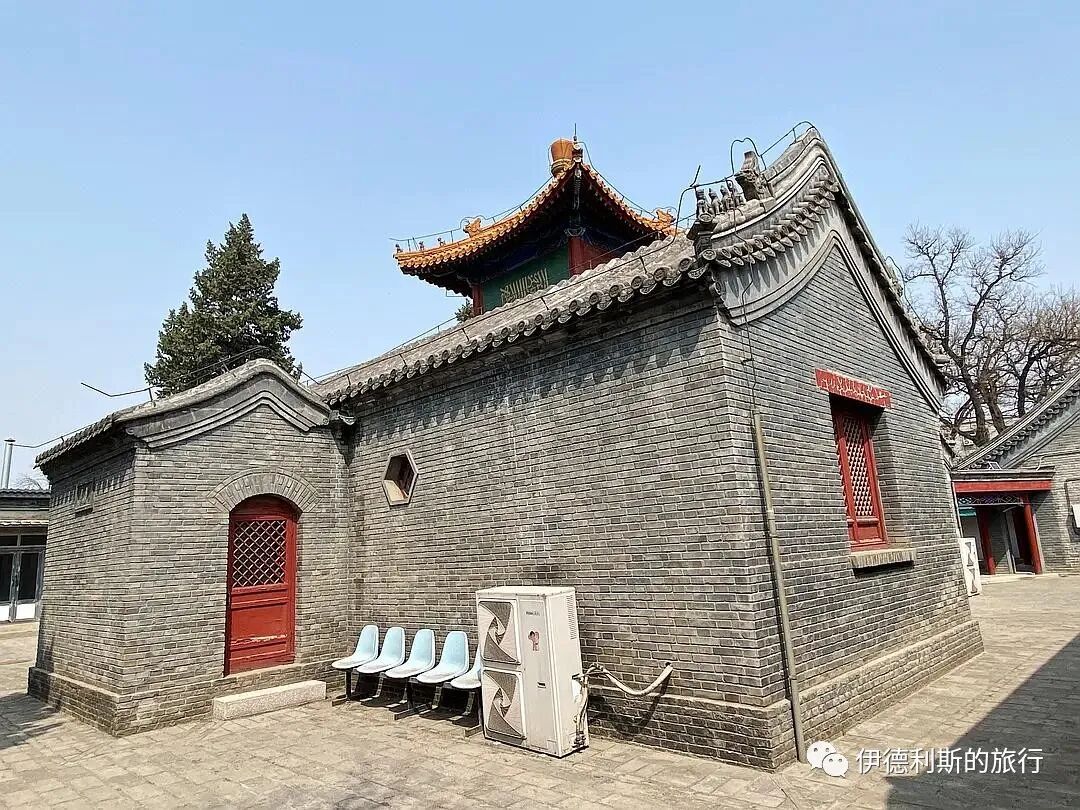
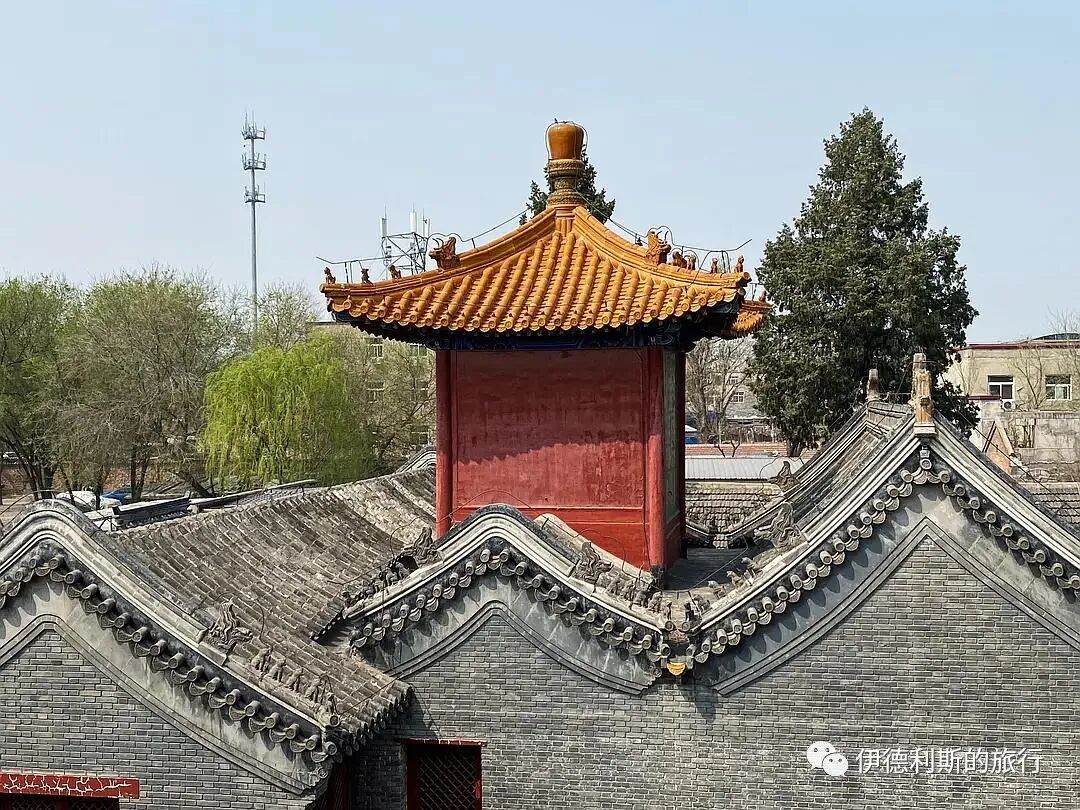
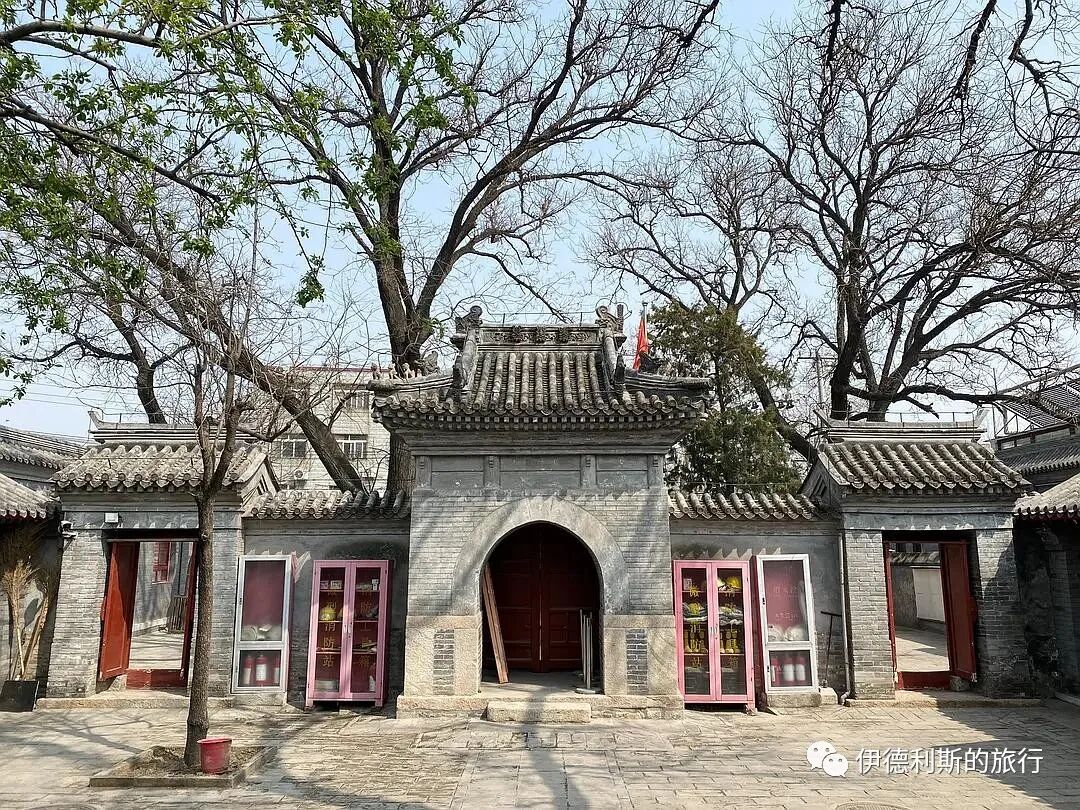
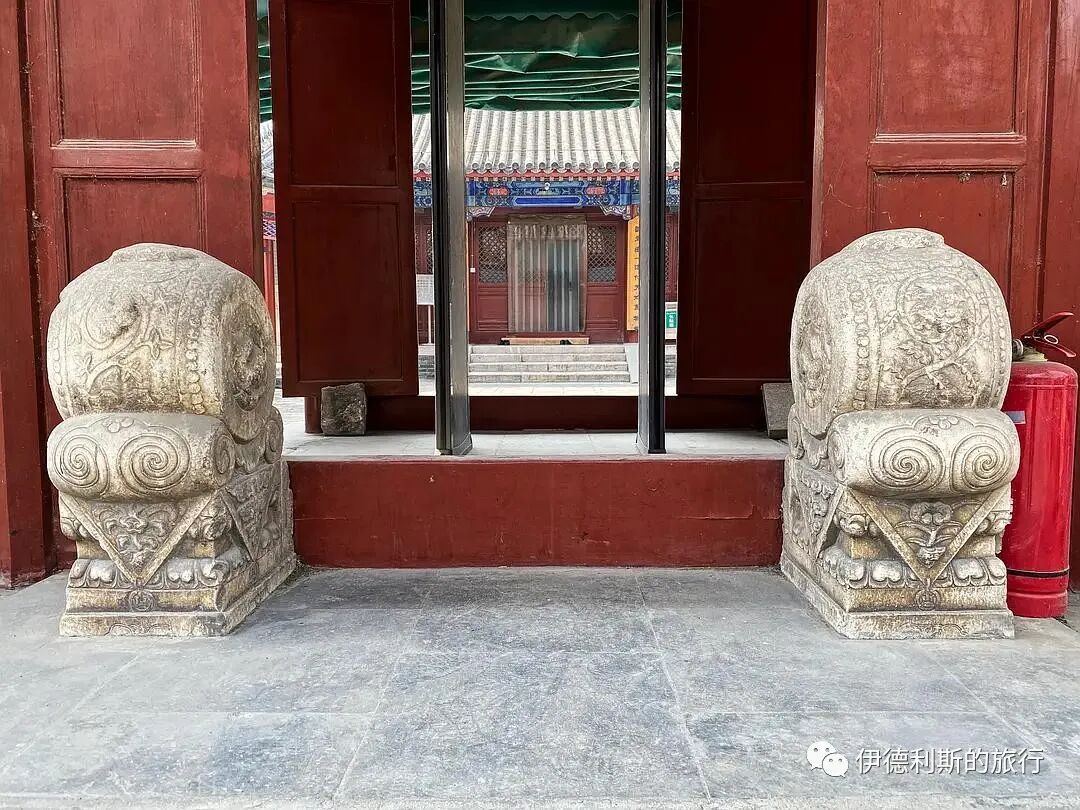
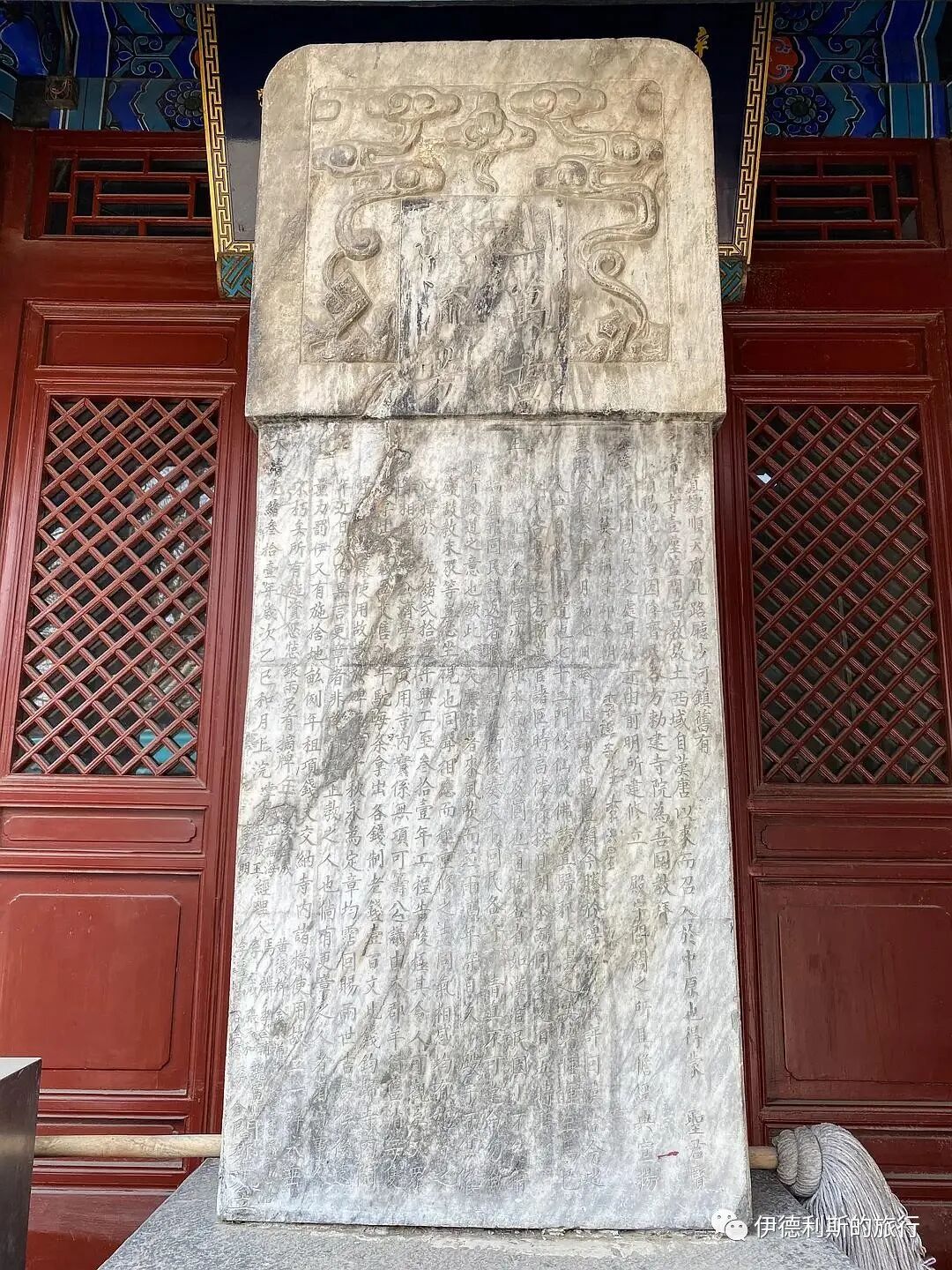
On the north side of the main hall's porch stands a renovation stele from the 31st year of the Qing Guangxu reign (1905), which records the mosque's restoration between 1895 and 1905. The text notes that local sheep traders donated five wen for every sheep sold and one hundred wen for every cow or camel sold to cover the mosque's various expenses.
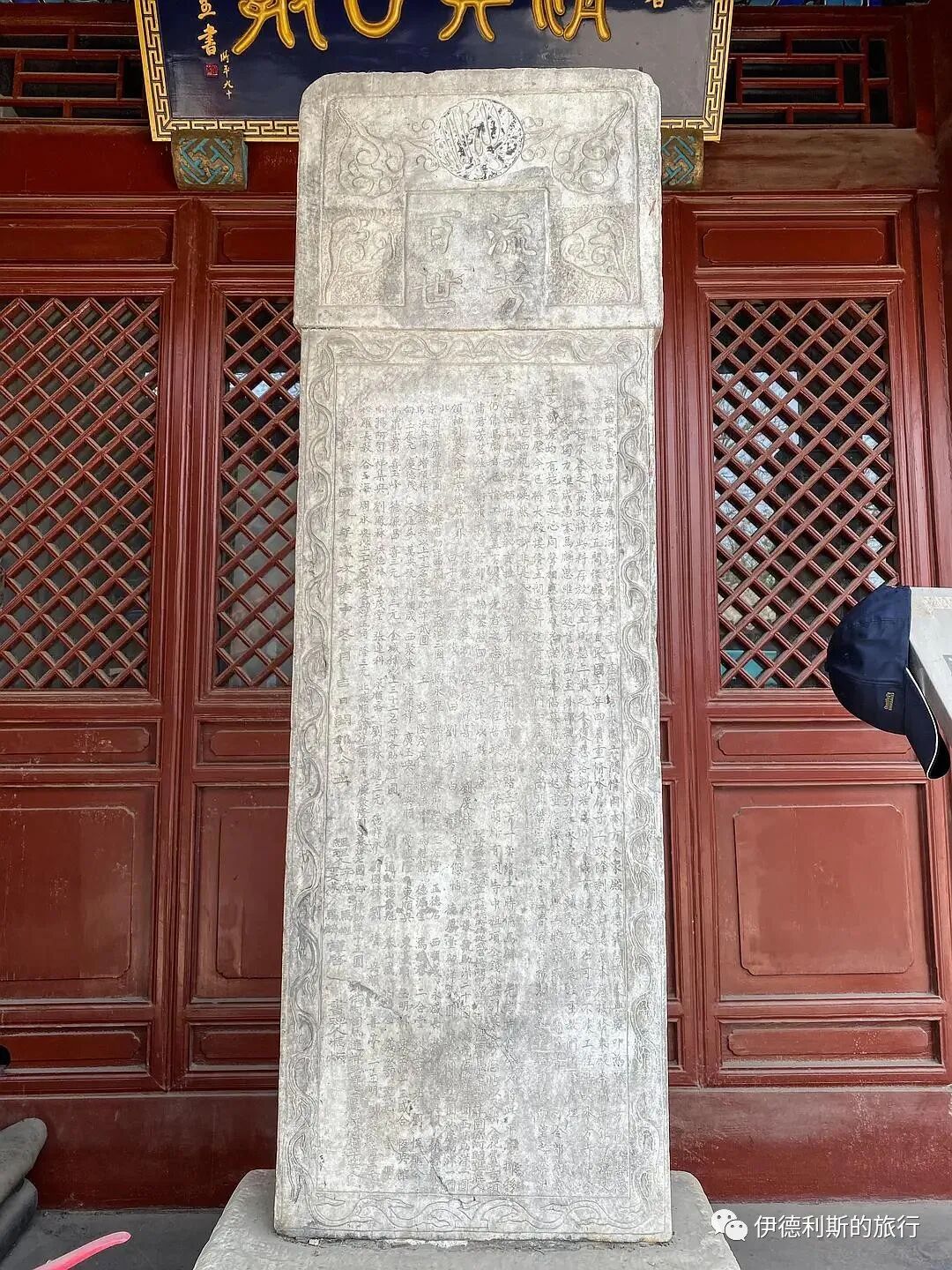
The 1920 renovation stele on the south side of the main hall's porch records that the mosque renovated its ablution room in 1917, and later collected donations (niatie) to build the rear hall and a Western-style gate in 1920. Among the donors, the first mentioned is the Republican-era Hui Muslim general Yang Kaijia. His ancestral home was Dachang, Hebei, and he served for a long time as a bodyguard officer for Yuan Shikai, eventually being promoted to Lieutenant General for his many contributions. Most of the others listed are various merchant firms, many from Madian outside Deshengmen, with the most famous likely being Donglaishun.
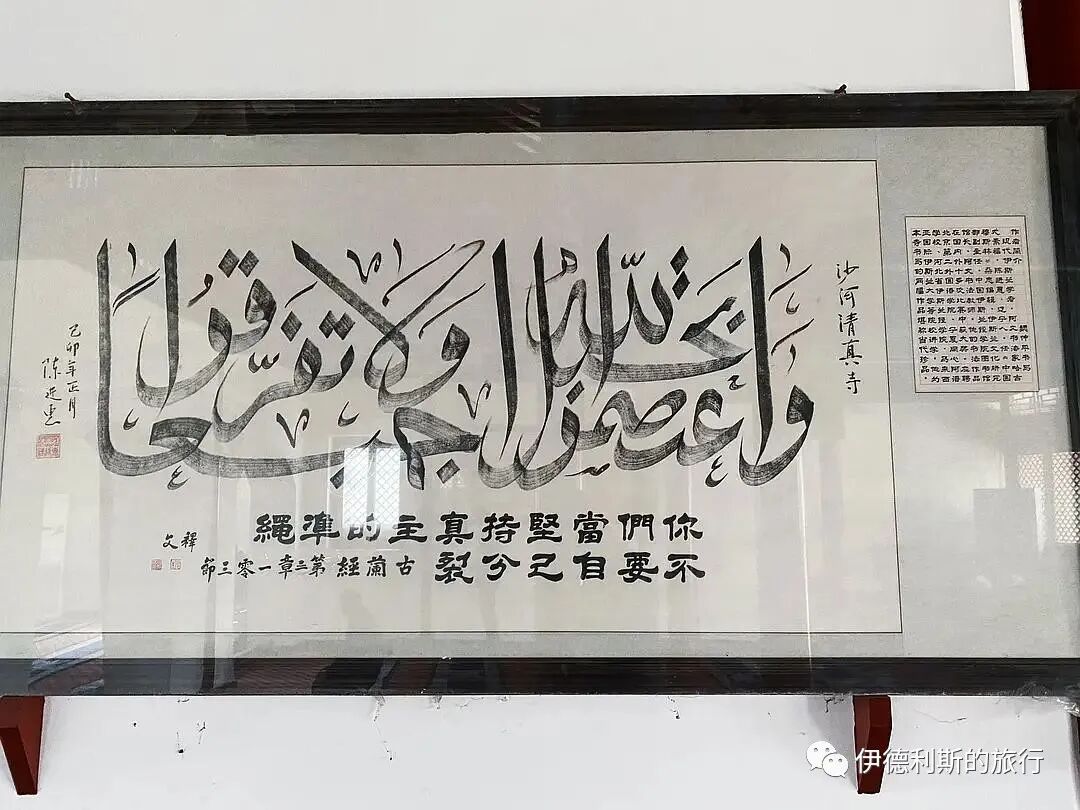
The mosque features works by the famous Arabic calligrapher Haji Chen Jinhui, who taught Arabic calligraphy at the China Islamic Institute for many years.
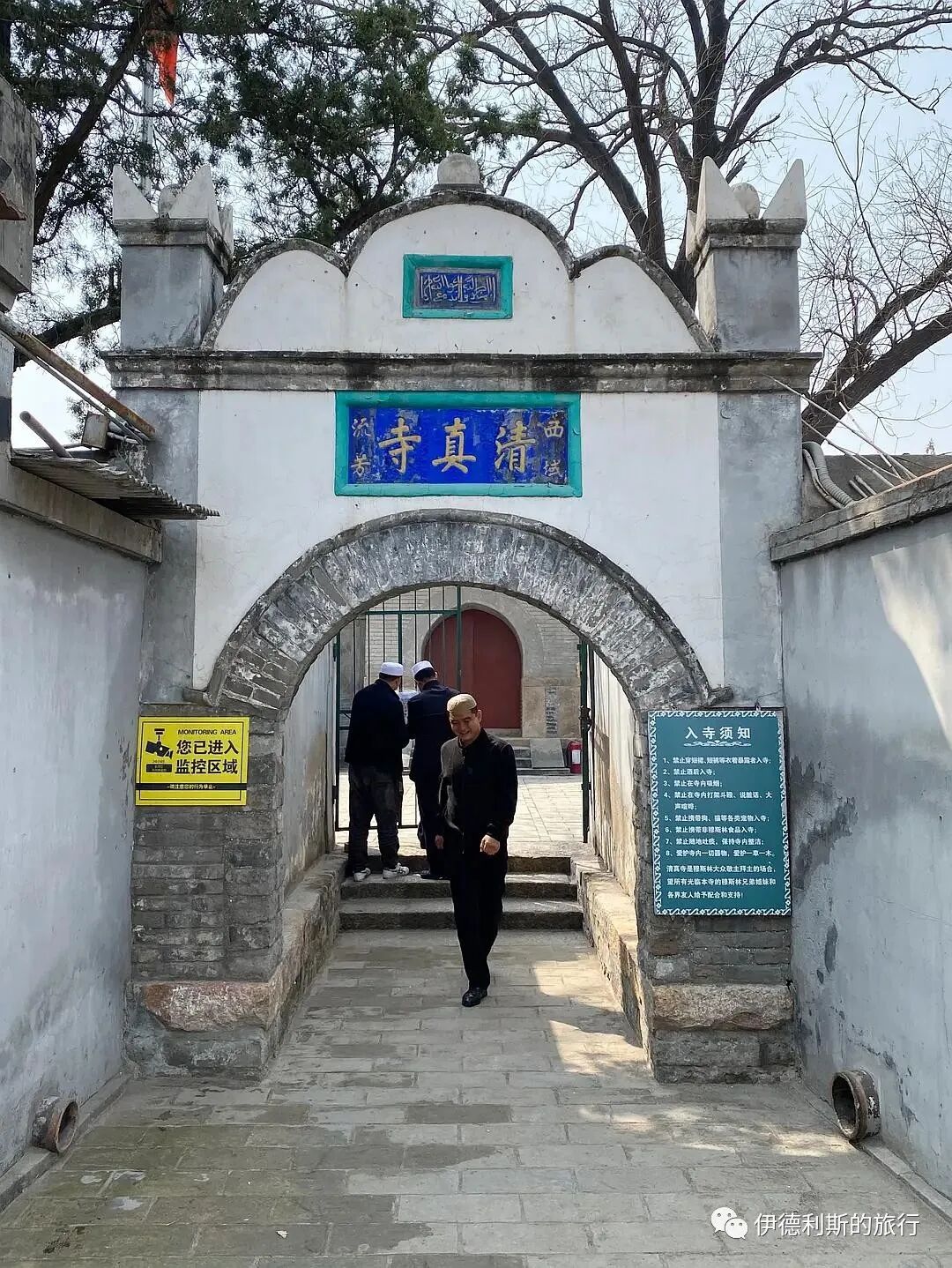
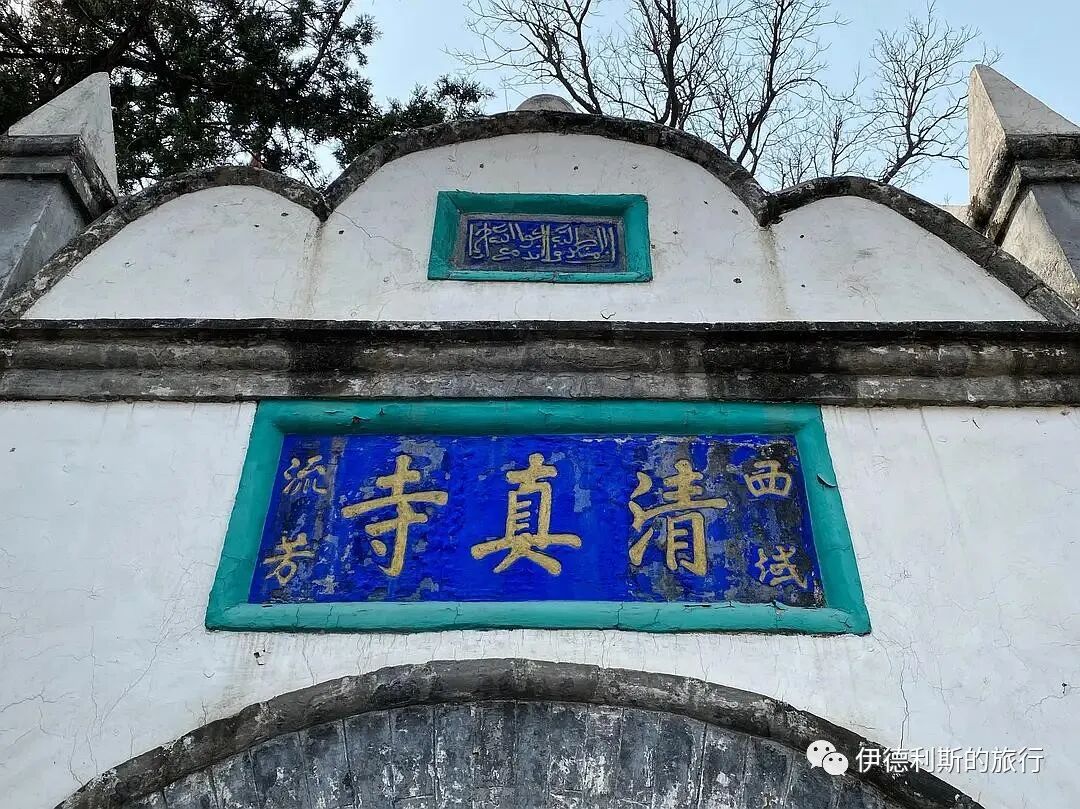
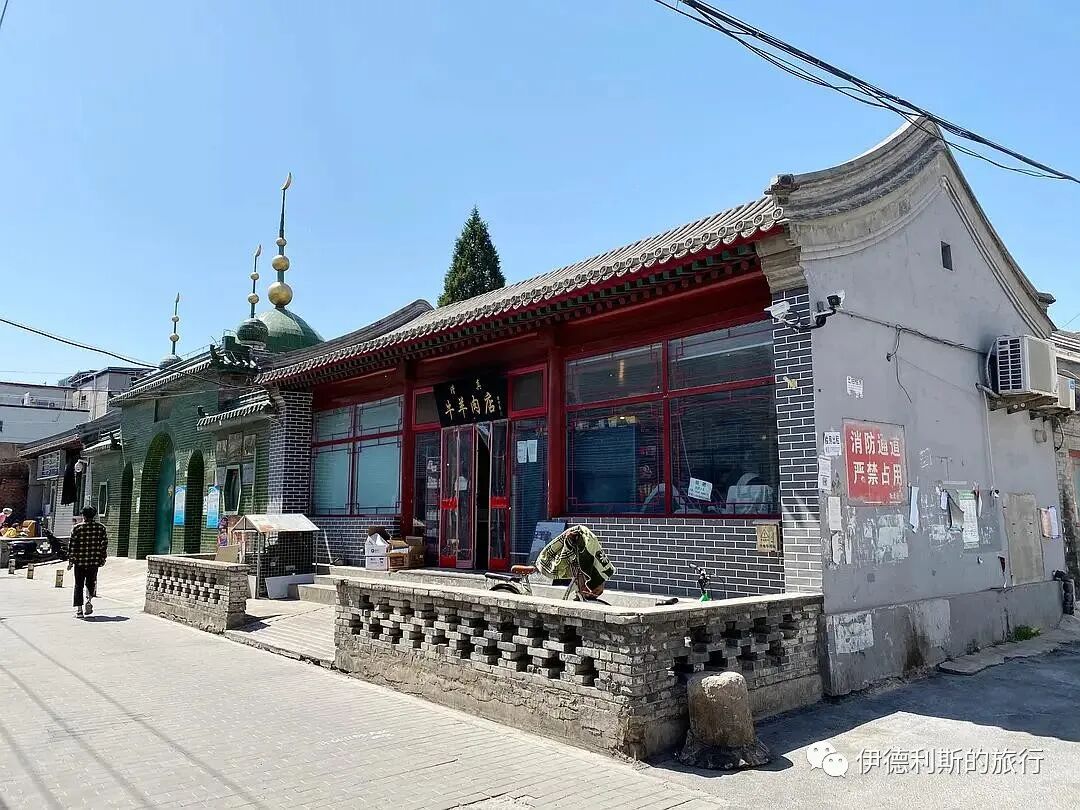
The Western-style gate built for the mosque in 1920.
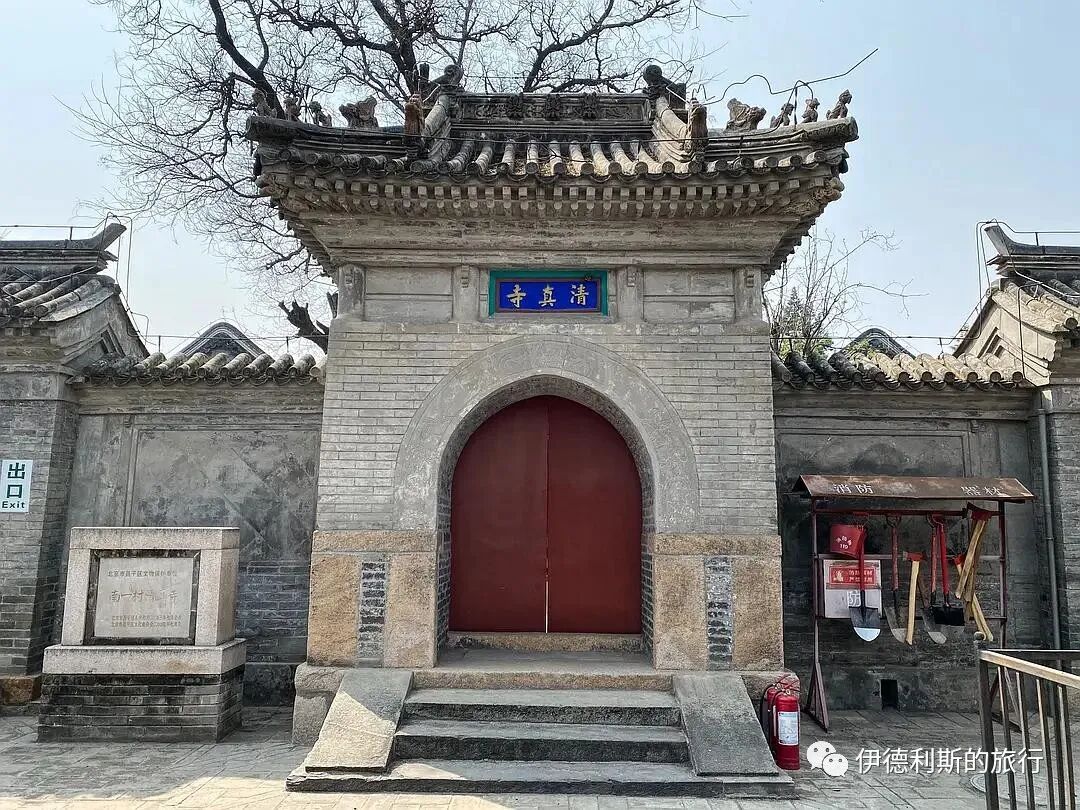
A Chinese-style second gate (erdaomen).
2. Mishi Hutong Mosque.
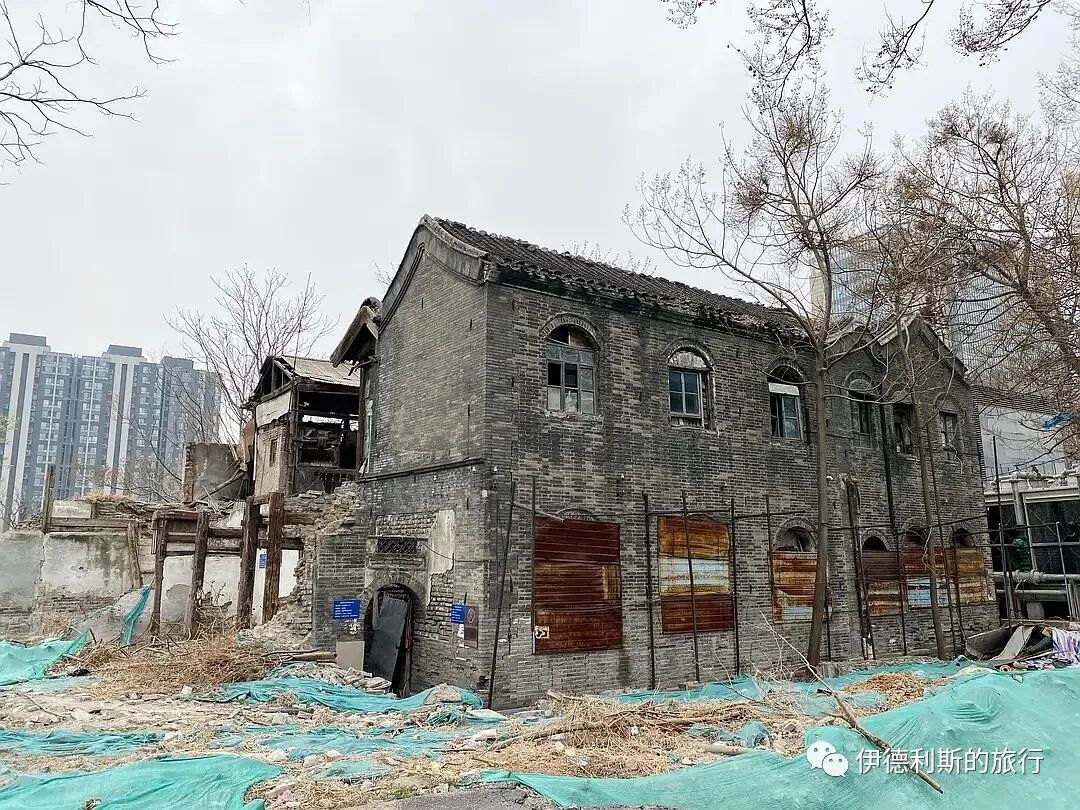
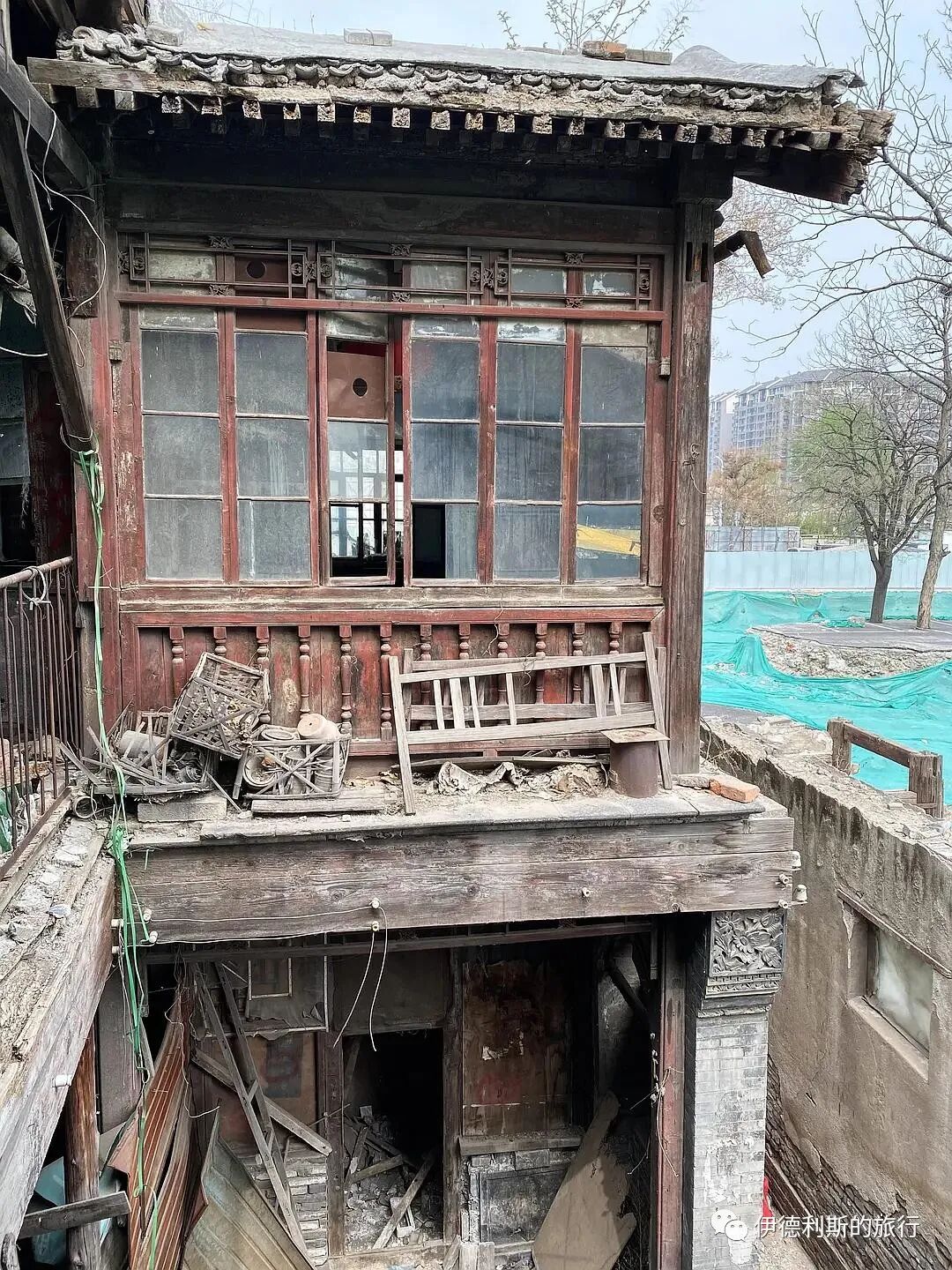
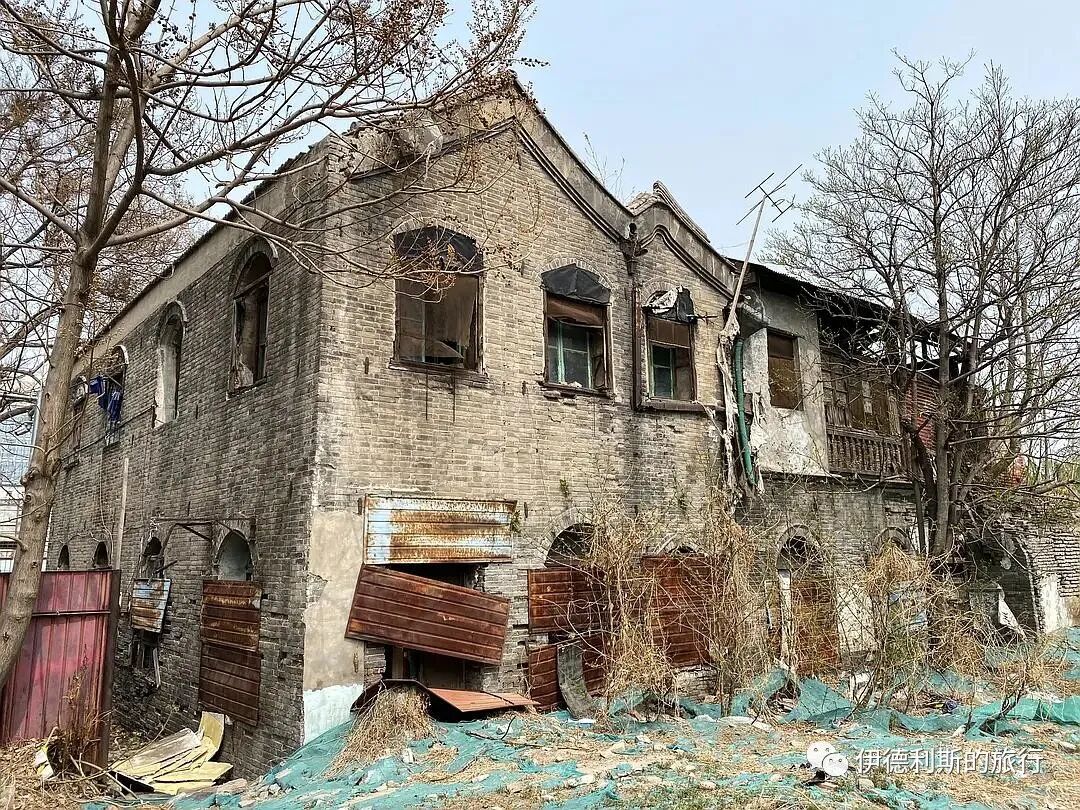
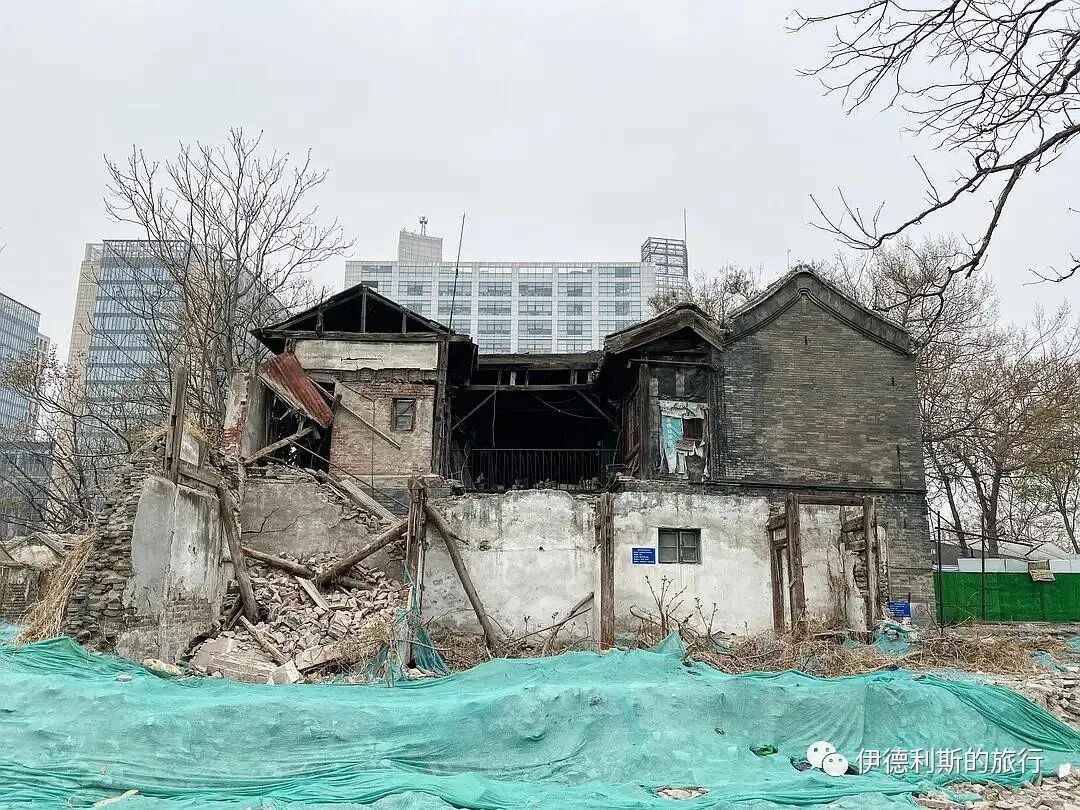
Today, next to the Caishikou subway station in Beijing, two historical buildings remain inside a large construction site. They were saved 10 years ago during the Daji area demolition. One of them is the famous former residence of Kang Youwei. The other is a small two-story building that once housed the old Bianyifang Restaurant, which opened in 1416 during the 14th year of the Yongle reign of the Ming Dynasty. The old Bianyifang closed in 1937 due to the war. Soon after, Hui Muslims from the five northwestern provinces living in Beijing raised over 10,000 yuan to buy the building. After renovations, it officially became the Mishi Hutong Mosque on January 1, 1940, and also served as the office for the Northwestern Five Provinces Association.
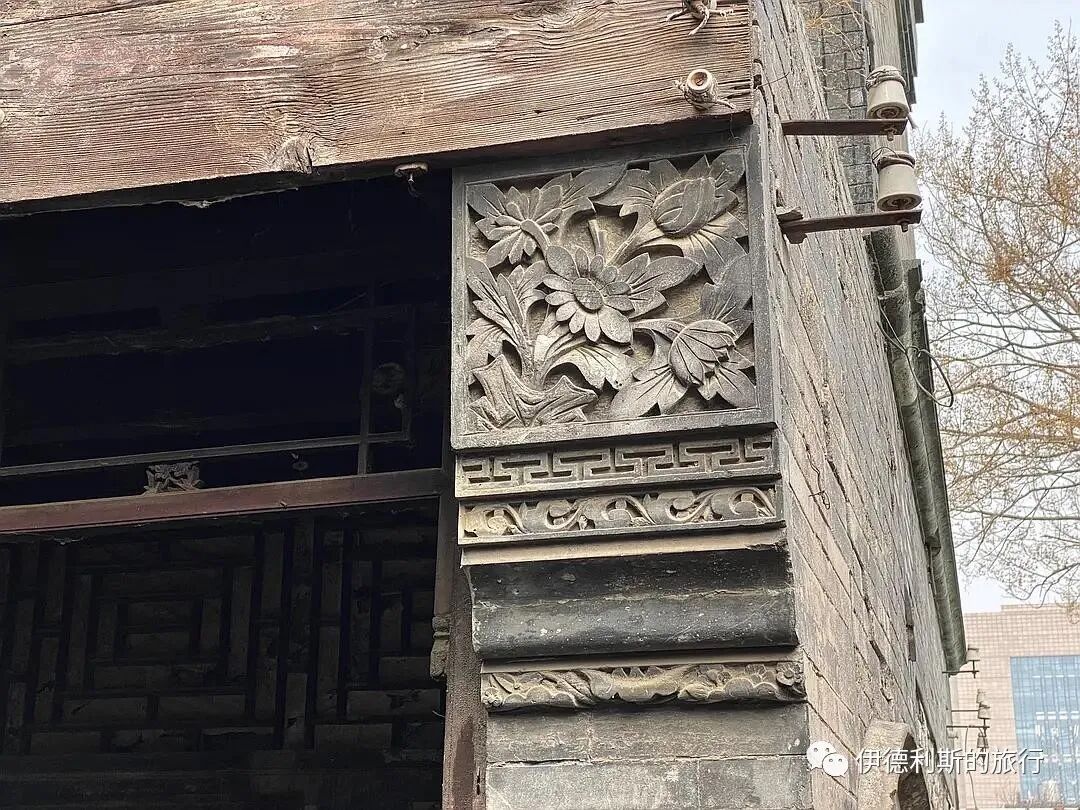
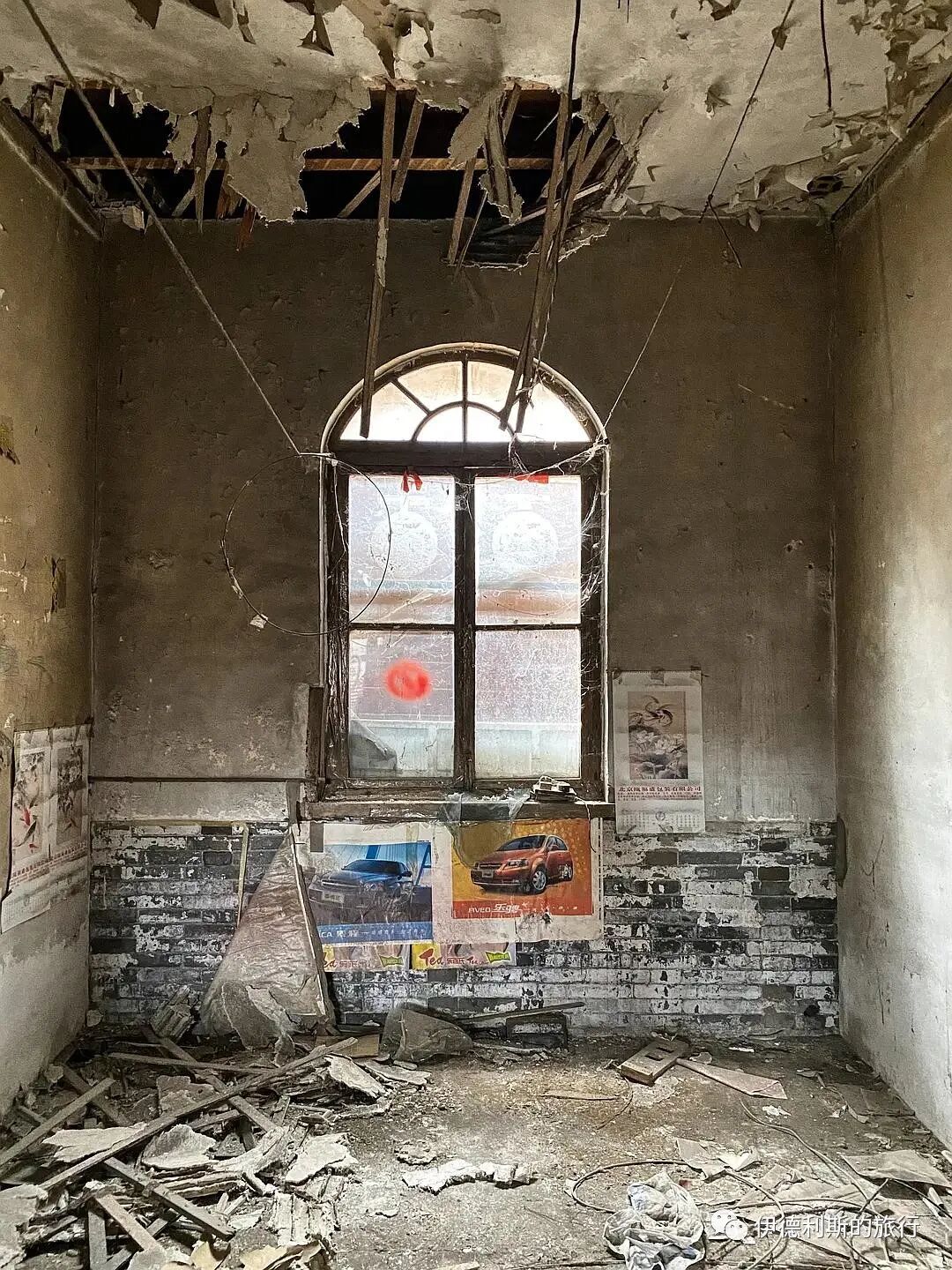
The building housing the Mishi Hutong Mosque was originally built in the mid-to-late Qing Dynasty. It started as an L-shaped structure with three rooms in the north wing and four in the west wing. It featured a hard-mountain roof with a rolled-shed ridge (yingshan juanpeng ding) and a suspended-mountain open corridor (xuanshan changlang) connected together, with a garden on the east side. When it was converted into a mosque in 1940, three open-pavilion rooms were added to the south, changing the L-shaped layout into a U-shaped one. At the same time, a two-story flat-roofed open hall was built in the recessed area, connecting to the south pavilion. This created a semi-enclosed open space on the second floor to serve as the main prayer hall. After the renovation, the building only kept a small courtyard on the east side. You have to pass through the open hall to enter each room, which is a typical feature of southern architecture.
In the 1940s, the Mishi Hutong Mosque became the activity center for northwestern Hui Muslims in Beijing, with Imam Ye Liangpu serving as the first head imam. At that time, the Mishi Hutong Mosque and the Tianqiao Mosque, also built during the Republic of China era, were sister mosques that often invited each other's imams to lead prayers.
After the 1960s, the Mishi Hutong Mosque was turned into a dormitory for a toy factory, and later it became a residential compound. After the Daji area southeast of Caishikou was demolished, more than 30 guild halls, various temples, shops, and the former homes of famous people were turned into ruins. By 2012, only two historical buildings remained: the former home of Kang Youwei and the Mishi Hutong Mosque. It is a pity that the original gate of the Mishi Hutong Mosque, which featured traditional Arabic calligraphy, has been torn down, leaving only the small two-story building inside. People say that both the Mishi Hutong Mosque and the former home of Kang Youwei will be renovated and used for other purposes, but I do not know what they will look like then.
For a detailed introduction to the Mishi Hutong Mosque, you can read my article, Beijing's Only Southern-Style Mosque: Mishi Hutong Mosque.
3. Changping Wujie Mosque
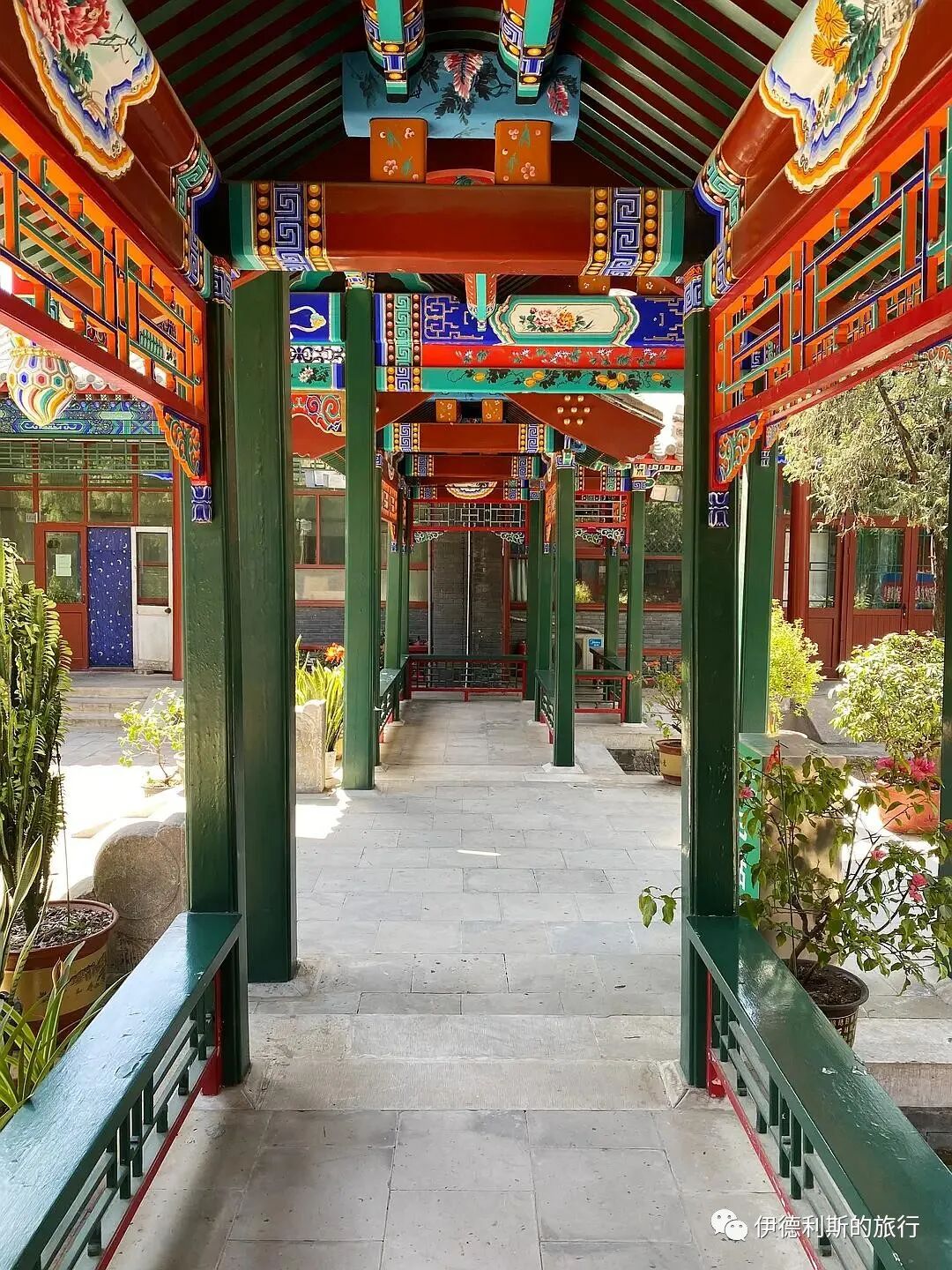
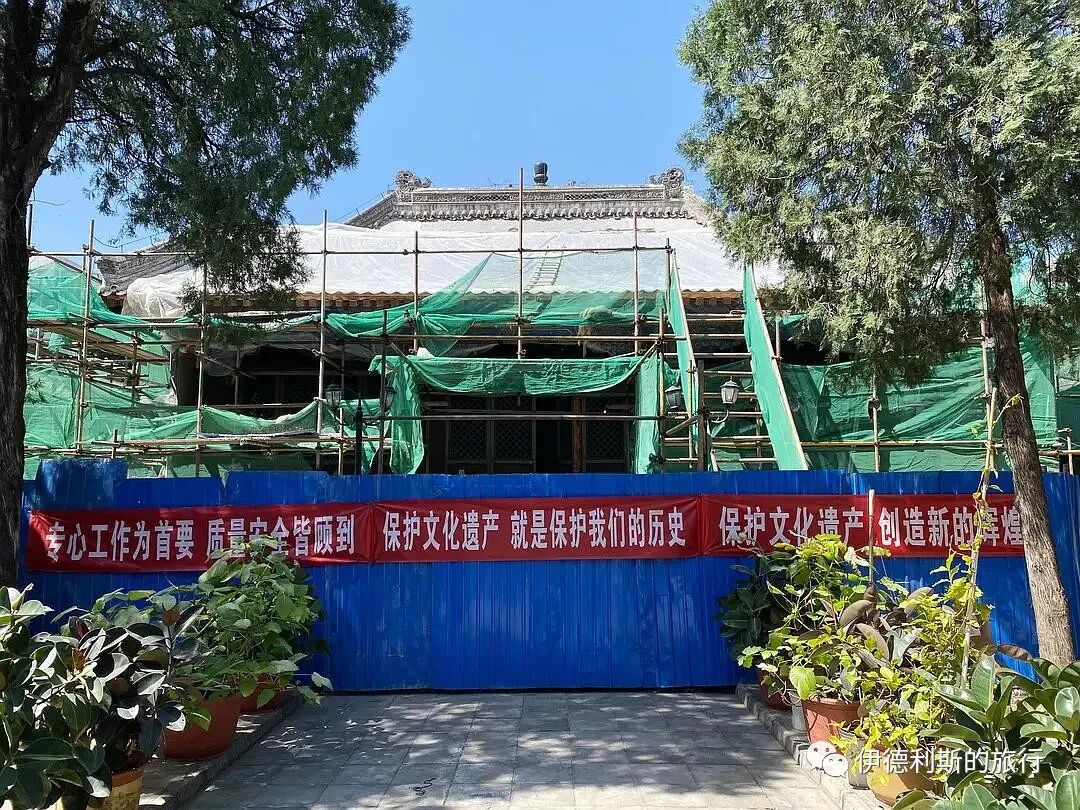
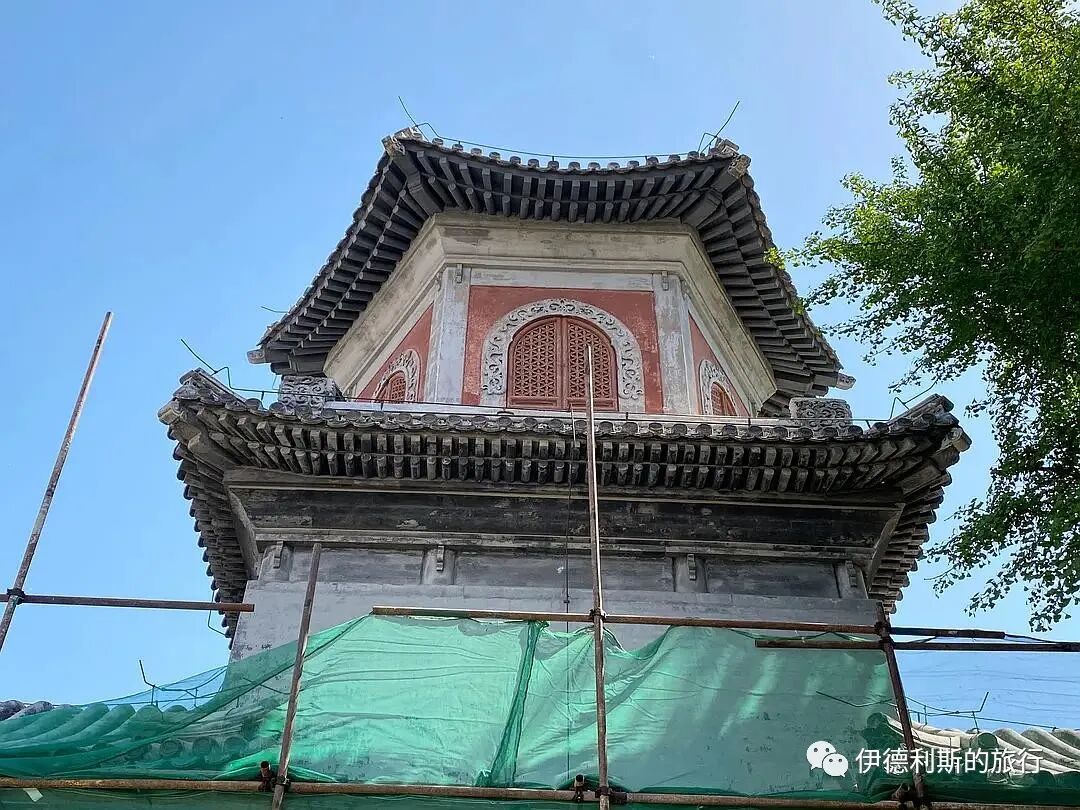
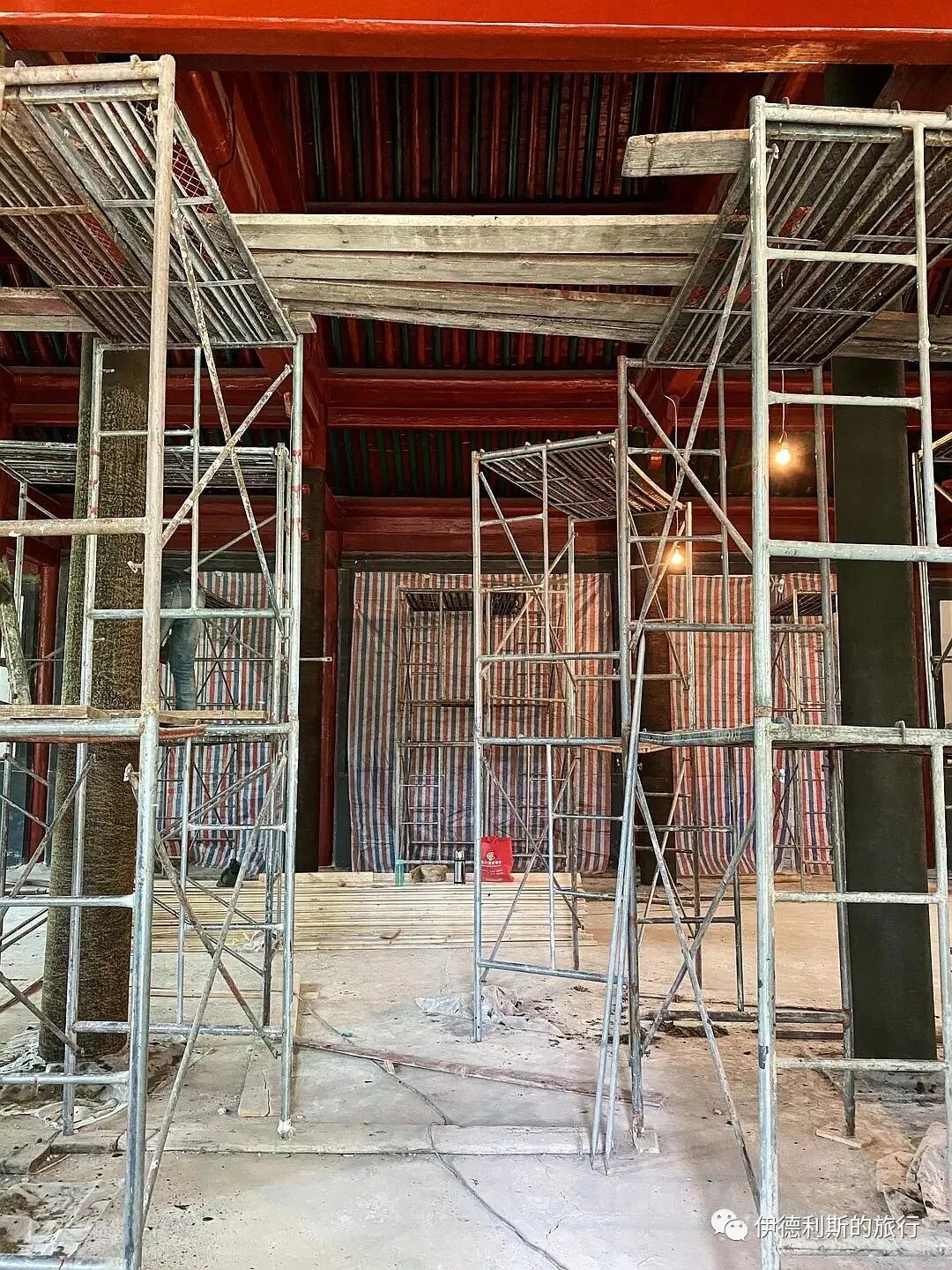
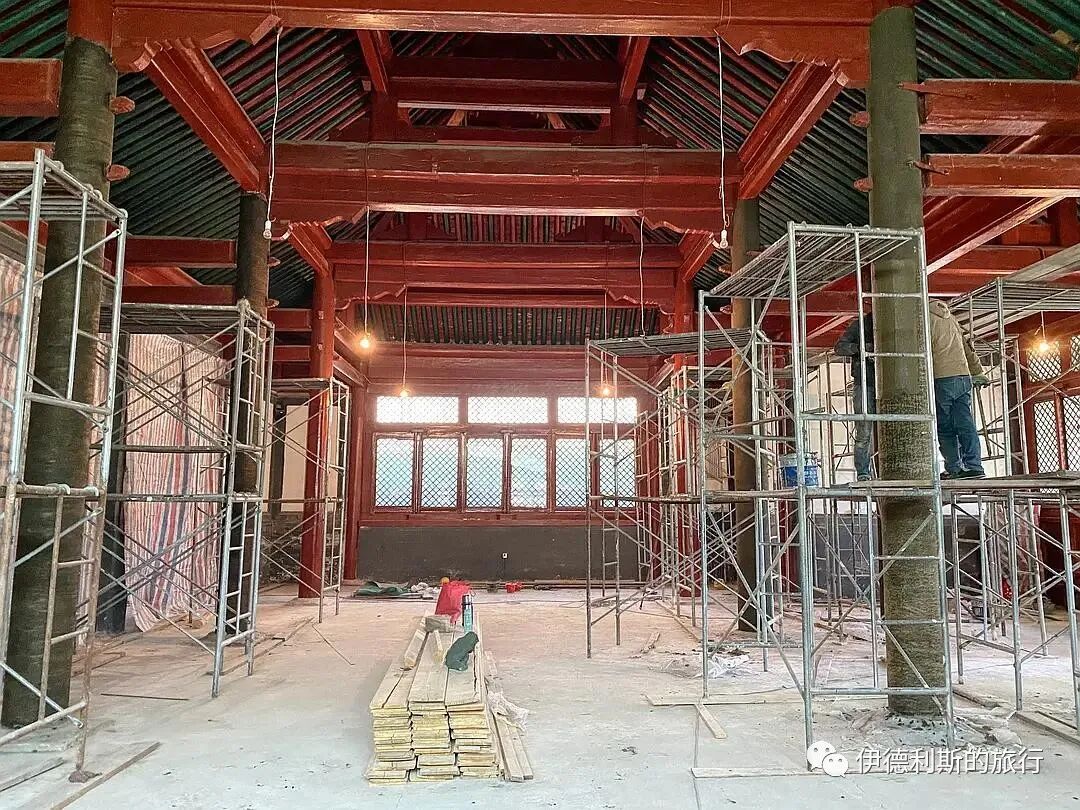
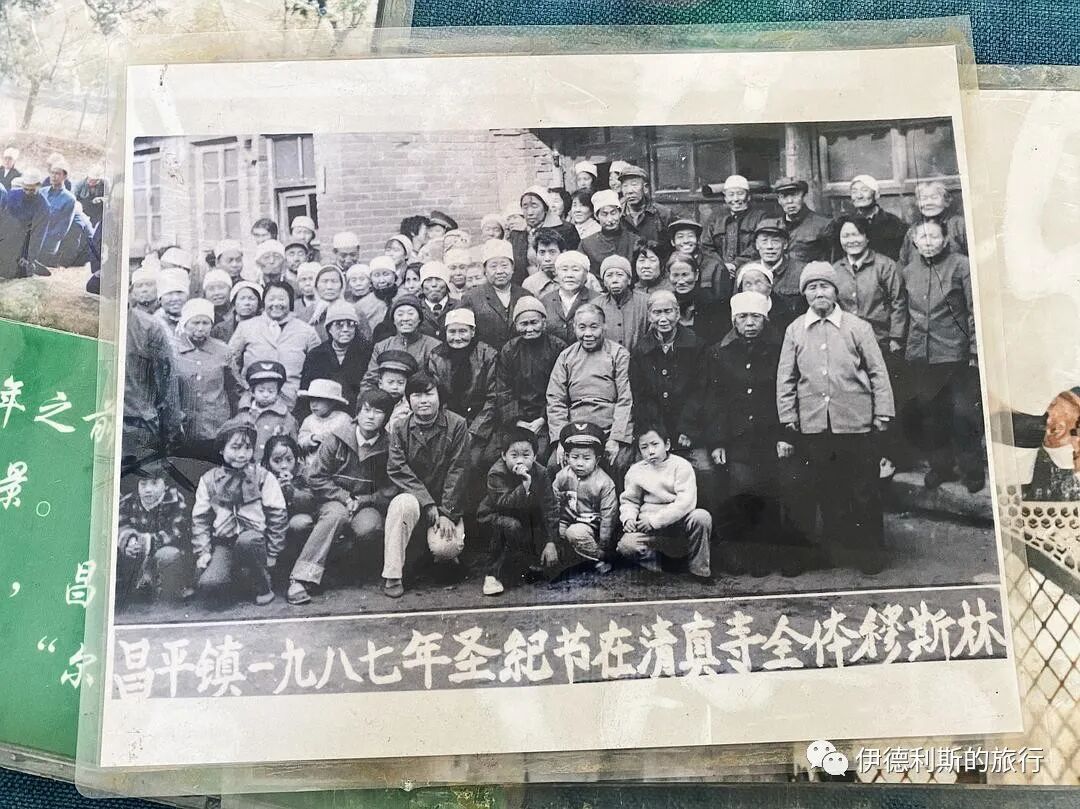
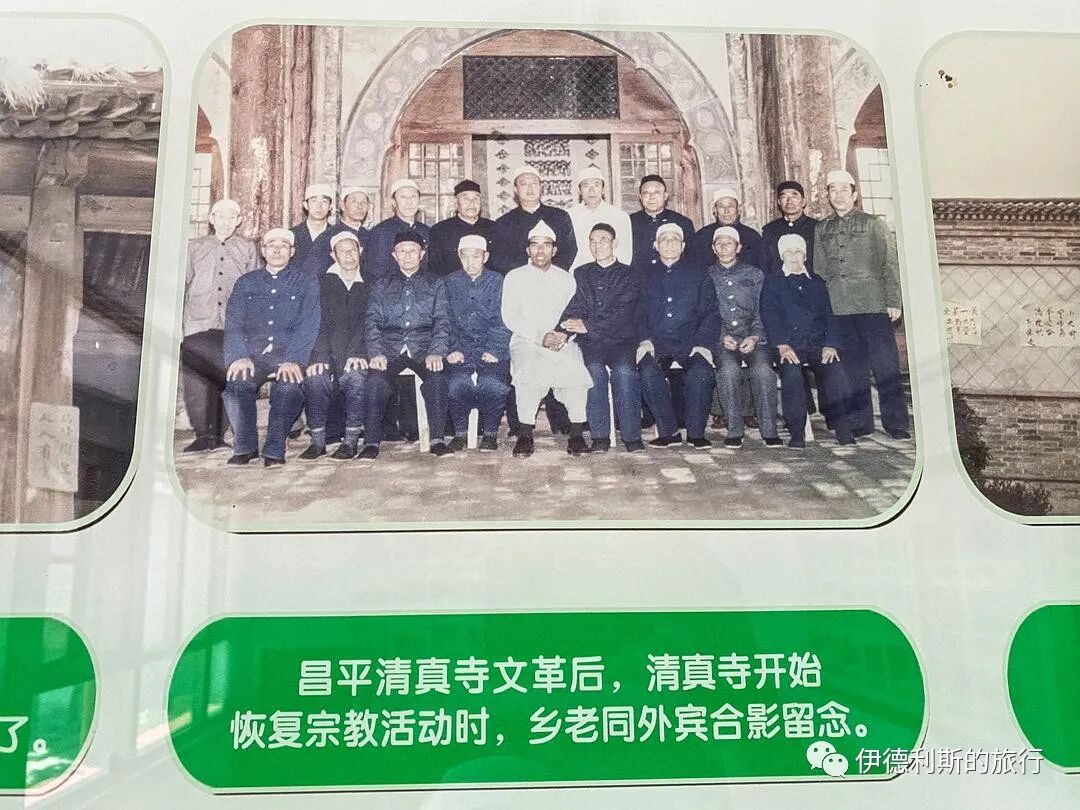
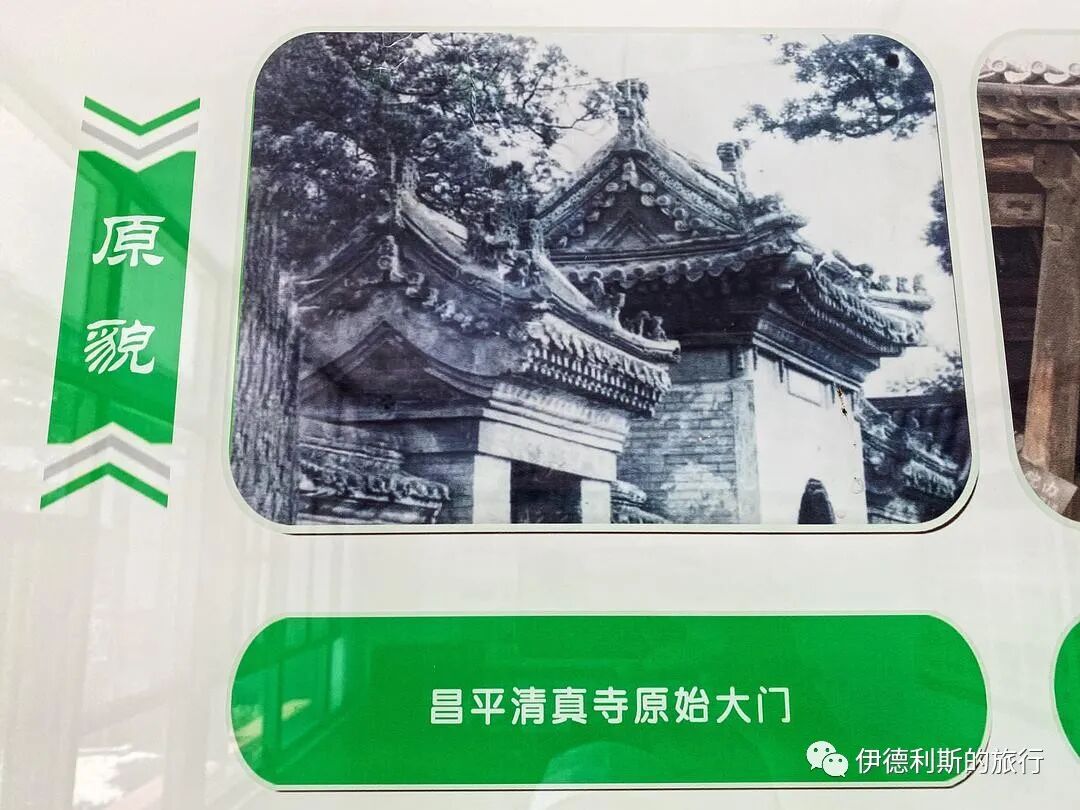
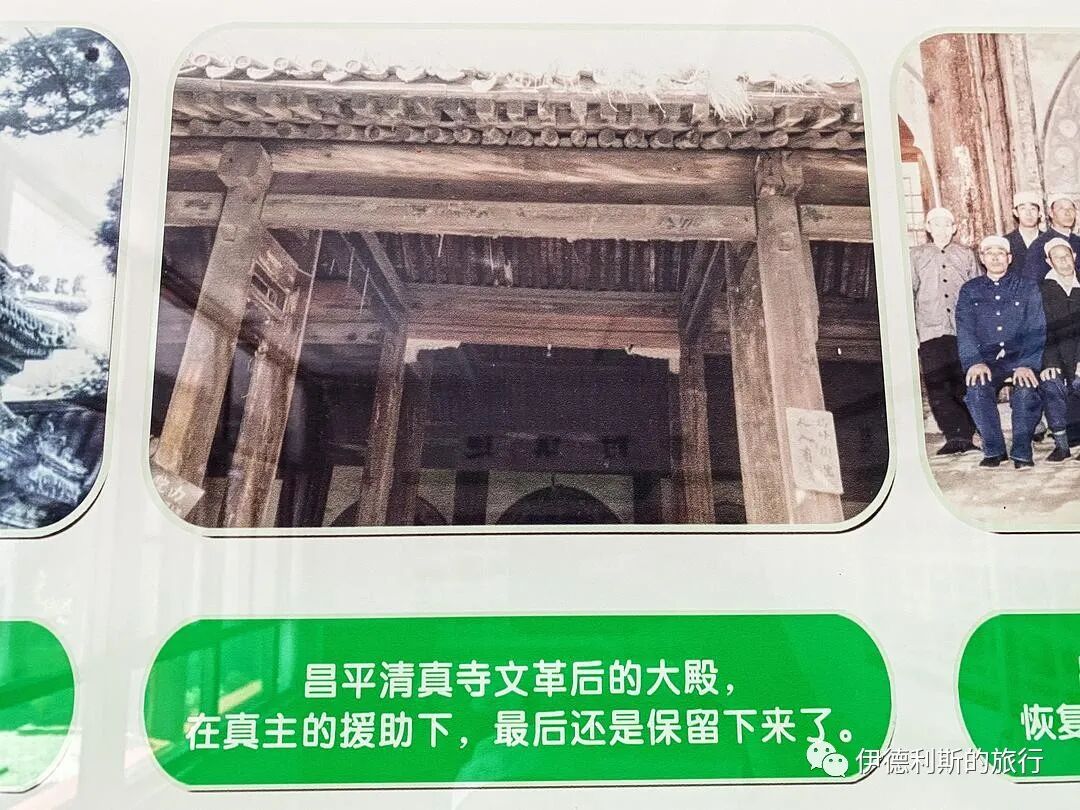
The Changping Wujie Mosque under renovation. The Wujie Mosque is also called the Changping City Mosque. Legend says it was built by Chang Yuchun during his northern military campaign. It was rebuilt during the Wanli era using stone and wood left over from the construction of the Ming Tombs, and the golden nanmu wood beams in the main prayer hall have been preserved to this day.
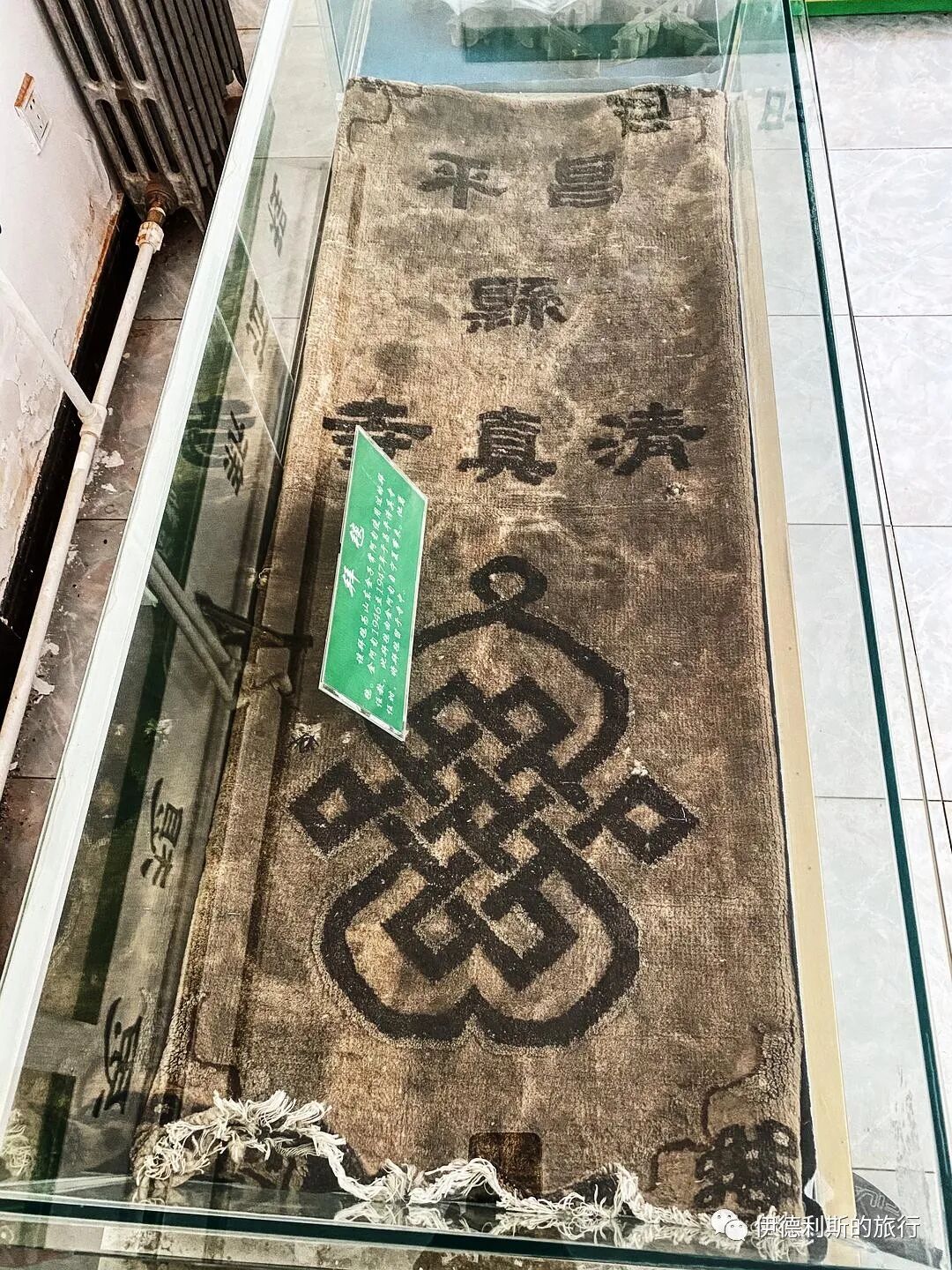
The prayer rug used by Imam Jin Zichang at the Changping Mosque between 1946 and 1947. Imam Jin Zichang came from the Jinjiadian Daotang in Jinan, Shandong. He was an Eastern Rais of the Jahriyya order and managed Jahriyya religious affairs in Jiangsu, Shandong, Hebei, and the three northeastern provinces. The Imam's ancestor, Jin Shizhang, began studying Jahriyya teachings under Ma Mingxin in 1770. He was later appointed as the Rais in charge of religious affairs in Shandong, Zhili, and Jiangsu, and he founded the Jinjiadian Daotang in Xiguan, Jinan. Imam Jin's great-grandfather, Jin Zhong, once led religious affairs at the Nanshangpo Mosque and Changping Mosque outside Chaoyangmen in Beijing. His grandfather, Jin Shiyi, became the rais (leader) of Jahriyya religious affairs in Xinjiang in 1912 and helped expand the Southern Great Mosque of Urumqi.
Imam Jin Zichang was originally named Jin Zhiyan. He lost his father as a child and went to Xinjiang at age 9 to live with his grandfather. Later, he went to Gansu to continue his studies. In 1925, he returned to Jinan to manage the Jinjiadian Daotang (a religious hall). In 1928, he was admitted to the Shanghai Islamic Normal College, where he was deeply favored by the great Imam Da Pusheng, who gave him the name Jin Zichang. In 1934, Jin Zichang went to study at Al-Azhar University in Egypt. He went on Hajj in 1936 and returned to China in 1937 to continue managing religious affairs at the Jinjiadian Daotang. Later, Imam Jin managed religious affairs at several mosques, including the Changping Mosque in Beijing, Nanshangpo Mosque, Urumqi Southern Great Mosque, Lanzhou Changjiaxiang Mosque, and Tianshui Taizi Mosque. In 1958, he was placed under isolation and investigation. Shortly after his release, he passed away in 1961 at the age of 59.
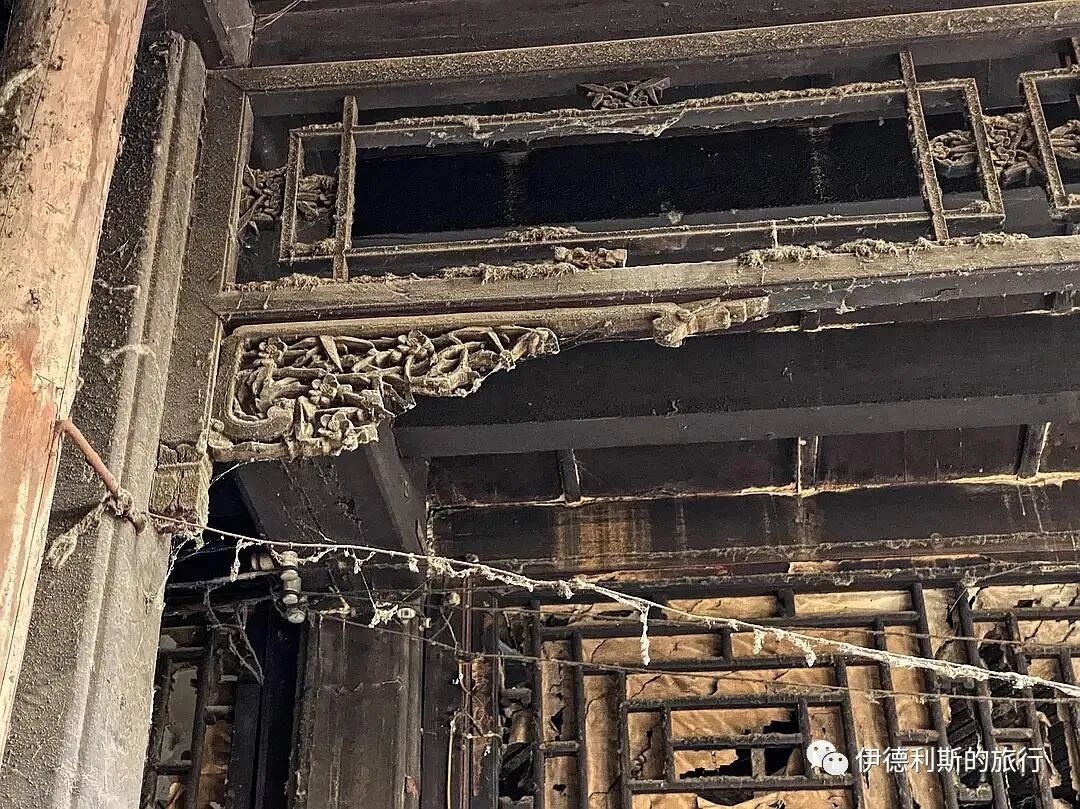
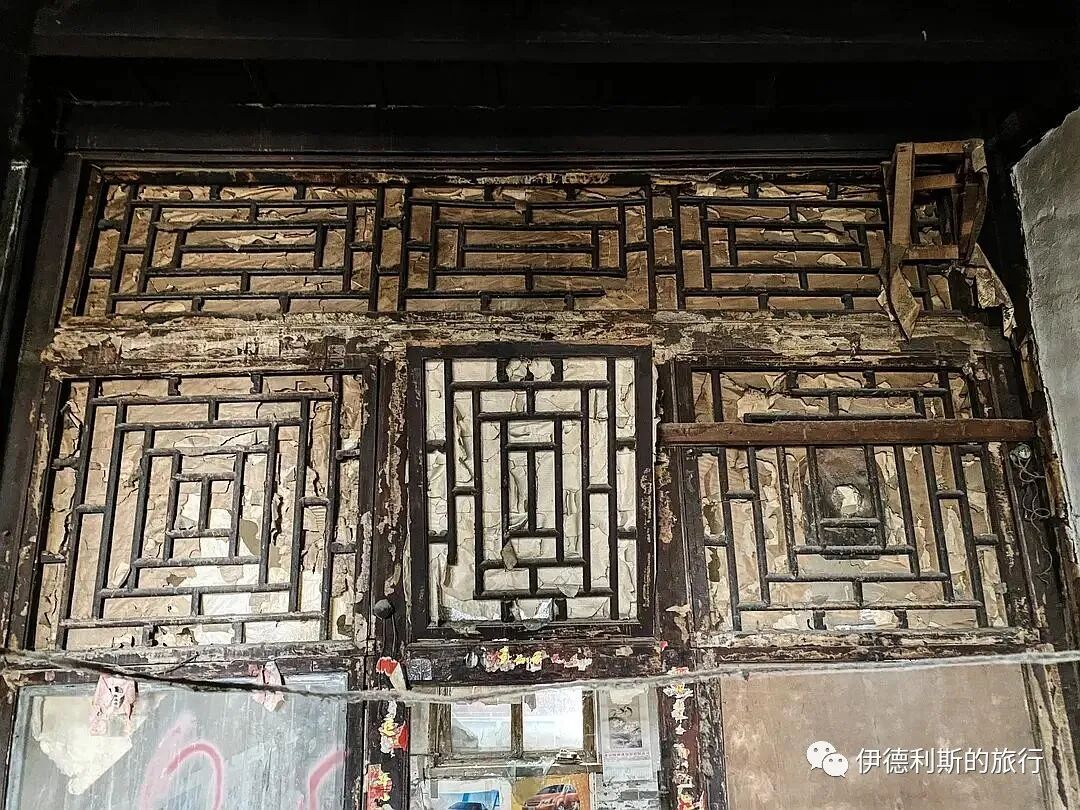
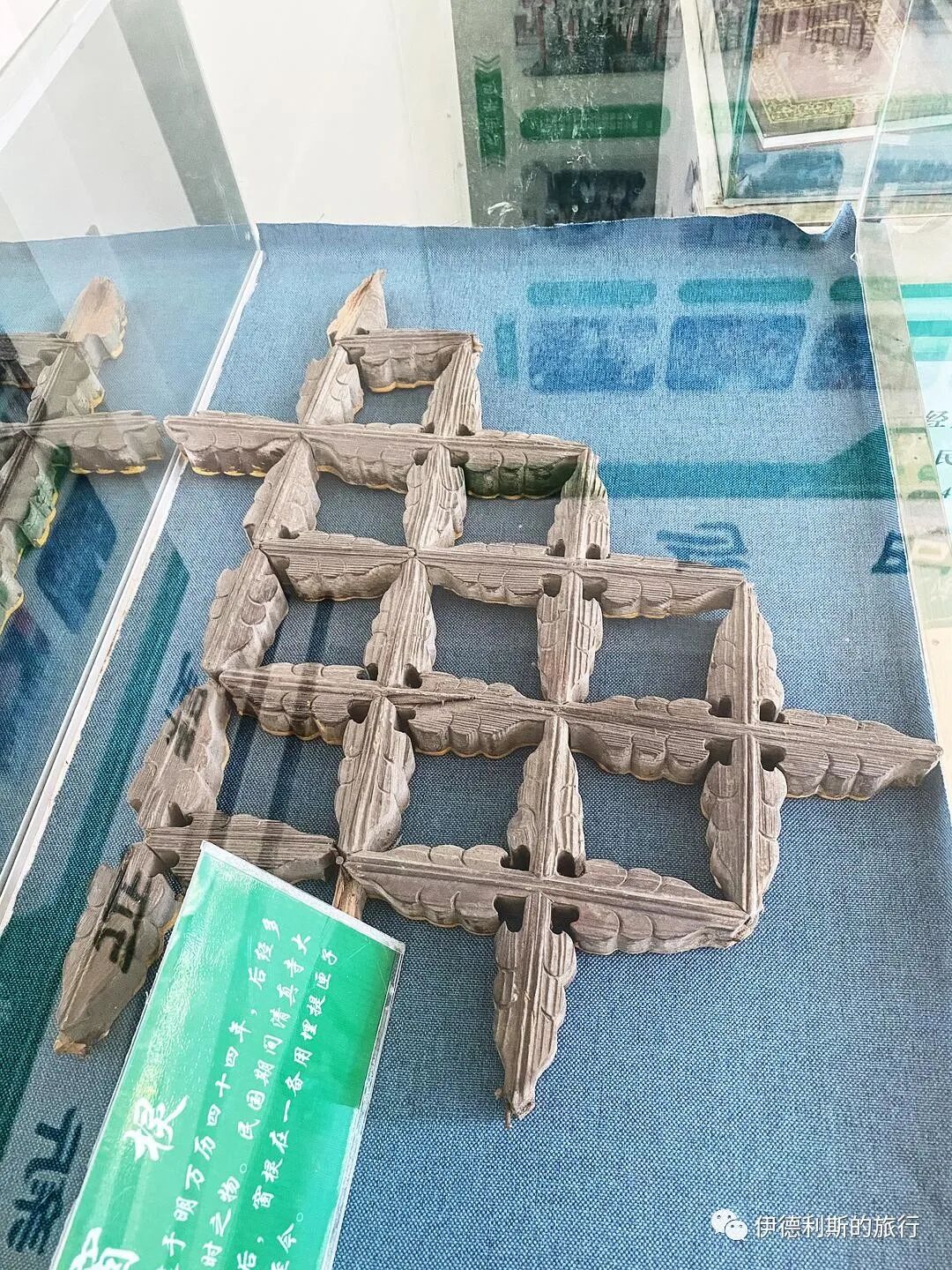
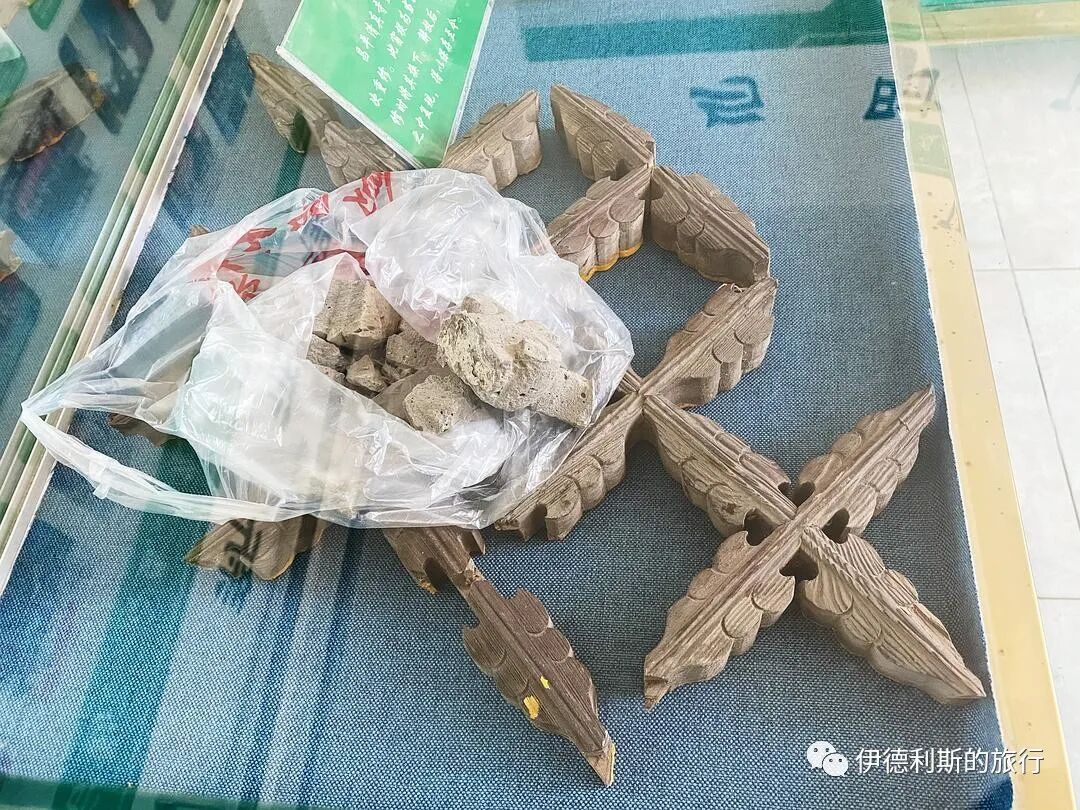
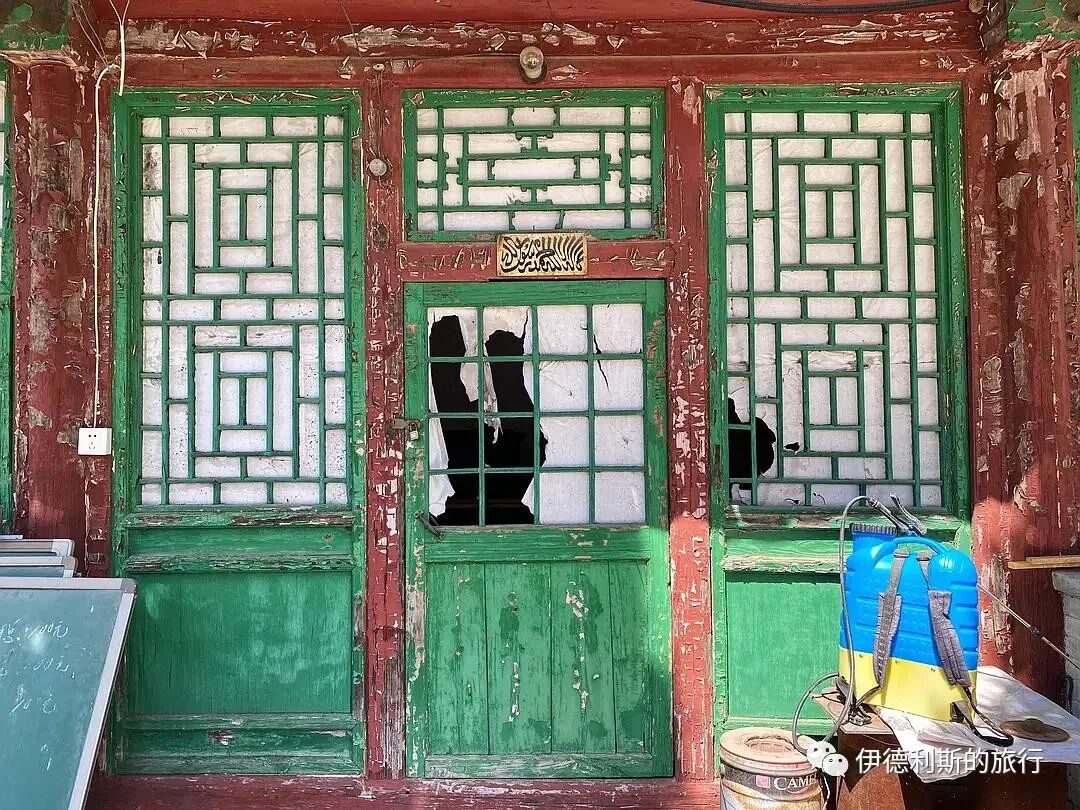
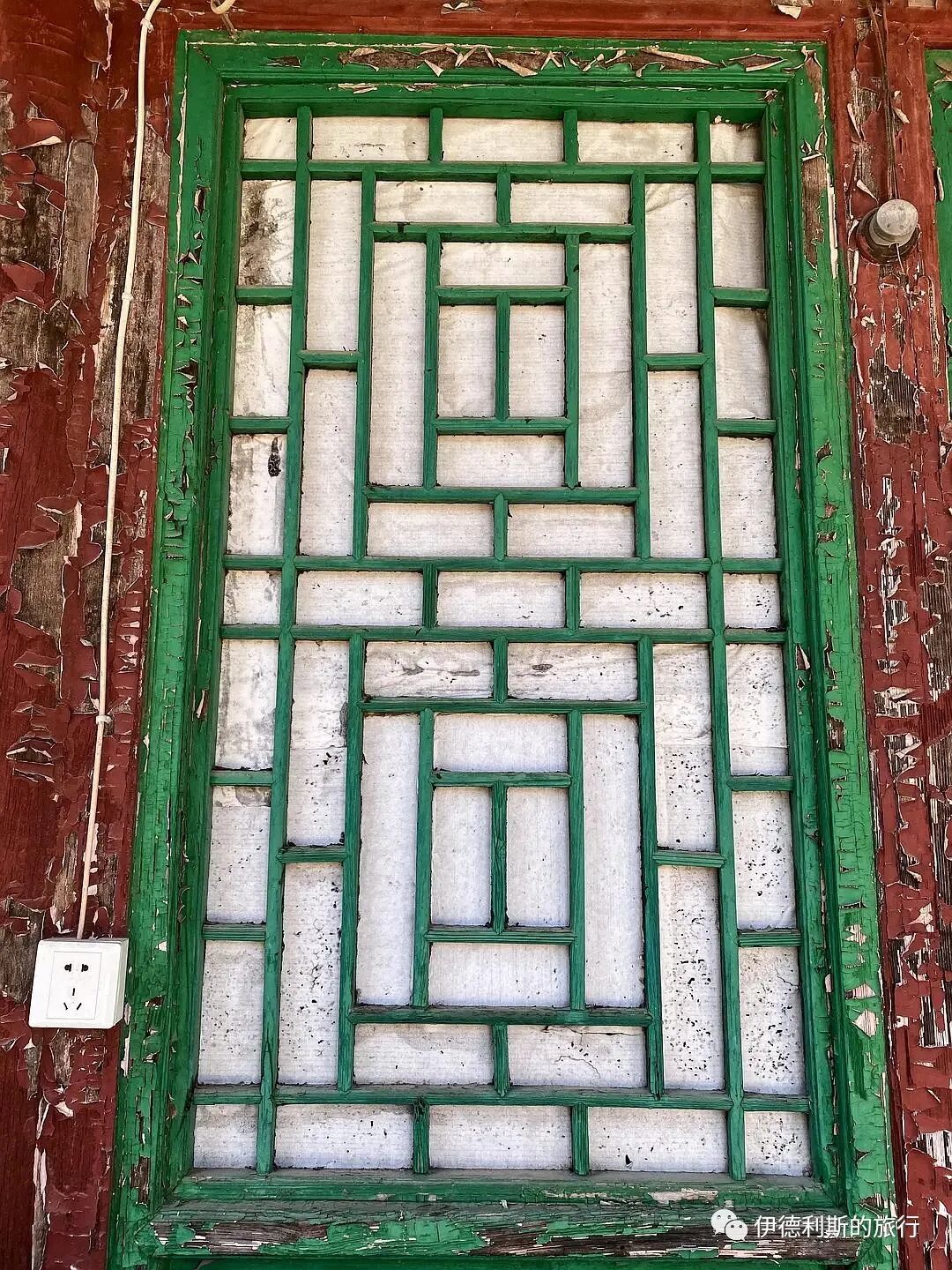
Window lattices from the Ming and Qing dynasties, which were removed during a major renovation of the Changping Mosque in the Republican era, were discovered after 1949 inside a spare casket for a maiti (deceased person).
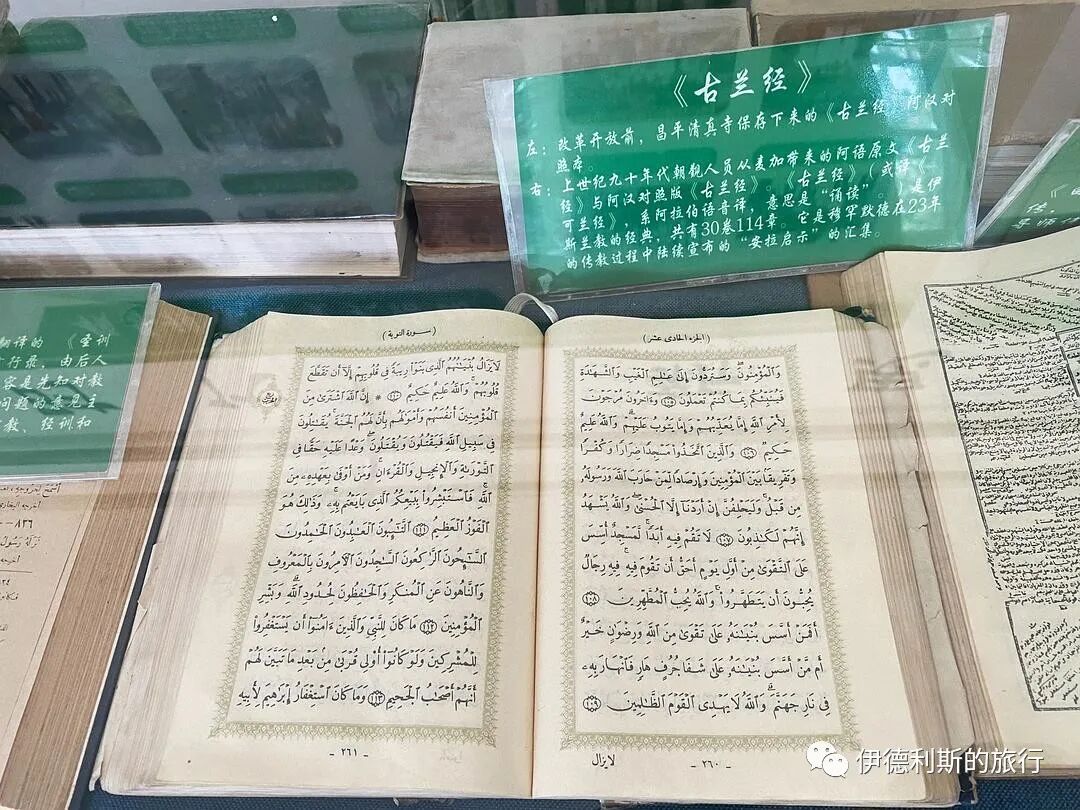
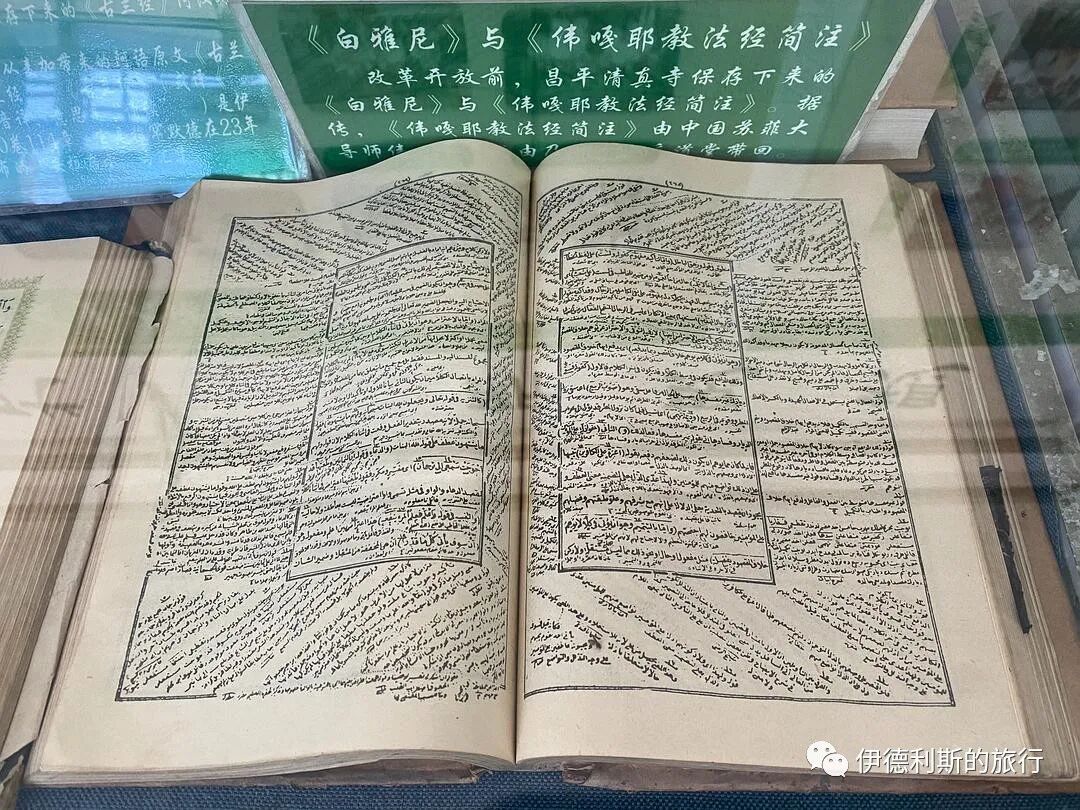
Ancient Quran (Gu Re'ani) copies and traditional scripture school textbooks preserved at the Changping Mosque.
4. Majuqiao Mosque
Going to Majuqiao Mosque in Tongzhou for Jumu'ah prayer. Majuqiao is located on the south bank of the Liangshui River. After the Ming Emperor Chengzu moved the capital, he built the Nanhaizi Royal Hunting Park here. In 1463 (the seventh year of the Tianshun reign), a stone arch bridge was built across the Liangshui River. From then on, Majuqiao became a key road in the capital region, attracting many merchants, and Hui Muslims continuously moved there to do business. The Majuqiao Mosque was built during the Ming Dynasty, renovated during the Qianlong reign, and expanded again in 1937. In 1999, all the wood, bricks, and tiles from the demolished Niujie Women's Mosque were used to renovate the Majuqiao Mosque, and a towering moon-sighting tower (wangyuelou) was added behind the main hall.
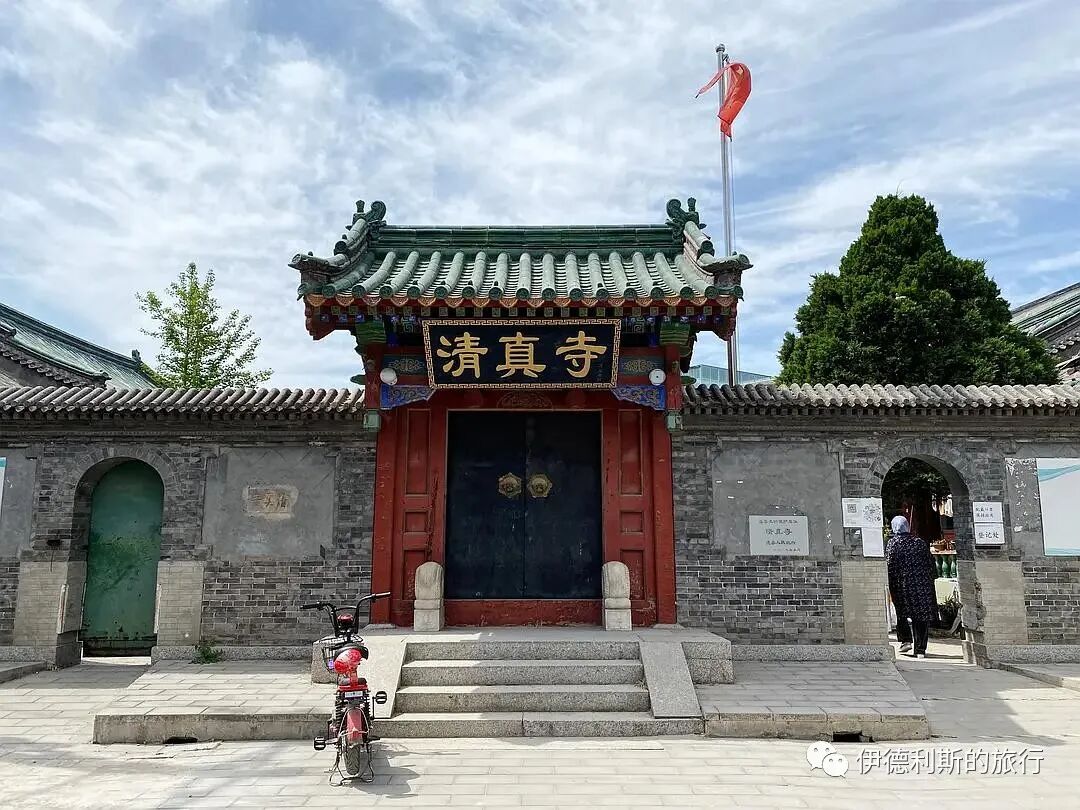
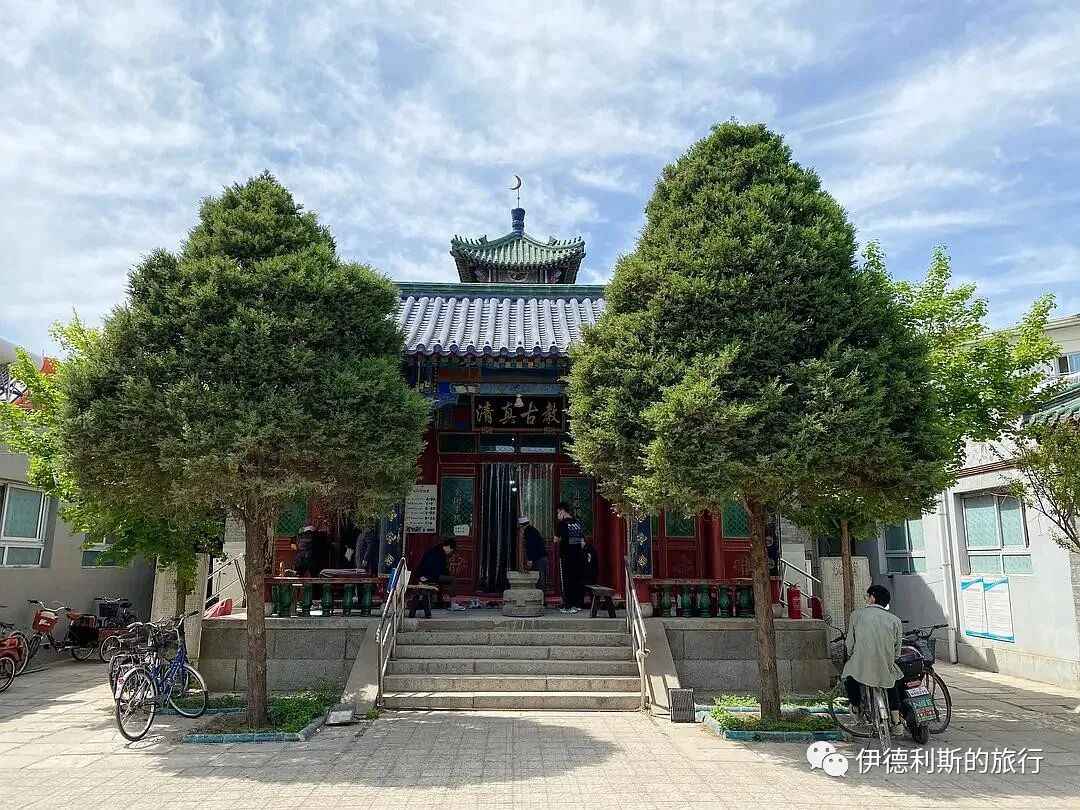
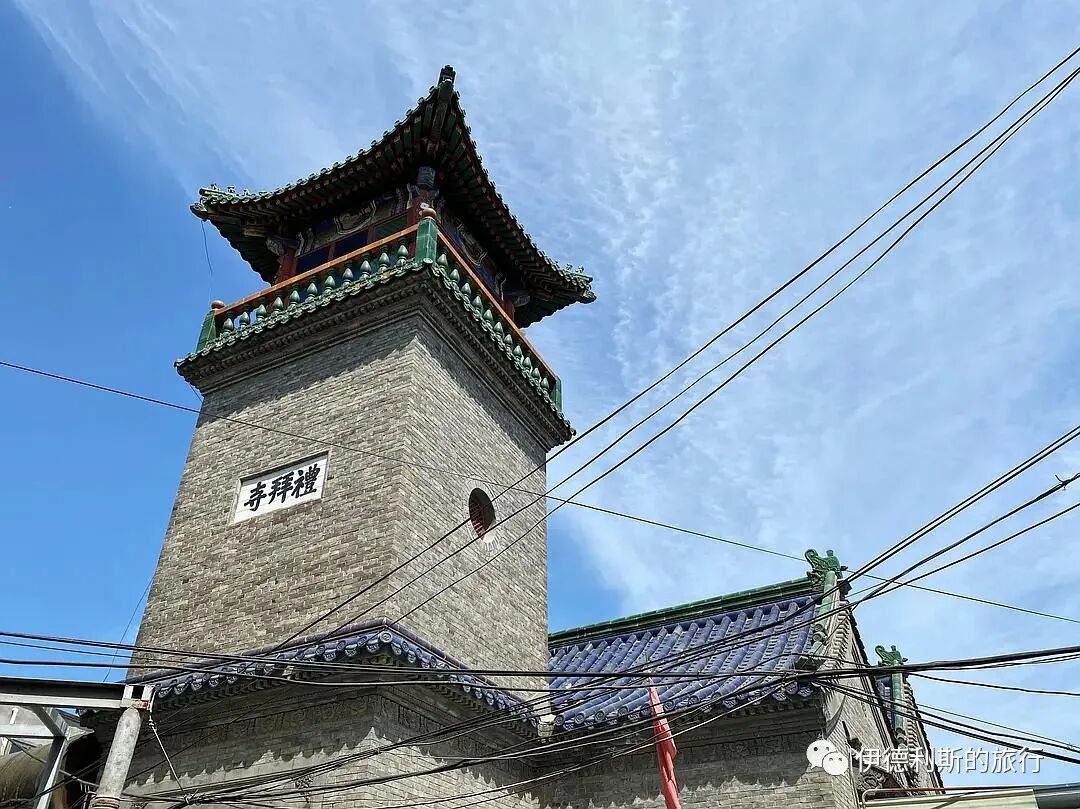
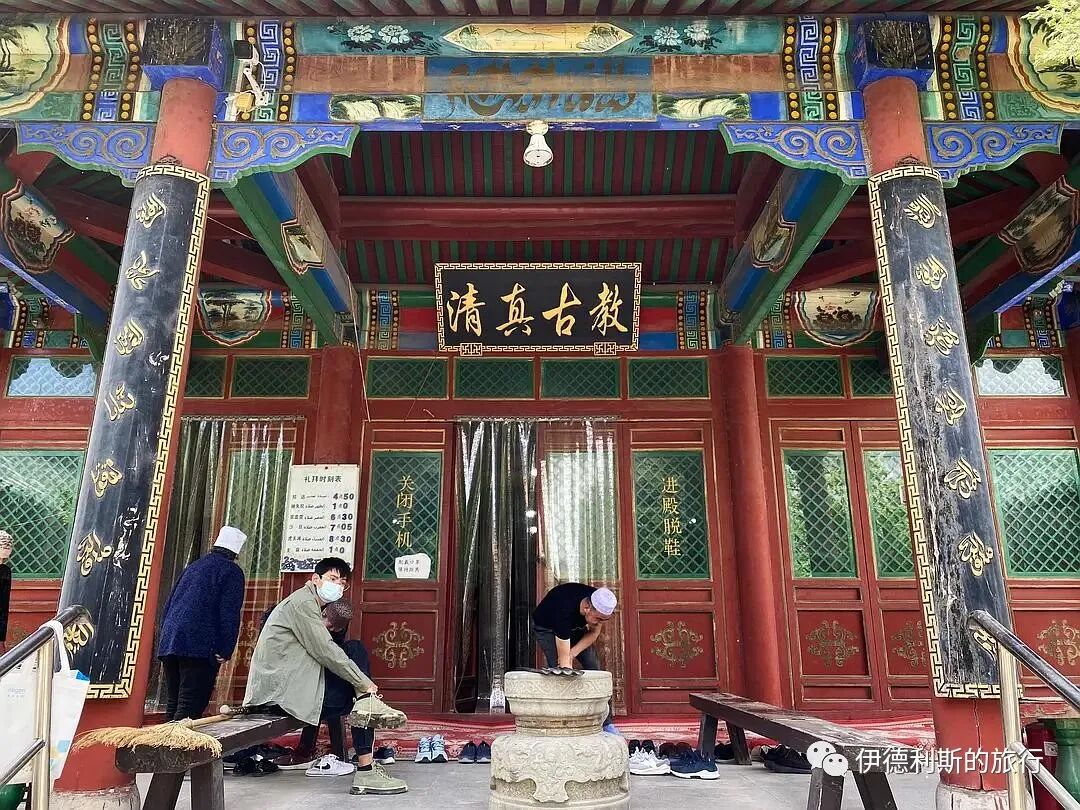
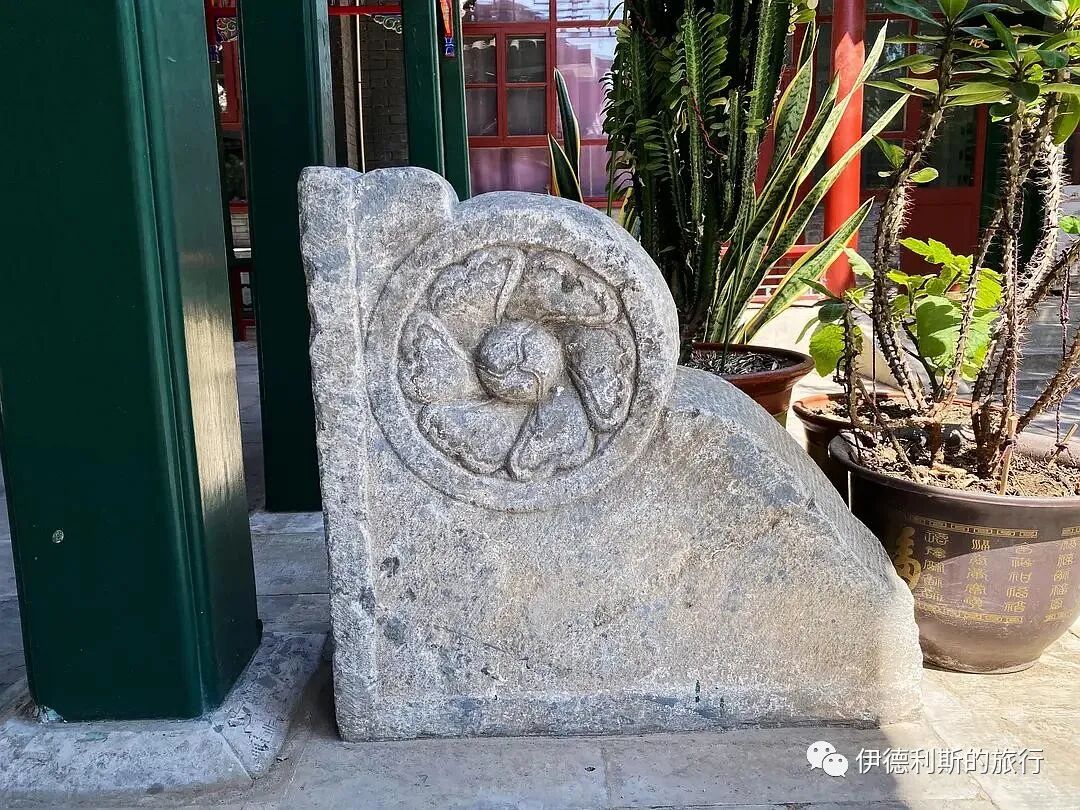
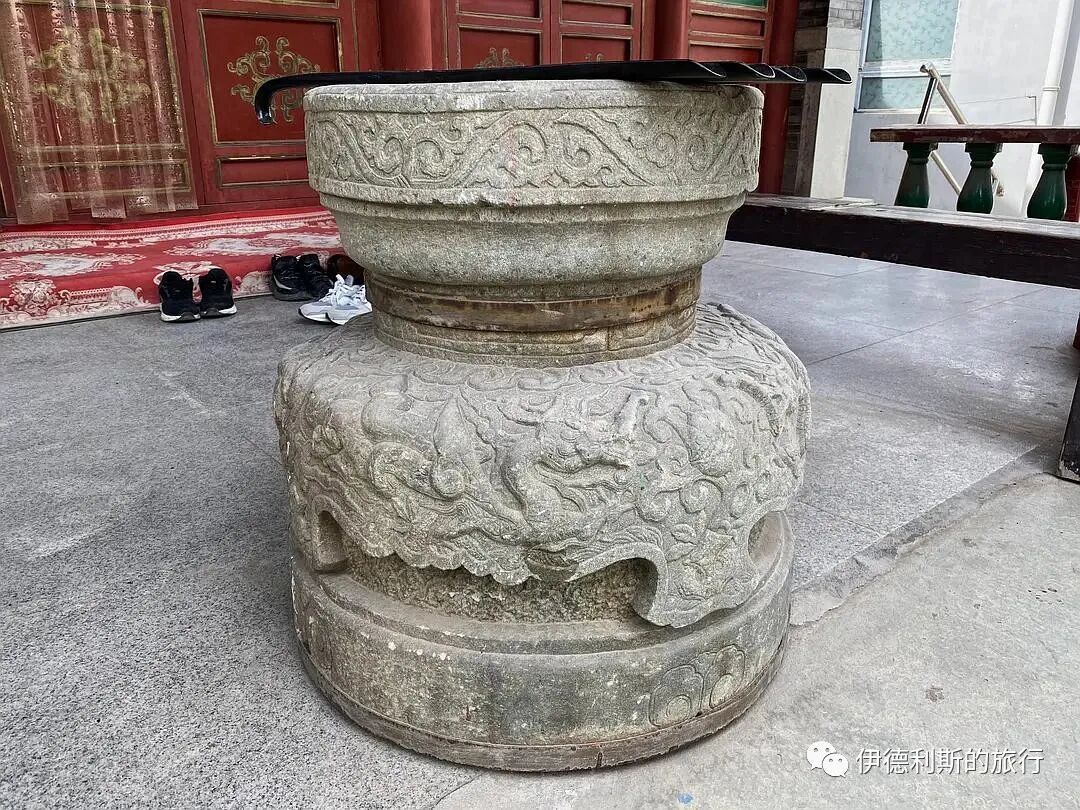
Inside the main hall of Majuqiao Mosque, there is a hand-copied Quran (Gure'ani) from the Qing Dynasty, and in front of the hall door, there are beautiful circular flower pedestals made of green sandstone.
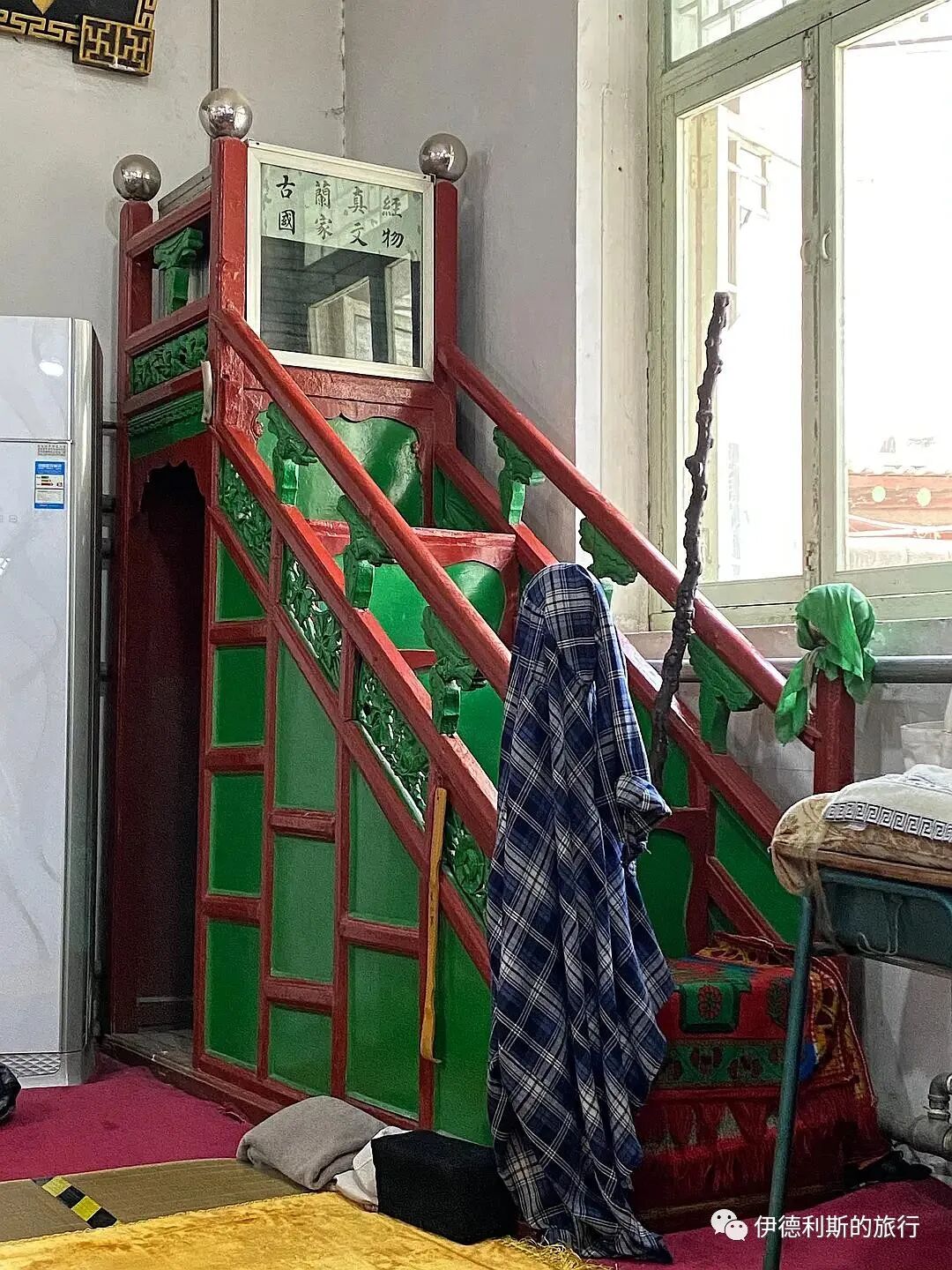
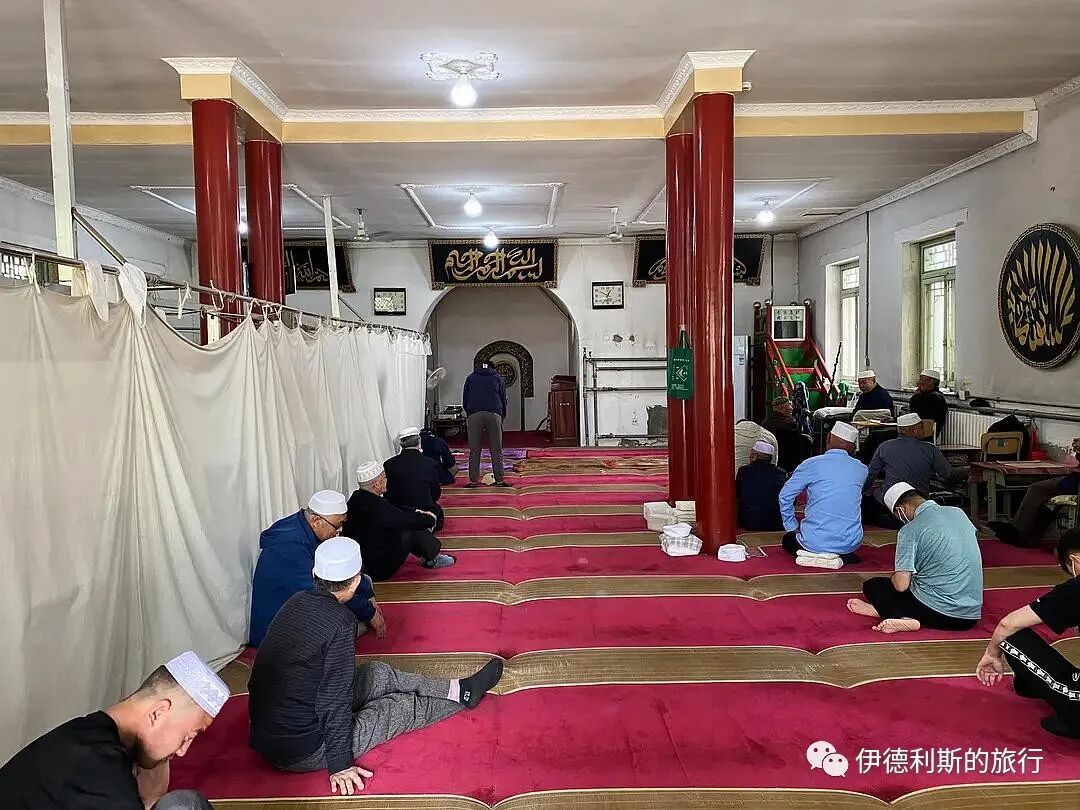
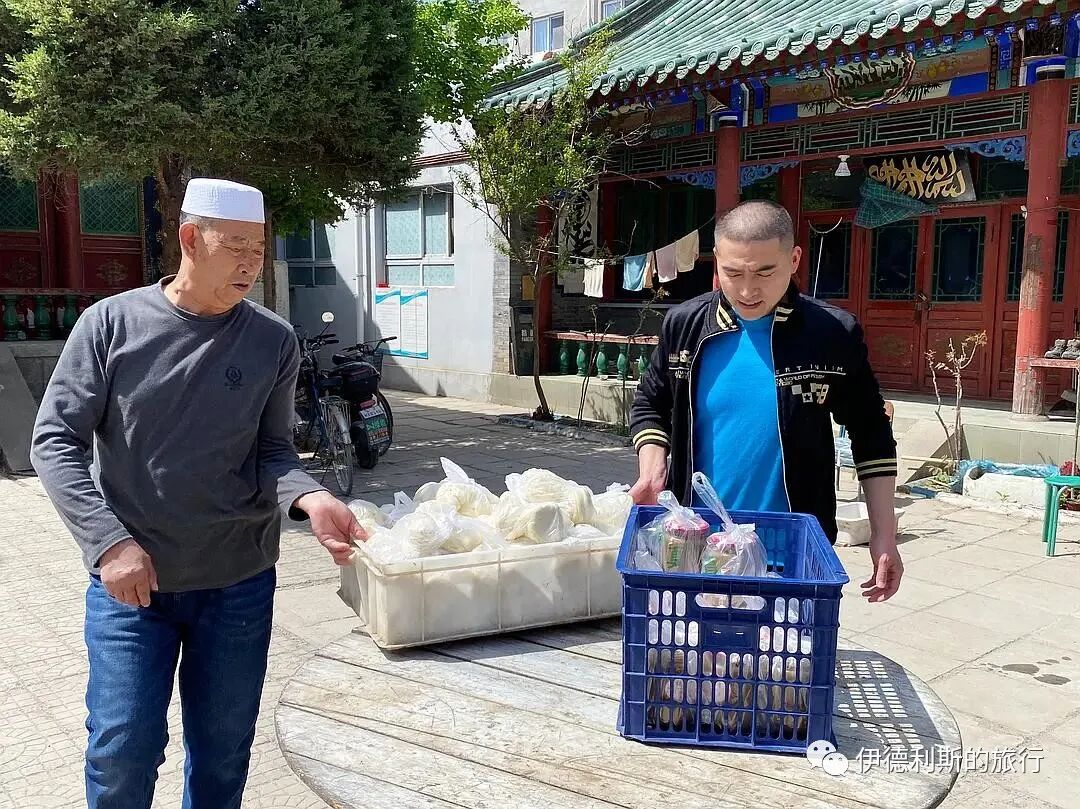
Majuqiao has many local elders (gaomu), making it livelier than many mosques in the city. There are also many young people working nearby, which creates a great atmosphere. After the service, there were flower-shaped steamed buns (huajuan) and stone-ground sesame oil (xiaomo xiangyou) distributed by the community members (dost).
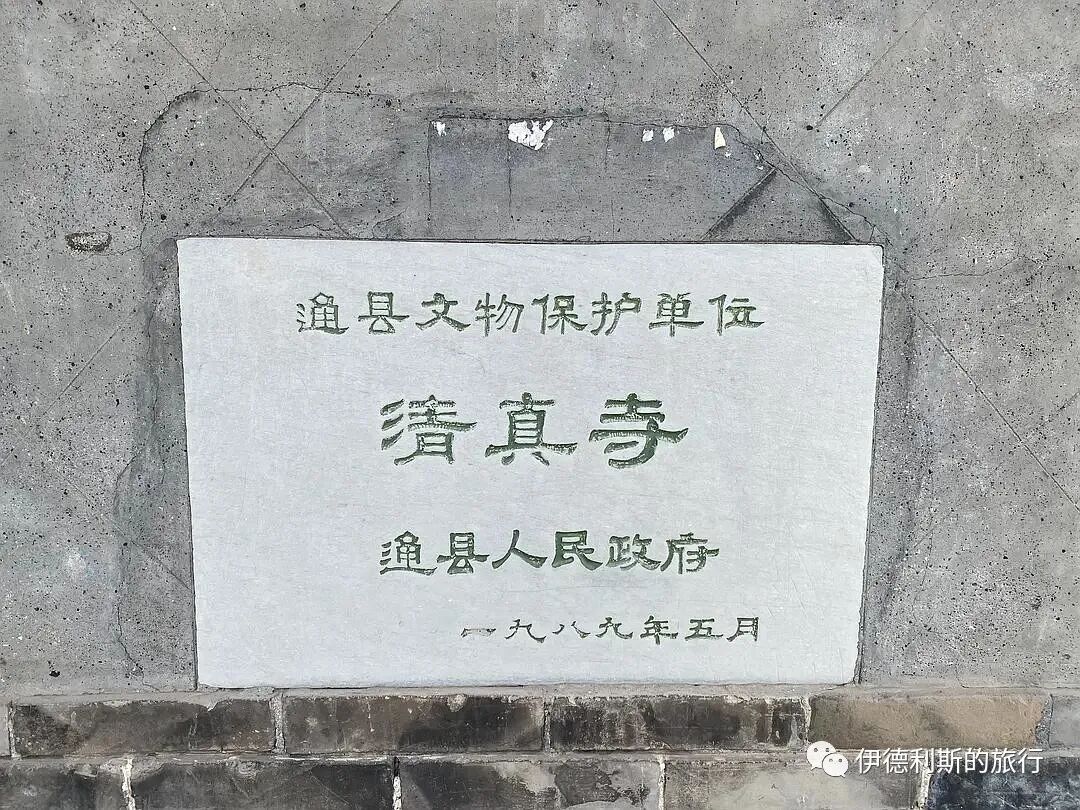
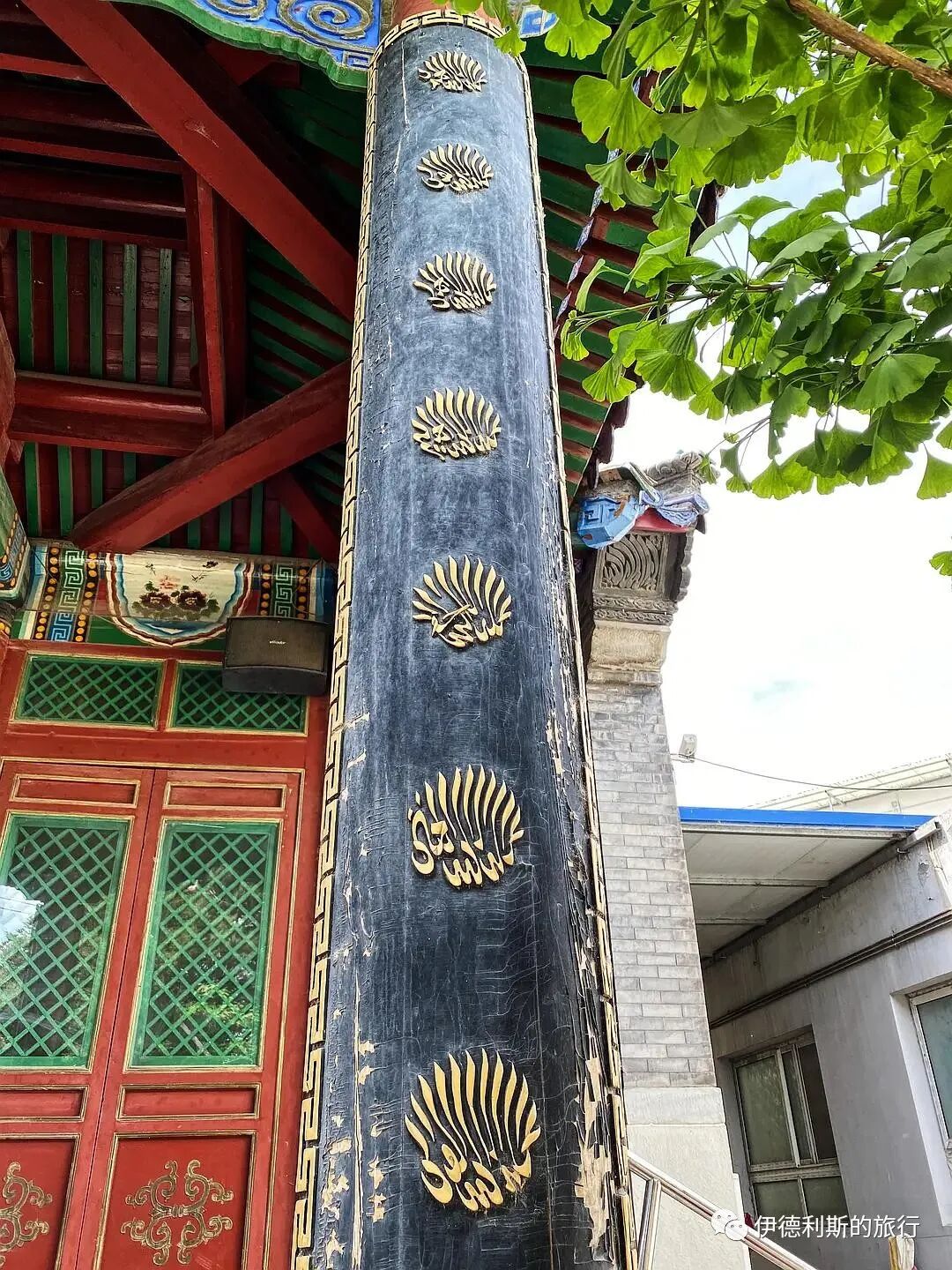
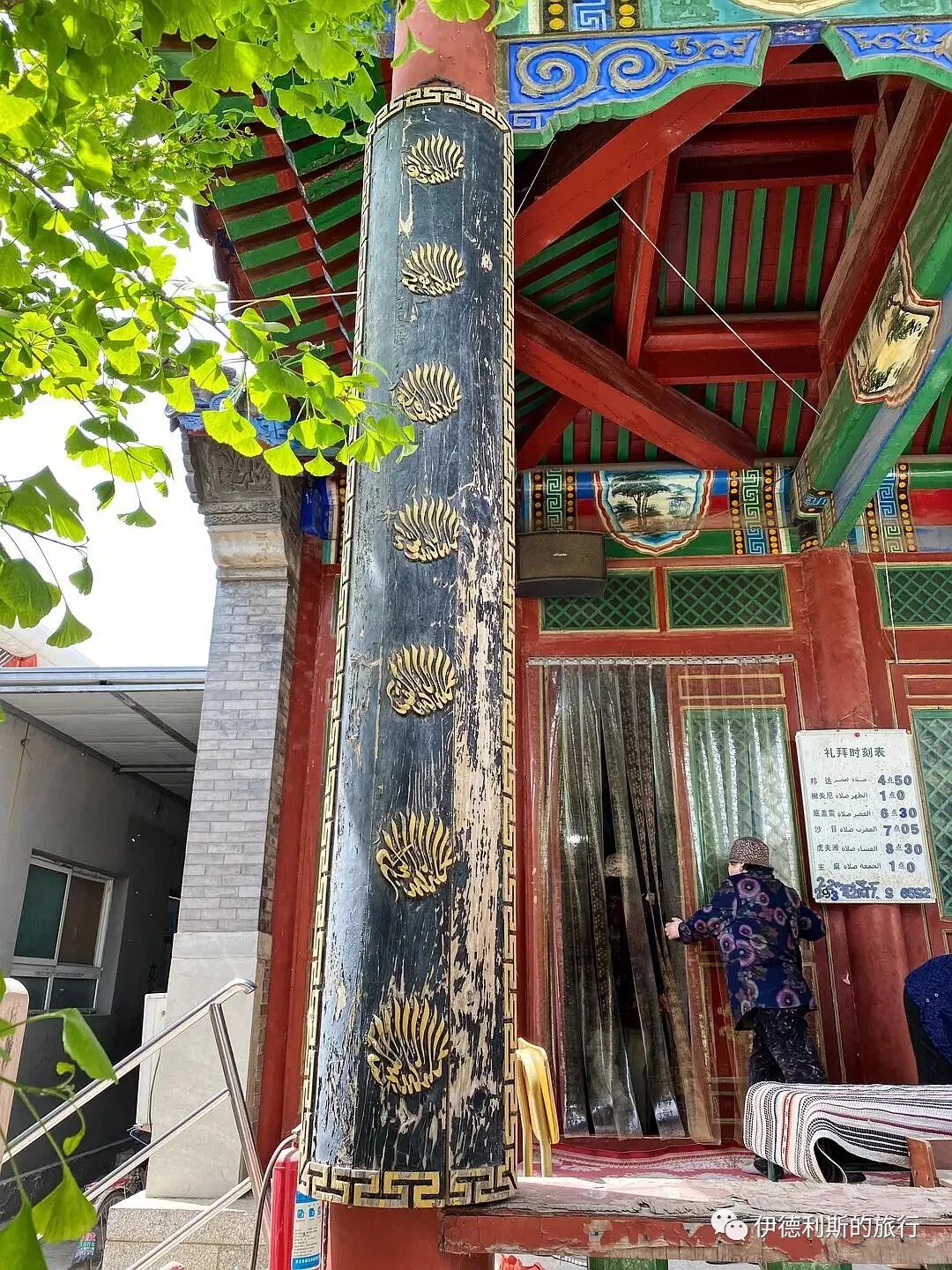
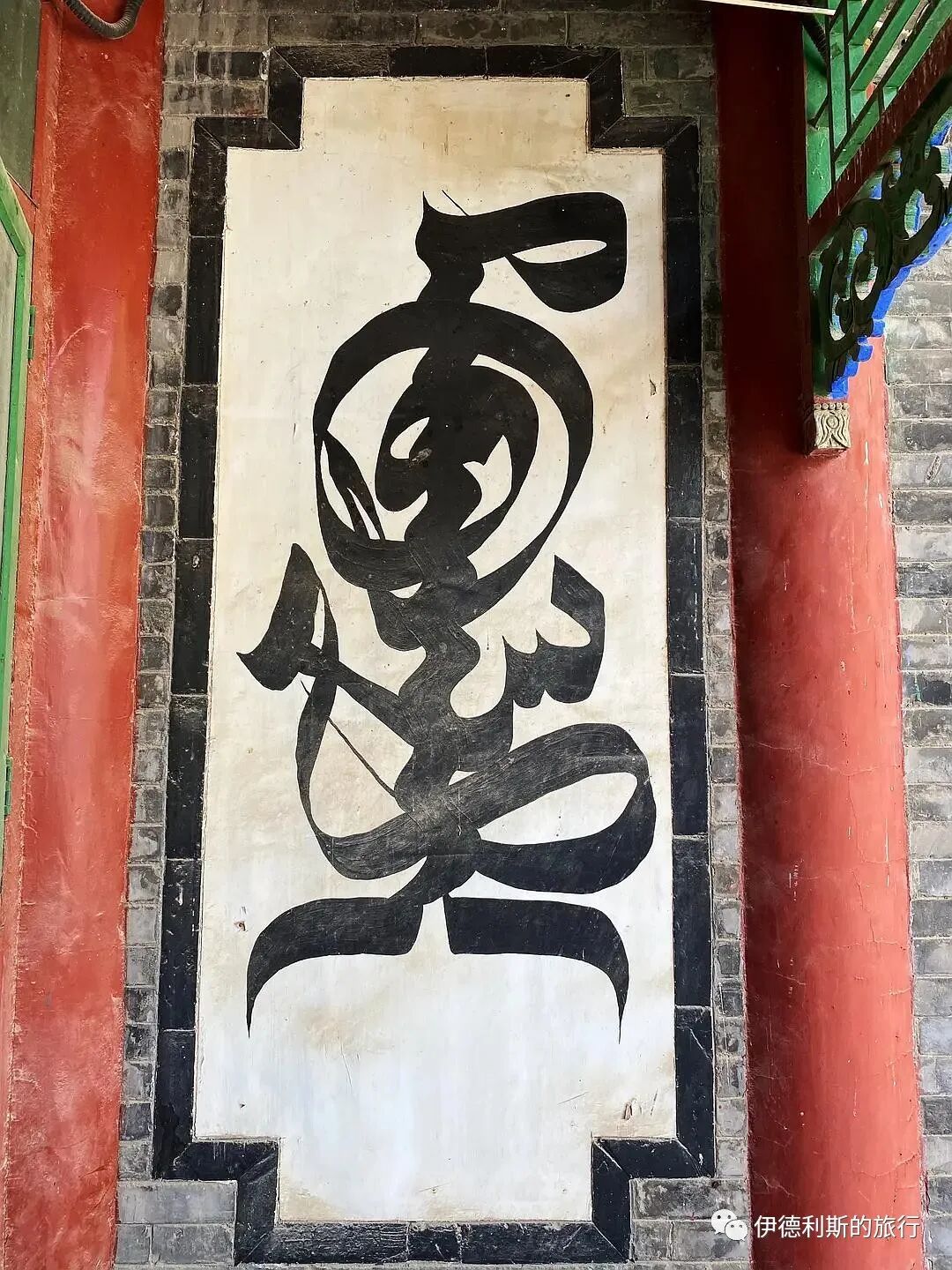
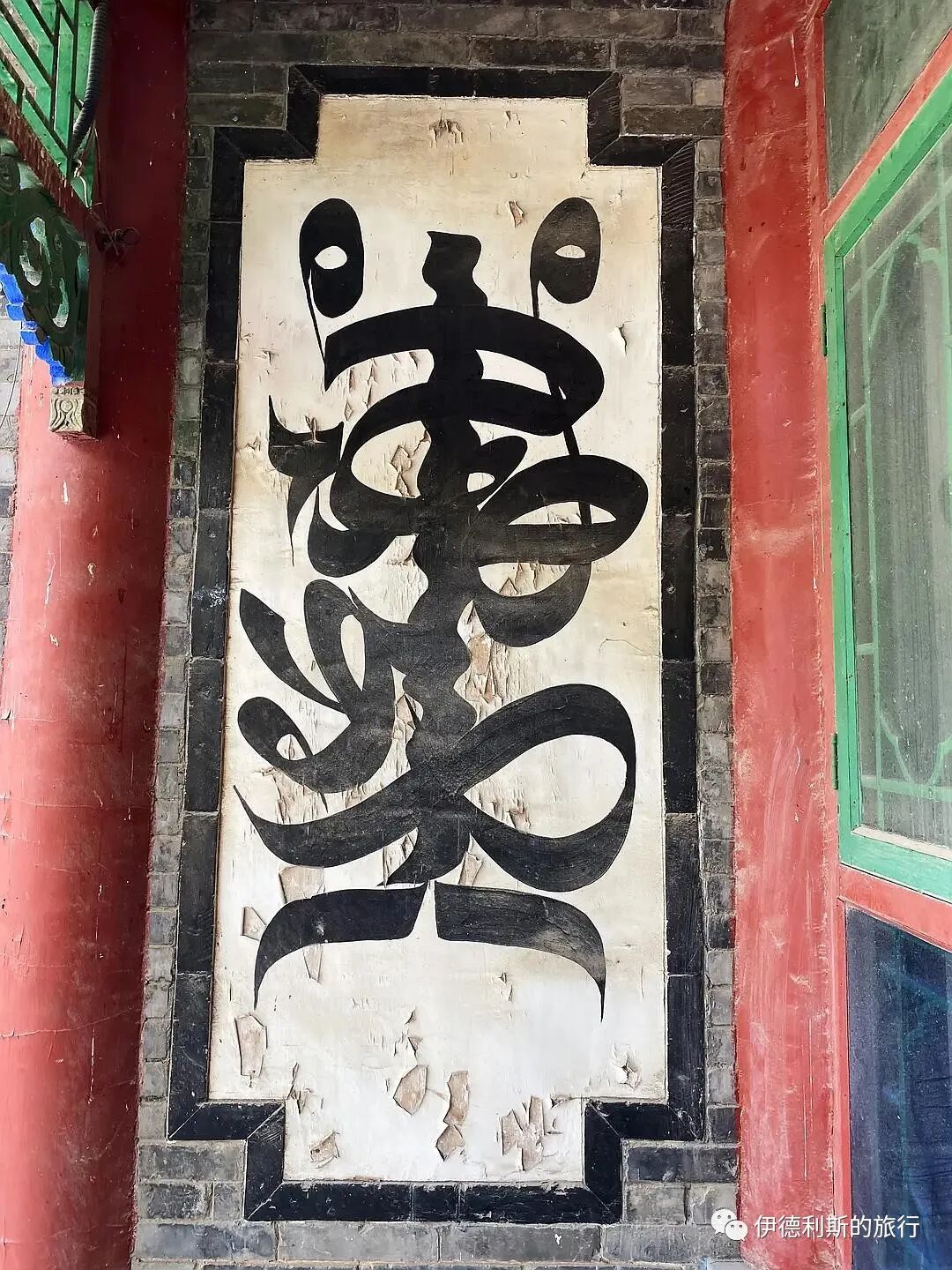
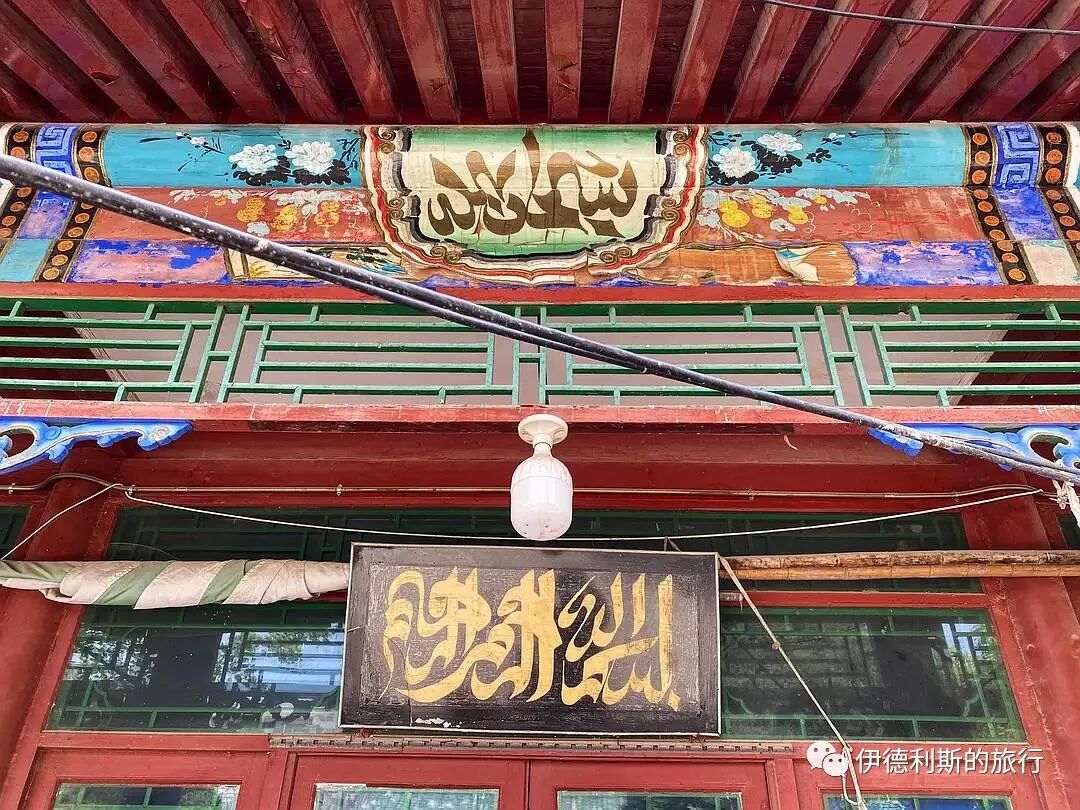
Plaques and calligraphy.
5. Heying Mosque.
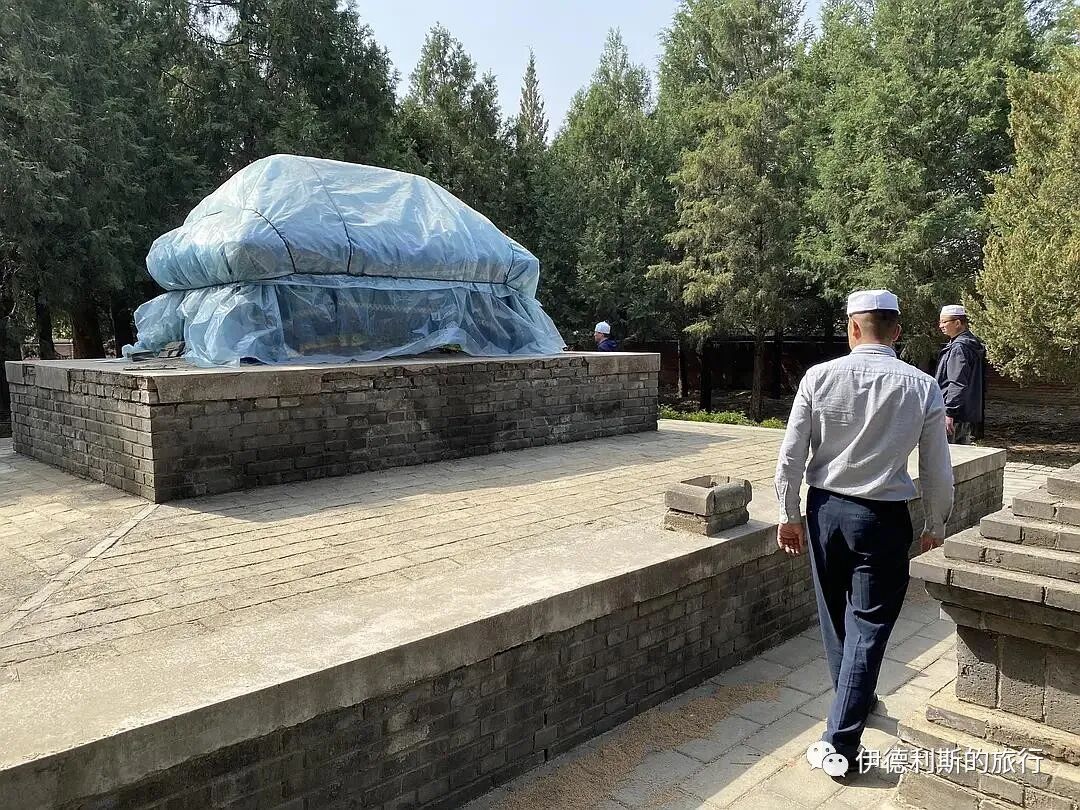
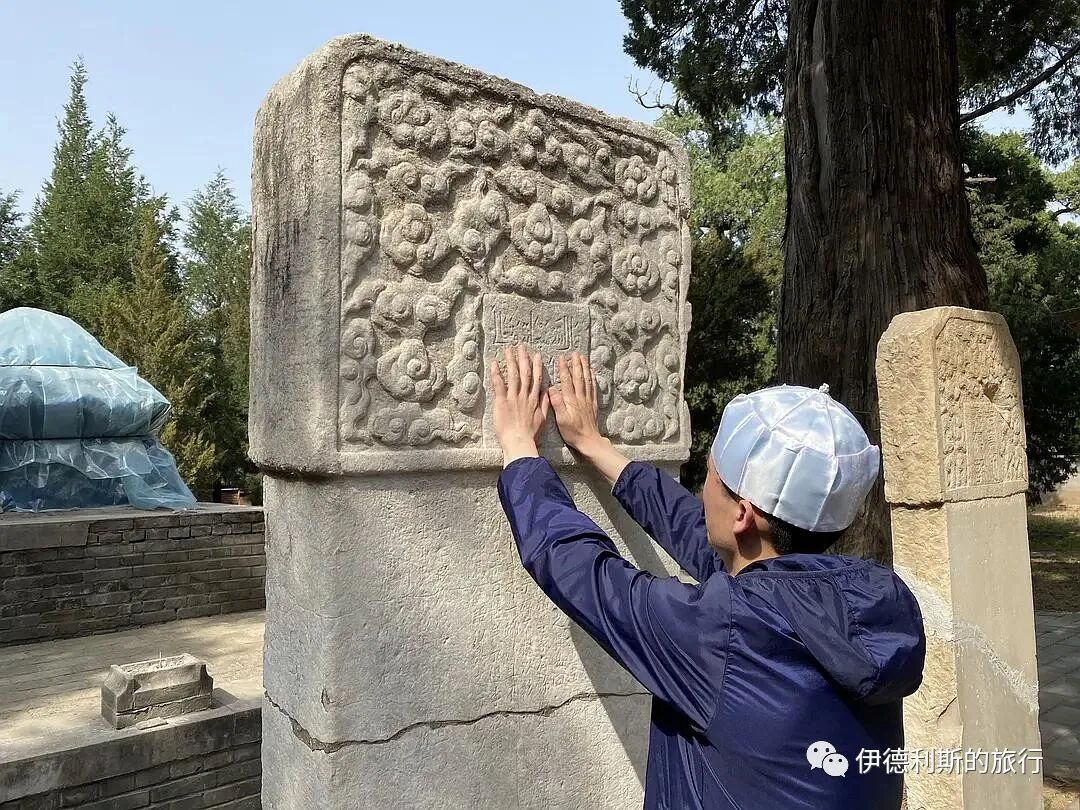
A mosque was built near Heying in Changping by the early Ming Dynasty at the latest. According to the tombstone record of the sage Bo Hazhi from the 46th year of the Wanli reign of the Ming Dynasty (1618), there was a mosque less than a mile northwest of Beishao Village. During the Hongwu reign of the Ming Dynasty, the sage Bo Hazhi from the Western Regions passed through Beishao Village, settled in the mosque, and was buried nearby after he passed away (guizhen). According to Uncle Zhang, whose family has guarded the tomb of Bo Hazhi for generations, the original mosque was destroyed by a flood and later moved outside the gate of Bo Hazhi's tomb. In the 1930s, Uncle Zhang's family raised funds to rebuild the current Heying Mosque.
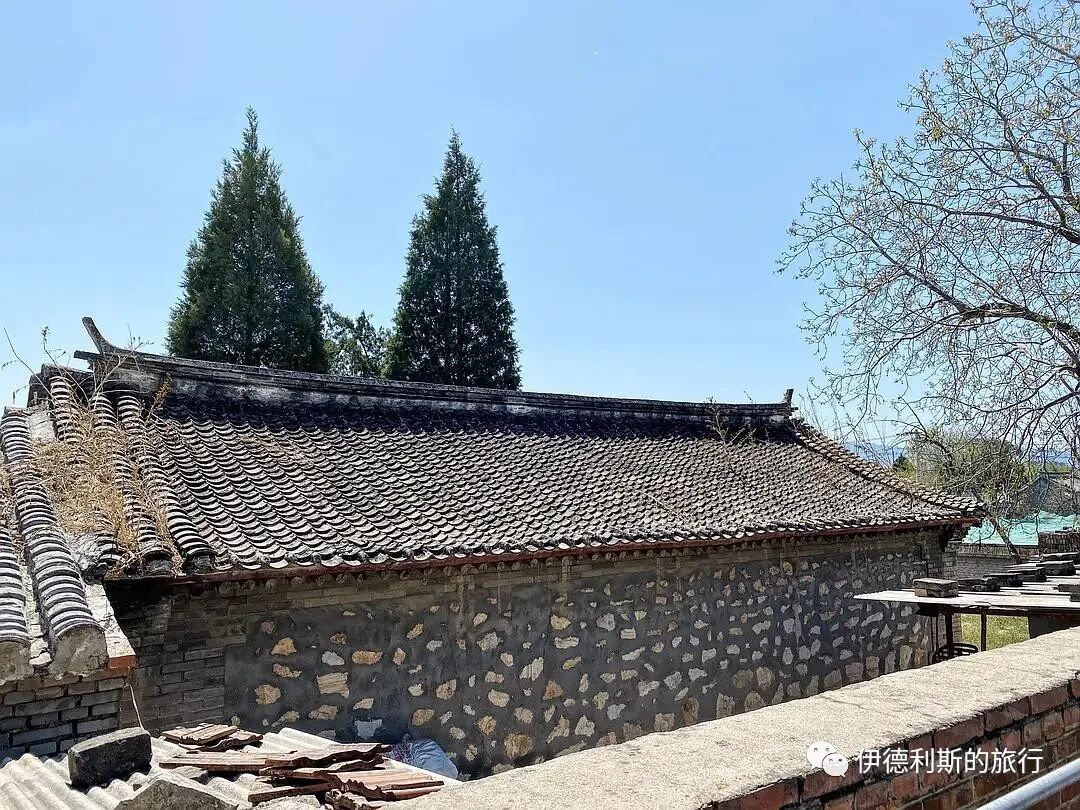
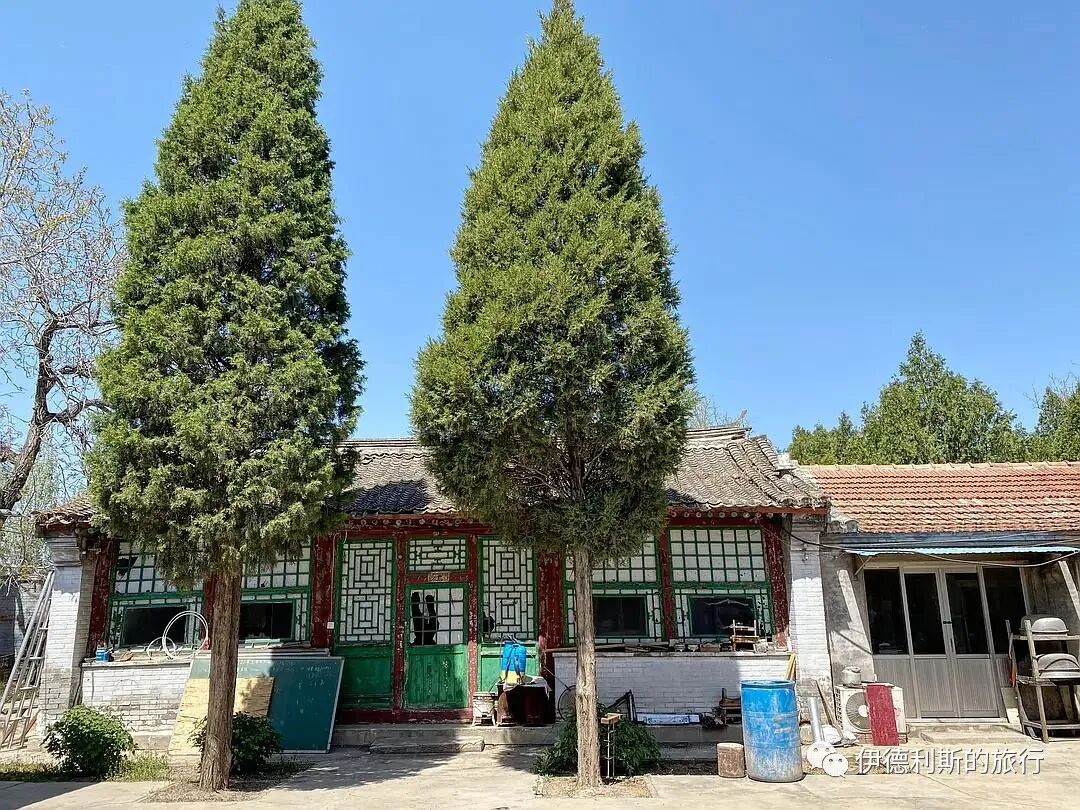
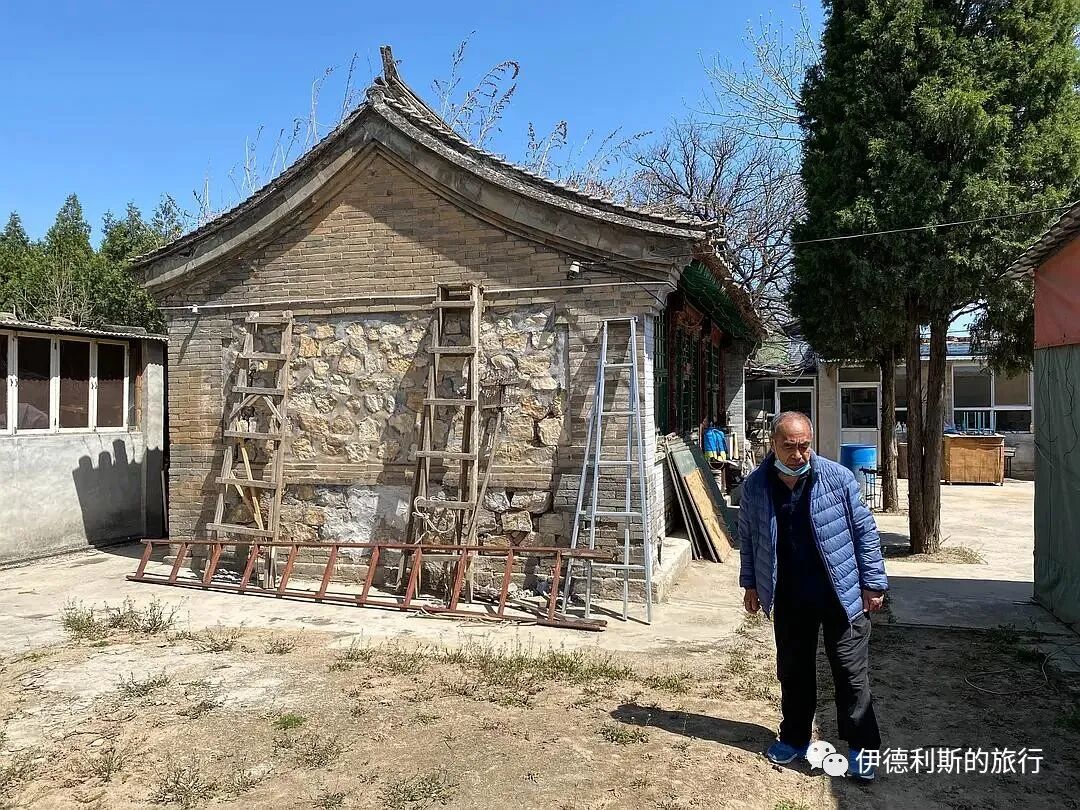
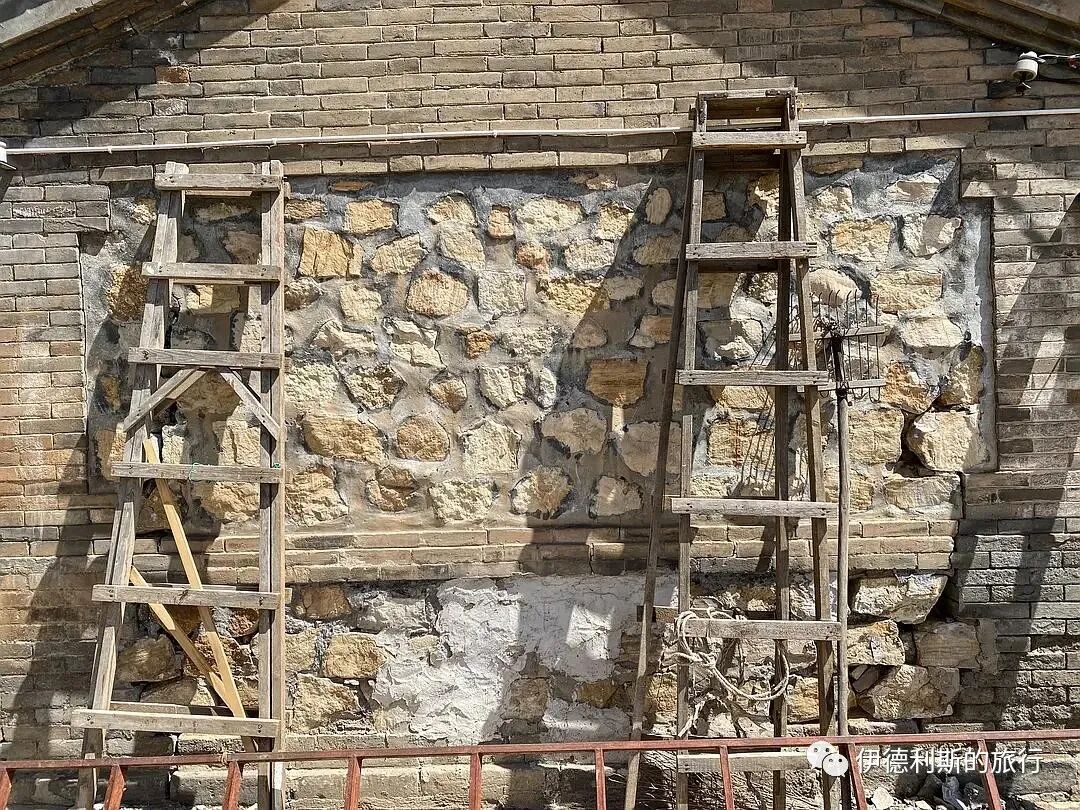
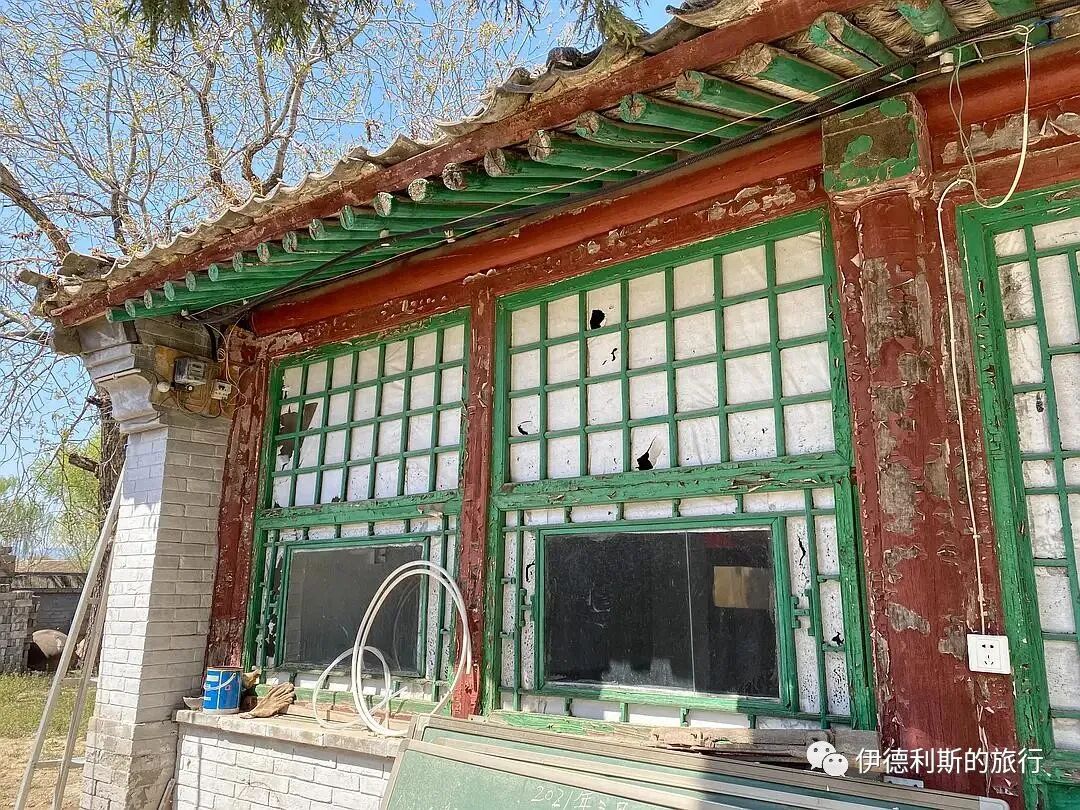
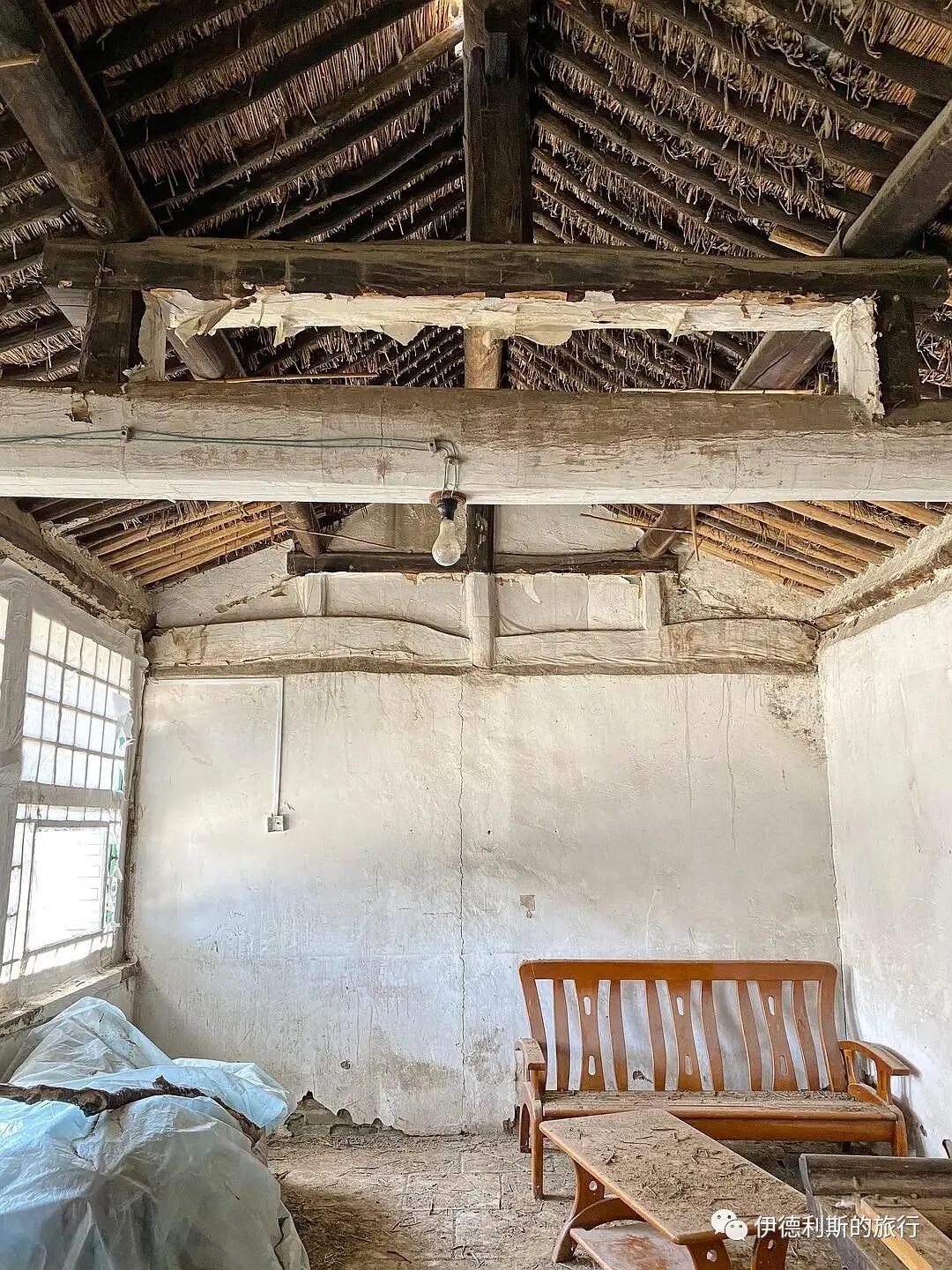
Currently, the only remaining historical building of Heying Mosque is the north room. You can see that the middle of the walls is built with stones, which were hauled back from the mountains by Uncle Zhang's family back then. After the 1960s, the imam (ahong) was forced to leave. Since then, the mosque has mainly been used for Hui Muslims from other places to visit graves and for local Hui Muslims to hold funeral prayers (maiti). Due to a mistake during the policy implementation in the 1980s, the mosque was not included in the cultural relic protection zone for the Tomb of Bo Hazhi. Because of this, the nearly 100-year-old mosque still has no official status as a protected cultural site. Currently, Uncle Zhang's family is slowly saving money through donations (nieti) from the community and has started planning repairs for the old building.
For more information about the Tomb of Bo Hazhi, please see my diary entry, Visiting the Tomb of the Western Region Sage Bo Hazhi.
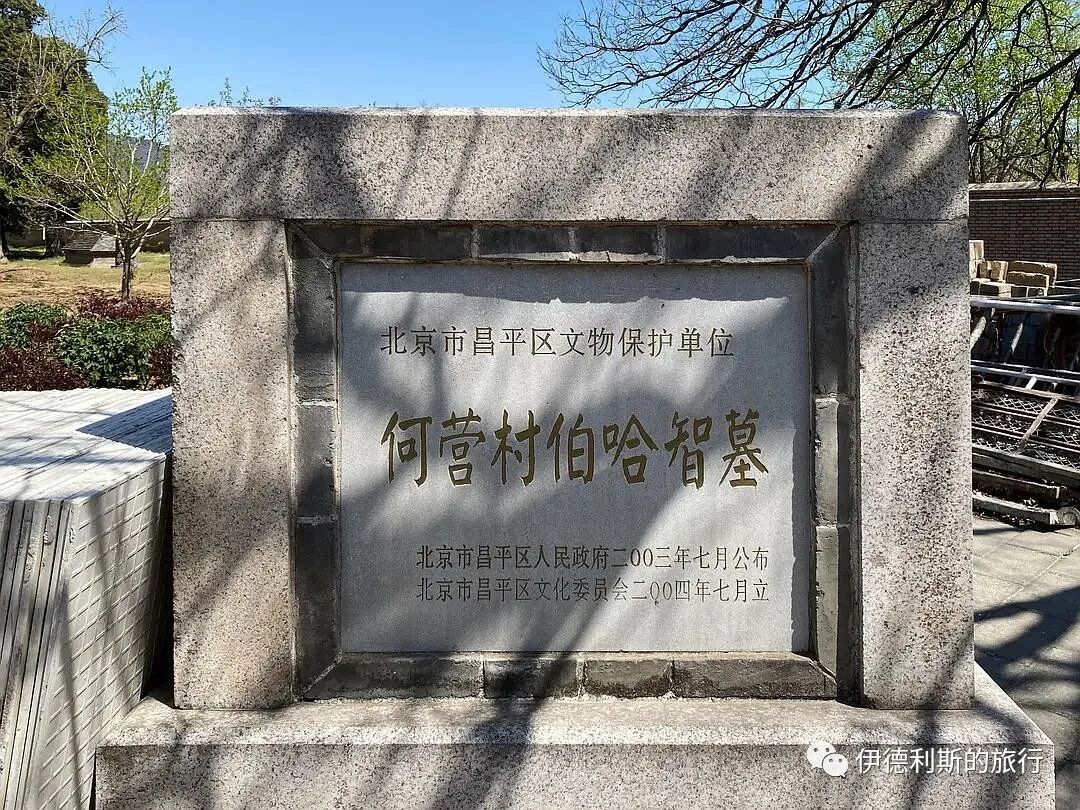
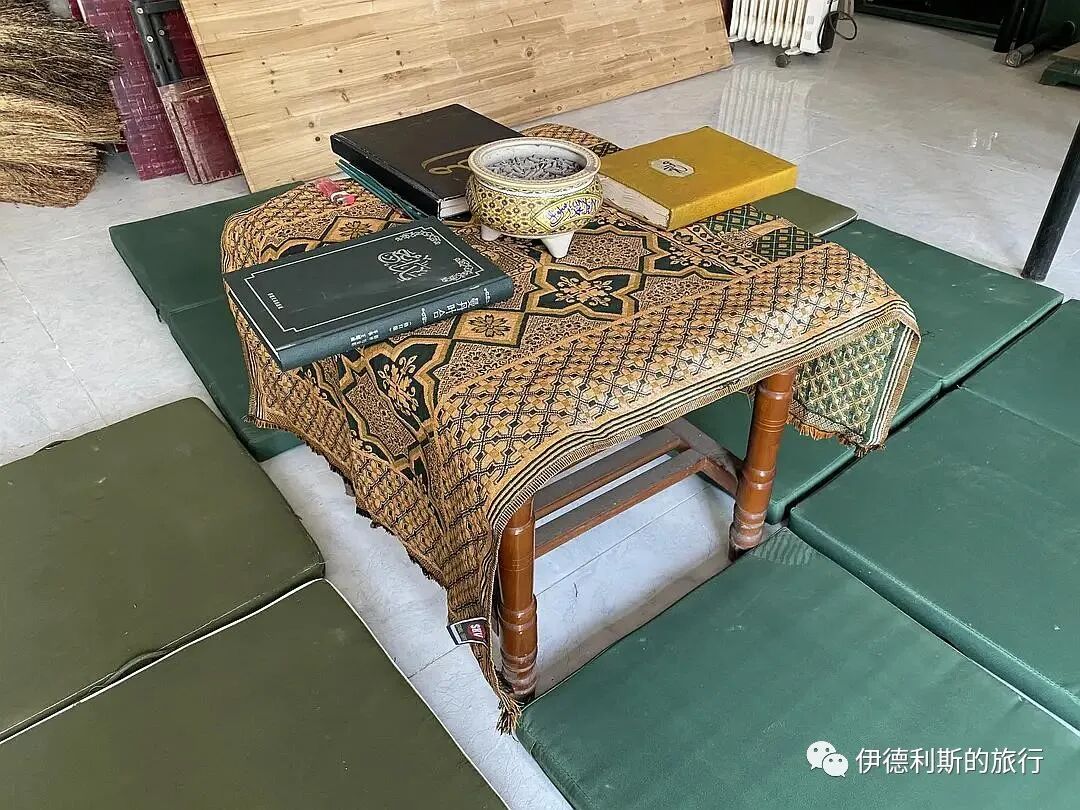
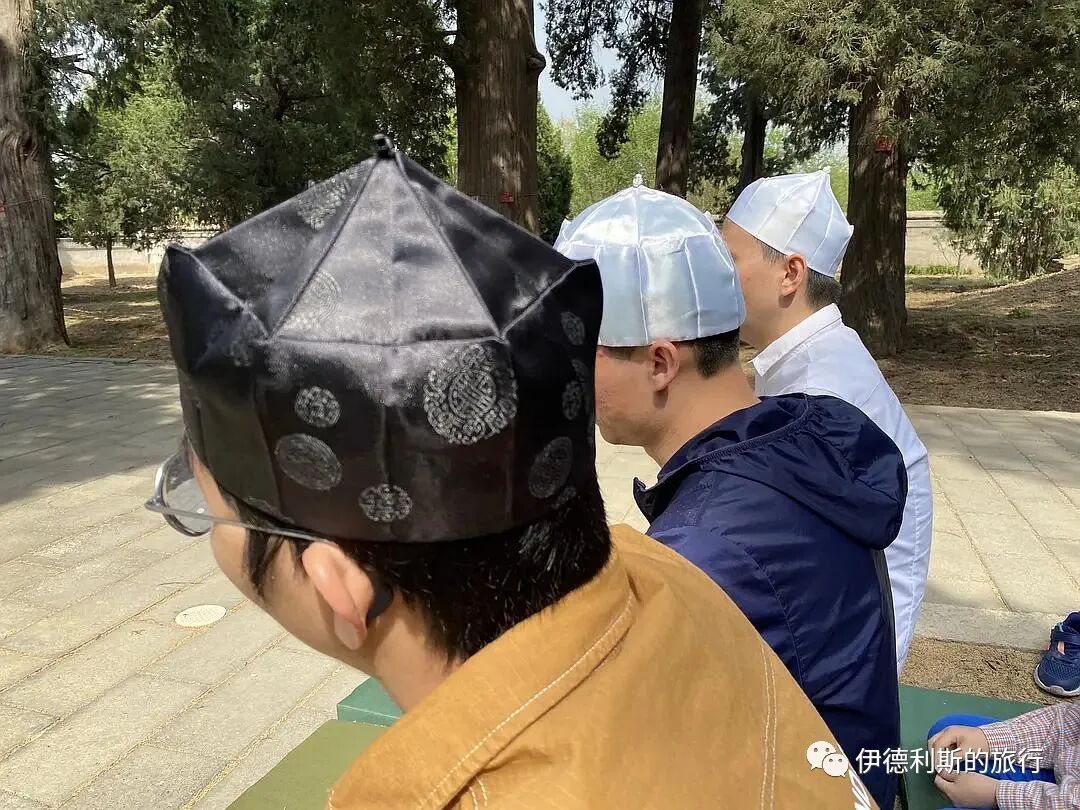
On April 23, we visited the Tomb of Bo Hazhi and met many new friends. The praise for the Prophet (zansheng) sung by the Jahriyya was beautiful.
6. Nankou Mosque
Nankou is the first gateway from Beijing to Datong, Xuanhua, and the Mongolian grasslands via the Jundu Pass, one of the eight passes of the Taihang Mountains. It was also the final line of defense for the capital and has been a strategic military location since ancient times. According to the Zizhi Tongjian, the Northern Qi dynasty built a Great Wall from Nankou to Datong in 555 (the sixth year of the Tianbao era). It was rebuilt many times during the Northern Wei, Liao, and Jin dynasties. The Mongol army fought a decisive battle against the Jin army here before breaking through the defense line to enter the Jin capital, Zhongdu.
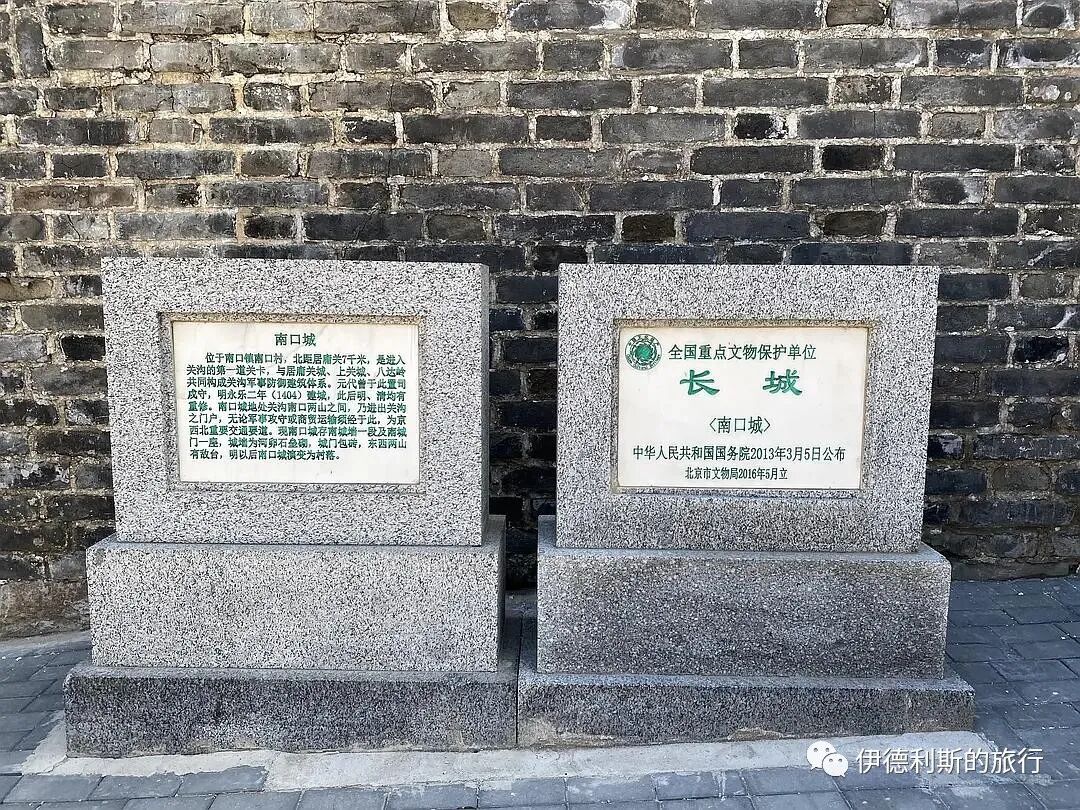
To resist the Mongol invasion, the Ming dynasty built Nankou City in 1404 (the second year of the Yongle era), which was later rebuilt several times. After the Qing dynasty, as trade with the grasslands flourished, Nankou City was filled with shops and busy with traveling merchants. After the Beijing-Zhangjiakou Railway was completed in 1909, the trade in Nankou City was gradually replaced by the Nankou town area near the railway station to the south.
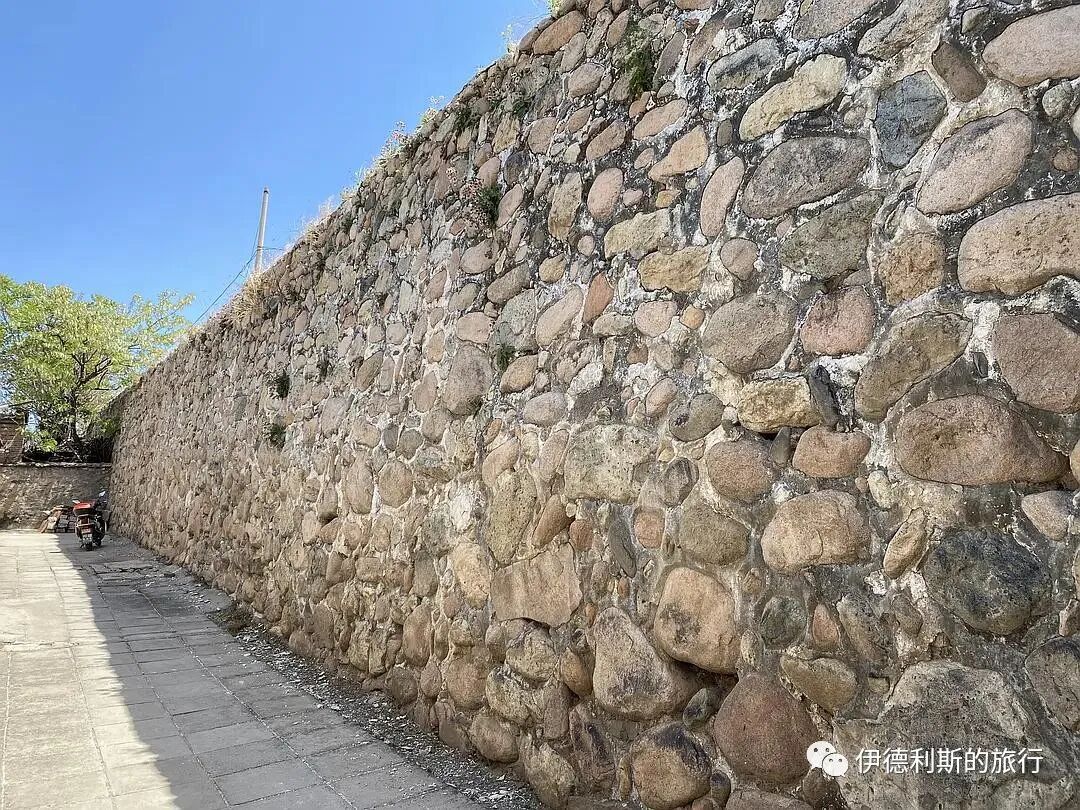
Today, Nankou City still has its south wall and south gate, as well as watchtowers on the east and west mountains. The Nankou city wall is unique because it is built with river pebbles. As time passed, the city wall has now sunk one meter into the ground.
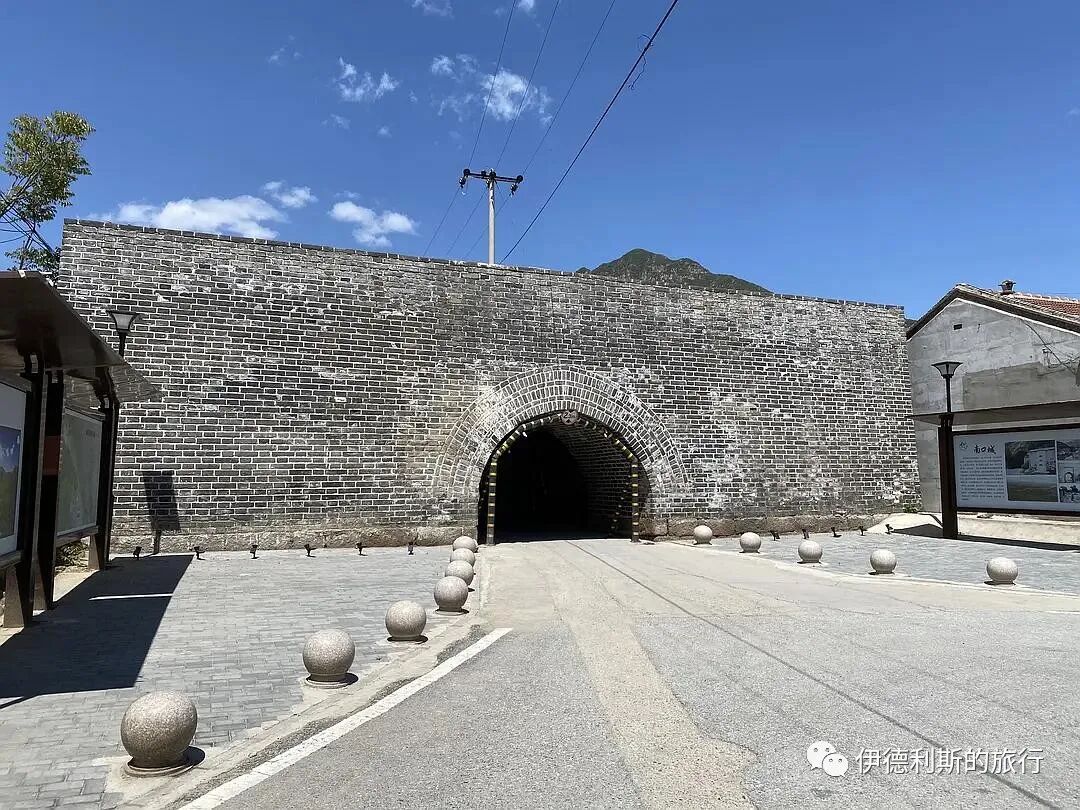
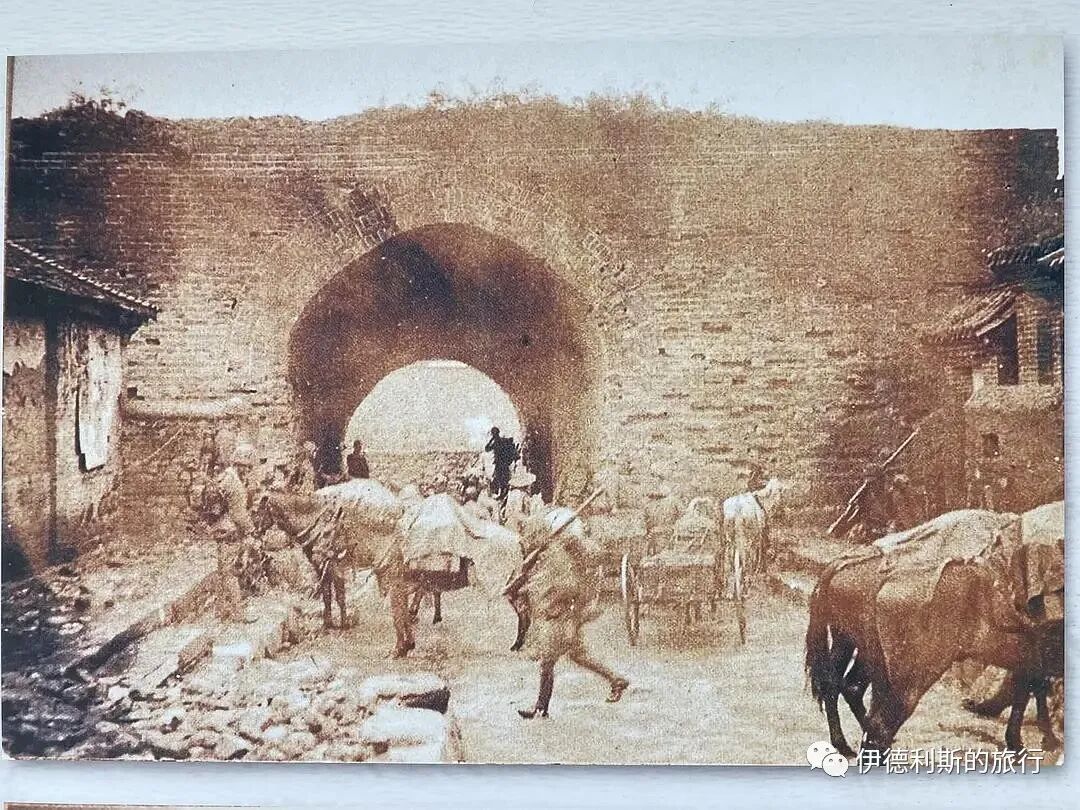
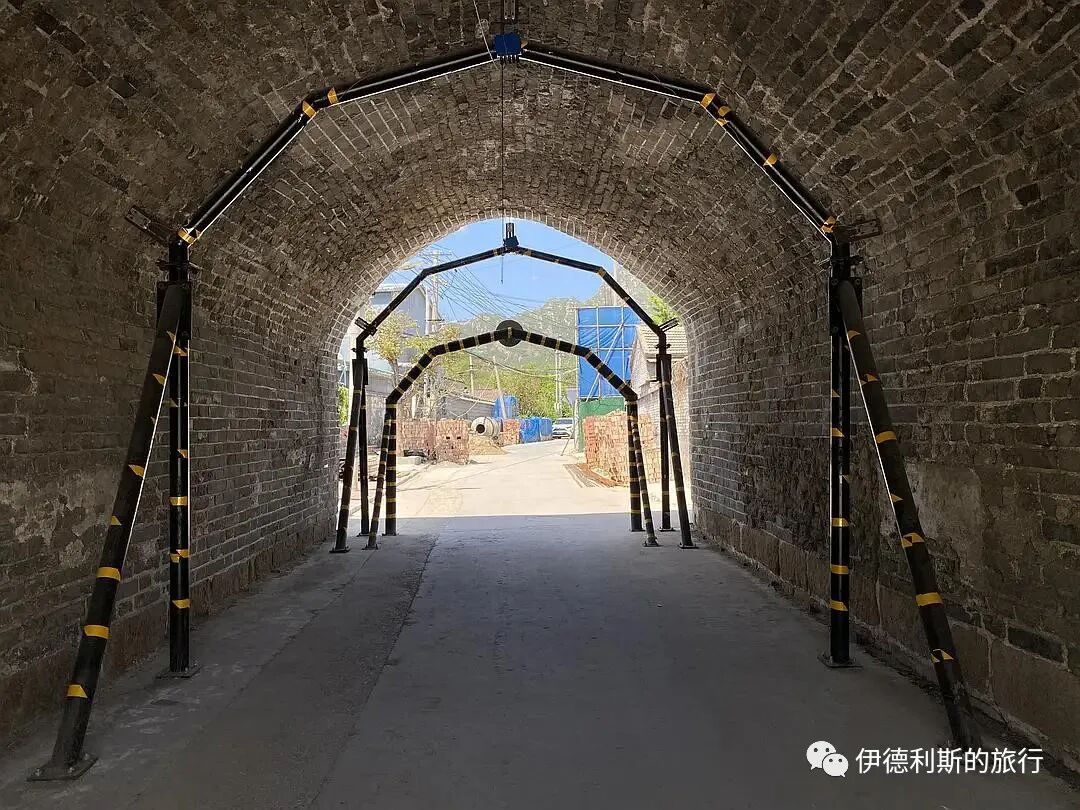
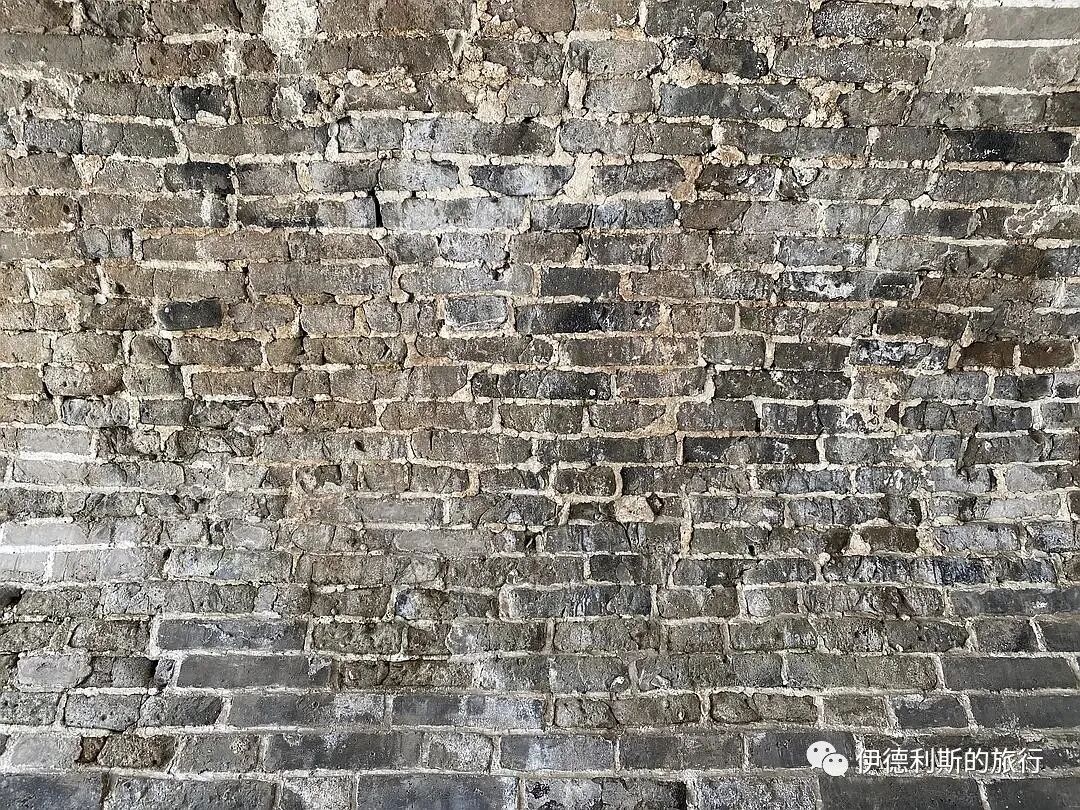
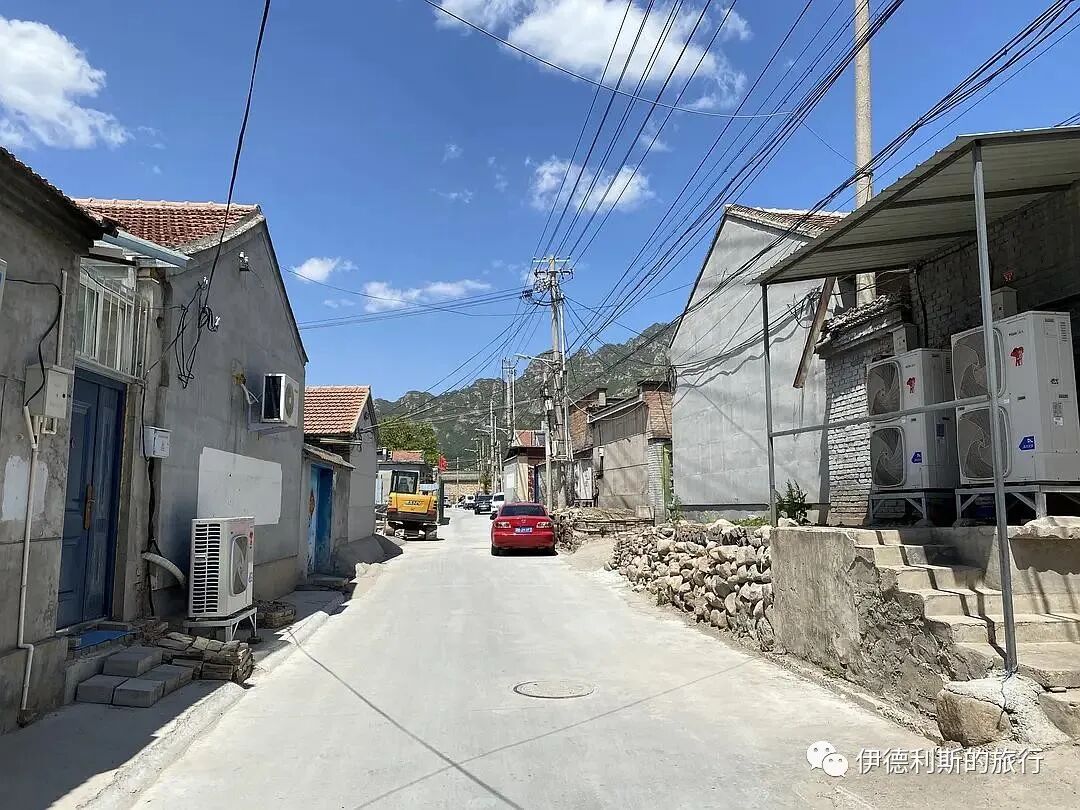
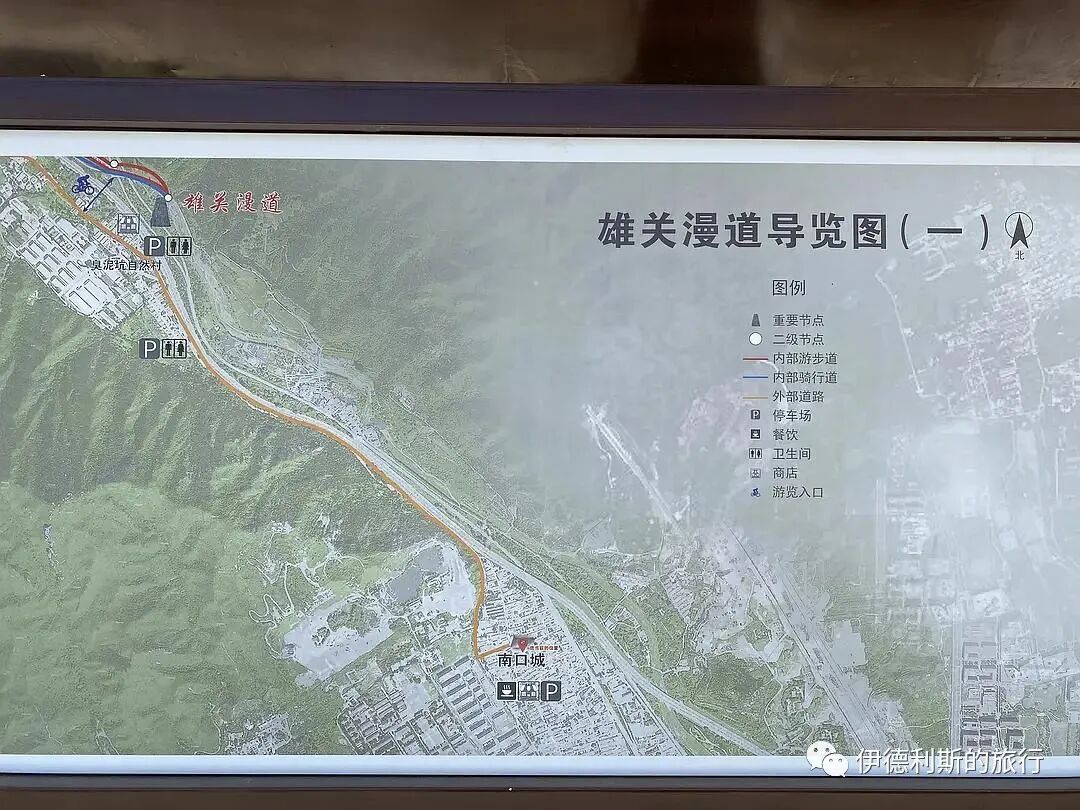
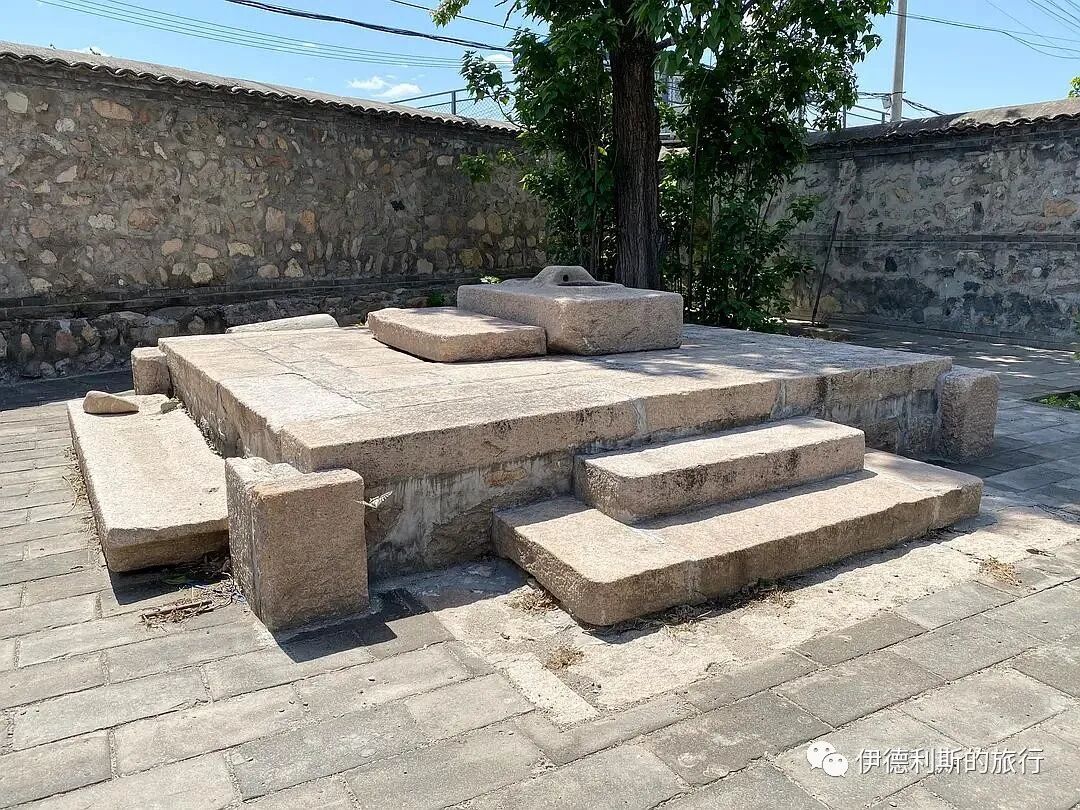
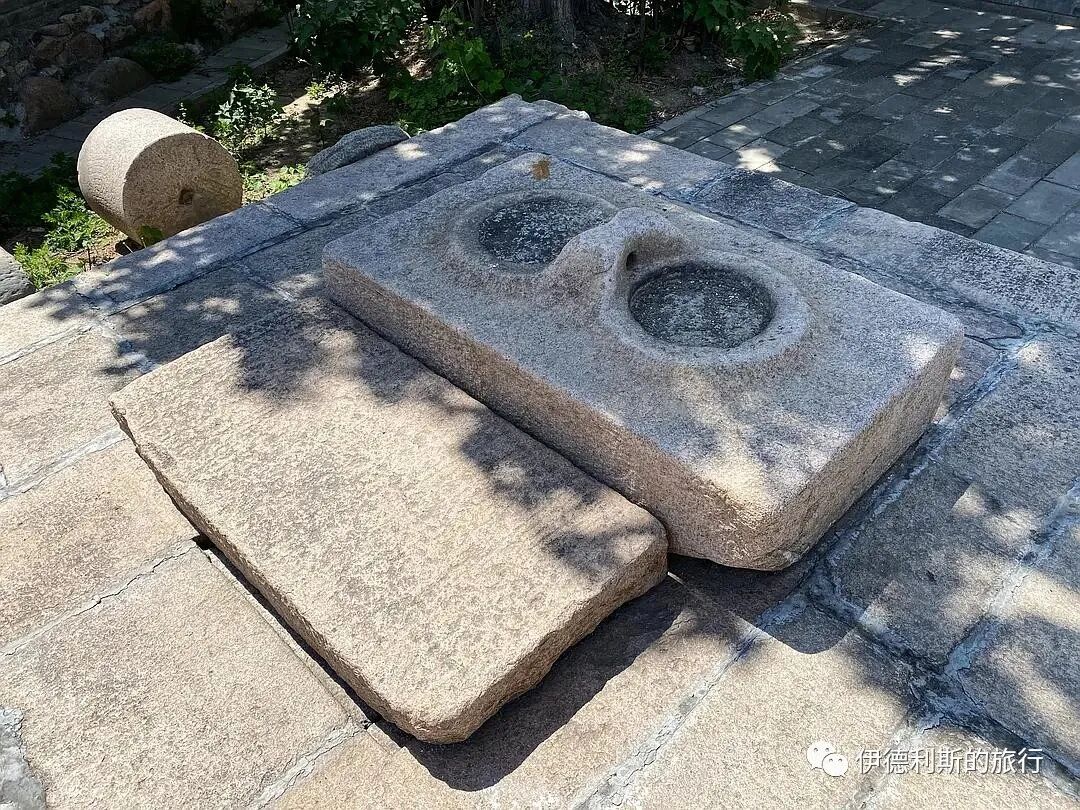
Nankou Mosque is located outside the south gate of Nankou City. Its exact founding date is unknown, but it is believed to have been built during the Ming Dynasty. The mosque houses a stone tablet from the 20th year of the Guangxu reign (1894) titled "Record of the Reconstruction of Nankou Mosque in Yanqing Prefecture." It records that Imam Yang Xiaoshan from Shixia City in Miyun was hired by Nankou Mosque in 1876. He traveled everywhere to raise donations (nietie), then built the south lecture hall in 1879, the north quiet room in 1880, and a water well in 1881. In 1887, Imam Yang moved to Shacheng Mosque in Huailai County. Nankou Mosque then hired Imam Shan Hong'en, who continued to build a water room next to the well and a main gate in the northeast corner. The current Nankou Mosque generally maintains the layout from its reconstruction during the Guangxu reign.
Nankou Mosque closed in 1958 and has not been open since. In 2005, the Changping District Cultural Relics Management Office renovated the main prayer hall and the north quiet room. There were plans to reopen it, but it has remained closed due to disputes over the mosque's property. Between 2020 and 2021, the Changping District Cultural Relics Management Office carried out another renovation of the mosque.
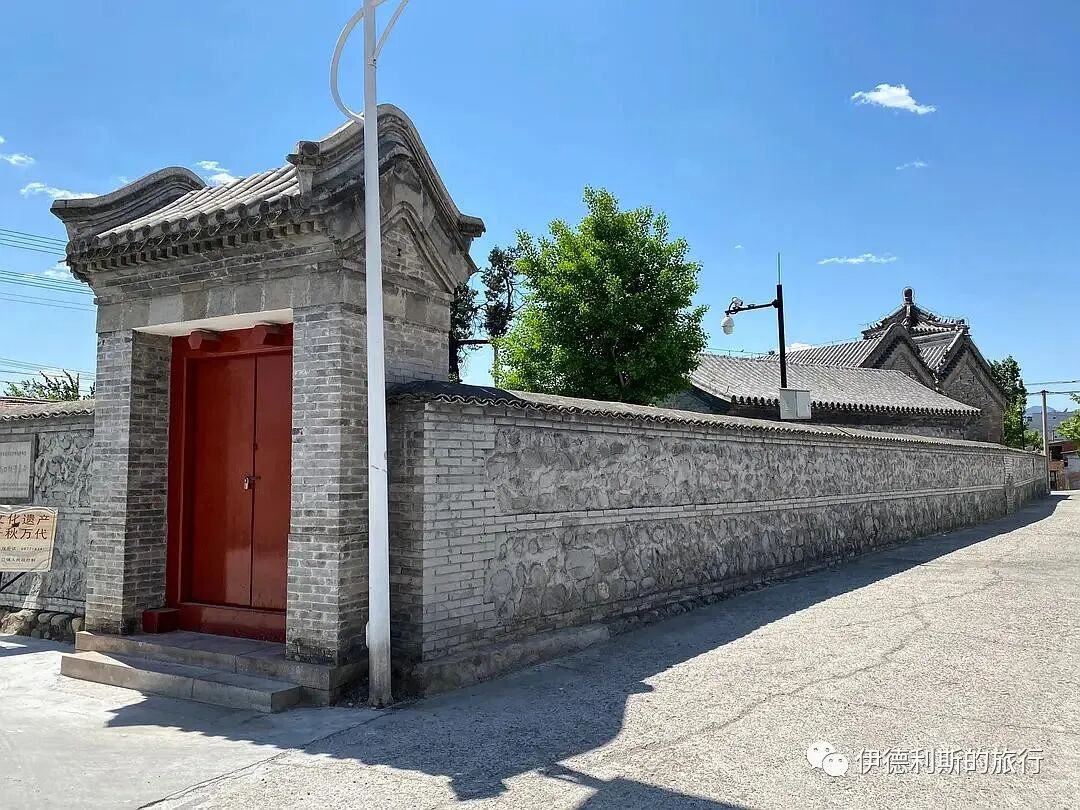
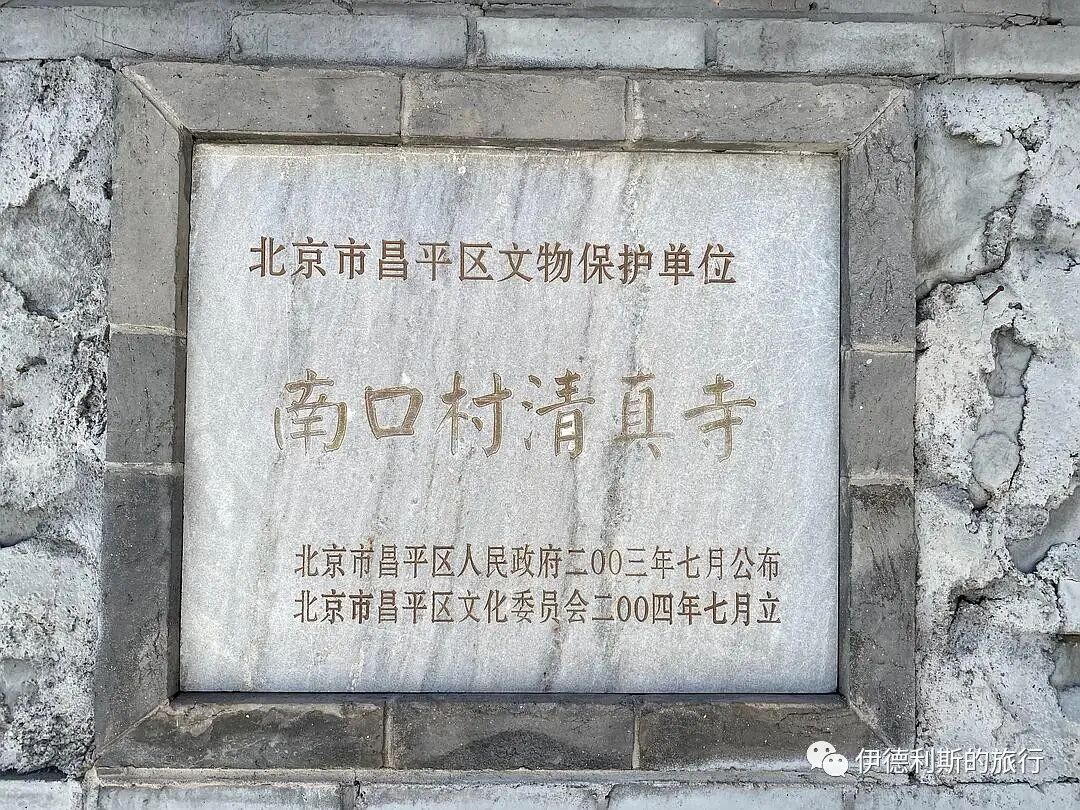
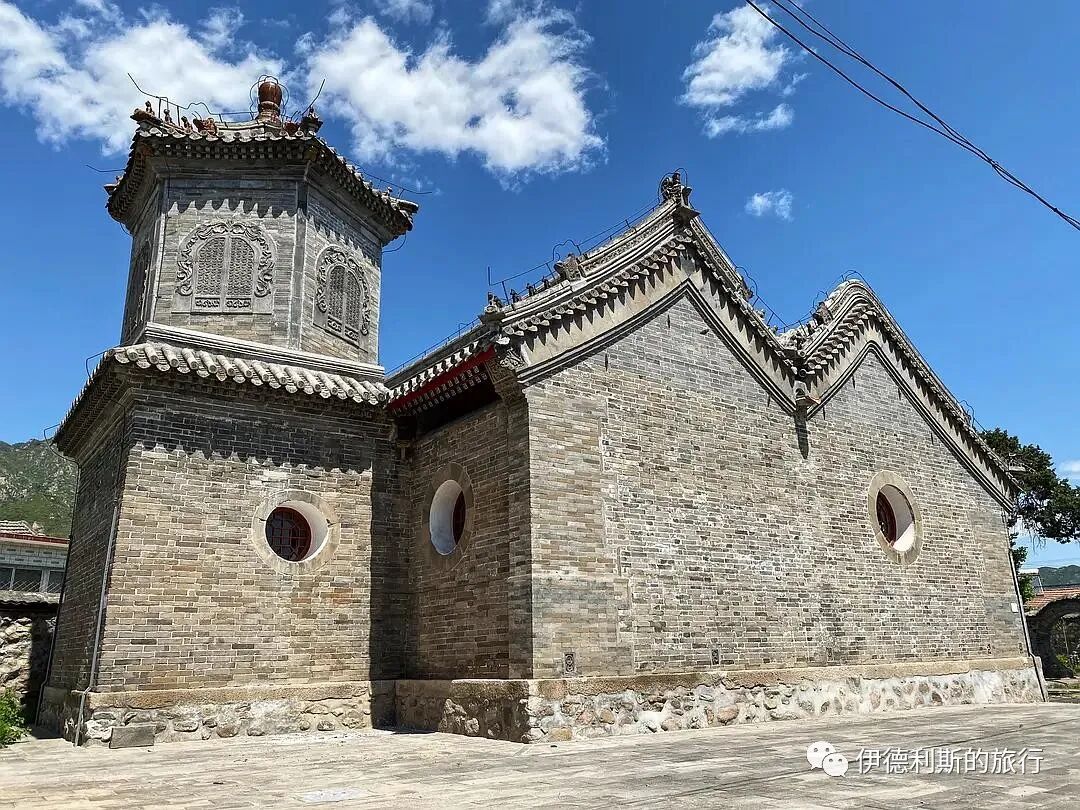
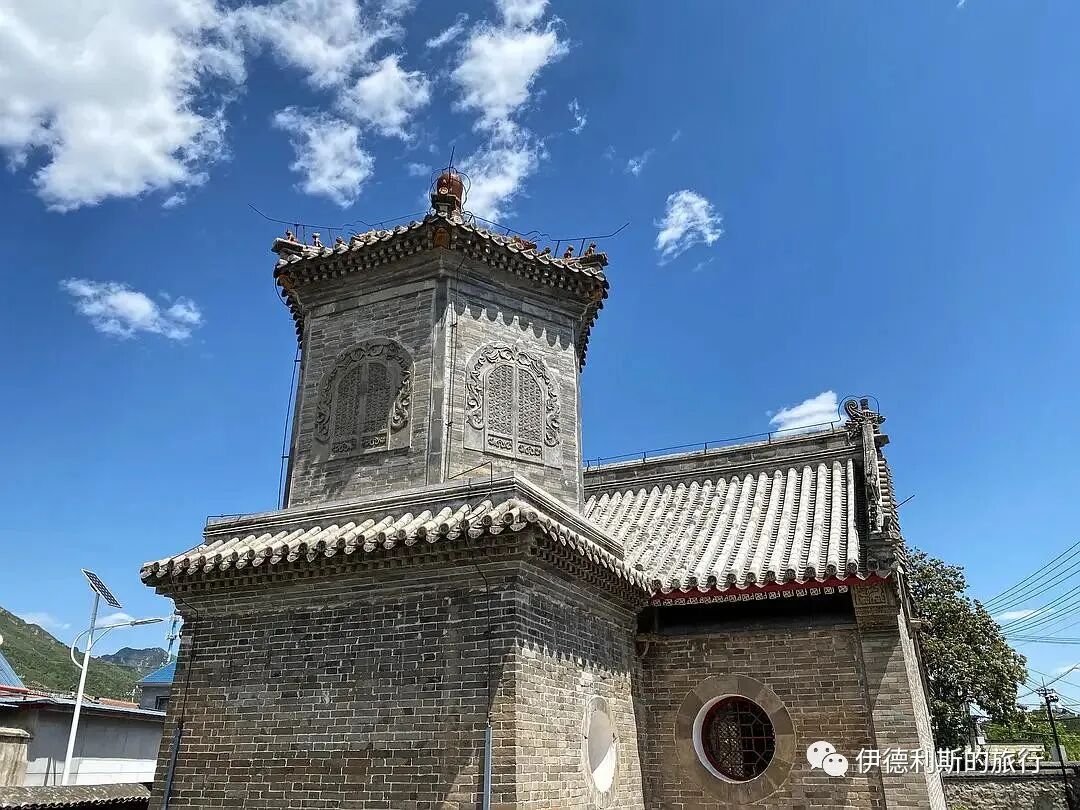
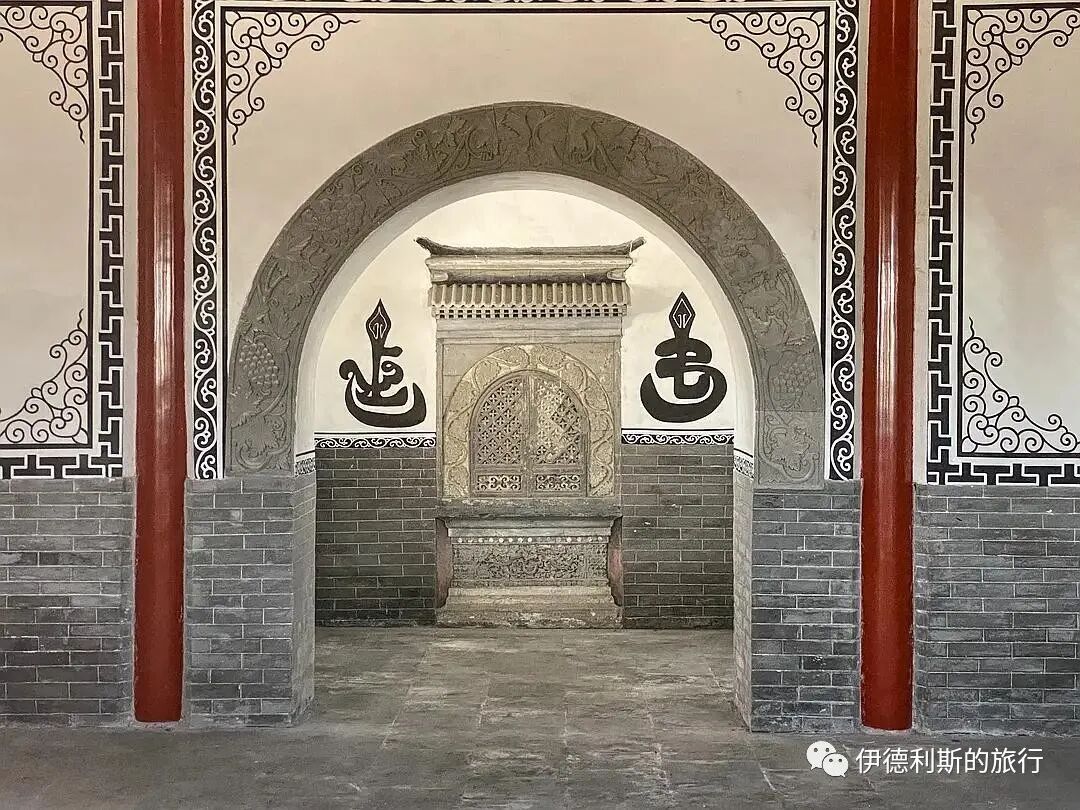
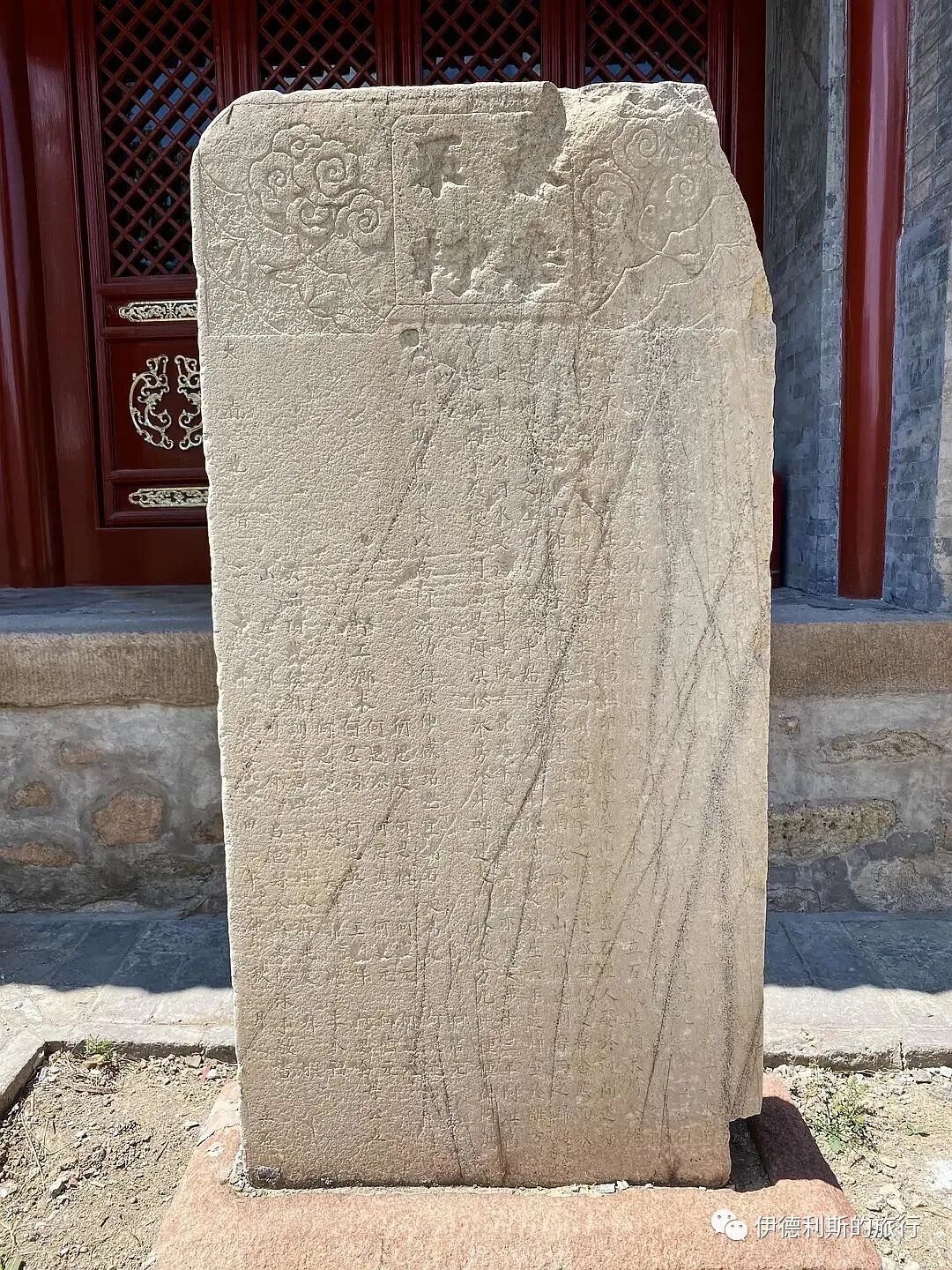
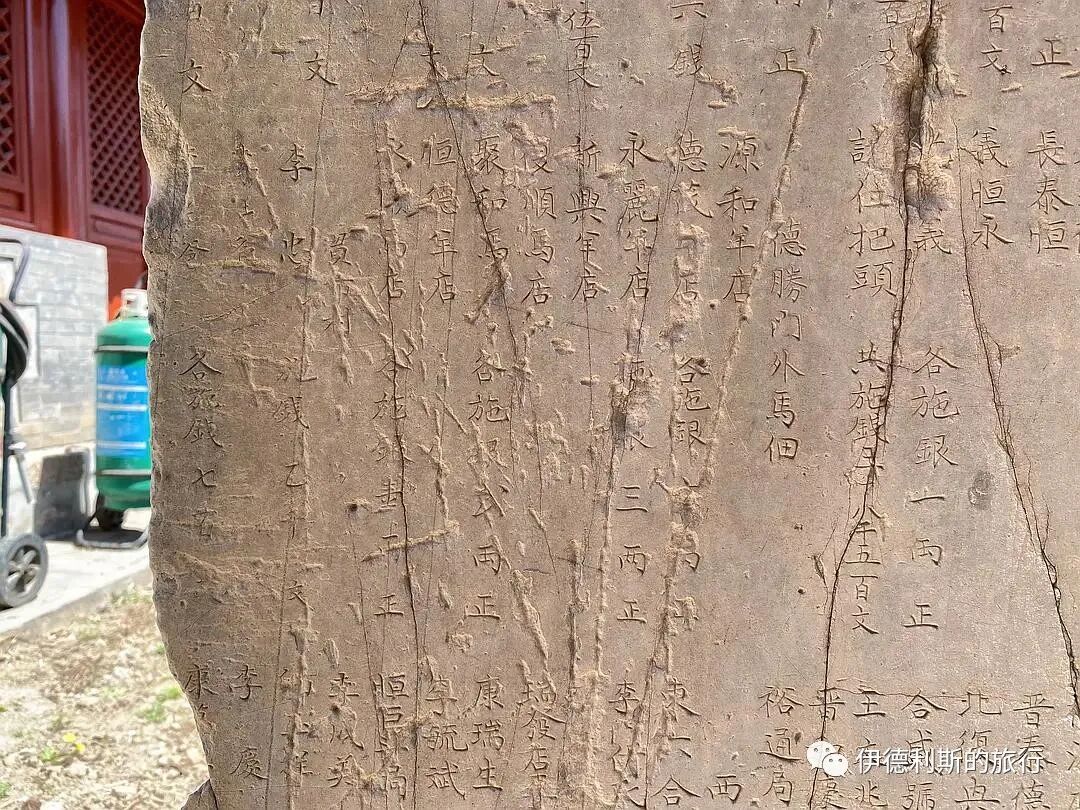
The "Record of the Reconstruction of Nankou Mosque in Yanqing Prefecture" tablet from 1894 in front of the main hall was written by Ma Zhaoqing, a Hui Muslim from Xiguanshi. He was dedicated to writing local chronicles, authored the "Changping Waizhi," and also wrote couplets for the Xiguanshi Mosque. The back of the stone tablet lists the donors who contributed to the reconstruction of Nankou Mosque during the Guangxu reign, serving as very precious historical material for the Hui Muslim community.
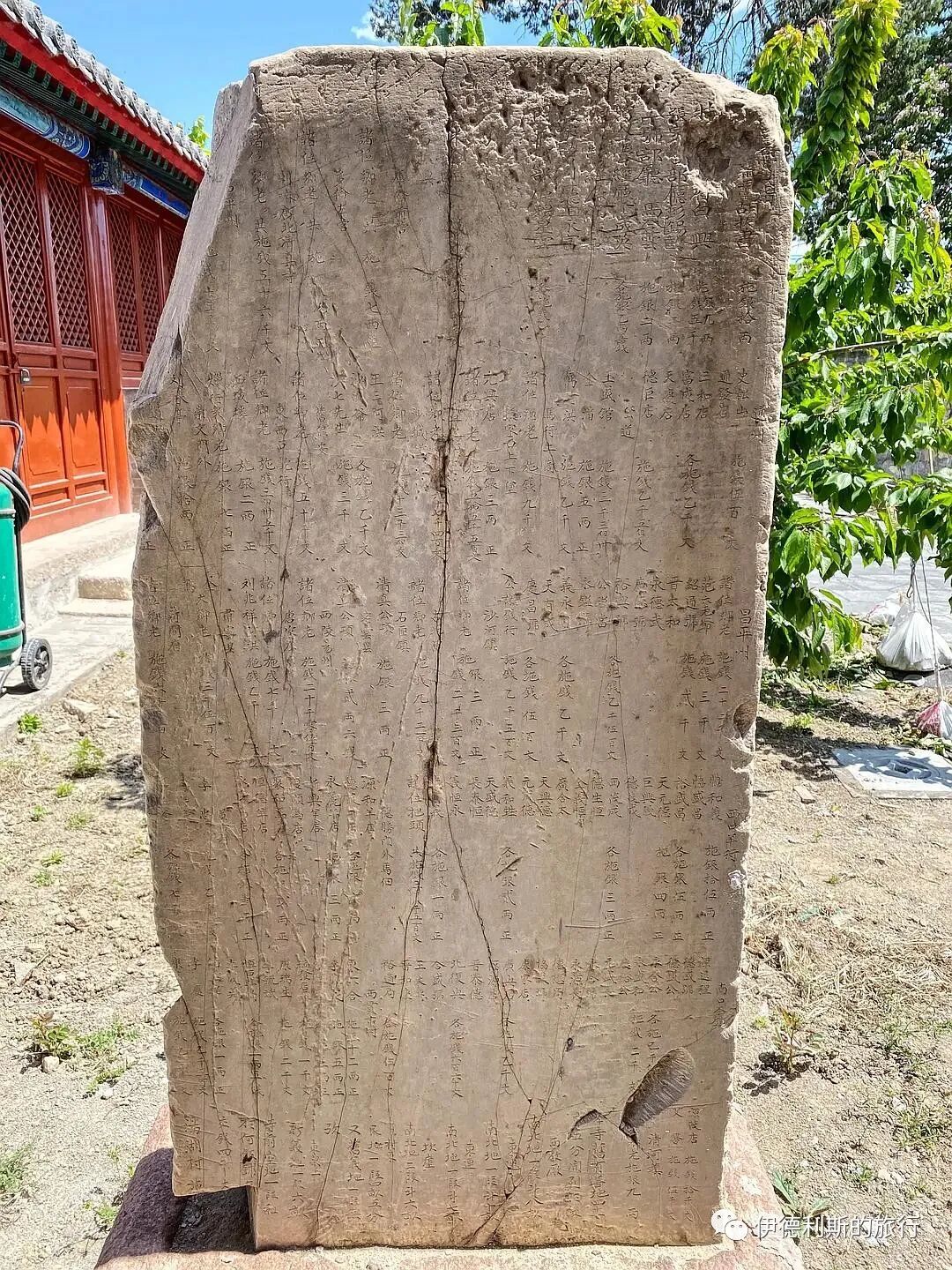
The officials who donated include the Yanqing Prefecture Magistrate (zheng tang), the Fangshan Garrison Commander (shou fu), and officials from the Zhangjiaying Department, the Second Department, the Wanquanying Administration, the Zhangjiaying Administration, and the Shandianhe Department. The zheng tang was the chief official of the prefecture, and the shou fu was a military defense officer. Zhangjiaying and Wanquanying were both Green Standard Army (Luying) units in Xuanhua Town, Zhili Province. Wanquanying is now Wanquan District in Zhangjiakou.
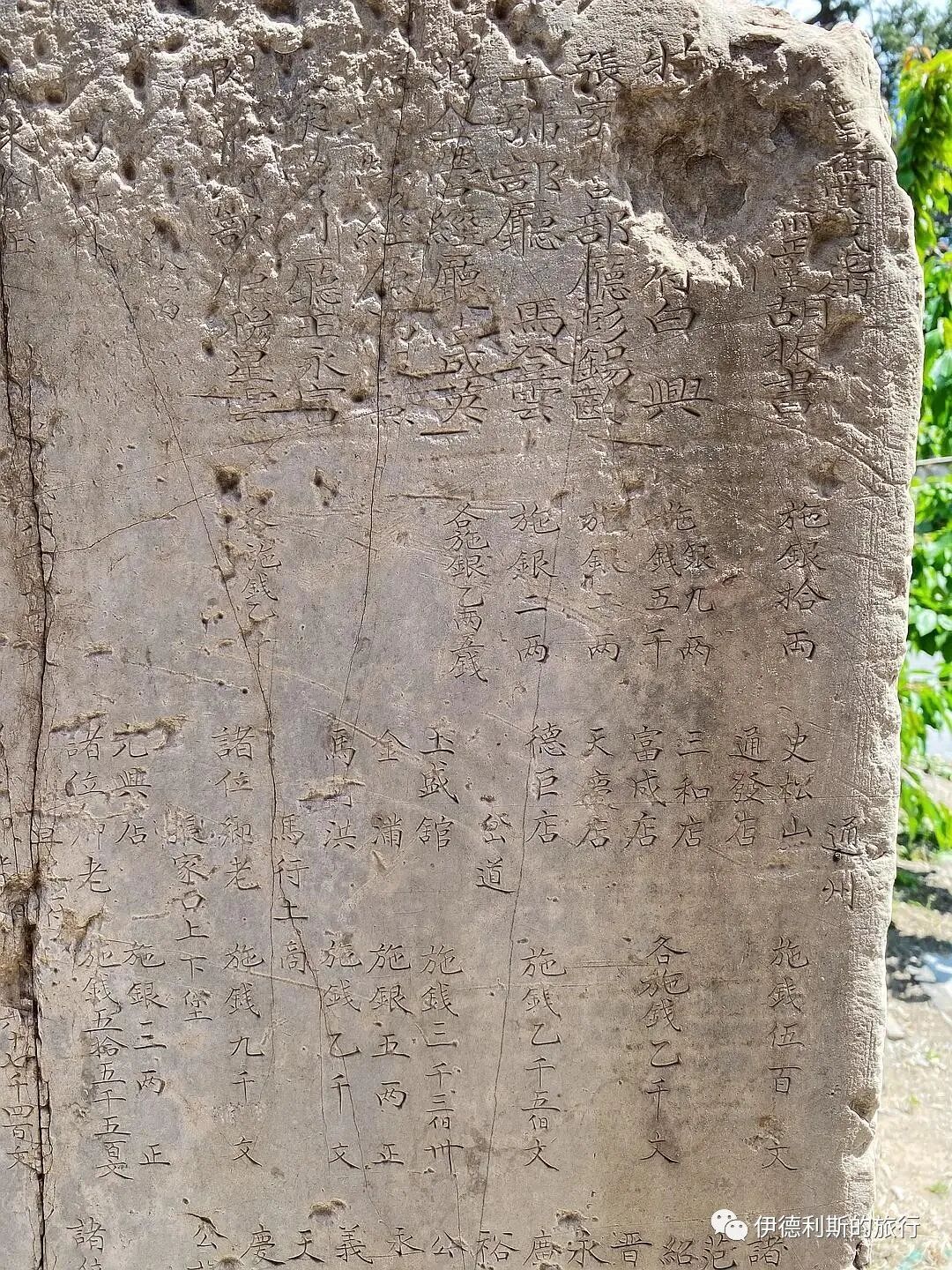
The businesses that donated money included horse traders, camel caravan operators from the east and west gates, sheep traders from the west gate, and tea merchants from Tongzhou. These are all witnesses to the modern-day 'Zou Xikou' migration and the 'Tea Horse Road'.
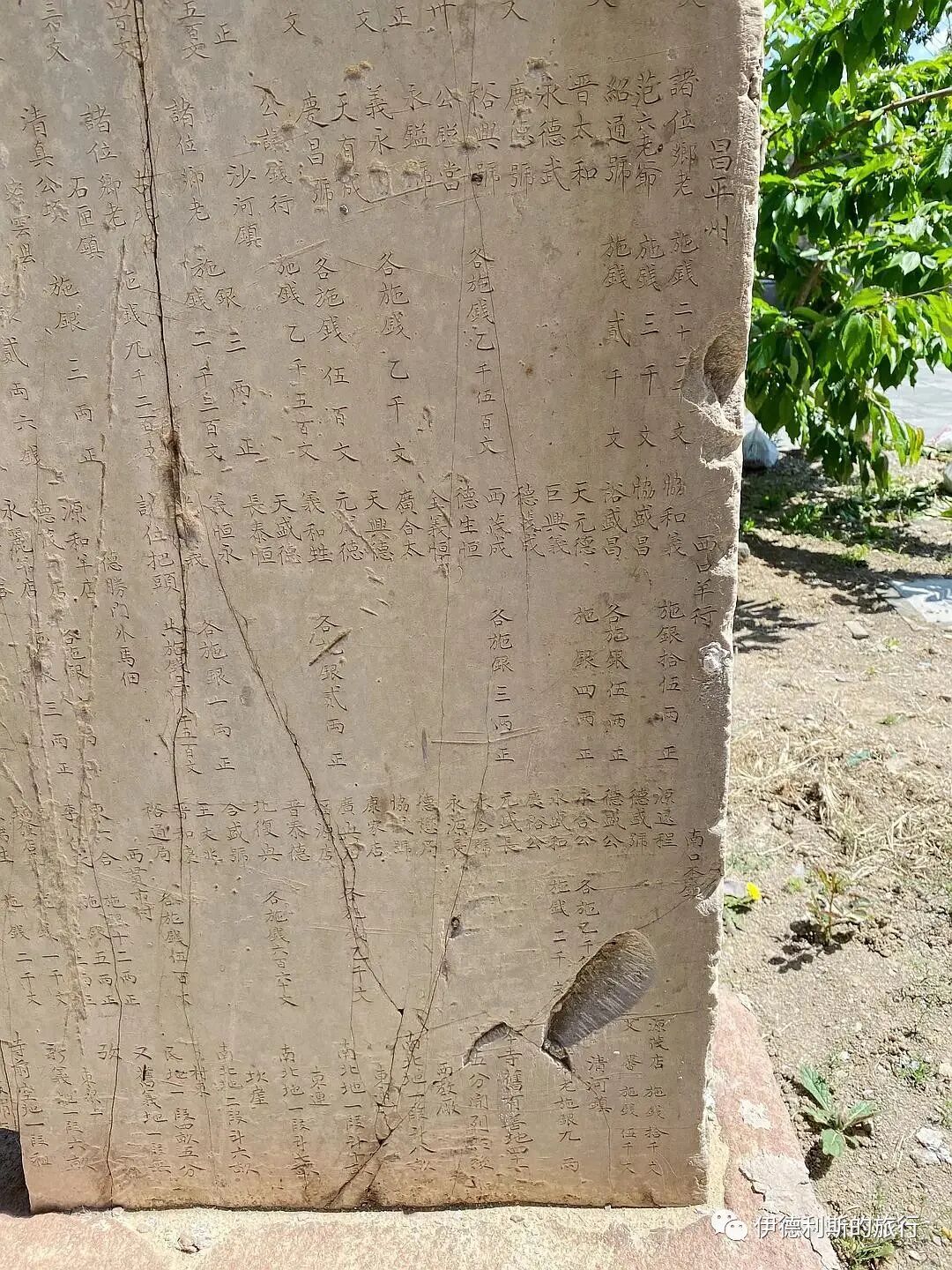
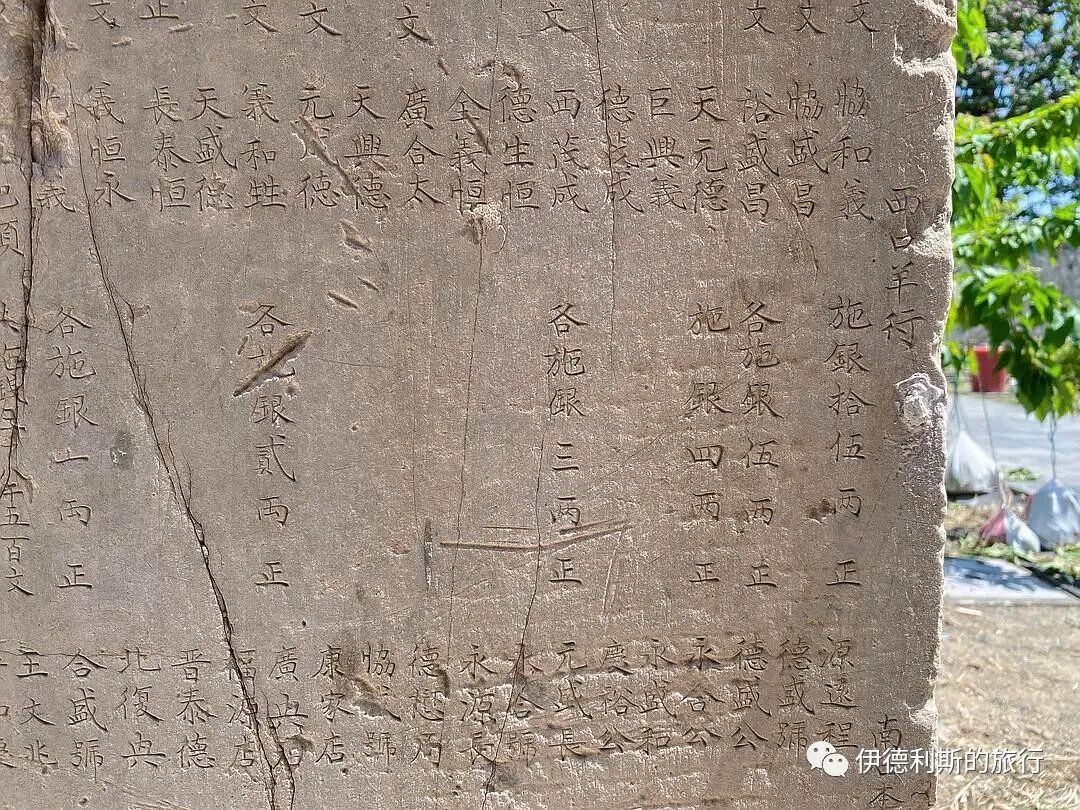
As many as 20 Hui Muslim merchant shops in Nankou town donated funds, which shows how busy Nankou was at that time. These shops were Yuanyuancheng, Deshenghao, Deshenggong, Yonghegong, Yongshenghe, Qingyugong, Yuanshengchang, Yonghehao, Yongyuanchang, Demaoju, Xiechenghao, Kangjiadian, Guangxingdian, Fuyuandian, Jintaide, Beifuxing, Heshenghao, Wangwenzhao, Jinheqing, and Yutongju.
Local Hui Muslim donors from Beijing included those from Changping Prefecture, Shahe Town, and Xiguanshi Village in Changping; Chadaocheng in Yanqing; Miyun County, Gubeikou, and Shixia Town in Miyun; as well as Tongzhou, Qinghe Town, outside Chongwenmen, and Madian outside Deshengmen. These were all Hui Muslim residential areas focused on trade, mostly located along the official road leading from outside the Great Wall into Beijing. Among these, the areas outside Chongwenmen and Madian were the most concentrated centers for Beijing's halal sheep trade. Outside Chongwenmen, there were the North and South Sheep Markets. The North Sheep Market was where Hui Muslims sold live sheep raised in the Northwest, while the South Sheep Market was the hub for Hui Muslims to slaughter and sell mutton. Madian was the main base for Beijing's sheep trade. Many people traveled thousands of miles to drive sheep from the Mongolian grasslands outside the Great Wall to Madian, where sheep shops sold them to various mutton stalls across Beijing. The stone inscription records five sheep shops that donated funds: Yuanhe, Demao, Yongli, Xinxing, and Hengde.
Heading north from Madian, the Hui Muslim donors came from Qinghe Town, Shahe Town, and Changping Prefecture, before reaching Nankou. Qinghe and Shahe were both commercially prosperous because they were located on the official road leading out of the pass, which led Hui Muslims to settle there. donors included those from Xiguanshi, an important Hui Muslim village near Nankou. The Hui Muslims there were skilled at running security escort agencies (biaoju) and made a living by providing protection for those traveling the 'Zou Xikou' route. Continuing north from Nankou is Chadao City, which was a very important fortress. The Yushanguan restaurant was funded by the descendants of Yu Wannian, a Hui Muslim from Xuanhua County who served as a garrison commander in Chadao in the ninth year of the Xianfeng reign (1859). To this day, the Yu family remains the only Hui Muslim household in Chadao City.
Leaving Chadao City, you enter the area of present-day Zhangjiakou City. The Hui Muslims who provided funding came from Shacheng Fort (Shacheng Town, Huailai County), Jiu Bao'an (Zhuolu County), Langwo (Zhuolu County), Xuanhua Prefecture (Xuanhua District), and the upper and lower forts of Zhangjiakou (Zhangjiakou urban area). Traveling out of the pass from Zhangjiakou, the Hui Muslims who provided funding reached as far as important trading ports on the Mongolian Plateau, such as Guihua City (Hohhot), Duolun (Duolun County, Xilin Gol League), and Kulun (Ulaanbaatar). some of the Hui Muslims who provided funding came from southern Hebei, including Xiling Yizhou (Yi County) and Tangjiazhuang (Dingzhou) in Baoding, as well as Suning County and Hejian Prefecture in Cangzhou. This may be related to the fact that Imam Yang Xiaoshan once lived in Hejian.
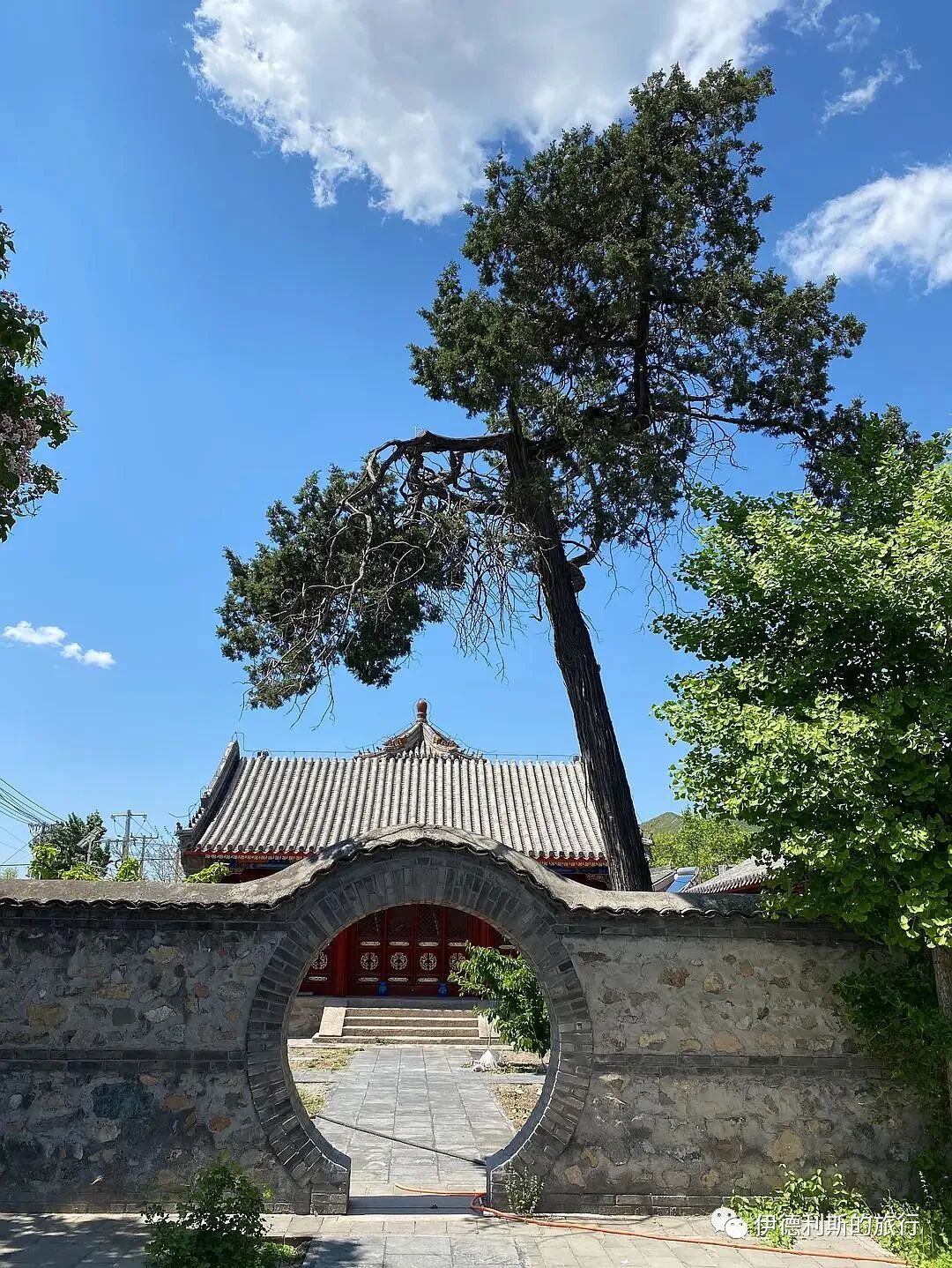
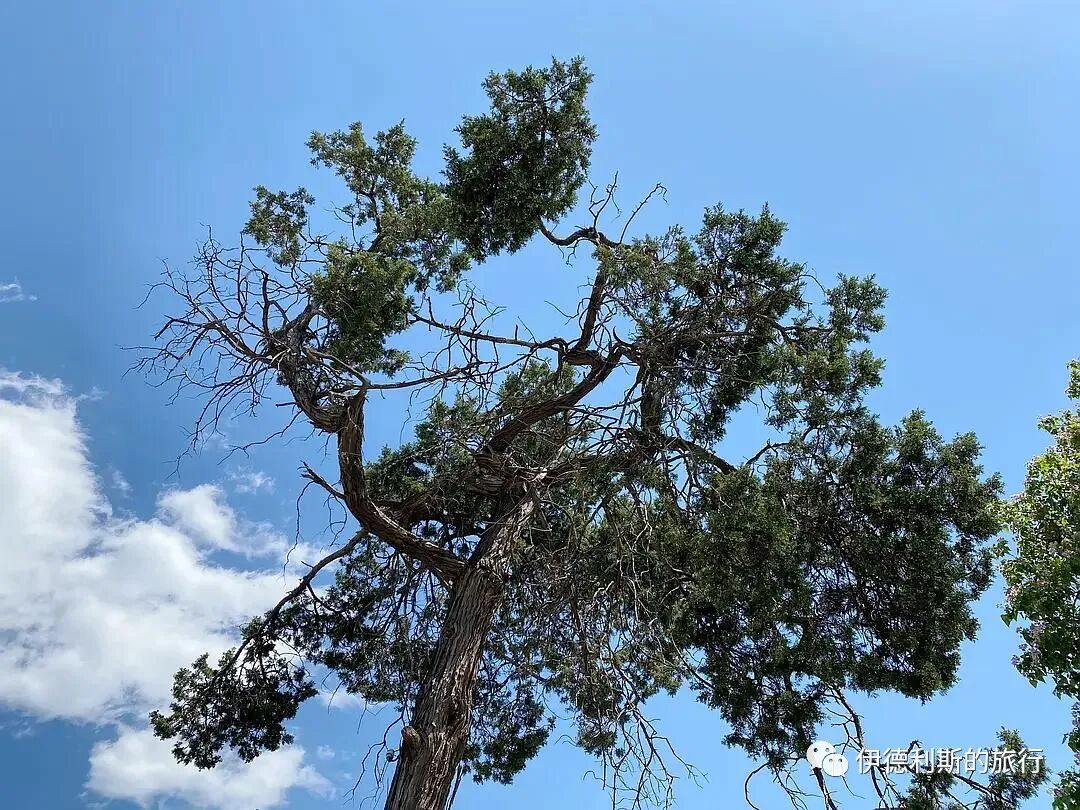
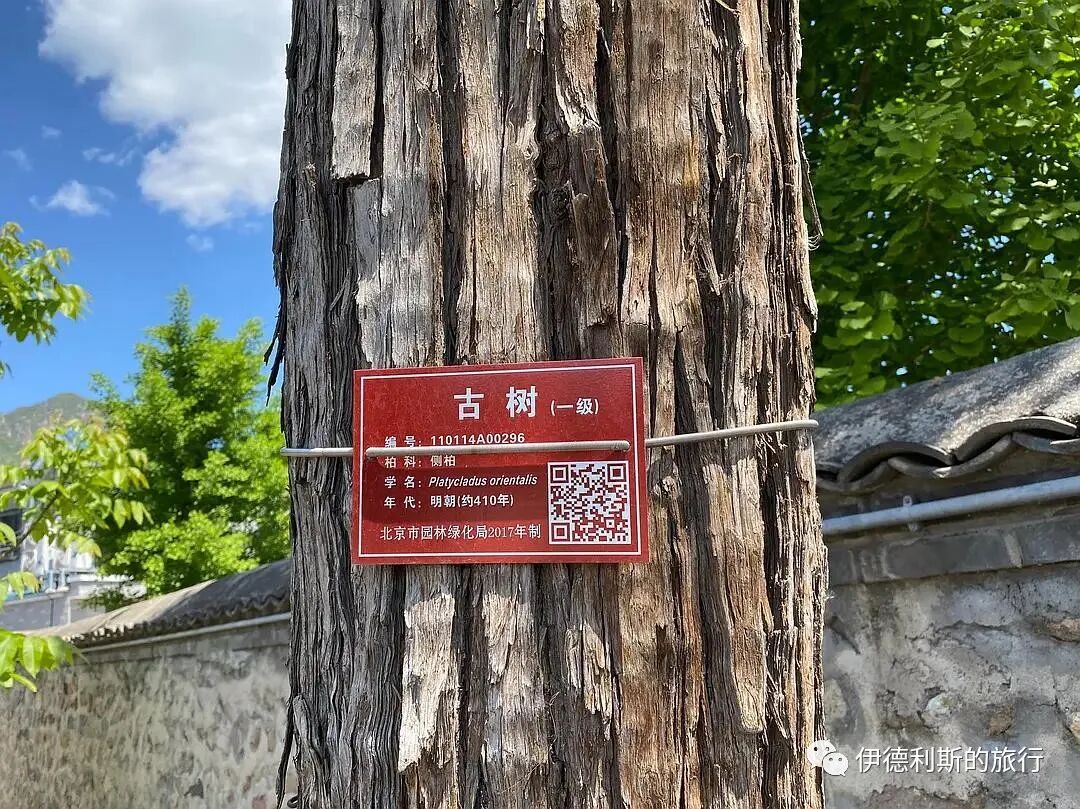
The ancient cypress tree preserved in the courtyard is the only relic from the Ming Dynasty in the mosque.
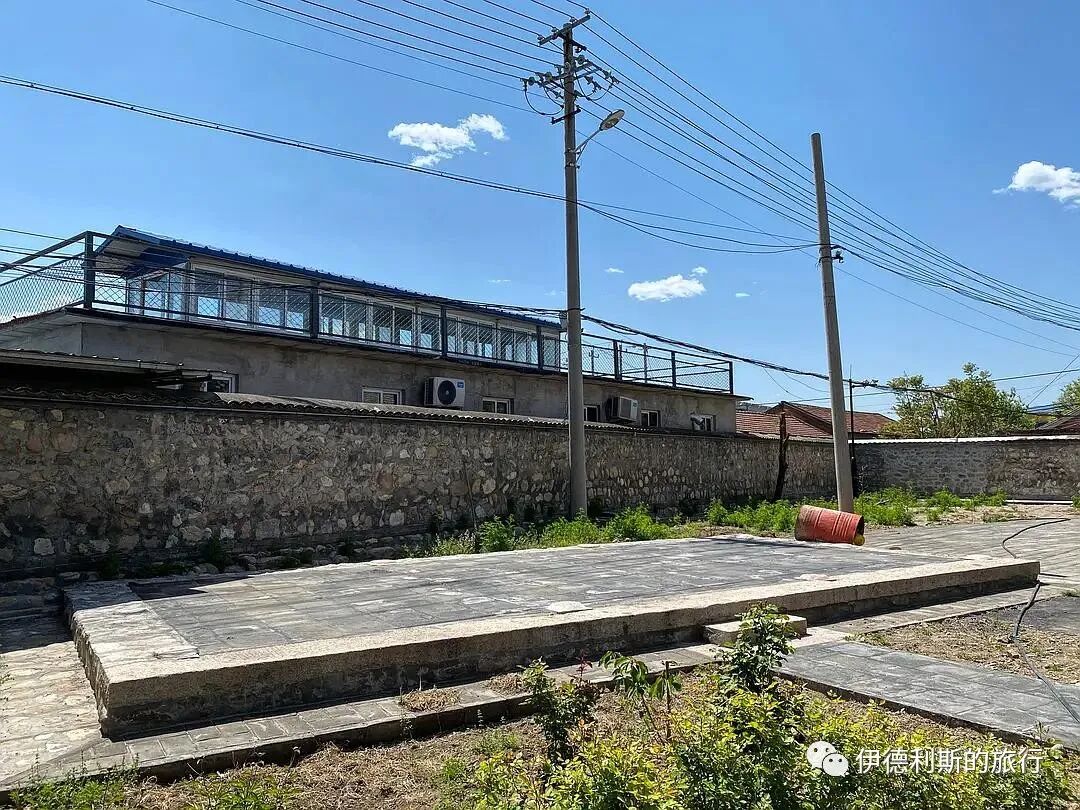
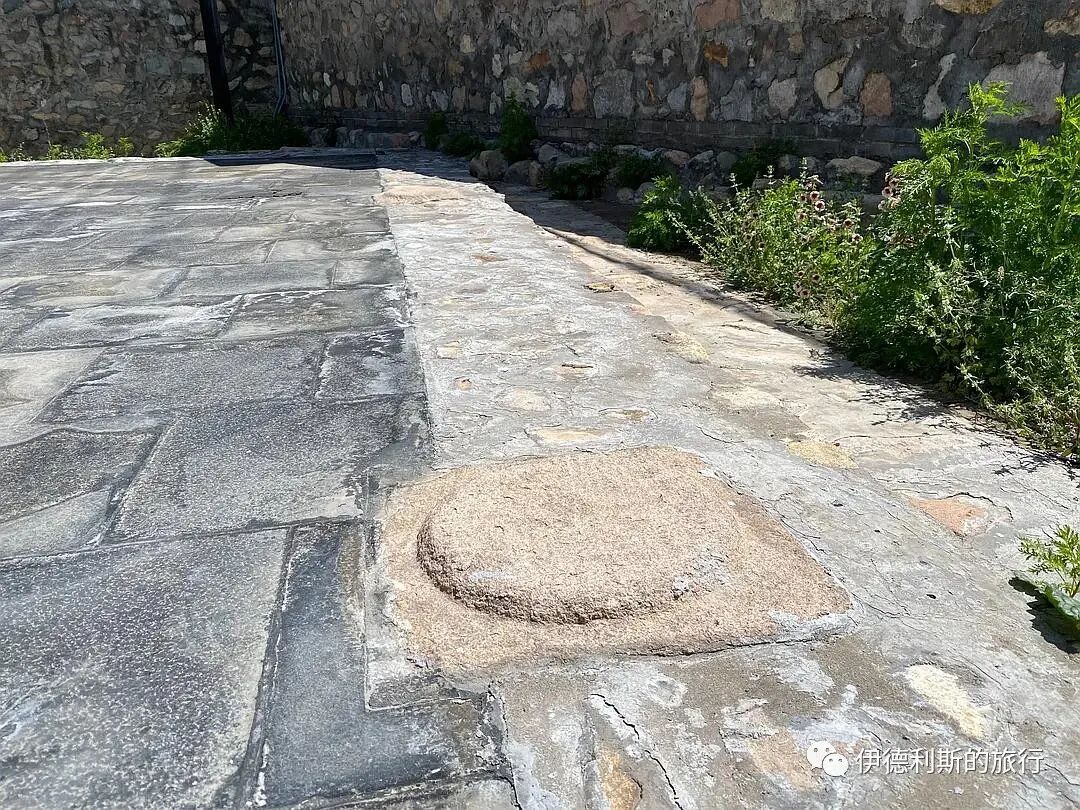
The South Lecture Hall, built in 1879, now only has its foundation remaining.
The North Quiet Room, built in 1880.
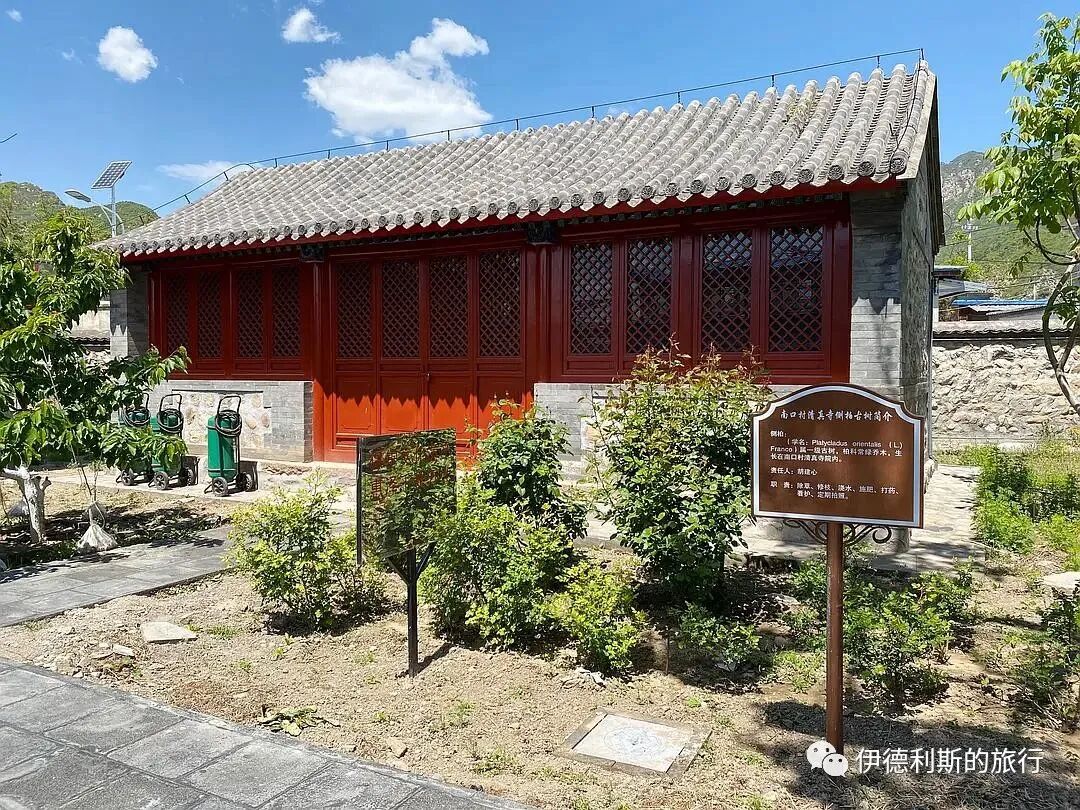
The water well, built in 1881.
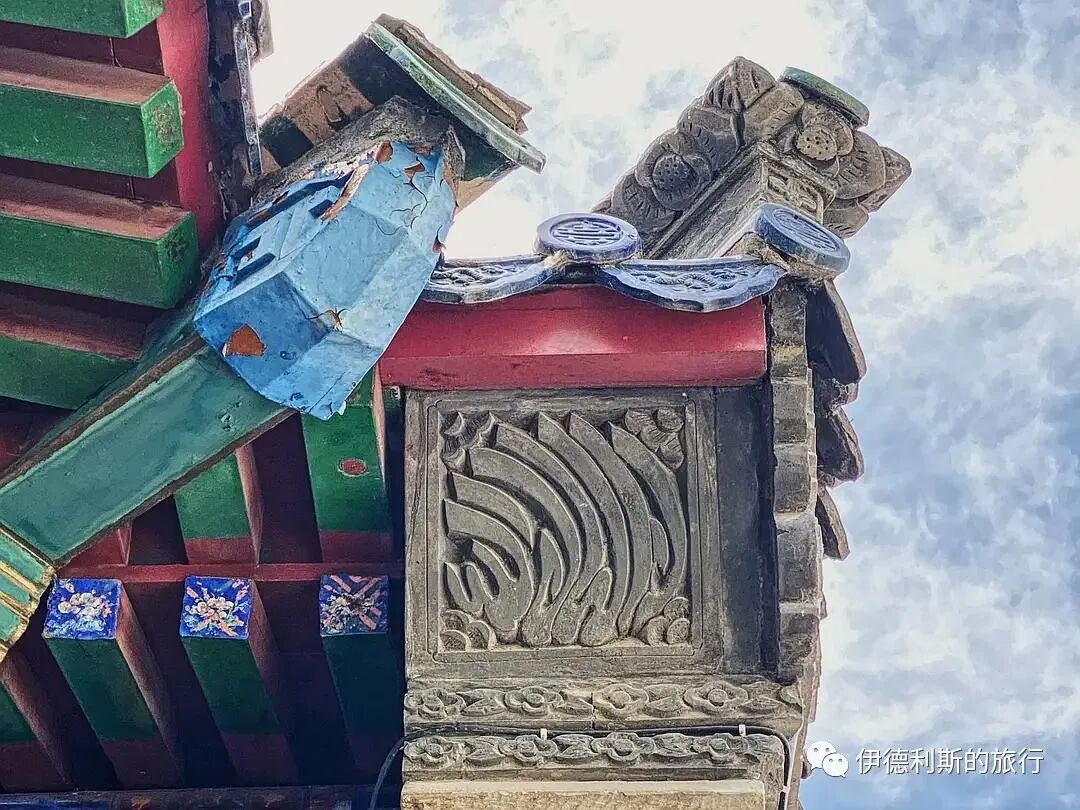
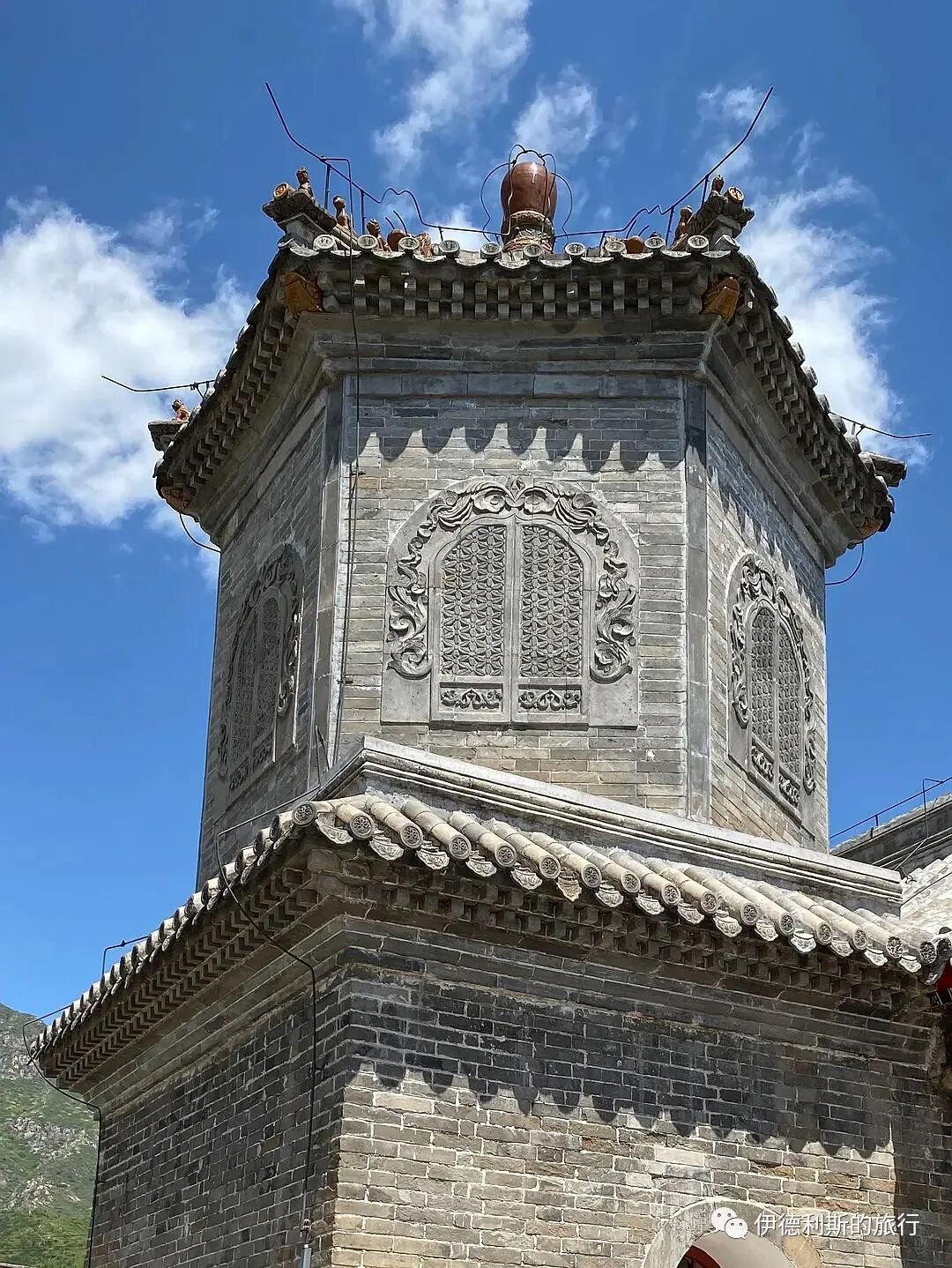
Brick carvings on the main hall.
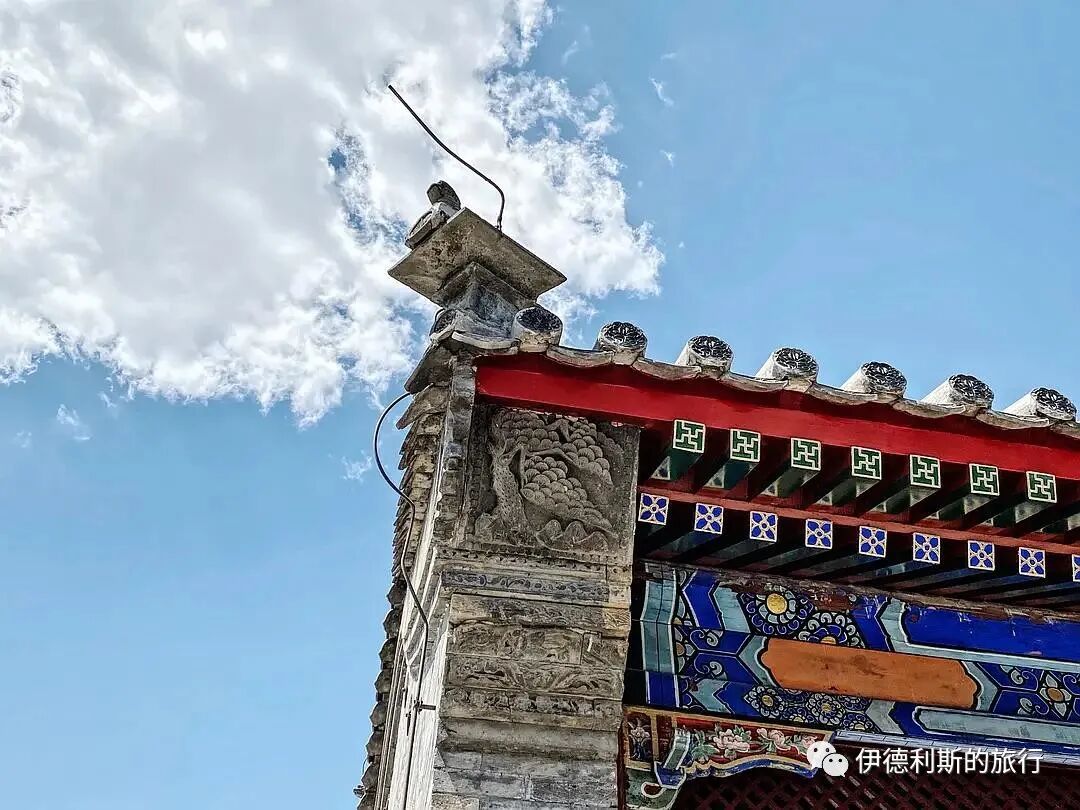
7. Chadao Mosque.
Chadao City is the first fortress gate when entering Beijing from outside the Great Wall via the Jundu Pass, one of the eight passes of the Taihang Mountains. It served as an outpost for Juyong Pass. From here, you can head west through Huailai to reach Xuanhua and Zhangjiakou, or head north to reach Yanqing and Yongning, which is why it is called Chadao, meaning 'Forked Road'. Chadao City was built in 1473 during the Chenghua reign of the Ming Dynasty. It was rebuilt with brick reinforcements twice during the Jiajing and Longqing reigns and served as an important pass to defend against Mongol invasions. After the Qing Dynasty began, Chadao City became a key route for merchants traveling to the capital from the northwest. Trade grew frequent, the city became increasingly prosperous, and many shops and inns opened. To meet the needs of traveling Hui Muslim merchants, a mosque was built inside the city.
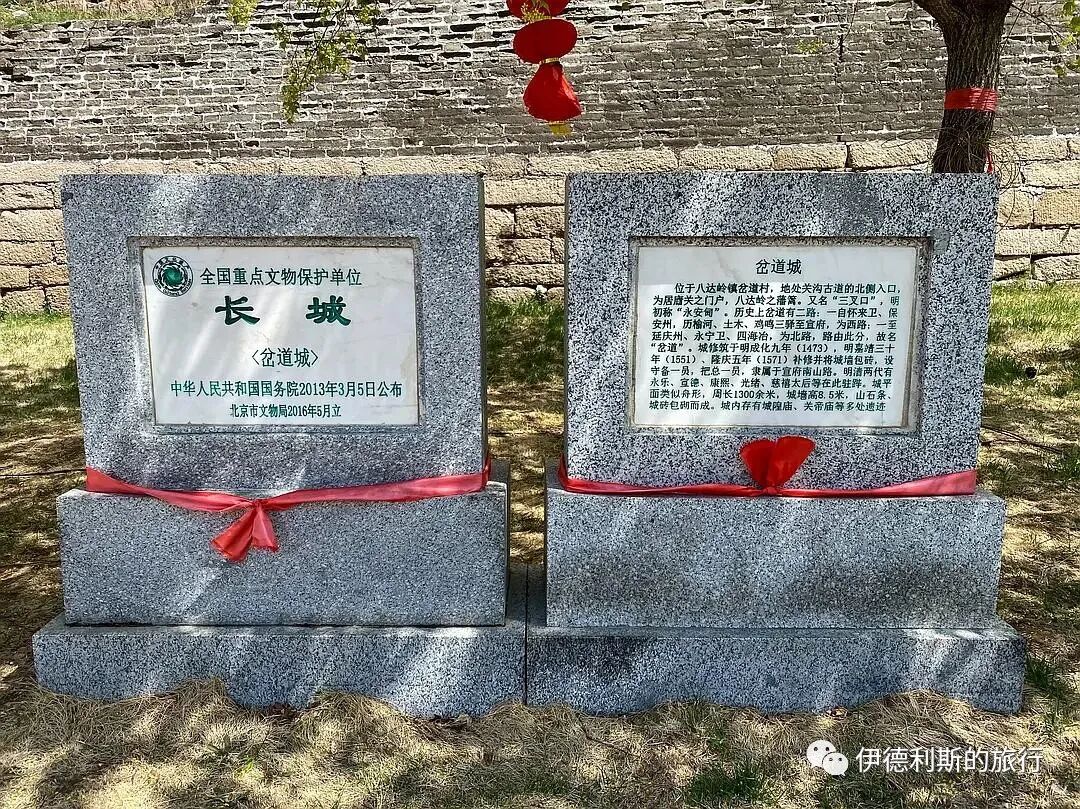
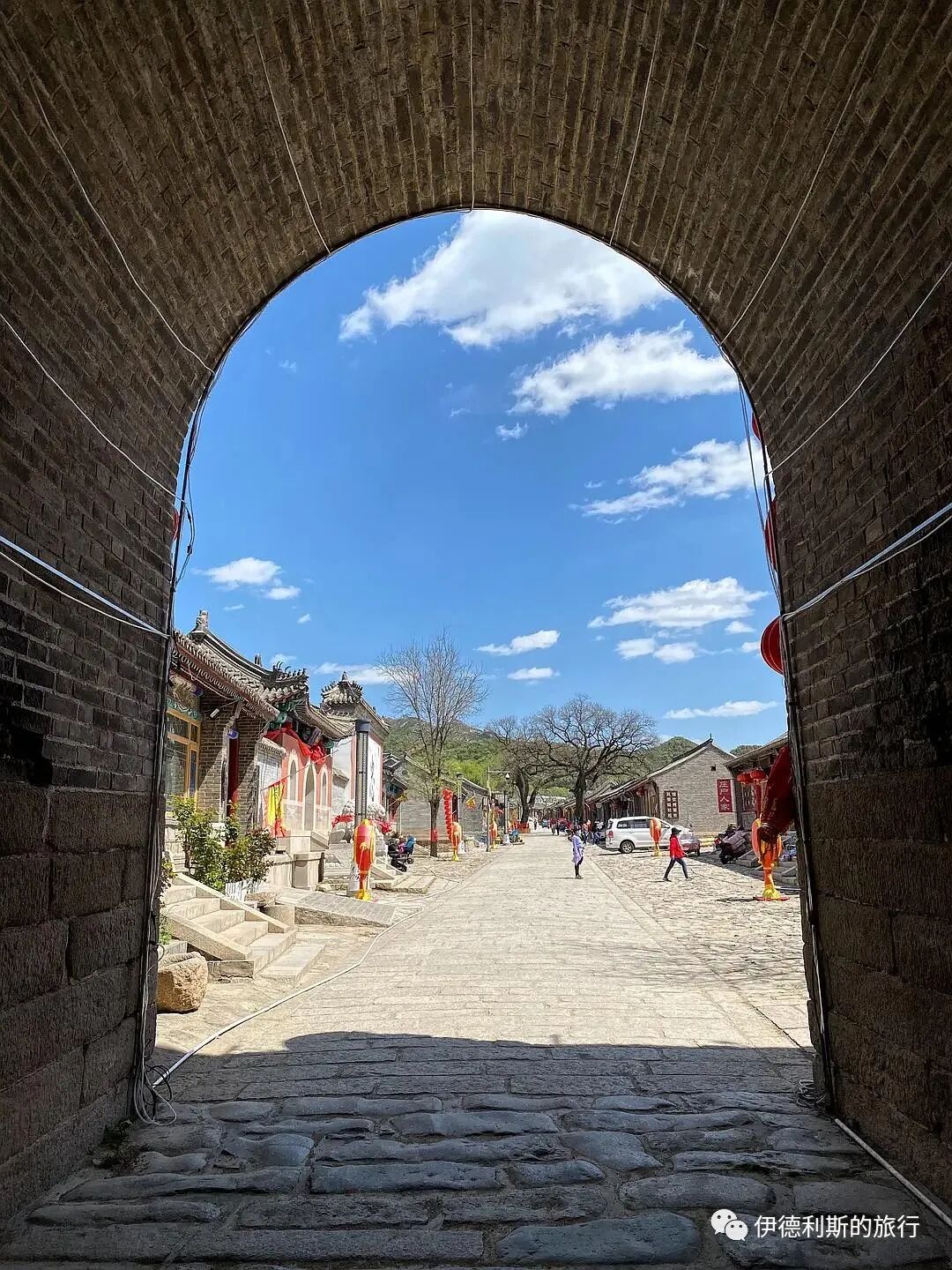
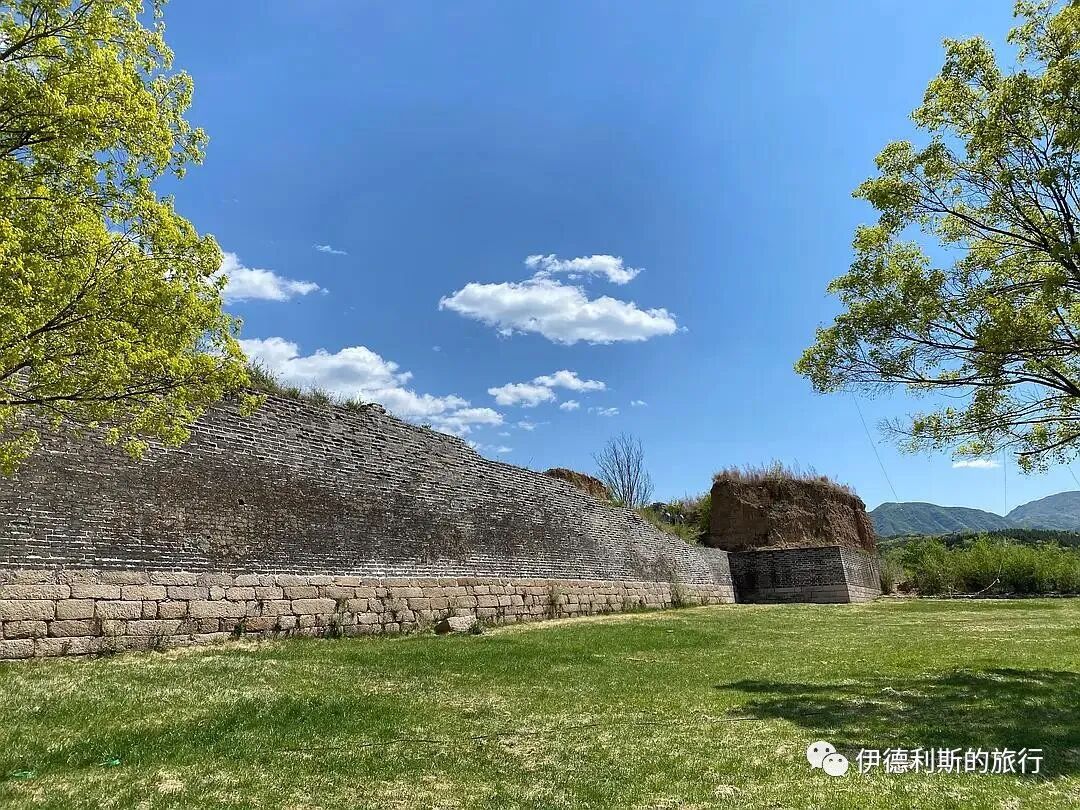
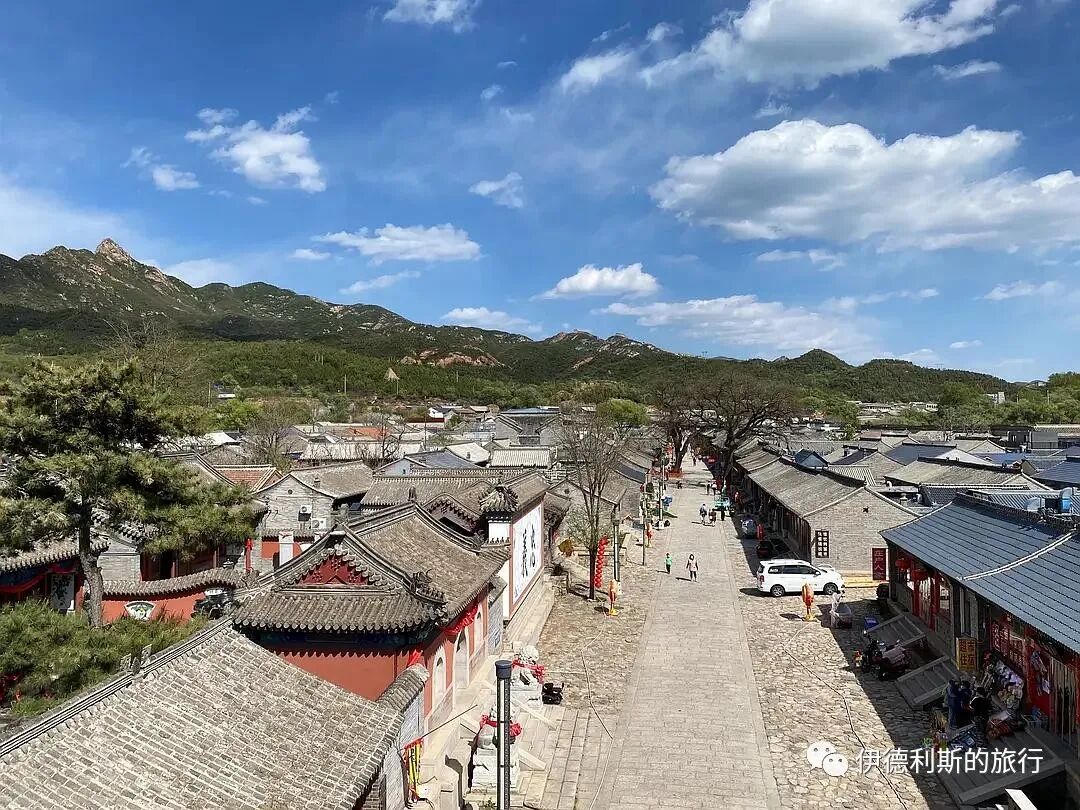
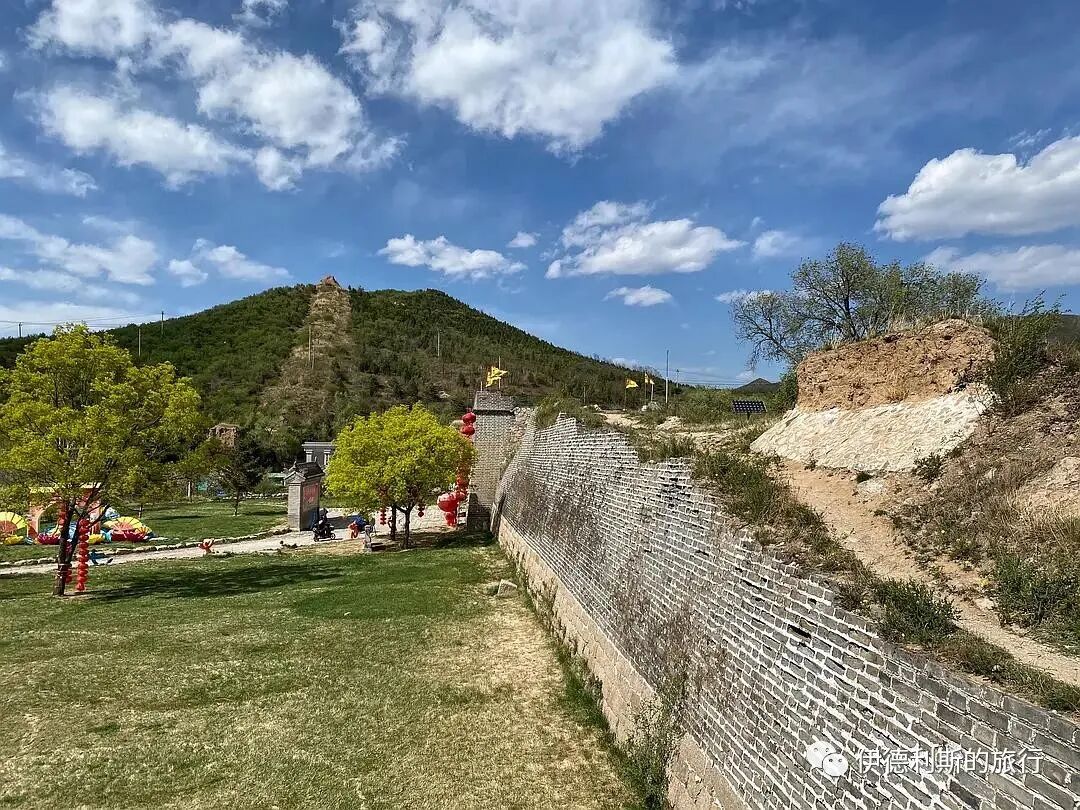
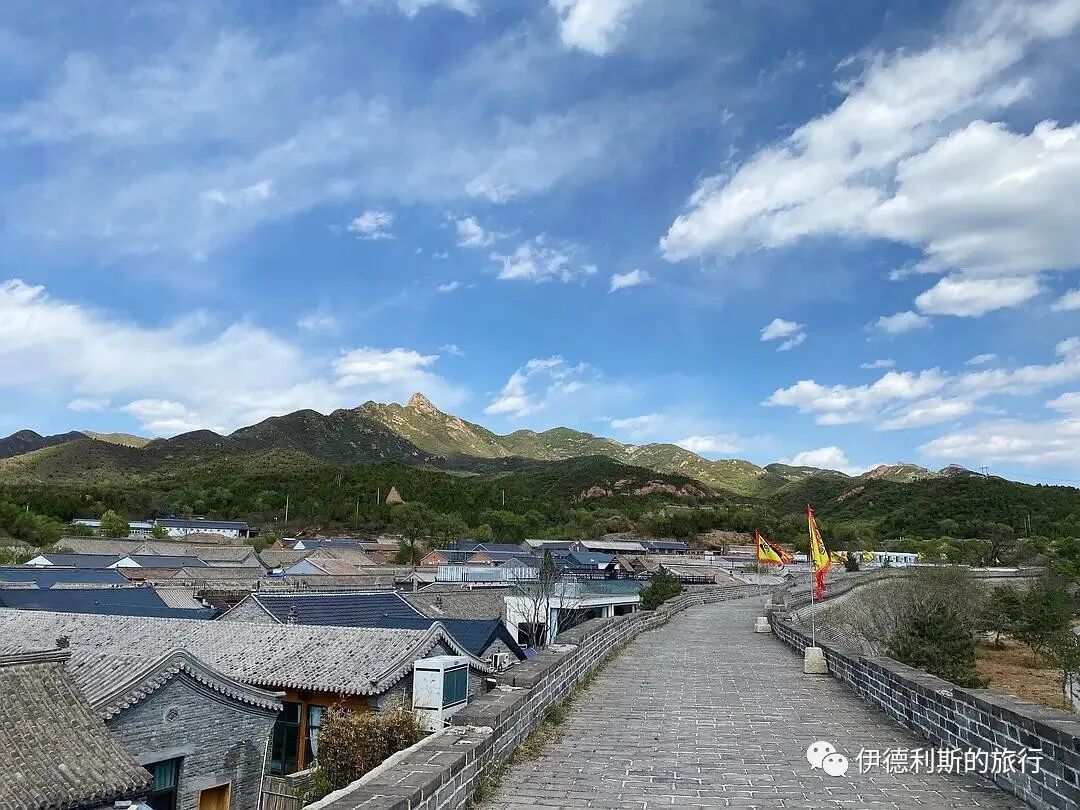
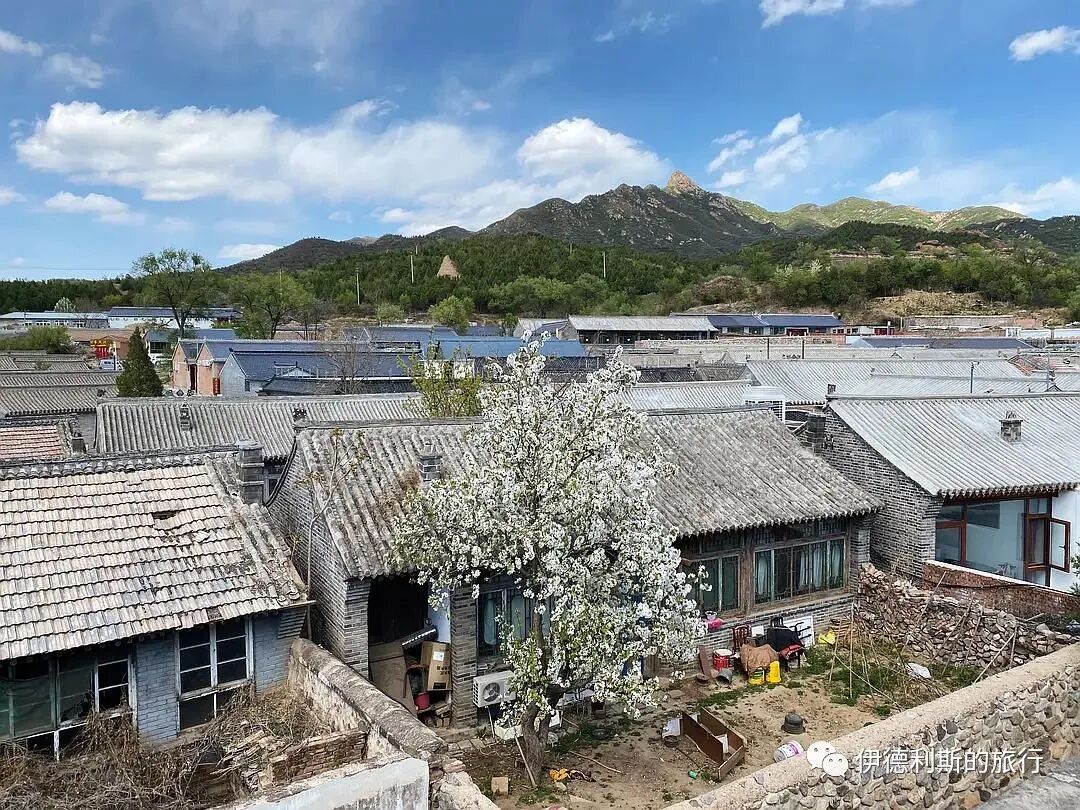
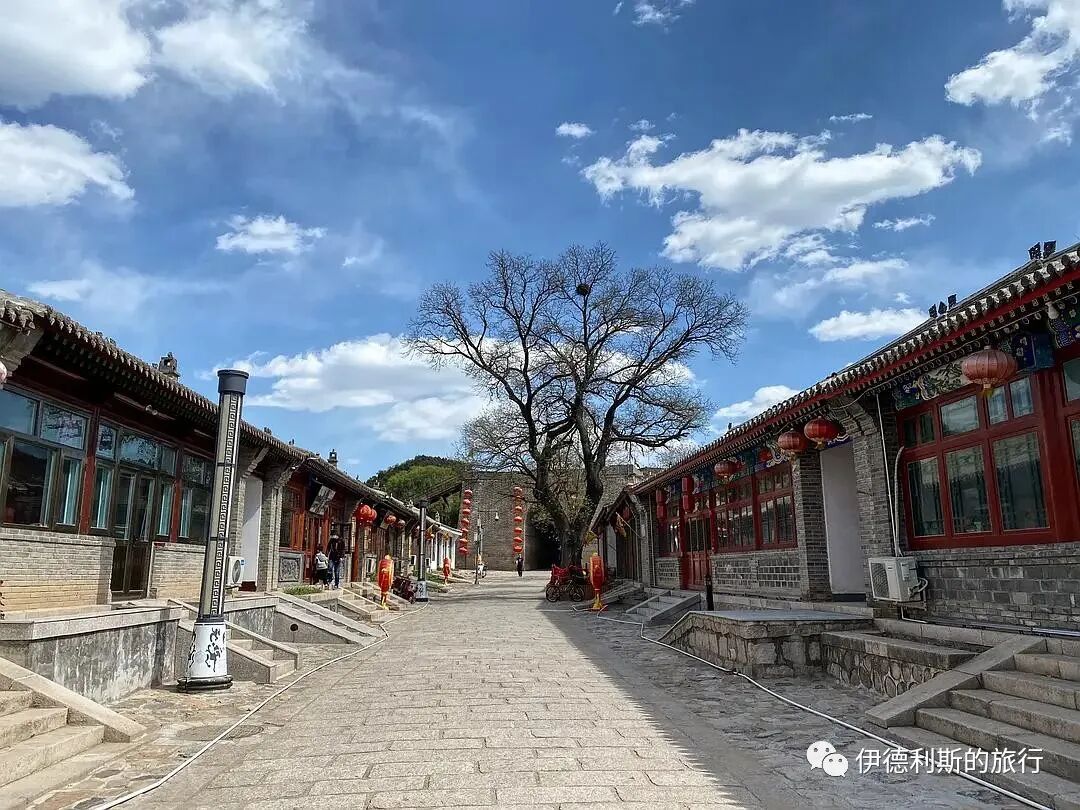
The exact founding date of the Chadao Mosque is unknown. According to the late Qing Dynasty record 'Summary of Local Gazetteers of Yanqing Prefecture,' a Hui Muslim from Xuanhua County named Yu Wannian was appointed as a local military officer (bazong) in Chadao in 1859. After he left office, his descendants settled there. Later, Hui Muslim families named Li and Jin also moved to Chadao, bringing the total number of Hui Muslims to 51. In the book 'Outside the City Walls,' a collection of Beijing oral histories by Ding Yizhuang, a Hui Muslim named Li Shouxun from Xiguanshi says his great-uncle opened a shop in Chadao City and eventually settled there. This confirms the record in the 'Summary of Local Gazetteers of Yanqing Prefecture' about the Li family of Hui Muslims living in Chadao City. According to a 1894 stone tablet titled 'Record of the Reconstruction of the Nankou Mosque in Yanqing Prefecture,' three businesses from Chadao City donated to the Nankou Mosque: Yushengguan, Jinmanhe, and Ma Ahong. Yushengguan was run by the descendants of the Chadao military officer Yu Wannian, Jinman was a Hui Muslim who later settled in Chadao, and Ma Ahong was likely the imam of the Chadao Mosque.
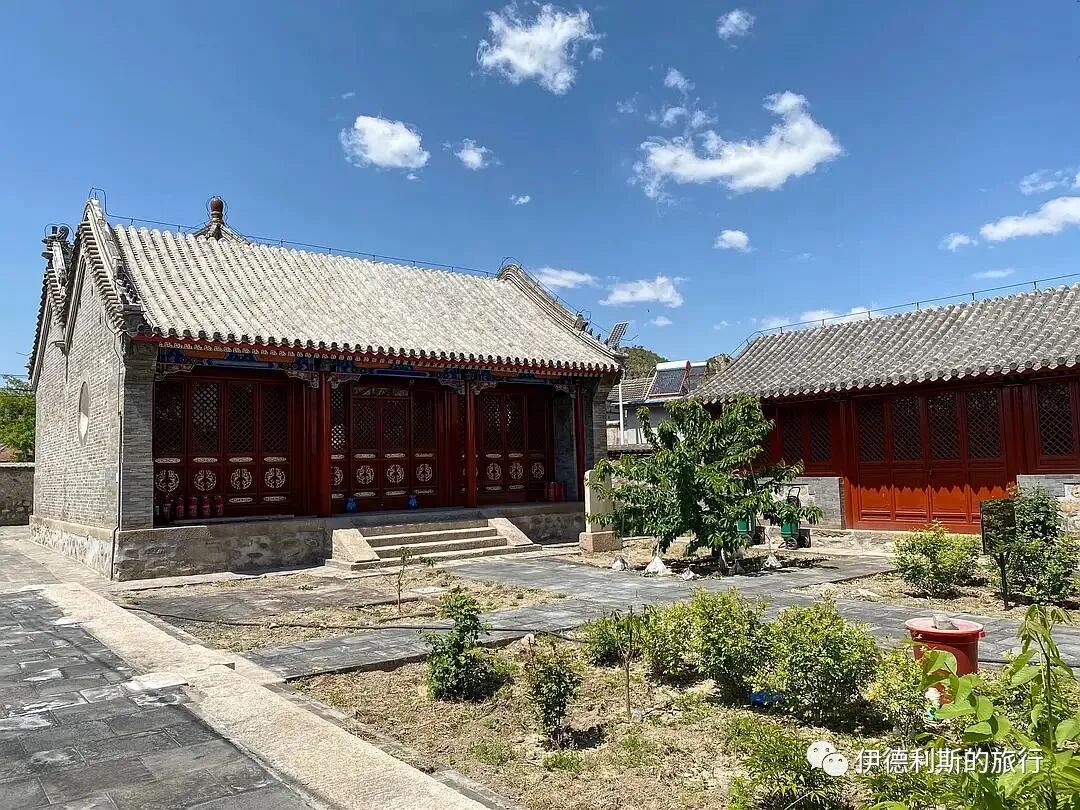
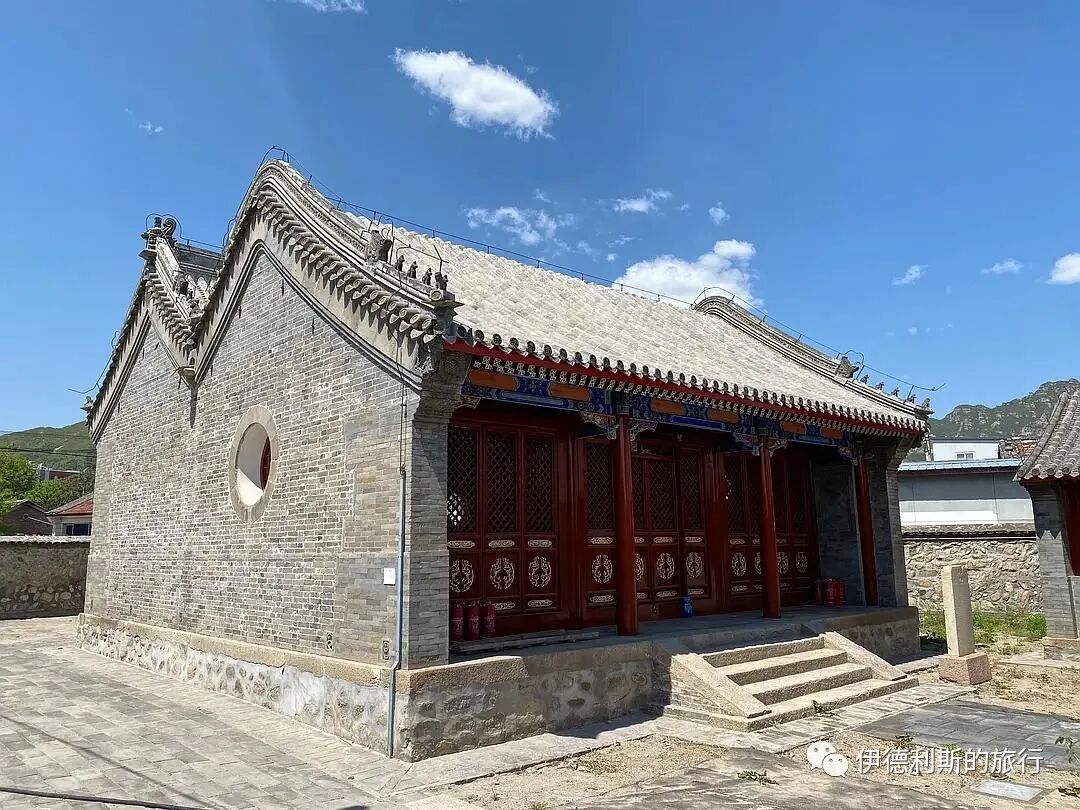
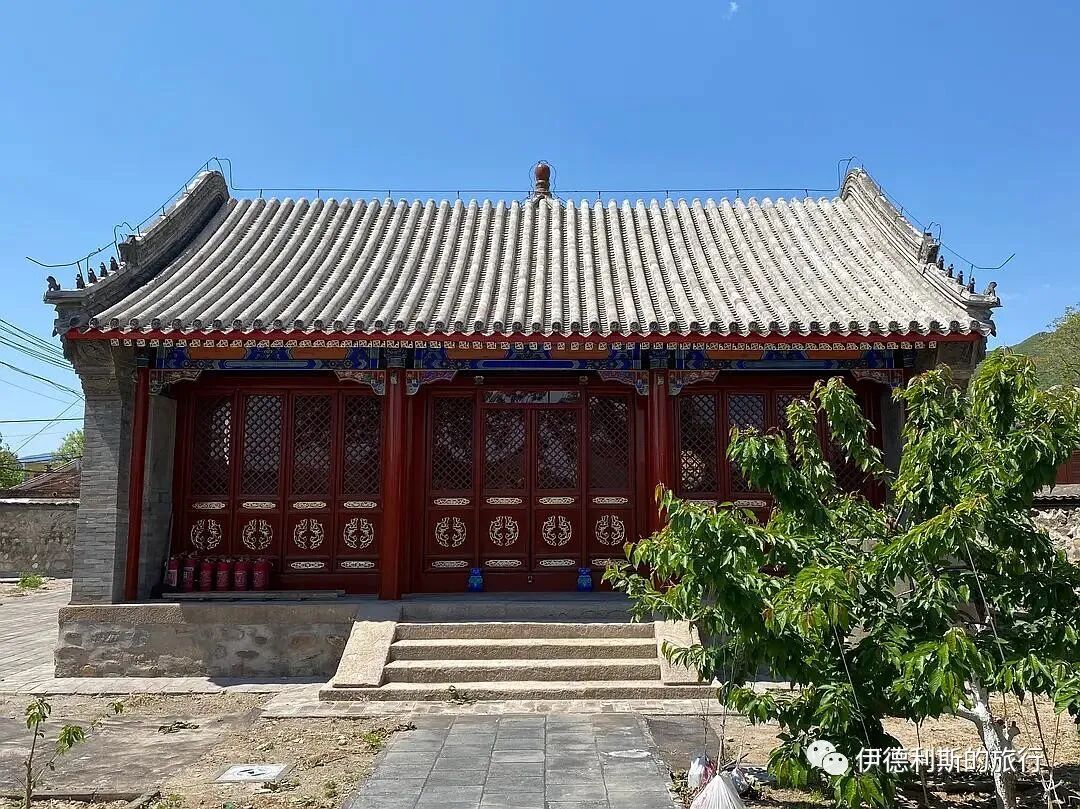
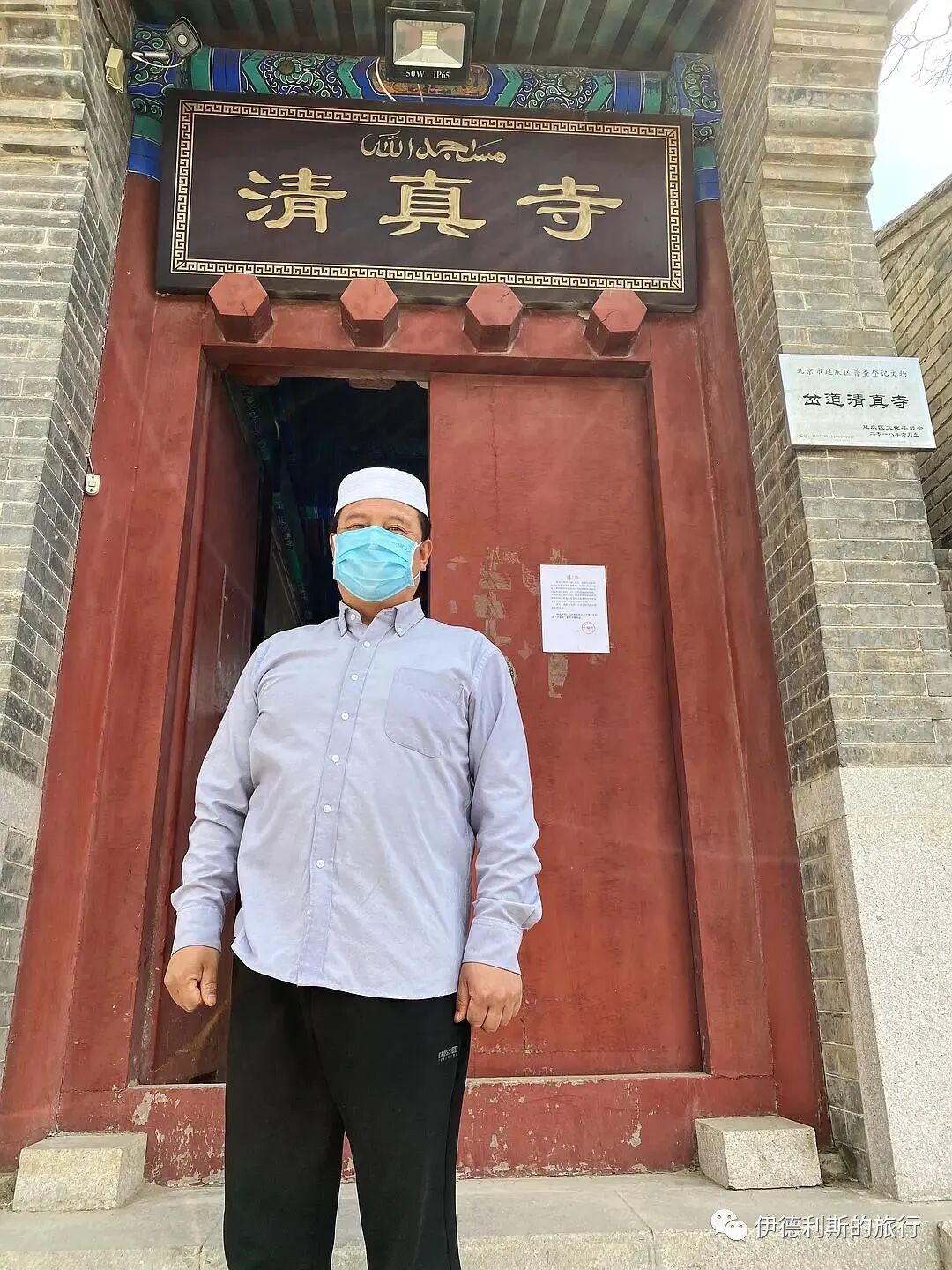
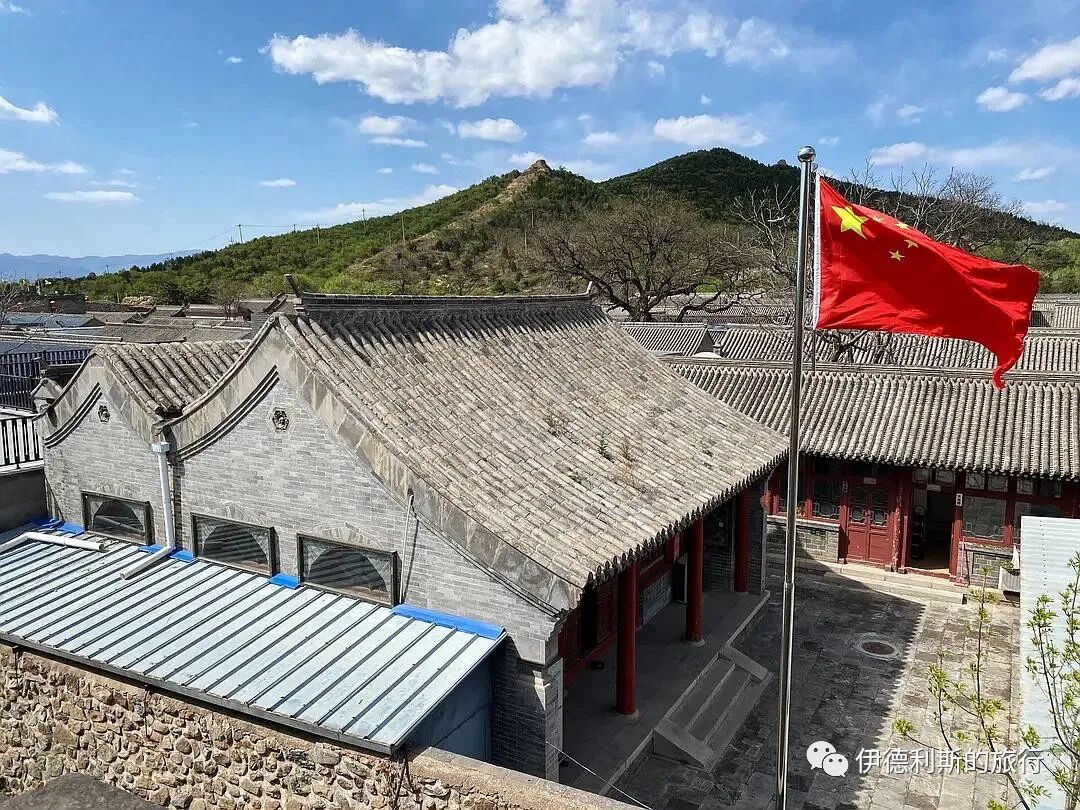
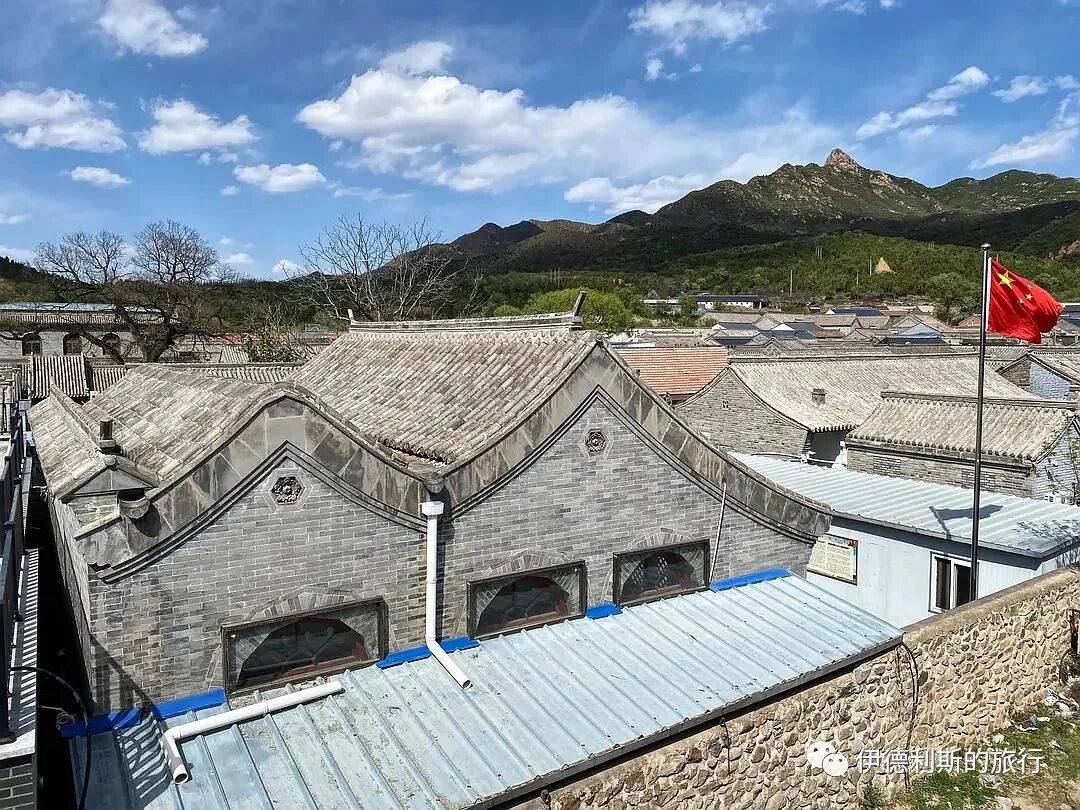
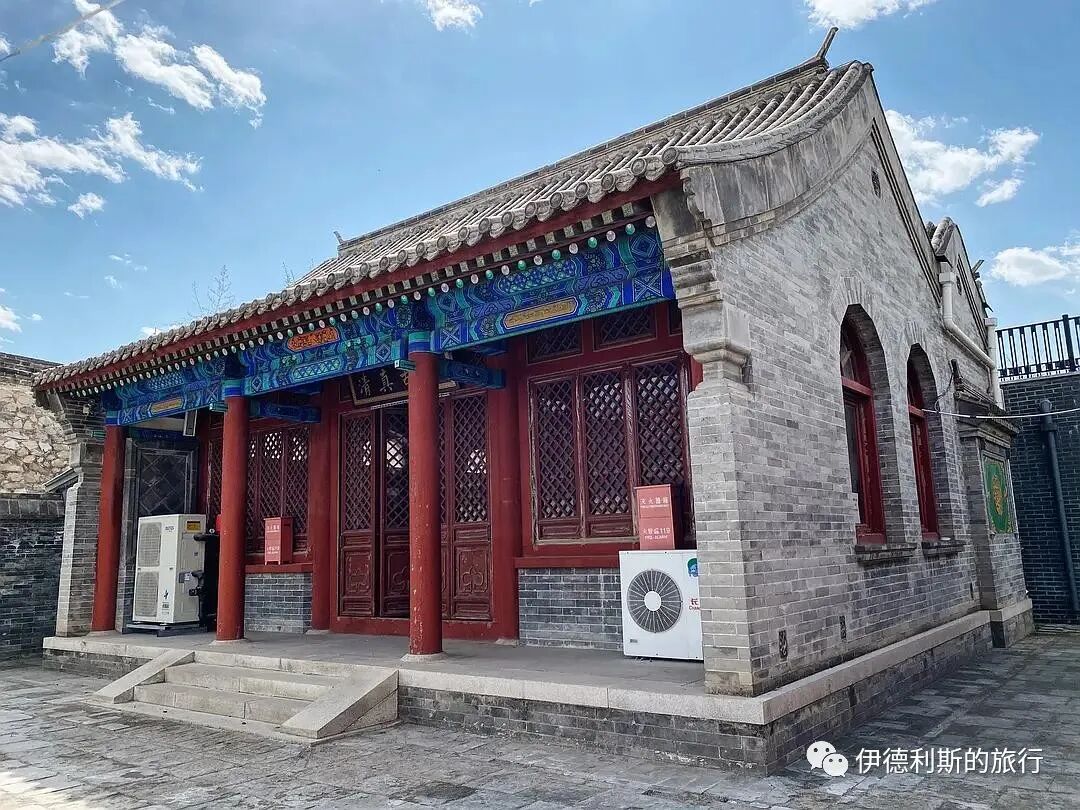
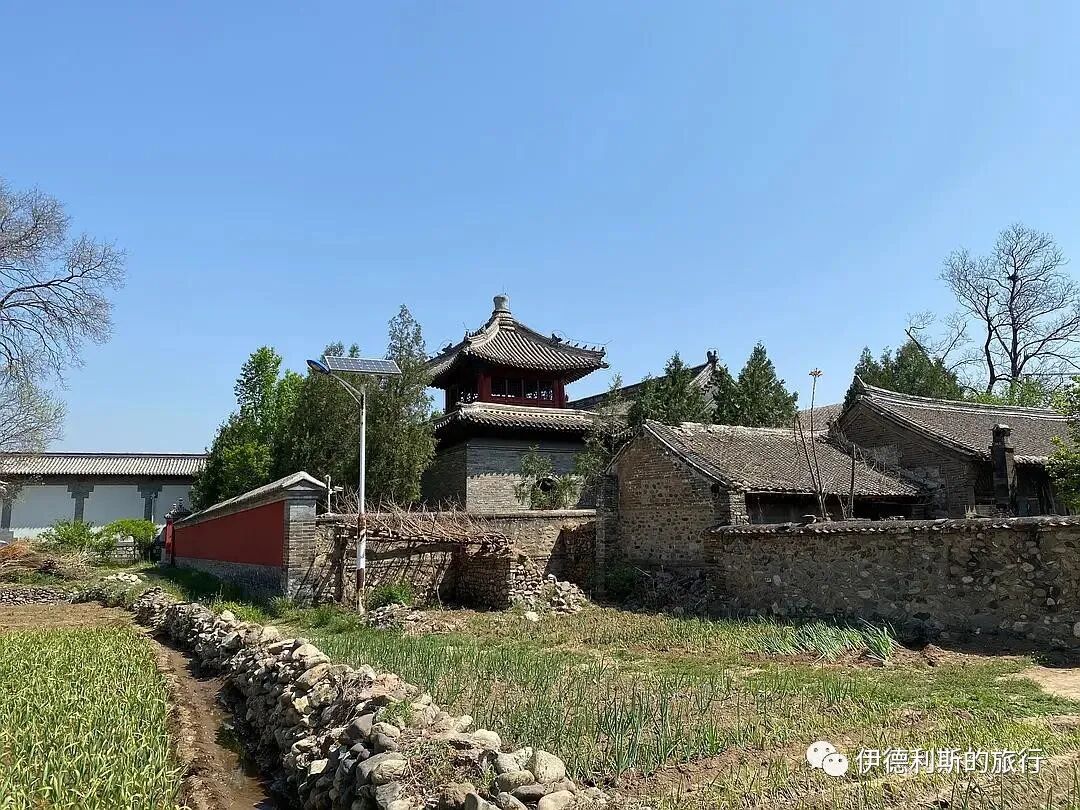
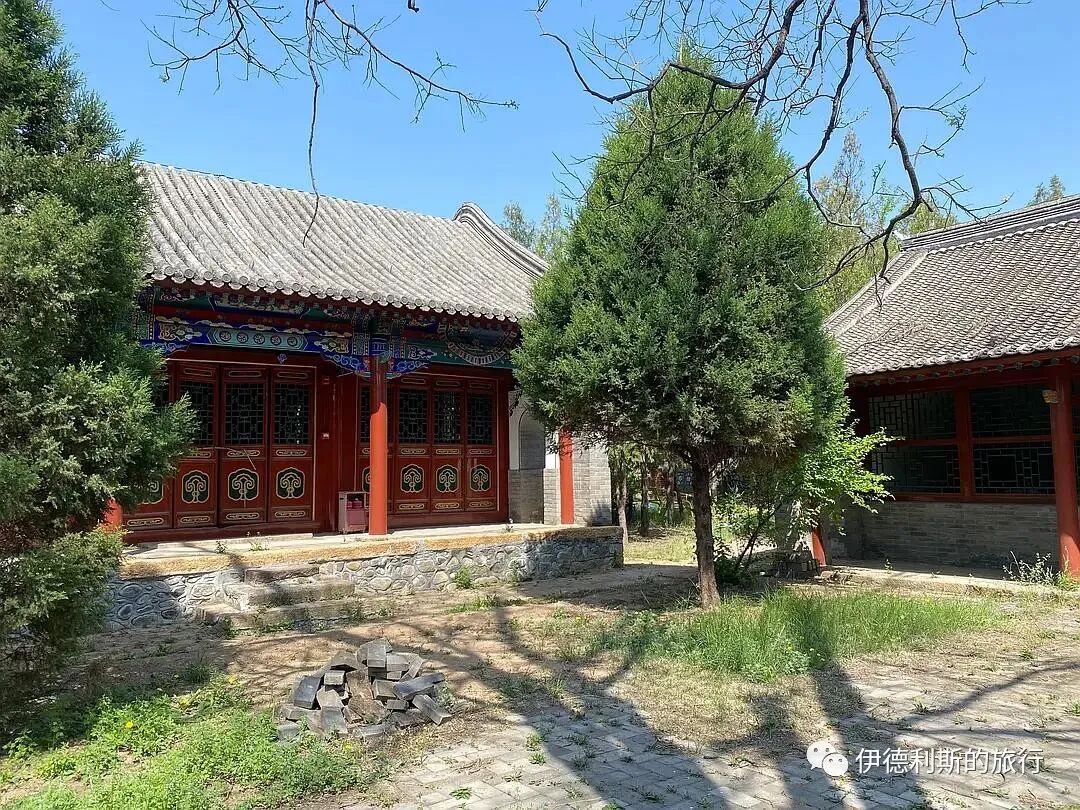
The Chadao Mosque was renovated in 1957 but destroyed in the 1960s. It was never restored, and only the Yu family remained as the sole Hui Muslim household in Chadao City. After enduring many hardships and overcoming numerous difficulties, the Yu family finally started rebuilding the mosque in 2008, and it officially opened in October 2012. The rebuilt mosque follows the traditional connected-roof (goulianda) style. The prayer hall (yaodian) does not have a protruding roof, and there is no front porch (baoxia), making it quite small and delicate. Although the Chadao Mosque now serves only the Yu family, it is the only mosque in Yanqing and provides great convenience for Muslims working in the area. Some Muslims from Beijing also travel here specifically to attend Friday prayers at Chadao Mosque, making the mosque very busy on Fridays.
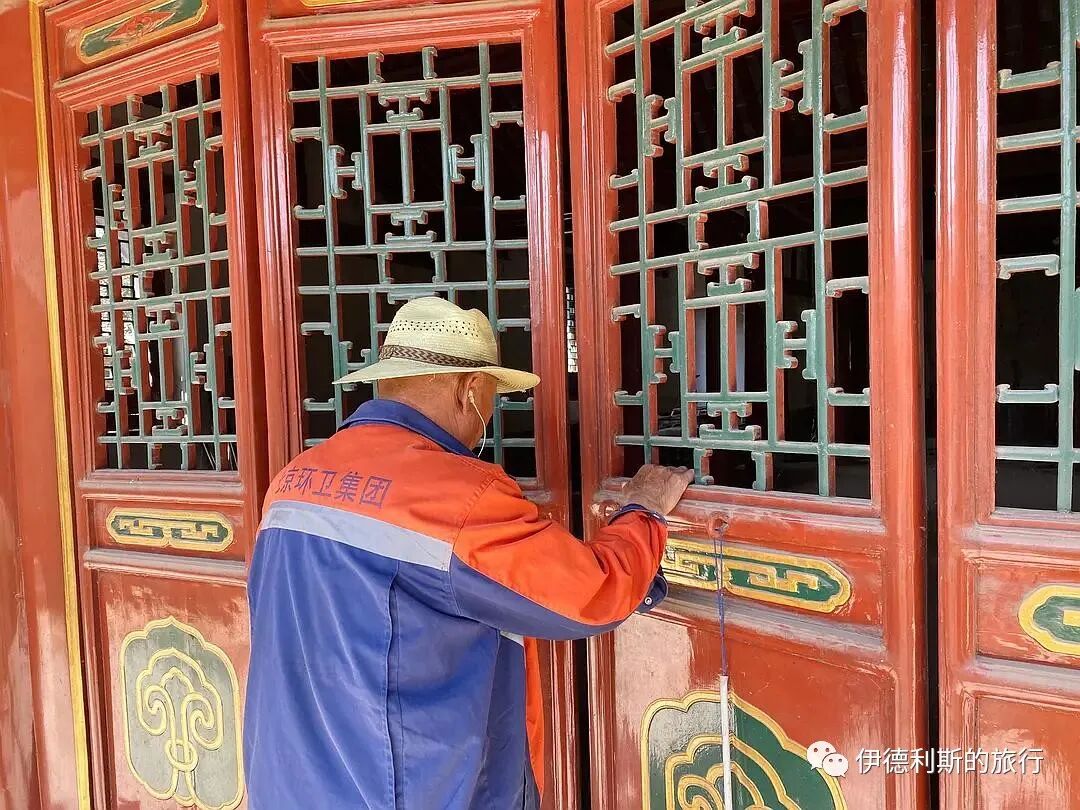
I visited Chadao Mosque during the May Day holiday and received a warm welcome from Imam Zhang. Imam Zhang is from Mengcun, Cangzhou. He took over from Imam He in 2019 and works with the mosque management committee director, Uncle Yu, to keep the mosque running smoothly. The mosque was closed this year due to the pandemic, so Imam Zhang stayed at the mosque the whole time. That day, Imam Zhang went to the mountain behind the mosque to pick some dandelions to dry. Dried dandelions taste great when steeped in water or eaten with dipping sauce.
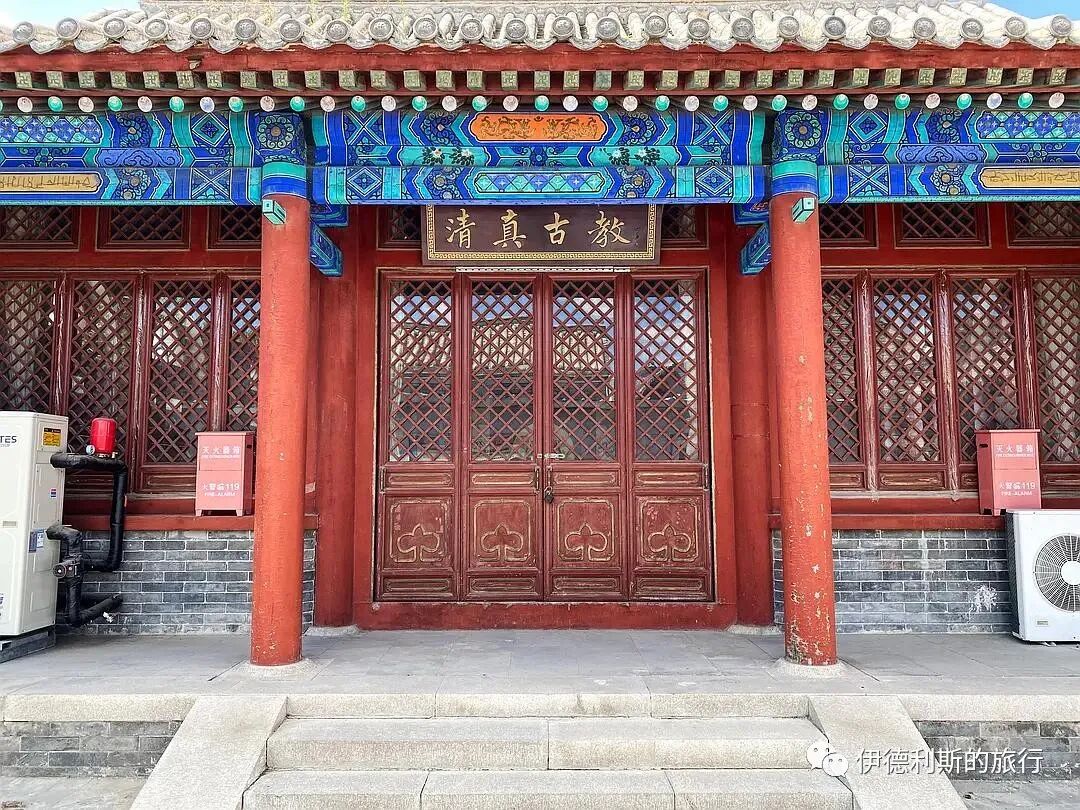
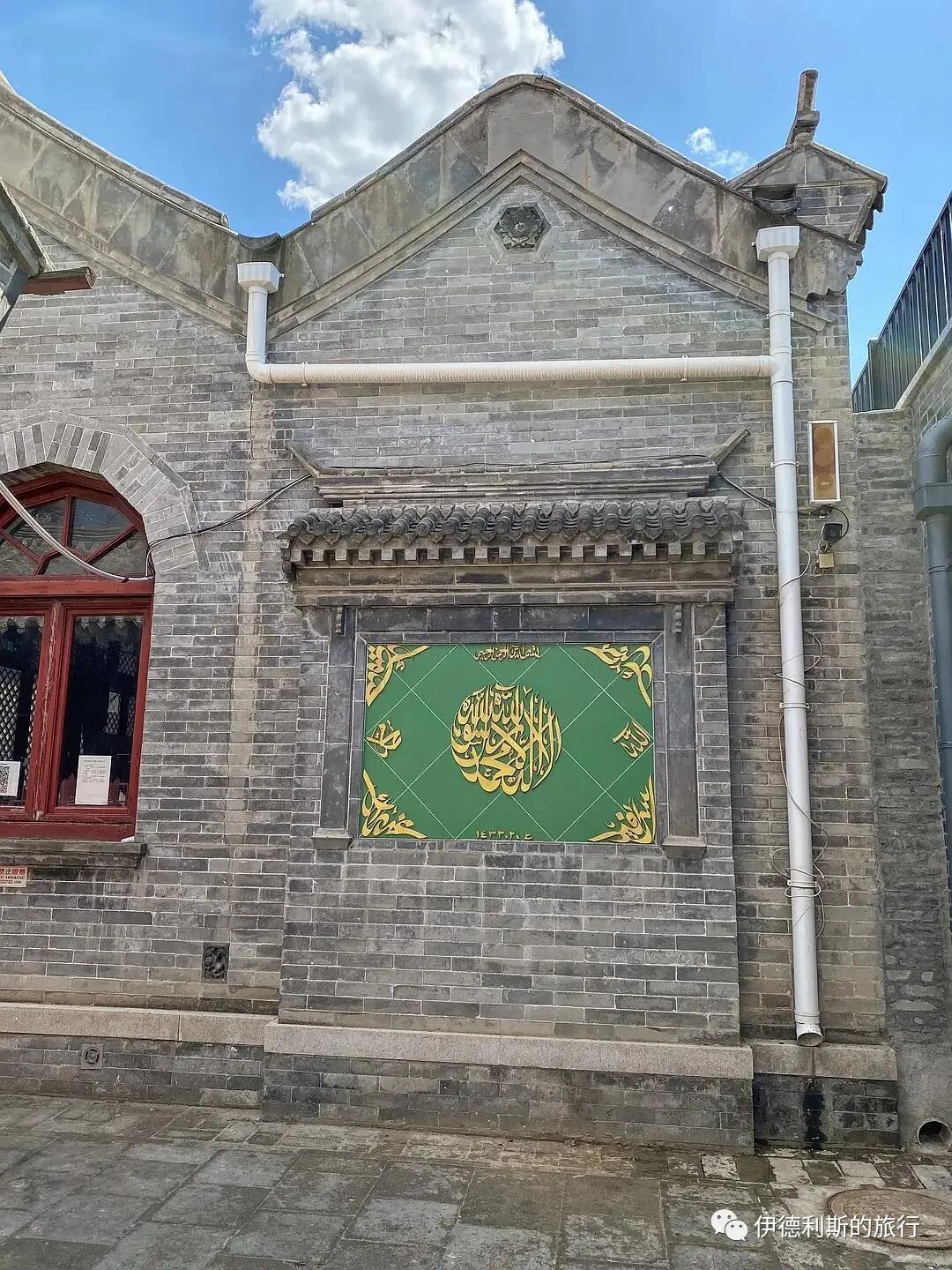
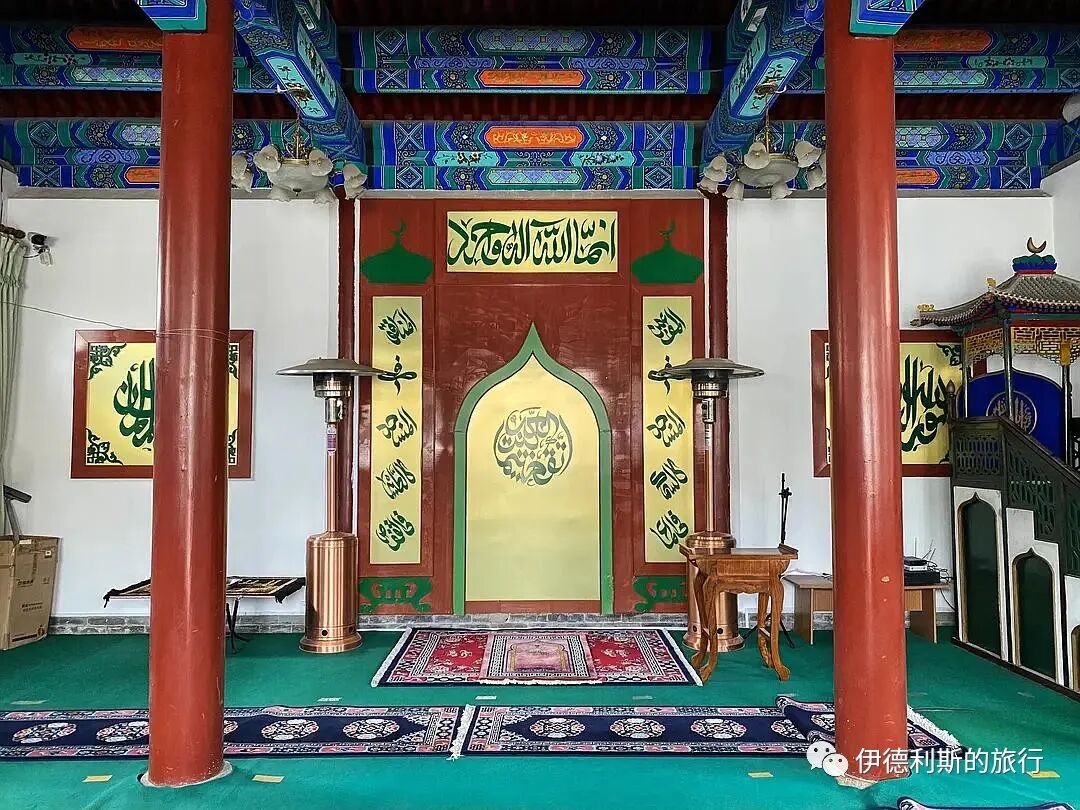
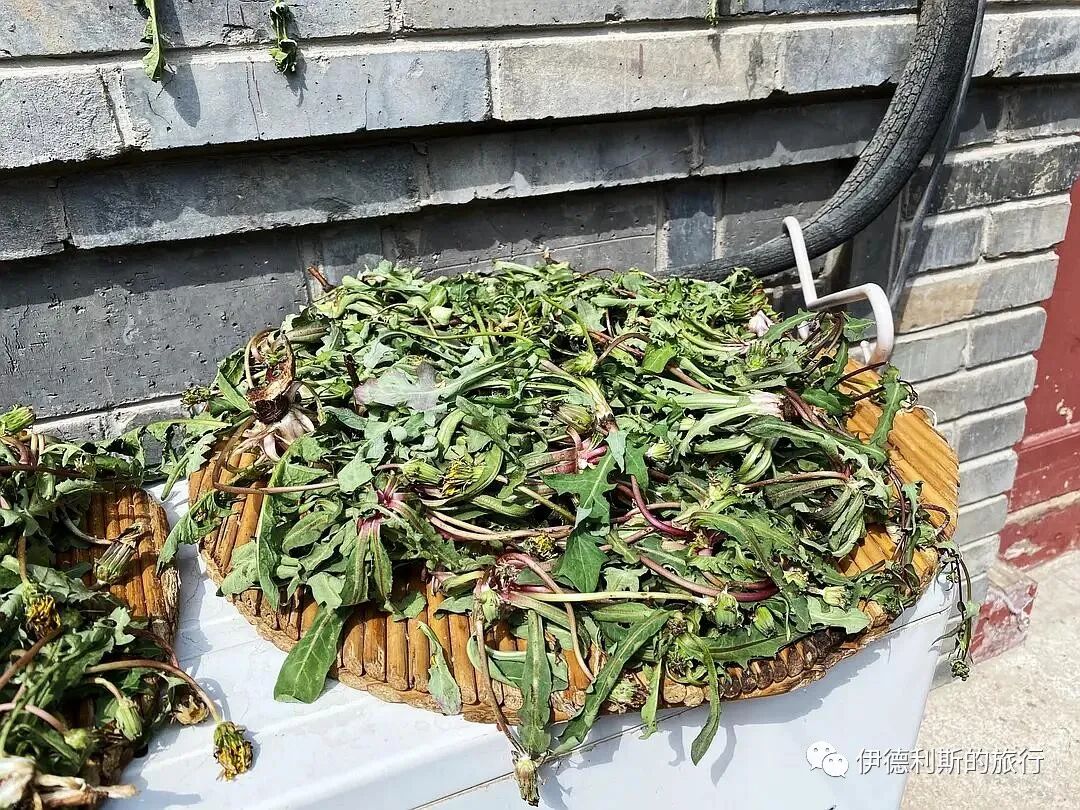
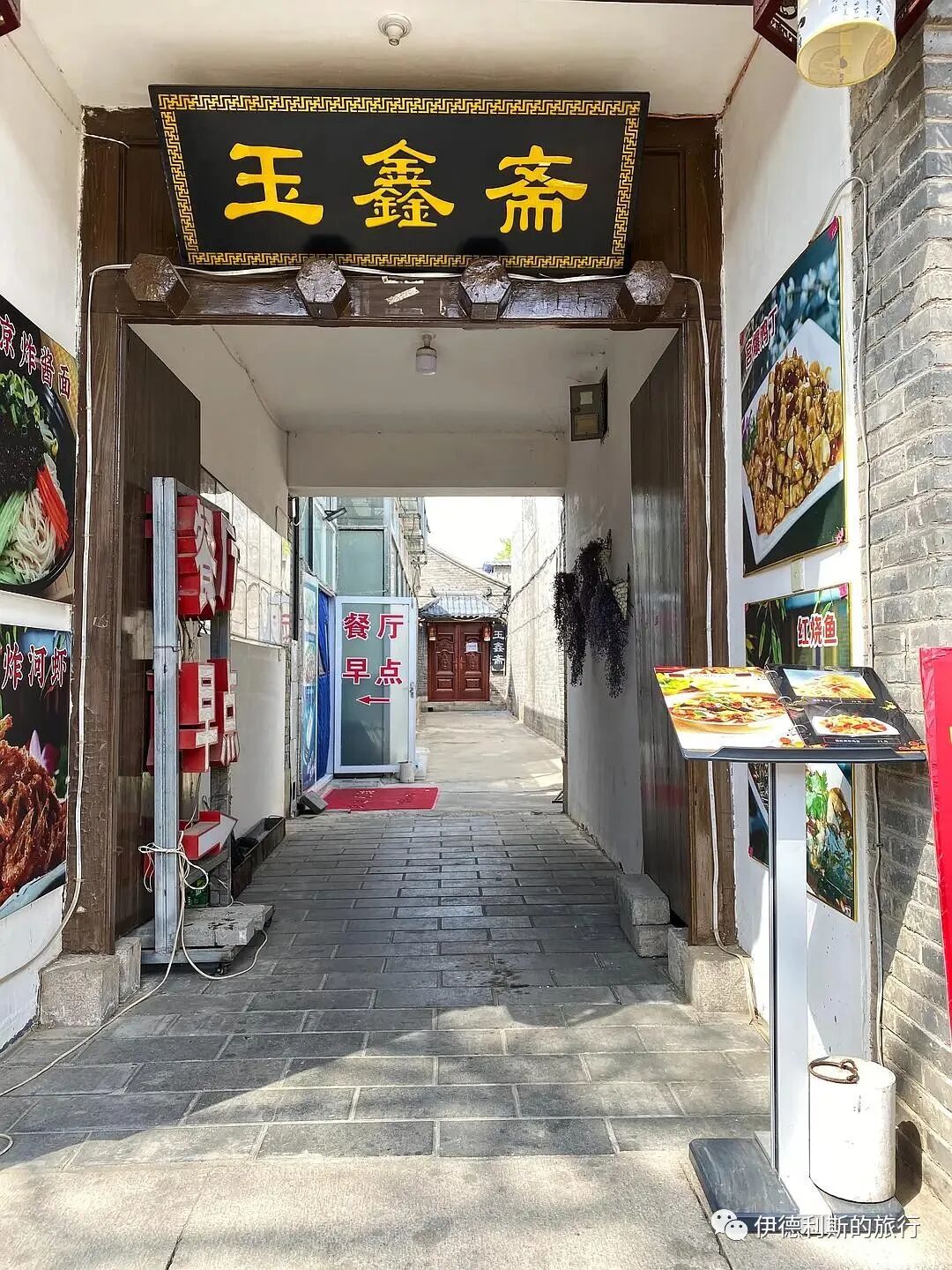
Across from the mosque is Yuxinzhai, a place run by the Yu family where you can eat and stay overnight. Since it was Ramadan, I did not visit, but I will definitely go back to Yuxinzhai to try the food once this wave of the pandemic ends.
I originally planned to go to Xiguanshi Mosque in Changping with my friends (dostani) for Eid prayers, but I could not go for well-known reasons. Insha'Allah, I will have to wait for another chance to go.
So, I decided to visit Gubeikou Mosque in Gubeikou, Miyun, for Eid instead. See my diary entry 'Visiting the Ancient Mosque in Gubeikou' for details.
Summary: Seven Beijing Mosques in Ramadan is presented here as a firsthand travel account in clear English, beginning with this scene: During Ramadan in 2022, I visited 7 mosques in Beijing. These included four in Changping: Shahe, Wujie, Heying, and Nankou; Chadao Mosque in Yanqing; Majuqiao Mosque in Tongzhou; and Mishi Hutong Mosque in Xicheng. The account keeps its focus on Beijing Mosques, Ramadan Travel, Muslim Heritage while preserving the names, places, food, and historical details from the Chinese source.
During Ramadan in 2022, I visited 7 mosques in Beijing. These included four in Changping: Shahe, Wujie, Heying, and Nankou; Chadao Mosque in Yanqing; Majuqiao Mosque in Tongzhou; and Mishi Hutong Mosque in Xicheng. I am sharing my experiences here.
1. Shahe Mosque
For the first Jumu'ah of Ramadan, I felt very grateful that some mosques in Beijing's Changping, Fangshan, and Tongzhou districts were open. I went to Shahe Mosque for Jumu'ah prayers because it was relatively easy to reach from my home.
During the Wanli reign of the Ming Dynasty, the main road north of Beijing leading to Zhangjiakou moved to Shahe, and Hui Muslims who traded cattle and sheep began to settle there. Shahe Mosque was first built in the Ming Dynasty and renovated twice during the Qing Guangxu reign and the Republican period. It is a typical traditional mosque courtyard in North China.
On the north side of the main hall's porch stands a renovation stele from the 31st year of the Qing Guangxu reign (1905), which records the mosque's restoration between 1895 and 1905. The text notes that local sheep traders donated five wen for every sheep sold and one hundred wen for every cow or camel sold to cover the mosque's various expenses.
The 1920 renovation stele on the south side of the main hall's porch records that the mosque renovated its ablution room in 1917, and later collected donations (niatie) to build the rear hall and a Western-style gate in 1920. Among the donors, the first mentioned is the Republican-era Hui Muslim general Yang Kaijia. His ancestral home was Dachang, Hebei, and he served for a long time as a bodyguard officer for Yuan Shikai, eventually being promoted to Lieutenant General for his many contributions. Most of the others listed are various merchant firms, many from Madian outside Deshengmen, with the most famous likely being Donglaishun.
The mosque features works by the famous Arabic calligrapher Haji Chen Jinhui, who taught Arabic calligraphy at the China Islamic Institute for many years.
The Western-style gate built for the mosque in 1920.
A Chinese-style second gate (erdaomen).
2. Mishi Hutong Mosque.
Today, next to the Caishikou subway station in Beijing, two historical buildings remain inside a large construction site. They were saved 10 years ago during the Daji area demolition. One of them is the famous former residence of Kang Youwei. The other is a small two-story building that once housed the old Bianyifang Restaurant, which opened in 1416 during the 14th year of the Yongle reign of the Ming Dynasty. The old Bianyifang closed in 1937 due to the war. Soon after, Hui Muslims from the five northwestern provinces living in Beijing raised over 10,000 yuan to buy the building. After renovations, it officially became the Mishi Hutong Mosque on January 1, 1940, and also served as the office for the Northwestern Five Provinces Association.
The building housing the Mishi Hutong Mosque was originally built in the mid-to-late Qing Dynasty. It started as an L-shaped structure with three rooms in the north wing and four in the west wing. It featured a hard-mountain roof with a rolled-shed ridge (yingshan juanpeng ding) and a suspended-mountain open corridor (xuanshan changlang) connected together, with a garden on the east side. When it was converted into a mosque in 1940, three open-pavilion rooms were added to the south, changing the L-shaped layout into a U-shaped one. At the same time, a two-story flat-roofed open hall was built in the recessed area, connecting to the south pavilion. This created a semi-enclosed open space on the second floor to serve as the main prayer hall. After the renovation, the building only kept a small courtyard on the east side. You have to pass through the open hall to enter each room, which is a typical feature of southern architecture.
In the 1940s, the Mishi Hutong Mosque became the activity center for northwestern Hui Muslims in Beijing, with Imam Ye Liangpu serving as the first head imam. At that time, the Mishi Hutong Mosque and the Tianqiao Mosque, also built during the Republic of China era, were sister mosques that often invited each other's imams to lead prayers.
After the 1960s, the Mishi Hutong Mosque was turned into a dormitory for a toy factory, and later it became a residential compound. After the Daji area southeast of Caishikou was demolished, more than 30 guild halls, various temples, shops, and the former homes of famous people were turned into ruins. By 2012, only two historical buildings remained: the former home of Kang Youwei and the Mishi Hutong Mosque. It is a pity that the original gate of the Mishi Hutong Mosque, which featured traditional Arabic calligraphy, has been torn down, leaving only the small two-story building inside. People say that both the Mishi Hutong Mosque and the former home of Kang Youwei will be renovated and used for other purposes, but I do not know what they will look like then.
For a detailed introduction to the Mishi Hutong Mosque, you can read my article, Beijing's Only Southern-Style Mosque: Mishi Hutong Mosque.
3. Changping Wujie Mosque
The Changping Wujie Mosque under renovation. The Wujie Mosque is also called the Changping City Mosque. Legend says it was built by Chang Yuchun during his northern military campaign. It was rebuilt during the Wanli era using stone and wood left over from the construction of the Ming Tombs, and the golden nanmu wood beams in the main prayer hall have been preserved to this day.
The prayer rug used by Imam Jin Zichang at the Changping Mosque between 1946 and 1947. Imam Jin Zichang came from the Jinjiadian Daotang in Jinan, Shandong. He was an Eastern Rais of the Jahriyya order and managed Jahriyya religious affairs in Jiangsu, Shandong, Hebei, and the three northeastern provinces. The Imam's ancestor, Jin Shizhang, began studying Jahriyya teachings under Ma Mingxin in 1770. He was later appointed as the Rais in charge of religious affairs in Shandong, Zhili, and Jiangsu, and he founded the Jinjiadian Daotang in Xiguan, Jinan. Imam Jin's great-grandfather, Jin Zhong, once led religious affairs at the Nanshangpo Mosque and Changping Mosque outside Chaoyangmen in Beijing. His grandfather, Jin Shiyi, became the rais (leader) of Jahriyya religious affairs in Xinjiang in 1912 and helped expand the Southern Great Mosque of Urumqi.
Imam Jin Zichang was originally named Jin Zhiyan. He lost his father as a child and went to Xinjiang at age 9 to live with his grandfather. Later, he went to Gansu to continue his studies. In 1925, he returned to Jinan to manage the Jinjiadian Daotang (a religious hall). In 1928, he was admitted to the Shanghai Islamic Normal College, where he was deeply favored by the great Imam Da Pusheng, who gave him the name Jin Zichang. In 1934, Jin Zichang went to study at Al-Azhar University in Egypt. He went on Hajj in 1936 and returned to China in 1937 to continue managing religious affairs at the Jinjiadian Daotang. Later, Imam Jin managed religious affairs at several mosques, including the Changping Mosque in Beijing, Nanshangpo Mosque, Urumqi Southern Great Mosque, Lanzhou Changjiaxiang Mosque, and Tianshui Taizi Mosque. In 1958, he was placed under isolation and investigation. Shortly after his release, he passed away in 1961 at the age of 59.
Window lattices from the Ming and Qing dynasties, which were removed during a major renovation of the Changping Mosque in the Republican era, were discovered after 1949 inside a spare casket for a maiti (deceased person).
Ancient Quran (Gu Re'ani) copies and traditional scripture school textbooks preserved at the Changping Mosque.
4. Majuqiao Mosque
Going to Majuqiao Mosque in Tongzhou for Jumu'ah prayer. Majuqiao is located on the south bank of the Liangshui River. After the Ming Emperor Chengzu moved the capital, he built the Nanhaizi Royal Hunting Park here. In 1463 (the seventh year of the Tianshun reign), a stone arch bridge was built across the Liangshui River. From then on, Majuqiao became a key road in the capital region, attracting many merchants, and Hui Muslims continuously moved there to do business. The Majuqiao Mosque was built during the Ming Dynasty, renovated during the Qianlong reign, and expanded again in 1937. In 1999, all the wood, bricks, and tiles from the demolished Niujie Women's Mosque were used to renovate the Majuqiao Mosque, and a towering moon-sighting tower (wangyuelou) was added behind the main hall.
Inside the main hall of Majuqiao Mosque, there is a hand-copied Quran (Gure'ani) from the Qing Dynasty, and in front of the hall door, there are beautiful circular flower pedestals made of green sandstone.
Majuqiao has many local elders (gaomu), making it livelier than many mosques in the city. There are also many young people working nearby, which creates a great atmosphere. After the service, there were flower-shaped steamed buns (huajuan) and stone-ground sesame oil (xiaomo xiangyou) distributed by the community members (dost).
Plaques and calligraphy.
5. Heying Mosque.
A mosque was built near Heying in Changping by the early Ming Dynasty at the latest. According to the tombstone record of the sage Bo Hazhi from the 46th year of the Wanli reign of the Ming Dynasty (1618), there was a mosque less than a mile northwest of Beishao Village. During the Hongwu reign of the Ming Dynasty, the sage Bo Hazhi from the Western Regions passed through Beishao Village, settled in the mosque, and was buried nearby after he passed away (guizhen). According to Uncle Zhang, whose family has guarded the tomb of Bo Hazhi for generations, the original mosque was destroyed by a flood and later moved outside the gate of Bo Hazhi's tomb. In the 1930s, Uncle Zhang's family raised funds to rebuild the current Heying Mosque.
Currently, the only remaining historical building of Heying Mosque is the north room. You can see that the middle of the walls is built with stones, which were hauled back from the mountains by Uncle Zhang's family back then. After the 1960s, the imam (ahong) was forced to leave. Since then, the mosque has mainly been used for Hui Muslims from other places to visit graves and for local Hui Muslims to hold funeral prayers (maiti). Due to a mistake during the policy implementation in the 1980s, the mosque was not included in the cultural relic protection zone for the Tomb of Bo Hazhi. Because of this, the nearly 100-year-old mosque still has no official status as a protected cultural site. Currently, Uncle Zhang's family is slowly saving money through donations (nieti) from the community and has started planning repairs for the old building.
For more information about the Tomb of Bo Hazhi, please see my diary entry, Visiting the Tomb of the Western Region Sage Bo Hazhi.
On April 23, we visited the Tomb of Bo Hazhi and met many new friends. The praise for the Prophet (zansheng) sung by the Jahriyya was beautiful.
6. Nankou Mosque
Nankou is the first gateway from Beijing to Datong, Xuanhua, and the Mongolian grasslands via the Jundu Pass, one of the eight passes of the Taihang Mountains. It was also the final line of defense for the capital and has been a strategic military location since ancient times. According to the Zizhi Tongjian, the Northern Qi dynasty built a Great Wall from Nankou to Datong in 555 (the sixth year of the Tianbao era). It was rebuilt many times during the Northern Wei, Liao, and Jin dynasties. The Mongol army fought a decisive battle against the Jin army here before breaking through the defense line to enter the Jin capital, Zhongdu.
To resist the Mongol invasion, the Ming dynasty built Nankou City in 1404 (the second year of the Yongle era), which was later rebuilt several times. After the Qing dynasty, as trade with the grasslands flourished, Nankou City was filled with shops and busy with traveling merchants. After the Beijing-Zhangjiakou Railway was completed in 1909, the trade in Nankou City was gradually replaced by the Nankou town area near the railway station to the south.
Today, Nankou City still has its south wall and south gate, as well as watchtowers on the east and west mountains. The Nankou city wall is unique because it is built with river pebbles. As time passed, the city wall has now sunk one meter into the ground.
Nankou Mosque is located outside the south gate of Nankou City. Its exact founding date is unknown, but it is believed to have been built during the Ming Dynasty. The mosque houses a stone tablet from the 20th year of the Guangxu reign (1894) titled "Record of the Reconstruction of Nankou Mosque in Yanqing Prefecture." It records that Imam Yang Xiaoshan from Shixia City in Miyun was hired by Nankou Mosque in 1876. He traveled everywhere to raise donations (nietie), then built the south lecture hall in 1879, the north quiet room in 1880, and a water well in 1881. In 1887, Imam Yang moved to Shacheng Mosque in Huailai County. Nankou Mosque then hired Imam Shan Hong'en, who continued to build a water room next to the well and a main gate in the northeast corner. The current Nankou Mosque generally maintains the layout from its reconstruction during the Guangxu reign.
Nankou Mosque closed in 1958 and has not been open since. In 2005, the Changping District Cultural Relics Management Office renovated the main prayer hall and the north quiet room. There were plans to reopen it, but it has remained closed due to disputes over the mosque's property. Between 2020 and 2021, the Changping District Cultural Relics Management Office carried out another renovation of the mosque.
The "Record of the Reconstruction of Nankou Mosque in Yanqing Prefecture" tablet from 1894 in front of the main hall was written by Ma Zhaoqing, a Hui Muslim from Xiguanshi. He was dedicated to writing local chronicles, authored the "Changping Waizhi," and also wrote couplets for the Xiguanshi Mosque. The back of the stone tablet lists the donors who contributed to the reconstruction of Nankou Mosque during the Guangxu reign, serving as very precious historical material for the Hui Muslim community.
The officials who donated include the Yanqing Prefecture Magistrate (zheng tang), the Fangshan Garrison Commander (shou fu), and officials from the Zhangjiaying Department, the Second Department, the Wanquanying Administration, the Zhangjiaying Administration, and the Shandianhe Department. The zheng tang was the chief official of the prefecture, and the shou fu was a military defense officer. Zhangjiaying and Wanquanying were both Green Standard Army (Luying) units in Xuanhua Town, Zhili Province. Wanquanying is now Wanquan District in Zhangjiakou.
The businesses that donated money included horse traders, camel caravan operators from the east and west gates, sheep traders from the west gate, and tea merchants from Tongzhou. These are all witnesses to the modern-day 'Zou Xikou' migration and the 'Tea Horse Road'.
As many as 20 Hui Muslim merchant shops in Nankou town donated funds, which shows how busy Nankou was at that time. These shops were Yuanyuancheng, Deshenghao, Deshenggong, Yonghegong, Yongshenghe, Qingyugong, Yuanshengchang, Yonghehao, Yongyuanchang, Demaoju, Xiechenghao, Kangjiadian, Guangxingdian, Fuyuandian, Jintaide, Beifuxing, Heshenghao, Wangwenzhao, Jinheqing, and Yutongju.
Local Hui Muslim donors from Beijing included those from Changping Prefecture, Shahe Town, and Xiguanshi Village in Changping; Chadaocheng in Yanqing; Miyun County, Gubeikou, and Shixia Town in Miyun; as well as Tongzhou, Qinghe Town, outside Chongwenmen, and Madian outside Deshengmen. These were all Hui Muslim residential areas focused on trade, mostly located along the official road leading from outside the Great Wall into Beijing. Among these, the areas outside Chongwenmen and Madian were the most concentrated centers for Beijing's halal sheep trade. Outside Chongwenmen, there were the North and South Sheep Markets. The North Sheep Market was where Hui Muslims sold live sheep raised in the Northwest, while the South Sheep Market was the hub for Hui Muslims to slaughter and sell mutton. Madian was the main base for Beijing's sheep trade. Many people traveled thousands of miles to drive sheep from the Mongolian grasslands outside the Great Wall to Madian, where sheep shops sold them to various mutton stalls across Beijing. The stone inscription records five sheep shops that donated funds: Yuanhe, Demao, Yongli, Xinxing, and Hengde.
Heading north from Madian, the Hui Muslim donors came from Qinghe Town, Shahe Town, and Changping Prefecture, before reaching Nankou. Qinghe and Shahe were both commercially prosperous because they were located on the official road leading out of the pass, which led Hui Muslims to settle there. donors included those from Xiguanshi, an important Hui Muslim village near Nankou. The Hui Muslims there were skilled at running security escort agencies (biaoju) and made a living by providing protection for those traveling the 'Zou Xikou' route. Continuing north from Nankou is Chadao City, which was a very important fortress. The Yushanguan restaurant was funded by the descendants of Yu Wannian, a Hui Muslim from Xuanhua County who served as a garrison commander in Chadao in the ninth year of the Xianfeng reign (1859). To this day, the Yu family remains the only Hui Muslim household in Chadao City.
Leaving Chadao City, you enter the area of present-day Zhangjiakou City. The Hui Muslims who provided funding came from Shacheng Fort (Shacheng Town, Huailai County), Jiu Bao'an (Zhuolu County), Langwo (Zhuolu County), Xuanhua Prefecture (Xuanhua District), and the upper and lower forts of Zhangjiakou (Zhangjiakou urban area). Traveling out of the pass from Zhangjiakou, the Hui Muslims who provided funding reached as far as important trading ports on the Mongolian Plateau, such as Guihua City (Hohhot), Duolun (Duolun County, Xilin Gol League), and Kulun (Ulaanbaatar). some of the Hui Muslims who provided funding came from southern Hebei, including Xiling Yizhou (Yi County) and Tangjiazhuang (Dingzhou) in Baoding, as well as Suning County and Hejian Prefecture in Cangzhou. This may be related to the fact that Imam Yang Xiaoshan once lived in Hejian.
The ancient cypress tree preserved in the courtyard is the only relic from the Ming Dynasty in the mosque.
The South Lecture Hall, built in 1879, now only has its foundation remaining.
The North Quiet Room, built in 1880.
The water well, built in 1881.
Brick carvings on the main hall.
7. Chadao Mosque.
Chadao City is the first fortress gate when entering Beijing from outside the Great Wall via the Jundu Pass, one of the eight passes of the Taihang Mountains. It served as an outpost for Juyong Pass. From here, you can head west through Huailai to reach Xuanhua and Zhangjiakou, or head north to reach Yanqing and Yongning, which is why it is called Chadao, meaning 'Forked Road'. Chadao City was built in 1473 during the Chenghua reign of the Ming Dynasty. It was rebuilt with brick reinforcements twice during the Jiajing and Longqing reigns and served as an important pass to defend against Mongol invasions. After the Qing Dynasty began, Chadao City became a key route for merchants traveling to the capital from the northwest. Trade grew frequent, the city became increasingly prosperous, and many shops and inns opened. To meet the needs of traveling Hui Muslim merchants, a mosque was built inside the city.
The exact founding date of the Chadao Mosque is unknown. According to the late Qing Dynasty record 'Summary of Local Gazetteers of Yanqing Prefecture,' a Hui Muslim from Xuanhua County named Yu Wannian was appointed as a local military officer (bazong) in Chadao in 1859. After he left office, his descendants settled there. Later, Hui Muslim families named Li and Jin also moved to Chadao, bringing the total number of Hui Muslims to 51. In the book 'Outside the City Walls,' a collection of Beijing oral histories by Ding Yizhuang, a Hui Muslim named Li Shouxun from Xiguanshi says his great-uncle opened a shop in Chadao City and eventually settled there. This confirms the record in the 'Summary of Local Gazetteers of Yanqing Prefecture' about the Li family of Hui Muslims living in Chadao City. According to a 1894 stone tablet titled 'Record of the Reconstruction of the Nankou Mosque in Yanqing Prefecture,' three businesses from Chadao City donated to the Nankou Mosque: Yushengguan, Jinmanhe, and Ma Ahong. Yushengguan was run by the descendants of the Chadao military officer Yu Wannian, Jinman was a Hui Muslim who later settled in Chadao, and Ma Ahong was likely the imam of the Chadao Mosque.
The Chadao Mosque was renovated in 1957 but destroyed in the 1960s. It was never restored, and only the Yu family remained as the sole Hui Muslim household in Chadao City. After enduring many hardships and overcoming numerous difficulties, the Yu family finally started rebuilding the mosque in 2008, and it officially opened in October 2012. The rebuilt mosque follows the traditional connected-roof (goulianda) style. The prayer hall (yaodian) does not have a protruding roof, and there is no front porch (baoxia), making it quite small and delicate. Although the Chadao Mosque now serves only the Yu family, it is the only mosque in Yanqing and provides great convenience for Muslims working in the area. Some Muslims from Beijing also travel here specifically to attend Friday prayers at Chadao Mosque, making the mosque very busy on Fridays.
I visited Chadao Mosque during the May Day holiday and received a warm welcome from Imam Zhang. Imam Zhang is from Mengcun, Cangzhou. He took over from Imam He in 2019 and works with the mosque management committee director, Uncle Yu, to keep the mosque running smoothly. The mosque was closed this year due to the pandemic, so Imam Zhang stayed at the mosque the whole time. That day, Imam Zhang went to the mountain behind the mosque to pick some dandelions to dry. Dried dandelions taste great when steeped in water or eaten with dipping sauce.
Across from the mosque is Yuxinzhai, a place run by the Yu family where you can eat and stay overnight. Since it was Ramadan, I did not visit, but I will definitely go back to Yuxinzhai to try the food once this wave of the pandemic ends.
I originally planned to go to Xiguanshi Mosque in Changping with my friends (dostani) for Eid prayers, but I could not go for well-known reasons. Insha'Allah, I will have to wait for another chance to go.
So, I decided to visit Gubeikou Mosque in Gubeikou, Miyun, for Eid instead. See my diary entry 'Visiting the Ancient Mosque in Gubeikou' for details.
