
Halal Food Guide: Ramadan in Beijing — Turkish, Tunisian, Jordanian and Pakistani Buffets
Reposted from the web
Summary: Halal Food Guide: Ramadan in Beijing — Turkish, Tunisian, Jordanian and Pakistani Buffets is presented here as a firsthand travel account in clear English, beginning with this scene: The iftar buffets in Beijing during Ramadan each year are a real highlight. This year, four restaurants from Turkey, Tunisia, Jordan, and Pakistan are offering iftar buffets, making it the perfect chance for a food tour. The account keeps its focus on Beijing Halal Food, Ramadan Dining, Muslim Food while preserving the names, places, food, and historical details from the Chinese source.
The iftar buffets in Beijing during Ramadan each year are a real highlight. This year, four restaurants from Turkey, Tunisia, Jordan, and Pakistan are offering iftar buffets, making it the perfect chance for a food tour of the Middle East and South Asia.
1. Turkey
The first stop is Dardanelles, a long-standing Ramadan iftar buffet spot on Ritan Upper Street. It is a Turkish restaurant run by Azerbaijanis, so they serve both Turkish and Azerbaijani flavors.
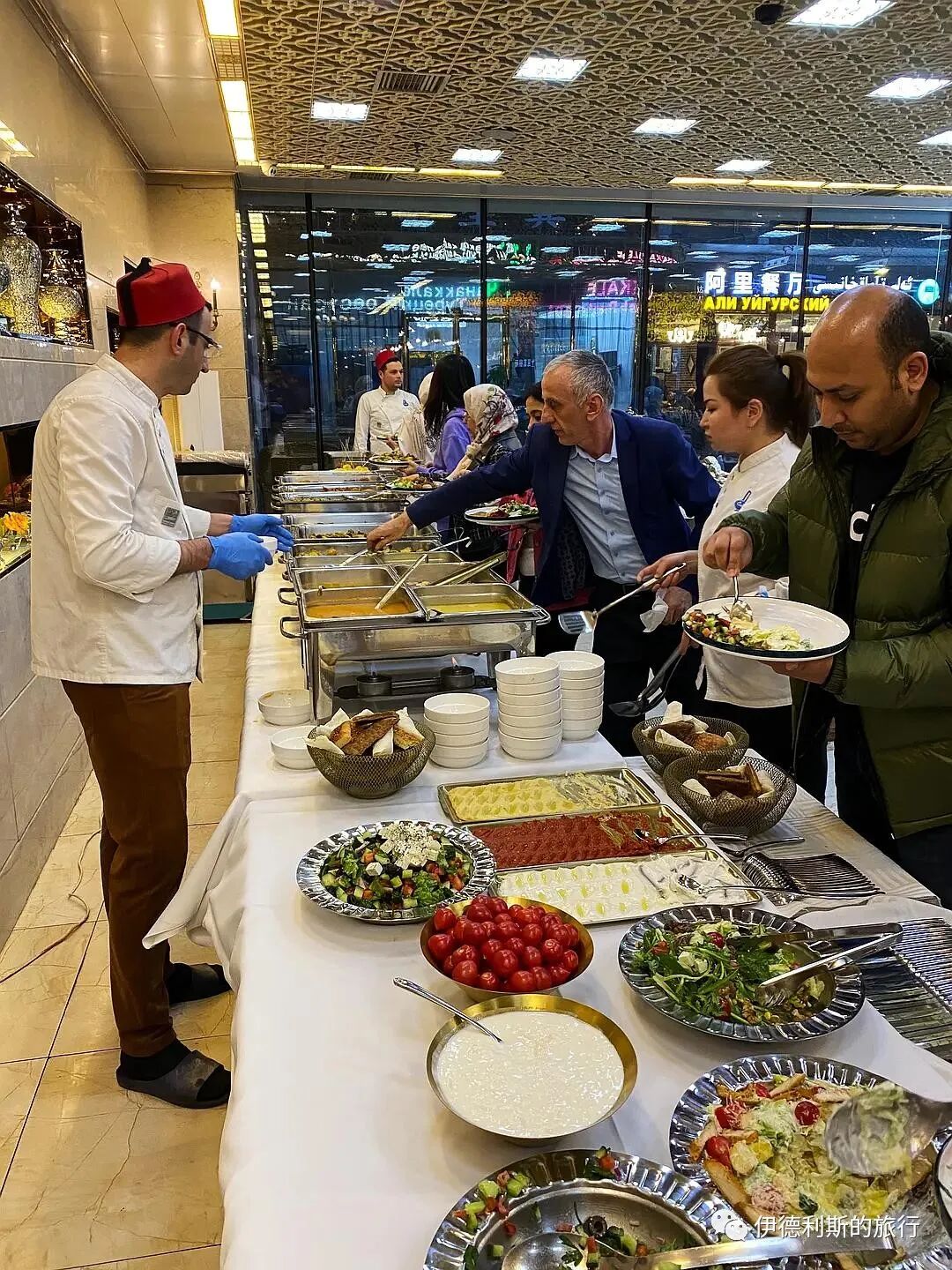
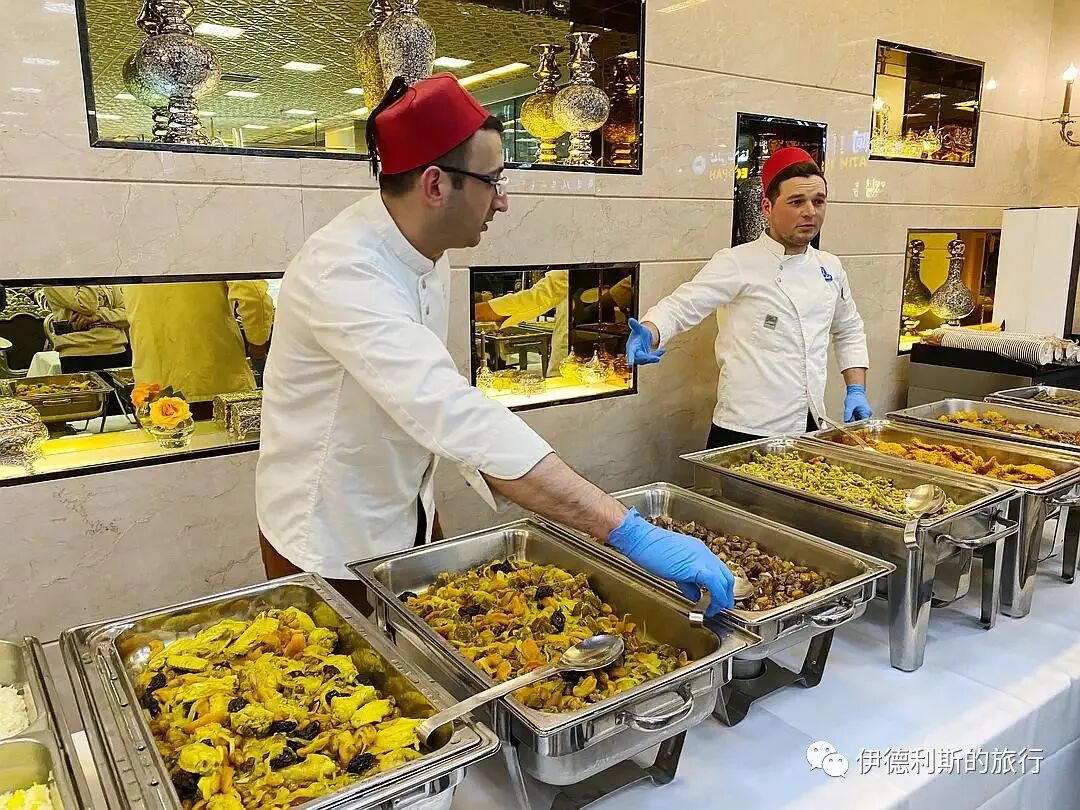
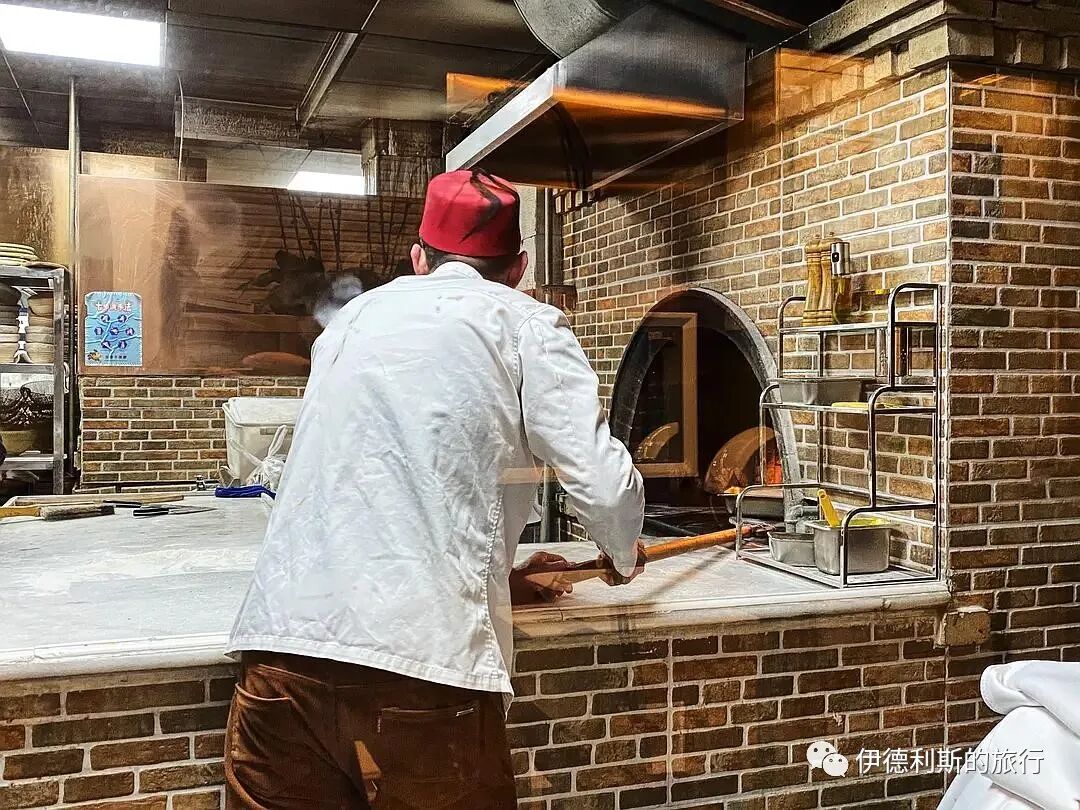
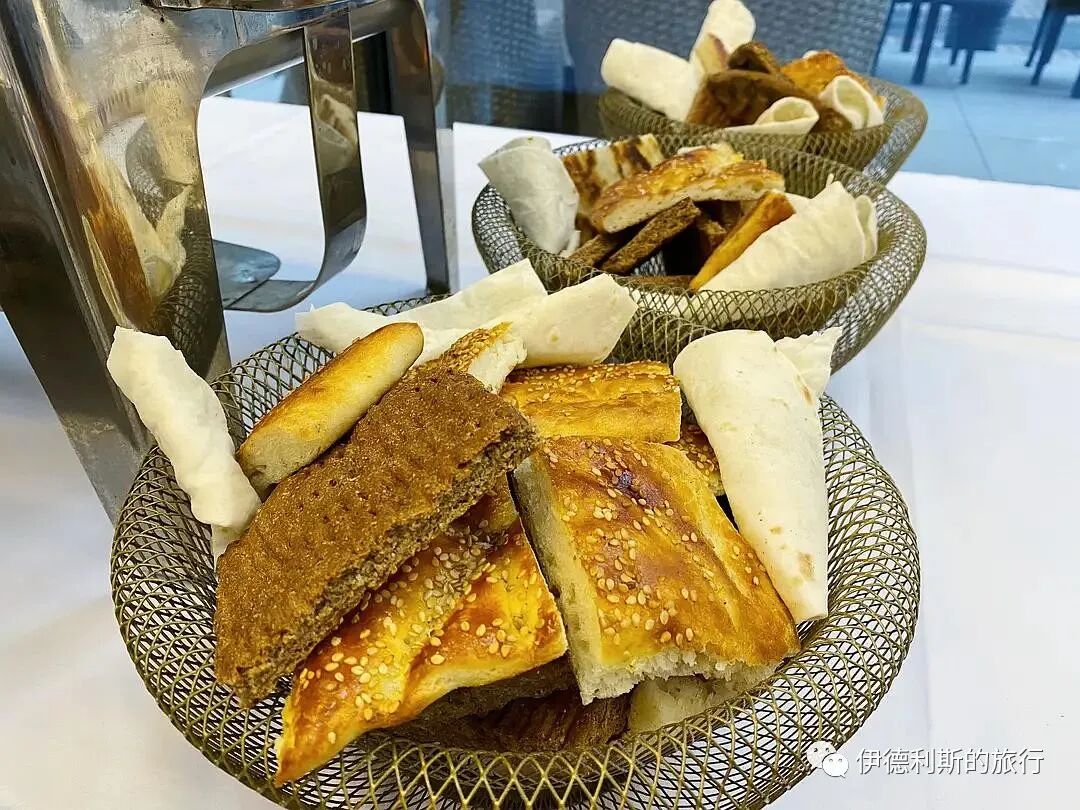
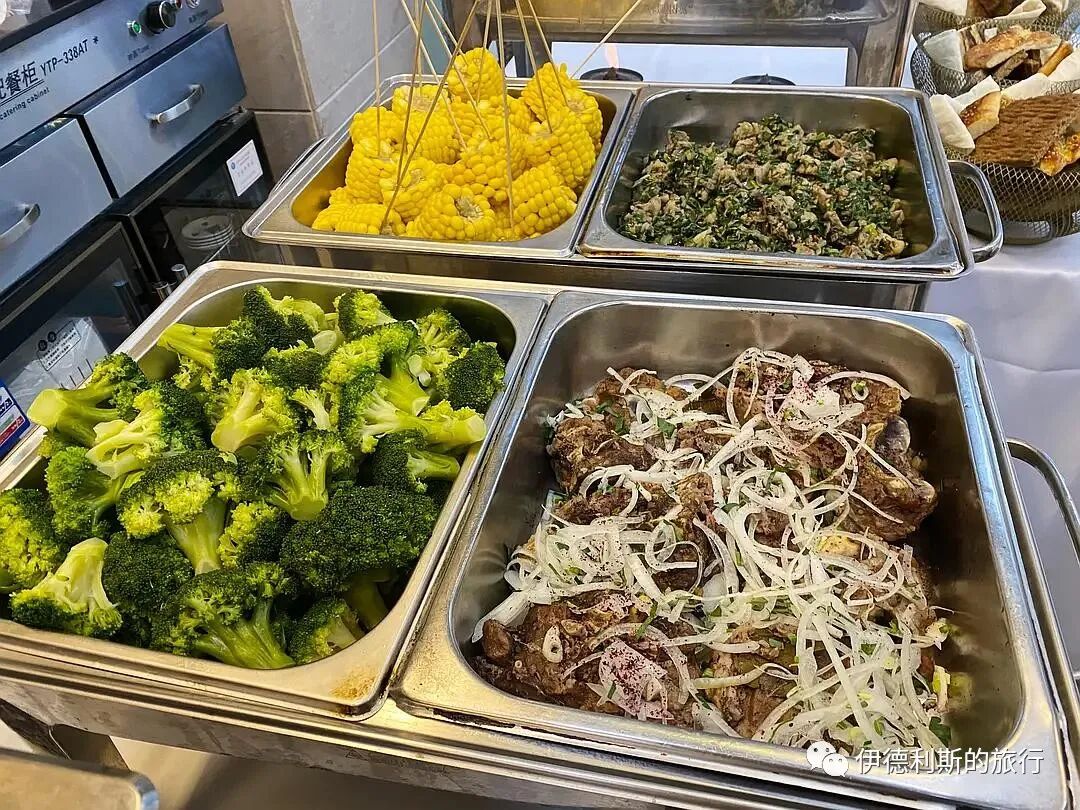
The best part is the unlimited grilled meat from their open-flame oven, including roast chicken, lamb chops, and kebab meat paste—you can eat your fill! They also have all kinds of flatbread (nang) and bread, plus Levantine appetizers and stews. They serve lentil soup made from three colors of lentils. For drinks, they have lemonade, salty yogurt drink (ayran), and Turkish black tea. For dessert, there is classic baklava and milk pudding, along with various fruits. Overall, their selection is really rich.
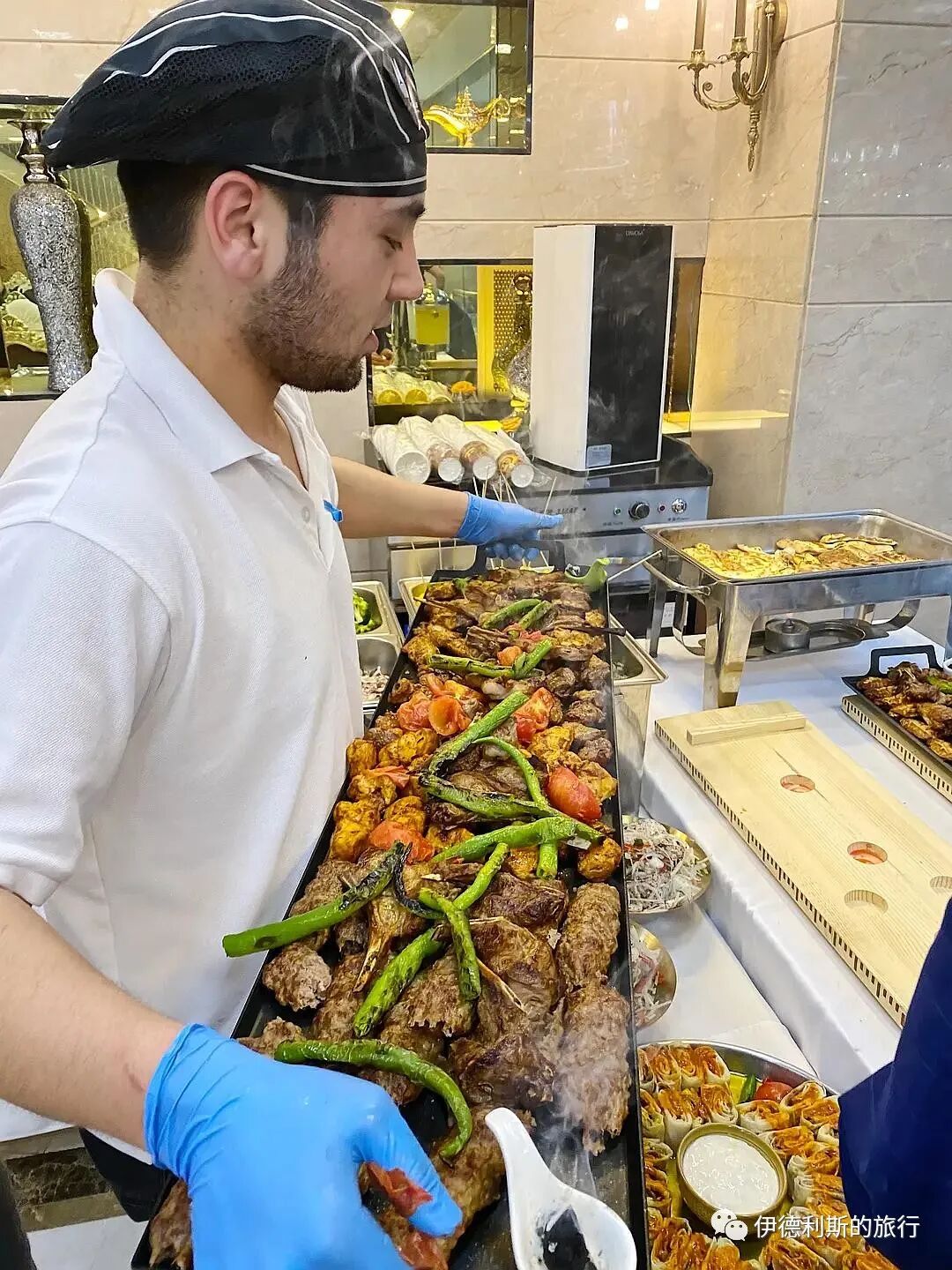
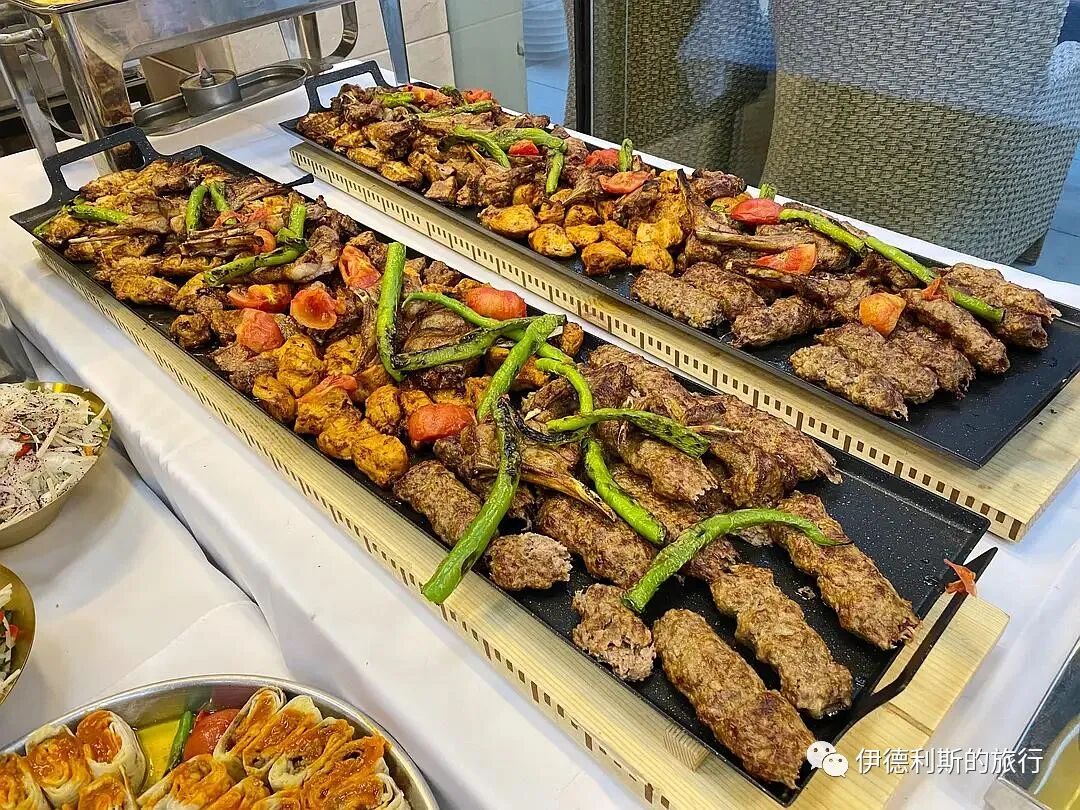
Freshly grilled in an open oven
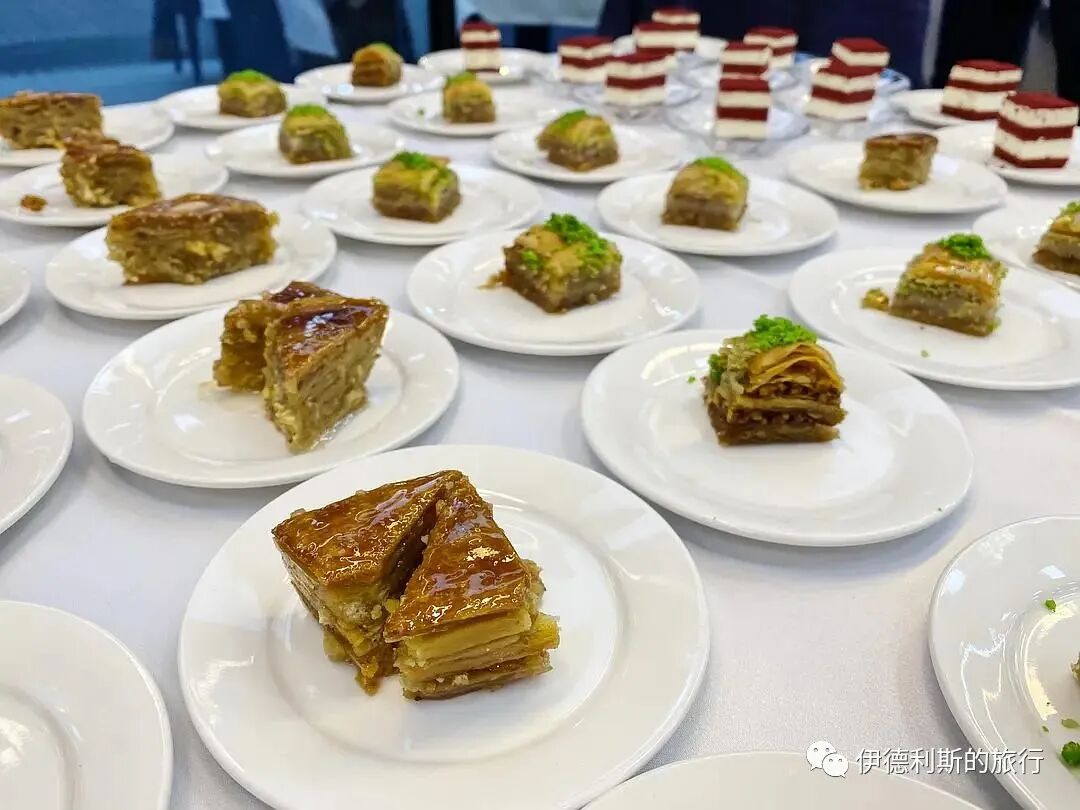
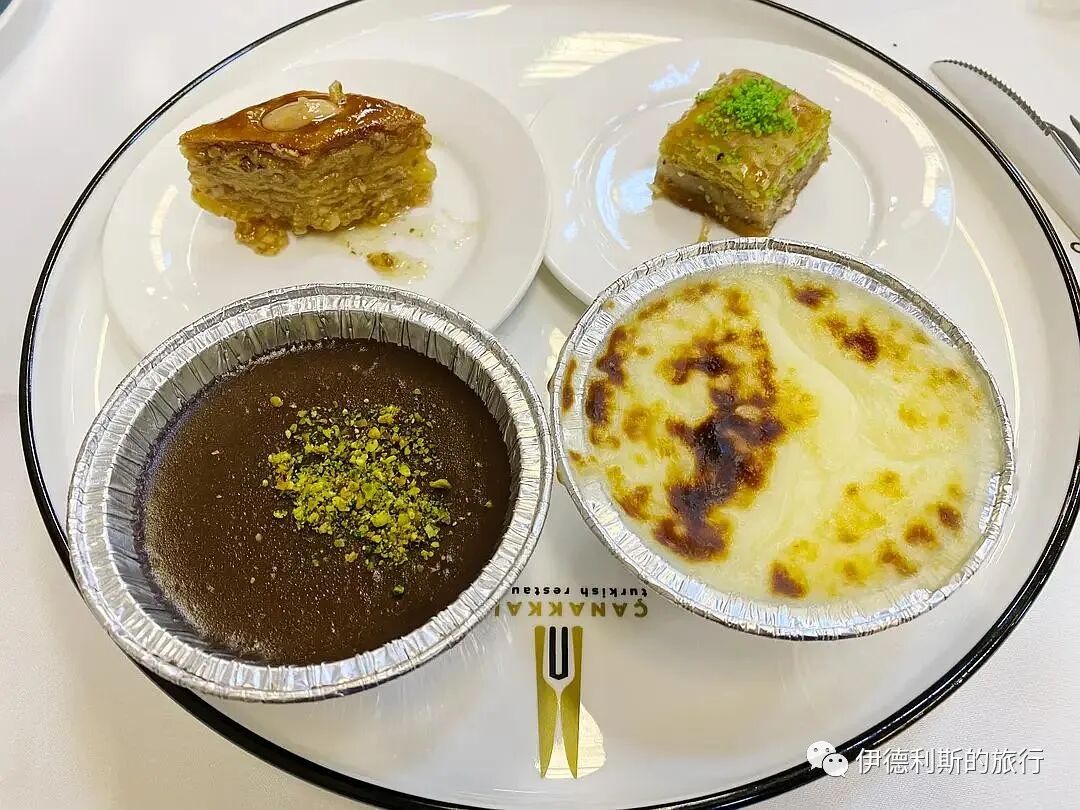
Baklava is the most famous dessert of the Ottoman Empire, developed by the royal chefs at the Ottoman Topkapi Palace. Every year on the 15th day of Ramadan, the Ottoman Sultan would attend a ceremony called Baklava Alayı, where trays of baklava were distributed to the Janissaries.
Baklava is a flaky pastry made by layering very thin unleavened dough (filo), topped with crushed pistachios, crushed walnuts, syrup, or honey.
Traditional Levantine appetizers were brought to Turkey and Azerbaijan following the Ottoman Empire.
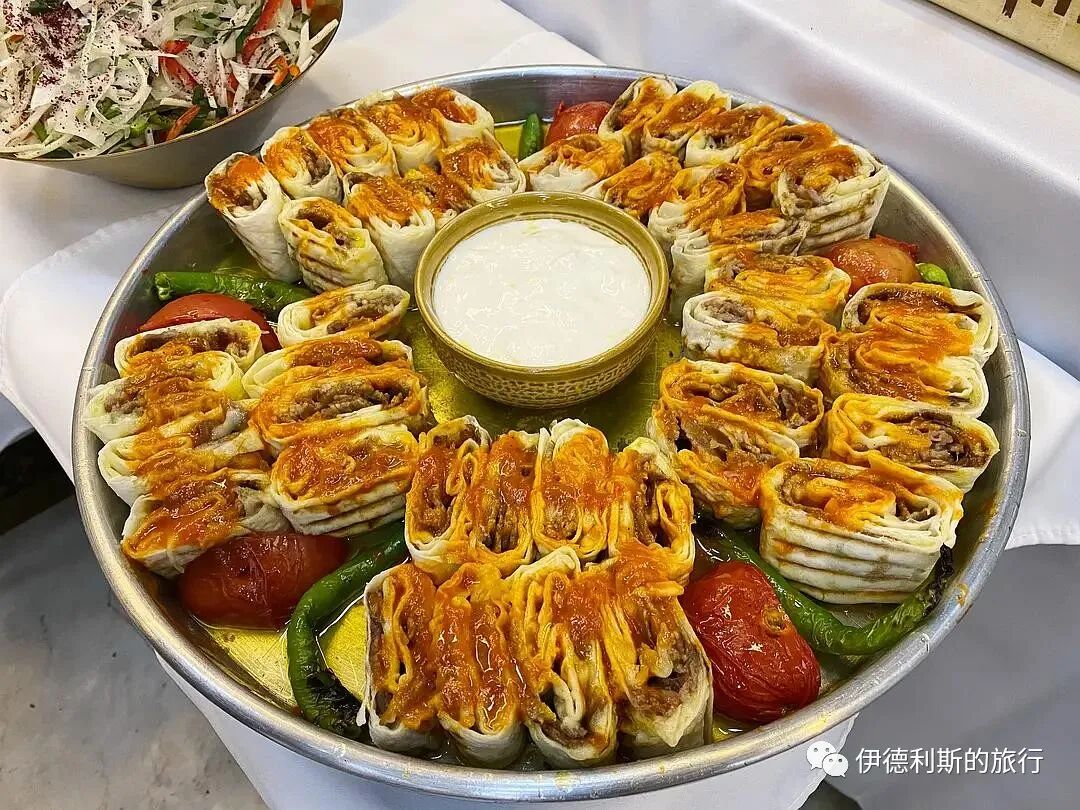
Adana kebab served with yogurt.
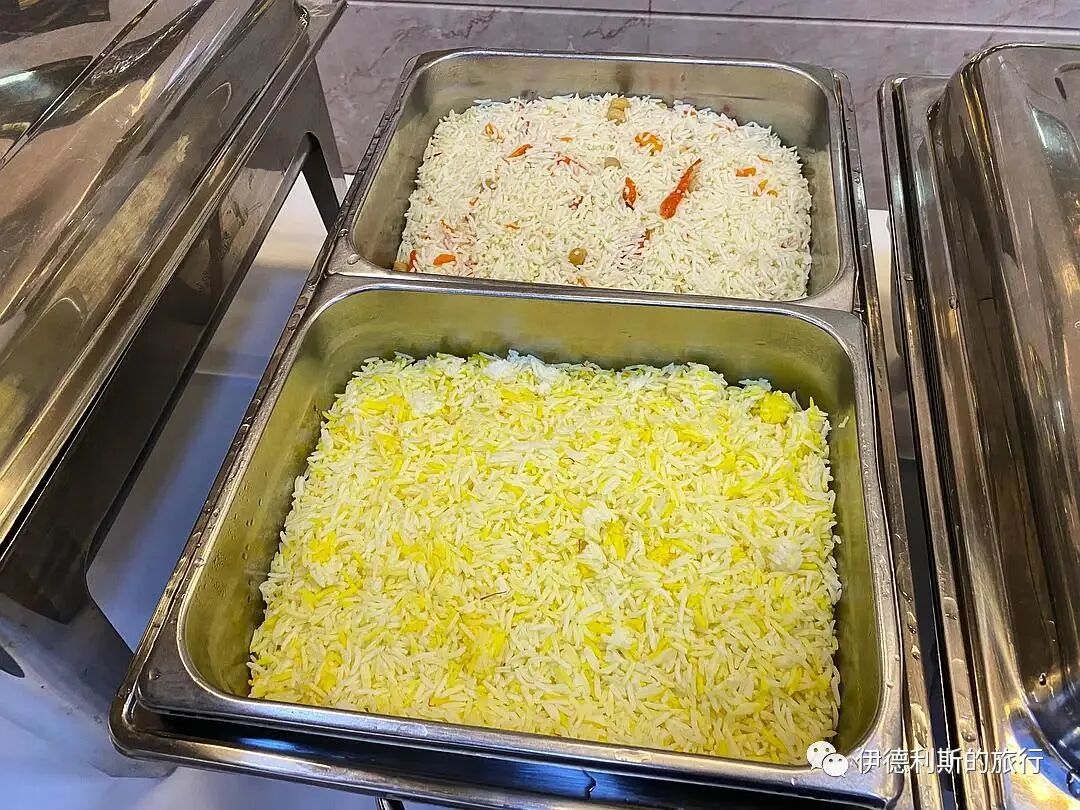
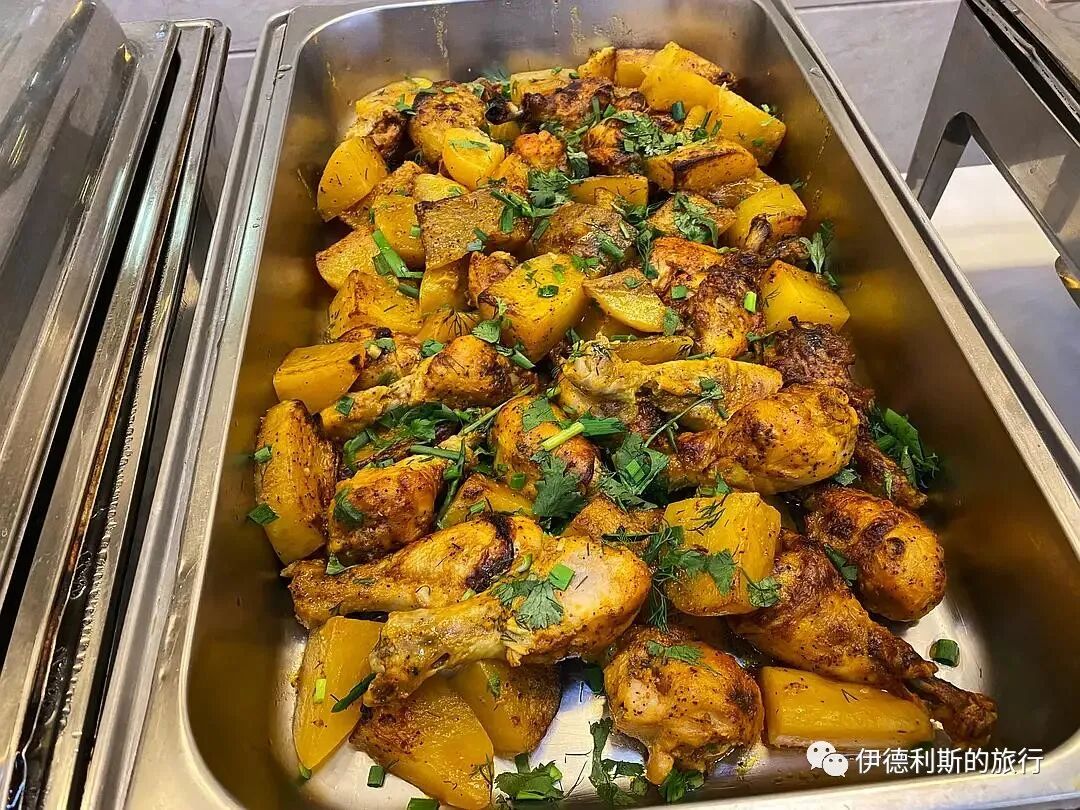
Azerbaijani pilaf (plov) and saffron rice served with various stews.
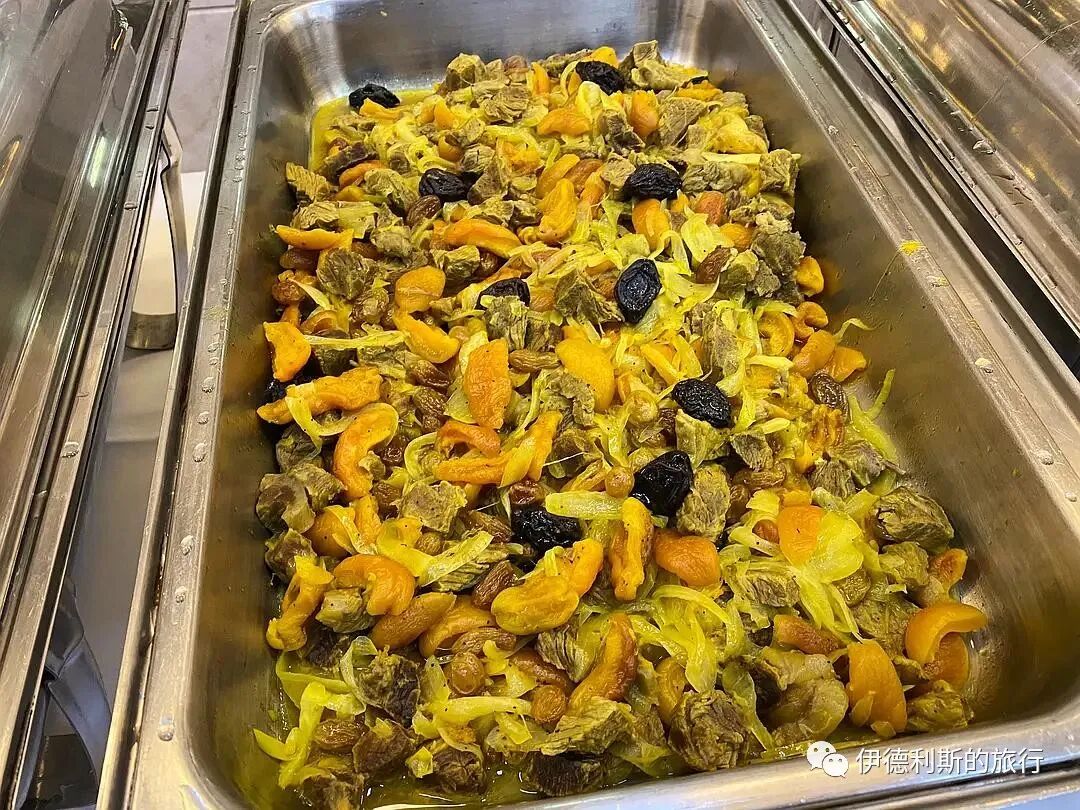
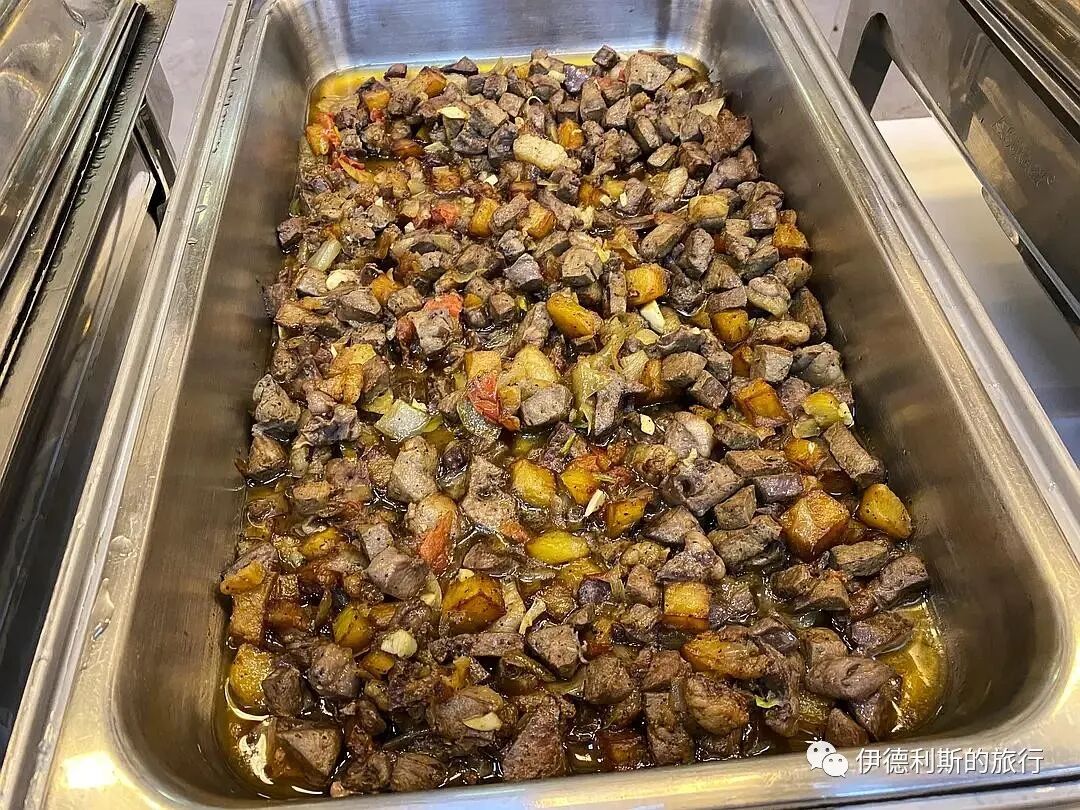
Beef stewed with apricots and lamb liver are my favorites; eating them feels like being back in the Old City of Baku.
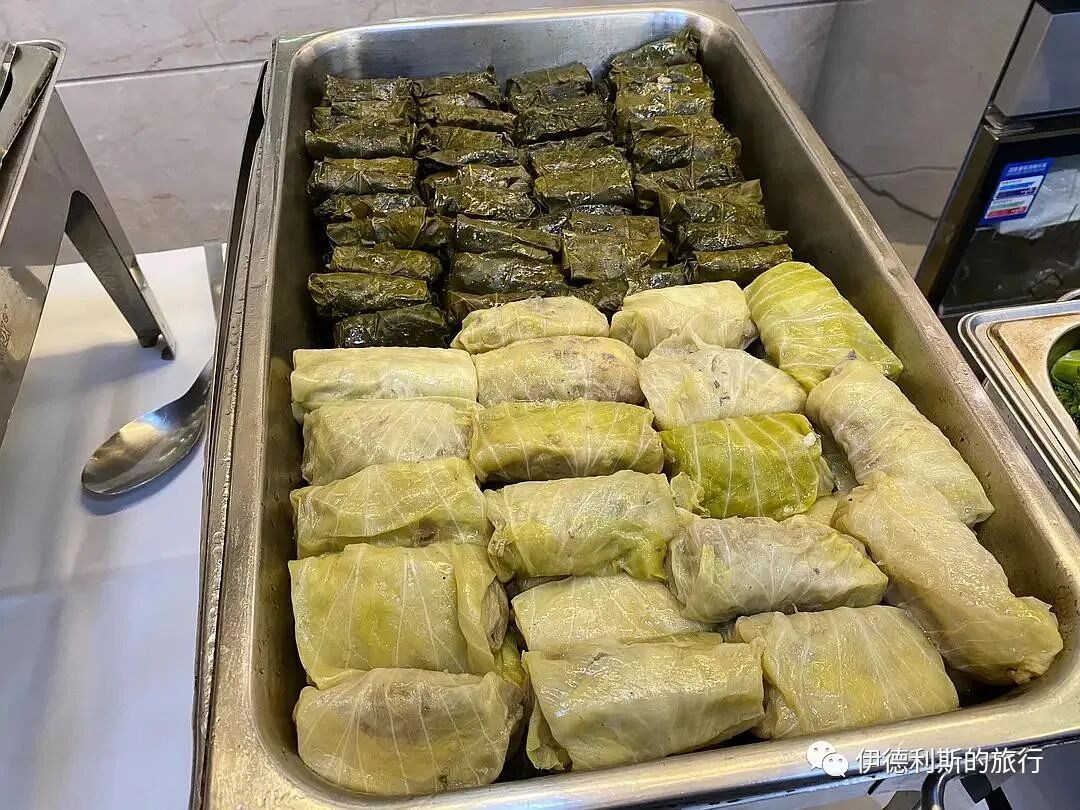
Stuffed vegetable rolls (dolma) can be made with grape leaves or cabbage, and this dish is very popular in former Ottoman regions.
2. Tunisia
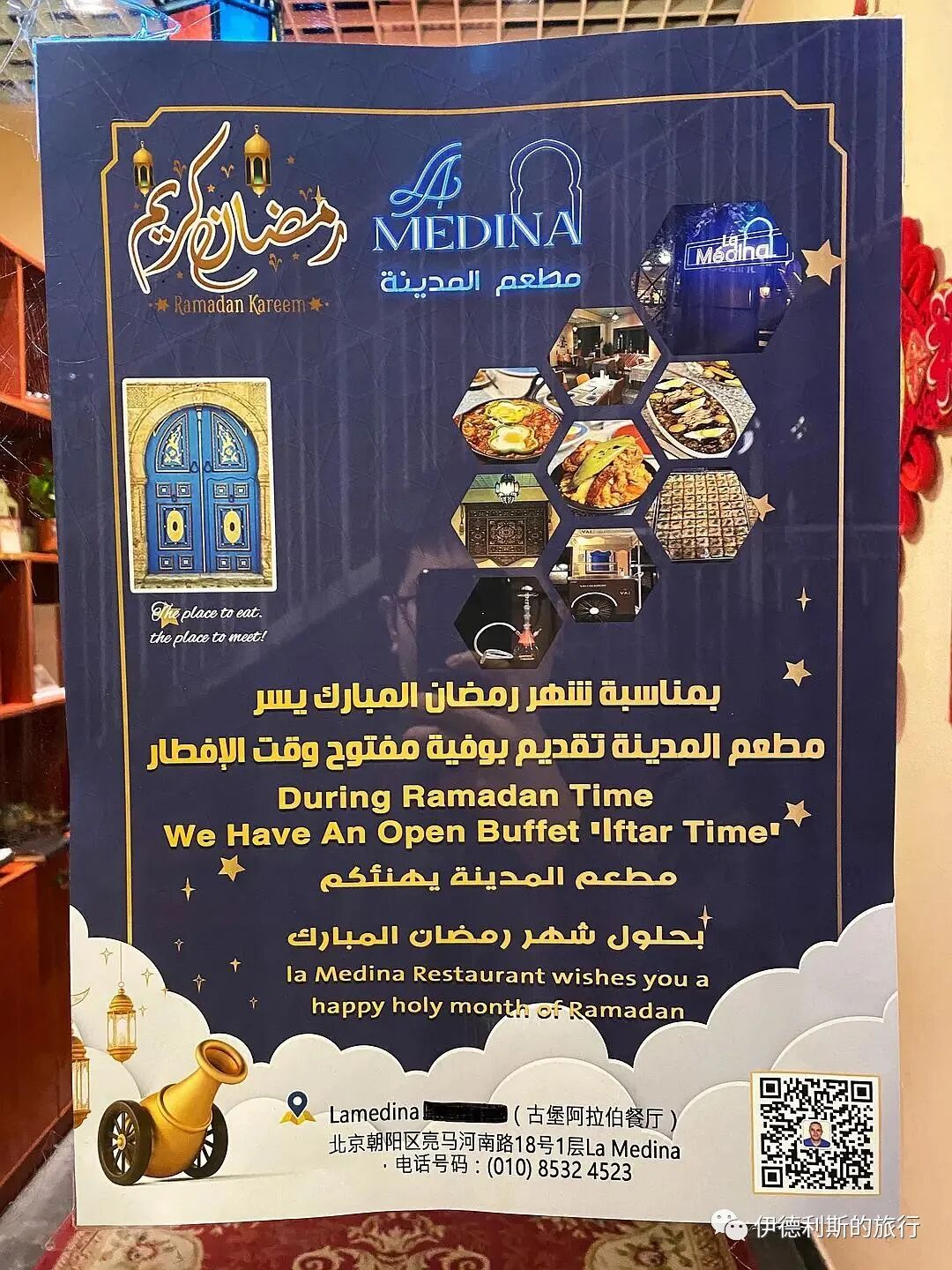
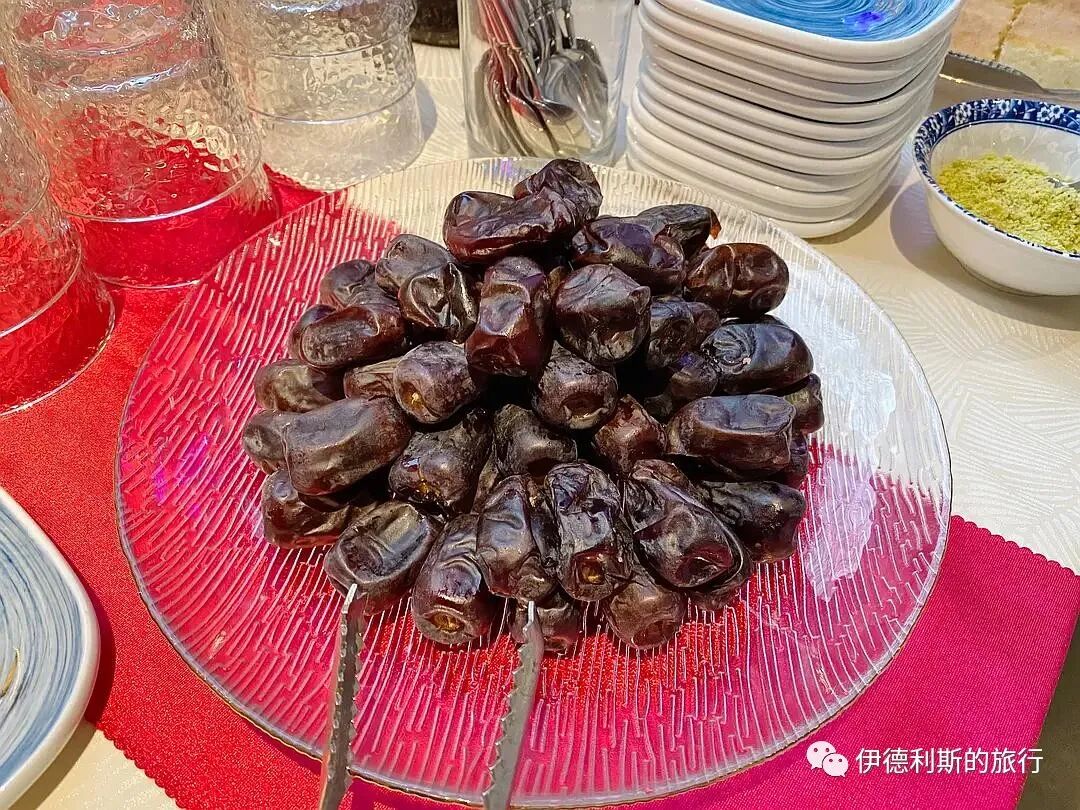
The second stop is La Medina, a Tunisian restaurant on Liangma River. First, follow the Sunnah by eating dates, then drink harissa soup. The first plate includes North African sausage (merguez), grilled meat (kebab), six types of Levantine and Maghreb appetizers (meze), fried chickpea balls (falafel), and fried meat balls (kibbeh). You can put the appetizers (meze) and fried chickpea balls (falafel) inside pita bread.
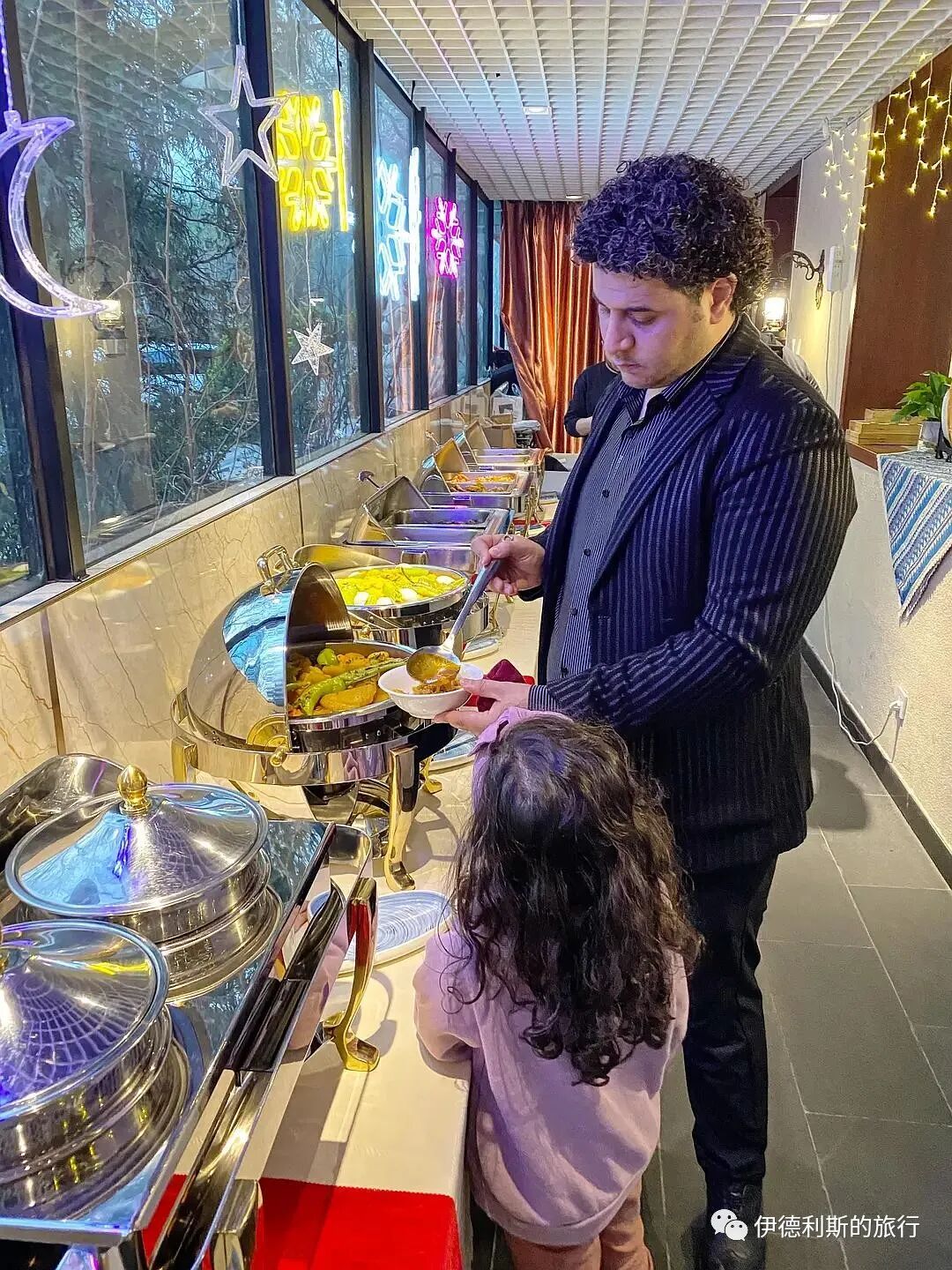
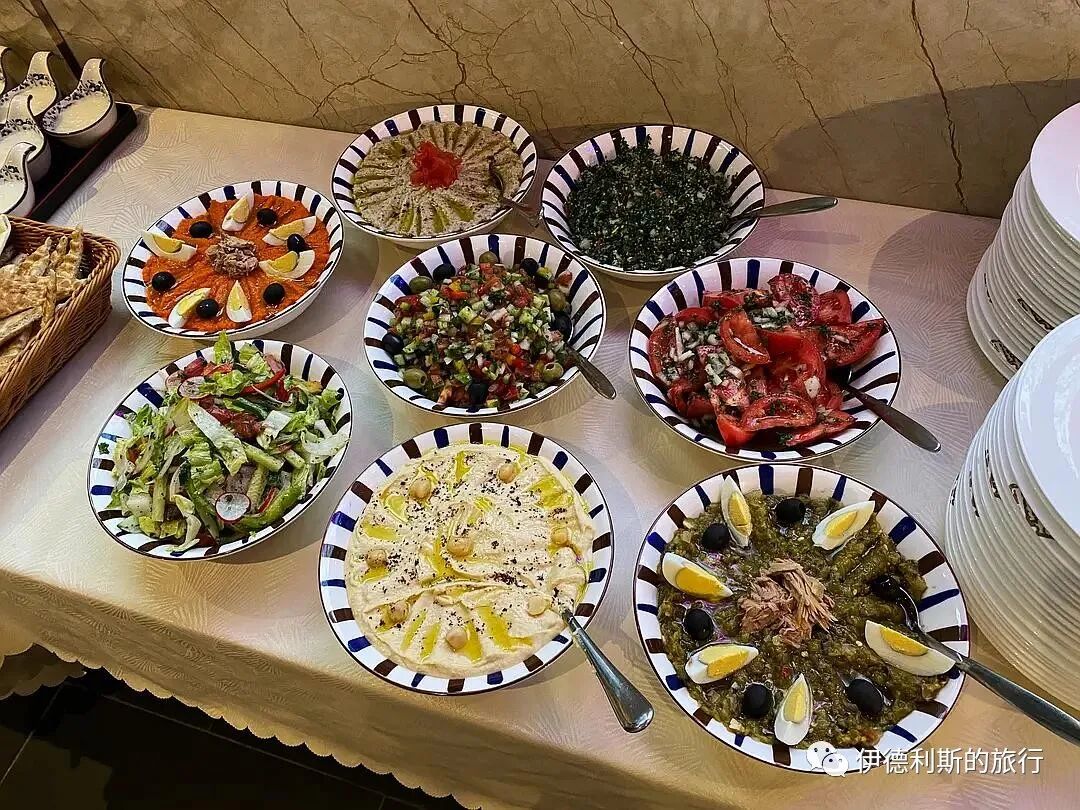
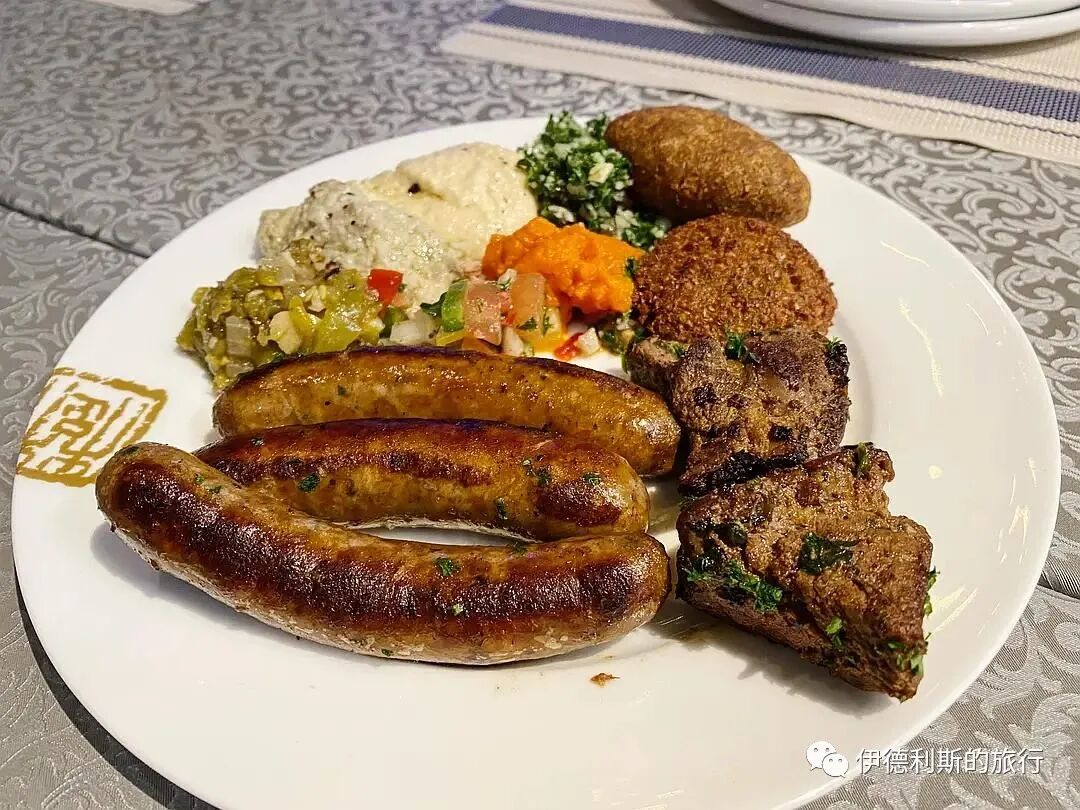
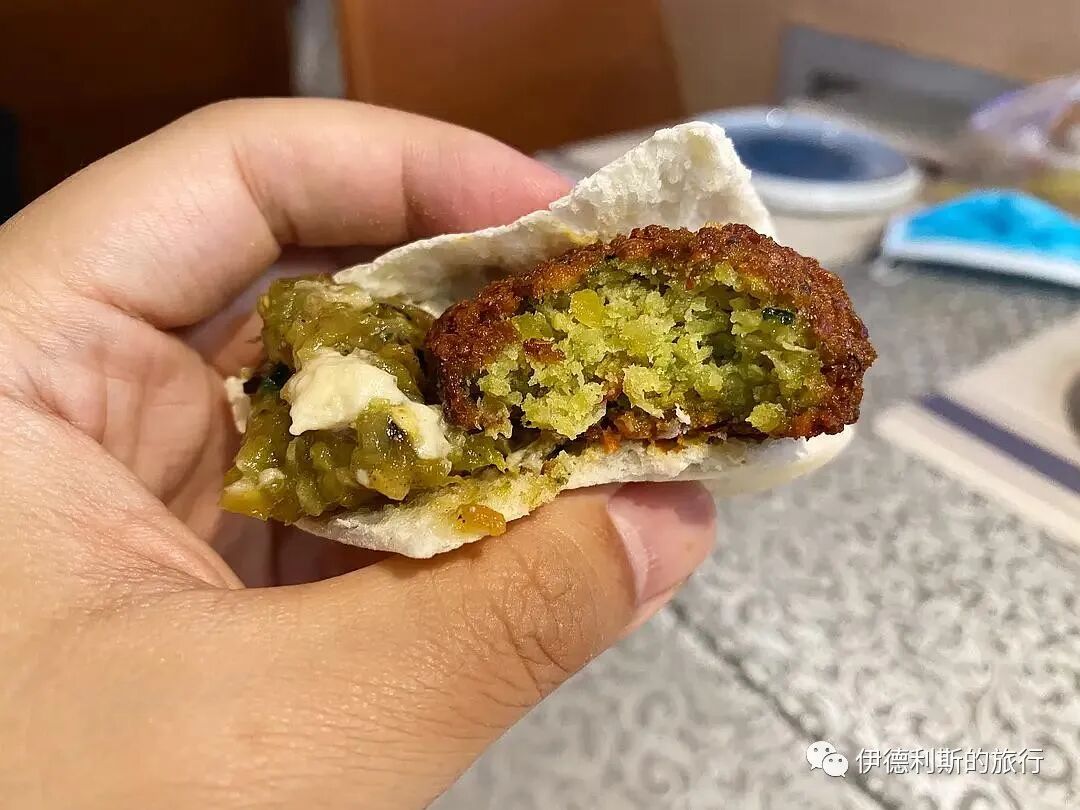
Harissa is known as the national condiment of Tunisia. It is a signature spicy sauce from the Maghreb region made with Maghreb-style Baklouti peppers mixed with caraway, coriander seeds, cumin, garlic, and other spices. The name Baklouti comes from the coastal Tunisian city of Bekalta.
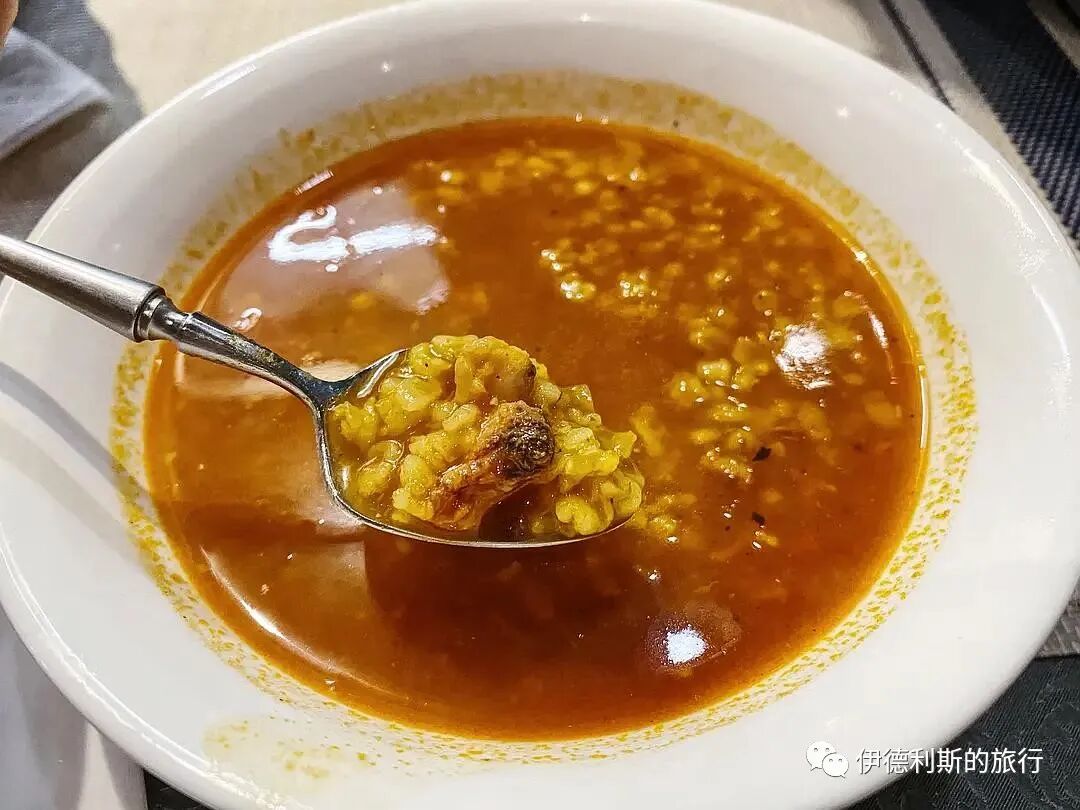
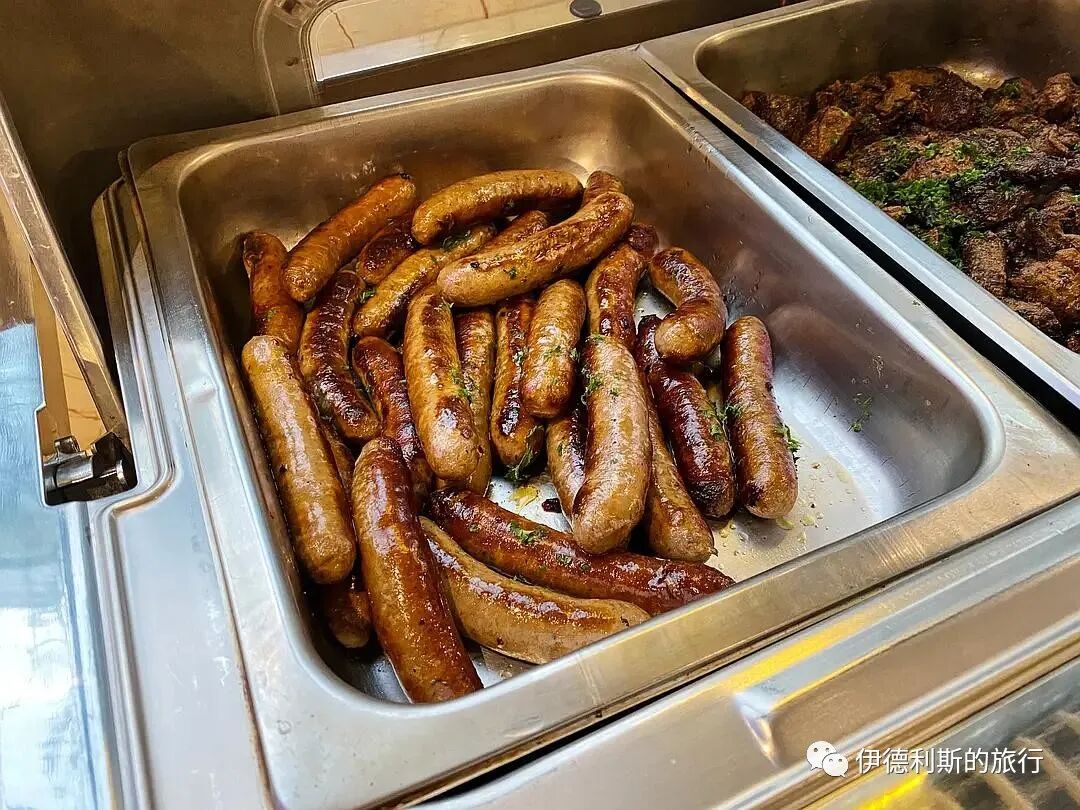
North African sausage (merguez) is made with lamb and beef, mixed with fennel seeds, harissa, chili, and various other spices, and is usually grilled. Merguez sausage (merguez) first appeared in 12th-century Andalusia and later spread across North Africa. In Beijing, you can only find it at La Medina.
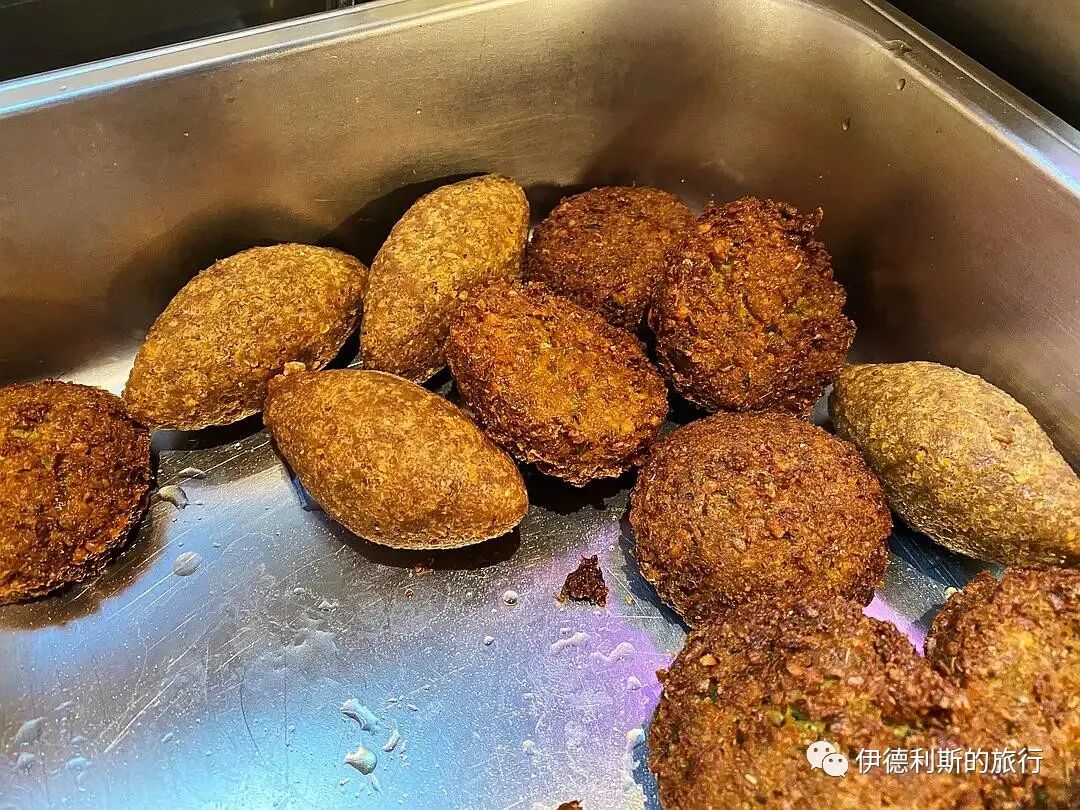
Falafel is common in restaurants across the former Ottoman regions, but Kibbeh is not found everywhere. Kibbeh originated in the Levant. It is made of cracked wheat wrapped around a filling of minced meat, chopped onions, and Middle Eastern spices like cinnamon, nutmeg, cloves, and allspice.
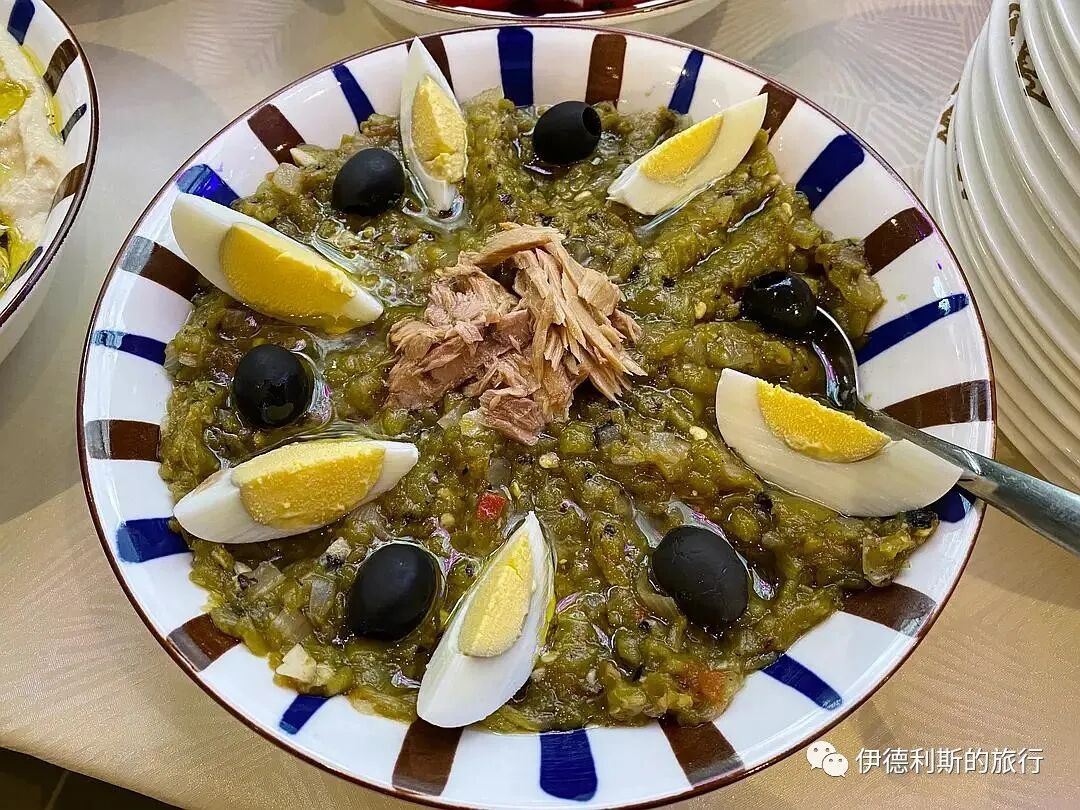
The Tunisian appetizer Mechouia is only available at this restaurant in Beijing. Mechouia is made by roasting onions, green peppers, tomatoes, and garlic in an oven, then seasoning them with caraway, salt, and black pepper. After it is prepared, it is drizzled with olive oil and garnished with olives, tuna, and boiled eggs.
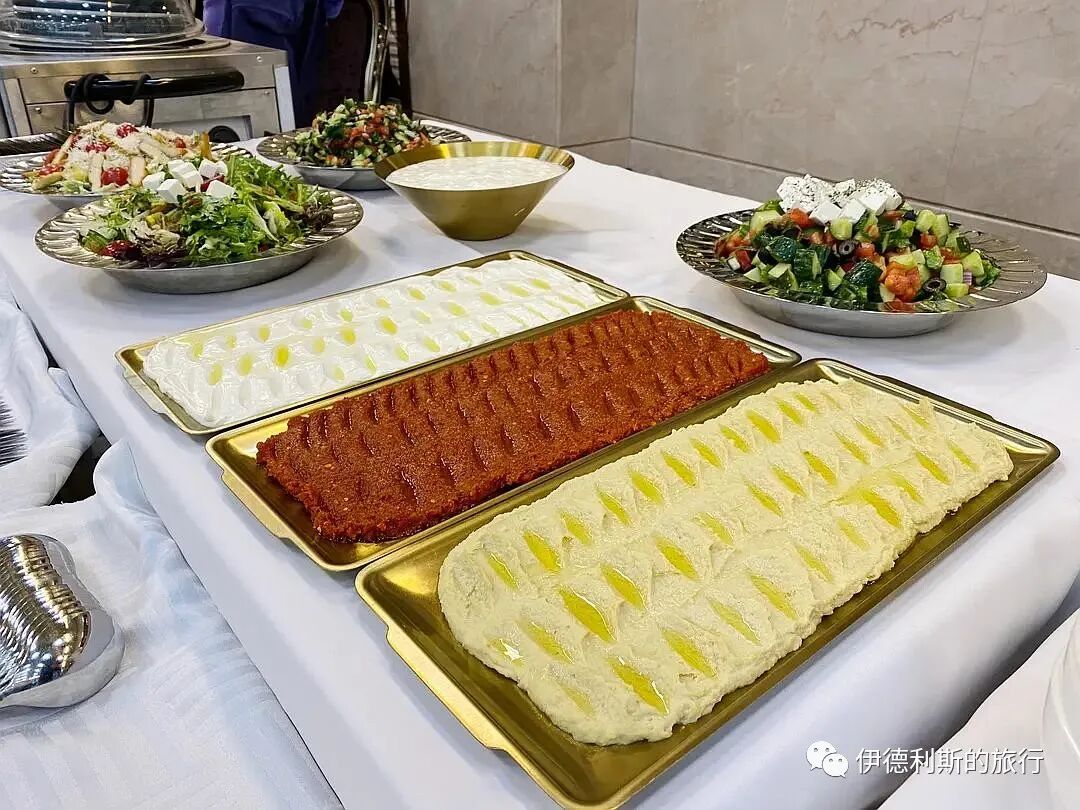
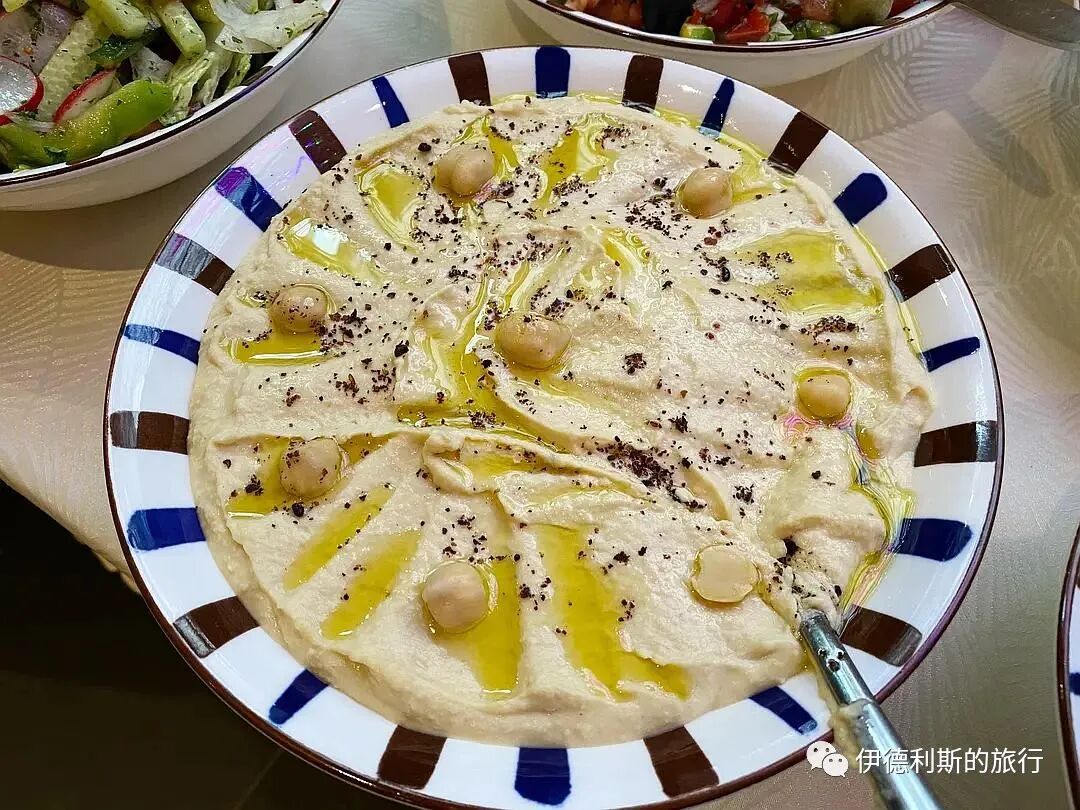
Classic chickpea dip (hummus) is available in almost every Middle Eastern restaurant.
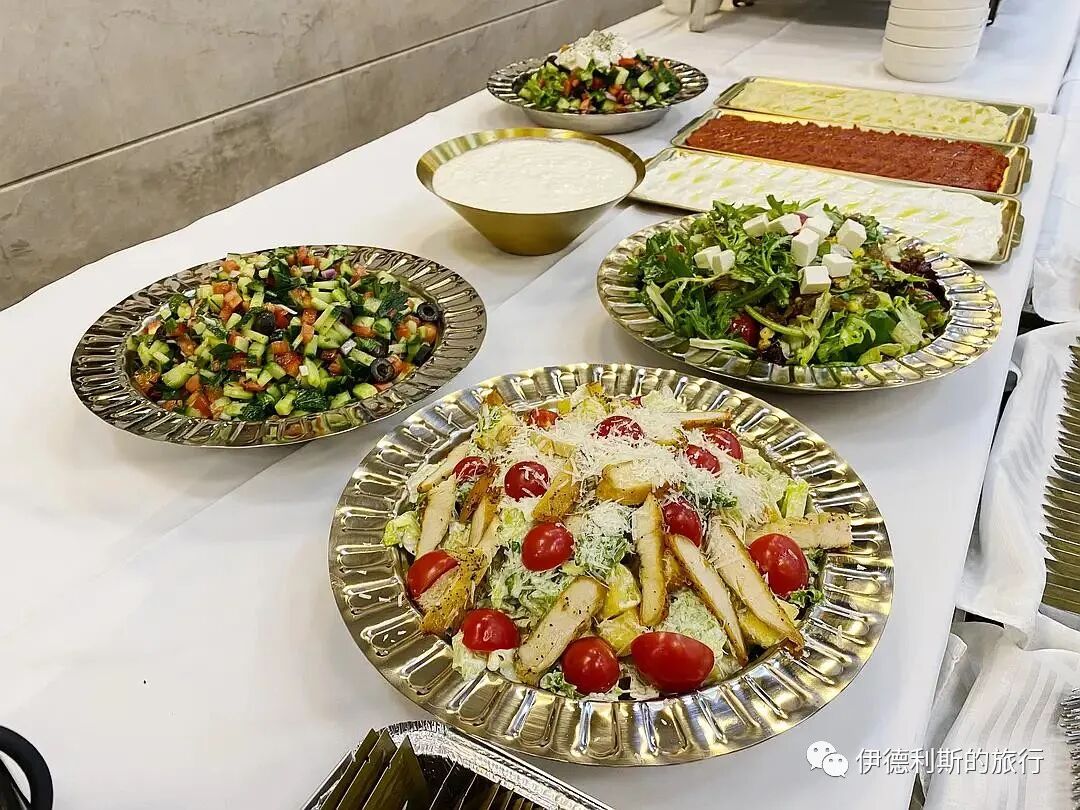
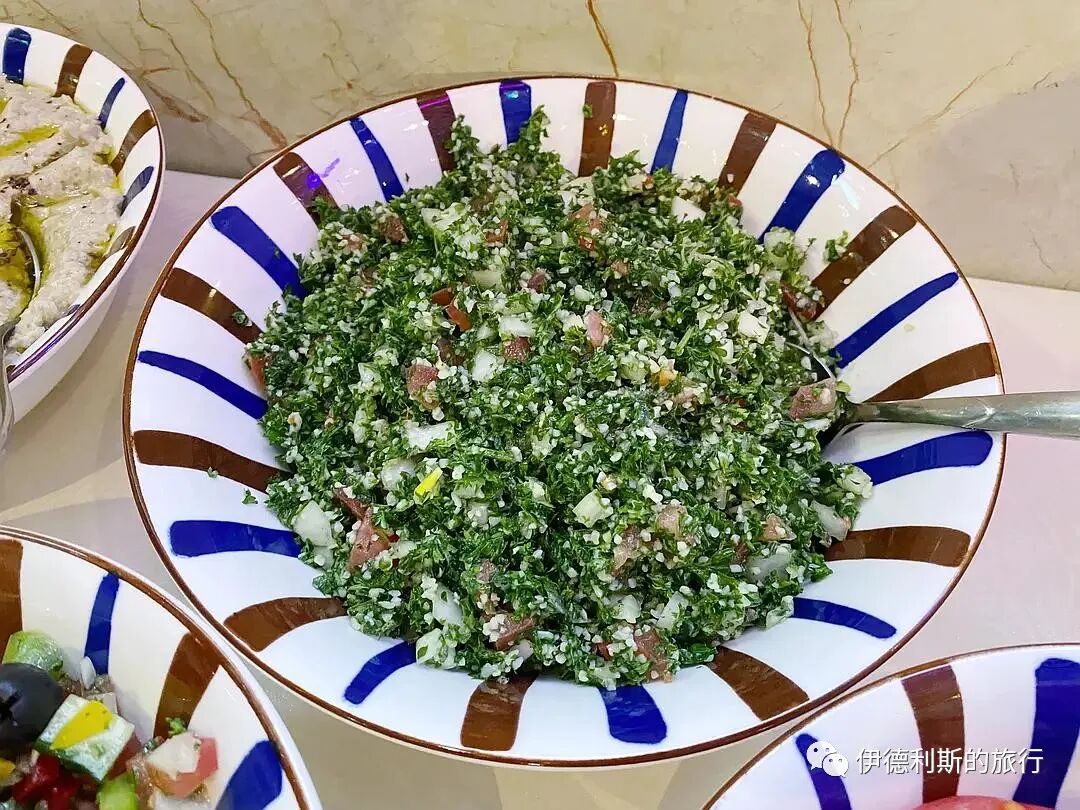
Tabbouleh (tabbouleh) is made of chopped parsley, tomatoes, mint, onions, and bulgur (cracked dried wheat). It is seasoned with olive oil, lemon juice, salt, and pepper.
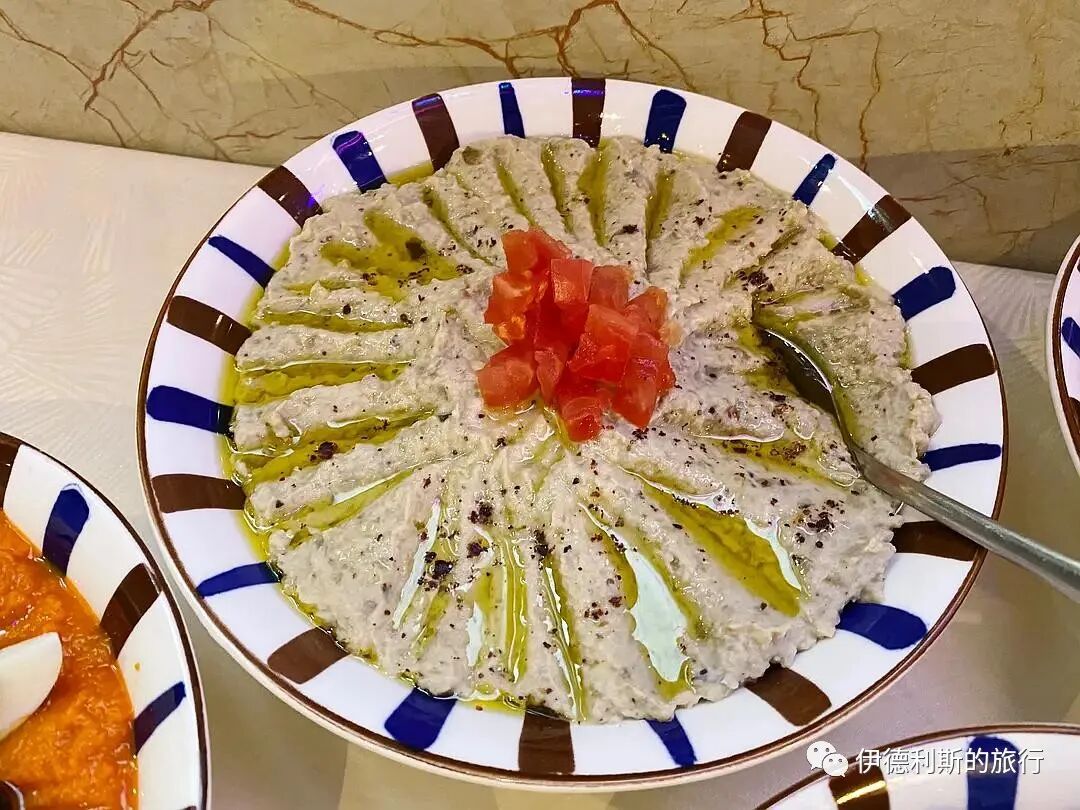
Roasted eggplant dip (mutabbal) is served with olive oil and lemon juice.
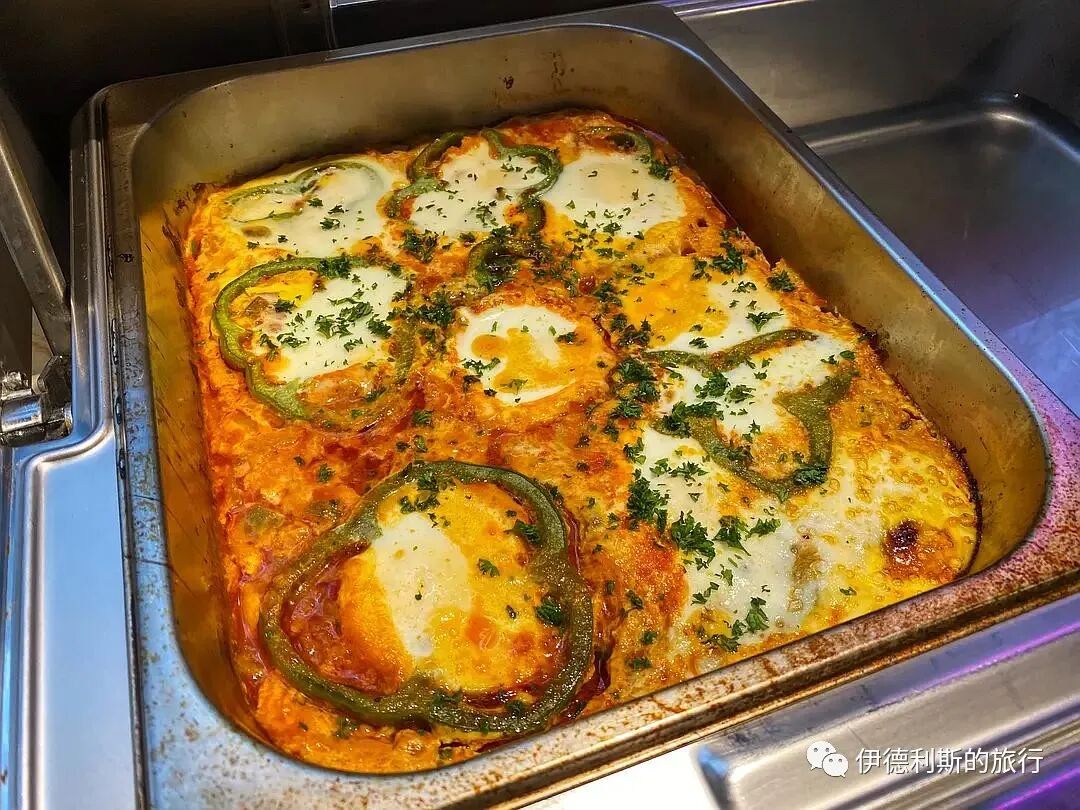
North African eggs (shakshouka) is a traditional Maghreb dish. It is made by poaching eggs in a sauce of tomatoes, olive oil, peppers, onions, and garlic, seasoned with cumin and chili. This dish appeared in the mid-16th century after tomatoes and peppers were introduced to North Africa from the Americas during the Ottoman period.
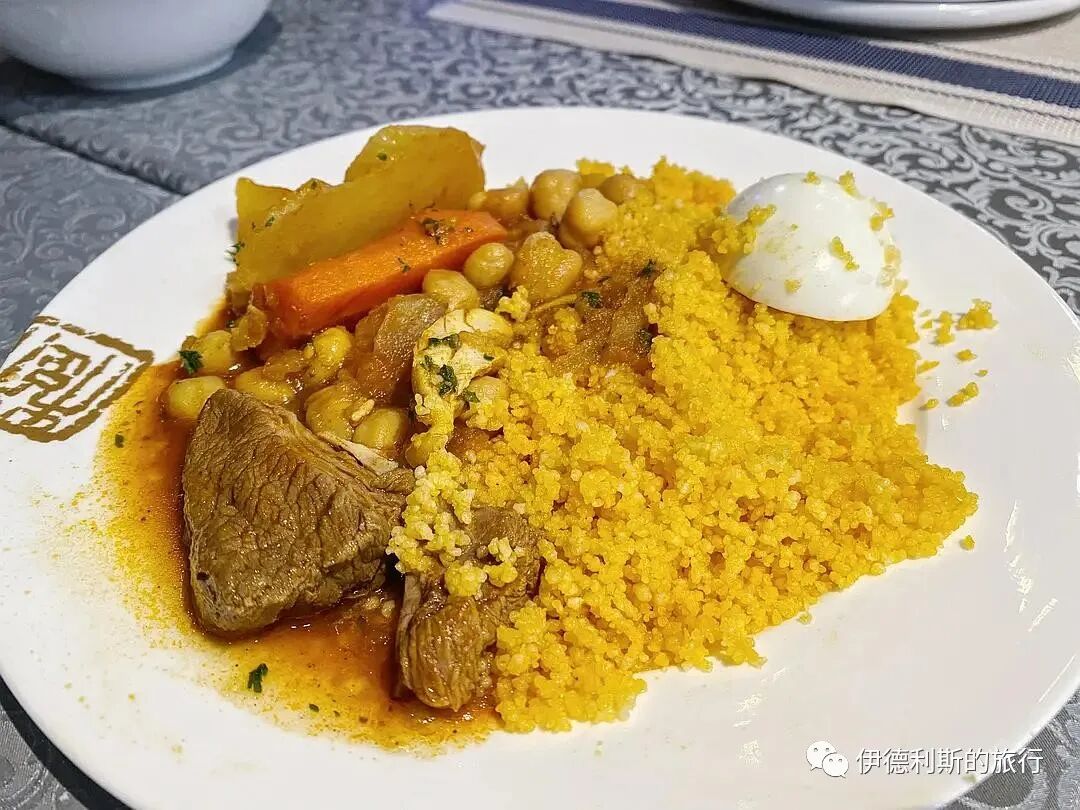
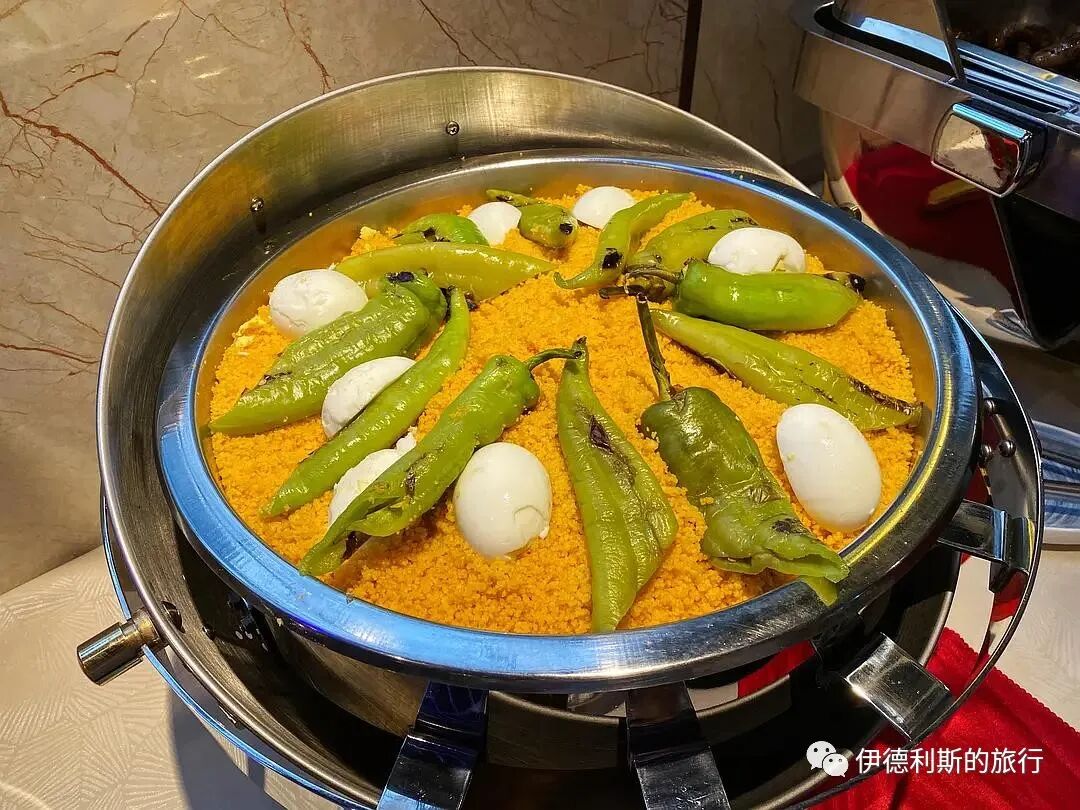
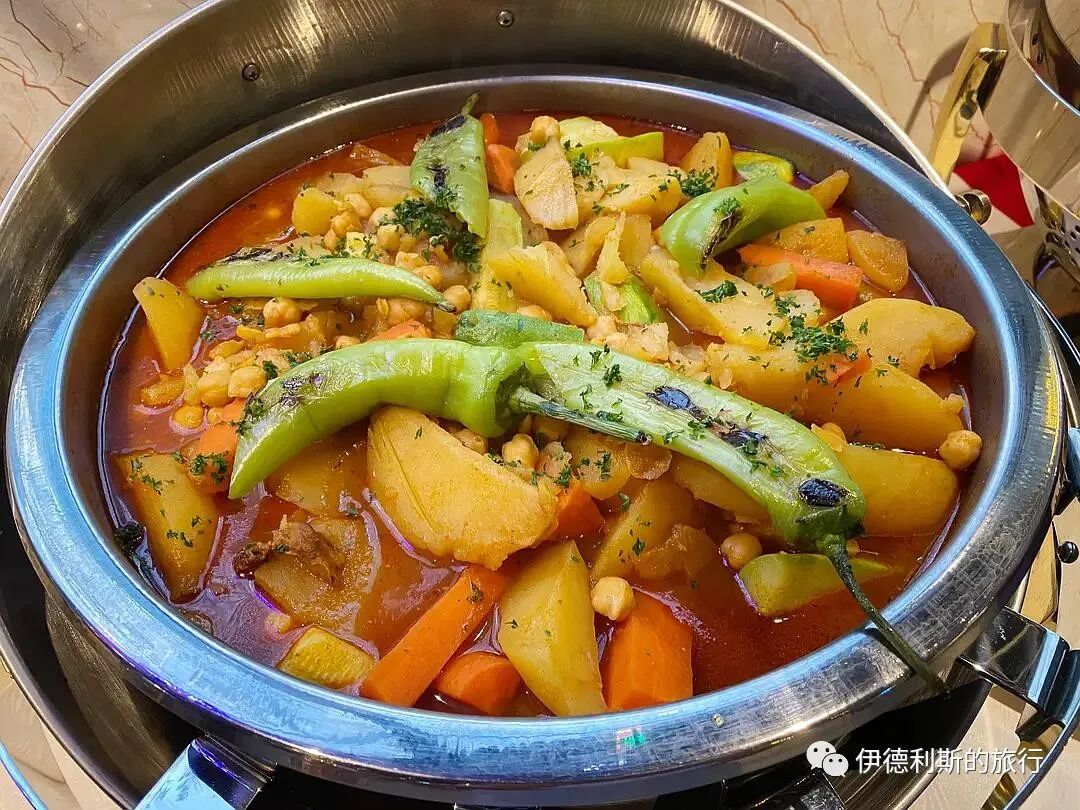
The second dish was the classic North African Berber meal of couscous (couscous) served with a clay pot stew (tajine). Couscous is a staple food for the Berber people. It is made by rolling semolina flour into millet-sized grains and then drying them. A tagine (tajigu) is a clay pot with a flat, round bottom and a cone-shaped or domed lid. This design lets steam condense and drip back to the bottom, and you can also add water through a hole in the lid.
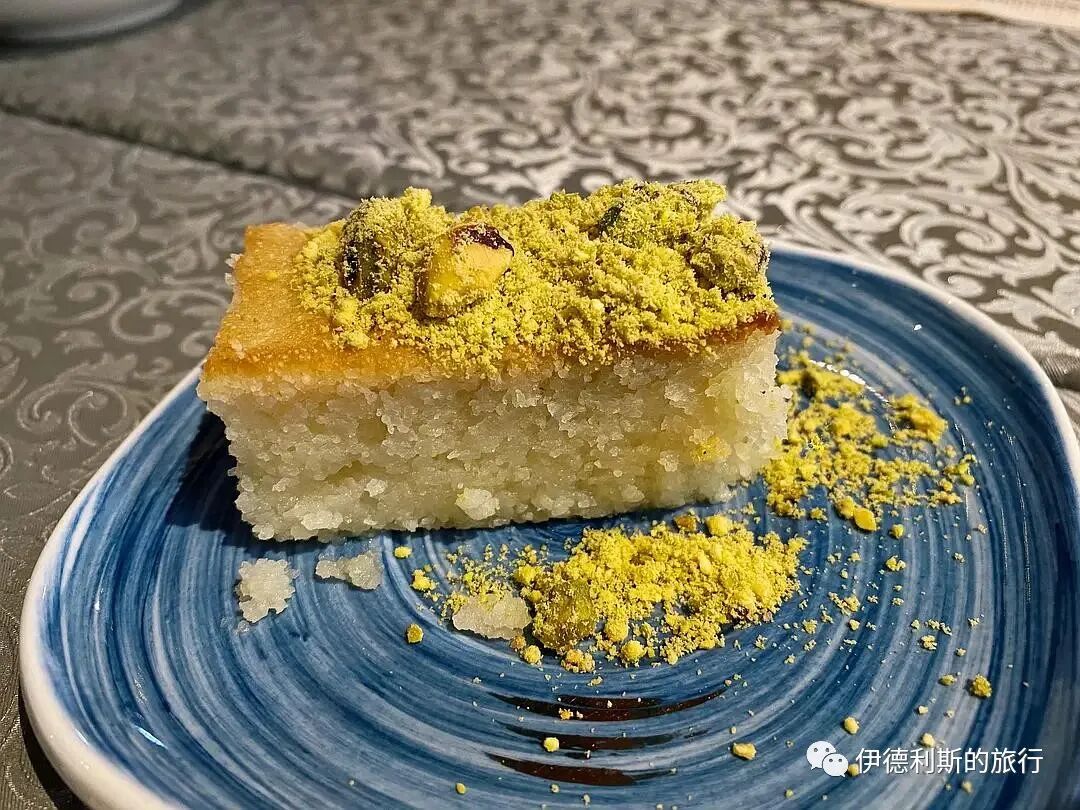
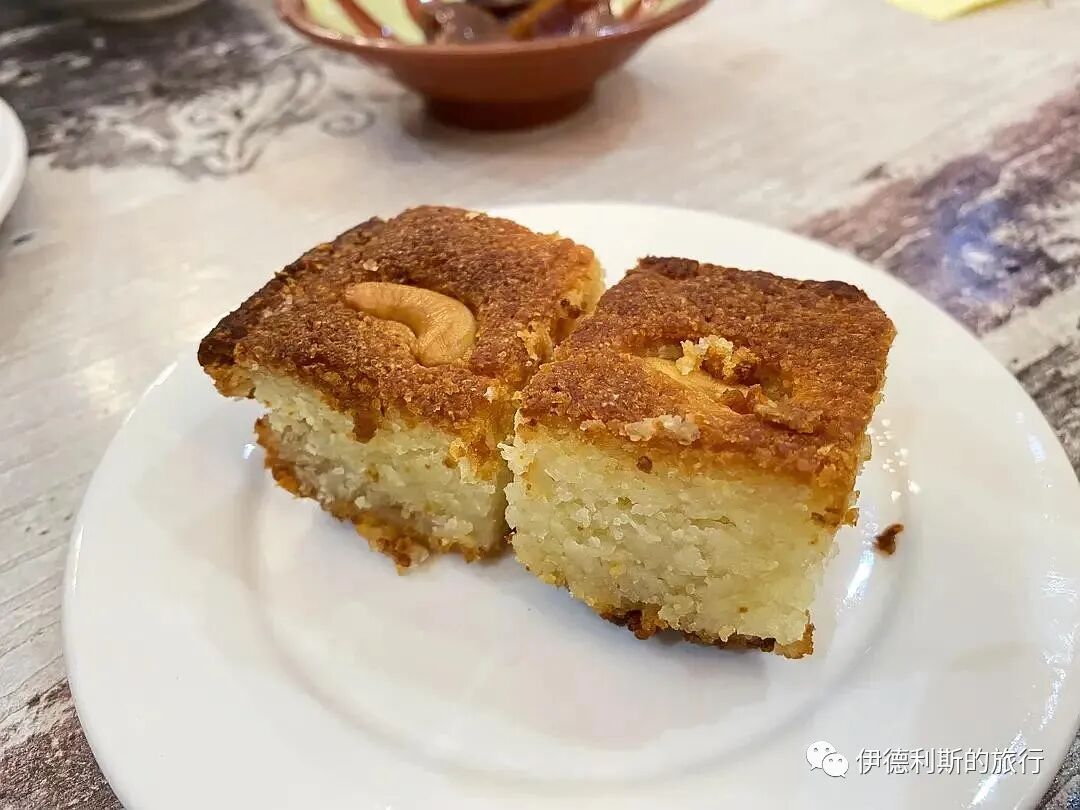
For dessert, we had Basbousa, which comes from Egypt. They let you add your own crushed pistachios, so I scooped on a big spoonful. Basbousa is a semolina cake soaked in syrup. It is baked in a pan and then soaked in orange blossom water, rose water, or simple syrup.
3. Jordan
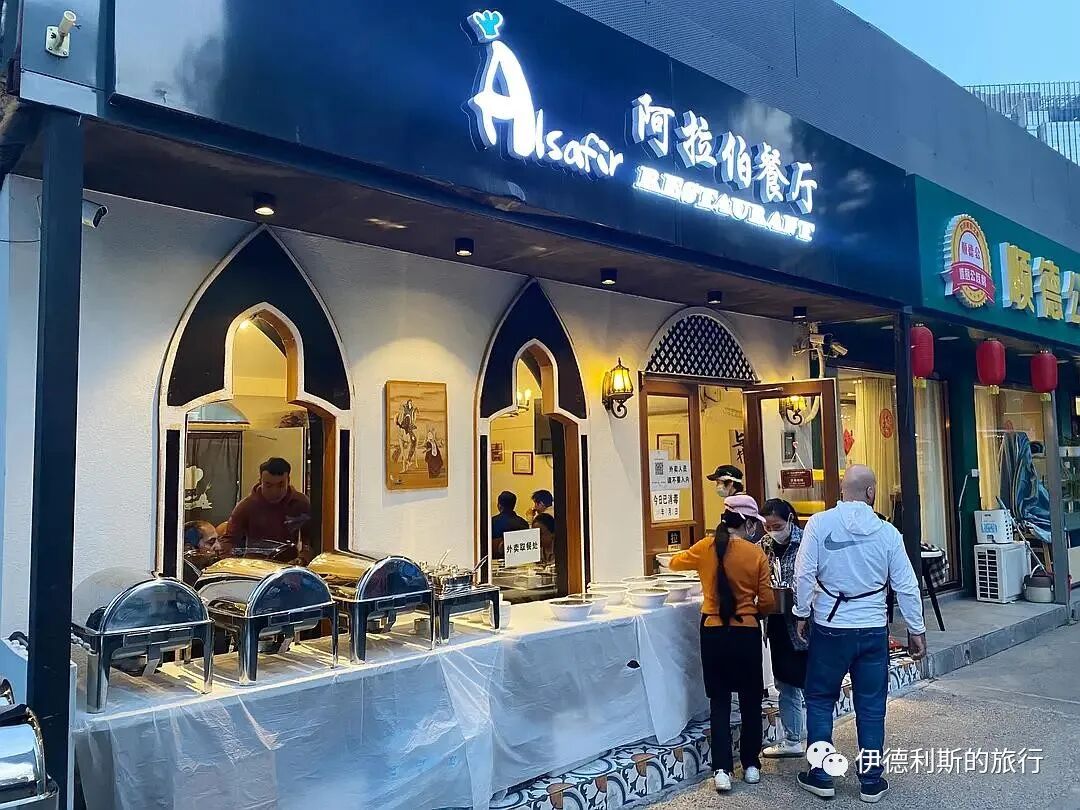
Our third stop was Al Safir, a Levantine restaurant at Sanyuanqiao. The owner is a Palestinian from Jordan.
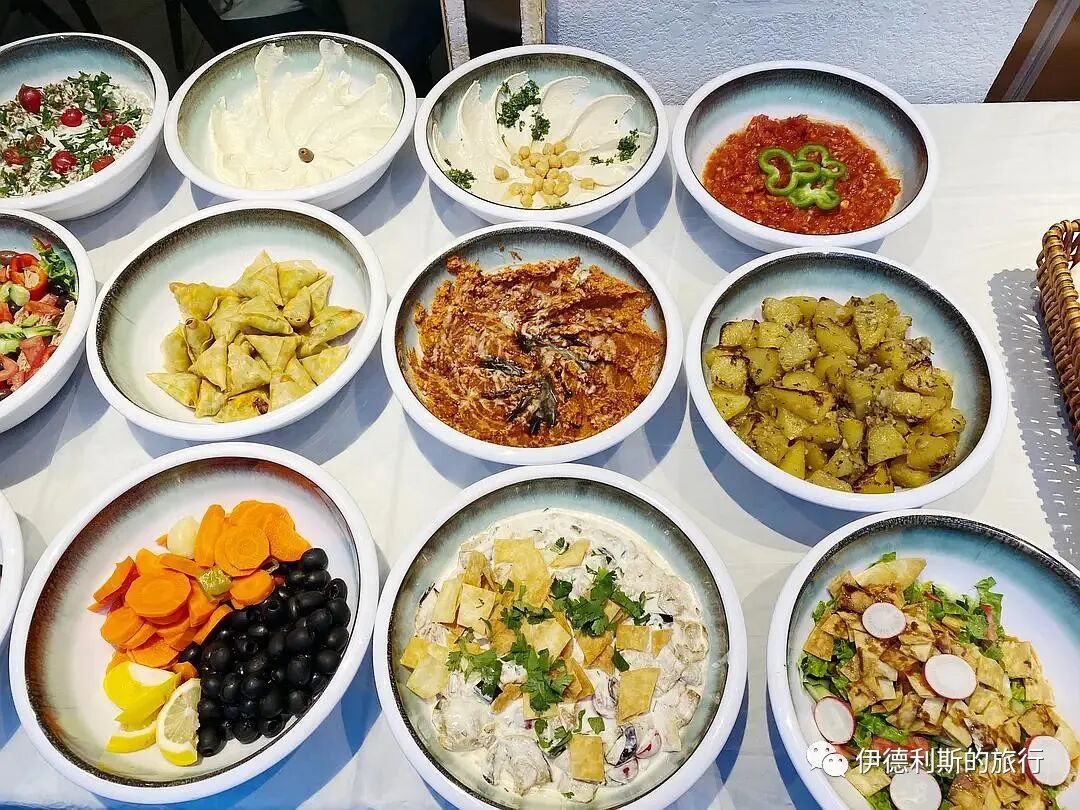
The three Ramadan iftar buffets I have tried so far each have their own style. Dardanelles has the most variety, and their open-flame grilled meat is unlimited. La Medina is the only place in Beijing where you can find a Maghreb buffet, which makes it very unique. Al Safir has the best selection of Levantine appetizers known as meze, and their falafel and grilled chicken wraps are the tastiest.
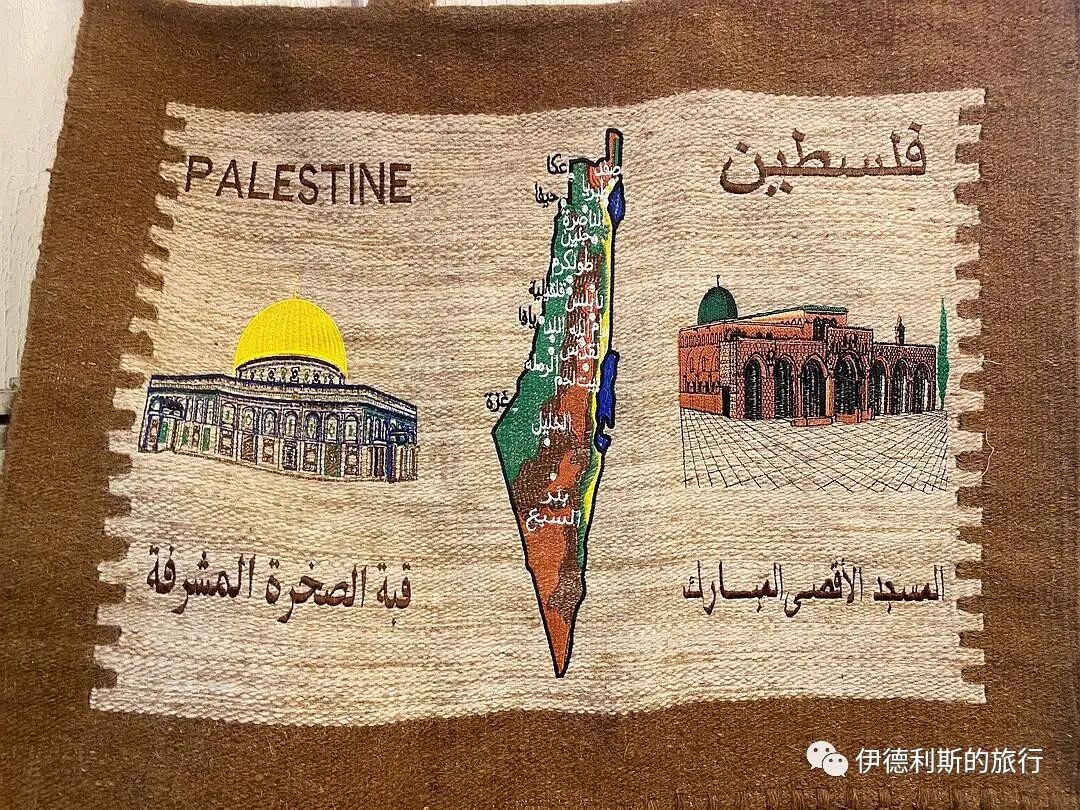
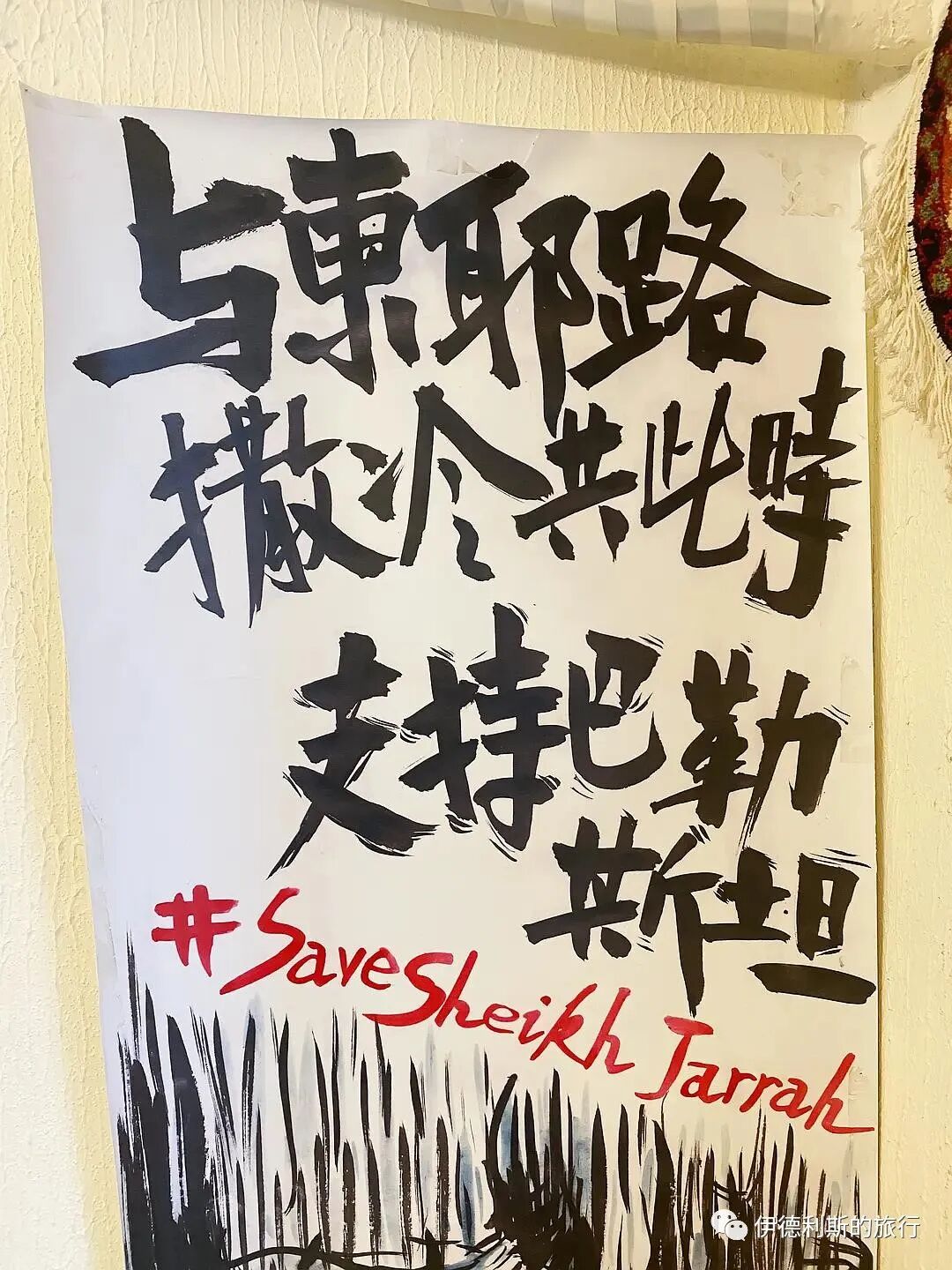
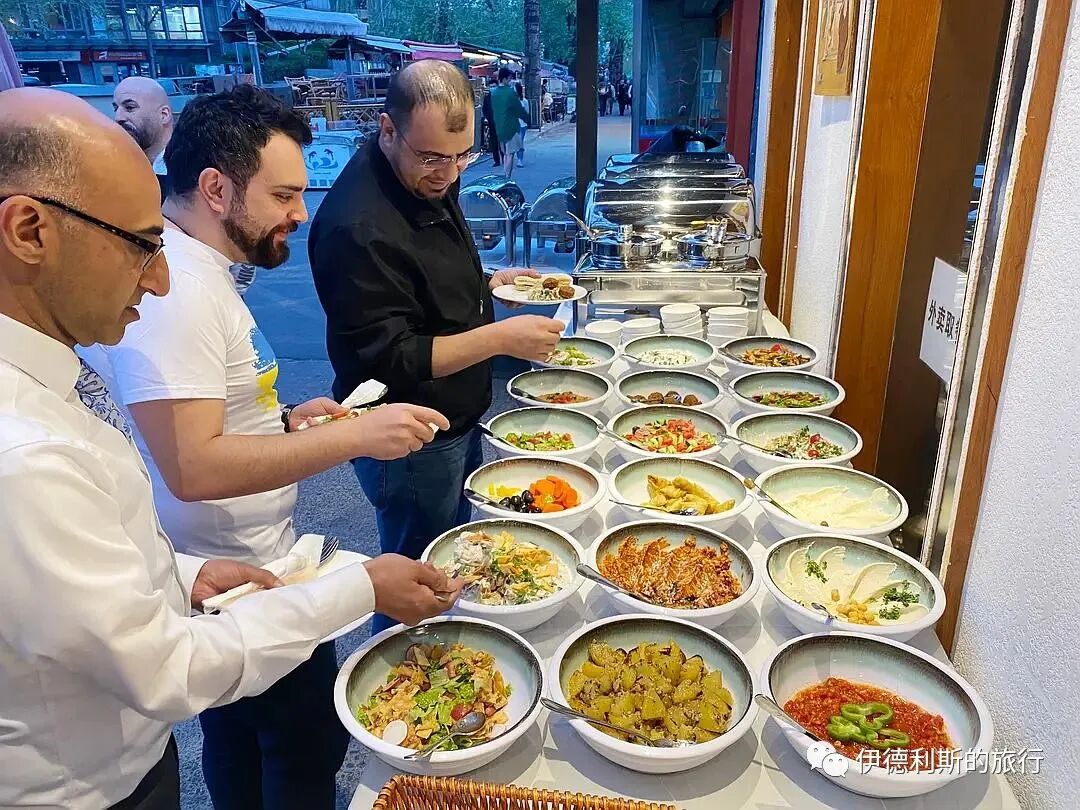
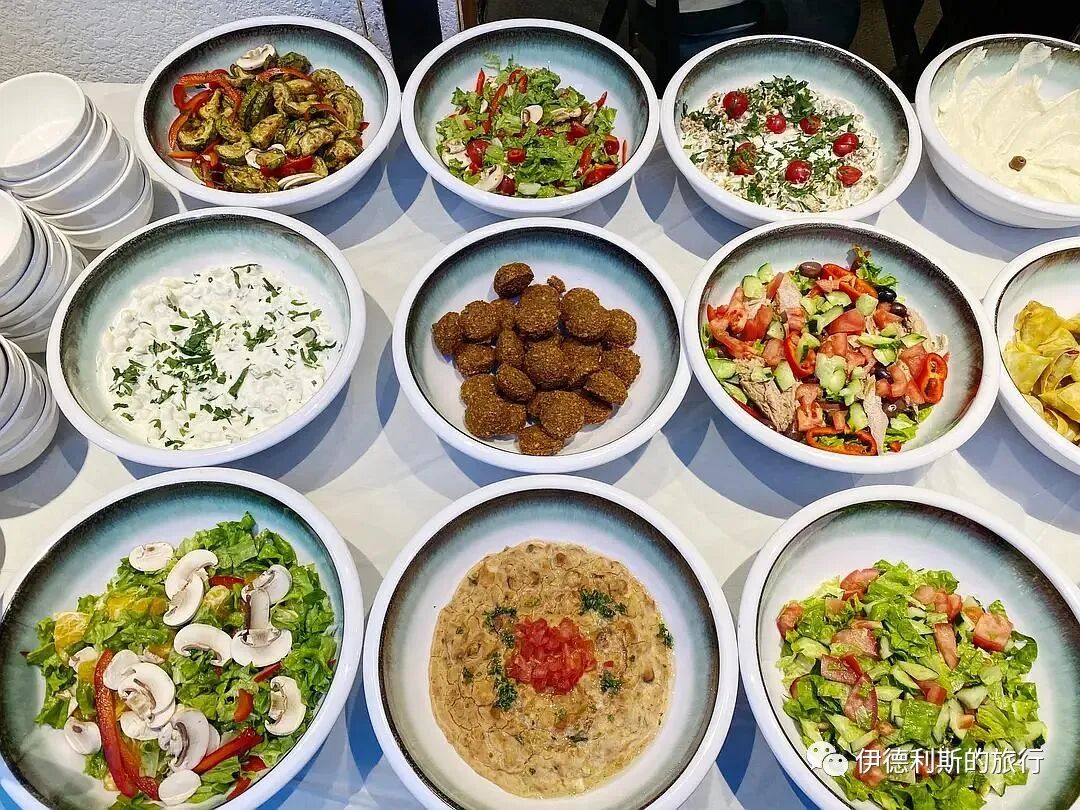
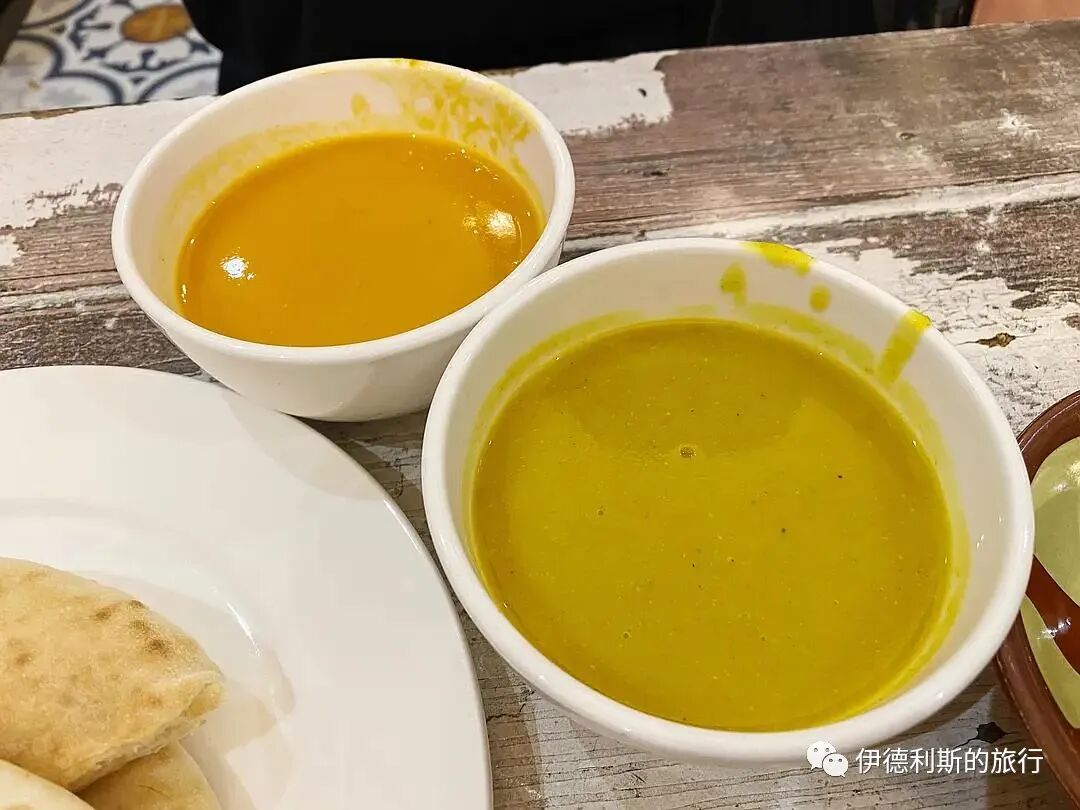
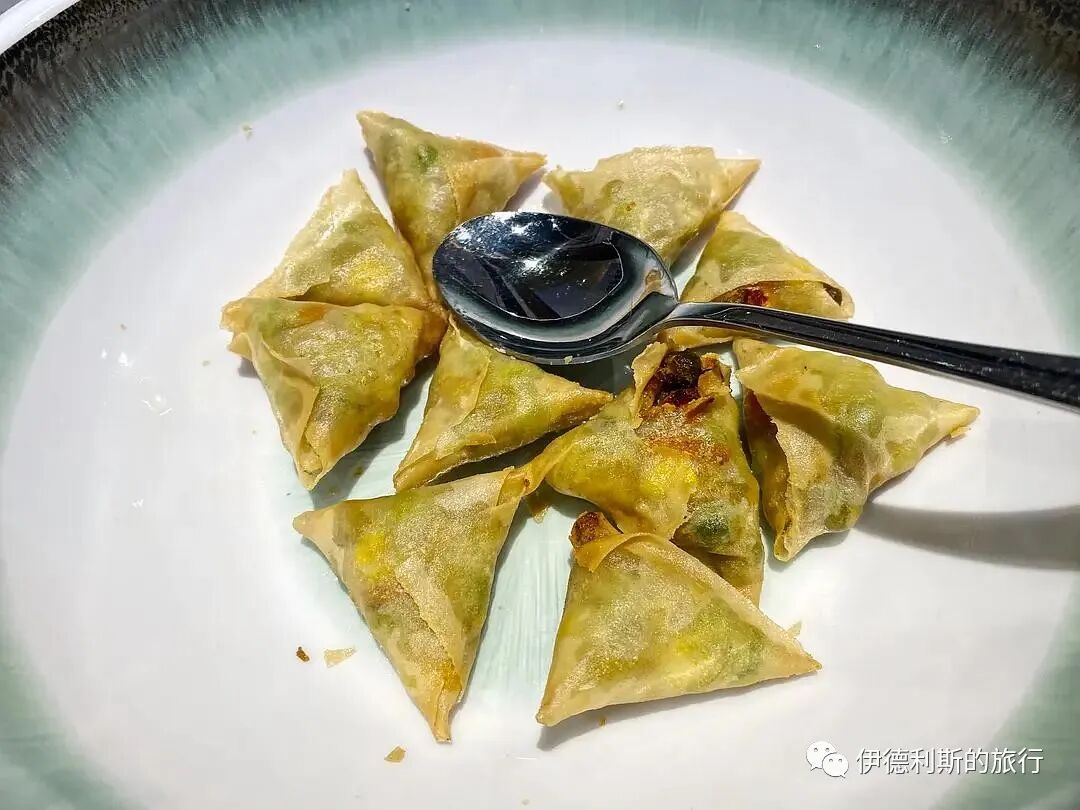
For a traditional Arab iftar, you follow the Sunnah by eating dates first, then drinking soup, usually lentil or chicken soup. Then you pray Maghrib, and after that, you start the main meal. At Al Safir, you can eat the most classic lamb fried dumplings (sambousek) that Arabs enjoy during Ramadan. This snack started as the Iranian sanbosag and later spread to many places along with Persian culture. It entered the Arab diet after the 10th century, reached South Asia with the Delhi Sultanate after the 13th century, and later traveled to China, Indonesia, and Africa with Muslim merchants.
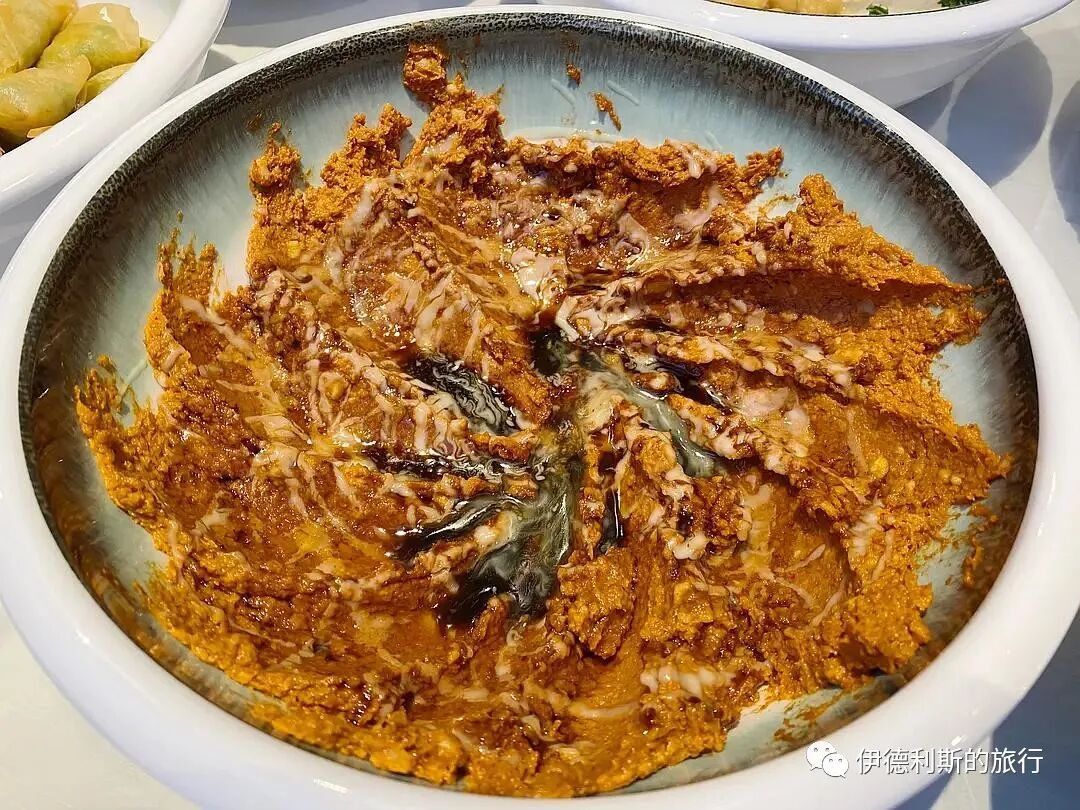
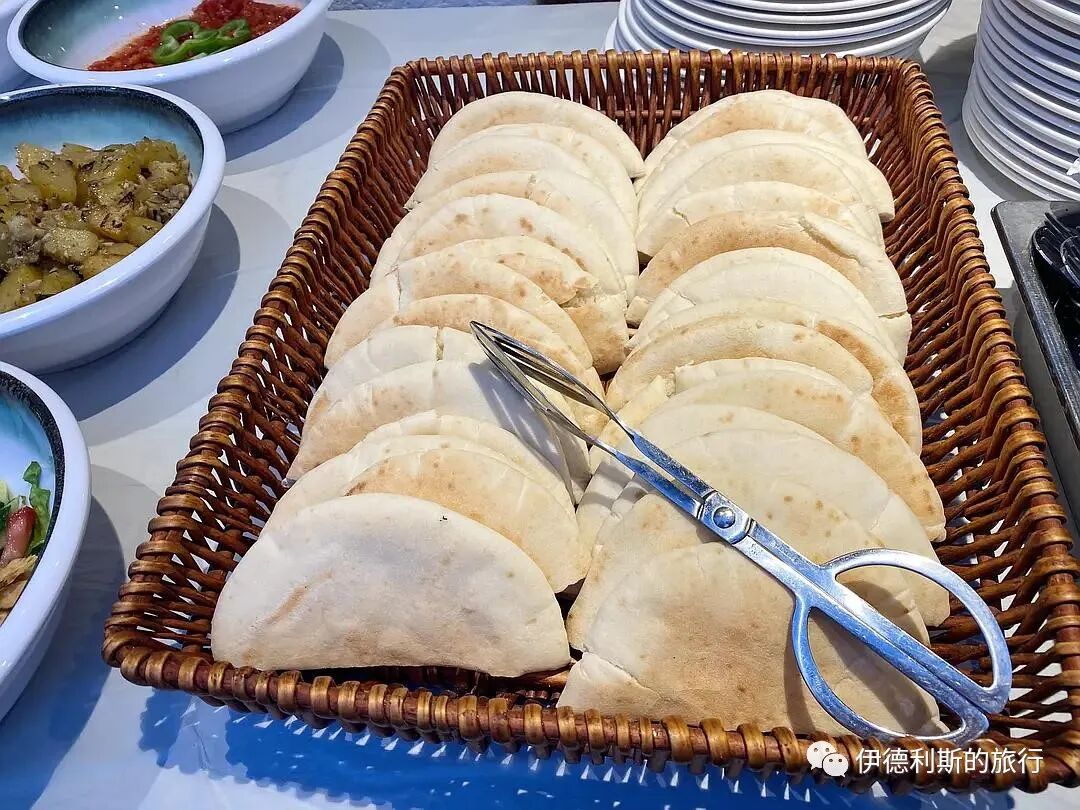
The classic Levantine way to eat it is to put falafel and various sauces inside pita bread, or just dip the pita bread directly into the sauce. Among the various appetizers (meze), my favorite is the red tomato stew (qalayet bandora), which is probably only available at Al Safir in Beijing. This dish is made with tomatoes, onions, chili peppers, and olive oil. It is said to have originated in the villages near the Dead Sea, where the hot climate of the Jordan Valley is perfect for growing tomatoes. They also serve a walnut, red bell pepper, pomegranate molasses, and breadcrumb dip (muhammara), which is said to have originated in Aleppo, Syria.
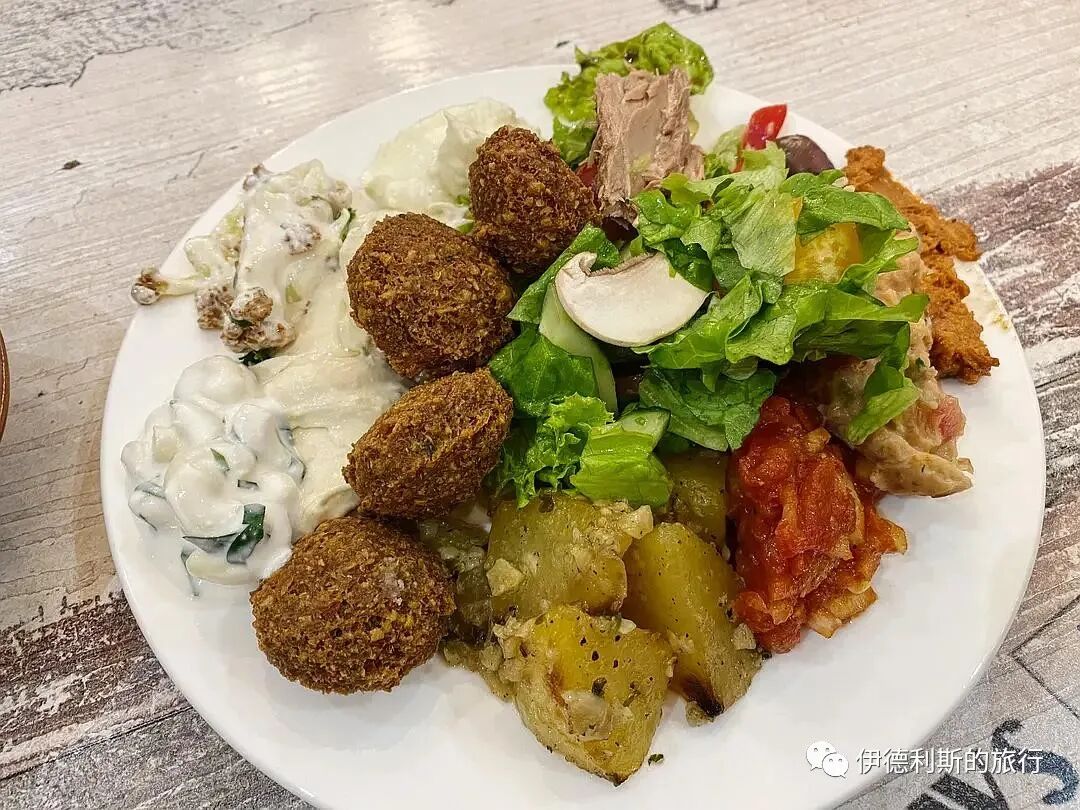
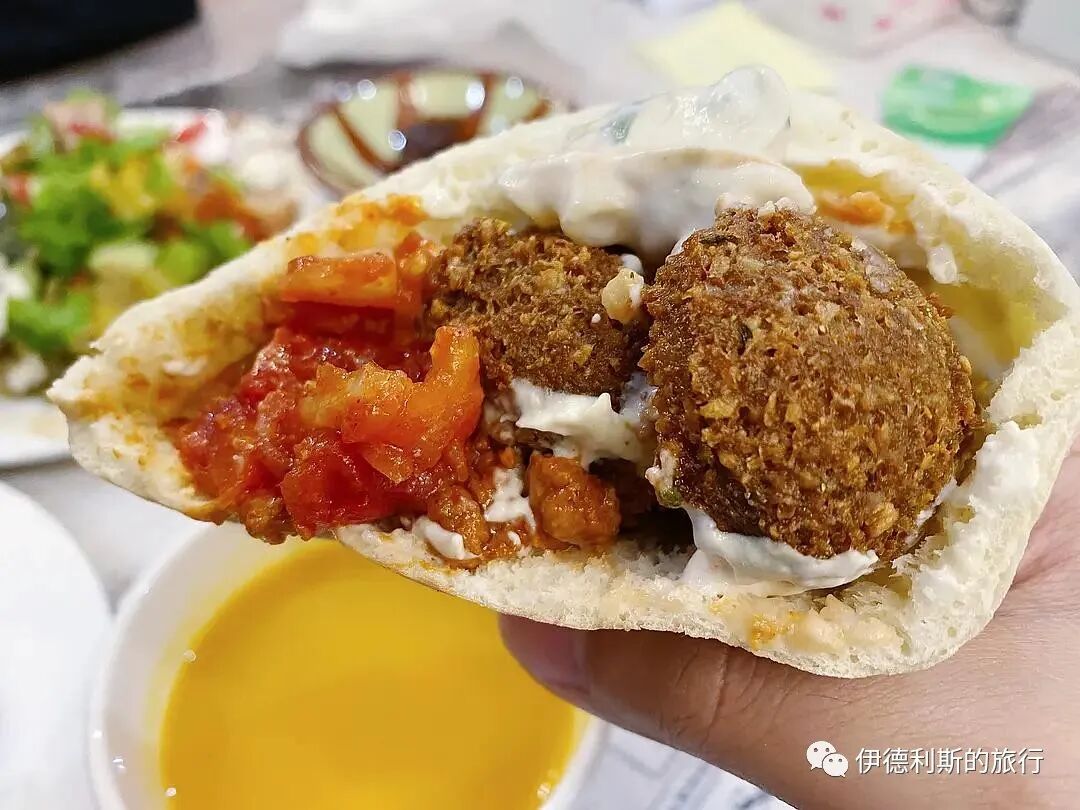
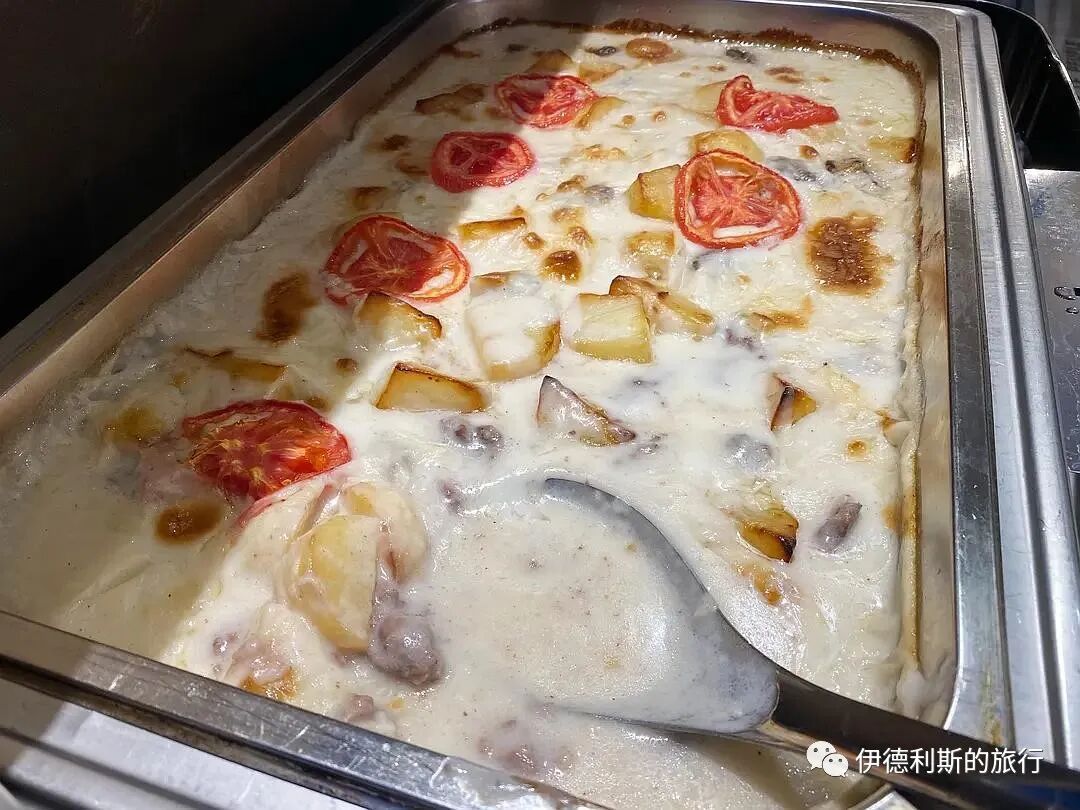
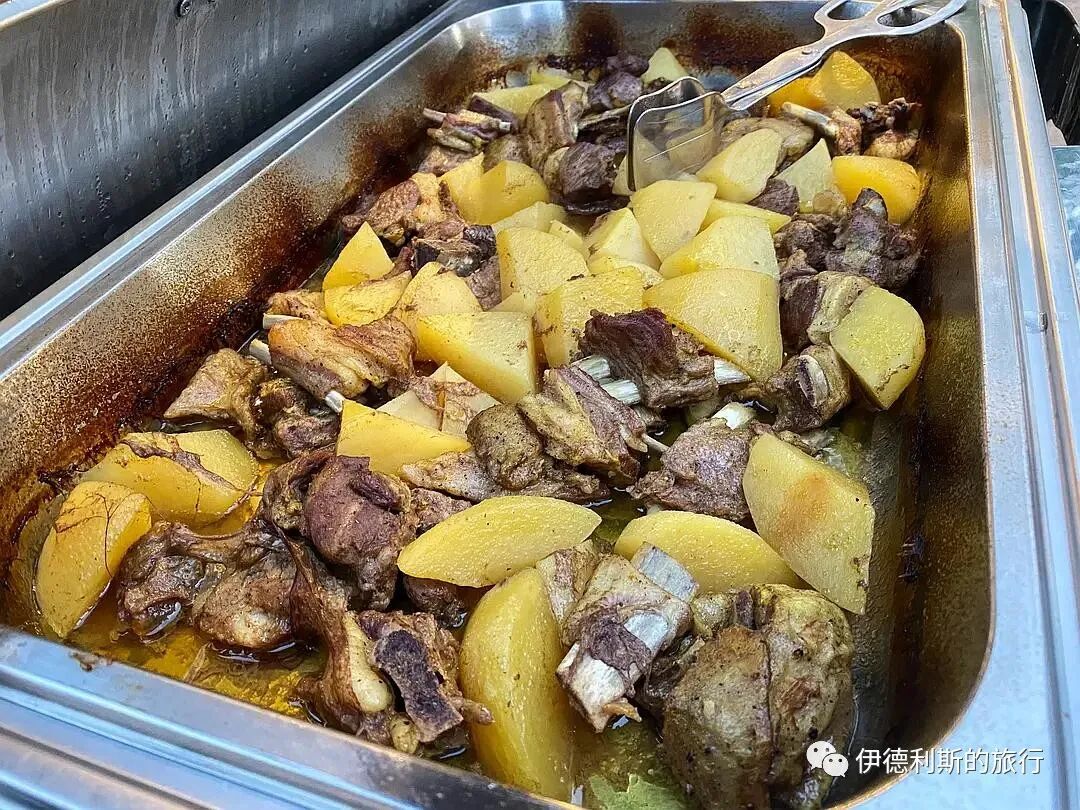
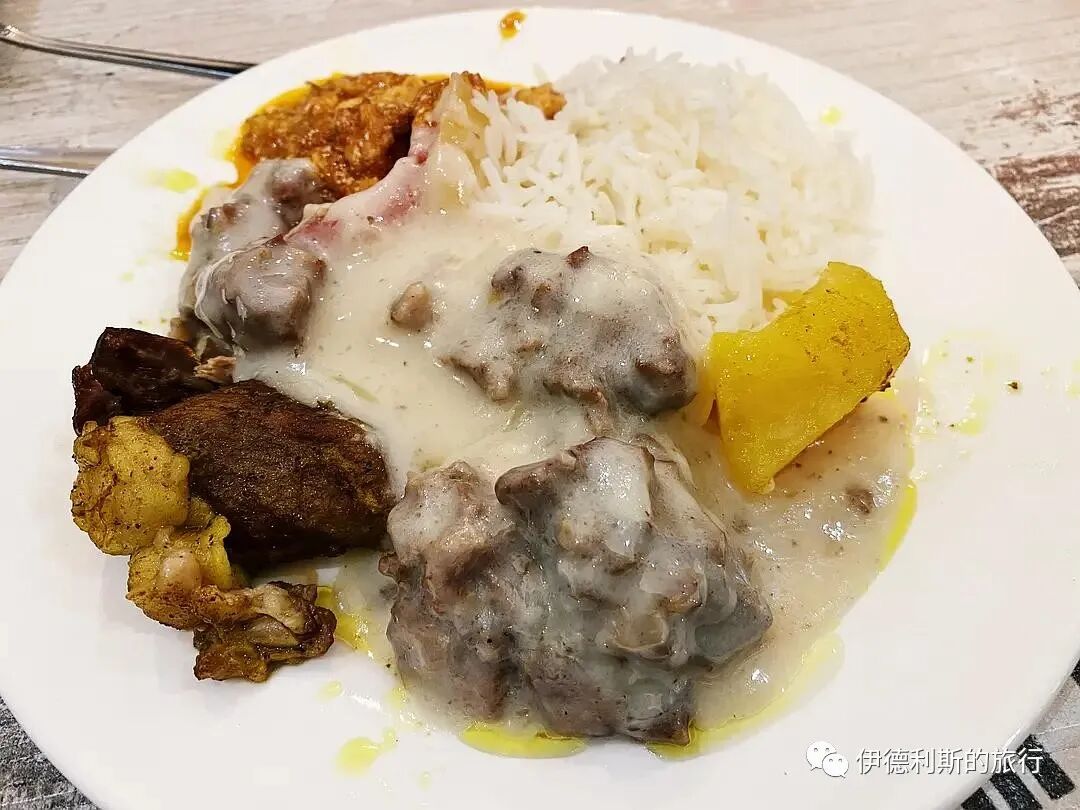
Every year during the Ramadan iftar buffet, Al Safir makes dishes that are not on the regular menu. This time, I tried two types of lamb stewed with cheese for the first time, and there was also very tender lamb with potatoes, both of which go perfectly with long-grain rice.
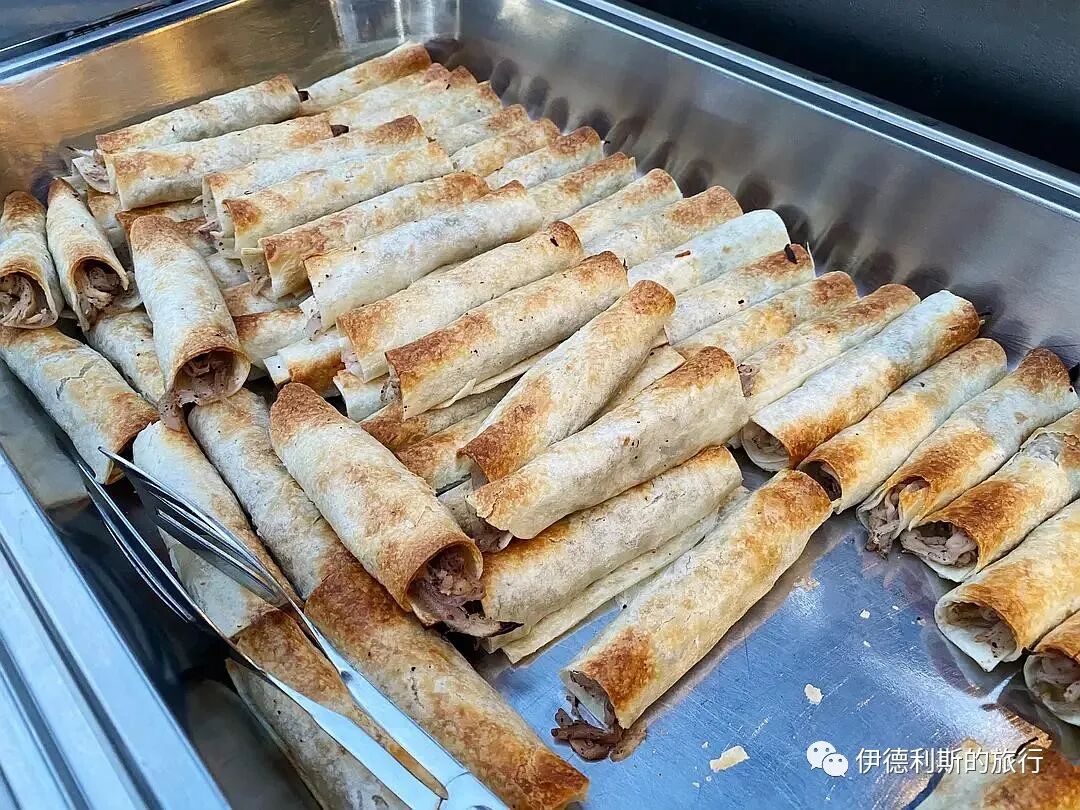
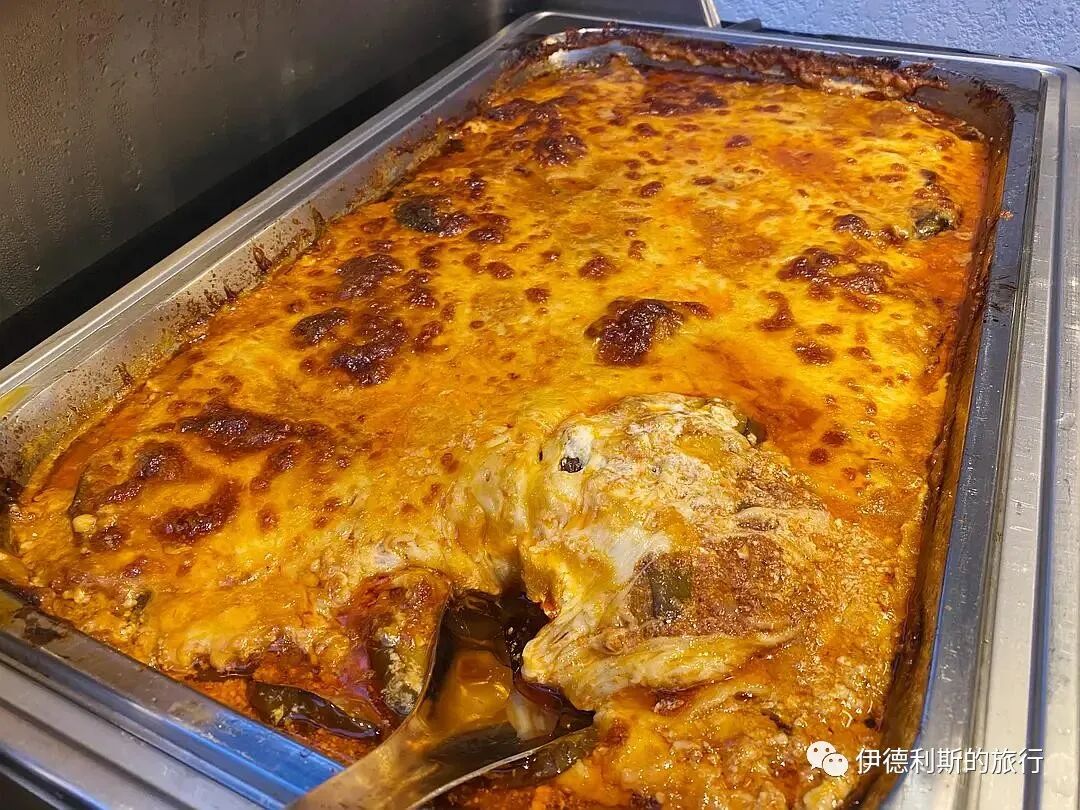
Finally, they serve everyone a semolina cake (basbousa) for dessert. La Medina's buffet also has this dessert, but Al Safir's is less sweet, which I think tastes better.
4. Pakistan
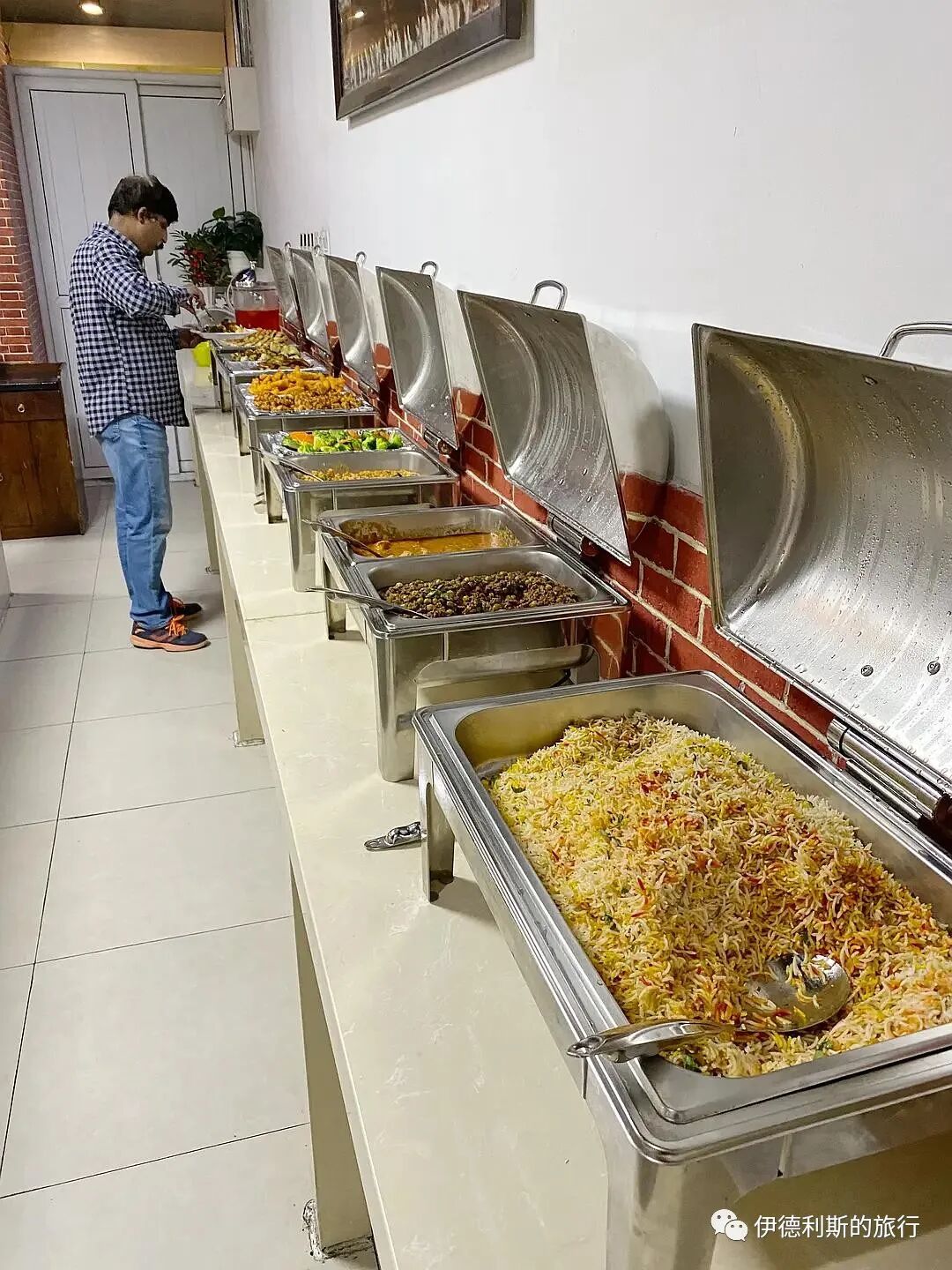
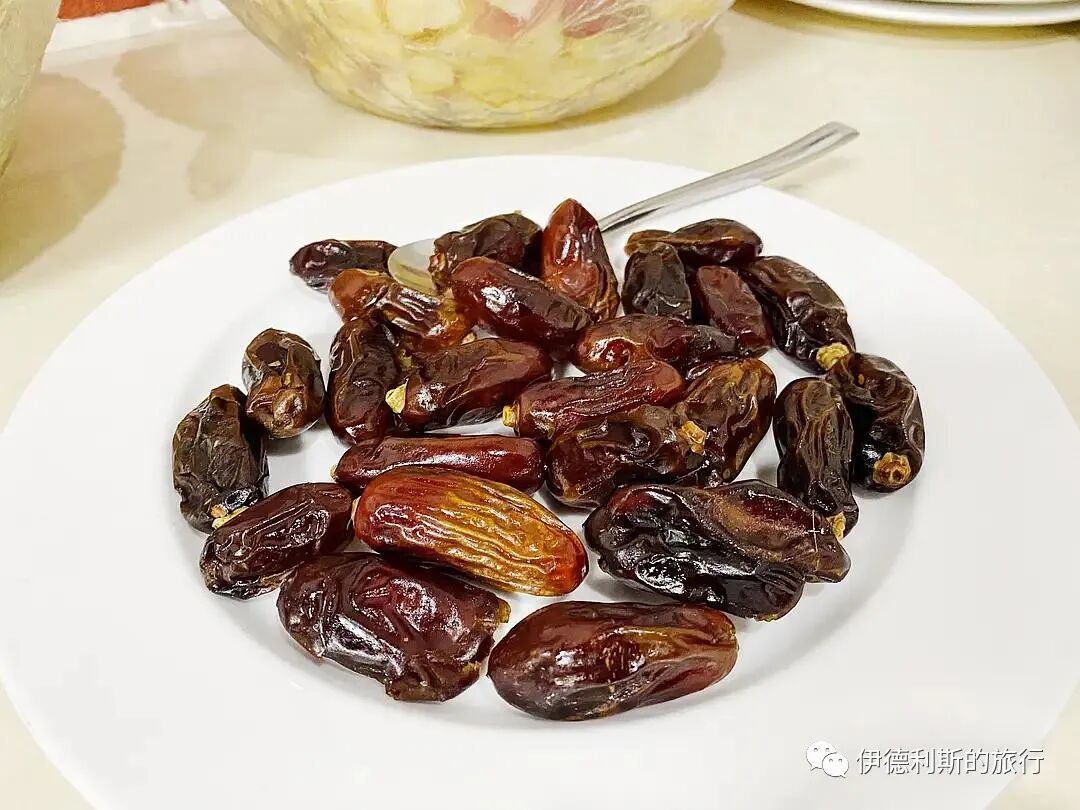
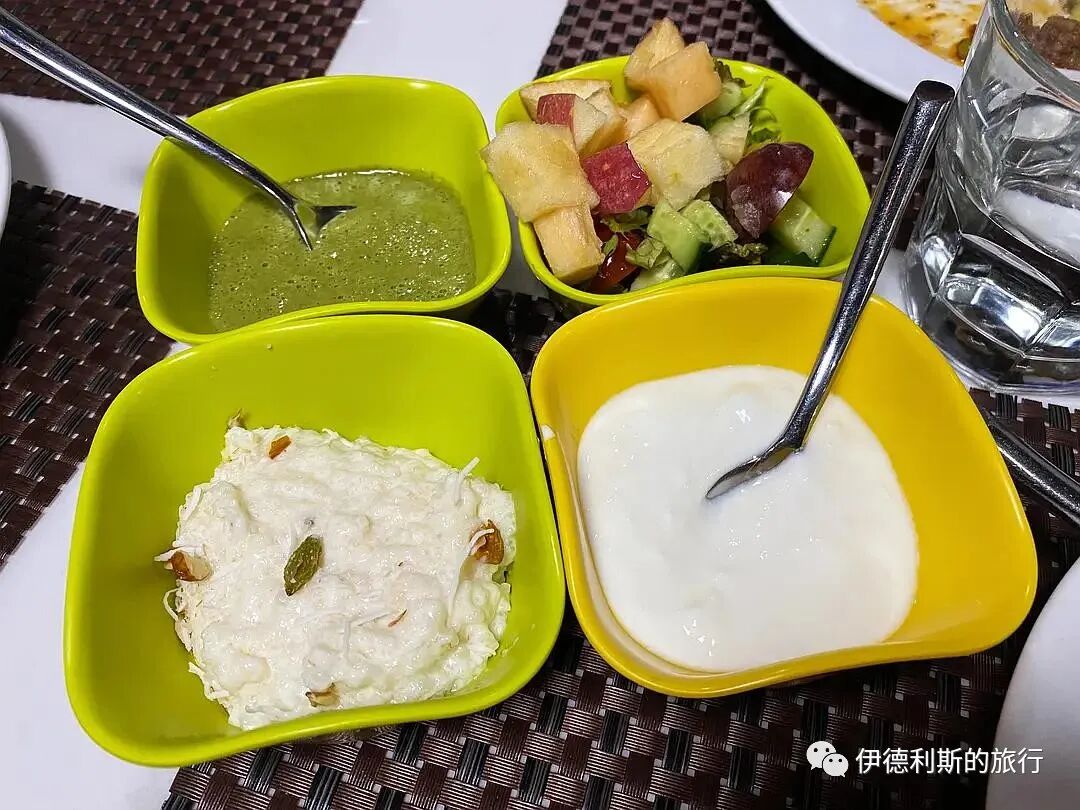
The fourth stop is the Pakistani restaurant Khan Baba in Sanlitun. Because there are very few people lately, the meal today felt more relaxed, though the portion sizes are not as large as they used to be. We started with dates and water. For the main course, Zaynab chose flatbread (naan), and I picked the classic biryani rice with masala chicken, chicken tikka, and grilled fish. We had rose syrup water to drink. For dessert, we had milk pudding (kheer). Their yogurt tasted very authentic and sour. A few dishes here are worth mentioning.
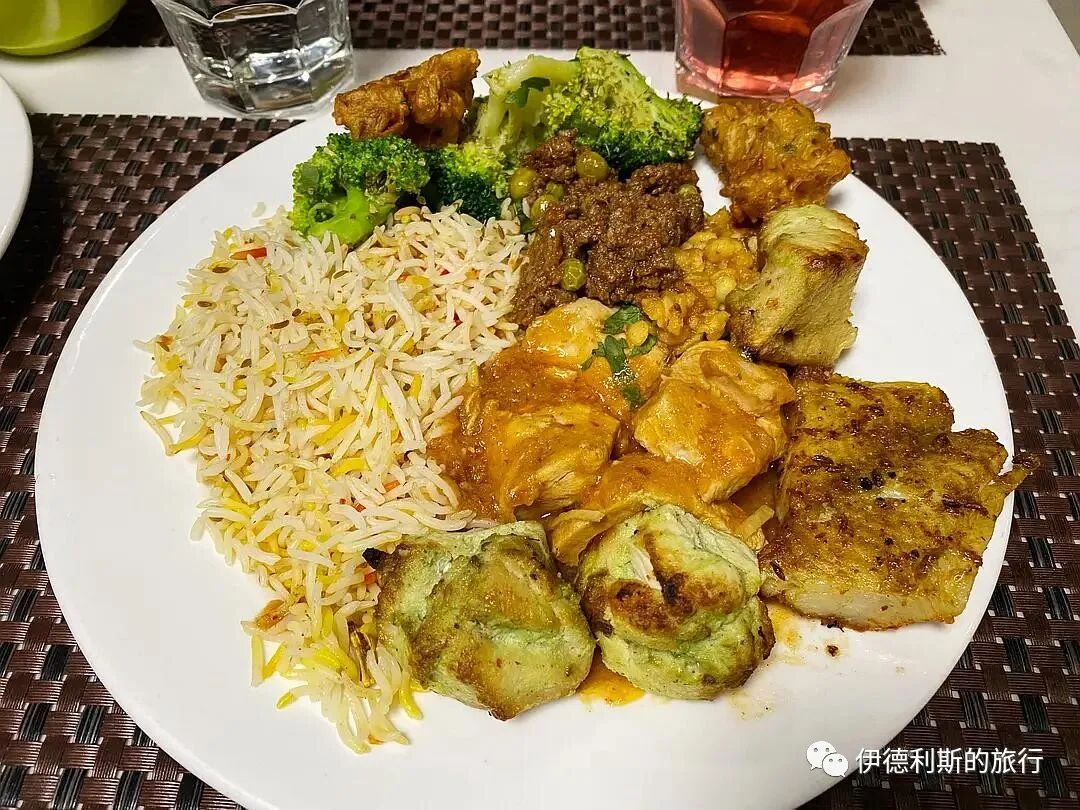
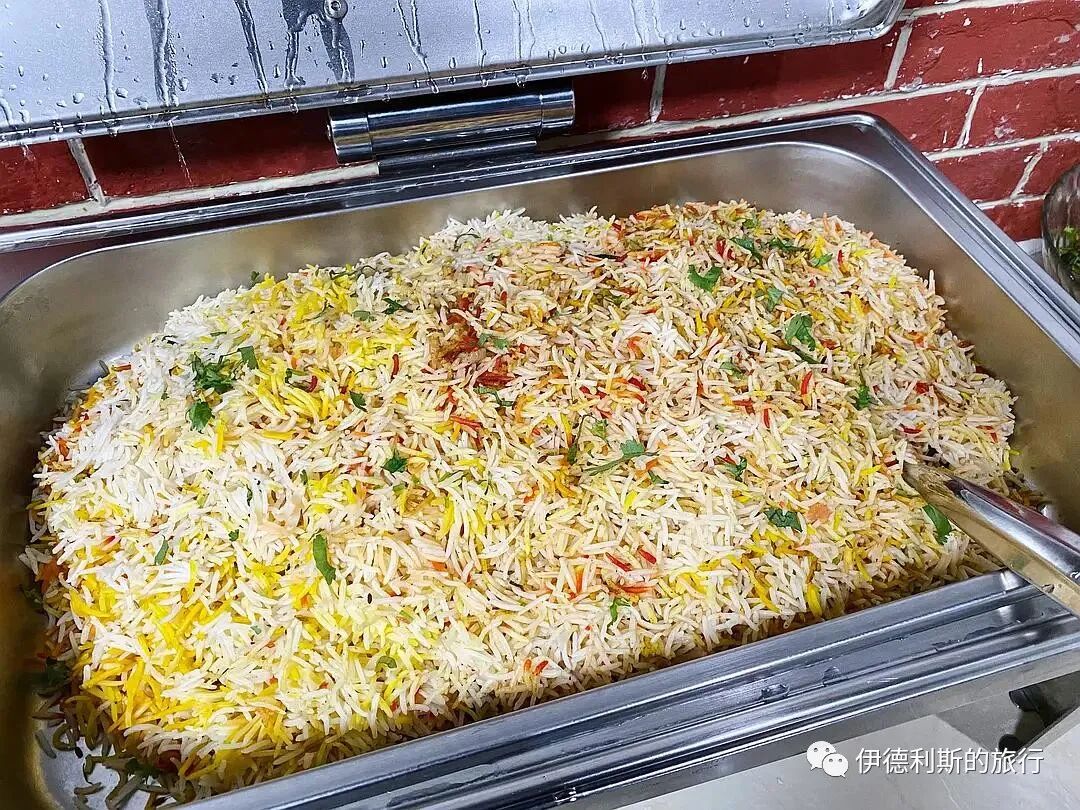
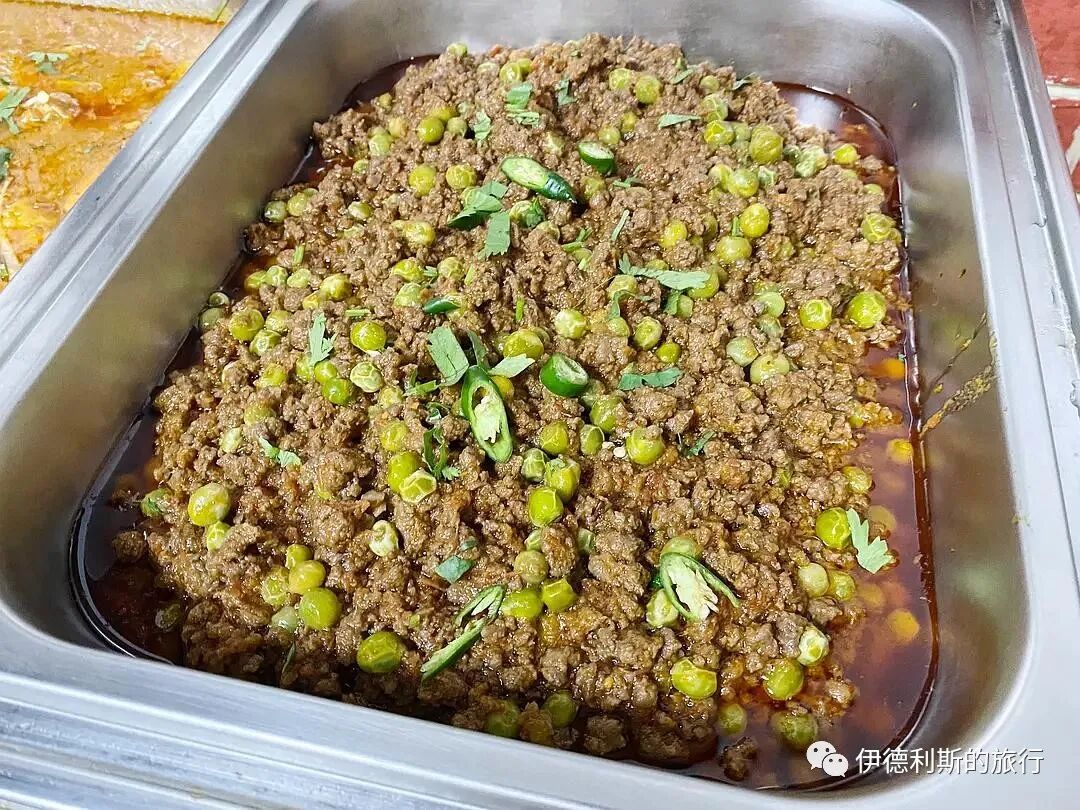
The first is pea and minced beef curry (matar qeema). This dish was brought to South Asia by the Mughal Empire. The word qeema comes from the Chagatai language and means minced meat. Chagatai is an extinct Turkic language. It was once popular across the territory of the Chagatai Khanate in Central Asia. It served as a literary language in Central Asia until the early 20th century and is the direct ancestor of modern Uzbek. Pea and minced beef curry (keema matar) was very popular in the Mughal court. It was a must-have dish at weddings and various Eid feasts.
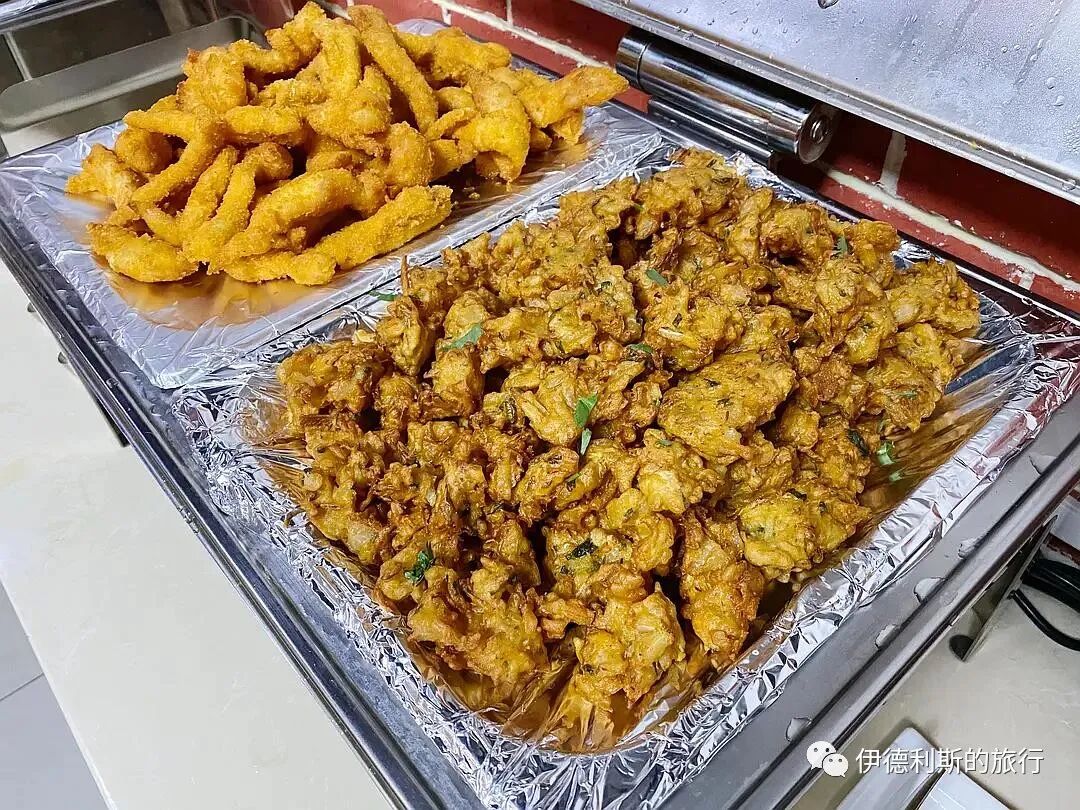
The second is vegetable fritters (pakora). Pakora comes from Sanskrit and means a small cooked piece. It is a classic South Asian street snack made by dipping vegetables in spiced batter and deep-frying them.
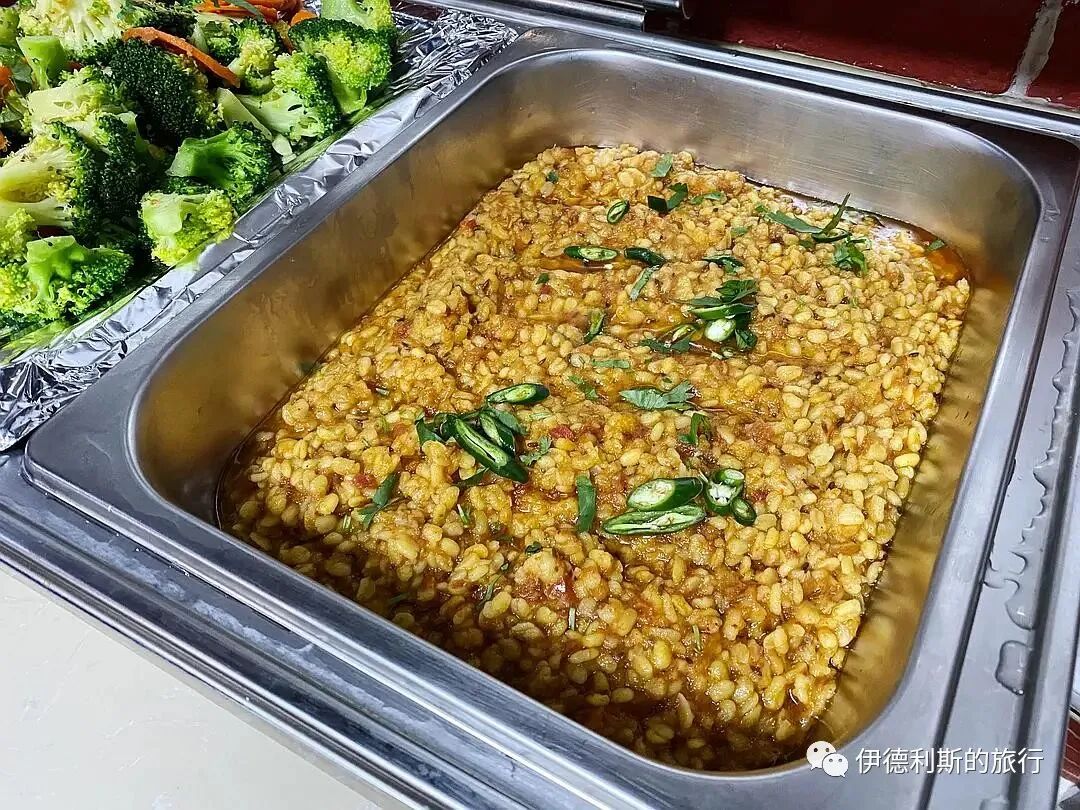
The third is tempered lentil curry (tarka dal). Tempered lentil curry (tarka dal) is a popular vegetarian curry in North India. In South Asia, dal can refer to various dried beans like pigeon peas, yellow peas, or lentils. Tarka is a vegetarian curry cooking method where garlic, onions, and chili are quickly fried together.
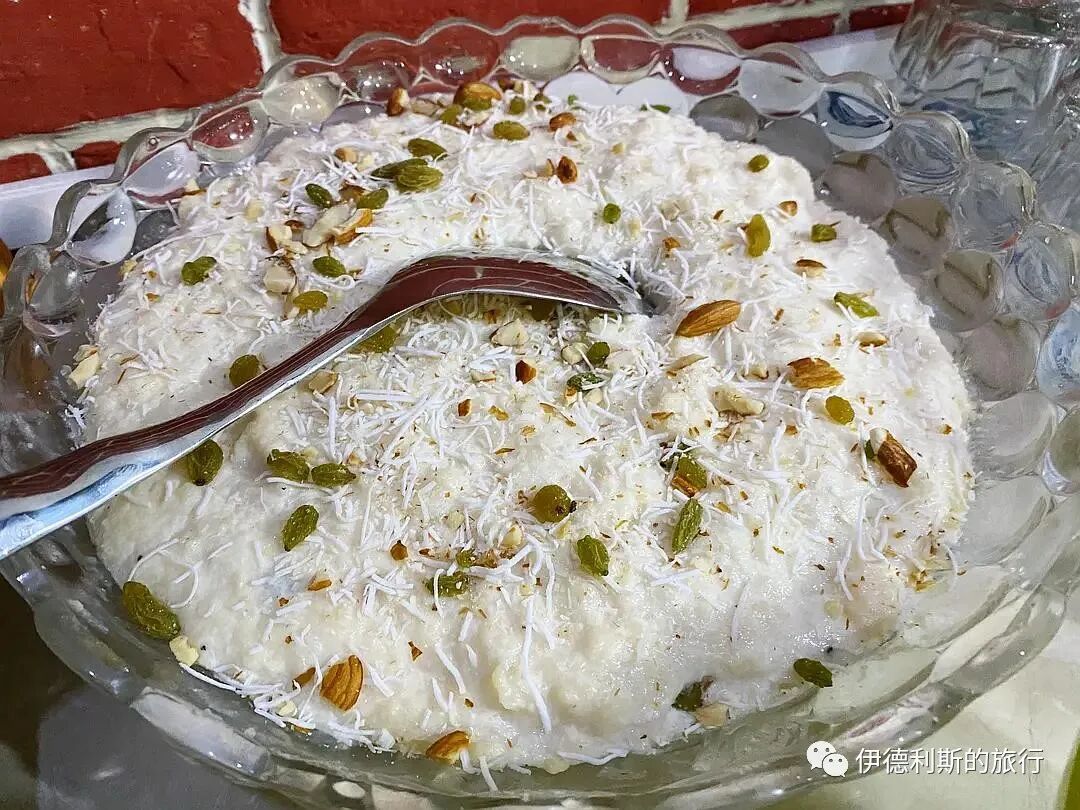
The fourth is milk pudding (kheer). This is an ancient Indian dish that was mentioned in ancient Indian texts over two thousand years ago. Kheer comes from the Sanskrit word for milk. It is made with milk, sugar, and rice, and topped with shredded coconut, saffron, pistachios, raisins, and almonds.
Summary: Halal Food Guide: Ramadan in Beijing — Turkish, Tunisian, Jordanian and Pakistani Buffets is presented here as a firsthand travel account in clear English, beginning with this scene: The iftar buffets in Beijing during Ramadan each year are a real highlight. This year, four restaurants from Turkey, Tunisia, Jordan, and Pakistan are offering iftar buffets, making it the perfect chance for a food tour. The account keeps its focus on Beijing Halal Food, Ramadan Dining, Muslim Food while preserving the names, places, food, and historical details from the Chinese source.
The iftar buffets in Beijing during Ramadan each year are a real highlight. This year, four restaurants from Turkey, Tunisia, Jordan, and Pakistan are offering iftar buffets, making it the perfect chance for a food tour of the Middle East and South Asia.
1. Turkey
The first stop is Dardanelles, a long-standing Ramadan iftar buffet spot on Ritan Upper Street. It is a Turkish restaurant run by Azerbaijanis, so they serve both Turkish and Azerbaijani flavors.
The best part is the unlimited grilled meat from their open-flame oven, including roast chicken, lamb chops, and kebab meat paste—you can eat your fill! They also have all kinds of flatbread (nang) and bread, plus Levantine appetizers and stews. They serve lentil soup made from three colors of lentils. For drinks, they have lemonade, salty yogurt drink (ayran), and Turkish black tea. For dessert, there is classic baklava and milk pudding, along with various fruits. Overall, their selection is really rich.
Freshly grilled in an open oven
Baklava is the most famous dessert of the Ottoman Empire, developed by the royal chefs at the Ottoman Topkapi Palace. Every year on the 15th day of Ramadan, the Ottoman Sultan would attend a ceremony called Baklava Alayı, where trays of baklava were distributed to the Janissaries.
Baklava is a flaky pastry made by layering very thin unleavened dough (filo), topped with crushed pistachios, crushed walnuts, syrup, or honey.
Traditional Levantine appetizers were brought to Turkey and Azerbaijan following the Ottoman Empire.
Adana kebab served with yogurt.
Azerbaijani pilaf (plov) and saffron rice served with various stews.
Beef stewed with apricots and lamb liver are my favorites; eating them feels like being back in the Old City of Baku.
Stuffed vegetable rolls (dolma) can be made with grape leaves or cabbage, and this dish is very popular in former Ottoman regions.
2. Tunisia
The second stop is La Medina, a Tunisian restaurant on Liangma River. First, follow the Sunnah by eating dates, then drink harissa soup. The first plate includes North African sausage (merguez), grilled meat (kebab), six types of Levantine and Maghreb appetizers (meze), fried chickpea balls (falafel), and fried meat balls (kibbeh). You can put the appetizers (meze) and fried chickpea balls (falafel) inside pita bread.
Harissa is known as the national condiment of Tunisia. It is a signature spicy sauce from the Maghreb region made with Maghreb-style Baklouti peppers mixed with caraway, coriander seeds, cumin, garlic, and other spices. The name Baklouti comes from the coastal Tunisian city of Bekalta.
North African sausage (merguez) is made with lamb and beef, mixed with fennel seeds, harissa, chili, and various other spices, and is usually grilled. Merguez sausage (merguez) first appeared in 12th-century Andalusia and later spread across North Africa. In Beijing, you can only find it at La Medina.
Falafel is common in restaurants across the former Ottoman regions, but Kibbeh is not found everywhere. Kibbeh originated in the Levant. It is made of cracked wheat wrapped around a filling of minced meat, chopped onions, and Middle Eastern spices like cinnamon, nutmeg, cloves, and allspice.
The Tunisian appetizer Mechouia is only available at this restaurant in Beijing. Mechouia is made by roasting onions, green peppers, tomatoes, and garlic in an oven, then seasoning them with caraway, salt, and black pepper. After it is prepared, it is drizzled with olive oil and garnished with olives, tuna, and boiled eggs.
Classic chickpea dip (hummus) is available in almost every Middle Eastern restaurant.
Tabbouleh (tabbouleh) is made of chopped parsley, tomatoes, mint, onions, and bulgur (cracked dried wheat). It is seasoned with olive oil, lemon juice, salt, and pepper.
Roasted eggplant dip (mutabbal) is served with olive oil and lemon juice.
North African eggs (shakshouka) is a traditional Maghreb dish. It is made by poaching eggs in a sauce of tomatoes, olive oil, peppers, onions, and garlic, seasoned with cumin and chili. This dish appeared in the mid-16th century after tomatoes and peppers were introduced to North Africa from the Americas during the Ottoman period.
The second dish was the classic North African Berber meal of couscous (couscous) served with a clay pot stew (tajine). Couscous is a staple food for the Berber people. It is made by rolling semolina flour into millet-sized grains and then drying them. A tagine (tajigu) is a clay pot with a flat, round bottom and a cone-shaped or domed lid. This design lets steam condense and drip back to the bottom, and you can also add water through a hole in the lid.
For dessert, we had Basbousa, which comes from Egypt. They let you add your own crushed pistachios, so I scooped on a big spoonful. Basbousa is a semolina cake soaked in syrup. It is baked in a pan and then soaked in orange blossom water, rose water, or simple syrup.
3. Jordan
Our third stop was Al Safir, a Levantine restaurant at Sanyuanqiao. The owner is a Palestinian from Jordan.
The three Ramadan iftar buffets I have tried so far each have their own style. Dardanelles has the most variety, and their open-flame grilled meat is unlimited. La Medina is the only place in Beijing where you can find a Maghreb buffet, which makes it very unique. Al Safir has the best selection of Levantine appetizers known as meze, and their falafel and grilled chicken wraps are the tastiest.
For a traditional Arab iftar, you follow the Sunnah by eating dates first, then drinking soup, usually lentil or chicken soup. Then you pray Maghrib, and after that, you start the main meal. At Al Safir, you can eat the most classic lamb fried dumplings (sambousek) that Arabs enjoy during Ramadan. This snack started as the Iranian sanbosag and later spread to many places along with Persian culture. It entered the Arab diet after the 10th century, reached South Asia with the Delhi Sultanate after the 13th century, and later traveled to China, Indonesia, and Africa with Muslim merchants.
The classic Levantine way to eat it is to put falafel and various sauces inside pita bread, or just dip the pita bread directly into the sauce. Among the various appetizers (meze), my favorite is the red tomato stew (qalayet bandora), which is probably only available at Al Safir in Beijing. This dish is made with tomatoes, onions, chili peppers, and olive oil. It is said to have originated in the villages near the Dead Sea, where the hot climate of the Jordan Valley is perfect for growing tomatoes. They also serve a walnut, red bell pepper, pomegranate molasses, and breadcrumb dip (muhammara), which is said to have originated in Aleppo, Syria.
Every year during the Ramadan iftar buffet, Al Safir makes dishes that are not on the regular menu. This time, I tried two types of lamb stewed with cheese for the first time, and there was also very tender lamb with potatoes, both of which go perfectly with long-grain rice.
Finally, they serve everyone a semolina cake (basbousa) for dessert. La Medina's buffet also has this dessert, but Al Safir's is less sweet, which I think tastes better.
4. Pakistan
The fourth stop is the Pakistani restaurant Khan Baba in Sanlitun. Because there are very few people lately, the meal today felt more relaxed, though the portion sizes are not as large as they used to be. We started with dates and water. For the main course, Zaynab chose flatbread (naan), and I picked the classic biryani rice with masala chicken, chicken tikka, and grilled fish. We had rose syrup water to drink. For dessert, we had milk pudding (kheer). Their yogurt tasted very authentic and sour. A few dishes here are worth mentioning.
The first is pea and minced beef curry (matar qeema). This dish was brought to South Asia by the Mughal Empire. The word qeema comes from the Chagatai language and means minced meat. Chagatai is an extinct Turkic language. It was once popular across the territory of the Chagatai Khanate in Central Asia. It served as a literary language in Central Asia until the early 20th century and is the direct ancestor of modern Uzbek. Pea and minced beef curry (keema matar) was very popular in the Mughal court. It was a must-have dish at weddings and various Eid feasts.
The second is vegetable fritters (pakora). Pakora comes from Sanskrit and means a small cooked piece. It is a classic South Asian street snack made by dipping vegetables in spiced batter and deep-frying them.
The third is tempered lentil curry (tarka dal). Tempered lentil curry (tarka dal) is a popular vegetarian curry in North India. In South Asia, dal can refer to various dried beans like pigeon peas, yellow peas, or lentils. Tarka is a vegetarian curry cooking method where garlic, onions, and chili are quickly fried together.
The fourth is milk pudding (kheer). This is an ancient Indian dish that was mentioned in ancient Indian texts over two thousand years ago. Kheer comes from the Sanskrit word for milk. It is made with milk, sugar, and rice, and topped with shredded coconut, saffron, pistachios, raisins, and almonds.
