
Halal Travel Guide: Ili to Turpan — Chagatai Khanate Tombs and Muslim History
Reposted from the web
Summary: Ili to Turpan — Chagatai Khanate Tombs and Muslim History is presented here as a firsthand travel account in clear English, beginning with this scene: In the 61st Regiment of Huocheng County in Yili and Aiding Lake Town in the Gaochang District of Turpan, you can find the tombs of Tughlugh Timur, the founding khan of the Eastern Chagatai Khanate, and Khizr Khoja, the. The account keeps its focus on Chagatai Khanate, Muslim History, Xinjiang Travel while preserving the names, places, food, and historical details from the Chinese source.
In the 61st Regiment of Huocheng County in Yili and Aiding Lake Town in the Gaochang District of Turpan, you can find the tombs of Tughlugh Timur, the founding khan of the Eastern Chagatai Khanate, and Khizr Khoja, the third khan. These are the only two remaining royal tombs from the Eastern Chagatai Khanate. I have visited both of these tombs, and I want to use them to give you a brief introduction to the early history of the Eastern Chagatai Khanate.
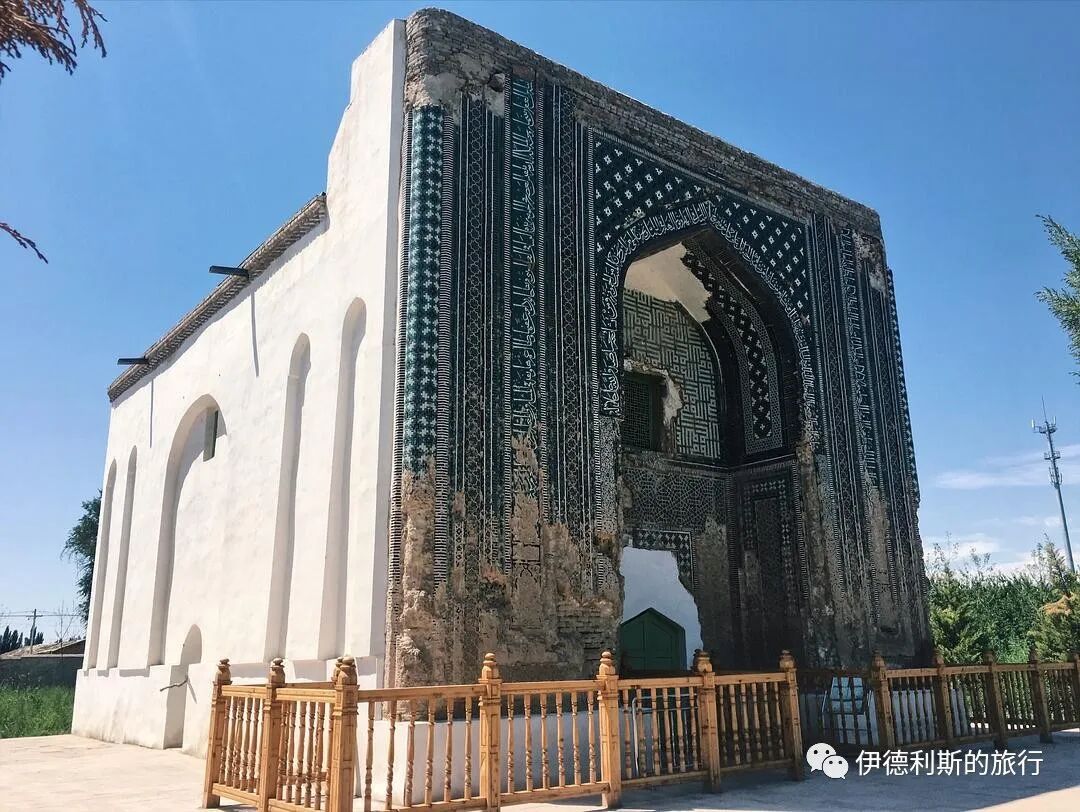
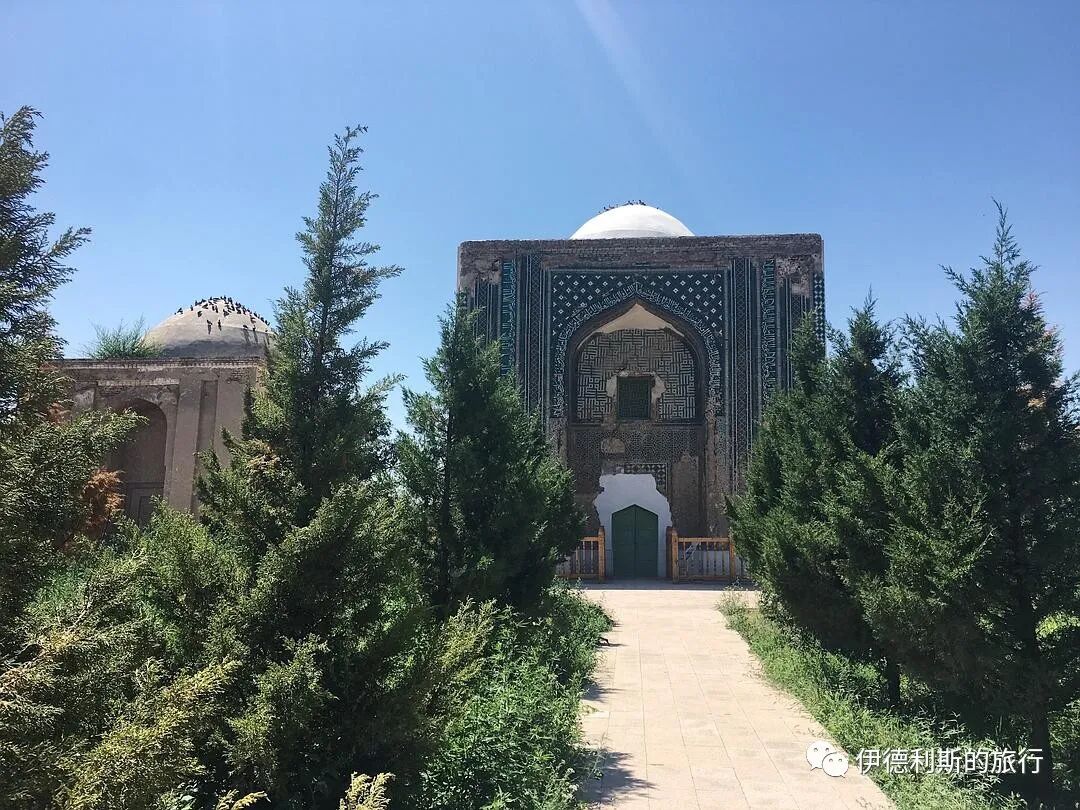
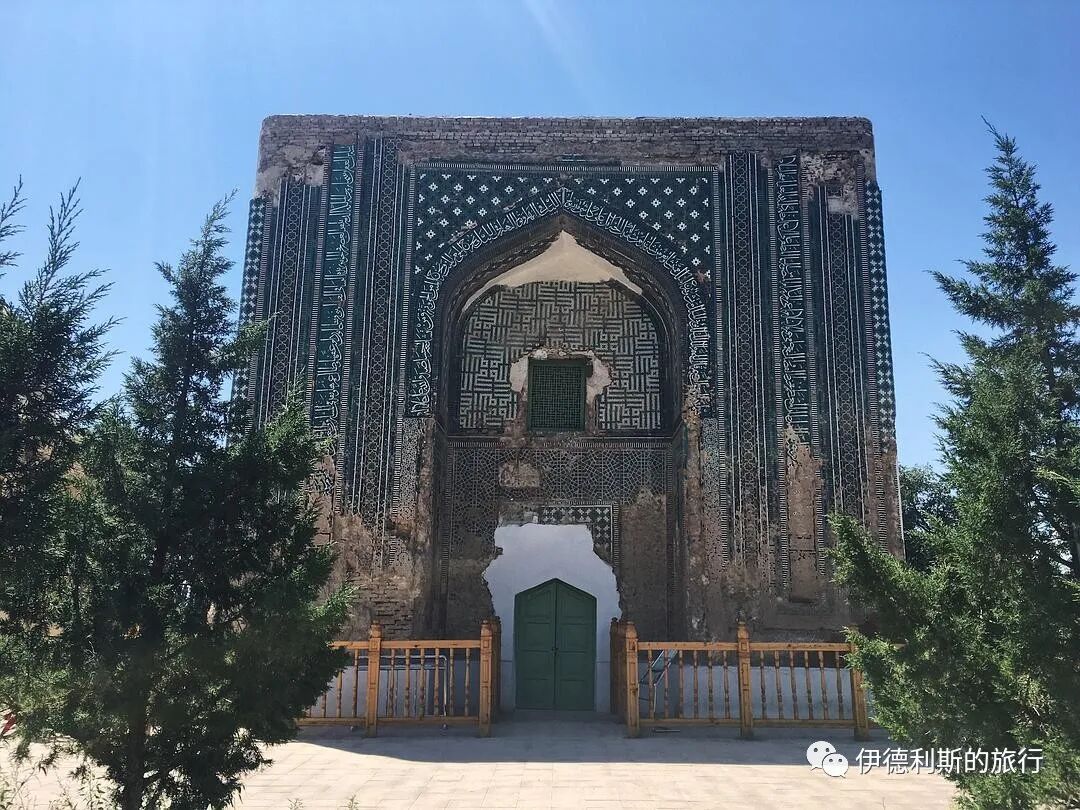
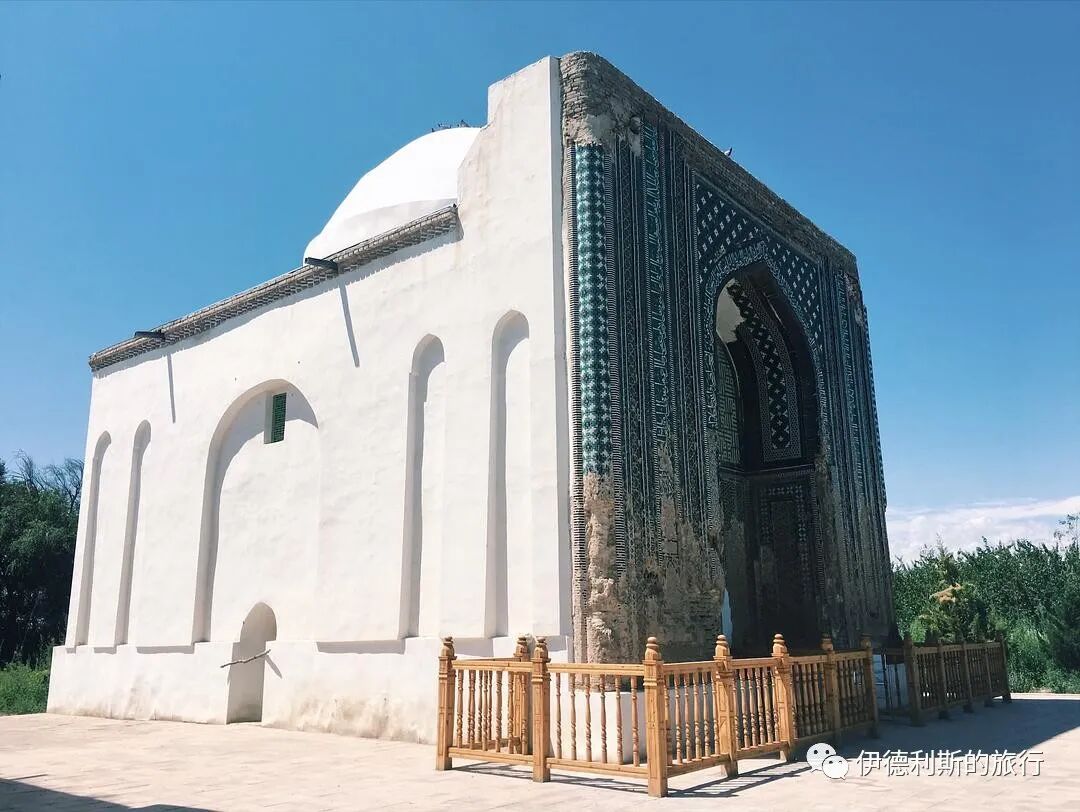
The Tughlugh Timur tomb (mazar) in Yili.
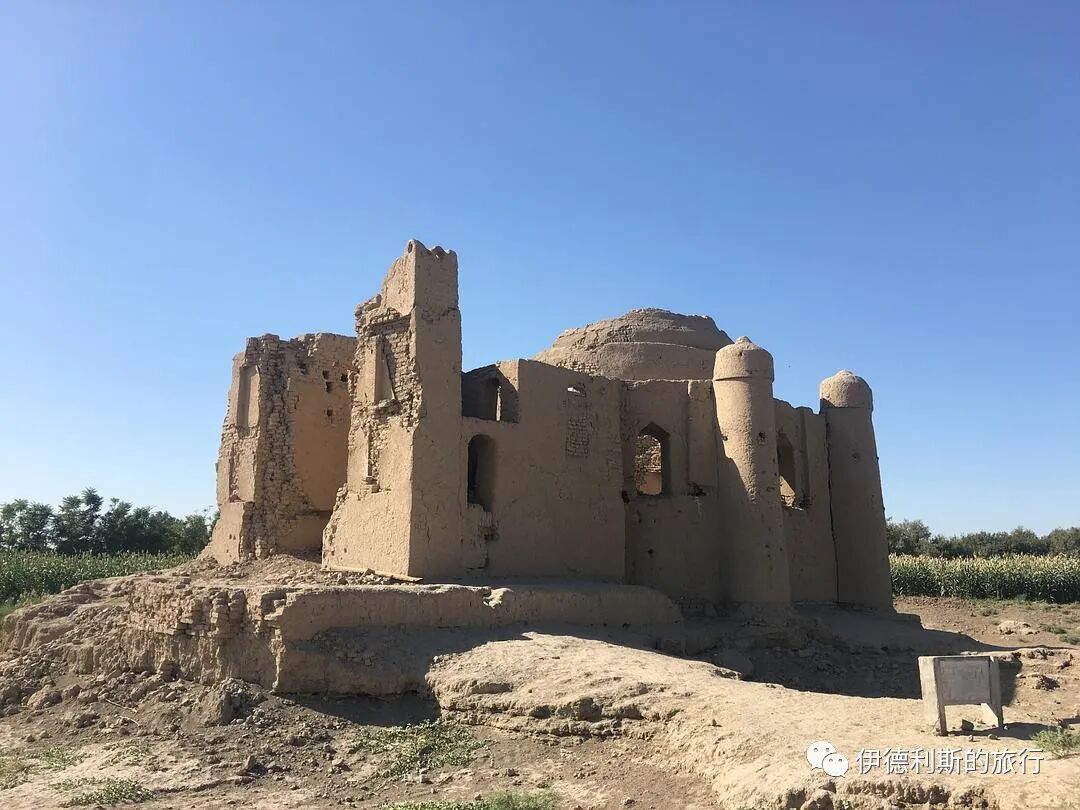
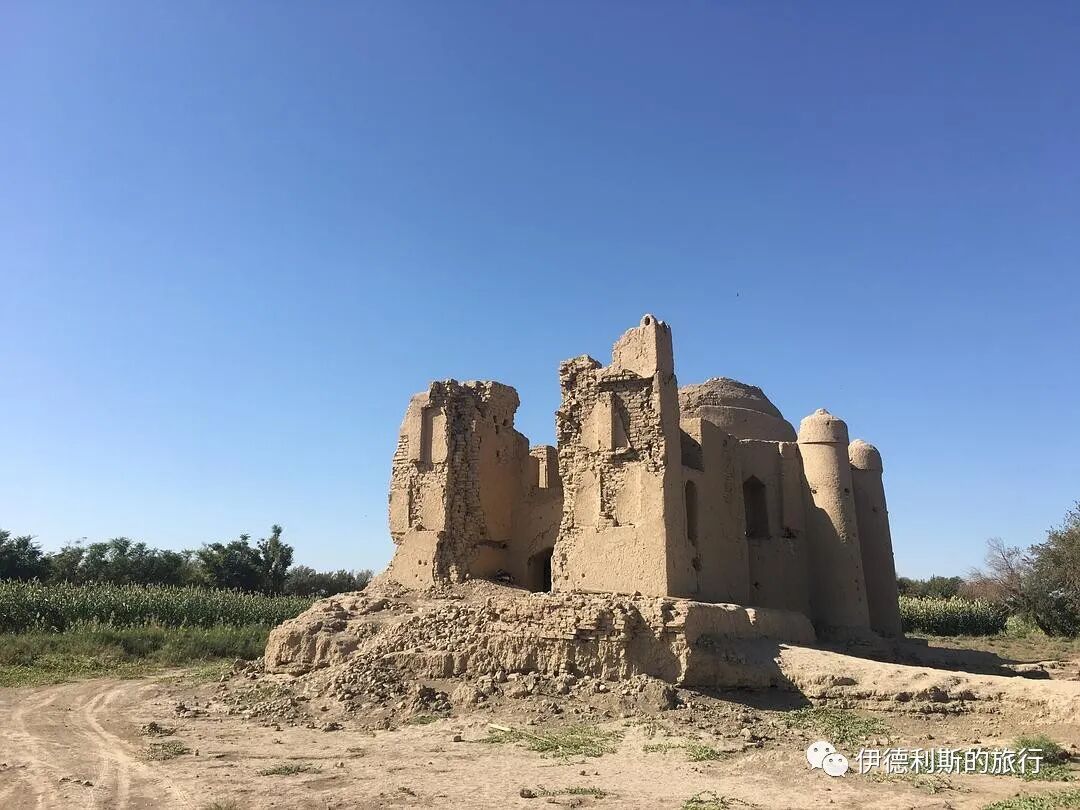
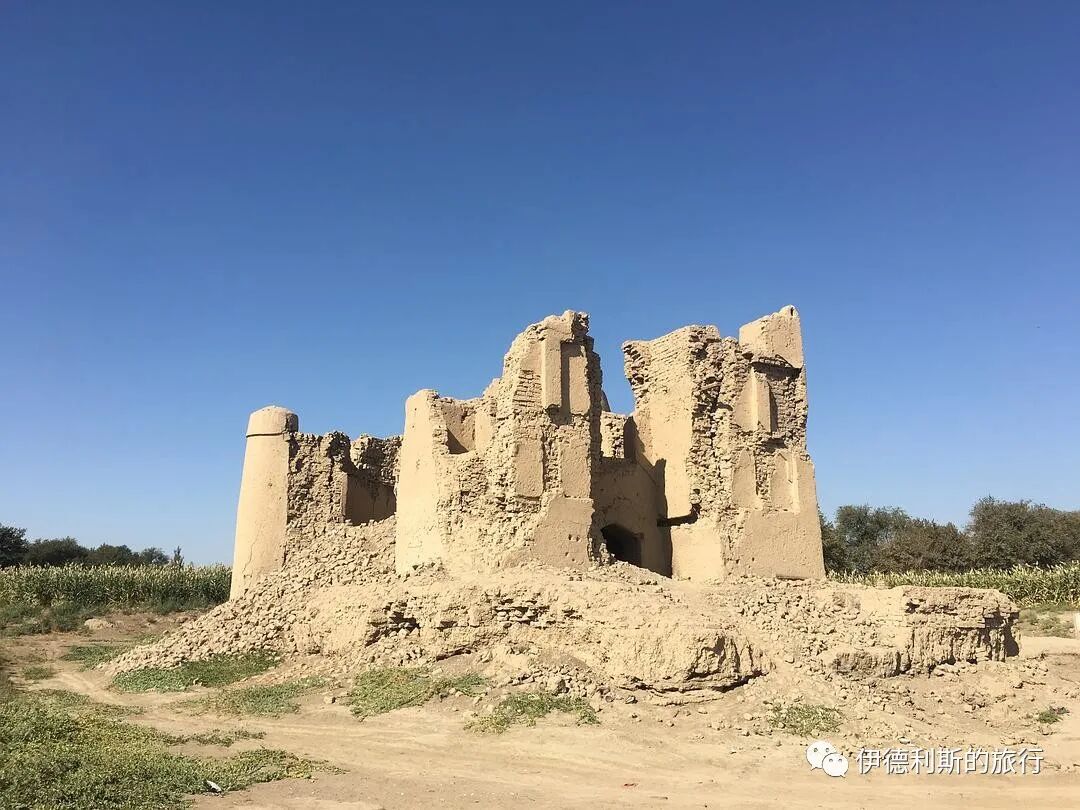
The Khizr Khoja tomb (mazar) in Turpan.
The Chagatai Khanate was formed in 1225 after Genghis Khan conquered the Western Liao Dynasty during his western campaign and divided the vast lands north and south of the Tianshan Mountains among his second son, Chagatai. Chagatai's royal court was located near Almaliq in Yili, which served as the center of the entire khanate.
After the 14th century, the Chagatai Mongols who had long lived in the Transoxiana region grew accustomed to settled city life and converted to the faith. This created growing conflict with the Chagatai Mongols in the eastern grasslands who insisted on a nomadic lifestyle. Eventually, the eastern Chagatai Mongol nobles killed the khan who had settled in the west to protect their traditions, causing the Chagatai Khanate to split into eastern and western parts. In 1348, the Dughlat tribe, which ruled the southern Xinjiang region, installed Tughlugh Timur, a descendant of Chagatai Khan, as the khan. He became the founding khan of the Eastern Chagatai Khanate.
After taking the throne, Khan Tughlugh Timur ordered all Chagatai Mongols in the Eastern Chagatai Khanate to convert to the faith. He later unified the entire khanate through two western campaigns, but the khanate fell back into chaos shortly after his death.
In 1368, the Dughlat noble Qamar ud-Din massacred almost all of Khan Tughlugh Timur's descendants. Only the khan's infant son, Khizr Khoja, was hidden away.
In 1370, the Chagatai noble Amir Timur unified the Western Chagatai Khanate. He established the Timurid Dynasty with a Chagatai khan as his puppet and became known to later generations as Timur the Great.
It was not until 1389, after Qamar ud-Din was completely defeated by Timur the Great, that Khizr Khoja, who had been in hiding for years, was able to take the throne as the third khan of the Eastern Chagatai Khanate. After Khizr Khoja took the throne, Timur the Great marched east and captured the city of Almaliq. Khizr Khoja had to move his court east to Turpan, where he eventually passed away.
In the late 15th century, the Eastern Chagatai Khanate split again into eastern and western parts. In 1514, Said Khan, a descendant of Khan Tughlugh Timur, made Yarkand his capital and ruled the entire southern Xinjiang region. This is known in history as the Yarkand Khanate.
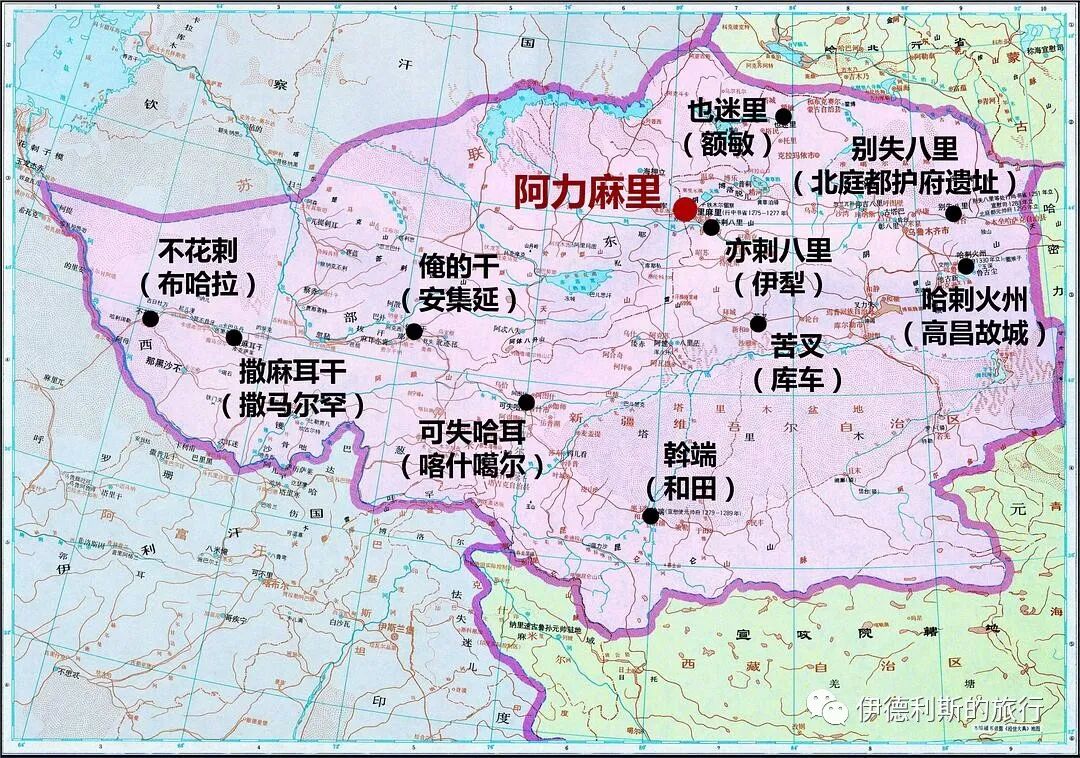
The map of the Chagatai Khanate's territory is based on the Historical Atlas of China, which primarily relies on the Jingshi Dadian from 1330-31 and the Appendix on Northwest Geography in the History of Yuan.
1. Traveling to the Tughlugh Timur tomb (mazar).
In the midsummer of 2016, I set off from the Yili Prefecture Passenger Transport Center on Jiefang West Road in Yining and first took a bus to Qingshuihe Town in Huocheng County. After leaving the Qingshuihe bus station, I crossed the street and caught a small car to the 61st Regiment at the northwest corner of the intersection. The "Big Mazar" was actually 3 kilometers away from the 61st Regiment base. When the driver heard I wanted to see it, he drove me straight to the gate and waited for me to finish my visit before taking me back to Qingshuihe Town.
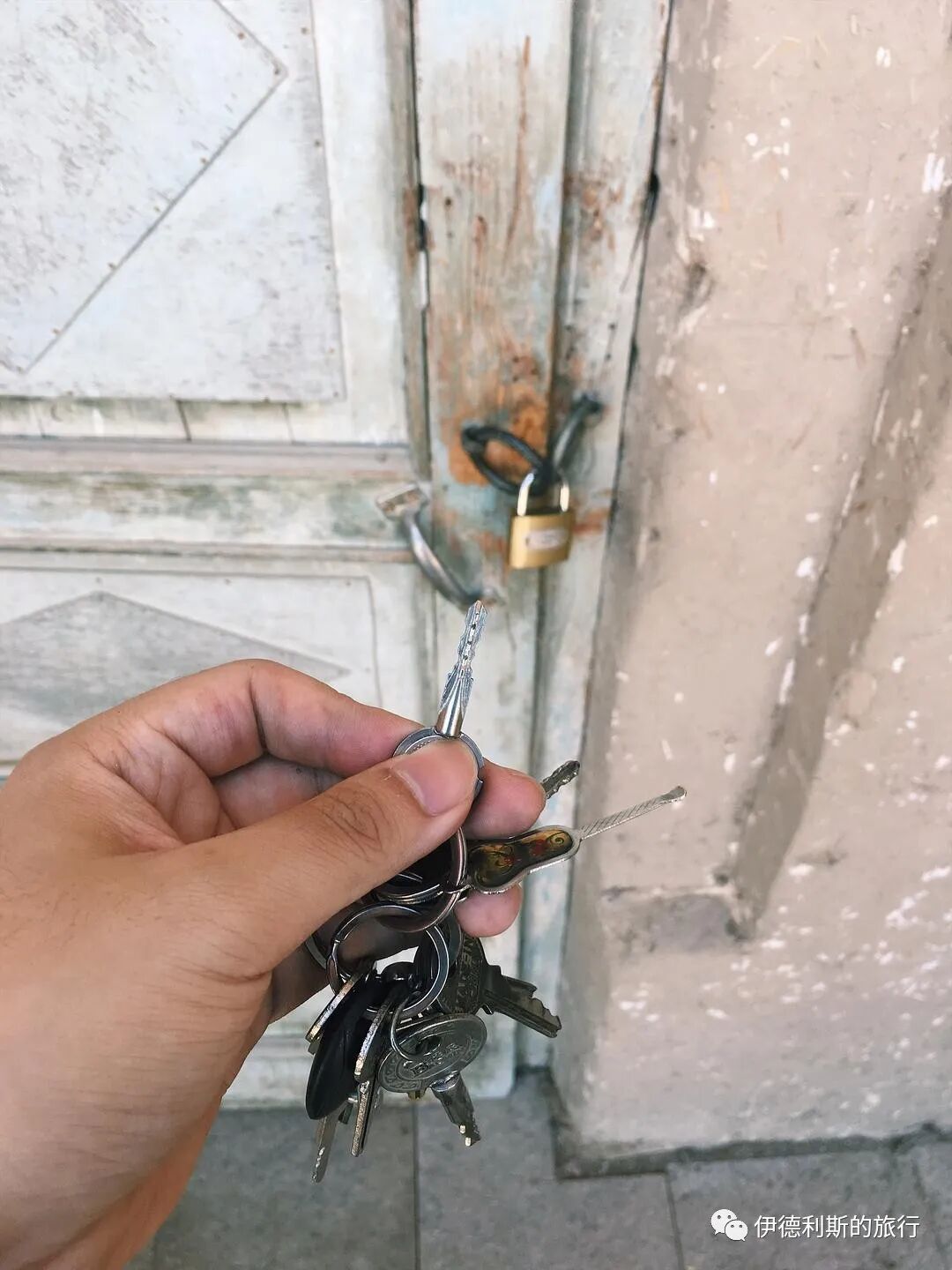
Looking from a distance, the gate of the mazar was tightly shut. When I walked up, I found an old man sleeping in the ticket office. After I woke him up, he gave me a large ring of keys. He told me which one was for the main gate, which was for the Big Mazar, and which was for the Small Mazar. Then he collected the ticket fee and let me go in with the keys.
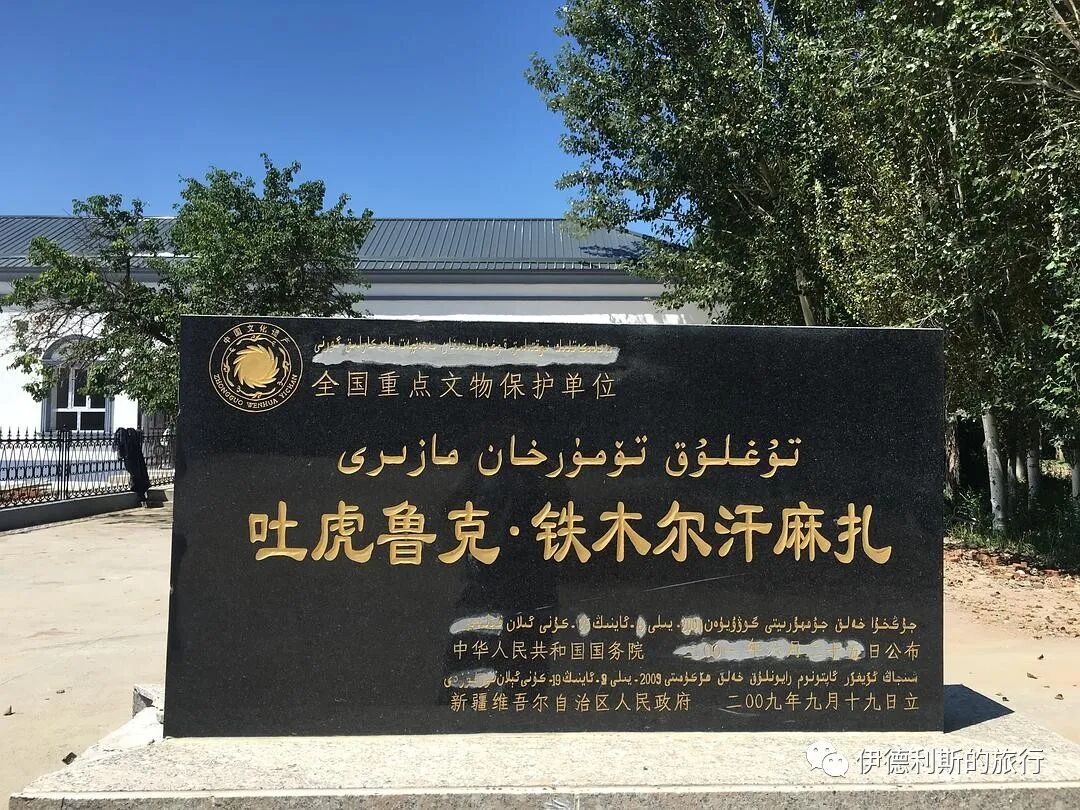
The Tughlugh Timur mazar is the only remaining Yuan Dynasty royal tomb building in Xinjiang. It is also the only surviving ground-level ruin of the Chagatai Khanate's capital, Almaliq, making it extremely valuable.
Standing in front of the tomb is truly moving. I take out the key to open the gate of the shrine (mazar), and it feels like I have stepped back into the Chagatai Khanate from over 600 years ago.
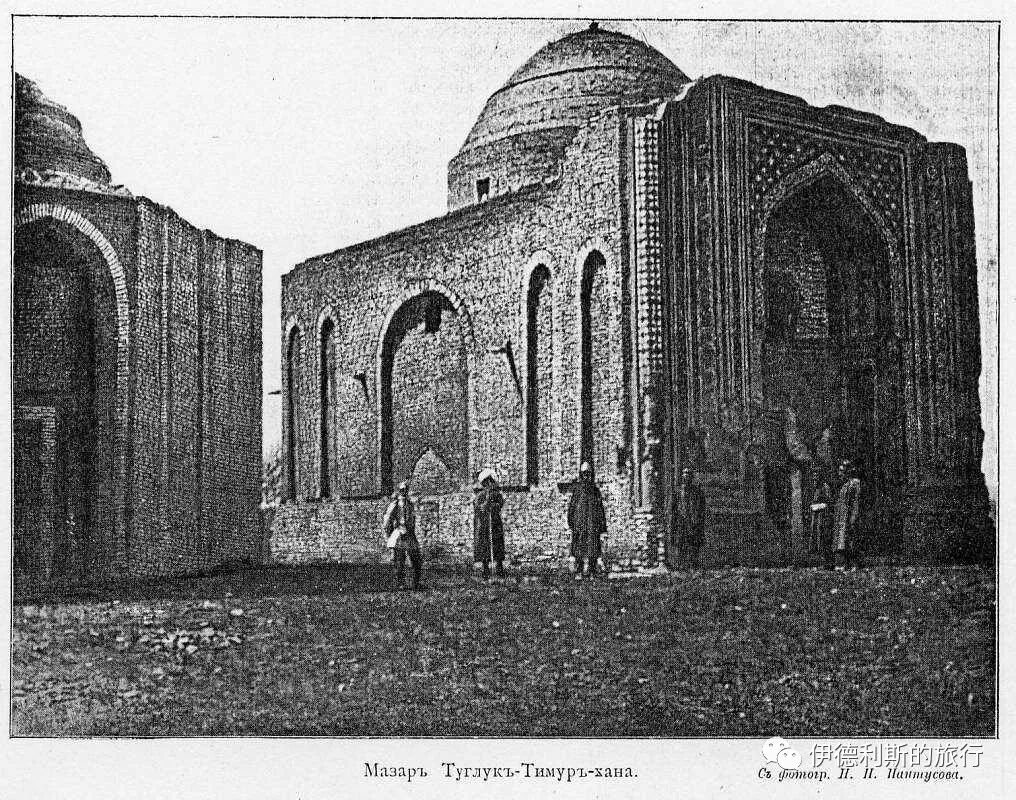
Taken by a Russian in 1904.
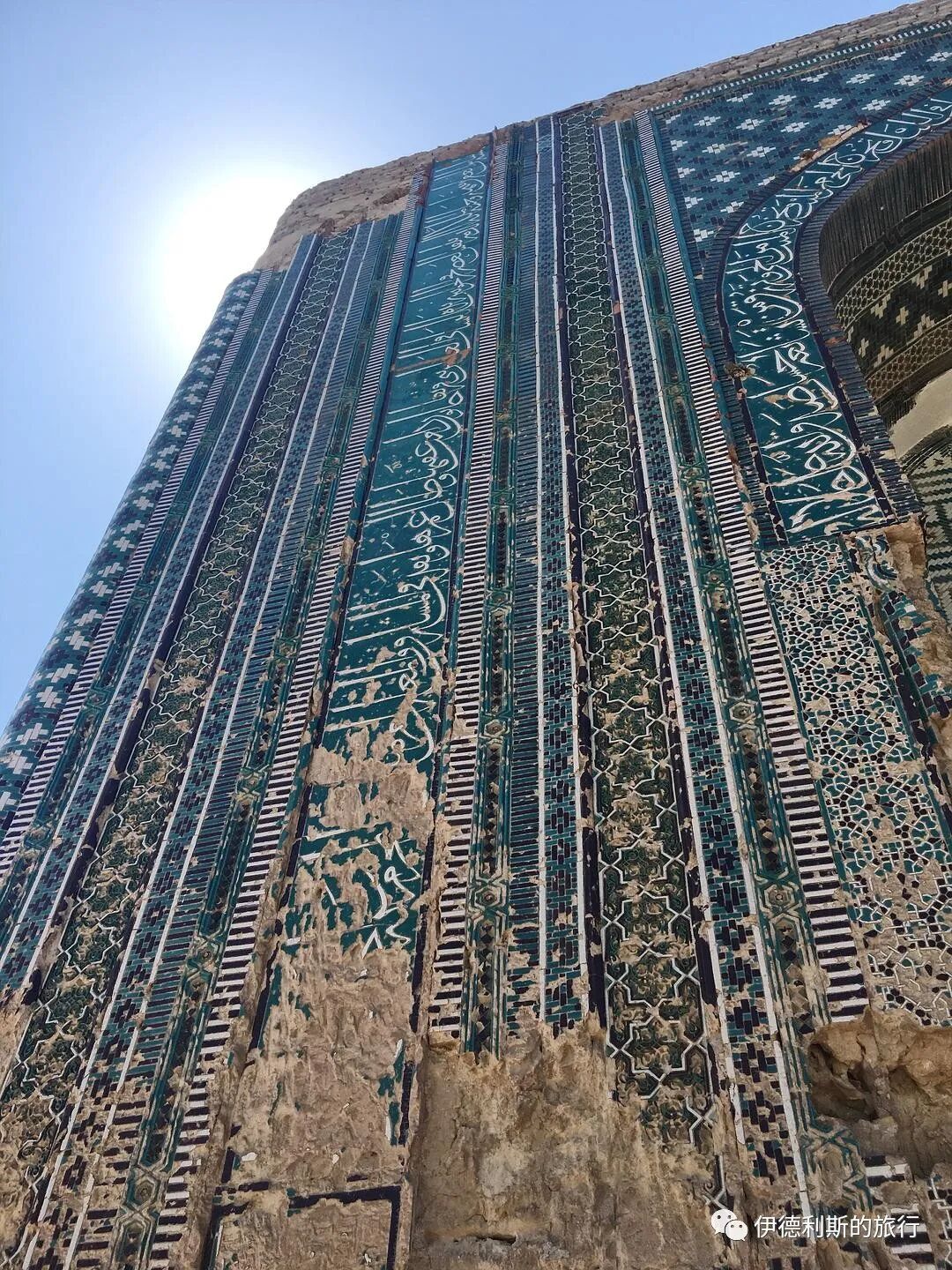
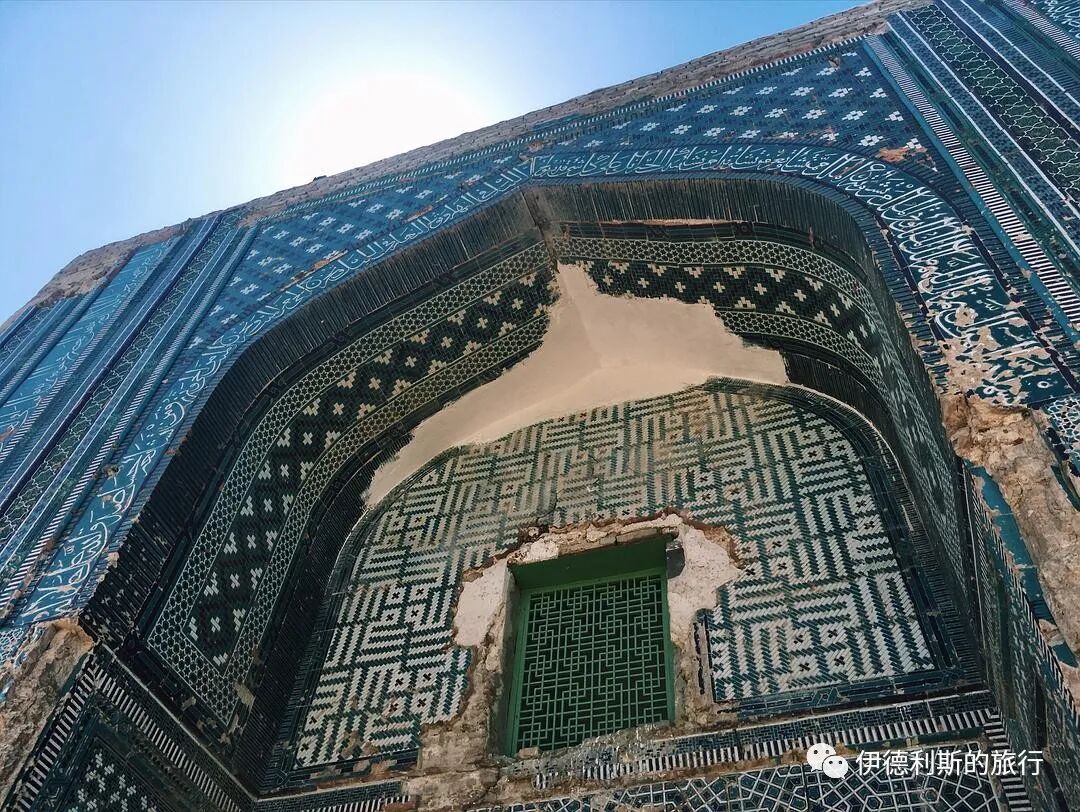
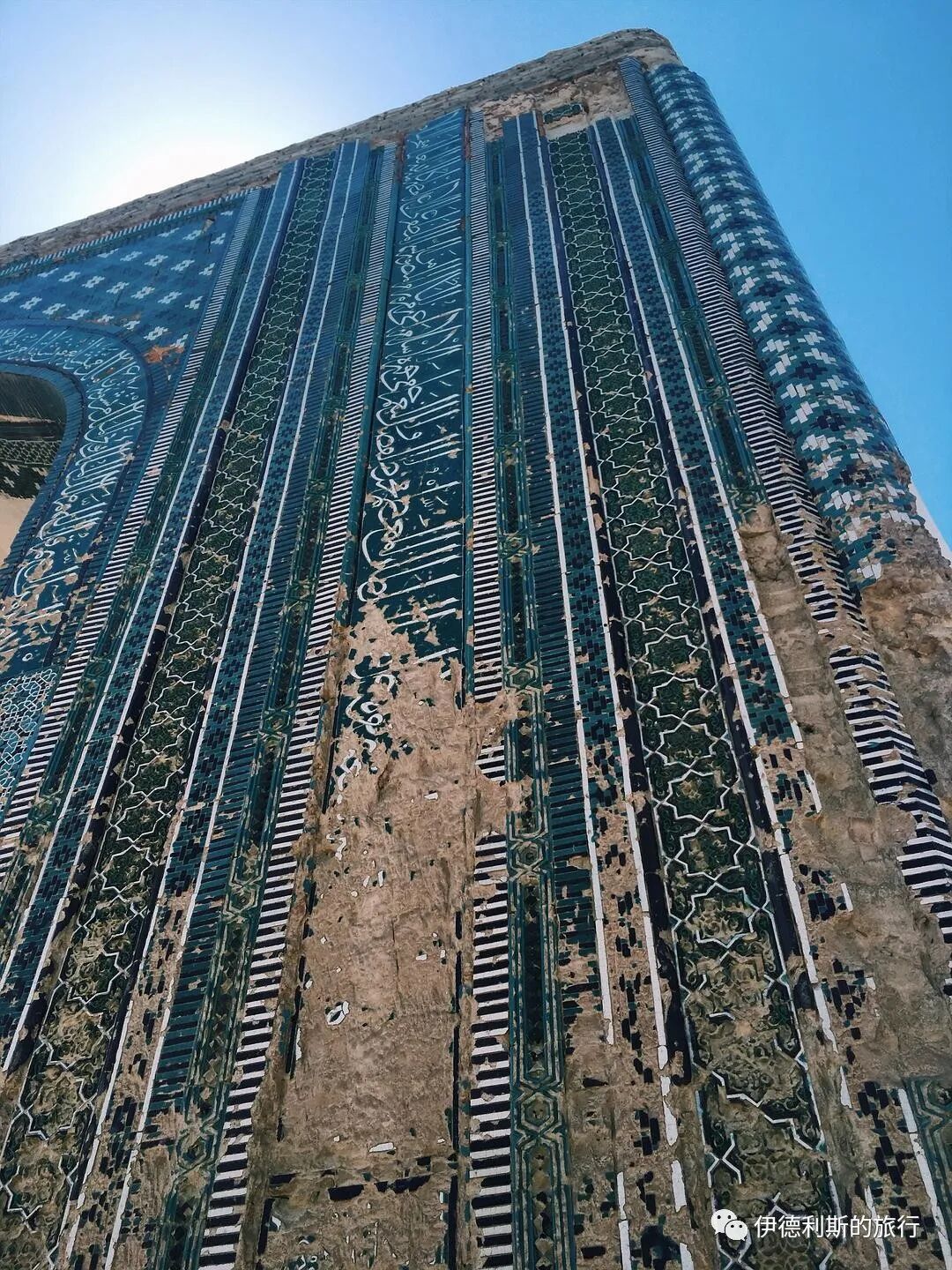
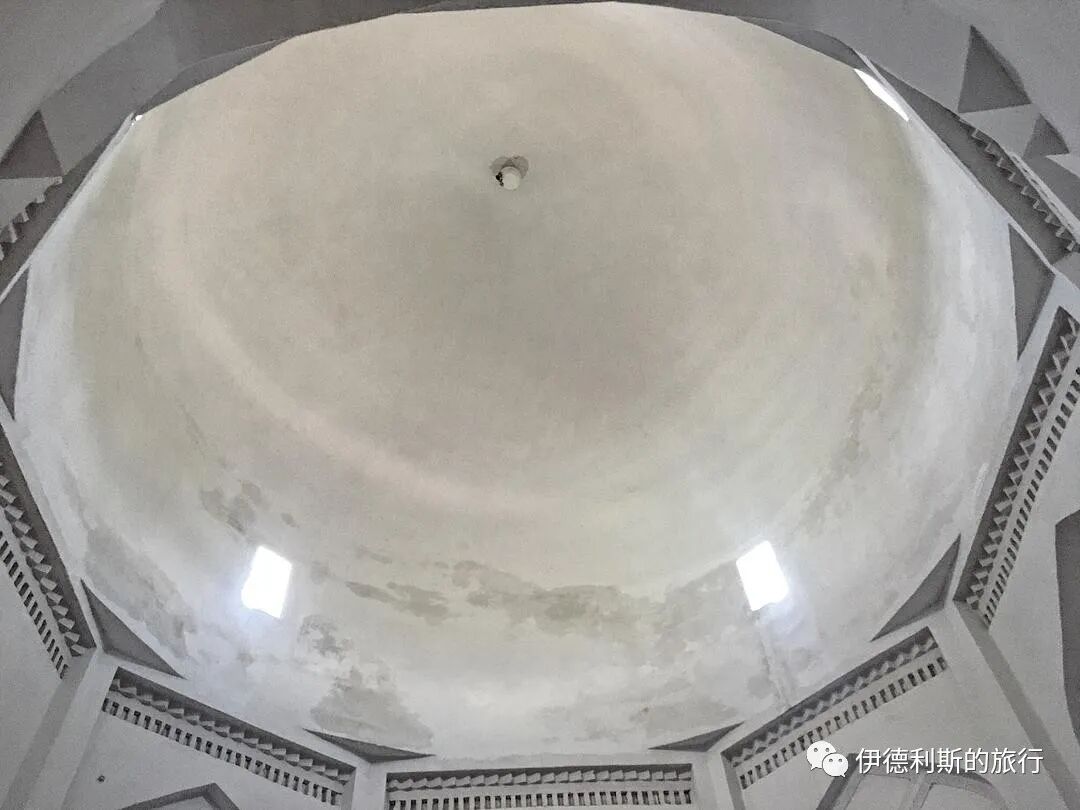
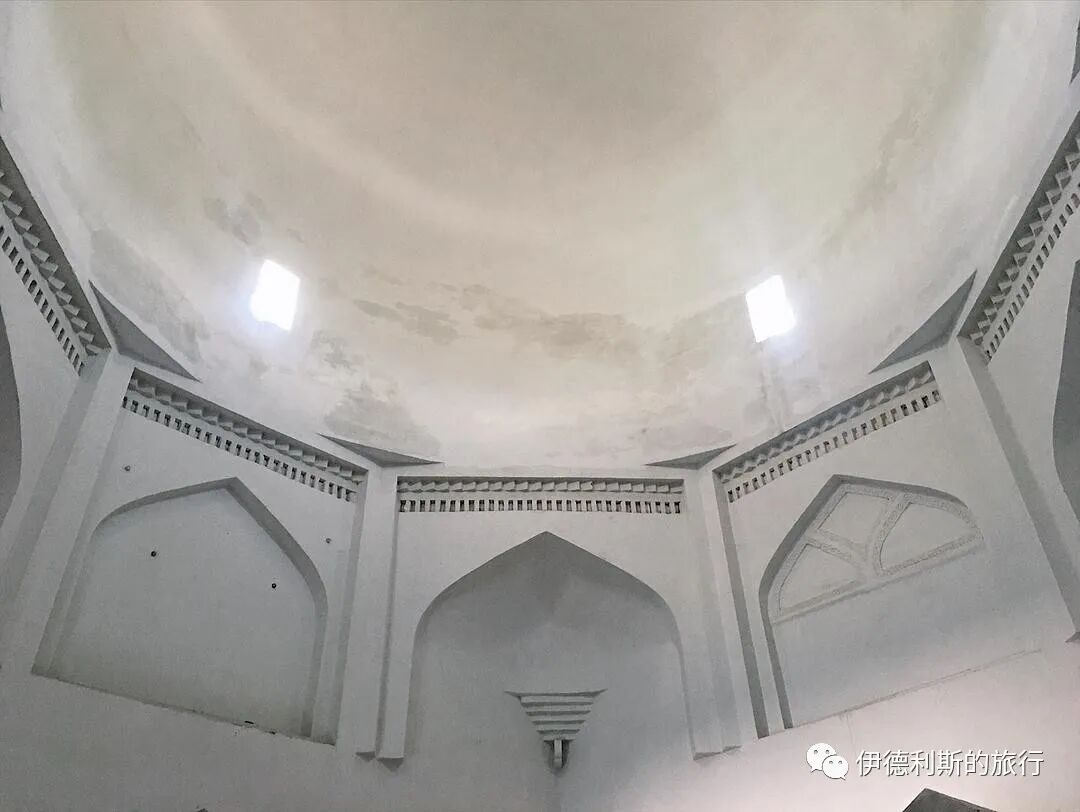
Next to the shrine (mazar) of Tughluq Timur is the shrine said to belong to his sister.
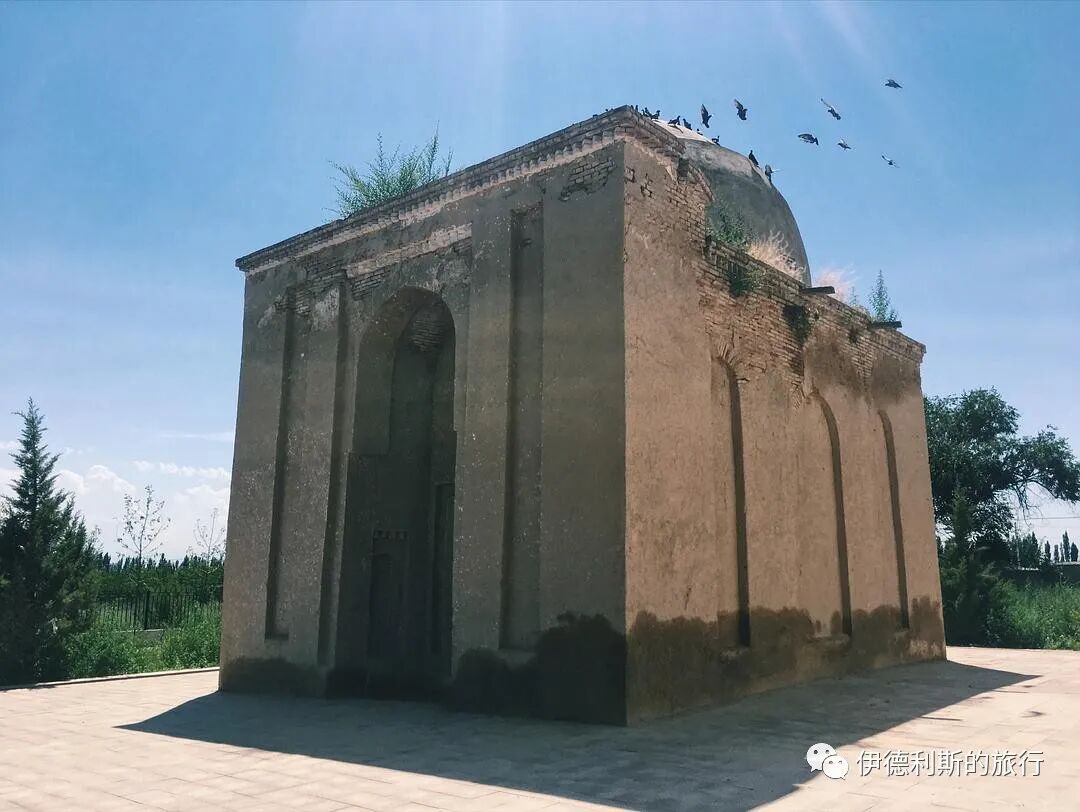
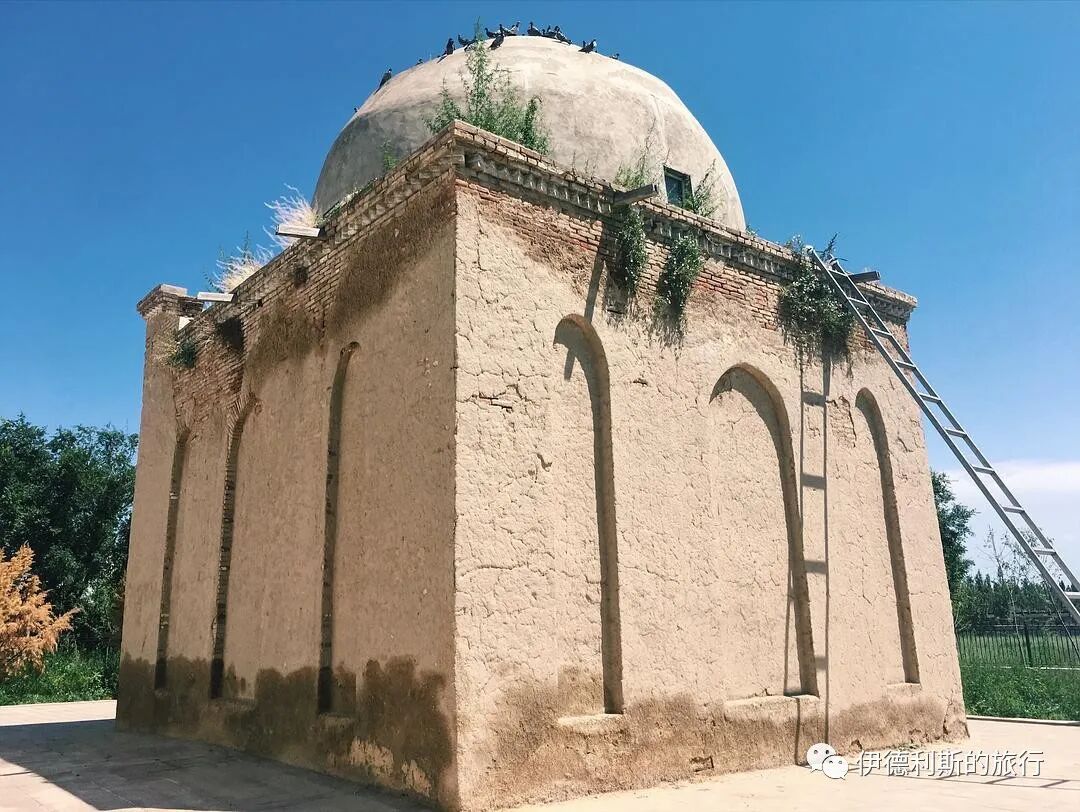
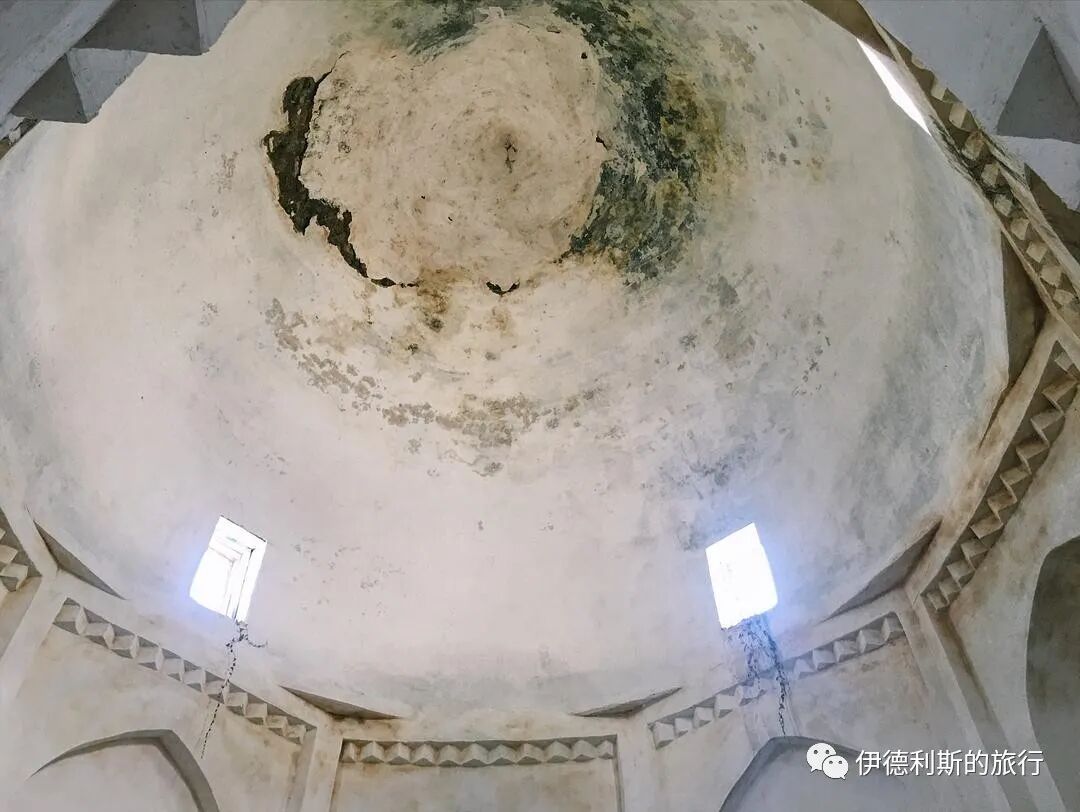
I lock the door and return to the real world.
2. The diverse city of Almaliq.
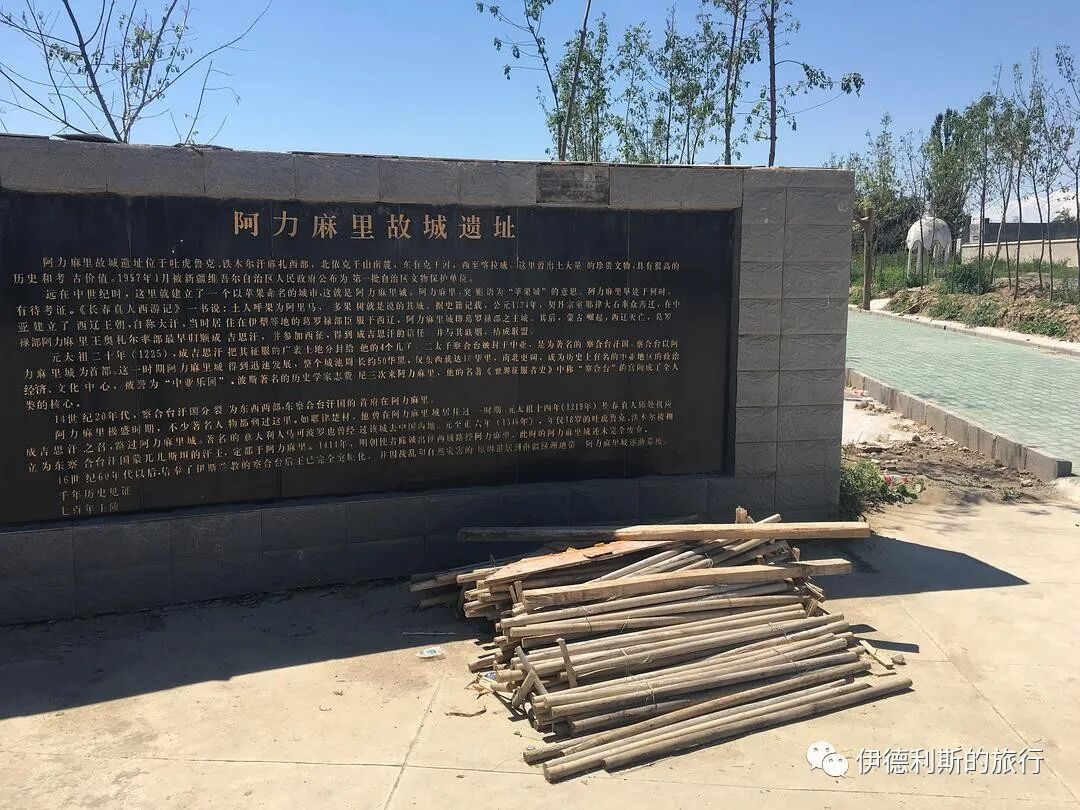
To the west of Tughluq Timur's shrine lies Almaliq, the capital of the Chagatai Khanate. Almaliq gets its name from the word for apple, and it first rose to prominence due to the Northern Silk Road during the Tang Dynasty. A Sogdian document unearthed at Mount Mug in the early 8th century already mentions the name Almaliq.
During the Western Liao period, Almaliq was ruled by the Muslim Karluks (a Western Turkic tribe known as Geluolu in the Tang Dynasty), and history refers to it as the Kingdom of Almaliq. In 1211, Kuchlug, a prince of the Turkic Naiman tribe, seized power in the Western Liao with the help of the Khwarazmian Empire and then repeatedly besieged Almaliq. To defend against Kuchlug's attacks, the Karluk leader Ozar Khan chose to submit to Genghis Khan.
In 1214, Ozar Khan was captured by Kuchlug's soldiers while out hunting. Kuchlug's soldiers chained Ozar Khan and brought him to the gates of Almaliq, but the city's defenders kept the gates shut. Just then, Kuchlug learned that the Chagatai Khan's army was on its way to Almaliq, so he retreated and killed Ozar Khan along the way.
In 1218, the Mongol army killed Kuchlug, and the Western Liao dynasty fell. Soon after, Genghis Khan divided his lands among his sons, and Almaliq became the location of the Chagatai Ulus's main camp (khan court).
At that time, the city of Almaliq was home to Han Chinese, Mongols, and Uyghurs, as well as Muslims, Christians, and even Taoists. The Taoist master Qiu Chuji passed through Almaliq on his way west to Afghanistan to meet Genghis Khan in 1220, and again on his return east in 1222. The Travels of Master Changchun records:
After another stage, we arrived at Almaliq on the 27th day of the ninth month... and stayed in the western fruit orchard. The locals call fruit 'alima,' and because there are many fruit trees, the city is named after them.
When Qiu Chuji returned east, he met a master craftsman named Zhang who was building bridges and roads for Chagatai. Zhang invited Qiu Chuji to his home and told him that he was also a Taoist, with three altars and over 400 followers in Almaliq who practiced morning and evening prayers.
Yelü Chucai also lived in Almaliq for a period of time. He wrote in his Record of a Journey to the West:
Westerners call apples 'almaliq,' and the city is surrounded by apple orchards, which is why it is named so.
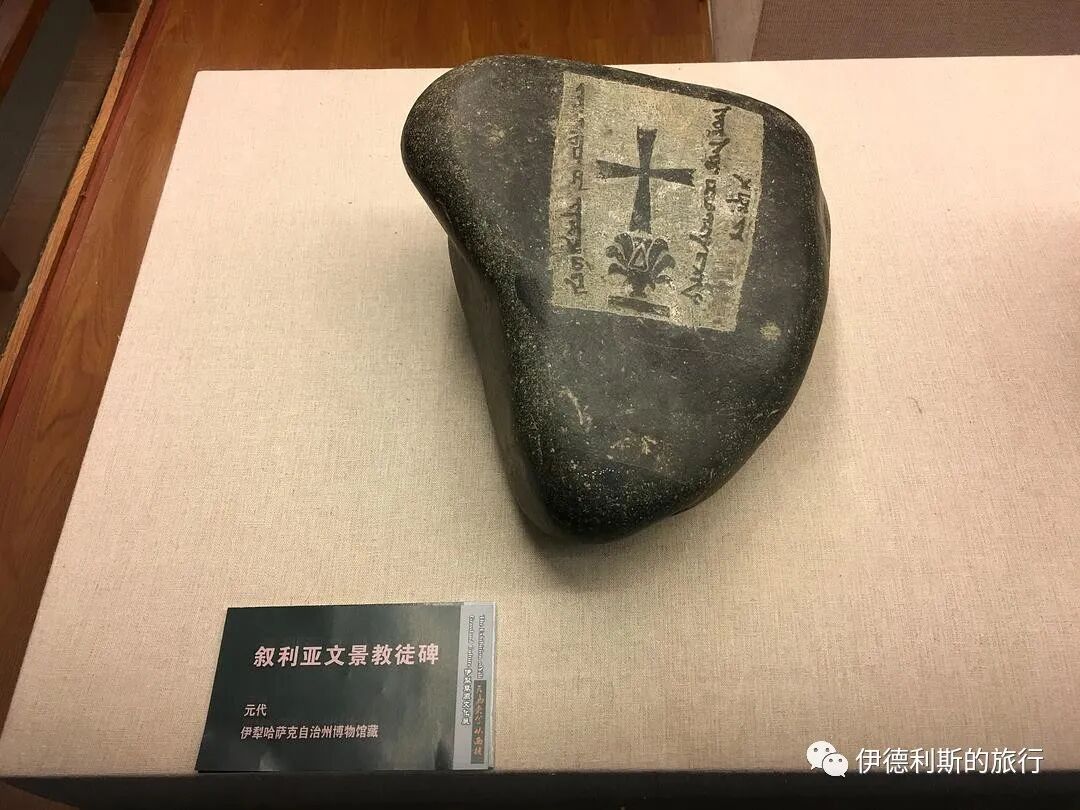
At the same time, the Yuan Dynasty city of Almalik was a center for Nestorian Christianity in Central Asia. Archaeologists found over ten Nestorian gravestones with Syriac inscriptions in the city, and their style matches other Nestorian stones found in the Seven Rivers region. Additionally, seven 13th to 14th-century Nestorian epitaphs in Syriac were found in the Seven Rivers region, all noting that the deceased came from Almalik.
On December 31, 2016, at the Ili Grassland Culture Exhibition held at the Zhenjiang Museum, I was lucky enough to see one of the Almalik Nestorian gravestones from the Ili Kazakh Autonomous Prefecture Museum collection. The owner of this gravestone was named Georges, who died in 1362 or 1365, during the period of the Eastern Chagatai Khanate.
3. Settled or Nomadic?
Two cultural systems existed within the Chagatai Khanate: the western Transoxiana region followed the Islamic faith and lived in cities, while the eastern Moghulistan region kept its nomadic traditions. After the 14th century, the conflict between settled and nomadic life grew, making the split of the khanate inevitable.
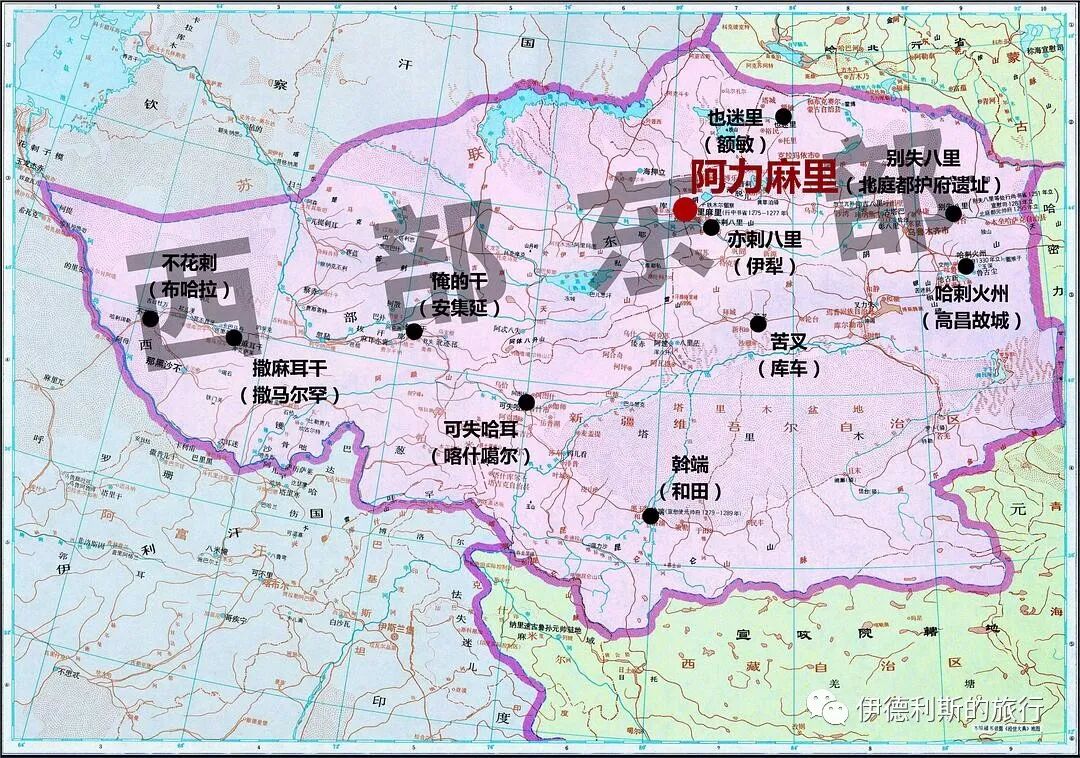
The base map comes from the Historical Atlas of China, which is mainly based on the 1330-31 Compendium of Governance (Jingshi Dadian) and the Geography Section of the History of Yuan (Yuan Shi).
In 1331, the Muslim Chagatai Khan Tarmashirin took the throne. He kept promoting the Islamic faith among the Chagatai Mongols in Transoxiana, but the Chagatai Mongols in the eastern Ili River valley stuck to their traditions.
Tarmashirin loved the city life of Transoxiana so much that he even stopped the tradition of traveling to Almalik every year. Because of this, the Chagatai Mongol nobles living in Almalik grew to oppose Tarmashirin, believing he had abandoned Mongol traditions and the roots of the Chagatai Khanate—Almalik.
In 1334, Tarmashirin’s nephew Buzan, who lived in the east, killed Tarmashirin near Samarkand to protect Mongol traditions. Historians believe the death of Tarmashirin was a major turning point in the decline of the Chagatai Khanate.
In 1343, the last Chagatai Khan, Qazan Sultan, took the throne. Qazan Sultan was cruel and killed many innocent people, leading to rebellions across the khanate. In 1346, Qazan Sultan was killed by Qazghan, the leader of the Barlas tribe—the most powerful Chagatai Mongol tribe at the time and the tribe of Tamerlane—and the Chagatai Khanate fell into division.
4. Establishing the Eastern Chagatai Khanate
1. Tughluq Timur becomes Khan
After Qazan Sultan died, every powerful Chagatai Mongol tribe in Transoxiana chose a descendant of the Chagatai Khan to be their own khan. This period is known as the era of the tribal kings (muluk-i tavaif) of the Chagatai Khanate.
In 1346, amid the trend of tribes searching for Chagatai descendants, Bulaji, the leader of the Dughlat tribe that ruled Aksu, Kashgar, Yarkand, and Hotan, did not want to be left behind. He claimed to have found Tughluq Timur, the 16-year-old grandson of the Great Khan D'ua. In 1348, Tughluq Timur was made khan in Aksu, establishing the Eastern Chagatai Khanate.
2. The Eastern Chagatai Mongols convert to the Islamic faith
The most detailed account of Tughluq Timur leading the Chagatai Mongols to convert to the Islamic faith is in the Tarikh-i-Rashidi. However, as a descendant of Tughluq Timur, the author included many legends and stories when telling his ancestor's history.
The first chapter of the Tarikh-i-Rashidi begins with the scene of Tughluq Timur meeting his Islamic teacher, Shaikh Jamal al-Din.
One day, while Tughluq Timur Khan was feeding pork to his dogs, an attendant brought Shaikh Jamal al-Din to meet him. The Khan asked the Shaikh, "Are you better than this dog? Or is this dog better than you?" The Shaikh replied, "If I believe in Allah, then I am certainly better; if I do not believe in Allah, then this dog is better than me." The Khan was deeply moved by these words, and a love for Islam grew in his heart.
According to the Tarikh-i-Rashidi, the ancestors of Shaikh Jamal al-Din were Sufi sages from Bukhara in Central Asia. After Genghis Khan conquered Bukhara, they moved around and eventually settled in the city of Katak near Lop Nur. Regarding Jamal al-Din's journey to Aksu to meet Tughluq Timur, the Tarikh-i-Rashidi records:
After a Friday Jumu'ah prayer, Jamal al-Din told everyone he had received a revelation from Allah that the city of Katak would face a disaster, so he had to leave immediately. The muezzin responsible for the call to prayer (adhan) at the mosque begged Jamal al-Din to take him along, and Jamal al-Din agreed. After traveling for a while, the muezzin said he had something to do and wanted to return to the city. Once back, he climbed the minaret of the mosque and gave the call to prayer one last time. Just as he finished the call, sand fell from the sky and buried the entire town, leaving only the top of the minaret visible above the sand dunes. Terrified, the muezzin chased after Jamal al-Din through the night to tell him what had happened to Katak. Upon hearing this, Jamal al-Din hurried on until he reached the area near the city of Aksu.
At that time, eighteen-year-old Tughluq Timur was hunting outside Aksu. His men reported that someone was hiding nearby, so Tughluq Timur sent them to bring the person before him, which led to the meeting mentioned earlier. Jamal al-Din explained the teachings of Islam to Tughluq Timur, and Tughluq Timur promised that once he became the Great Khan, he would convert to the faith. This story is recorded in the Tarikh-i-Rashidi as follows:
When he came to the Khan, he saw the Khan standing alone in a quiet place with a sad expression on his face. The Khan asked the Shaikh, "What must a person have to be better than a dog? The Shaikh replied, "Faith." Then, the Shaikh explained to the Khan what faith is and the various duties of a Muslim. The Khan wept bitterly right there and said, "If I become Khan and hold supreme power, you must come to me. I promise you that I will convert to Islam."
However, Jamal al-Din passed away shortly after. Before he died, Jamal al-Din instructed his son, Arshad al-Din, to fulfill his final wish: to help Tughluq Timur convert to the faith once he became the Great Khan. He told his son that before meeting Tughluq Timur, he had a dream where Arshad al-Din carried a lamp to the top of a mountain, and the light made the entire East shine brightly.
In 1348, Tughluq Timur officially took the throne. In 1456, Arshad al-Din traveled from Aksu to the Khan's royal court (ordu) near the city of Almalik to try and meet the Great Khan. The royal court was heavily guarded, and Arshad al-Din could not get in. He began calling the call to prayer (adhan) loudly every morning at dawn. The Great Khan finally heard the call, and the two were able to meet.
That very morning, Arshad al-Din led the conversion ceremony for Great Khan Tughluq Timur. He then met with the royal ministers one by one. 160,000 Chagatai Mongols converted to the faith, which became a major turning point for the eastern Chagatai Mongols.
5. The Final Unification of the Khanate
By 1360, the Chagatai Mongol tribes in the Transoxiana region had been fighting each other for over a decade. To end the chaos, Great Khan Tughluq Timur decided to lead a large army west to unify the Chagatai Khanate. In March 1360, the army marched all the way to the city of Kesh (located in southern Uzbekistan). A young noble commander (amir) named Timur (Amir Timur, the future Timur the Great) from the Barlas tribe, which had lived in Kesh for generations, surrendered to the Eastern Chagatai Khanate. He was granted Kesh and the surrounding territory, and Great Khan Tughluq Timur returned home victorious.
Not long after the Great Khan left, the eastern generals left in charge of Transoxiana argued with the local generals. Timur fled north of the Amu Darya river and gathered an army.
In 1361, Great Khan Tughluq Timur led a second western campaign, and the Chagatai generals in Transoxiana surrendered one after another. To ease the tension between the eastern and western generals, Great Khan Tughluq Timur negotiated with Timur again and appointed him as the governor of Kesh and the surrounding area.
After fully controlling Transoxiana and reunifying the entire Chagatai Khanate, Great Khan Tughluq Timur left his son Ilyas Khoja to rule Transoxiana while he returned to the east.
After the Great Khan left, Timur had a falling out with the commander left in charge. He fled to the upper reaches of the Amu Darya to join his brother-in-law, Amir Husayn, and gathered another army. In the famous Battle of the Stone Bridge, Timur used a smaller force to defeat the Eastern Chagatai army and retook Kesh.
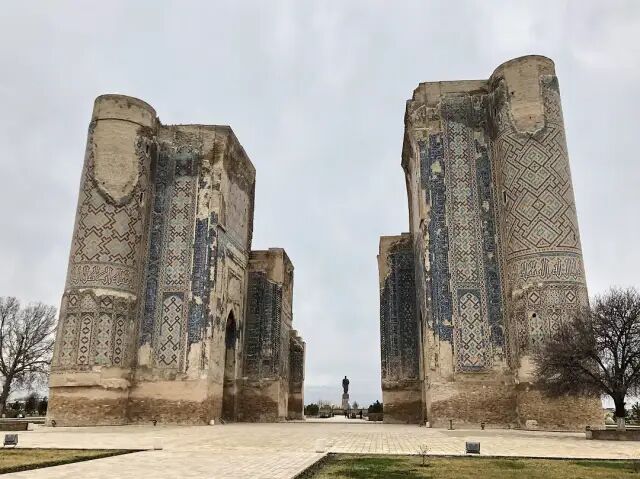
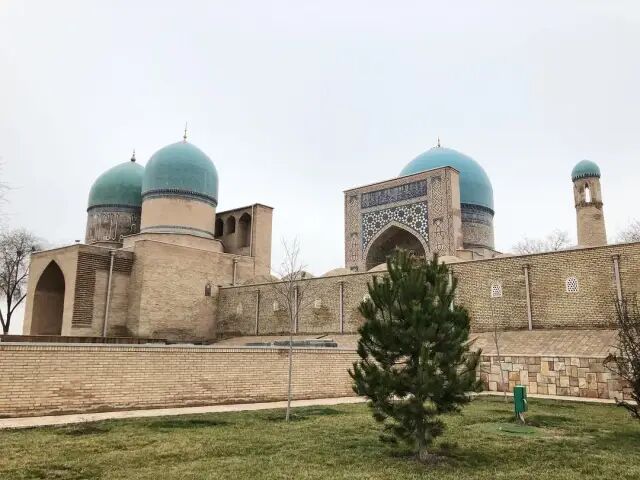
After the Timurid Empire was established, Timur renamed his hometown of Kesh to Shahrisabz.
6. The Death of the Great Khan
1. Ilyas Khoja Takes the Throne
In 1363, Timur and Prince Ilyas Khoja prepared for a decisive battle just outside Kesh. Just then, news arrived that Great Khan Tughluq Timur had passed away. The Eastern Chagatai generals urged the prince to return to Almalik quickly to take the throne, but Timur's army was already close, so the battle had to go on.
The battle began with deafening war cries. Prince Ilyas Khoja led his cavalry in an attack, but they were driven back by Timur's archers. The Eastern Chagatai army was completely defeated. The prince fled back to Almalik to take the throne, and Timur occupied a large part of Transoxiana.
In 1364, all the Chagatai generals in Transoxiana held a meeting and decided to name Khabul Shah, a descendant of the Chagatai Khan, as the Western Chagatai Khan. With this, the Chagatai Khanate, once unified by Tughluq Timur Khan, split apart again. Soon after, the vast Timurid Empire would rise from the ruins of the Western Chagatai Khanate.
2. Battle of the Muddy Swamp
In 1364, Prince Ilyas Khoja returned to Almalik to take the throne as the second Khan of the Eastern Chagatai Khanate.
In May 1365, Ilyas Khoja fought another major battle against the allied forces of Timur and Amir Husayn near the Syr Darya River. Just as the decisive battle began, a sudden downpour turned the ground into a quagmire, trapping the horses in deep mud. This is why later generations call it the Battle of the Muddy Swamp (ni zhao zhi zhan).
Timur's army could not move in the mud. Ilyas Khoja was prepared; his Eastern Chagatai troops covered themselves with felt blankets and waited for Timur's men to charge before throwing them off to fight. Countless soldiers died in the mud.
The Tarikh-i-Rashidi (Rashide Shi) describes this scene vividly:
Although the sun was still in the position of the Orion constellation, the sky suddenly filled with dark clouds, thunder rumbled, and lightning flashed. Wind and rain rushed into the sky from their hiding places. The heavens echoed with continuous thunder, and within the clouds brewing with lightning, thousands of golden rays shot out like arrows of light. The rain poured down, and the raindrops whistled as they cut through the air. It was as if the god of fate had once again fallen ill and decided to stir up trouble. The stars shed so many tears that it seemed the great floods of the primordial age were about to return. People heard Nuh (Noah) once again offering a dua for the rain to stop.
The livestock on the battlefield seemed to float in the air like fish. The horses' feet sank so deep into the mud that their bellies touched the ground, and the dampness made them look thin and bony. They became weak and emaciated, paralyzed, and their bones felt loose. The feathers on the arrow shafts fell off, and the nocks dropped away. Clothes and equipment became heavy from the rain, making it difficult for both infantry and cavalry to move. Because of this, our army (Timur's) lost confidence and courage, but the enemy remained in place, covering themselves with felt to keep their clothes and weapons dry. When our army reached them, they threw off the felt covers and entered the battle with energetic horses and dry weapons, and so the fighting officially began.
Timur defeated the Eastern Chagatai army with a brave attack, but the victory caused a conflict between Timur and his brother-in-law, Husayn. The next morning, the Eastern Chagatai army turned defeat into victory, killing tens of thousands of Timur's soldiers.
After the Battle of the Muddy Swamp, the Western Chagatai lords retreated south of the Amu Darya River, and Ilyas Khoja began to besiege Samarkand. Just as the city-defending army was struggling, a plague broke out in the East Chagatai army. Most of the horses died from the sickness, and Ilyas Khoja was forced to return to Almaliq.
In 1370, Timur unified the entire Western Chagatai Khanate. He established the Timurid Empire as the protector of the Chagatai Khan and became known to later generations as Timur the Great.
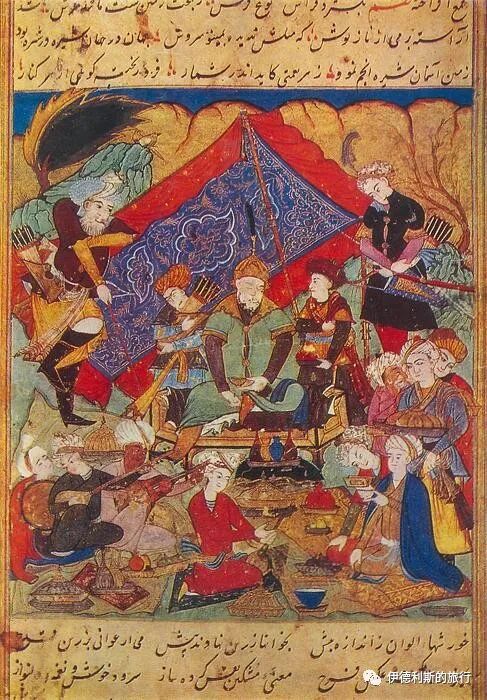
Timur the Great holds a grand feast in Samarkand, painted by Sharuf ad-din Ali Yesdy in 1628.
7. The succession of Khizr Khoja
1. The Khan's entire family is killed
Tughluq Timur Khan was originally placed on the throne by Bulaji, the leader of the Dughlat tribe. After Bulaji passed away, the Khan wanted to weaken the power of the Dughlat tribe. Instead of following tradition and letting Bulaji's brother succeed him, he let Bulaji's 6-year-old son, Khudaidad, take the position. This caused dissatisfaction among Bulaji's brothers, especially the third brother, Qamar ud-Din, who held a grudge.
After returning to Almaliq, Ilyas Khoja lost his authority because of the defeat. In 1368, Qamar ud-Din started a rebellion. He killed Ilyas Khoja while he was sleeping and slaughtered almost all members of the royal family. Only Tughluq Timur Khan's youngest son, Khizr Khoja, was hidden by Khudaidad and his mother. They moved around to hide in places like the Pamir Mountains, the Kunlun Mountains, and Lop Nur.
After Qamar ud-Din ruled the East Chagatai Khanate, Timur launched six wars against it, historically known as the Eastern Expeditions against Chagatai. In 1389, Qamar ud-Din was finally completely defeated. His subordinates hid him deep in the dense forests by the Irtysh River, and his whereabouts became unknown.
2. The succession of Khizr Khoja
In 1389, the 16-year-old prince Khizr Khoja took the throne with the help of Khudaidad, becoming the third Great Khan of the Chagatai Khanate.
Hearing that Khizr Khoja had succeeded to the throne, Timur immediately led his army to fight a decisive battle. He defeated the East Chagatai army in one strike, looted a large number of subjects and livestock from the East Chagatai Khanate, and completely destroyed the city of Almaliq. Because the Timurids in the west were too powerful, Khizr Khoja chose to conquer Turpan around 1392 and moved the Khan's court to Anle City in Turpan. Khizr Khoja promoted Islam in Turpan, which gradually made Turpan a cultural center for Islam.
During the reign of Khizr Khoja, the East Chagatai Khanate finally regained stability. The Tarikh-i-Rashidi states:
At the time of his accession, because Qamar ud-Din had usurped the throne and the Emir Timur was aggressive, the state was on the verge of collapse, but it became strong and consolidated again. Old systems that had been abandoned were restored, and the administration of the Khan's court and the affairs of the nobles were back on track.
3. Anle City in Turpan
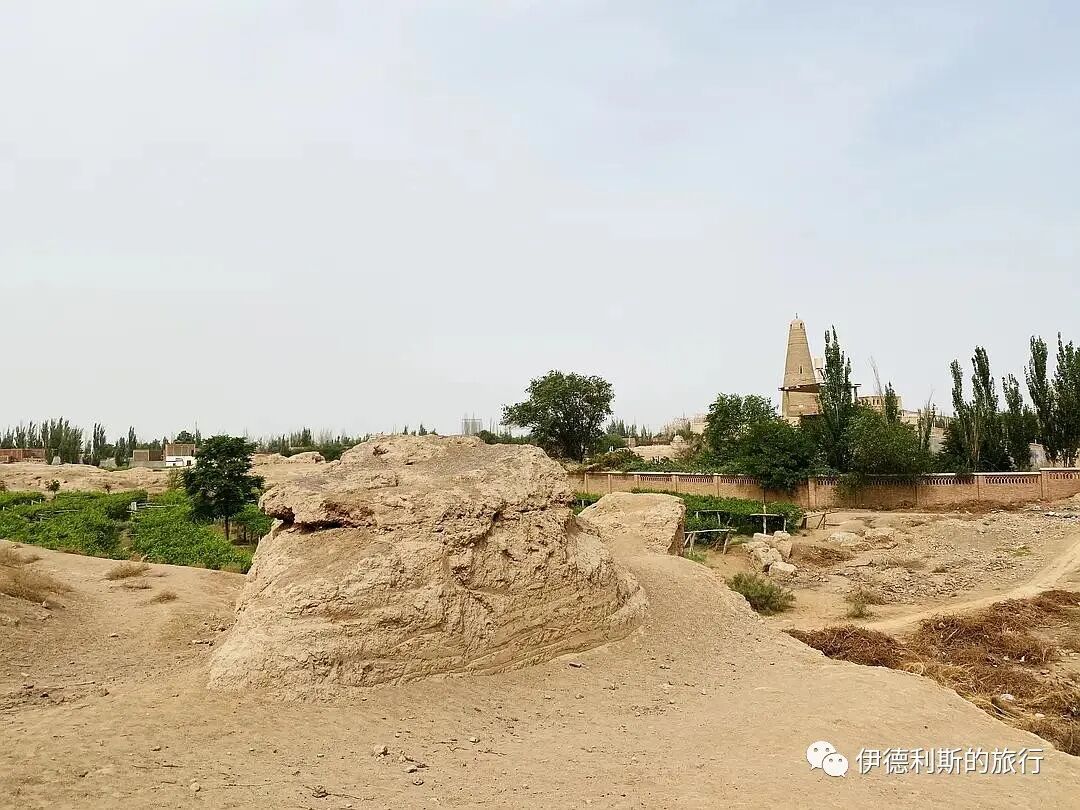
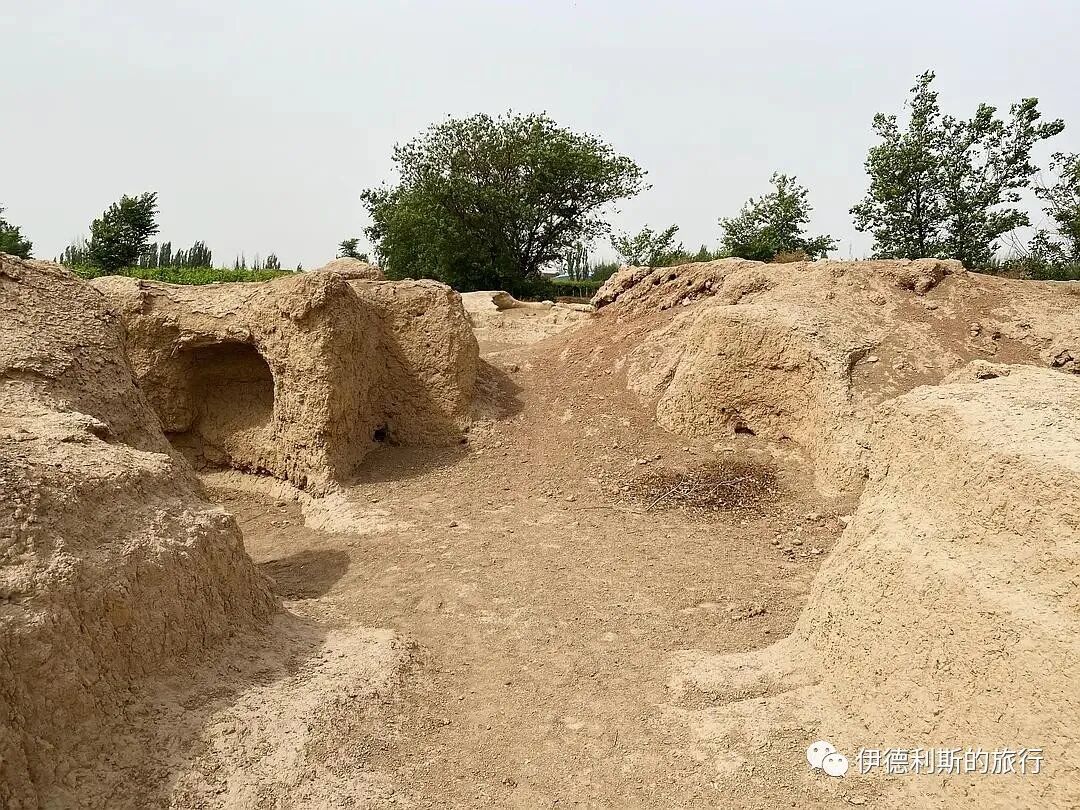
Anle City is located south of the Emin Minaret (Sugong Ta). It is 300 meters wide from north to south and 700 meters long from east to west, with a karez well (kan'erjing) running underground through the city. The south of the city rises 8 to 10 meters above the ground, and every courtyard or house inside the city has storage pits and water wells.
In 1422, the East Chagatai Great Khan Uwais Khan defeated the Oirats and reoccupied Anle City. He used Anle City as his main residence, and since then, Anle City has been an important city of the East Chagatai Khanate.
In the second half of the 15th century, the East Chagatai Khanate split again. Ahmad Alaq (reigned 1487–1503) ruled the eastern part of the Khanate with Anle City as the center. It is called the Turpan Khanate in the History of Ming, and Anle City was later replaced by the name Turpan.
In 1514, Sultan Said Khan founded the Yarkent Khanate, while his older brother, Mansur Khan (reigned 1503–1543), continued to rule the eastern part of the Eastern Chagatai Khanate with Turpan as his capital. In 1570, the army of the Yarkent Khanate invaded Turpan, captured Muhammad Khan, the last ruler of the Turpan Khanate, and brought the khanate to an end.
In 1679, Galdan, the leader of the Dzungar Khanate, occupied Turpan. After years of fighting between the Dzungars and the Qing Dynasty, the region was finally incorporated into the Qing Empire in 1755. In 1780, the Qing government built Guang'an City northwest of Anle City. The administrative center of Turpan moved to Guang'an City (the current urban area of Turpan), and Anle City was gradually abandoned.
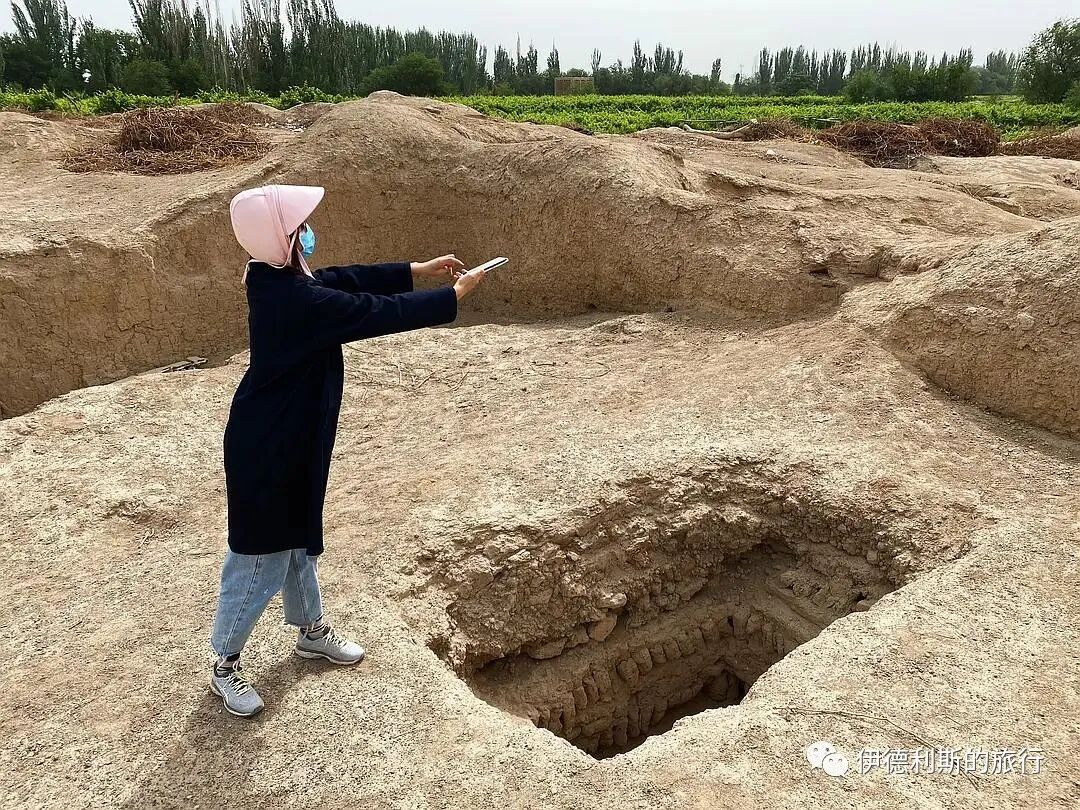
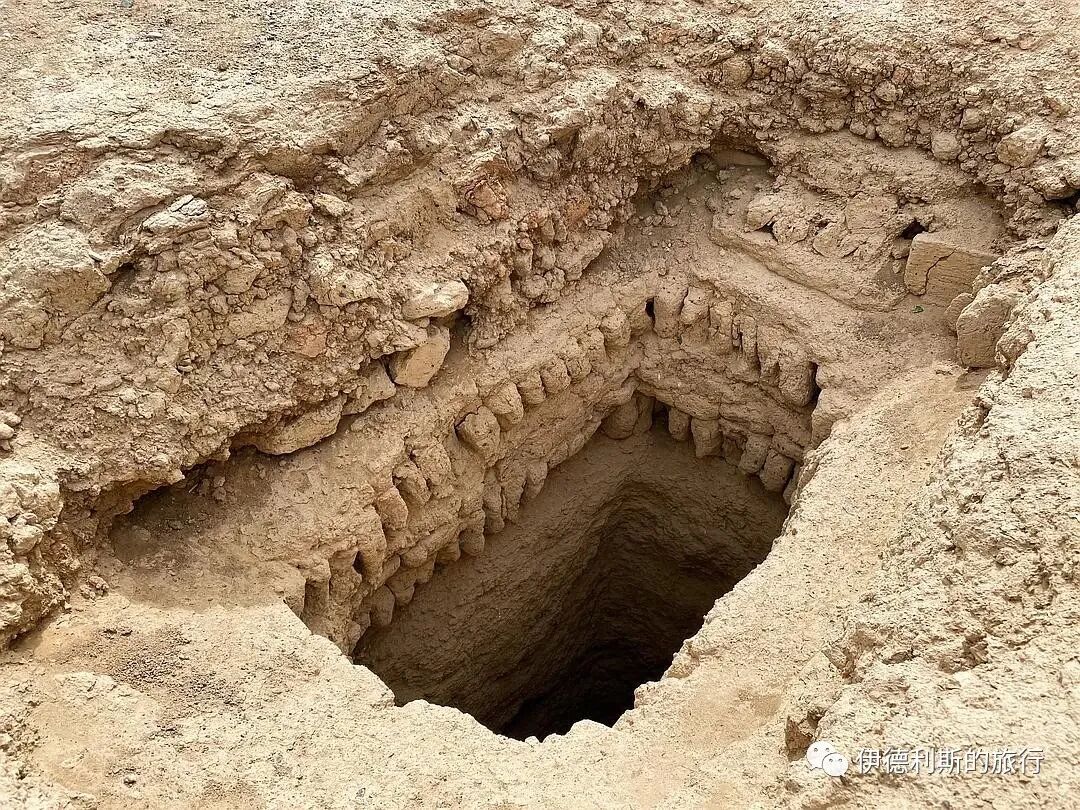
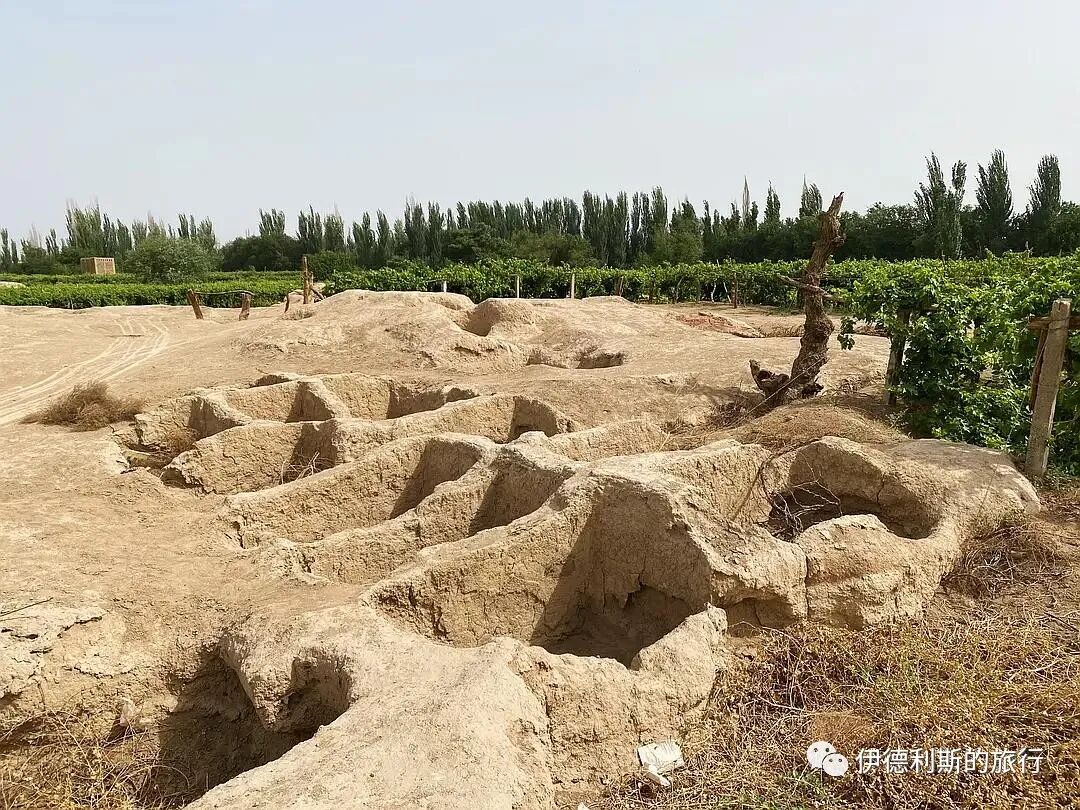
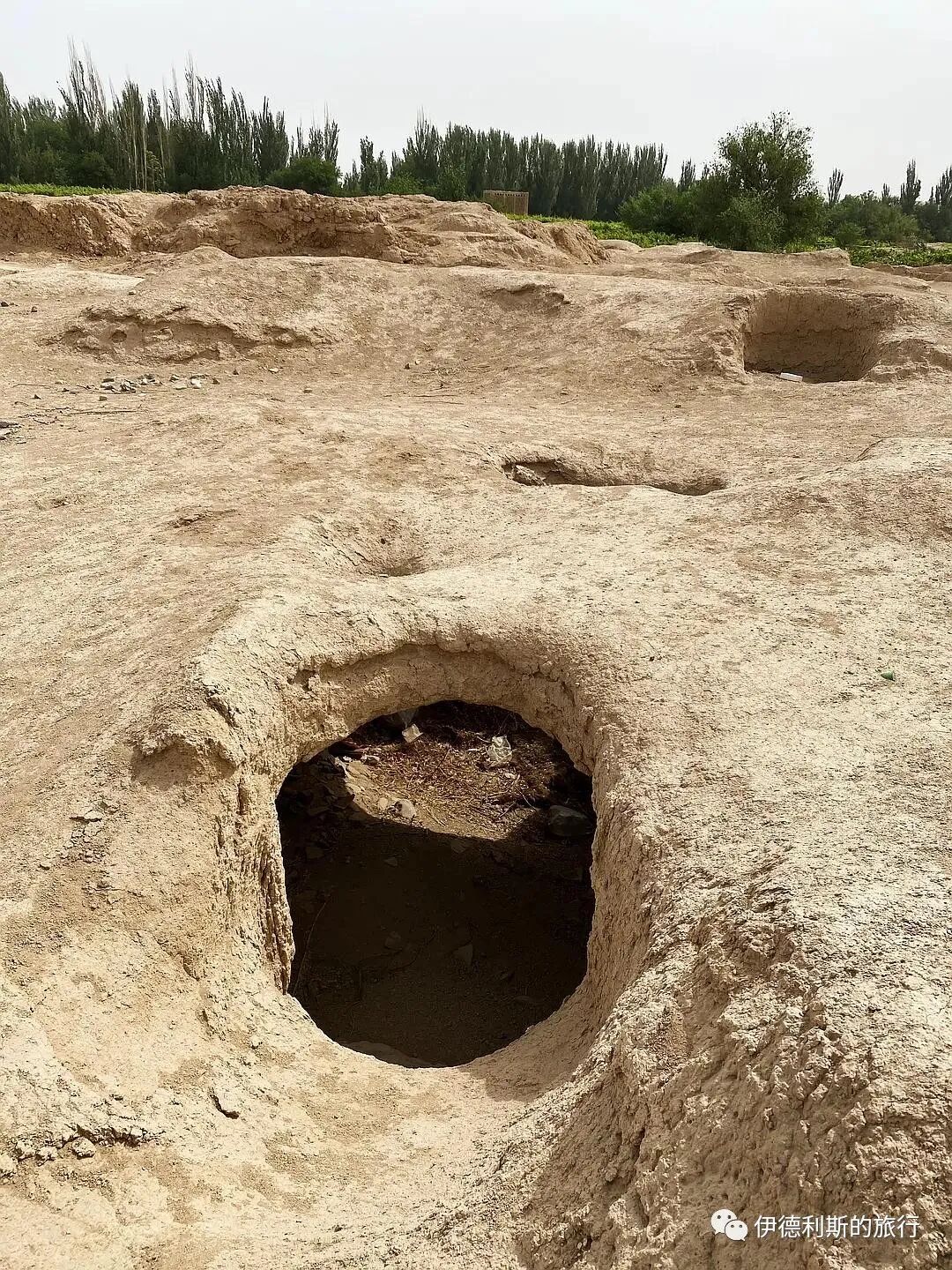
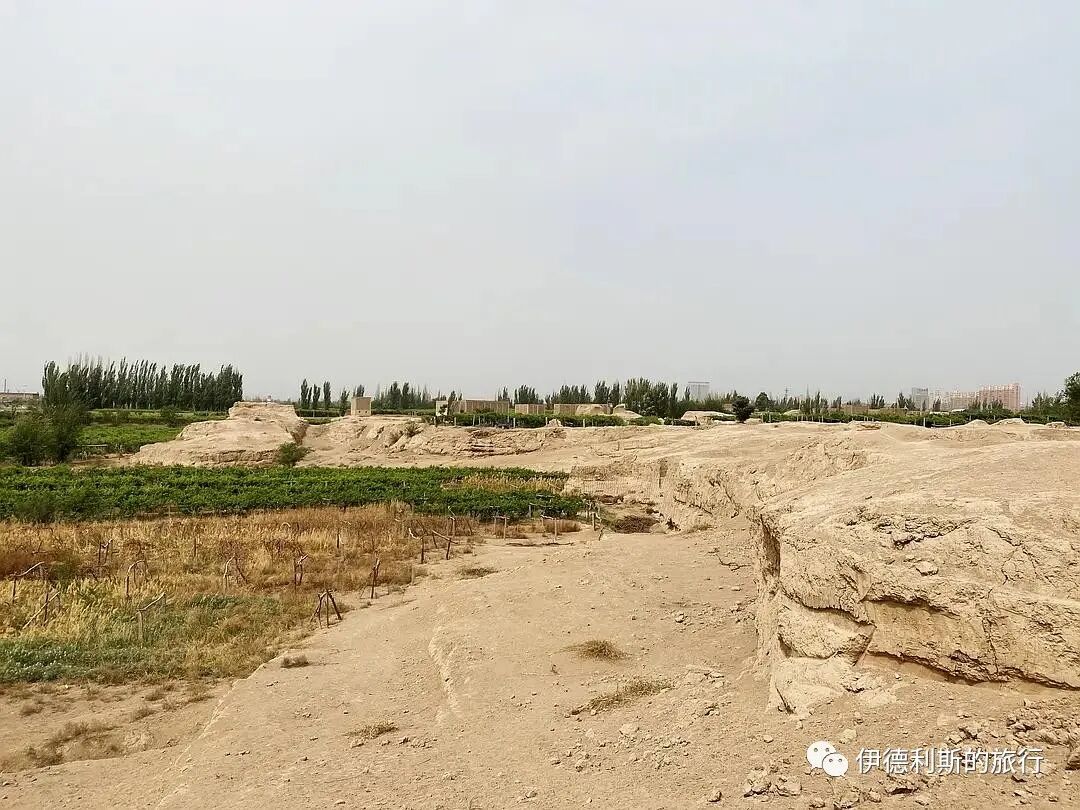
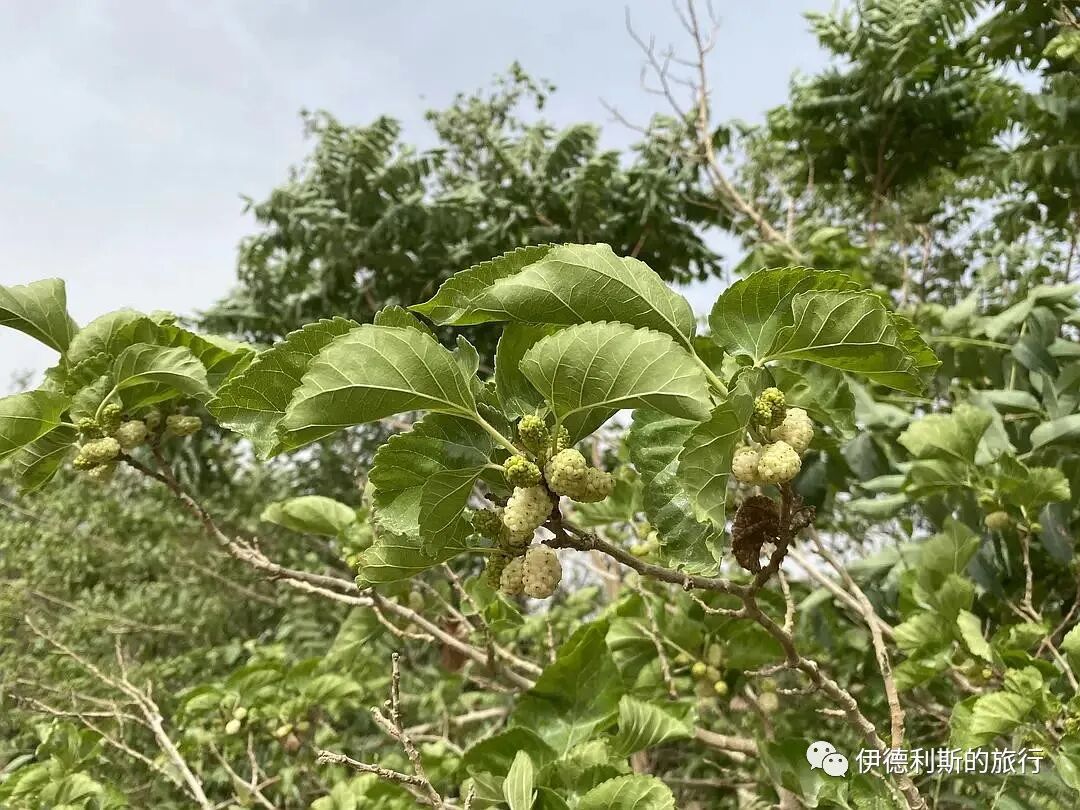
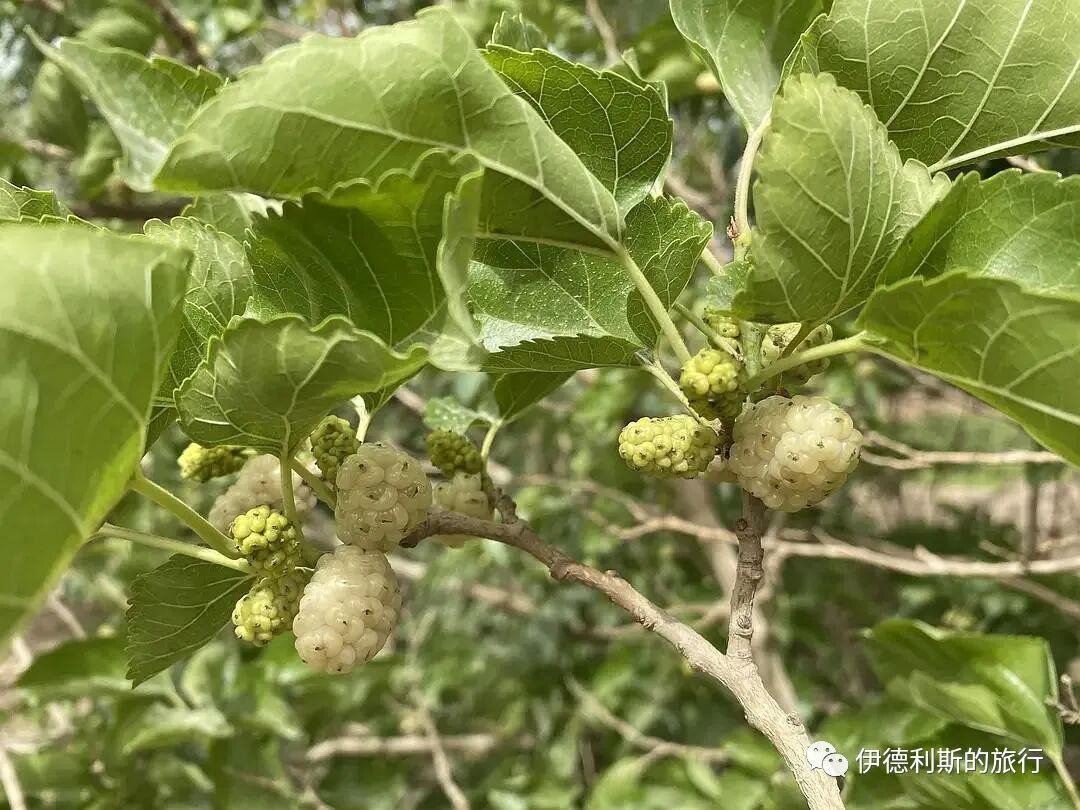
I picked some incredibly sweet mulberries at the ancient city of Anle! They tasted just like honey. May is truly the season for mulberries.


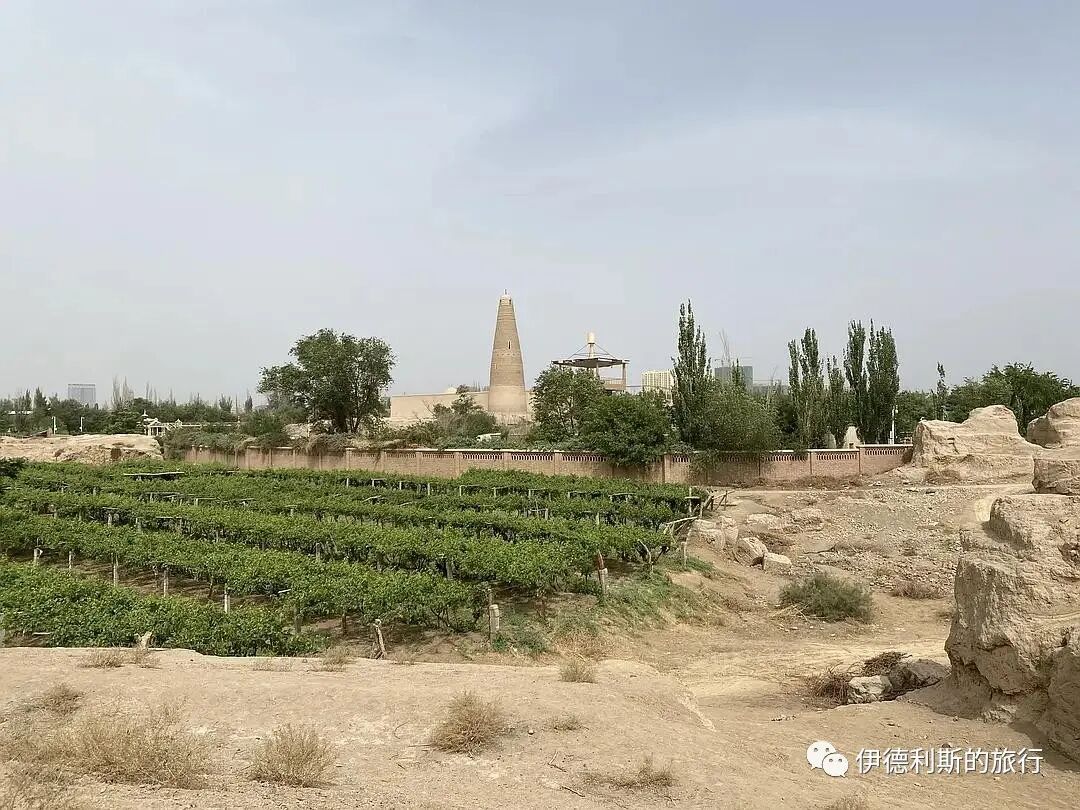
The Emin Minaret (Sugong Ta) is located just north of the ancient city of Anle.
8. Visiting the Mazar of Khizr Khoja
Khizr Khoja passed away in Turpan between 1402 and 1404. In 1415, Chen Cheng, an envoy sent by the Ming Dynasty to the Western Regions, wrote in his Record of Mountains, Rivers, and Customs of the Western Regions:
There are two high mounds in the city, surrounded by trees and enclosed by walls. These are the tombs of the former king, Khizr Khoja, and his wife. Near the tombs is a small mound, said to be where his favorite minister was buried with him.
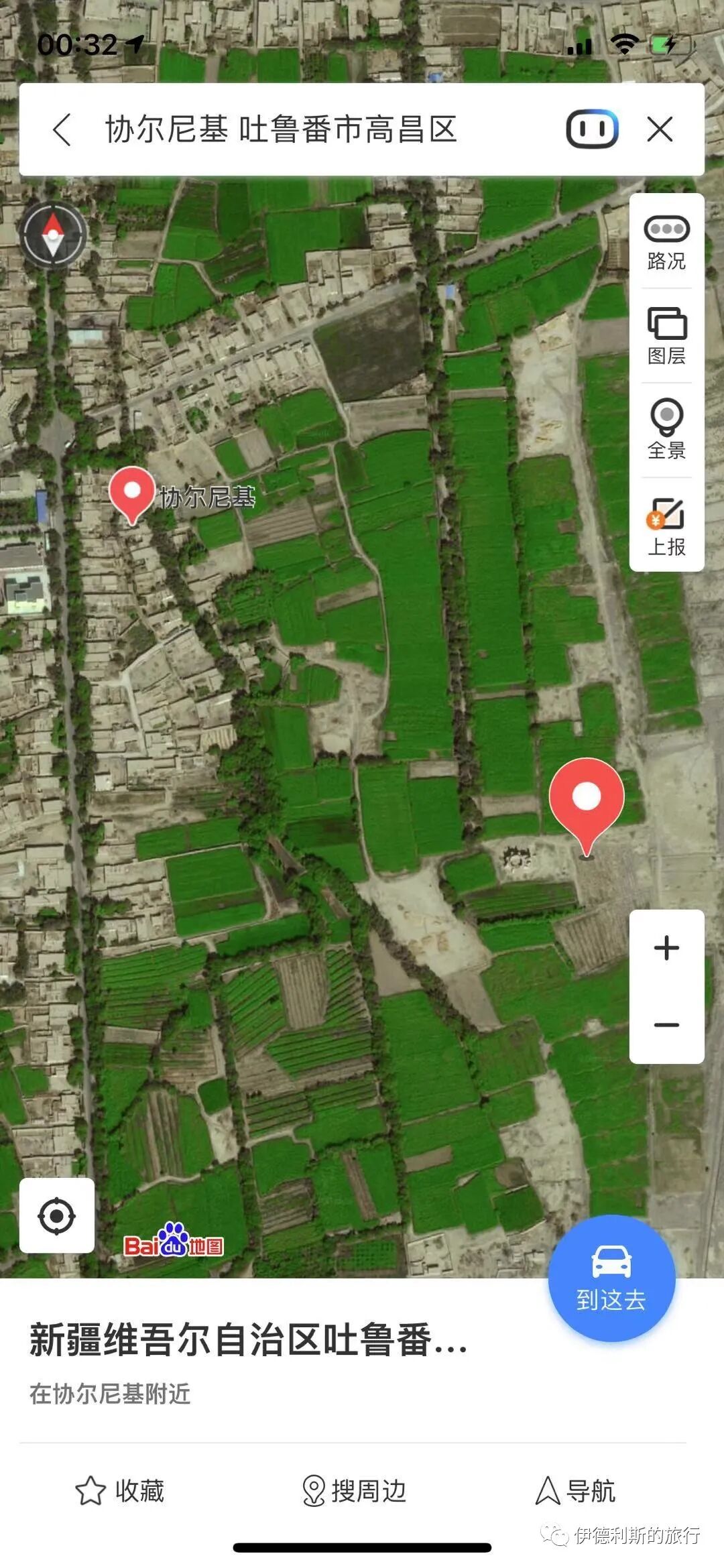
Even locals might not know this place well. When using navigation, you can search for 'Xie'erniji,' and the mazar is in the southeast of the village.
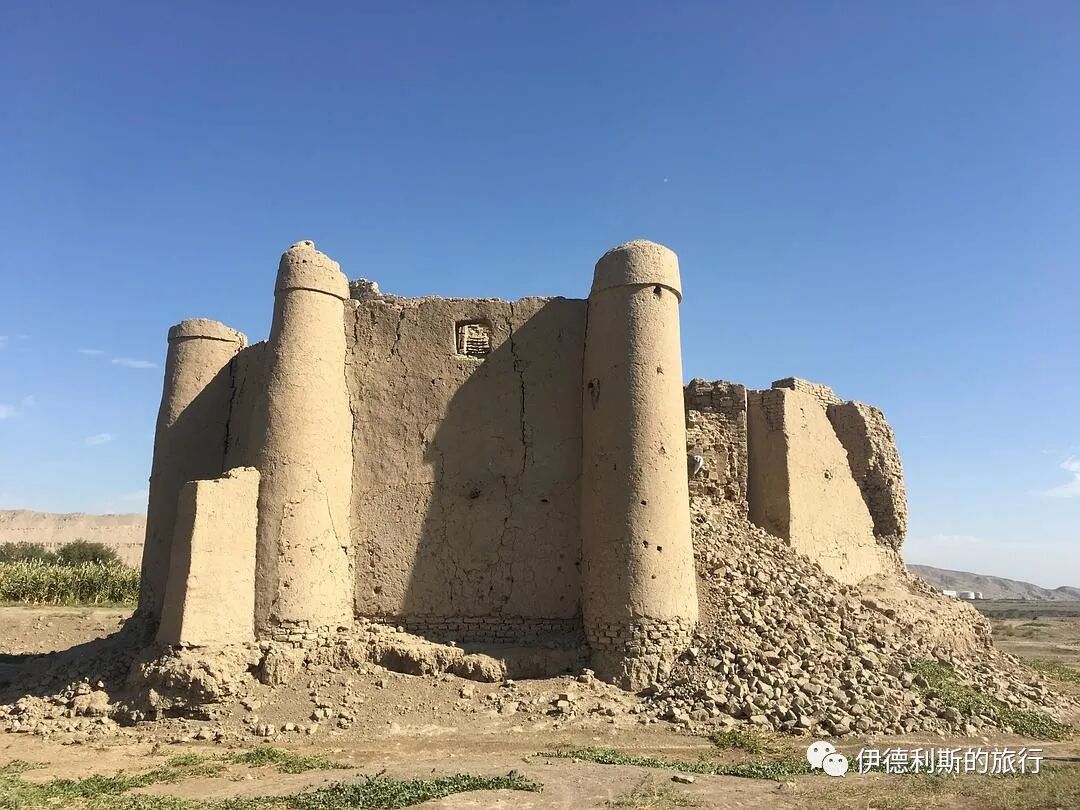
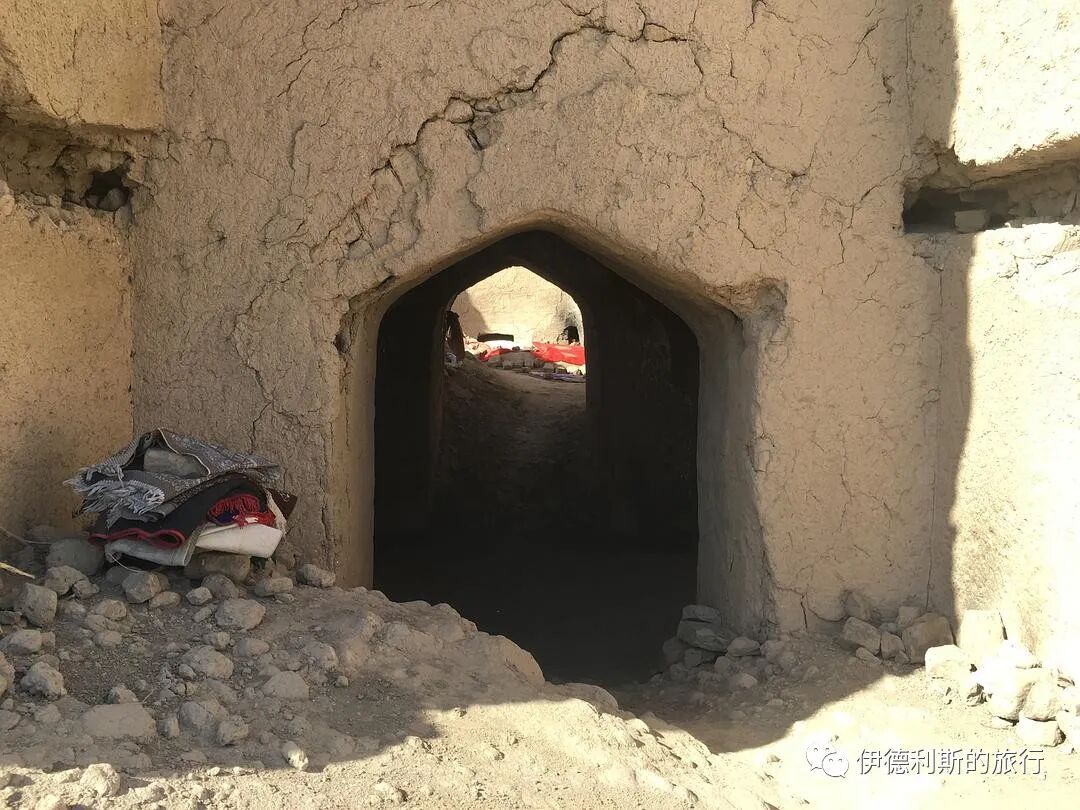
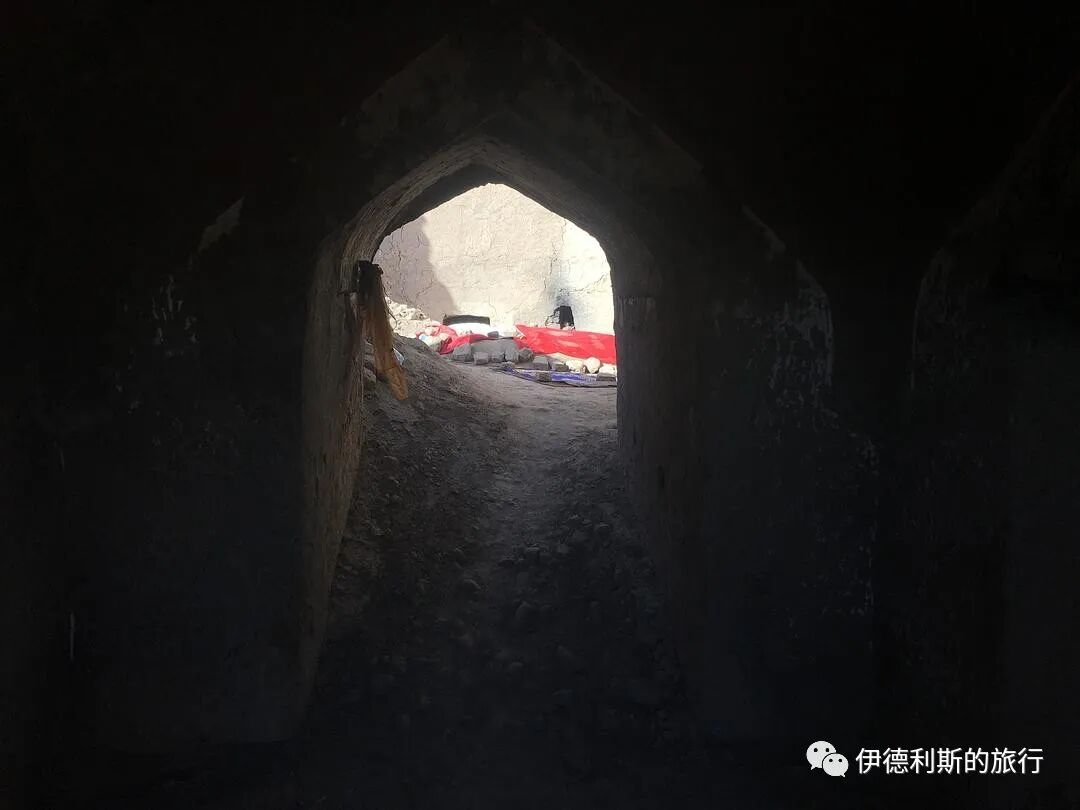
A prayer rug used when visiting the graves.
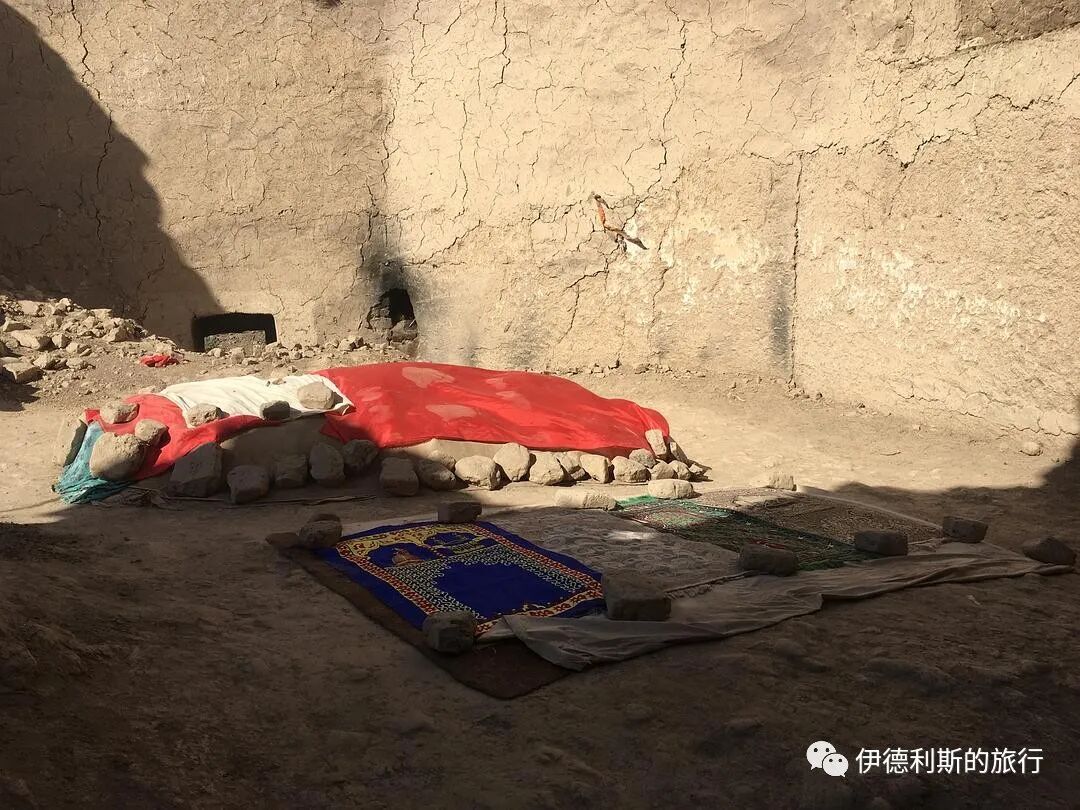
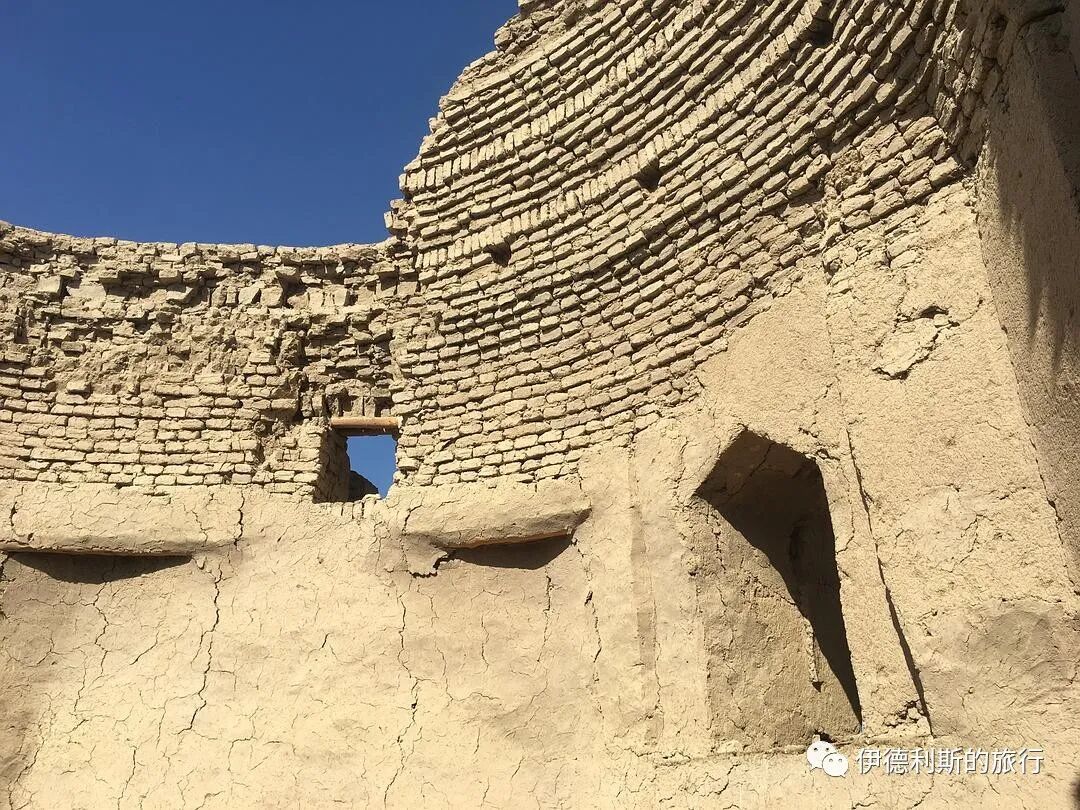
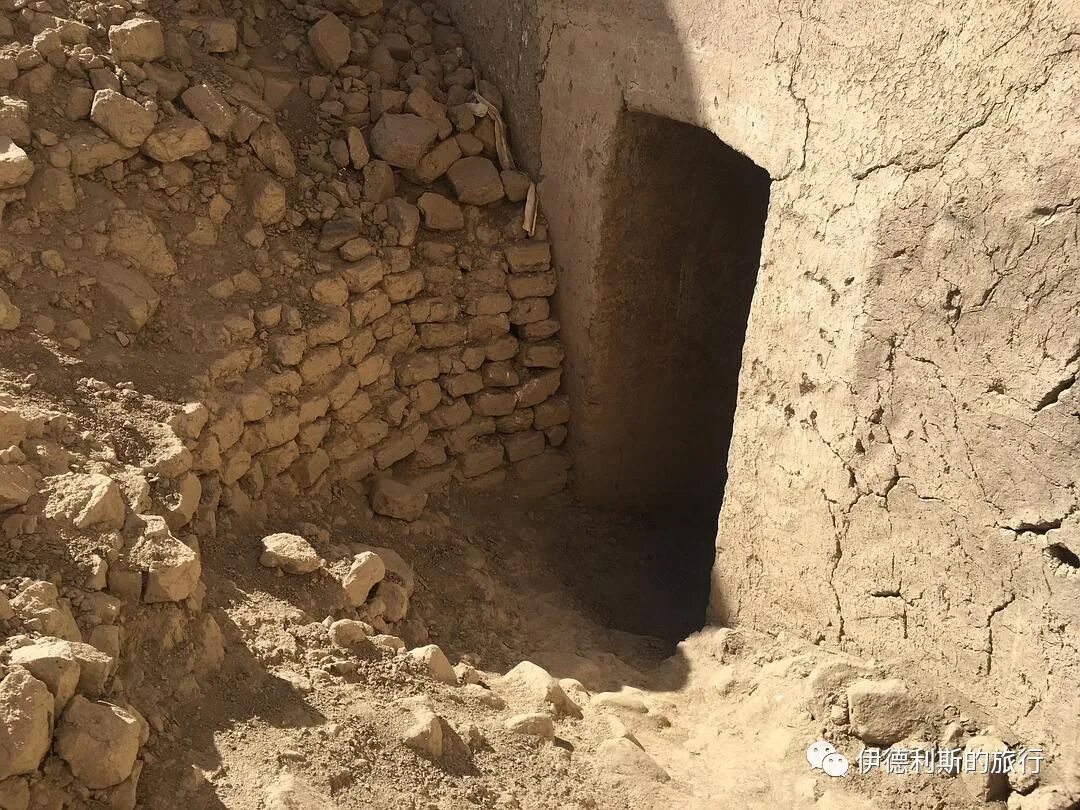
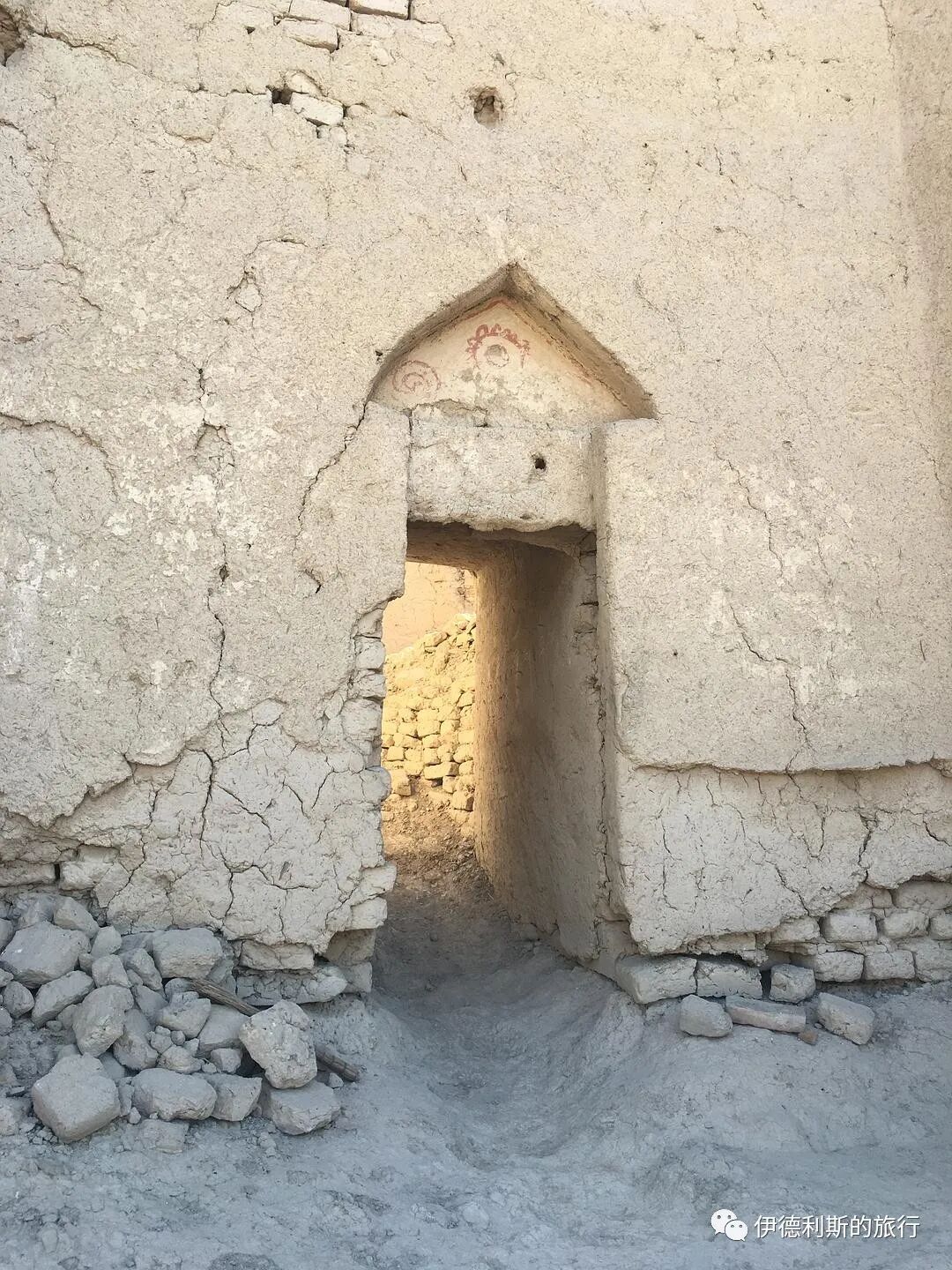
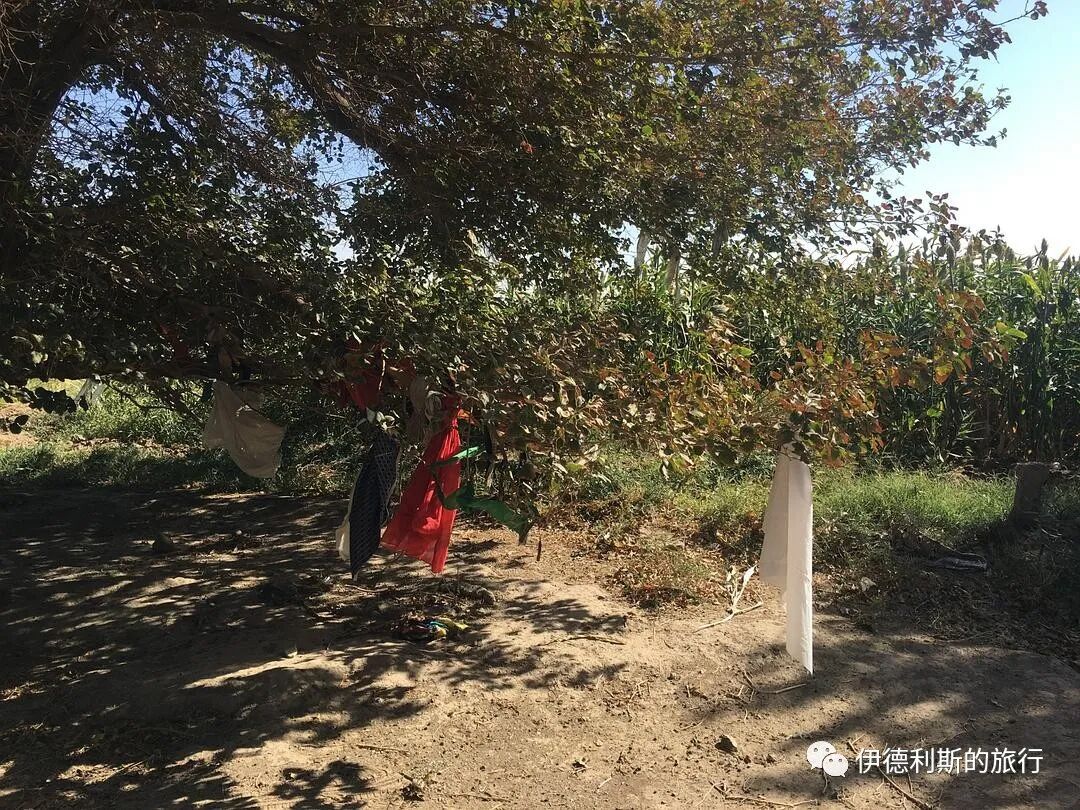
When visiting the graves, people tie triangular flags to the tree branches. Some scholars believe this is a remnant of shamanic customs.
9. Further Reading
The historical information in this article mainly comes from several books: History of the Mughals in Central Asia: Tarikh-i-Rashidi, A Brief History of the Islamic Khanates in Xinjiang, Research on the History of the Chagatai Khanate, Research on the Silk Road and the History of the Eastern Chagatai Khanate, and History of Islam in China's Xinjiang Region.
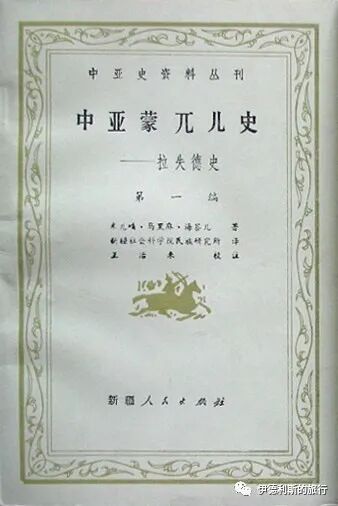
History of the Mughals in Central Asia: Tarikh-i-Rashidi (Volume 1)
Mirza Muhammad Haidar / 1985 / Xinjiang People's Publishing House
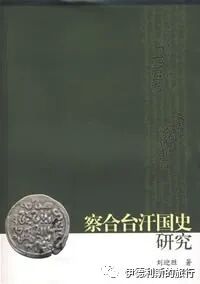
Research on the History of the Chagatai Khanate
Liu Yingsheng / 2006 / Shanghai Classics Publishing House

Research on the Silk Road and the History of the Eastern Chagatai Khanate
Tian Weijiang / 1999 / Xinjiang People's Publishing House
Summary: Ili to Turpan — Chagatai Khanate Tombs and Muslim History is presented here as a firsthand travel account in clear English, beginning with this scene: In the 61st Regiment of Huocheng County in Yili and Aiding Lake Town in the Gaochang District of Turpan, you can find the tombs of Tughlugh Timur, the founding khan of the Eastern Chagatai Khanate, and Khizr Khoja, the. The account keeps its focus on Chagatai Khanate, Muslim History, Xinjiang Travel while preserving the names, places, food, and historical details from the Chinese source.
In the 61st Regiment of Huocheng County in Yili and Aiding Lake Town in the Gaochang District of Turpan, you can find the tombs of Tughlugh Timur, the founding khan of the Eastern Chagatai Khanate, and Khizr Khoja, the third khan. These are the only two remaining royal tombs from the Eastern Chagatai Khanate. I have visited both of these tombs, and I want to use them to give you a brief introduction to the early history of the Eastern Chagatai Khanate.
The Tughlugh Timur tomb (mazar) in Yili.
The Khizr Khoja tomb (mazar) in Turpan.
The Chagatai Khanate was formed in 1225 after Genghis Khan conquered the Western Liao Dynasty during his western campaign and divided the vast lands north and south of the Tianshan Mountains among his second son, Chagatai. Chagatai's royal court was located near Almaliq in Yili, which served as the center of the entire khanate.
After the 14th century, the Chagatai Mongols who had long lived in the Transoxiana region grew accustomed to settled city life and converted to the faith. This created growing conflict with the Chagatai Mongols in the eastern grasslands who insisted on a nomadic lifestyle. Eventually, the eastern Chagatai Mongol nobles killed the khan who had settled in the west to protect their traditions, causing the Chagatai Khanate to split into eastern and western parts. In 1348, the Dughlat tribe, which ruled the southern Xinjiang region, installed Tughlugh Timur, a descendant of Chagatai Khan, as the khan. He became the founding khan of the Eastern Chagatai Khanate.
After taking the throne, Khan Tughlugh Timur ordered all Chagatai Mongols in the Eastern Chagatai Khanate to convert to the faith. He later unified the entire khanate through two western campaigns, but the khanate fell back into chaos shortly after his death.
In 1368, the Dughlat noble Qamar ud-Din massacred almost all of Khan Tughlugh Timur's descendants. Only the khan's infant son, Khizr Khoja, was hidden away.
In 1370, the Chagatai noble Amir Timur unified the Western Chagatai Khanate. He established the Timurid Dynasty with a Chagatai khan as his puppet and became known to later generations as Timur the Great.
It was not until 1389, after Qamar ud-Din was completely defeated by Timur the Great, that Khizr Khoja, who had been in hiding for years, was able to take the throne as the third khan of the Eastern Chagatai Khanate. After Khizr Khoja took the throne, Timur the Great marched east and captured the city of Almaliq. Khizr Khoja had to move his court east to Turpan, where he eventually passed away.
In the late 15th century, the Eastern Chagatai Khanate split again into eastern and western parts. In 1514, Said Khan, a descendant of Khan Tughlugh Timur, made Yarkand his capital and ruled the entire southern Xinjiang region. This is known in history as the Yarkand Khanate.
The map of the Chagatai Khanate's territory is based on the Historical Atlas of China, which primarily relies on the Jingshi Dadian from 1330-31 and the Appendix on Northwest Geography in the History of Yuan.
1. Traveling to the Tughlugh Timur tomb (mazar).
In the midsummer of 2016, I set off from the Yili Prefecture Passenger Transport Center on Jiefang West Road in Yining and first took a bus to Qingshuihe Town in Huocheng County. After leaving the Qingshuihe bus station, I crossed the street and caught a small car to the 61st Regiment at the northwest corner of the intersection. The "Big Mazar" was actually 3 kilometers away from the 61st Regiment base. When the driver heard I wanted to see it, he drove me straight to the gate and waited for me to finish my visit before taking me back to Qingshuihe Town.
Looking from a distance, the gate of the mazar was tightly shut. When I walked up, I found an old man sleeping in the ticket office. After I woke him up, he gave me a large ring of keys. He told me which one was for the main gate, which was for the Big Mazar, and which was for the Small Mazar. Then he collected the ticket fee and let me go in with the keys.
The Tughlugh Timur mazar is the only remaining Yuan Dynasty royal tomb building in Xinjiang. It is also the only surviving ground-level ruin of the Chagatai Khanate's capital, Almaliq, making it extremely valuable.
Standing in front of the tomb is truly moving. I take out the key to open the gate of the shrine (mazar), and it feels like I have stepped back into the Chagatai Khanate from over 600 years ago.
Taken by a Russian in 1904.
Next to the shrine (mazar) of Tughluq Timur is the shrine said to belong to his sister.
I lock the door and return to the real world.
2. The diverse city of Almaliq.
To the west of Tughluq Timur's shrine lies Almaliq, the capital of the Chagatai Khanate. Almaliq gets its name from the word for apple, and it first rose to prominence due to the Northern Silk Road during the Tang Dynasty. A Sogdian document unearthed at Mount Mug in the early 8th century already mentions the name Almaliq.
During the Western Liao period, Almaliq was ruled by the Muslim Karluks (a Western Turkic tribe known as Geluolu in the Tang Dynasty), and history refers to it as the Kingdom of Almaliq. In 1211, Kuchlug, a prince of the Turkic Naiman tribe, seized power in the Western Liao with the help of the Khwarazmian Empire and then repeatedly besieged Almaliq. To defend against Kuchlug's attacks, the Karluk leader Ozar Khan chose to submit to Genghis Khan.
In 1214, Ozar Khan was captured by Kuchlug's soldiers while out hunting. Kuchlug's soldiers chained Ozar Khan and brought him to the gates of Almaliq, but the city's defenders kept the gates shut. Just then, Kuchlug learned that the Chagatai Khan's army was on its way to Almaliq, so he retreated and killed Ozar Khan along the way.
In 1218, the Mongol army killed Kuchlug, and the Western Liao dynasty fell. Soon after, Genghis Khan divided his lands among his sons, and Almaliq became the location of the Chagatai Ulus's main camp (khan court).
At that time, the city of Almaliq was home to Han Chinese, Mongols, and Uyghurs, as well as Muslims, Christians, and even Taoists. The Taoist master Qiu Chuji passed through Almaliq on his way west to Afghanistan to meet Genghis Khan in 1220, and again on his return east in 1222. The Travels of Master Changchun records:
After another stage, we arrived at Almaliq on the 27th day of the ninth month... and stayed in the western fruit orchard. The locals call fruit 'alima,' and because there are many fruit trees, the city is named after them.
When Qiu Chuji returned east, he met a master craftsman named Zhang who was building bridges and roads for Chagatai. Zhang invited Qiu Chuji to his home and told him that he was also a Taoist, with three altars and over 400 followers in Almaliq who practiced morning and evening prayers.
Yelü Chucai also lived in Almaliq for a period of time. He wrote in his Record of a Journey to the West:
Westerners call apples 'almaliq,' and the city is surrounded by apple orchards, which is why it is named so.
At the same time, the Yuan Dynasty city of Almalik was a center for Nestorian Christianity in Central Asia. Archaeologists found over ten Nestorian gravestones with Syriac inscriptions in the city, and their style matches other Nestorian stones found in the Seven Rivers region. Additionally, seven 13th to 14th-century Nestorian epitaphs in Syriac were found in the Seven Rivers region, all noting that the deceased came from Almalik.
On December 31, 2016, at the Ili Grassland Culture Exhibition held at the Zhenjiang Museum, I was lucky enough to see one of the Almalik Nestorian gravestones from the Ili Kazakh Autonomous Prefecture Museum collection. The owner of this gravestone was named Georges, who died in 1362 or 1365, during the period of the Eastern Chagatai Khanate.
3. Settled or Nomadic?
Two cultural systems existed within the Chagatai Khanate: the western Transoxiana region followed the Islamic faith and lived in cities, while the eastern Moghulistan region kept its nomadic traditions. After the 14th century, the conflict between settled and nomadic life grew, making the split of the khanate inevitable.
The base map comes from the Historical Atlas of China, which is mainly based on the 1330-31 Compendium of Governance (Jingshi Dadian) and the Geography Section of the History of Yuan (Yuan Shi).
In 1331, the Muslim Chagatai Khan Tarmashirin took the throne. He kept promoting the Islamic faith among the Chagatai Mongols in Transoxiana, but the Chagatai Mongols in the eastern Ili River valley stuck to their traditions.
Tarmashirin loved the city life of Transoxiana so much that he even stopped the tradition of traveling to Almalik every year. Because of this, the Chagatai Mongol nobles living in Almalik grew to oppose Tarmashirin, believing he had abandoned Mongol traditions and the roots of the Chagatai Khanate—Almalik.
In 1334, Tarmashirin’s nephew Buzan, who lived in the east, killed Tarmashirin near Samarkand to protect Mongol traditions. Historians believe the death of Tarmashirin was a major turning point in the decline of the Chagatai Khanate.
In 1343, the last Chagatai Khan, Qazan Sultan, took the throne. Qazan Sultan was cruel and killed many innocent people, leading to rebellions across the khanate. In 1346, Qazan Sultan was killed by Qazghan, the leader of the Barlas tribe—the most powerful Chagatai Mongol tribe at the time and the tribe of Tamerlane—and the Chagatai Khanate fell into division.
4. Establishing the Eastern Chagatai Khanate
1. Tughluq Timur becomes Khan
After Qazan Sultan died, every powerful Chagatai Mongol tribe in Transoxiana chose a descendant of the Chagatai Khan to be their own khan. This period is known as the era of the tribal kings (muluk-i tavaif) of the Chagatai Khanate.
In 1346, amid the trend of tribes searching for Chagatai descendants, Bulaji, the leader of the Dughlat tribe that ruled Aksu, Kashgar, Yarkand, and Hotan, did not want to be left behind. He claimed to have found Tughluq Timur, the 16-year-old grandson of the Great Khan D'ua. In 1348, Tughluq Timur was made khan in Aksu, establishing the Eastern Chagatai Khanate.
2. The Eastern Chagatai Mongols convert to the Islamic faith
The most detailed account of Tughluq Timur leading the Chagatai Mongols to convert to the Islamic faith is in the Tarikh-i-Rashidi. However, as a descendant of Tughluq Timur, the author included many legends and stories when telling his ancestor's history.
The first chapter of the Tarikh-i-Rashidi begins with the scene of Tughluq Timur meeting his Islamic teacher, Shaikh Jamal al-Din.
One day, while Tughluq Timur Khan was feeding pork to his dogs, an attendant brought Shaikh Jamal al-Din to meet him. The Khan asked the Shaikh, "Are you better than this dog? Or is this dog better than you?" The Shaikh replied, "If I believe in Allah, then I am certainly better; if I do not believe in Allah, then this dog is better than me." The Khan was deeply moved by these words, and a love for Islam grew in his heart.
According to the Tarikh-i-Rashidi, the ancestors of Shaikh Jamal al-Din were Sufi sages from Bukhara in Central Asia. After Genghis Khan conquered Bukhara, they moved around and eventually settled in the city of Katak near Lop Nur. Regarding Jamal al-Din's journey to Aksu to meet Tughluq Timur, the Tarikh-i-Rashidi records:
After a Friday Jumu'ah prayer, Jamal al-Din told everyone he had received a revelation from Allah that the city of Katak would face a disaster, so he had to leave immediately. The muezzin responsible for the call to prayer (adhan) at the mosque begged Jamal al-Din to take him along, and Jamal al-Din agreed. After traveling for a while, the muezzin said he had something to do and wanted to return to the city. Once back, he climbed the minaret of the mosque and gave the call to prayer one last time. Just as he finished the call, sand fell from the sky and buried the entire town, leaving only the top of the minaret visible above the sand dunes. Terrified, the muezzin chased after Jamal al-Din through the night to tell him what had happened to Katak. Upon hearing this, Jamal al-Din hurried on until he reached the area near the city of Aksu.
At that time, eighteen-year-old Tughluq Timur was hunting outside Aksu. His men reported that someone was hiding nearby, so Tughluq Timur sent them to bring the person before him, which led to the meeting mentioned earlier. Jamal al-Din explained the teachings of Islam to Tughluq Timur, and Tughluq Timur promised that once he became the Great Khan, he would convert to the faith. This story is recorded in the Tarikh-i-Rashidi as follows:
When he came to the Khan, he saw the Khan standing alone in a quiet place with a sad expression on his face. The Khan asked the Shaikh, "What must a person have to be better than a dog? The Shaikh replied, "Faith." Then, the Shaikh explained to the Khan what faith is and the various duties of a Muslim. The Khan wept bitterly right there and said, "If I become Khan and hold supreme power, you must come to me. I promise you that I will convert to Islam."
However, Jamal al-Din passed away shortly after. Before he died, Jamal al-Din instructed his son, Arshad al-Din, to fulfill his final wish: to help Tughluq Timur convert to the faith once he became the Great Khan. He told his son that before meeting Tughluq Timur, he had a dream where Arshad al-Din carried a lamp to the top of a mountain, and the light made the entire East shine brightly.
In 1348, Tughluq Timur officially took the throne. In 1456, Arshad al-Din traveled from Aksu to the Khan's royal court (ordu) near the city of Almalik to try and meet the Great Khan. The royal court was heavily guarded, and Arshad al-Din could not get in. He began calling the call to prayer (adhan) loudly every morning at dawn. The Great Khan finally heard the call, and the two were able to meet.
That very morning, Arshad al-Din led the conversion ceremony for Great Khan Tughluq Timur. He then met with the royal ministers one by one. 160,000 Chagatai Mongols converted to the faith, which became a major turning point for the eastern Chagatai Mongols.
5. The Final Unification of the Khanate
By 1360, the Chagatai Mongol tribes in the Transoxiana region had been fighting each other for over a decade. To end the chaos, Great Khan Tughluq Timur decided to lead a large army west to unify the Chagatai Khanate. In March 1360, the army marched all the way to the city of Kesh (located in southern Uzbekistan). A young noble commander (amir) named Timur (Amir Timur, the future Timur the Great) from the Barlas tribe, which had lived in Kesh for generations, surrendered to the Eastern Chagatai Khanate. He was granted Kesh and the surrounding territory, and Great Khan Tughluq Timur returned home victorious.
Not long after the Great Khan left, the eastern generals left in charge of Transoxiana argued with the local generals. Timur fled north of the Amu Darya river and gathered an army.
In 1361, Great Khan Tughluq Timur led a second western campaign, and the Chagatai generals in Transoxiana surrendered one after another. To ease the tension between the eastern and western generals, Great Khan Tughluq Timur negotiated with Timur again and appointed him as the governor of Kesh and the surrounding area.
After fully controlling Transoxiana and reunifying the entire Chagatai Khanate, Great Khan Tughluq Timur left his son Ilyas Khoja to rule Transoxiana while he returned to the east.
After the Great Khan left, Timur had a falling out with the commander left in charge. He fled to the upper reaches of the Amu Darya to join his brother-in-law, Amir Husayn, and gathered another army. In the famous Battle of the Stone Bridge, Timur used a smaller force to defeat the Eastern Chagatai army and retook Kesh.
After the Timurid Empire was established, Timur renamed his hometown of Kesh to Shahrisabz.
6. The Death of the Great Khan
1. Ilyas Khoja Takes the Throne
In 1363, Timur and Prince Ilyas Khoja prepared for a decisive battle just outside Kesh. Just then, news arrived that Great Khan Tughluq Timur had passed away. The Eastern Chagatai generals urged the prince to return to Almalik quickly to take the throne, but Timur's army was already close, so the battle had to go on.
The battle began with deafening war cries. Prince Ilyas Khoja led his cavalry in an attack, but they were driven back by Timur's archers. The Eastern Chagatai army was completely defeated. The prince fled back to Almalik to take the throne, and Timur occupied a large part of Transoxiana.
In 1364, all the Chagatai generals in Transoxiana held a meeting and decided to name Khabul Shah, a descendant of the Chagatai Khan, as the Western Chagatai Khan. With this, the Chagatai Khanate, once unified by Tughluq Timur Khan, split apart again. Soon after, the vast Timurid Empire would rise from the ruins of the Western Chagatai Khanate.
2. Battle of the Muddy Swamp
In 1364, Prince Ilyas Khoja returned to Almalik to take the throne as the second Khan of the Eastern Chagatai Khanate.
In May 1365, Ilyas Khoja fought another major battle against the allied forces of Timur and Amir Husayn near the Syr Darya River. Just as the decisive battle began, a sudden downpour turned the ground into a quagmire, trapping the horses in deep mud. This is why later generations call it the Battle of the Muddy Swamp (ni zhao zhi zhan).
Timur's army could not move in the mud. Ilyas Khoja was prepared; his Eastern Chagatai troops covered themselves with felt blankets and waited for Timur's men to charge before throwing them off to fight. Countless soldiers died in the mud.
The Tarikh-i-Rashidi (Rashide Shi) describes this scene vividly:
Although the sun was still in the position of the Orion constellation, the sky suddenly filled with dark clouds, thunder rumbled, and lightning flashed. Wind and rain rushed into the sky from their hiding places. The heavens echoed with continuous thunder, and within the clouds brewing with lightning, thousands of golden rays shot out like arrows of light. The rain poured down, and the raindrops whistled as they cut through the air. It was as if the god of fate had once again fallen ill and decided to stir up trouble. The stars shed so many tears that it seemed the great floods of the primordial age were about to return. People heard Nuh (Noah) once again offering a dua for the rain to stop.
The livestock on the battlefield seemed to float in the air like fish. The horses' feet sank so deep into the mud that their bellies touched the ground, and the dampness made them look thin and bony. They became weak and emaciated, paralyzed, and their bones felt loose. The feathers on the arrow shafts fell off, and the nocks dropped away. Clothes and equipment became heavy from the rain, making it difficult for both infantry and cavalry to move. Because of this, our army (Timur's) lost confidence and courage, but the enemy remained in place, covering themselves with felt to keep their clothes and weapons dry. When our army reached them, they threw off the felt covers and entered the battle with energetic horses and dry weapons, and so the fighting officially began.
Timur defeated the Eastern Chagatai army with a brave attack, but the victory caused a conflict between Timur and his brother-in-law, Husayn. The next morning, the Eastern Chagatai army turned defeat into victory, killing tens of thousands of Timur's soldiers.
After the Battle of the Muddy Swamp, the Western Chagatai lords retreated south of the Amu Darya River, and Ilyas Khoja began to besiege Samarkand. Just as the city-defending army was struggling, a plague broke out in the East Chagatai army. Most of the horses died from the sickness, and Ilyas Khoja was forced to return to Almaliq.
In 1370, Timur unified the entire Western Chagatai Khanate. He established the Timurid Empire as the protector of the Chagatai Khan and became known to later generations as Timur the Great.
Timur the Great holds a grand feast in Samarkand, painted by Sharuf ad-din Ali Yesdy in 1628.
7. The succession of Khizr Khoja
1. The Khan's entire family is killed
Tughluq Timur Khan was originally placed on the throne by Bulaji, the leader of the Dughlat tribe. After Bulaji passed away, the Khan wanted to weaken the power of the Dughlat tribe. Instead of following tradition and letting Bulaji's brother succeed him, he let Bulaji's 6-year-old son, Khudaidad, take the position. This caused dissatisfaction among Bulaji's brothers, especially the third brother, Qamar ud-Din, who held a grudge.
After returning to Almaliq, Ilyas Khoja lost his authority because of the defeat. In 1368, Qamar ud-Din started a rebellion. He killed Ilyas Khoja while he was sleeping and slaughtered almost all members of the royal family. Only Tughluq Timur Khan's youngest son, Khizr Khoja, was hidden by Khudaidad and his mother. They moved around to hide in places like the Pamir Mountains, the Kunlun Mountains, and Lop Nur.
After Qamar ud-Din ruled the East Chagatai Khanate, Timur launched six wars against it, historically known as the Eastern Expeditions against Chagatai. In 1389, Qamar ud-Din was finally completely defeated. His subordinates hid him deep in the dense forests by the Irtysh River, and his whereabouts became unknown.
2. The succession of Khizr Khoja
In 1389, the 16-year-old prince Khizr Khoja took the throne with the help of Khudaidad, becoming the third Great Khan of the Chagatai Khanate.
Hearing that Khizr Khoja had succeeded to the throne, Timur immediately led his army to fight a decisive battle. He defeated the East Chagatai army in one strike, looted a large number of subjects and livestock from the East Chagatai Khanate, and completely destroyed the city of Almaliq. Because the Timurids in the west were too powerful, Khizr Khoja chose to conquer Turpan around 1392 and moved the Khan's court to Anle City in Turpan. Khizr Khoja promoted Islam in Turpan, which gradually made Turpan a cultural center for Islam.
During the reign of Khizr Khoja, the East Chagatai Khanate finally regained stability. The Tarikh-i-Rashidi states:
At the time of his accession, because Qamar ud-Din had usurped the throne and the Emir Timur was aggressive, the state was on the verge of collapse, but it became strong and consolidated again. Old systems that had been abandoned were restored, and the administration of the Khan's court and the affairs of the nobles were back on track.
3. Anle City in Turpan
Anle City is located south of the Emin Minaret (Sugong Ta). It is 300 meters wide from north to south and 700 meters long from east to west, with a karez well (kan'erjing) running underground through the city. The south of the city rises 8 to 10 meters above the ground, and every courtyard or house inside the city has storage pits and water wells.
In 1422, the East Chagatai Great Khan Uwais Khan defeated the Oirats and reoccupied Anle City. He used Anle City as his main residence, and since then, Anle City has been an important city of the East Chagatai Khanate.
In the second half of the 15th century, the East Chagatai Khanate split again. Ahmad Alaq (reigned 1487–1503) ruled the eastern part of the Khanate with Anle City as the center. It is called the Turpan Khanate in the History of Ming, and Anle City was later replaced by the name Turpan.
In 1514, Sultan Said Khan founded the Yarkent Khanate, while his older brother, Mansur Khan (reigned 1503–1543), continued to rule the eastern part of the Eastern Chagatai Khanate with Turpan as his capital. In 1570, the army of the Yarkent Khanate invaded Turpan, captured Muhammad Khan, the last ruler of the Turpan Khanate, and brought the khanate to an end.
In 1679, Galdan, the leader of the Dzungar Khanate, occupied Turpan. After years of fighting between the Dzungars and the Qing Dynasty, the region was finally incorporated into the Qing Empire in 1755. In 1780, the Qing government built Guang'an City northwest of Anle City. The administrative center of Turpan moved to Guang'an City (the current urban area of Turpan), and Anle City was gradually abandoned.
I picked some incredibly sweet mulberries at the ancient city of Anle! They tasted just like honey. May is truly the season for mulberries.
The Emin Minaret (Sugong Ta) is located just north of the ancient city of Anle.
8. Visiting the Mazar of Khizr Khoja
Khizr Khoja passed away in Turpan between 1402 and 1404. In 1415, Chen Cheng, an envoy sent by the Ming Dynasty to the Western Regions, wrote in his Record of Mountains, Rivers, and Customs of the Western Regions:
There are two high mounds in the city, surrounded by trees and enclosed by walls. These are the tombs of the former king, Khizr Khoja, and his wife. Near the tombs is a small mound, said to be where his favorite minister was buried with him.
Even locals might not know this place well. When using navigation, you can search for 'Xie'erniji,' and the mazar is in the southeast of the village.
A prayer rug used when visiting the graves.
When visiting the graves, people tie triangular flags to the tree branches. Some scholars believe this is a remnant of shamanic customs.
9. Further Reading
The historical information in this article mainly comes from several books: History of the Mughals in Central Asia: Tarikh-i-Rashidi, A Brief History of the Islamic Khanates in Xinjiang, Research on the History of the Chagatai Khanate, Research on the Silk Road and the History of the Eastern Chagatai Khanate, and History of Islam in China's Xinjiang Region.
History of the Mughals in Central Asia: Tarikh-i-Rashidi (Volume 1)
Mirza Muhammad Haidar / 1985 / Xinjiang People's Publishing House
Research on the History of the Chagatai Khanate
Liu Yingsheng / 2006 / Shanghai Classics Publishing House
Research on the Silk Road and the History of the Eastern Chagatai Khanate
Tian Weijiang / 1999 / Xinjiang People's Publishing House
