
Halal Travel Guide: Beijing Winter Diary — Mosques, Halal Food and Muslim Heritage (Part 2)
Reposted from the web
Summary: Beijing Winter Diary — Mosques, Halal Food and Muslim Heritage is presented here as a firsthand travel account in clear English, beginning with this scene: After ice skating in the afternoon, we went to Hongbinlou on Zhanlan Road for dinner. The account keeps its focus on Beijing Mosques, Halal Food, Muslim Heritage while preserving the names, places, food, and historical details from the Chinese source.
February 2, Hongbinlou Zhanlan Road branch.
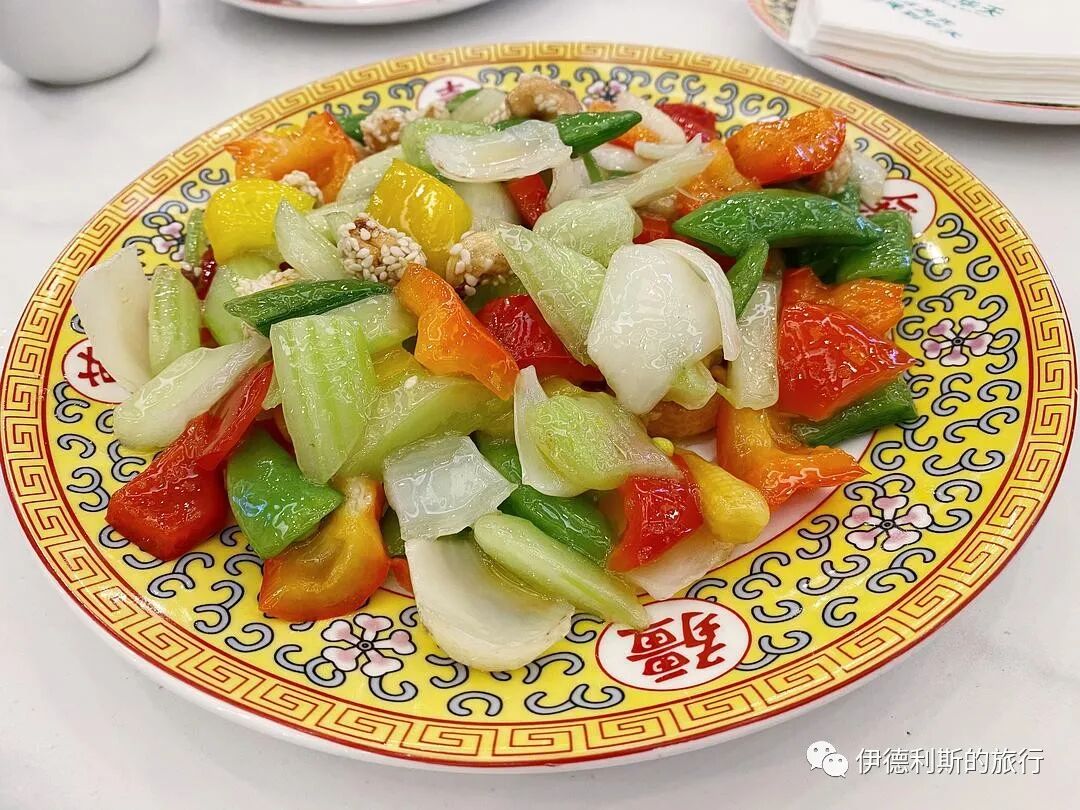
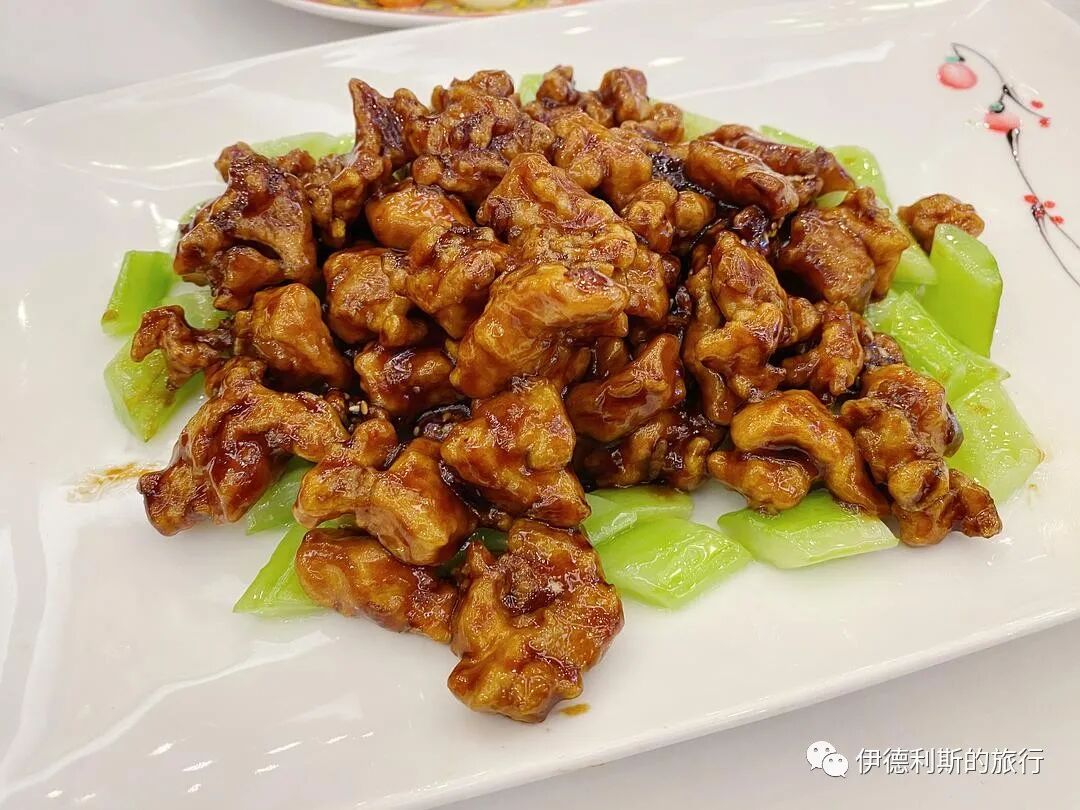
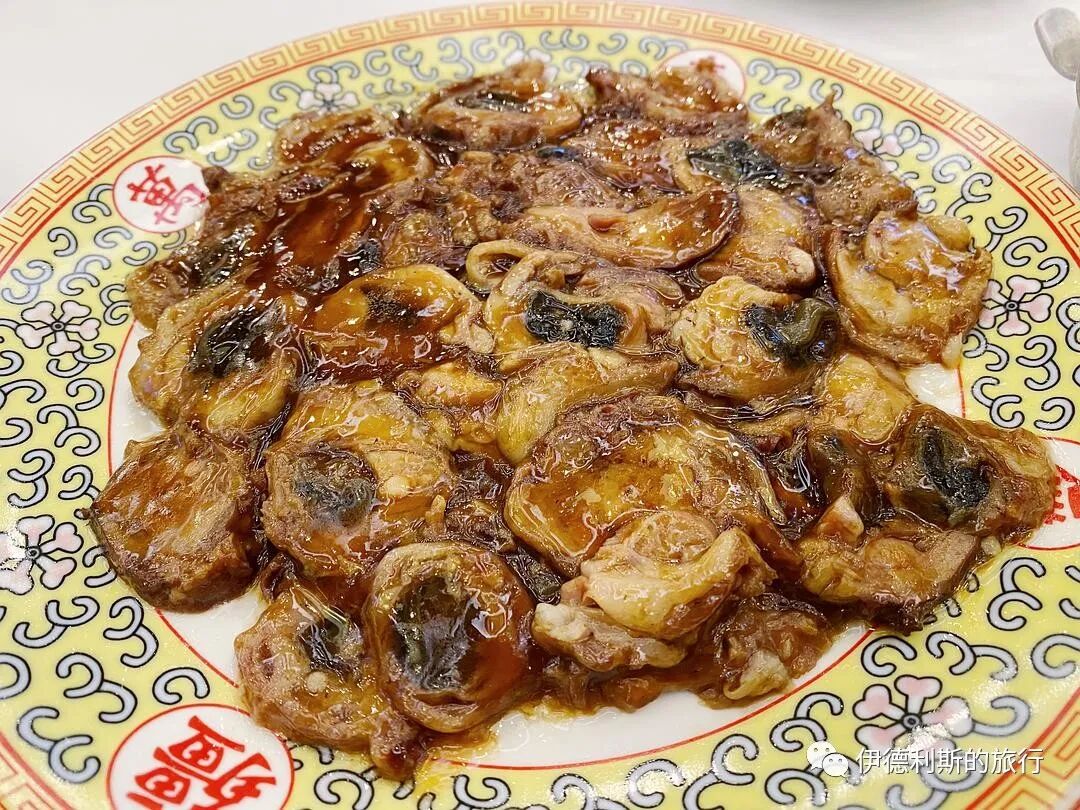
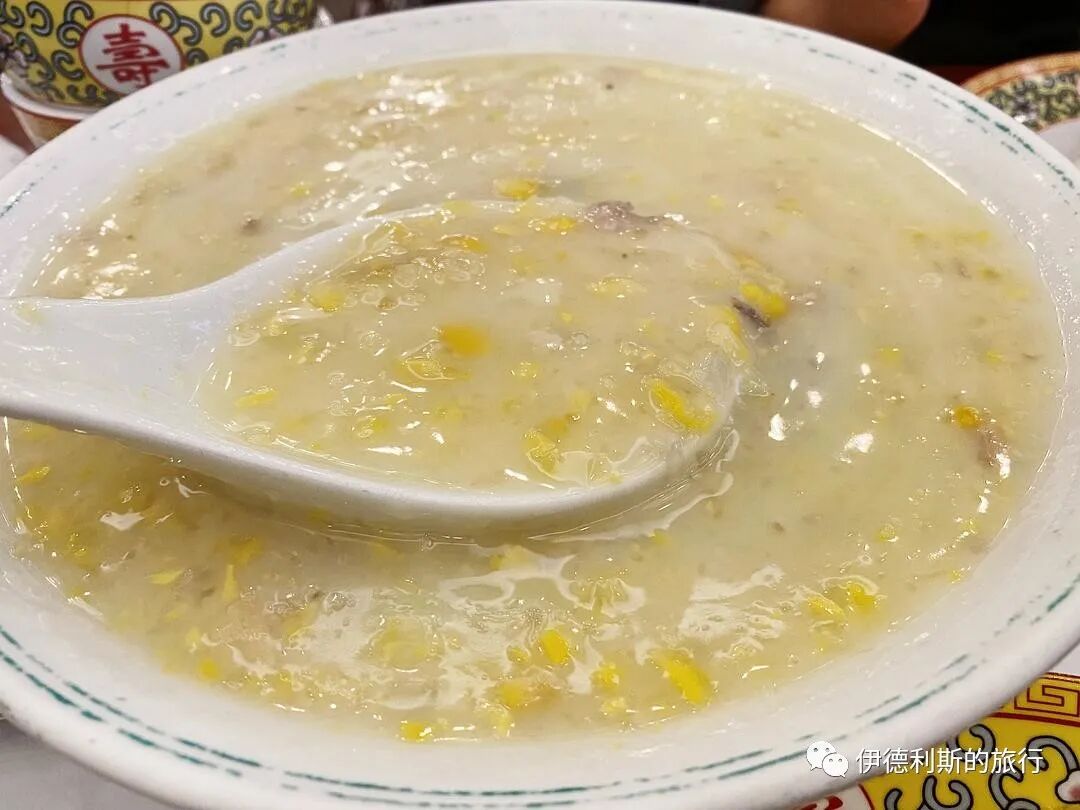
After ice skating in the afternoon, we went to Hongbinlou on Zhanlan Road for dinner. We ordered stir-fried chicken with walnuts and bean paste (taoren jiangbao jiding), braised sheep eyes (du yangyan), stir-fried seasonal vegetables, and a mixed corn stew (yumi quanhui). It was my first time having the mixed corn stew. It contained fish maw, fish cartilage, diced chicken, and diced bamboo shoots. The texture was very rich, and everyone liked it. We actually came here for the roast lamb, but after arriving, we found that the roast lamb at the Zhanlan Road branch was more than twice as expensive as at the Chaoyangmen branch. It was a bit too pricey, so we didn't order it.
Hongbinlou has long been Beijing's most expensive traditional halal stir-fry restaurant. It has always used the title of "Beijing's Number One Halal Restaurant," and I think it really lives up to the name. Every time I come here to eat, I never order a bad dish. Everything is delicious and worth the price. I can usually eat two bowls of rice with their stir-fried dishes like the honey-glazed lamb (ta simi), braised meat strips (ba routiao), and stir-fried chicken with bean paste.
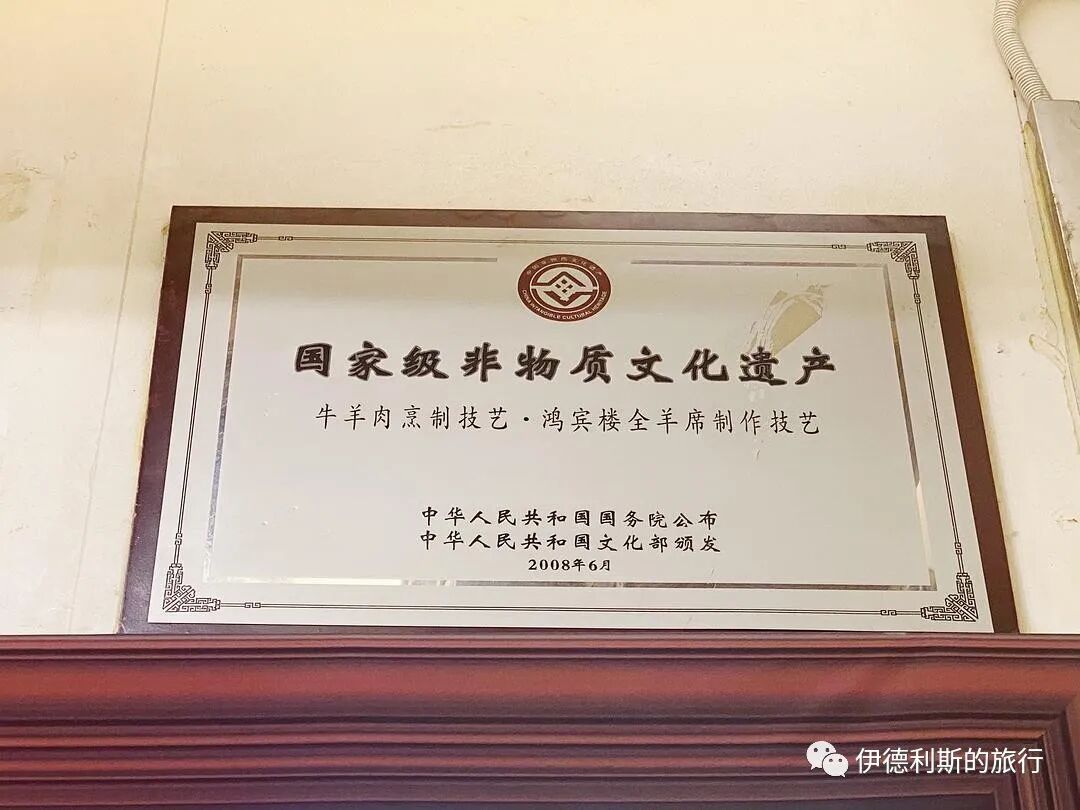
Hongbinlou was founded in Tianjin in 1853 and moved to Beijing in 1955. Its "beef and lamb cooking techniques (Hongbinlou whole sheep banquet production techniques)" are listed as a national intangible cultural heritage. During the Qing Dynasty and the Republic of China era, the whole sheep banquet was a high-level feast in traditional Muslim restaurants in the Beijing-Tianjin area. Hongbinlou's famous chef Song Shaoshan created a signature banquet featuring 120 dishes.

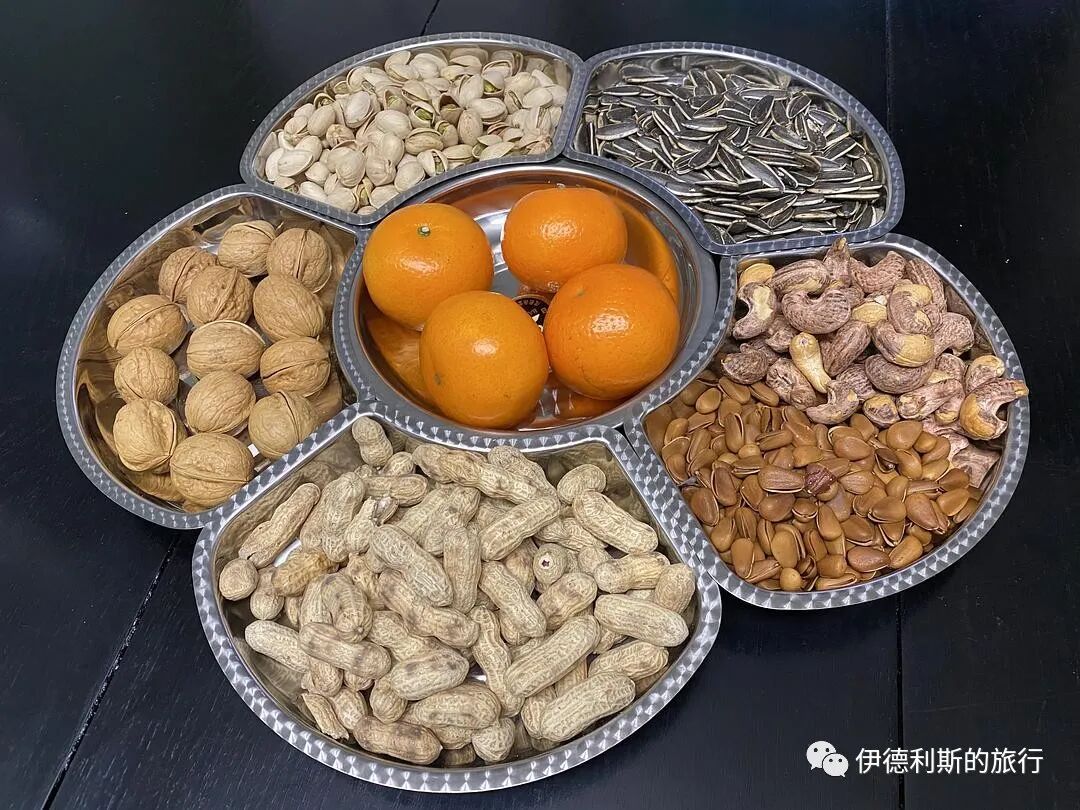
Cracking melon seeds while watching a movie.
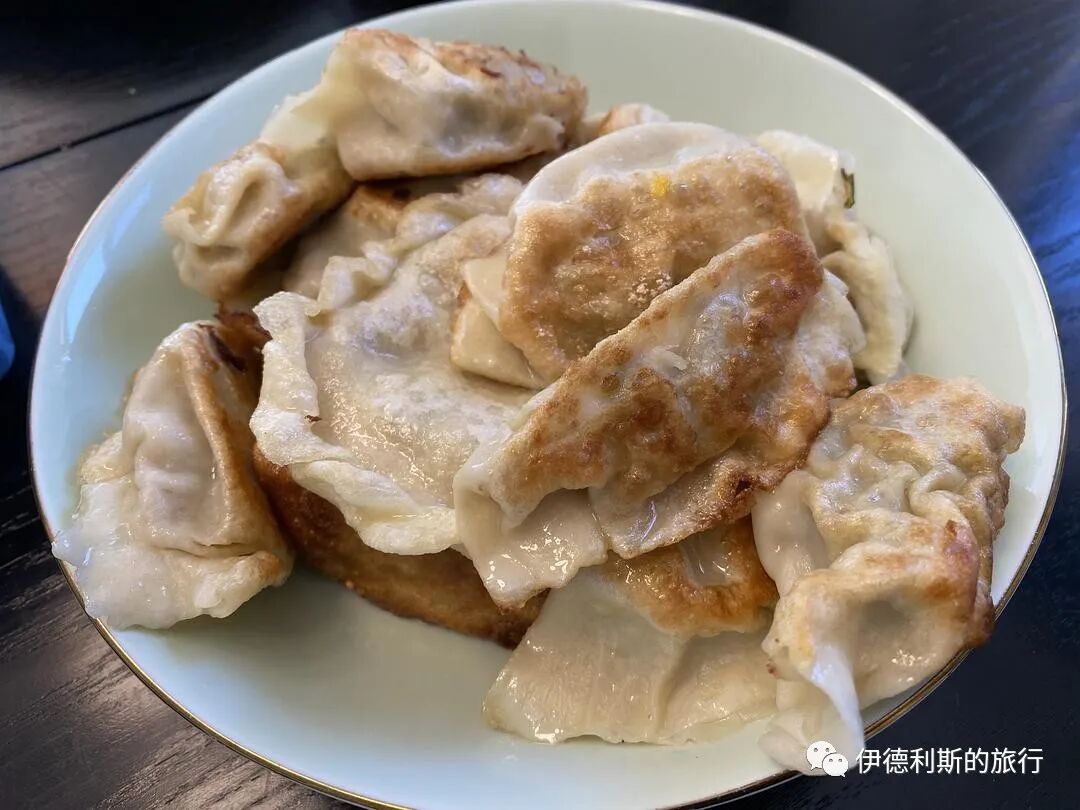
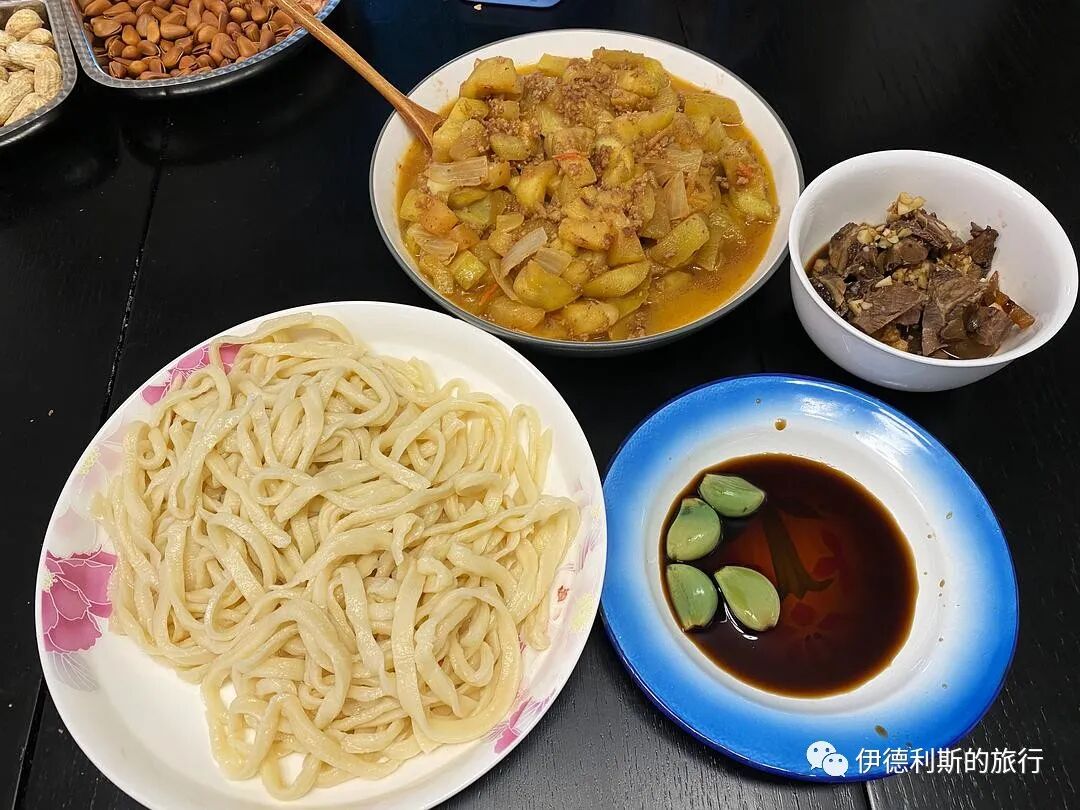
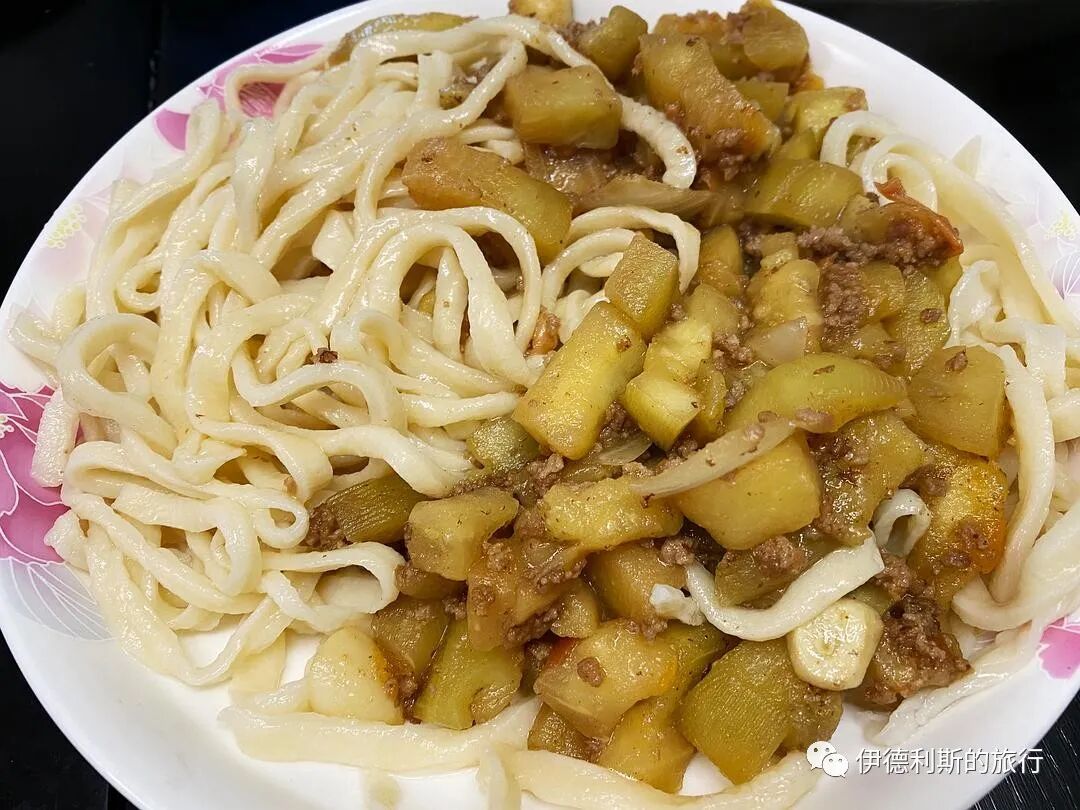
I used the leftover cut noodles from making dumplings to make minced meat and eggplant noodles.
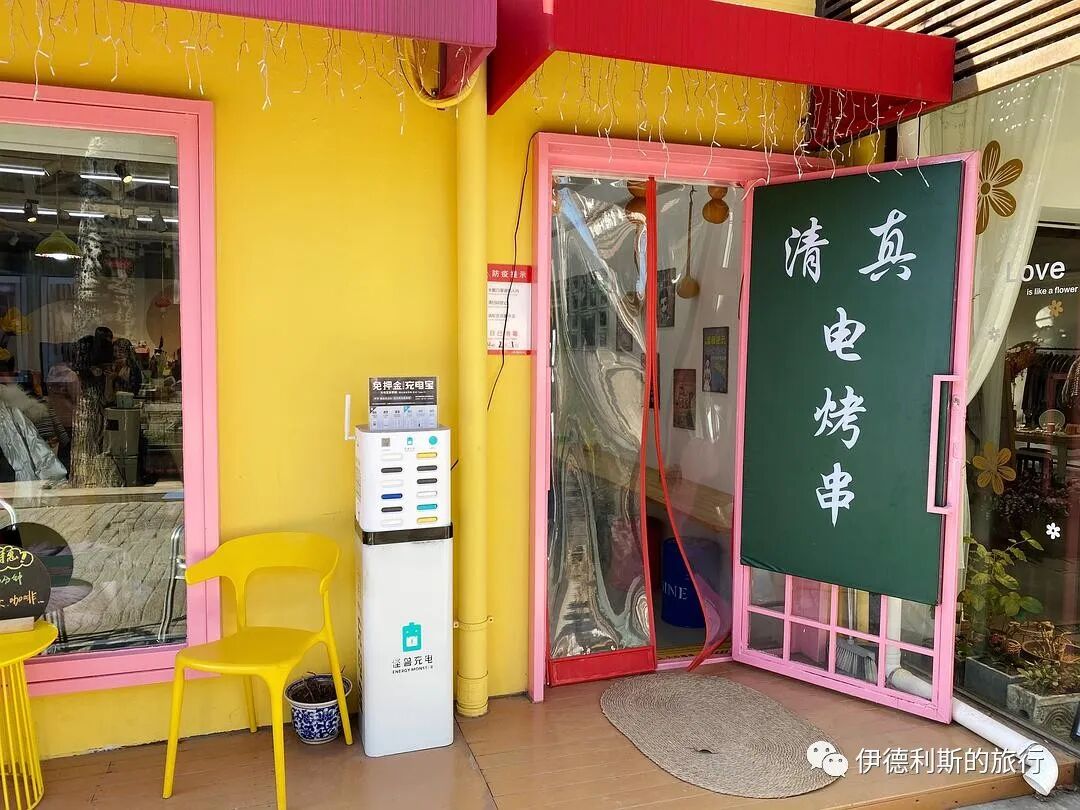
February 4, 798 electric grilled skewers.
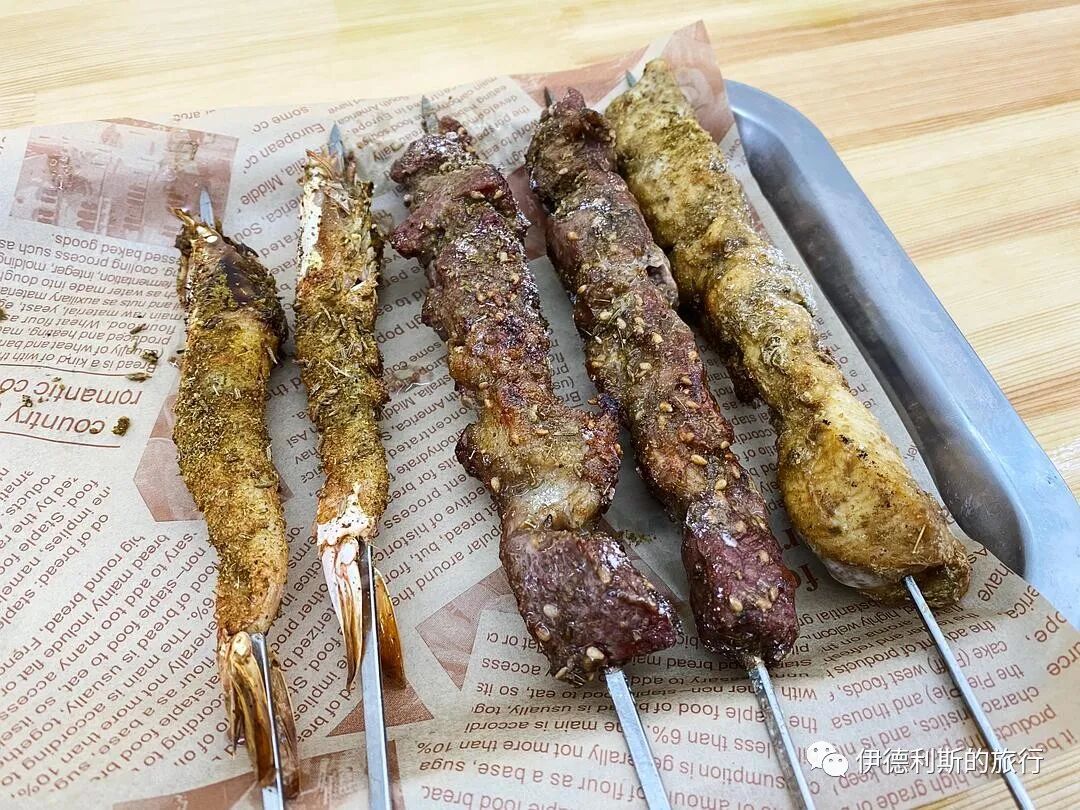
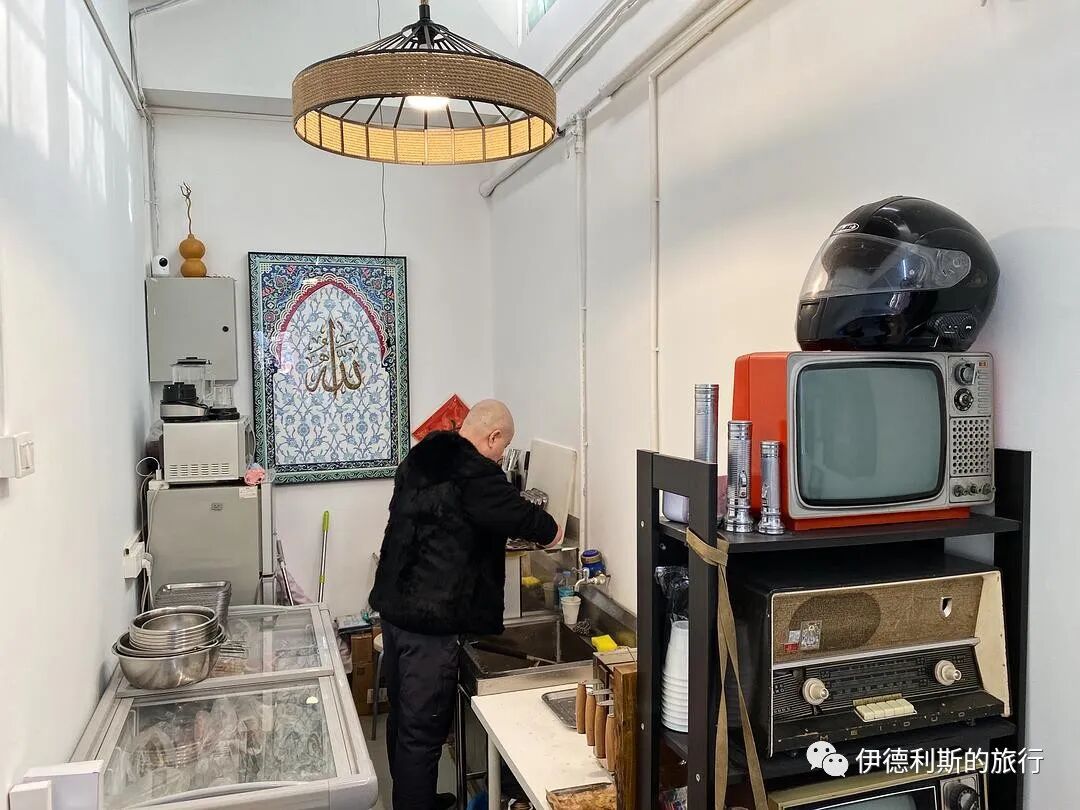
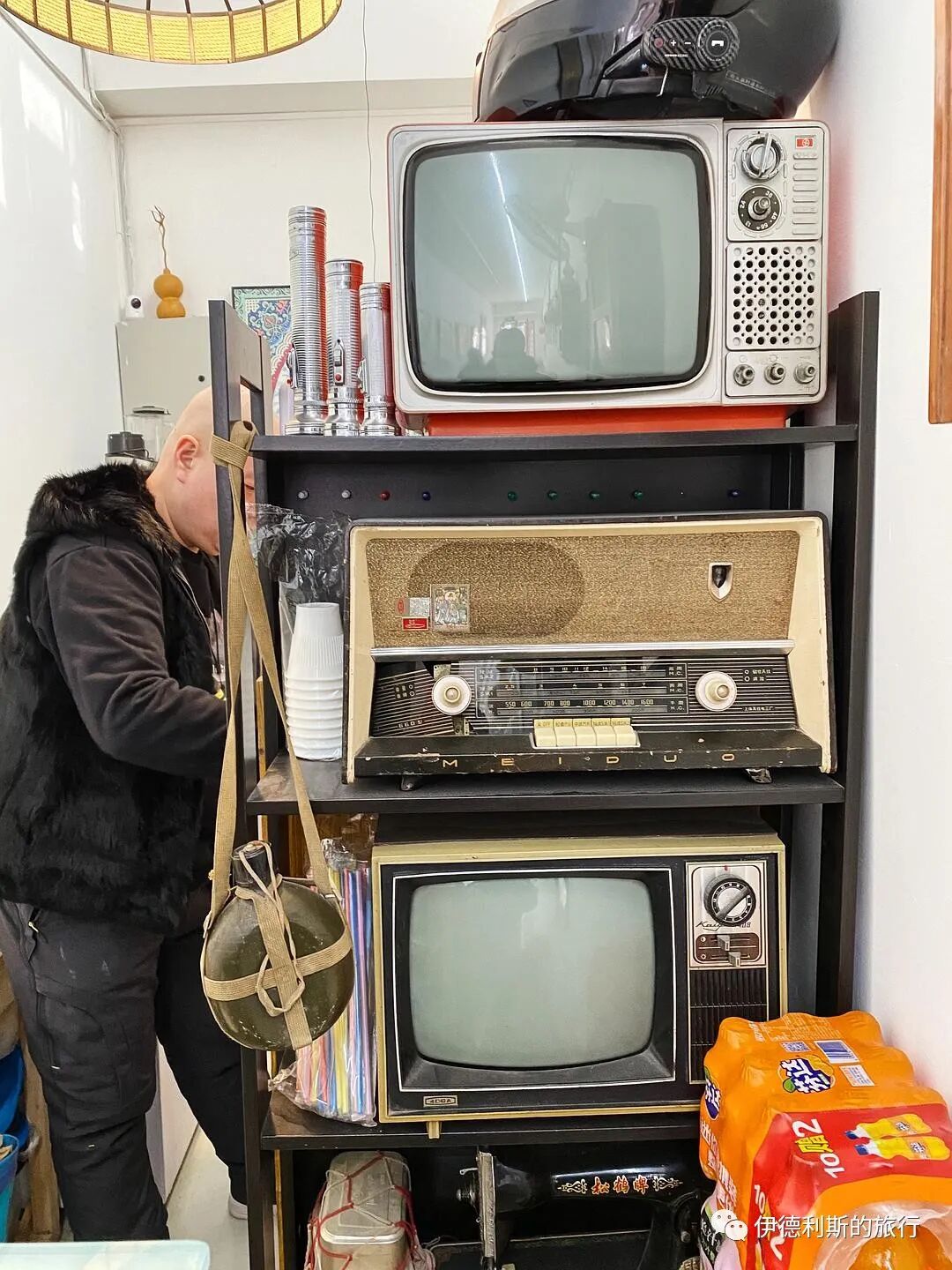
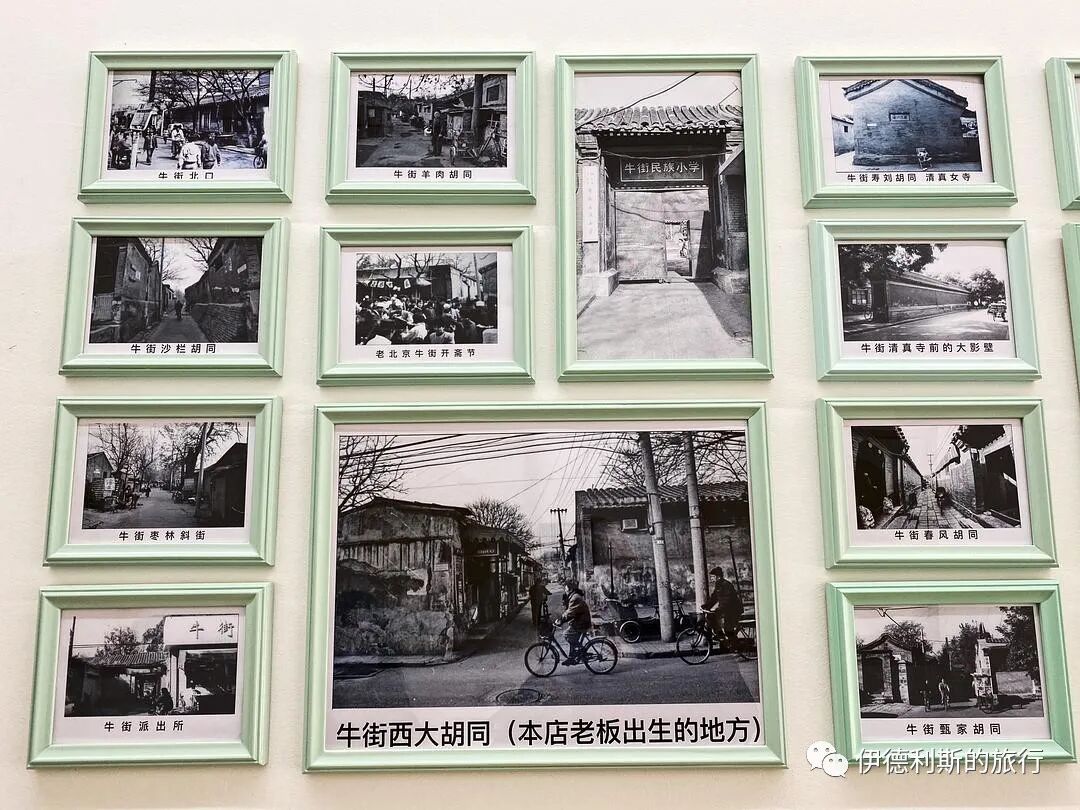
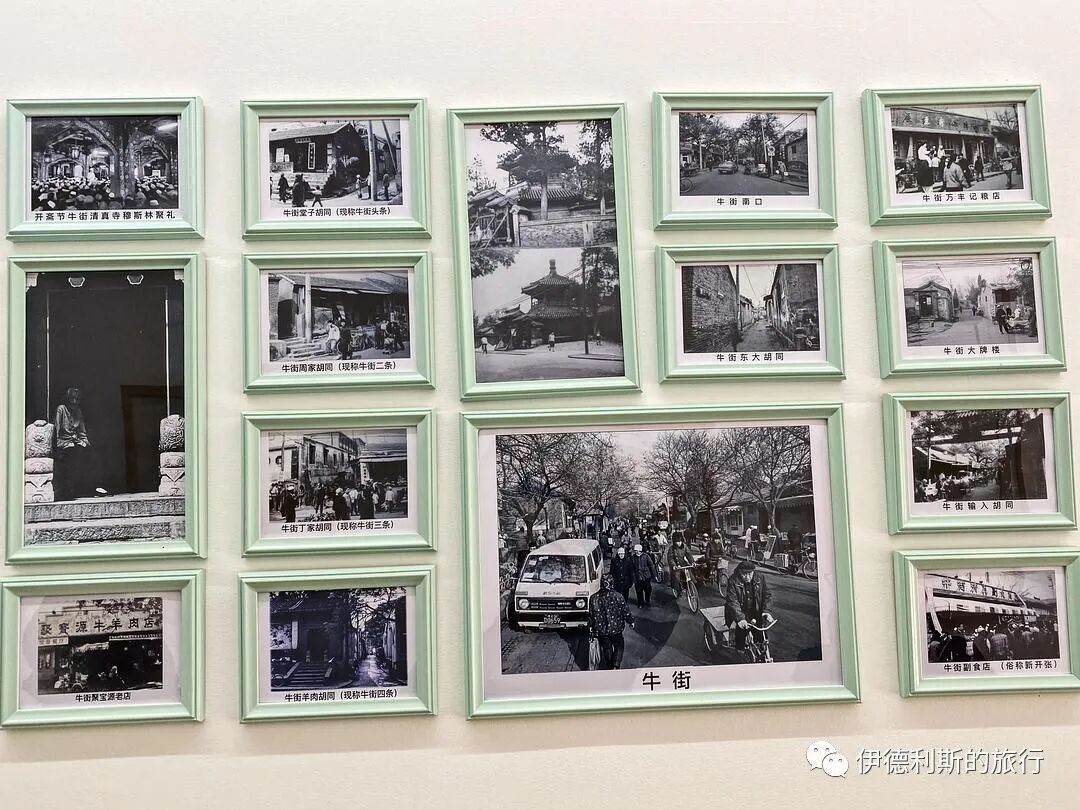
While walking around 798, I found an electric skewer shop run by Hui Muslims from Niujie. We ordered lamb skewers, chicken skewers, and grilled prawns. I wanted to try the boneless grilled hairtail, but unfortunately, it was sold out. The shop has many old photos of Niujie and some vintage items.
February 4, Kolkata restaurant Sadhu.
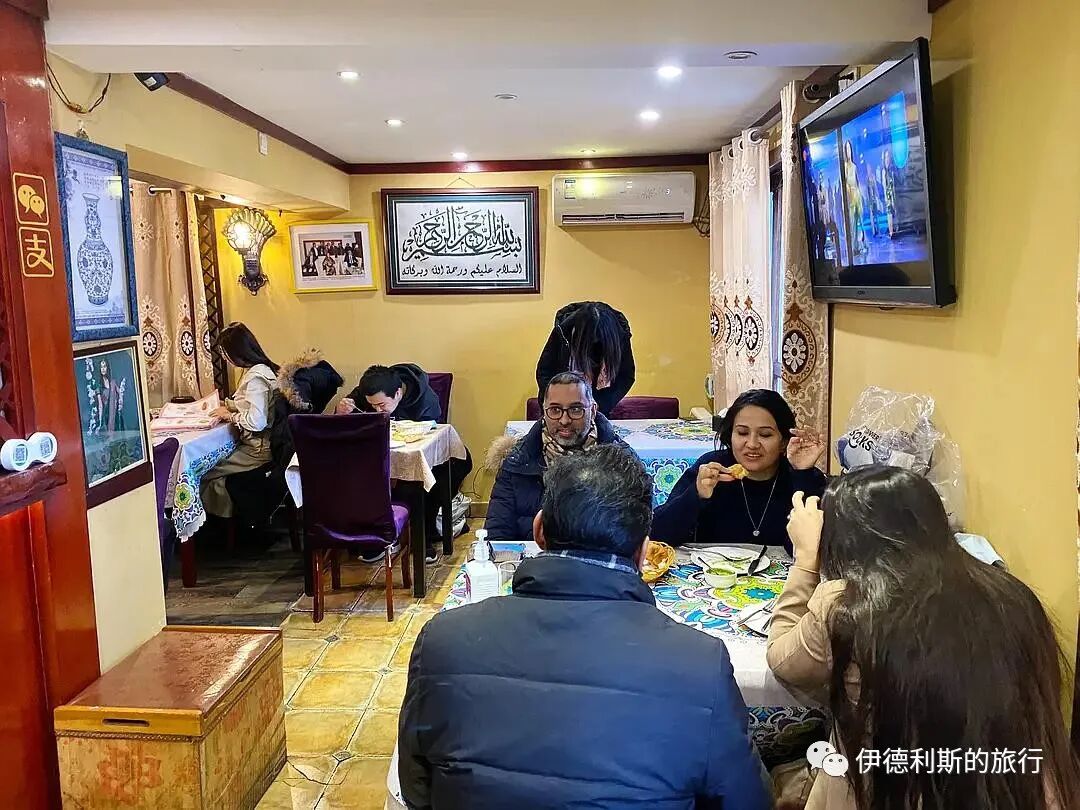
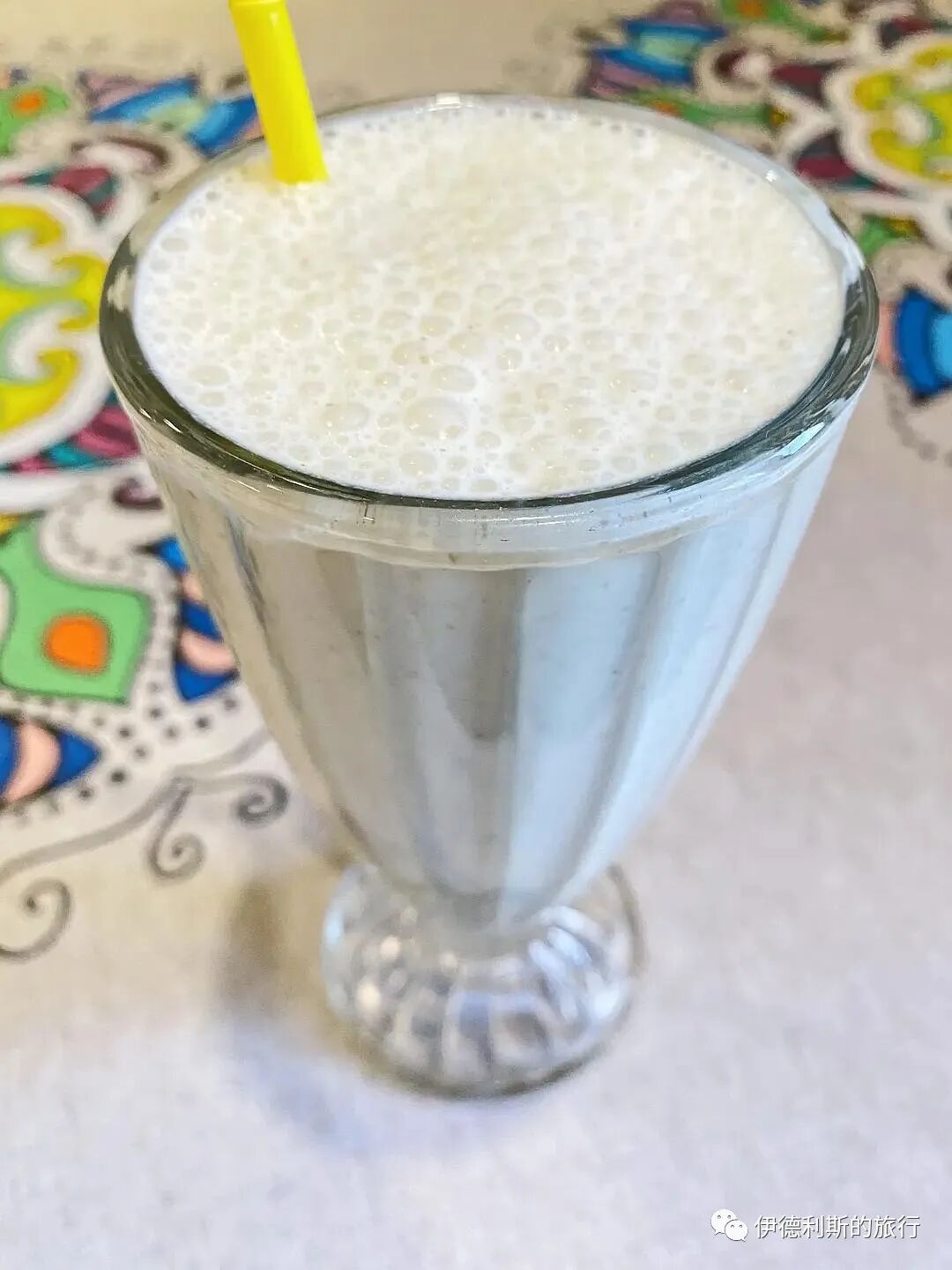
After seeing the exhibition at the Guanfu Museum, Zainab said she really wanted to drink yogurt, so we headed straight to the place Zainab thinks makes the best yogurt in Beijing—the Indian Kolkata Muslim restaurant Sadhu in Beiluogu Lane. Their thin yogurt drink (lassi) is well-deservedly the best in Beijing. For thick yogurt, I still have to say it's the Kashgar Mahmut Restaurant on Baiyunguan Street.
Lassi comes from the Sanskrit word Lasika, which originally meant serum. Lassi comes in sweet and salty versions. The sweet version is mainly found in the Gujarat, Rajasthan, and Sindh regions, while the salty version is widely distributed in other parts of North India. Sadhu's lassi tastes slightly sweet and is mainly defined by the aroma of the yogurt, which is why Zainab likes it the most.
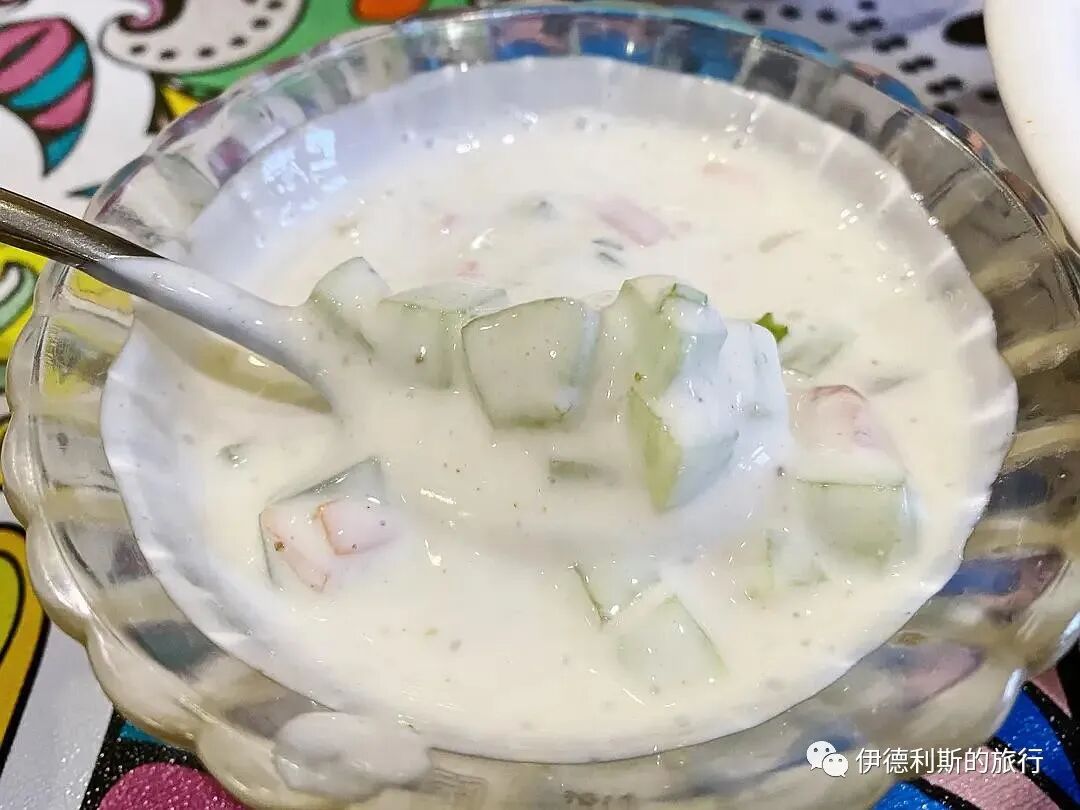
Besides the thin lassi, I also ordered a vegetable yogurt called raita, which had diced cucumber and diced carrots in it. I think it is very refreshing when paired with curry. Raita is a Hindi word formed by combining the Sanskrit words "rajika" and "tiktaka," which originally meant "black mustard seeds" and "pungent," because making raita requires frying black mustard seeds and cumin before mixing them into chopped vegetables and then adding them to the yogurt.
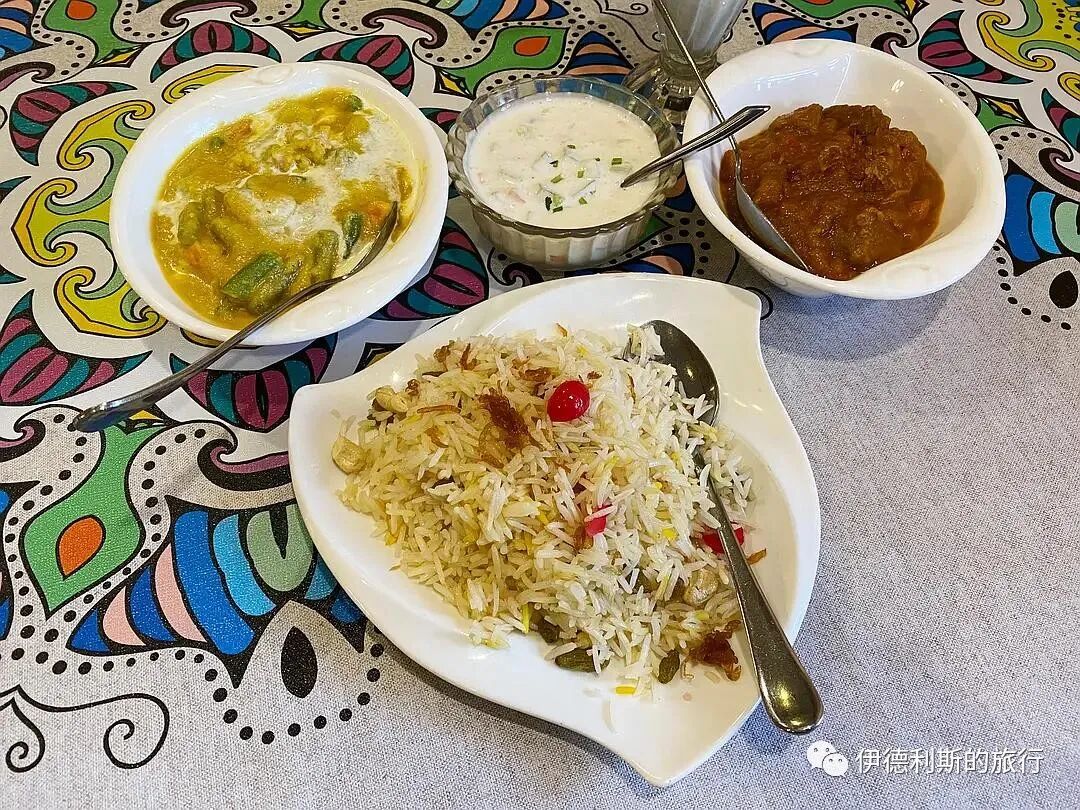
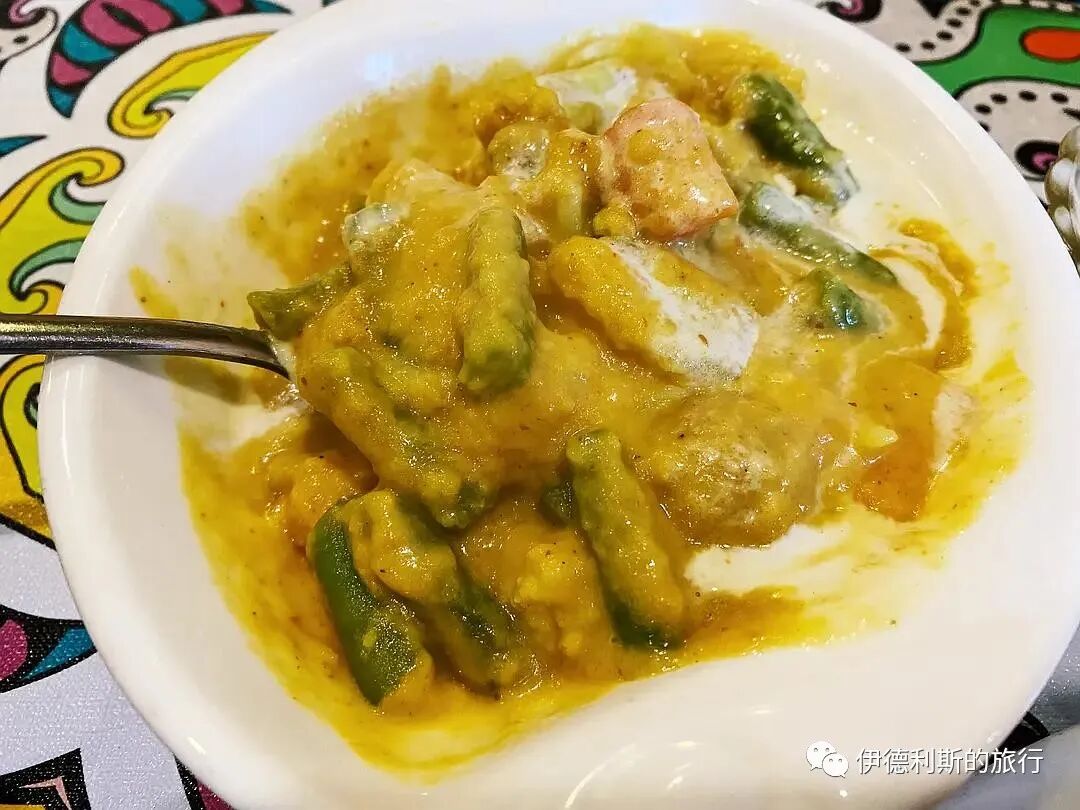
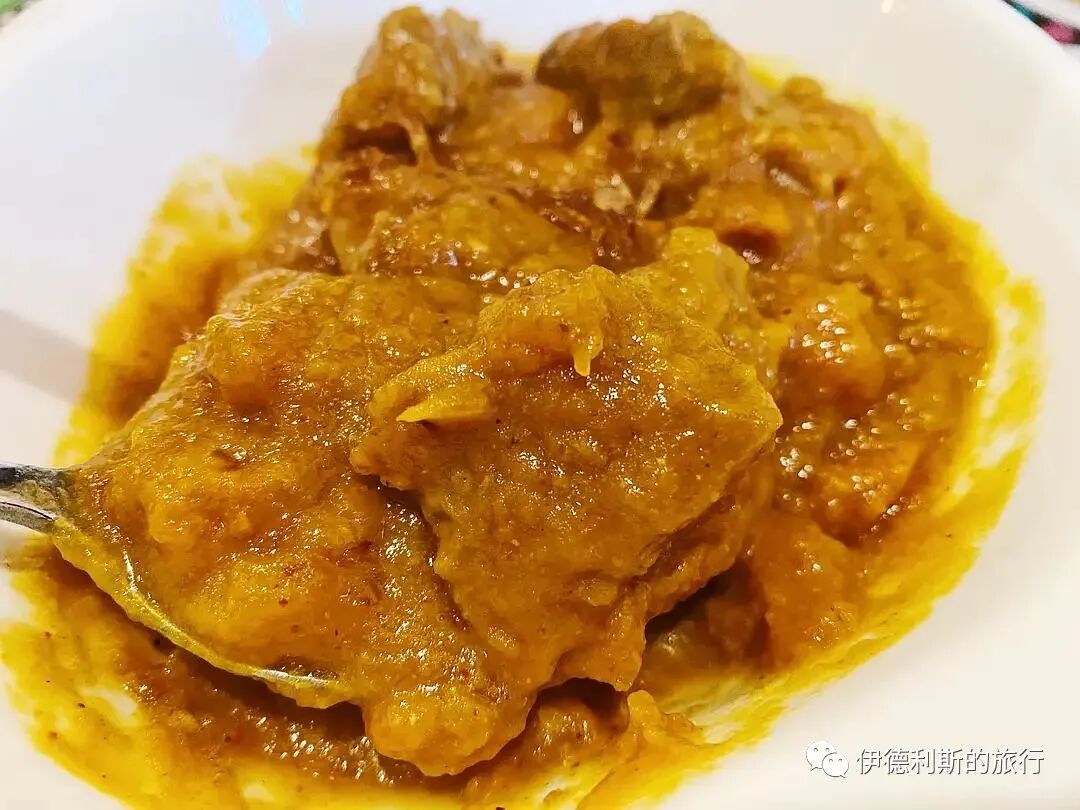
We ordered two types of curry, beef Bhuna and vegetable Korma. Bhuna means 'fried' in Urdu. It usually includes onion, ginger, and garlic. The curry is fried in hot oil until it becomes a thick paste. I think it tastes better than regular curry. Korma is a type of curry stewed with coconut milk or yogurt. The word 'Korma' comes from the Turkic word 'Qawirma,' which originally meant fried. In Urdu, the meaning changed to stew. Korma is a classic Mughal court dish that started in the 16th century. People say Shah Jahan and his guests ate Korma at the banquet for the completion of the Taj Mahal.
When ordering a main dish at Saduli, I usually choose South Asian flatbread (Naan) or fried rice (Biryani). This time, I picked something I had never tried there before: raisin pilaf (Shejhani Pulao). The style of cooking rice in a large pot only became popular from Andalusia to Afghanistan during the Abbasid Caliphate. The word pilaf (Pilāv) comes from Persian. The earliest record of pilaf dates back to the 10th century in the writings of the Persian scholar Ibn Sina, so some people call him the father of modern pilaf. After the 16th century, pilaf became popular in India along with the rise of the Mughal Empire.
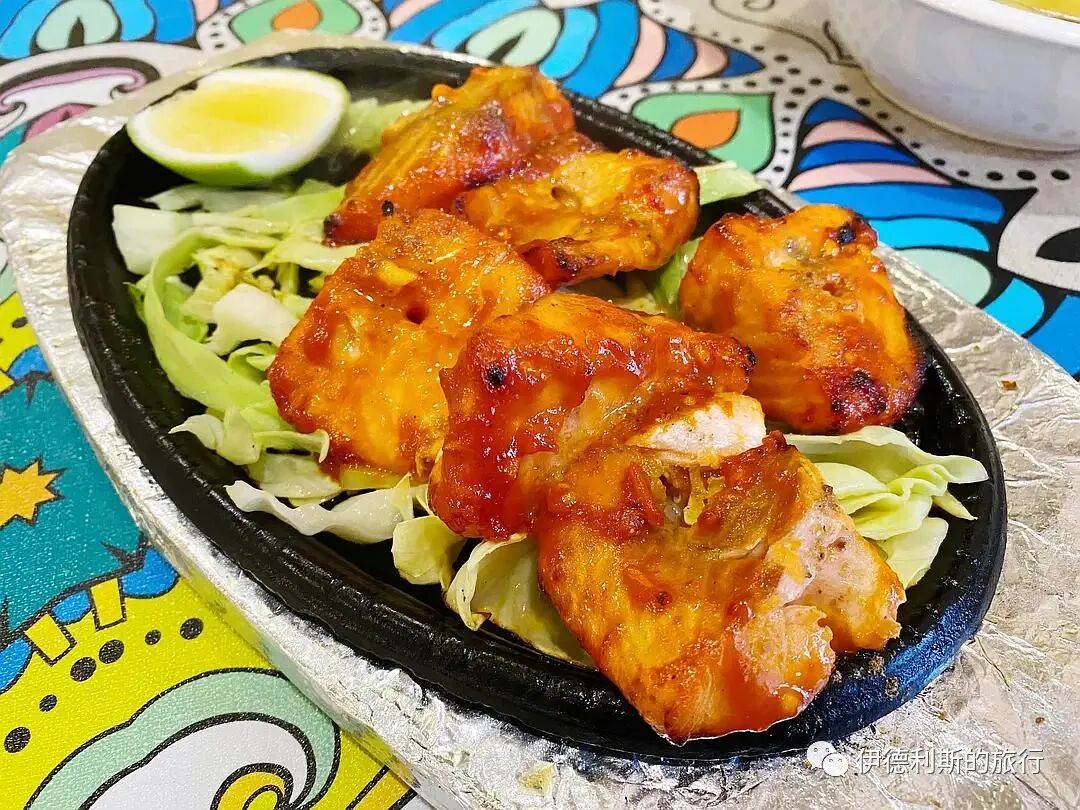
We also ordered grilled salmon (Tikka). Tikka comes from the Turkic word tikkü, which means 'piece.' The Mughal Empire brought this method of grilling spice-marinated boneless meat or vegetable chunks to India. The most common Tikka is chicken.
February 5, Xilaisun
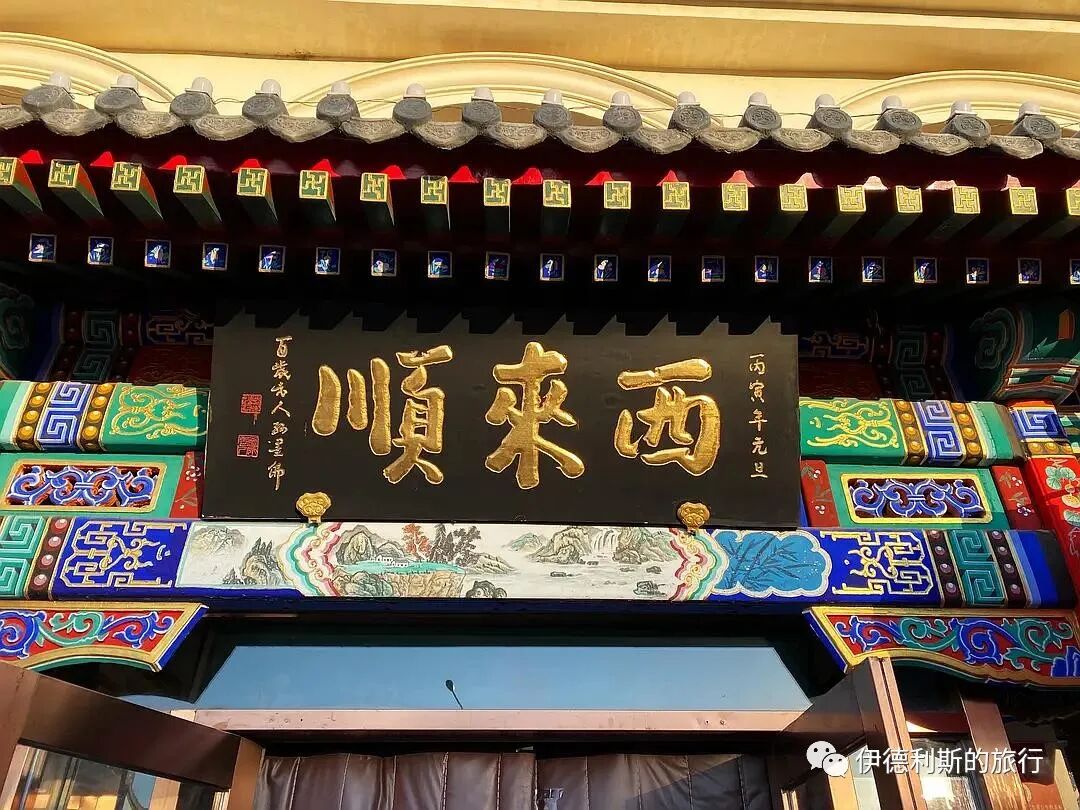
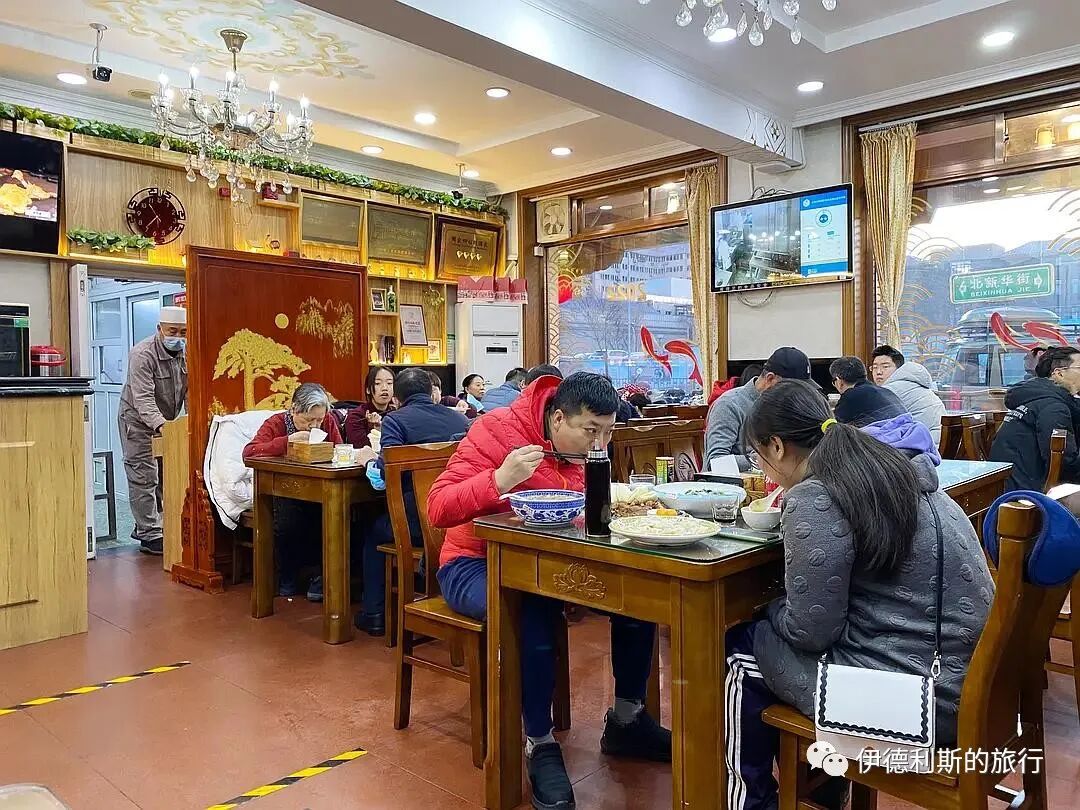
After listening to Wang Yuebo perform the Sword Hero Map (Jianxia Tu) at the Lao She Teahouse, I strolled to Xilaisun at Hepingmen for dinner. It was super busy after four o'clock. It seems Beijingers don't want to cook at home during the Chinese New Year, haha.
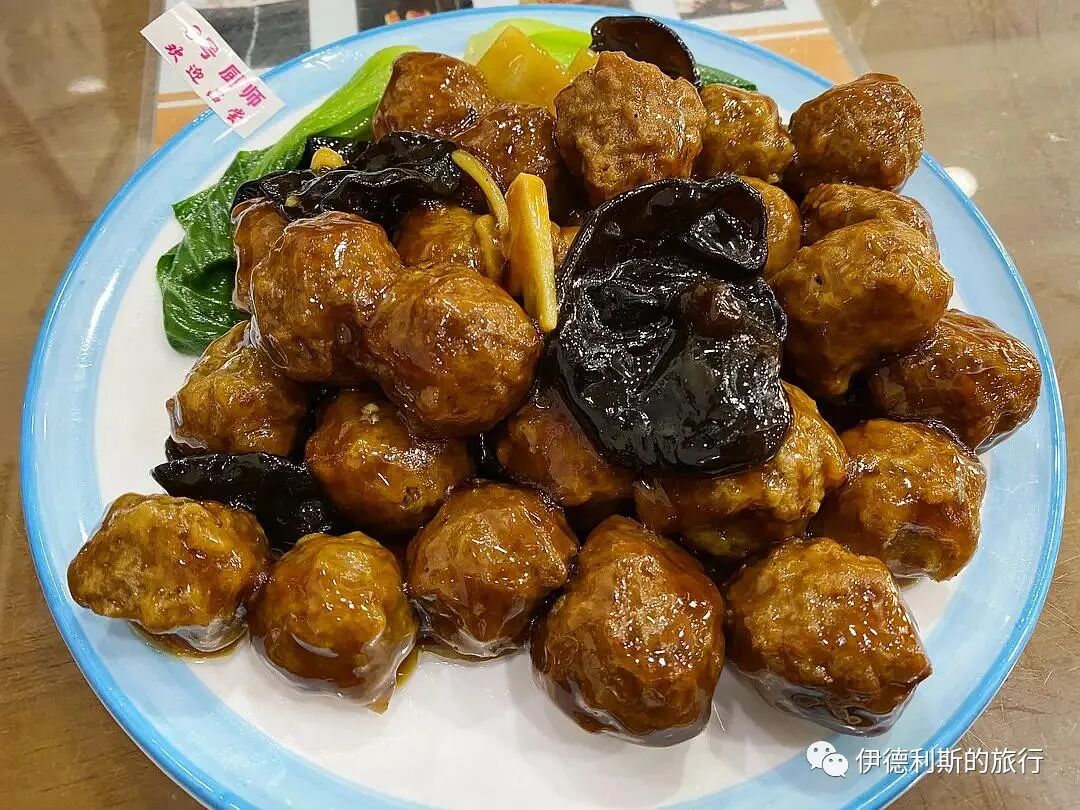
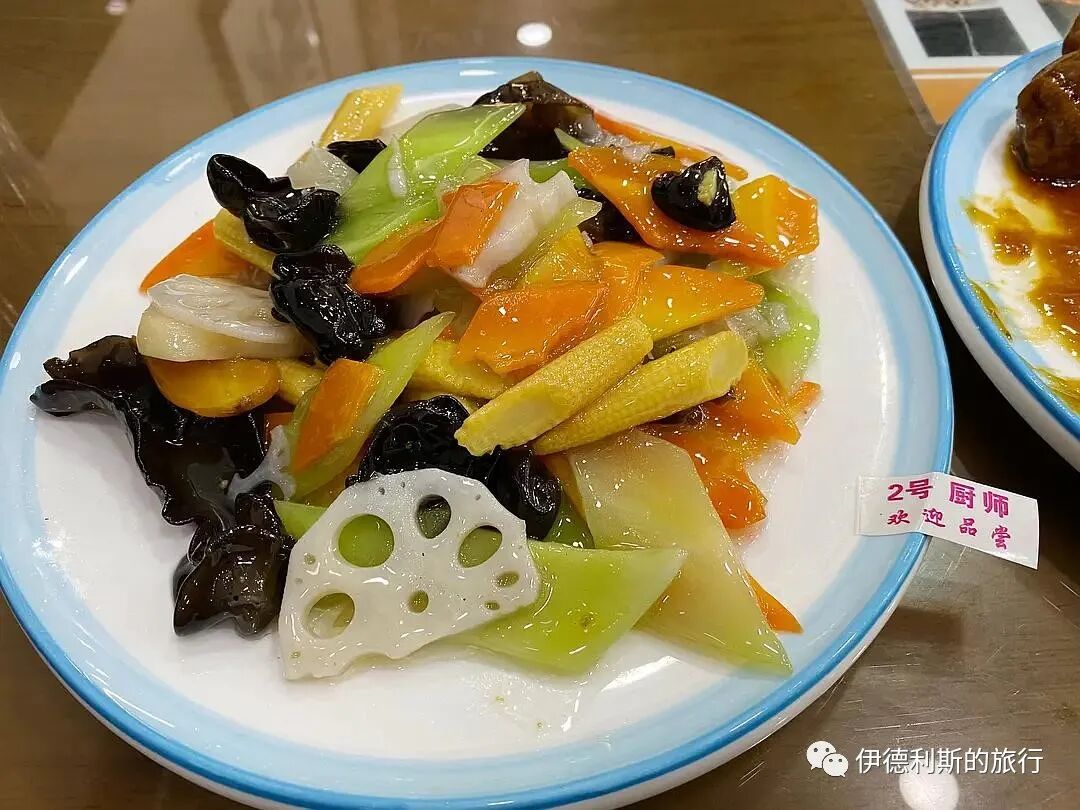
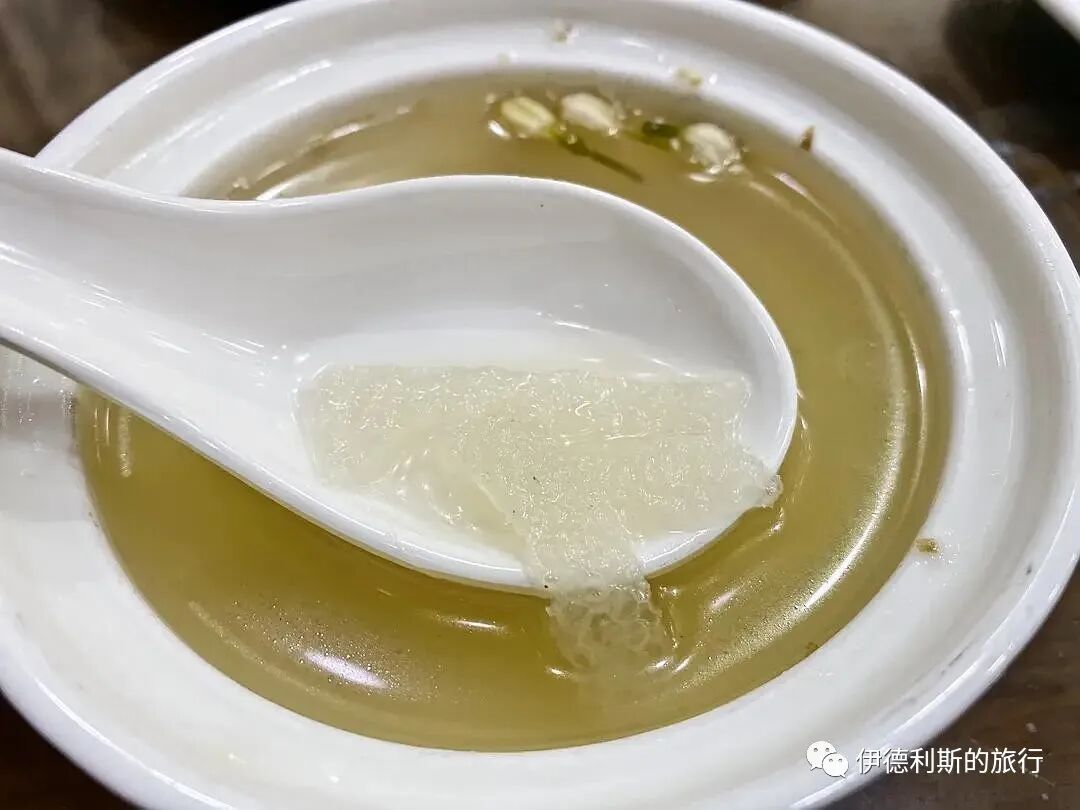
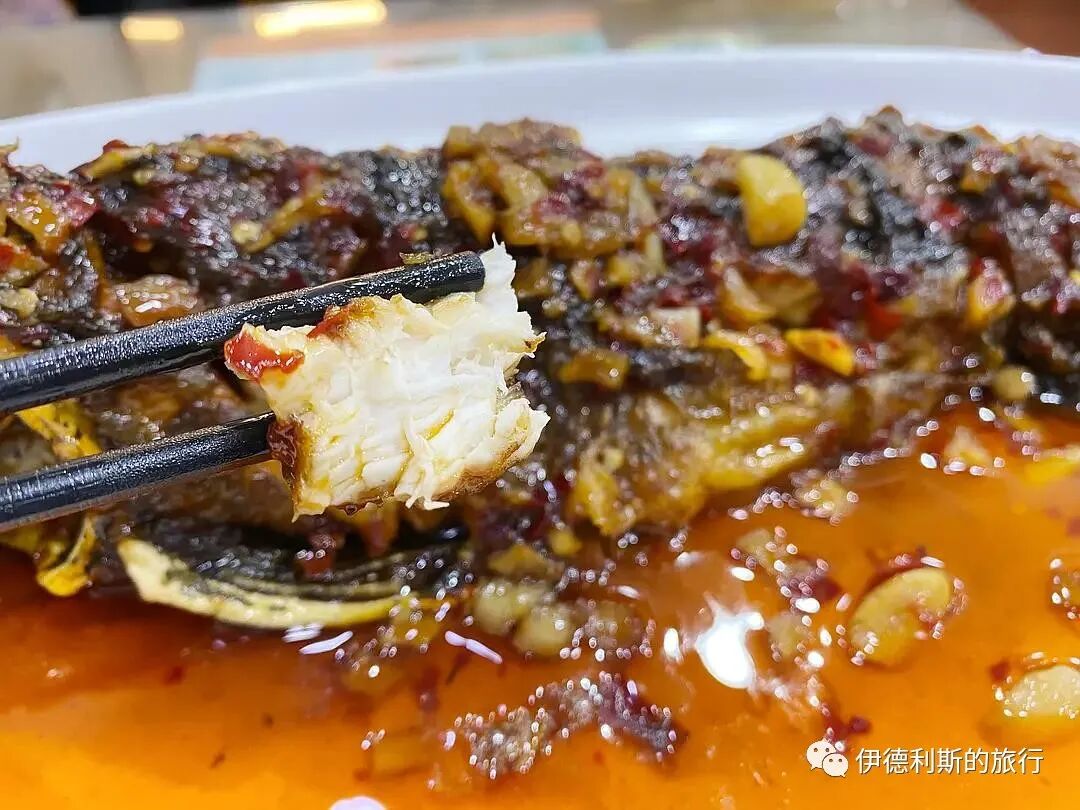
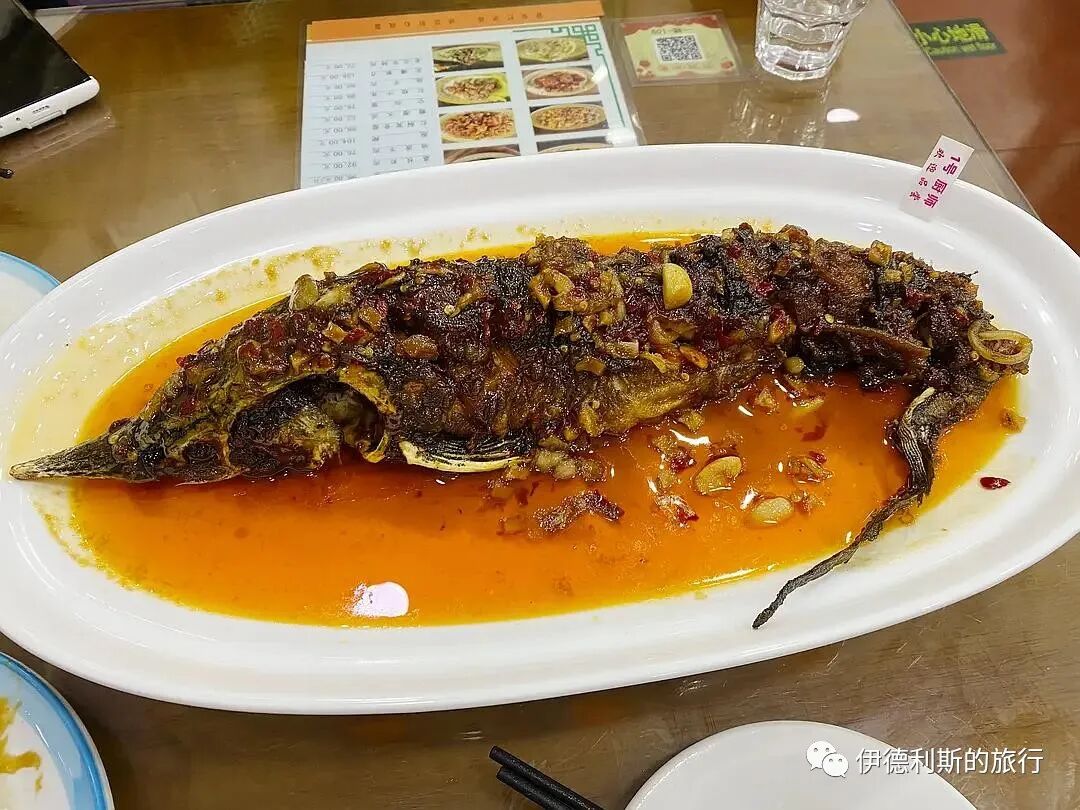
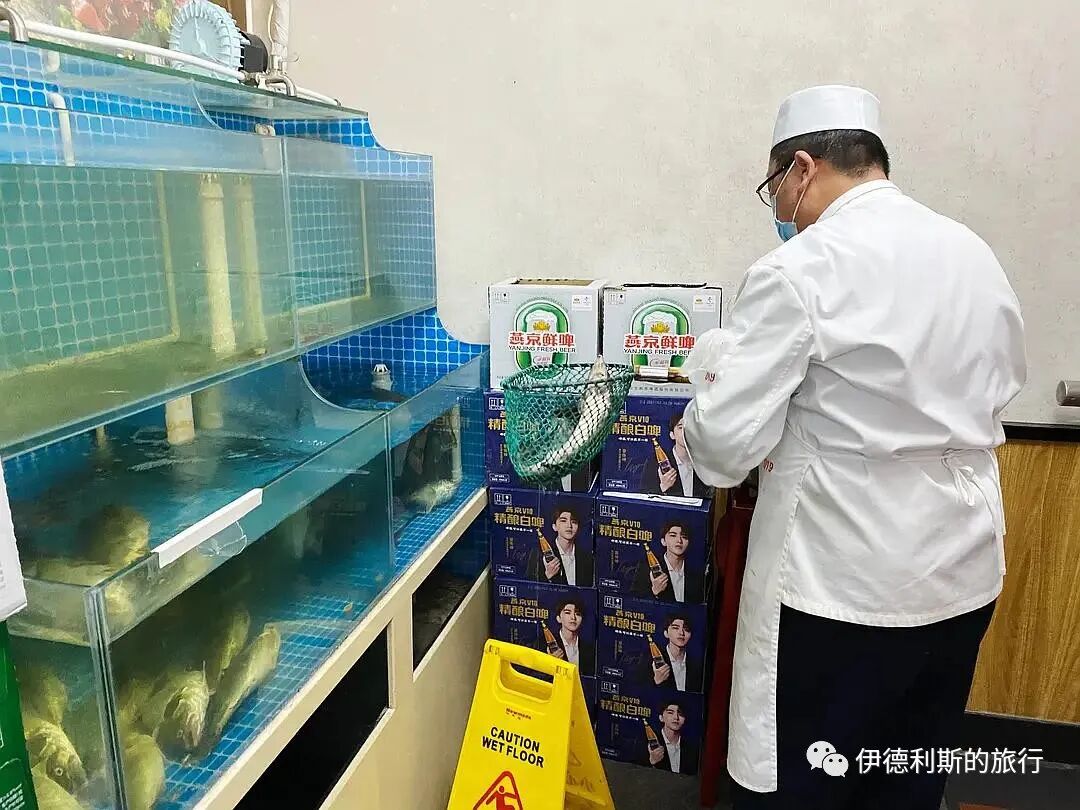
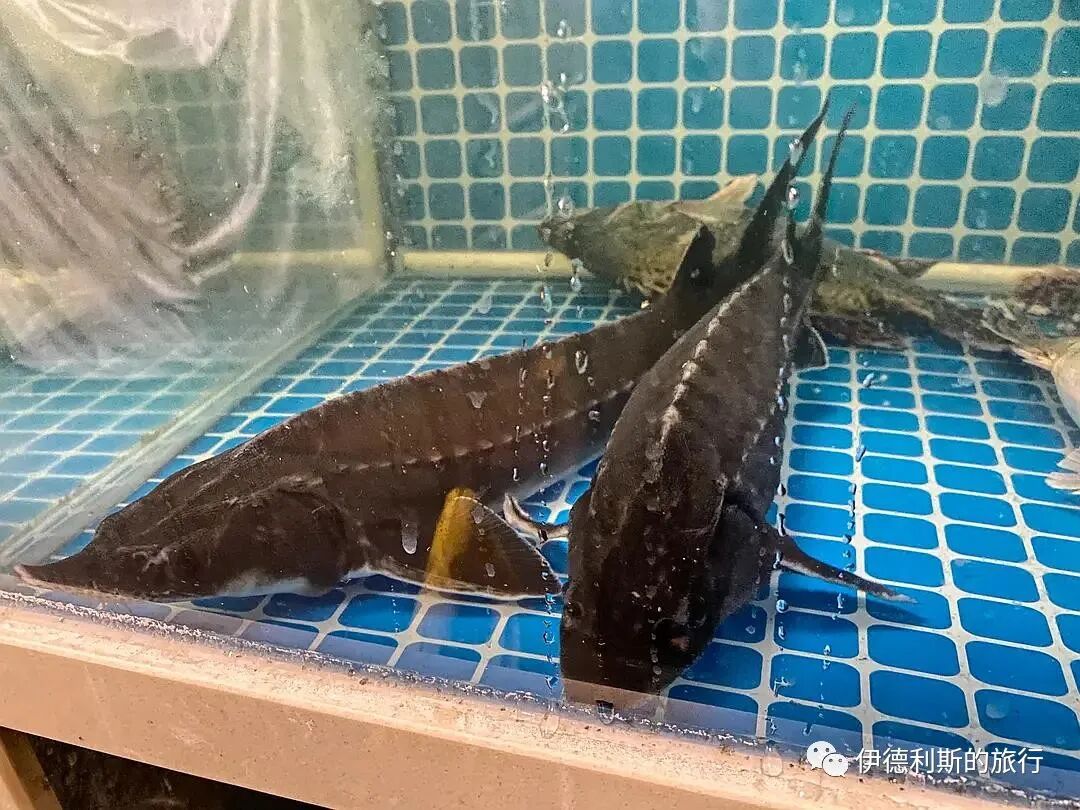
Zainab pushed me to try something new instead of always ordering their stir-fried chicken cubes with bean paste (jiangbao jiding) and Ma Lianliang duck. We ordered meatballs in sauce (liu wanzi), braised mixed vegetables (shao quansu), and dry-braised sturgeon (gan shao xunyu), plus our must-order bamboo shoot jasmine soup. I have to say, everything at Xilaisun tastes good. Their meatballs in sauce have a great texture! At least they are stuffed much better than the fillings at some unnamed restaurants where you can actually taste the meat, while other places just taste like starch. Their dry-braised sturgeon isn't the traditional Shandong cuisine (Lu cuisine) style. It's sweet, sour, and spicy, which feels a bit like the Southwest region. I really like it! The sturgeon has no bones, so it's great to eat with rice. I noticed that besides the Ma Lianliang duck, the dry-braised sturgeon was the most popular dish on every table. The chef has to go catch a fish from the tank every little while.
February 7, Beef Stew
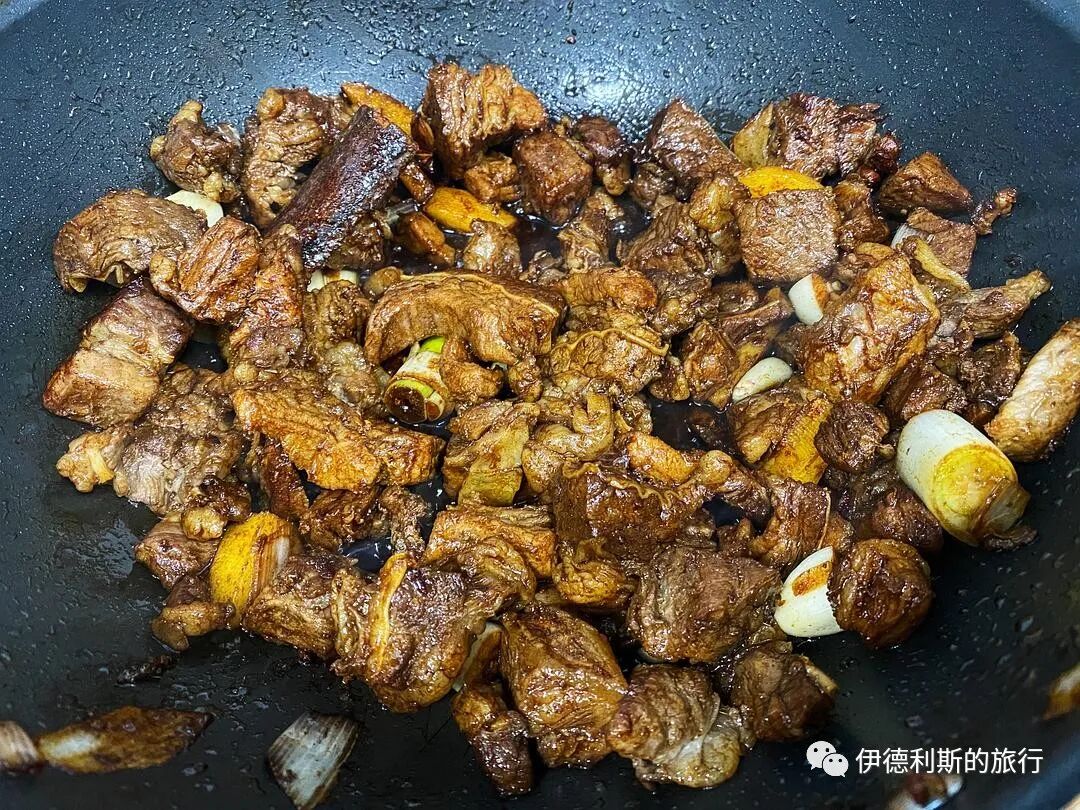
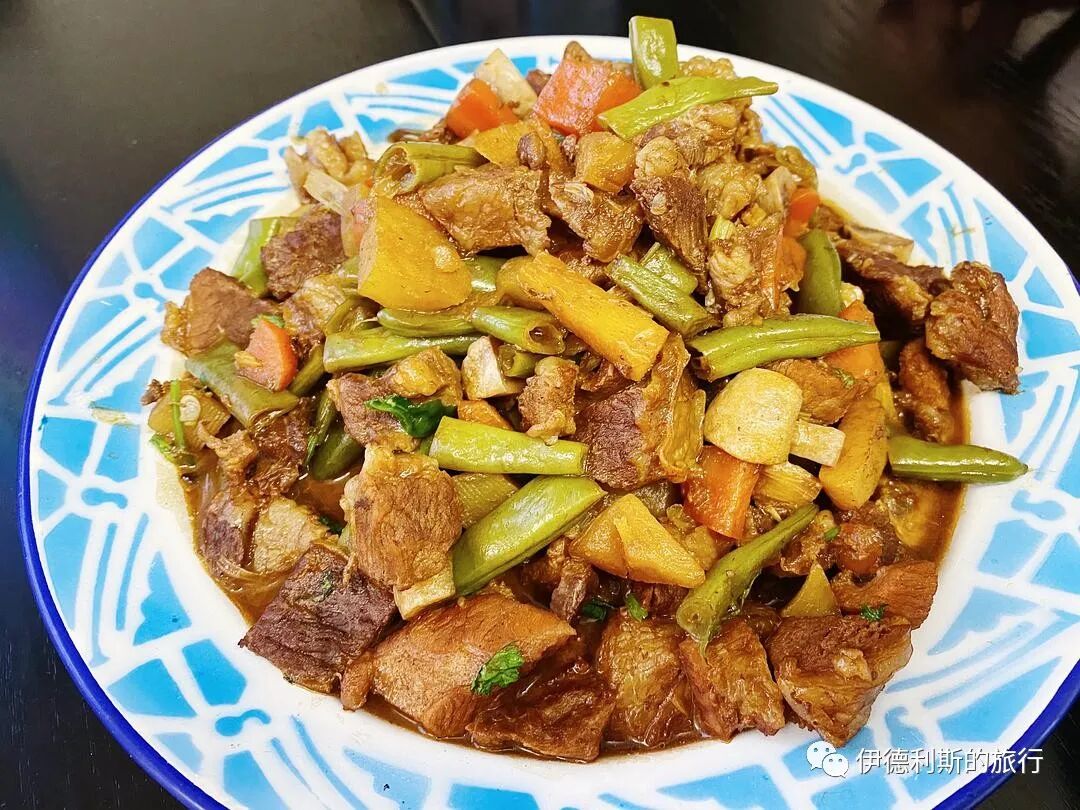
I made old-fashioned beef stew with green beans, button mushrooms, potatoes, and carrots. I personally think it tastes better than what you get in restaurants! It takes at least an hour and a half to make, so I don't usually have time for it.
February 8, Changying Equator Yakiniku Lunch Set
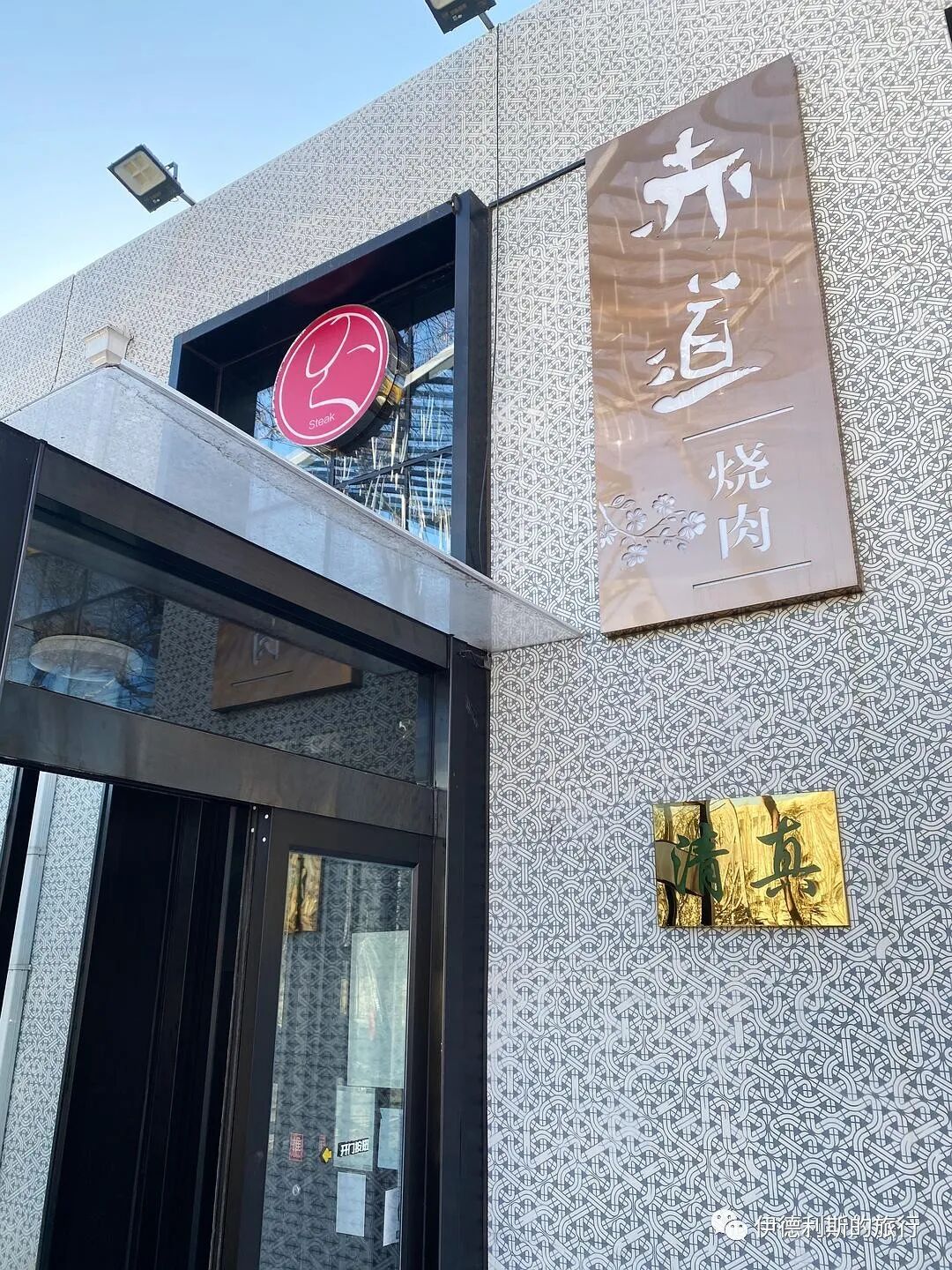
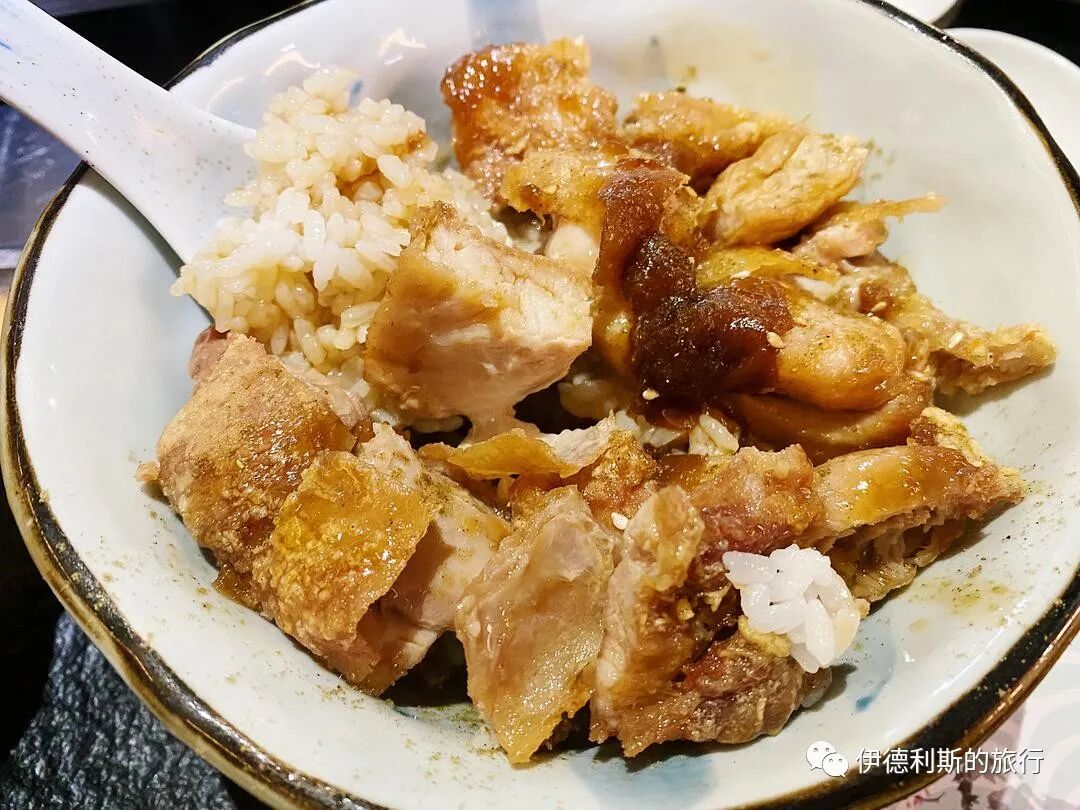
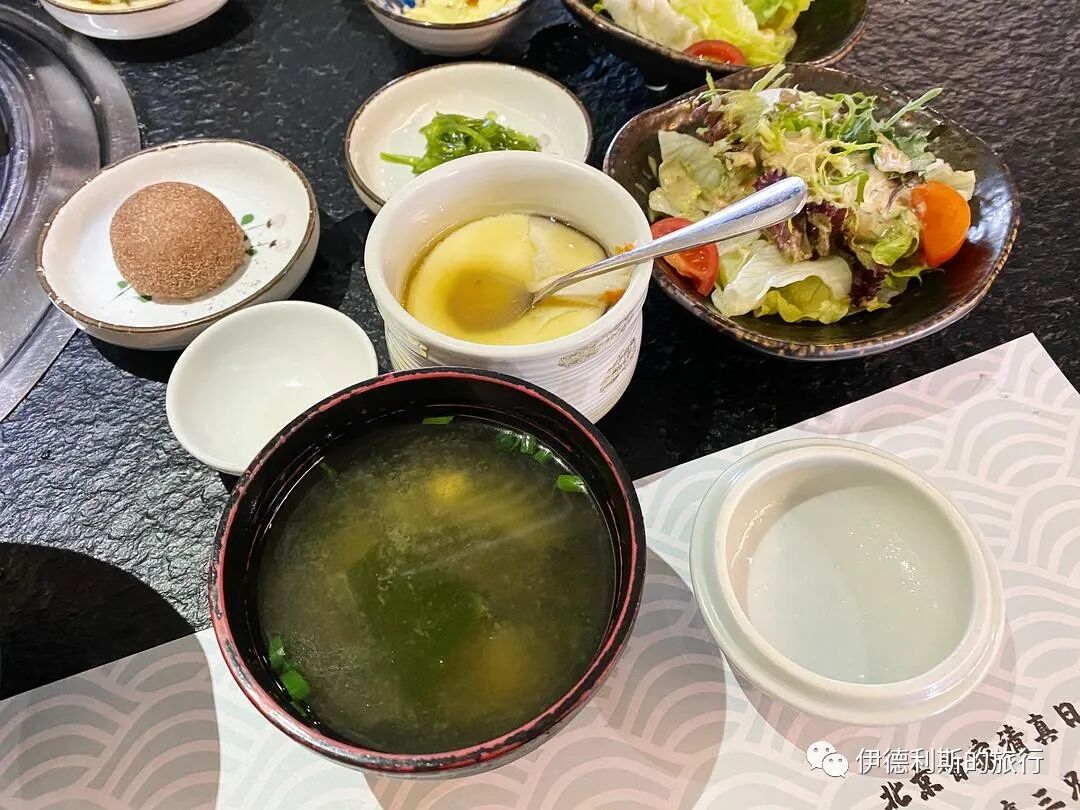
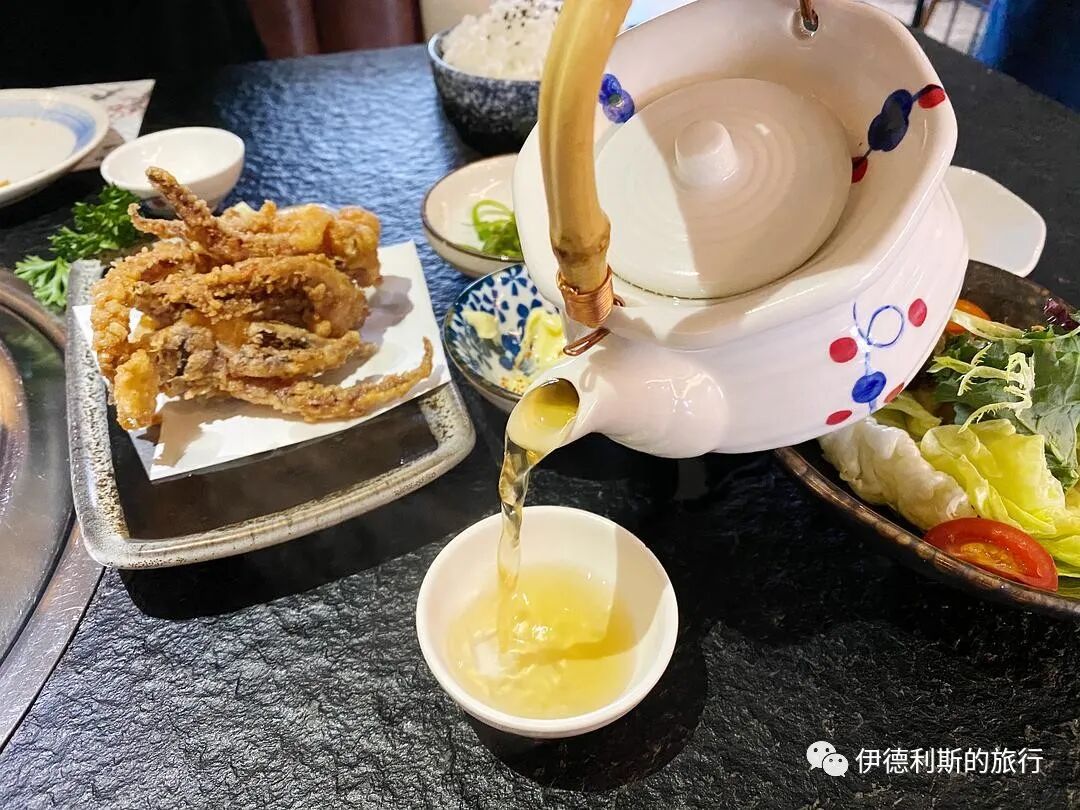
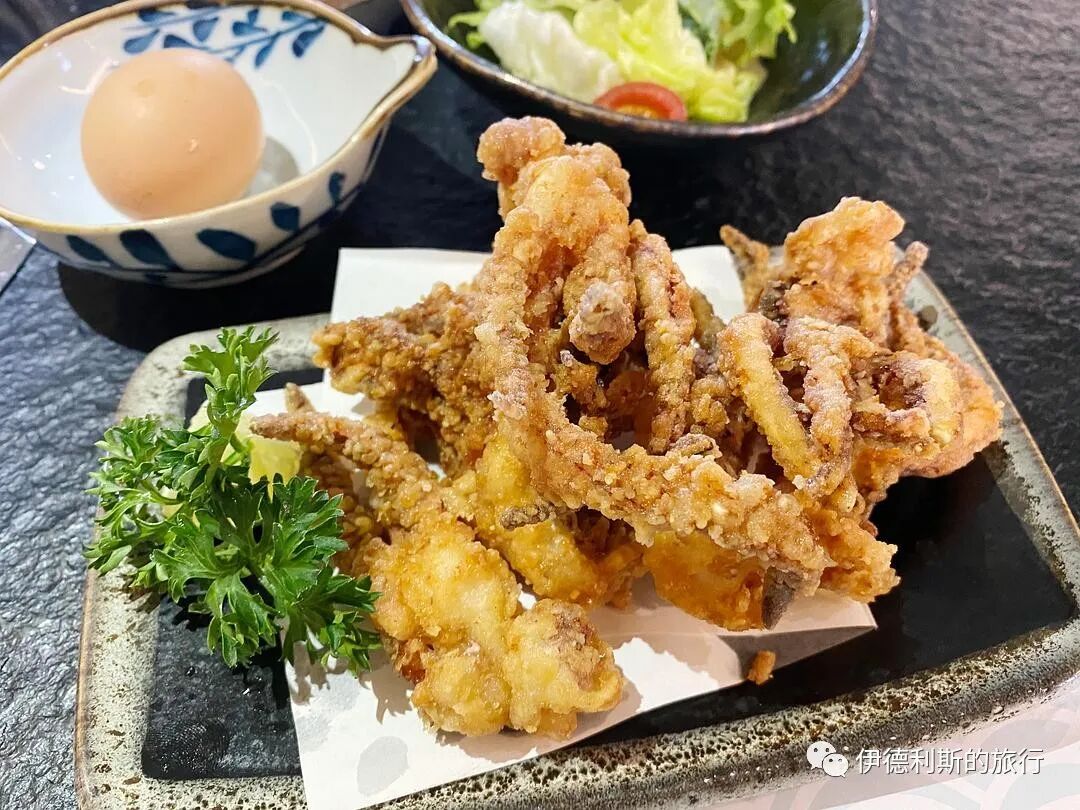
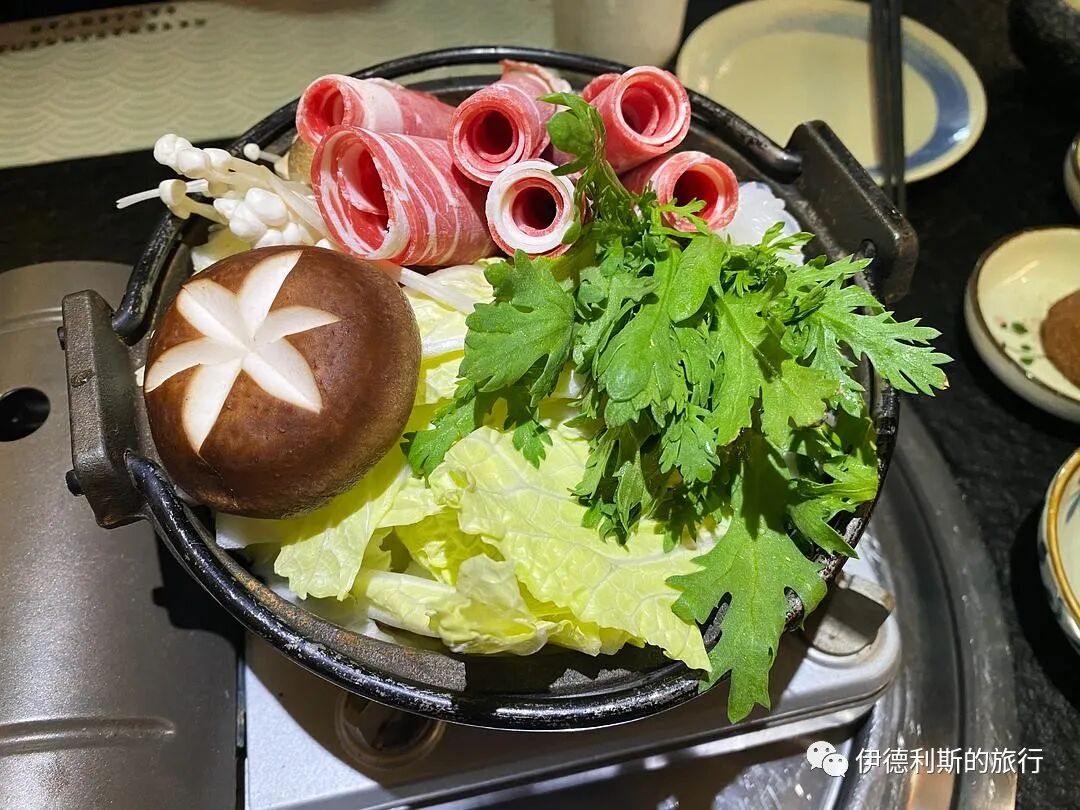
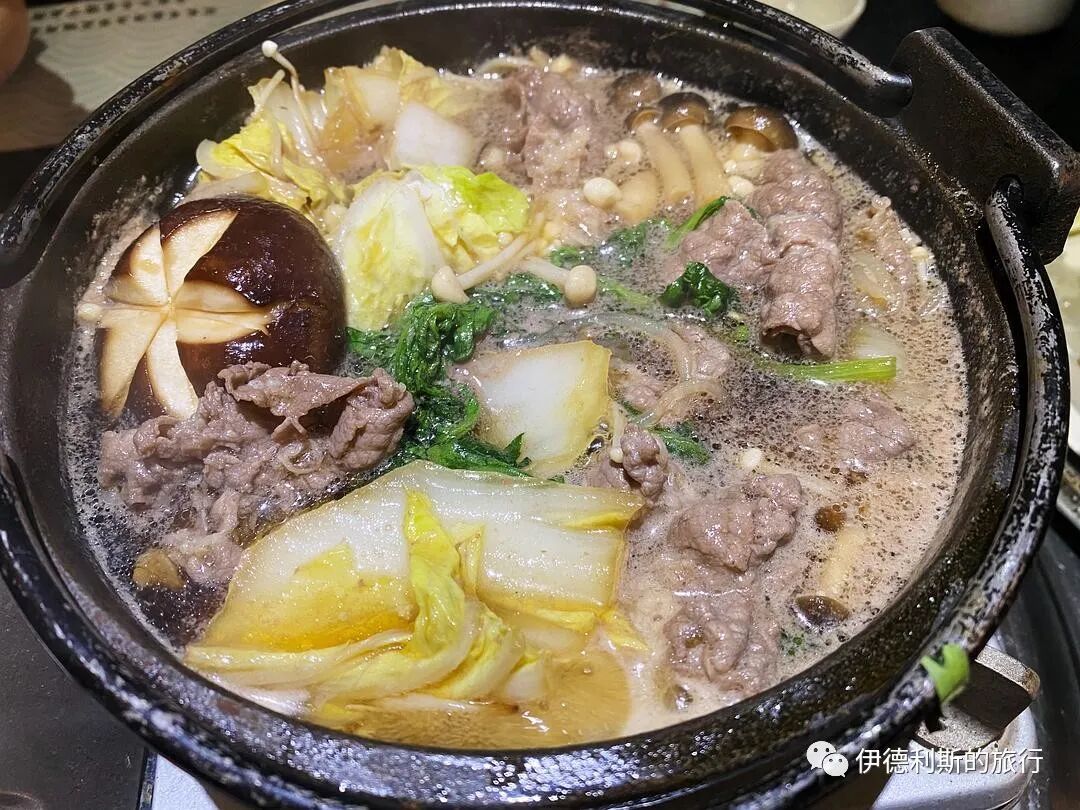
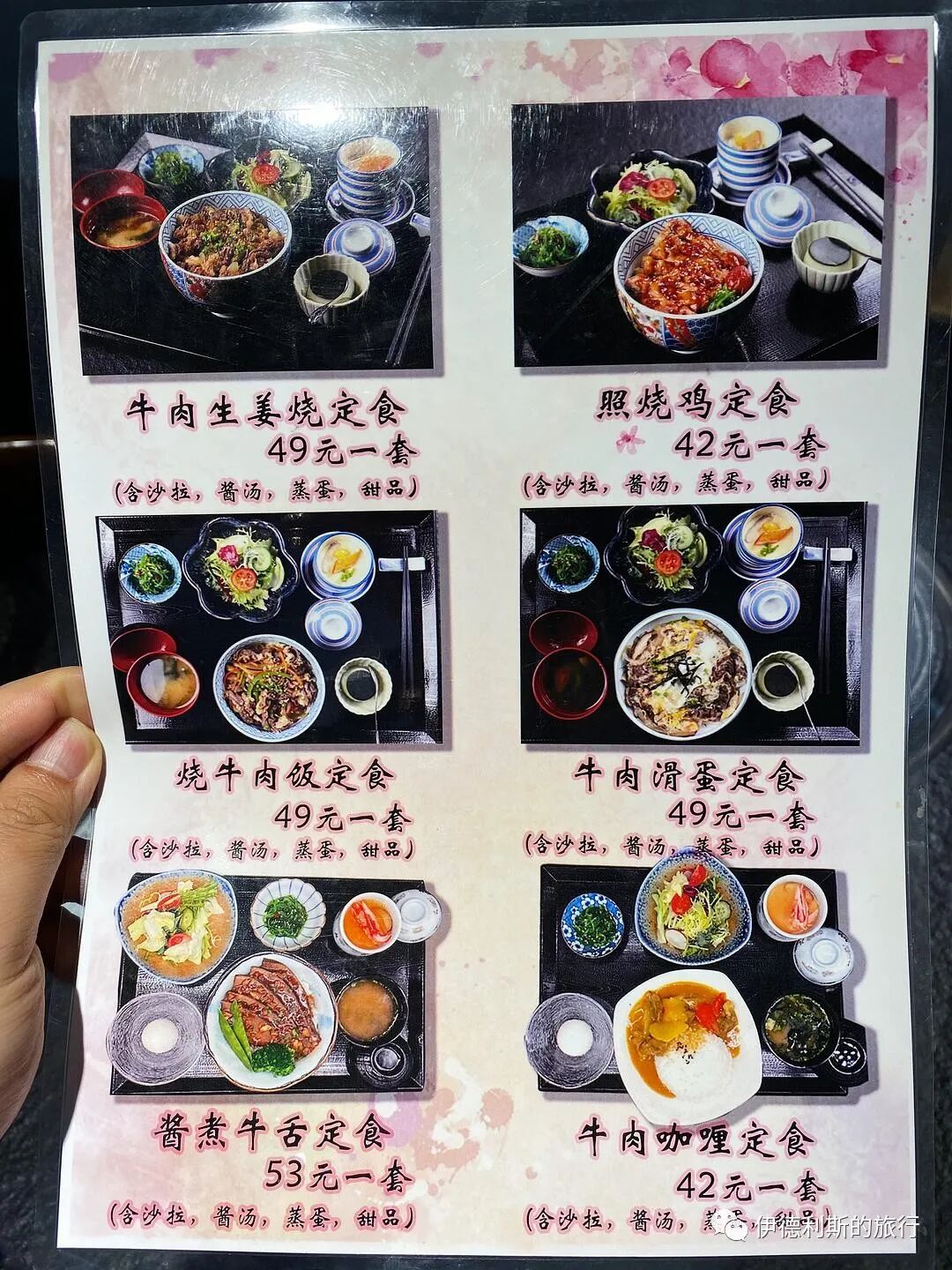
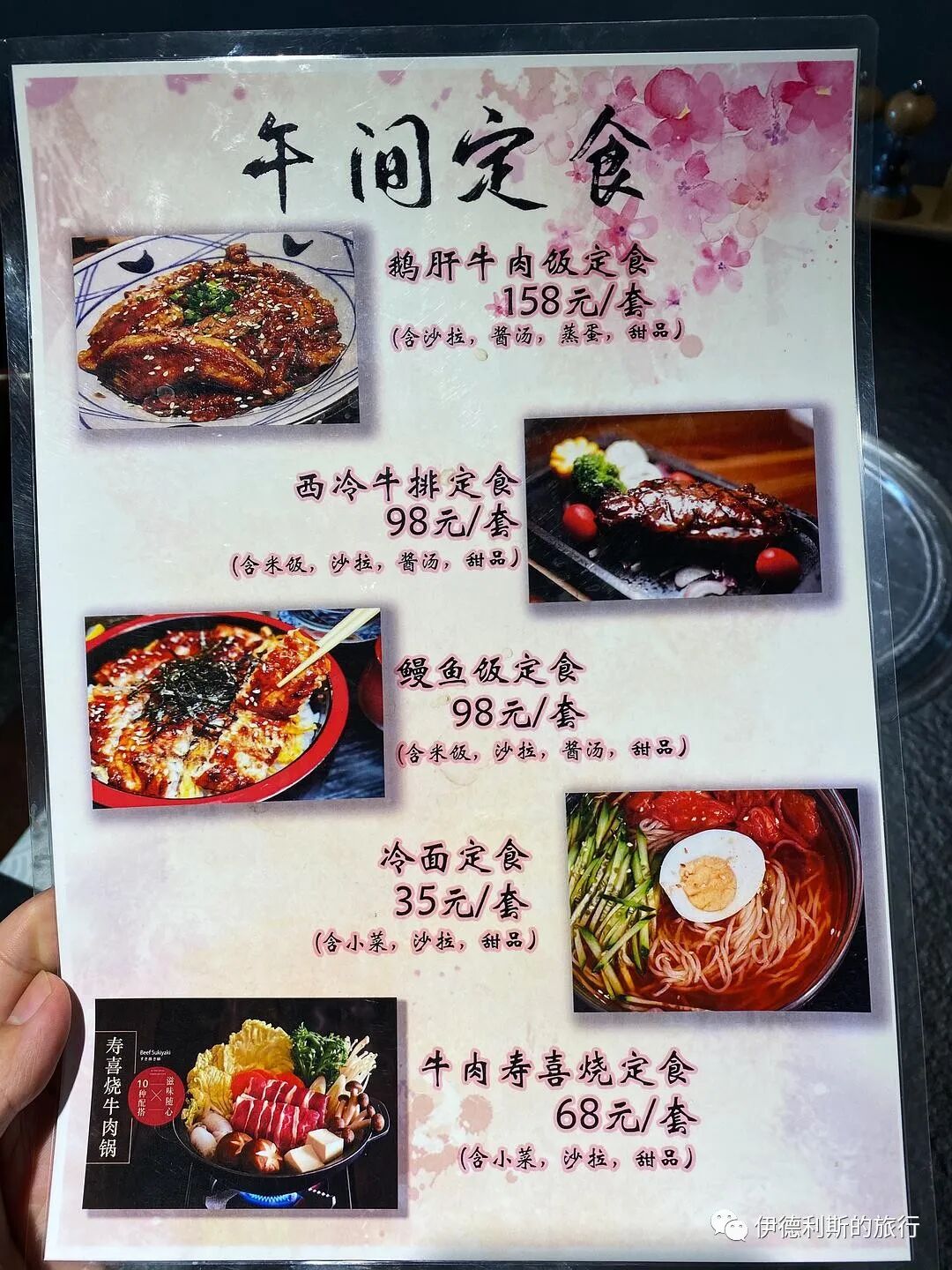
A twisty and surprising lunch experience in Changying at noon. First, we went to a Korean barbecue place, but it was closed for a break. Then we tried a Qiqihar-style barbecue place we like, but they had just stopped serving five minutes earlier so the staff could go for COVID testing, so we had to go to a Japanese-style restaurant called Chidao BBQ. To our surprise, Chidao BBQ now offers Japanese set meals (teishoku) for lunch! This must be the only halal Japanese set meal in Beijing.
We bought teriyaki chicken rice and beef sukiyaki, and also ordered matsutake mushroom soup and fried squid tentacles. The set meal comes with a salad, steamed egg custard (chawanmushi), miso soup, seaweed salad, and a mochi dessert (daifuku). The teriyaki chicken rice tasted pretty good! Next time I want to try the beef rice. Actually, you can also order the sukiyaki as a single dish that comes with rice.
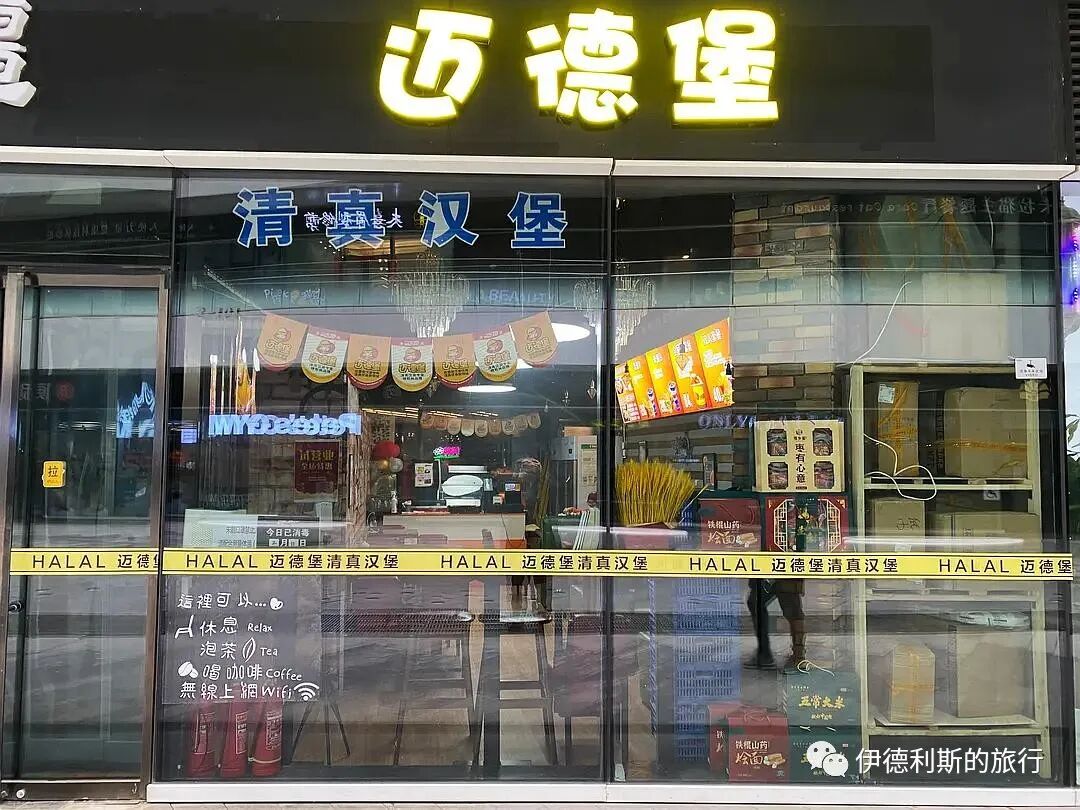
February 12, Maidebao
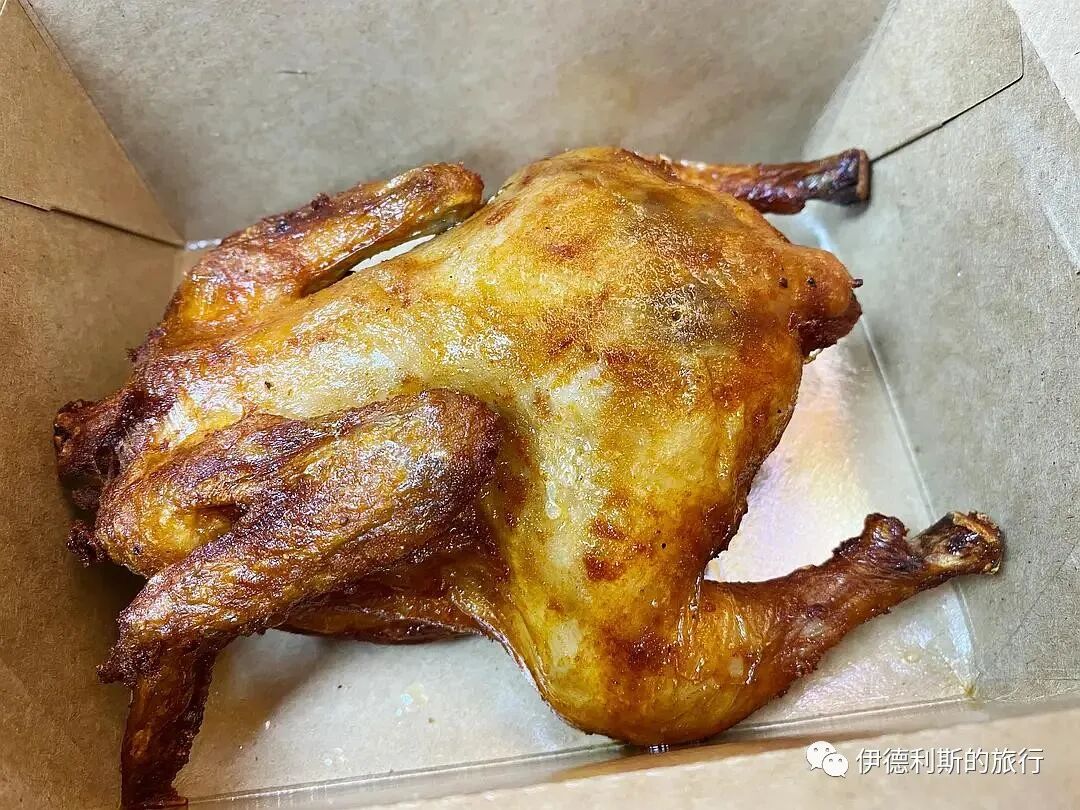
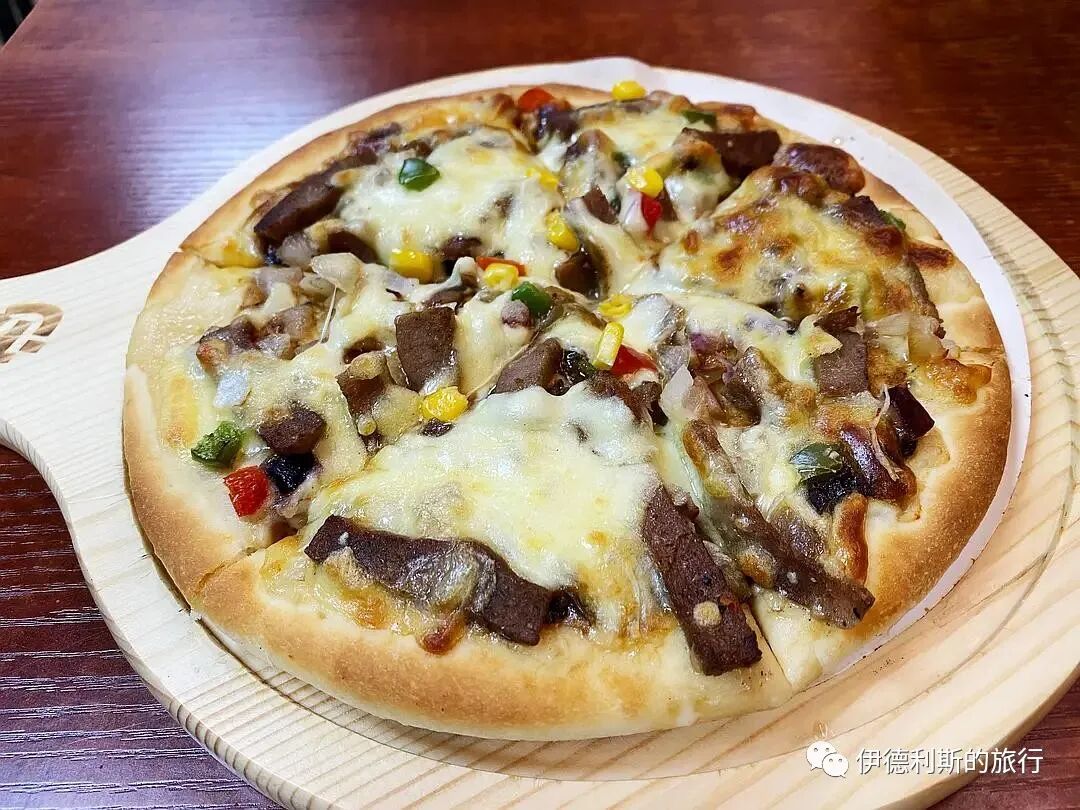
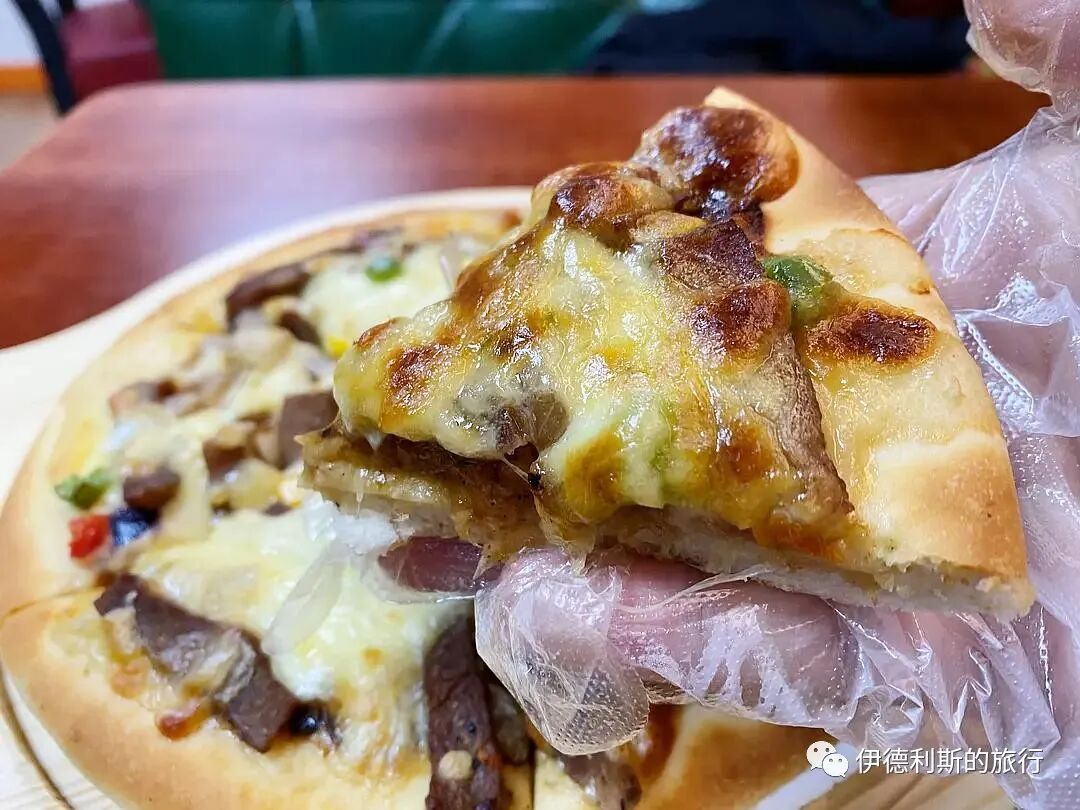
We ate steak pizza and a small whole chicken at Maidebao in Galaxy SOHO, Chaoyangmen. Their pizza is packed with toppings; the crust is crispy and the middle is tender, which gives it a great texture that both Zainab and I really love. The owners are very warm toward fellow Muslims (dosti), and if they aren't busy, we always chat about the faith, so visiting them is a treat for both the spirit and the stomach.
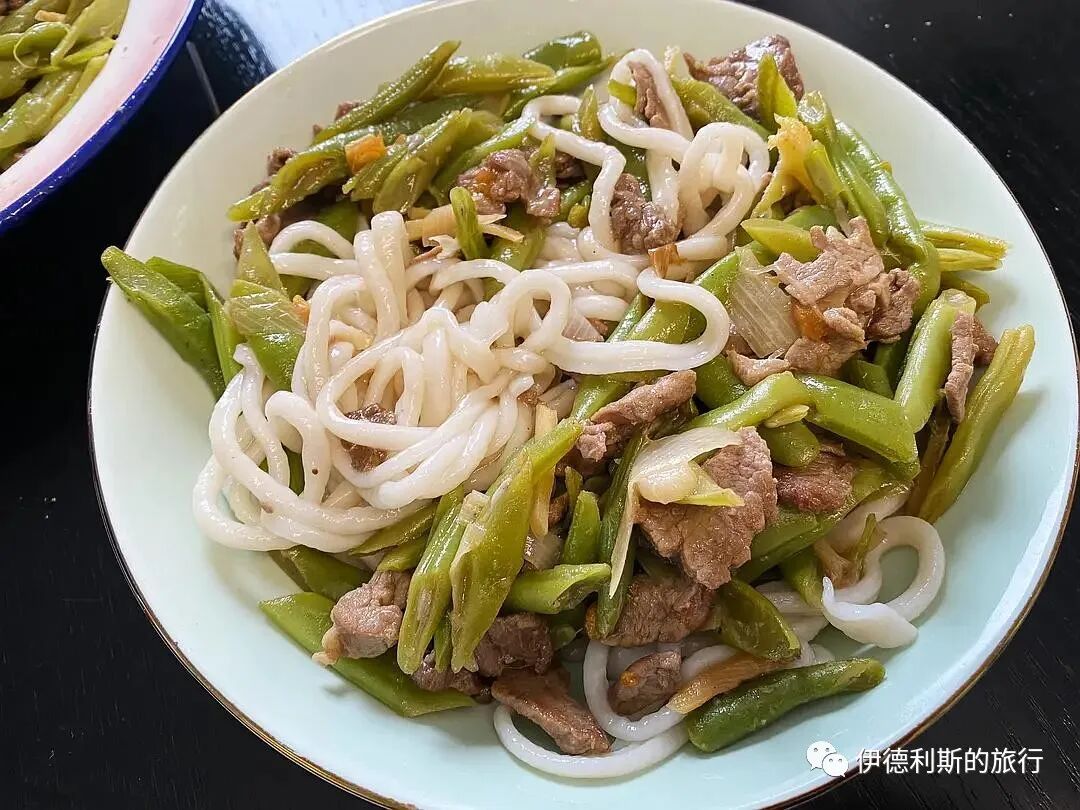
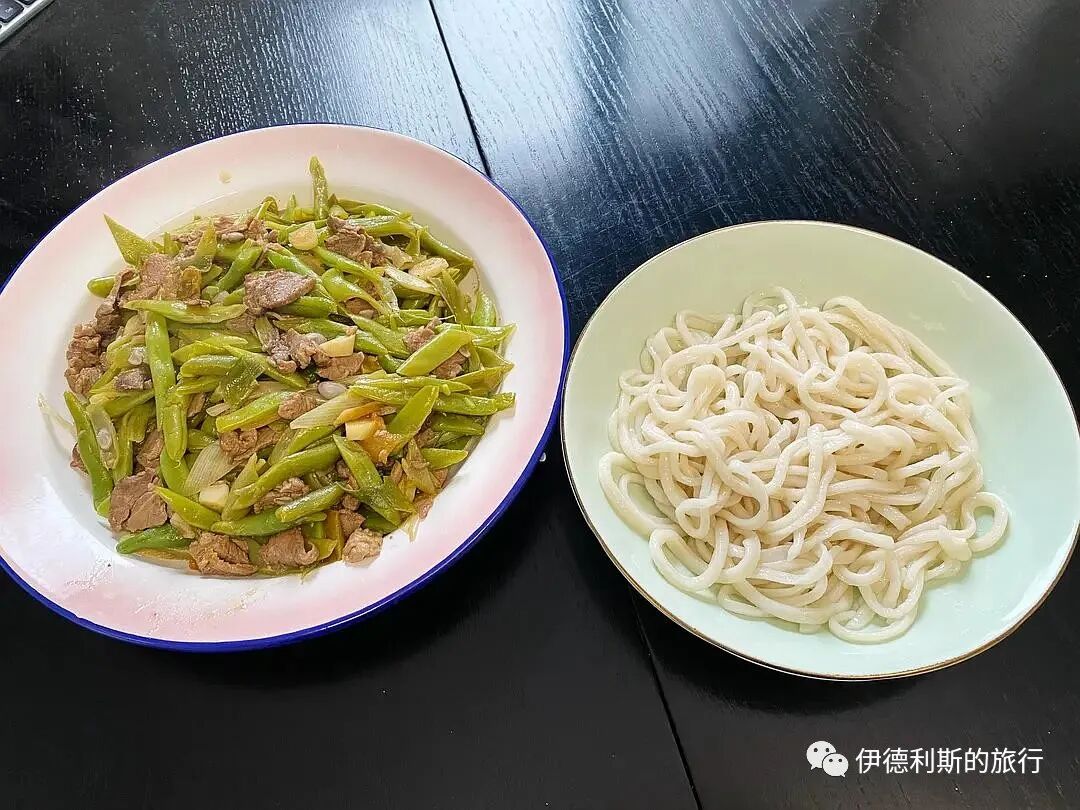
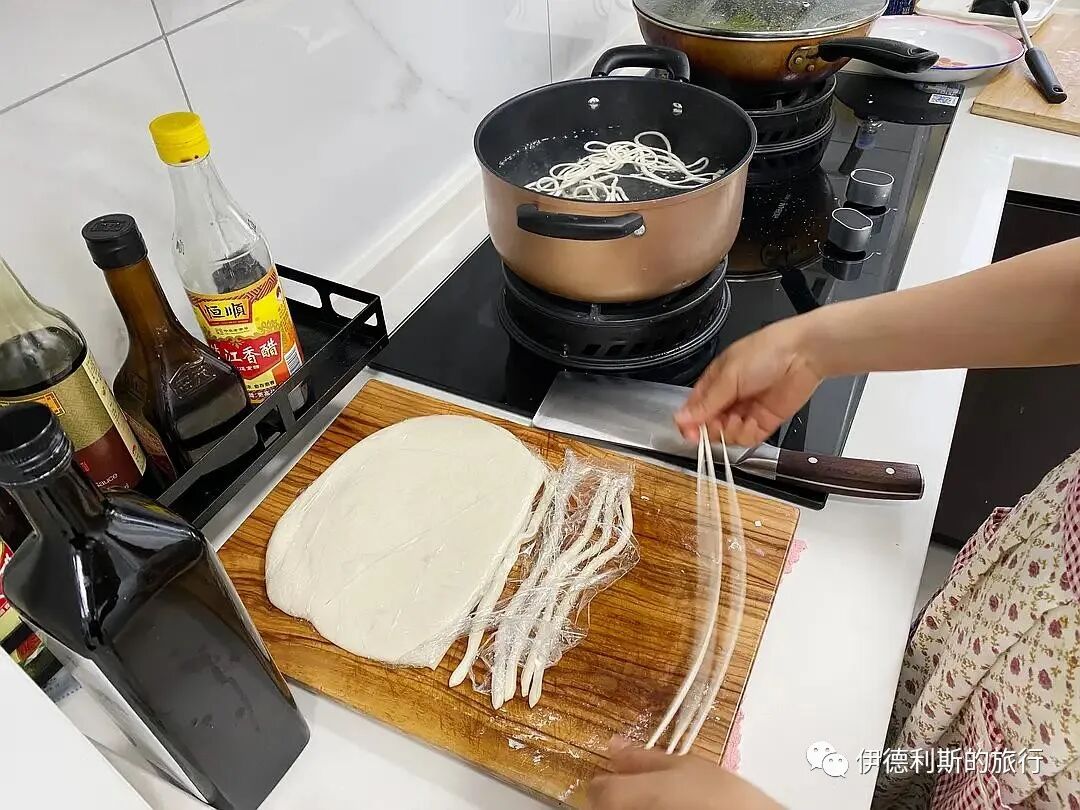
February 15, hand-pulled noodles (latiaozi) made by Zainab.
I just love the hand-pulled noodles Zainab makes; it's a real perk of being a Xinjiang son-in-law.
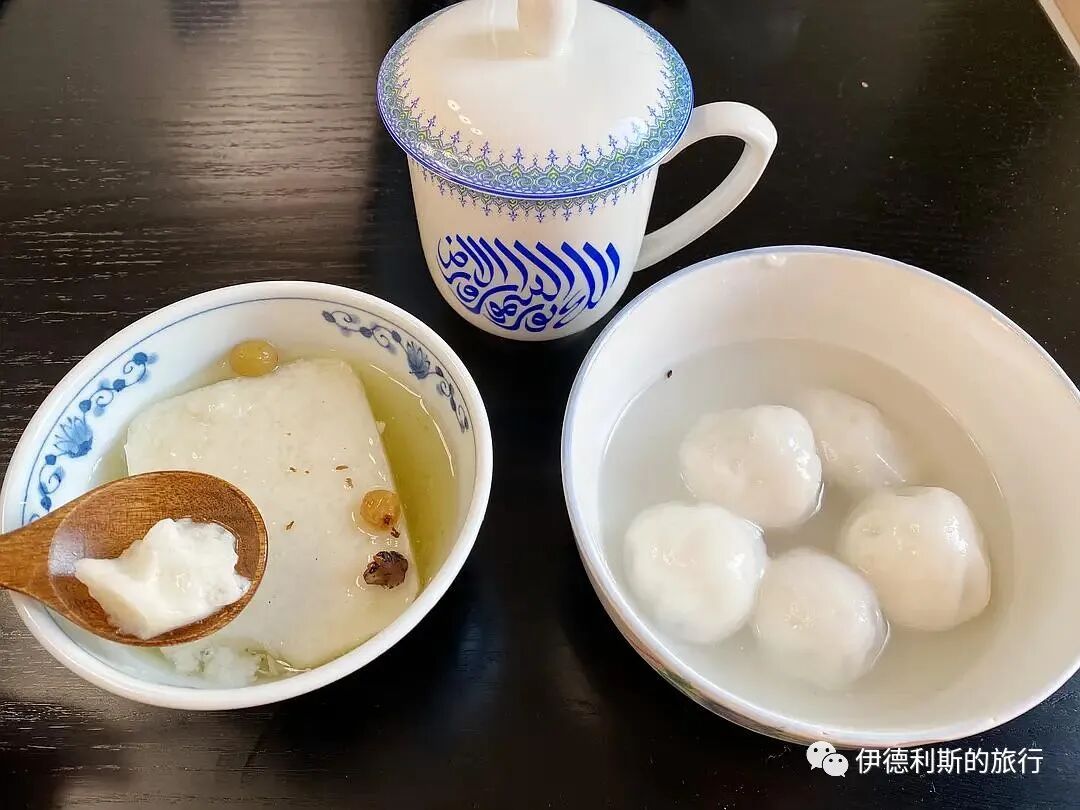
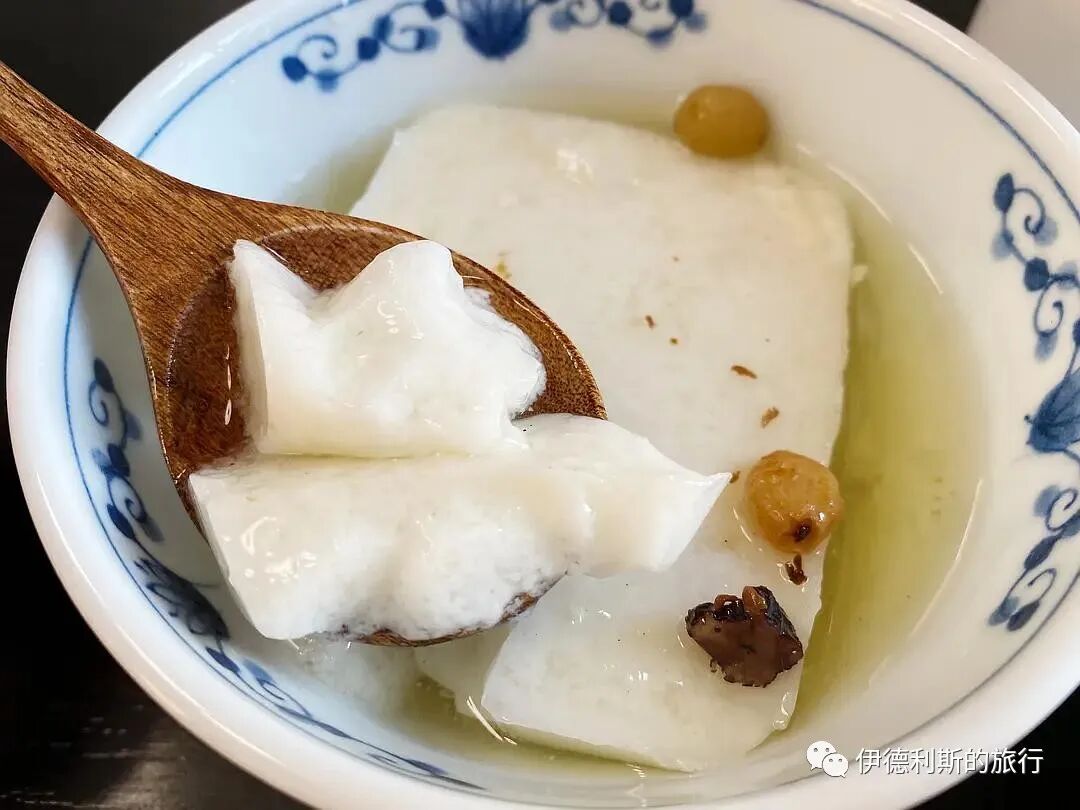
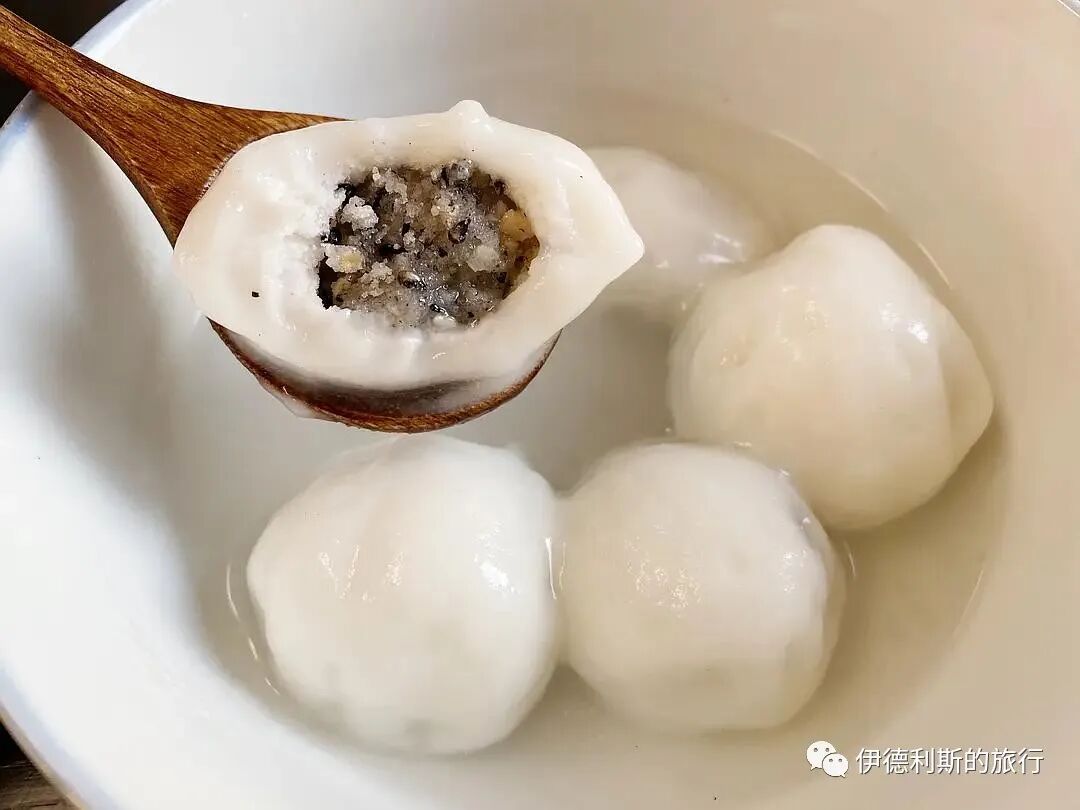
Sweet rice balls (yuanxiao) and almond tofu in Changying.
February 16, Yanlanlou at Dongsishitiao.
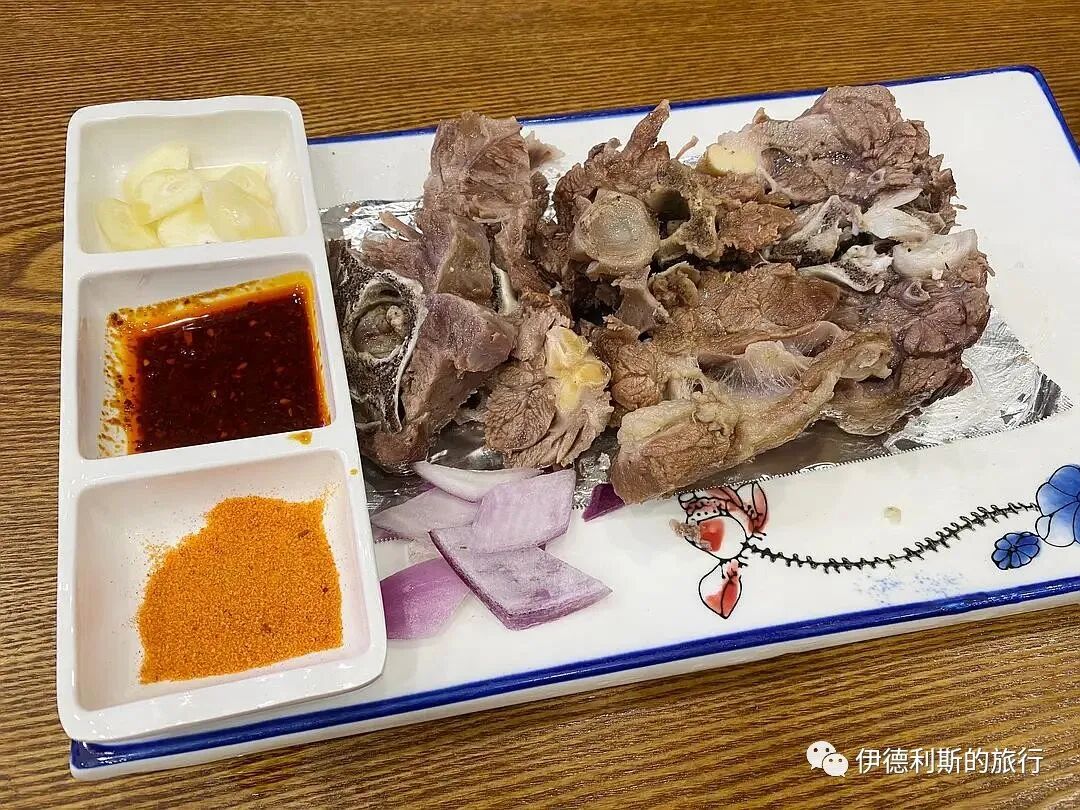
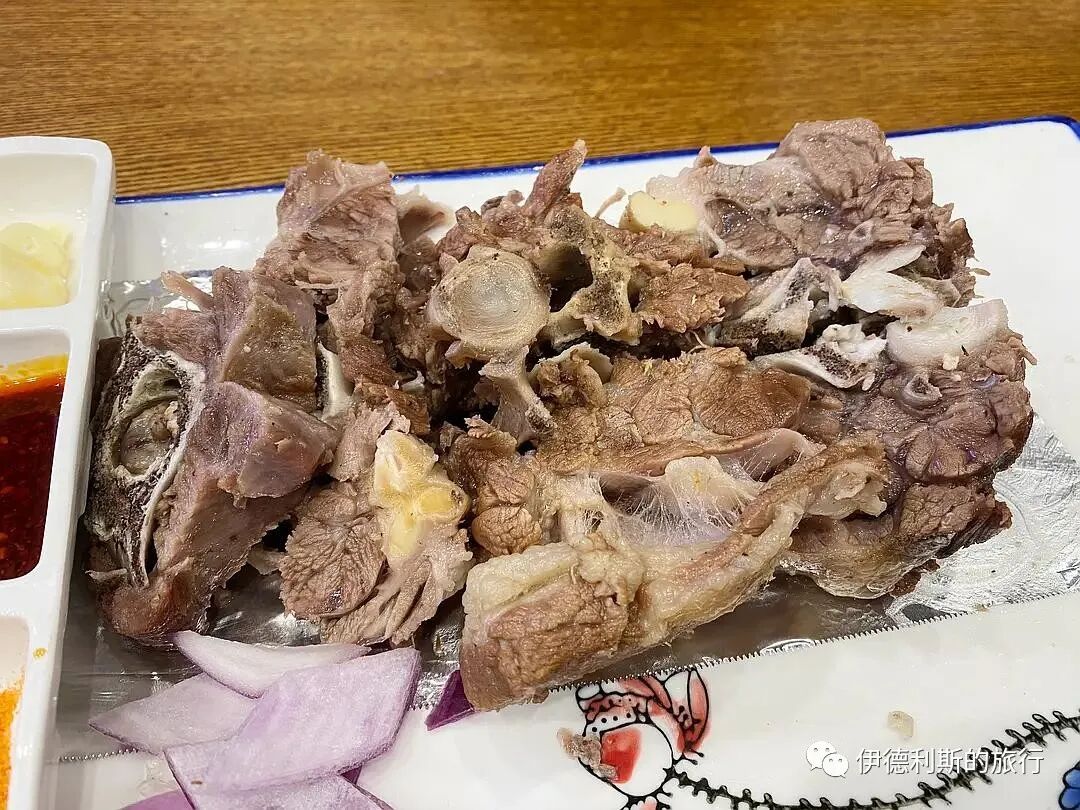
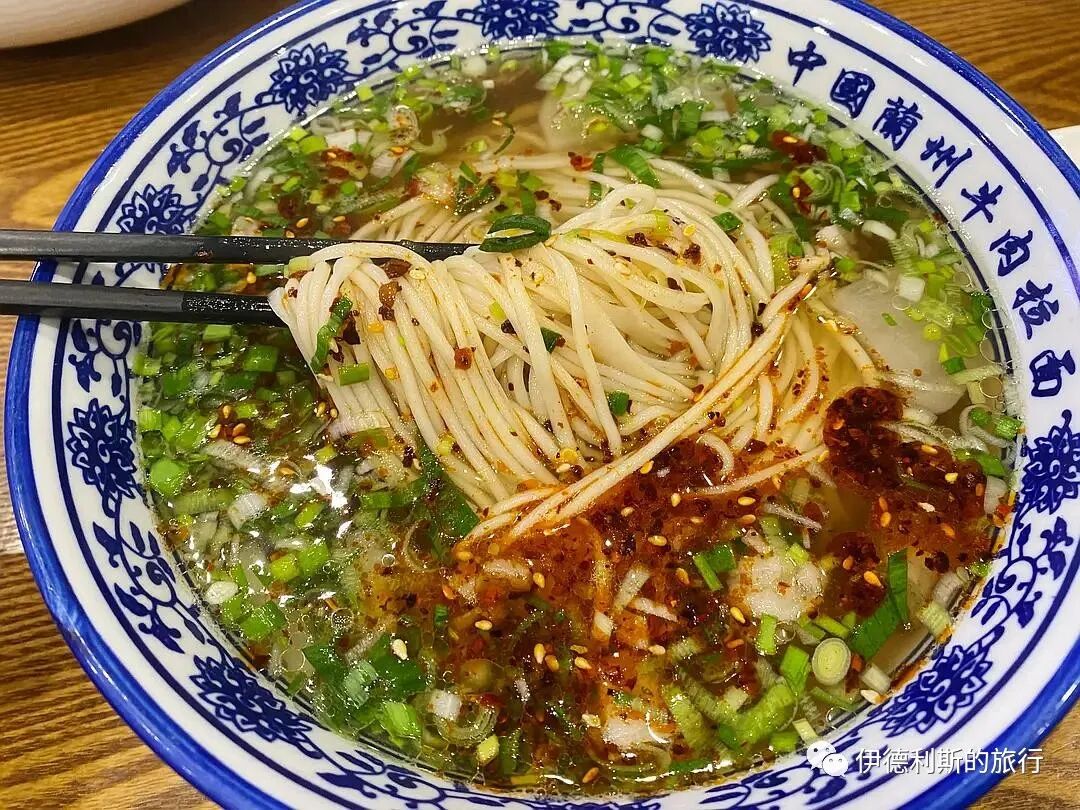
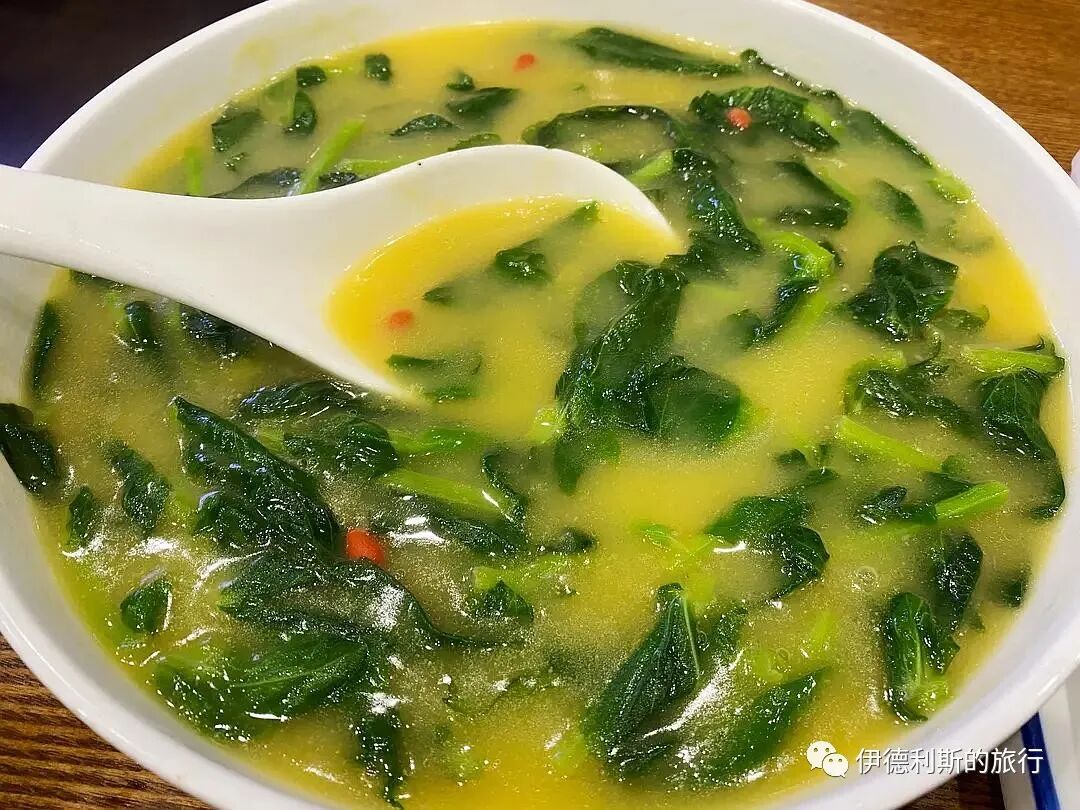
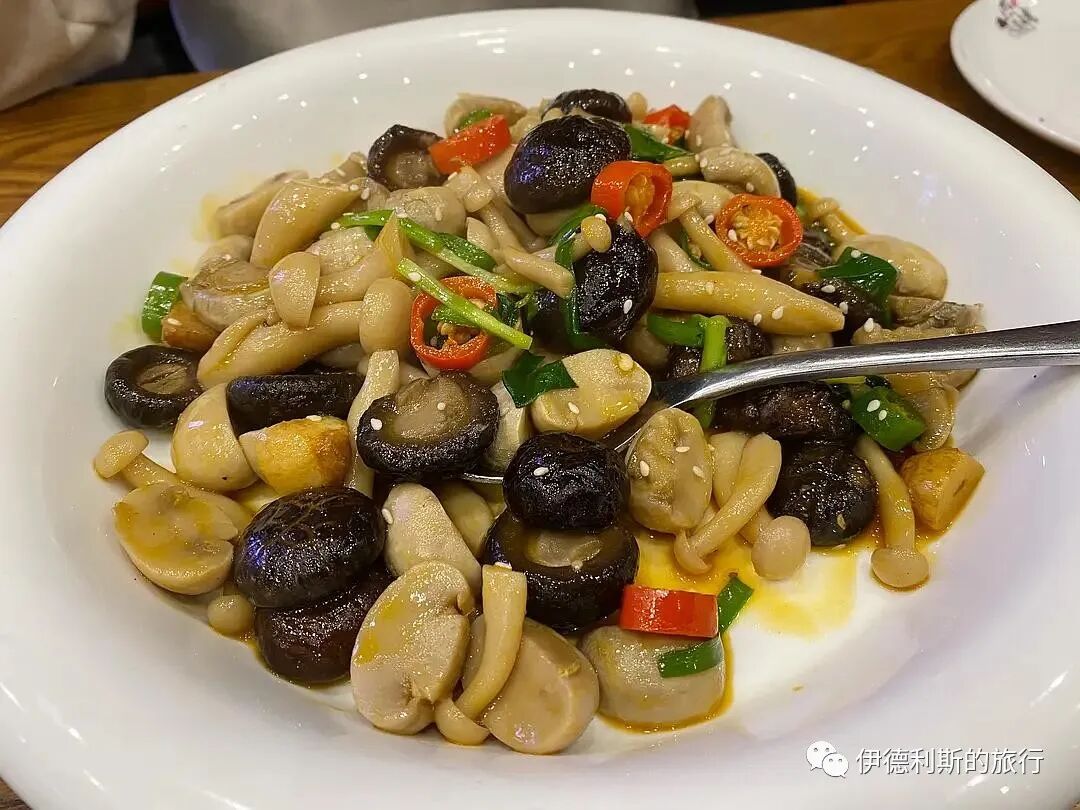
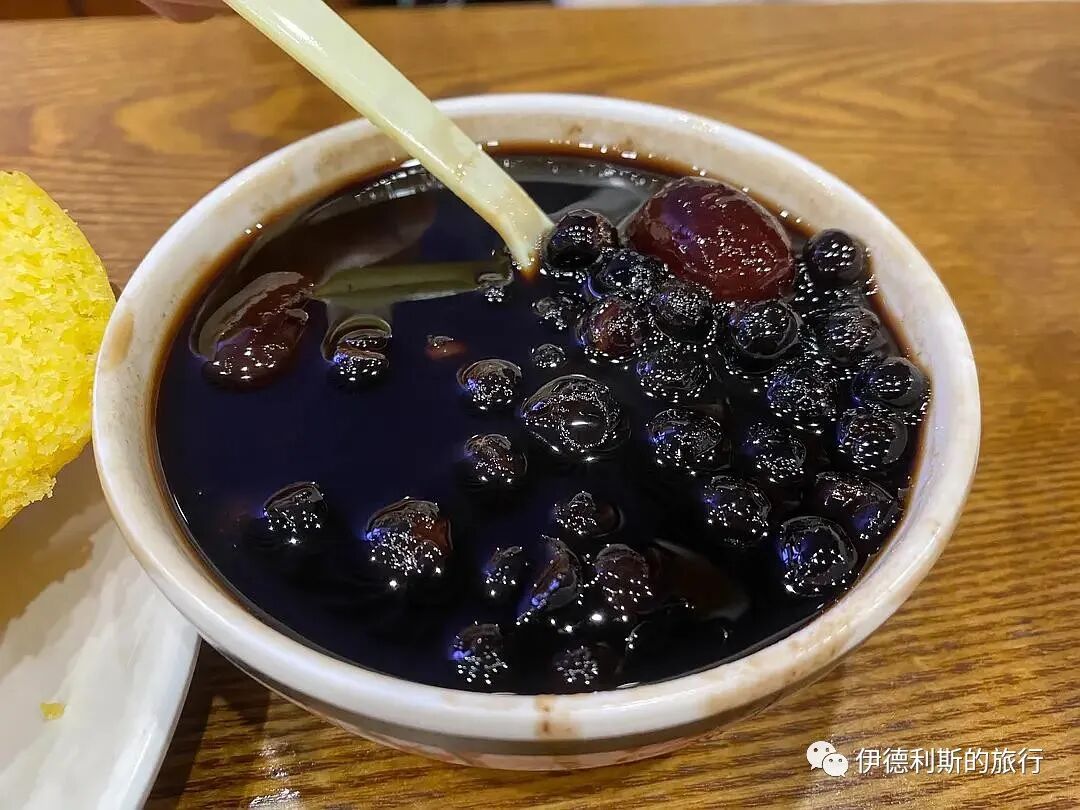
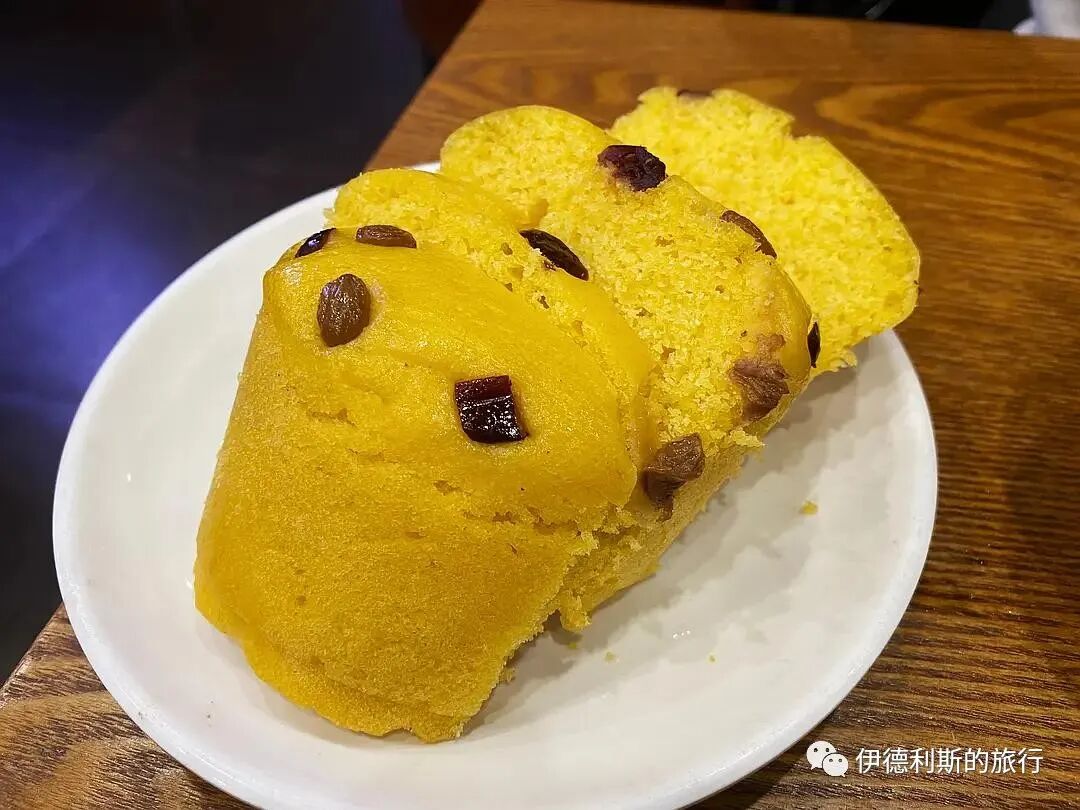
At Yanlanlou in Dongsishitiao, we ate a pound of lamb neck, hand-pulled noodles (lamian), sweet pea soup (huidouzi), three kinds of small mushrooms, pea sprout soup with beans, and corn steamed cake (fagao). I personally prefer their lamb neck because it is leaner than the rib meat. I think their meat is quite tender for Beijing standards! Of course, it still doesn't compare to the one I had at Fuyuan Noodle Restaurant in Yinchuan, which was the most tender lamb neck I have ever eaten.
Actually, every time I go to Yanlanlou, I order the lentil and sparrow-tongue noodles; the slightly sour, warm soup is perfect for winter, but this time I saw everyone at the next table eating hand-pulled noodles, so I got tempted and changed my order on the spot, haha. In the summer, I prefer their fermented vegetable noodles (jiangshuimian), as the fermented broth is very refreshing. They also serve sturgeon and mandarin fish made with fermented vegetable broth (jiangshui), though I am not sure how they taste.
Zainab likes their pea sprout soup with beans (doutang wandou miao), which is like a vegetable porridge and hard to find in other restaurants. We packed some corn steamed cake (yumi fagao) to take home, and it tastes even better when toasted in a pan the next day.
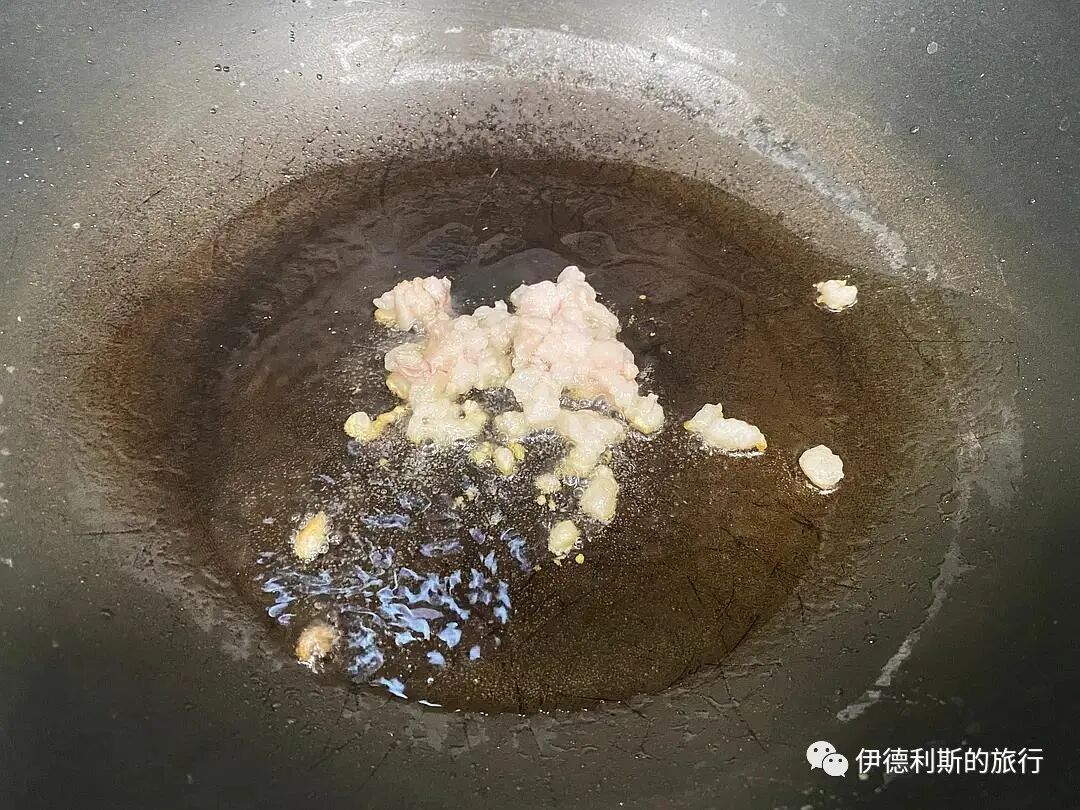
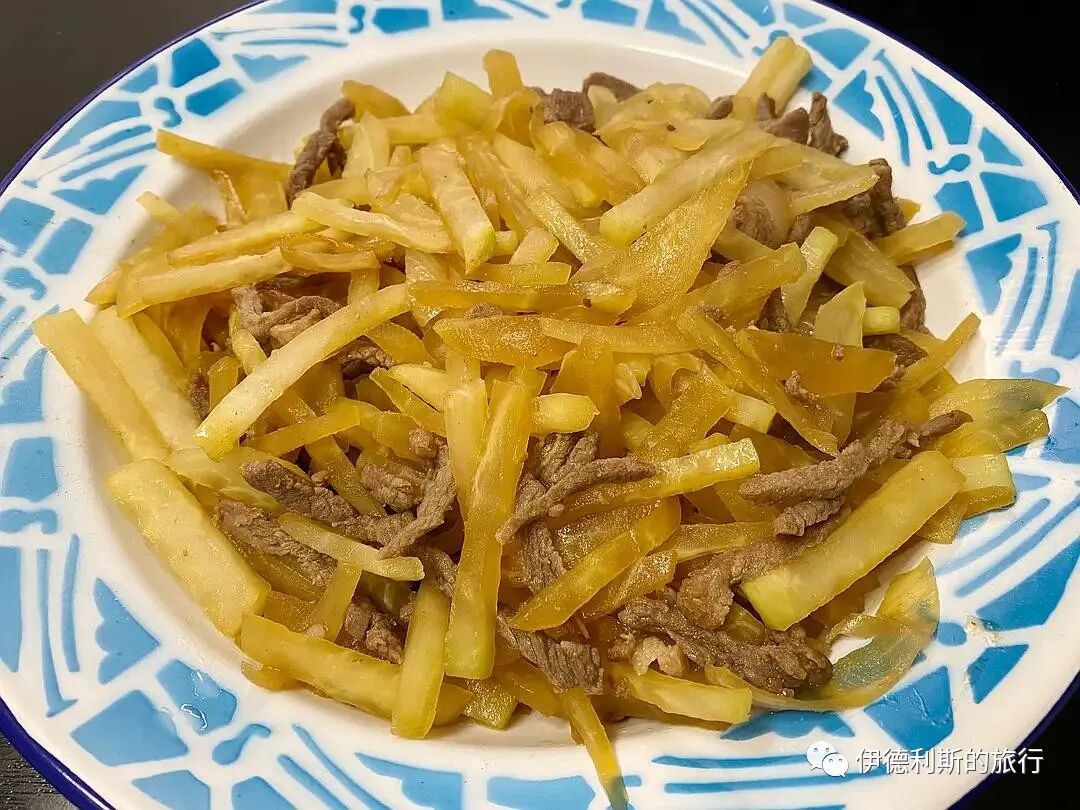
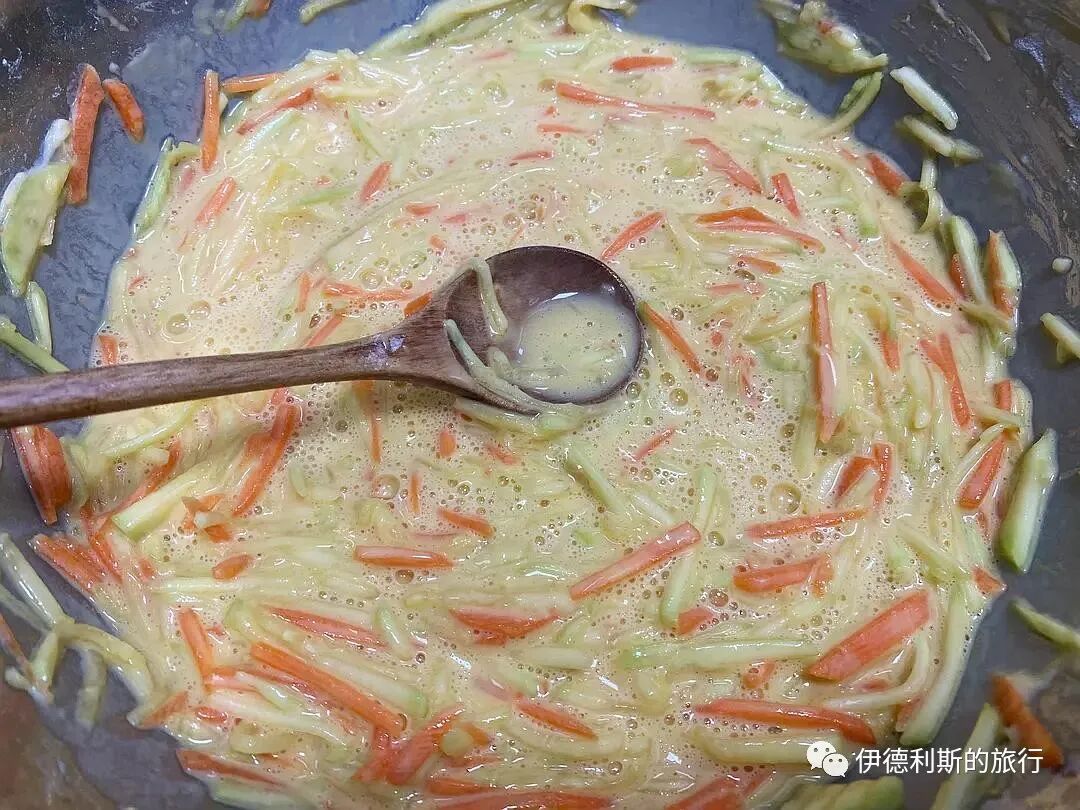
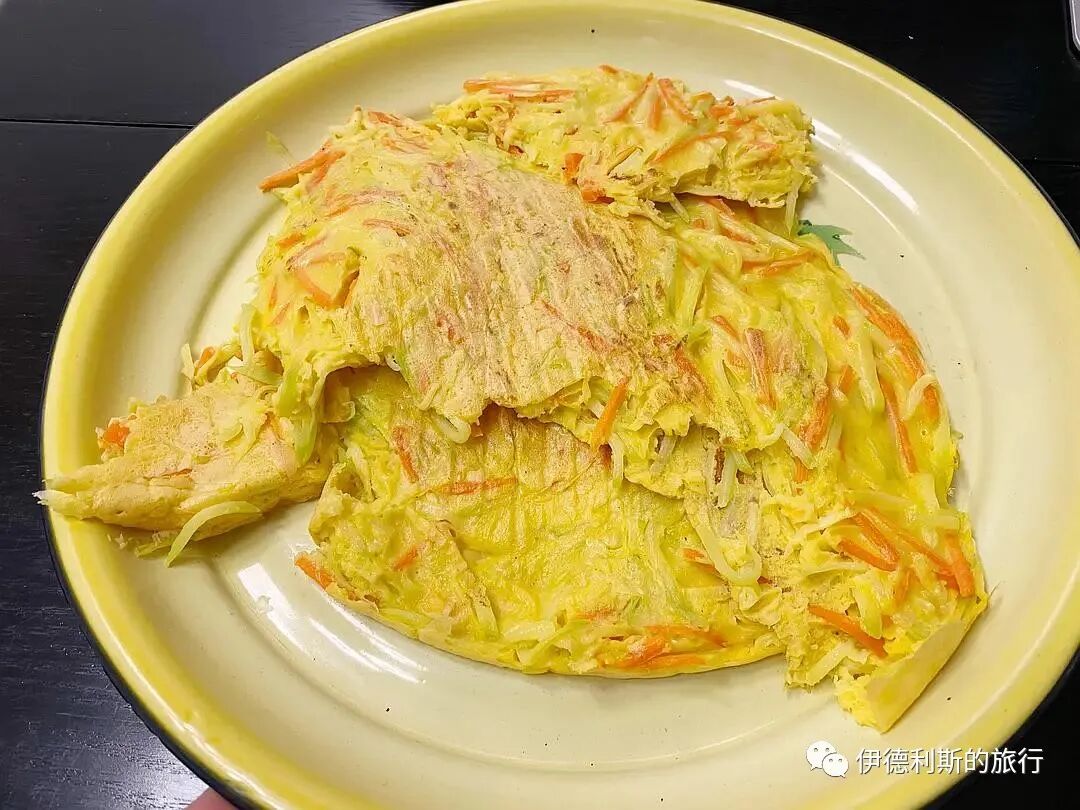
February 18: Made zucchini pancakes (hutazi) and stir-fried kohlrabi strips with meat at home.
I made zucchini pancakes (hutazi) and stir-fried kohlrabi strips with meat at home. The zucchini pancakes were a bit thick, but they still tasted good. The kohlrabi strips were stir-fried in lamb fat.
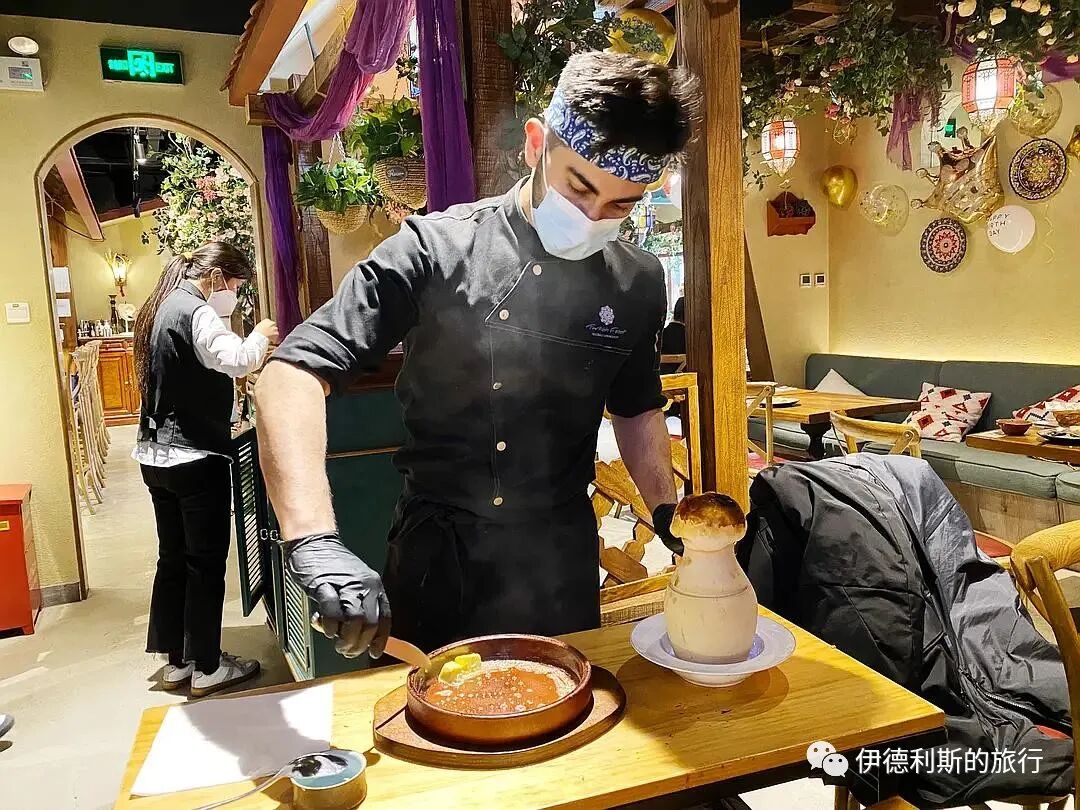
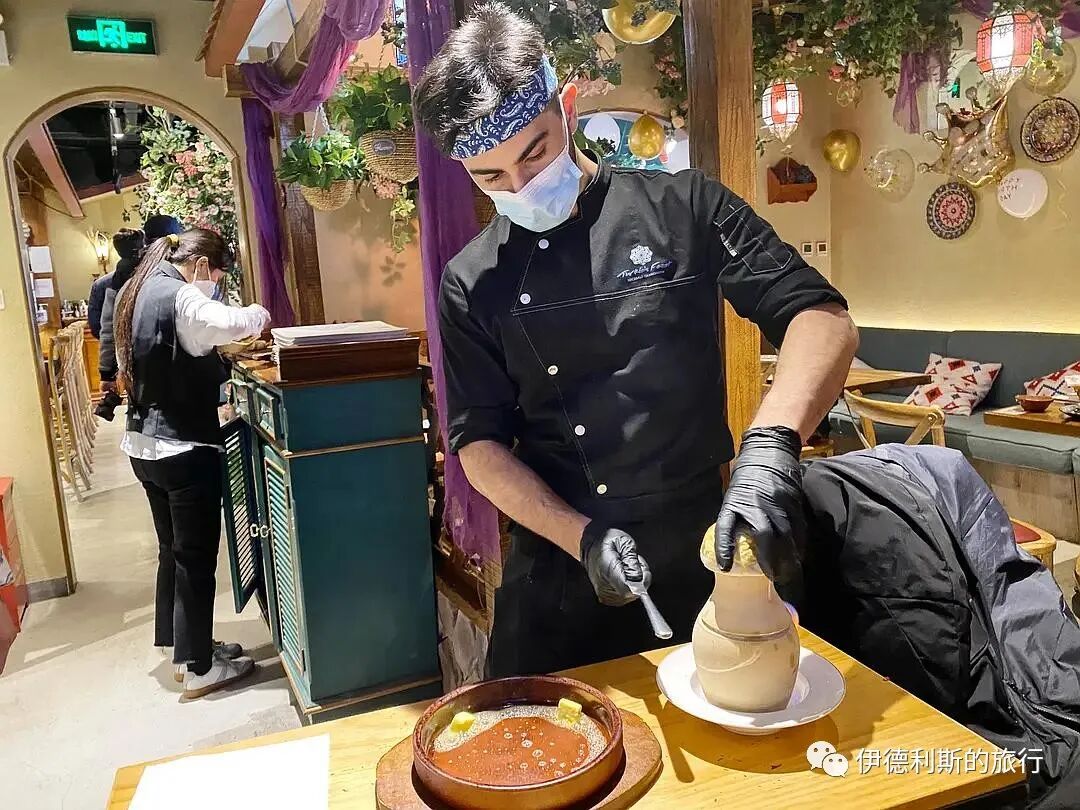
February 20: Turkish clay pot beef (Testikebabı) at Xiting Xiuse.
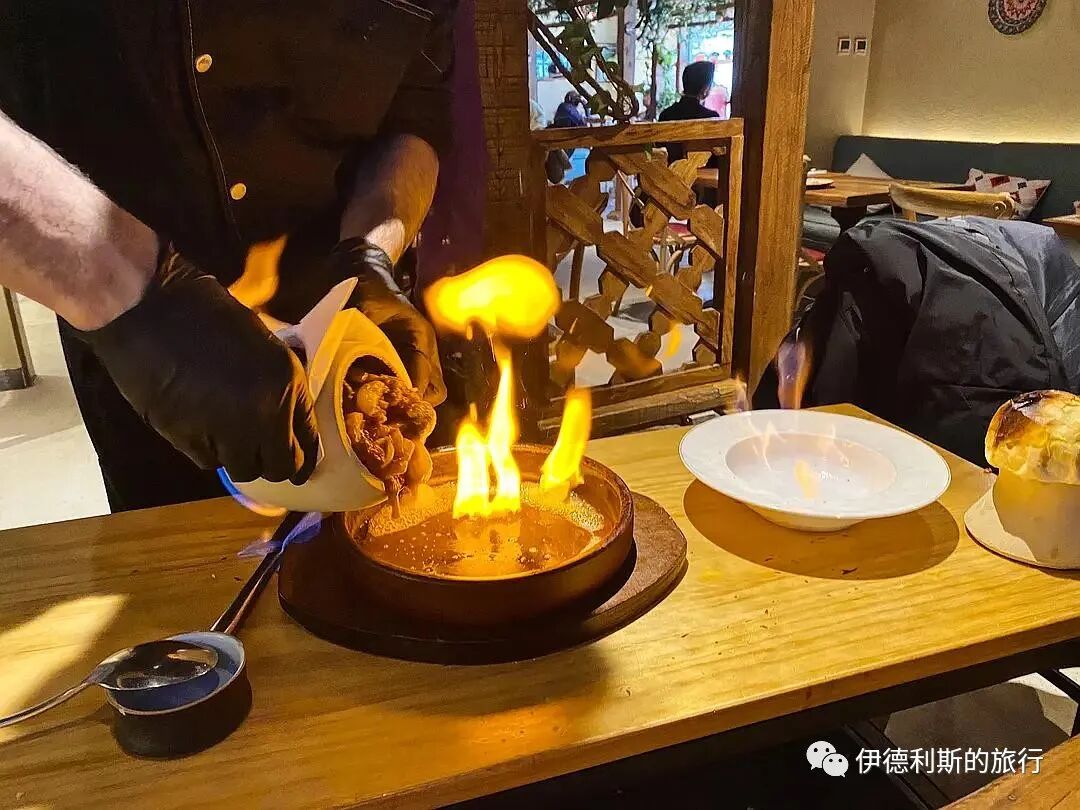
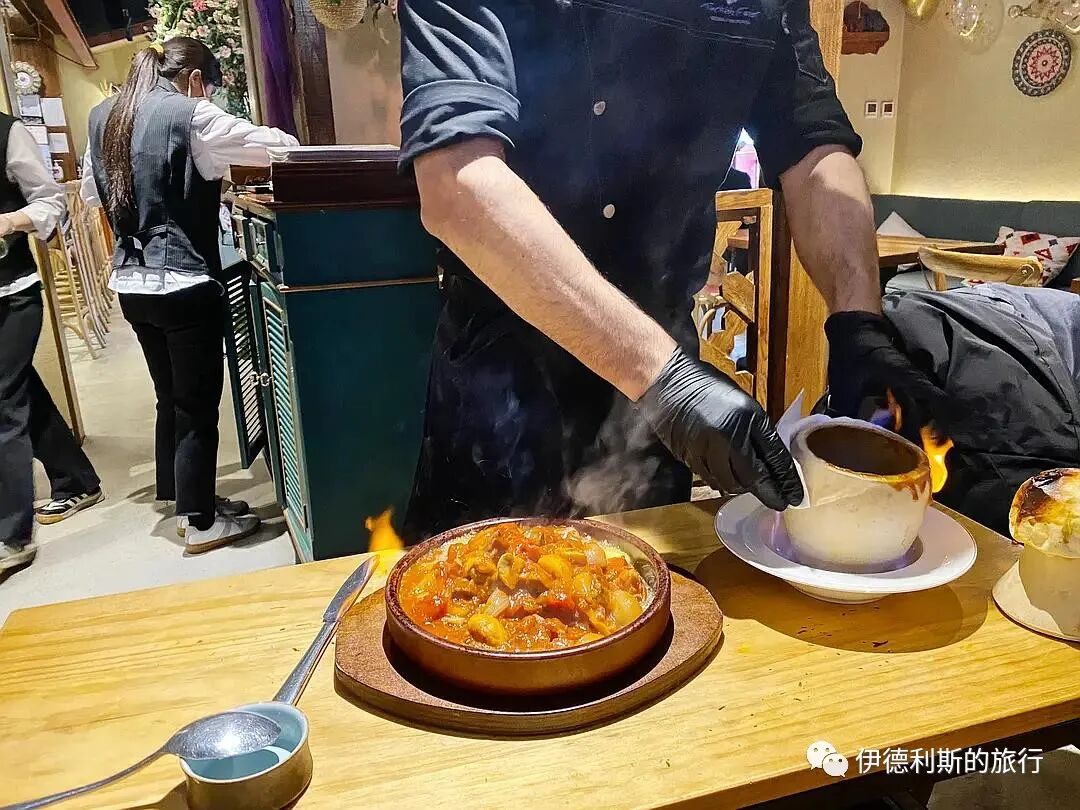
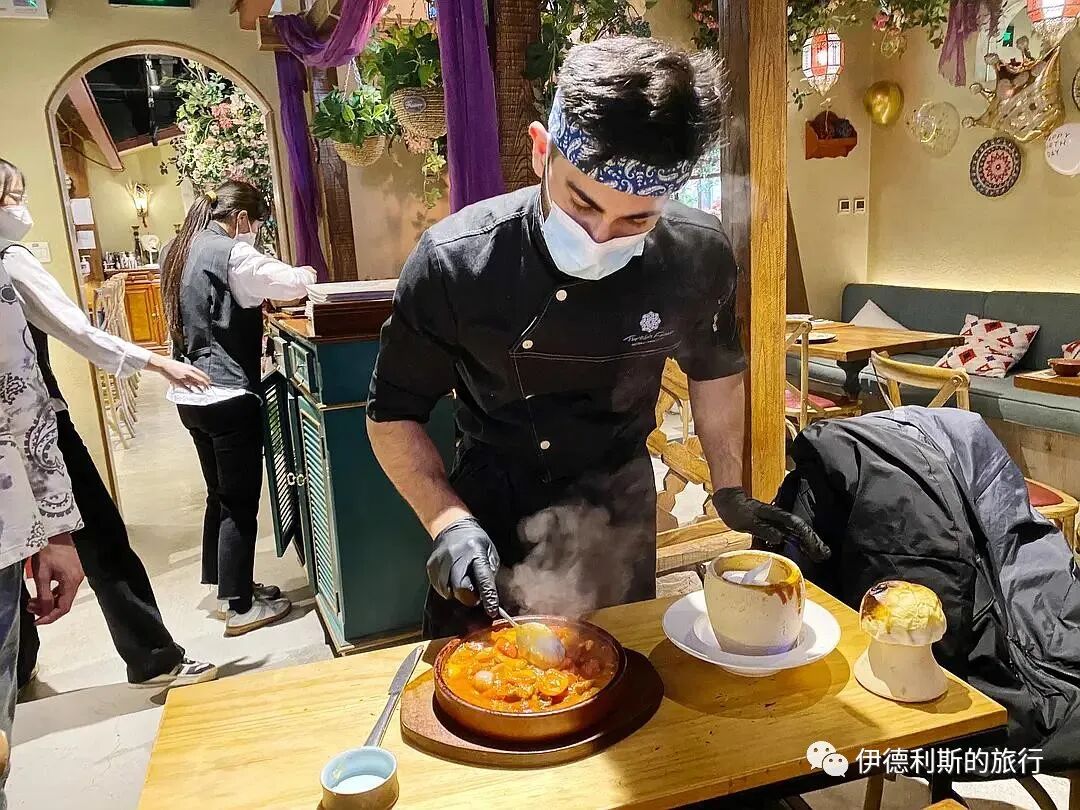
We had Turkish clay pot beef (Testikebabı) for lunch at Xiting Xiuse. The chef cracked the pot open when serving, just like when I last had it in Istanbul!
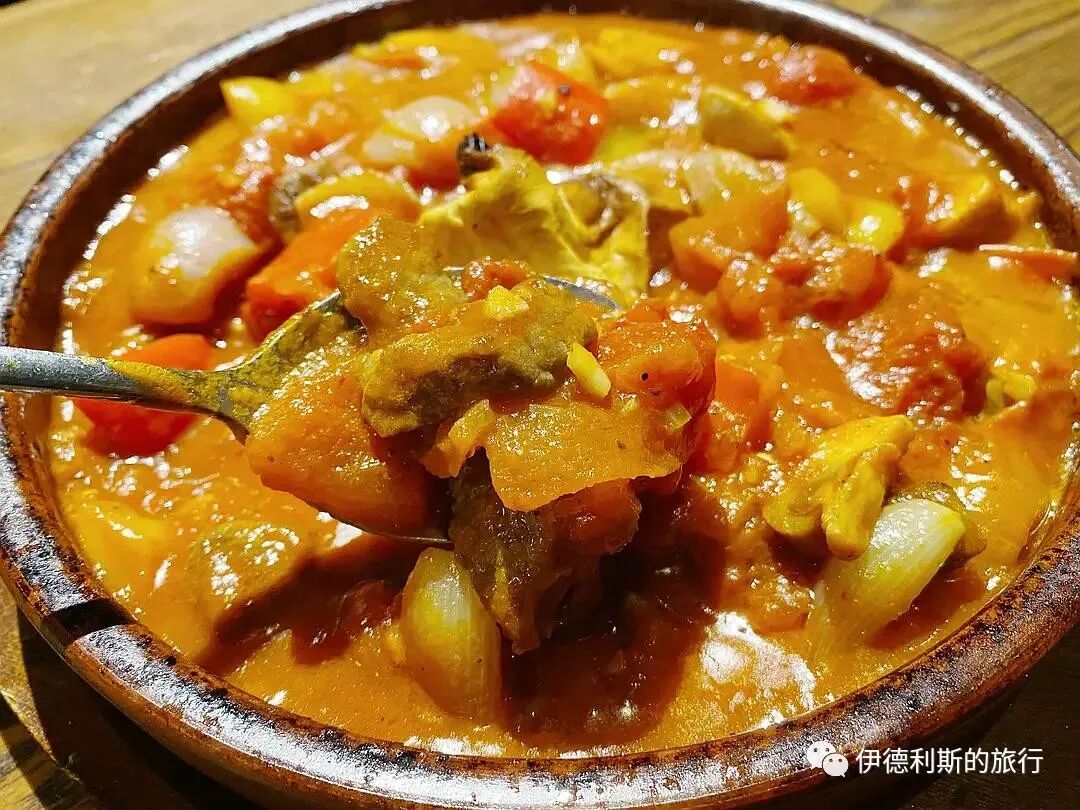
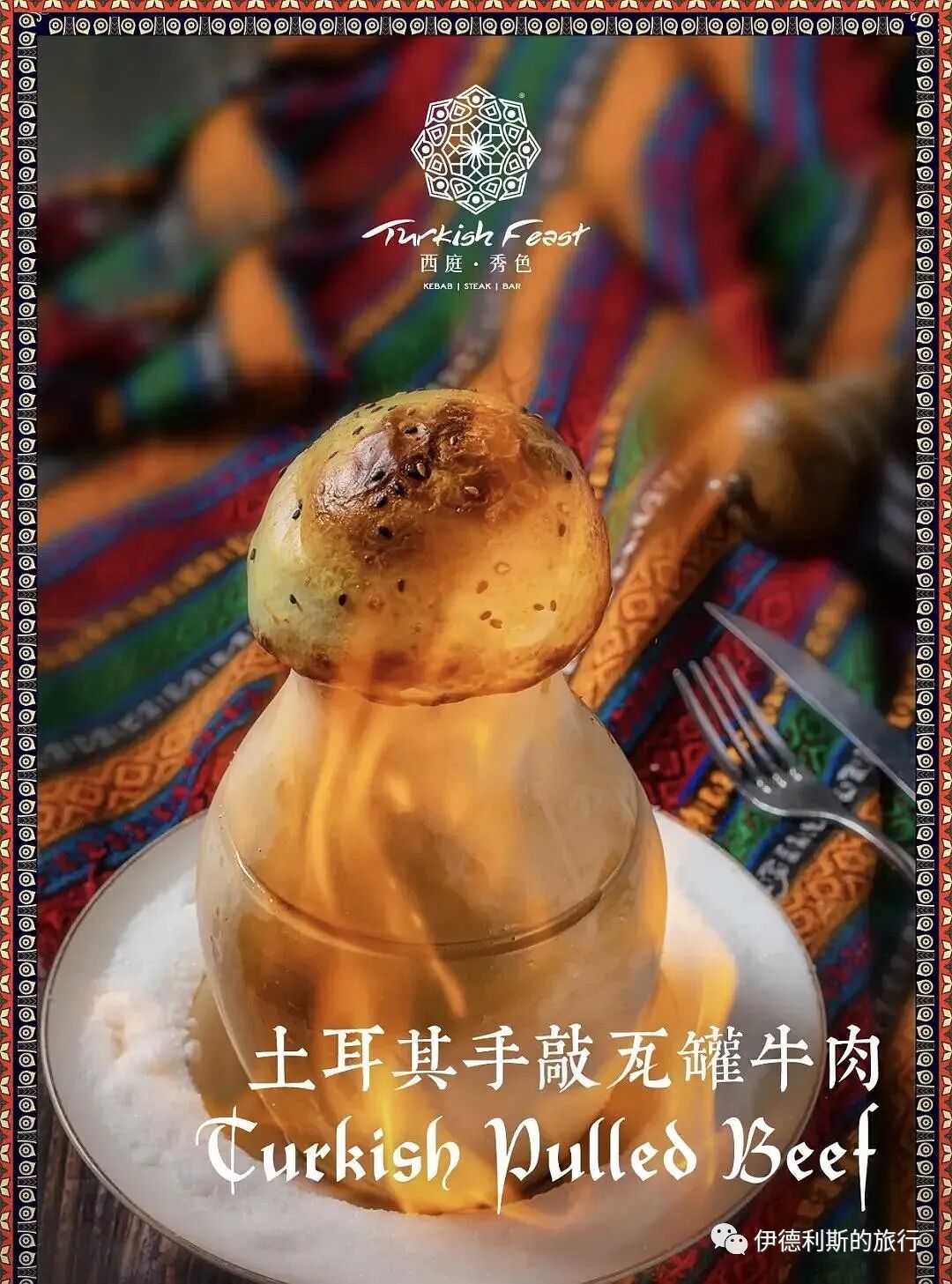
Testikebabı is a popular dish in central Anatolia and the western Black Sea region. It is made by putting beef, mushrooms, tomatoes, and shallots into a clay pot, sealing the opening with bread, and slow-cooking it in an oven. After it is cooked, they heat butter on an iron plate, crack the pot open, and pour the bread and stew onto the plate. It smells amazing!
Zainab and I both love Testikebabı. The tomato flavor is so rich, and it is delicious dipped with bread. The beef is quite lean, so those who prefer a mix of fat and lean meat might find it a bit dry.
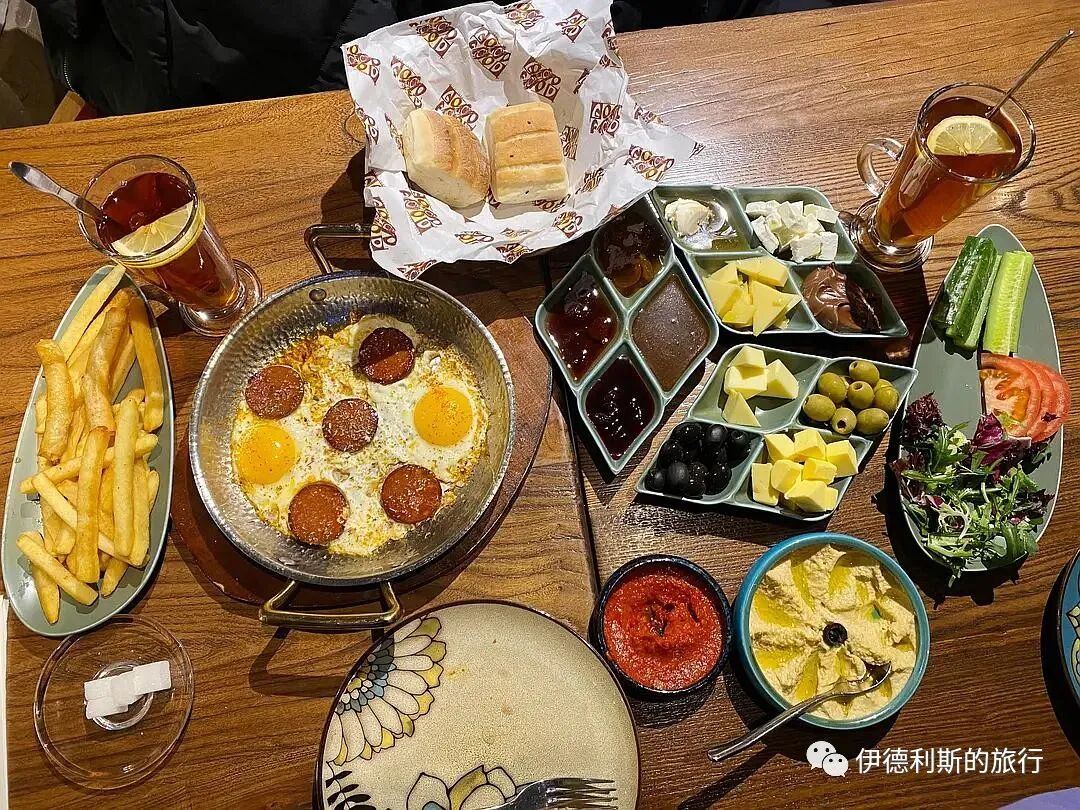
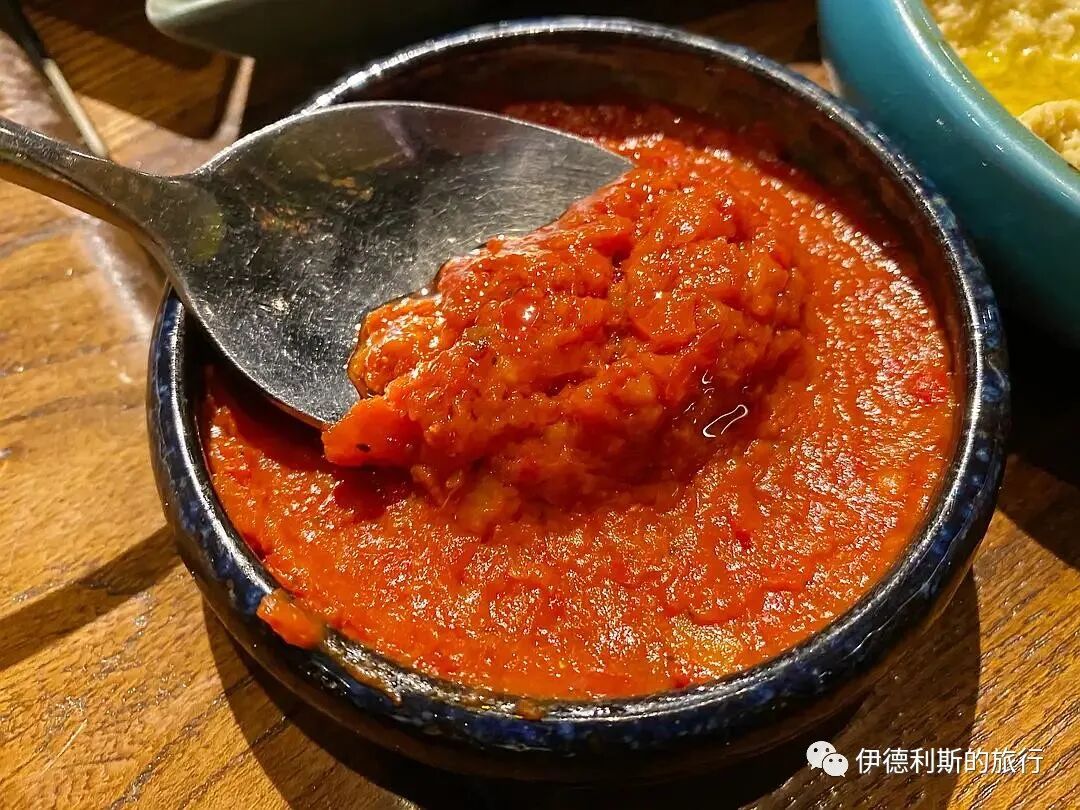
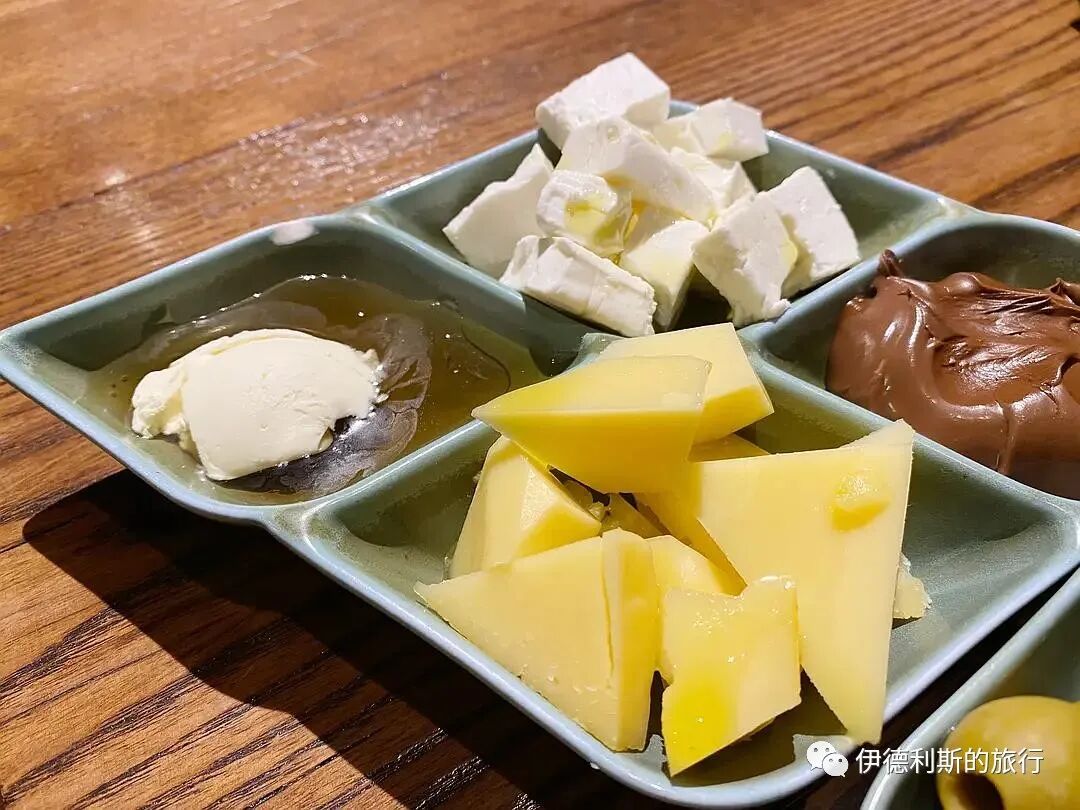
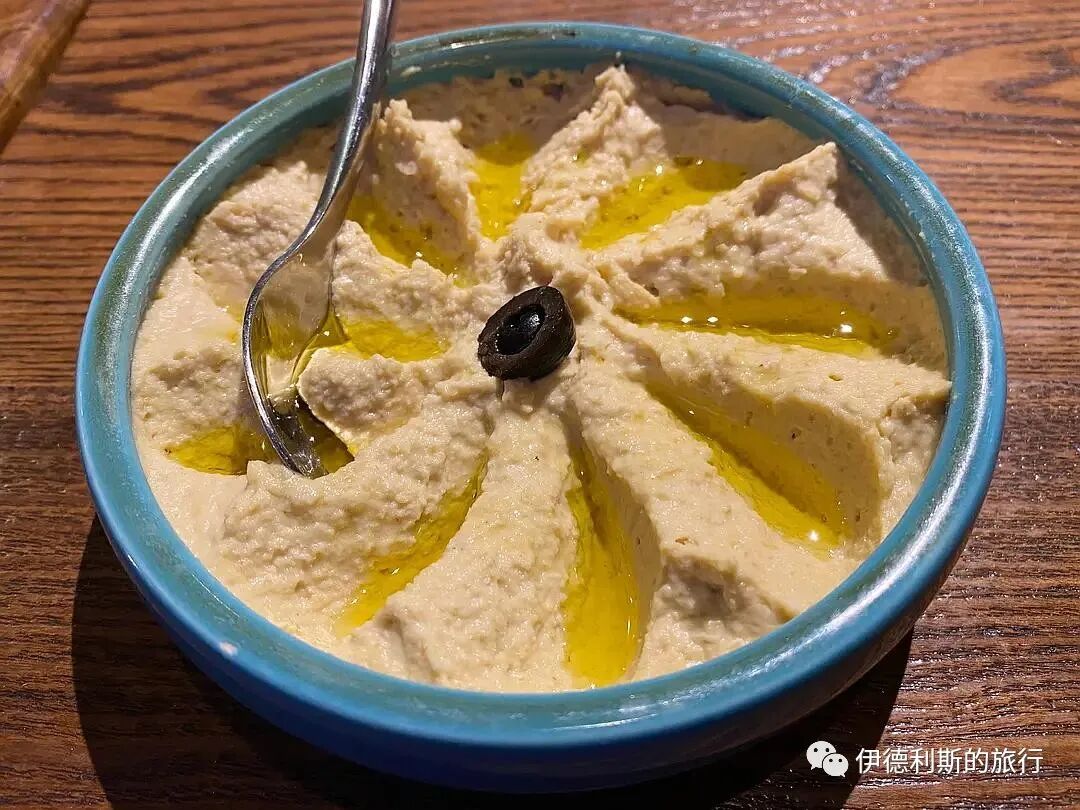
We had a very rich Turkish brunch at Xiting Xiuse, and Zainab ordered her favorite chickpea dip (Hummus).
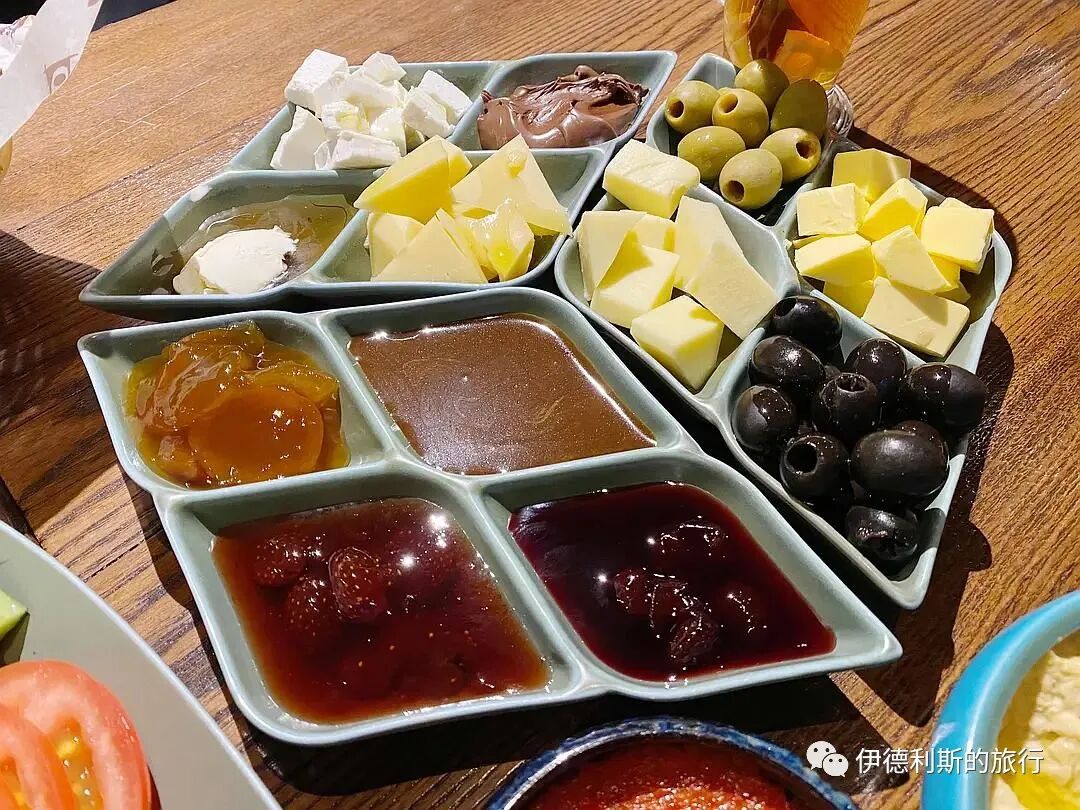
There were four types of cheese: Greek feta sheep milk cheese, Turkish Tulum goat milk cheese, Turkish Eski kaşar sheep and goat milk blend, and southern Italian Mozzarella buffalo milk cheese.
In Turkish, Tulum refers to cheese aged inside a goat skin. The traditional method involves stuffing the cheese into a goat skin, tying it tightly with rope, and keeping it in a cellar or cave at 10-12 degrees for up to 6 months. Eski kaşar is a hard yellow cheese that can be stored for up to 3 years after air-drying.
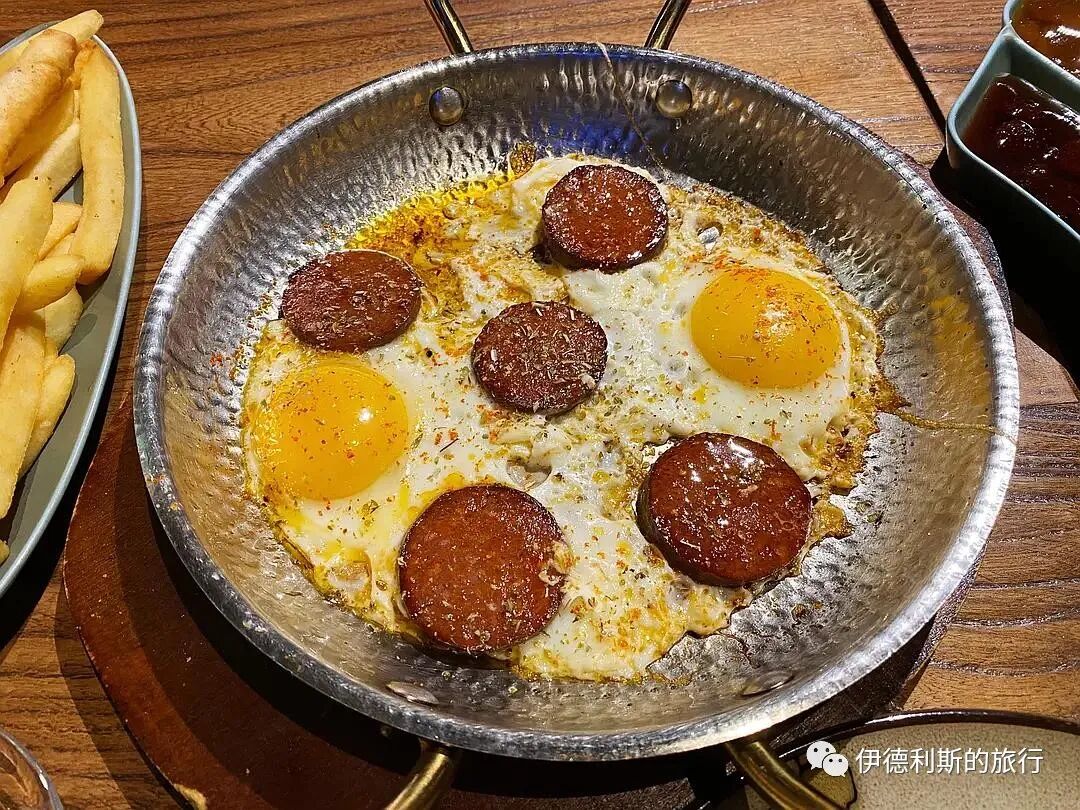
Then there were 3 types of Turkish jam, 2 types of Turkish olives, sesame paste (Tahini), grape molasses (Pekmez), clotted cream (Kaymak), Turkish honey, Turkish fried spring rolls (Sigara Böreği), Turkish beef sausage with eggs (Sucuklu yumurta), bread, cucumbers, and other dishes.
Tahini comes from Levantine Arabic and originally meant to grind. As the Ottoman Empire expanded, this sesame paste spread to the eastern Mediterranean, southern Caucasus, and North Africa, becoming a common bread dip in Middle Eastern restaurants. In Turkey, sesame paste (Tahini) is usually served with grape molasses (Pekmez). Pekmez comes from a Turkic language and first appeared in the Compendium of the Turkic Dialects written by Mahmud al-Kashgari in the 1070s. Pekmez is a syrup made by boiling grapes with crushed carob seeds, sometimes with added pomegranate or mulberry.
The word Kaymak comes from a Turkic language and originally meant to melt, also appearing first in the Compendium of the Turkic Dialects. Kaymak is made by simmering milk for 2 hours, then letting it cool and ferment for several days, resulting in a milk fat content as high as 60%.
The sujuk in sujuklu yumurta first appeared in the Compendium of the Turkic Dialects. It is made by grinding beef, adding tail fat and other fats, stuffing it into casings, tying it with string, and then letting it ferment slowly.
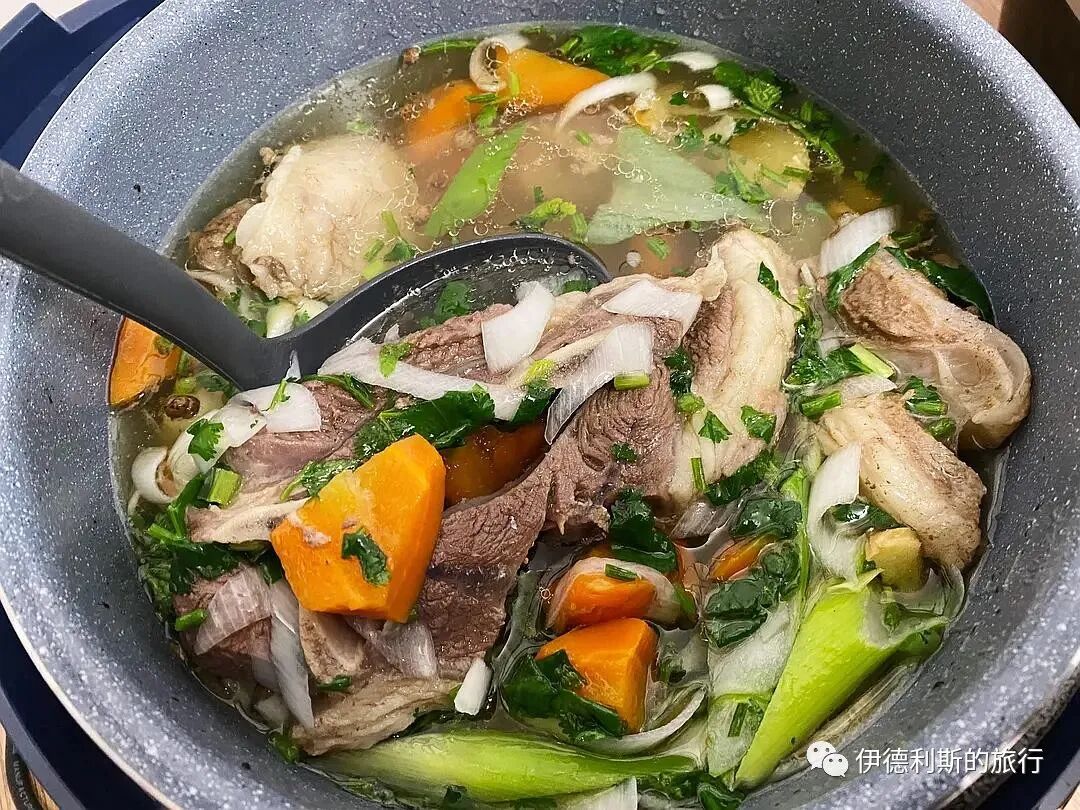
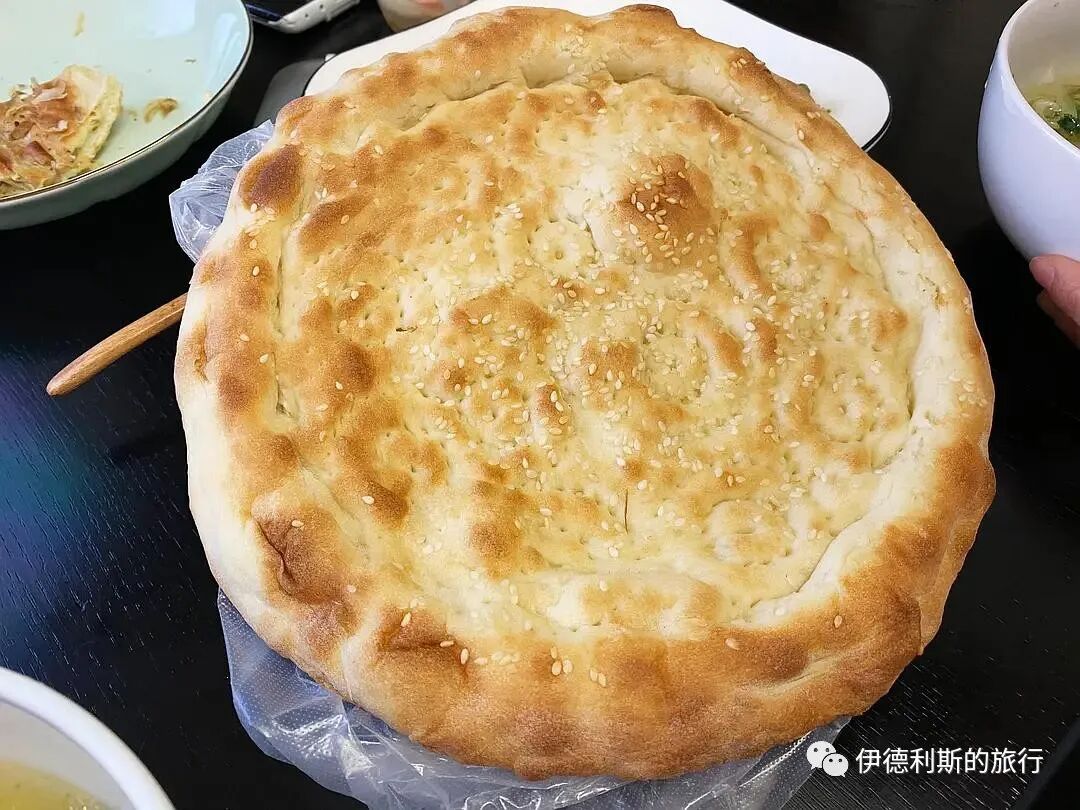
February 25: Mother-in-law's huoldun.
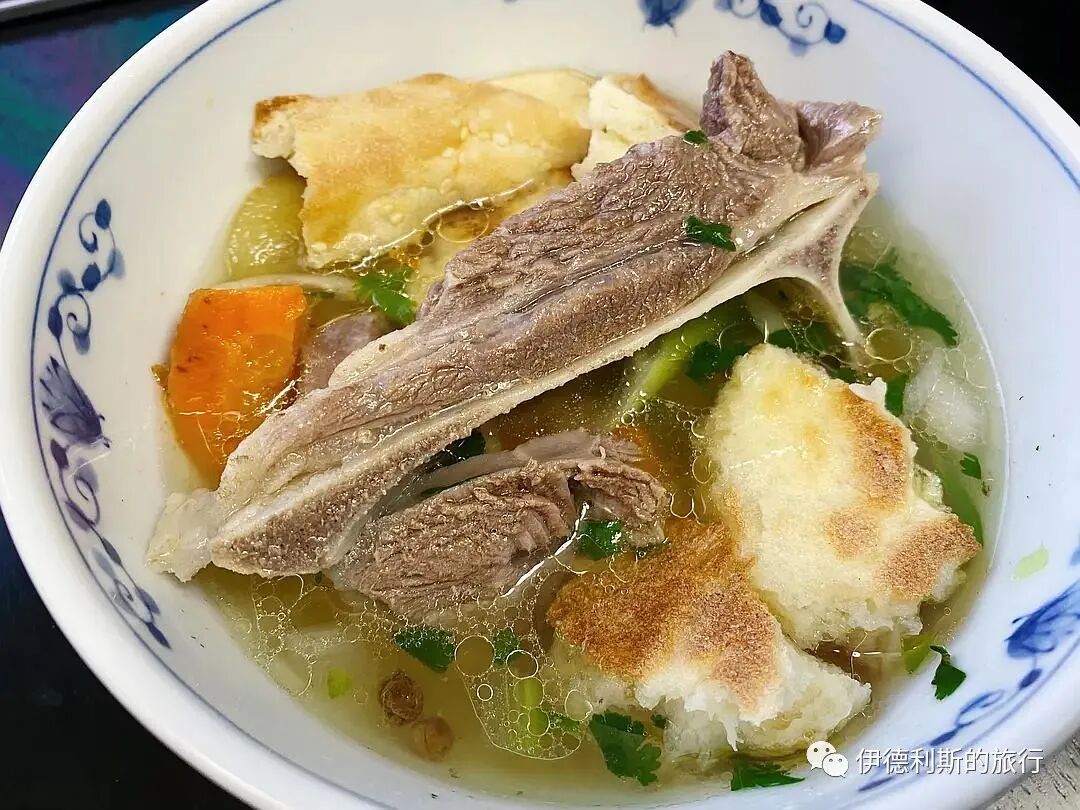
On my mother-in-law's first day in Beijing, we ate huoldun soaked in naan, made with a front leg of lamb she carried all the way from Urumqi!
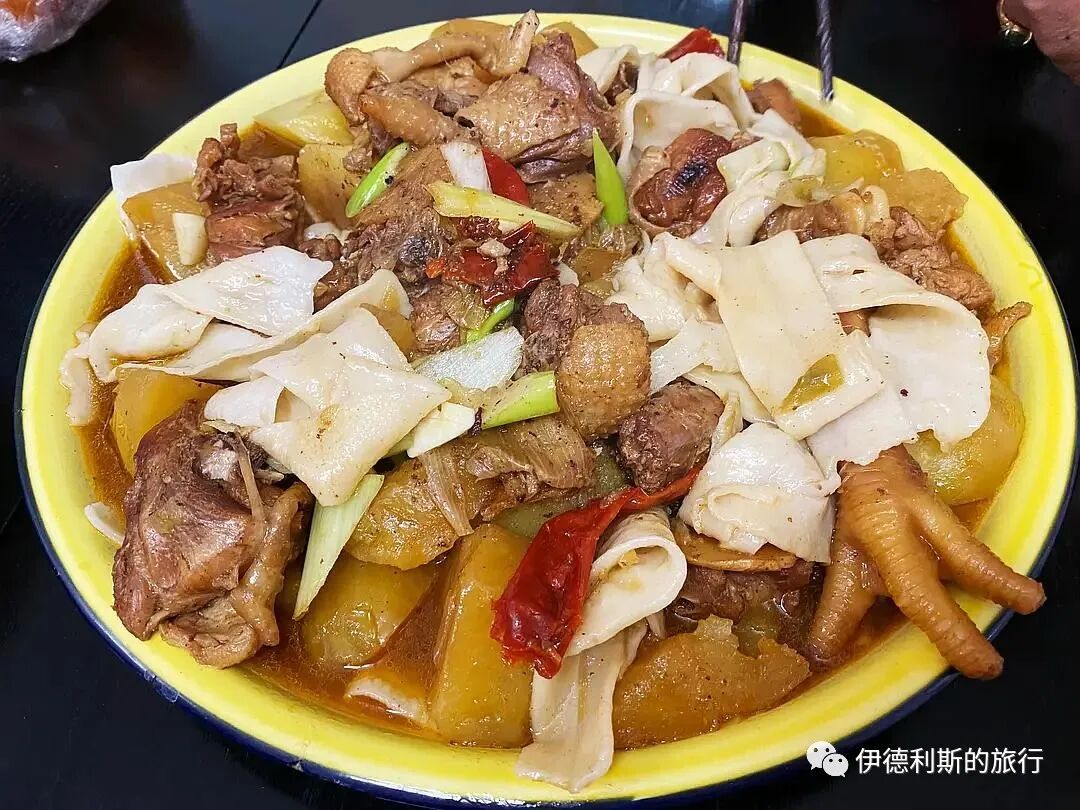
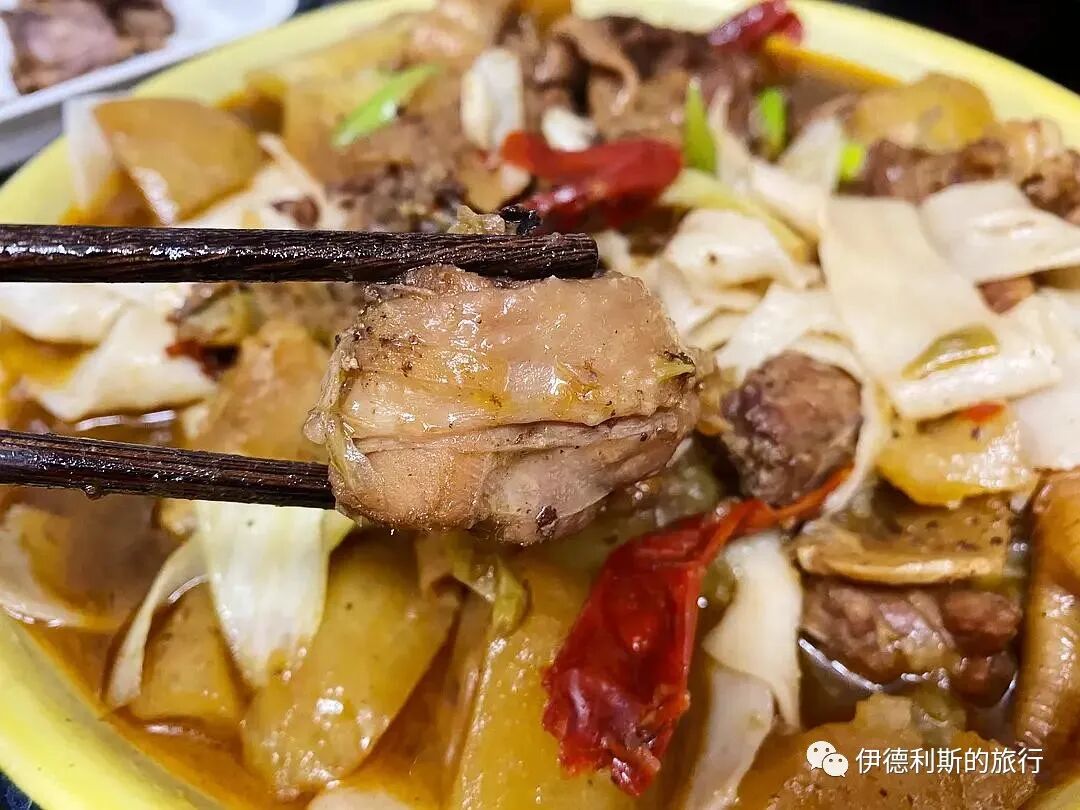
February 25: Mother-in-law's big plate chicken with belt noodles.
The second meal my mother-in-law made was big plate chicken with belt noodles (dapanji pidaimian). She brought the free-range chicken with her from Urumqi.
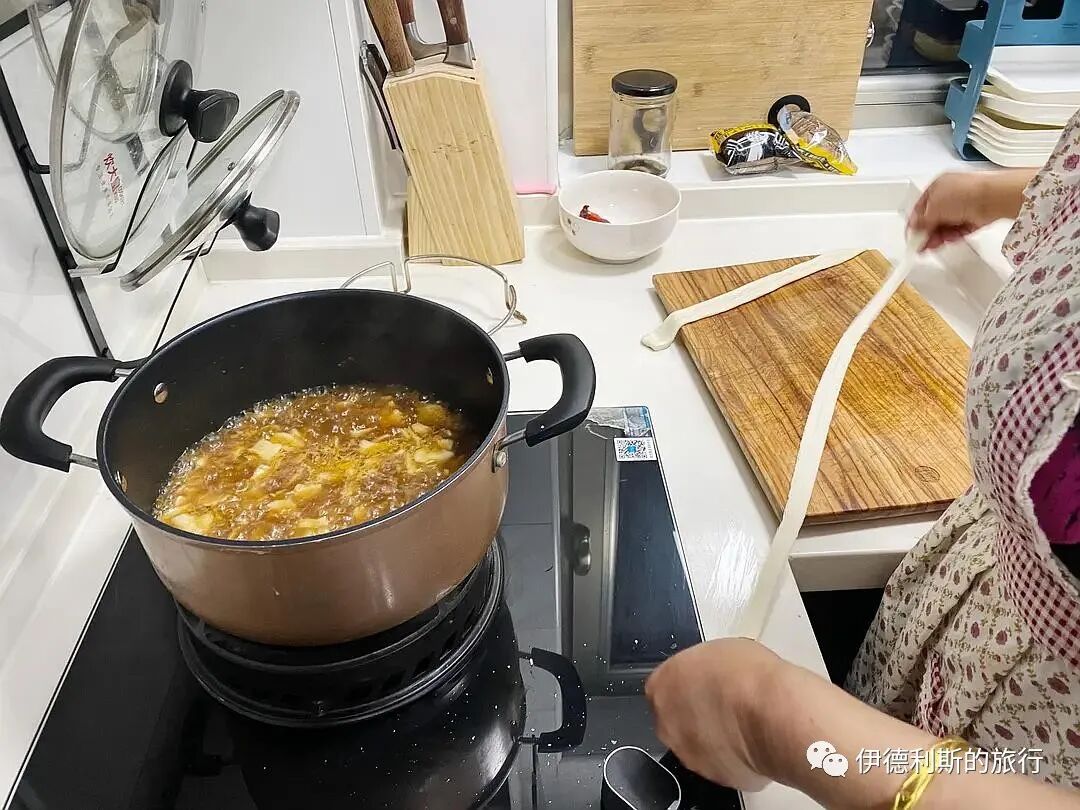
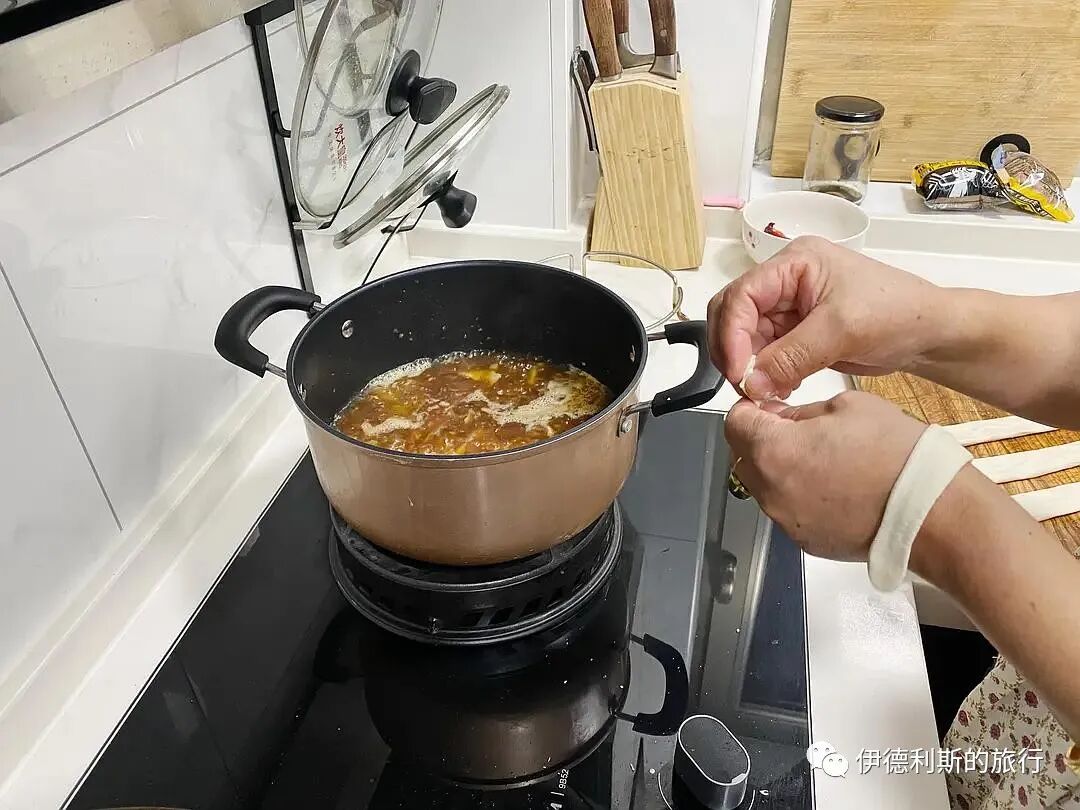
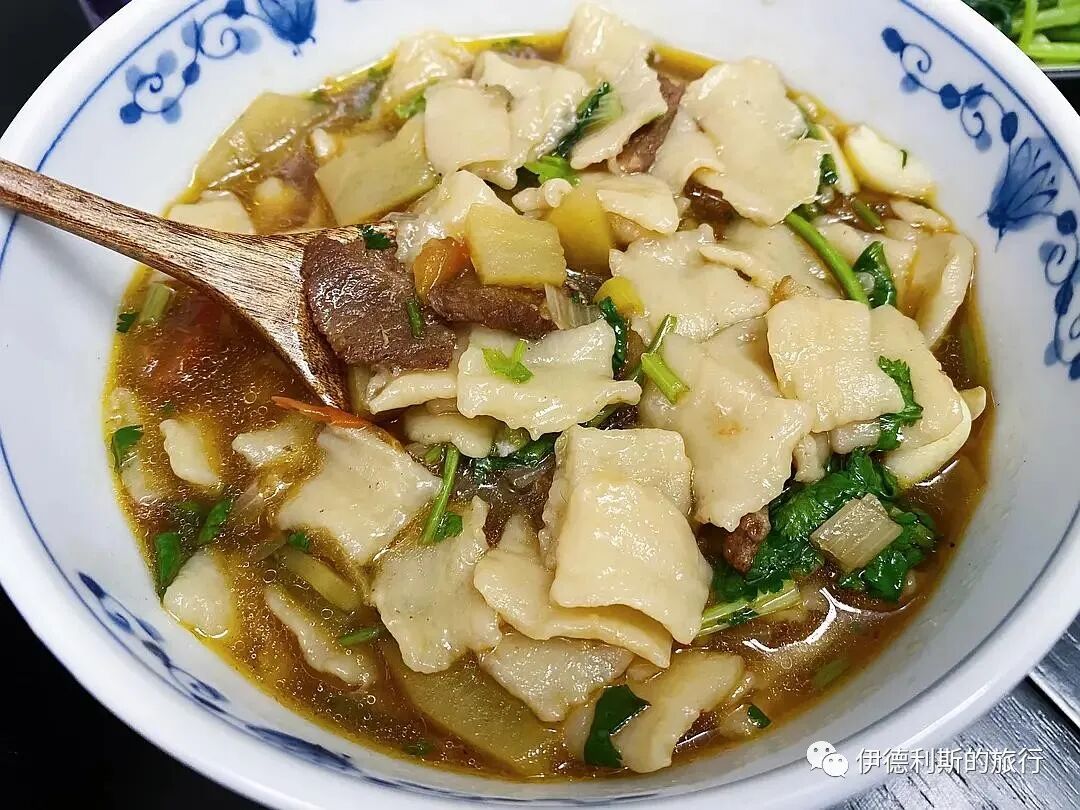
February 26: Mother-in-law's lamb hand-torn noodles.
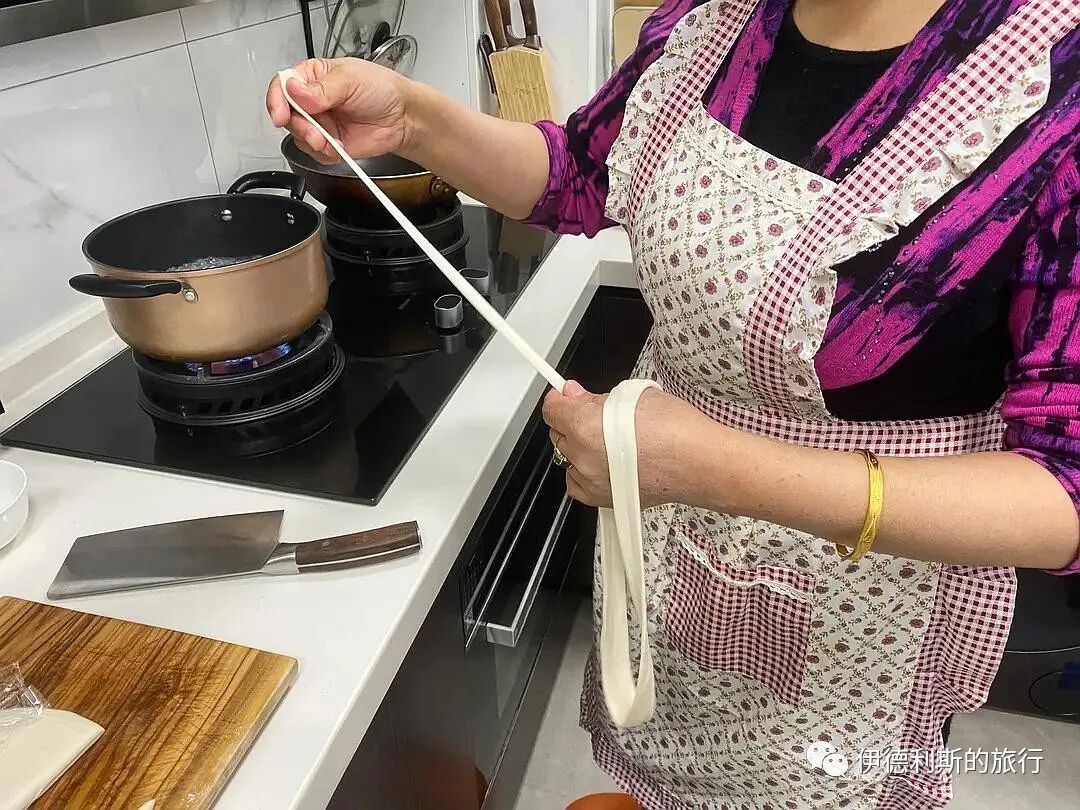
The third meal my mother-in-law made was lamb hand-torn noodles (jiupianzi).
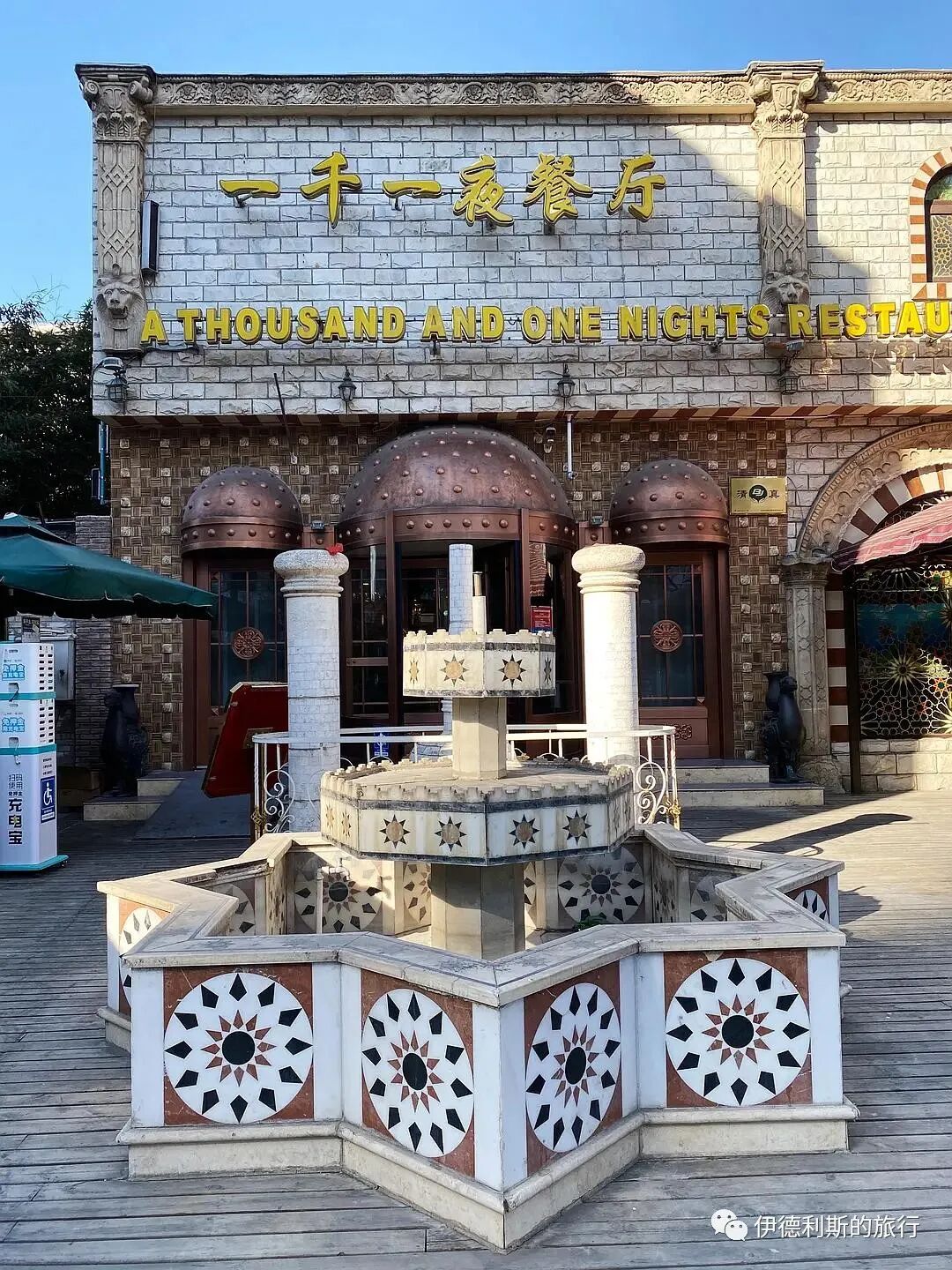
February 26: The Syrian restaurant One Thousand and One Nights in Sanlitun.
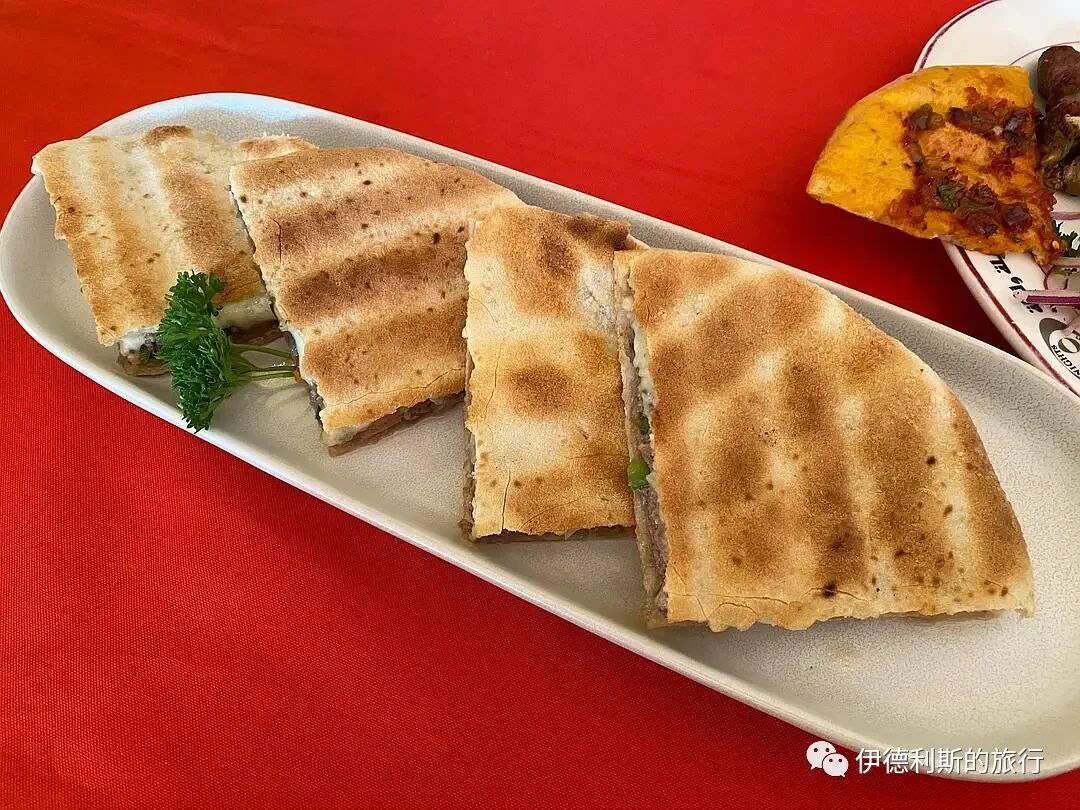
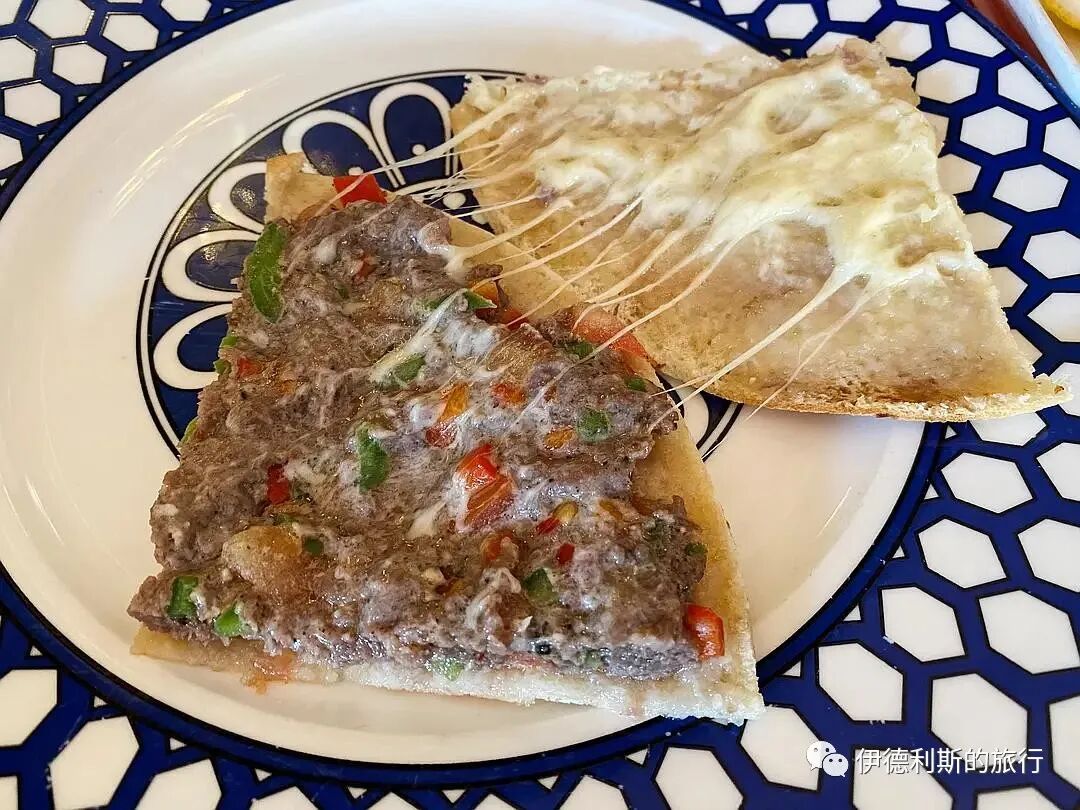
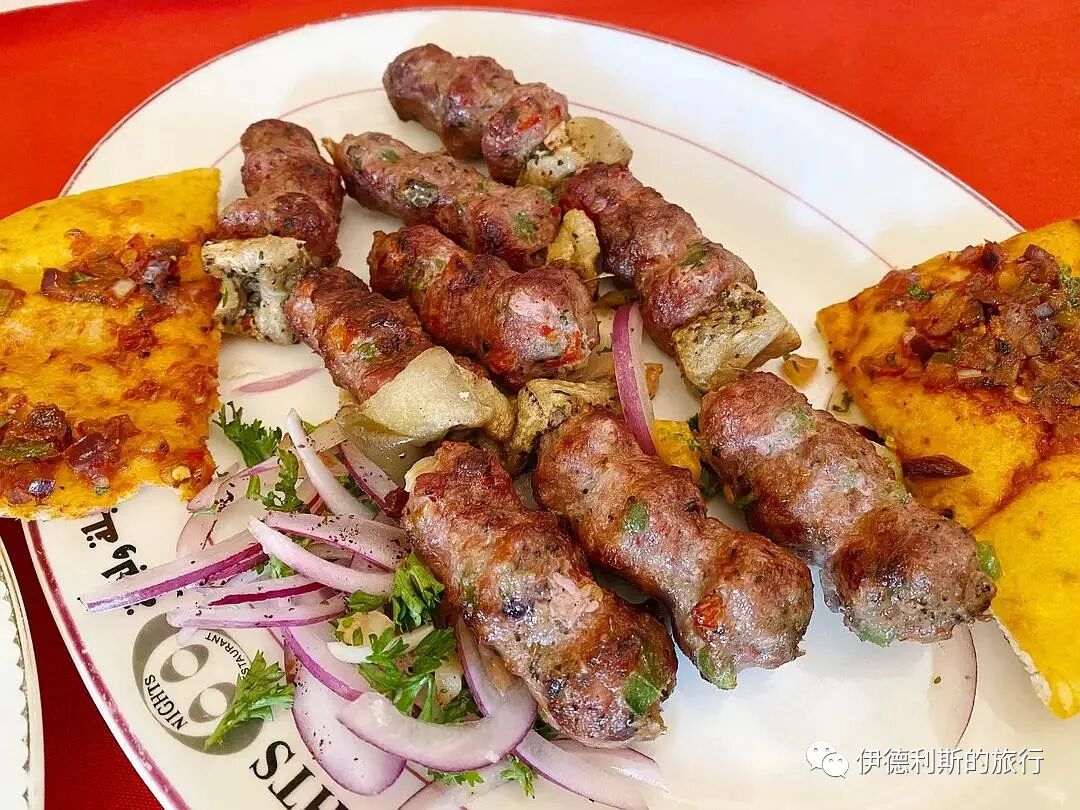
We ate the famous Syrian snack, Arais beef pies, at the Syrian restaurant One Thousand and One Nights in Sanlitun. Arais is known as a Syrian sandwich. It is made by stuffing pita bread with meat, brushing it with oil, and grilling it. The grilled pita bread is very crispy, and the meat filling is very tender. Arais comes in chicken, lamb, and beef versions, and sometimes cheese is added.
Arais is the plural form of the Arabic word for bride. People think this dish symbolizes a wedding between the white pita bread, like a wedding dress, and the meat filling, so brides in some places eat Arais at their weddings.
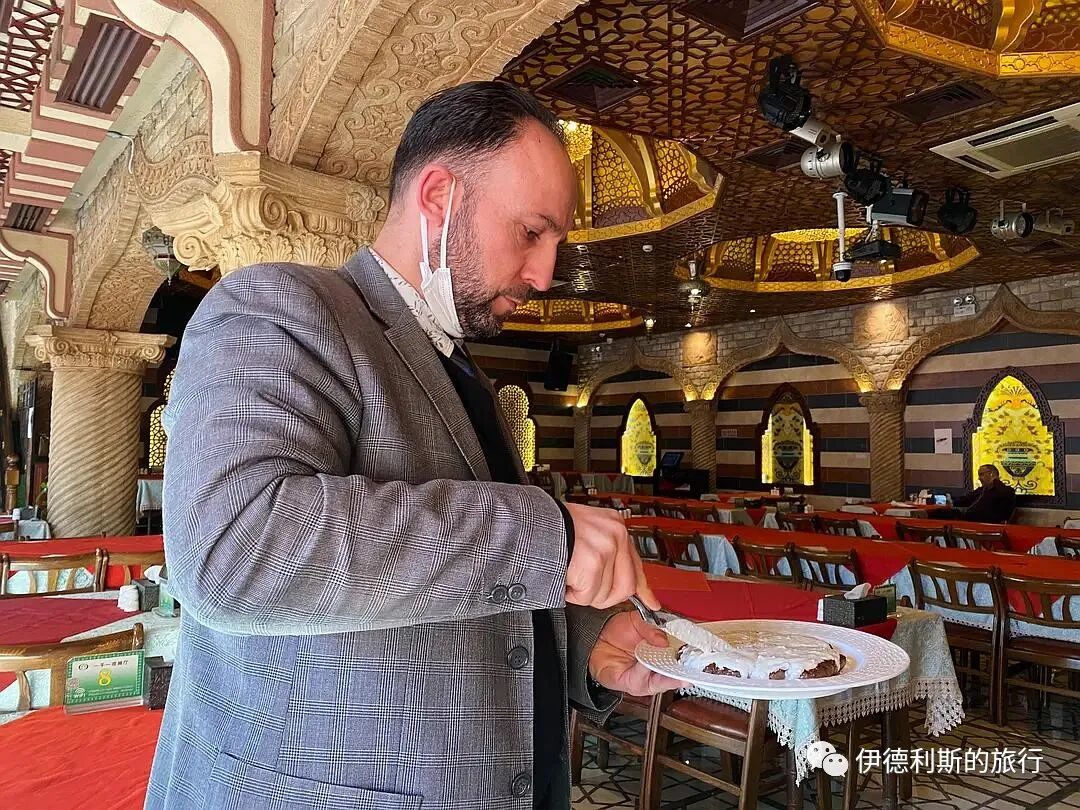
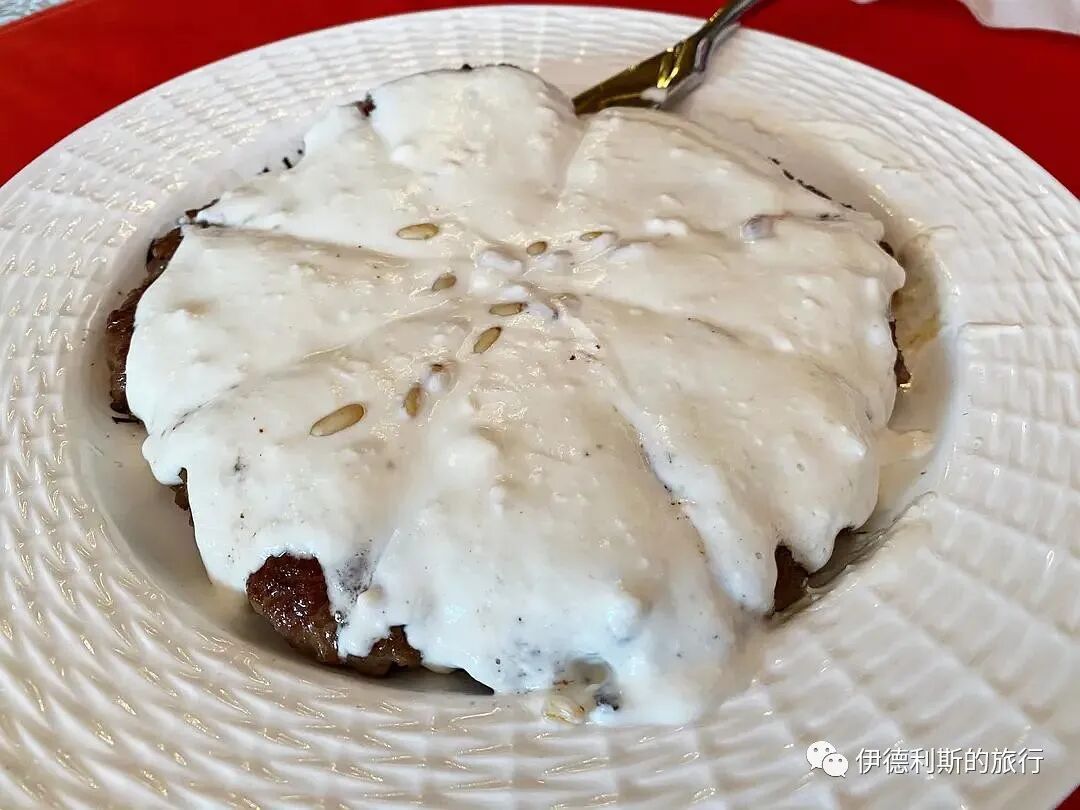
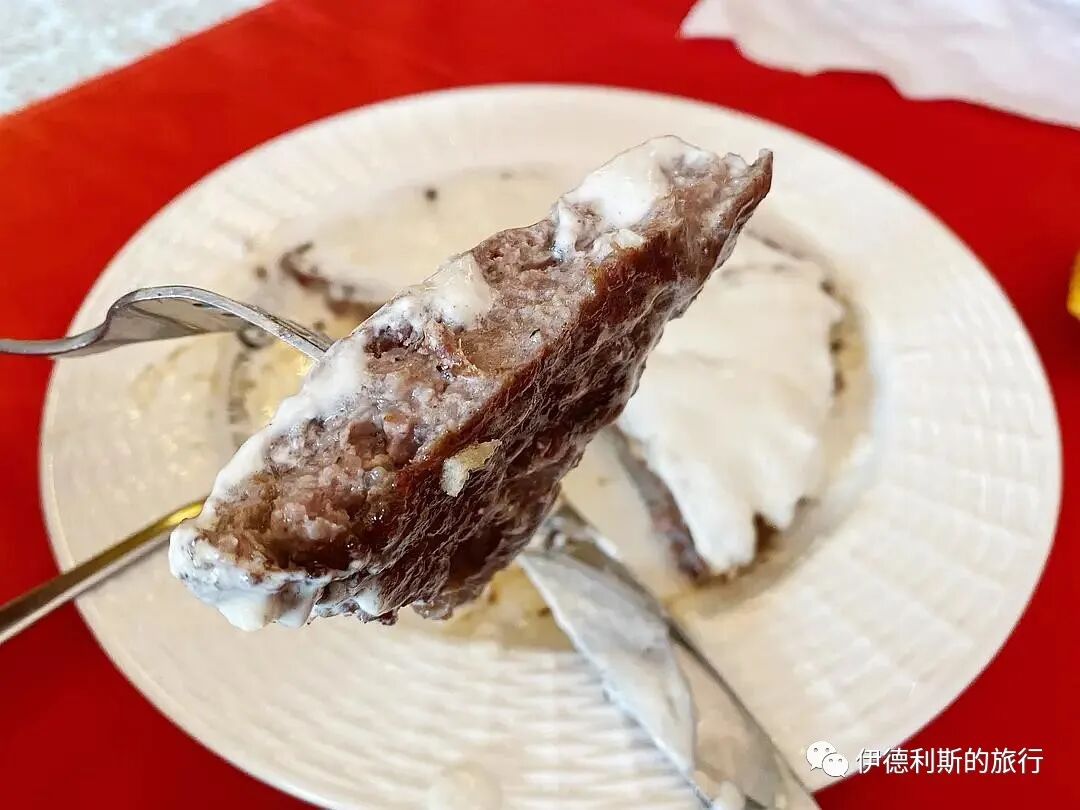
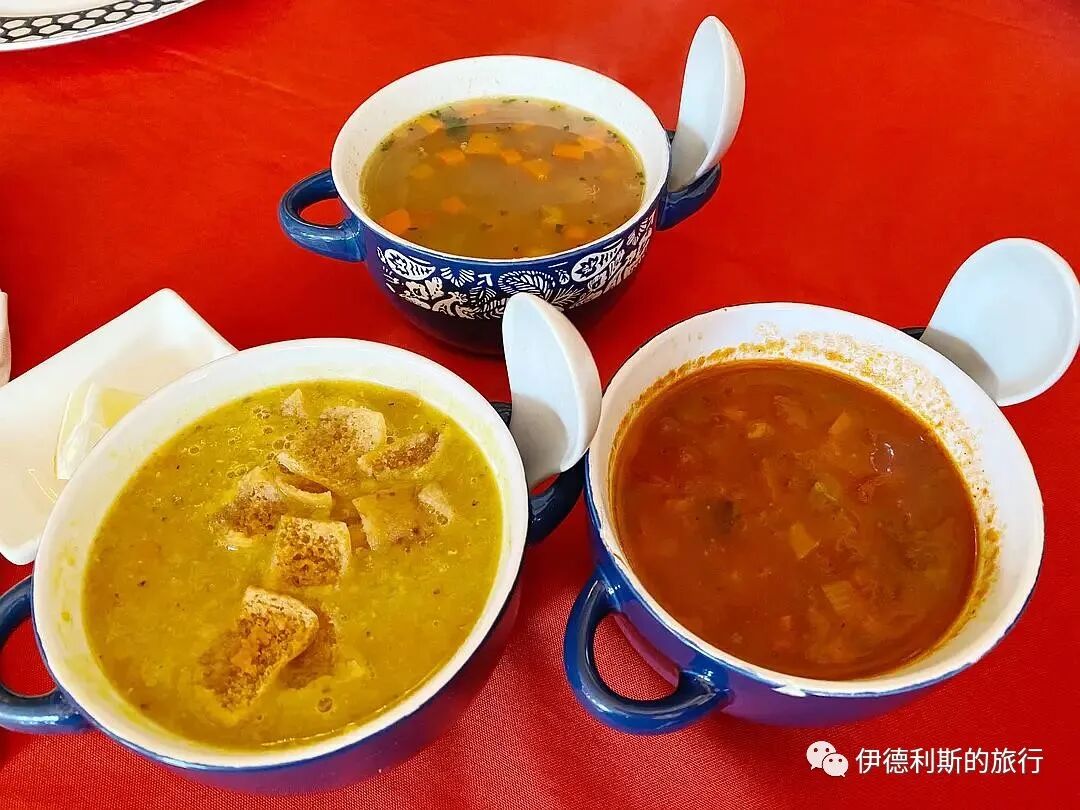
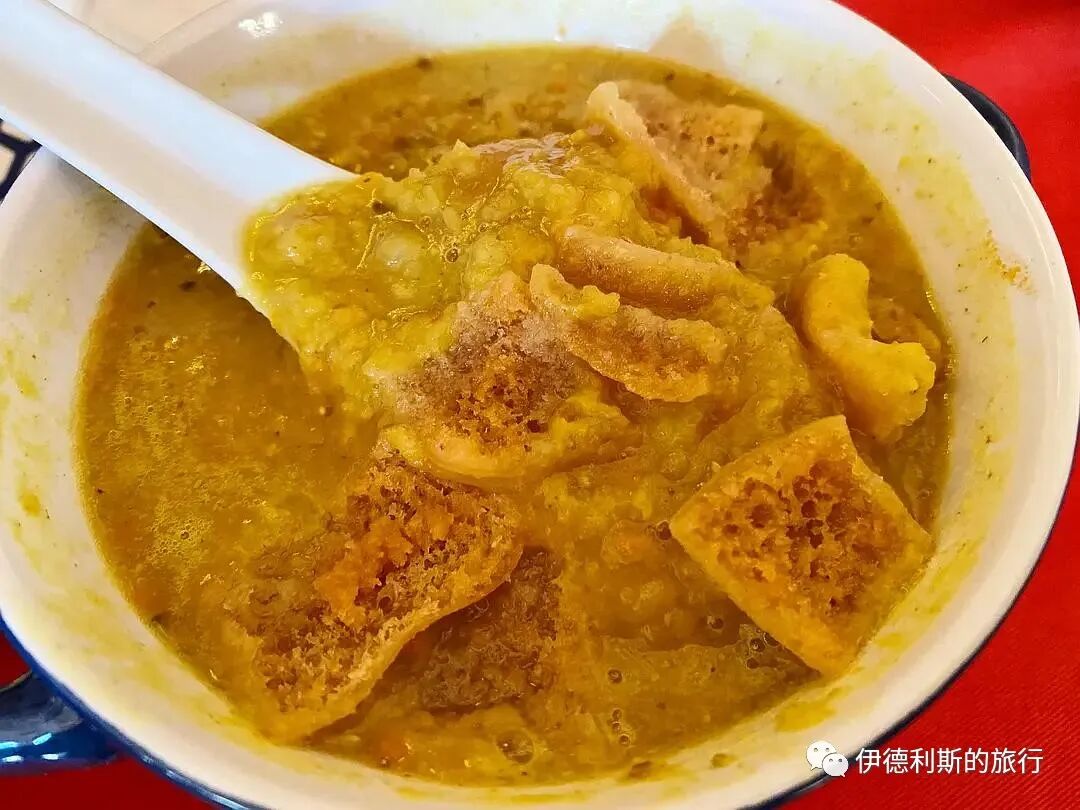
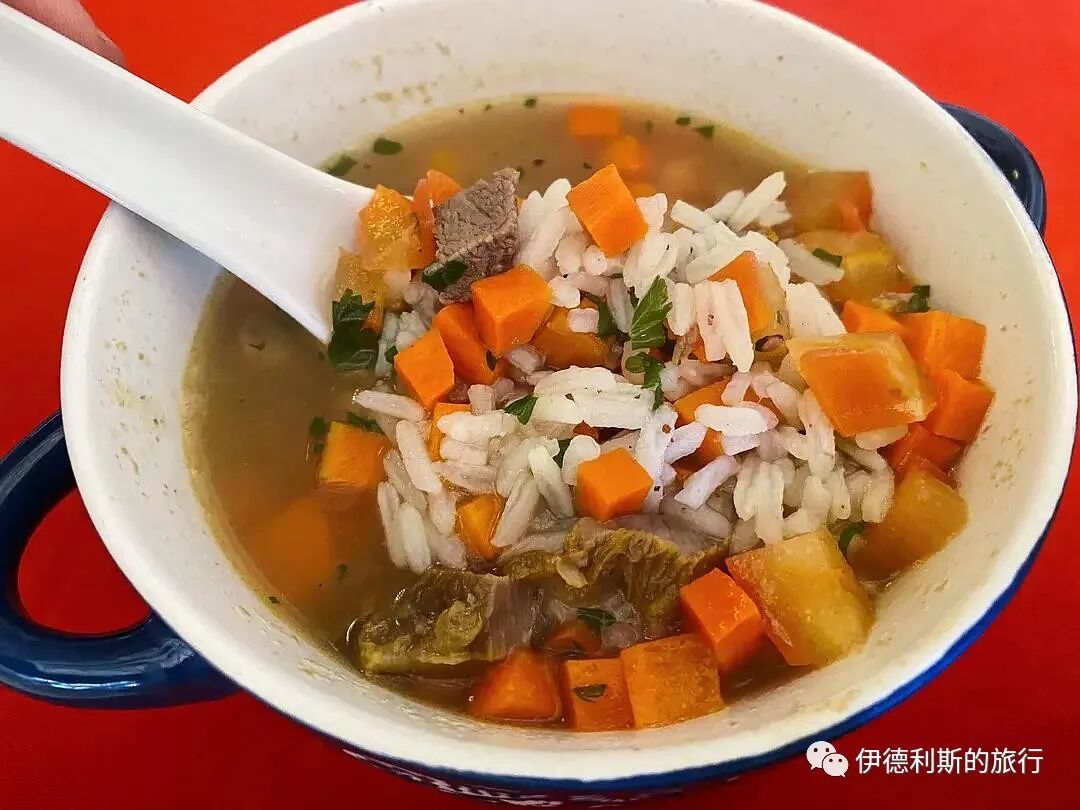
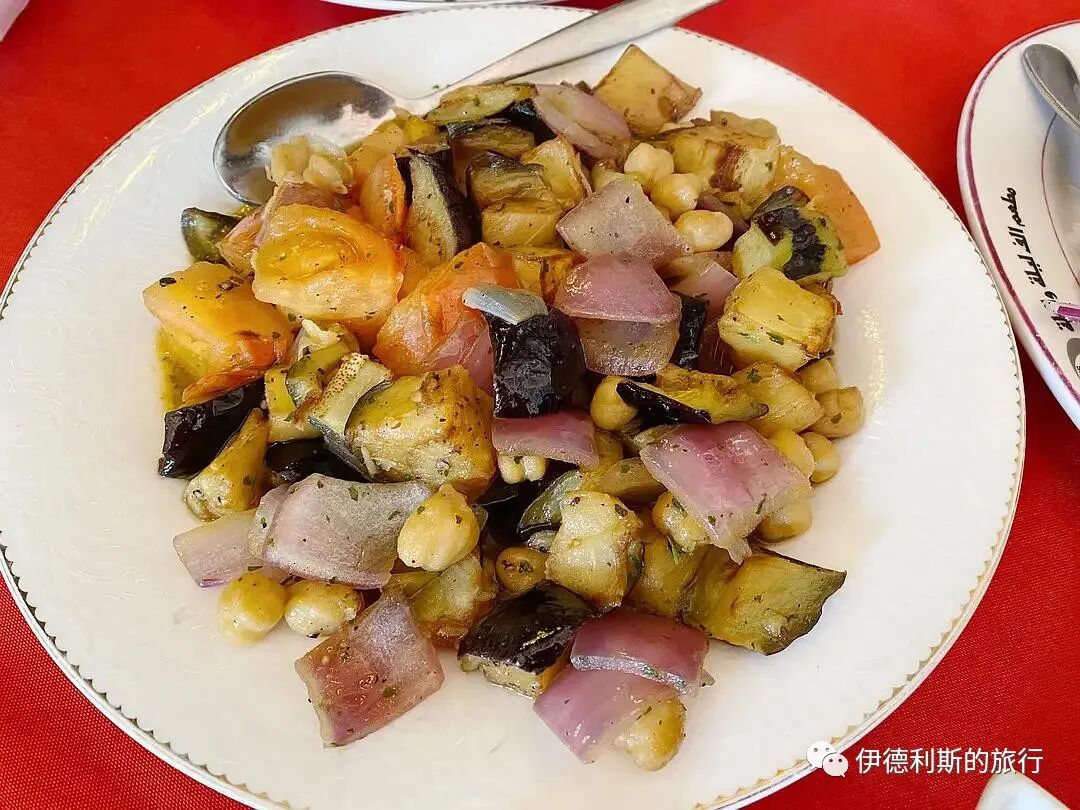
We had kofta meatball yogurt, eggplant puree kebab, chickpeas with tomatoes and vegetables, rice porridge soup, lentil soup, and vegetable soup. The owner served every dish politely.
February 28: Iftar for the Night of Ascension.
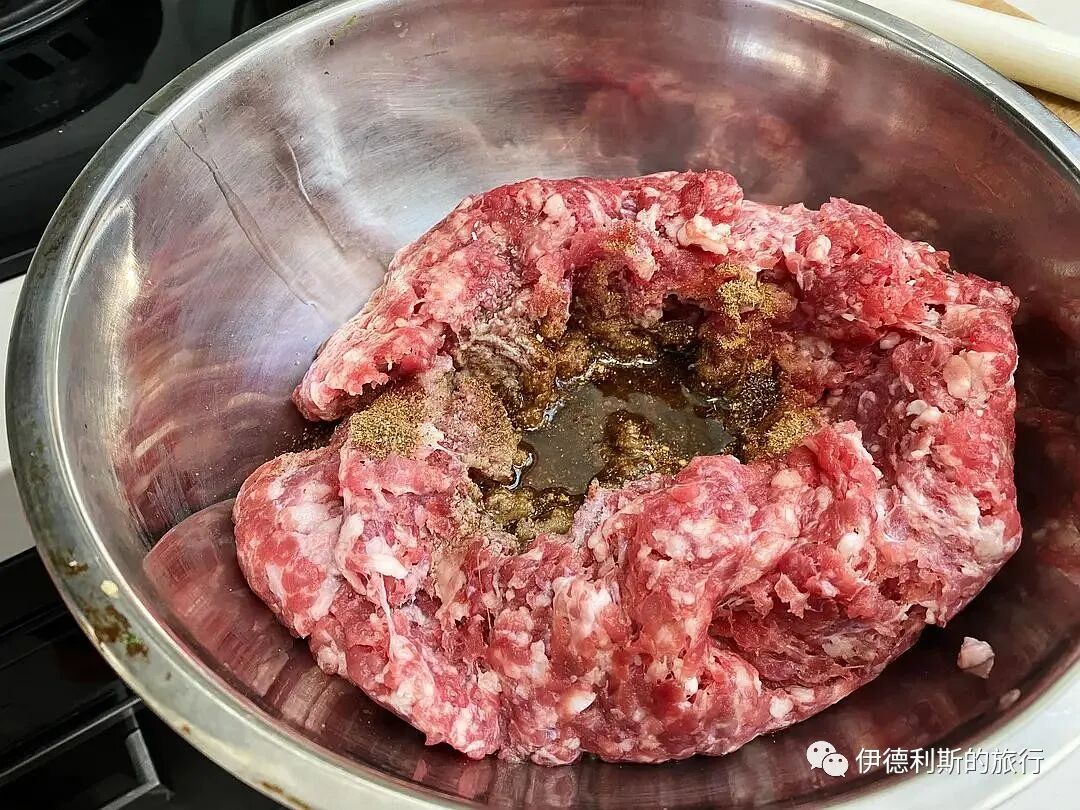
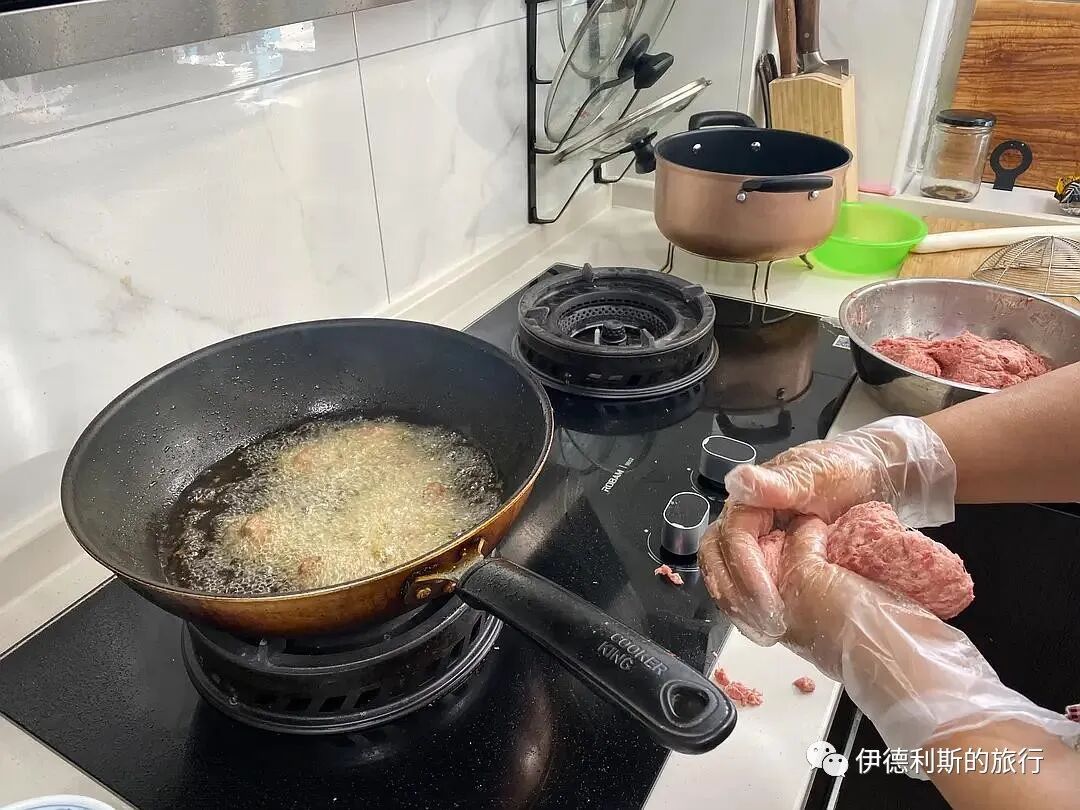
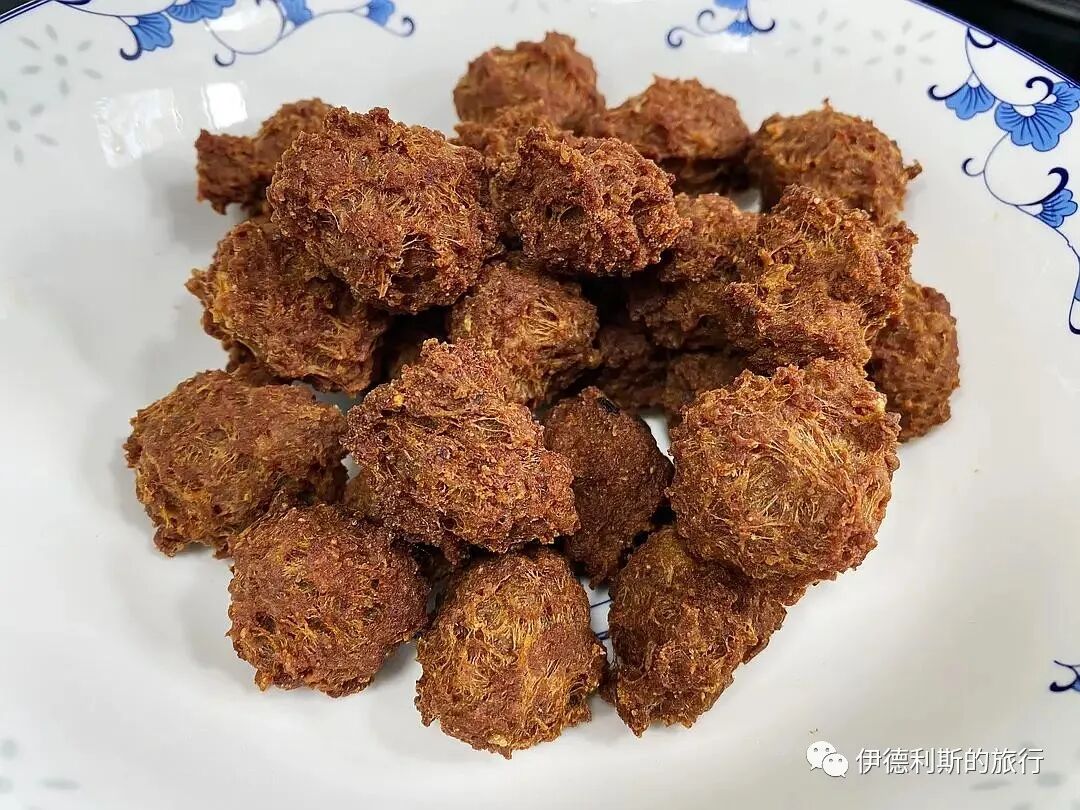
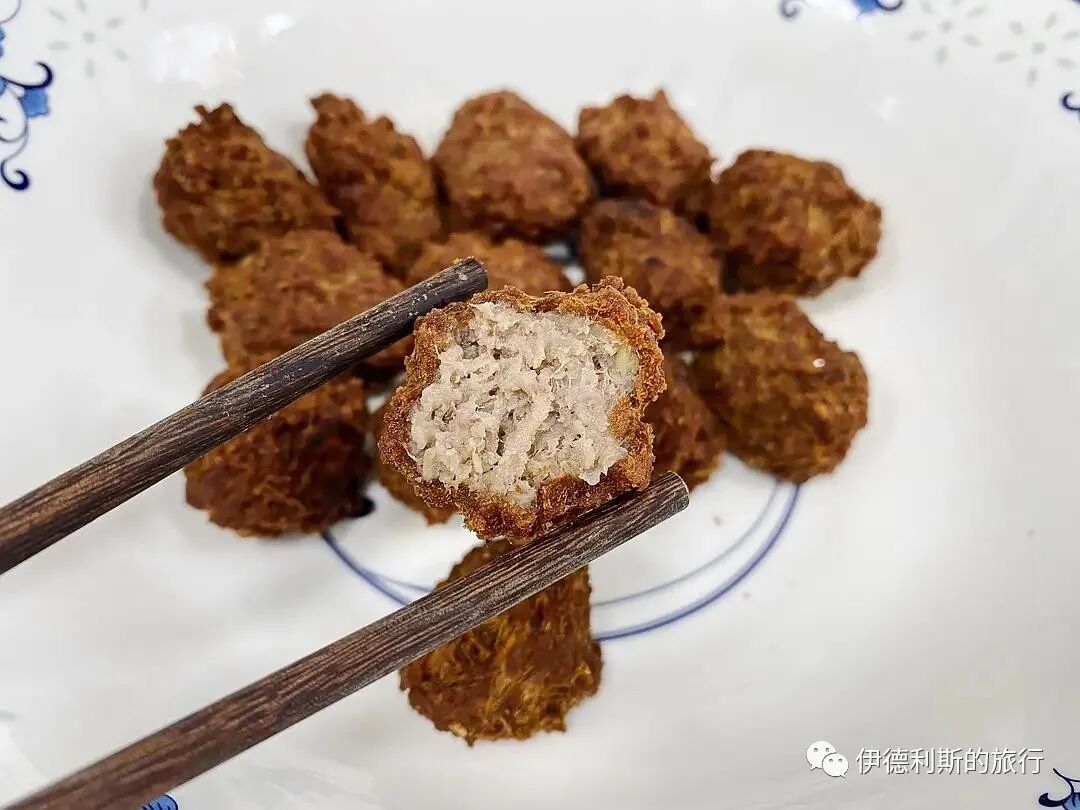
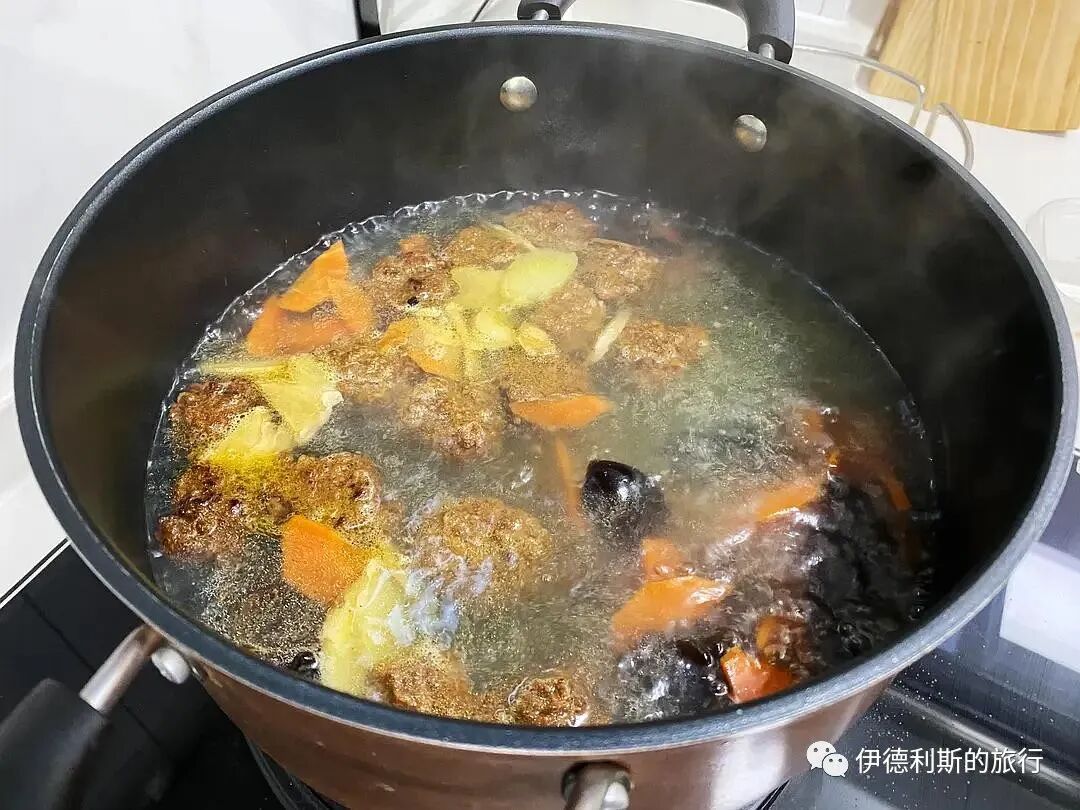
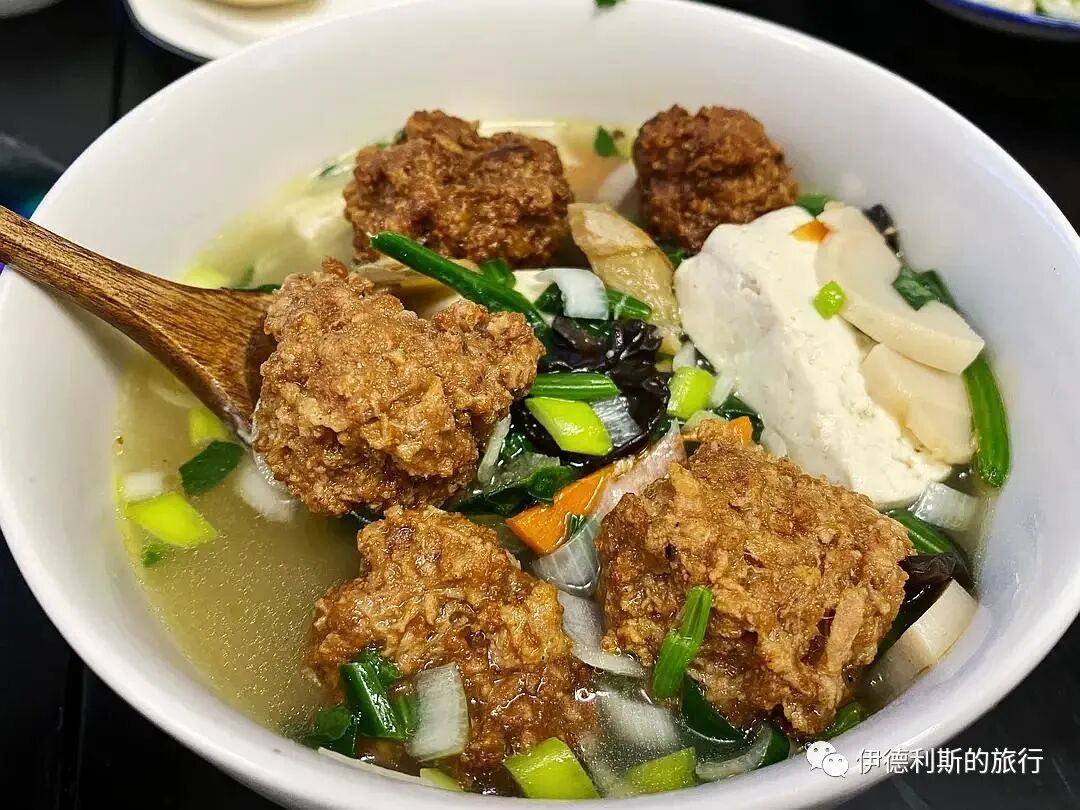
For the Iftar on the Night of Ascension, my mother-in-law made meatball soup using meat ground fresh on Douban Hutong. The secret to fried meatballs is to pour hot oil into the meat mixture first!
Summary: Beijing Winter Diary — Mosques, Halal Food and Muslim Heritage is presented here as a firsthand travel account in clear English, beginning with this scene: After ice skating in the afternoon, we went to Hongbinlou on Zhanlan Road for dinner. The account keeps its focus on Beijing Mosques, Halal Food, Muslim Heritage while preserving the names, places, food, and historical details from the Chinese source.
February 2, Hongbinlou Zhanlan Road branch.
After ice skating in the afternoon, we went to Hongbinlou on Zhanlan Road for dinner. We ordered stir-fried chicken with walnuts and bean paste (taoren jiangbao jiding), braised sheep eyes (du yangyan), stir-fried seasonal vegetables, and a mixed corn stew (yumi quanhui). It was my first time having the mixed corn stew. It contained fish maw, fish cartilage, diced chicken, and diced bamboo shoots. The texture was very rich, and everyone liked it. We actually came here for the roast lamb, but after arriving, we found that the roast lamb at the Zhanlan Road branch was more than twice as expensive as at the Chaoyangmen branch. It was a bit too pricey, so we didn't order it.
Hongbinlou has long been Beijing's most expensive traditional halal stir-fry restaurant. It has always used the title of "Beijing's Number One Halal Restaurant," and I think it really lives up to the name. Every time I come here to eat, I never order a bad dish. Everything is delicious and worth the price. I can usually eat two bowls of rice with their stir-fried dishes like the honey-glazed lamb (ta simi), braised meat strips (ba routiao), and stir-fried chicken with bean paste.
Hongbinlou was founded in Tianjin in 1853 and moved to Beijing in 1955. Its "beef and lamb cooking techniques (Hongbinlou whole sheep banquet production techniques)" are listed as a national intangible cultural heritage. During the Qing Dynasty and the Republic of China era, the whole sheep banquet was a high-level feast in traditional Muslim restaurants in the Beijing-Tianjin area. Hongbinlou's famous chef Song Shaoshan created a signature banquet featuring 120 dishes.
Cracking melon seeds while watching a movie.
I used the leftover cut noodles from making dumplings to make minced meat and eggplant noodles.
February 4, 798 electric grilled skewers.
While walking around 798, I found an electric skewer shop run by Hui Muslims from Niujie. We ordered lamb skewers, chicken skewers, and grilled prawns. I wanted to try the boneless grilled hairtail, but unfortunately, it was sold out. The shop has many old photos of Niujie and some vintage items.
February 4, Kolkata restaurant Sadhu.
After seeing the exhibition at the Guanfu Museum, Zainab said she really wanted to drink yogurt, so we headed straight to the place Zainab thinks makes the best yogurt in Beijing—the Indian Kolkata Muslim restaurant Sadhu in Beiluogu Lane. Their thin yogurt drink (lassi) is well-deservedly the best in Beijing. For thick yogurt, I still have to say it's the Kashgar Mahmut Restaurant on Baiyunguan Street.
Lassi comes from the Sanskrit word Lasika, which originally meant serum. Lassi comes in sweet and salty versions. The sweet version is mainly found in the Gujarat, Rajasthan, and Sindh regions, while the salty version is widely distributed in other parts of North India. Sadhu's lassi tastes slightly sweet and is mainly defined by the aroma of the yogurt, which is why Zainab likes it the most.
Besides the thin lassi, I also ordered a vegetable yogurt called raita, which had diced cucumber and diced carrots in it. I think it is very refreshing when paired with curry. Raita is a Hindi word formed by combining the Sanskrit words "rajika" and "tiktaka," which originally meant "black mustard seeds" and "pungent," because making raita requires frying black mustard seeds and cumin before mixing them into chopped vegetables and then adding them to the yogurt.
We ordered two types of curry, beef Bhuna and vegetable Korma. Bhuna means 'fried' in Urdu. It usually includes onion, ginger, and garlic. The curry is fried in hot oil until it becomes a thick paste. I think it tastes better than regular curry. Korma is a type of curry stewed with coconut milk or yogurt. The word 'Korma' comes from the Turkic word 'Qawirma,' which originally meant fried. In Urdu, the meaning changed to stew. Korma is a classic Mughal court dish that started in the 16th century. People say Shah Jahan and his guests ate Korma at the banquet for the completion of the Taj Mahal.
When ordering a main dish at Saduli, I usually choose South Asian flatbread (Naan) or fried rice (Biryani). This time, I picked something I had never tried there before: raisin pilaf (Shejhani Pulao). The style of cooking rice in a large pot only became popular from Andalusia to Afghanistan during the Abbasid Caliphate. The word pilaf (Pilāv) comes from Persian. The earliest record of pilaf dates back to the 10th century in the writings of the Persian scholar Ibn Sina, so some people call him the father of modern pilaf. After the 16th century, pilaf became popular in India along with the rise of the Mughal Empire.
We also ordered grilled salmon (Tikka). Tikka comes from the Turkic word tikkü, which means 'piece.' The Mughal Empire brought this method of grilling spice-marinated boneless meat or vegetable chunks to India. The most common Tikka is chicken.
February 5, Xilaisun
After listening to Wang Yuebo perform the Sword Hero Map (Jianxia Tu) at the Lao She Teahouse, I strolled to Xilaisun at Hepingmen for dinner. It was super busy after four o'clock. It seems Beijingers don't want to cook at home during the Chinese New Year, haha.
Zainab pushed me to try something new instead of always ordering their stir-fried chicken cubes with bean paste (jiangbao jiding) and Ma Lianliang duck. We ordered meatballs in sauce (liu wanzi), braised mixed vegetables (shao quansu), and dry-braised sturgeon (gan shao xunyu), plus our must-order bamboo shoot jasmine soup. I have to say, everything at Xilaisun tastes good. Their meatballs in sauce have a great texture! At least they are stuffed much better than the fillings at some unnamed restaurants where you can actually taste the meat, while other places just taste like starch. Their dry-braised sturgeon isn't the traditional Shandong cuisine (Lu cuisine) style. It's sweet, sour, and spicy, which feels a bit like the Southwest region. I really like it! The sturgeon has no bones, so it's great to eat with rice. I noticed that besides the Ma Lianliang duck, the dry-braised sturgeon was the most popular dish on every table. The chef has to go catch a fish from the tank every little while.
February 7, Beef Stew
I made old-fashioned beef stew with green beans, button mushrooms, potatoes, and carrots. I personally think it tastes better than what you get in restaurants! It takes at least an hour and a half to make, so I don't usually have time for it.
February 8, Changying Equator Yakiniku Lunch Set
A twisty and surprising lunch experience in Changying at noon. First, we went to a Korean barbecue place, but it was closed for a break. Then we tried a Qiqihar-style barbecue place we like, but they had just stopped serving five minutes earlier so the staff could go for COVID testing, so we had to go to a Japanese-style restaurant called Chidao BBQ. To our surprise, Chidao BBQ now offers Japanese set meals (teishoku) for lunch! This must be the only halal Japanese set meal in Beijing.
We bought teriyaki chicken rice and beef sukiyaki, and also ordered matsutake mushroom soup and fried squid tentacles. The set meal comes with a salad, steamed egg custard (chawanmushi), miso soup, seaweed salad, and a mochi dessert (daifuku). The teriyaki chicken rice tasted pretty good! Next time I want to try the beef rice. Actually, you can also order the sukiyaki as a single dish that comes with rice.
February 12, Maidebao
We ate steak pizza and a small whole chicken at Maidebao in Galaxy SOHO, Chaoyangmen. Their pizza is packed with toppings; the crust is crispy and the middle is tender, which gives it a great texture that both Zainab and I really love. The owners are very warm toward fellow Muslims (dosti), and if they aren't busy, we always chat about the faith, so visiting them is a treat for both the spirit and the stomach.
February 15, hand-pulled noodles (latiaozi) made by Zainab.
I just love the hand-pulled noodles Zainab makes; it's a real perk of being a Xinjiang son-in-law.
Sweet rice balls (yuanxiao) and almond tofu in Changying.
February 16, Yanlanlou at Dongsishitiao.
At Yanlanlou in Dongsishitiao, we ate a pound of lamb neck, hand-pulled noodles (lamian), sweet pea soup (huidouzi), three kinds of small mushrooms, pea sprout soup with beans, and corn steamed cake (fagao). I personally prefer their lamb neck because it is leaner than the rib meat. I think their meat is quite tender for Beijing standards! Of course, it still doesn't compare to the one I had at Fuyuan Noodle Restaurant in Yinchuan, which was the most tender lamb neck I have ever eaten.
Actually, every time I go to Yanlanlou, I order the lentil and sparrow-tongue noodles; the slightly sour, warm soup is perfect for winter, but this time I saw everyone at the next table eating hand-pulled noodles, so I got tempted and changed my order on the spot, haha. In the summer, I prefer their fermented vegetable noodles (jiangshuimian), as the fermented broth is very refreshing. They also serve sturgeon and mandarin fish made with fermented vegetable broth (jiangshui), though I am not sure how they taste.
Zainab likes their pea sprout soup with beans (doutang wandou miao), which is like a vegetable porridge and hard to find in other restaurants. We packed some corn steamed cake (yumi fagao) to take home, and it tastes even better when toasted in a pan the next day.
February 18: Made zucchini pancakes (hutazi) and stir-fried kohlrabi strips with meat at home.
I made zucchini pancakes (hutazi) and stir-fried kohlrabi strips with meat at home. The zucchini pancakes were a bit thick, but they still tasted good. The kohlrabi strips were stir-fried in lamb fat.
February 20: Turkish clay pot beef (Testikebabı) at Xiting Xiuse.
We had Turkish clay pot beef (Testikebabı) for lunch at Xiting Xiuse. The chef cracked the pot open when serving, just like when I last had it in Istanbul!
Testikebabı is a popular dish in central Anatolia and the western Black Sea region. It is made by putting beef, mushrooms, tomatoes, and shallots into a clay pot, sealing the opening with bread, and slow-cooking it in an oven. After it is cooked, they heat butter on an iron plate, crack the pot open, and pour the bread and stew onto the plate. It smells amazing!
Zainab and I both love Testikebabı. The tomato flavor is so rich, and it is delicious dipped with bread. The beef is quite lean, so those who prefer a mix of fat and lean meat might find it a bit dry.
We had a very rich Turkish brunch at Xiting Xiuse, and Zainab ordered her favorite chickpea dip (Hummus).
There were four types of cheese: Greek feta sheep milk cheese, Turkish Tulum goat milk cheese, Turkish Eski kaşar sheep and goat milk blend, and southern Italian Mozzarella buffalo milk cheese.
In Turkish, Tulum refers to cheese aged inside a goat skin. The traditional method involves stuffing the cheese into a goat skin, tying it tightly with rope, and keeping it in a cellar or cave at 10-12 degrees for up to 6 months. Eski kaşar is a hard yellow cheese that can be stored for up to 3 years after air-drying.
Then there were 3 types of Turkish jam, 2 types of Turkish olives, sesame paste (Tahini), grape molasses (Pekmez), clotted cream (Kaymak), Turkish honey, Turkish fried spring rolls (Sigara Böreği), Turkish beef sausage with eggs (Sucuklu yumurta), bread, cucumbers, and other dishes.
Tahini comes from Levantine Arabic and originally meant to grind. As the Ottoman Empire expanded, this sesame paste spread to the eastern Mediterranean, southern Caucasus, and North Africa, becoming a common bread dip in Middle Eastern restaurants. In Turkey, sesame paste (Tahini) is usually served with grape molasses (Pekmez). Pekmez comes from a Turkic language and first appeared in the Compendium of the Turkic Dialects written by Mahmud al-Kashgari in the 1070s. Pekmez is a syrup made by boiling grapes with crushed carob seeds, sometimes with added pomegranate or mulberry.
The word Kaymak comes from a Turkic language and originally meant to melt, also appearing first in the Compendium of the Turkic Dialects. Kaymak is made by simmering milk for 2 hours, then letting it cool and ferment for several days, resulting in a milk fat content as high as 60%.
The sujuk in sujuklu yumurta first appeared in the Compendium of the Turkic Dialects. It is made by grinding beef, adding tail fat and other fats, stuffing it into casings, tying it with string, and then letting it ferment slowly.
February 25: Mother-in-law's huoldun.
On my mother-in-law's first day in Beijing, we ate huoldun soaked in naan, made with a front leg of lamb she carried all the way from Urumqi!
February 25: Mother-in-law's big plate chicken with belt noodles.
The second meal my mother-in-law made was big plate chicken with belt noodles (dapanji pidaimian). She brought the free-range chicken with her from Urumqi.
February 26: Mother-in-law's lamb hand-torn noodles.
The third meal my mother-in-law made was lamb hand-torn noodles (jiupianzi).
February 26: The Syrian restaurant One Thousand and One Nights in Sanlitun.
We ate the famous Syrian snack, Arais beef pies, at the Syrian restaurant One Thousand and One Nights in Sanlitun. Arais is known as a Syrian sandwich. It is made by stuffing pita bread with meat, brushing it with oil, and grilling it. The grilled pita bread is very crispy, and the meat filling is very tender. Arais comes in chicken, lamb, and beef versions, and sometimes cheese is added.
Arais is the plural form of the Arabic word for bride. People think this dish symbolizes a wedding between the white pita bread, like a wedding dress, and the meat filling, so brides in some places eat Arais at their weddings.
We had kofta meatball yogurt, eggplant puree kebab, chickpeas with tomatoes and vegetables, rice porridge soup, lentil soup, and vegetable soup. The owner served every dish politely.
February 28: Iftar for the Night of Ascension.
For the Iftar on the Night of Ascension, my mother-in-law made meatball soup using meat ground fresh on Douban Hutong. The secret to fried meatballs is to pour hot oil into the meat mixture first!
