
Halal Travel Guide: Hyderabad — Asaf Jahi Dynasty, Mosques and Deccan History
Reposted from the web
Summary: Hyderabad — Asaf Jahi Dynasty, Mosques and Deccan History is presented here as a firsthand travel account in clear English, beginning with this scene: Hyderabad sits on the Deccan Plateau in South India. Its name means the city (abad) of the lion (Hyder). The account keeps its focus on Asaf Jahi Dynasty, Hyderabad, Deccan History while preserving the names, places, food, and historical details from the Chinese source.
Hyderabad sits on the Deccan Plateau in South India. Its name means the city (abad) of the lion (Hyder). In 1591, the Qutb Shahi dynasty, founded by Deccan Muslims, built the city of Hyderabad and made it their capital. In 1687, the Mughal Emperor Aurangzeb captured Hyderabad after an eight-month siege and added it to the Mughal Empire.
In 1724, a high-ranking Mughal official named Mir Qamar-ud-Din Siddiqi set up his own government in Hyderabad. Because he used the highest honorific title of the Mughal Empire, Asaf Jahi, his line became known as the Asaf Jahi dynasty. The rulers of the Asaf Jahi dynasty also kept using the title Nizam ul-Mulk granted by the Mughal Empire, so the state was also called the Kingdom of the Nizam of Hyderabad.
The Asaf Jahi family came from the Transoxiana region of Central Asia. The grandfather of Asaf Jah I moved from Samarkand to the Deccan in 1654. Asaf Jah I followed the Mughal Emperor Aurangzeb on military campaigns from a young age and earned many honors in battle. After Aurangzeb died, Asaf Jah I gradually took control of the Deccan region.
In fact, the Asaf Jahi dynasty was never truly independent from the Mughal Empire, and they still used the Mughal flag. Until 1948, the Friday khutbah (sermon) during Jumu'ah prayers was still delivered in the name of the Mughal Emperor Aurangzeb.
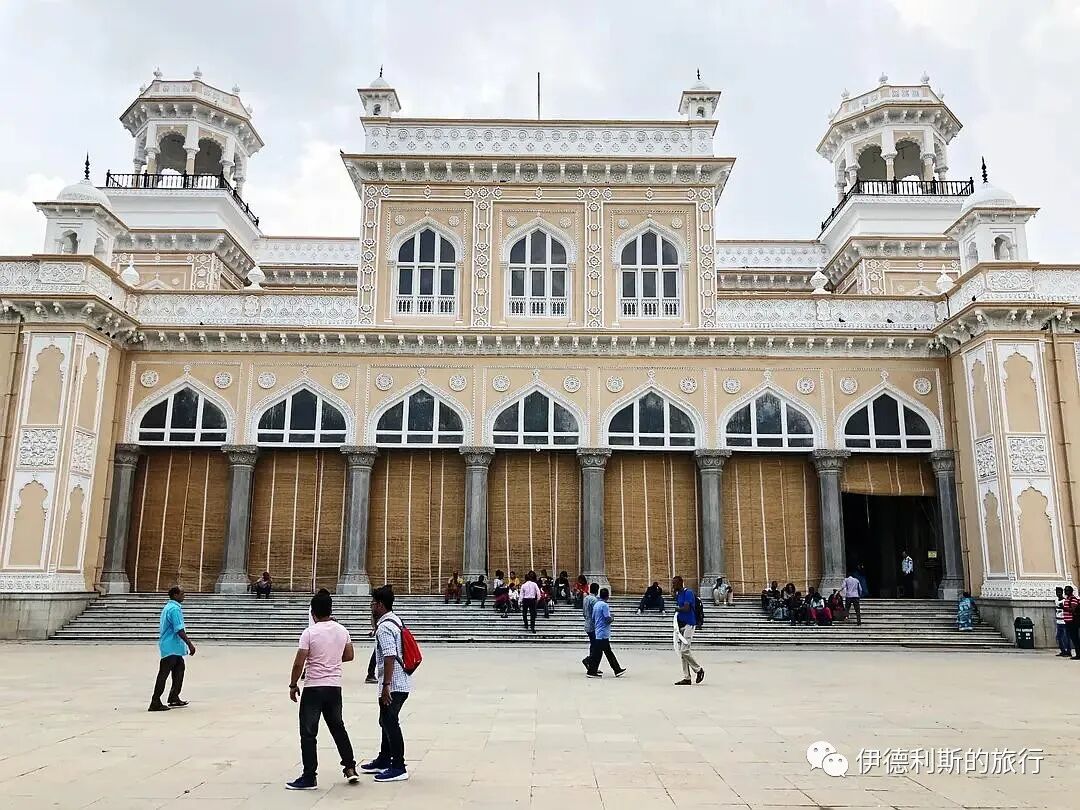
Chowmahalla Palace
After Asaf Jah I died in 1748, his sons fought a civil war to take power. Eventually, Asaf Jah I's third son, Salabat Jung, ruled Hyderabad with help from the French and started building the Chowmahalla Palace in 1750.
The name Chowmahalla comes from the Dakhini Urdu words char mahallat, which mean four palaces. The palace is still the property of Barkat Ali Khan Mukarram Jah, the grandson of the last Nizam, and the Nizam family holds their weddings here. Mukarram Jah was the richest person in India until the 1980s, with an estimated net worth of 1 billion dollars.
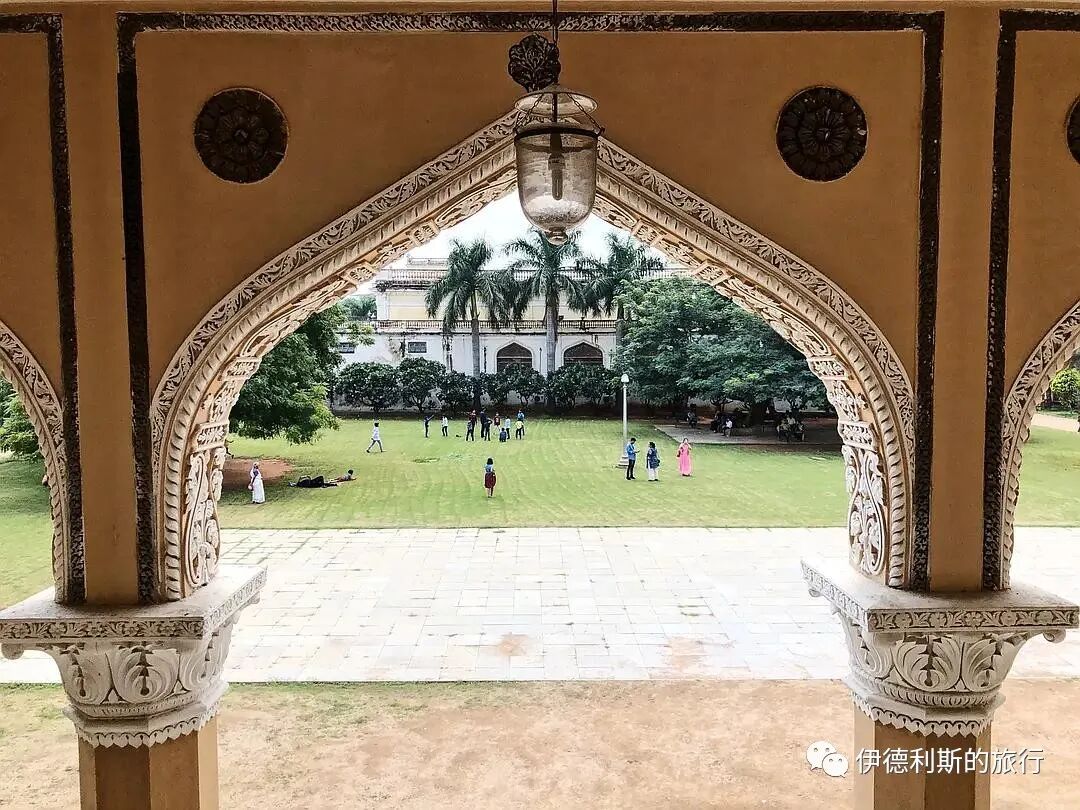
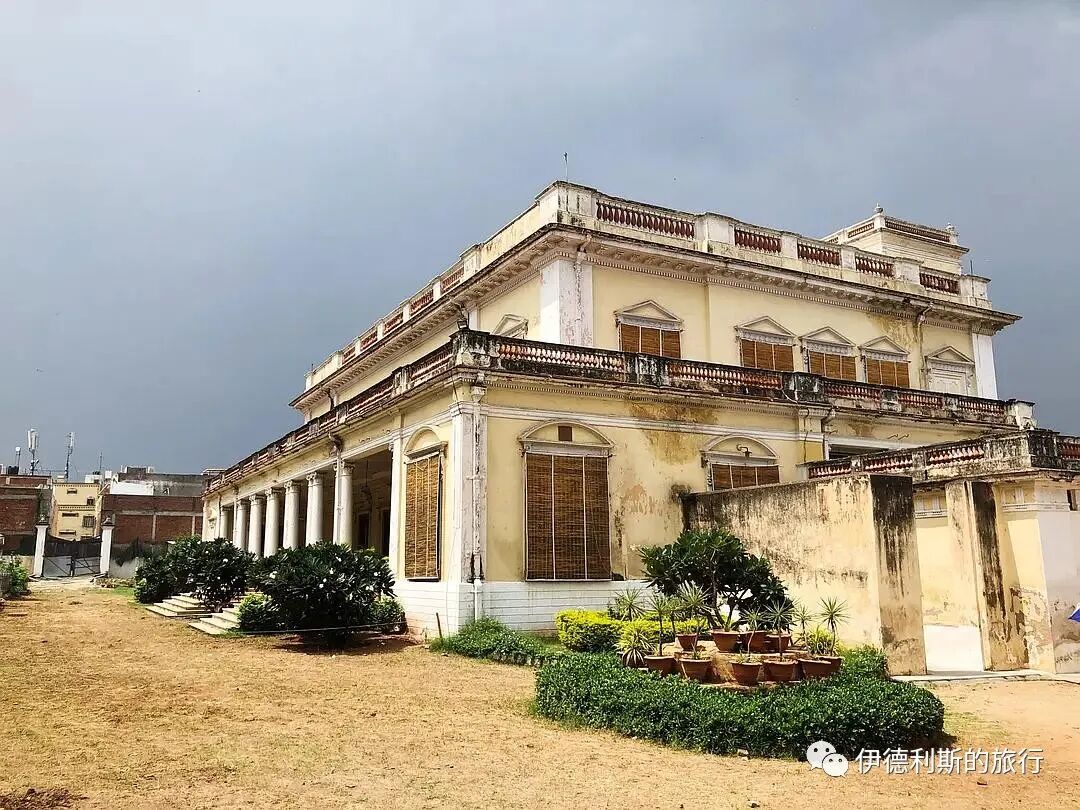
Chowmahalla Palace originally covered 180,000 square meters, but only 49,000 square meters remain today. The existing palace is divided into a south section and a north section.
The clock tower (Khilwat Clock) above the palace gate has been running for over 200 years, and a family of clockmakers who have passed the skill down through generations winds the mechanical clock every week.
On the east side of the north section is the Bara Imam, which was used for administrative offices and is decorated with Deccan-style domes and arches, along with many Persian elements. The Shishe-Alat, built as a mirror image on the west side, served as guest rooms for visiting dignitaries.
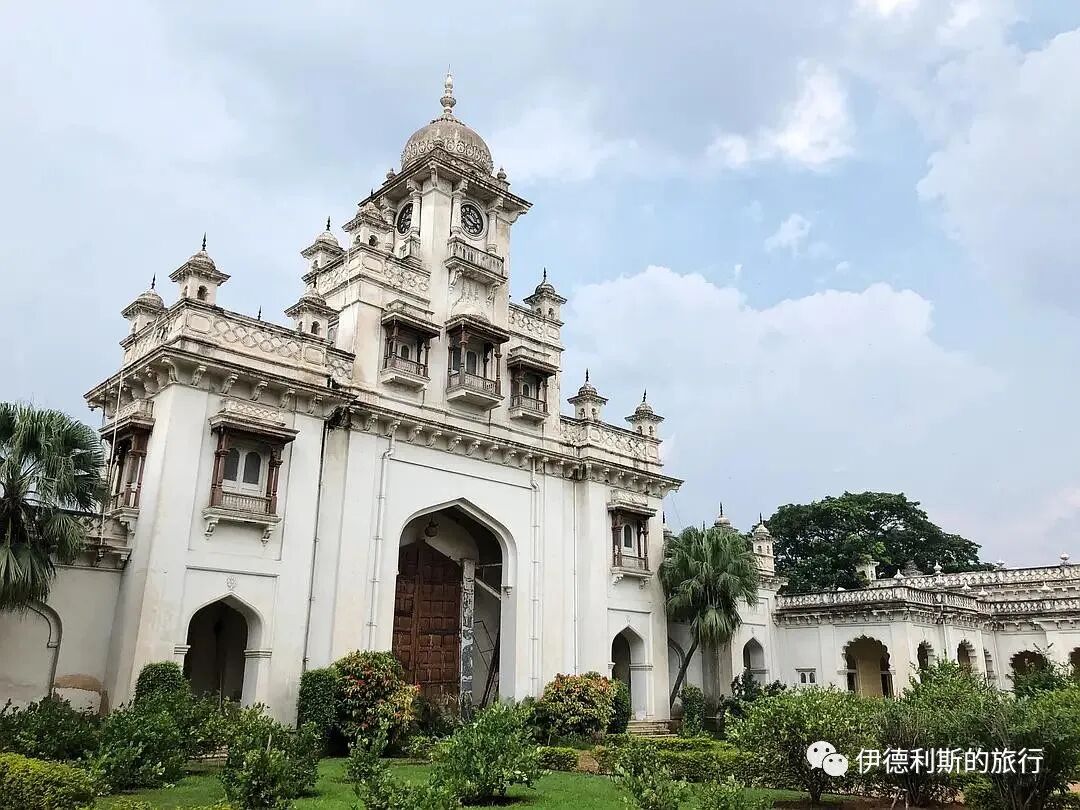
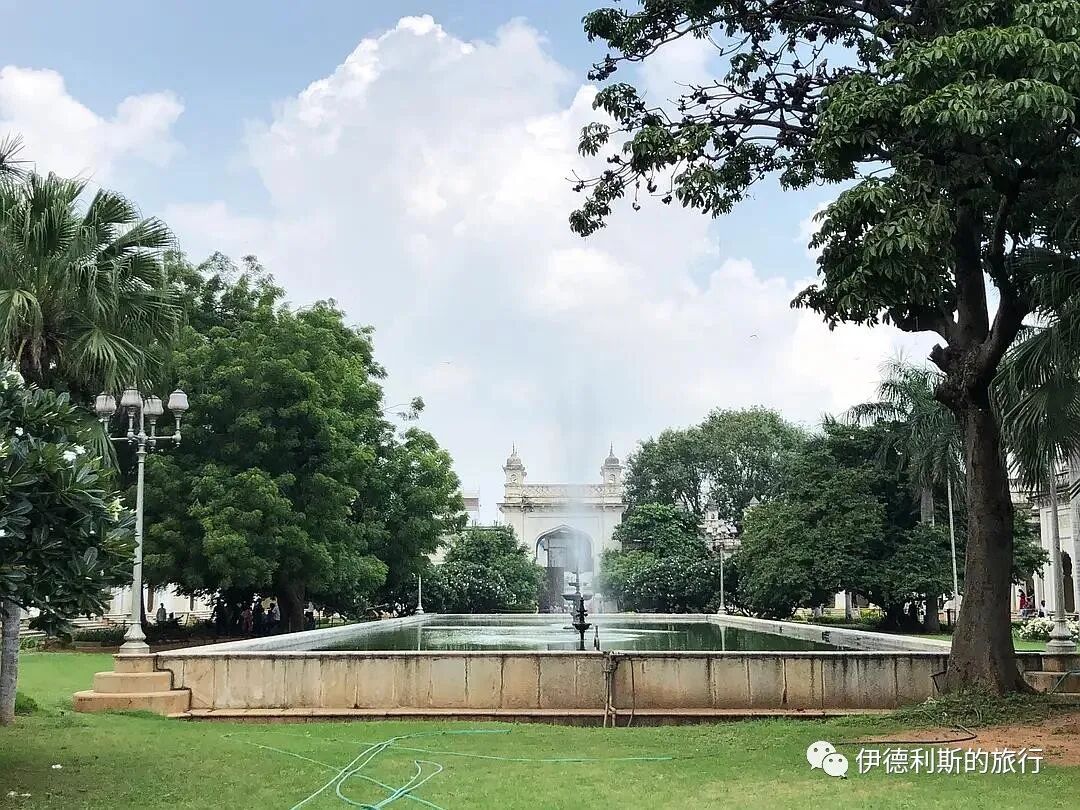
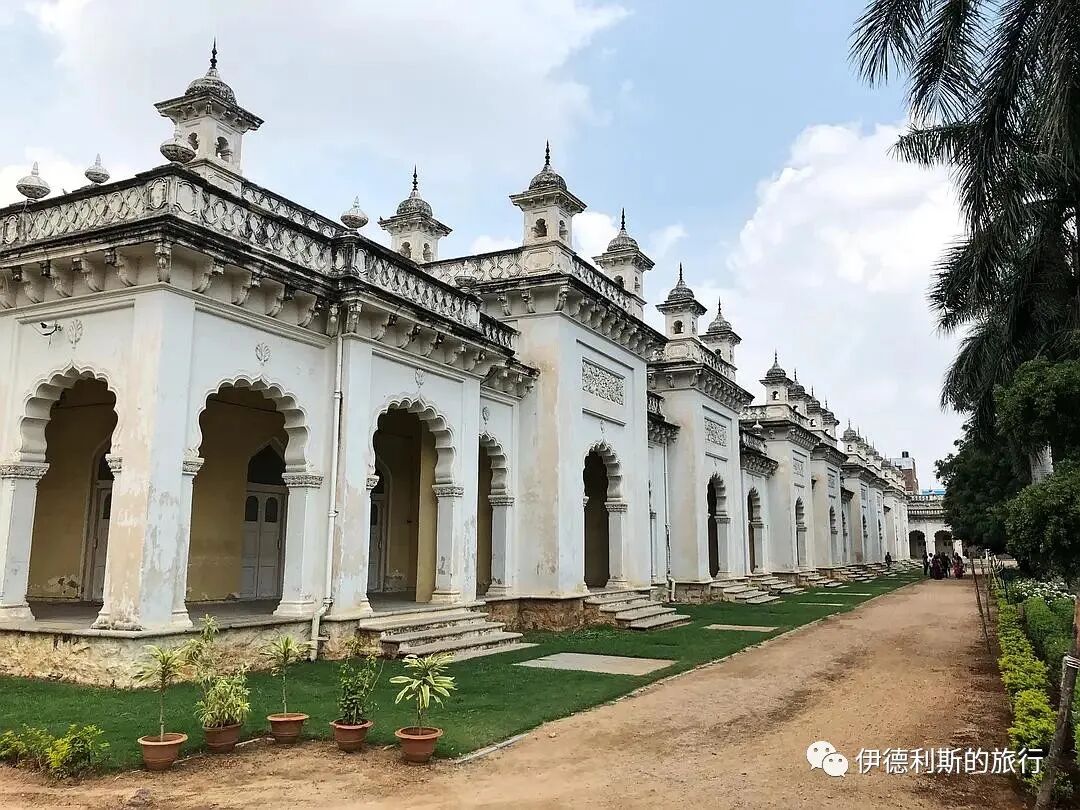
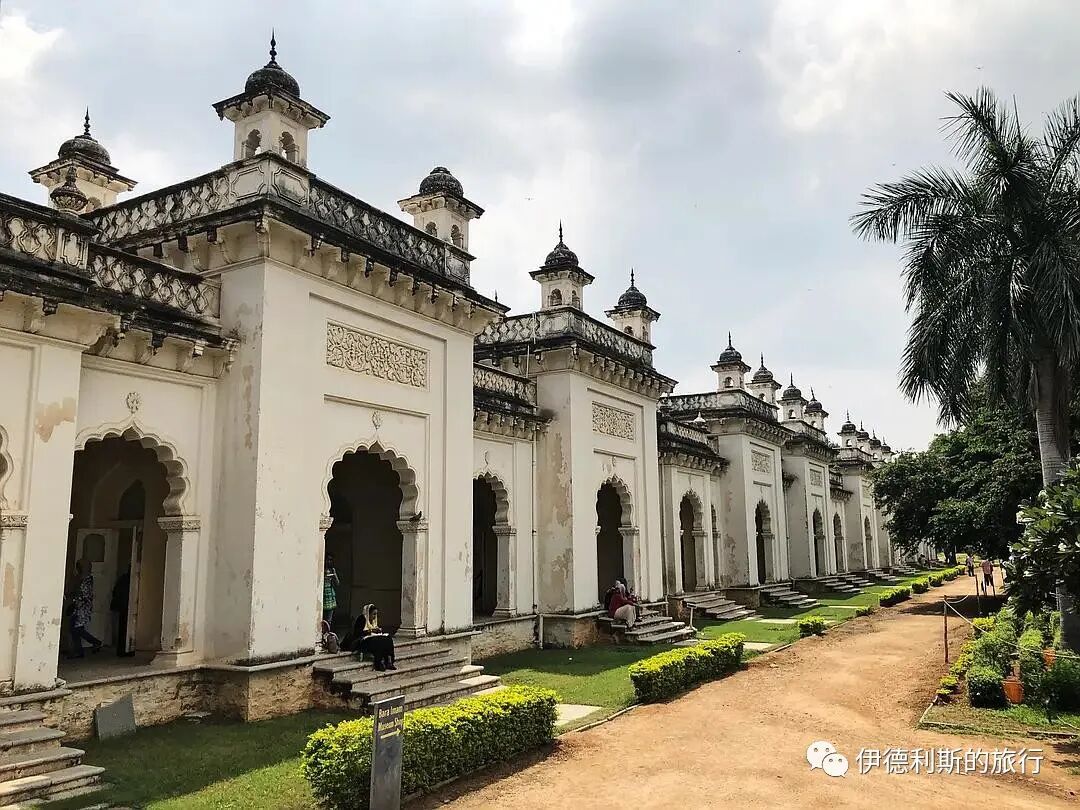
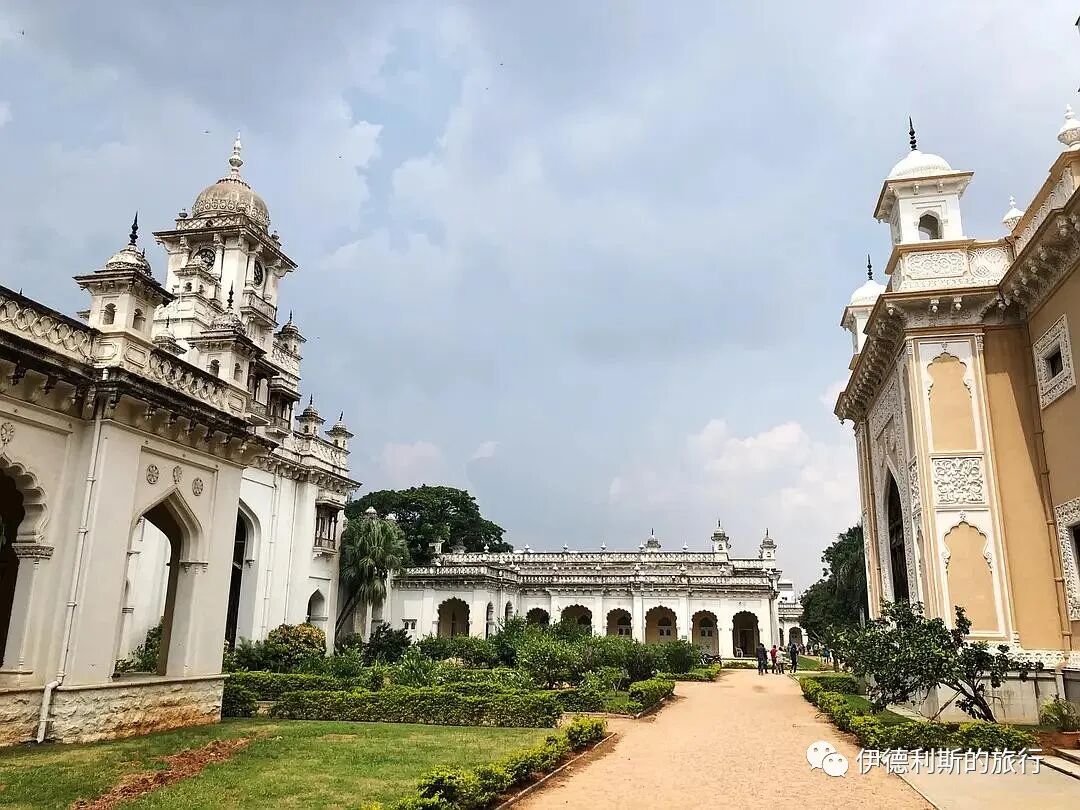
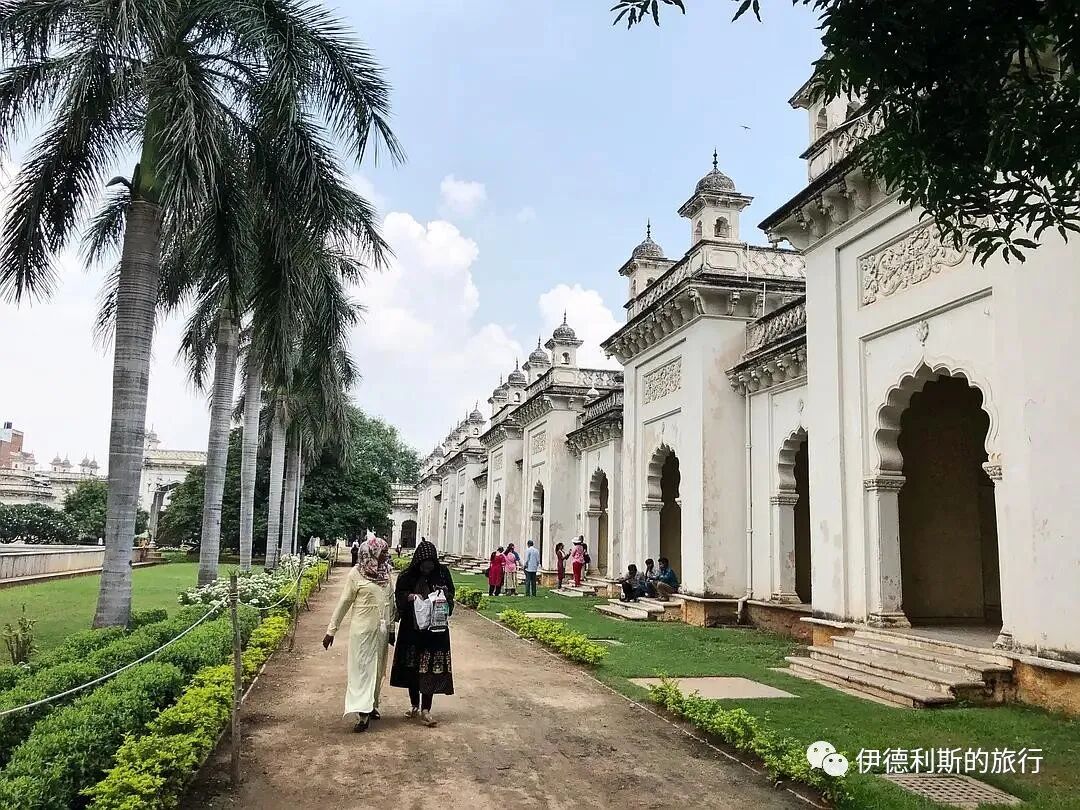
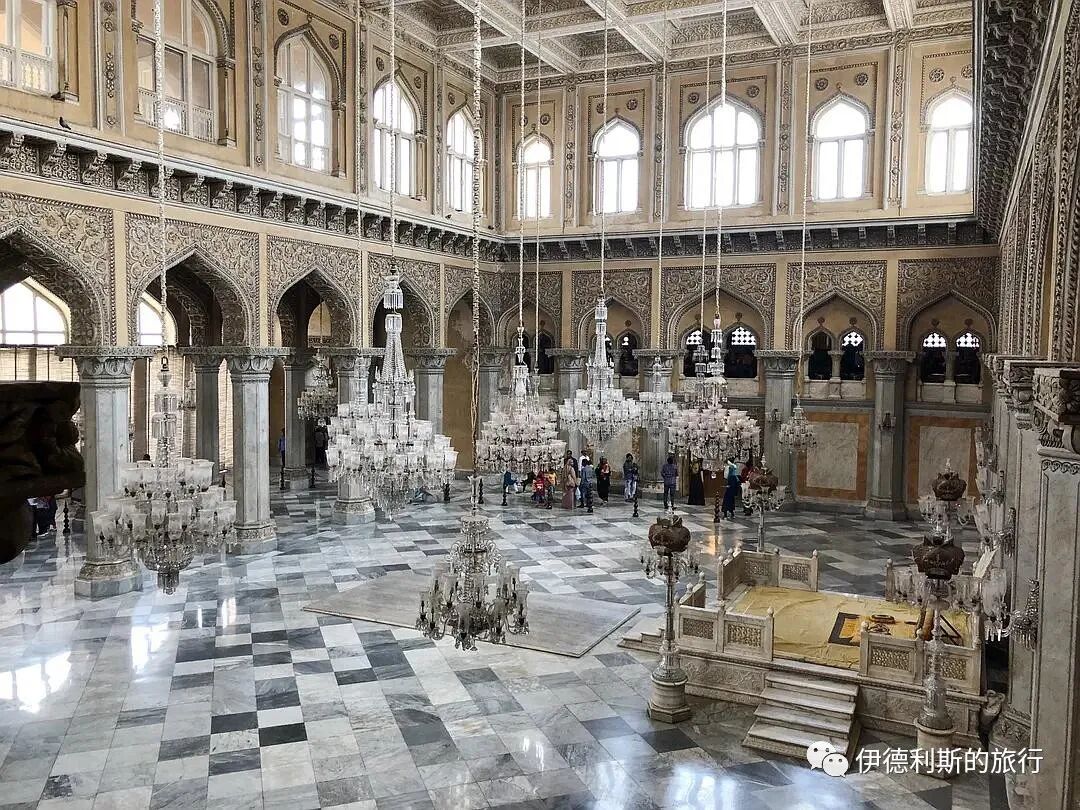
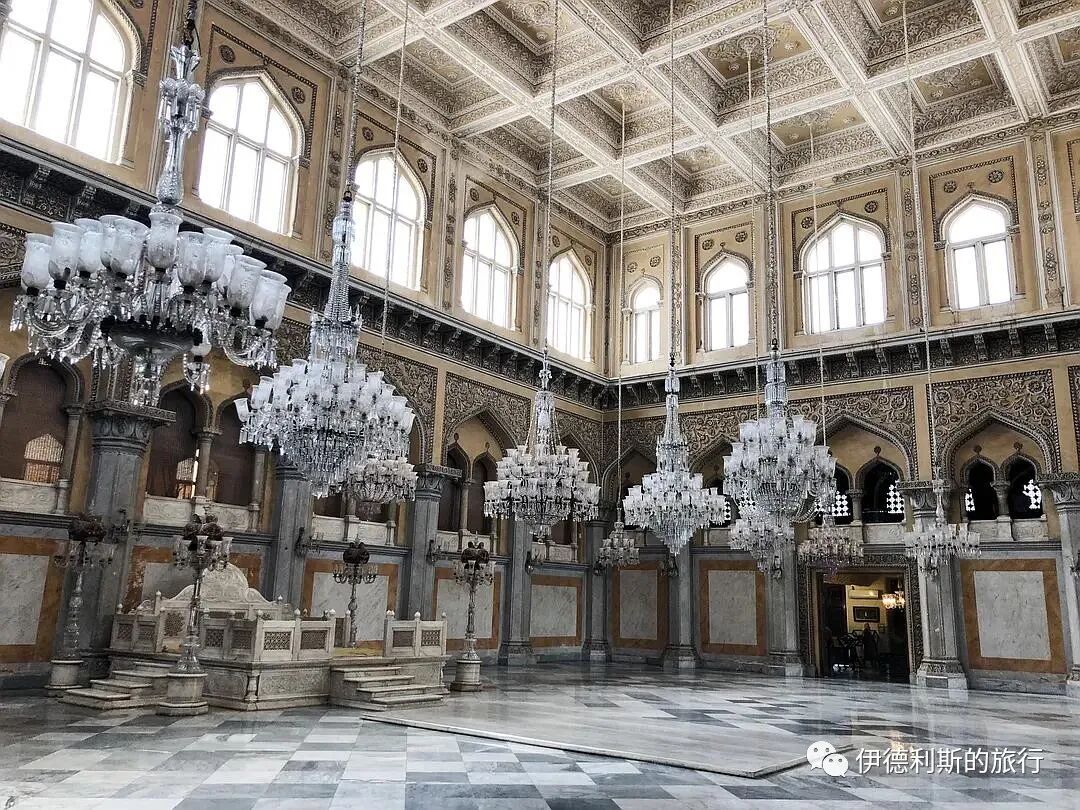
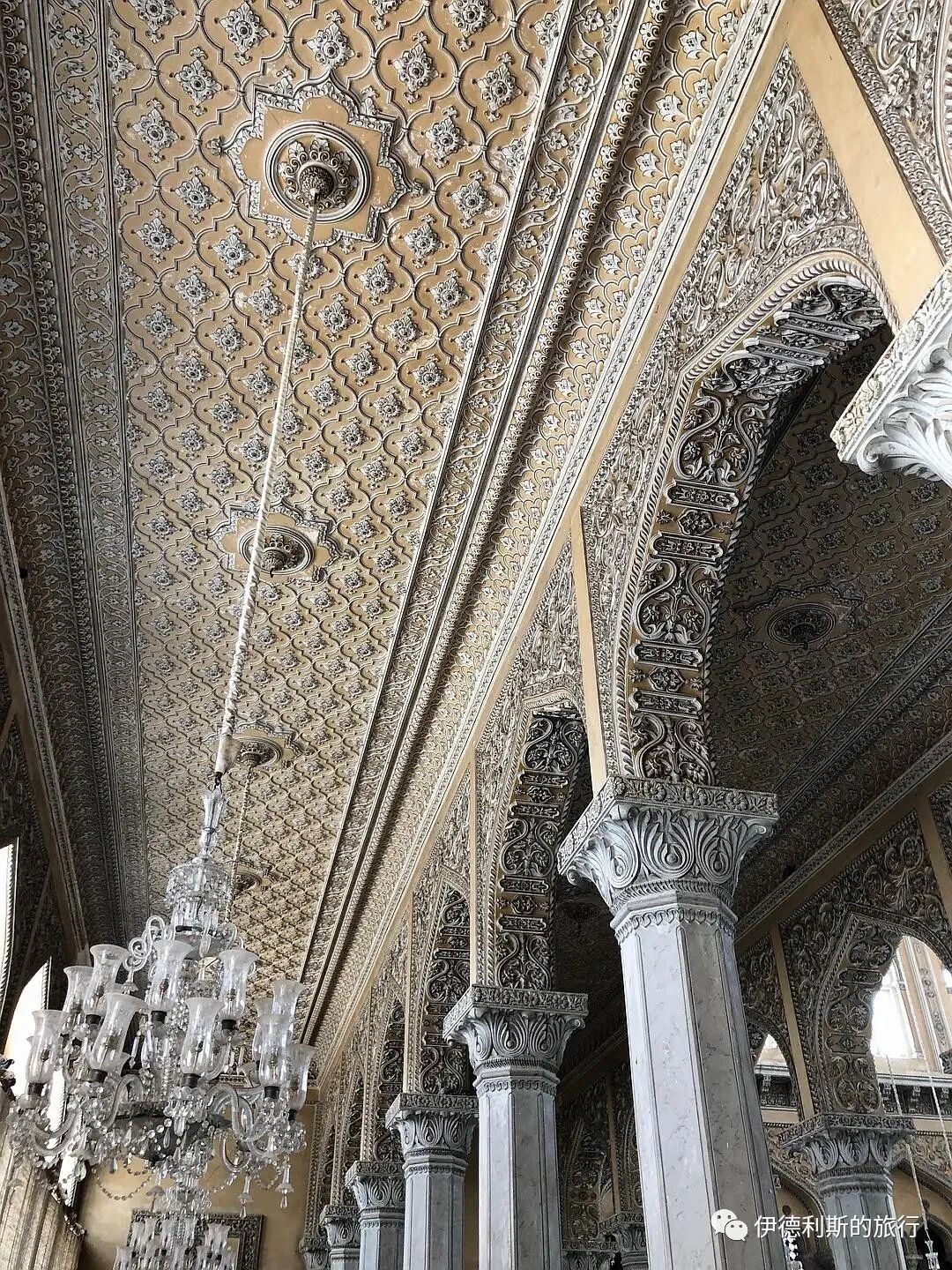
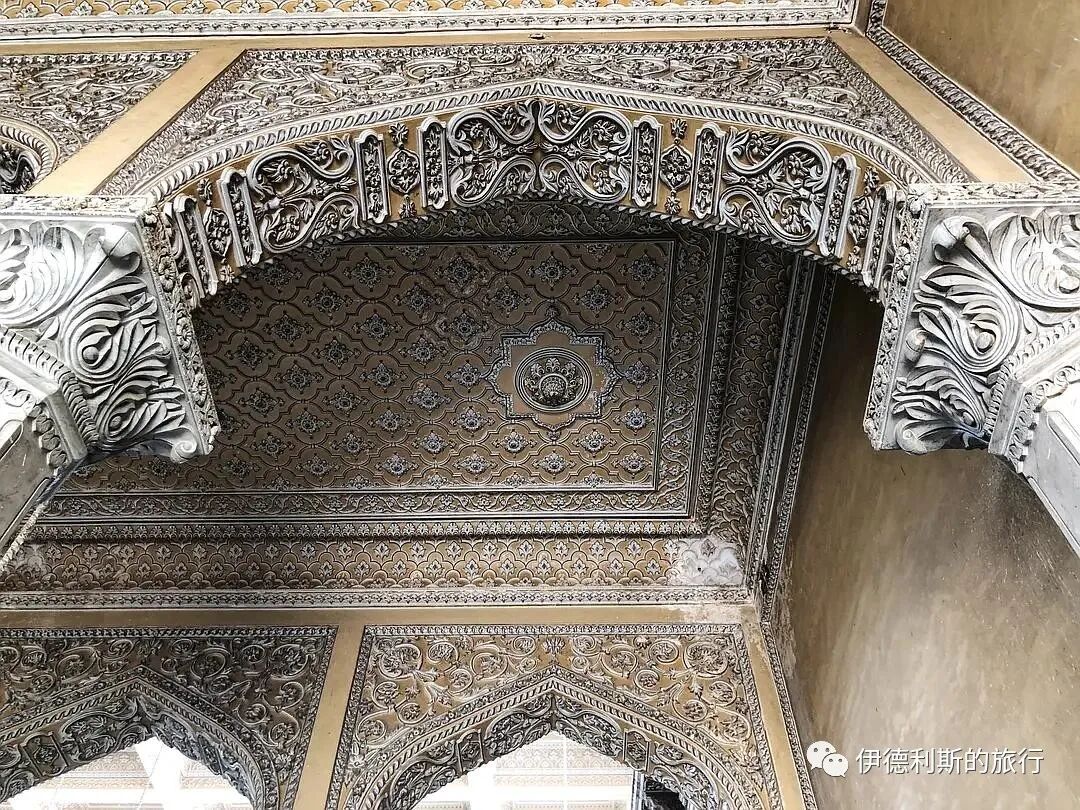
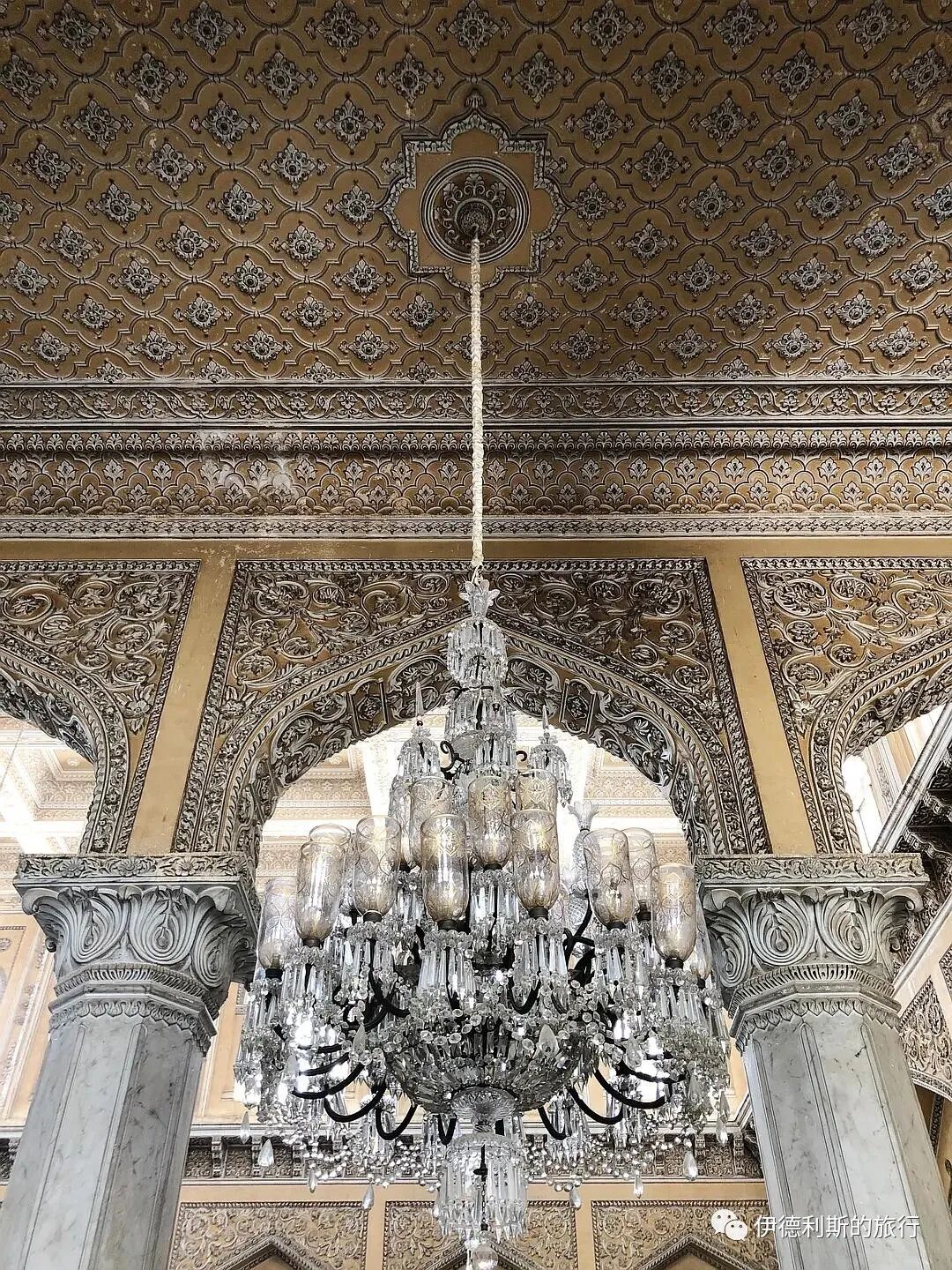
Khilwat Mubarak is the most important building in Chowmahalla Palace, used for various official events and religious ceremonies, including the coronation of the eighth Nizam in 1967. Inside the hall is a marble platform that holds the Takht-e-Nishan throne. Nineteen luxury Belgian crystal chandeliers were recently installed in the main hall.
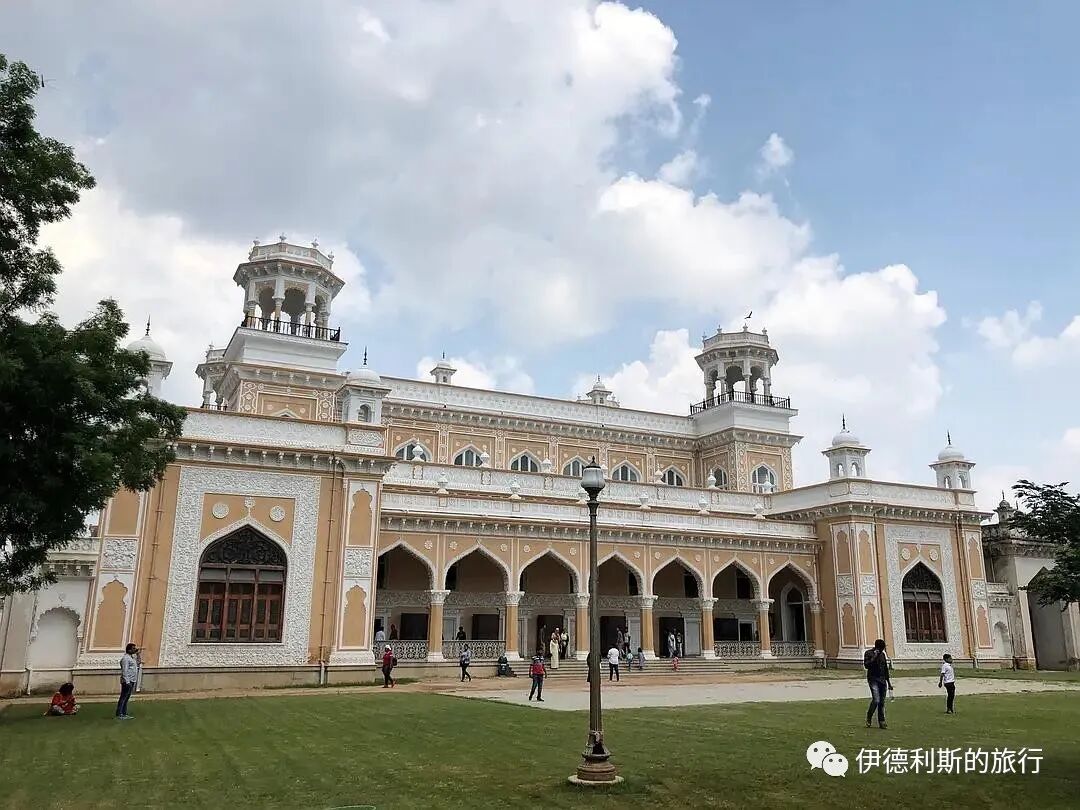
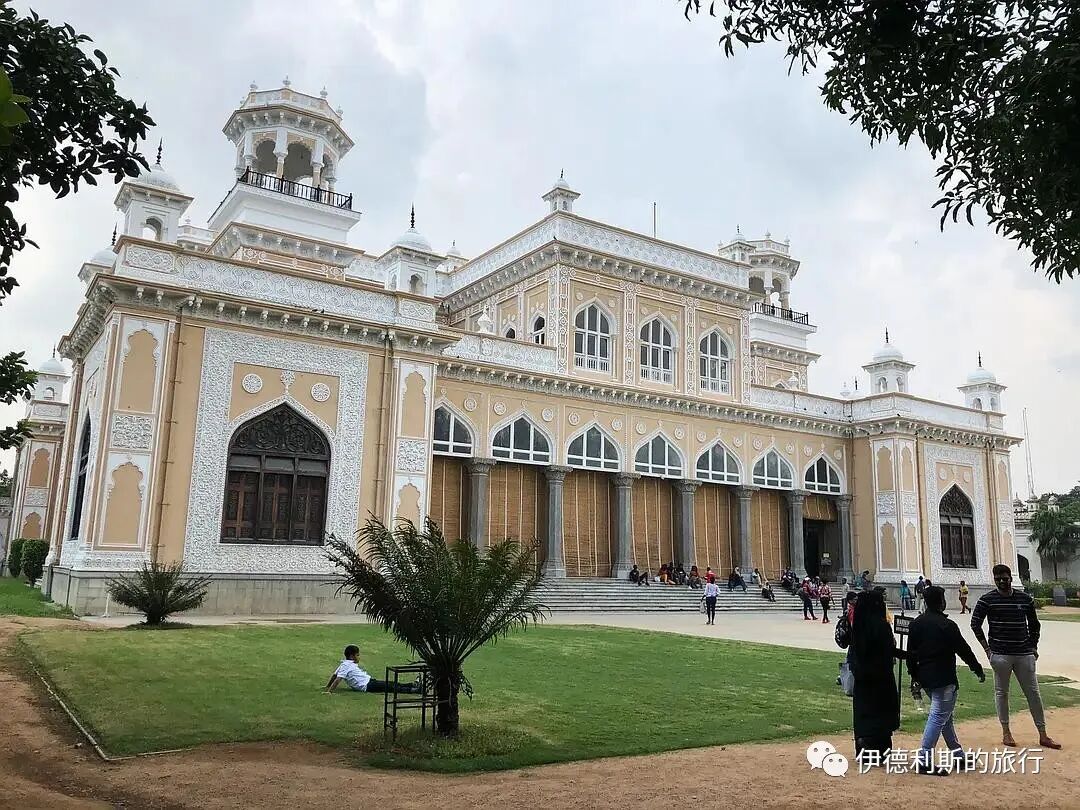
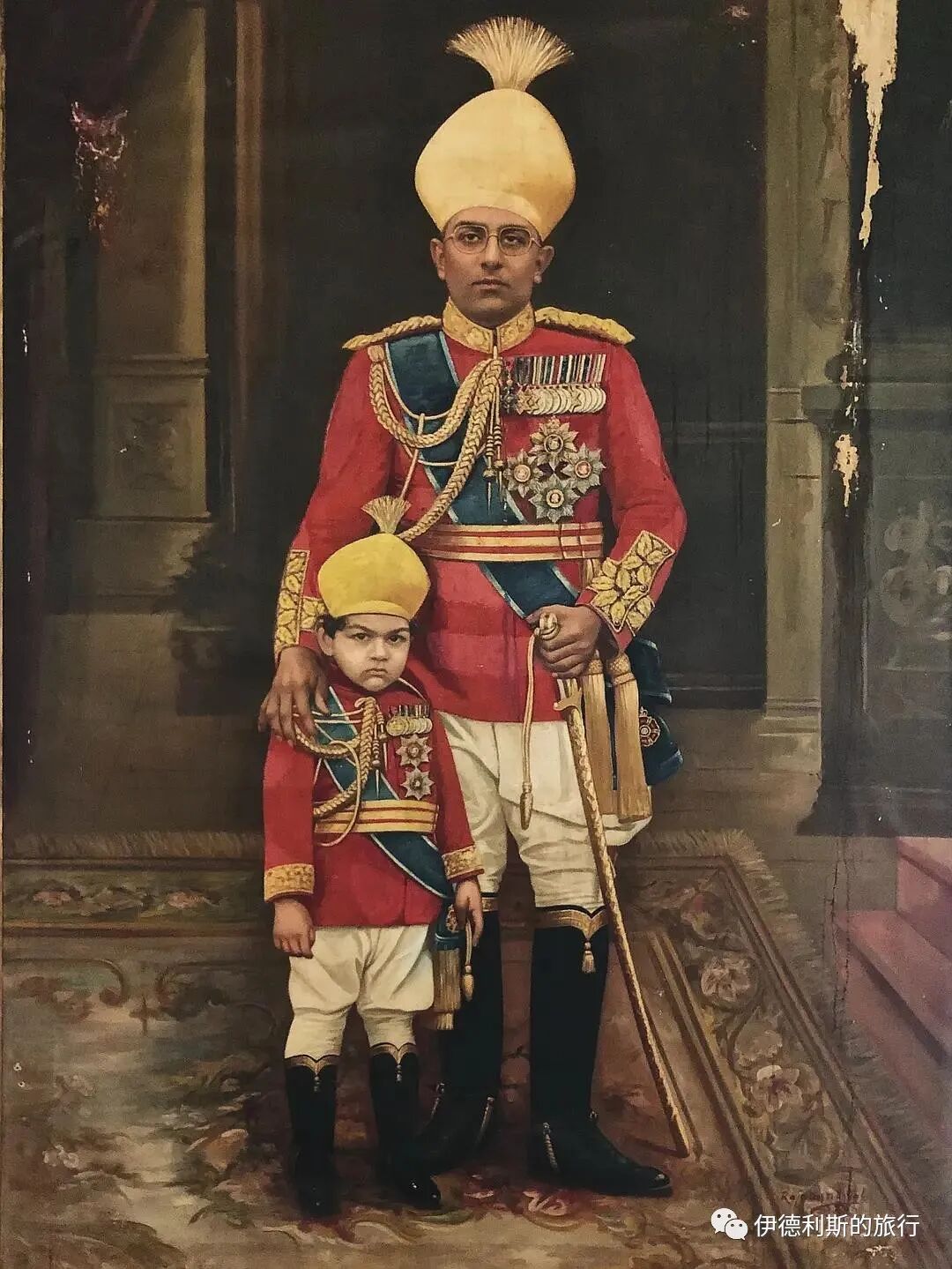
Portraits and photos of the Nizam of Hyderabad, along with the tableware he used.
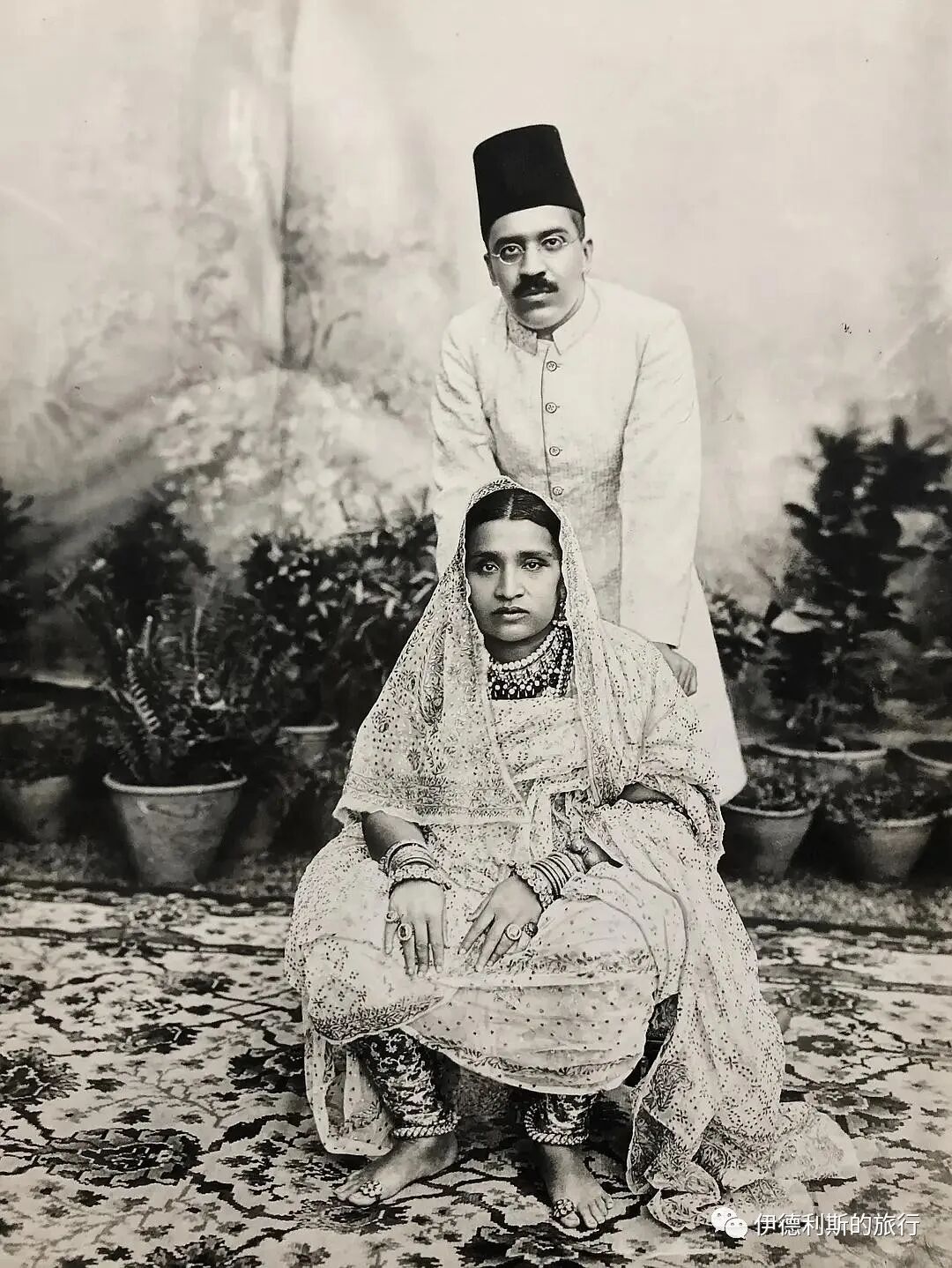
A photo of the seventh Nizam and his wife taken in 1916.
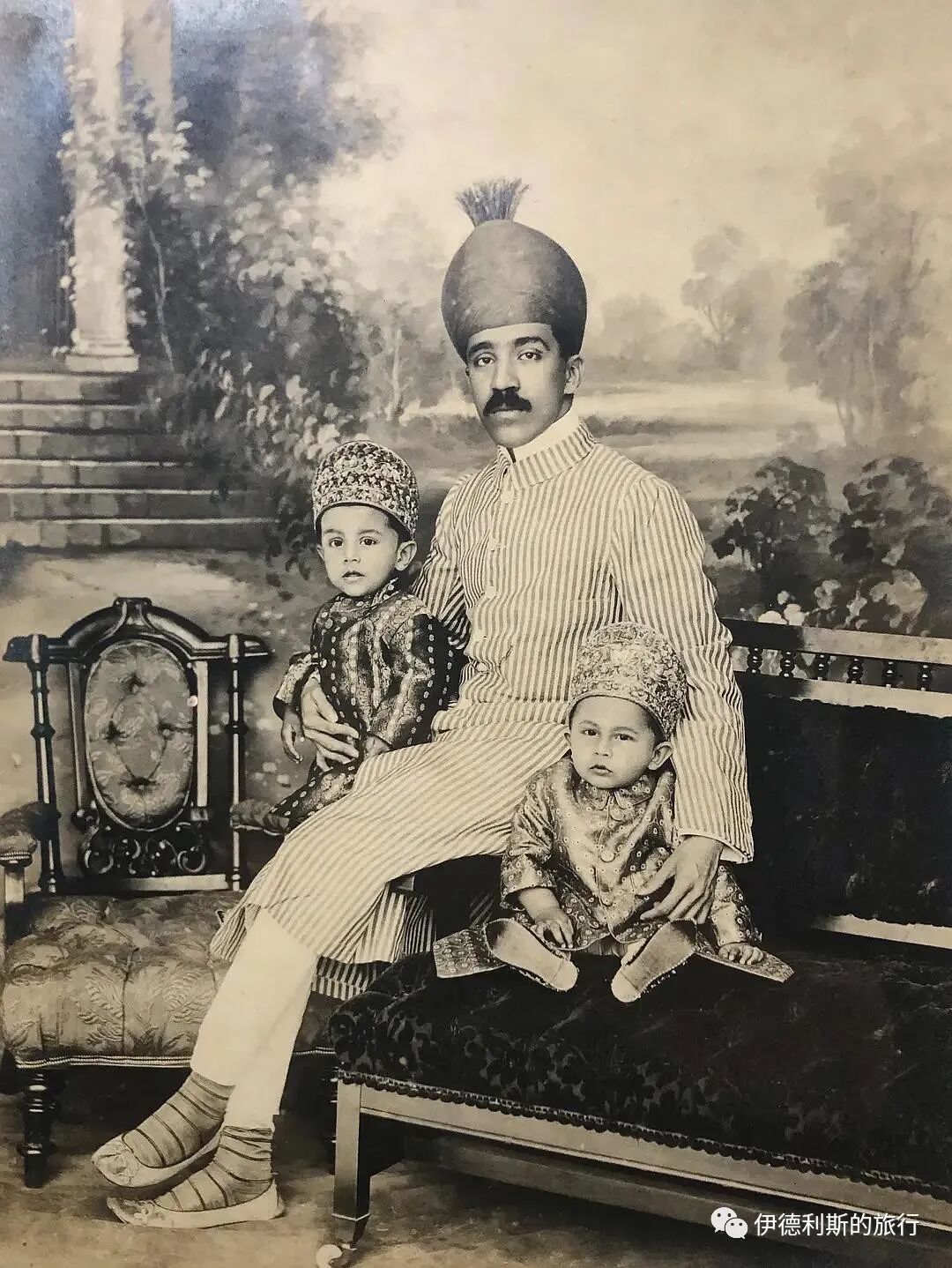
A photo of the seventh Nizam and his two sons taken in 1908.
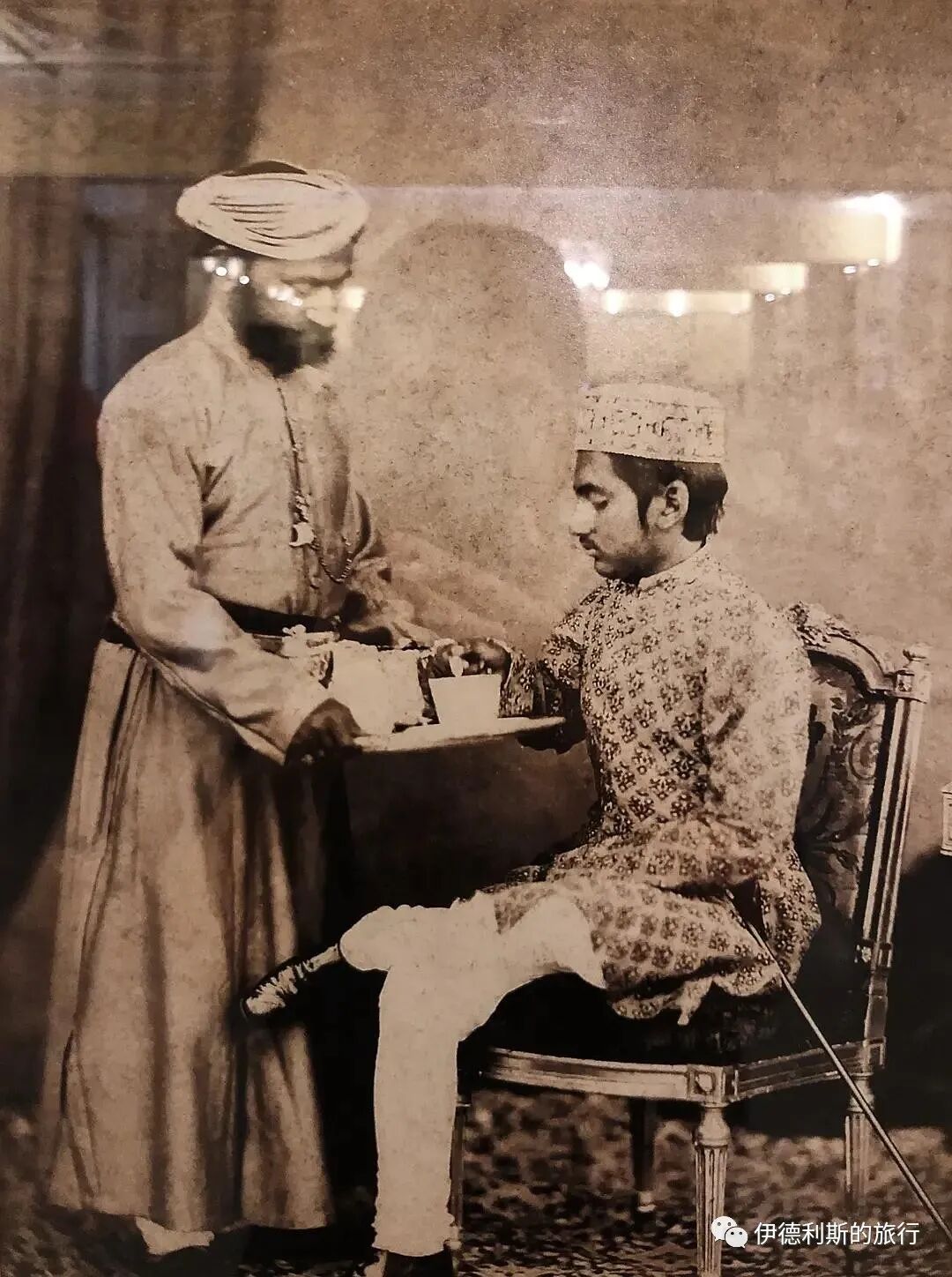
The Nizam drinking tea.
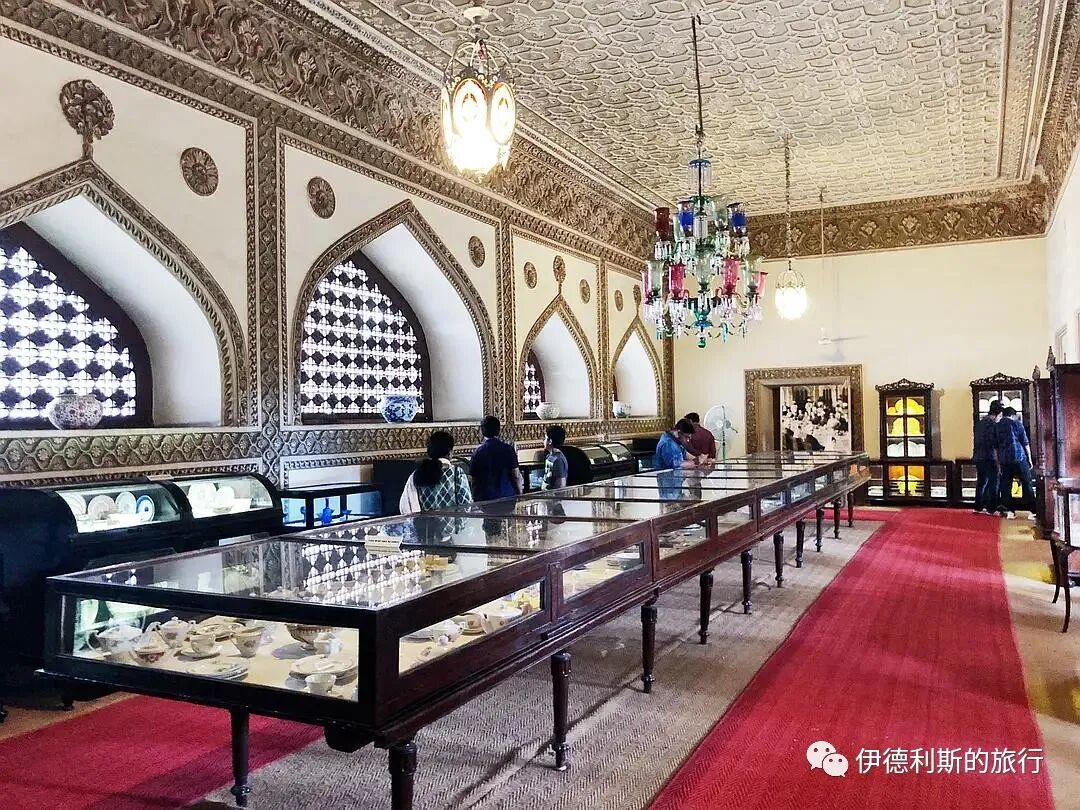
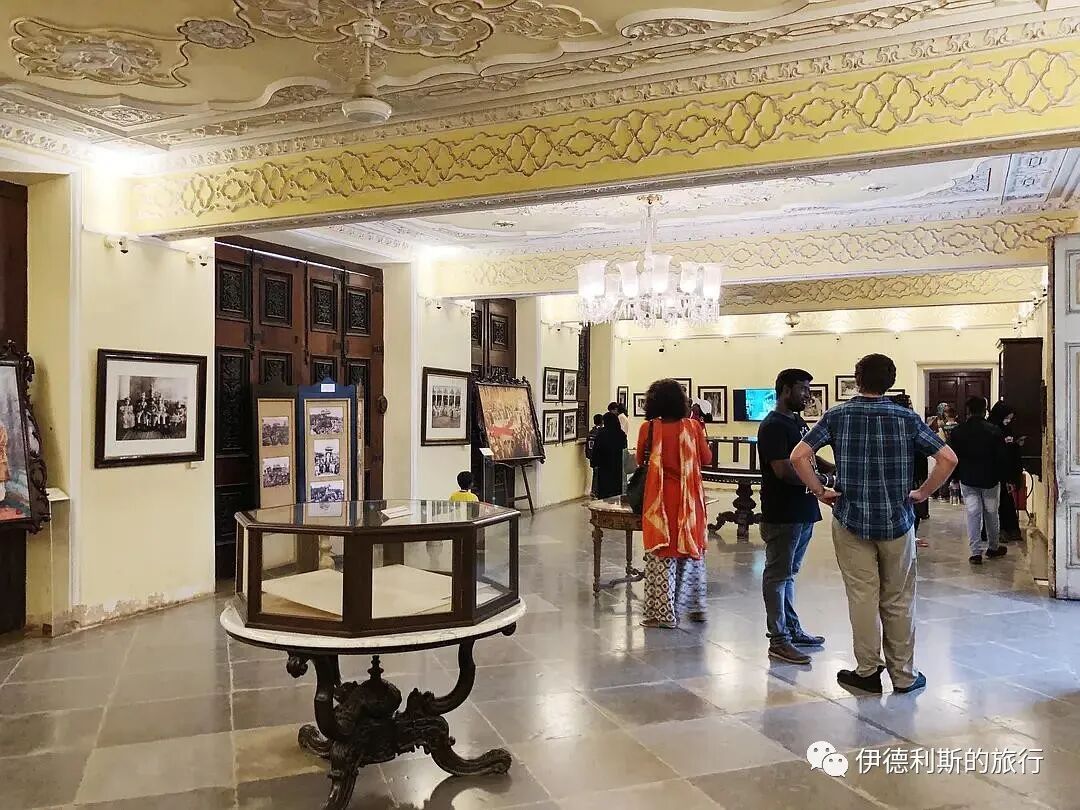
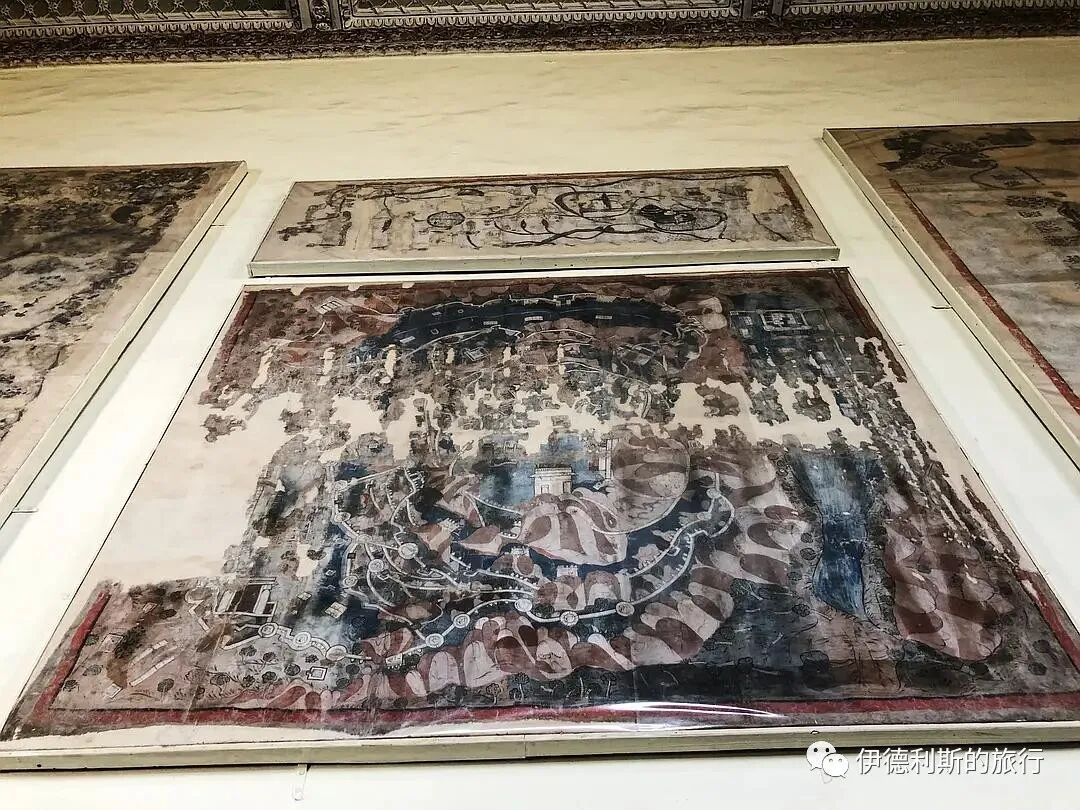
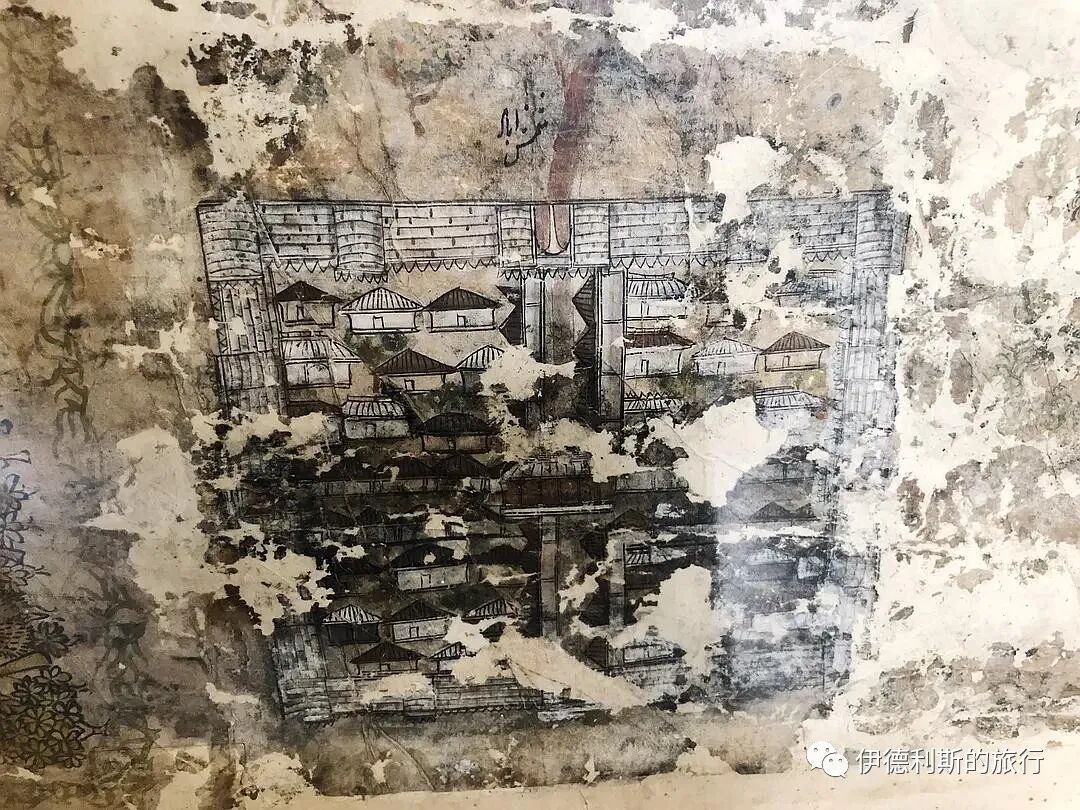
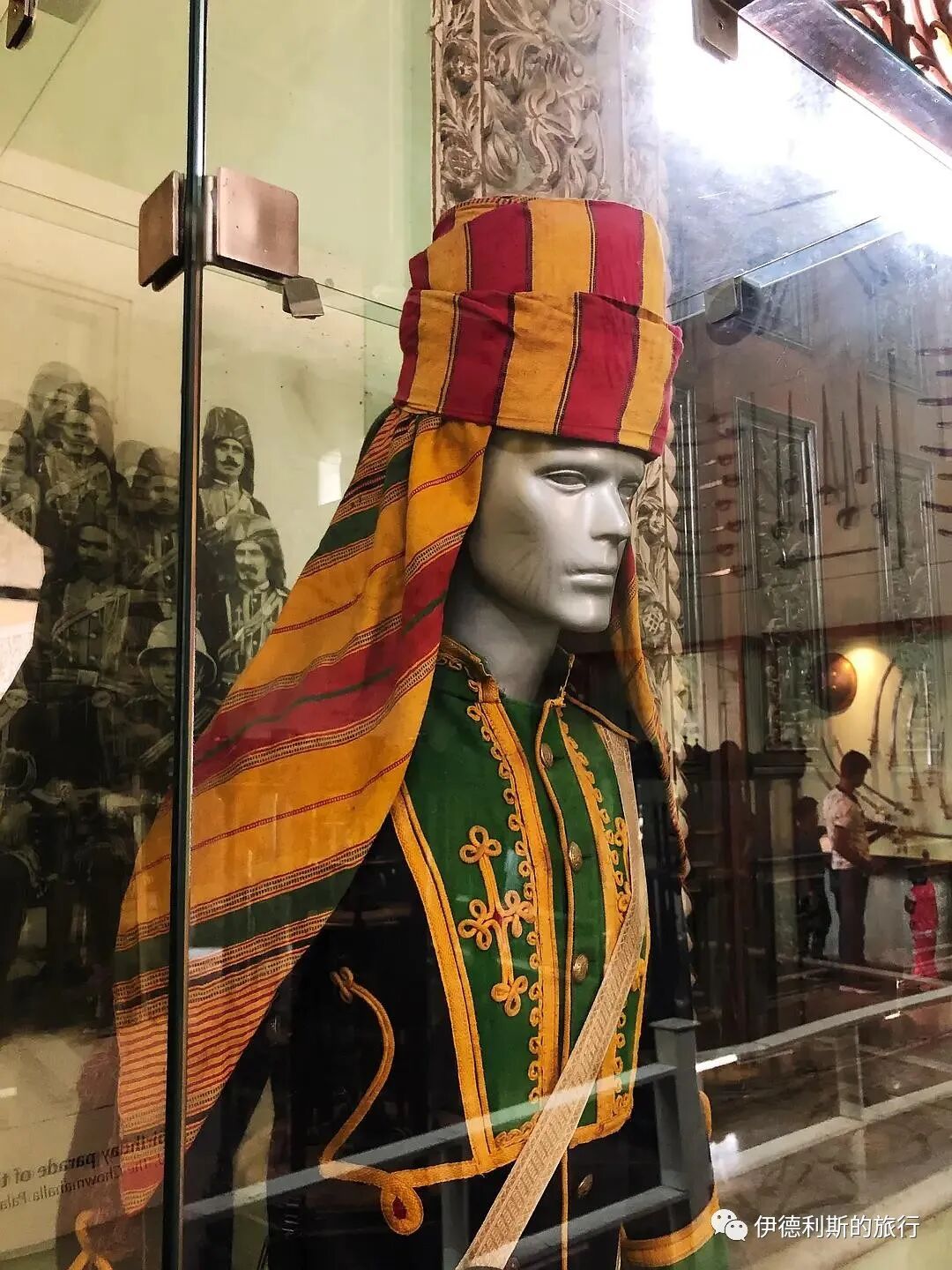
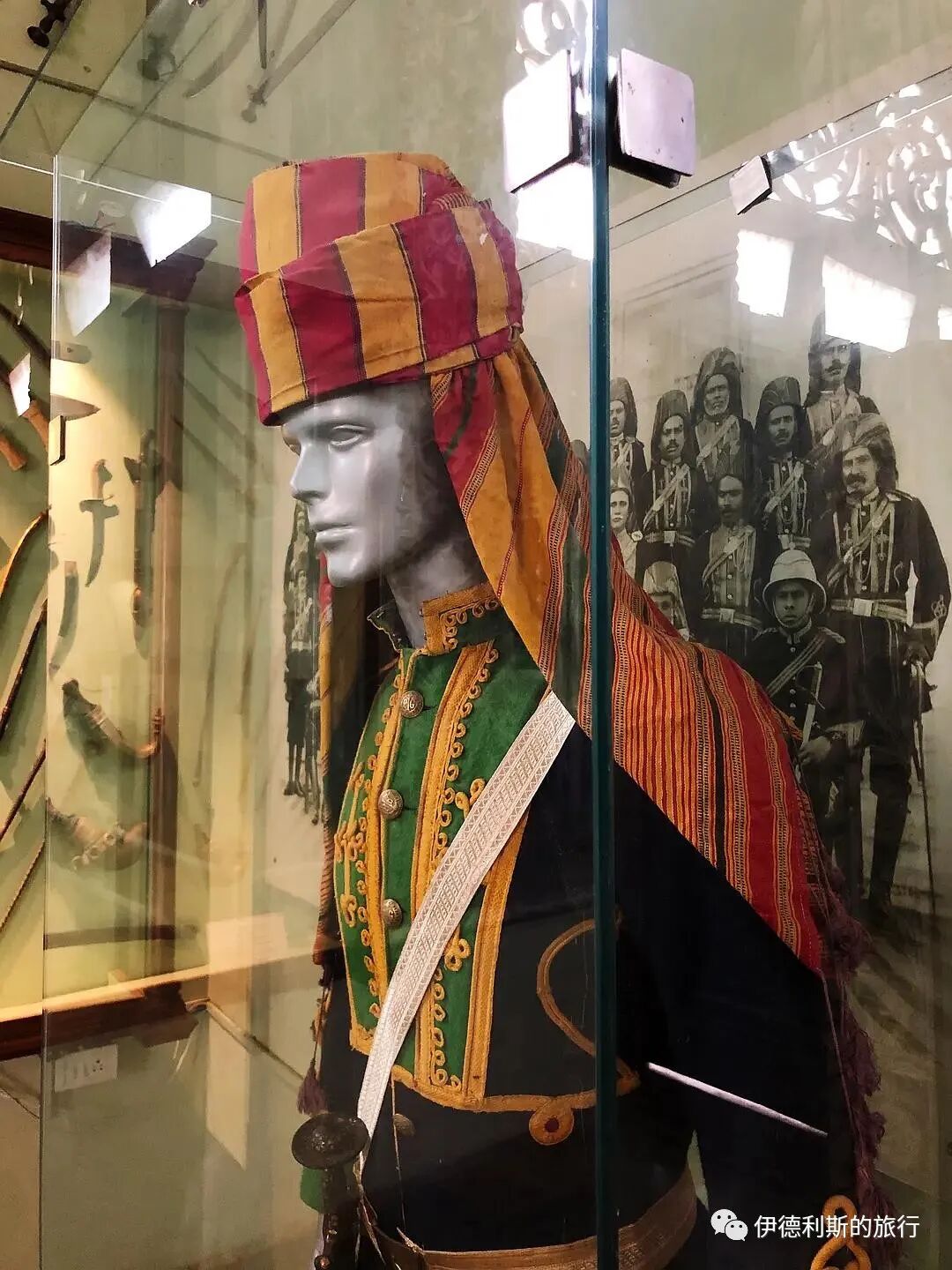
Uniforms of the Maisram Regiment, the palace guards of the Nizam of Hyderabad.
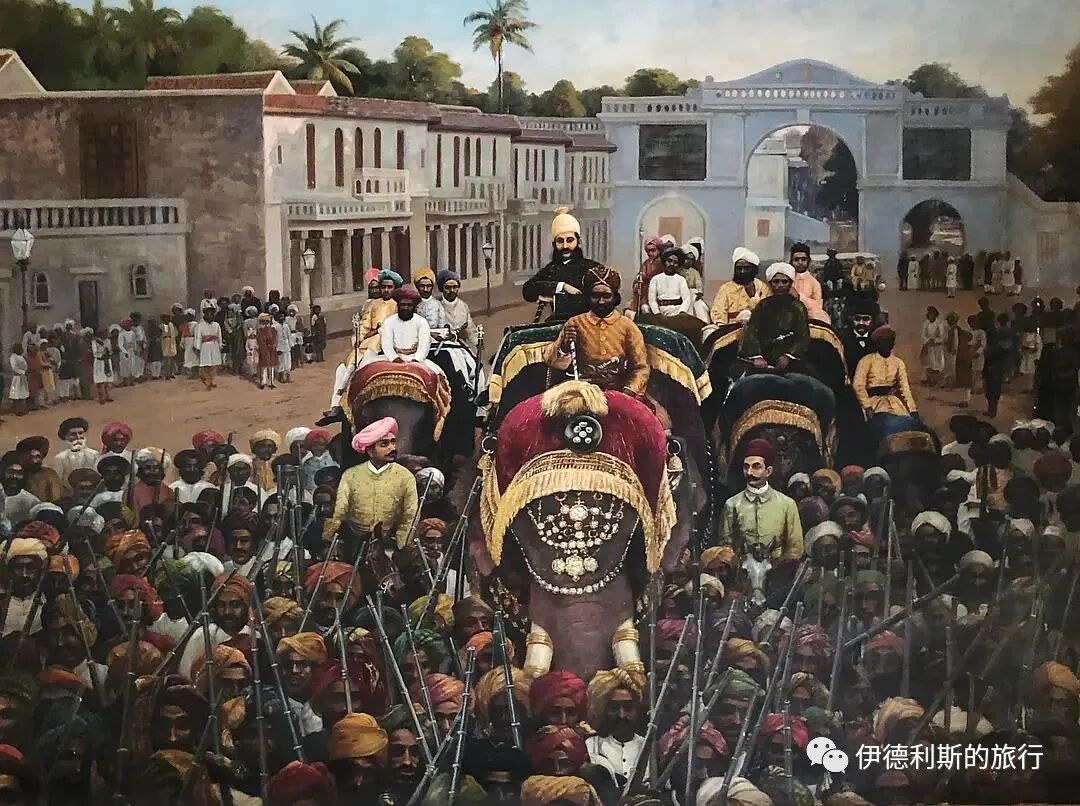
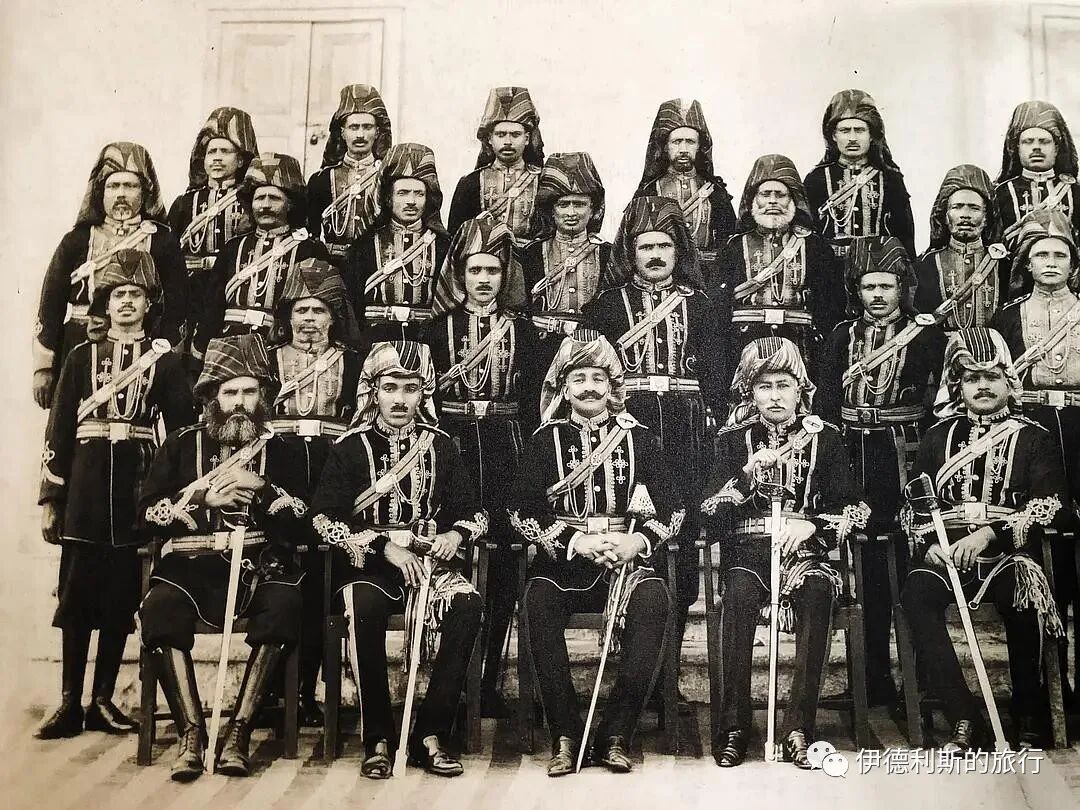
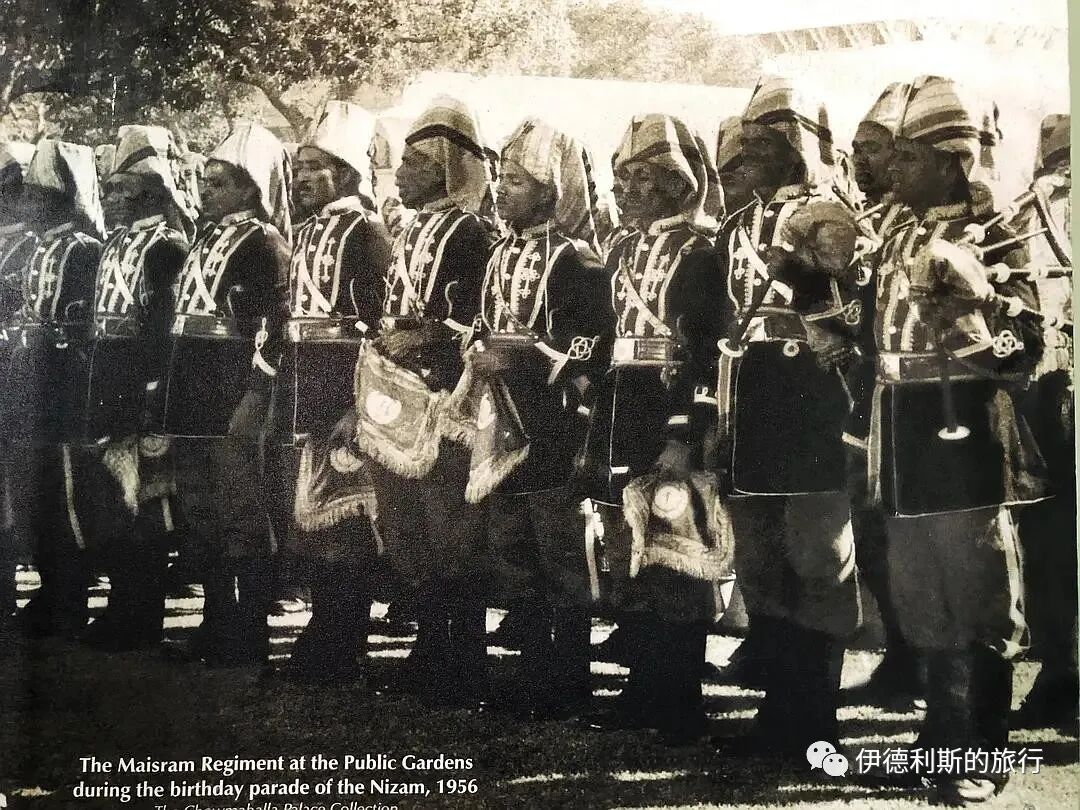
Photos of the Maisram Regiment attending the Nizam's birthday celebrations in 1935 and 1956.
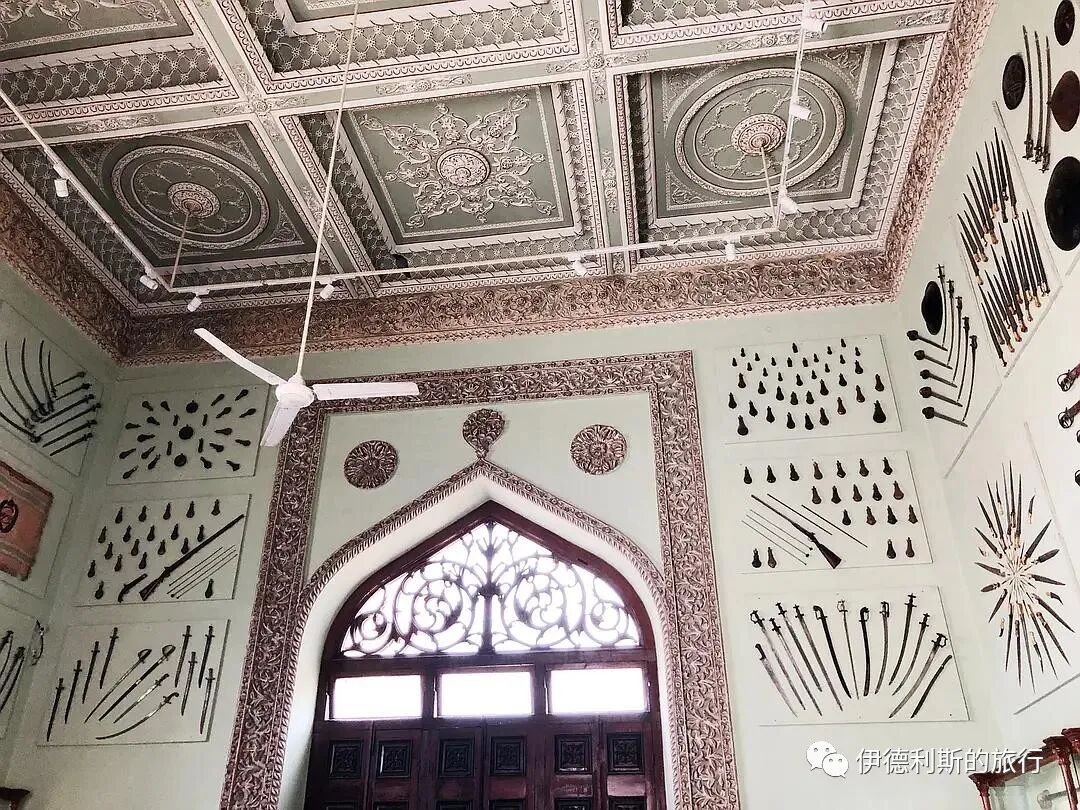
Walls covered in weapons.
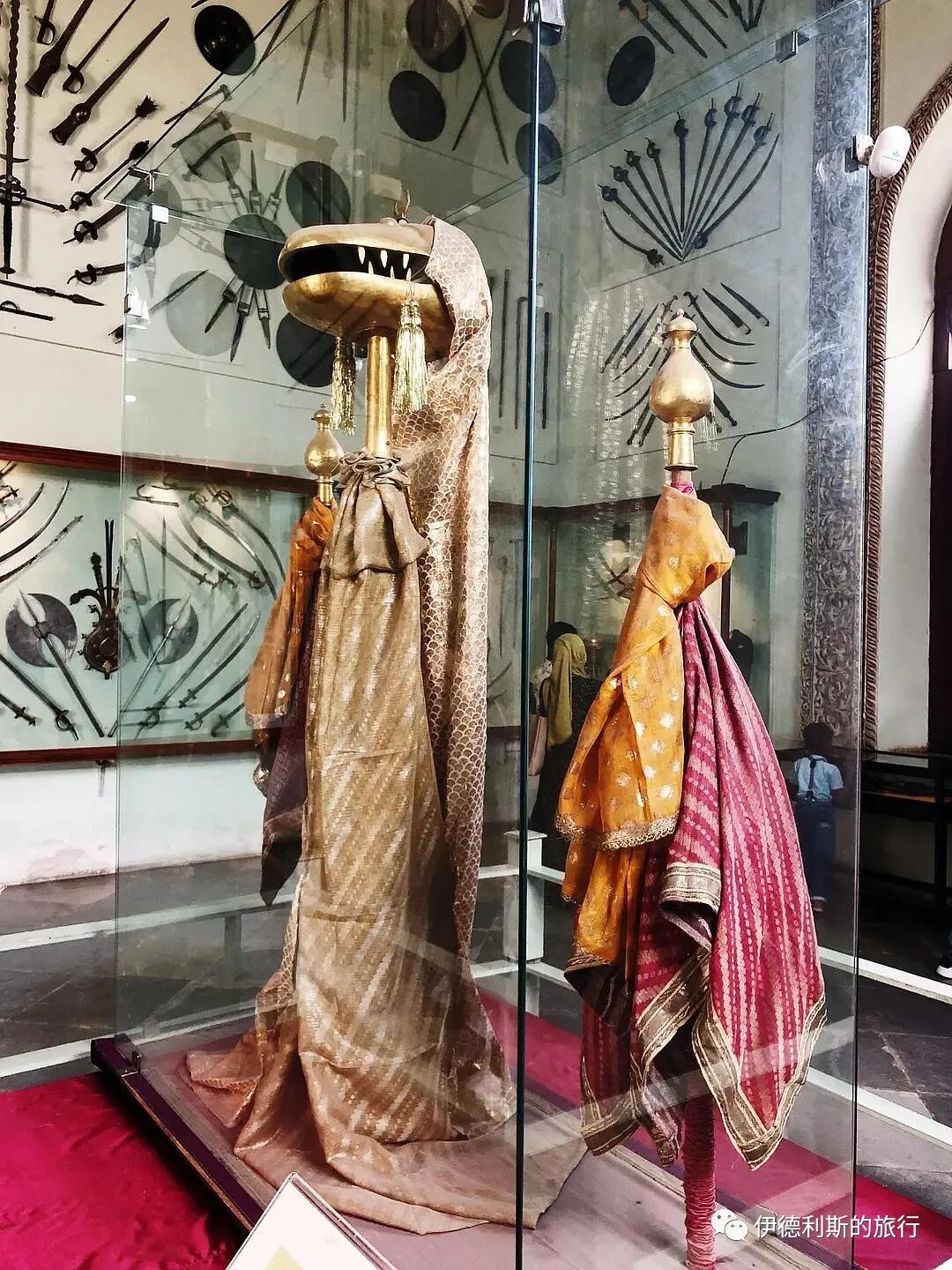
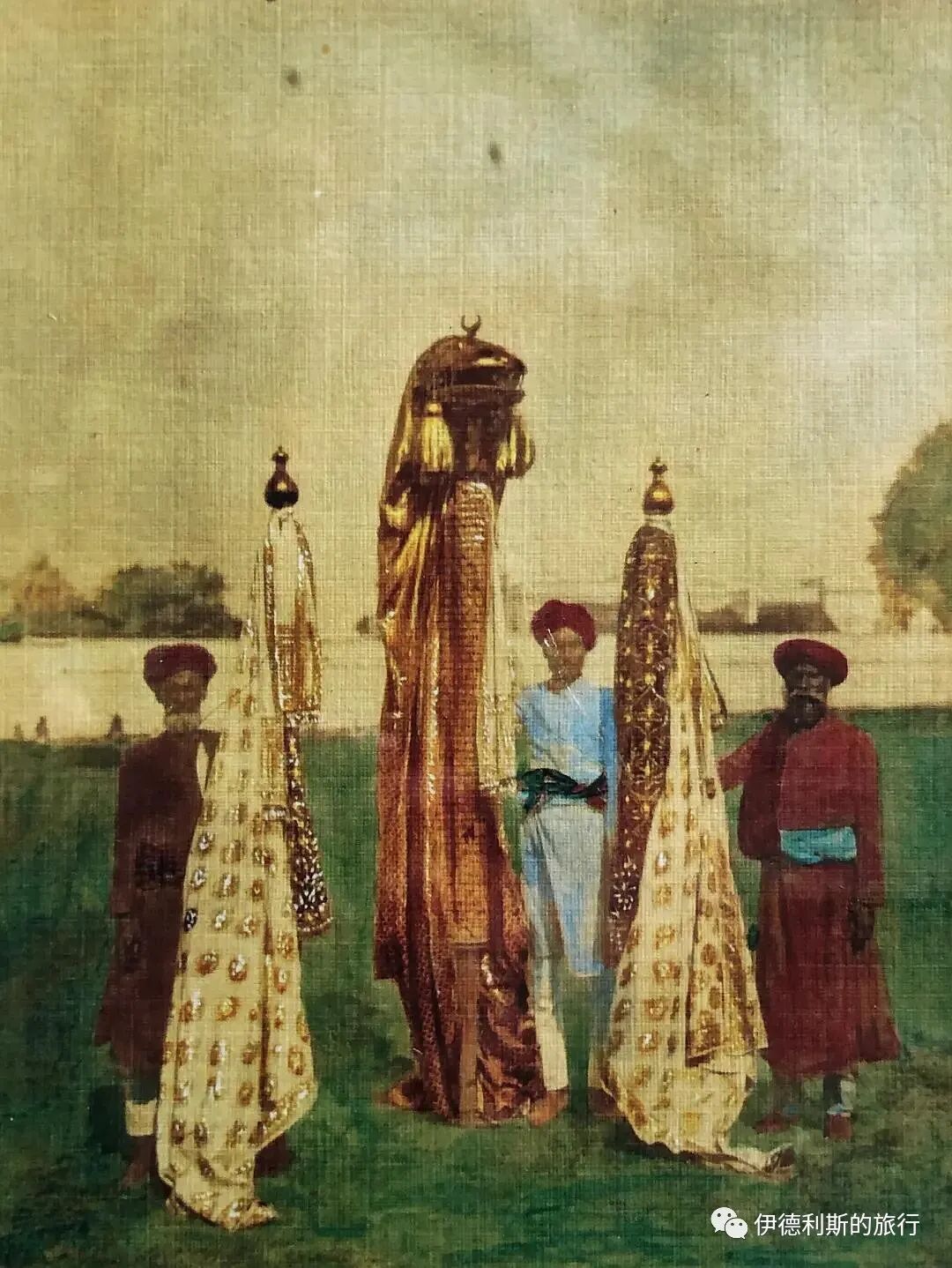
The royal gilded copper fish-shaped flag of the Nizam of Hyderabad from the 18th to 19th century, known as Mahi wau Maratib. The fish has been a symbol of power since the Timurid era. The fish-shaped flag of the Asaf Jahi dynasty was an honor bestowed upon the Nizam of Hyderabad by the Mughal imperial court. The flag consists of one fish head (Mahi) and two scepters (Maratib), which were held high at the front of the procession during royal ceremonies.
A painting of the Mahi wau Maratib from 1880.
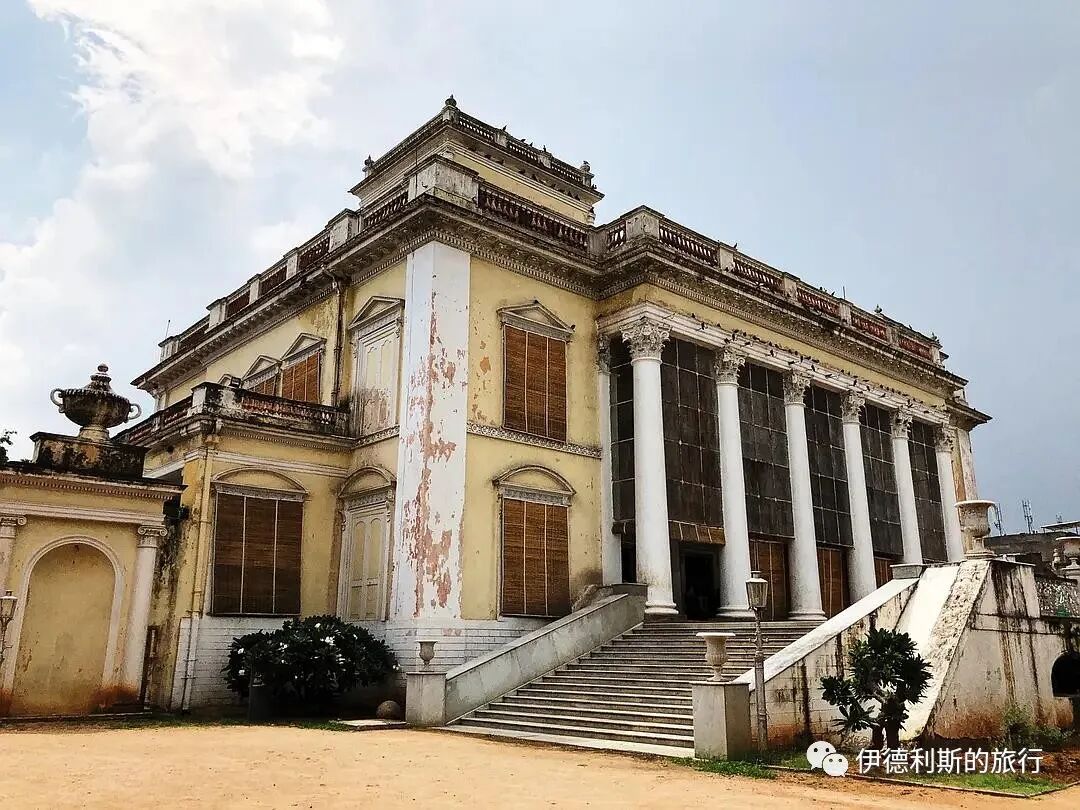
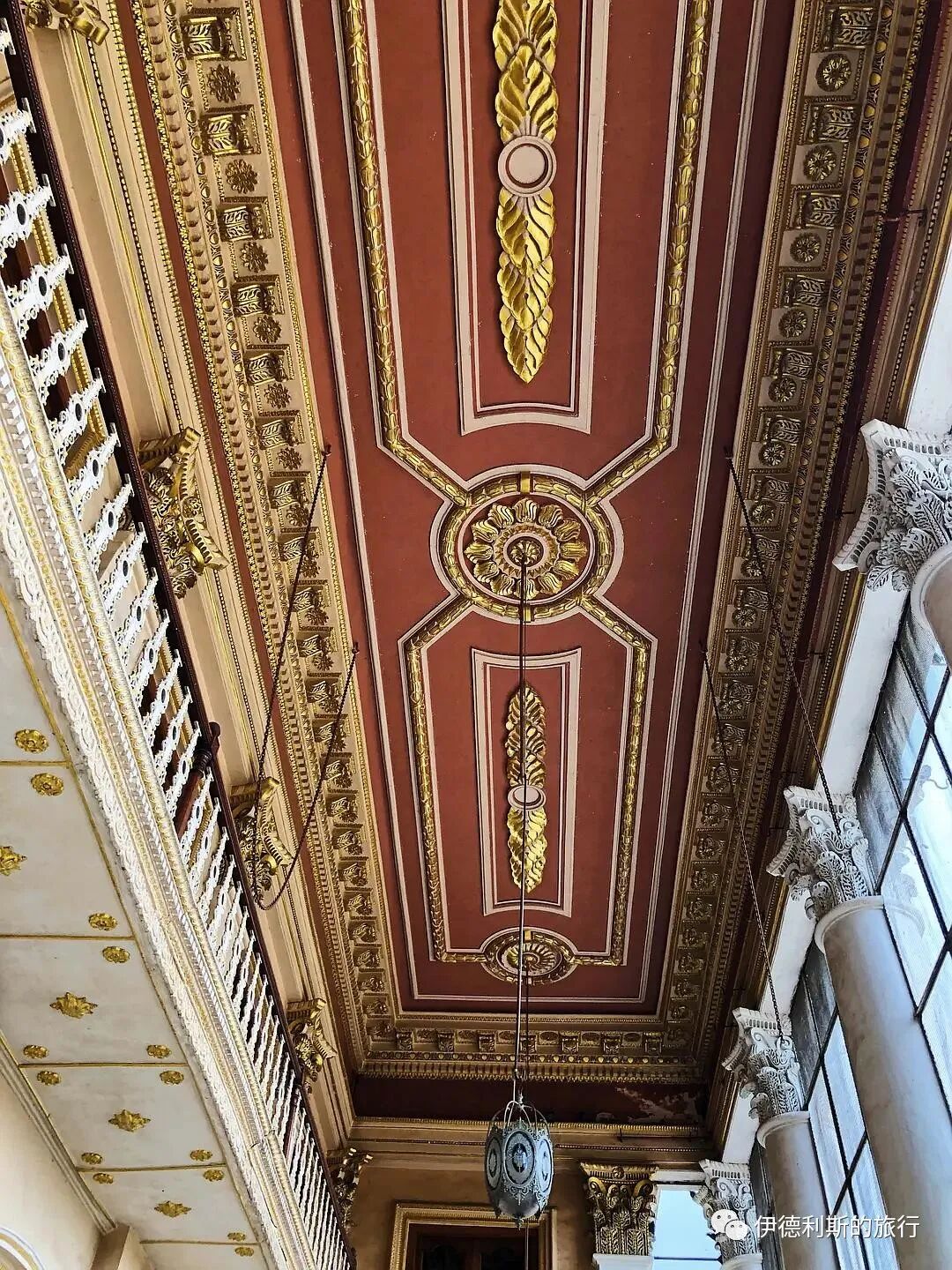
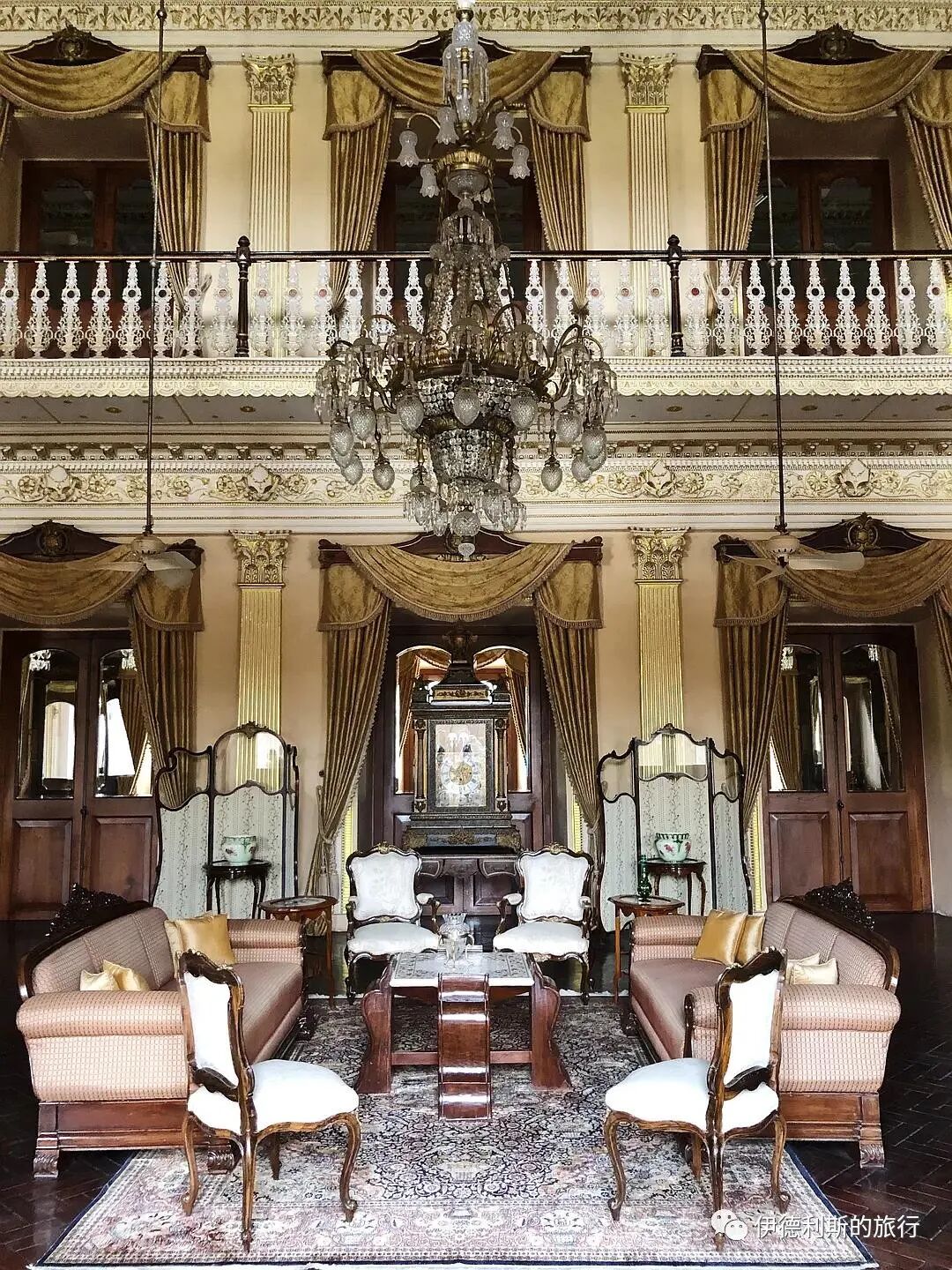
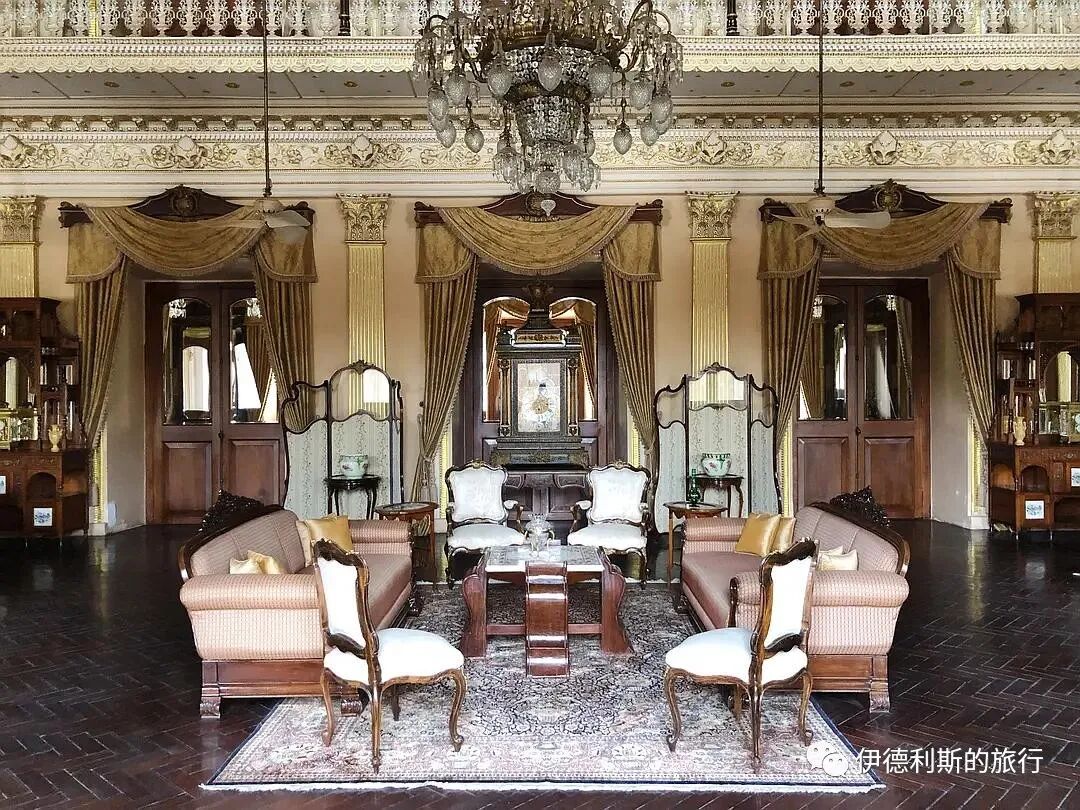
Enter the south section from the north section of Chowmahalla Palace. The south section contains four palaces: Afzal Mahal, Mahtab Mahal, Tahniyat Mahal, and Aftab Mahal, which is where the palace gets its name. The southern palaces were destroyed in a gunpowder explosion at the end of the 18th century and rebuilt in the 19th century in a neoclassical style, incorporating many European elements.
First, let's look at the gate between the north and south sections.
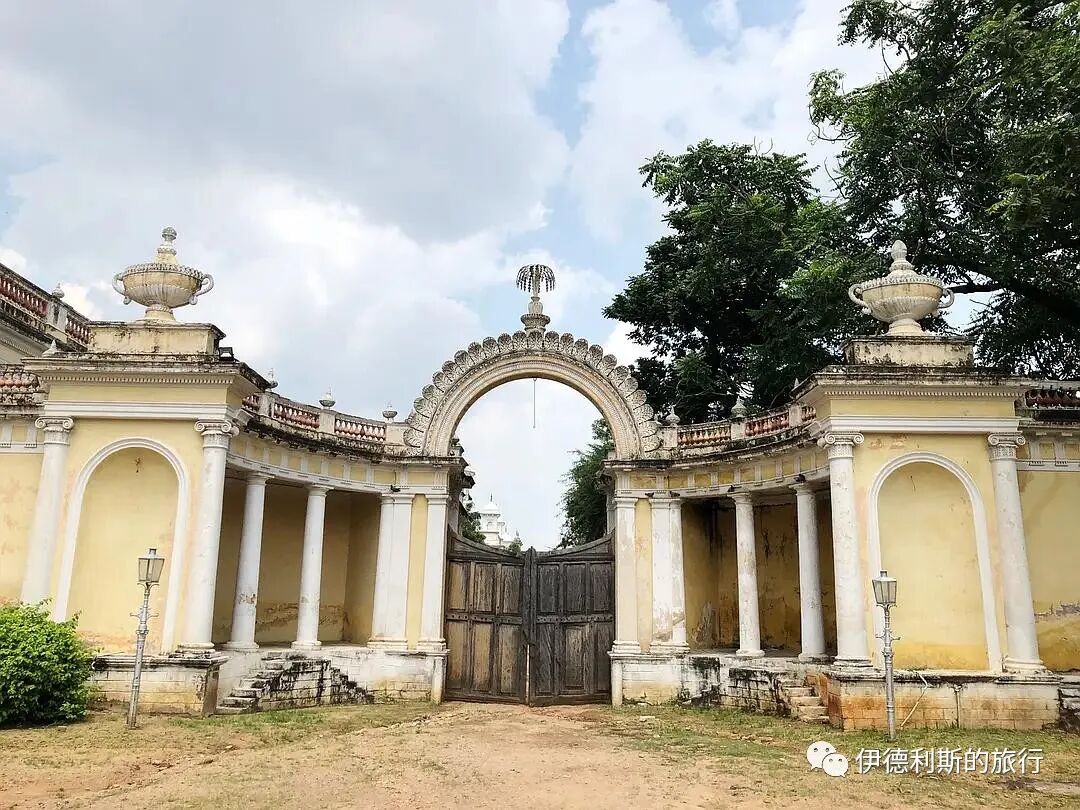
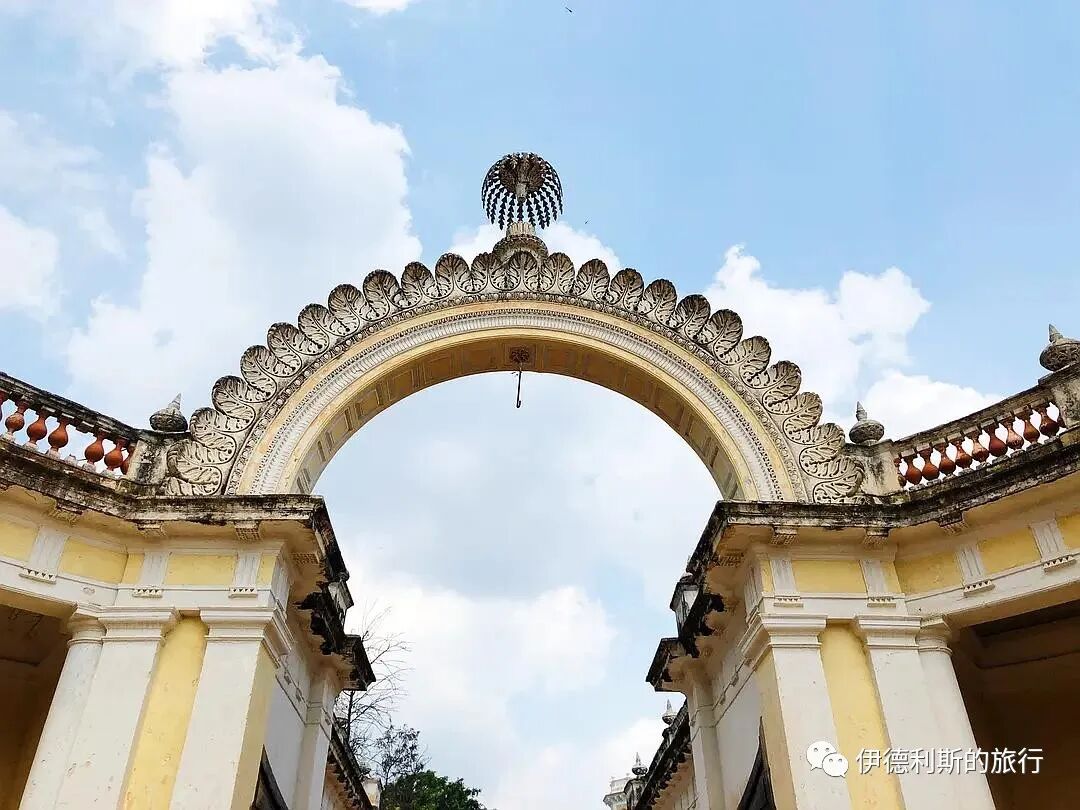
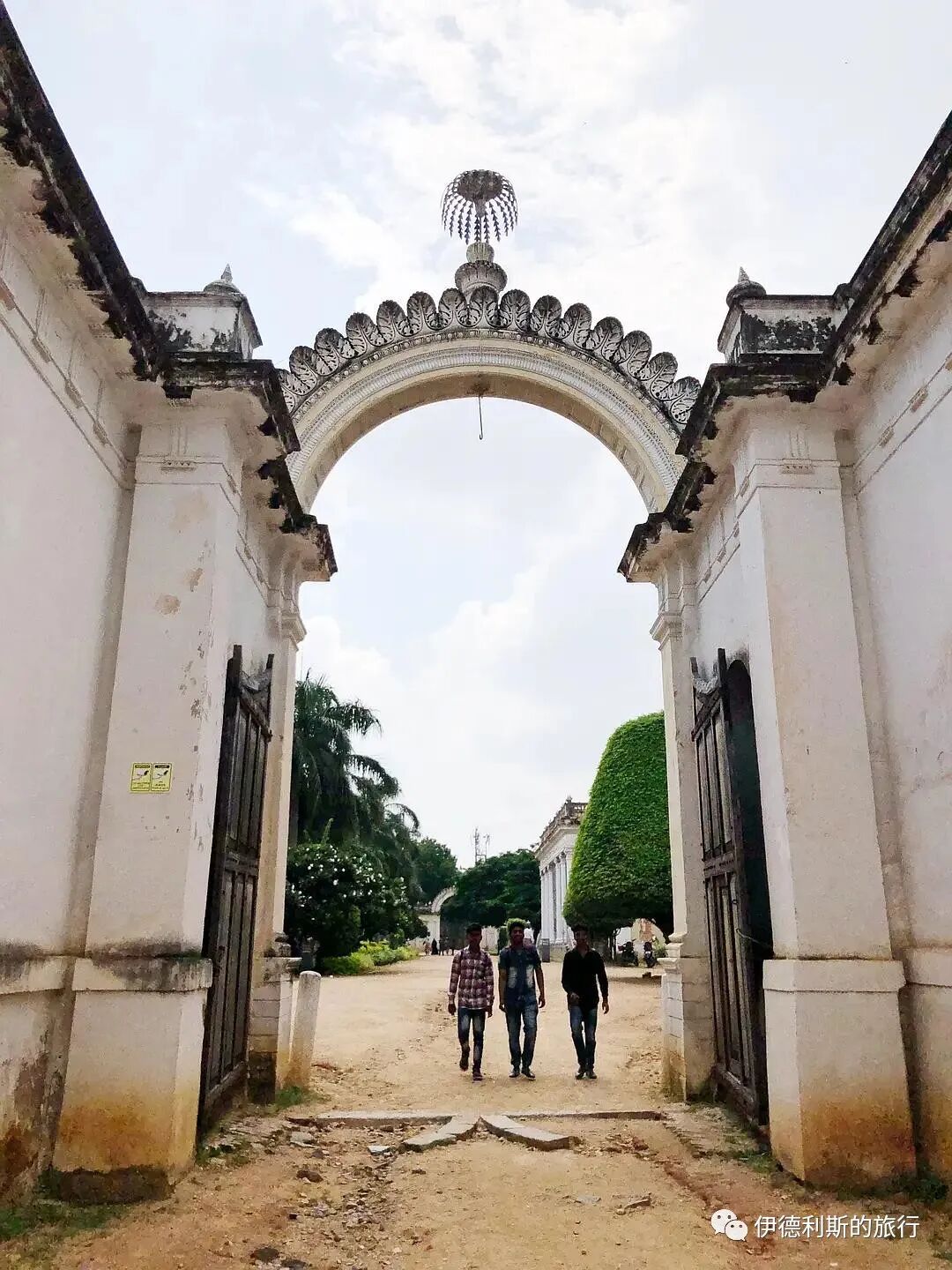
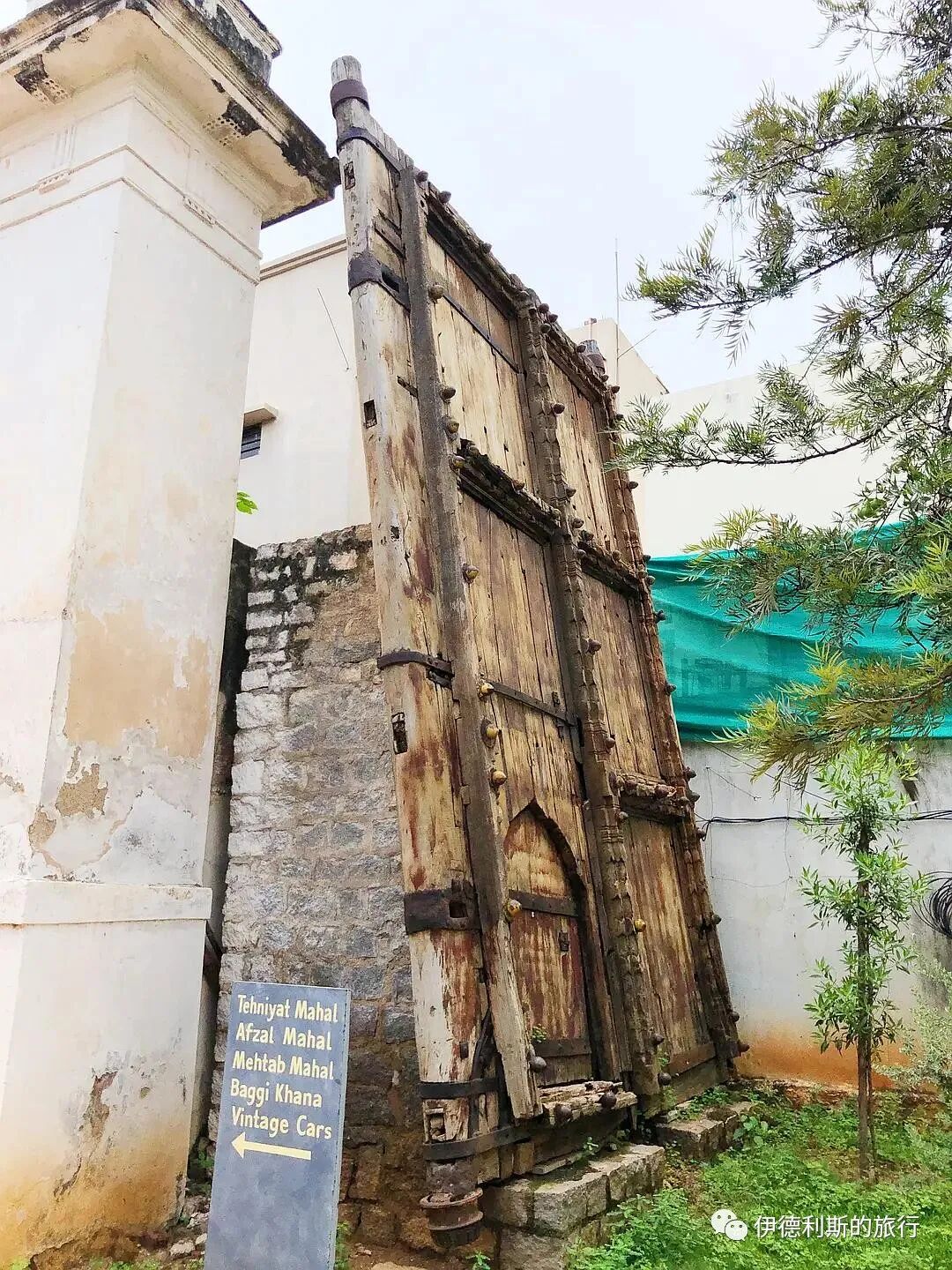
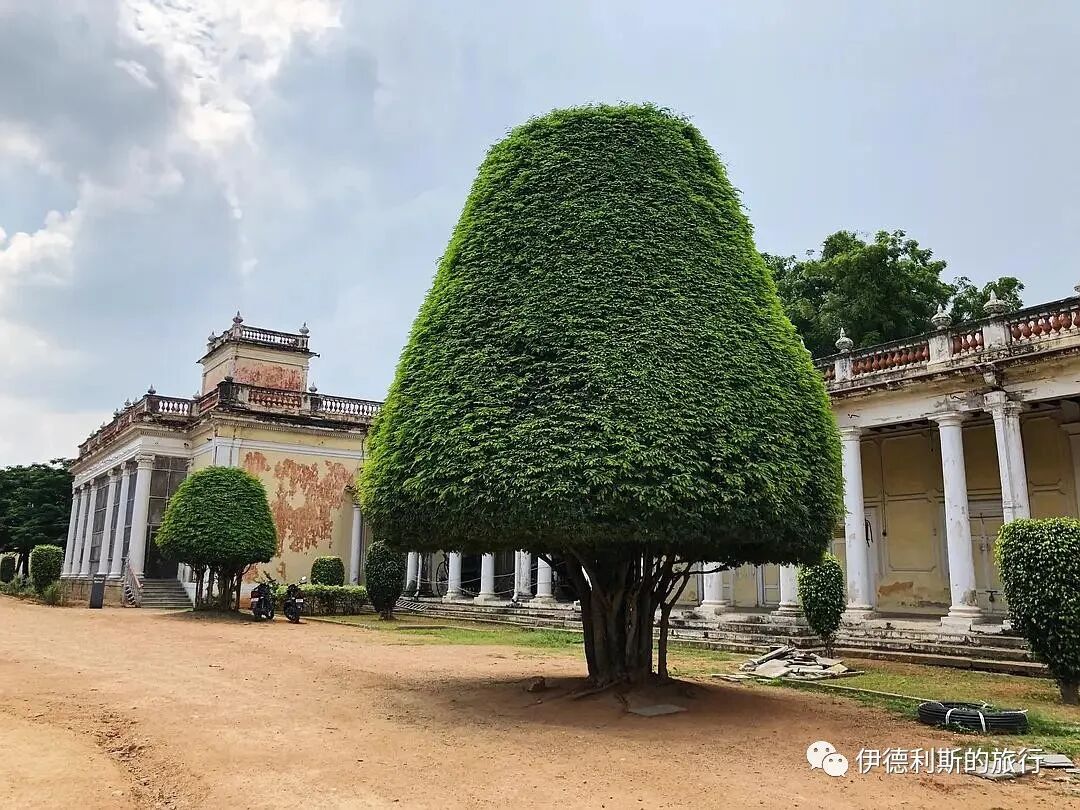
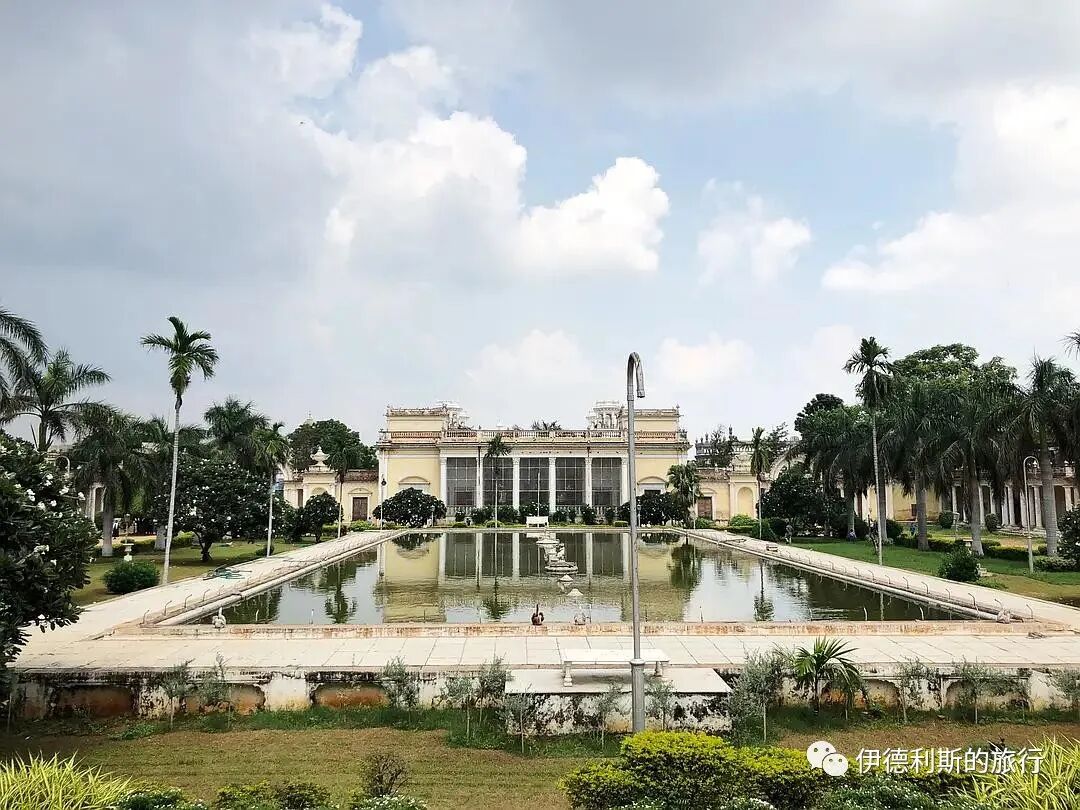
Enter the south section from the north section of Chowmahalla Palace. The south section contains four palaces: Afzal Mahal, Mahtab Mahal, Tahniyat Mahal, and Aftab Mahal, which is where the palace gets its name. The southern palaces were destroyed in a gunpowder explosion at the end of the 18th century and rebuilt in the 19th century in a neoclassical style, incorporating many European elements.
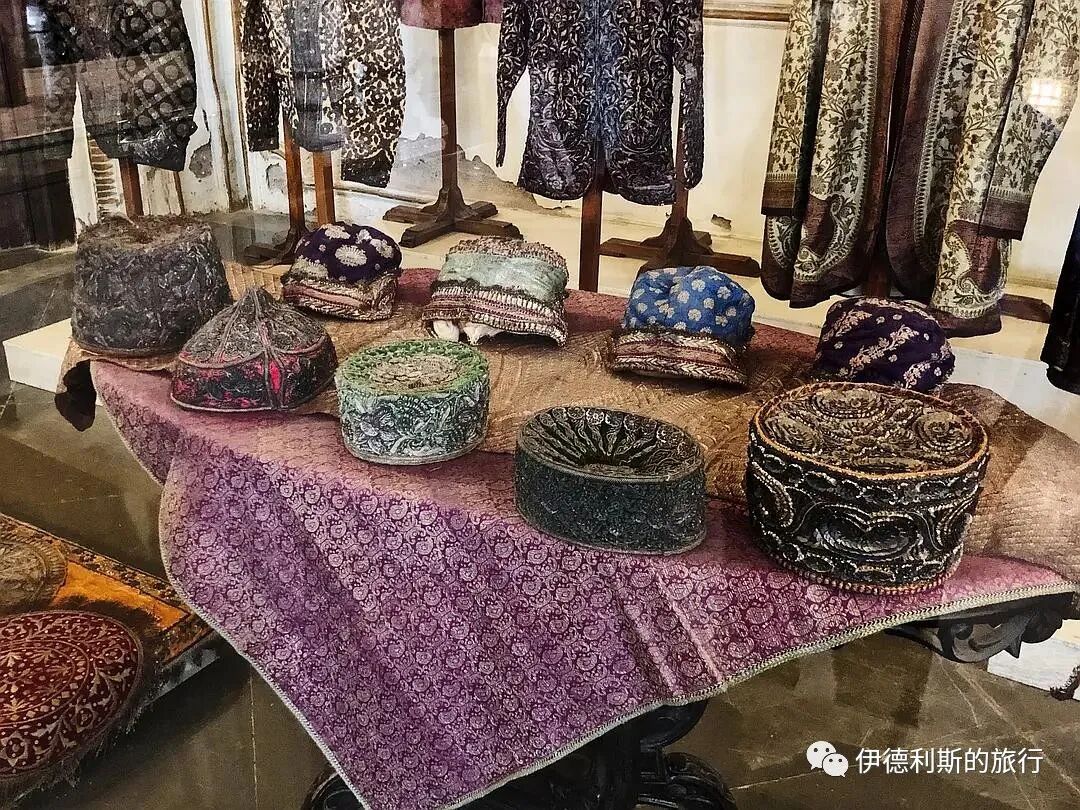
The two buildings on the east and west sides are named after the moon (Mahtab) and the sun (Aftab). The two buildings have slightly different decorations to reflect the characteristics of the moon and the sun, and they display court costumes from the Nizam of Hyderabad.
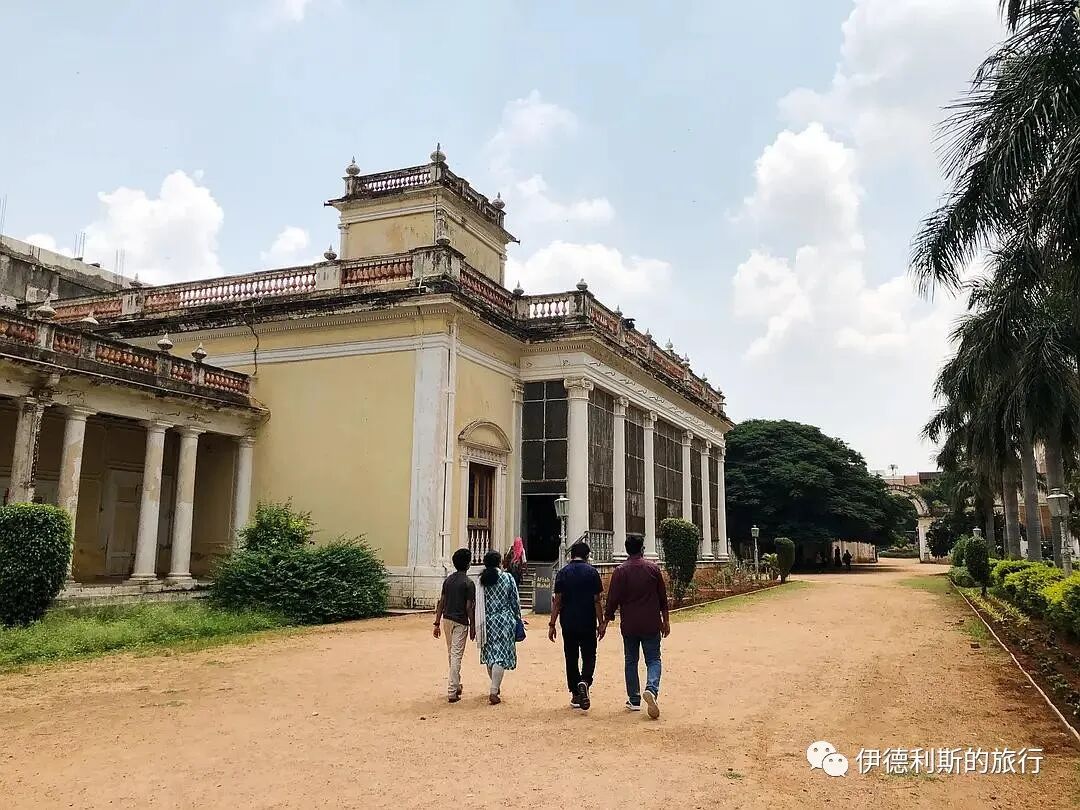
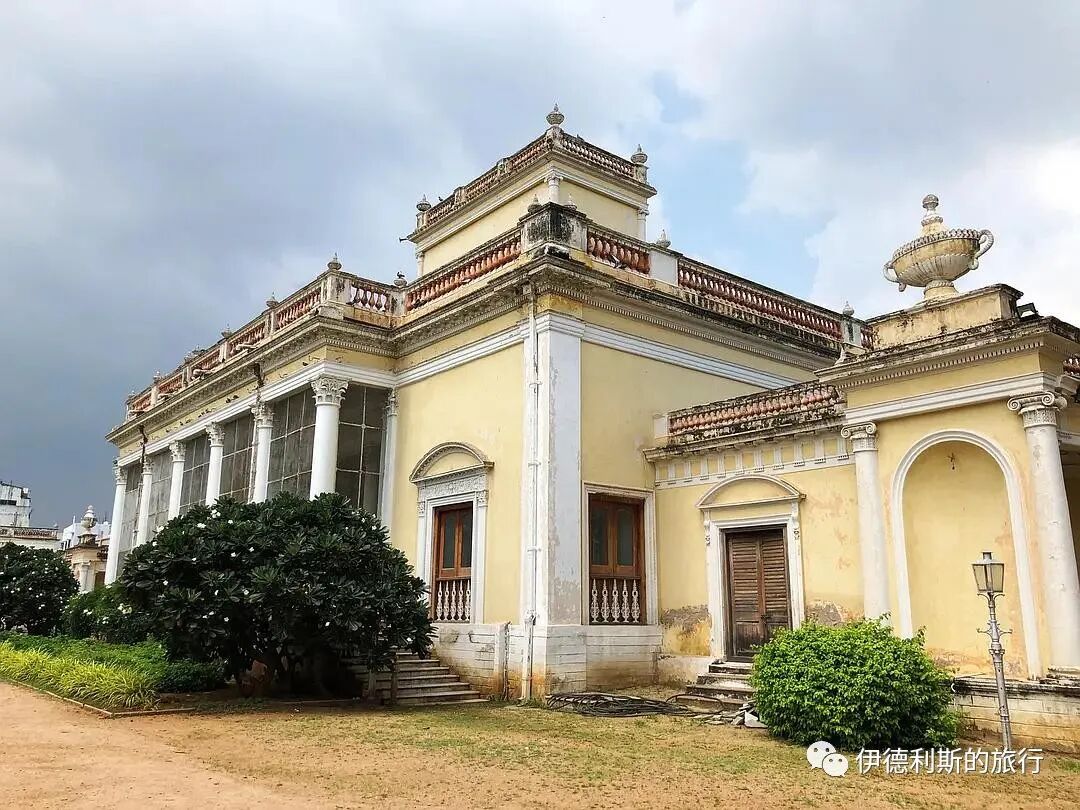
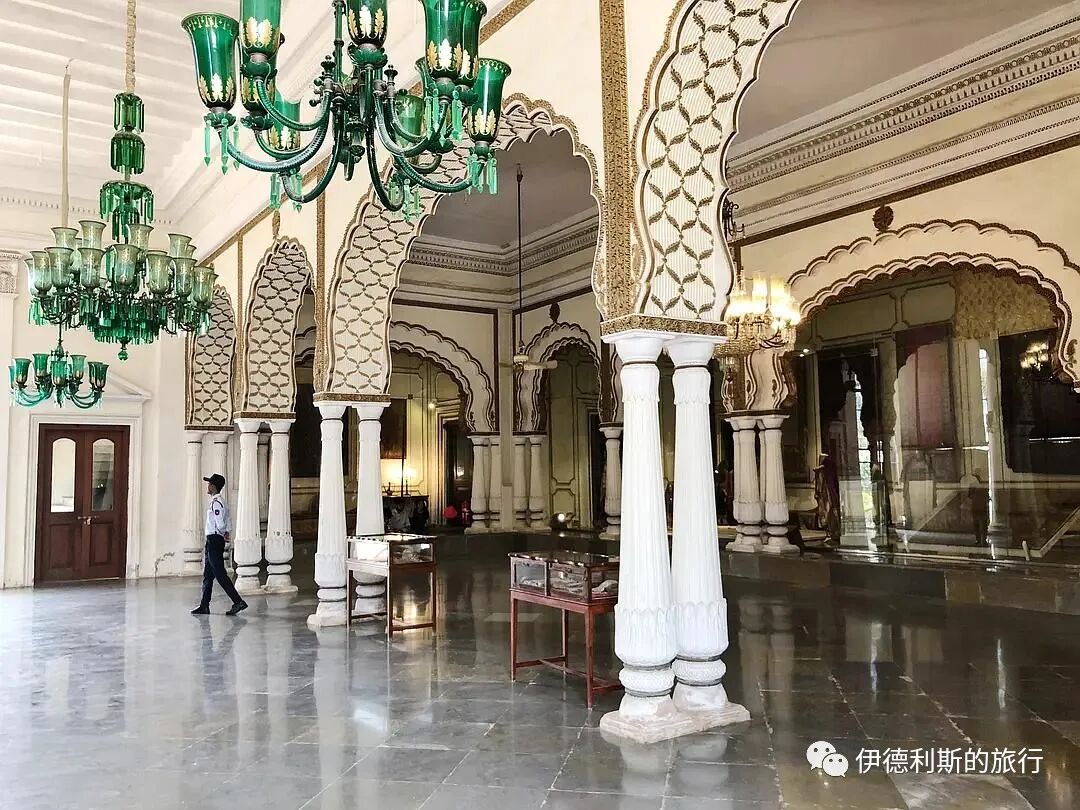
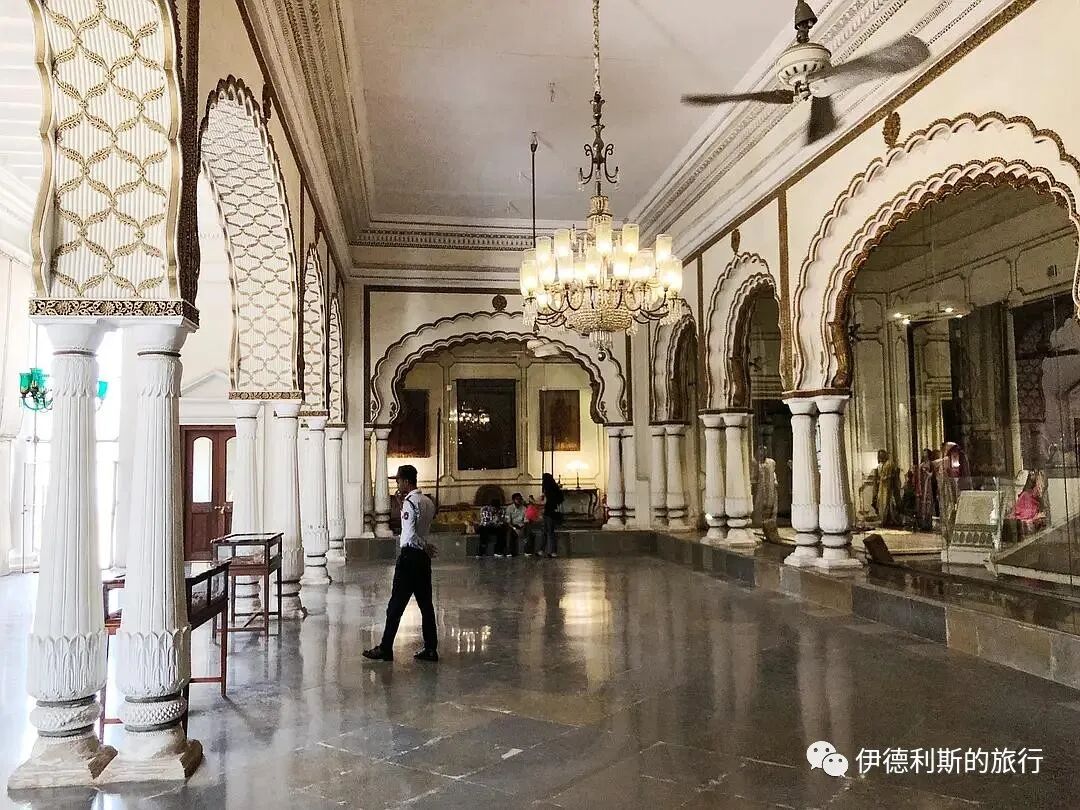
The Afzal Mahal on the south side is the largest, and it displays French furniture and Turkish chandeliers used by the sixth Nizam of Hyderabad.
Tombs of the Nizams
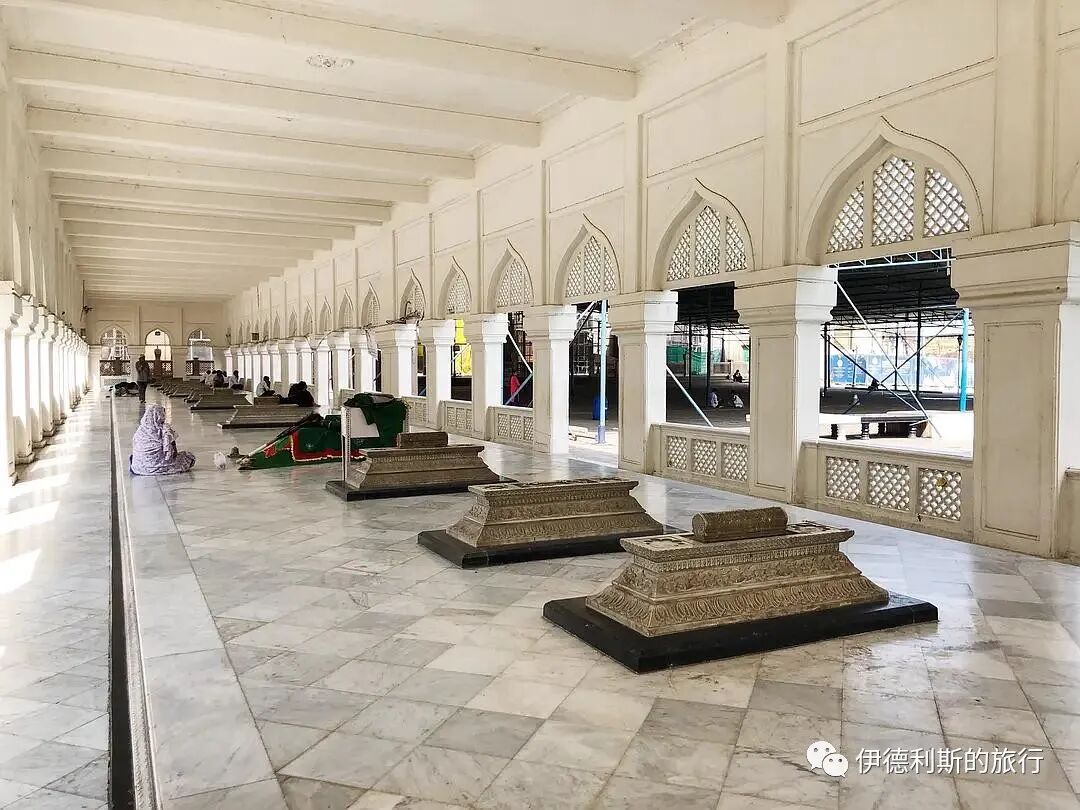
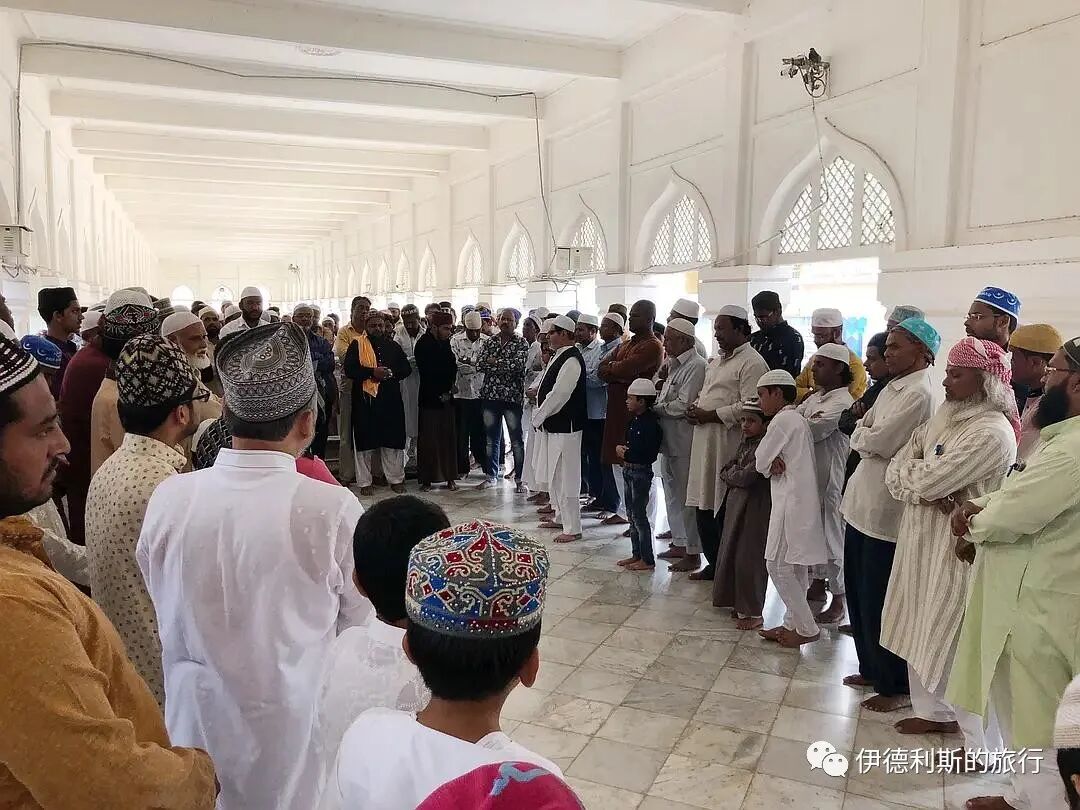
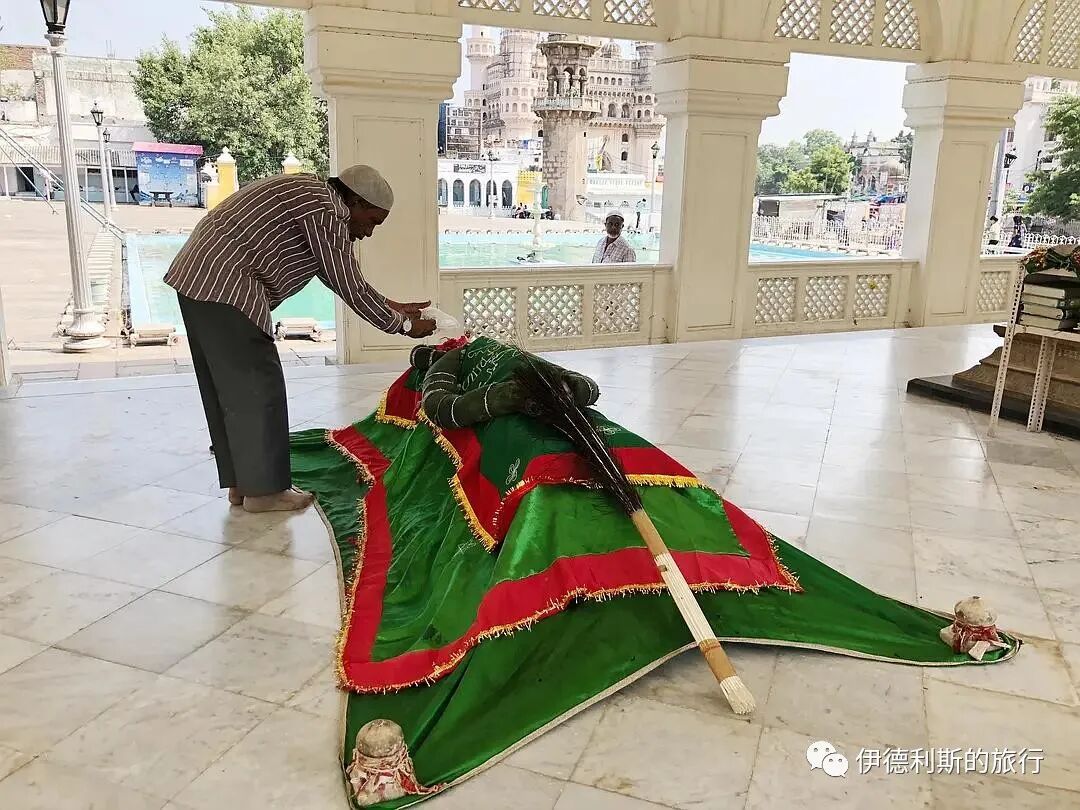
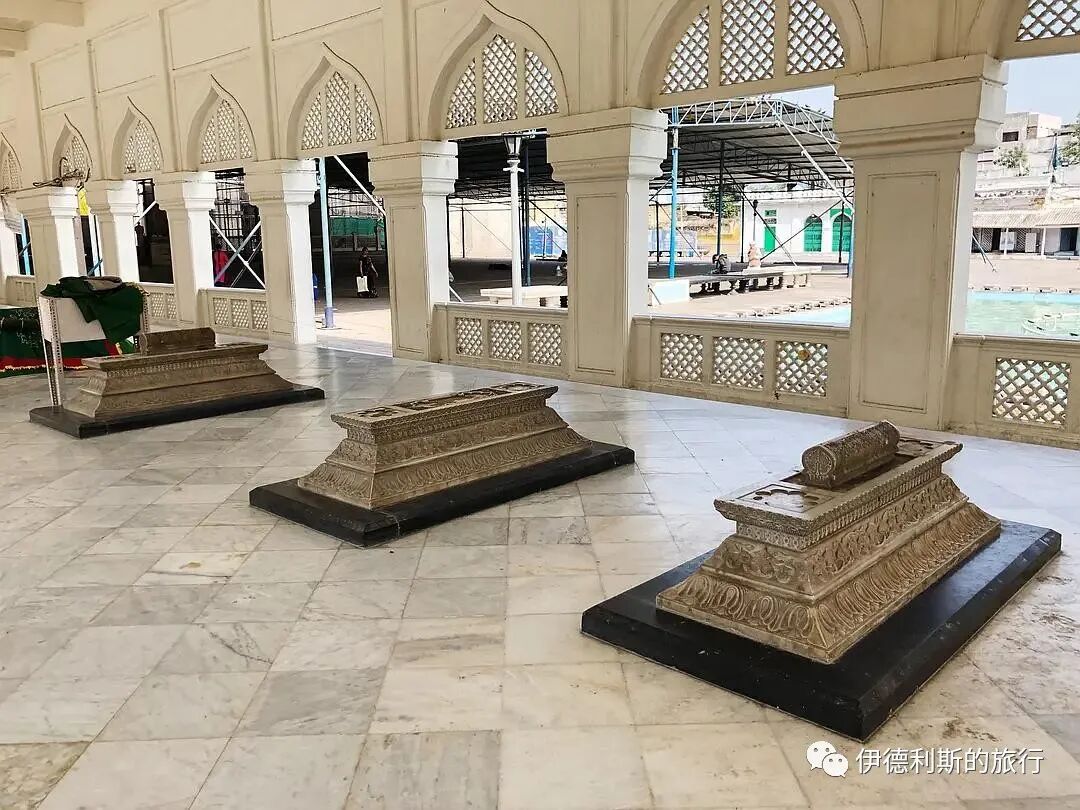
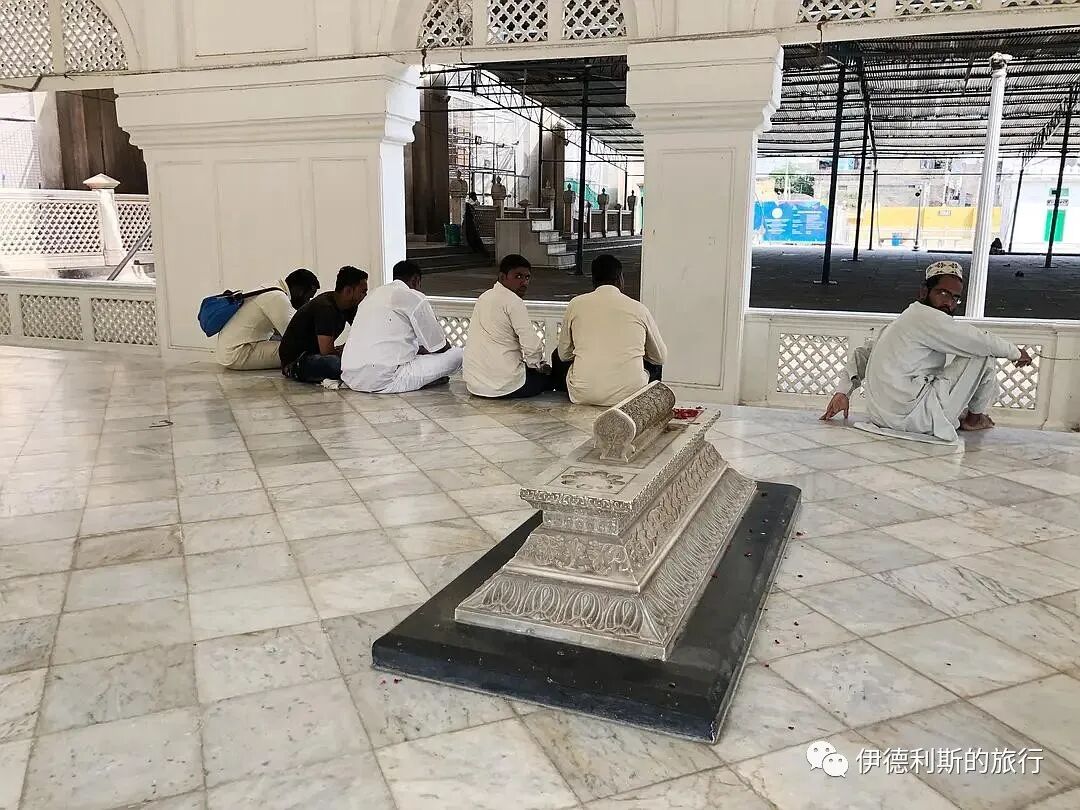
South of the main hall of the Mecca Mosque (Mecca Masjid) in Hyderabad are the tombs of the second through sixth Nizams of Hyderabad. The building housing the tombs was built in 1914 by the last Nizam, Mir Osman Ali Khan. I was at the mosque in Mecca for Friday namaz when I happened to hear everyone inside the tomb building praising Allah and the Prophet. It sounded beautiful.
Paigah Tombs
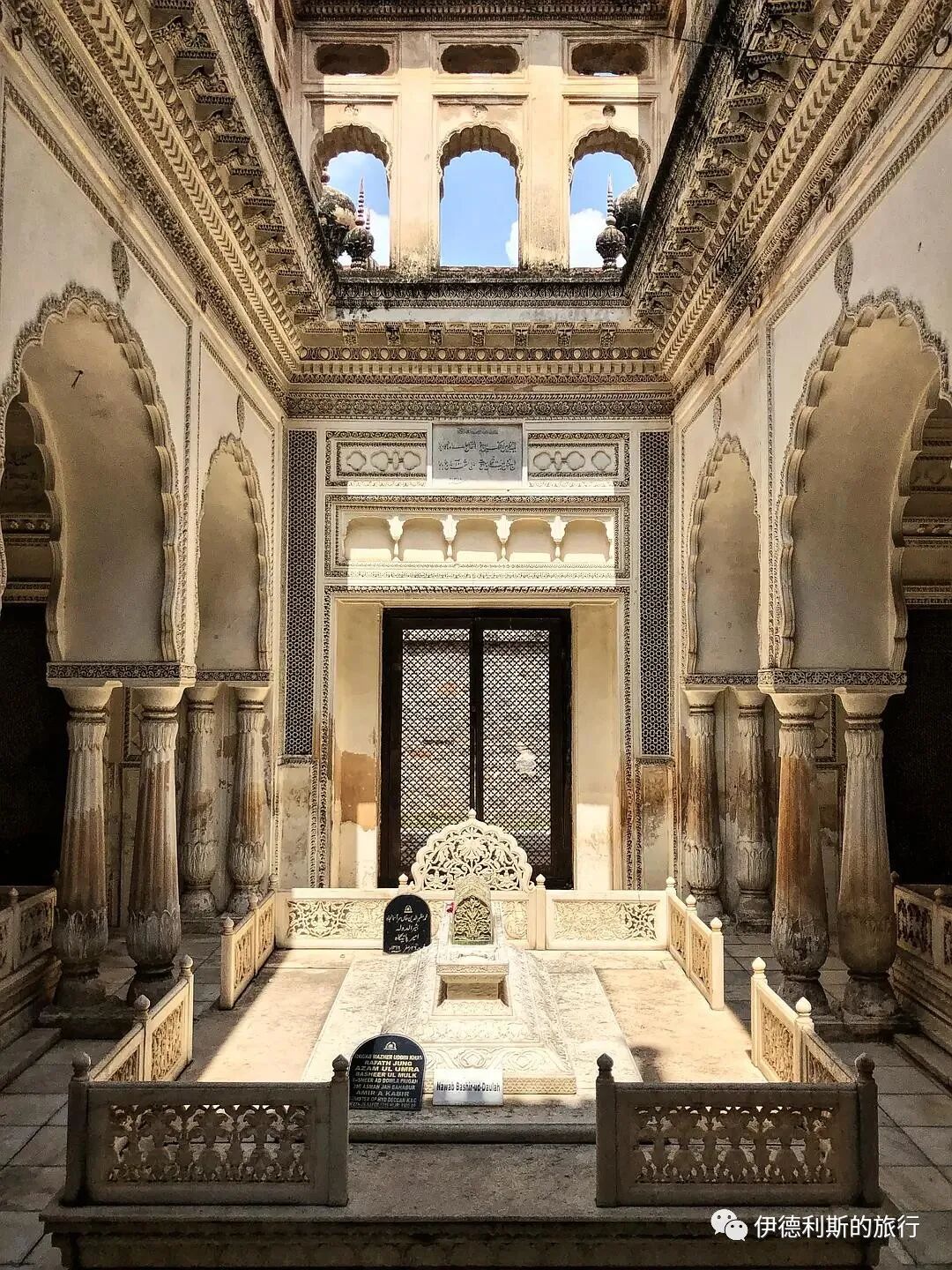
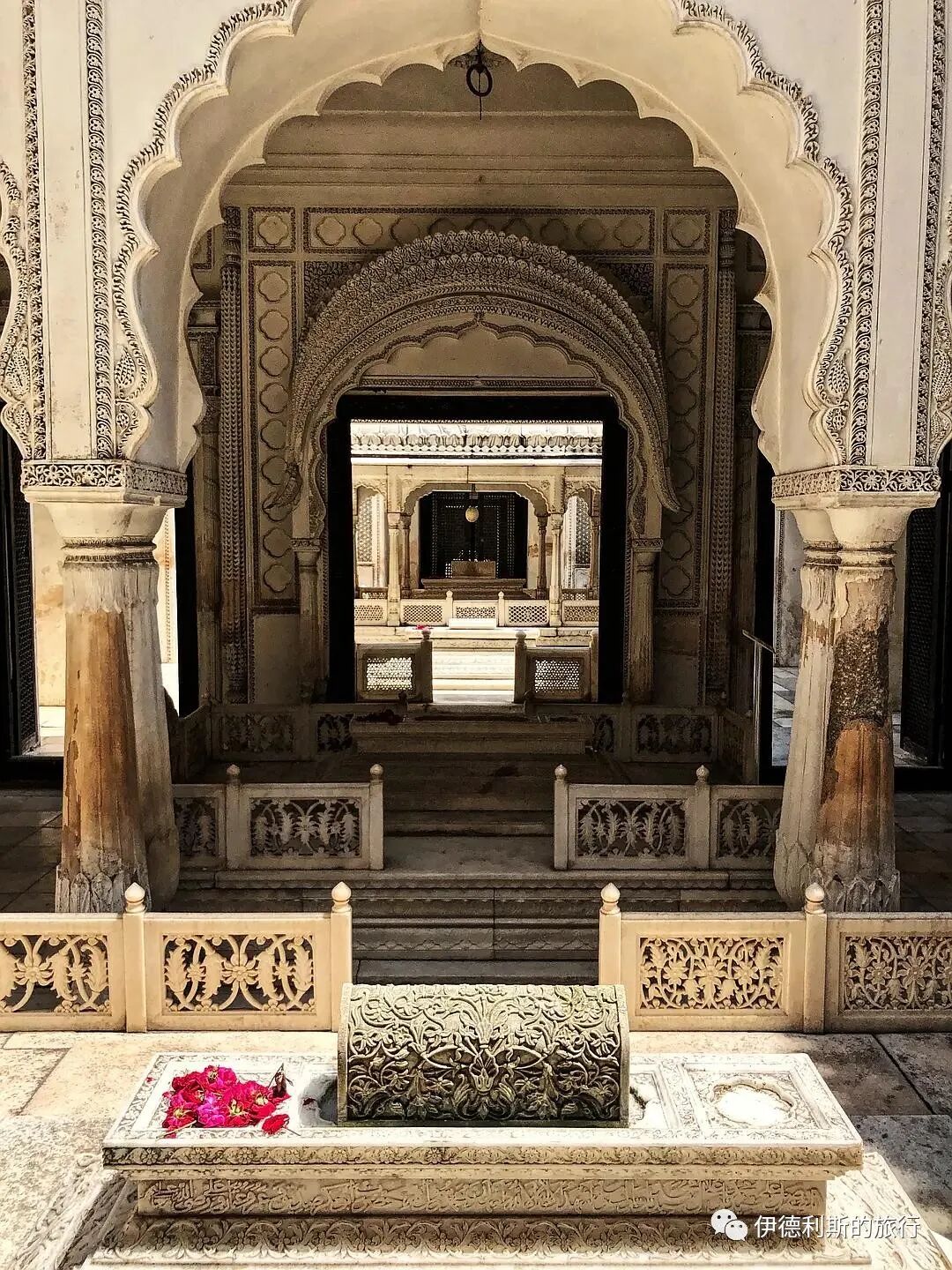
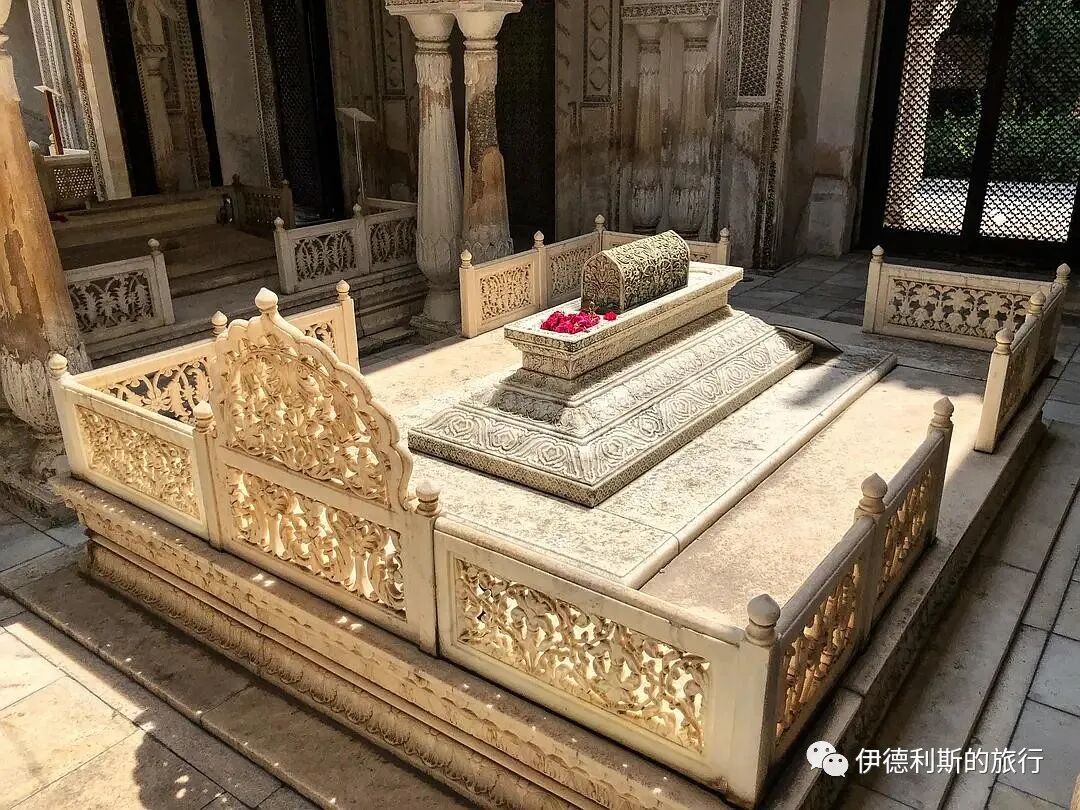
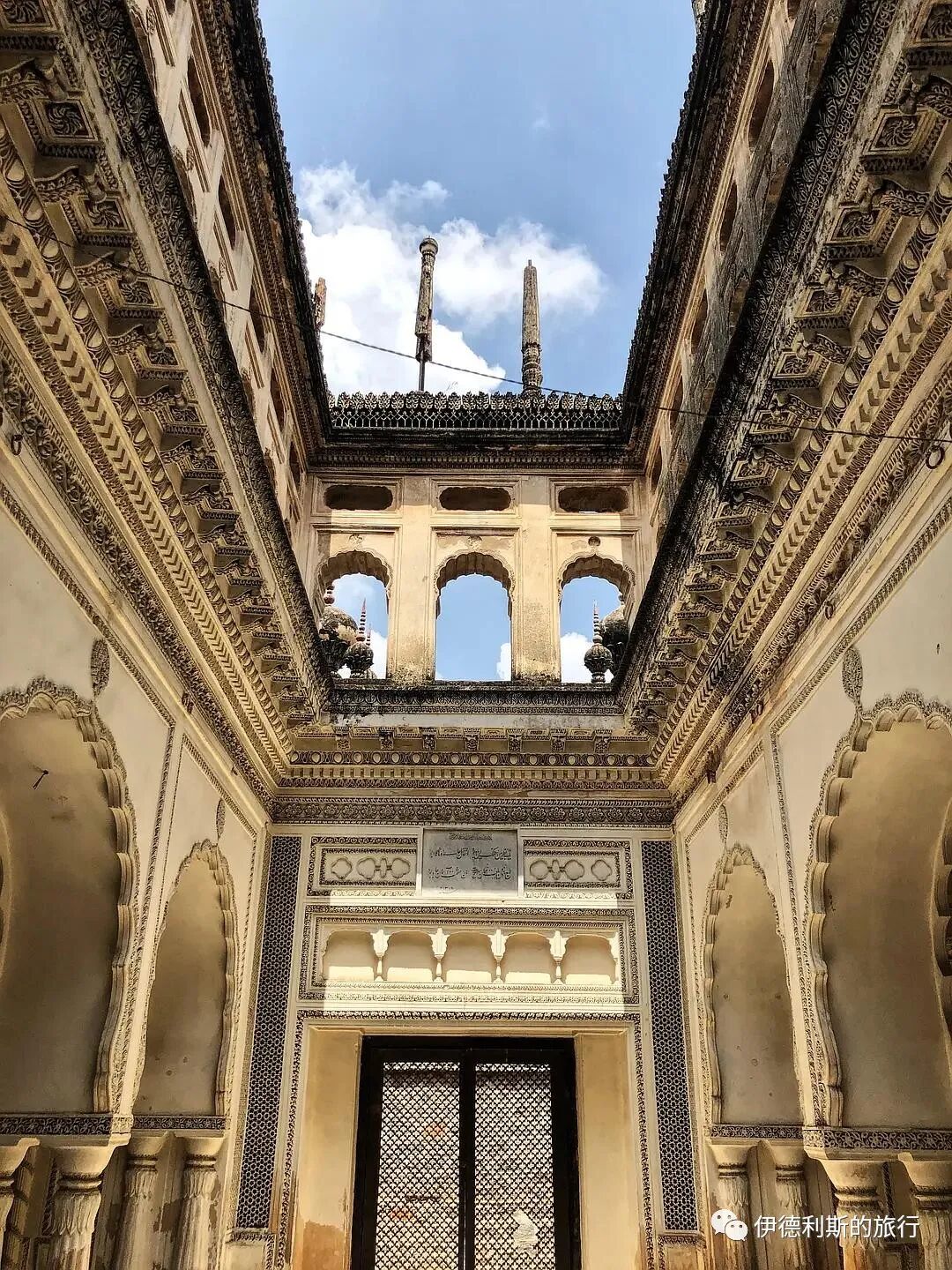
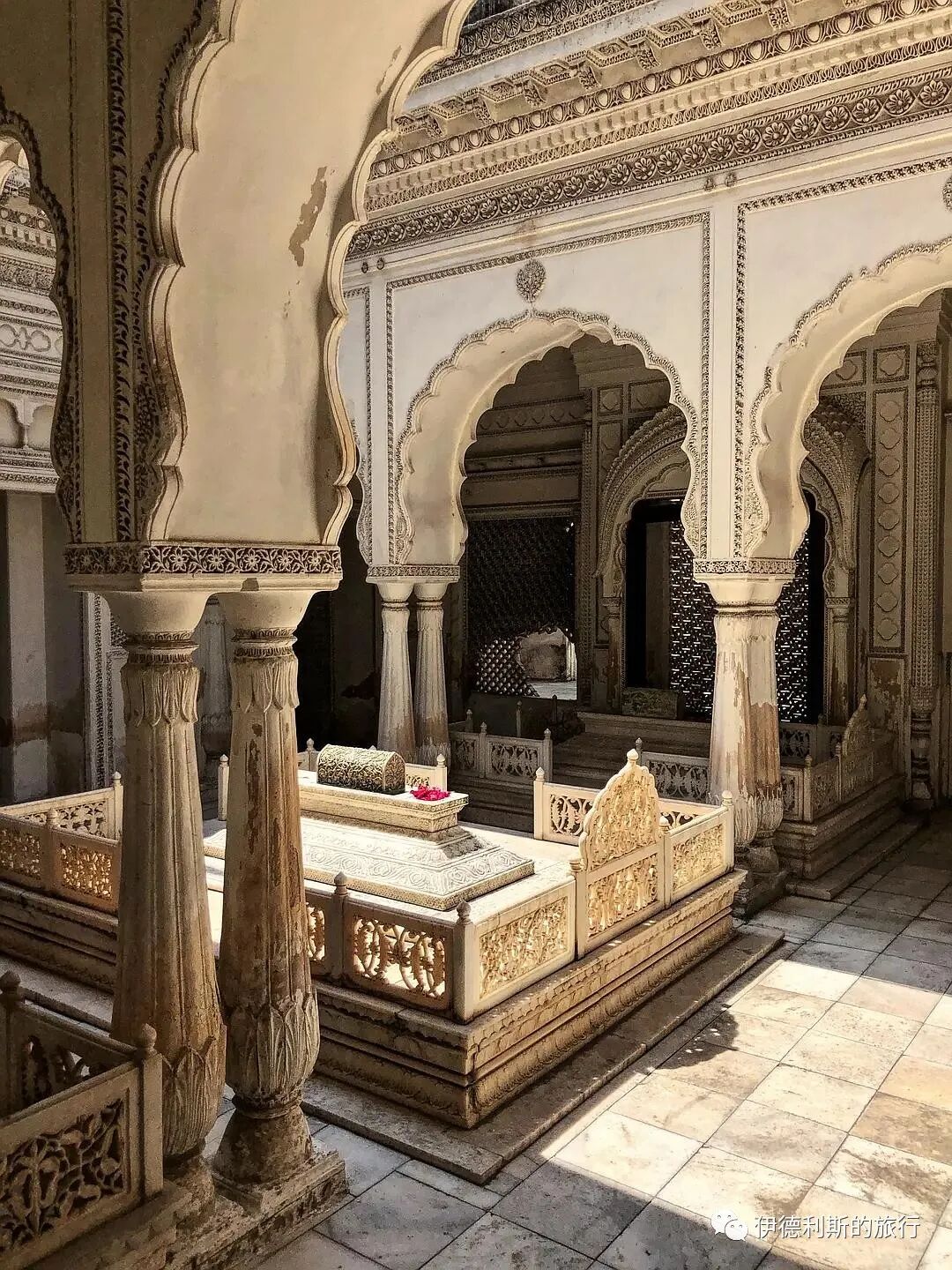
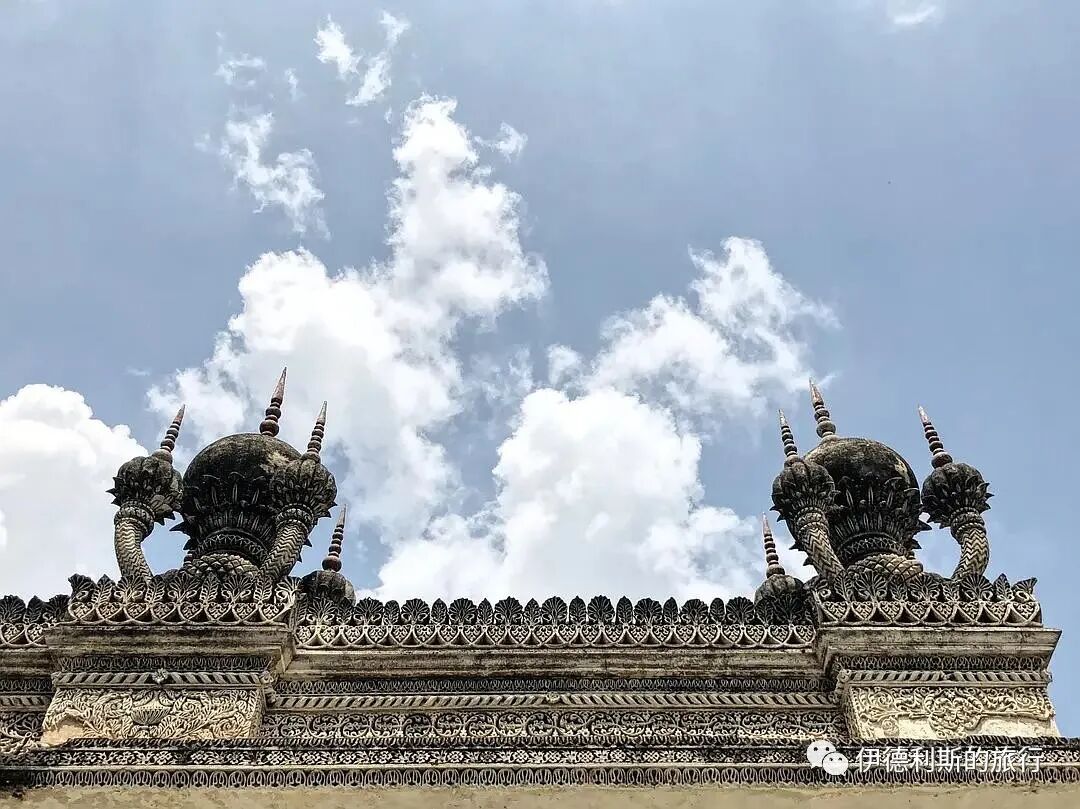
The Paigah family was the most powerful family in the Asaf Jahi dynasty after the Nizam. They were the only family in Hyderabad besides the Nizam to own palaces. The 18th and 19th-century tombs of the Paigah family are famous for their beautiful plasterwork and marble carvings.
When you enter the Paigah Tombs, the first thing you see is the tomb of Ghansimiyan. Sardar-ul-mulk Ghansi Miyan was a general during the reign of Nizam Ali Khan of Hyderabad (who ruled from 1762 to 1803) and was a close relative of the Paigah family. The tombs are currently being restored by the Aga Khan Trust for Culture in partnership with the Telangana Heritage Department, but progress is slow due to the pandemic.
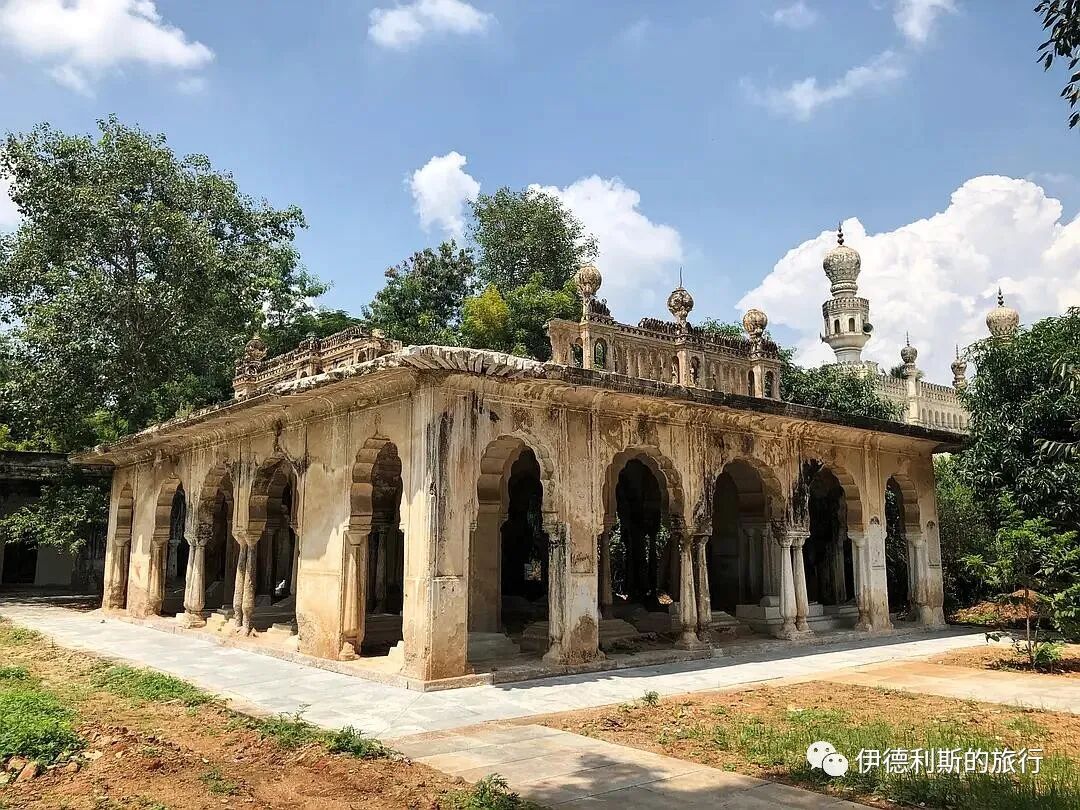
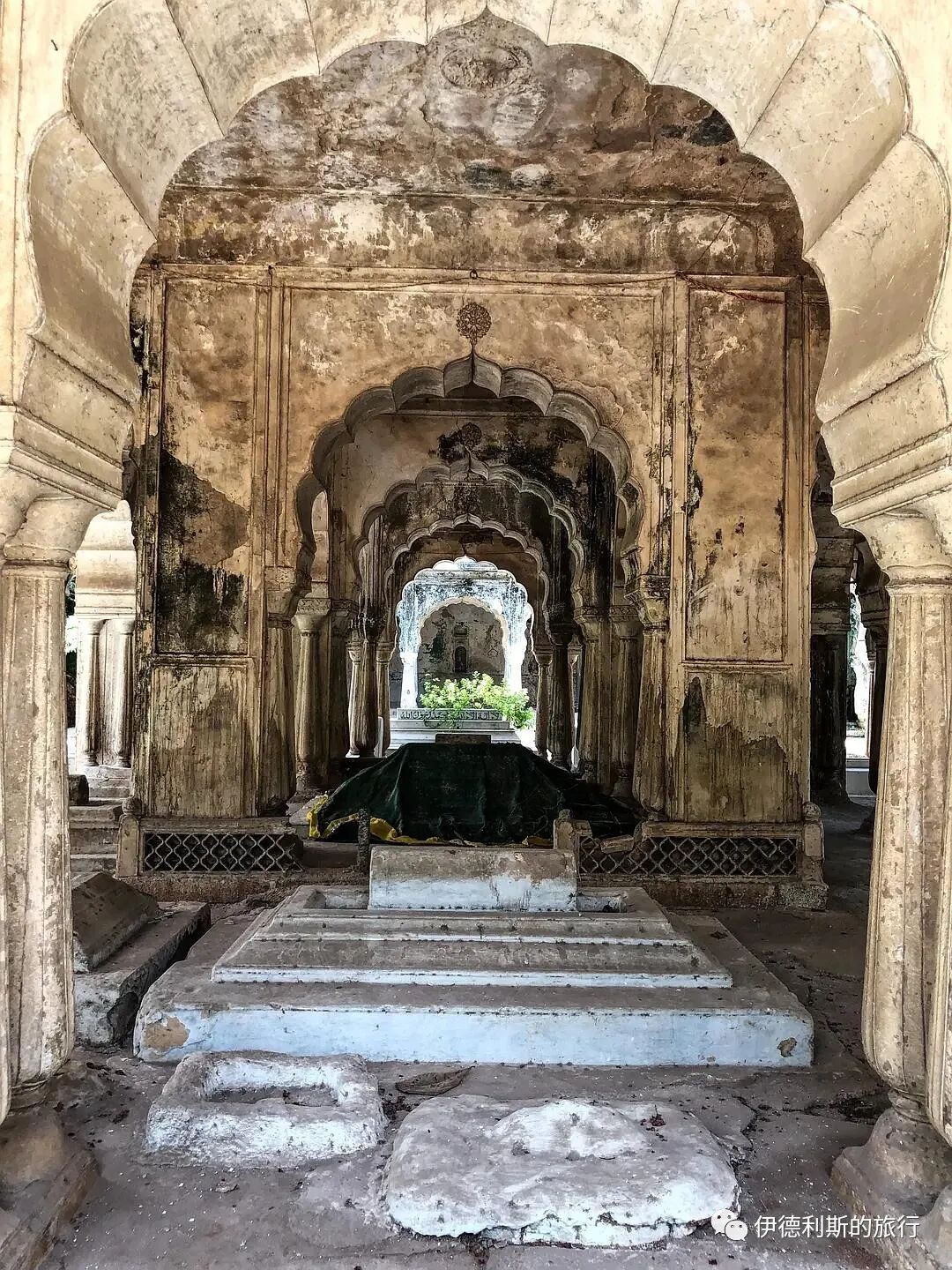
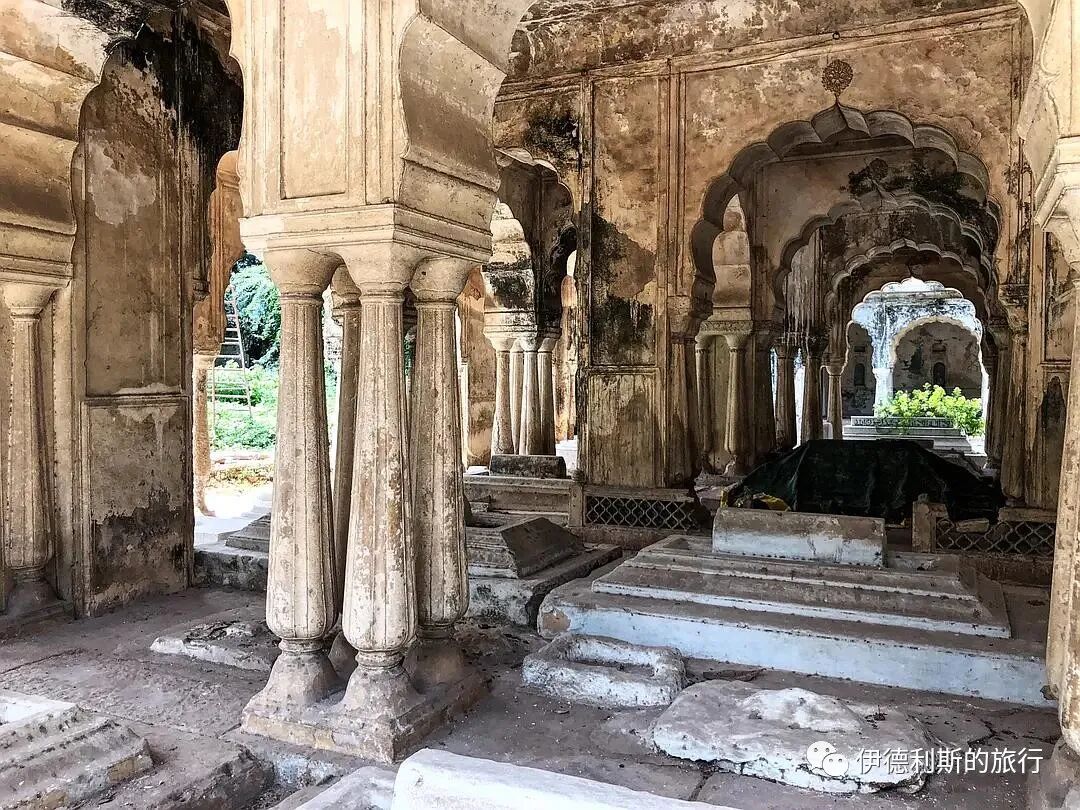
To the right is Khavas Pura, where many children of the Paigah family who died young are buried.
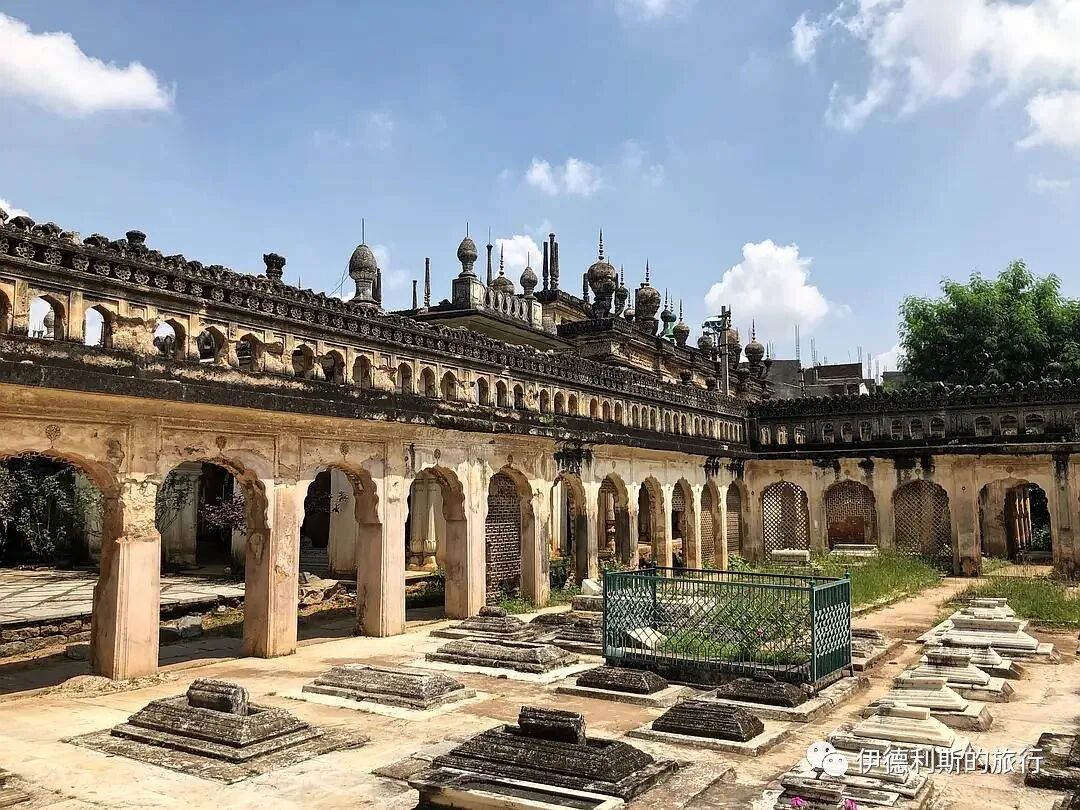
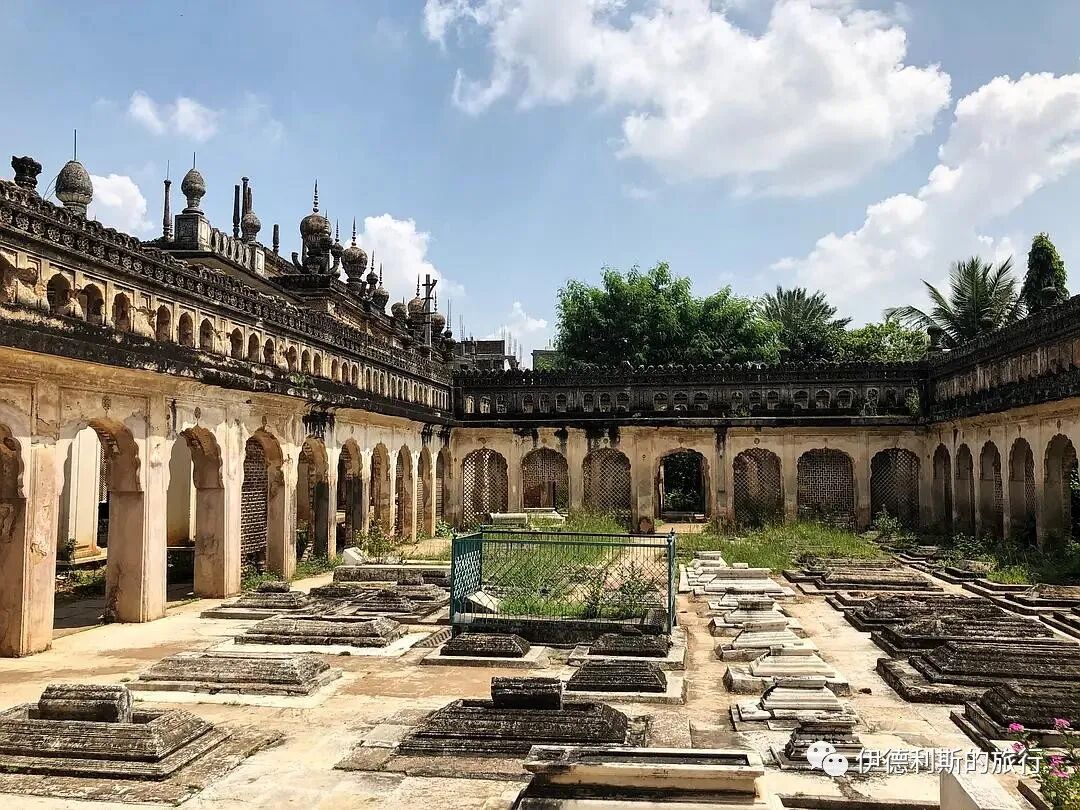
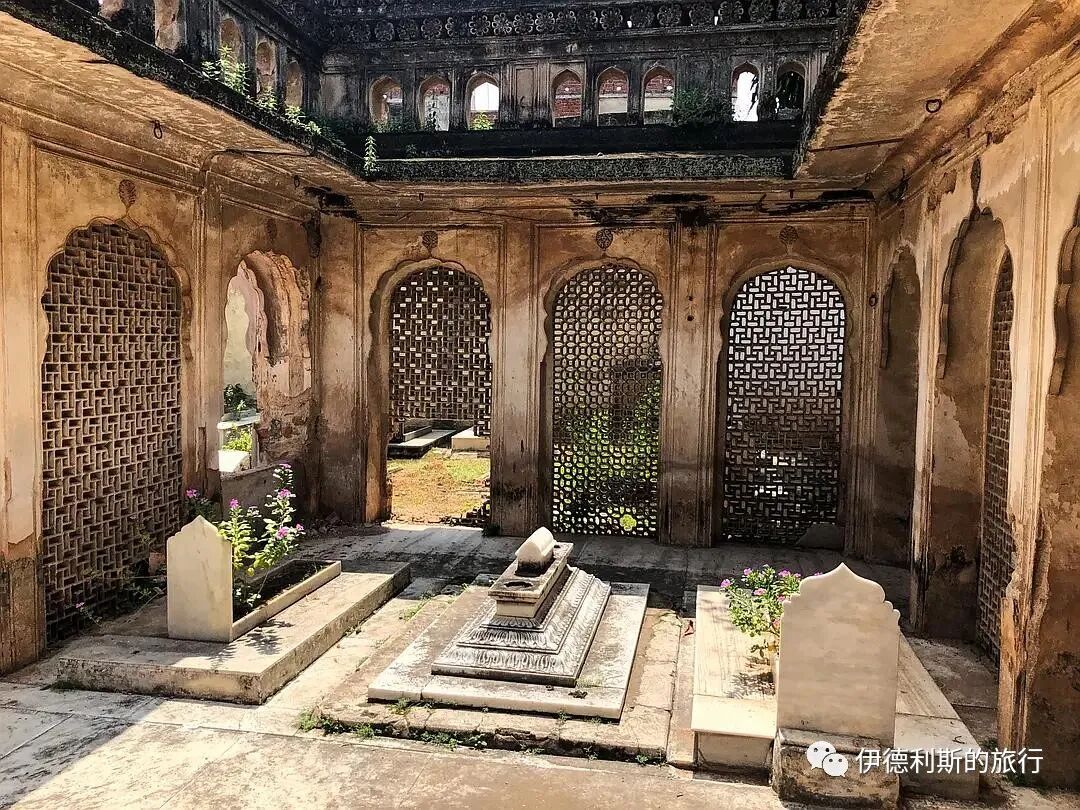
North of Khavas Pura is the tomb of Lateef Unnisa, who was said to be a very beautiful lady. The tombstone is very simple, but the room is covered in intricate carvings, including stucco panels shaped like flowers and decorative bands shaped like pineapples. Pineapples were rare, so they became a symbol of wealth in Hyderabad.
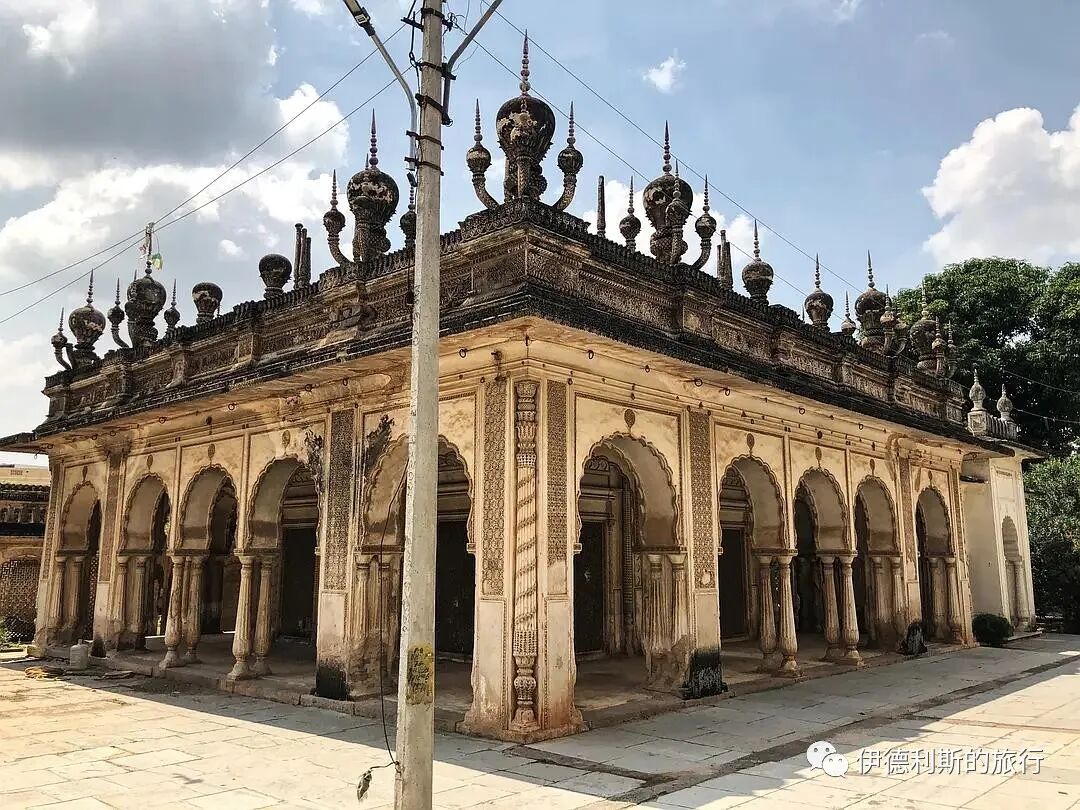
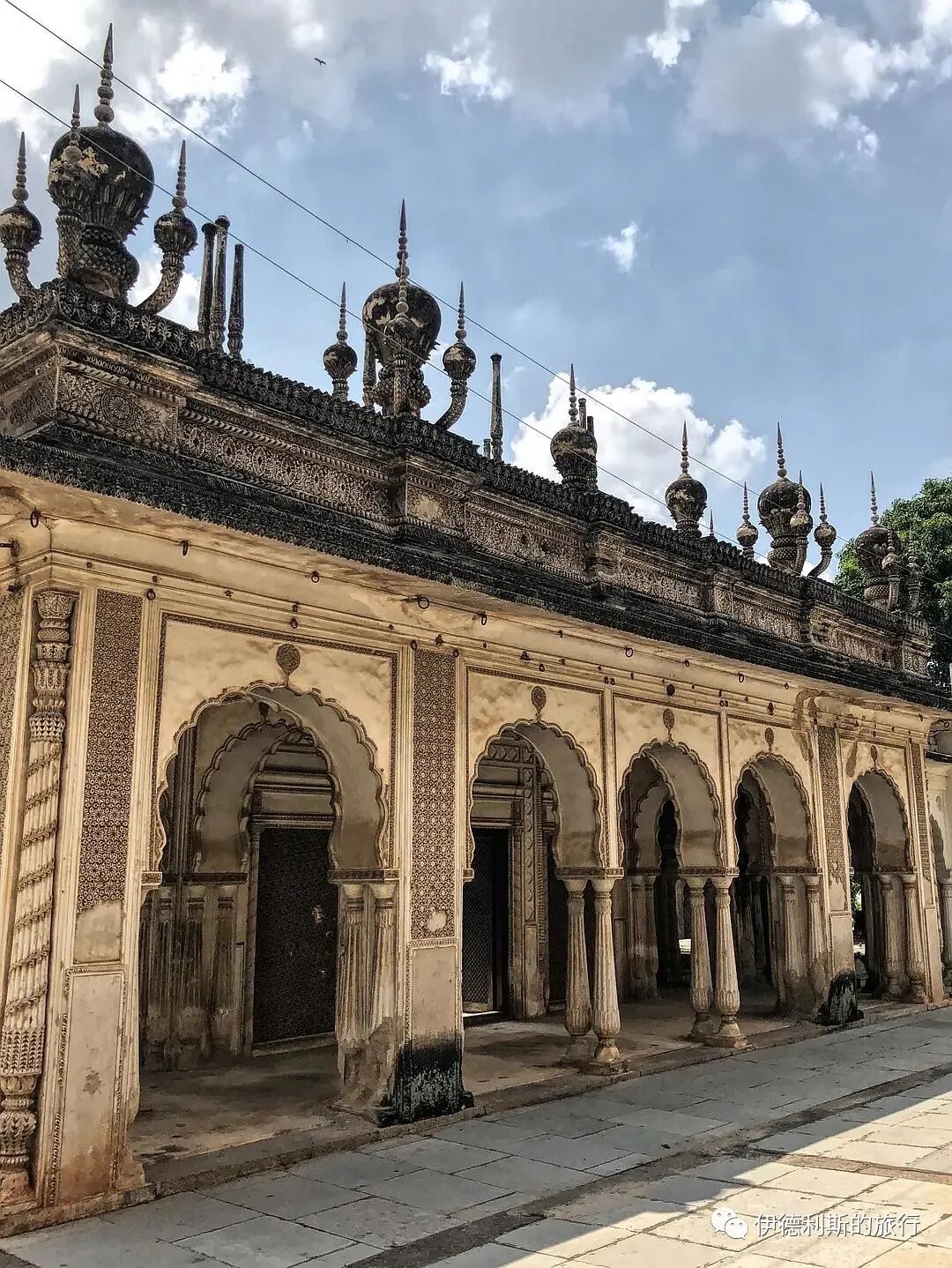
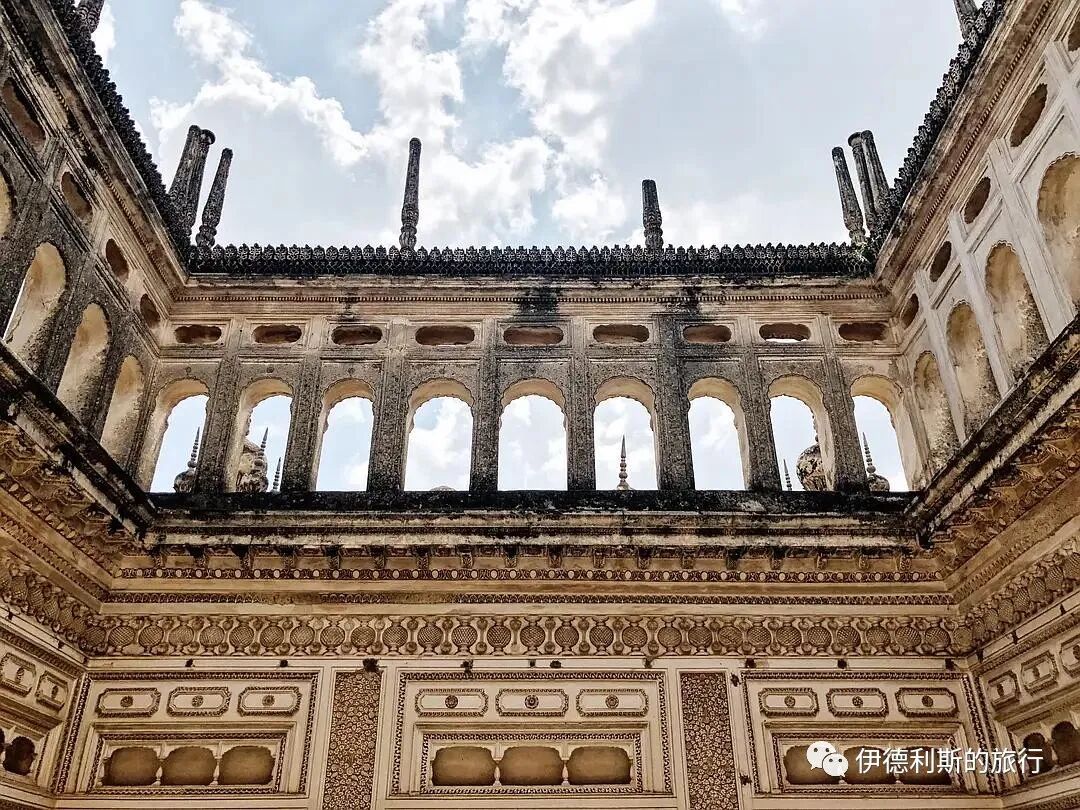
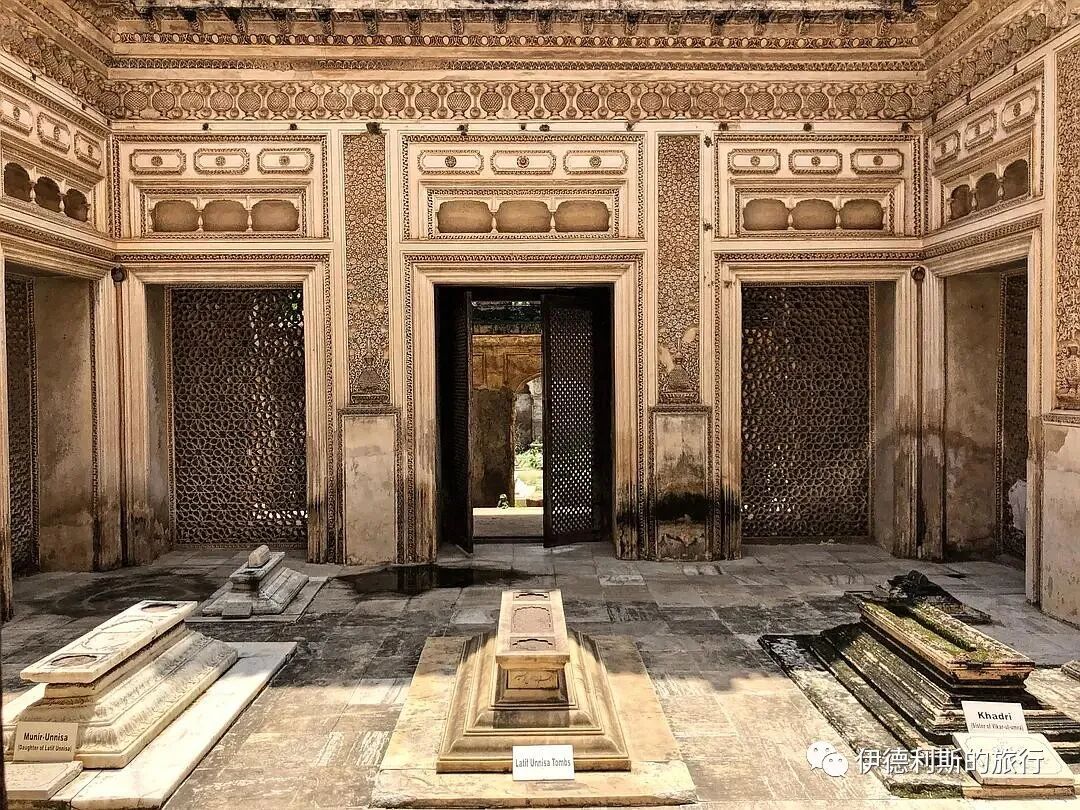
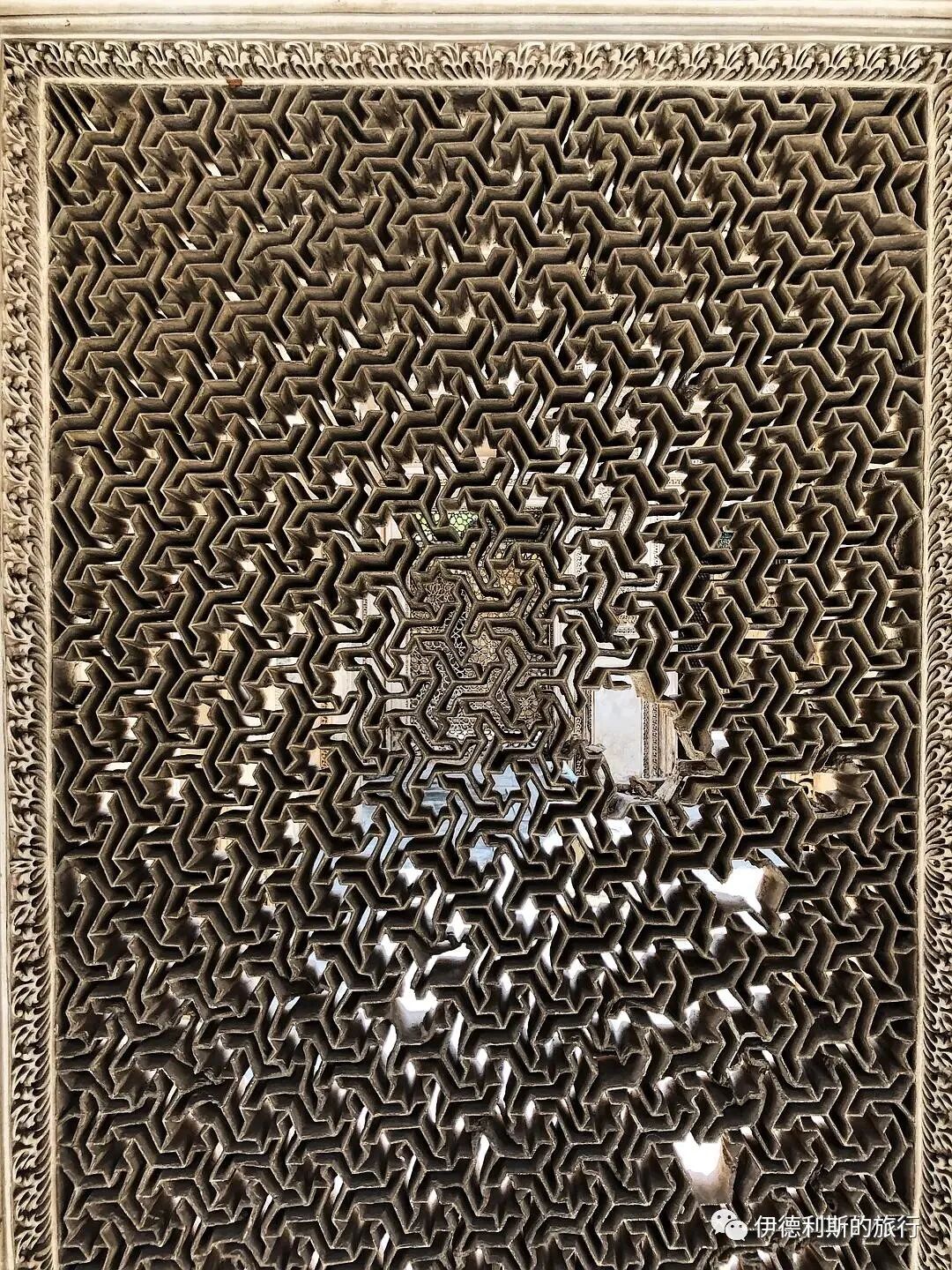
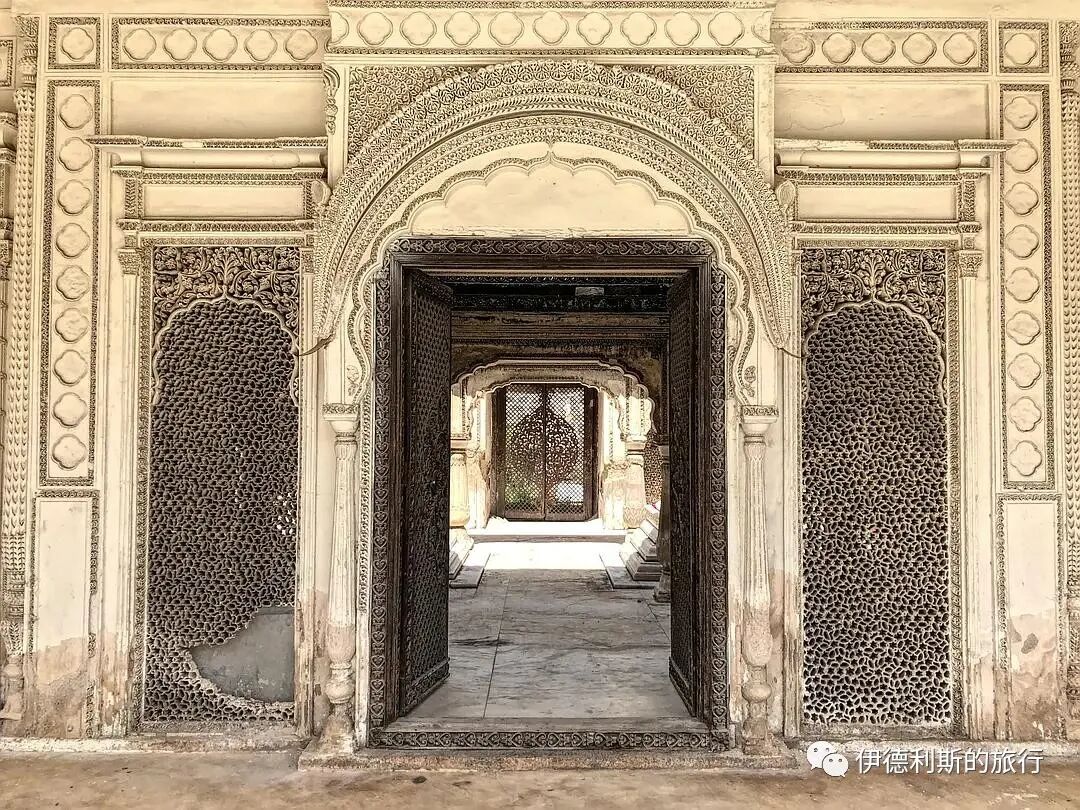
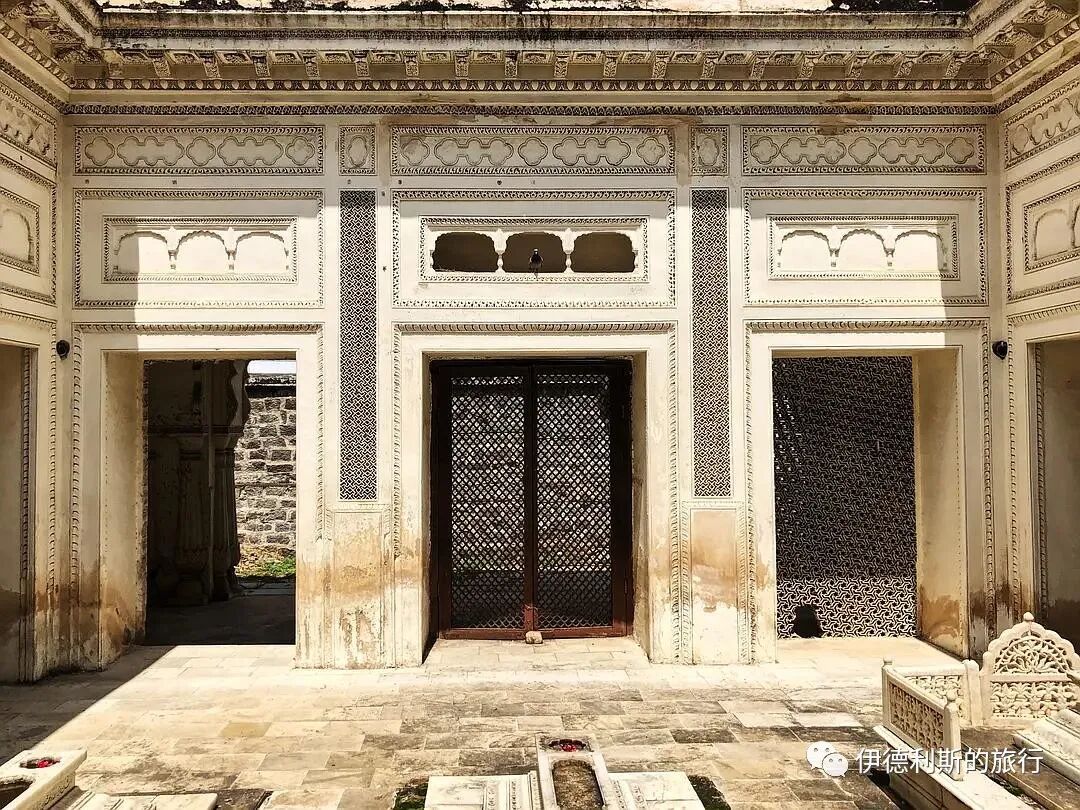
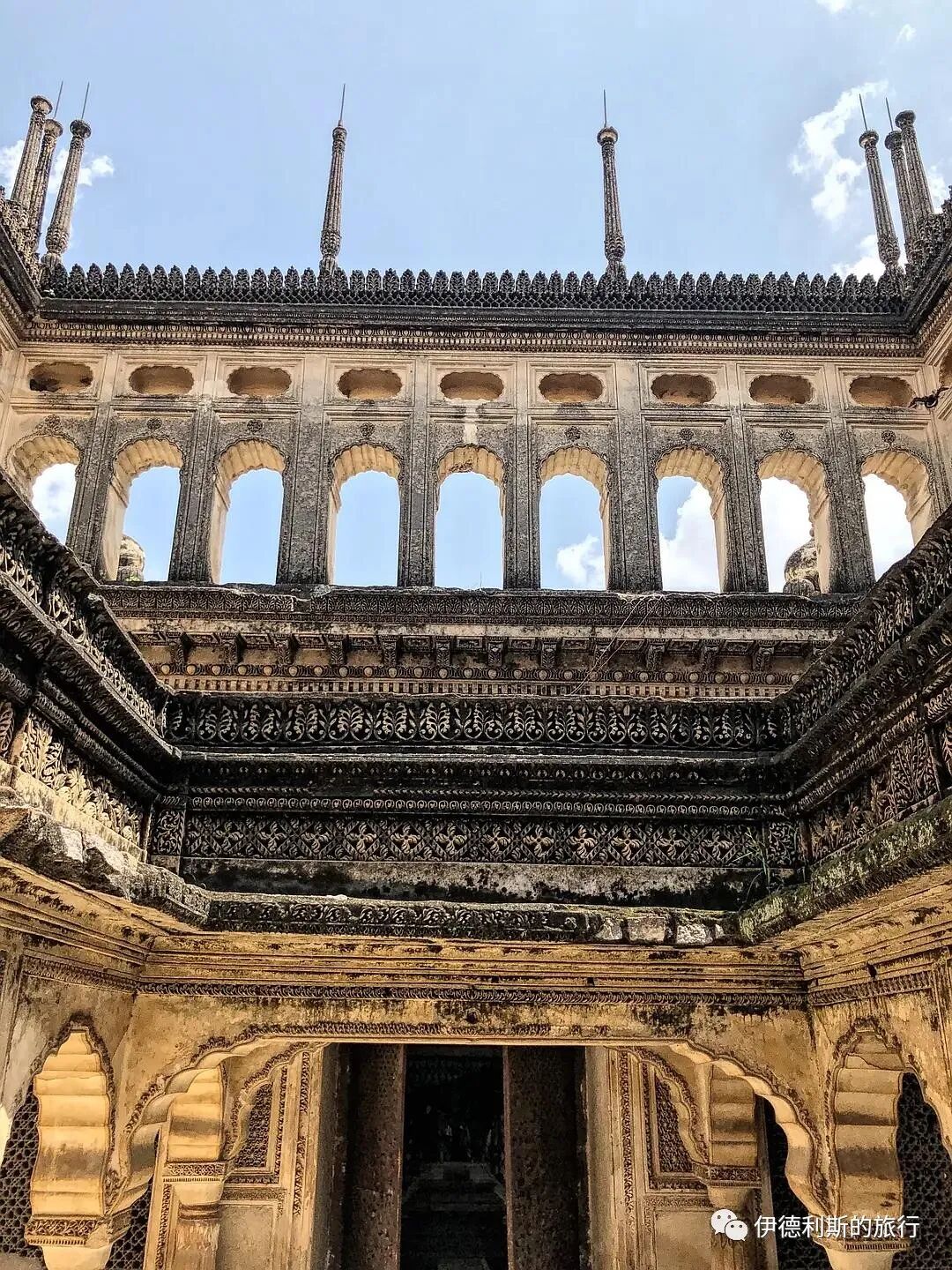
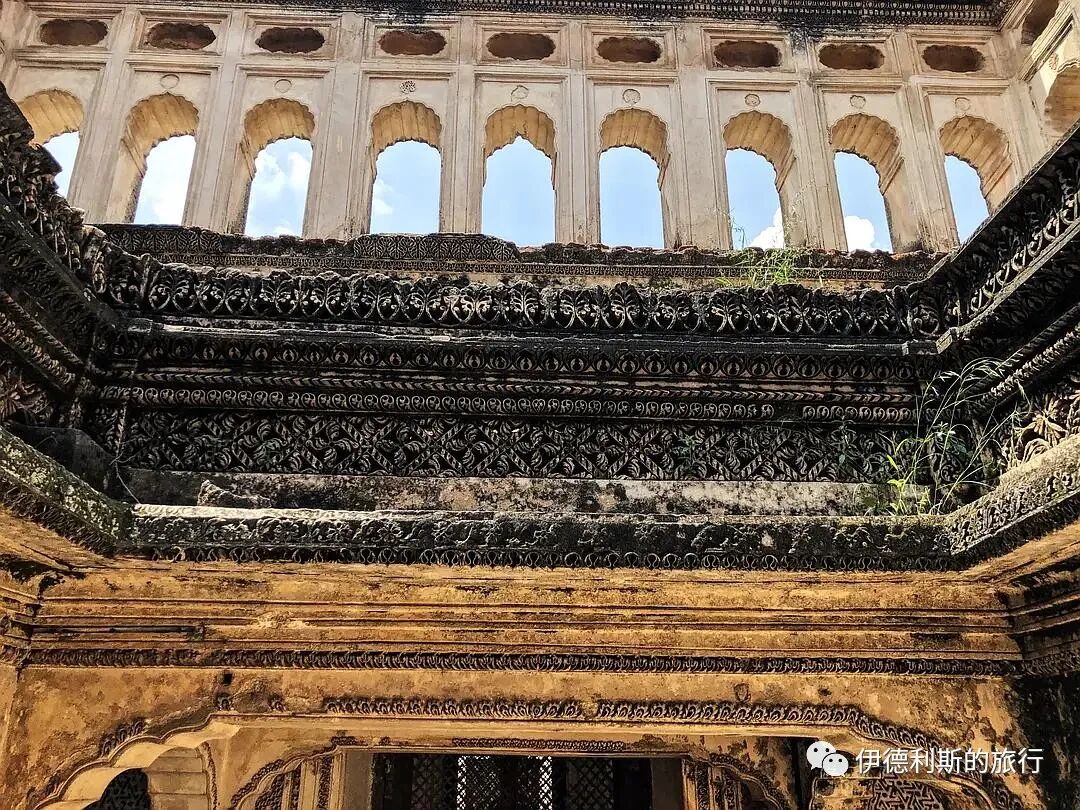
At the far northwest end of the tomb area is the mosque used for prayer, and across from it are the connected tombs of the main figures of the Paigah family. The tomb uses complex perforated screen (jaali) techniques to carve the wooden doors and window screens.
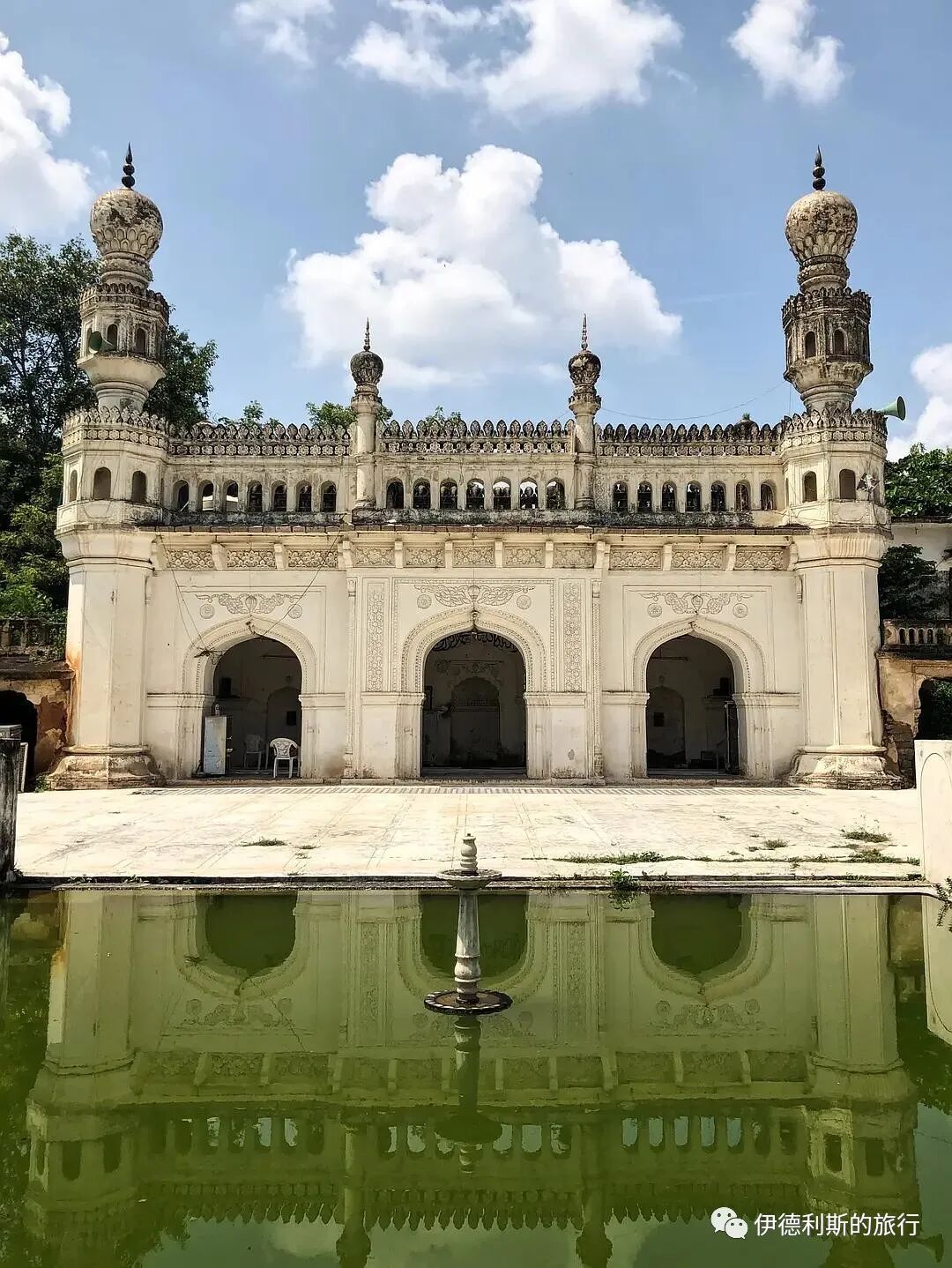
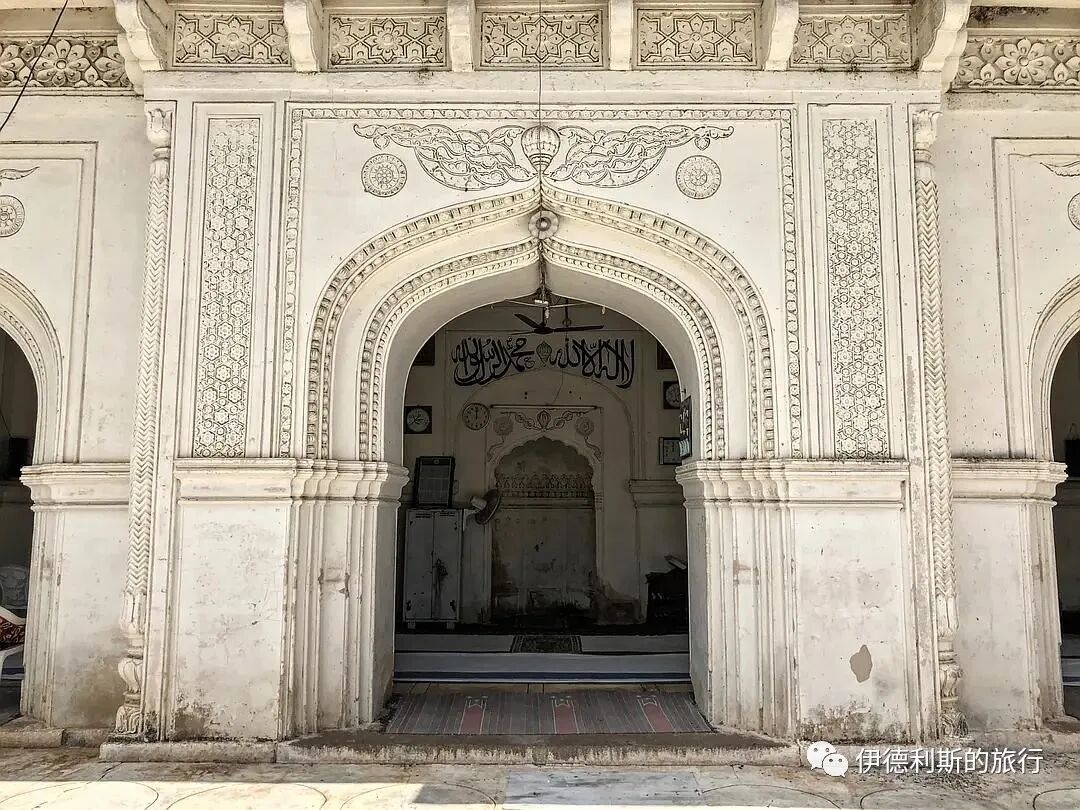
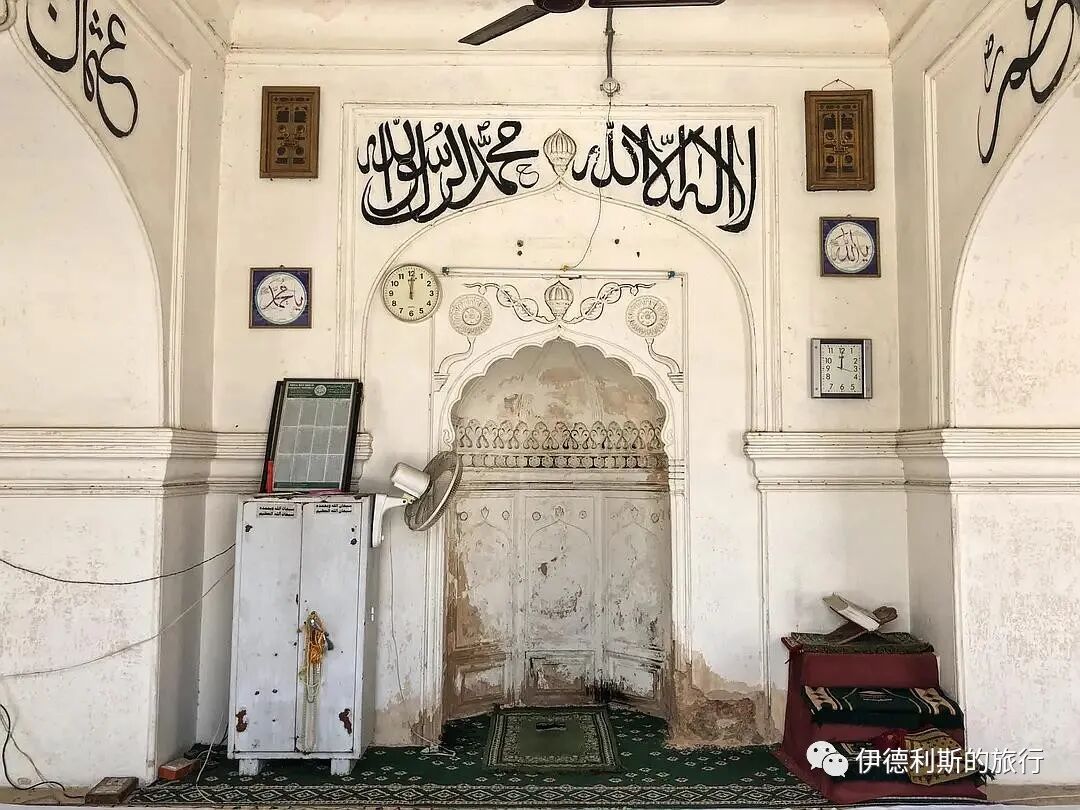
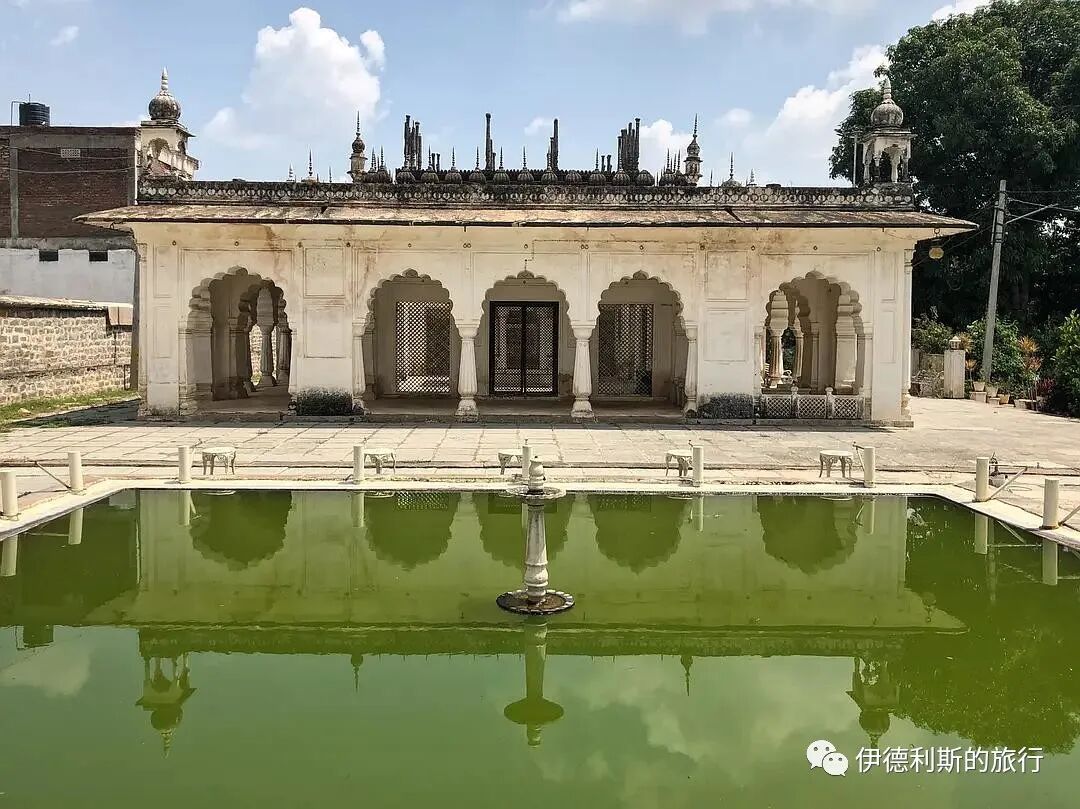
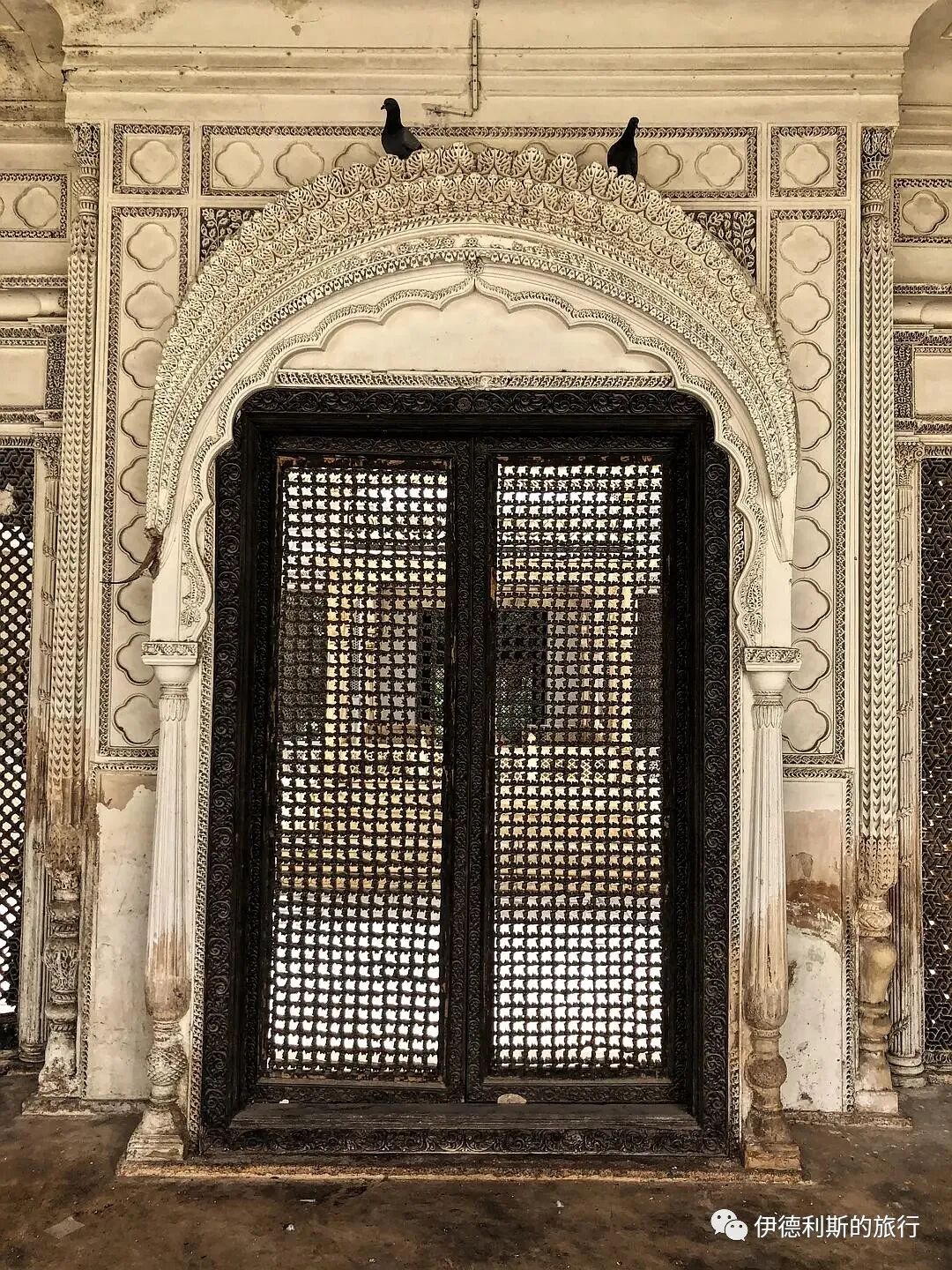
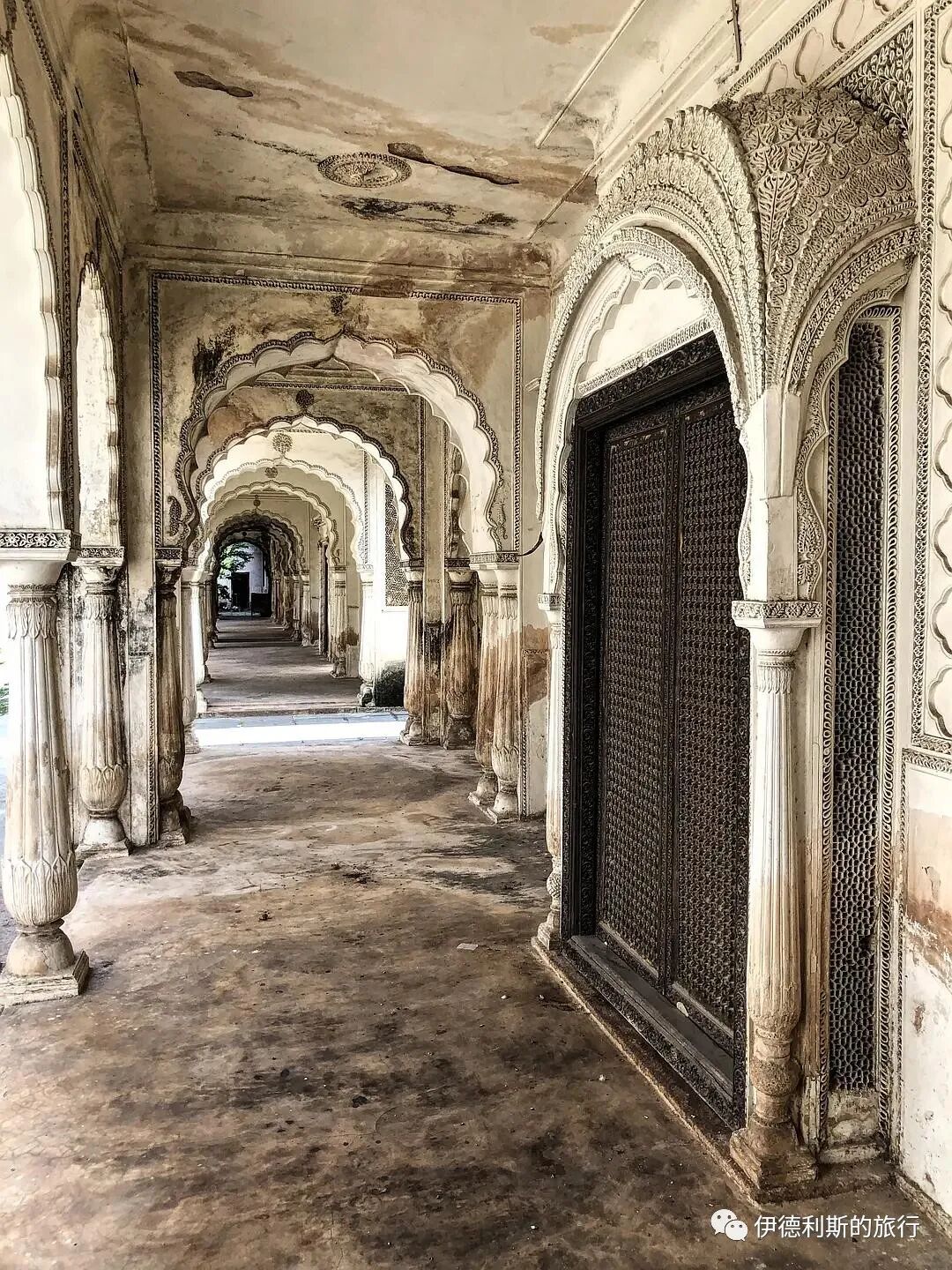
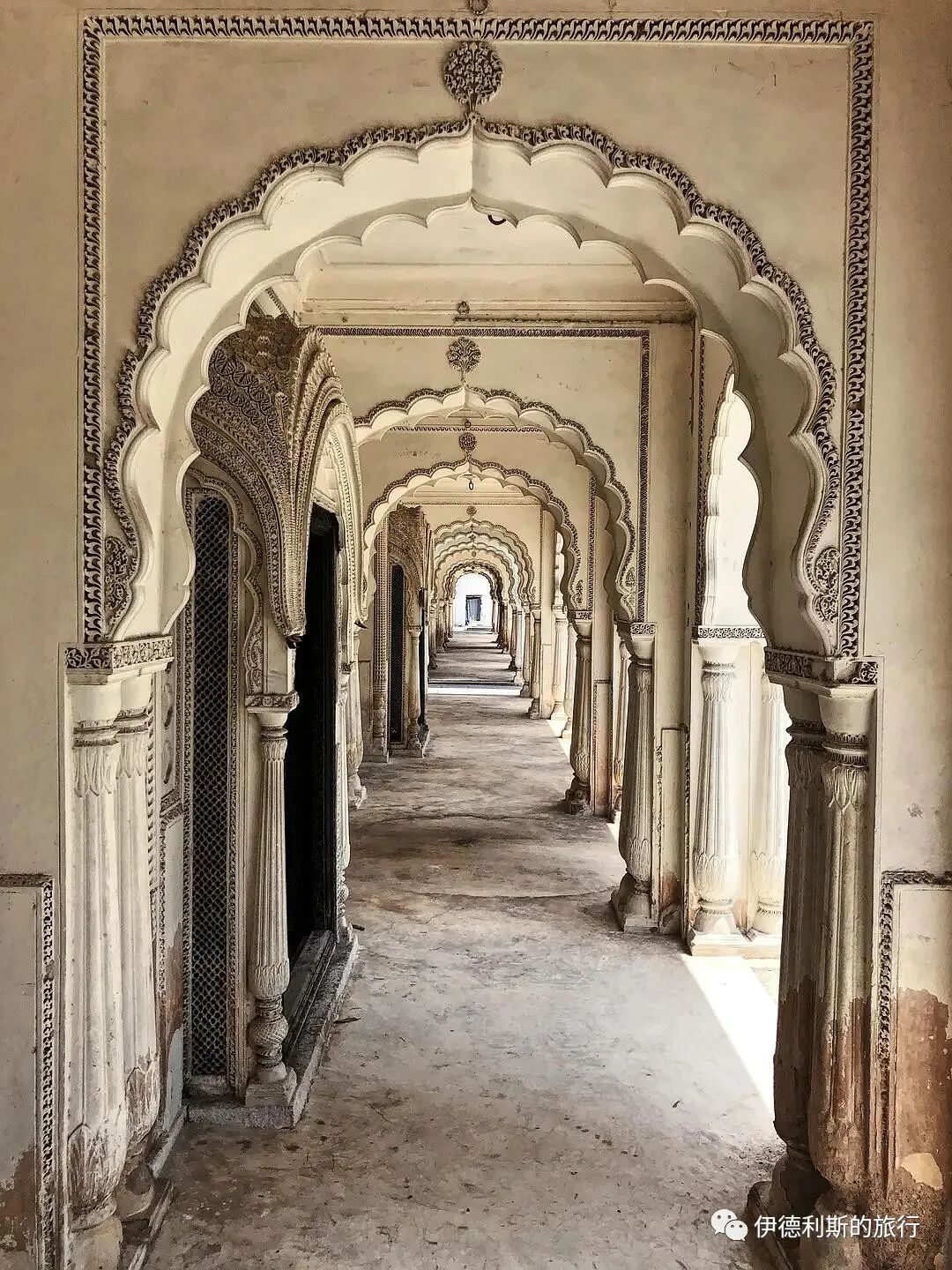
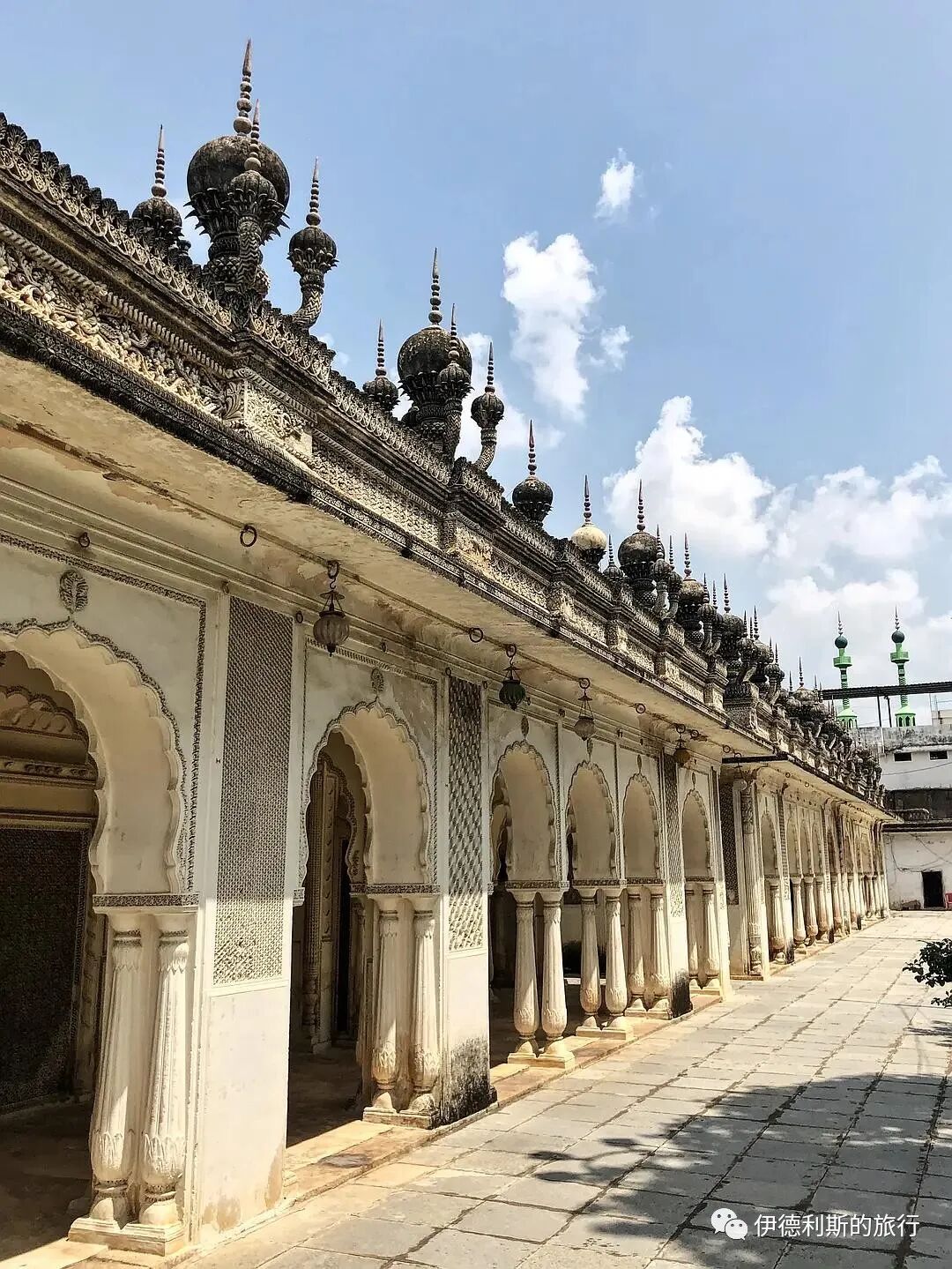
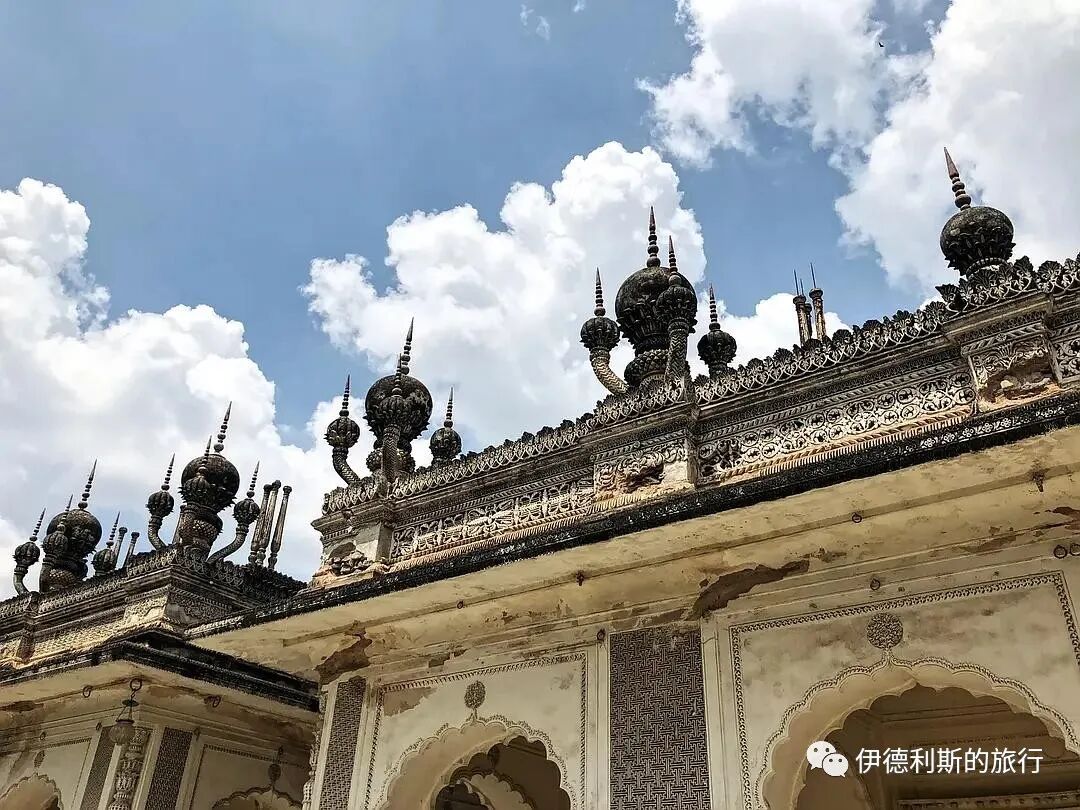
This is the tomb of Fakhruddin Khan, the second leader of the Paigah family. He became the leader after his father died in 1791 and received the title Amir-e-Kabir, which means head of the nobles. He married the daughter of Asaf Jah II in 1797, starting the tradition of the Nizam of Hyderabad marrying his daughters to young nobles from the Paigah family.
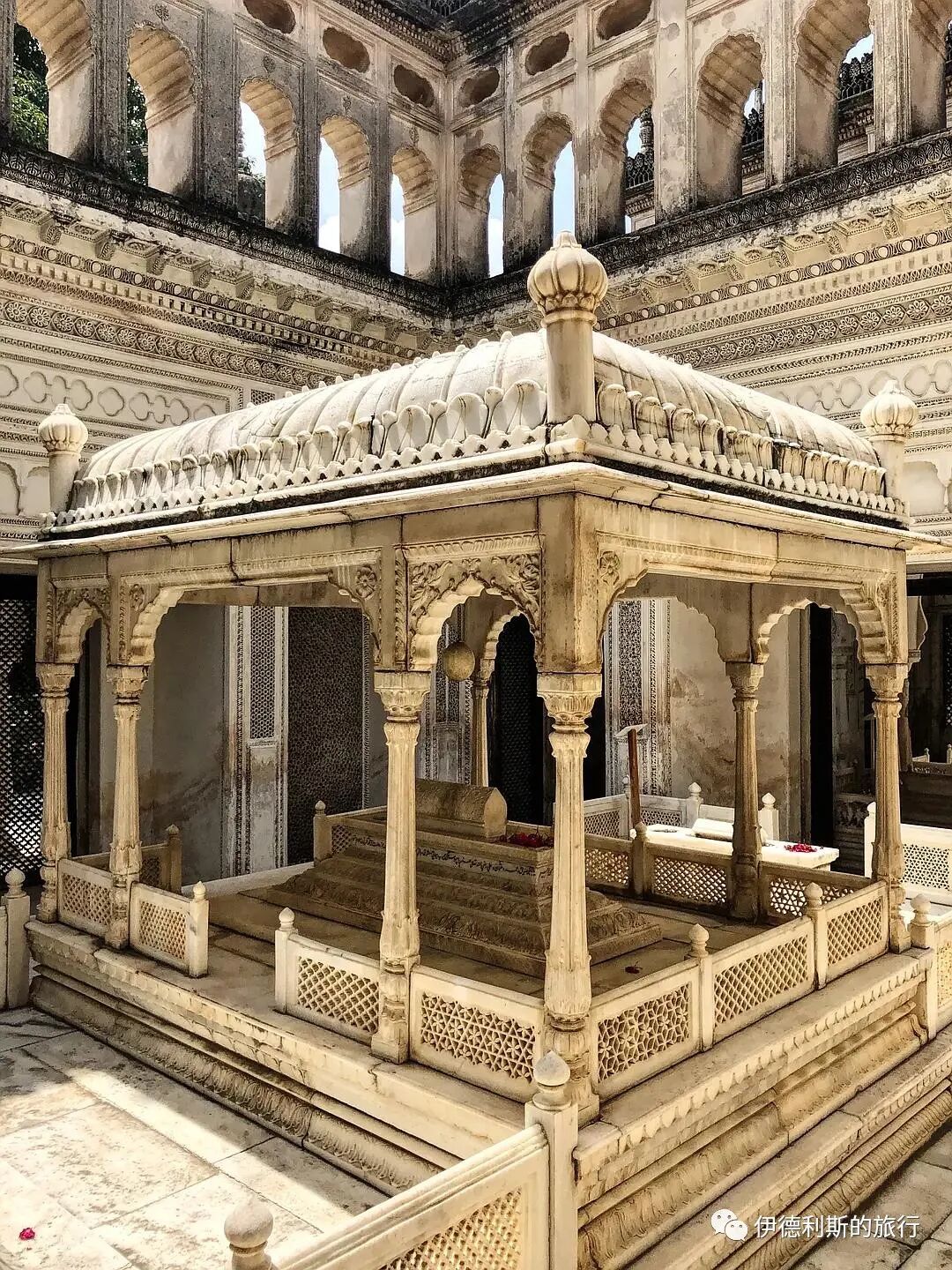
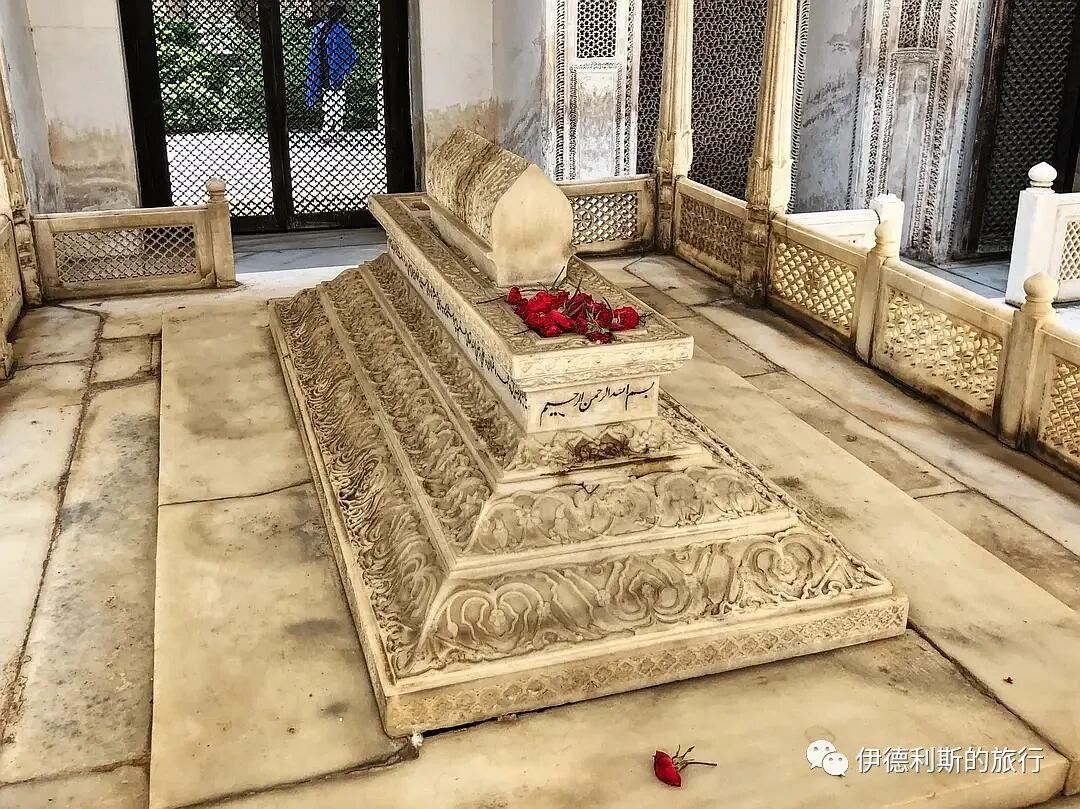
Behind is the tomb of Asman Jah (1839-1898), with beautiful marble carvings around the tombstone. Asman Jah was the grandson of Fakhruddin Khan, the second leader of the Paigah family. He served as the Prime Minister of the Asaf Jahi dynasty in Hyderabad from 1887 to 1894 and represented Hyderabad at the 50th anniversary celebration of Queen Victoria's reign.
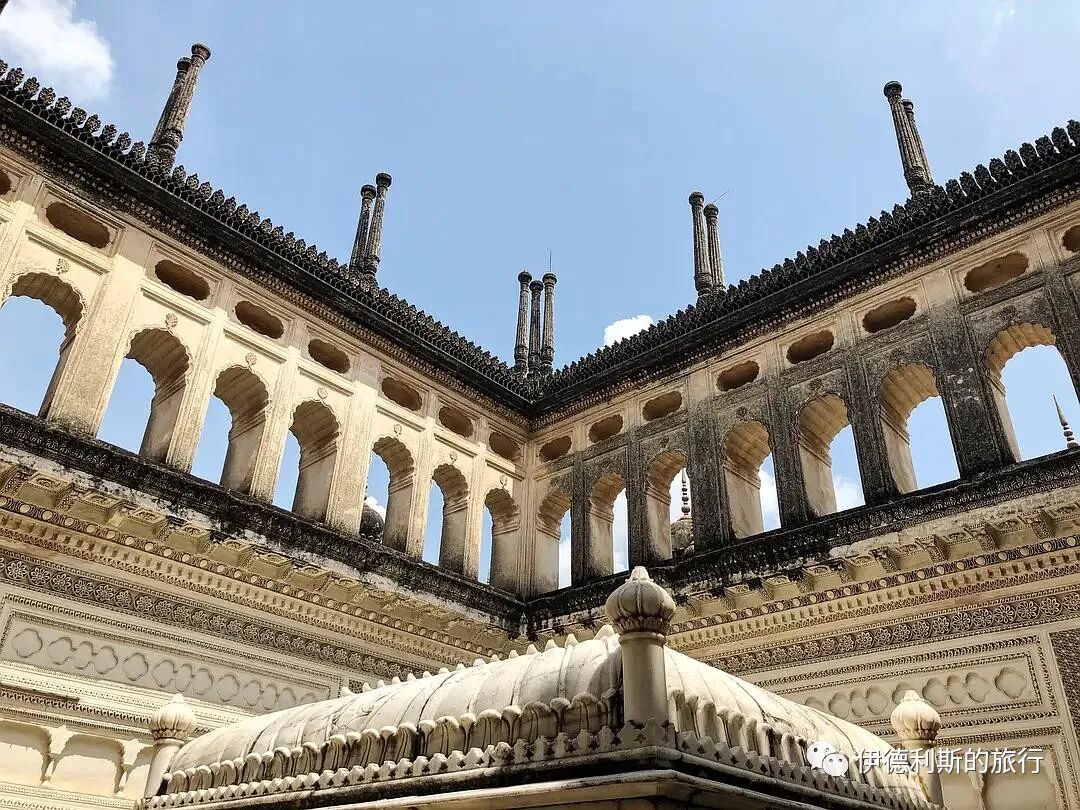
None of the Paigah family tombs have roofs, which follows the style of the tomb of the Mughal Emperor Aurangzeb.
Salar Jung Museum
The Salar Jung family was the most prominent family in the Asaf Jahi dynasty of Hyderabad after the Nizam family and the Paigah family. Five of its members served as Prime Ministers of the Asaf Jahi dynasty during the 19th century. Salar Jung III (1889–1949) was a passionate collector. Over 35 years, he spent a great deal of energy and money collecting artifacts from all over the world. After Salar Jung III passed away in 1949, these collections were kept in their family's Diwan Devdi palace. They opened to the public as the Salar Jung Museum in 1951 and moved to the current location after 1968.
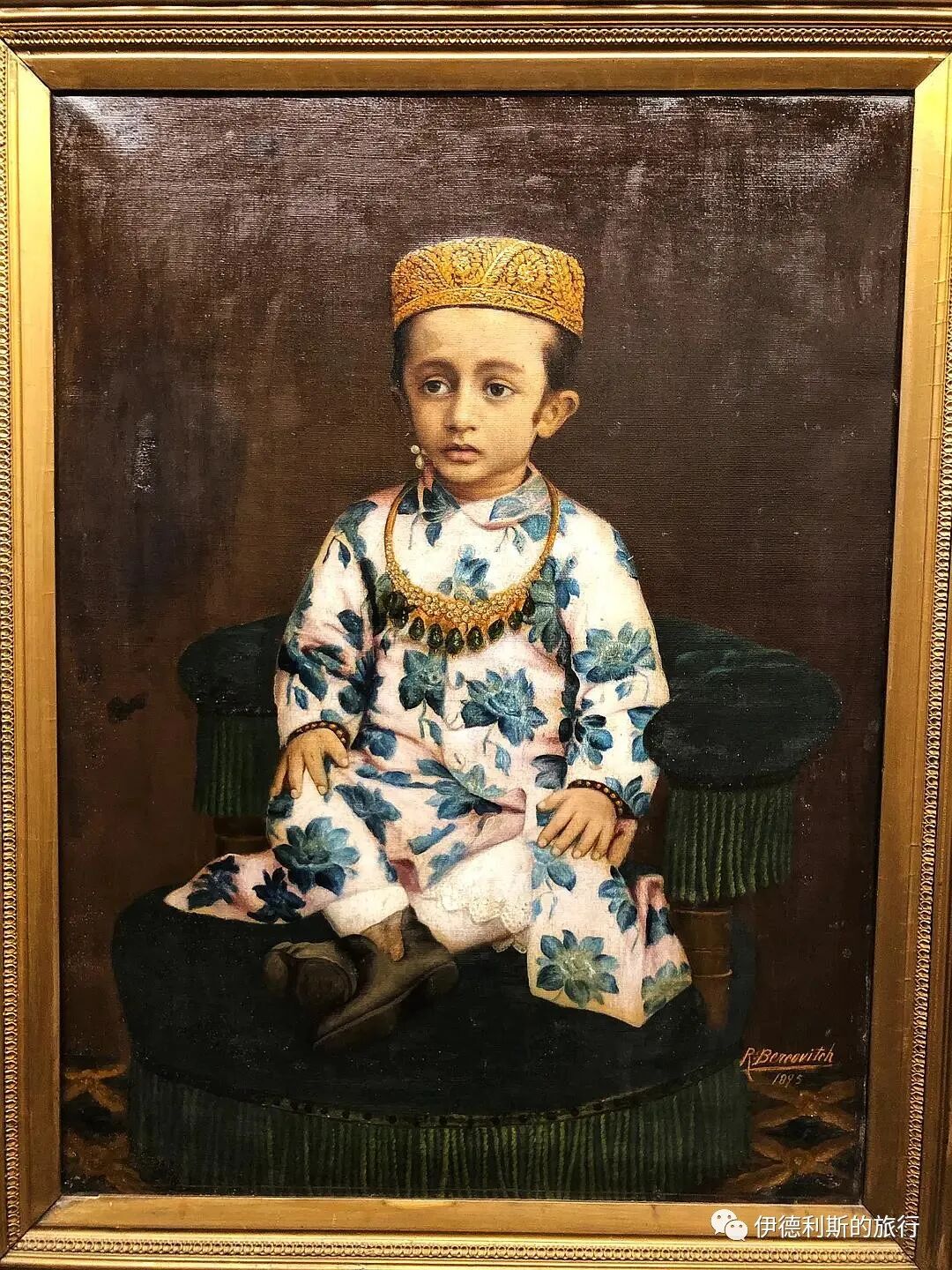
A portrait of Salar Jung III as a child
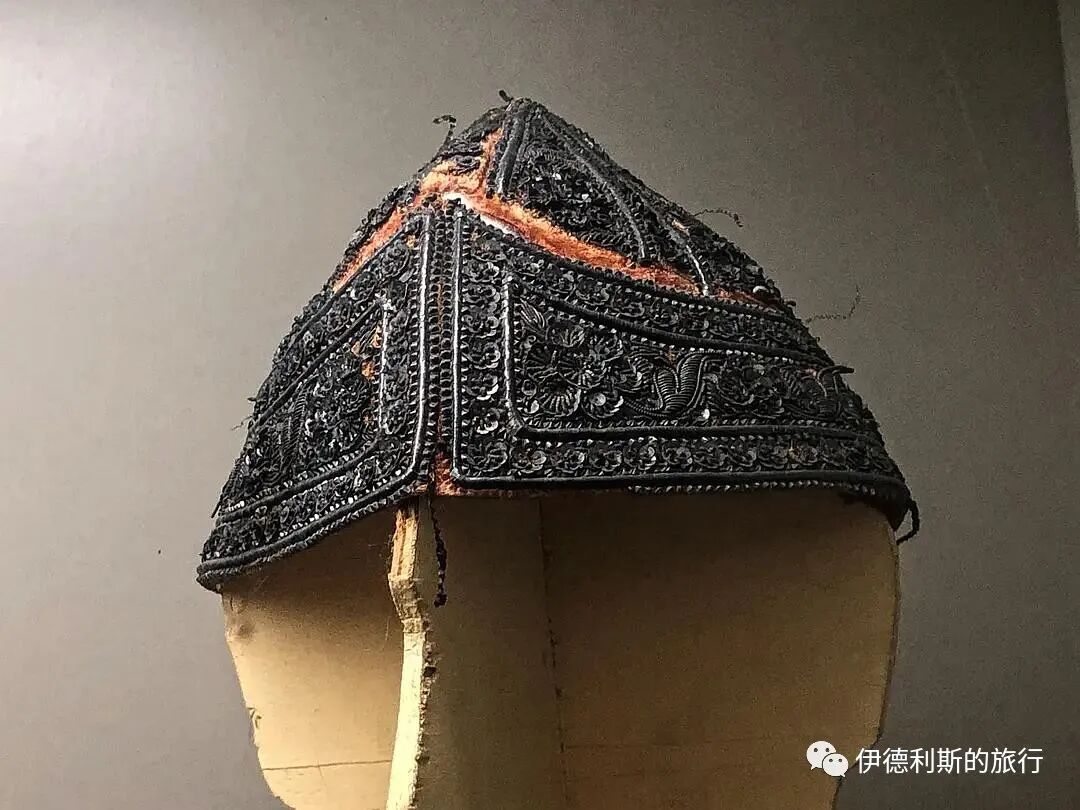
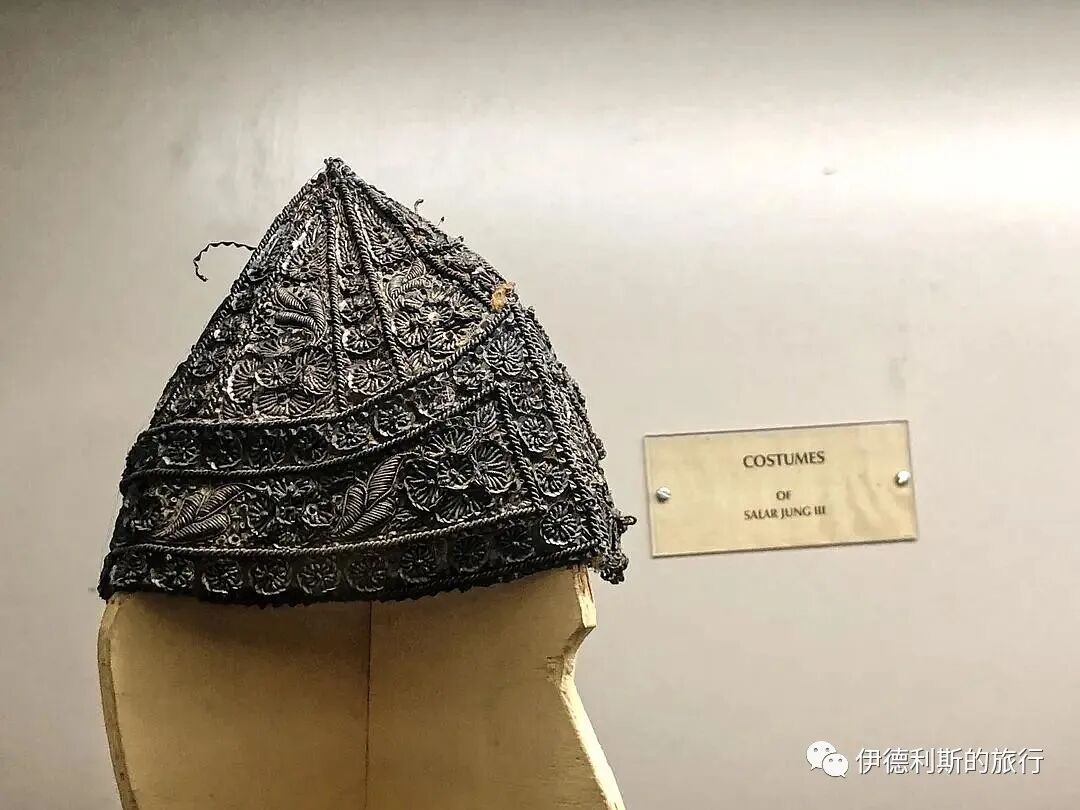
The hat worn by Salar Jung III.
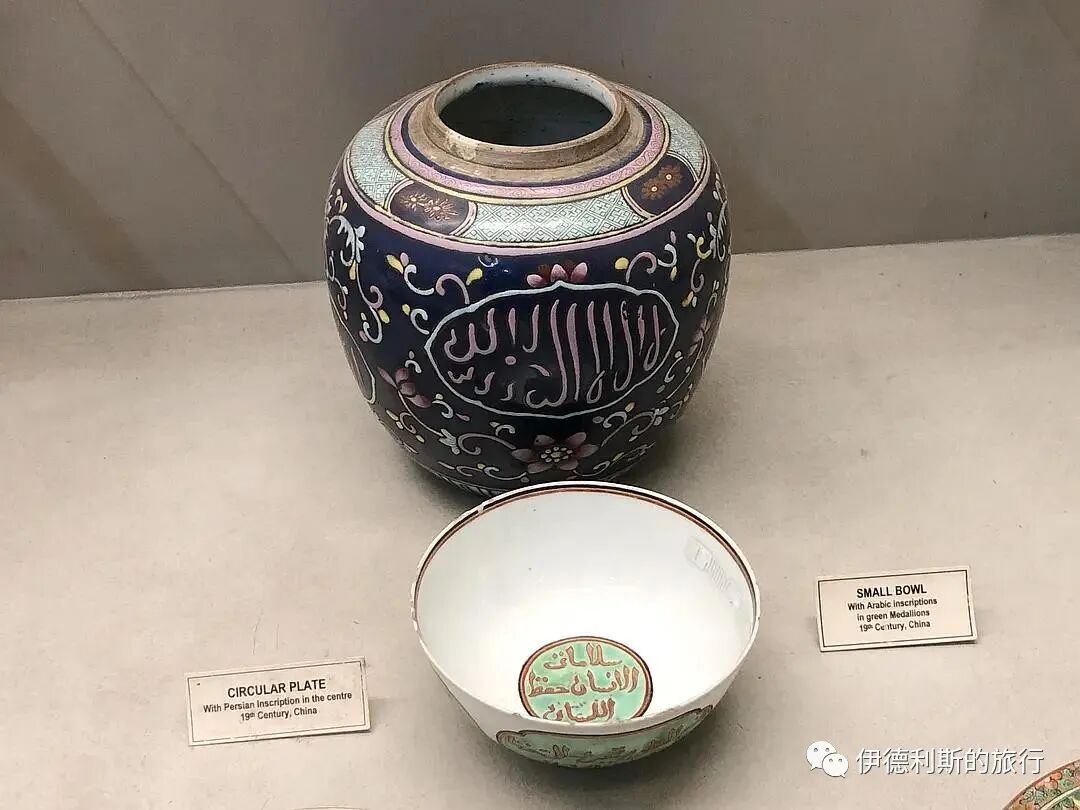
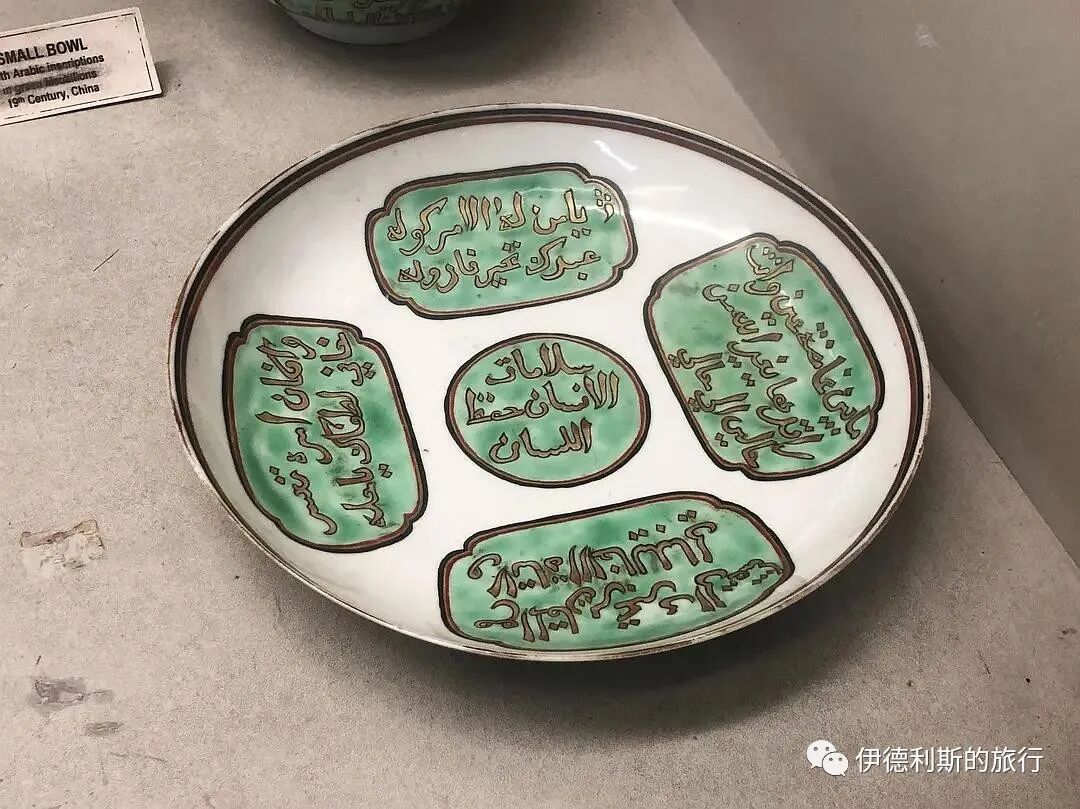
19th-century Canton famille rose porcelain (guangcai) with Persian script made for export.
Canton famille rose porcelain (guangcai) is short for Guangzhou gold-woven colored porcelain, a famous export porcelain from the mid-to-late Qing dynasty. During the Kangxi reign, the Thirteen Factories (shisanhang) were established in Guangzhou for foreign trade, and porcelain was a major export item. At first, export porcelain was ordered directly from Jingdezhen. By the Yongzheng reign, Guangzhou porcelain merchants began shipping plain white porcelain blanks from Jingdezhen to Guangzhou. They hired Jingdezhen craftsmen to paint them in Guangzhou using low-temperature overglaze colors, which is how Canton famille rose porcelain (guangcai) began.
After the Qianlong reign, Canton famille rose porcelain (guangcai) matured and developed its own colorful, ornate style. The main colors were locally made Western red, crane-spring color, eggplant color, deep ochre, and powder green. After the Daoguang reign, the number of colors grew to over a dozen. In the late Qing dynasty, Canton famille rose porcelain (guangcai) was mass-produced with uniform patterns. Bowls, plates, and dishes often featured a gold-rimmed circle in the center, with the surrounding area filled in a 'full-coverage' style with flowers, fruits, birds, fish, insects, figures, and landscapes, along with logos specified by foreign merchants.
During the 18th and 19th centuries, as the British East India Company imported large amounts of Chinese export porcelain, wealthy Muslim families began ordering custom pieces with Arabic and Persian inscriptions. The most famous of these were the Asaf Jahi dynasty of Hyderabad and the Qajar dynasty of Persia. However, most of these Muslim families placed their orders through the British East India Company in London rather than directly in Guangzhou.
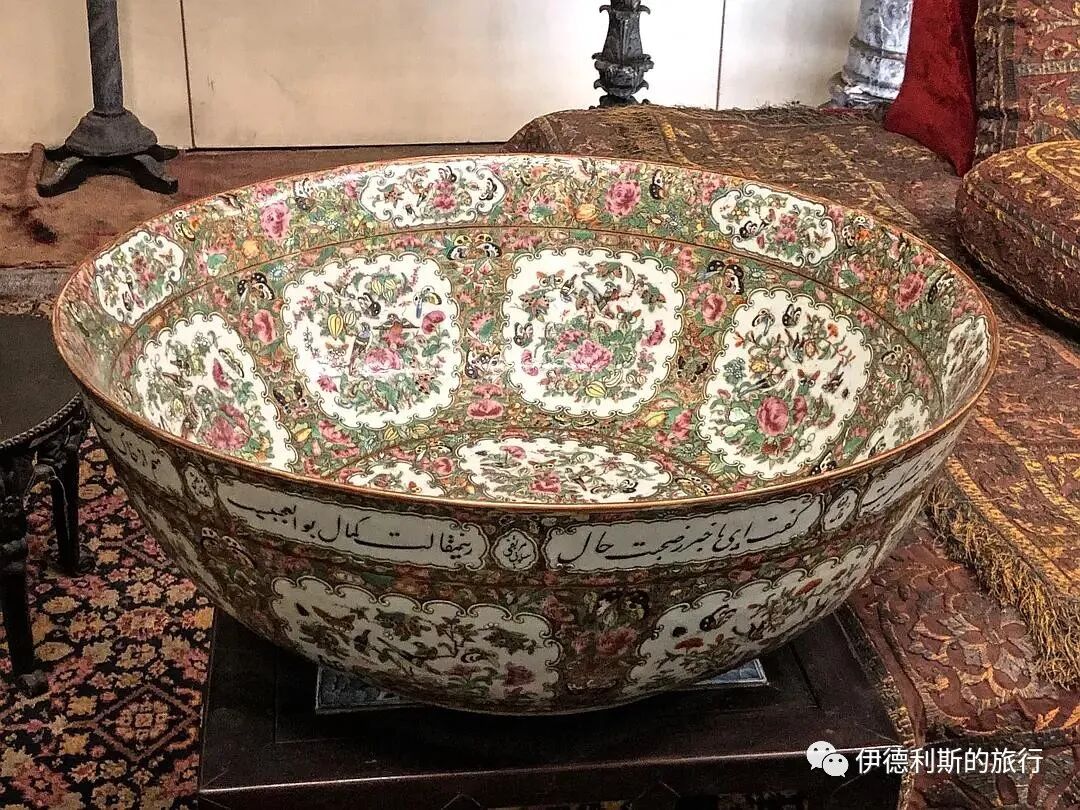
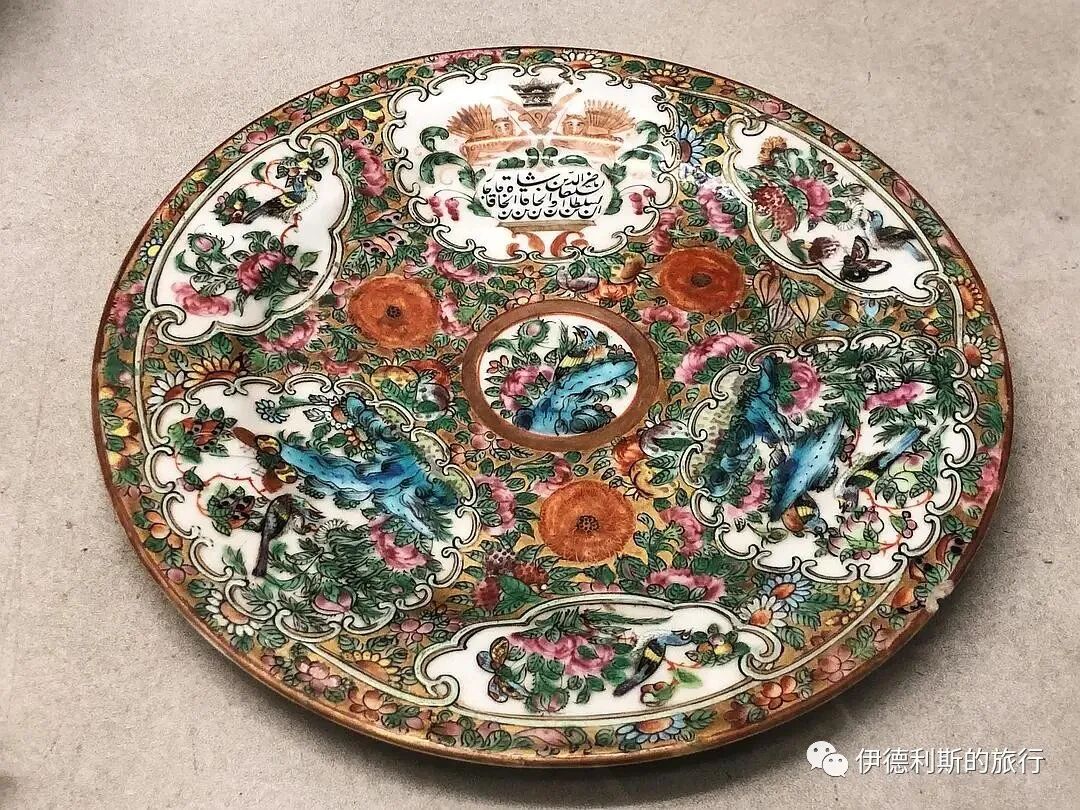
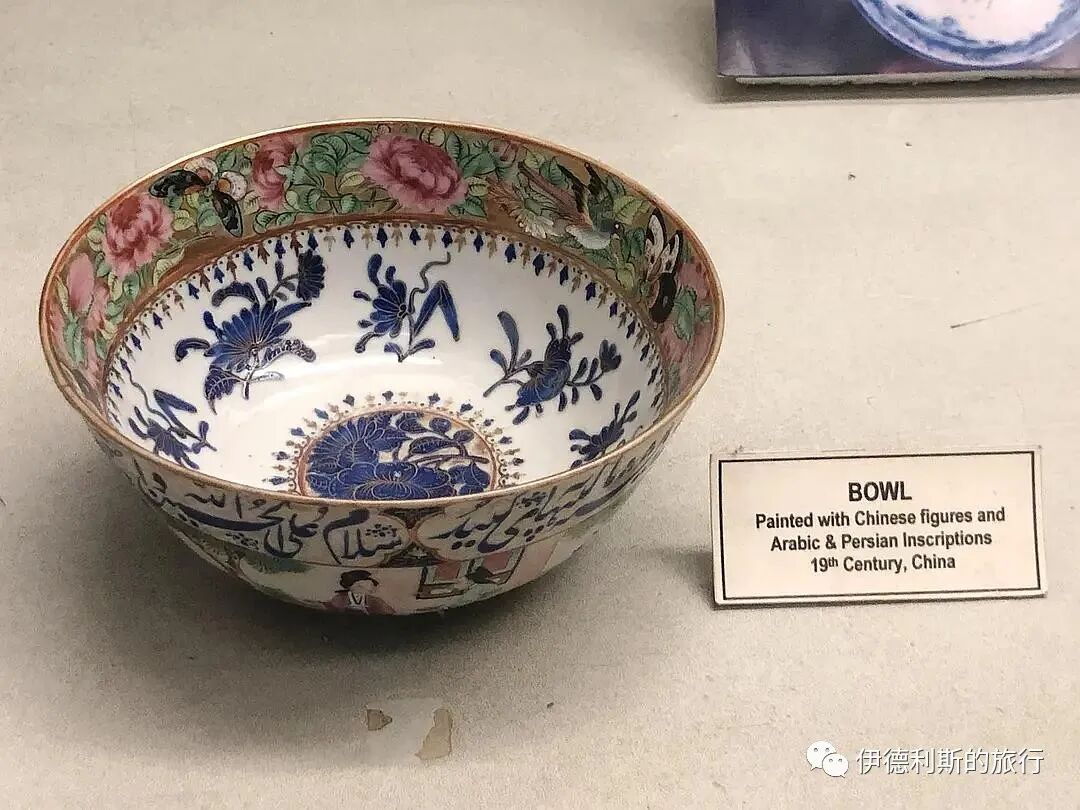
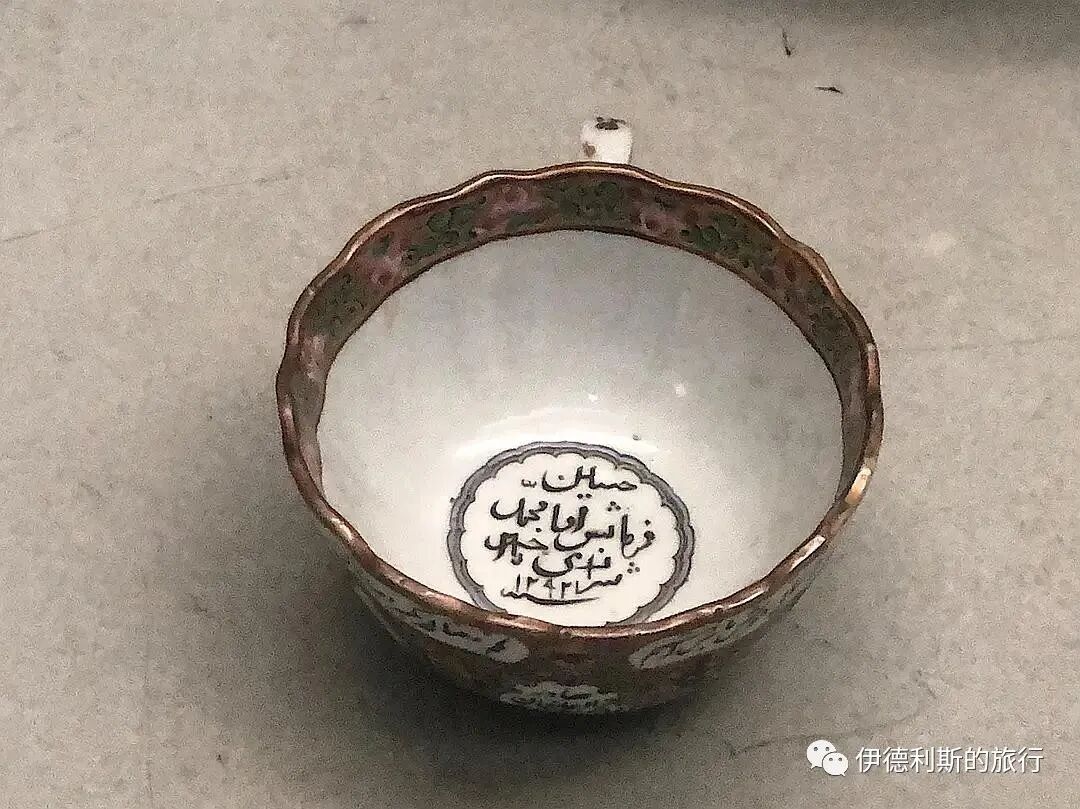
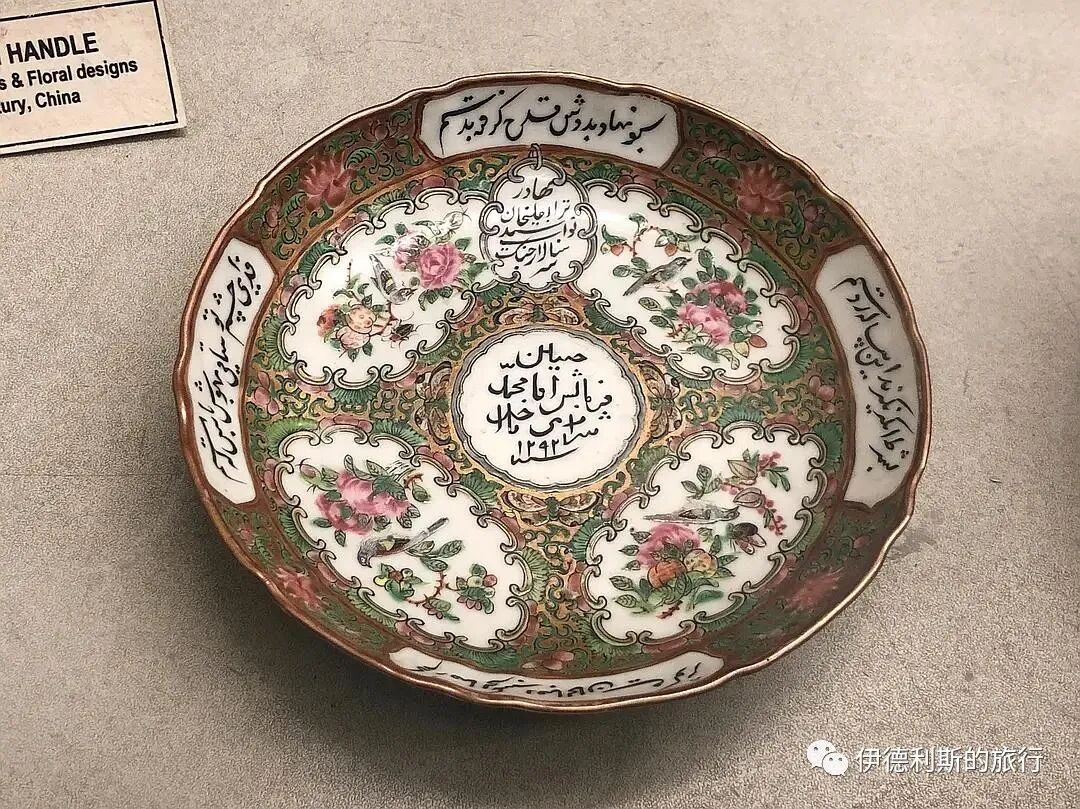
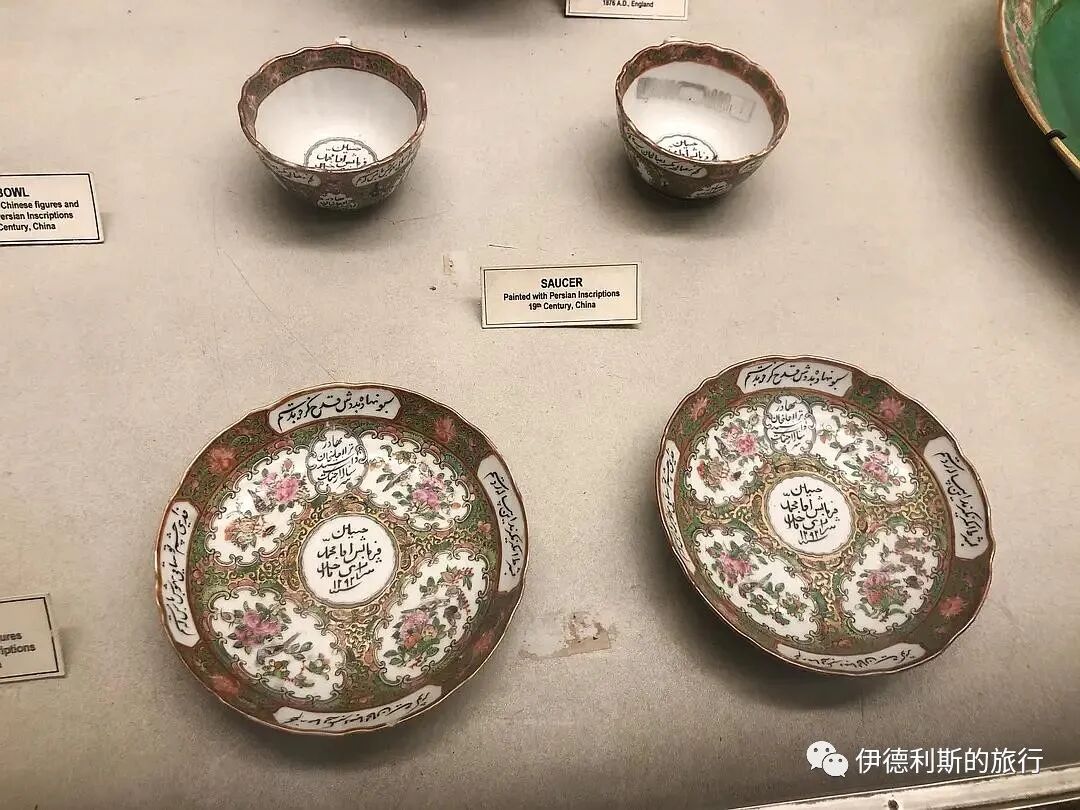
The porcelain plates and bowls are inscribed with the name 'Siraj ud-Daulah Bahadur'. Siraj ud-Daulah (1733-1757) was the last independent Nawab of Bengal. The end of his rule marked the beginning of British rule in India.
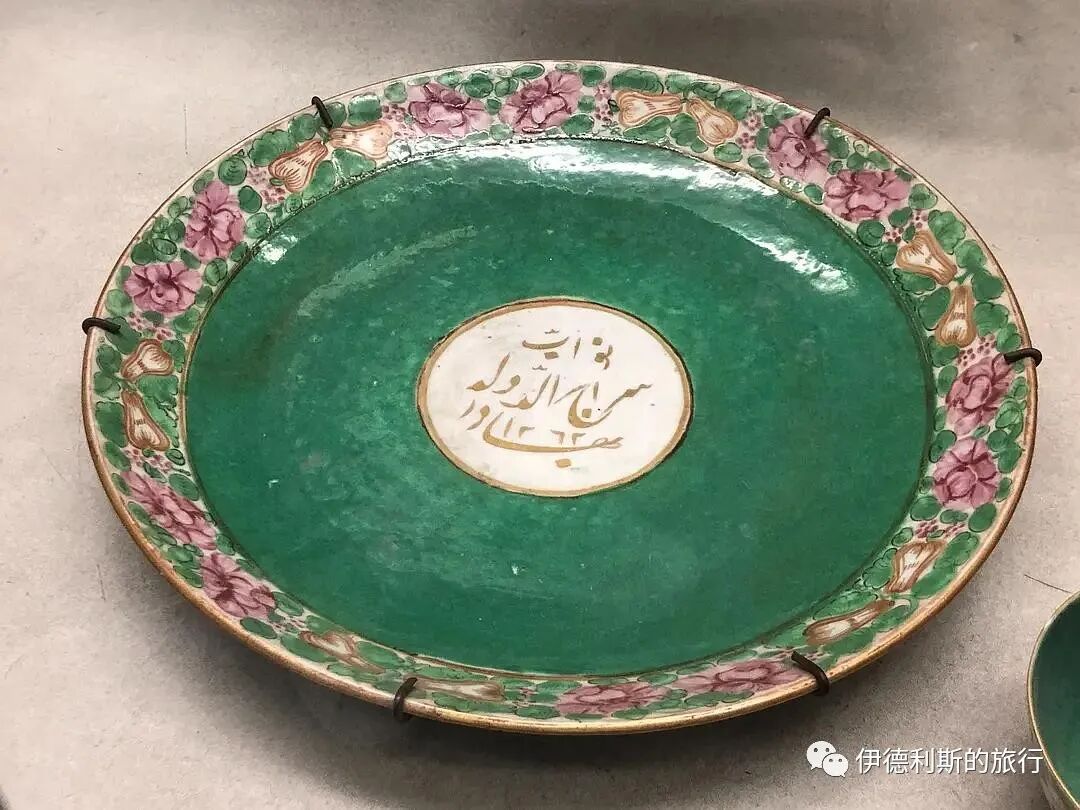
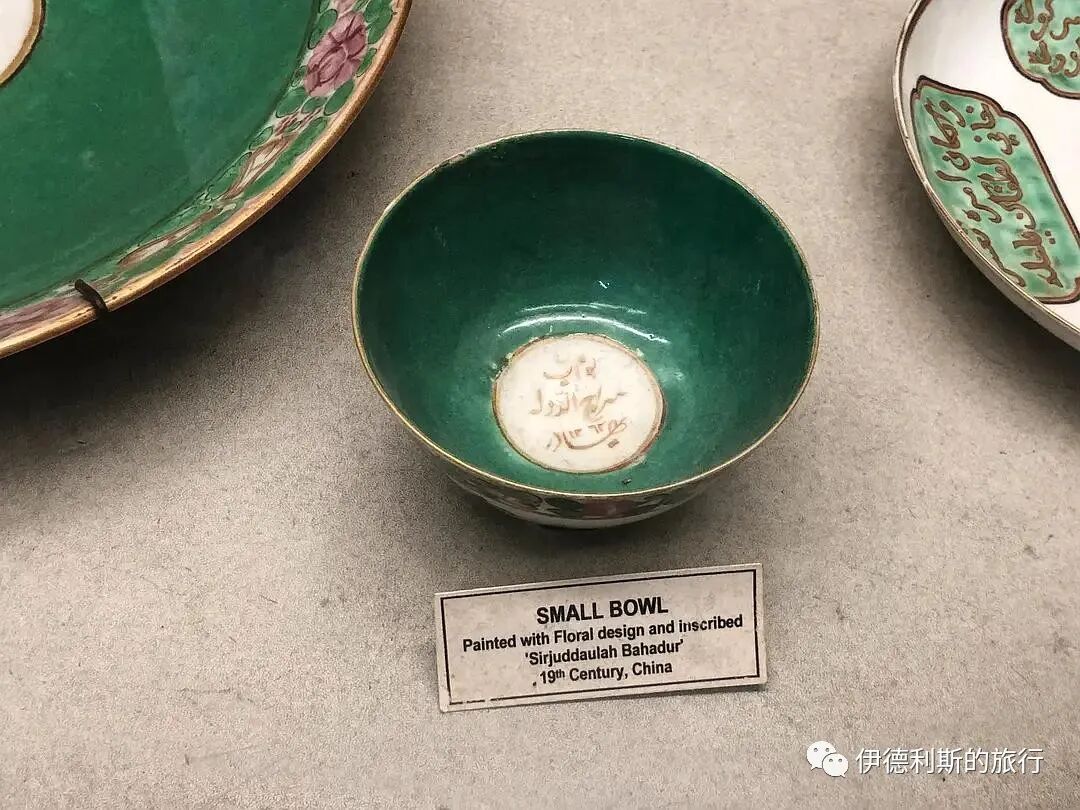
Porcelain inscribed with Arabic and Persian.
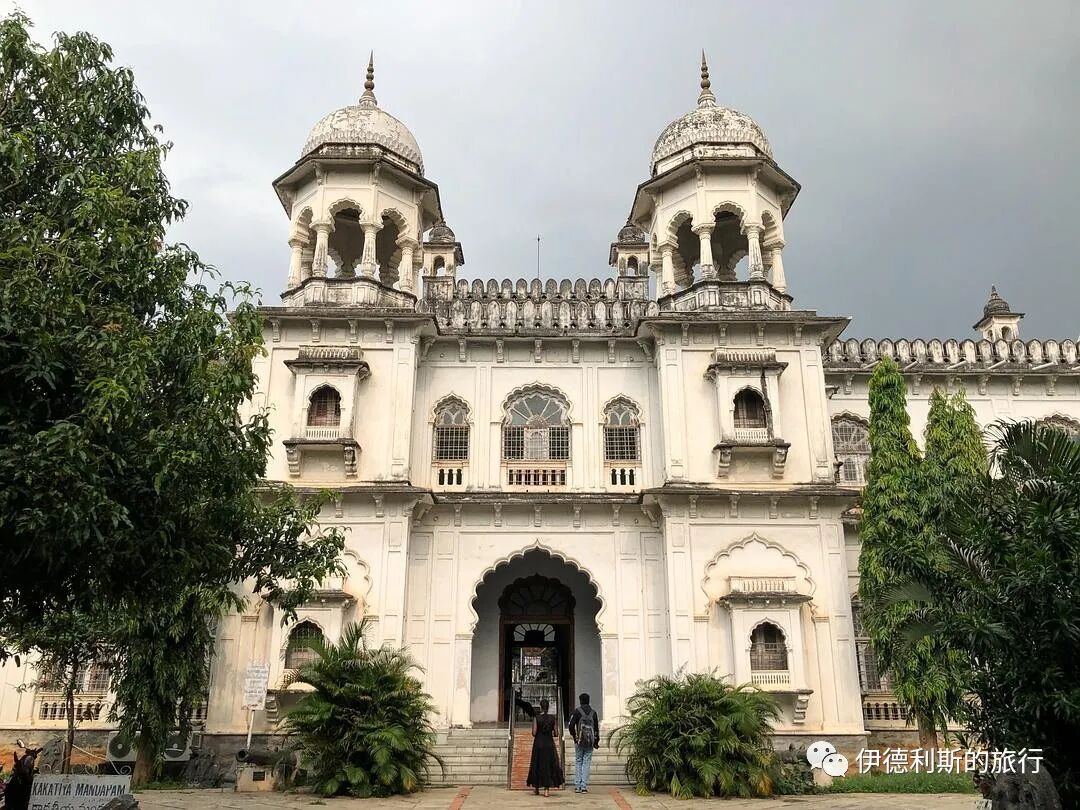
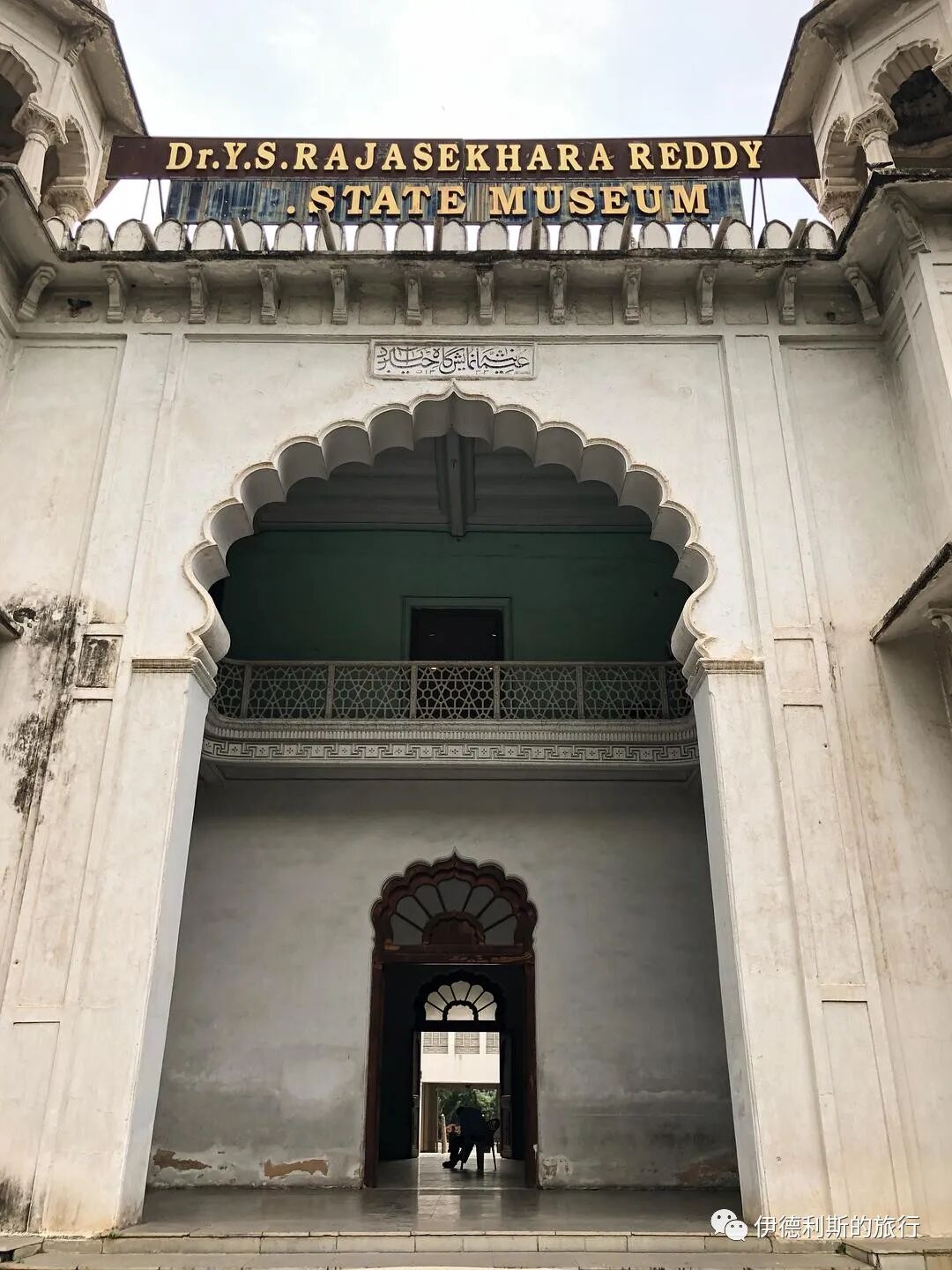
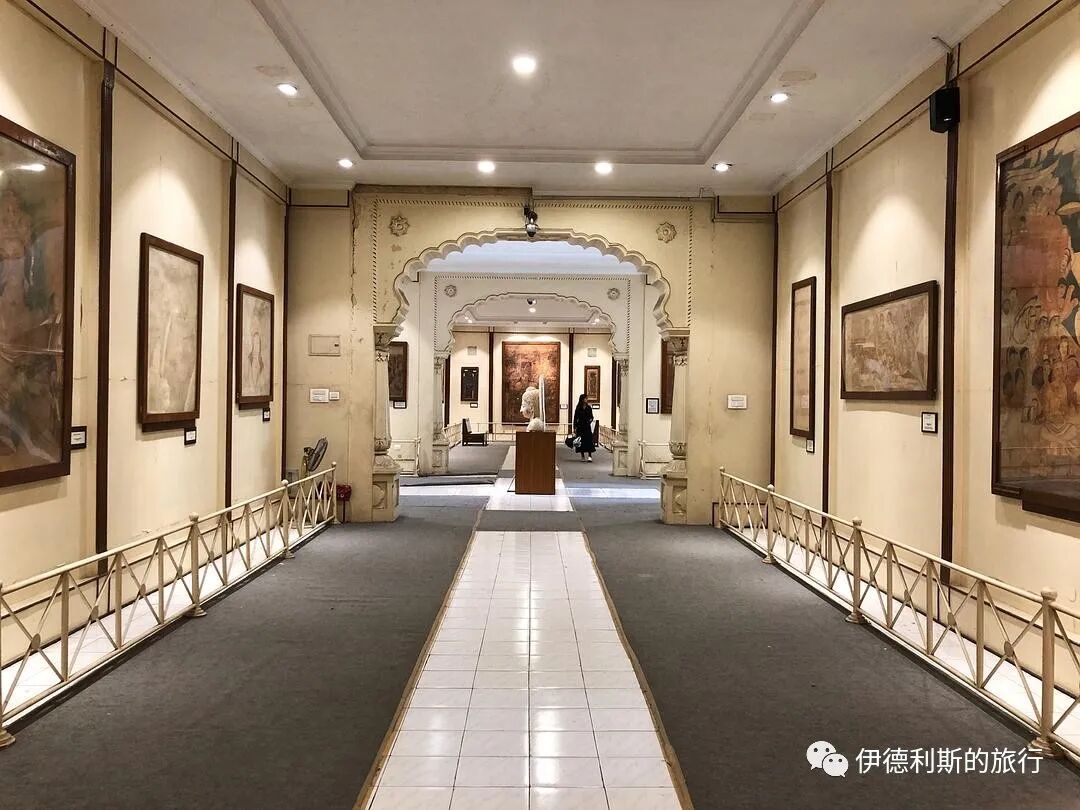
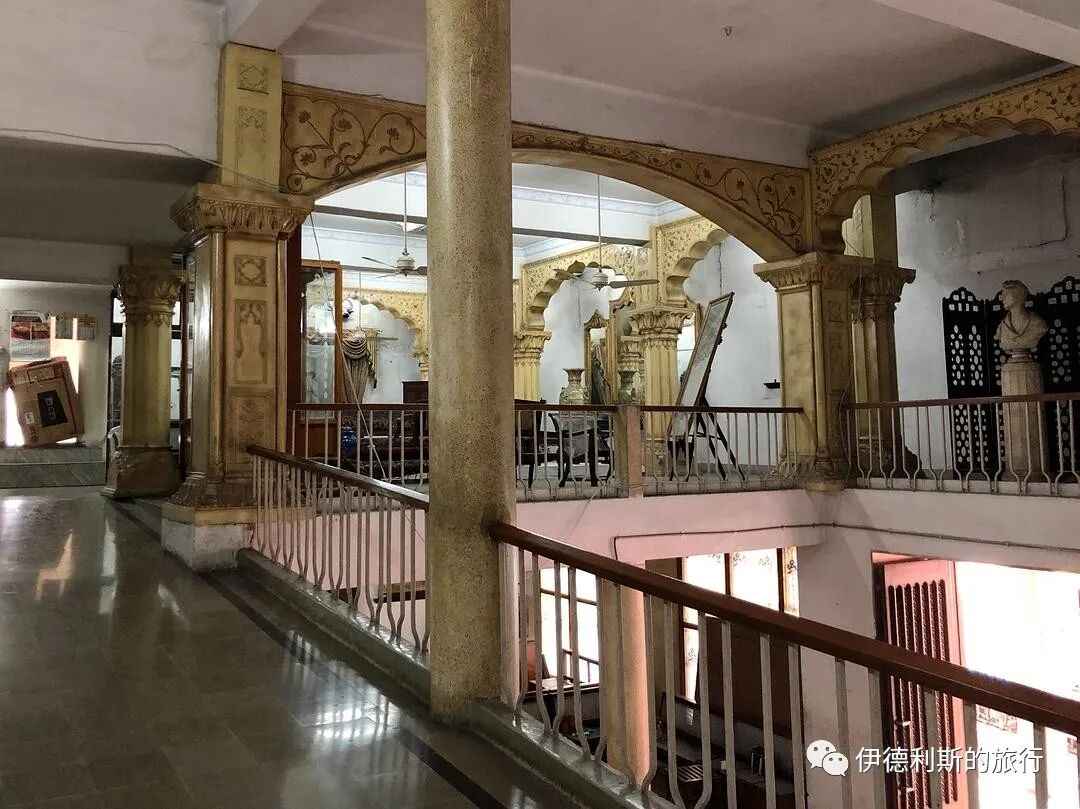
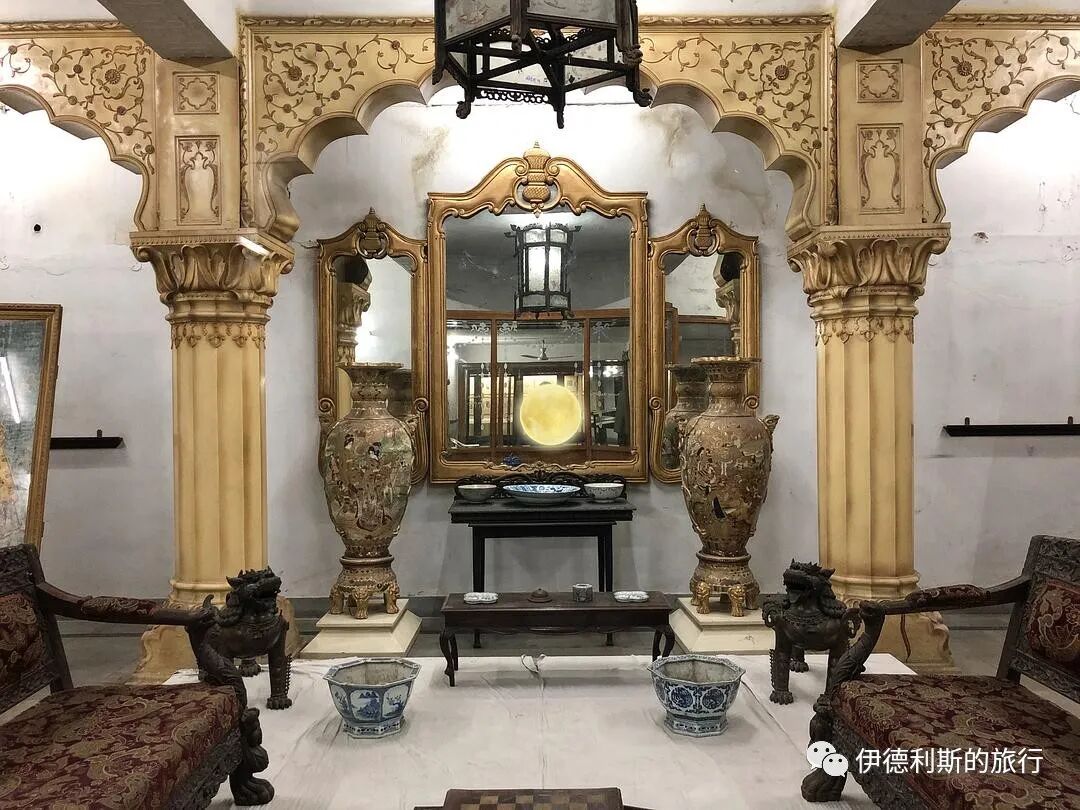
Telangana State Archaeology Museum.
The Telangana State Archaeology Museum is commonly known as the Hyderabad Museum. It was founded in 1930 by the last ruler of the Asaf Jahi dynasty of Hyderabad, Mir Osman Ali Khan, Asaf Jah VII (reigned 1911-1948).
Mir Osman Ali Khan owned the world's only diamond mines and was considered the richest man in the world at the time. He appeared on the cover of Time magazine in 1937. He is also known as the 'Architect of Modern Hyderabad.' He brought electricity, roads, railways, and airports to Hyderabad and founded many public institutions such as universities, hospitals, and banks. The Hyderabad Museum is one of them.
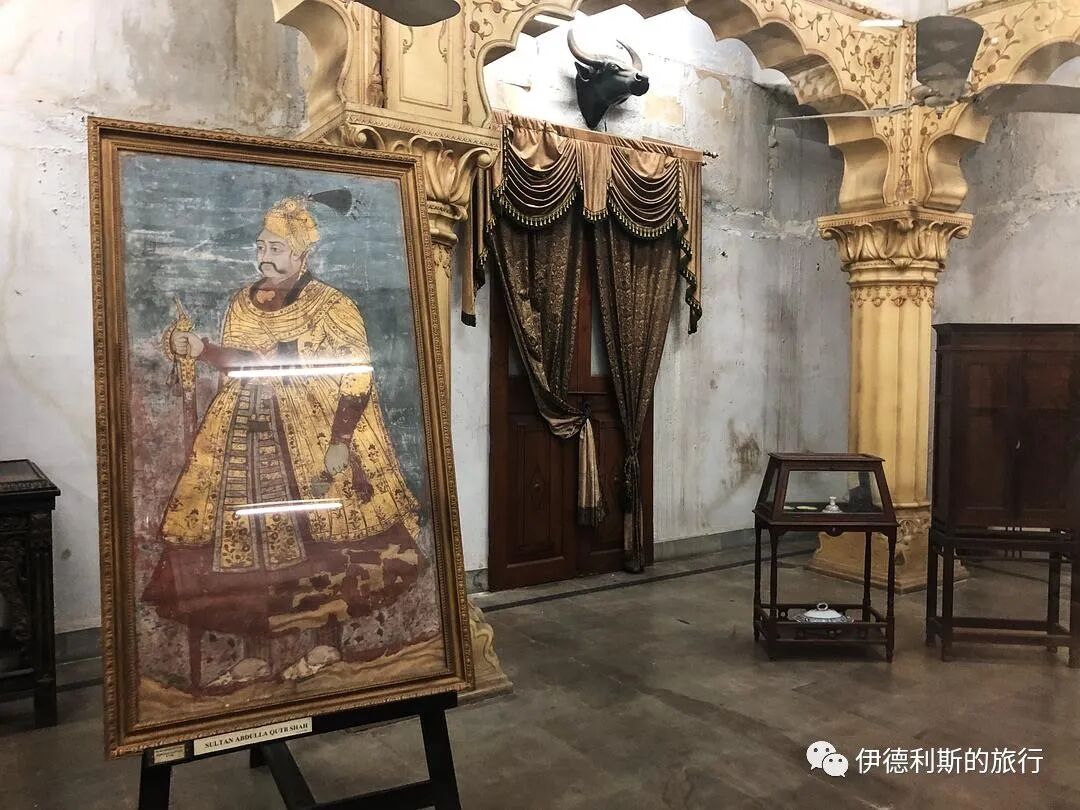
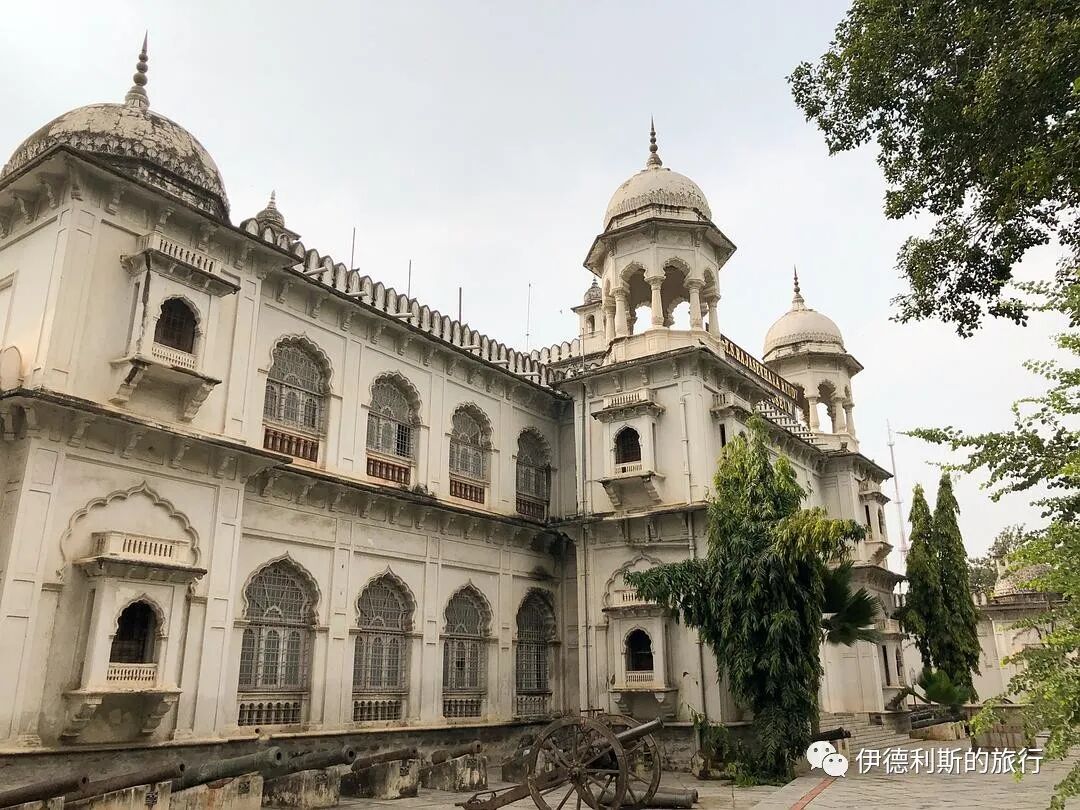
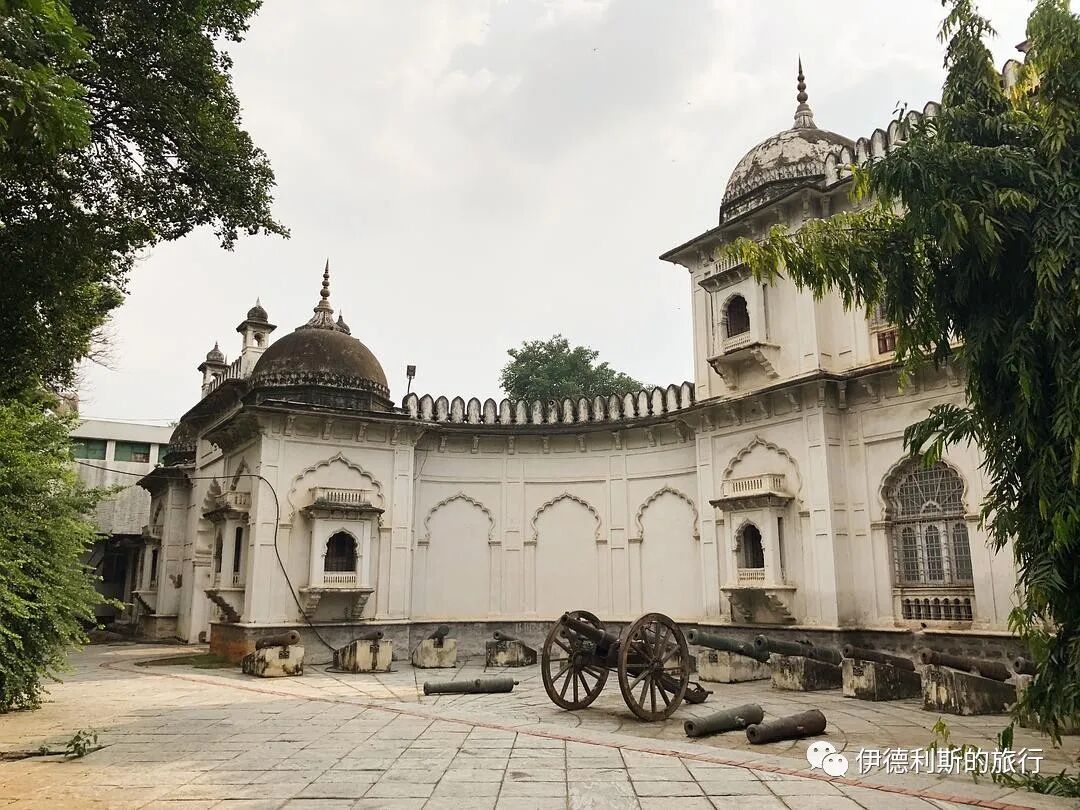
The Quran, copied in 1647 by Dara Shikoh using Naskh script, includes a Persian translation.
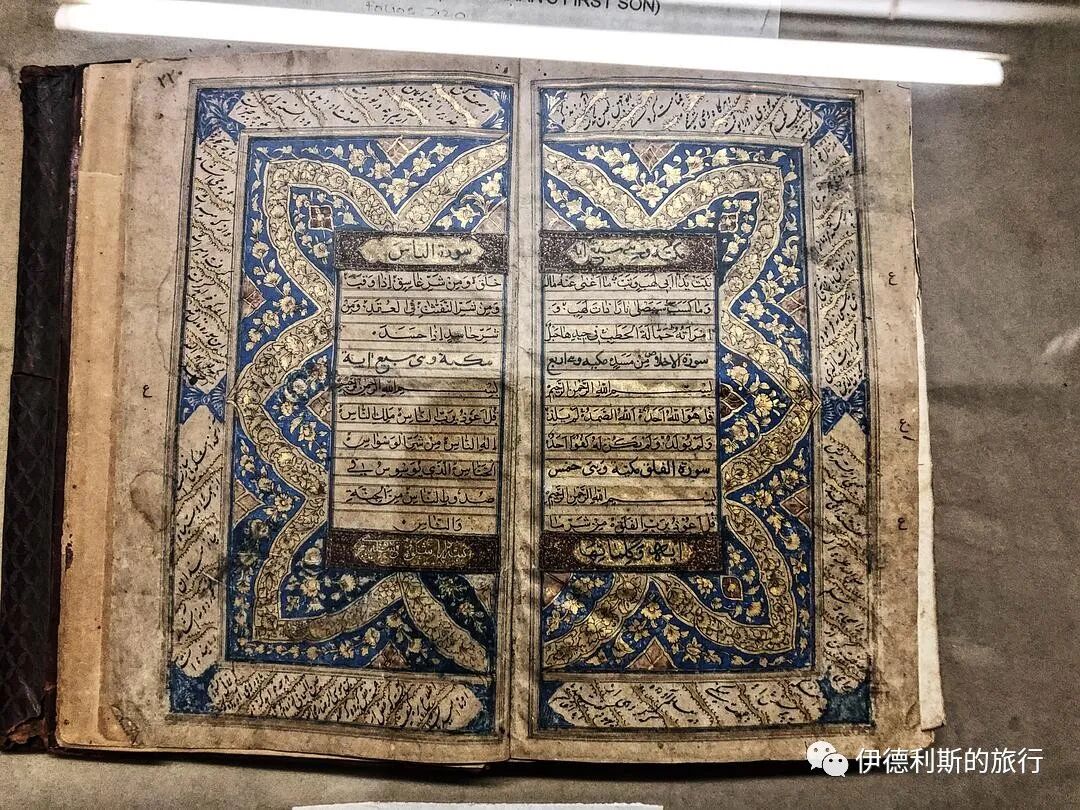
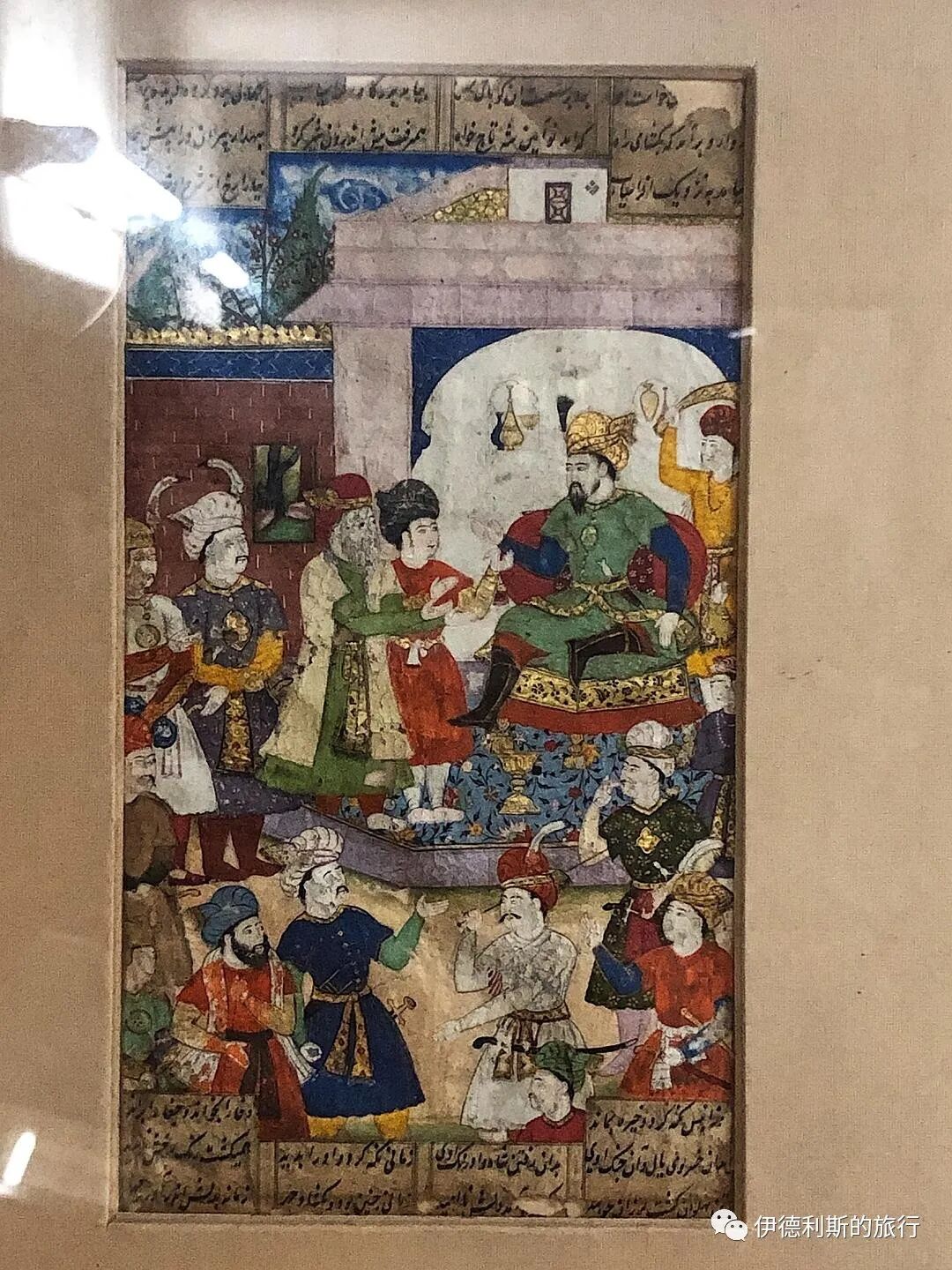
Miniature paintings from the museum collection.
An 18th-century painting of Nizam Ali Khan, Asaf Jah II (1762-1803), the second ruler of the Asaf Jahi dynasty in Hyderabad.
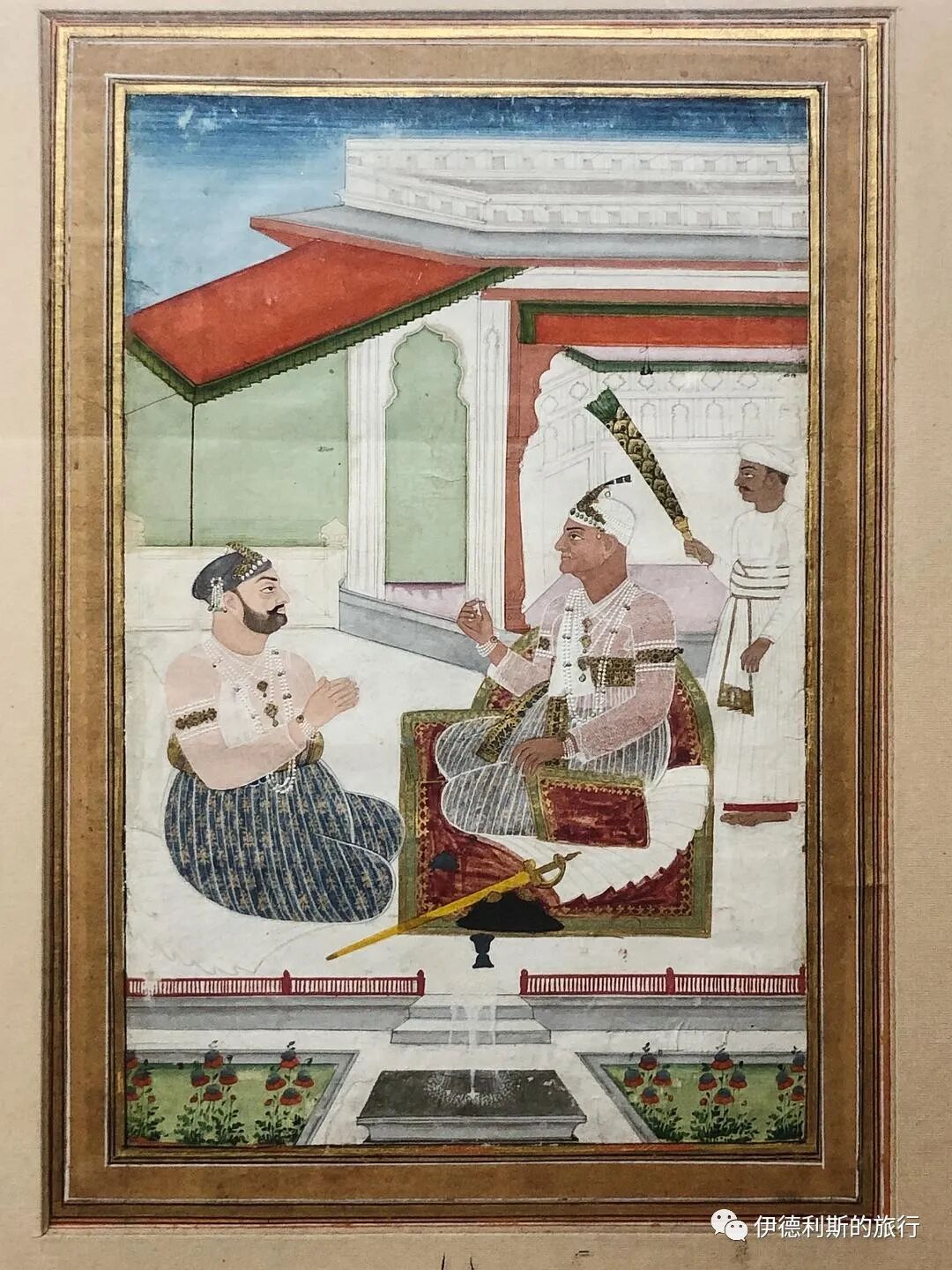
A 17th-century painting of a Sultan from the Qutb Shahi dynasty (1518-1687) in Hyderabad.
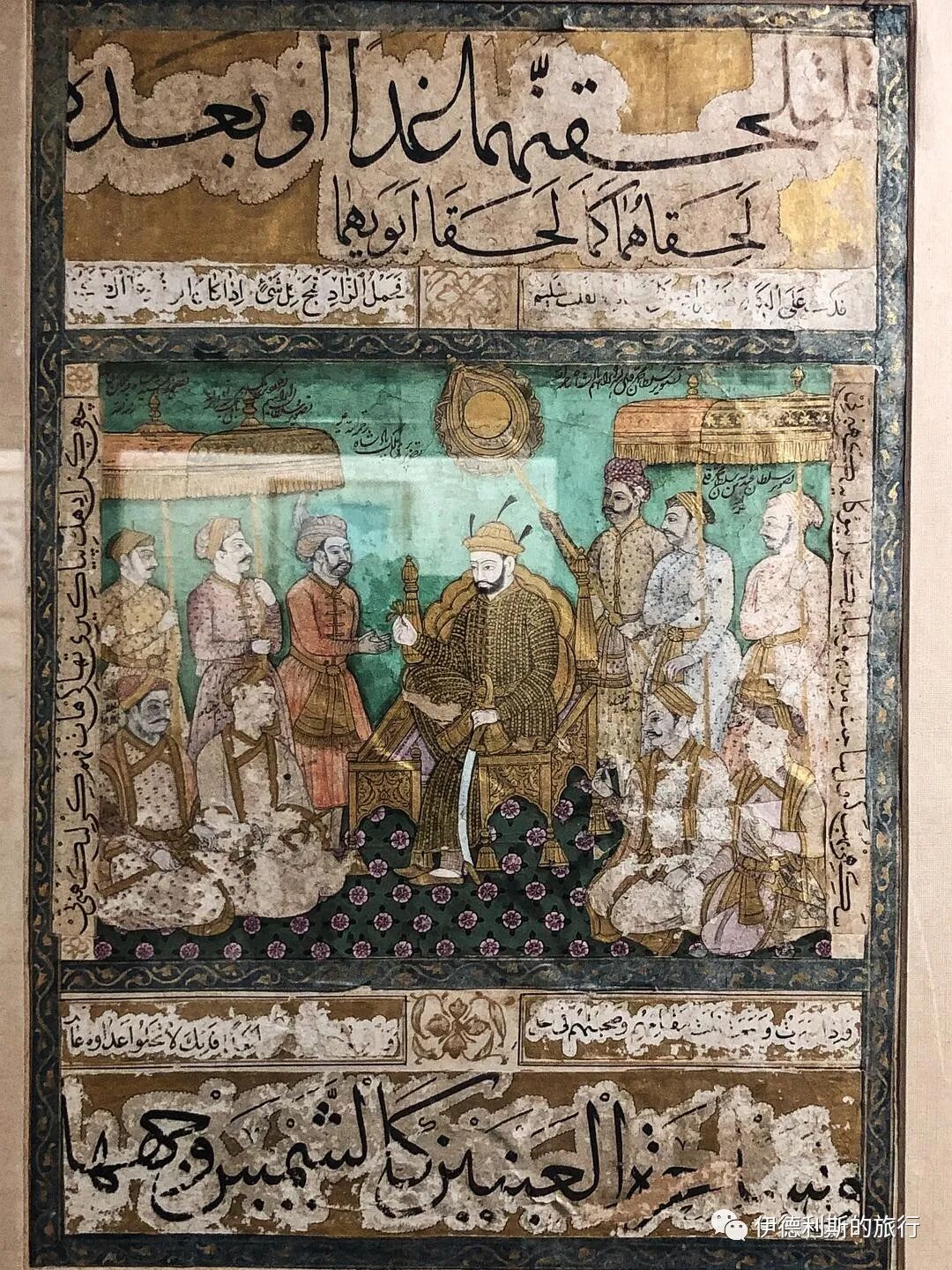
An 18th-century painting of a teacher.
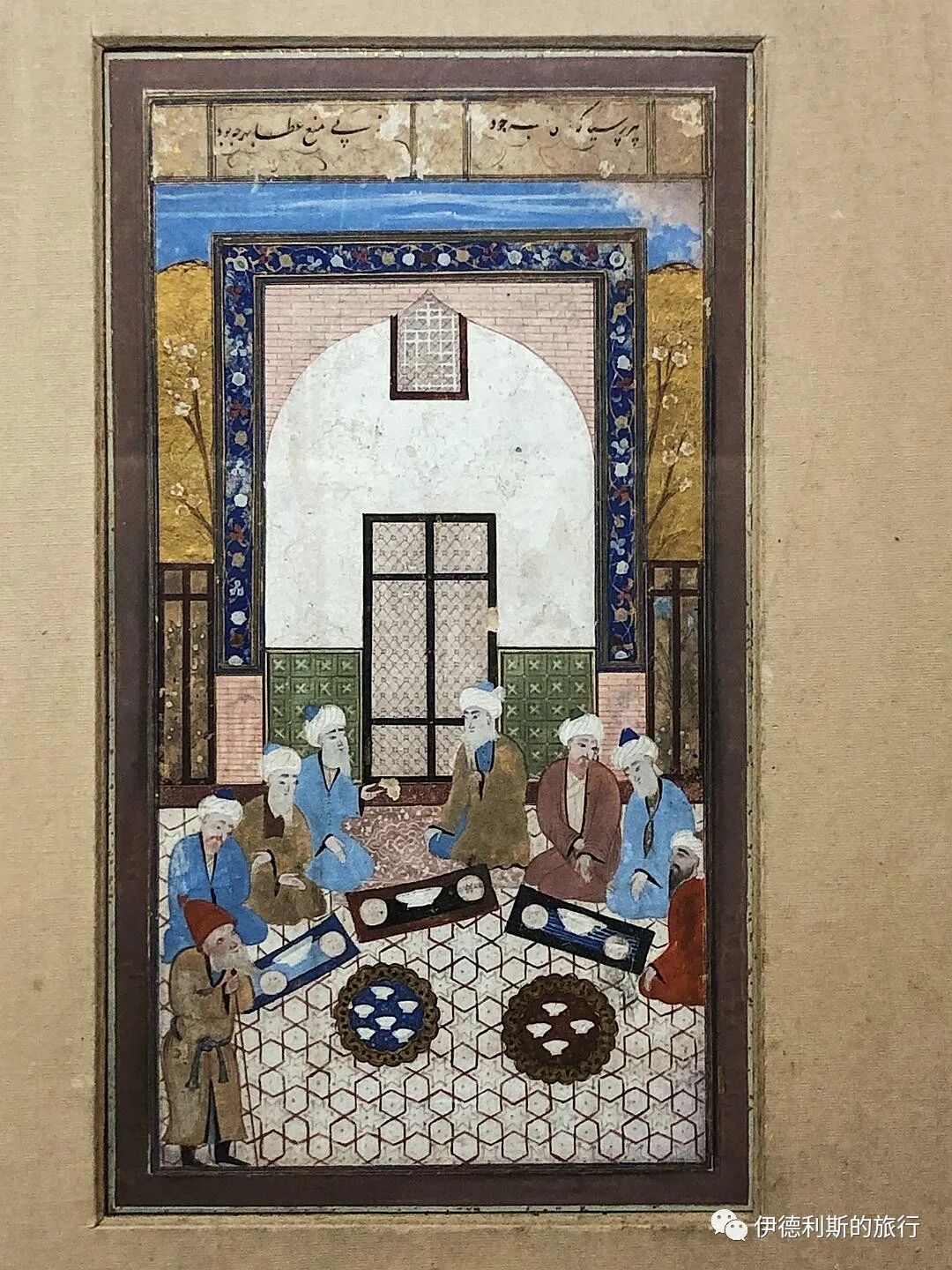
A 16th-century painting of nobles at a dinner party.
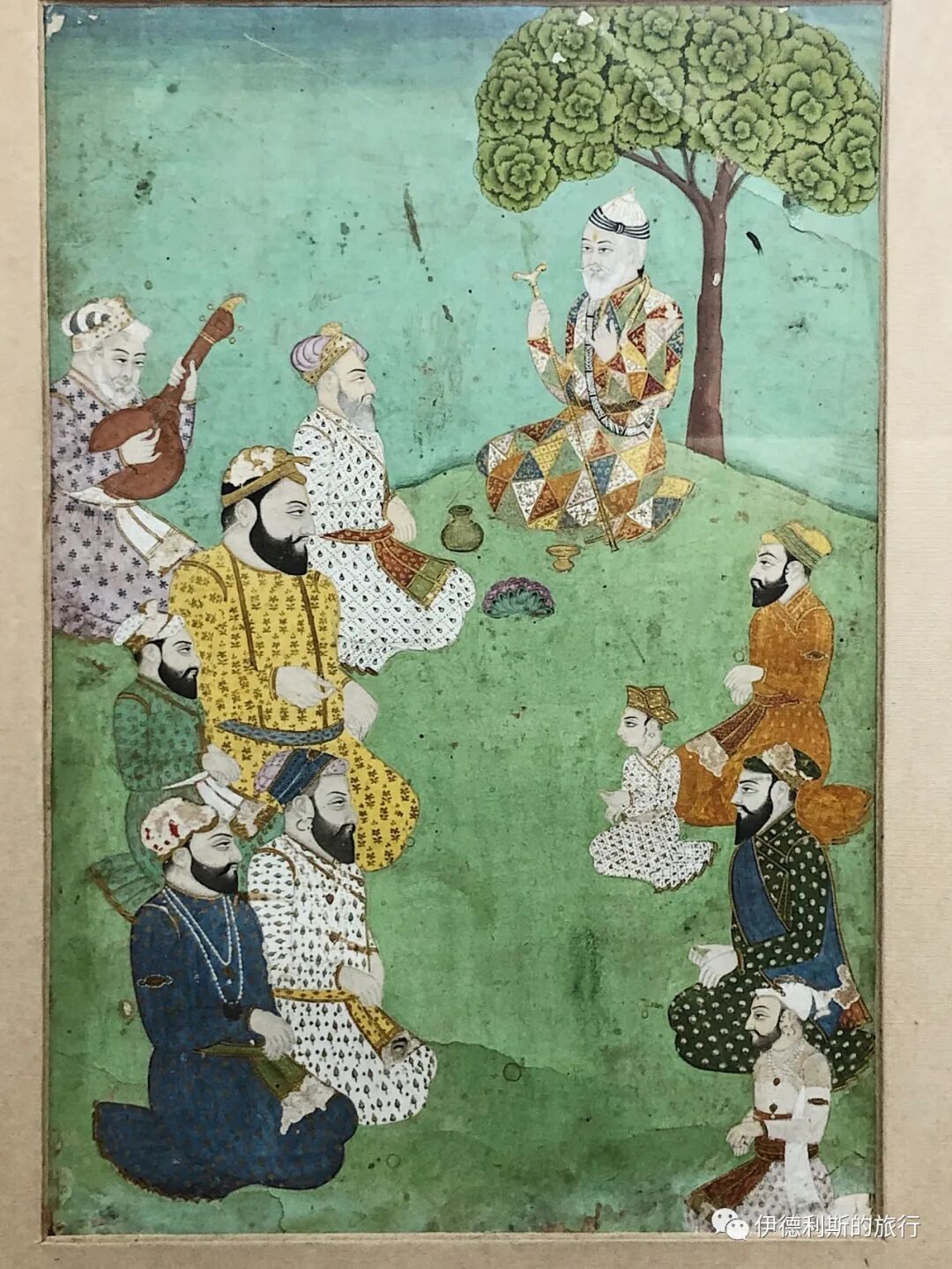
A 17th-century painting of Jahangir (reigned 1605-1627), the fourth emperor of the Mughal Empire.
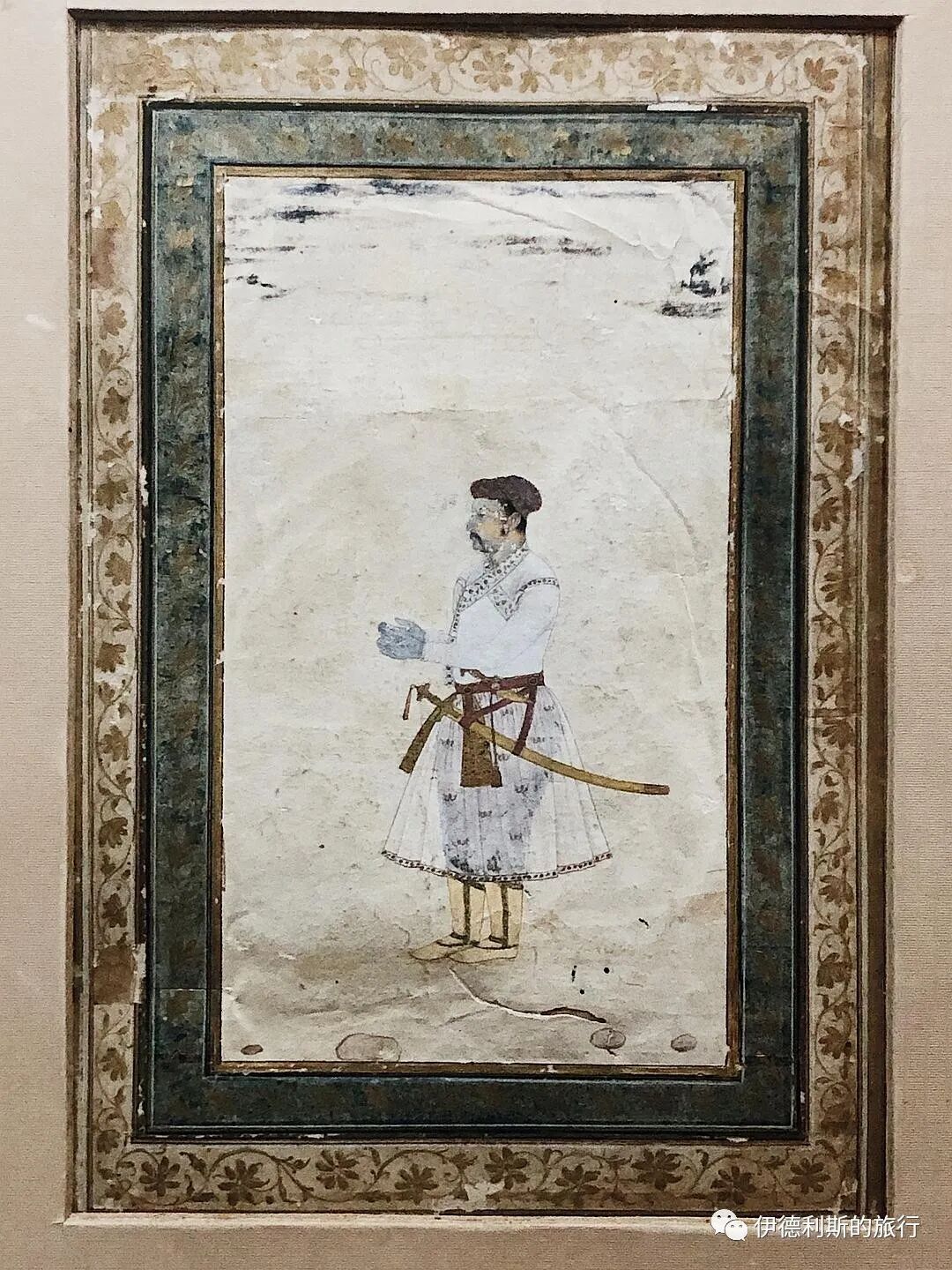
A miniature painting from the time of Akbar (reigned 1556-1605), the third emperor of the 16th-century Mughal Empire.
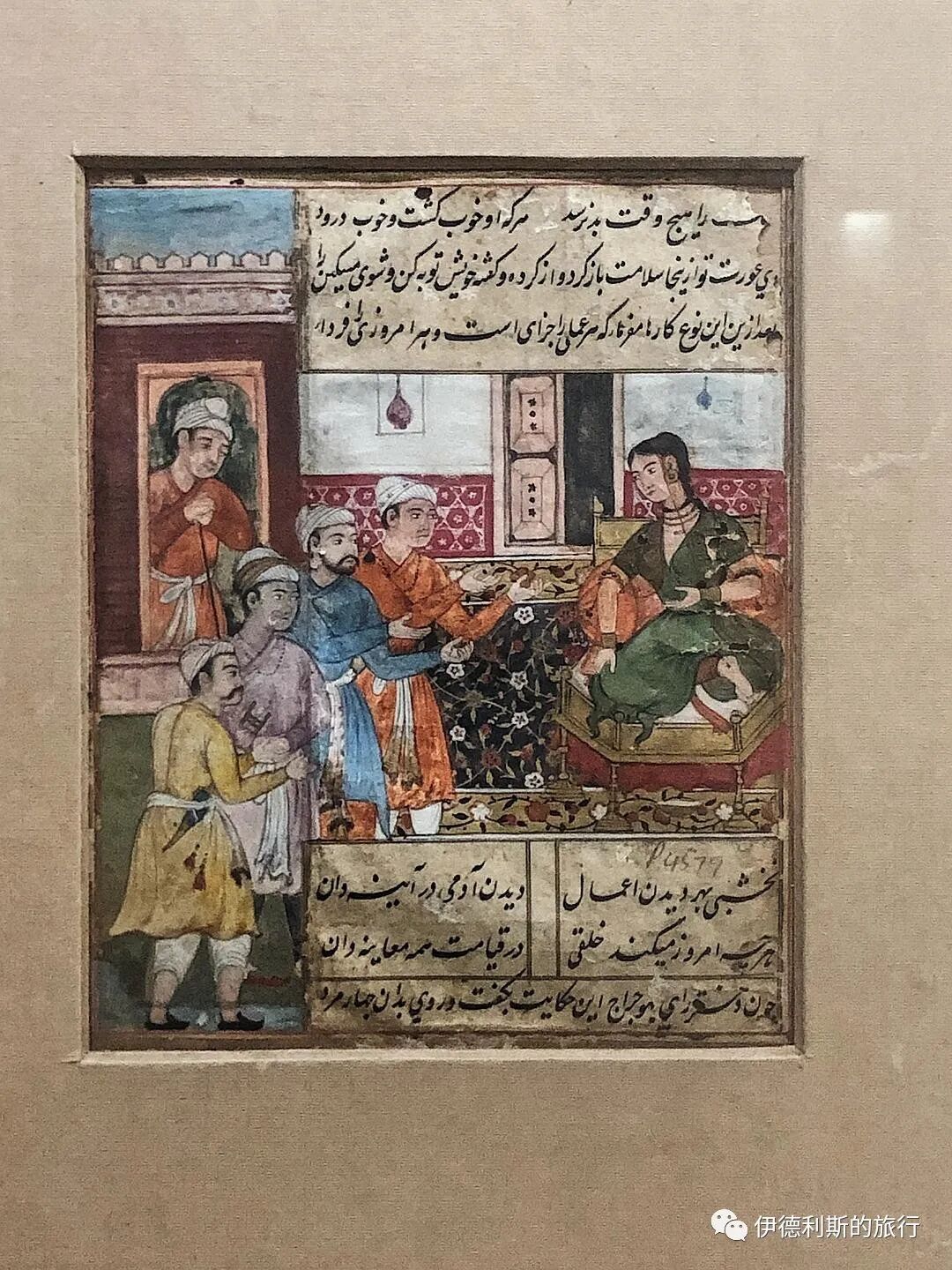
A miniature painting from the 16th-century Persian epic, the Shahnameh.
Summary: Hyderabad — Asaf Jahi Dynasty, Mosques and Deccan History is presented here as a firsthand travel account in clear English, beginning with this scene: Hyderabad sits on the Deccan Plateau in South India. Its name means the city (abad) of the lion (Hyder). The account keeps its focus on Asaf Jahi Dynasty, Hyderabad, Deccan History while preserving the names, places, food, and historical details from the Chinese source.
Hyderabad sits on the Deccan Plateau in South India. Its name means the city (abad) of the lion (Hyder). In 1591, the Qutb Shahi dynasty, founded by Deccan Muslims, built the city of Hyderabad and made it their capital. In 1687, the Mughal Emperor Aurangzeb captured Hyderabad after an eight-month siege and added it to the Mughal Empire.
In 1724, a high-ranking Mughal official named Mir Qamar-ud-Din Siddiqi set up his own government in Hyderabad. Because he used the highest honorific title of the Mughal Empire, Asaf Jahi, his line became known as the Asaf Jahi dynasty. The rulers of the Asaf Jahi dynasty also kept using the title Nizam ul-Mulk granted by the Mughal Empire, so the state was also called the Kingdom of the Nizam of Hyderabad.
The Asaf Jahi family came from the Transoxiana region of Central Asia. The grandfather of Asaf Jah I moved from Samarkand to the Deccan in 1654. Asaf Jah I followed the Mughal Emperor Aurangzeb on military campaigns from a young age and earned many honors in battle. After Aurangzeb died, Asaf Jah I gradually took control of the Deccan region.
In fact, the Asaf Jahi dynasty was never truly independent from the Mughal Empire, and they still used the Mughal flag. Until 1948, the Friday khutbah (sermon) during Jumu'ah prayers was still delivered in the name of the Mughal Emperor Aurangzeb.
Chowmahalla Palace
After Asaf Jah I died in 1748, his sons fought a civil war to take power. Eventually, Asaf Jah I's third son, Salabat Jung, ruled Hyderabad with help from the French and started building the Chowmahalla Palace in 1750.
The name Chowmahalla comes from the Dakhini Urdu words char mahallat, which mean four palaces. The palace is still the property of Barkat Ali Khan Mukarram Jah, the grandson of the last Nizam, and the Nizam family holds their weddings here. Mukarram Jah was the richest person in India until the 1980s, with an estimated net worth of 1 billion dollars.
Chowmahalla Palace originally covered 180,000 square meters, but only 49,000 square meters remain today. The existing palace is divided into a south section and a north section.
The clock tower (Khilwat Clock) above the palace gate has been running for over 200 years, and a family of clockmakers who have passed the skill down through generations winds the mechanical clock every week.
On the east side of the north section is the Bara Imam, which was used for administrative offices and is decorated with Deccan-style domes and arches, along with many Persian elements. The Shishe-Alat, built as a mirror image on the west side, served as guest rooms for visiting dignitaries.
Khilwat Mubarak is the most important building in Chowmahalla Palace, used for various official events and religious ceremonies, including the coronation of the eighth Nizam in 1967. Inside the hall is a marble platform that holds the Takht-e-Nishan throne. Nineteen luxury Belgian crystal chandeliers were recently installed in the main hall.
Portraits and photos of the Nizam of Hyderabad, along with the tableware he used.
A photo of the seventh Nizam and his wife taken in 1916.
A photo of the seventh Nizam and his two sons taken in 1908.
The Nizam drinking tea.
Uniforms of the Maisram Regiment, the palace guards of the Nizam of Hyderabad.
Photos of the Maisram Regiment attending the Nizam's birthday celebrations in 1935 and 1956.
Walls covered in weapons.
The royal gilded copper fish-shaped flag of the Nizam of Hyderabad from the 18th to 19th century, known as Mahi wau Maratib. The fish has been a symbol of power since the Timurid era. The fish-shaped flag of the Asaf Jahi dynasty was an honor bestowed upon the Nizam of Hyderabad by the Mughal imperial court. The flag consists of one fish head (Mahi) and two scepters (Maratib), which were held high at the front of the procession during royal ceremonies.
A painting of the Mahi wau Maratib from 1880.
Enter the south section from the north section of Chowmahalla Palace. The south section contains four palaces: Afzal Mahal, Mahtab Mahal, Tahniyat Mahal, and Aftab Mahal, which is where the palace gets its name. The southern palaces were destroyed in a gunpowder explosion at the end of the 18th century and rebuilt in the 19th century in a neoclassical style, incorporating many European elements.
First, let's look at the gate between the north and south sections.
Enter the south section from the north section of Chowmahalla Palace. The south section contains four palaces: Afzal Mahal, Mahtab Mahal, Tahniyat Mahal, and Aftab Mahal, which is where the palace gets its name. The southern palaces were destroyed in a gunpowder explosion at the end of the 18th century and rebuilt in the 19th century in a neoclassical style, incorporating many European elements.
The two buildings on the east and west sides are named after the moon (Mahtab) and the sun (Aftab). The two buildings have slightly different decorations to reflect the characteristics of the moon and the sun, and they display court costumes from the Nizam of Hyderabad.
The Afzal Mahal on the south side is the largest, and it displays French furniture and Turkish chandeliers used by the sixth Nizam of Hyderabad.
Tombs of the Nizams
South of the main hall of the Mecca Mosque (Mecca Masjid) in Hyderabad are the tombs of the second through sixth Nizams of Hyderabad. The building housing the tombs was built in 1914 by the last Nizam, Mir Osman Ali Khan. I was at the mosque in Mecca for Friday namaz when I happened to hear everyone inside the tomb building praising Allah and the Prophet. It sounded beautiful.
Paigah Tombs
The Paigah family was the most powerful family in the Asaf Jahi dynasty after the Nizam. They were the only family in Hyderabad besides the Nizam to own palaces. The 18th and 19th-century tombs of the Paigah family are famous for their beautiful plasterwork and marble carvings.
When you enter the Paigah Tombs, the first thing you see is the tomb of Ghansimiyan. Sardar-ul-mulk Ghansi Miyan was a general during the reign of Nizam Ali Khan of Hyderabad (who ruled from 1762 to 1803) and was a close relative of the Paigah family. The tombs are currently being restored by the Aga Khan Trust for Culture in partnership with the Telangana Heritage Department, but progress is slow due to the pandemic.
To the right is Khavas Pura, where many children of the Paigah family who died young are buried.
North of Khavas Pura is the tomb of Lateef Unnisa, who was said to be a very beautiful lady. The tombstone is very simple, but the room is covered in intricate carvings, including stucco panels shaped like flowers and decorative bands shaped like pineapples. Pineapples were rare, so they became a symbol of wealth in Hyderabad.
At the far northwest end of the tomb area is the mosque used for prayer, and across from it are the connected tombs of the main figures of the Paigah family. The tomb uses complex perforated screen (jaali) techniques to carve the wooden doors and window screens.
This is the tomb of Fakhruddin Khan, the second leader of the Paigah family. He became the leader after his father died in 1791 and received the title Amir-e-Kabir, which means head of the nobles. He married the daughter of Asaf Jah II in 1797, starting the tradition of the Nizam of Hyderabad marrying his daughters to young nobles from the Paigah family.
Behind is the tomb of Asman Jah (1839-1898), with beautiful marble carvings around the tombstone. Asman Jah was the grandson of Fakhruddin Khan, the second leader of the Paigah family. He served as the Prime Minister of the Asaf Jahi dynasty in Hyderabad from 1887 to 1894 and represented Hyderabad at the 50th anniversary celebration of Queen Victoria's reign.
None of the Paigah family tombs have roofs, which follows the style of the tomb of the Mughal Emperor Aurangzeb.
Salar Jung Museum
The Salar Jung family was the most prominent family in the Asaf Jahi dynasty of Hyderabad after the Nizam family and the Paigah family. Five of its members served as Prime Ministers of the Asaf Jahi dynasty during the 19th century. Salar Jung III (1889–1949) was a passionate collector. Over 35 years, he spent a great deal of energy and money collecting artifacts from all over the world. After Salar Jung III passed away in 1949, these collections were kept in their family's Diwan Devdi palace. They opened to the public as the Salar Jung Museum in 1951 and moved to the current location after 1968.
A portrait of Salar Jung III as a child
The hat worn by Salar Jung III.
19th-century Canton famille rose porcelain (guangcai) with Persian script made for export.
Canton famille rose porcelain (guangcai) is short for Guangzhou gold-woven colored porcelain, a famous export porcelain from the mid-to-late Qing dynasty. During the Kangxi reign, the Thirteen Factories (shisanhang) were established in Guangzhou for foreign trade, and porcelain was a major export item. At first, export porcelain was ordered directly from Jingdezhen. By the Yongzheng reign, Guangzhou porcelain merchants began shipping plain white porcelain blanks from Jingdezhen to Guangzhou. They hired Jingdezhen craftsmen to paint them in Guangzhou using low-temperature overglaze colors, which is how Canton famille rose porcelain (guangcai) began.
After the Qianlong reign, Canton famille rose porcelain (guangcai) matured and developed its own colorful, ornate style. The main colors were locally made Western red, crane-spring color, eggplant color, deep ochre, and powder green. After the Daoguang reign, the number of colors grew to over a dozen. In the late Qing dynasty, Canton famille rose porcelain (guangcai) was mass-produced with uniform patterns. Bowls, plates, and dishes often featured a gold-rimmed circle in the center, with the surrounding area filled in a 'full-coverage' style with flowers, fruits, birds, fish, insects, figures, and landscapes, along with logos specified by foreign merchants.
During the 18th and 19th centuries, as the British East India Company imported large amounts of Chinese export porcelain, wealthy Muslim families began ordering custom pieces with Arabic and Persian inscriptions. The most famous of these were the Asaf Jahi dynasty of Hyderabad and the Qajar dynasty of Persia. However, most of these Muslim families placed their orders through the British East India Company in London rather than directly in Guangzhou.
The porcelain plates and bowls are inscribed with the name 'Siraj ud-Daulah Bahadur'. Siraj ud-Daulah (1733-1757) was the last independent Nawab of Bengal. The end of his rule marked the beginning of British rule in India.
Porcelain inscribed with Arabic and Persian.
Telangana State Archaeology Museum.
The Telangana State Archaeology Museum is commonly known as the Hyderabad Museum. It was founded in 1930 by the last ruler of the Asaf Jahi dynasty of Hyderabad, Mir Osman Ali Khan, Asaf Jah VII (reigned 1911-1948).
Mir Osman Ali Khan owned the world's only diamond mines and was considered the richest man in the world at the time. He appeared on the cover of Time magazine in 1937. He is also known as the 'Architect of Modern Hyderabad.' He brought electricity, roads, railways, and airports to Hyderabad and founded many public institutions such as universities, hospitals, and banks. The Hyderabad Museum is one of them.
The Quran, copied in 1647 by Dara Shikoh using Naskh script, includes a Persian translation.
Miniature paintings from the museum collection.
An 18th-century painting of Nizam Ali Khan, Asaf Jah II (1762-1803), the second ruler of the Asaf Jahi dynasty in Hyderabad.
A 17th-century painting of a Sultan from the Qutb Shahi dynasty (1518-1687) in Hyderabad.
An 18th-century painting of a teacher.
A 16th-century painting of nobles at a dinner party.
A 17th-century painting of Jahangir (reigned 1605-1627), the fourth emperor of the Mughal Empire.
A miniature painting from the time of Akbar (reigned 1556-1605), the third emperor of the 16th-century Mughal Empire.
A miniature painting from the 16th-century Persian epic, the Shahnameh.
