
Halal Travel Guide: Jakarta — Indonesian Food, Mosques and Muslim Heritage
Reposted from the web
Summary: Jakarta — Indonesian Food, Mosques and Muslim Heritage is presented here as a firsthand travel account in clear English, beginning with this scene: I visited Jakarta for the Qingming Festival holiday in 2019 and stayed at a large commercial complex called Ciputra. The account keeps its focus on Jakarta Travel, Indonesian Food, Muslim Heritage while preserving the names, places, food, and historical details from the Chinese source.
Ciputra Commercial Center
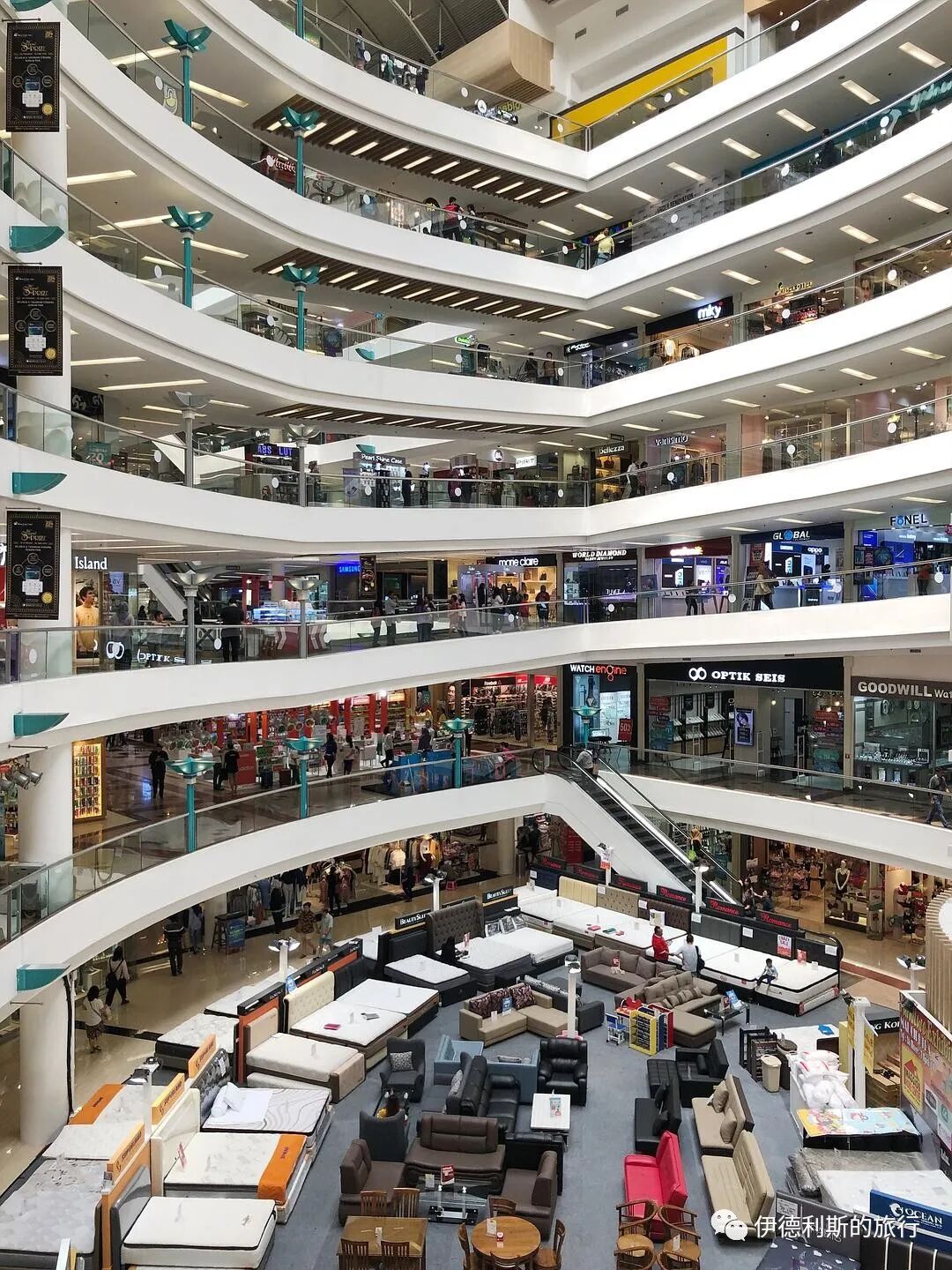
I visited Jakarta for the Qingming Festival holiday in 2019 and stayed at a large commercial complex called Ciputra. The hotel was quite good, and there was a big shopping mall right inside the building. Jakarta has many large malls like this, but most are in the new city to the south. This one is relatively close to the airport, the bus station, and the old town.
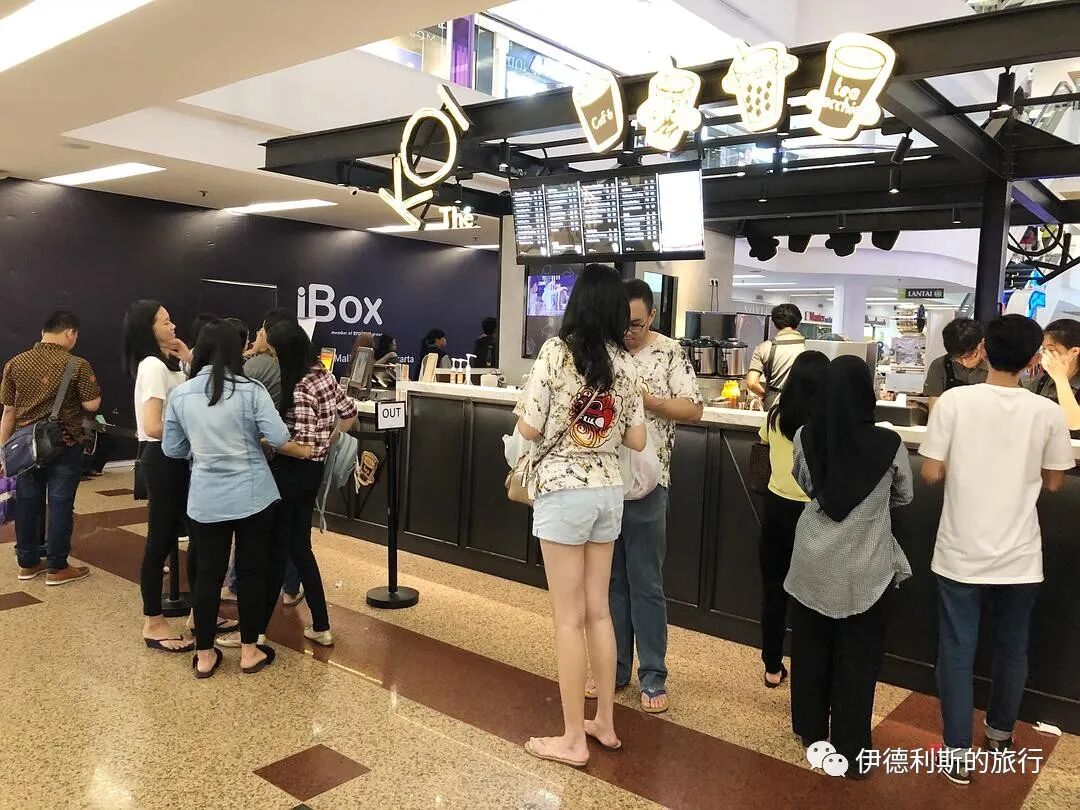
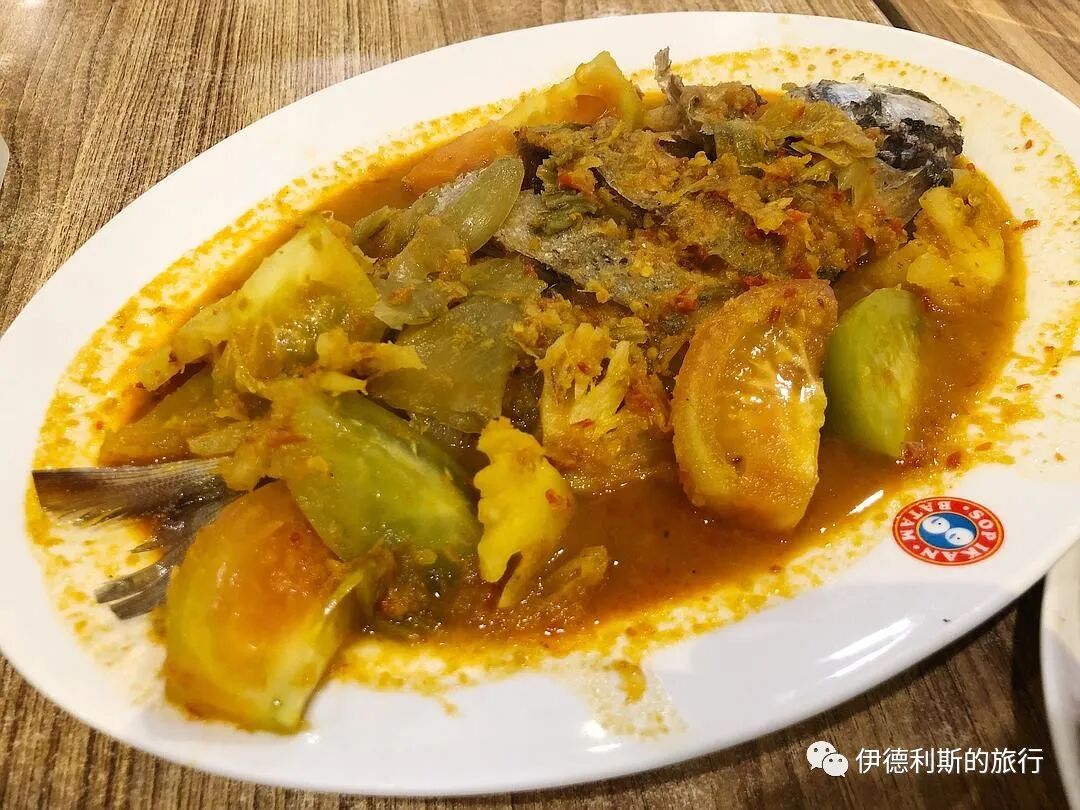
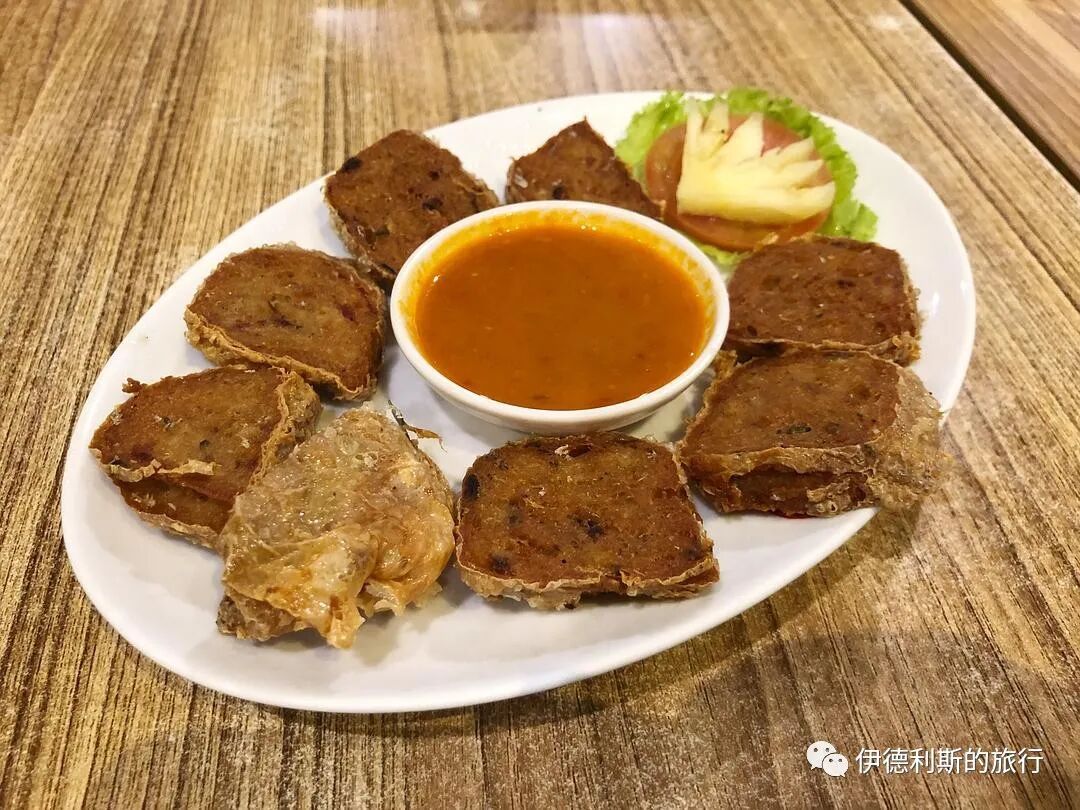
There are many different restaurants inside the mall, and I chose two to eat at. At the first place, I had sour fish soup (Sop Ikan Asam Pedas) and fish rolls (Lumpia Ikan). The sour soup used pineapple for flavor and was delicious; I ate a whole fish by myself.
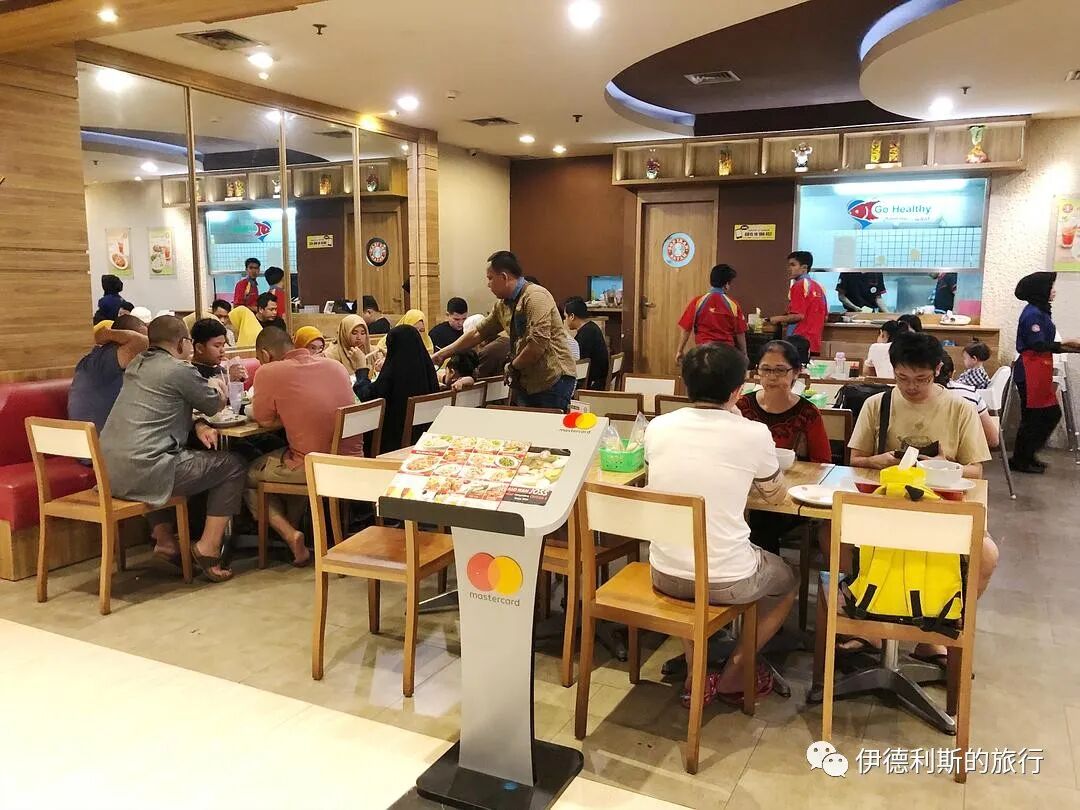
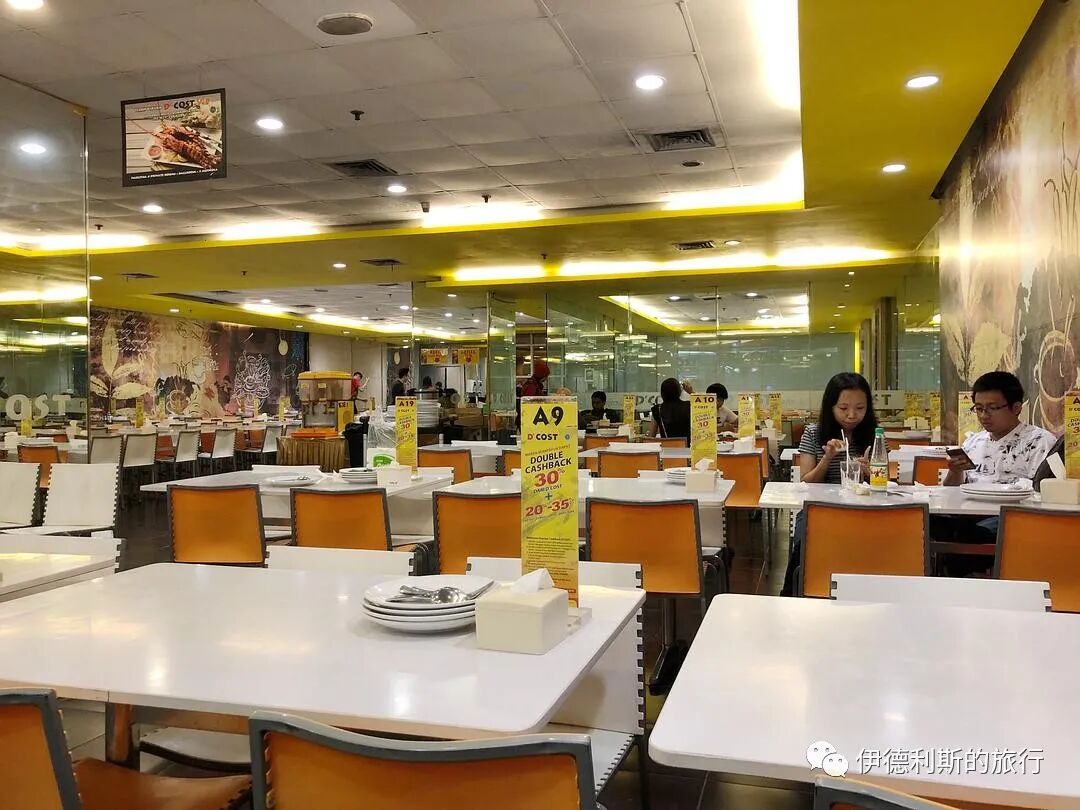
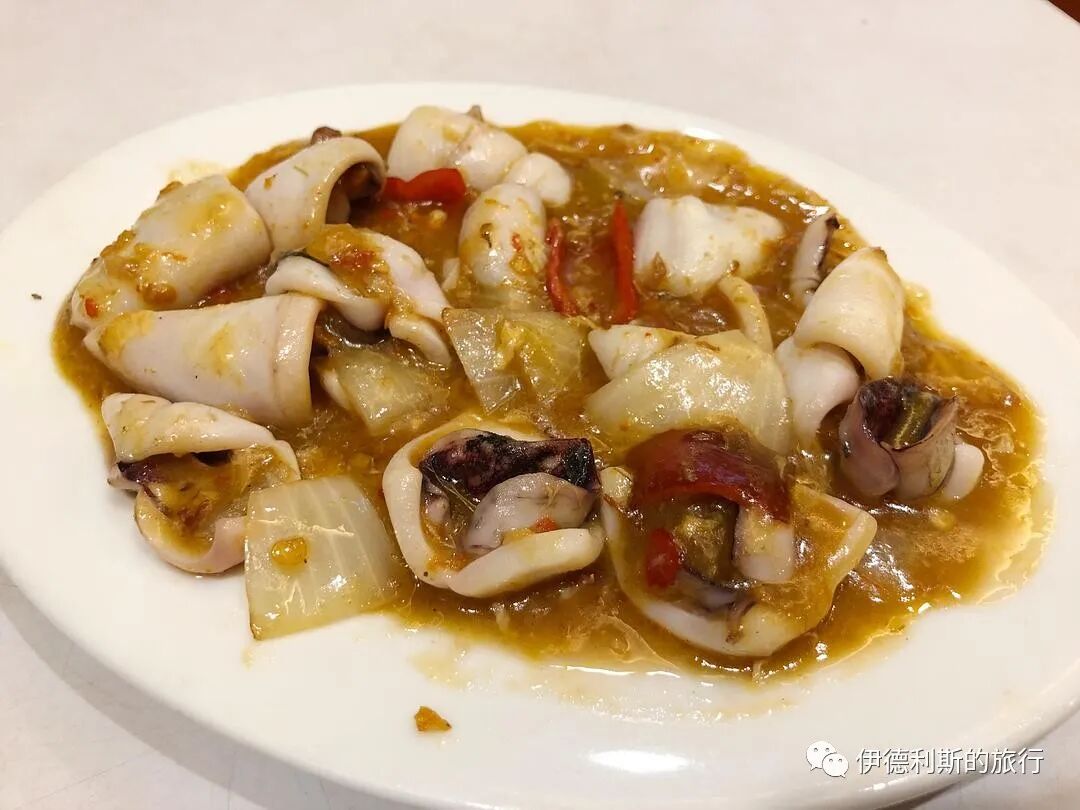
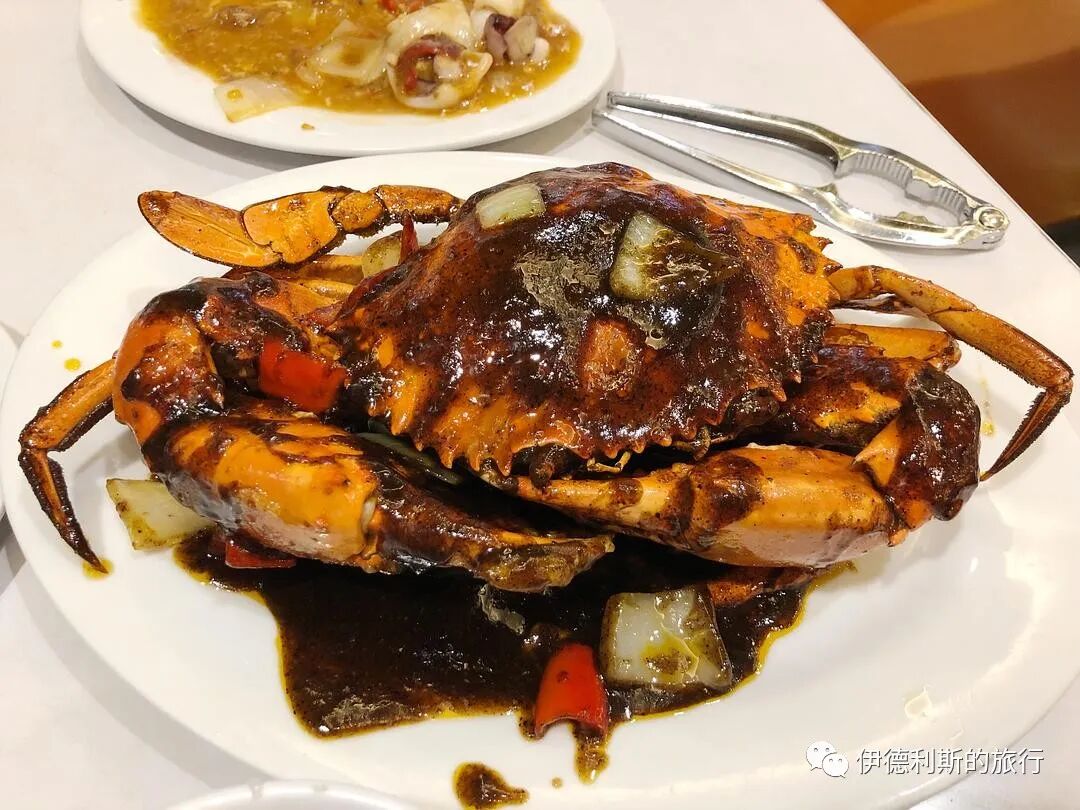
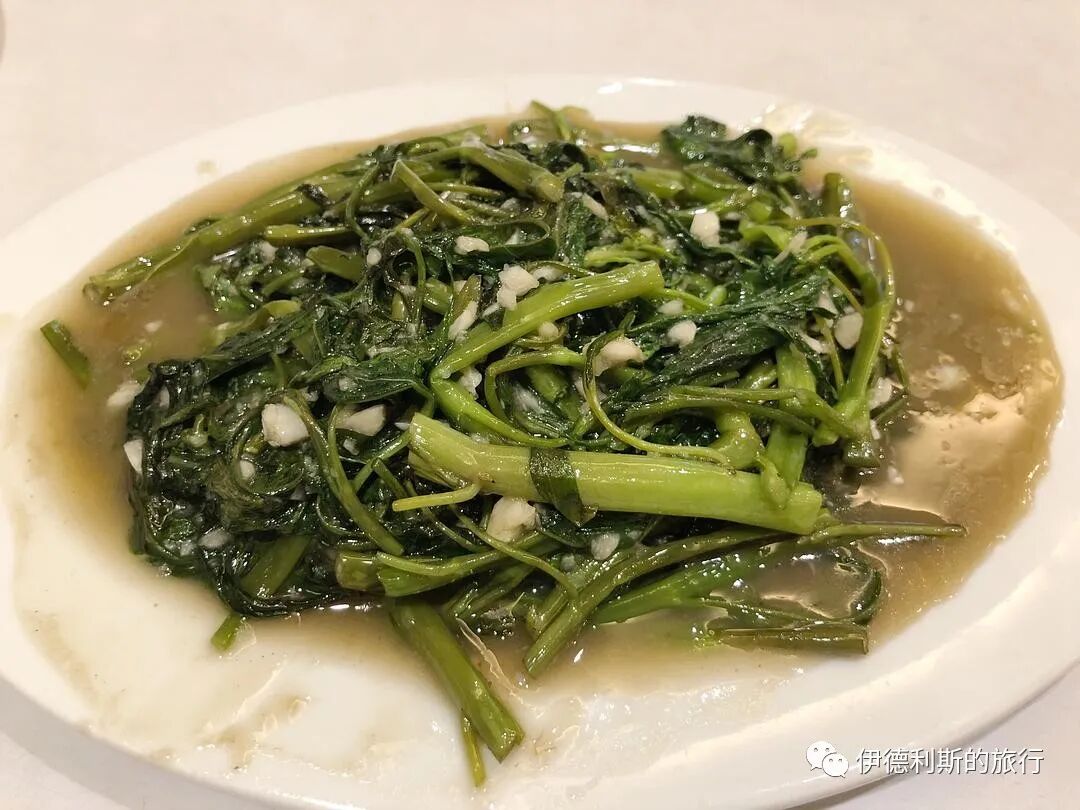
At the second place, I had garlic water spinach (Kangkung Bawang Putih), squid stir-fried in Padang sauce (Cumi Saus Padang), and a large crab in black pepper sauce (Kepiting Jantan Saus Lada Hitam). The advantage of this restaurant is that they post photos of all their dishes on the wall. There is a small card in front of each photo, so you just take the card and give it to the front desk. It is very simple.
Jakarta Old Town
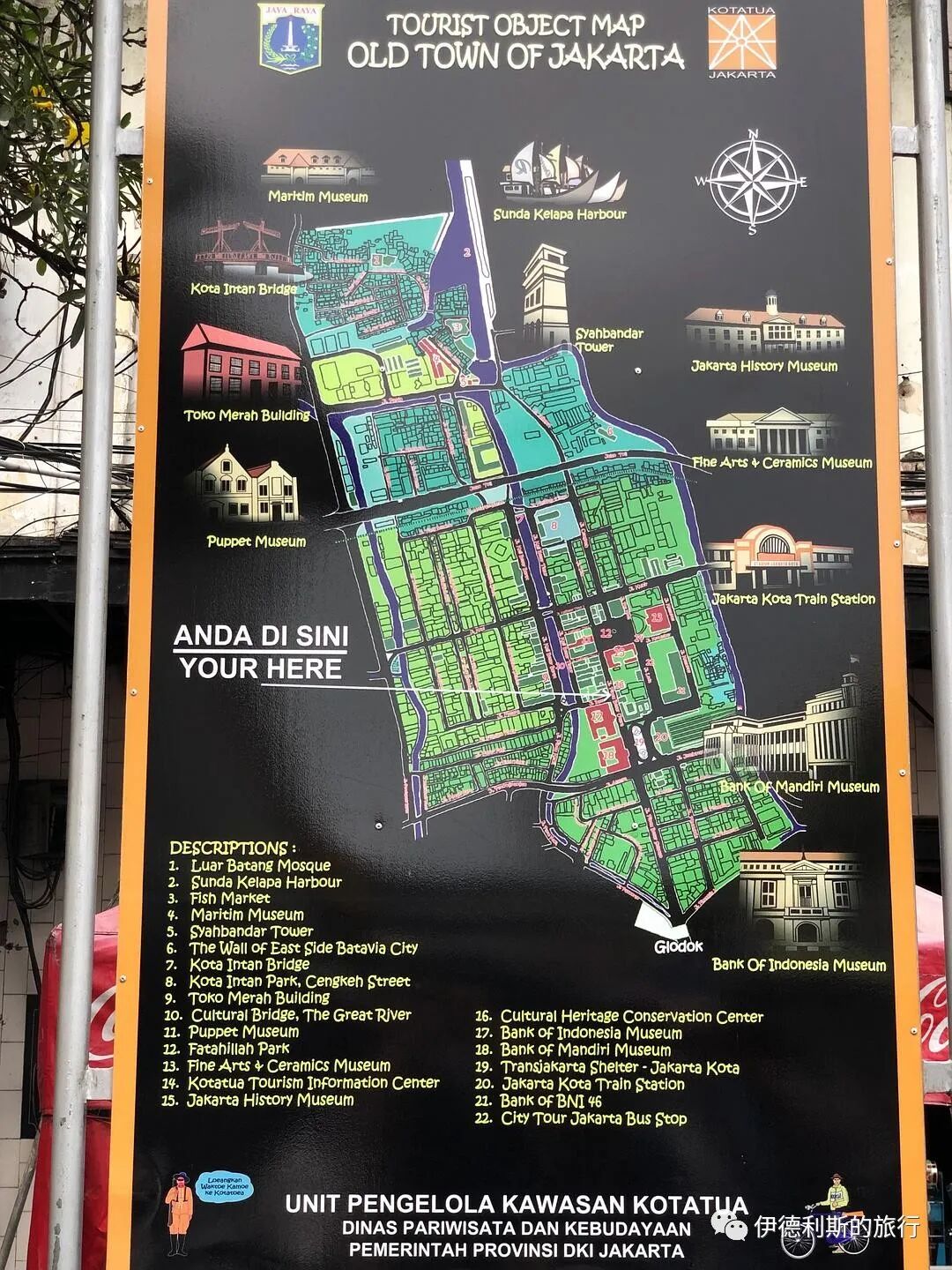
Jakarta Old Town (Kota Tua Jakarta), also called Old Batavia (Oud Batavia), was the most important Dutch colonial site in Southeast Asia. From the 17th to the 19th century, it served as the headquarters for the Dutch East India Company.
Old Batavia was founded in 1619. When I visited in 2019, it was exactly 400 years old.
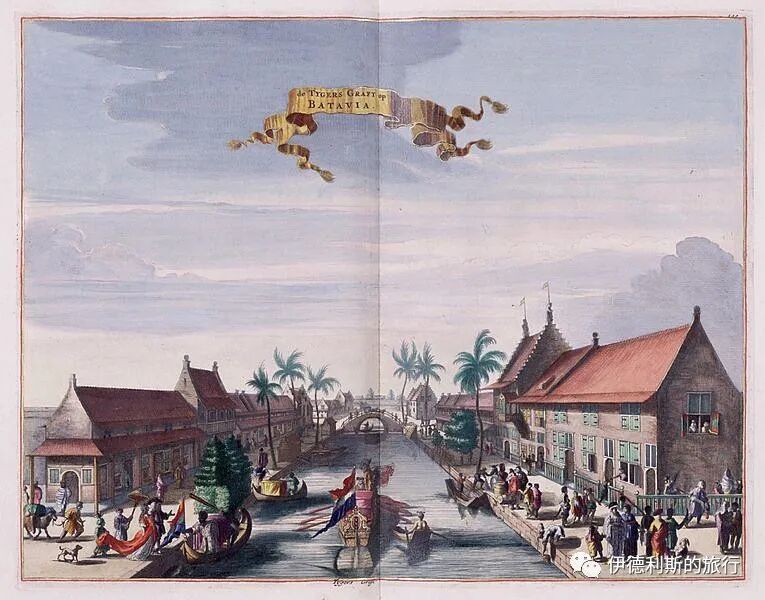
Batavia in 1682, drawn by Weduwe van Jacob van Meurs.
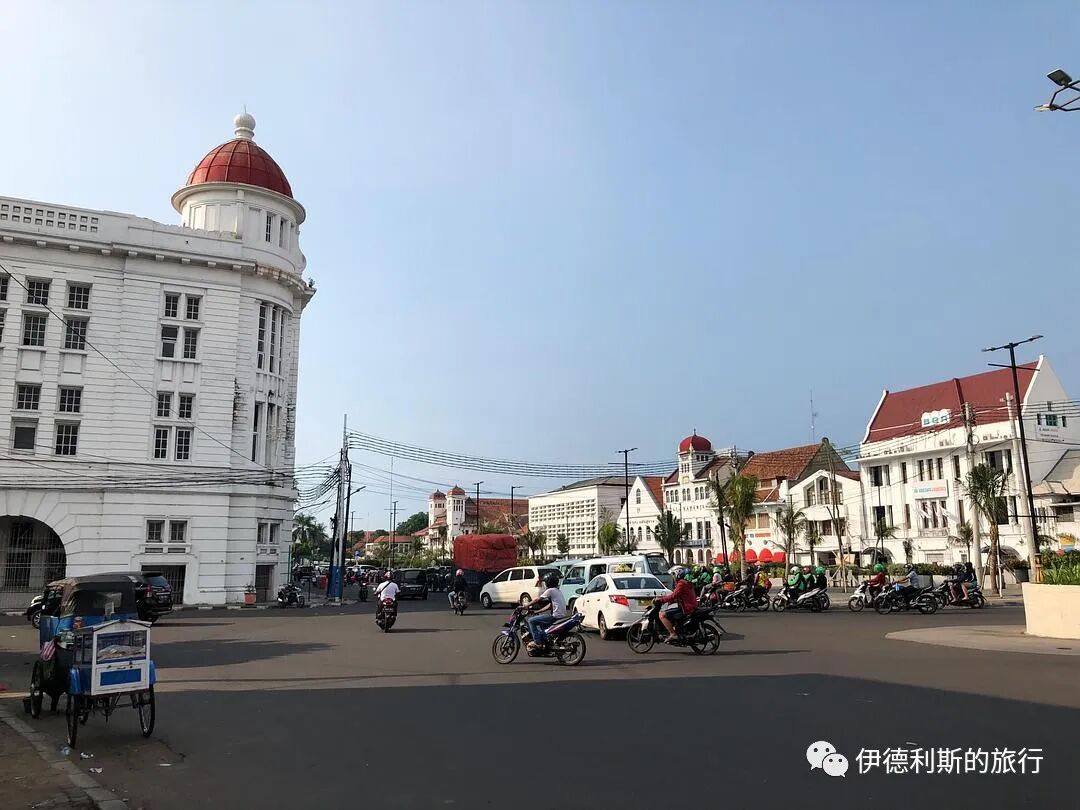
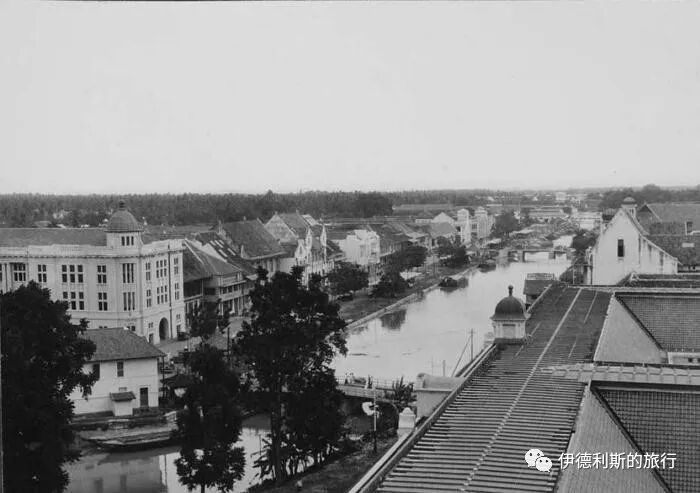
Old Batavia in 1931. The building on the left is the same one shown in the picture above.
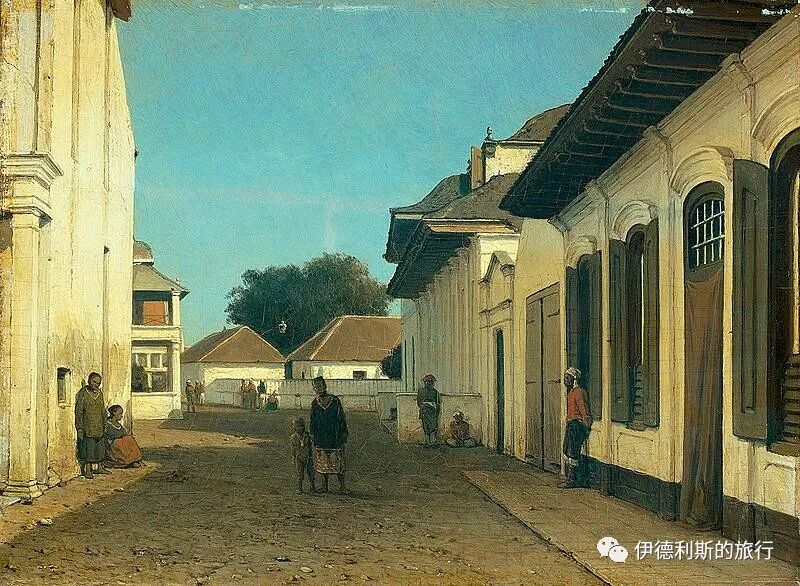
Old Batavia in the 19th century, painted by Johannes Weissenbruch.
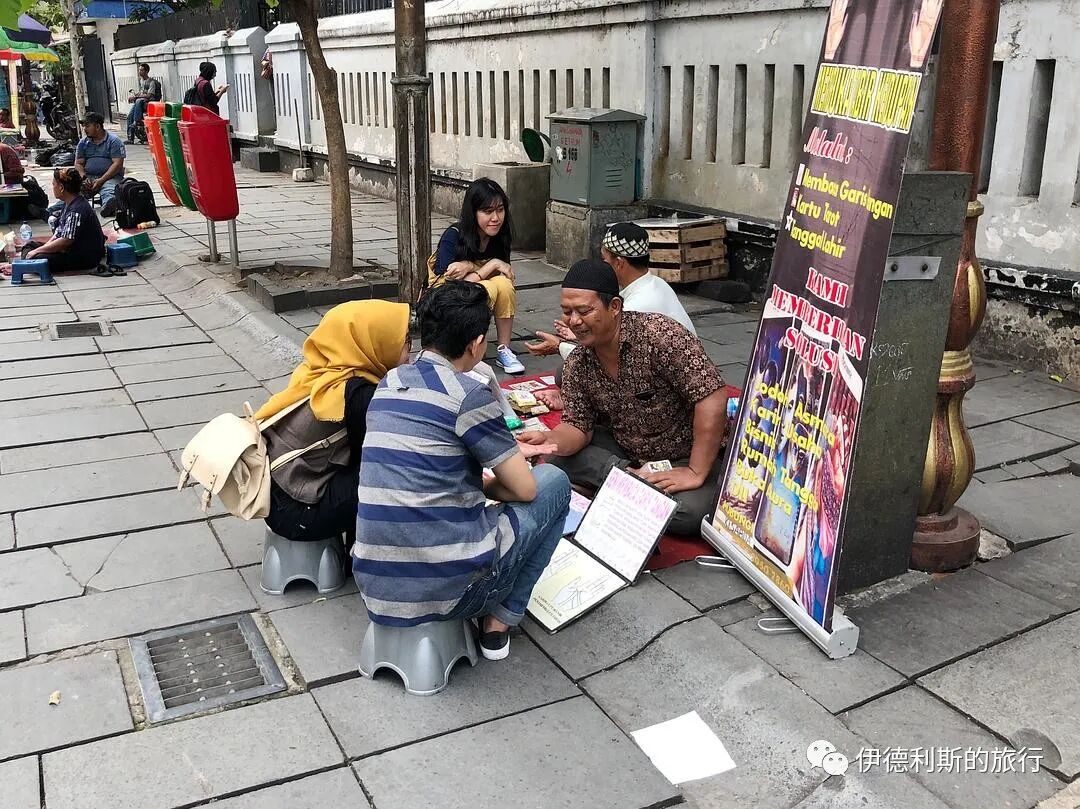
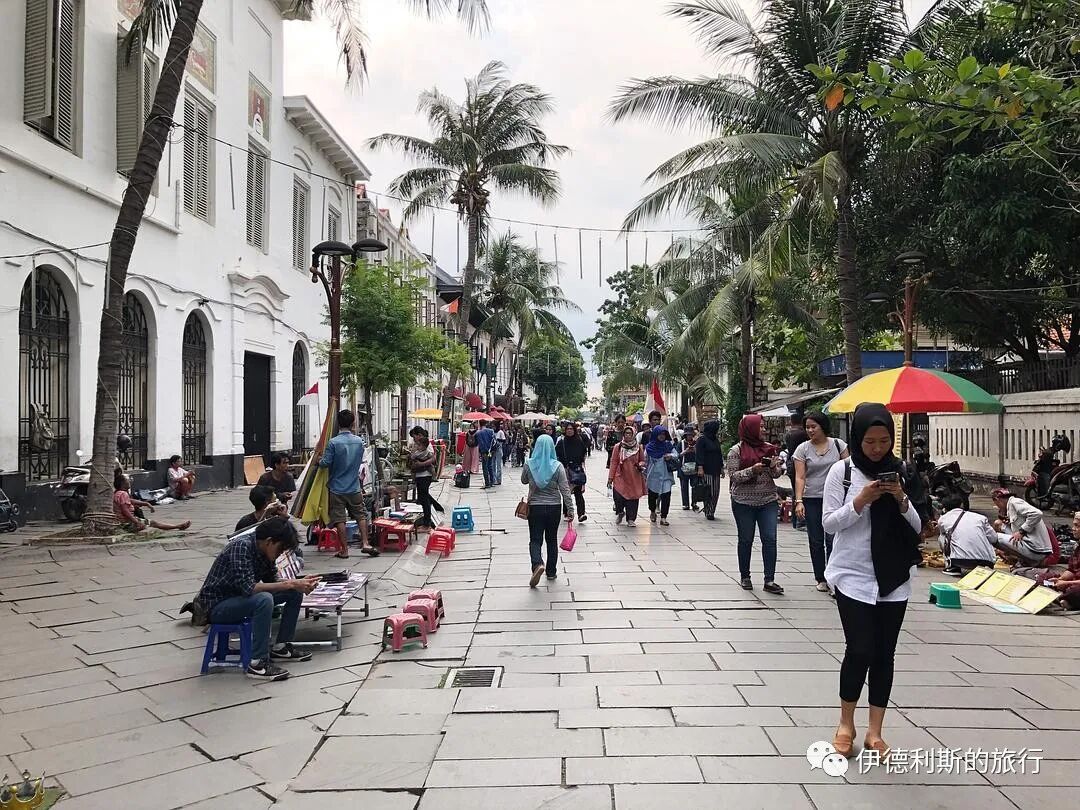
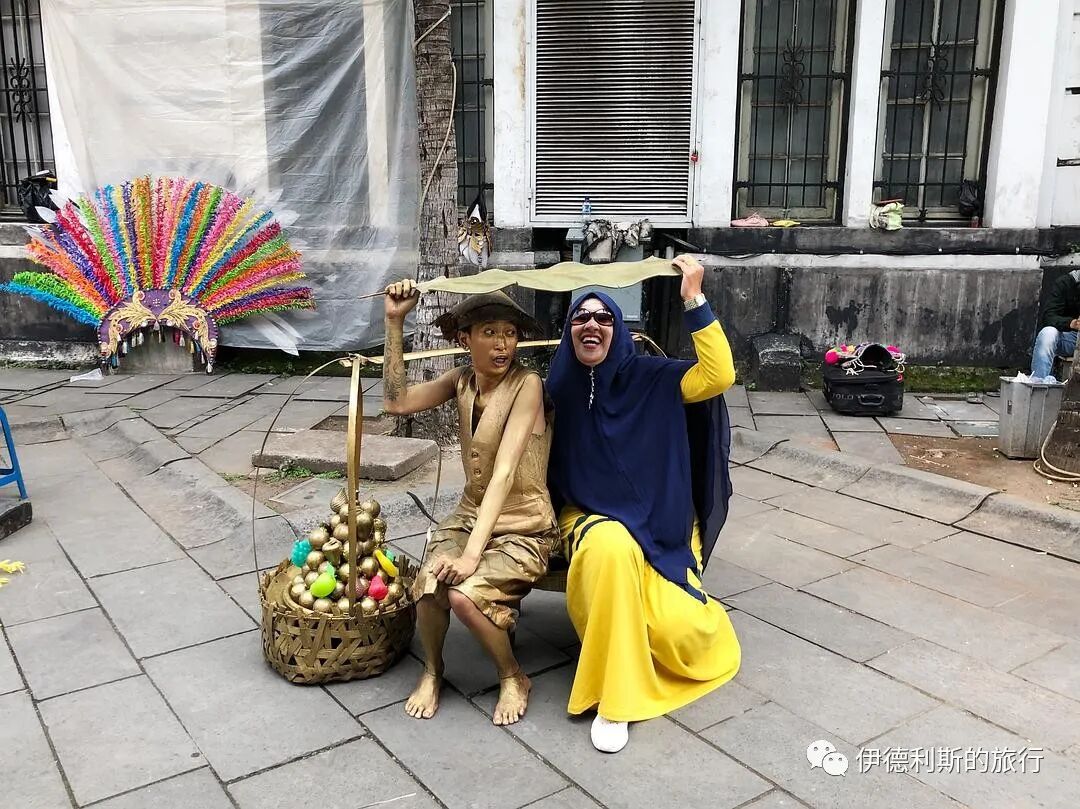
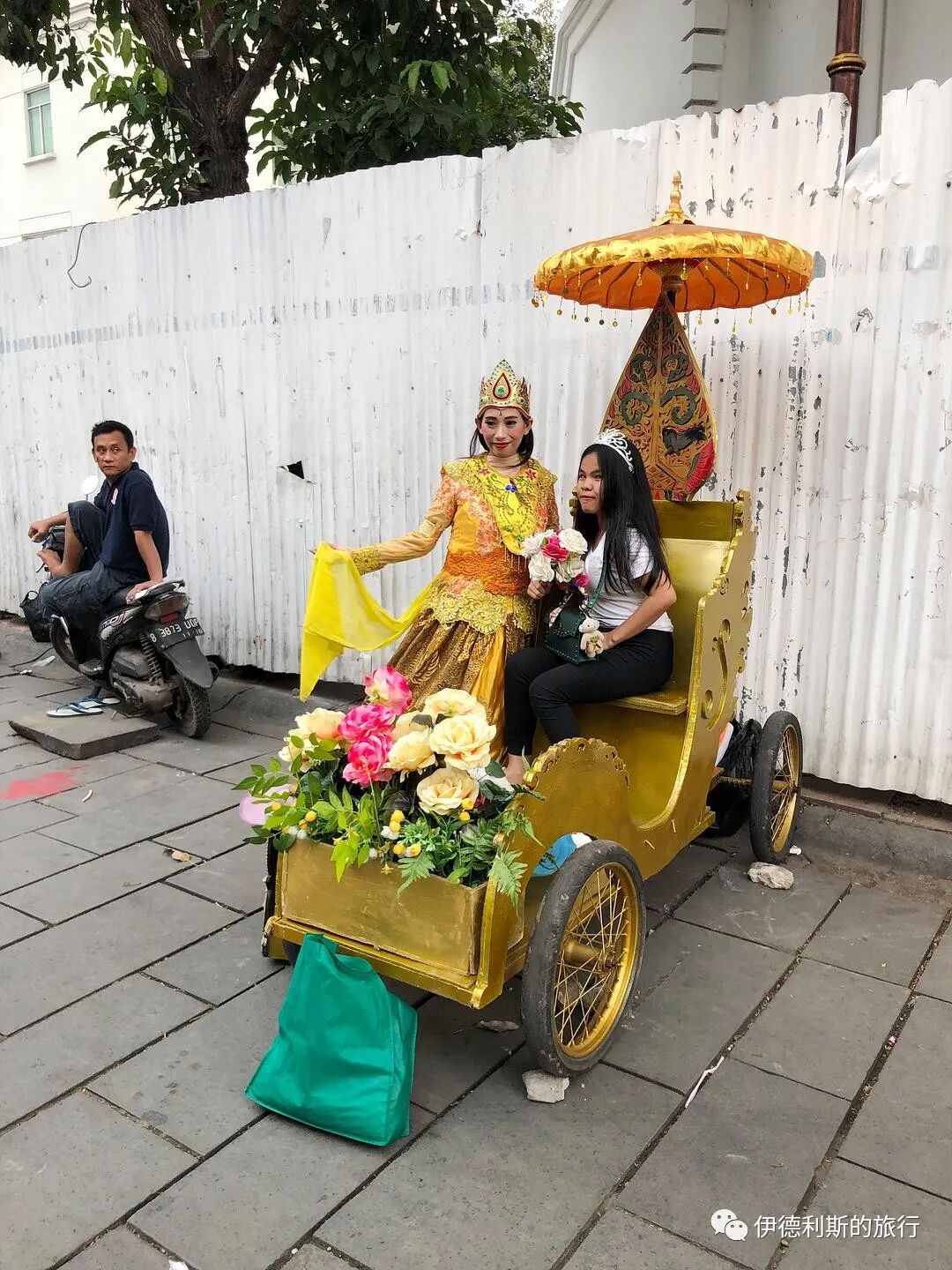
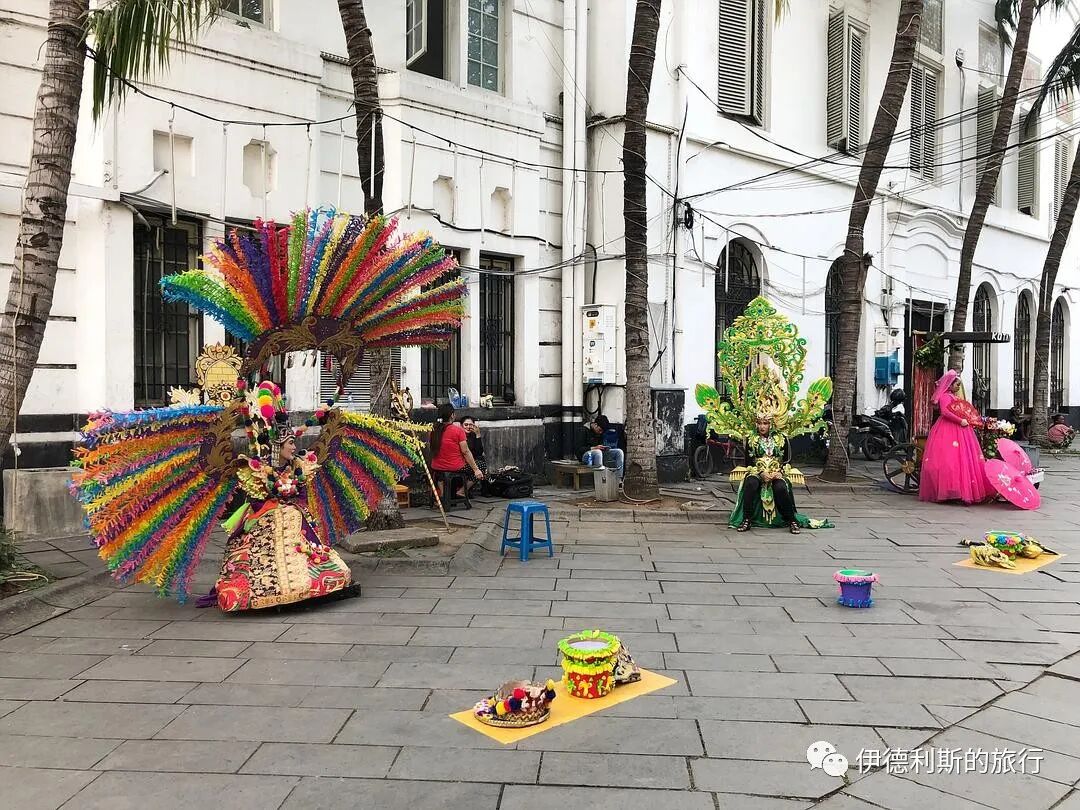
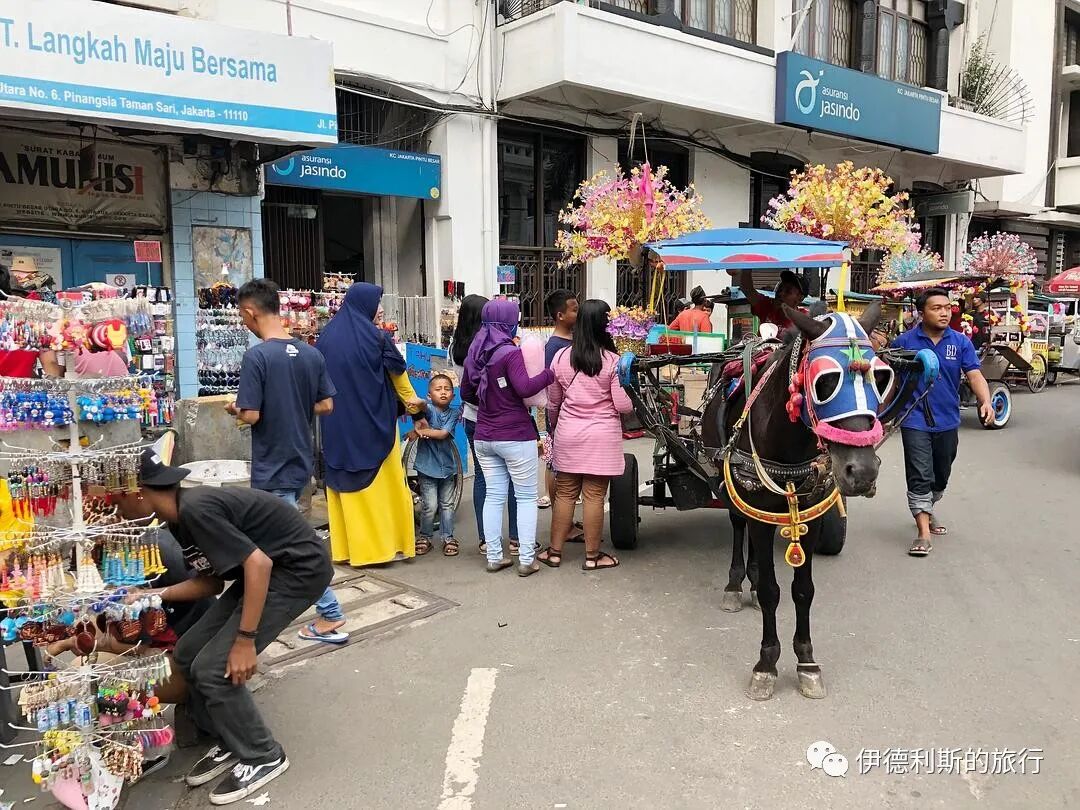
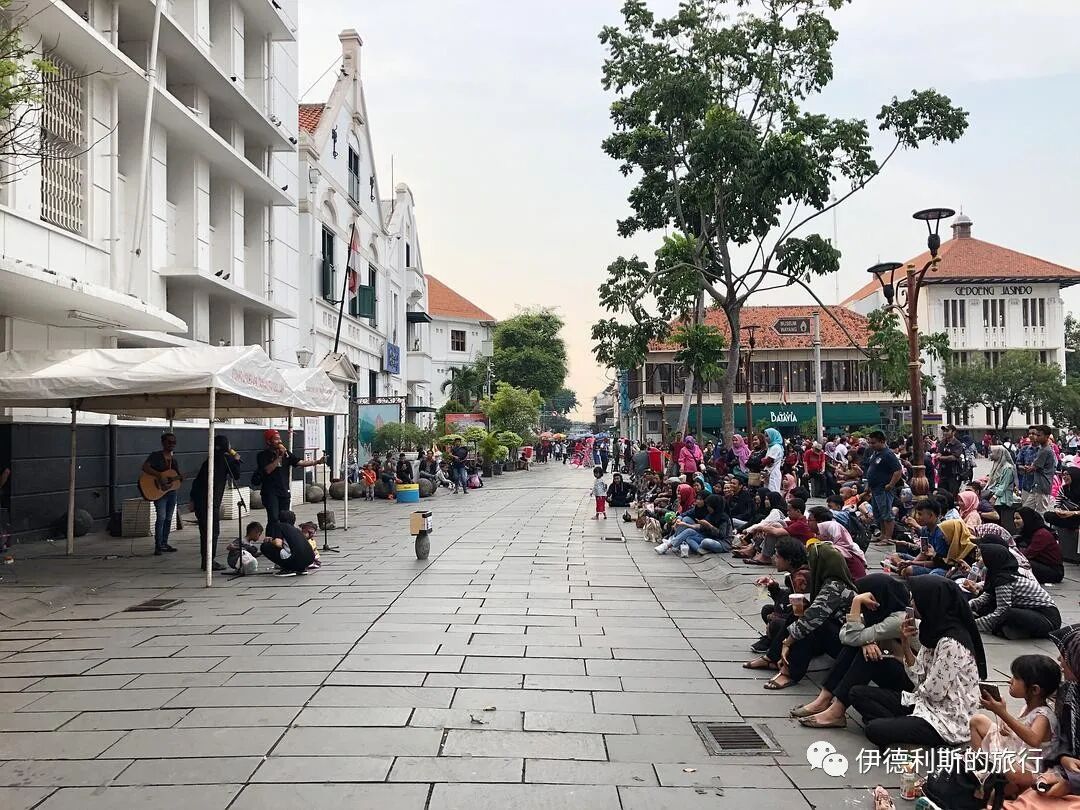
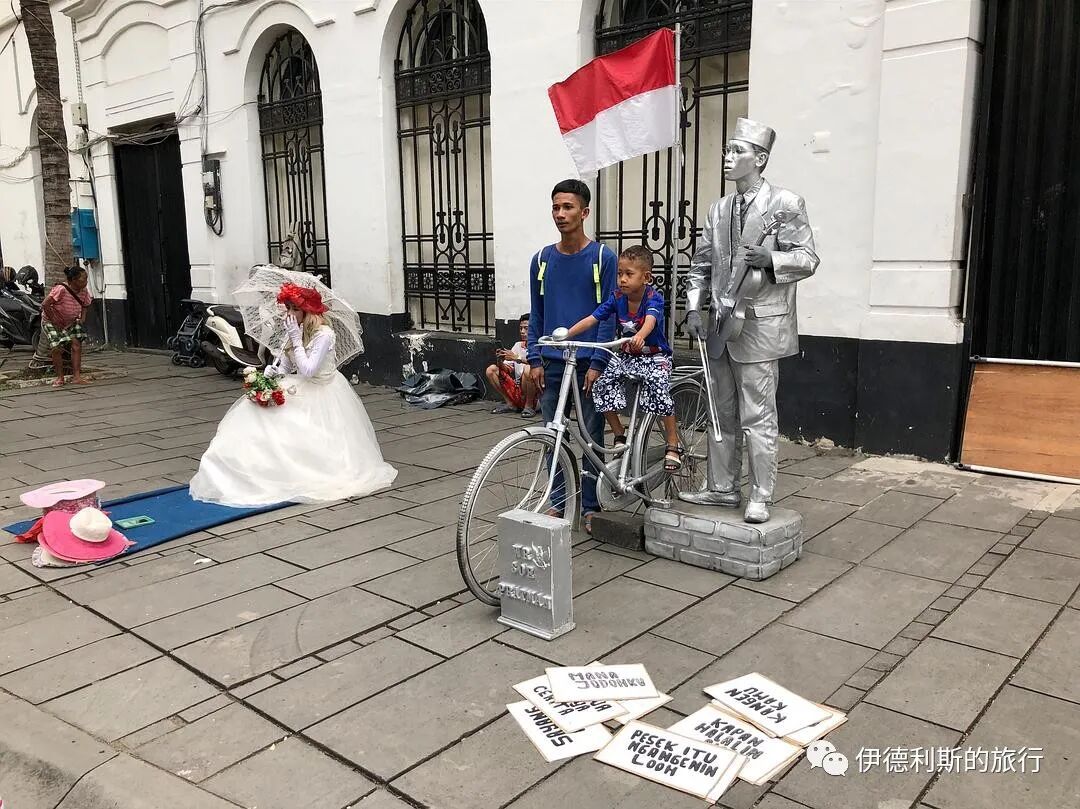
Today, the old town is very lively, just like a temple fair. You can find people taking photos, reading palms, singing, getting henna tattoos, and drawing portraits.
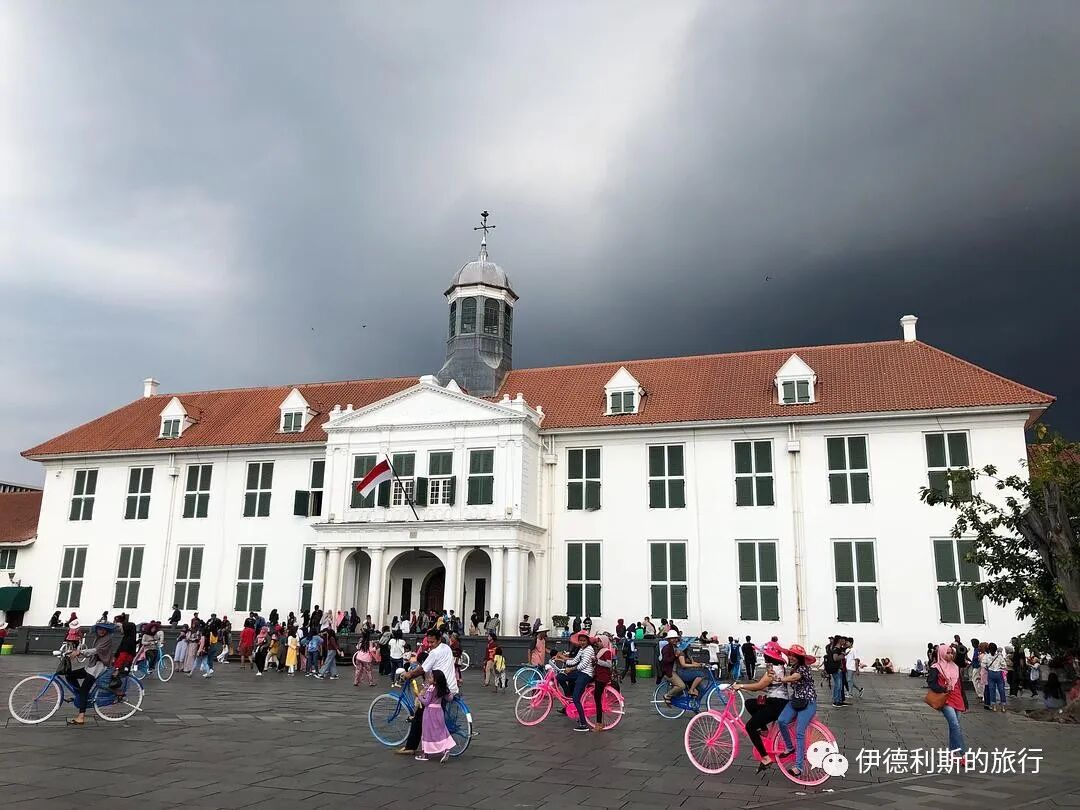
Jakarta History Museum.
The center of Old Batavia is Fatahillah Square, and the most important building there is the Jakarta History Museum. The Jakarta History Museum was built in 1710 and was once the Batavia City Hall.
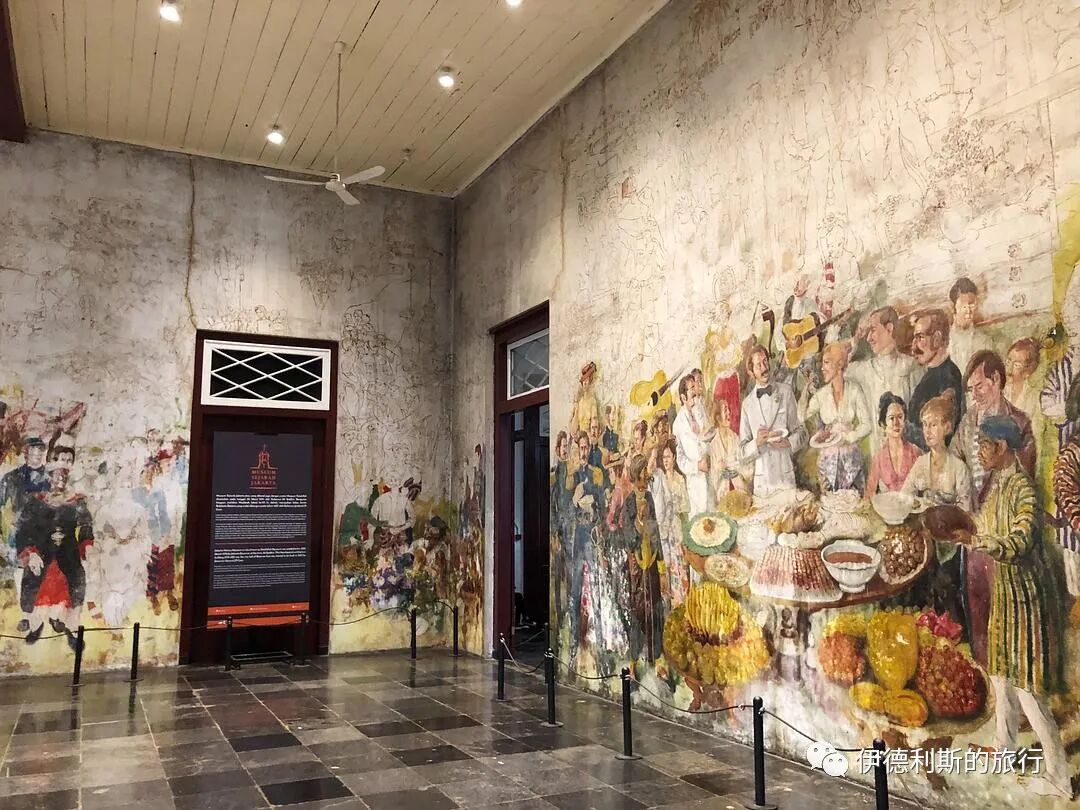
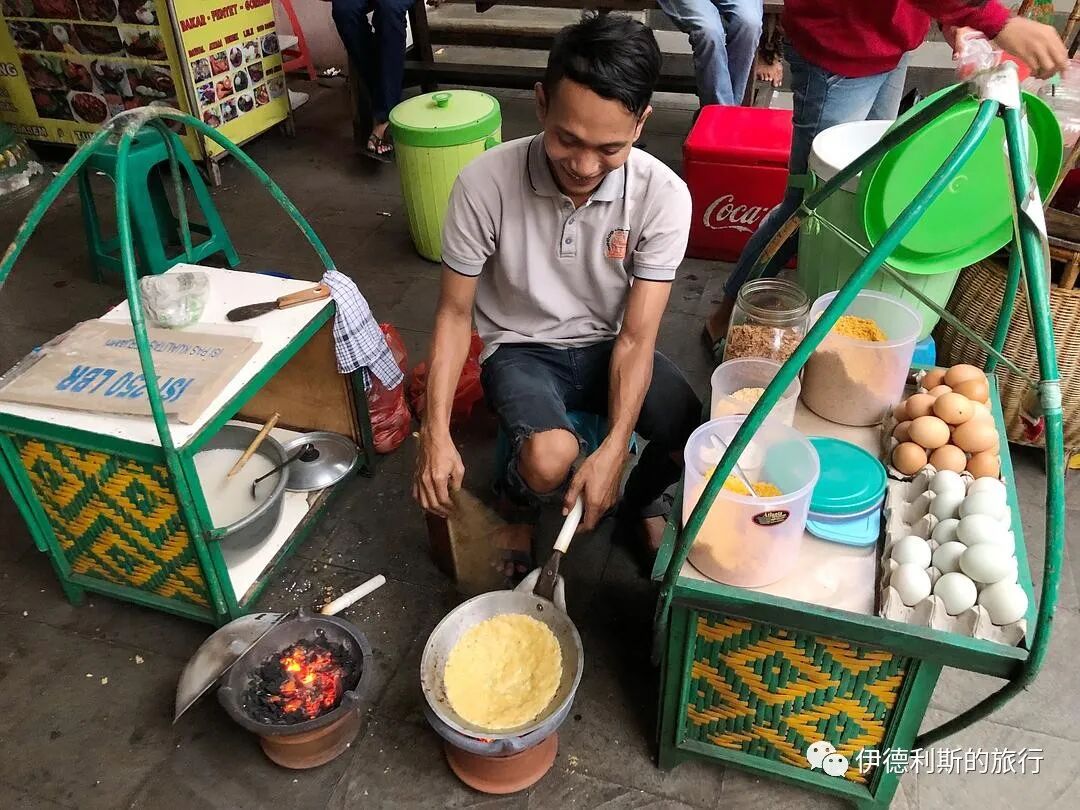
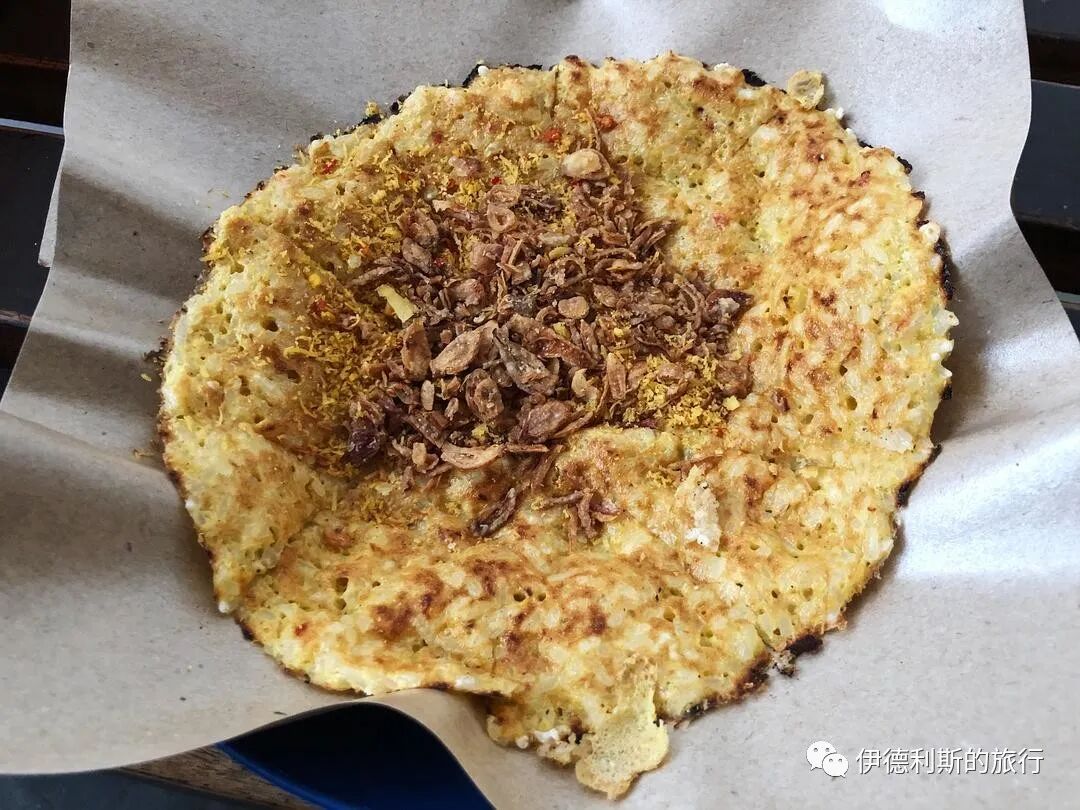
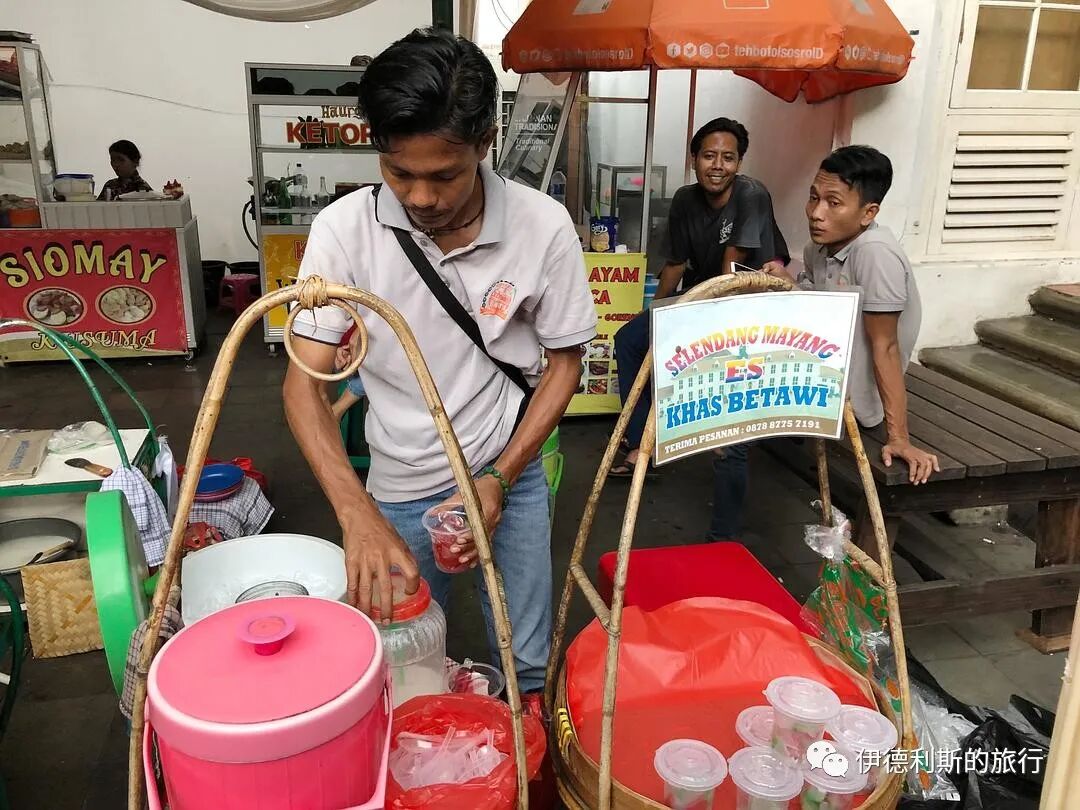
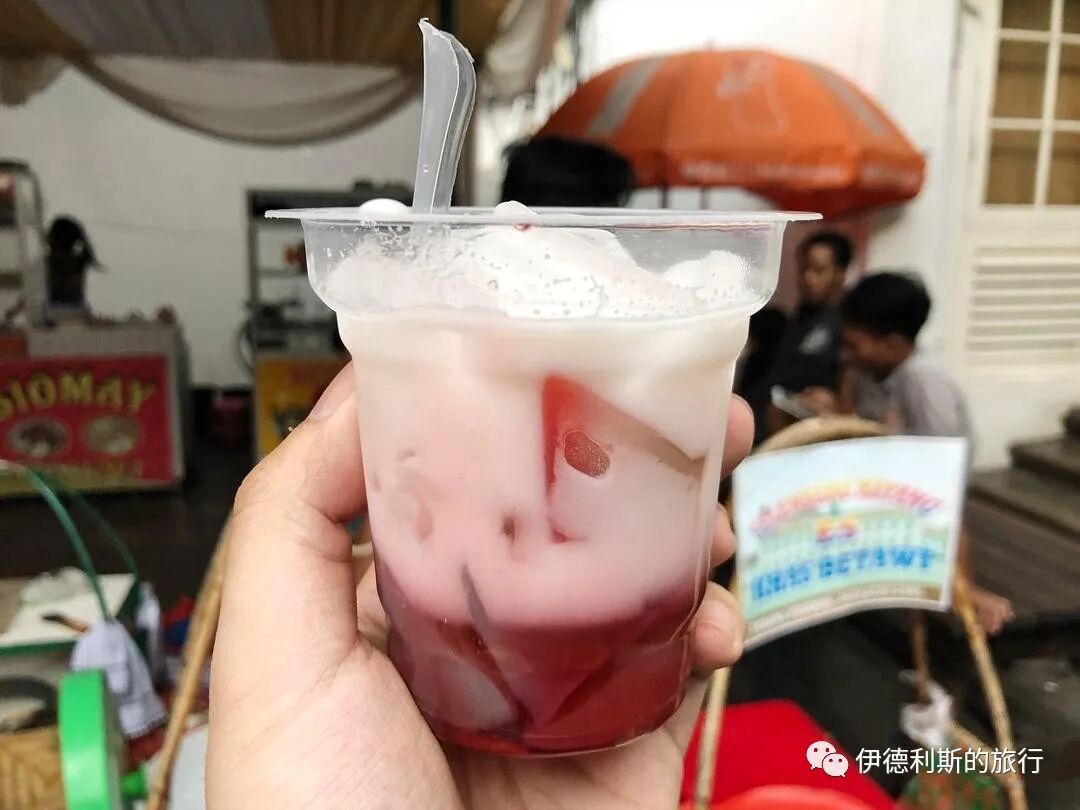
The museum courtyard has a small area serving local Betawi snacks. I ate a spicy omelet (kerak telor) and a cold drink (selendang mayang). I really regret not knowing that these snacks are hard to find elsewhere, otherwise I would have tried every single one.
Kerak telor is made with sticky rice and eggs, topped with fried shredded coconut, fried shallots, and dried shrimp. During the colonial era, this food was only served at gatherings for the Dutch or wealthy Betawi merchants, and it was invented to improve the texture of sticky rice. Selendang mayang is rare today. It is a historic Batavian cold drink made from rice flour, vanilla powder, pandan leaves, red sugar syrup, and coconut milk.
The Betawi people are a unique ethnic group that formed in Jakarta. Here is a brief introduction to their origins:
In 1619, the Dutch leveled Jakarta, which was under the rule of the Banten Sultanate, and renamed it Batavia to serve as the trade and administrative center for the Dutch East India Company.
Because they feared attacks from the Banten Sultanate, the city of Batavia initially banned local Javanese people from living inside. Besides the Dutch and their slaves, most people living in the city were Chinese and Mardijker people, along with a small number of Arab and Indian merchants. The Mardijker people came from Portuguese slaves in India, Africa, and the Malay Peninsula. After the Dutch defeated the Portuguese in the 17th century, the Dutch East India Company freed them and brought them to Indonesia. Most of these people spoke Portuguese and practiced Catholicism.
Since almost no Dutch women moved to Batavia, most Dutch men in the city chose to have local women as partners, but they almost never married them. These women also had no right to return to the Netherlands with the Dutch men. This social pattern led to many mixed-race children in Batavia. Most of the boys from these mixed-race families chose to go to Europe, while the girls had to stay in Batavia.
A 1699 census shows that Batavia had 3,679 Chinese, 2,407 Mardijkers, 1,783 Europeans, 670 people of mixed heritage, and 867 others.
After the Dutch East India Company and the Sultanate of Banten made peace in 1659, many people from the East Indies began moving to the outskirts of Batavia. The Dutch East India Company signed a formal peace treaty with the Sultanate of Banten in 1684. This allowed for the clearing of swamps around Batavia, and more people began living outside the city walls, including Malays, Sundanese, Javanese, Minangkabau, and Bugis people.
Between the 18th and 19th centuries, the different ethnic groups living in Batavia began to blend. After a hundred years, they finally formed the Betawi people by the early 20th century.
The Betawi people speak a version of Malay mixed with many words from Hokkien Chinese, Arabic, and Dutch, known as Betawi Malay. It is the only Malay-speaking area on the northern coast of Java. Betawi food is strongly influenced by the cuisines of Indonesian Chinese, Arabs, Europeans, and local Sundanese and Javanese people.
Wayang Museum
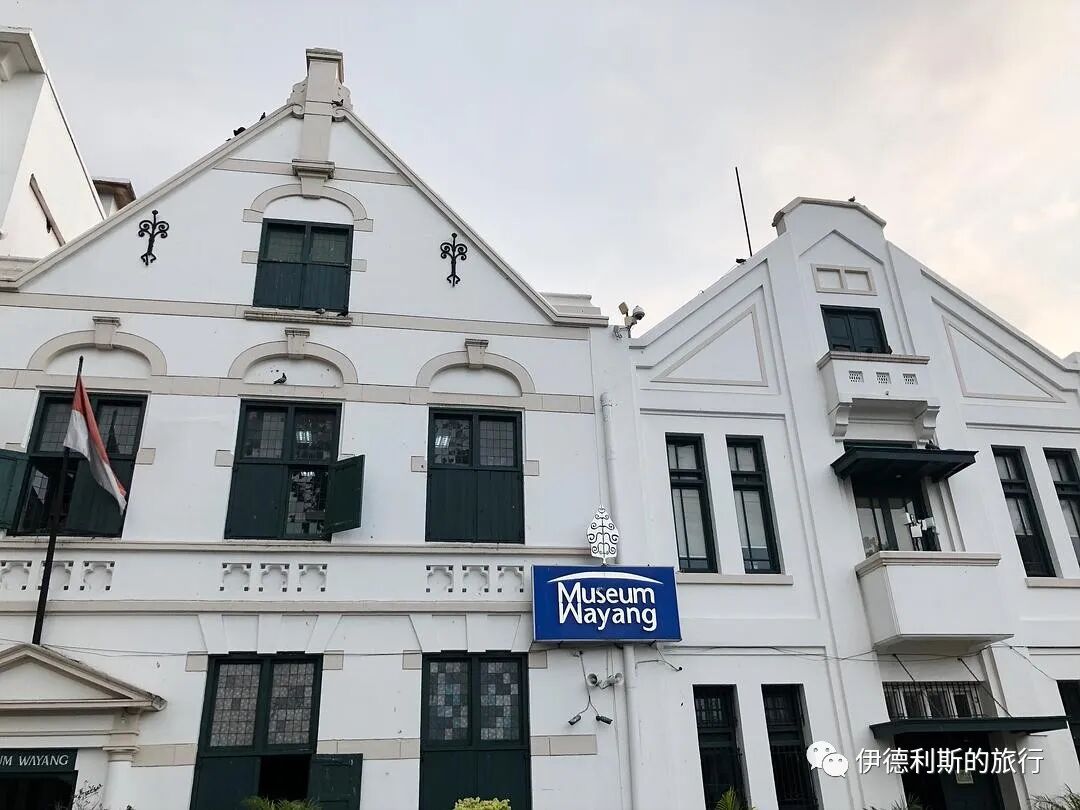
The Wayang Museum is on the west side of the square. It was originally a Dutch church built in 1640. The current building was built in 1912 in a Neo-Renaissance style. It was renovated in 1938 in a Dutch colonial style, then bought by the Batavia Society of Arts and Sciences. It opened as the Old Batavia Museum in 1939 and officially opened as the Wayang Museum in 1975.
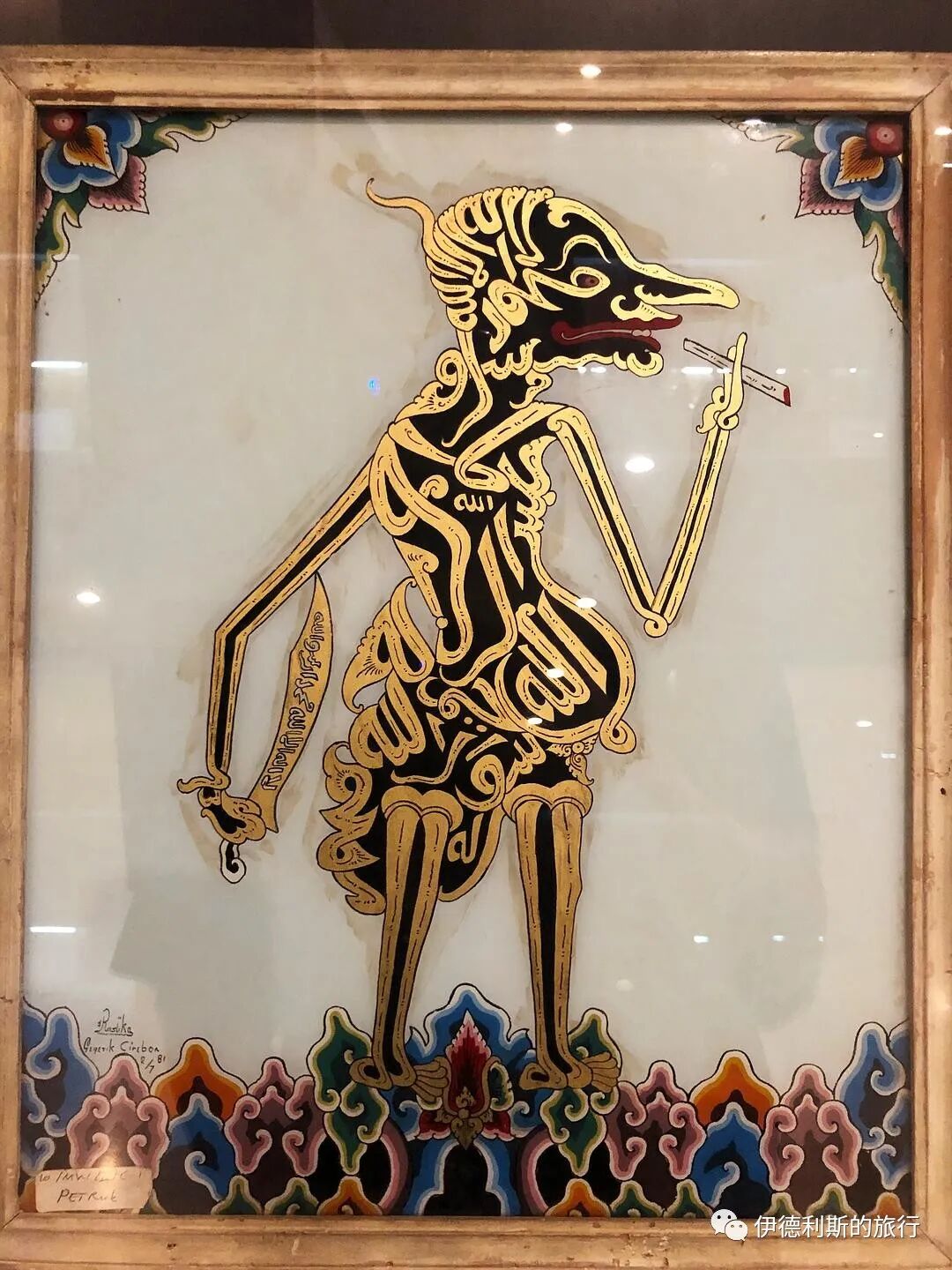
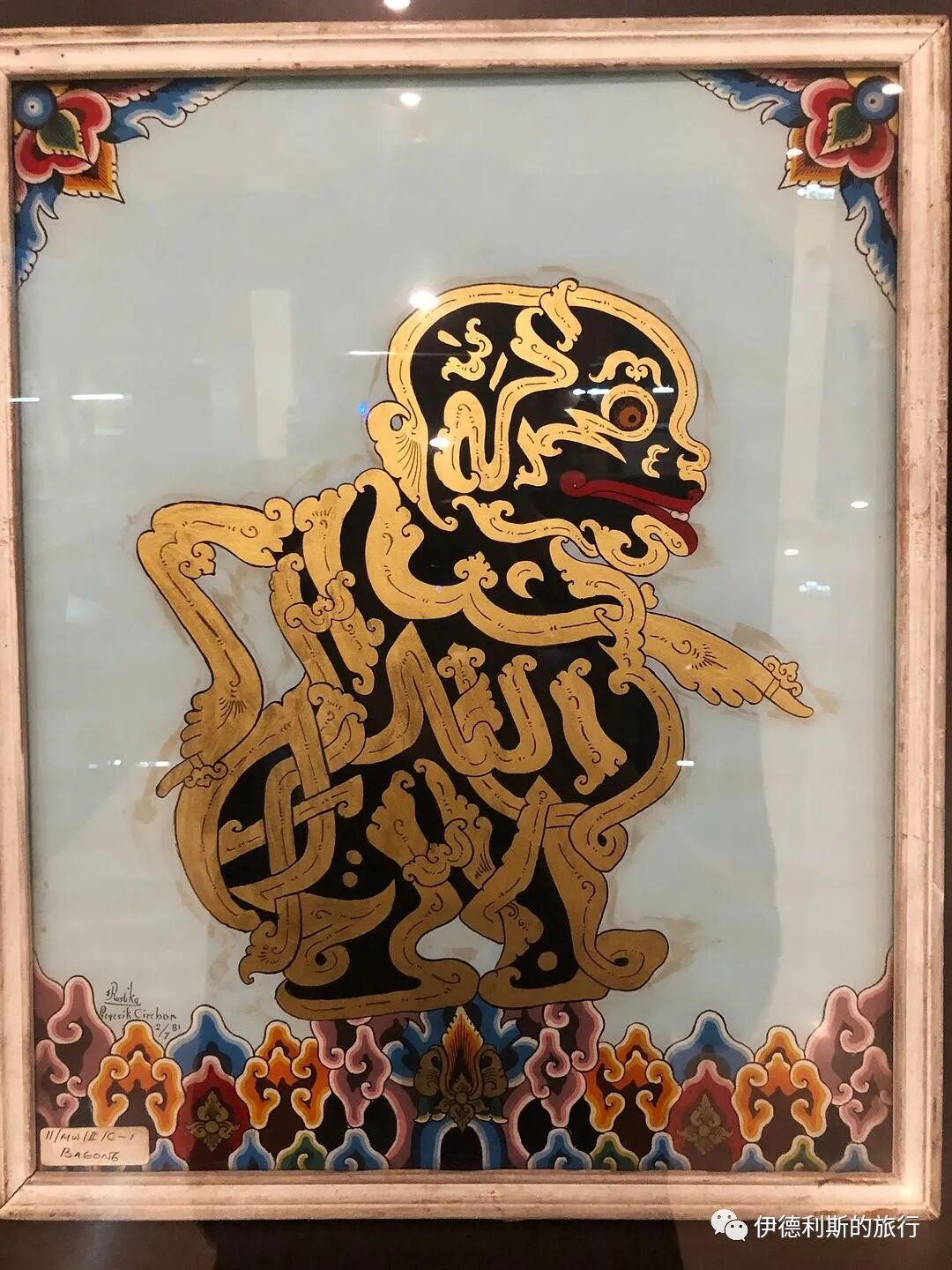
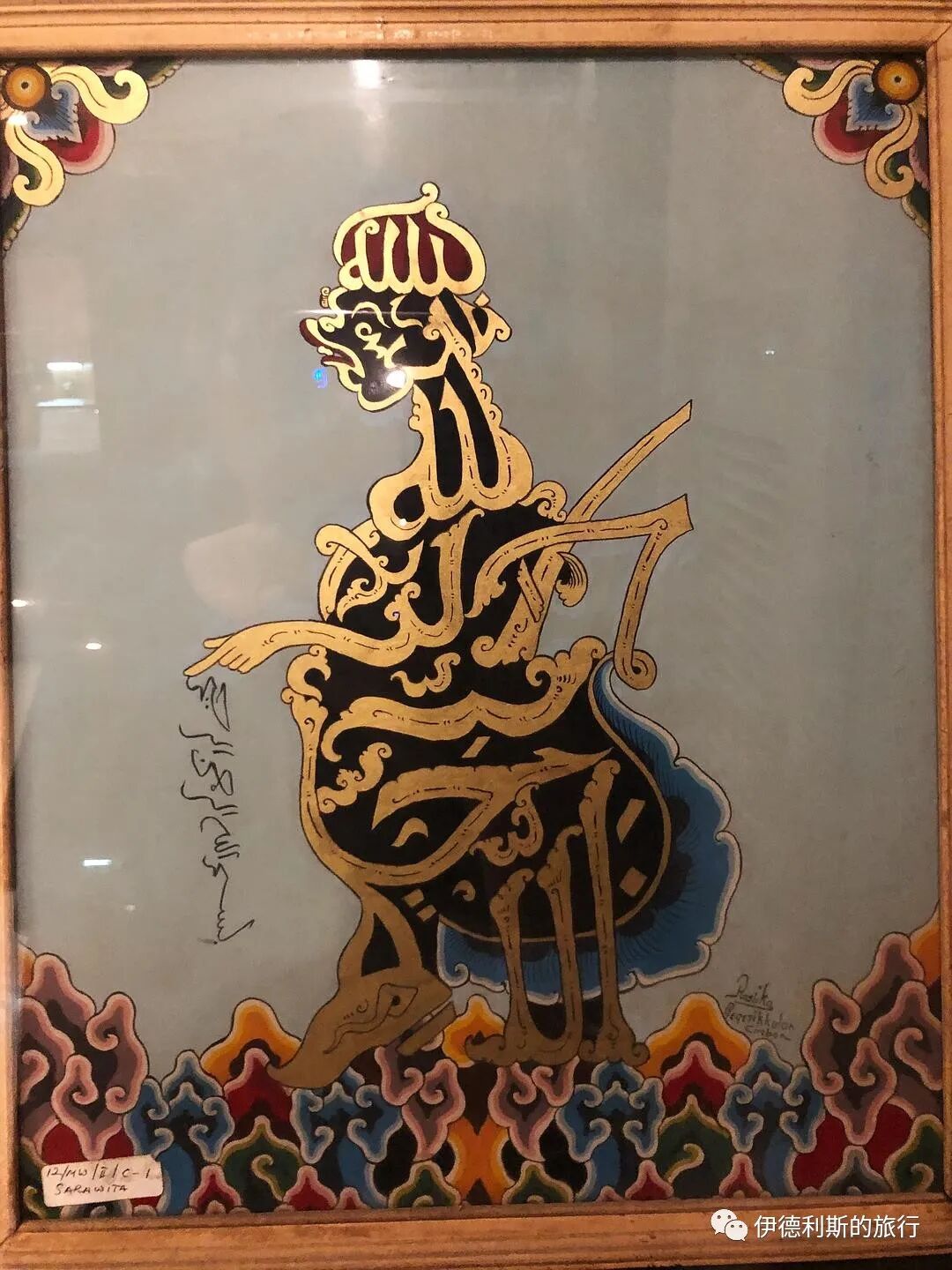
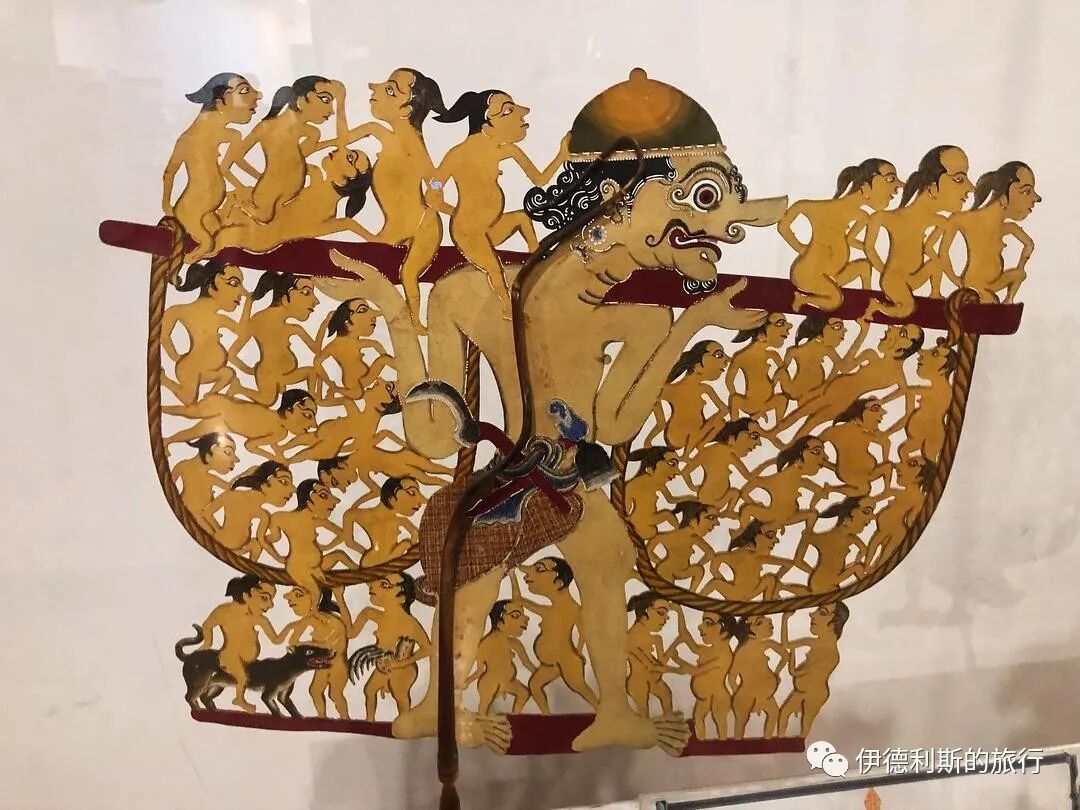
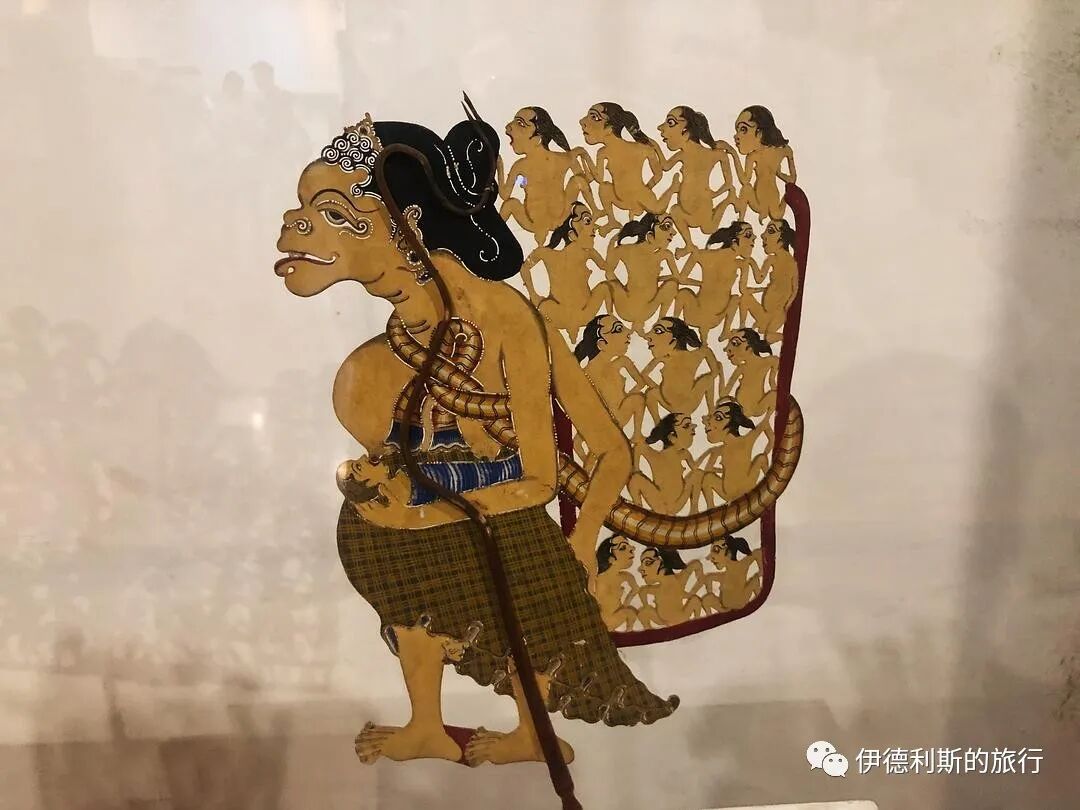
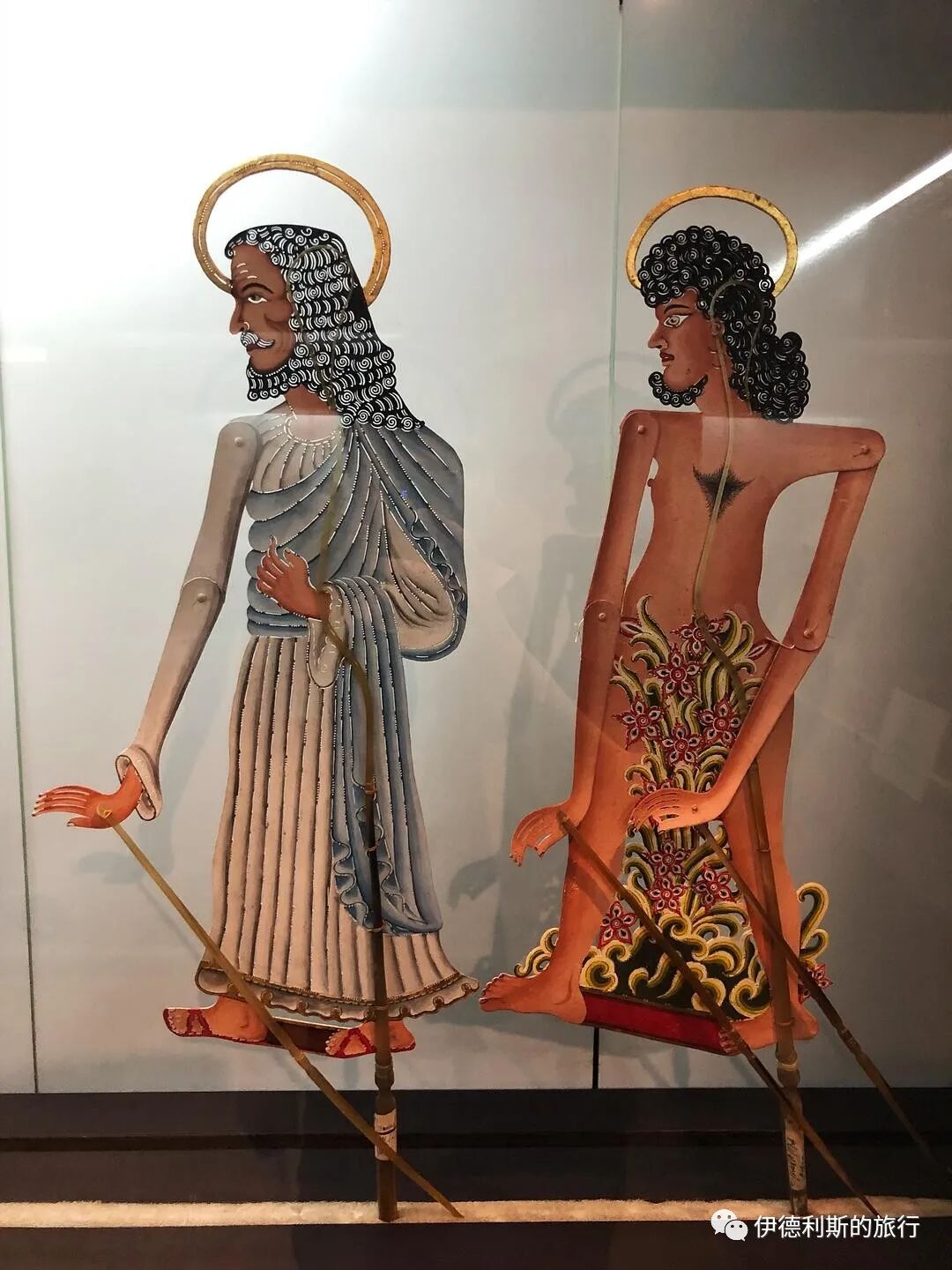
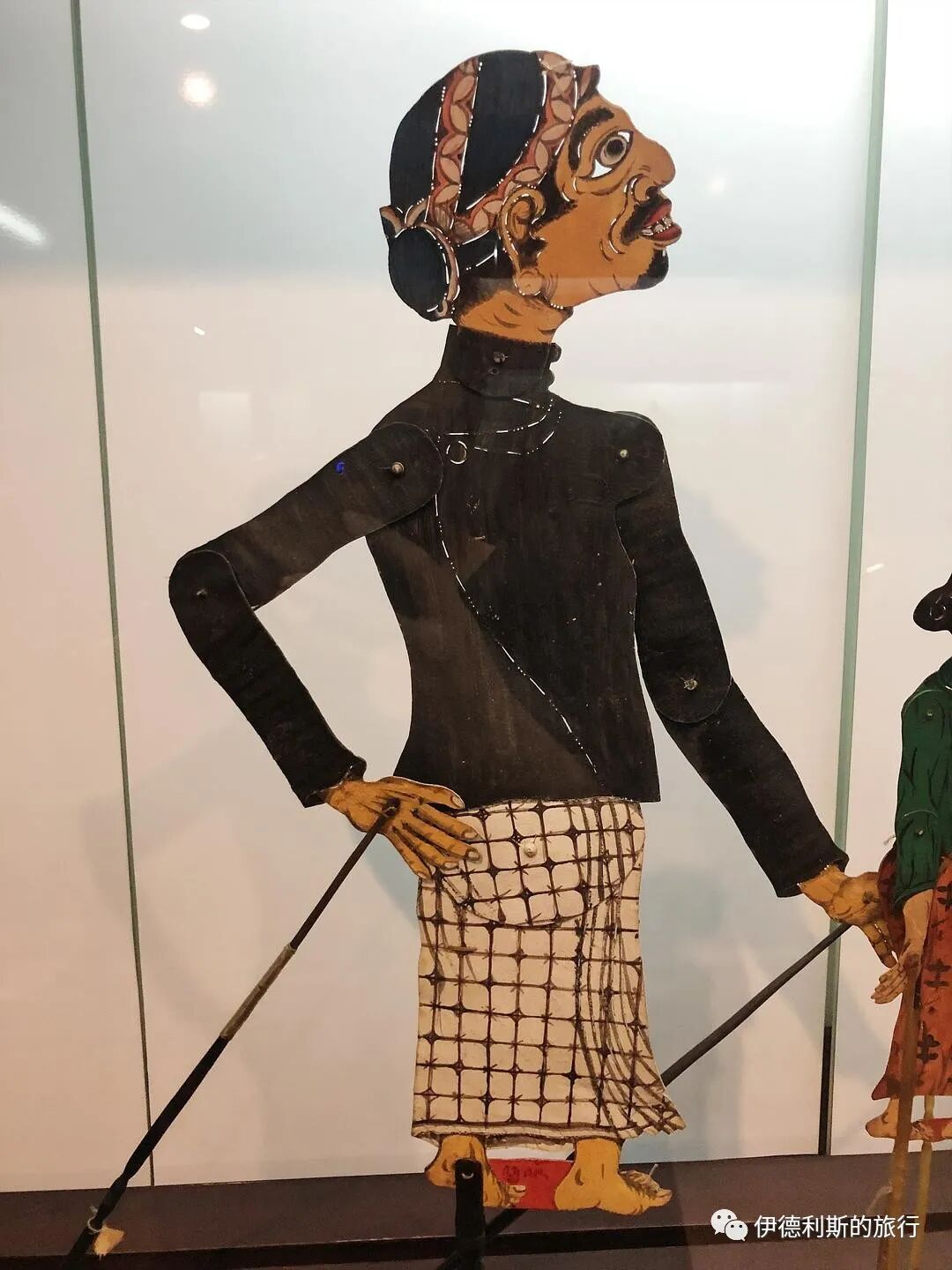
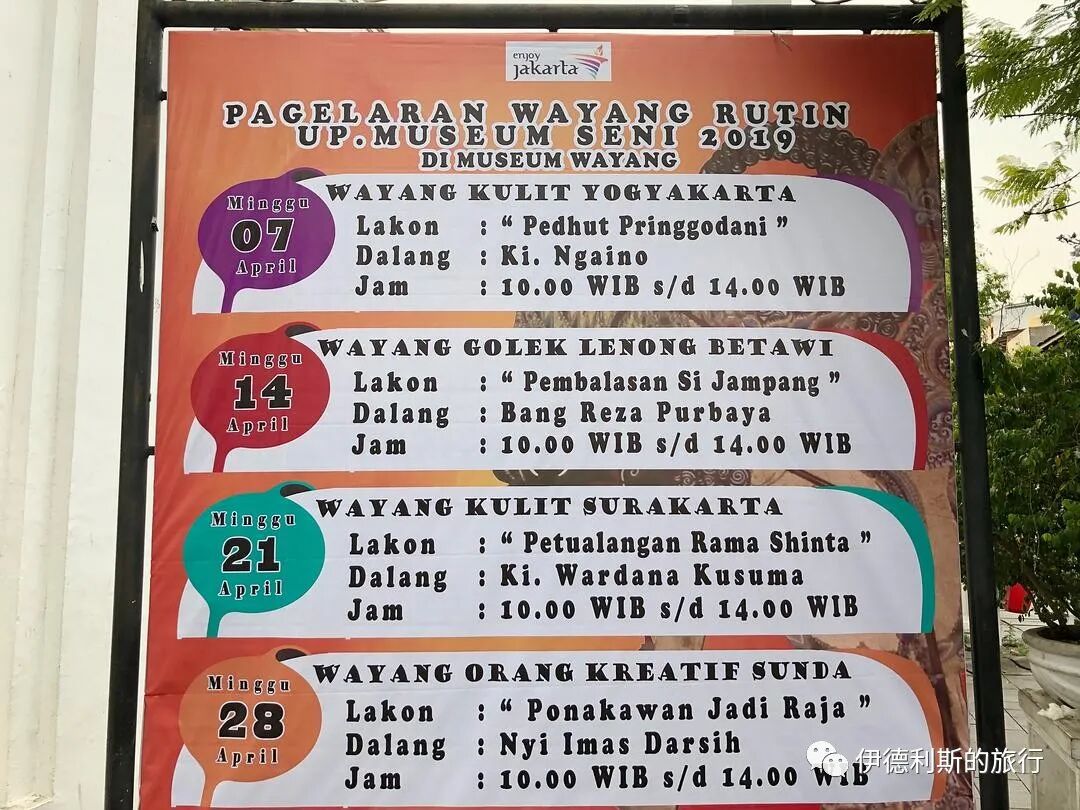
The Wayang Museum hosts a shadow puppet (wayang) show every Sunday morning and afternoon. They invite a different troupe each week. When I visited, it was a shadow puppet team from Yogyakarta, but I had already seen them in Yogyakarta, so I did not go.
Old Town Food
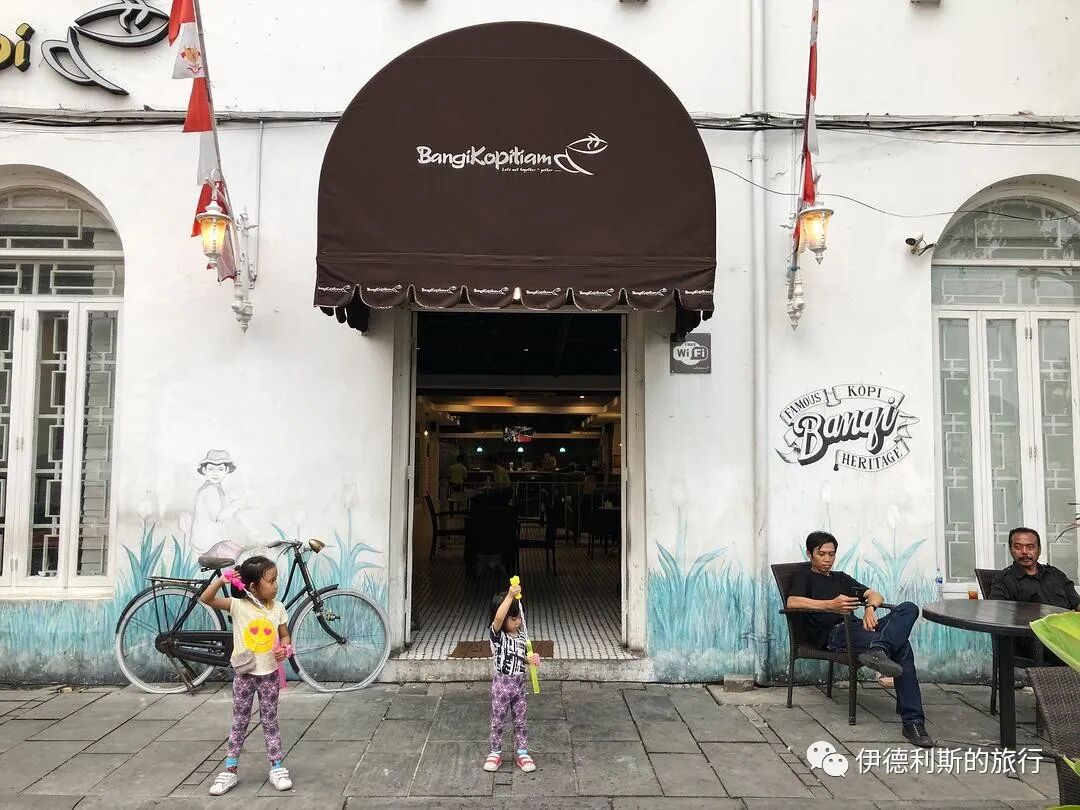
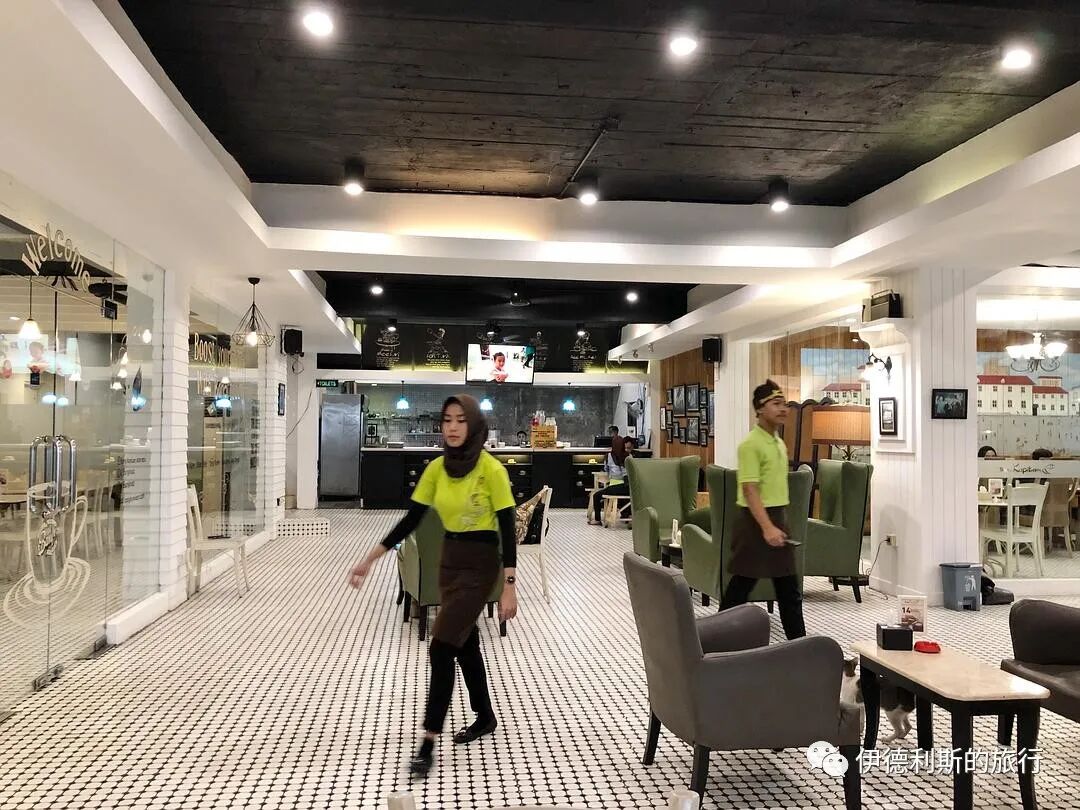
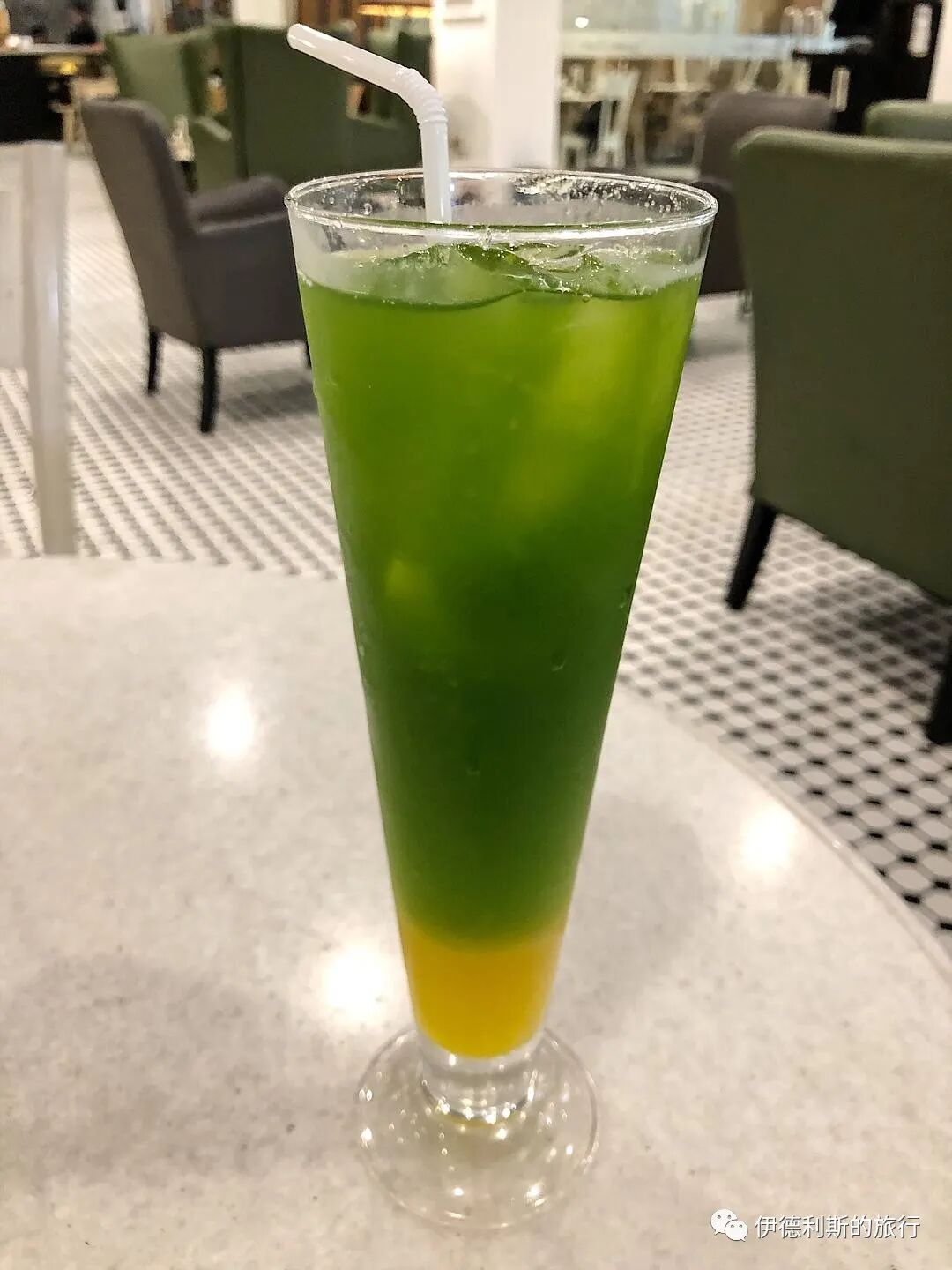
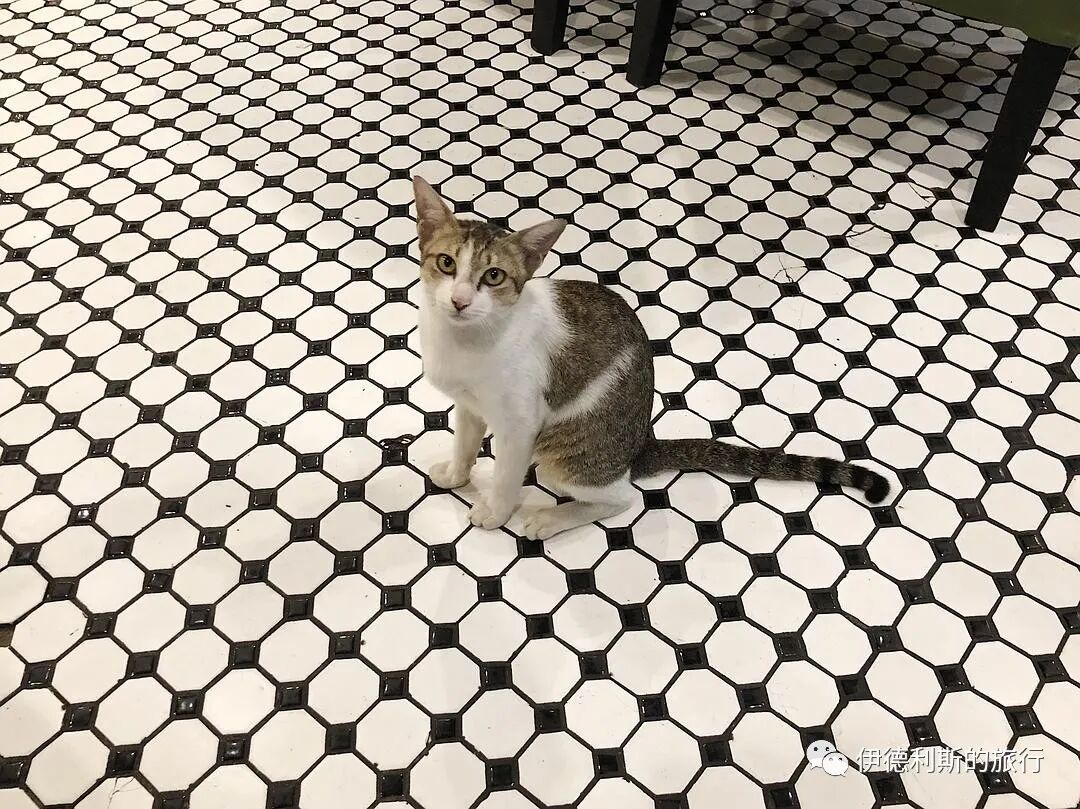
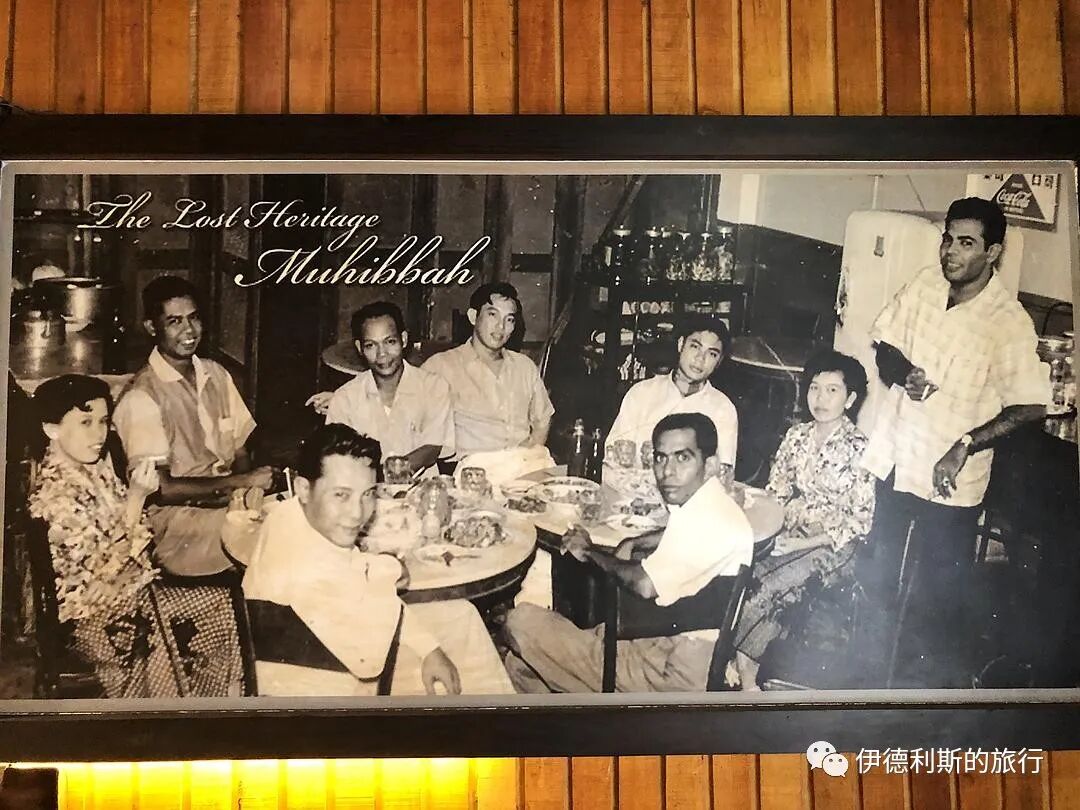
I had grilled chicken rice at Bangi Kopitiam, a restaurant next to the Wayang Museum. Bangi Kopitiam is an Indonesian, Malay, and Singaporean restaurant chain that specializes in Indonesian and Peranakan food. The restaurant is inside a historic Dutch building. The atmosphere is nice, the servers are friendly, and you can even pet cats while you eat.
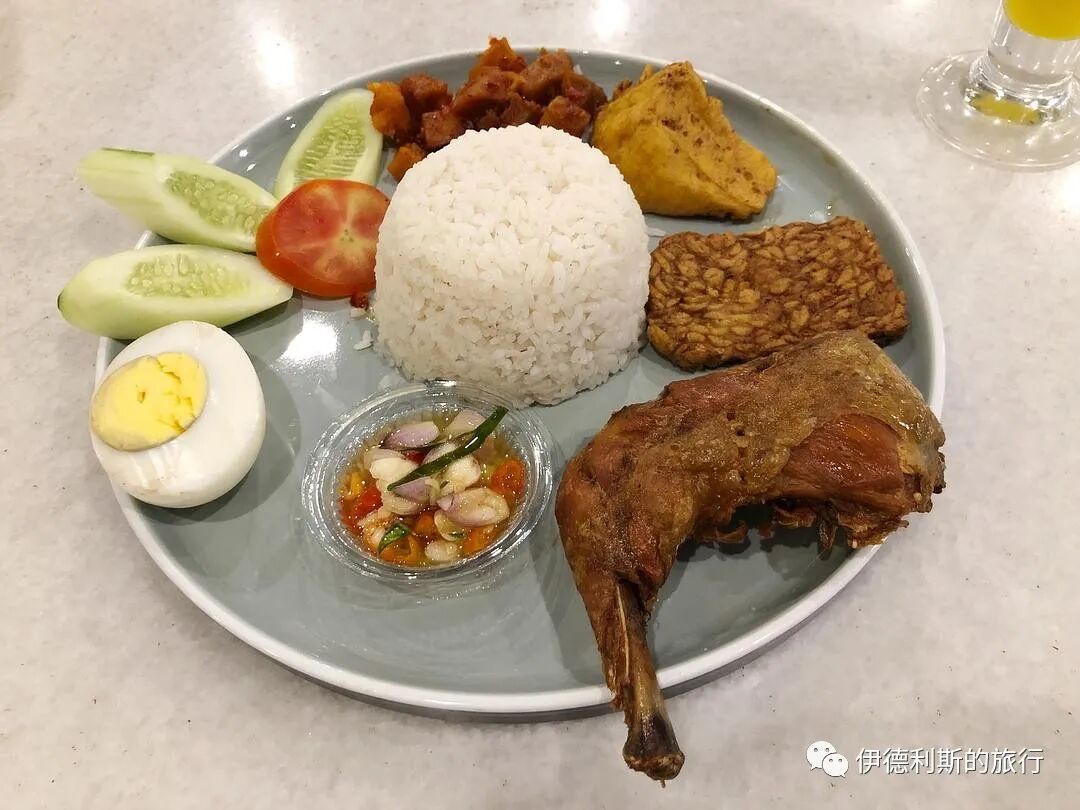
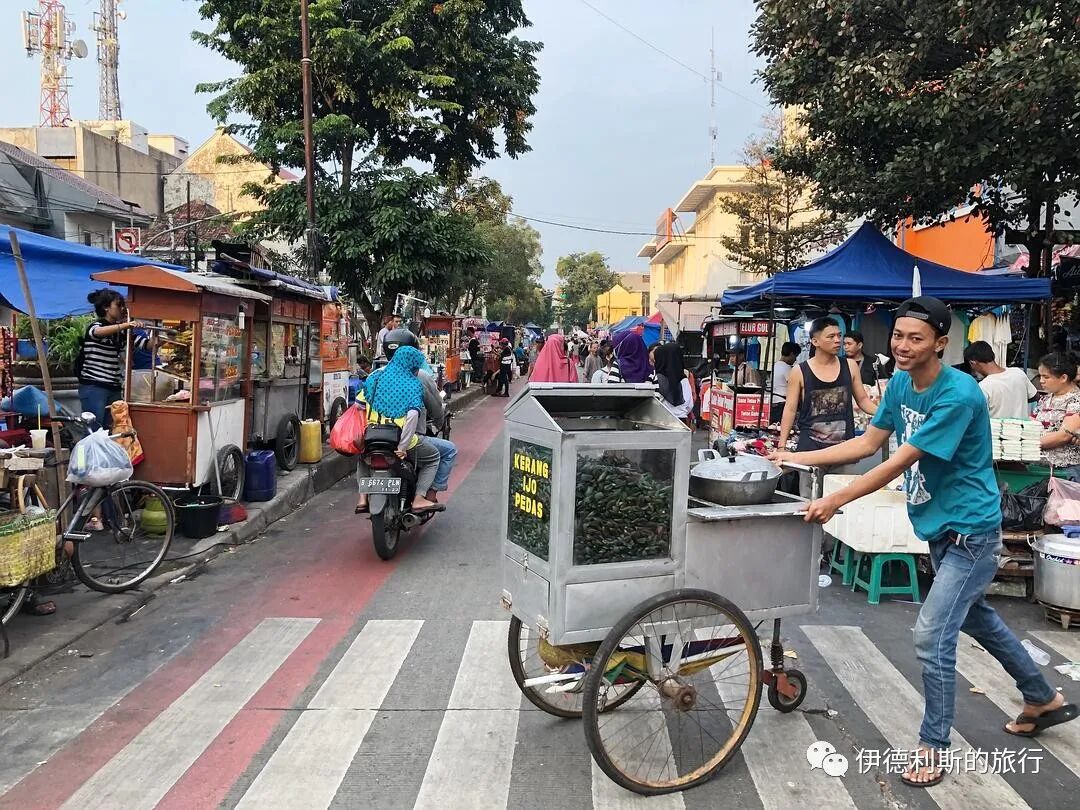
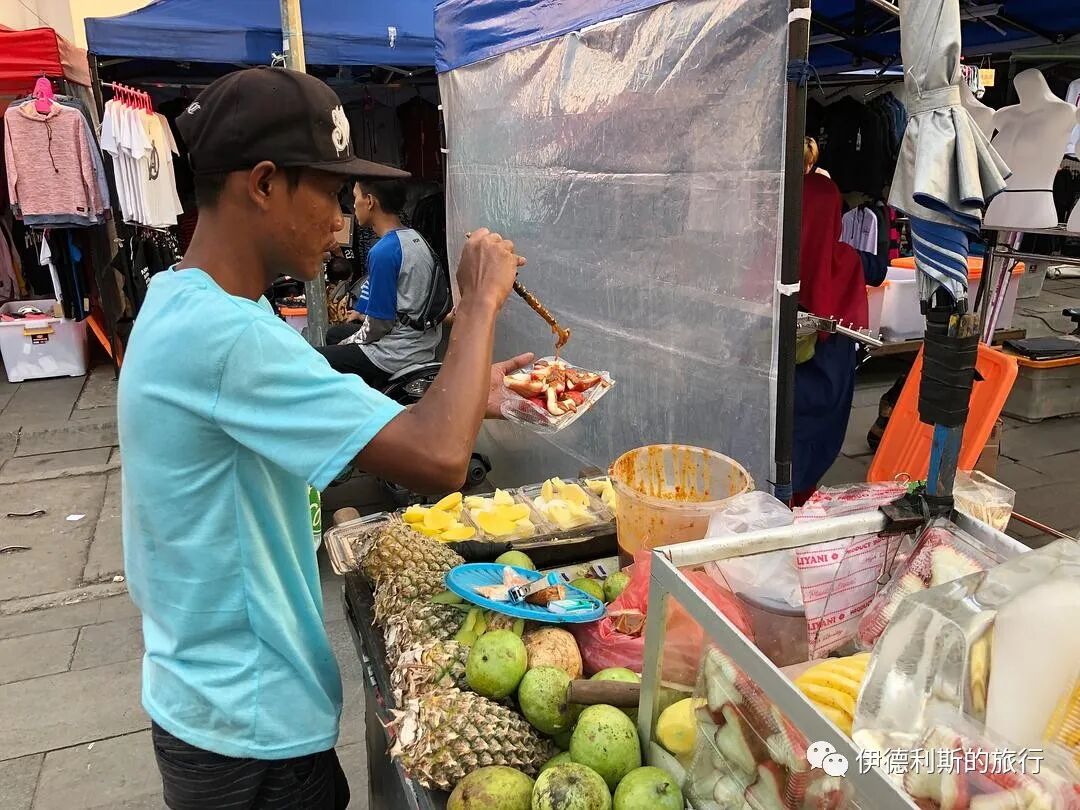
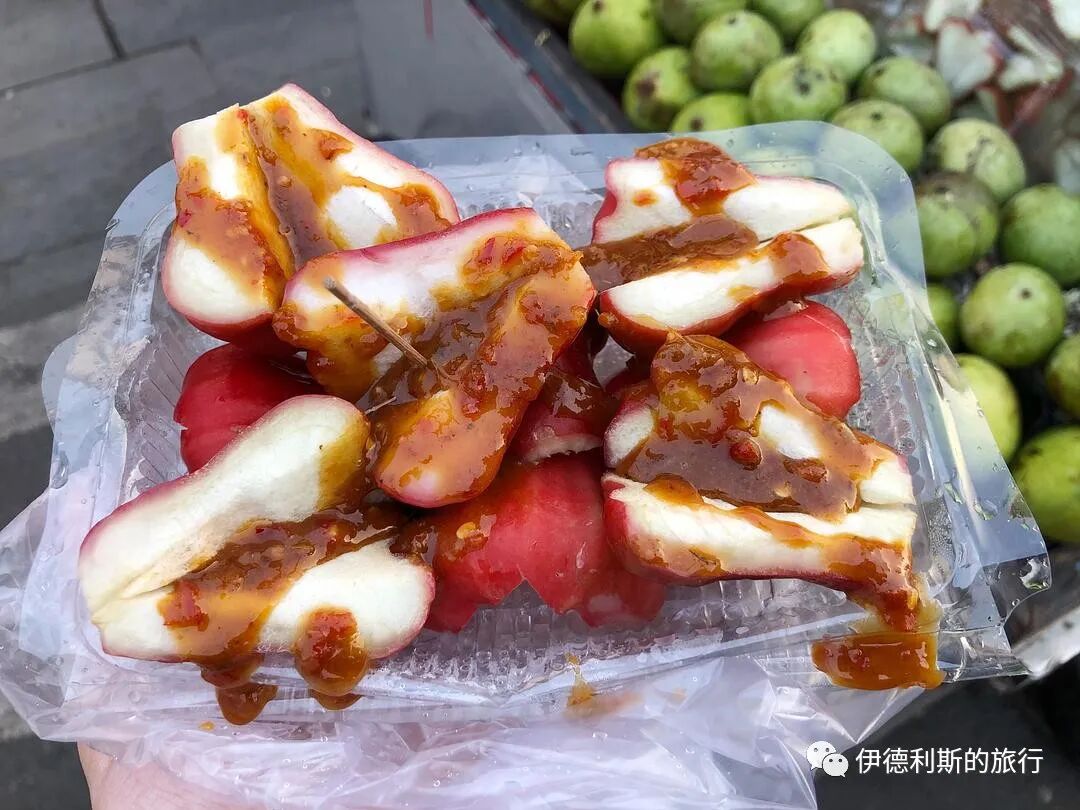
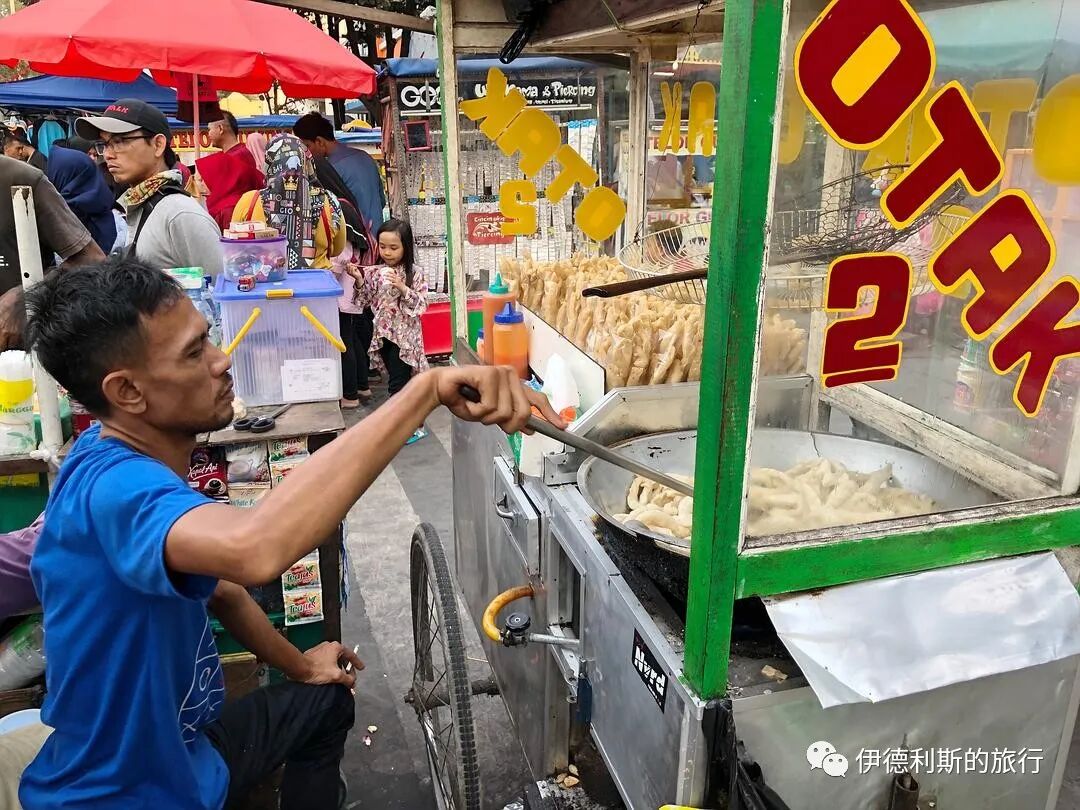
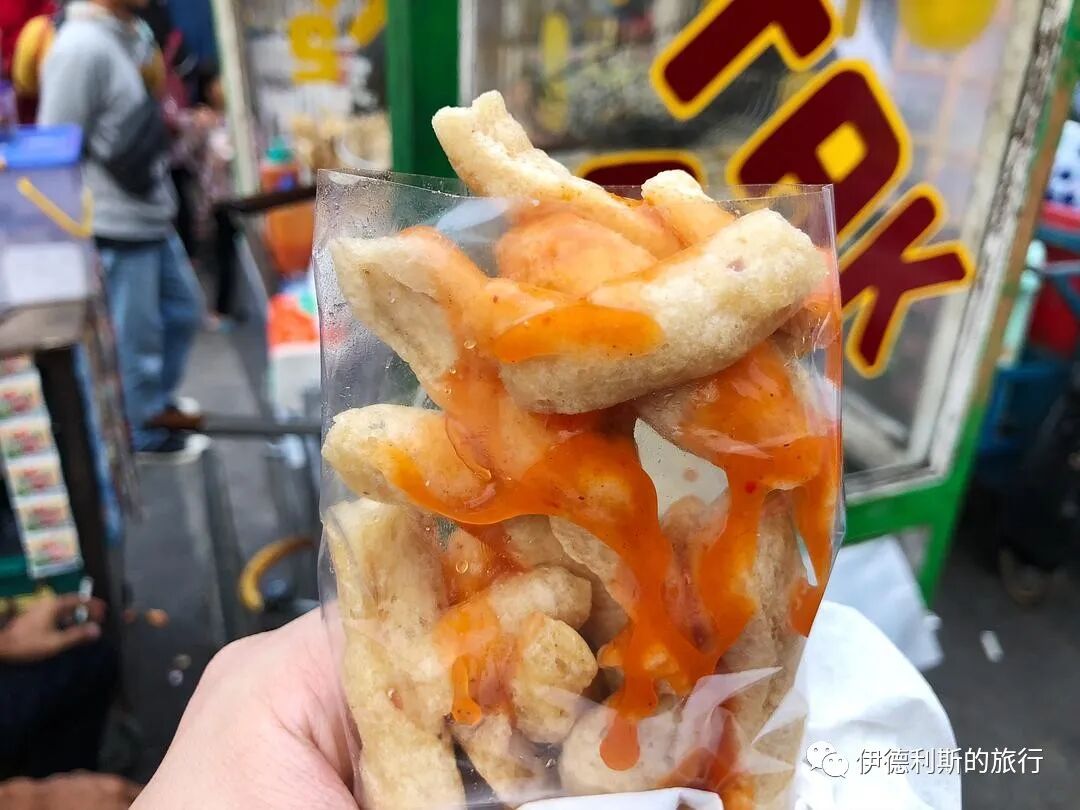
I ate wax apples (jambu air) and fried fish sticks at the night market on the street north of Fatahillah Square (Batavia City Square). The spicy sauce on the wax apples was very fragrant but extremely hot. I had to drink a lot of water to cool down.
Seaside
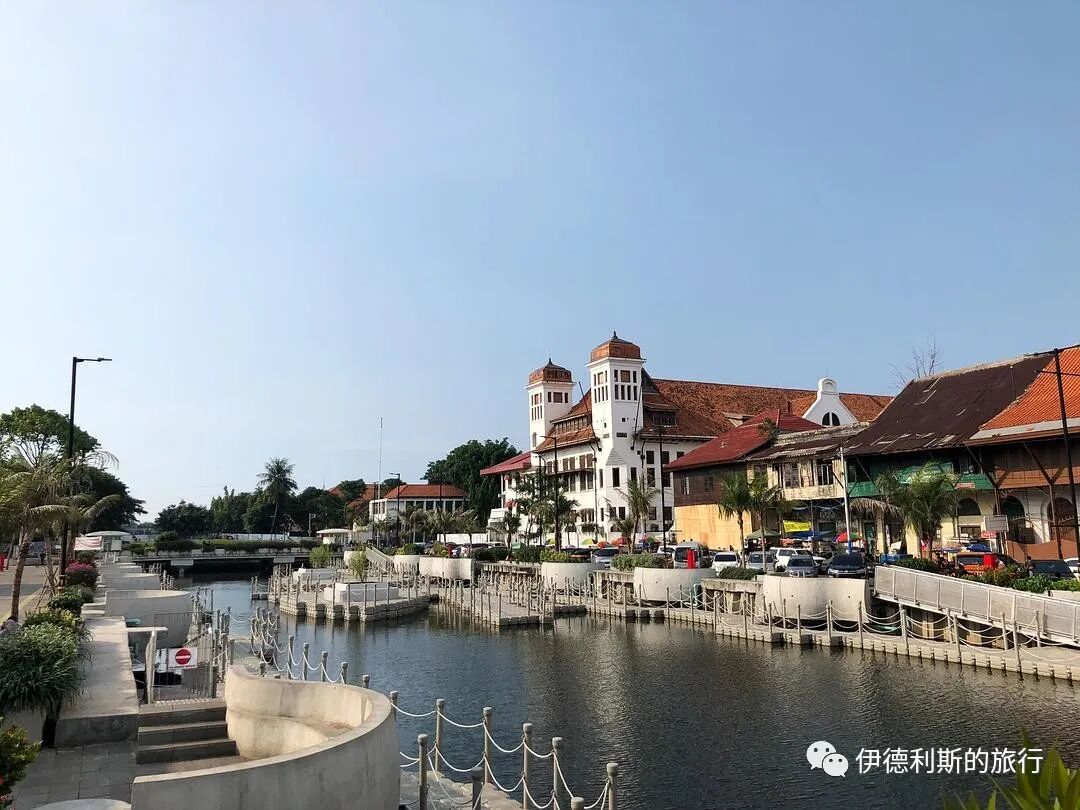
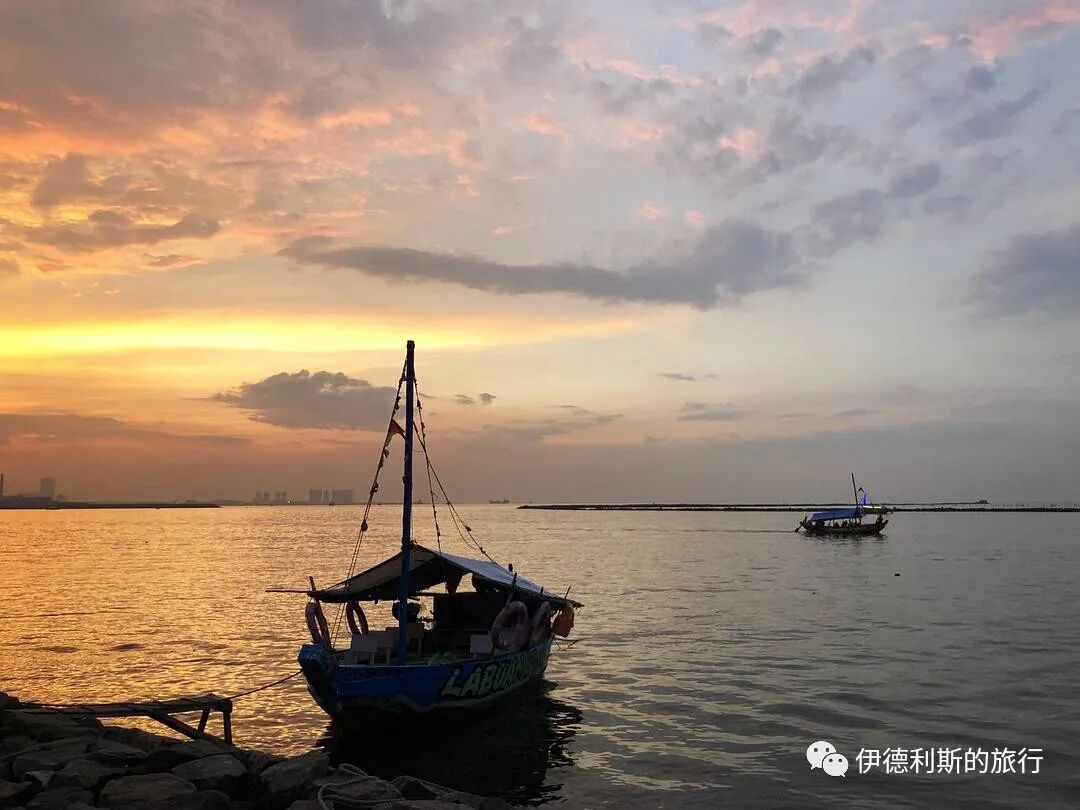
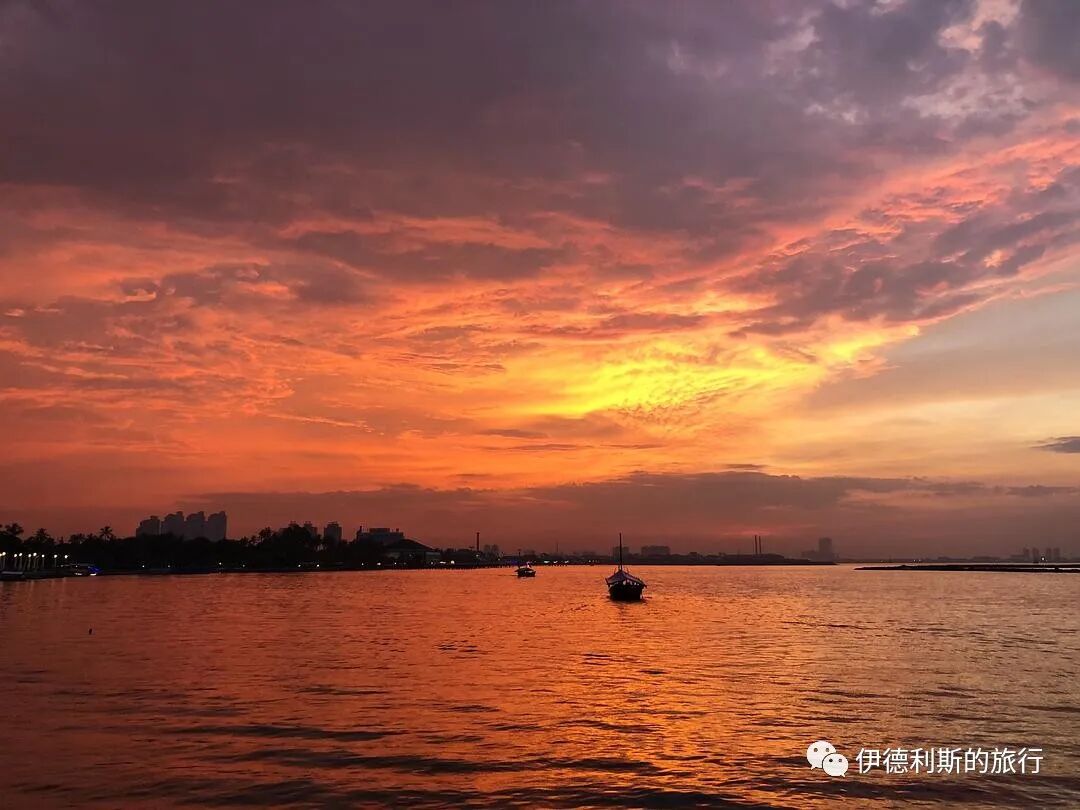
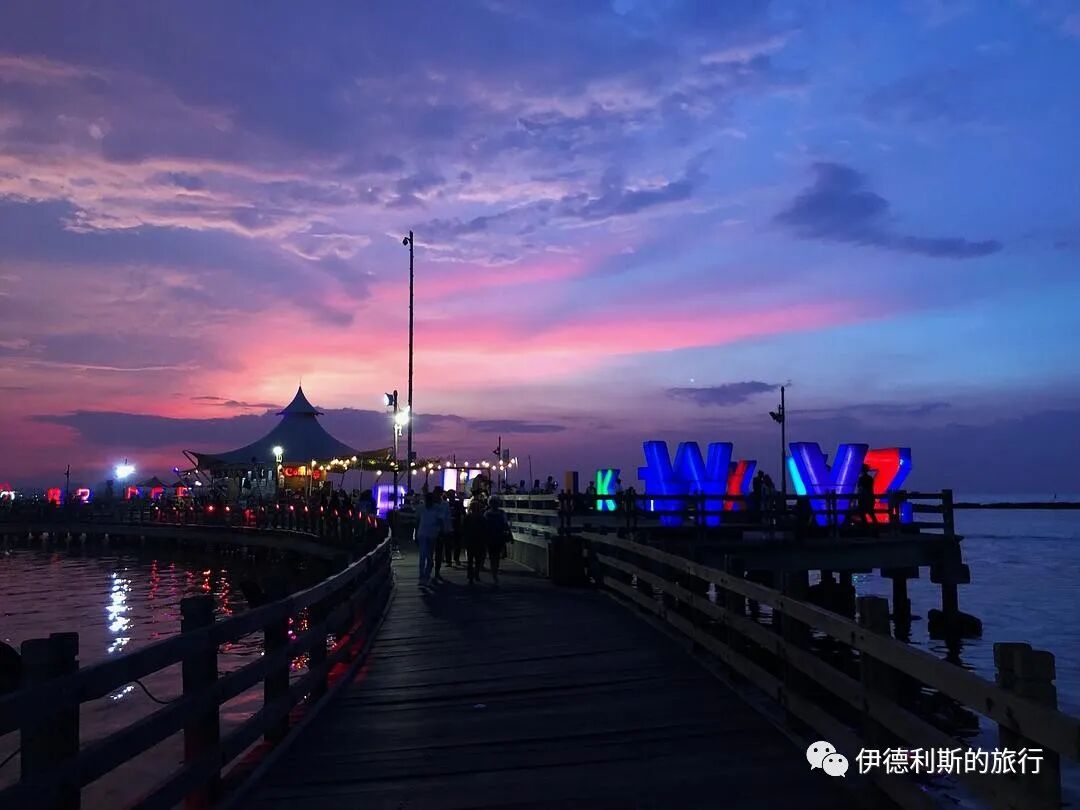
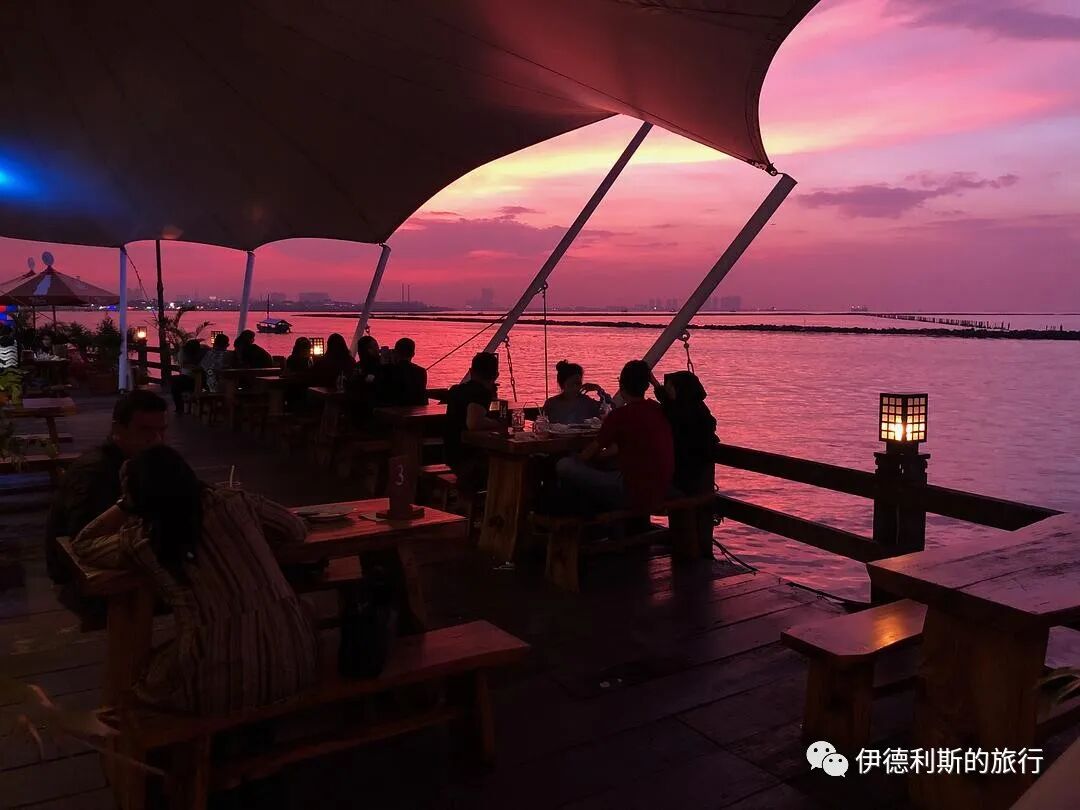
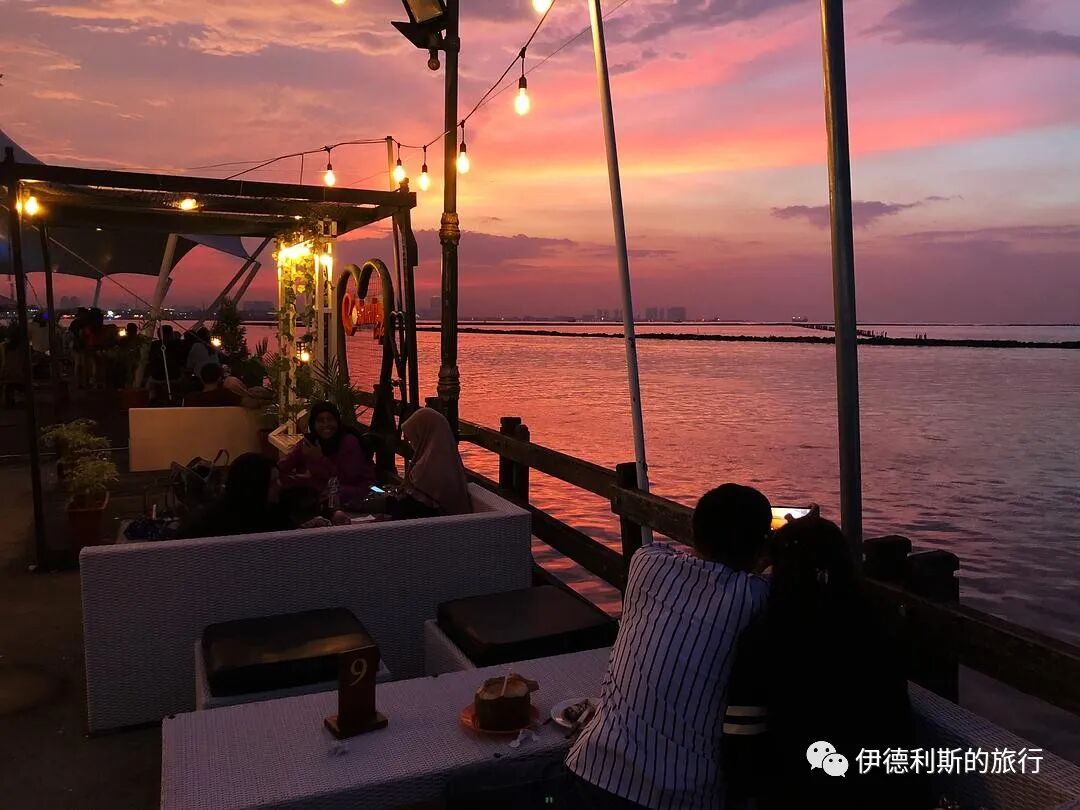
There is a seaside boardwalk on the northeast side of the Old Town of Batavia, and the view is beautiful at sunset. Once the most important trading port for the Dutch East India Company, it is now a place where people go for evening walks. Back then, the Dutch trapped inside the castle by Zheng Chenggong desperately hoped for warships to sail from here to rescue them.
Summary: Jakarta — Indonesian Food, Mosques and Muslim Heritage is presented here as a firsthand travel account in clear English, beginning with this scene: I visited Jakarta for the Qingming Festival holiday in 2019 and stayed at a large commercial complex called Ciputra. The account keeps its focus on Jakarta Travel, Indonesian Food, Muslim Heritage while preserving the names, places, food, and historical details from the Chinese source.
Ciputra Commercial Center
I visited Jakarta for the Qingming Festival holiday in 2019 and stayed at a large commercial complex called Ciputra. The hotel was quite good, and there was a big shopping mall right inside the building. Jakarta has many large malls like this, but most are in the new city to the south. This one is relatively close to the airport, the bus station, and the old town.
There are many different restaurants inside the mall, and I chose two to eat at. At the first place, I had sour fish soup (Sop Ikan Asam Pedas) and fish rolls (Lumpia Ikan). The sour soup used pineapple for flavor and was delicious; I ate a whole fish by myself.
At the second place, I had garlic water spinach (Kangkung Bawang Putih), squid stir-fried in Padang sauce (Cumi Saus Padang), and a large crab in black pepper sauce (Kepiting Jantan Saus Lada Hitam). The advantage of this restaurant is that they post photos of all their dishes on the wall. There is a small card in front of each photo, so you just take the card and give it to the front desk. It is very simple.
Jakarta Old Town
Jakarta Old Town (Kota Tua Jakarta), also called Old Batavia (Oud Batavia), was the most important Dutch colonial site in Southeast Asia. From the 17th to the 19th century, it served as the headquarters for the Dutch East India Company.
Old Batavia was founded in 1619. When I visited in 2019, it was exactly 400 years old.
Batavia in 1682, drawn by Weduwe van Jacob van Meurs.
Old Batavia in 1931. The building on the left is the same one shown in the picture above.
Old Batavia in the 19th century, painted by Johannes Weissenbruch.
Today, the old town is very lively, just like a temple fair. You can find people taking photos, reading palms, singing, getting henna tattoos, and drawing portraits.
Jakarta History Museum.
The center of Old Batavia is Fatahillah Square, and the most important building there is the Jakarta History Museum. The Jakarta History Museum was built in 1710 and was once the Batavia City Hall.
The museum courtyard has a small area serving local Betawi snacks. I ate a spicy omelet (kerak telor) and a cold drink (selendang mayang). I really regret not knowing that these snacks are hard to find elsewhere, otherwise I would have tried every single one.
Kerak telor is made with sticky rice and eggs, topped with fried shredded coconut, fried shallots, and dried shrimp. During the colonial era, this food was only served at gatherings for the Dutch or wealthy Betawi merchants, and it was invented to improve the texture of sticky rice. Selendang mayang is rare today. It is a historic Batavian cold drink made from rice flour, vanilla powder, pandan leaves, red sugar syrup, and coconut milk.
The Betawi people are a unique ethnic group that formed in Jakarta. Here is a brief introduction to their origins:
In 1619, the Dutch leveled Jakarta, which was under the rule of the Banten Sultanate, and renamed it Batavia to serve as the trade and administrative center for the Dutch East India Company.
Because they feared attacks from the Banten Sultanate, the city of Batavia initially banned local Javanese people from living inside. Besides the Dutch and their slaves, most people living in the city were Chinese and Mardijker people, along with a small number of Arab and Indian merchants. The Mardijker people came from Portuguese slaves in India, Africa, and the Malay Peninsula. After the Dutch defeated the Portuguese in the 17th century, the Dutch East India Company freed them and brought them to Indonesia. Most of these people spoke Portuguese and practiced Catholicism.
Since almost no Dutch women moved to Batavia, most Dutch men in the city chose to have local women as partners, but they almost never married them. These women also had no right to return to the Netherlands with the Dutch men. This social pattern led to many mixed-race children in Batavia. Most of the boys from these mixed-race families chose to go to Europe, while the girls had to stay in Batavia.
A 1699 census shows that Batavia had 3,679 Chinese, 2,407 Mardijkers, 1,783 Europeans, 670 people of mixed heritage, and 867 others.
After the Dutch East India Company and the Sultanate of Banten made peace in 1659, many people from the East Indies began moving to the outskirts of Batavia. The Dutch East India Company signed a formal peace treaty with the Sultanate of Banten in 1684. This allowed for the clearing of swamps around Batavia, and more people began living outside the city walls, including Malays, Sundanese, Javanese, Minangkabau, and Bugis people.
Between the 18th and 19th centuries, the different ethnic groups living in Batavia began to blend. After a hundred years, they finally formed the Betawi people by the early 20th century.
The Betawi people speak a version of Malay mixed with many words from Hokkien Chinese, Arabic, and Dutch, known as Betawi Malay. It is the only Malay-speaking area on the northern coast of Java. Betawi food is strongly influenced by the cuisines of Indonesian Chinese, Arabs, Europeans, and local Sundanese and Javanese people.
Wayang Museum
The Wayang Museum is on the west side of the square. It was originally a Dutch church built in 1640. The current building was built in 1912 in a Neo-Renaissance style. It was renovated in 1938 in a Dutch colonial style, then bought by the Batavia Society of Arts and Sciences. It opened as the Old Batavia Museum in 1939 and officially opened as the Wayang Museum in 1975.
The Wayang Museum hosts a shadow puppet (wayang) show every Sunday morning and afternoon. They invite a different troupe each week. When I visited, it was a shadow puppet team from Yogyakarta, but I had already seen them in Yogyakarta, so I did not go.
Old Town Food
I had grilled chicken rice at Bangi Kopitiam, a restaurant next to the Wayang Museum. Bangi Kopitiam is an Indonesian, Malay, and Singaporean restaurant chain that specializes in Indonesian and Peranakan food. The restaurant is inside a historic Dutch building. The atmosphere is nice, the servers are friendly, and you can even pet cats while you eat.
I ate wax apples (jambu air) and fried fish sticks at the night market on the street north of Fatahillah Square (Batavia City Square). The spicy sauce on the wax apples was very fragrant but extremely hot. I had to drink a lot of water to cool down.
Seaside
There is a seaside boardwalk on the northeast side of the Old Town of Batavia, and the view is beautiful at sunset. Once the most important trading port for the Dutch East India Company, it is now a place where people go for evening walks. Back then, the Dutch trapped inside the castle by Zheng Chenggong desperately hoped for warships to sail from here to rescue them.
