
Halal Travel Guide: Beijing Autumn Mosque Walk — Old Mosques and Muslim Heritage
Reposted from the web
Summary: Beijing Autumn Mosque Walk — Old Mosques and Muslim Heritage is presented here as a firsthand travel account in clear English, beginning with this scene: Between late September and early October, I visited seven old mosques in Beijing: Guanzhuang Mosque, Xihui Mosque, Yangzha Mosque, and Wanziying Mosque in Chaoyang District, as well as Landianchang Mosque, Siwangfu. The account keeps its focus on Beijing Mosques, Autumn Travel, Muslim Heritage while preserving the names, places, food, and historical details from the Chinese source.
Between late September and early October, I visited seven old mosques in Beijing: Guanzhuang Mosque, Xihui Mosque, Yangzha Mosque, and Wanziying Mosque in Chaoyang District, as well as Landianchang Mosque, Siwangfu Mosque, and Shucun Mosque in Haidian District. I will share them with you below.
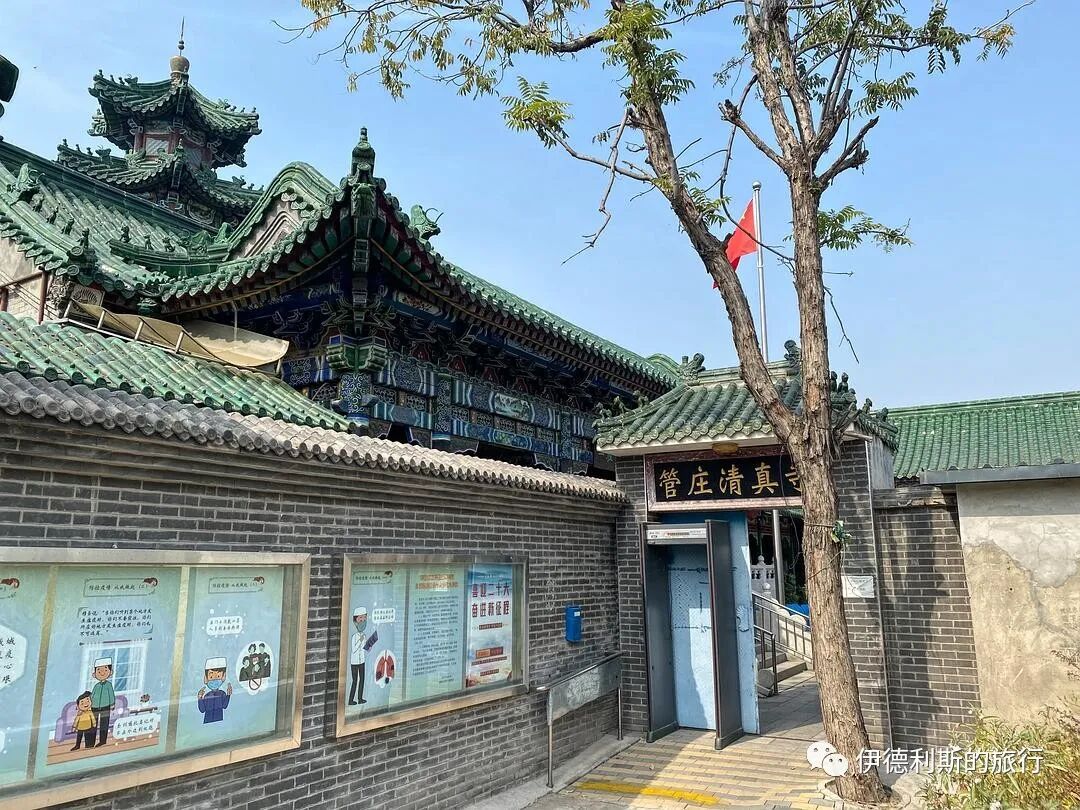
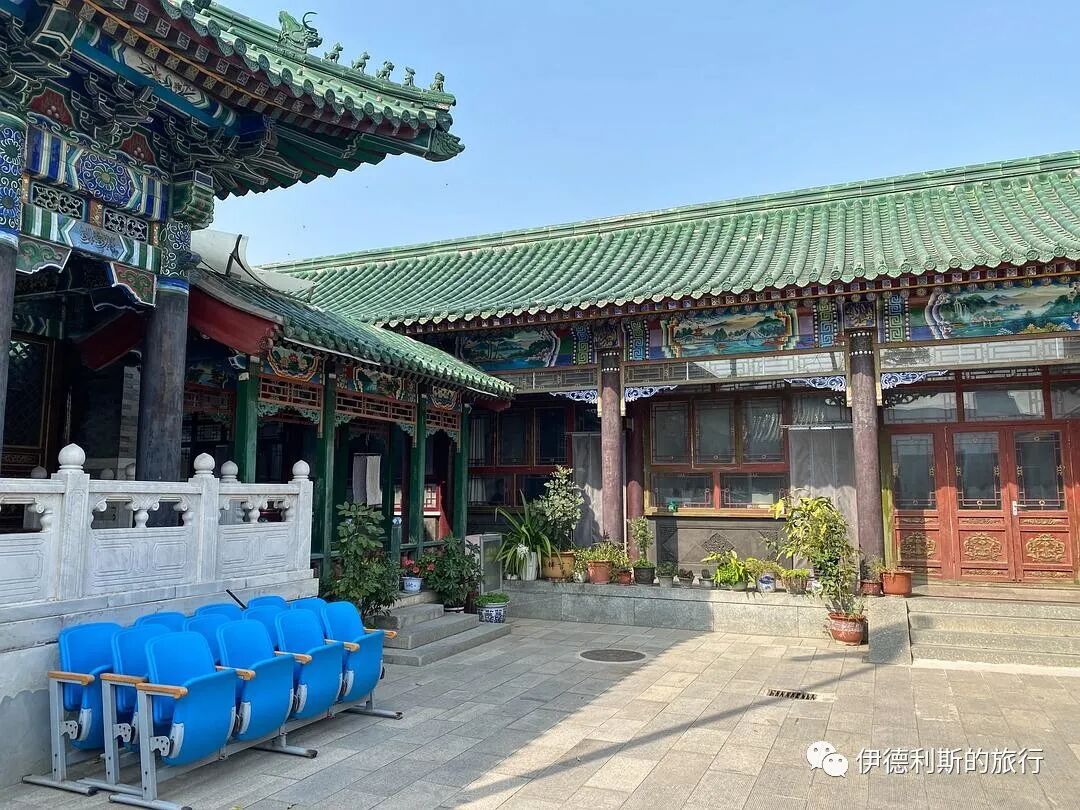
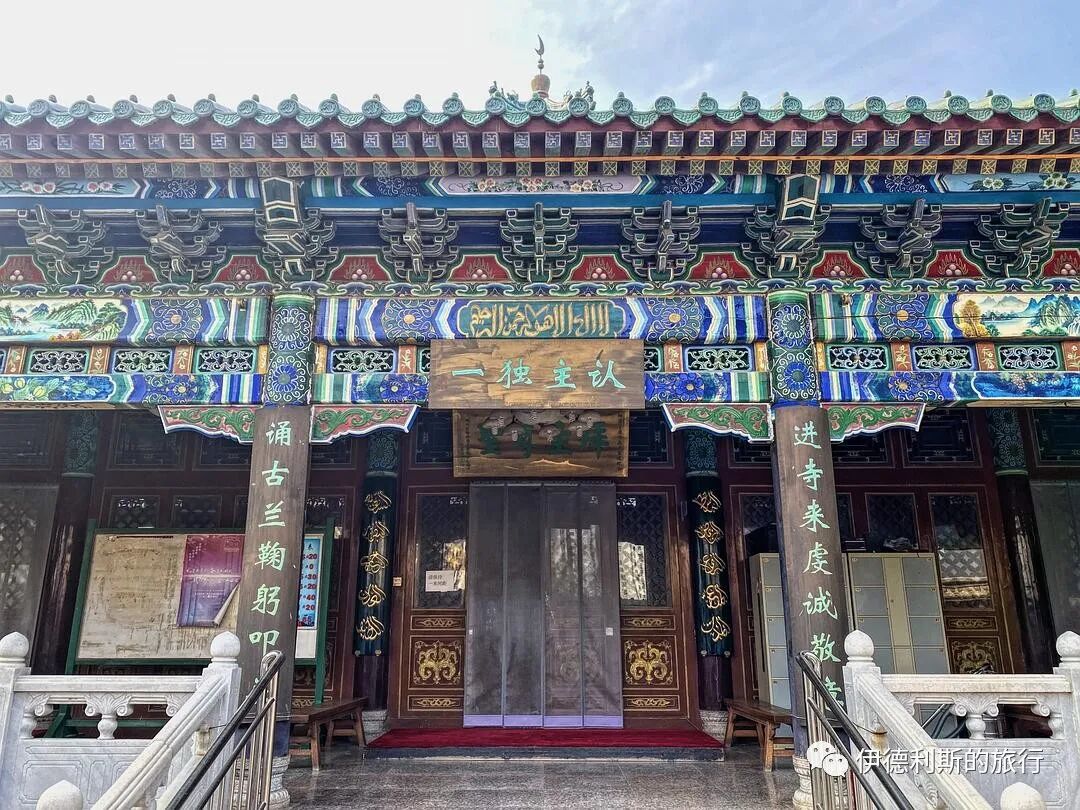
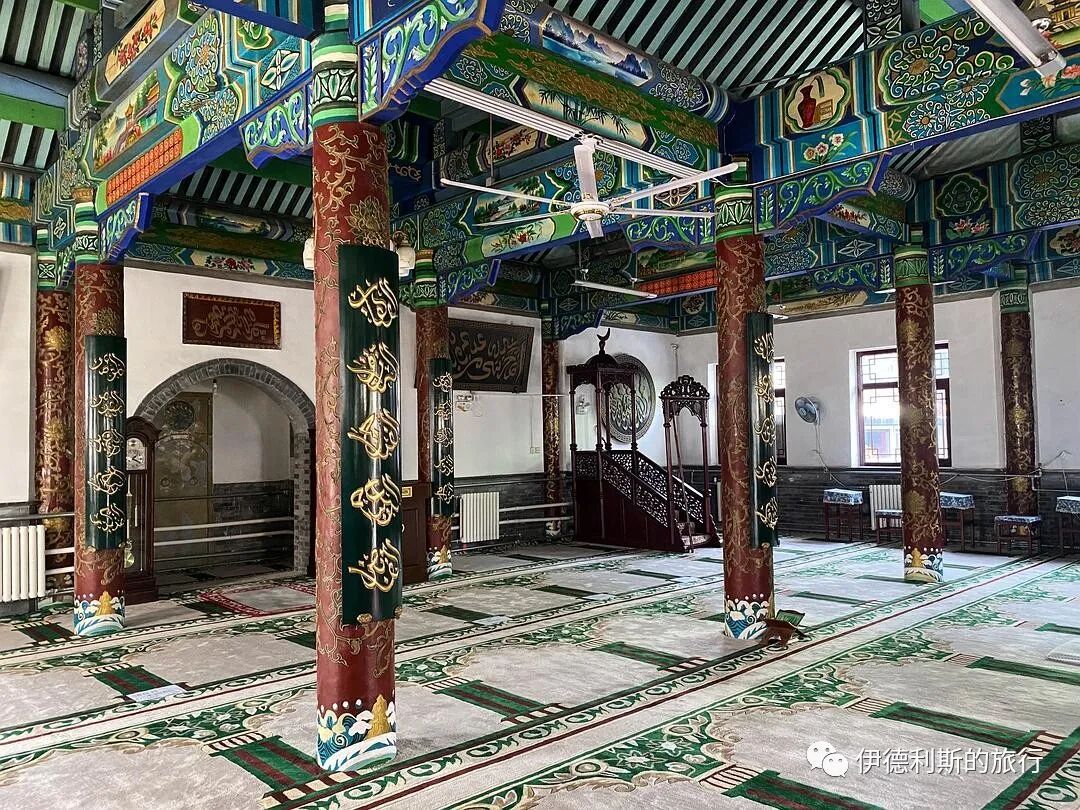
1. Guanzhuang Mosque
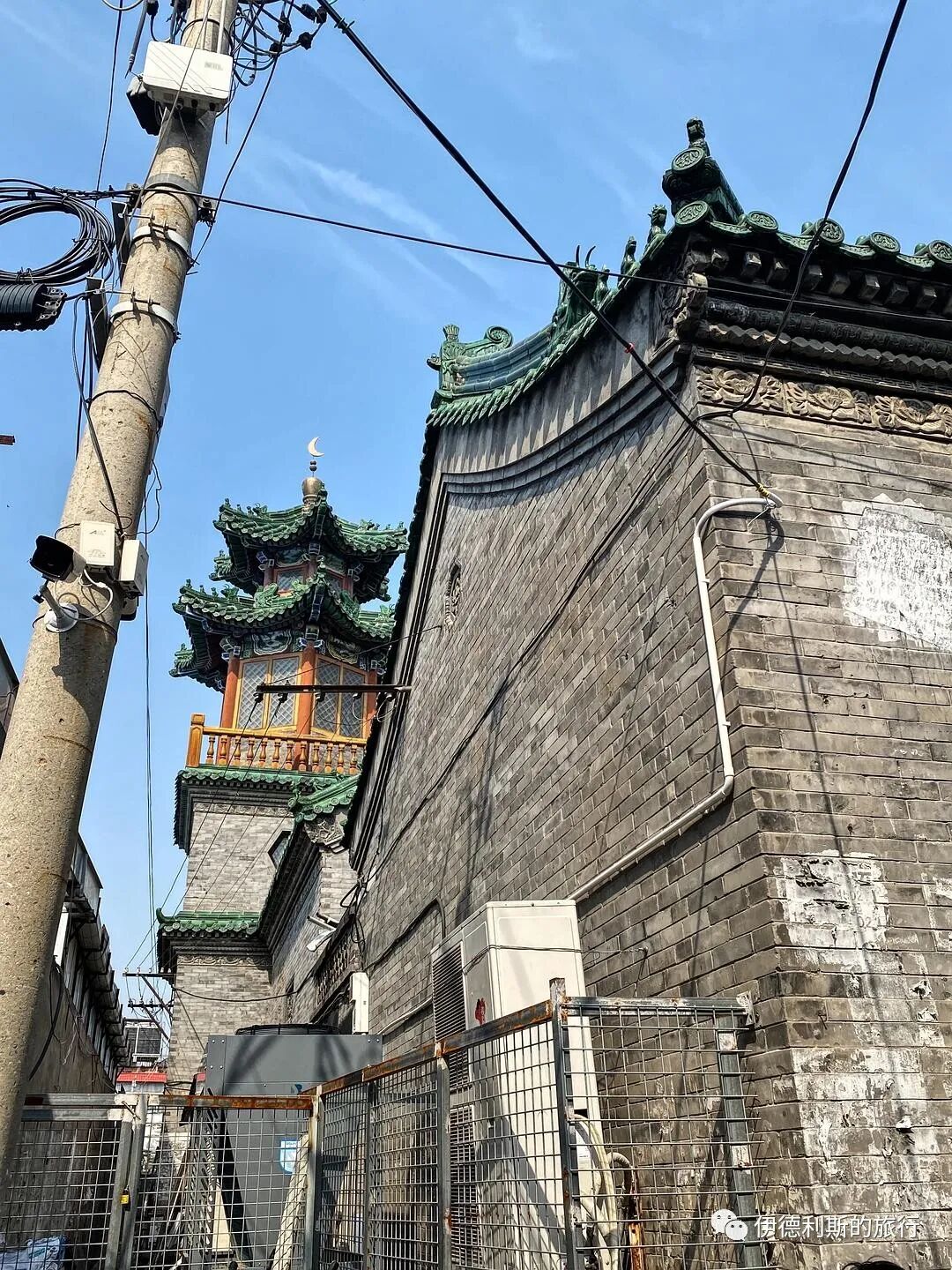
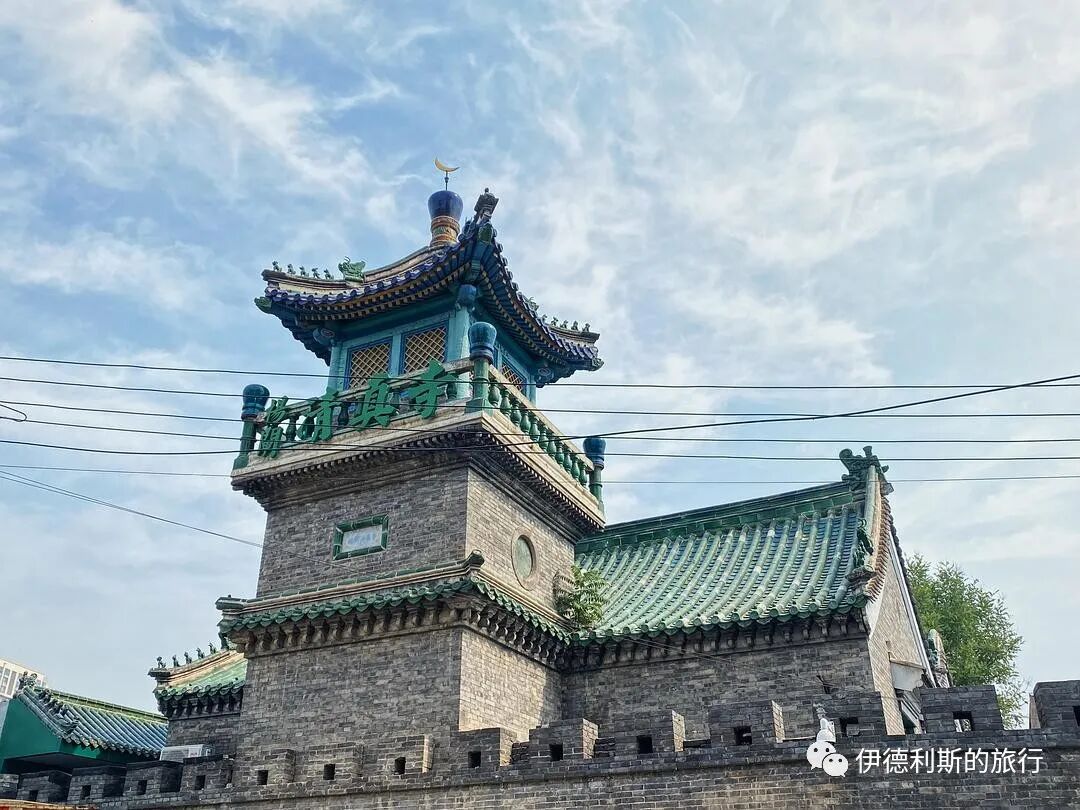
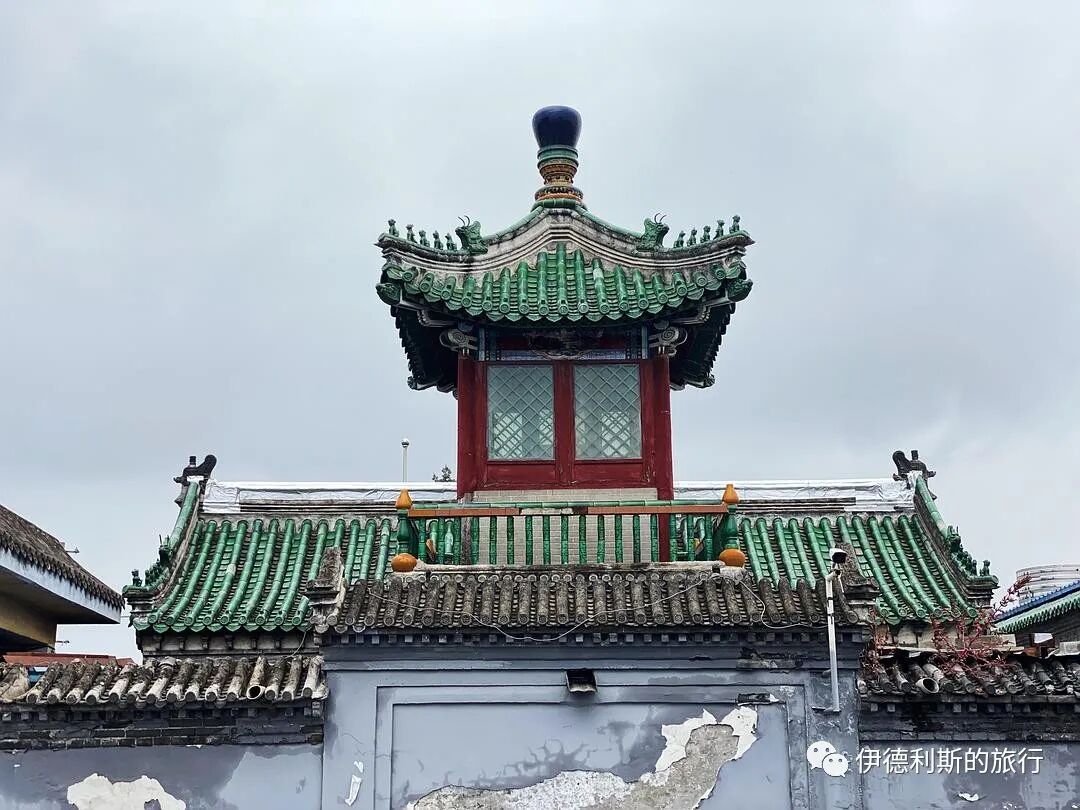
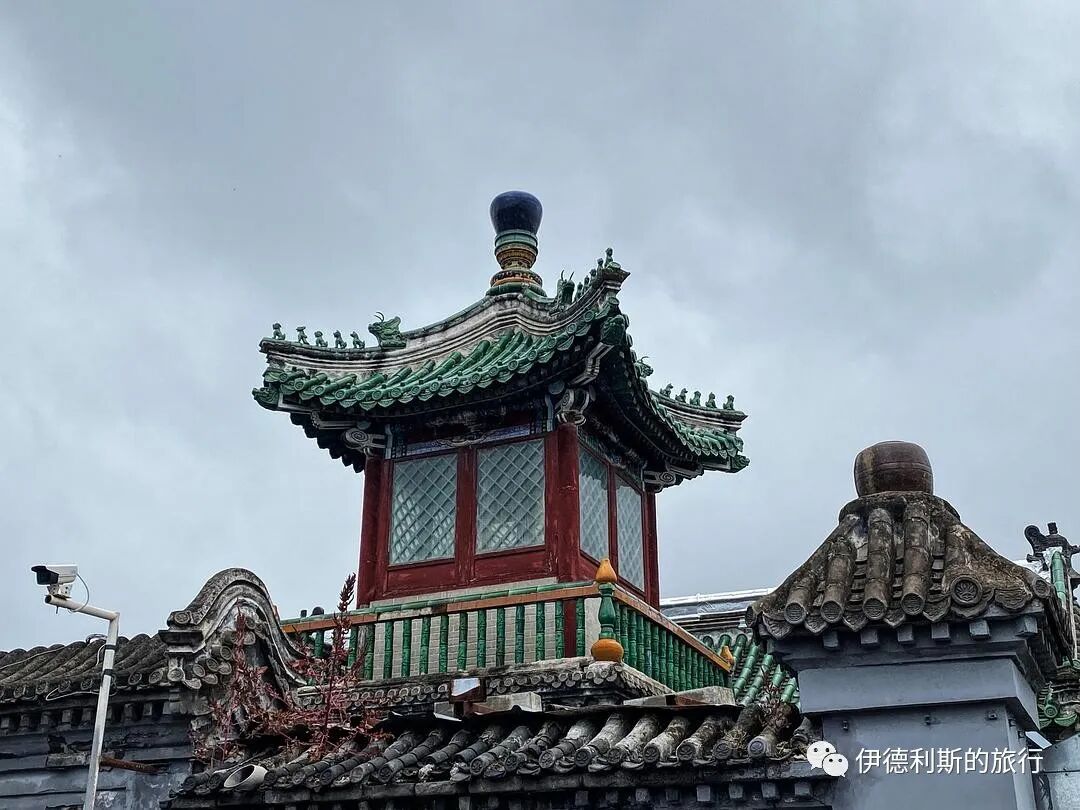
The founding date of Guanzhuang Mosque is unknown. The main hall was renovated in 1946. From 1958 until the 1980s, the site was used by a large canteen, a straw rope factory, and a production team. It was renovated and rebuilt again between 2003 and 2004. The finial on the moon-viewing tower (wangyuelou) was cast by craftsmen from Hexiwu, Tianjin, following the design of the original. Guanzhuang has now been demolished and replaced by apartment buildings.
2. Xihui Mosque
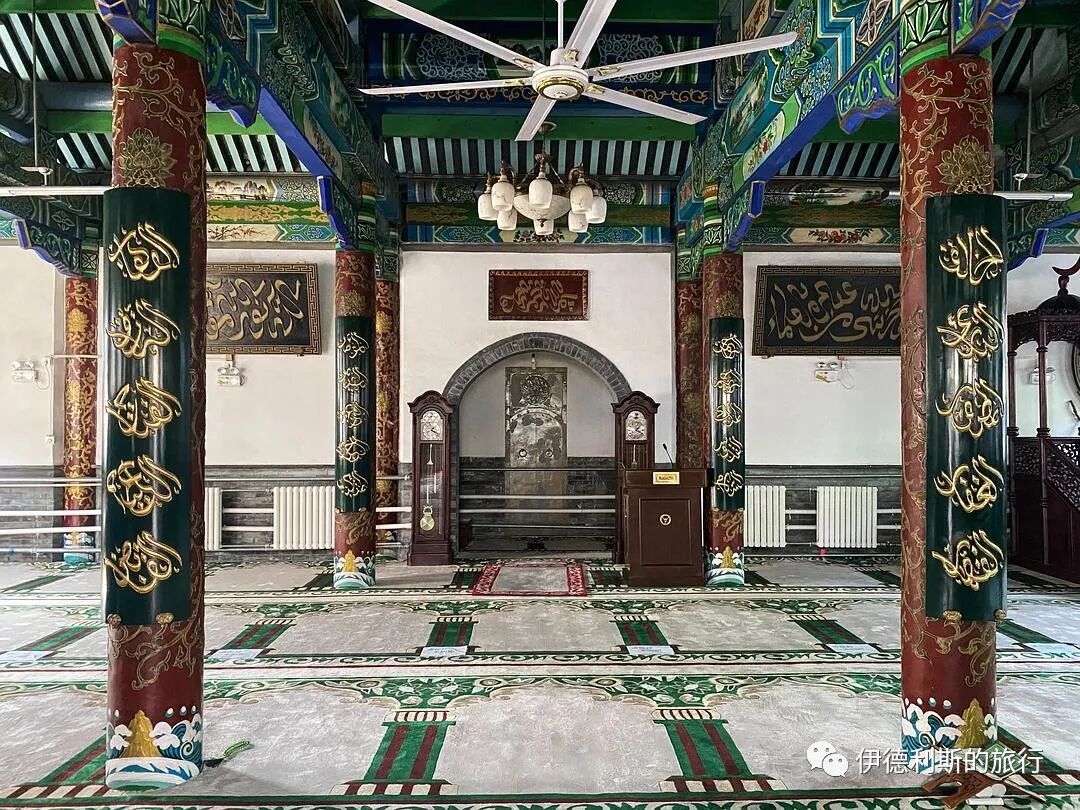
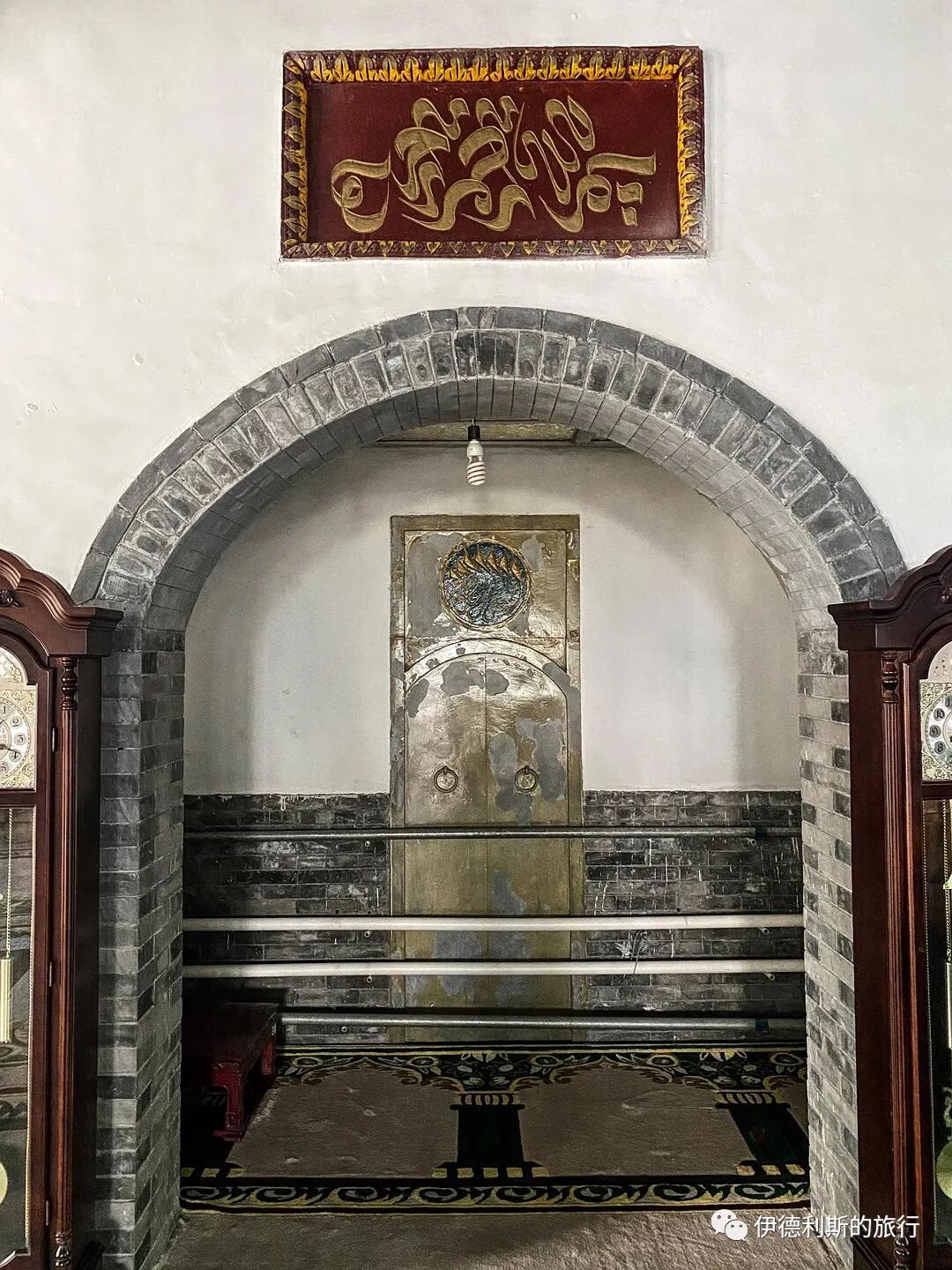
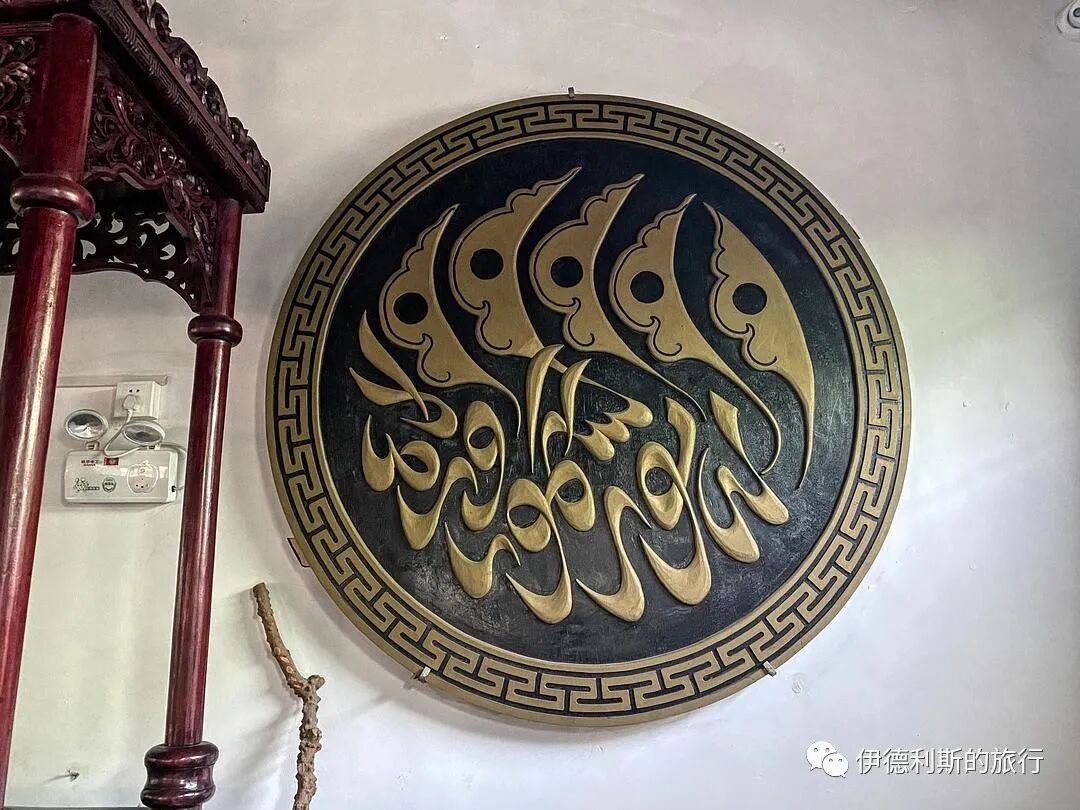
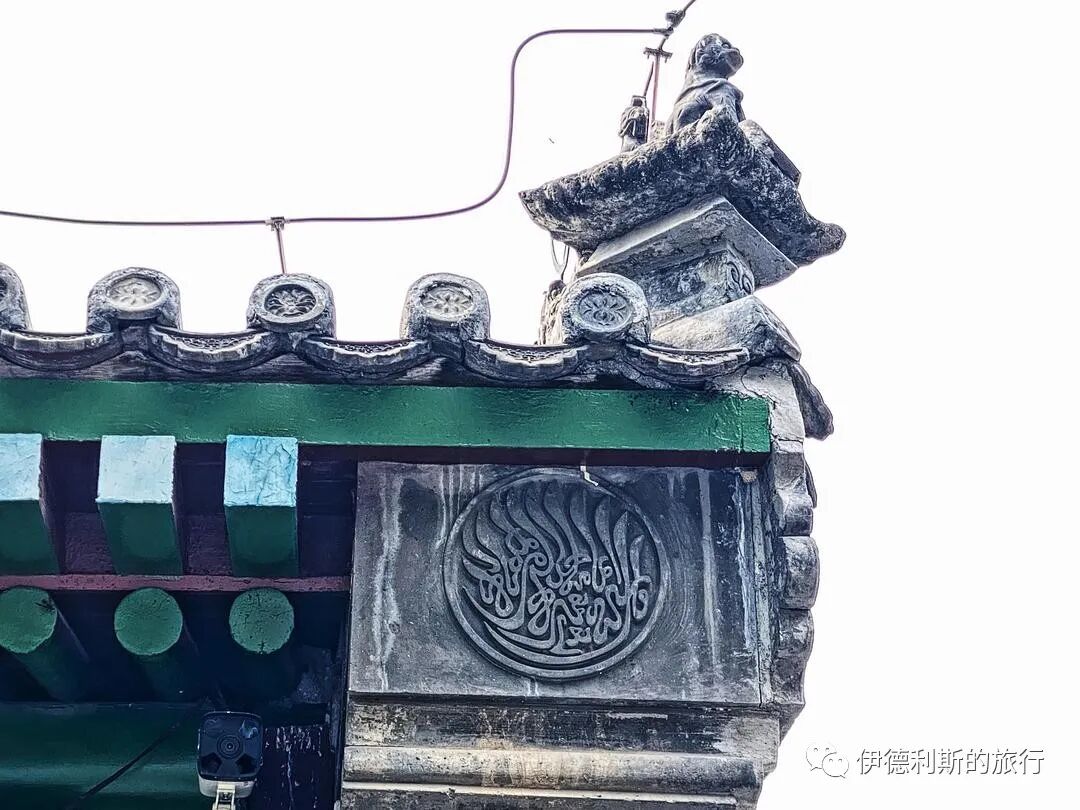
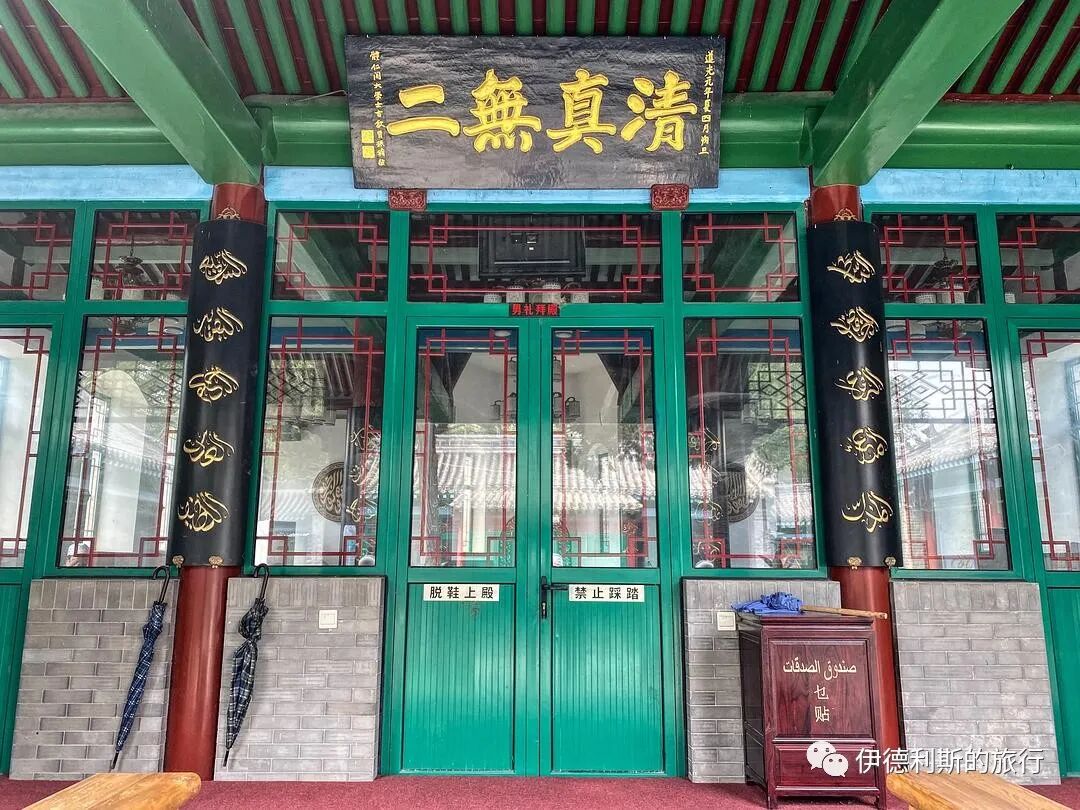
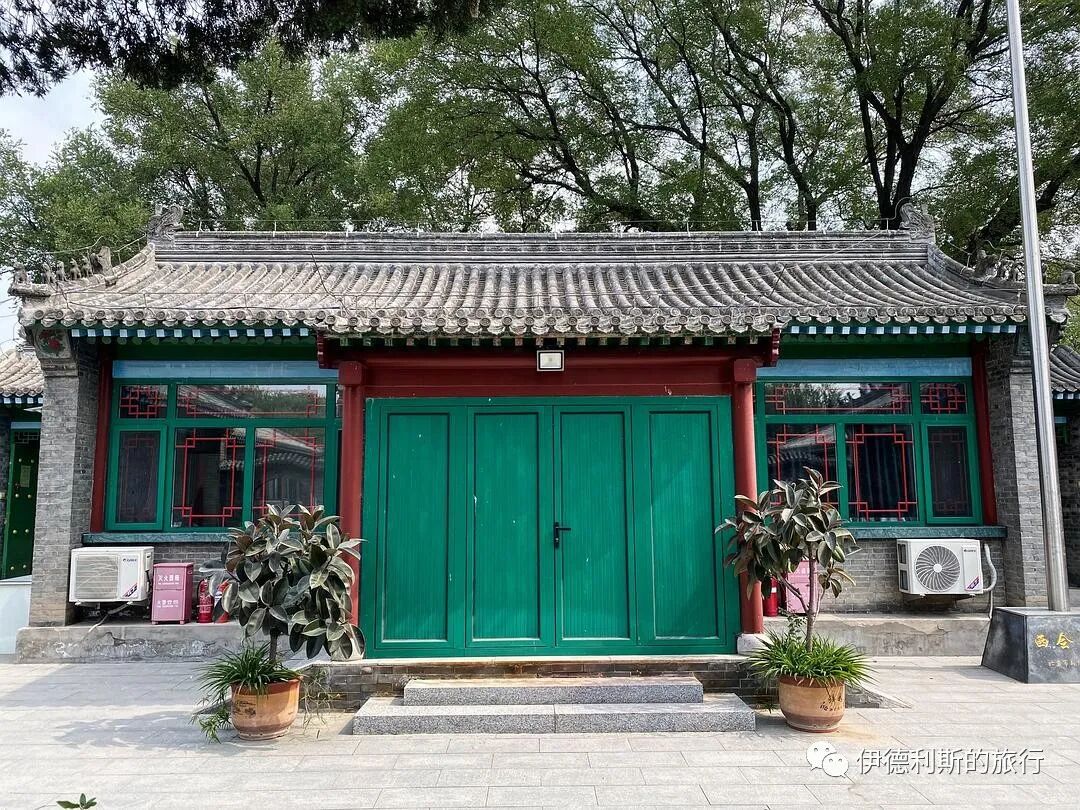
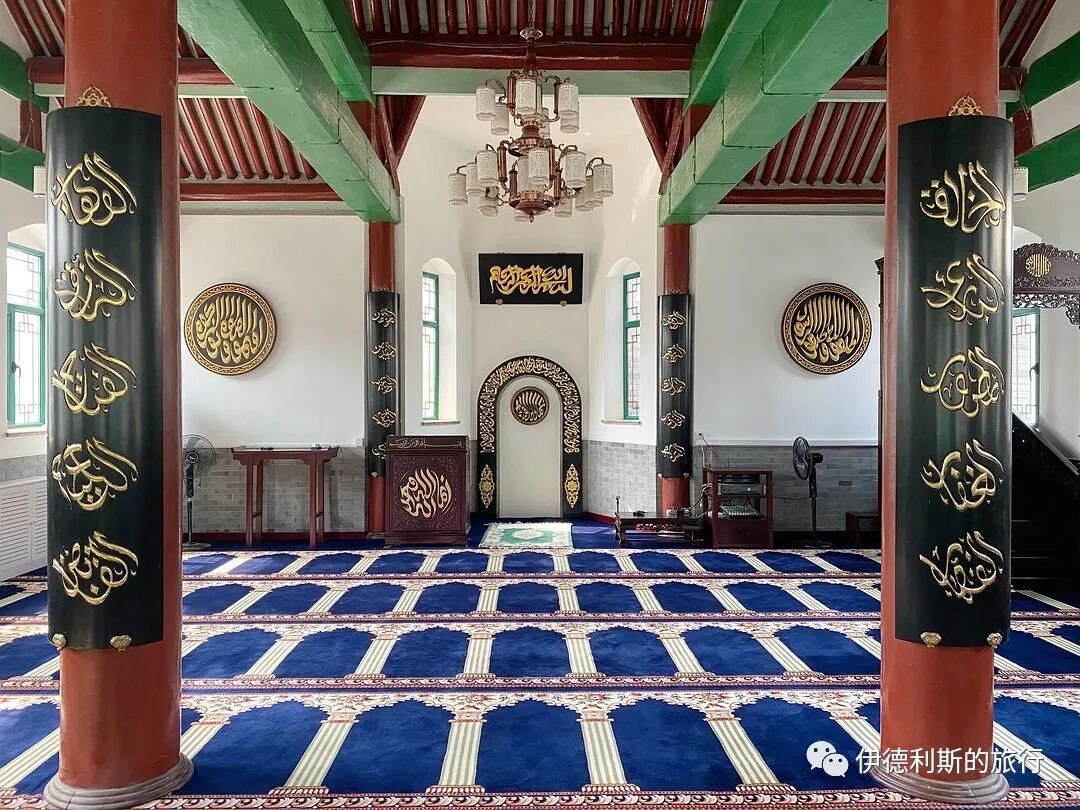
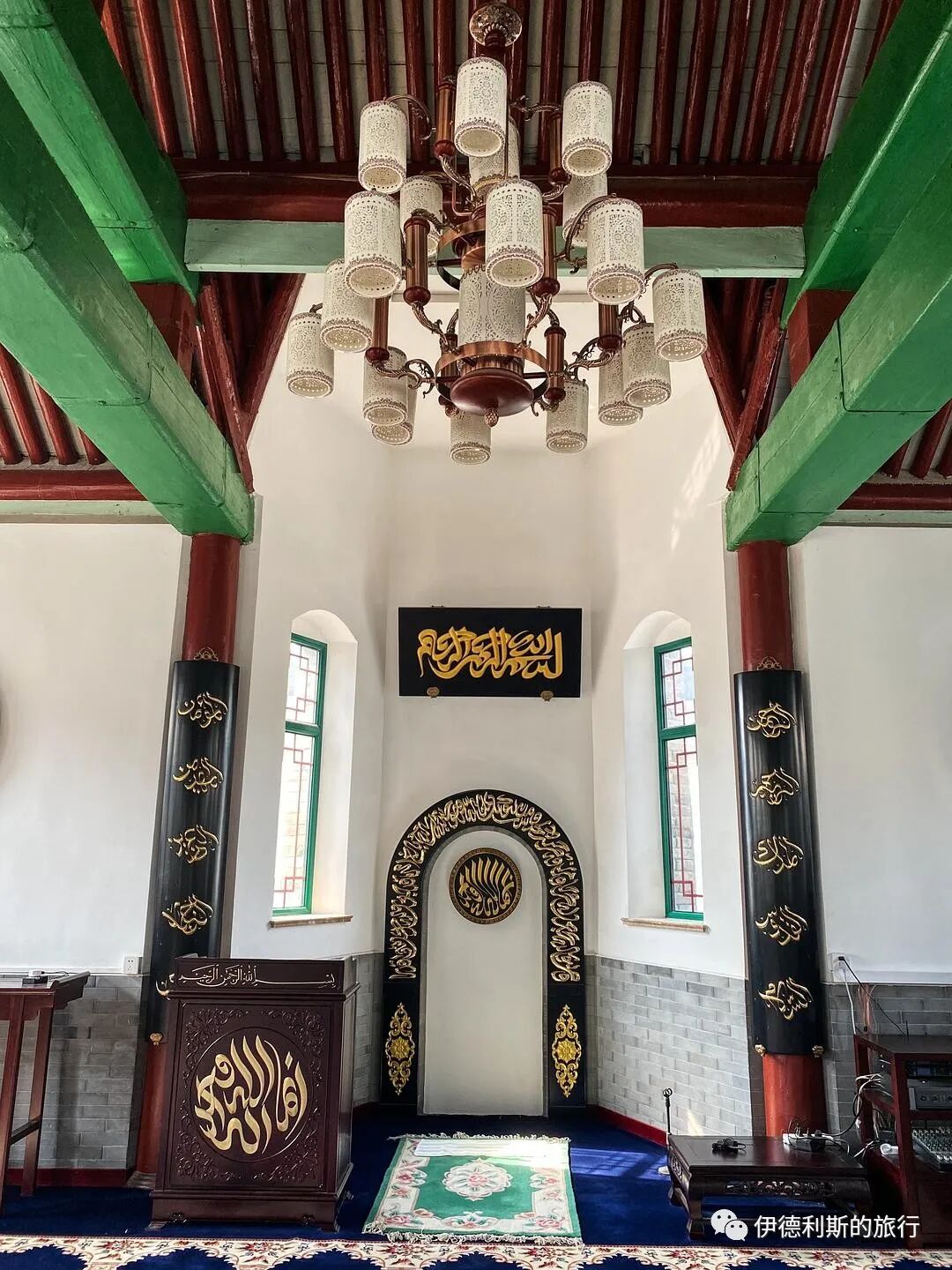
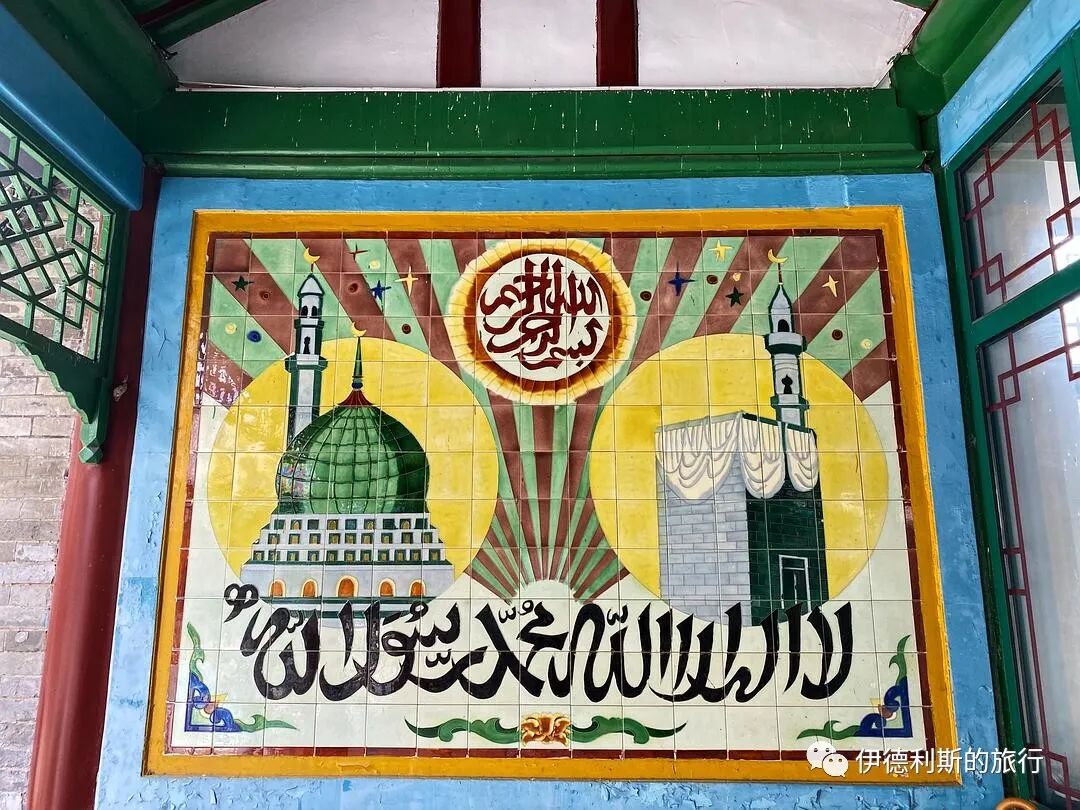
Xihui Mosque sits by the Tonghui River, on the north bank of the former Puji Sluice Bridge. It was built in 1821, the first year of the Daoguang reign. A plaque inscribed with the words "Qingzhen Wu'er" (The Truth is One) by Cao Zhenyong, a Grand Secretary of the Tiren Pavilion, still hangs above the main hall. Xihui Mosque was closed from 1966 to 1984. It later reopened and has undergone several renovations. It has been over ten years since the residents of Xihui Village moved into high-rise apartments after the demolition of their old homes. It is truly special that the village elders still insist on riding their bikes up the hill to visit the mosque.
3. Yangzha Mosque
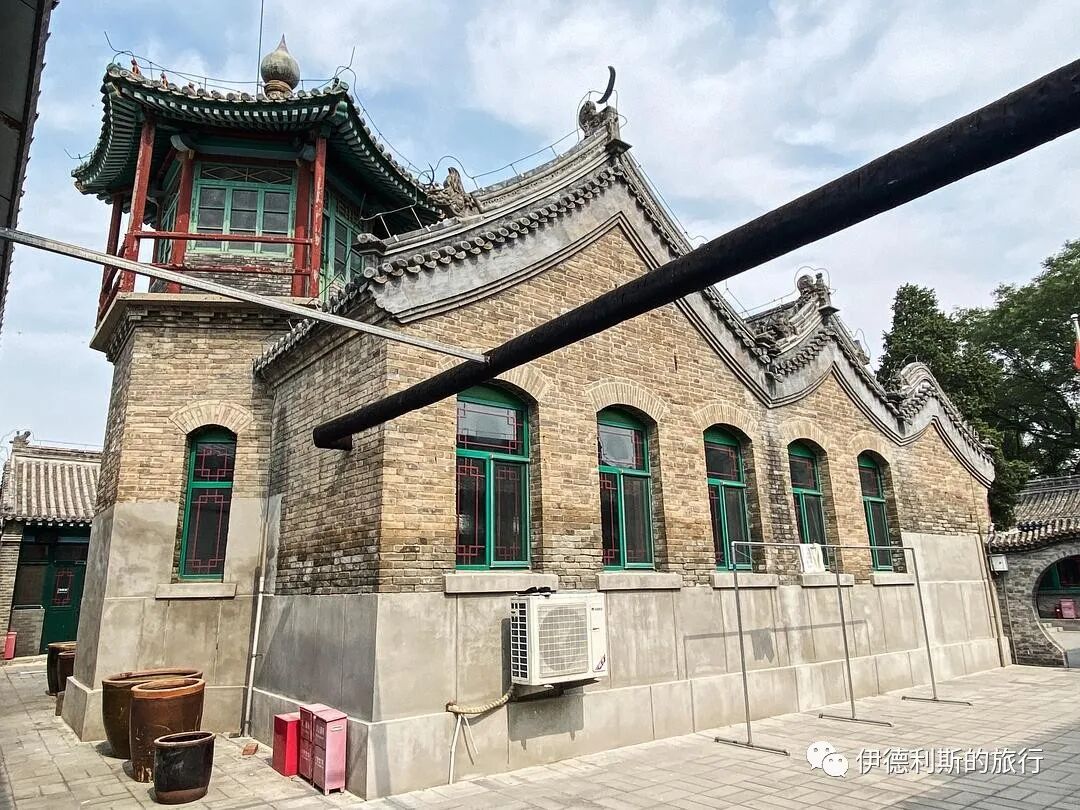
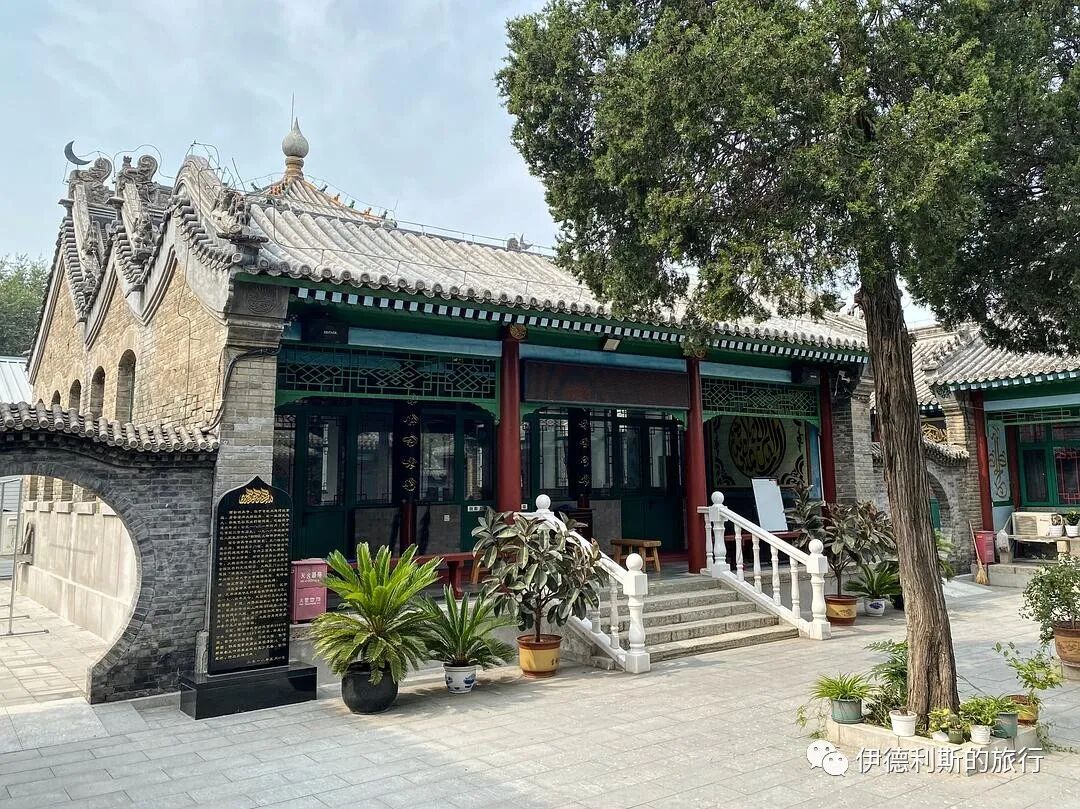
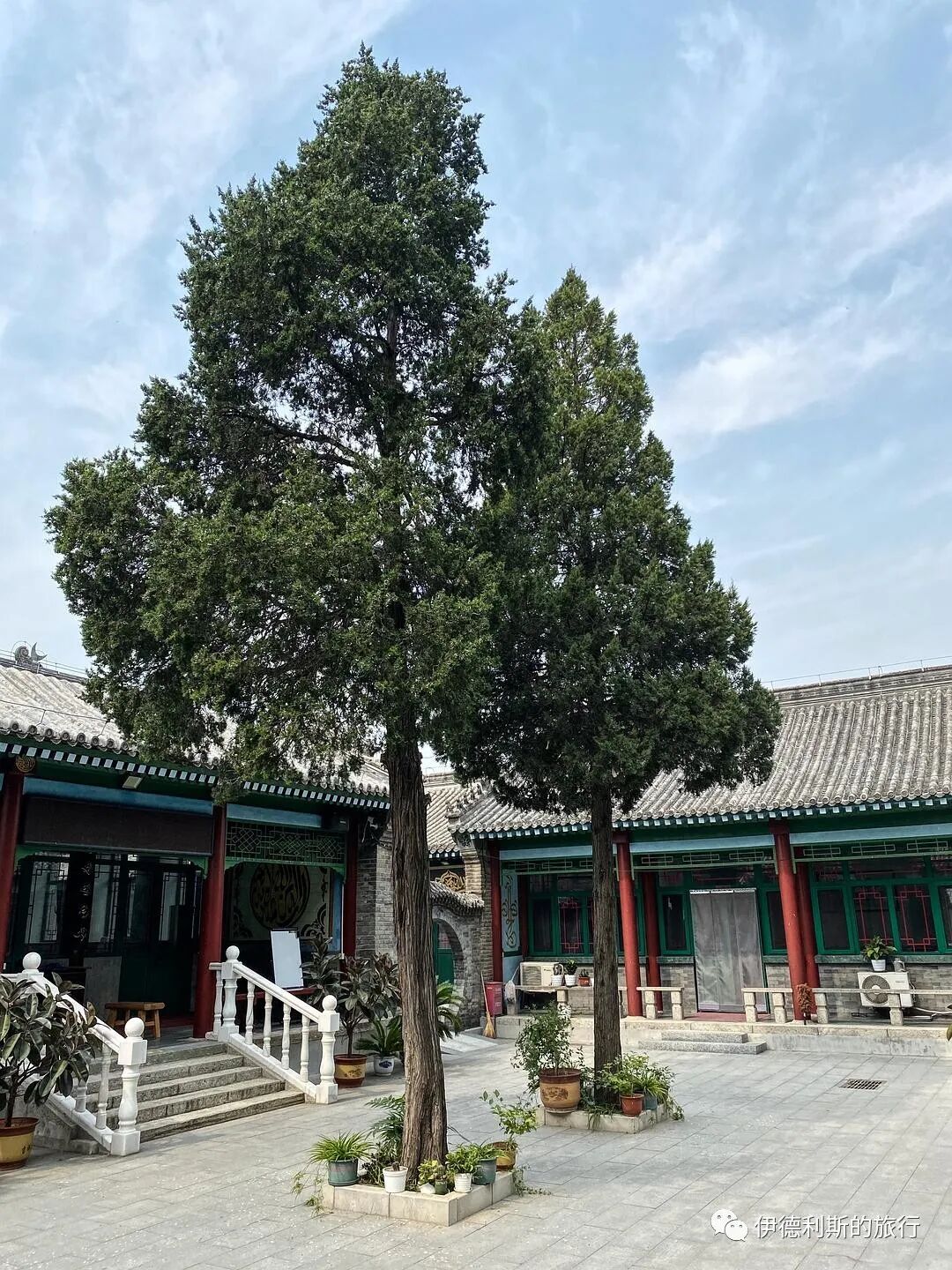
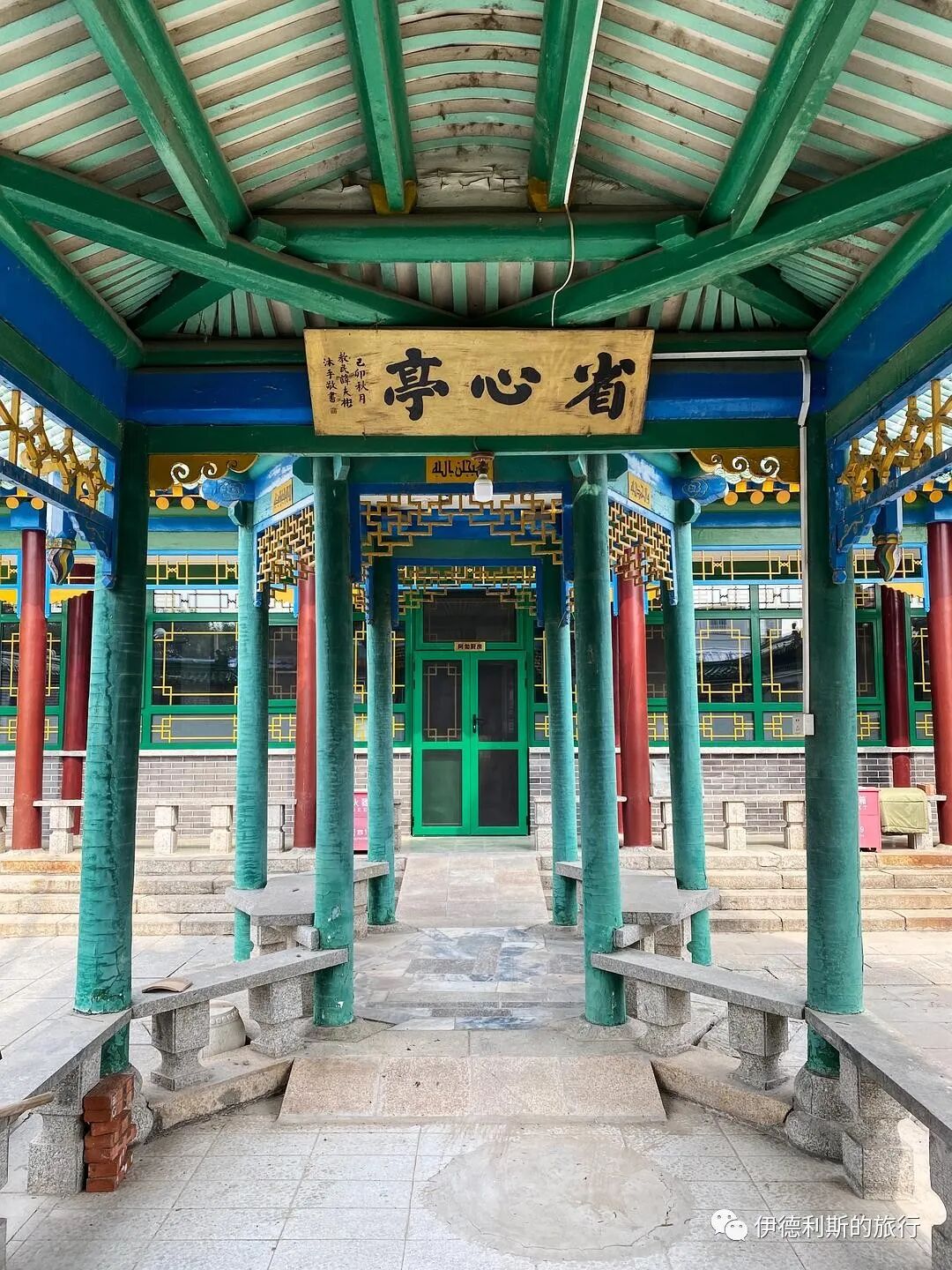
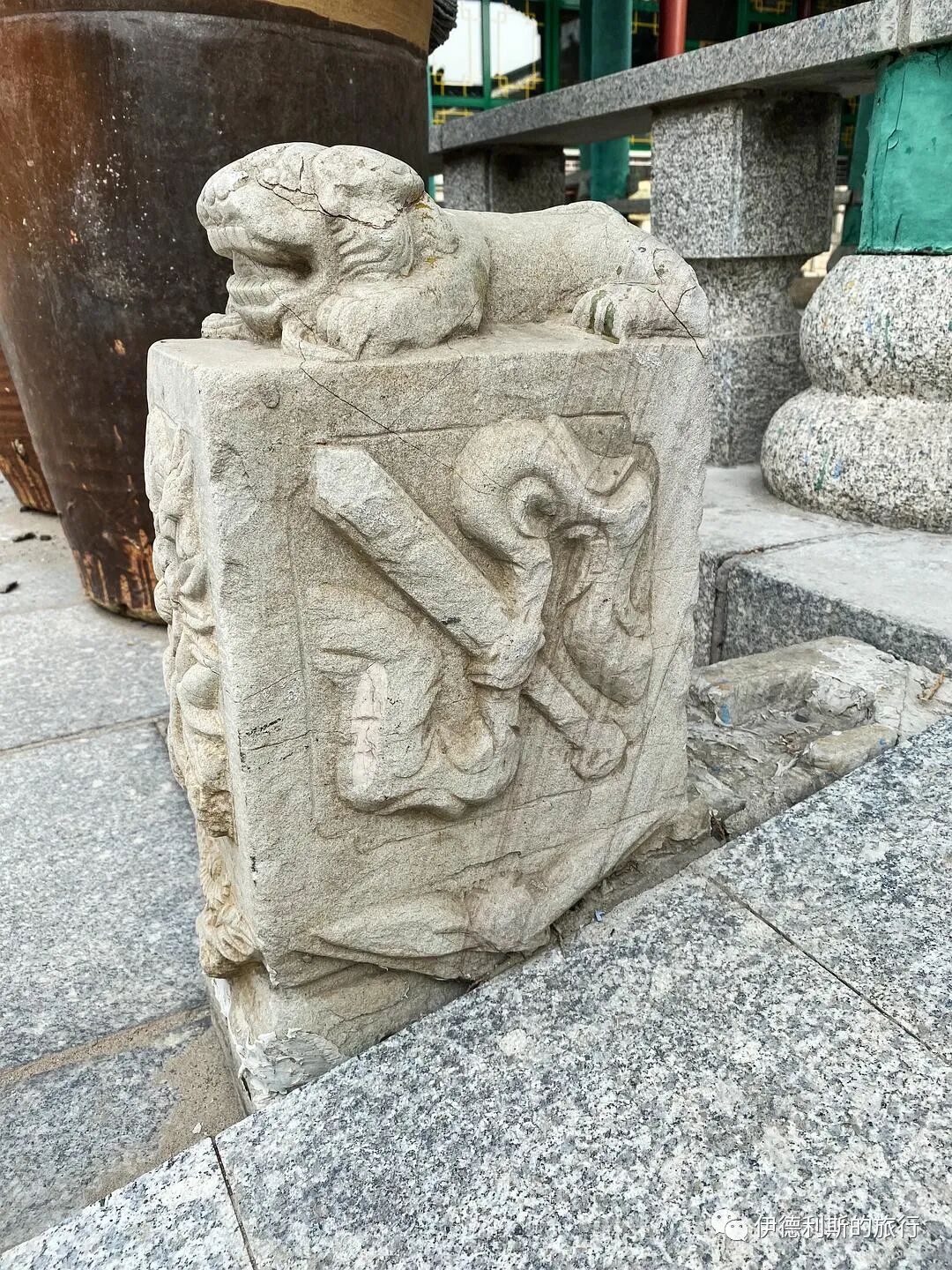
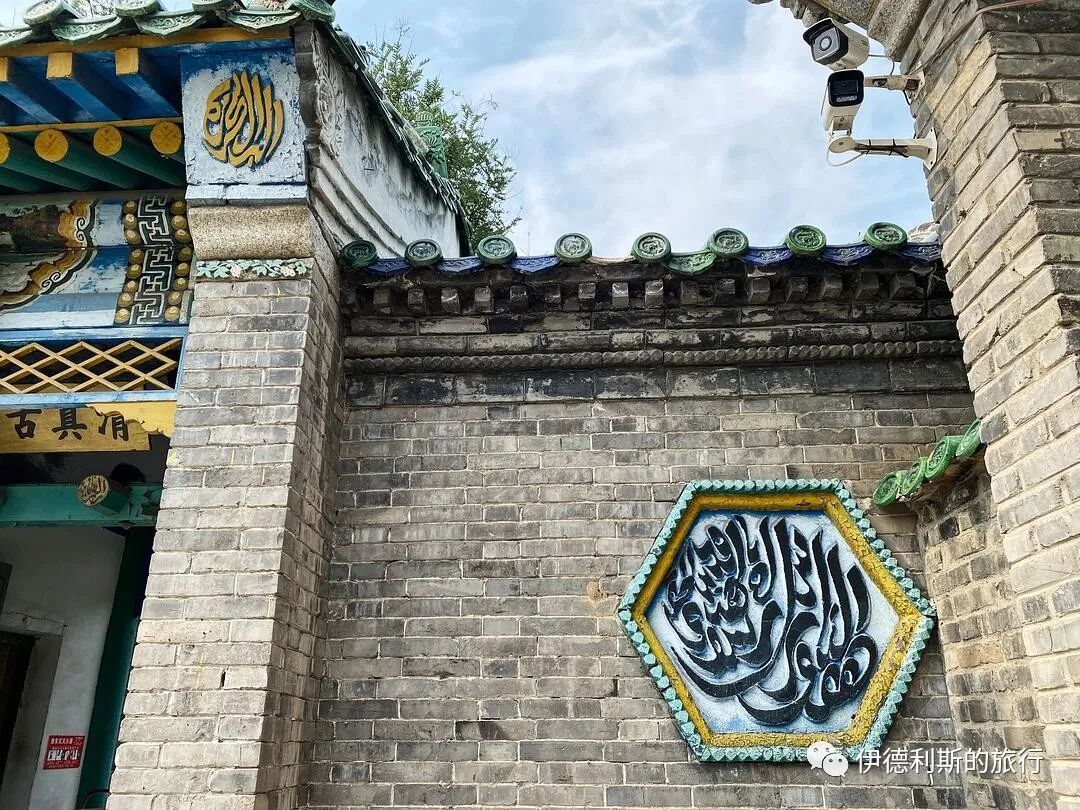
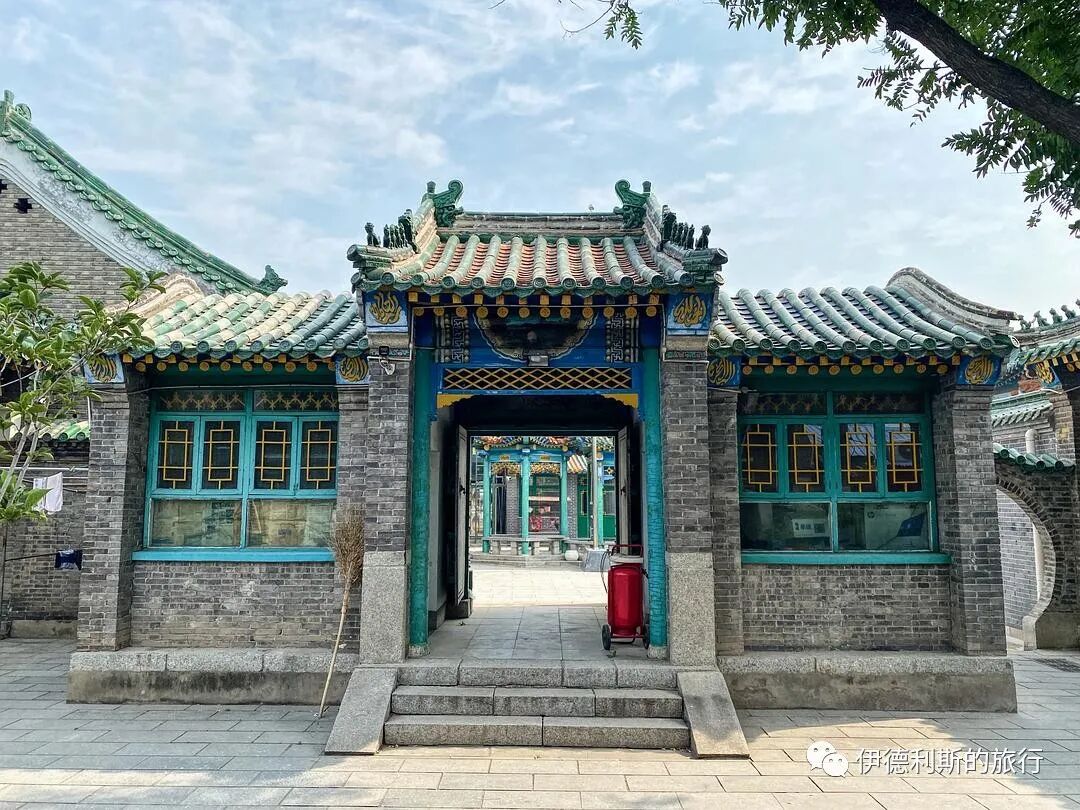
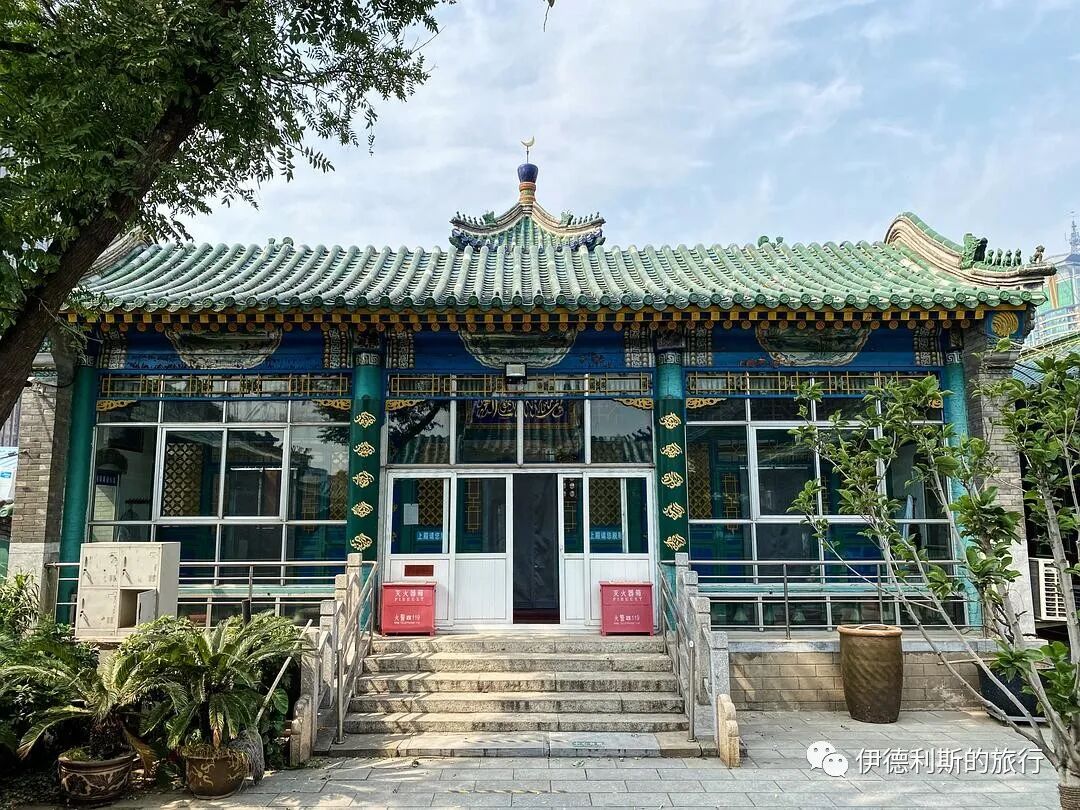
Historically, Yangzha Mosque sat right next to the main road from Chaoyangmen in Beijing to Tongzhou. It is said to have been built during the Wanli era of the Ming Dynasty. The current structure was rebuilt in 1994 and renovated again in 2006. The mosque features covered walkways and pavilions, along with pine and cypress trees transplanted from Jixian, Tianjin, in 1998, making for a very pleasant environment.
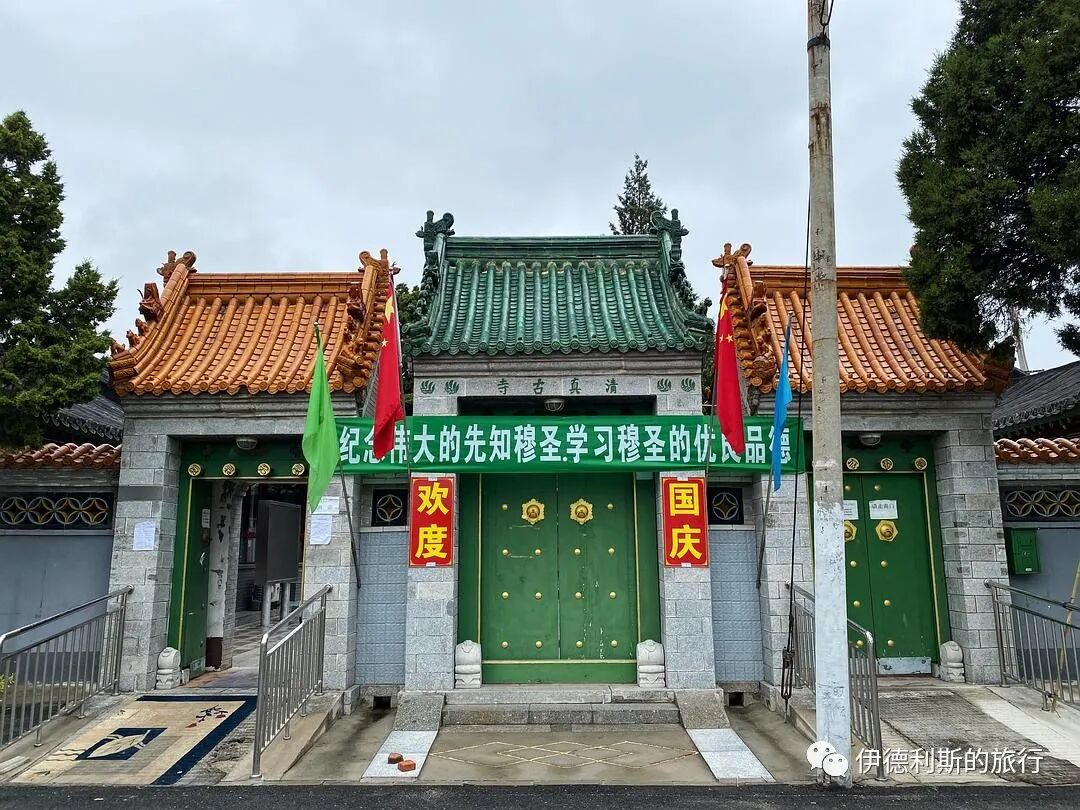
4. Wanziying Mosque
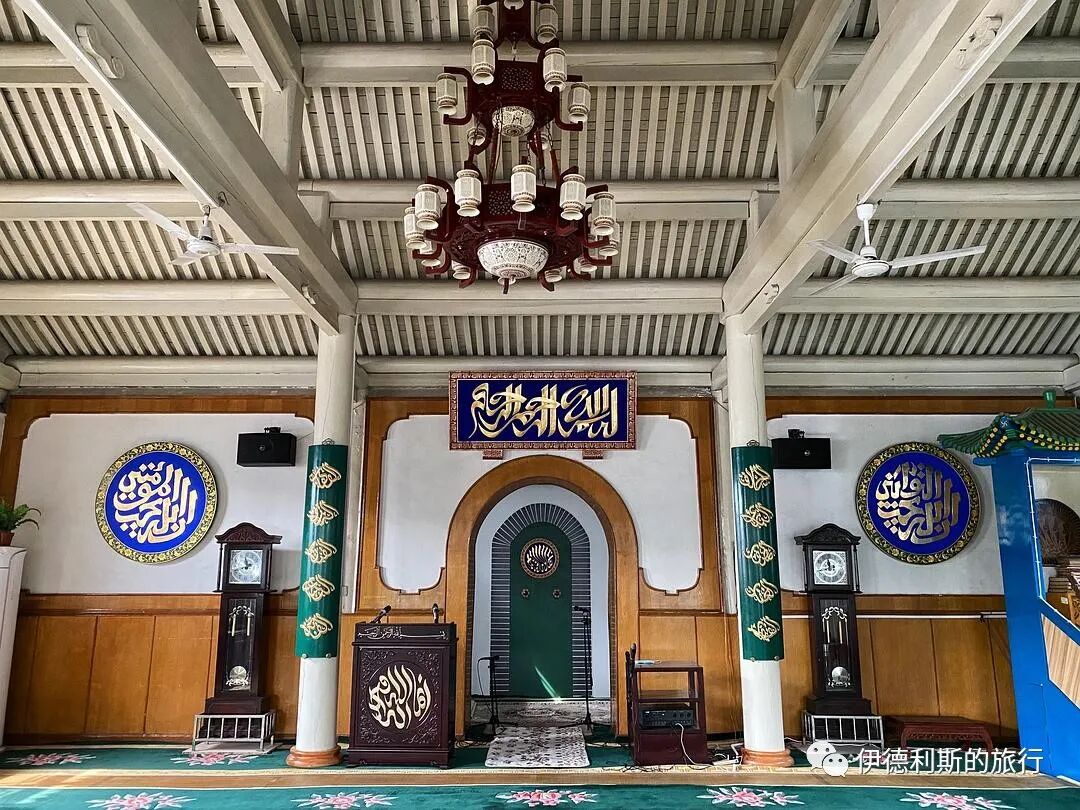
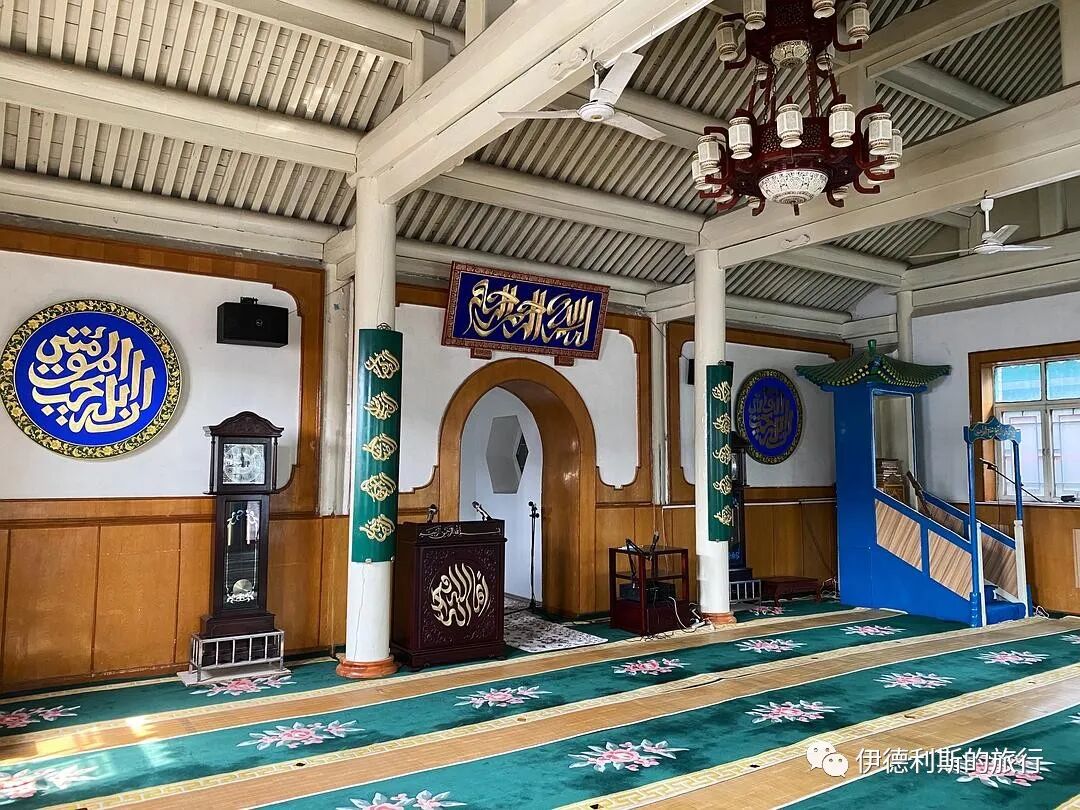
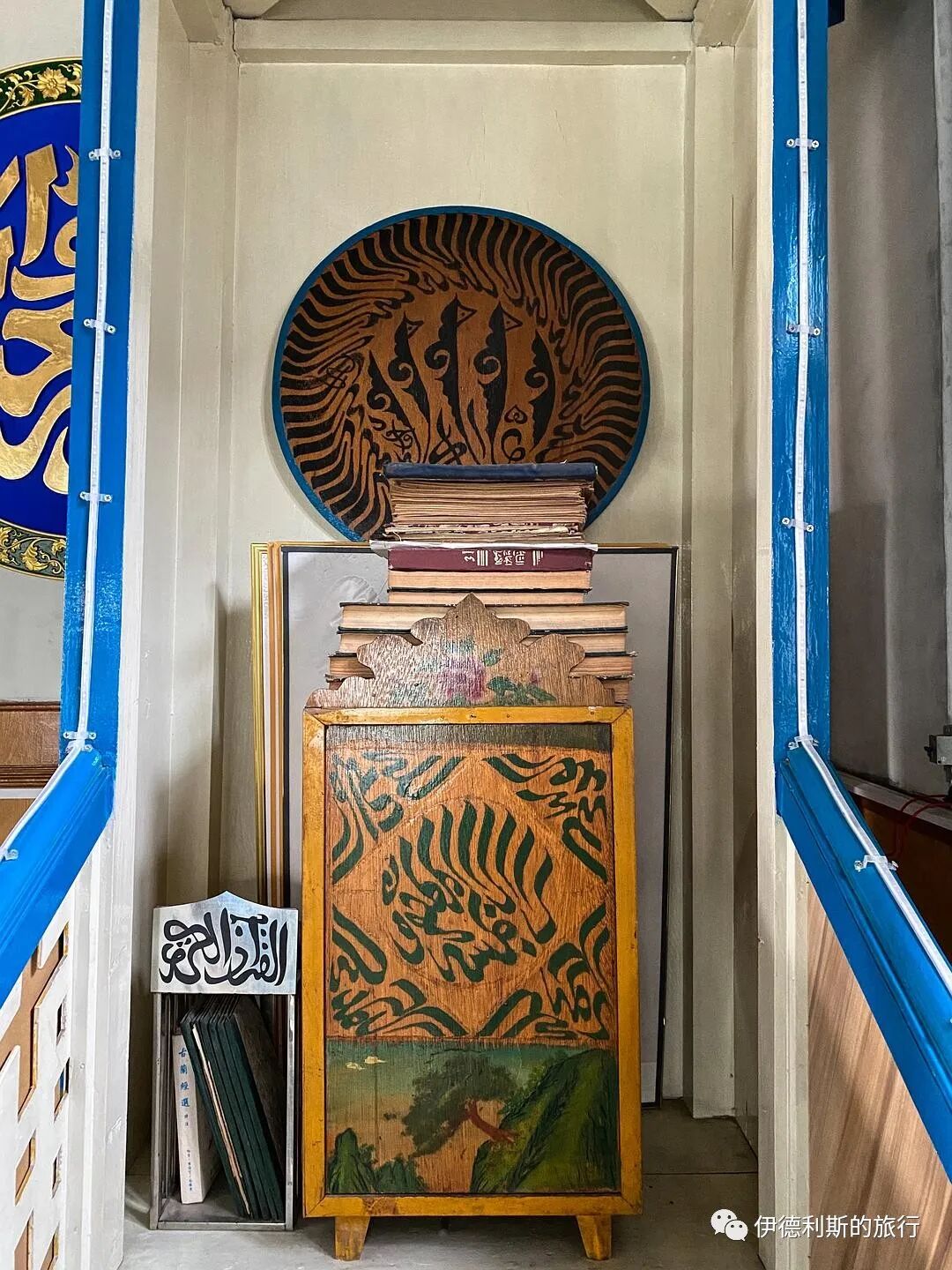
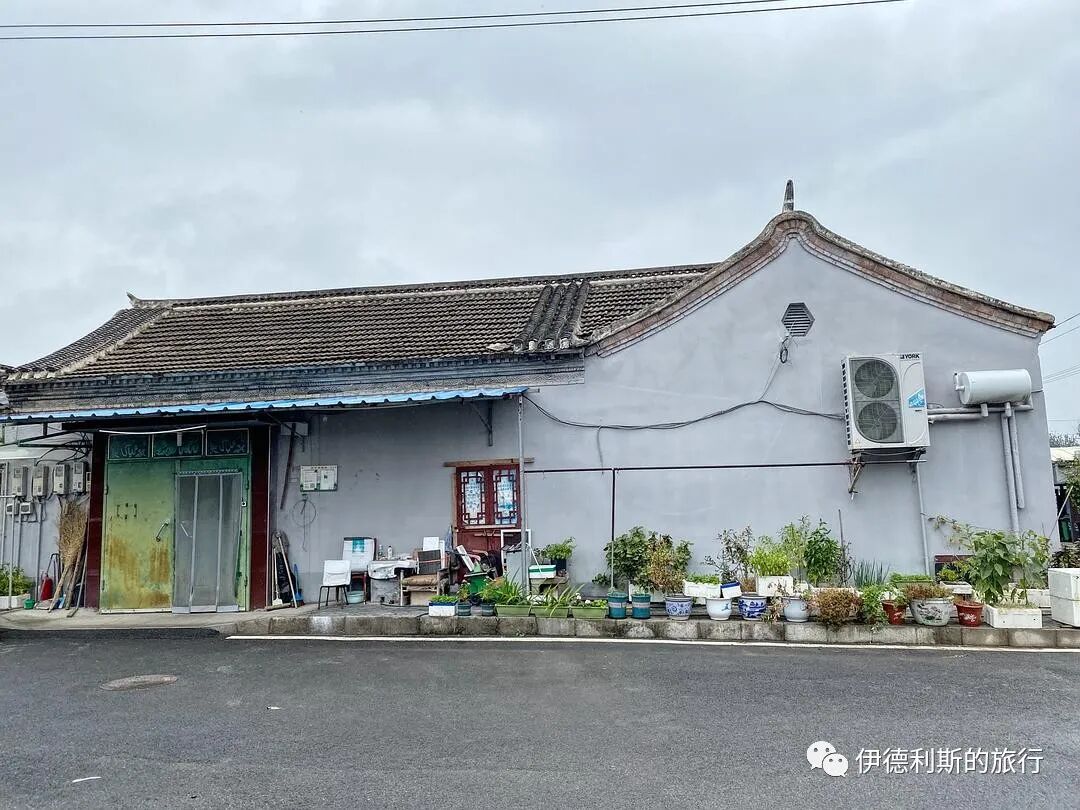
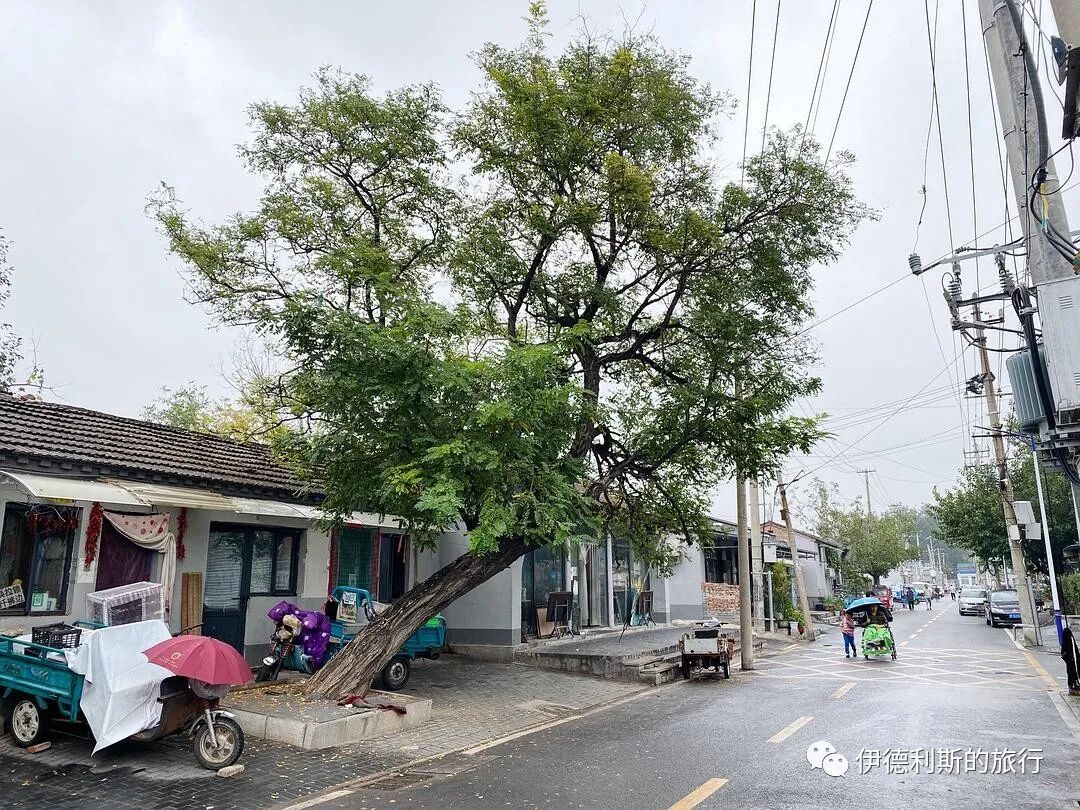
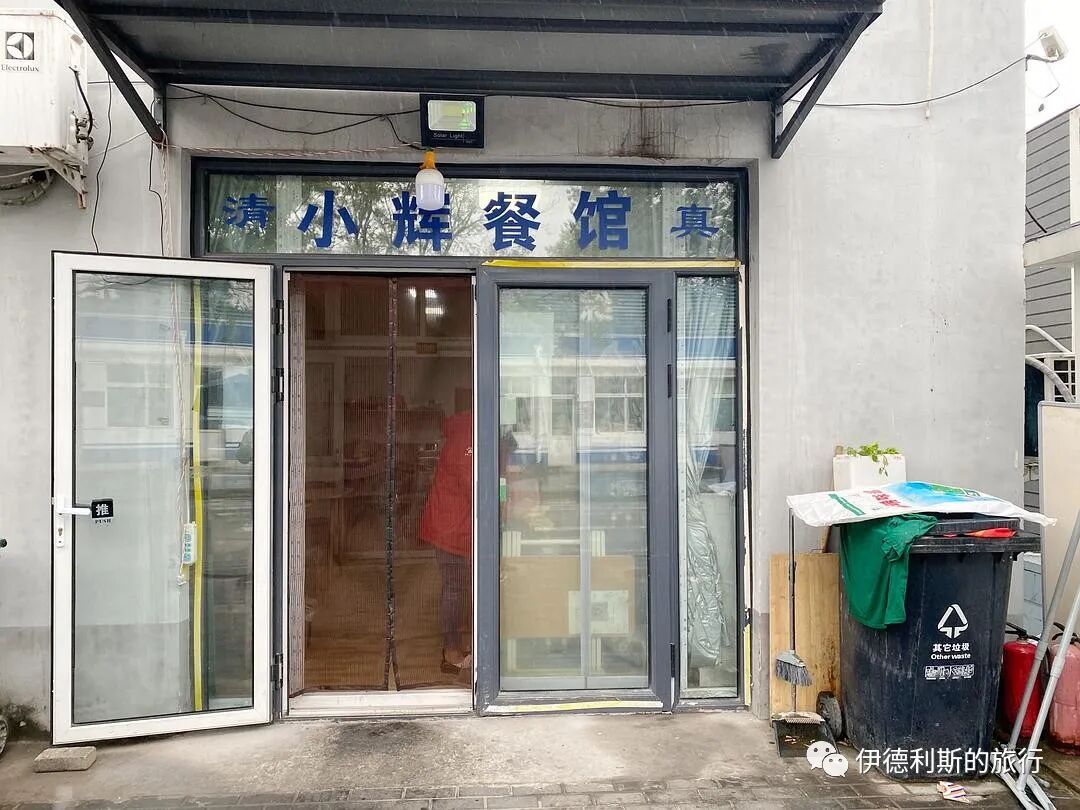
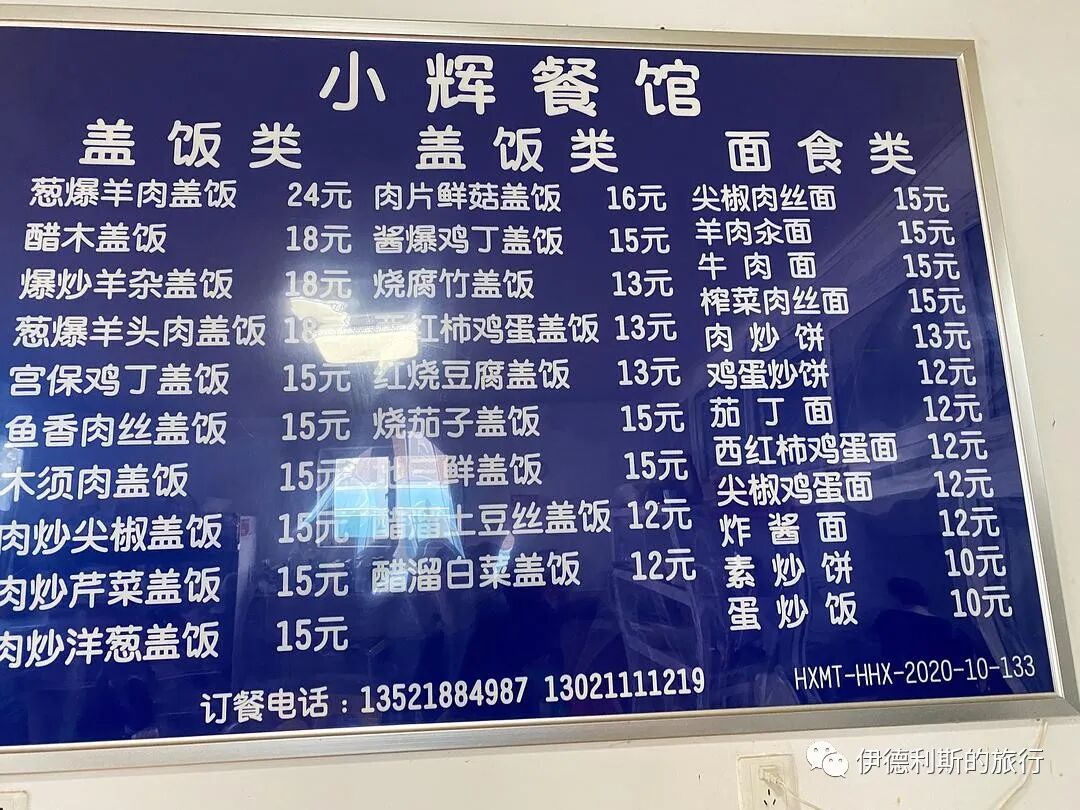
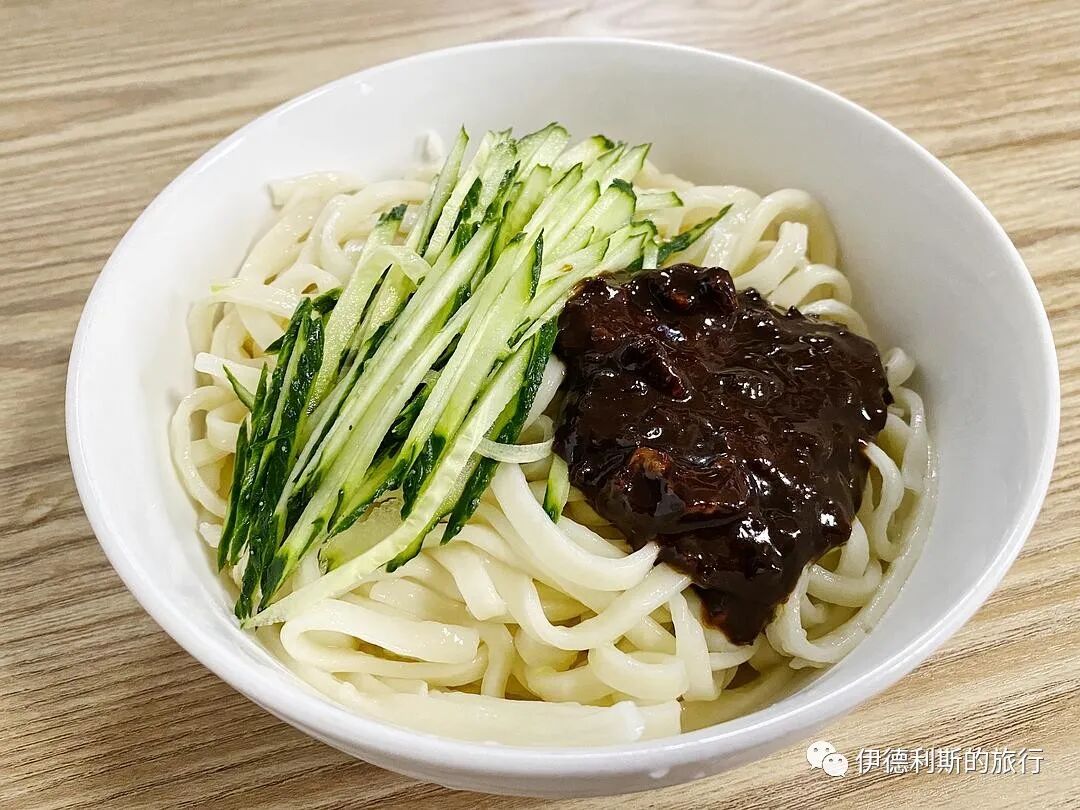
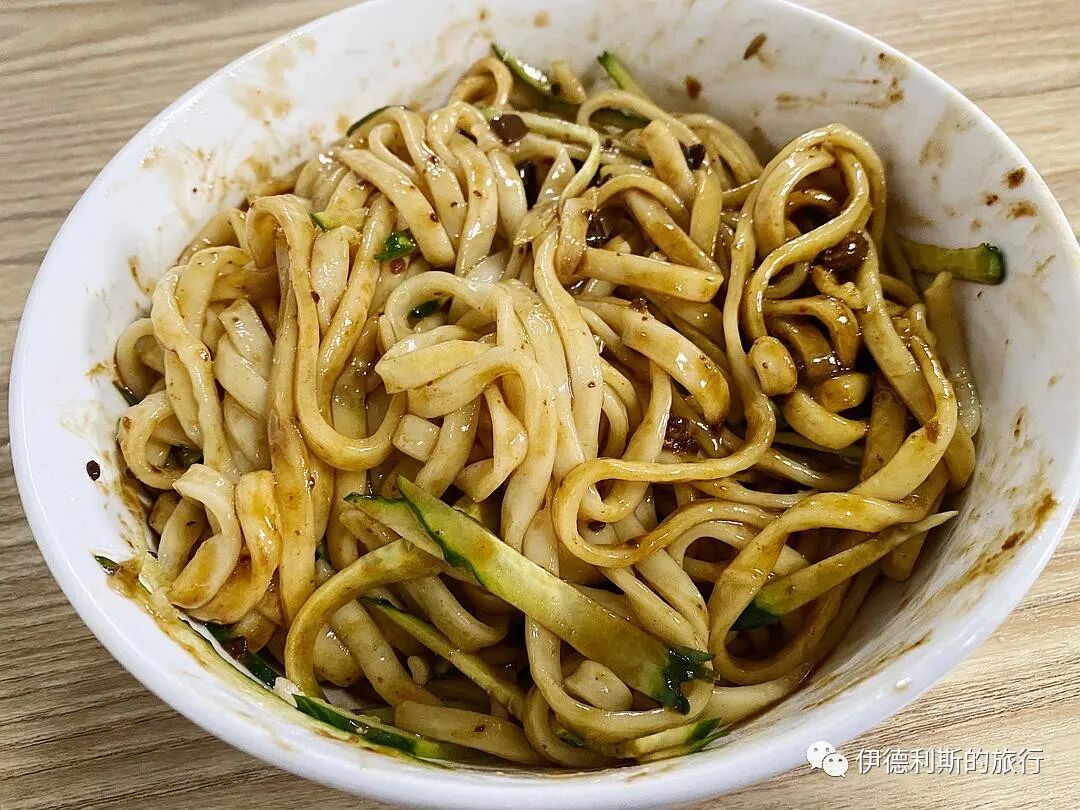
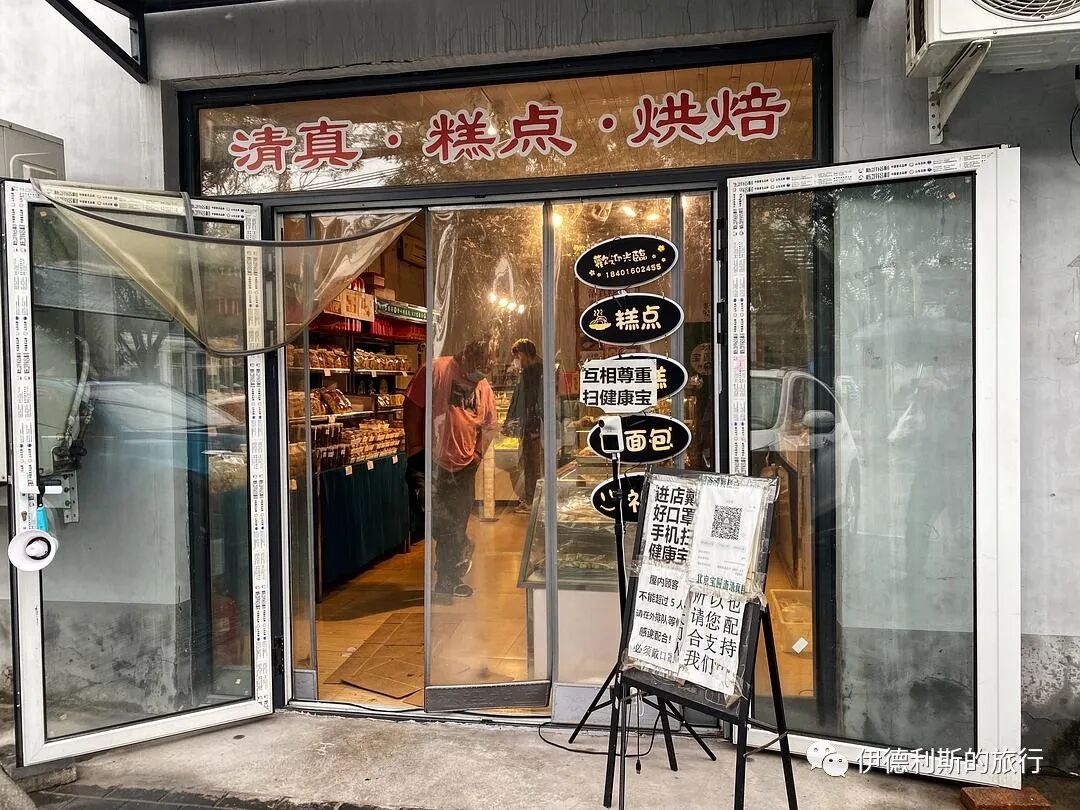
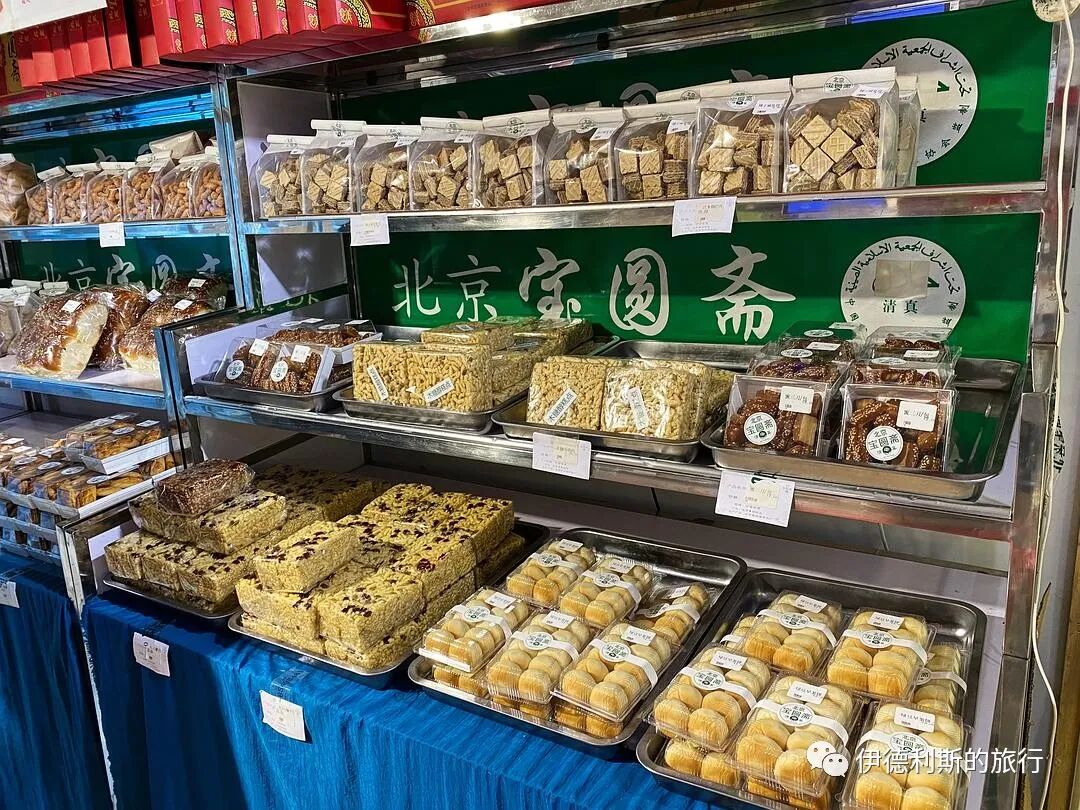
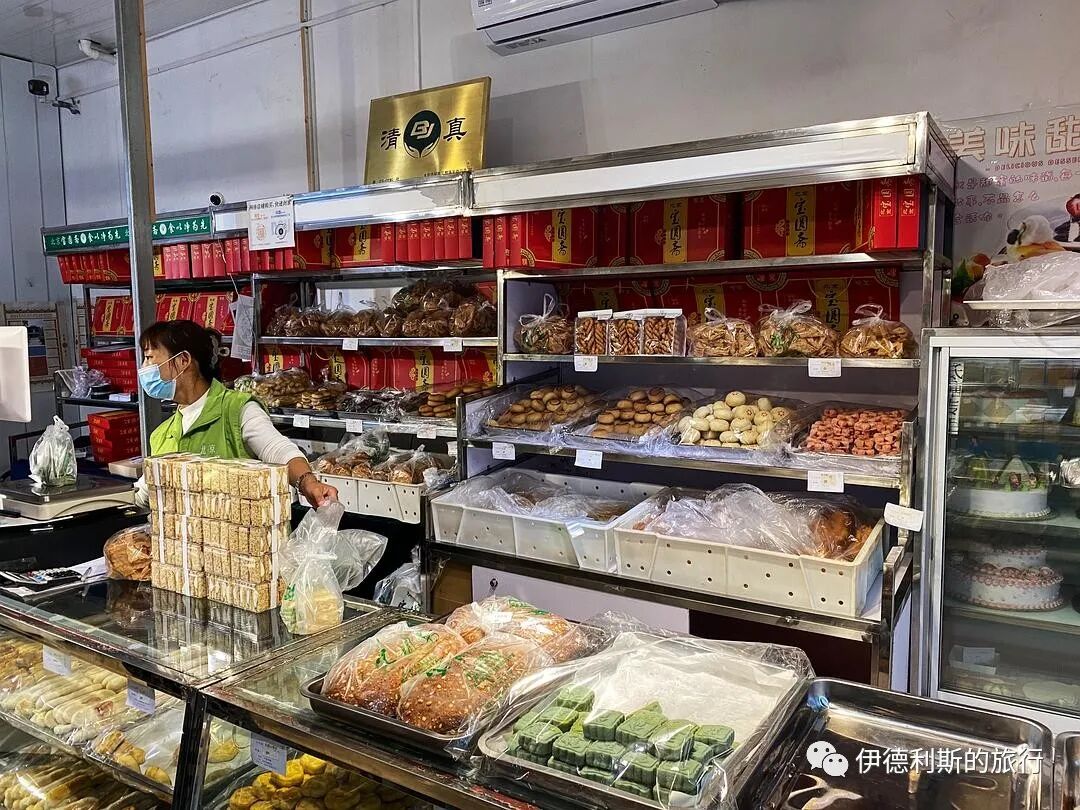
Wanziying Village sits on the border of Chaoyang and Tongzhou. Hui Muslims and Han people live there together, and it has now been developed into a beautiful village with a very nice environment. I had a simple bowl of soybean paste noodles (zhajiangmian) at the village entrance, and the prices were much more affordable than in the city. There is a halal pastry shop at the village entrance called Baoyuanzhai that is apparently quite popular online. I bought some old-fashioned bread (laomianbao), ox-tongue-shaped biscuits (niushebing), and five-kernel flaky pastries (wuren supi). The old-fashioned bread was especially fluffy and perfect for breakfast.
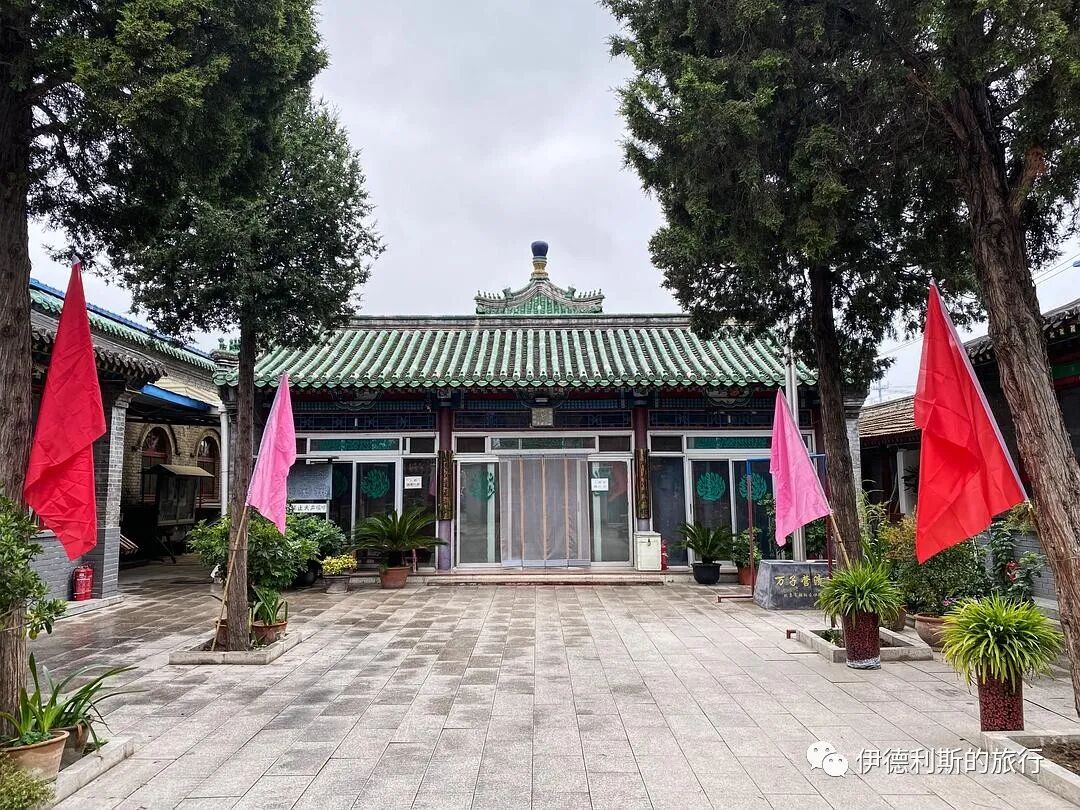
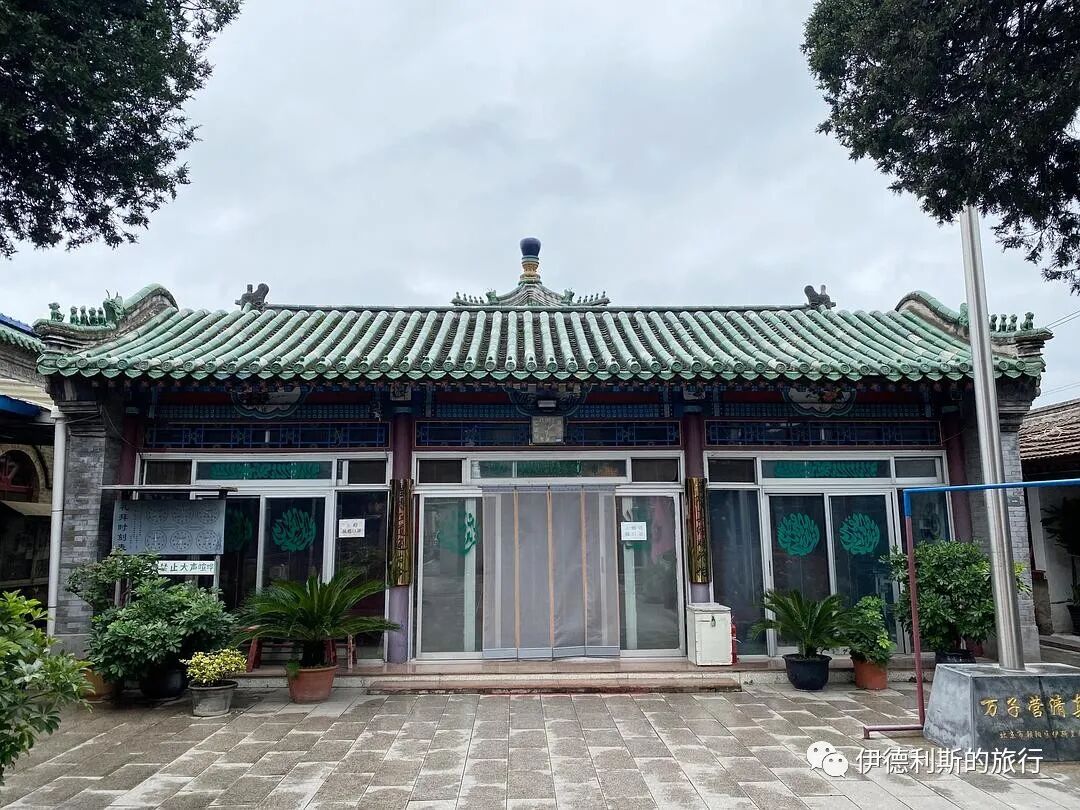
The founding date of Wanziying Mosque is unknown. When it was renovated in the late 1980s, a 90-year-old village elder named Li Shiqing provided a hand-drawn picture of the mosque, and the repairs followed the architectural style shown in his drawing. The mosque is small but the environment is lovely, quiet, and pleasant, far away from the noise. According to Imam Yang, Wanziying Village used to be very good at making halal banquet dishes (qingzhen dapengcai). The atmosphere and taste were more authentic than what you find in restaurants, and I hope to have a chance to experience it in the future!
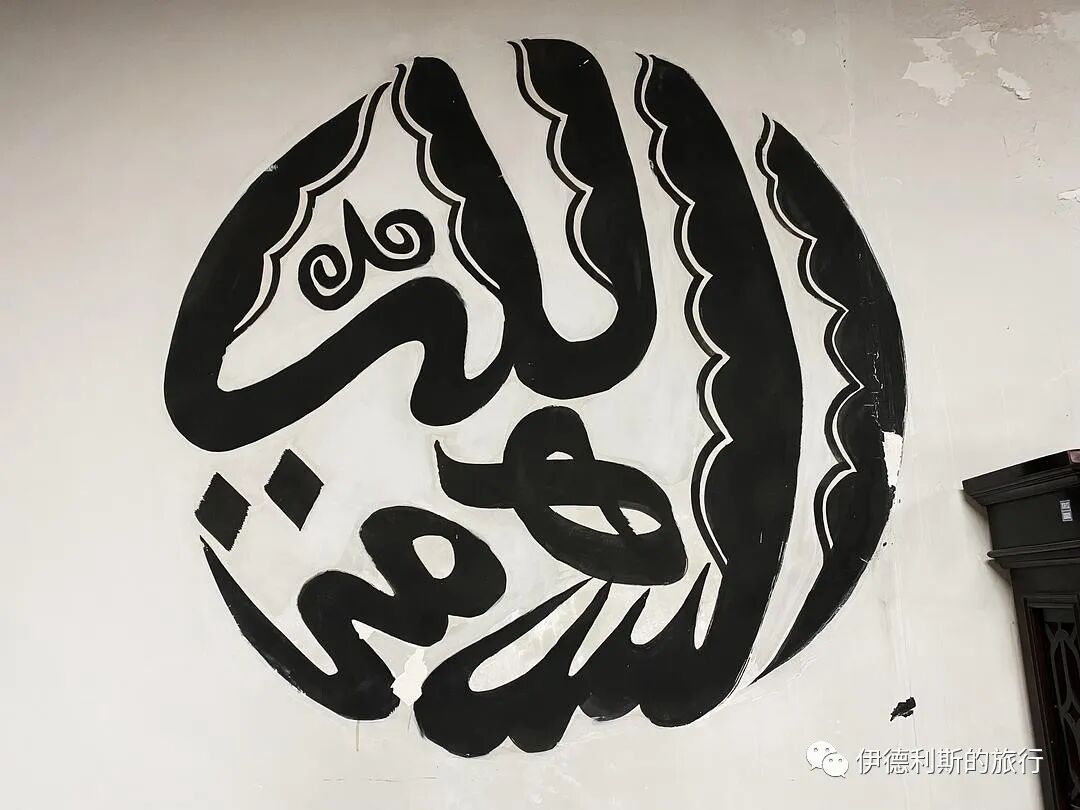
5. Landianchang Mosque
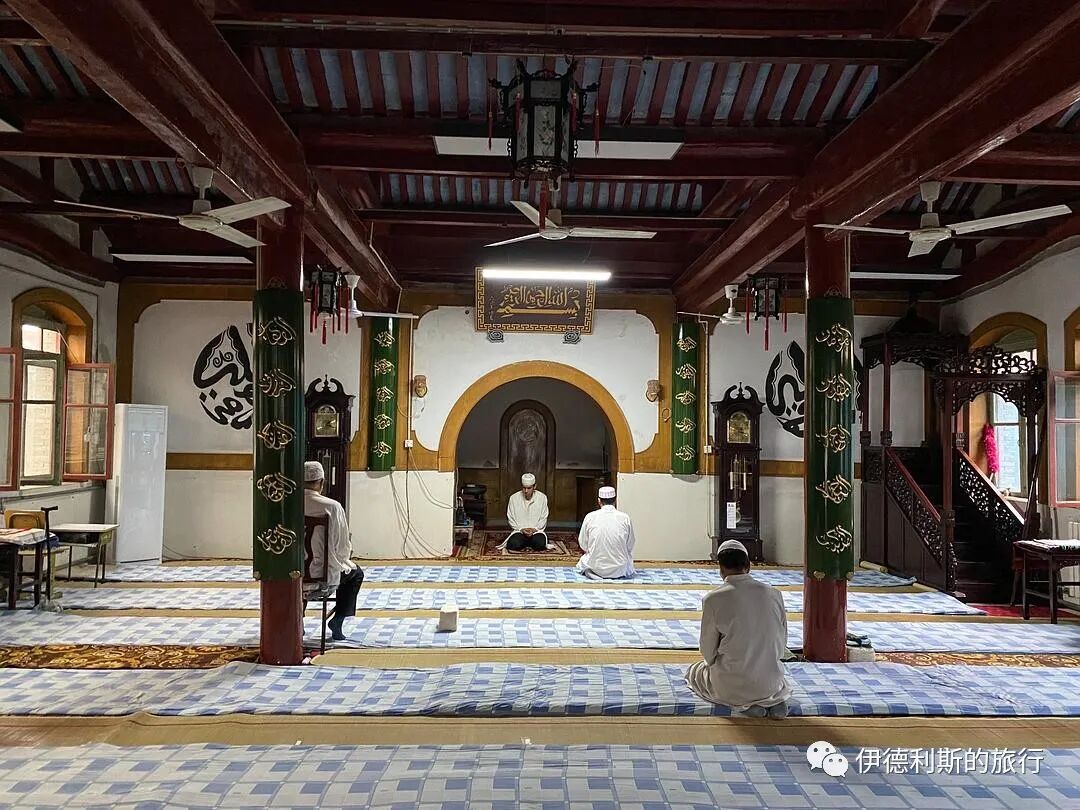
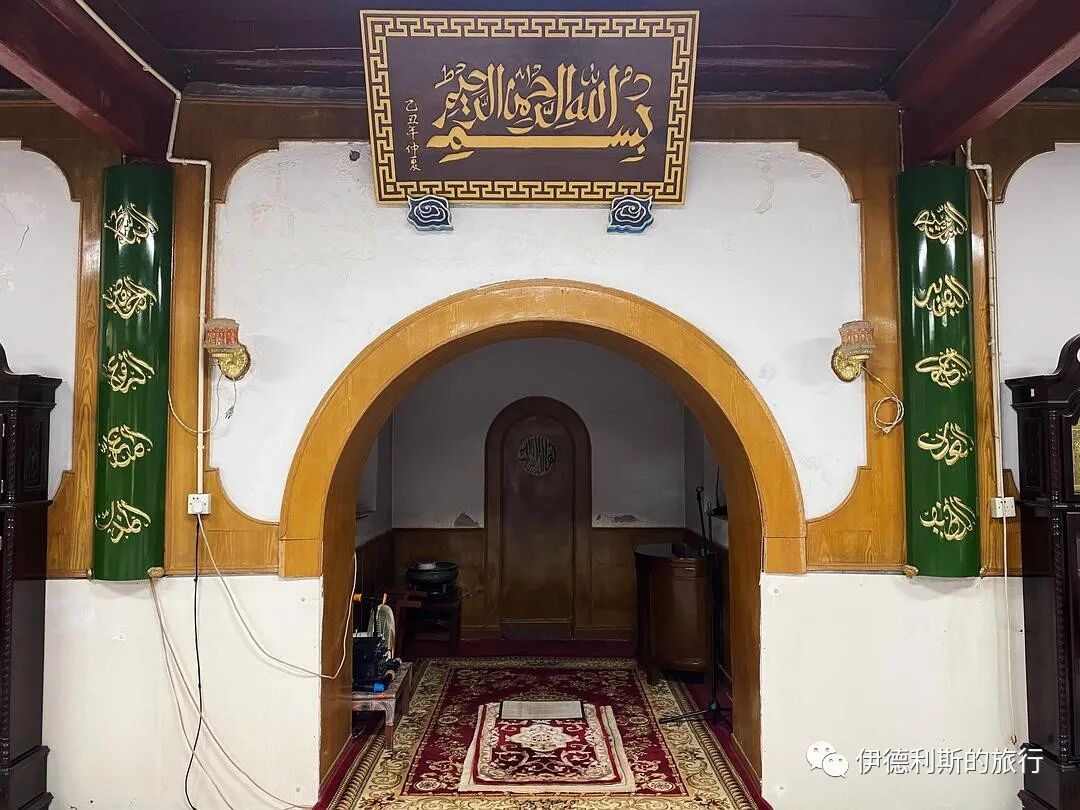
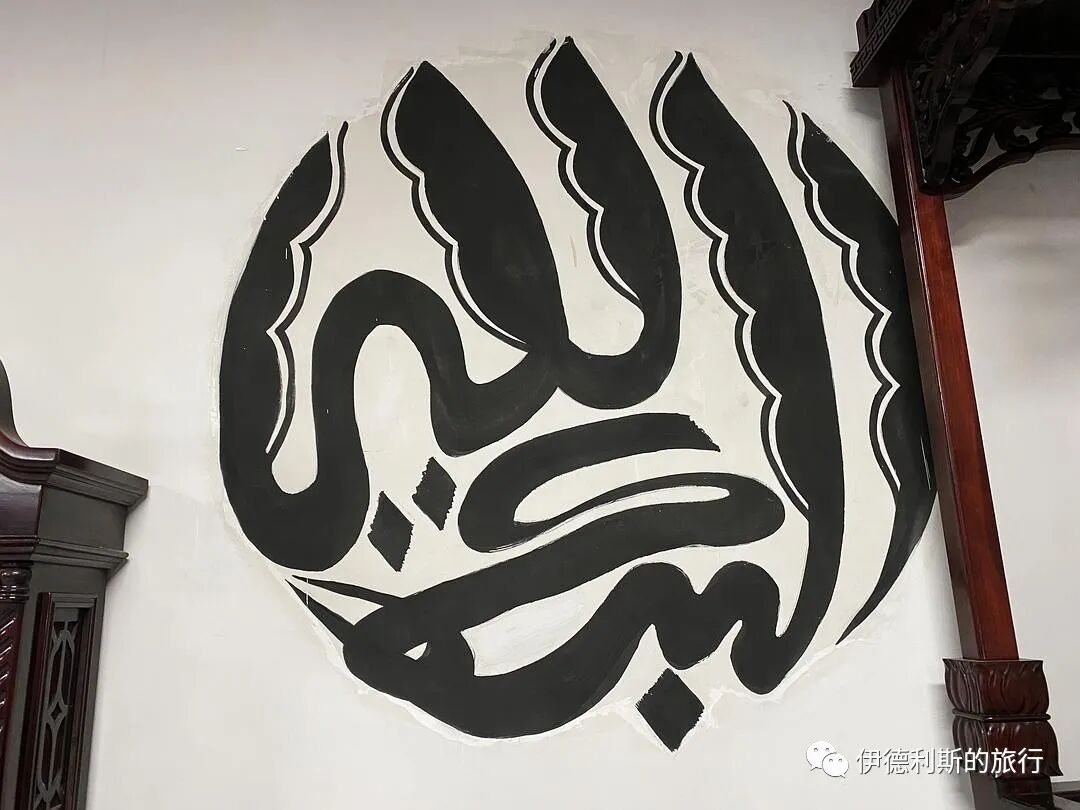
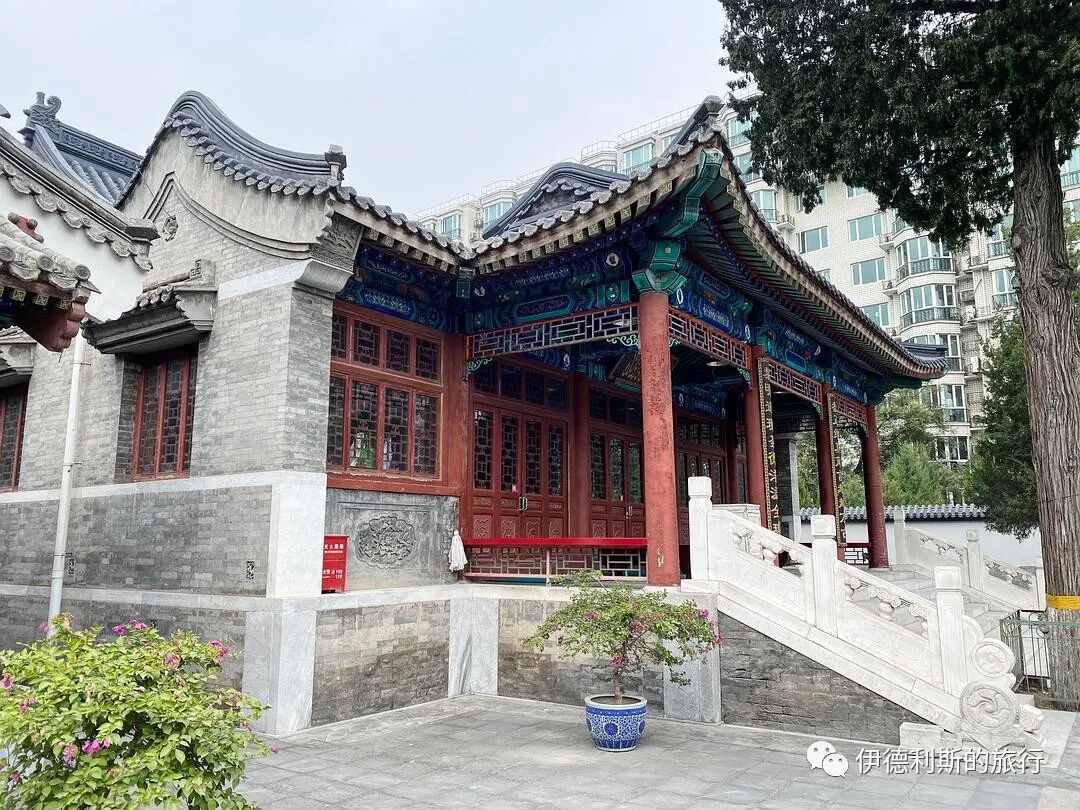
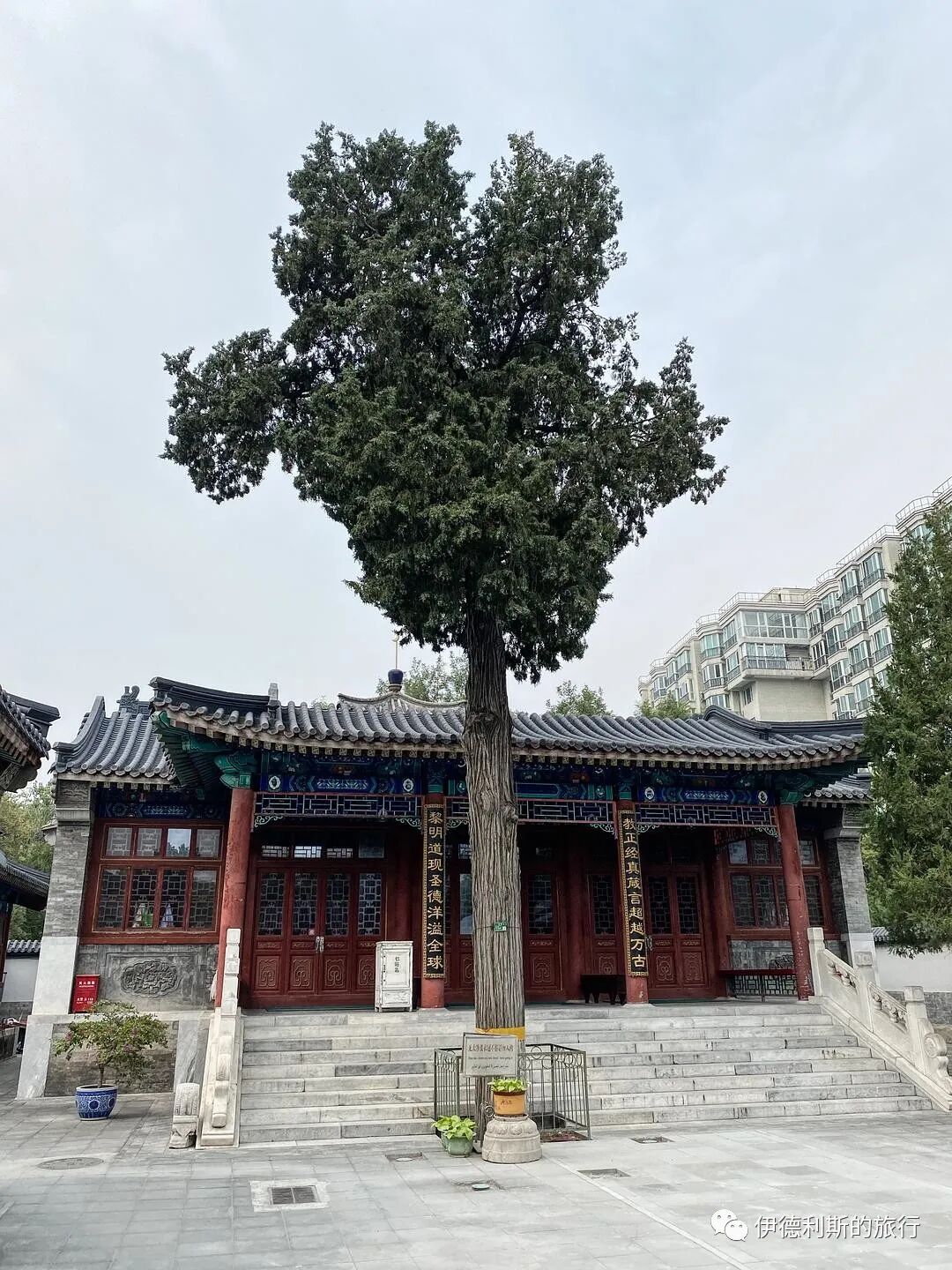
Landianchang Mosque was first built during the Ming Dynasty. It was renovated many times during the Jiaqing and Daoguang periods of the Qing Dynasty and the Republic of China. It stayed open during the 1960s, though some of its buildings were occupied. The property was returned in 1979 and renovated in 1987. After the Landianchang area was demolished in 2004, the mosque started reconstruction in 2007 and was completed in 2009.
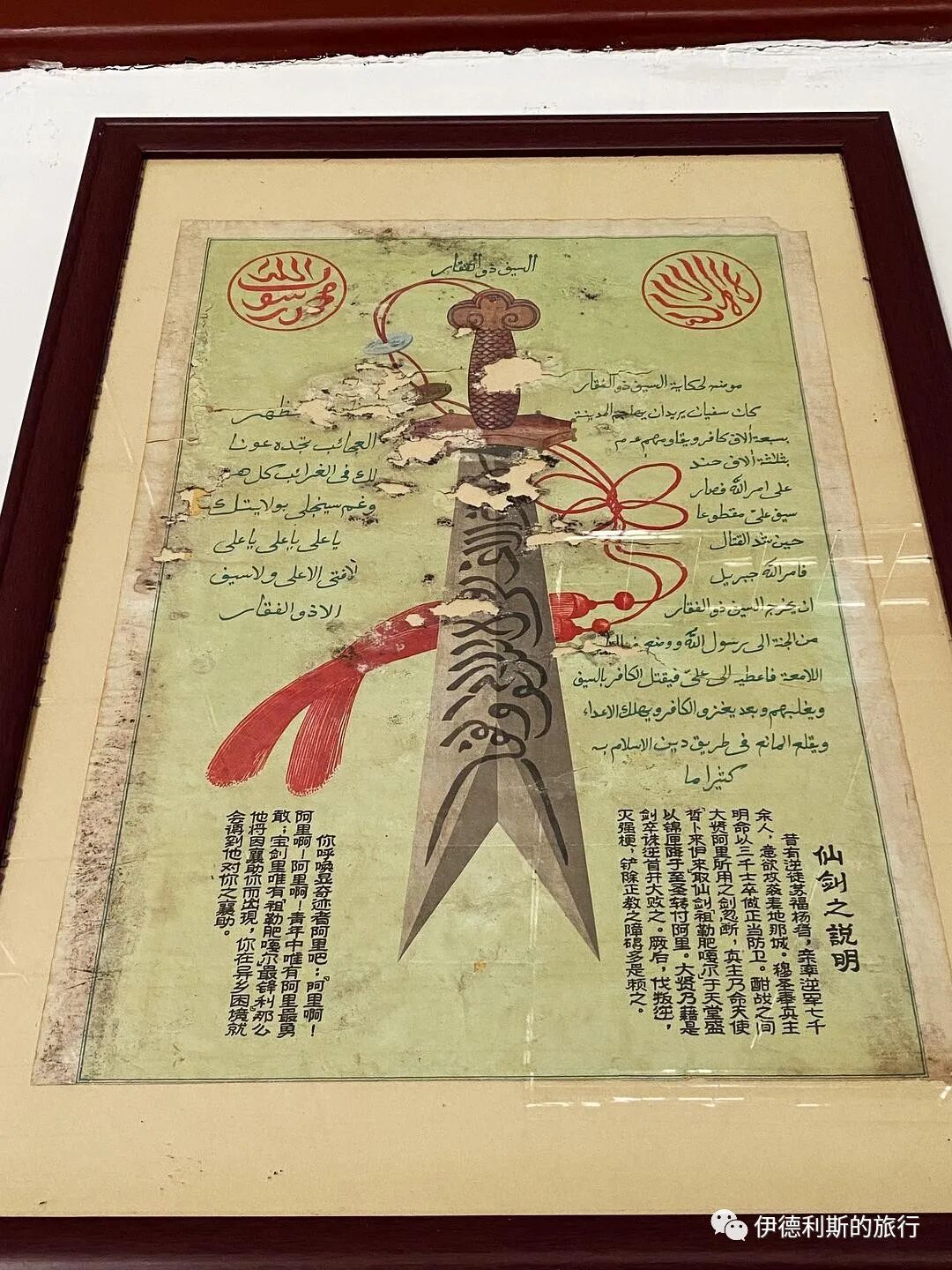
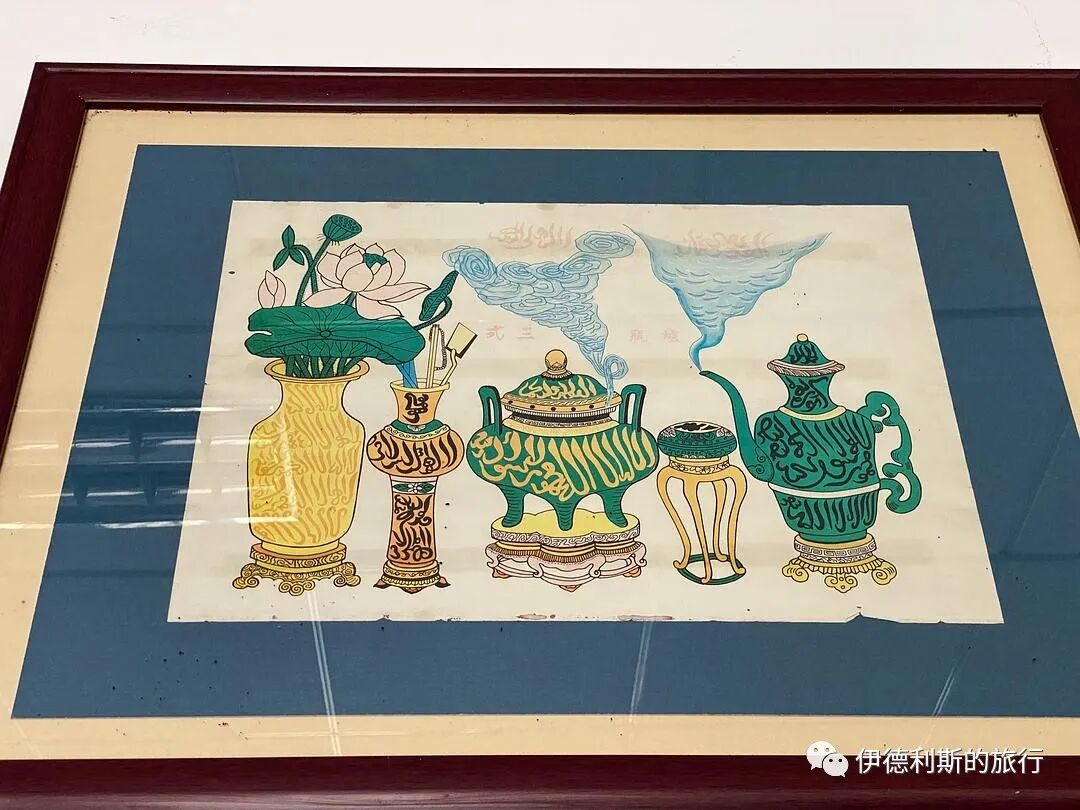
In the late Qing Dynasty, Landianchang Mosque was called the Little Jiyang of West Beijing because most of the local residents had ancestral roots in Jiyang, Shandong. The mosque houses a collection of Republic-era items, including a sword of Ali (Ali Xianjian) and a set of three incense burner and vase pictures (luping sanshi tu), which were likely printed by the Niujie Muslim Book and Newspaper Society in Beijing during the Republic of China period.
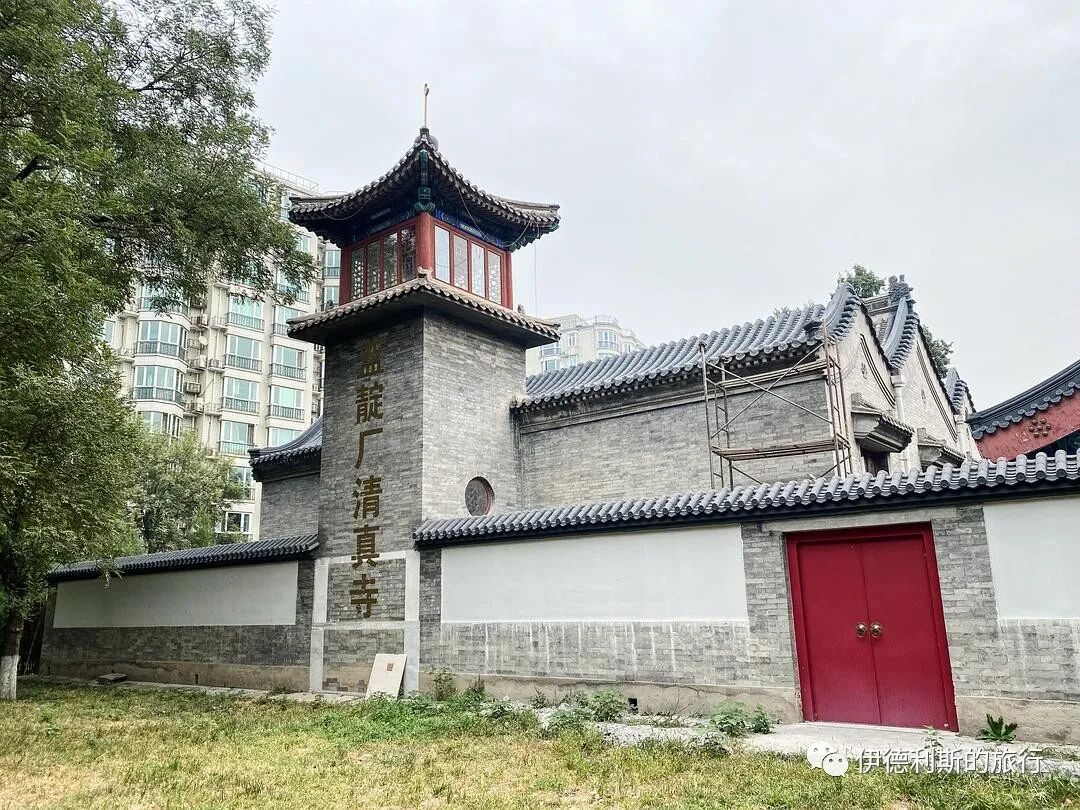
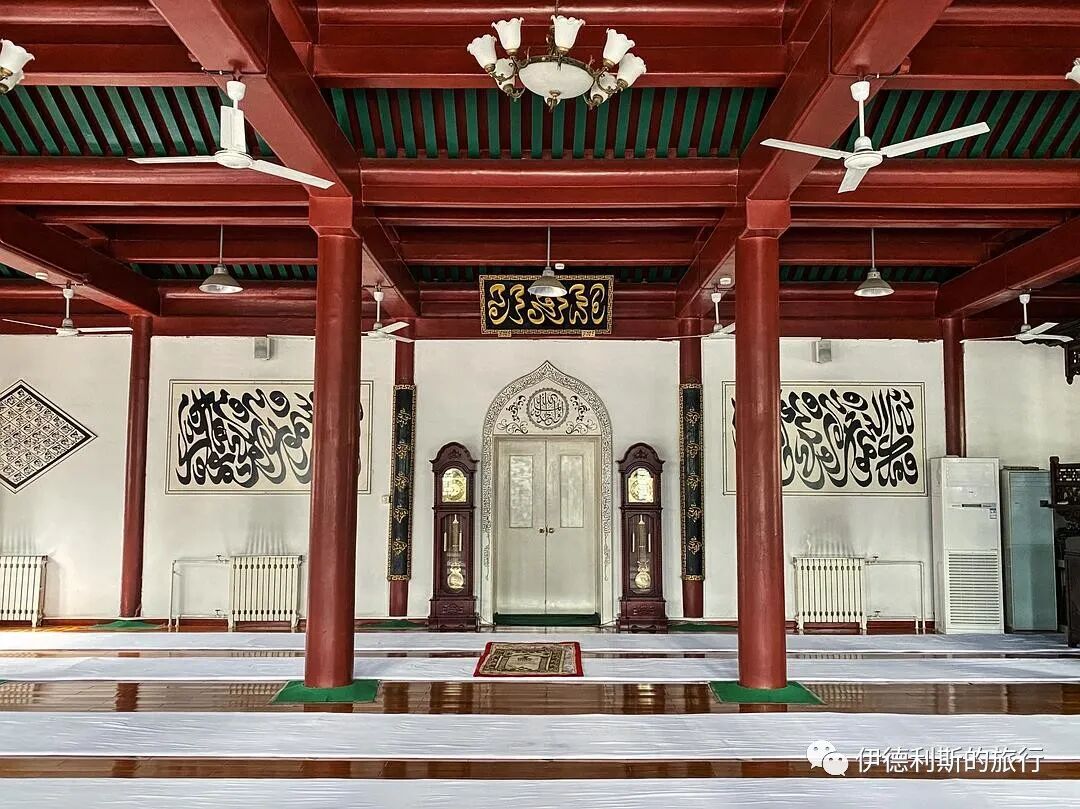
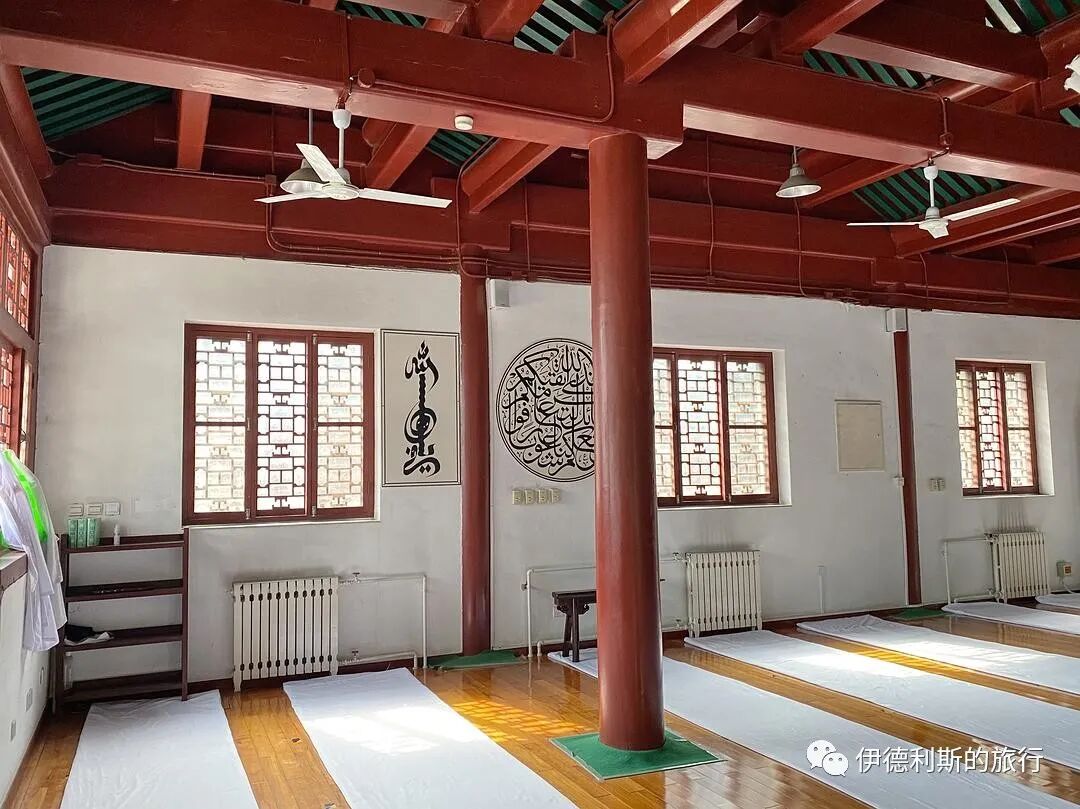
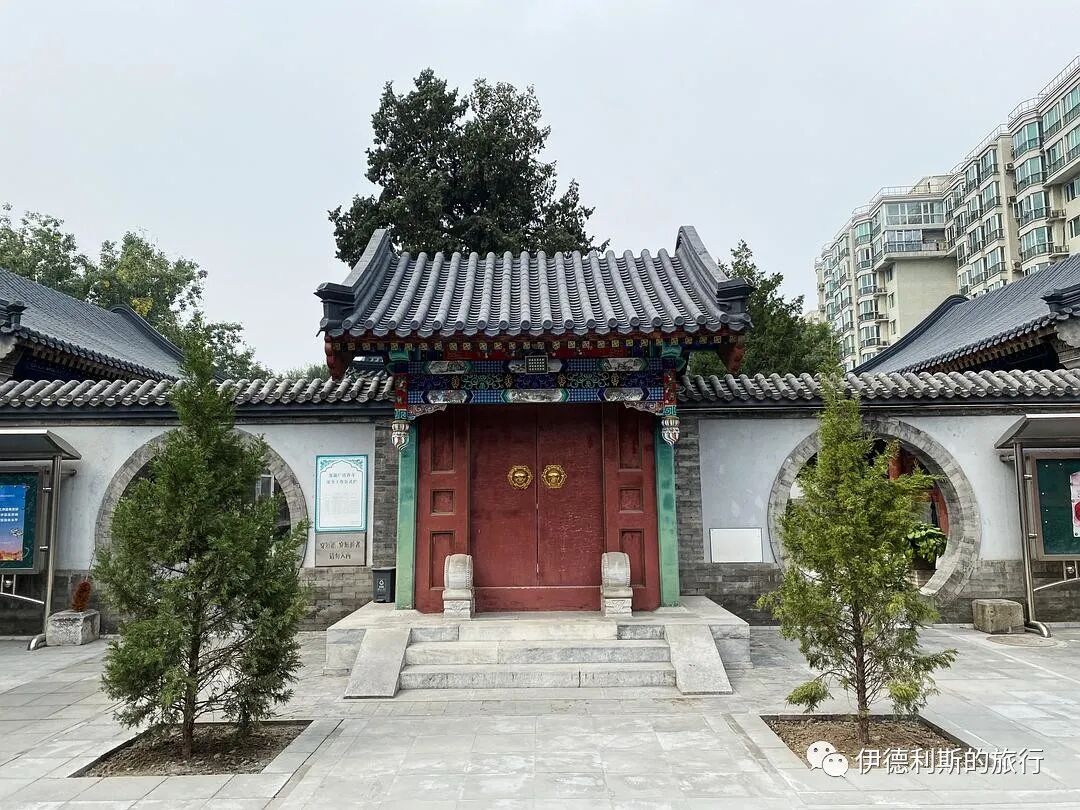
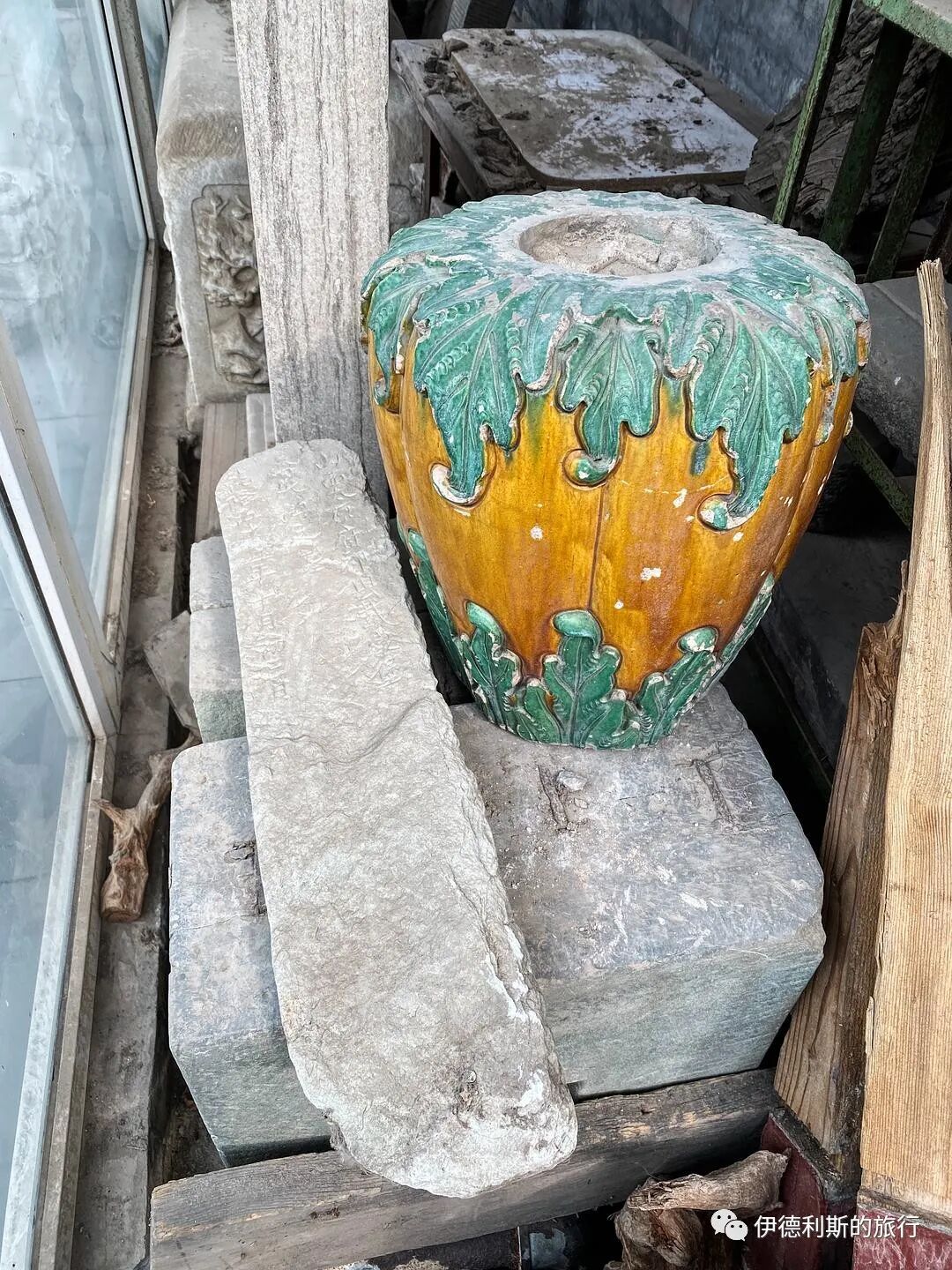
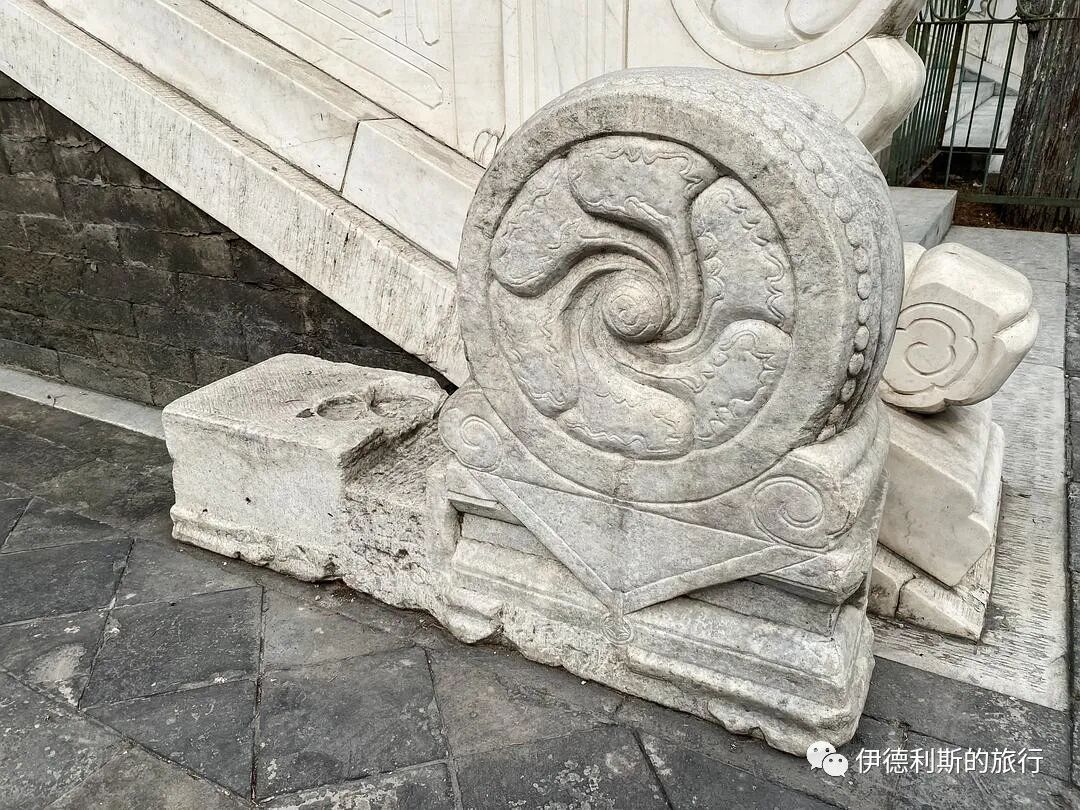
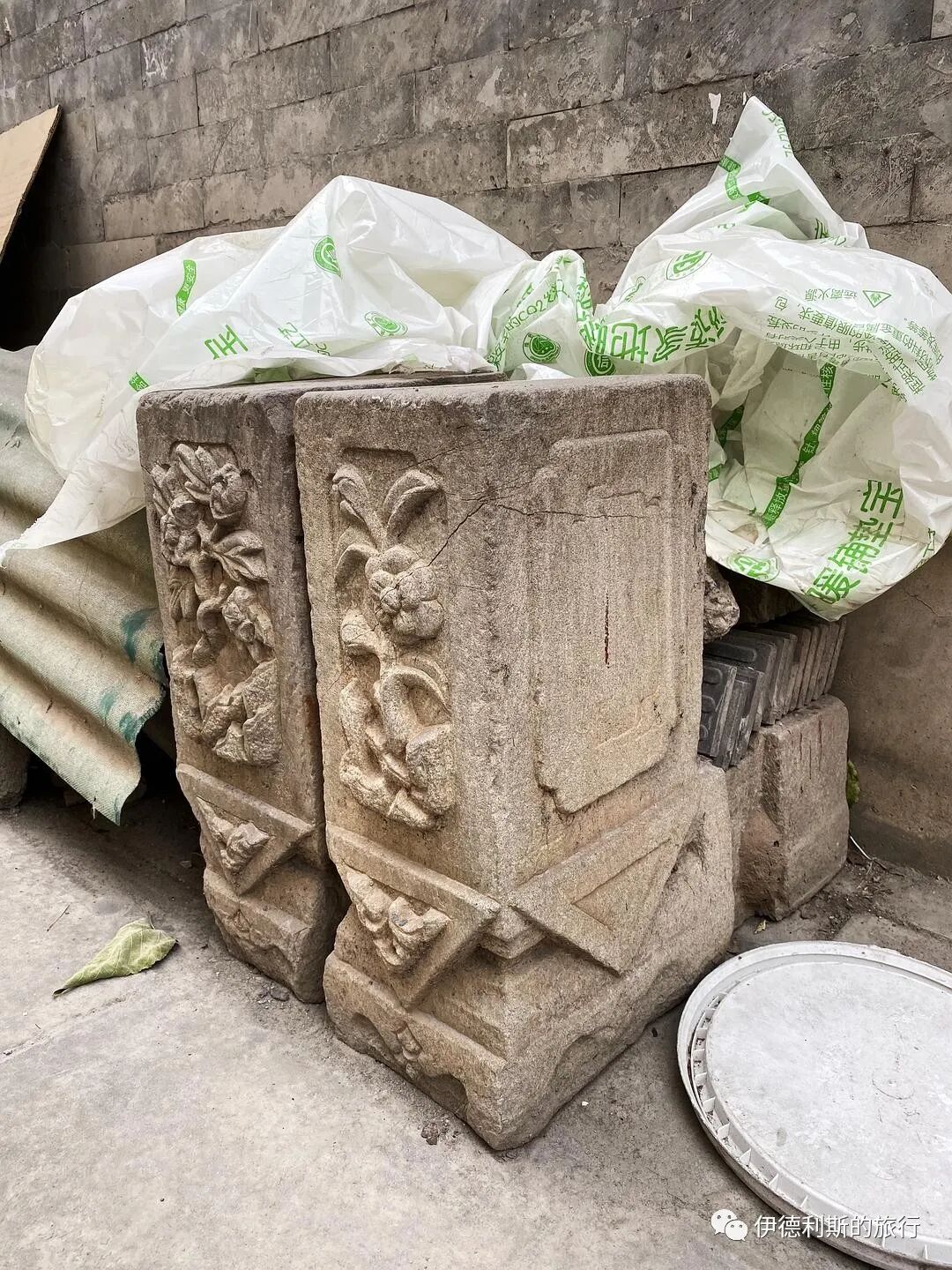
The original vase-shaped roof ornament on the moon-sighting tower of the Landianchang Mosque.
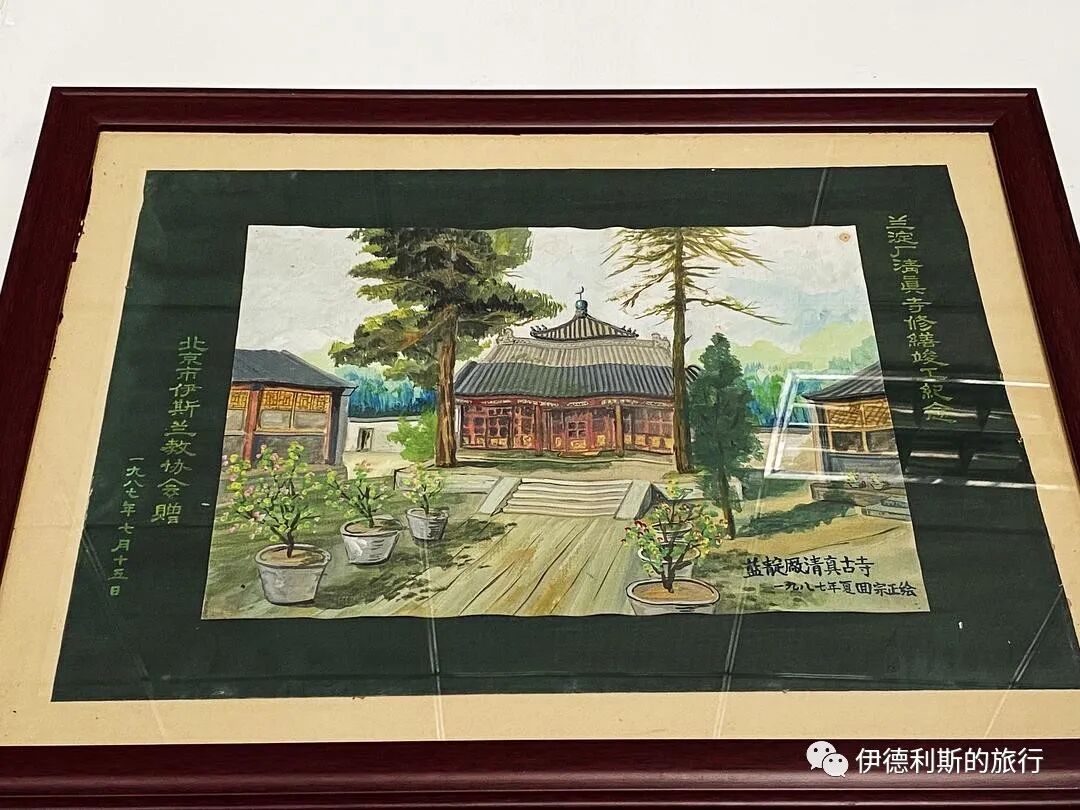
A drawing of the Landianchang Mosque as it looked in 1987, created by Hui Muslim artist Zongzheng.
6. Siwangfu Mosque.
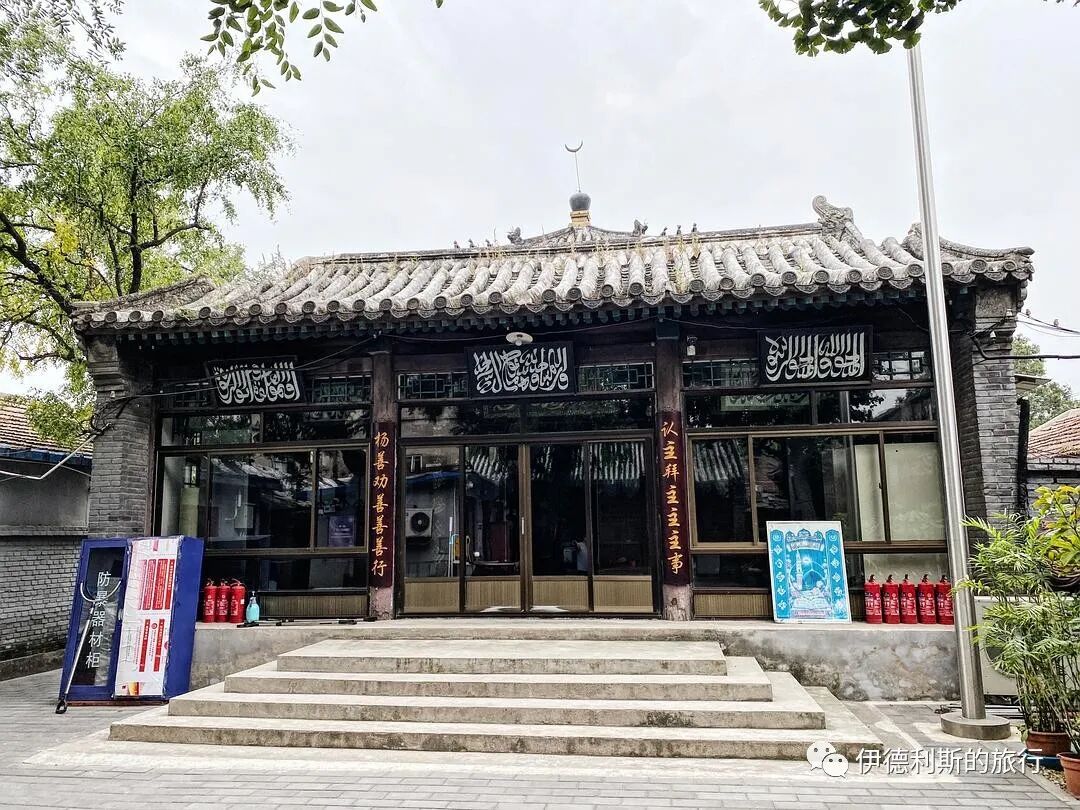
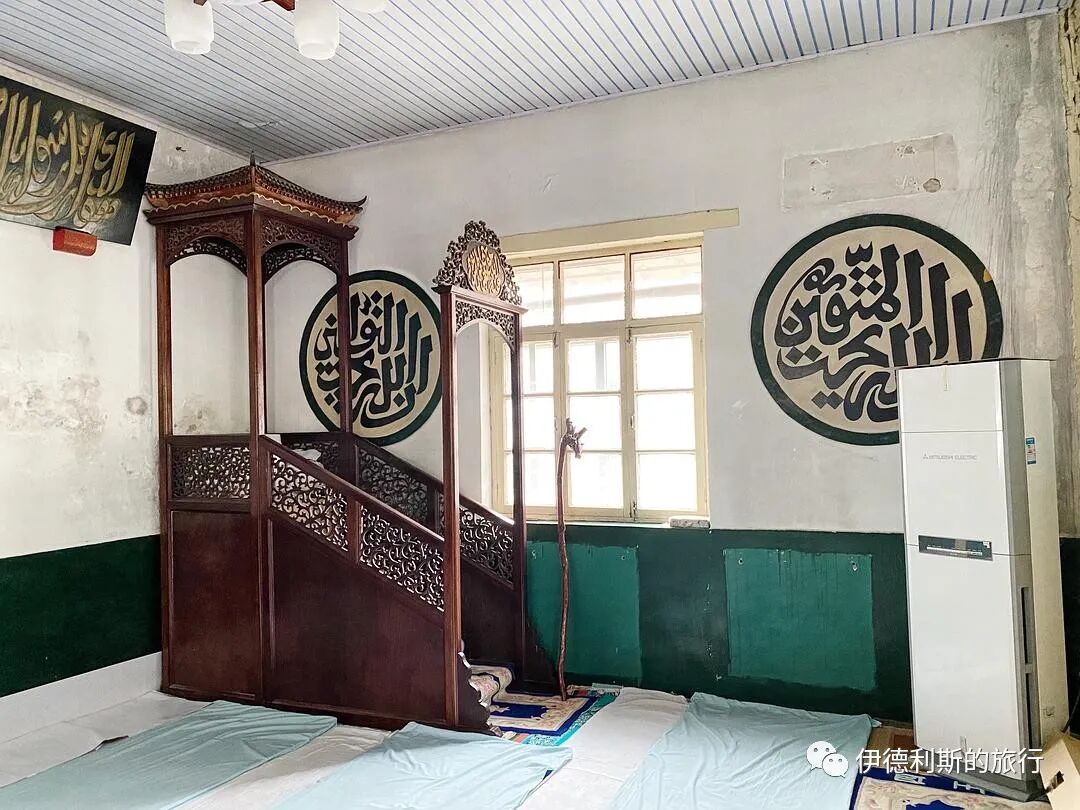
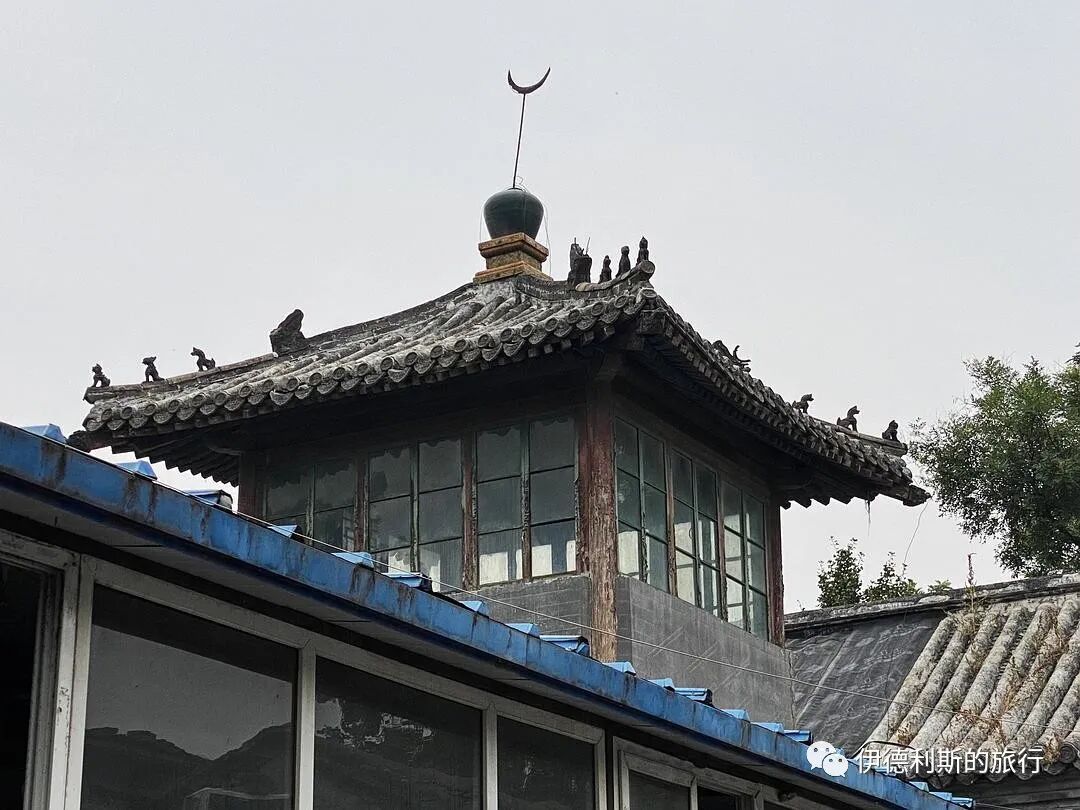
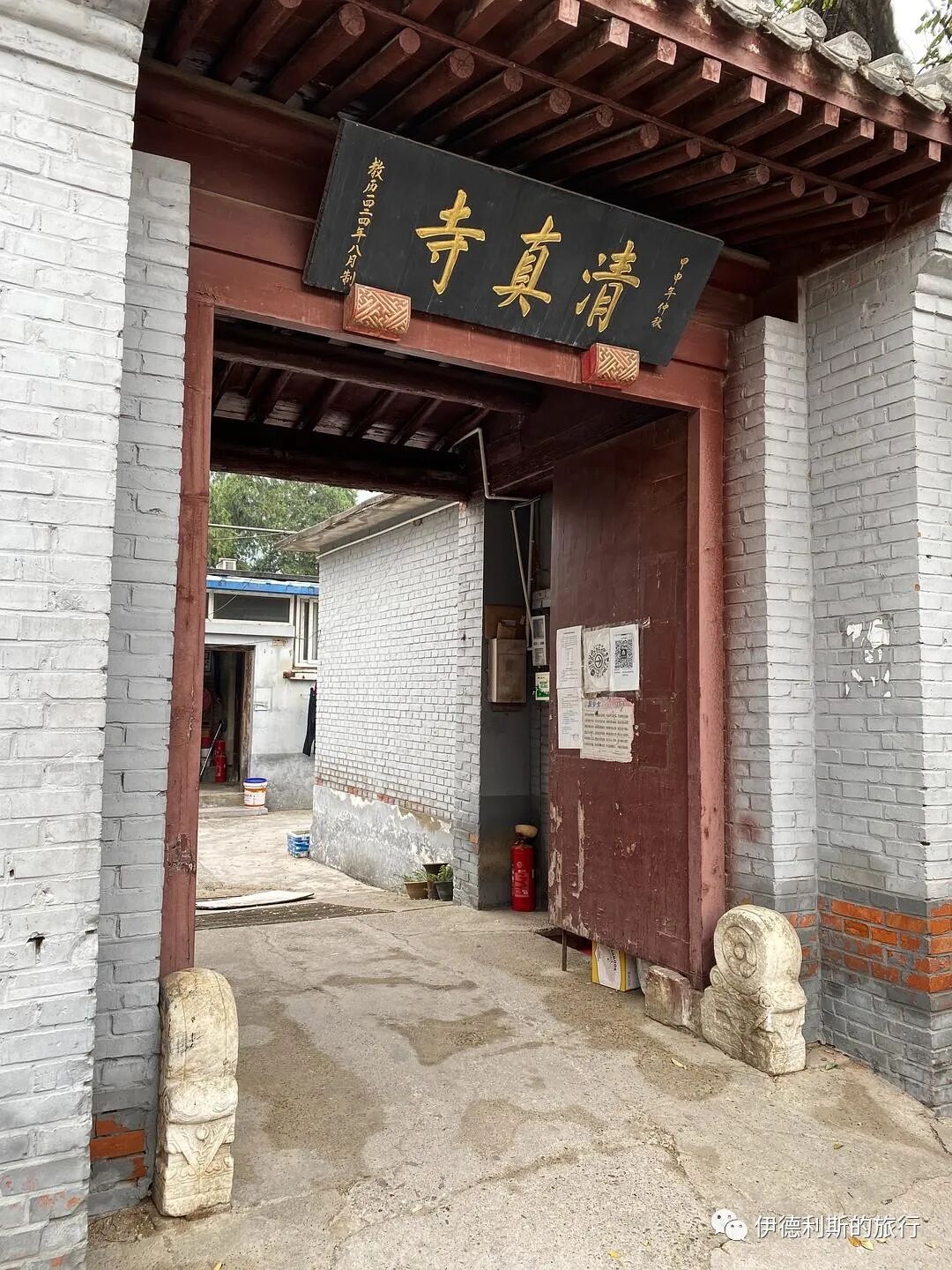
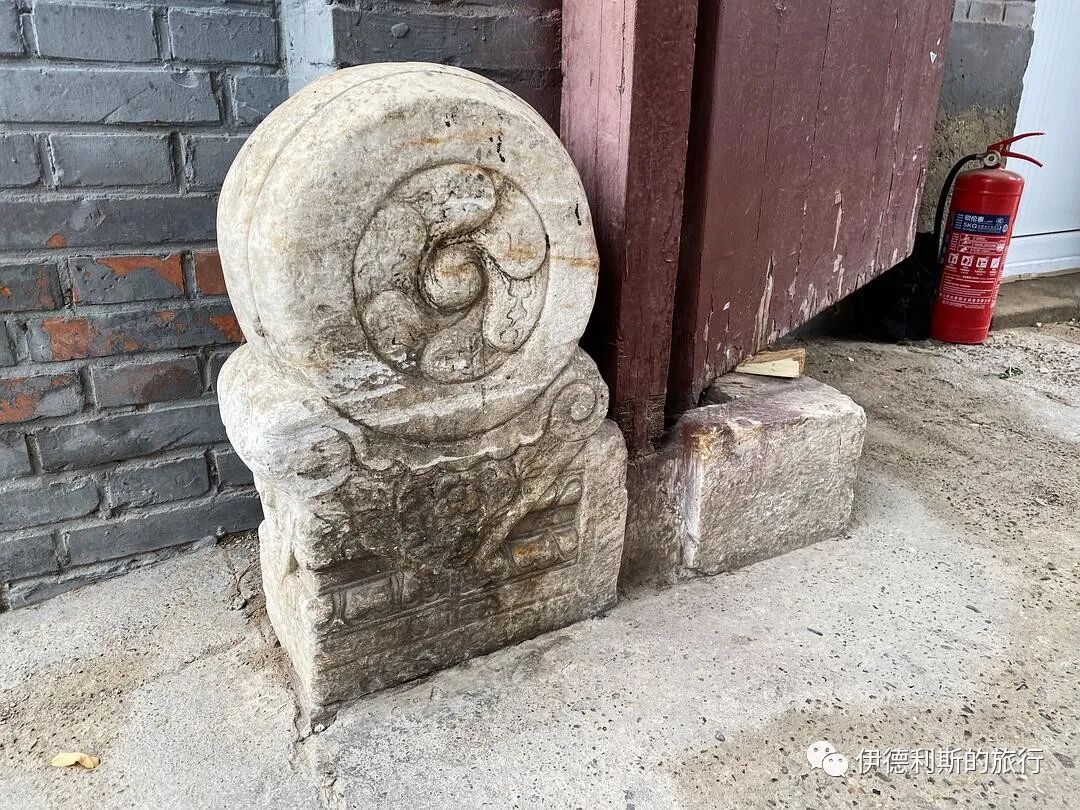
Siwangfu Mosque sits just east of the Botanical Garden and is shared by Hui Muslims from five local communities: Xiangshan, Siwangfu, Mentou, Nanhetan, and Xiaotun.
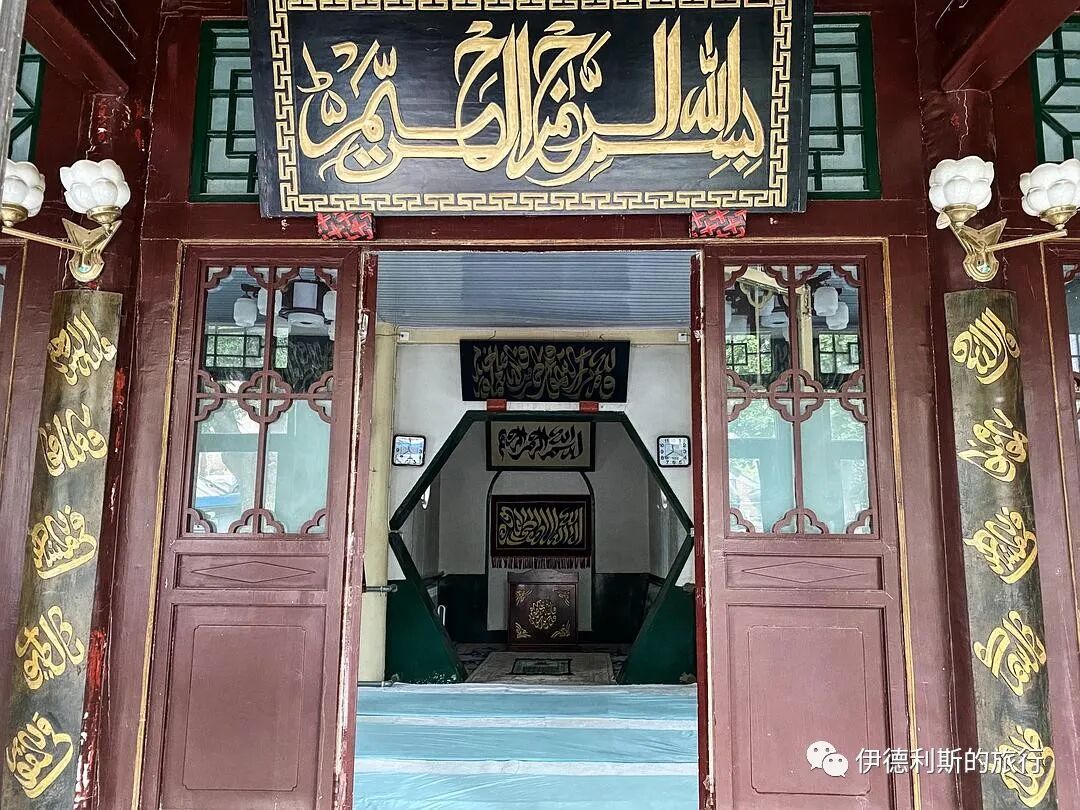
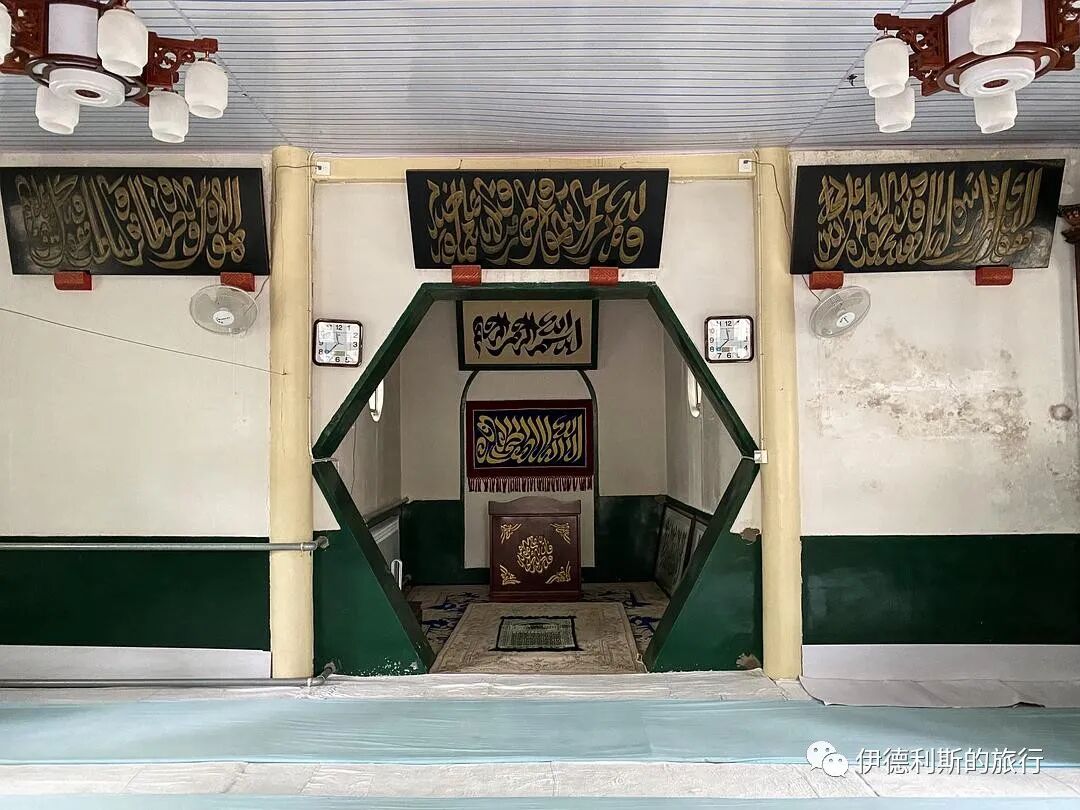
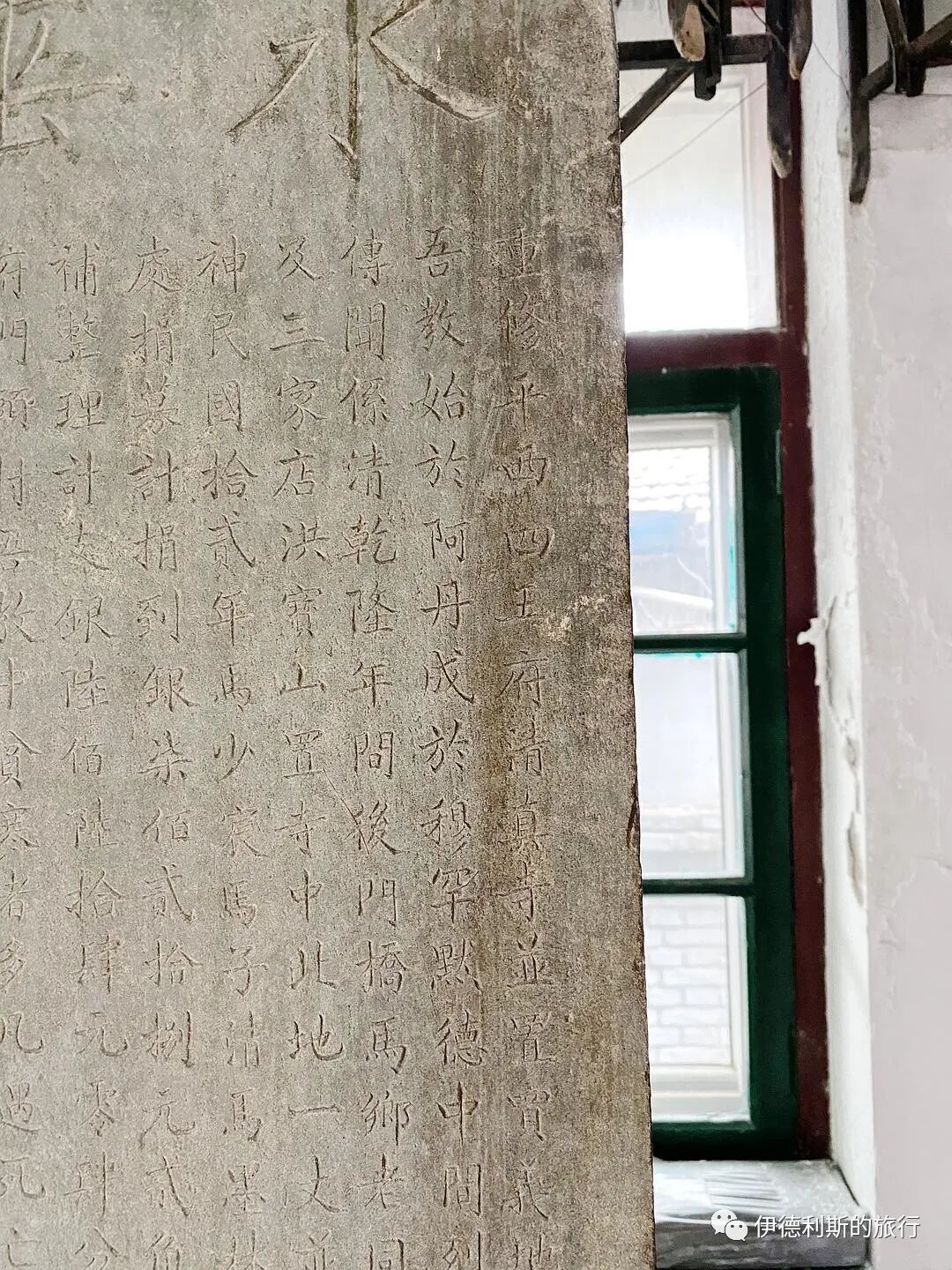
Legend says the mosque was founded during the Qianlong era by elders from Houmenqiao and the local community. It was renovated during the Republic of China era, then closed between the 1960s and 1980s. The main prayer hall fell into disrepair and nearly collapsed, so it was torn down and the wood and bricks were sold to build north-facing rooms and a perimeter wall, where prayers were held instead. After much effort from many people, the main prayer hall was rebuilt in 1990. Due to a construction error, the hall was moved to the east side of the original site, resulting in its current layout.
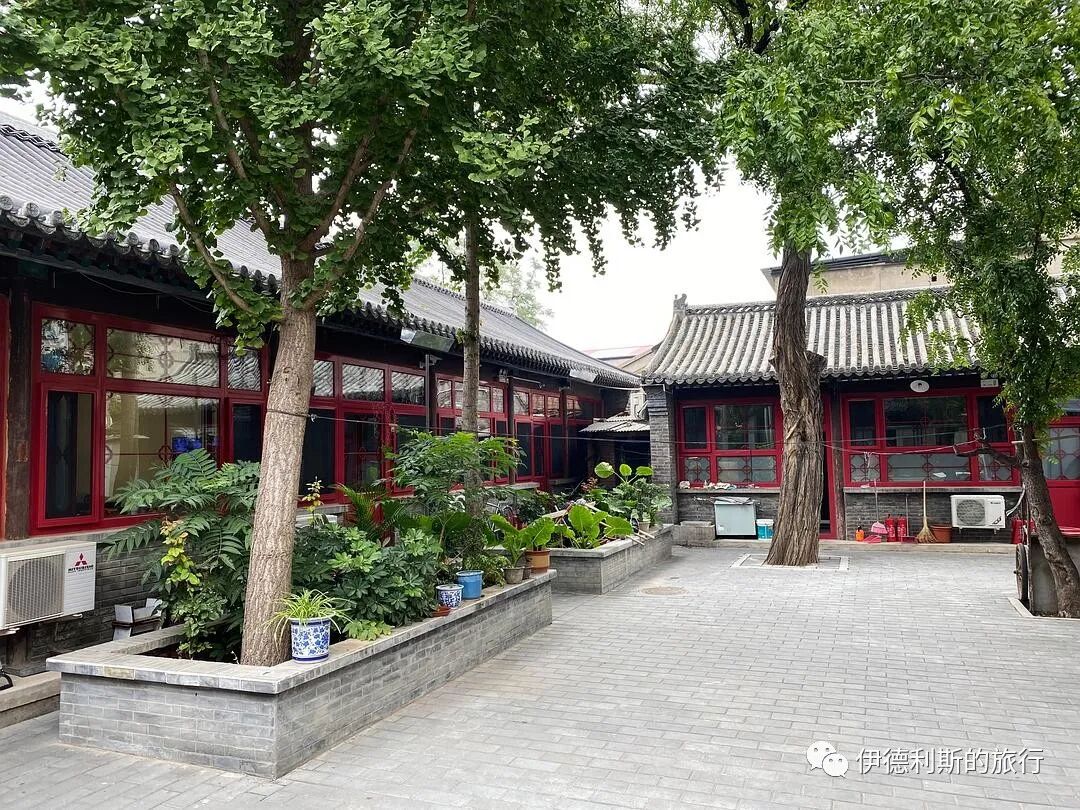
The small courtyard is clean and tidy now, reminding visitors of the old-fashioned charm of the Beijing suburbs.
7. Shucun Mosque
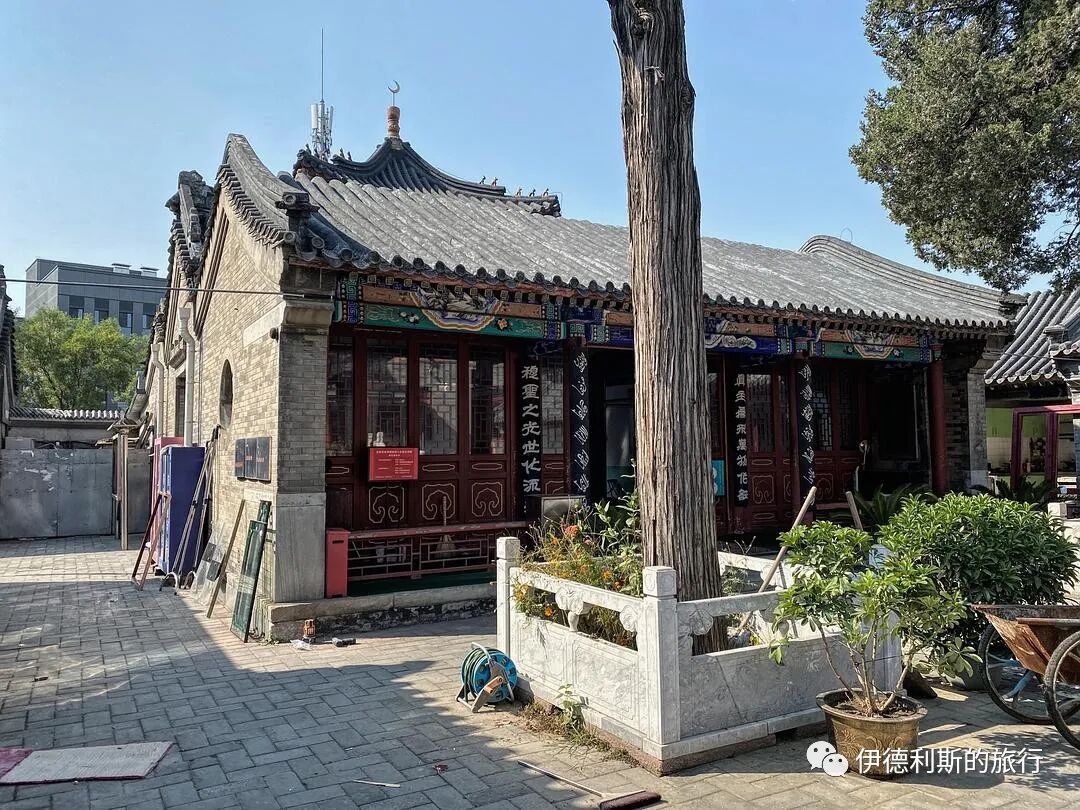
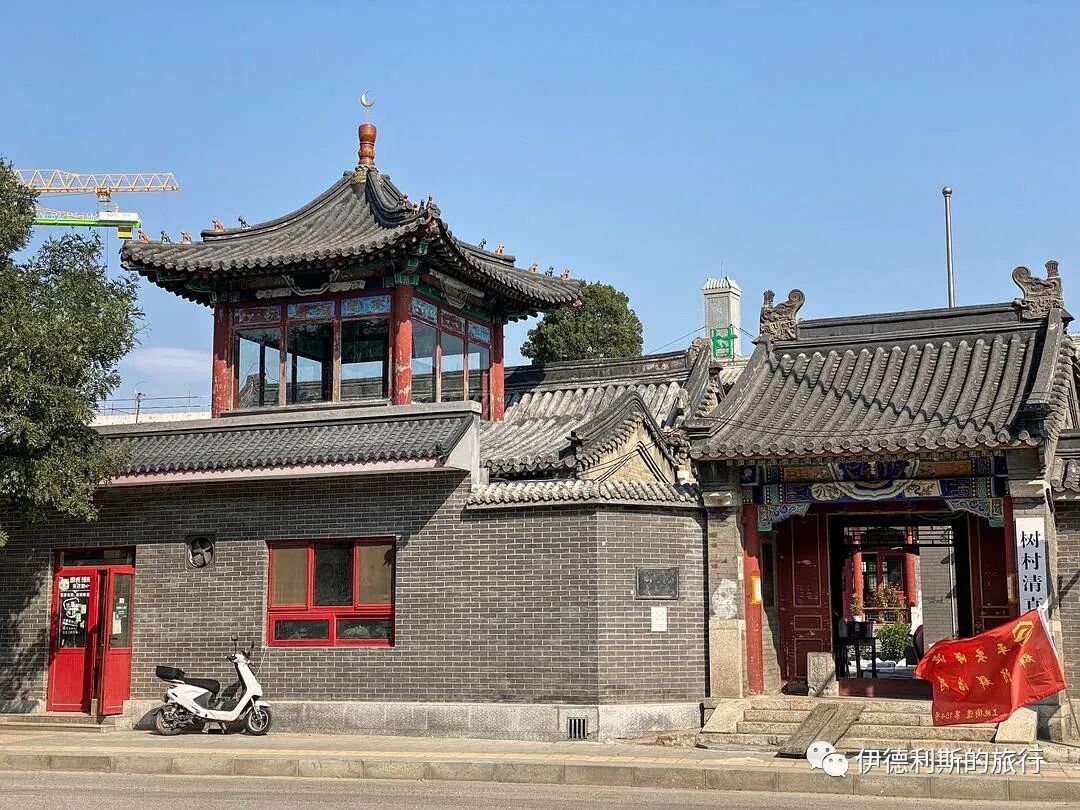
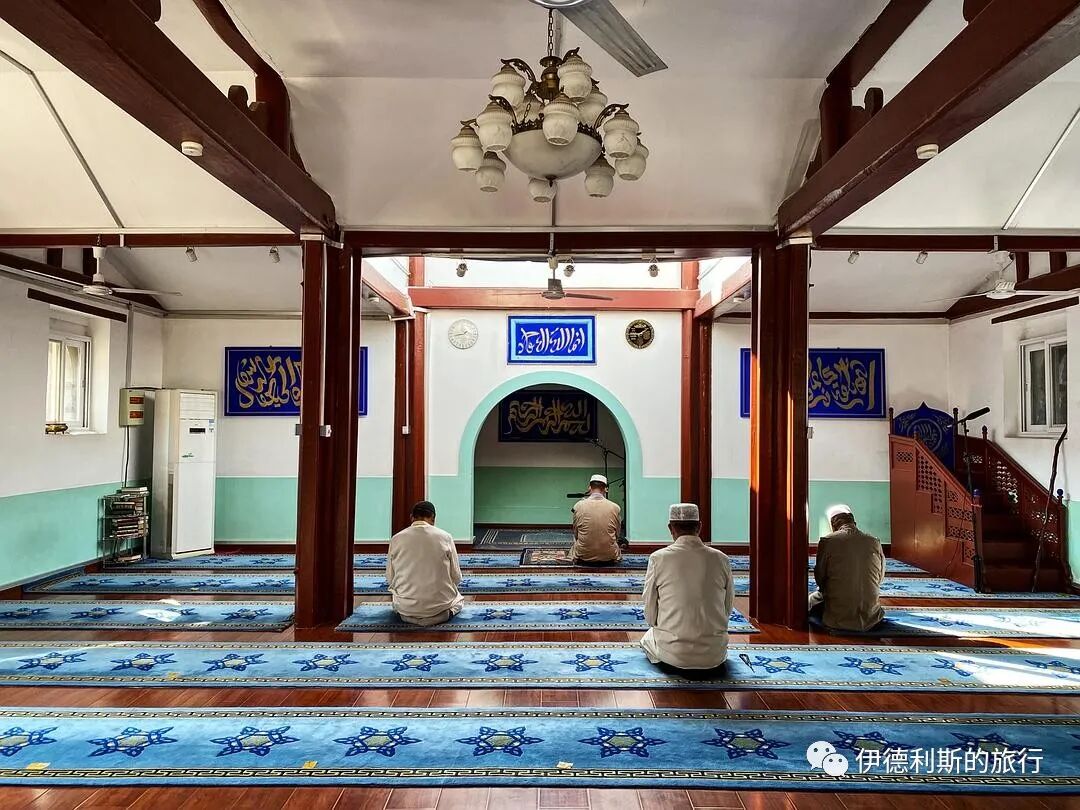
Shucun Mosque is located outside the north gate of the Old Summer Palace. It was first built during the Kangxi reign and was renovated many times during the Yongzheng, Tongzhi, and Xuantong periods, as well as during the Republic of China era. The mosque was occupied in the 1950s and damaged in the 1960s. It resumed religious activities in 1983 and has been renovated several times since then. Shucun village has been demolished, and the villagers have moved into apartment buildings.
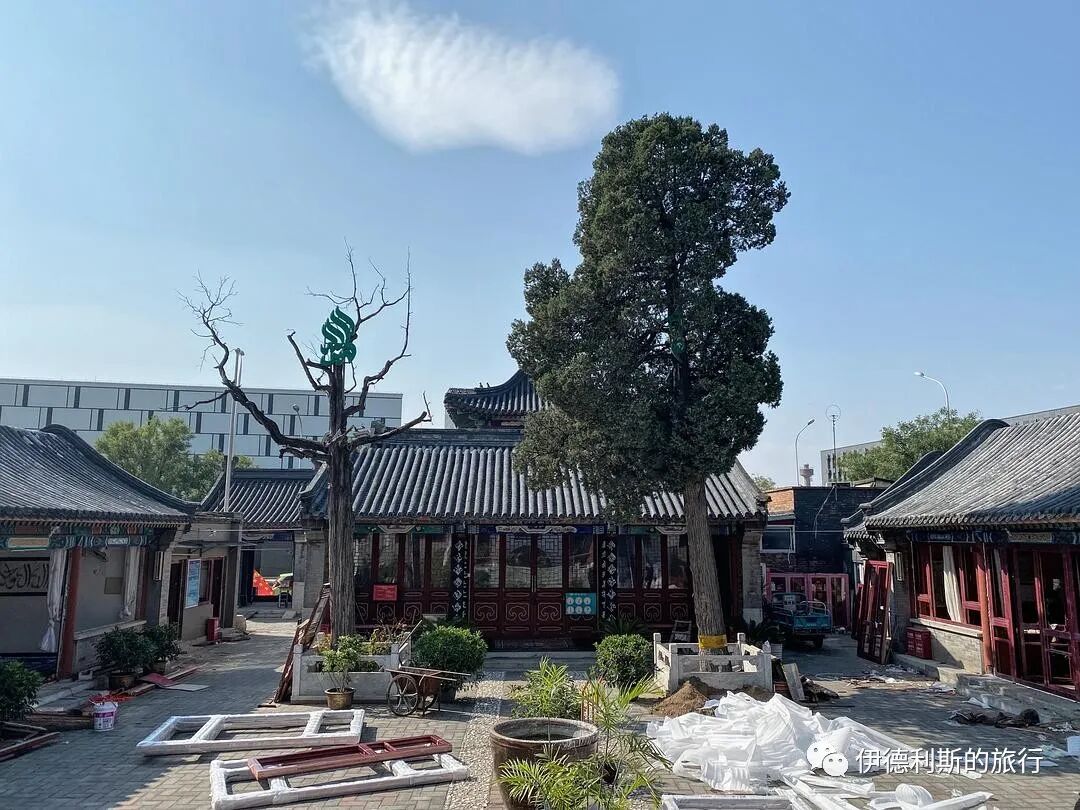
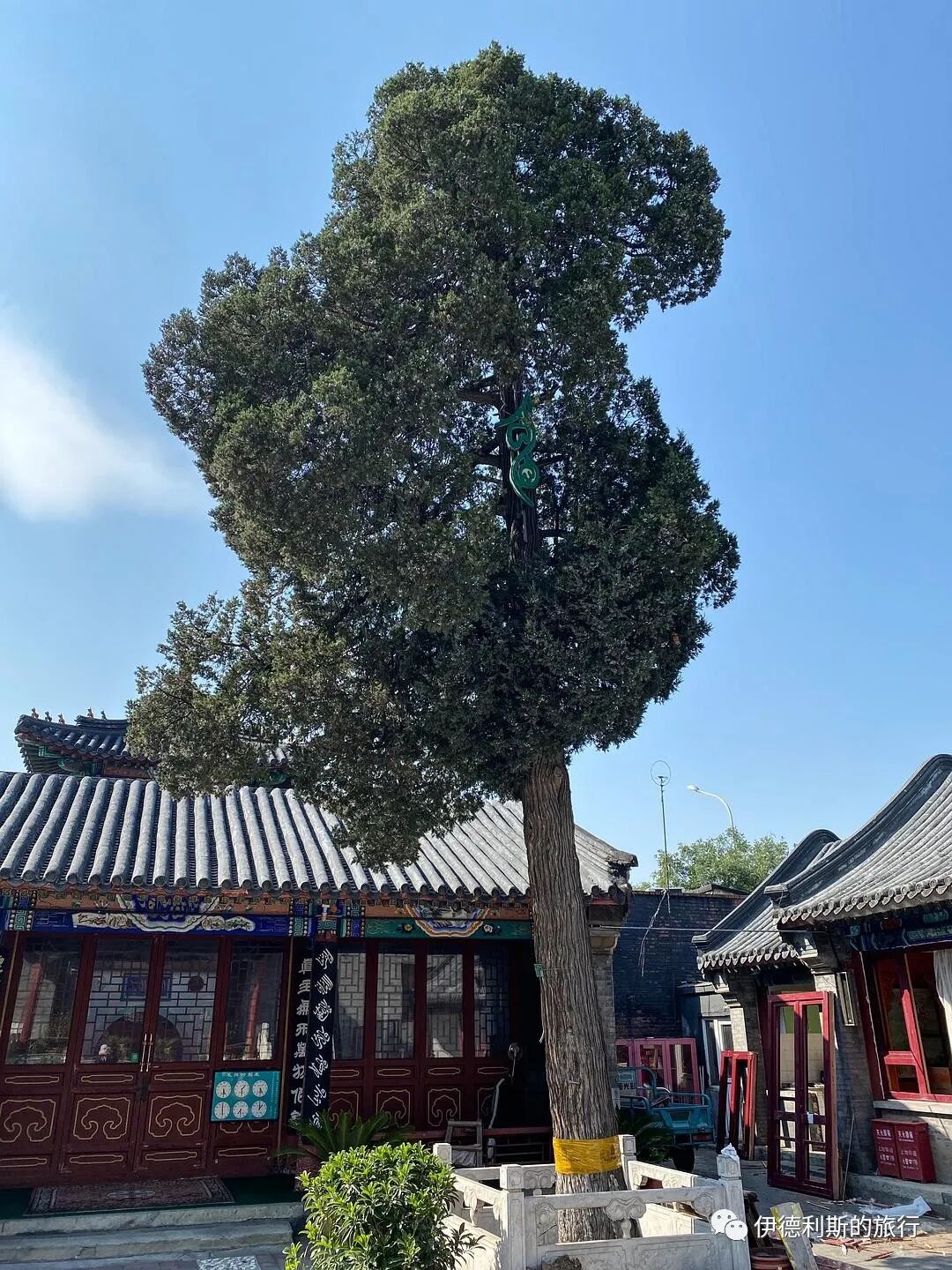
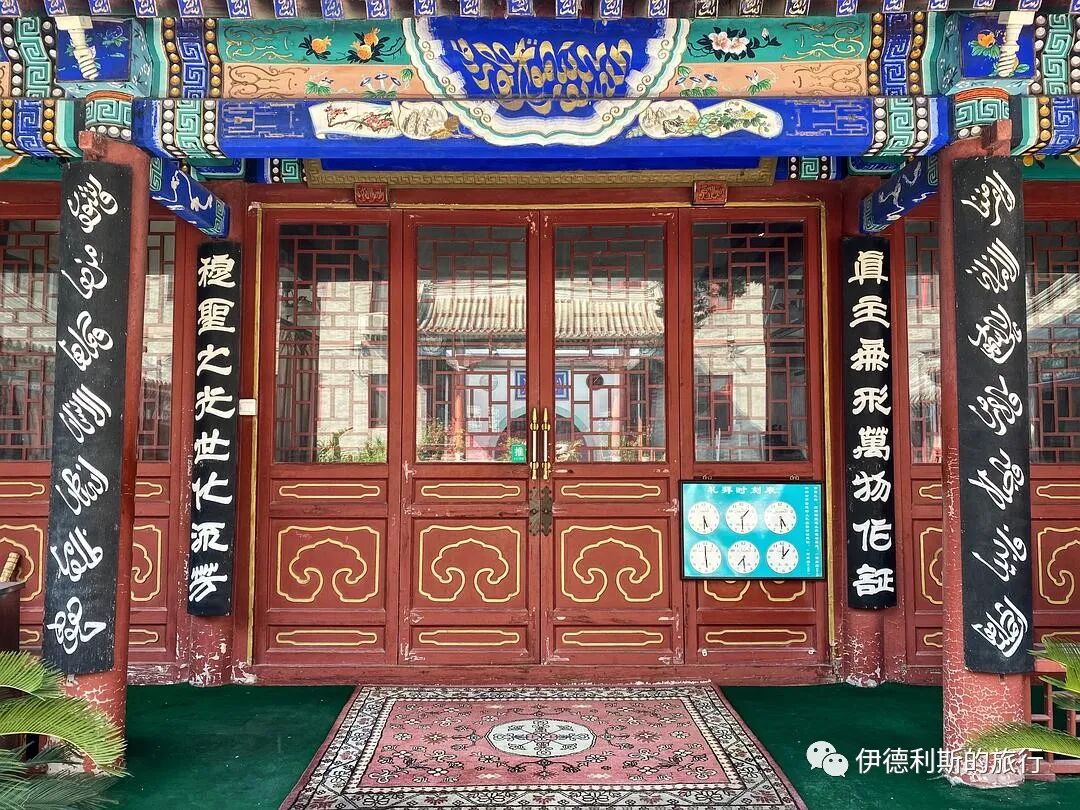
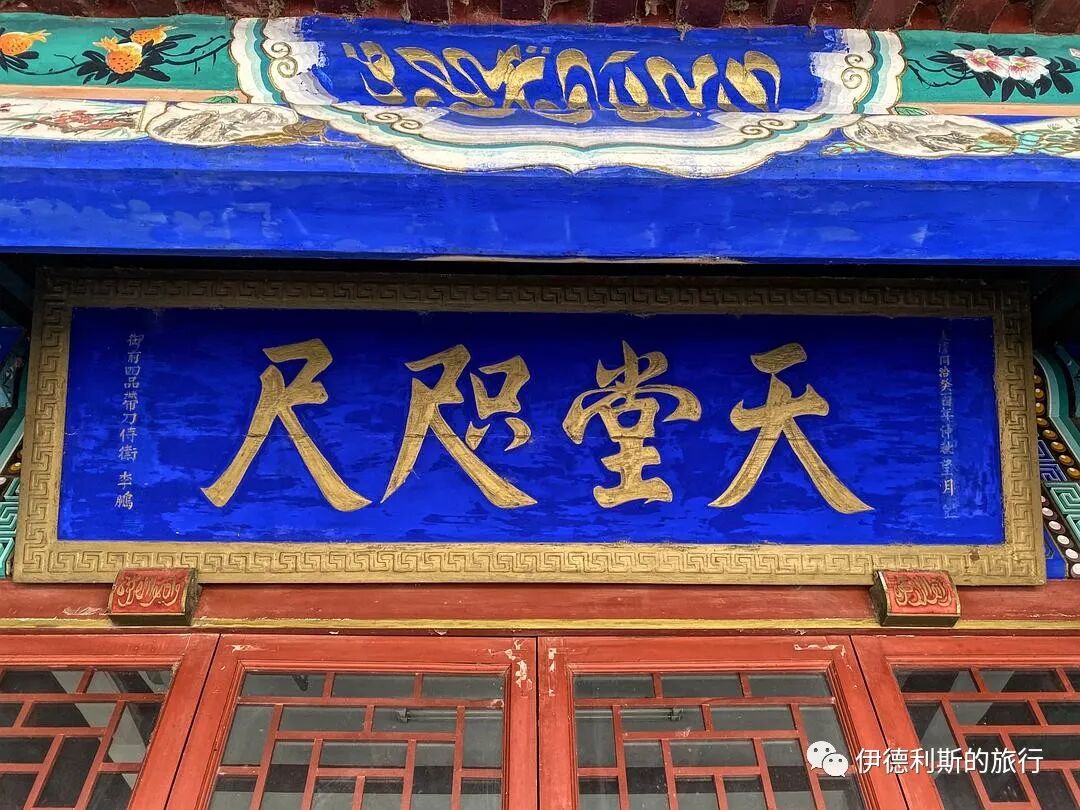
The mosque grounds contain two ancient cypress trees from the Qing dynasty, one dead and one alive. There is also a plaque inscribed with the words "Heaven is close at hand" (tiantang zhichi), which was gifted by a fourth-rank imperial bodyguard during the 1873 (the 12th year of the Tongzhi reign) renovation. The main donor for that renovation was a palace eunuch named Ma.
Summary: Beijing Autumn Mosque Walk — Old Mosques and Muslim Heritage is presented here as a firsthand travel account in clear English, beginning with this scene: Between late September and early October, I visited seven old mosques in Beijing: Guanzhuang Mosque, Xihui Mosque, Yangzha Mosque, and Wanziying Mosque in Chaoyang District, as well as Landianchang Mosque, Siwangfu. The account keeps its focus on Beijing Mosques, Autumn Travel, Muslim Heritage while preserving the names, places, food, and historical details from the Chinese source.
Between late September and early October, I visited seven old mosques in Beijing: Guanzhuang Mosque, Xihui Mosque, Yangzha Mosque, and Wanziying Mosque in Chaoyang District, as well as Landianchang Mosque, Siwangfu Mosque, and Shucun Mosque in Haidian District. I will share them with you below.
1. Guanzhuang Mosque
The founding date of Guanzhuang Mosque is unknown. The main hall was renovated in 1946. From 1958 until the 1980s, the site was used by a large canteen, a straw rope factory, and a production team. It was renovated and rebuilt again between 2003 and 2004. The finial on the moon-viewing tower (wangyuelou) was cast by craftsmen from Hexiwu, Tianjin, following the design of the original. Guanzhuang has now been demolished and replaced by apartment buildings.
2. Xihui Mosque
Xihui Mosque sits by the Tonghui River, on the north bank of the former Puji Sluice Bridge. It was built in 1821, the first year of the Daoguang reign. A plaque inscribed with the words "Qingzhen Wu'er" (The Truth is One) by Cao Zhenyong, a Grand Secretary of the Tiren Pavilion, still hangs above the main hall. Xihui Mosque was closed from 1966 to 1984. It later reopened and has undergone several renovations. It has been over ten years since the residents of Xihui Village moved into high-rise apartments after the demolition of their old homes. It is truly special that the village elders still insist on riding their bikes up the hill to visit the mosque.
3. Yangzha Mosque
Historically, Yangzha Mosque sat right next to the main road from Chaoyangmen in Beijing to Tongzhou. It is said to have been built during the Wanli era of the Ming Dynasty. The current structure was rebuilt in 1994 and renovated again in 2006. The mosque features covered walkways and pavilions, along with pine and cypress trees transplanted from Jixian, Tianjin, in 1998, making for a very pleasant environment.
4. Wanziying Mosque
Wanziying Village sits on the border of Chaoyang and Tongzhou. Hui Muslims and Han people live there together, and it has now been developed into a beautiful village with a very nice environment. I had a simple bowl of soybean paste noodles (zhajiangmian) at the village entrance, and the prices were much more affordable than in the city. There is a halal pastry shop at the village entrance called Baoyuanzhai that is apparently quite popular online. I bought some old-fashioned bread (laomianbao), ox-tongue-shaped biscuits (niushebing), and five-kernel flaky pastries (wuren supi). The old-fashioned bread was especially fluffy and perfect for breakfast.
The founding date of Wanziying Mosque is unknown. When it was renovated in the late 1980s, a 90-year-old village elder named Li Shiqing provided a hand-drawn picture of the mosque, and the repairs followed the architectural style shown in his drawing. The mosque is small but the environment is lovely, quiet, and pleasant, far away from the noise. According to Imam Yang, Wanziying Village used to be very good at making halal banquet dishes (qingzhen dapengcai). The atmosphere and taste were more authentic than what you find in restaurants, and I hope to have a chance to experience it in the future!
5. Landianchang Mosque
Landianchang Mosque was first built during the Ming Dynasty. It was renovated many times during the Jiaqing and Daoguang periods of the Qing Dynasty and the Republic of China. It stayed open during the 1960s, though some of its buildings were occupied. The property was returned in 1979 and renovated in 1987. After the Landianchang area was demolished in 2004, the mosque started reconstruction in 2007 and was completed in 2009.
In the late Qing Dynasty, Landianchang Mosque was called the Little Jiyang of West Beijing because most of the local residents had ancestral roots in Jiyang, Shandong. The mosque houses a collection of Republic-era items, including a sword of Ali (Ali Xianjian) and a set of three incense burner and vase pictures (luping sanshi tu), which were likely printed by the Niujie Muslim Book and Newspaper Society in Beijing during the Republic of China period.
The original vase-shaped roof ornament on the moon-sighting tower of the Landianchang Mosque.
A drawing of the Landianchang Mosque as it looked in 1987, created by Hui Muslim artist Zongzheng.
6. Siwangfu Mosque.
Siwangfu Mosque sits just east of the Botanical Garden and is shared by Hui Muslims from five local communities: Xiangshan, Siwangfu, Mentou, Nanhetan, and Xiaotun.
Legend says the mosque was founded during the Qianlong era by elders from Houmenqiao and the local community. It was renovated during the Republic of China era, then closed between the 1960s and 1980s. The main prayer hall fell into disrepair and nearly collapsed, so it was torn down and the wood and bricks were sold to build north-facing rooms and a perimeter wall, where prayers were held instead. After much effort from many people, the main prayer hall was rebuilt in 1990. Due to a construction error, the hall was moved to the east side of the original site, resulting in its current layout.
The small courtyard is clean and tidy now, reminding visitors of the old-fashioned charm of the Beijing suburbs.
7. Shucun Mosque
Shucun Mosque is located outside the north gate of the Old Summer Palace. It was first built during the Kangxi reign and was renovated many times during the Yongzheng, Tongzhi, and Xuantong periods, as well as during the Republic of China era. The mosque was occupied in the 1950s and damaged in the 1960s. It resumed religious activities in 1983 and has been renovated several times since then. Shucun village has been demolished, and the villagers have moved into apartment buildings.
The mosque grounds contain two ancient cypress trees from the Qing dynasty, one dead and one alive. There is also a plaque inscribed with the words "Heaven is close at hand" (tiantang zhichi), which was gifted by a fourth-rank imperial bodyguard during the 1873 (the 12th year of the Tongzhi reign) renovation. The main donor for that renovation was a palace eunuch named Ma.
