
Halal Travel Guide: Shanhaiguan — Great Wall, Mosques and Muslim Food
Reposted from the web
Summary: Shanhaiguan — Great Wall, Mosques and Muslim Food is presented here as a firsthand travel account in clear English, beginning with this scene: The winter sun was bright in 2018, and I took the early high-speed train from Beijing South Station, arriving in Shanhaiguan in just two hours. The account keeps its focus on Shanhaiguan Travel, Great Wall, Halal Food while preserving the names, places, food, and historical details from the Chinese source.
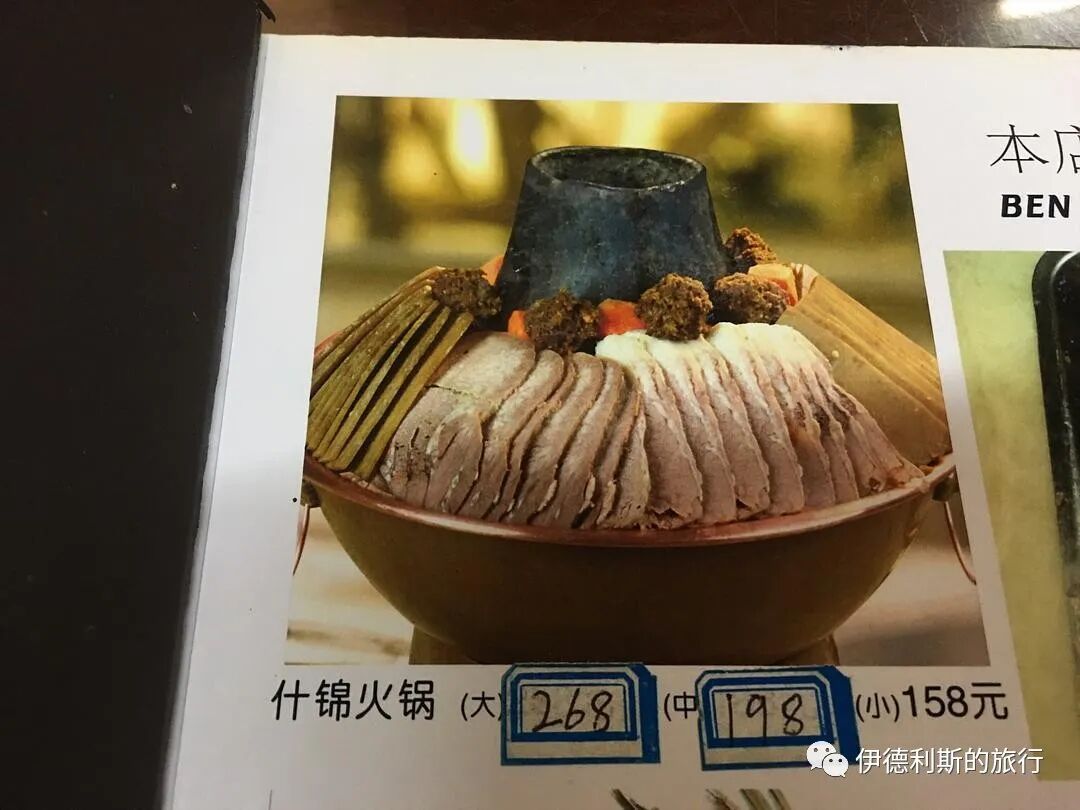
The winter sun was bright in 2018, and I took the early high-speed train from Beijing South Station, arriving in Shanhaiguan in just two hours. People in Shanhaiguan speak with an upward inflection at the end of their sentences, just like people in Huludao and Jinzhou. At first, it sounds a lot like the Liaoxi dialect, but if you listen closely, you can hear many elements from inside the pass. When it comes to halal food, Shanhaiguan is also very similar to the Northeast. They have steamed dumplings (shaomai), assorted hot pot (shijin hunguo), and peanut tofu (huasheng xiaodoufu), and the storefronts of the halal restaurants are the same blue color commonly seen in the Northeast. As the first stop on my trip to explore and eat my way through the Muslim communities of the Northeast, my journey in Shanhaiguan began this way.
Xiaobailou Soup Restaurant
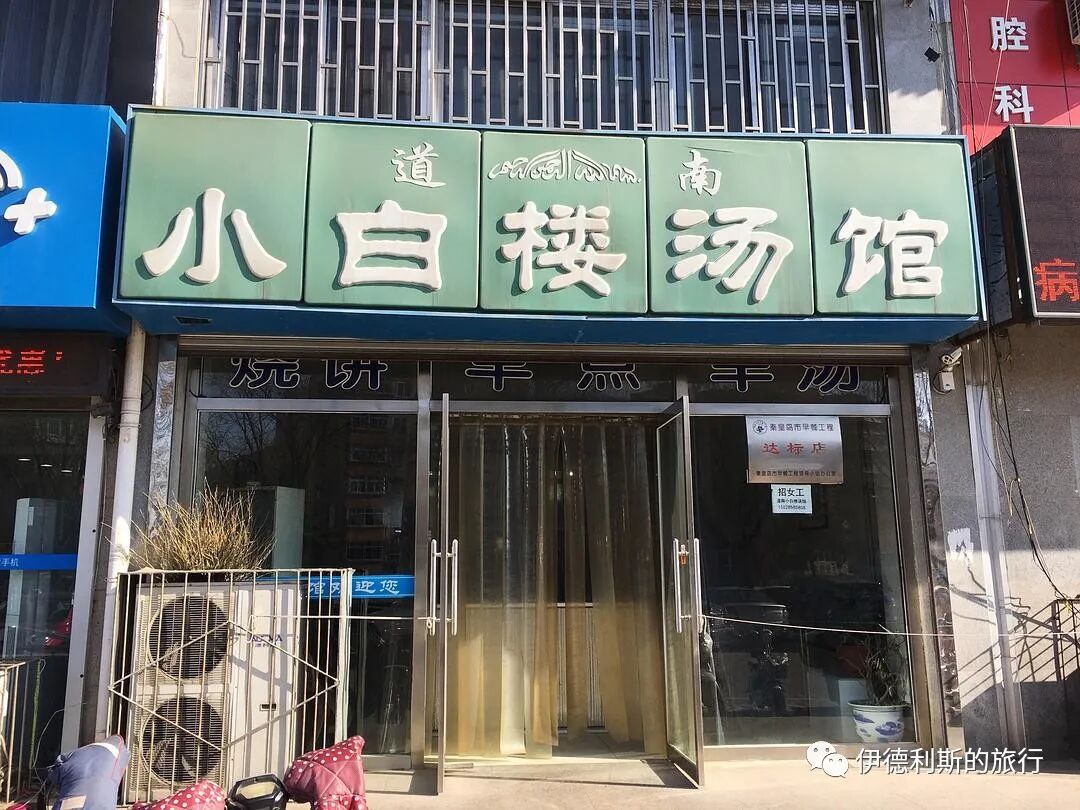
I went straight to the Daonan branch of Xiaobailou Soup Restaurant after getting off the train, because it is said they only serve breakfast and lunch and close in the afternoon.
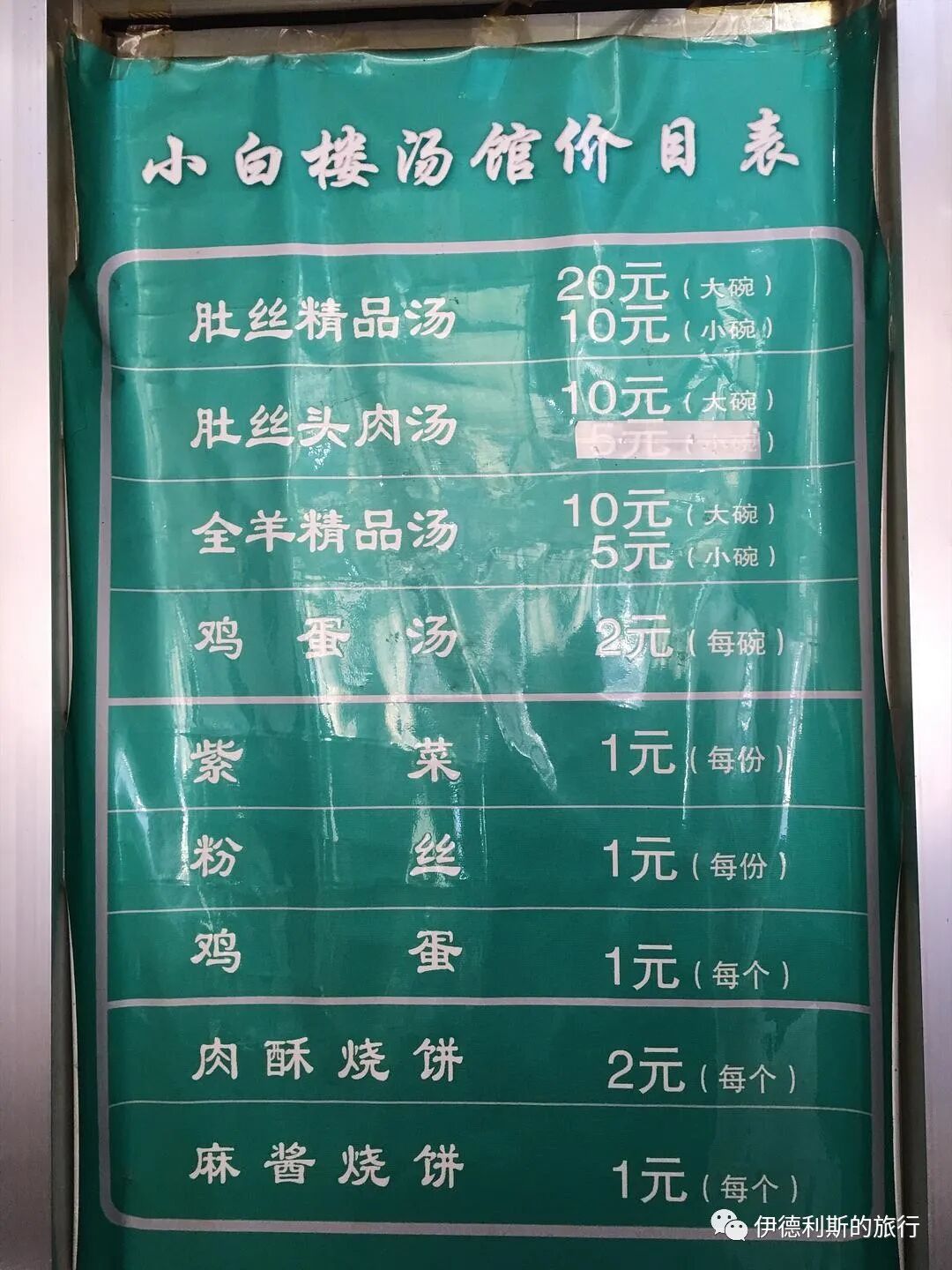
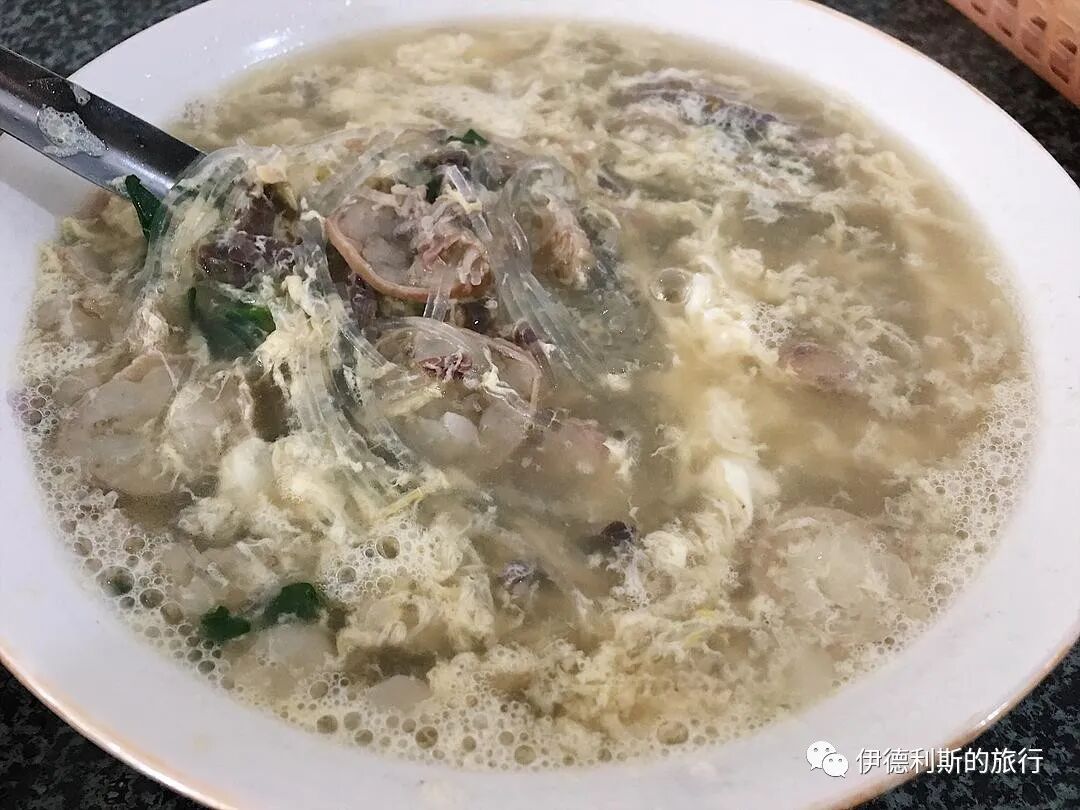
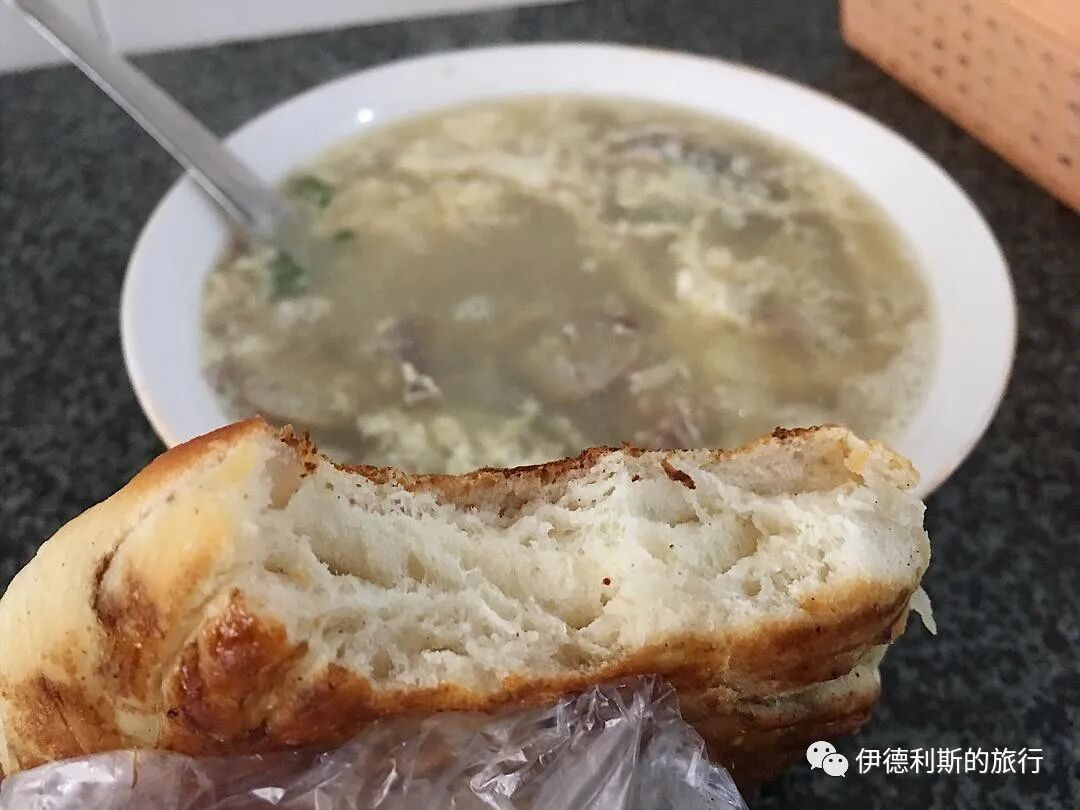
Xiaobailou offers two types of soup: tripe strip soup (dusi tang) and whole lamb soup (quanyang tang). You can add seaweed, eggs, and glass noodles, which makes for a very satisfying meal. Their freshly made sesame flatbread (shaobing) is also delicious. They have three kinds: meat, salt and pepper, and sesame paste. One older gentleman bought 50 of them to go all at once.
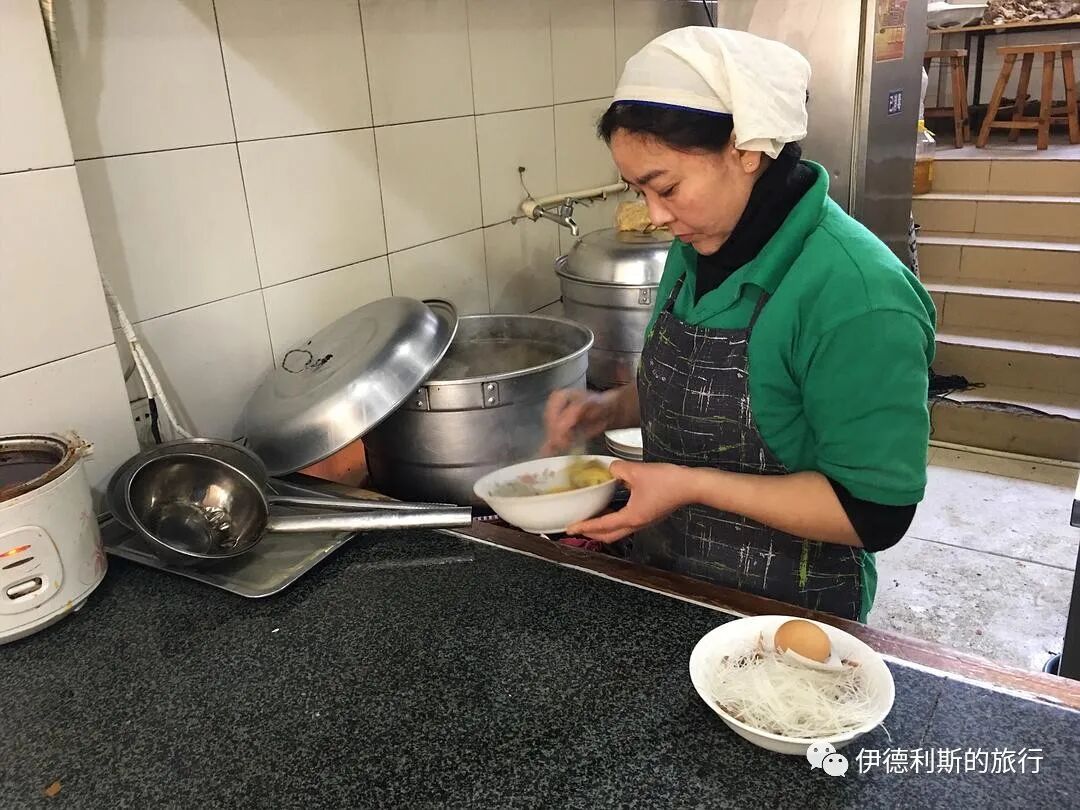
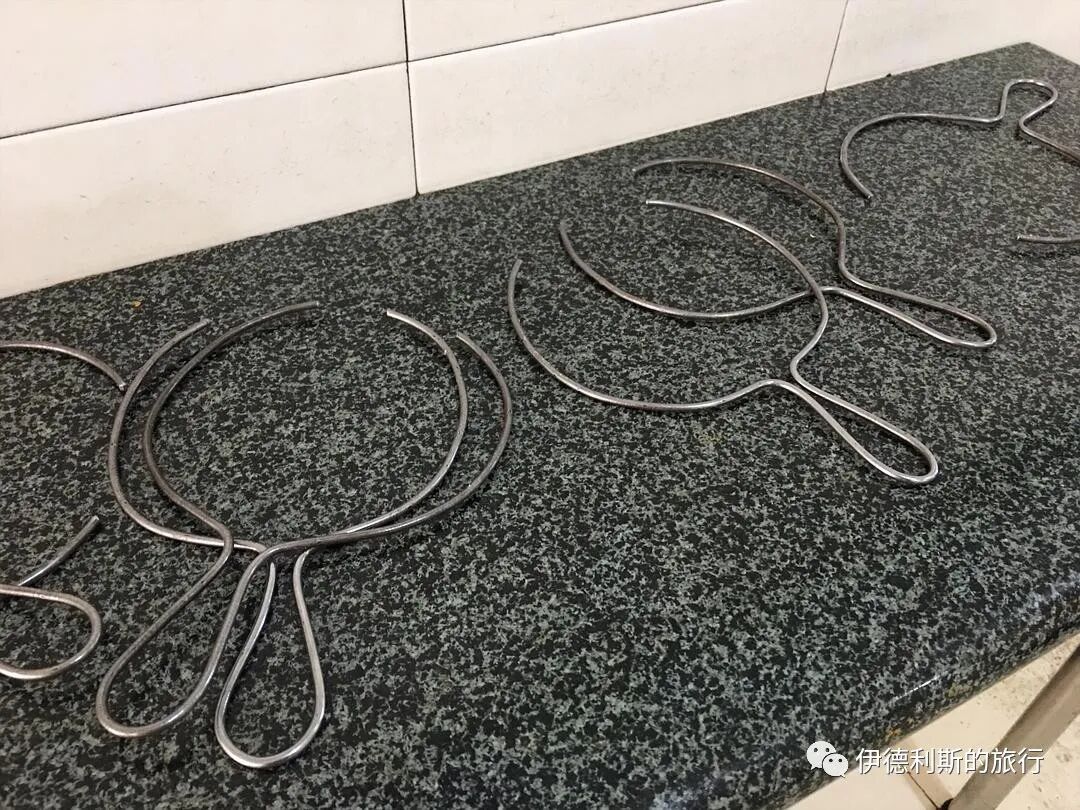
This was the first time I had seen the iron stands used for holding clay pots at home being used in a restaurant.
Huiji Halal Pastries
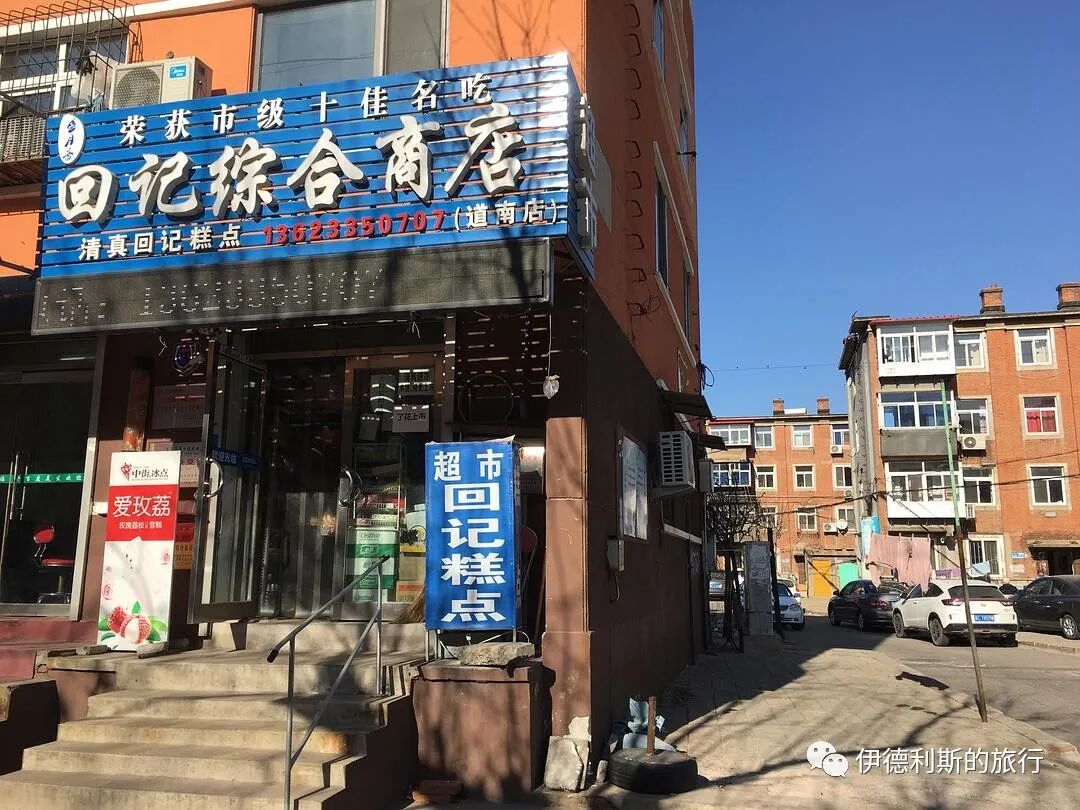
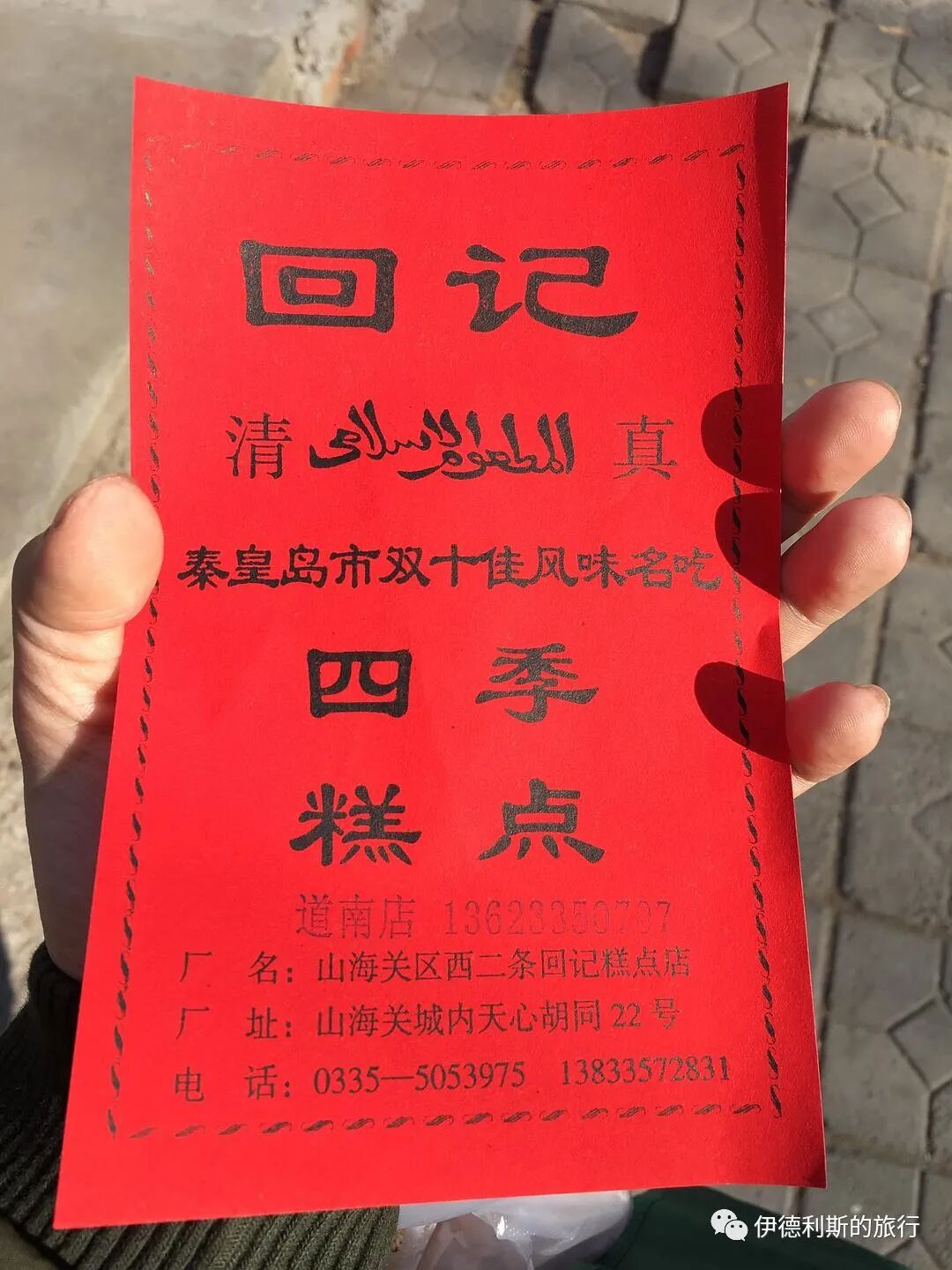
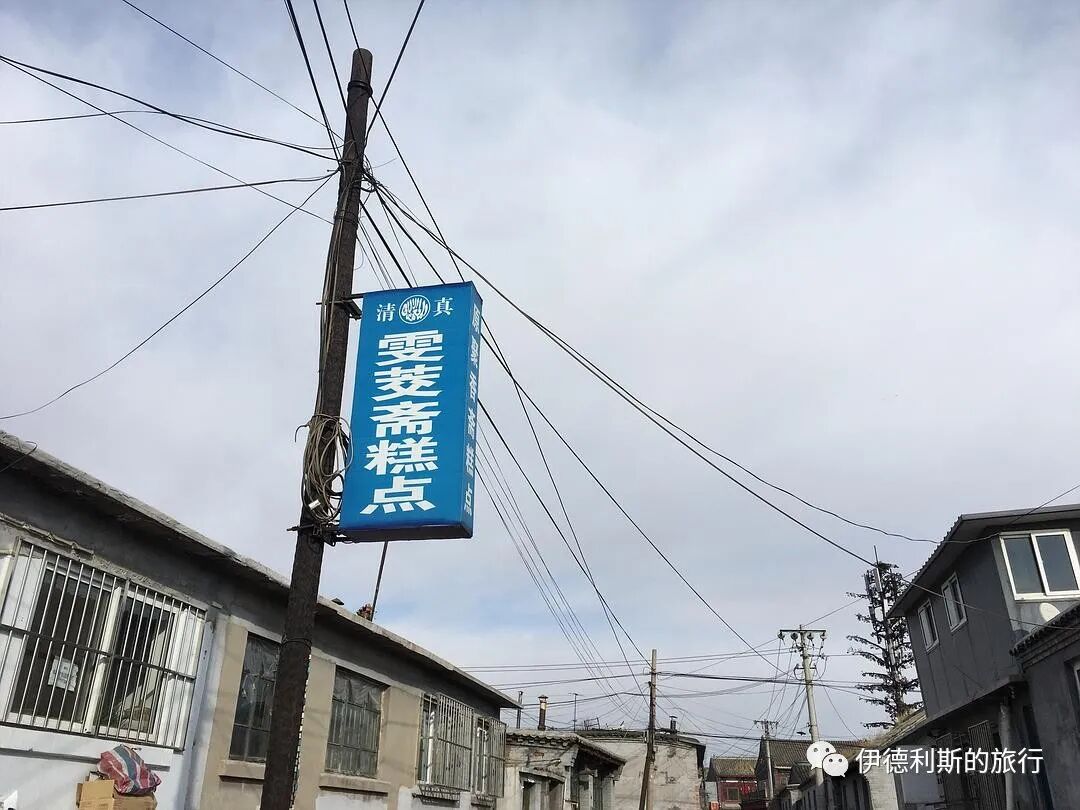
Huiji Pastries is a famous old halal brand in Qinhuangdao. The Qinhuangdao Daily featured a detailed report on Huiji Pastries in an article titled 'The Fragrance of Time in the Ancient City Alleys'.
Huiji Pastries was founded in 1945 by Hui Shulin. At that time, Hui Shulin lived on East Fifth Street in the Shanhaiguan city center. He would make pastries at home and then push a wheelbarrow to sell them at the South Gate barbican. Later, the family moved to the area between South Street Third and Fourth Alley and officially hung up a cloth sign that read 'Huiji Halal Pastry Shop'. After the public-private partnership in 1958, Hui Shulin's son, Hui Changzhong, worked at the Gulou Halal Pastry Shop for several more years.
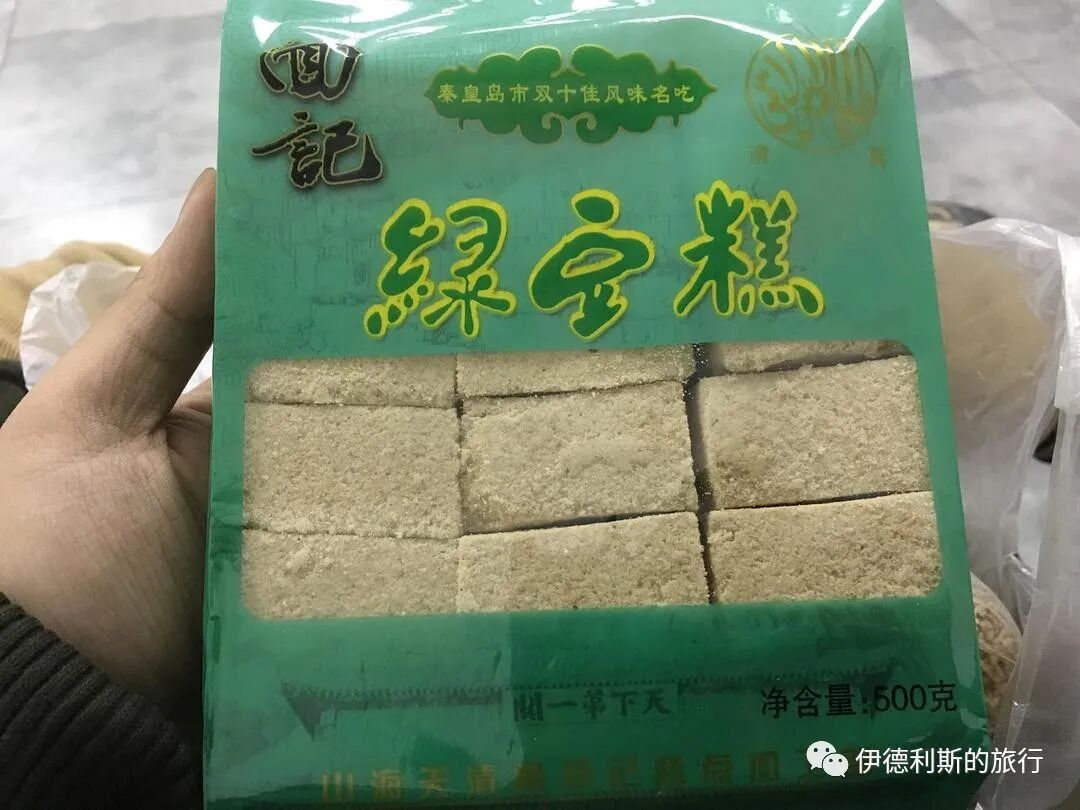
In 1979, Hui Changzhong started a pastry processing unit in the courtyard of his home on Tianxin Alley. He started by making mung bean cakes (lvdougao), and because he had many regular customers, he soon added many more varieties. In 1983, Huiji opened a storefront, which was taken over by Hui Changzhong's son, the third-generation successor Hui Junliang. In 1999, Hui Junliang's son, the fourth-generation successor Hui Wei, officially took over.
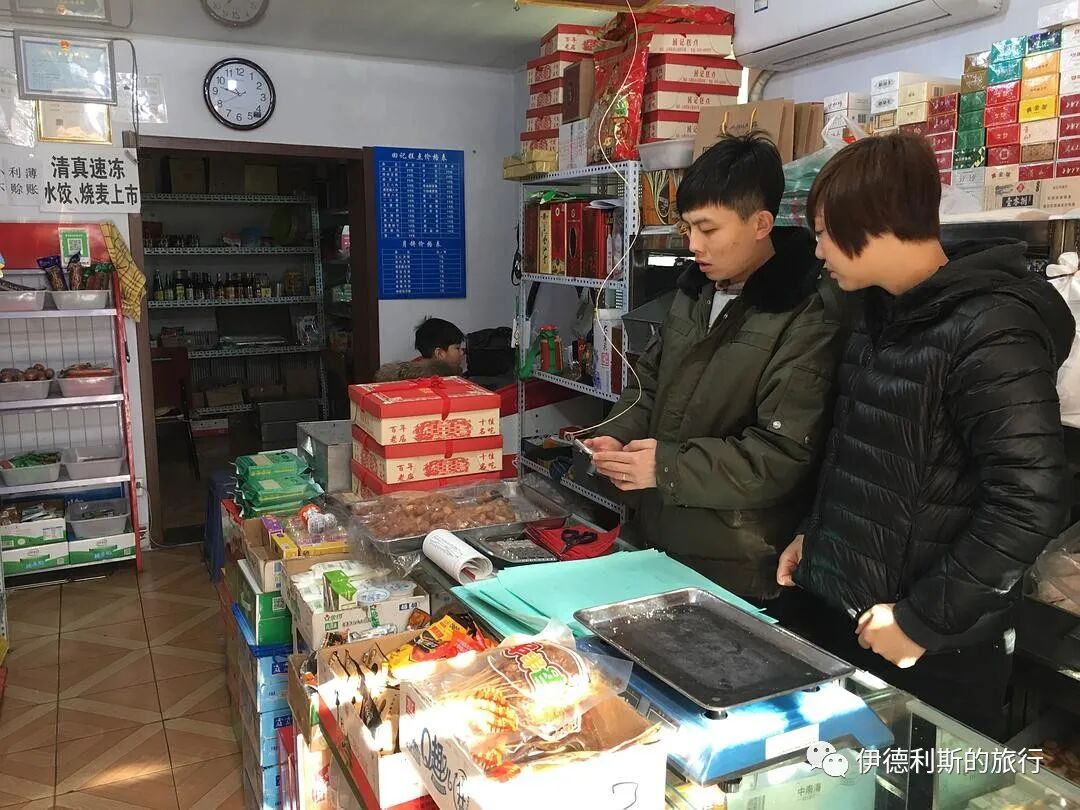
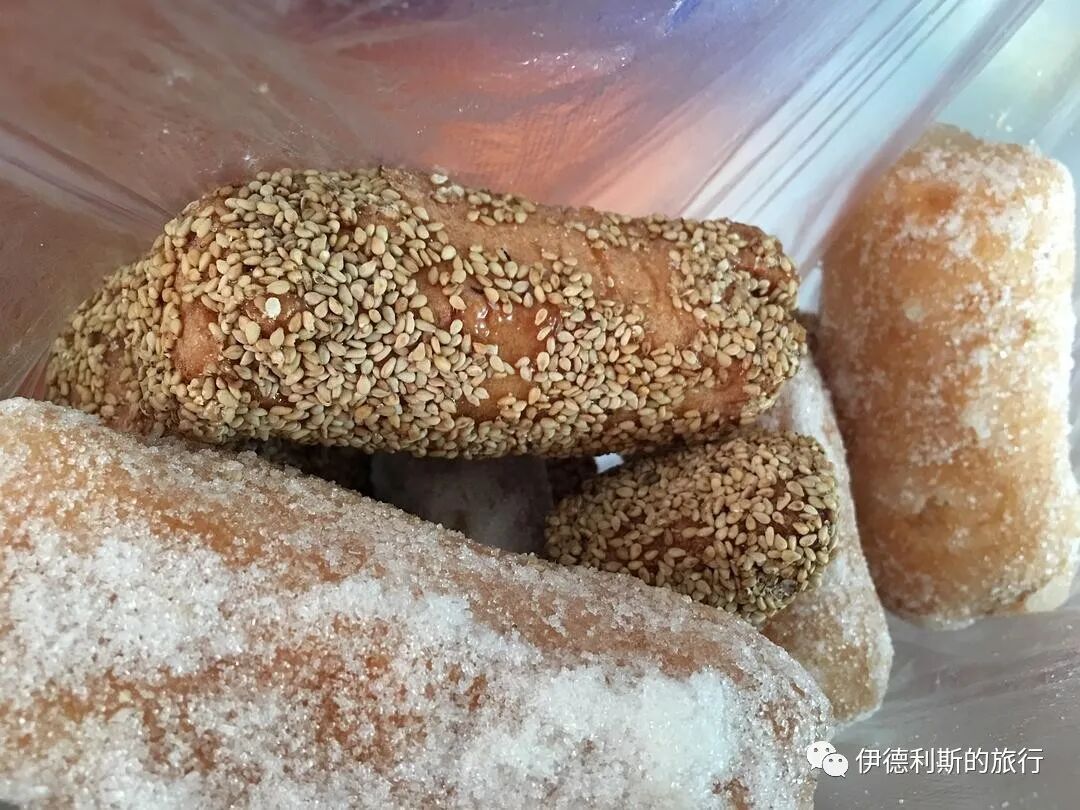
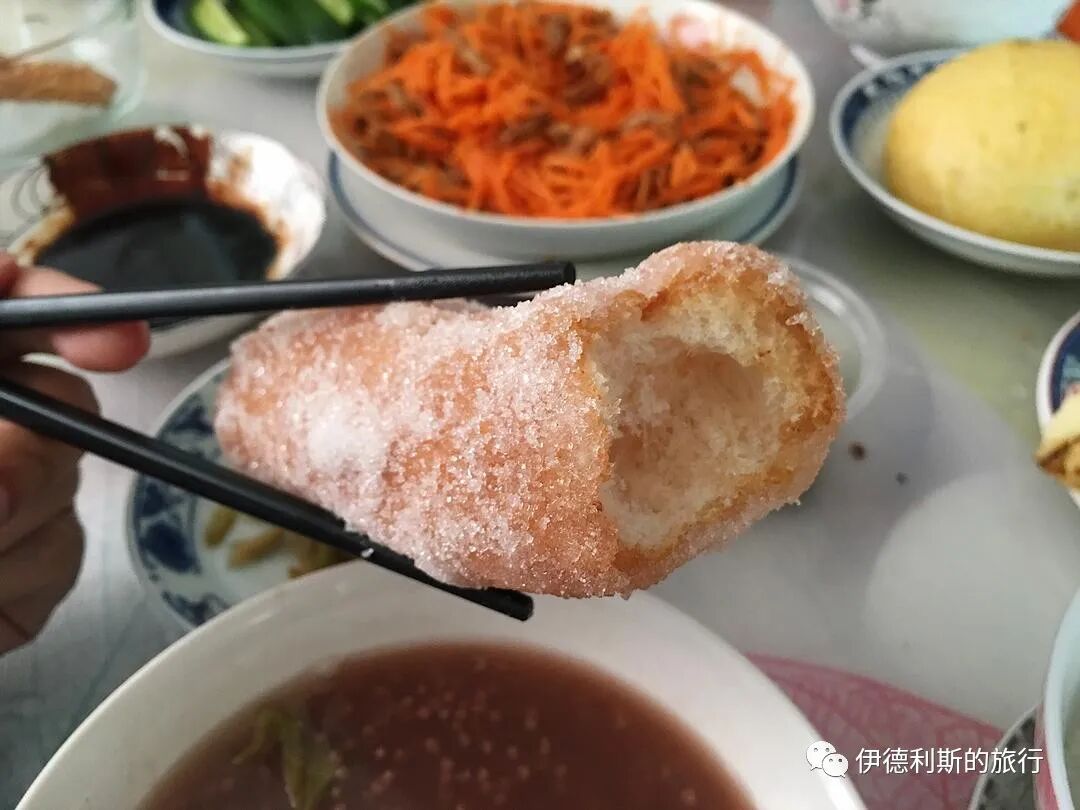
Huiji mainly sells various traditional Beijing-style pastries. They sell assorted sweet rice balls (shijin yuanxiao) in the first lunar month, flower cakes (xianhuabing) in early spring, sticky rice dumplings (zongzi) in May, mung bean cakes in midsummer, mooncakes (yuebing) in August, fried dough twists (liaohua), sugar-coated fried dough twists (binghua), and fried flour cakes (saqima) after winter begins, and then start selling New Year goods after the twelfth lunar month.
Liaohua is also called 'liaohua' or 'liaohua' (using different characters). This name is used in Shaanxi, Henan, Hebei, and Tianjin. In other regions, it is called 'dajingzao', and the version sprinkled with white sugar is also called binghua.
Yingxinyuan Restaurant
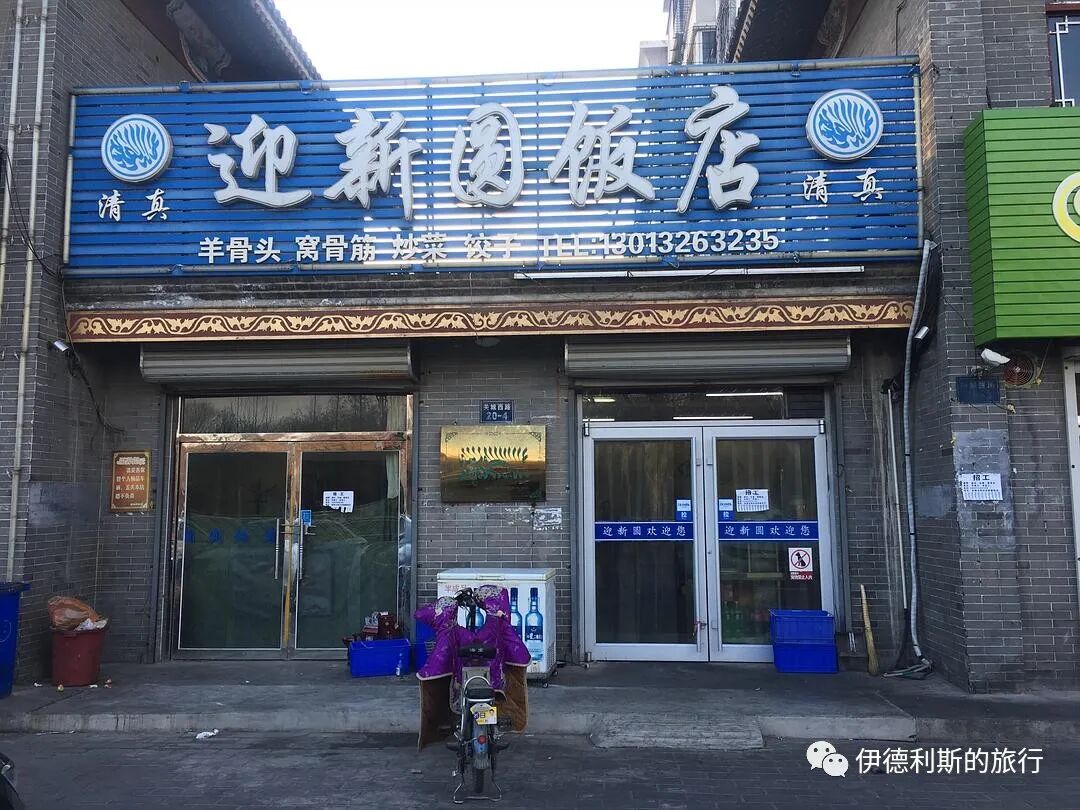
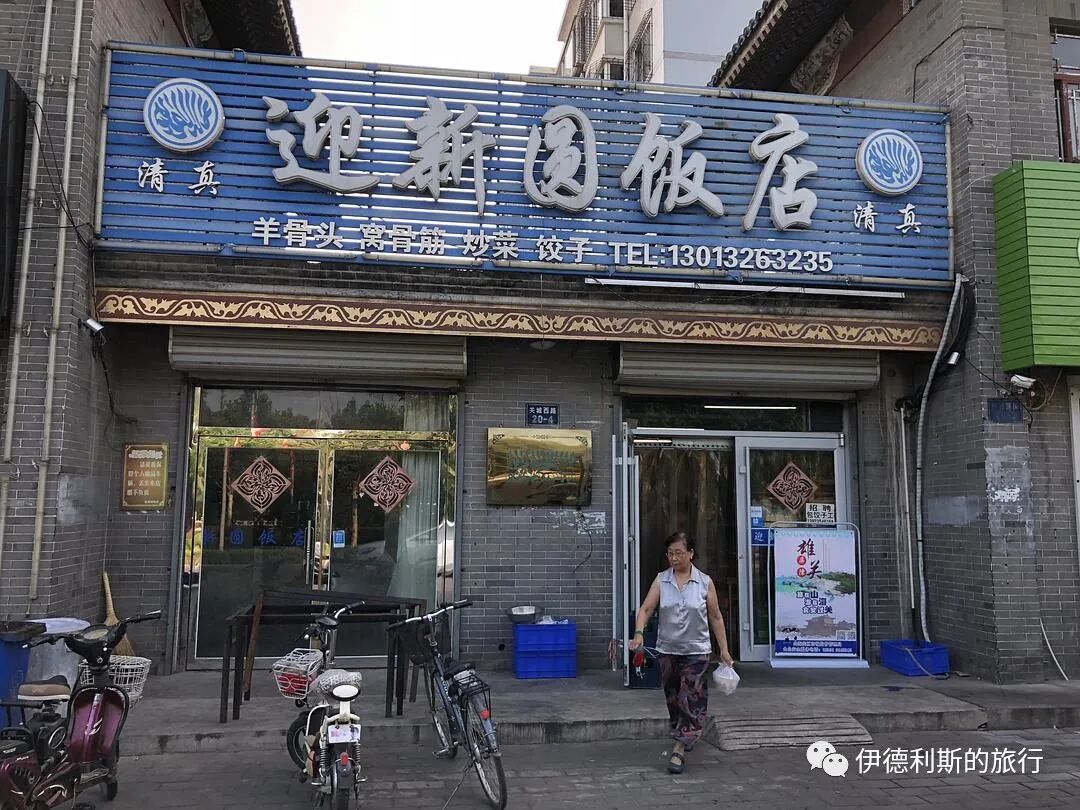
Yingxinyuan Restaurant is just south of the mosque on Guancheng West Road. An elder at the mosque recommended it to me, saying that when guests visit the mosque, they are always hosted here. I arrived after 3:00 p.m., so the cook made my meal and then took a break. They didn't start their afternoon shift until 4:30 p.m. The owner said that after 2:00 p.m., there might not be anyone around, so I was quite lucky.
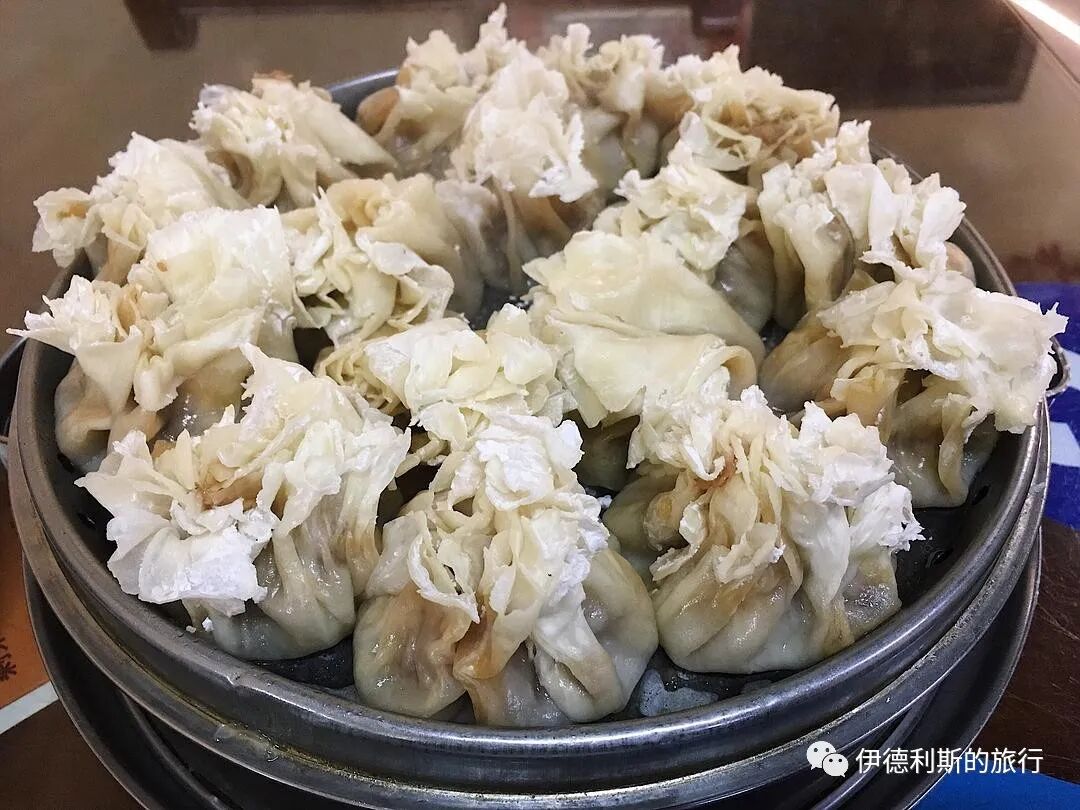
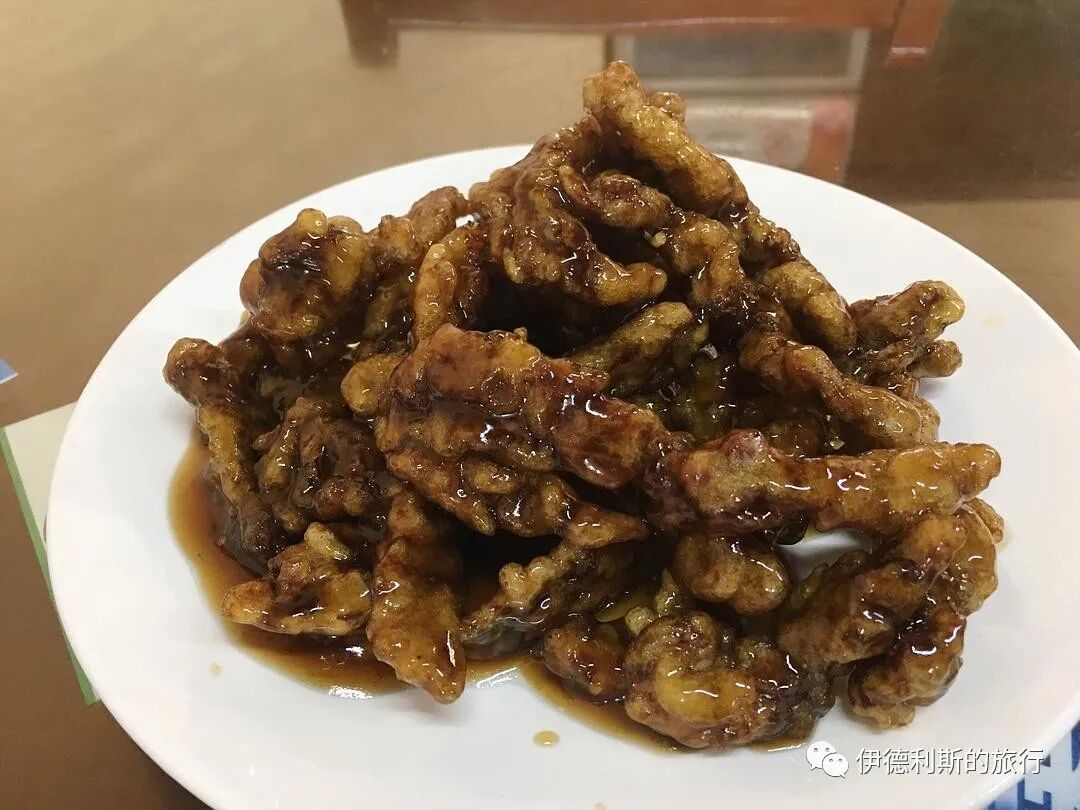
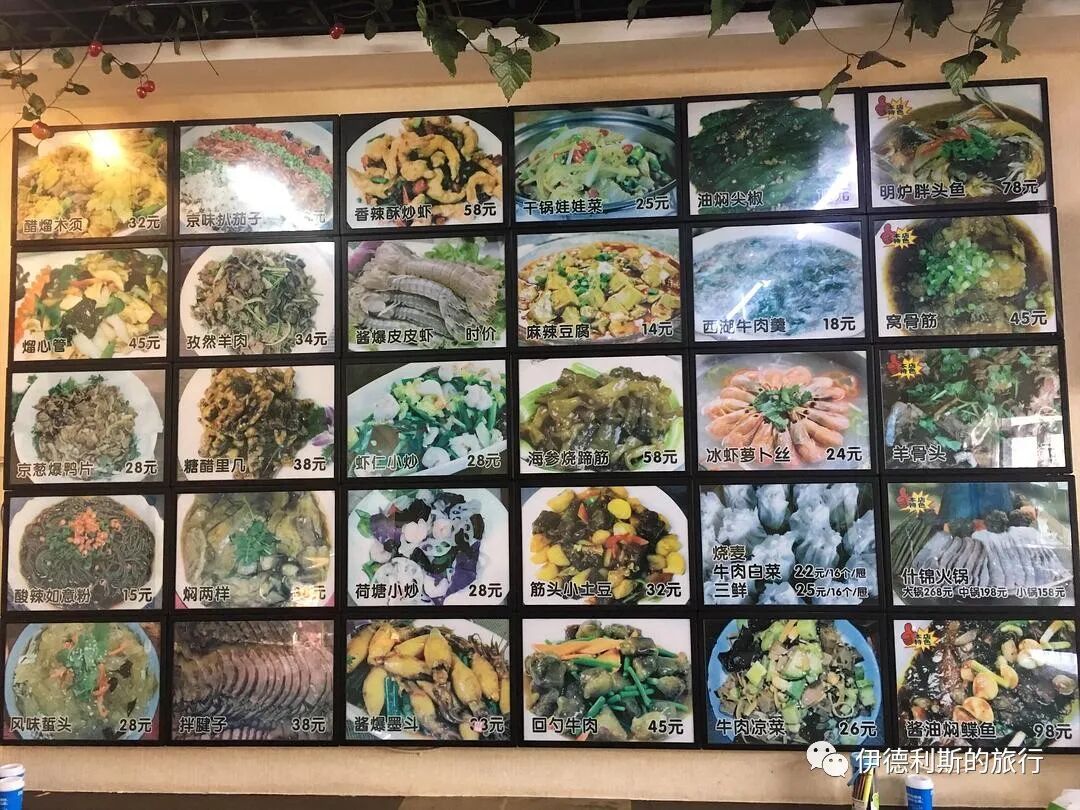
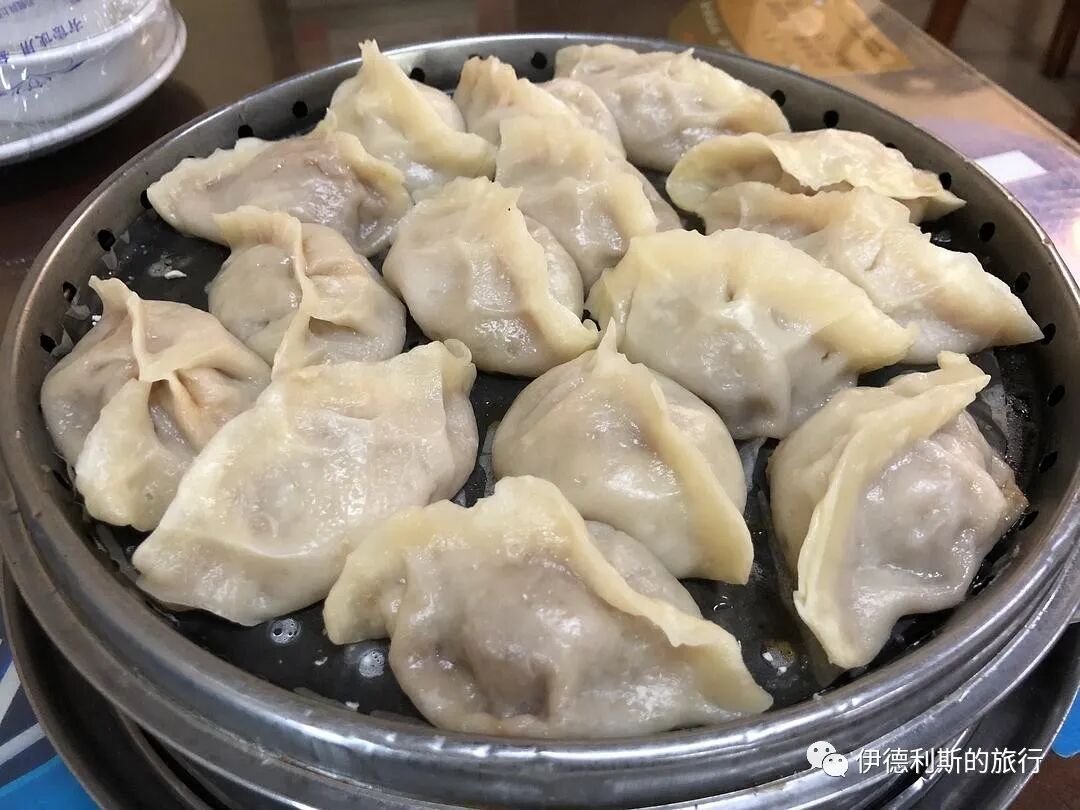
Knowing that portions get bigger the further northeast you go, I ordered one steamer of beef and cabbage steamed dumplings (shaomai) and a plate of sweet and sour pork tenderloin (tangcu liji), but I still couldn't finish it all. The taste was excellent, though! The even larger Qinhuangdao mixed hot pot (hunguo) will have to wait until I can come back with a group of people.
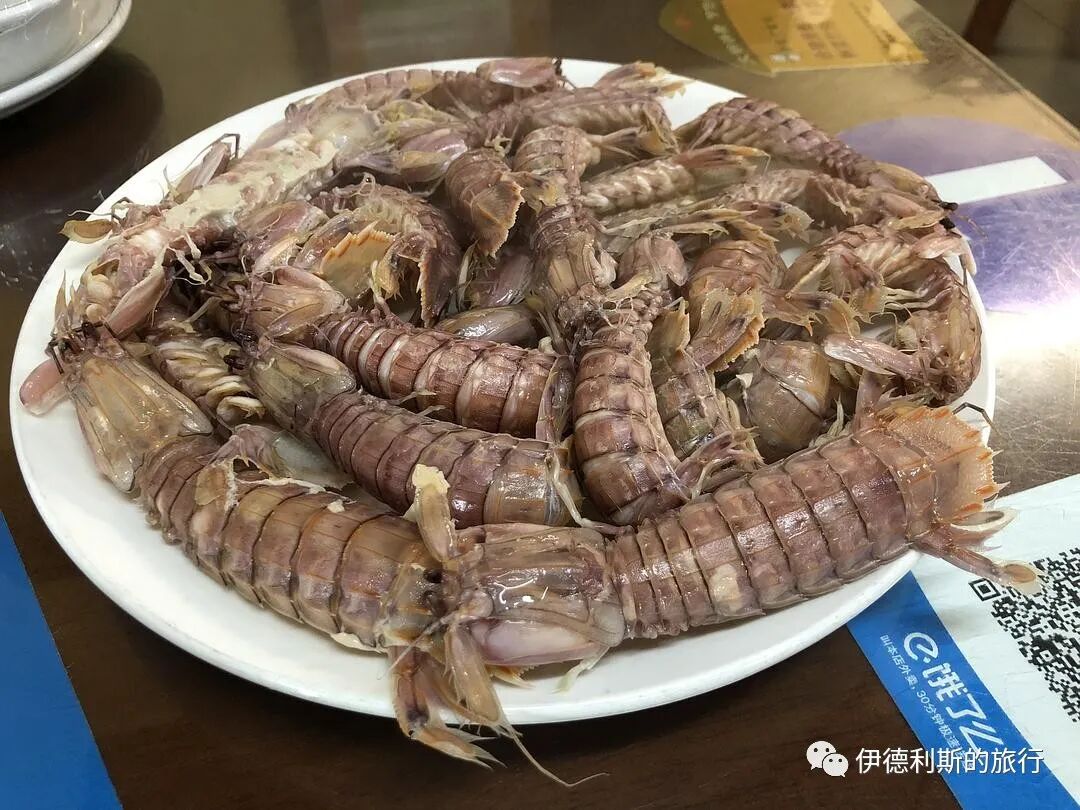
I came back in the summer to eat mantis shrimp (pipixia). They have several styles like spicy stir-fried or sauce-braised, but I chose the lightest option: steamed.
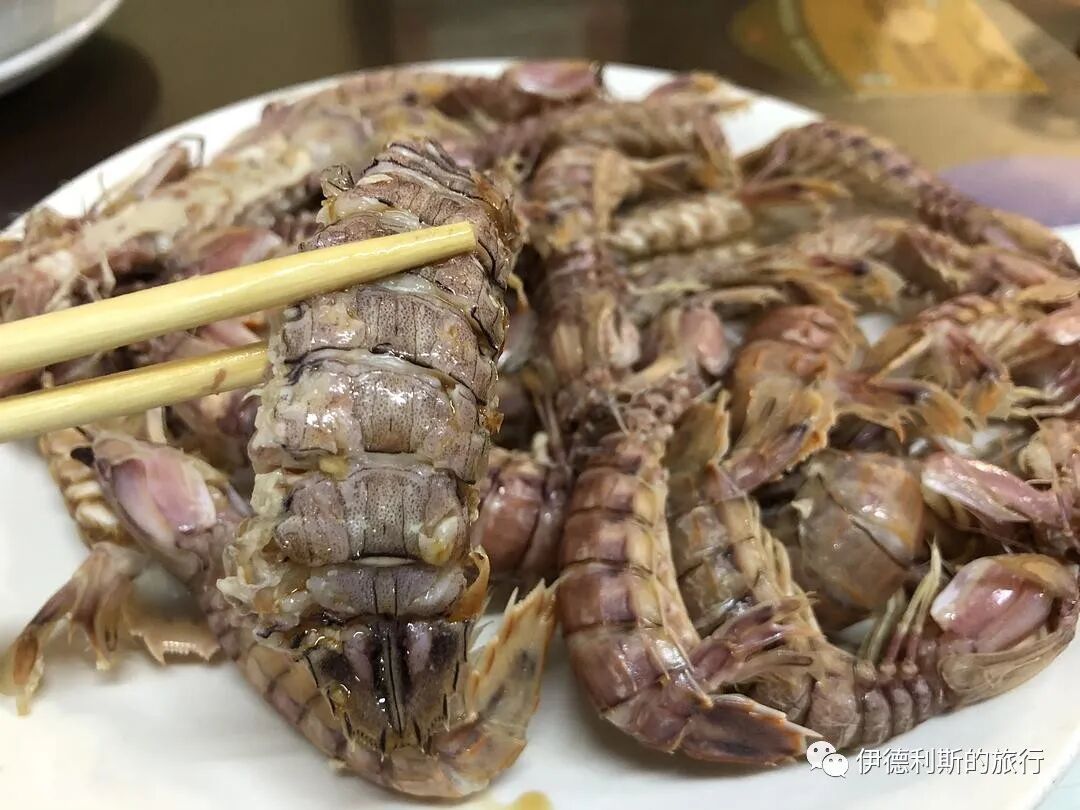
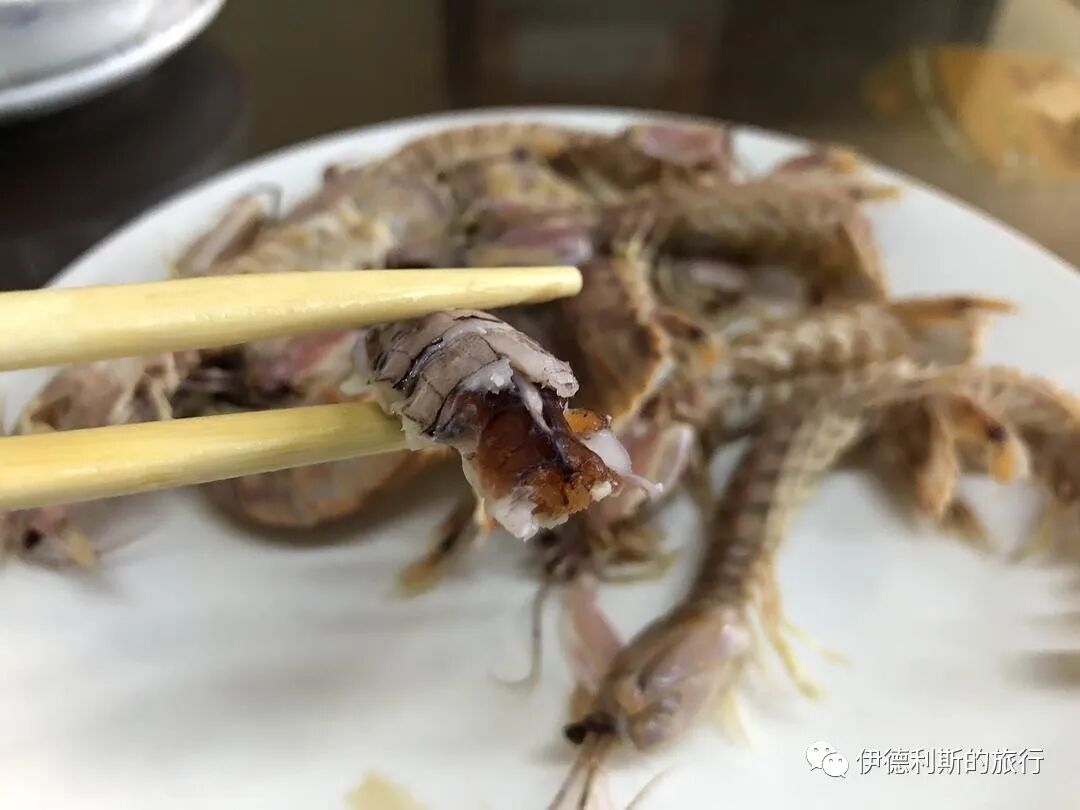
My first time eating the roe of the mantis shrimp.
Paired with beef steamed dumplings (zhengjiao), it was also incredibly delicious.
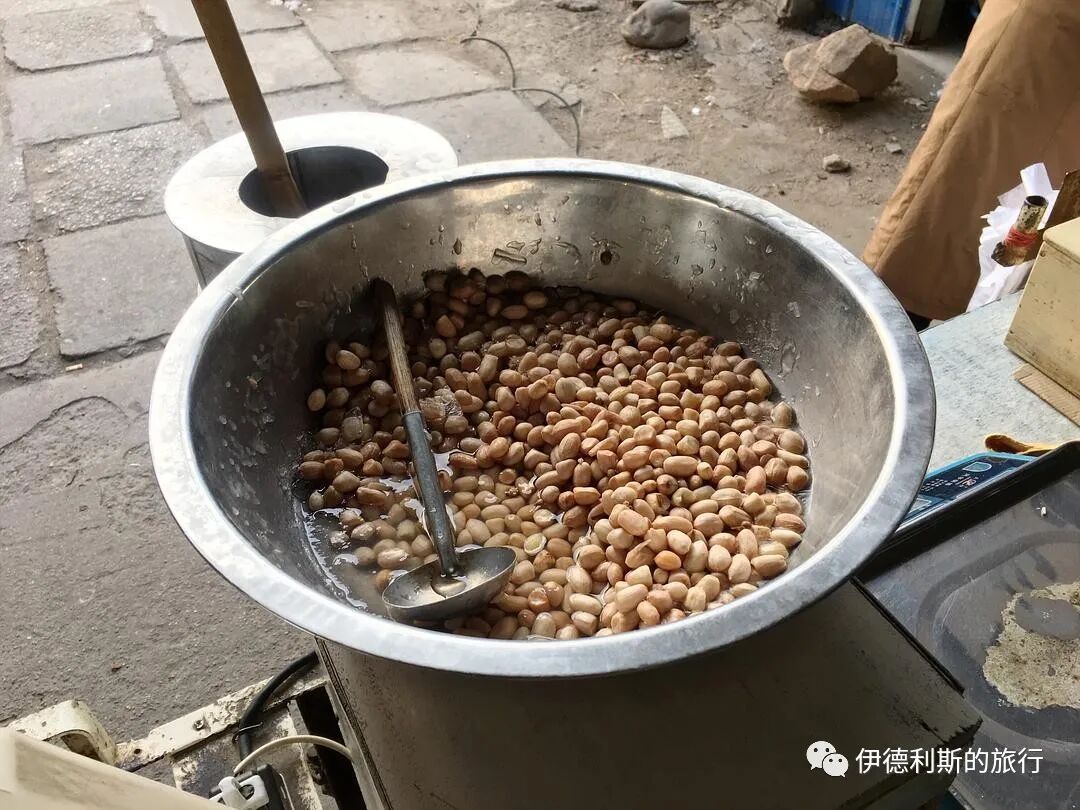
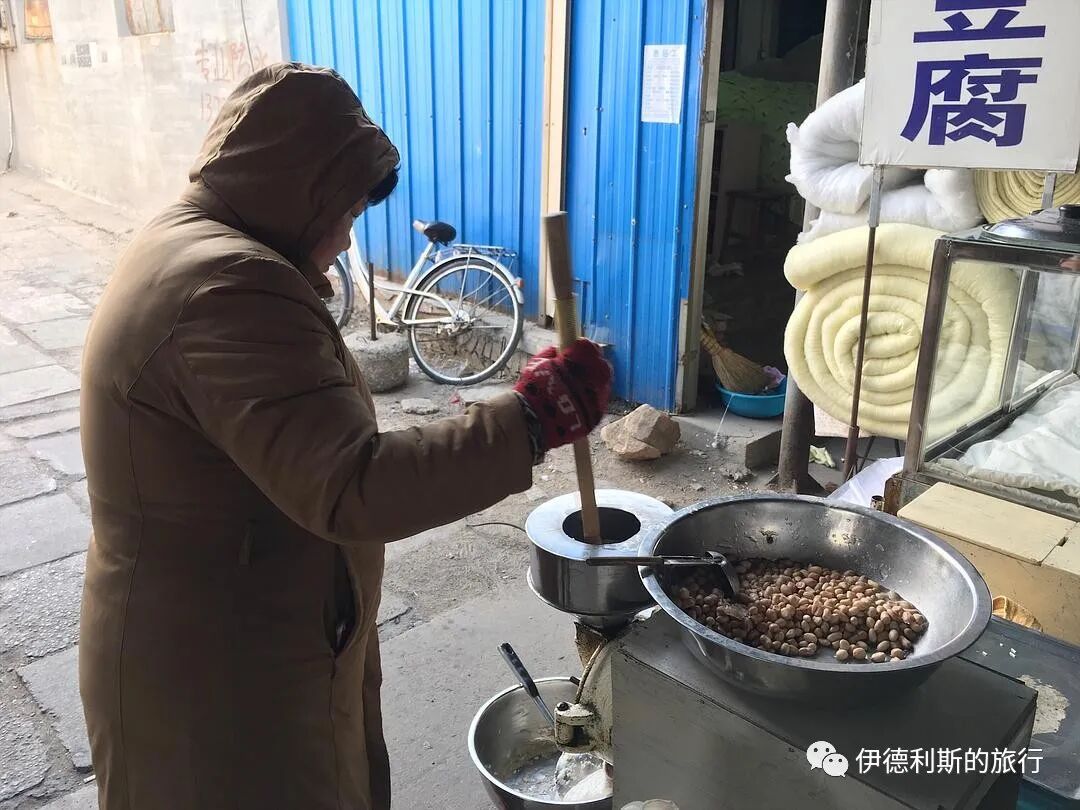
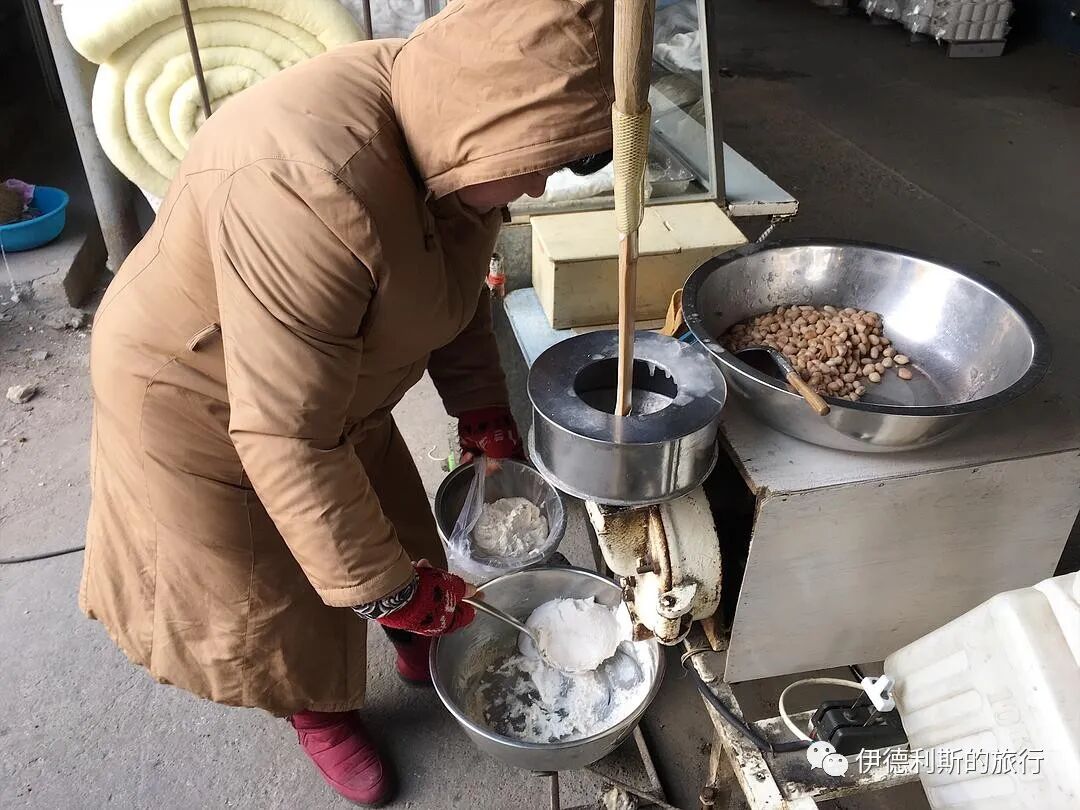
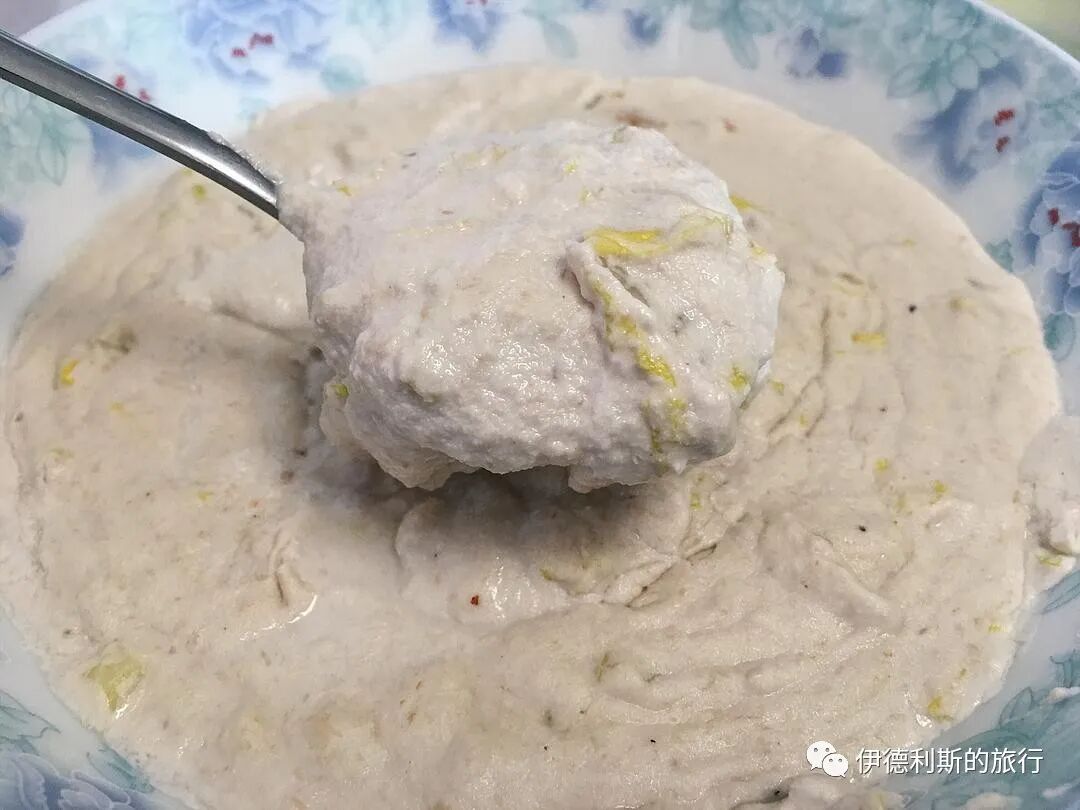
Peanut tofu mash (huasheng xiaodoufu).
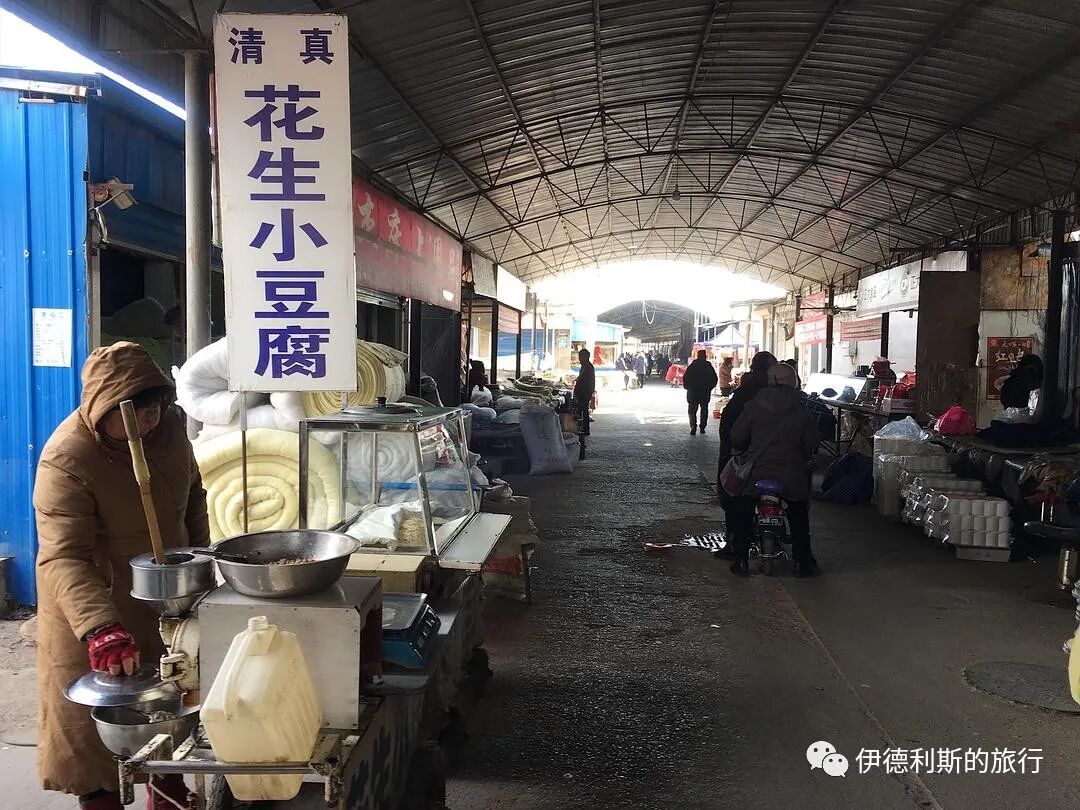
Chaiheshi Farmers Market is on the south side of the road inside the West Gate of the Shanhai Pass ancient city. It is rare to see it still standing in a city that is constantly tearing down the old to build the new. This was my first time seeing peanut tofu mash. I looked it up online and it seems to be a specialty of the Qinhuangdao and Jinzhou areas in western Liaoning. Peanuts boiled with Sichuan peppercorns are ground into a paste. You take it home and stew it with cabbage. The rich fragrance of the peanuts mixes with the fresh scent of the cabbage, making it very unique.
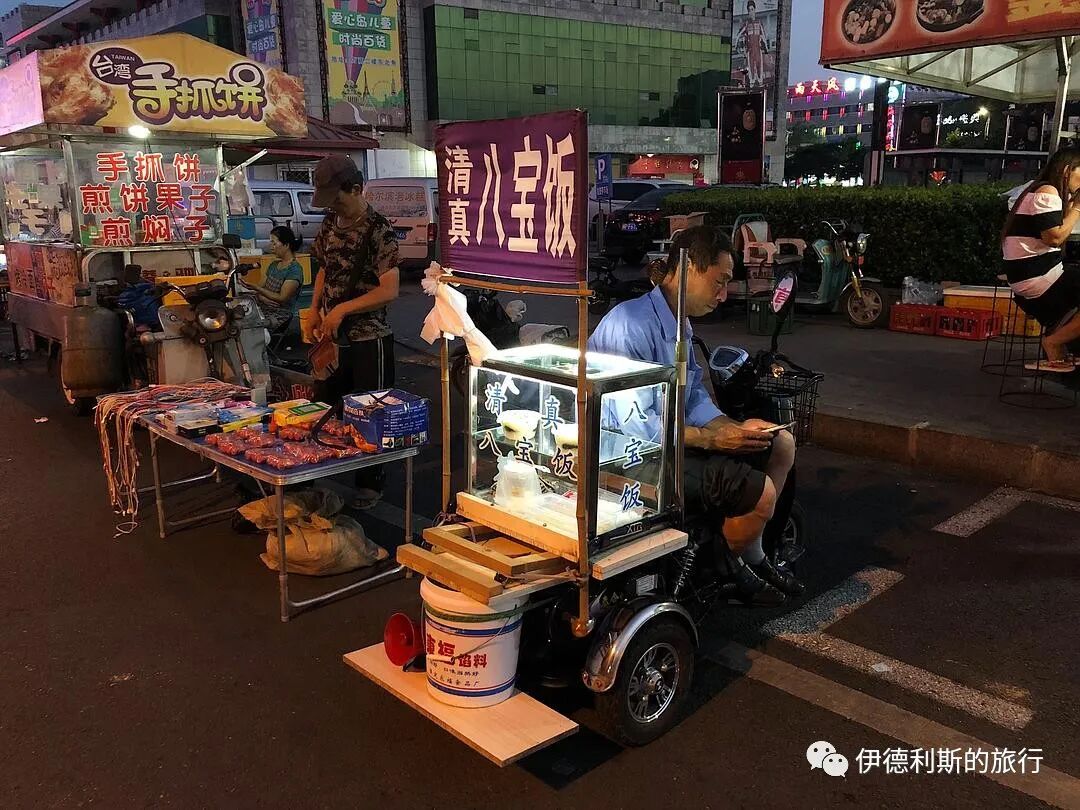
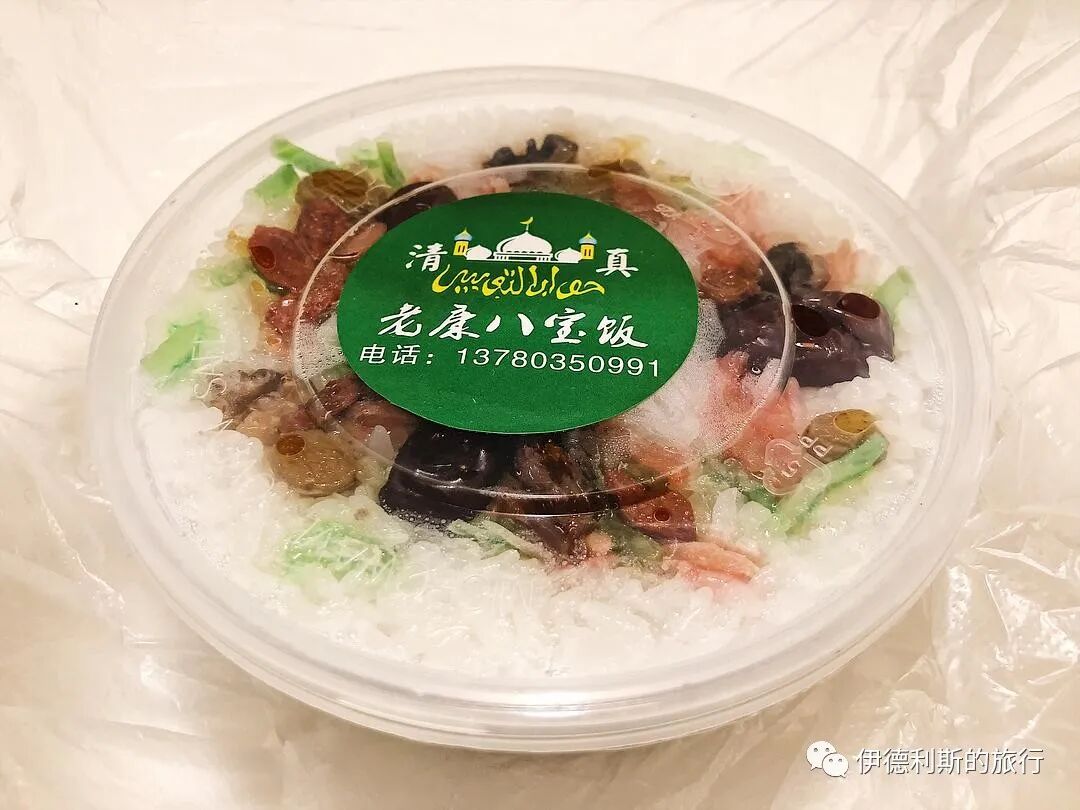
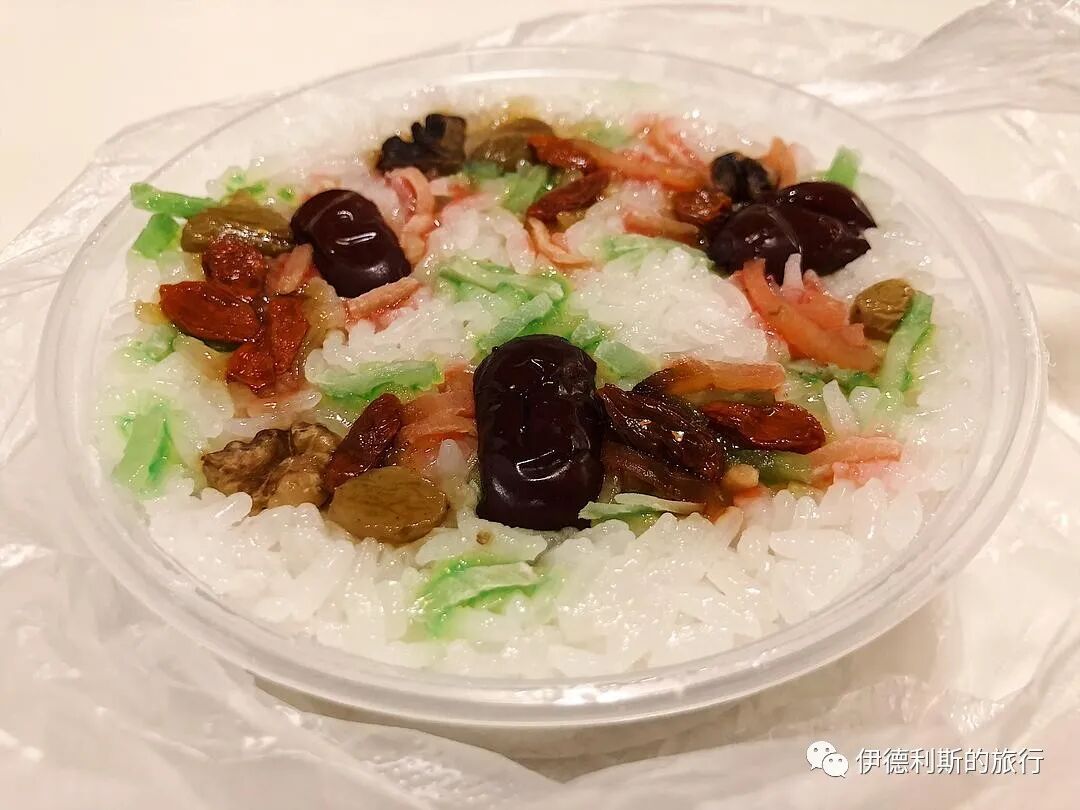
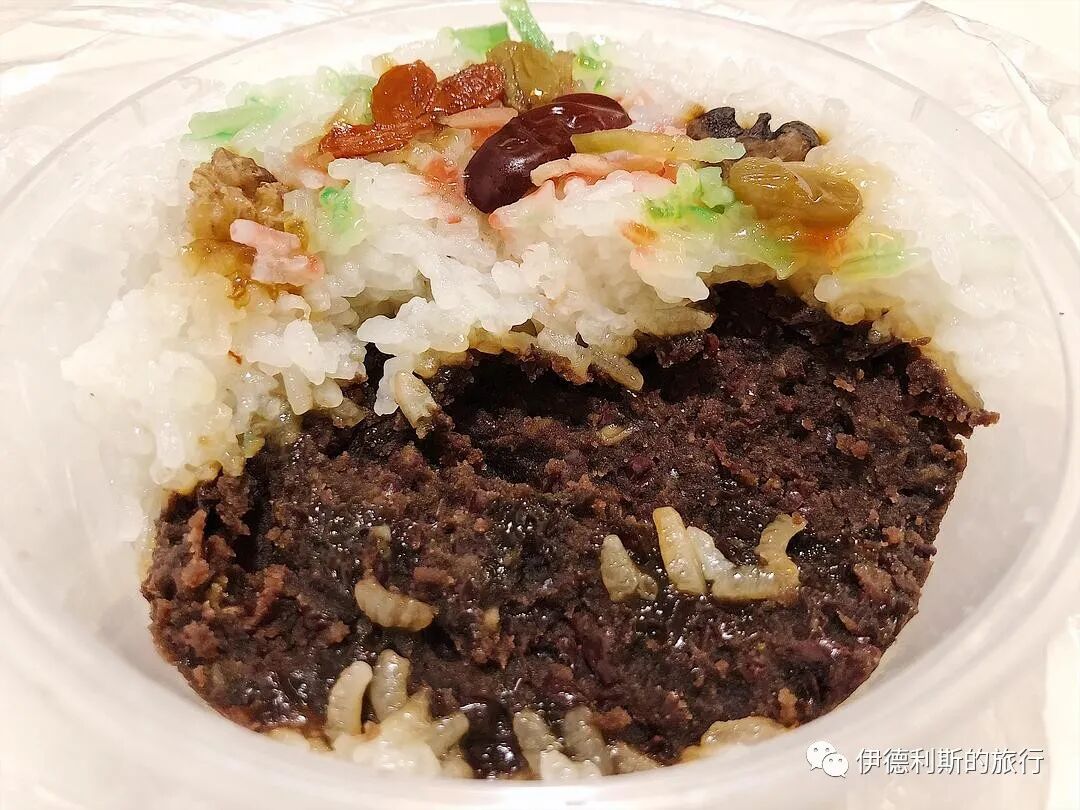
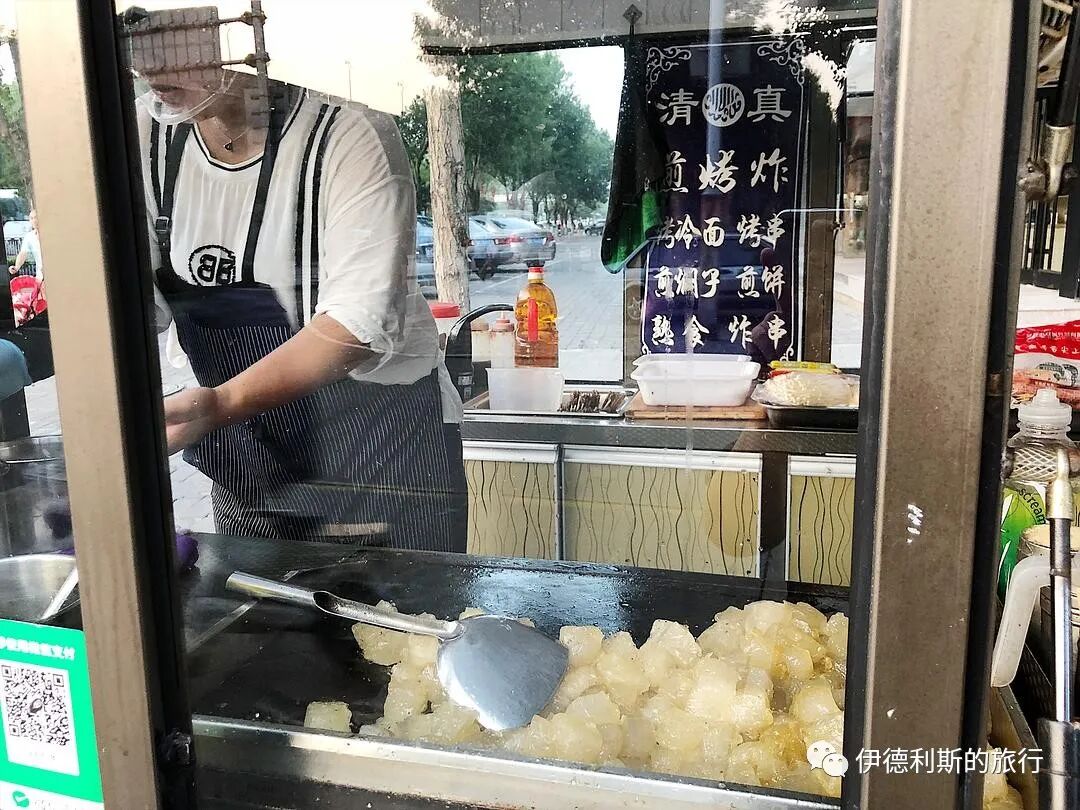
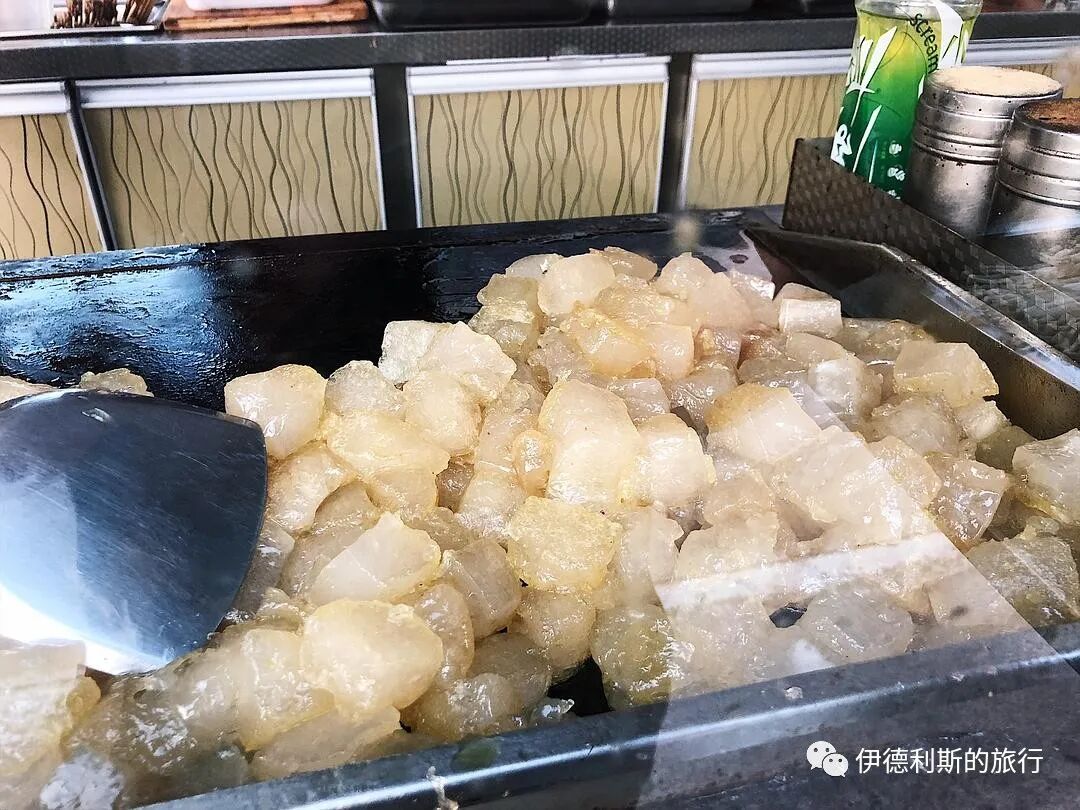
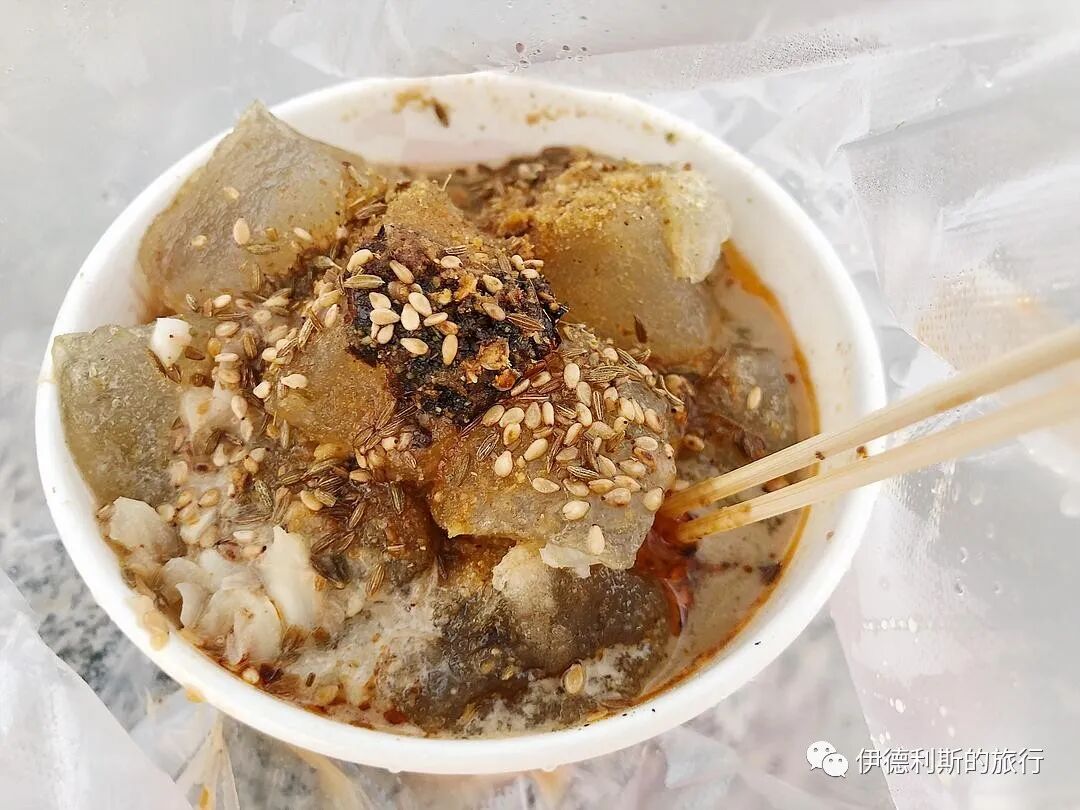
Eight-treasure rice (babao fan) and pan-fried starch jelly (jian menzi) at the night market.
The night market around the South Gate of Shanhai Pass is very lively. You can find all kinds of small seafood barbecues, as well as halal eight-treasure rice and pan-fried starch jelly. I took this photo when I visited in the summer.
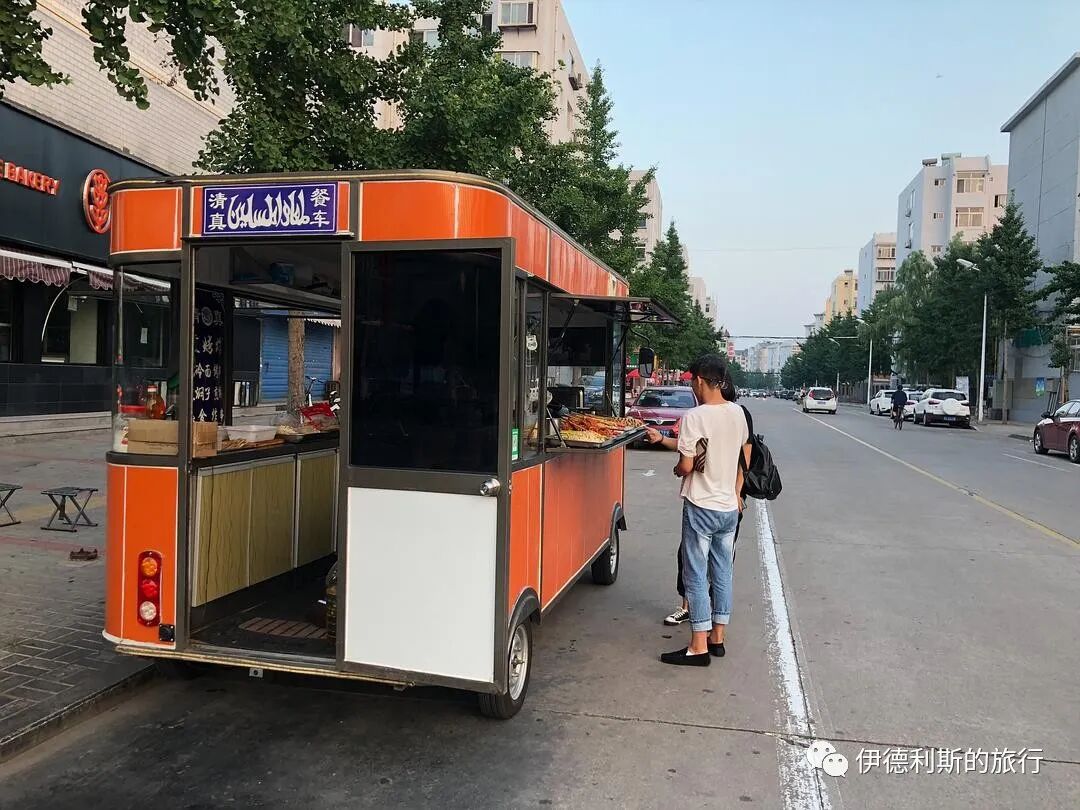
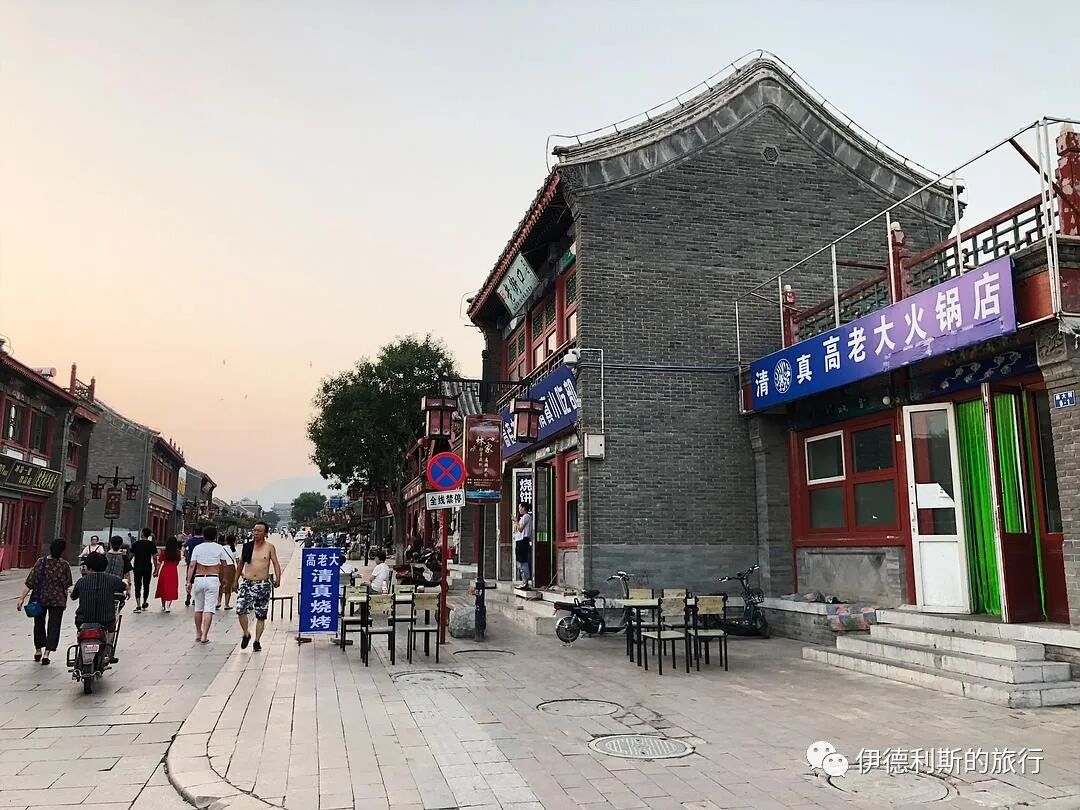
Shanhai Pass old city on a summer evening.
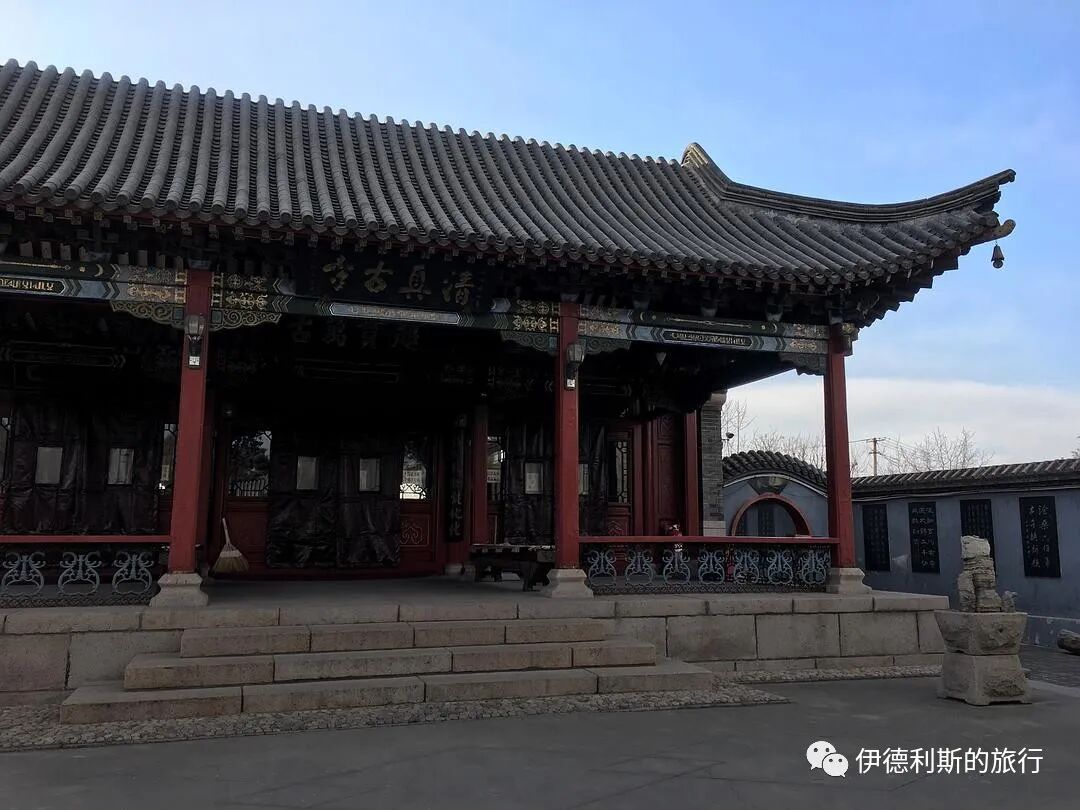
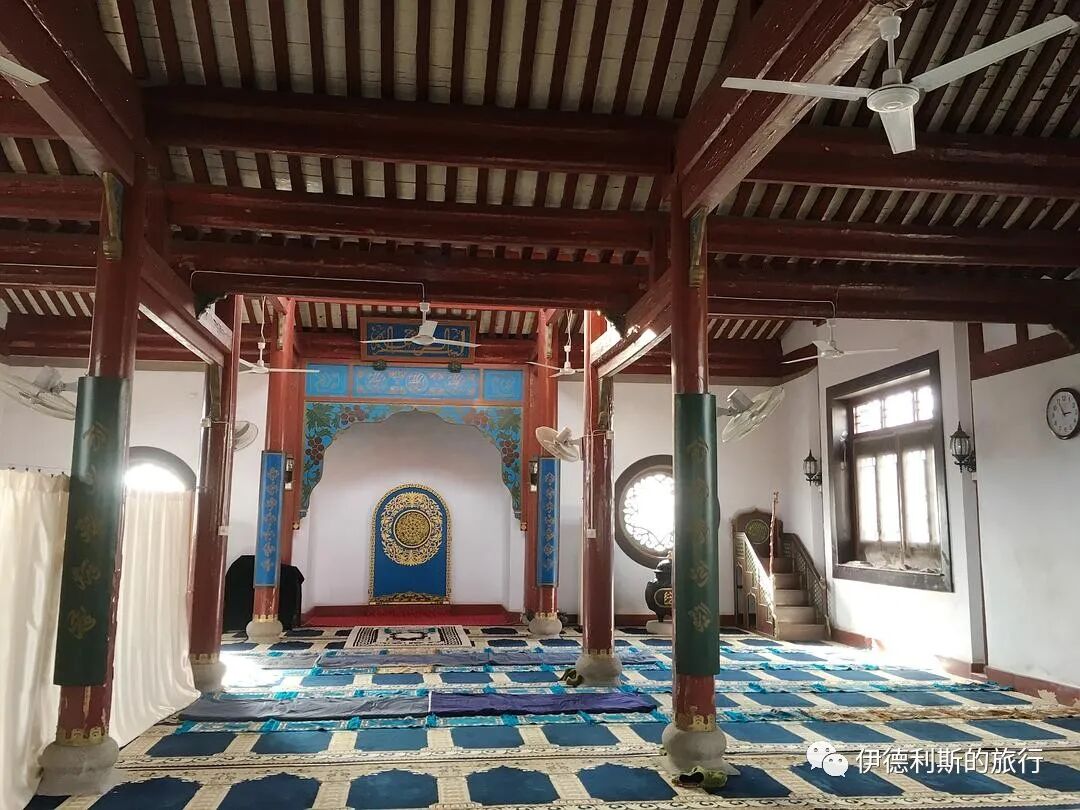
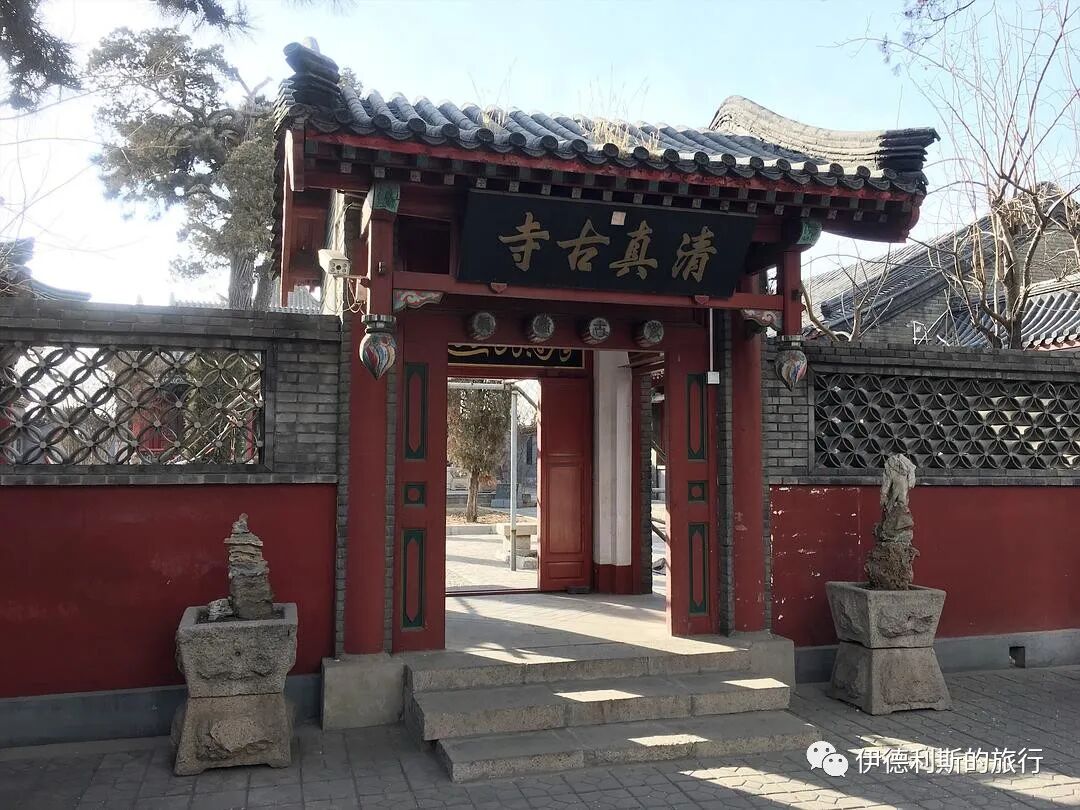
Shanhai Pass Mosque.
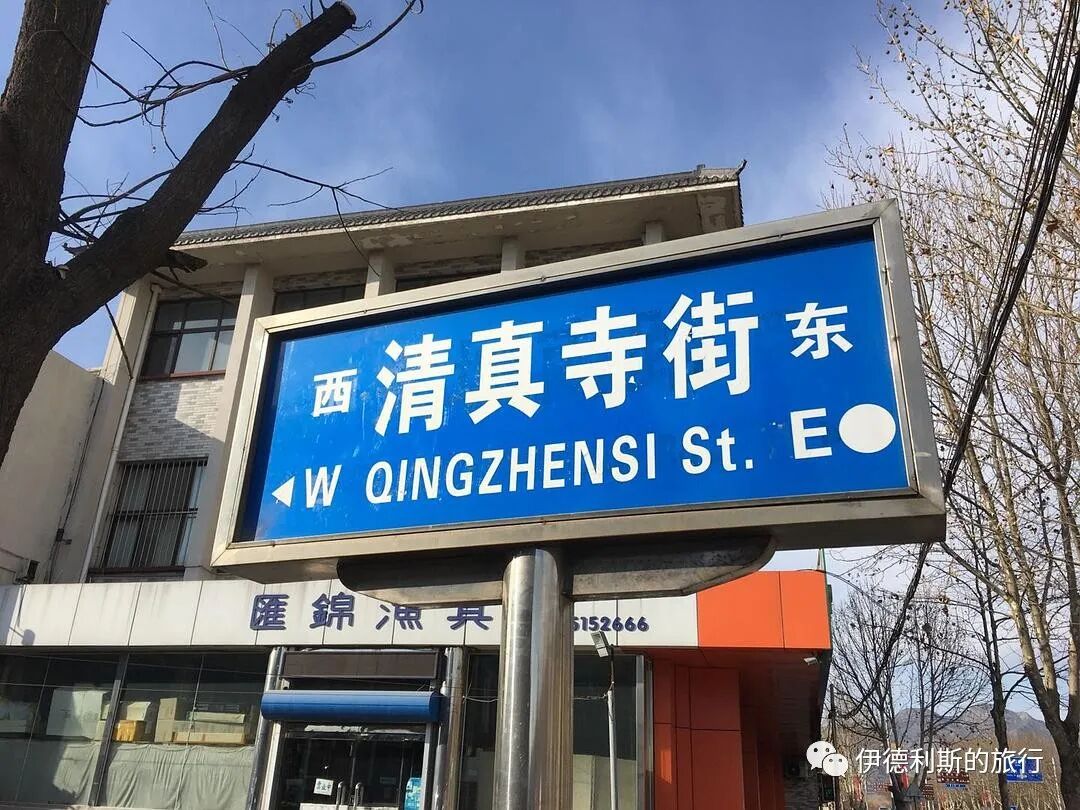
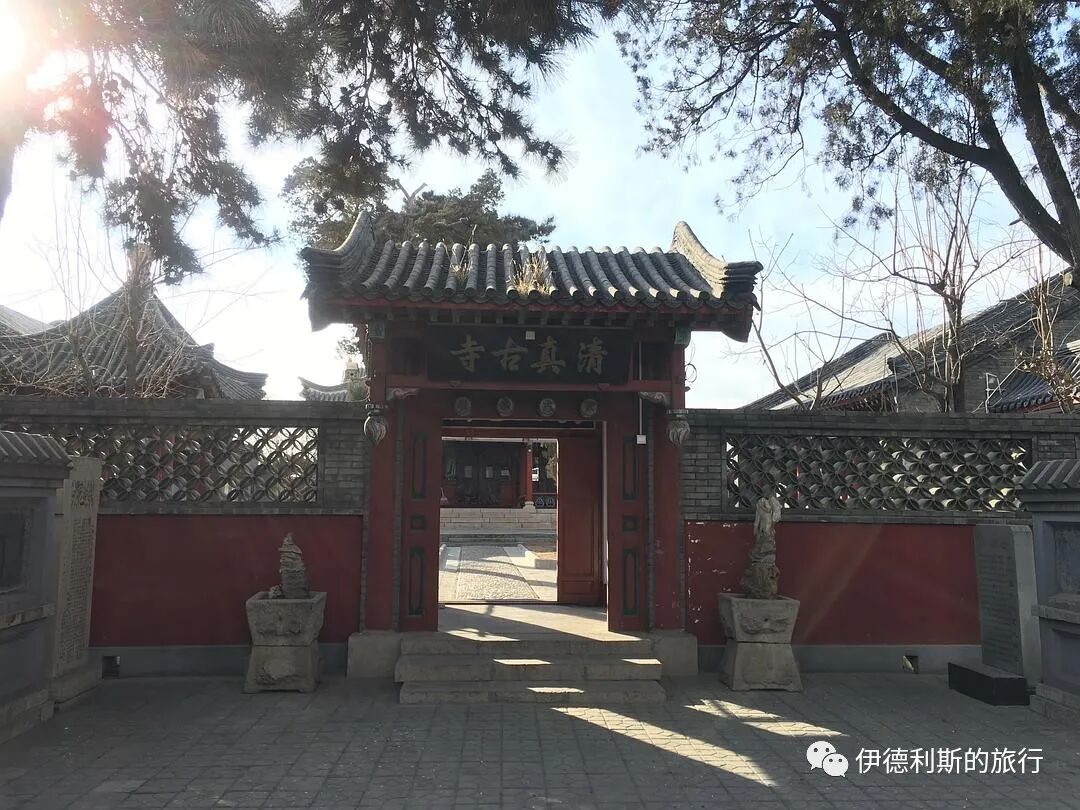
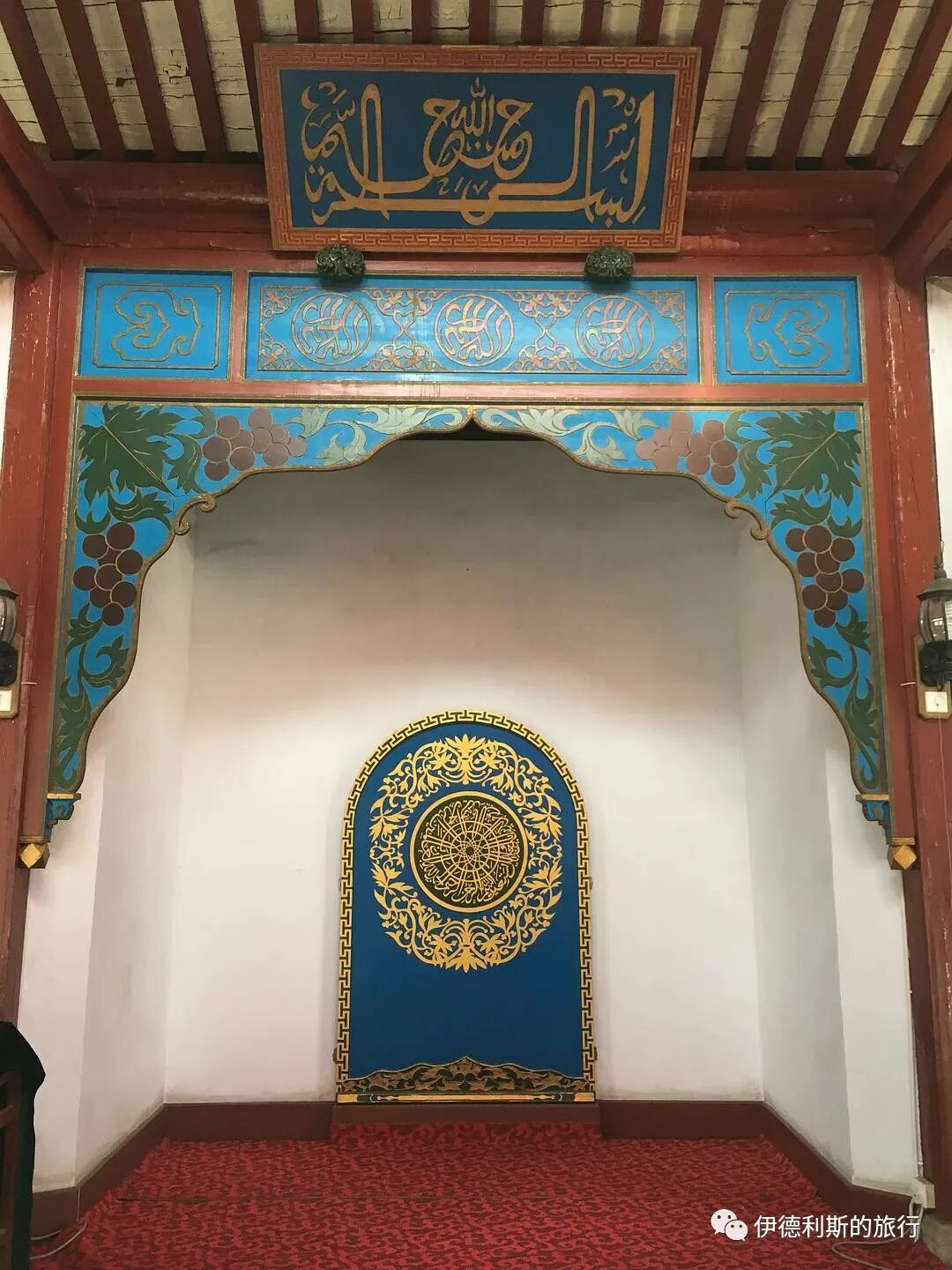
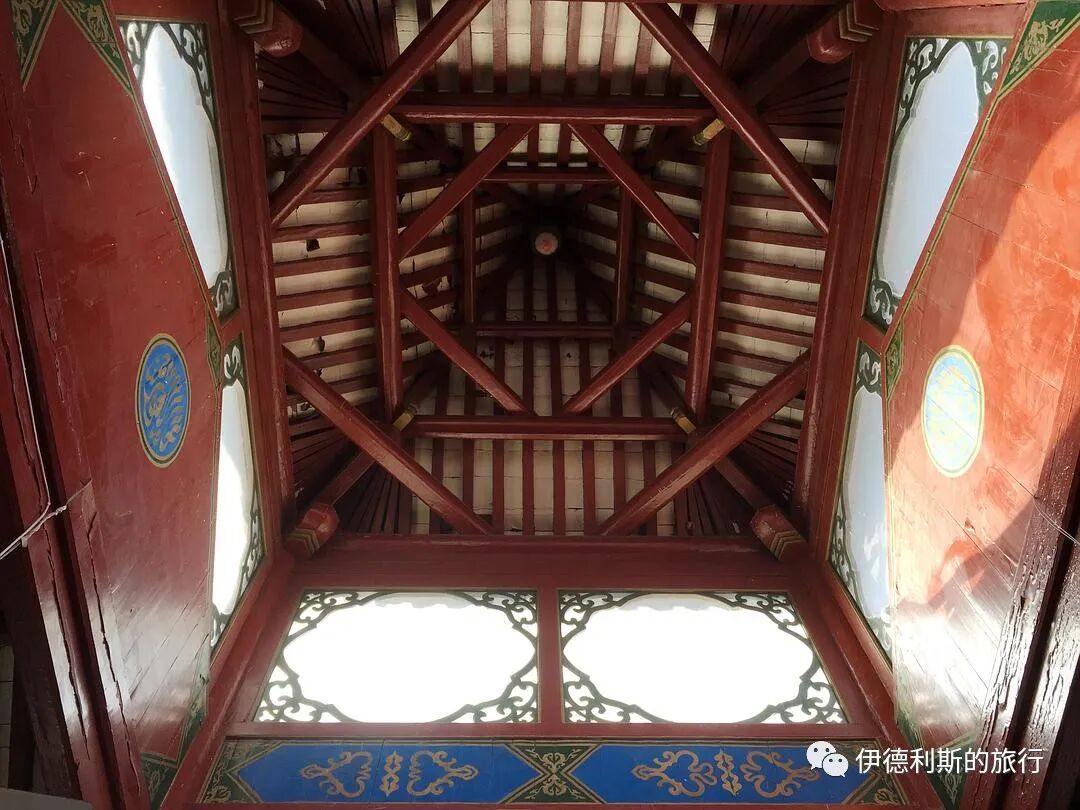
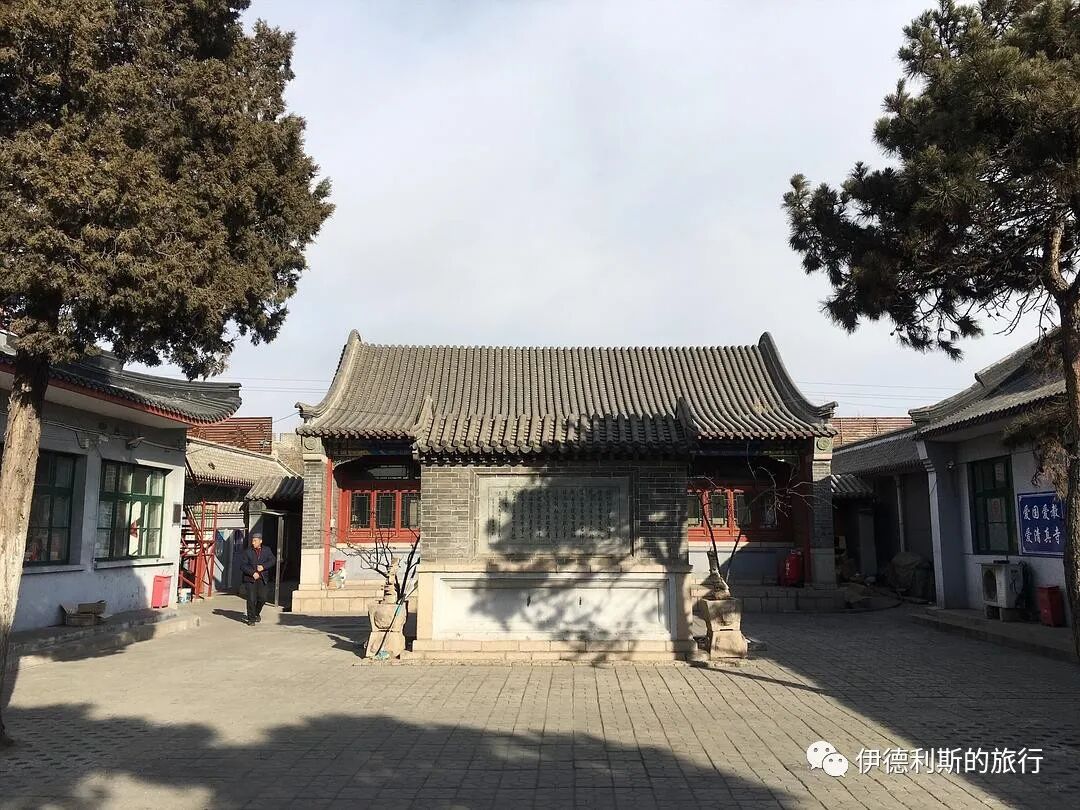
Shanhai Pass Mosque is located outside the West Gate of the Shanhai Pass city. According to the Kangxi-era 'Shanhai Pass Gazetteer,' in the first month of 1381 (the 14th year of the Hongwu reign), 'General Xu Da dispatched 15,100 soldiers from the Yanshan Guard to repair 32 passes, including Yongping and Jieling.' According to the 'Veritable Records of the Ming Taizu,' in the ninth month of the same year, the 'Shanhai Guard Command was established,' which marked the beginning of the founding of Shanhai Pass. The Shanhai Pass Mosque was reportedly built by Muslim soldiers under the command of Xu Da.
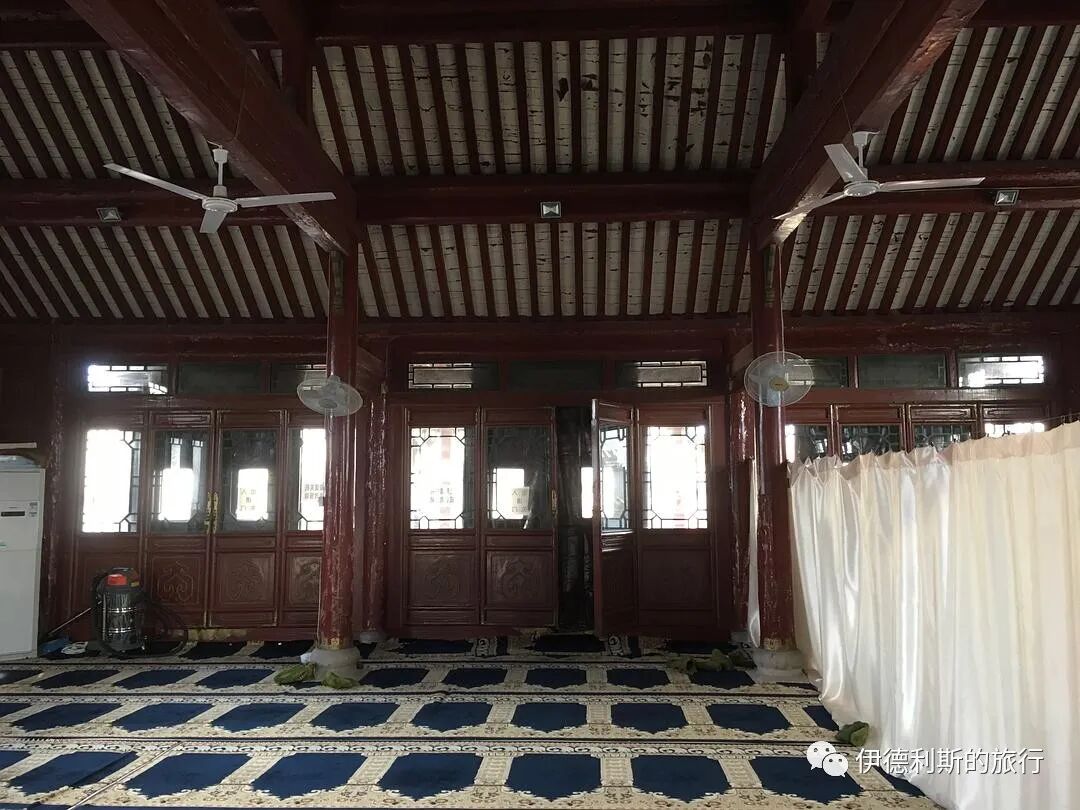
During the Cultural Revolution, a shoe factory occupied the mosque. It was returned and renovated in 1986. In 1998, the gatehouse and main prayer hall were torn down and rebuilt, with construction finishing in 2003.
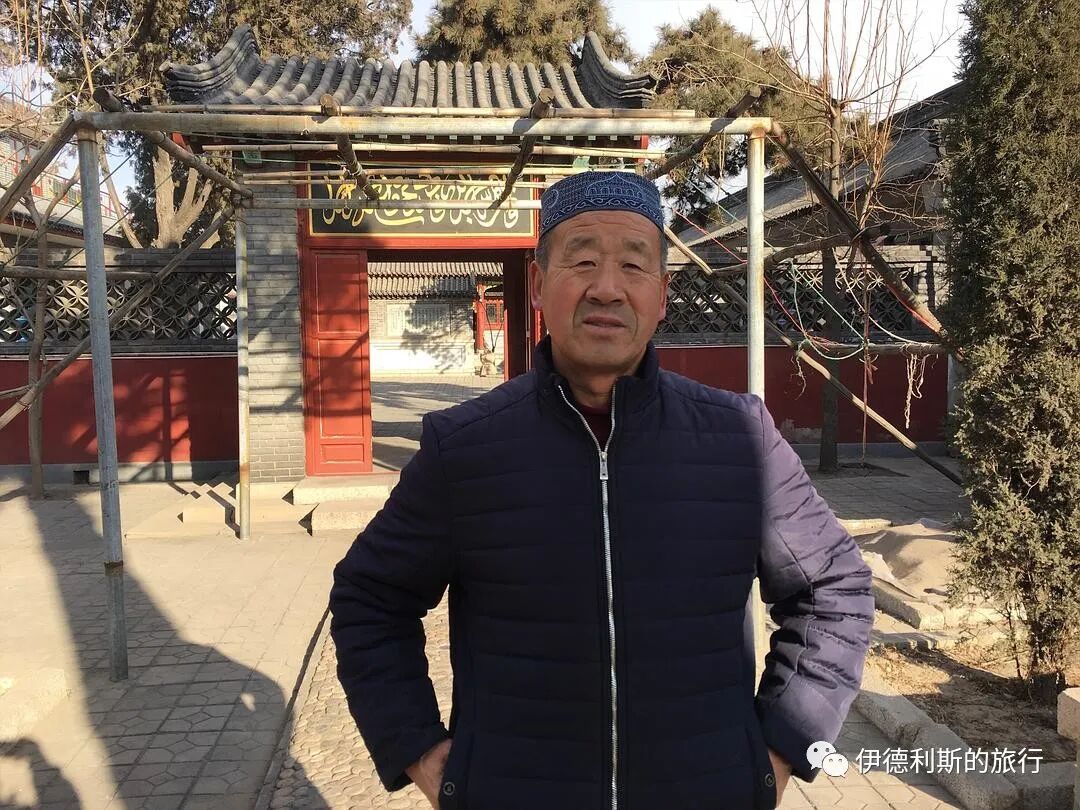
Elder Wu from the mosque gave me a warm tour and explanation. Elder Wu is 60 years old and the only person with the surname Wu among the Hui Muslims in Shanhai Pass. His great-grandfather arrived here in the late 19th century.
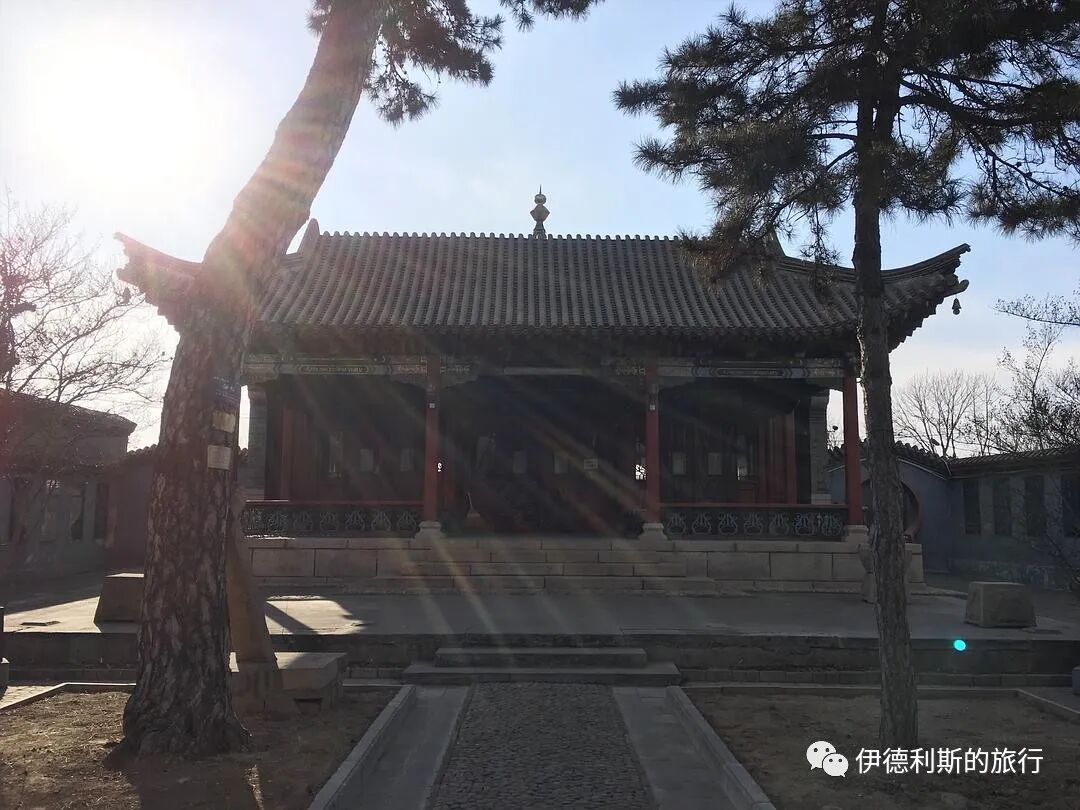
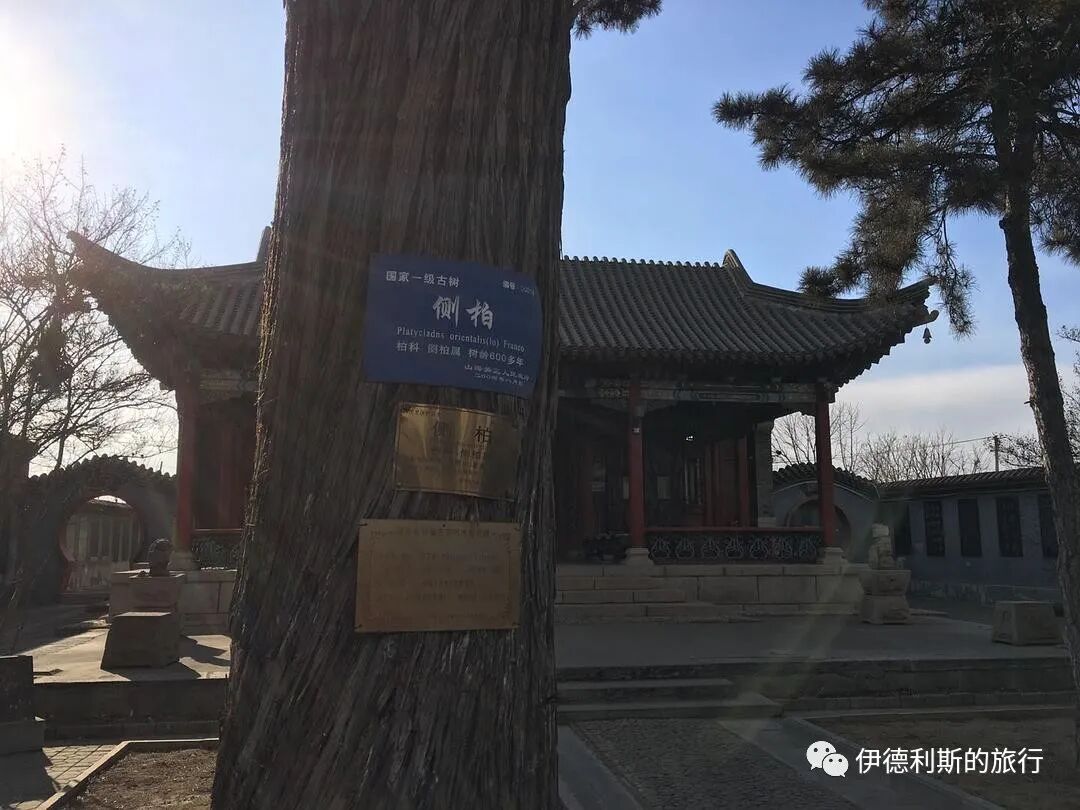
An ancient tree with 600 years of history.
(Optional) Image description
Delete
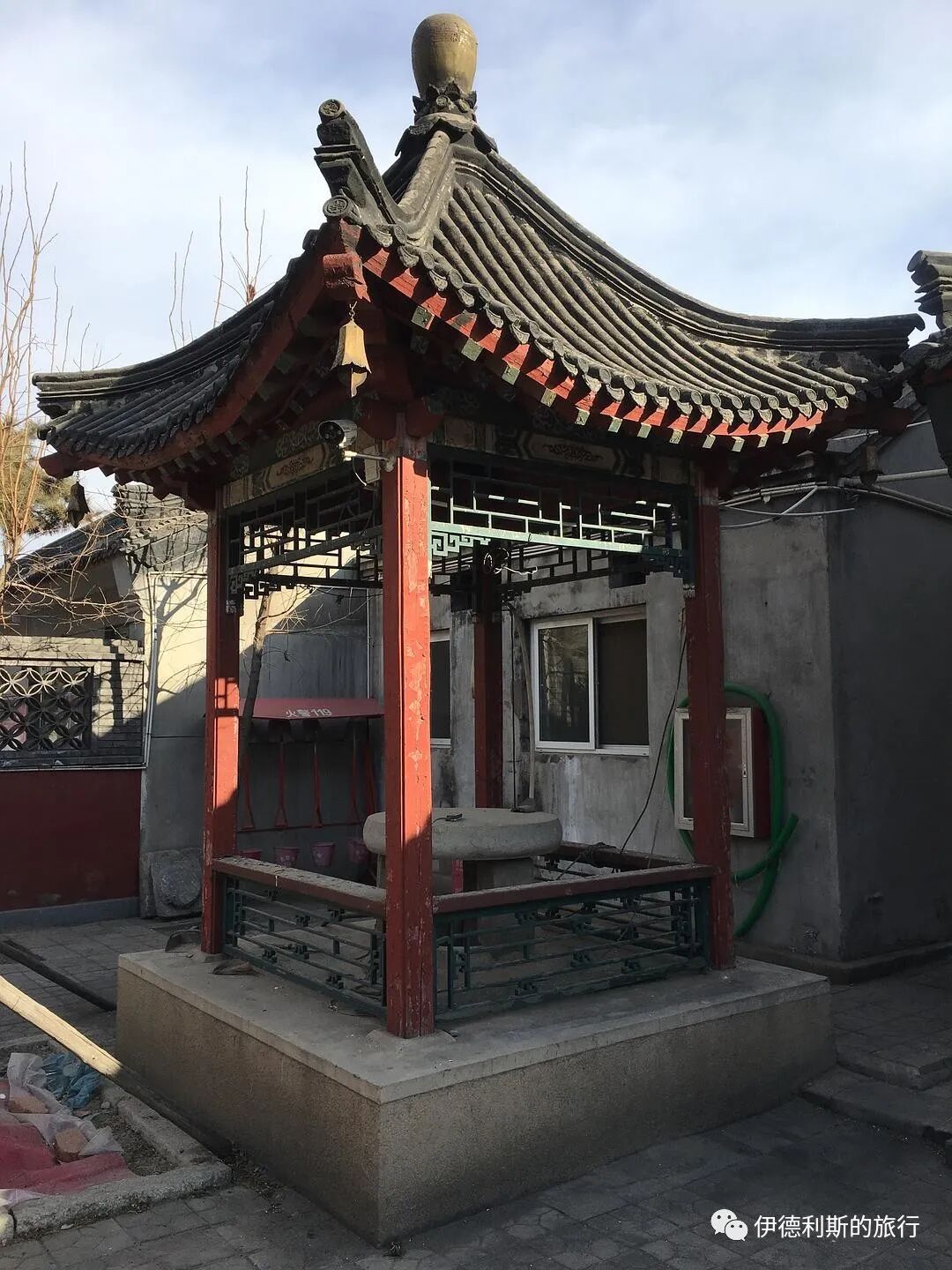
The mosque has an ancient well. Elder Wu said he used to wash the bodies (maiti) here himself when he was a child. Later, a factory was built nearby, and the water in the well was no longer clean.
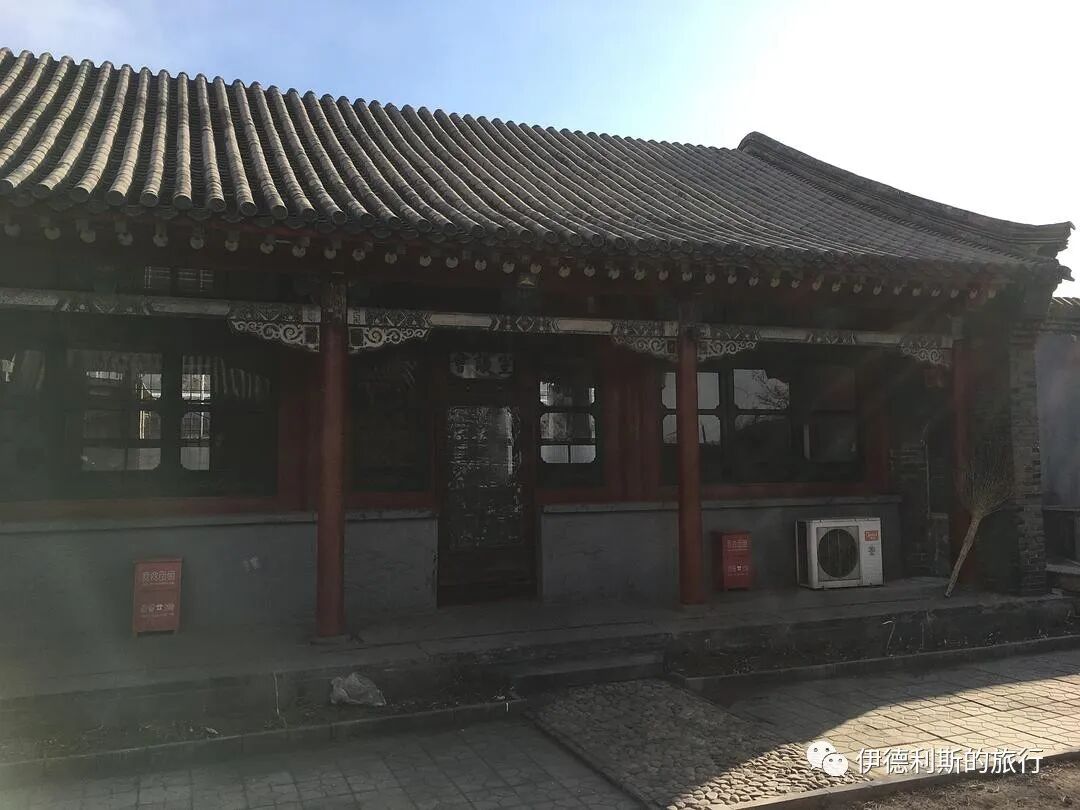
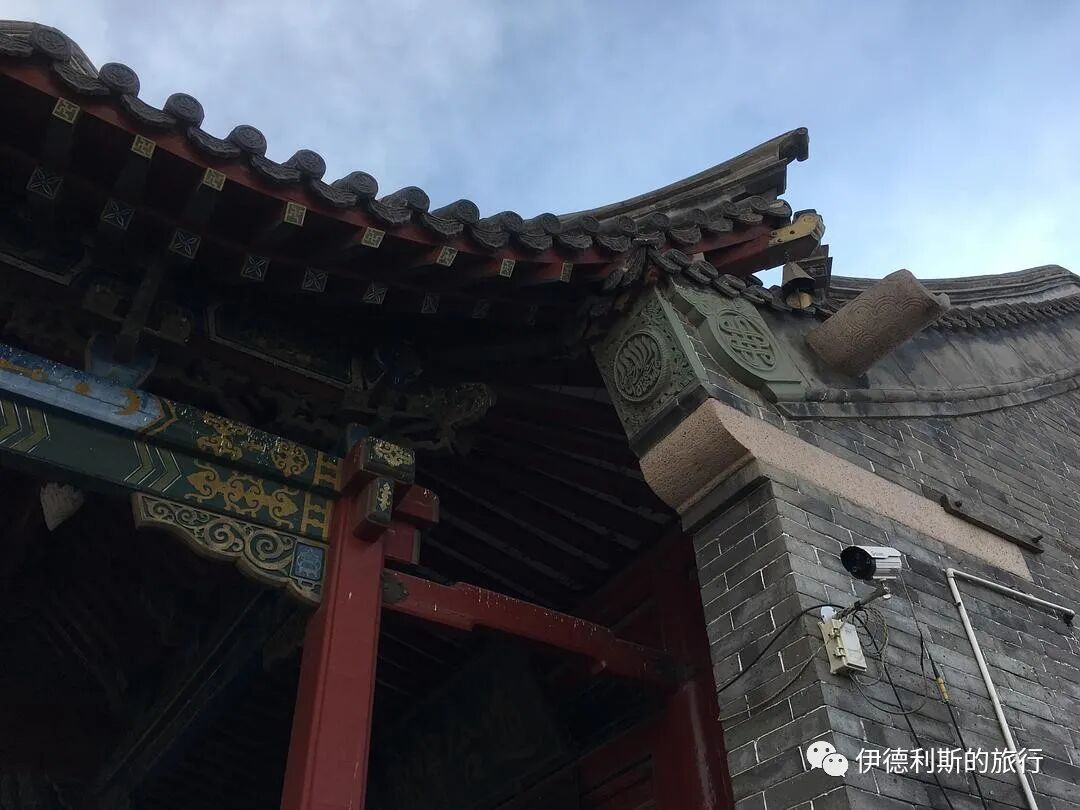
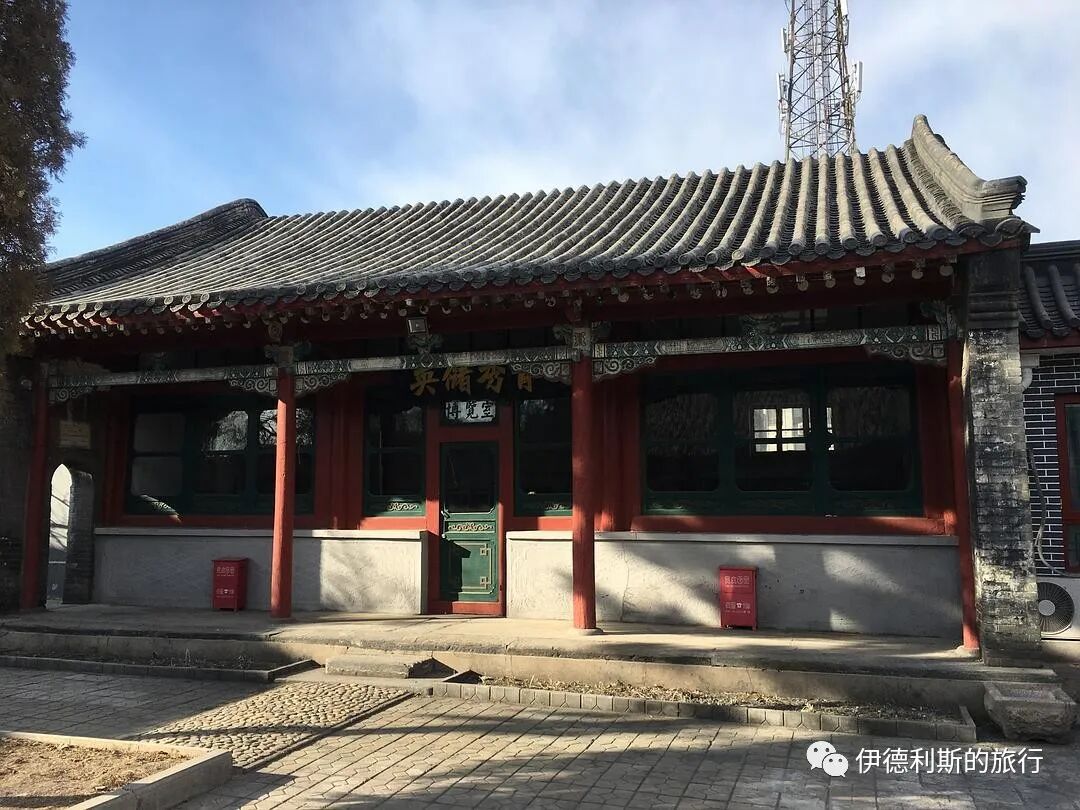
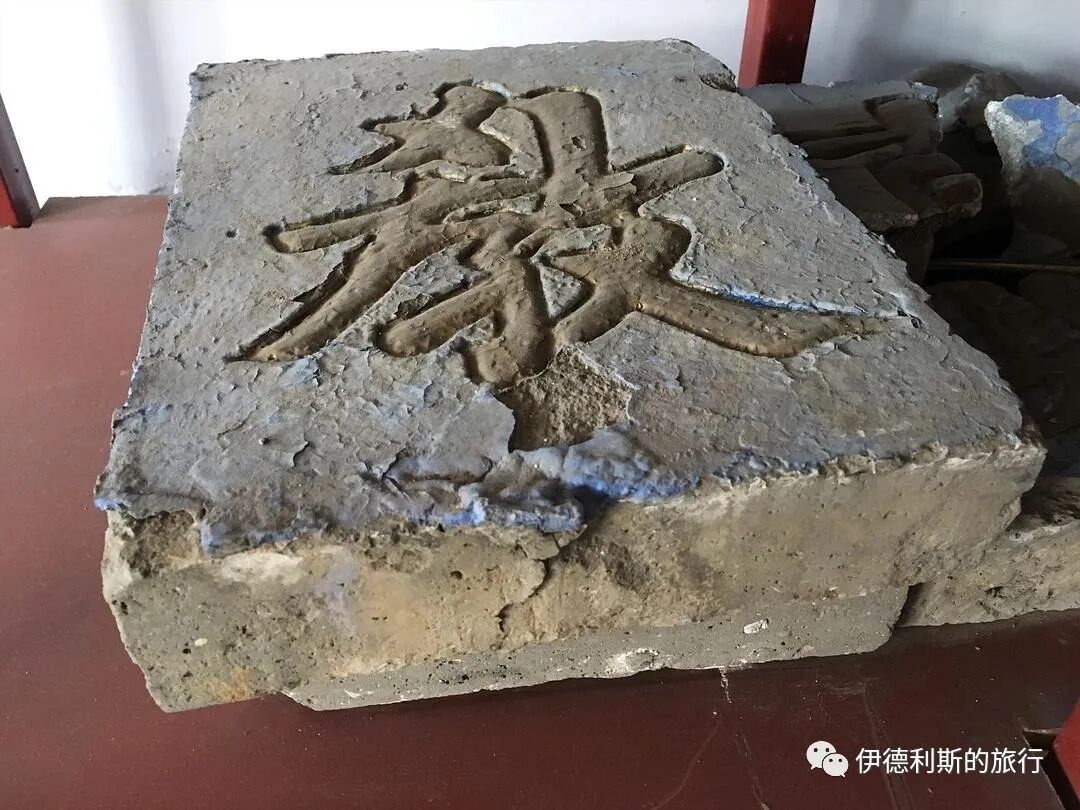
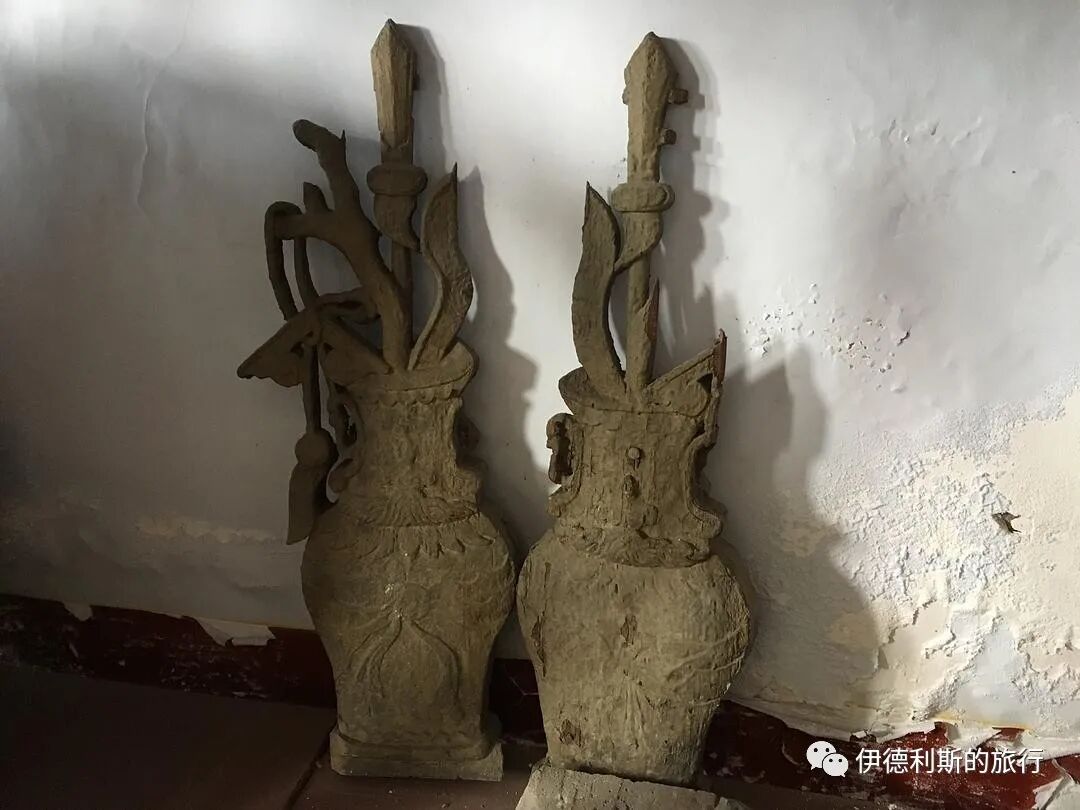
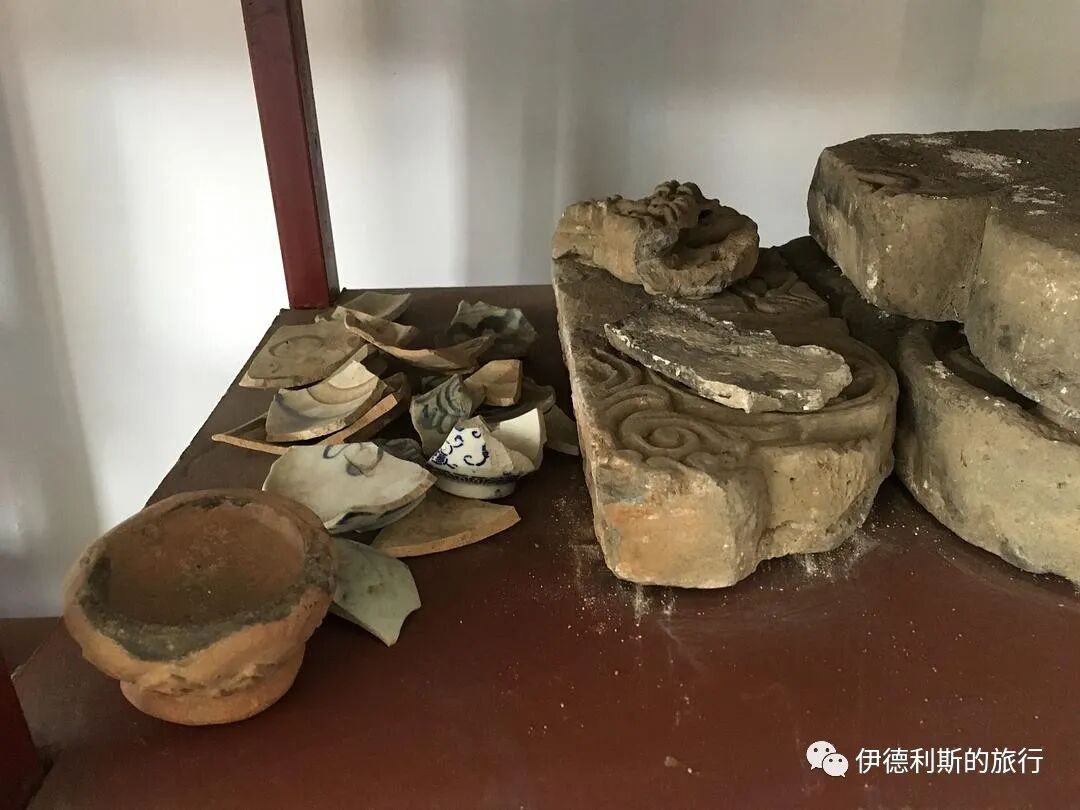
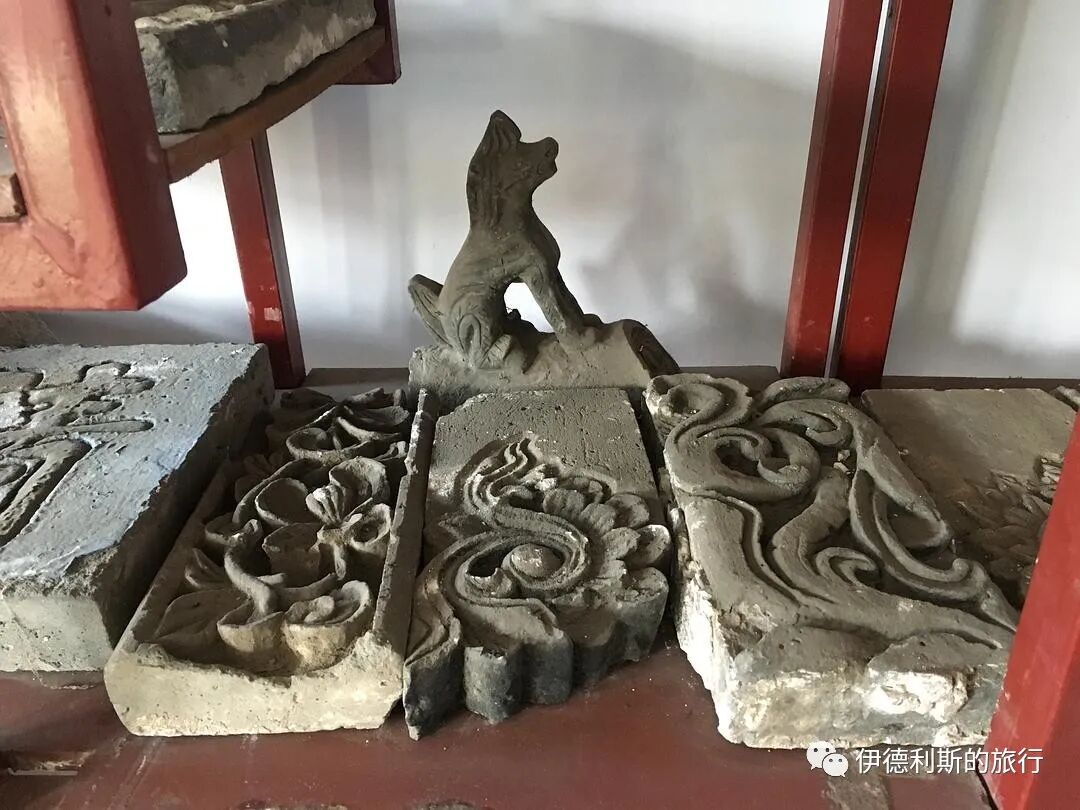
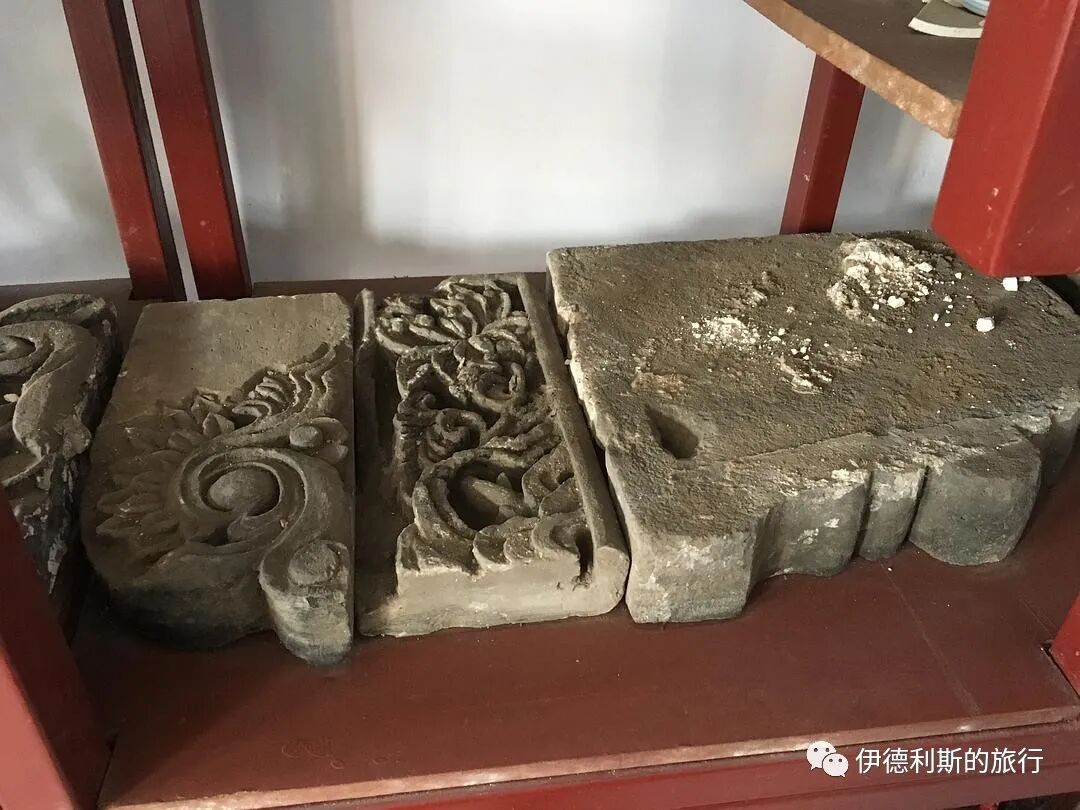
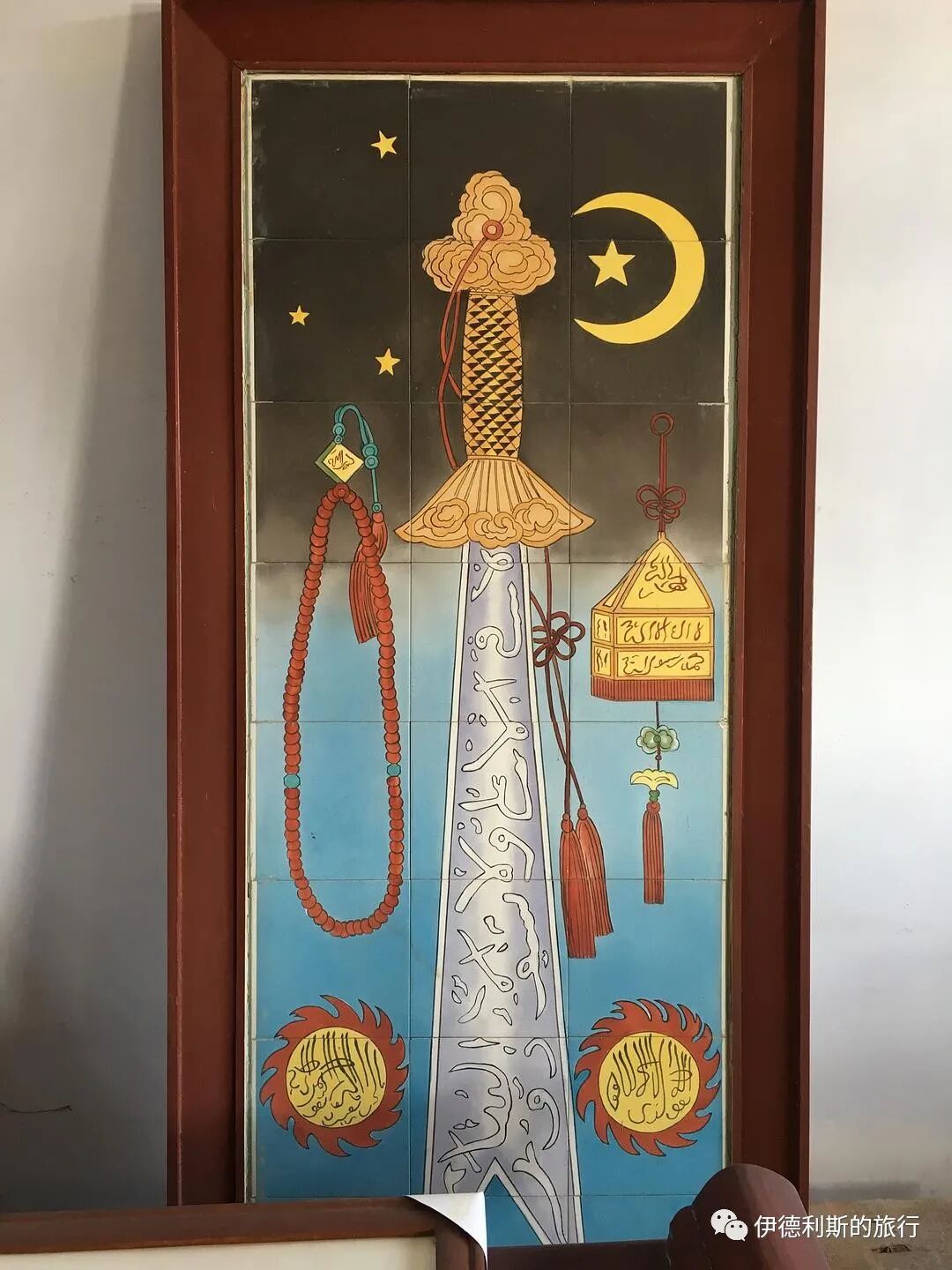
When I visited, the exhibition room happened to be open. It held many old architectural pieces removed during the 1998 reconstruction of the main hall and gatehouse.
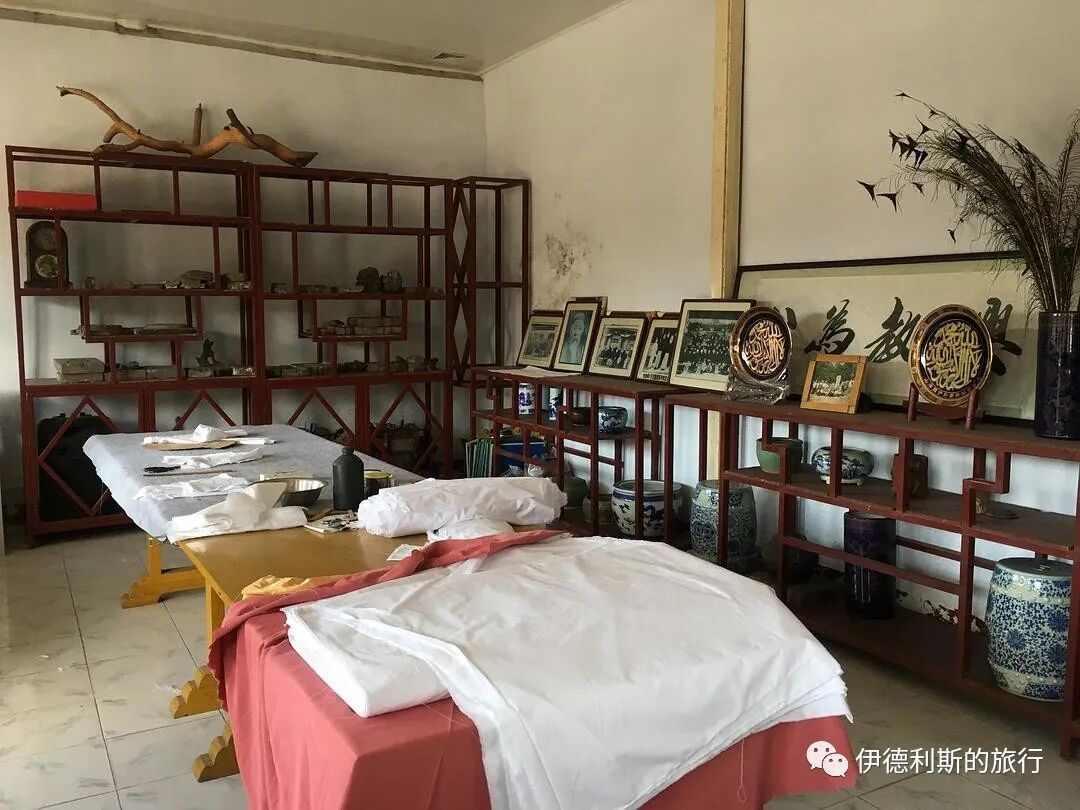
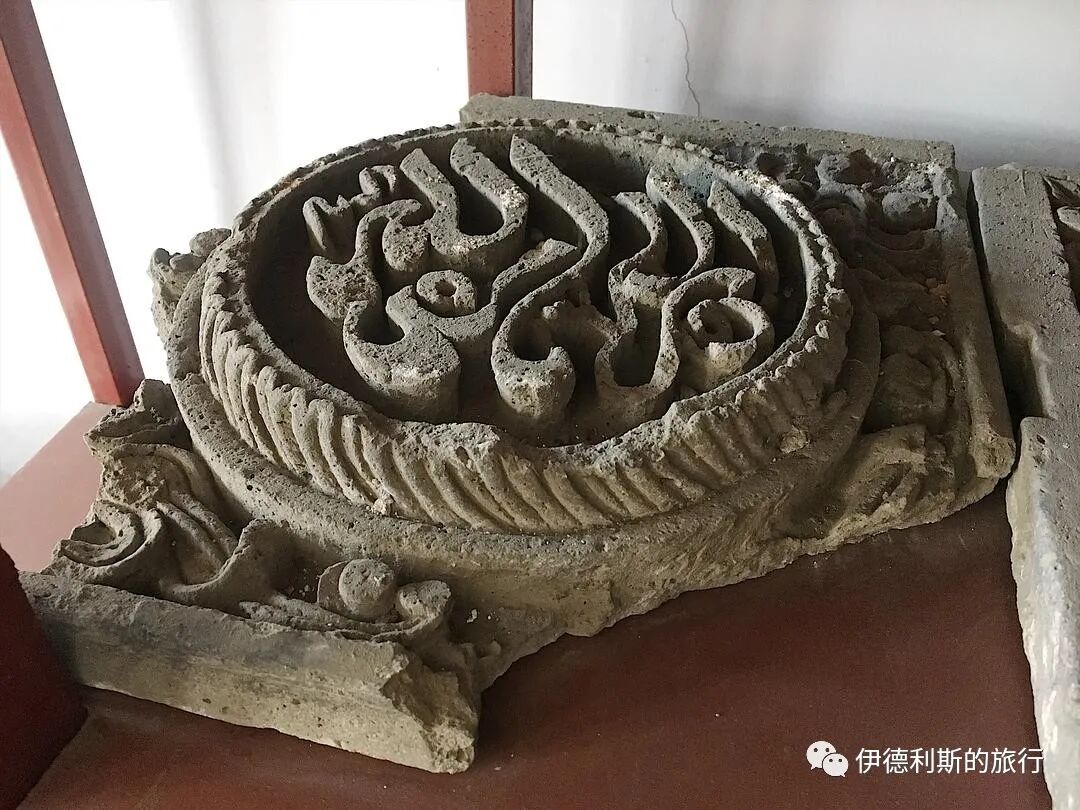
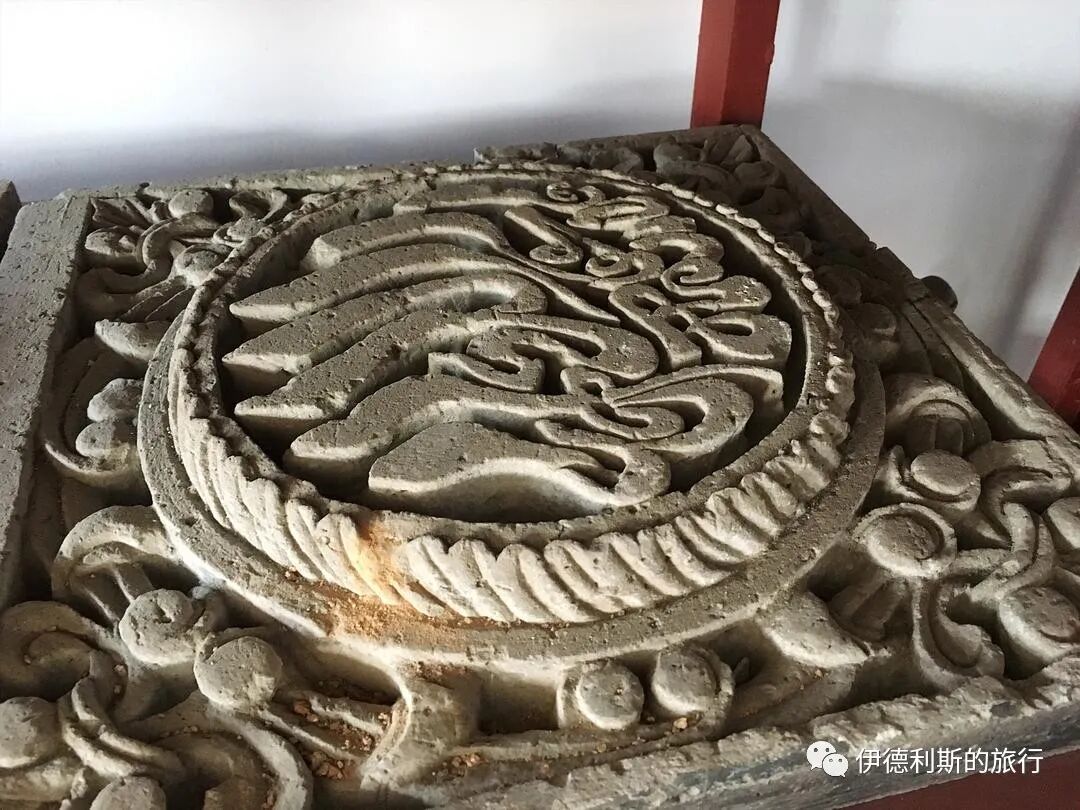
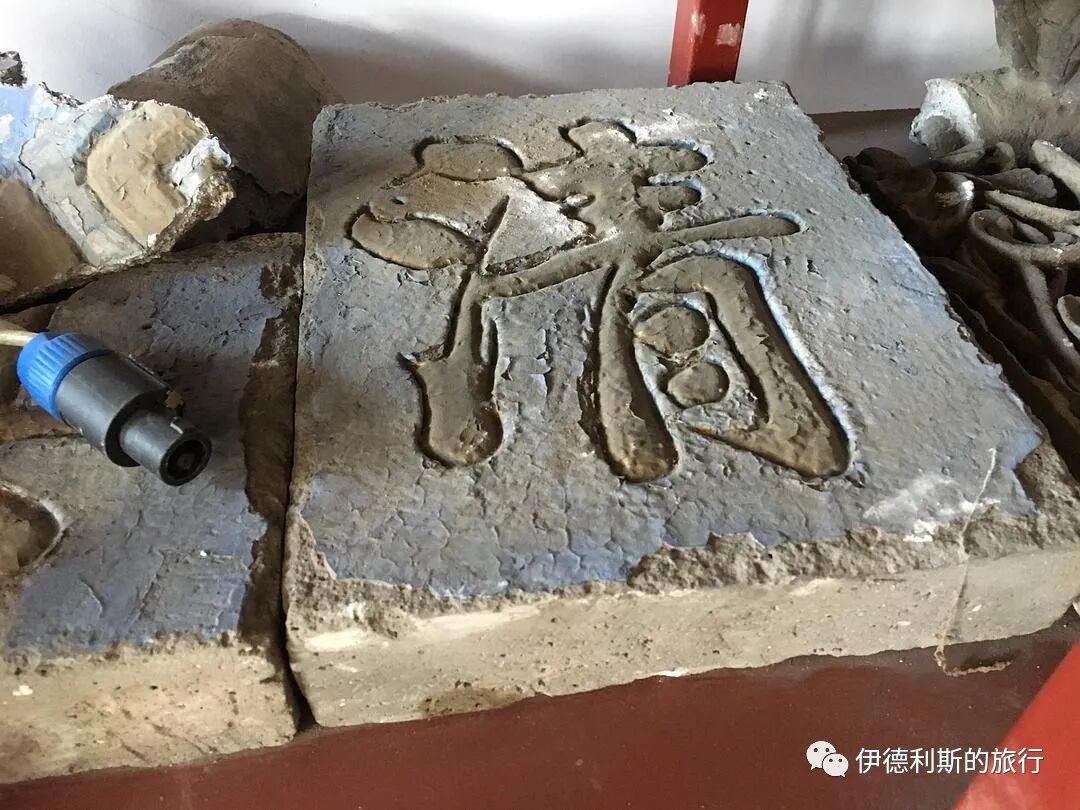
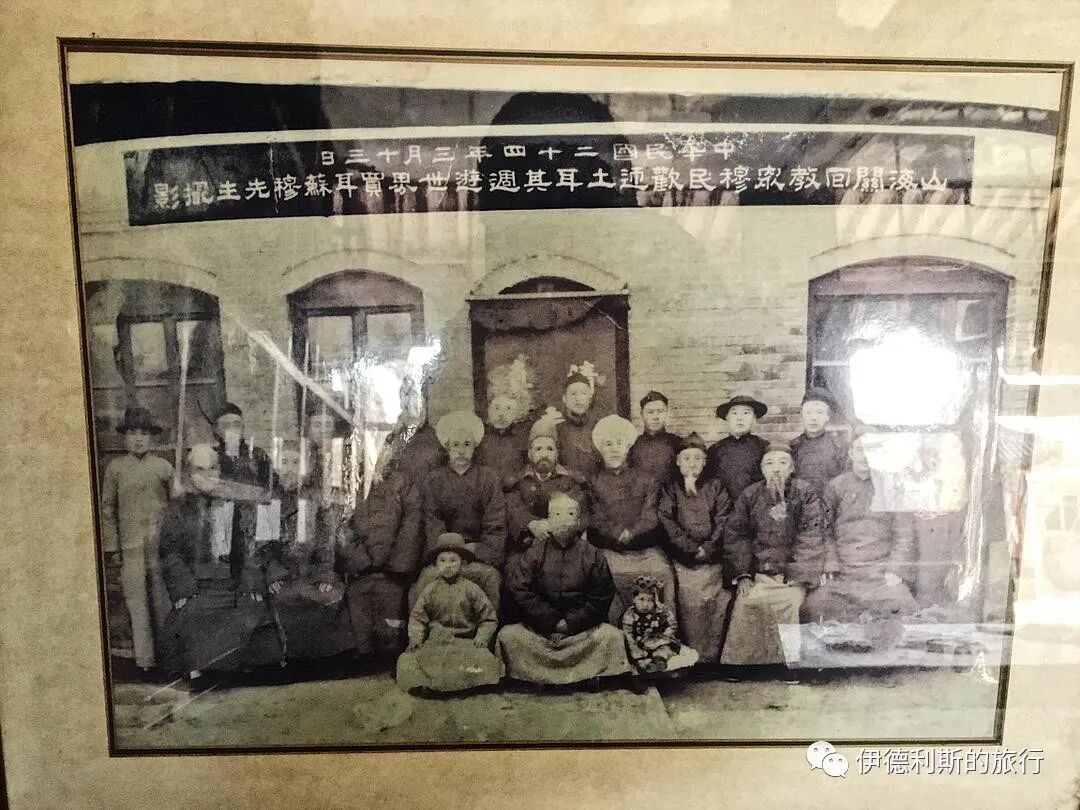
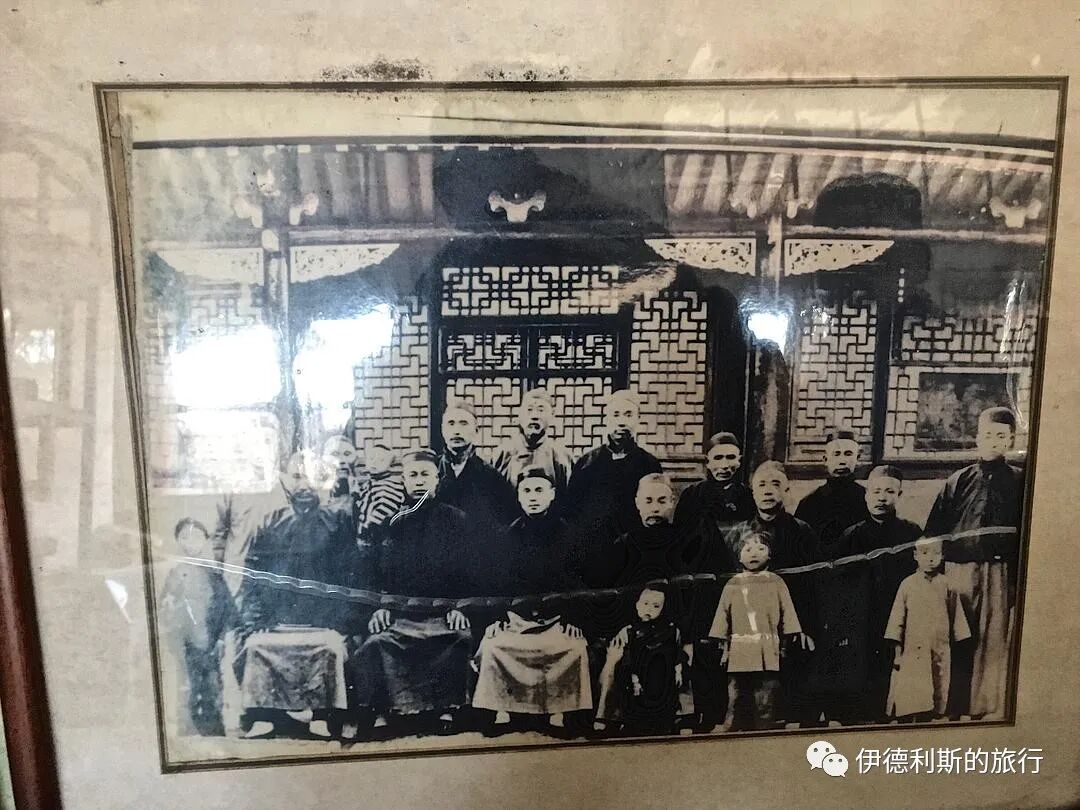
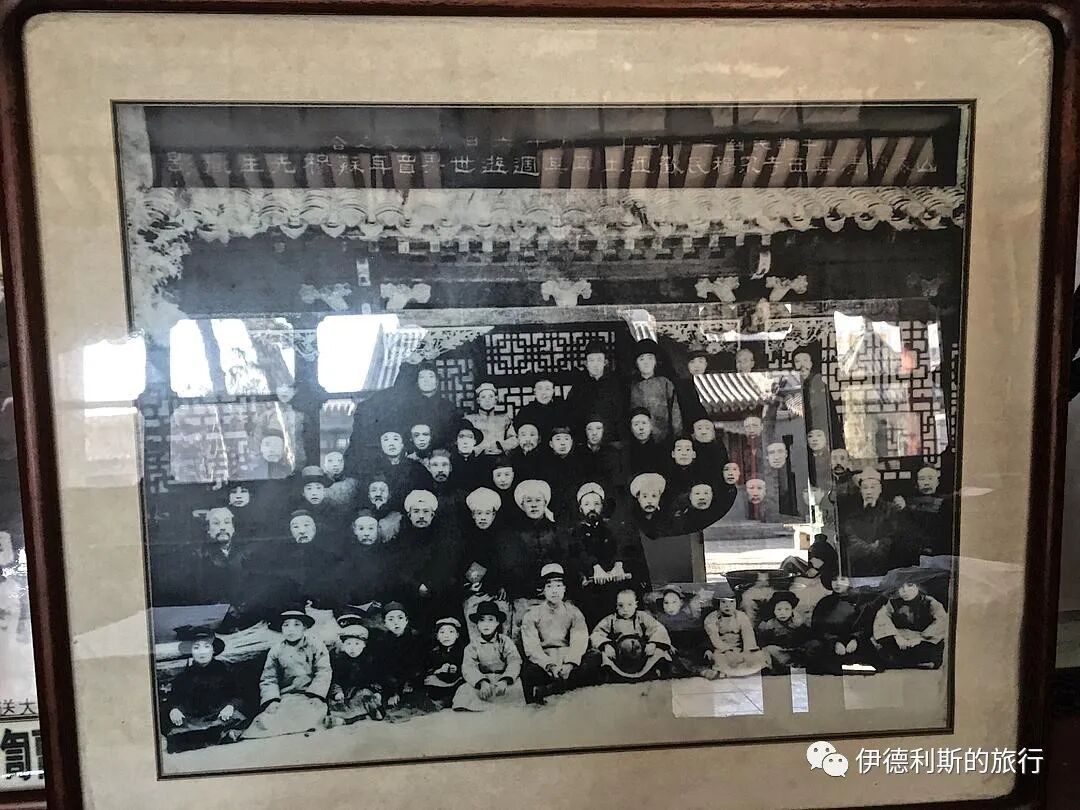
There were also some old photographs. A photo of the Muslim community in Shanhai Pass welcoming Mr. Mairsumu, a traveler from Turkey, in the 24th year of the Republic of China.
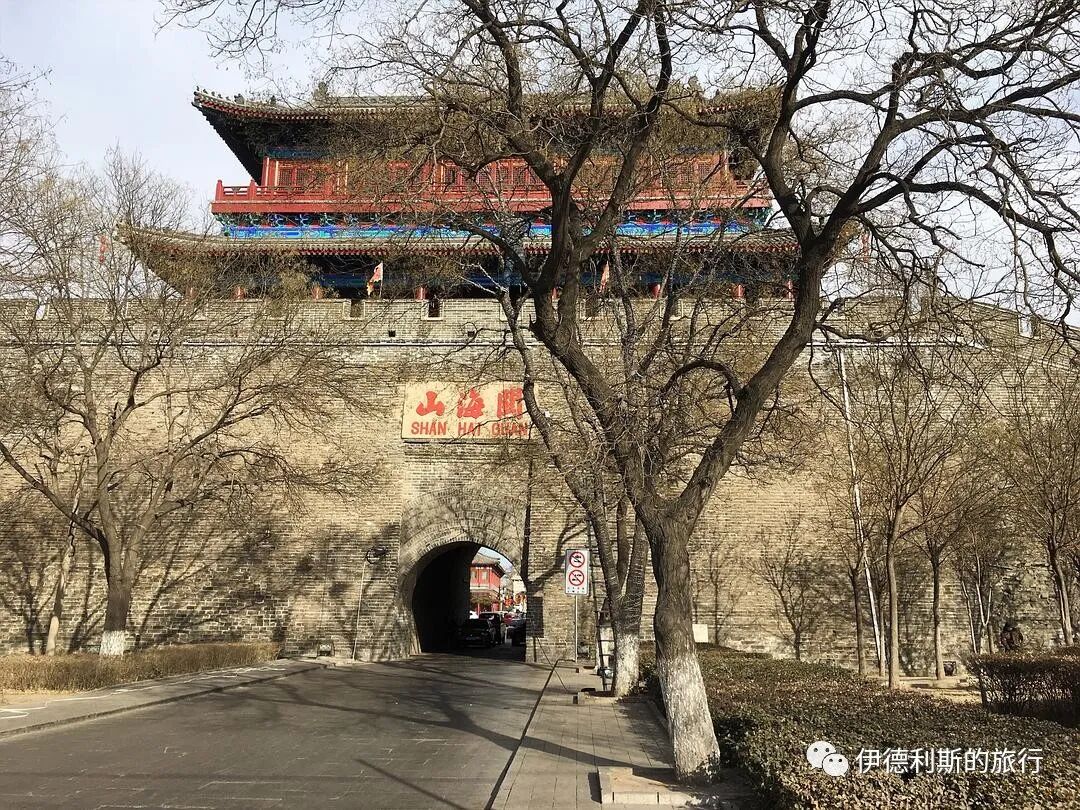
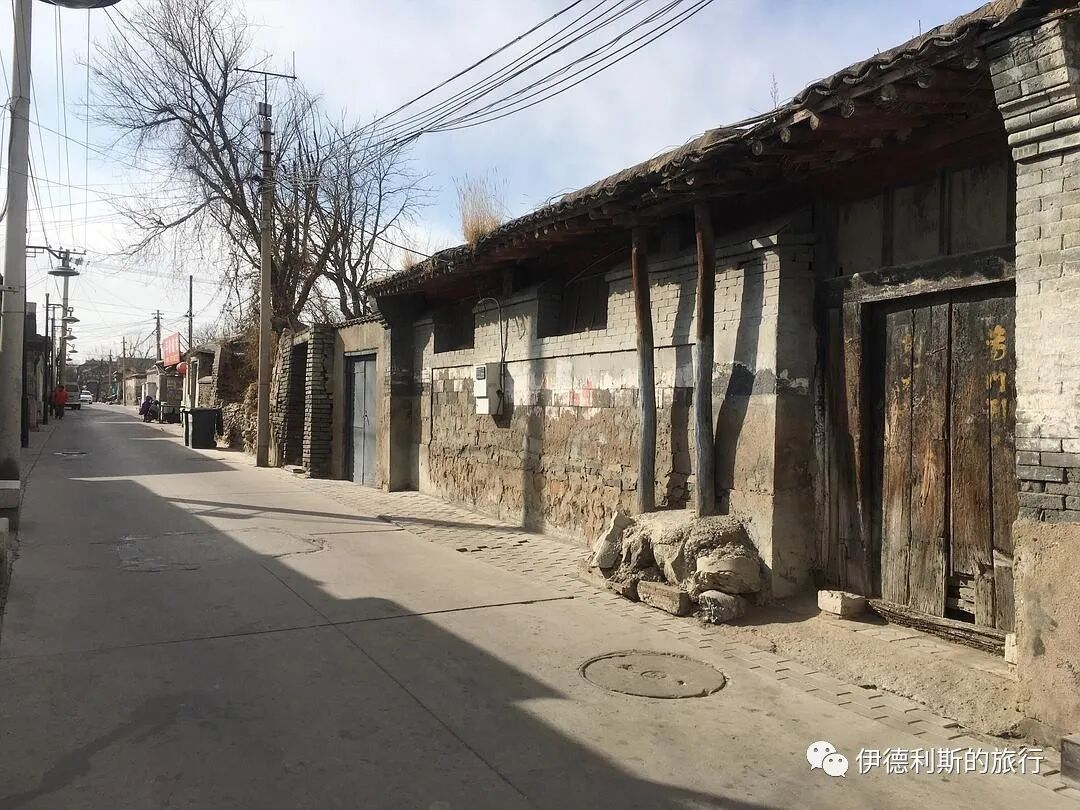
Street view of Shanhai Pass.
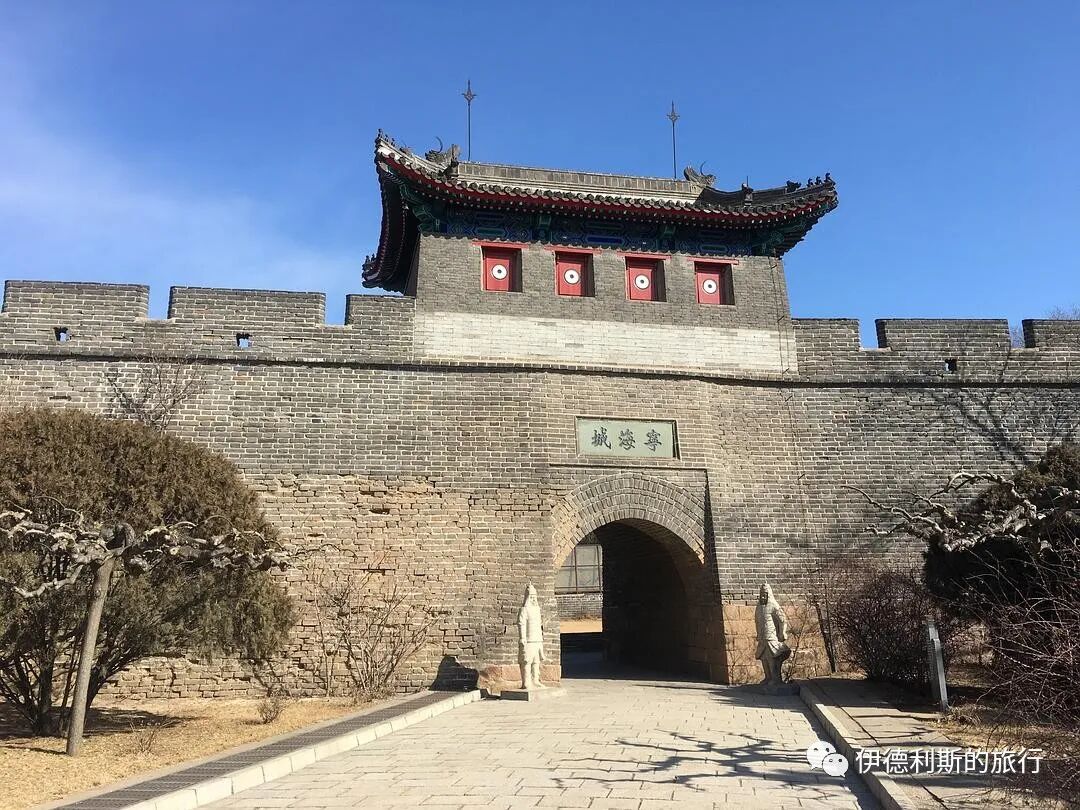
The West Gate of Shanhai Pass, located next to the mosque.
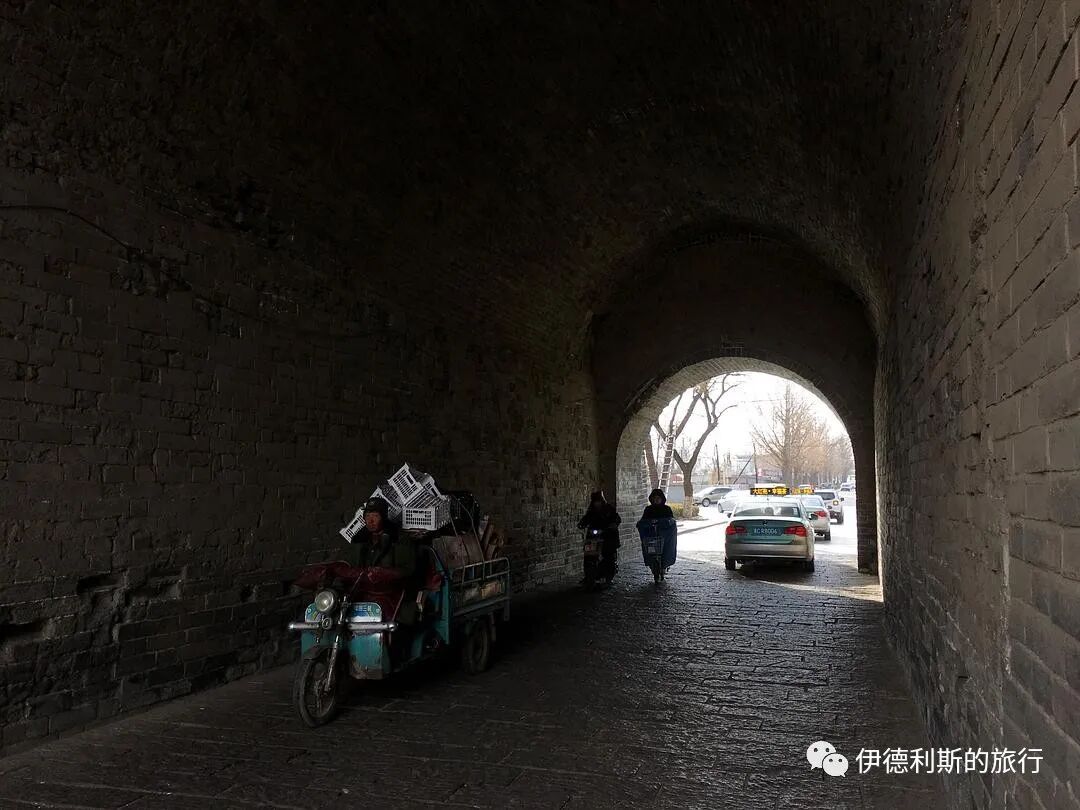
Snapshots of the street scene in Shanhai Pass.
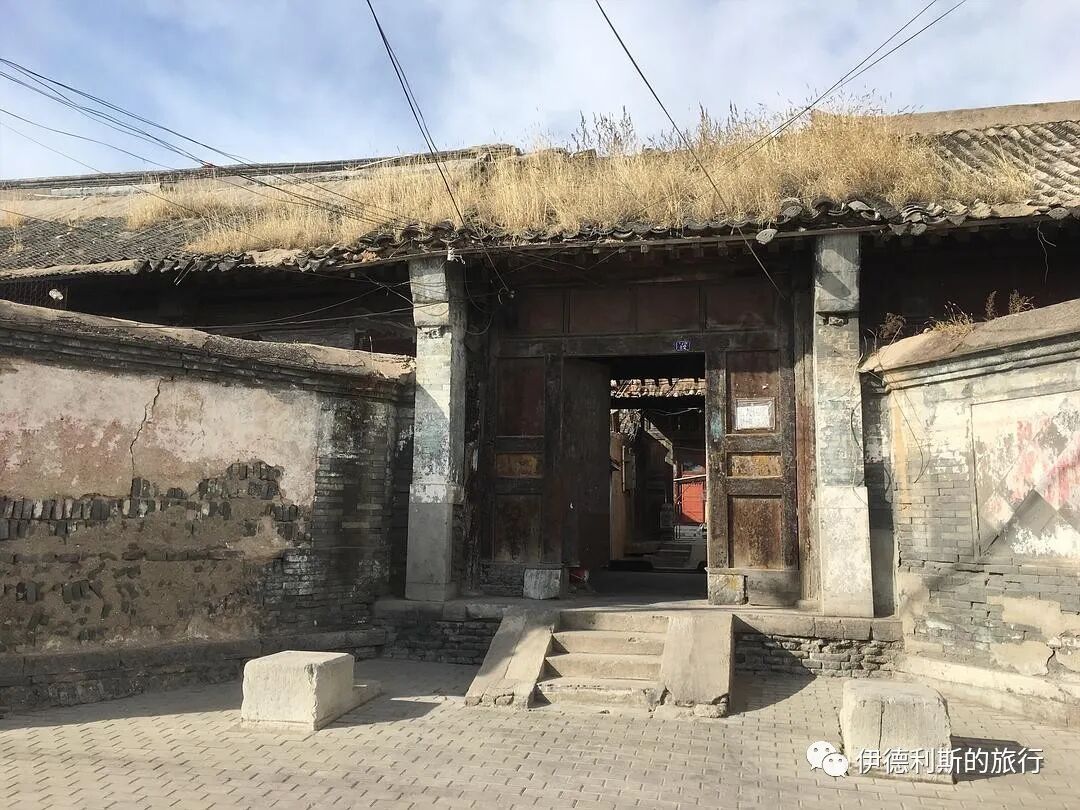
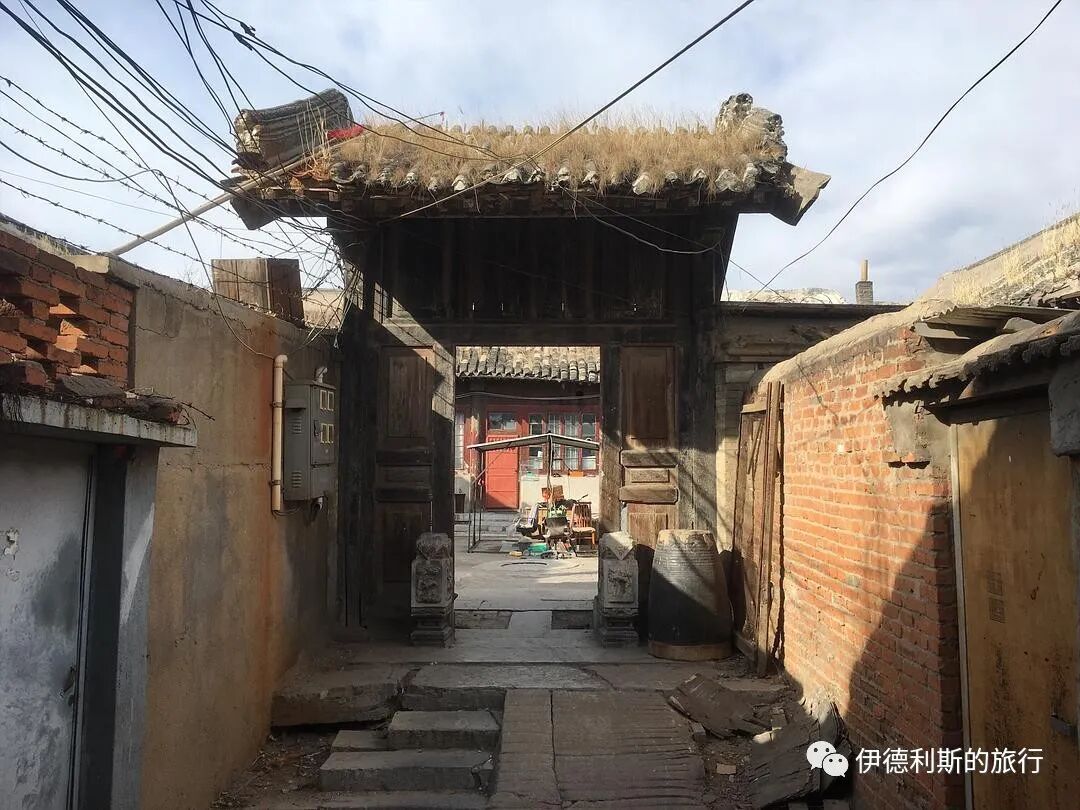
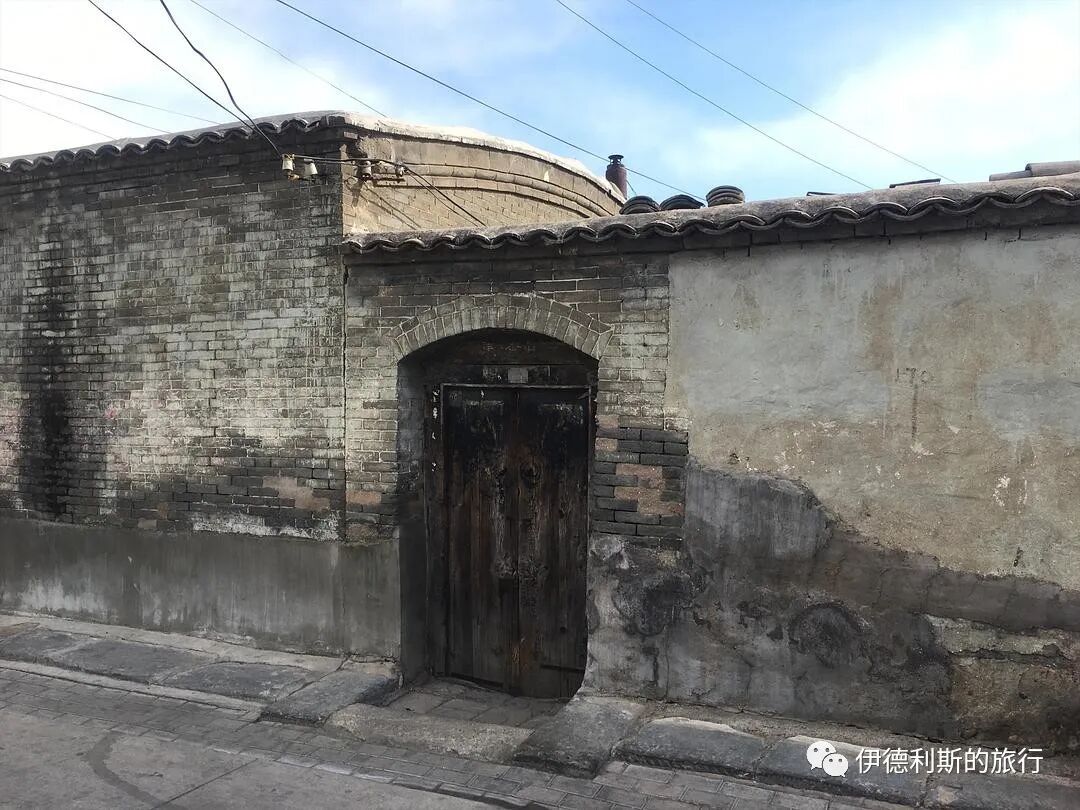
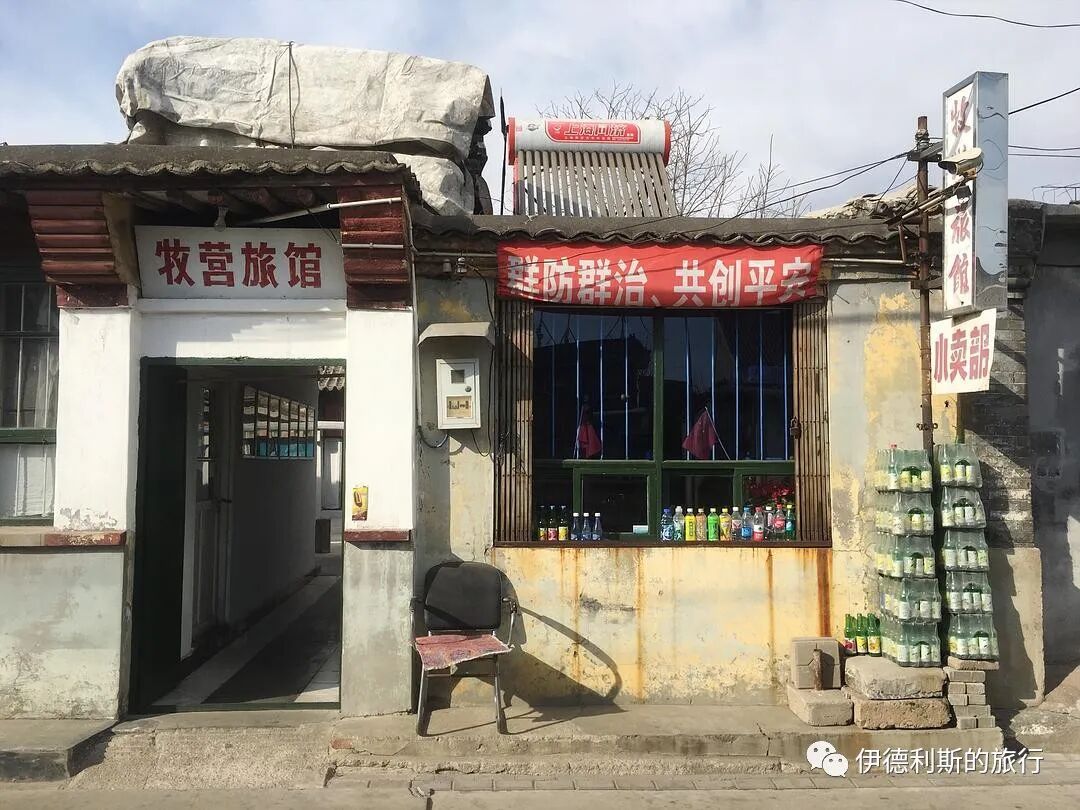
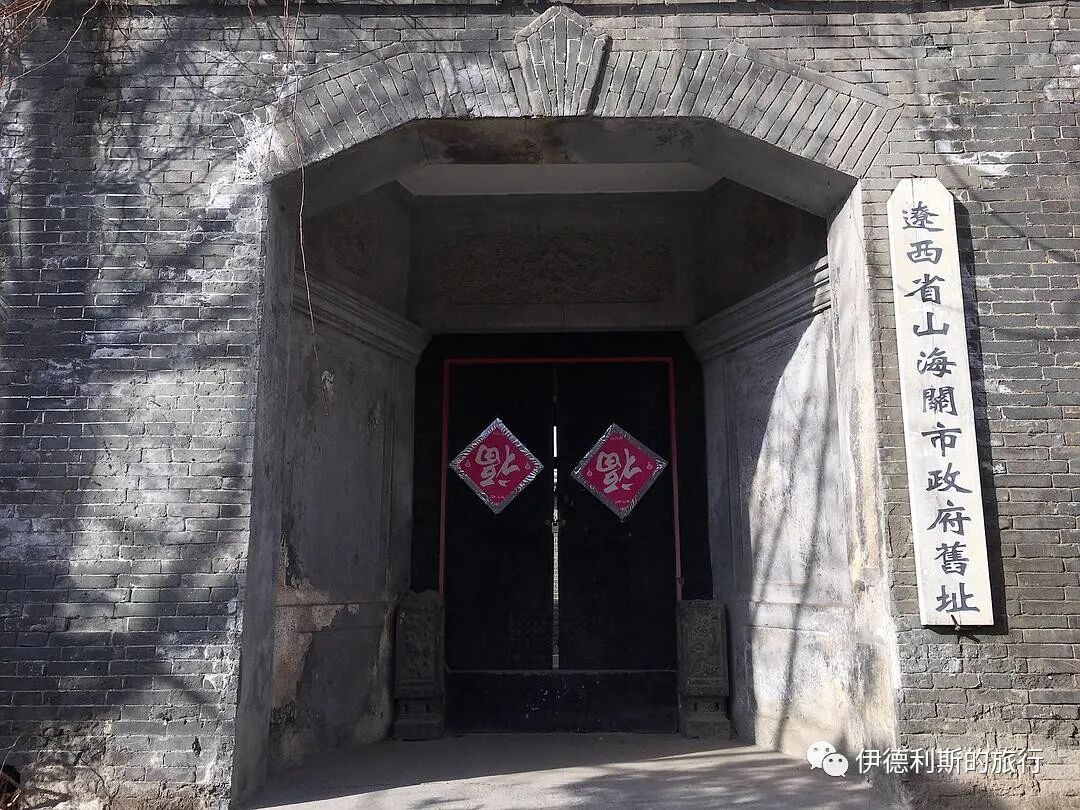
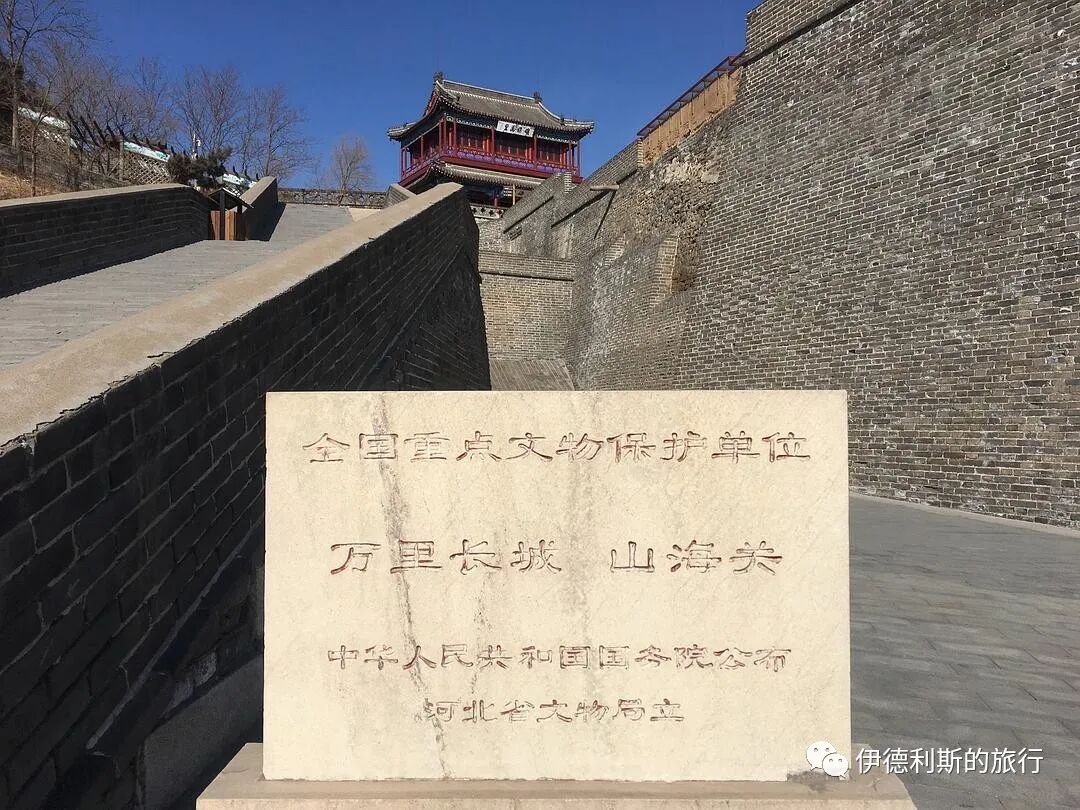
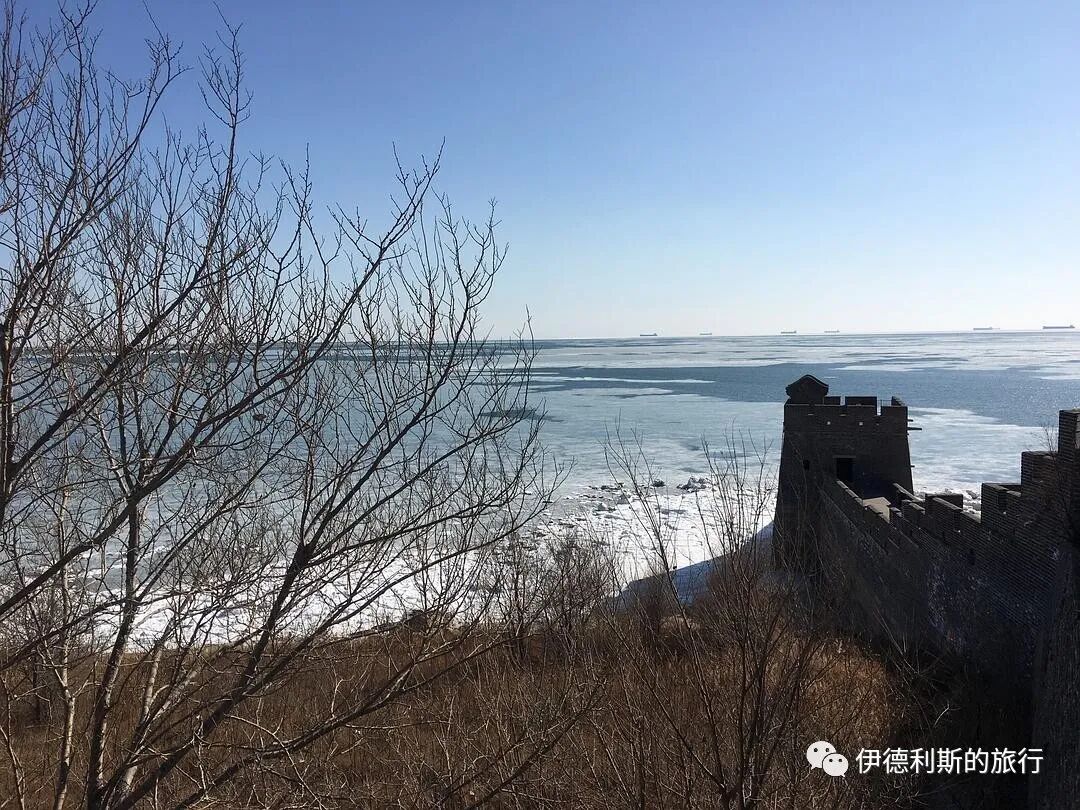
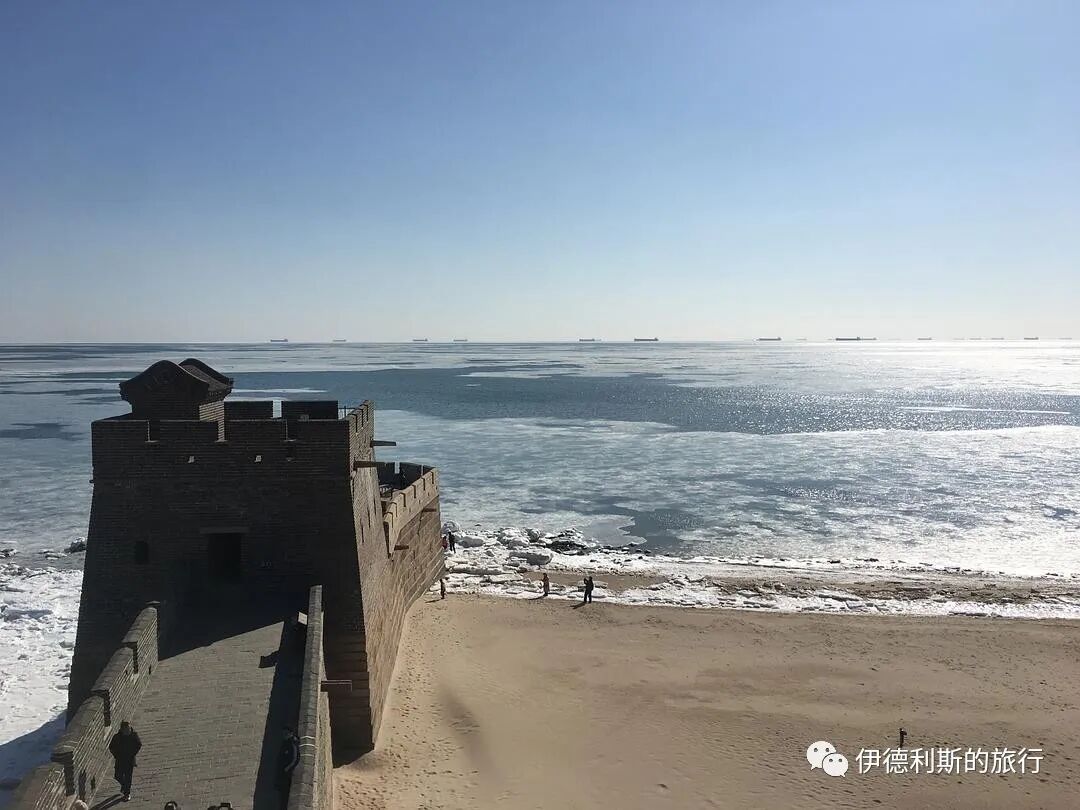
Old Dragon's Head (Laolongtou).
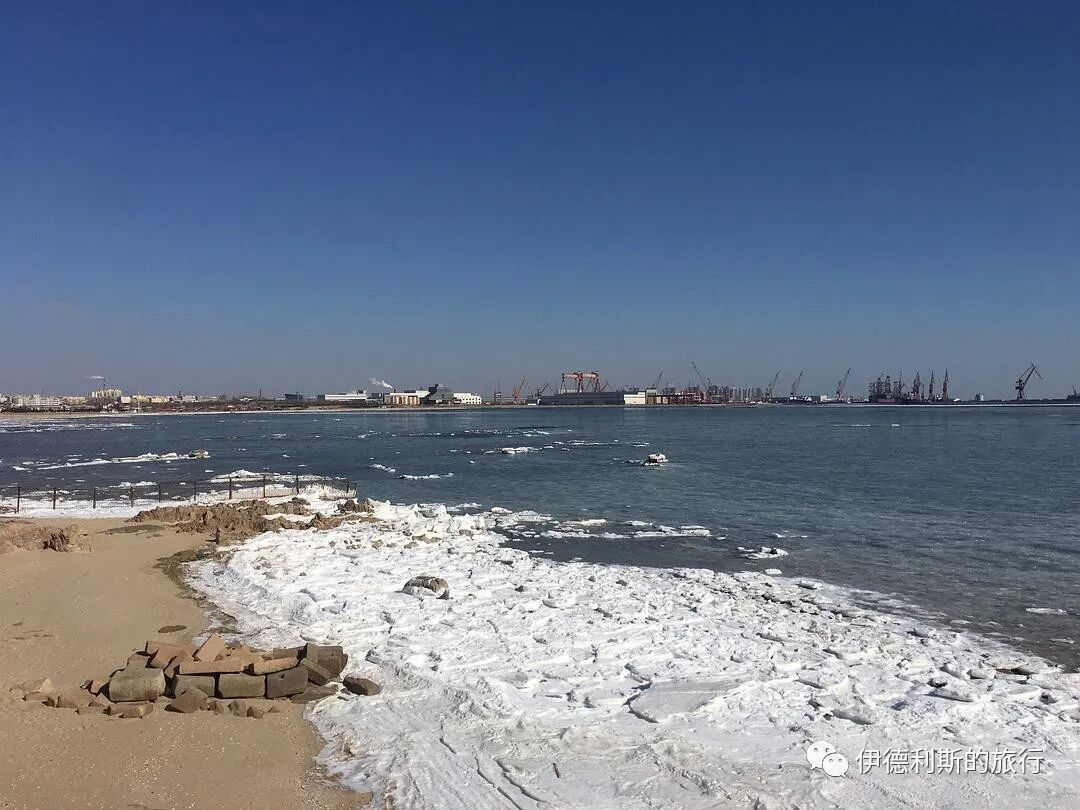
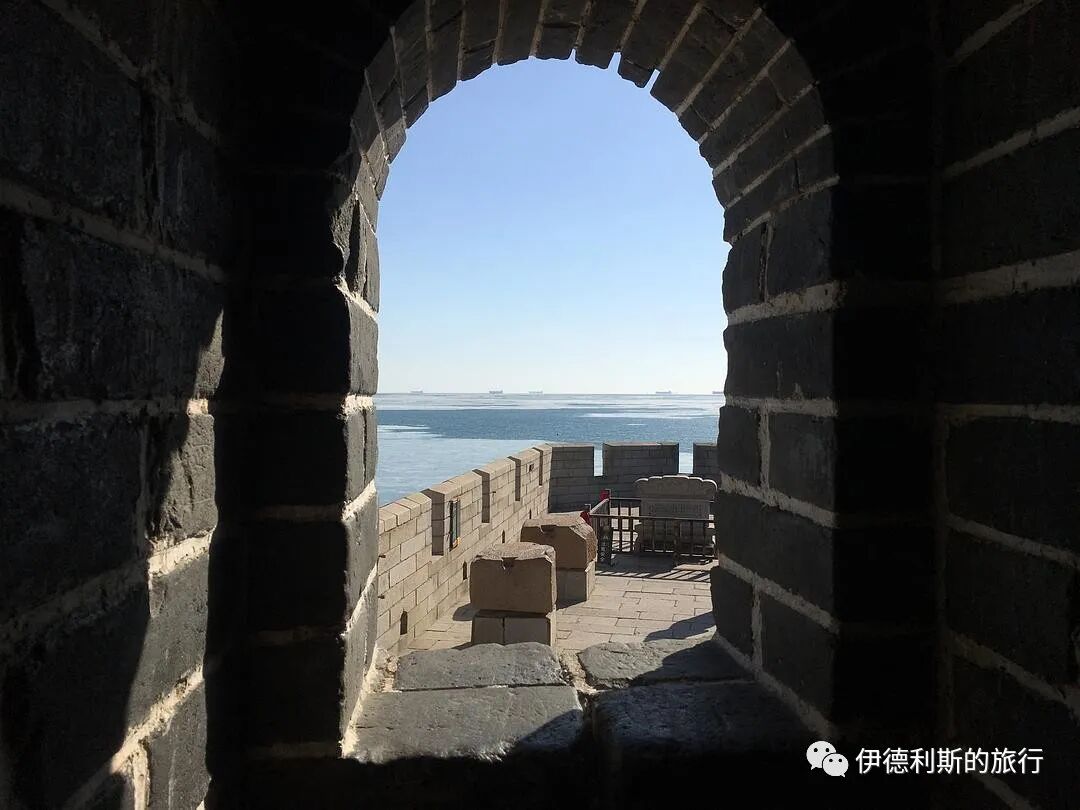
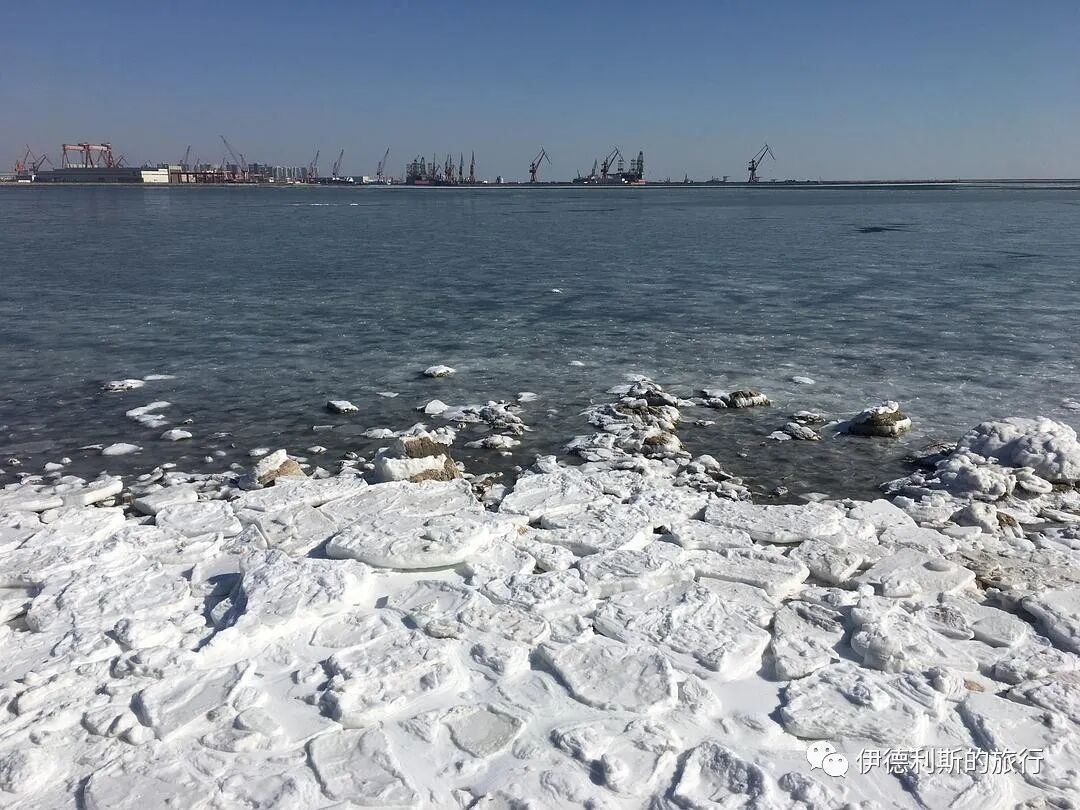
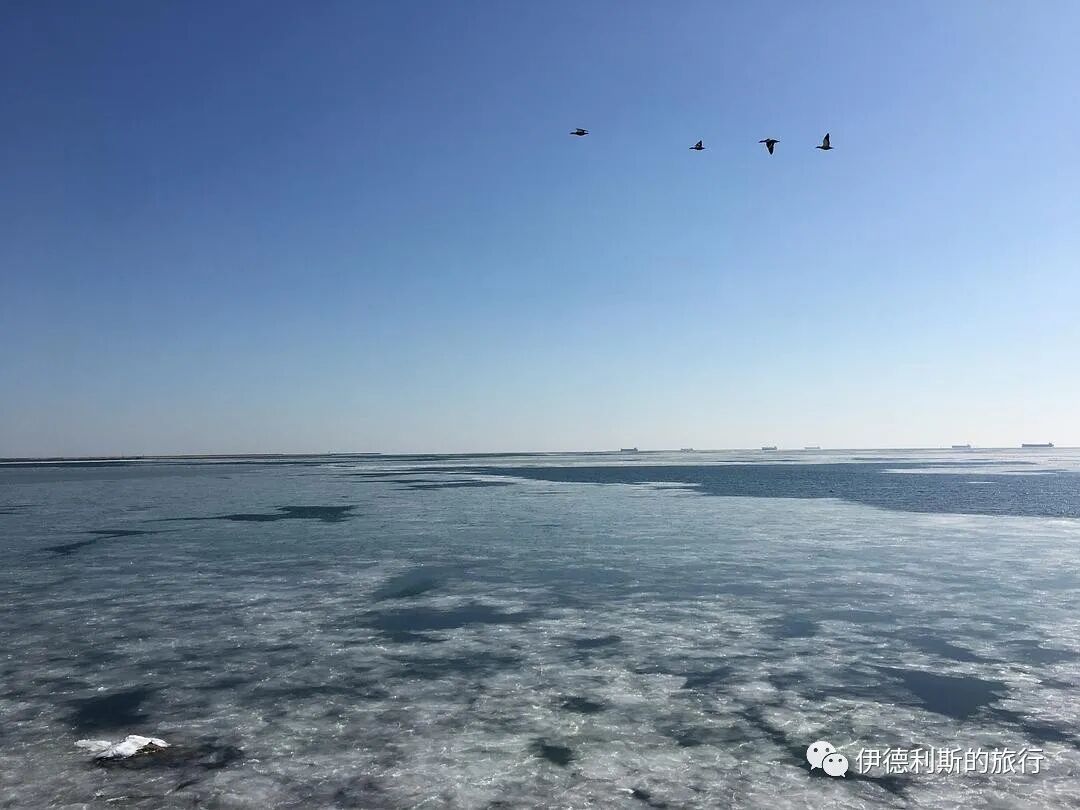
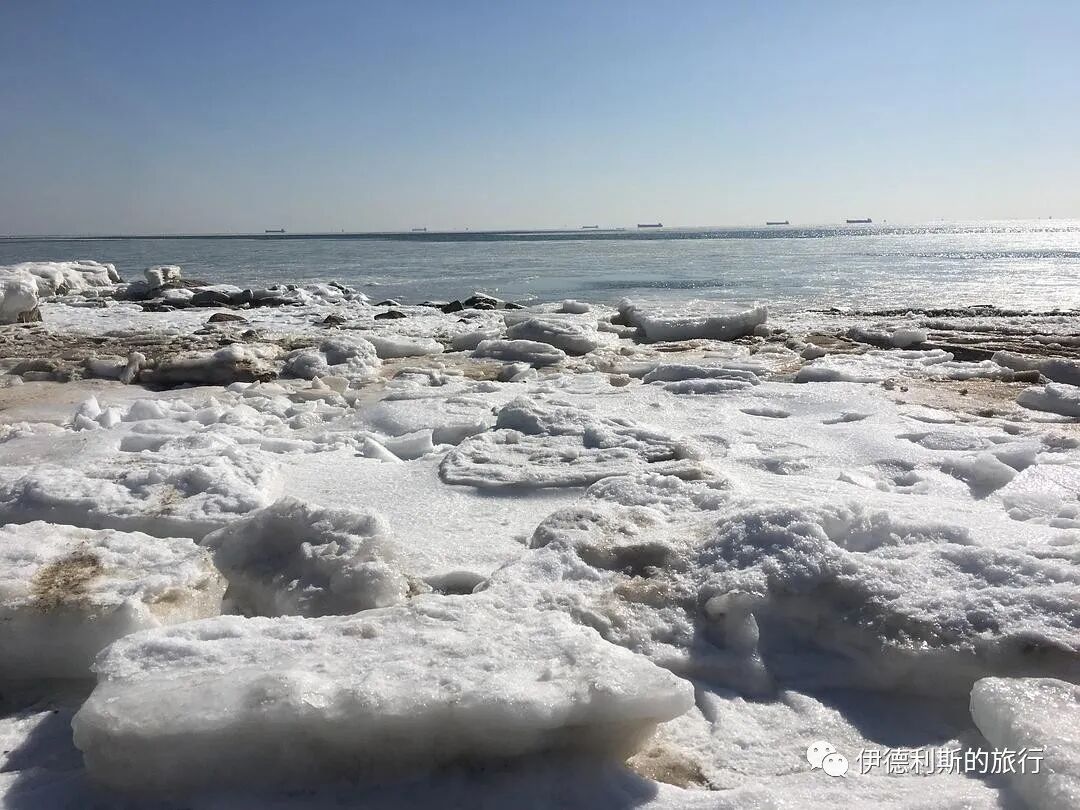
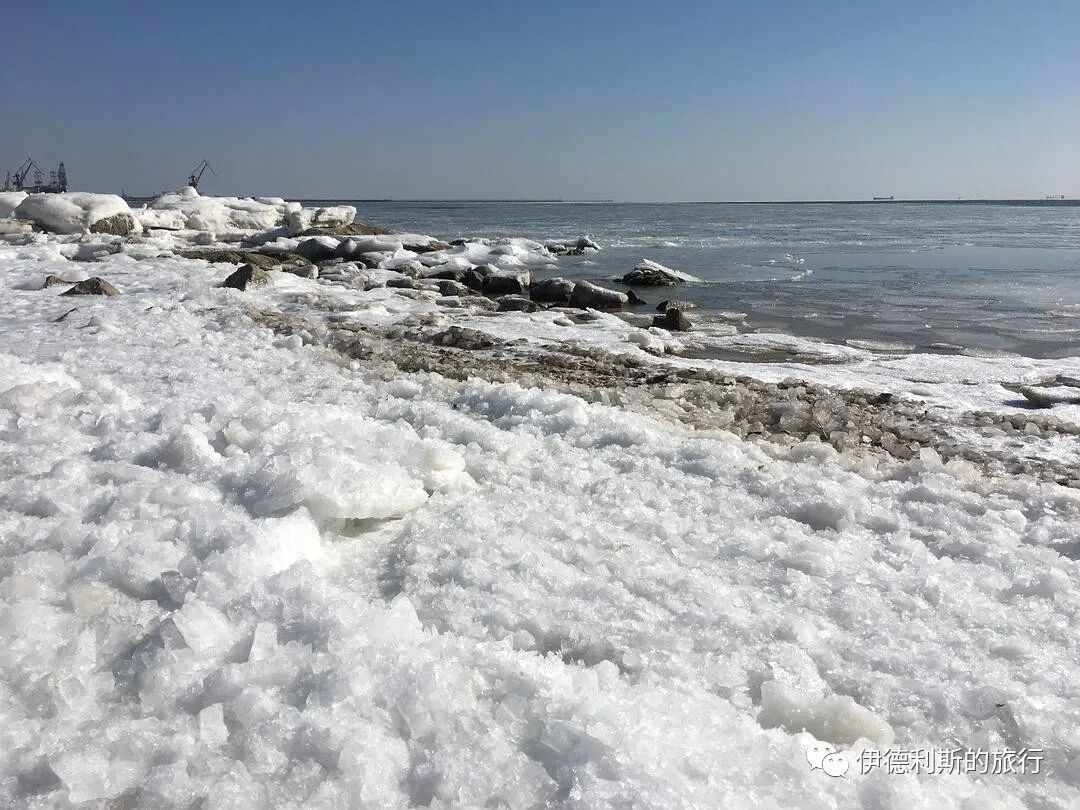
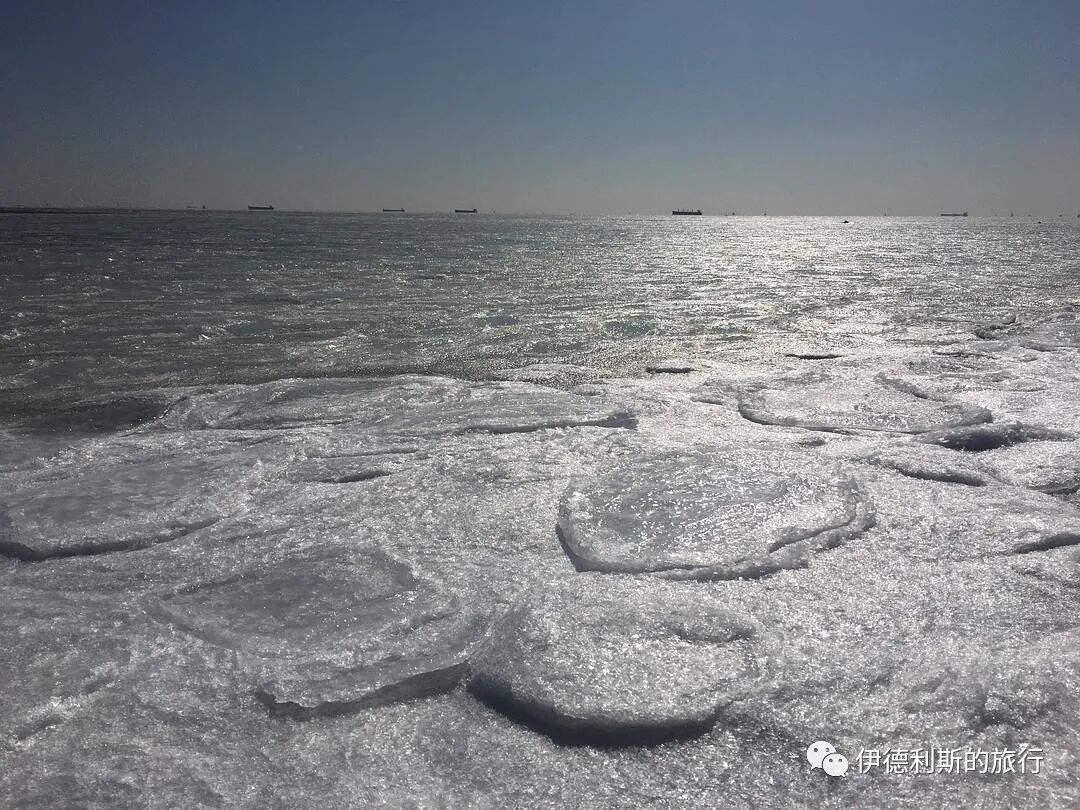
Old Dragon's Head in winter, where the Great Wall meets the sea.
Summary: Shanhaiguan — Great Wall, Mosques and Muslim Food is presented here as a firsthand travel account in clear English, beginning with this scene: The winter sun was bright in 2018, and I took the early high-speed train from Beijing South Station, arriving in Shanhaiguan in just two hours. The account keeps its focus on Shanhaiguan Travel, Great Wall, Halal Food while preserving the names, places, food, and historical details from the Chinese source.
The winter sun was bright in 2018, and I took the early high-speed train from Beijing South Station, arriving in Shanhaiguan in just two hours. People in Shanhaiguan speak with an upward inflection at the end of their sentences, just like people in Huludao and Jinzhou. At first, it sounds a lot like the Liaoxi dialect, but if you listen closely, you can hear many elements from inside the pass. When it comes to halal food, Shanhaiguan is also very similar to the Northeast. They have steamed dumplings (shaomai), assorted hot pot (shijin hunguo), and peanut tofu (huasheng xiaodoufu), and the storefronts of the halal restaurants are the same blue color commonly seen in the Northeast. As the first stop on my trip to explore and eat my way through the Muslim communities of the Northeast, my journey in Shanhaiguan began this way.
Xiaobailou Soup Restaurant
I went straight to the Daonan branch of Xiaobailou Soup Restaurant after getting off the train, because it is said they only serve breakfast and lunch and close in the afternoon.
Xiaobailou offers two types of soup: tripe strip soup (dusi tang) and whole lamb soup (quanyang tang). You can add seaweed, eggs, and glass noodles, which makes for a very satisfying meal. Their freshly made sesame flatbread (shaobing) is also delicious. They have three kinds: meat, salt and pepper, and sesame paste. One older gentleman bought 50 of them to go all at once.
This was the first time I had seen the iron stands used for holding clay pots at home being used in a restaurant.
Huiji Halal Pastries
Huiji Pastries is a famous old halal brand in Qinhuangdao. The Qinhuangdao Daily featured a detailed report on Huiji Pastries in an article titled 'The Fragrance of Time in the Ancient City Alleys'.
Huiji Pastries was founded in 1945 by Hui Shulin. At that time, Hui Shulin lived on East Fifth Street in the Shanhaiguan city center. He would make pastries at home and then push a wheelbarrow to sell them at the South Gate barbican. Later, the family moved to the area between South Street Third and Fourth Alley and officially hung up a cloth sign that read 'Huiji Halal Pastry Shop'. After the public-private partnership in 1958, Hui Shulin's son, Hui Changzhong, worked at the Gulou Halal Pastry Shop for several more years.
In 1979, Hui Changzhong started a pastry processing unit in the courtyard of his home on Tianxin Alley. He started by making mung bean cakes (lvdougao), and because he had many regular customers, he soon added many more varieties. In 1983, Huiji opened a storefront, which was taken over by Hui Changzhong's son, the third-generation successor Hui Junliang. In 1999, Hui Junliang's son, the fourth-generation successor Hui Wei, officially took over.
Huiji mainly sells various traditional Beijing-style pastries. They sell assorted sweet rice balls (shijin yuanxiao) in the first lunar month, flower cakes (xianhuabing) in early spring, sticky rice dumplings (zongzi) in May, mung bean cakes in midsummer, mooncakes (yuebing) in August, fried dough twists (liaohua), sugar-coated fried dough twists (binghua), and fried flour cakes (saqima) after winter begins, and then start selling New Year goods after the twelfth lunar month.
Liaohua is also called 'liaohua' or 'liaohua' (using different characters). This name is used in Shaanxi, Henan, Hebei, and Tianjin. In other regions, it is called 'dajingzao', and the version sprinkled with white sugar is also called binghua.
Yingxinyuan Restaurant
Yingxinyuan Restaurant is just south of the mosque on Guancheng West Road. An elder at the mosque recommended it to me, saying that when guests visit the mosque, they are always hosted here. I arrived after 3:00 p.m., so the cook made my meal and then took a break. They didn't start their afternoon shift until 4:30 p.m. The owner said that after 2:00 p.m., there might not be anyone around, so I was quite lucky.
Knowing that portions get bigger the further northeast you go, I ordered one steamer of beef and cabbage steamed dumplings (shaomai) and a plate of sweet and sour pork tenderloin (tangcu liji), but I still couldn't finish it all. The taste was excellent, though! The even larger Qinhuangdao mixed hot pot (hunguo) will have to wait until I can come back with a group of people.
I came back in the summer to eat mantis shrimp (pipixia). They have several styles like spicy stir-fried or sauce-braised, but I chose the lightest option: steamed.
My first time eating the roe of the mantis shrimp.
Paired with beef steamed dumplings (zhengjiao), it was also incredibly delicious.
Peanut tofu mash (huasheng xiaodoufu).
Chaiheshi Farmers Market is on the south side of the road inside the West Gate of the Shanhai Pass ancient city. It is rare to see it still standing in a city that is constantly tearing down the old to build the new. This was my first time seeing peanut tofu mash. I looked it up online and it seems to be a specialty of the Qinhuangdao and Jinzhou areas in western Liaoning. Peanuts boiled with Sichuan peppercorns are ground into a paste. You take it home and stew it with cabbage. The rich fragrance of the peanuts mixes with the fresh scent of the cabbage, making it very unique.
Eight-treasure rice (babao fan) and pan-fried starch jelly (jian menzi) at the night market.
The night market around the South Gate of Shanhai Pass is very lively. You can find all kinds of small seafood barbecues, as well as halal eight-treasure rice and pan-fried starch jelly. I took this photo when I visited in the summer.
Shanhai Pass old city on a summer evening.
Shanhai Pass Mosque.
Shanhai Pass Mosque is located outside the West Gate of the Shanhai Pass city. According to the Kangxi-era 'Shanhai Pass Gazetteer,' in the first month of 1381 (the 14th year of the Hongwu reign), 'General Xu Da dispatched 15,100 soldiers from the Yanshan Guard to repair 32 passes, including Yongping and Jieling.' According to the 'Veritable Records of the Ming Taizu,' in the ninth month of the same year, the 'Shanhai Guard Command was established,' which marked the beginning of the founding of Shanhai Pass. The Shanhai Pass Mosque was reportedly built by Muslim soldiers under the command of Xu Da.
During the Cultural Revolution, a shoe factory occupied the mosque. It was returned and renovated in 1986. In 1998, the gatehouse and main prayer hall were torn down and rebuilt, with construction finishing in 2003.
Elder Wu from the mosque gave me a warm tour and explanation. Elder Wu is 60 years old and the only person with the surname Wu among the Hui Muslims in Shanhai Pass. His great-grandfather arrived here in the late 19th century.
An ancient tree with 600 years of history.
(Optional) Image description
Delete
The mosque has an ancient well. Elder Wu said he used to wash the bodies (maiti) here himself when he was a child. Later, a factory was built nearby, and the water in the well was no longer clean.
When I visited, the exhibition room happened to be open. It held many old architectural pieces removed during the 1998 reconstruction of the main hall and gatehouse.
There were also some old photographs. A photo of the Muslim community in Shanhai Pass welcoming Mr. Mairsumu, a traveler from Turkey, in the 24th year of the Republic of China.
Street view of Shanhai Pass.
The West Gate of Shanhai Pass, located next to the mosque.
Snapshots of the street scene in Shanhai Pass.
Old Dragon's Head (Laolongtou).
Old Dragon's Head in winter, where the Great Wall meets the sea.
