
Halal Travel Guide: Jiaxing — Mosques, Old Streets and Zhejiang Muslim History
Reposted from the web
Summary: Jiaxing — Mosques, Old Streets and Zhejiang Muslim History is presented here as a firsthand travel account in clear English, beginning with this scene: On February 24, 2017, I went to Jiaxing to explore the food. The account keeps its focus on Jiaxing Travel, Zhejiang Mosques, Muslim Heritage while preserving the names, places, food, and historical details from the Chinese source.
On February 24, 2017, I went to Jiaxing to explore the food.
The origins of Hui Muslims in Jiaxing
After the Jingkang Incident and the Song Dynasty moved south, Jiaxing, located near the capital Lin'an, began to prosper. In 1246 (the sixth year of the Chunyou era of the Song Dynasty), a maritime trade office was established at Ganpu Port in Jiaxing. Foreign merchants gathered there, and many Hui merchants settled on Luli Street in the southeast of Jiaxing city. Goods arriving from Ganpu Port were transferred here before being sent to Lin'an, and Luli Street gradually became known as the Hui Street. After the Yuan Dynasty conquered the Song, they stationed a large number of Hui troops near the Southern Song capital of Lin'an. In 1276 (the thirteenth year of the Zhiyuan era of the Yuan Dynasty), the Jiaxing Military Command was changed to the Jiaxing Pacification Commission, and these Hui soldiers settled down there. According to the Brief Introduction to Shanghai Muslims, in 1295 (the first year of the Yuanzhen era of the Yuan Dynasty), Sayyid Ajjal Shams al-Din Omar was appointed as the Darughachi of Songjiang Prefecture. He brought 30,000 Hui soldiers from Jiaxing, which shows that the number of Muslims in Jiaxing at that time was very large.
After the Ming Dynasty, trade was restricted to tribute missions, and the Hui soldiers and foreign merchants gradually assimilated into the local Hui Muslim population. Jiaxing developed several major surnames including Xu, Guo, Jin, Sha, Ma, and Yang, and they built the Jiaxing mosque in 1602 (the thirtieth year of the Wanli era).
From the Ming Dynasty to the early and middle Qing Dynasty, Hui Muslims in Jiaxing lived stable and prosperous lives. However, in June 1860 (the tenth year of the Xianfeng era), the Taiping Heavenly Kingdom army occupied Jiaxing. Luli Street, where Hui Muslims lived, was burned to the ground, and the mosque was used as a place to tether army horses. Before the Taiping Heavenly Kingdom in 1838 (the eighteenth year of the Daoguang era), Jiaxing had nearly 520,000 people, but by 1863 (the second year of the Tongzhi era) after the war, only 158,000 remained. The surviving Hui Muslims in Jiaxing fled in all directions, and the Hui Muslim community in Jiaxing disappeared.
It was not until the early 20th century that Hui Muslims from Henan and Shandong moved south to Jiaxing to escape poverty, and a residential area gradually formed again around the mosque.
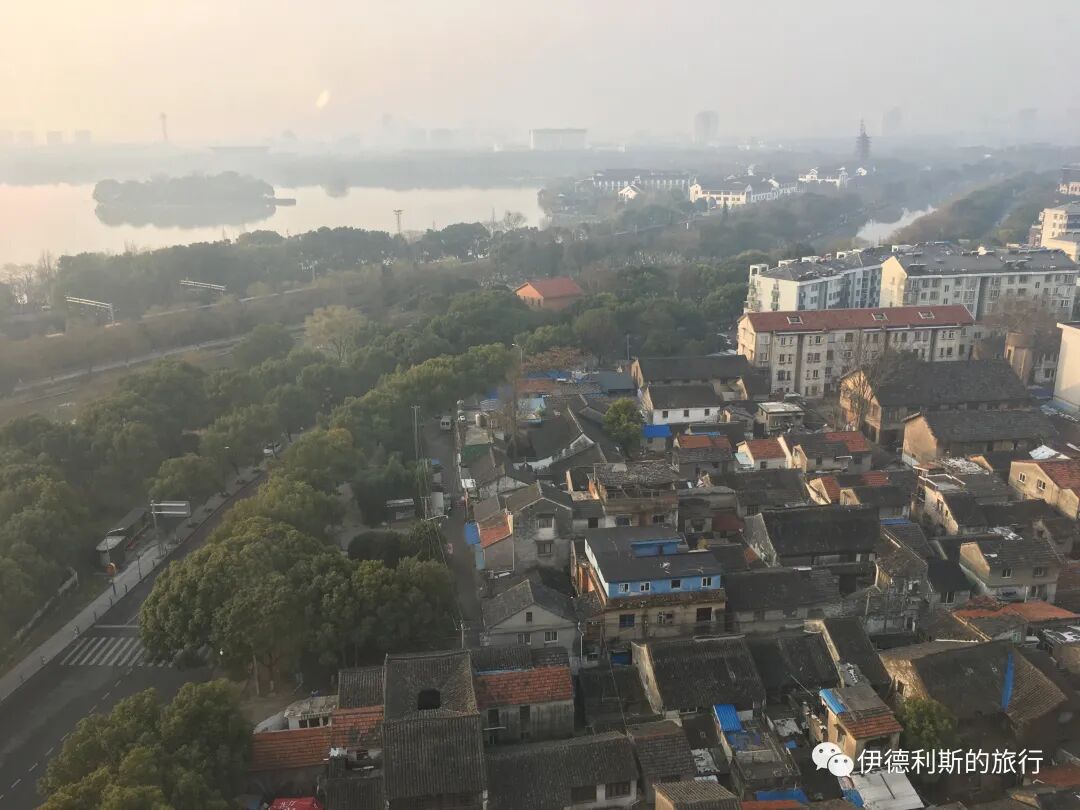
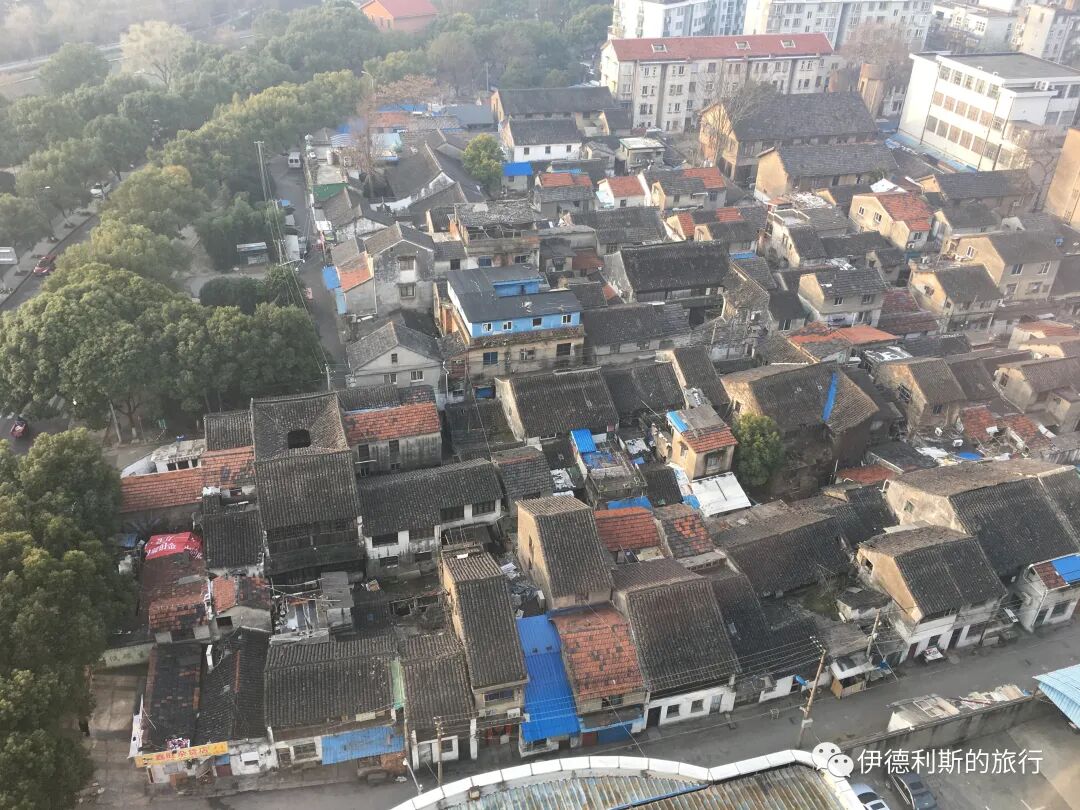
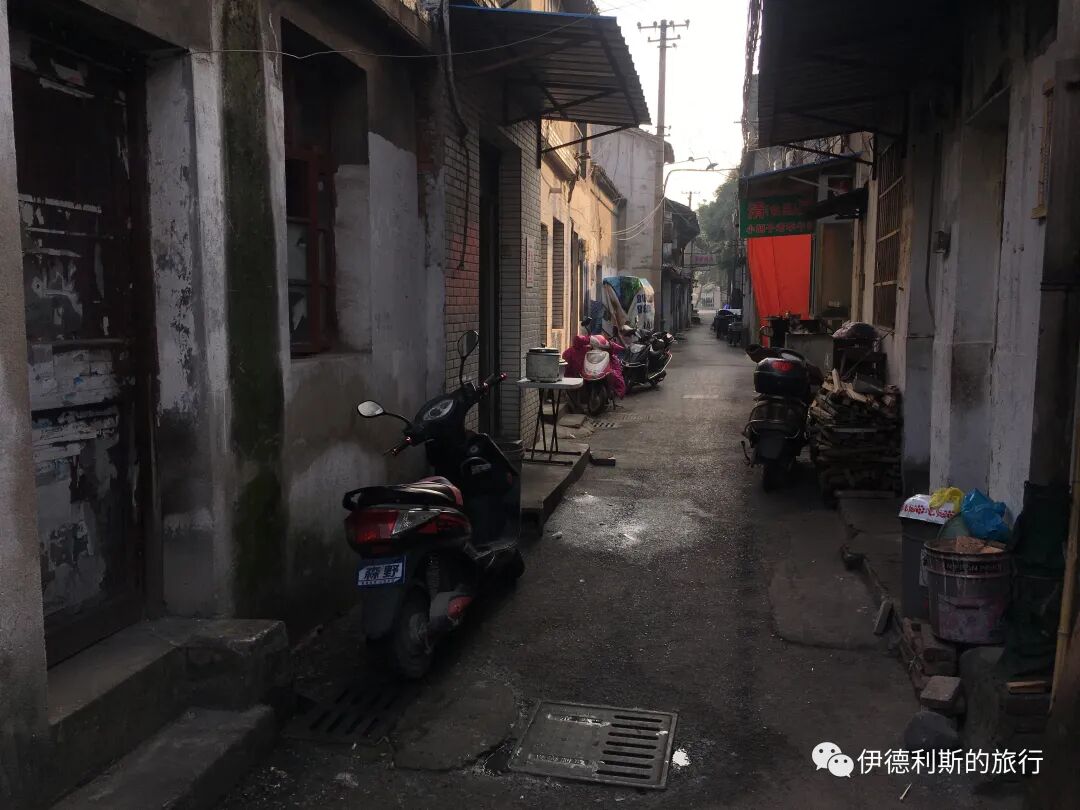
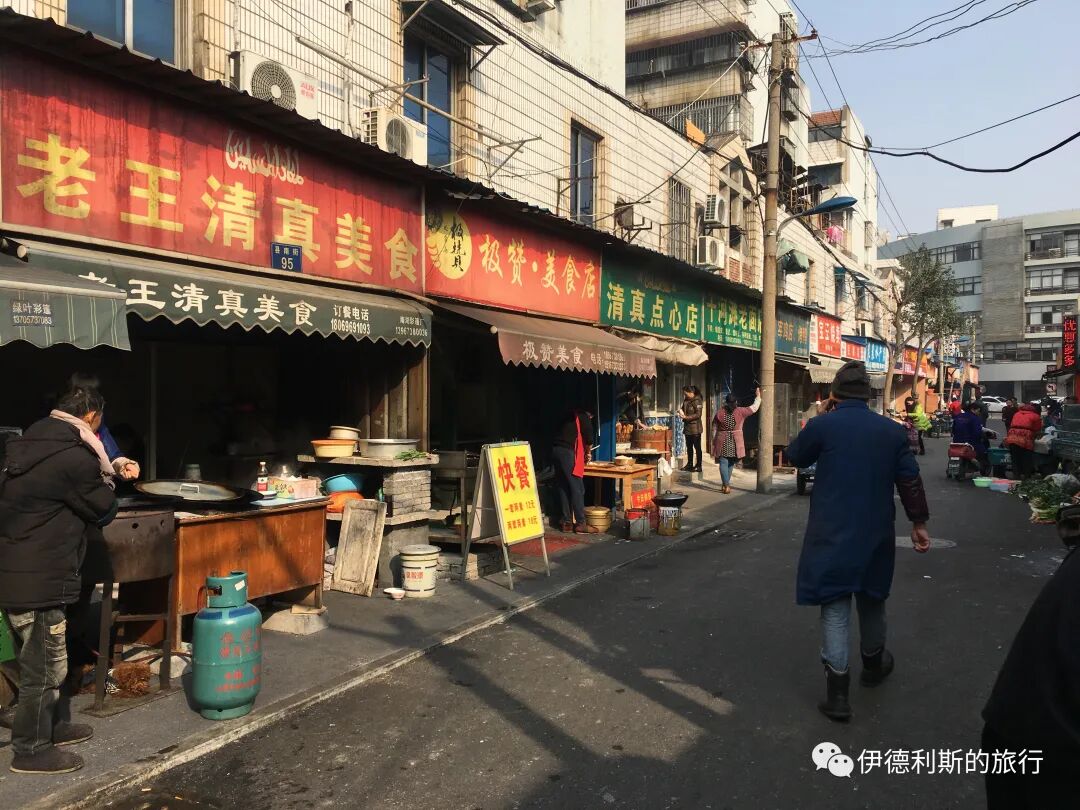
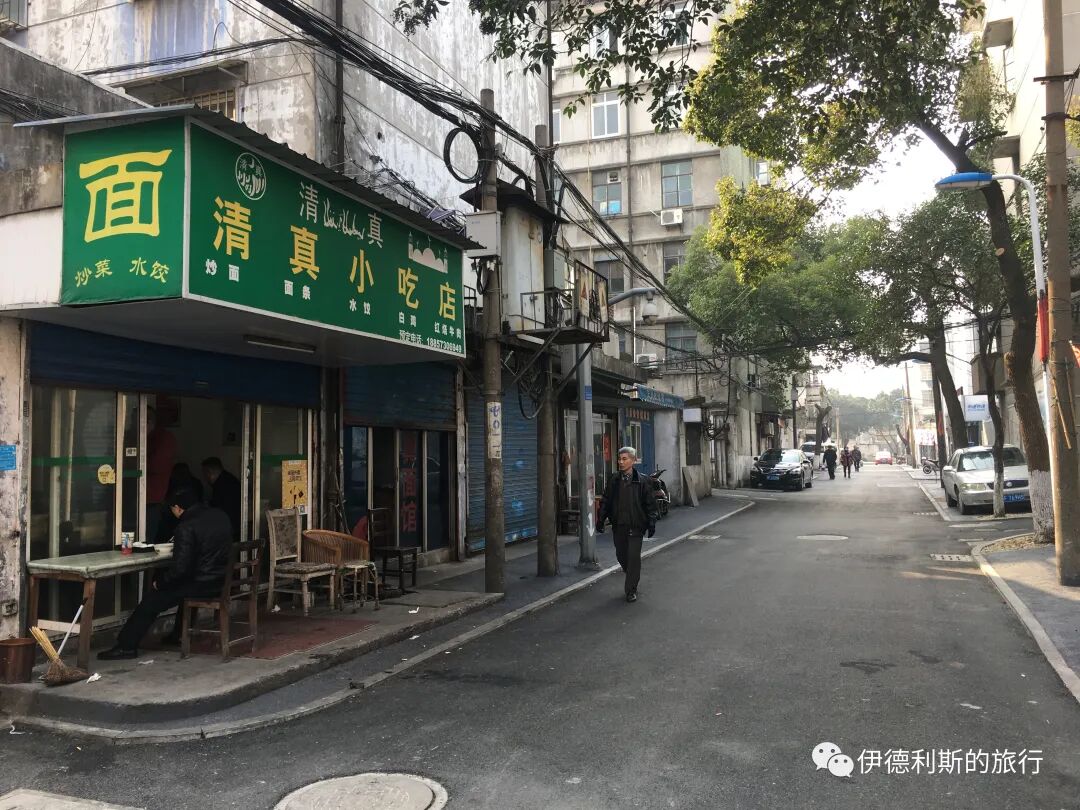
The current Hui Muslim residential area inside the East Gate of Jiaxing
Halal food
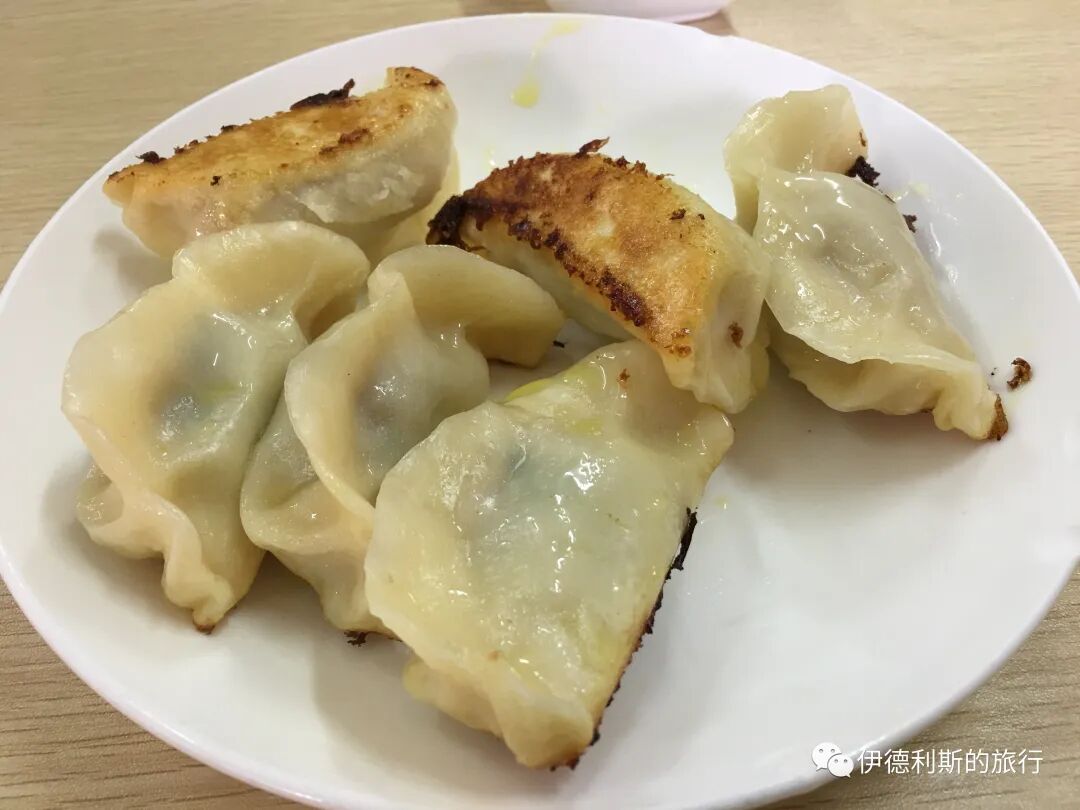
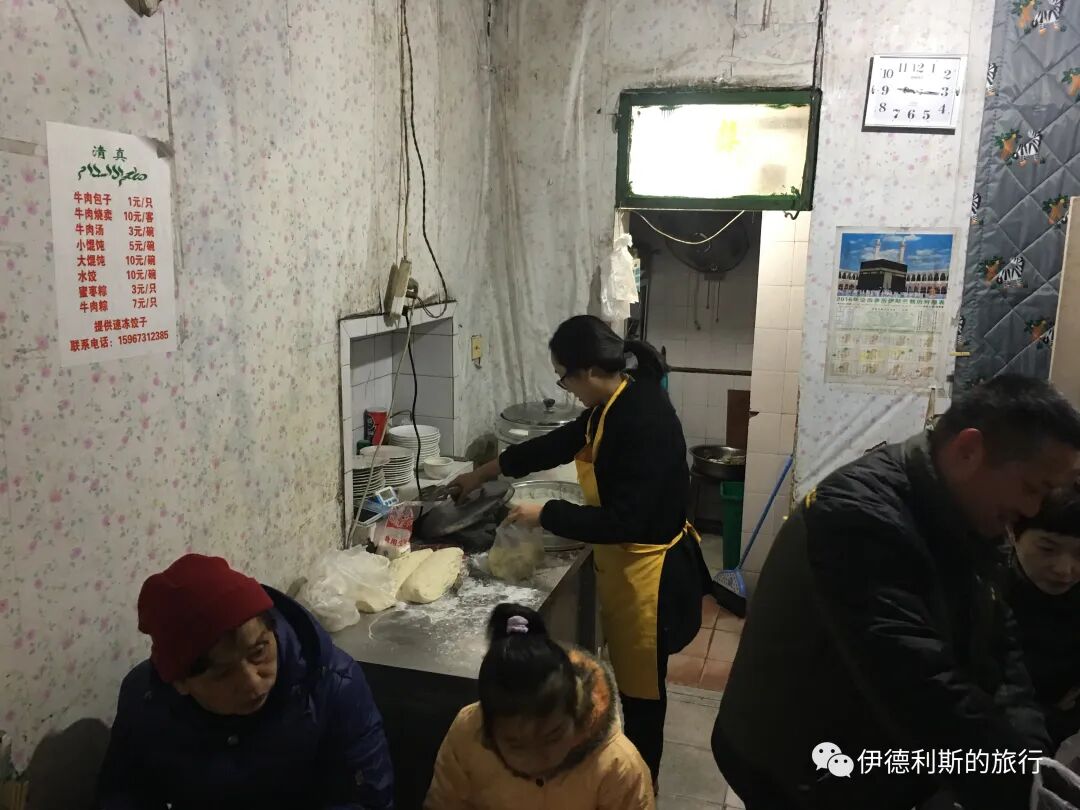
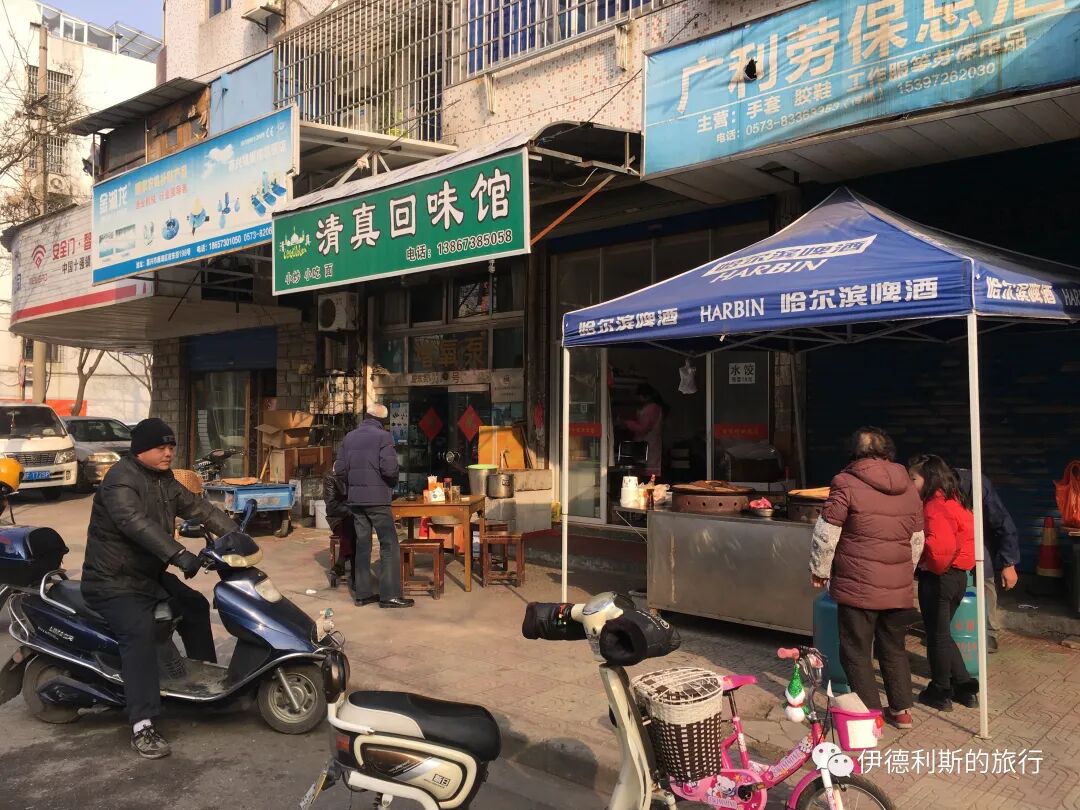
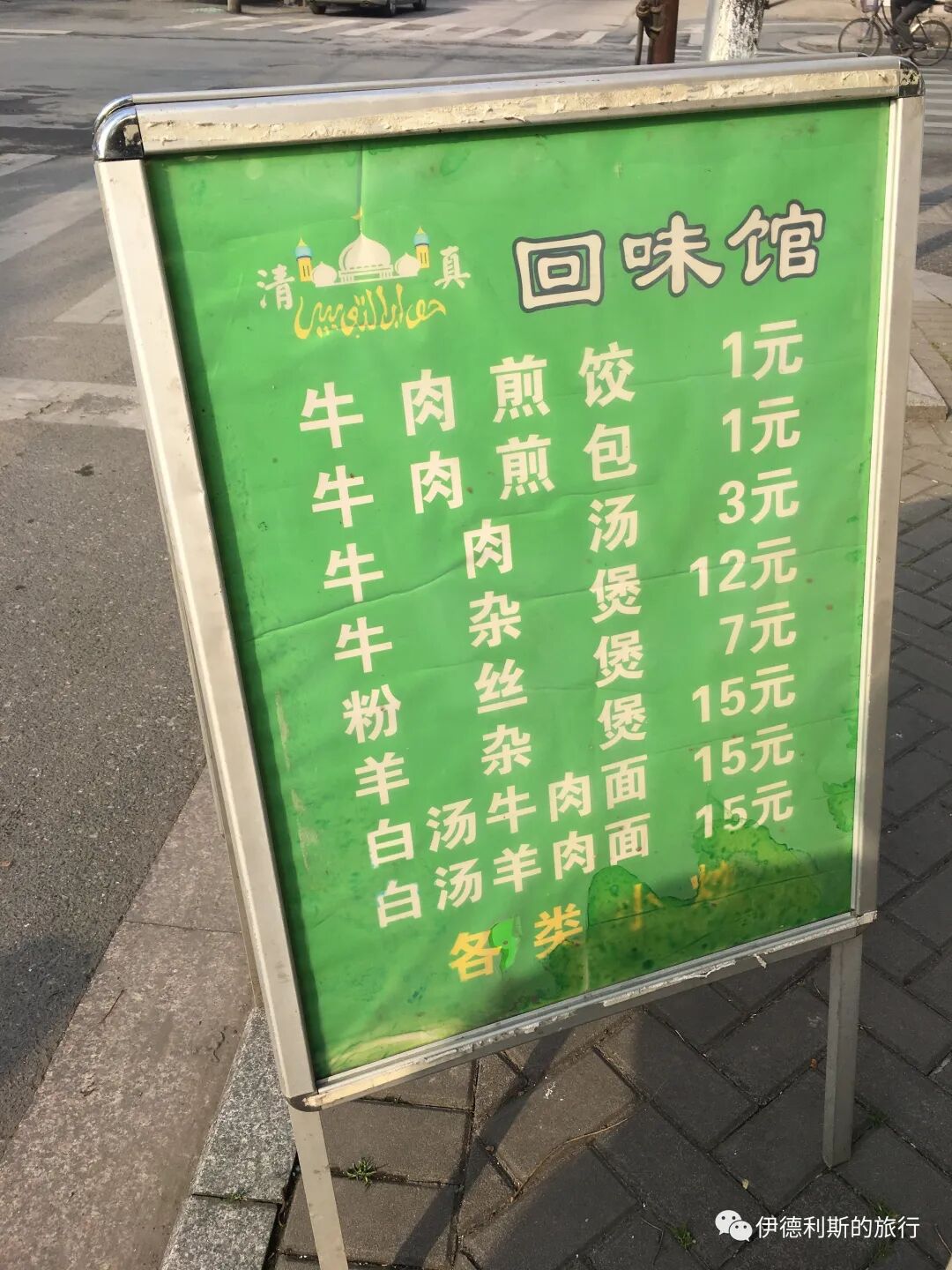
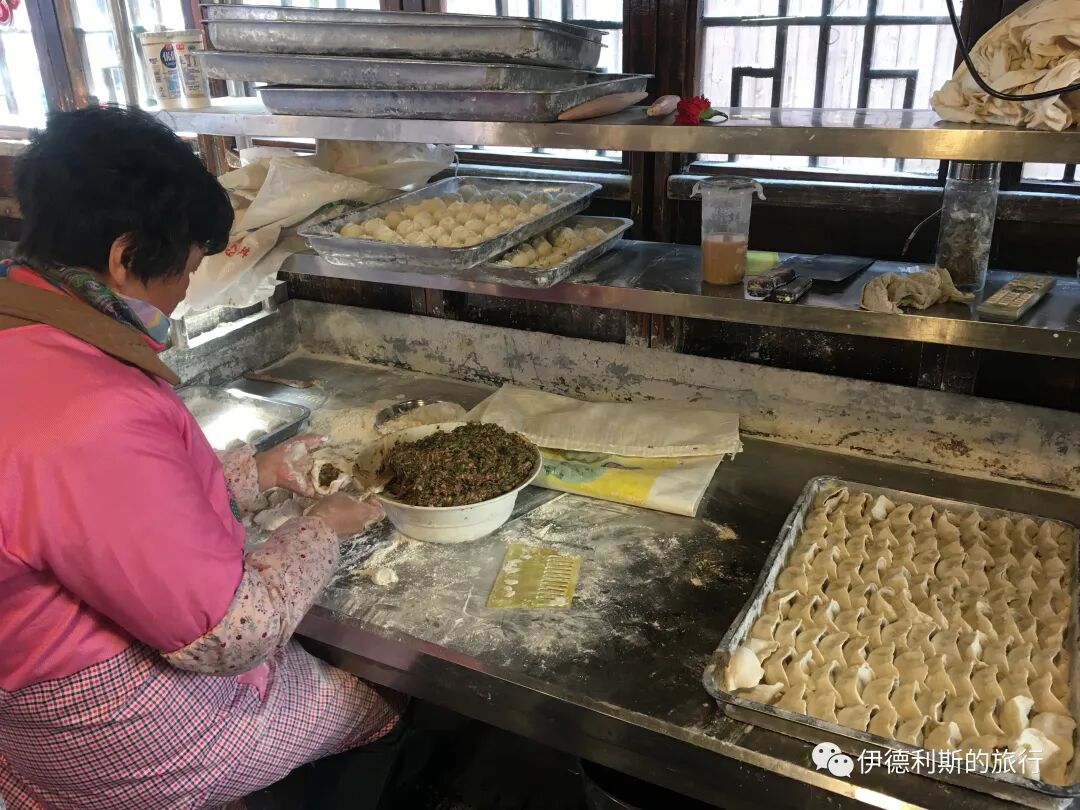
Among the Hui Muslims who moved south from Henan and Shandong to Jiaxing during the late Qing Dynasty and the Republic of China, half were from the Han family in Tuocheng, Henan, and they were known as the wealthy Han family. Han Haili's family came to Jiaxing in 1938 to work in the halal food business, a tradition that continues today. I ate pan-fried dumplings (jianjiao) and beef tripe stew (niutubao) at their home. The beef tripe stew arrived at the table bubbling away, which felt very comforting.
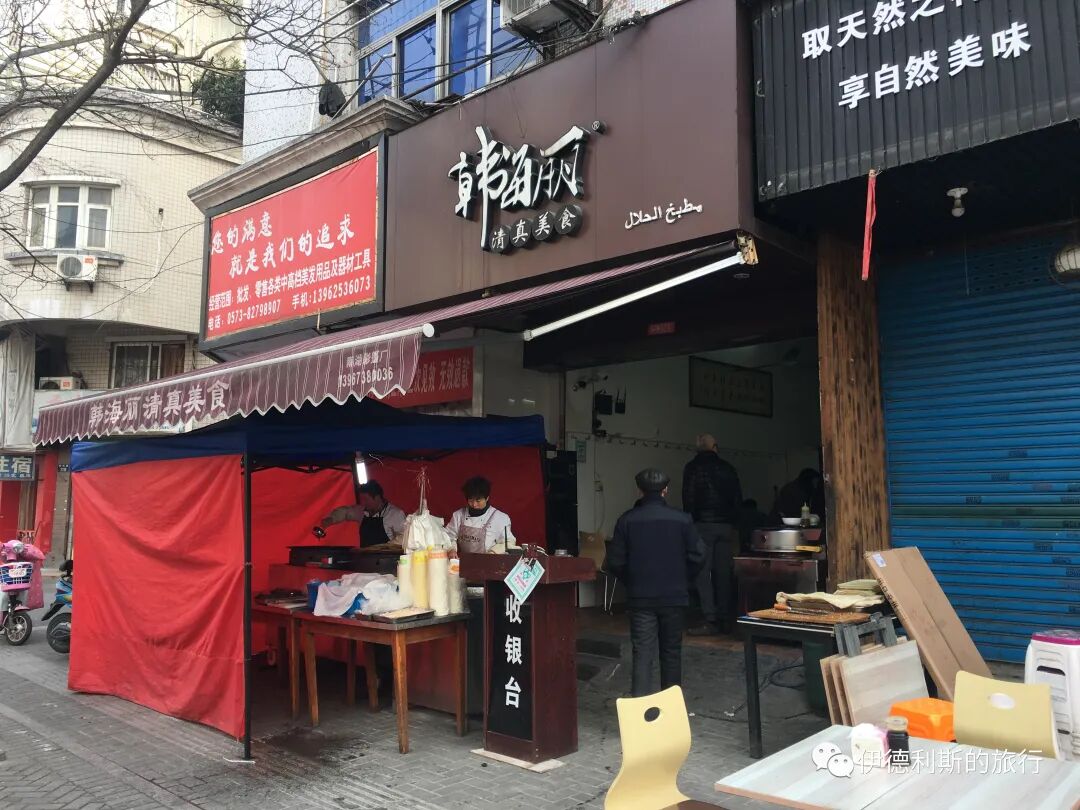
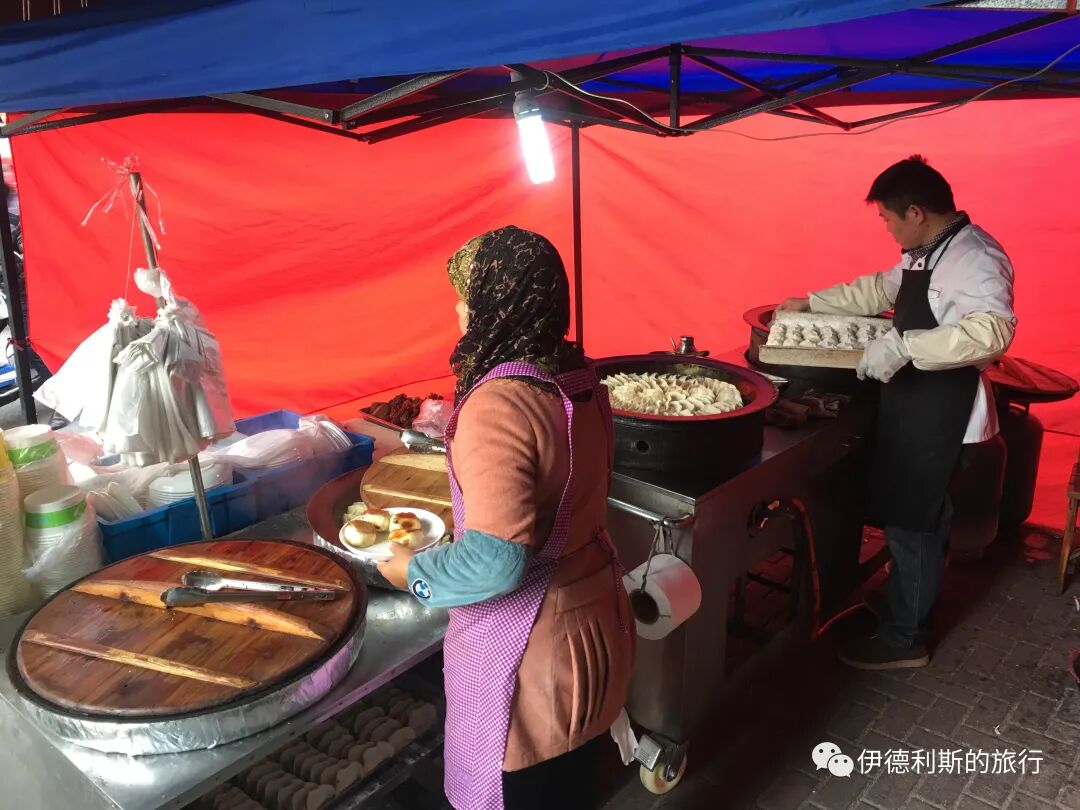
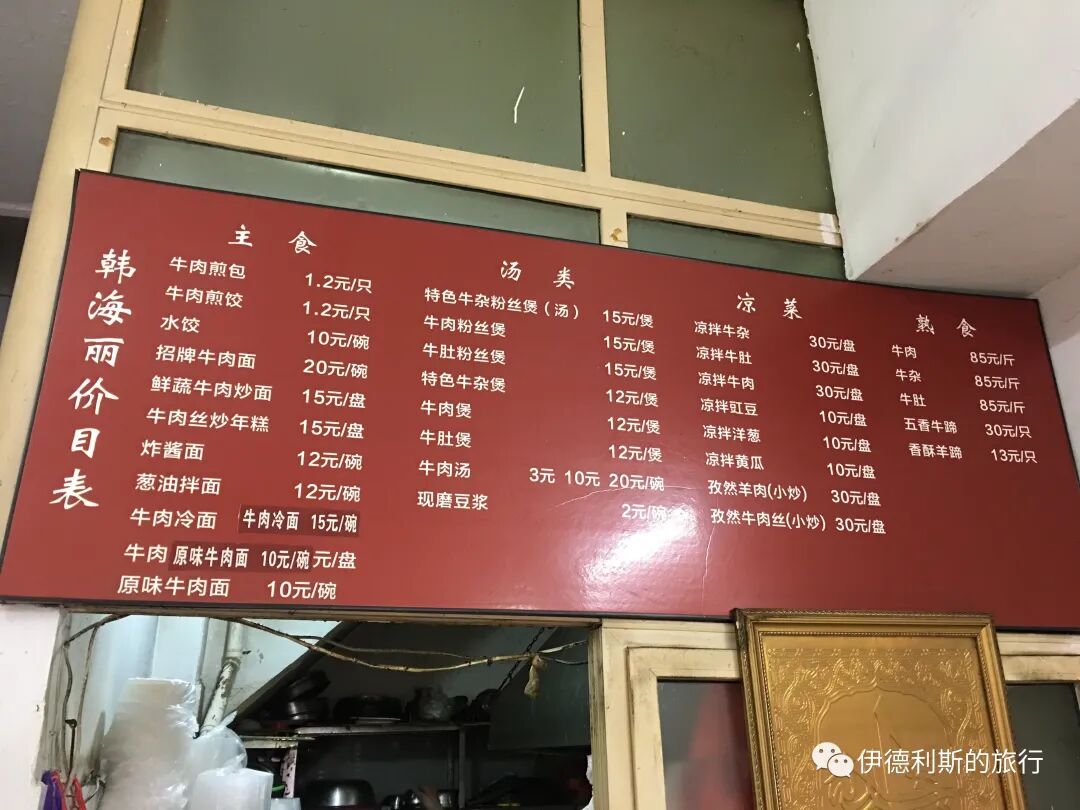
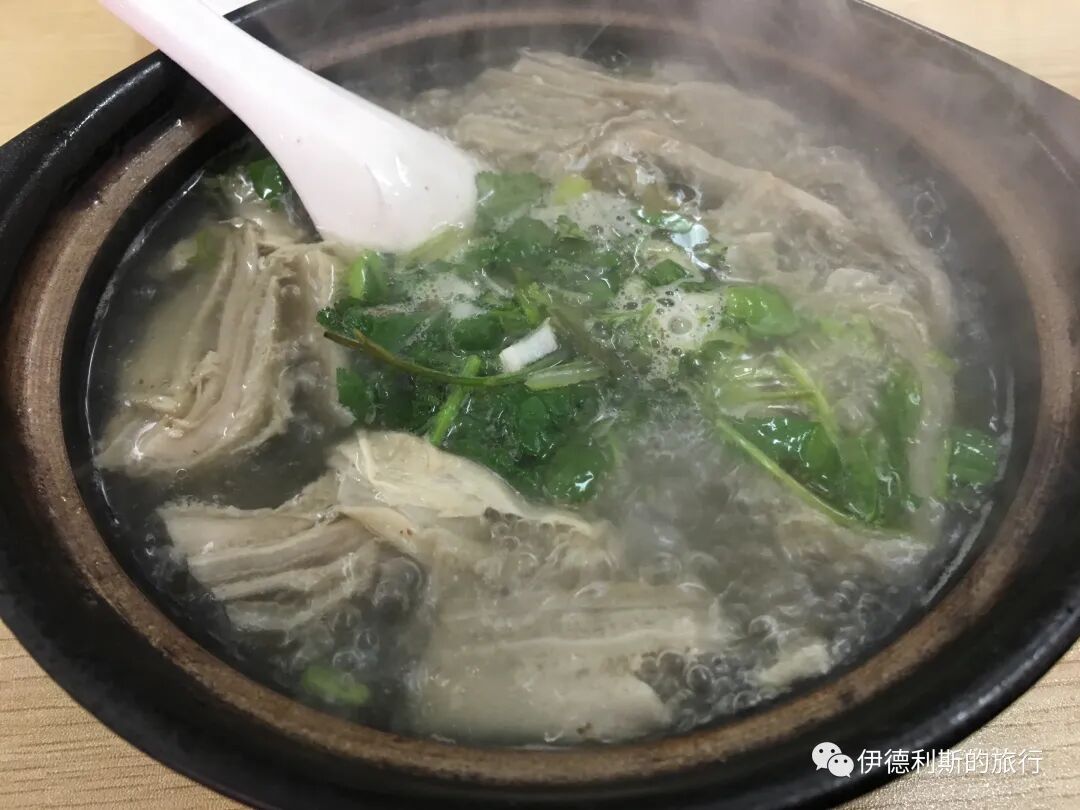
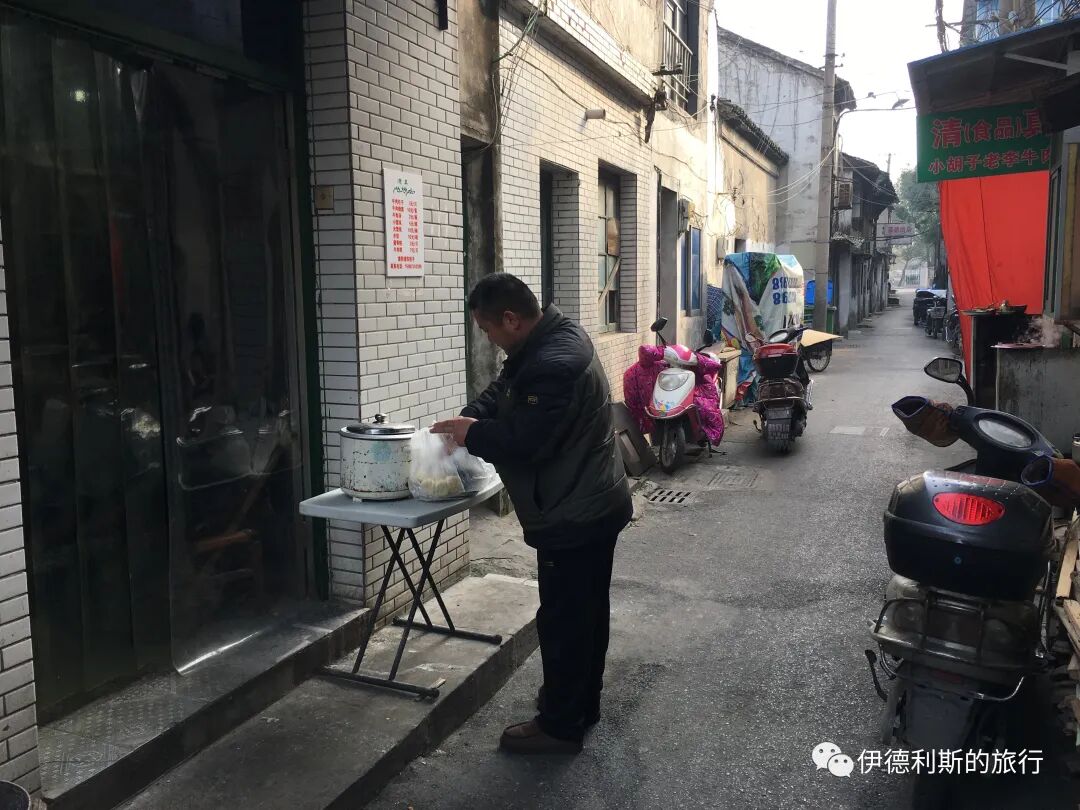
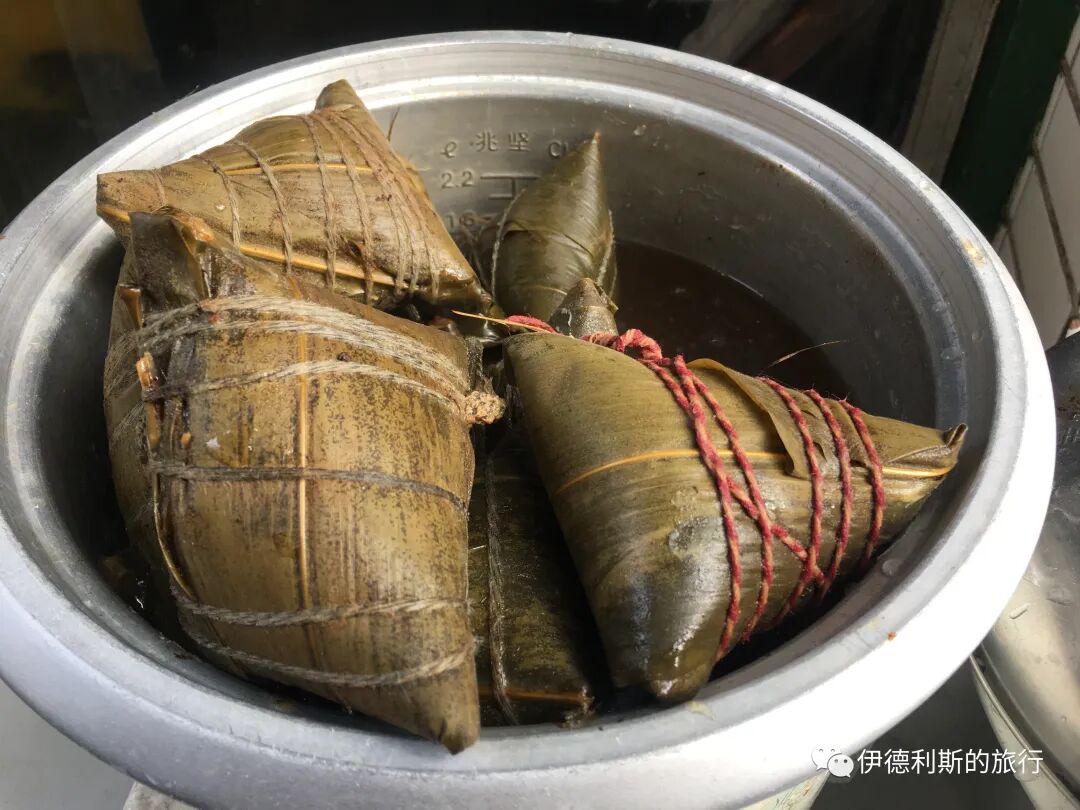
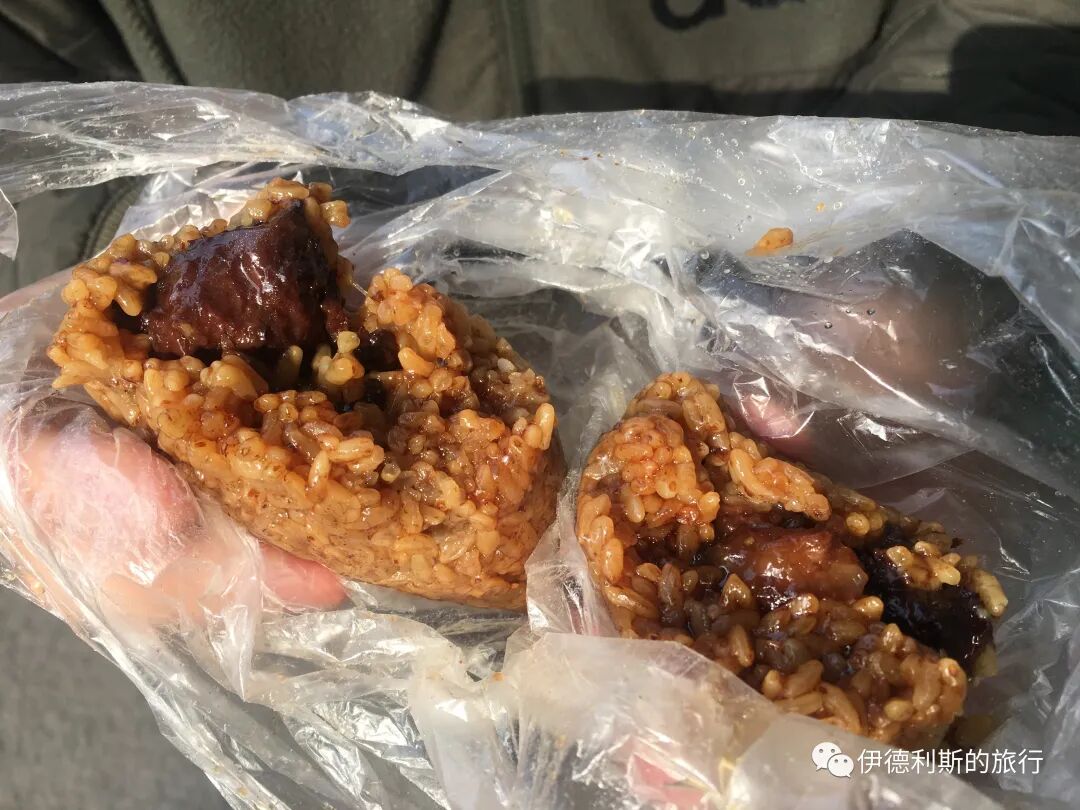
In a small alley behind the Jiaxing Mosque, they sell beef rice dumplings (niurouzong). This was my first time eating them, and they were delicious.
Jiaxing Mosque
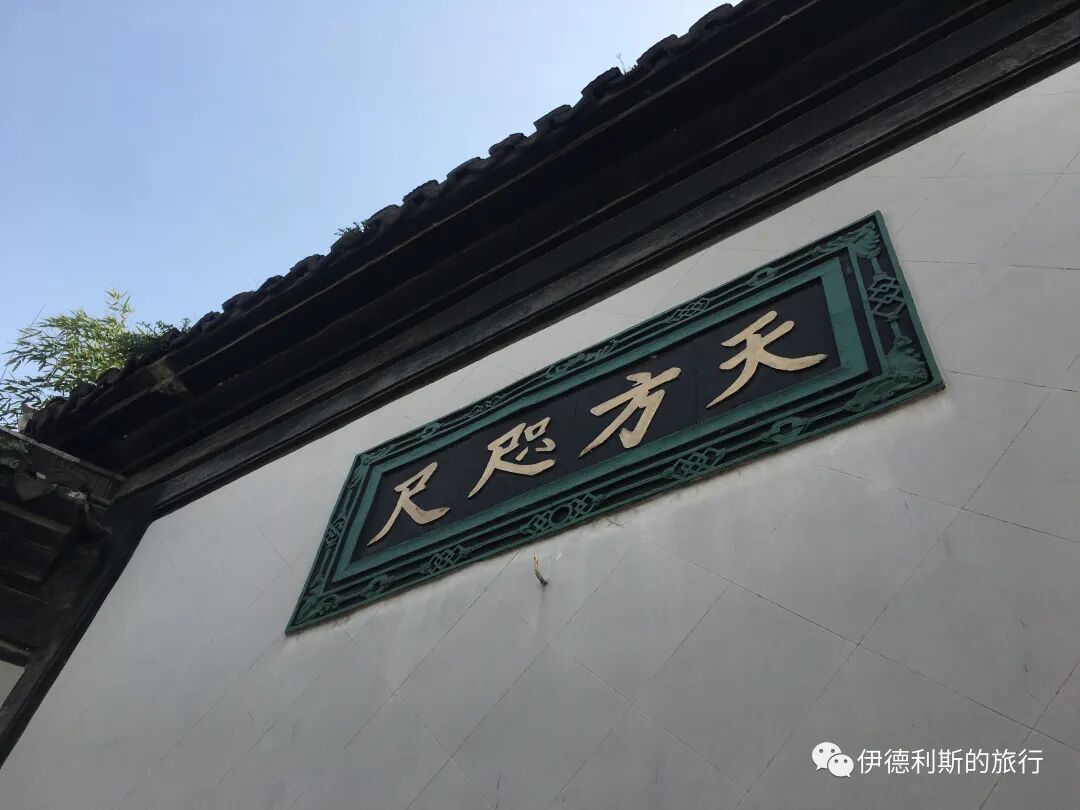
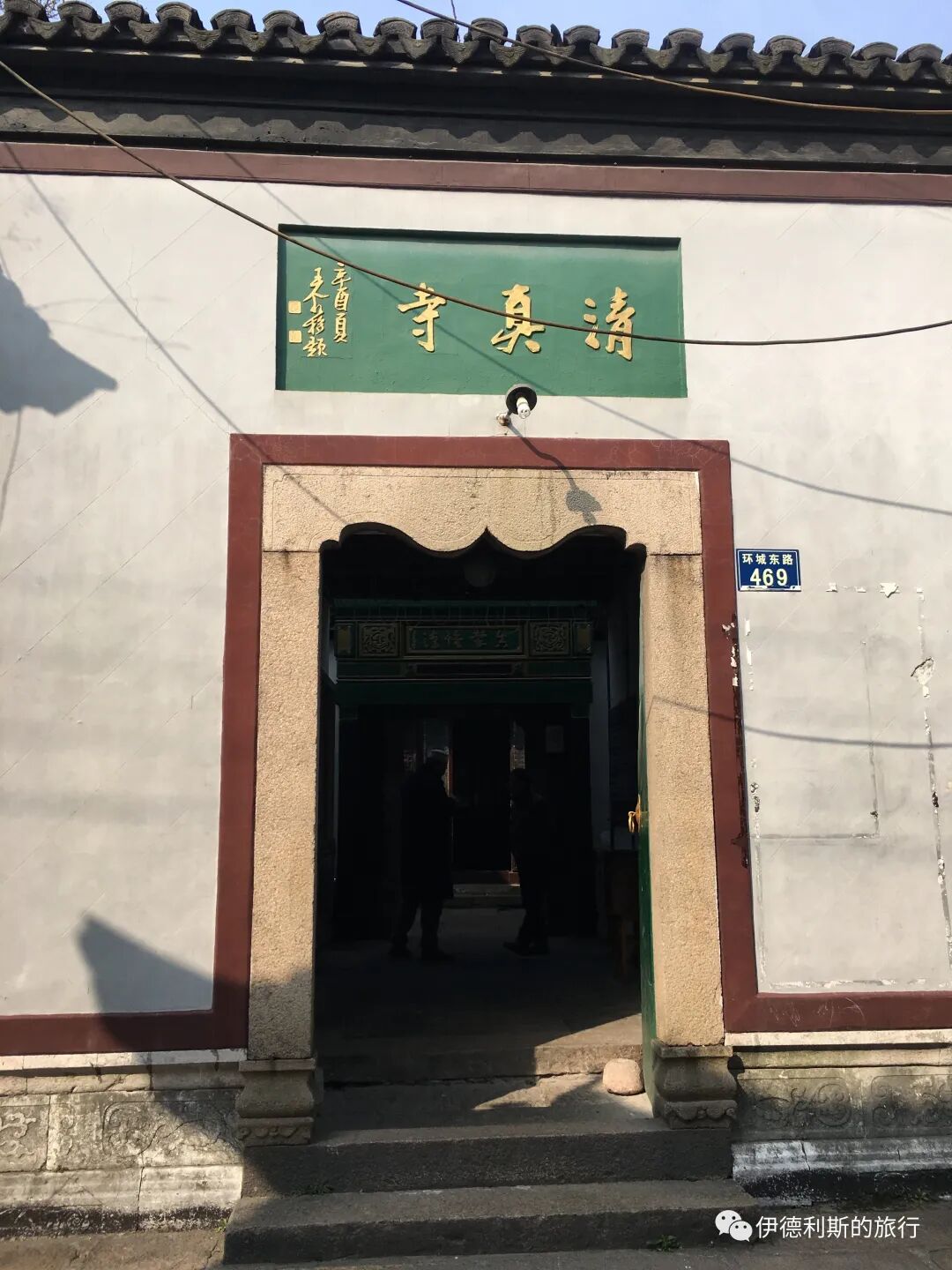
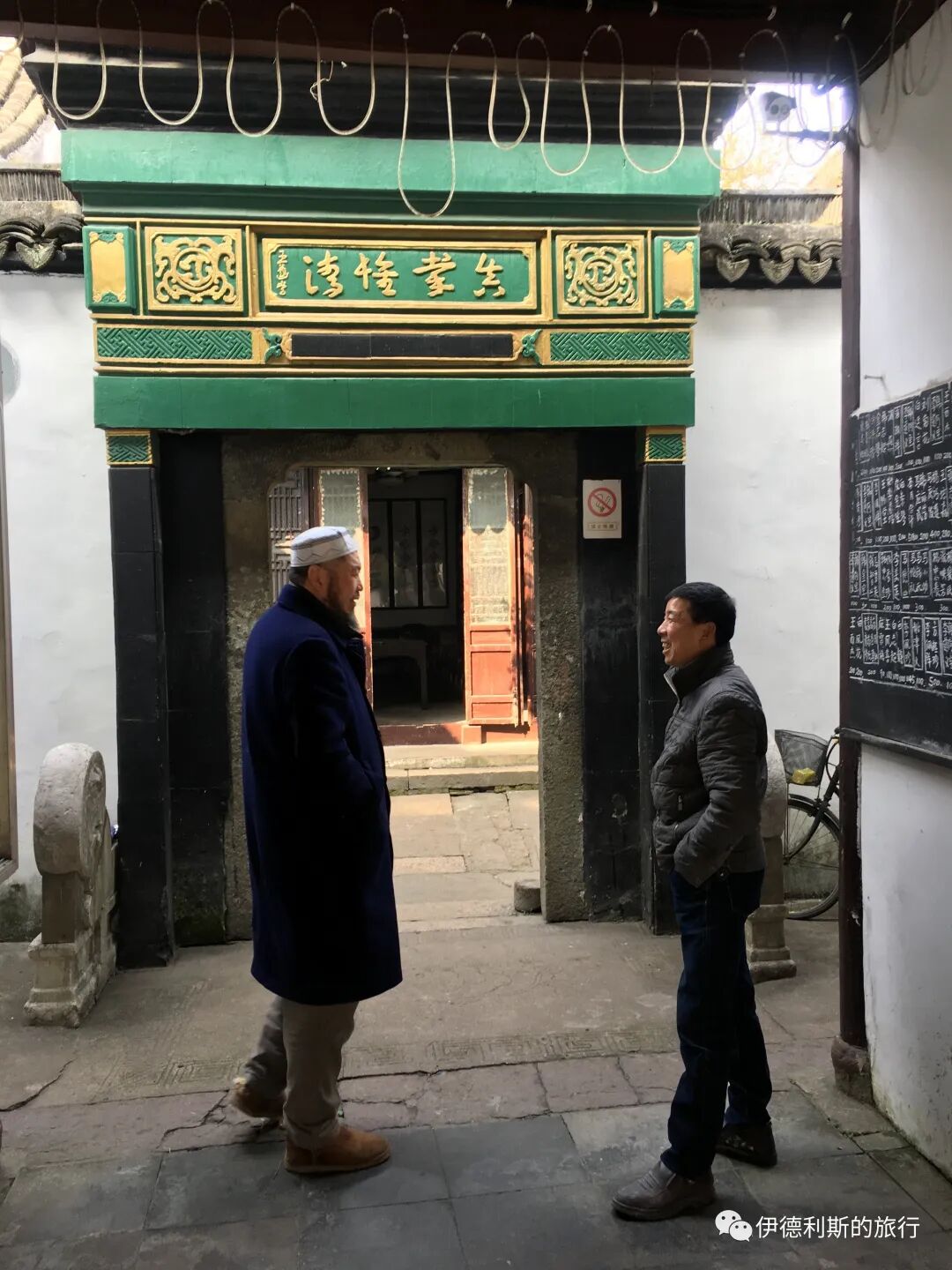
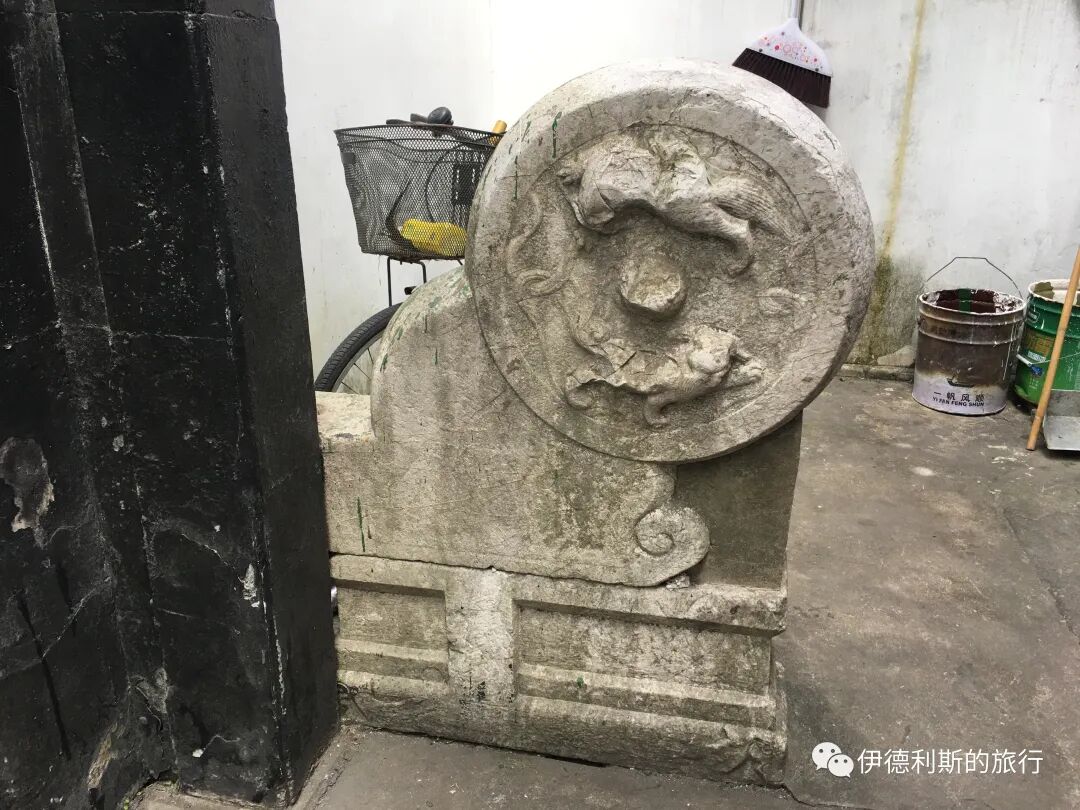
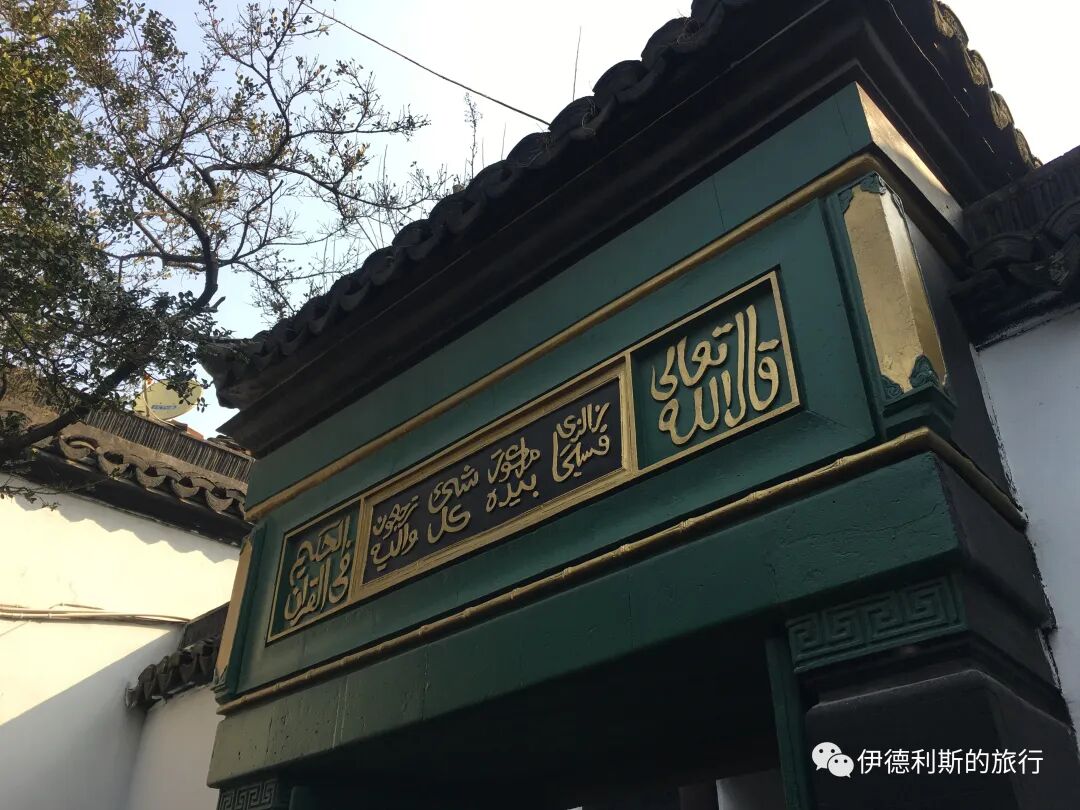
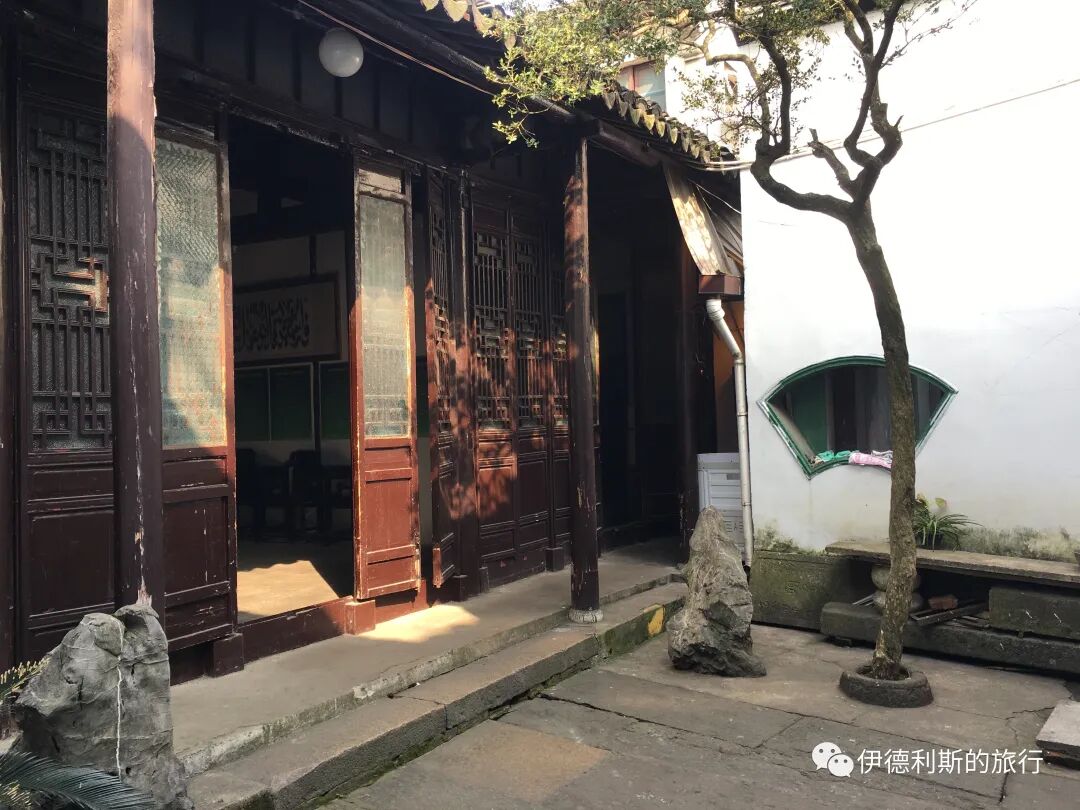
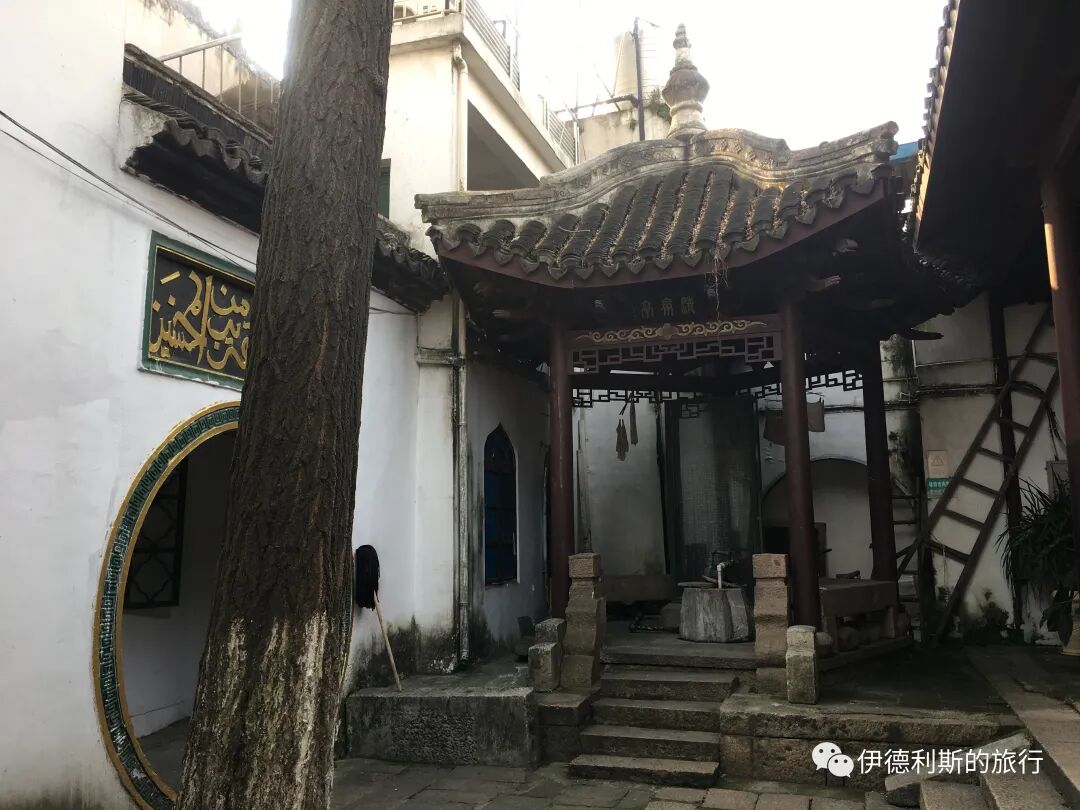
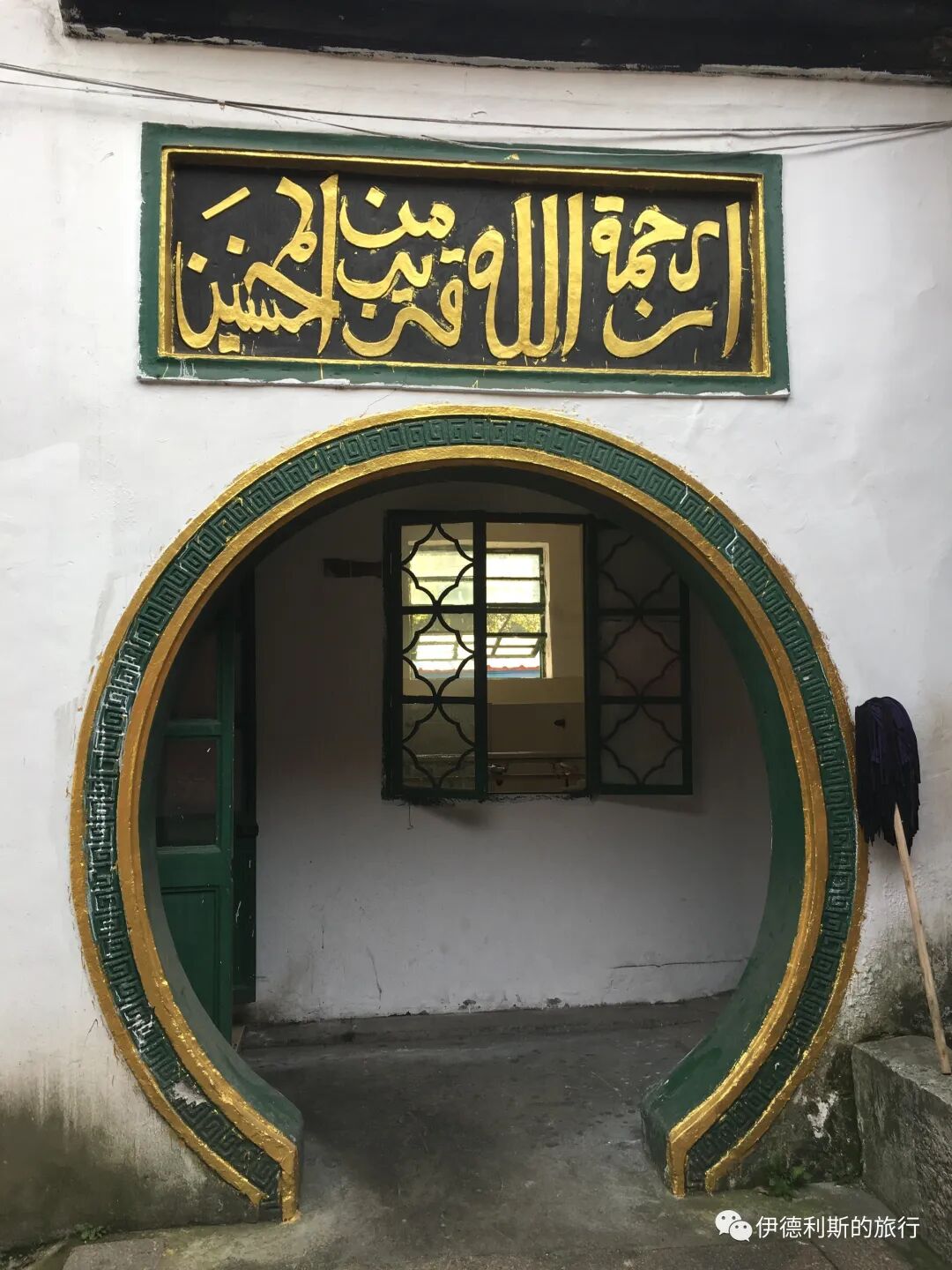
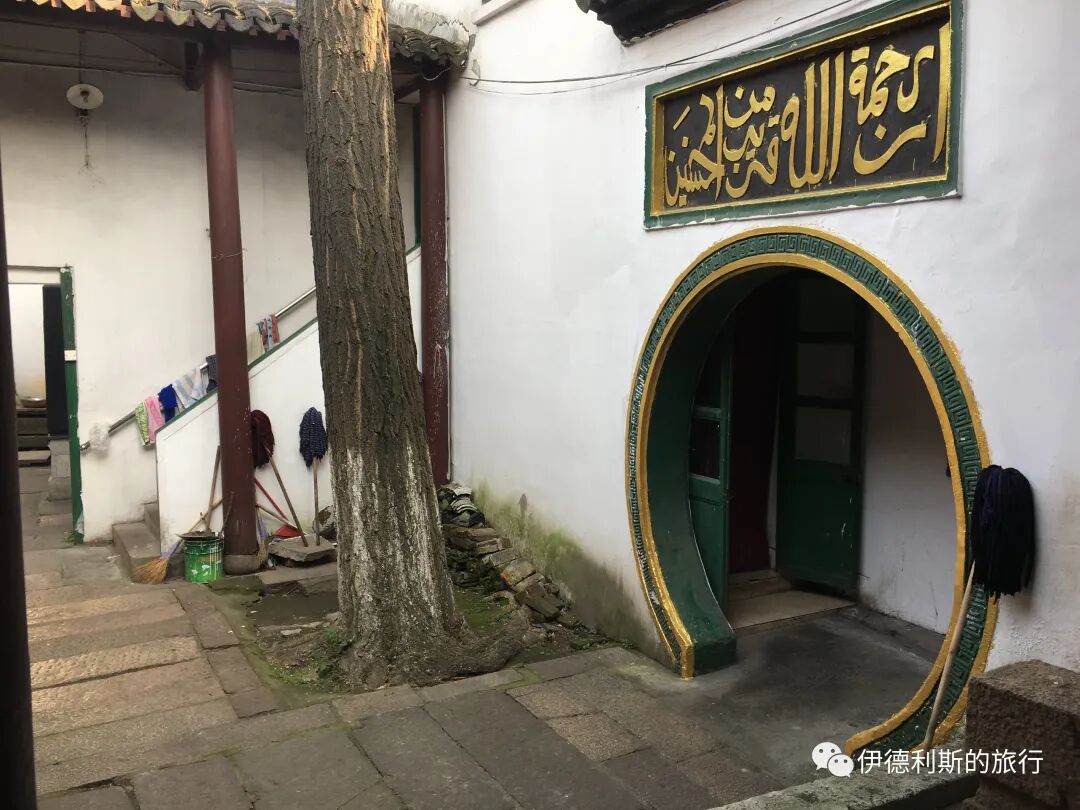
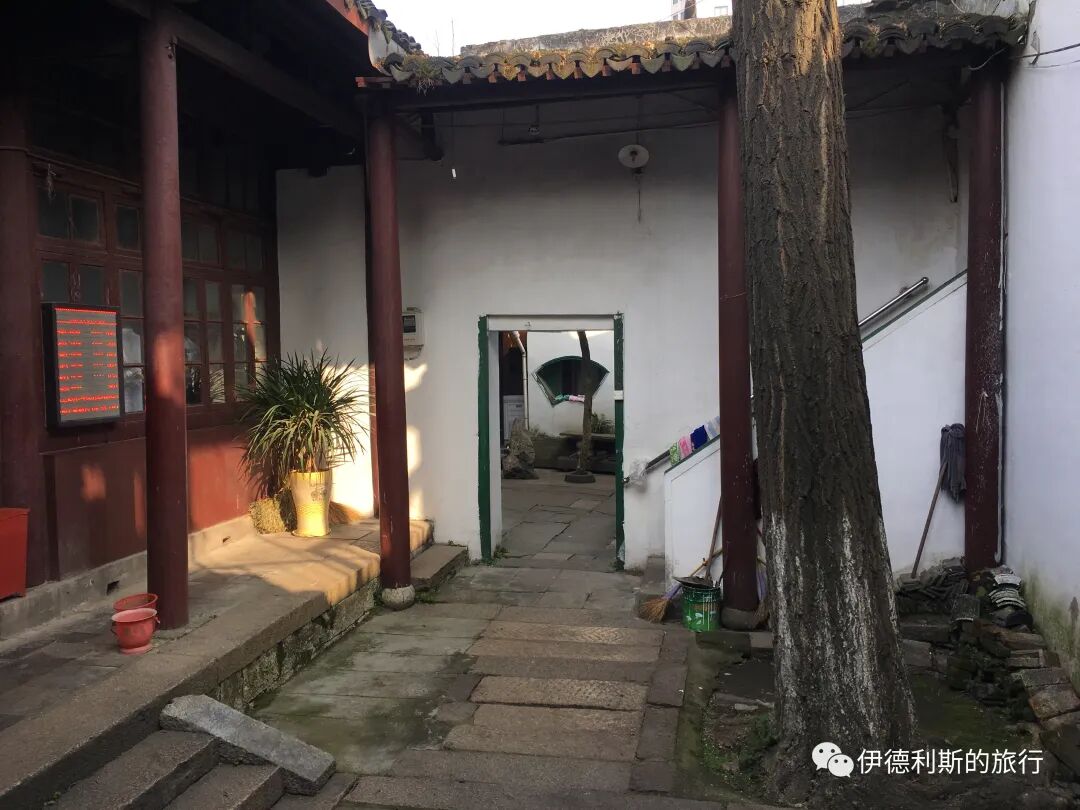
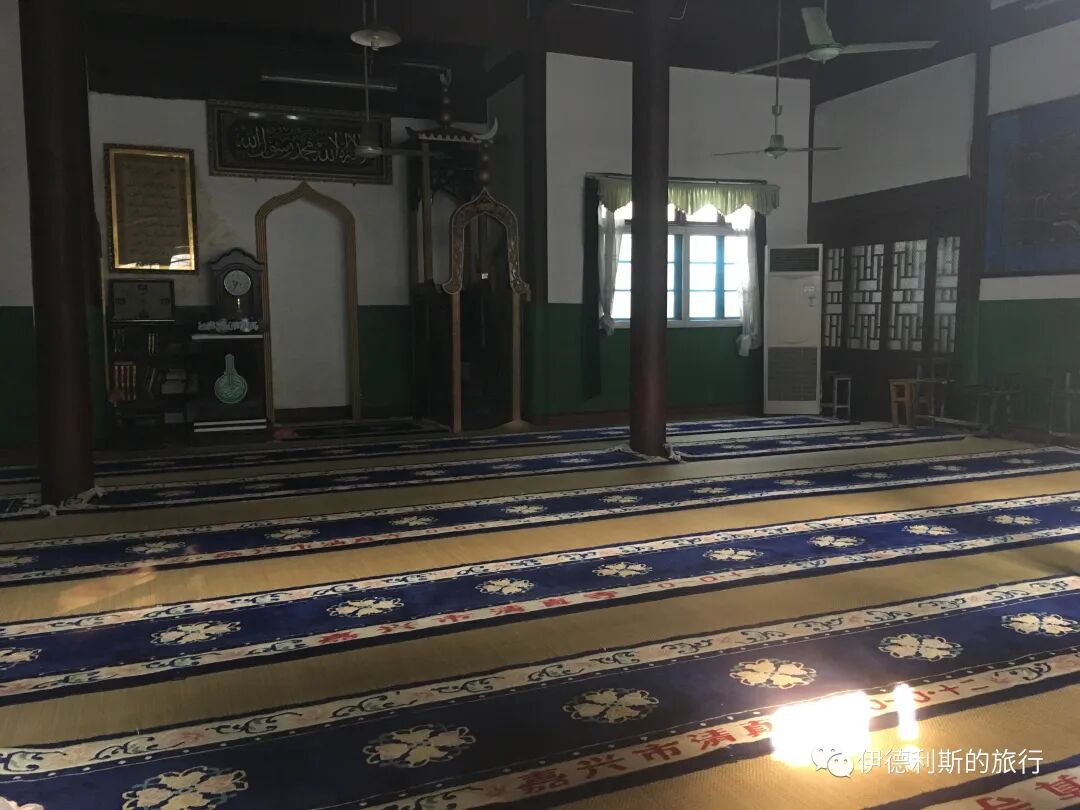
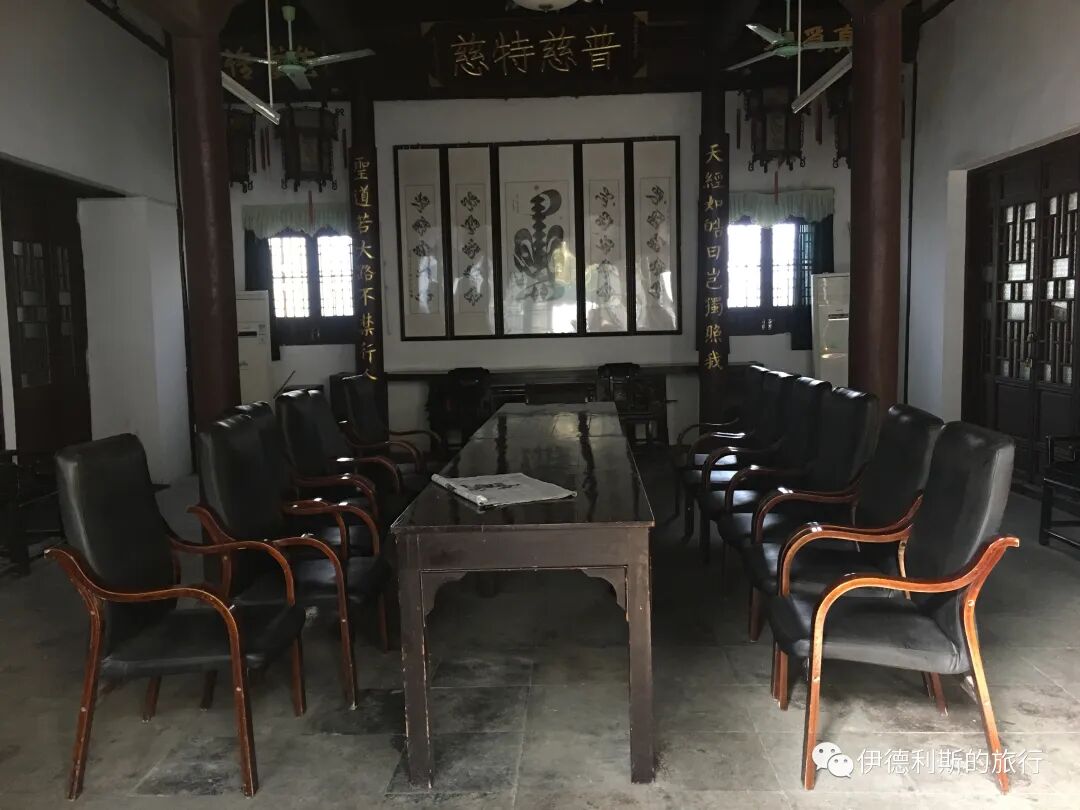
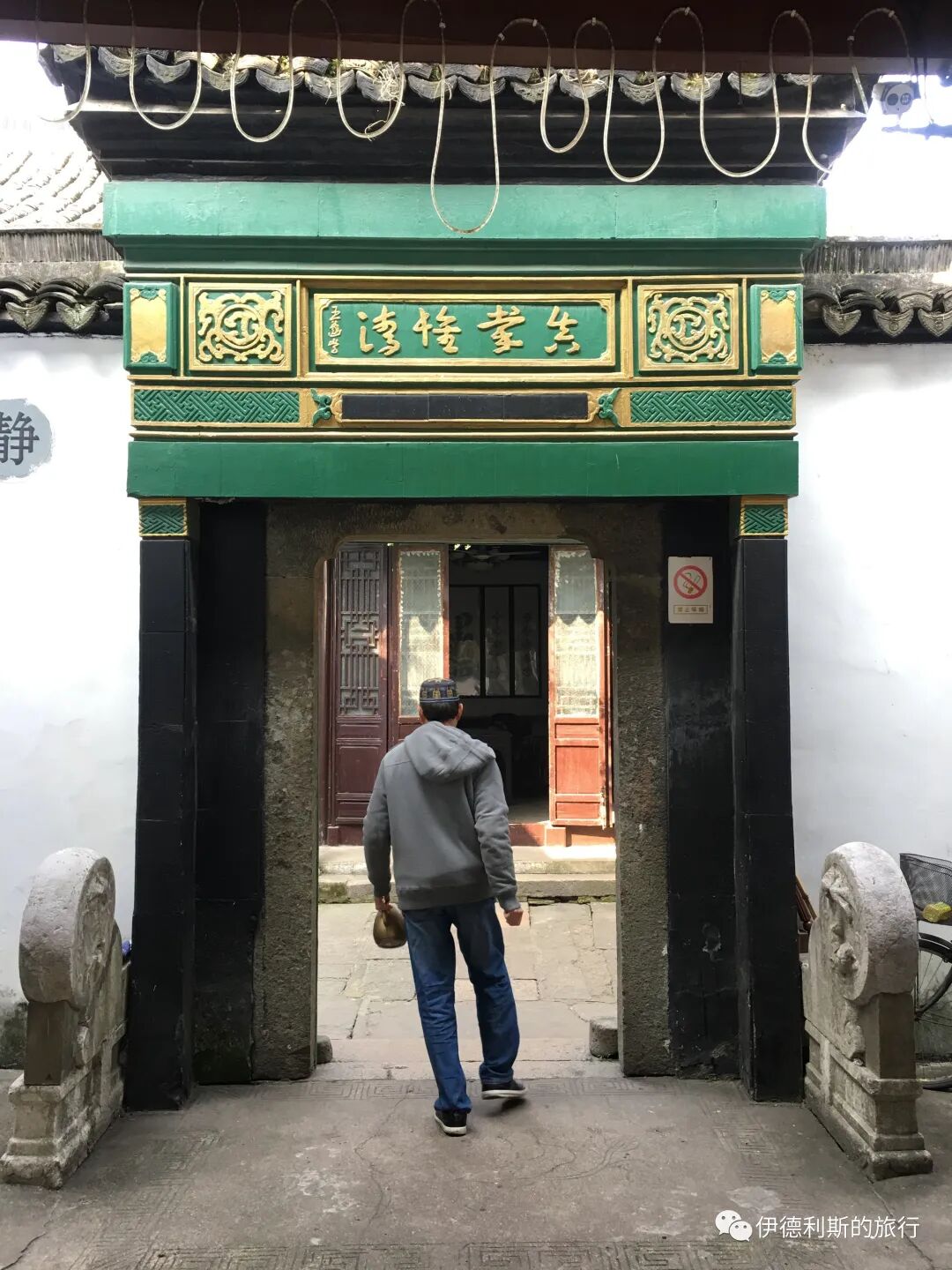
Jiaxing Mosque was built in 1602 (the 30th year of the Wanli reign). It underwent major repairs in 1747 (the 12th year of the Qianlong reign), when a lecture hall was added to the east side of the main hall, and the main gate was rebuilt in 1774 (the 39th year of the Qianlong reign).
After the Taiping Rebellion, Jiaxing Mosque fell into ruin. It was not used again until Hui Muslims from Henan moved to the area and began using it. It was renovated in 1953, suffered heavy damage during the Cultural Revolution, and took on its current appearance after major repairs in 1981.
Jiaxing originally had two mosques. The Great Mosque was destroyed around the time of the Taiping Rebellion, and the local community scattered, leaving only the small mosque inside the East Gate, which is the current Jiaxing Mosque.
Halal Girls' School
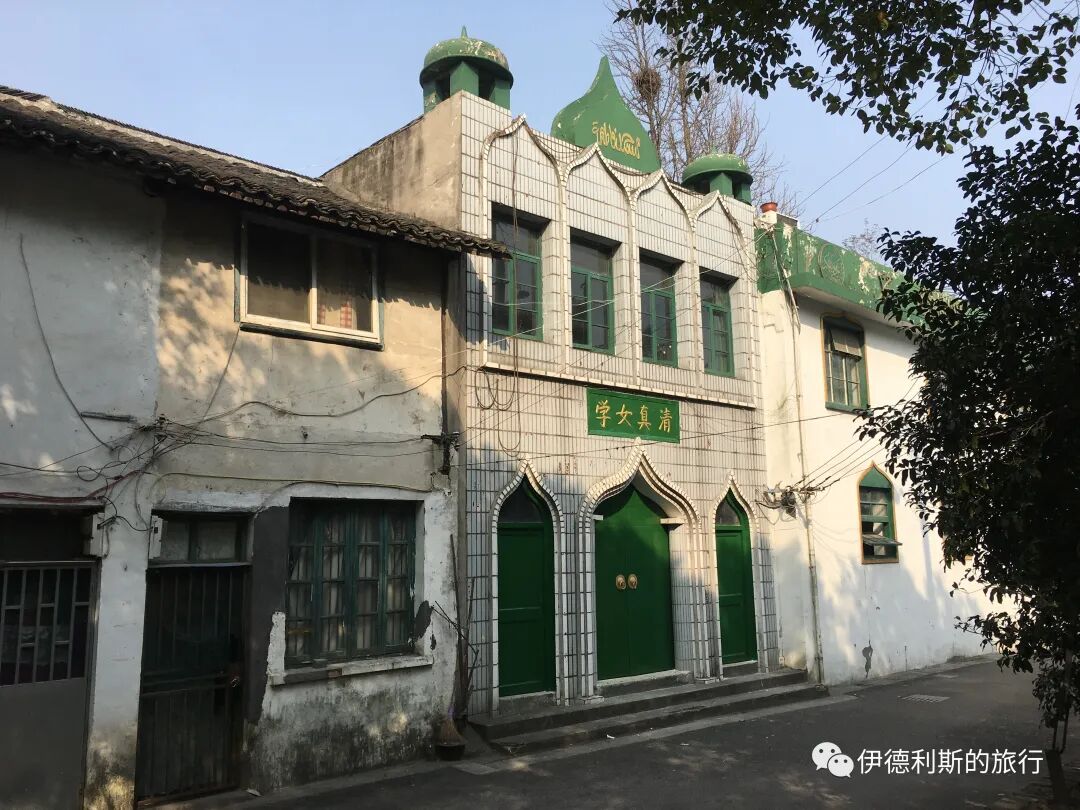
The Henan Muslims who moved to Jiaxing also brought the tradition of the Henan halal girls' school with them. The Jiaxing Halal Girls' School began in 1942, and its first principal was Yang Huizhen. In 1946, Yang Huizhen founded the Jiaxing Islamic Orphanage and Nursing Home to provide care for the elderly, weak, women, and children.
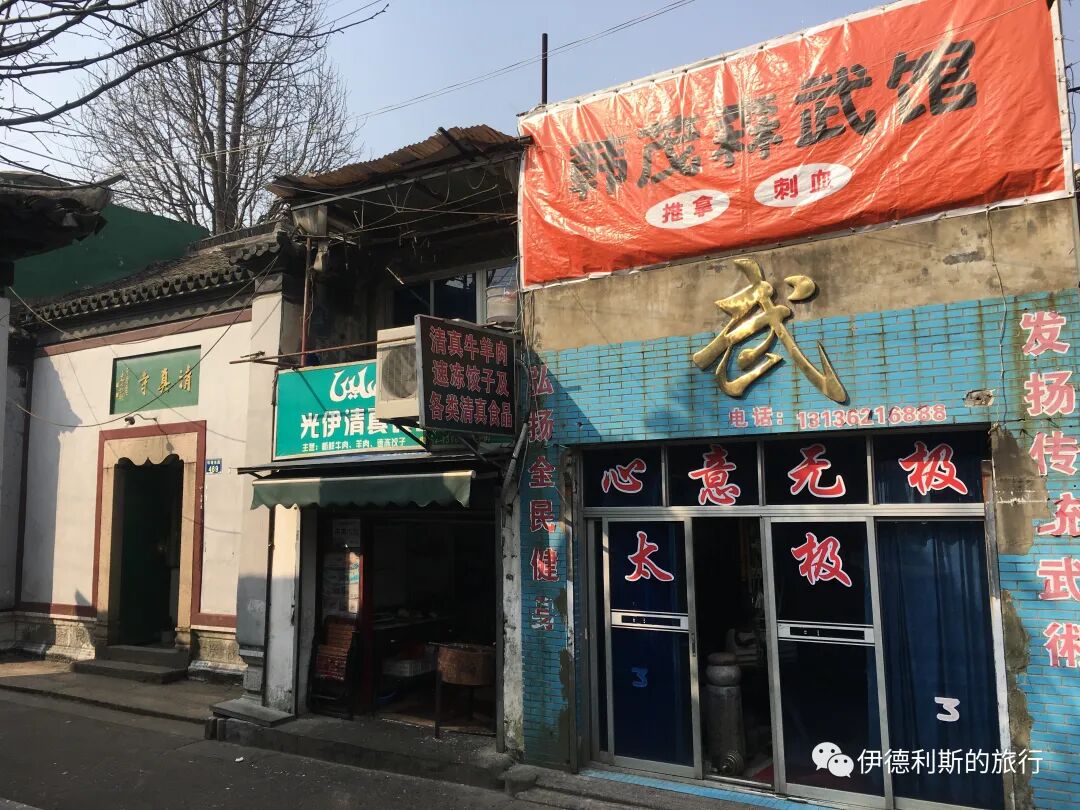
Han Maosen Martial Arts School
Jiaxing Hui Muslims love martial arts. In 1980, they formed the Jiaxing Hui Muslim Martial Arts Team, led by Han Haihua of the Han family.
Siruchun
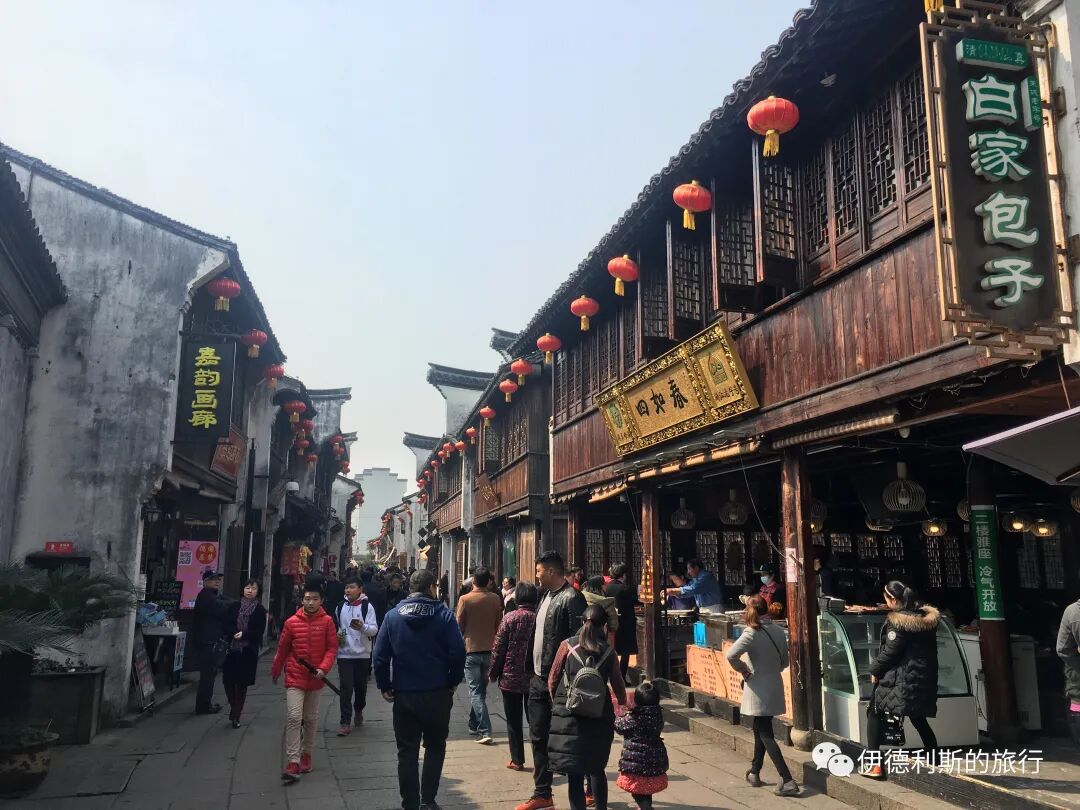
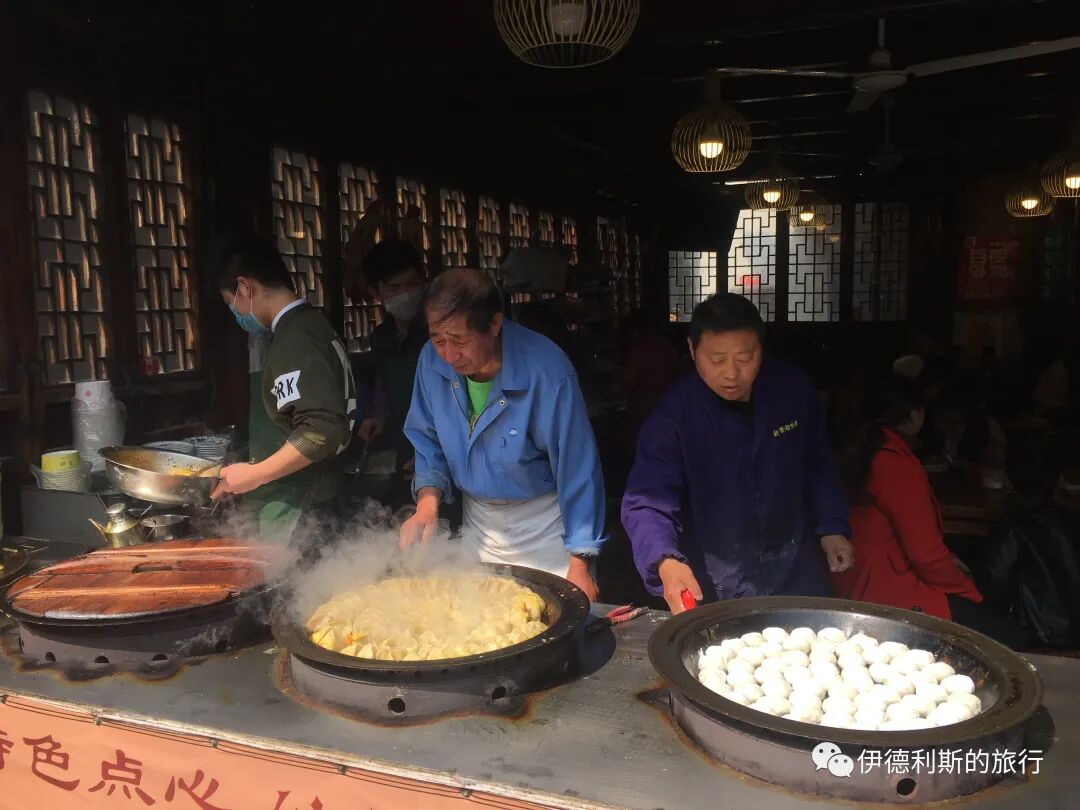
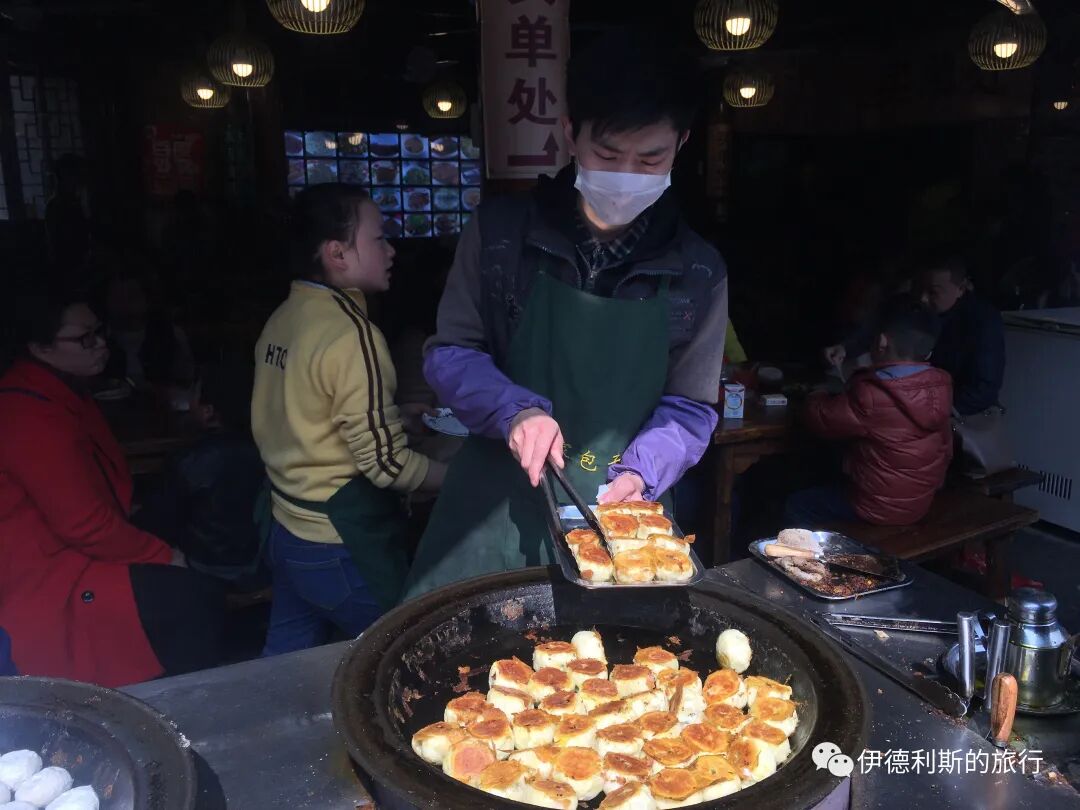
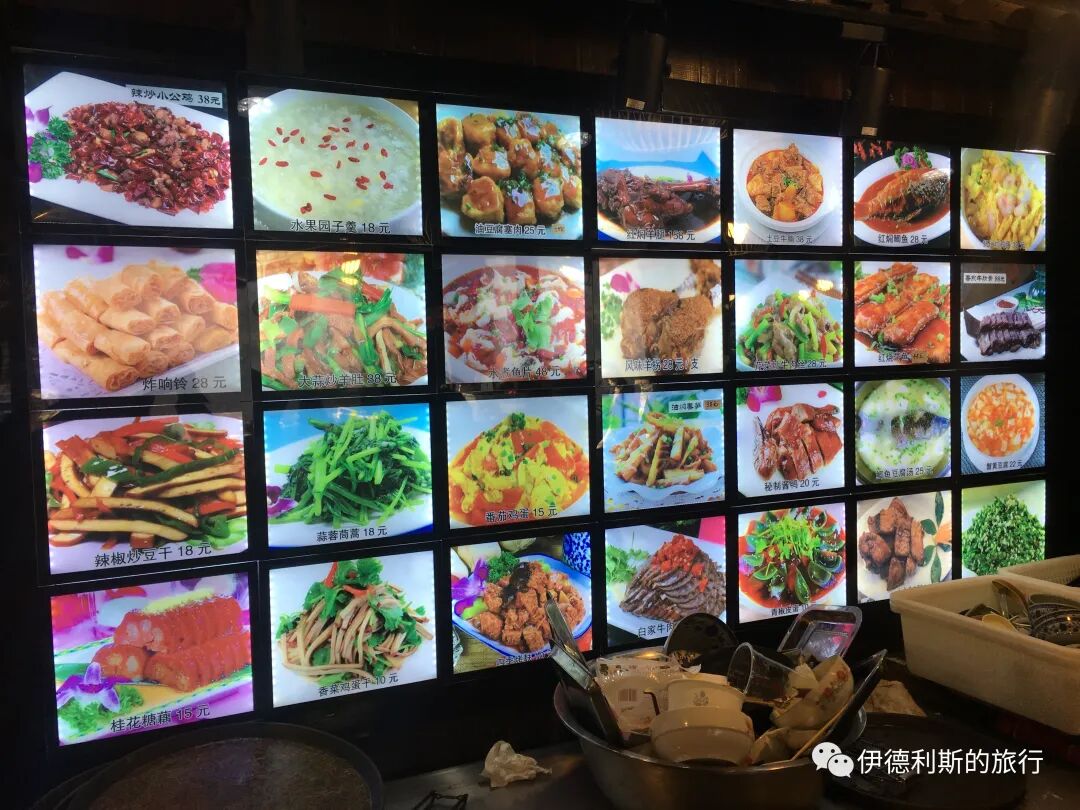
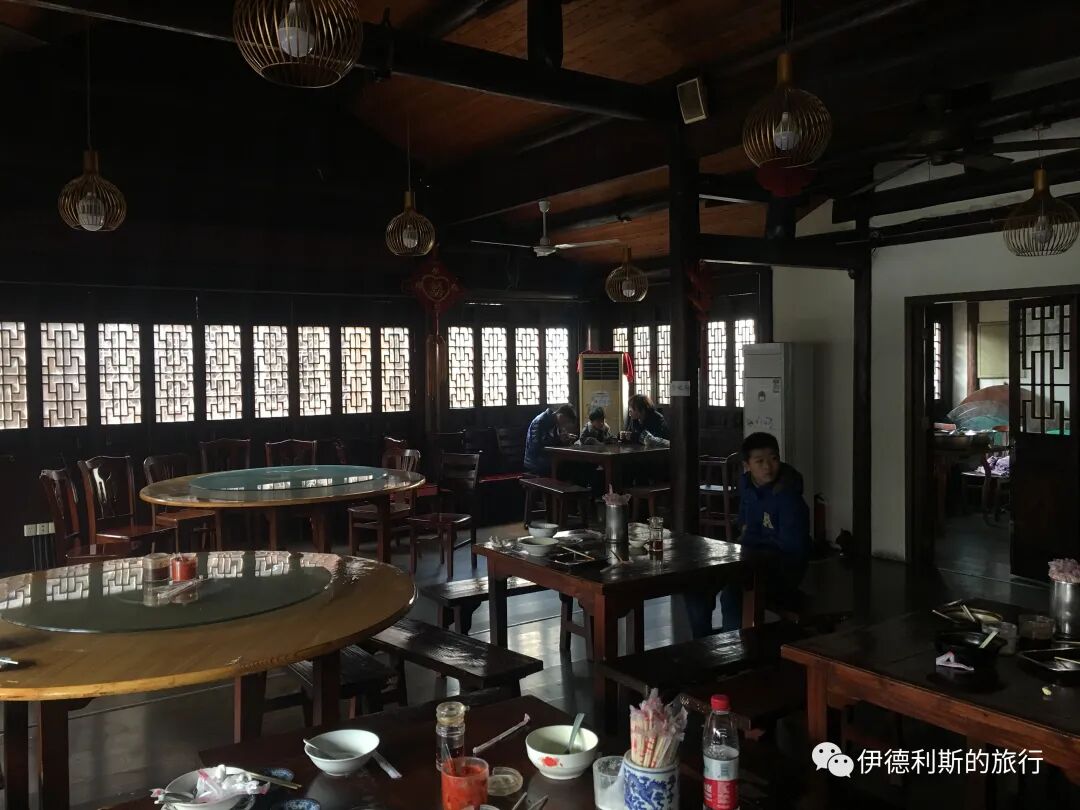
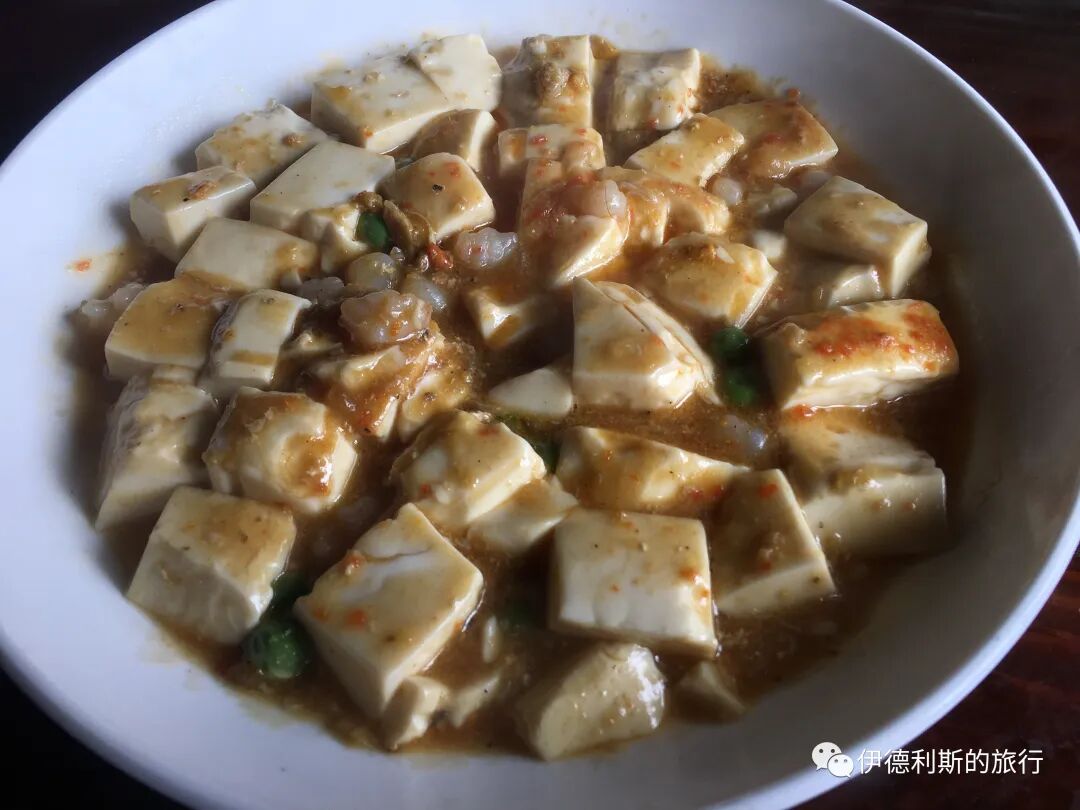
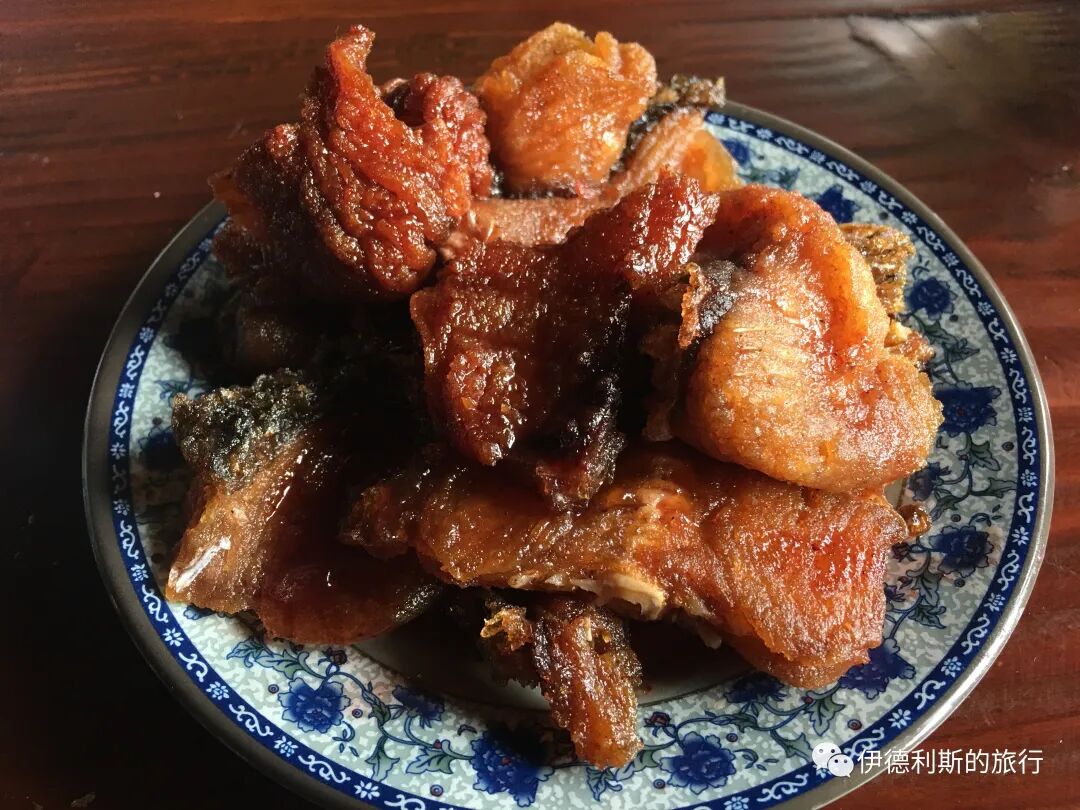
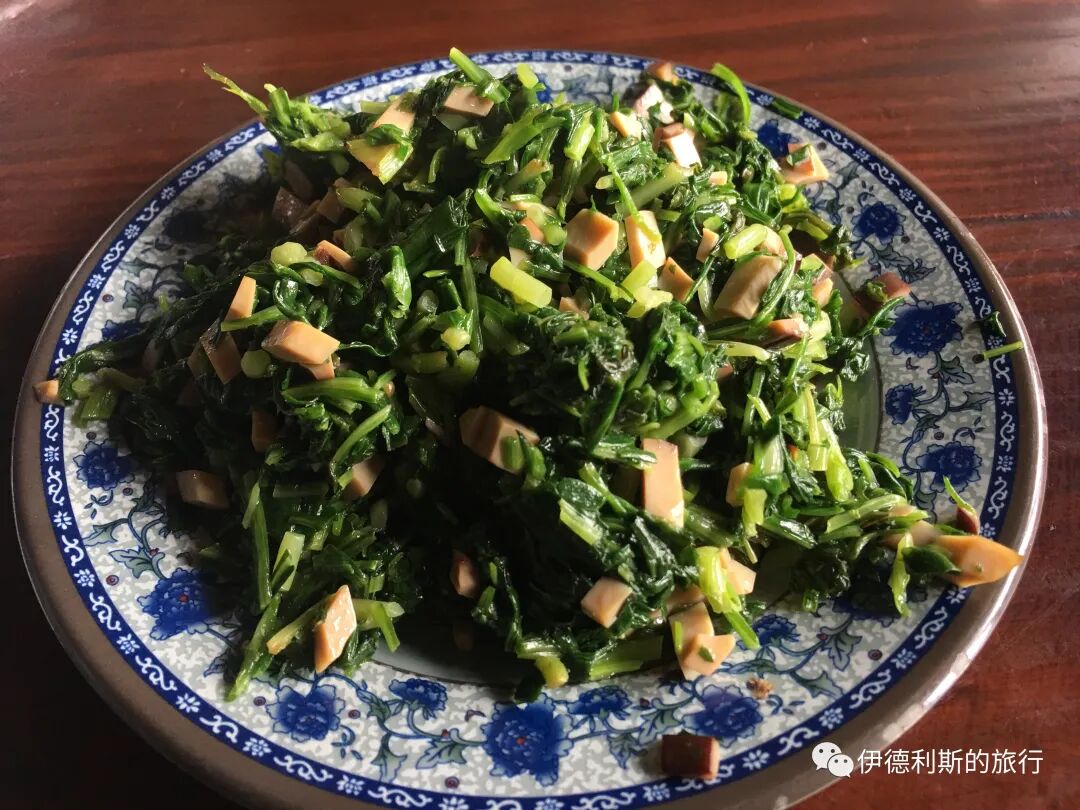
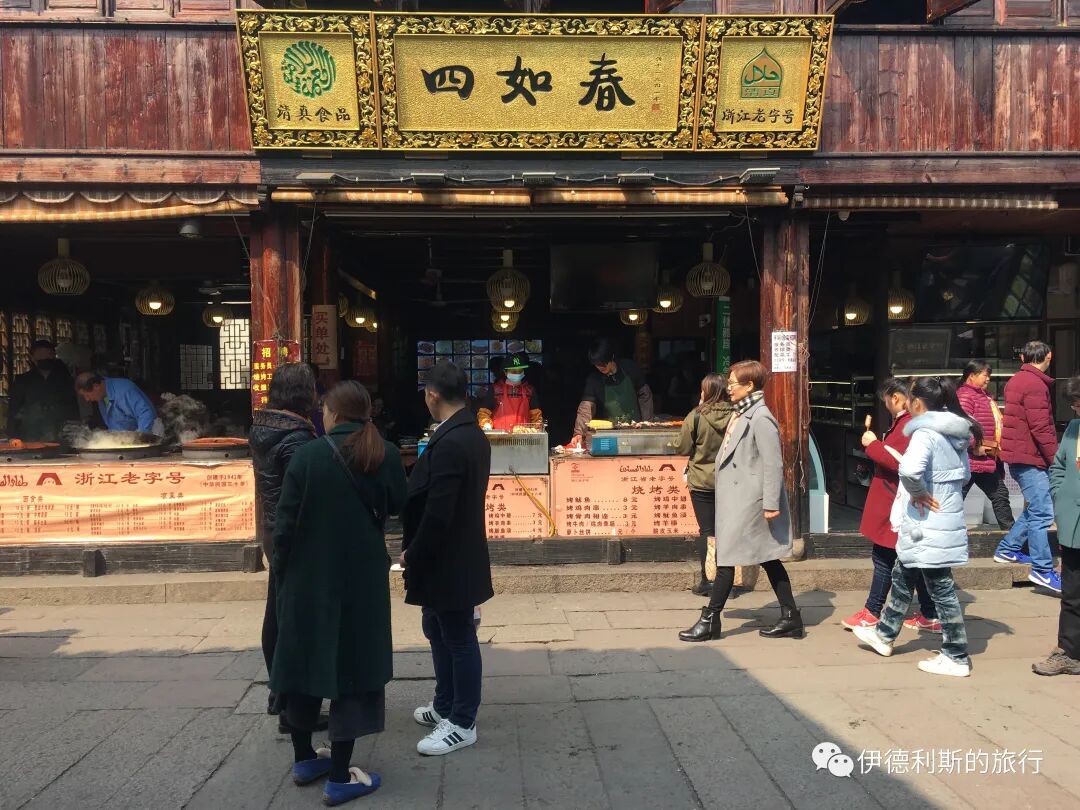
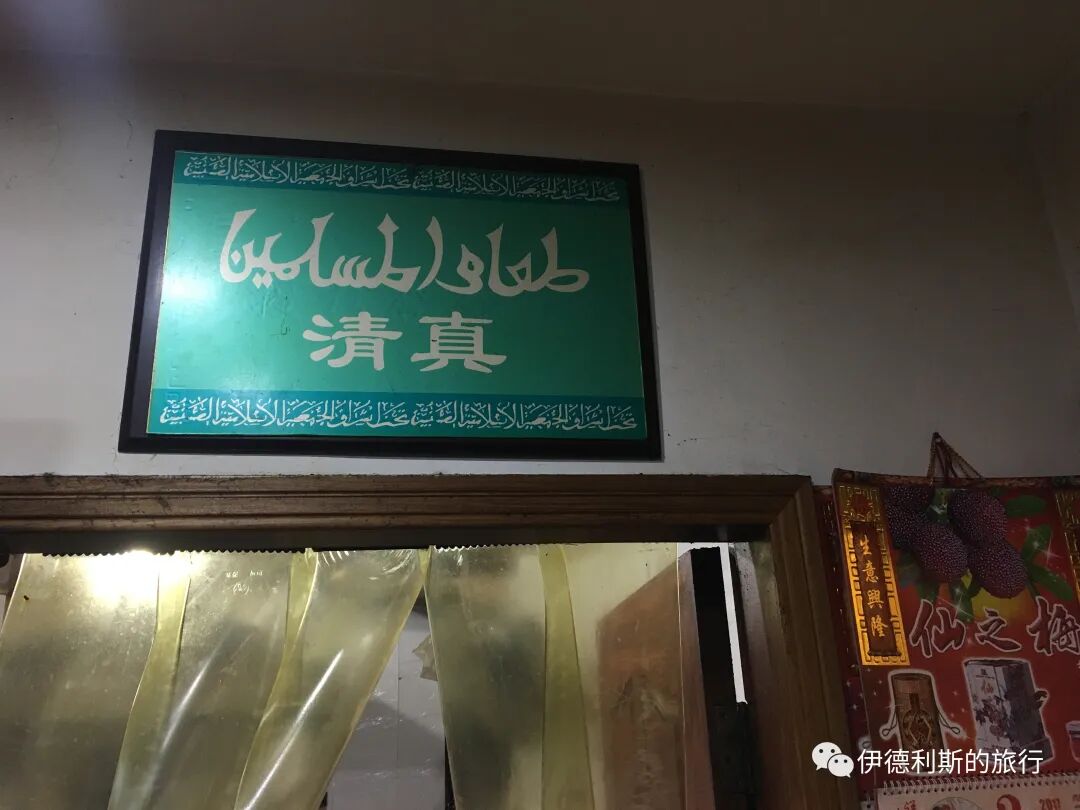
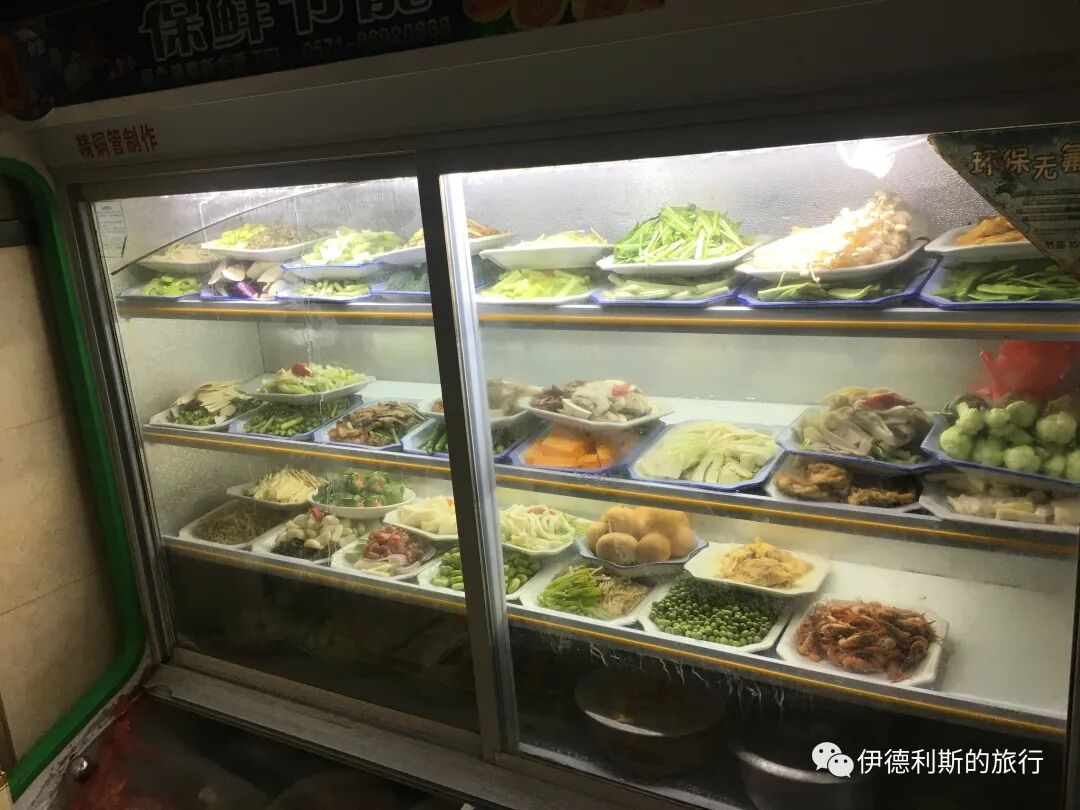
For lunch, I ate at the Siruchun Halal Restaurant on Yuehe Street in Jiaxing. I ordered fruit sweet soup (shuiguo yuanzi geng), crab roe tofu (xiehuang doufu), Indian aster greens (malantou), and Bai family fried fish (baijia baoyu, made with smoked grass carp). It was authentic and delicious Jiaxing food, making this trip worth it!
During the Republic of China era, a Hui Muslim from Henan named Bai Tisheng sold spiced beef, beef and lamb buns, and pancakes (jianbing) at the East Gate of Jiaxing. His buns were especially popular and became known as the East Gate Bai Family Buns. When Japan occupied Jiaxing, the East Gate was destroyed by artillery fire, and the Bai family fled to the countryside for safety. After the fighting calmed down at the end of 1938, Bai Tisheng opened the Siruchun Halal Stir-fry Restaurant at the street corner near Xuangong Bridge. In the 1930s and 1940s, Siruchun was one of the most famous halal stir-fry restaurants in Jiaxing, alongside Chunhuayuan and Yuxinglou.
During the public-private partnership period in the 1950s, Siruchun merged with several other halal snack shops to become the 19th branch of the Halal Food General Store. It only sold beef noodles and pancakes, and stopped serving stir-fried dishes. In 1969, the Changshuitang River was widened and Xuangong Bridge was demolished, causing the original site of Siruchun to disappear.
After the 1990s, the city government invested in opening the three-story Islamic Garden Hotel near Zhongshan Bridge in Jiaxing. Many of the veteran chefs and their apprentices from the old Chunhuayuan and Siruchun restaurants returned to their trade there, making the Garden Hotel the go-to spot for authentic Jiaxing halal stir-fry. In 1998, the Garden Hotel was demolished for the construction of the city moat green belt. That same year, the Chunhuayuan Halal Restaurant on Jianguo Road was also torn down, and Jiaxing's halal restaurant scene fell into decline again.
In 2008, Bai Tisheng's descendant, Bai Qingmin, and his children reopened the Bai Family Bun Shop on Yuehe Street. Chefs and bun masters who had worked at Chunhuayuan and the Garden Hotel came to help, some of whom were already over seventy years old. In 2012, the Bai family continued their revival by reopening the Siruchun Halal Stir-fry Restaurant, which has become the most famous old-brand halal restaurant in Jiaxing.
Yipin Meishi
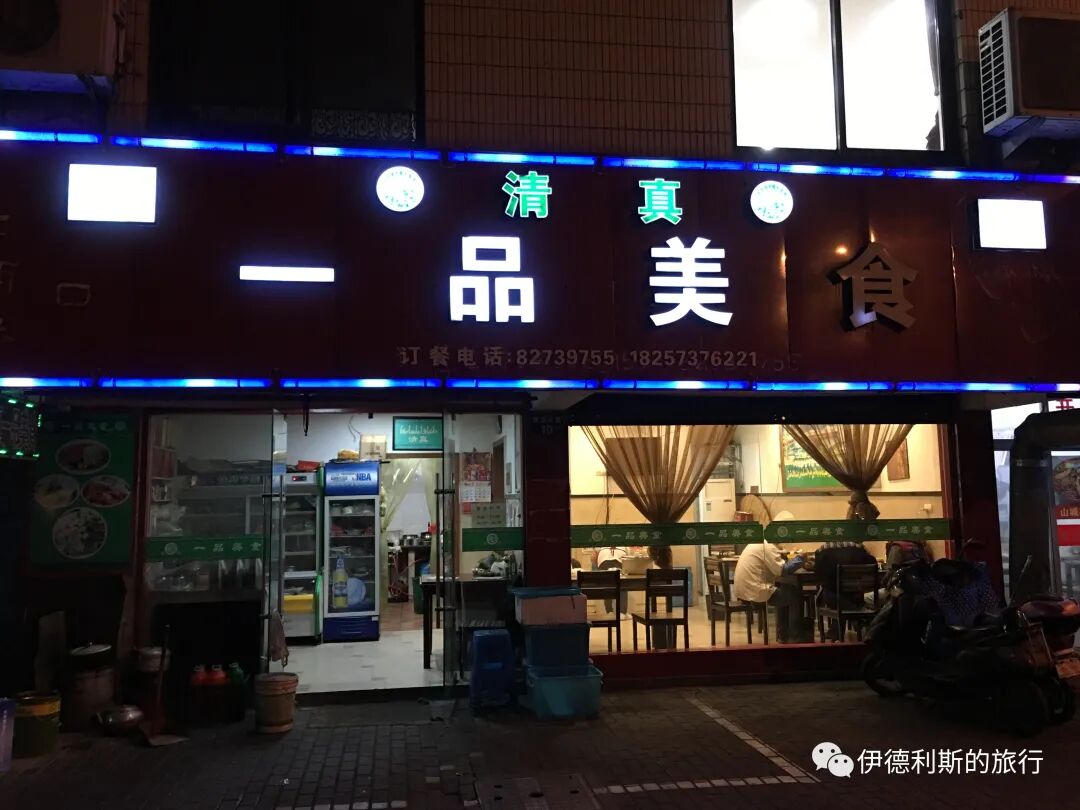
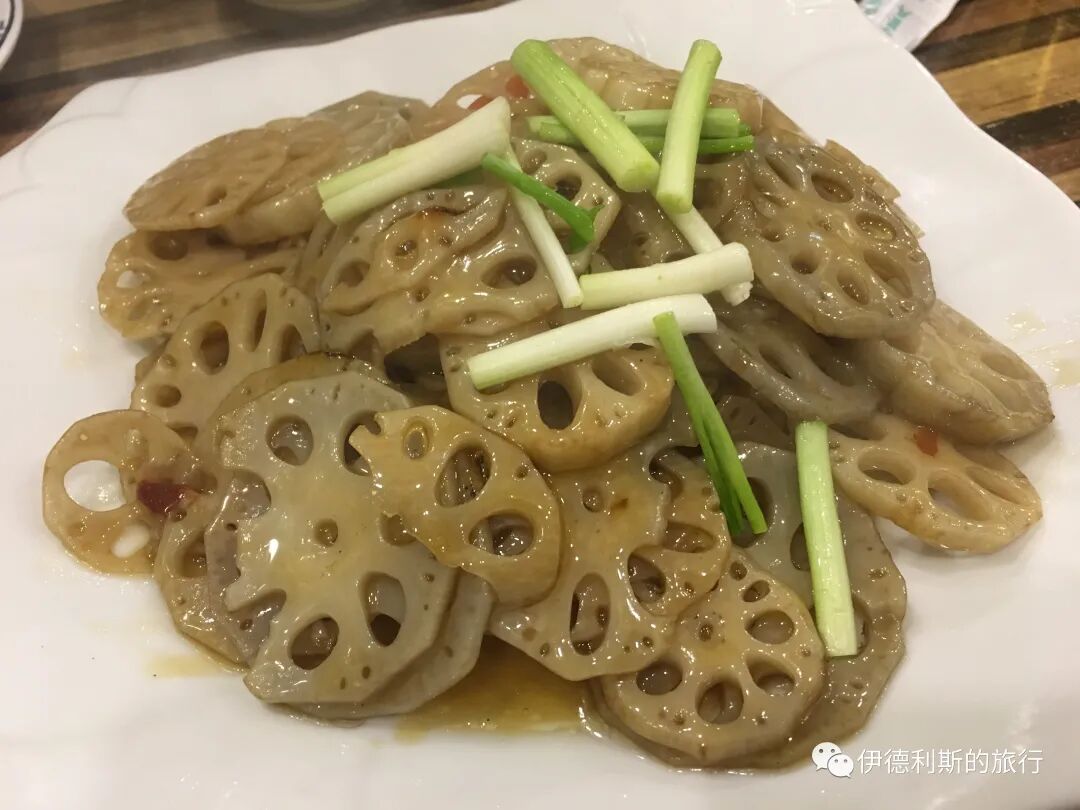
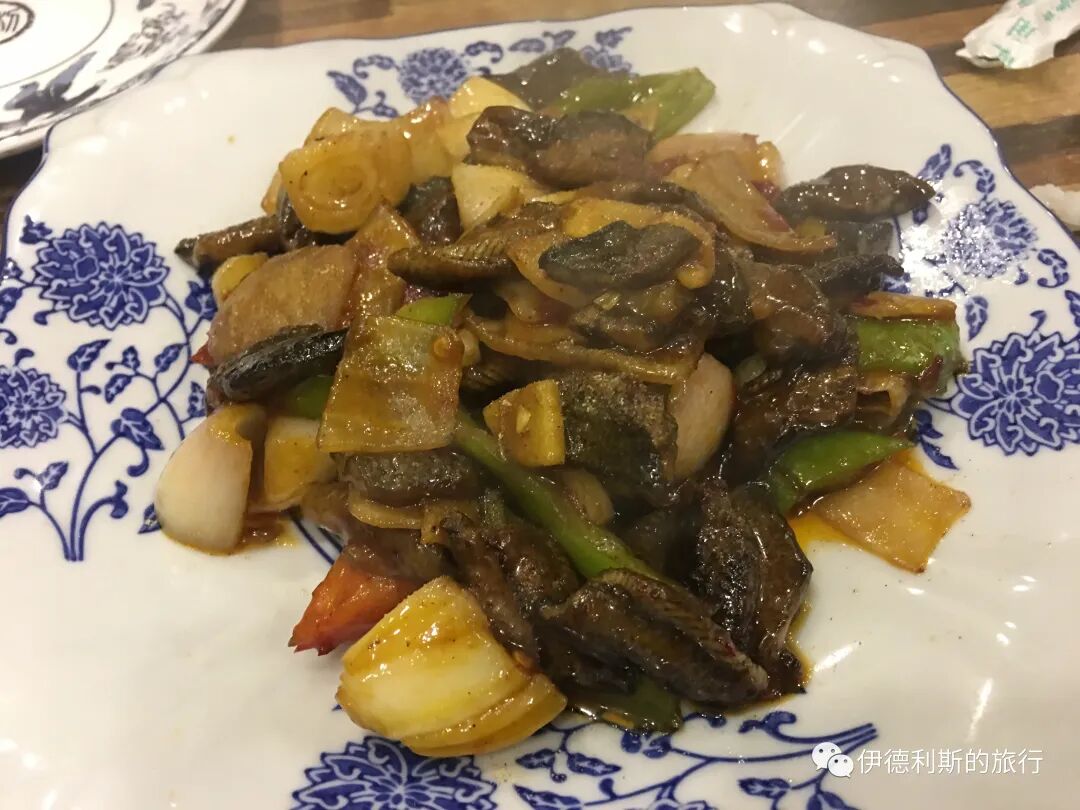
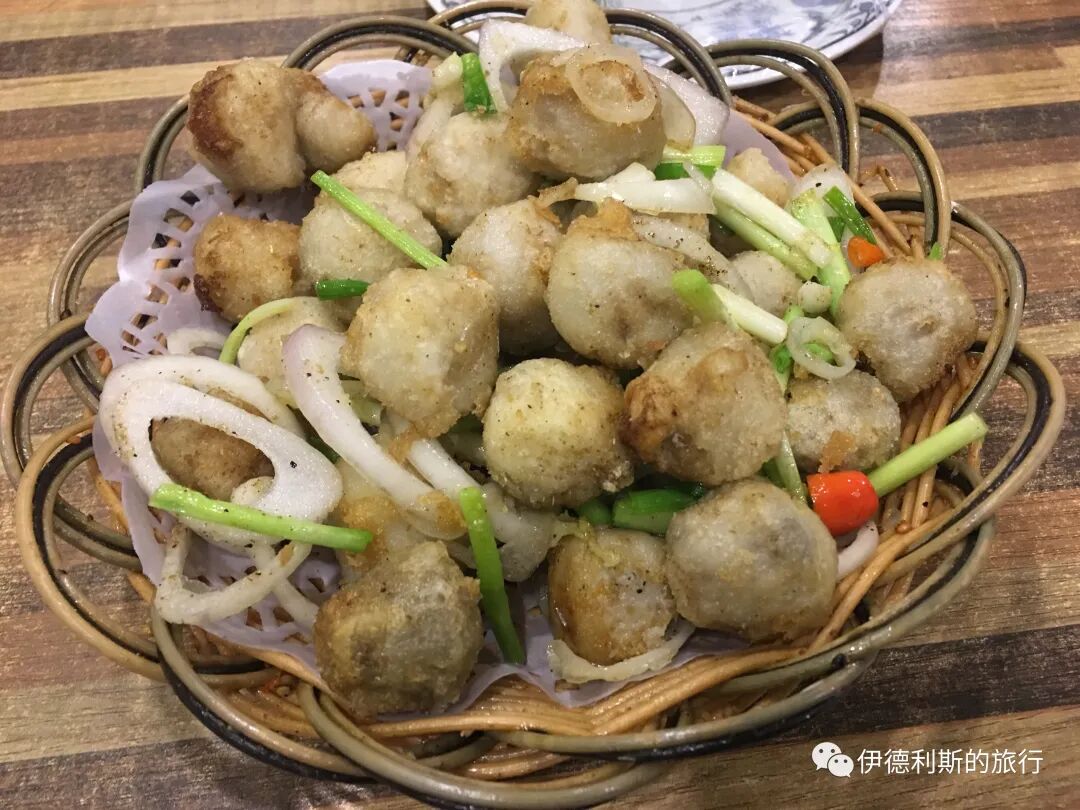
I also visited another halal stir-fry restaurant in Jiaxing called Yipin Meishi, where I ate sweet and sour lotus root slices, braised yellow eel, and salt and pepper taro. One dish was sweet, one was great with rice, and one was salty. They brought out a whole basin of rice for me to eat as much as I wanted, and I was very satisfied.
Summary: Jiaxing — Mosques, Old Streets and Zhejiang Muslim History is presented here as a firsthand travel account in clear English, beginning with this scene: On February 24, 2017, I went to Jiaxing to explore the food. The account keeps its focus on Jiaxing Travel, Zhejiang Mosques, Muslim Heritage while preserving the names, places, food, and historical details from the Chinese source.
On February 24, 2017, I went to Jiaxing to explore the food.
The origins of Hui Muslims in Jiaxing
After the Jingkang Incident and the Song Dynasty moved south, Jiaxing, located near the capital Lin'an, began to prosper. In 1246 (the sixth year of the Chunyou era of the Song Dynasty), a maritime trade office was established at Ganpu Port in Jiaxing. Foreign merchants gathered there, and many Hui merchants settled on Luli Street in the southeast of Jiaxing city. Goods arriving from Ganpu Port were transferred here before being sent to Lin'an, and Luli Street gradually became known as the Hui Street. After the Yuan Dynasty conquered the Song, they stationed a large number of Hui troops near the Southern Song capital of Lin'an. In 1276 (the thirteenth year of the Zhiyuan era of the Yuan Dynasty), the Jiaxing Military Command was changed to the Jiaxing Pacification Commission, and these Hui soldiers settled down there. According to the Brief Introduction to Shanghai Muslims, in 1295 (the first year of the Yuanzhen era of the Yuan Dynasty), Sayyid Ajjal Shams al-Din Omar was appointed as the Darughachi of Songjiang Prefecture. He brought 30,000 Hui soldiers from Jiaxing, which shows that the number of Muslims in Jiaxing at that time was very large.
After the Ming Dynasty, trade was restricted to tribute missions, and the Hui soldiers and foreign merchants gradually assimilated into the local Hui Muslim population. Jiaxing developed several major surnames including Xu, Guo, Jin, Sha, Ma, and Yang, and they built the Jiaxing mosque in 1602 (the thirtieth year of the Wanli era).
From the Ming Dynasty to the early and middle Qing Dynasty, Hui Muslims in Jiaxing lived stable and prosperous lives. However, in June 1860 (the tenth year of the Xianfeng era), the Taiping Heavenly Kingdom army occupied Jiaxing. Luli Street, where Hui Muslims lived, was burned to the ground, and the mosque was used as a place to tether army horses. Before the Taiping Heavenly Kingdom in 1838 (the eighteenth year of the Daoguang era), Jiaxing had nearly 520,000 people, but by 1863 (the second year of the Tongzhi era) after the war, only 158,000 remained. The surviving Hui Muslims in Jiaxing fled in all directions, and the Hui Muslim community in Jiaxing disappeared.
It was not until the early 20th century that Hui Muslims from Henan and Shandong moved south to Jiaxing to escape poverty, and a residential area gradually formed again around the mosque.
The current Hui Muslim residential area inside the East Gate of Jiaxing
Halal food
Among the Hui Muslims who moved south from Henan and Shandong to Jiaxing during the late Qing Dynasty and the Republic of China, half were from the Han family in Tuocheng, Henan, and they were known as the wealthy Han family. Han Haili's family came to Jiaxing in 1938 to work in the halal food business, a tradition that continues today. I ate pan-fried dumplings (jianjiao) and beef tripe stew (niutubao) at their home. The beef tripe stew arrived at the table bubbling away, which felt very comforting.
In a small alley behind the Jiaxing Mosque, they sell beef rice dumplings (niurouzong). This was my first time eating them, and they were delicious.
Jiaxing Mosque
Jiaxing Mosque was built in 1602 (the 30th year of the Wanli reign). It underwent major repairs in 1747 (the 12th year of the Qianlong reign), when a lecture hall was added to the east side of the main hall, and the main gate was rebuilt in 1774 (the 39th year of the Qianlong reign).
After the Taiping Rebellion, Jiaxing Mosque fell into ruin. It was not used again until Hui Muslims from Henan moved to the area and began using it. It was renovated in 1953, suffered heavy damage during the Cultural Revolution, and took on its current appearance after major repairs in 1981.
Jiaxing originally had two mosques. The Great Mosque was destroyed around the time of the Taiping Rebellion, and the local community scattered, leaving only the small mosque inside the East Gate, which is the current Jiaxing Mosque.
Halal Girls' School
The Henan Muslims who moved to Jiaxing also brought the tradition of the Henan halal girls' school with them. The Jiaxing Halal Girls' School began in 1942, and its first principal was Yang Huizhen. In 1946, Yang Huizhen founded the Jiaxing Islamic Orphanage and Nursing Home to provide care for the elderly, weak, women, and children.
Han Maosen Martial Arts School
Jiaxing Hui Muslims love martial arts. In 1980, they formed the Jiaxing Hui Muslim Martial Arts Team, led by Han Haihua of the Han family.
Siruchun
For lunch, I ate at the Siruchun Halal Restaurant on Yuehe Street in Jiaxing. I ordered fruit sweet soup (shuiguo yuanzi geng), crab roe tofu (xiehuang doufu), Indian aster greens (malantou), and Bai family fried fish (baijia baoyu, made with smoked grass carp). It was authentic and delicious Jiaxing food, making this trip worth it!
During the Republic of China era, a Hui Muslim from Henan named Bai Tisheng sold spiced beef, beef and lamb buns, and pancakes (jianbing) at the East Gate of Jiaxing. His buns were especially popular and became known as the East Gate Bai Family Buns. When Japan occupied Jiaxing, the East Gate was destroyed by artillery fire, and the Bai family fled to the countryside for safety. After the fighting calmed down at the end of 1938, Bai Tisheng opened the Siruchun Halal Stir-fry Restaurant at the street corner near Xuangong Bridge. In the 1930s and 1940s, Siruchun was one of the most famous halal stir-fry restaurants in Jiaxing, alongside Chunhuayuan and Yuxinglou.
During the public-private partnership period in the 1950s, Siruchun merged with several other halal snack shops to become the 19th branch of the Halal Food General Store. It only sold beef noodles and pancakes, and stopped serving stir-fried dishes. In 1969, the Changshuitang River was widened and Xuangong Bridge was demolished, causing the original site of Siruchun to disappear.
After the 1990s, the city government invested in opening the three-story Islamic Garden Hotel near Zhongshan Bridge in Jiaxing. Many of the veteran chefs and their apprentices from the old Chunhuayuan and Siruchun restaurants returned to their trade there, making the Garden Hotel the go-to spot for authentic Jiaxing halal stir-fry. In 1998, the Garden Hotel was demolished for the construction of the city moat green belt. That same year, the Chunhuayuan Halal Restaurant on Jianguo Road was also torn down, and Jiaxing's halal restaurant scene fell into decline again.
In 2008, Bai Tisheng's descendant, Bai Qingmin, and his children reopened the Bai Family Bun Shop on Yuehe Street. Chefs and bun masters who had worked at Chunhuayuan and the Garden Hotel came to help, some of whom were already over seventy years old. In 2012, the Bai family continued their revival by reopening the Siruchun Halal Stir-fry Restaurant, which has become the most famous old-brand halal restaurant in Jiaxing.
Yipin Meishi
I also visited another halal stir-fry restaurant in Jiaxing called Yipin Meishi, where I ate sweet and sour lotus root slices, braised yellow eel, and salt and pepper taro. One dish was sweet, one was great with rice, and one was salty. They brought out a whole basin of rice for me to eat as much as I wanted, and I was very satisfied.
