
Halal Food Guide: Beijing Ramadan Iftar — Five International Buffets (Part 3 of 7)
Reposted from the web
Summary: Halal Food Guide: Beijing Ramadan Iftar — Five International Buffets is presented here as a firsthand travel account in clear English, beginning with this scene: Every year during Ramadan, having an Iftar buffet at one of the foreign restaurants in Beijing is a regular tradition for me. The account keeps its focus on Beijing Iftar, Ramadan Food, Halal Buffets while preserving the names, places, food, and historical details from the Chinese source.
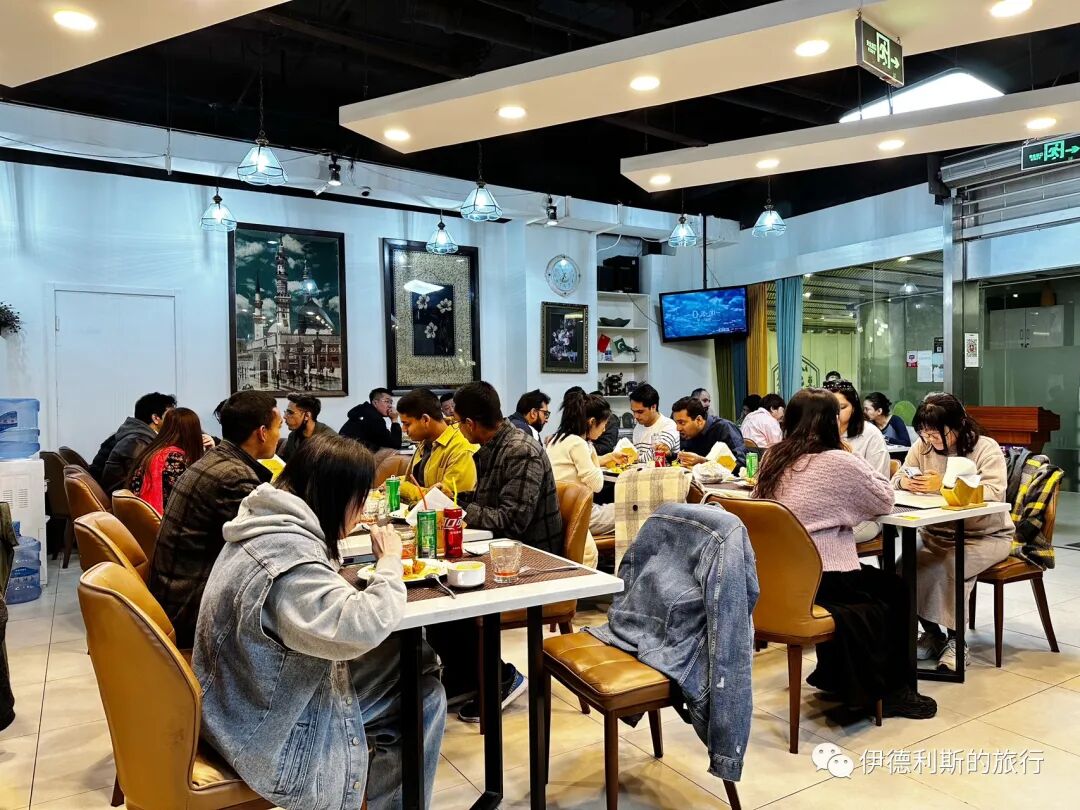
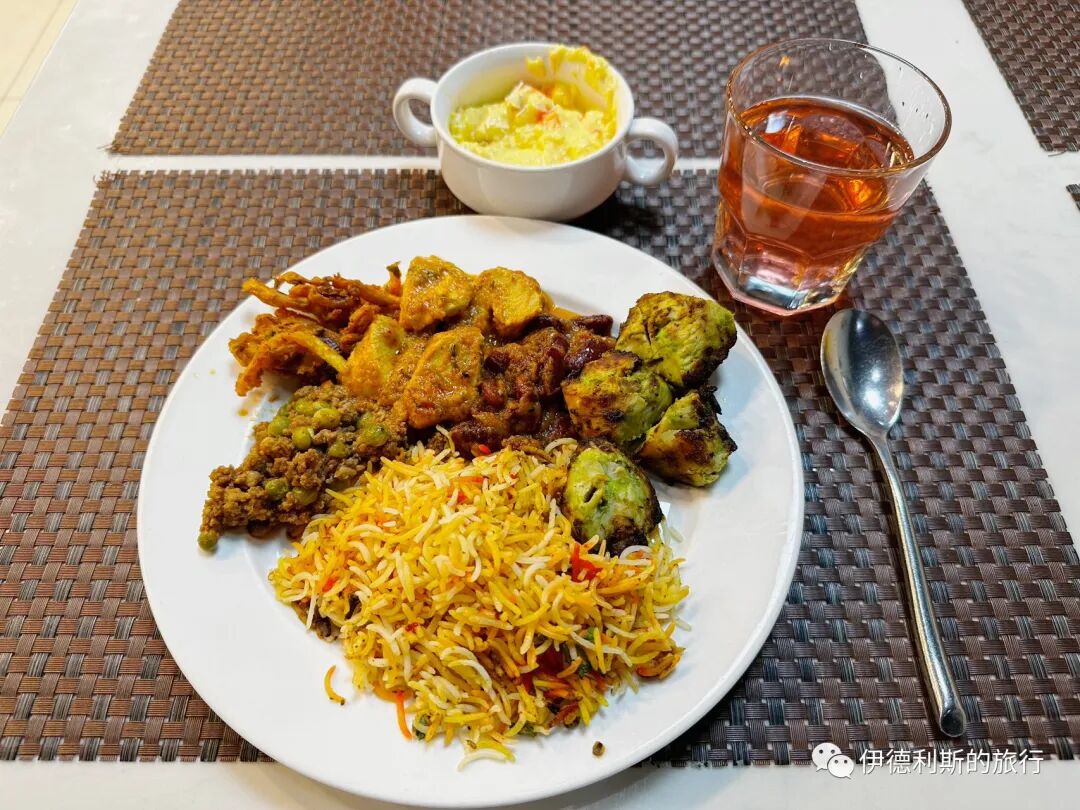
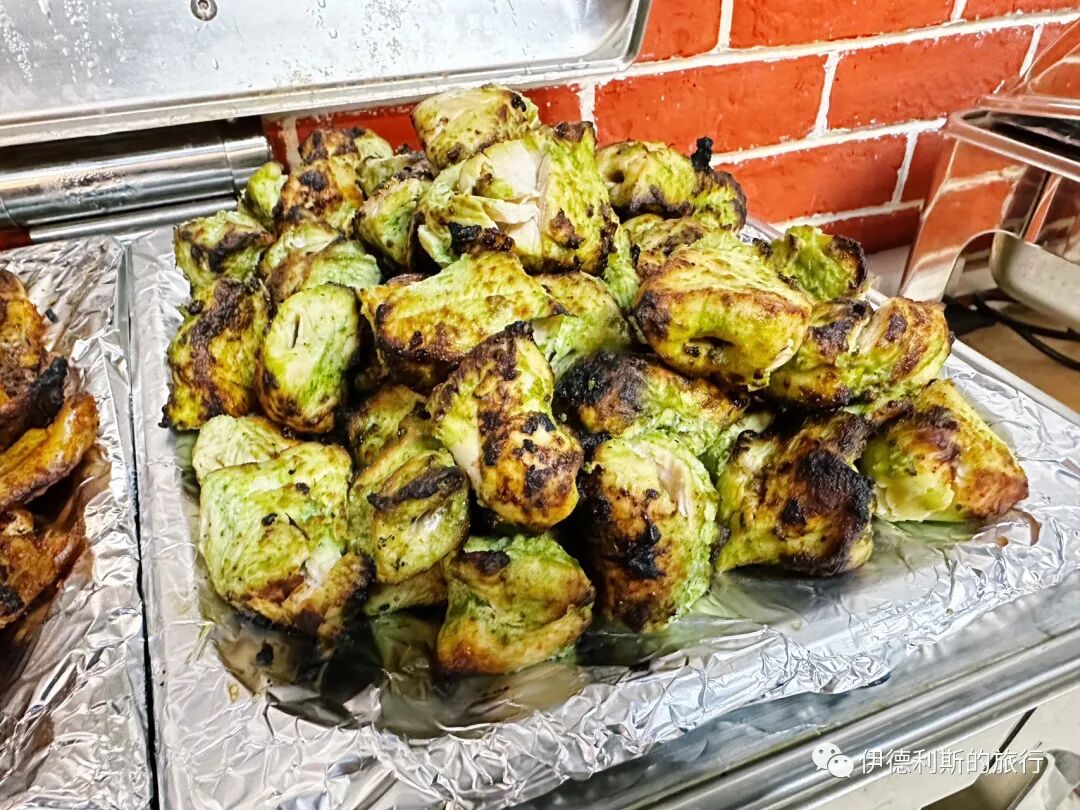
Let me share a few dishes from their buffet. First is the grilled chicken chunks (tikka). Tikka comes from the Turkic word tikkü, which means "piece." The Mughal Empire brought this style of grilling spice-marinated boneless meat to South Asia, and chicken is the most common version.
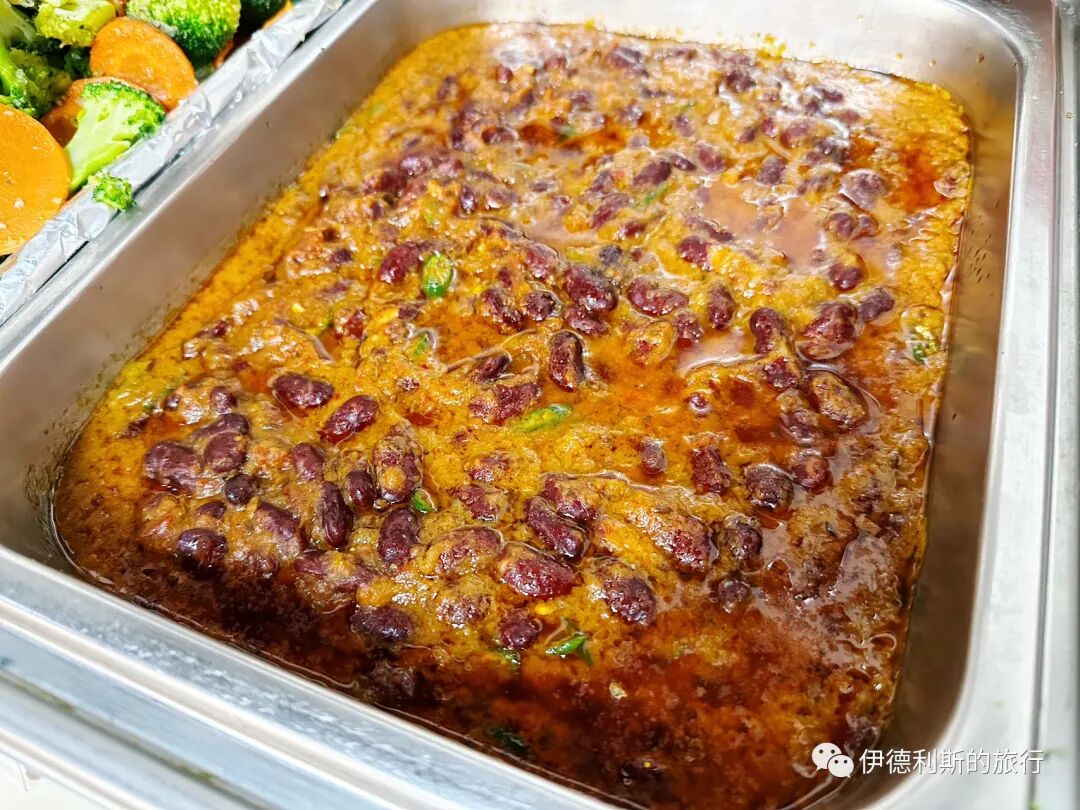
Second is the bean curry (masala), a common way to prepare curry in northern South Asia. Masala is a spice blend. The ingredients vary by region, but it usually includes black and white pepper, cloves, bay leaves, nutmeg, cumin, cinnamon, coriander seeds, fennel, and chili powder.
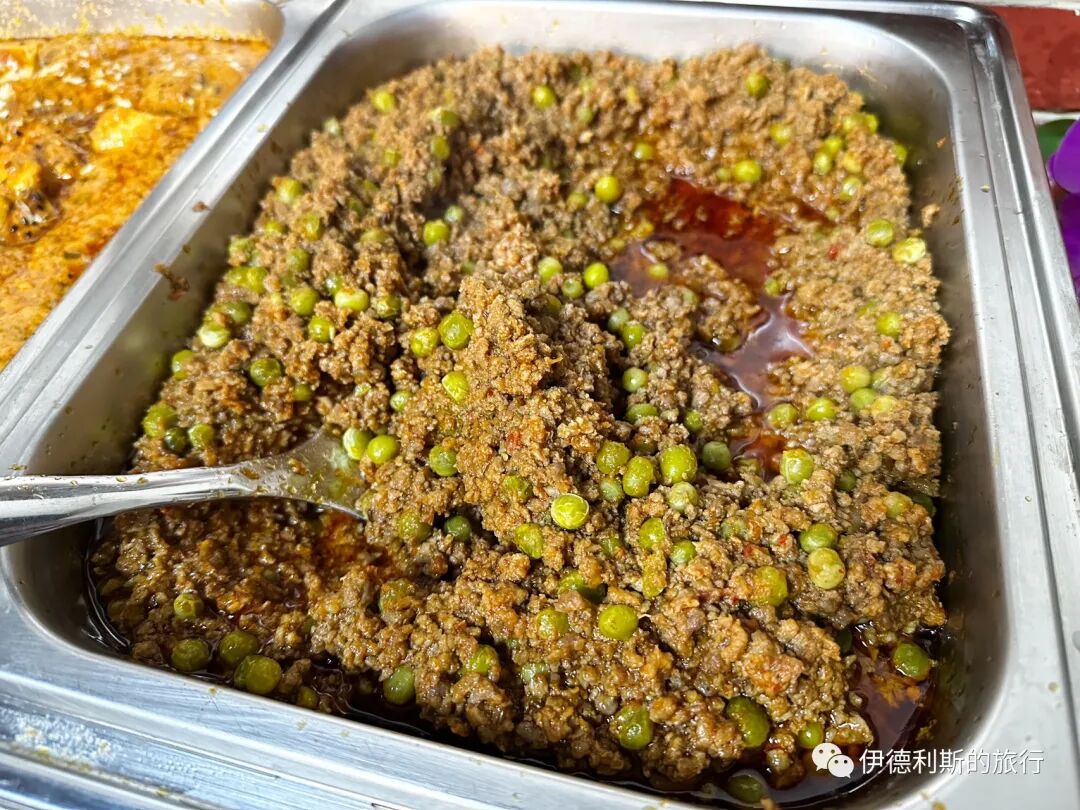
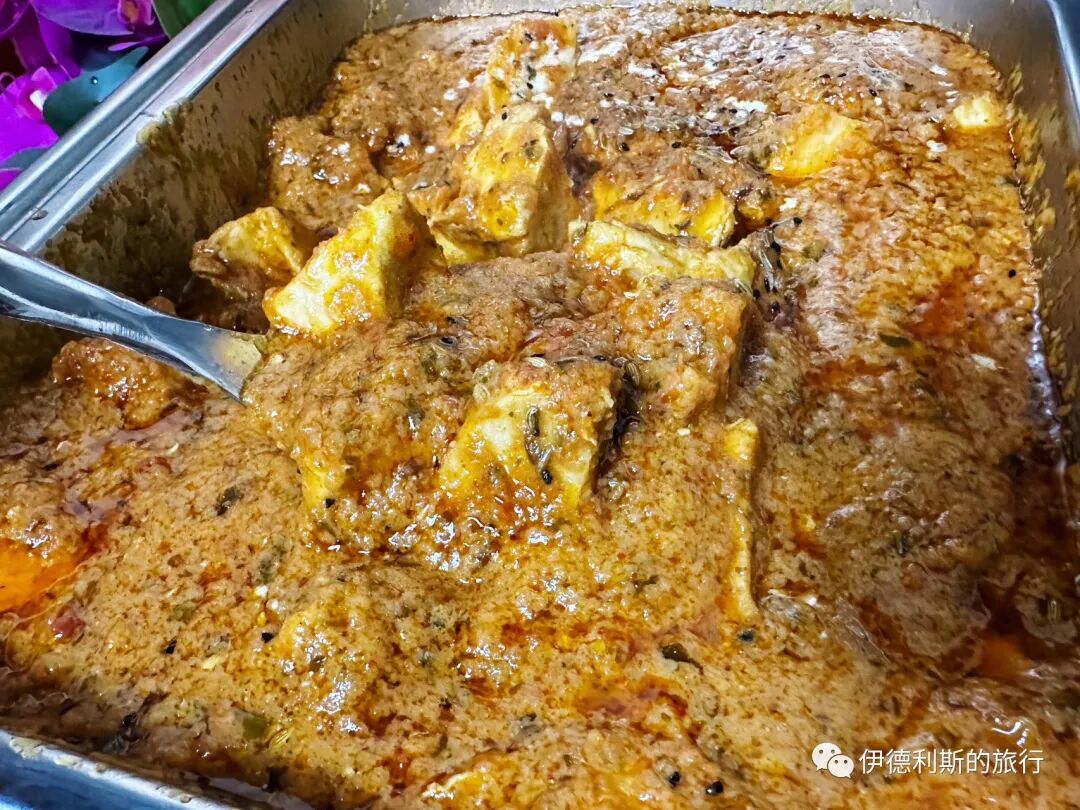
Third is the minced beef curry, and fourth is the chicken clay pot (handi). Handi is a popular way to eat curry in northern South Asia. You slow-cook meat in a copper pot or clay pot, sealing the lid so the steam stays inside and keeps all the aroma in the food.
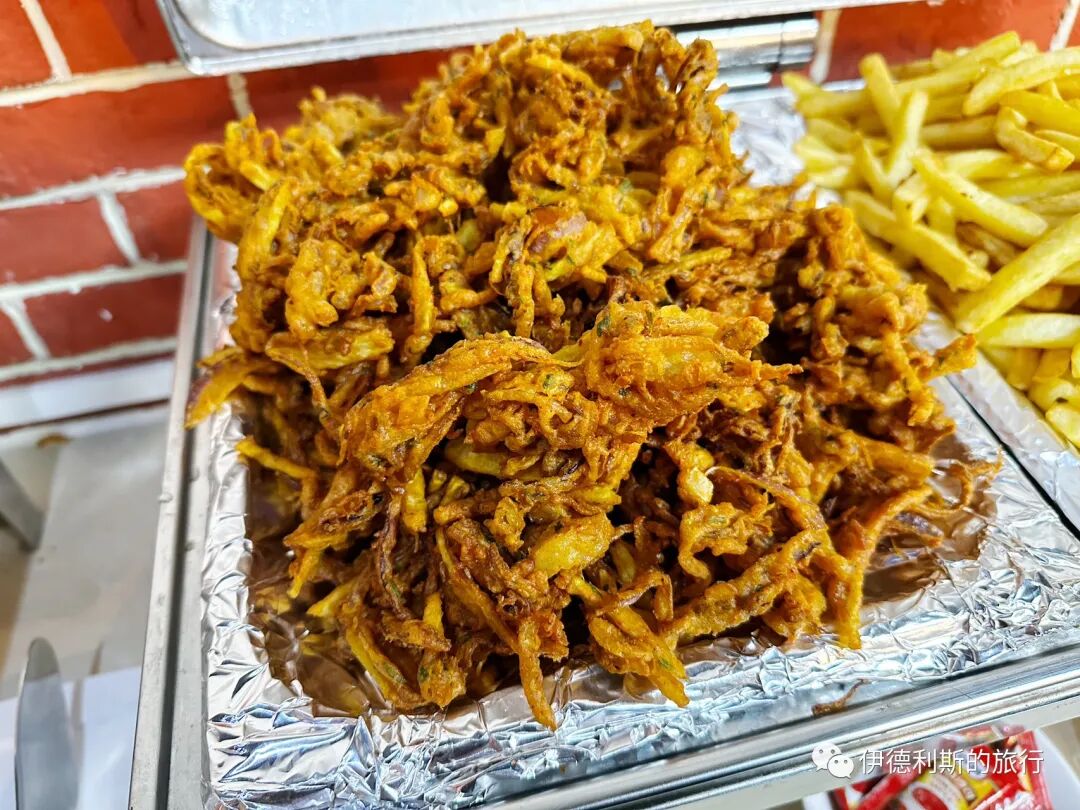
Fifth is the fried vegetable fritters (pakora). This is a classic South Asian street snack made by coating onions, eggplant, potatoes, or spinach in chickpea flour and frying them. It is often served as an appetizer with masala tea at South Asian weddings.
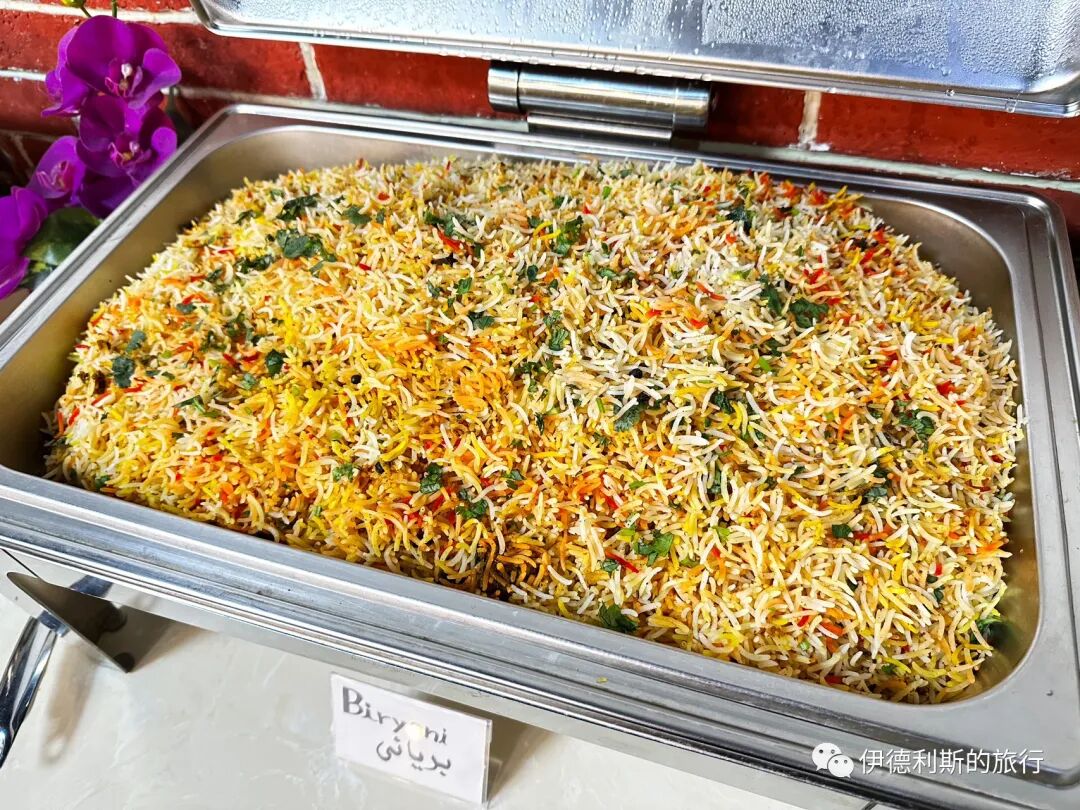
The main dish is the classic biryani rice. Biryani is a Persian loanword in Urdu. It likely started in the Mughal royal kitchens, where chefs supposedly combined spicy Indian rice with Persian pilaf. Mughal documents mention both biryanis and pulao (pilaf), and the terms were interchangeable back then. People generally think biryani has more spices and a stronger curry flavor than pilaf.
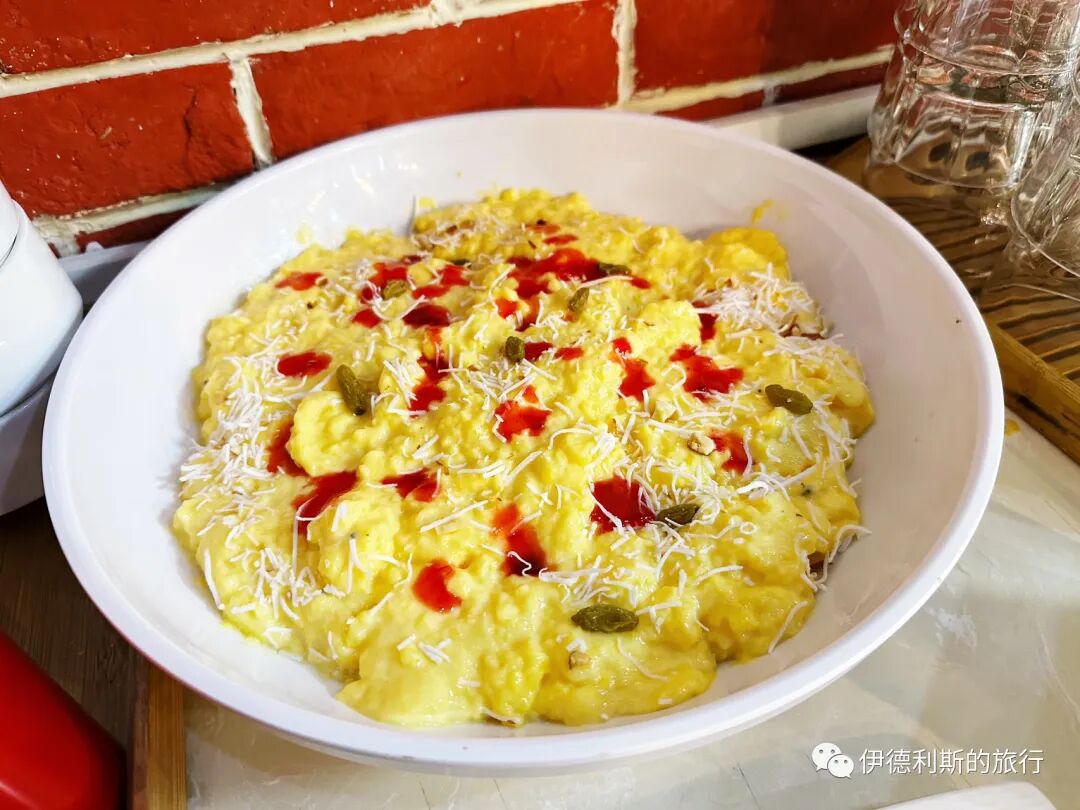
For dessert, there is milk pudding (kheer). Kheer comes from the Sanskrit word for milk, "kshira," and it has a history of over two thousand years. Kheer is made by boiling milk, sugar, and rice together. You can add toppings like shredded coconut, raisins, saffron, cashews, or pistachios.
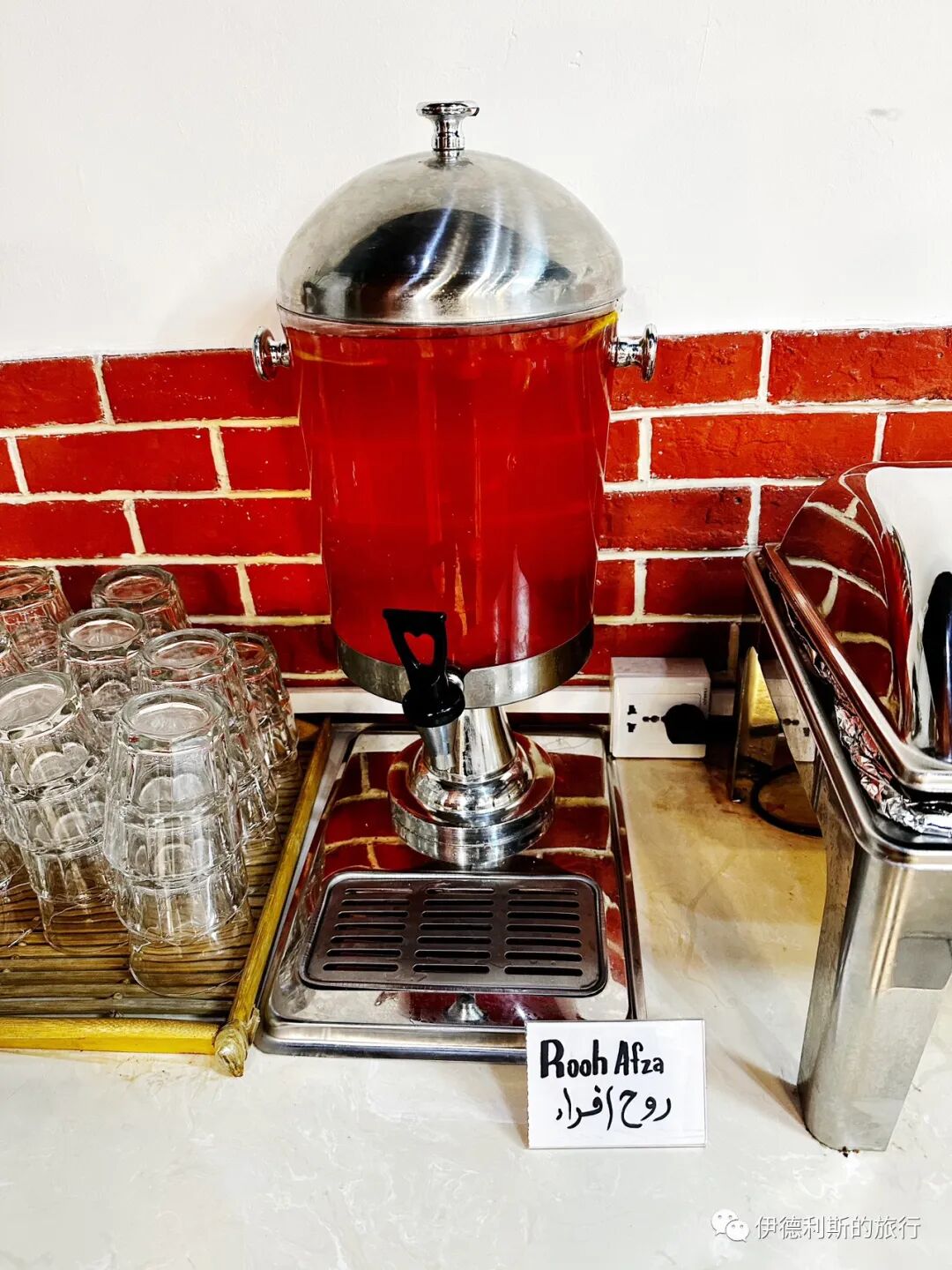
The buffet features a classic South Asian Ramadan Iftar drink called Rooh Afza, a concentrated syrup made with various herbs and fruits. Rooh Afza was perfected in 1906 by a Delhi Muslim herbalist named Hakim Hafiz Abdul Majeed. Majeed’s ancestors moved from Kashgar, Xinjiang, to the Mughal Empire in the late 18th century and worked in the herbal medicine trade.
Majeed wanted to create a herbal blend to help the people of Delhi cool down during the summer. He chose various herbs and fruit syrups from traditional South Asian Muslim Unani medicine to make a drink that effectively prevents heatstroke and dehydration during Ramadan. After 1906, Majeed opened a herbal shop in Delhi, which became a factory with a full production line after 1920. He named the factory Hamdard, a Persian loanword in Urdu meaning "companion in pain."
After the partition of India and Pakistan in 1947, Majeed’s eldest son, Hakim Abdul Hameed, stayed in India. His younger son, Hakeem Muhammad Saeed, moved to Karachi, Pakistan, in 1948 and later opened branches in East Pakistan (Bangladesh), making Rooh Afza popular across South Asia.
3. Iraqi Restaurant Taiba
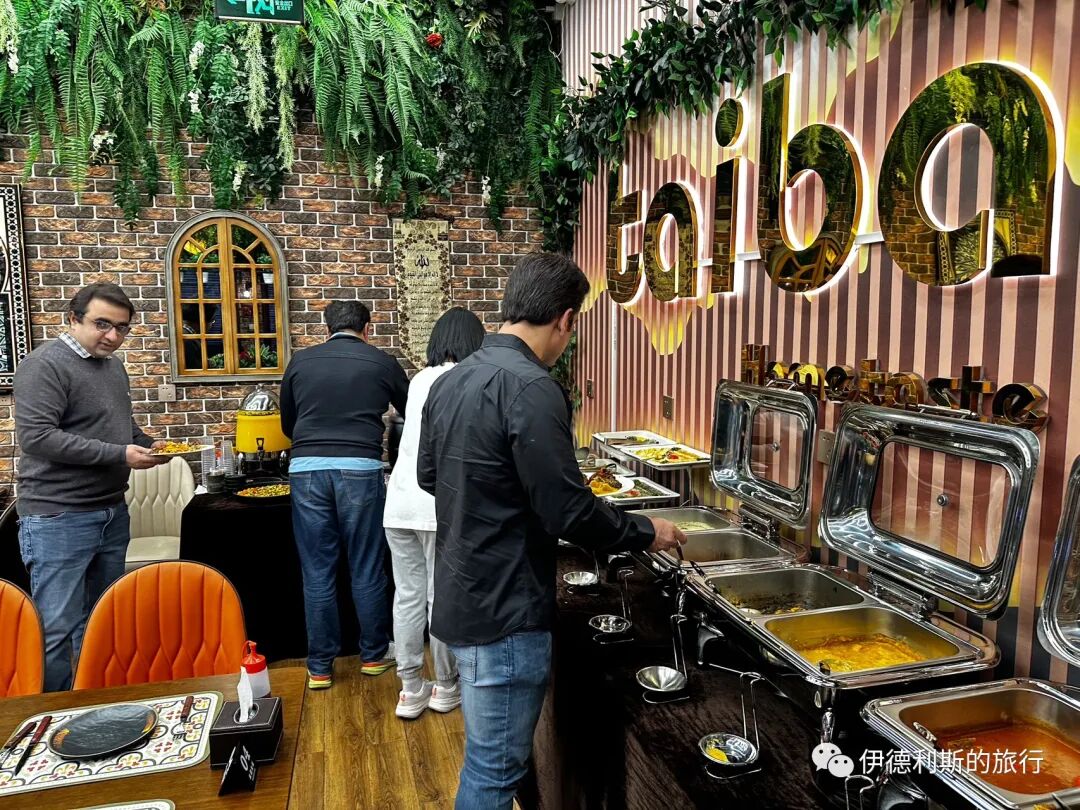
At Taiba in Sanlitun SOHO, you can have an Iftar buffet. The owners are a couple from China and Iraq who serve authentic Arabic food.
Summary: Halal Food Guide: Beijing Ramadan Iftar — Five International Buffets is presented here as a firsthand travel account in clear English, beginning with this scene: Every year during Ramadan, having an Iftar buffet at one of the foreign restaurants in Beijing is a regular tradition for me. The account keeps its focus on Beijing Iftar, Ramadan Food, Halal Buffets while preserving the names, places, food, and historical details from the Chinese source.
Let me share a few dishes from their buffet. First is the grilled chicken chunks (tikka). Tikka comes from the Turkic word tikkü, which means "piece." The Mughal Empire brought this style of grilling spice-marinated boneless meat to South Asia, and chicken is the most common version.
Second is the bean curry (masala), a common way to prepare curry in northern South Asia. Masala is a spice blend. The ingredients vary by region, but it usually includes black and white pepper, cloves, bay leaves, nutmeg, cumin, cinnamon, coriander seeds, fennel, and chili powder.
Third is the minced beef curry, and fourth is the chicken clay pot (handi). Handi is a popular way to eat curry in northern South Asia. You slow-cook meat in a copper pot or clay pot, sealing the lid so the steam stays inside and keeps all the aroma in the food.
Fifth is the fried vegetable fritters (pakora). This is a classic South Asian street snack made by coating onions, eggplant, potatoes, or spinach in chickpea flour and frying them. It is often served as an appetizer with masala tea at South Asian weddings.
The main dish is the classic biryani rice. Biryani is a Persian loanword in Urdu. It likely started in the Mughal royal kitchens, where chefs supposedly combined spicy Indian rice with Persian pilaf. Mughal documents mention both biryanis and pulao (pilaf), and the terms were interchangeable back then. People generally think biryani has more spices and a stronger curry flavor than pilaf.
For dessert, there is milk pudding (kheer). Kheer comes from the Sanskrit word for milk, "kshira," and it has a history of over two thousand years. Kheer is made by boiling milk, sugar, and rice together. You can add toppings like shredded coconut, raisins, saffron, cashews, or pistachios.
The buffet features a classic South Asian Ramadan Iftar drink called Rooh Afza, a concentrated syrup made with various herbs and fruits. Rooh Afza was perfected in 1906 by a Delhi Muslim herbalist named Hakim Hafiz Abdul Majeed. Majeed’s ancestors moved from Kashgar, Xinjiang, to the Mughal Empire in the late 18th century and worked in the herbal medicine trade.
Majeed wanted to create a herbal blend to help the people of Delhi cool down during the summer. He chose various herbs and fruit syrups from traditional South Asian Muslim Unani medicine to make a drink that effectively prevents heatstroke and dehydration during Ramadan. After 1906, Majeed opened a herbal shop in Delhi, which became a factory with a full production line after 1920. He named the factory Hamdard, a Persian loanword in Urdu meaning "companion in pain."
After the partition of India and Pakistan in 1947, Majeed’s eldest son, Hakim Abdul Hameed, stayed in India. His younger son, Hakeem Muhammad Saeed, moved to Karachi, Pakistan, in 1948 and later opened branches in East Pakistan (Bangladesh), making Rooh Afza popular across South Asia.
3. Iraqi Restaurant Taiba
At Taiba in Sanlitun SOHO, you can have an Iftar buffet. The owners are a couple from China and Iraq who serve authentic Arabic food.
