
Halal Food Guide: Beijing Ramadan Iftar — Five International Buffets (Part 4 of 7)
Reposted from the web
Summary: Halal Food Guide: Beijing Ramadan Iftar — Five International Buffets is presented here as a firsthand travel account in clear English, beginning with this scene: Every year during Ramadan, having an Iftar buffet at one of the foreign restaurants in Beijing is a regular tradition for me. The account keeps its focus on Beijing Iftar, Ramadan Food, Halal Buffets while preserving the names, places, food, and historical details from the Chinese source.
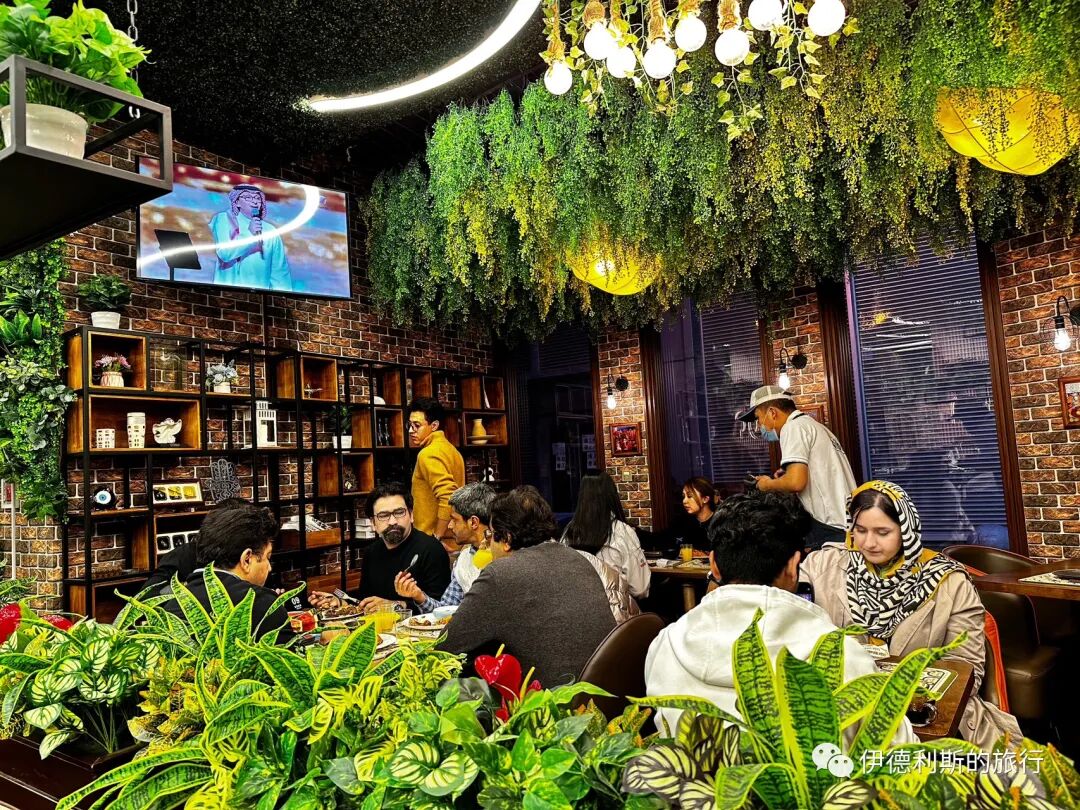
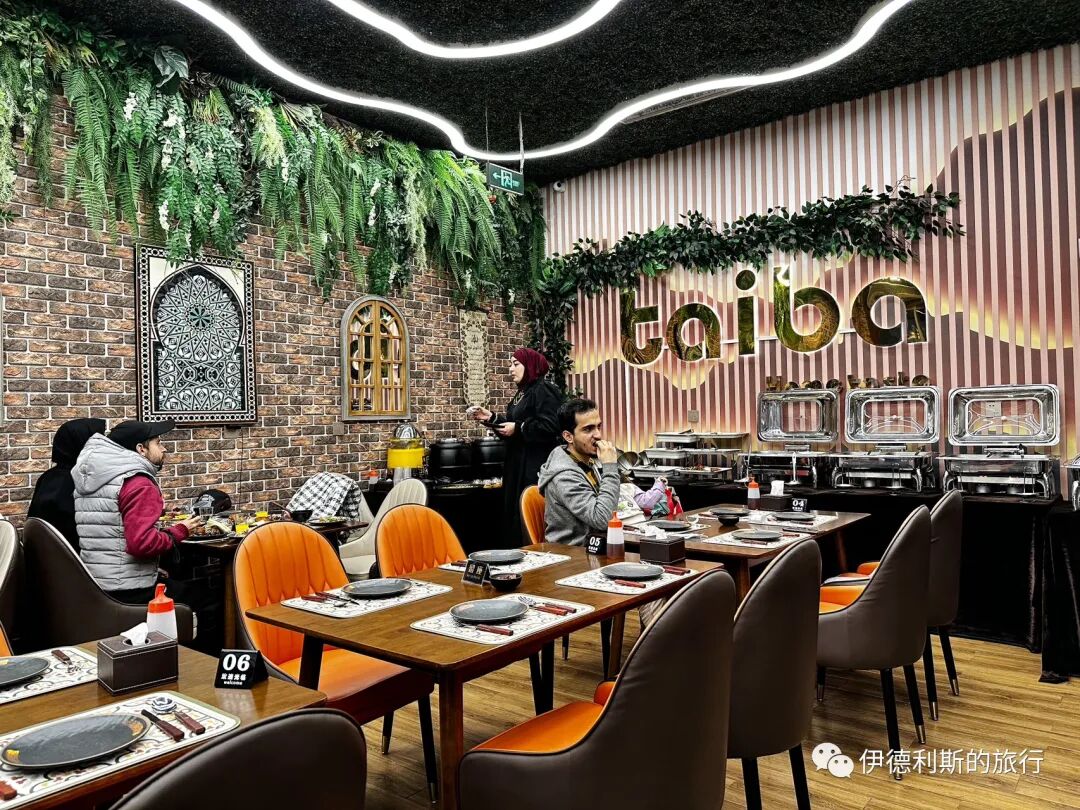
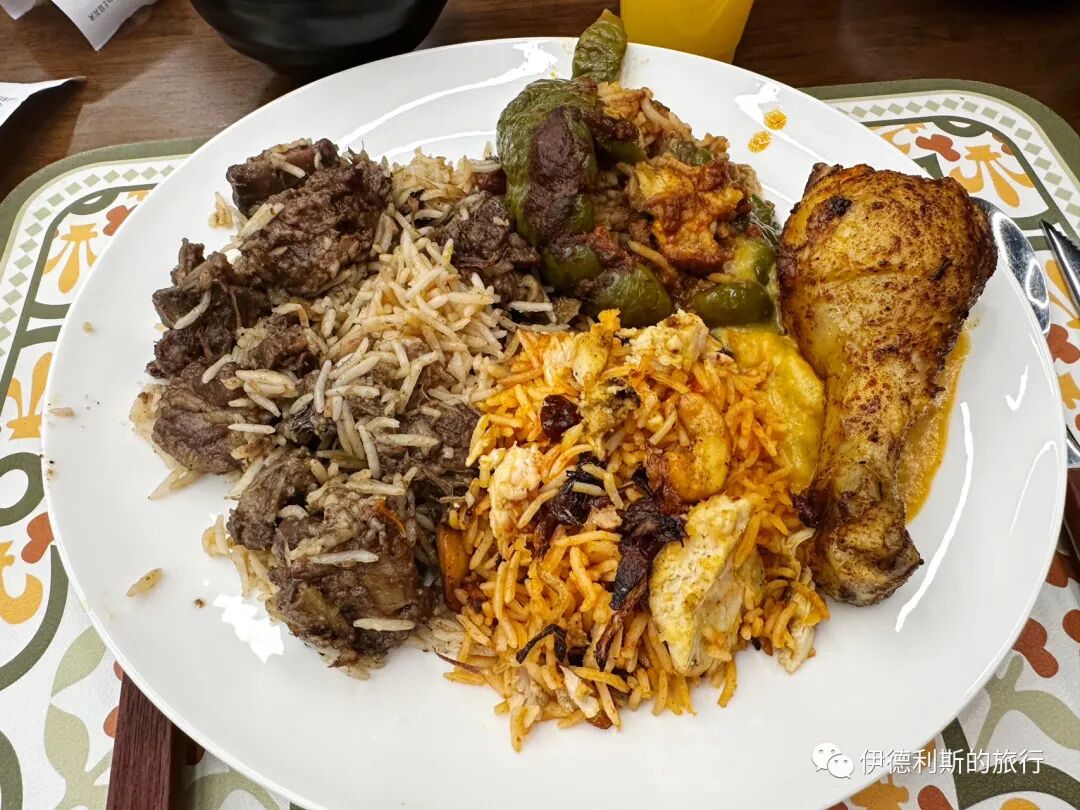
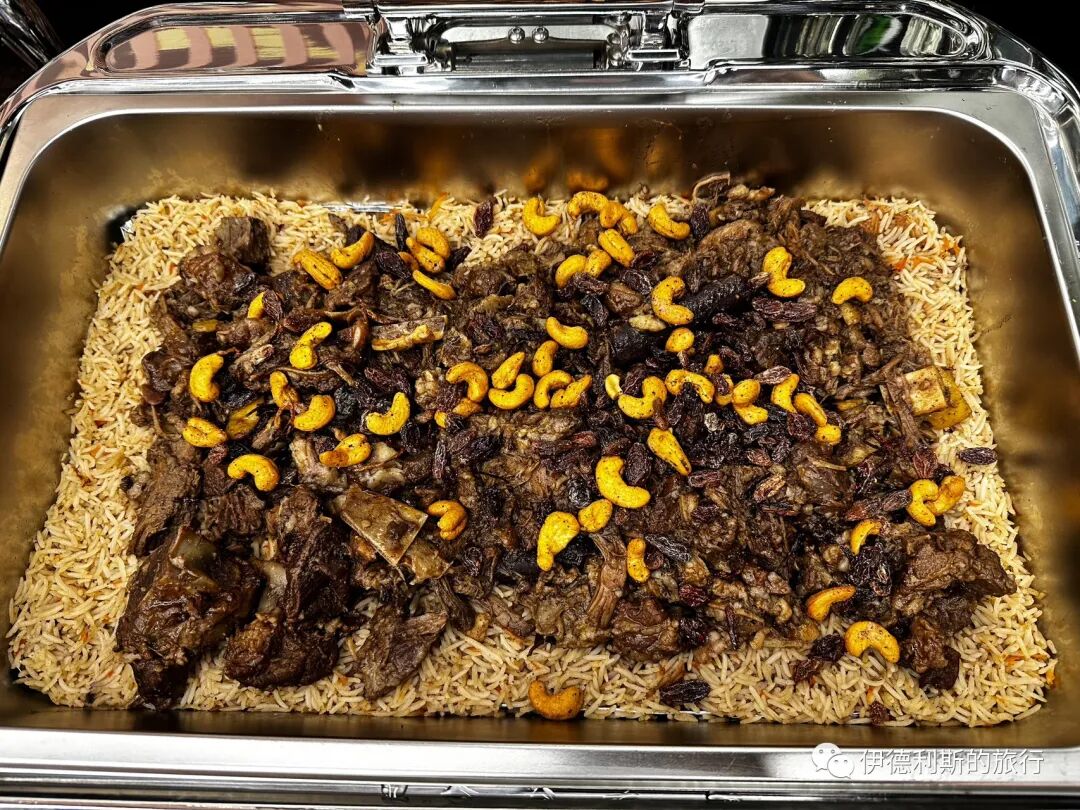
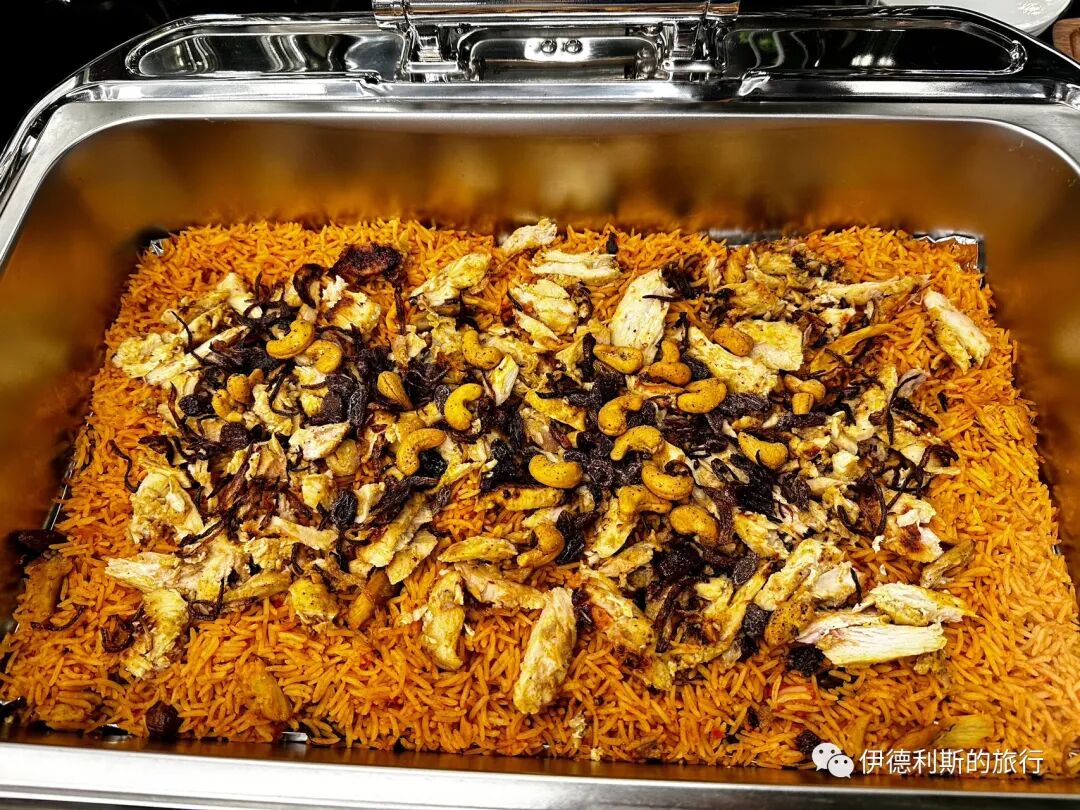
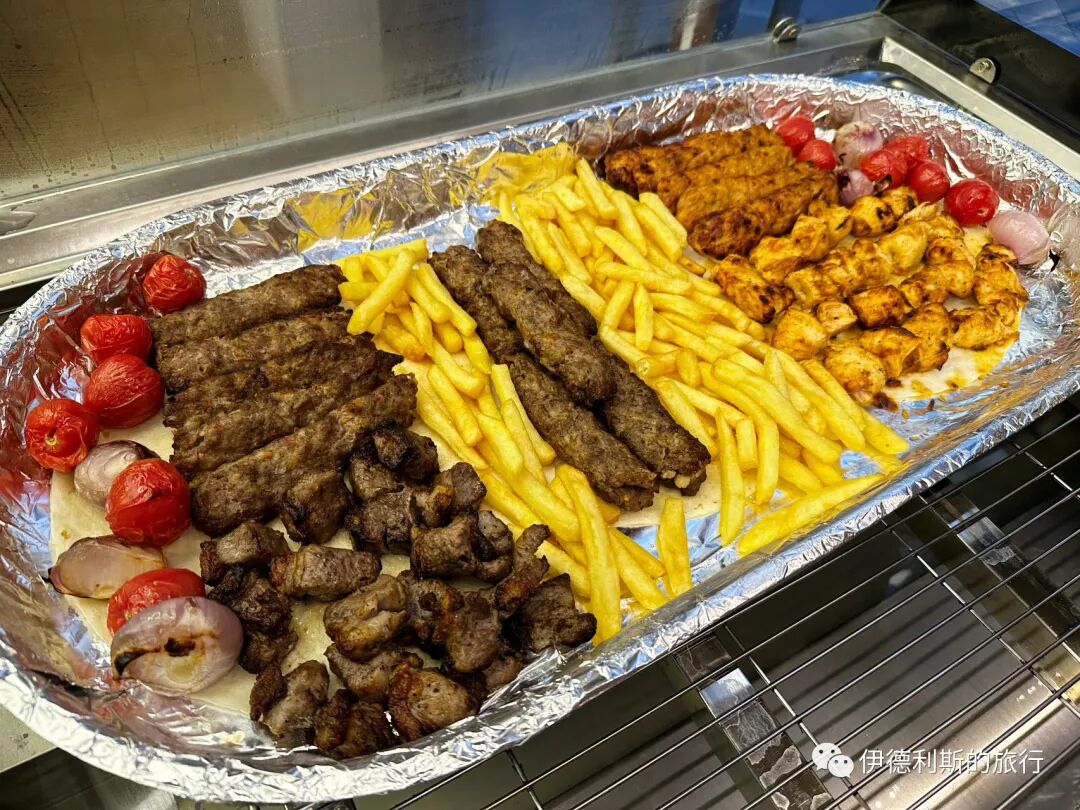
Besides grilled chicken and various kebabs, their main dish is lamb and chicken mandi rice. Mandi is a classic Arabic staple. The most traditional way to eat it is to dig a pit in the ground to cook the rice, then spread out a mat, sit on the floor, and eat with your hands. Mandi originated in the Hadhramaut region on the southern coast of the Arabian Peninsula (there is a Yemeni restaurant in Xiaobei, Guangzhou, with this name). It later spread to Egypt, the Levant, and other Arab regions, where it became very popular.
To make traditional mandi, you burn dry wood in a clay oven until it turns into charcoal, then hang meat (mostly lamb, camel, or chicken) rubbed with Hawaij spice inside the oven. The main ingredients of Hawaij spice are cumin, black pepper, turmeric, and cardamom. Once the meat is tender, you pour spiced broth into basmati rice, place the pot at the bottom of the oven, seal the oven with clay, and slow-cook it for up to 8 hours. The finished mandi meat is soft and tender, and the rice is full of the aroma of the meat and spices. It is delicious.
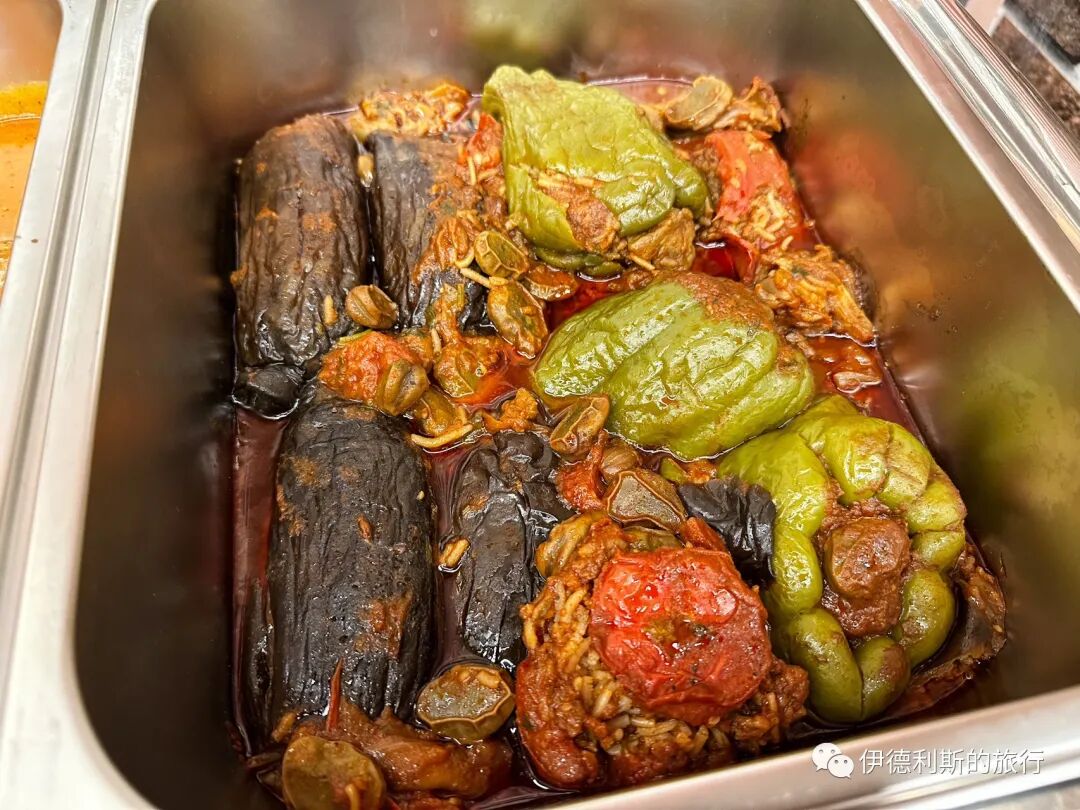
They also have Middle Eastern stuffed vegetables (dolma), which are green peppers, tomatoes, and eggplants stuffed with meat and rice and then stewed. The name dolma comes from the Ottoman era, and you can find recipes for stuffed eggplant in some medieval Arabic cookbooks. Beyond the Middle East, stuffed vegetables (dolma) are found across the Balkans, the South Caucasus, and North Africa under Ottoman rule, with different preparation methods in each place. For example, the Arab region prefers stuffed eggplant, Bosnia and Herzegovina prefers stuffed onions, and the Ottoman court also had a tradition of stuffing melons and fruits.
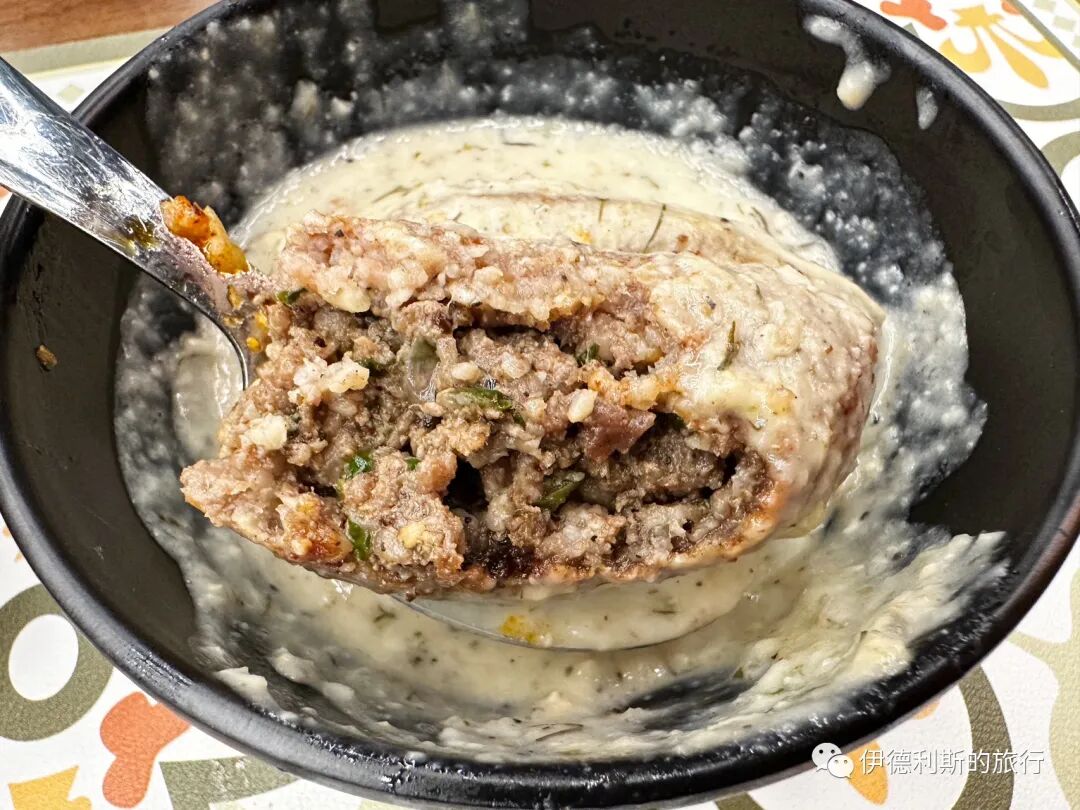
Another Middle Eastern snack they serve is kibbeh meatballs. These are made by wrapping minced meat, chopped onions, and Middle Eastern spices like cinnamon, nutmeg, cloves, and allspice in cracked wheat, and are usually deep-fried. Lebanon and Syria both consider kibbeh a national dish, but it is actually found in other Arab countries like Egypt and Iraq, as well as in Iran and Armenia.
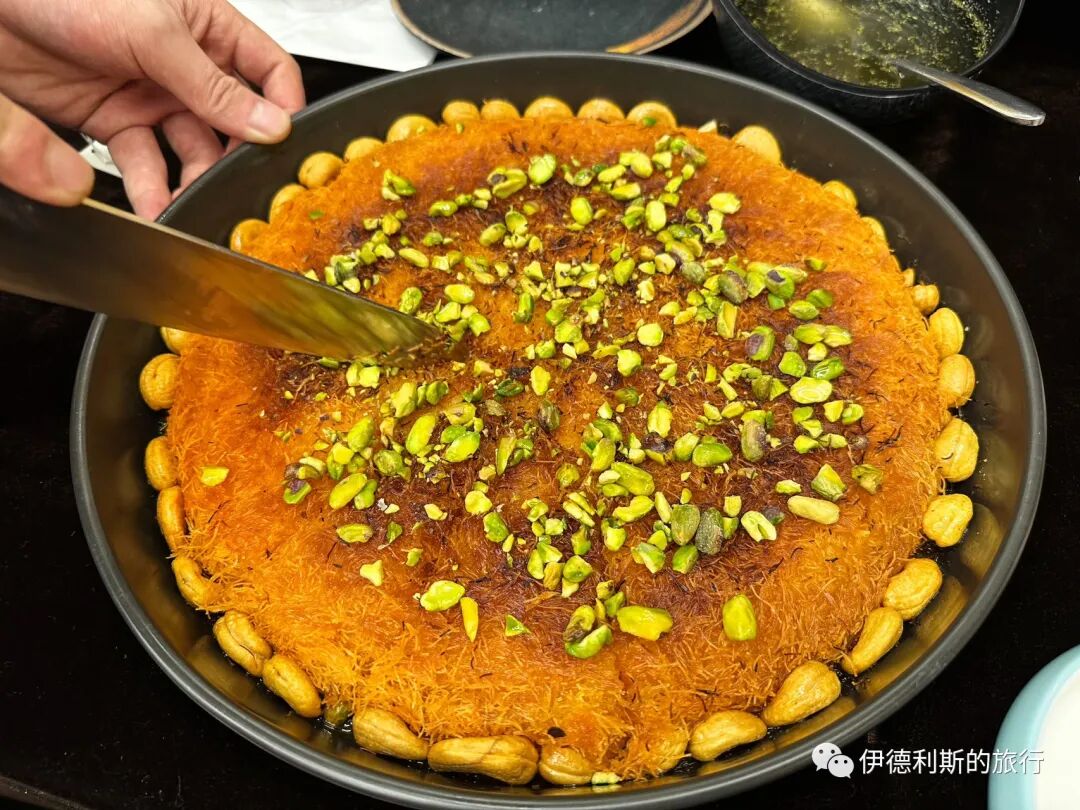
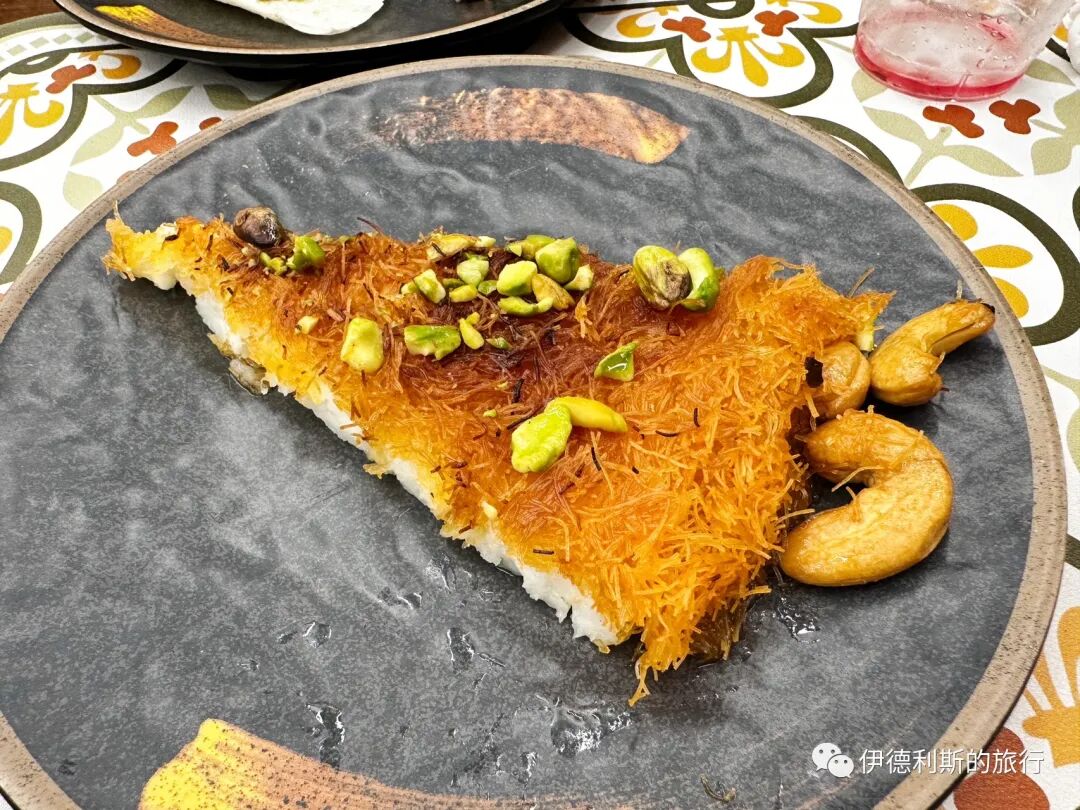
They have a rich variety of desserts, and the most worth trying is the classic Arab Ramadan dessert, knafeh. According to a famous Arab legend, a physician in the court of the Fatimid or Umayyad Caliphate invented knafeh to satisfy the Caliph's hunger during Ramadan. Knafeh later became a classic Arab iftar dessert and even appeared in One Thousand and One Nights.
Knafeh is made of buttery pastry, stretchy cheese, and crushed pistachios, and is drizzled with a syrup called attar when eaten. Although it has a history of over a thousand years, the current fried, stretchy style formed in the mid-15th century during the Ottoman period and gradually spread throughout the Ottoman-ruled Middle East.
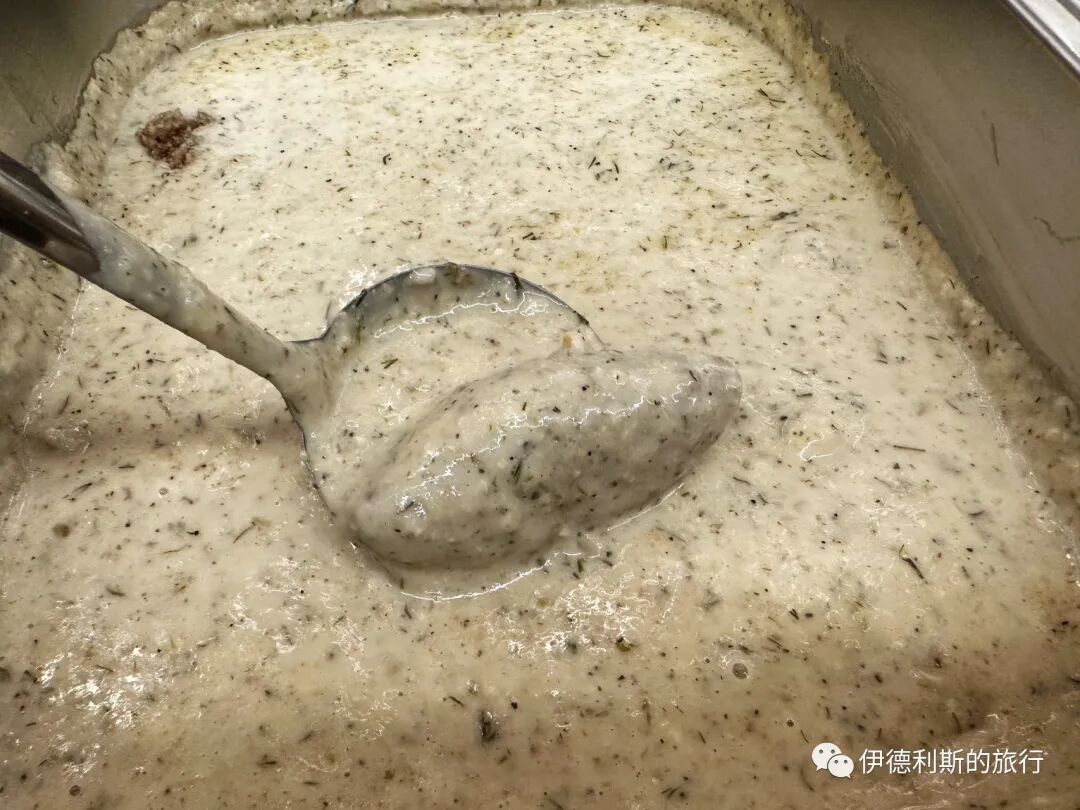
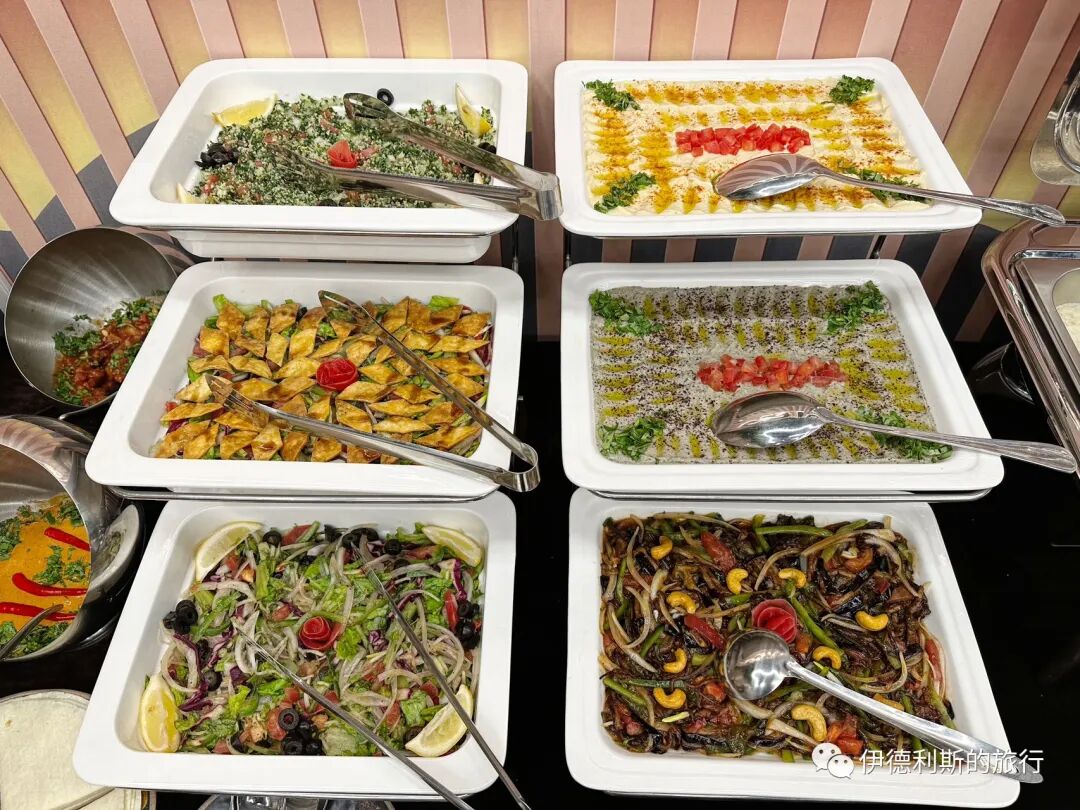
They also serve the classic Arab appetizer mezza, which is perfect for dipping with flatbread. The term mezza for an appetizer is borrowed from the Persian word "mazzeh," meaning "taste," which later entered the Middle East under Ottoman rule via Persian. When I visited, they served six appetizers, including two dips: hummus (chickpea puree) and baba ghanoush (roasted eggplant puree). Tabbouleh salad is made by mixing parsley, tomatoes, mint, onions, and soaked cracked wheat with olive oil and lemon juice. Fattoush salad is made by mixing toasted or fried pieces of khubz (Arab flatbread) with various vegetables.
Summary: Halal Food Guide: Beijing Ramadan Iftar — Five International Buffets is presented here as a firsthand travel account in clear English, beginning with this scene: Every year during Ramadan, having an Iftar buffet at one of the foreign restaurants in Beijing is a regular tradition for me. The account keeps its focus on Beijing Iftar, Ramadan Food, Halal Buffets while preserving the names, places, food, and historical details from the Chinese source.
Besides grilled chicken and various kebabs, their main dish is lamb and chicken mandi rice. Mandi is a classic Arabic staple. The most traditional way to eat it is to dig a pit in the ground to cook the rice, then spread out a mat, sit on the floor, and eat with your hands. Mandi originated in the Hadhramaut region on the southern coast of the Arabian Peninsula (there is a Yemeni restaurant in Xiaobei, Guangzhou, with this name). It later spread to Egypt, the Levant, and other Arab regions, where it became very popular.
To make traditional mandi, you burn dry wood in a clay oven until it turns into charcoal, then hang meat (mostly lamb, camel, or chicken) rubbed with Hawaij spice inside the oven. The main ingredients of Hawaij spice are cumin, black pepper, turmeric, and cardamom. Once the meat is tender, you pour spiced broth into basmati rice, place the pot at the bottom of the oven, seal the oven with clay, and slow-cook it for up to 8 hours. The finished mandi meat is soft and tender, and the rice is full of the aroma of the meat and spices. It is delicious.
They also have Middle Eastern stuffed vegetables (dolma), which are green peppers, tomatoes, and eggplants stuffed with meat and rice and then stewed. The name dolma comes from the Ottoman era, and you can find recipes for stuffed eggplant in some medieval Arabic cookbooks. Beyond the Middle East, stuffed vegetables (dolma) are found across the Balkans, the South Caucasus, and North Africa under Ottoman rule, with different preparation methods in each place. For example, the Arab region prefers stuffed eggplant, Bosnia and Herzegovina prefers stuffed onions, and the Ottoman court also had a tradition of stuffing melons and fruits.
Another Middle Eastern snack they serve is kibbeh meatballs. These are made by wrapping minced meat, chopped onions, and Middle Eastern spices like cinnamon, nutmeg, cloves, and allspice in cracked wheat, and are usually deep-fried. Lebanon and Syria both consider kibbeh a national dish, but it is actually found in other Arab countries like Egypt and Iraq, as well as in Iran and Armenia.
They have a rich variety of desserts, and the most worth trying is the classic Arab Ramadan dessert, knafeh. According to a famous Arab legend, a physician in the court of the Fatimid or Umayyad Caliphate invented knafeh to satisfy the Caliph's hunger during Ramadan. Knafeh later became a classic Arab iftar dessert and even appeared in One Thousand and One Nights.
Knafeh is made of buttery pastry, stretchy cheese, and crushed pistachios, and is drizzled with a syrup called attar when eaten. Although it has a history of over a thousand years, the current fried, stretchy style formed in the mid-15th century during the Ottoman period and gradually spread throughout the Ottoman-ruled Middle East.
They also serve the classic Arab appetizer mezza, which is perfect for dipping with flatbread. The term mezza for an appetizer is borrowed from the Persian word "mazzeh," meaning "taste," which later entered the Middle East under Ottoman rule via Persian. When I visited, they served six appetizers, including two dips: hummus (chickpea puree) and baba ghanoush (roasted eggplant puree). Tabbouleh salad is made by mixing parsley, tomatoes, mint, onions, and soaked cracked wheat with olive oil and lemon juice. Fattoush salad is made by mixing toasted or fried pieces of khubz (Arab flatbread) with various vegetables.
