
Halal Food Guide: Beijing Dastan — Ramadan Iftar and Bengali New Year (Part 3 of 4)
Reposted from the web
Summary: Halal Food Guide: Beijing Dastan — Ramadan Iftar and Bengali New Year is presented here as a firsthand travel account in clear English, beginning with this scene: April 14th is the Bengali New Year. I was very happy to be invited by Yahya Dost to the Dastaan restaurant, an Indian spot in Sanlitun Soho, Beijing, to join a Ramadan iftar buffet celebrating the Bengali New Year. The account keeps its focus on Beijing Iftar, Bengali New Year, Halal Food while preserving the names, places, food, and historical details from the Chinese source.
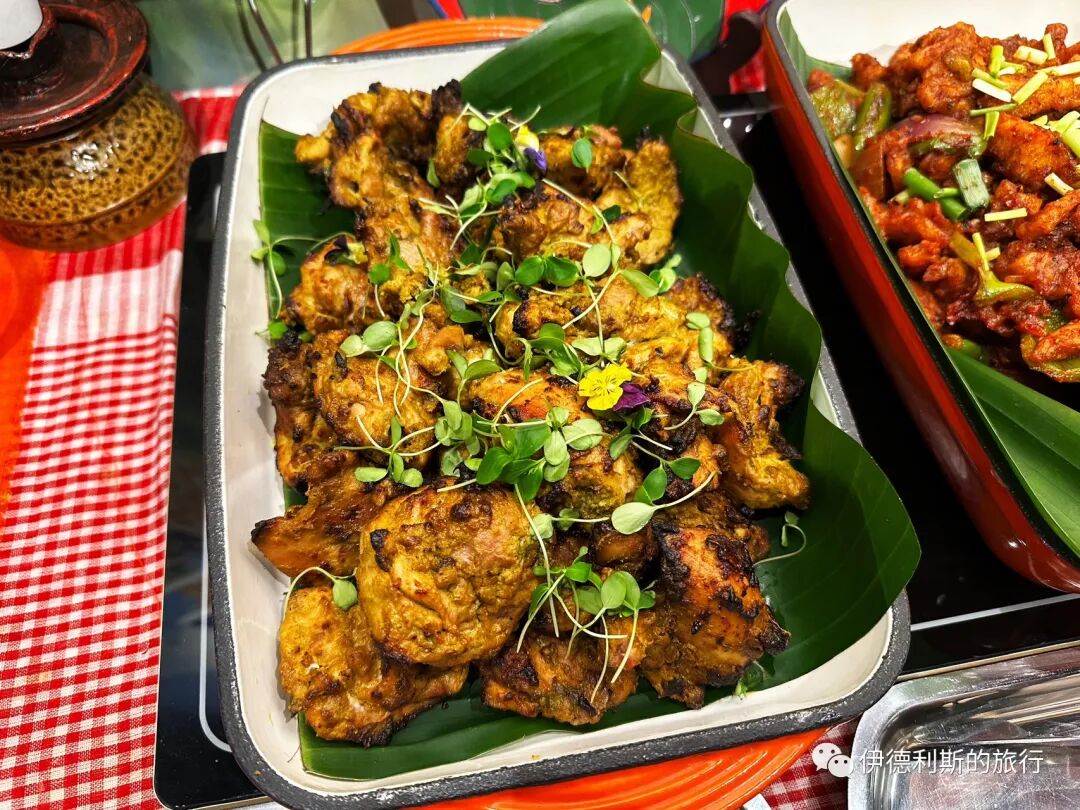
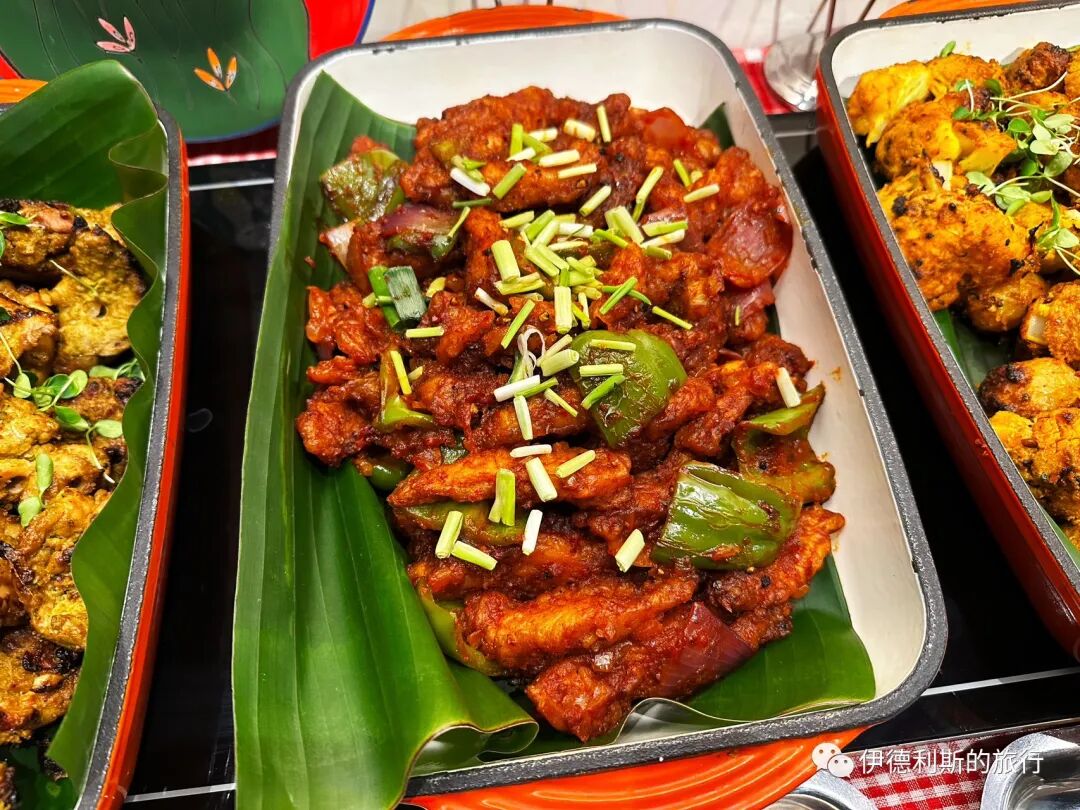
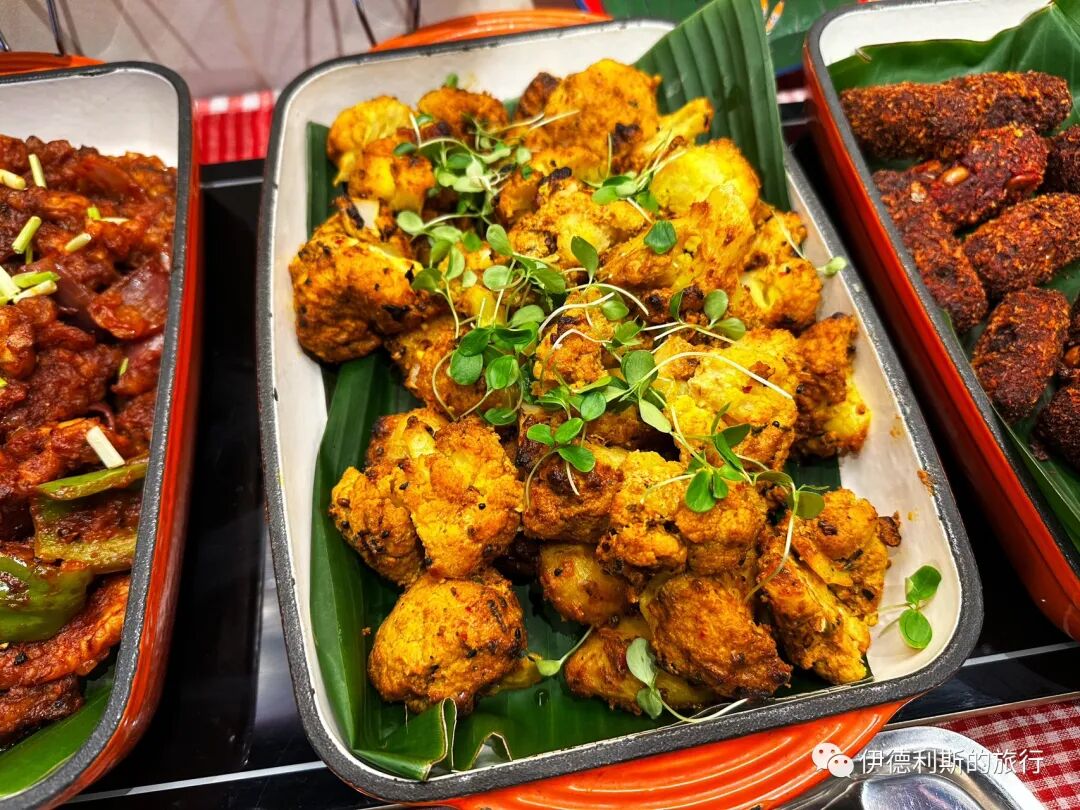
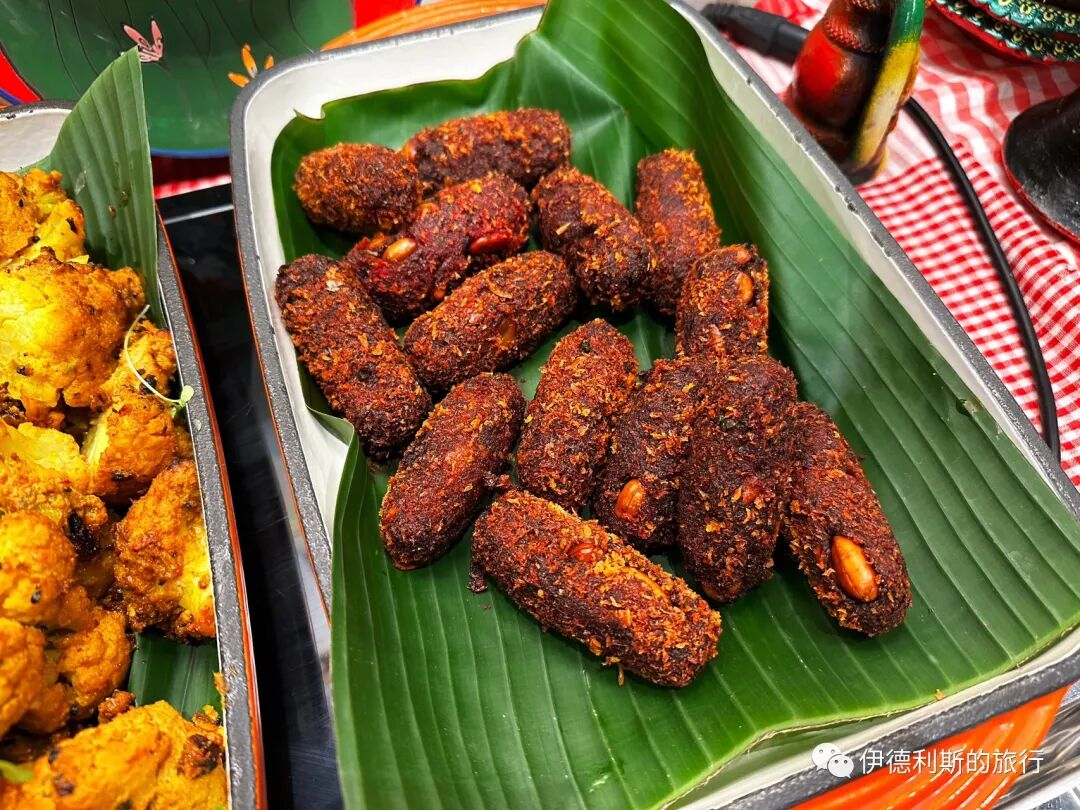
Here are a few types of Bengali curry.
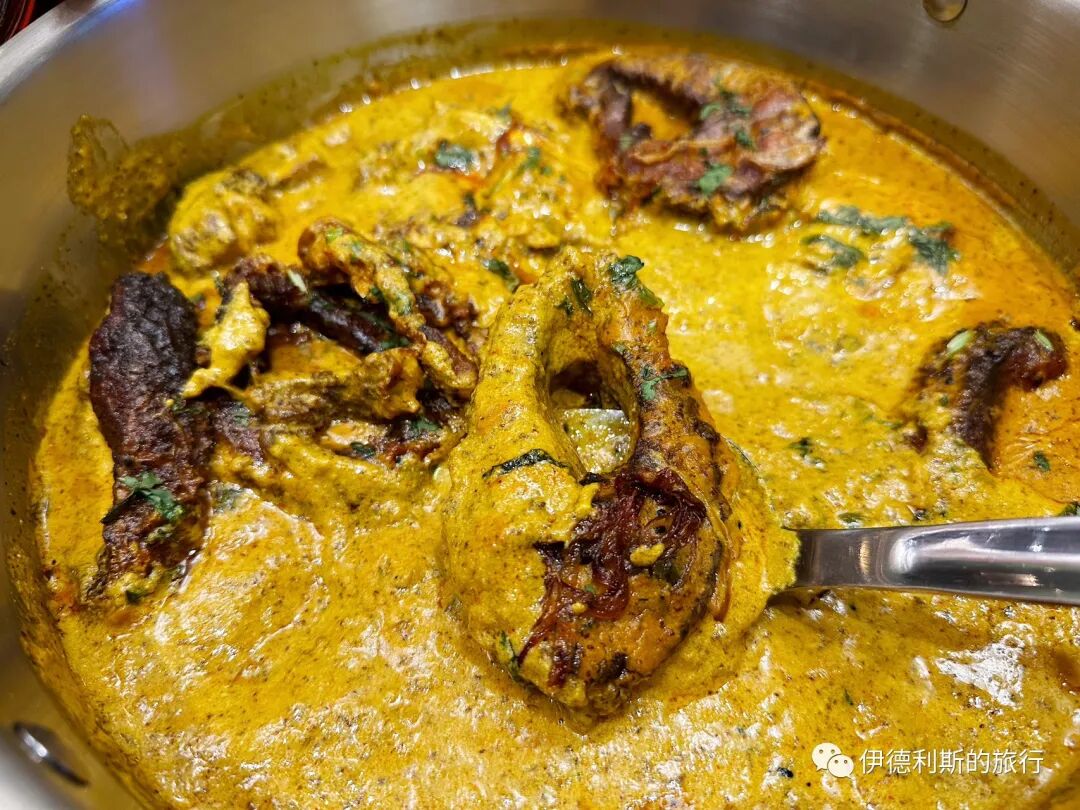
Doi shorshe katla is a Bengali yogurt fish curry. In this name, 'doi' means yogurt, 'shorshe' means mustard seeds, and 'katla' means carp. Mustard seeds and mustard oil are the basic elements of Bengali fish curry. Besides these, many spices are added, and the yellow color in the curry mainly comes from turmeric.
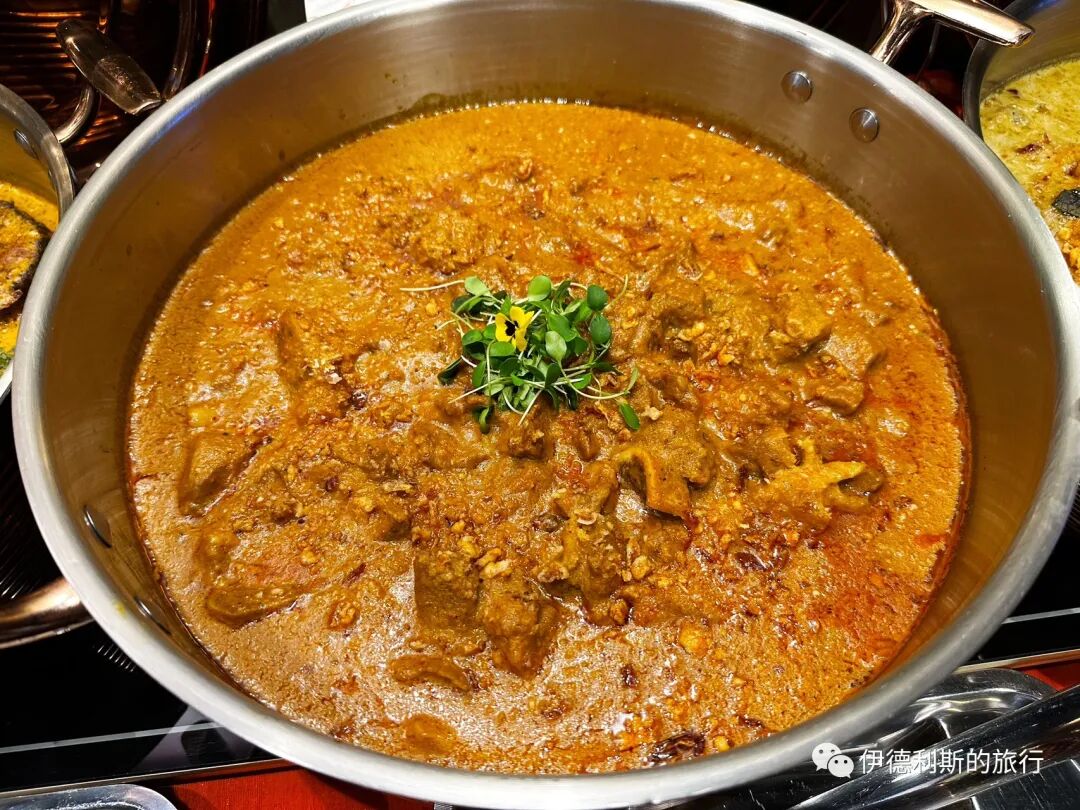
Mutton chaap is a lamb chop curry special to Kolkata. It is slow-cooked with various spices like masala. This cooking method comes from the Mughal Empire and is a classic curry for holidays like Eid al-Fitr.
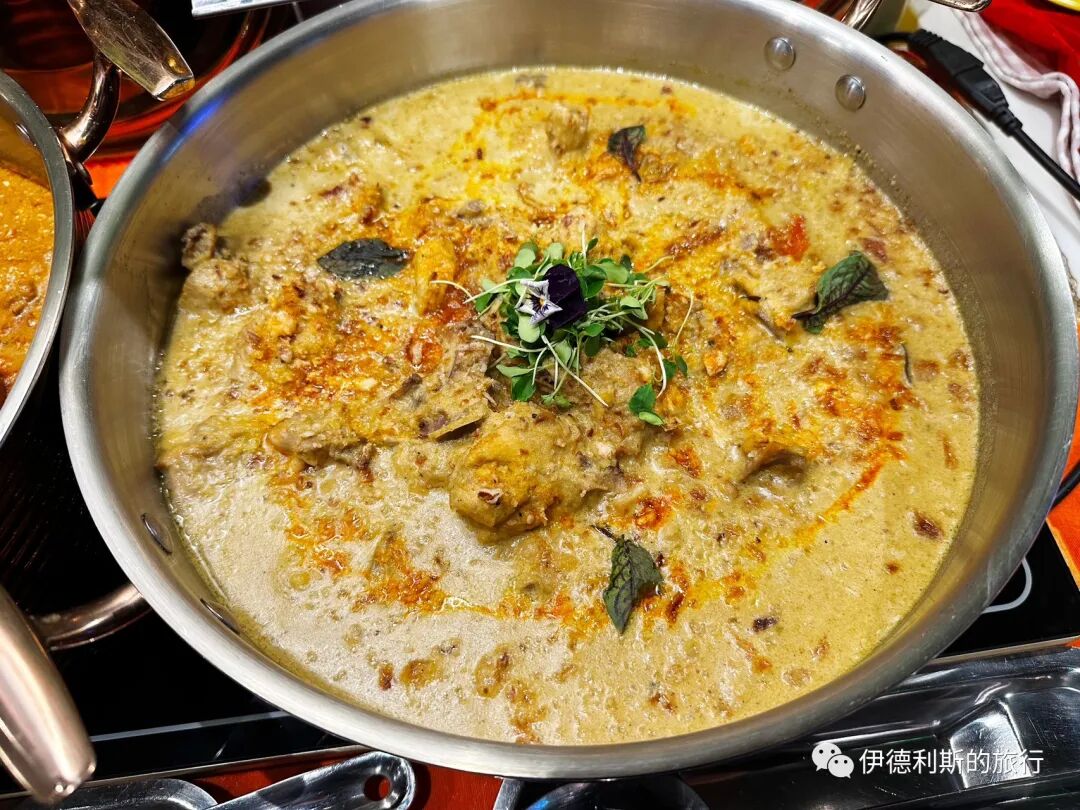
Chicken rezala is a Bengali white sauce chicken curry. It also comes from the Mughal Empire and is slow-cooked with yogurt and nuts. The spices include cloves, black pepper, cinnamon, black cardamom, dried red chili, and green cardamom.
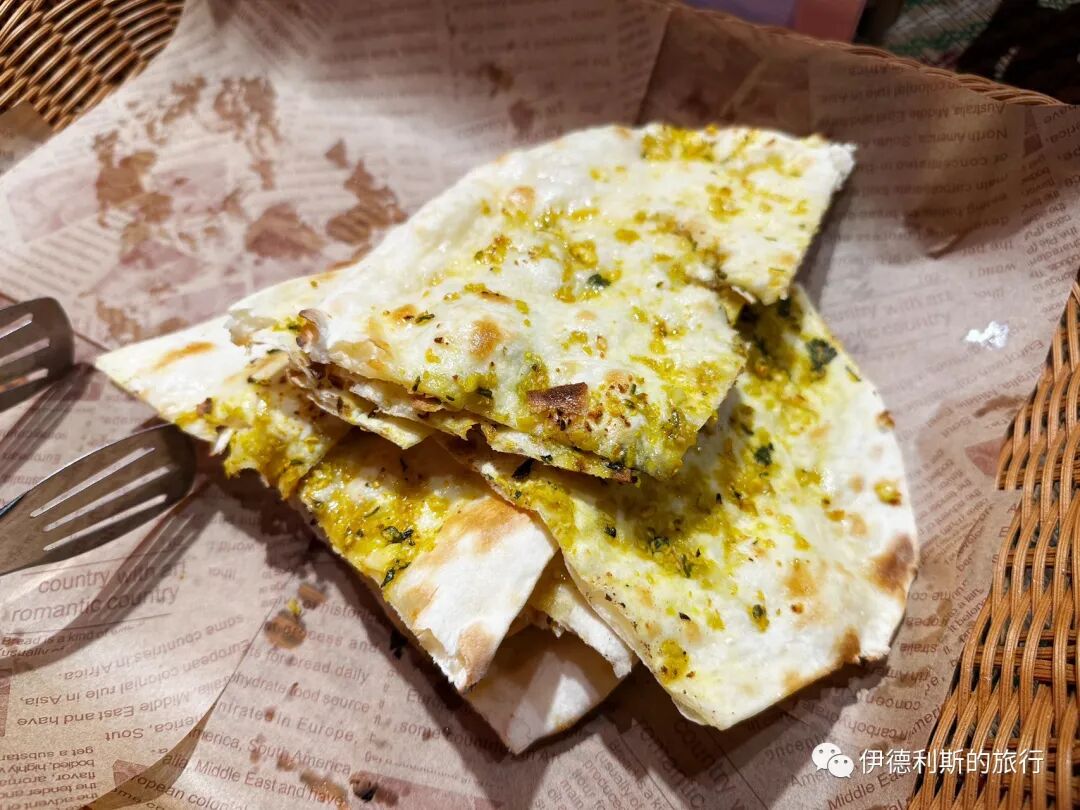
To go with the curry, you must have Bengali flatbread (ruti), which is the same as Indian roti. The word comes from the Sanskrit 'roṭikā', which means bread. In Bengal, ruti is made with whole wheat flour. If finer wheat flour is used, it is called 'porota'.
Finally, here are a few Bengali snacks and desserts.
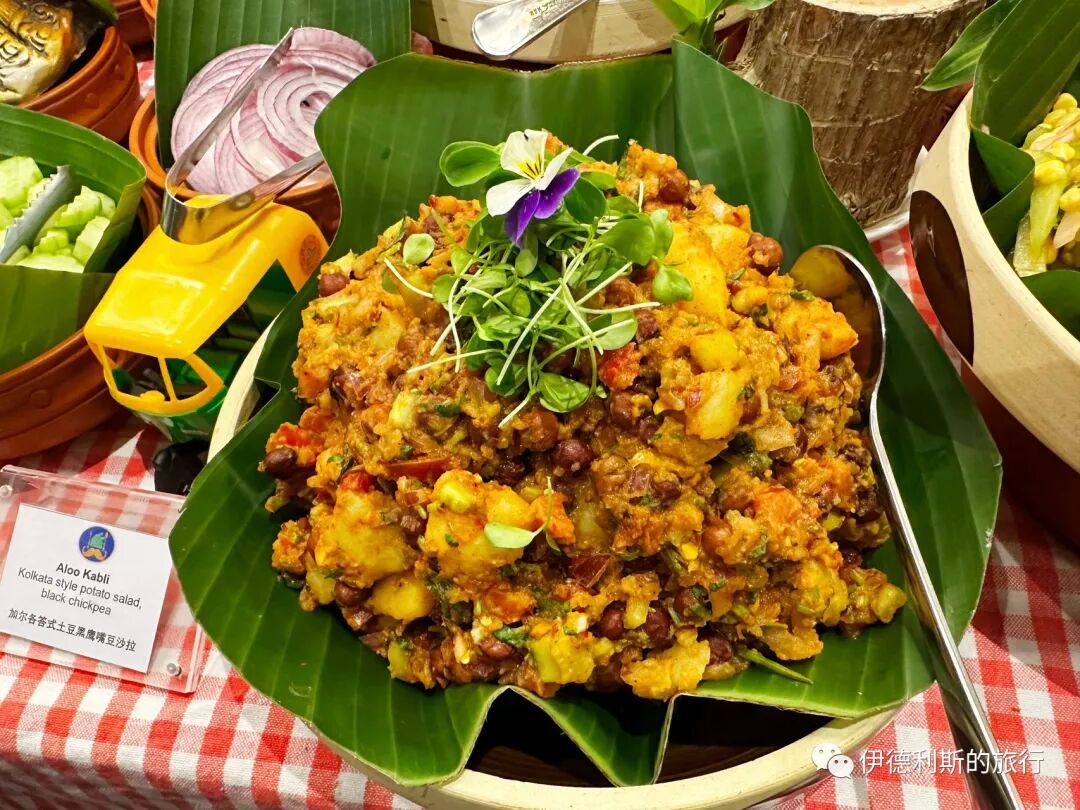
Aloo kabli is a special street snack in Kolkata. It is made with boiled potatoes, chopped onions, green chilies, cilantro, tamarind, lime, and masala spices. Aloo kabli stalls are most popular at the gates of schools in Kolkata. Students surround the stalls as soon as school ends, waiting for the vendor to wrap the aloo kabli in old newspapers to sell to them.
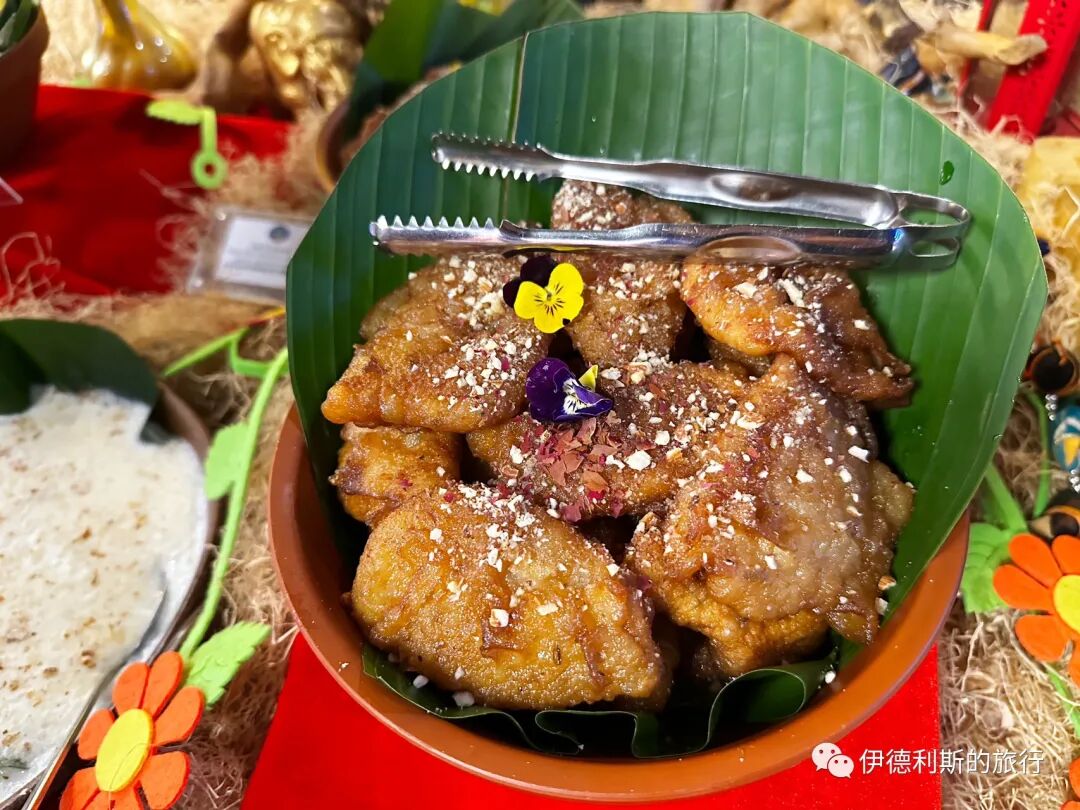
Malpua is a deep-fried dessert soaked in syrup that Bengalis eat during holidays. It is crispy on the outside and fluffy and juicy on the inside, with a fragrance from fennel and green cardamom powder.
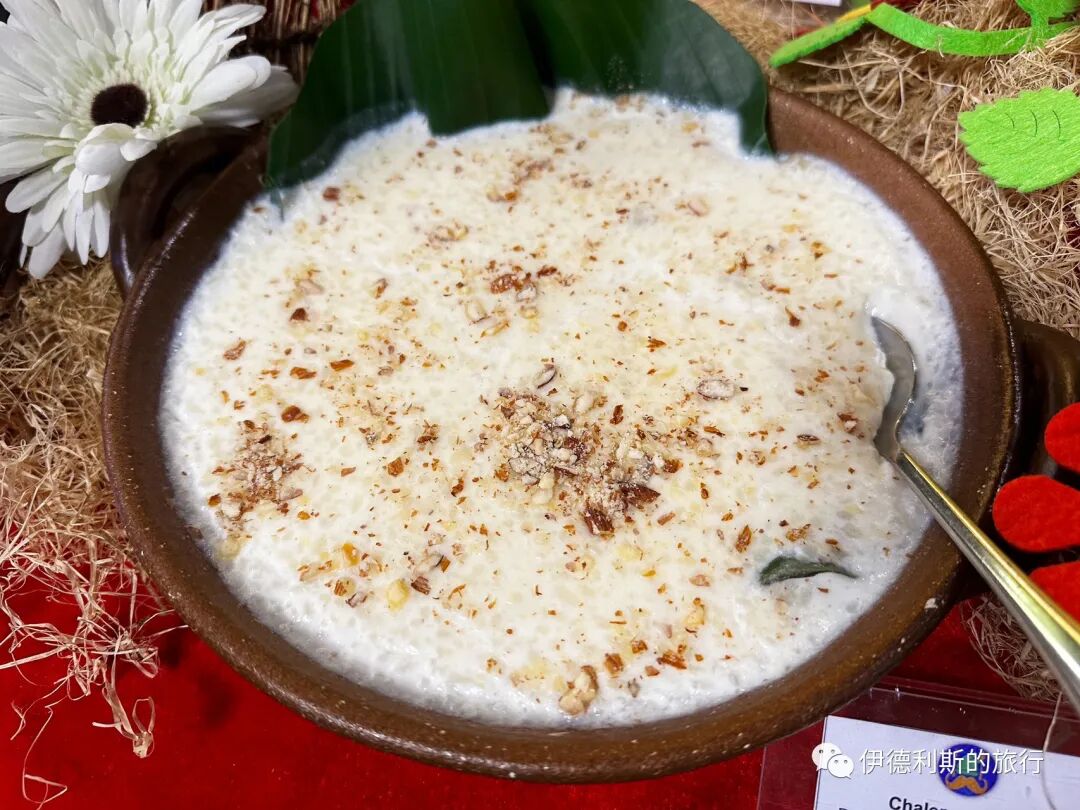
Chaler payesh is a rice pudding that Bengalis eat during holidays, similar to kheer in North India. Besides milk and basmati rice, it also contains ghee, sugar, cardamom powder, and nuts.
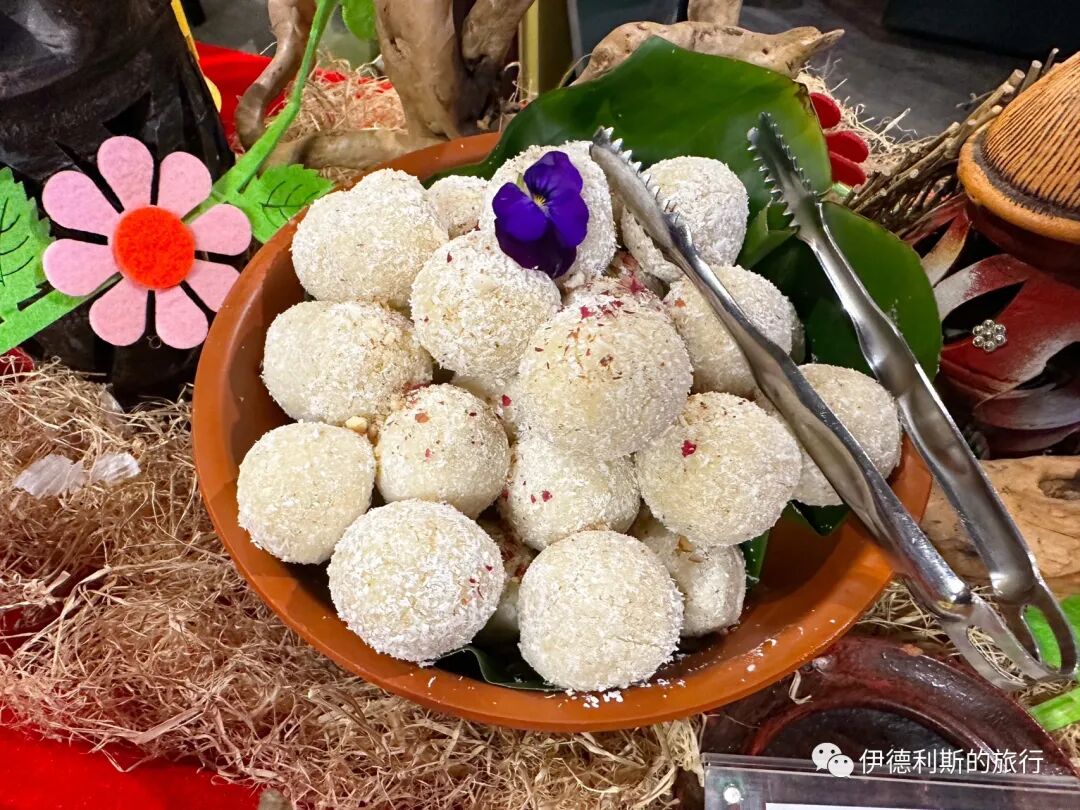
Narkel naru is a Bengali coconut ball dessert and an essential part of holidays. The ingredients for making narkel naru are very simple: just fresh coconut, sugar, and cardamom powder.
Rosogolla is a Bengali cheese dessert made by soaking soft, juicy cheese in syrup.
Summary: Halal Food Guide: Beijing Dastan — Ramadan Iftar and Bengali New Year is presented here as a firsthand travel account in clear English, beginning with this scene: April 14th is the Bengali New Year. I was very happy to be invited by Yahya Dost to the Dastaan restaurant, an Indian spot in Sanlitun Soho, Beijing, to join a Ramadan iftar buffet celebrating the Bengali New Year. The account keeps its focus on Beijing Iftar, Bengali New Year, Halal Food while preserving the names, places, food, and historical details from the Chinese source.
Here are a few types of Bengali curry.
Doi shorshe katla is a Bengali yogurt fish curry. In this name, 'doi' means yogurt, 'shorshe' means mustard seeds, and 'katla' means carp. Mustard seeds and mustard oil are the basic elements of Bengali fish curry. Besides these, many spices are added, and the yellow color in the curry mainly comes from turmeric.
Mutton chaap is a lamb chop curry special to Kolkata. It is slow-cooked with various spices like masala. This cooking method comes from the Mughal Empire and is a classic curry for holidays like Eid al-Fitr.
Chicken rezala is a Bengali white sauce chicken curry. It also comes from the Mughal Empire and is slow-cooked with yogurt and nuts. The spices include cloves, black pepper, cinnamon, black cardamom, dried red chili, and green cardamom.
To go with the curry, you must have Bengali flatbread (ruti), which is the same as Indian roti. The word comes from the Sanskrit 'roṭikā', which means bread. In Bengal, ruti is made with whole wheat flour. If finer wheat flour is used, it is called 'porota'.
Finally, here are a few Bengali snacks and desserts.
Aloo kabli is a special street snack in Kolkata. It is made with boiled potatoes, chopped onions, green chilies, cilantro, tamarind, lime, and masala spices. Aloo kabli stalls are most popular at the gates of schools in Kolkata. Students surround the stalls as soon as school ends, waiting for the vendor to wrap the aloo kabli in old newspapers to sell to them.
Malpua is a deep-fried dessert soaked in syrup that Bengalis eat during holidays. It is crispy on the outside and fluffy and juicy on the inside, with a fragrance from fennel and green cardamom powder.
Chaler payesh is a rice pudding that Bengalis eat during holidays, similar to kheer in North India. Besides milk and basmati rice, it also contains ghee, sugar, cardamom powder, and nuts.
Narkel naru is a Bengali coconut ball dessert and an essential part of holidays. The ingredients for making narkel naru are very simple: just fresh coconut, sugar, and cardamom powder.
Rosogolla is a Bengali cheese dessert made by soaking soft, juicy cheese in syrup.
