
Halal Food Guide: Beijing Dastan — Ramadan Iftar and Bengali New Year (Part 2 of 4)
Reposted from the web
Summary: Halal Food Guide: Beijing Dastan — Ramadan Iftar and Bengali New Year is presented here as a firsthand travel account in clear English, beginning with this scene: April 14th is the Bengali New Year. I was very happy to be invited by Yahya Dost to the Dastaan restaurant, an Indian spot in Sanlitun Soho, Beijing, to join a Ramadan iftar buffet celebrating the Bengali New Year. The account keeps its focus on Beijing Iftar, Bengali New Year, Halal Food while preserving the names, places, food, and historical details from the Chinese source.
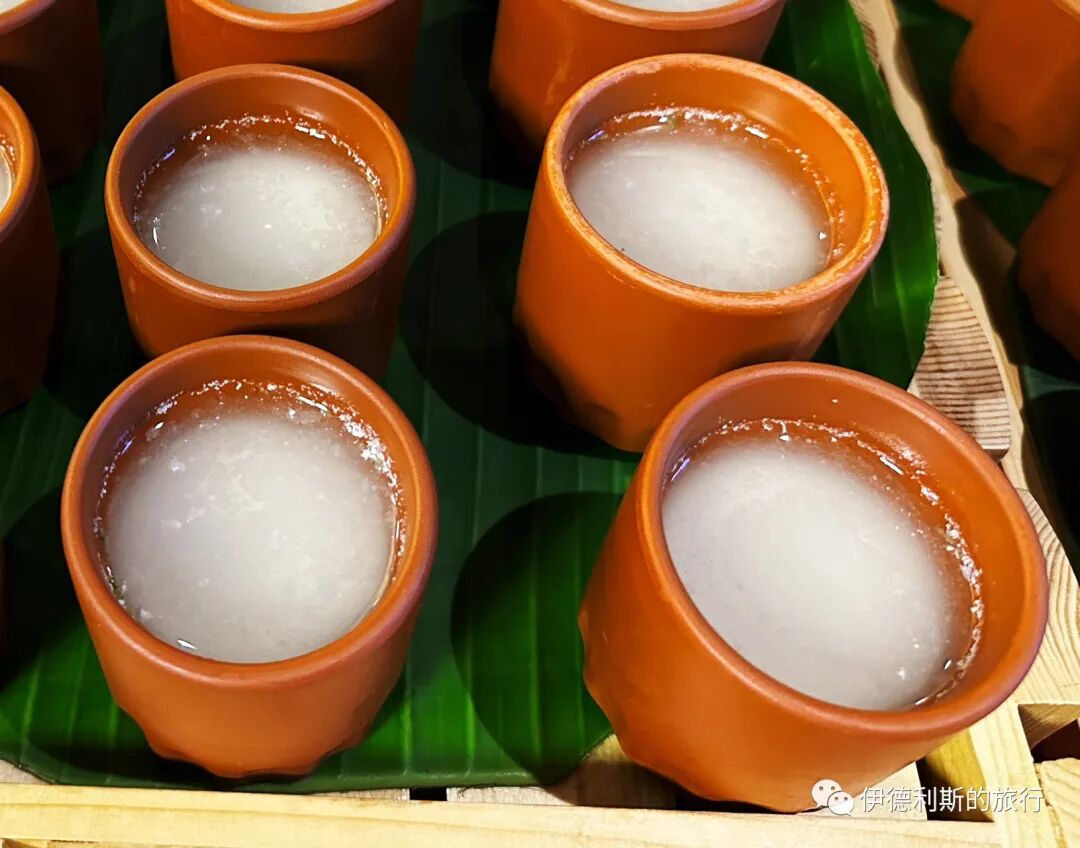
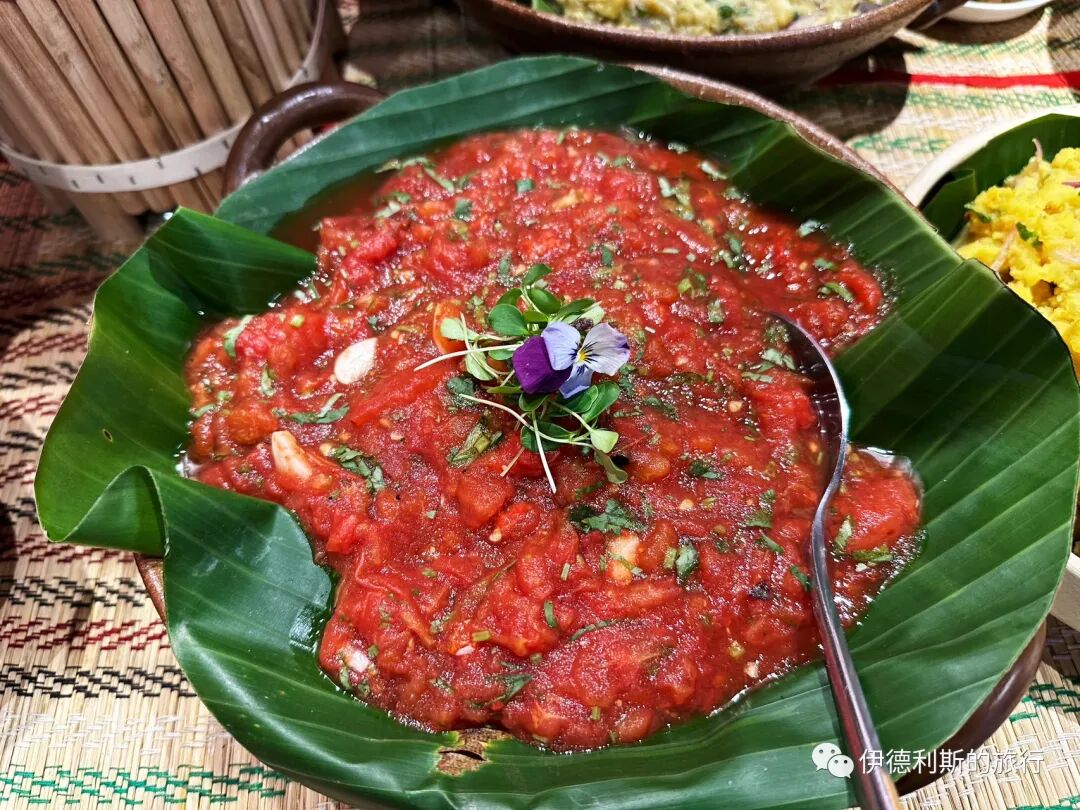
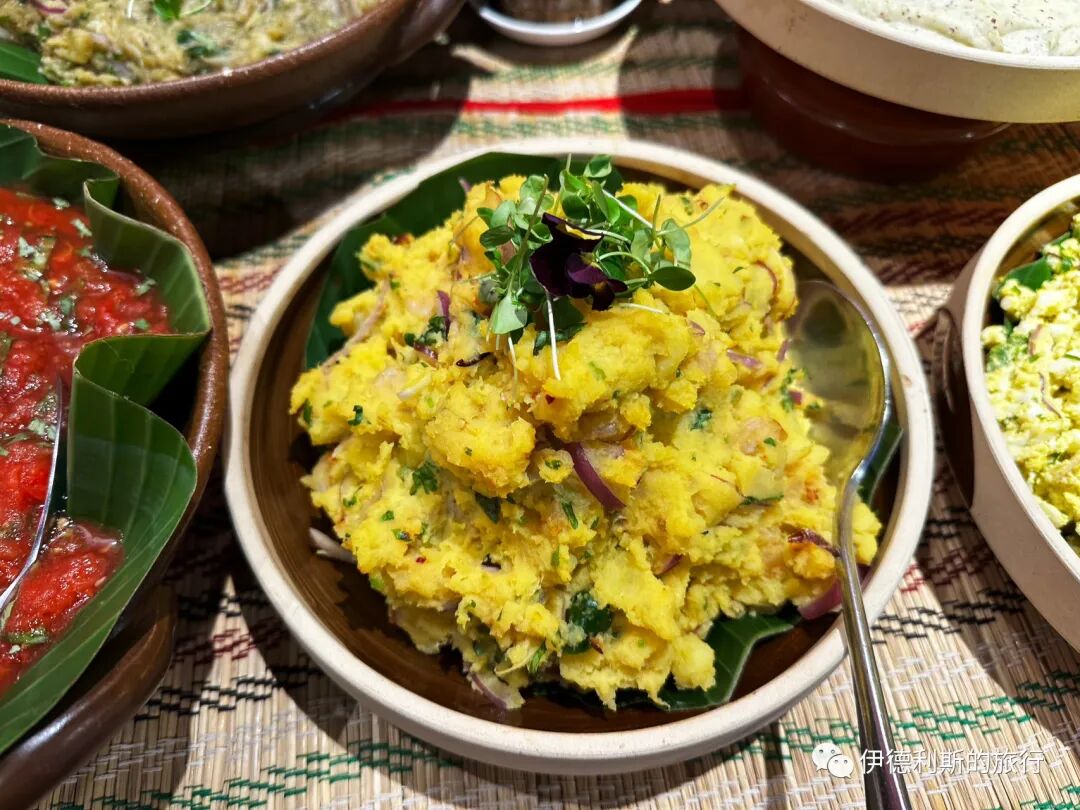
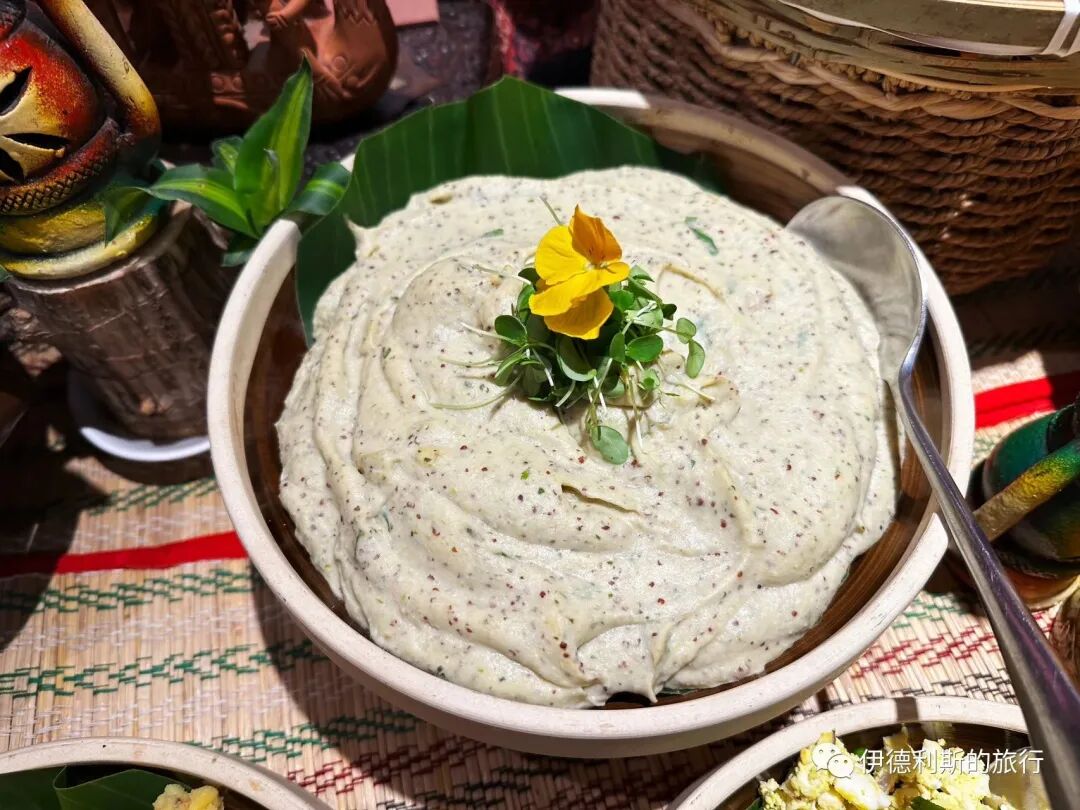
The classic Bengali side dish vegetable mash (bhurta) is made by mashing various vegetables or fish with mustard oil, onion, garlic, and red chili. The ingredients can be boiled, roasted, or fried before mashing.
There are many types of bhurta depending on the ingredients. The most popular is potato mash (aloo bharta), made by boiling potatoes and mixing them with fried onions, chili, and mustard oil. The rich taste of mustard oil in the potato mash really boosts your appetite. Another common one is eggplant mash (baingan bharta), made by roasting the eggplant, chopping it up, and mixing it with onion, chili, and mustard oil.
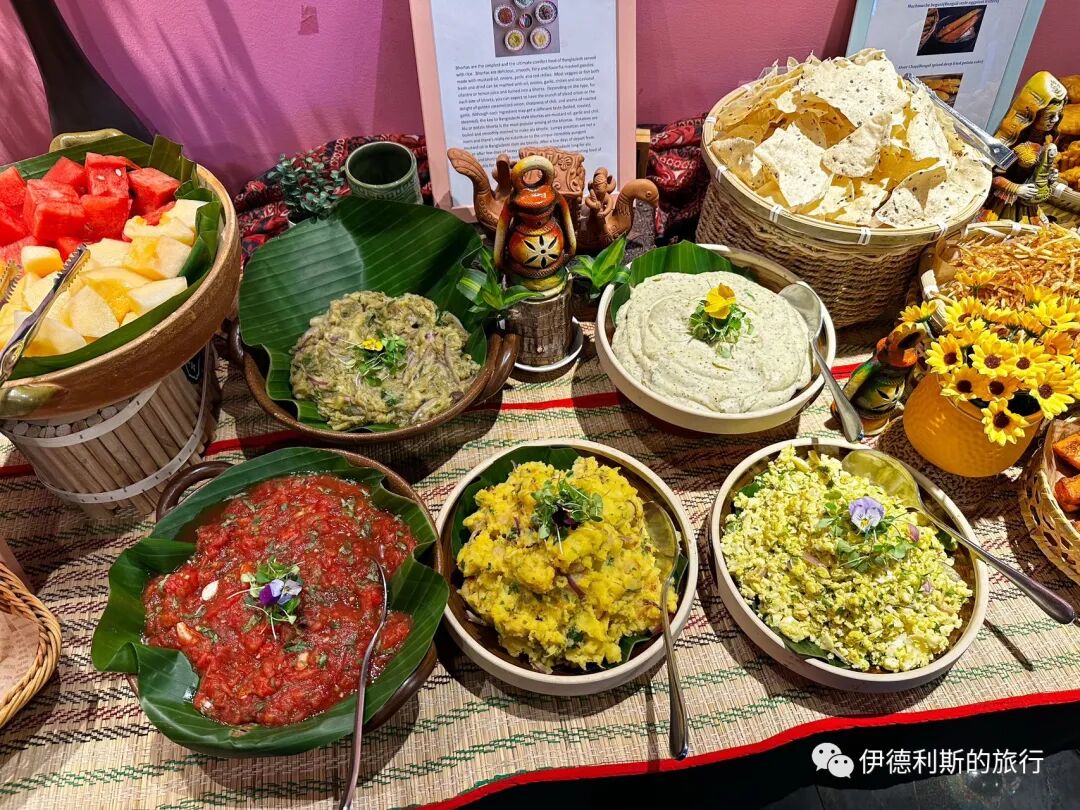
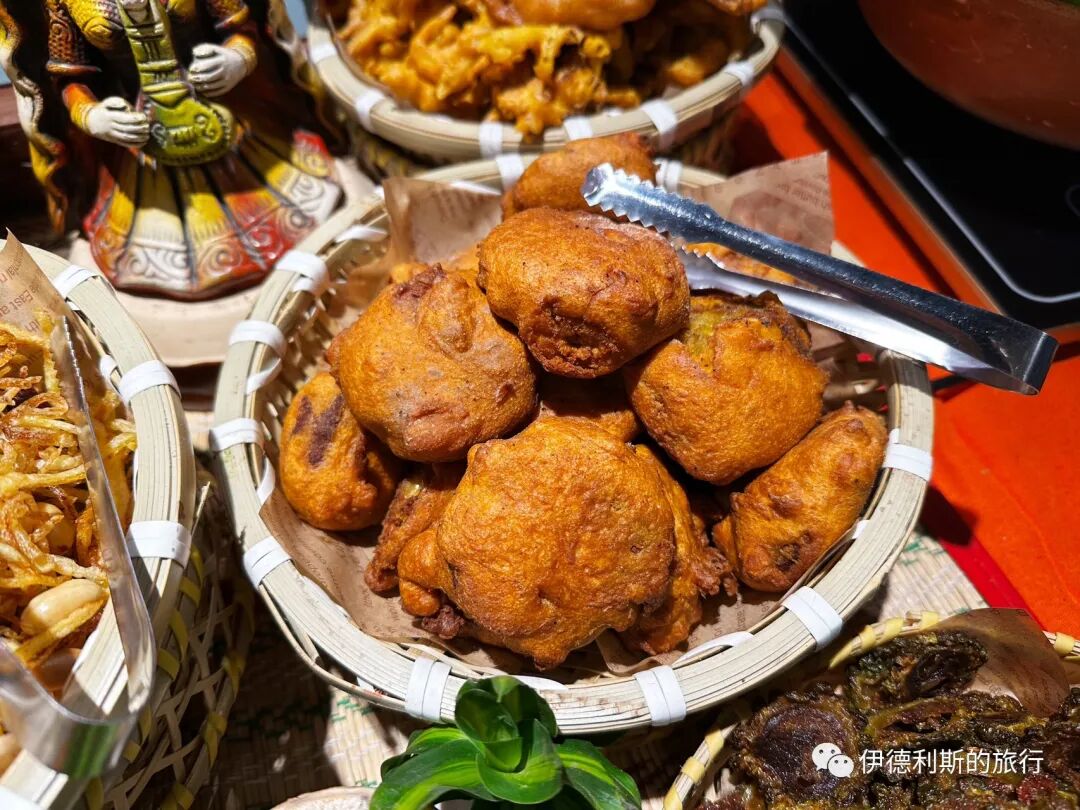
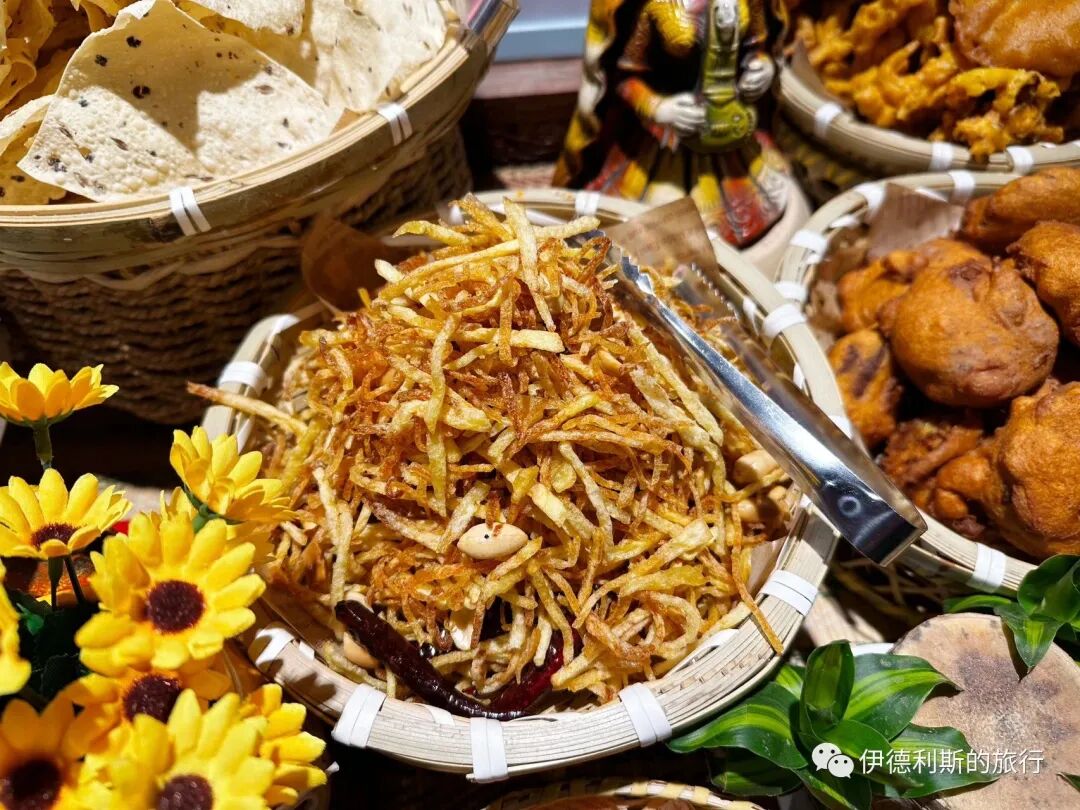
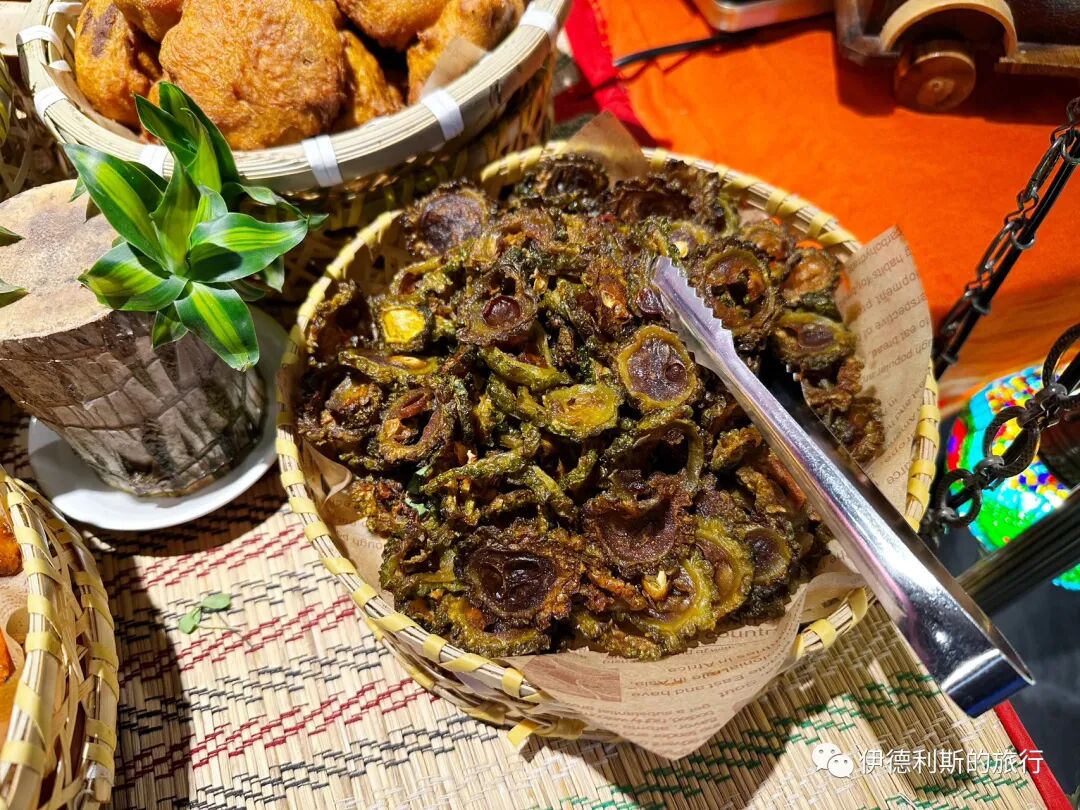
Fried dishes made by Bengalis using mustard oil are called bhaja, and there are many different kinds. The most classic is crispy fried potato strips (jhure-jhure aloo bhaja). The potatoes are fried until golden and very crispy, and it is a classic snack for the Bengali New Year. Also, fried eggplant slices (muchmuche beguni) and fried potato patties (aloo chop) are both part of the bhaja fried dish family.
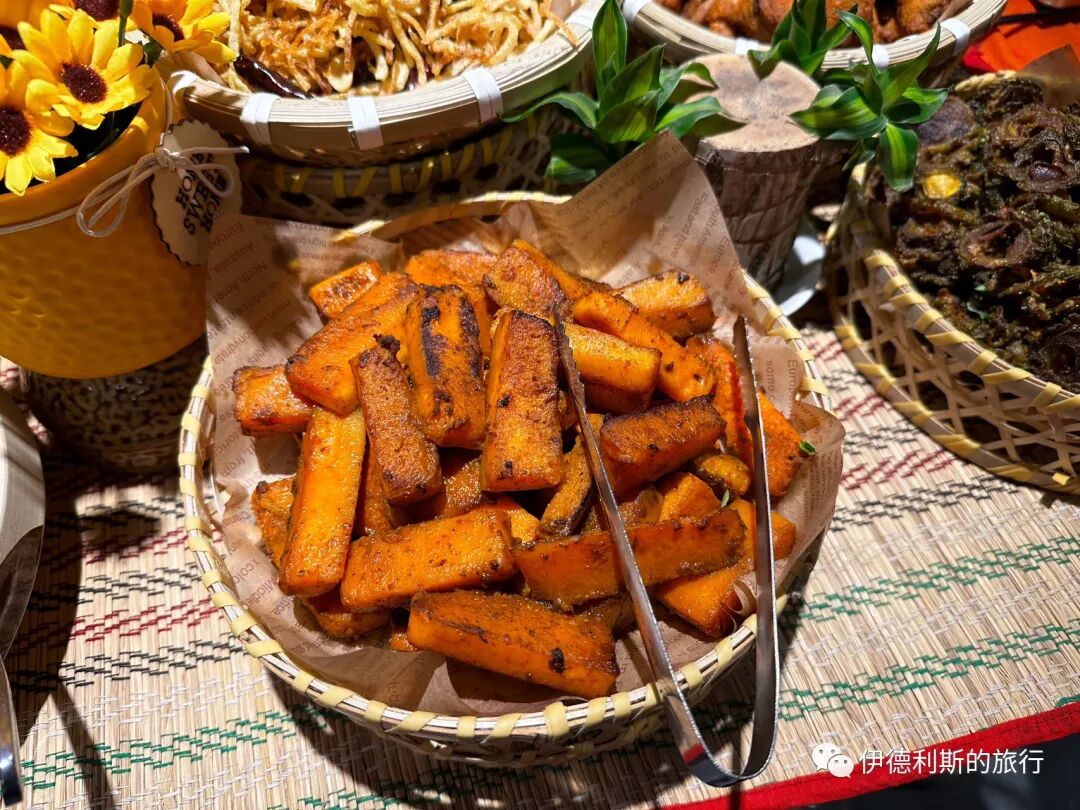
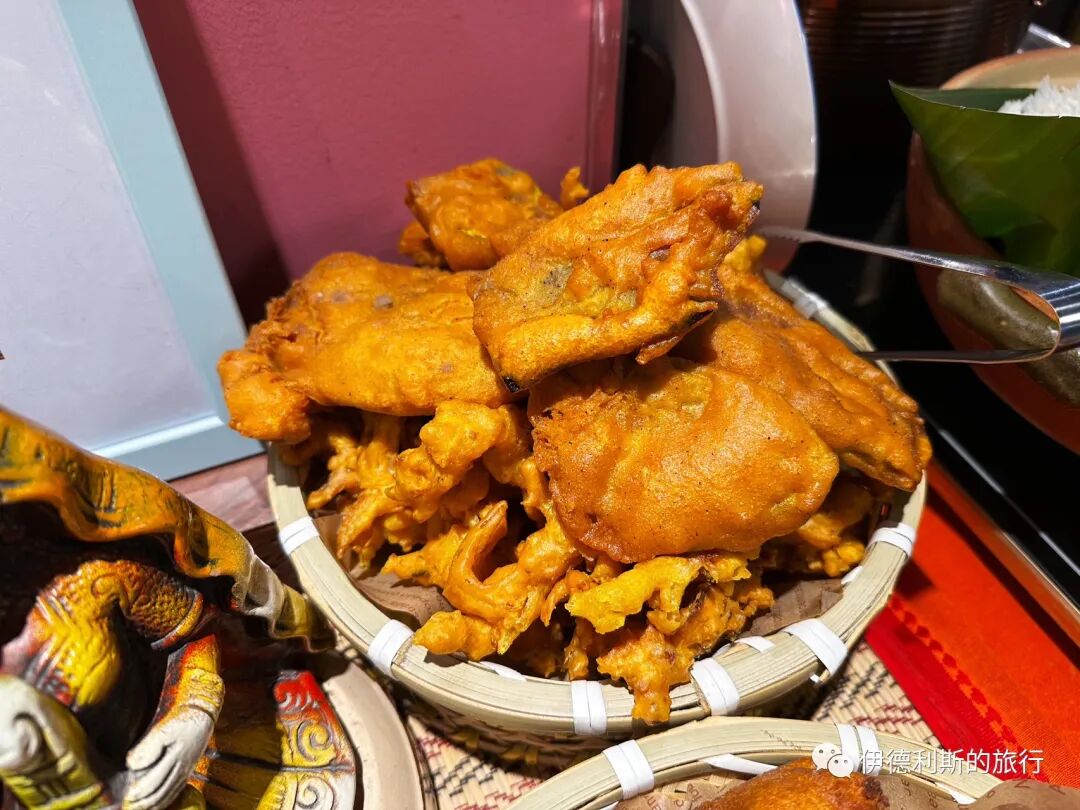
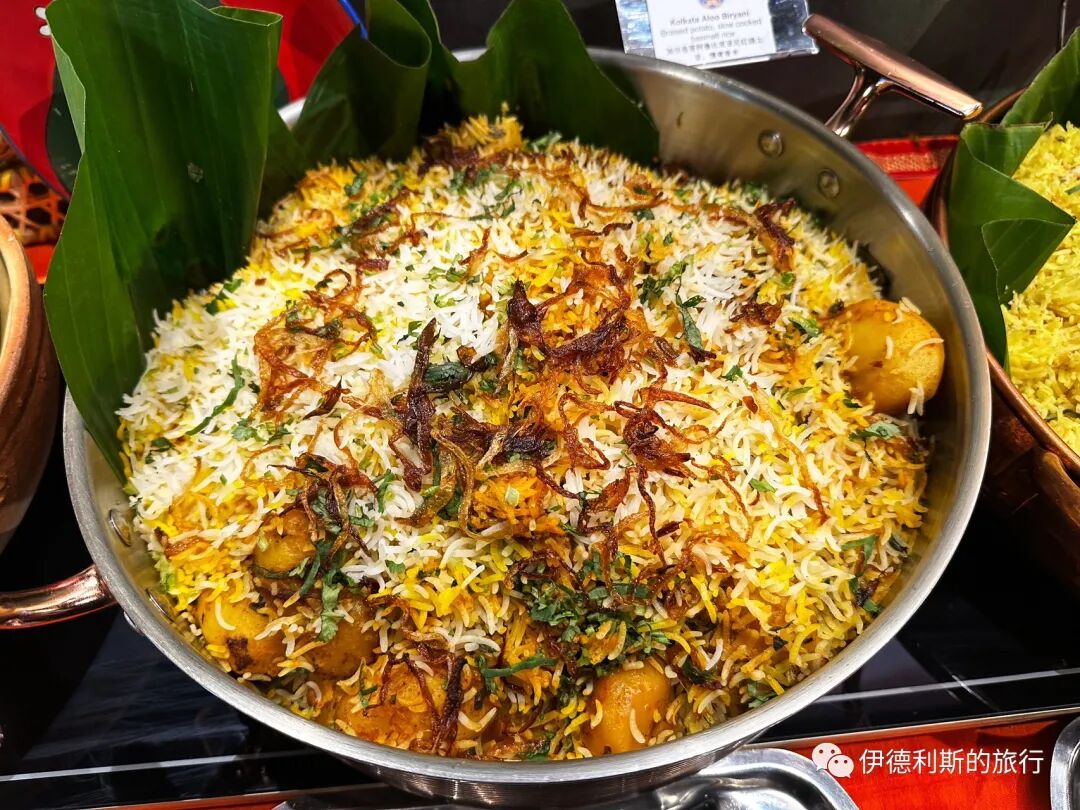
For the main course, there was Kolkata potato rice (Kolkata aloo biryani). This is the only type of biryani in South Asia that uses potatoes as an ingredient. Kolkata, the capital of the Indian state of West Bengal, is the second-largest Bengali-speaking city after Dhaka, the capital of Bangladesh.
In 1856, after Wajid Ali Shah, the ruler of the Awadh region in northern India, was deposed by the British, he moved to Kolkata. The potato biryani was invented by his accompanying court chefs. Potatoes were a foreign food and were not brought to India by the Dutch until the 1830s. When Wajid Ali Shah's court chefs were cooking biryani with saffron, various spices, and meat, they once tried adding fried baby potatoes. It was unexpectedly delicious, became a favorite of Wajid Ali Shah, and quickly spread throughout Kolkata.
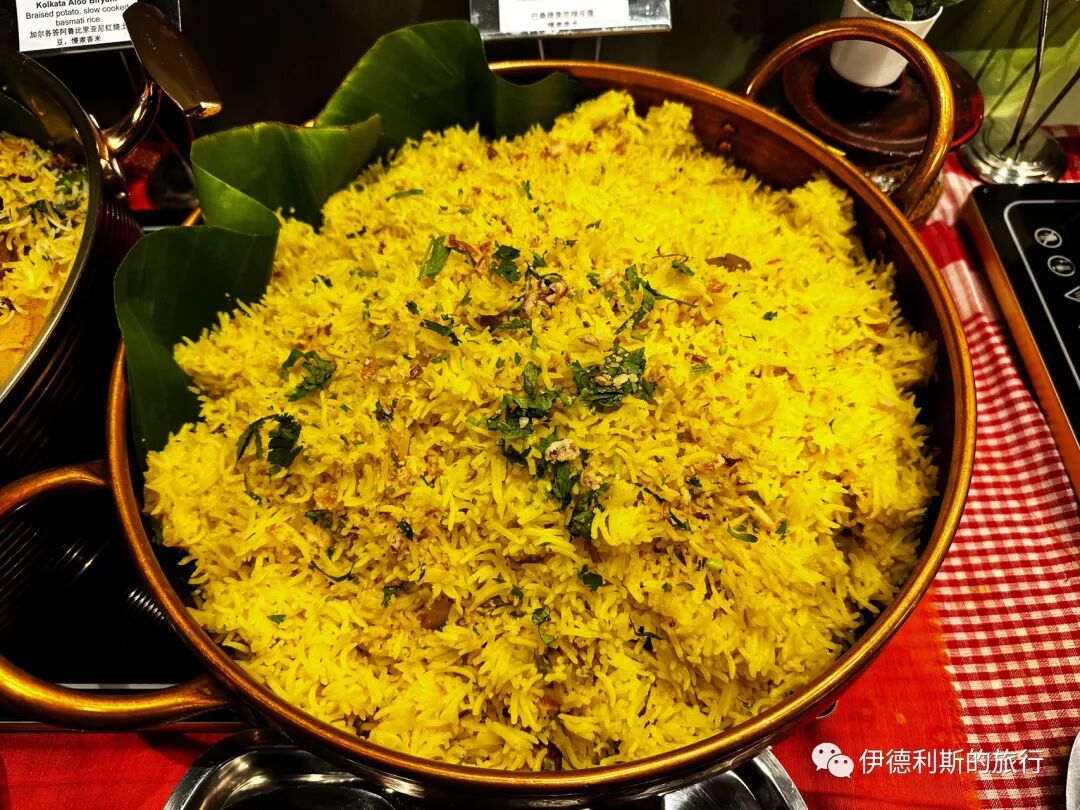
The second dish is yellow pilaf (basanti pulao), a special rice dish for the Bengali New Year, colored with turmeric and topped with fried cashews and raisins.
Main dishes include yogurt and cilantro roasted chicken, pan-fried spicy tilapia, mixed nut and vegetable patties, and roasted cauliflower with five-spice blend (panch phoron). Panch phoron consists of five spice seeds: radhuni seeds, fenugreek seeds, fennel seeds, mustard seeds, and nigella seeds. They are not roasted or ground, but mixed and added directly to food. Radhuni is a close relative of ajwain, but it is rarely used in South Asia outside of Bengal. It tastes a bit like celery, but is very strong.
Summary: Halal Food Guide: Beijing Dastan — Ramadan Iftar and Bengali New Year is presented here as a firsthand travel account in clear English, beginning with this scene: April 14th is the Bengali New Year. I was very happy to be invited by Yahya Dost to the Dastaan restaurant, an Indian spot in Sanlitun Soho, Beijing, to join a Ramadan iftar buffet celebrating the Bengali New Year. The account keeps its focus on Beijing Iftar, Bengali New Year, Halal Food while preserving the names, places, food, and historical details from the Chinese source.
The classic Bengali side dish vegetable mash (bhurta) is made by mashing various vegetables or fish with mustard oil, onion, garlic, and red chili. The ingredients can be boiled, roasted, or fried before mashing.
There are many types of bhurta depending on the ingredients. The most popular is potato mash (aloo bharta), made by boiling potatoes and mixing them with fried onions, chili, and mustard oil. The rich taste of mustard oil in the potato mash really boosts your appetite. Another common one is eggplant mash (baingan bharta), made by roasting the eggplant, chopping it up, and mixing it with onion, chili, and mustard oil.
Fried dishes made by Bengalis using mustard oil are called bhaja, and there are many different kinds. The most classic is crispy fried potato strips (jhure-jhure aloo bhaja). The potatoes are fried until golden and very crispy, and it is a classic snack for the Bengali New Year. Also, fried eggplant slices (muchmuche beguni) and fried potato patties (aloo chop) are both part of the bhaja fried dish family.
For the main course, there was Kolkata potato rice (Kolkata aloo biryani). This is the only type of biryani in South Asia that uses potatoes as an ingredient. Kolkata, the capital of the Indian state of West Bengal, is the second-largest Bengali-speaking city after Dhaka, the capital of Bangladesh.
In 1856, after Wajid Ali Shah, the ruler of the Awadh region in northern India, was deposed by the British, he moved to Kolkata. The potato biryani was invented by his accompanying court chefs. Potatoes were a foreign food and were not brought to India by the Dutch until the 1830s. When Wajid Ali Shah's court chefs were cooking biryani with saffron, various spices, and meat, they once tried adding fried baby potatoes. It was unexpectedly delicious, became a favorite of Wajid Ali Shah, and quickly spread throughout Kolkata.
The second dish is yellow pilaf (basanti pulao), a special rice dish for the Bengali New Year, colored with turmeric and topped with fried cashews and raisins.
Main dishes include yogurt and cilantro roasted chicken, pan-fried spicy tilapia, mixed nut and vegetable patties, and roasted cauliflower with five-spice blend (panch phoron). Panch phoron consists of five spice seeds: radhuni seeds, fenugreek seeds, fennel seeds, mustard seeds, and nigella seeds. They are not roasted or ground, but mixed and added directly to food. Radhuni is a close relative of ajwain, but it is rarely used in South Asia outside of Bengal. It tastes a bit like celery, but is very strong.
