
Halal Food Guide: Beijing Dastan — Ramadan Iftar and Bengali New Year (Part 2D of 4)
Reposted from the web
Summary: Halal Food Guide: Beijing Dastan — Ramadan Iftar and Bengali New Year is presented here as a firsthand travel account in clear English, beginning with this scene: April 14th is the Bengali New Year. I was very happy to be invited by Yahya Dost to the Dastaan restaurant, an Indian spot in Sanlitun Soho, Beijing, to join a Ramadan iftar buffet celebrating the Bengali New Year. The account keeps its focus on Beijing Iftar, Bengali New Year, Halal Food while preserving the names, places, food, and historical details from the Chinese source.
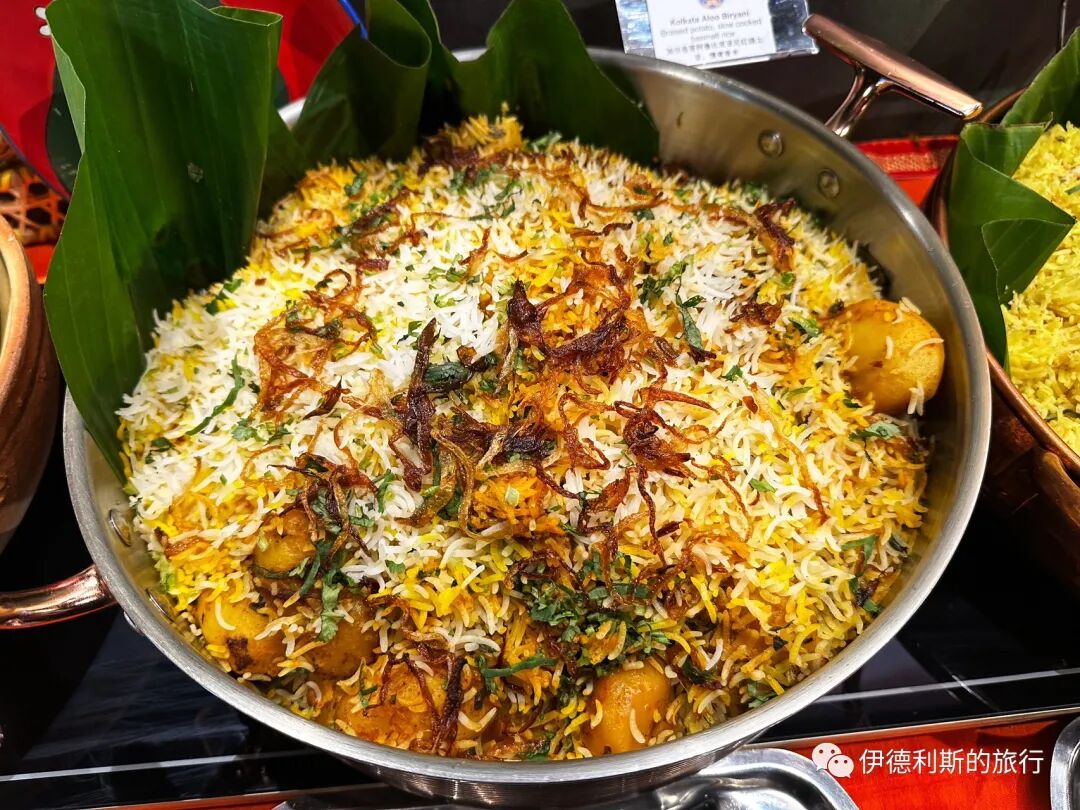
For the main course, there was Kolkata potato rice (Kolkata aloo biryani). This is the only type of biryani in South Asia that uses potatoes as an ingredient. Kolkata, the capital of the Indian state of West Bengal, is the second-largest Bengali-speaking city after Dhaka, the capital of Bangladesh.
In 1856, after Wajid Ali Shah, the ruler of the Awadh region in northern India, was deposed by the British, he moved to Kolkata. The potato biryani was invented by his accompanying court chefs. Potatoes were a foreign food and were not brought to India by the Dutch until the 1830s. When Wajid Ali Shah's court chefs were cooking biryani with saffron, various spices, and meat, they once tried adding fried baby potatoes. It was unexpectedly delicious, became a favorite of Wajid Ali Shah, and quickly spread throughout Kolkata.
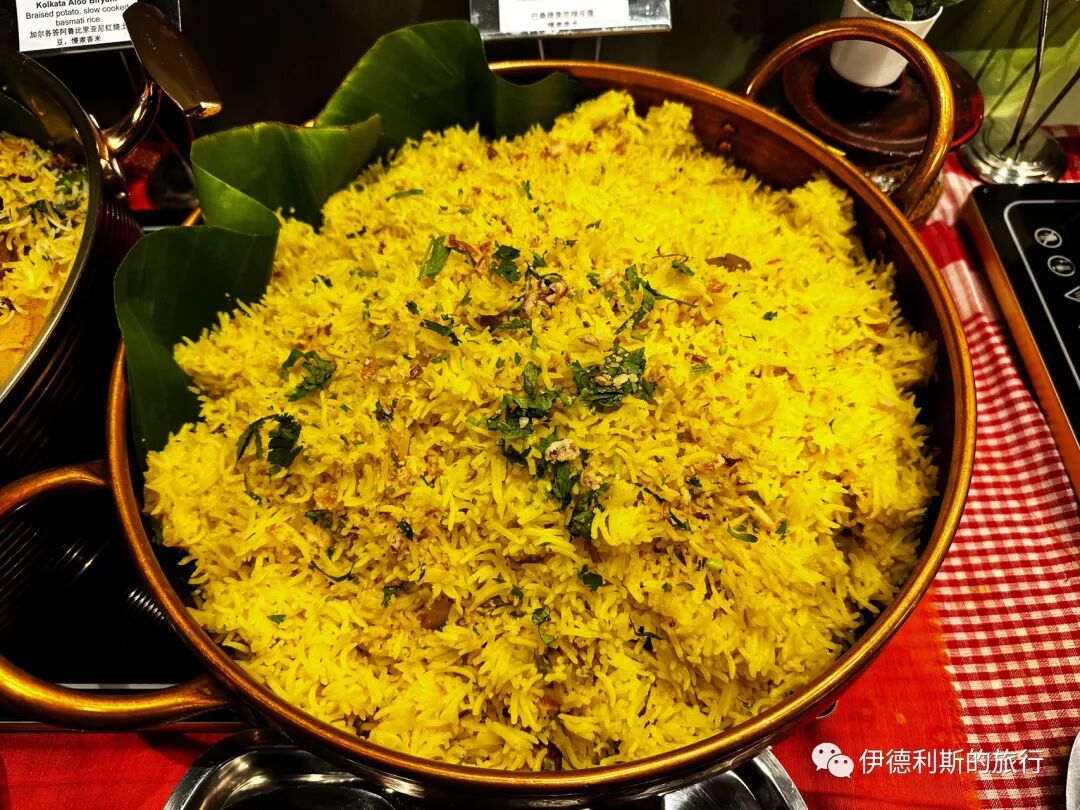
The second dish is yellow pilaf (basanti pulao), a special rice dish for the Bengali New Year, colored with turmeric and topped with fried cashews and raisins.
Summary: Halal Food Guide: Beijing Dastan — Ramadan Iftar and Bengali New Year is presented here as a firsthand travel account in clear English, beginning with this scene: April 14th is the Bengali New Year. I was very happy to be invited by Yahya Dost to the Dastaan restaurant, an Indian spot in Sanlitun Soho, Beijing, to join a Ramadan iftar buffet celebrating the Bengali New Year. The account keeps its focus on Beijing Iftar, Bengali New Year, Halal Food while preserving the names, places, food, and historical details from the Chinese source.
For the main course, there was Kolkata potato rice (Kolkata aloo biryani). This is the only type of biryani in South Asia that uses potatoes as an ingredient. Kolkata, the capital of the Indian state of West Bengal, is the second-largest Bengali-speaking city after Dhaka, the capital of Bangladesh.
In 1856, after Wajid Ali Shah, the ruler of the Awadh region in northern India, was deposed by the British, he moved to Kolkata. The potato biryani was invented by his accompanying court chefs. Potatoes were a foreign food and were not brought to India by the Dutch until the 1830s. When Wajid Ali Shah's court chefs were cooking biryani with saffron, various spices, and meat, they once tried adding fried baby potatoes. It was unexpectedly delicious, became a favorite of Wajid Ali Shah, and quickly spread throughout Kolkata.
The second dish is yellow pilaf (basanti pulao), a special rice dish for the Bengali New Year, colored with turmeric and topped with fried cashews and raisins.
