
Halal Travel Guide: Bangkok — Shia Muslim Community and Mosques
Reposted from the web
Summary: Bangkok — Shia Muslim Community and Mosques is presented here as a firsthand travel account in clear English, beginning with this scene: During the May Day holiday in 2023, I visited the Shia community in Bangkok, Thailand. The account keeps its focus on Bangkok Shia Muslims, Mosques, Muslim Travel while preserving the names, places, food, and historical details from the Chinese source.
During the May Day holiday in 2023, I visited the Shia community in Bangkok, Thailand. This included one Persian-descended mosque, one Shia hall, three Indian-descended mosques, and two Indian-descended cemeteries. I learned about the history of Persian and Indian Shia Muslims moving to Bangkok in the 18th and 19th centuries, and I am sharing it with you here.
Persian-descended community
From the 16th to the 18th century, Shia merchants from the Safavid dynasty of Persia worked to travel across the Indian Ocean to trade in Siam. As a powerful overseas interest group, these merchant caravans were warmly welcomed and received with high honors by the Siamese royal family. They brought textiles, gemstones, pigments, glazes, printed materials, and horses to Siam, and took ivory, rare woods, and spices back to their home country. Some Persian merchants married locals and settled down, holding important positions in the Siamese government.
Starting in the 17th century, the Sheik Ahmad family from Qom, Persia, controlled the management of Siam's maritime affairs with the West. The Siamese king granted them the title of Phraya Chula Rachamontri. They were responsible for trade, shipping, and diplomatic affairs in the Indian Ocean, and they also served as leaders of the Muslim community in Ayutthaya and as advisors to the Siamese king on Muslim affairs.
After Ayutthaya fell in 1767, Siam first moved its capital to Thonburi on the west bank of the lower Chao Phraya River, and then officially established its capital in Bangkok on the east bank of the Chao Phraya River in 1782. Some Persian descendants from Ayutthaya followed. They were allocated a piece of land in the Thonburi area, where they were able to build a mosque, a cemetery, and homes.
The first leader of the Persian-descended Muslims in Bangkok was Konkaew, the son of the last Phraya Chula Rachamontri of Ayutthaya. He inherited the title of Phraya Chula Rachamontri in 1797 and continued to manage Siam's trade with the West. After Konkaew passed away, his younger brother Akayi and the next eight direct descendants inherited the title one after another. They controlled Siam's trade rights with the West for a hundred years until the 1890s, and they remained the nominal leaders of Siamese Muslims until the 1940s.
In the late 18th and early 19th centuries, Akayi built Kudi Charoenphat in the center of the Persian-descended community in Bangkok. This is an Imambara hall used by Shia Muslims to hold mourning ceremonies.
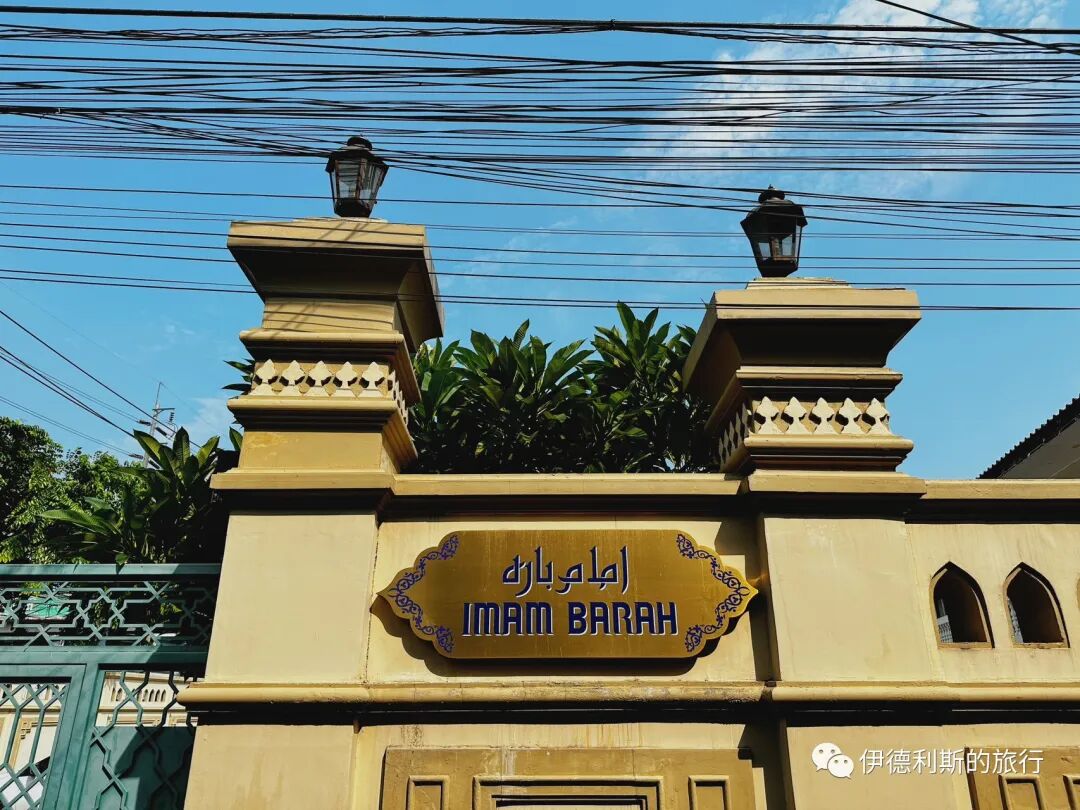
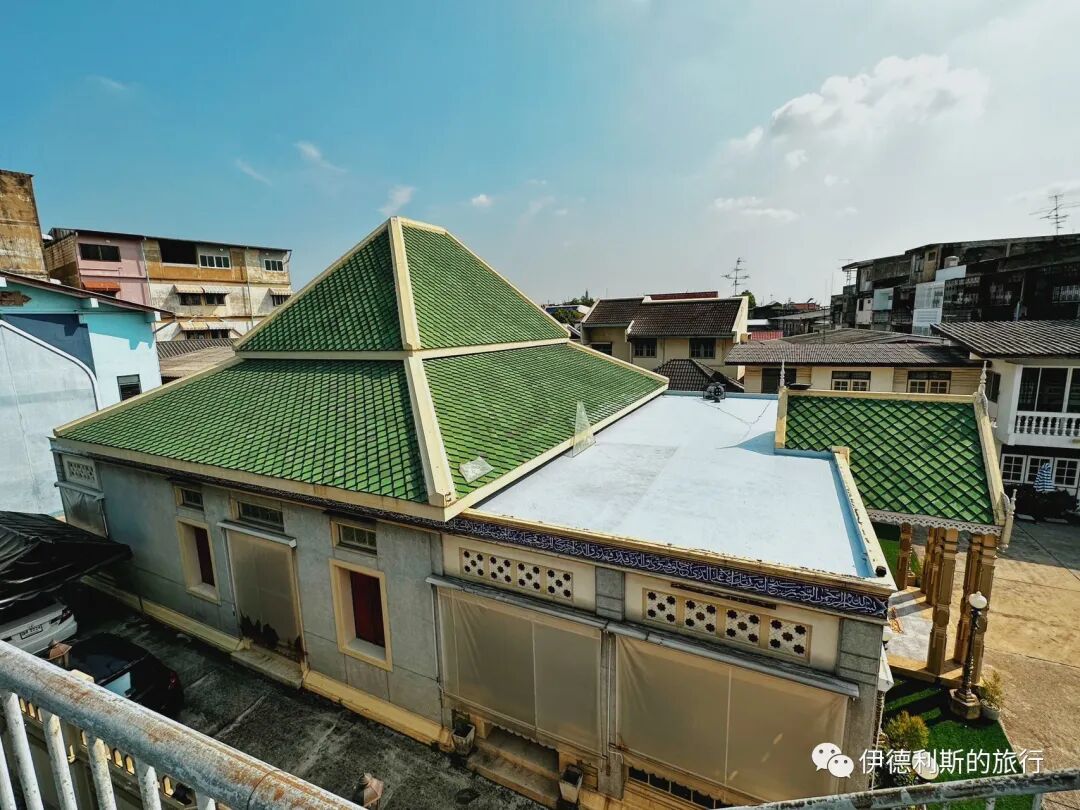
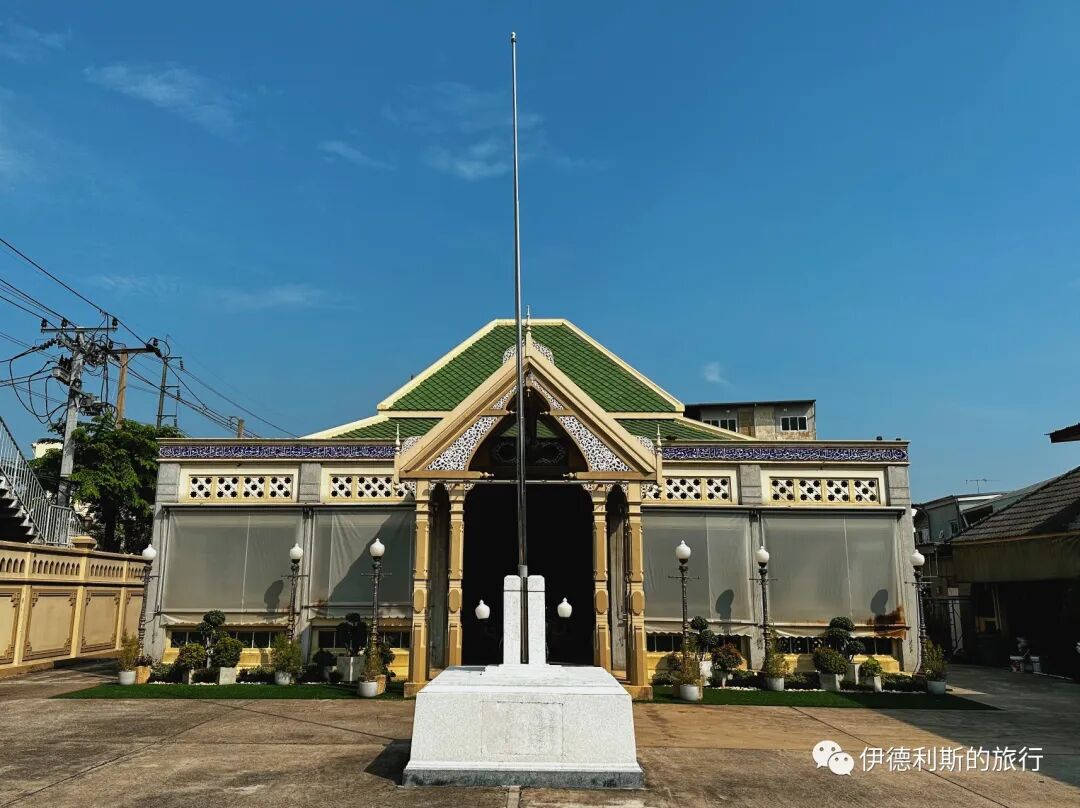
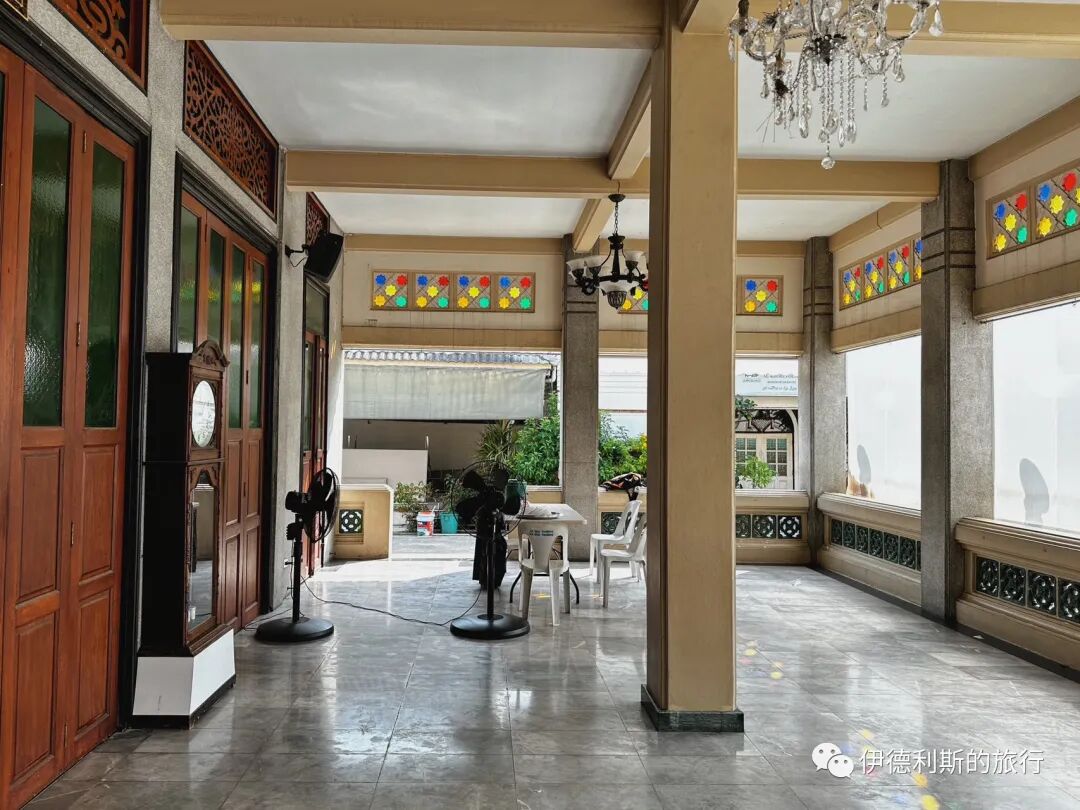
An Imambara, also called a Hussainiya or Ashurkhana, is a hall where the Twelver branch of Shia Muslims holds ceremonies to mourn Imam Hussain. On the Day of Ashura (the 10th day of the first month of the Islamic calendar) in 680 AD, the Prophet's grandson, Imam Hussain, was martyred in the Battle of Karbala. Since then, Shia Muslims have held grand mourning ceremonies every year in the first month (the month of Ashura), the second month (40 days after Ashura), and the ninth month (Ramadan). Most ceremonies take place in the Imambara hall, except for the most important procession activities.
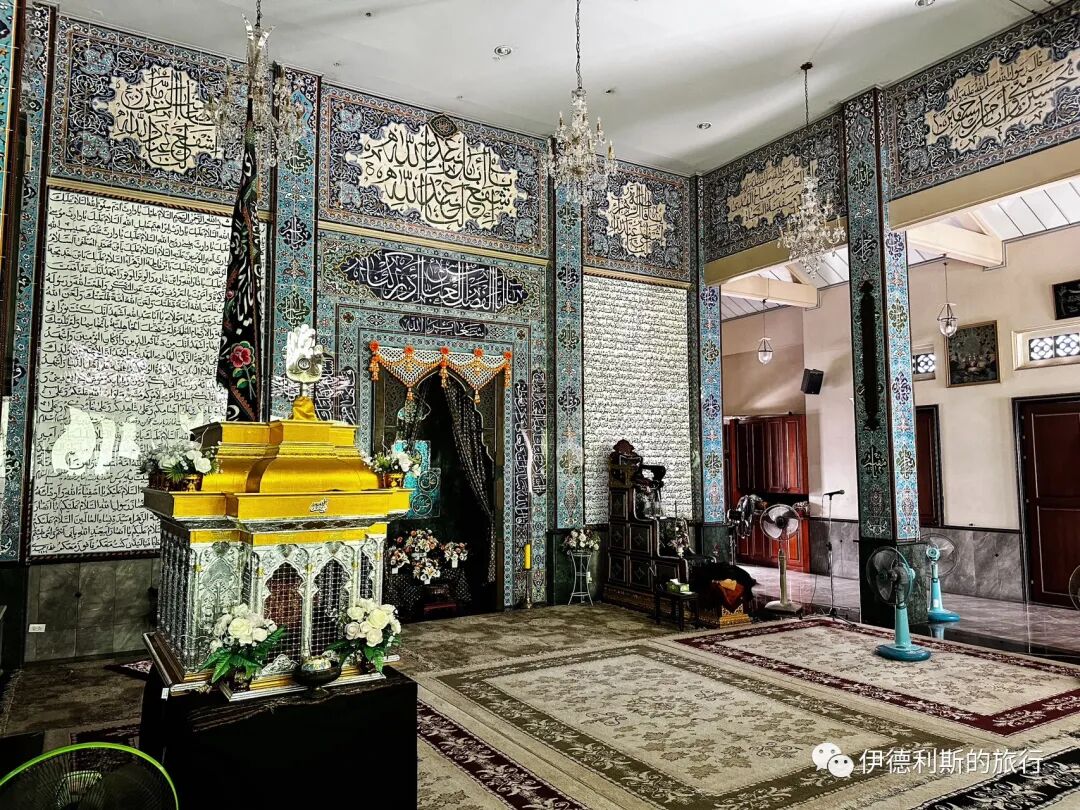
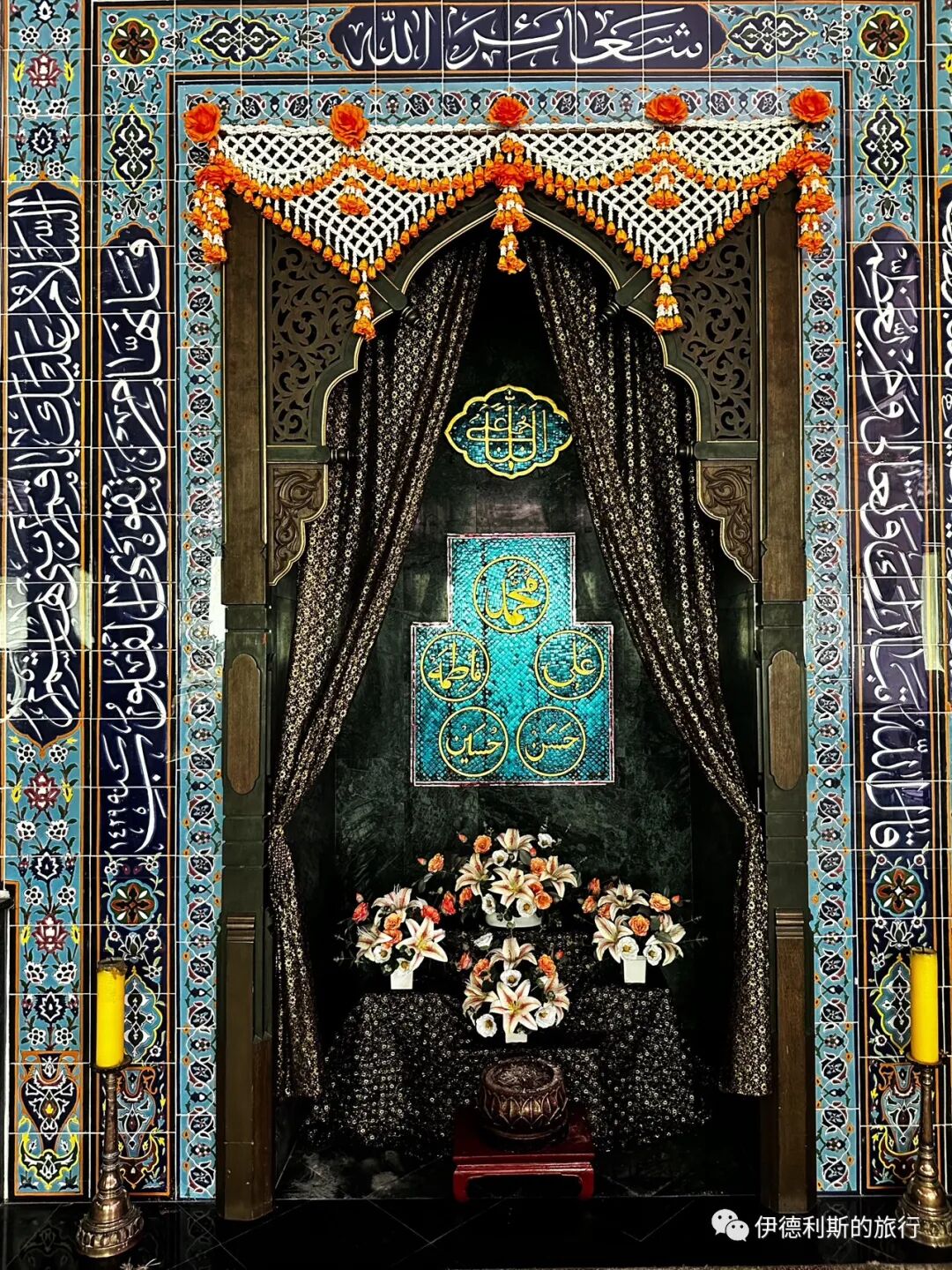
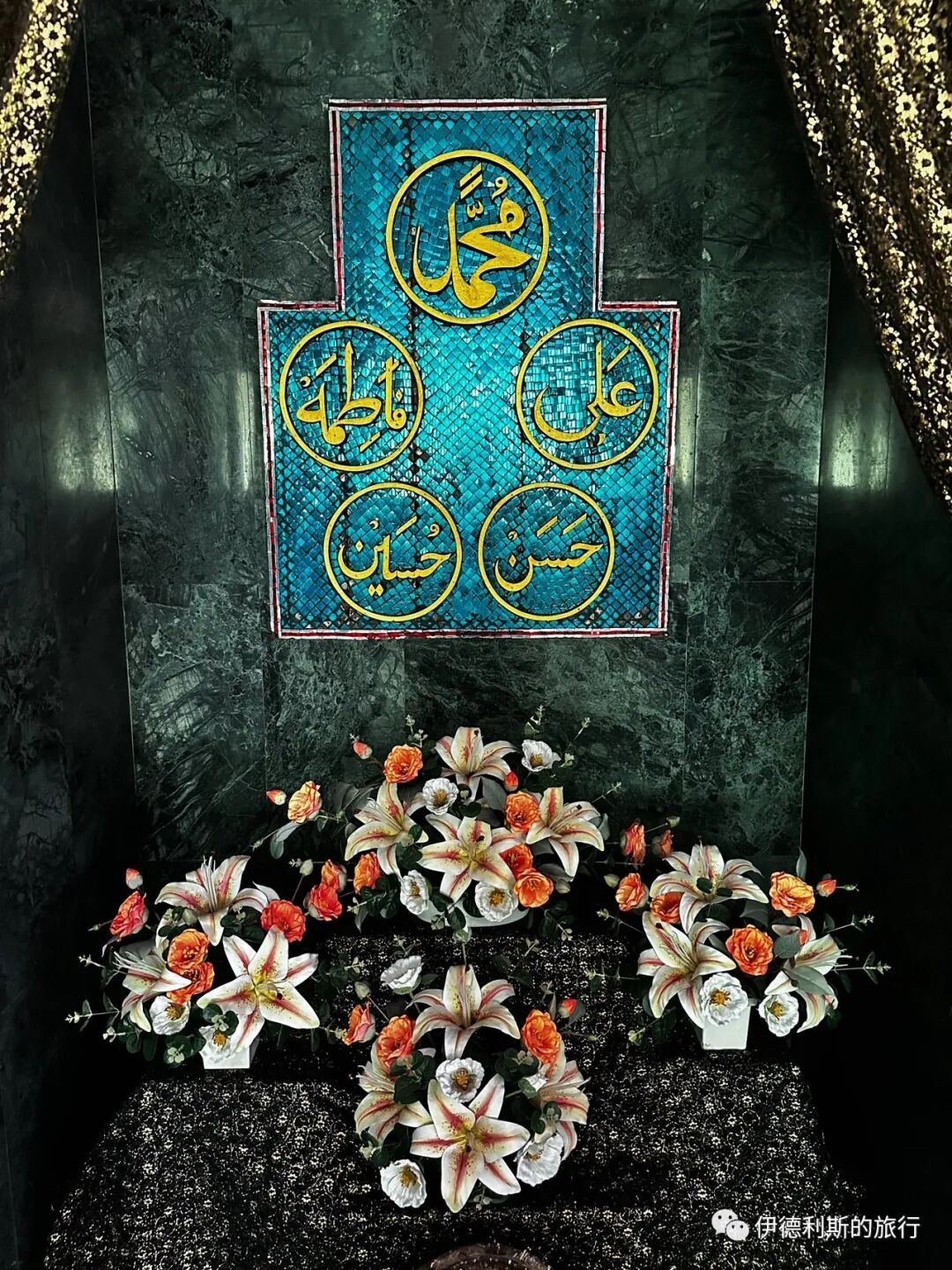
Inside, there is a model of the tomb of Imam Hussain.
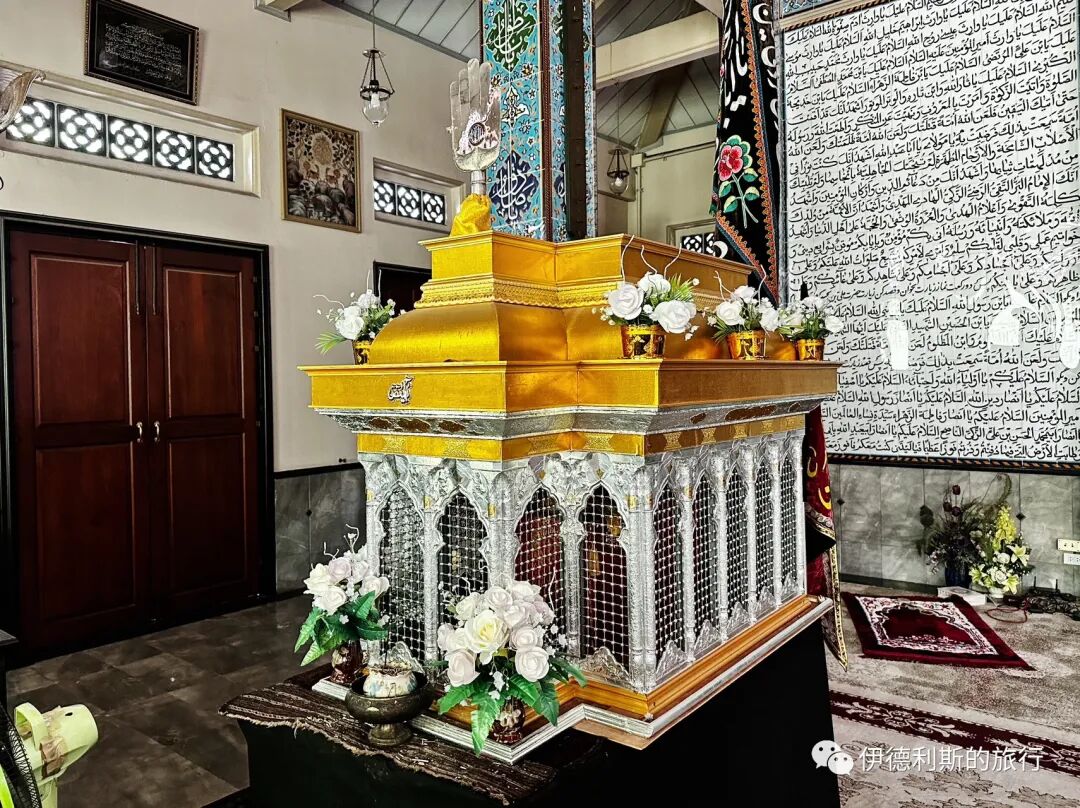
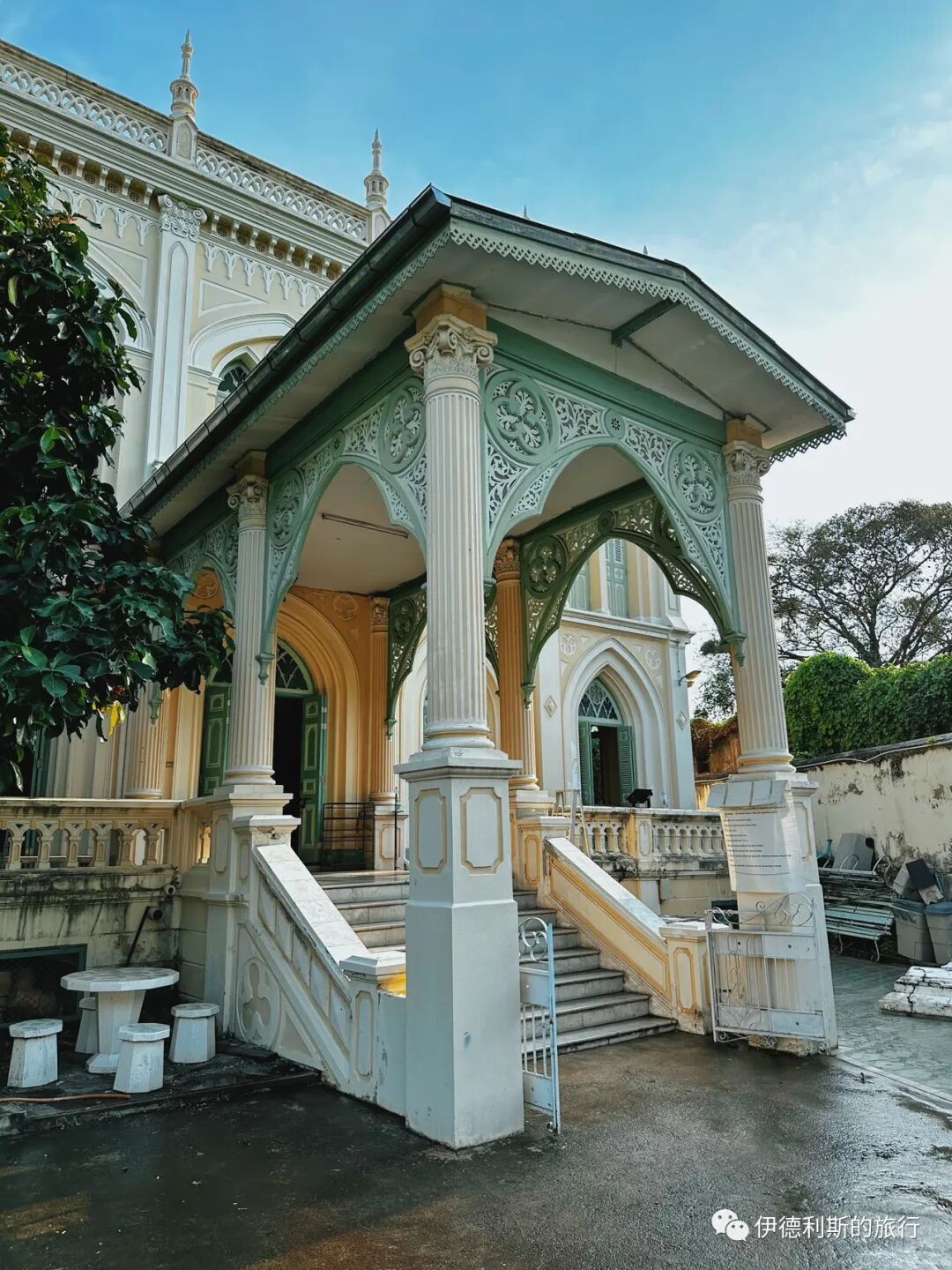
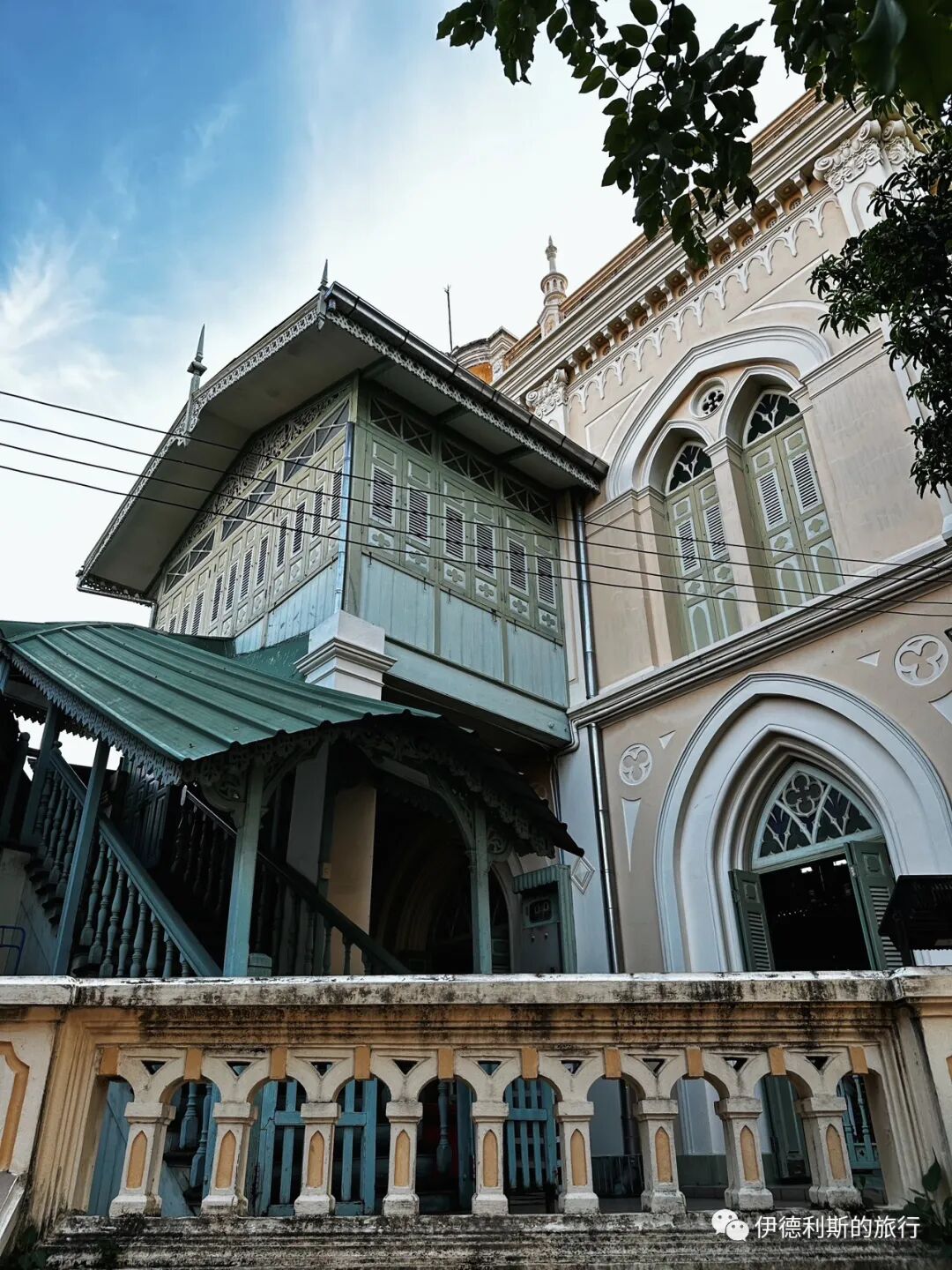
The wood carvings on the hall feature the Gingerbread style, which was popular in Thailand in the late 19th century. This architectural style started in Victorian-era England and later developed when British companies logging teak in Thailand mixed in local Thai decorative elements. Because of high construction and maintenance costs, this style of decoration gradually became a thing of the past after the 20th century.
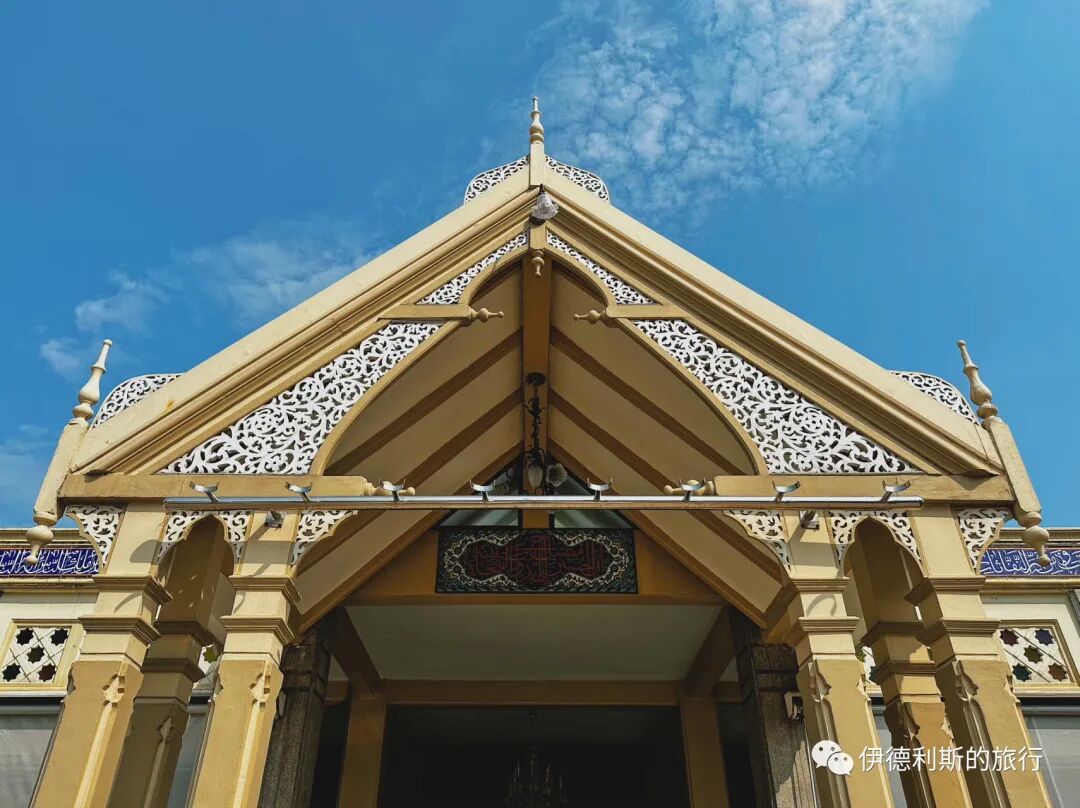
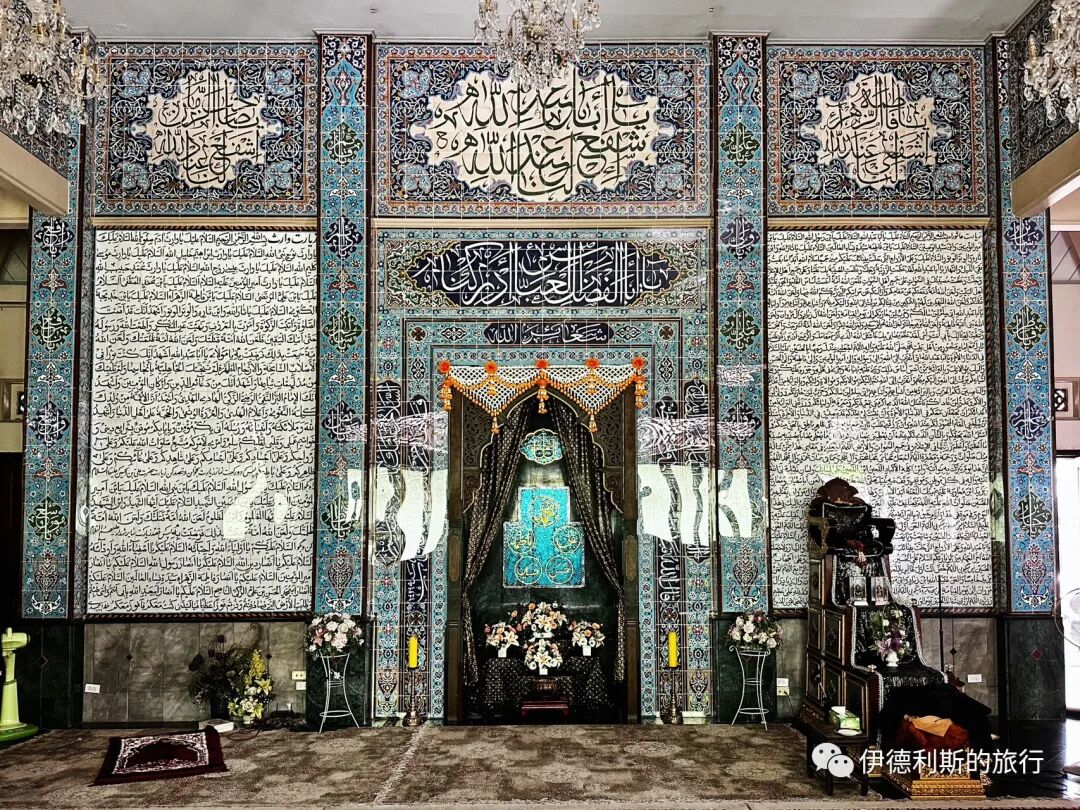
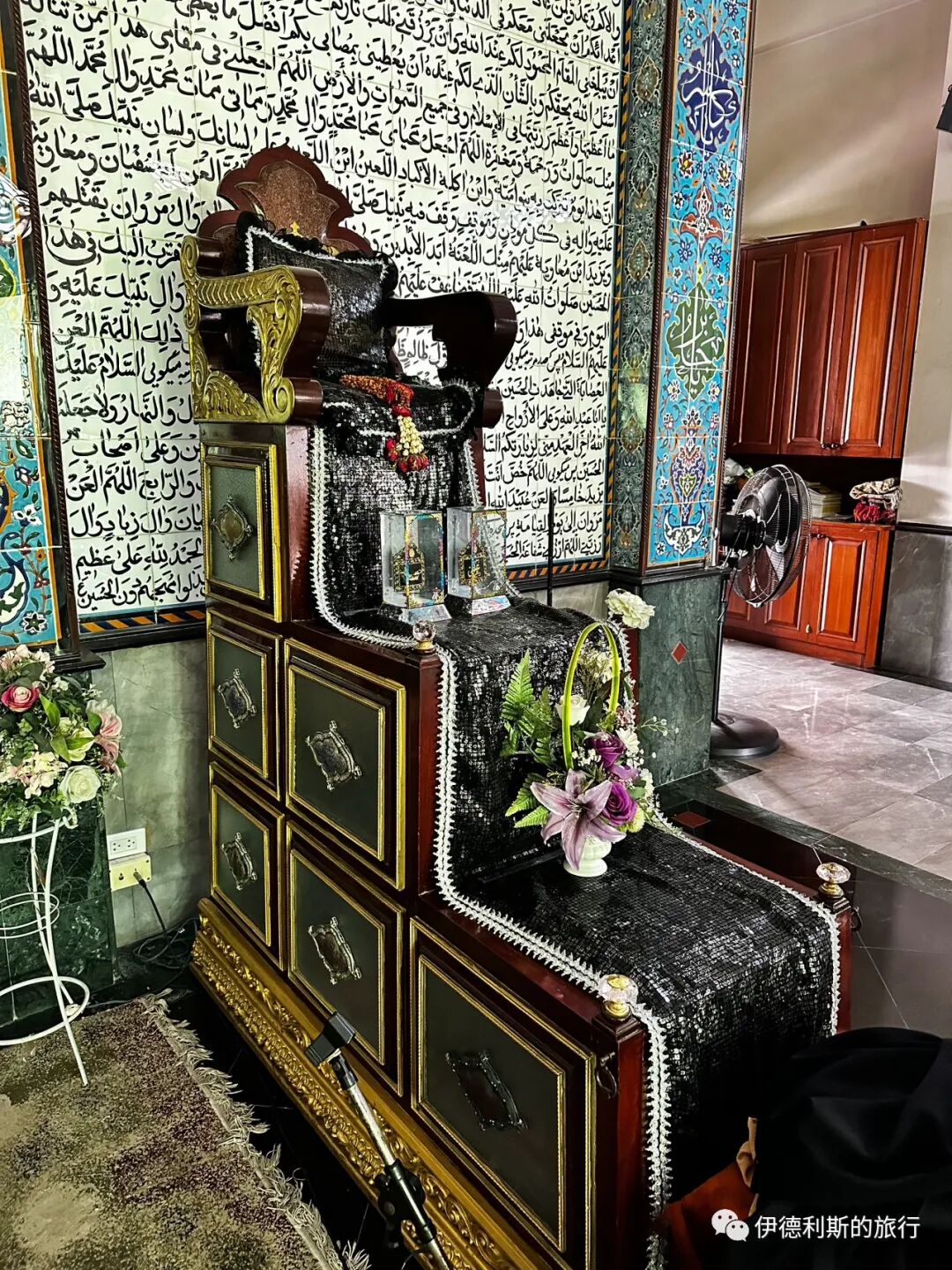
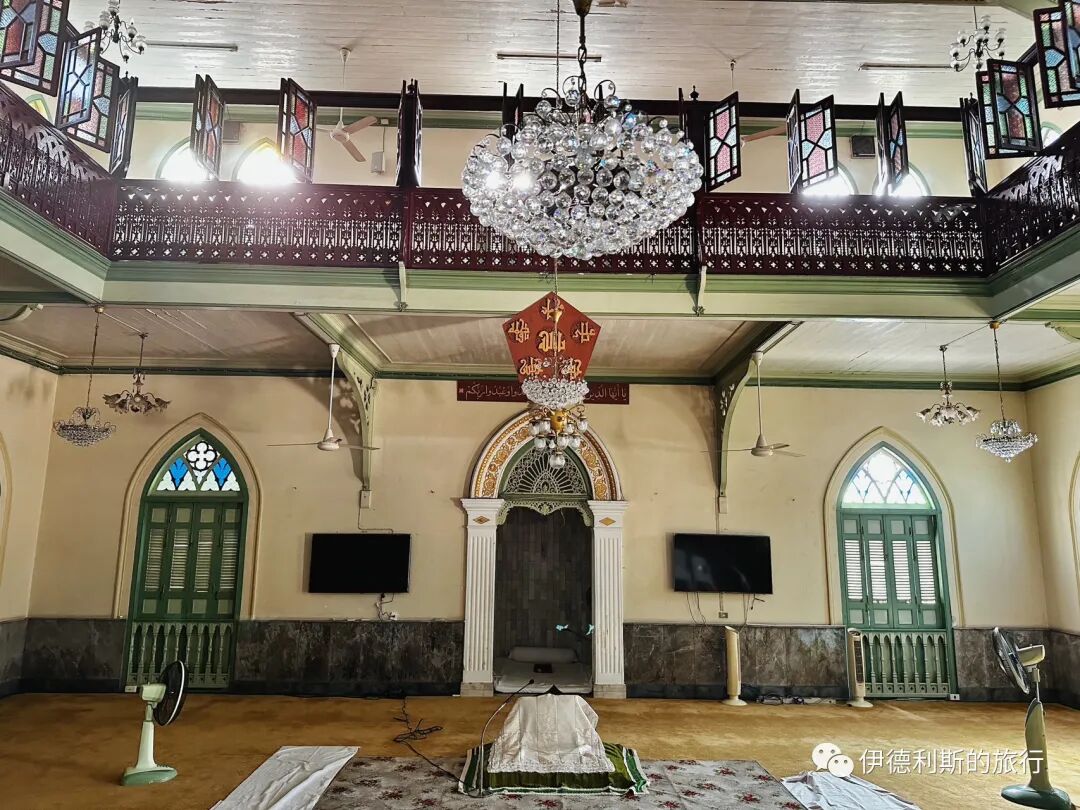
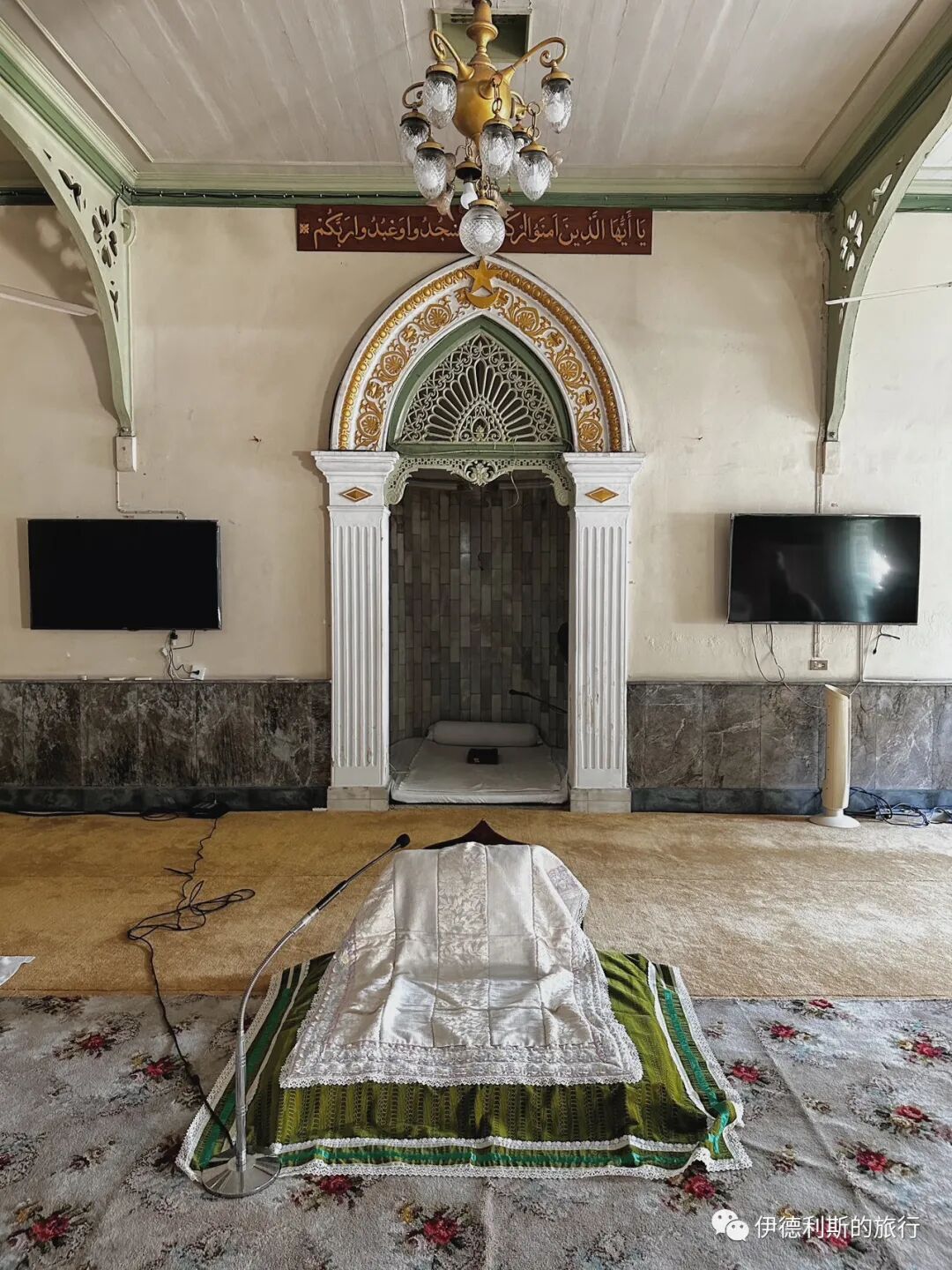
The mihrab and minbar at Kudi Charoenphat.
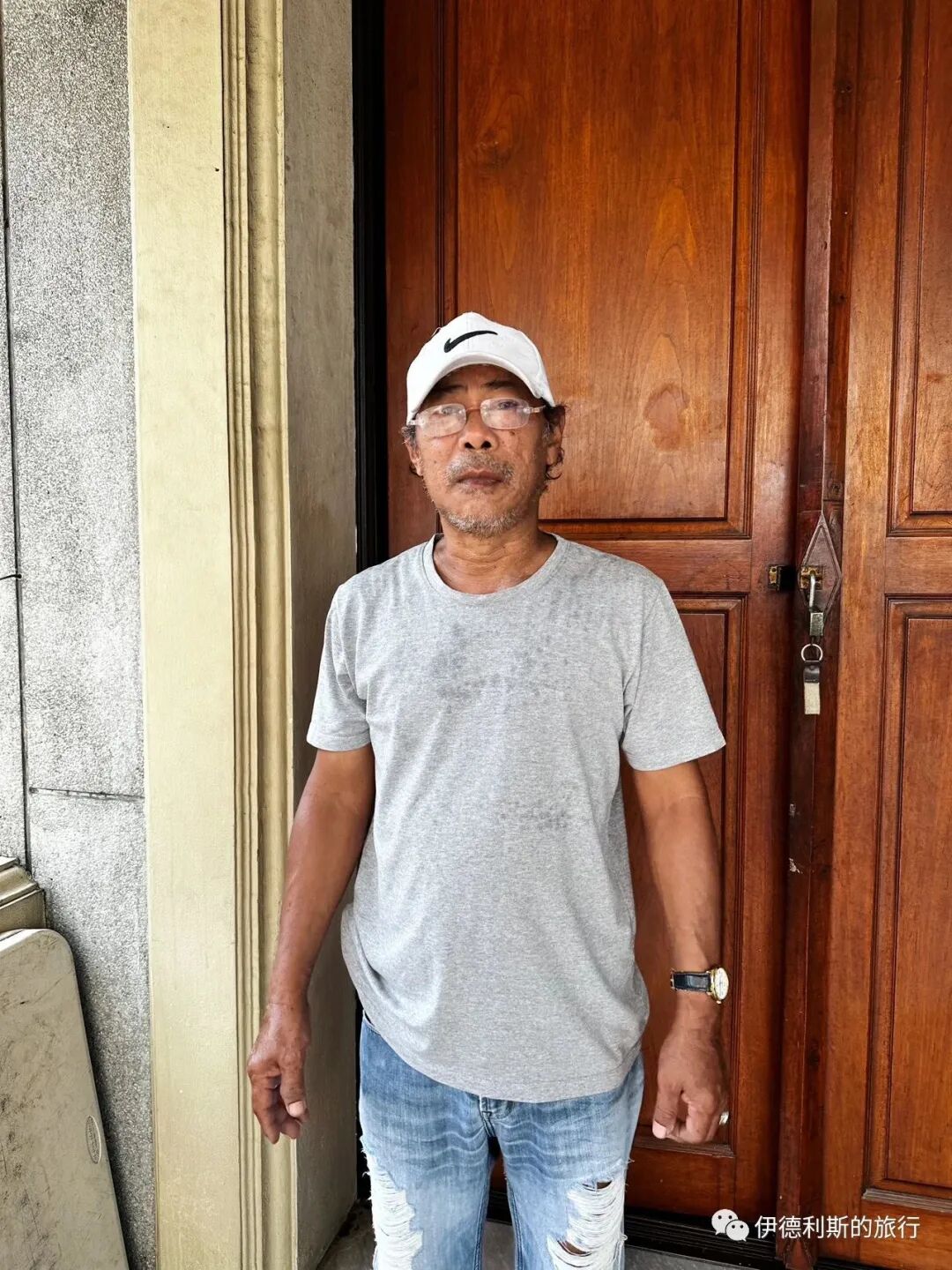
I met an imam here who is a local Bangkok resident of Persian descent.
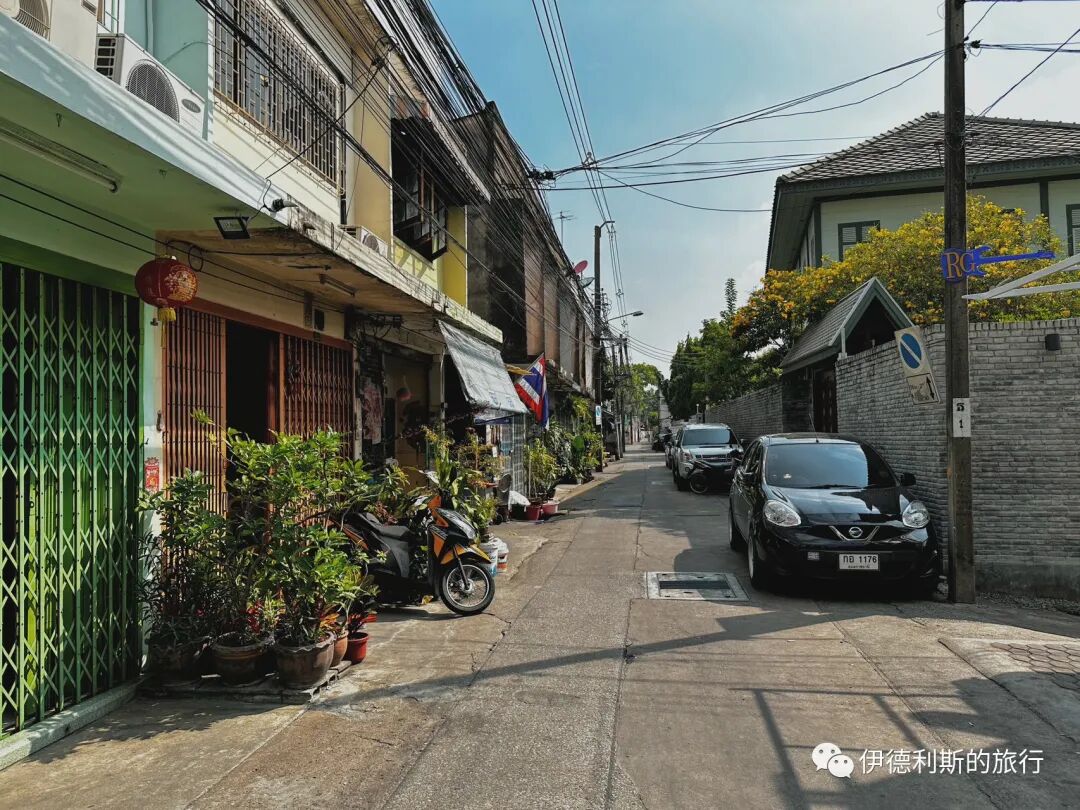
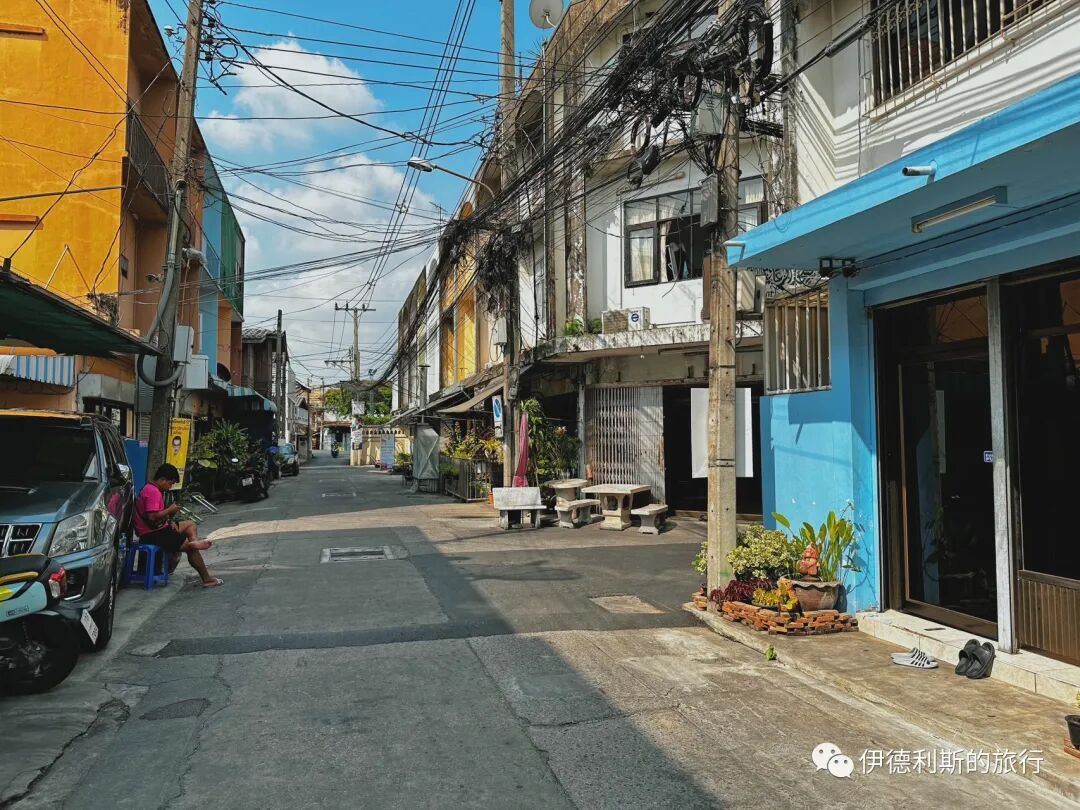
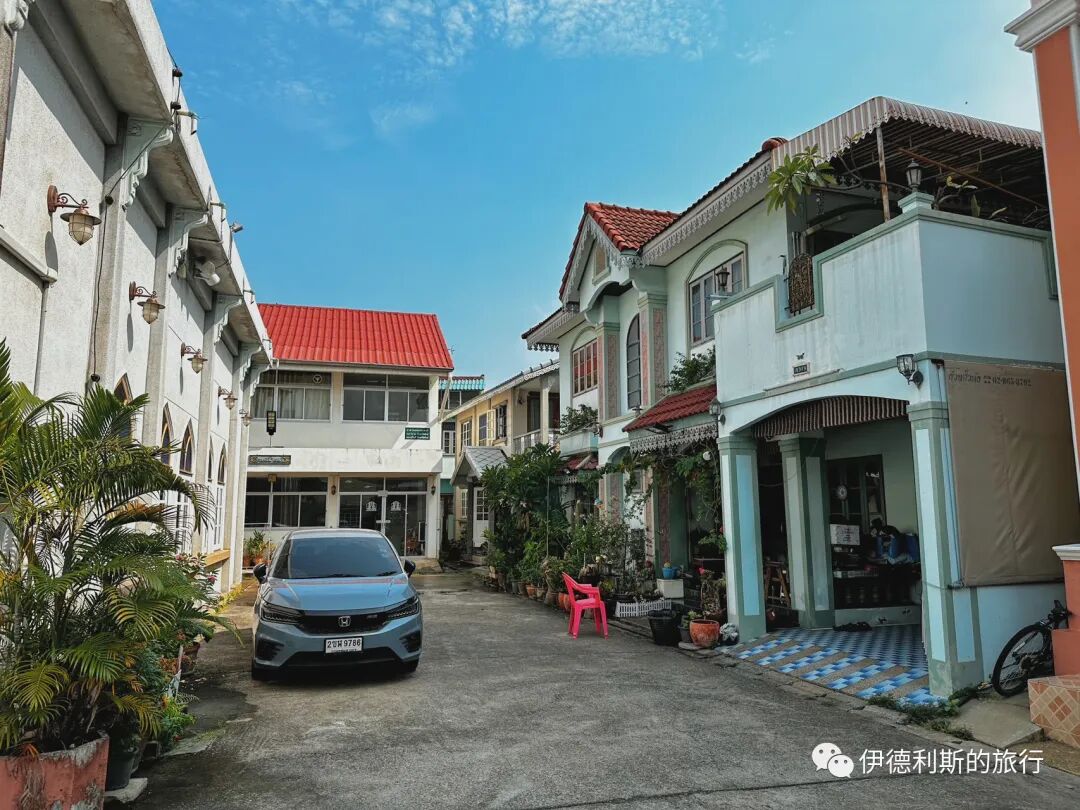
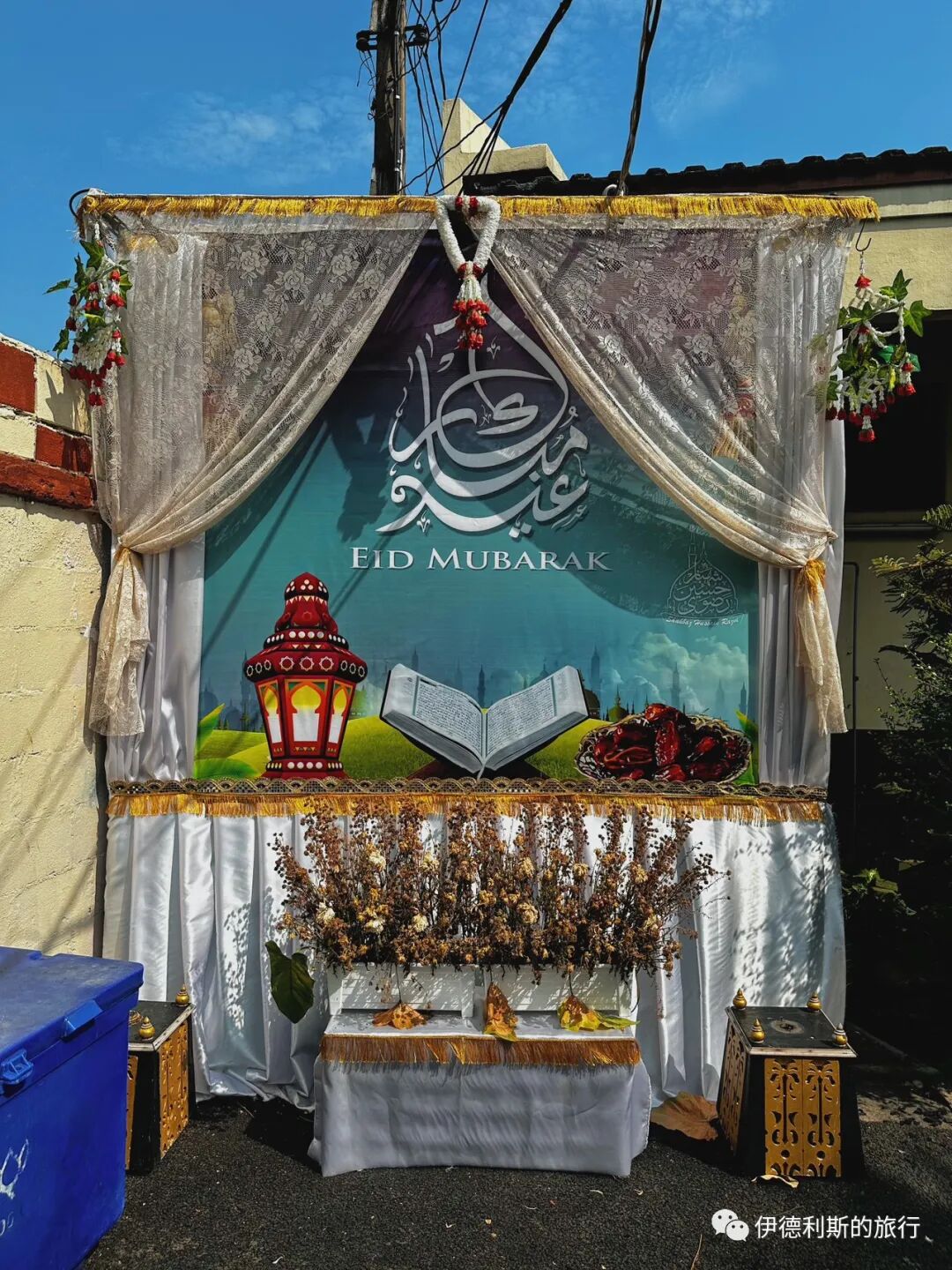
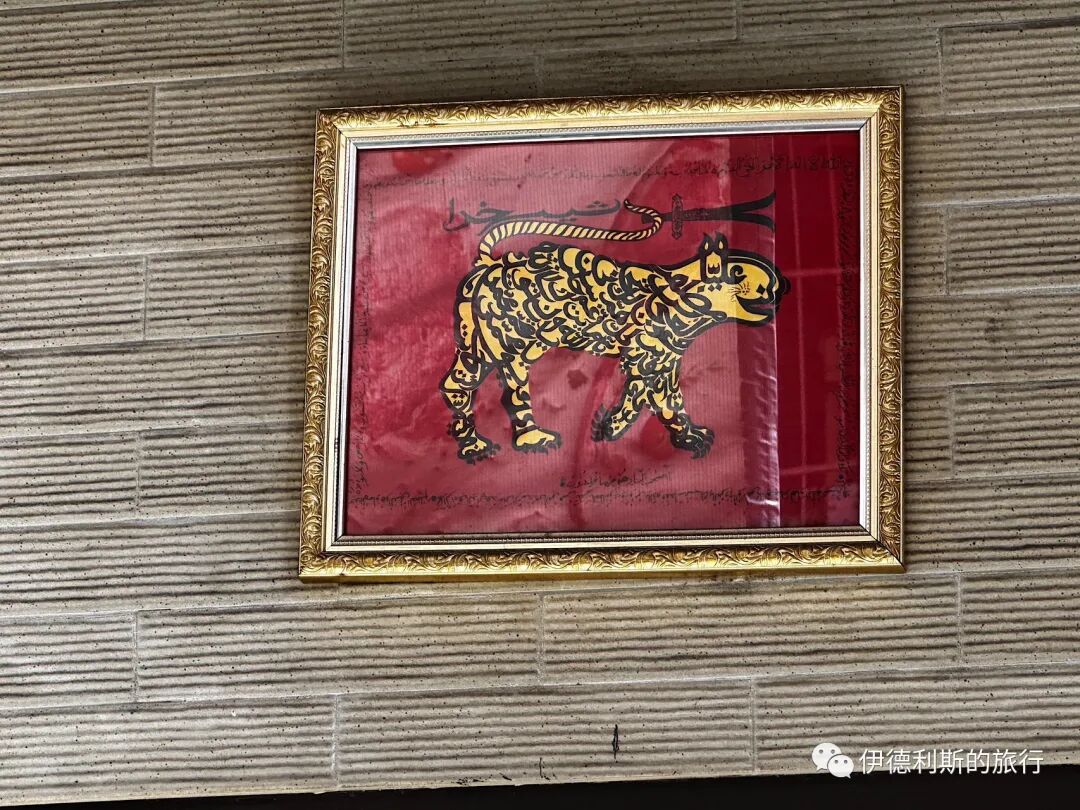
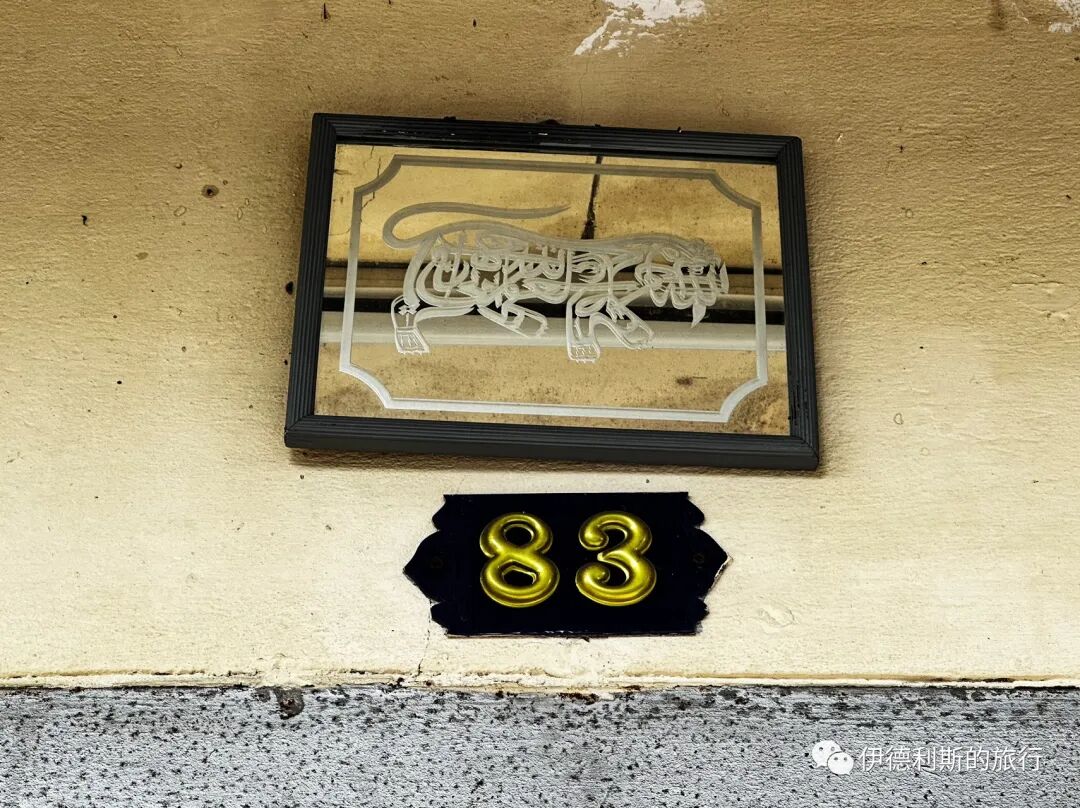
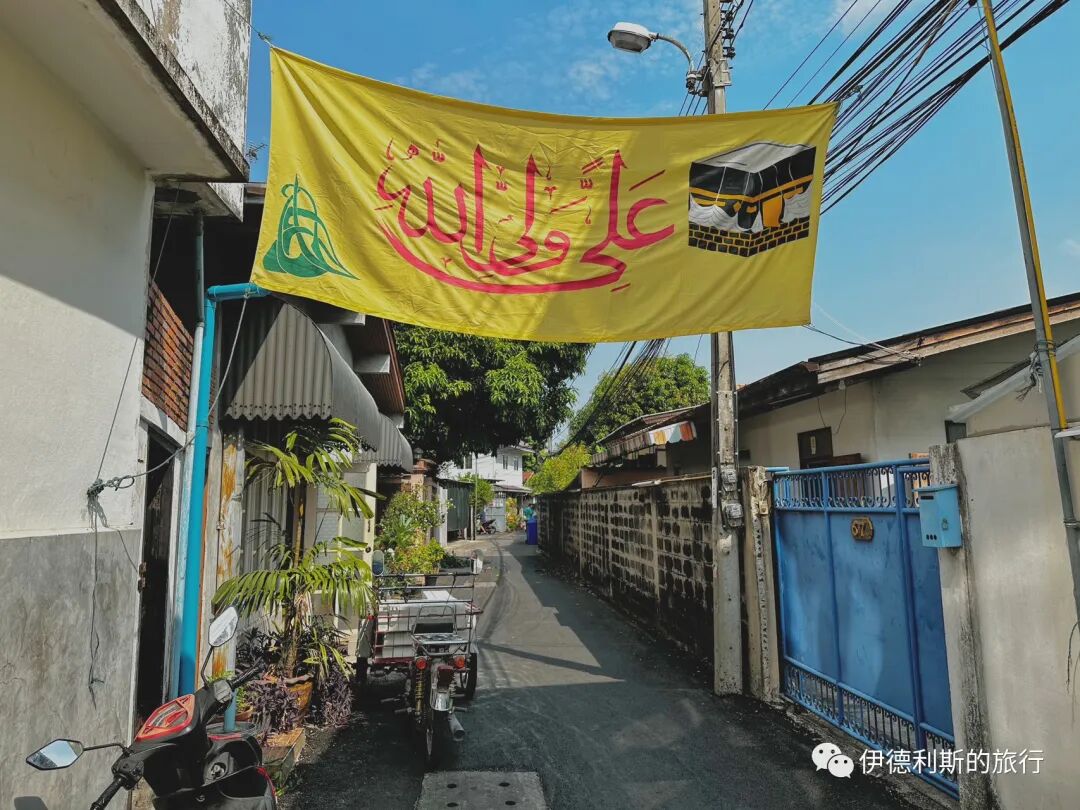
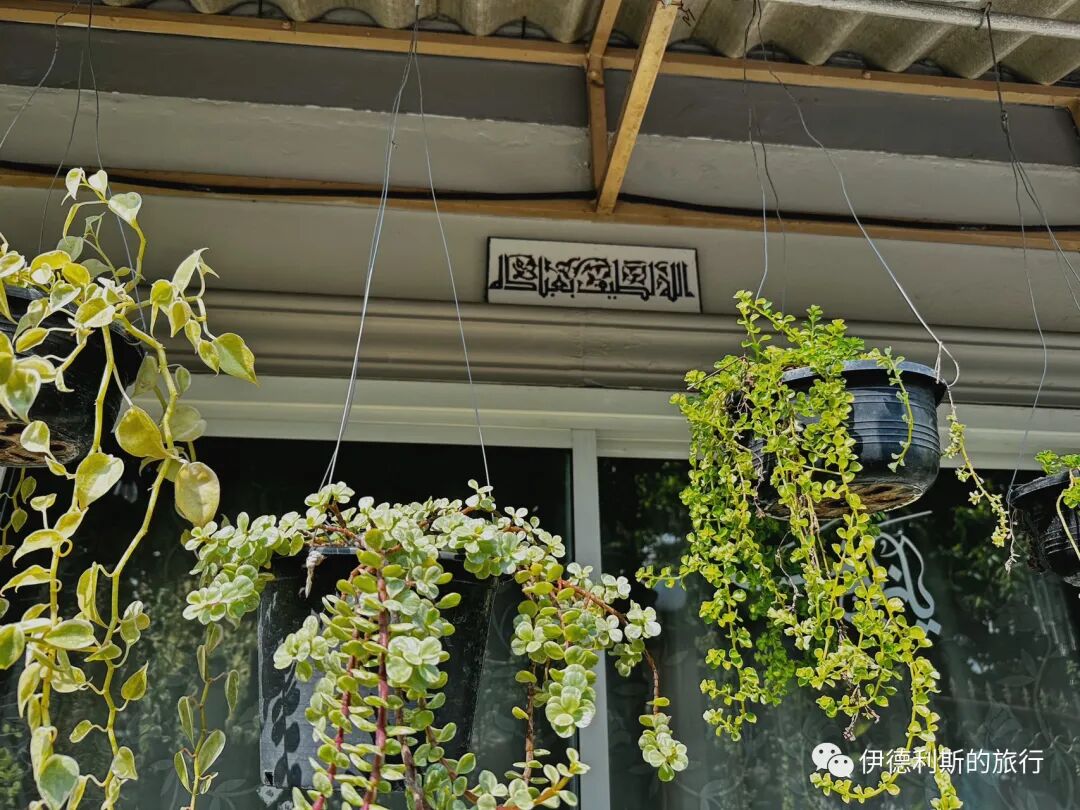
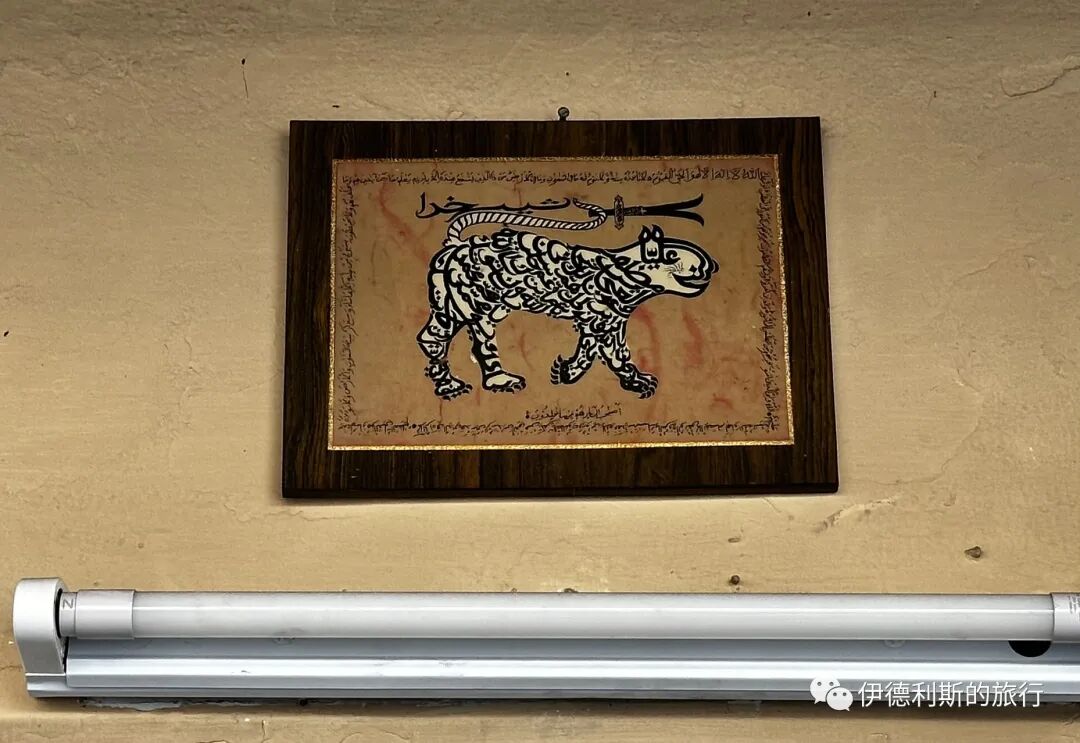
Street scenes in the Persian community of Bangkok show many homes and shops displaying the Lion of God (Huda), which refers to Imam Ali and serves as a symbol for Shia Muslims.
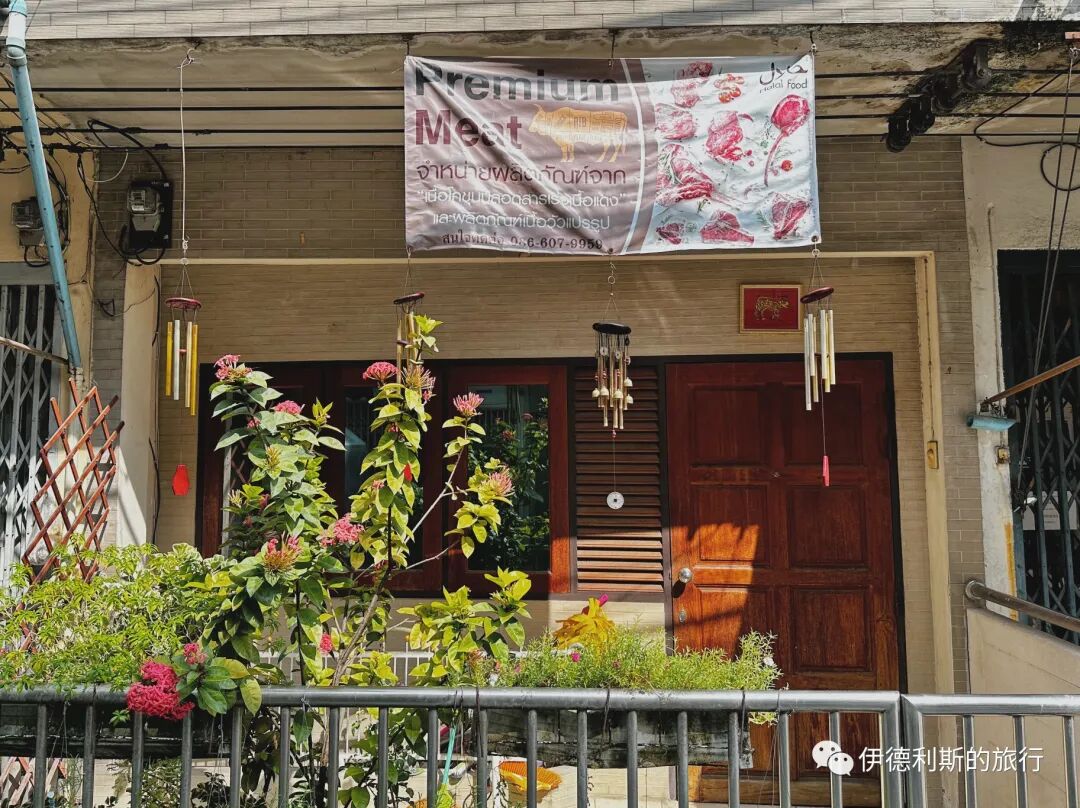
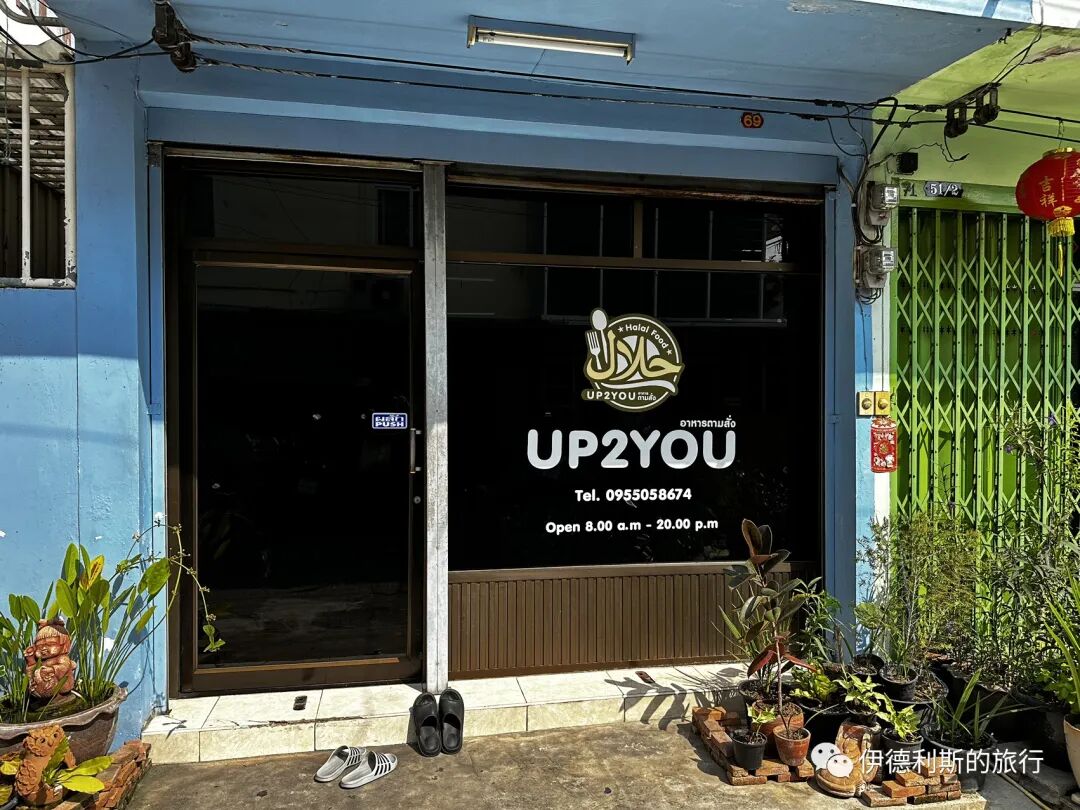
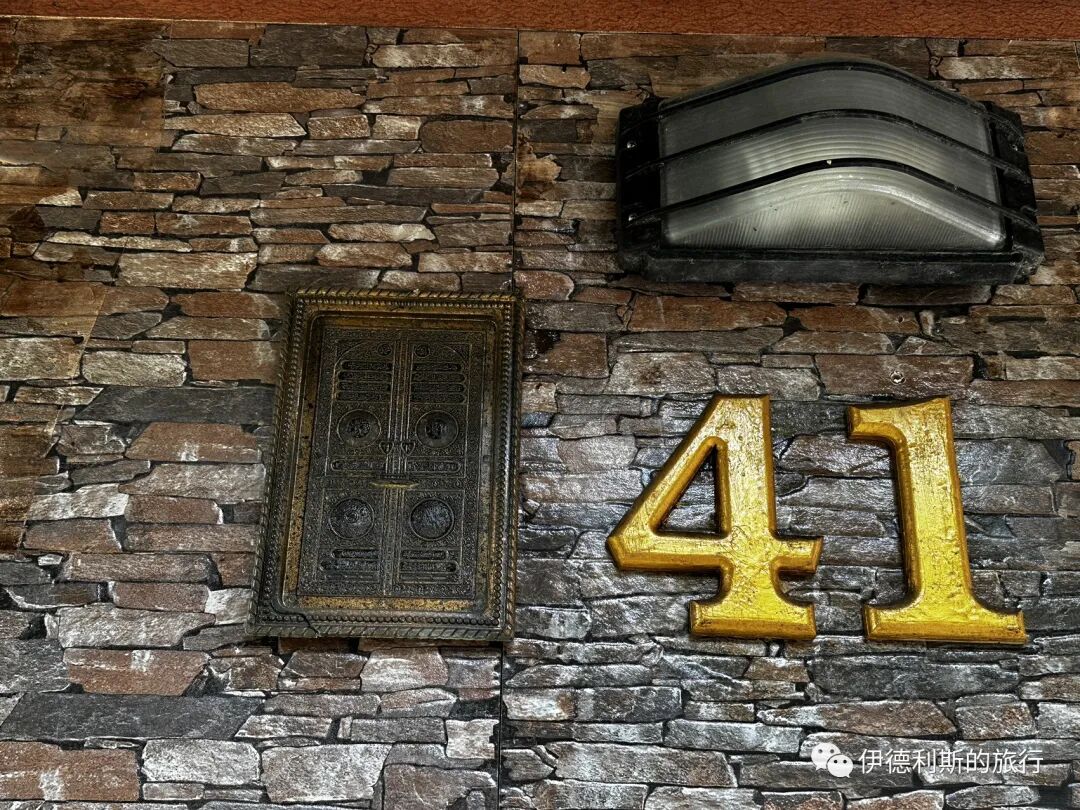
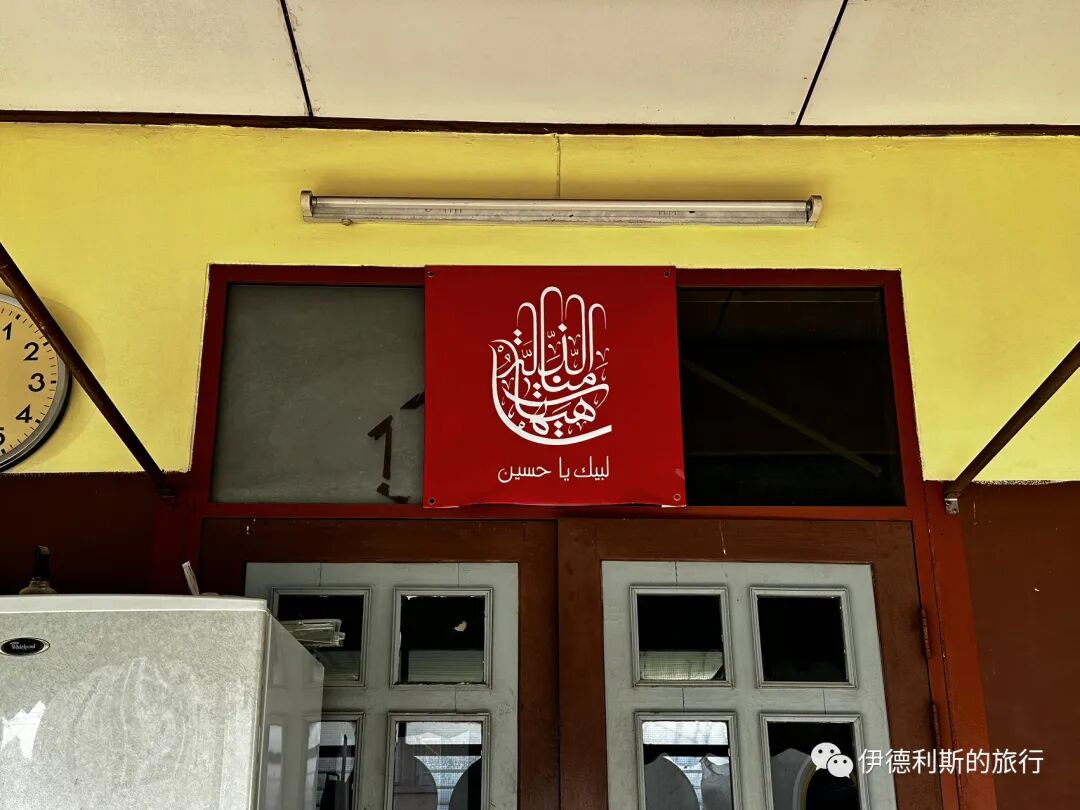
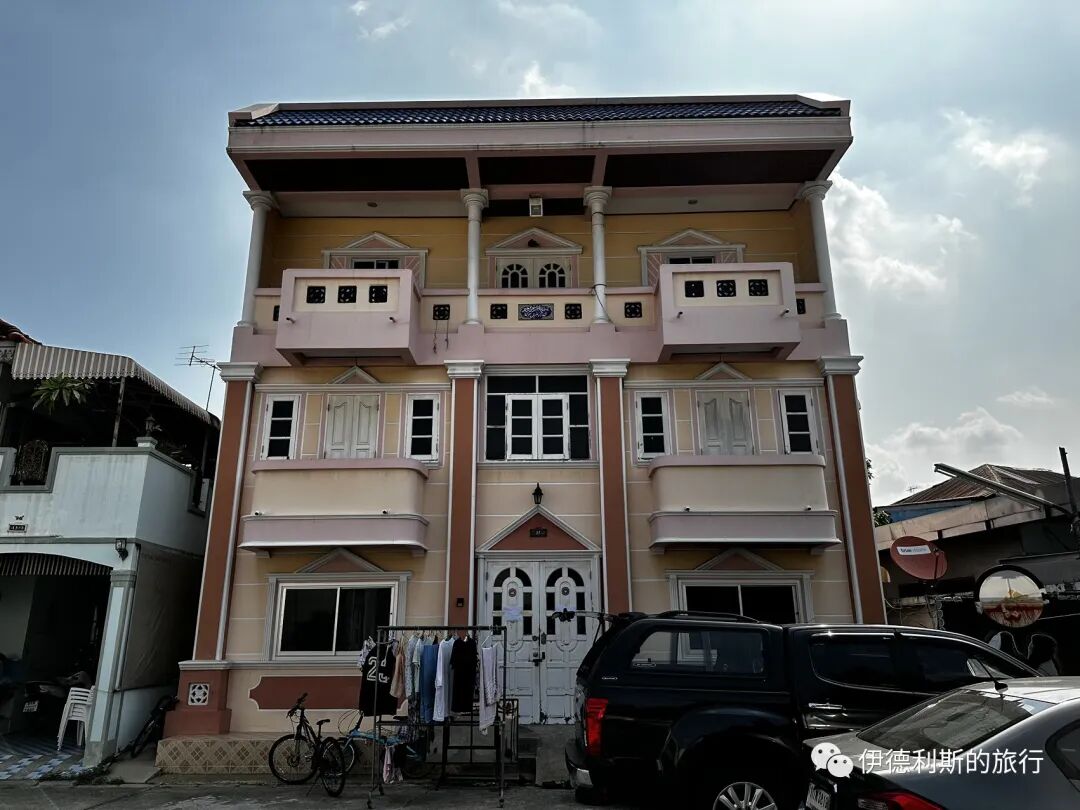
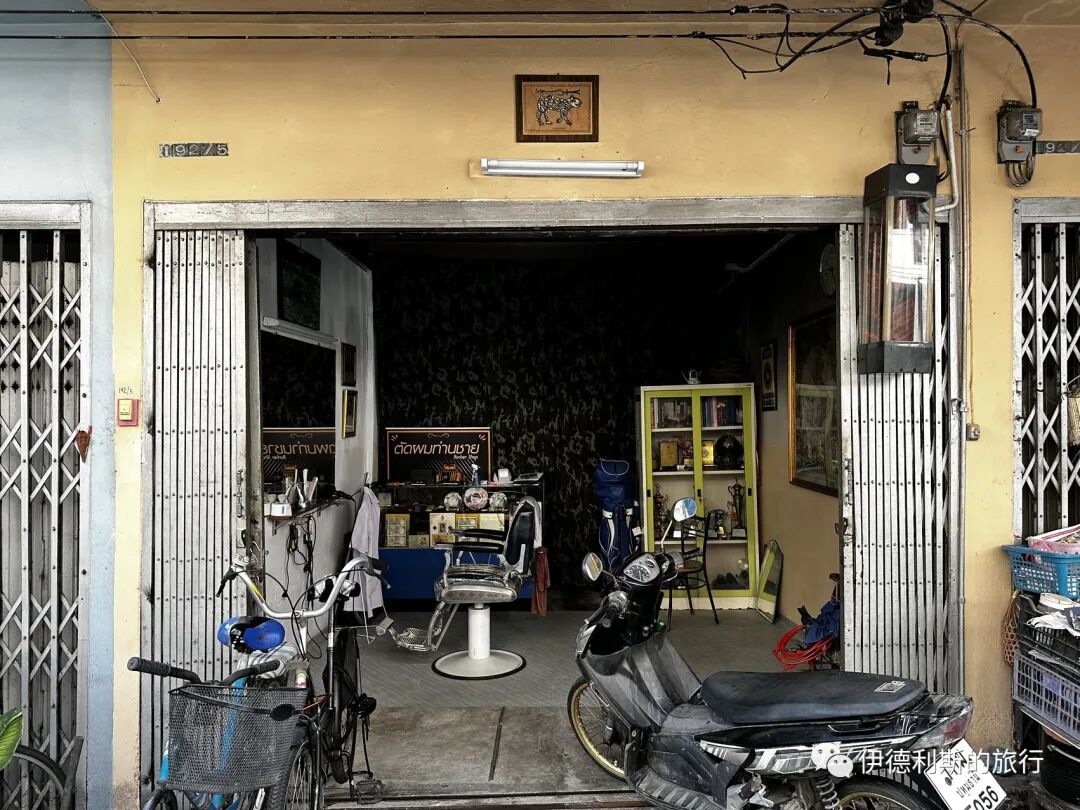
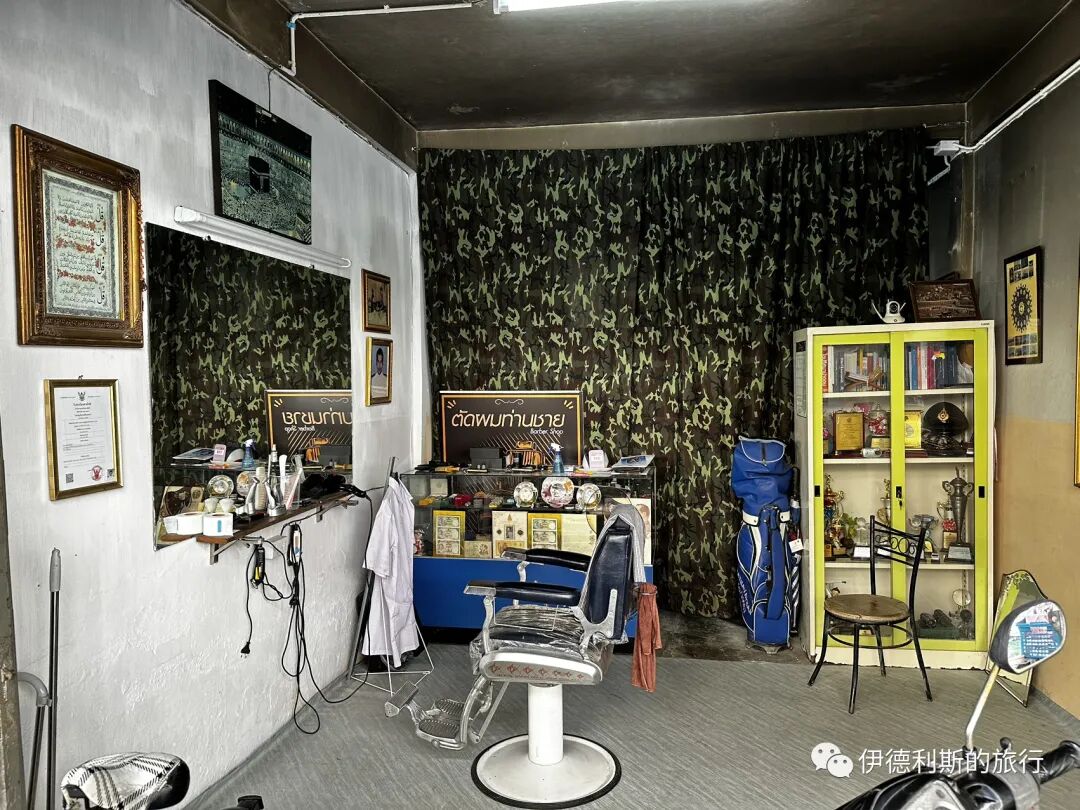
A barbershop run by a Persian Shia Muslim.
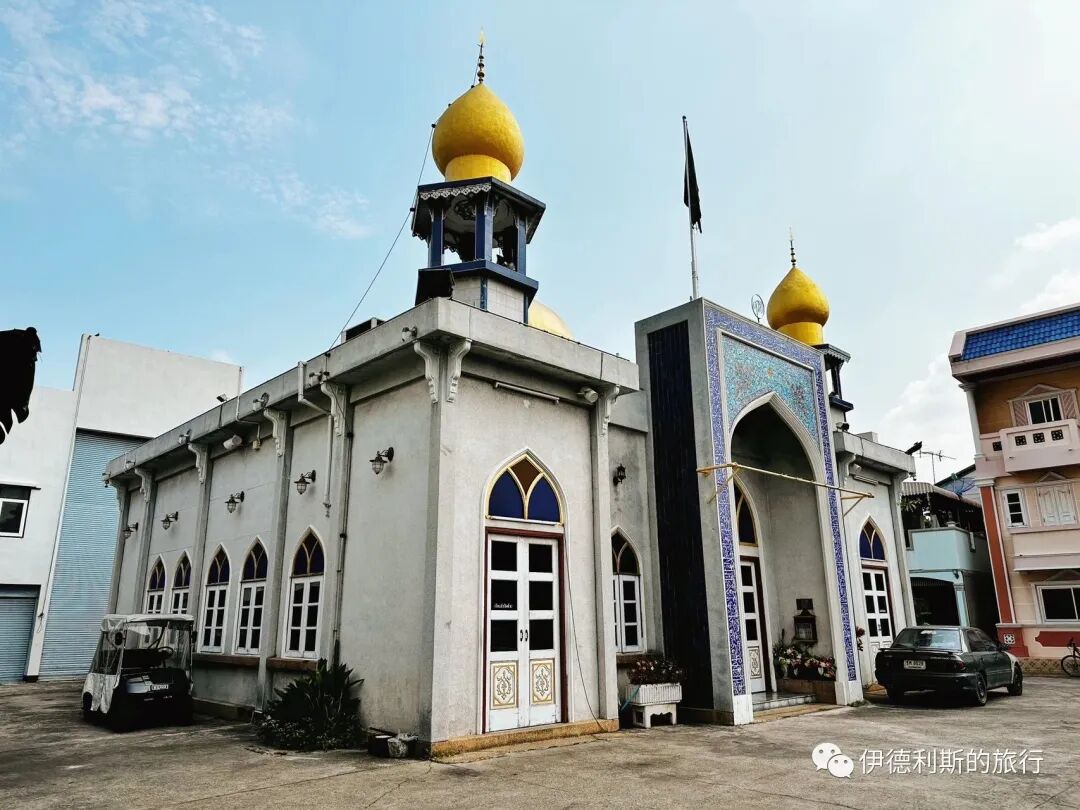
The center of the Persian community in Bangkok is the Phadungtham Islam mosque. This mosque was first built in 1938 and rebuilt into its current structure in 1979.
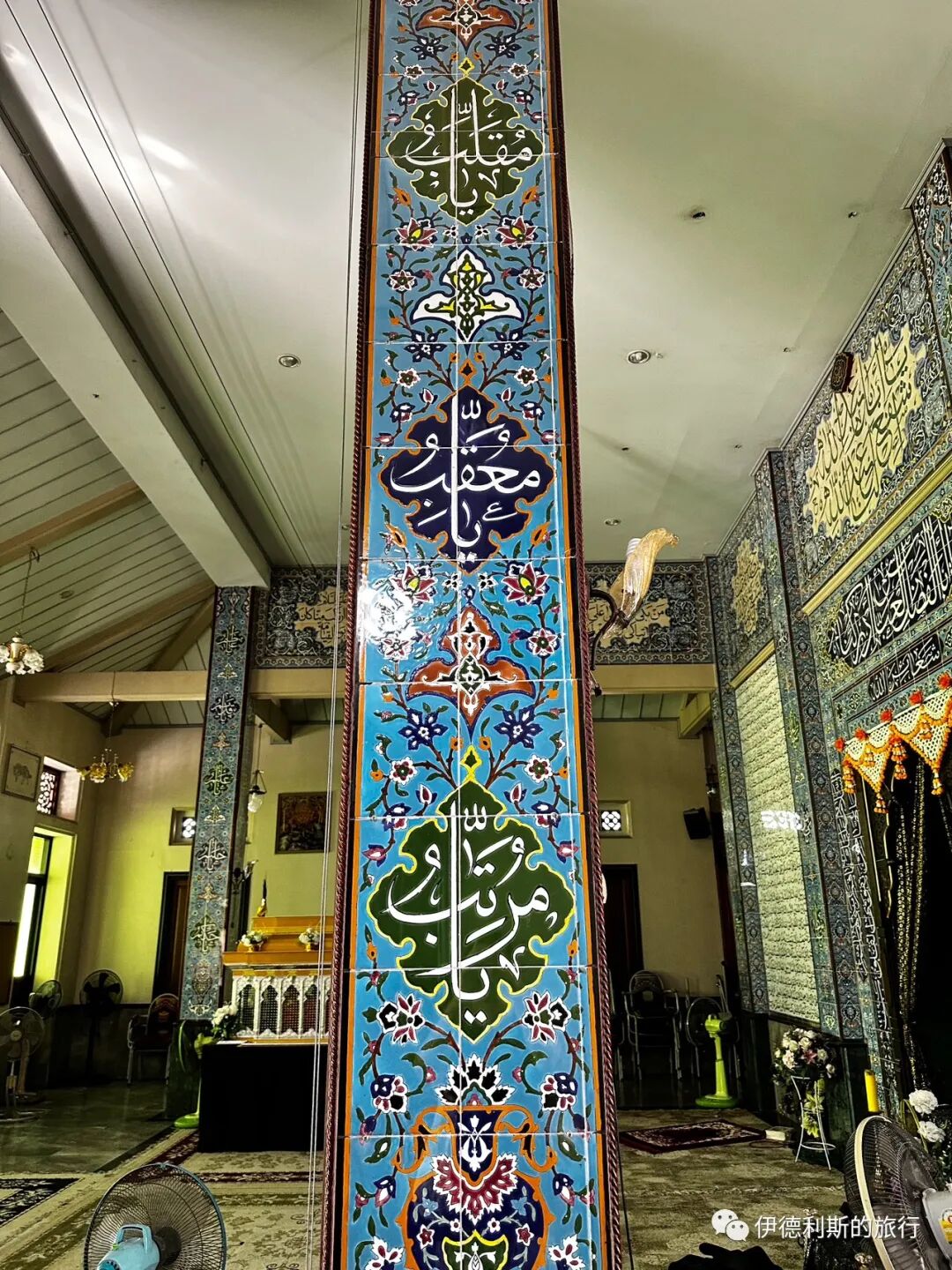
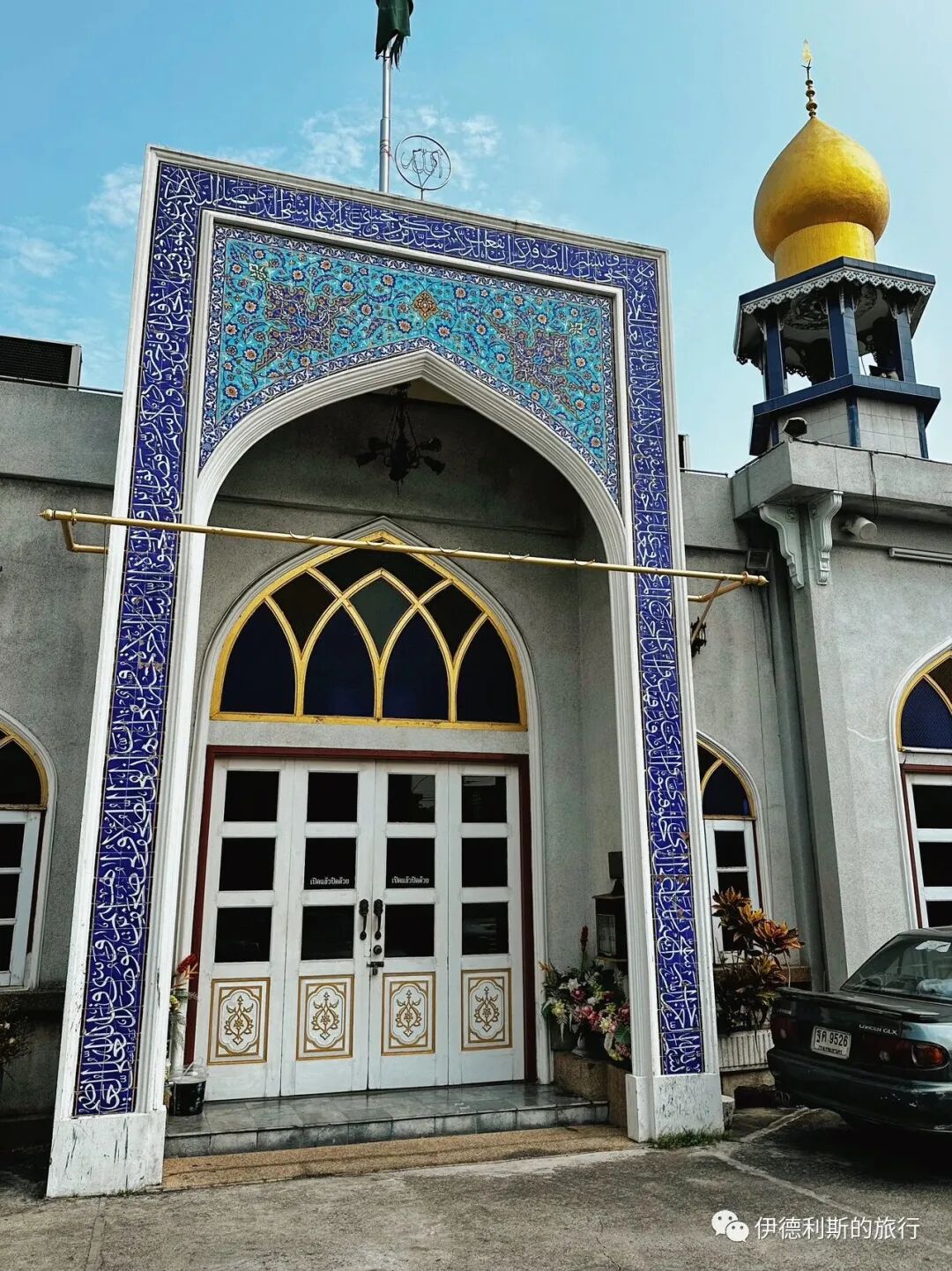
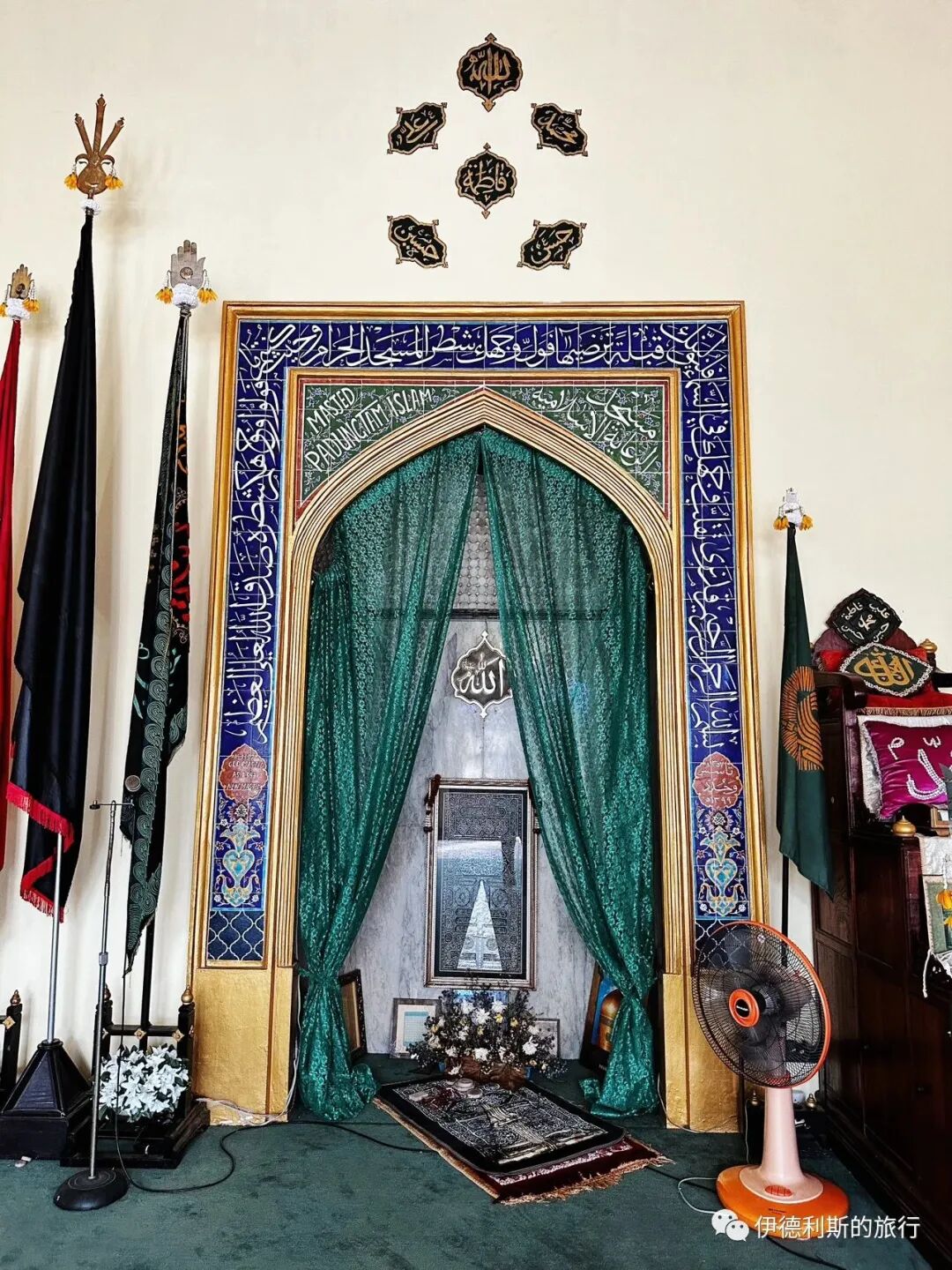
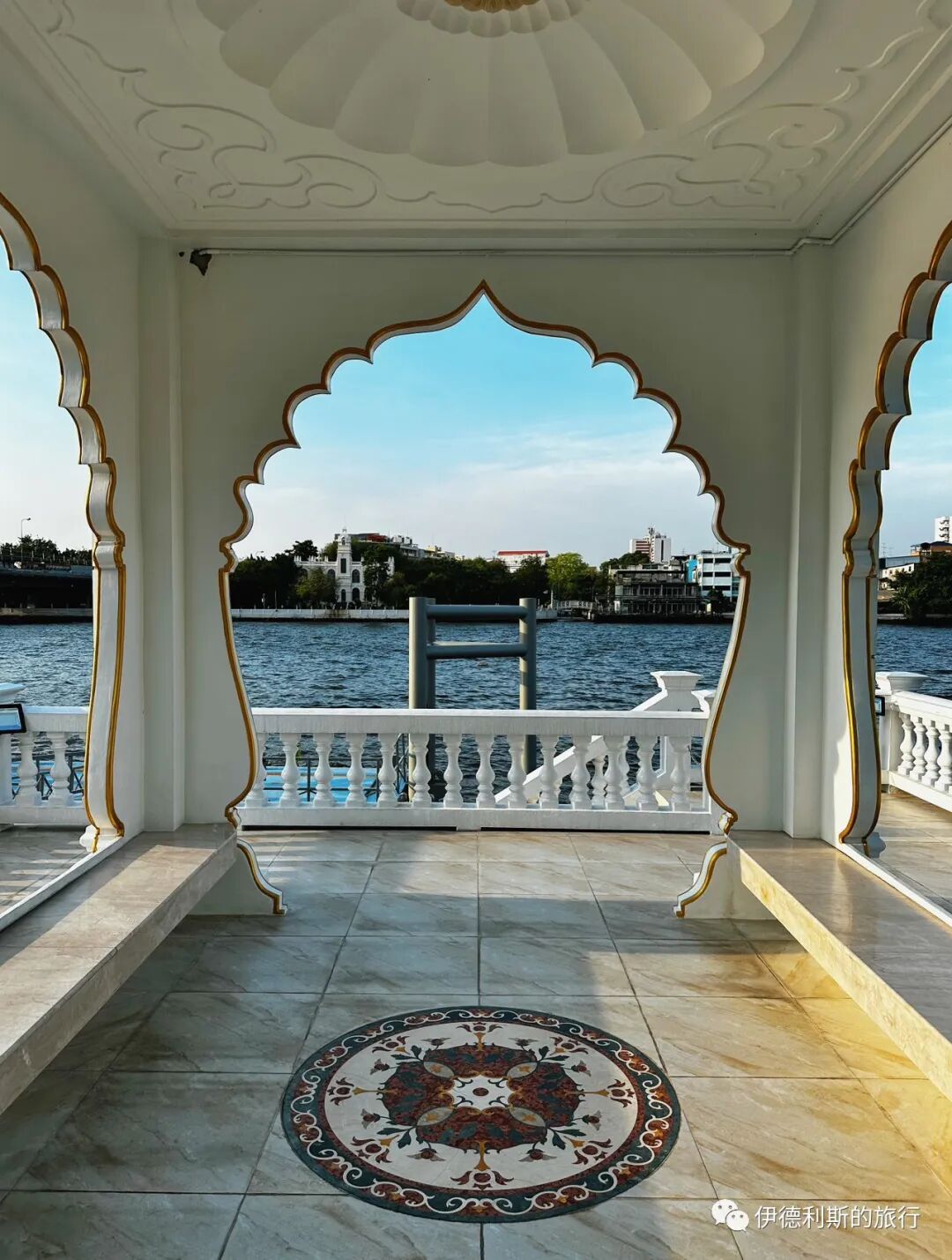
The new mosque features a Persian-style iwan gate, modeled after the Imam Reza Shrine, a Shia holy site in Iran.
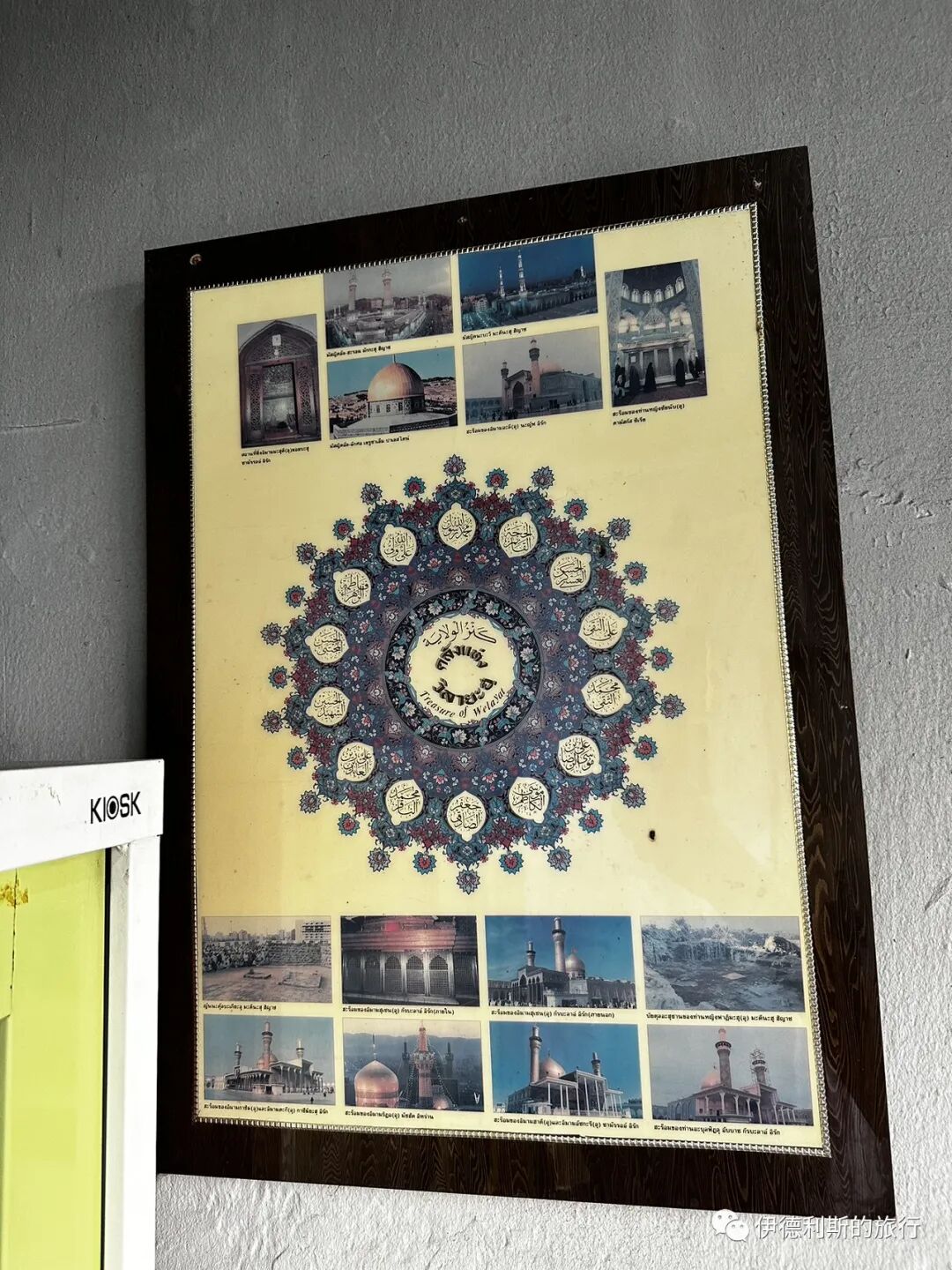
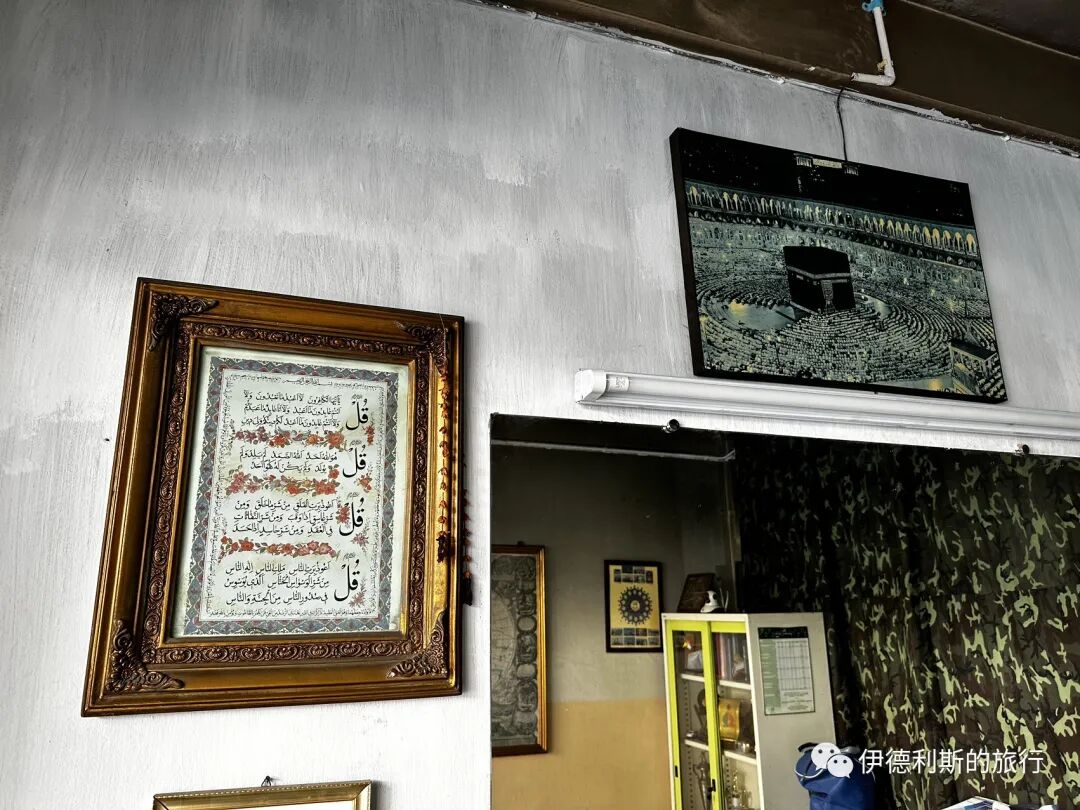
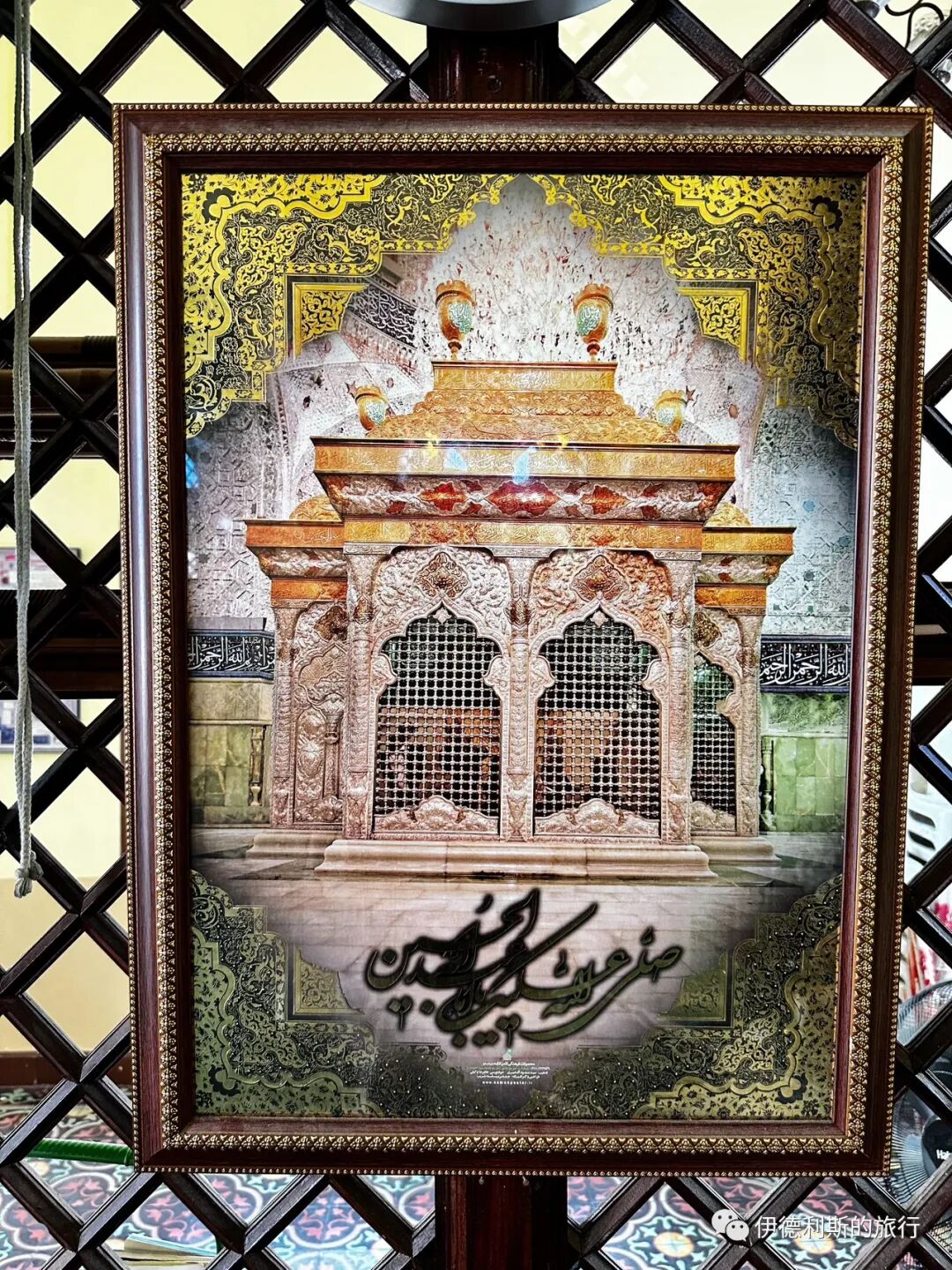
Inside the hall hang portraits of the tomb of Imam Hussain and Imam Hussain himself.
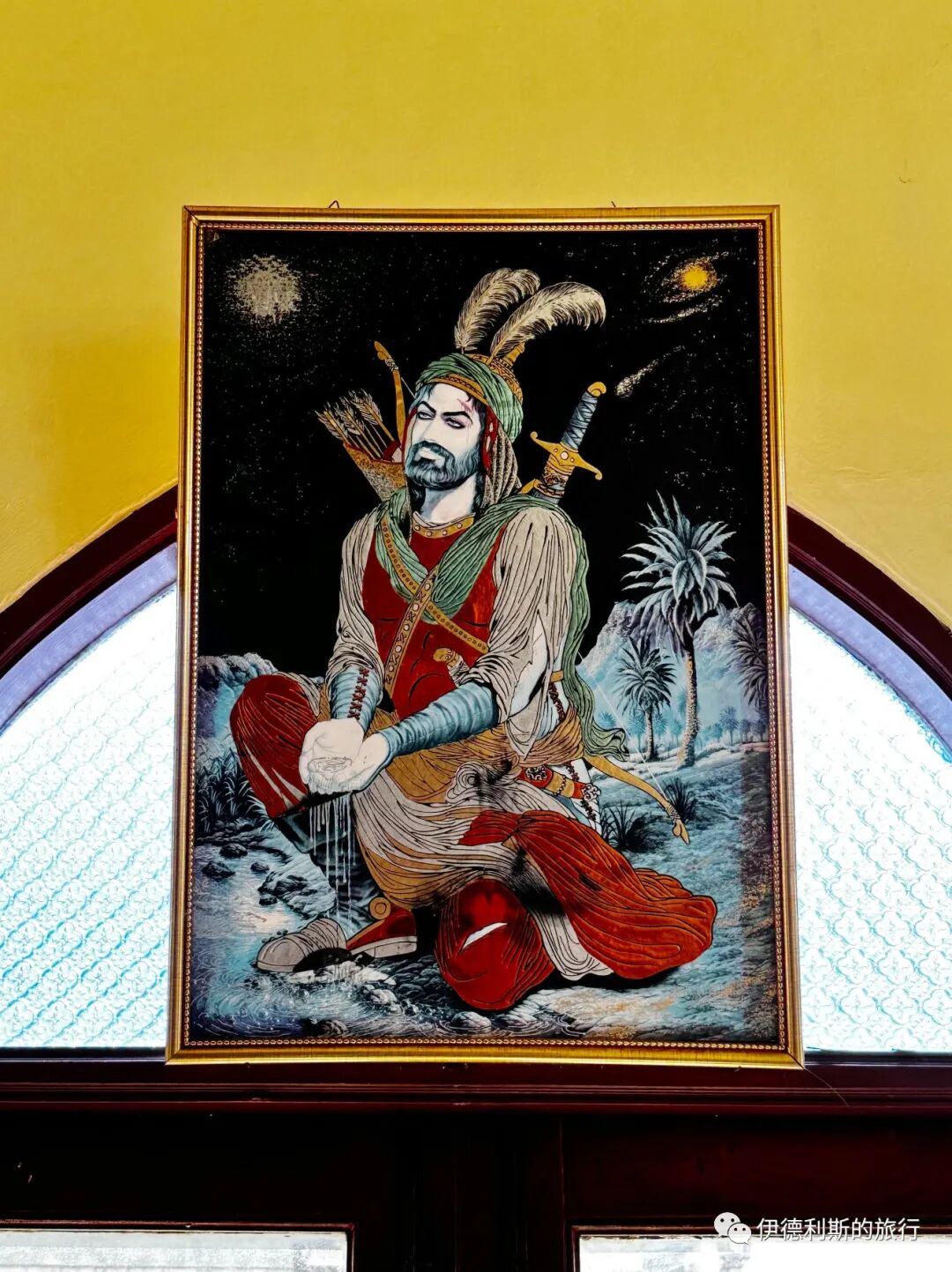
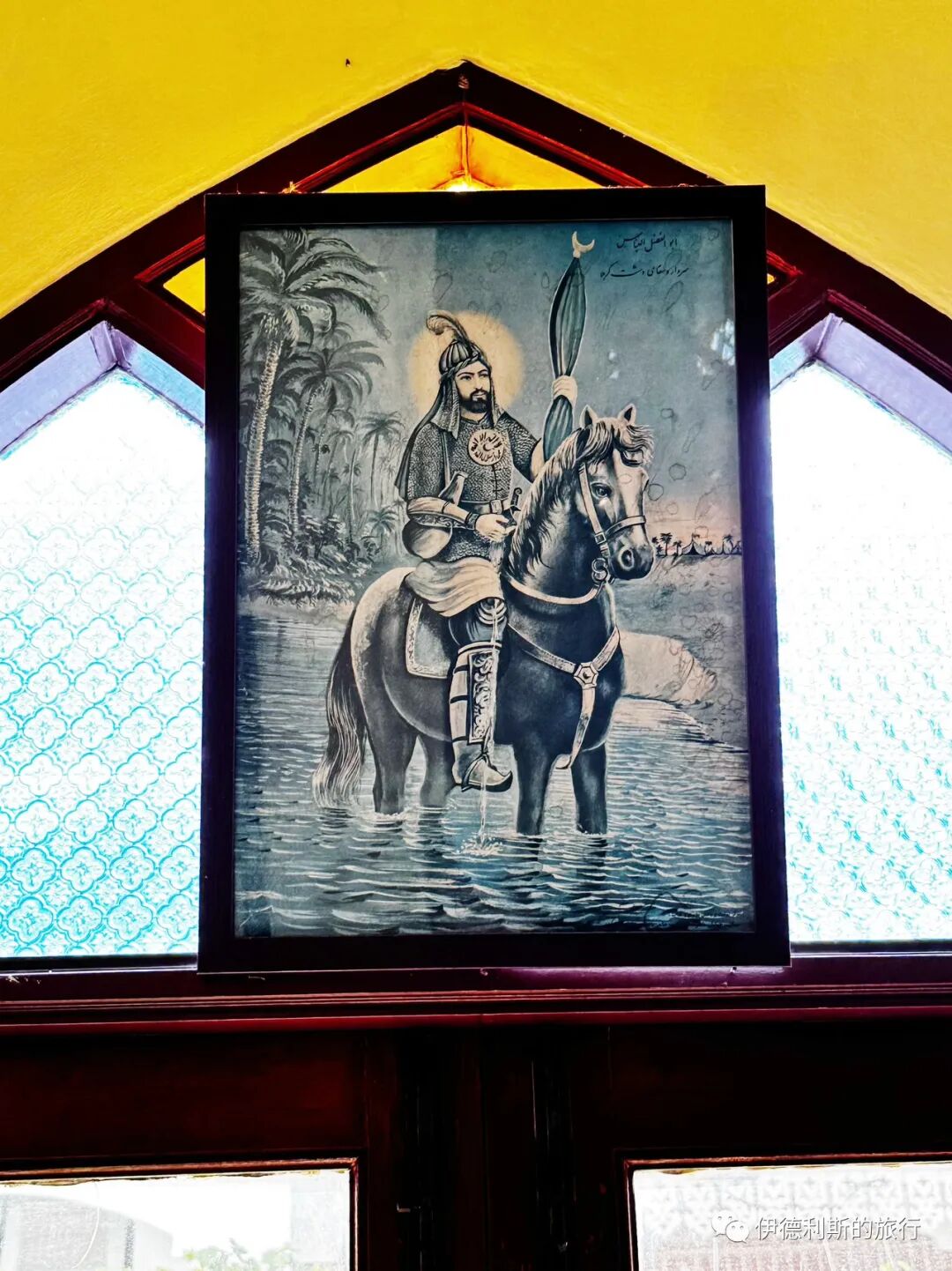
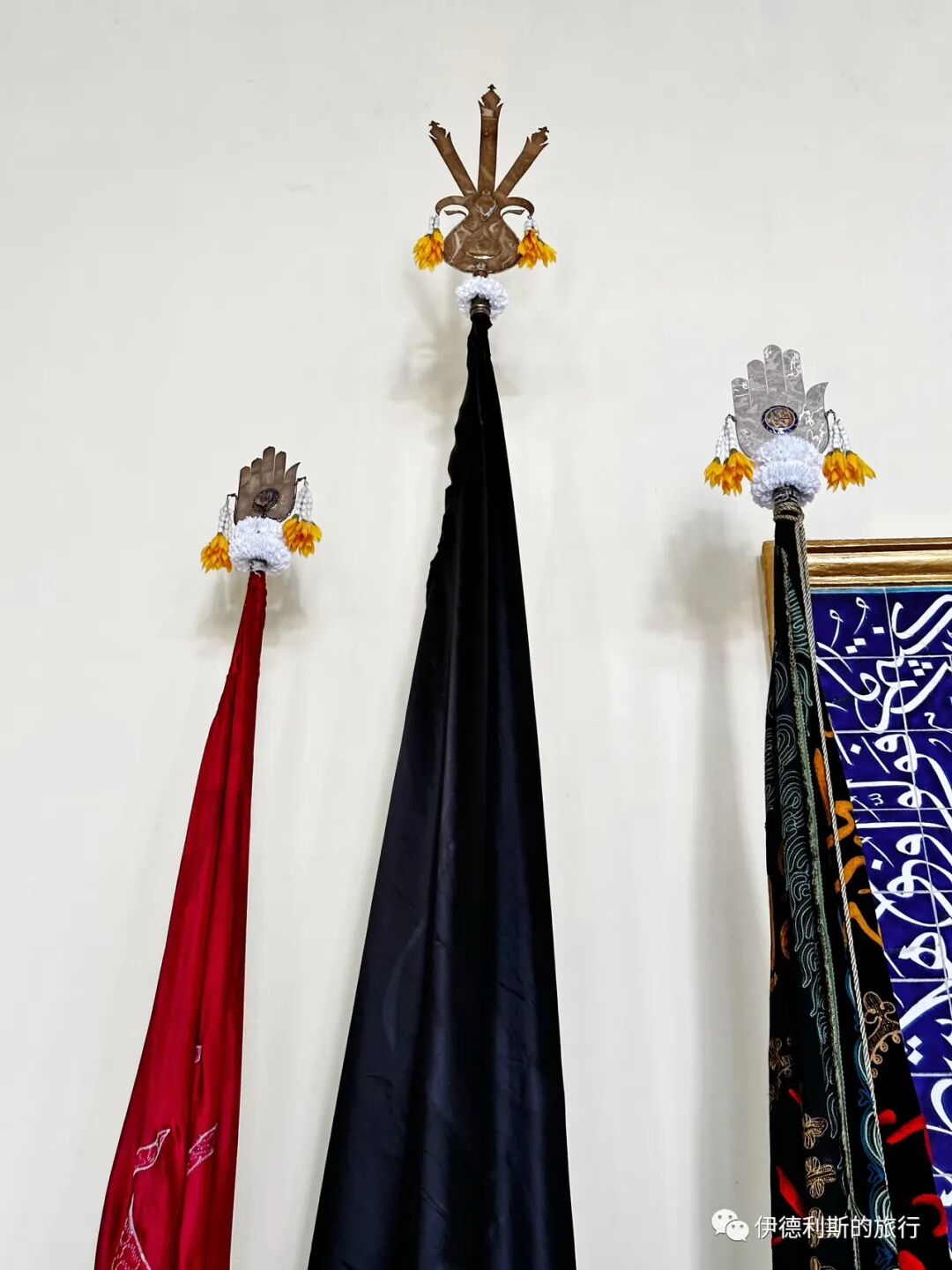
The Shia flag is called an alam; it represents the banner of Imam Hussain's army during the Battle of Karbala and is a symbol of truth and courage. The flag bearer at the time was Abbas, the brother of Imam Hussain. Legend says he was ambushed while fetching water and lost both arms in the fight, yet he still carried the water skin back to camp by biting it with his teeth before he eventually died on the way.
On both sides of the minbar pulpit, you can see two amulets commonly used by Shia Muslims: on the left is the bifurcated sword Zulfiqar used by Imam Ali, also known as Ali's magic sword, and on the right is the Hand of Fatima (Hamsa), which is said to bring blessings and ward off evil.
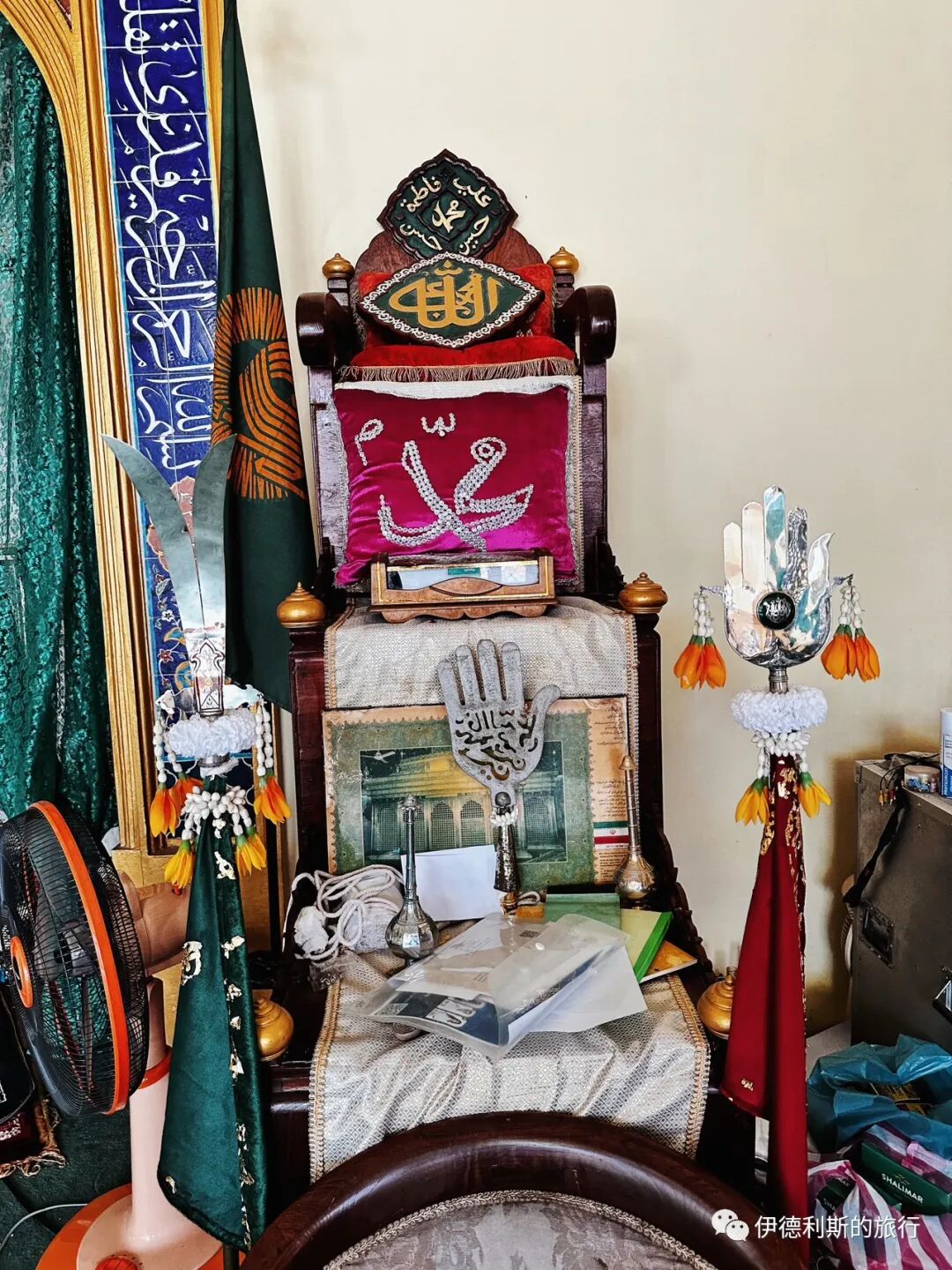
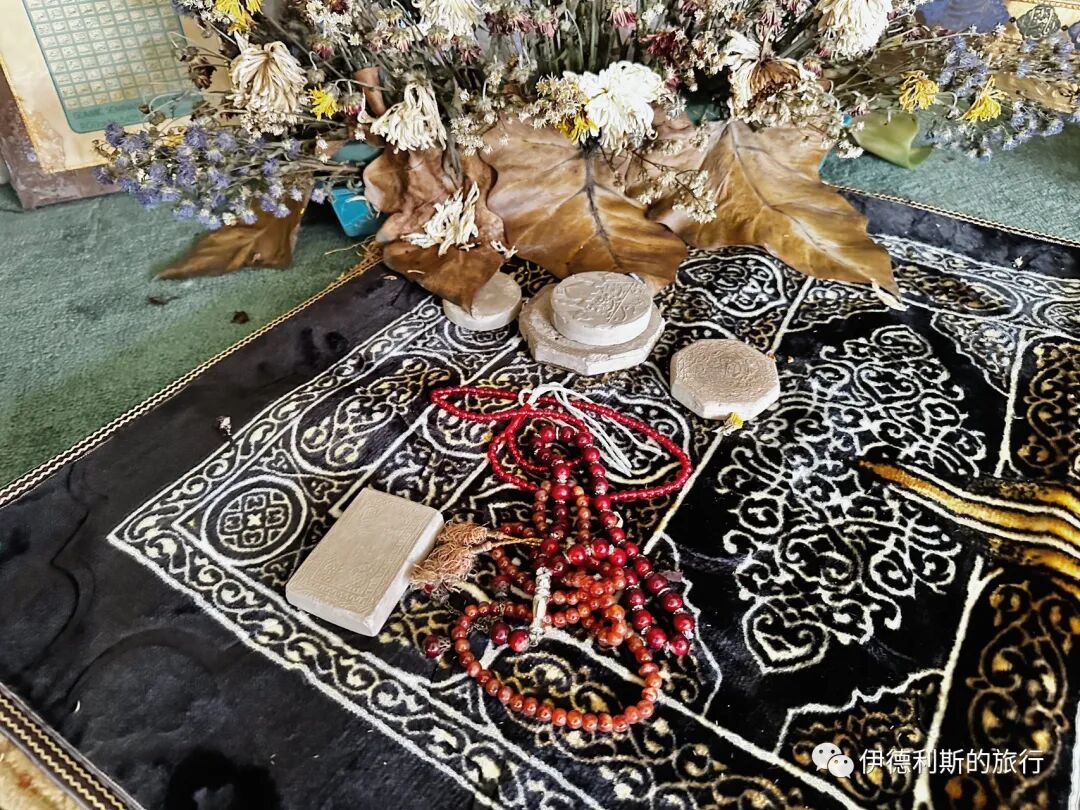
The clay block used before a prayer mat is called Turbah in Arabic and Mohr in Persian. Followers of the Twelver branch of Shia Islam rest their foreheads on it during namaz. Some of these clay blocks feature images of the Shrine of Imam Hussein, indicating they are made from the soil of Karbala, the site where Imam Hussein was martyred.
Indian community
The Indian Shia community is located on the southwest side of the Persian Shia community in Bangkok, separated by Itsaraphap Road.
For hundreds of years, Shia Muslim merchants from India traveled from the cities of Surat and Ahmedabad in Gujarat, crossing the Indian Ocean to conduct maritime trade in Siam. Because they shared the same faith, they often collaborated with Persians in business and later intermarried, forming a powerful trade network in Siam. In the early 19th century, Shia merchants from Mumbai began opening shops near the Persian community along the Chao Phraya River. Thanks to the favoritism of Persian officials who controlled Western trade, these Indian Shia businesses could obtain state-controlled export goods from Siam under very favorable conditions.
Adam Ali was a merchant and adventurer from Lucknow in the Indian state of Uttar Pradesh. In the early 19th century, he set out from Surat with fine Indian textiles, sailing across the Indian Ocean to Bangkok many times for trade. Through connections with local Persian nobles in Bangkok who also followed the Shia faith, he was able to meet many Siamese nobles. These nobles frequently visited his merchant ships and bought many high-quality textiles. With the profits from selling textiles, Adam built a pier and warehouse along the Yai Canal near the Persian community and opened a textile printing and dyeing factory. The workers at the factory were all Shia Muslims he brought from India. He built houses and a mosque for them near the factory, which formed the Indian Shia community in Bangkok.
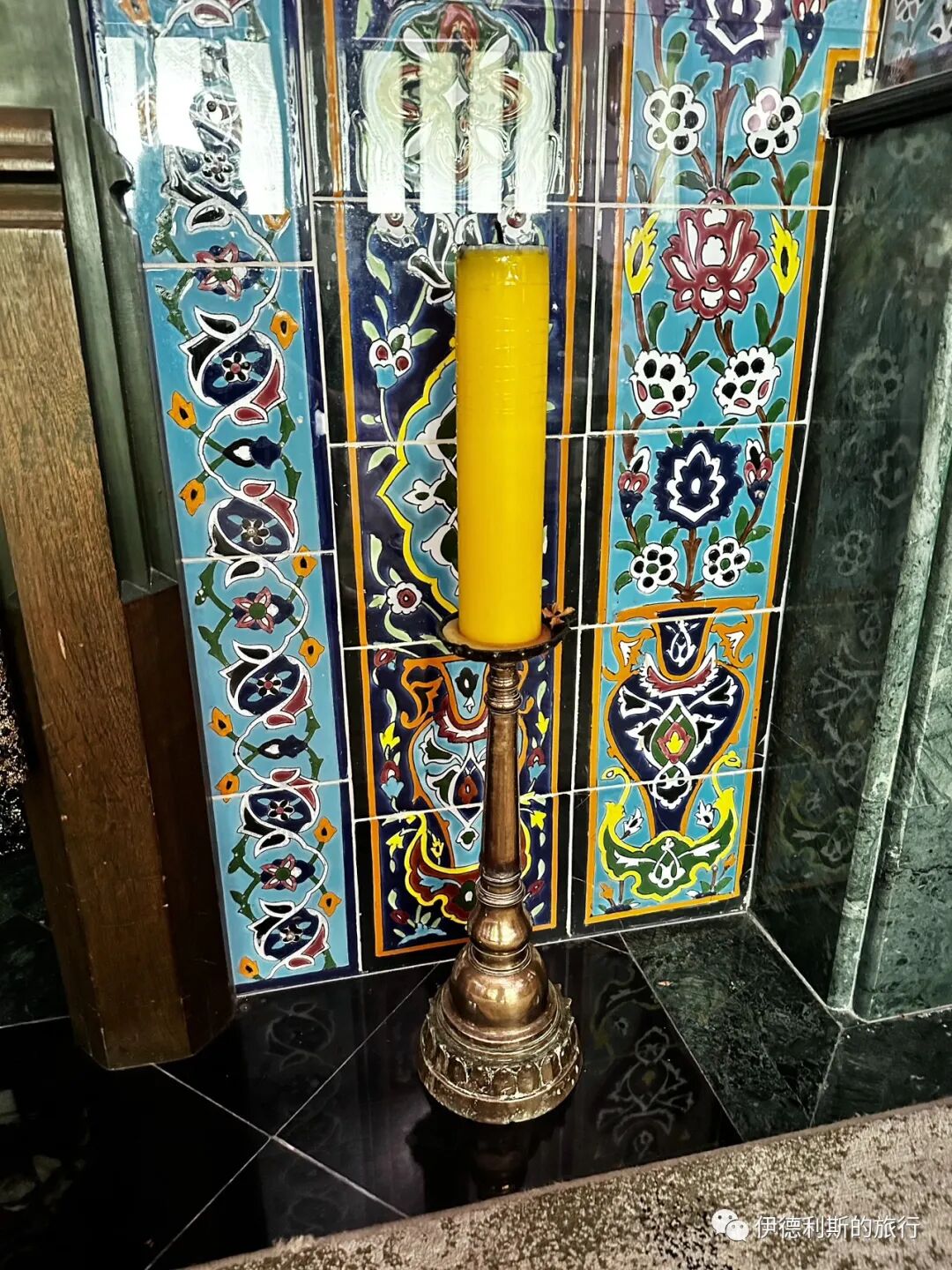
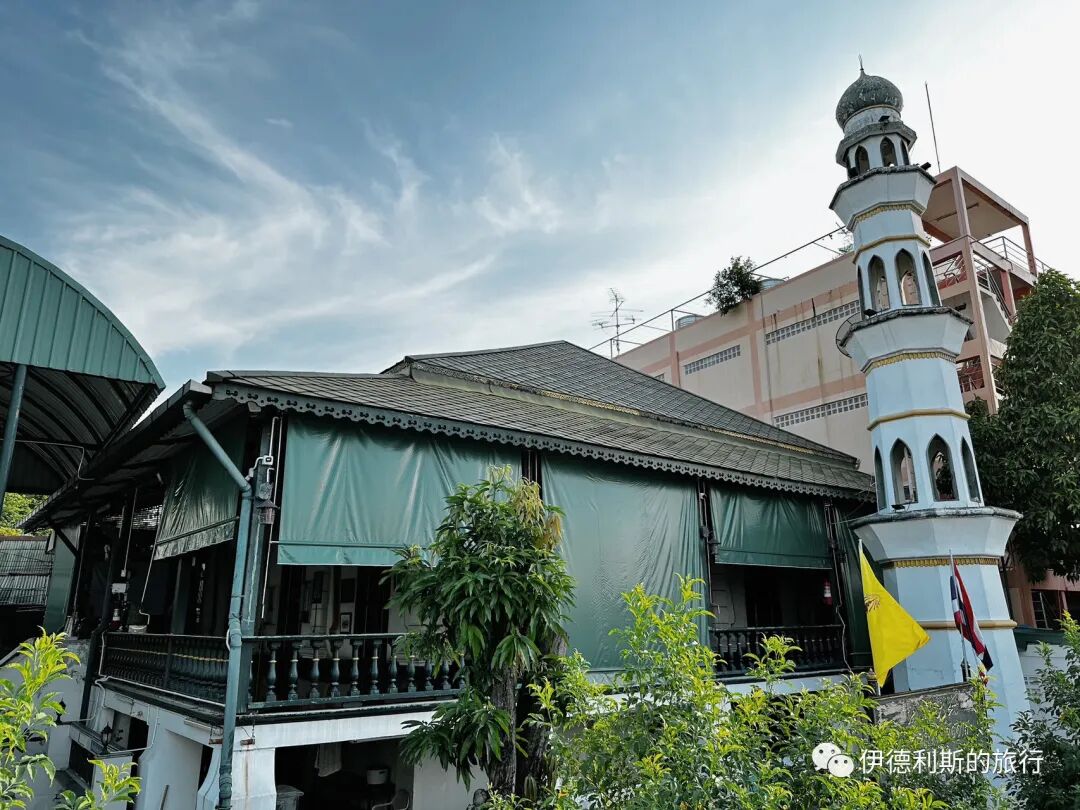
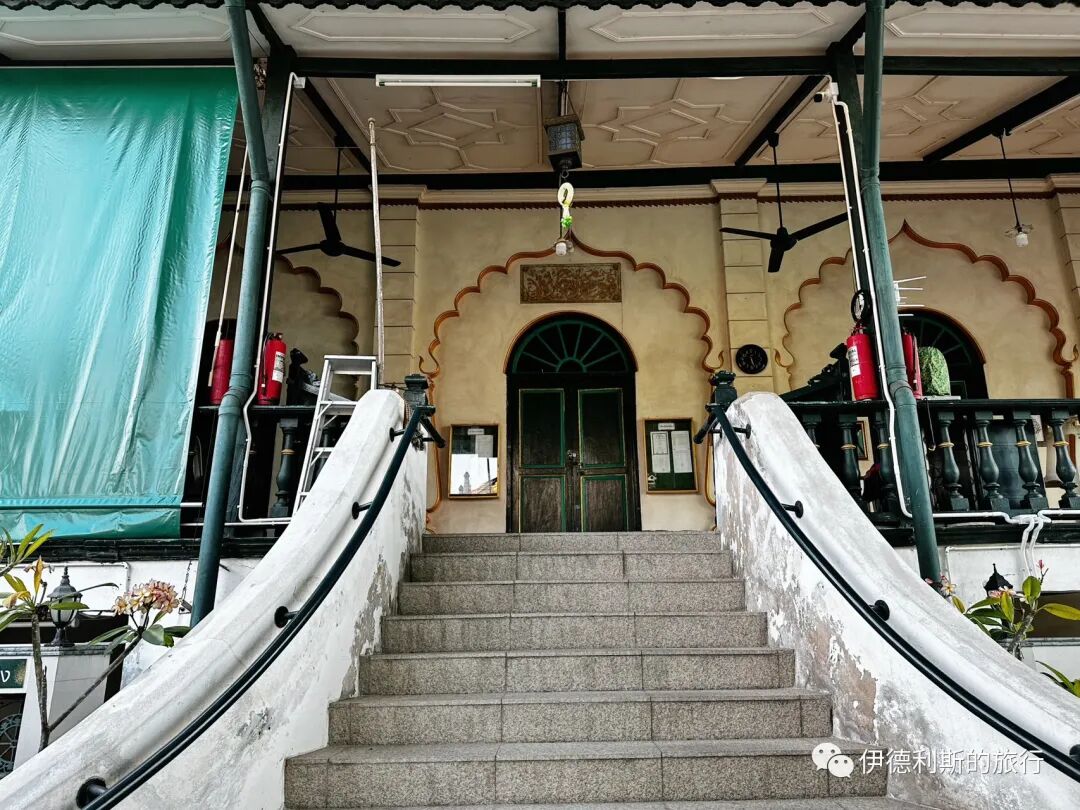
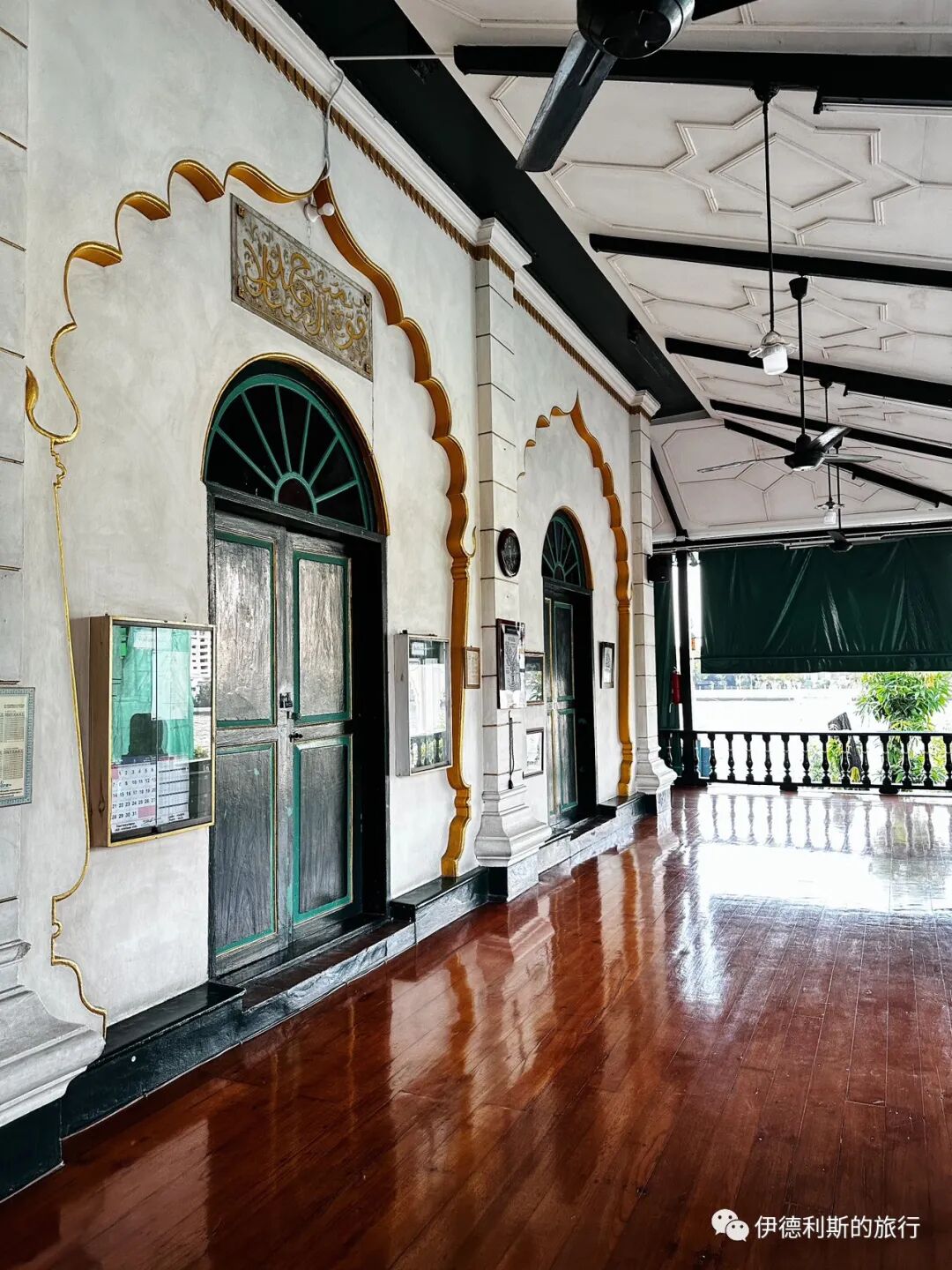
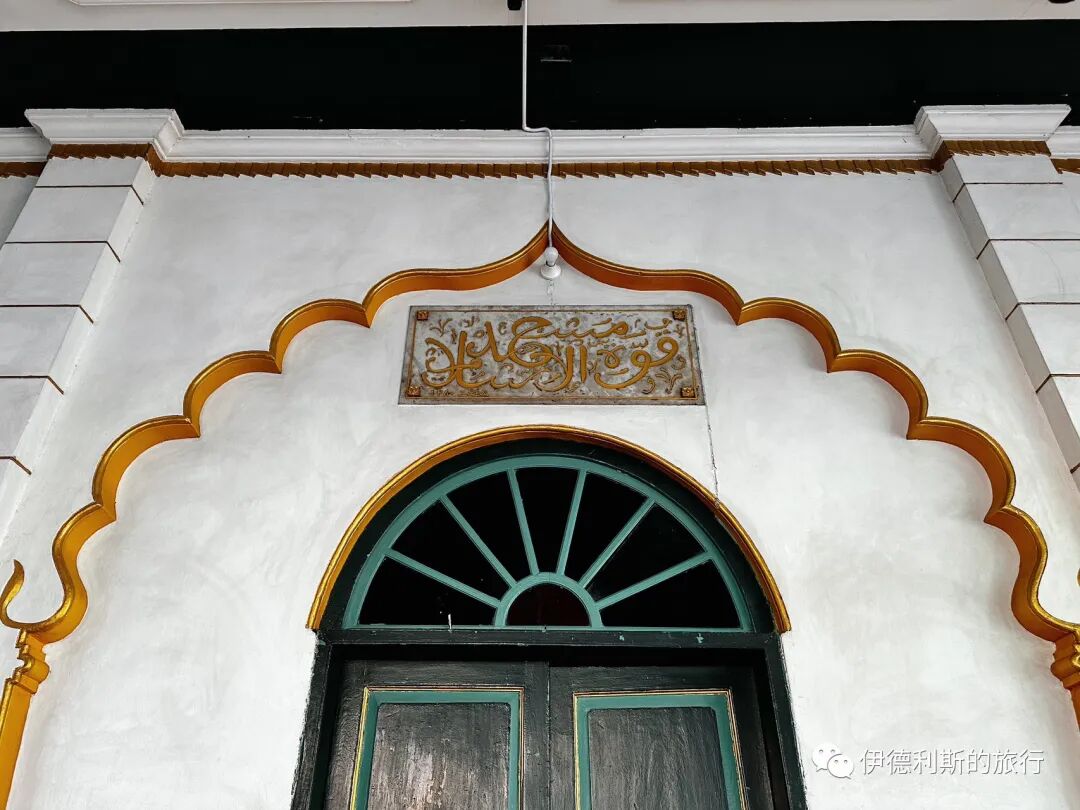
The center of the community is the Dilfulla mosque. The mosque also displays the Shia symbol, the Lion of God (Asadullah). Its interior is slightly simpler than that of the Persian mosques, but the candlesticks, flowers, and pulpit all show distinct Shia characteristics. Today, the descendants of the Adam family still live around the mosque and have served as imam for generations.
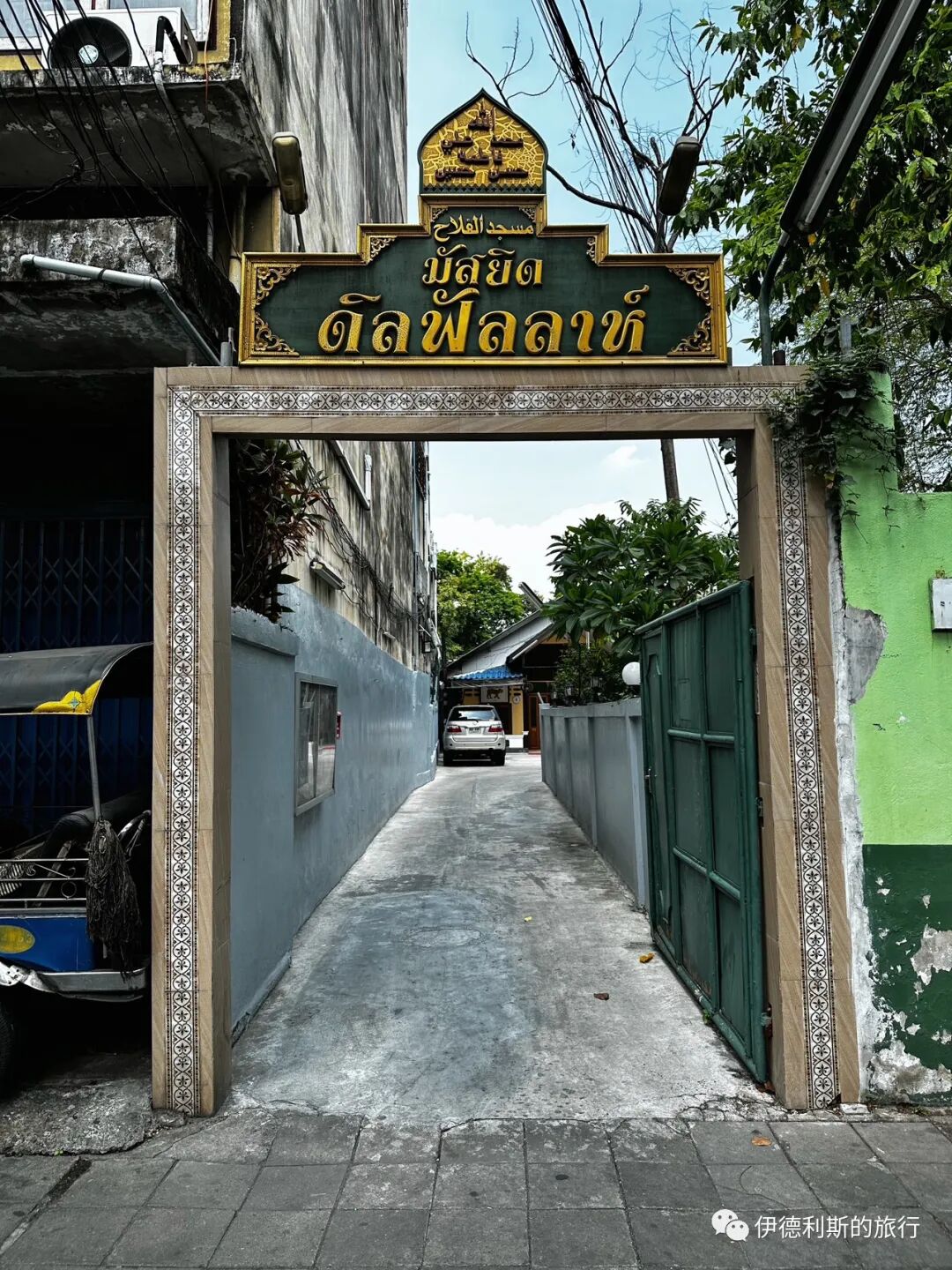
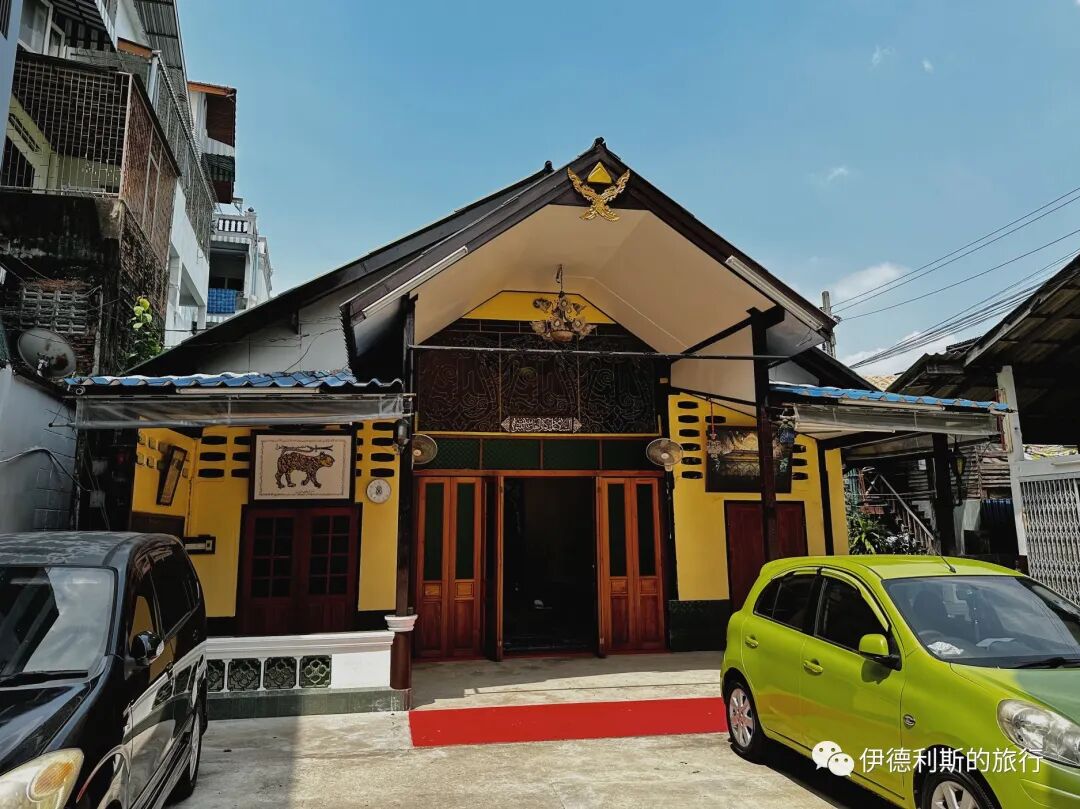
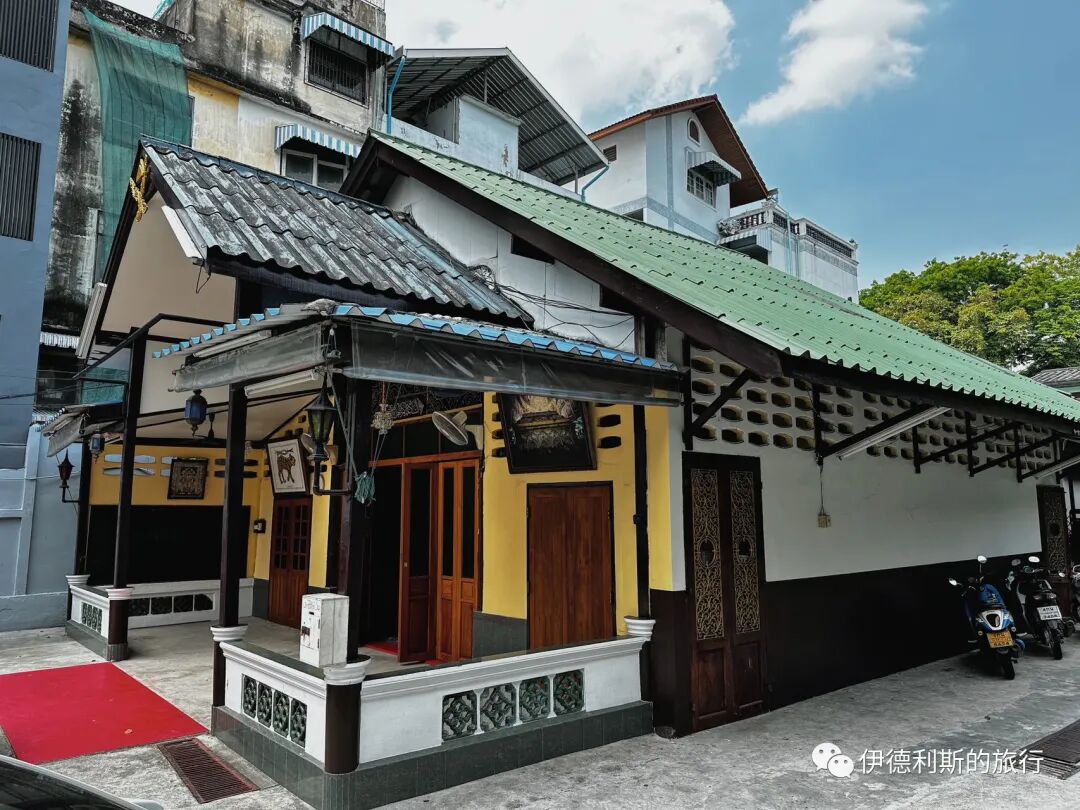
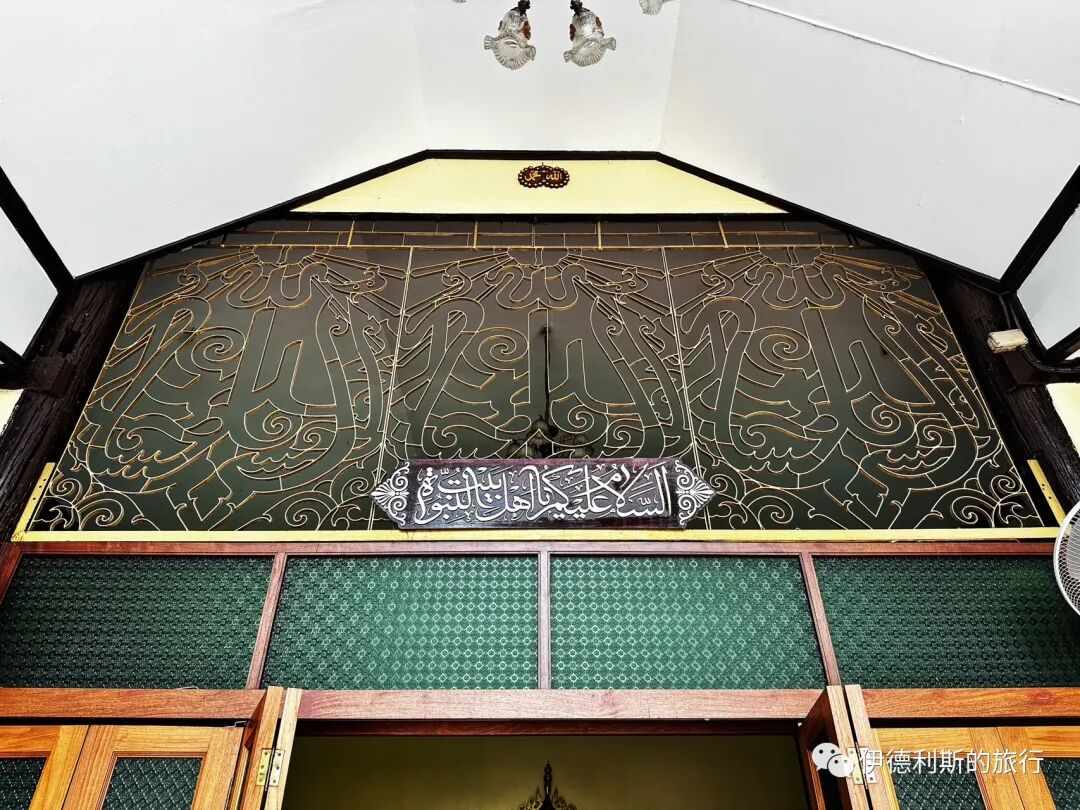
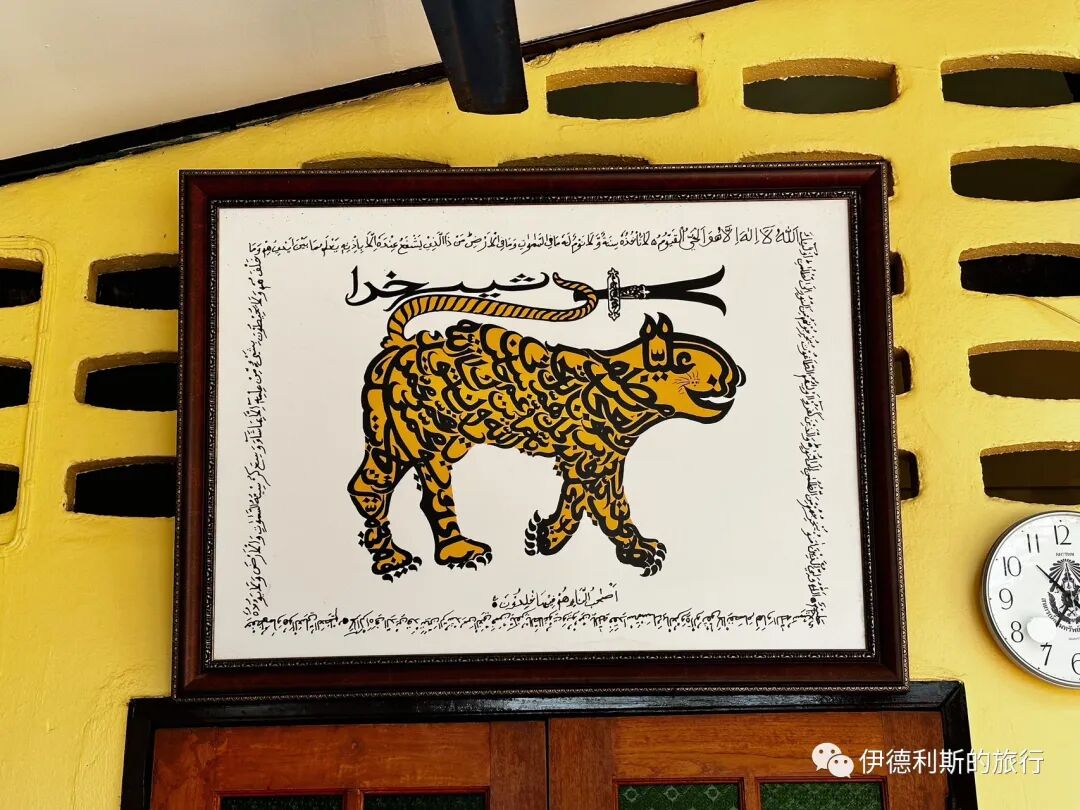
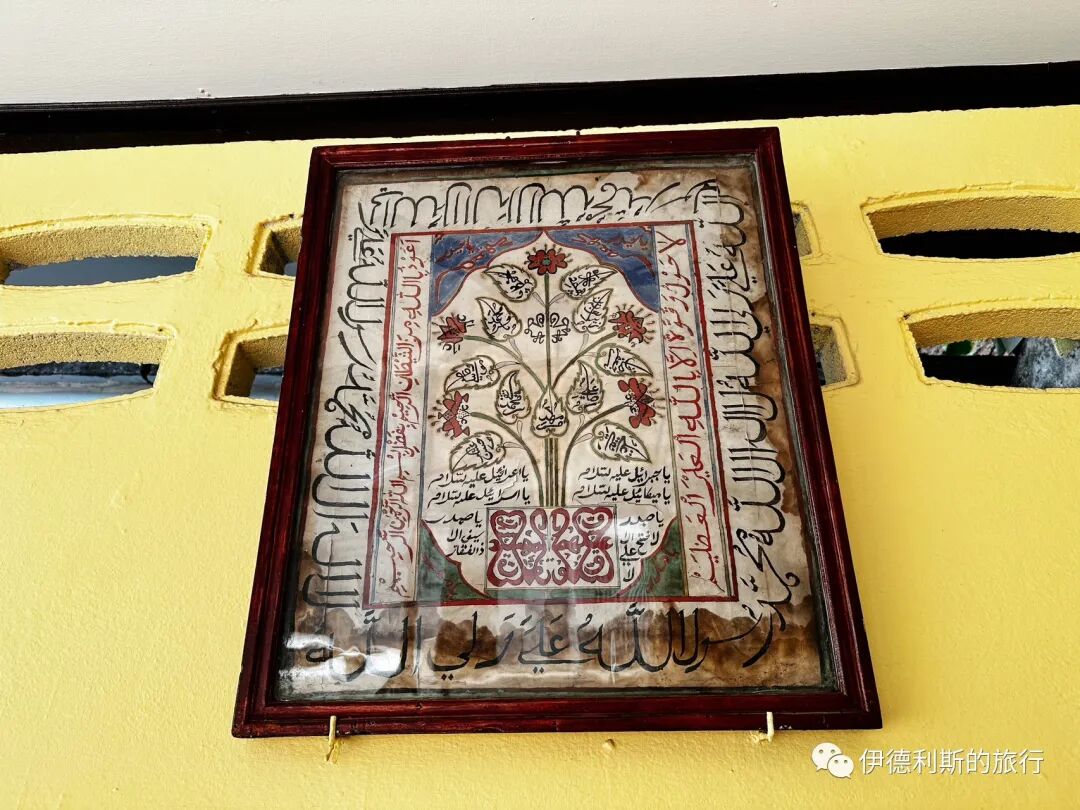
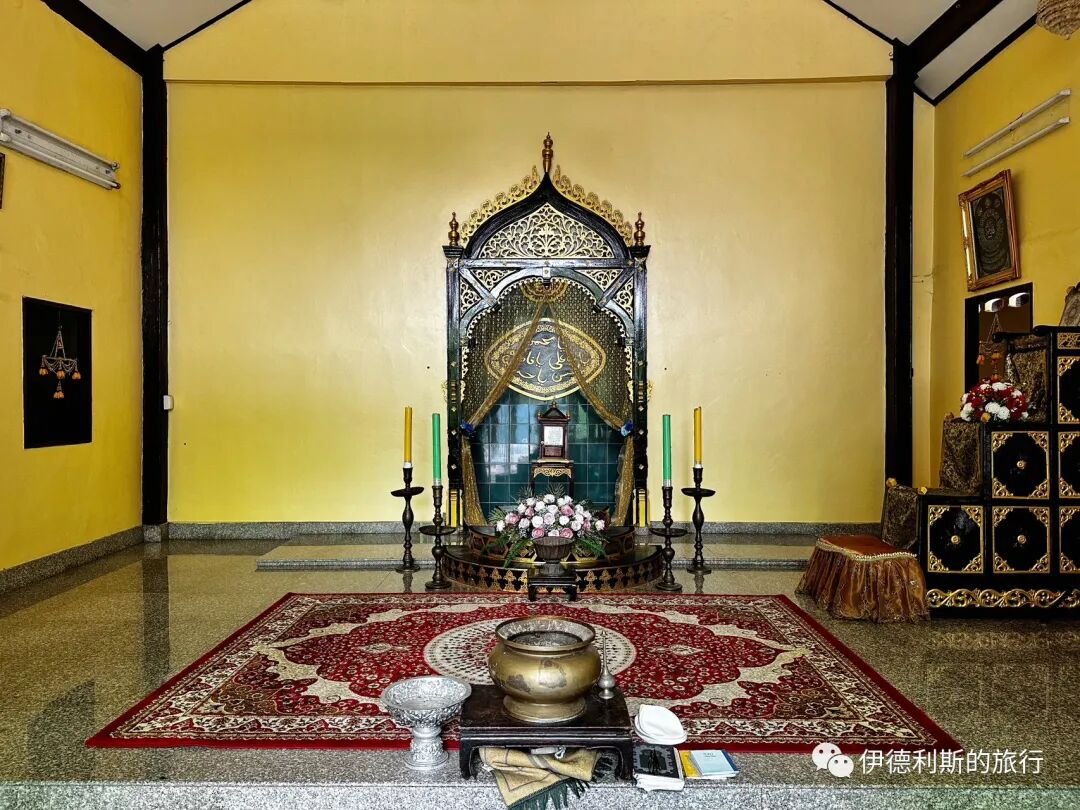
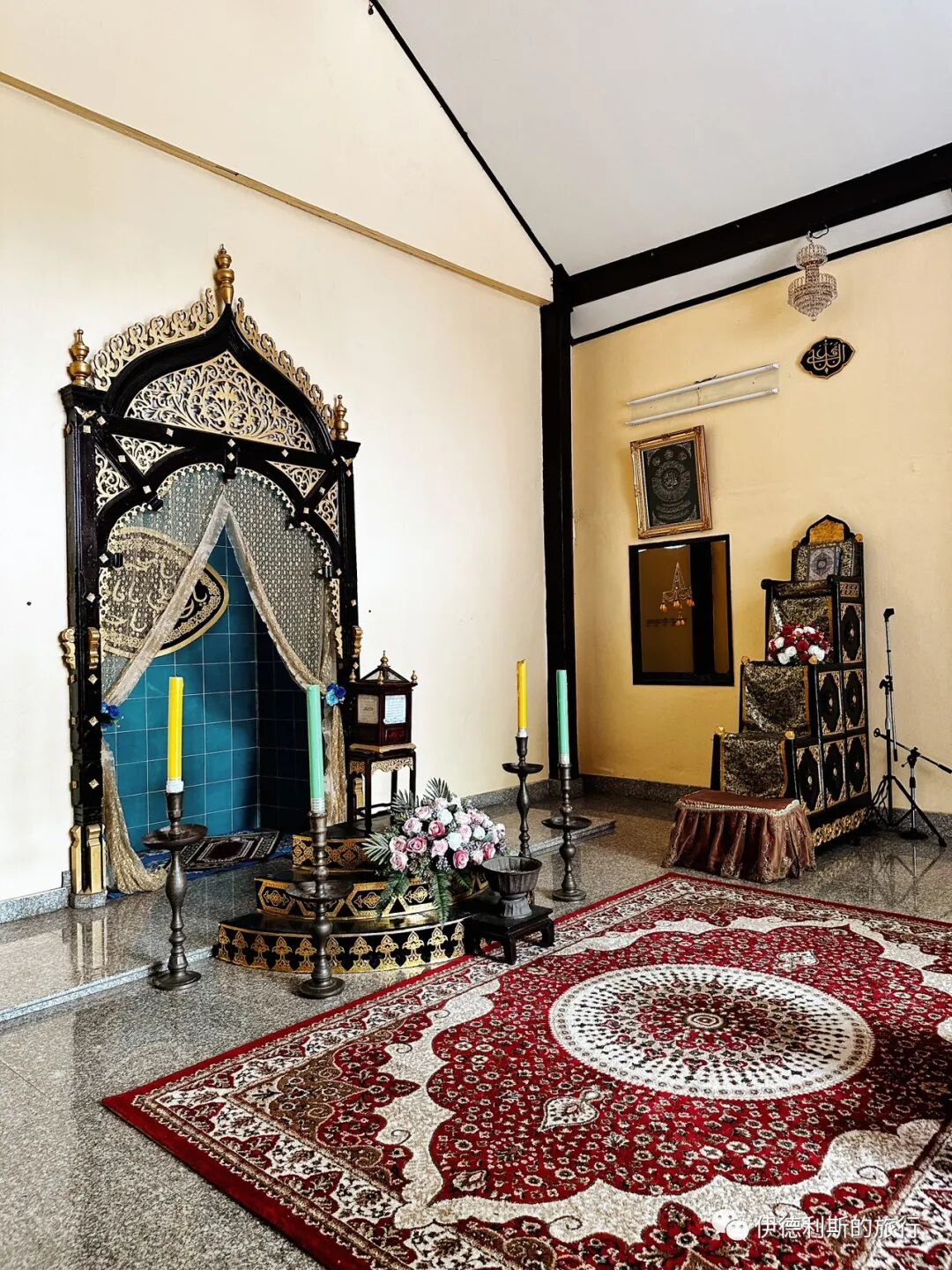
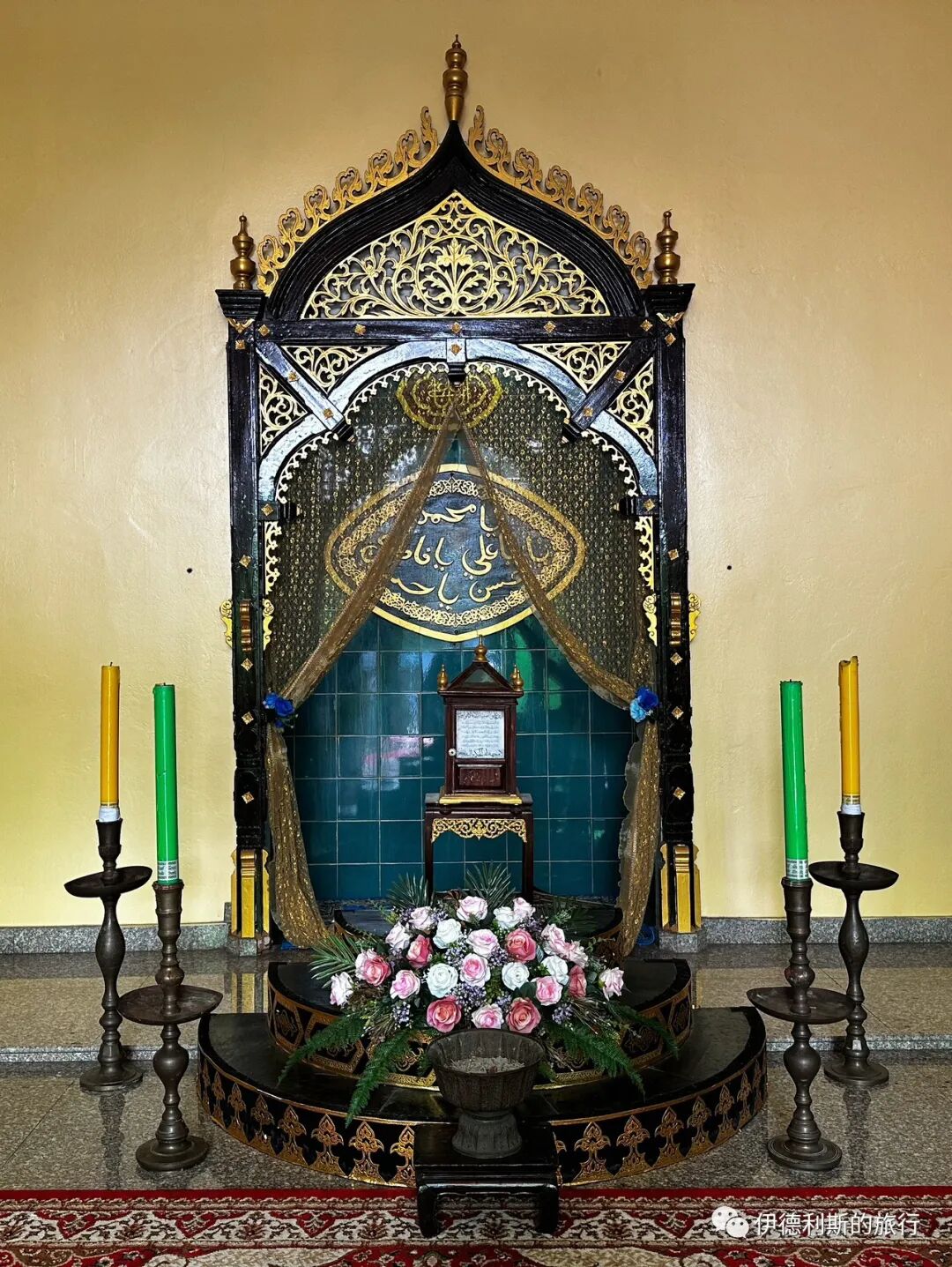
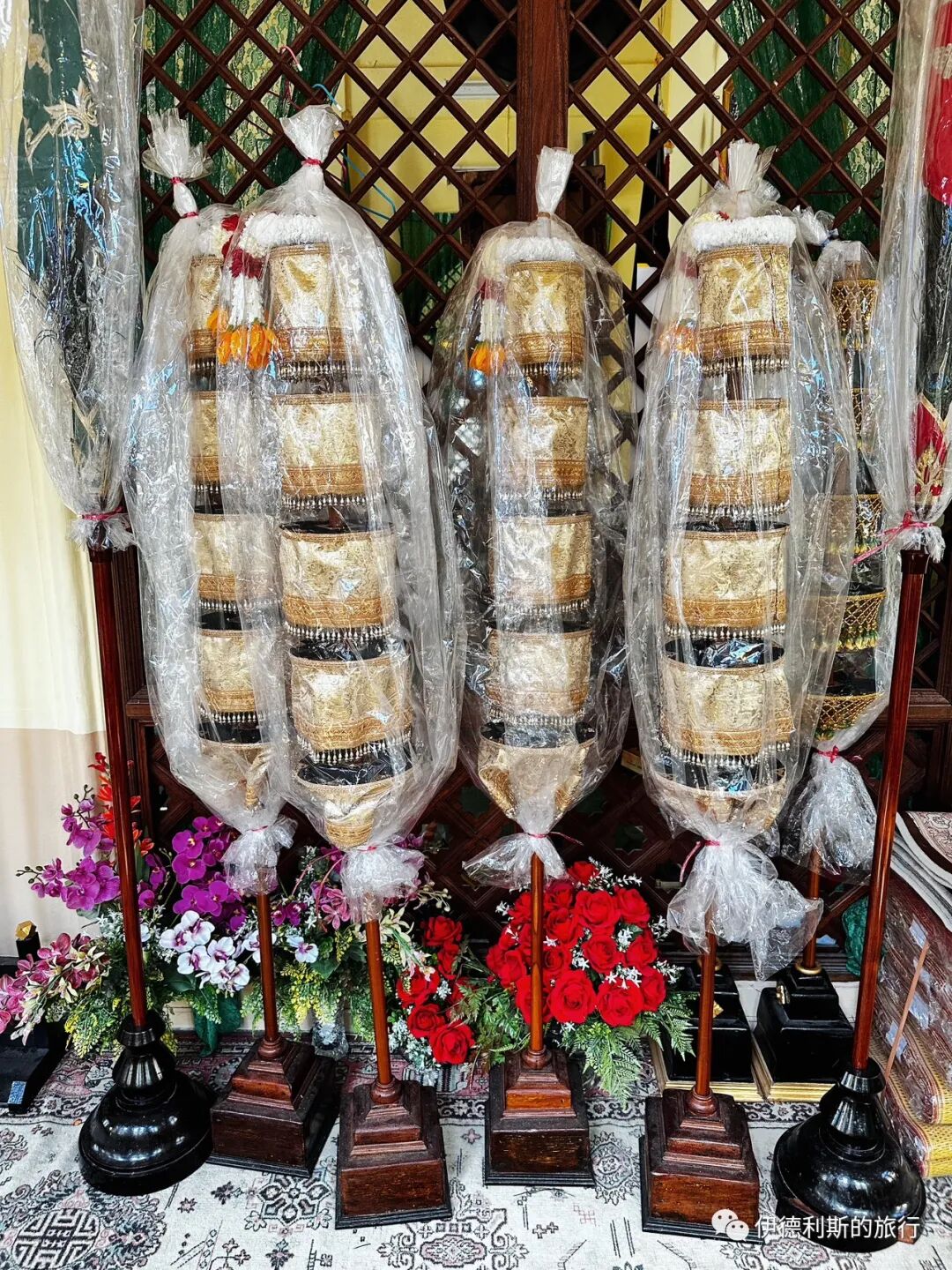
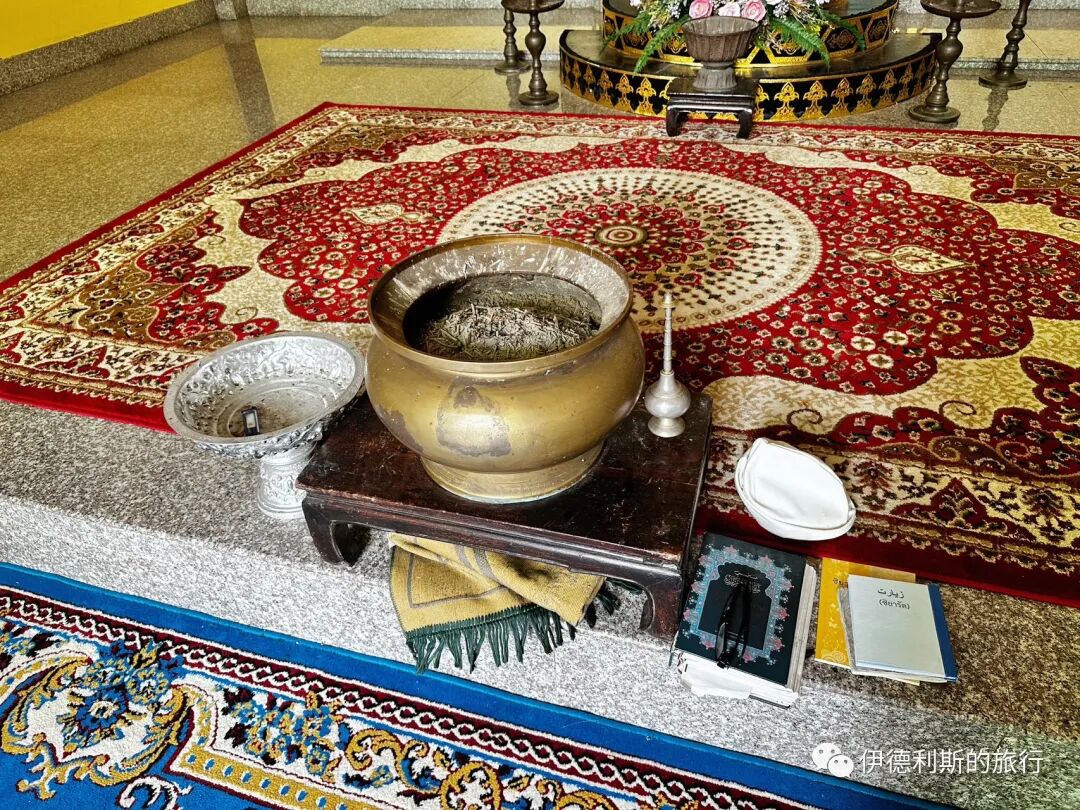
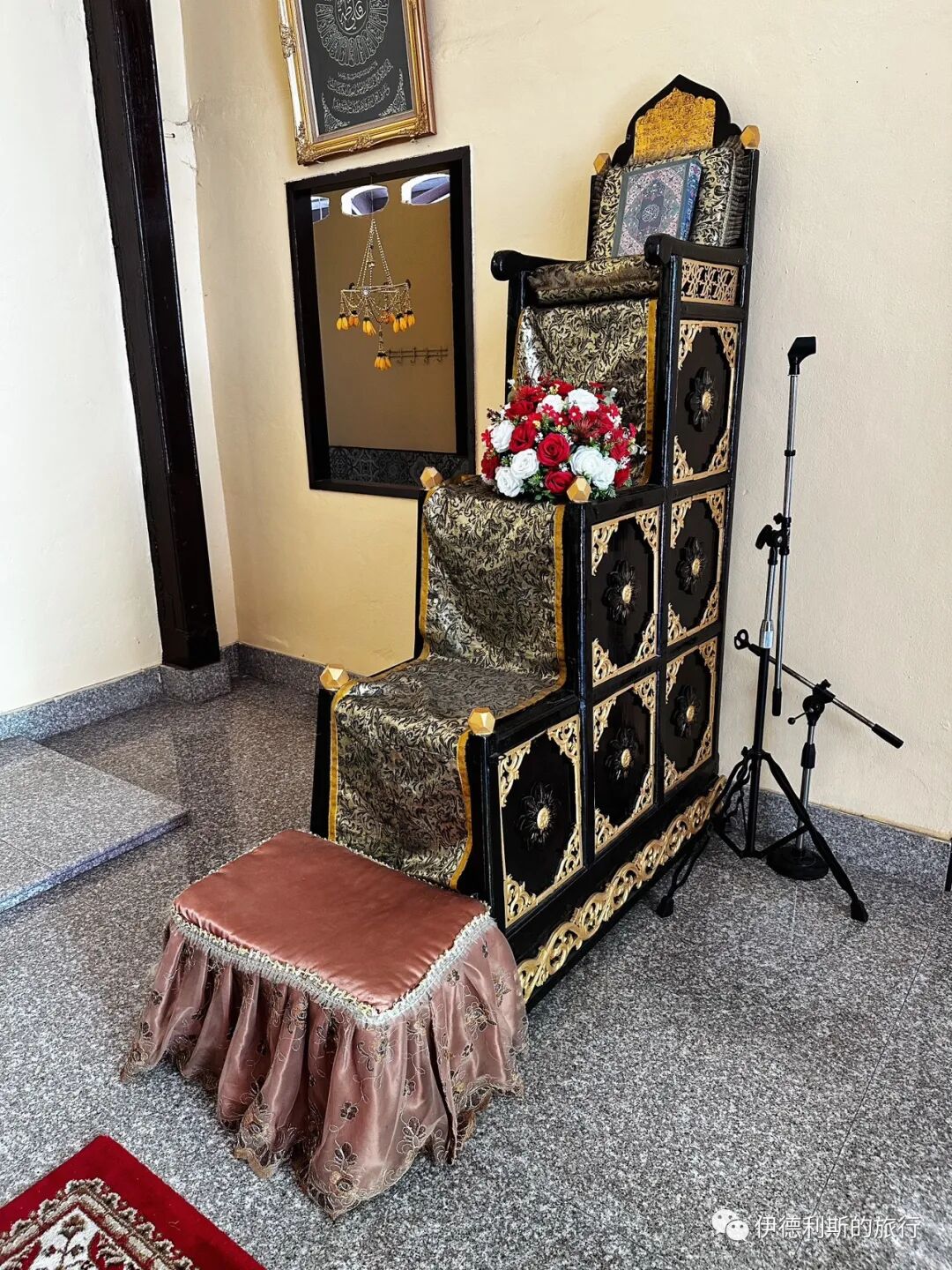
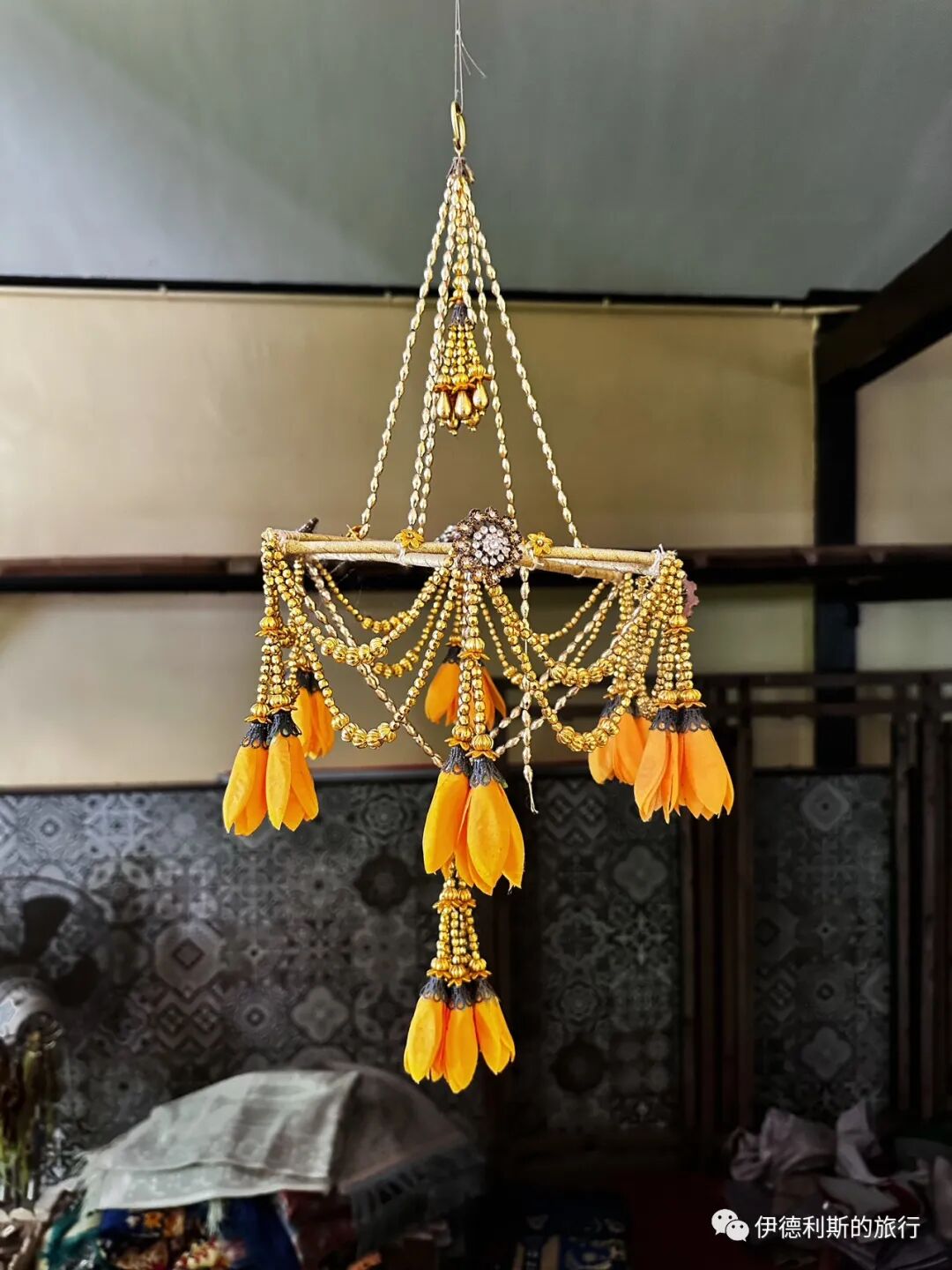
Inside the main hall of the Dilfulla mosque, you can see incense burners, the pulpit (minbar), scripture boxes, and fresh flowers. The house next door holds ceremonial items for the Ashura procession, which will likely be very lively when the time comes. During the Ashura Ta'ziya procession, South Asian Shia Muslims carry a colorful tomb model made of wood and paper, which symbolizes the tomb of Imam Hussein.
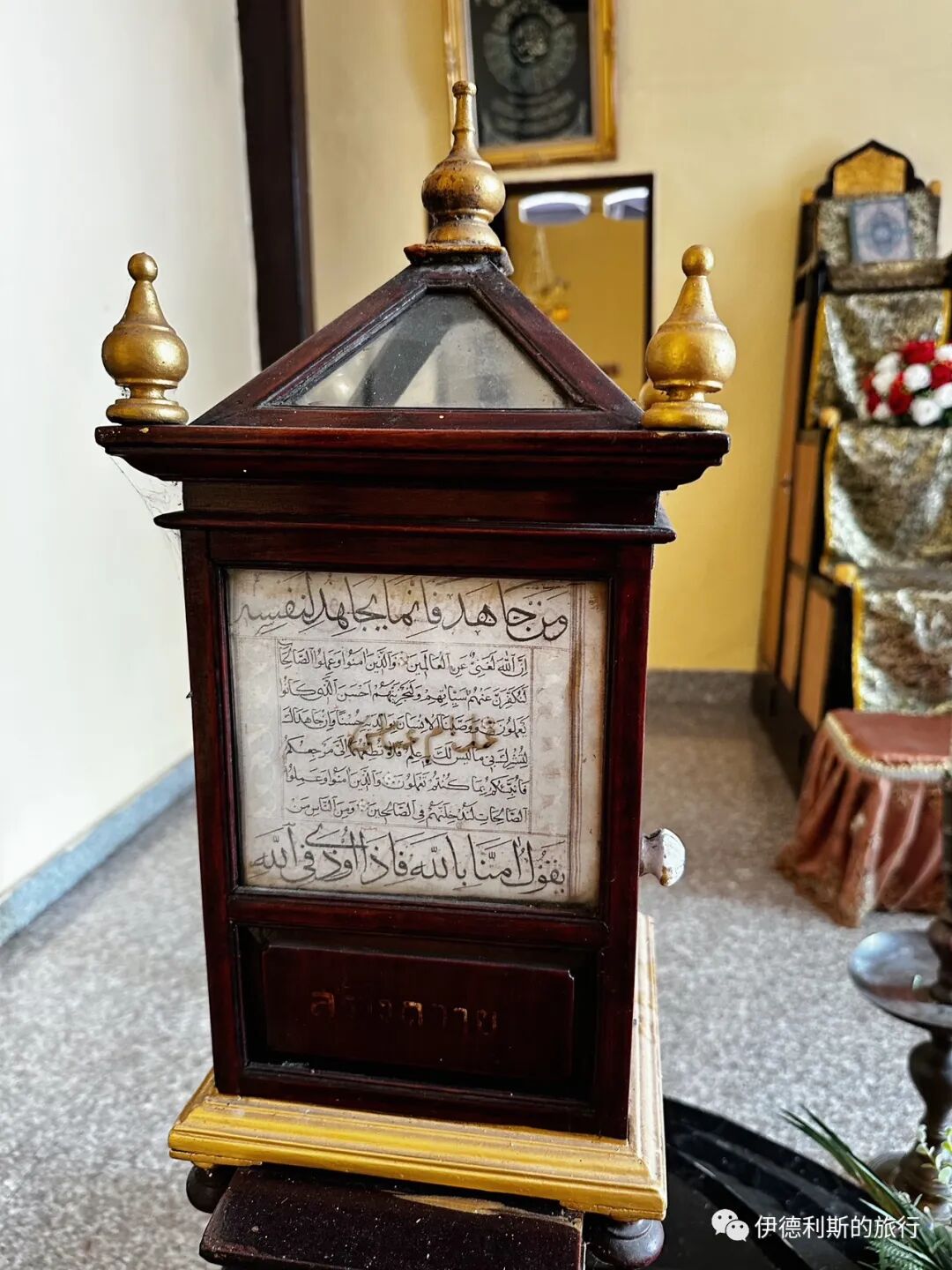
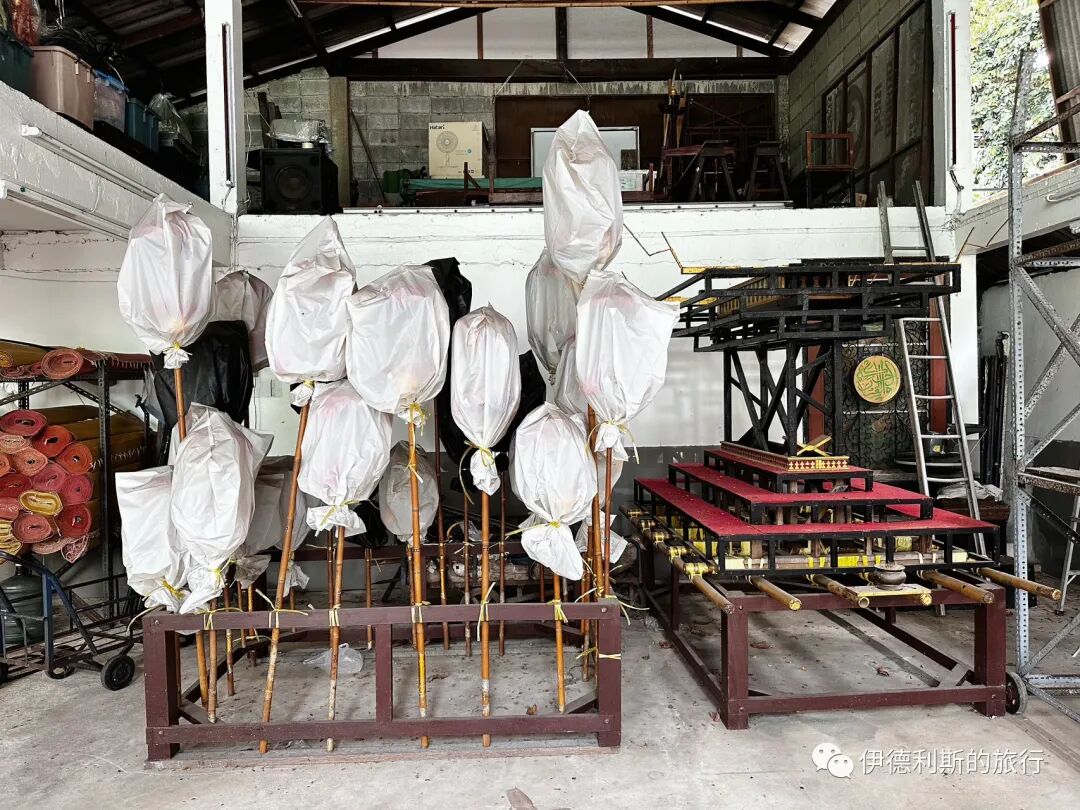
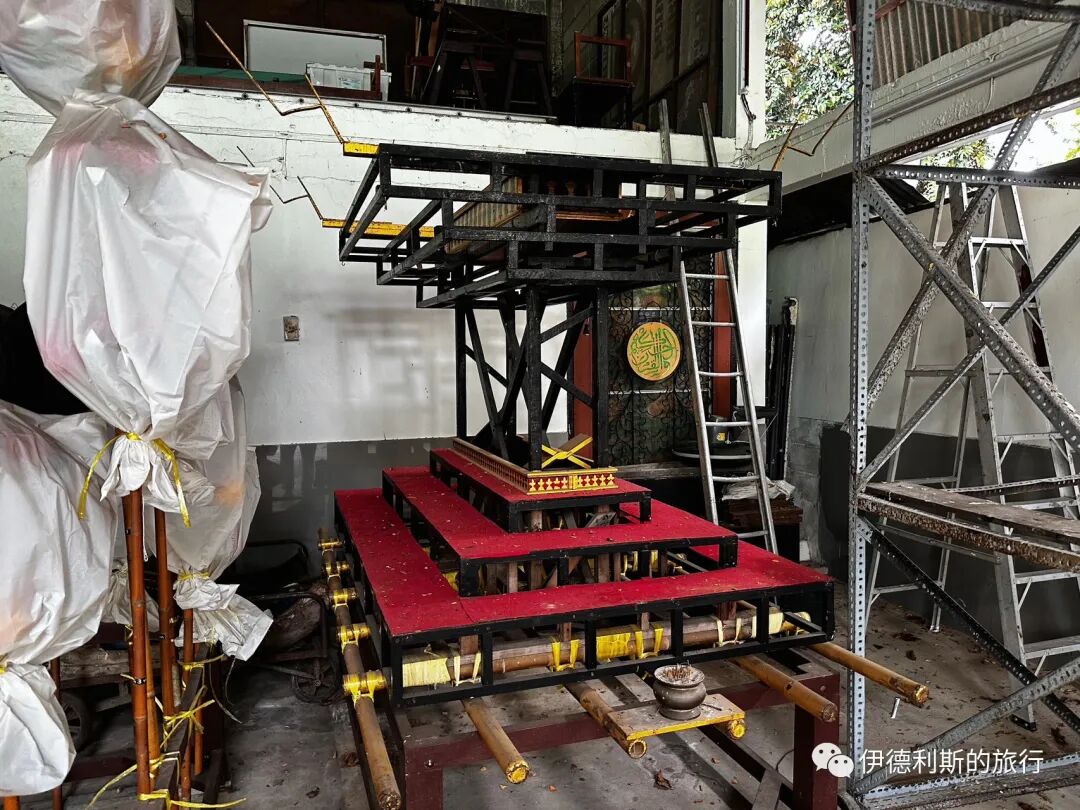
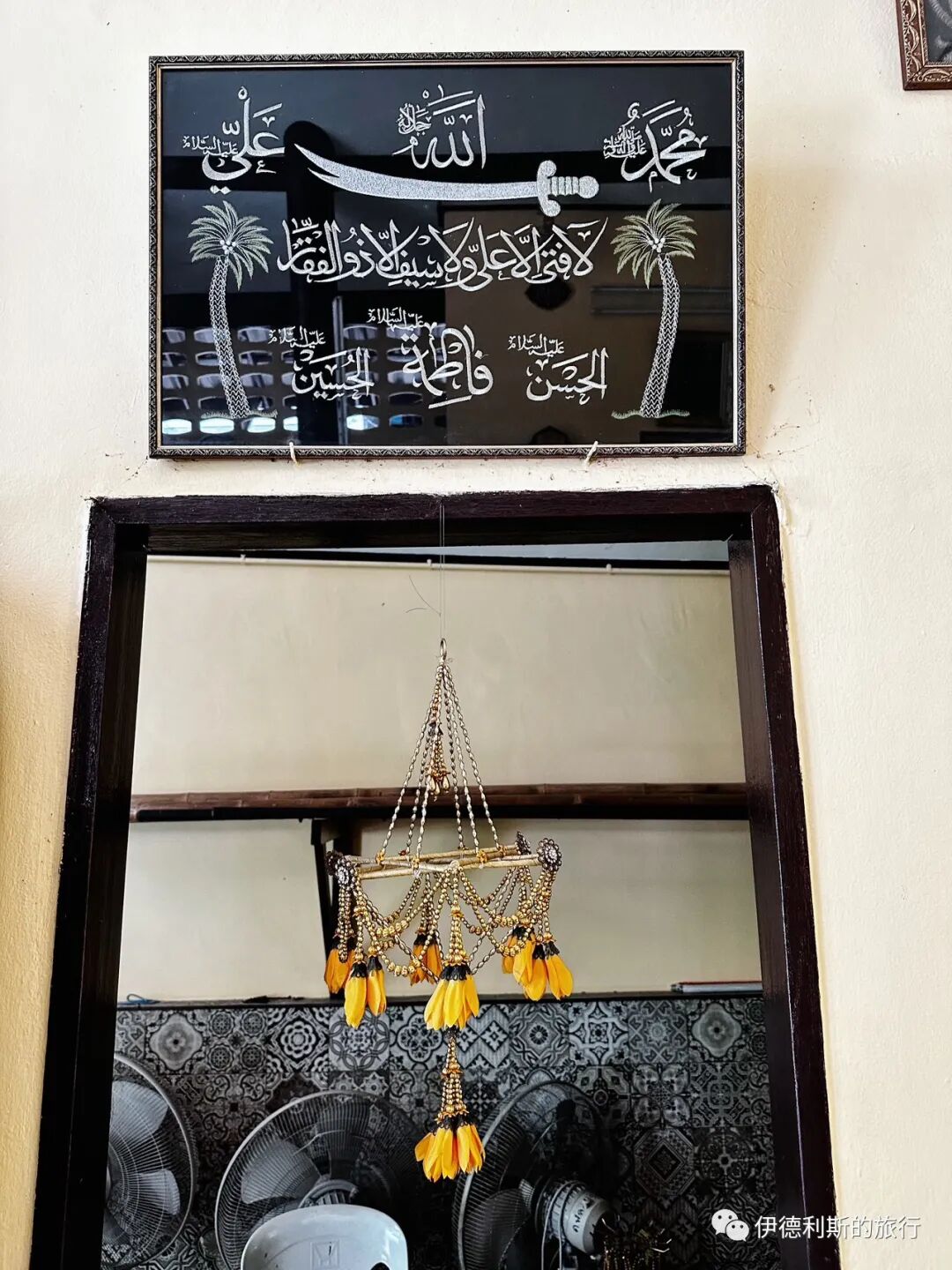
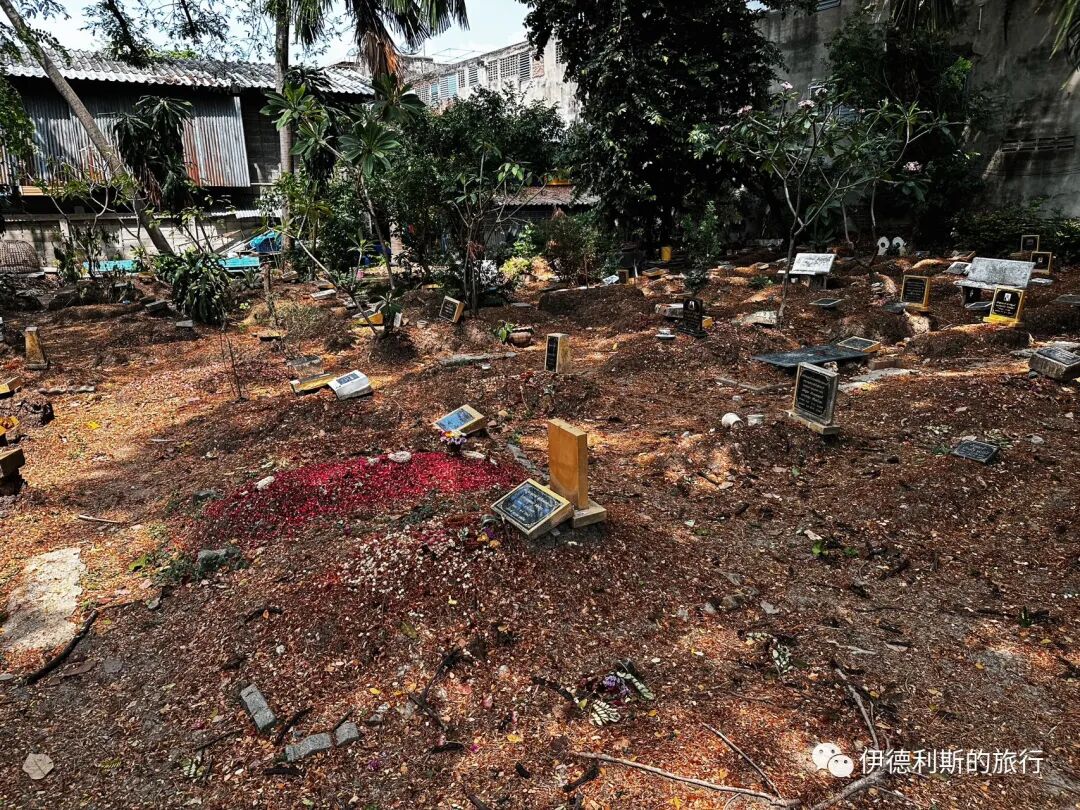
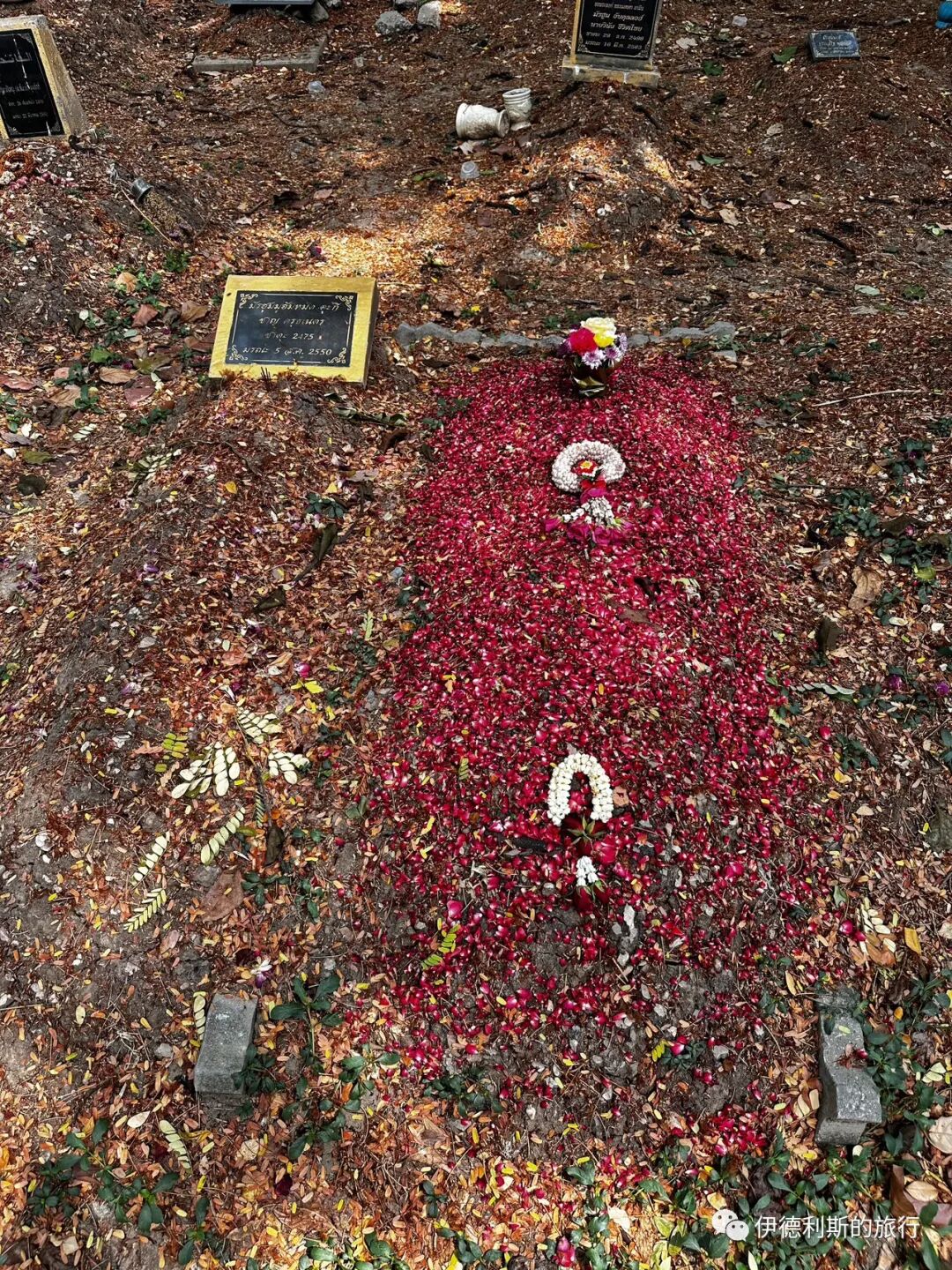
Next to the mosque is a cemetery for Indian Shia Muslims, where you can see some graves covered in fresh flowers, a way of remembering the dead that is very typical of South Asia.
Dawoodi Bohras community
In the early 19th century, Phraya Si Phiphat, who managed the Siamese royal warehouses, was a descendant of Shia Muslims from the Ayutthaya period. Although he had long since converted to Buddhism, he still provided many conveniences to Indian Shia merchants. At that time, Phraya Si Phiphat oversaw the construction of rows of royal warehouses and docks in the Khlong San area on the west bank of the Chao Phraya River. After Britain and Siam signed the Bowring Treaty in 1855, the Siamese royal family was forced to give up its trade monopoly and the royal warehouses were emptied, so Phraya Si Phiphat rented these warehouses to Indian Shia Muslims, leading to the emergence of a new Indian Shia community here.
The first Indian Shia merchant to rent a royal warehouse was A. T. E. Maskati, a textile dealer from Ahmedabad in Gujarat. He had already opened a shop near the Persian Shia community in Bangkok in the early 19th century. In 1856, he opened a weaving and dyeing factory inside the royal warehouse, employing over 600 Indian Shia workers at its peak. He and other Indian Shia merchants built a mosque in the warehouse area, naming it the White Building (Toek Khaw) mosque after the warehouse's white-painted walls, which was later renamed the Safee mosque.
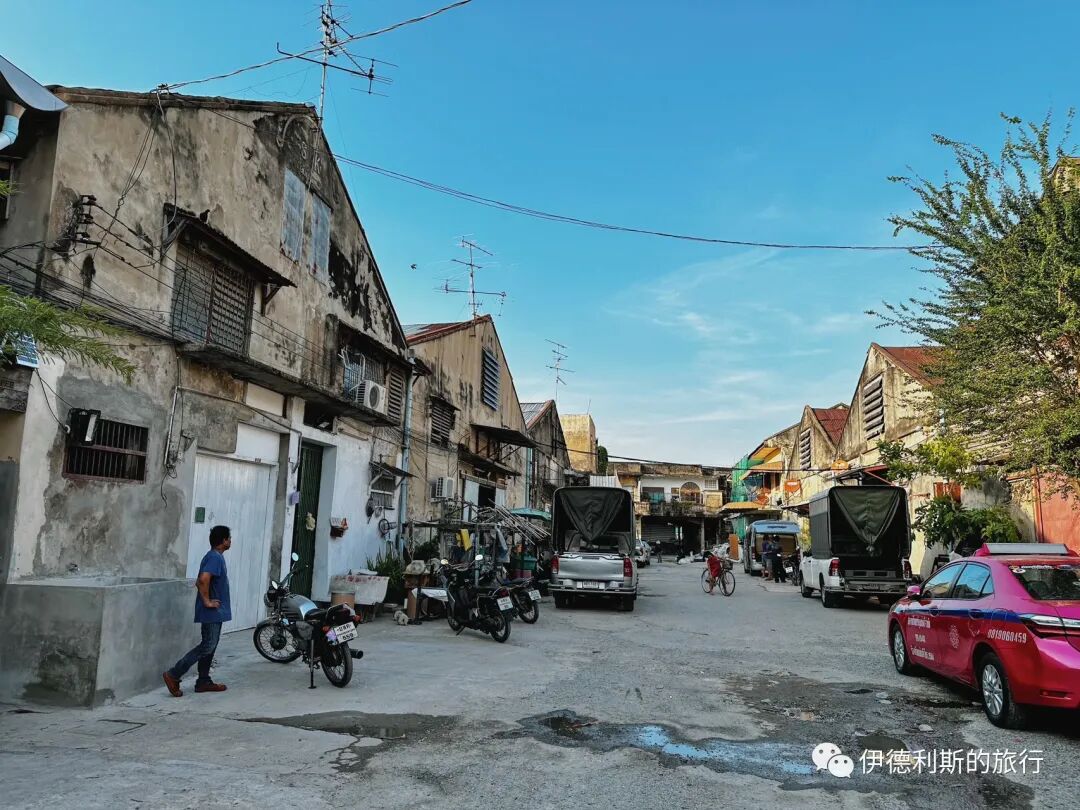
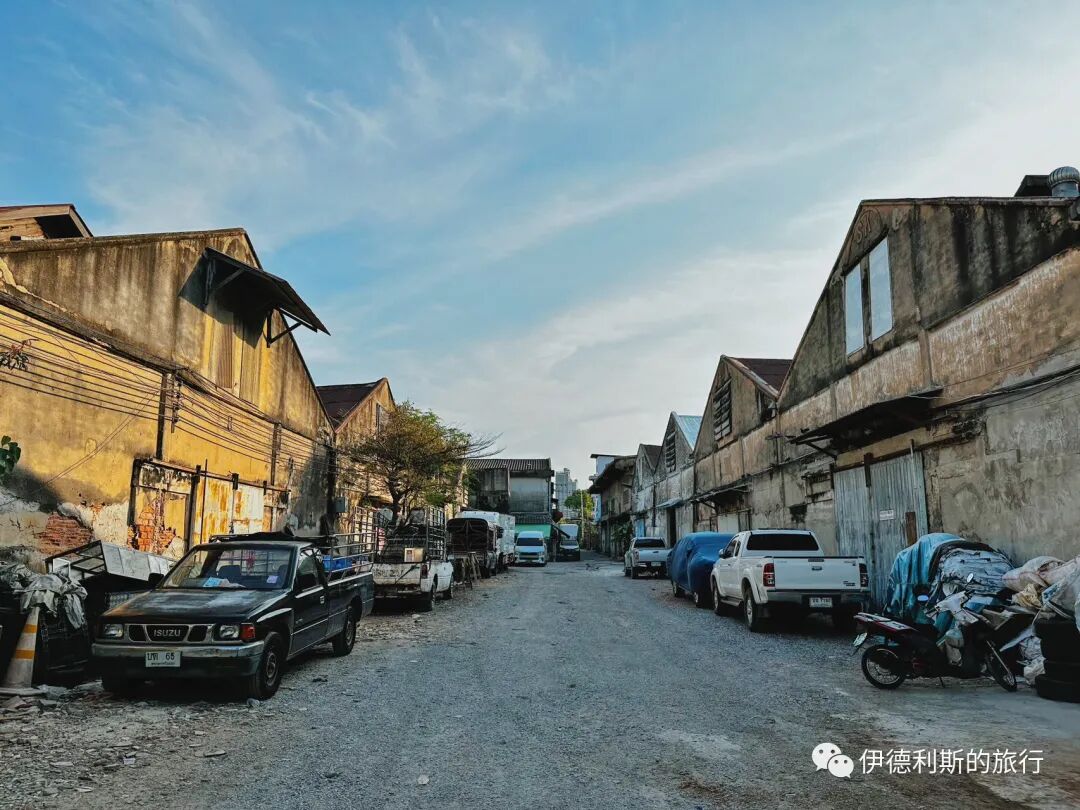
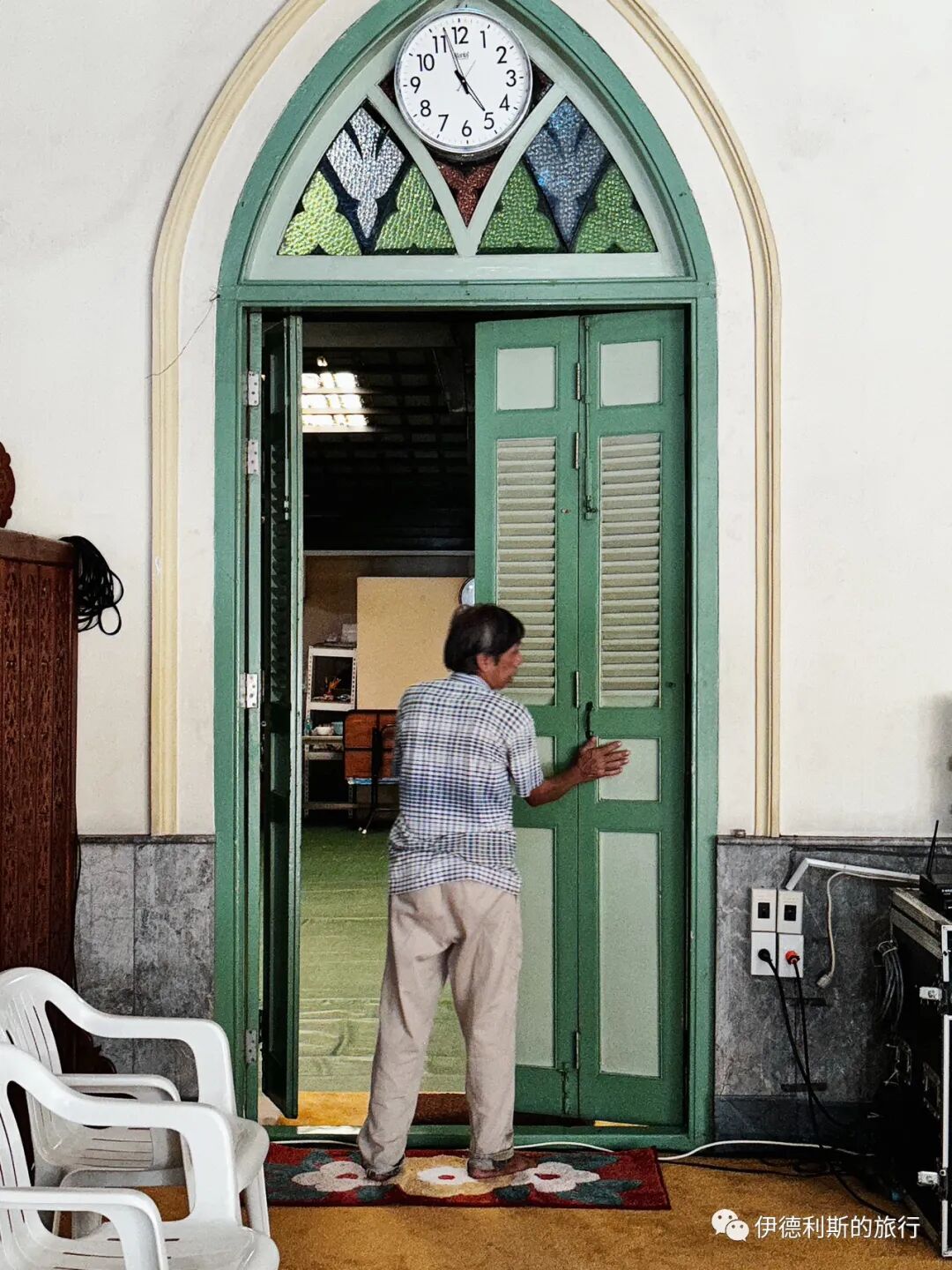
The Safee mosque is located deep inside the royal warehouse complex and can only be reached through a hidden alley in the middle of the warehouses. Most of the Indian merchants who once had shops nearby eventually returned to India, with only a few marrying and having children in Bangkok, and their descendants still live here today.
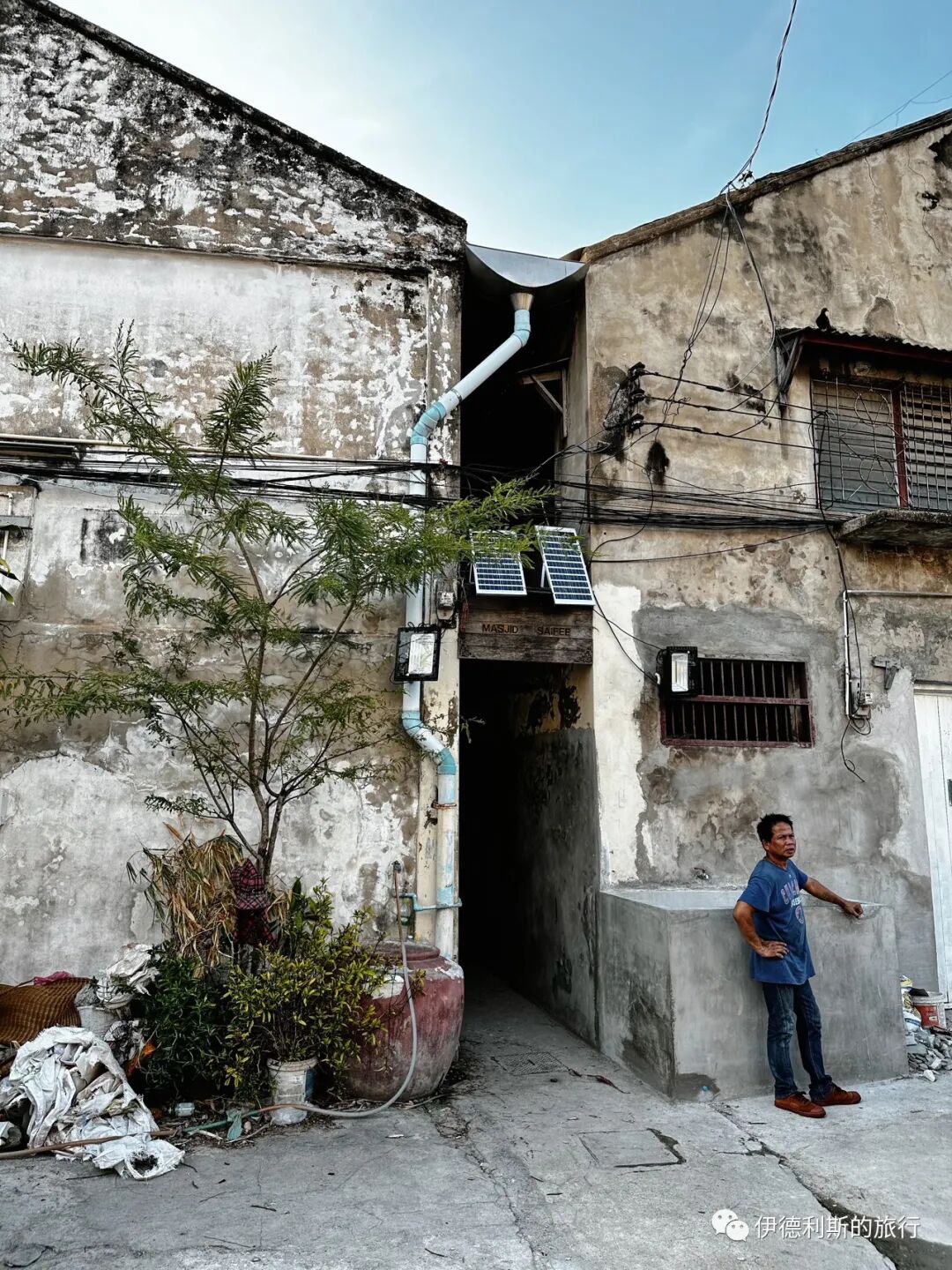
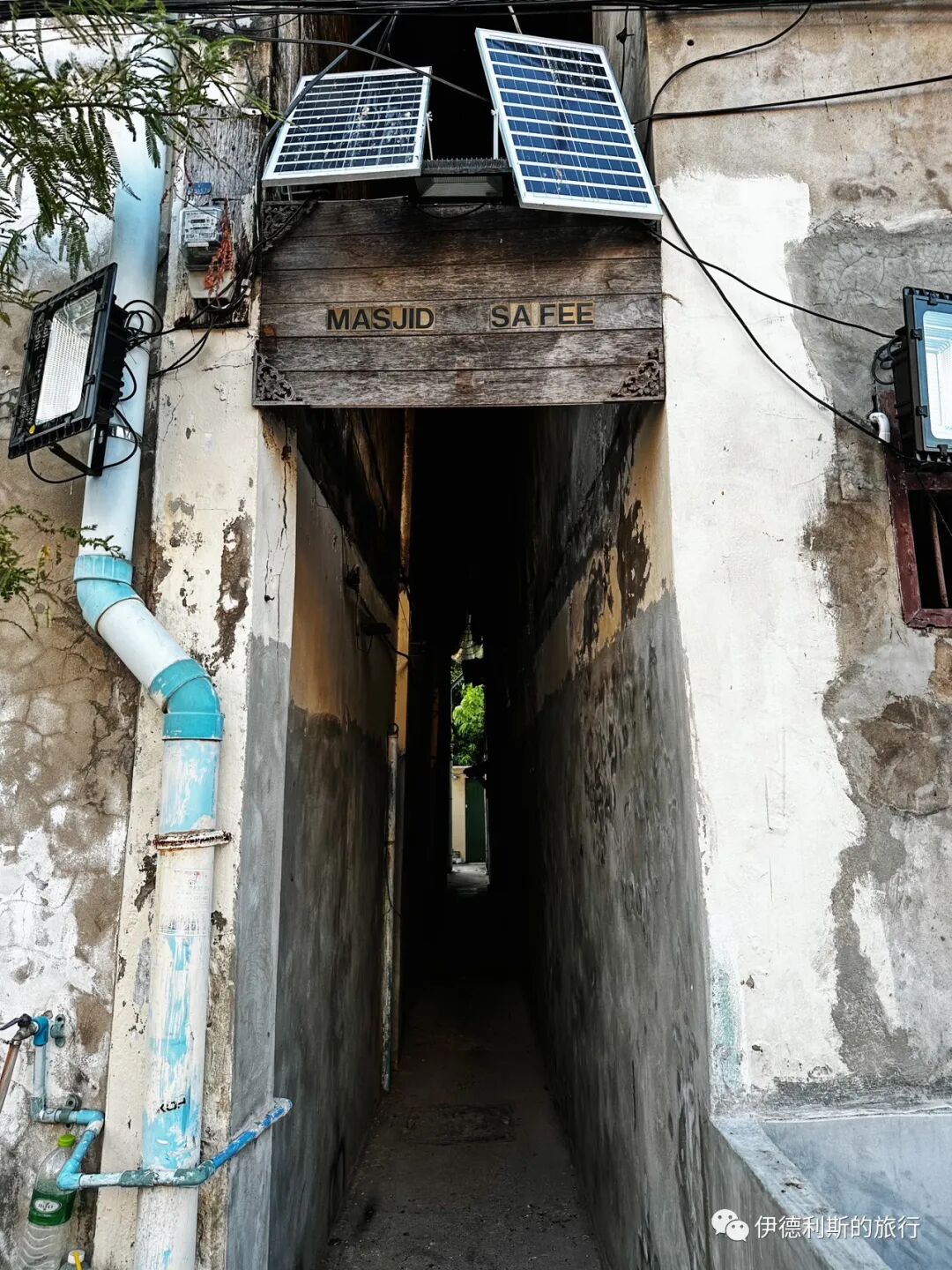
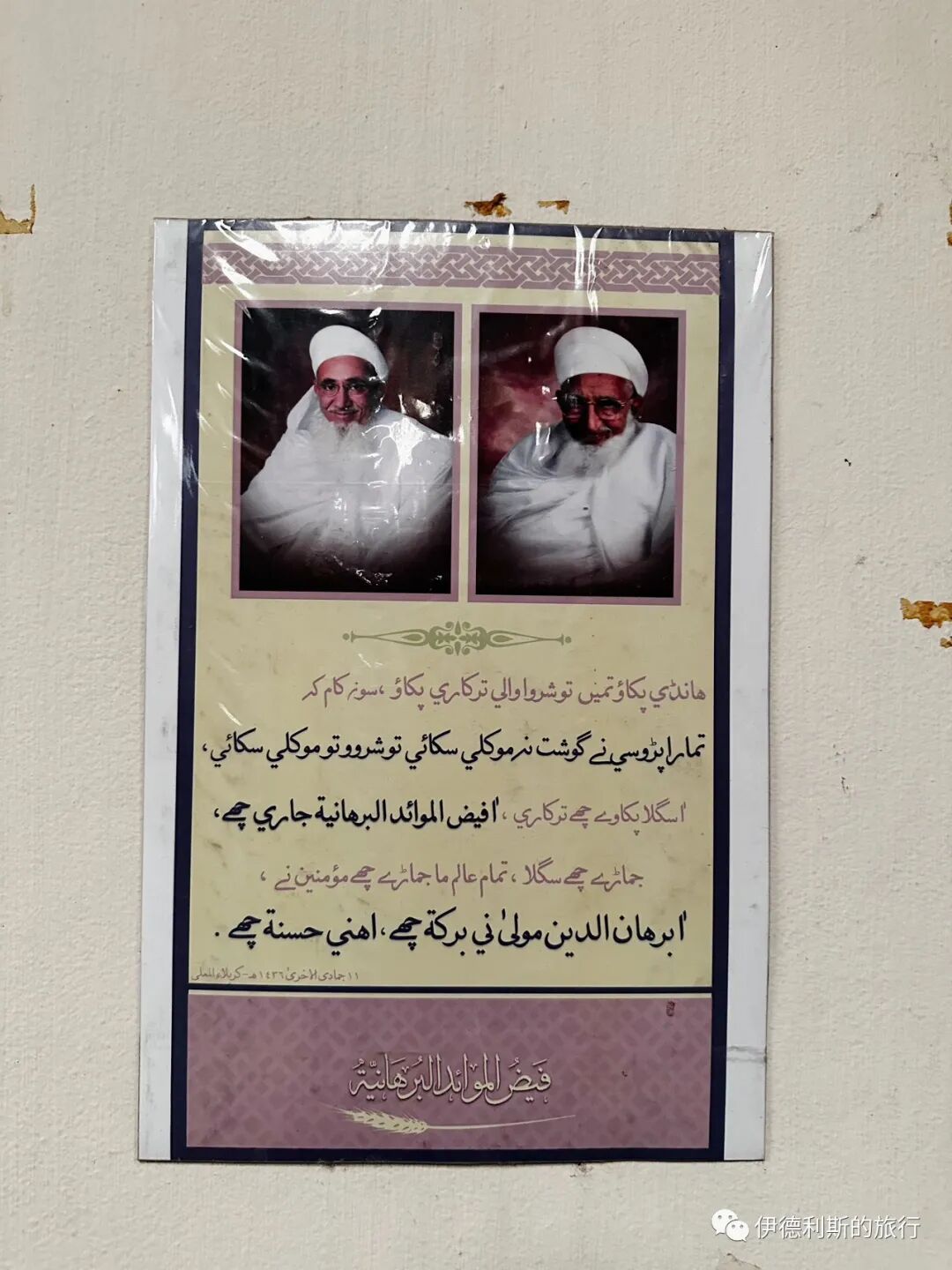
It is very interesting that this mosque belongs to a small branch of the Ismaili sect called the Dawoodi Bohras. This branch has only a few million followers, most of whom live in the Indian state of Gujarat and the city of Karachi in Pakistan. Today, you can see a photo of Mufaddal Saifuddin, the 53rd leader of the Dawoodi Bohras who succeeded in 2014, on the wall of the Sefi mosque.
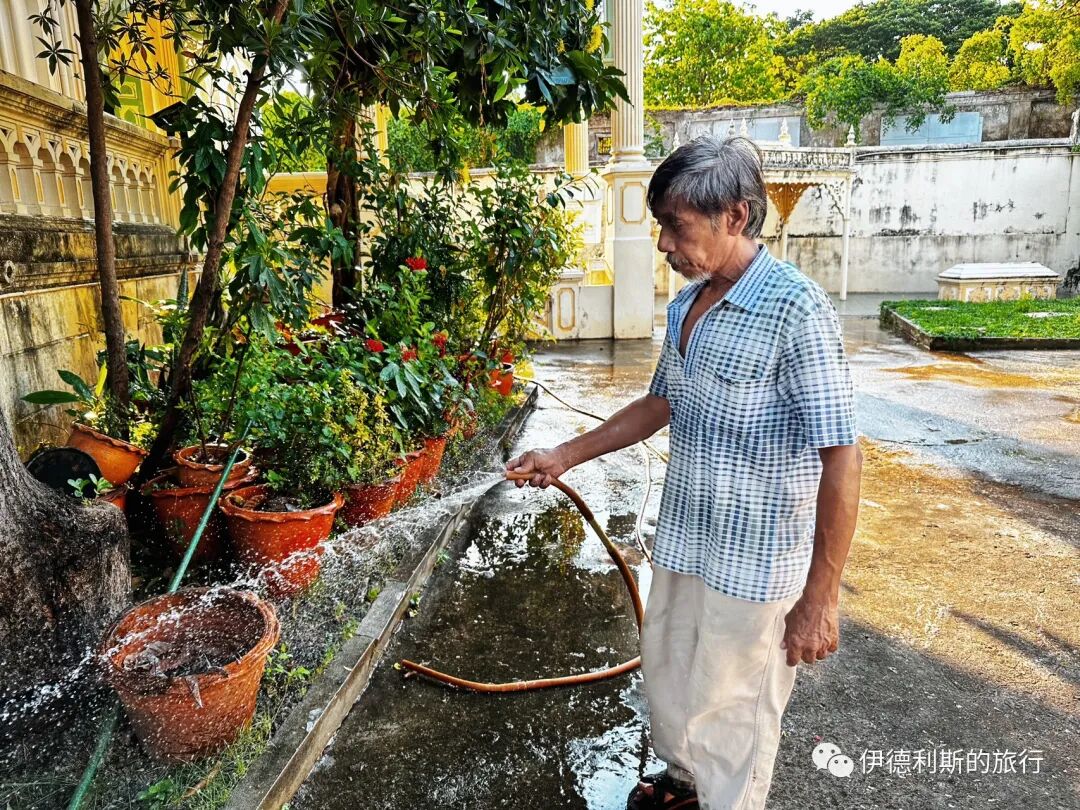
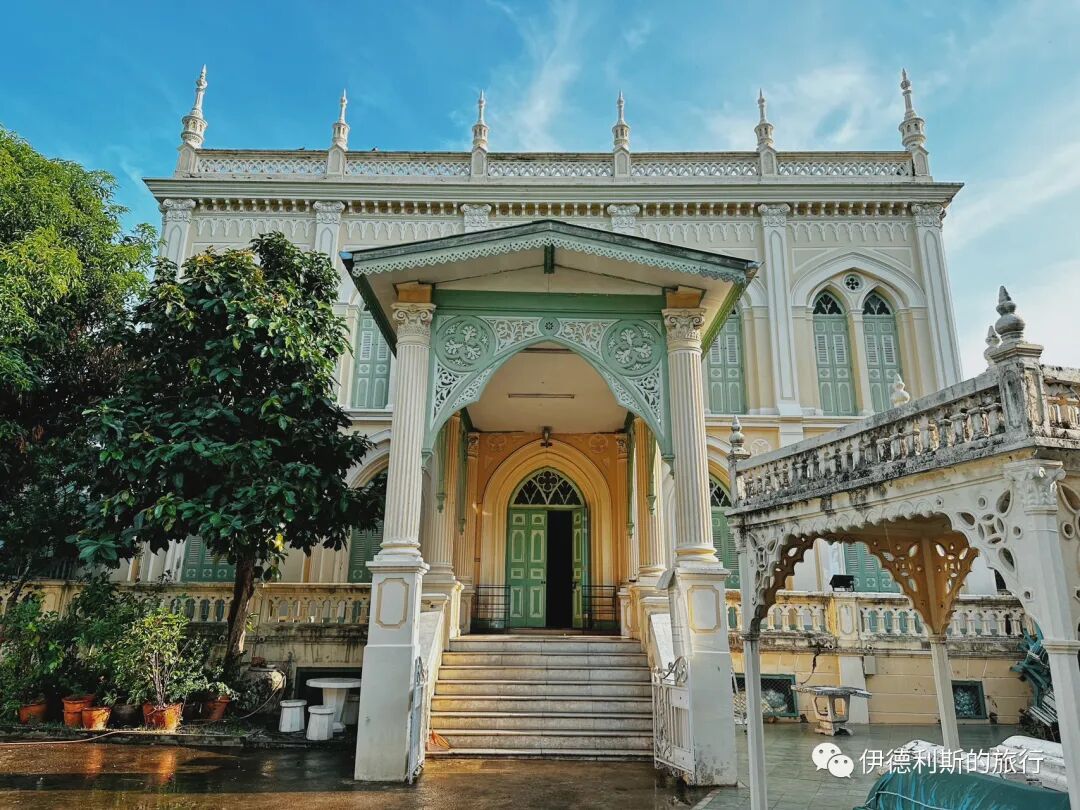
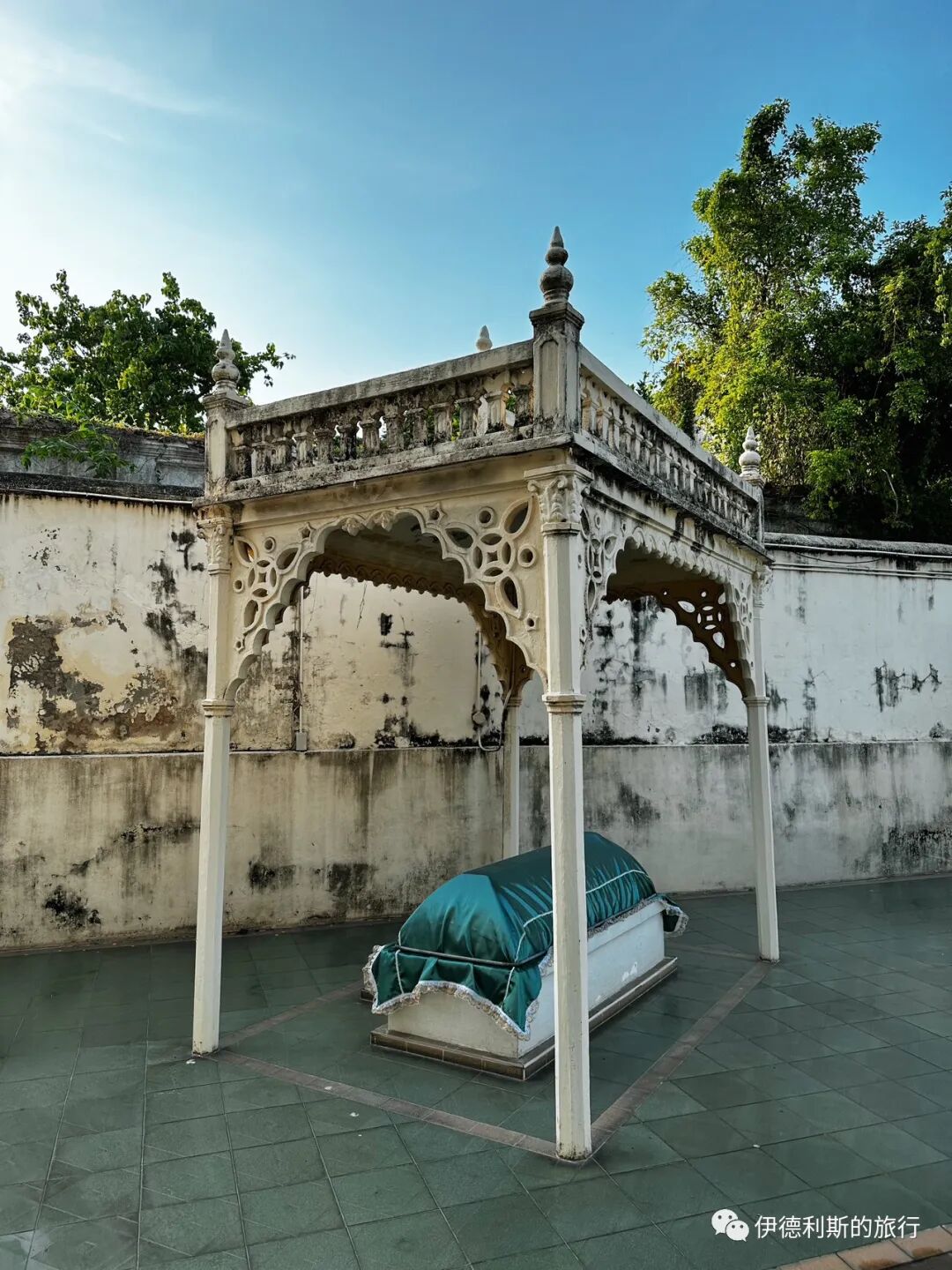
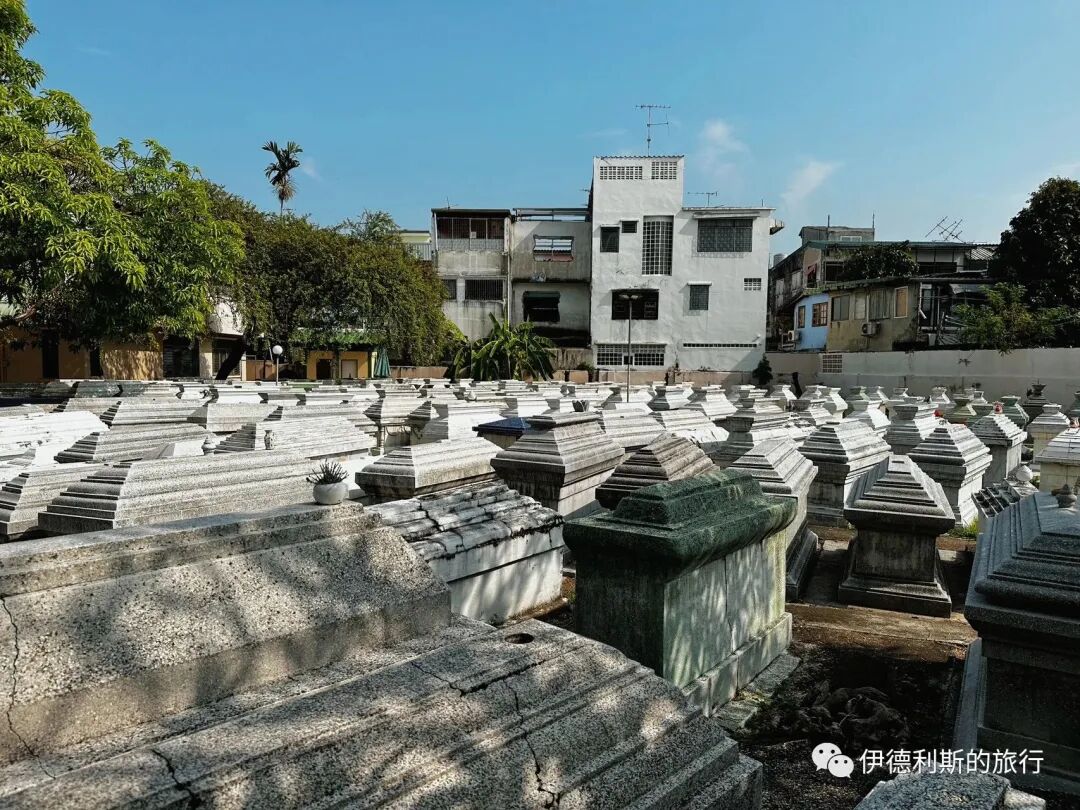
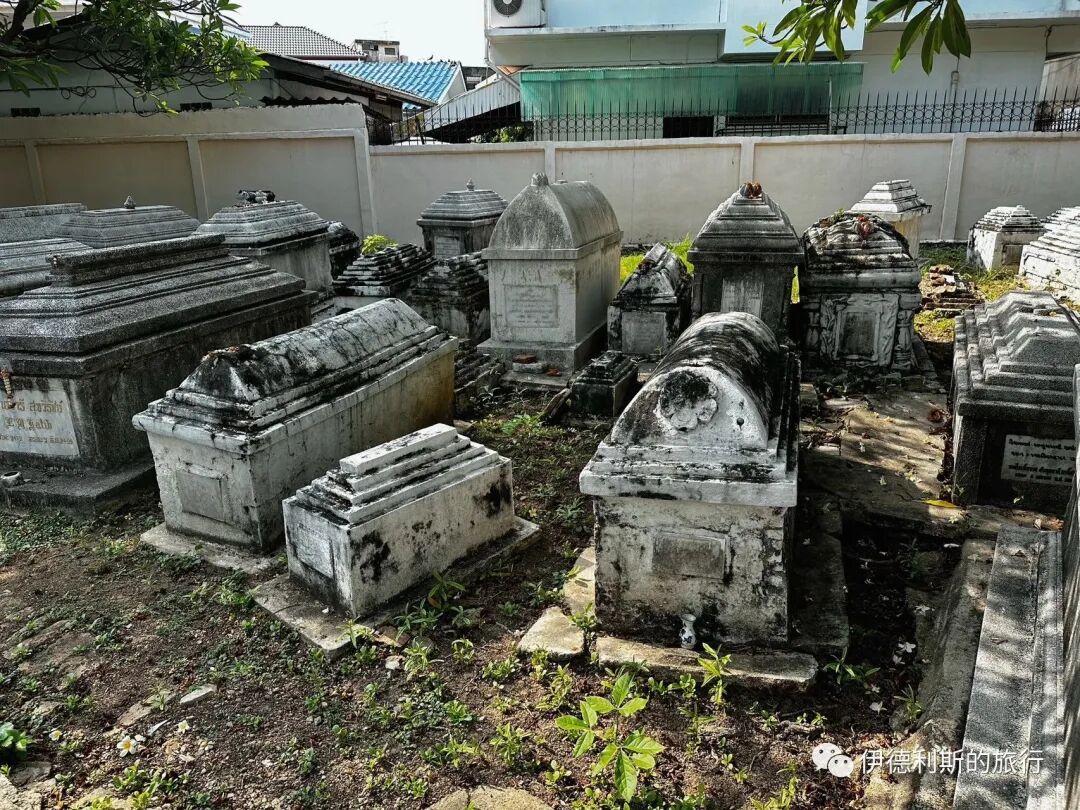
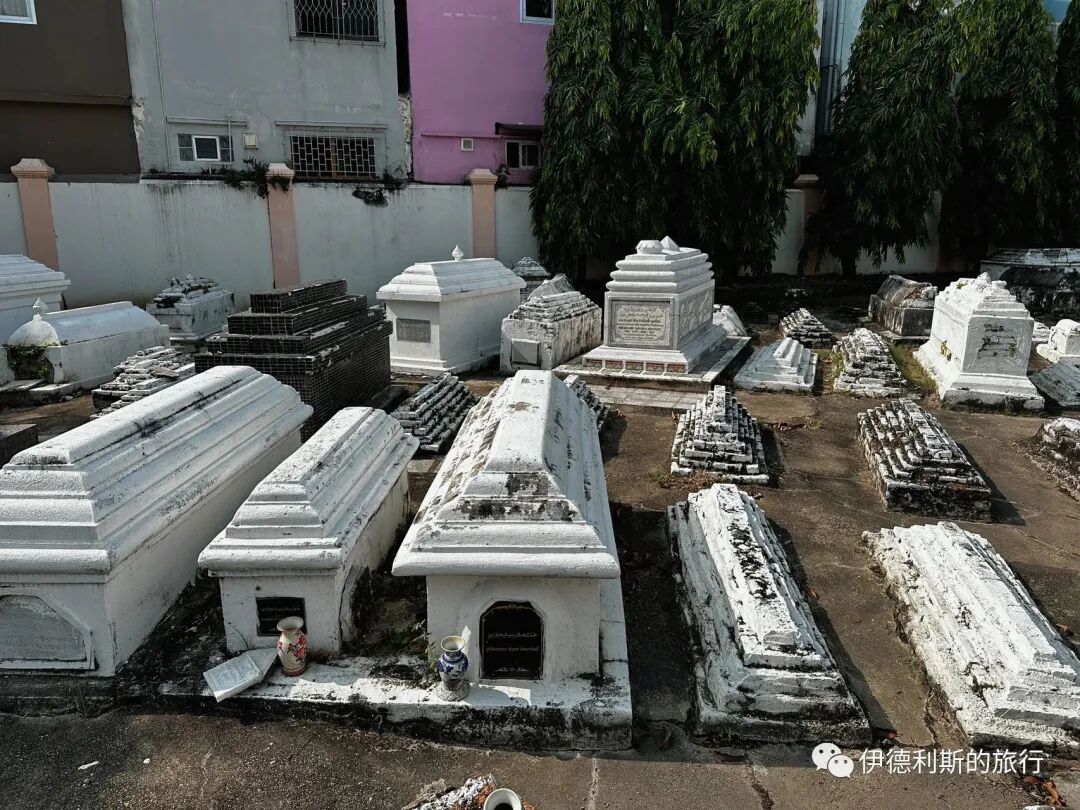
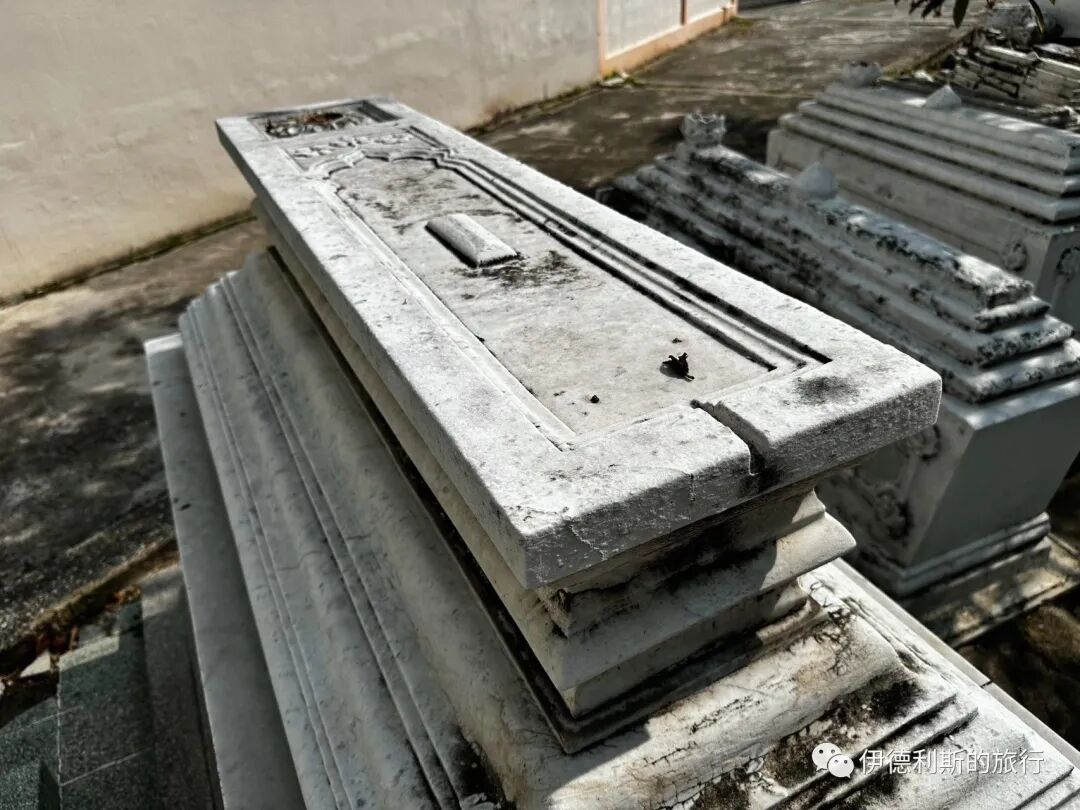
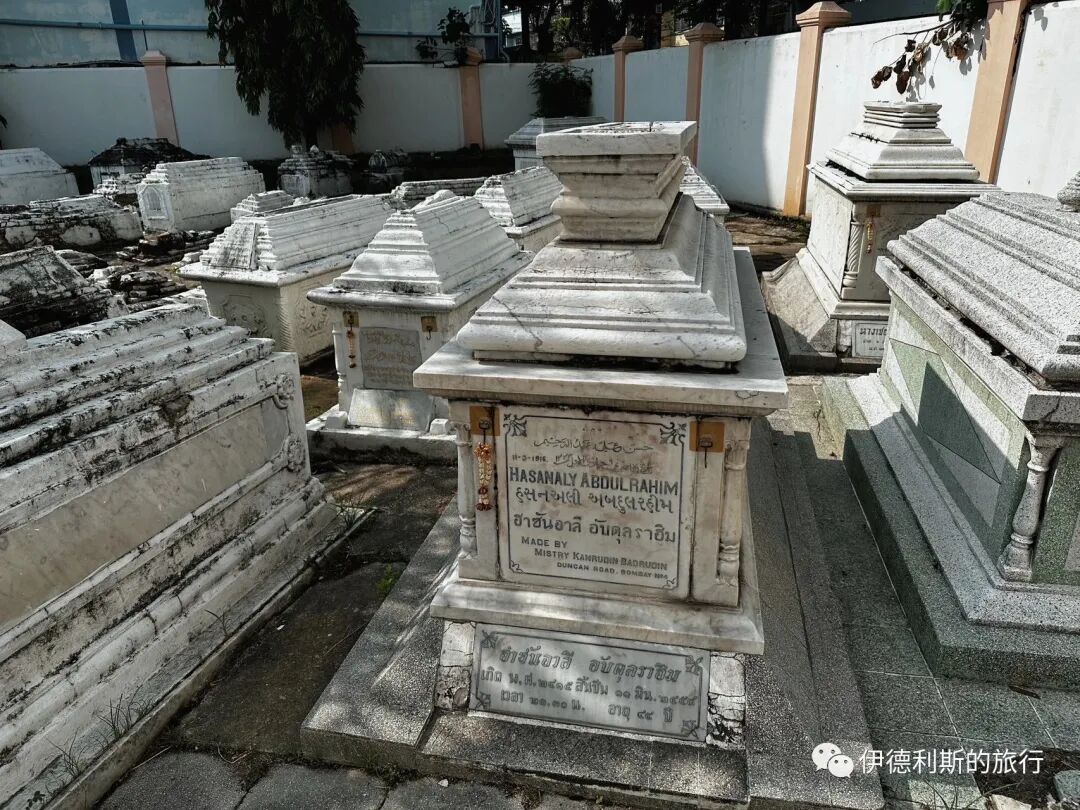
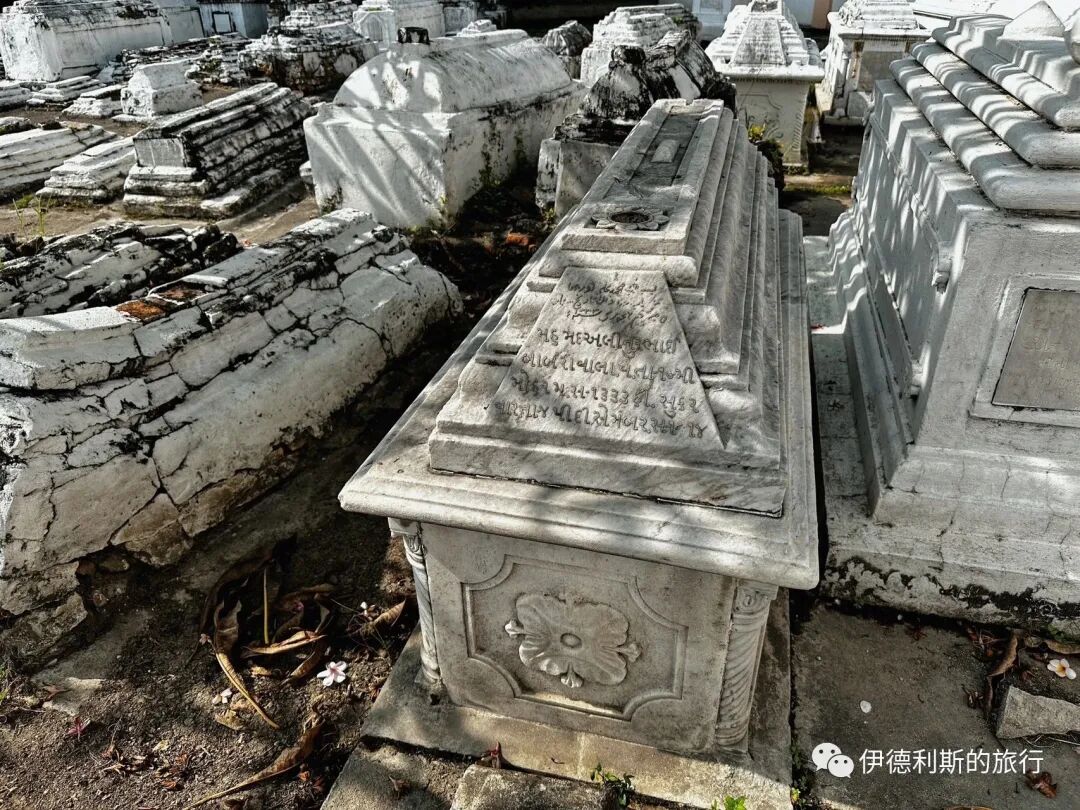
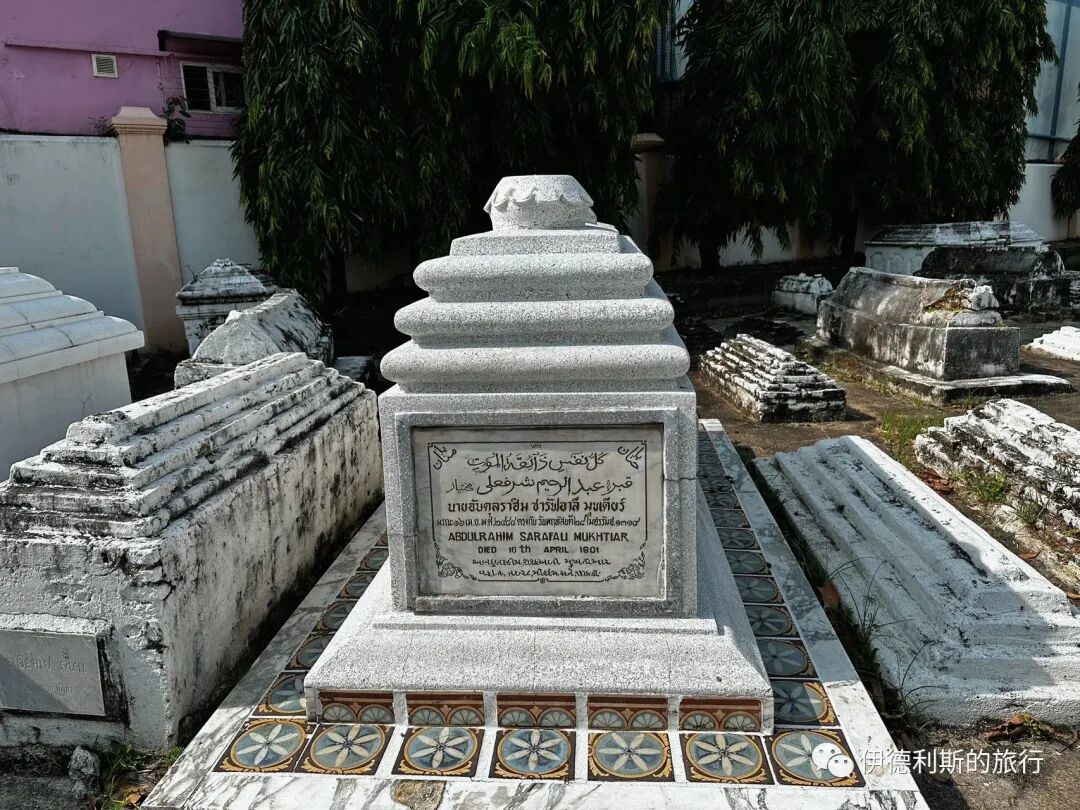
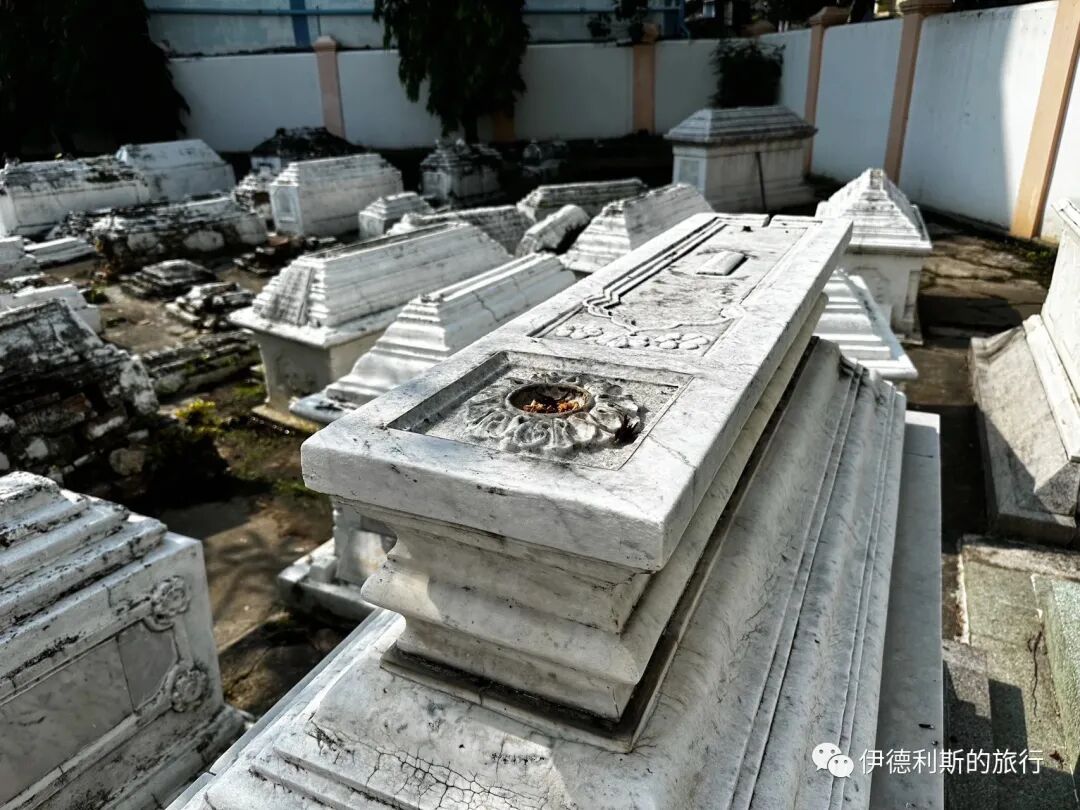
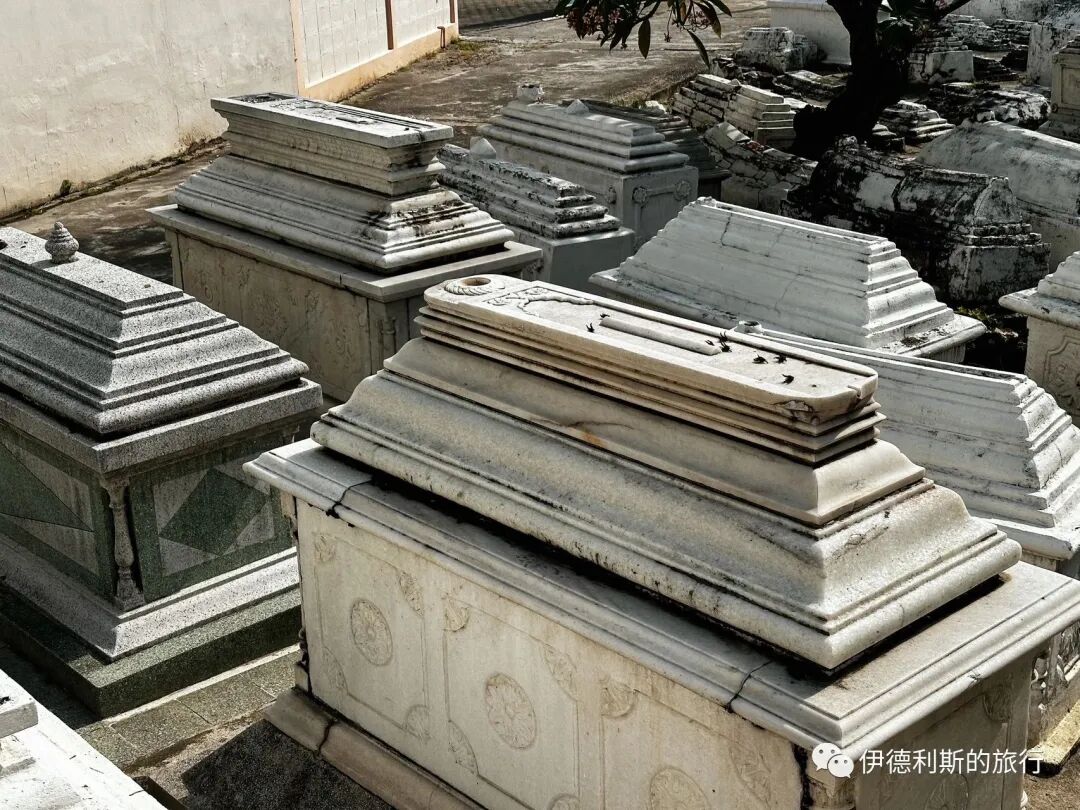
The Dawoodi Bohra cemetery is right next to the Persian community in Bangkok, and since the mid-19th century, it has been the burial place for Shia Muslims from Indian cities like Surat, Mumbai, Sidhpur, Khambhat, Ratlam, Ahmedabad, and Dhoraji.
The Dawoodi Bohras are known for their mercantilism and modern lifestyle, with most followers being merchants and entrepreneurs; the word "Bohra" itself means "to trade" in the Gujarati language.
The Dawoodi Bohras originated from the Shia Ismaili Fatimid Caliphate, which ruled North Africa from the 10th to the 12th century. In 1067, the 18th imam of the Fatimid Caliphate sent a man named Abd Allah from Yemen to the Indian state of Gujarat to preach, where he achieved great success. Since then, the followers in Gujarat have kept in touch with Yemen and continued to grow. In 1567, the headquarters of this sect officially moved from Yemen to Gujarat.
Starting in the 19th century, members of the Dawoodi Bohras began to travel abroad for business. The 43rd leader, Abdeali Saifuddin, invited 12,000 followers to the city of Surat in Gujarat, providing them with food, work, and housing, with the only condition being that they learn and practice professional skills, and he gave them startup capital after they finished their training. Many people chose to use this money to go out and do business, with some reaching East Africa and others coming to Siam.
The Dawoodi Bohras have their own unique culture, which blends traditions from different regions like Yemen, Egypt, Pakistan, and India. They use a language called Lisan al-Dawat, which has a basic structure from Gujarati and vocabulary from Arabic.
After the Toek Khaw (white brick) mosque was built in 1856, some Dawoodi Bohra Shia merchants from Surat, India, rented a royal warehouse a few hundred meters upstream. At that time, some Malay Sunni Muslim goldsmiths from Sai Buri district in Pattani province, southern Thailand, also lived nearby, and they were skilled at making an alloy of gold, silver, and copper called Nak in Thai.
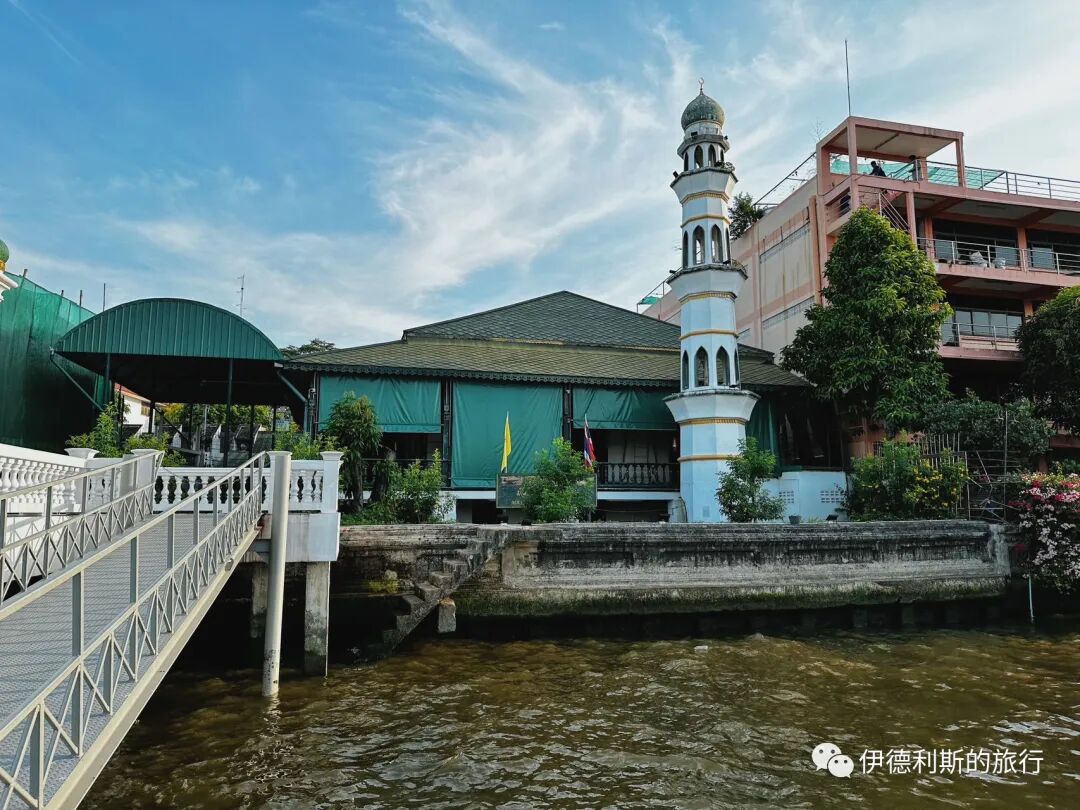
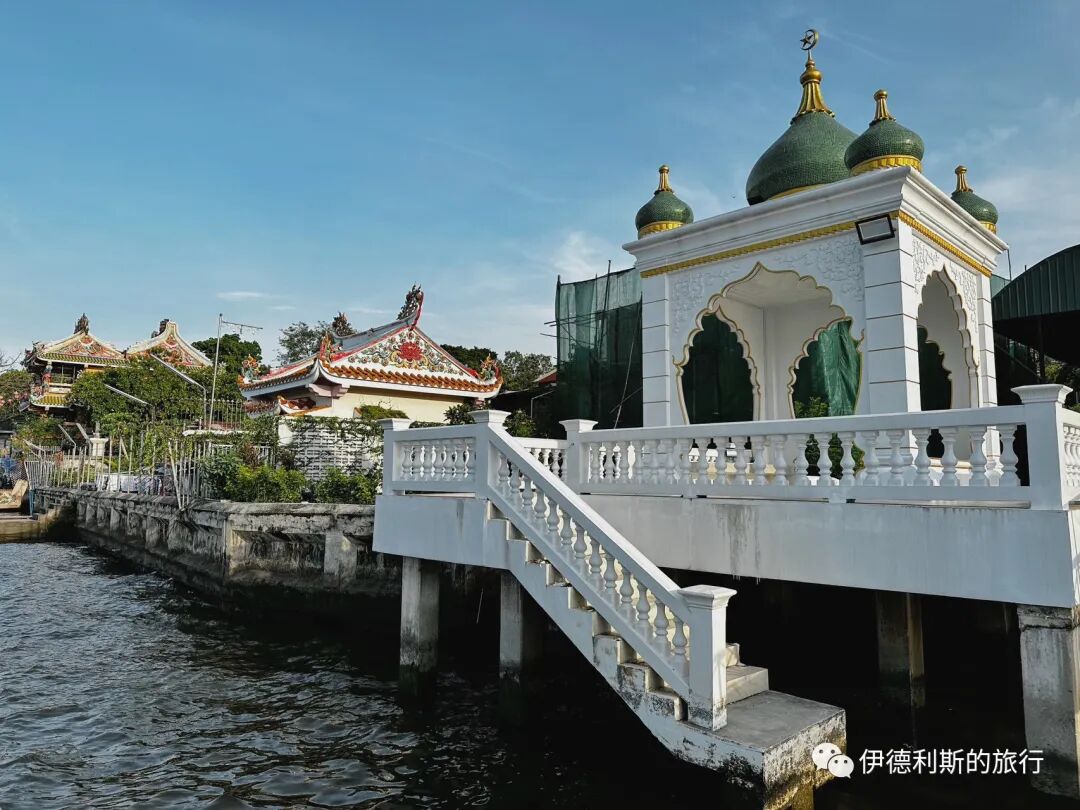
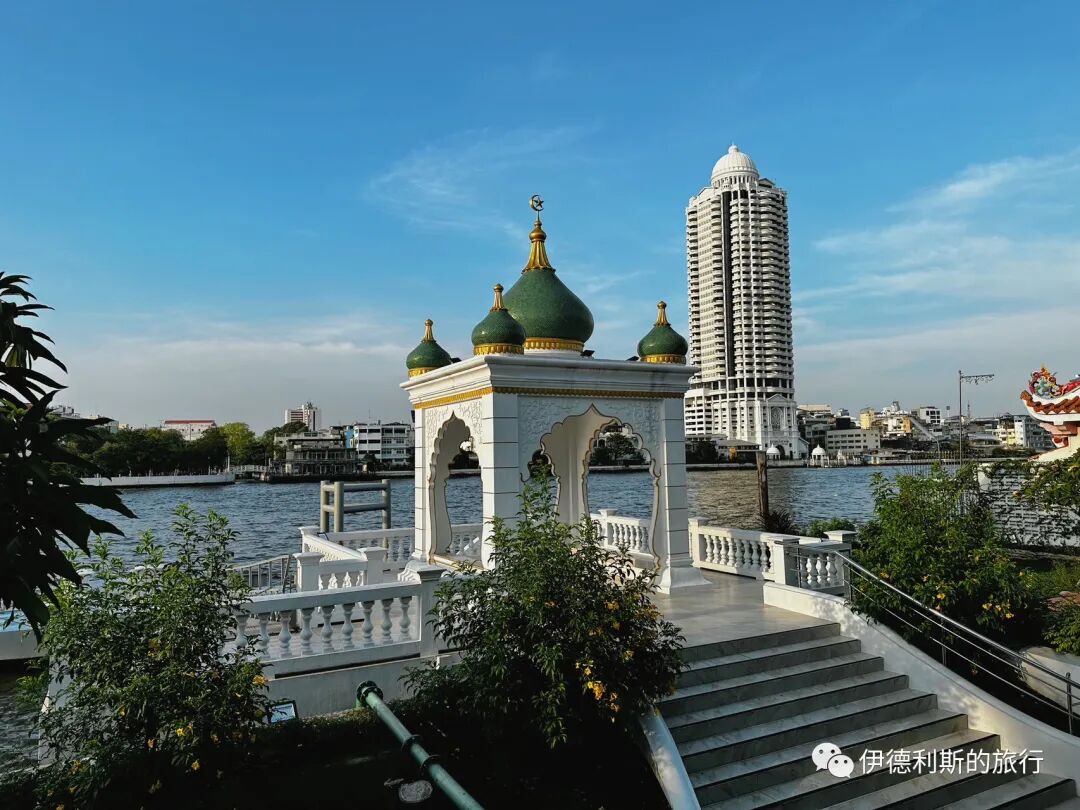
In 1859, these two groups of Muslims worked together to build a new mosque. Because the nearby warehouses were made of red brick, it was called the Toek Daeng (red brick) mosque, and later renamed the Goowatil Islam mosque.
Among the Indian Shia merchants in the Goowatil Islam mosque community, Ali Asmail Nana was the most famous. He earned the title of Phra Phichet Sanphanit while working as a translator for the Siamese Western Trade Department, married and had children in Bangkok, and his family later found success in real estate development.
After the 20th century, Indian Shia merchants began moving their shops from the old royal warehouses to the busier area around Song Wat Road in Bangkok's Chinatown. They started working in more promising fields like commission agents, bankers, insurance brokers, auctioneers, and real estate developers. As times changed, you can no longer find those Indian Shia merchants at the Goowatil Islam mosque today.
Summary: Bangkok — Shia Muslim Community and Mosques is presented here as a firsthand travel account in clear English, beginning with this scene: During the May Day holiday in 2023, I visited the Shia community in Bangkok, Thailand. The account keeps its focus on Bangkok Shia Muslims, Mosques, Muslim Travel while preserving the names, places, food, and historical details from the Chinese source.
During the May Day holiday in 2023, I visited the Shia community in Bangkok, Thailand. This included one Persian-descended mosque, one Shia hall, three Indian-descended mosques, and two Indian-descended cemeteries. I learned about the history of Persian and Indian Shia Muslims moving to Bangkok in the 18th and 19th centuries, and I am sharing it with you here.
Persian-descended community
From the 16th to the 18th century, Shia merchants from the Safavid dynasty of Persia worked to travel across the Indian Ocean to trade in Siam. As a powerful overseas interest group, these merchant caravans were warmly welcomed and received with high honors by the Siamese royal family. They brought textiles, gemstones, pigments, glazes, printed materials, and horses to Siam, and took ivory, rare woods, and spices back to their home country. Some Persian merchants married locals and settled down, holding important positions in the Siamese government.
Starting in the 17th century, the Sheik Ahmad family from Qom, Persia, controlled the management of Siam's maritime affairs with the West. The Siamese king granted them the title of Phraya Chula Rachamontri. They were responsible for trade, shipping, and diplomatic affairs in the Indian Ocean, and they also served as leaders of the Muslim community in Ayutthaya and as advisors to the Siamese king on Muslim affairs.
After Ayutthaya fell in 1767, Siam first moved its capital to Thonburi on the west bank of the lower Chao Phraya River, and then officially established its capital in Bangkok on the east bank of the Chao Phraya River in 1782. Some Persian descendants from Ayutthaya followed. They were allocated a piece of land in the Thonburi area, where they were able to build a mosque, a cemetery, and homes.
The first leader of the Persian-descended Muslims in Bangkok was Konkaew, the son of the last Phraya Chula Rachamontri of Ayutthaya. He inherited the title of Phraya Chula Rachamontri in 1797 and continued to manage Siam's trade with the West. After Konkaew passed away, his younger brother Akayi and the next eight direct descendants inherited the title one after another. They controlled Siam's trade rights with the West for a hundred years until the 1890s, and they remained the nominal leaders of Siamese Muslims until the 1940s.
In the late 18th and early 19th centuries, Akayi built Kudi Charoenphat in the center of the Persian-descended community in Bangkok. This is an Imambara hall used by Shia Muslims to hold mourning ceremonies.
An Imambara, also called a Hussainiya or Ashurkhana, is a hall where the Twelver branch of Shia Muslims holds ceremonies to mourn Imam Hussain. On the Day of Ashura (the 10th day of the first month of the Islamic calendar) in 680 AD, the Prophet's grandson, Imam Hussain, was martyred in the Battle of Karbala. Since then, Shia Muslims have held grand mourning ceremonies every year in the first month (the month of Ashura), the second month (40 days after Ashura), and the ninth month (Ramadan). Most ceremonies take place in the Imambara hall, except for the most important procession activities.
Inside, there is a model of the tomb of Imam Hussain.
The wood carvings on the hall feature the Gingerbread style, which was popular in Thailand in the late 19th century. This architectural style started in Victorian-era England and later developed when British companies logging teak in Thailand mixed in local Thai decorative elements. Because of high construction and maintenance costs, this style of decoration gradually became a thing of the past after the 20th century.
The mihrab and minbar at Kudi Charoenphat.
I met an imam here who is a local Bangkok resident of Persian descent.
Street scenes in the Persian community of Bangkok show many homes and shops displaying the Lion of God (Huda), which refers to Imam Ali and serves as a symbol for Shia Muslims.
A barbershop run by a Persian Shia Muslim.
The center of the Persian community in Bangkok is the Phadungtham Islam mosque. This mosque was first built in 1938 and rebuilt into its current structure in 1979.
The new mosque features a Persian-style iwan gate, modeled after the Imam Reza Shrine, a Shia holy site in Iran.
Inside the hall hang portraits of the tomb of Imam Hussain and Imam Hussain himself.
The Shia flag is called an alam; it represents the banner of Imam Hussain's army during the Battle of Karbala and is a symbol of truth and courage. The flag bearer at the time was Abbas, the brother of Imam Hussain. Legend says he was ambushed while fetching water and lost both arms in the fight, yet he still carried the water skin back to camp by biting it with his teeth before he eventually died on the way.
On both sides of the minbar pulpit, you can see two amulets commonly used by Shia Muslims: on the left is the bifurcated sword Zulfiqar used by Imam Ali, also known as Ali's magic sword, and on the right is the Hand of Fatima (Hamsa), which is said to bring blessings and ward off evil.
The clay block used before a prayer mat is called Turbah in Arabic and Mohr in Persian. Followers of the Twelver branch of Shia Islam rest their foreheads on it during namaz. Some of these clay blocks feature images of the Shrine of Imam Hussein, indicating they are made from the soil of Karbala, the site where Imam Hussein was martyred.
Indian community
The Indian Shia community is located on the southwest side of the Persian Shia community in Bangkok, separated by Itsaraphap Road.
For hundreds of years, Shia Muslim merchants from India traveled from the cities of Surat and Ahmedabad in Gujarat, crossing the Indian Ocean to conduct maritime trade in Siam. Because they shared the same faith, they often collaborated with Persians in business and later intermarried, forming a powerful trade network in Siam. In the early 19th century, Shia merchants from Mumbai began opening shops near the Persian community along the Chao Phraya River. Thanks to the favoritism of Persian officials who controlled Western trade, these Indian Shia businesses could obtain state-controlled export goods from Siam under very favorable conditions.
Adam Ali was a merchant and adventurer from Lucknow in the Indian state of Uttar Pradesh. In the early 19th century, he set out from Surat with fine Indian textiles, sailing across the Indian Ocean to Bangkok many times for trade. Through connections with local Persian nobles in Bangkok who also followed the Shia faith, he was able to meet many Siamese nobles. These nobles frequently visited his merchant ships and bought many high-quality textiles. With the profits from selling textiles, Adam built a pier and warehouse along the Yai Canal near the Persian community and opened a textile printing and dyeing factory. The workers at the factory were all Shia Muslims he brought from India. He built houses and a mosque for them near the factory, which formed the Indian Shia community in Bangkok.
The center of the community is the Dilfulla mosque. The mosque also displays the Shia symbol, the Lion of God (Asadullah). Its interior is slightly simpler than that of the Persian mosques, but the candlesticks, flowers, and pulpit all show distinct Shia characteristics. Today, the descendants of the Adam family still live around the mosque and have served as imam for generations.
Inside the main hall of the Dilfulla mosque, you can see incense burners, the pulpit (minbar), scripture boxes, and fresh flowers. The house next door holds ceremonial items for the Ashura procession, which will likely be very lively when the time comes. During the Ashura Ta'ziya procession, South Asian Shia Muslims carry a colorful tomb model made of wood and paper, which symbolizes the tomb of Imam Hussein.
Next to the mosque is a cemetery for Indian Shia Muslims, where you can see some graves covered in fresh flowers, a way of remembering the dead that is very typical of South Asia.
Dawoodi Bohras community
In the early 19th century, Phraya Si Phiphat, who managed the Siamese royal warehouses, was a descendant of Shia Muslims from the Ayutthaya period. Although he had long since converted to Buddhism, he still provided many conveniences to Indian Shia merchants. At that time, Phraya Si Phiphat oversaw the construction of rows of royal warehouses and docks in the Khlong San area on the west bank of the Chao Phraya River. After Britain and Siam signed the Bowring Treaty in 1855, the Siamese royal family was forced to give up its trade monopoly and the royal warehouses were emptied, so Phraya Si Phiphat rented these warehouses to Indian Shia Muslims, leading to the emergence of a new Indian Shia community here.
The first Indian Shia merchant to rent a royal warehouse was A. T. E. Maskati, a textile dealer from Ahmedabad in Gujarat. He had already opened a shop near the Persian Shia community in Bangkok in the early 19th century. In 1856, he opened a weaving and dyeing factory inside the royal warehouse, employing over 600 Indian Shia workers at its peak. He and other Indian Shia merchants built a mosque in the warehouse area, naming it the White Building (Toek Khaw) mosque after the warehouse's white-painted walls, which was later renamed the Safee mosque.
The Safee mosque is located deep inside the royal warehouse complex and can only be reached through a hidden alley in the middle of the warehouses. Most of the Indian merchants who once had shops nearby eventually returned to India, with only a few marrying and having children in Bangkok, and their descendants still live here today.
It is very interesting that this mosque belongs to a small branch of the Ismaili sect called the Dawoodi Bohras. This branch has only a few million followers, most of whom live in the Indian state of Gujarat and the city of Karachi in Pakistan. Today, you can see a photo of Mufaddal Saifuddin, the 53rd leader of the Dawoodi Bohras who succeeded in 2014, on the wall of the Sefi mosque.
The Dawoodi Bohra cemetery is right next to the Persian community in Bangkok, and since the mid-19th century, it has been the burial place for Shia Muslims from Indian cities like Surat, Mumbai, Sidhpur, Khambhat, Ratlam, Ahmedabad, and Dhoraji.
The Dawoodi Bohras are known for their mercantilism and modern lifestyle, with most followers being merchants and entrepreneurs; the word "Bohra" itself means "to trade" in the Gujarati language.
The Dawoodi Bohras originated from the Shia Ismaili Fatimid Caliphate, which ruled North Africa from the 10th to the 12th century. In 1067, the 18th imam of the Fatimid Caliphate sent a man named Abd Allah from Yemen to the Indian state of Gujarat to preach, where he achieved great success. Since then, the followers in Gujarat have kept in touch with Yemen and continued to grow. In 1567, the headquarters of this sect officially moved from Yemen to Gujarat.
Starting in the 19th century, members of the Dawoodi Bohras began to travel abroad for business. The 43rd leader, Abdeali Saifuddin, invited 12,000 followers to the city of Surat in Gujarat, providing them with food, work, and housing, with the only condition being that they learn and practice professional skills, and he gave them startup capital after they finished their training. Many people chose to use this money to go out and do business, with some reaching East Africa and others coming to Siam.
The Dawoodi Bohras have their own unique culture, which blends traditions from different regions like Yemen, Egypt, Pakistan, and India. They use a language called Lisan al-Dawat, which has a basic structure from Gujarati and vocabulary from Arabic.
After the Toek Khaw (white brick) mosque was built in 1856, some Dawoodi Bohra Shia merchants from Surat, India, rented a royal warehouse a few hundred meters upstream. At that time, some Malay Sunni Muslim goldsmiths from Sai Buri district in Pattani province, southern Thailand, also lived nearby, and they were skilled at making an alloy of gold, silver, and copper called Nak in Thai.
In 1859, these two groups of Muslims worked together to build a new mosque. Because the nearby warehouses were made of red brick, it was called the Toek Daeng (red brick) mosque, and later renamed the Goowatil Islam mosque.
Among the Indian Shia merchants in the Goowatil Islam mosque community, Ali Asmail Nana was the most famous. He earned the title of Phra Phichet Sanphanit while working as a translator for the Siamese Western Trade Department, married and had children in Bangkok, and his family later found success in real estate development.
After the 20th century, Indian Shia merchants began moving their shops from the old royal warehouses to the busier area around Song Wat Road in Bangkok's Chinatown. They started working in more promising fields like commission agents, bankers, insurance brokers, auctioneers, and real estate developers. As times changed, you can no longer find those Indian Shia merchants at the Goowatil Islam mosque today.
