
Halal Travel Guide: Hong Kong — Halal Food, Mosques and Muslim Travel (Part 1)
Reposted from the web
Summary: Hong Kong — Halal Food, Mosques and Muslim Travel (Part 1) is presented here as a firsthand travel account in clear English, beginning with this scene: On the last weekend of May 2023, Zainab and I went to Hong Kong to eat and explore. The account keeps its focus on Hong Kong Halal Food, Mosques, Muslim Travel while preserving the names, places, food, and historical details from the Chinese source.
On the last weekend of May 2023, Zainab and I went to Hong Kong to eat and explore. We visited a restaurant run by Indonesian sisters from Java, a snack shop owned by Pakistani brothers, an Iranian kebab place, and a restaurant opened by Tibetan and Hui Muslim friends. Hong Kong was the last place I traveled to outside the mainland in 2019. Back then, I visited Chungking Mansions, the Kowloon Mosque, and a Syrian restaurant in Tsim Sha Tsui, which I wrote about in my article, 'A One-Day Trip to Kowloon, Hong Kong in 2019'.
Day One
Indonesian food in Wan Chai and Causeway Bay on Hong Kong Island
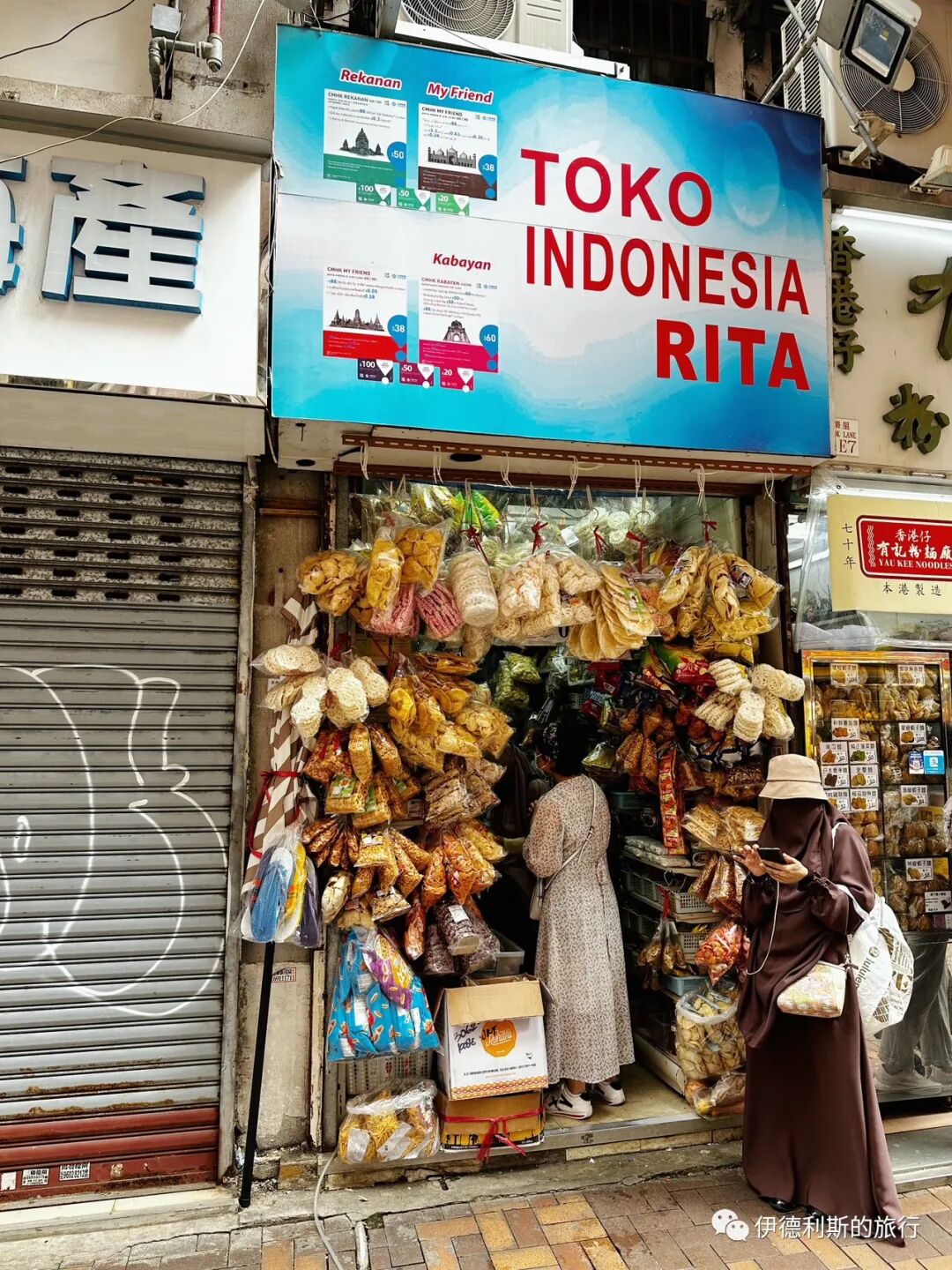
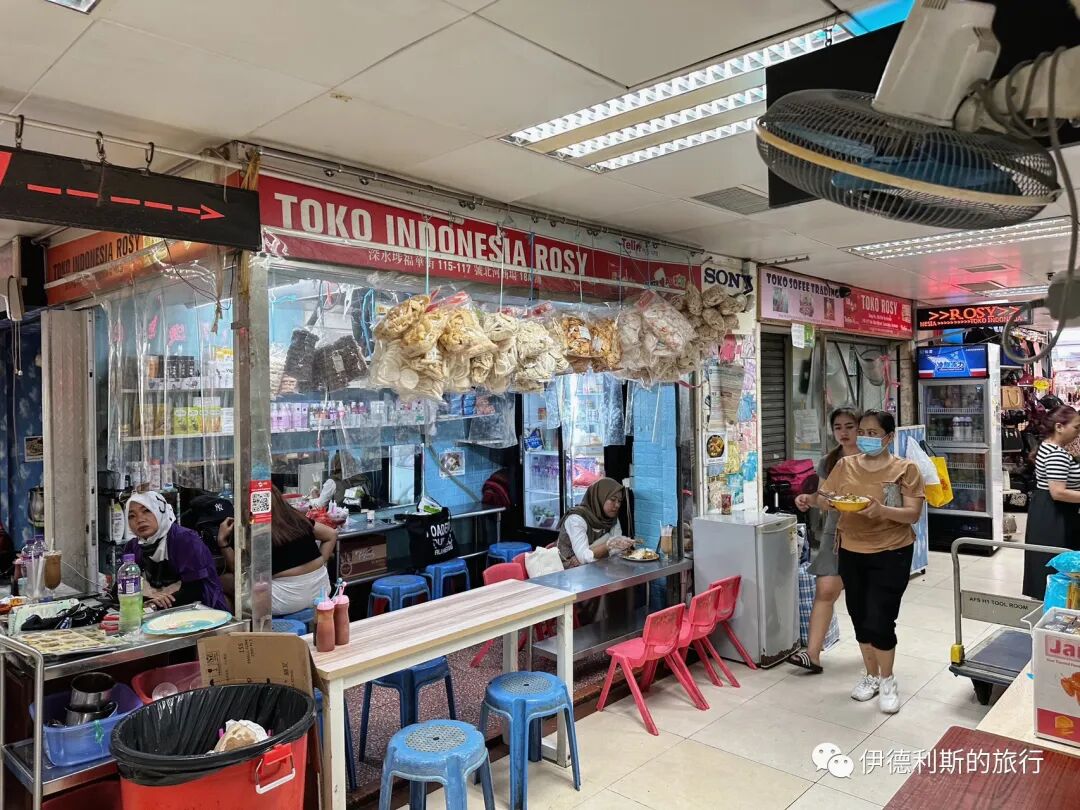
The Bowrington Road Market and Cooked Food Centre in eastern Wan Chai is famous for Wai Kee, the only long-standing Cantonese Hui Muslim halal restaurant in Hong Kong. Besides that, there are several small shops run by Indonesian sisters, all with names starting with 'TOKO INDONESIA'.
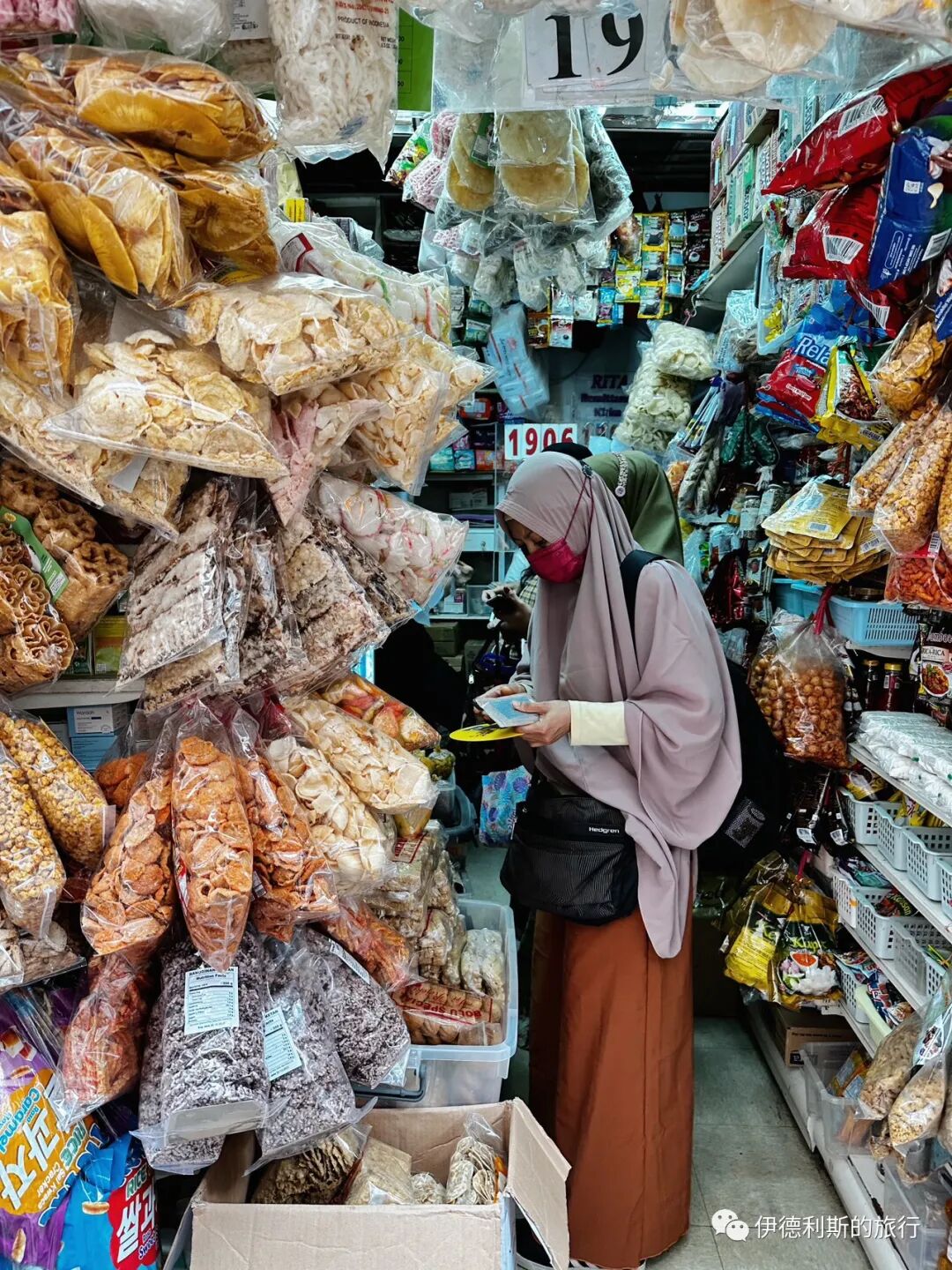
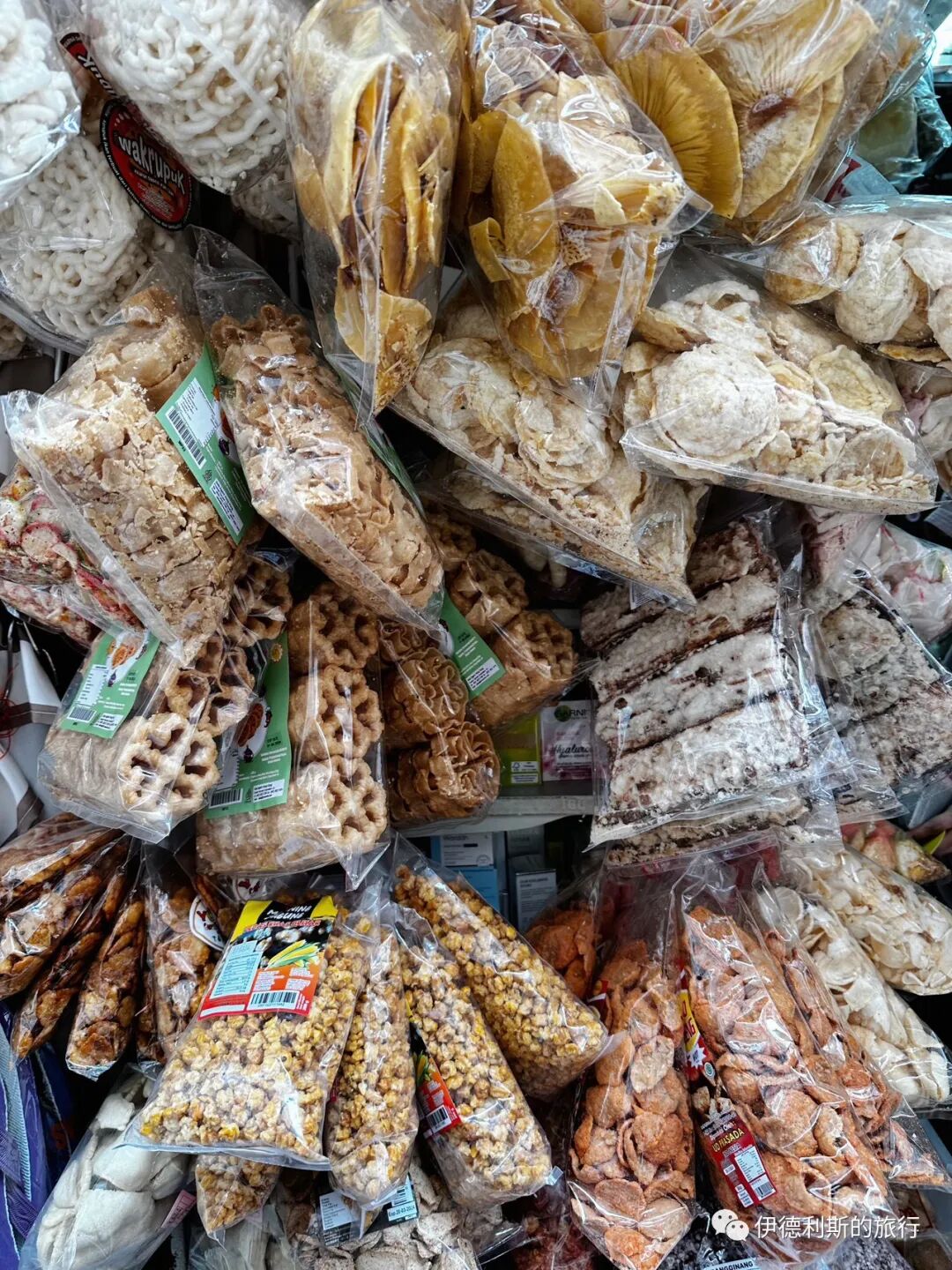
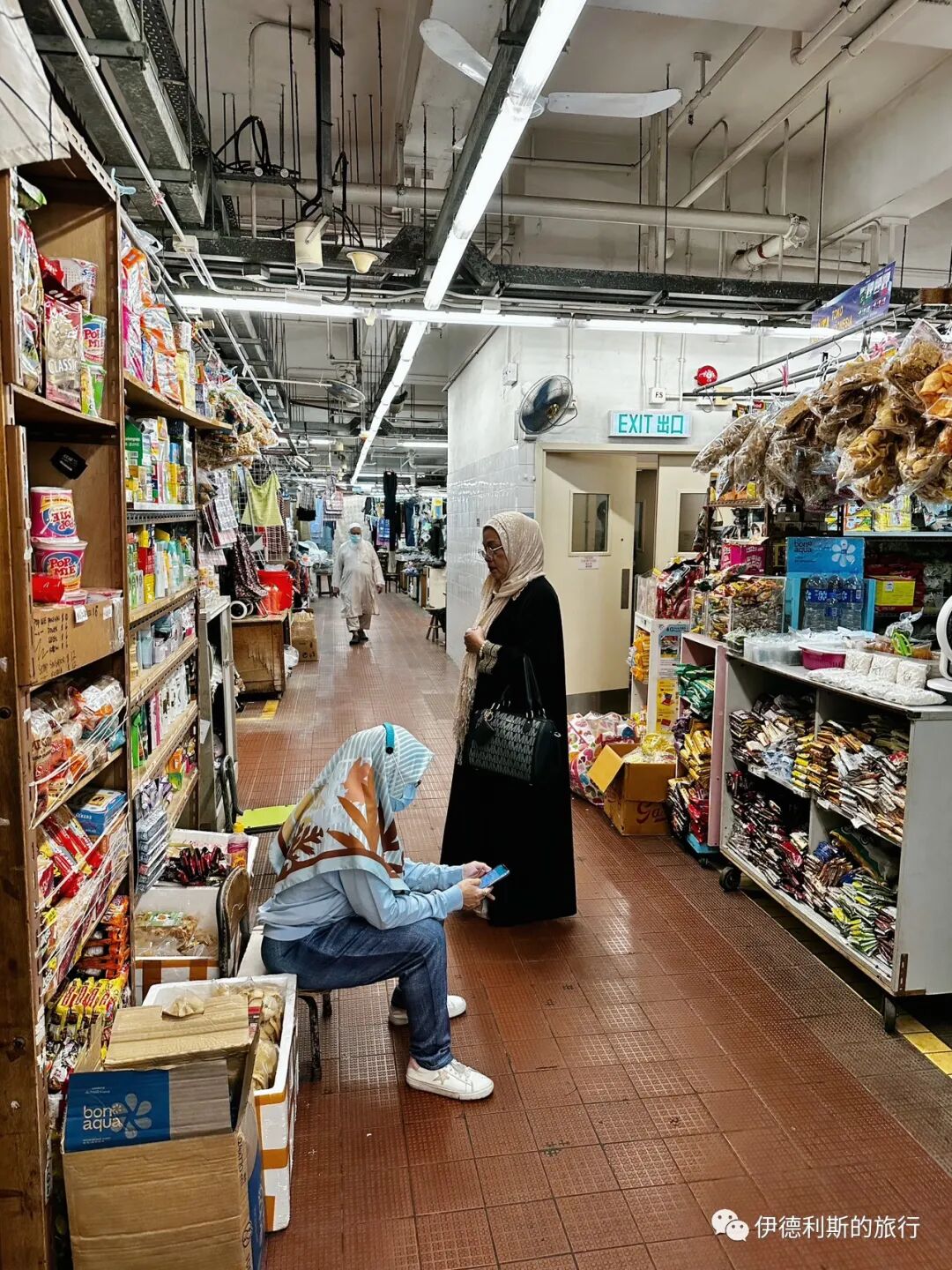
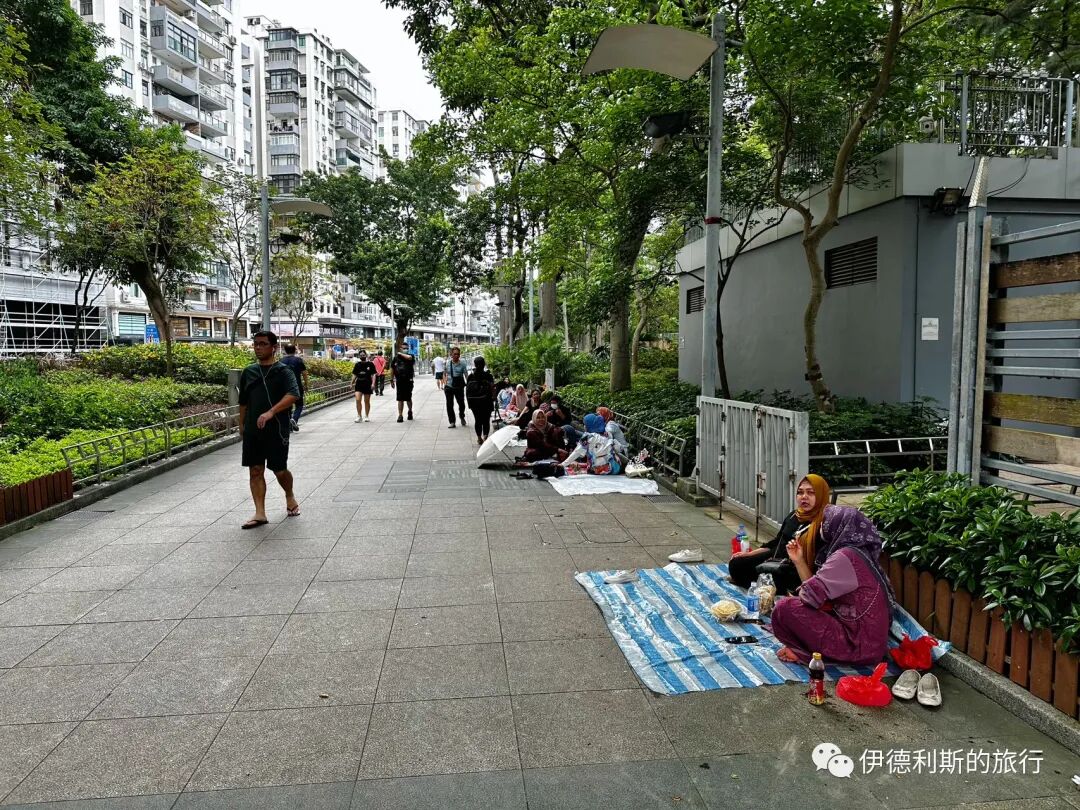
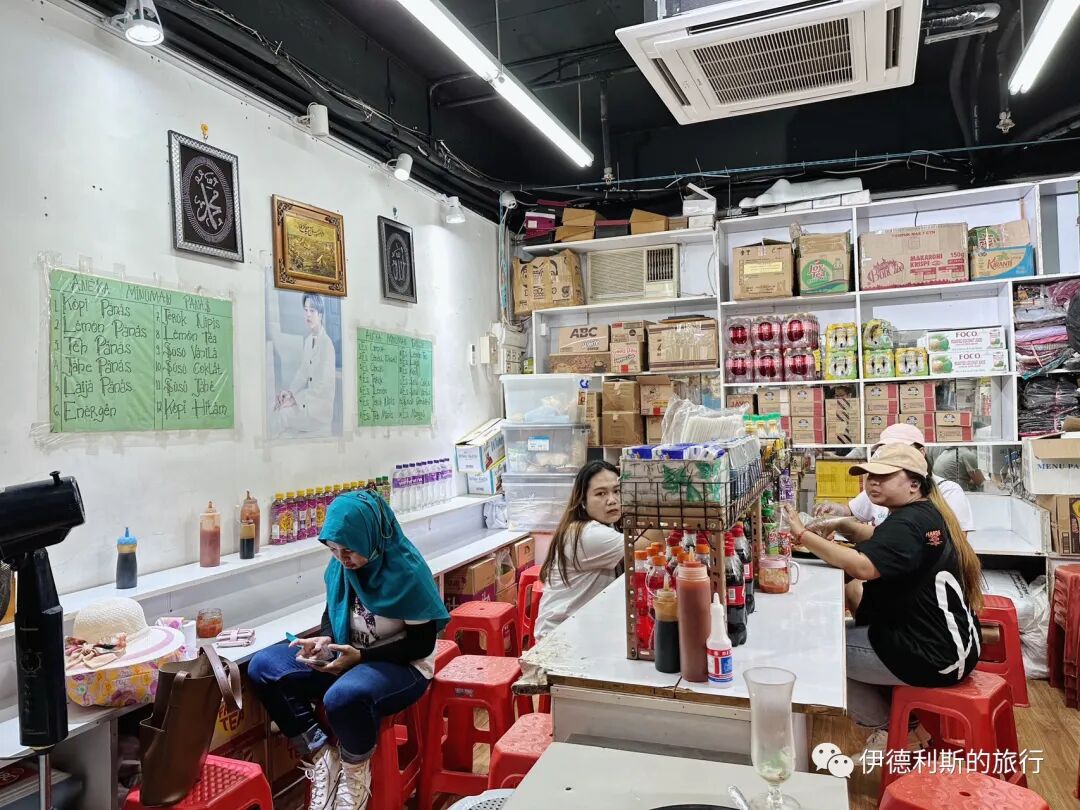
'Toko' means shop in Indonesian. Indonesian sisters working in Hong Kong come here to buy various Indonesian ingredients, spices, and fried snacks to meet their daily needs. On holidays and Sundays off, many Indonesian sisters come to the Toko shops in Bowrington Road Market to buy snacks. They then buy some fruit nearby, spread out a blanket in a nearby square or small garden, and chat while they eat. This is their chance to socialize and relax during the week.
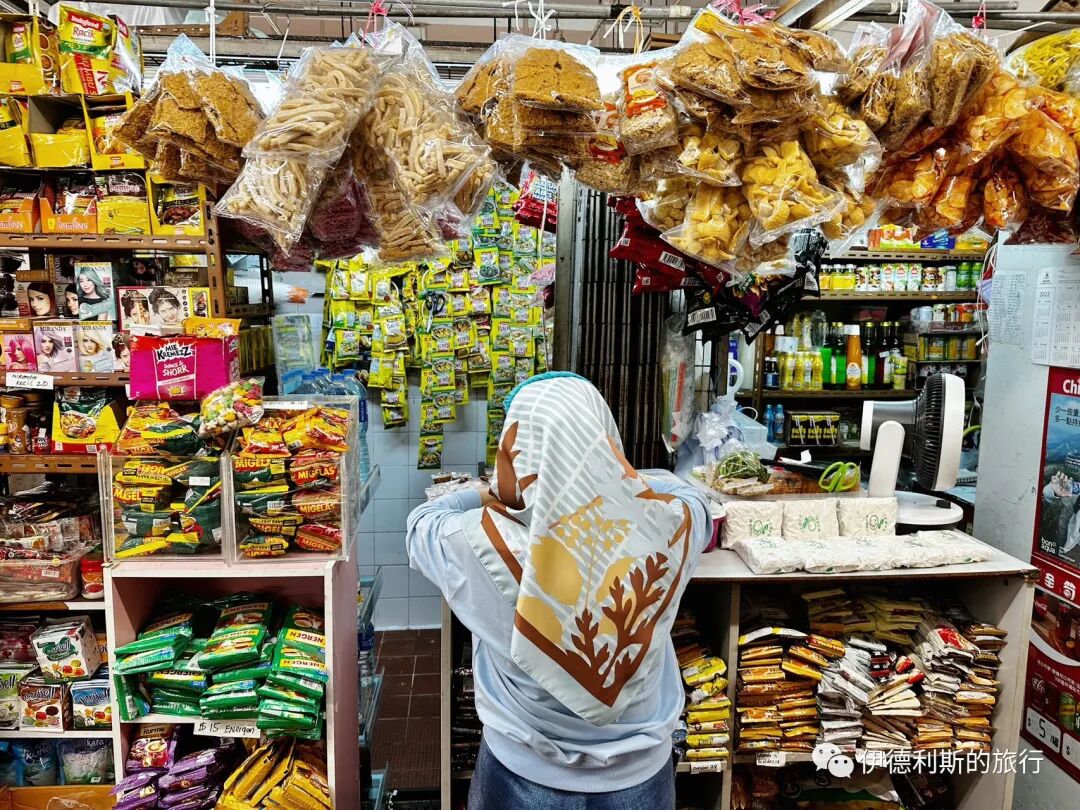
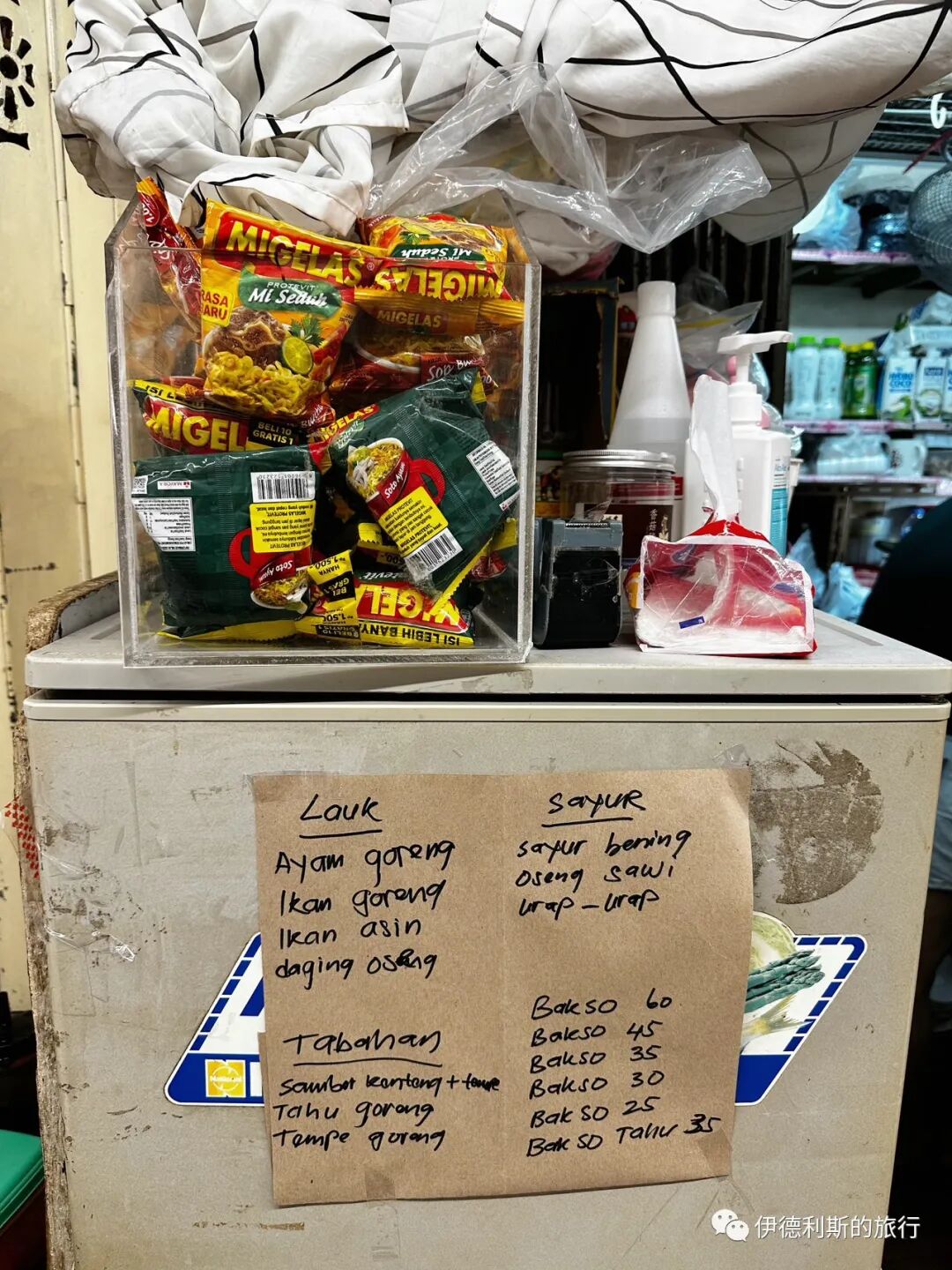
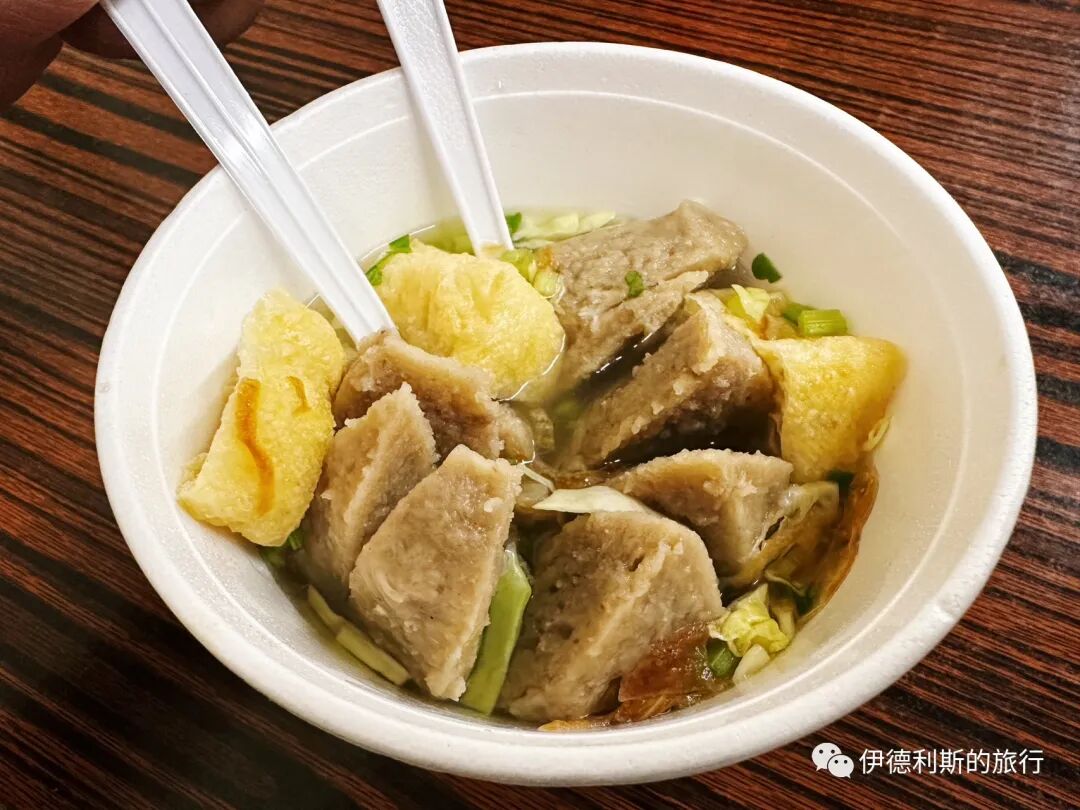
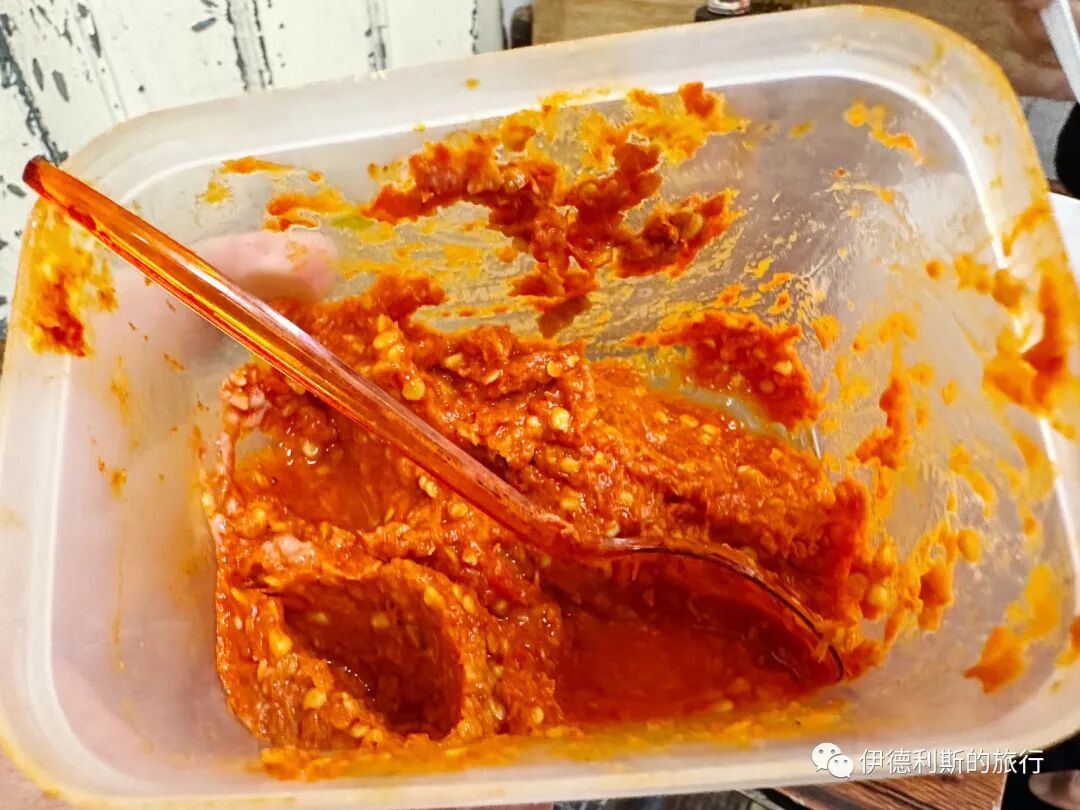
We ate large Indonesian meatballs (bakso besar) at one of these shops. The word 'bakso' comes from the Southern Min dialect for 'meat crisp'. It is a classic Indonesian street food made from beef, fish paste, and a small amount of tapioca flour, giving it a very firm texture. The finished meatballs are usually served in beef broth with tofu, glass noodles, and various side dishes.
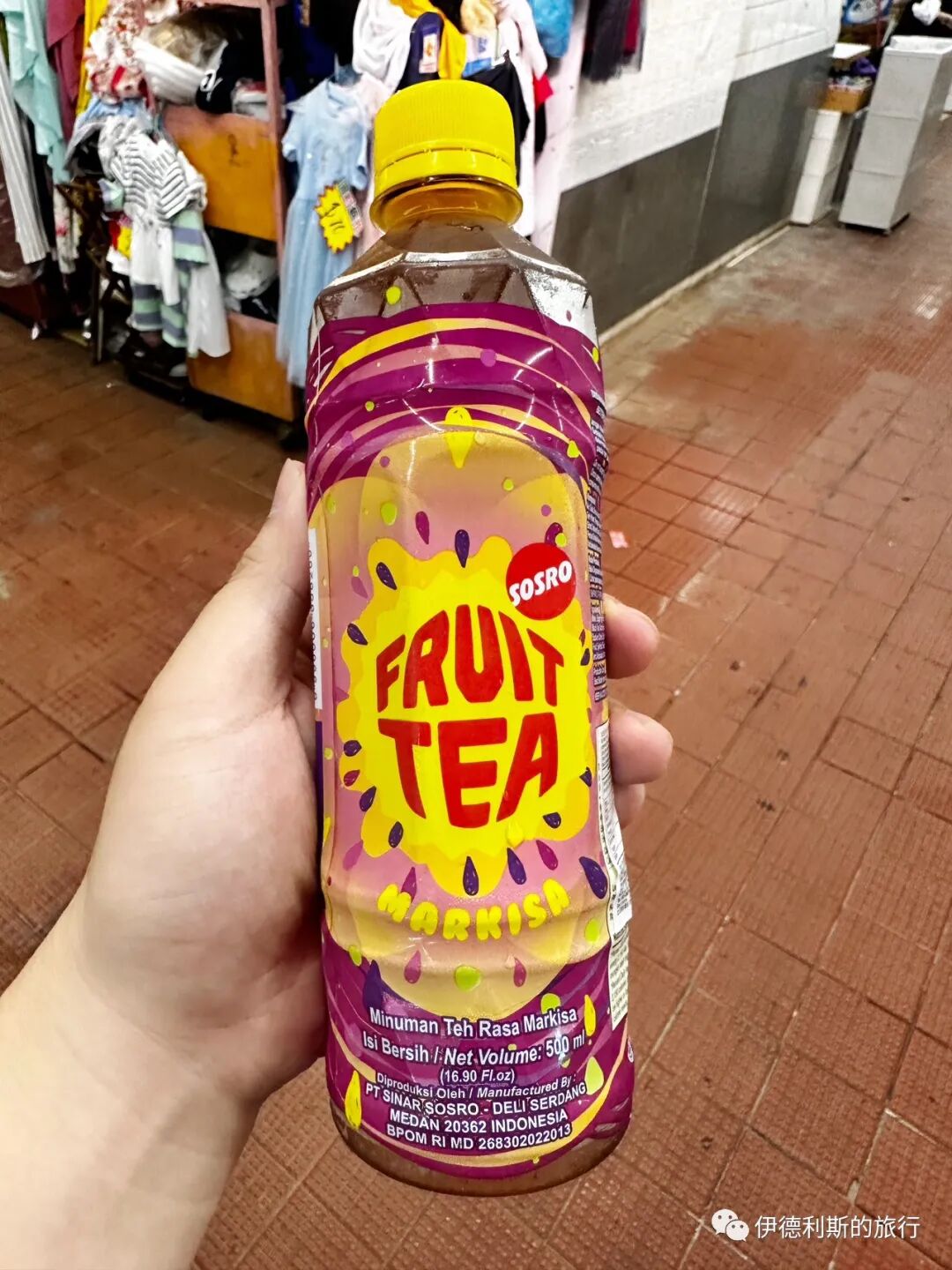
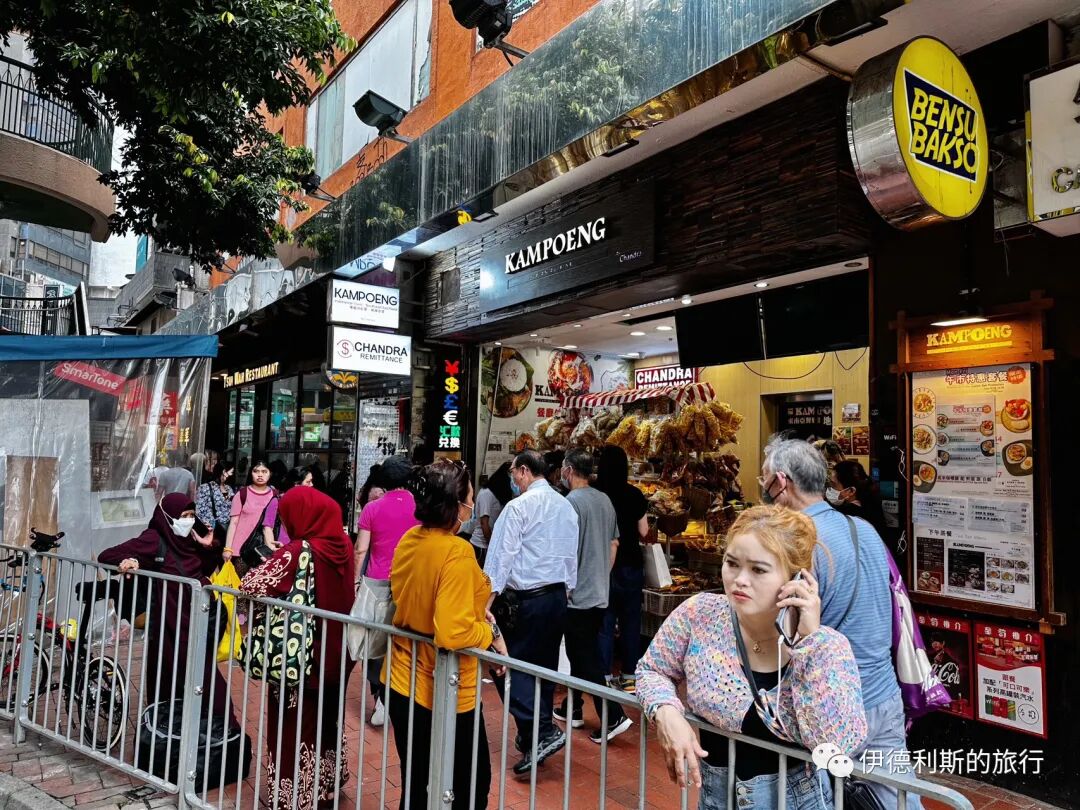
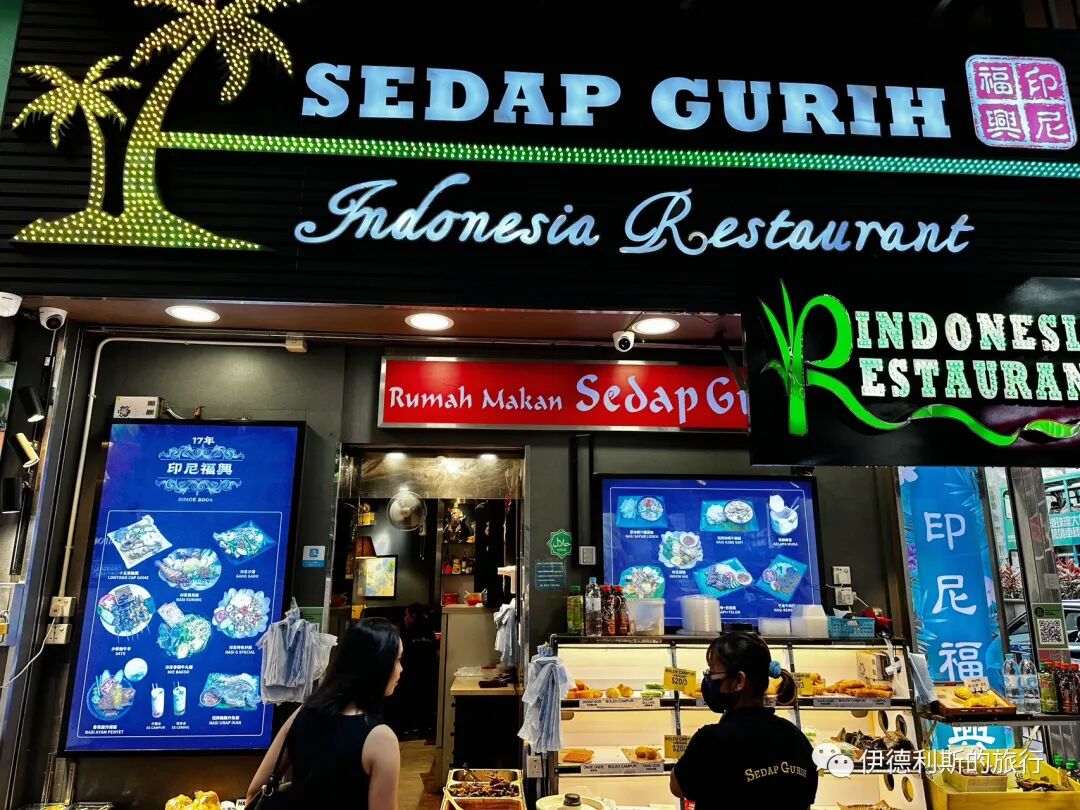
The Causeway Bay area, where the Indonesian Consulate is located, is full of Indonesian shops and restaurants. On holidays and Sundays, the streets are filled with Indonesian sisters.
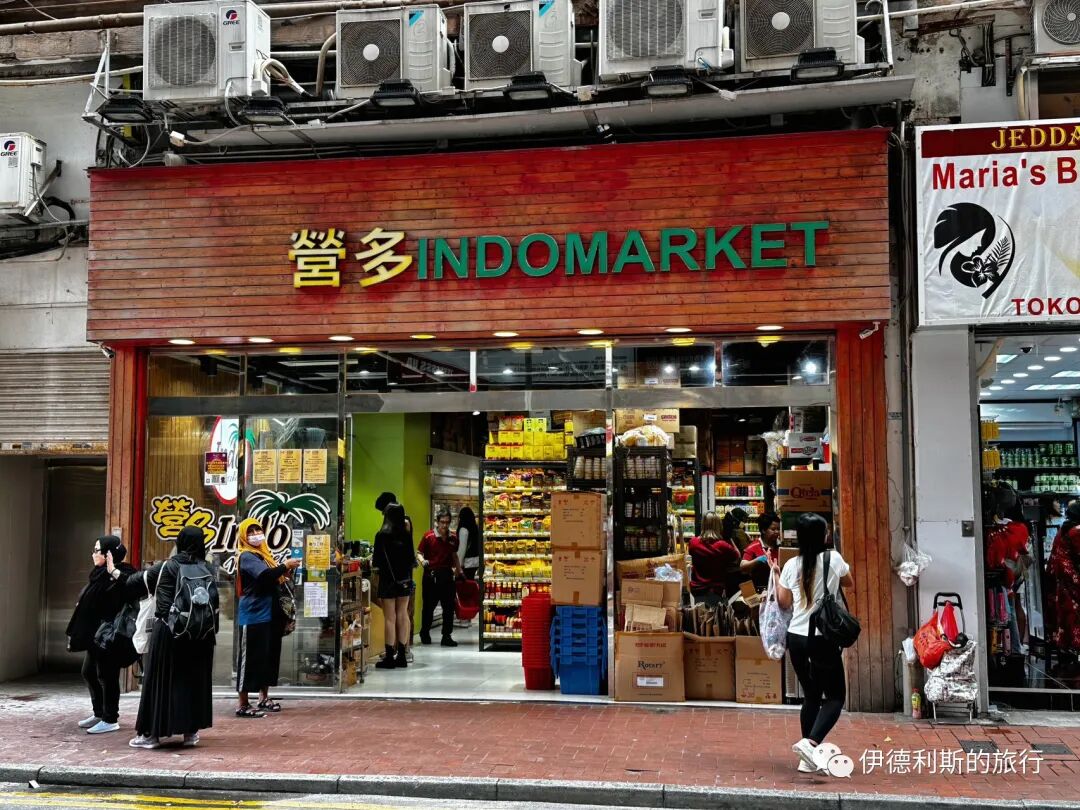
Sugar Street is the area with the highest concentration of Indonesian shops in Causeway Bay. Indomarket on the south side of the road is a Southeast Asian supermarket chain that has been in business for over twenty years, and many Indonesian sisters shop here. The Causeway Bay Centre and Causeway Plaza on the north side of the road are filled with shops run by Indonesians, both on the ground floor and inside the buildings.
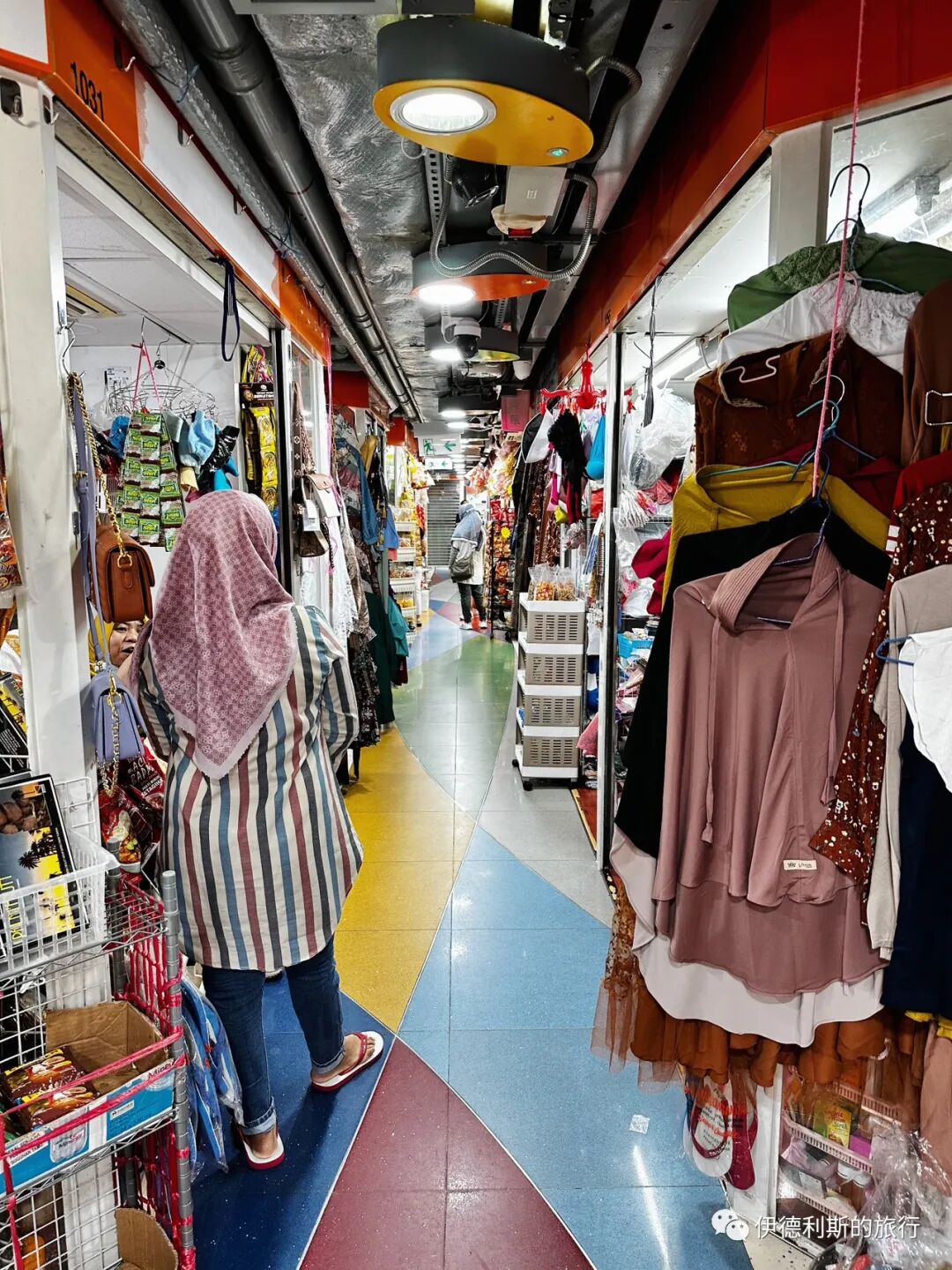
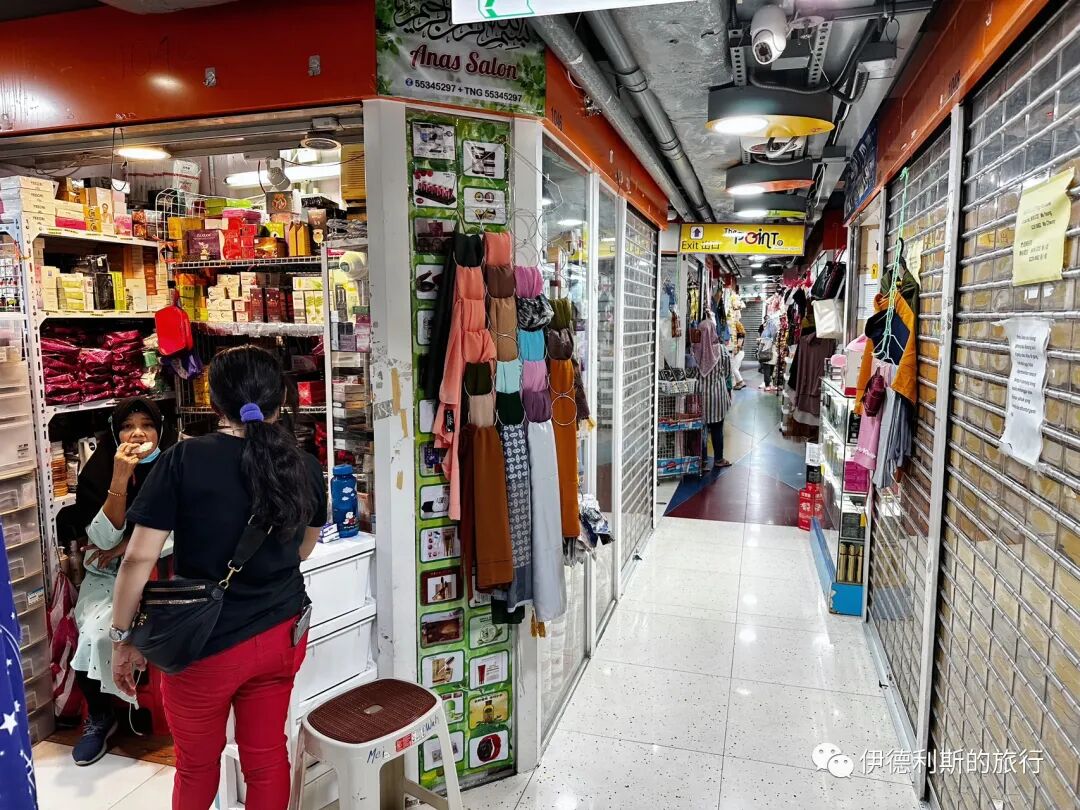
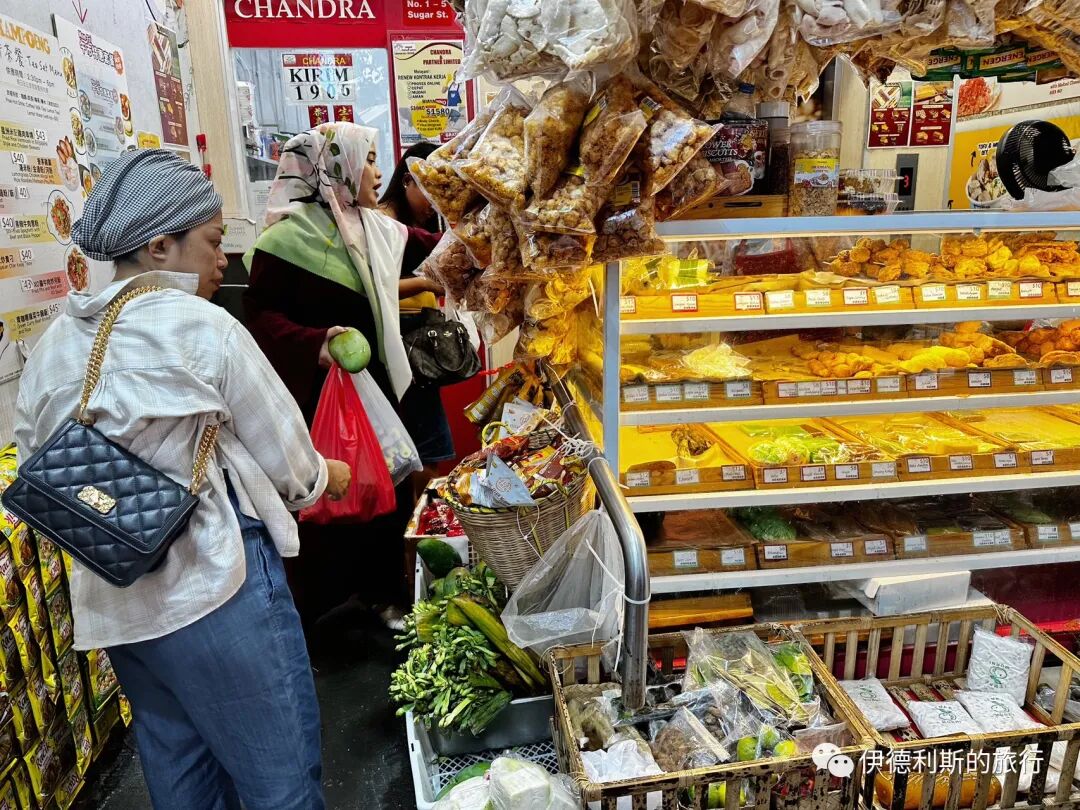
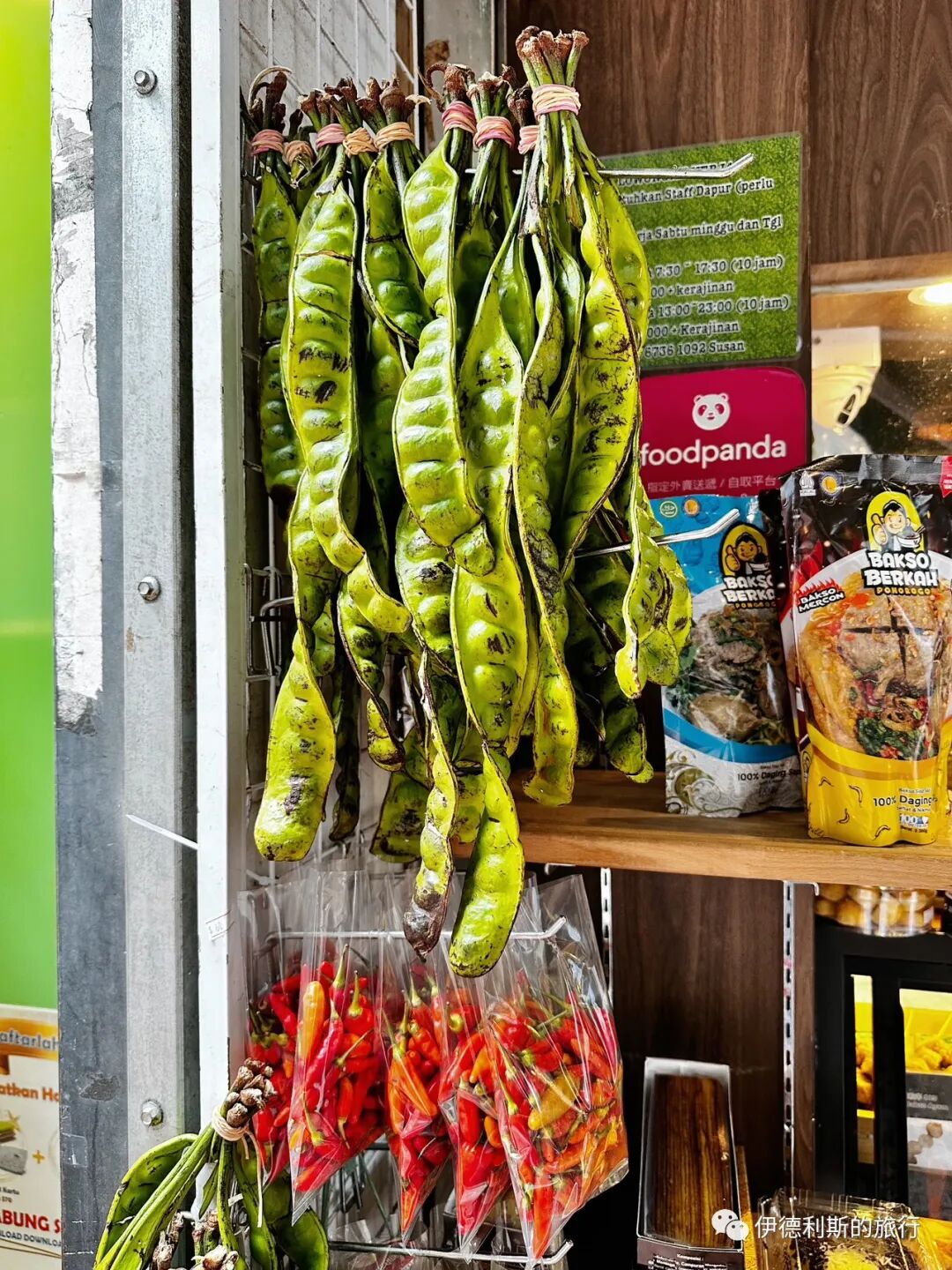
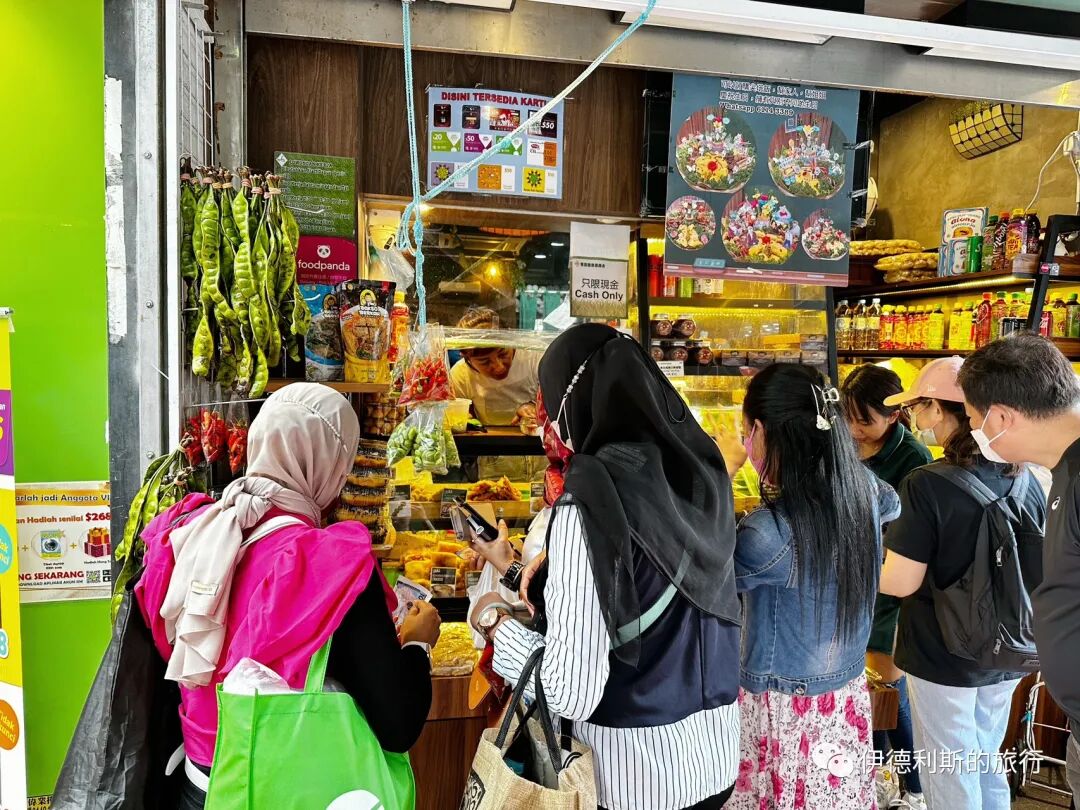
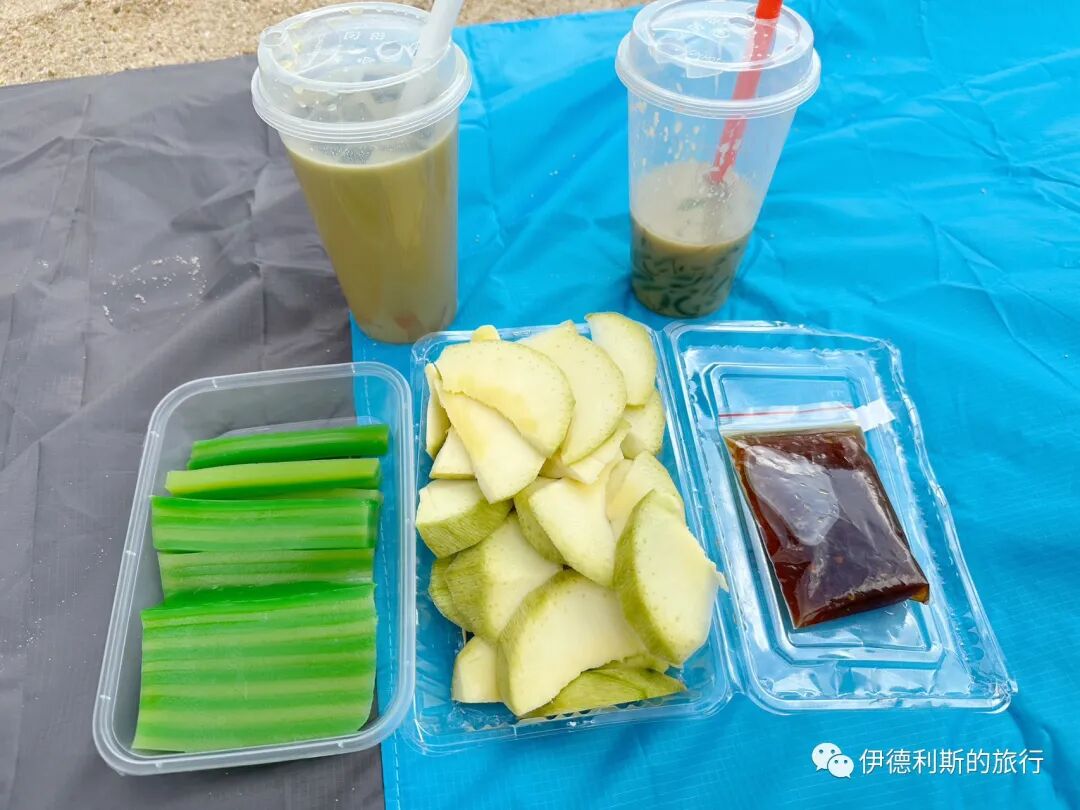
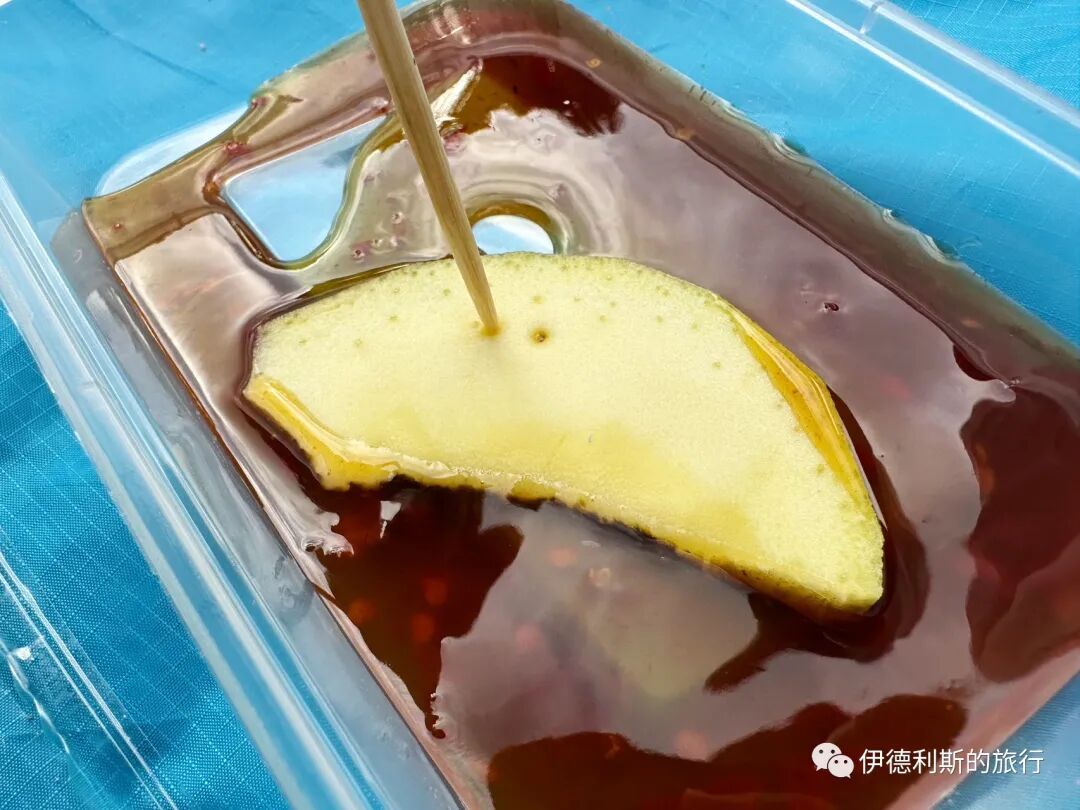
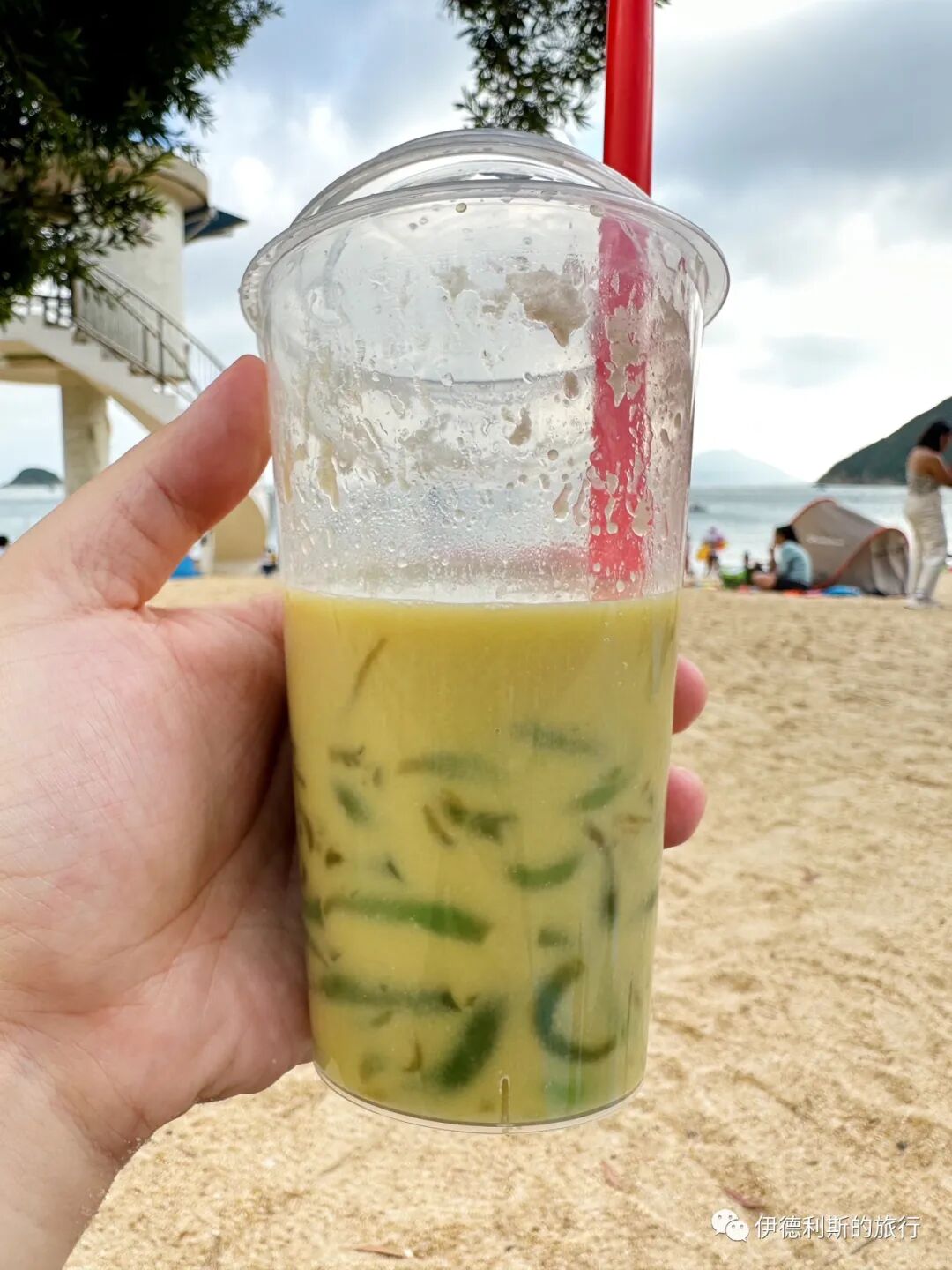
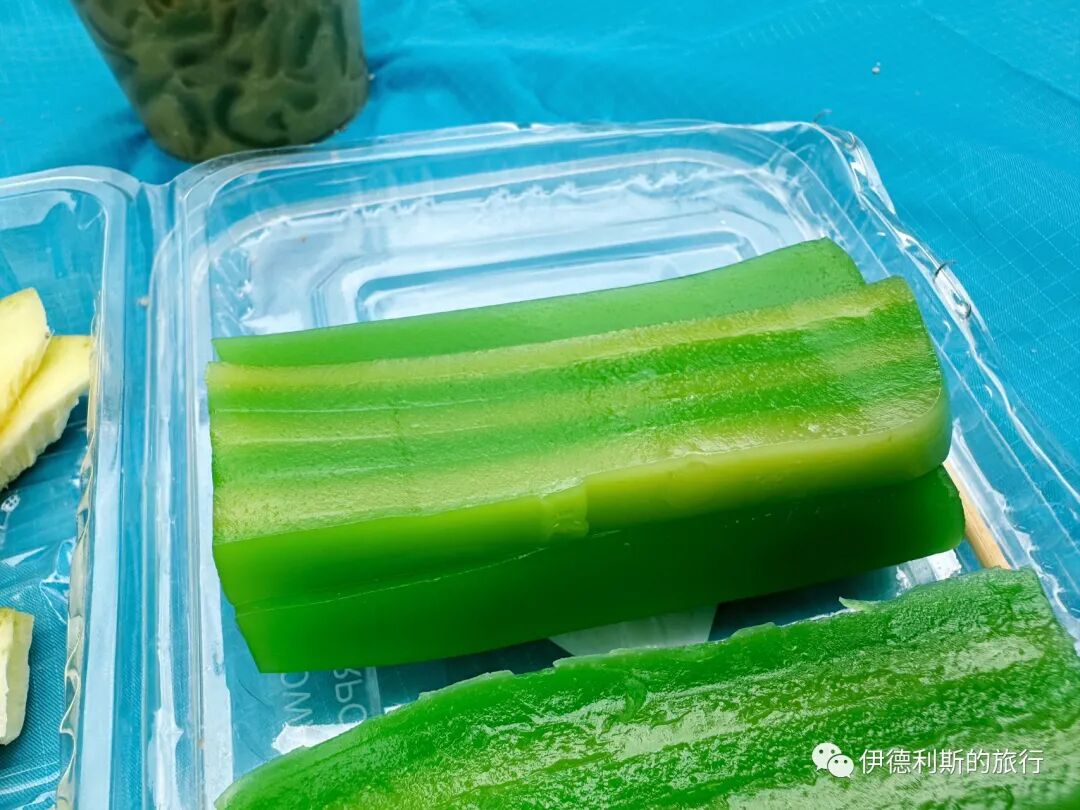
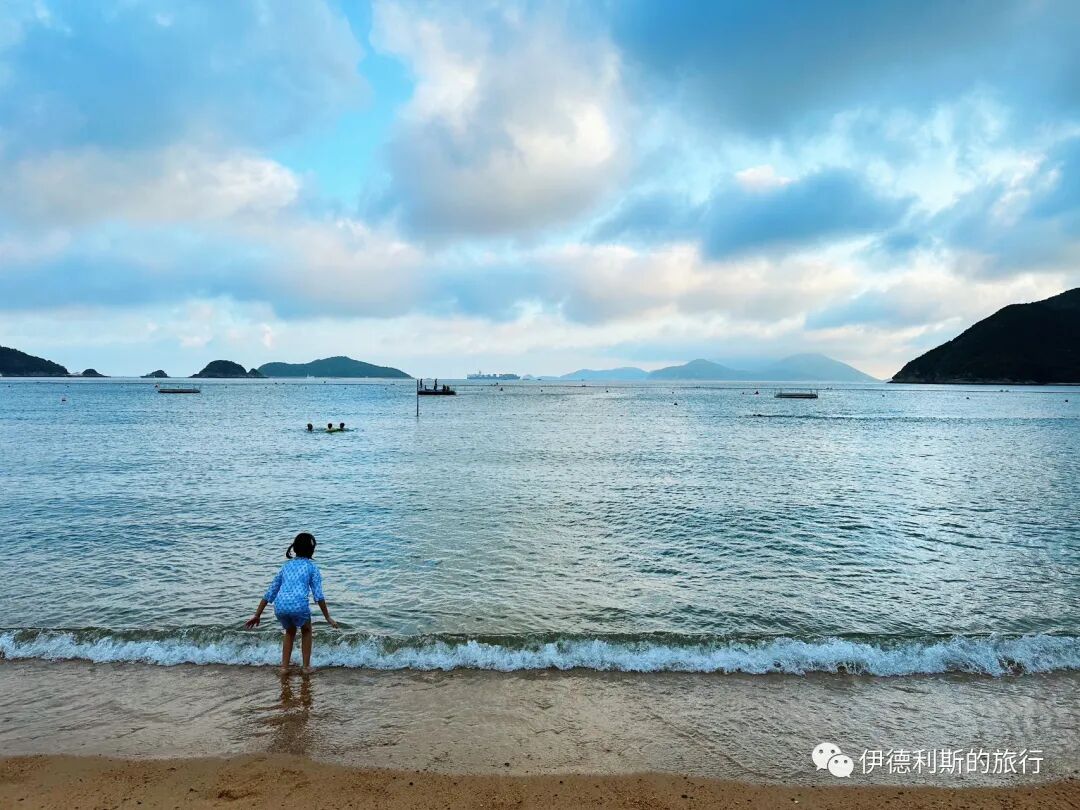
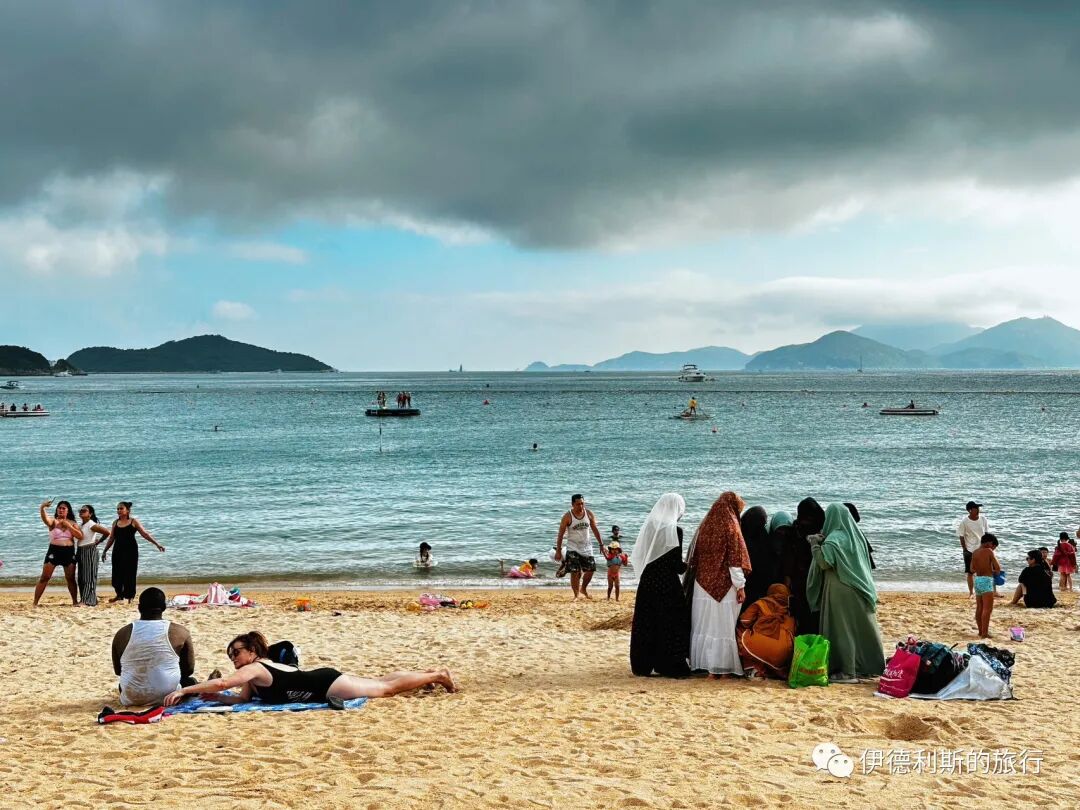
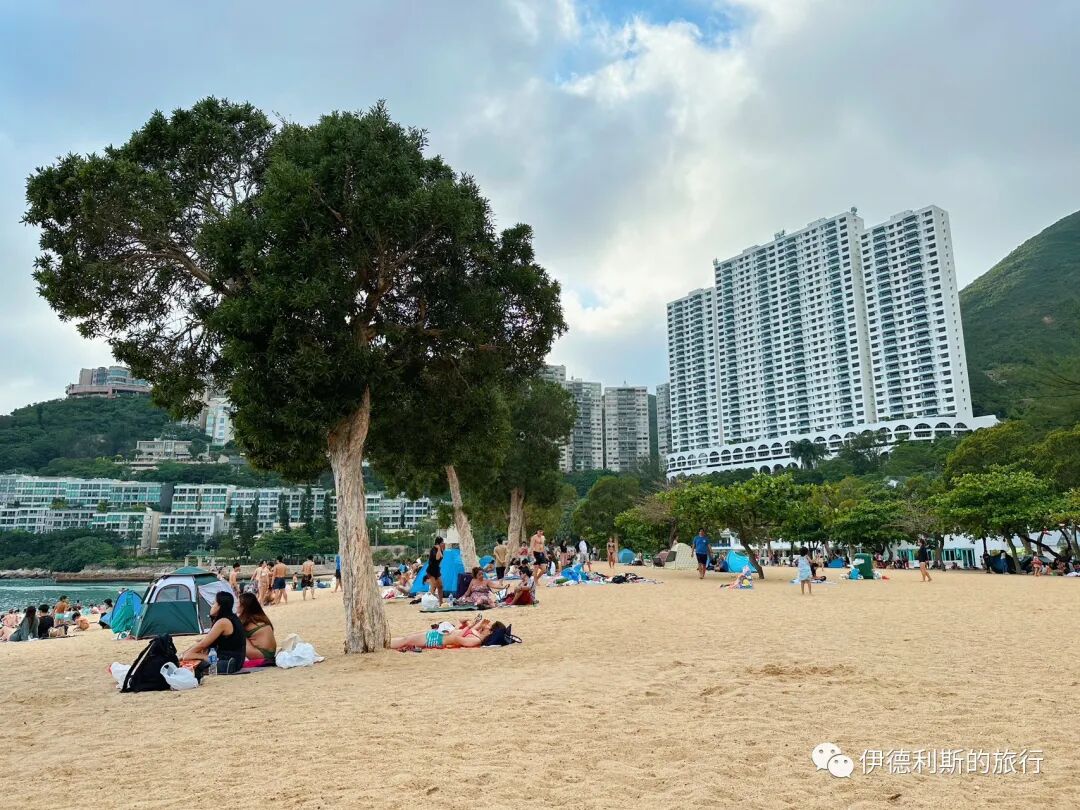
In the afternoon, we bought green mangoes, pandan cake, and an Indonesian iced drink (es cendol) at an Indonesian restaurant from Kalimantan in Causeway Bay. Green mango with Indonesian chili sauce is a classic combination that felt just like being on the streets of Jakarta. After shopping, we took a bus to Repulse Bay Beach in the south of Hong Kong Island. The bus ride through the mountain tunnel took only ten minutes and was very convenient. Some Indonesian sisters were also taking photos and resting on the beach. The evening sea breeze felt very comfortable.
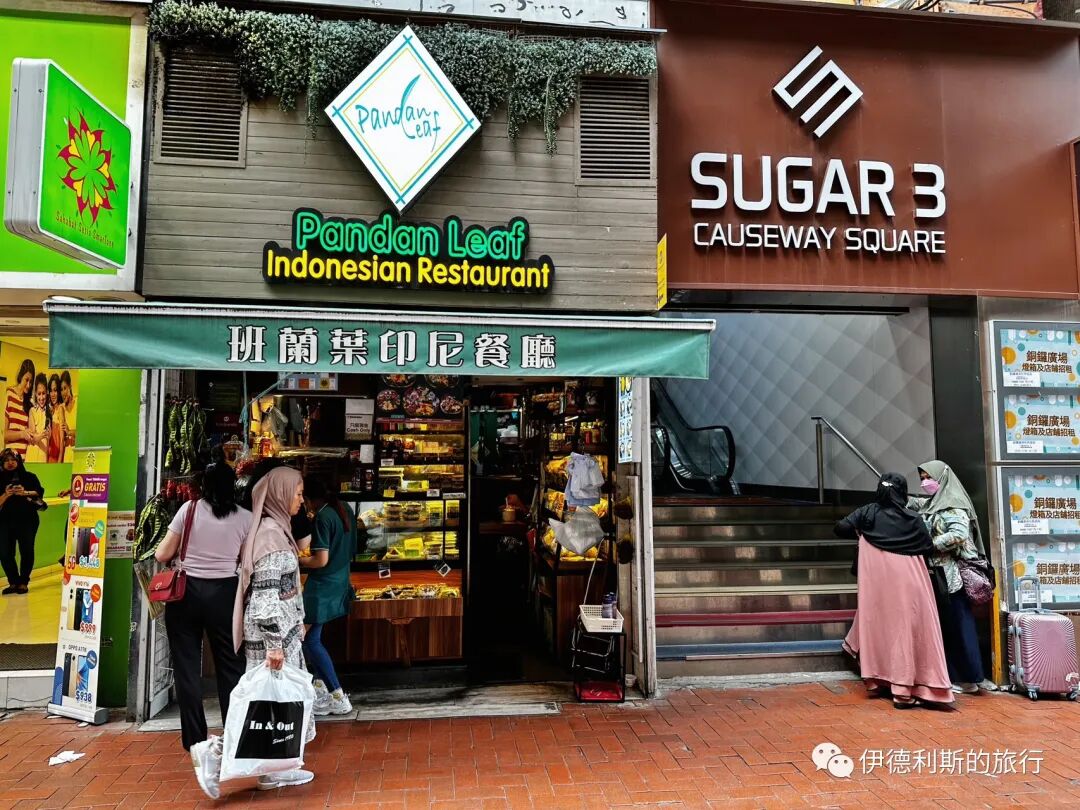
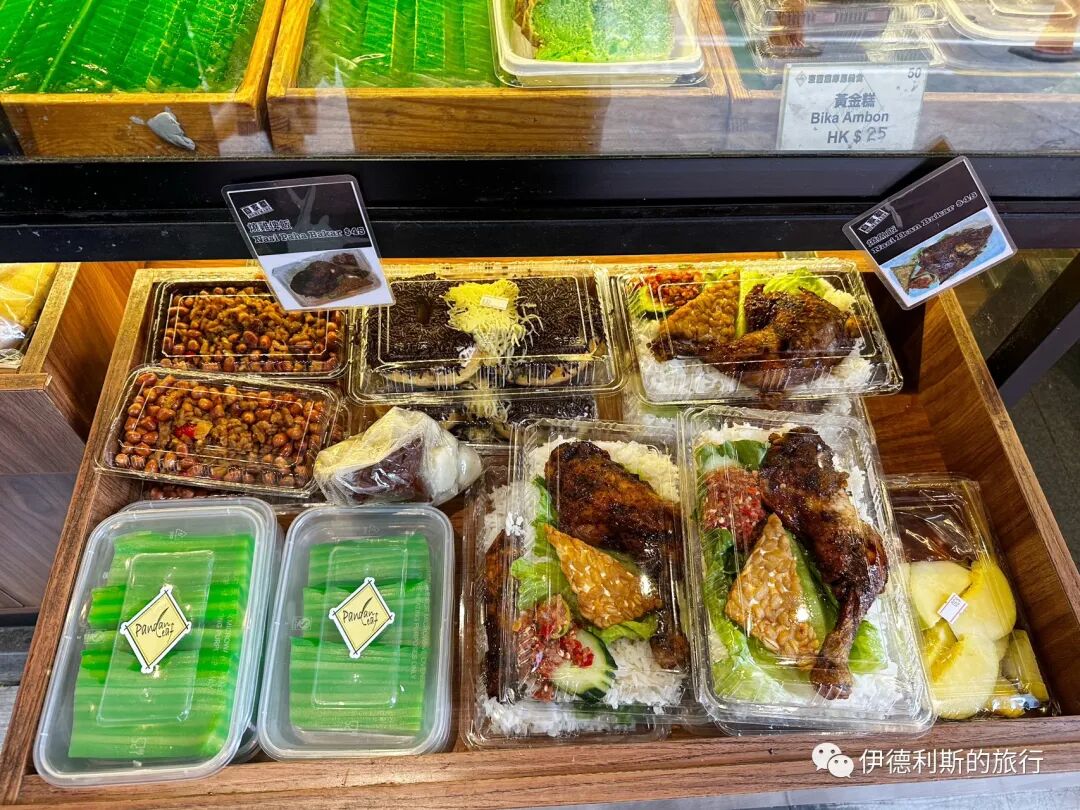
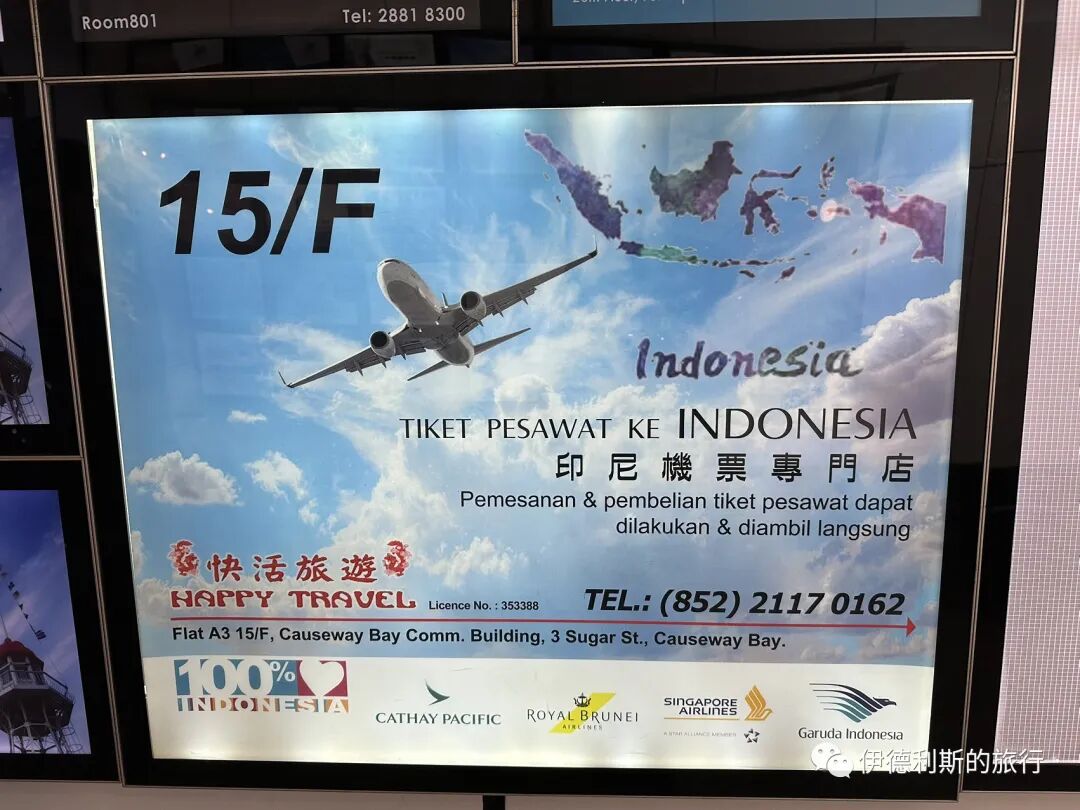
Near Causeway Bay, there are businesses for Indonesian sisters, including shops selling flight tickets to Indonesia and employment agencies.
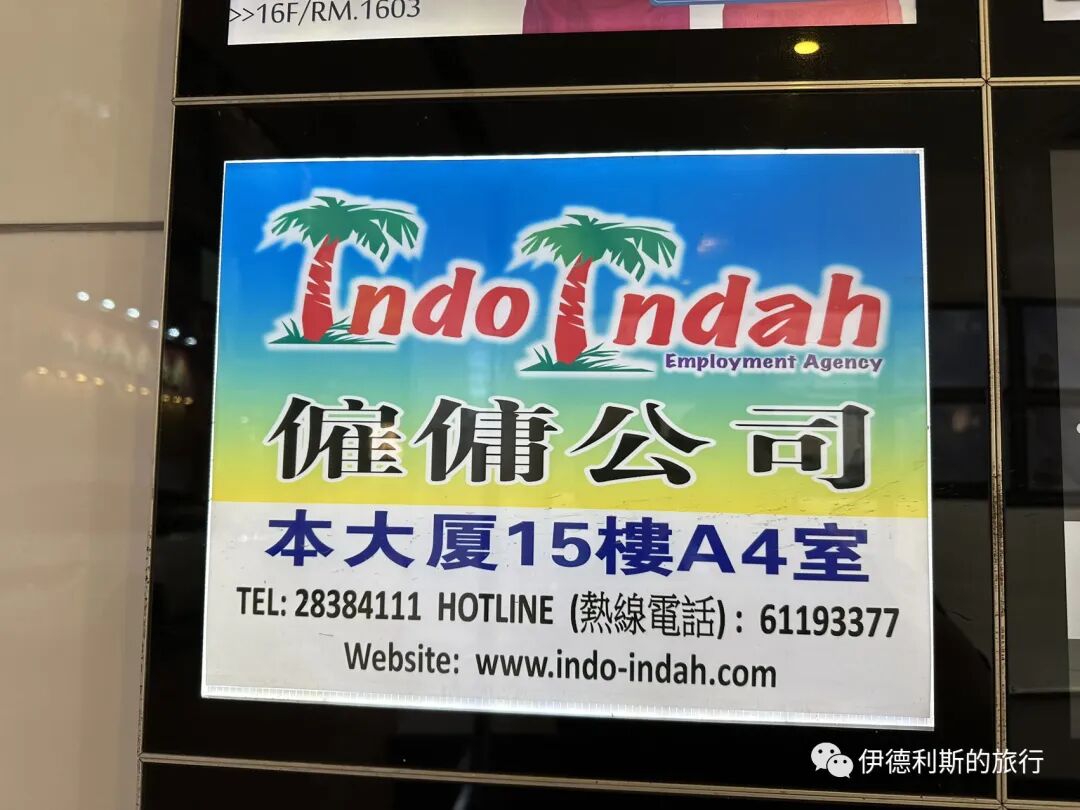
Although Causeway Bay is the main hub for Indonesians in Hong Kong, the most visible shops on the street are mostly run by Indonesian Chinese. To find authentic food made by Javanese sisters, you have to look in more hidden spots.
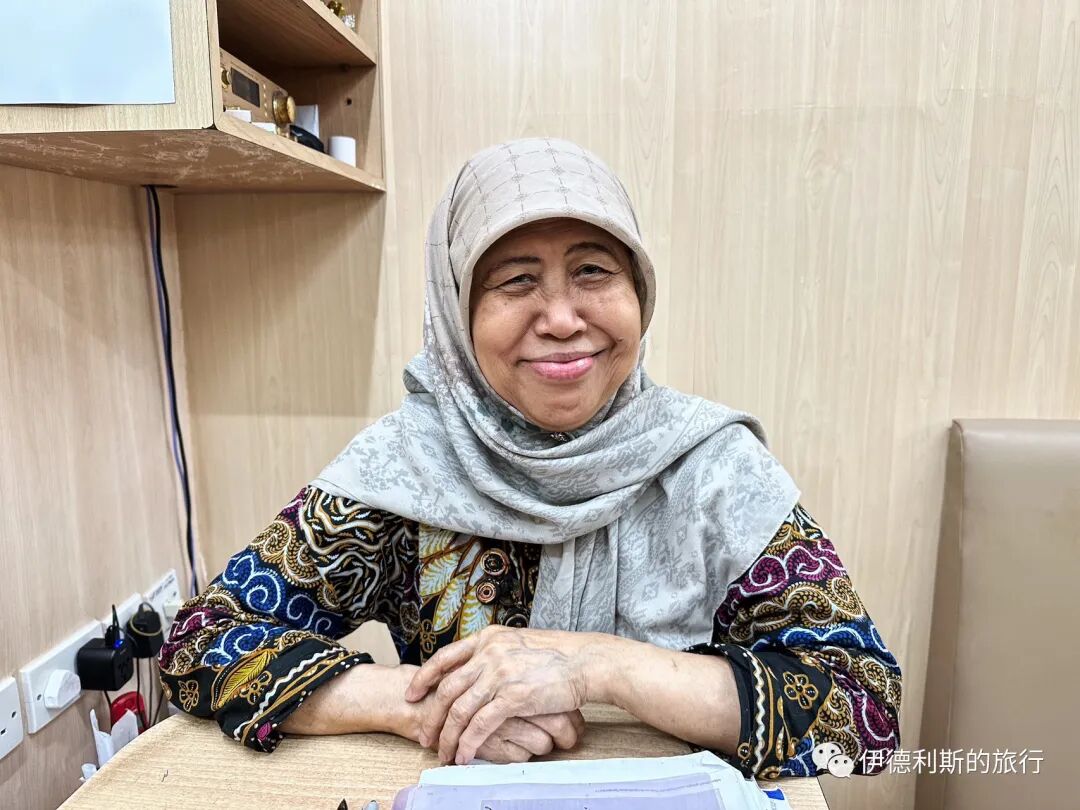
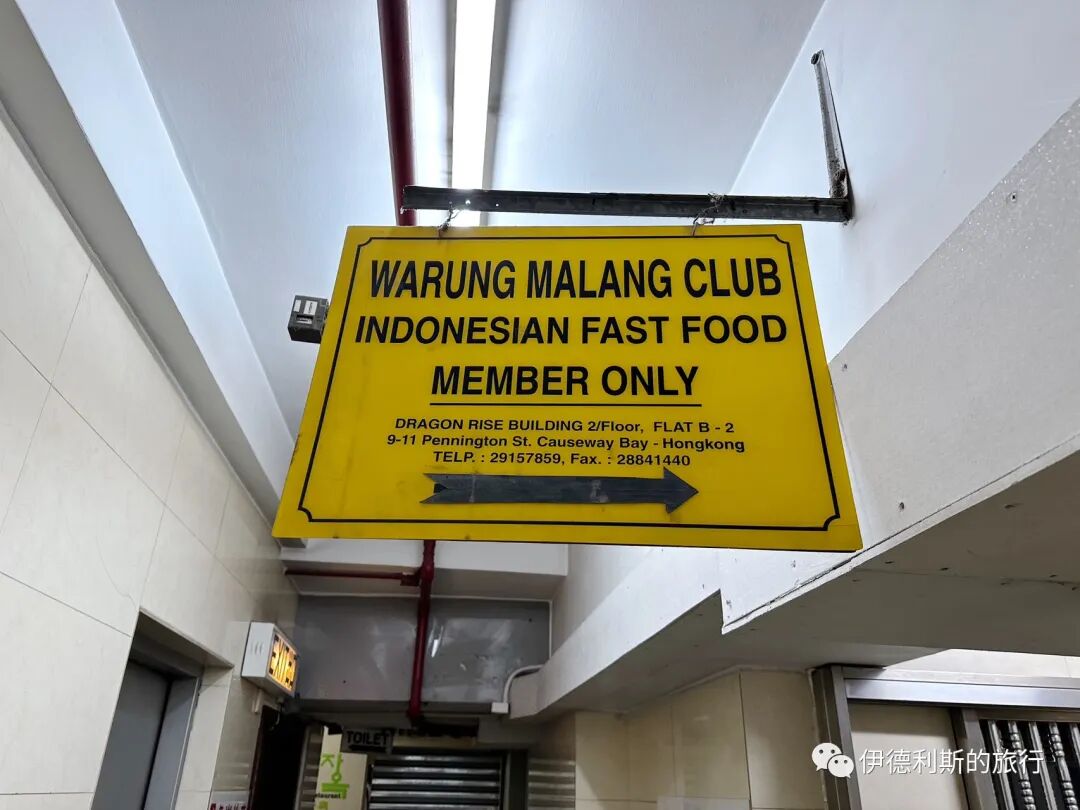
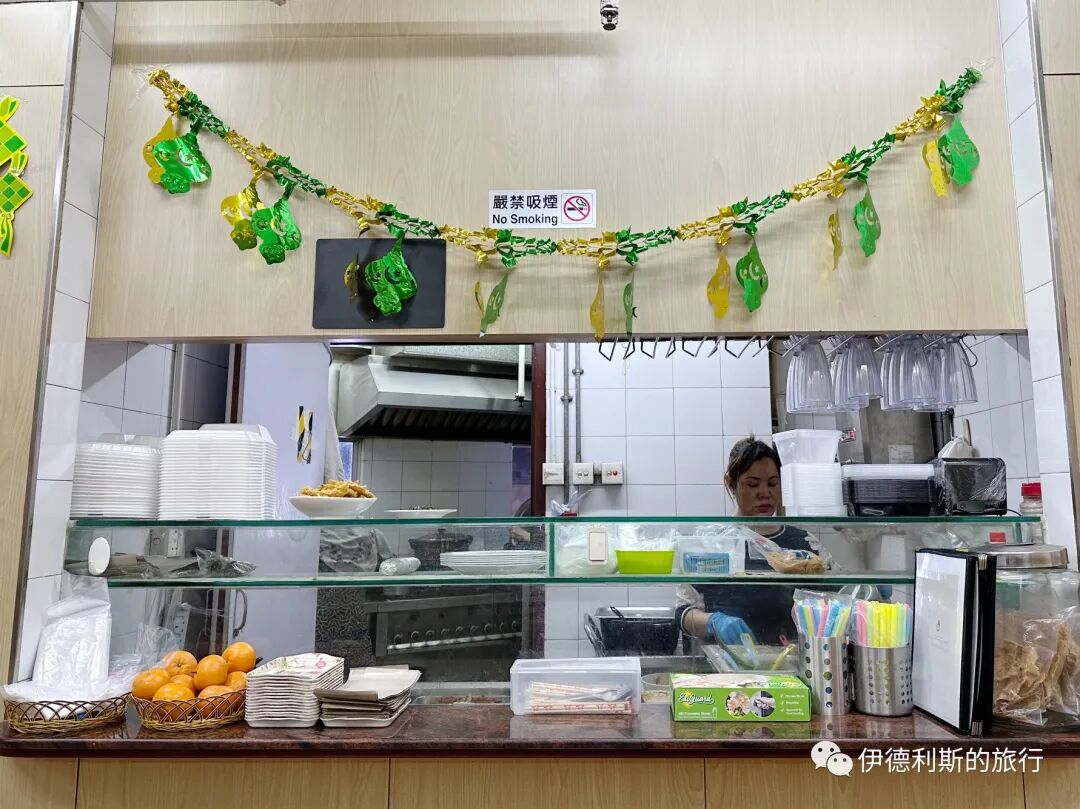
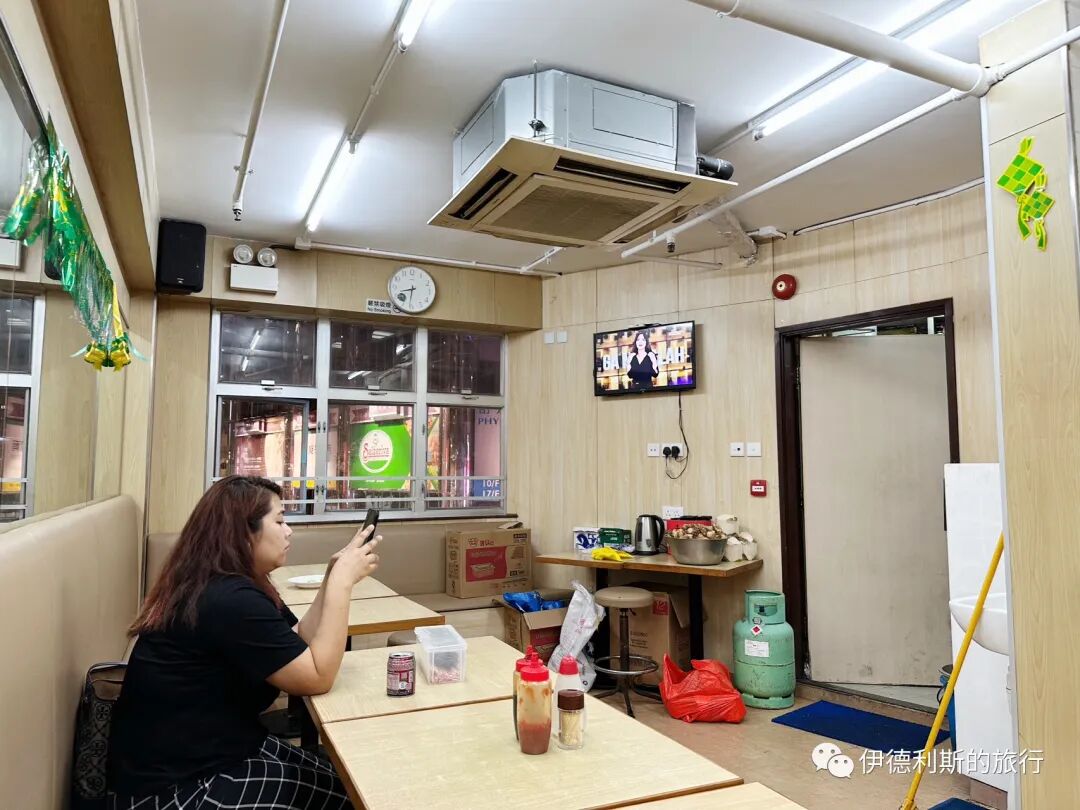
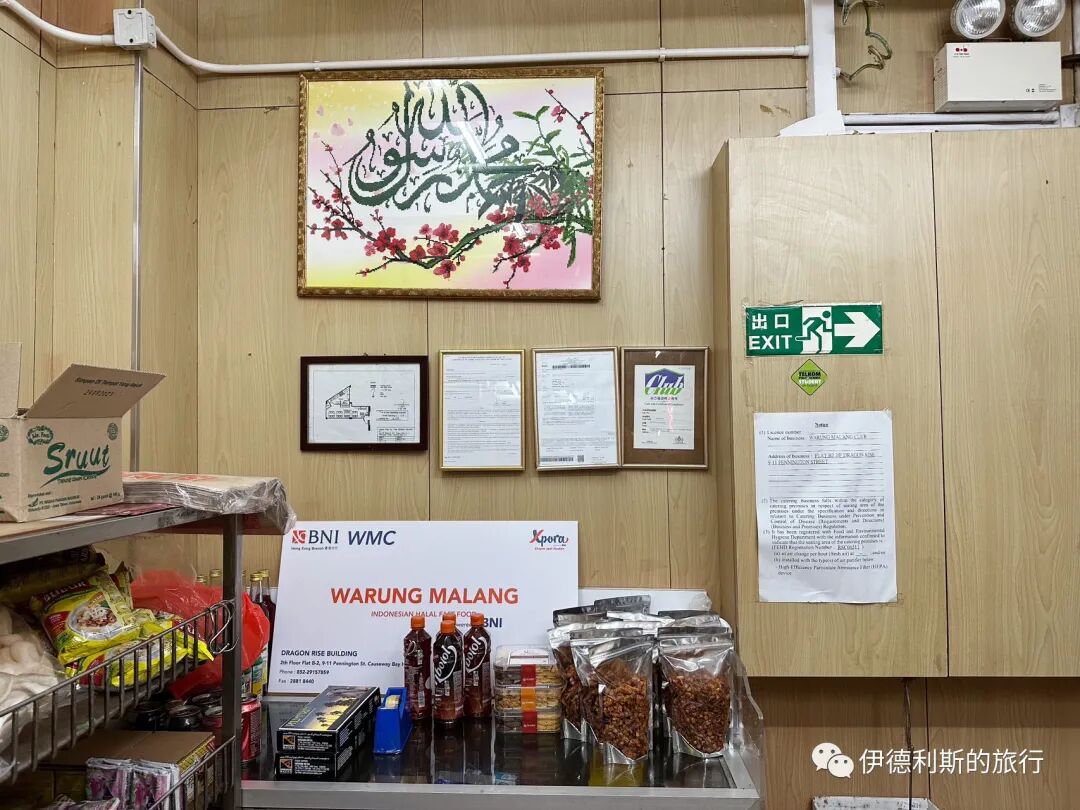
In the evening, we went to a small Javanese eatery called Warung Malang Club on the second floor of Dragon Rise on Pennington Street, a place mostly known only to Indonesian sisters. The restaurant sign says it is for members only, but there are no strict rules about this. In Indonesian, a warung is a small convenience store or eatery, usually made from the front room of a house. They sell snacks and home-style meals and are very common in Indonesia.
The owner of Warung Malang is from Surabaya, a city in eastern Java and the second-largest city in Indonesia. Historically, Surabaya was on the trade route from Malacca to the Spice Islands, and Zheng He’s fleet visited the city. From the 18th century to the early 20th century, Surabaya was the largest city in the Dutch East Indies and a strong competitor to Hong Kong in the Southeast Asian trade network.
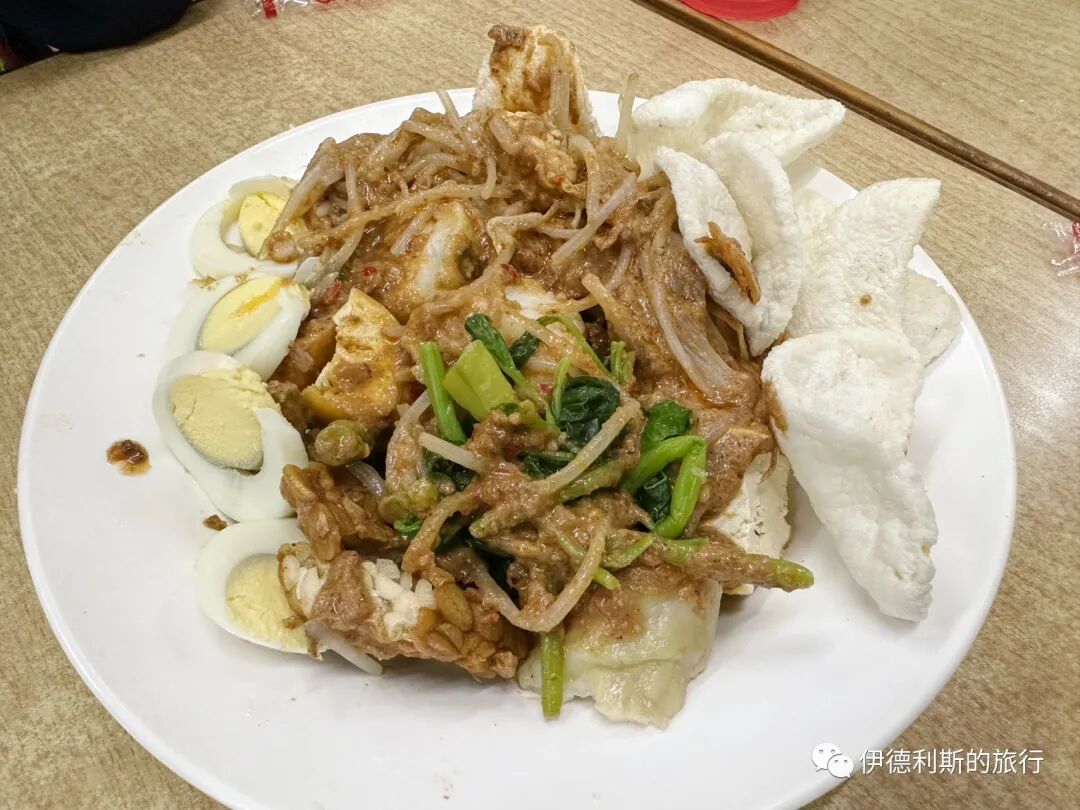
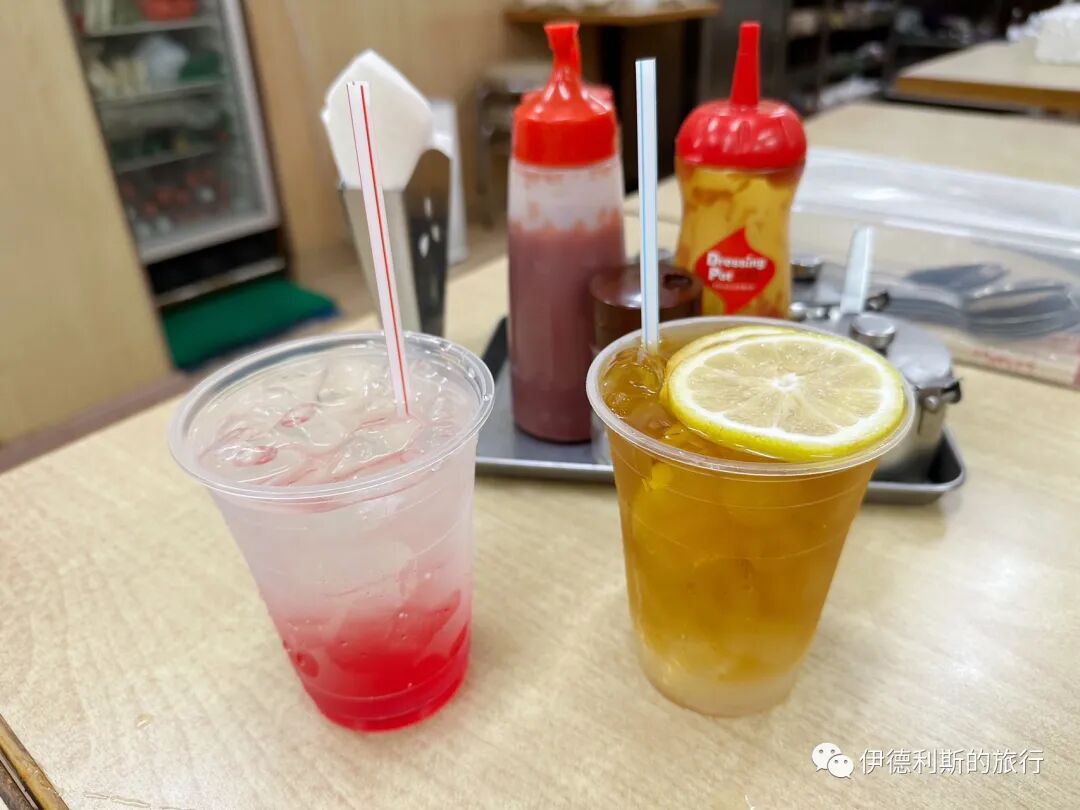
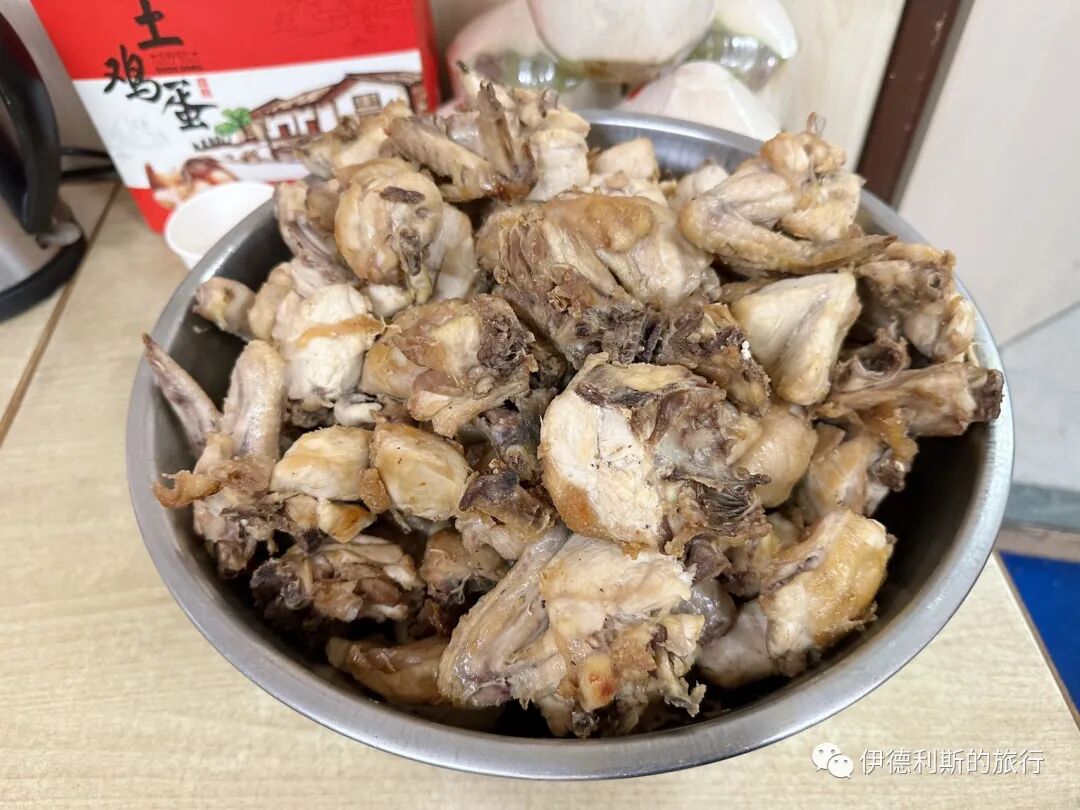
We ordered Indonesian salad (gado gado), chicken satay skewers, and iced syrup drinks (sirup). Gado gado is a flavorful salad from Java. The name means "mix," so it includes many different ingredients. Our dish included Javanese fermented soybean cake (tempeh), fried tofu (tahu goreng) brought by Indonesian Chinese, shrimp crackers, eggs, bean sprouts, and rice cakes (lontong). It was topped with a special sauce made from peanut butter, palm sugar, garlic, chili, tamarind, and lime juice.
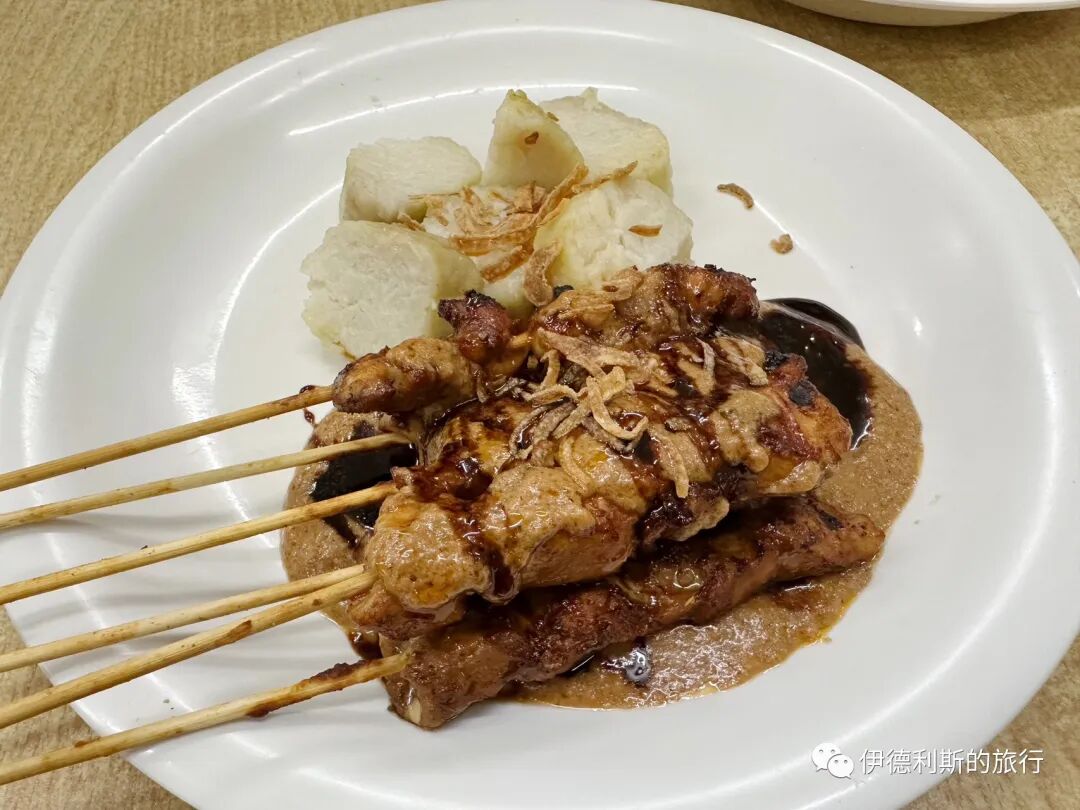
The chicken satay skewers we ate also came with rice cakes (lontong). Rice cakes (lontong) are made by wrapping rice in banana leaves, boiling it until firm, and then slicing it. In Javanese food culture, they are just as important as regular rice. Legend says that rice cakes (lontong) were invented by Sunan Kalijaga, one of the nine saints (Wali Sanga) who spread Islam in Java during the 15th and 16th centuries. As a Sufi, Sunan Kalijaga was good at using art and culture to spread the faith, especially shadow puppetry (wayang) and gamelan music. Rice cakes (lontong) were also one of his ways to share the faith.
Chicken satay is also a dish that started in Java. People say 18th-century Javanese street vendors developed it by combining local food with Indian kebabs brought by Indian Tamil Muslim traders. Meat skewers are usually marinated in turmeric, sweet soy sauce, or coconut oil before grilling, then dipped in satay sauce when eaten. Satay sauce is made mainly from roasted peanuts, along with coconut milk, turmeric, soy sauce, galangal, garlic, chili, and various spices. After the 19th century, Chinese workers in Southeast Asia brought satay sauce back to Fujian, where it combined with local flavors to become shacha sauce.
The second day
South Asian and Tibetan food in Yau Ma Tei, Kowloon
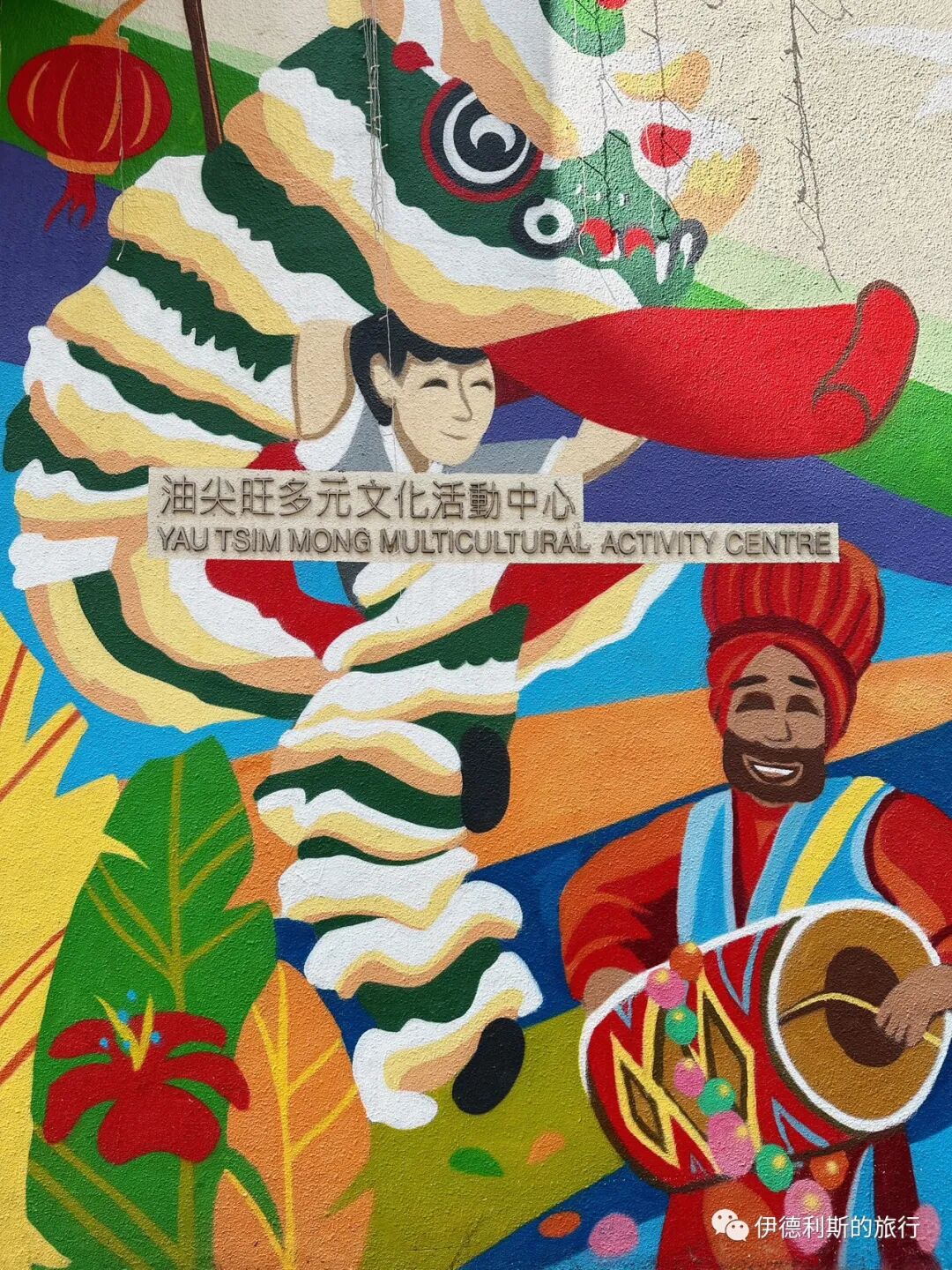
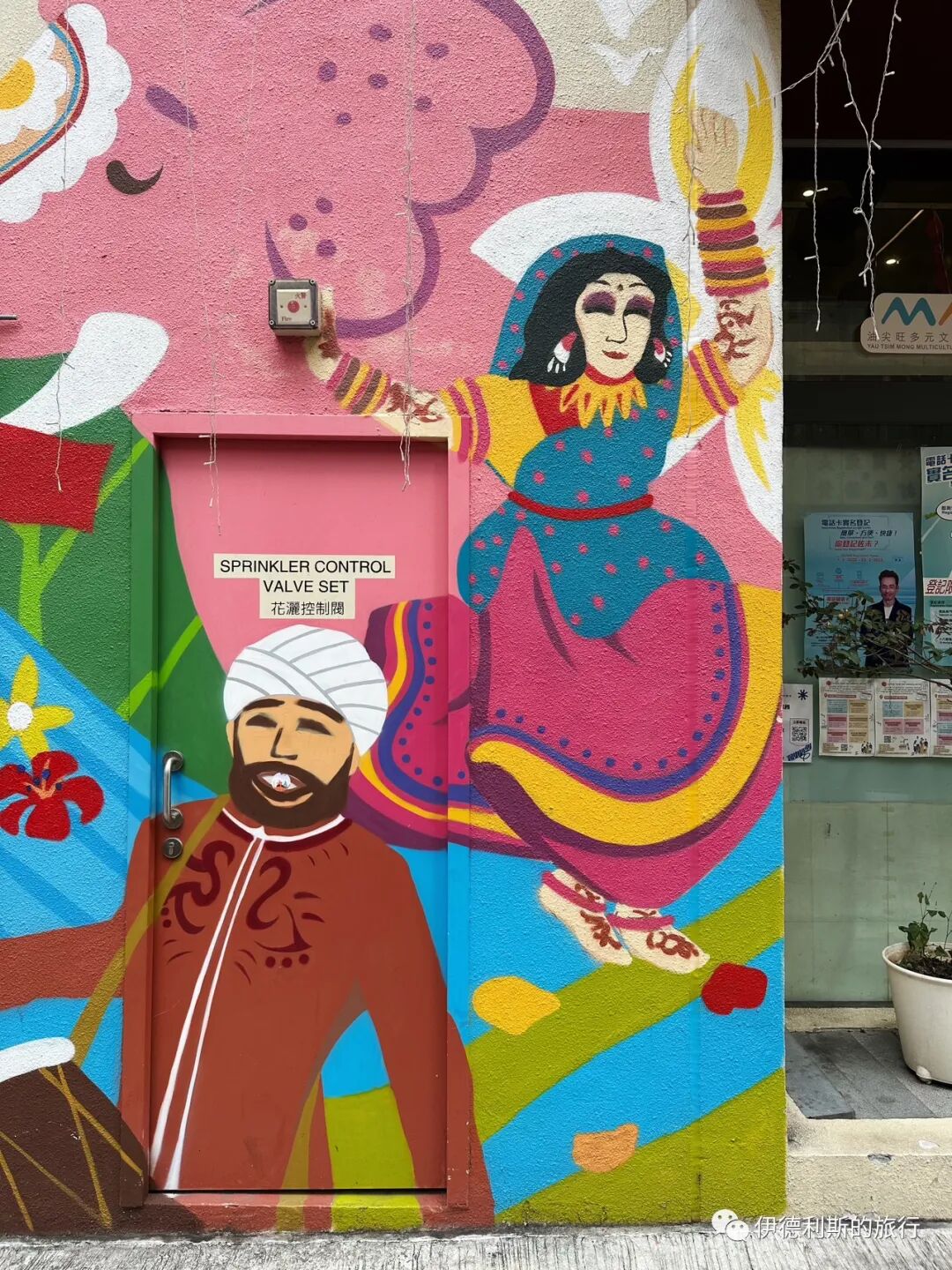
The next morning, we went to eat Tibetan food near Shanghai Street in Yau Ma Tei, Kowloon. This is a neighborhood where South Asians live in Hong Kong, with many restaurants run by Indians, Pakistanis, and Nepalese. On the wall of the Yau Tsim Mong Multicultural Activity Centre in the community, there is a mural of Chinese and South Asian people dancing together.
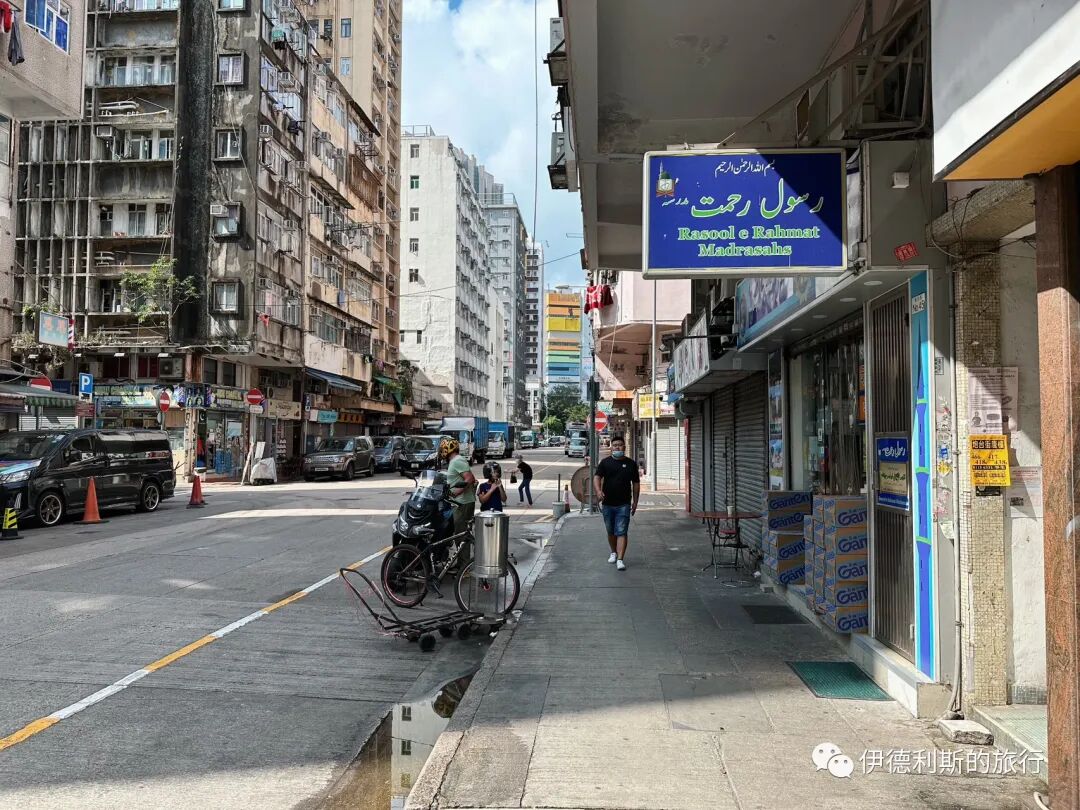
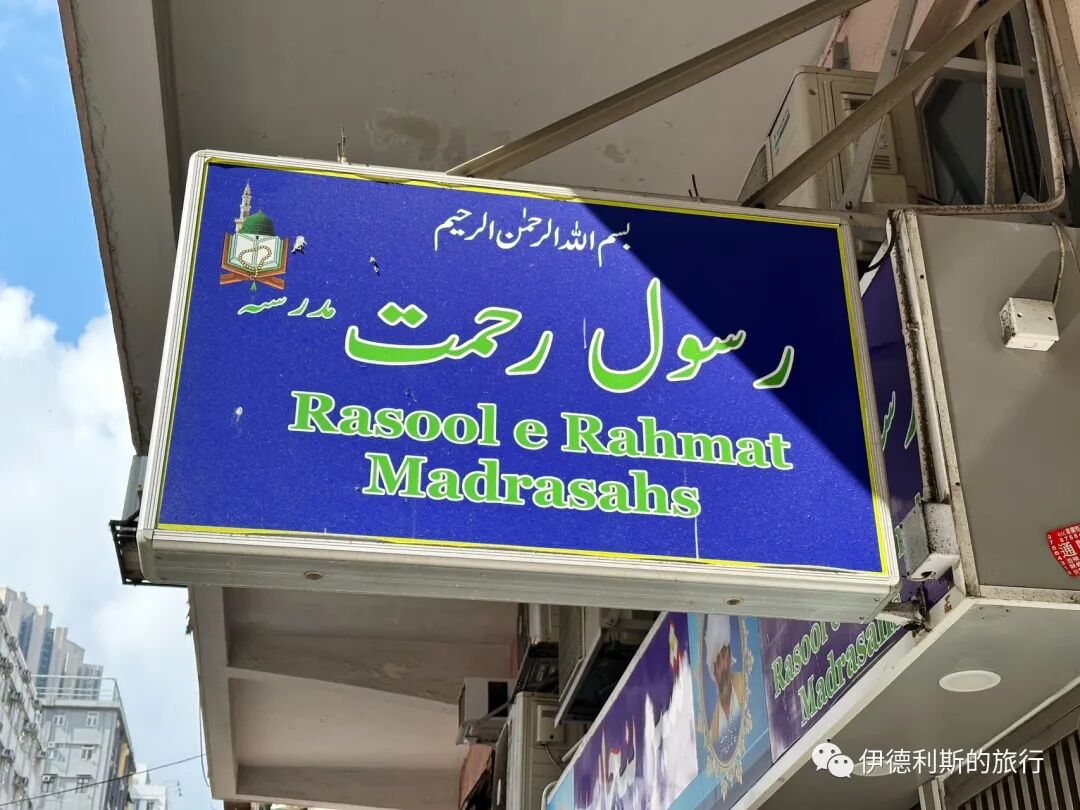
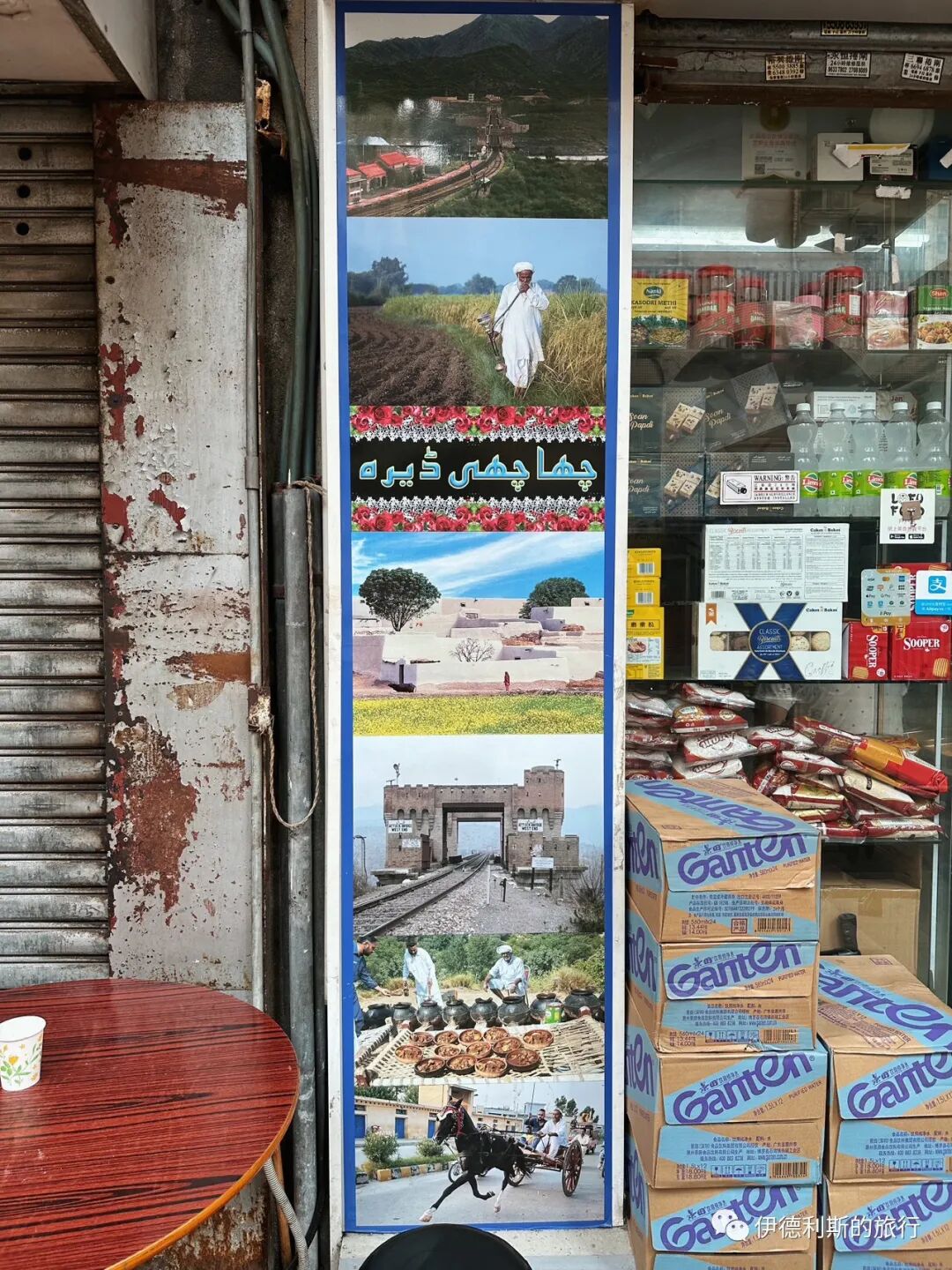
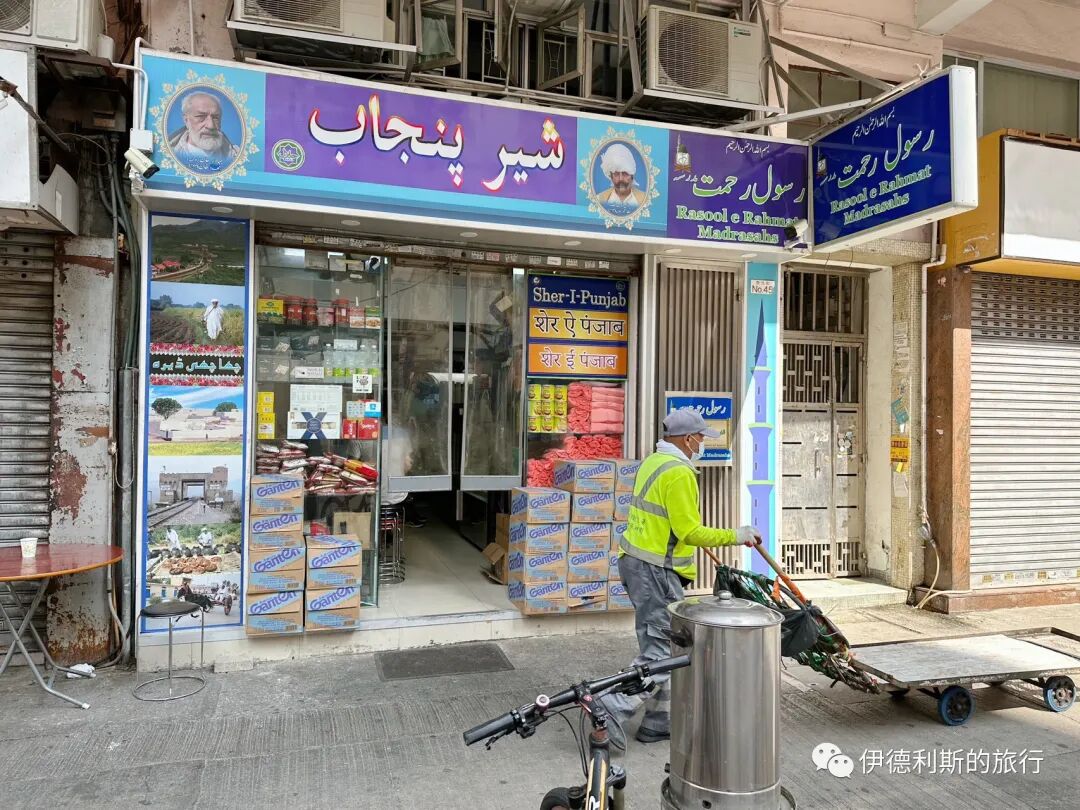
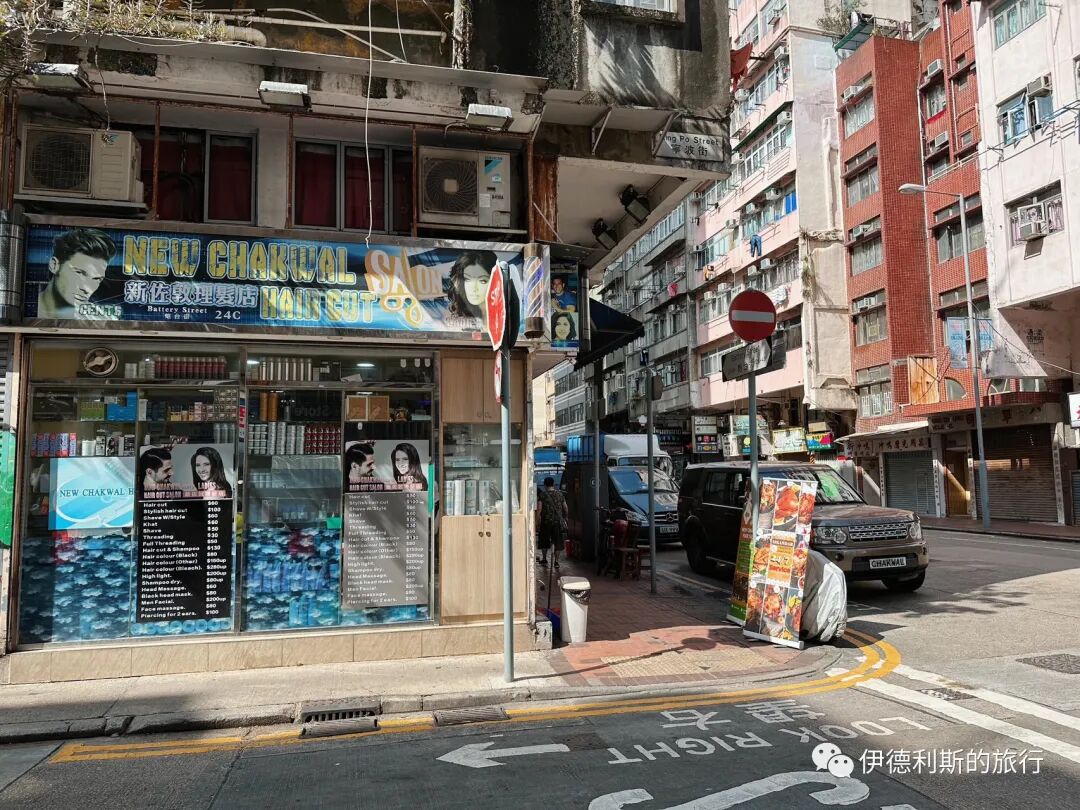
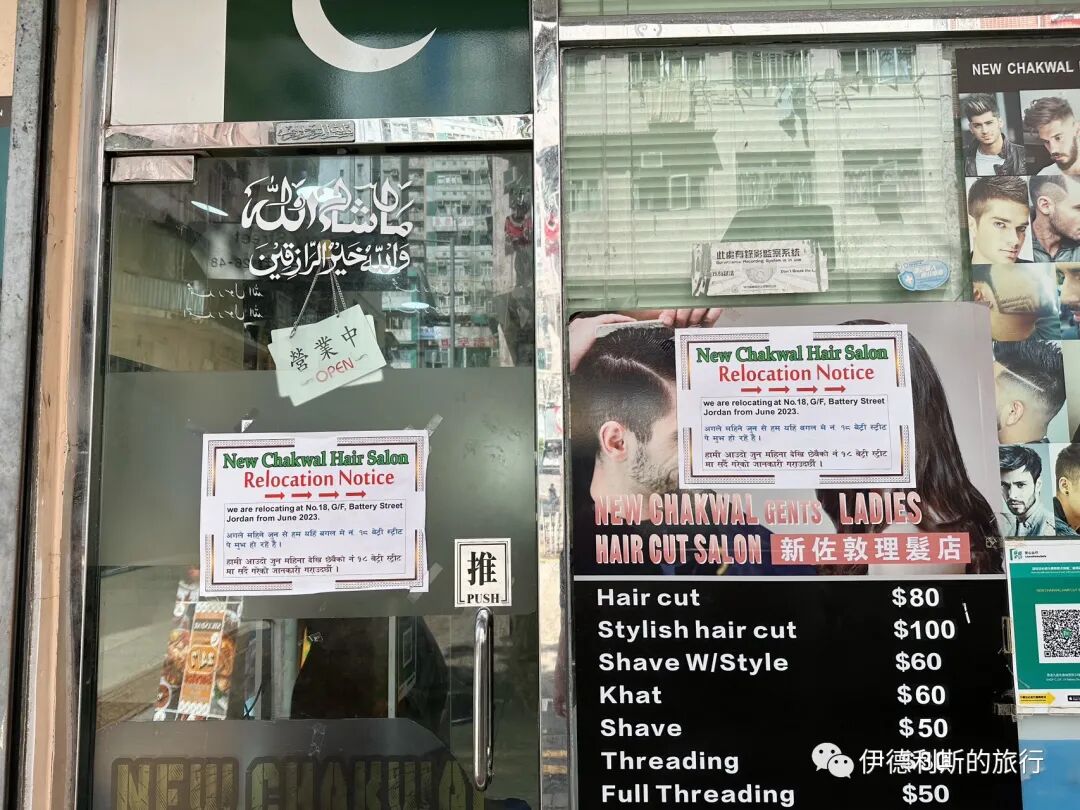
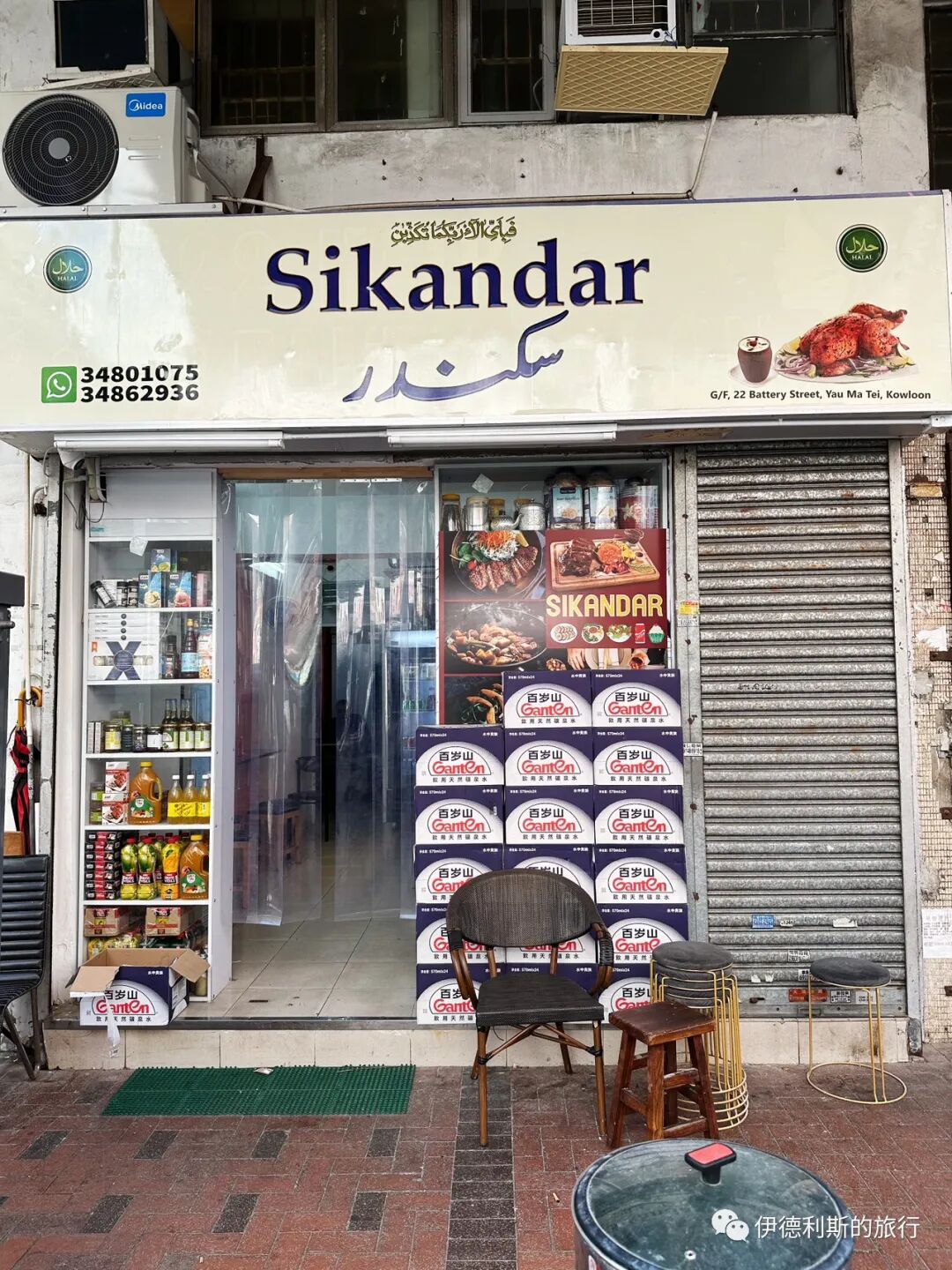
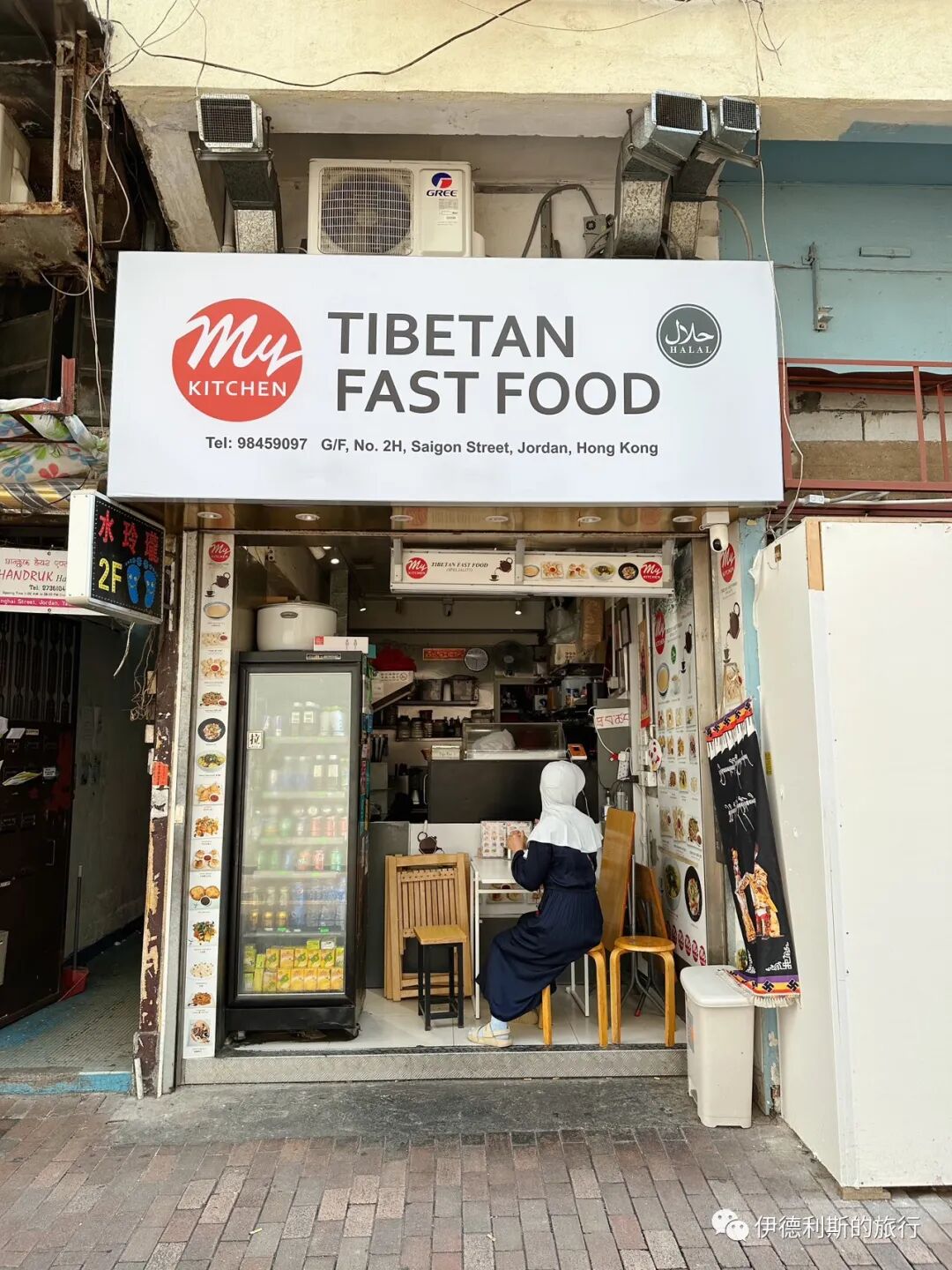
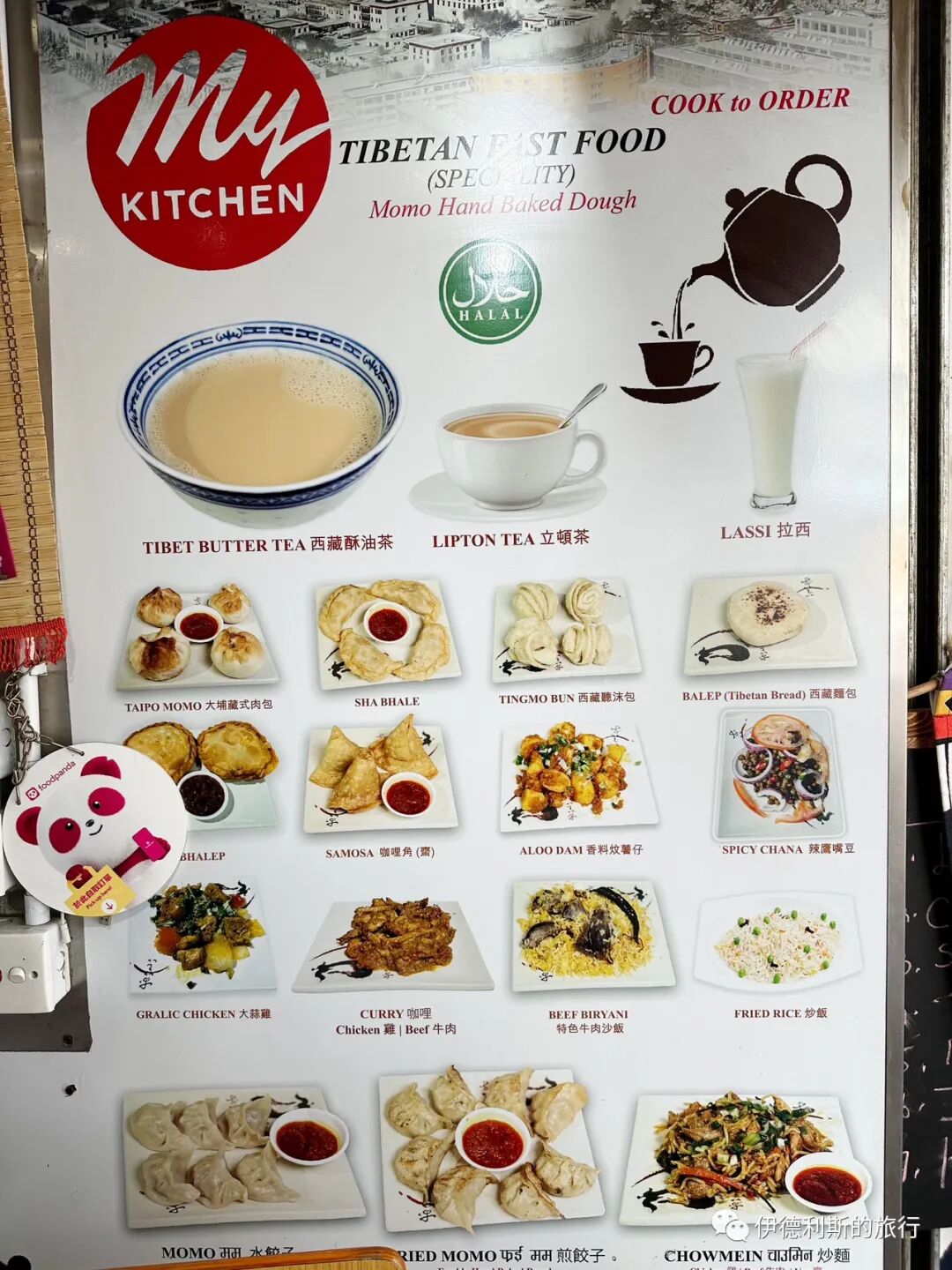
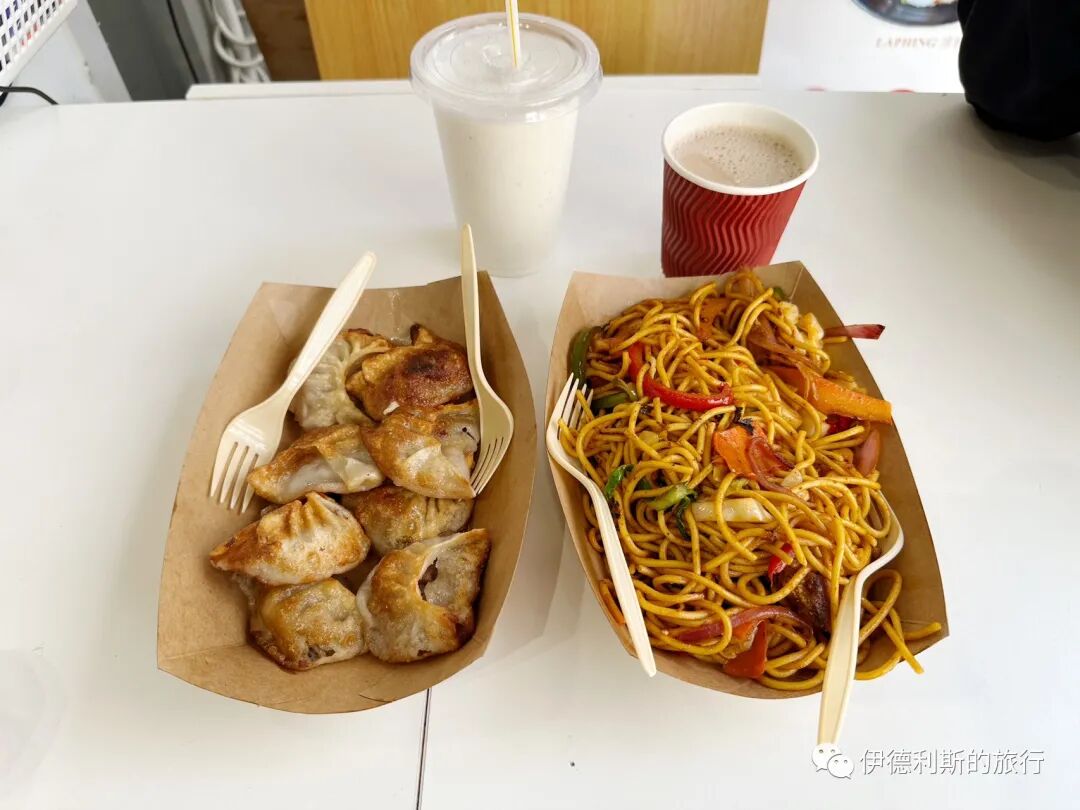
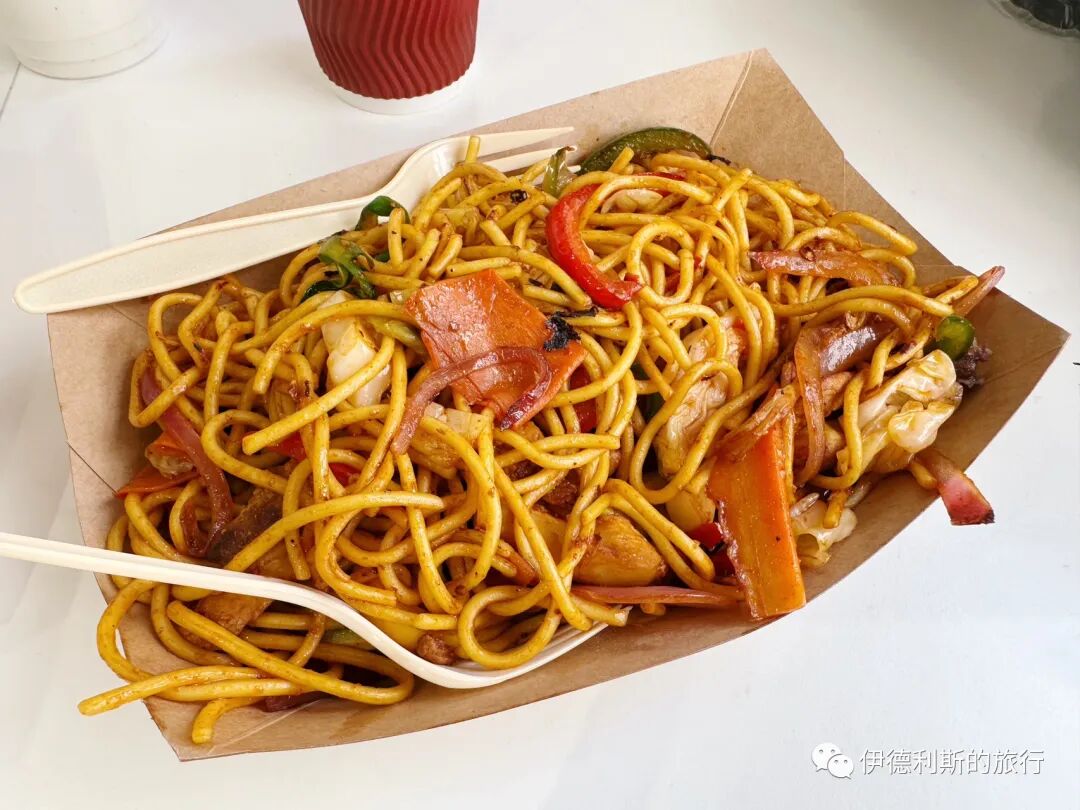
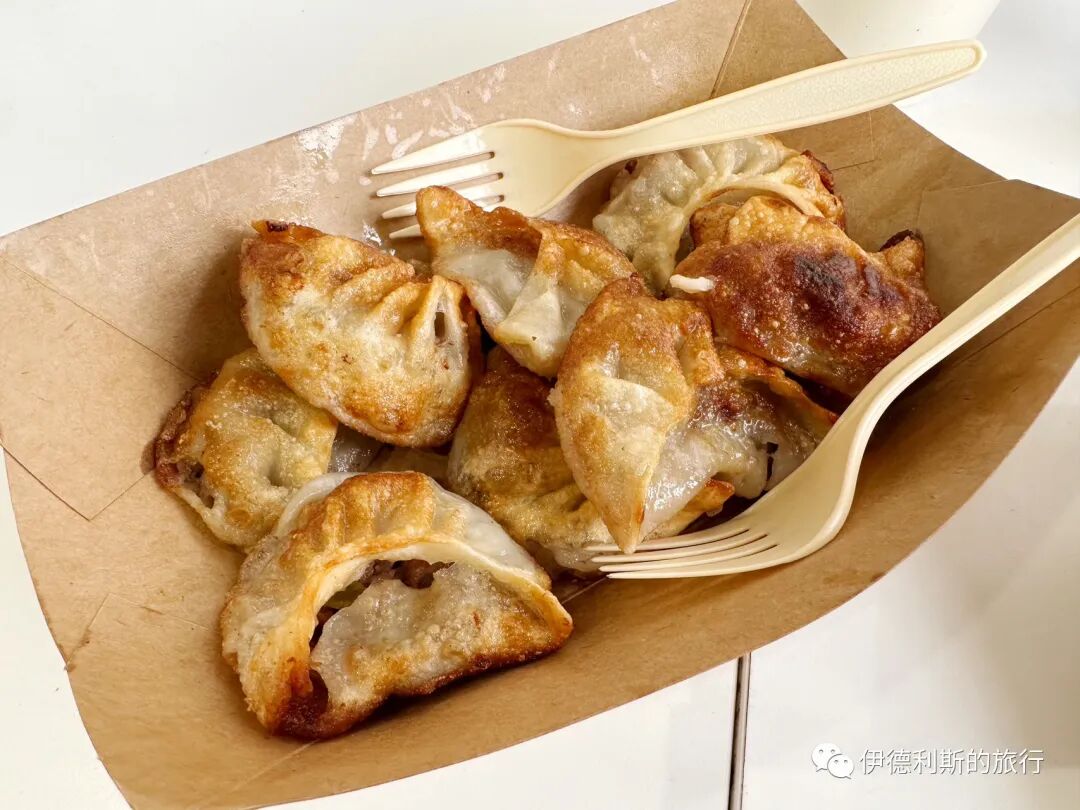
This Tibetan-Hui Muslim snack shop opened recently; I did not see it when I was here last time. They open at 9:30, and since we arrived early, many dishes were not ready. We ordered Tibetan-style fried noodles and pan-fried dumplings (momo), served with butter tea and Lassi yogurt. Everything tasted great, especially the fried noodles, which were distinct and had a wonderful smoky flavor from the wok. Next time I go to Hong Kong, I want to try their Tibetan noodles and Biryani rice.
Unfortunately, the owner was not there. I asked the shop assistant, and she said the owner is a Tibetan Muslim. Based on their menu, I think the owner might be a descendant of the Lhasa Tibetan Muslims who moved to India in the 1960s.
After the 14th century, Kashmiri Muslims from west of the Tibetan region began traveling to Tibet for trade, and they started settling in Lhasa after the 17th century. The descendants of these Kashmiri merchants who married local Tibetan women gradually became Tibetanized, speaking the Tibetan language, wearing Tibetan clothes, and drinking butter tea. Records show that in the 1950s, there were over 600 Muslims in Lhasa with ancestral roots in Kashmir, India, and Ladakh. They mainly worked in trade and handicrafts, running vegetable gardens, flour mills, tailor shops, or restaurants, while some traveled between Nepal, India, and other places for business. In the first half of 1960, the Tibet Working Committee determined the nationality of foreign Muslims. 140 Muslim households returned to Kashmir, 15 returned to Nepal, and only 18 households remained. After returning to India, most of these Kashmiri Muslims settled in Srinagar, the capital of Indian-administered Kashmir, and the cities of Kalimpong and Darjeeling in northeastern India.
In 1961, Habishi returned to Kashmir but later went back to Lhasa for various reasons. His son, Abdul Halim, studied under Imam Yaya. After 1966, local Muslims were not allowed to lead religious activities. At just 15 years old, Abdul began leading religious activities for the Kashmiri Muslims because he held a Nepalese passport, becoming the imam for the Kashmiri Muslims in Lhasa. By 2000, there were 52 households of Muslims in Lhasa with roots in Kashmir and Nepal. In 2018, I visited their home at Kache Lingka Jiandang in Lhasa and ate butter tea and biryani fried rice made by an auntie of Kashmiri descent named Amina.
Indonesian food at Pei Ho Building in Sham Shui Po, Kowloon.
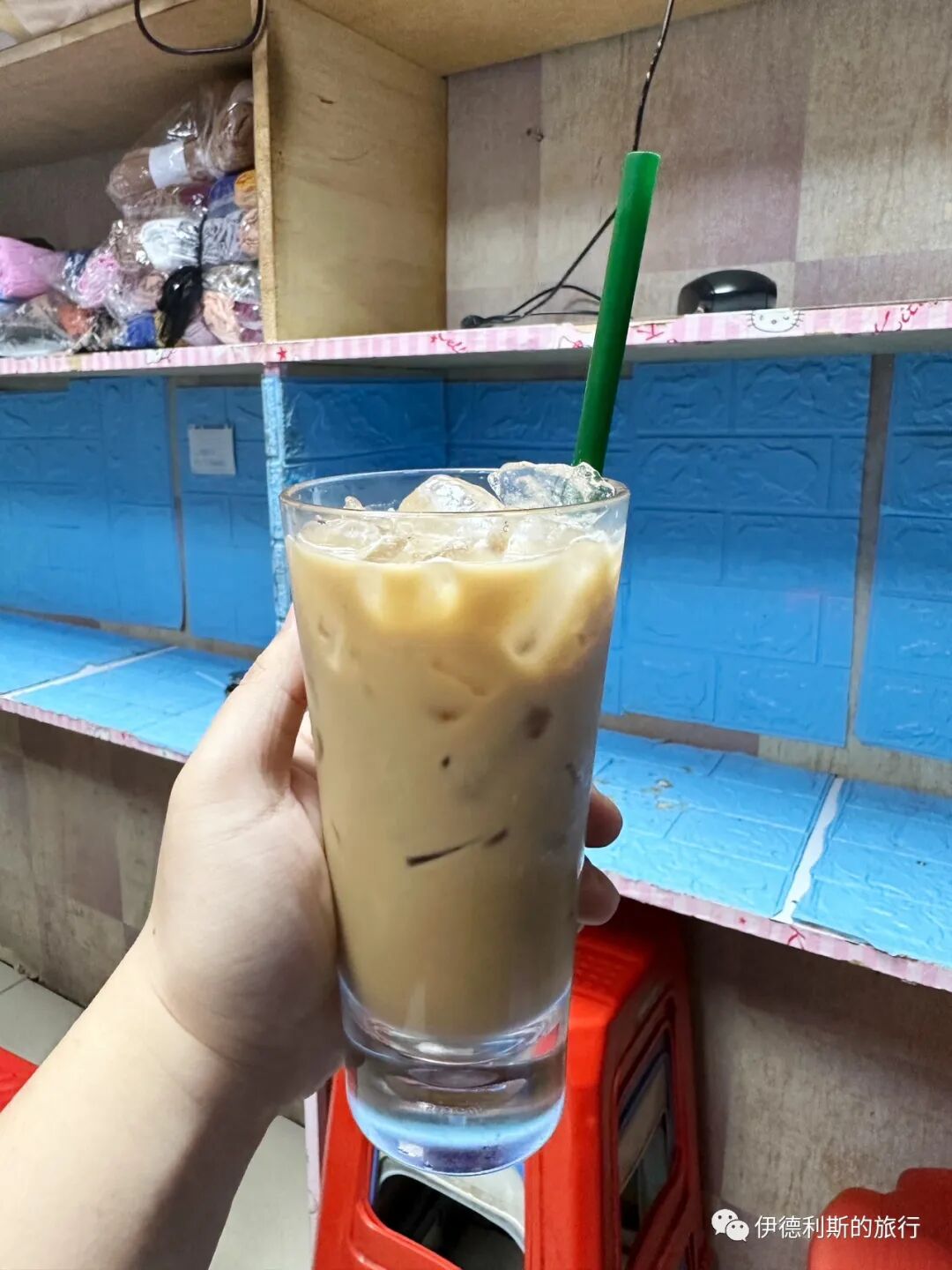
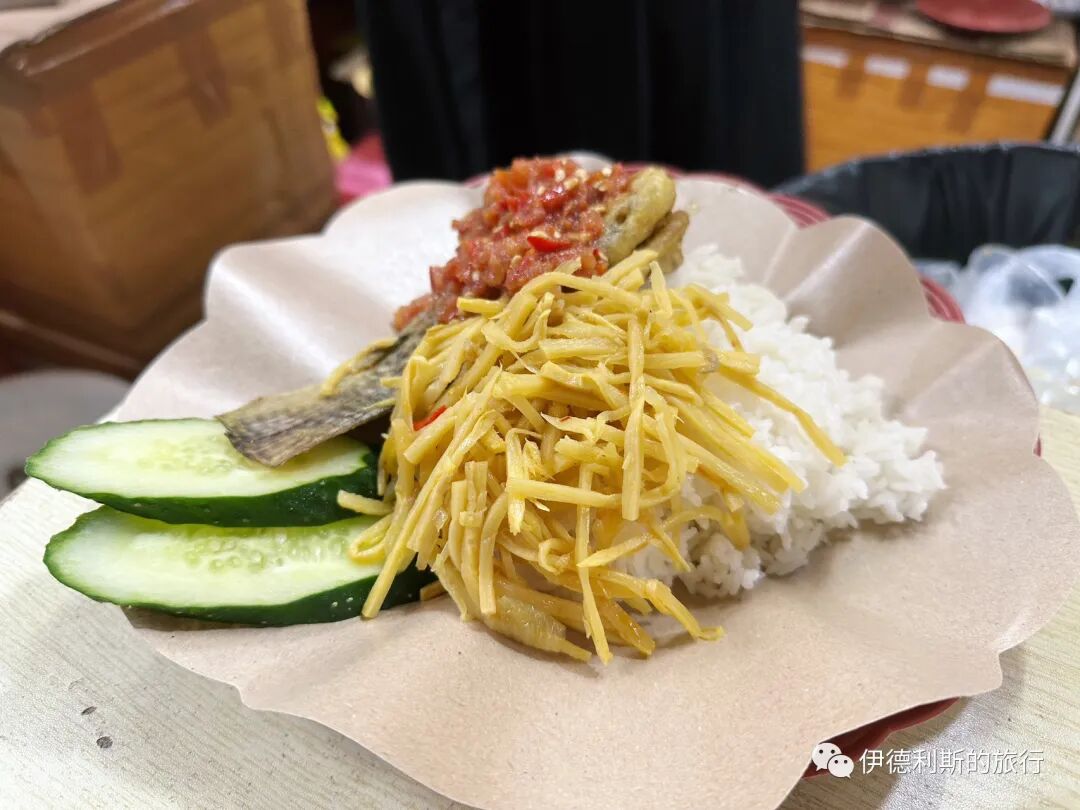
At noon, I ate yellow turmeric rice (nasi kuning) with fried fish and drank iced coffee at a small eatery run by Indonesian sisters inside the Pei Ho Building in Sham Shui Po.
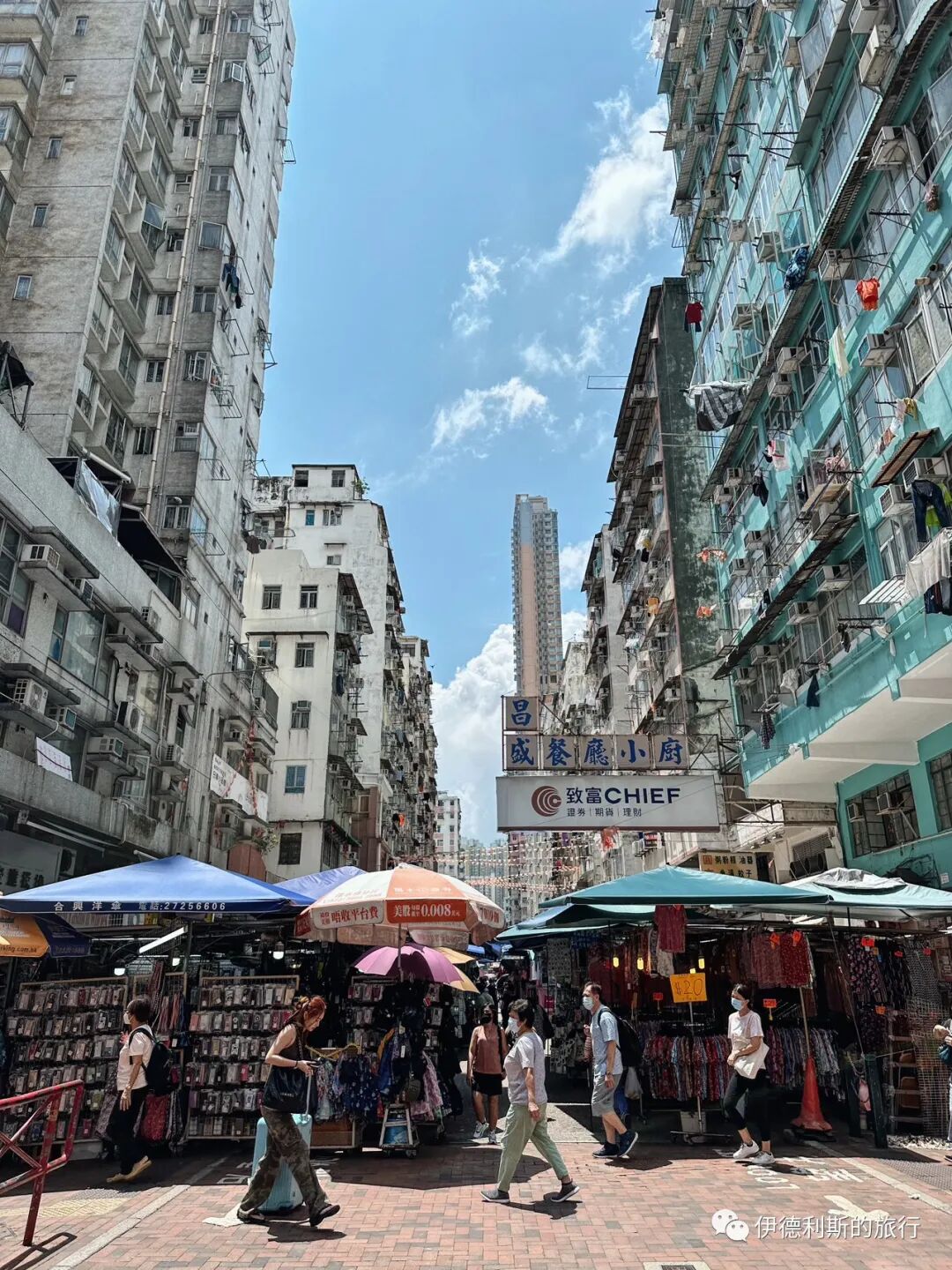
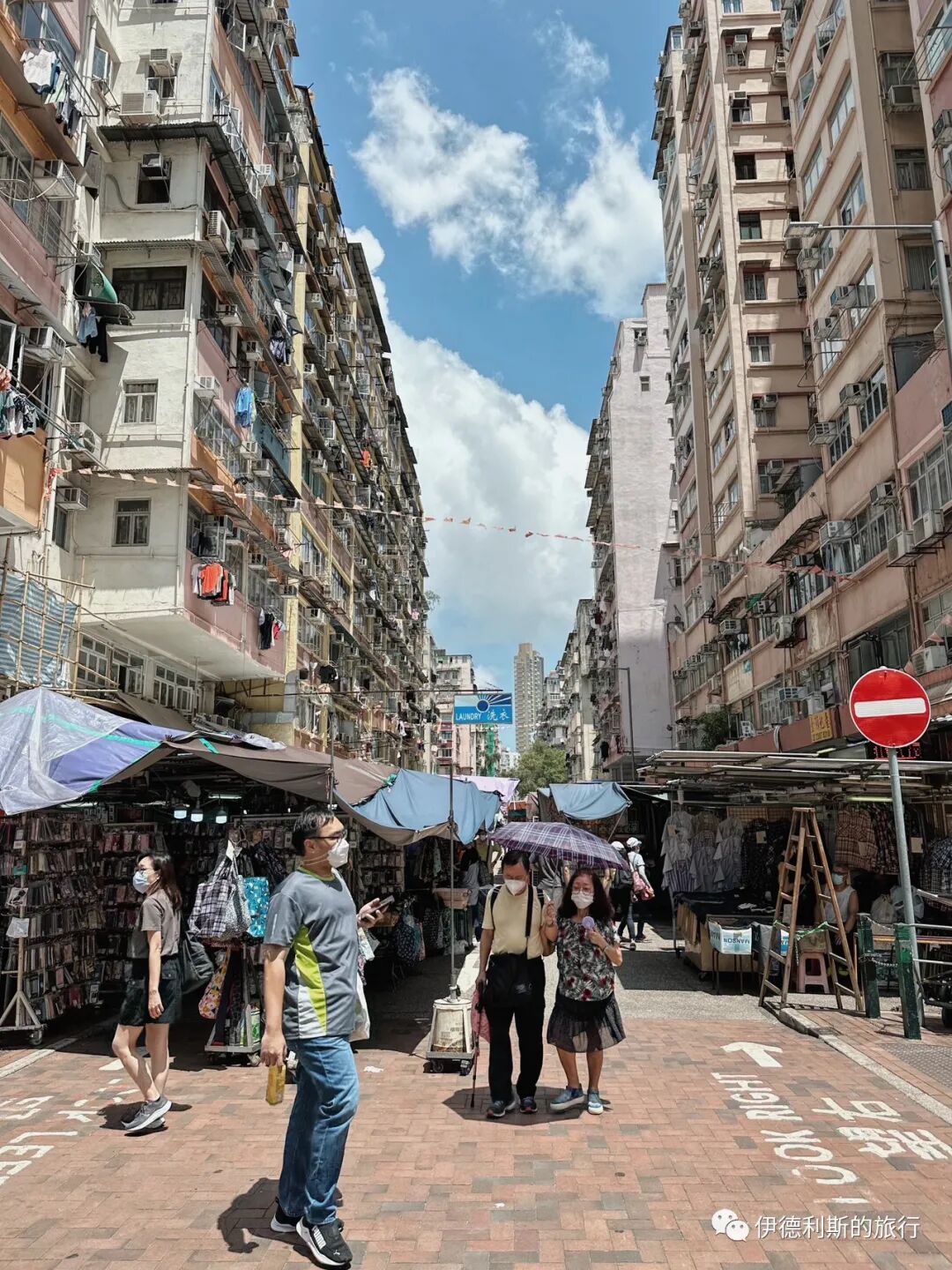
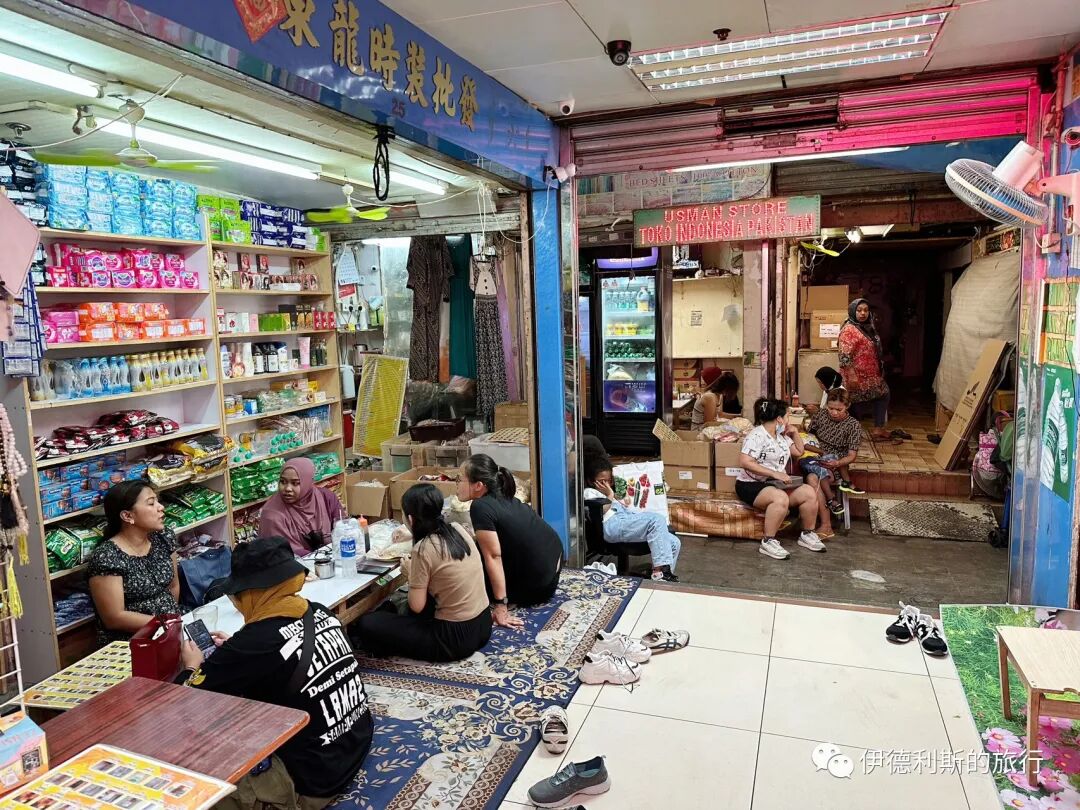
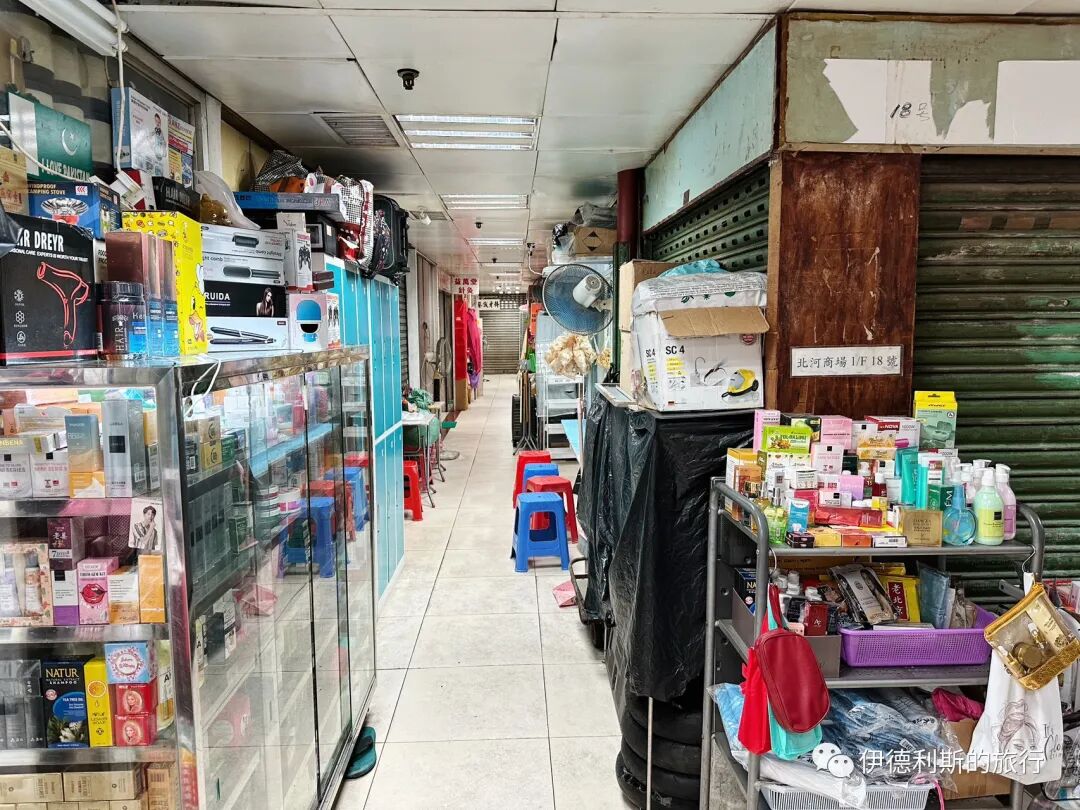
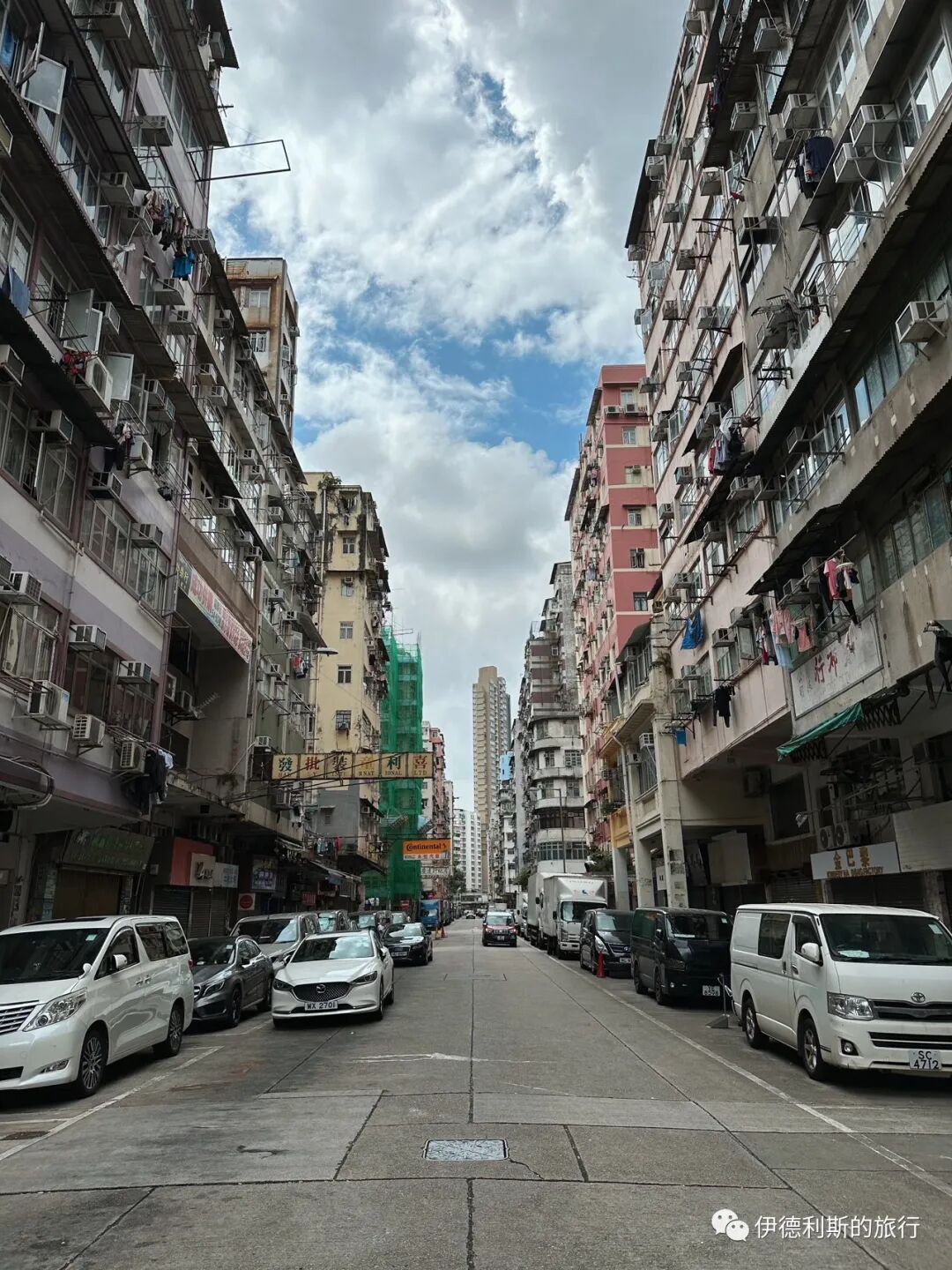
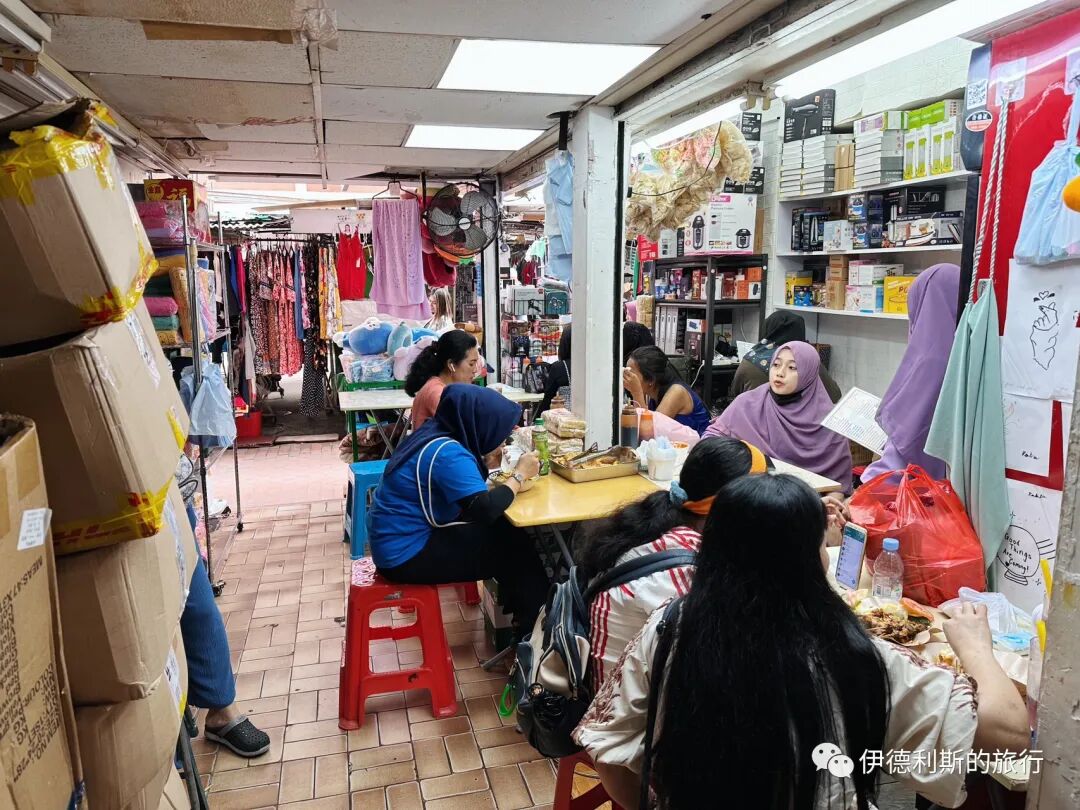
If Causeway Bay is the center for Indonesian sisters on Hong Kong Island, then Sham Shui Po is their center in Kowloon. Sham Shui Po is located in the northwest of Kowloon and was an early industrial and commercial hub of Hong Kong. Many multi-story tenement buildings (tong lau) were built there in the 1950s and 1960s, making it very densely populated. Because housing prices are low, many elderly people and foreign workers live here today. There are markets for all kinds of electronic parts, wholesale clothing, and children's goods, where you can buy almost any daily necessity you might need. Inside the Pei Ho Building on Pei Ho Street, there are many small eateries run by Indonesian sisters. The entrance to the mall feels like a magic door; once you step inside, you are instantly transported to a mall in a city on the island of Java, Indonesia.
We first went to a very hidden restaurant on the second floor of the Pei Ho Shopping Centre. If it weren't for the Indonesian sisters soliciting customers at the intersection, we would never have found it. I asked the owner, and she is from Solo on the island of Java. In the mid-18th century, Solo was the last capital of the Mataram Sultanate, and later it became the capital of the Surakarta Sunanate. The Solo Palace is a massive complex with gardens and courtyards. Royal family members still live there today, and a portion of it is open as a museum.
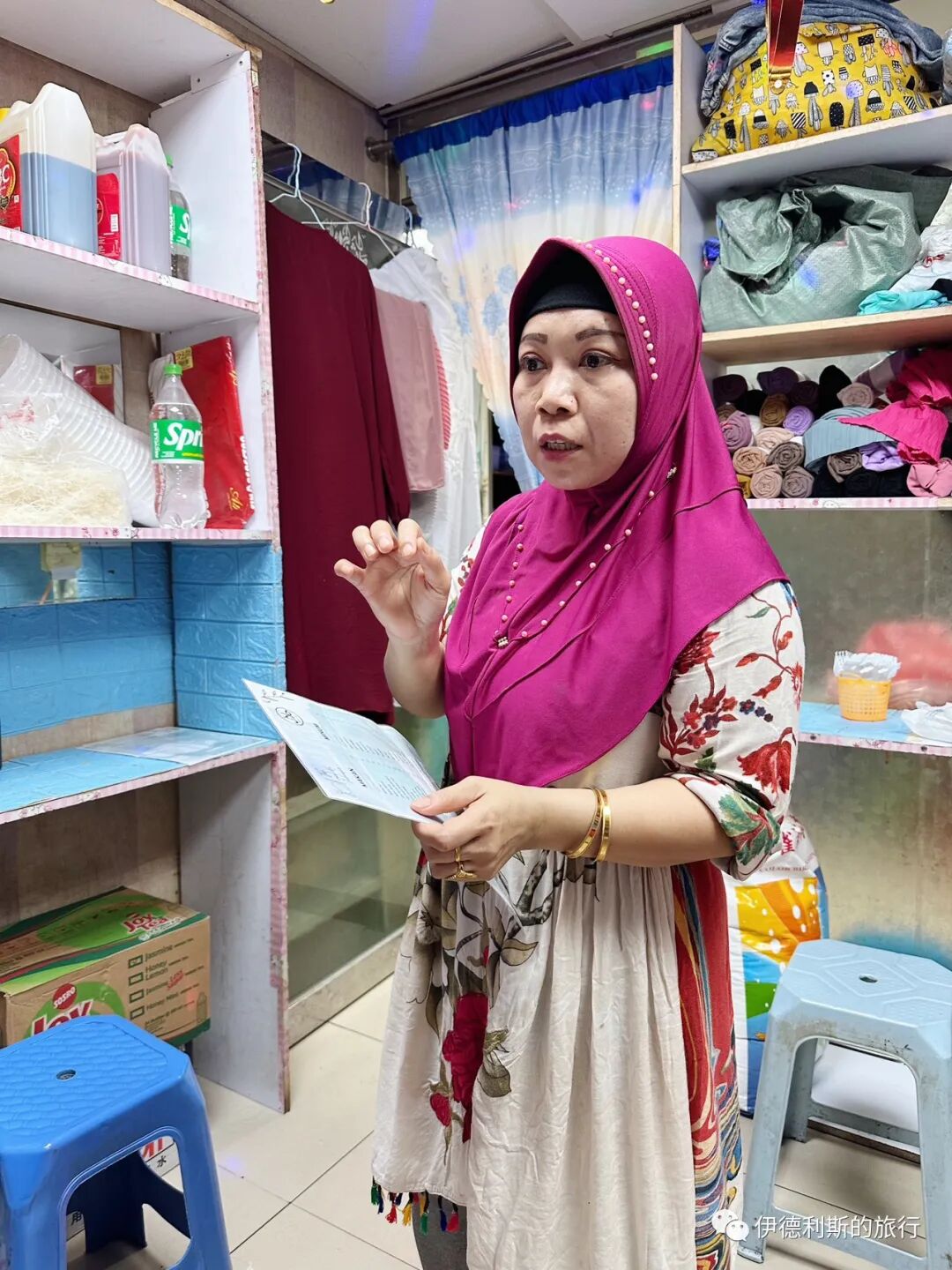
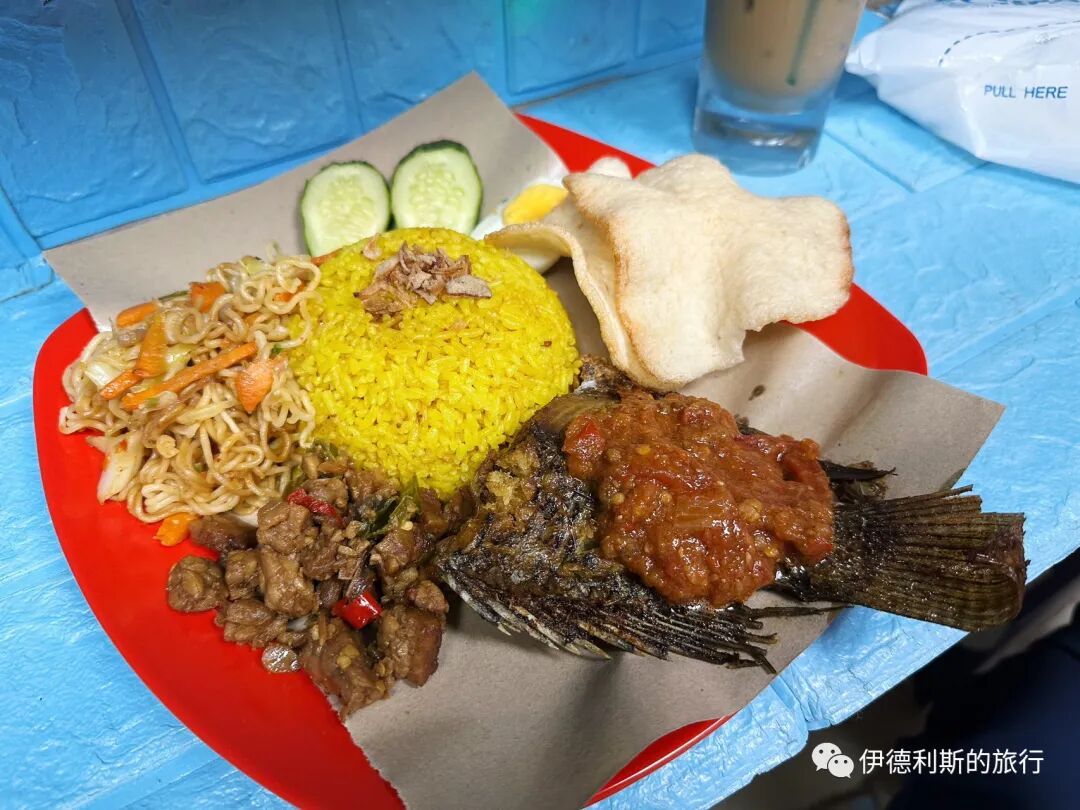
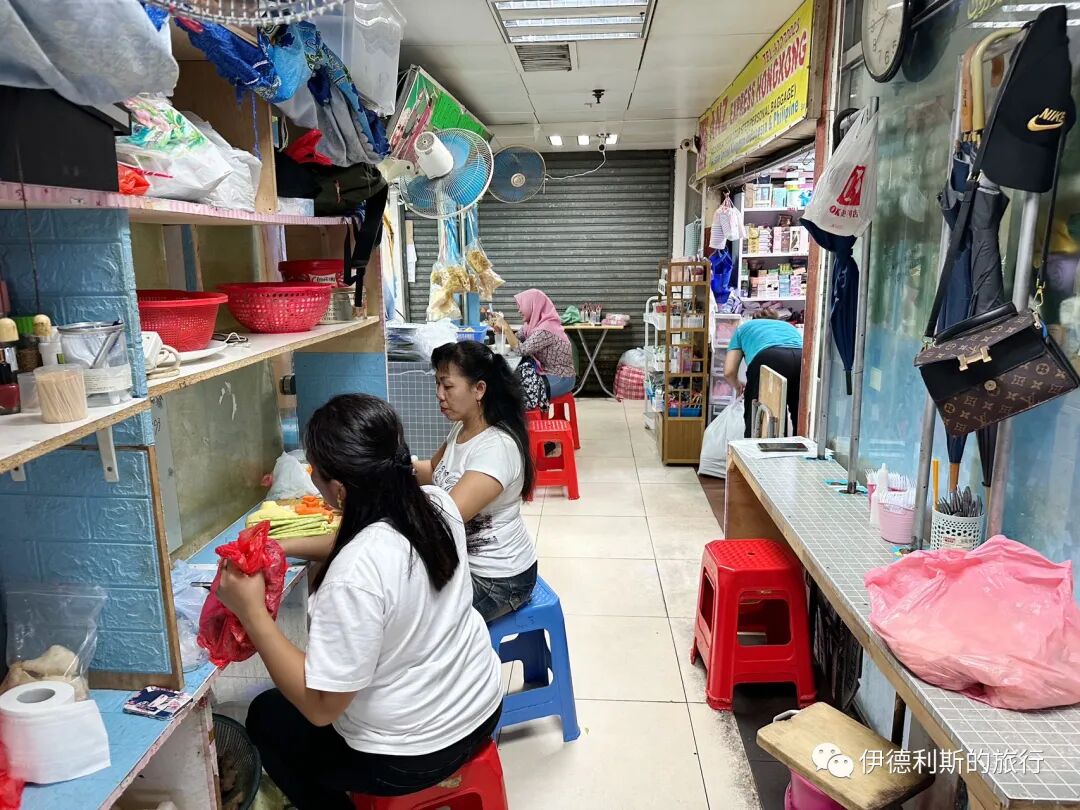
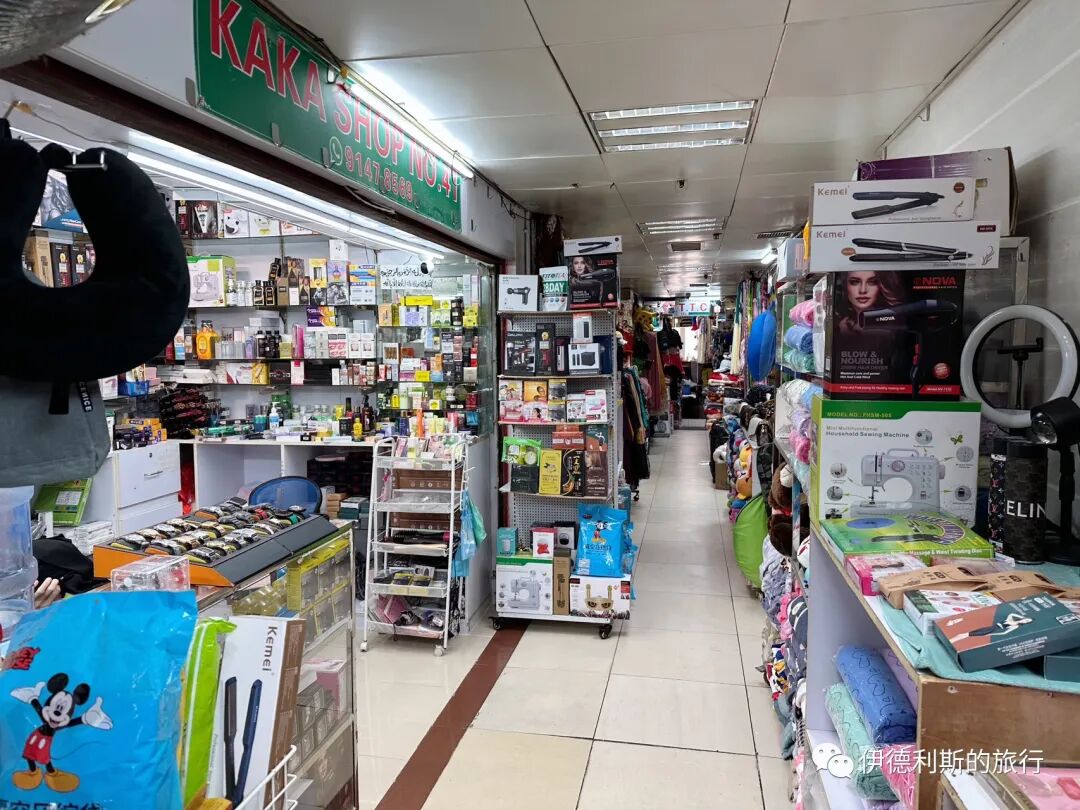
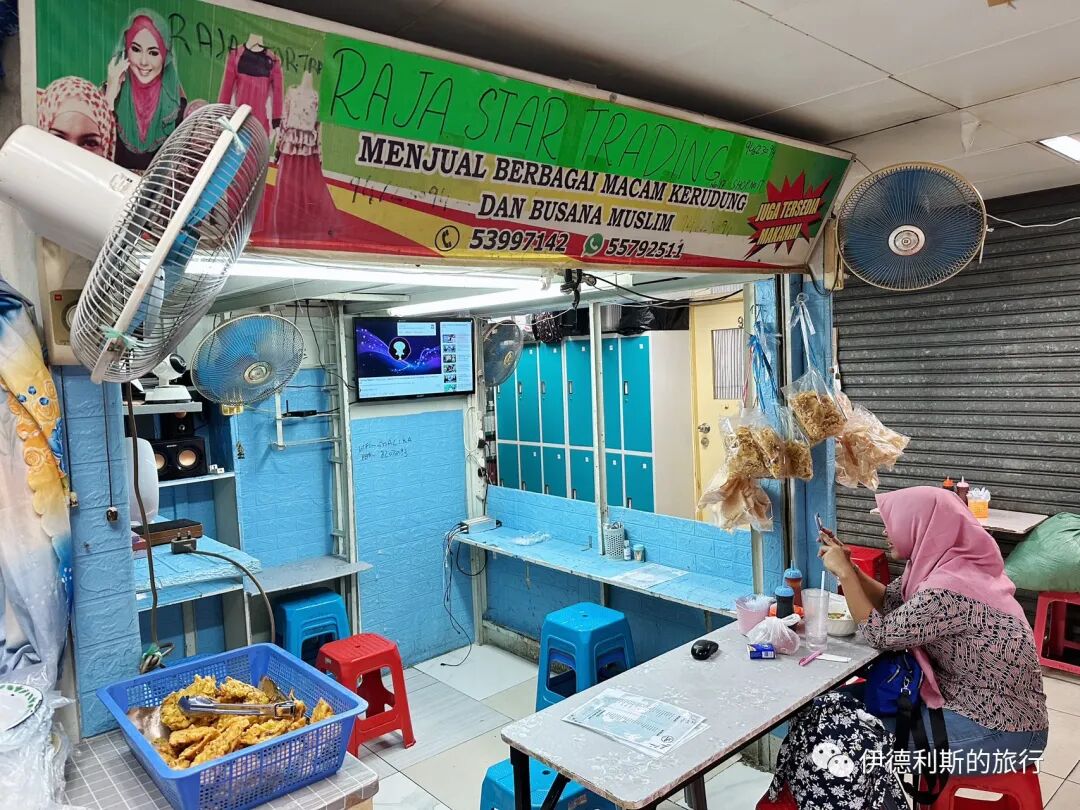
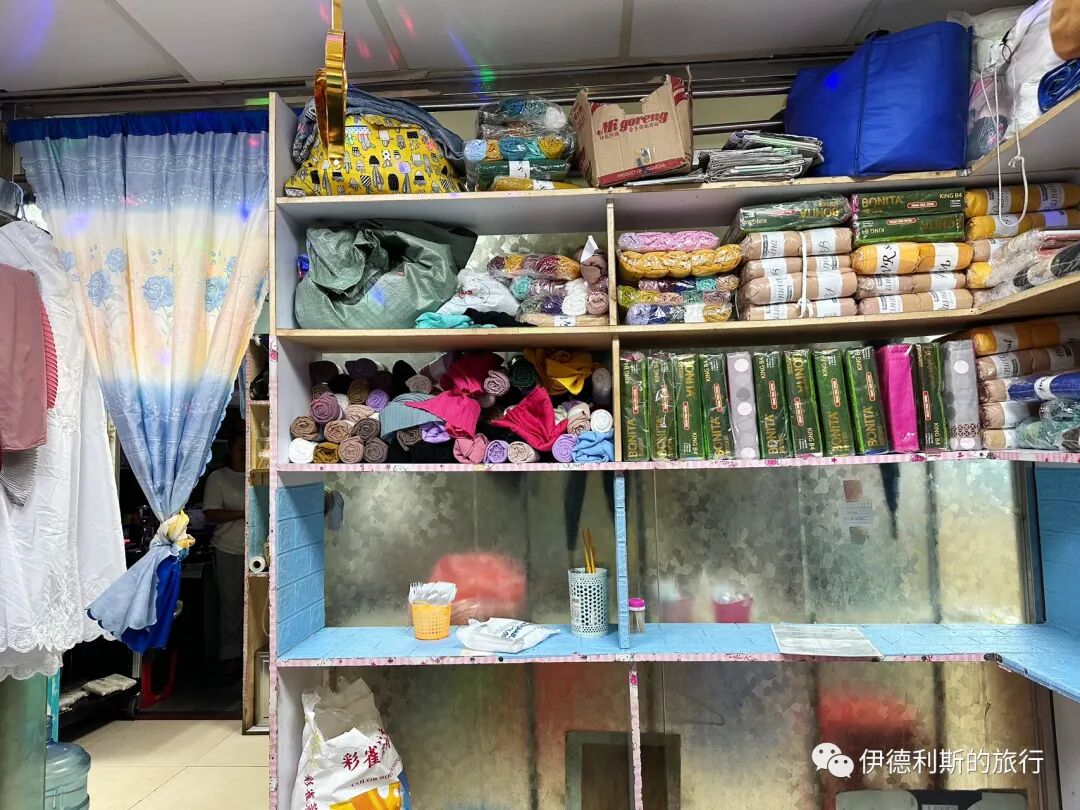
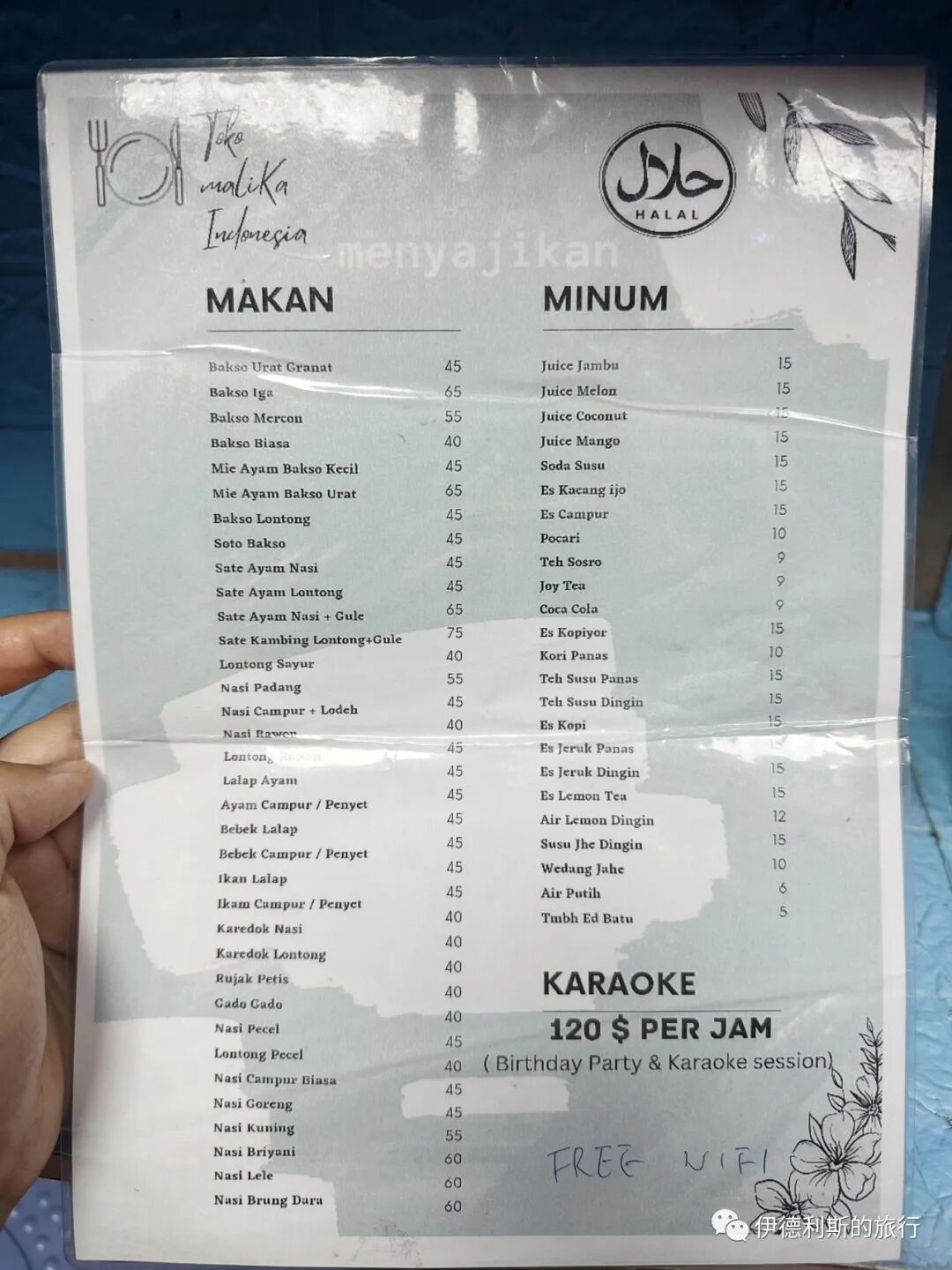
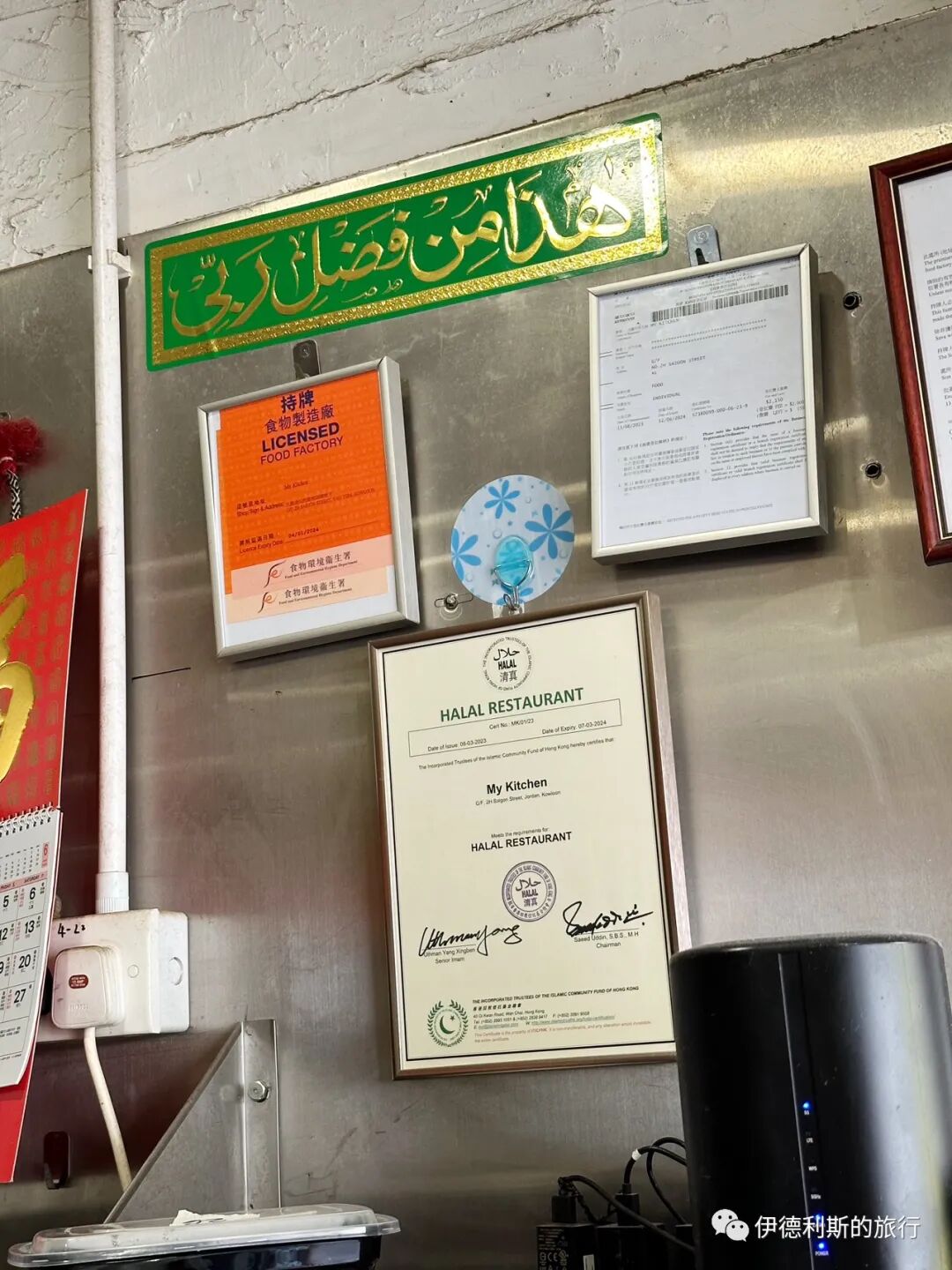
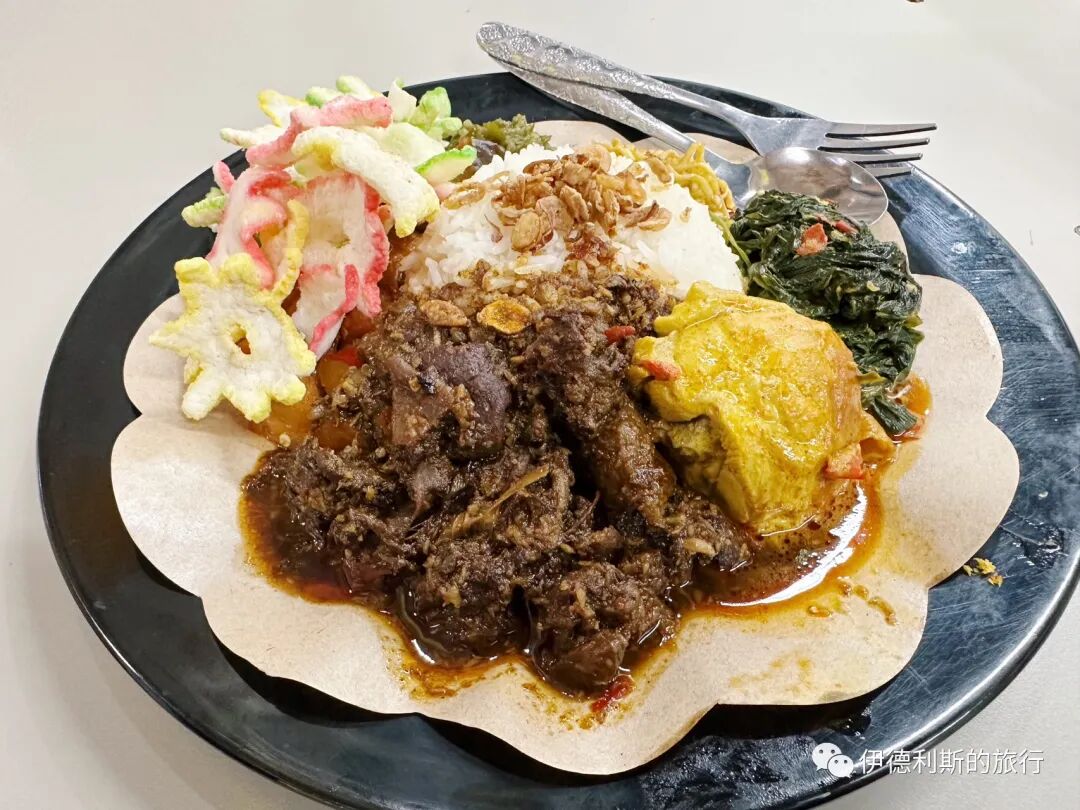
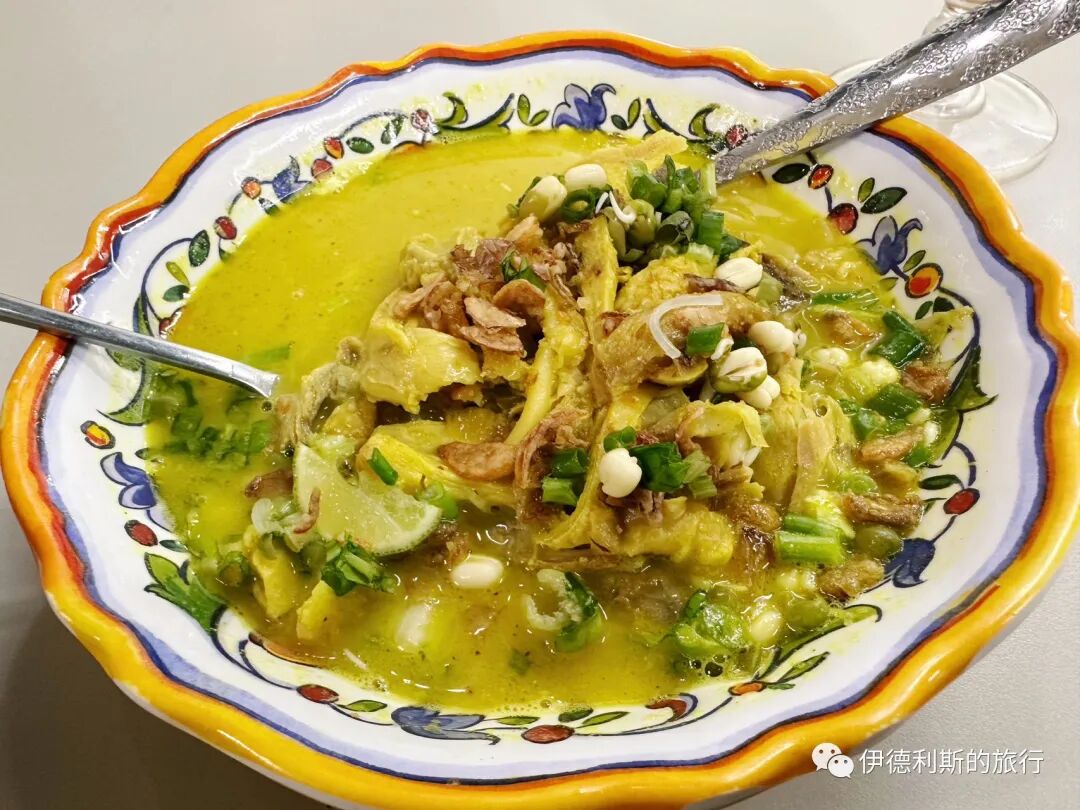
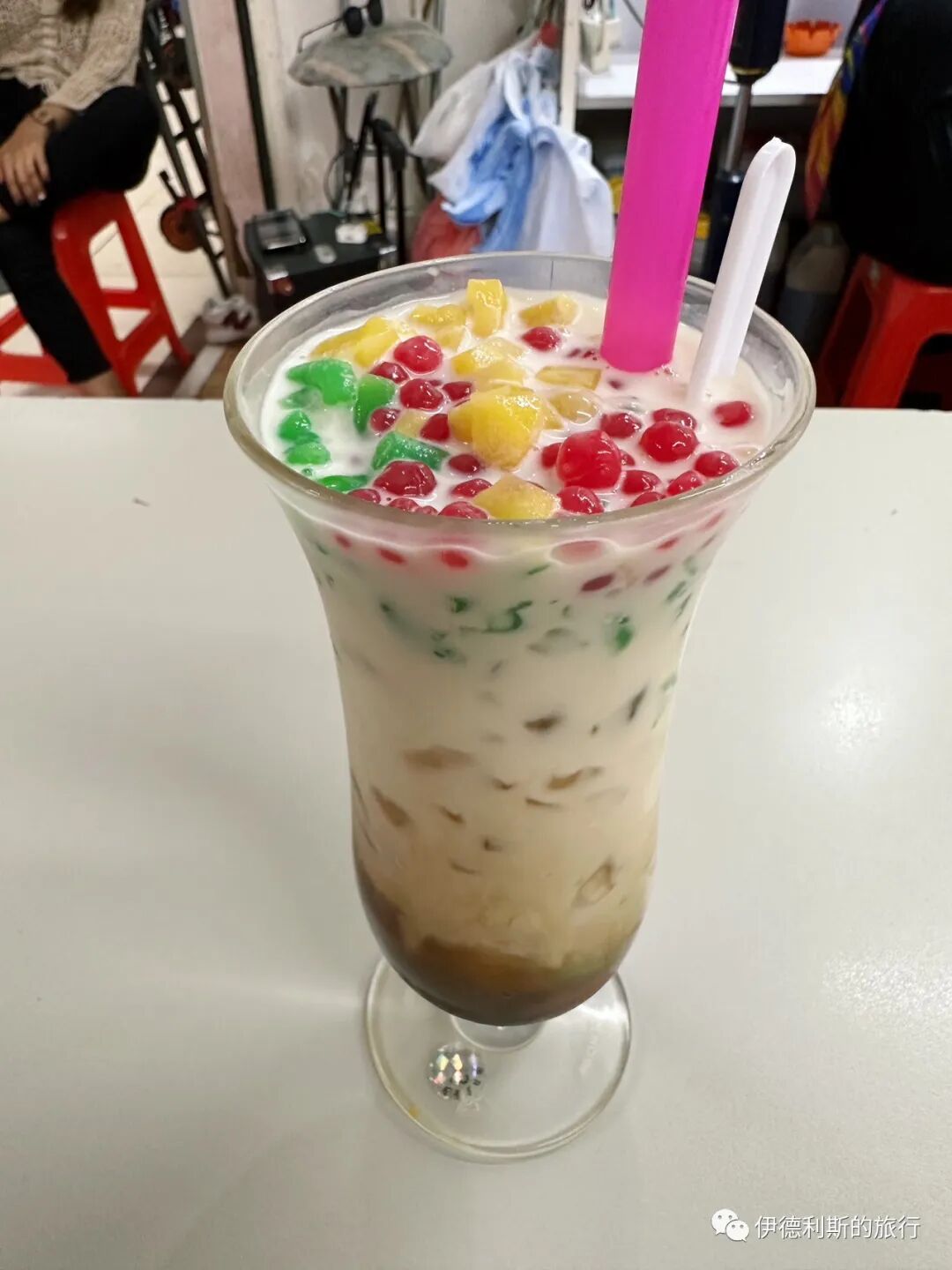
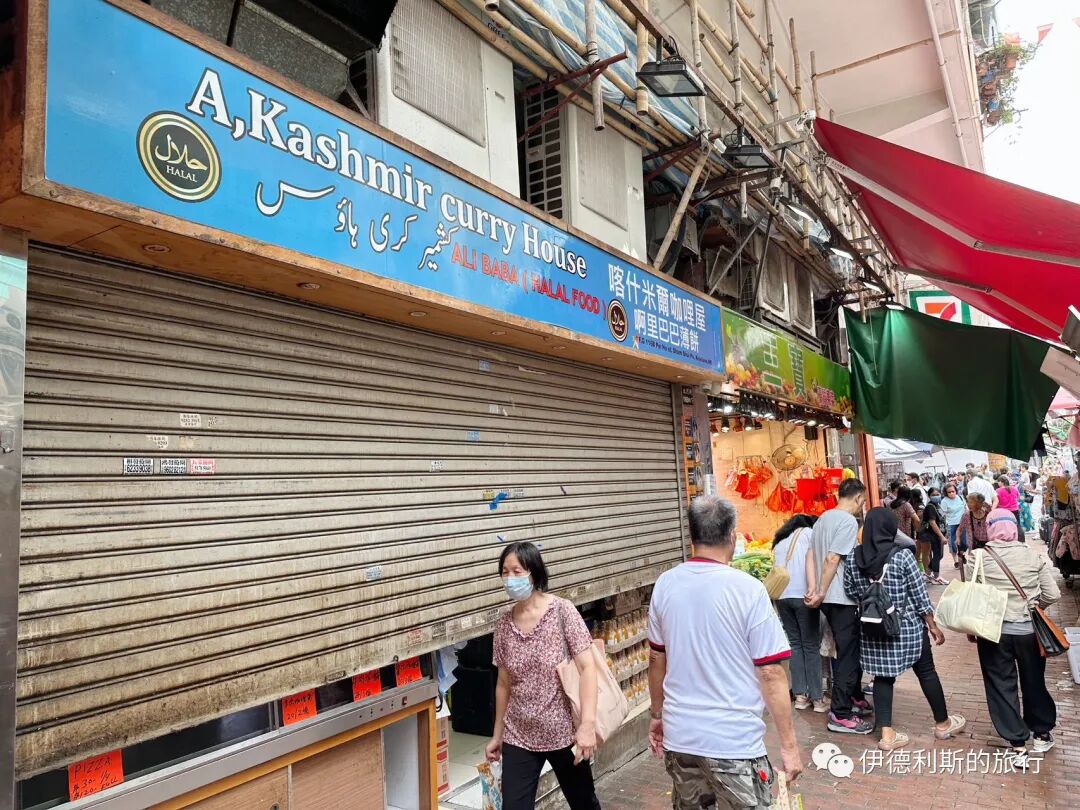
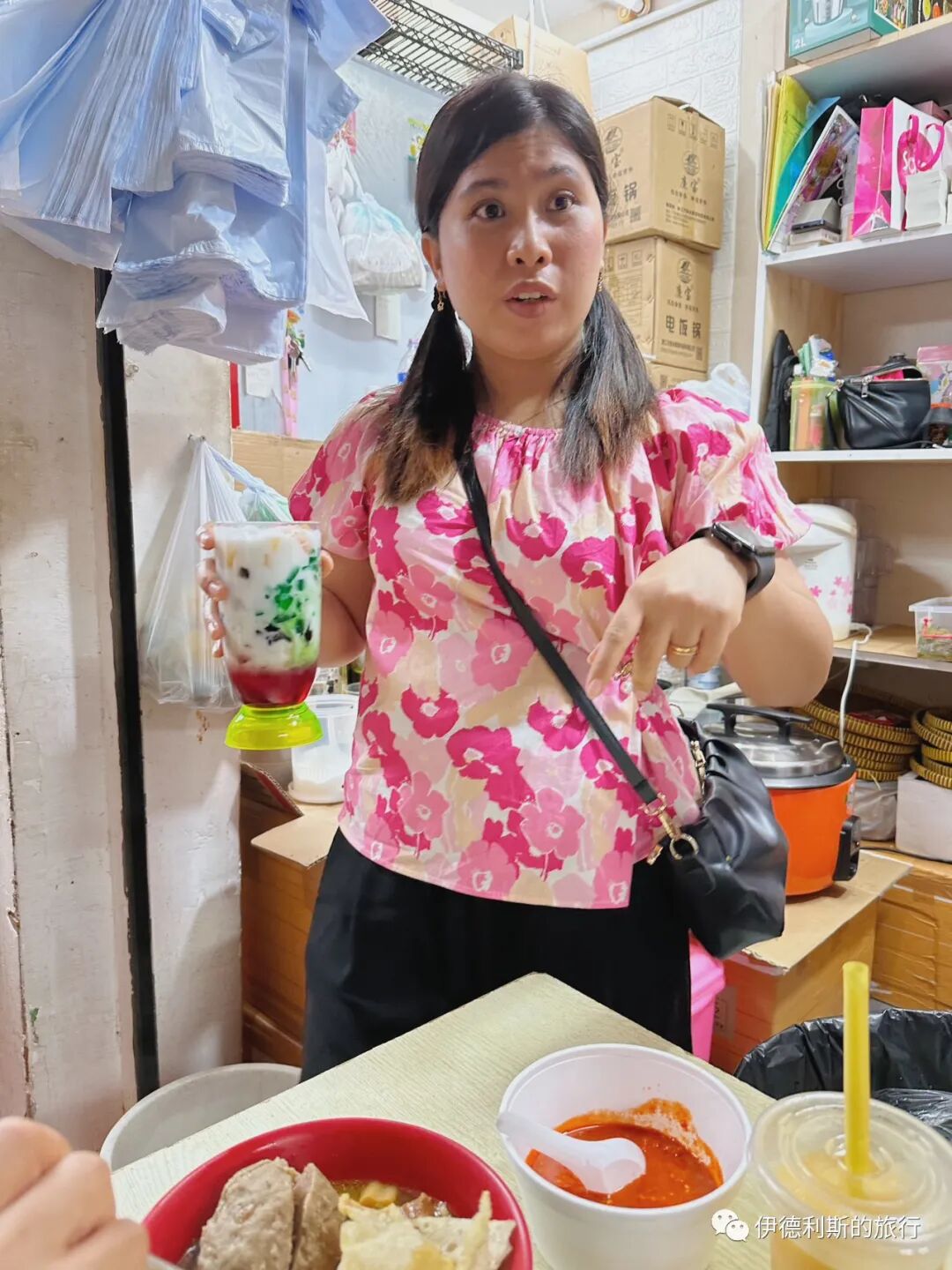
We also went to an Indonesian Javanese restaurant on the first floor of the Pei Ho Building called TOKO Berkah Ali BaBa. It is likely the most popular Indonesian restaurant in Sham Shui Po, and there were many Indonesian sisters eating inside. We ordered mixed shaved ice (es campur), yellow chicken curry soup (soto ayam), and Padang-style rice (nasi padang). This place was definitely the best Indonesian restaurant I have eaten at in the last few days!
Padang-style rice (nasi padang) is a dish that originated with the Minangkabau people on Sumatra Island. It comes with a rich variety of sides, including both meat and vegetables. The most classic part of Padang-style rice has to be the beef rendang (rendang daging). Rendang likely started as a combination of curry brought by Indian merchants who came to Sumatra to trade before the 15th century and the local diet of the Minangkabau people. After the 16th century, Minangkabau merchants began traveling to Malacca to trade, and rendang started to spread to other parts of Indonesia. The main ingredients for rendang are meat, coconut milk, chili, and various spices, including ginger, galangal, turmeric, lemongrass, garlic, and shallots. To meet the needs of Minangkabau merchants on long voyages, rendang is slow-cooked until it becomes thick and dry, allowing it to be stored for several weeks.
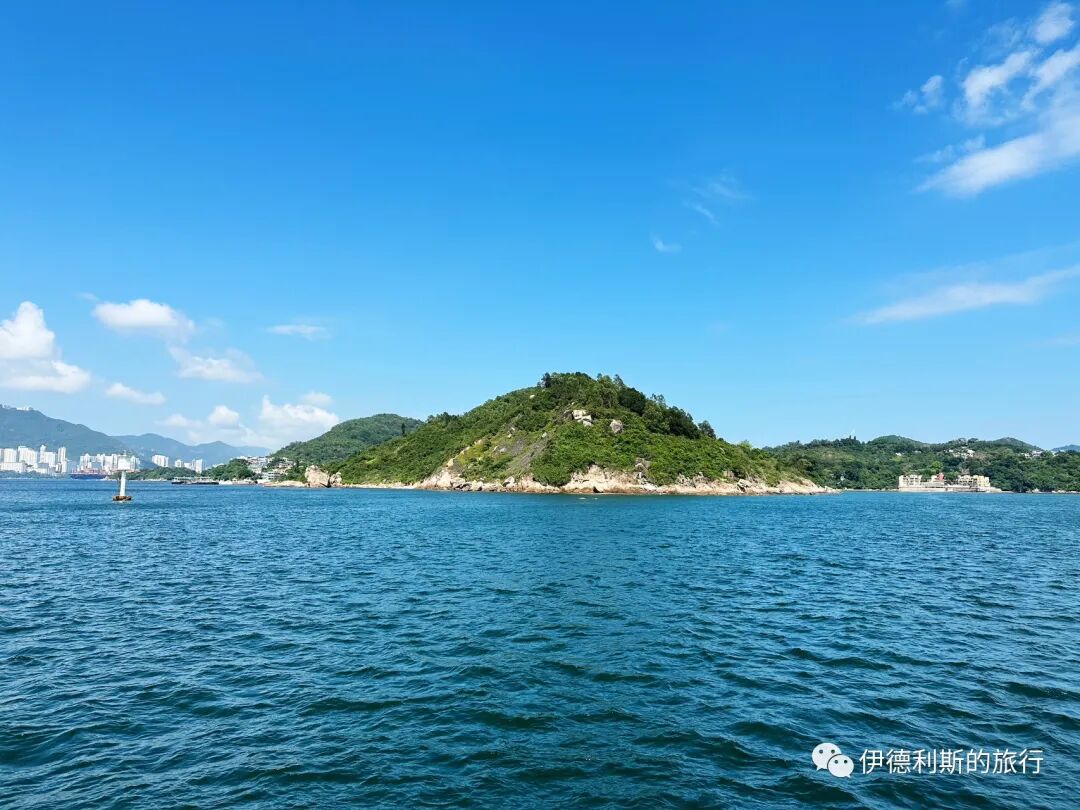
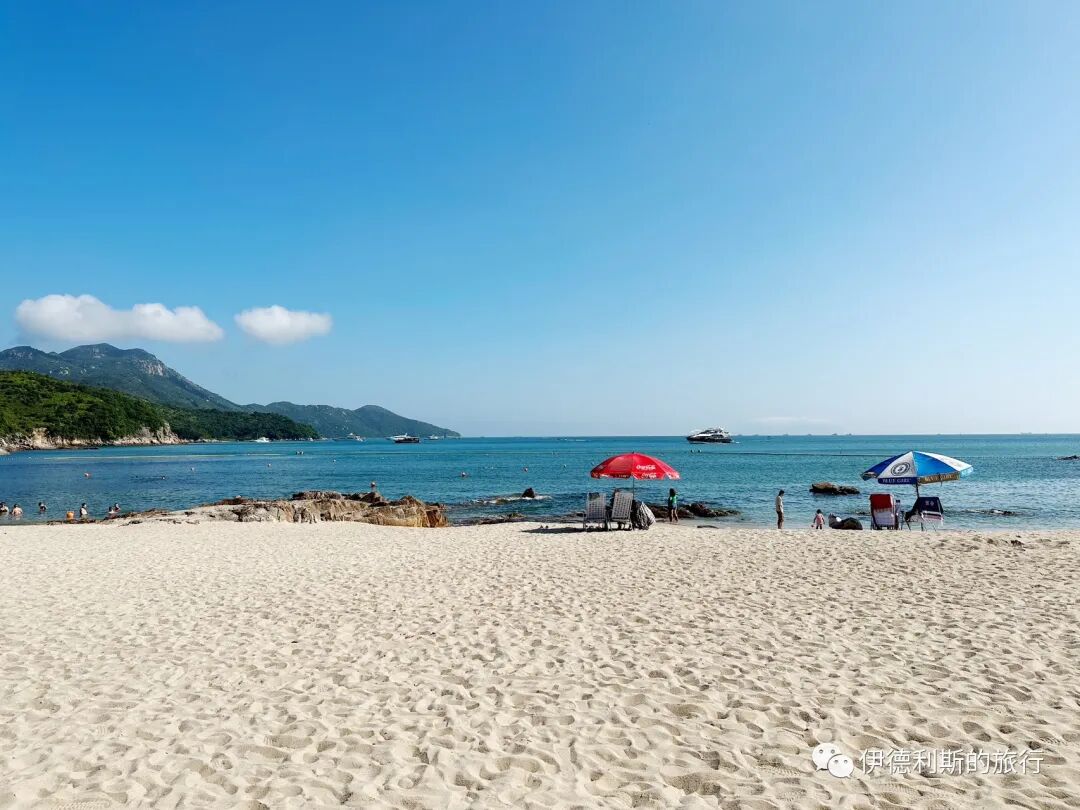
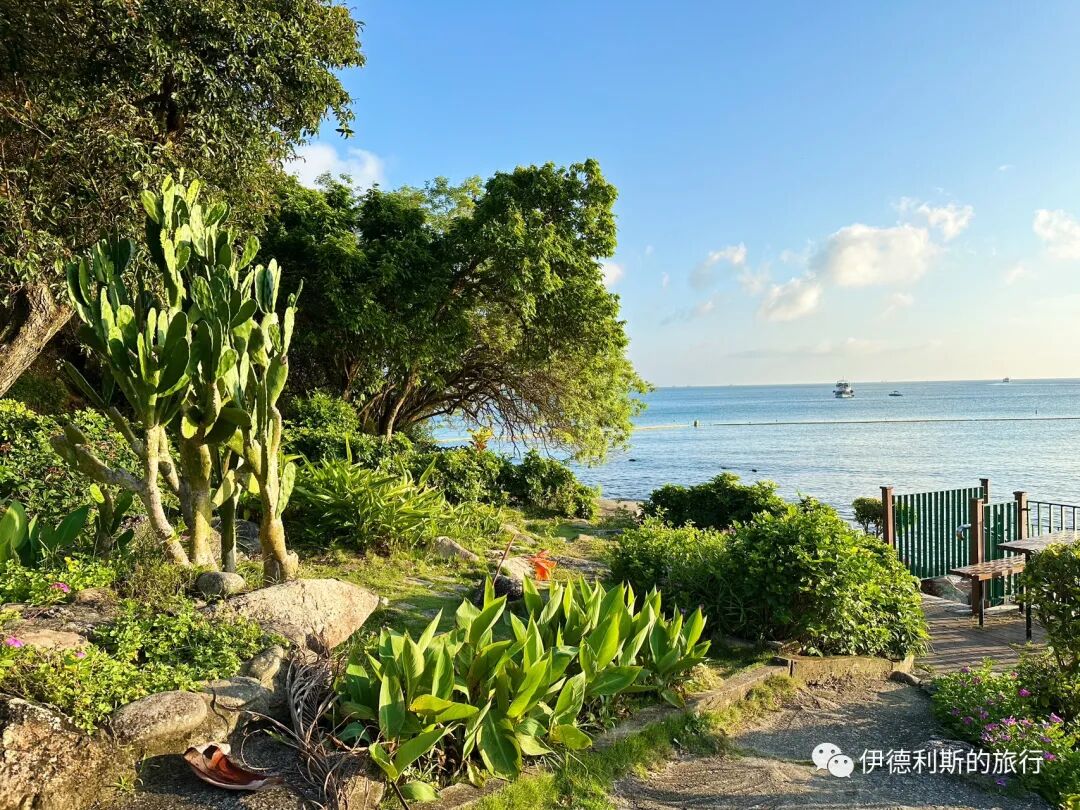
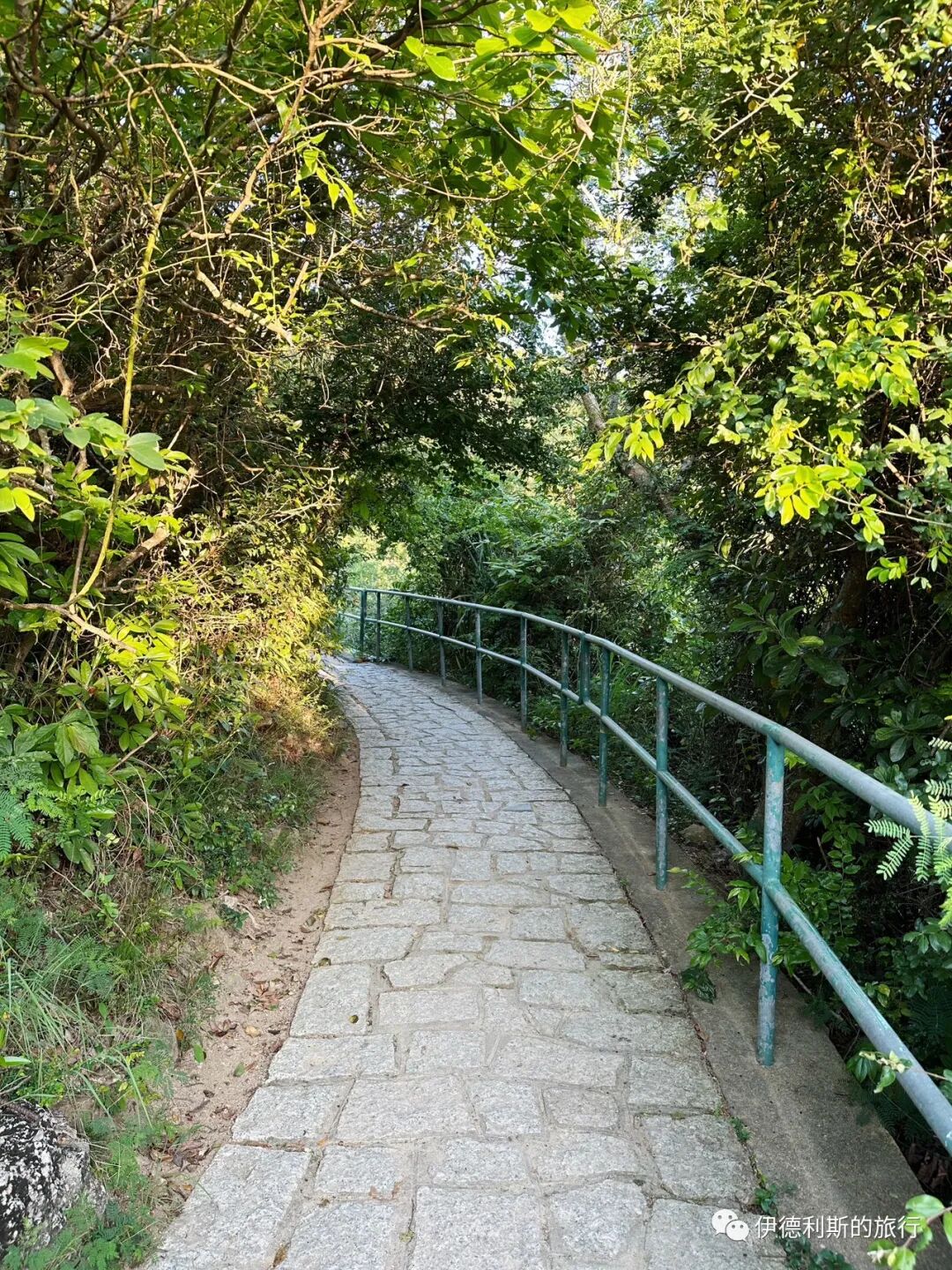
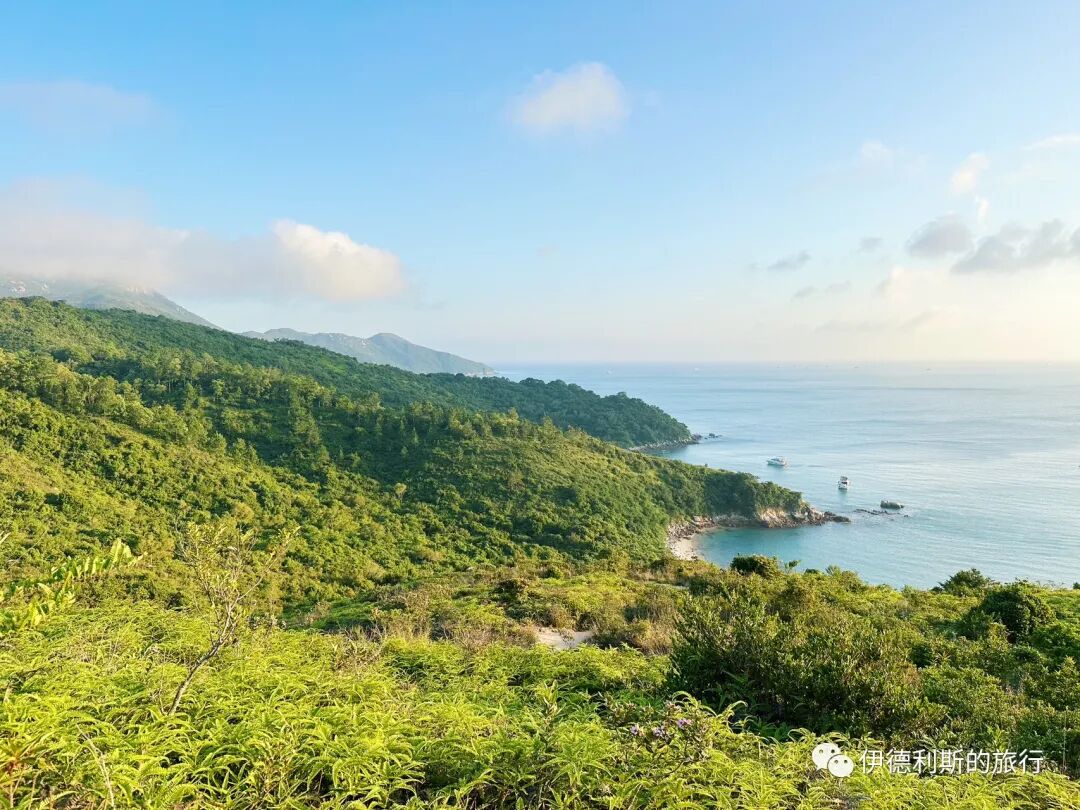
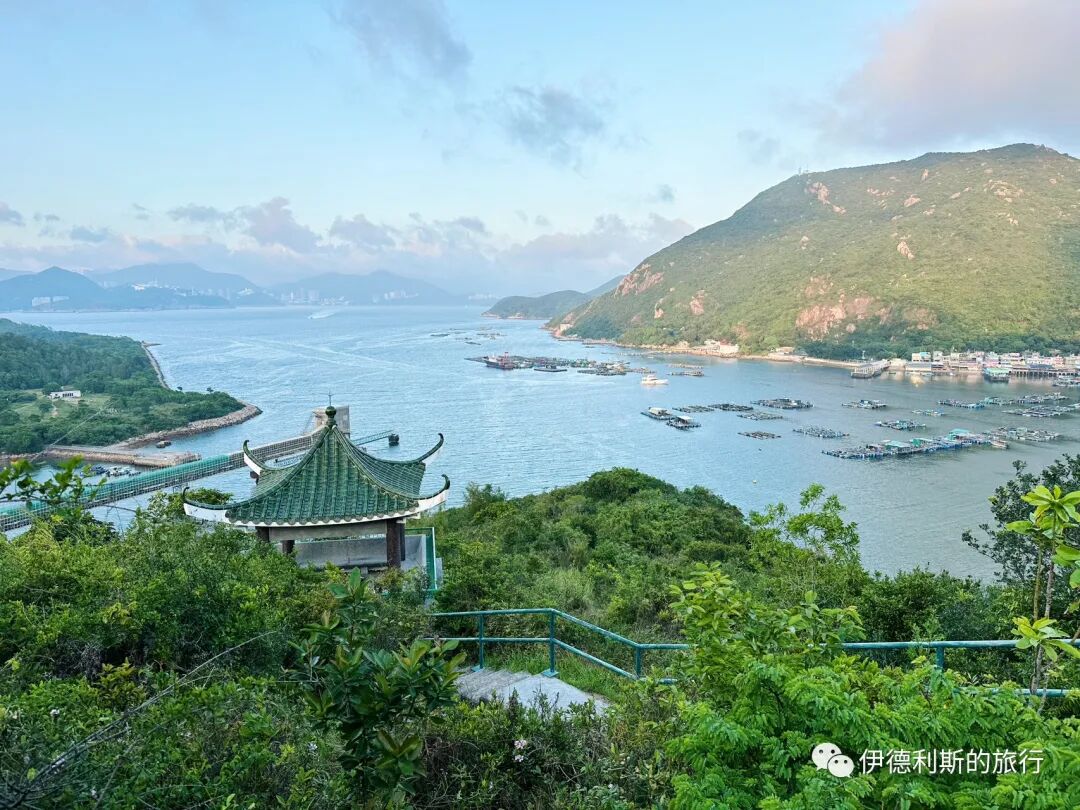
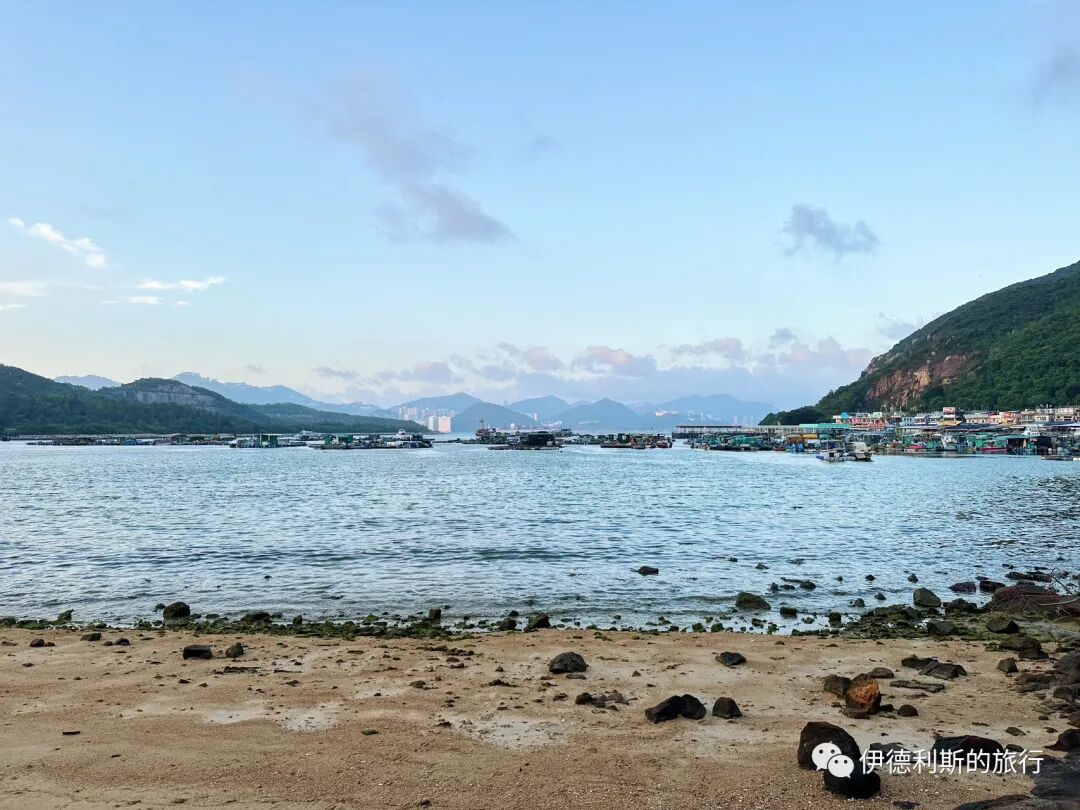
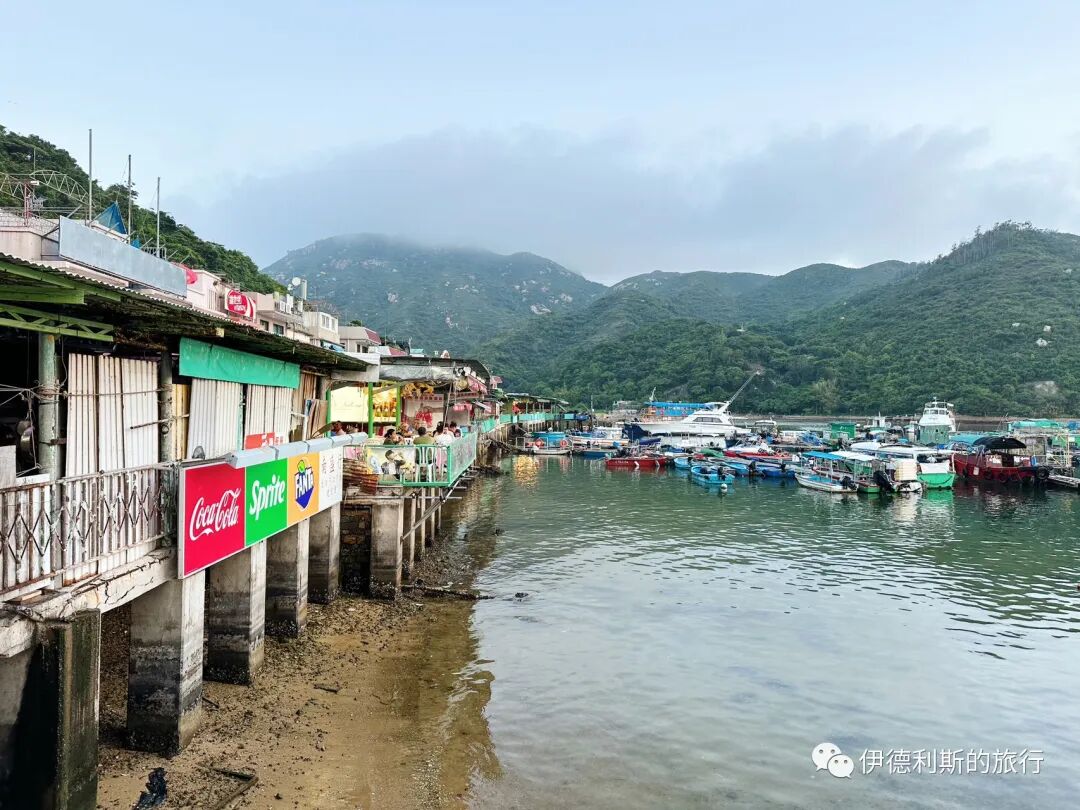
I spent the afternoon on the beach at Lamma Island staring into space, then started hiking across the island in the evening to reach the pier before dark. The evening sea breeze felt very comfortable. This is my third time visiting Lamma Island. Every time, it feels like a paradise away from the world where I can forget all my worries.
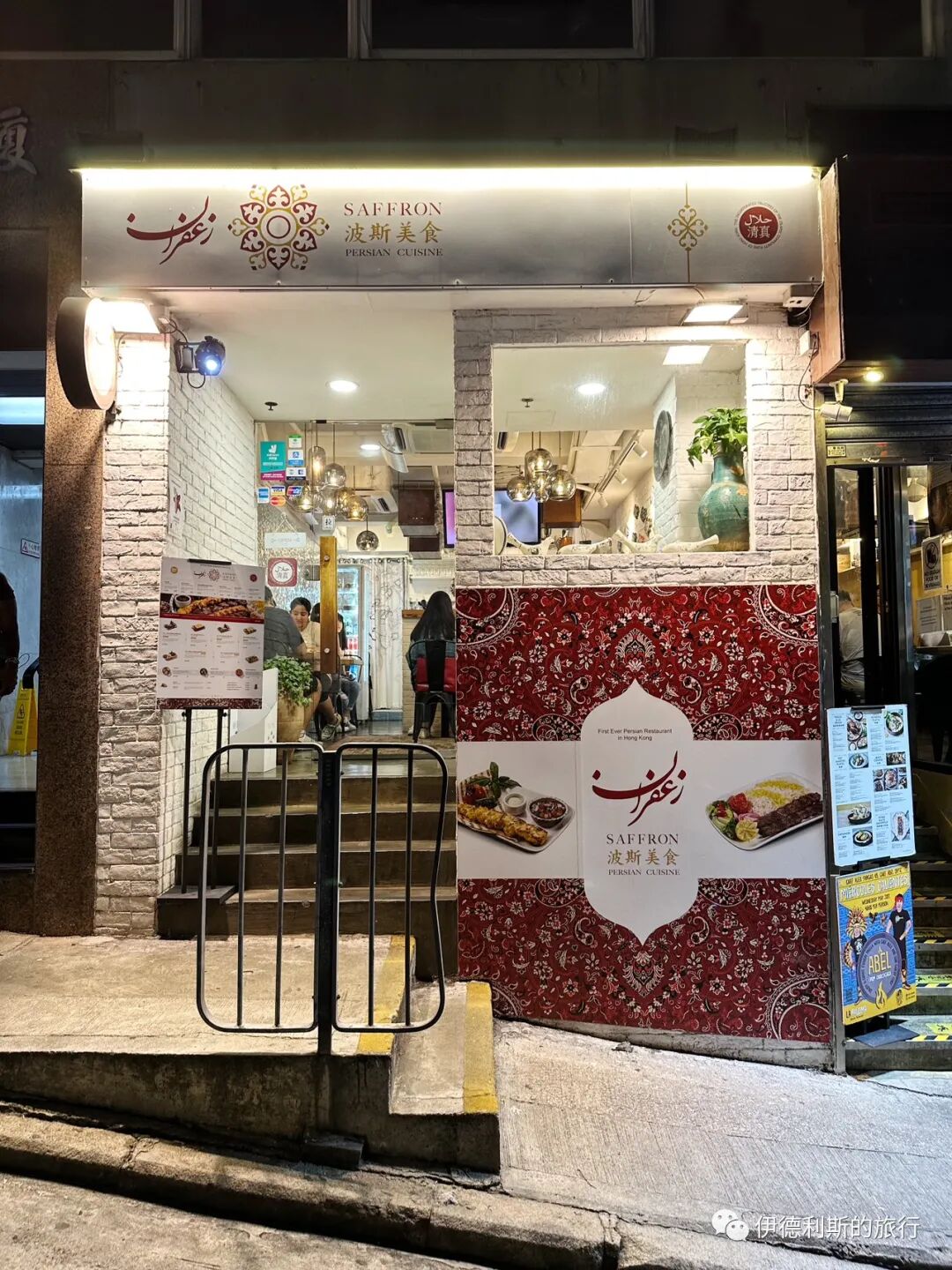
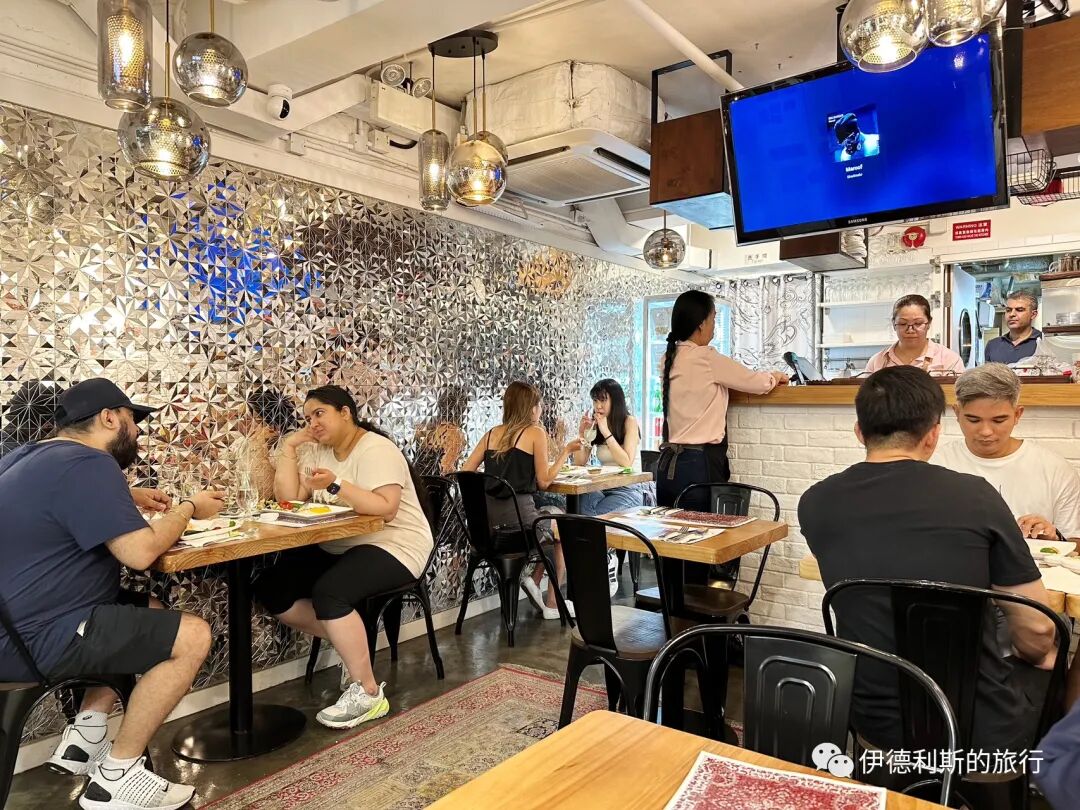
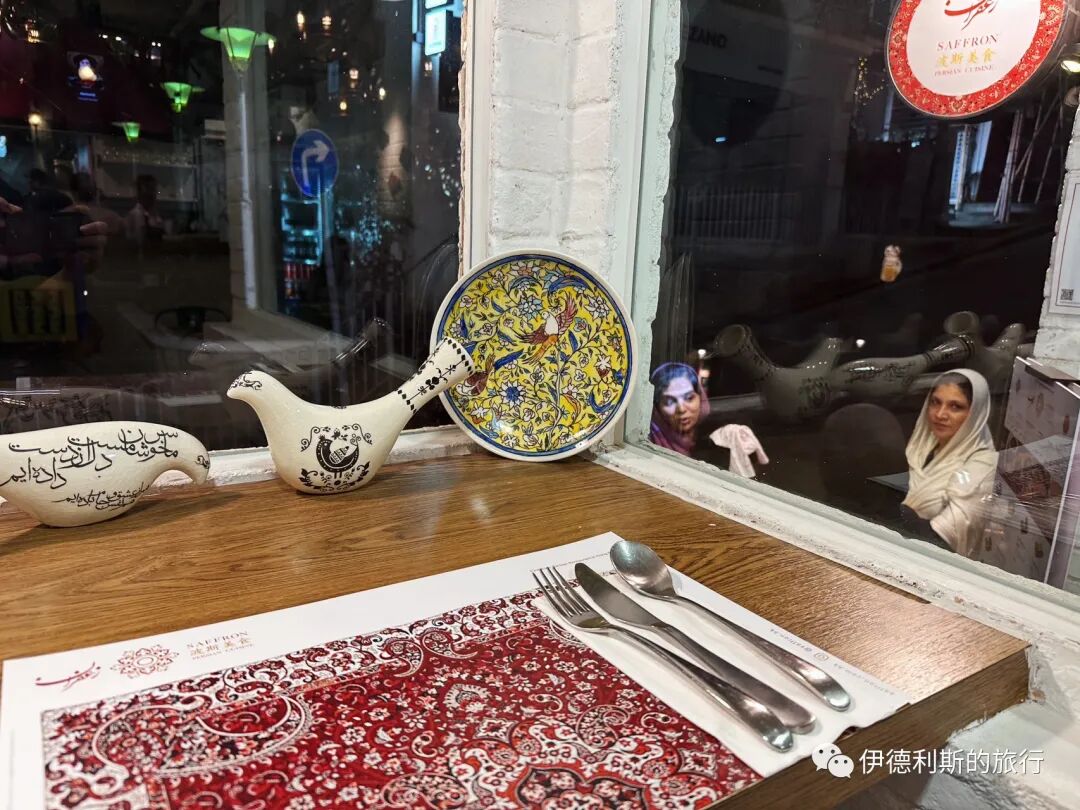
An Iranian restaurant in the SoHo area of Hong Kong Island.
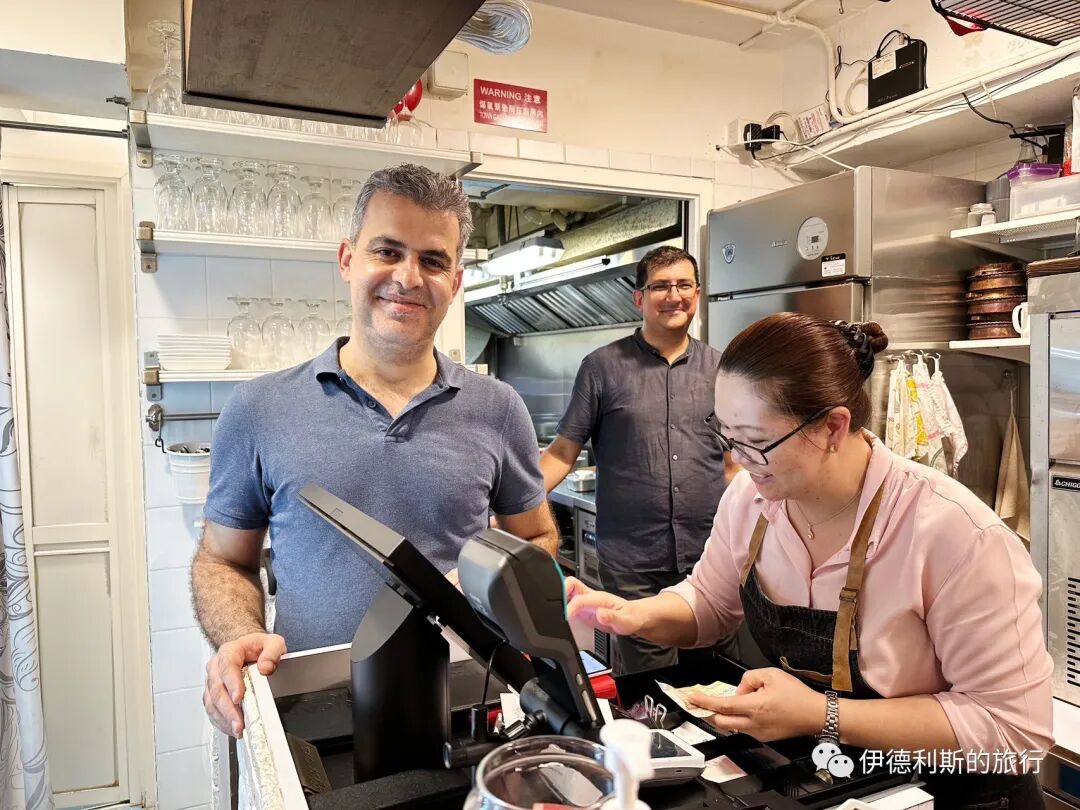
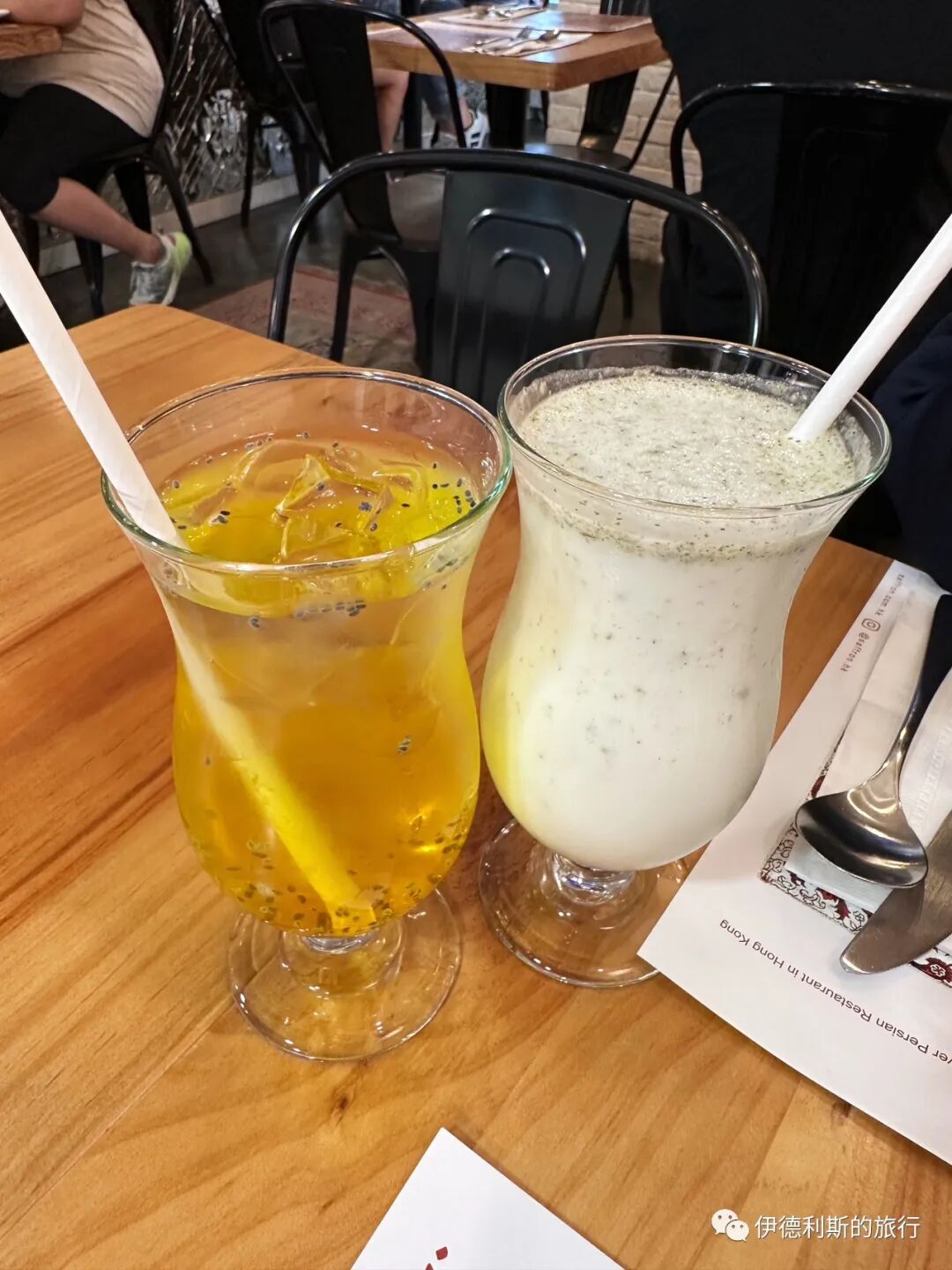
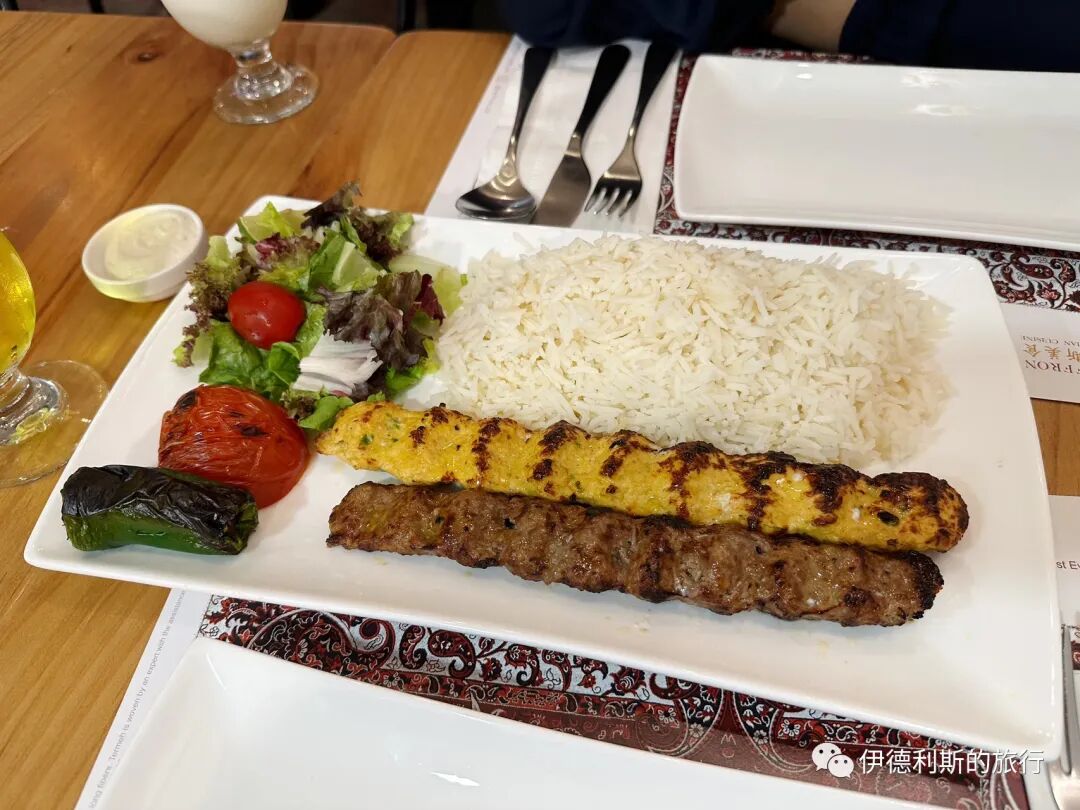
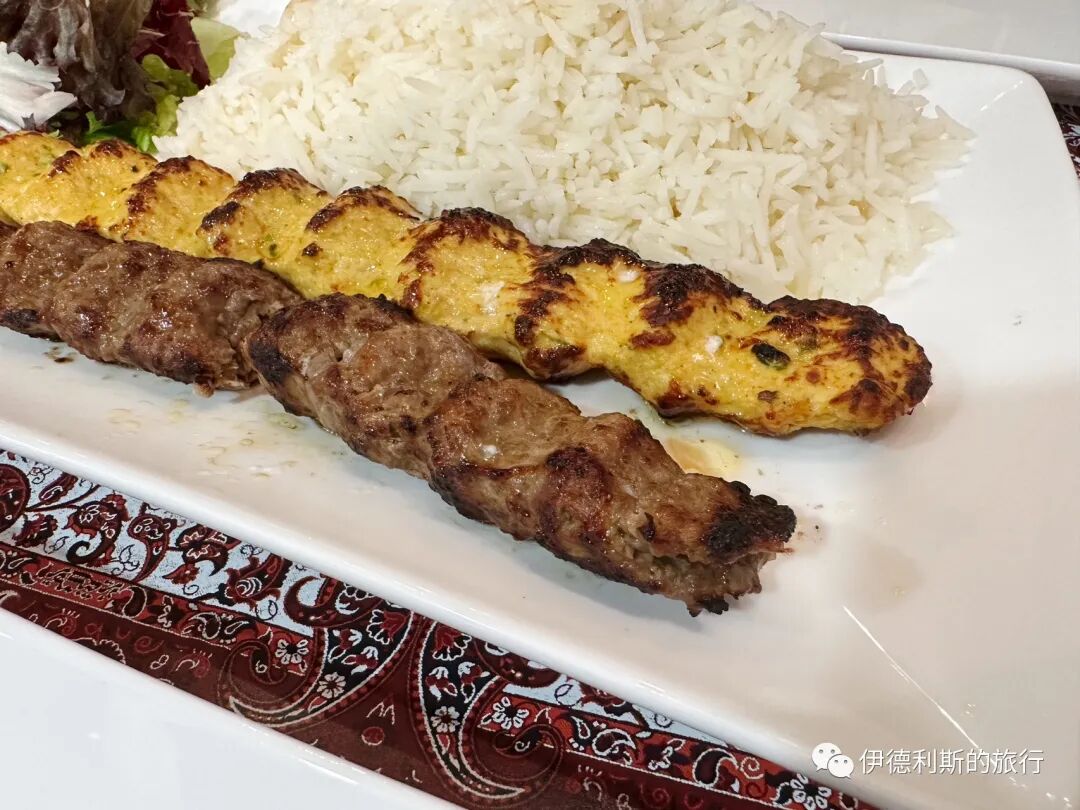
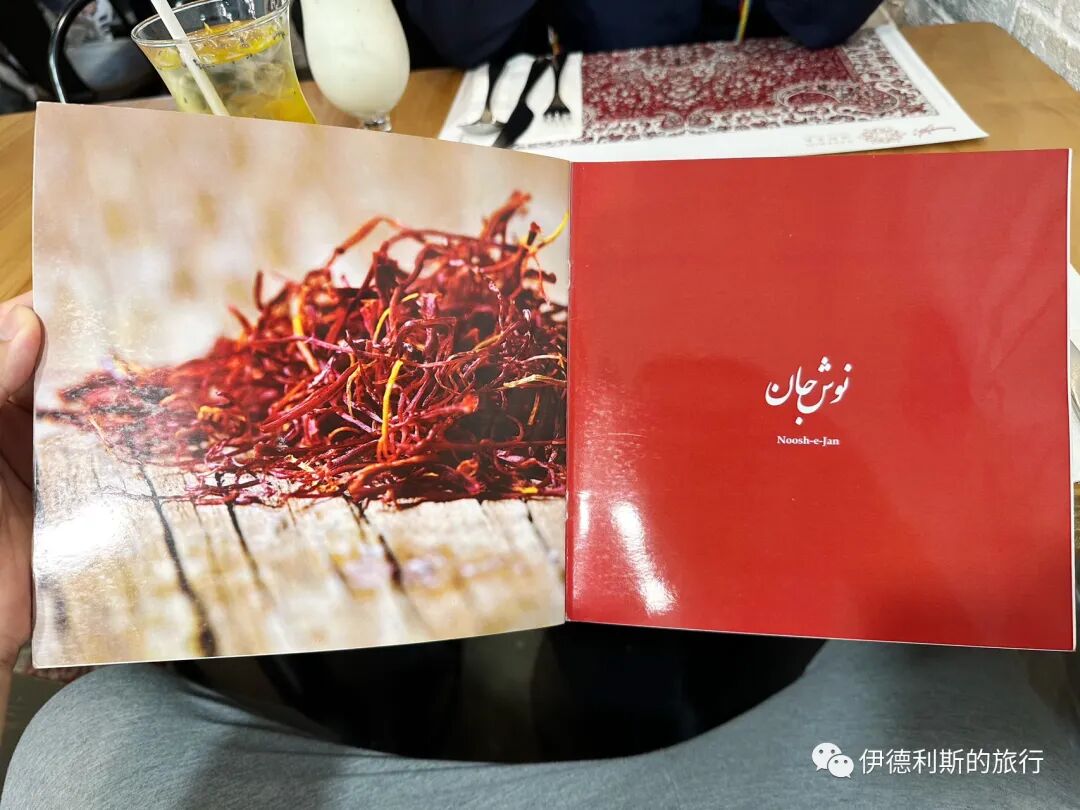
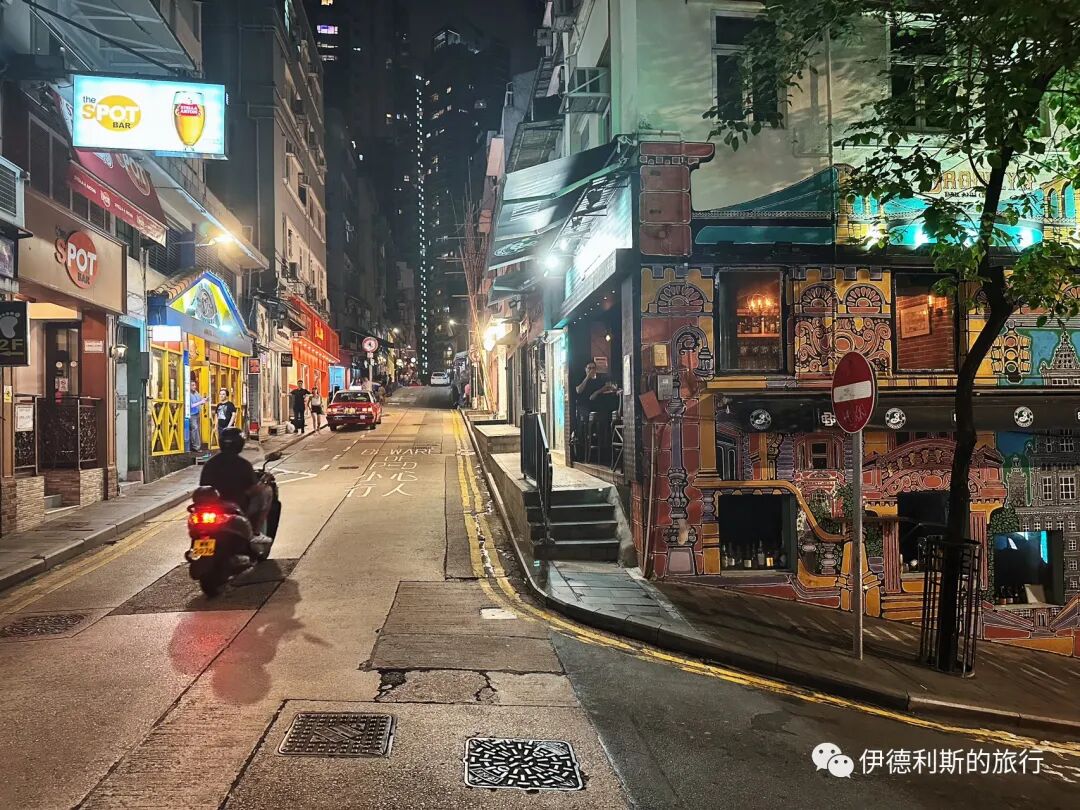
In the evening, we ate grilled meat at an Iranian restaurant called Saffron in the SoHo area of Hong Kong Island. The owner is from Tehran. We ate the Iranian specialty minced meat kebab (koobideh), along with saffron water and yogurt drink (doogh). The place is not very big, and prices in the SoHo area are quite high compared to the mainland, but the taste is really good. It rivals what I ate on the streets of Tehran.
Koobideh comes from the Persian word "koobidan," which means "to strike." The most traditional way to make this kebab is to place meat on a flat stone and use a wooden mallet to repeatedly strike it until it becomes a paste. Koobideh is made by mixing minced meat with salt, black pepper, chopped onions, and egg yolk, then grilling it. It is served with grilled chili peppers and grilled tomatoes.
Doogh comes from the Persian word "dooshidan," which means "to milk." It is a thin yogurt drink with mint added. Doogh is a traditional Persian drink passed down from ancient Iran, and it is somewhat similar to the Ayran of Turkic peoples.
Day 3: Sham Shui Po, Kowloon
South Asian shops
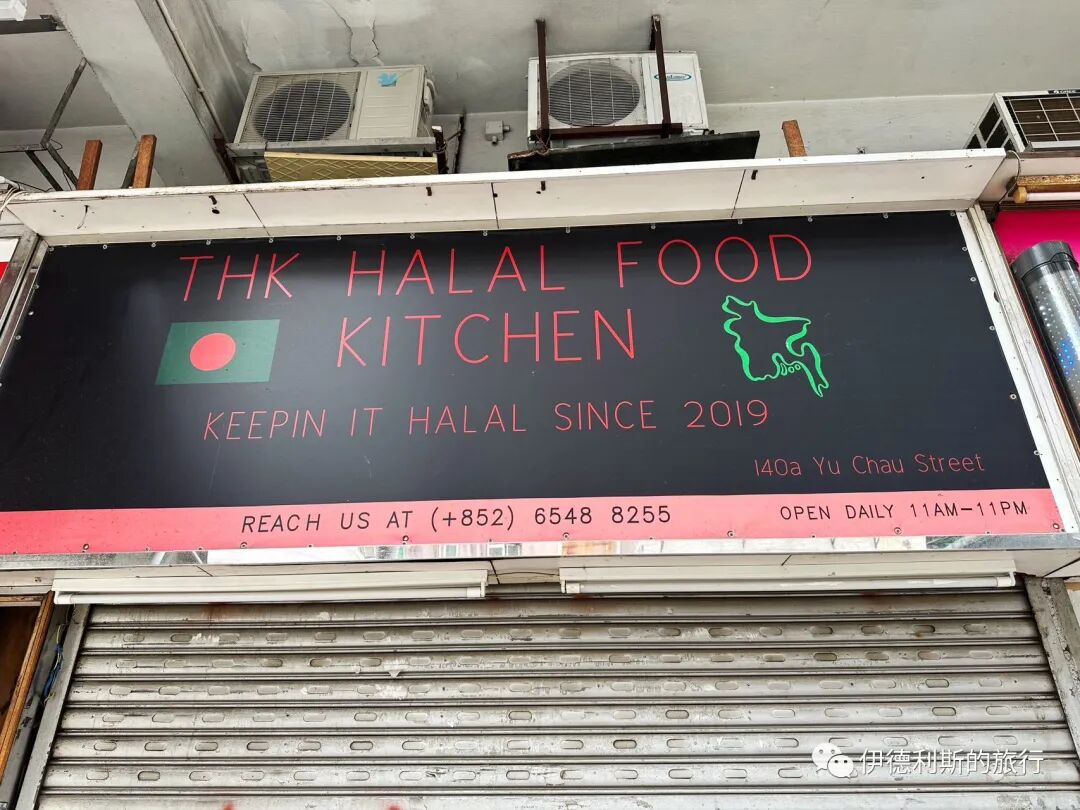
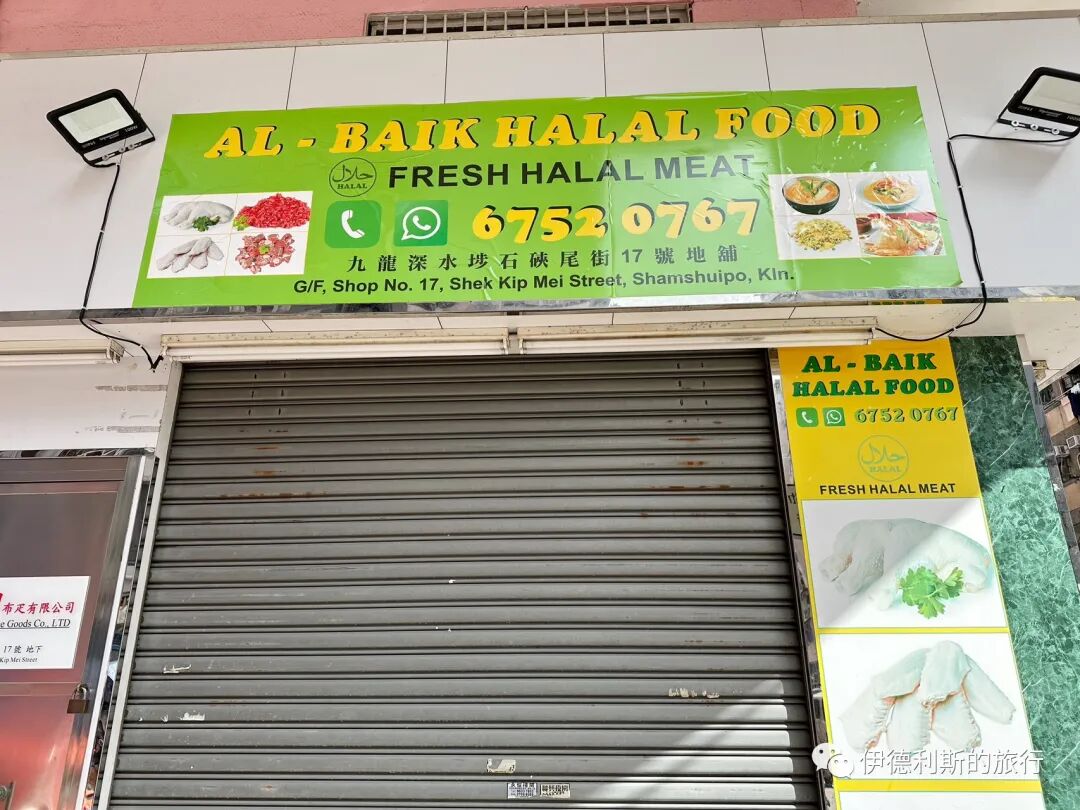
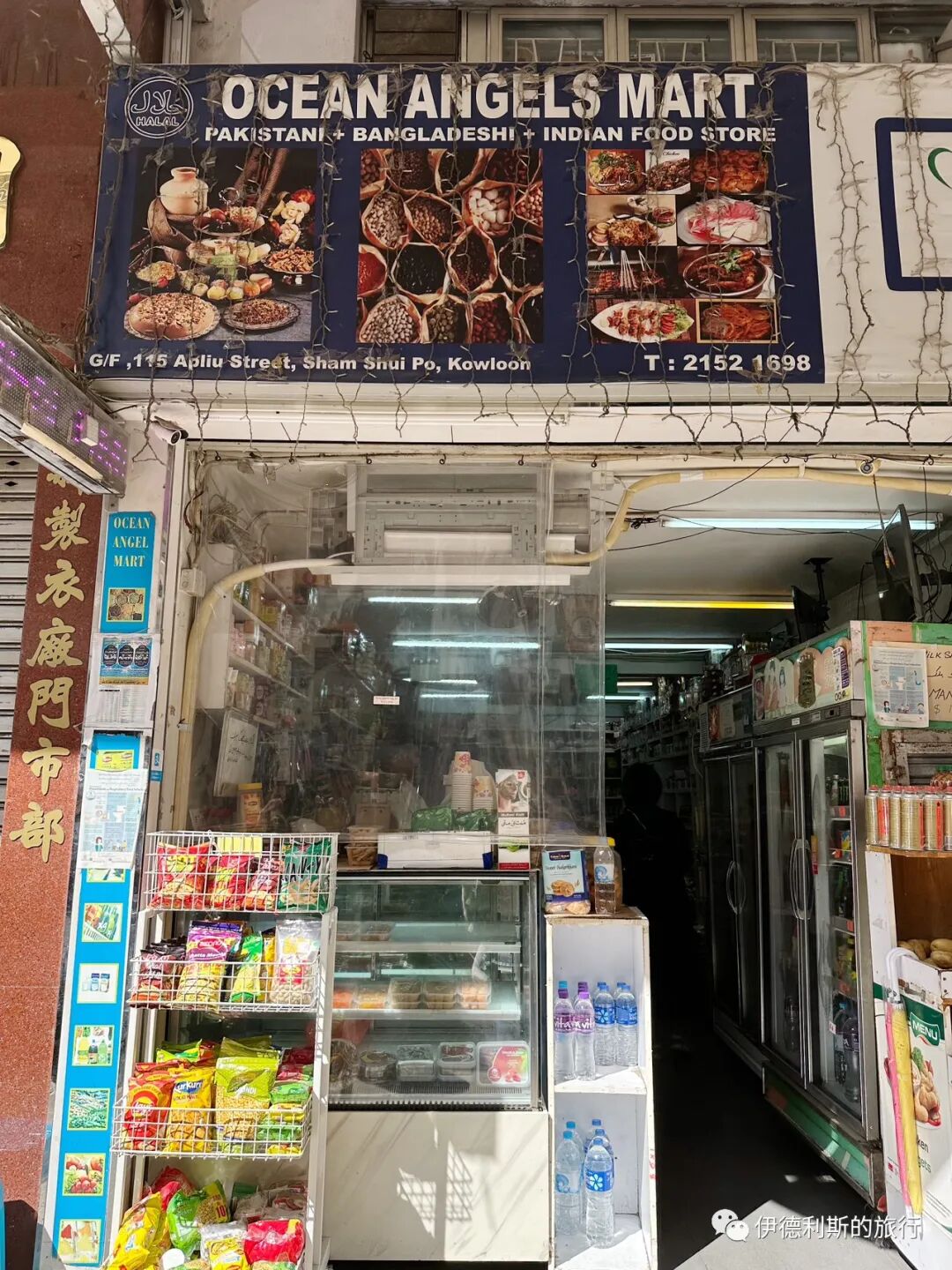
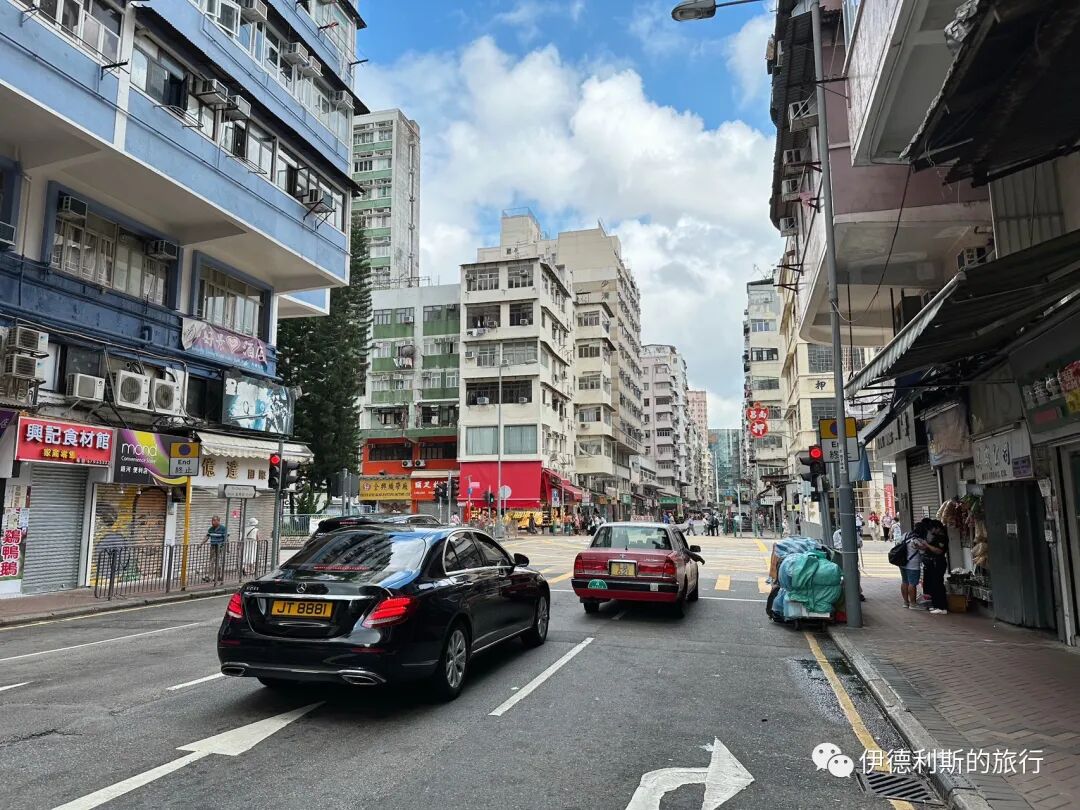
As a gathering place for expats in Hong Kong, Sham Shui Po lets you pretend you are in Java, Indonesia, or on the streets of Pakistan. The streets south of Sham Shui Po MTR station have many small shops run by South Asian Muslims, with the most being Pakistani Dosti shops.
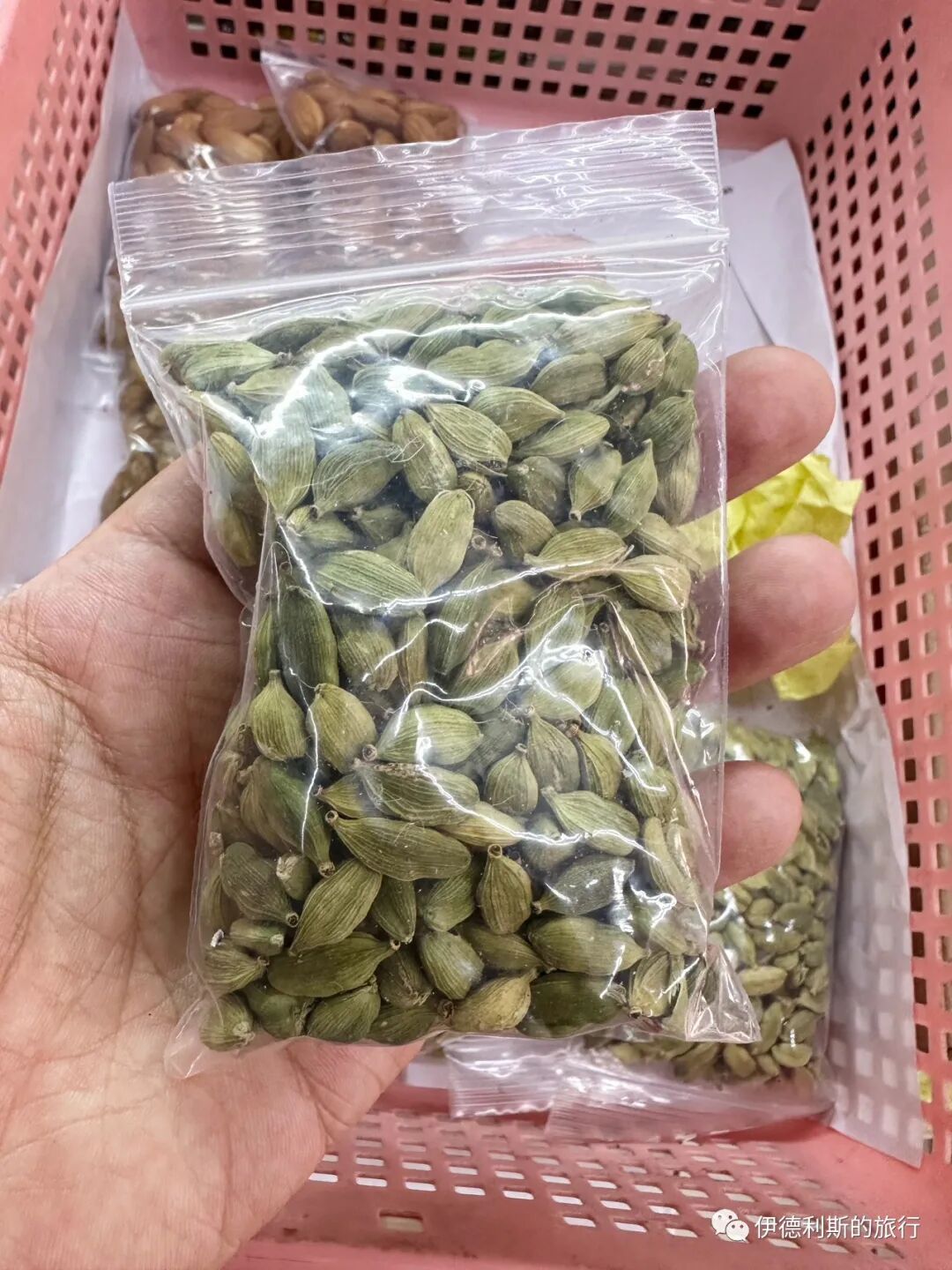
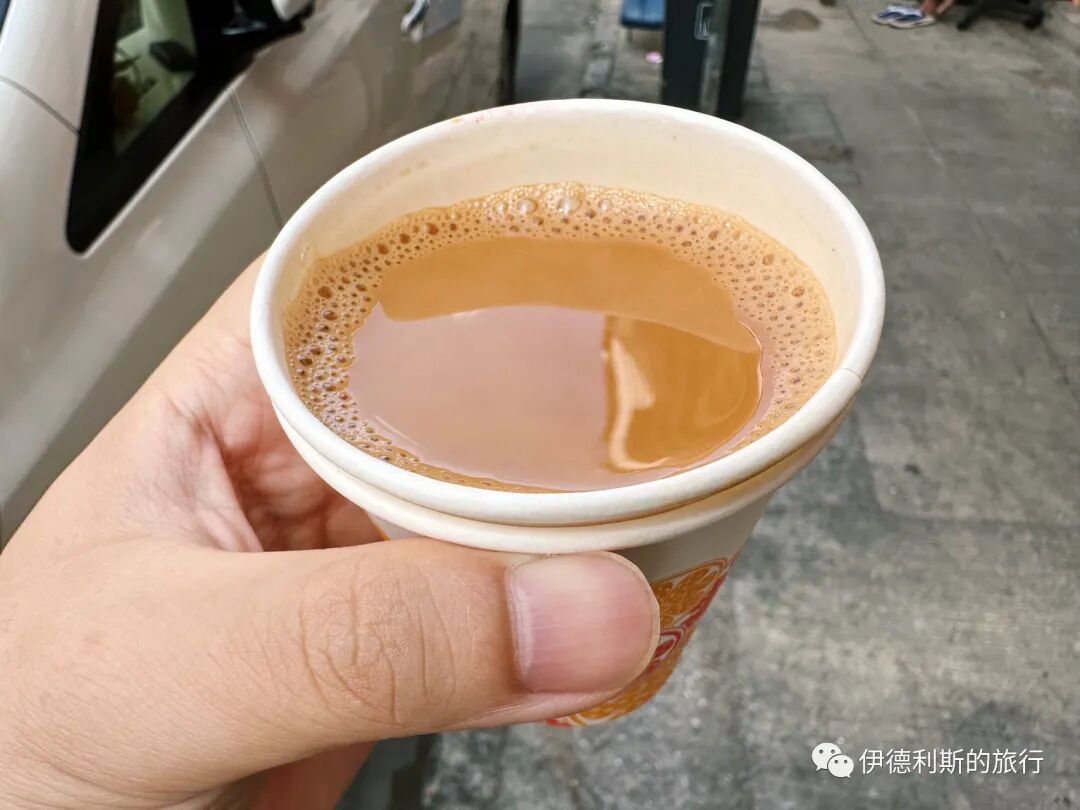
We arrived in Sham Shui Po early in the morning to start with a classic South Asian street breakfast. At the first shop, we drank spiced tea (Masala Chai), and the owner showed us the bags of green cardamom pods he sells. In Hong Kong spice shops, cardamom is also called green sand kernel (qingsharen). It is not only used in Masala Chai but is also essential for making many South Asian curries.
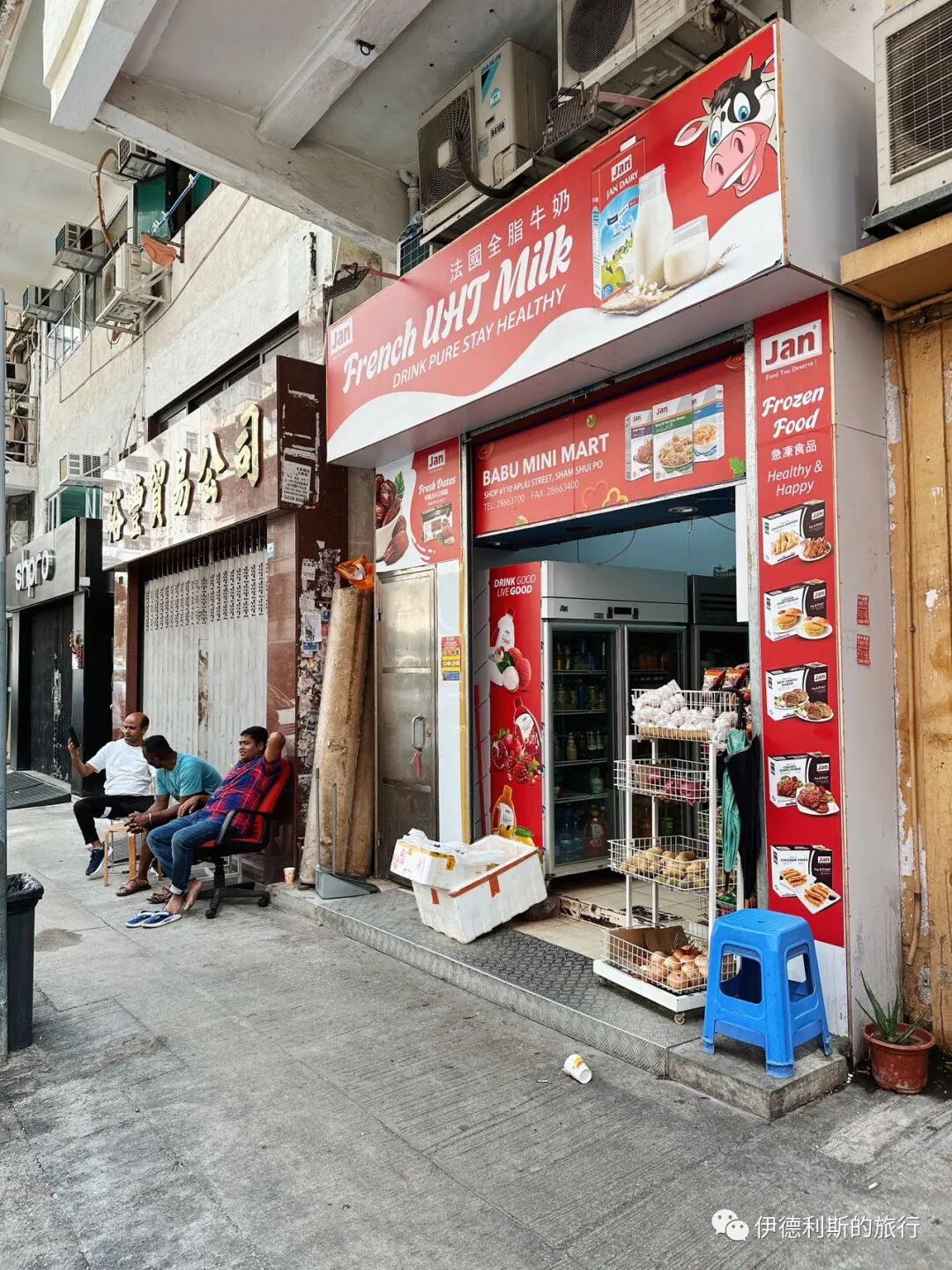
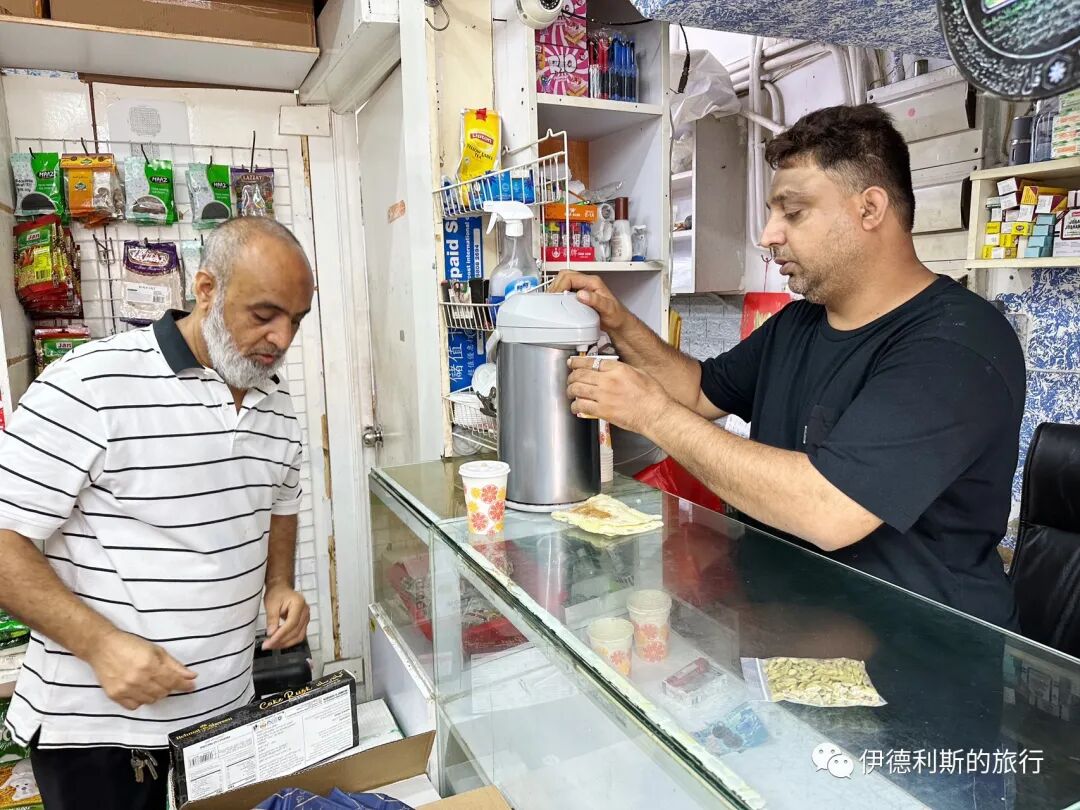
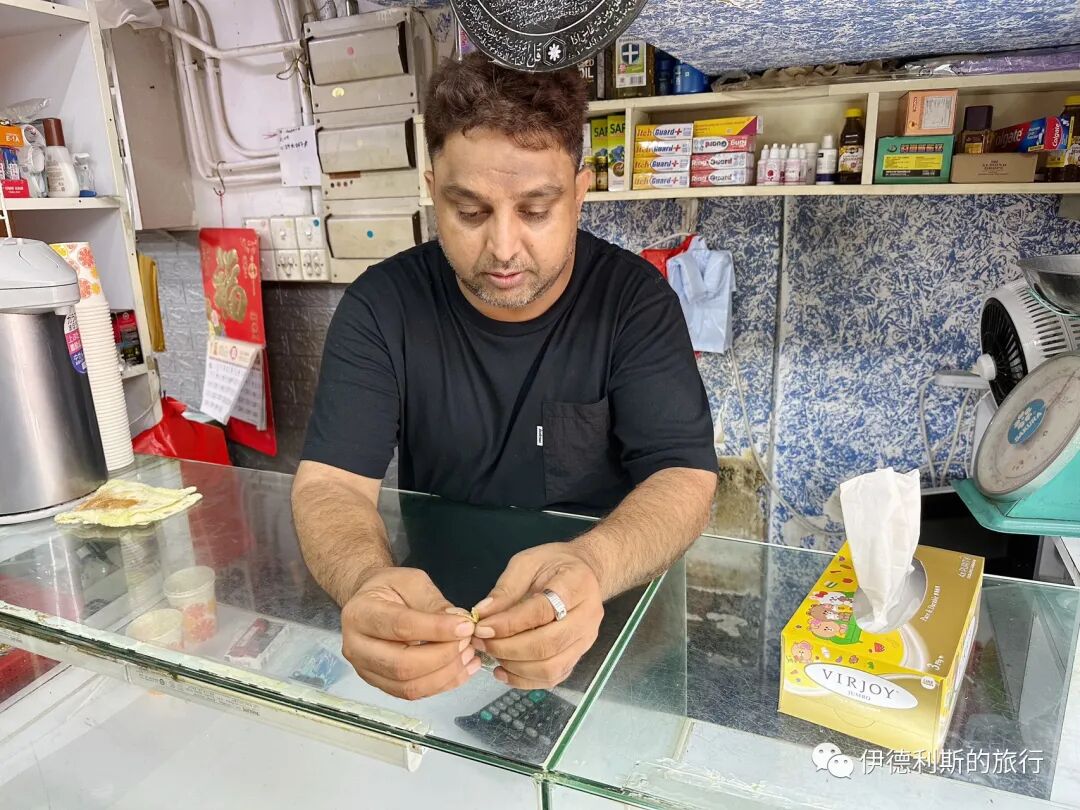
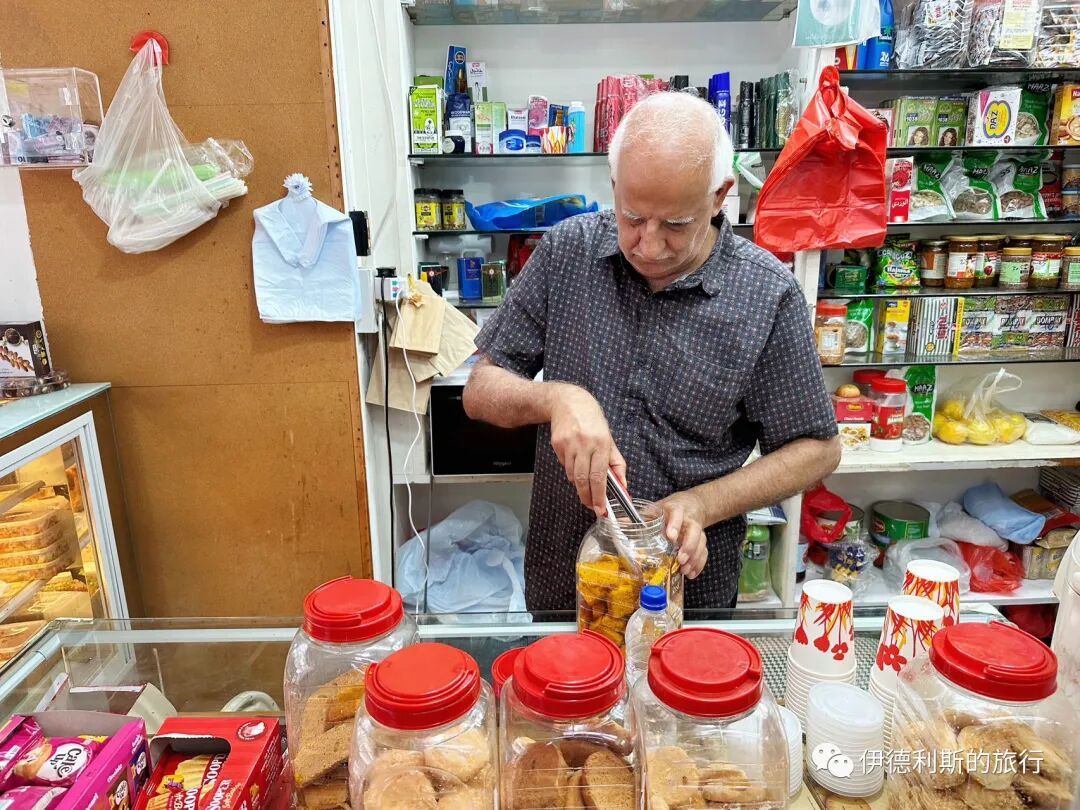
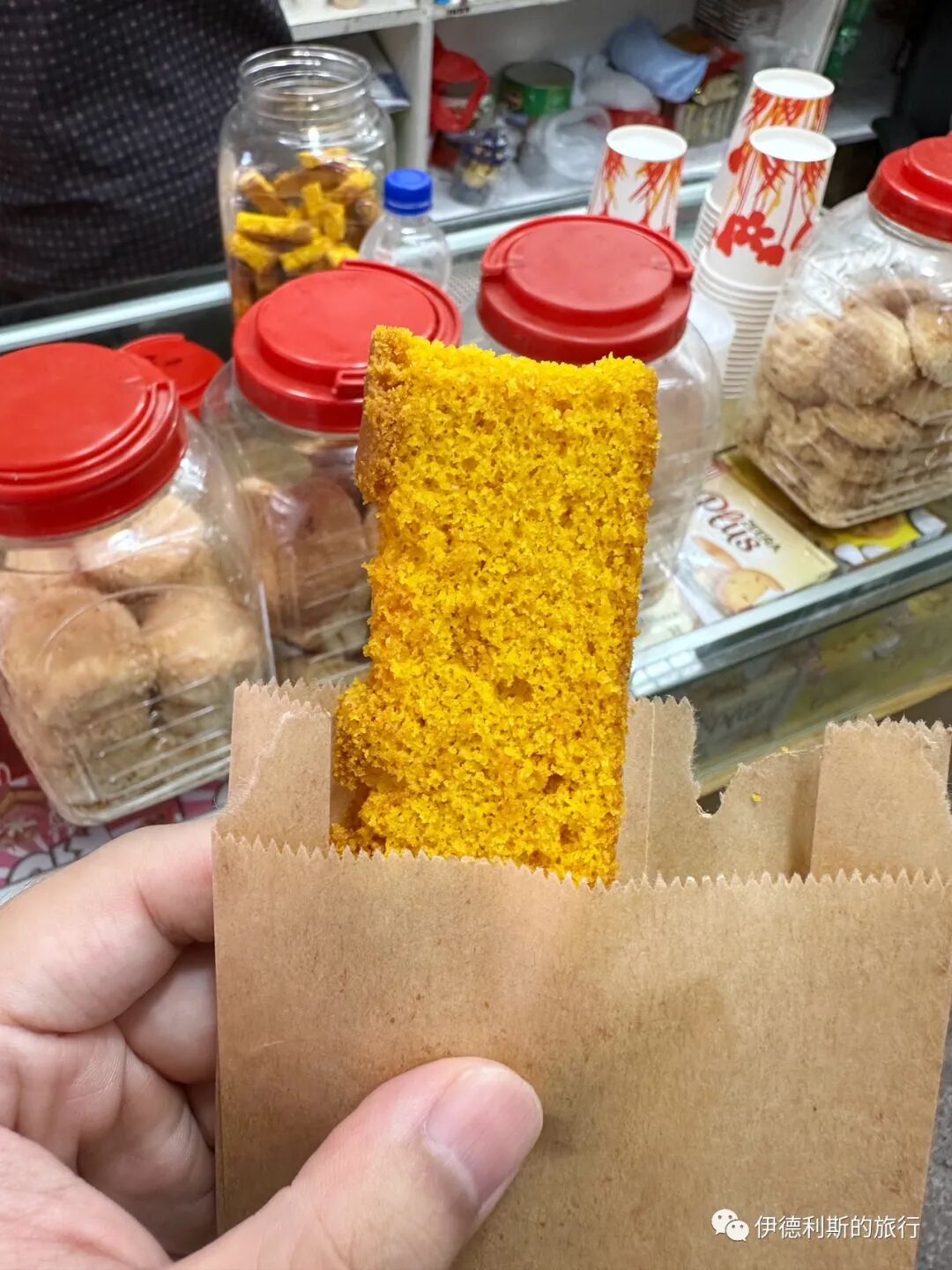
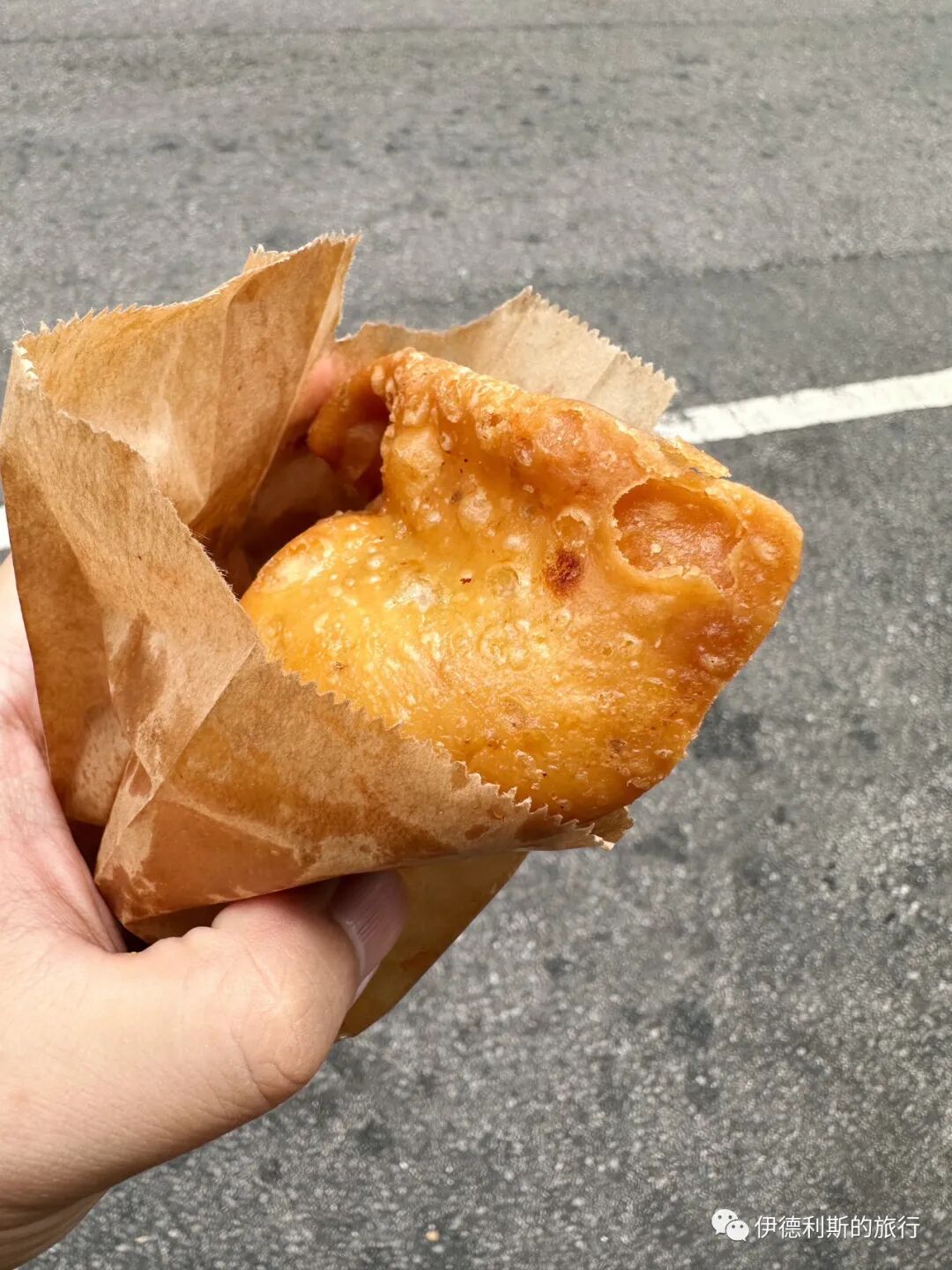
Then we went to a second shop to buy Masala Chai accompaniments, buttered bread slices, and potato curry puffs (Samosa). The bread slices here are kept in jars and sold by the piece, specifically to go with breakfast tea. I had the same street breakfast in the Muslim community of Old Delhi before.
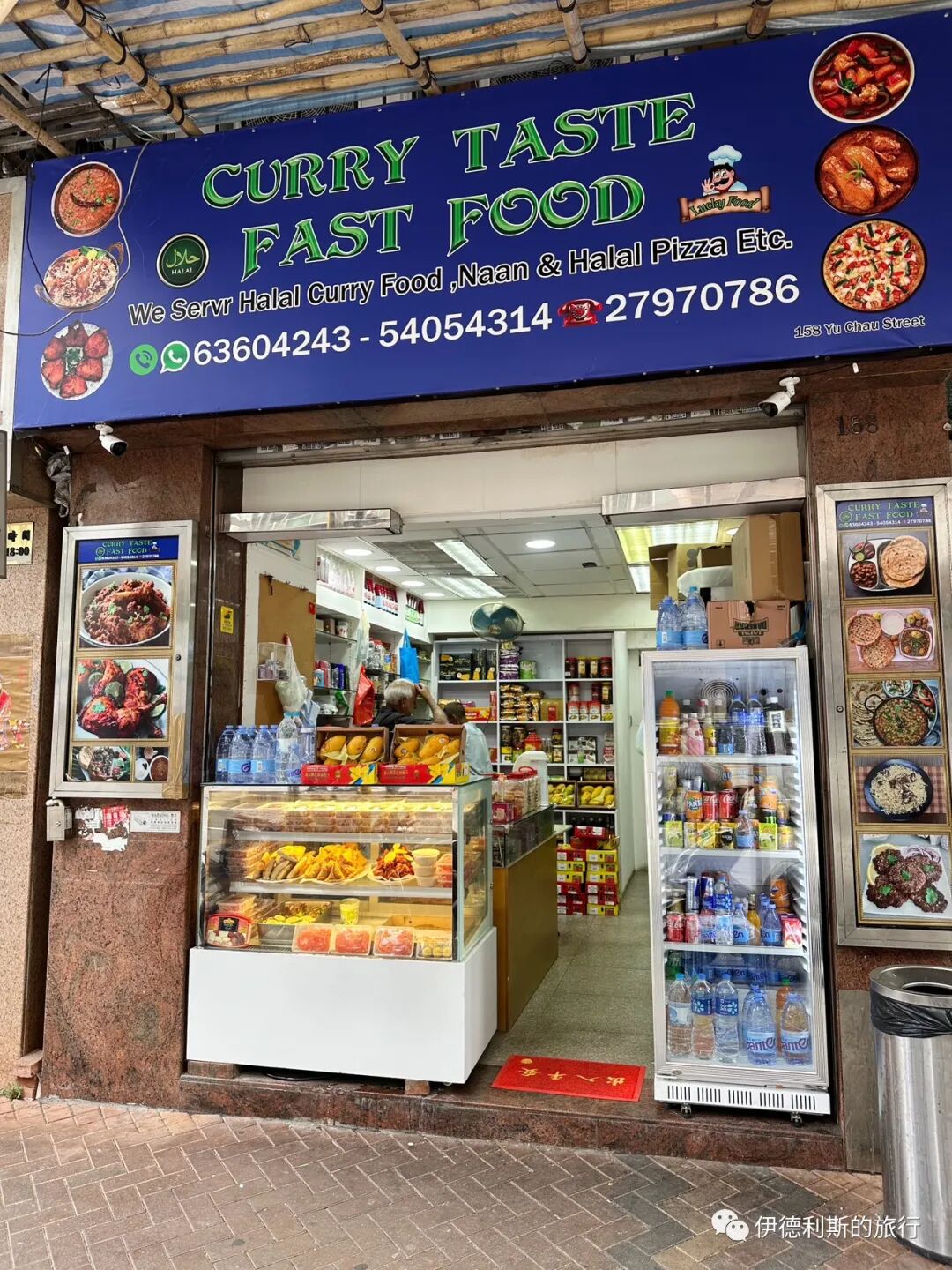
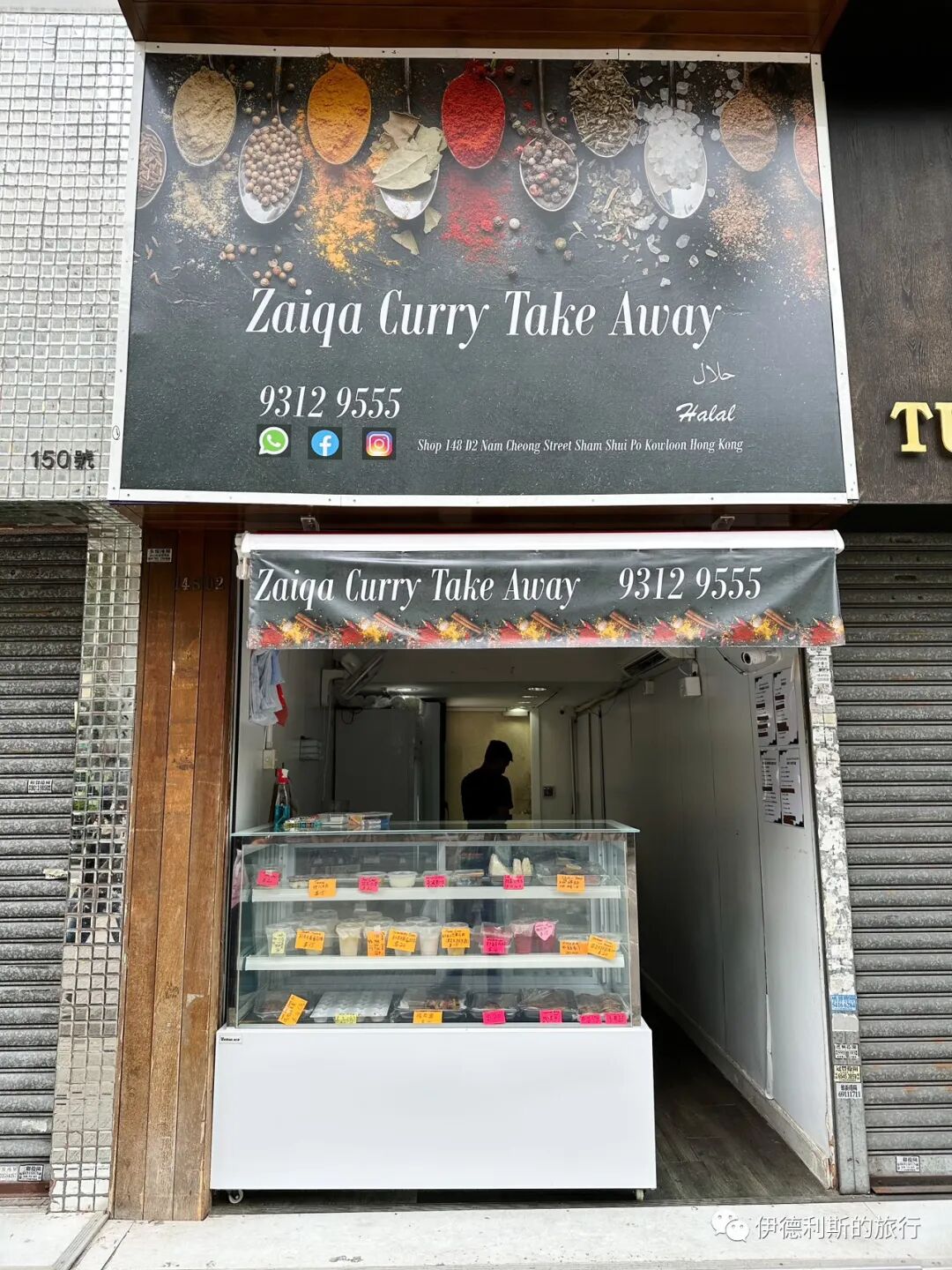
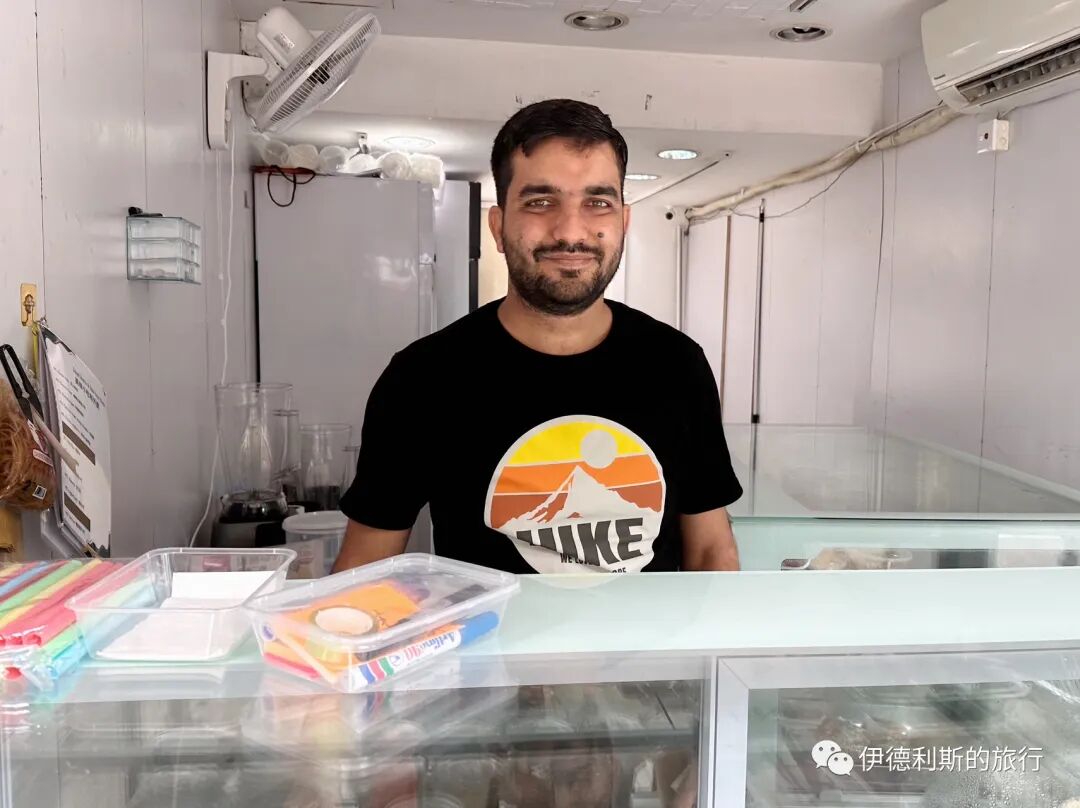
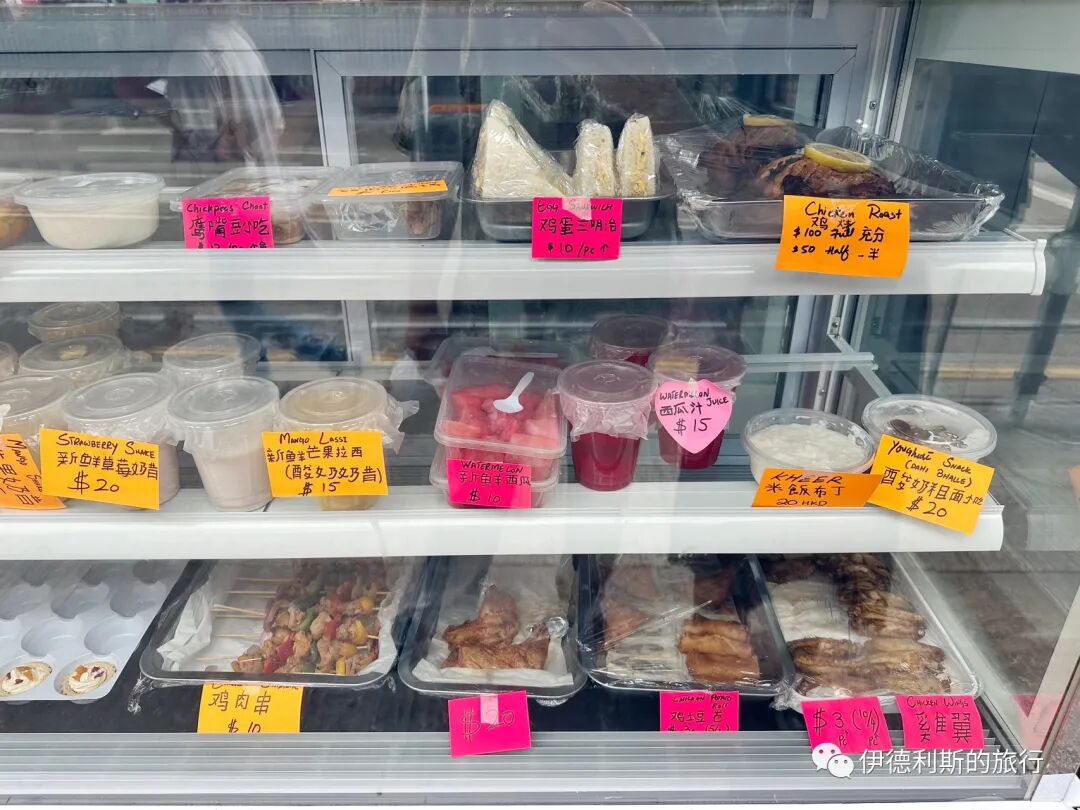
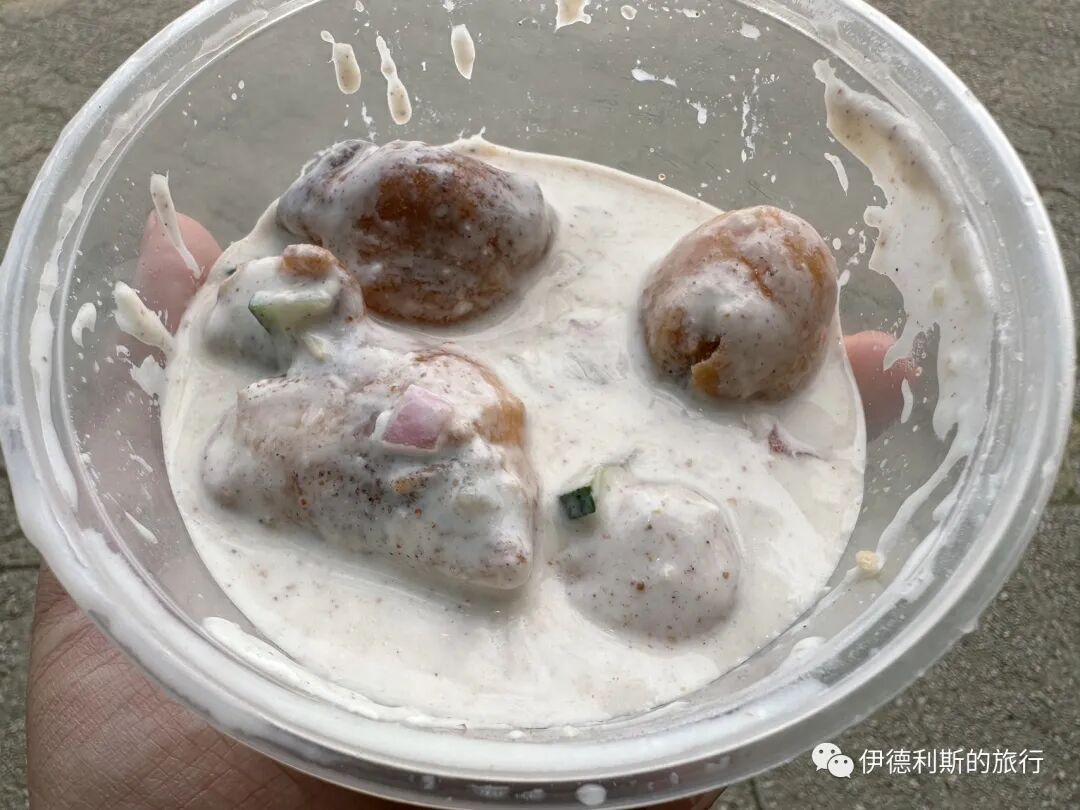
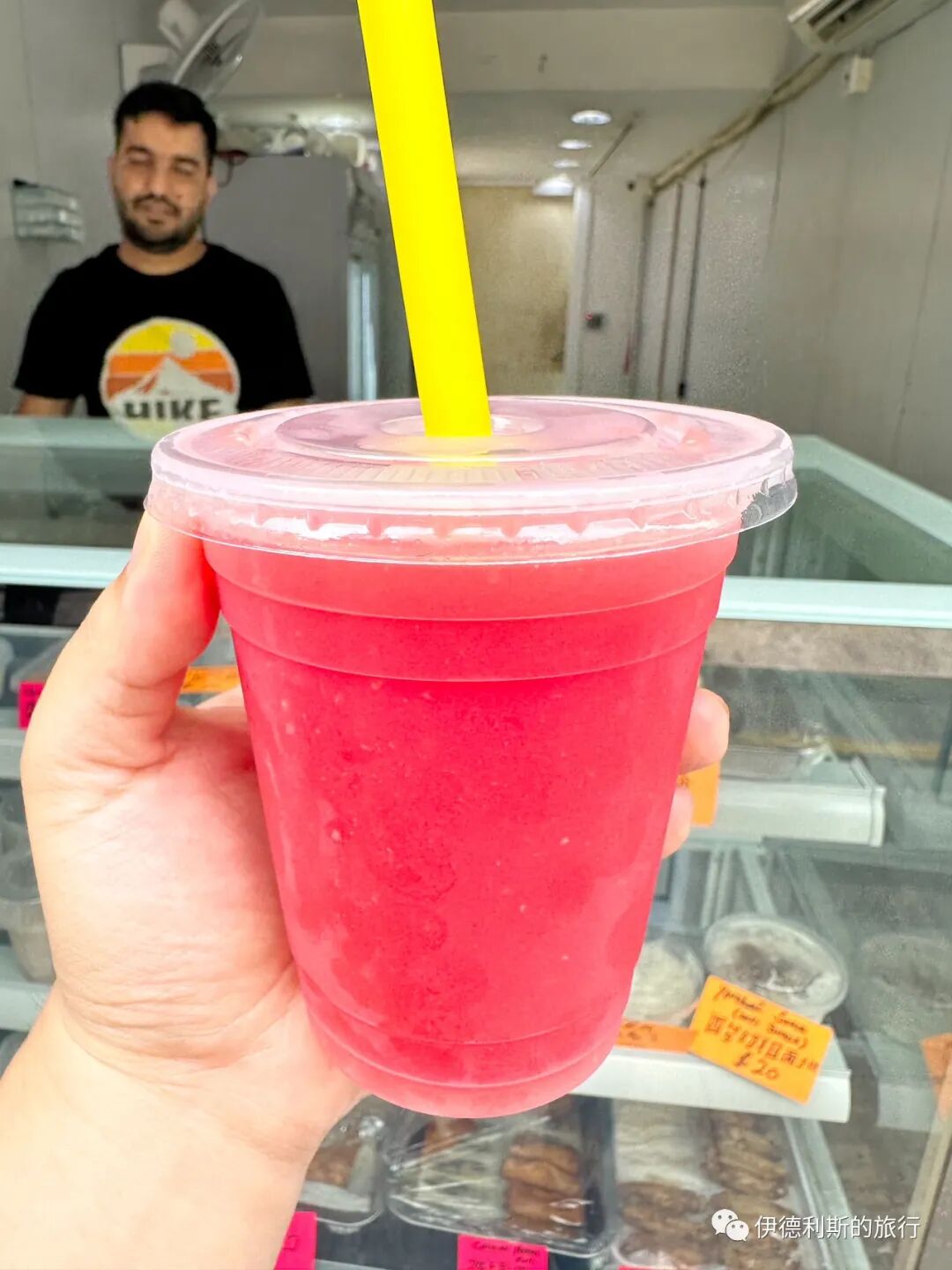
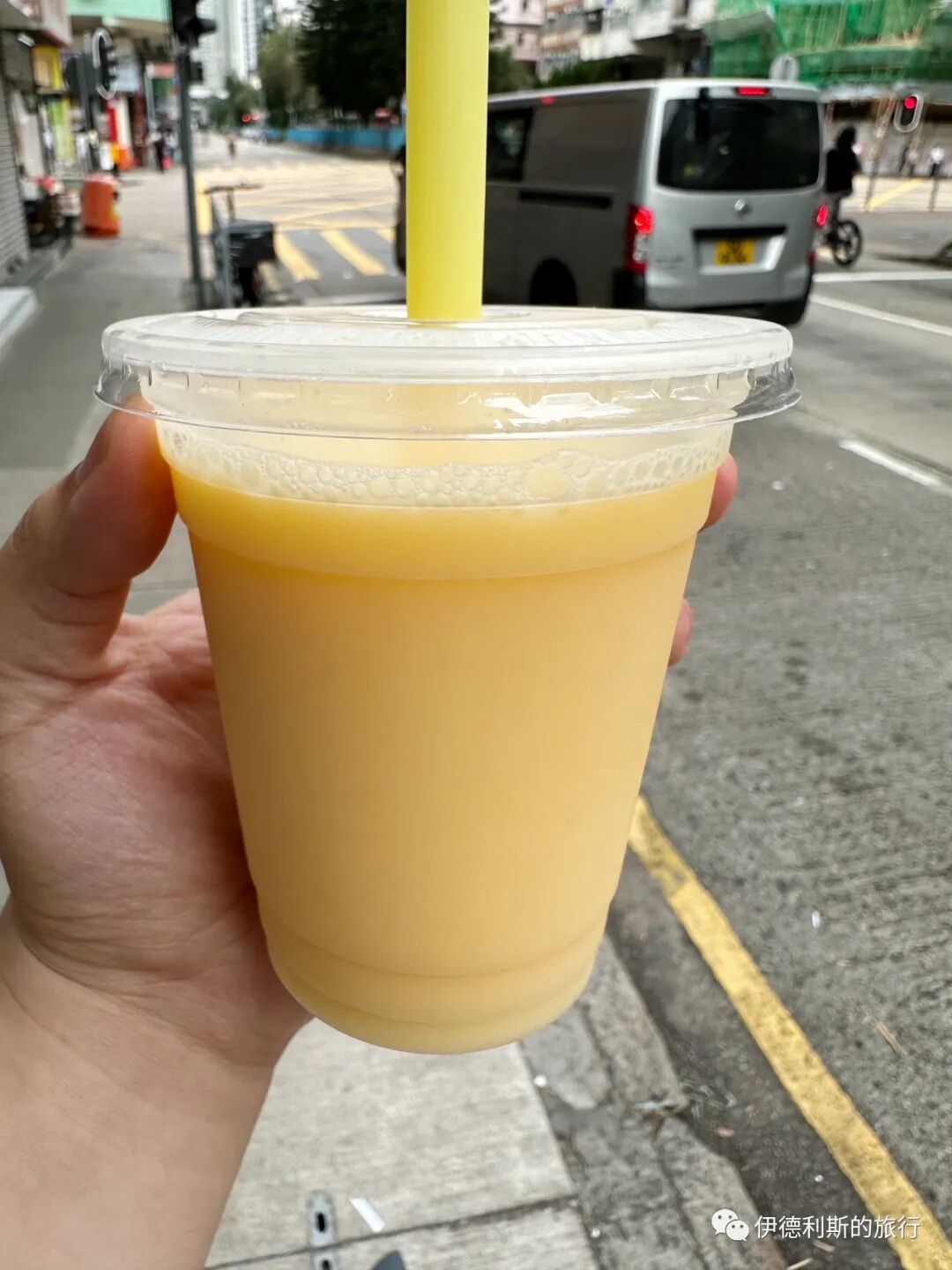
At a South Asian restaurant, we bought a classic Pakistani snack, yogurt lentil balls (Dahi Bhalla), and drank watermelon juice and mango yogurt drink (Lassi). Zainab said their Lassi was especially pure and delicious. Bhalla is a popular snack in Pakistan and North India. It is made by adding spices to mung bean flour, frying them into balls, and eating them with yogurt (Dahi). In South Asian English, Dahi usually refers to homemade yogurt made by heating milk with dried chili peppers as a starter, while yogurt usually refers to pasteurized yogurt sold in stores.
Malaysian clothing store
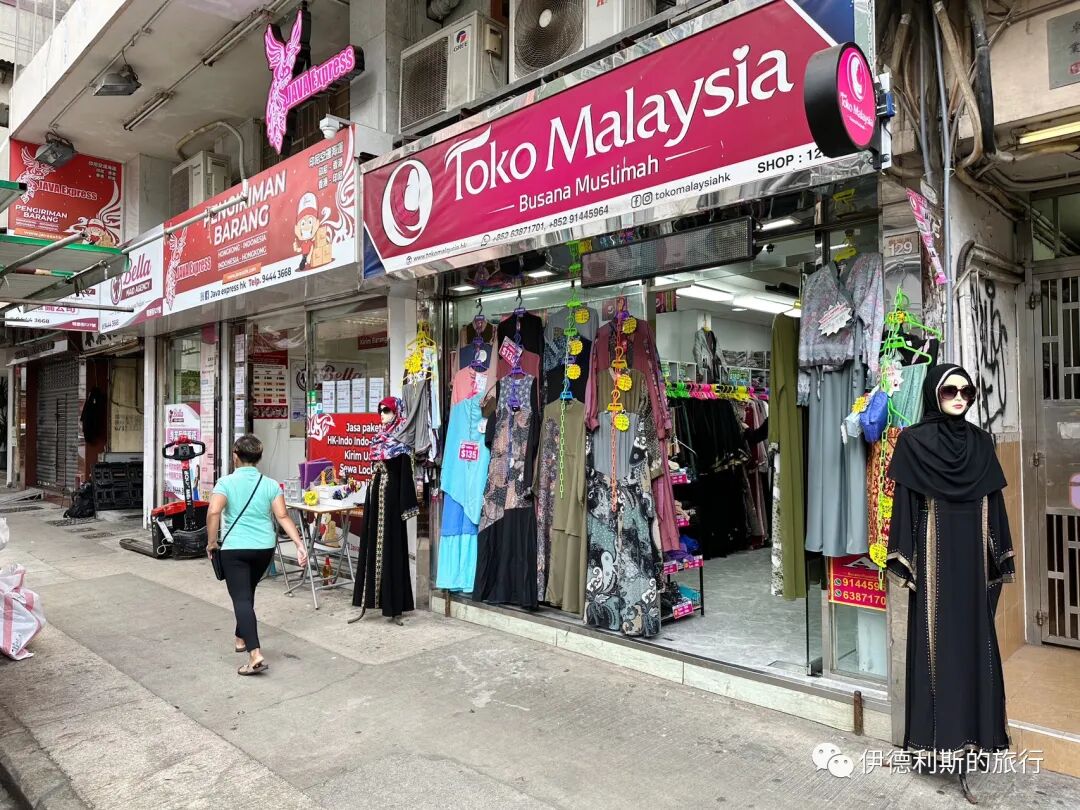
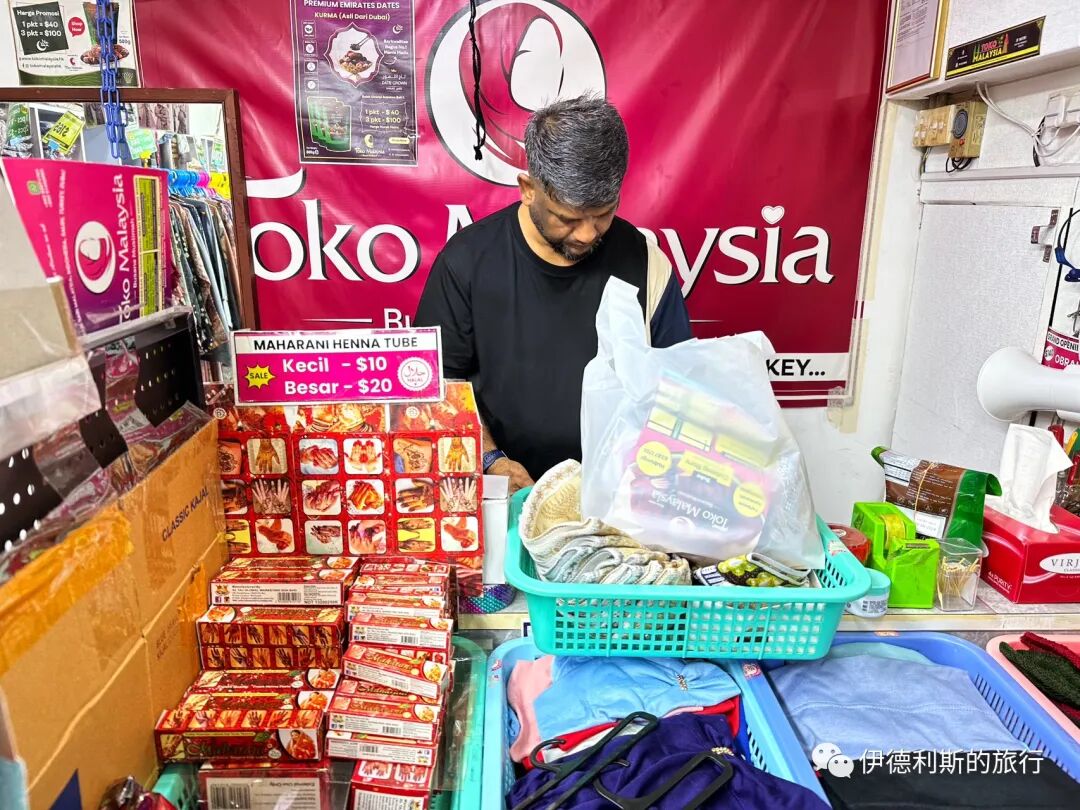
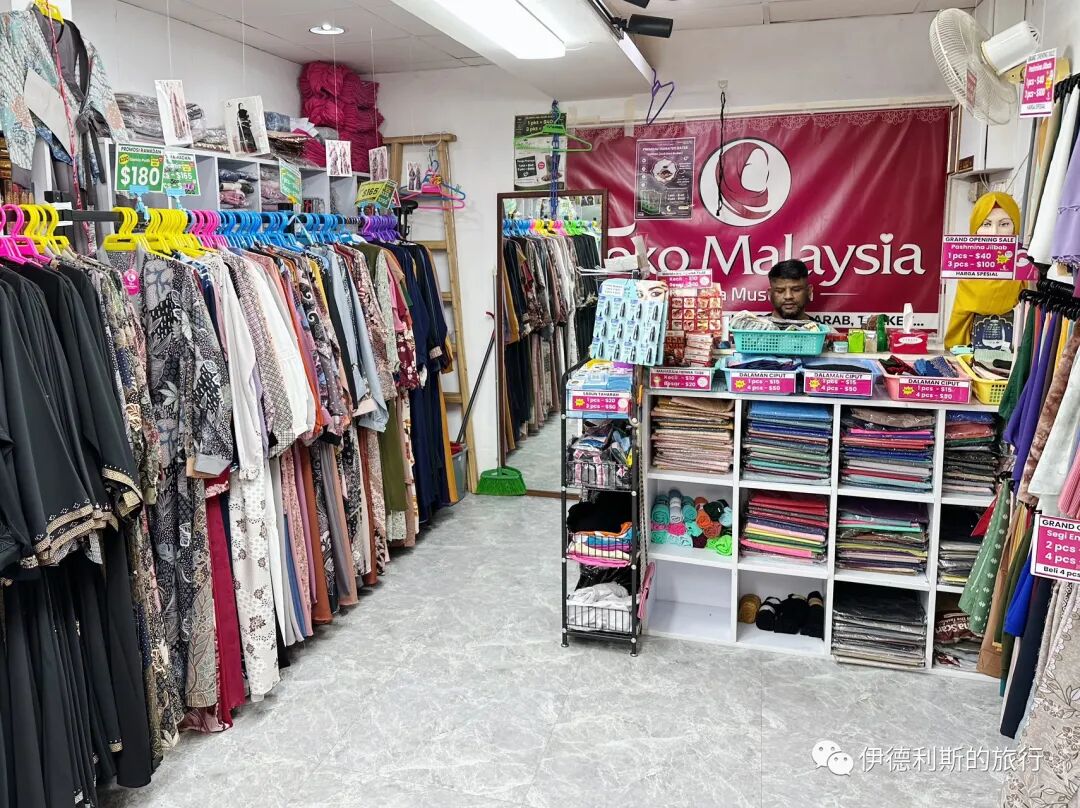
Zainab bought a nice dress at a Malaysian shop in Sham Shui Po. They also sell henna, prayer beads (tasbih), and other items, which reminded me of the clothing streets in Little India, Kuala Lumpur.
Indonesian Javanese food
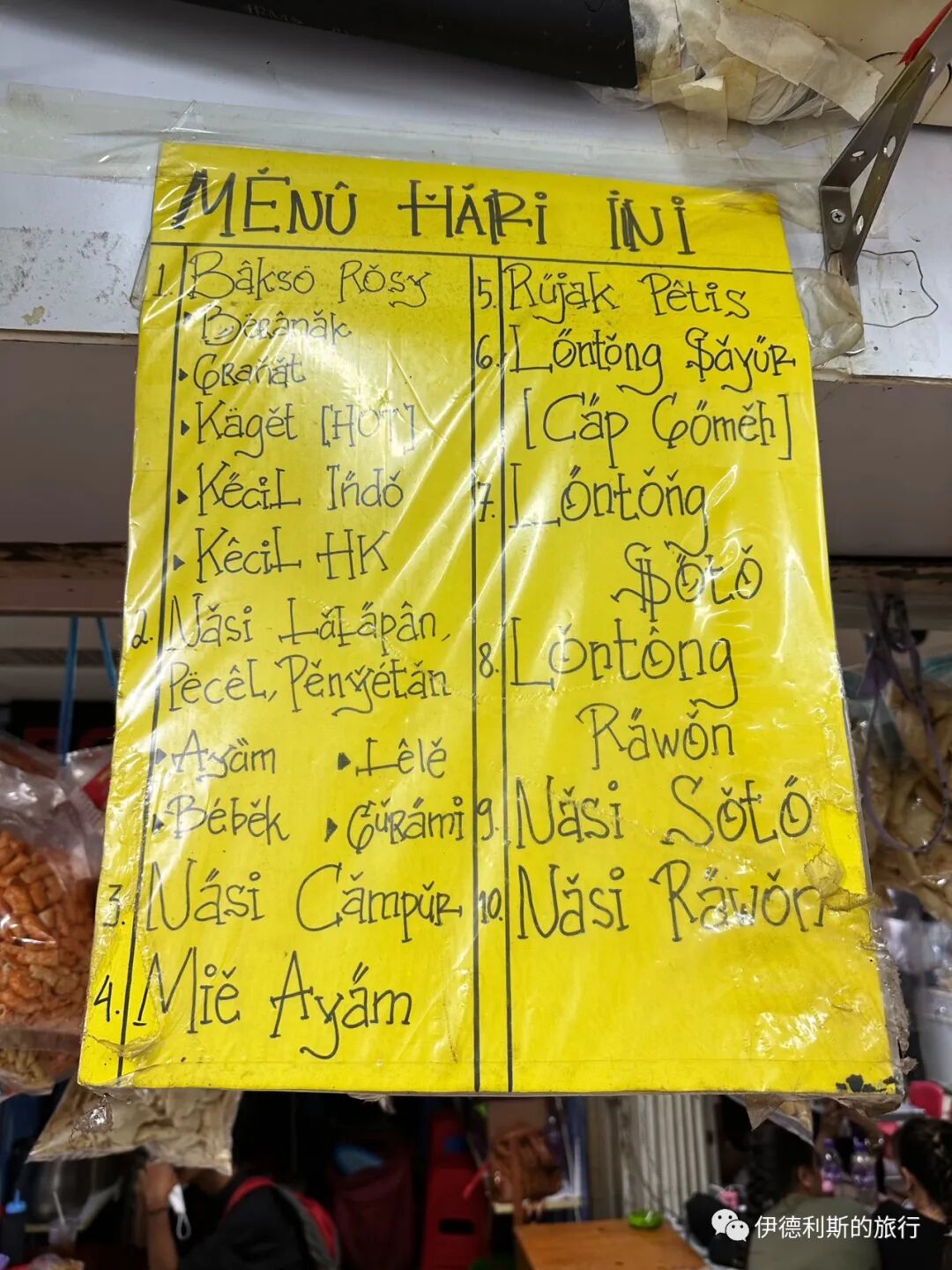
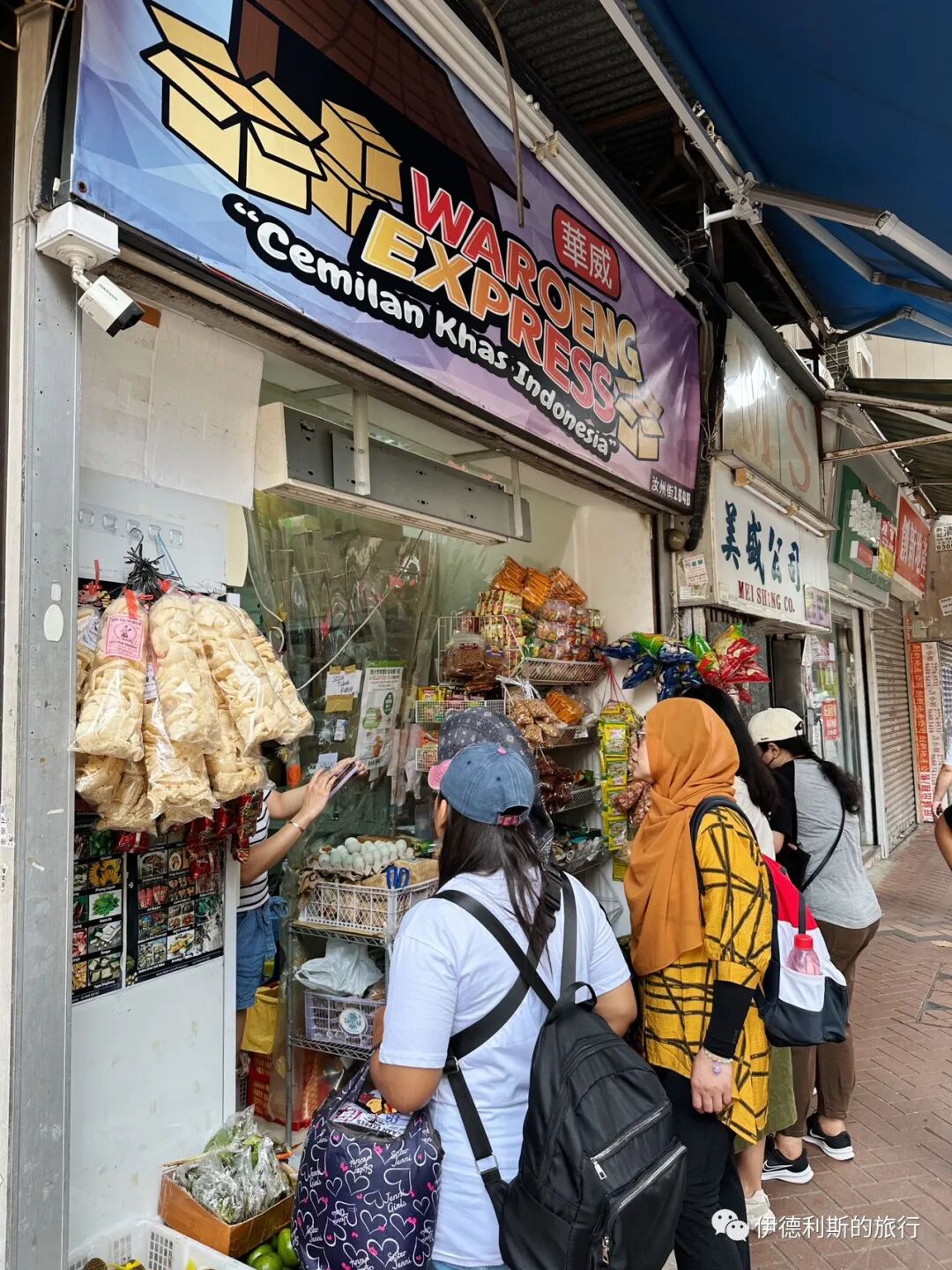
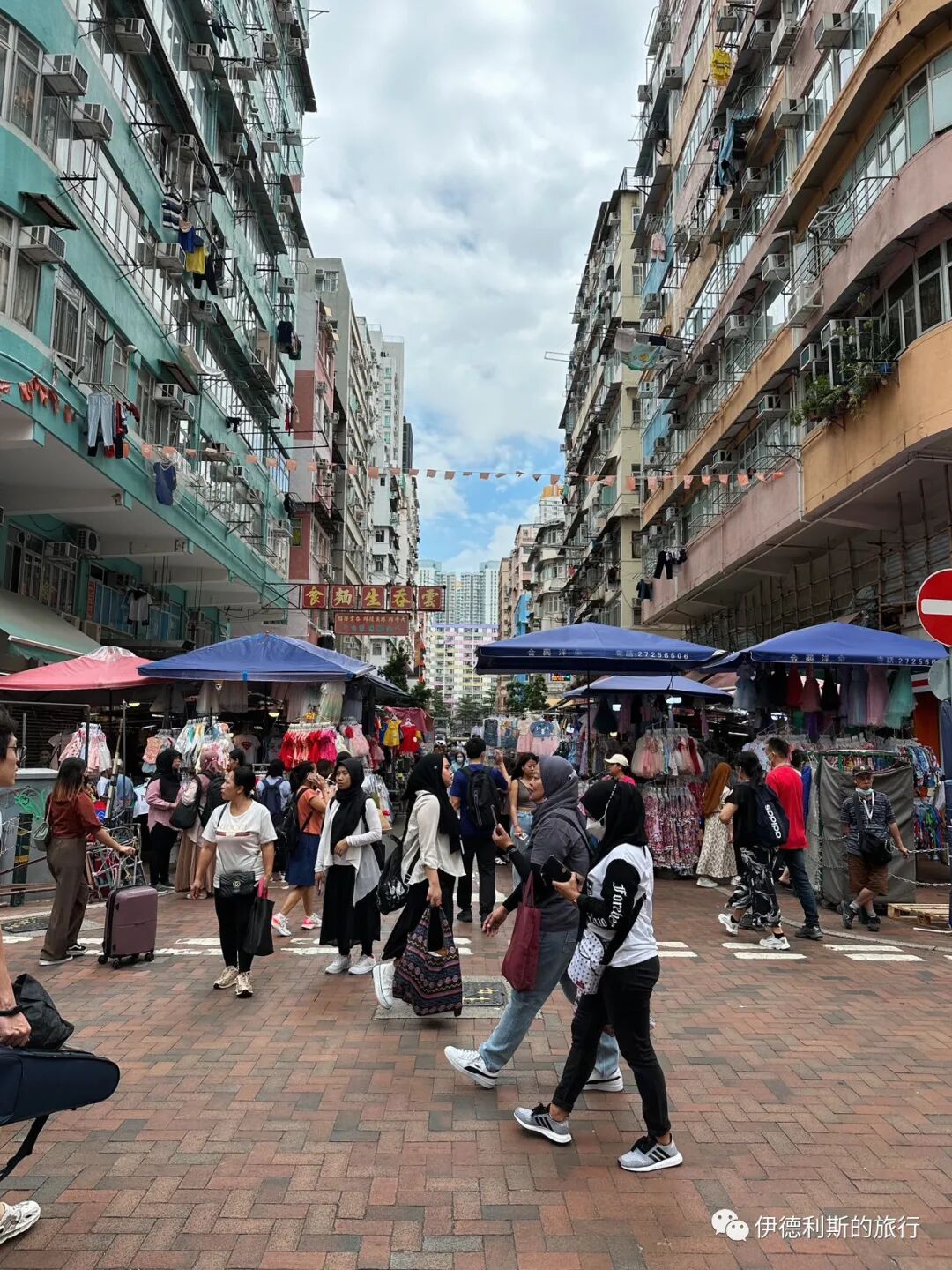
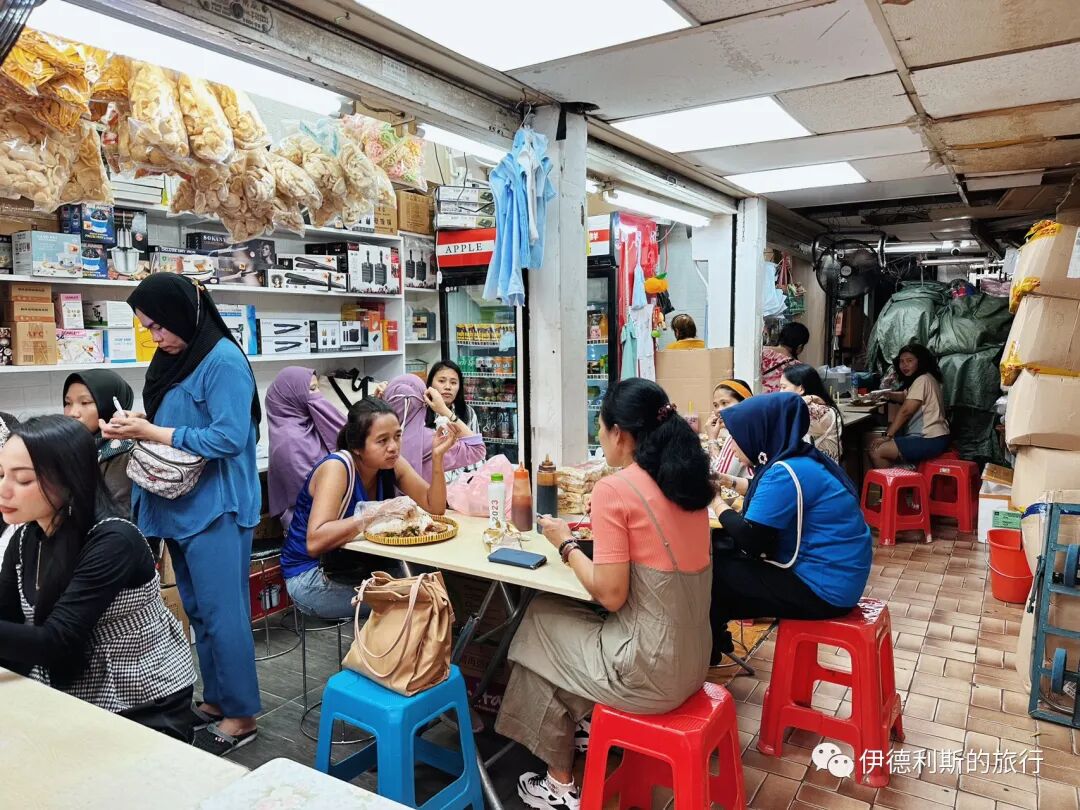
At noon, we went back to the Pei Ho Building in Sham Shui Po for Indonesian Javanese food. We ate at a small Javanese eatery, having mixed rice (Nasi Campur), vegetable coconut rice (Nasi Pecel), and chicken meatball noodles (Mie Ayam Bakso). Sunday is the day off for Indonesian sisters and the busiest time in Sham Shui Po. Everyone comes here to eat and shop, then rests and chats in the small garden in the middle.
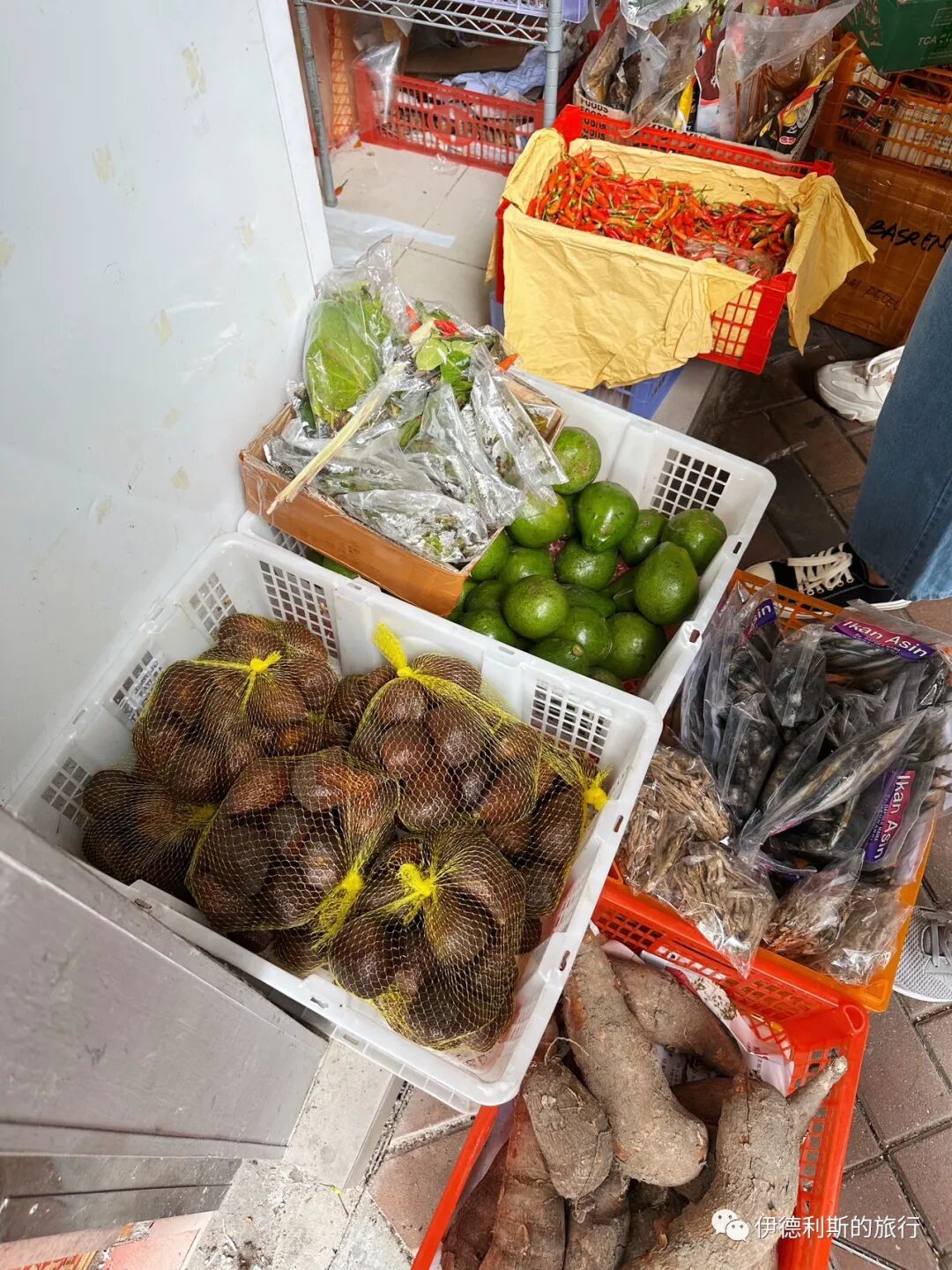
The Javanese soybean cake (tempeh) in the side dishes is sold in almost every Indonesian shop. This soybean cake, made by fermenting and pressing soybeans, originated in central and eastern Java. It uses a fungus that grows on teak and hibiscus leaves to ferment. Ancient Javanese books rarely mention tempeh, as this food has always been a staple for common people.
Summary: Hong Kong — Halal Food, Mosques and Muslim Travel (Part 1) is presented here as a firsthand travel account in clear English, beginning with this scene: On the last weekend of May 2023, Zainab and I went to Hong Kong to eat and explore. The account keeps its focus on Hong Kong Halal Food, Mosques, Muslim Travel while preserving the names, places, food, and historical details from the Chinese source.
On the last weekend of May 2023, Zainab and I went to Hong Kong to eat and explore. We visited a restaurant run by Indonesian sisters from Java, a snack shop owned by Pakistani brothers, an Iranian kebab place, and a restaurant opened by Tibetan and Hui Muslim friends. Hong Kong was the last place I traveled to outside the mainland in 2019. Back then, I visited Chungking Mansions, the Kowloon Mosque, and a Syrian restaurant in Tsim Sha Tsui, which I wrote about in my article, 'A One-Day Trip to Kowloon, Hong Kong in 2019'.
Day One
Indonesian food in Wan Chai and Causeway Bay on Hong Kong Island
The Bowrington Road Market and Cooked Food Centre in eastern Wan Chai is famous for Wai Kee, the only long-standing Cantonese Hui Muslim halal restaurant in Hong Kong. Besides that, there are several small shops run by Indonesian sisters, all with names starting with 'TOKO INDONESIA'.
'Toko' means shop in Indonesian. Indonesian sisters working in Hong Kong come here to buy various Indonesian ingredients, spices, and fried snacks to meet their daily needs. On holidays and Sundays off, many Indonesian sisters come to the Toko shops in Bowrington Road Market to buy snacks. They then buy some fruit nearby, spread out a blanket in a nearby square or small garden, and chat while they eat. This is their chance to socialize and relax during the week.
We ate large Indonesian meatballs (bakso besar) at one of these shops. The word 'bakso' comes from the Southern Min dialect for 'meat crisp'. It is a classic Indonesian street food made from beef, fish paste, and a small amount of tapioca flour, giving it a very firm texture. The finished meatballs are usually served in beef broth with tofu, glass noodles, and various side dishes.
The Causeway Bay area, where the Indonesian Consulate is located, is full of Indonesian shops and restaurants. On holidays and Sundays, the streets are filled with Indonesian sisters.
Sugar Street is the area with the highest concentration of Indonesian shops in Causeway Bay. Indomarket on the south side of the road is a Southeast Asian supermarket chain that has been in business for over twenty years, and many Indonesian sisters shop here. The Causeway Bay Centre and Causeway Plaza on the north side of the road are filled with shops run by Indonesians, both on the ground floor and inside the buildings.
In the afternoon, we bought green mangoes, pandan cake, and an Indonesian iced drink (es cendol) at an Indonesian restaurant from Kalimantan in Causeway Bay. Green mango with Indonesian chili sauce is a classic combination that felt just like being on the streets of Jakarta. After shopping, we took a bus to Repulse Bay Beach in the south of Hong Kong Island. The bus ride through the mountain tunnel took only ten minutes and was very convenient. Some Indonesian sisters were also taking photos and resting on the beach. The evening sea breeze felt very comfortable.
Near Causeway Bay, there are businesses for Indonesian sisters, including shops selling flight tickets to Indonesia and employment agencies.
Although Causeway Bay is the main hub for Indonesians in Hong Kong, the most visible shops on the street are mostly run by Indonesian Chinese. To find authentic food made by Javanese sisters, you have to look in more hidden spots.
In the evening, we went to a small Javanese eatery called Warung Malang Club on the second floor of Dragon Rise on Pennington Street, a place mostly known only to Indonesian sisters. The restaurant sign says it is for members only, but there are no strict rules about this. In Indonesian, a warung is a small convenience store or eatery, usually made from the front room of a house. They sell snacks and home-style meals and are very common in Indonesia.
The owner of Warung Malang is from Surabaya, a city in eastern Java and the second-largest city in Indonesia. Historically, Surabaya was on the trade route from Malacca to the Spice Islands, and Zheng He’s fleet visited the city. From the 18th century to the early 20th century, Surabaya was the largest city in the Dutch East Indies and a strong competitor to Hong Kong in the Southeast Asian trade network.
We ordered Indonesian salad (gado gado), chicken satay skewers, and iced syrup drinks (sirup). Gado gado is a flavorful salad from Java. The name means "mix," so it includes many different ingredients. Our dish included Javanese fermented soybean cake (tempeh), fried tofu (tahu goreng) brought by Indonesian Chinese, shrimp crackers, eggs, bean sprouts, and rice cakes (lontong). It was topped with a special sauce made from peanut butter, palm sugar, garlic, chili, tamarind, and lime juice.
The chicken satay skewers we ate also came with rice cakes (lontong). Rice cakes (lontong) are made by wrapping rice in banana leaves, boiling it until firm, and then slicing it. In Javanese food culture, they are just as important as regular rice. Legend says that rice cakes (lontong) were invented by Sunan Kalijaga, one of the nine saints (Wali Sanga) who spread Islam in Java during the 15th and 16th centuries. As a Sufi, Sunan Kalijaga was good at using art and culture to spread the faith, especially shadow puppetry (wayang) and gamelan music. Rice cakes (lontong) were also one of his ways to share the faith.
Chicken satay is also a dish that started in Java. People say 18th-century Javanese street vendors developed it by combining local food with Indian kebabs brought by Indian Tamil Muslim traders. Meat skewers are usually marinated in turmeric, sweet soy sauce, or coconut oil before grilling, then dipped in satay sauce when eaten. Satay sauce is made mainly from roasted peanuts, along with coconut milk, turmeric, soy sauce, galangal, garlic, chili, and various spices. After the 19th century, Chinese workers in Southeast Asia brought satay sauce back to Fujian, where it combined with local flavors to become shacha sauce.
The second day
South Asian and Tibetan food in Yau Ma Tei, Kowloon
The next morning, we went to eat Tibetan food near Shanghai Street in Yau Ma Tei, Kowloon. This is a neighborhood where South Asians live in Hong Kong, with many restaurants run by Indians, Pakistanis, and Nepalese. On the wall of the Yau Tsim Mong Multicultural Activity Centre in the community, there is a mural of Chinese and South Asian people dancing together.
This Tibetan-Hui Muslim snack shop opened recently; I did not see it when I was here last time. They open at 9:30, and since we arrived early, many dishes were not ready. We ordered Tibetan-style fried noodles and pan-fried dumplings (momo), served with butter tea and Lassi yogurt. Everything tasted great, especially the fried noodles, which were distinct and had a wonderful smoky flavor from the wok. Next time I go to Hong Kong, I want to try their Tibetan noodles and Biryani rice.
Unfortunately, the owner was not there. I asked the shop assistant, and she said the owner is a Tibetan Muslim. Based on their menu, I think the owner might be a descendant of the Lhasa Tibetan Muslims who moved to India in the 1960s.
After the 14th century, Kashmiri Muslims from west of the Tibetan region began traveling to Tibet for trade, and they started settling in Lhasa after the 17th century. The descendants of these Kashmiri merchants who married local Tibetan women gradually became Tibetanized, speaking the Tibetan language, wearing Tibetan clothes, and drinking butter tea. Records show that in the 1950s, there were over 600 Muslims in Lhasa with ancestral roots in Kashmir, India, and Ladakh. They mainly worked in trade and handicrafts, running vegetable gardens, flour mills, tailor shops, or restaurants, while some traveled between Nepal, India, and other places for business. In the first half of 1960, the Tibet Working Committee determined the nationality of foreign Muslims. 140 Muslim households returned to Kashmir, 15 returned to Nepal, and only 18 households remained. After returning to India, most of these Kashmiri Muslims settled in Srinagar, the capital of Indian-administered Kashmir, and the cities of Kalimpong and Darjeeling in northeastern India.
In 1961, Habishi returned to Kashmir but later went back to Lhasa for various reasons. His son, Abdul Halim, studied under Imam Yaya. After 1966, local Muslims were not allowed to lead religious activities. At just 15 years old, Abdul began leading religious activities for the Kashmiri Muslims because he held a Nepalese passport, becoming the imam for the Kashmiri Muslims in Lhasa. By 2000, there were 52 households of Muslims in Lhasa with roots in Kashmir and Nepal. In 2018, I visited their home at Kache Lingka Jiandang in Lhasa and ate butter tea and biryani fried rice made by an auntie of Kashmiri descent named Amina.
Indonesian food at Pei Ho Building in Sham Shui Po, Kowloon.
At noon, I ate yellow turmeric rice (nasi kuning) with fried fish and drank iced coffee at a small eatery run by Indonesian sisters inside the Pei Ho Building in Sham Shui Po.
If Causeway Bay is the center for Indonesian sisters on Hong Kong Island, then Sham Shui Po is their center in Kowloon. Sham Shui Po is located in the northwest of Kowloon and was an early industrial and commercial hub of Hong Kong. Many multi-story tenement buildings (tong lau) were built there in the 1950s and 1960s, making it very densely populated. Because housing prices are low, many elderly people and foreign workers live here today. There are markets for all kinds of electronic parts, wholesale clothing, and children's goods, where you can buy almost any daily necessity you might need. Inside the Pei Ho Building on Pei Ho Street, there are many small eateries run by Indonesian sisters. The entrance to the mall feels like a magic door; once you step inside, you are instantly transported to a mall in a city on the island of Java, Indonesia.
We first went to a very hidden restaurant on the second floor of the Pei Ho Shopping Centre. If it weren't for the Indonesian sisters soliciting customers at the intersection, we would never have found it. I asked the owner, and she is from Solo on the island of Java. In the mid-18th century, Solo was the last capital of the Mataram Sultanate, and later it became the capital of the Surakarta Sunanate. The Solo Palace is a massive complex with gardens and courtyards. Royal family members still live there today, and a portion of it is open as a museum.
We also went to an Indonesian Javanese restaurant on the first floor of the Pei Ho Building called TOKO Berkah Ali BaBa. It is likely the most popular Indonesian restaurant in Sham Shui Po, and there were many Indonesian sisters eating inside. We ordered mixed shaved ice (es campur), yellow chicken curry soup (soto ayam), and Padang-style rice (nasi padang). This place was definitely the best Indonesian restaurant I have eaten at in the last few days!
Padang-style rice (nasi padang) is a dish that originated with the Minangkabau people on Sumatra Island. It comes with a rich variety of sides, including both meat and vegetables. The most classic part of Padang-style rice has to be the beef rendang (rendang daging). Rendang likely started as a combination of curry brought by Indian merchants who came to Sumatra to trade before the 15th century and the local diet of the Minangkabau people. After the 16th century, Minangkabau merchants began traveling to Malacca to trade, and rendang started to spread to other parts of Indonesia. The main ingredients for rendang are meat, coconut milk, chili, and various spices, including ginger, galangal, turmeric, lemongrass, garlic, and shallots. To meet the needs of Minangkabau merchants on long voyages, rendang is slow-cooked until it becomes thick and dry, allowing it to be stored for several weeks.
I spent the afternoon on the beach at Lamma Island staring into space, then started hiking across the island in the evening to reach the pier before dark. The evening sea breeze felt very comfortable. This is my third time visiting Lamma Island. Every time, it feels like a paradise away from the world where I can forget all my worries.
An Iranian restaurant in the SoHo area of Hong Kong Island.
In the evening, we ate grilled meat at an Iranian restaurant called Saffron in the SoHo area of Hong Kong Island. The owner is from Tehran. We ate the Iranian specialty minced meat kebab (koobideh), along with saffron water and yogurt drink (doogh). The place is not very big, and prices in the SoHo area are quite high compared to the mainland, but the taste is really good. It rivals what I ate on the streets of Tehran.
Koobideh comes from the Persian word "koobidan," which means "to strike." The most traditional way to make this kebab is to place meat on a flat stone and use a wooden mallet to repeatedly strike it until it becomes a paste. Koobideh is made by mixing minced meat with salt, black pepper, chopped onions, and egg yolk, then grilling it. It is served with grilled chili peppers and grilled tomatoes.
Doogh comes from the Persian word "dooshidan," which means "to milk." It is a thin yogurt drink with mint added. Doogh is a traditional Persian drink passed down from ancient Iran, and it is somewhat similar to the Ayran of Turkic peoples.
Day 3: Sham Shui Po, Kowloon
South Asian shops
As a gathering place for expats in Hong Kong, Sham Shui Po lets you pretend you are in Java, Indonesia, or on the streets of Pakistan. The streets south of Sham Shui Po MTR station have many small shops run by South Asian Muslims, with the most being Pakistani Dosti shops.
We arrived in Sham Shui Po early in the morning to start with a classic South Asian street breakfast. At the first shop, we drank spiced tea (Masala Chai), and the owner showed us the bags of green cardamom pods he sells. In Hong Kong spice shops, cardamom is also called green sand kernel (qingsharen). It is not only used in Masala Chai but is also essential for making many South Asian curries.
Then we went to a second shop to buy Masala Chai accompaniments, buttered bread slices, and potato curry puffs (Samosa). The bread slices here are kept in jars and sold by the piece, specifically to go with breakfast tea. I had the same street breakfast in the Muslim community of Old Delhi before.
At a South Asian restaurant, we bought a classic Pakistani snack, yogurt lentil balls (Dahi Bhalla), and drank watermelon juice and mango yogurt drink (Lassi). Zainab said their Lassi was especially pure and delicious. Bhalla is a popular snack in Pakistan and North India. It is made by adding spices to mung bean flour, frying them into balls, and eating them with yogurt (Dahi). In South Asian English, Dahi usually refers to homemade yogurt made by heating milk with dried chili peppers as a starter, while yogurt usually refers to pasteurized yogurt sold in stores.
Malaysian clothing store
Zainab bought a nice dress at a Malaysian shop in Sham Shui Po. They also sell henna, prayer beads (tasbih), and other items, which reminded me of the clothing streets in Little India, Kuala Lumpur.
Indonesian Javanese food
At noon, we went back to the Pei Ho Building in Sham Shui Po for Indonesian Javanese food. We ate at a small Javanese eatery, having mixed rice (Nasi Campur), vegetable coconut rice (Nasi Pecel), and chicken meatball noodles (Mie Ayam Bakso). Sunday is the day off for Indonesian sisters and the busiest time in Sham Shui Po. Everyone comes here to eat and shop, then rests and chats in the small garden in the middle.
The Javanese soybean cake (tempeh) in the side dishes is sold in almost every Indonesian shop. This soybean cake, made by fermenting and pressing soybeans, originated in central and eastern Java. It uses a fungus that grows on teak and hibiscus leaves to ferment. Ancient Javanese books rarely mention tempeh, as this food has always been a staple for common people.
