
Halal Travel Guide: Bangkok — Halal Food, Hotels and Muslim Travel Tips
Reposted from the web
Summary: Bangkok — Halal Food, Hotels and Muslim Travel Tips is presented here as a firsthand travel account in clear English, beginning with this scene: I went to Thailand for the May Day holiday this year, my first trip abroad in three years. The account keeps its focus on Bangkok Halal Food, Muslim Travel, Halal Hotels while preserving the names, places, food, and historical details from the Chinese source.
I went to Thailand for the May Day holiday this year, my first trip abroad in three years. Even though Thailand is in the middle of a hot summer, it didn't stop people's enthusiasm, and you could hear Chinese speakers everywhere on the streets of Bangkok. I visited 9 Yunnanese Hui Muslim mosques and 7 Indian-descendant mosques in Northern Thailand, along with 9 communities made up of different Muslim ethnic groups in Bangkok, and I will share these with you one by one. In this article, I will first share the various snacks I ate at halal food stalls in Bangkok and the Muslim hotel where I stayed.
Islamic Center of Thailand Foundation
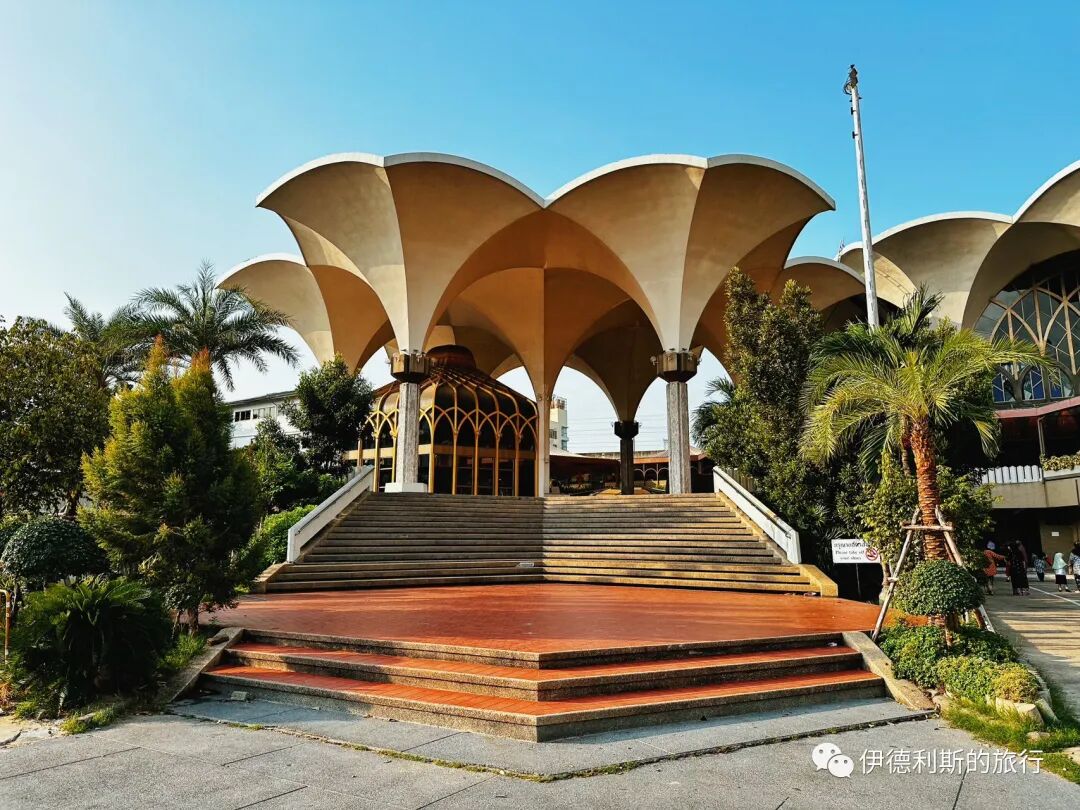
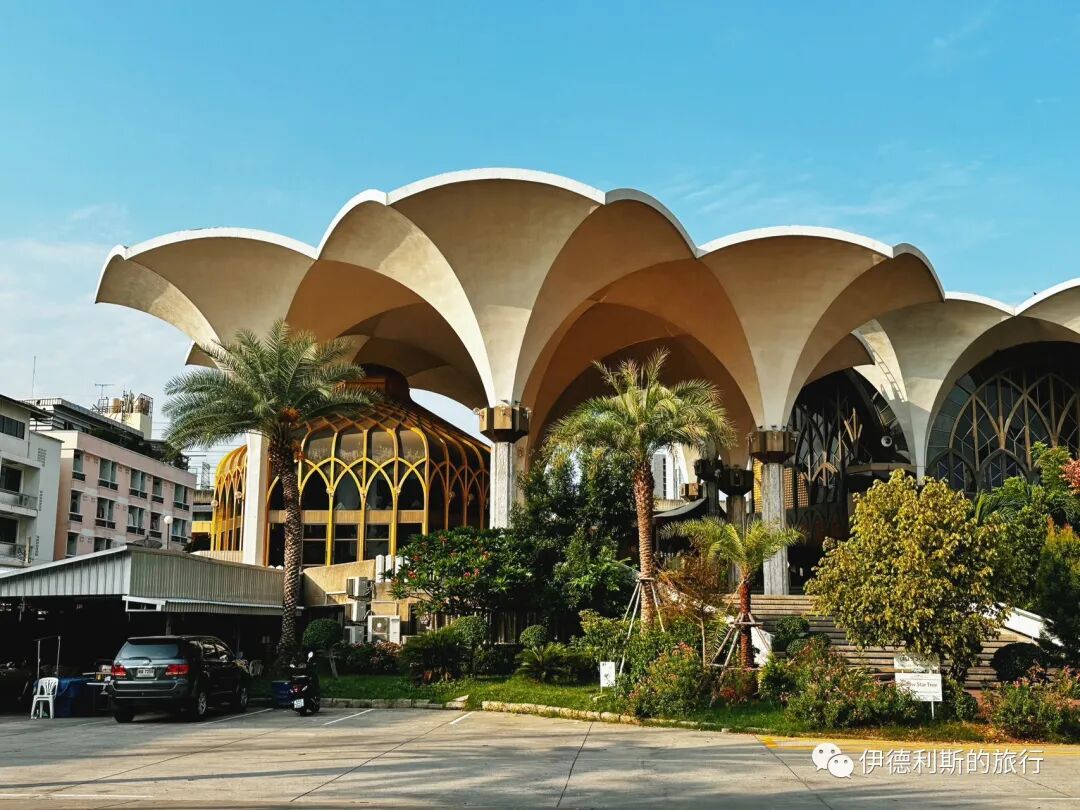
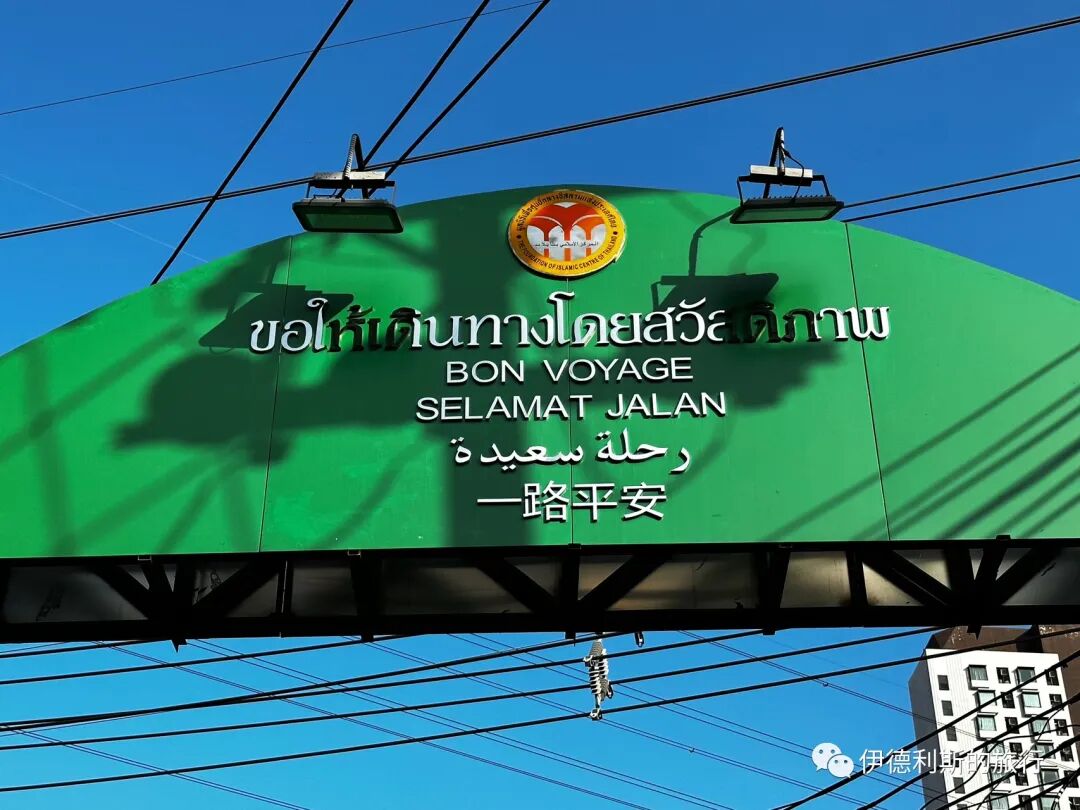
I had breakfast at the Islamic Center of Thailand Foundation in the morning. The Islamic Center of Thailand Foundation is a modernist building designed by a young Bangladeshi-Thai Muslim architect named Paichit Pongpunluk. Construction began in 1970, but due to budget issues, it took 11 years to complete. Once finished, it became a landmark building and activity center for Thai Muslims.
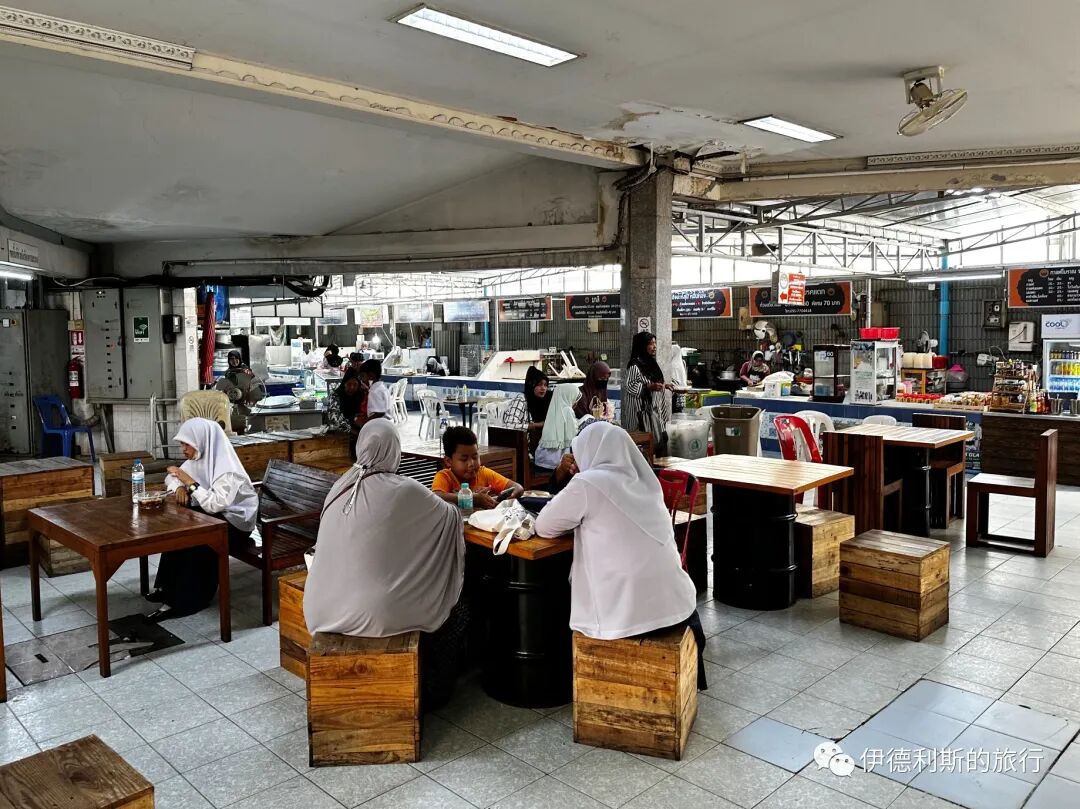
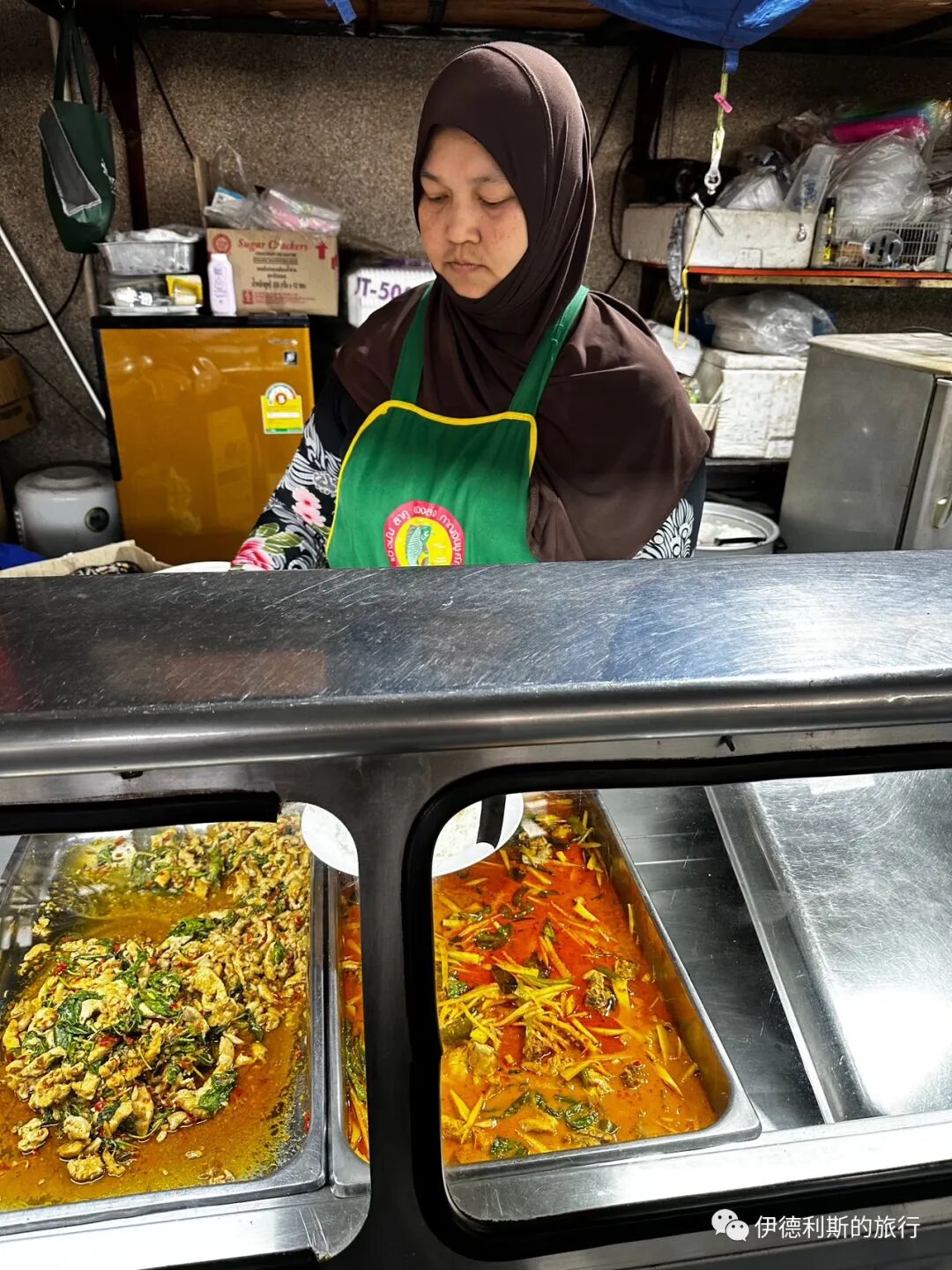
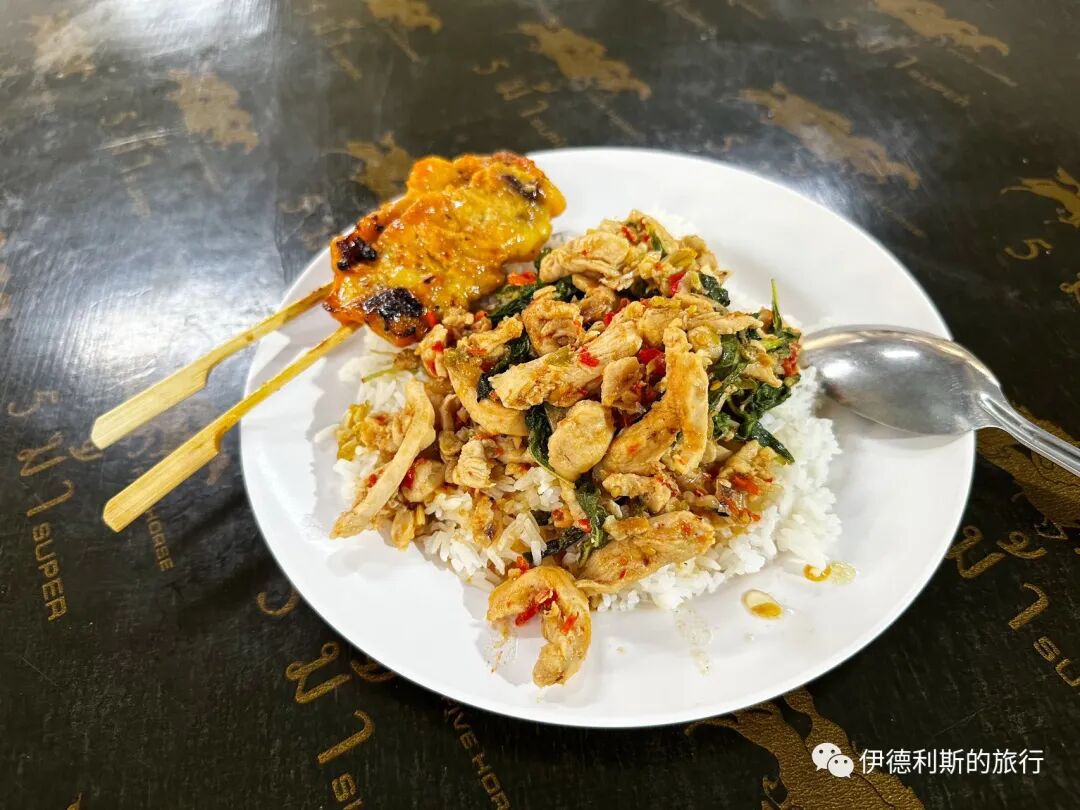
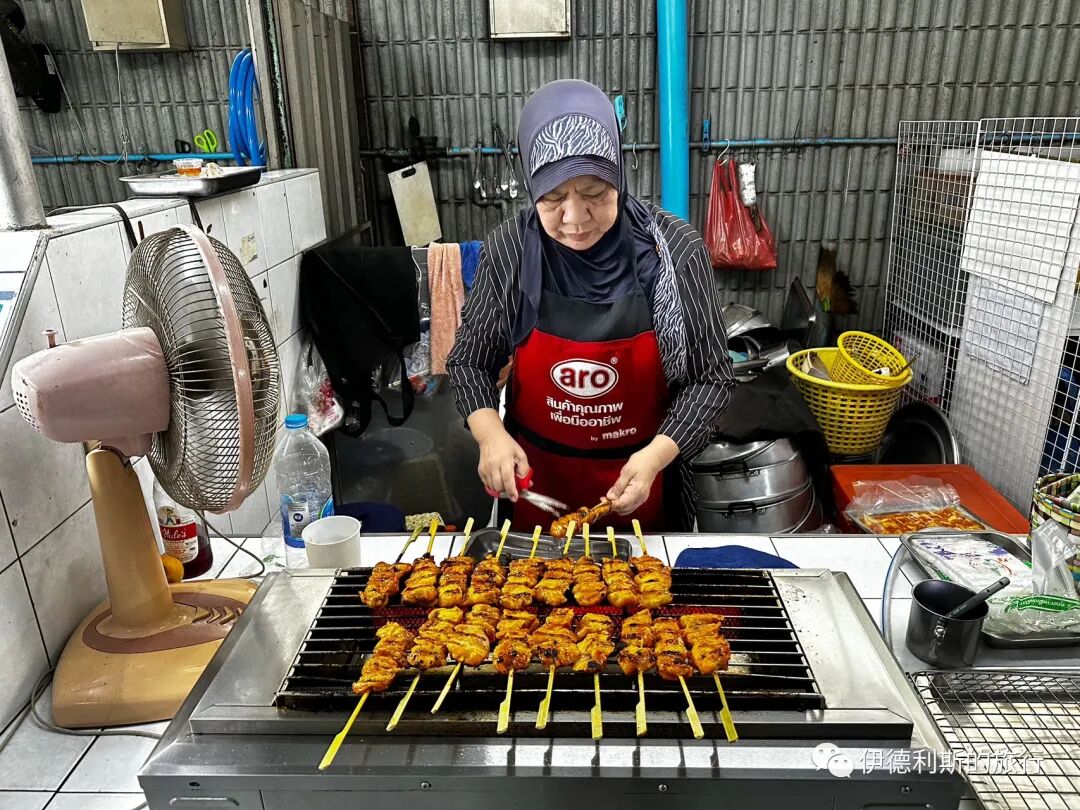
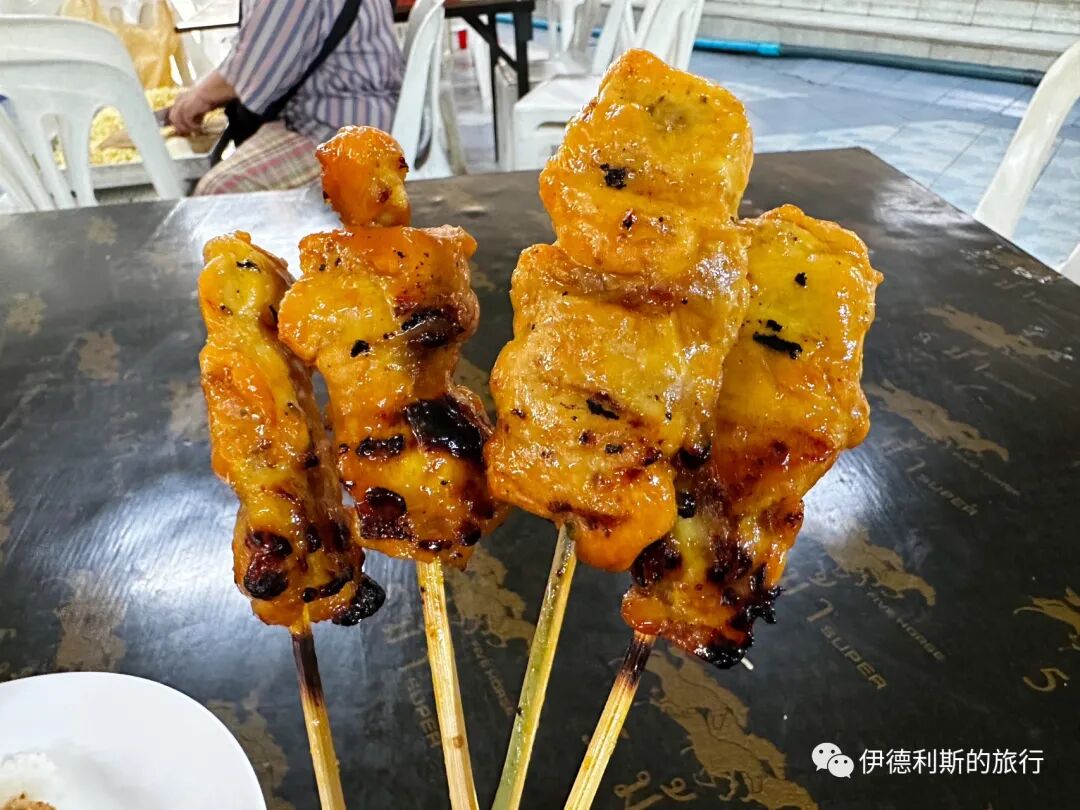
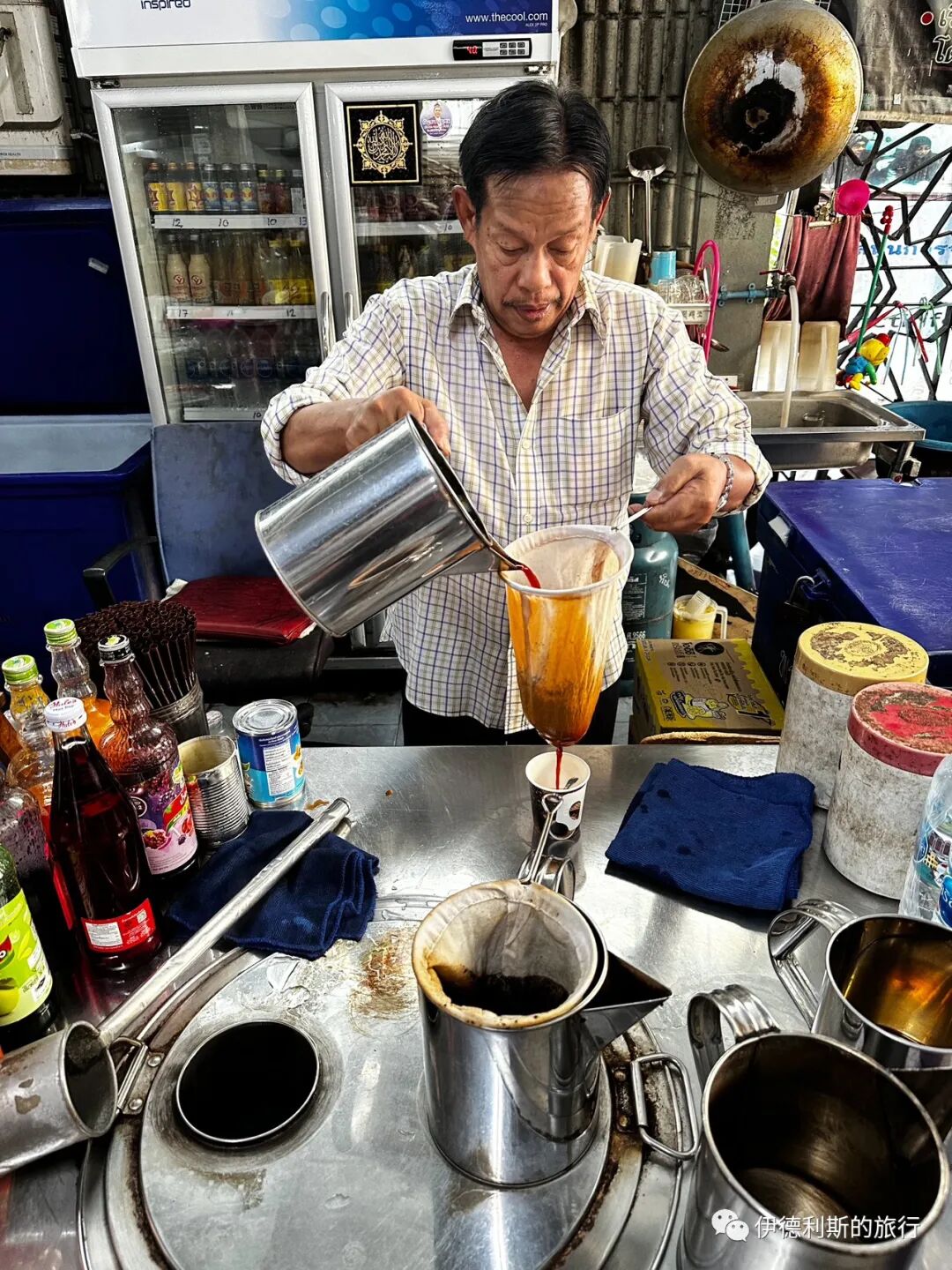
We bought stir-fried holy basil chicken rice (gaprao gai), grilled chicken skewers (satay), and Thai red tea. Gaprao is also called holy basil. It originated in South Asia and is grown throughout the tropical regions of Southeast Asia. Stir-frying meat with gaprao leaves makes it go perfectly with rice. Thai red tea is made with Ceylon black tea, condensed milk, sugar, and milk. You can drink it hot for breakfast, but it is usually served iced. There are many halal stalls downstairs at the Islamic Center of Thailand, but we arrived early, so not all of them were open. Usually, there is not only food but also books, clothing, and various activities, making it well worth a visit.
Snack stalls at the entrance of Haroon Mosque
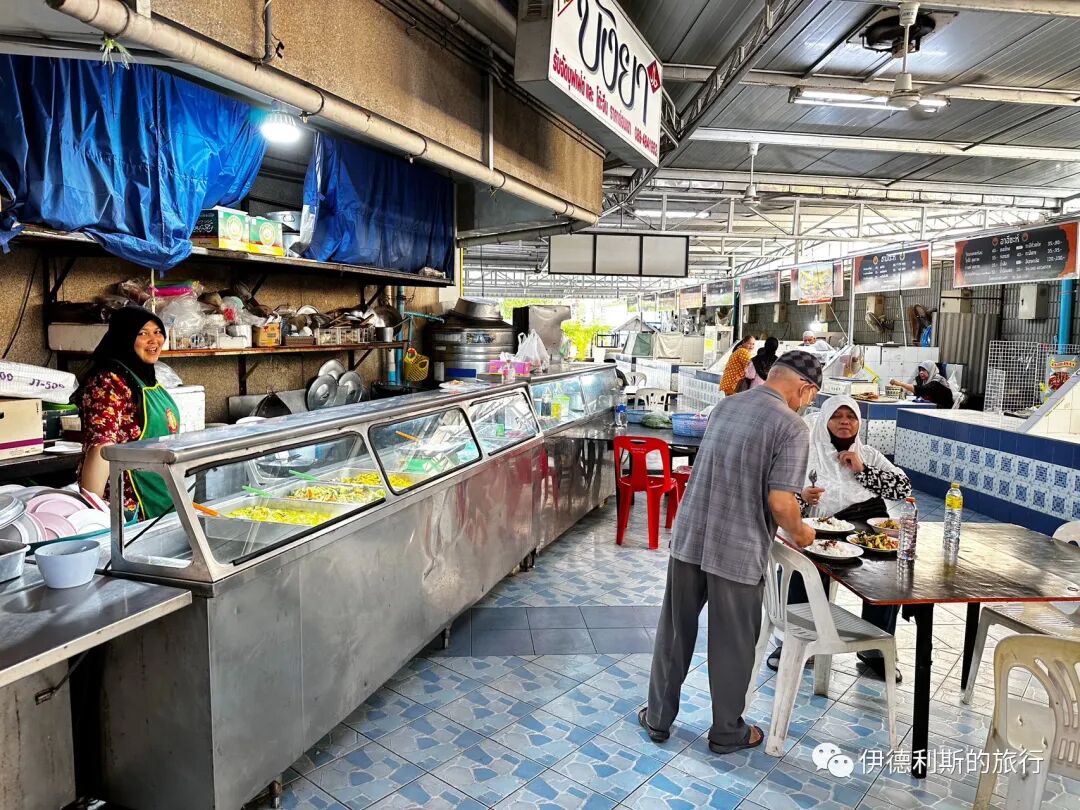
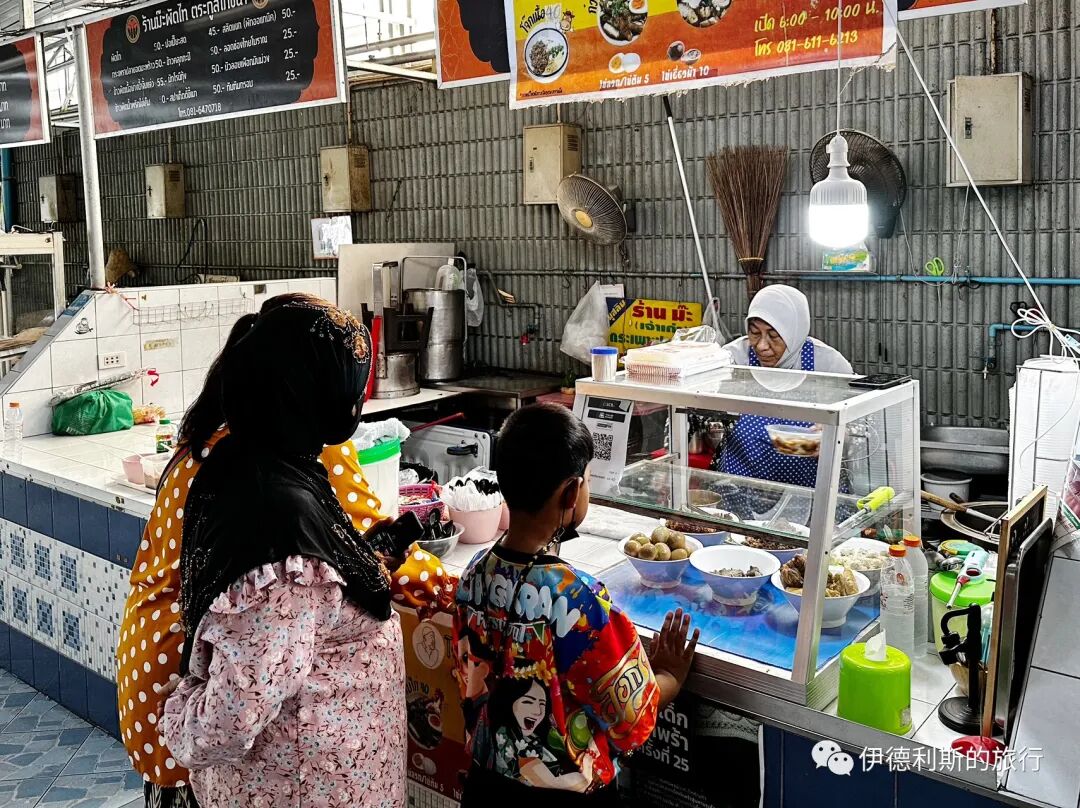
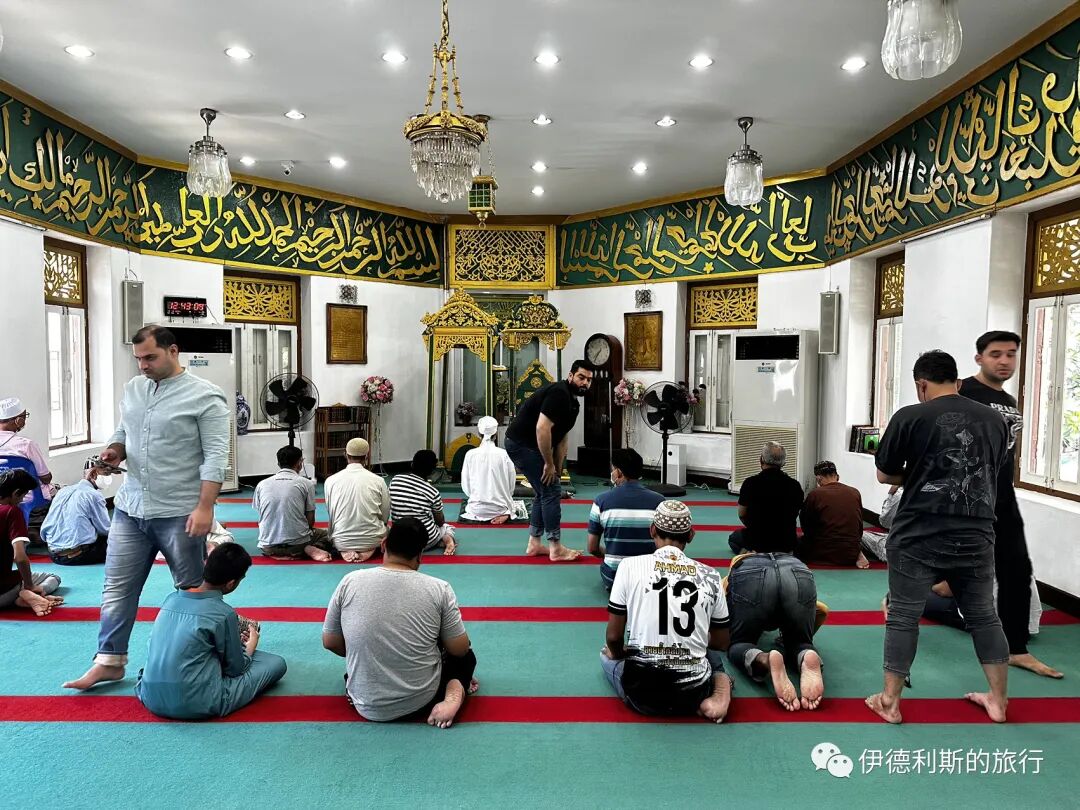
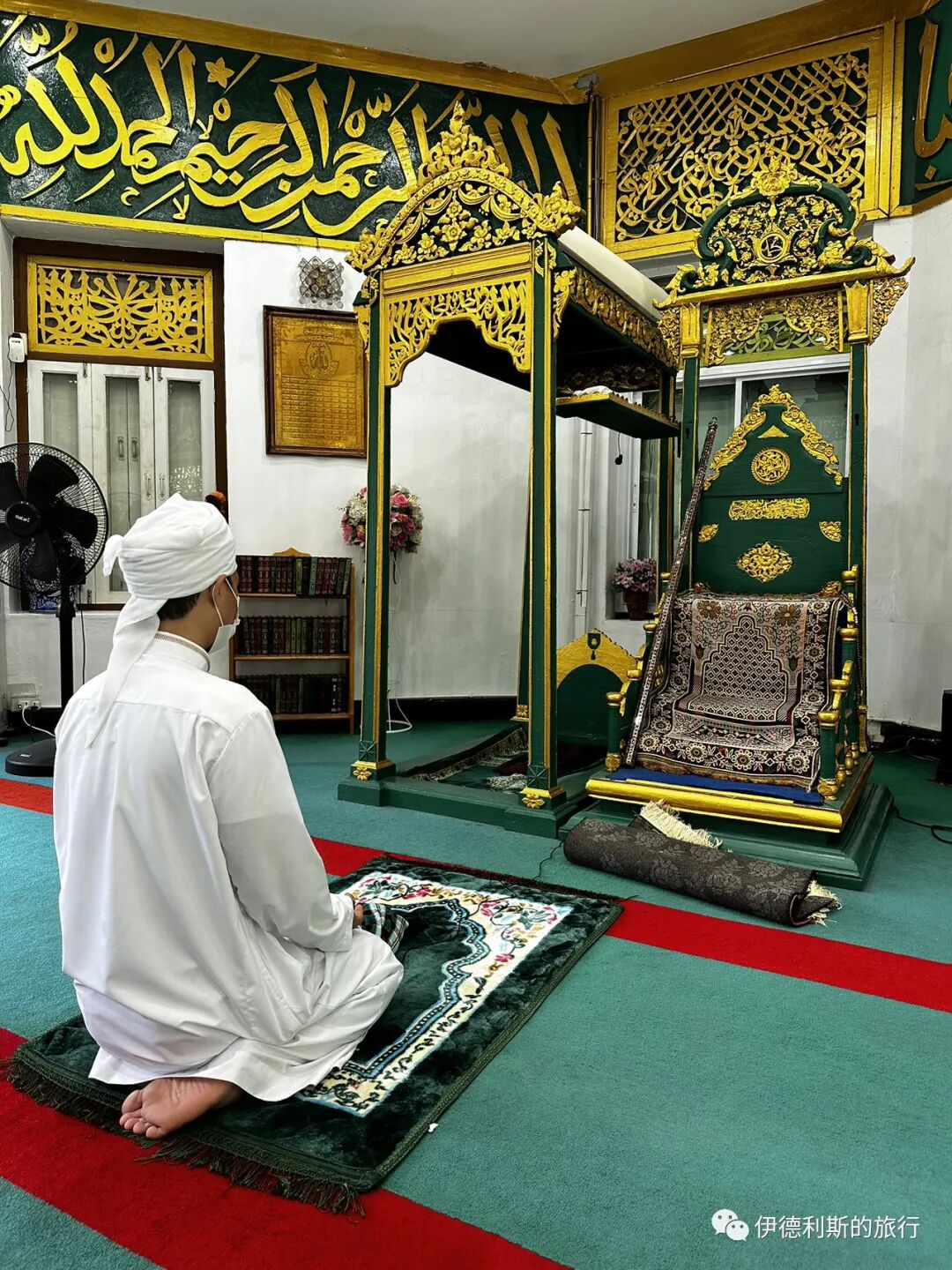
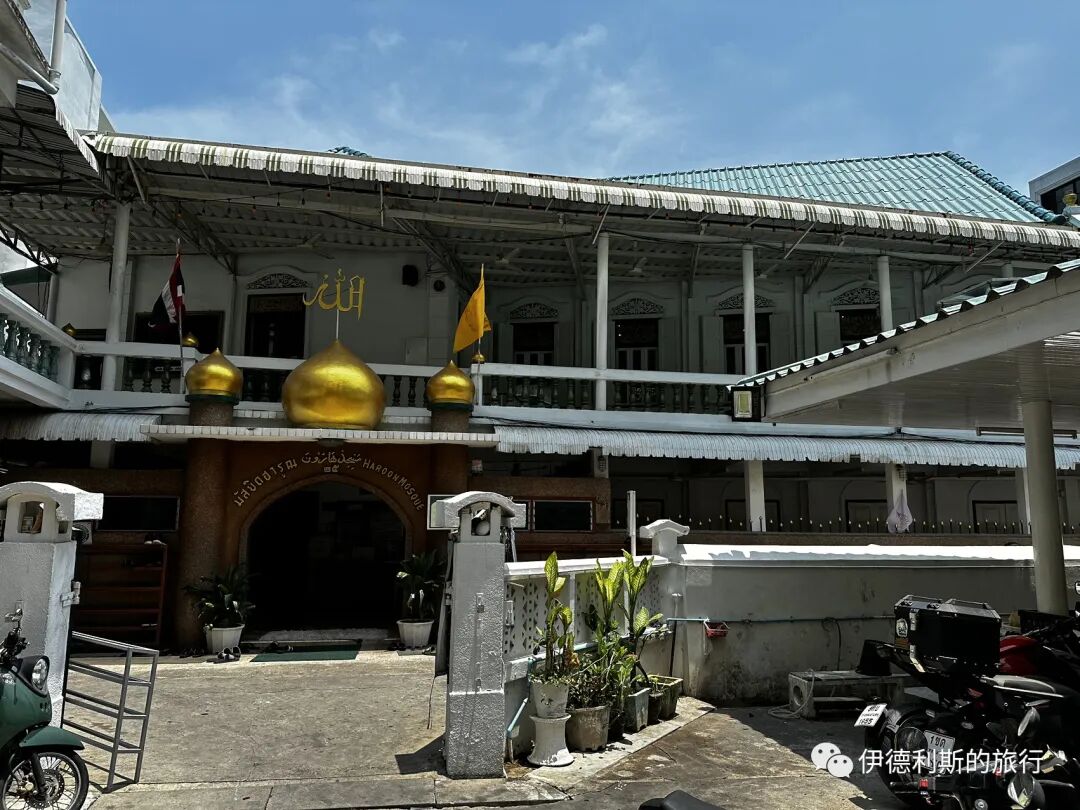
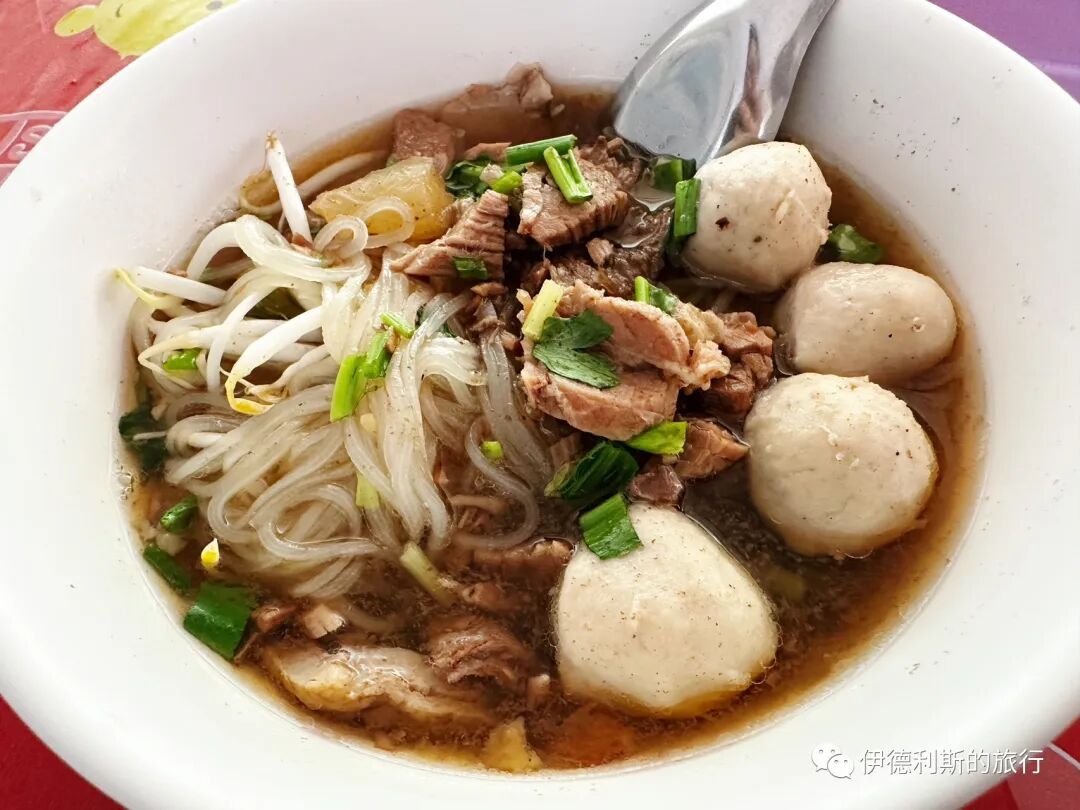
After finishing the noon namaz, we had lunch at the entrance of Haroon Mosque by the Chao Phraya River, where there is a row of local halal snack stalls. Haroon Mosque is named after an Indonesian merchant named Toh Haroon Bafaden. He came to Bangkok from Indonesia with his father to do business in 1828 (some say 1837), then got married, had children, and settled down. He built Haroon Mosque shortly after, and a Muslim community gradually formed around the mosque.
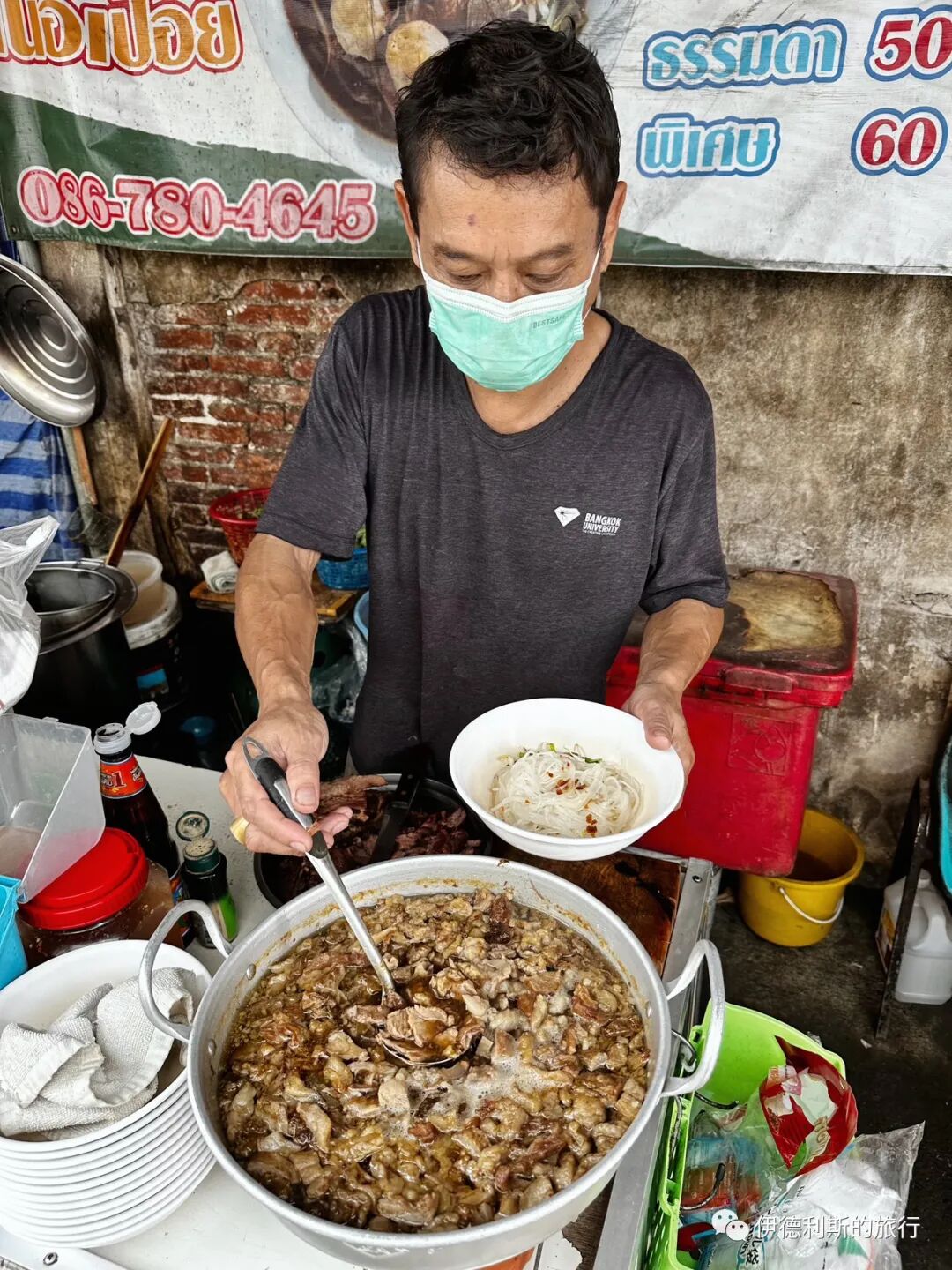
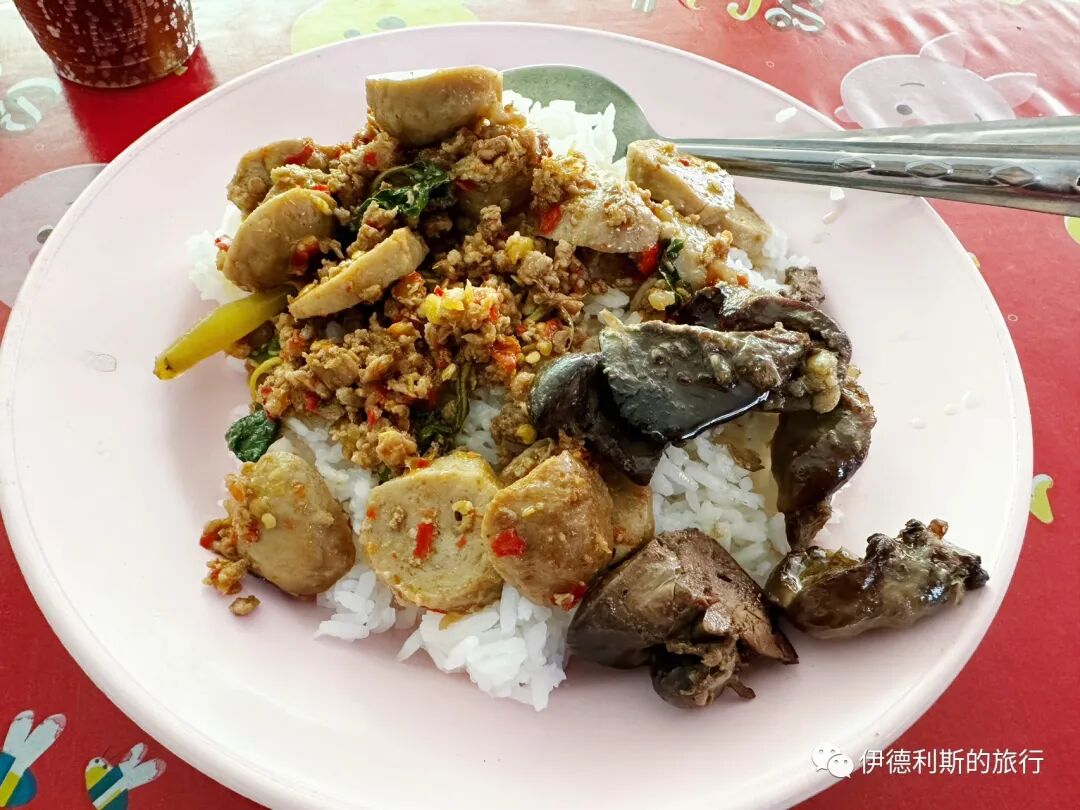
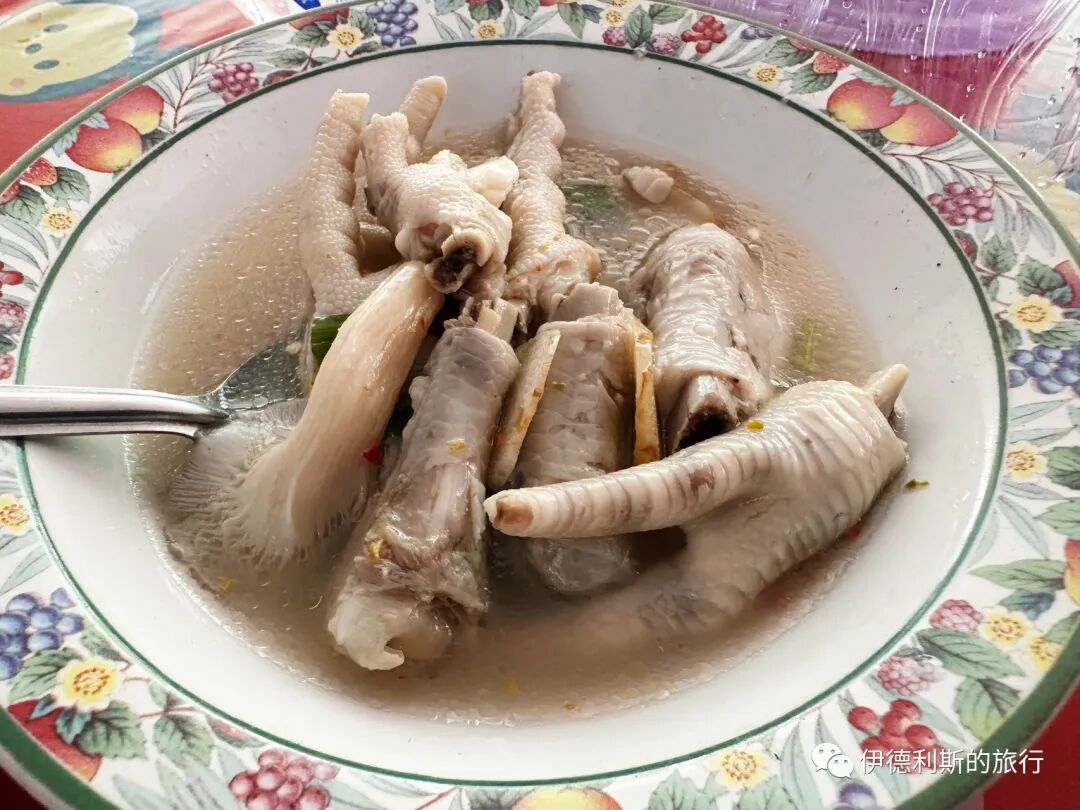
We first ate stewed beef and chicken meatball glass noodle soup. The beef was incredibly fragrant, and Zainab and I both agreed it was the best thing we ate in Bangkok! Then I had basil chicken, meatballs, and chicken liver with rice. After that, I had a bowl of stewed chicken feet. They were soft and flavorful, but the soup was super spicy, haha.
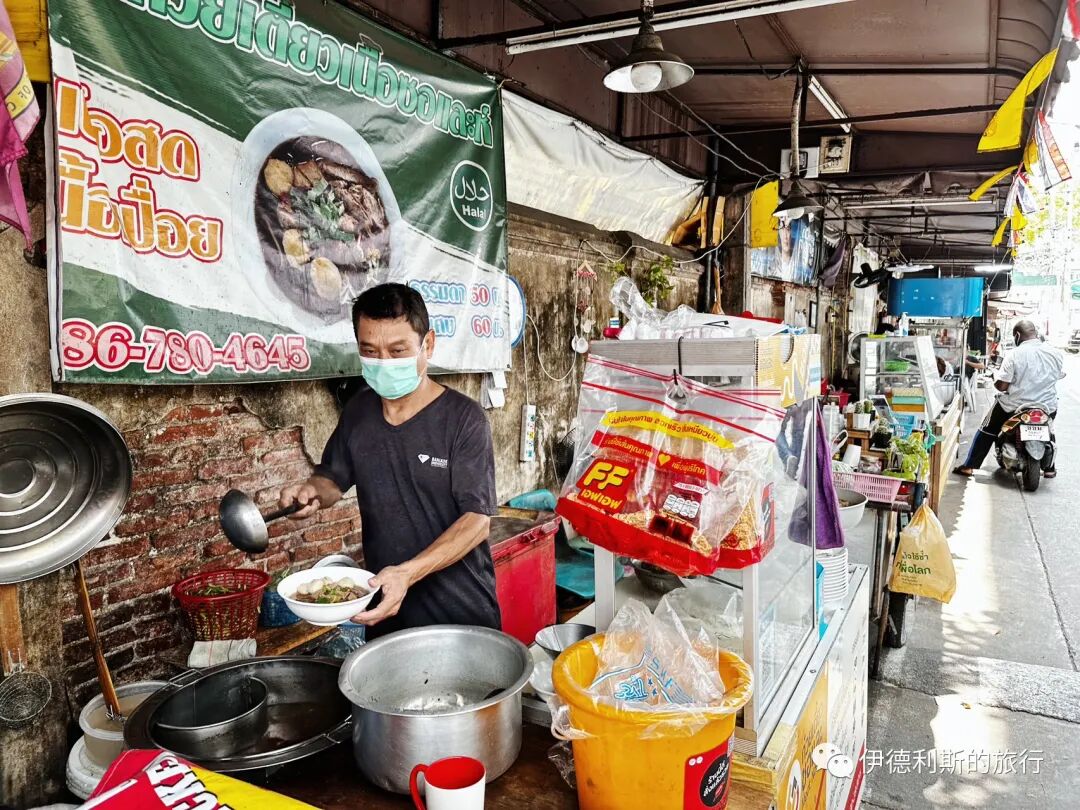
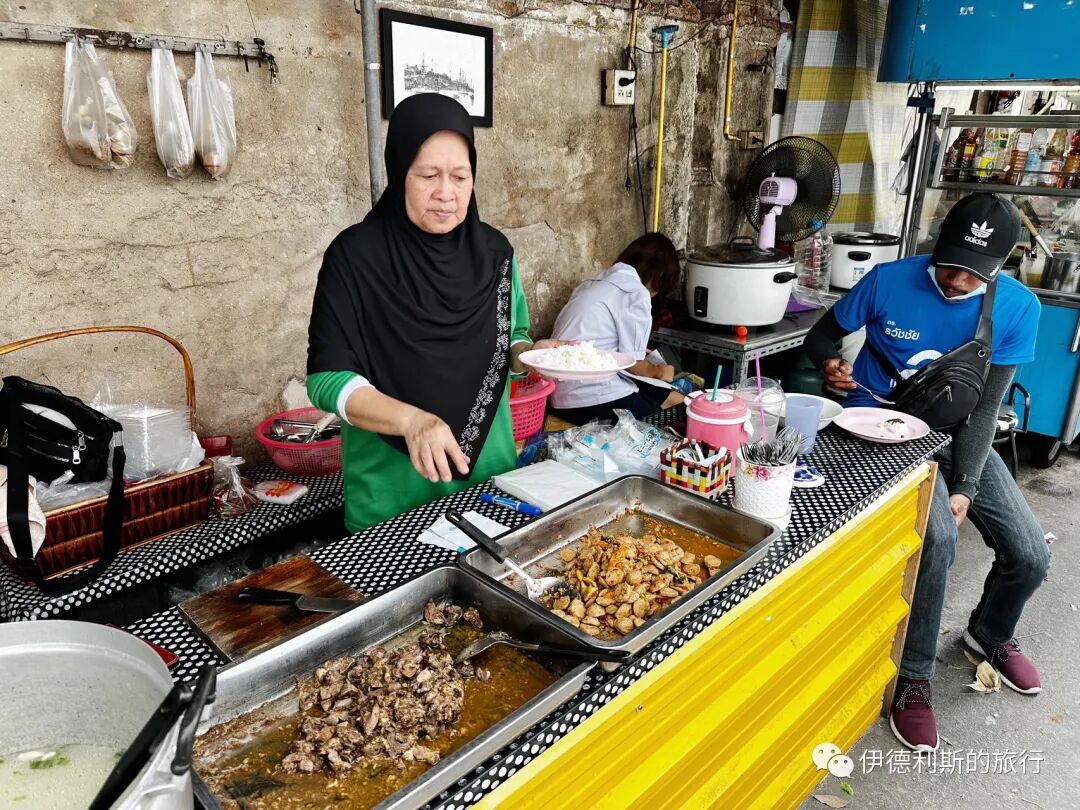
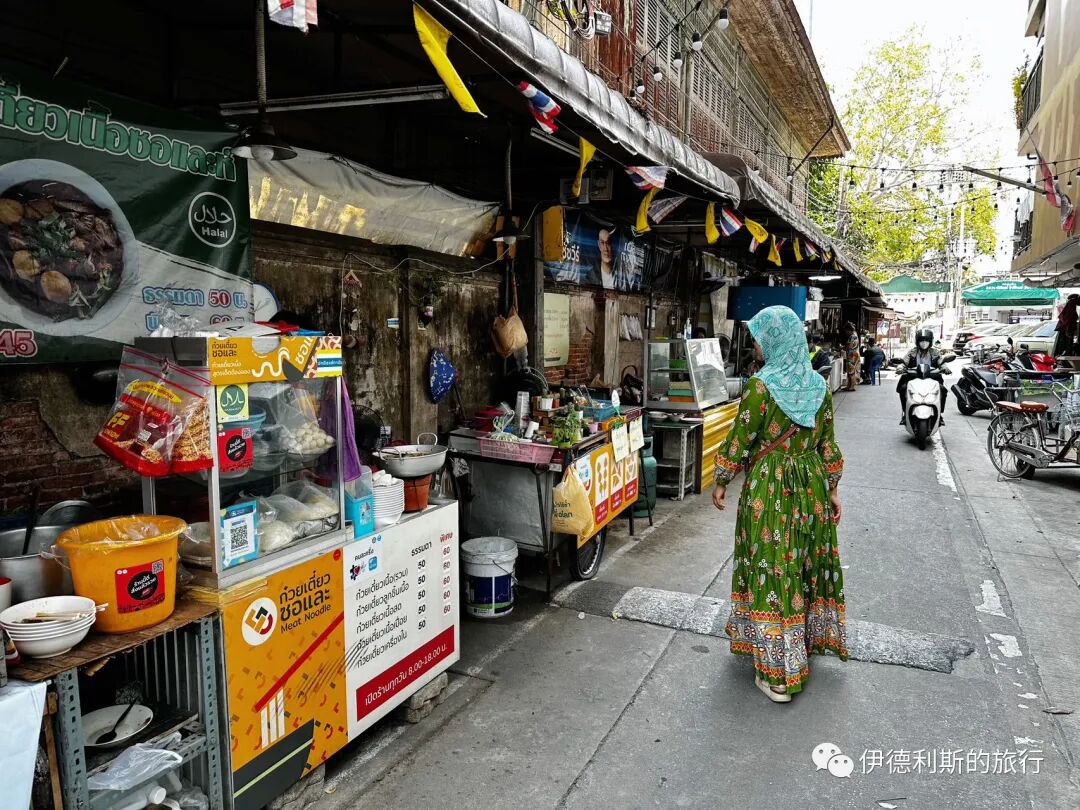
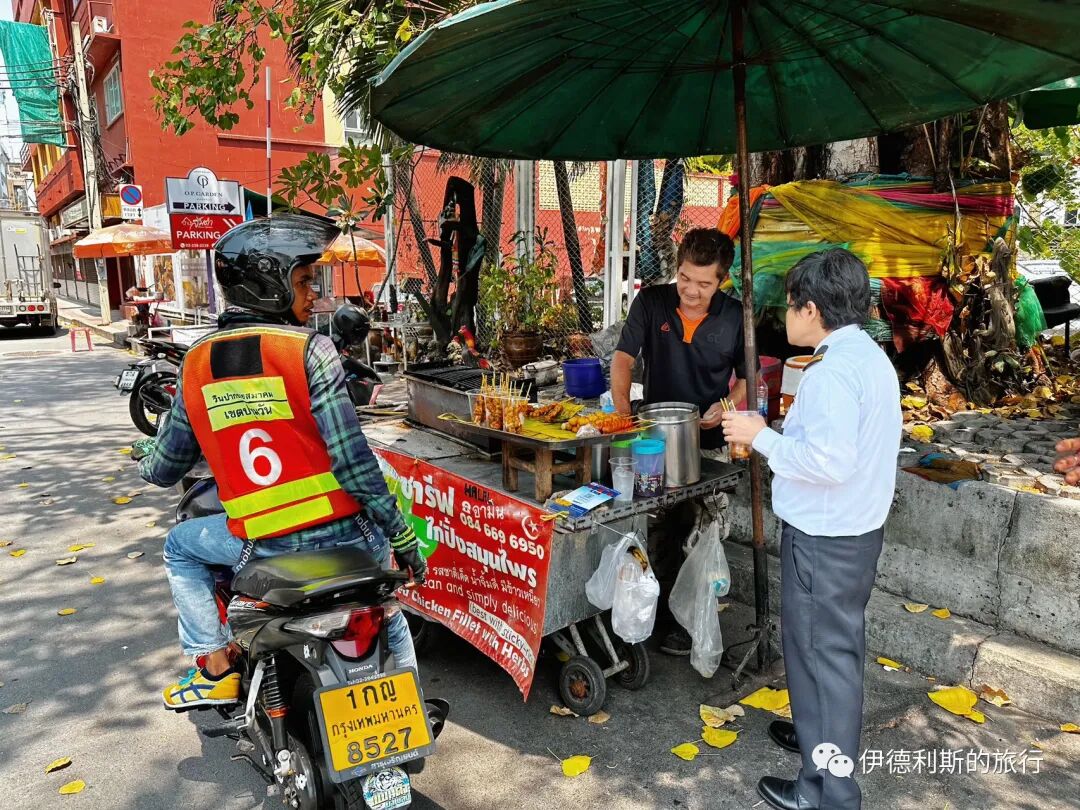
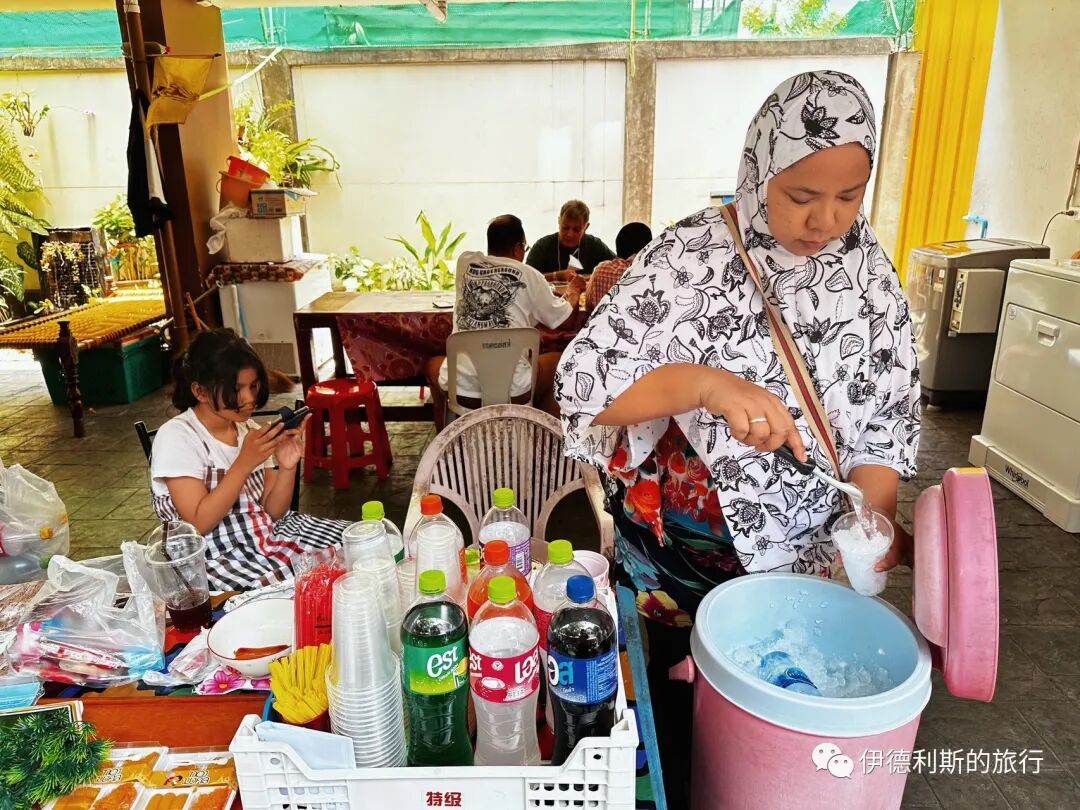
Two things are essential for eating street food in Bangkok's hot summer: a powerful electric fan and a cold drink with ice! Otherwise, I really don't think I could eat anything, haha.
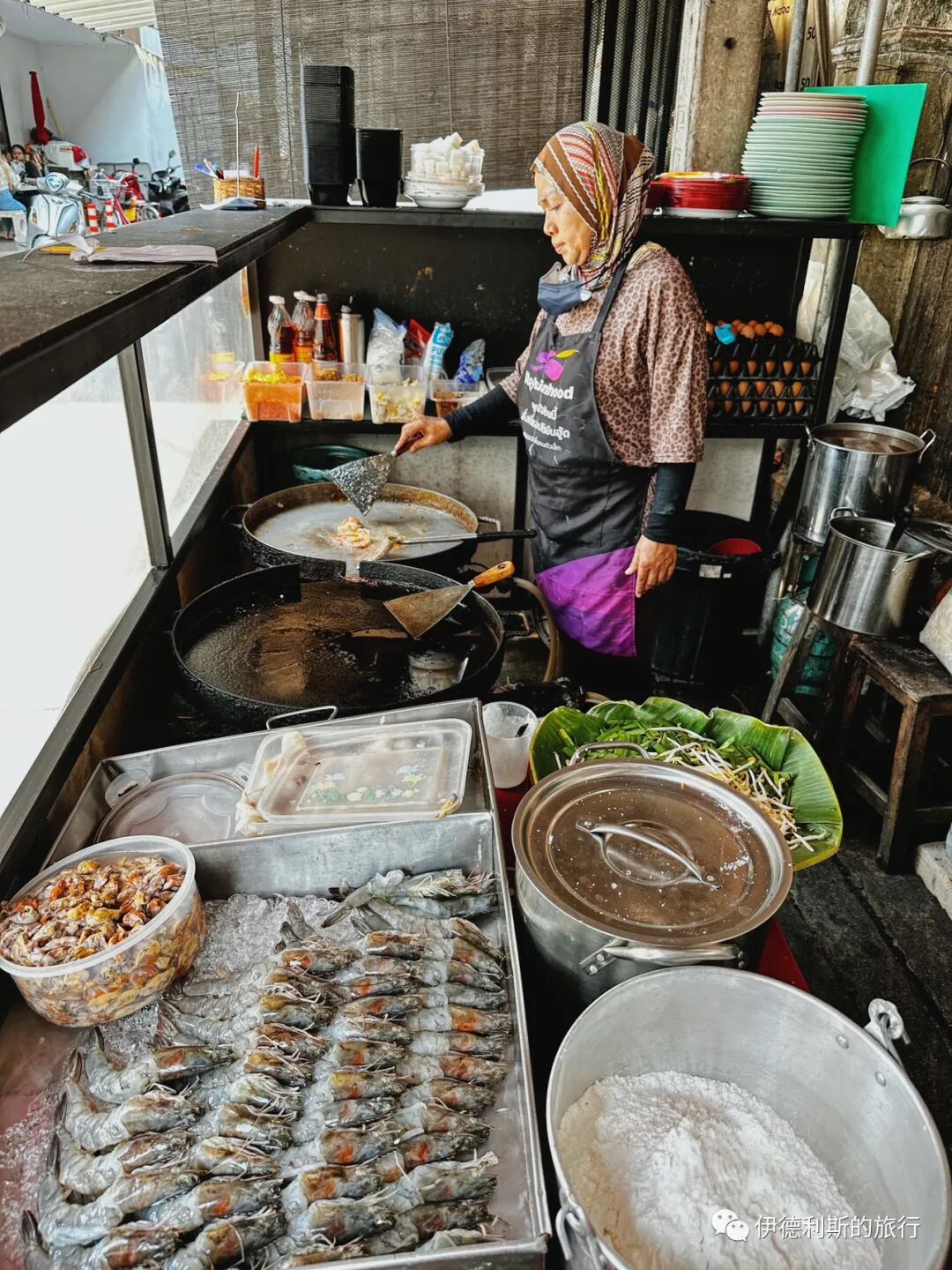
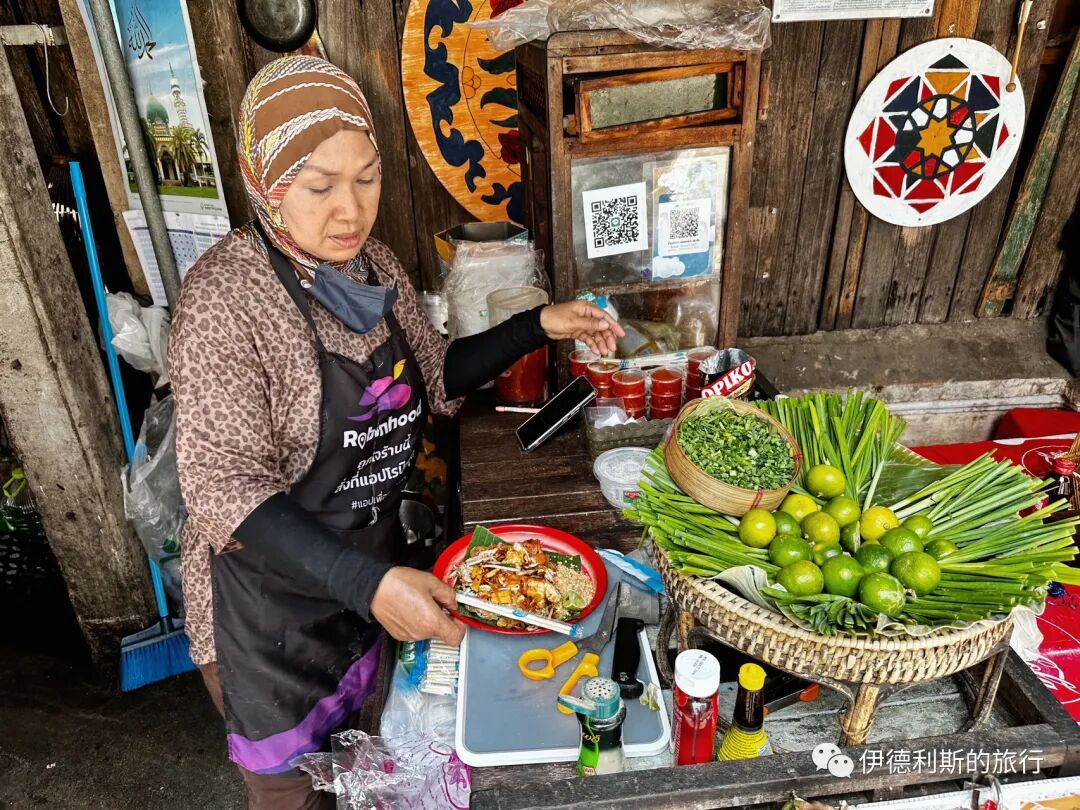
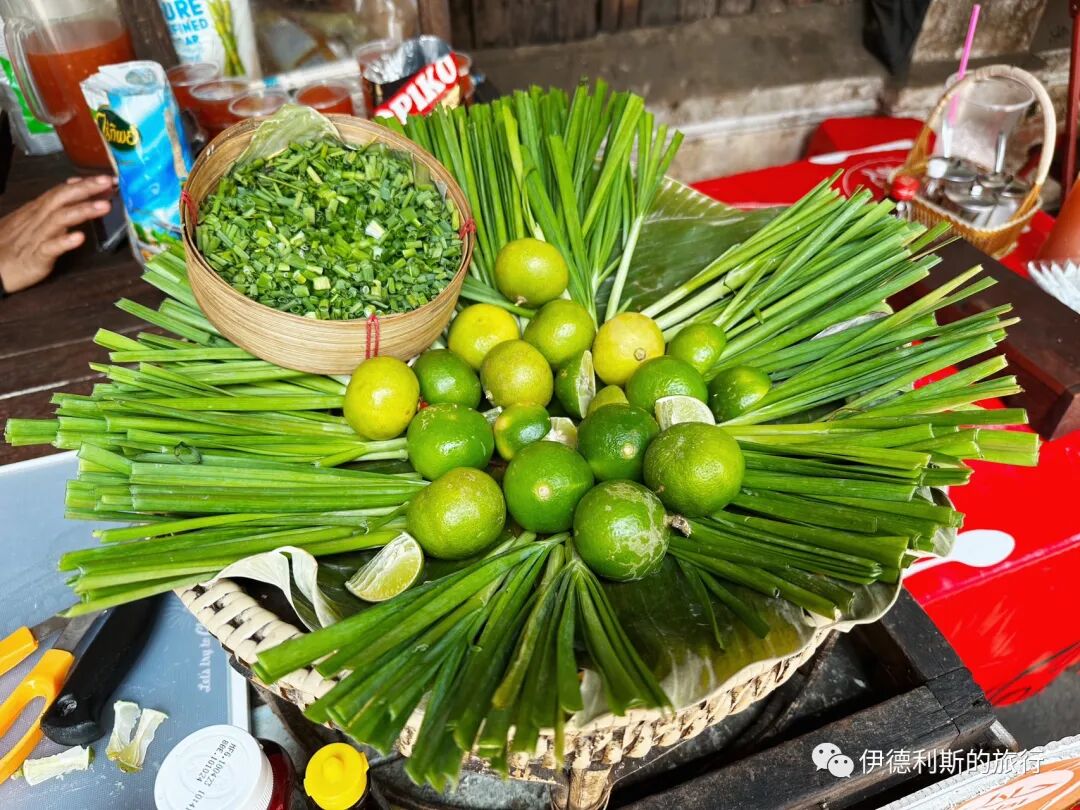
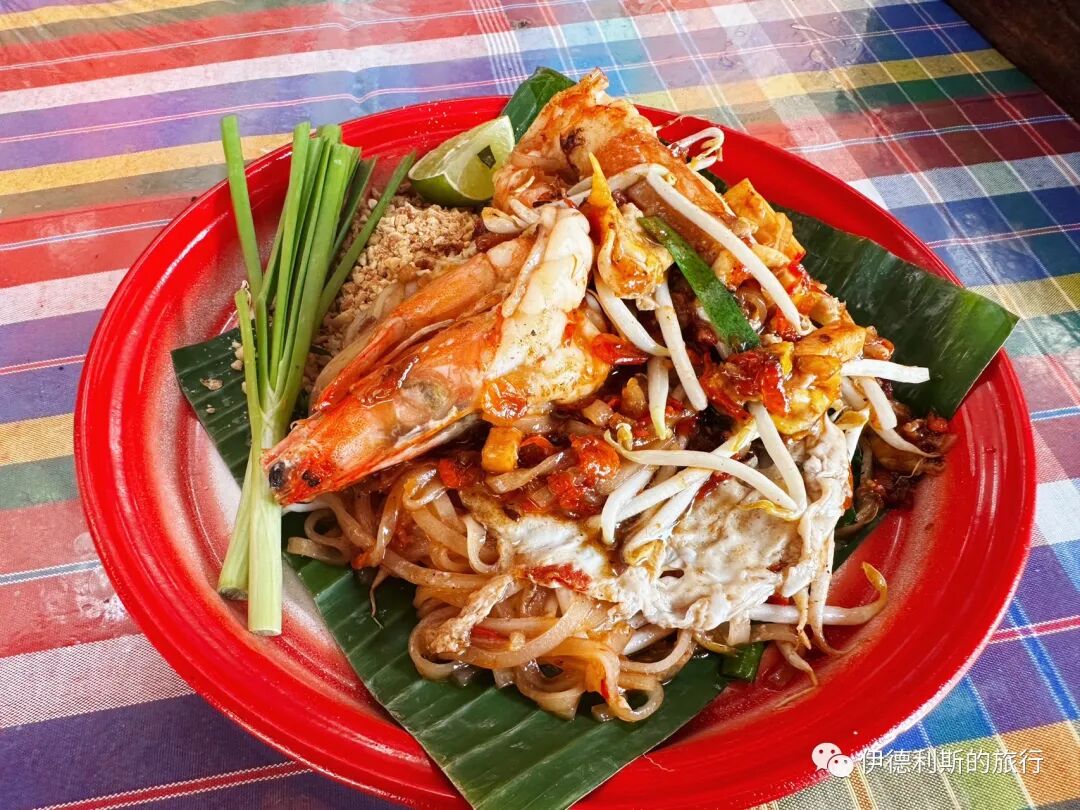
We ate the classic street food, Pad Thai. Pad Thai is also called Thai stir-fried rice noodles. It contains rice noodles, scrambled eggs, bean sprouts, crushed peanuts, and fresh shrimp, served with lime and chives. The style of stir-fried rice noodles was brought to Thailand by Chinese immigrants hundreds of years ago, but it didn't become popular until the mid-20th century. During World War II, rice was in short supply in Thailand. The Thai government began promoting a type of rice noodle from Chanthaburi Province in the east, which made stir-fried noodles a national snack in Thailand.
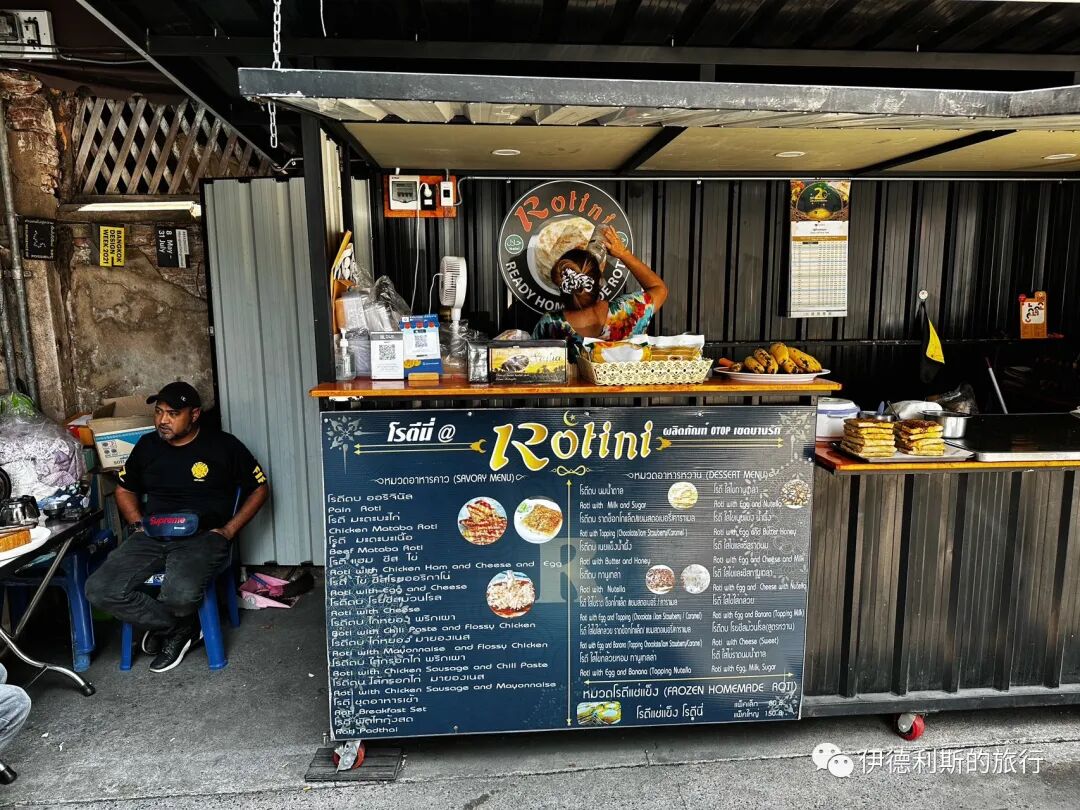
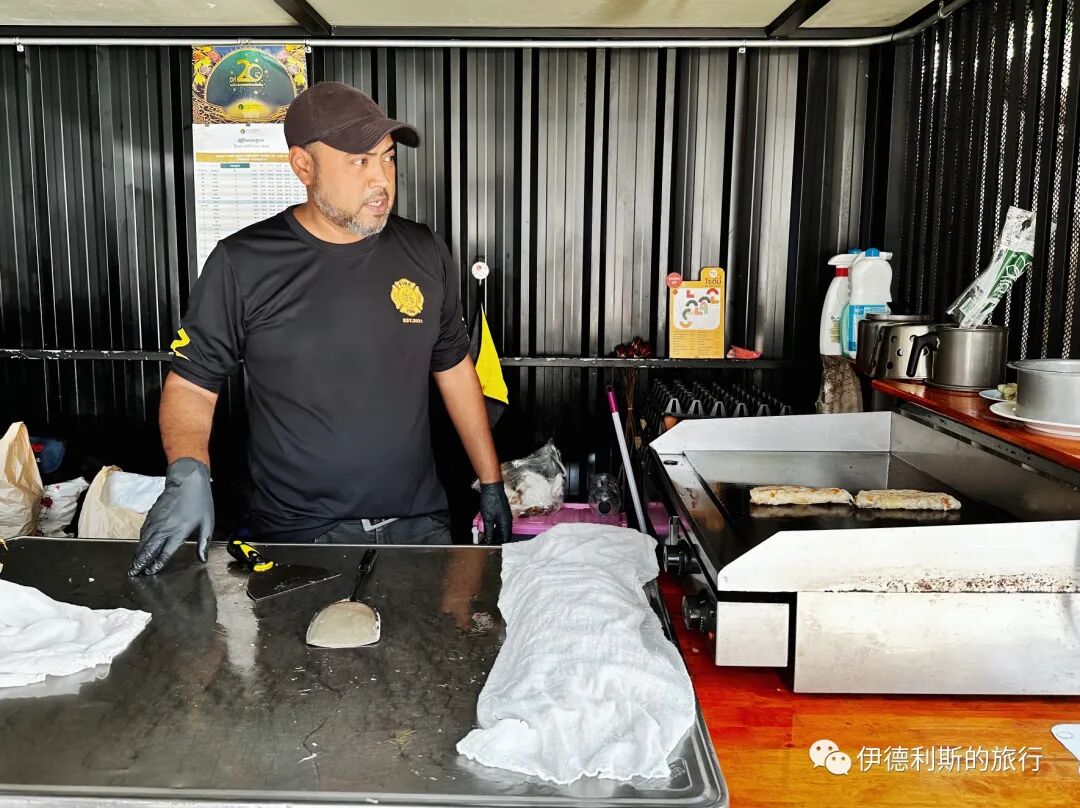
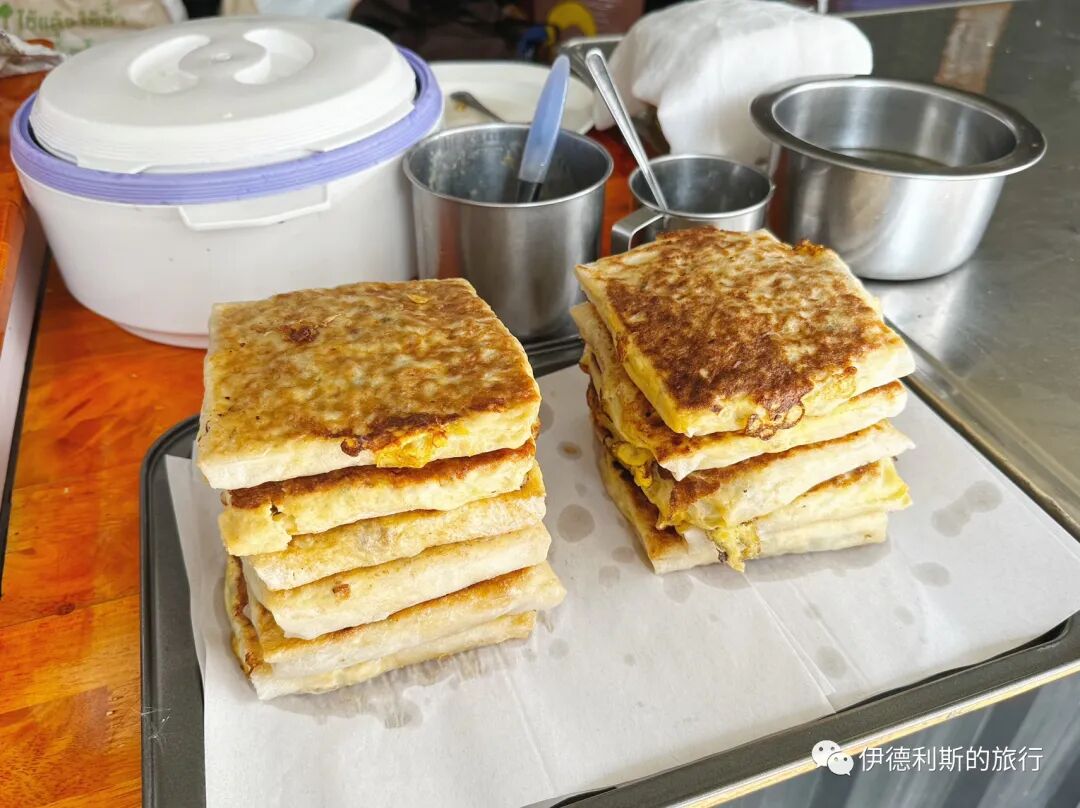
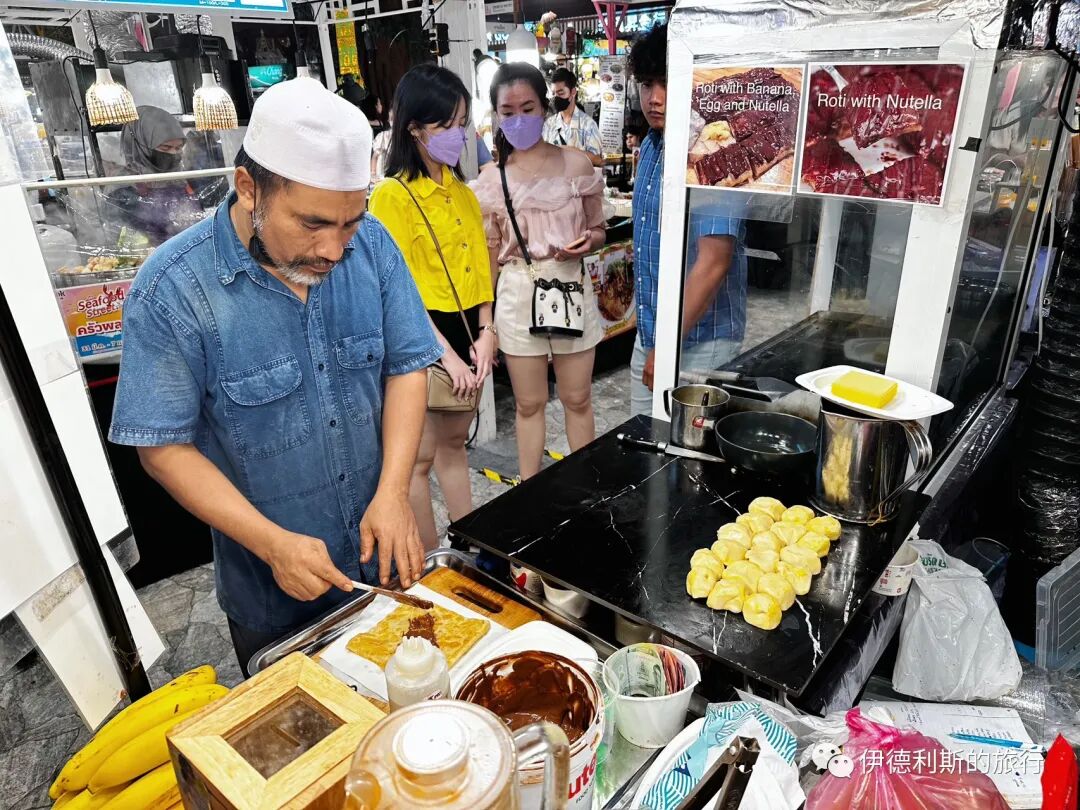
If stir-fried noodles are the first impression of Thai snacks, then Roti flatbread can be called the first impression of Thai halal snacks. Every night market in Thailand seems to have a cart where Thai Muslims sell Roti flatbread, and every stall is very popular.
ICONSIAM Food Court
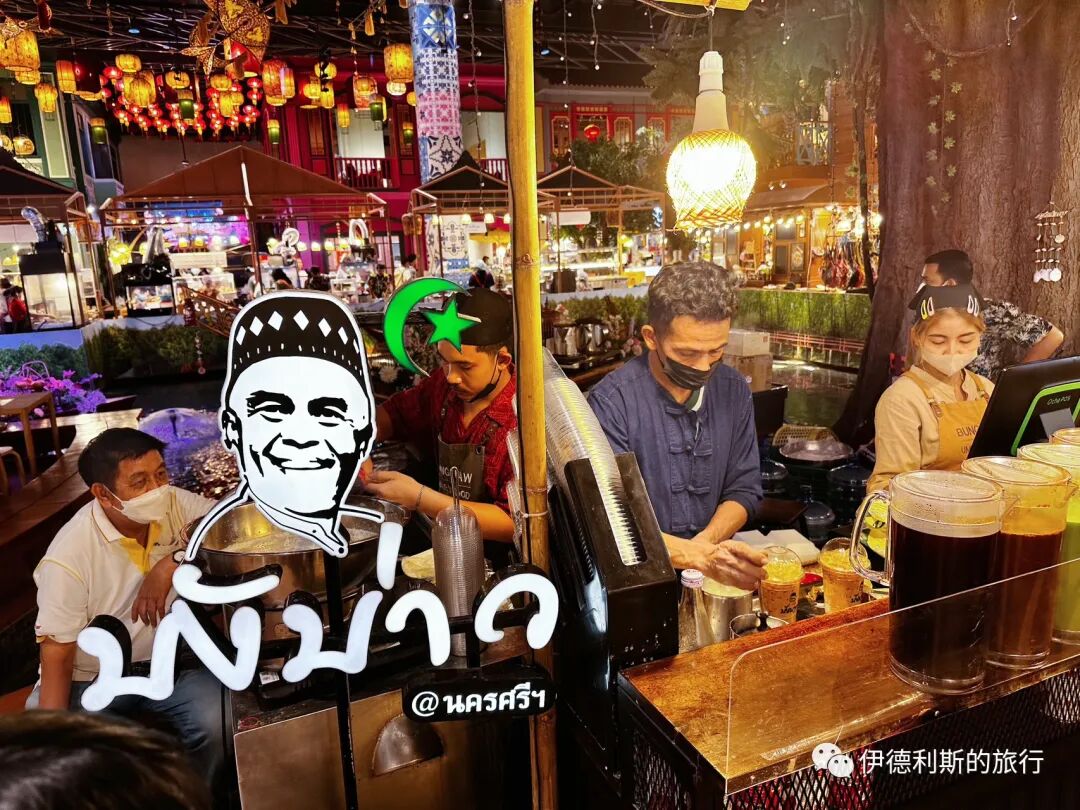
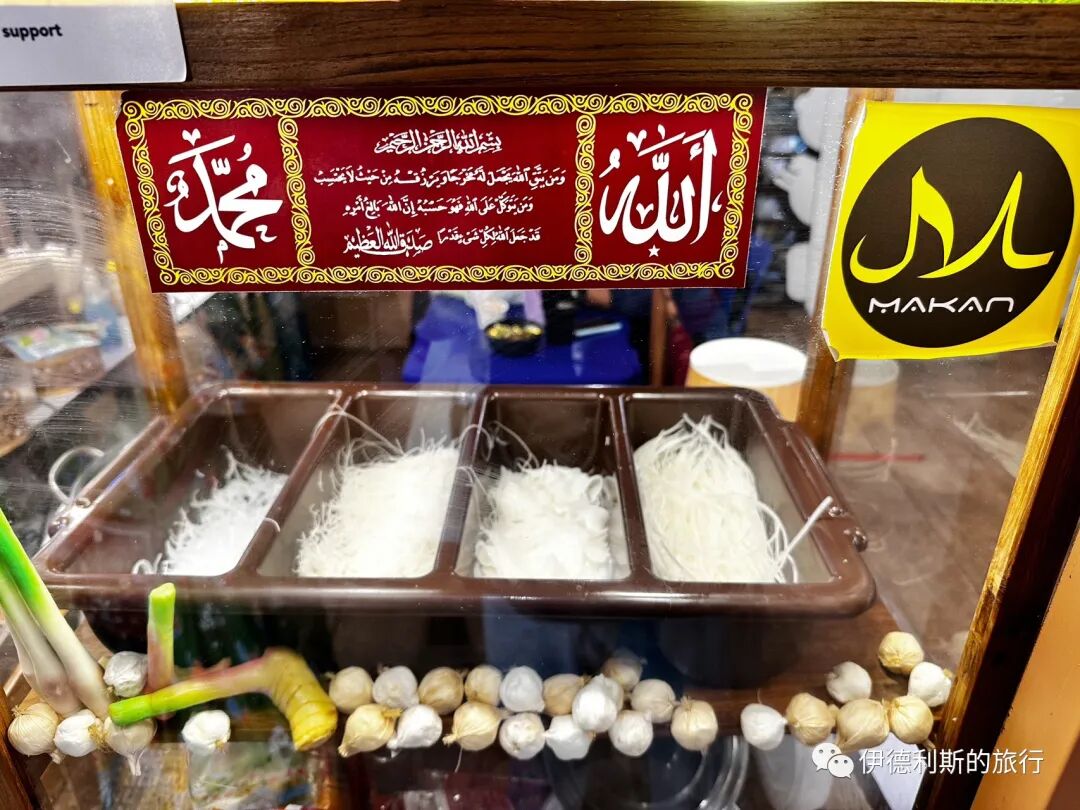
I highly recommend SOOKSIAM, the food court on the first floor of ICONSIAM, to any friends (dosti) visiting Bangkok in the summer. It gathers specialty snacks from all over Thailand and has many halal stalls, many of which are run by Malay-Thai Muslims. The most important thing is that the indoor air conditioning is great. Once you go in during the hot summer, you won't want to leave!
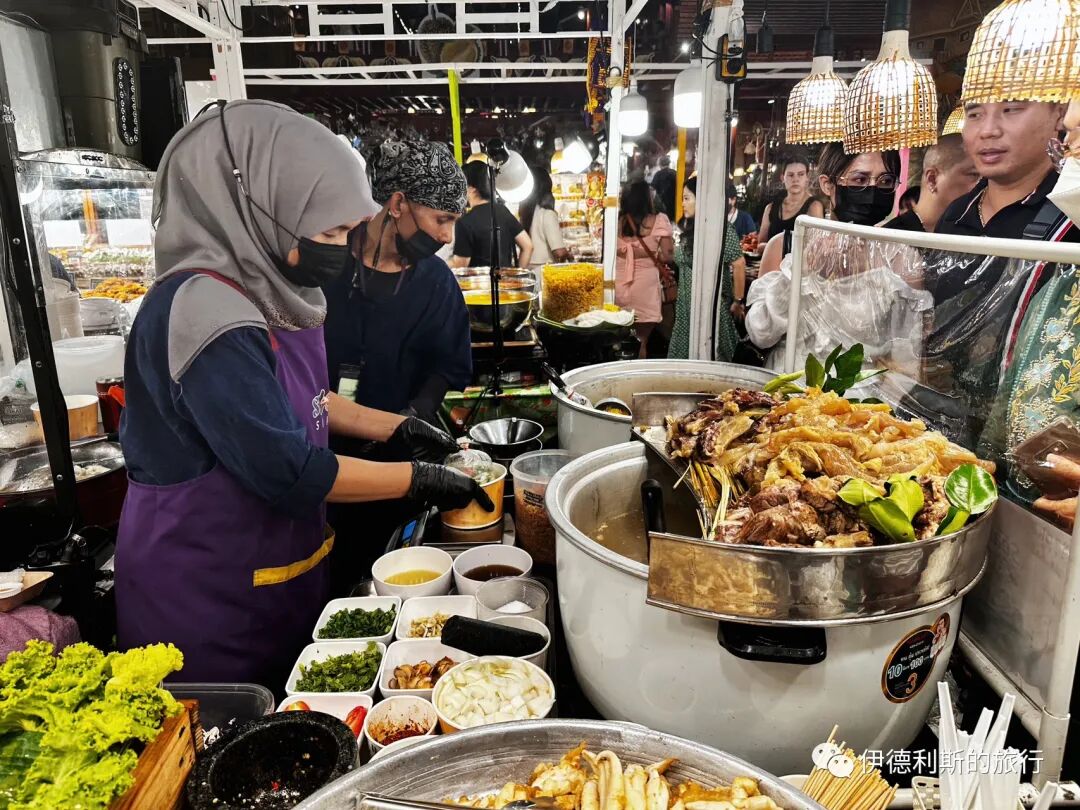
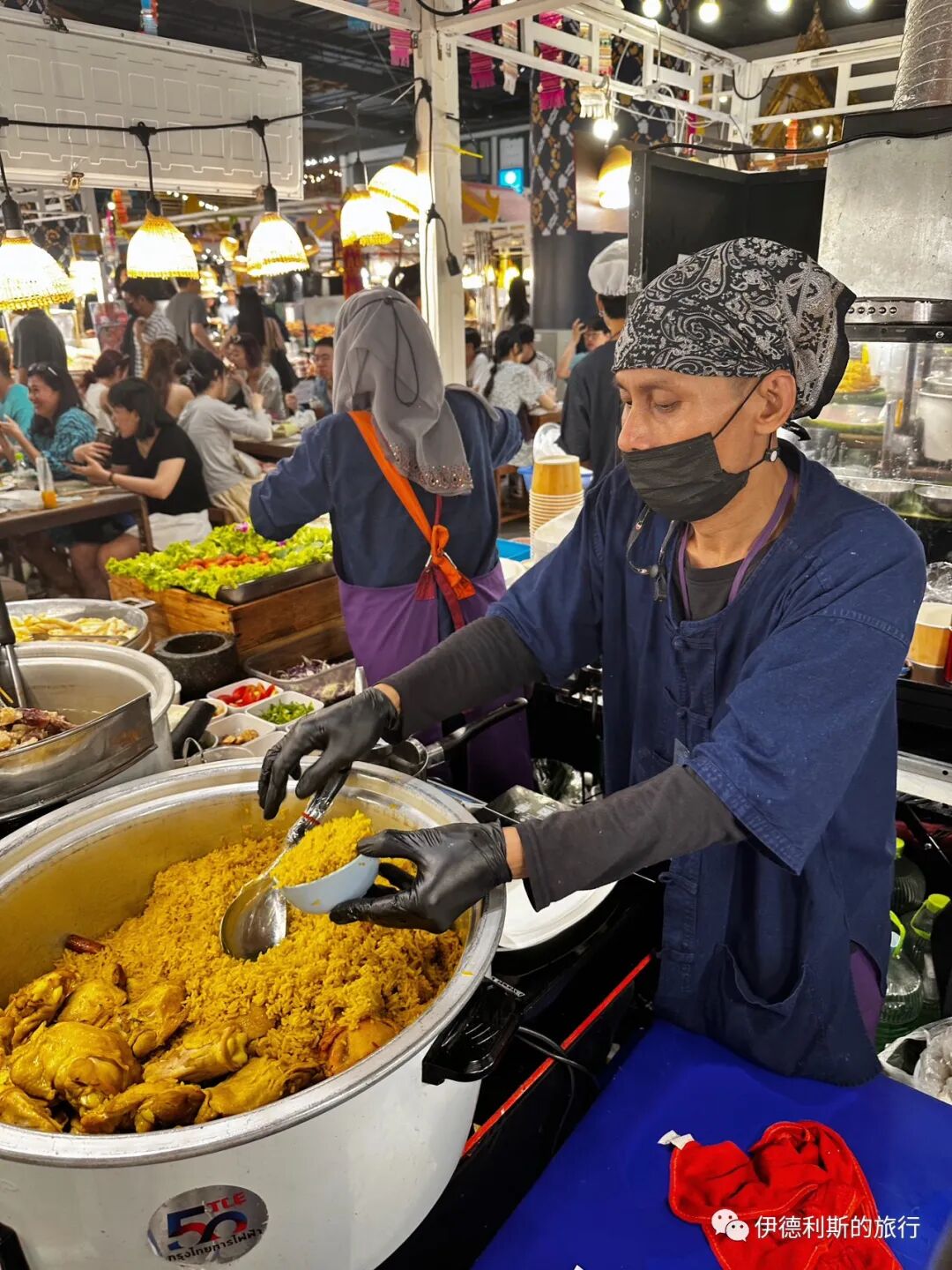
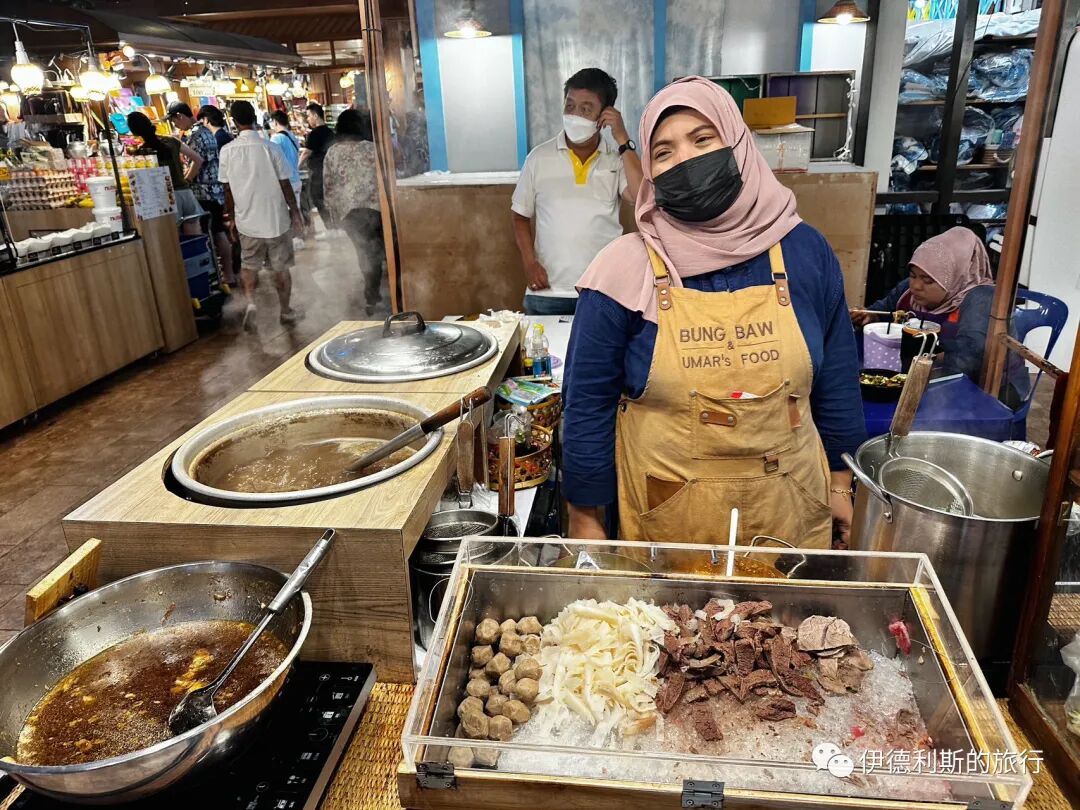
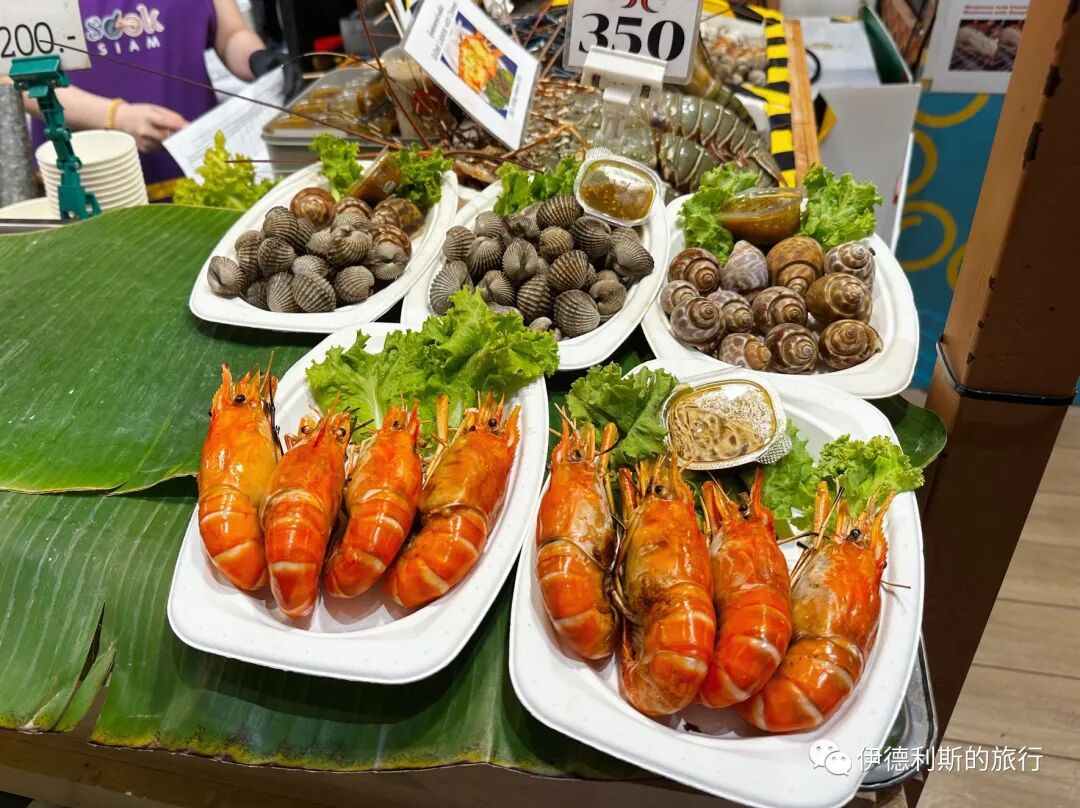
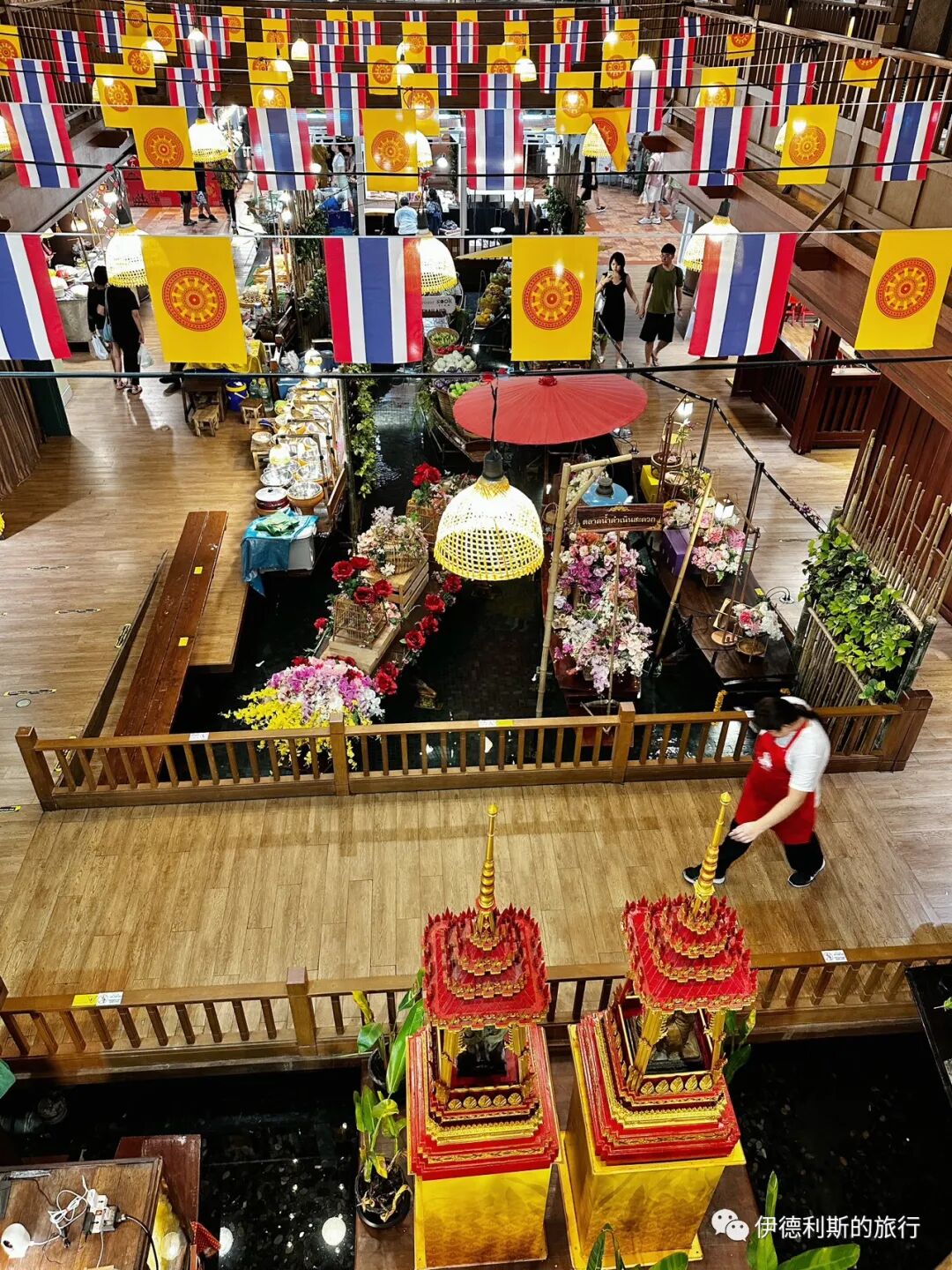
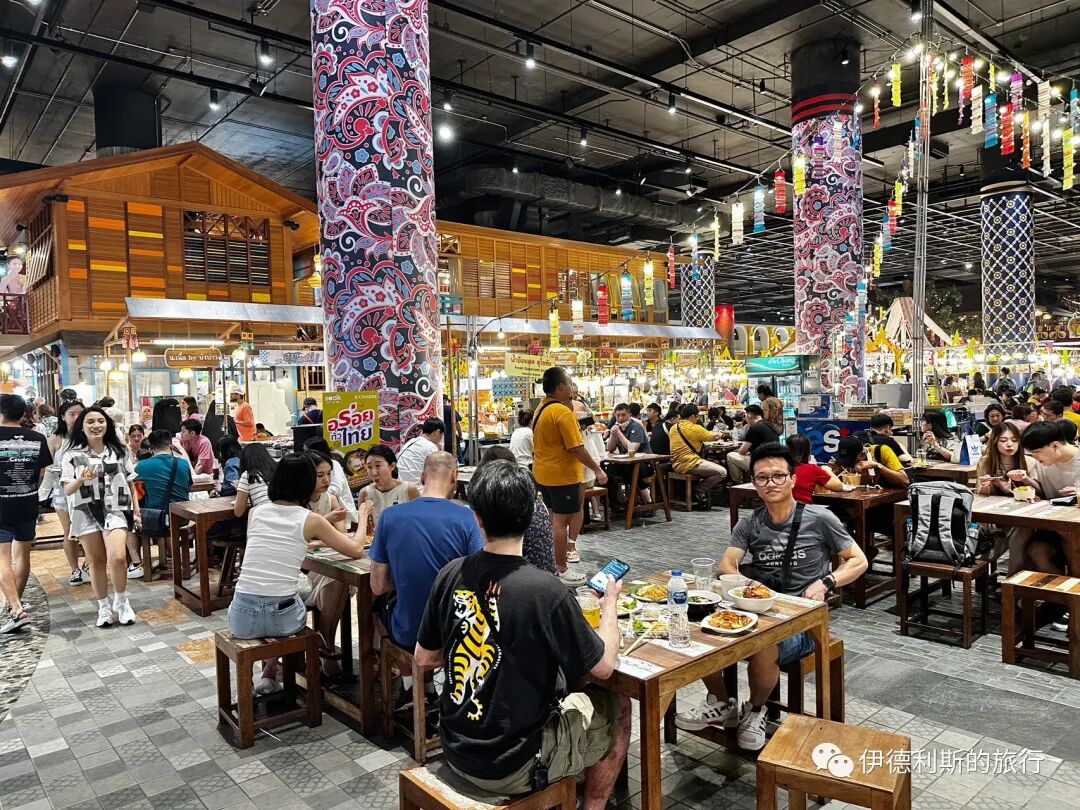
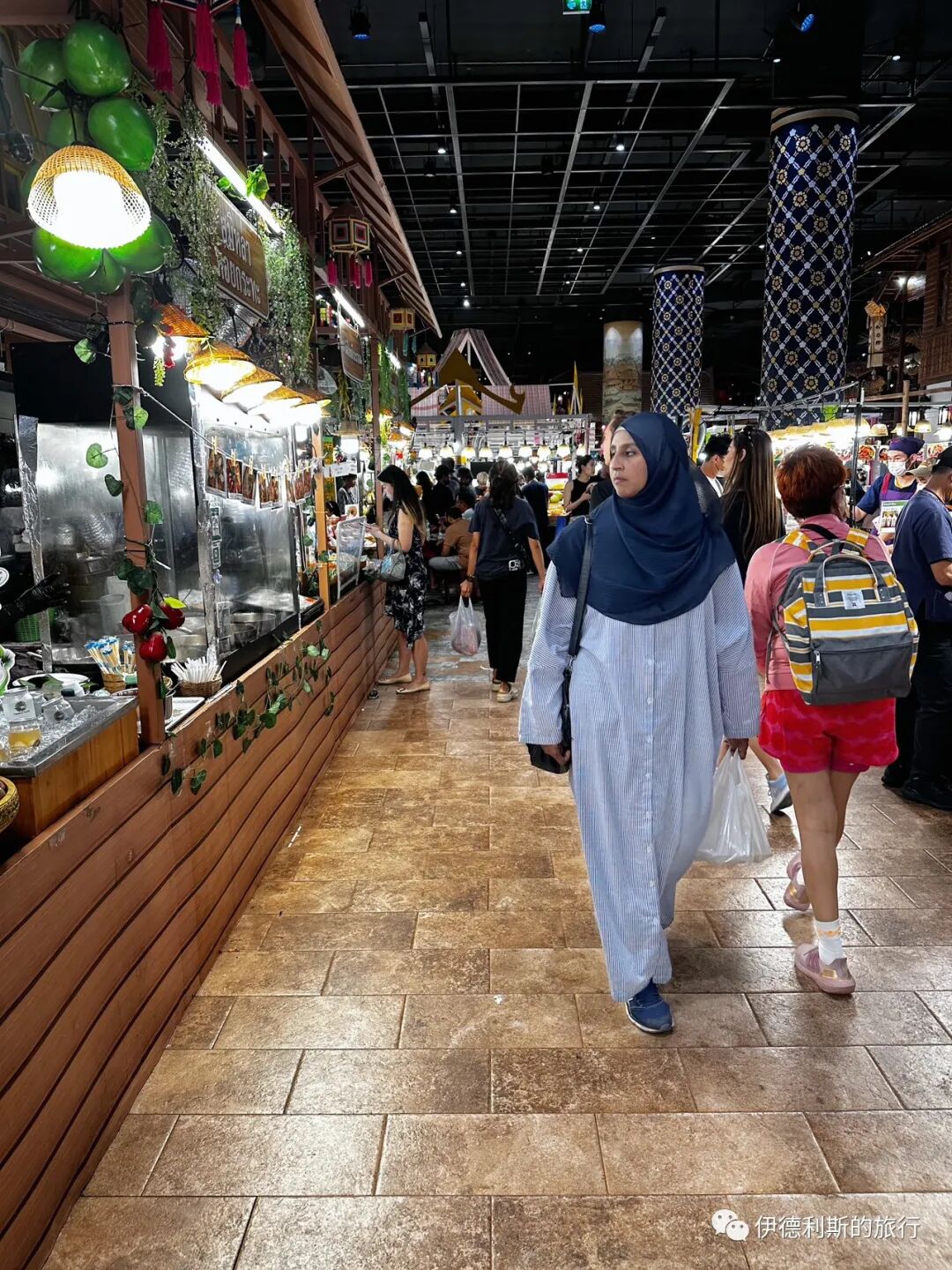
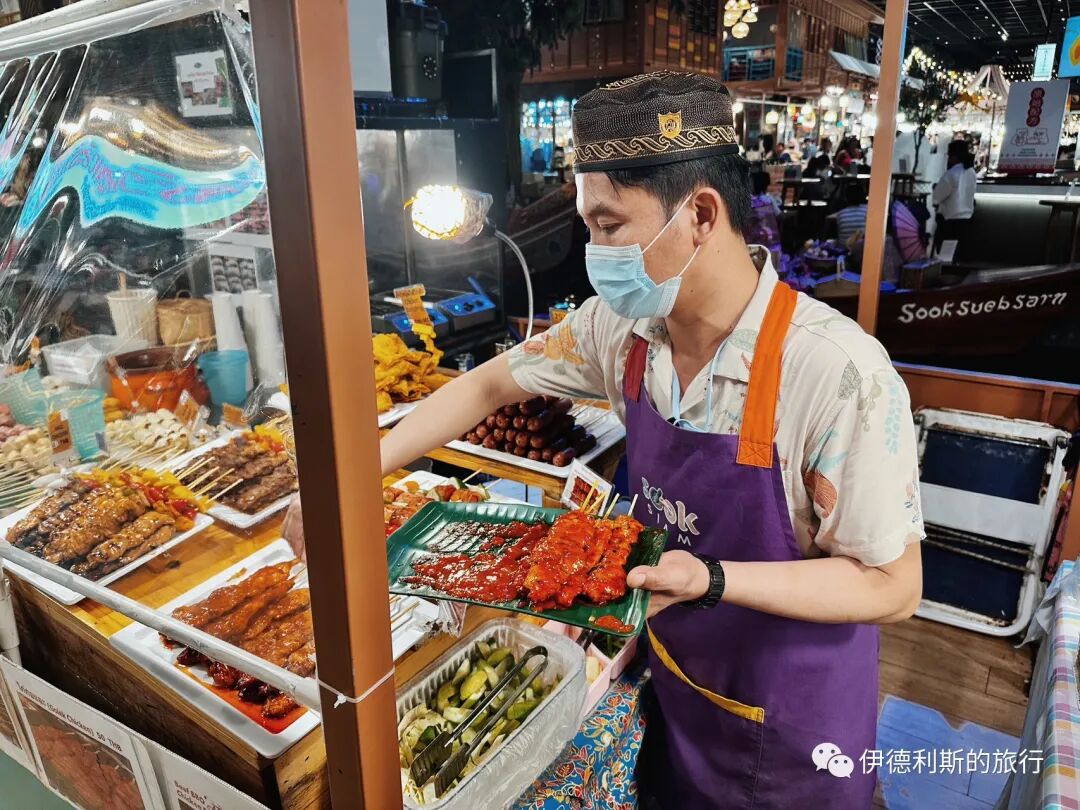
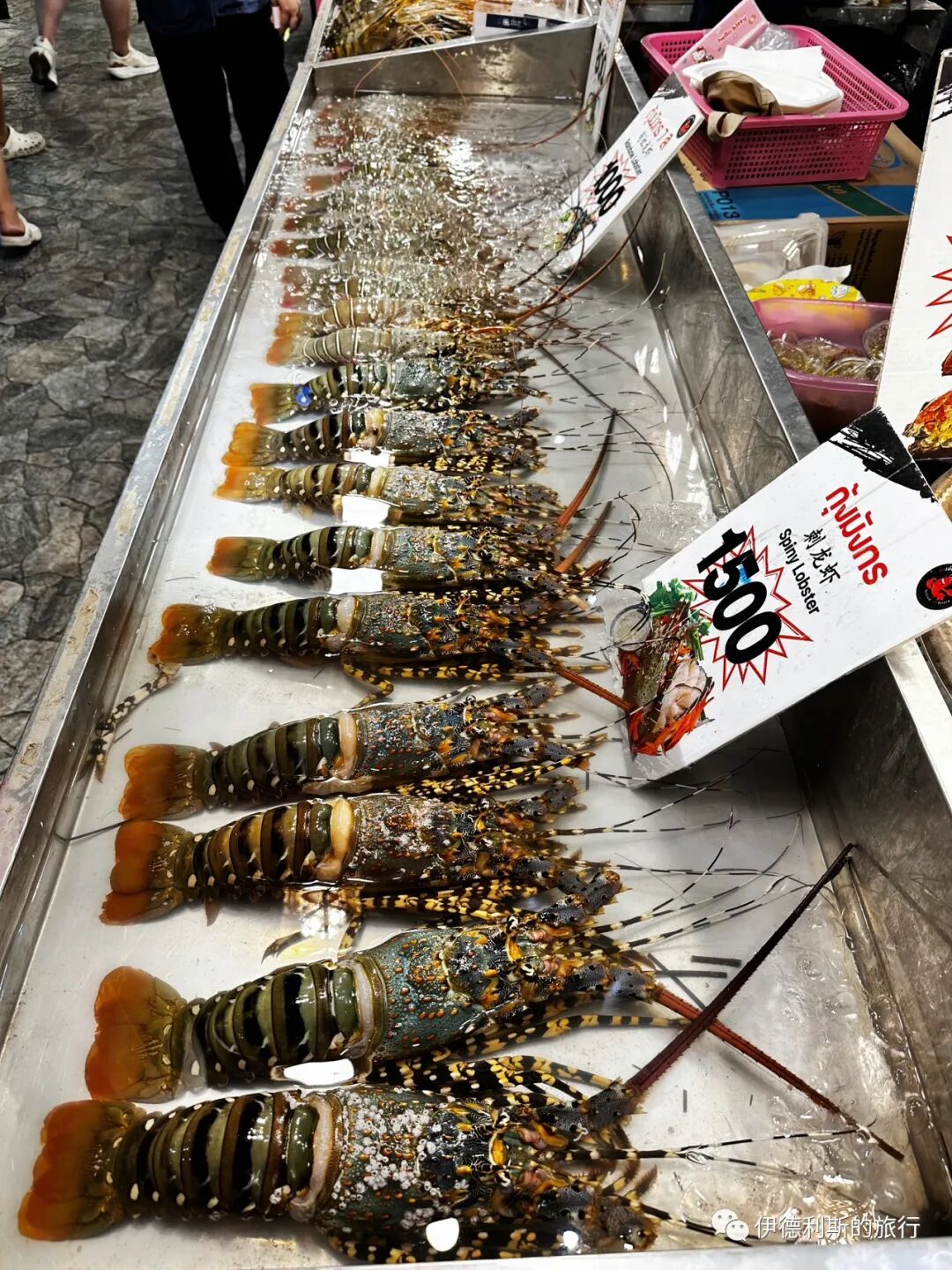
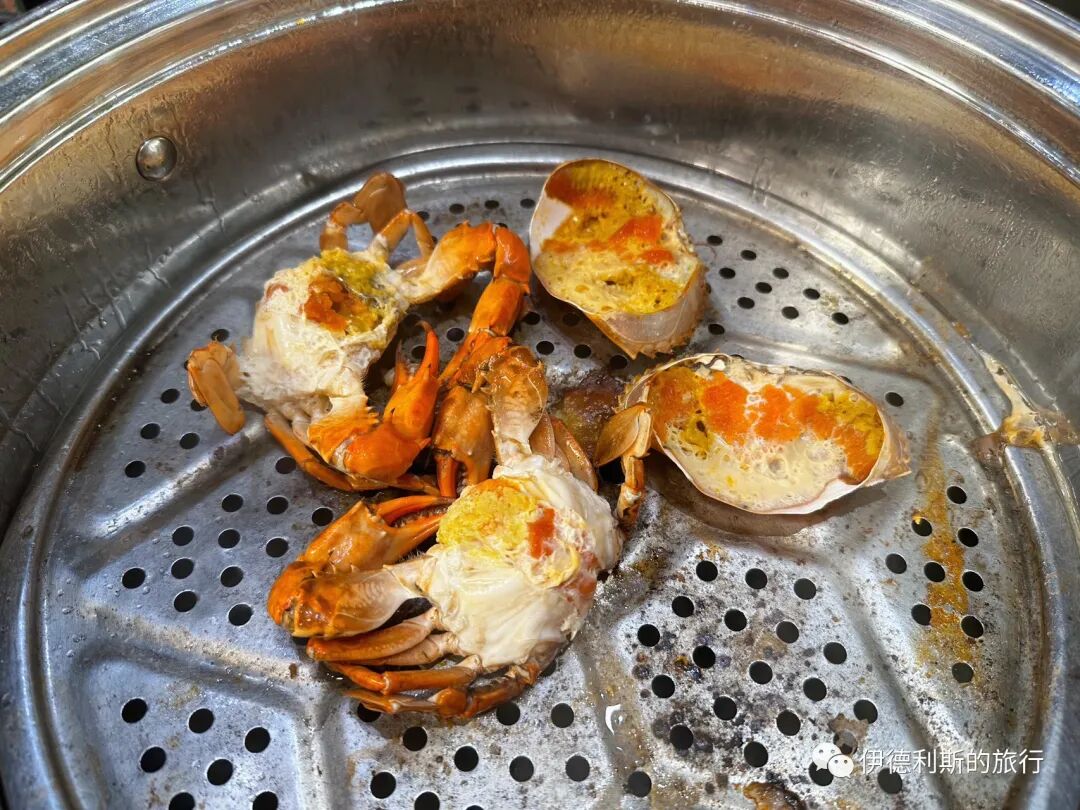
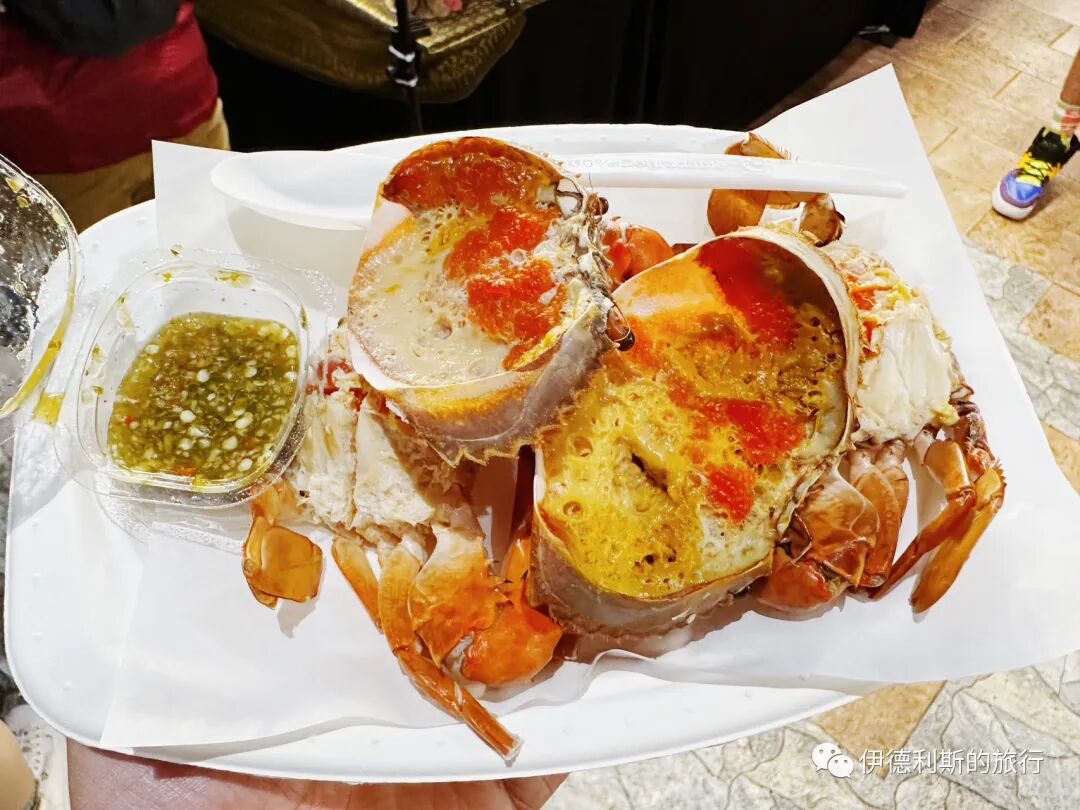
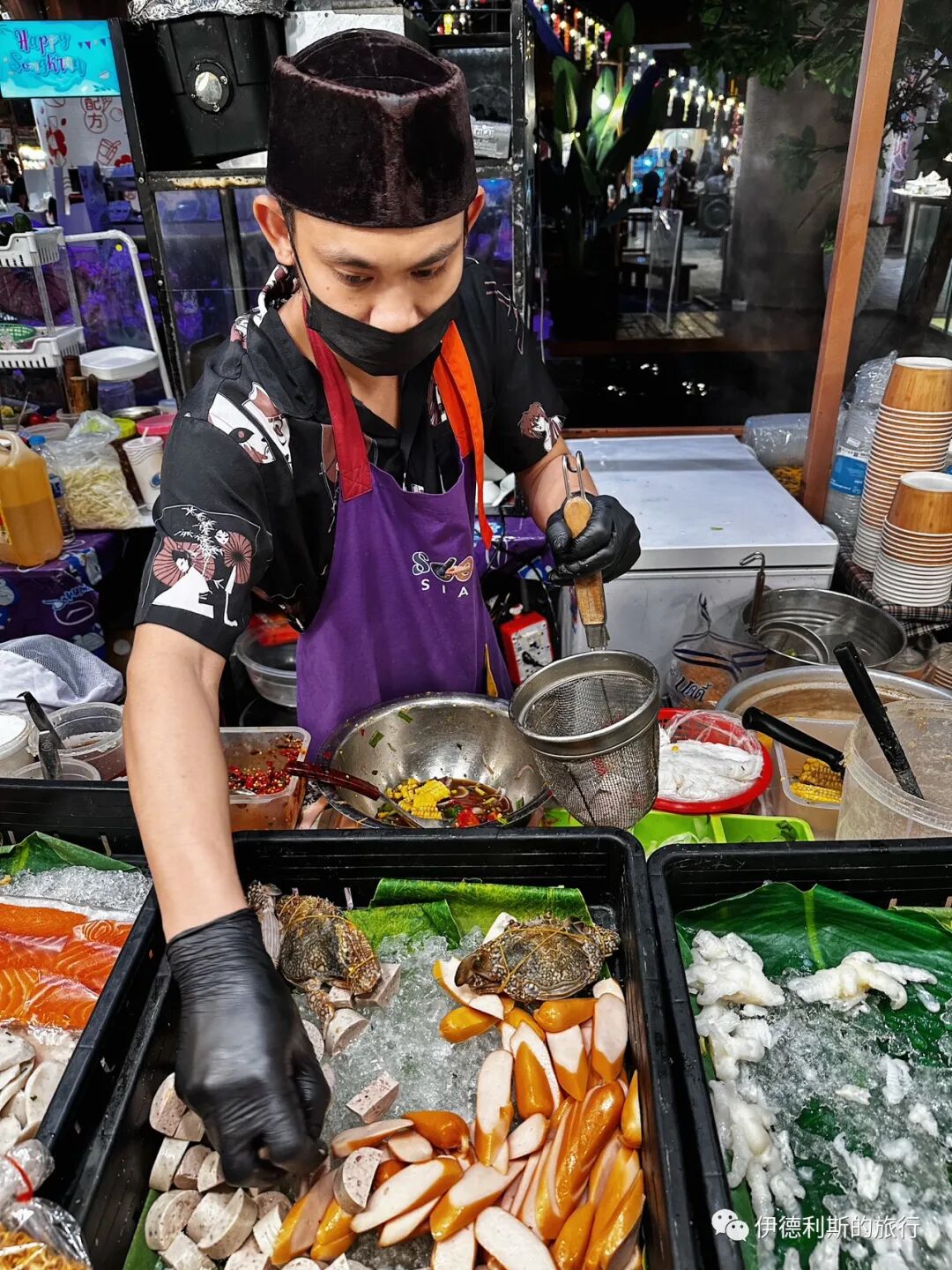
We first ate steamed egg with crab. It had plenty of crab roe and was very flavorful when paired with the signature spicy and sour dipping sauce (nam chim). They also have large shrimp, squid, and various other seafood. Malay-Thai Muslims are very skilled at cooking seafood.
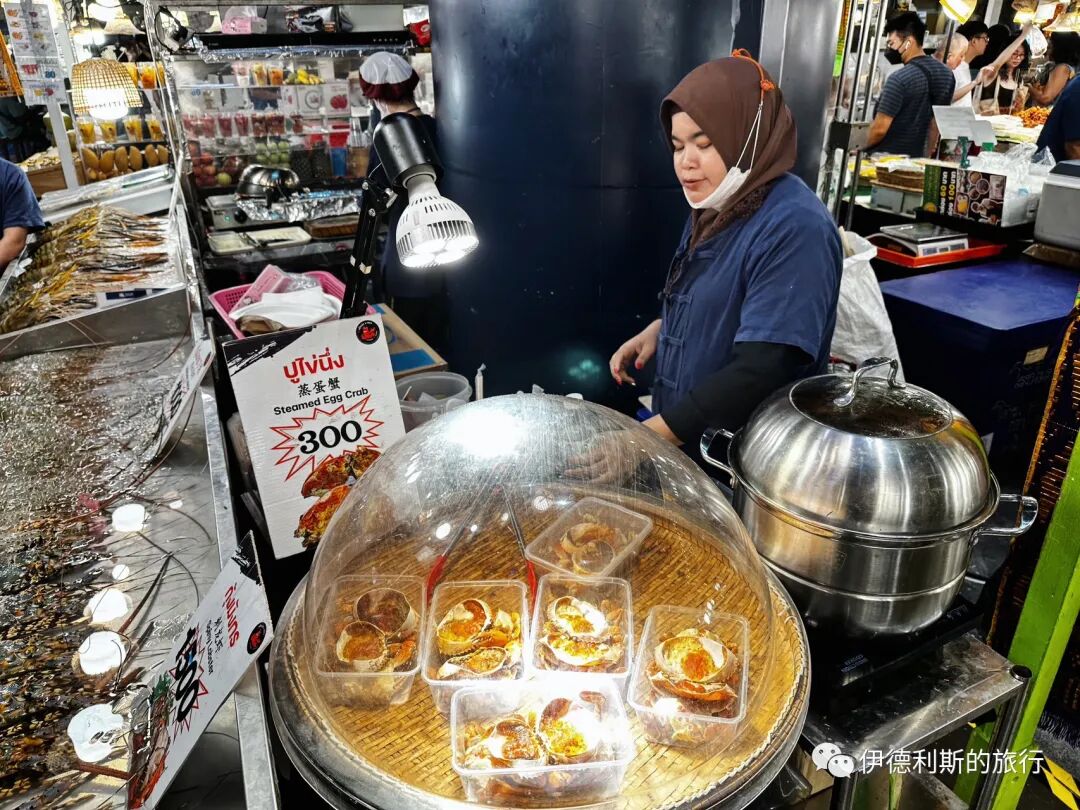
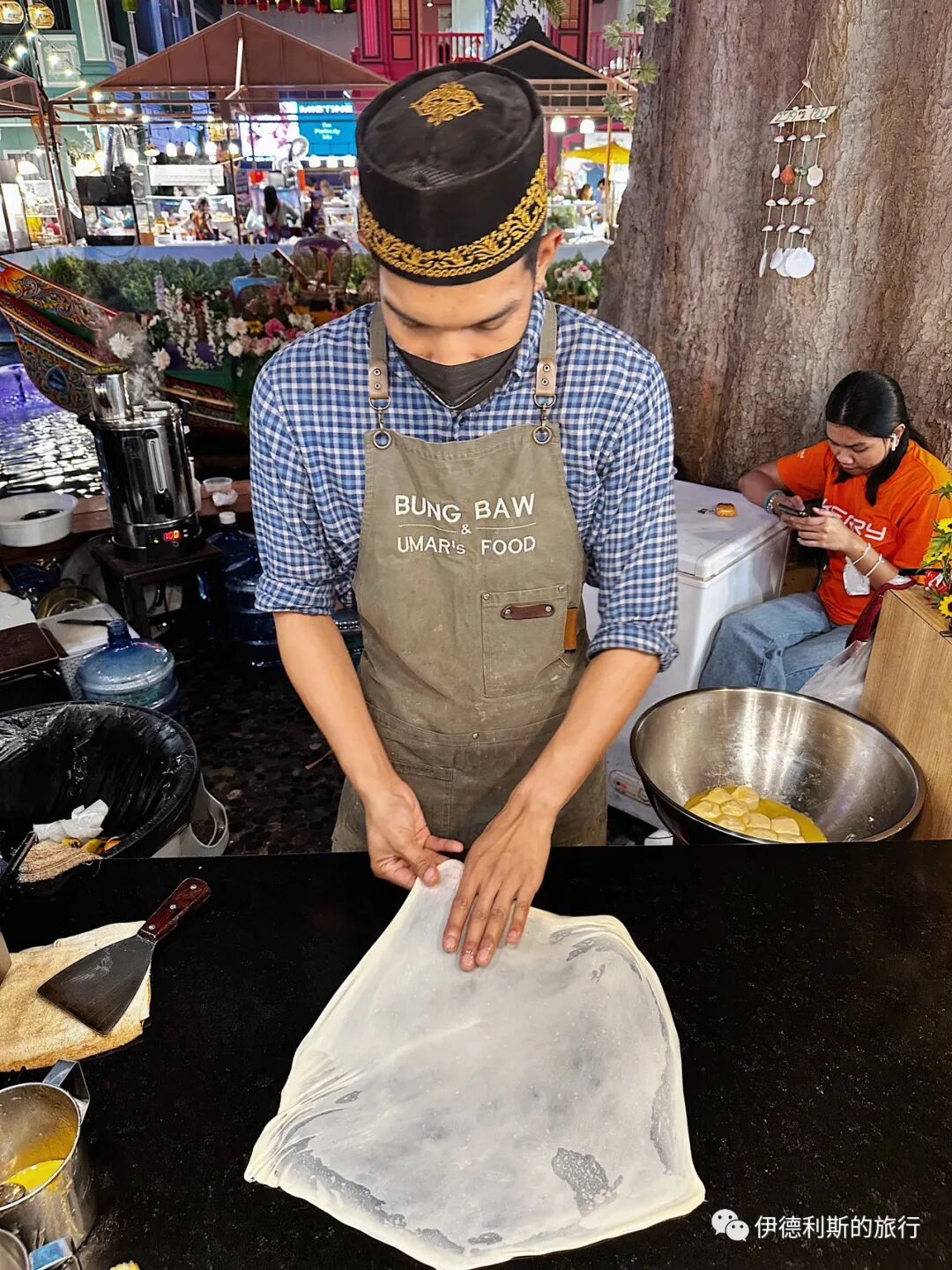
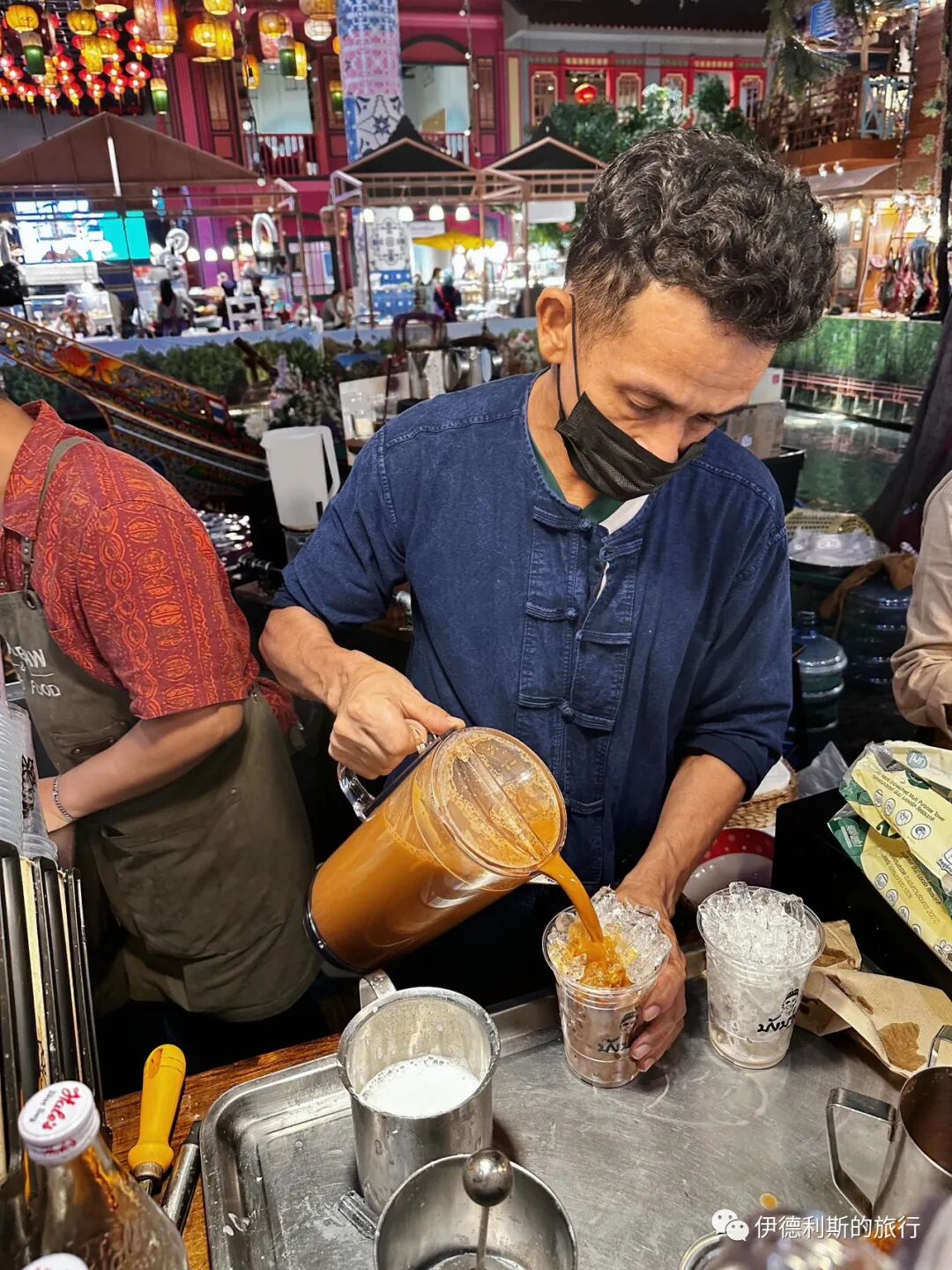
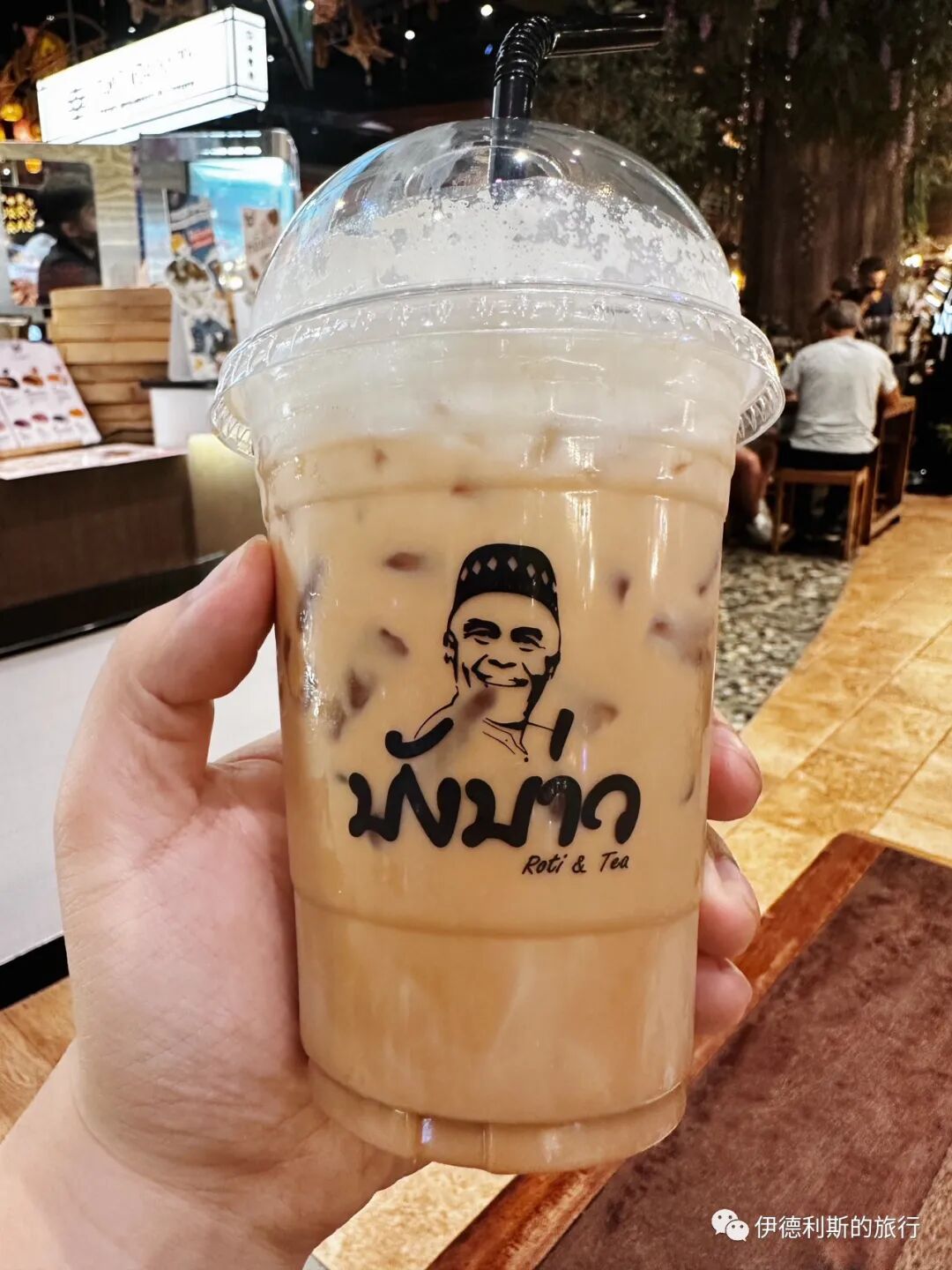
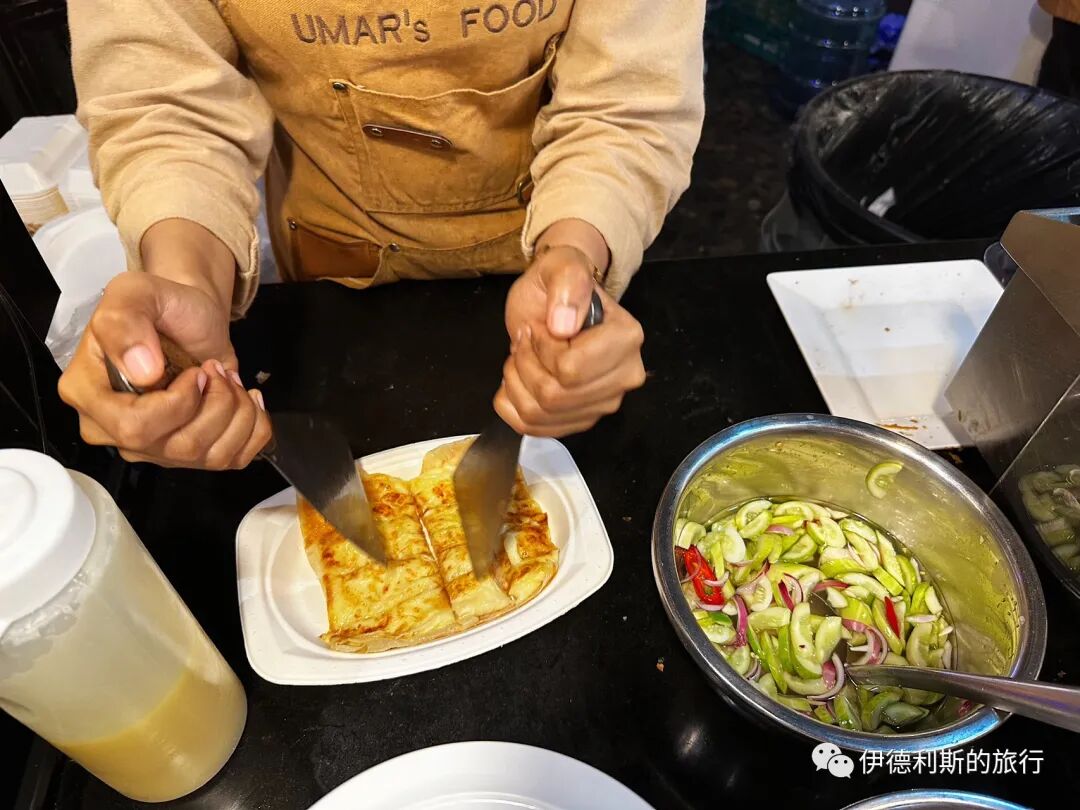
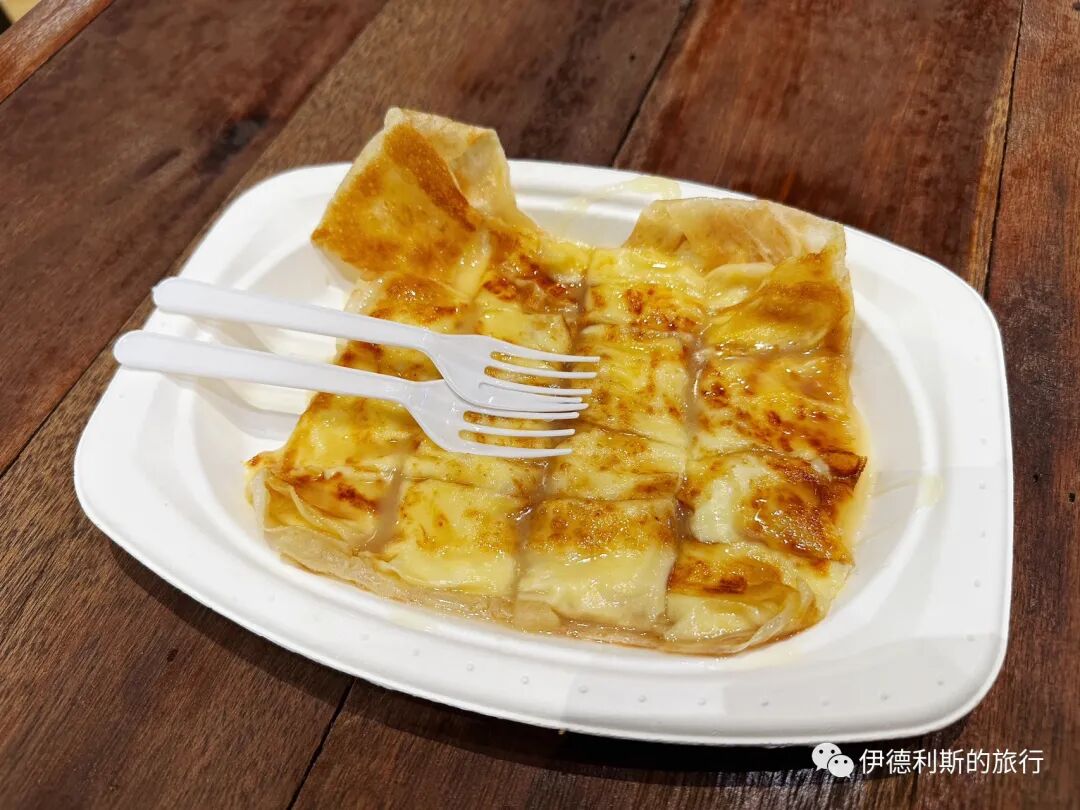
Then we had the most classic Thai Muslim street snack: Roti with Thai milk tea. Roti originally meant bread in Sanskrit, and it was later brought to Thailand by South Asian and Malay Muslims. Unlike in South Asia, Thai-style roti is sweet. You can add bananas, eggs, and chocolate, and it is topped with sweetened condensed milk.
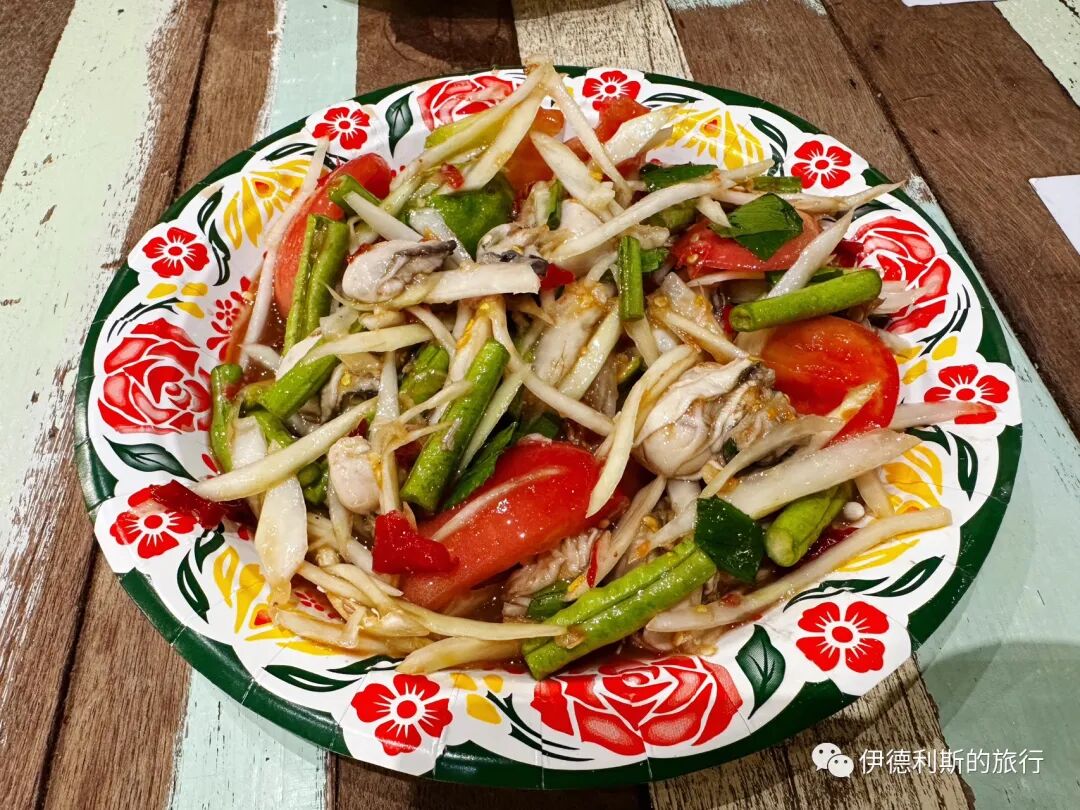
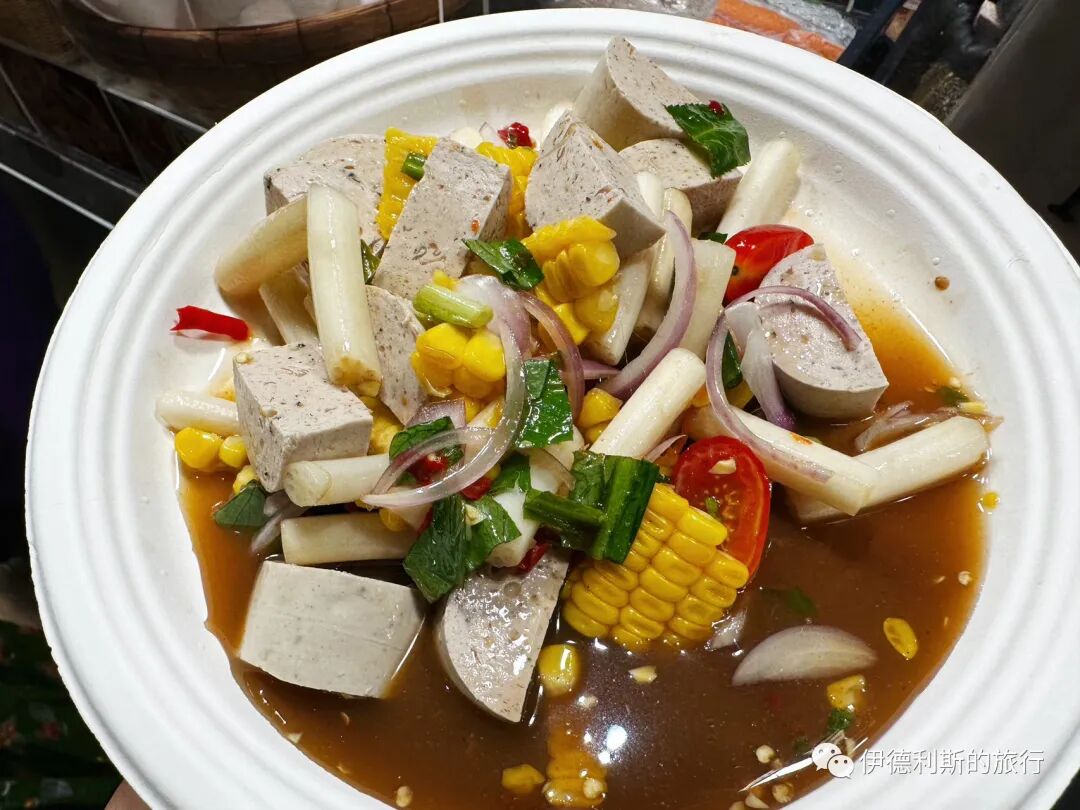
We ate the local Thai specialties of spicy chicken sausage with lotus root stems and spicy green mango with oysters (tam mamuang). These salads often include raw cowpeas, unlike our habit of blanching them first. Thai salads are known for their sour and spicy flavors, seasoned with lime and bird's eye chili. People who cannot handle spice might find the bird's eye chili too hot, so it is best to ask for less spice or no spice beforehand.
Spicy green mango salad belongs to the 'tam' category of the four main types of Thai salads, which means 'pounded.' The most famous version in Thailand is spicy green papaya salad. When making it, you pound the green mango with garlic, bird's eye chili, dried shrimp, fish sauce, and other seasonings to release the aroma, then add palm sugar and lime juice.
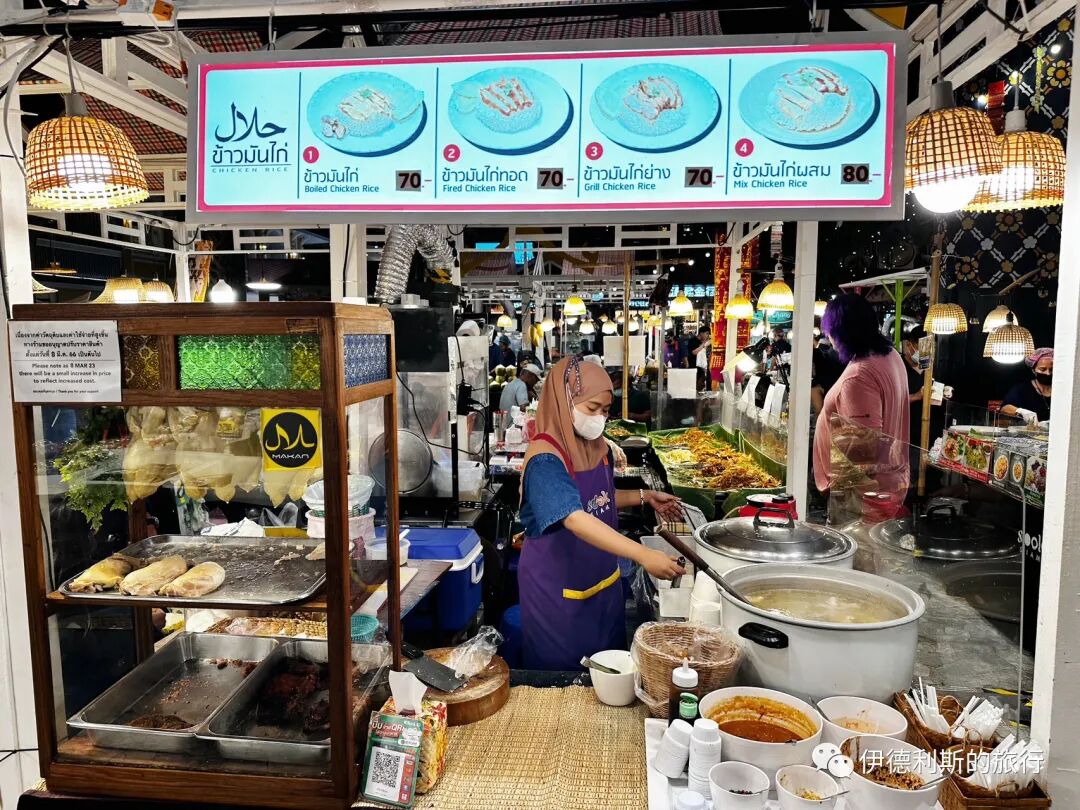
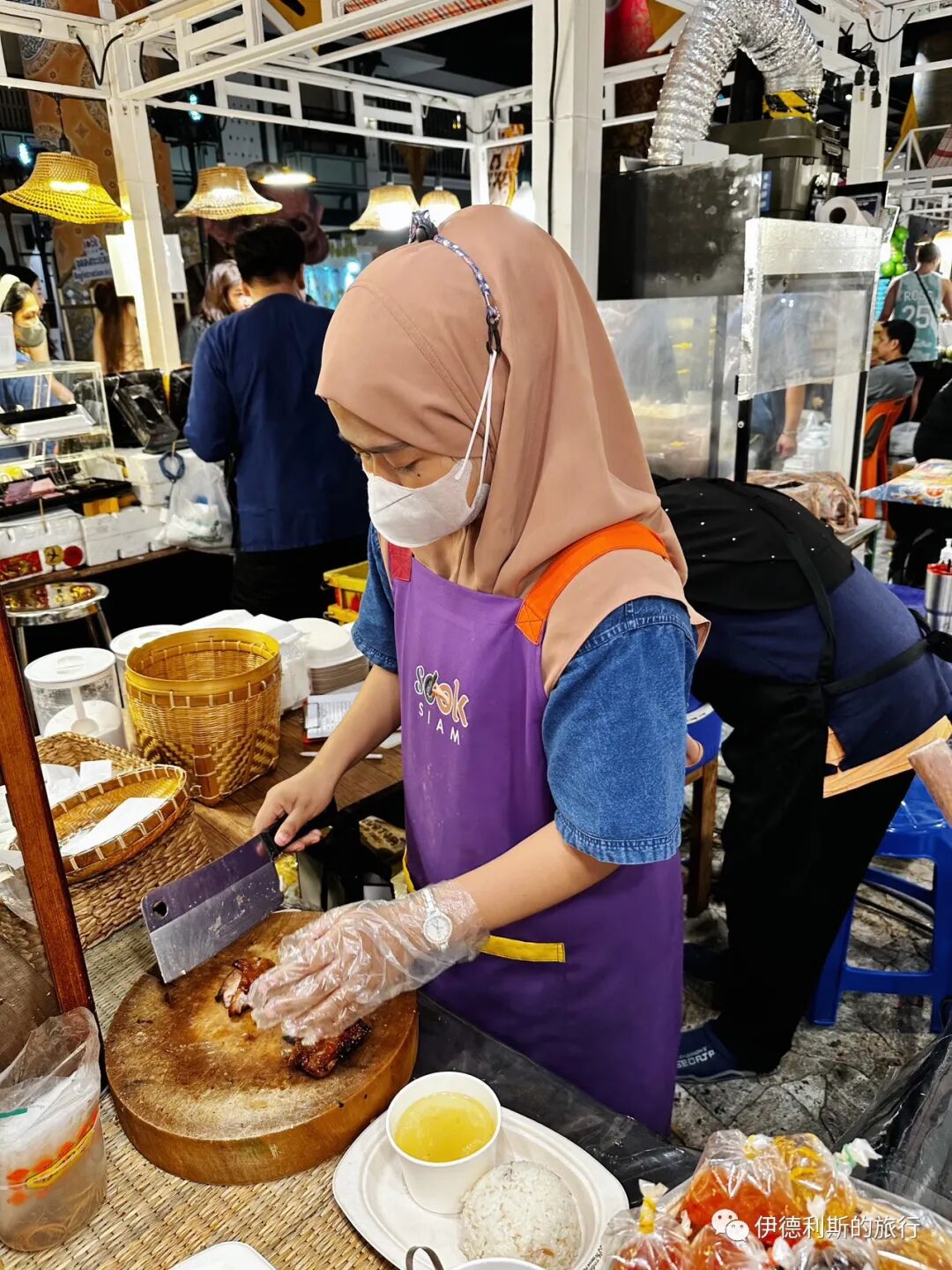
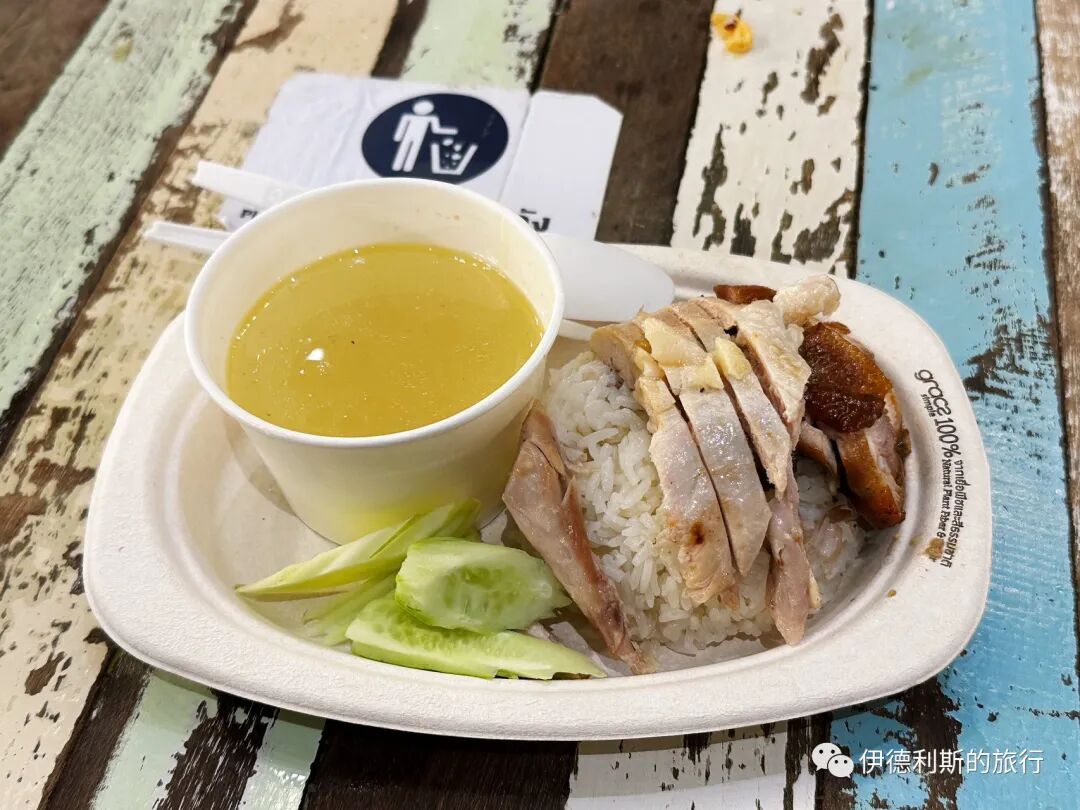
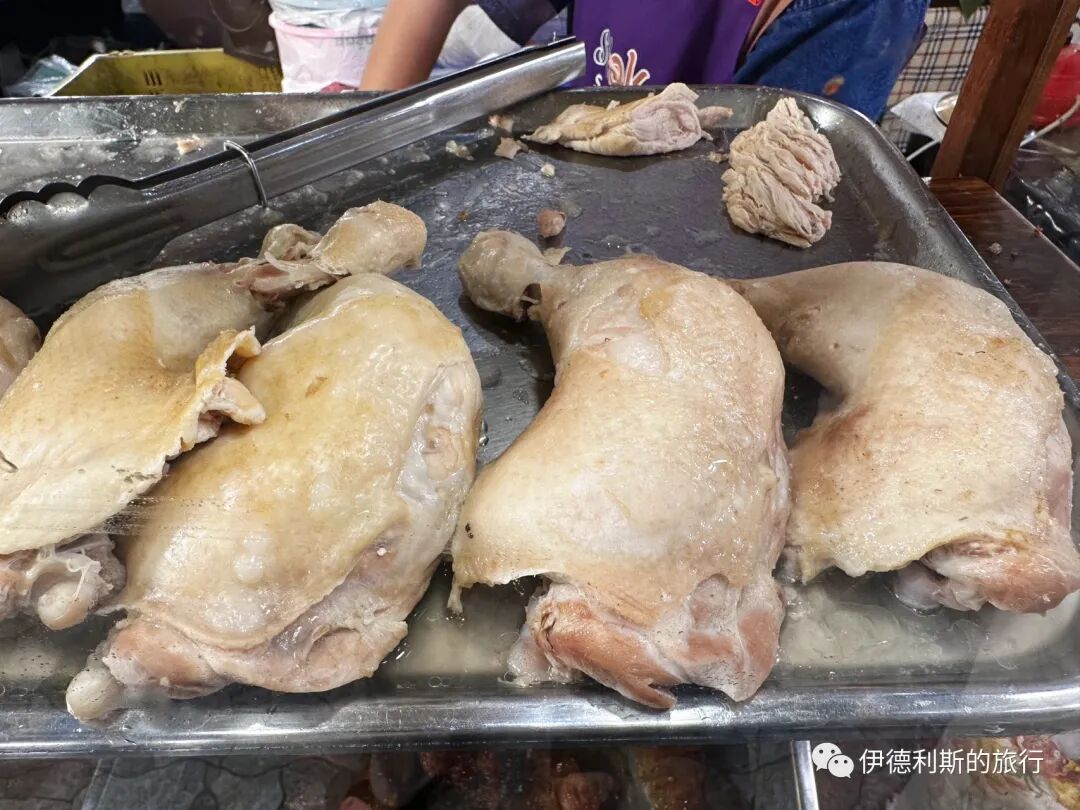
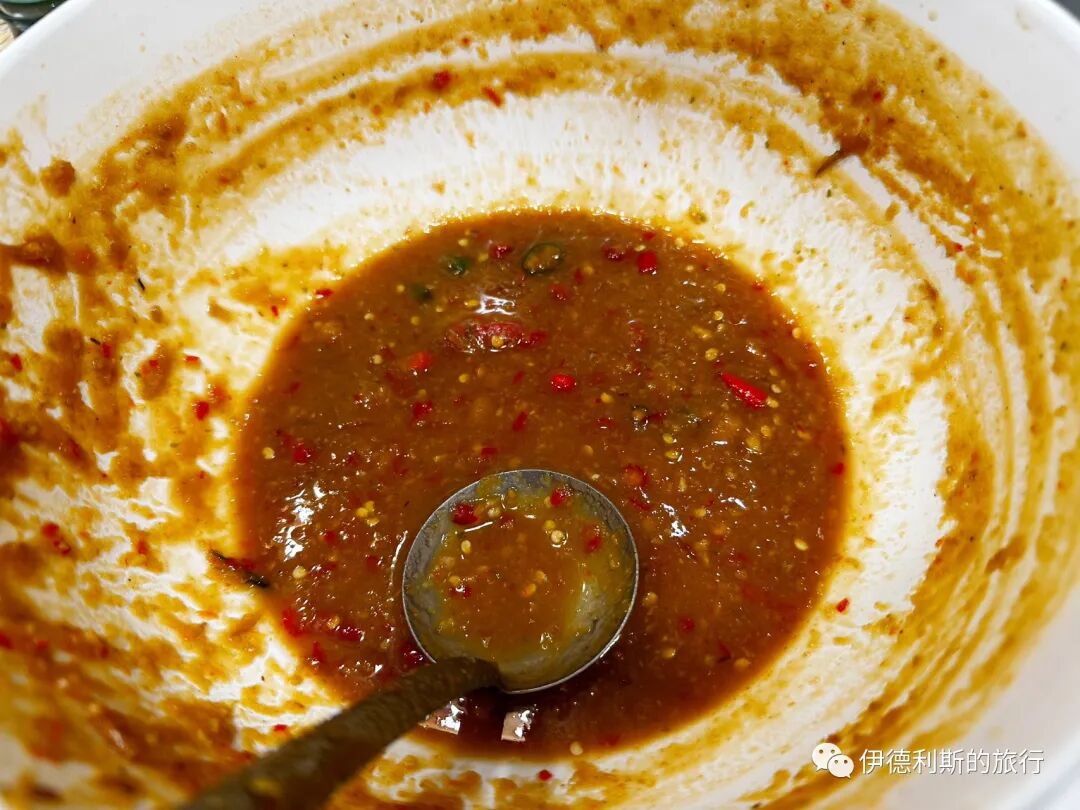
For our main course, we chose chicken fat rice (khao man gai). Thai chicken fat rice comes from the Wenchang chicken rice brought to Siam by Chinese workers who immigrated from Hainan in the late 19th and early 20th centuries. Cooking the rice in chicken broth makes it very fragrant. Unlike Hainanese chicken rice in Singapore and Malaysia, Thai chicken fat rice uses a chicken rice paste made from ginger, garlic, cilantro stems, and oil when stewing the chicken. It is served with a Thai sweet and spicy sauce (nam phrik), which contains chili, shallots, garlic, lime juice, fish sauce, and shrimp paste.
Mango sticky rice at Suvarnabhumi Airport
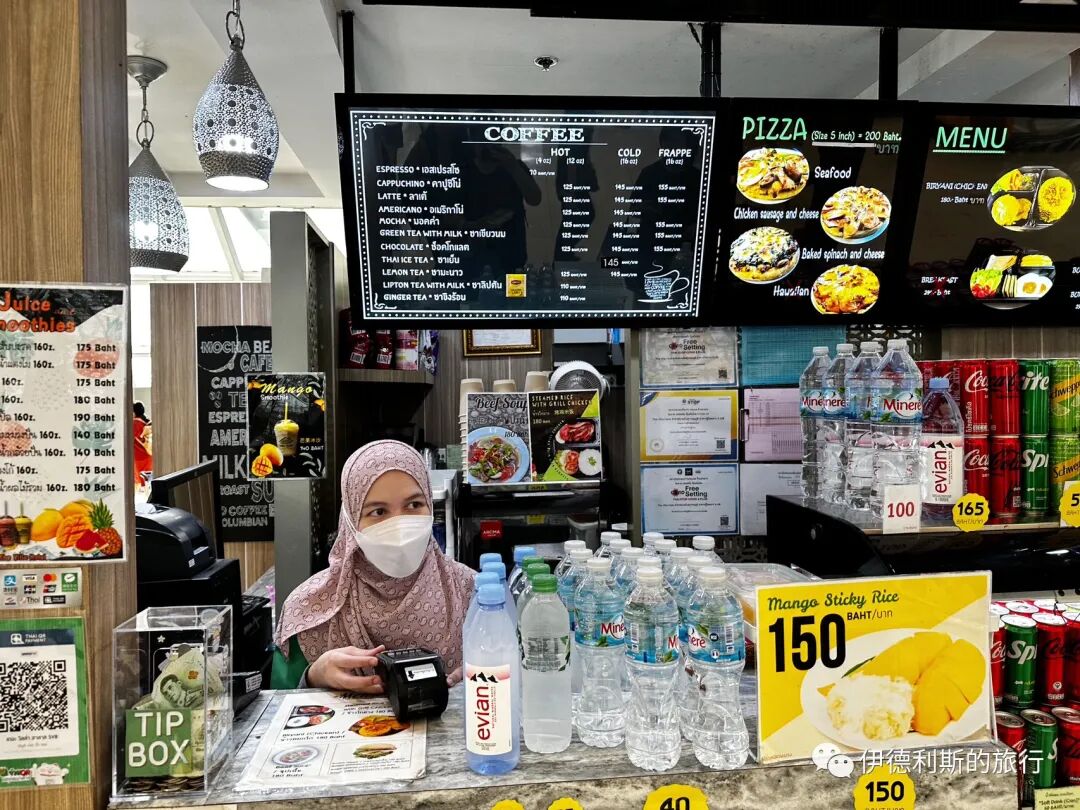
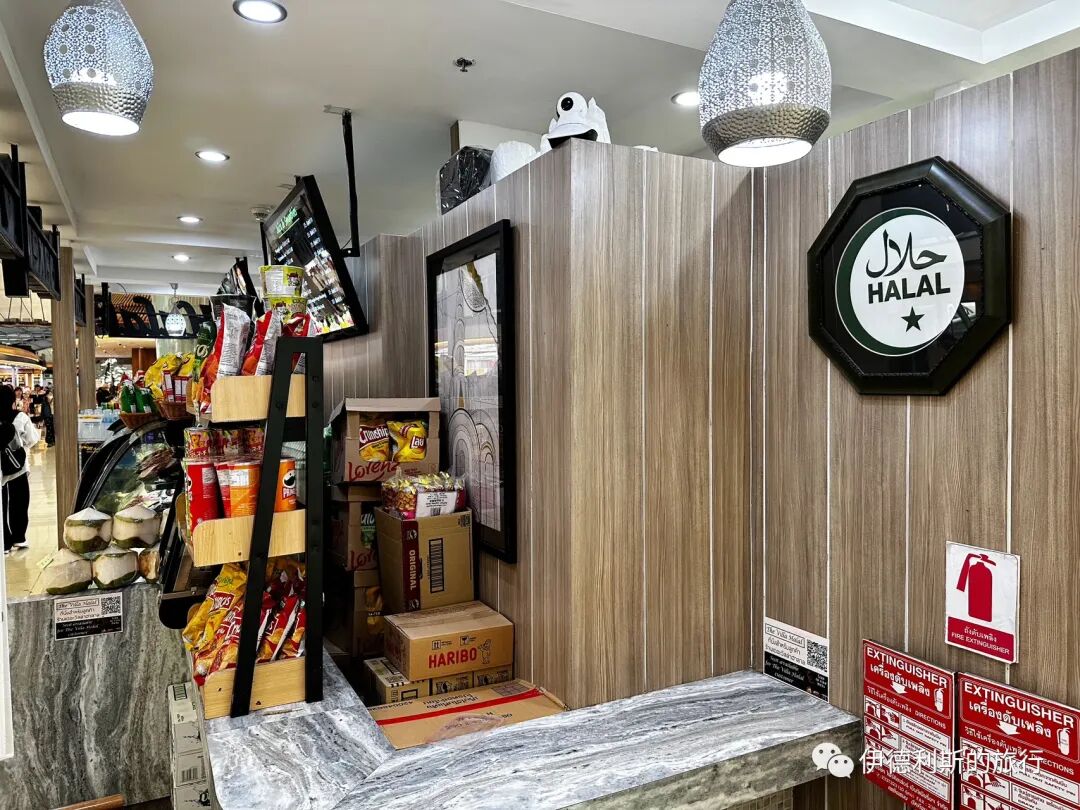
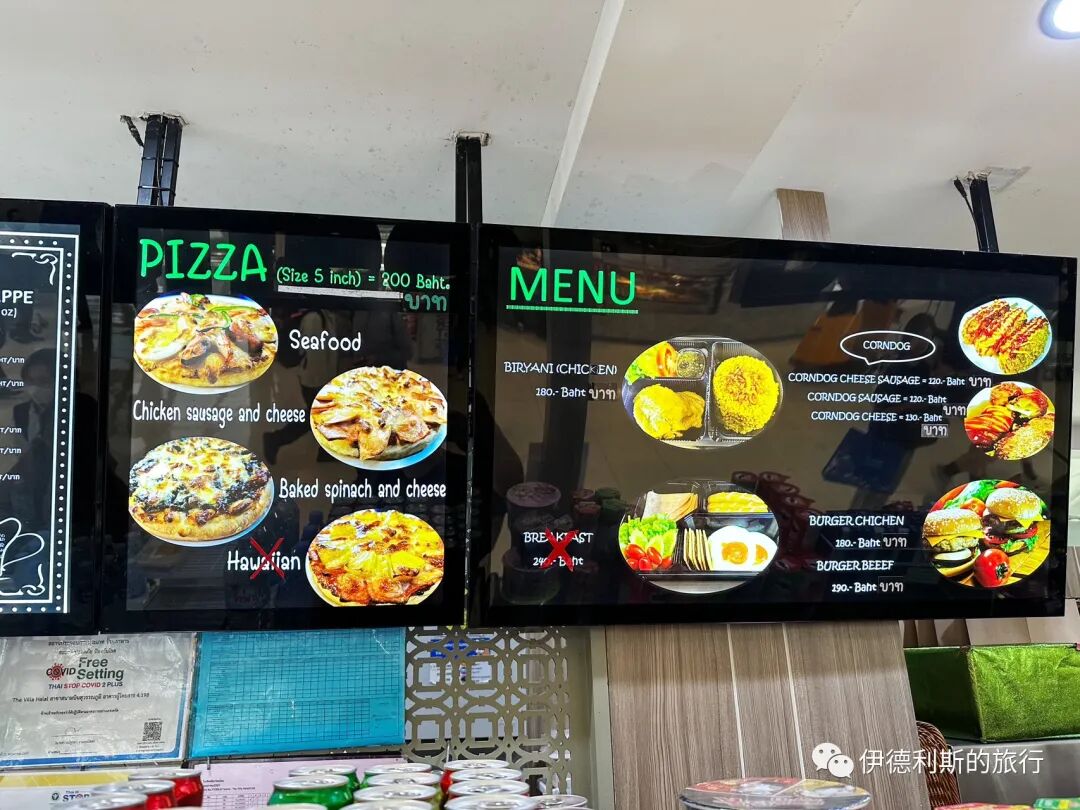
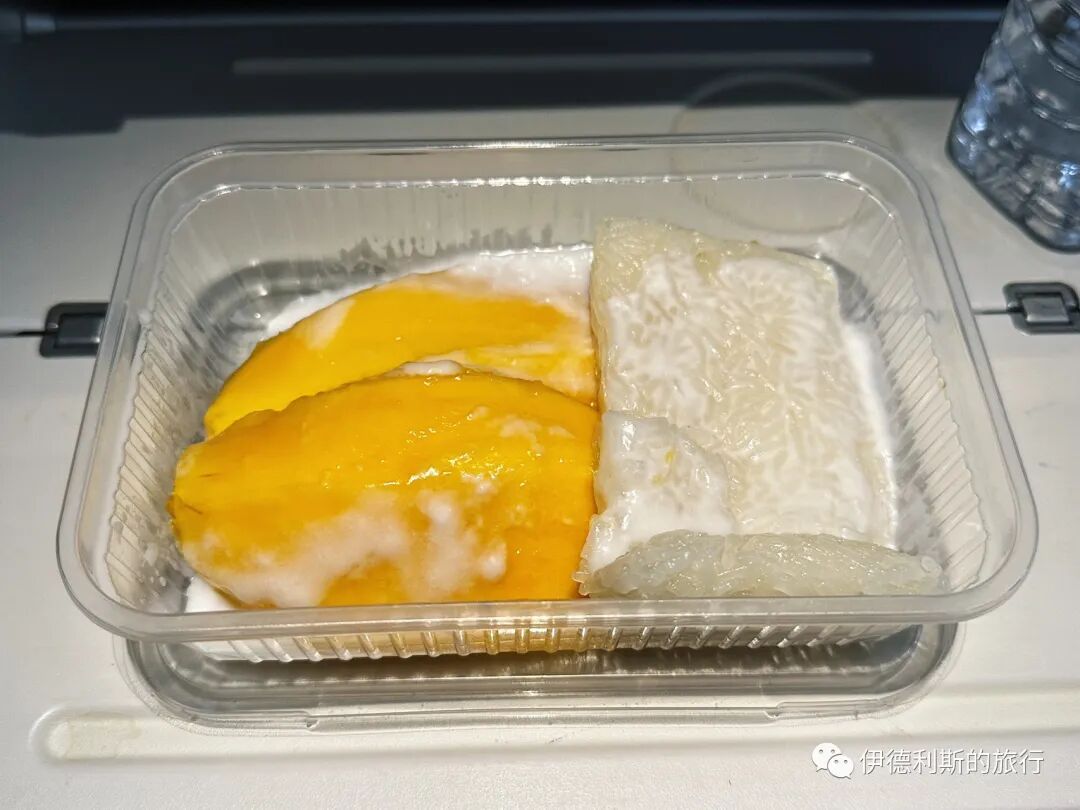
Before leaving, I bought the traditional Thai snack mango sticky rice (khao niao mamuang) at a halal fast-food restaurant in Bangkok's Suvarnabhumi Airport. It is perfect for eating on the plane. Everyone loves this snack during the Thai mango season in April and May. The sticky rice is mixed with coconut milk and palm sugar, and it is usually served with two sweet local Thai yellow mango varieties, Nam Dok Mai and Ok rong.
Mango sticky rice can be traced back to poems from the late Ayutthaya period (17th-18th centuries). It later spread to other Southeast Asian countries, but it remains most famous in Thailand.
Muslim hotel Al Meroz
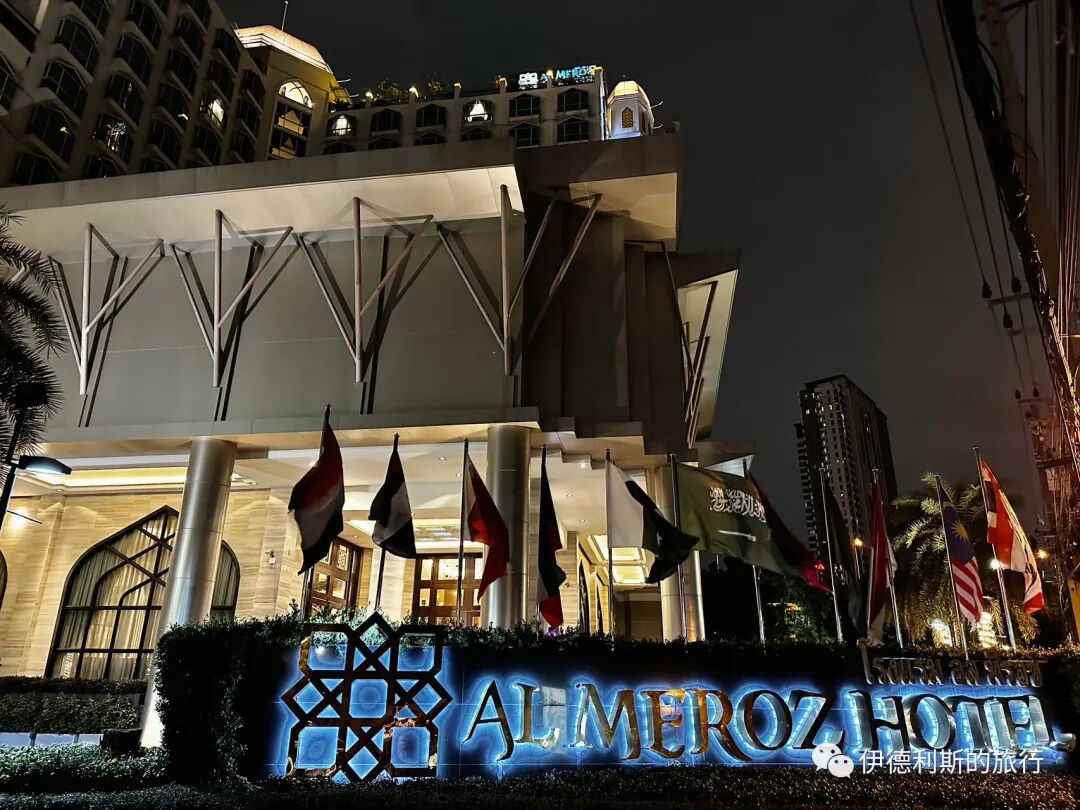
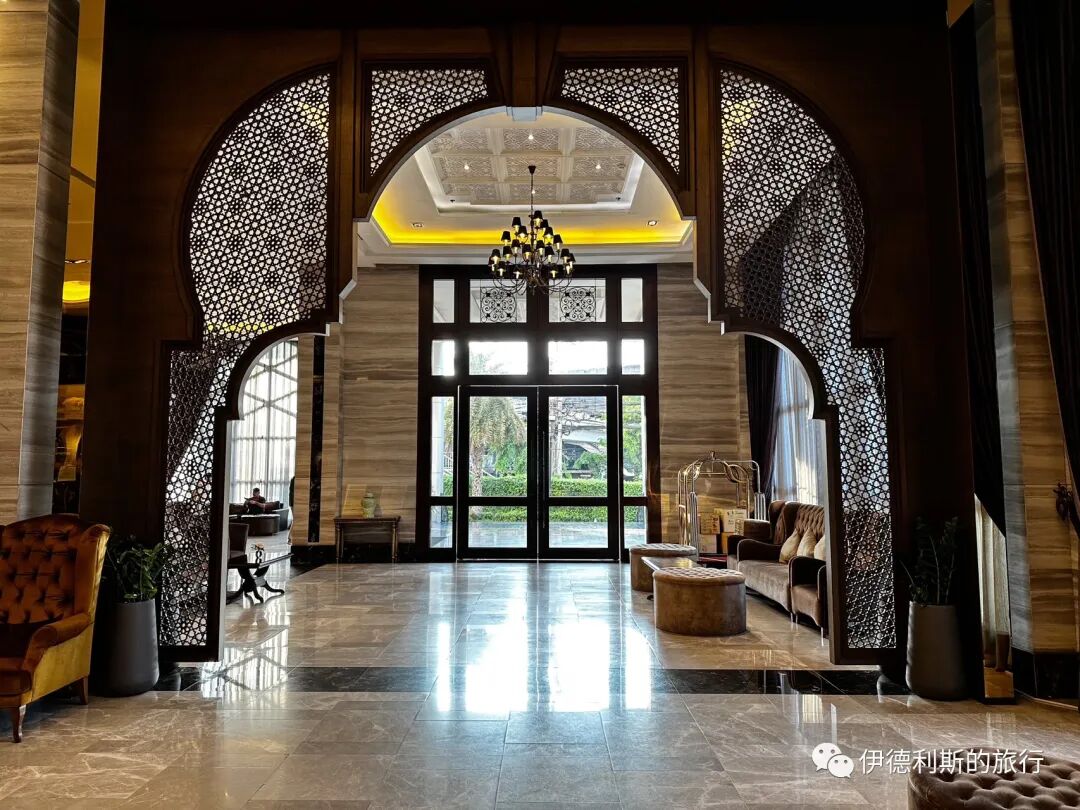
On this trip to Bangkok, I stayed at the best local Muslim hotel, Al Meroz. It is near the Ramkhamhaeng station along the Airport Rail Link, just 20 minutes from Suvarnabhumi Airport. There is a water taxi next to the hotel that goes to the old town, so you can get into the city without any traffic jams. The Thailand Islamic Centre Foundation is in the alley across the street, where you can get a firsthand look at Thai Muslim culture.
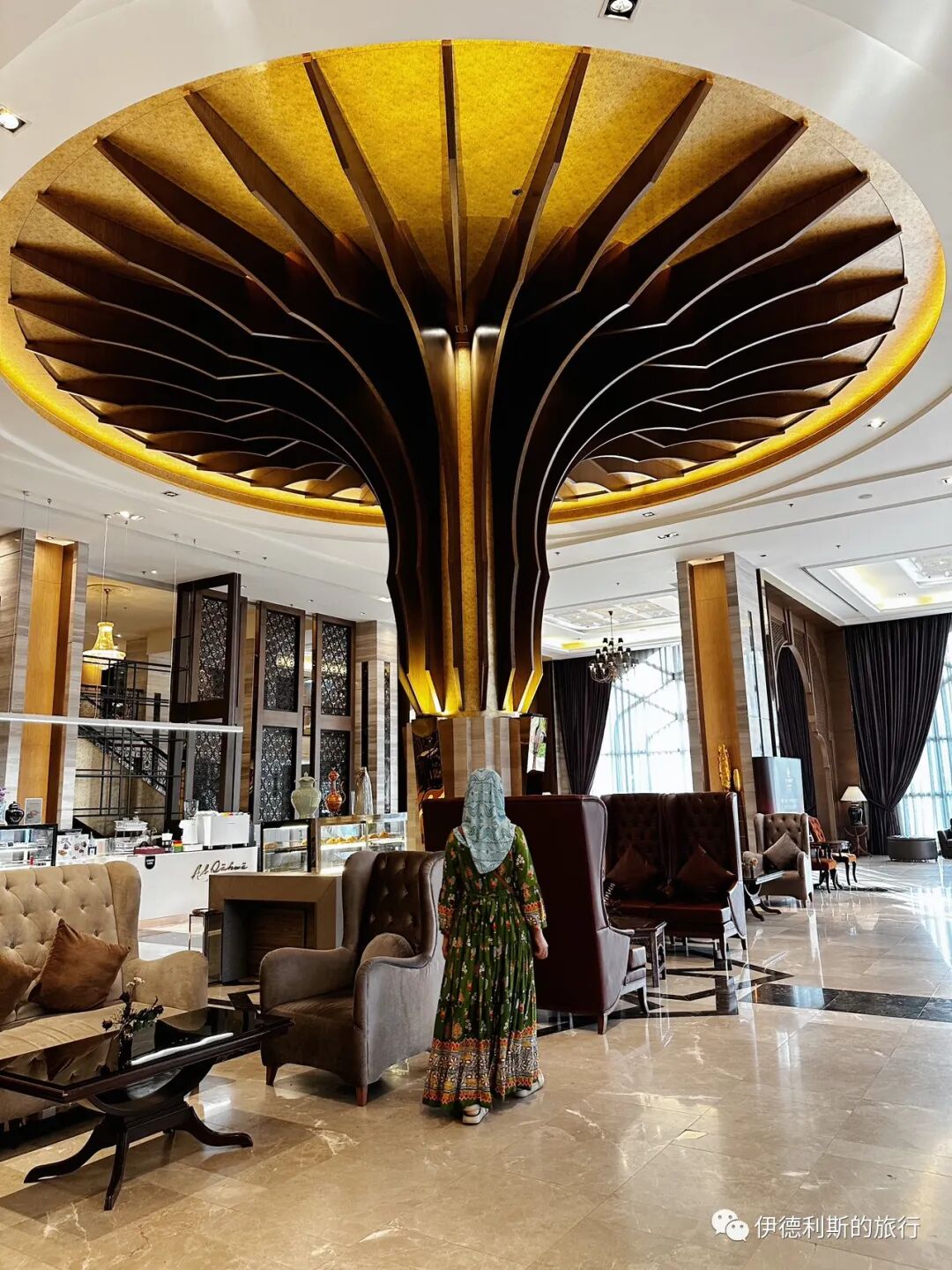
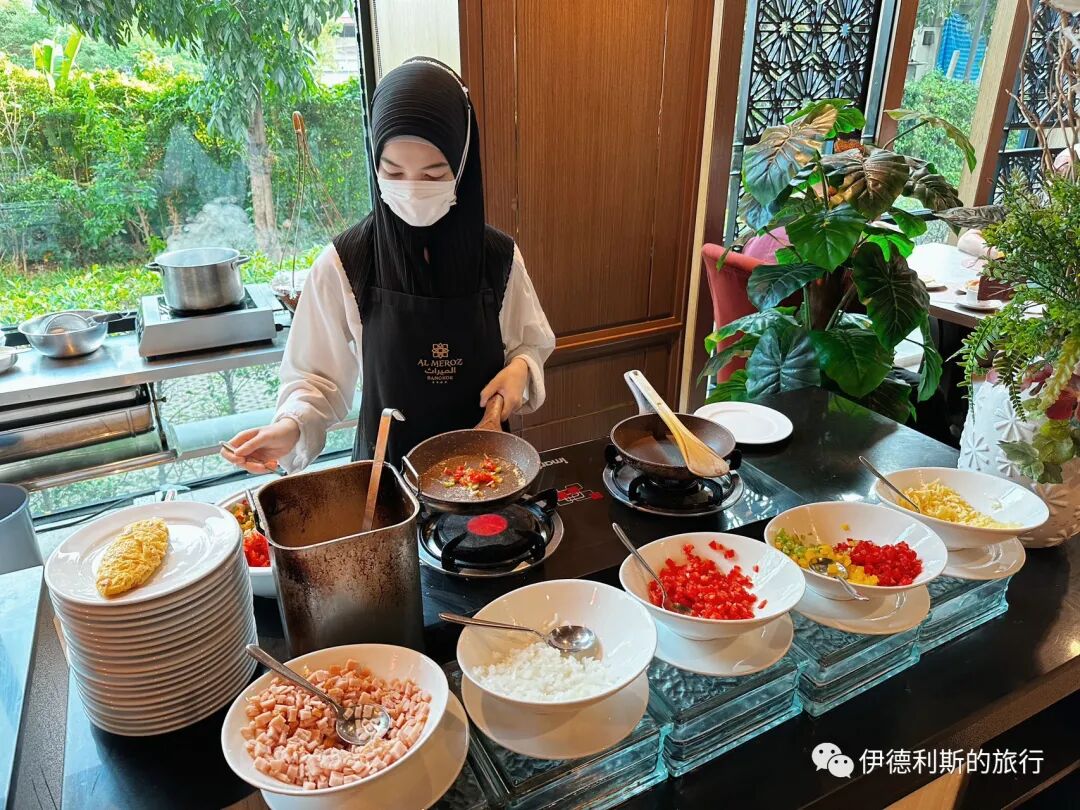
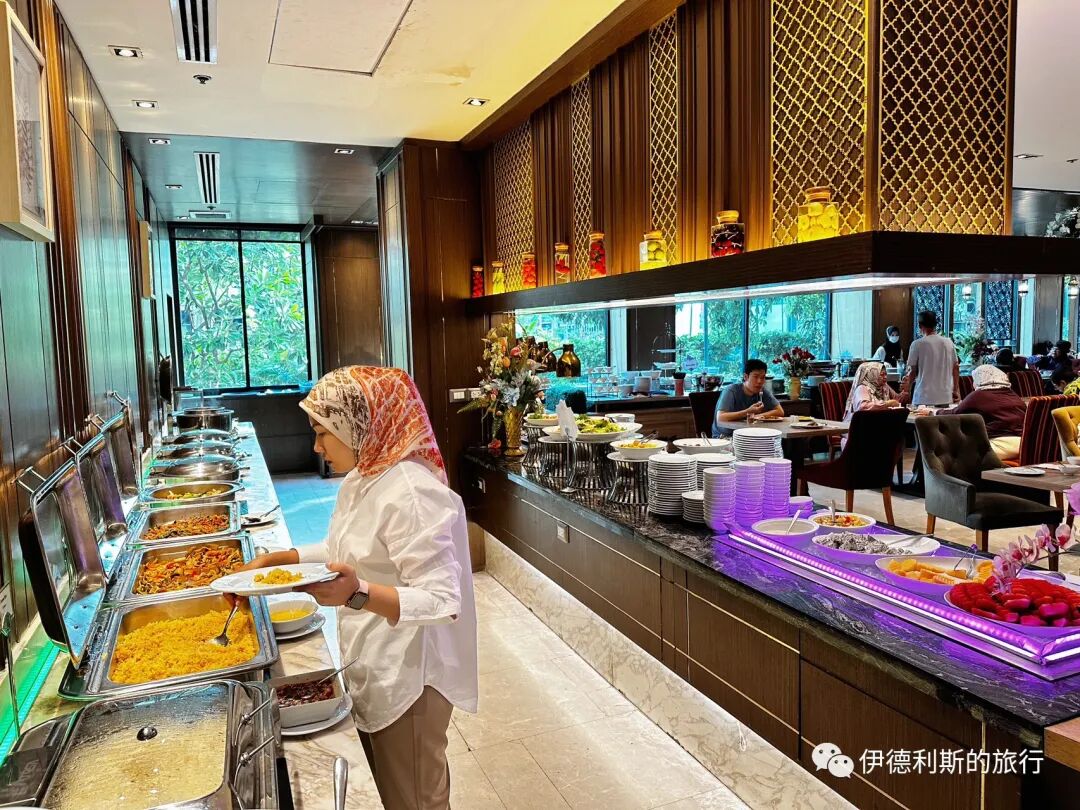
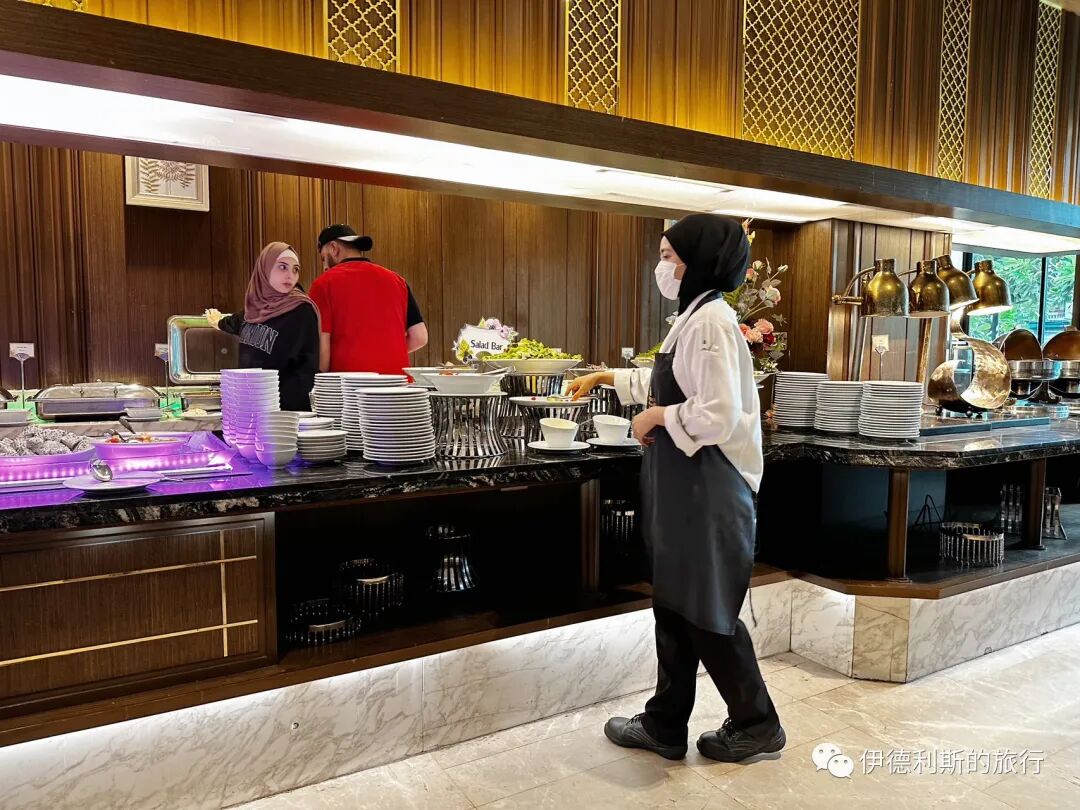
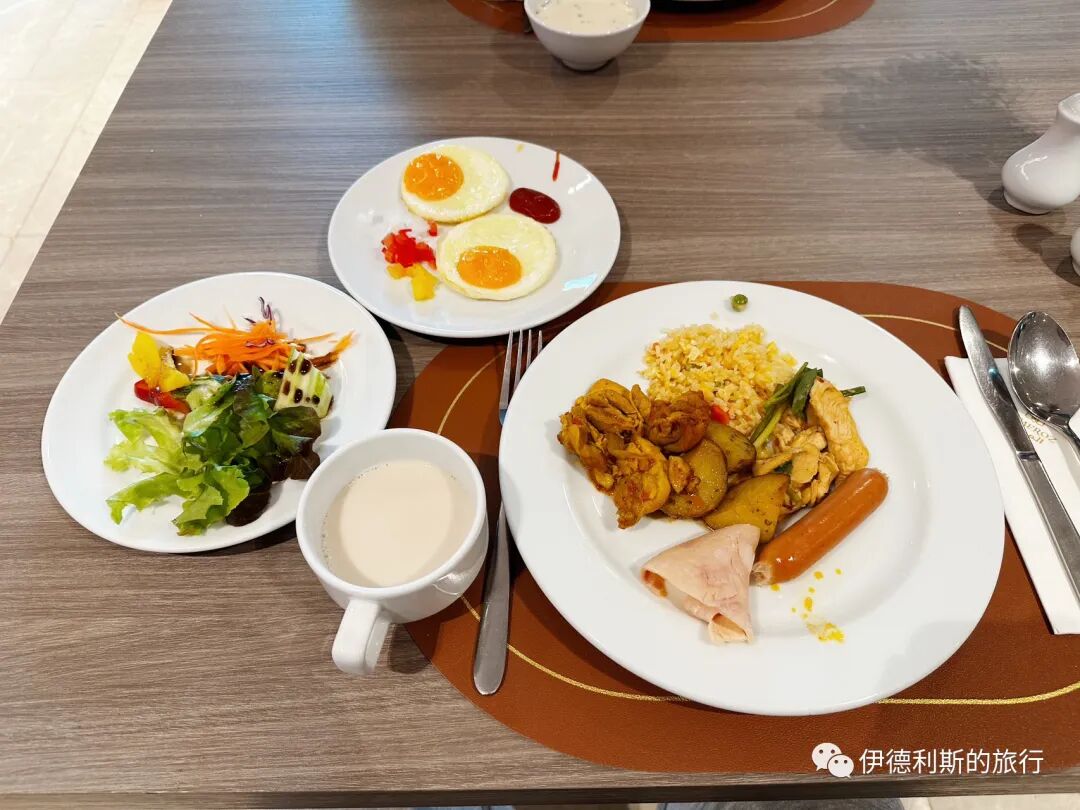
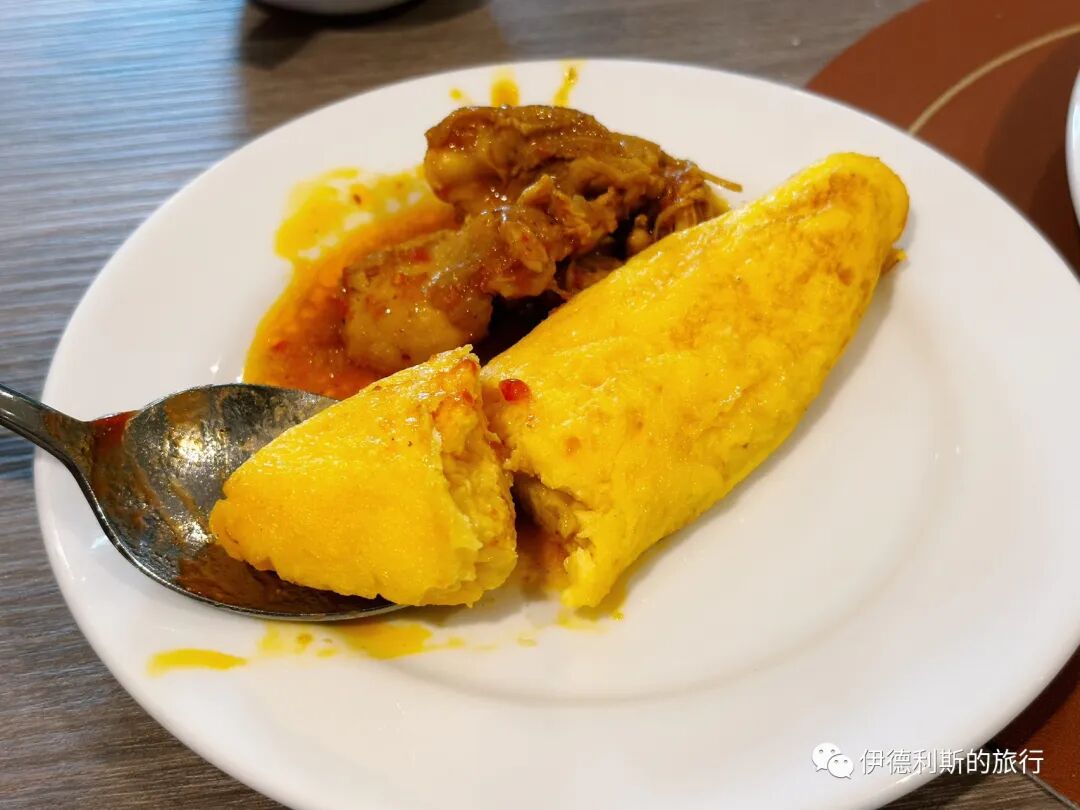
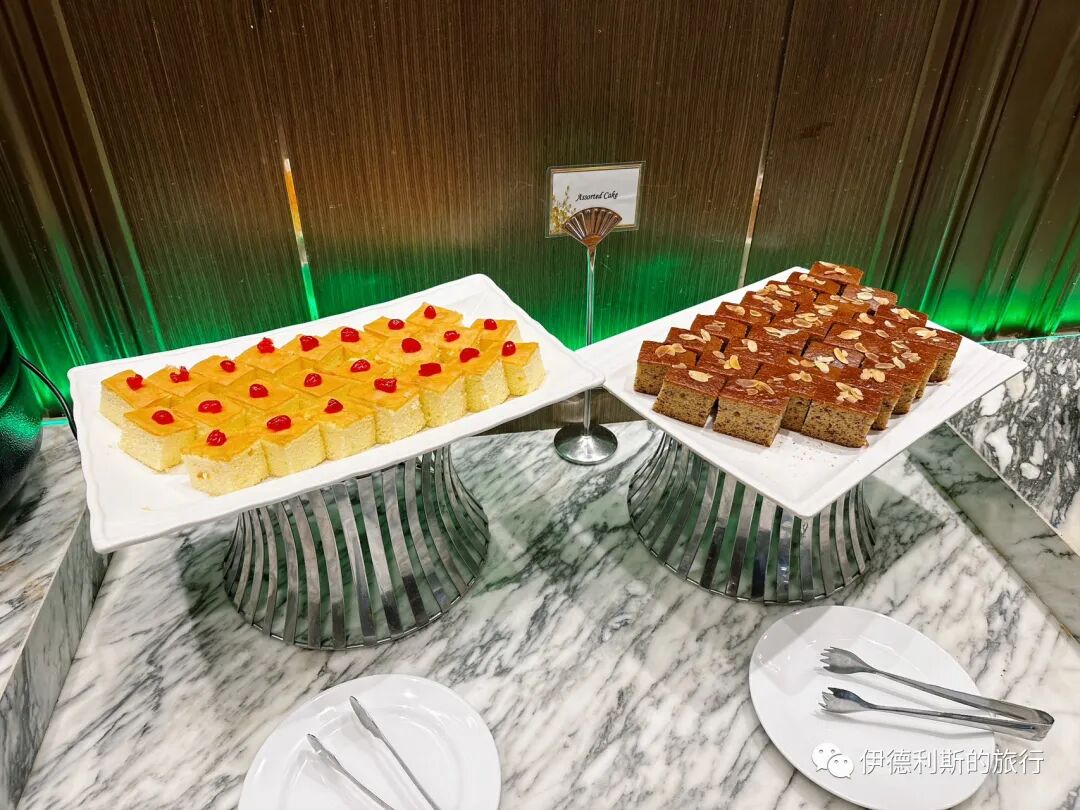
The hotel building has three high-end halal restaurants and a bakery. The breakfast buffet is also very extensive, featuring various halal flavors from Malay, South Asian, and local Thai traditions.
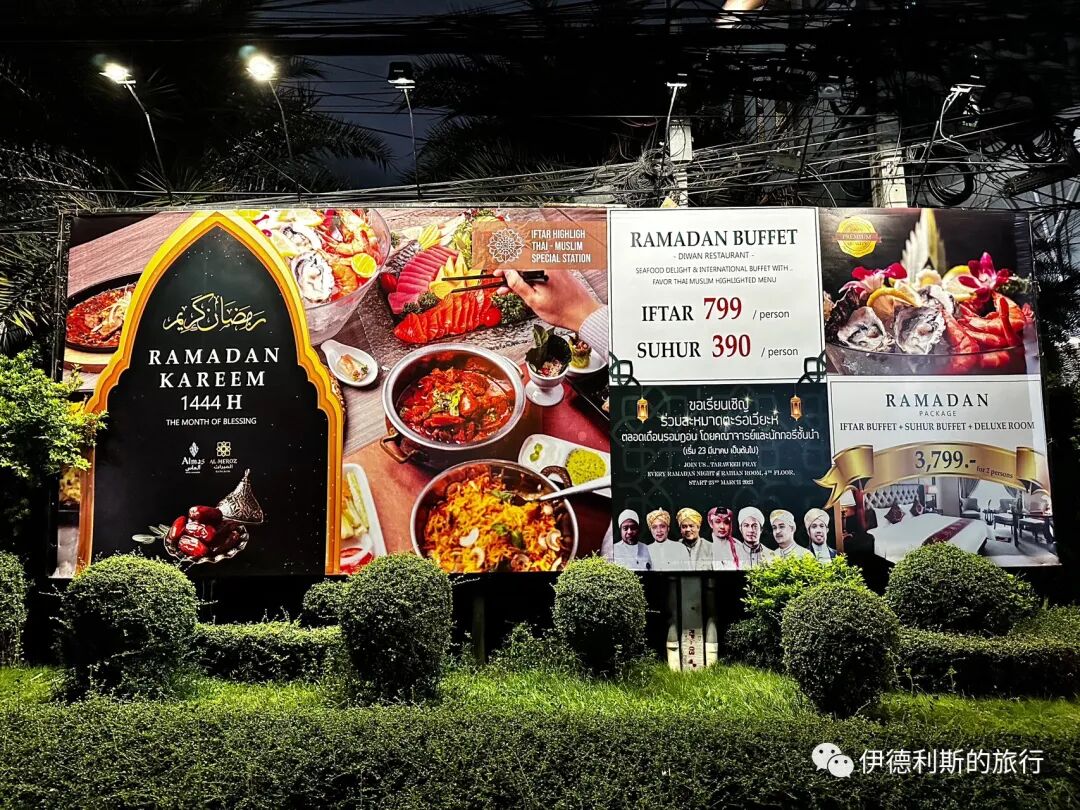
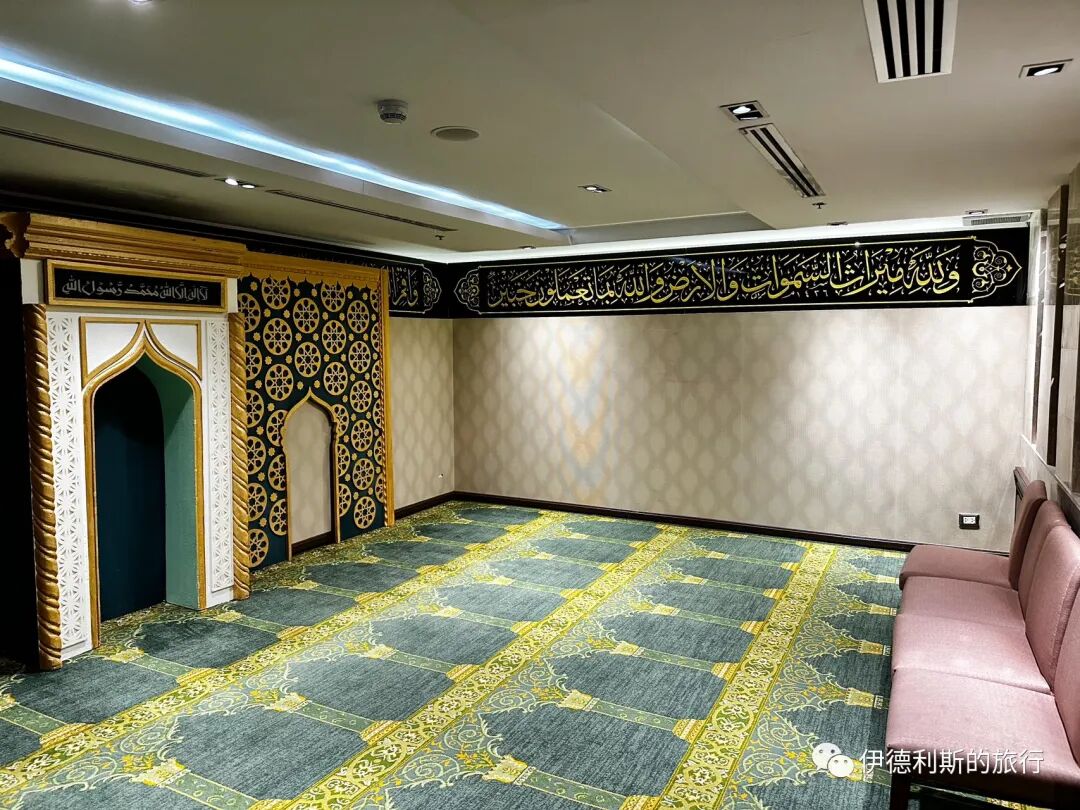
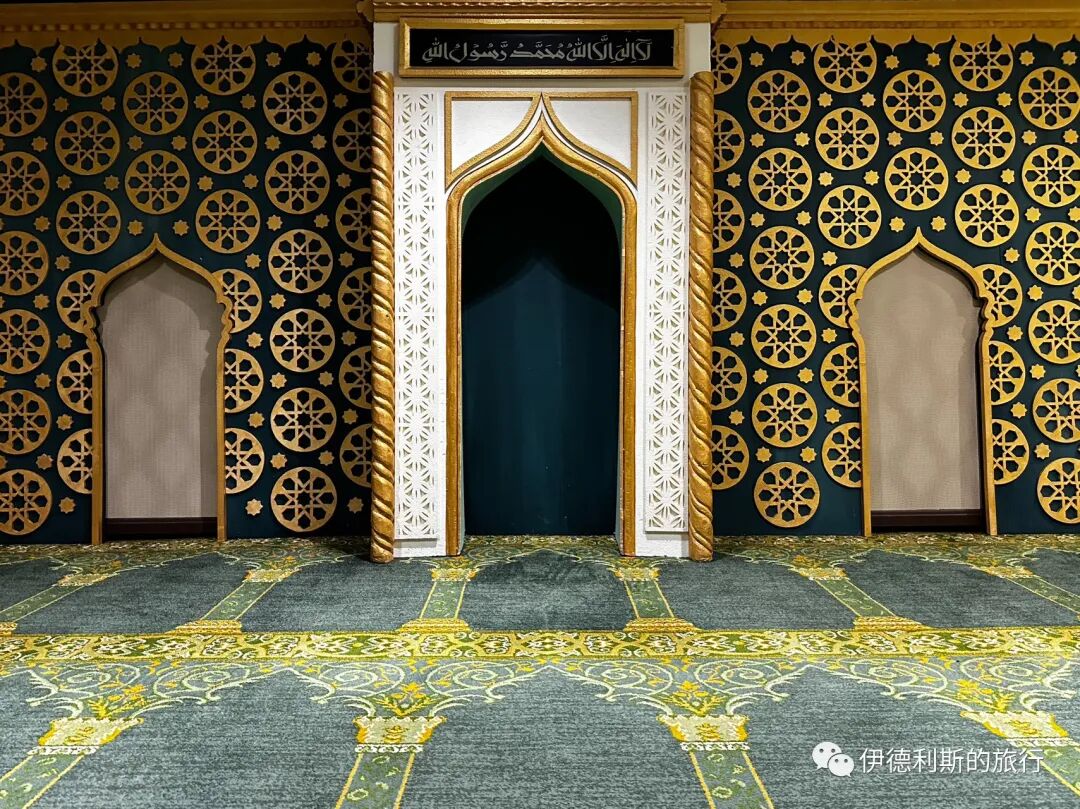
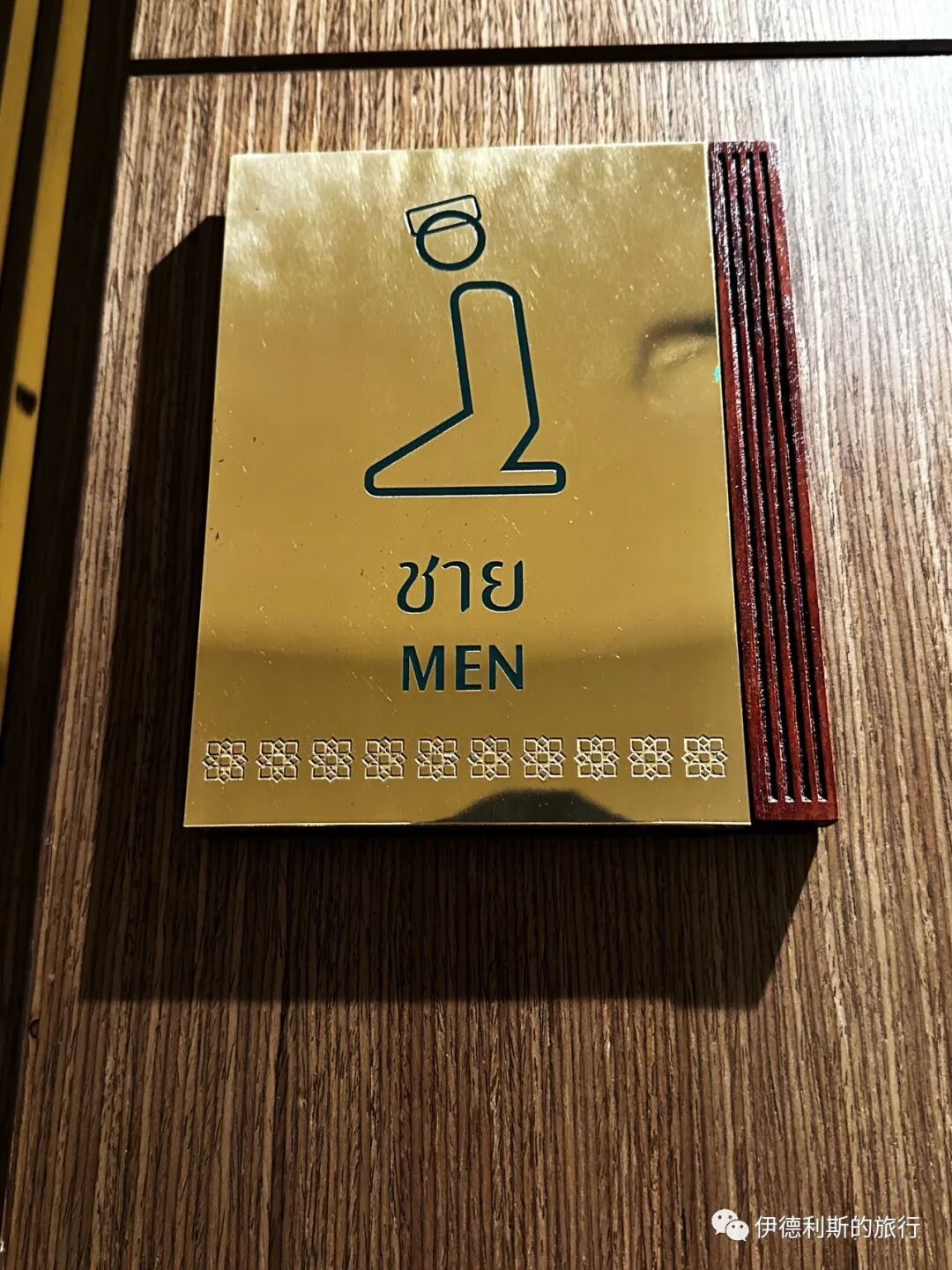
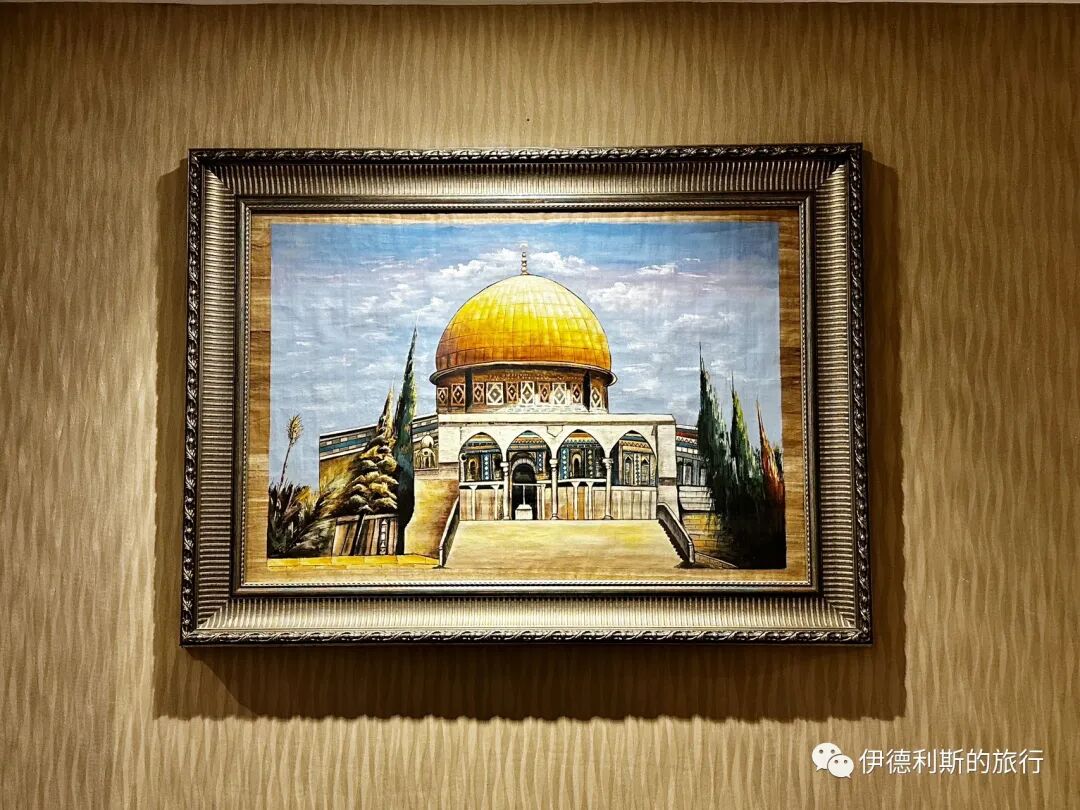
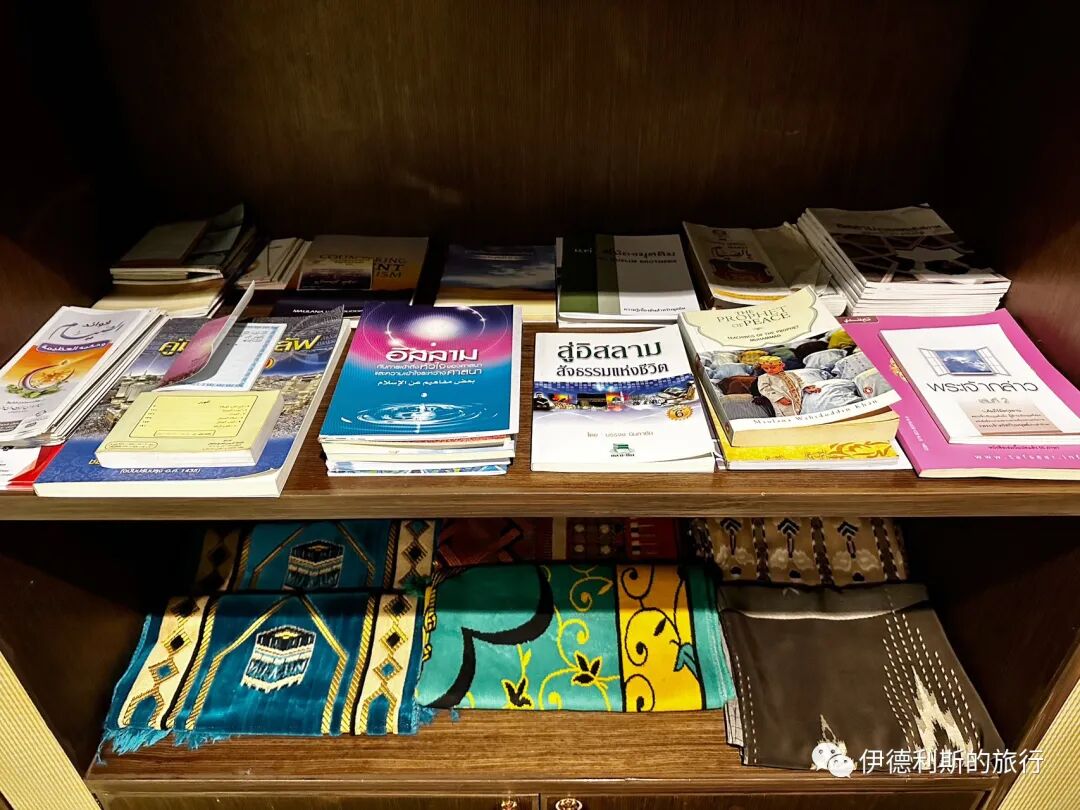
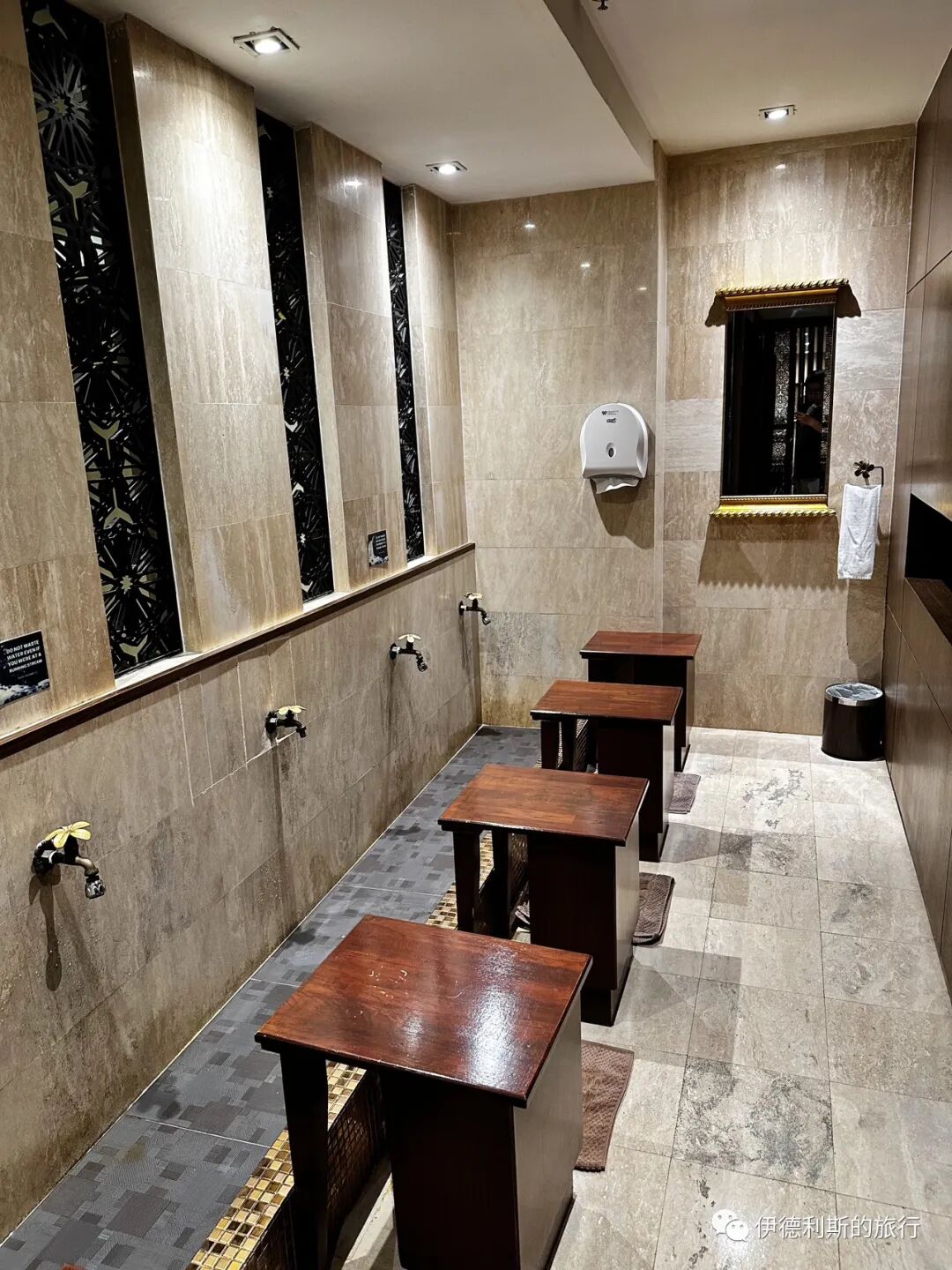
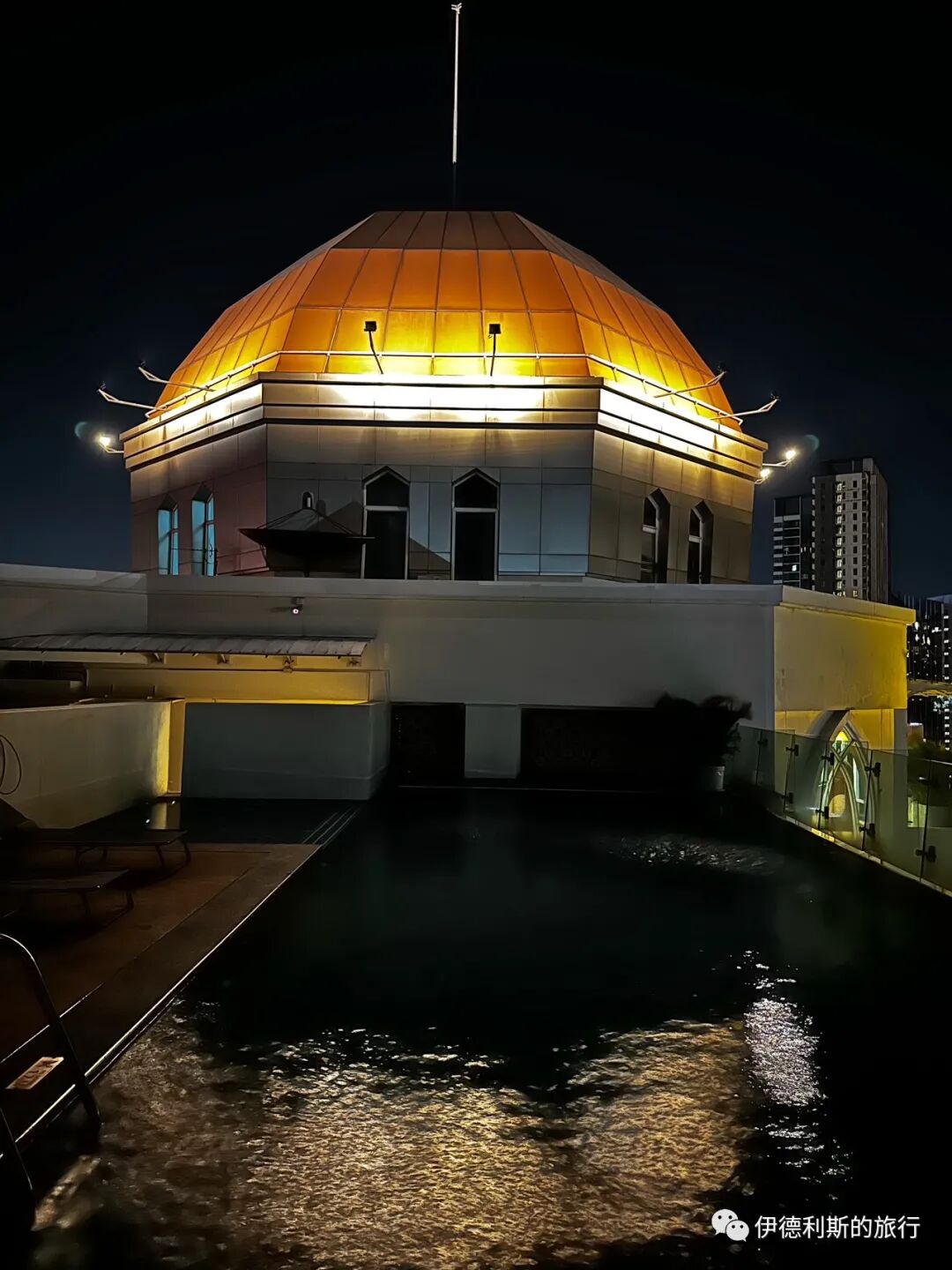
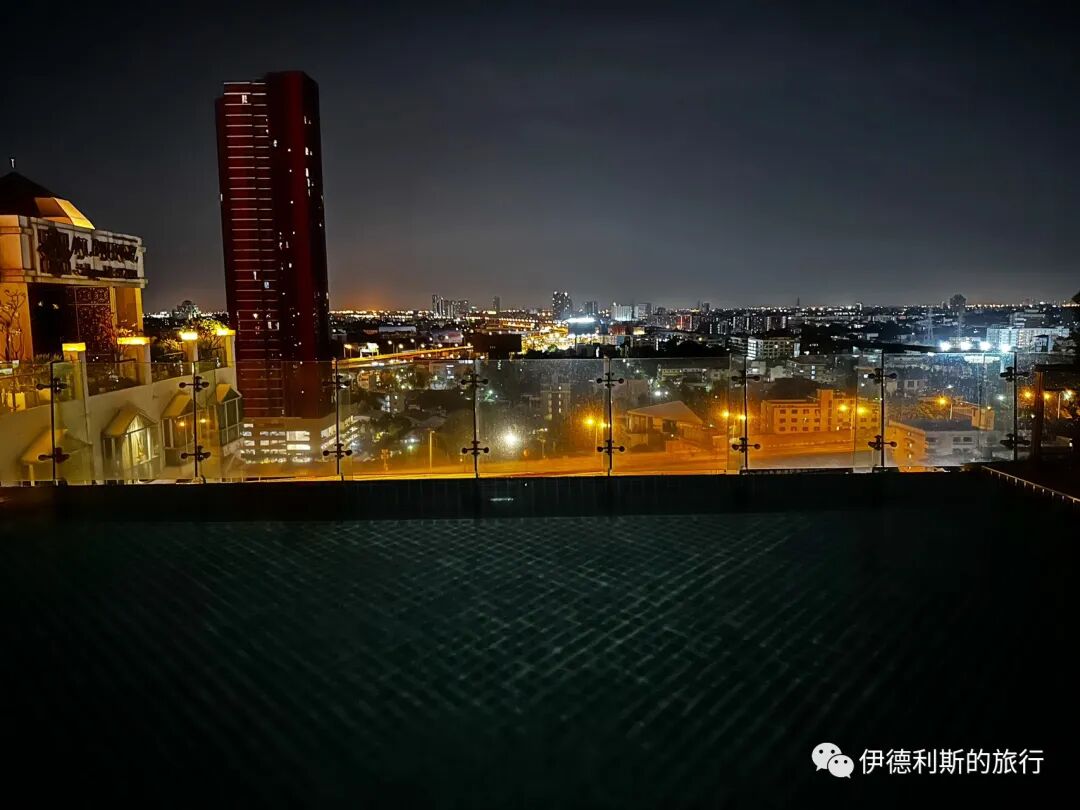
The Ramadan buffet advertisement, prayer hall, wudu area (water room), and rooftop swimming pool at the Al Meroz Hotel.
Summary: Bangkok — Halal Food, Hotels and Muslim Travel Tips is presented here as a firsthand travel account in clear English, beginning with this scene: I went to Thailand for the May Day holiday this year, my first trip abroad in three years. The account keeps its focus on Bangkok Halal Food, Muslim Travel, Halal Hotels while preserving the names, places, food, and historical details from the Chinese source.
I went to Thailand for the May Day holiday this year, my first trip abroad in three years. Even though Thailand is in the middle of a hot summer, it didn't stop people's enthusiasm, and you could hear Chinese speakers everywhere on the streets of Bangkok. I visited 9 Yunnanese Hui Muslim mosques and 7 Indian-descendant mosques in Northern Thailand, along with 9 communities made up of different Muslim ethnic groups in Bangkok, and I will share these with you one by one. In this article, I will first share the various snacks I ate at halal food stalls in Bangkok and the Muslim hotel where I stayed.
Islamic Center of Thailand Foundation
I had breakfast at the Islamic Center of Thailand Foundation in the morning. The Islamic Center of Thailand Foundation is a modernist building designed by a young Bangladeshi-Thai Muslim architect named Paichit Pongpunluk. Construction began in 1970, but due to budget issues, it took 11 years to complete. Once finished, it became a landmark building and activity center for Thai Muslims.
We bought stir-fried holy basil chicken rice (gaprao gai), grilled chicken skewers (satay), and Thai red tea. Gaprao is also called holy basil. It originated in South Asia and is grown throughout the tropical regions of Southeast Asia. Stir-frying meat with gaprao leaves makes it go perfectly with rice. Thai red tea is made with Ceylon black tea, condensed milk, sugar, and milk. You can drink it hot for breakfast, but it is usually served iced. There are many halal stalls downstairs at the Islamic Center of Thailand, but we arrived early, so not all of them were open. Usually, there is not only food but also books, clothing, and various activities, making it well worth a visit.
Snack stalls at the entrance of Haroon Mosque
After finishing the noon namaz, we had lunch at the entrance of Haroon Mosque by the Chao Phraya River, where there is a row of local halal snack stalls. Haroon Mosque is named after an Indonesian merchant named Toh Haroon Bafaden. He came to Bangkok from Indonesia with his father to do business in 1828 (some say 1837), then got married, had children, and settled down. He built Haroon Mosque shortly after, and a Muslim community gradually formed around the mosque.
We first ate stewed beef and chicken meatball glass noodle soup. The beef was incredibly fragrant, and Zainab and I both agreed it was the best thing we ate in Bangkok! Then I had basil chicken, meatballs, and chicken liver with rice. After that, I had a bowl of stewed chicken feet. They were soft and flavorful, but the soup was super spicy, haha.
Two things are essential for eating street food in Bangkok's hot summer: a powerful electric fan and a cold drink with ice! Otherwise, I really don't think I could eat anything, haha.
We ate the classic street food, Pad Thai. Pad Thai is also called Thai stir-fried rice noodles. It contains rice noodles, scrambled eggs, bean sprouts, crushed peanuts, and fresh shrimp, served with lime and chives. The style of stir-fried rice noodles was brought to Thailand by Chinese immigrants hundreds of years ago, but it didn't become popular until the mid-20th century. During World War II, rice was in short supply in Thailand. The Thai government began promoting a type of rice noodle from Chanthaburi Province in the east, which made stir-fried noodles a national snack in Thailand.
If stir-fried noodles are the first impression of Thai snacks, then Roti flatbread can be called the first impression of Thai halal snacks. Every night market in Thailand seems to have a cart where Thai Muslims sell Roti flatbread, and every stall is very popular.
ICONSIAM Food Court
I highly recommend SOOKSIAM, the food court on the first floor of ICONSIAM, to any friends (dosti) visiting Bangkok in the summer. It gathers specialty snacks from all over Thailand and has many halal stalls, many of which are run by Malay-Thai Muslims. The most important thing is that the indoor air conditioning is great. Once you go in during the hot summer, you won't want to leave!
We first ate steamed egg with crab. It had plenty of crab roe and was very flavorful when paired with the signature spicy and sour dipping sauce (nam chim). They also have large shrimp, squid, and various other seafood. Malay-Thai Muslims are very skilled at cooking seafood.
Then we had the most classic Thai Muslim street snack: Roti with Thai milk tea. Roti originally meant bread in Sanskrit, and it was later brought to Thailand by South Asian and Malay Muslims. Unlike in South Asia, Thai-style roti is sweet. You can add bananas, eggs, and chocolate, and it is topped with sweetened condensed milk.
We ate the local Thai specialties of spicy chicken sausage with lotus root stems and spicy green mango with oysters (tam mamuang). These salads often include raw cowpeas, unlike our habit of blanching them first. Thai salads are known for their sour and spicy flavors, seasoned with lime and bird's eye chili. People who cannot handle spice might find the bird's eye chili too hot, so it is best to ask for less spice or no spice beforehand.
Spicy green mango salad belongs to the 'tam' category of the four main types of Thai salads, which means 'pounded.' The most famous version in Thailand is spicy green papaya salad. When making it, you pound the green mango with garlic, bird's eye chili, dried shrimp, fish sauce, and other seasonings to release the aroma, then add palm sugar and lime juice.
For our main course, we chose chicken fat rice (khao man gai). Thai chicken fat rice comes from the Wenchang chicken rice brought to Siam by Chinese workers who immigrated from Hainan in the late 19th and early 20th centuries. Cooking the rice in chicken broth makes it very fragrant. Unlike Hainanese chicken rice in Singapore and Malaysia, Thai chicken fat rice uses a chicken rice paste made from ginger, garlic, cilantro stems, and oil when stewing the chicken. It is served with a Thai sweet and spicy sauce (nam phrik), which contains chili, shallots, garlic, lime juice, fish sauce, and shrimp paste.
Mango sticky rice at Suvarnabhumi Airport
Before leaving, I bought the traditional Thai snack mango sticky rice (khao niao mamuang) at a halal fast-food restaurant in Bangkok's Suvarnabhumi Airport. It is perfect for eating on the plane. Everyone loves this snack during the Thai mango season in April and May. The sticky rice is mixed with coconut milk and palm sugar, and it is usually served with two sweet local Thai yellow mango varieties, Nam Dok Mai and Ok rong.
Mango sticky rice can be traced back to poems from the late Ayutthaya period (17th-18th centuries). It later spread to other Southeast Asian countries, but it remains most famous in Thailand.
Muslim hotel Al Meroz
On this trip to Bangkok, I stayed at the best local Muslim hotel, Al Meroz. It is near the Ramkhamhaeng station along the Airport Rail Link, just 20 minutes from Suvarnabhumi Airport. There is a water taxi next to the hotel that goes to the old town, so you can get into the city without any traffic jams. The Thailand Islamic Centre Foundation is in the alley across the street, where you can get a firsthand look at Thai Muslim culture.
The hotel building has three high-end halal restaurants and a bakery. The breakfast buffet is also very extensive, featuring various halal flavors from Malay, South Asian, and local Thai traditions.
The Ramadan buffet advertisement, prayer hall, wudu area (water room), and rooftop swimming pool at the Al Meroz Hotel.
