
Halal Travel Guide: Harbin — Daowai Mosque and Century-Old Guo Family Restaurant
Reposted from the web
Summary: Harbin Daowai Mosque and the century-old Guo Family Restaurant show two sides of the citys Hui Muslim life: worship and food. This account covers the mosque, the old restaurant, local halal dishes, and street-level details from the Chinese source.
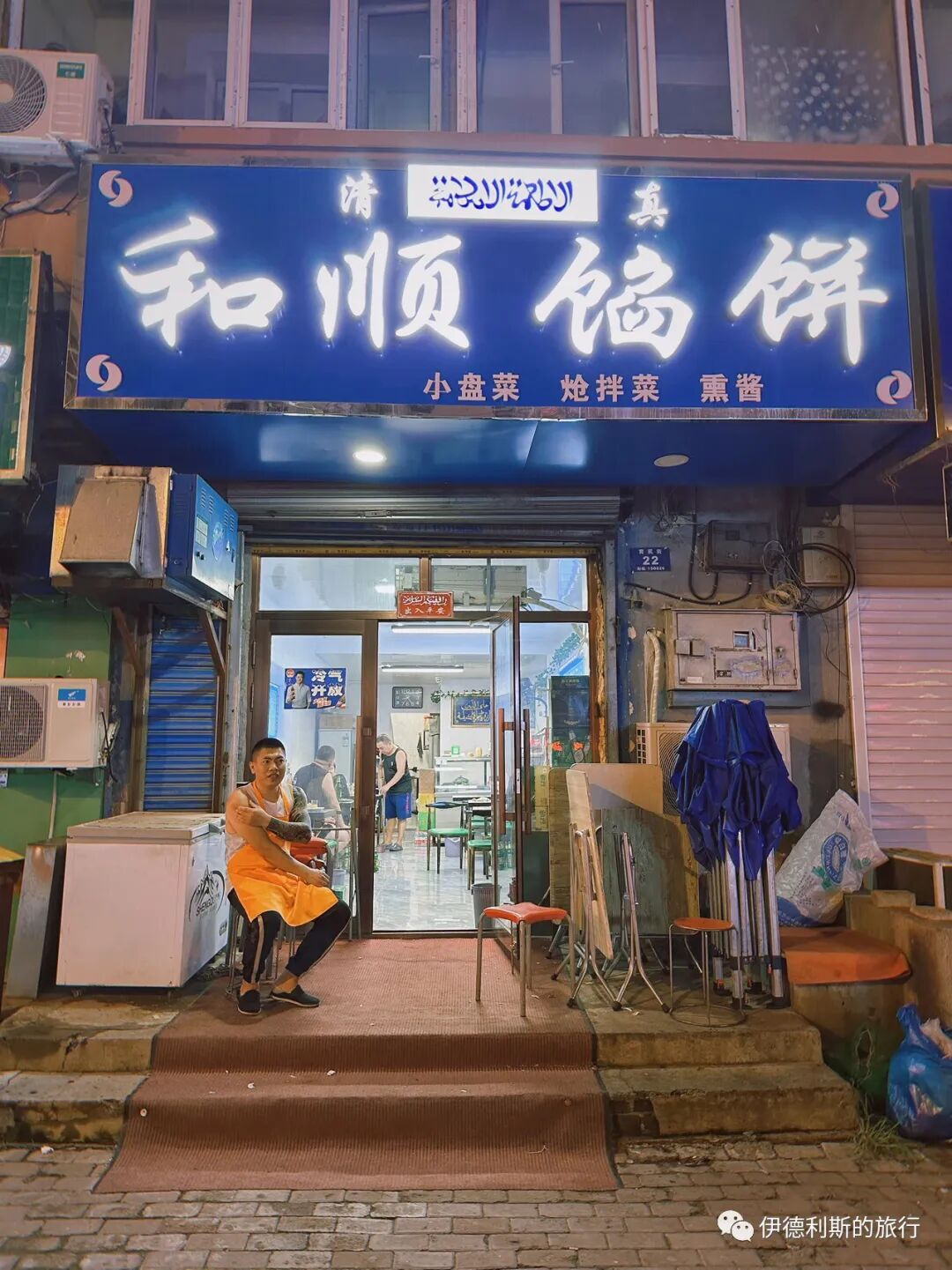
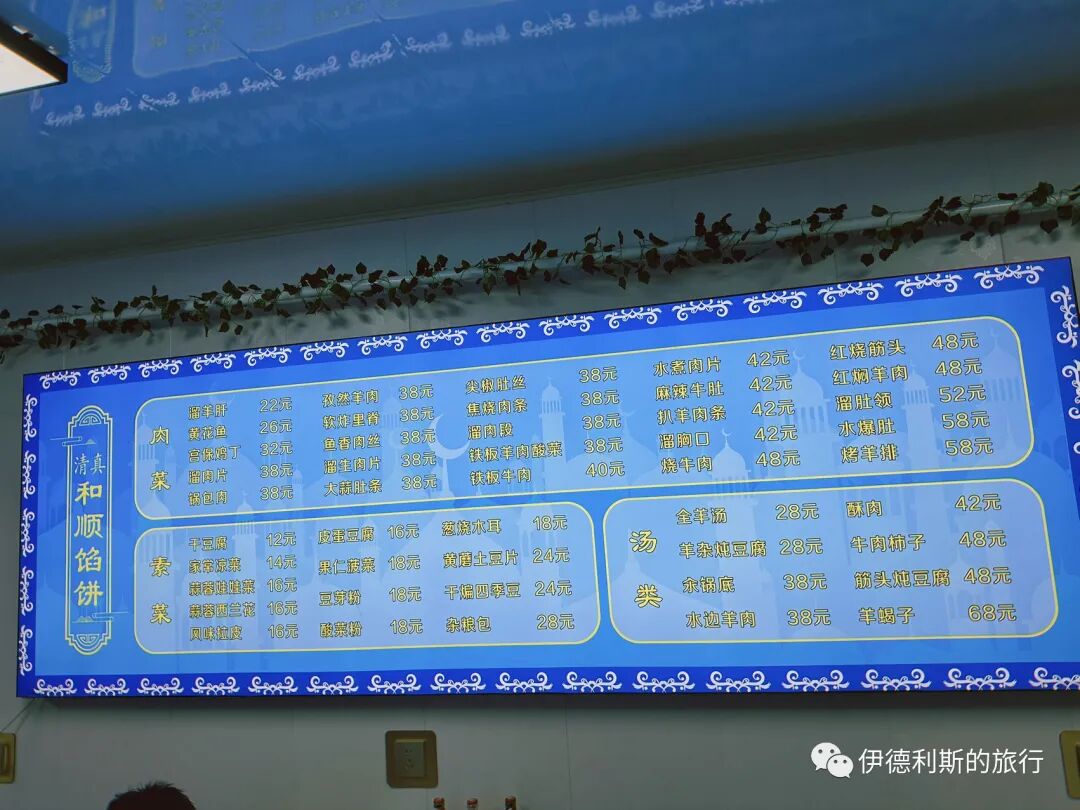
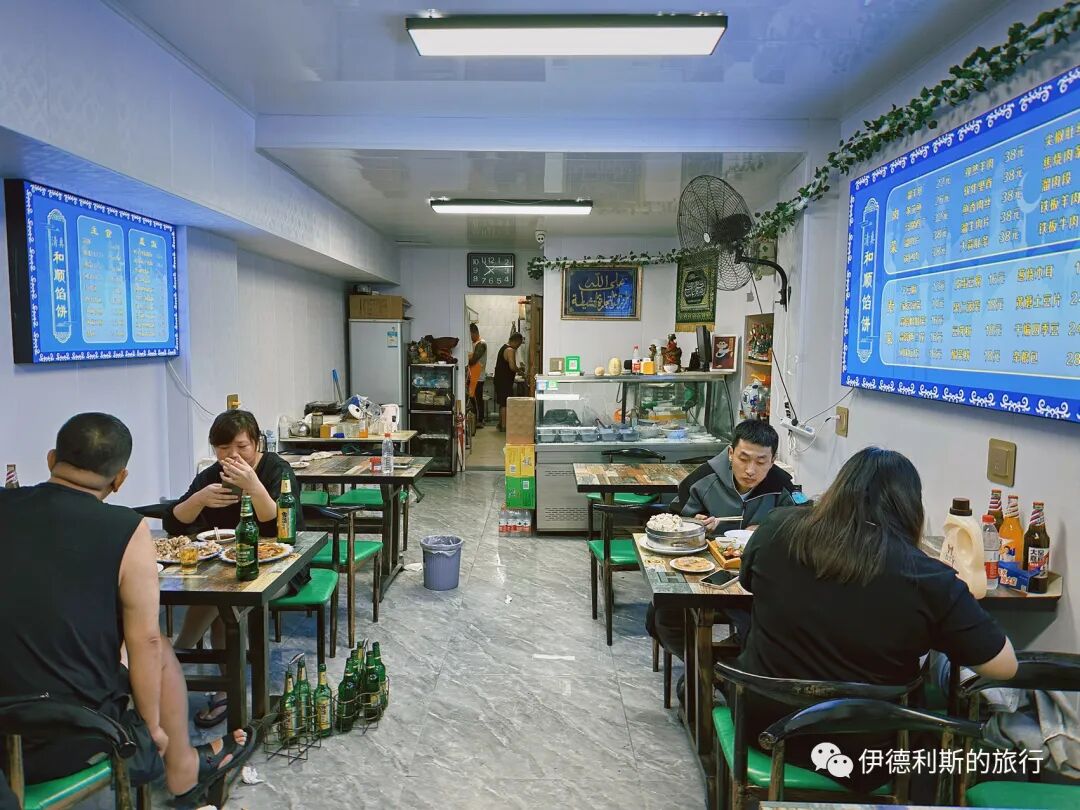
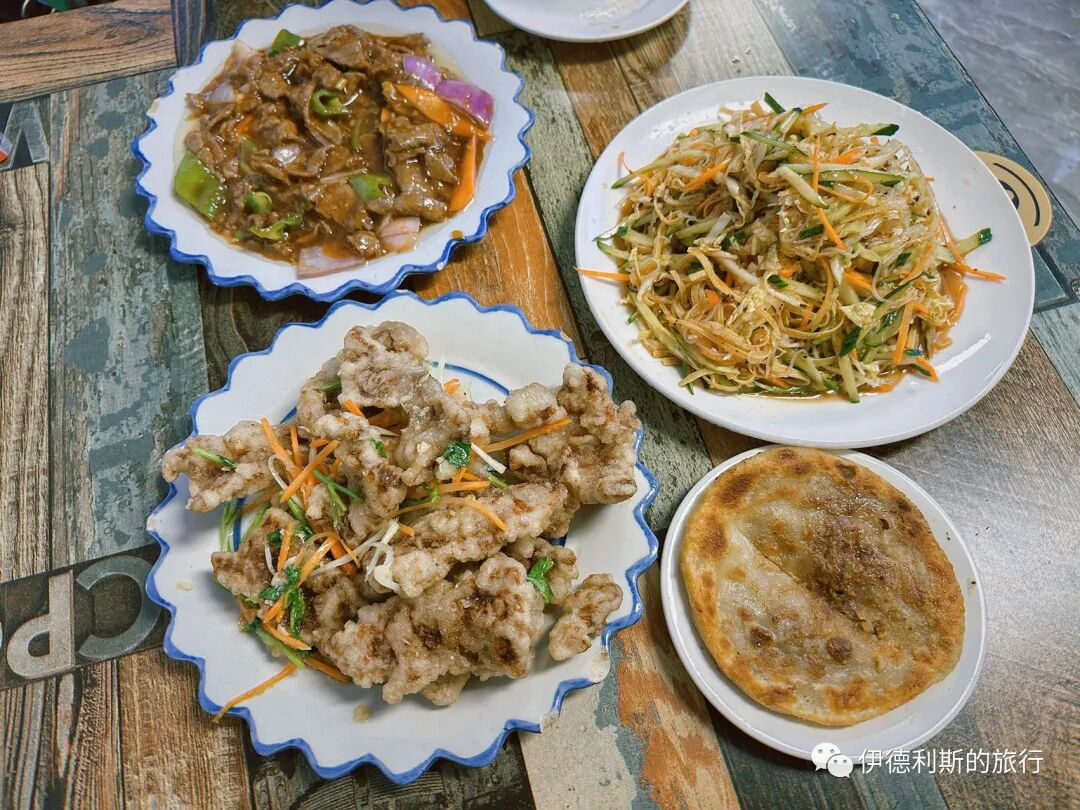
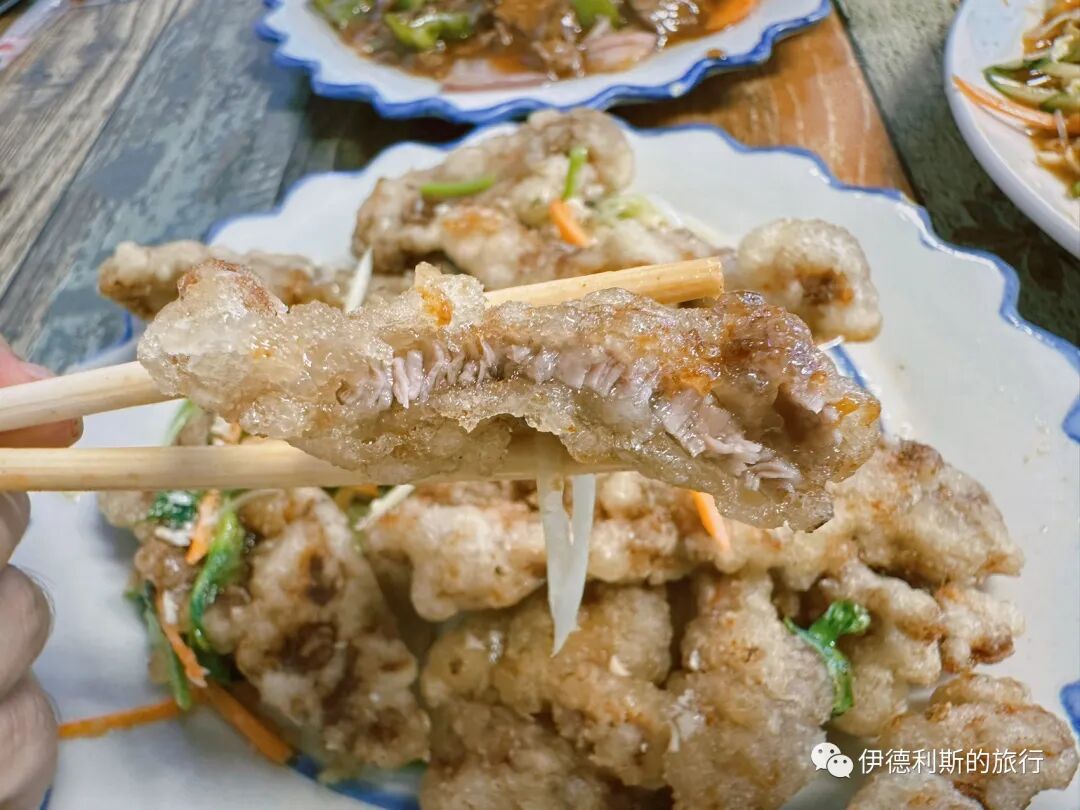
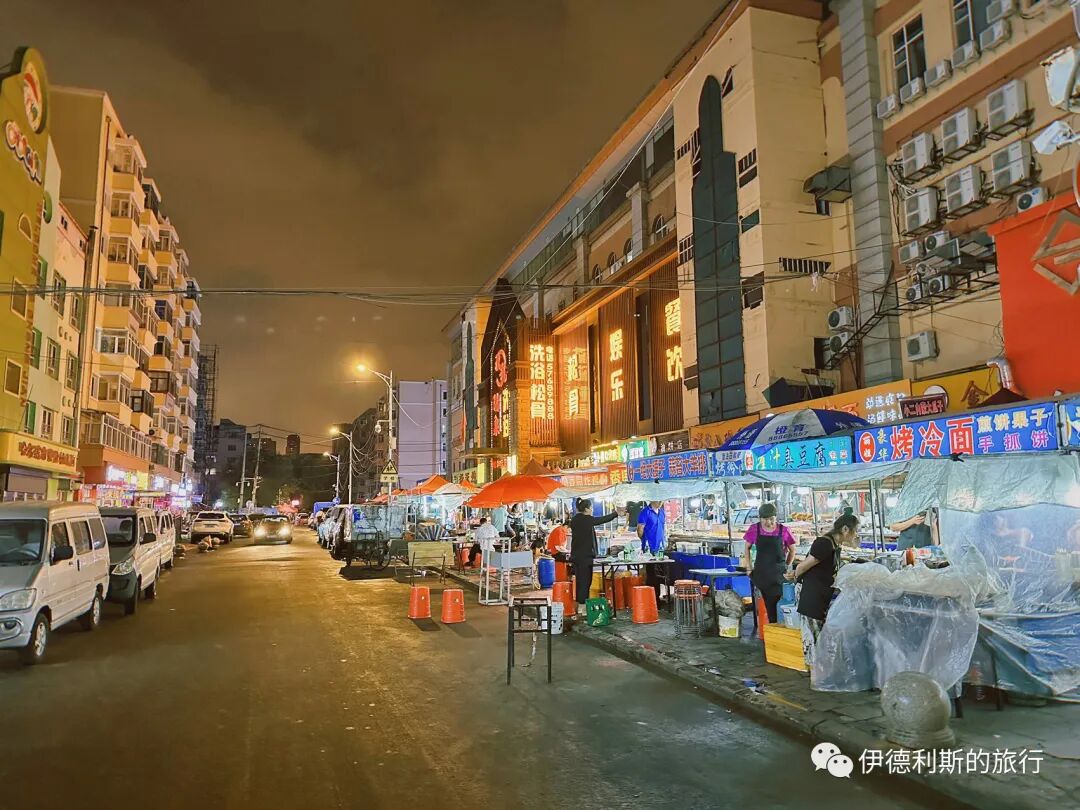
I arrived in Harbin in the evening and stayed near the Daowai Mosque. After settling in, I ate at the Heshun Pie Shop next to the mosque, ordering small pies (xianbing), savory-style stir-fried meat in batter (guobaorou), stir-fried raw meat slices (liusheng roupian), and home-style cold mixed vegetables. Northeast Chinese restaurants usually serve large portions, where one dish is enough to fill two people. Restaurants with 'small plate' signs are better for tourists, as you can order several different dishes at once.
This place perfectly matches my impression of a traditional halal eatery in Heilongjiang, with affordable prices and tasty food. When ordering, they ask if you want the stir-fried meat in batter to be sweet or savory. The savory version was created by old Hui Muslims in Harbin to distinguish it from the version served by the general public, though today there is no strict distinction and both styles are available.
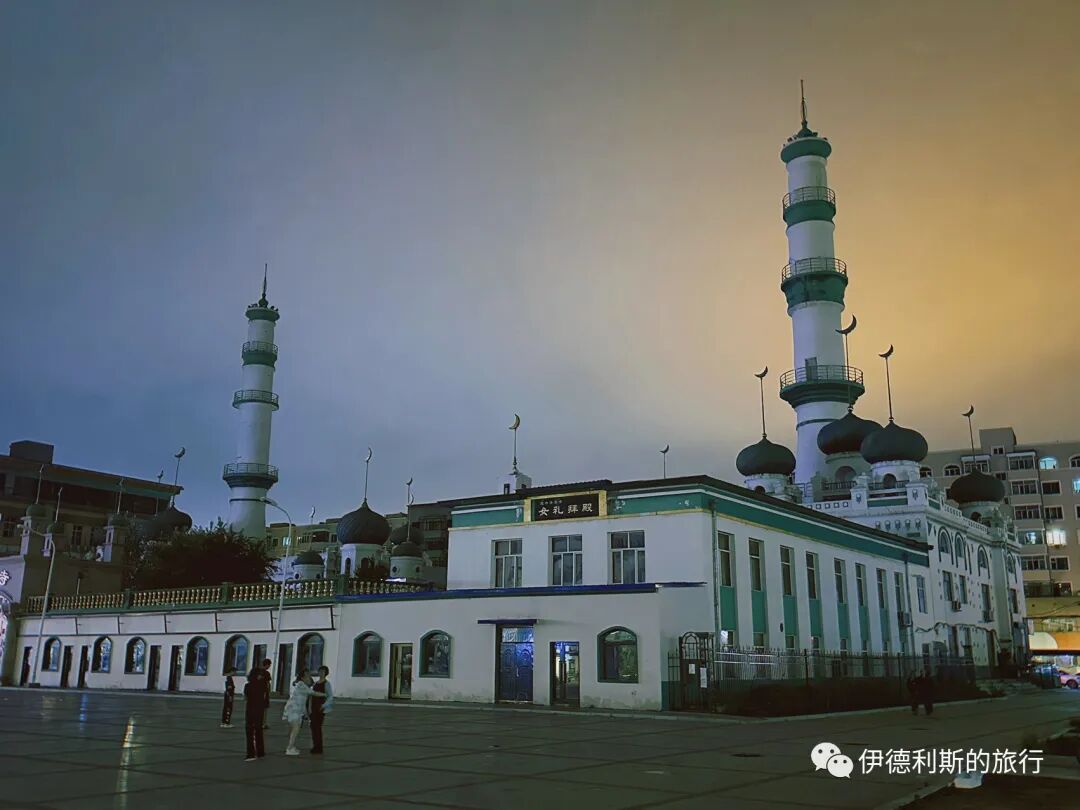
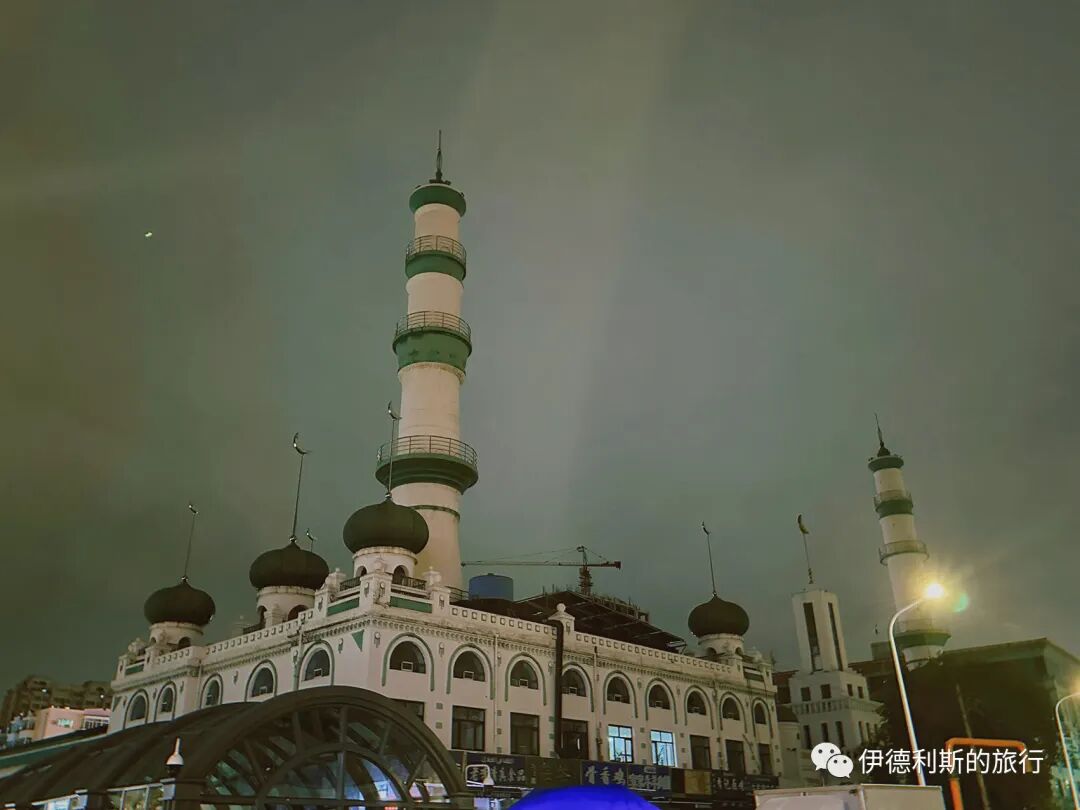
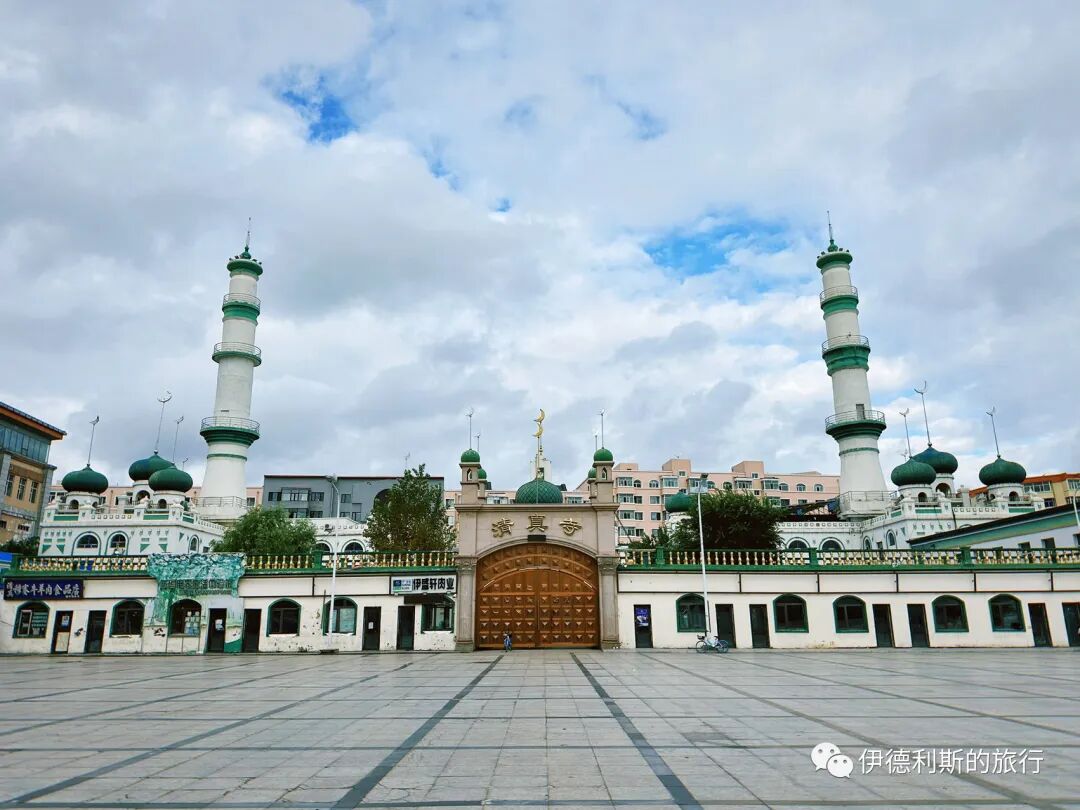
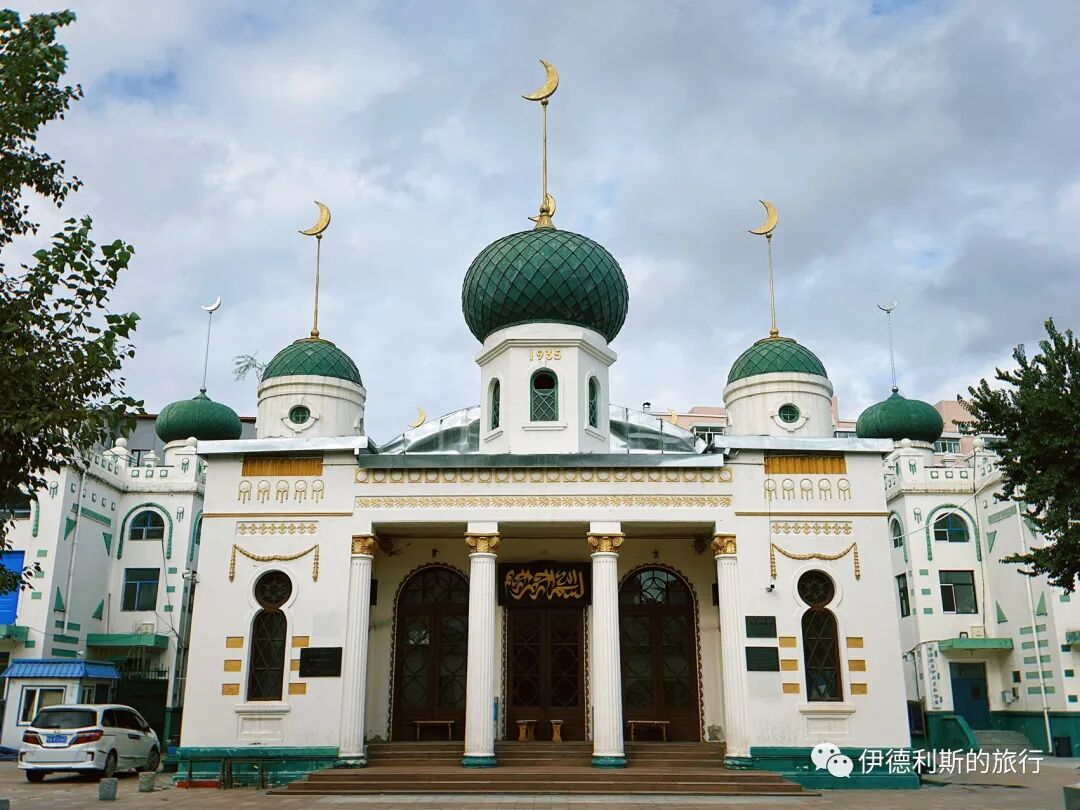
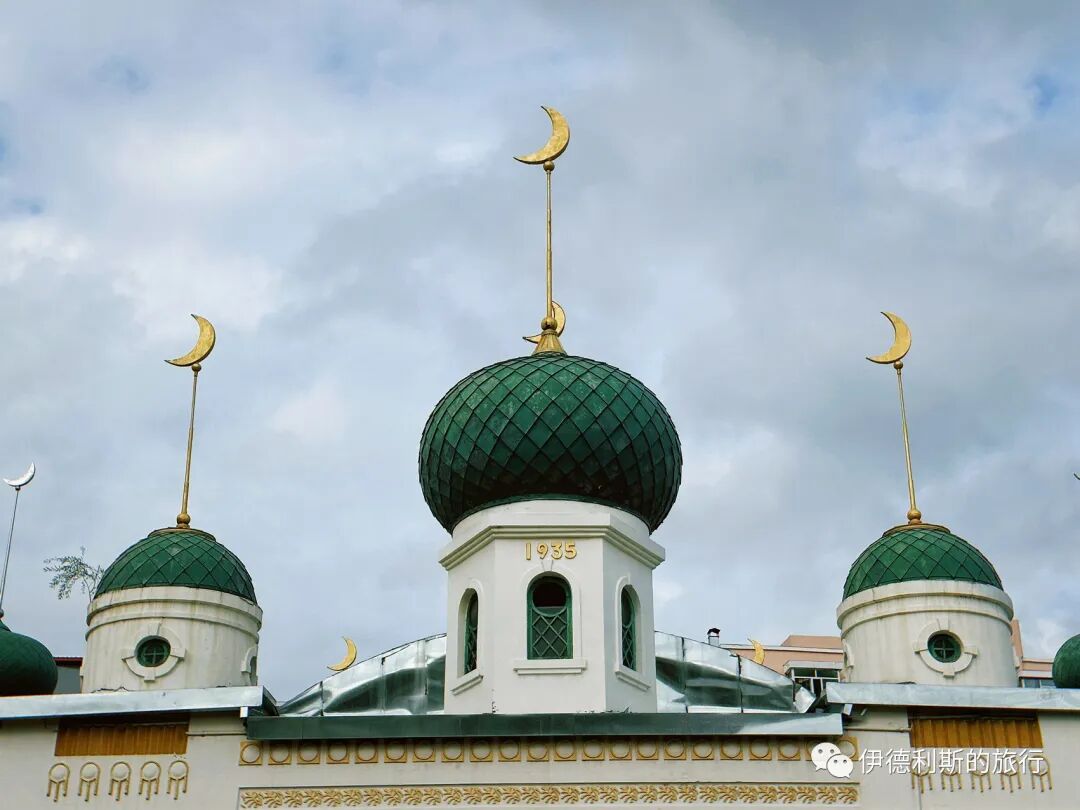
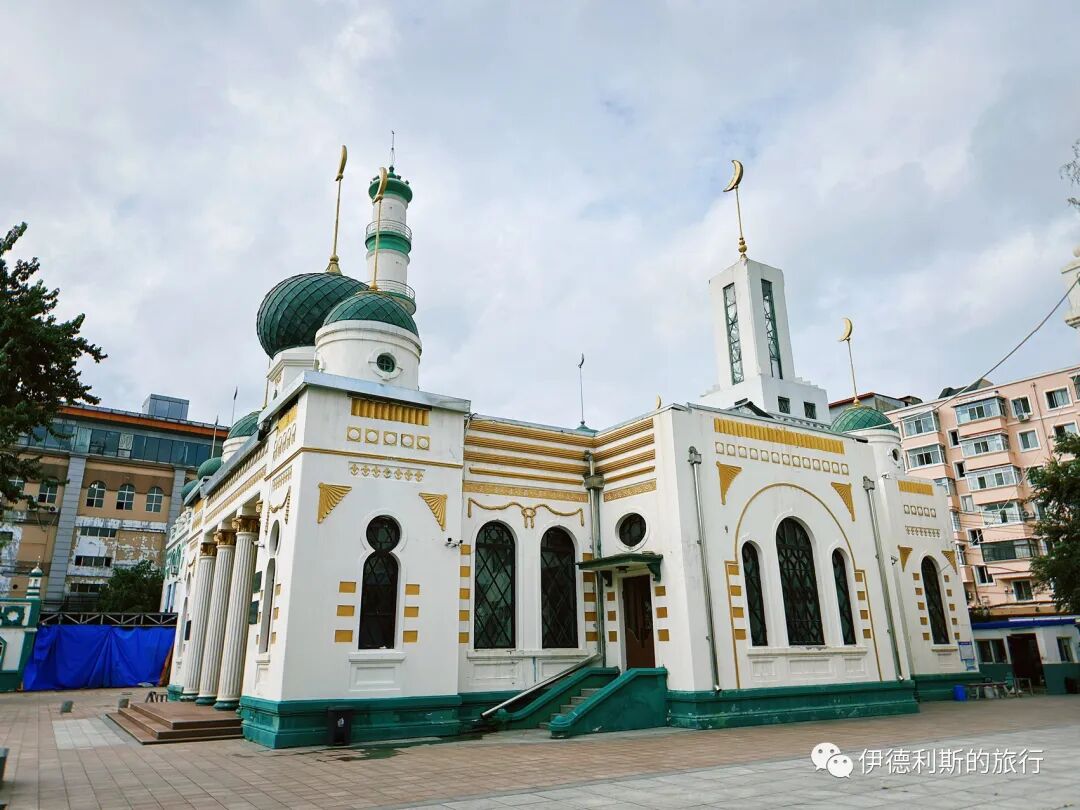
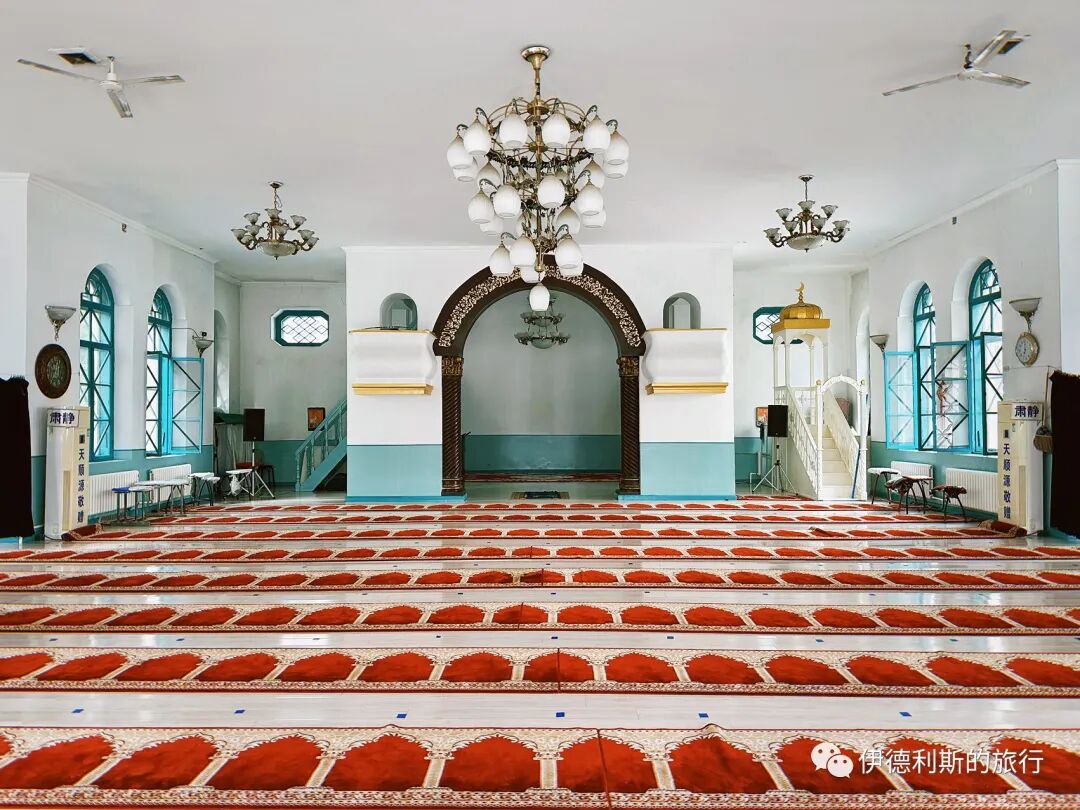
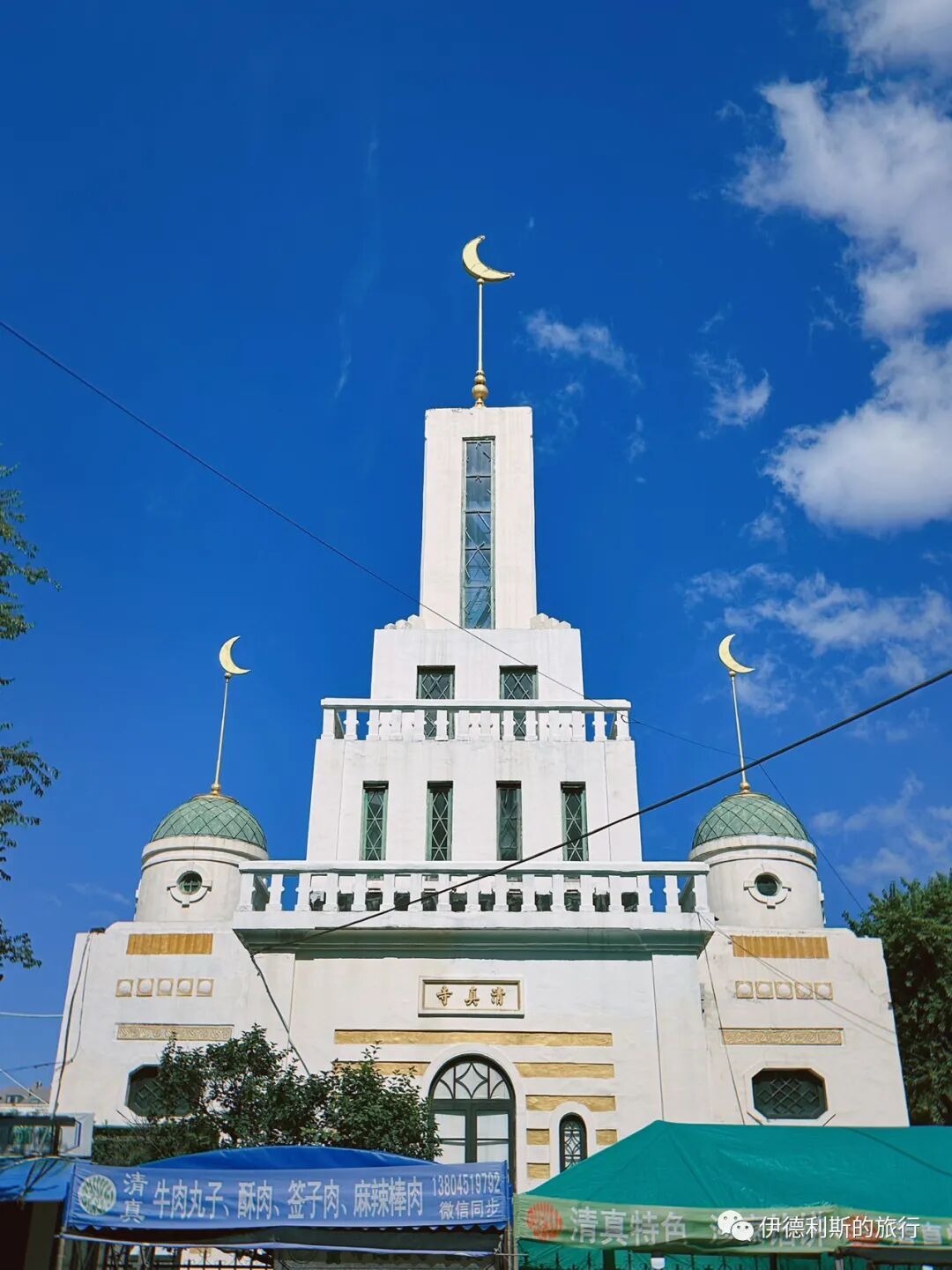
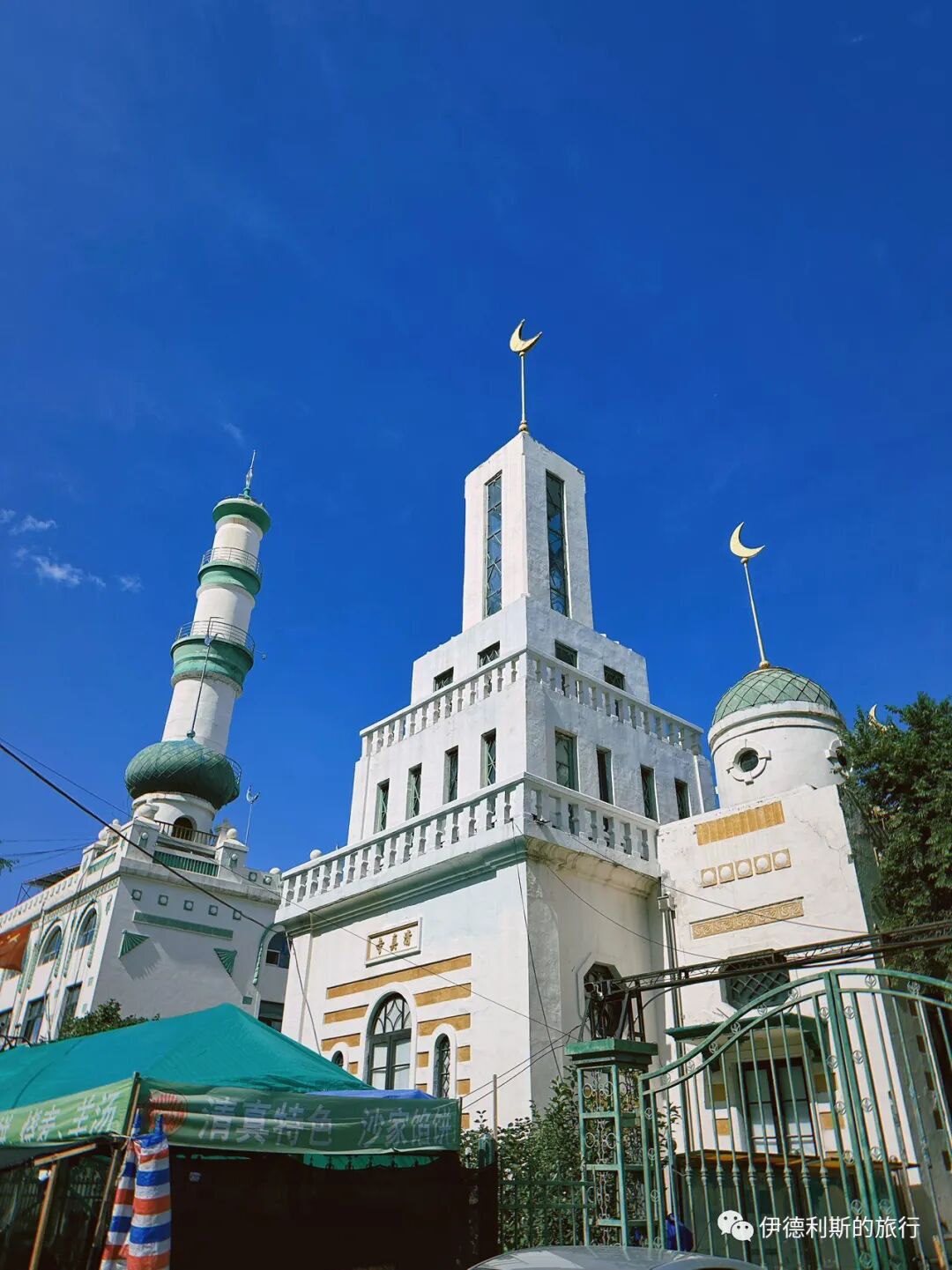
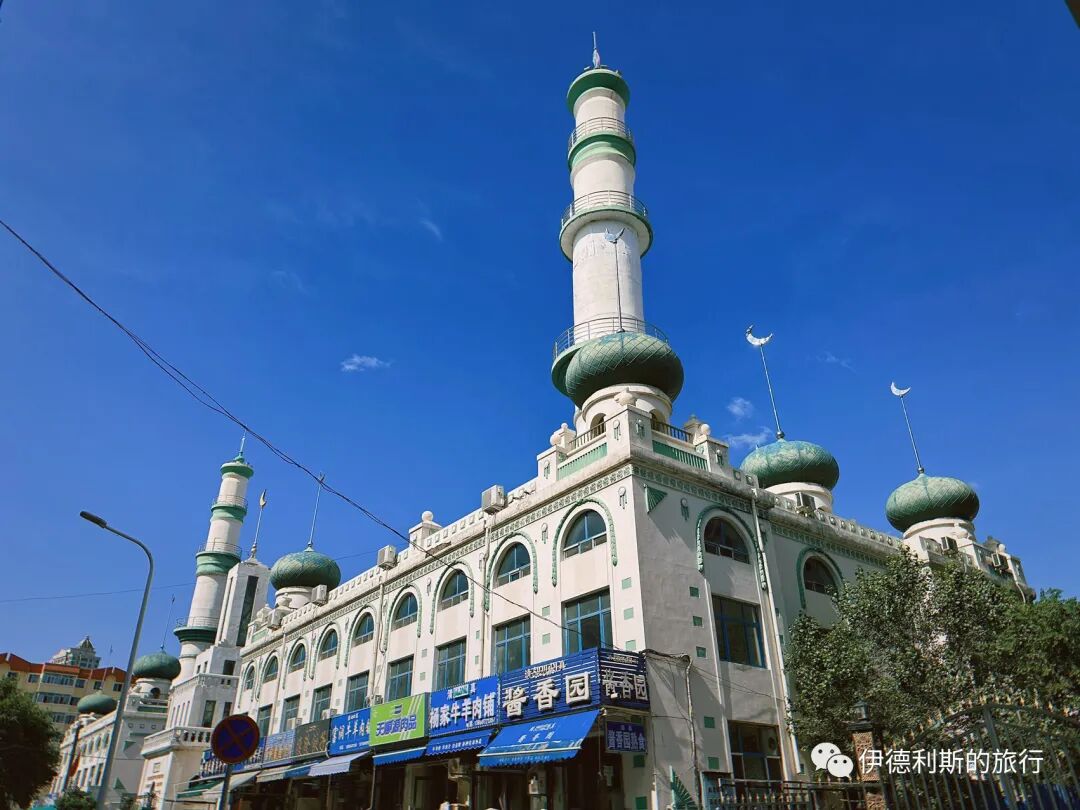
I visited the Harbin Daowai Mosque in the morning. The Daowai Mosque, also known as the East Mosque or Binjiang Mosque, started in 1897 (the 23rd year of the Guangxu reign) when Hui Muslims who came here to trade cattle bought five thatched houses on South 12th Street in Daowai. It was rebuilt in 1904. In the early 1930s, as the number of Hui Muslims in Harbin grew, Imam Ma Songting proposed building a new mosque. Chief Priest Bai Yusheng raised funds by writing donation requests (nietie) and hired Russian designers, the Krabryov siblings, to build the current main hall of the Daowai Mosque in 1935.
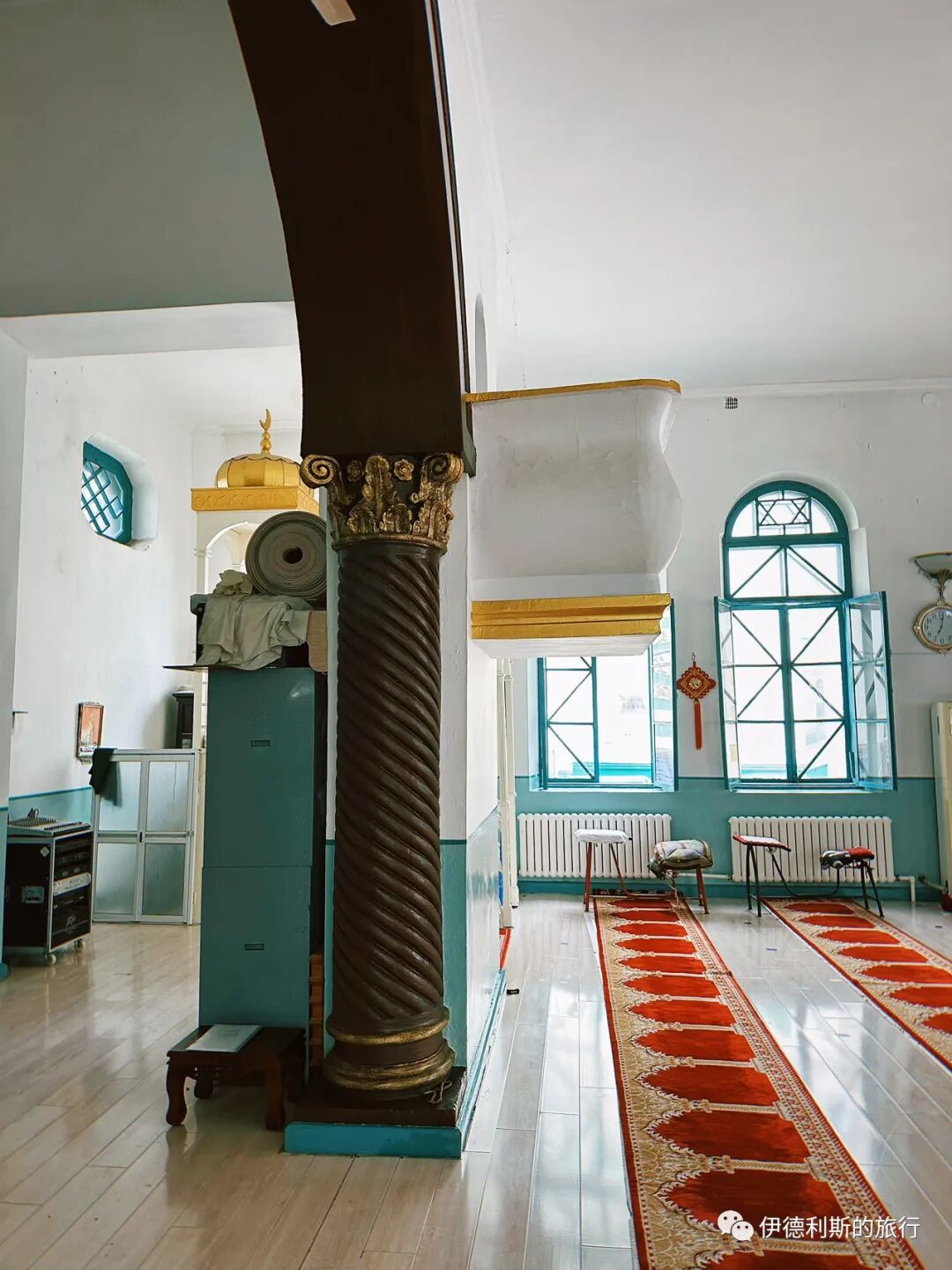
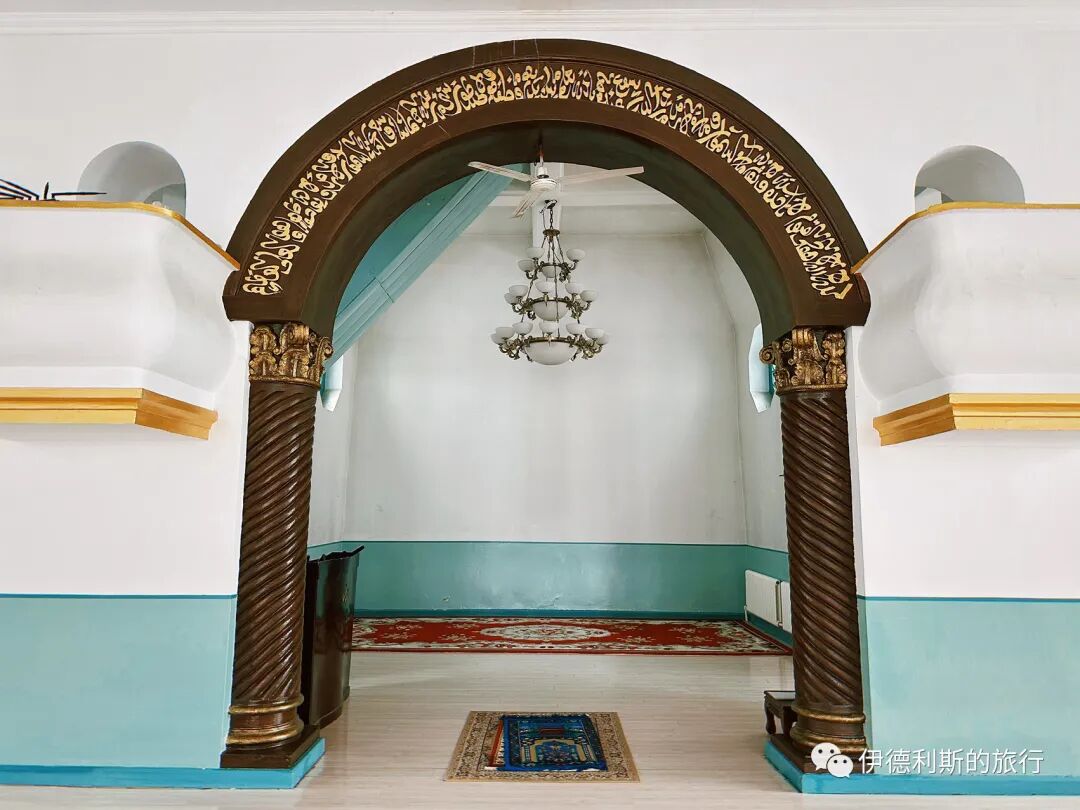
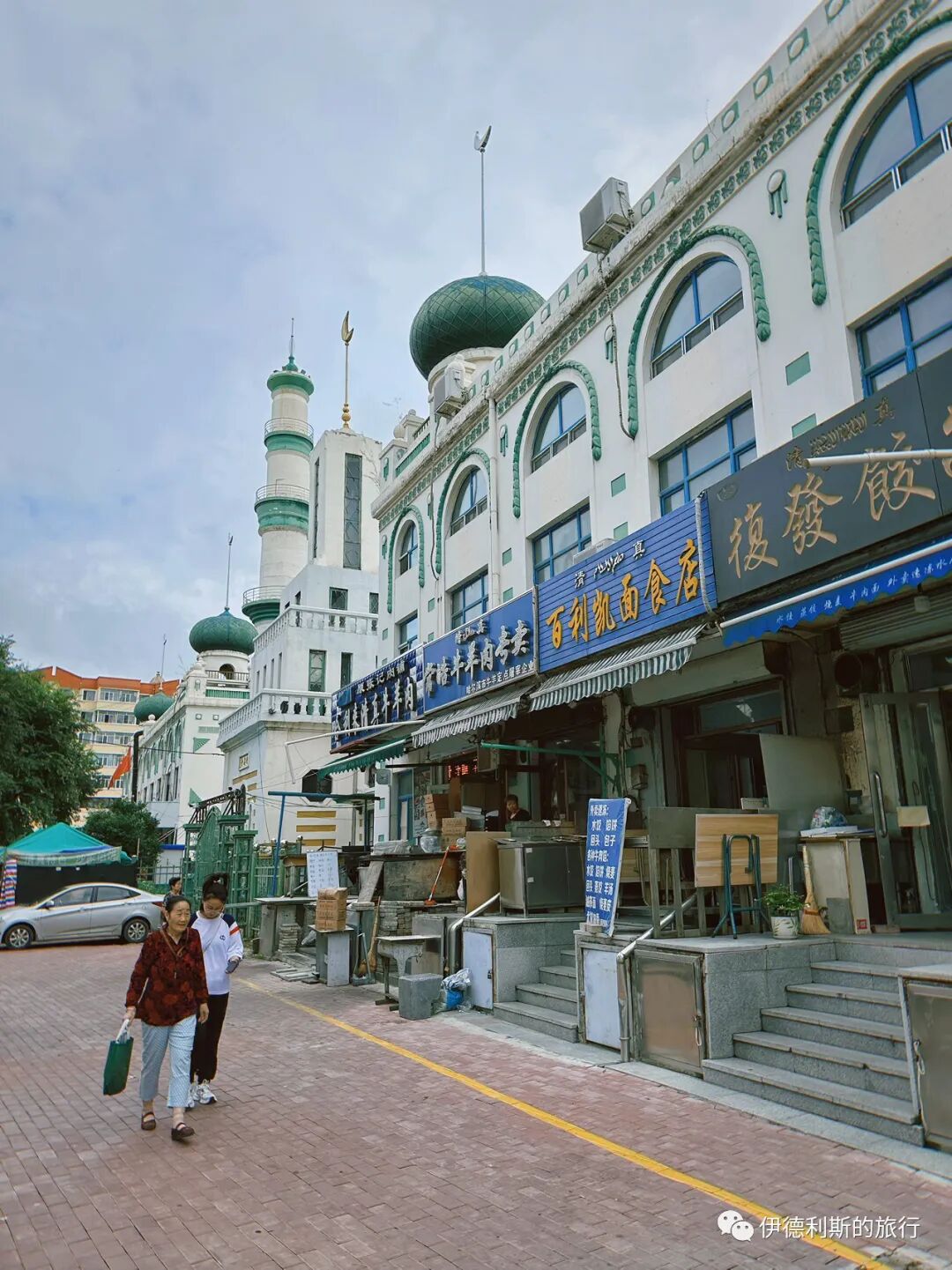
The main hall of the Daowai Mosque has a strong European feel, blending both classical and modern architectural styles. The use of ancient Greek Corinthian capitals and Russian-style onion domes makes the building elegant and steady. The moon-watching tower on the kiln hall roof was influenced by the Art Deco style popular in Europe during the 1920s and 1930s, with many vertical lines that make the building look simple and clear. The main hall of the Daowai Mosque is a significant piece of Republican-era mosque architecture and a witness to the time when Harbin was a gathering place for Russian immigrants.
The classic Russian onion dome actually originated in the Middle East. The earliest visible images of onion domes come from mosaics in Syria during the Arab Umayyad Caliphate (661–750 AD), and the earliest actual examples were built by the Seljuk Empire in Iran in the 11th century. Historians have not yet determined when Russia began using onion domes. Some scholars speculate they were learned from the mosques of the Kazan Tatars after Russia conquered the Kazan Khanate in the 16th century, while others believe they developed from Byzantine domes.
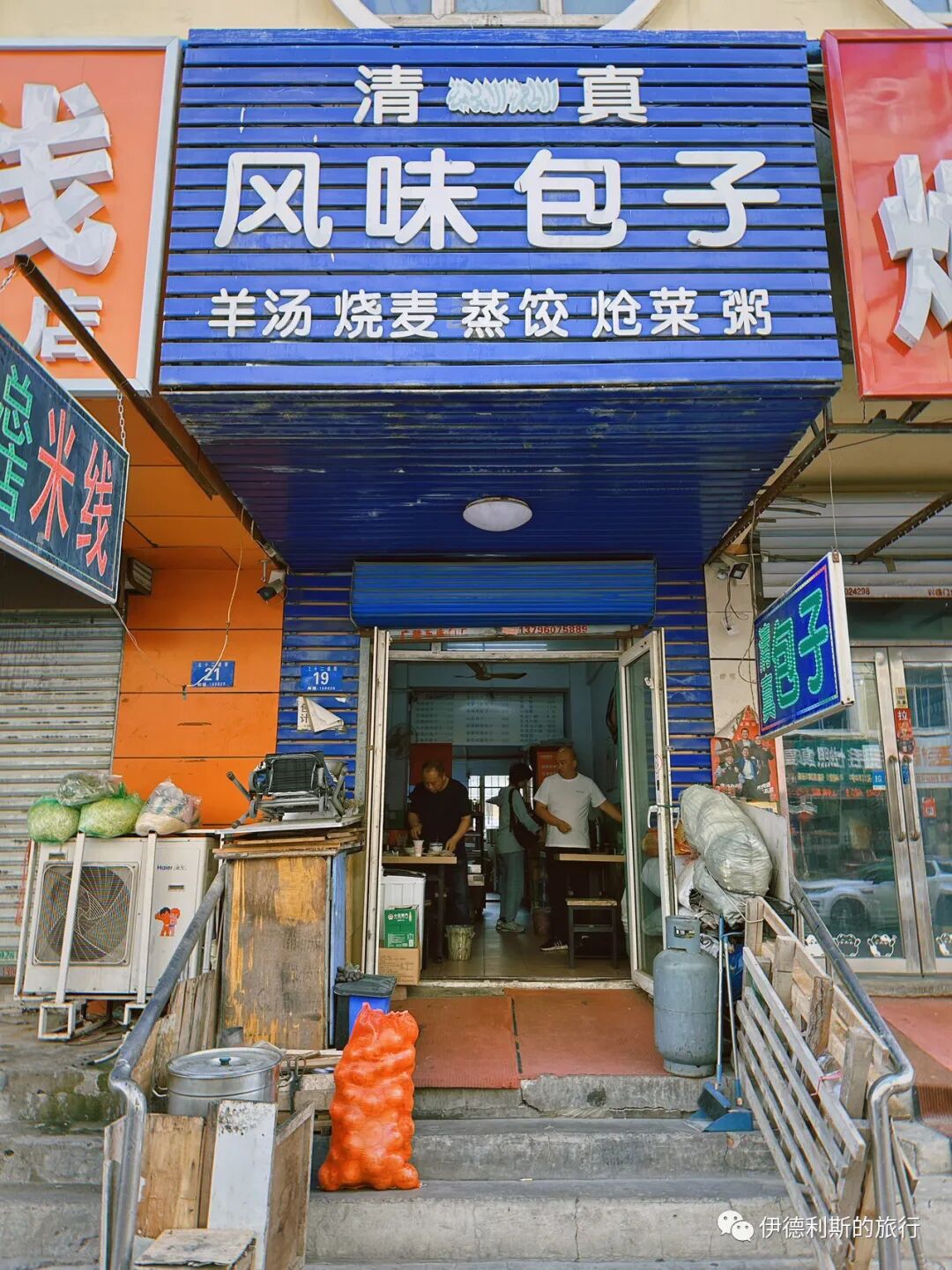
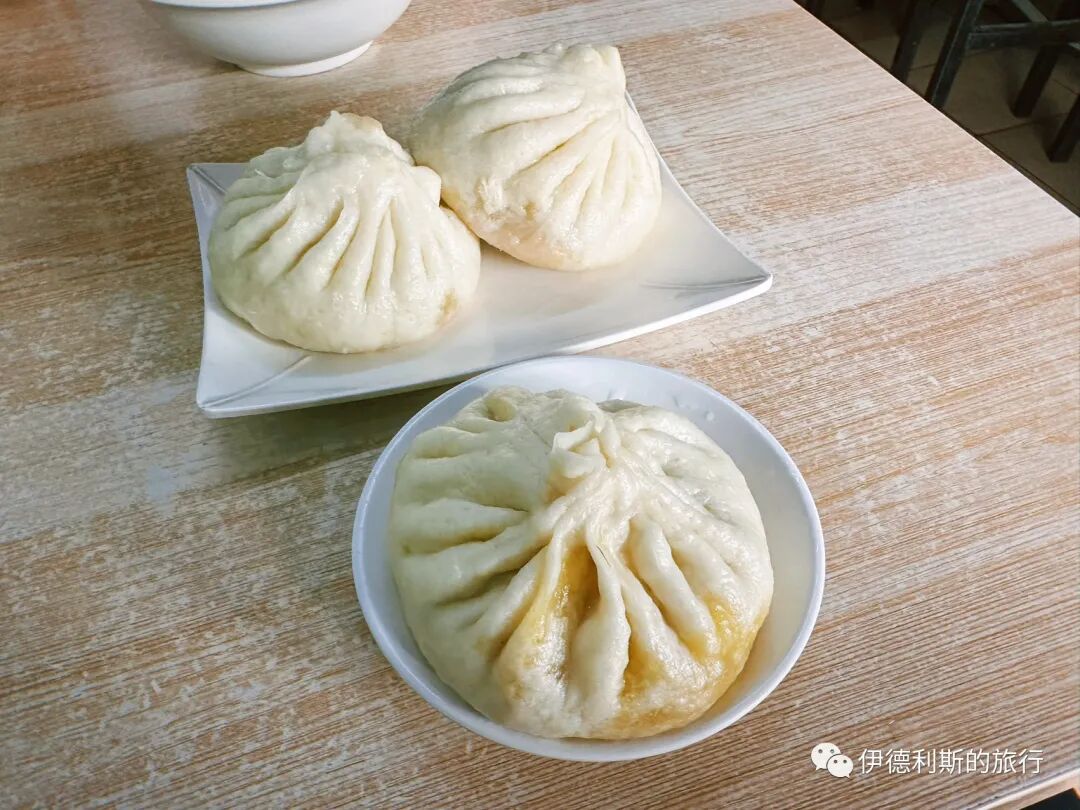
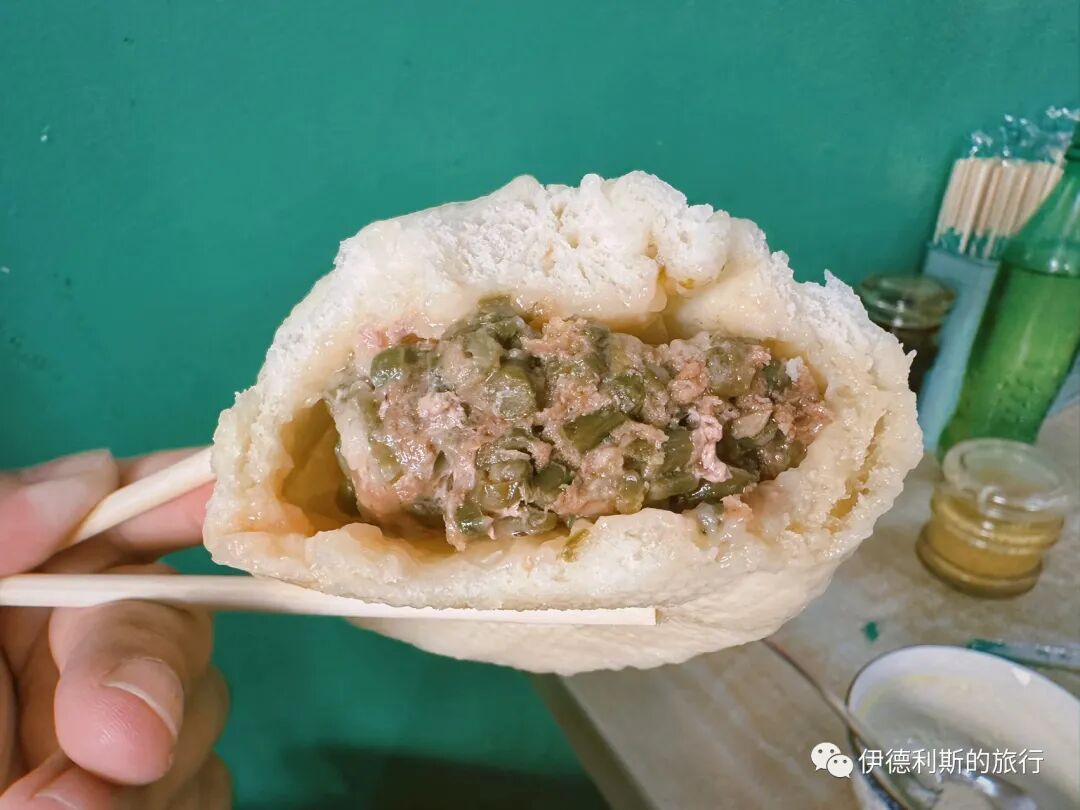
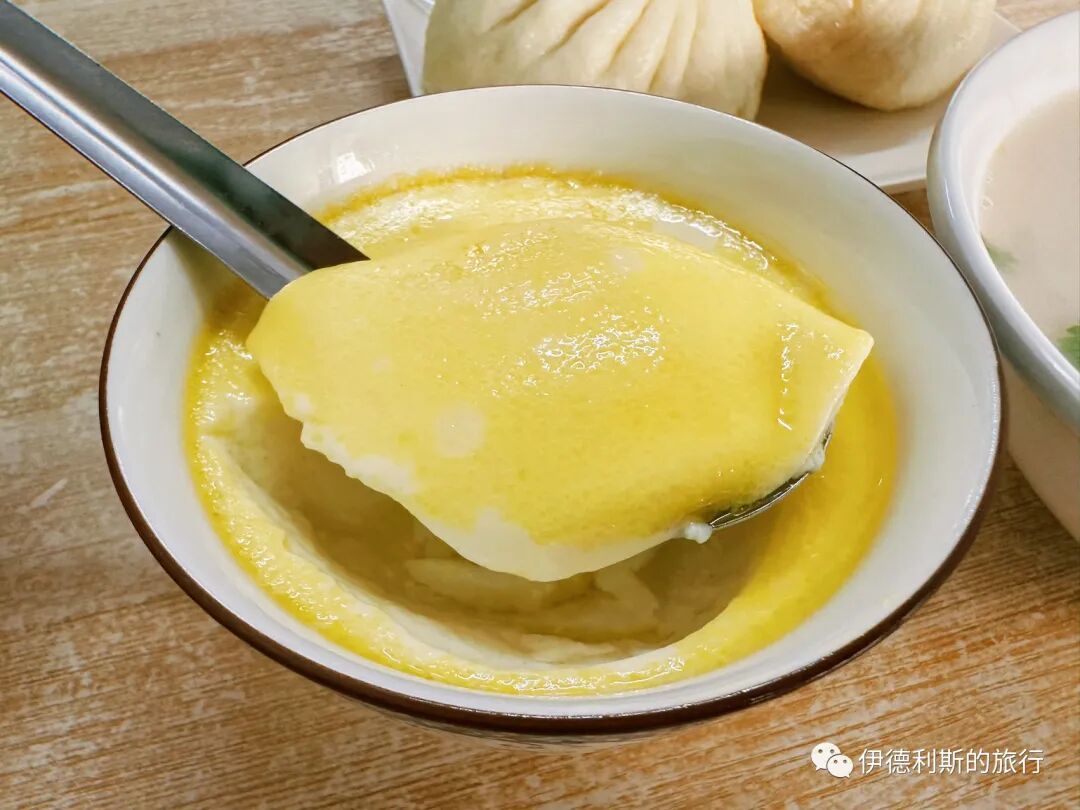
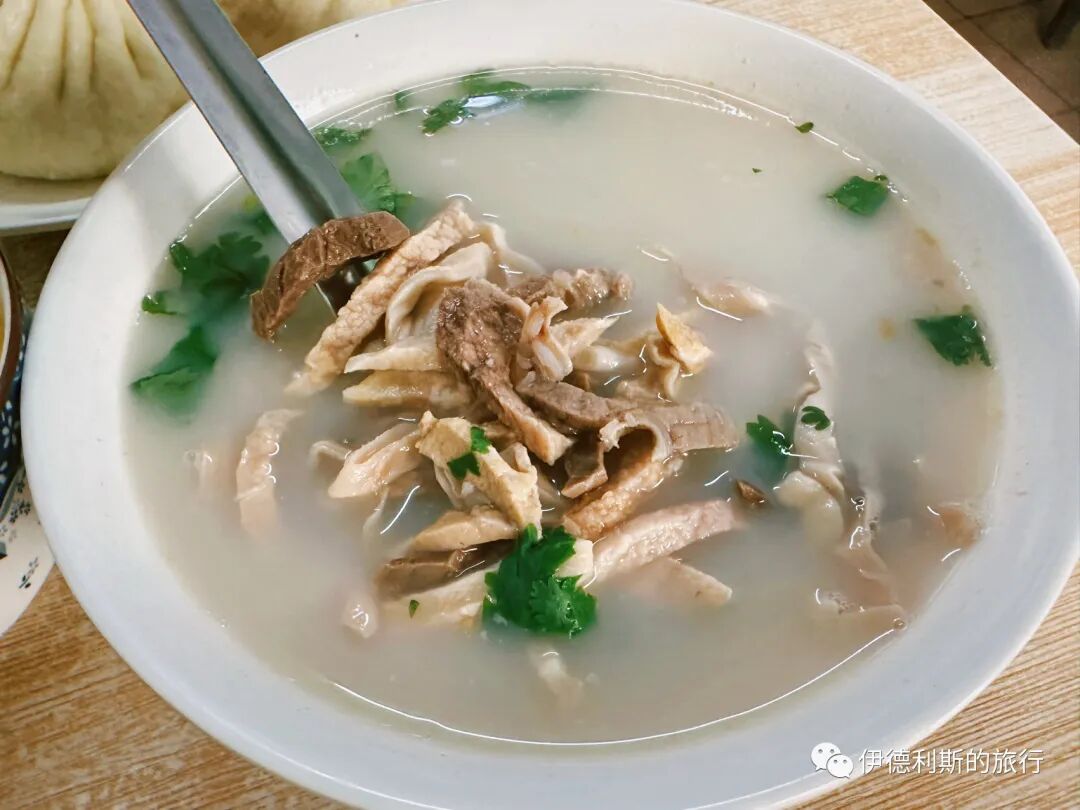
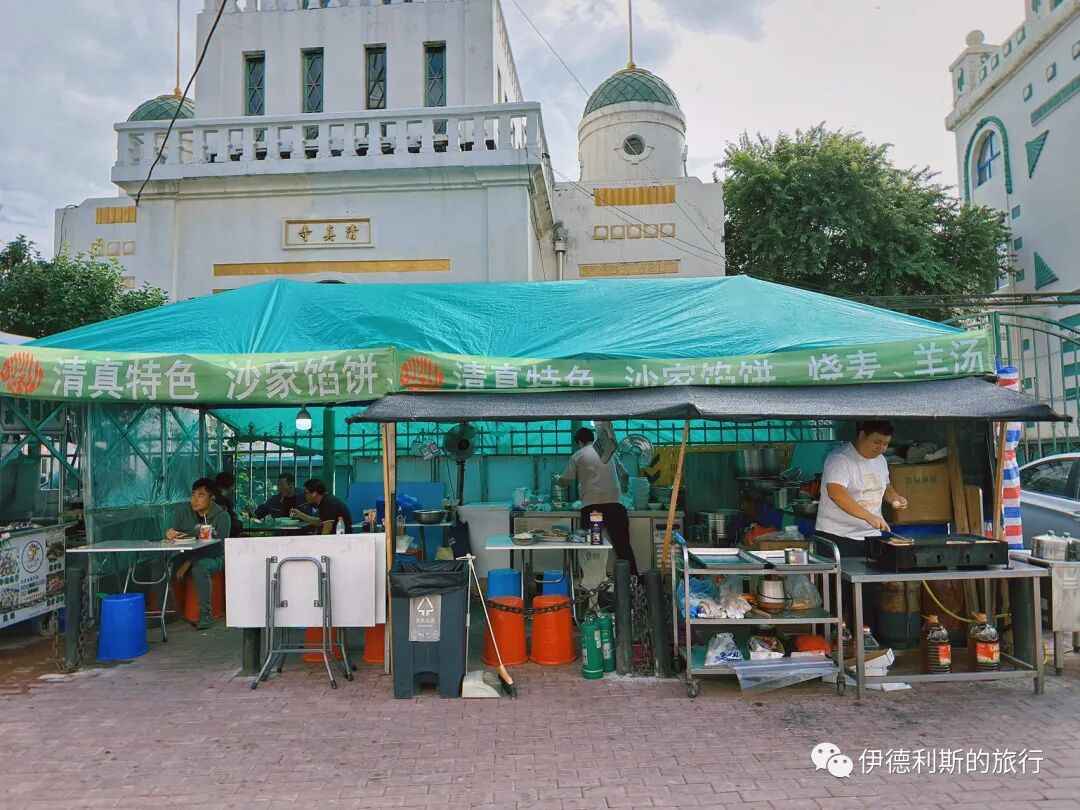
There are two breakfast spots next to the Daowai Mosque: a pie shop at the mosque entrance and a steamed bun shop nearby. We ate at the steamed bun shop, having green bean and meat buns, Shandong-style buns, steamed egg custard (jigengao), and lamb bone broth (yangtang). The Shandong-style buns are filled with chunks of meat and cabbage, not minced meat. I have eaten steamed egg custard for breakfast in both Shandong and the Northeast, and it is really perfect for the morning. I sometimes make it at home, but it is a pity I have never seen it in breakfast shops in Beijing.
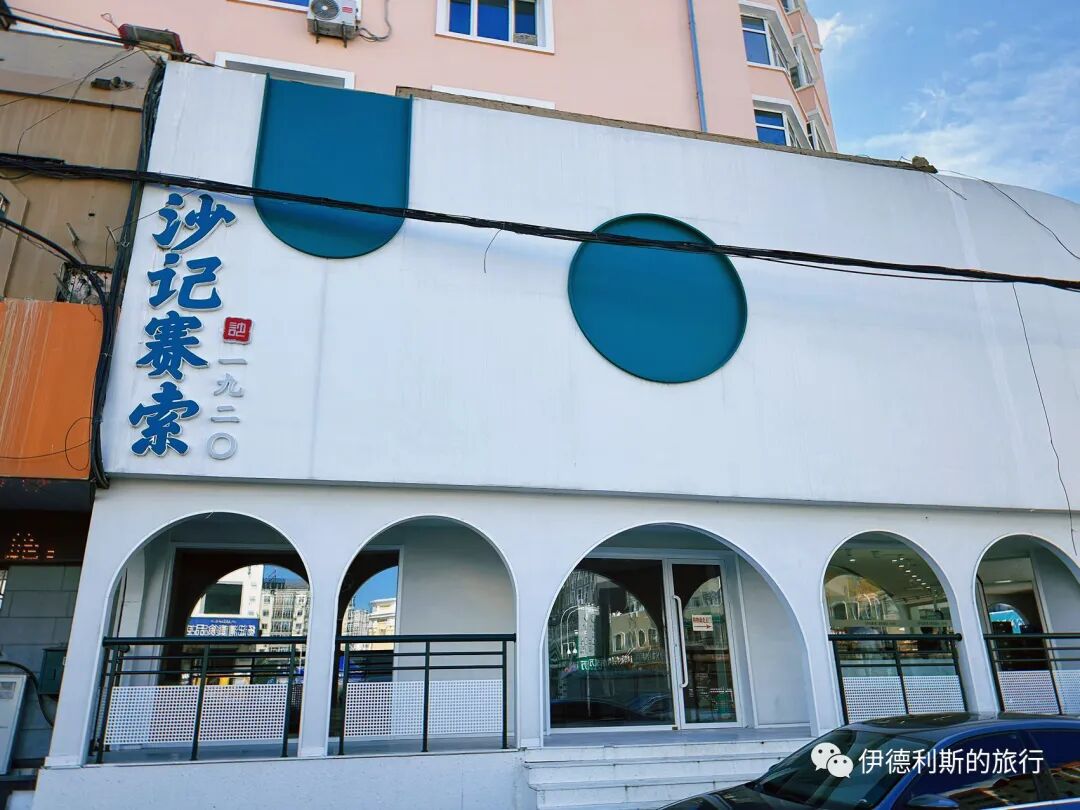
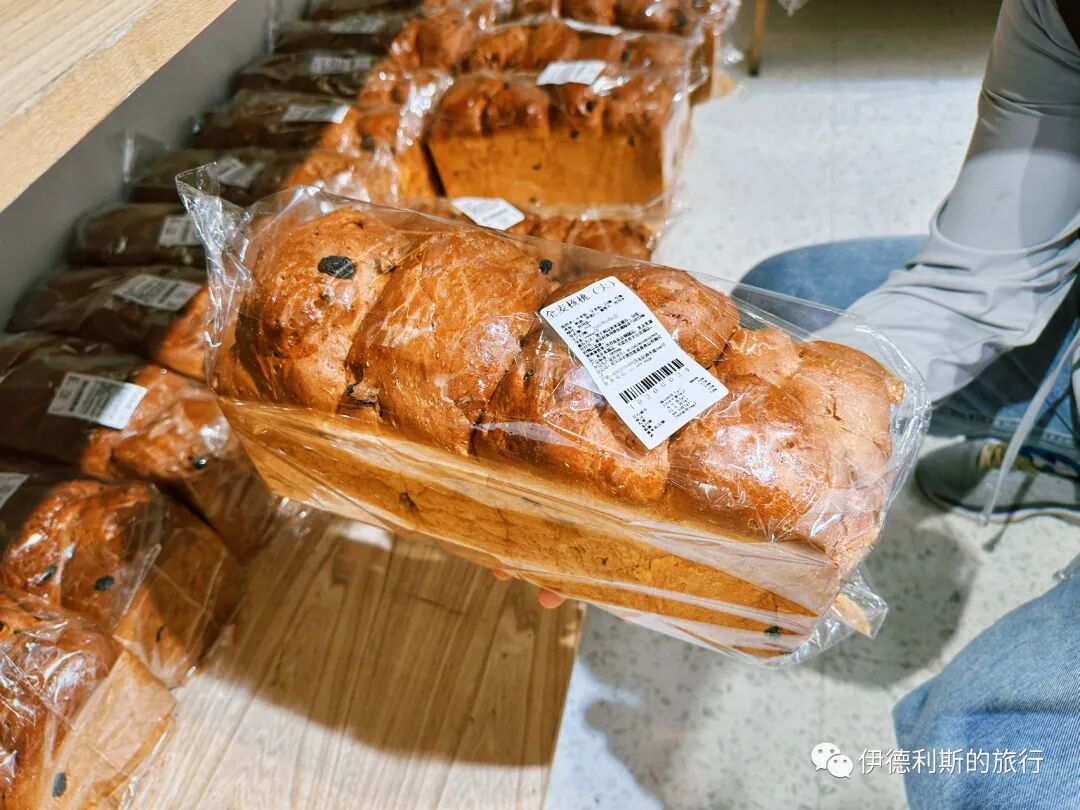
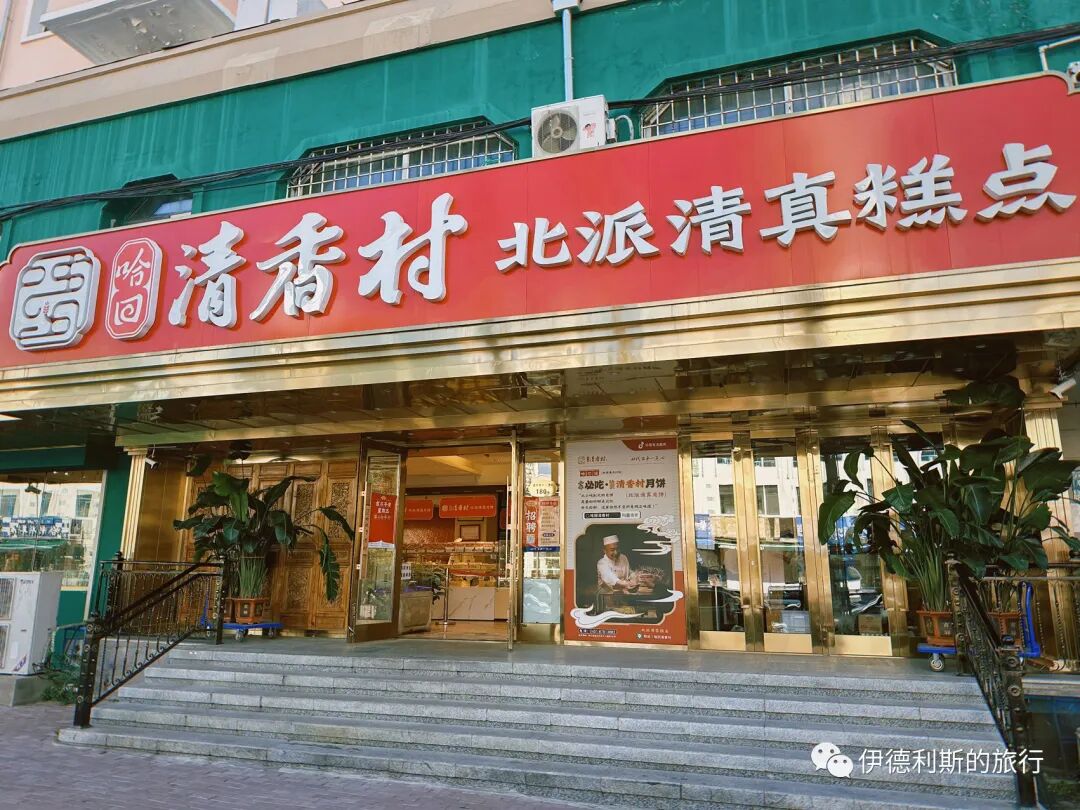
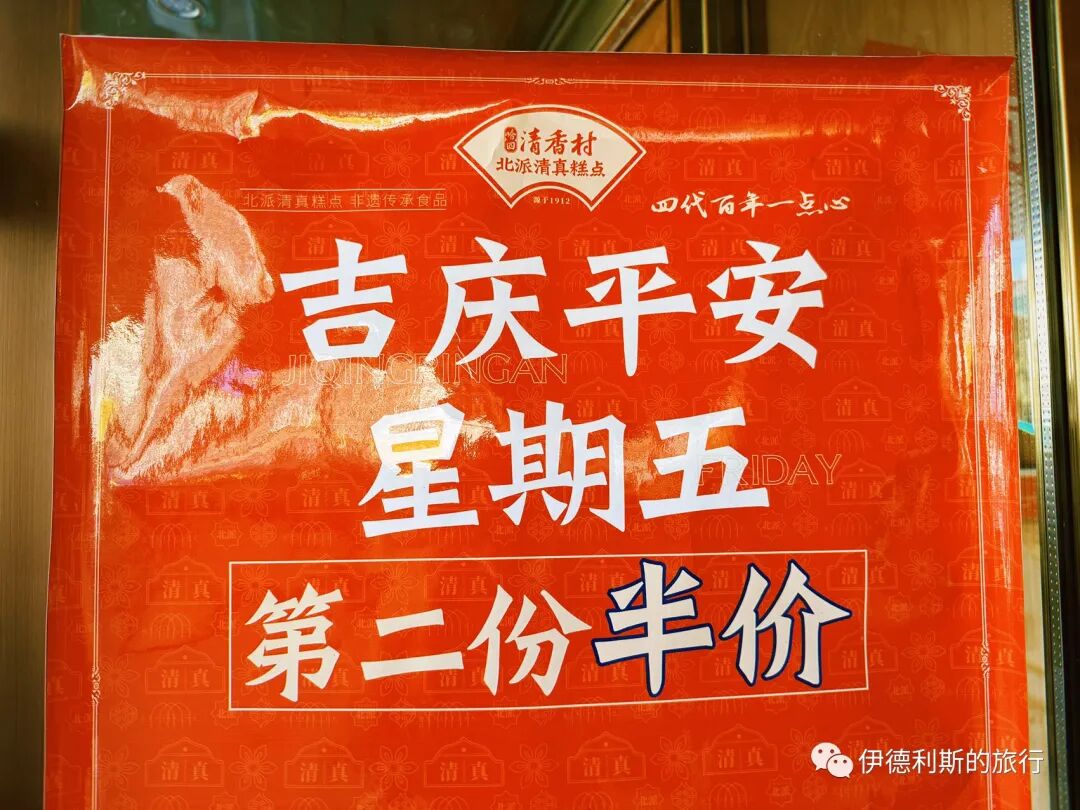
Behind the mosque in Daowai, there are two time-honored intangible cultural heritage pastry shops: Shaji Saisuo and the northern-style halal pastry shop Qingxiangcun.
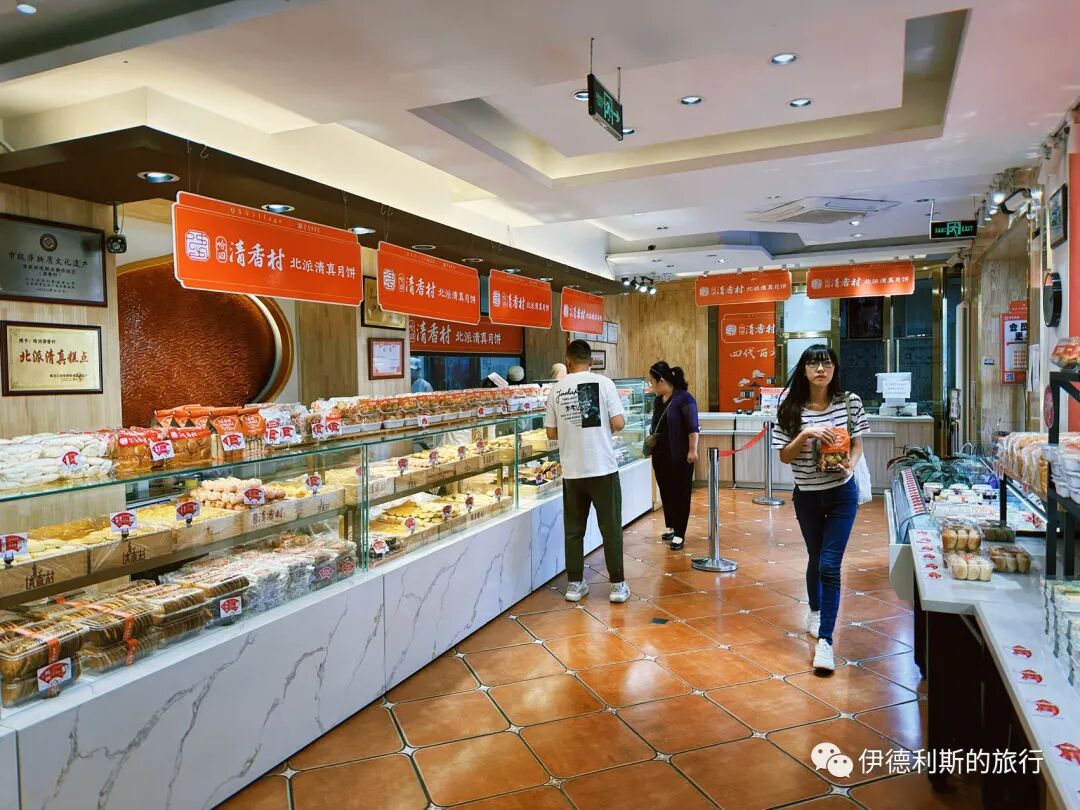
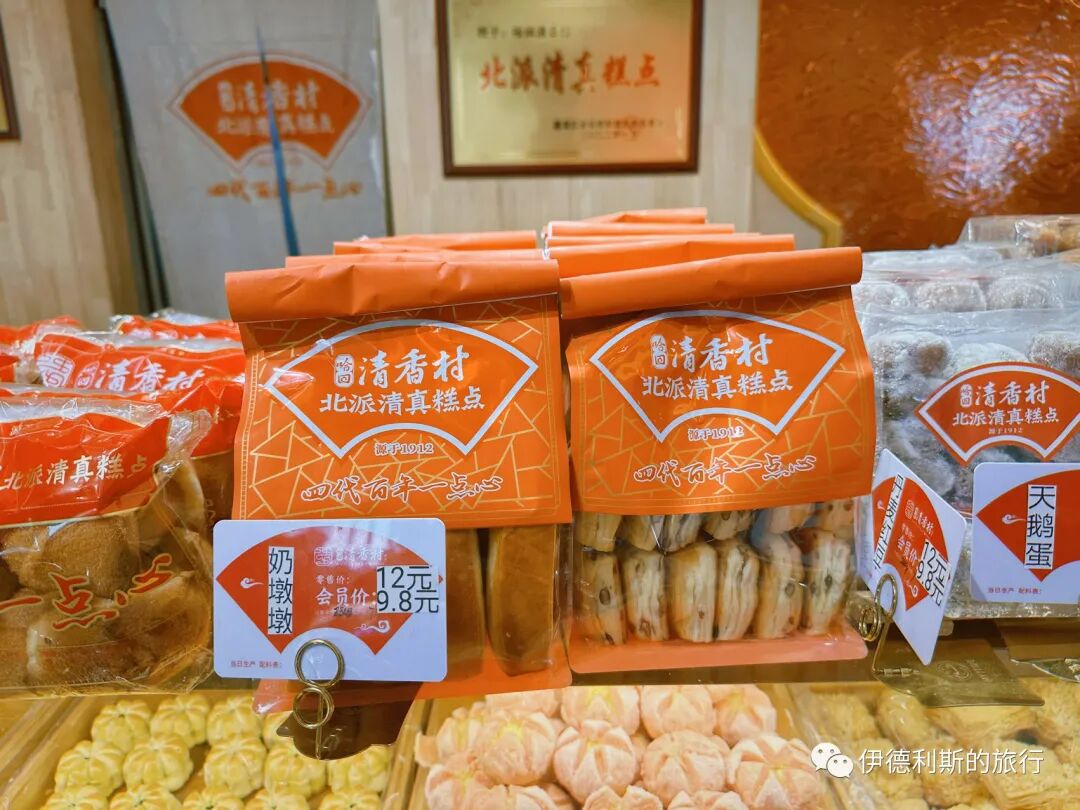
Yang Zengshan, the grandfather of Qingxiangcun owner Yang Zhi, opened Zhenxingguan in Harbin in 1931, which mainly sold steamed dumplings (shaomai) and steamed buns (baozi). His great-grandfather, Ma Rong'en, opened Jinancun in the early 1940s to sell halal pastries. After the public-private partnership in 1956, Yang Zhi's parents, Yang Xianting and Li Guiqin, worked at the Harbin Hui Muslim Pastry Factory. After the factory closed in 1990, the couple opened the Meiguozhai Pastry Factory. At first, they mainly sold sweet rice balls (yuanxiao), and later added bread and pastries. Meiguozhai was officially renamed Qingxiangcun in 1996. In 2006, it moved behind the Daowai mosque. With the shop in front and the factory in the back, they still maintain traditional techniques.
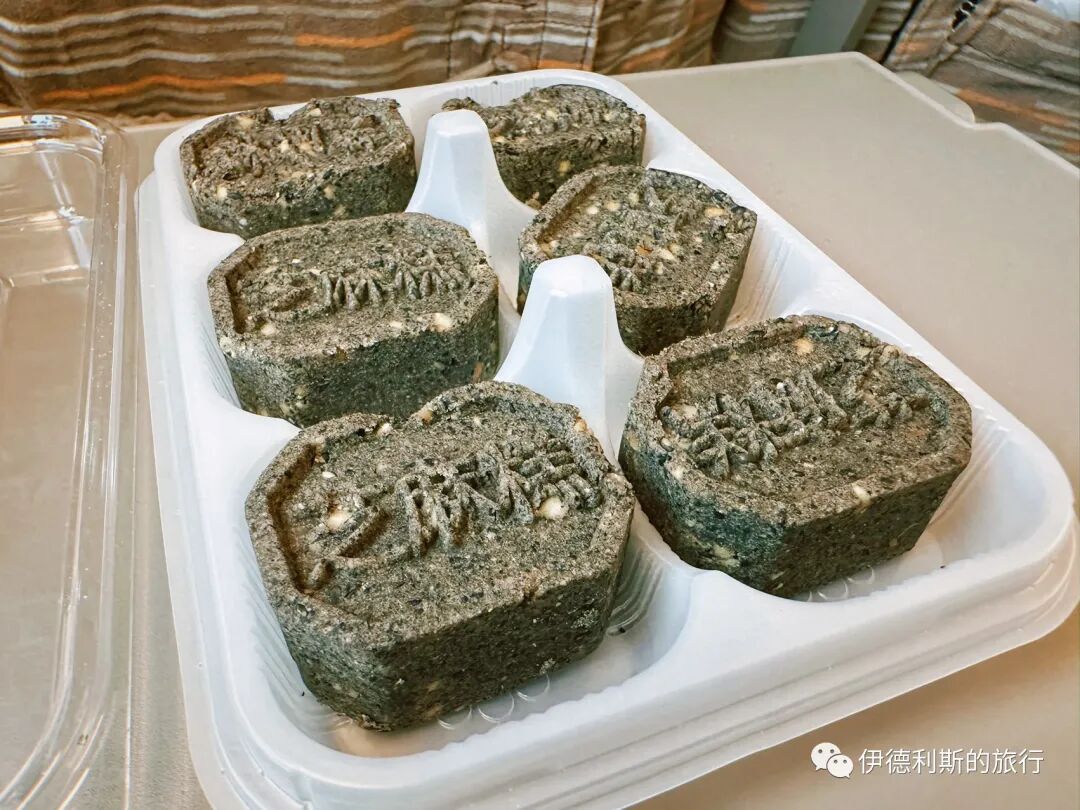
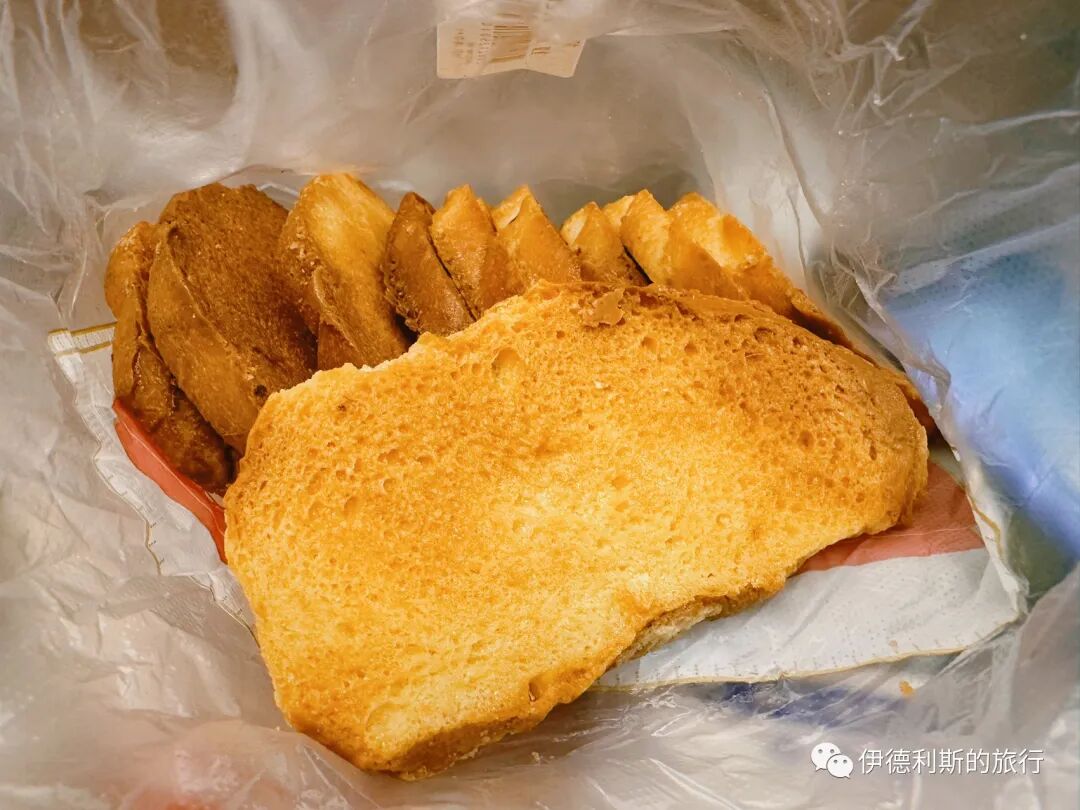
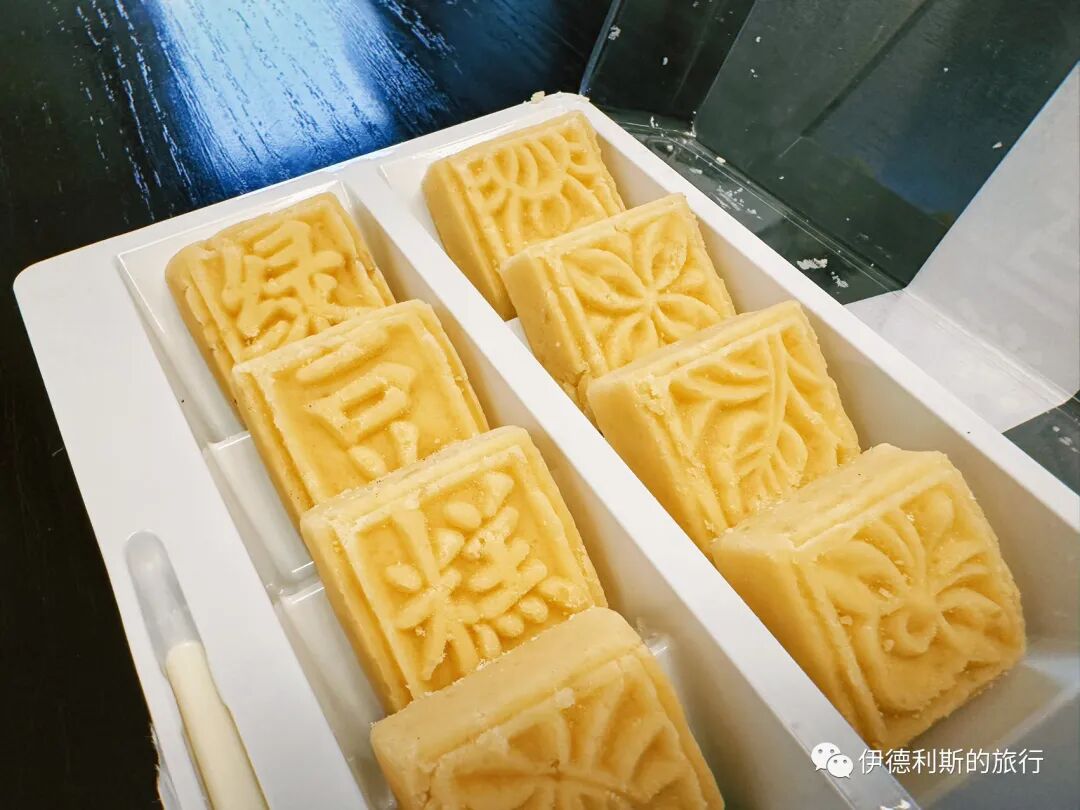
First, I have to say the portions of bread here are huge! You cannot even finish one whole-wheat walnut bread from Shaji in a week! Finally, we bought black sesame cakes, mung bean cakes, and milk-flavored crisps at Qingxiangcun, and they all tasted great.
At noon, we went to the century-old halal restaurant Laoguojiaguan on Desheng Street in Daowai, Harbin. We actually discovered this place by accident while taking a taxi the night before. As a son-in-law of the Guo family, I was just talking to my wife about how rarely I see halal restaurants run by the Guo family, and then I turned my head and saw this one! I quickly saved it on my phone and went to eat there the next day.
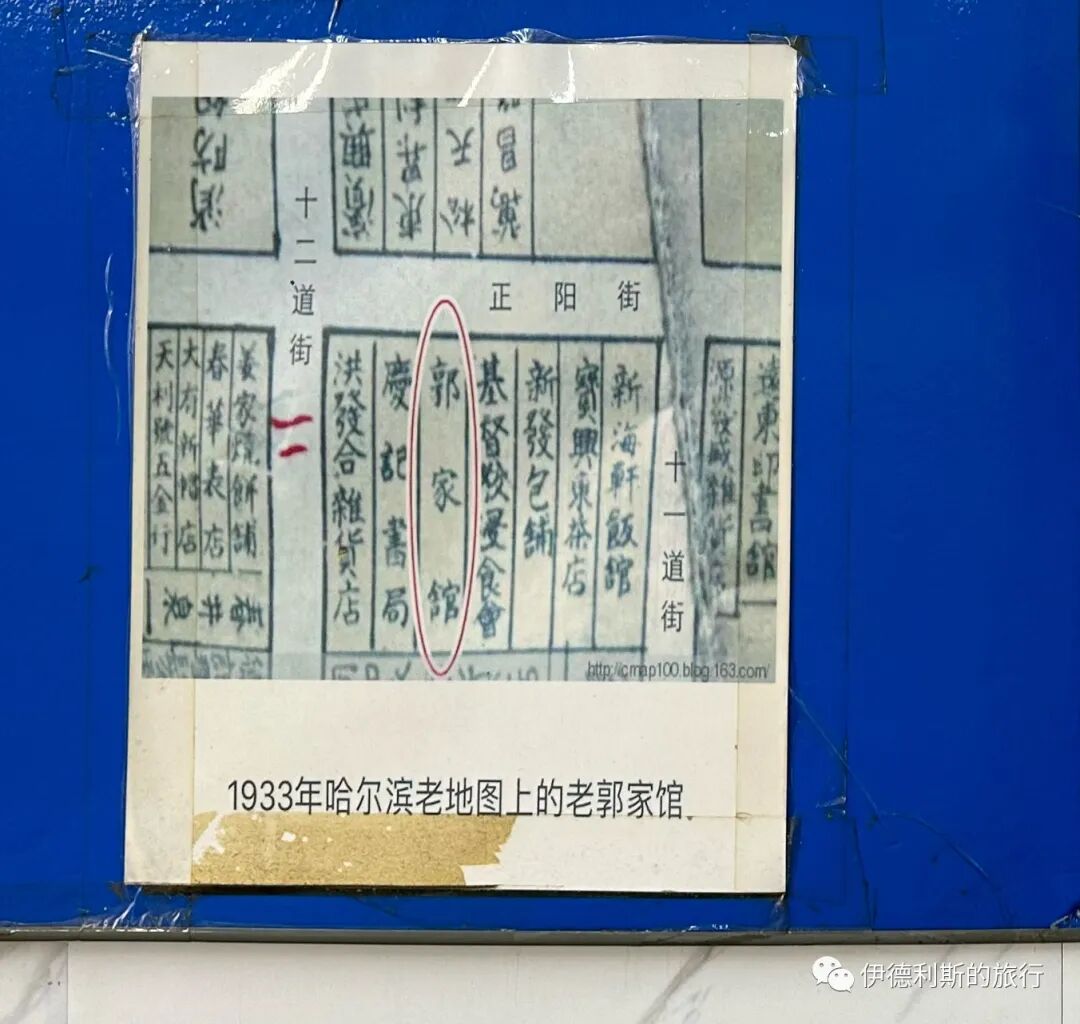
Guojiaguan was founded by Guo Shaoxian in 1927 on Zhengyang 11th Street in Daowai. The 1933 "Guide to Greater Harbin" records that Guojiaguan served various dishes and catered banquets. Additionally, Guojiaguan was listed in documents such as the 1934 "Harbin Daowai Business Directory" and the 1937 "Harbin Special Municipality Daowai Commerce and Industry Directory."
Guo Shaoxian was originally from Zhangluji, Shen County, Liaocheng, Shandong. He came to Harbin in the early 1920s as part of the migration to the northeast. It is said he first sold steamed buns (baozi) from a basket while walking the streets, and after saving enough money, he opened Guojiaguan on Zhengyang 11th Street in Daowai. Before the public-private partnership, Guojiaguan was nearly 100 square meters with 12 large square tables. They served various stir-fried dishes, including braised meat strips (baoroutiao), stir-fried tripe (liuduling), stir-fried clear mirror (liumingjing), crispy fried meat strips (jiaoshaoroutiao), and sweet and sour pork (guobaorou). The head chef, Ma Bingsheng, was a veteran of Guojiaguan with superb culinary skills. The pastry chef is named Jin Guangli. He specializes in pan-fried dumplings (guolao), pan-fried buns (shuijianbao), meat pies (xianbing), steamed dumplings (shaomai), and steamed dumplings (zhengjiao). The skin of his meat pies is so thin you can see the filling inside.
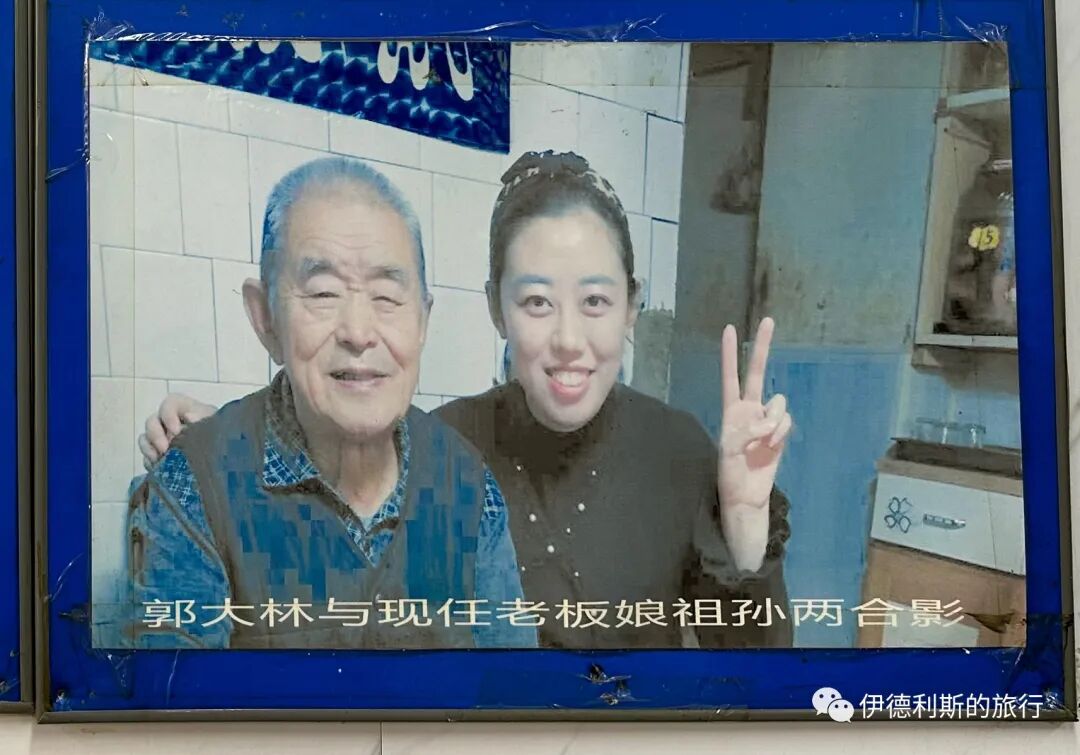
After the public-private partnership in 1956, Guo Family Restaurant (Guojiaguan) and Huaxinghao merged to form the Daowai Hui Muslim Restaurant. Guo Shaoxian was assigned to work as a pastry chef at Xiangyang Restaurant (formerly Wuji Renyi Restaurant) on Jingyang Street until he retired. Among Guo Shaoxian's descendants, the only one who inherited his craft is his grand-nephew, Guo Dalin. Guo Dalin was born in 1937 in Zhangluji, Shen County, Liaocheng, Shandong. In 1953, at the age of 16, he traveled to Harbin to join his great-uncle Guo Shaoxian and began his apprenticeship at Guo Family Restaurant. After the public-private partnership in 1956, Guo Dalin worked at the Daowai Hui Muslim Restaurant. In 1983, he revived the old Guo Family Restaurant brand. In 2003, he opened a new location on Desheng Street, which has been running for 20 years now. Today, his granddaughter manages the restaurant.
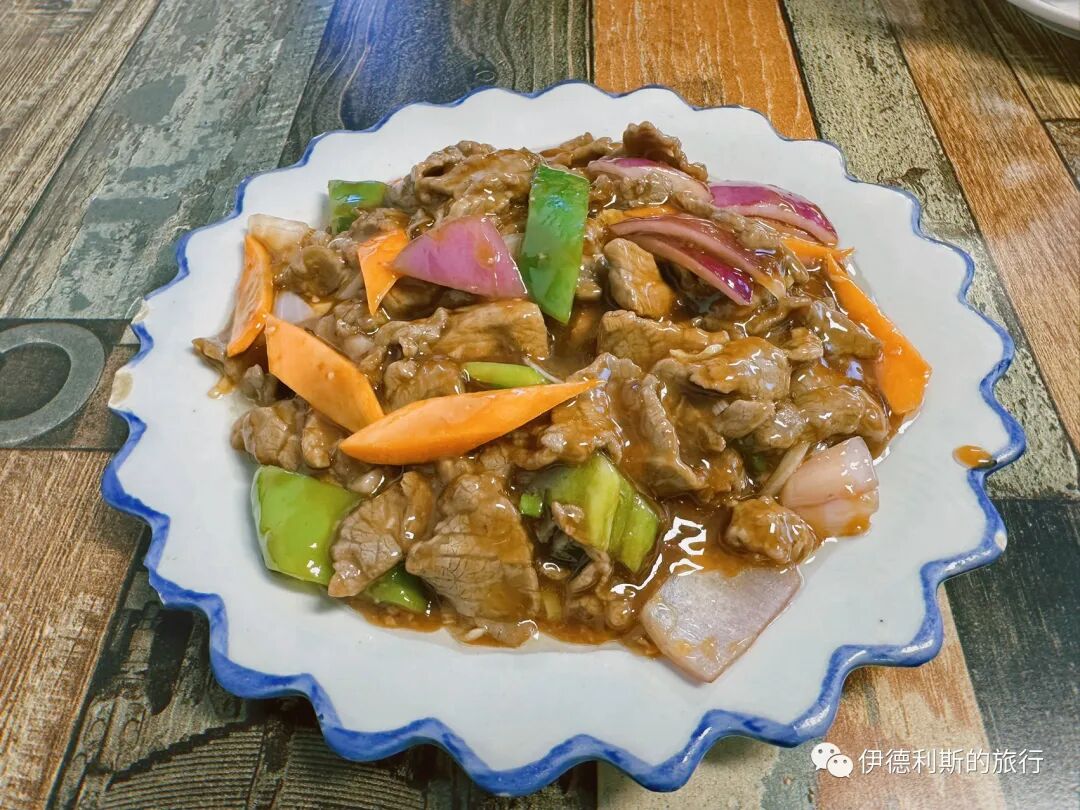
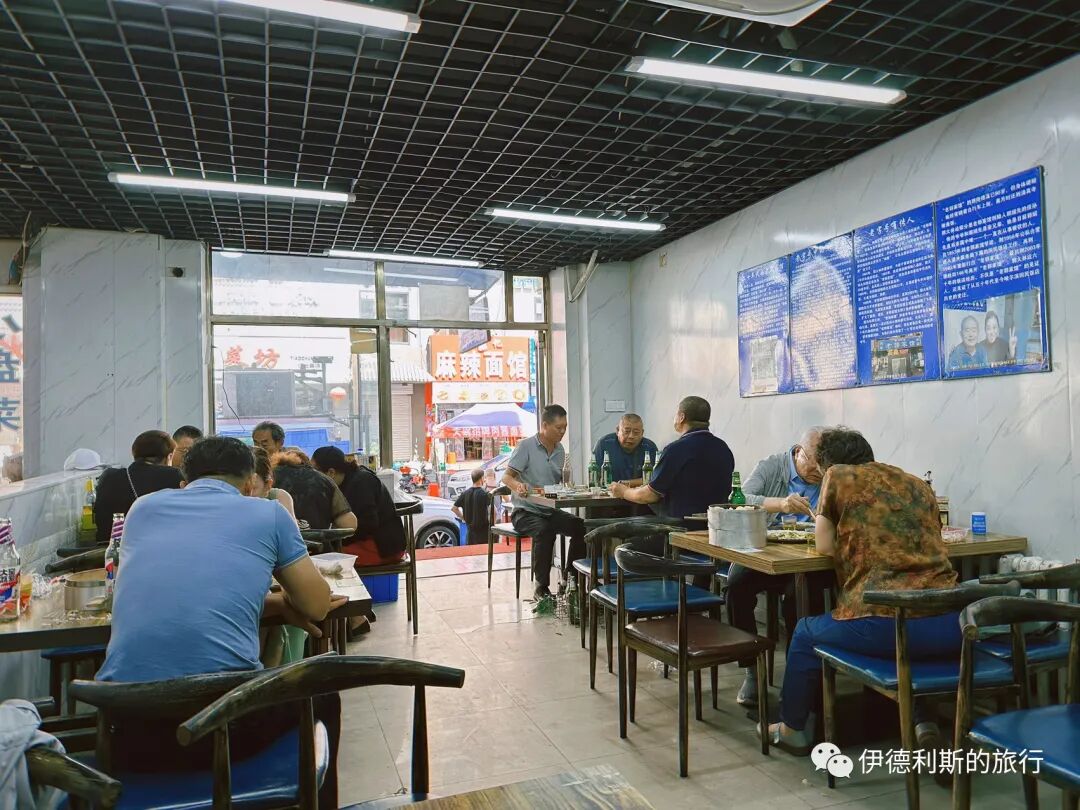
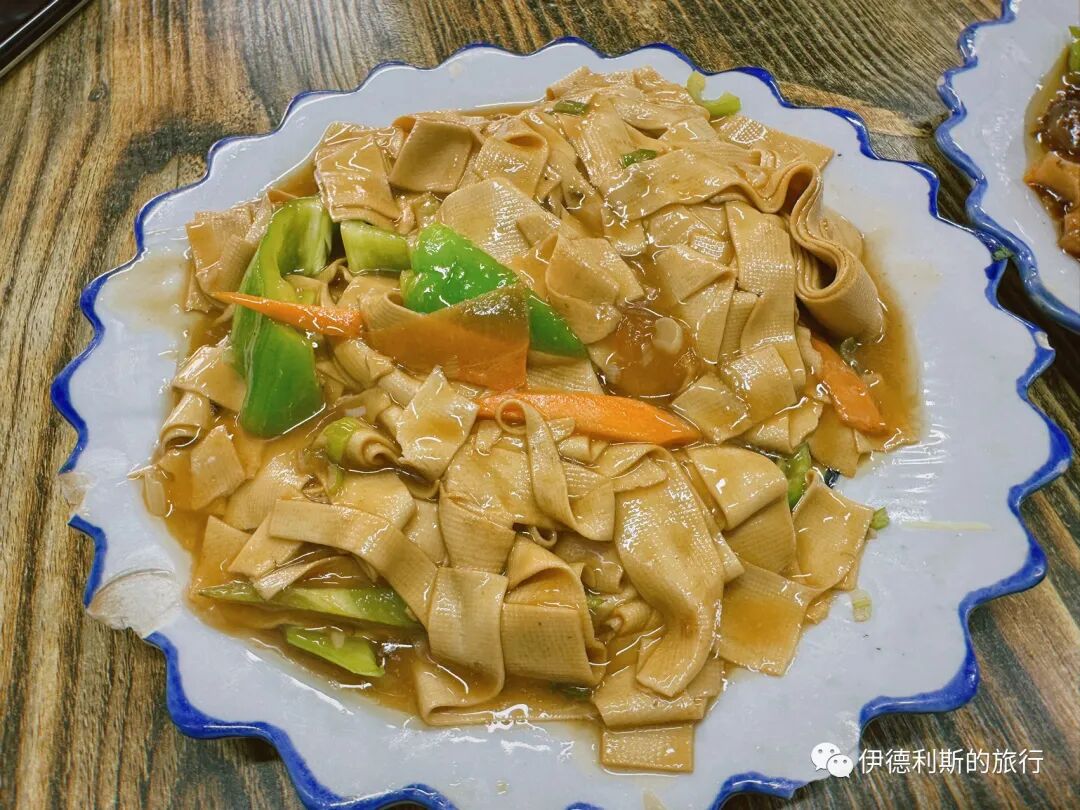
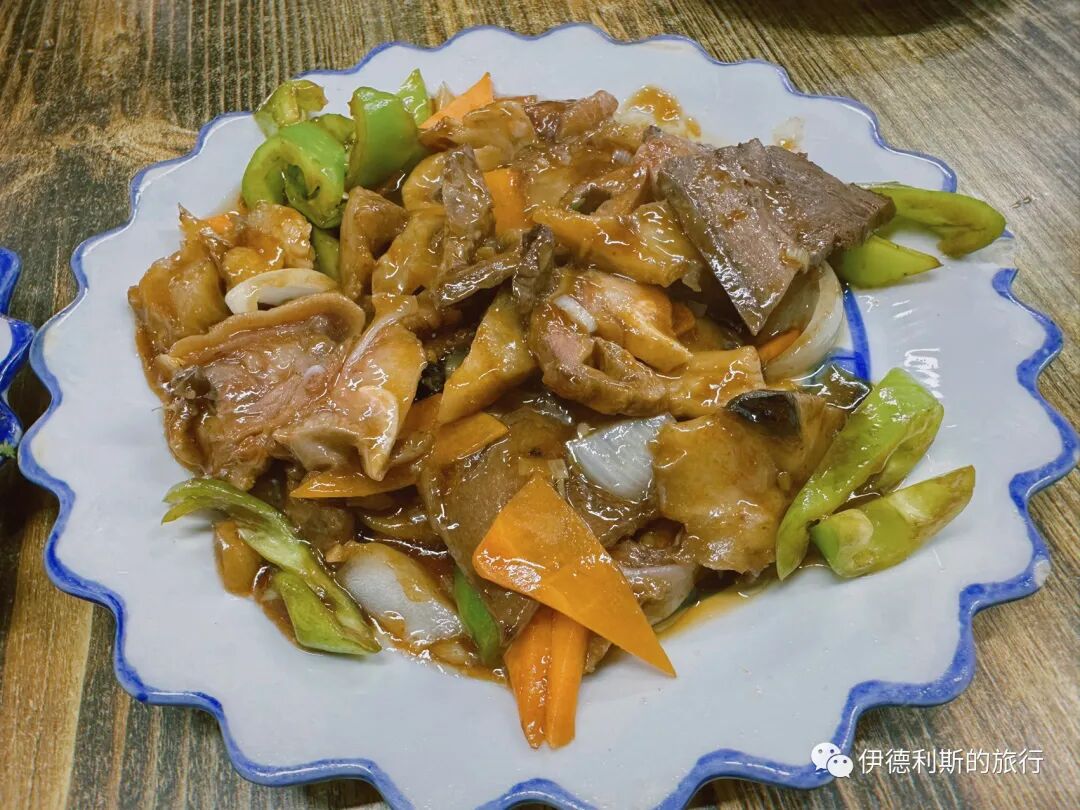
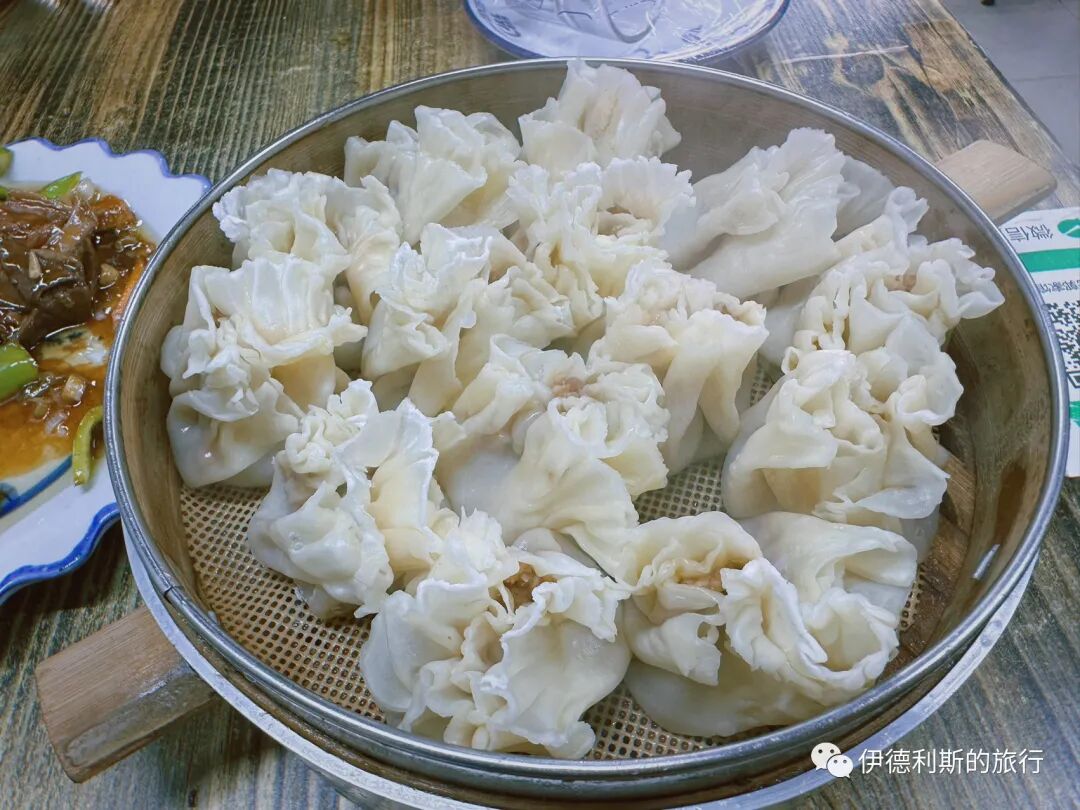
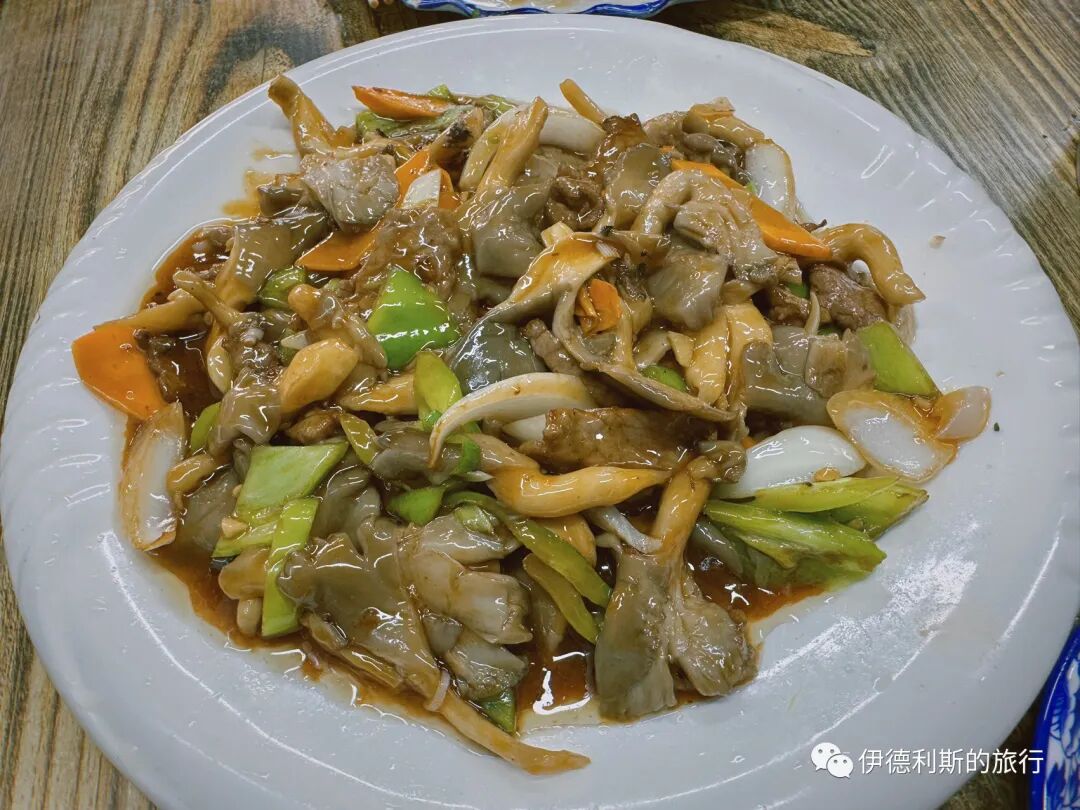
Old Guo Family Restaurant does not have many online reviews and has barely advertised itself. It is a down-to-earth local neighborhood spot. They serve classic Harbin Hui Muslim dishes. We ordered stir-stir-fried meat slices in soy sauce (liu mingjing), stir-fried dried tofu with chili peppers (jianjiao gandoufu), fresh mushroom with pork slices, and steamed dumplings. Everything was affordable and delicious. Stir-fried dried tofu with chili peppers is a classic Northeast dish. A large plate costs 10 yuan, and many tables order it. For their pure meat dishes, you can choose between large and small plates. Even the small plate is about the same size as what I get in Beijing. Dishes that are not pure meat, like stir-stir-fried meat with wood ear mushrooms or shredded pork with slippery mushrooms, are categorized as vegetable dishes here. A large plate is only about 20 yuan. You can really feel the generosity of the people in the Northeast just by looking at the food.
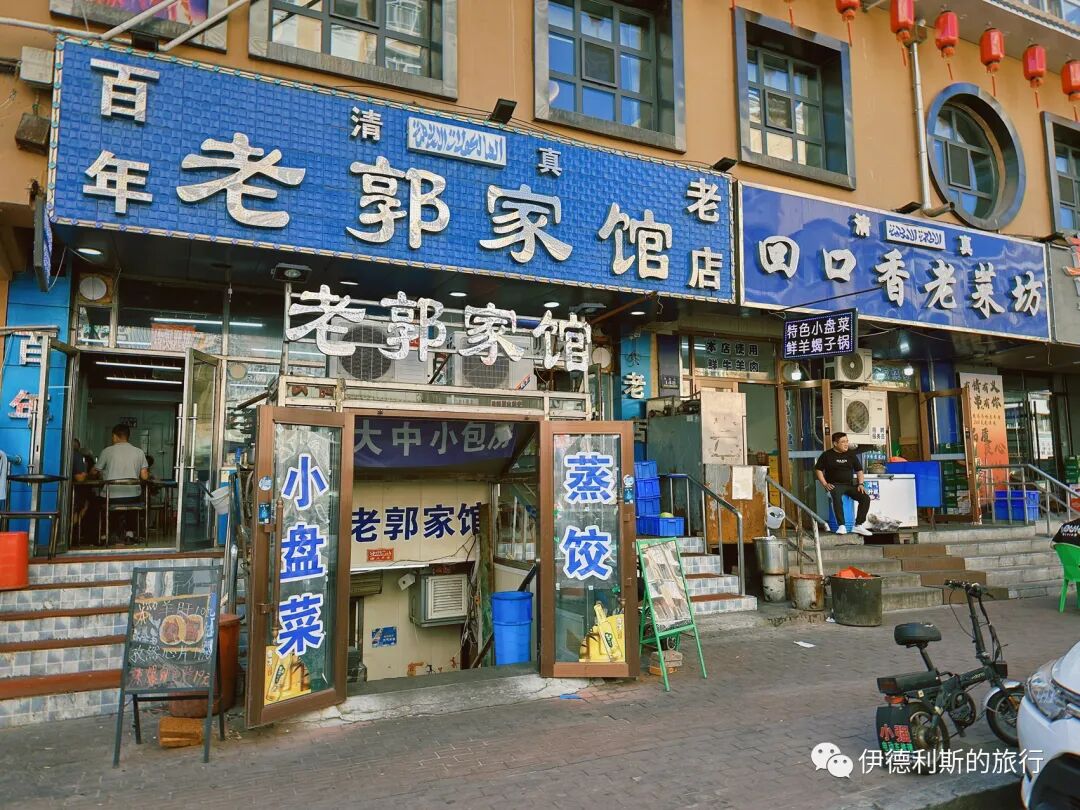
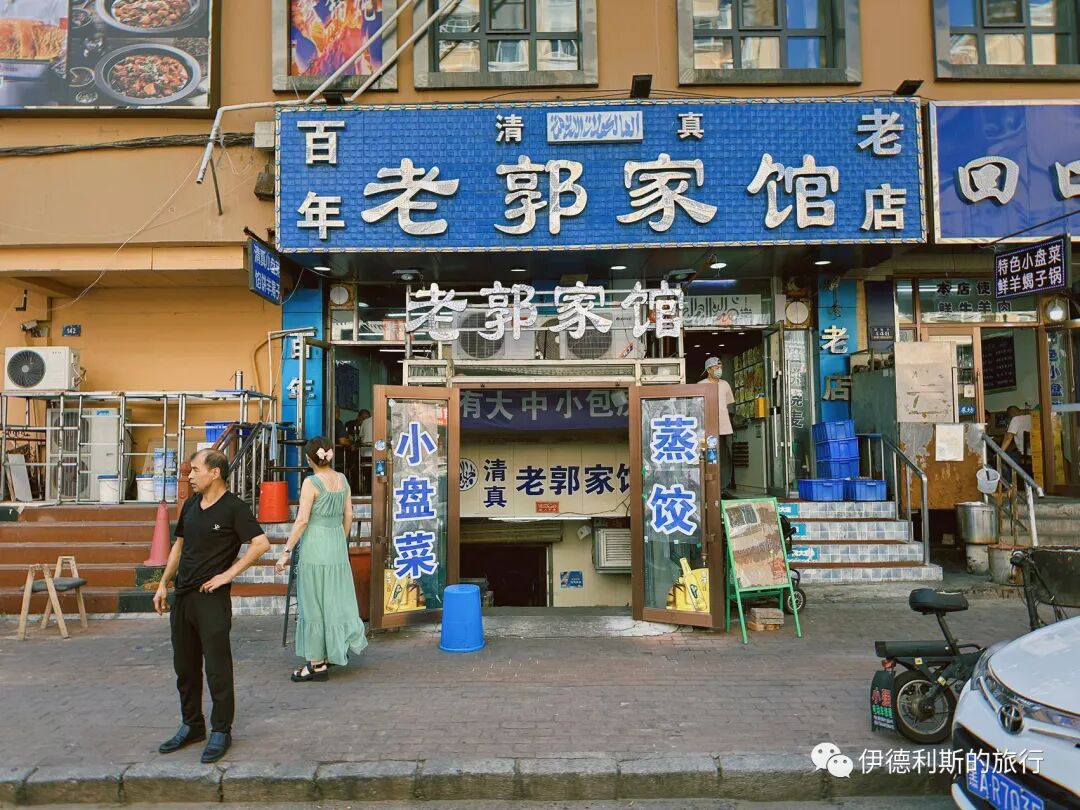
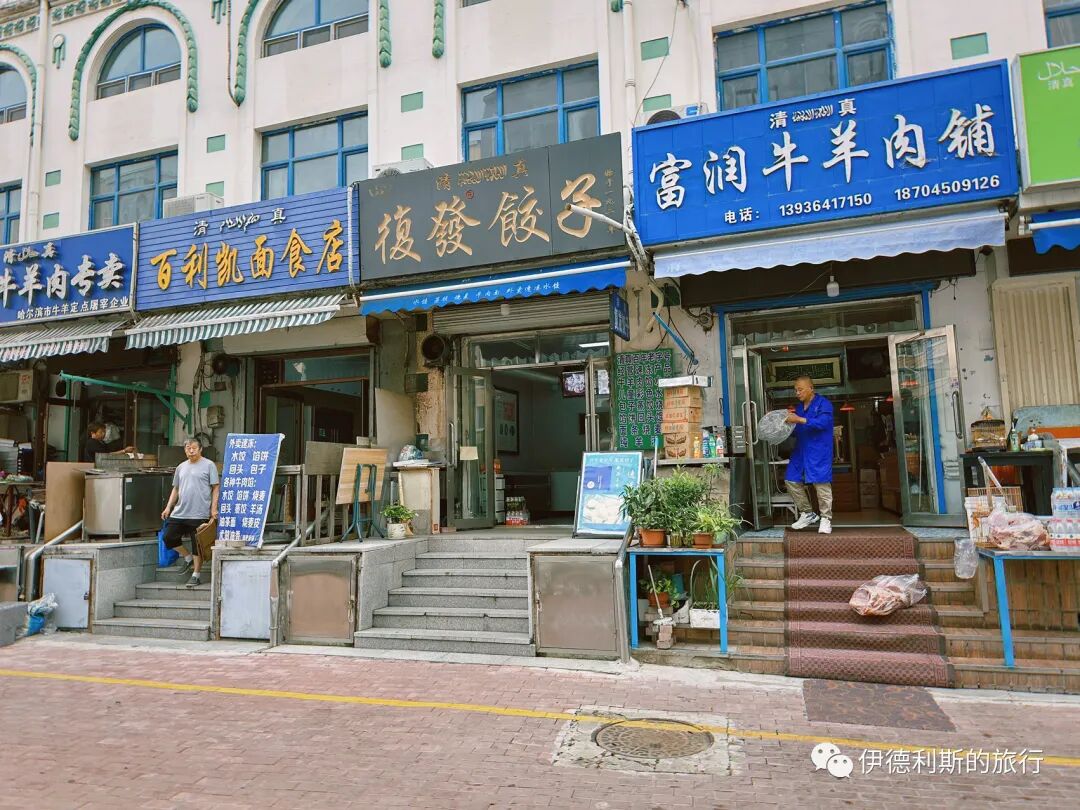
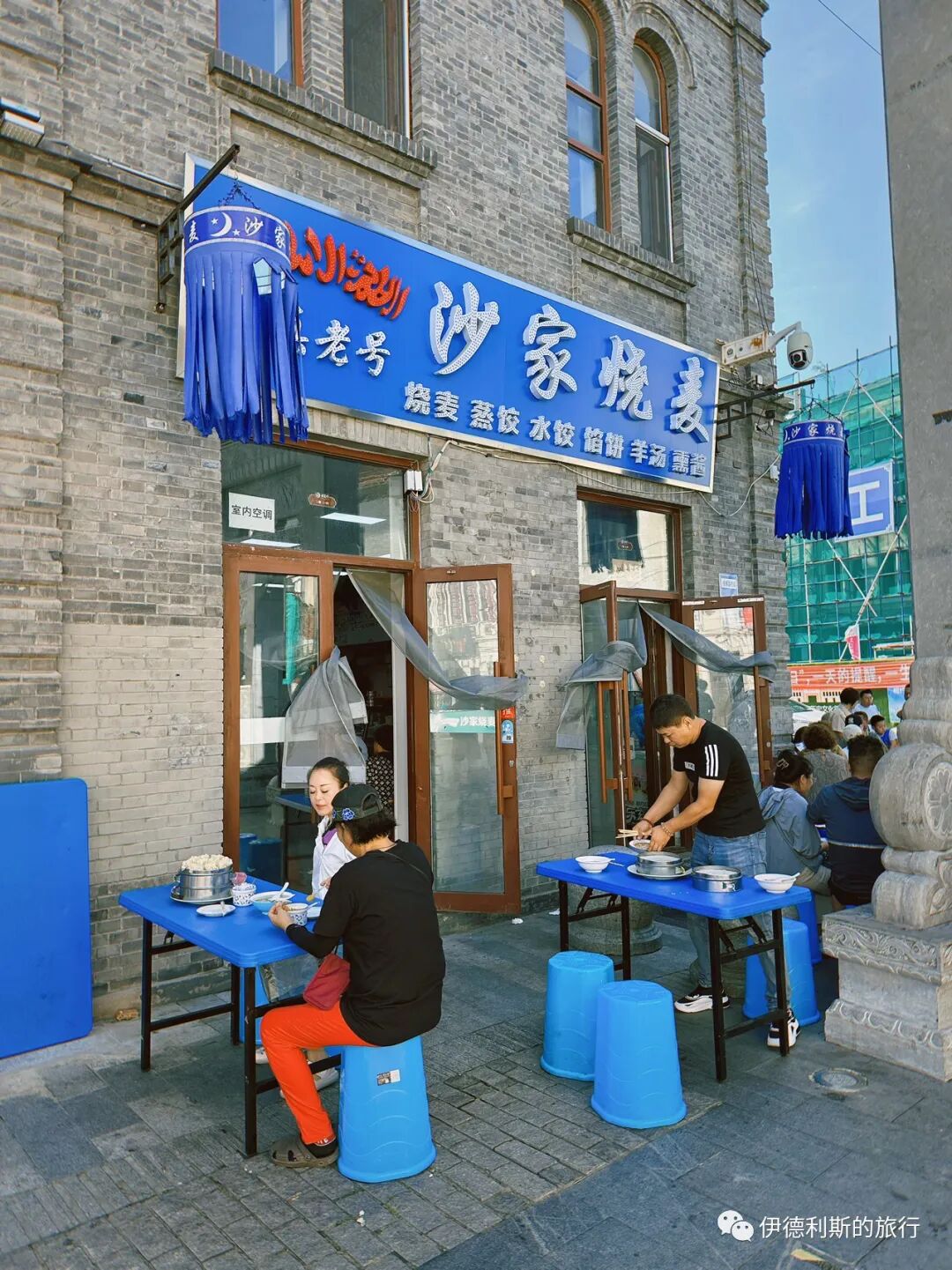
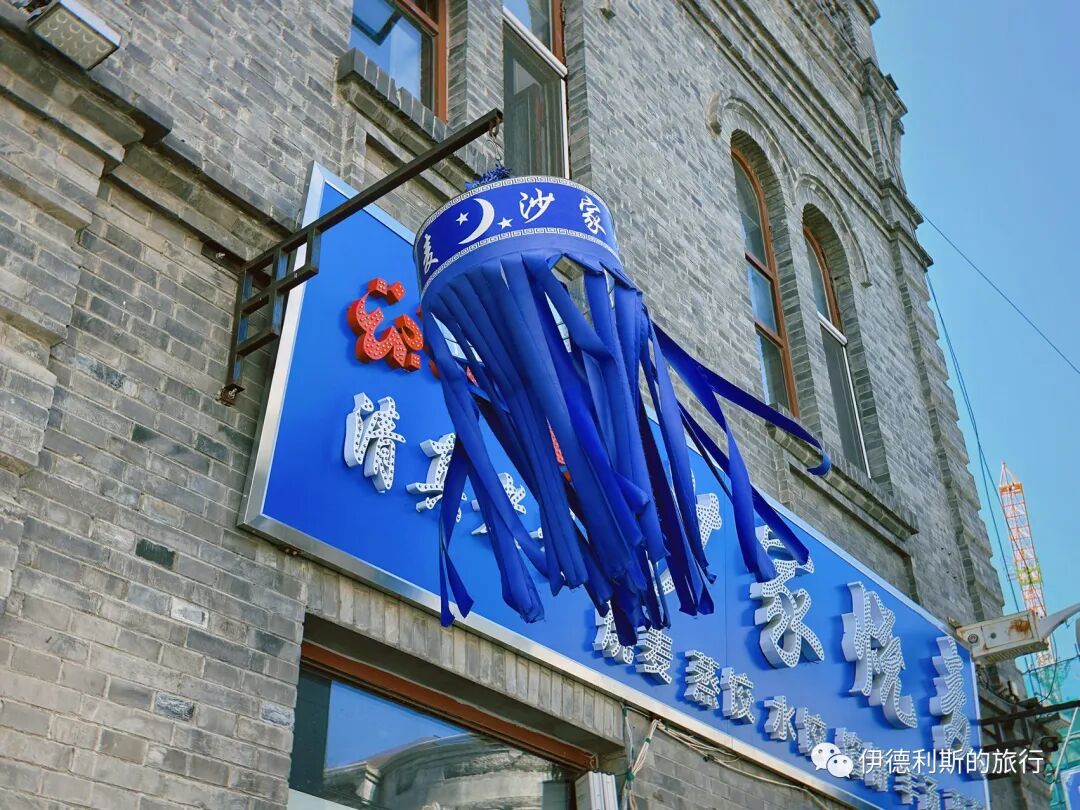
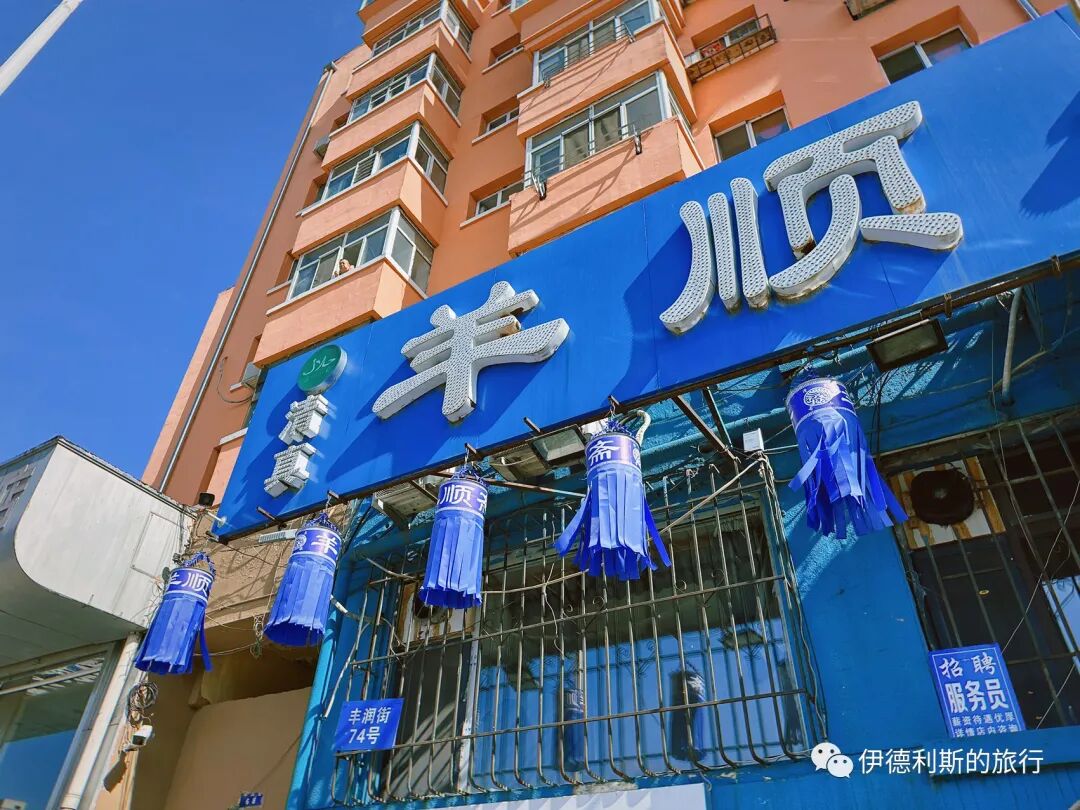
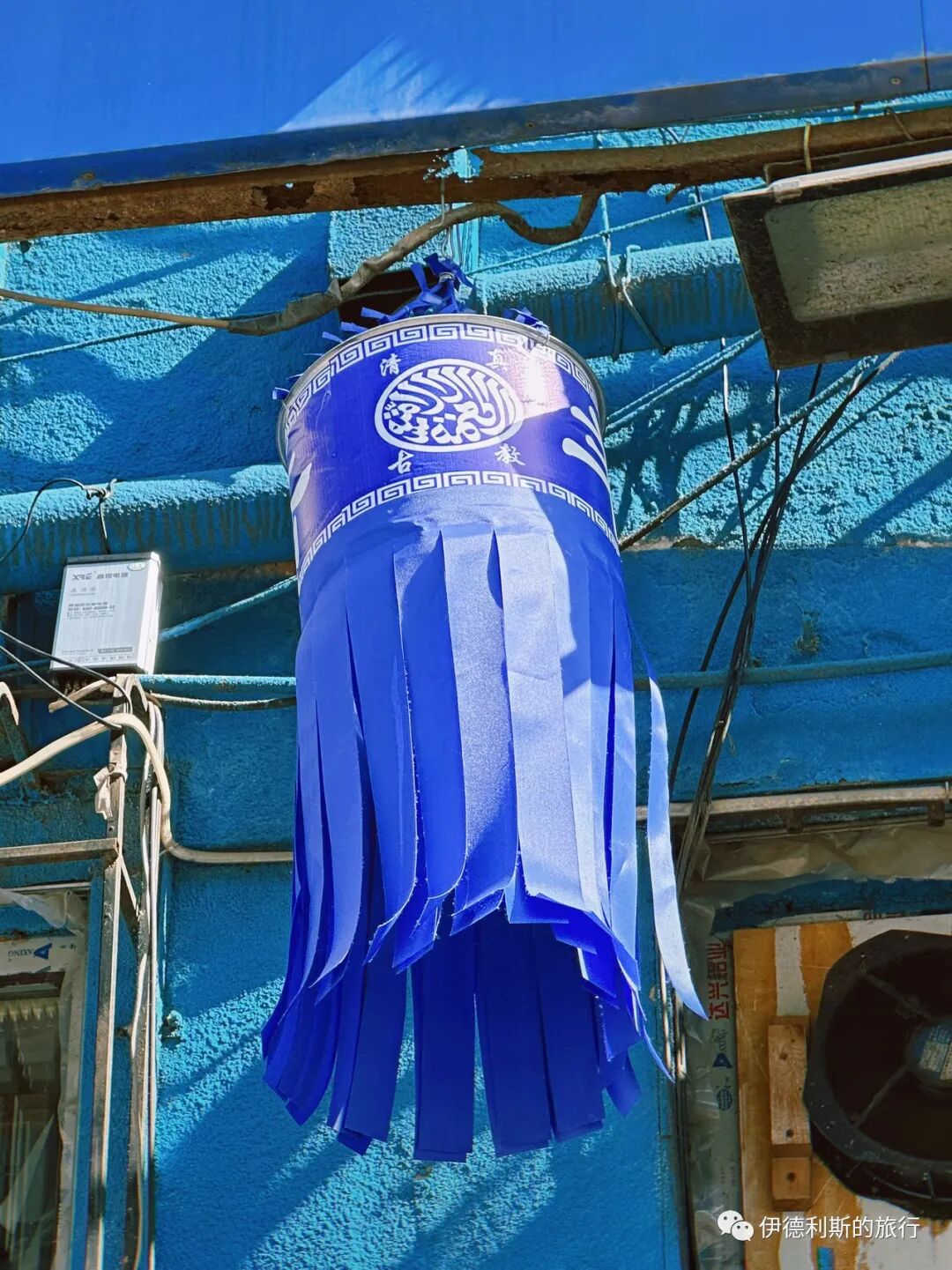
Harbin's halal restaurants still keep the tradition of hanging blue banners (lanhuang). This is a valuable way of preserving the traditional cultural customs of Northern Hui Muslims from the Ming and Qing dynasties. In the past, not just in the Northeast, but also in Beijing, Tianjin, and across North China, halal restaurants made a point of displaying blue banners and water pitcher signs (tangping pai). In 1936, the Zhenzong Monthly Magazine published a series called 'Beijing's Muslim Restaurants.' It mentioned that Beijing's halal restaurants used to use a wooden hoop covered with blue paper strips to indicate they were halal, while restaurants serving other types of food would hang red banners to distinguish themselves.
Summary: Harbin Daowai Mosque and the century-old Guo Family Restaurant show two sides of the citys Hui Muslim life: worship and food. This account covers the mosque, the old restaurant, local halal dishes, and street-level details from the Chinese source.
I arrived in Harbin in the evening and stayed near the Daowai Mosque. After settling in, I ate at the Heshun Pie Shop next to the mosque, ordering small pies (xianbing), savory-style stir-fried meat in batter (guobaorou), stir-fried raw meat slices (liusheng roupian), and home-style cold mixed vegetables. Northeast Chinese restaurants usually serve large portions, where one dish is enough to fill two people. Restaurants with 'small plate' signs are better for tourists, as you can order several different dishes at once.
This place perfectly matches my impression of a traditional halal eatery in Heilongjiang, with affordable prices and tasty food. When ordering, they ask if you want the stir-fried meat in batter to be sweet or savory. The savory version was created by old Hui Muslims in Harbin to distinguish it from the version served by the general public, though today there is no strict distinction and both styles are available.
I visited the Harbin Daowai Mosque in the morning. The Daowai Mosque, also known as the East Mosque or Binjiang Mosque, started in 1897 (the 23rd year of the Guangxu reign) when Hui Muslims who came here to trade cattle bought five thatched houses on South 12th Street in Daowai. It was rebuilt in 1904. In the early 1930s, as the number of Hui Muslims in Harbin grew, Imam Ma Songting proposed building a new mosque. Chief Priest Bai Yusheng raised funds by writing donation requests (nietie) and hired Russian designers, the Krabryov siblings, to build the current main hall of the Daowai Mosque in 1935.
The main hall of the Daowai Mosque has a strong European feel, blending both classical and modern architectural styles. The use of ancient Greek Corinthian capitals and Russian-style onion domes makes the building elegant and steady. The moon-watching tower on the kiln hall roof was influenced by the Art Deco style popular in Europe during the 1920s and 1930s, with many vertical lines that make the building look simple and clear. The main hall of the Daowai Mosque is a significant piece of Republican-era mosque architecture and a witness to the time when Harbin was a gathering place for Russian immigrants.
The classic Russian onion dome actually originated in the Middle East. The earliest visible images of onion domes come from mosaics in Syria during the Arab Umayyad Caliphate (661–750 AD), and the earliest actual examples were built by the Seljuk Empire in Iran in the 11th century. Historians have not yet determined when Russia began using onion domes. Some scholars speculate they were learned from the mosques of the Kazan Tatars after Russia conquered the Kazan Khanate in the 16th century, while others believe they developed from Byzantine domes.
There are two breakfast spots next to the Daowai Mosque: a pie shop at the mosque entrance and a steamed bun shop nearby. We ate at the steamed bun shop, having green bean and meat buns, Shandong-style buns, steamed egg custard (jigengao), and lamb bone broth (yangtang). The Shandong-style buns are filled with chunks of meat and cabbage, not minced meat. I have eaten steamed egg custard for breakfast in both Shandong and the Northeast, and it is really perfect for the morning. I sometimes make it at home, but it is a pity I have never seen it in breakfast shops in Beijing.
Behind the mosque in Daowai, there are two time-honored intangible cultural heritage pastry shops: Shaji Saisuo and the northern-style halal pastry shop Qingxiangcun.
Yang Zengshan, the grandfather of Qingxiangcun owner Yang Zhi, opened Zhenxingguan in Harbin in 1931, which mainly sold steamed dumplings (shaomai) and steamed buns (baozi). His great-grandfather, Ma Rong'en, opened Jinancun in the early 1940s to sell halal pastries. After the public-private partnership in 1956, Yang Zhi's parents, Yang Xianting and Li Guiqin, worked at the Harbin Hui Muslim Pastry Factory. After the factory closed in 1990, the couple opened the Meiguozhai Pastry Factory. At first, they mainly sold sweet rice balls (yuanxiao), and later added bread and pastries. Meiguozhai was officially renamed Qingxiangcun in 1996. In 2006, it moved behind the Daowai mosque. With the shop in front and the factory in the back, they still maintain traditional techniques.
First, I have to say the portions of bread here are huge! You cannot even finish one whole-wheat walnut bread from Shaji in a week! Finally, we bought black sesame cakes, mung bean cakes, and milk-flavored crisps at Qingxiangcun, and they all tasted great.
At noon, we went to the century-old halal restaurant Laoguojiaguan on Desheng Street in Daowai, Harbin. We actually discovered this place by accident while taking a taxi the night before. As a son-in-law of the Guo family, I was just talking to my wife about how rarely I see halal restaurants run by the Guo family, and then I turned my head and saw this one! I quickly saved it on my phone and went to eat there the next day.
Guojiaguan was founded by Guo Shaoxian in 1927 on Zhengyang 11th Street in Daowai. The 1933 "Guide to Greater Harbin" records that Guojiaguan served various dishes and catered banquets. Additionally, Guojiaguan was listed in documents such as the 1934 "Harbin Daowai Business Directory" and the 1937 "Harbin Special Municipality Daowai Commerce and Industry Directory."
Guo Shaoxian was originally from Zhangluji, Shen County, Liaocheng, Shandong. He came to Harbin in the early 1920s as part of the migration to the northeast. It is said he first sold steamed buns (baozi) from a basket while walking the streets, and after saving enough money, he opened Guojiaguan on Zhengyang 11th Street in Daowai. Before the public-private partnership, Guojiaguan was nearly 100 square meters with 12 large square tables. They served various stir-fried dishes, including braised meat strips (baoroutiao), stir-fried tripe (liuduling), stir-fried clear mirror (liumingjing), crispy fried meat strips (jiaoshaoroutiao), and sweet and sour pork (guobaorou). The head chef, Ma Bingsheng, was a veteran of Guojiaguan with superb culinary skills. The pastry chef is named Jin Guangli. He specializes in pan-fried dumplings (guolao), pan-fried buns (shuijianbao), meat pies (xianbing), steamed dumplings (shaomai), and steamed dumplings (zhengjiao). The skin of his meat pies is so thin you can see the filling inside.
After the public-private partnership in 1956, Guo Family Restaurant (Guojiaguan) and Huaxinghao merged to form the Daowai Hui Muslim Restaurant. Guo Shaoxian was assigned to work as a pastry chef at Xiangyang Restaurant (formerly Wuji Renyi Restaurant) on Jingyang Street until he retired. Among Guo Shaoxian's descendants, the only one who inherited his craft is his grand-nephew, Guo Dalin. Guo Dalin was born in 1937 in Zhangluji, Shen County, Liaocheng, Shandong. In 1953, at the age of 16, he traveled to Harbin to join his great-uncle Guo Shaoxian and began his apprenticeship at Guo Family Restaurant. After the public-private partnership in 1956, Guo Dalin worked at the Daowai Hui Muslim Restaurant. In 1983, he revived the old Guo Family Restaurant brand. In 2003, he opened a new location on Desheng Street, which has been running for 20 years now. Today, his granddaughter manages the restaurant.
Old Guo Family Restaurant does not have many online reviews and has barely advertised itself. It is a down-to-earth local neighborhood spot. They serve classic Harbin Hui Muslim dishes. We ordered stir-stir-fried meat slices in soy sauce (liu mingjing), stir-fried dried tofu with chili peppers (jianjiao gandoufu), fresh mushroom with pork slices, and steamed dumplings. Everything was affordable and delicious. Stir-fried dried tofu with chili peppers is a classic Northeast dish. A large plate costs 10 yuan, and many tables order it. For their pure meat dishes, you can choose between large and small plates. Even the small plate is about the same size as what I get in Beijing. Dishes that are not pure meat, like stir-stir-fried meat with wood ear mushrooms or shredded pork with slippery mushrooms, are categorized as vegetable dishes here. A large plate is only about 20 yuan. You can really feel the generosity of the people in the Northeast just by looking at the food.
Harbin's halal restaurants still keep the tradition of hanging blue banners (lanhuang). This is a valuable way of preserving the traditional cultural customs of Northern Hui Muslims from the Ming and Qing dynasties. In the past, not just in the Northeast, but also in Beijing, Tianjin, and across North China, halal restaurants made a point of displaying blue banners and water pitcher signs (tangping pai). In 1936, the Zhenzong Monthly Magazine published a series called 'Beijing's Muslim Restaurants.' It mentioned that Beijing's halal restaurants used to use a wooden hoop covered with blue paper strips to indicate they were halal, while restaurants serving other types of food would hang red banners to distinguish themselves.
