
Halal Travel Guide: Lebanon - Umayyad Cities, Ancient Mosques and History
Reposted from the web
Early in the morning, I took a minibus from the Cola bus station south of Beirut, headed east over the Lebanon Mountains, and entered the town of Chtoura in the Bekaa Valley. From there, I took a three-wheeled taxi to the Umayyad ancient city of Anjar near the Syrian border. This place has been an important passage connecting Beirut and Damascus since ancient times. Anjar is the best-preserved ruin of an Umayyad dynasty palace city. It was added to the UNESCO World Heritage list in 1984.
The Umayyad dynasty (661–750) was the first hereditary dynasty of the Arab Empire. It is referred to as the 'White-robed Dashi' in the Old Book of Tang. During the Umayyad period, the territory of the Arab Empire expanded rapidly, and the country was very prosperous. The Al-Aqsa Mosque built by the Umayyad dynasty in Jerusalem and the Umayyad Mosque built in Damascus are both masterpieces in architectural history.
According to the records of the Byzantine chronicler Theophanes the Confessor, the ancient city of Anjar was built between 714 and 715 by al-Abbas, the son of the sixth Umayyad Caliph al-Walid I (reigned 705-715). It is over 1,300 years old and is the oldest ancient Islamic city I have visited so far.
Prince al-Abbas was an important general of the Umayyad dynasty in the early 8th century. He made great military achievements in the wars against the Byzantine Empire and once served as the supreme military commander of the Umayyad dynasty. It is speculated that the ancient city of Anjar may have used a large number of captives brought back by Prince al-Abbas from his campaigns against the Byzantine Empire as laborers, which is why the architectural stone carvings have a strong Byzantine style. After the fall of the Umayyad dynasty, the ancient city of Anjar was buried for a long time. It was only rediscovered by archaeologists in the late 1940s, so many ruins have been preserved to this day, making it the best example for studying Umayyad urban planning.
The ancient city is designed based on the layout of an ancient Roman city. A rectangular city wall surrounds the area, and two main roads intersect to connect the four gates in the north, south, east, and west, dividing the city into four parts. There are colonnades along the main roads, with rows of shops similar to Roman tabernae on both sides. A classic ancient Roman four-sided gate (tetrapylon) stands at the intersection. The four areas of the city have different functions. The southeast contains the Great Palace and the mosque, the northeast contains the Small Palace (harem) and baths, and the northwest and southwest are residential areas.
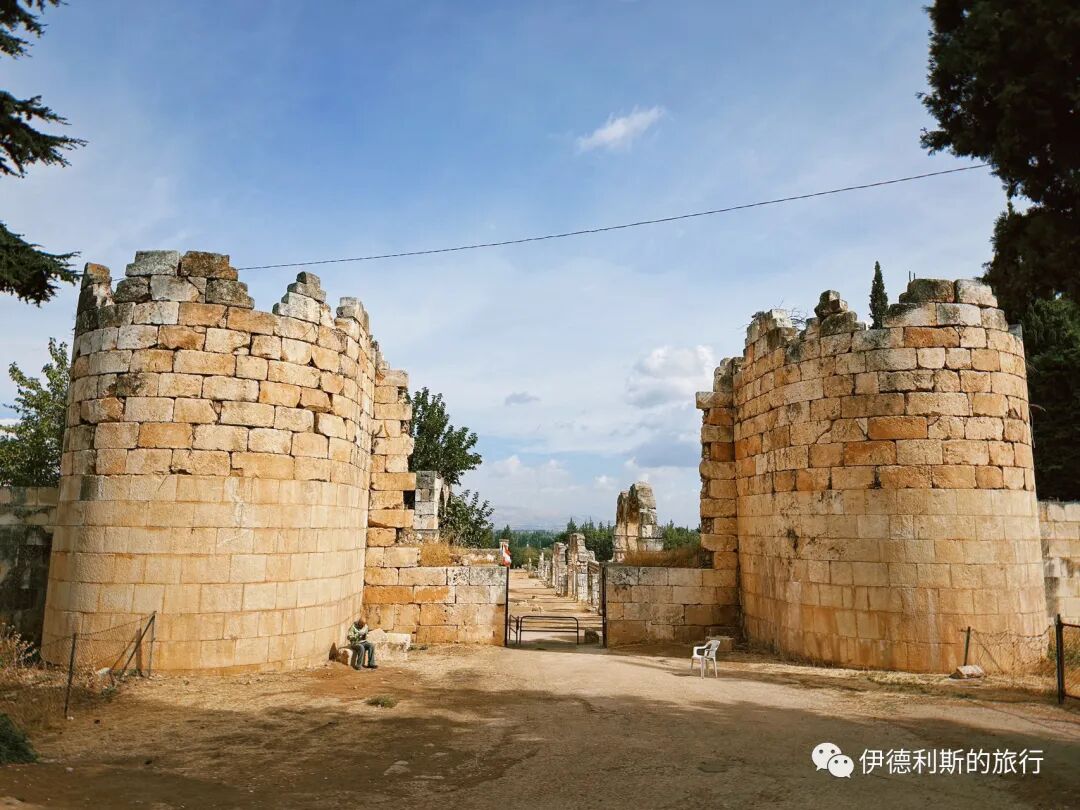
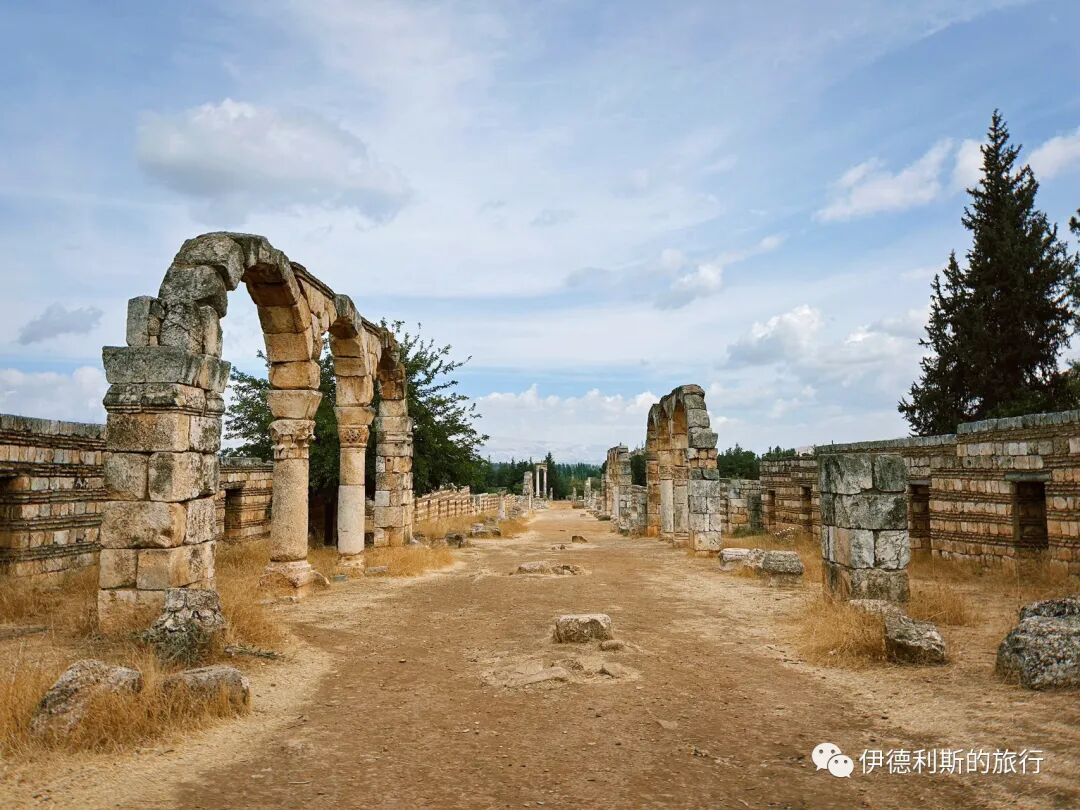
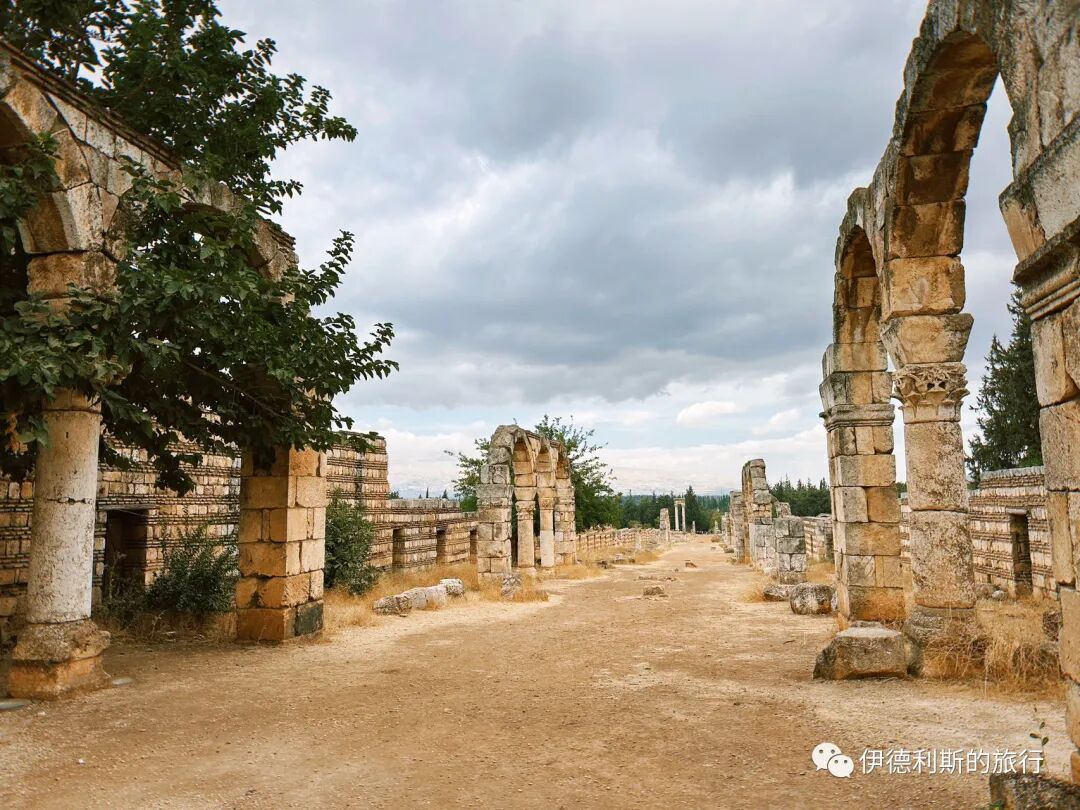
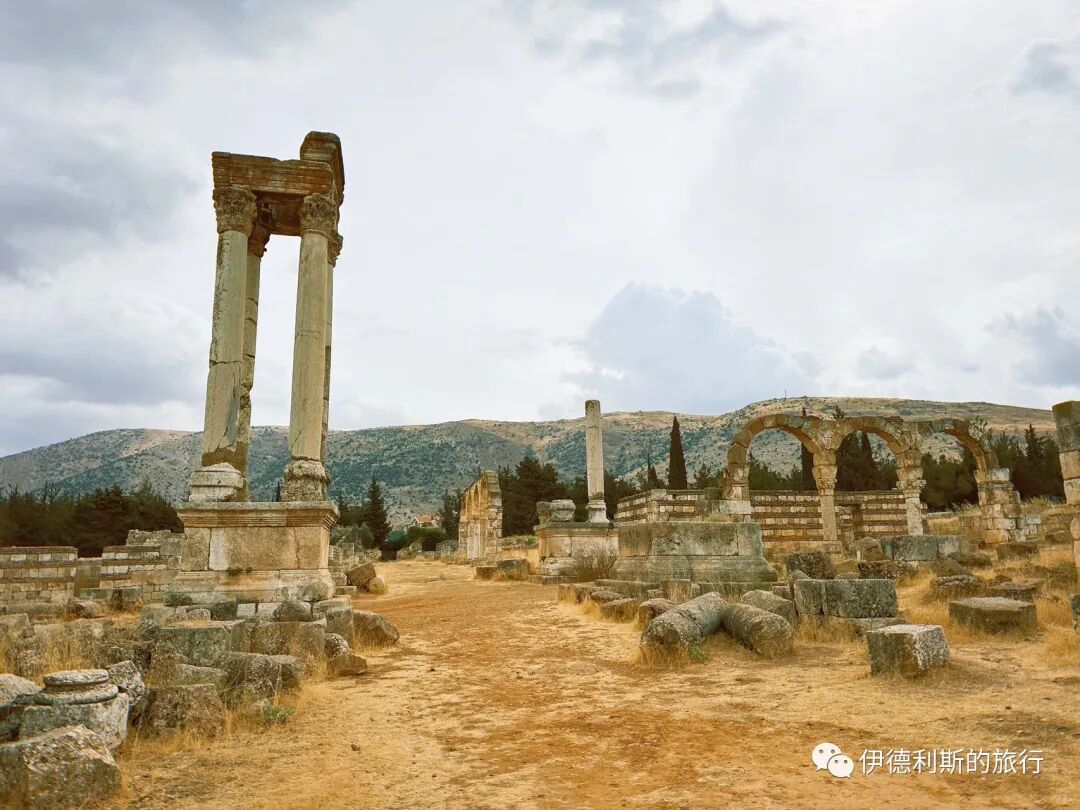
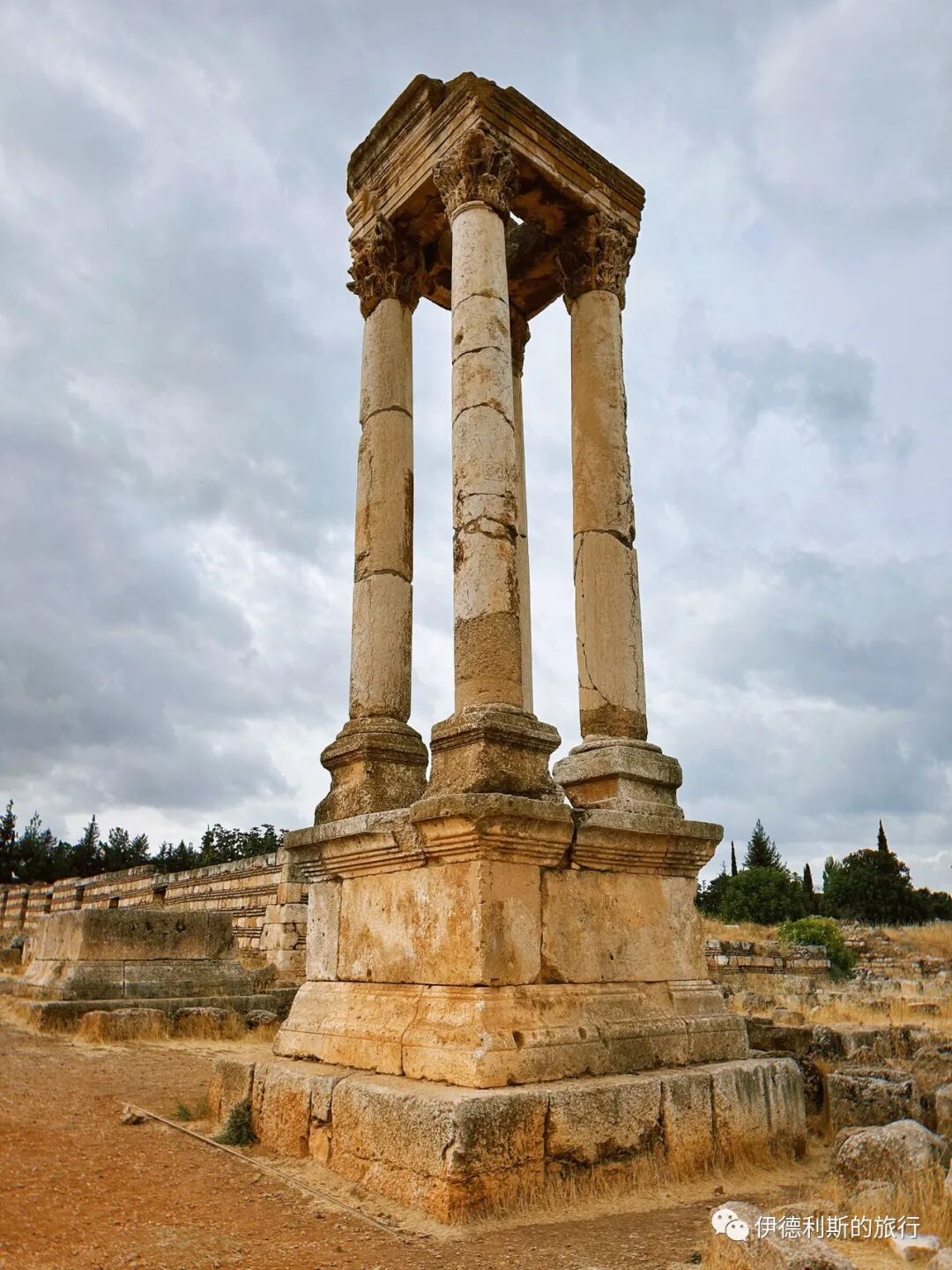
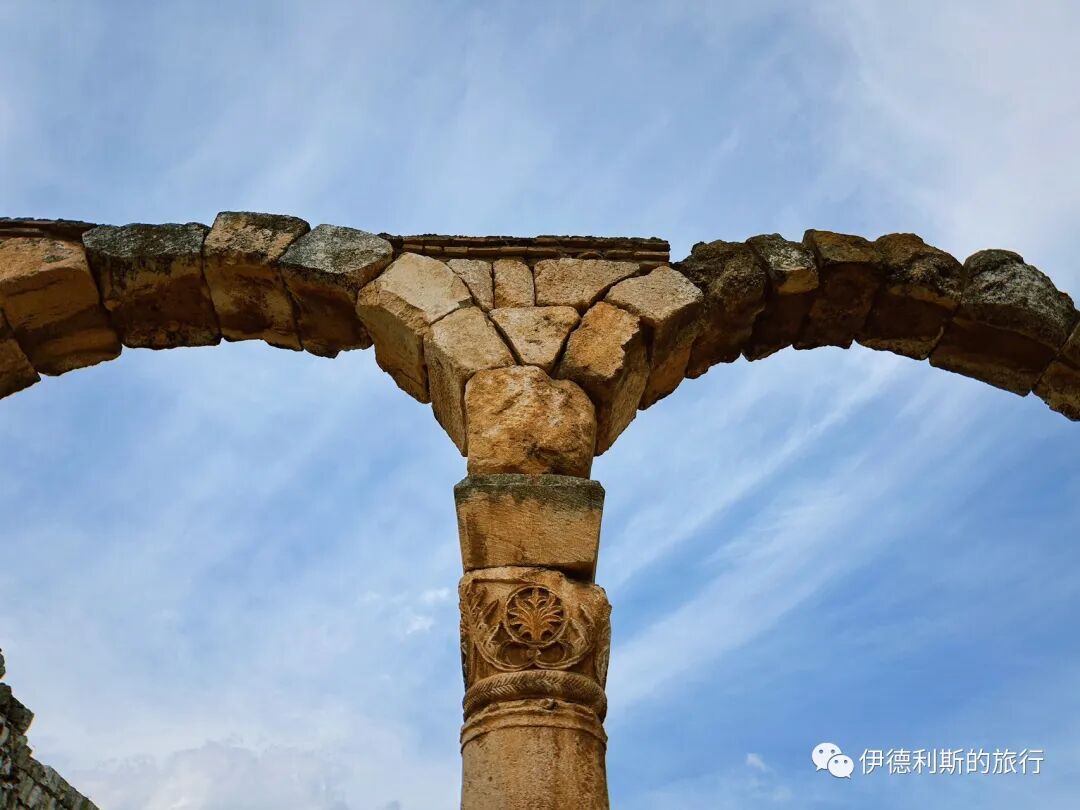
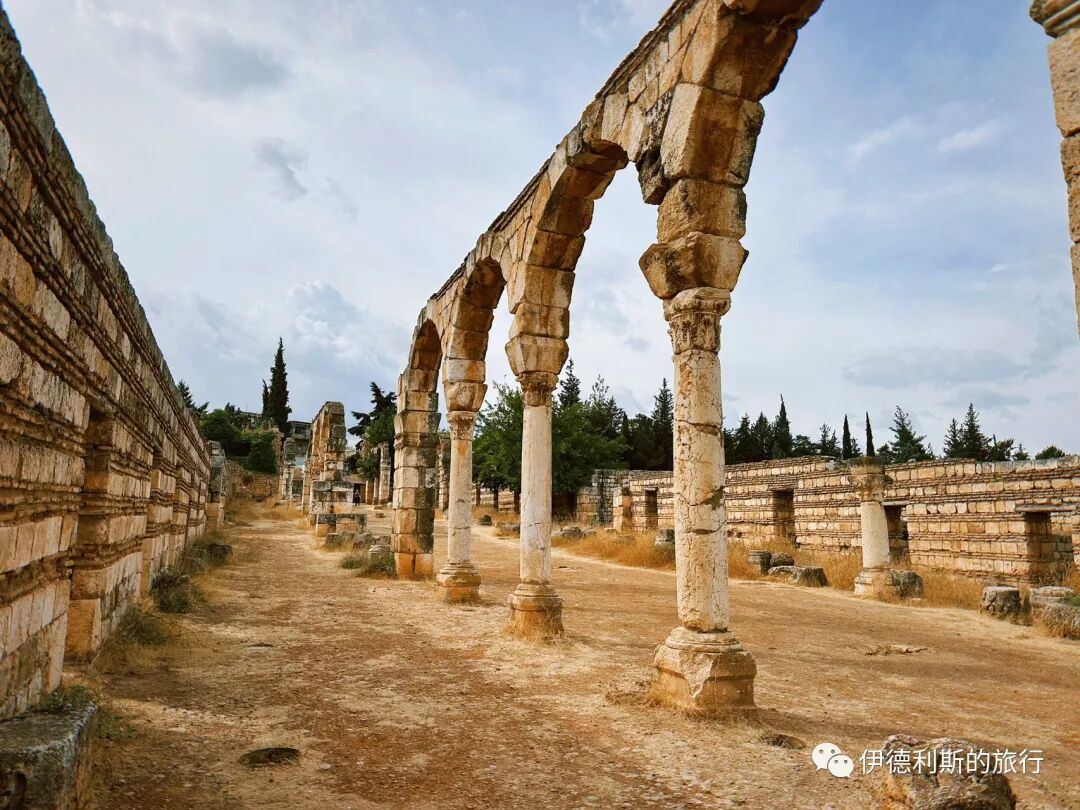
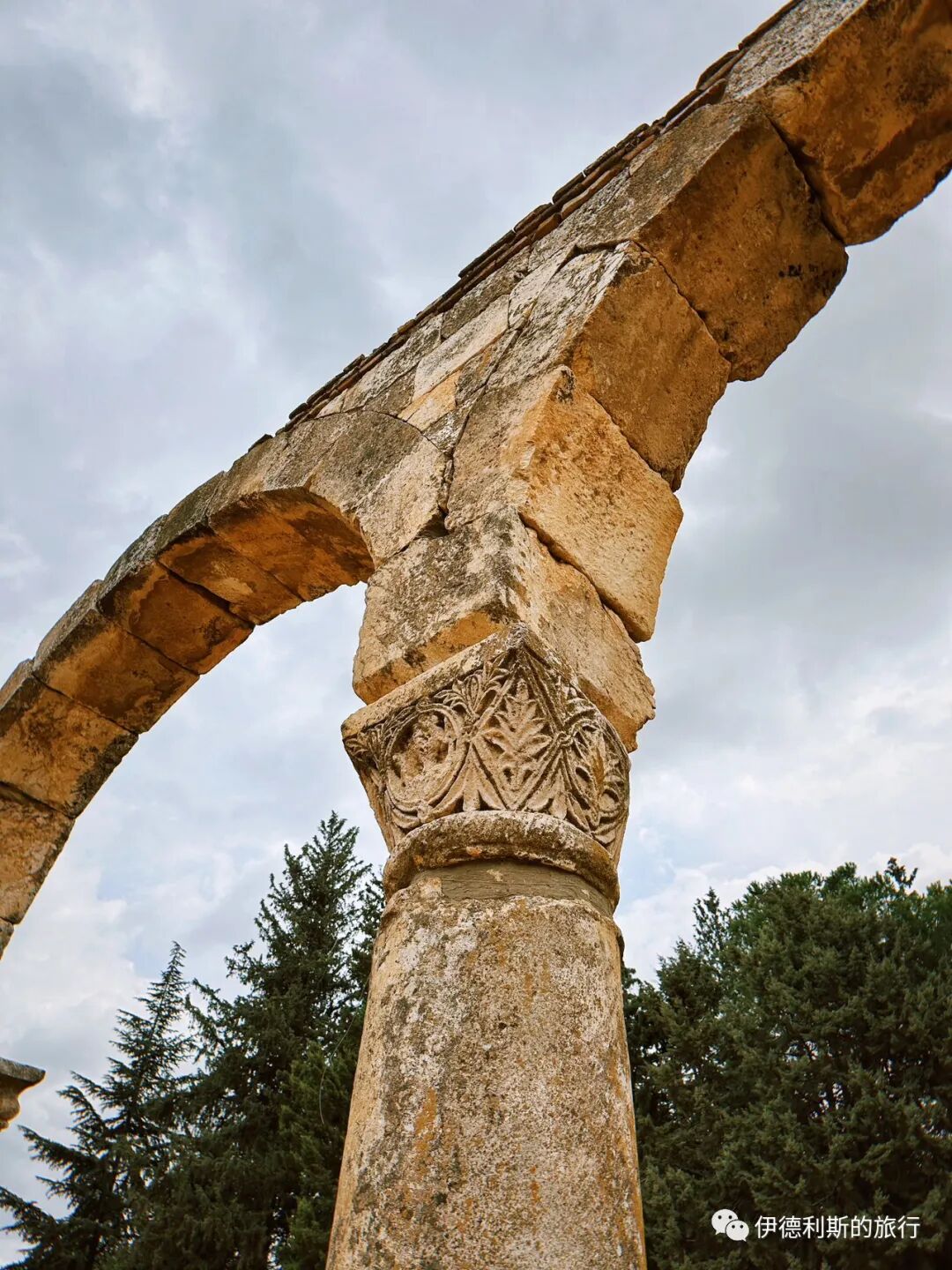
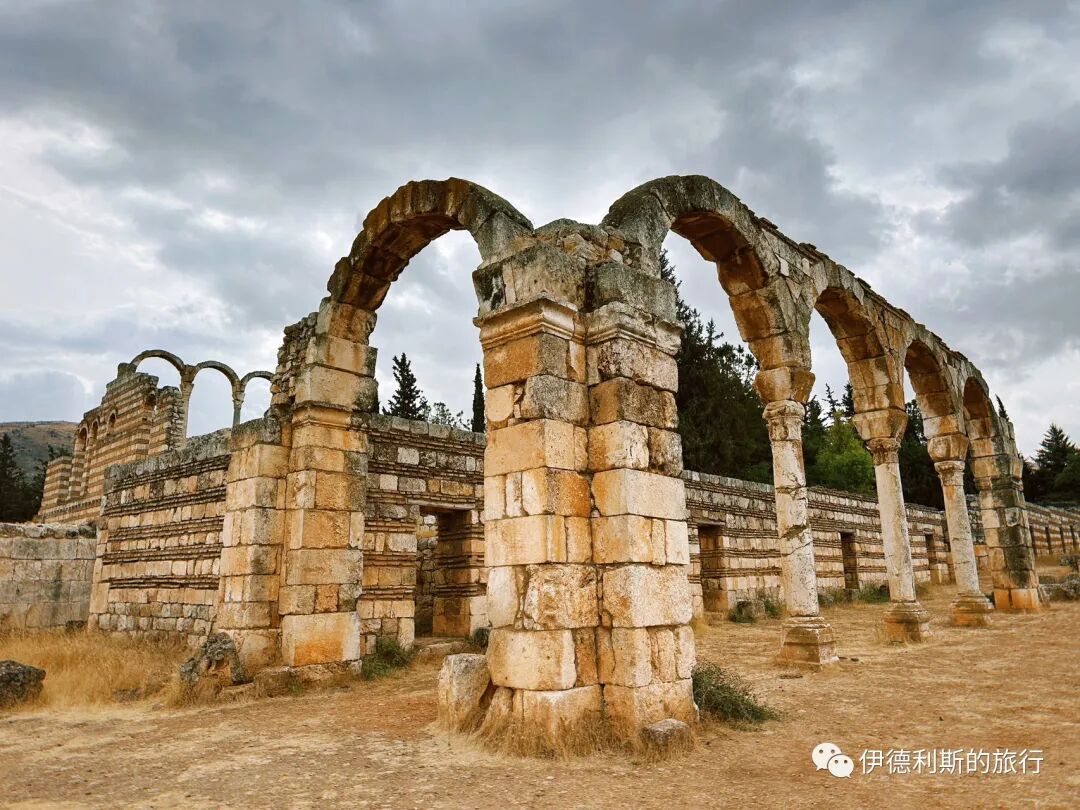
The Great Palace and mosque in the southeast of Anjar are the best-preserved areas. You can see the precious architectural facades and colonnade settings of the Umayyad palace. This layout of bayts (suites) is a typical Umayyad practice. The palace has two majlis (reception halls) with semicircular niches, which may have been two stories high. The colonnades seen today are the result of restoration after excavation.
Both the Umayyad Caliph al-Walid I and his son, Prince al-Abbas, may have ruled from here. During the reign of Al-Walid I, the Umayyad Caliphate enjoyed stability and economic prosperity, reaching the peak of its national power. At the same time, his massive military spending and luxurious lifestyle created a heavy financial burden for his successors.
In the early 8th century, the Umayyad Caliphate expanded rapidly, conquering Bukhara, Khwarazm, Samarkand, and the Fergana region in Central Asia. In South Asia, the Umayyad Caliphate reached the Sindh region in northwestern India. In the west, the Umayyad Caliphate conquered the Berbers of North Africa, invaded the Visigothic Kingdom on the Iberian Peninsula in 711, and took control of Spain.
The vast amount of war spoils brought back from these conquests allowed Al-Walid I to build many public works and social welfare projects. His brothers and sons built many transit stations and wells along the roads leading to the capital, Damascus, and installed streetlights within the city. He funded the construction of irrigation networks and canals in places like Iraq, restoring agricultural production that had been destroyed by war. To help pilgrims, Al-Walid I installed water dispensers in Mecca, improved roads through mountain passes, and built wells throughout the Hejaz region. Al-Walid I's greatest achievement was building the Umayyad Mosque in Damascus. This great mosque and the ancient city of Anjar were completed around the same time, and both are precious historical sites left behind by the Umayyad Caliphate.
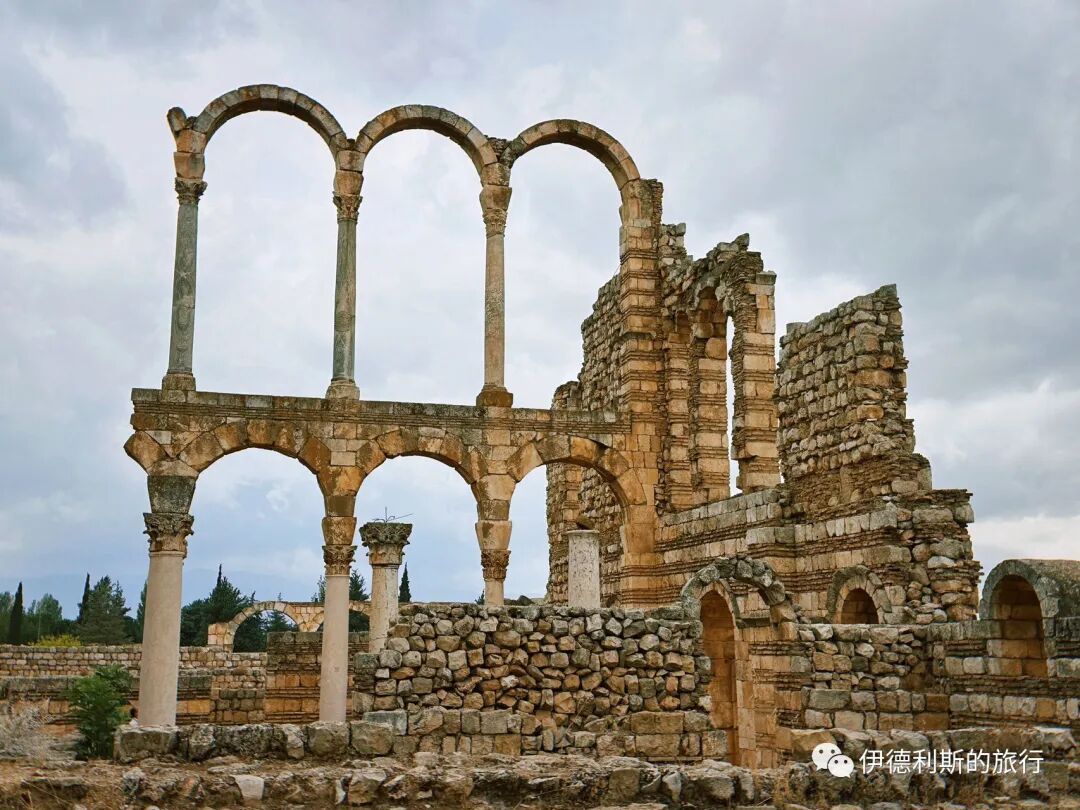
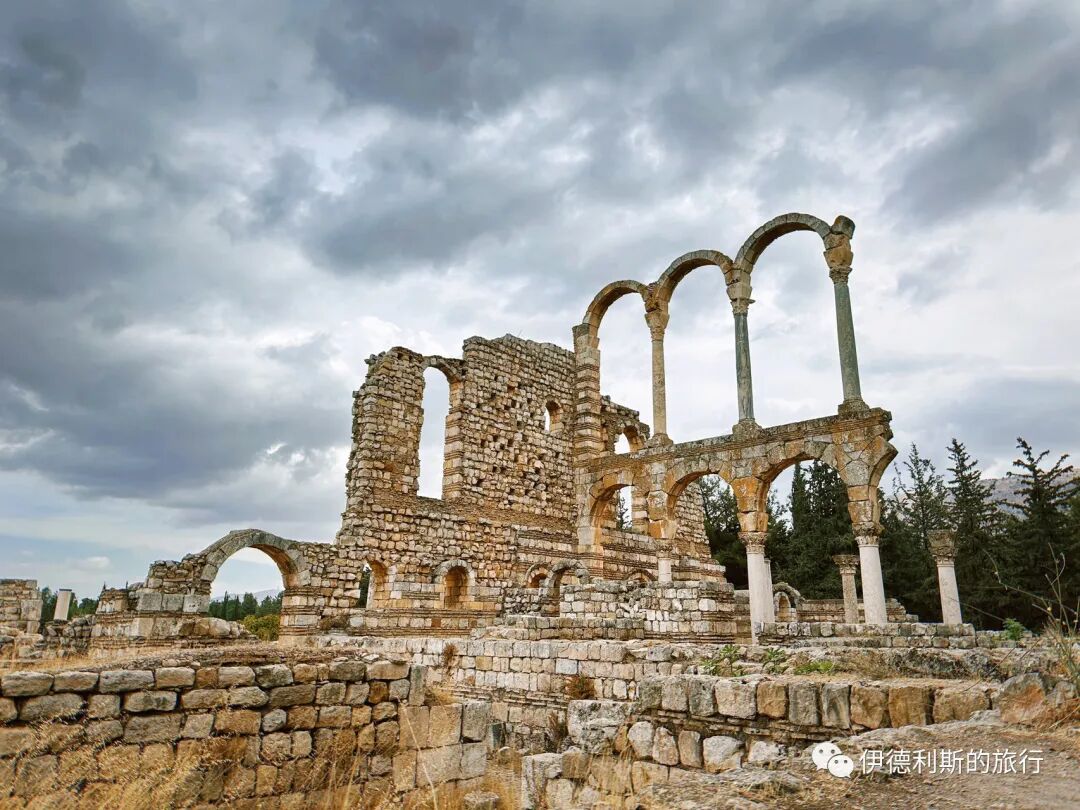
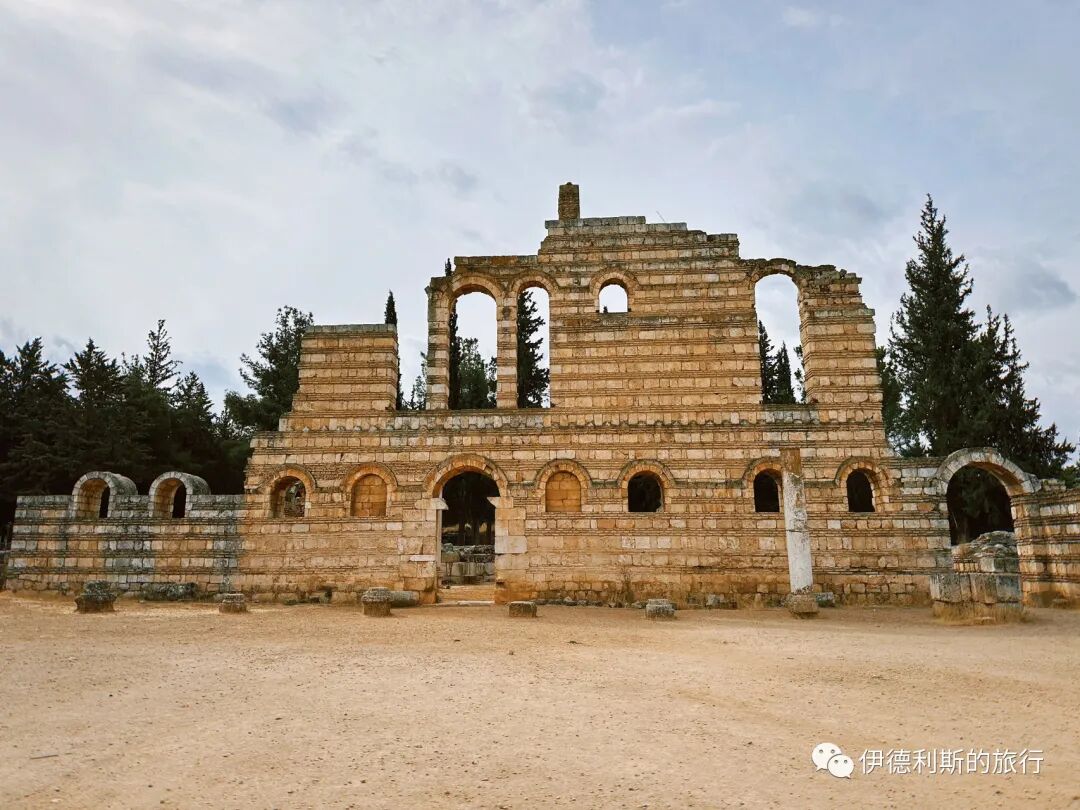
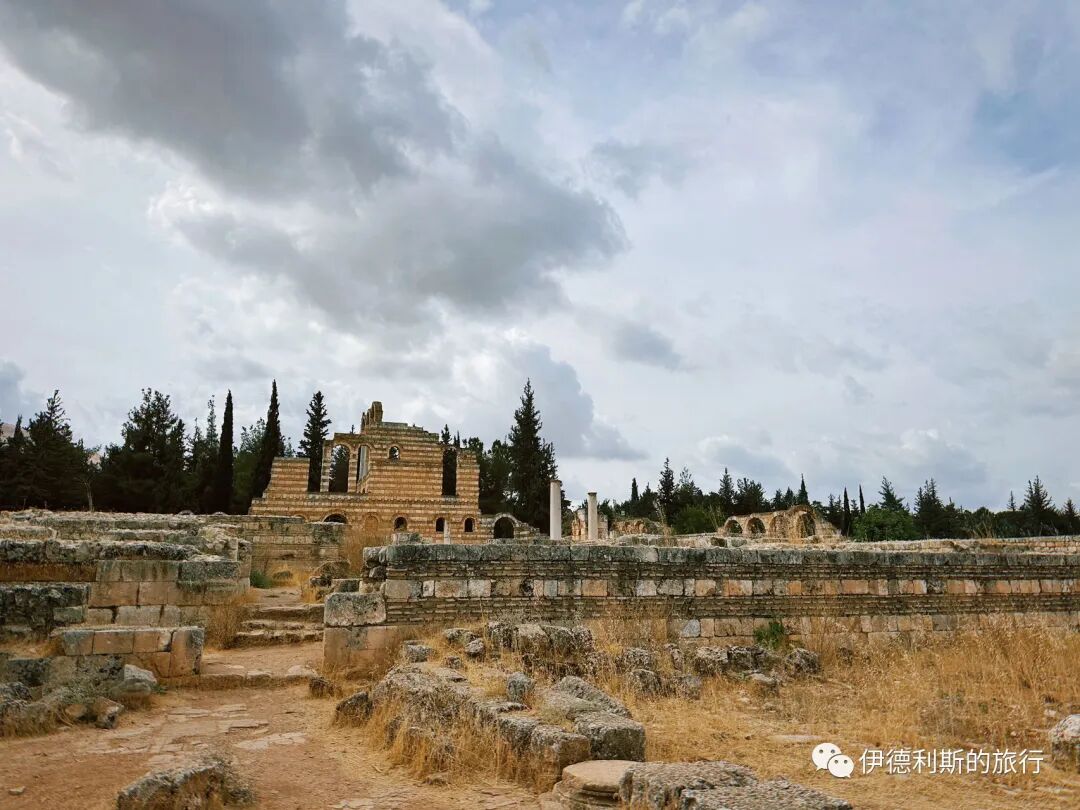
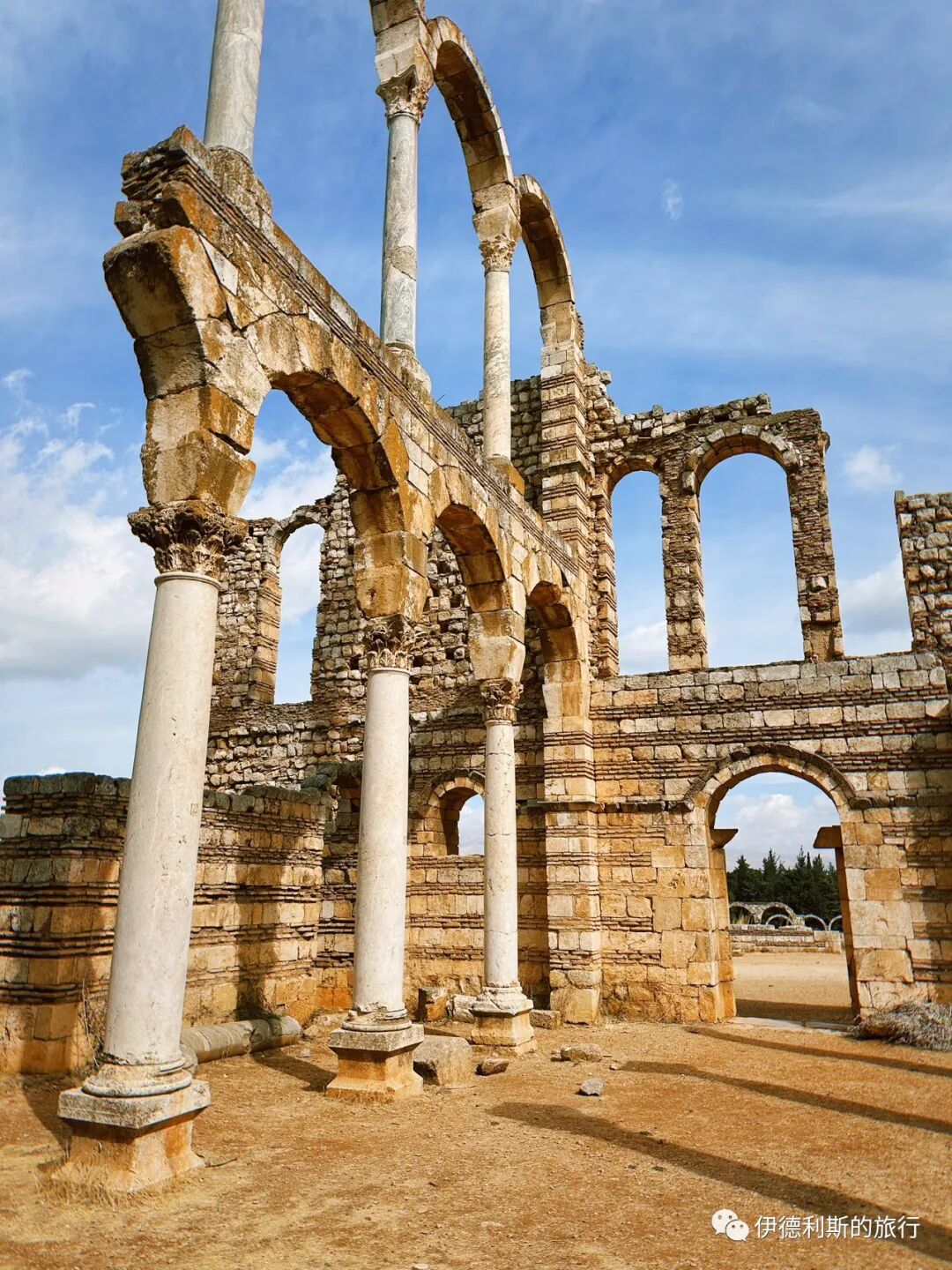
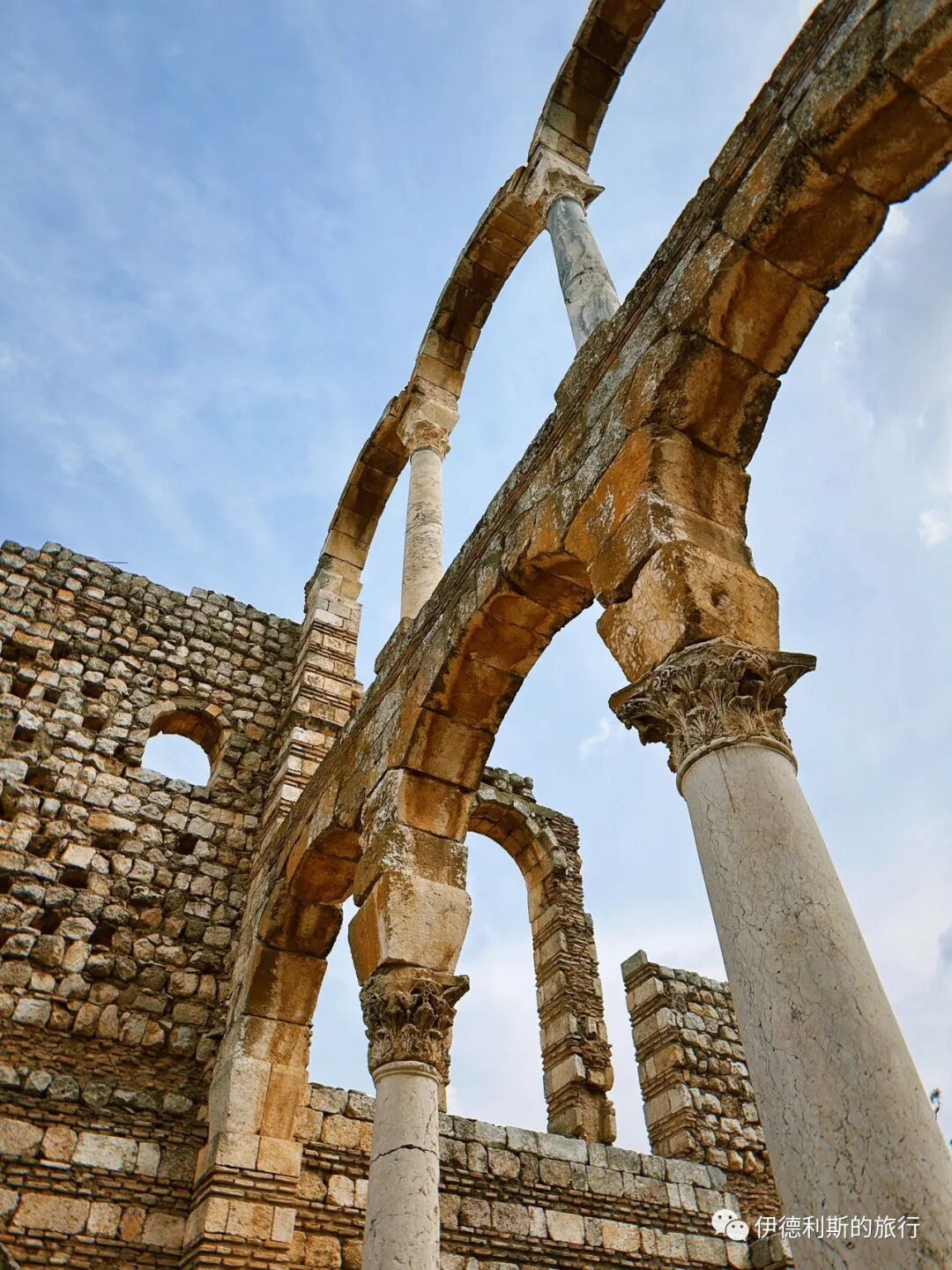
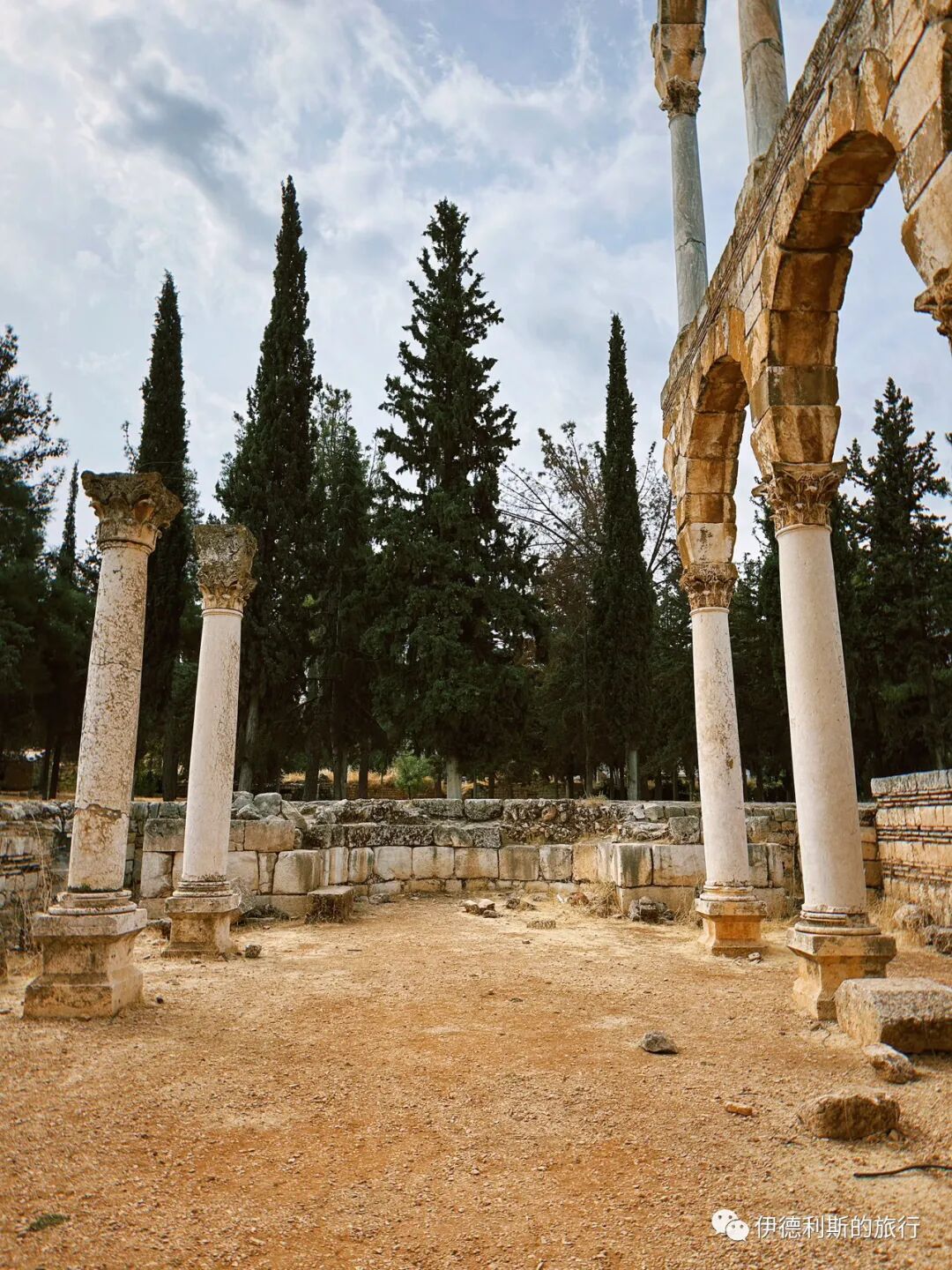
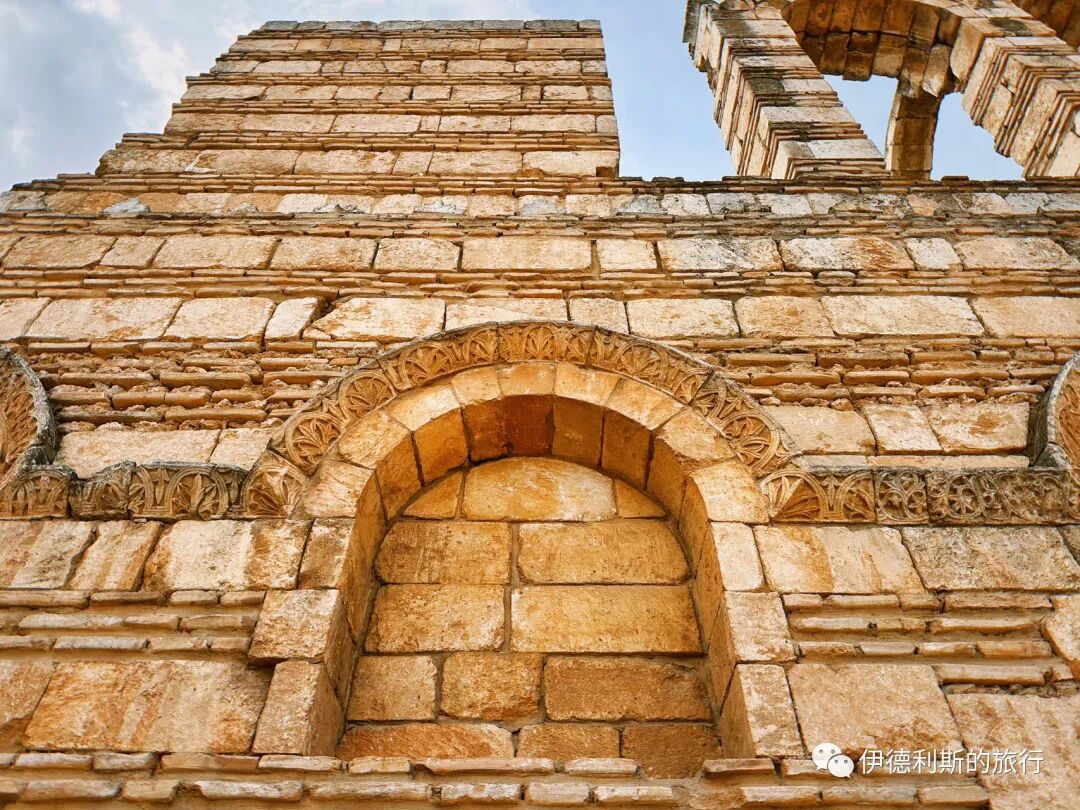
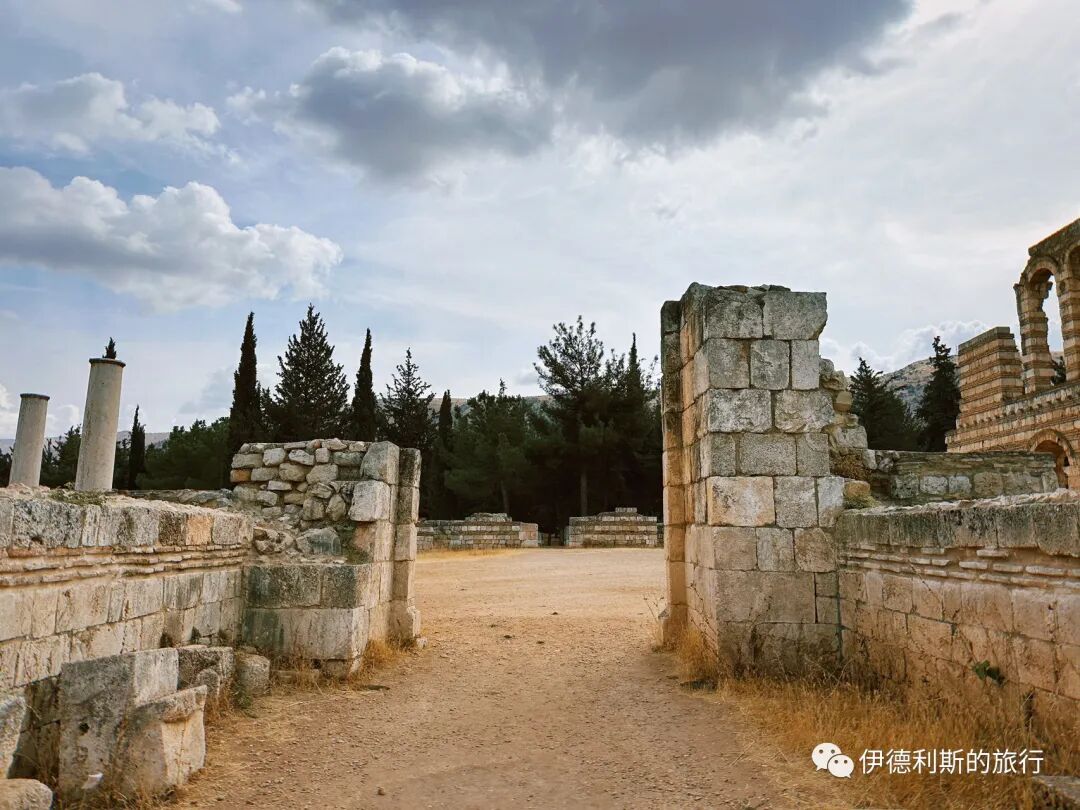
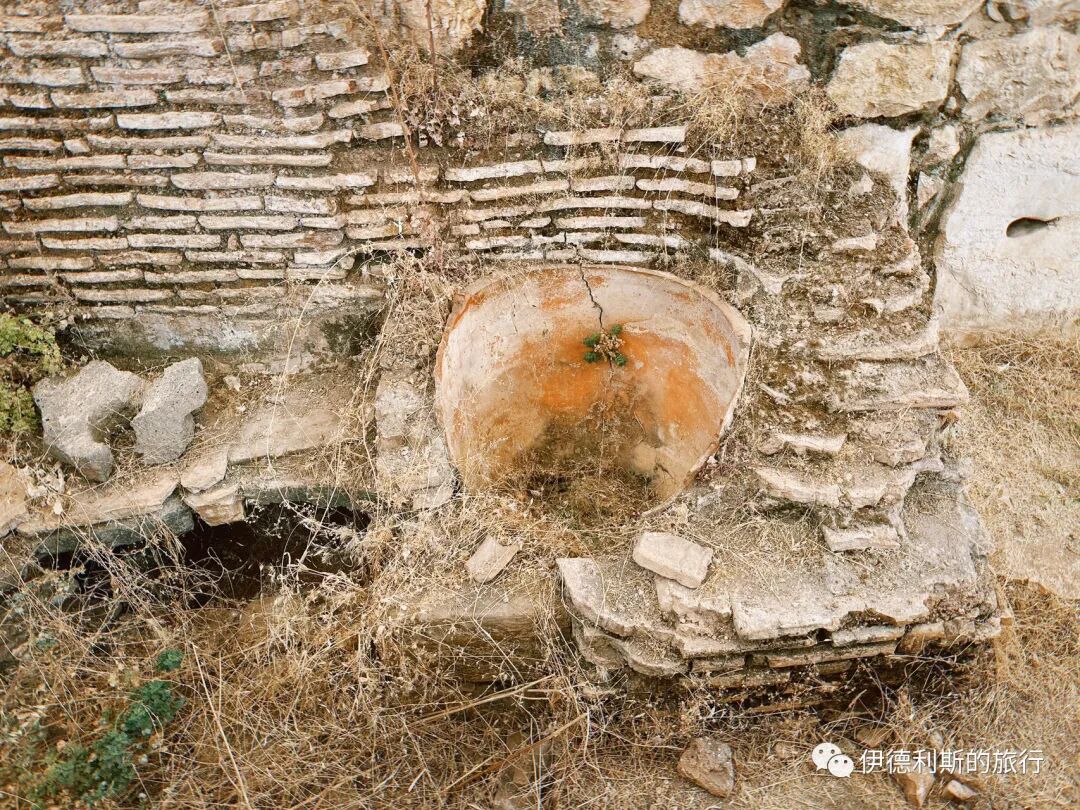
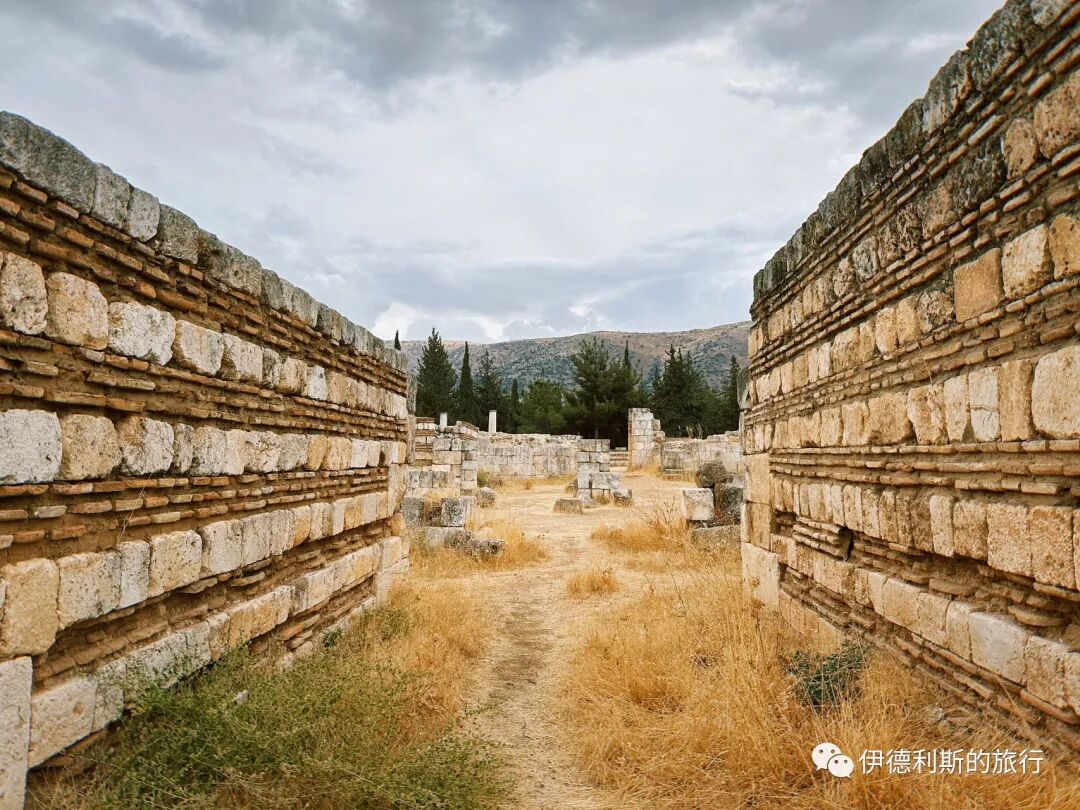
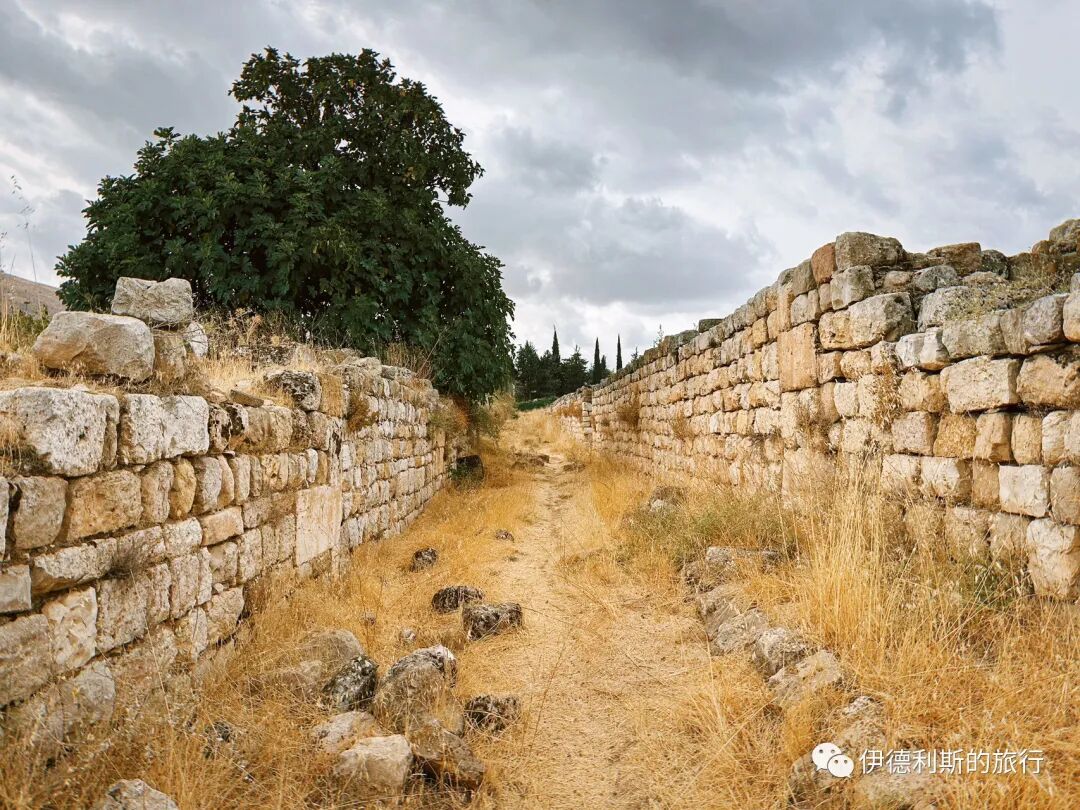
Walking through the small palace (harem), the baths, and the streets of the residential area opposite in the ancient city of Anjar truly feels like returning to the Arab Empire 1,300 years ago. This method of alternating layers of stone and brick is a tradition inherited from the Byzantines. Judging from the two houses excavated in the southwest area, there may have been only 24 similar houses in the city. Therefore, some scholars speculate that this place may have just been a market on the road from Beirut to Damascus, or a large military camp providing supplies.
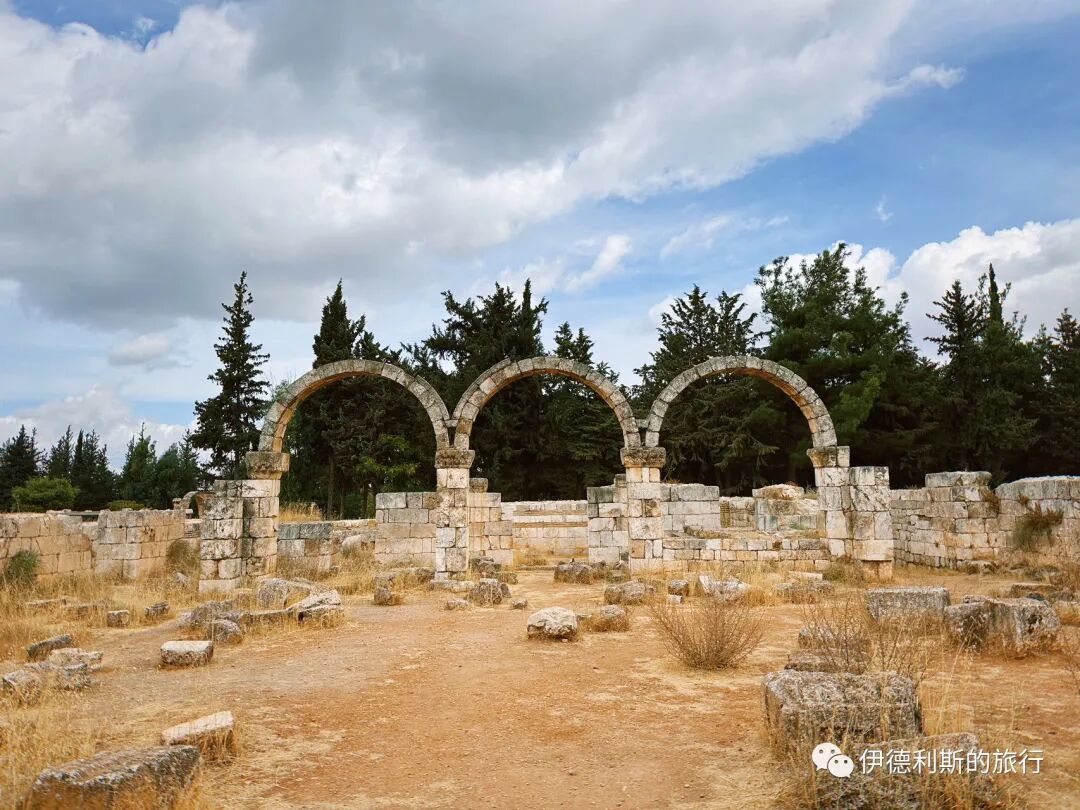
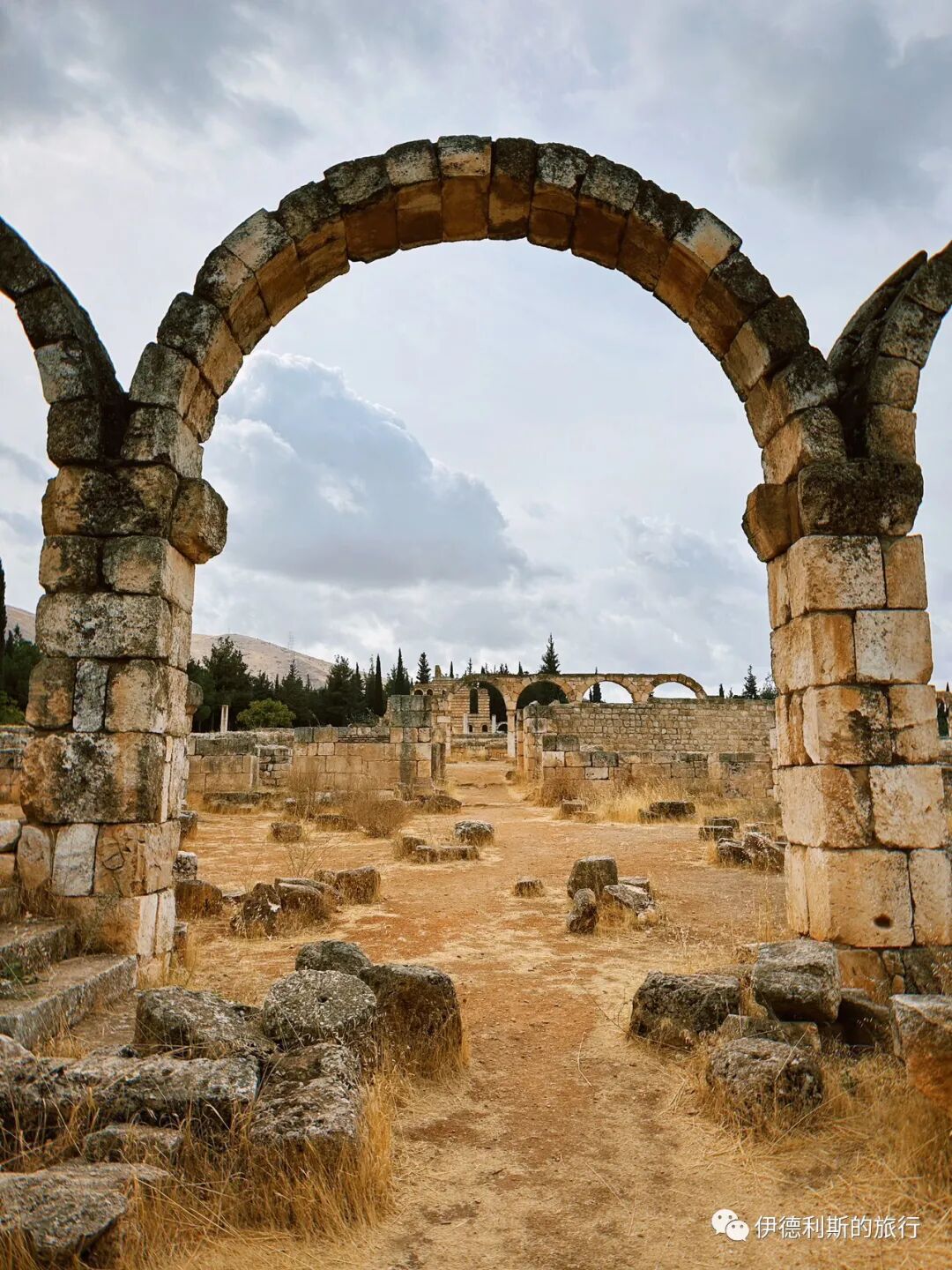
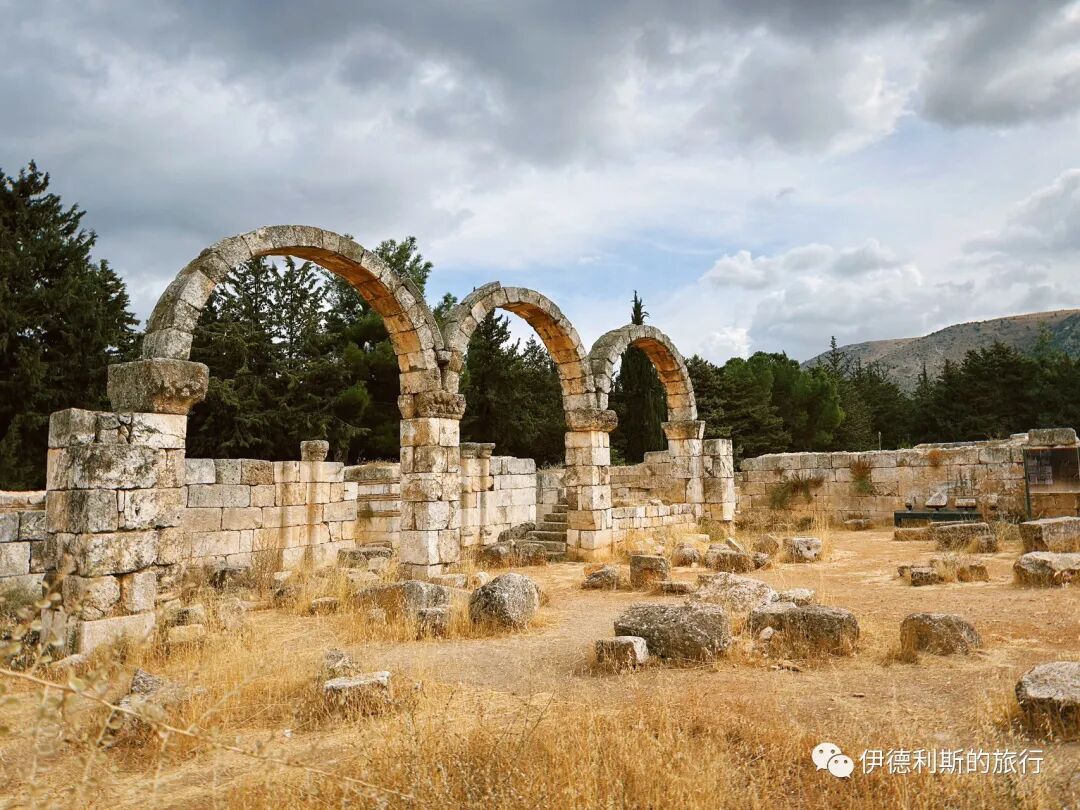
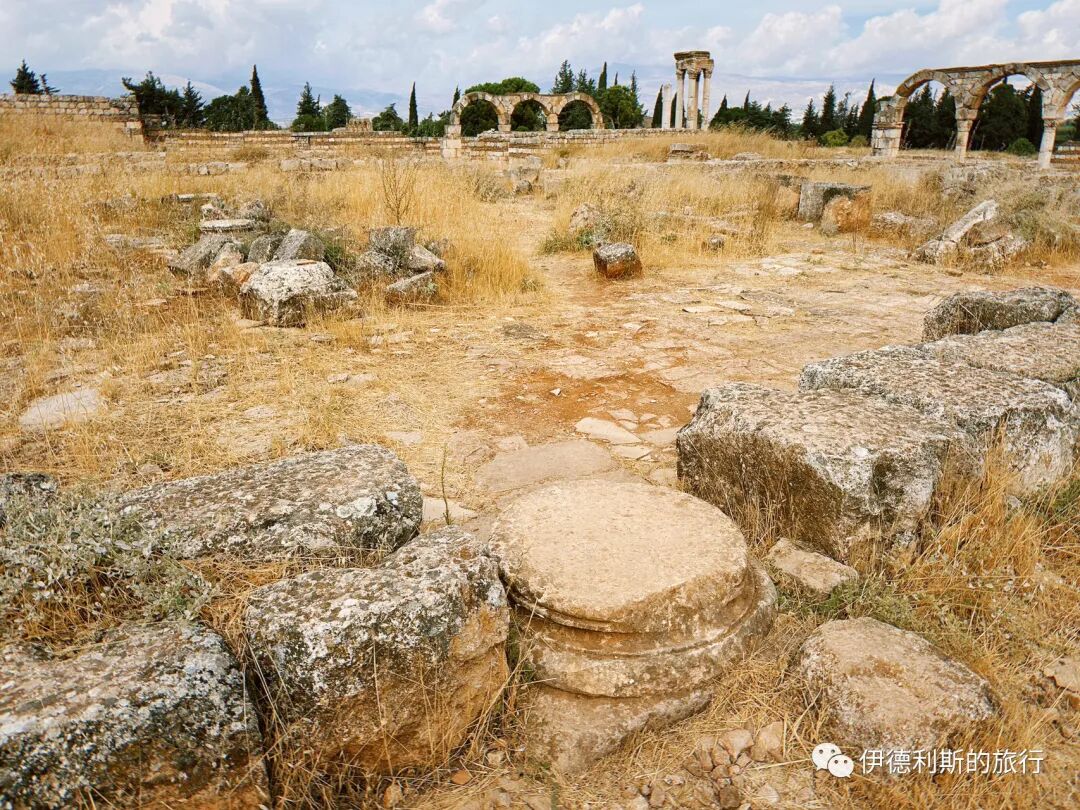
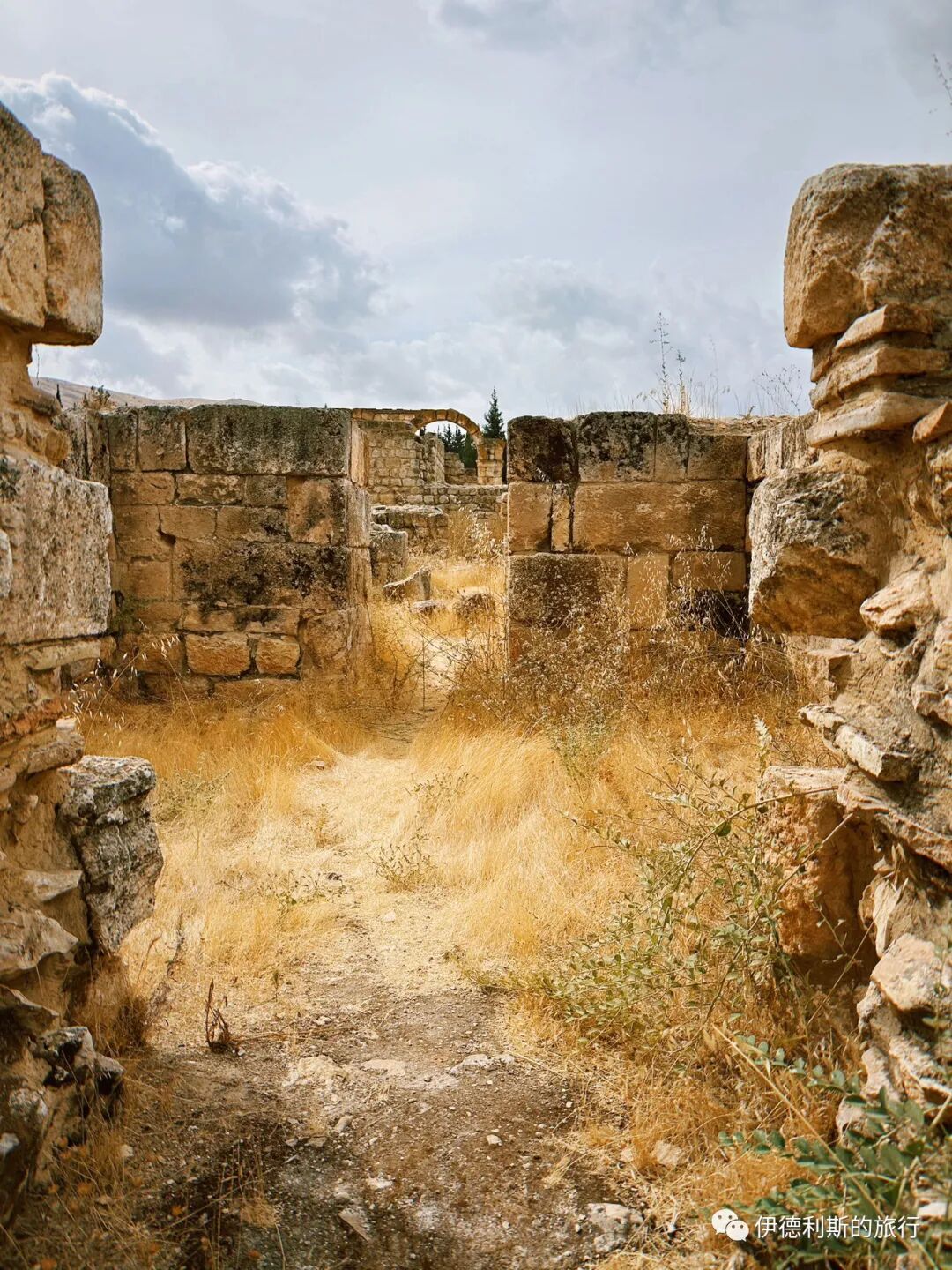
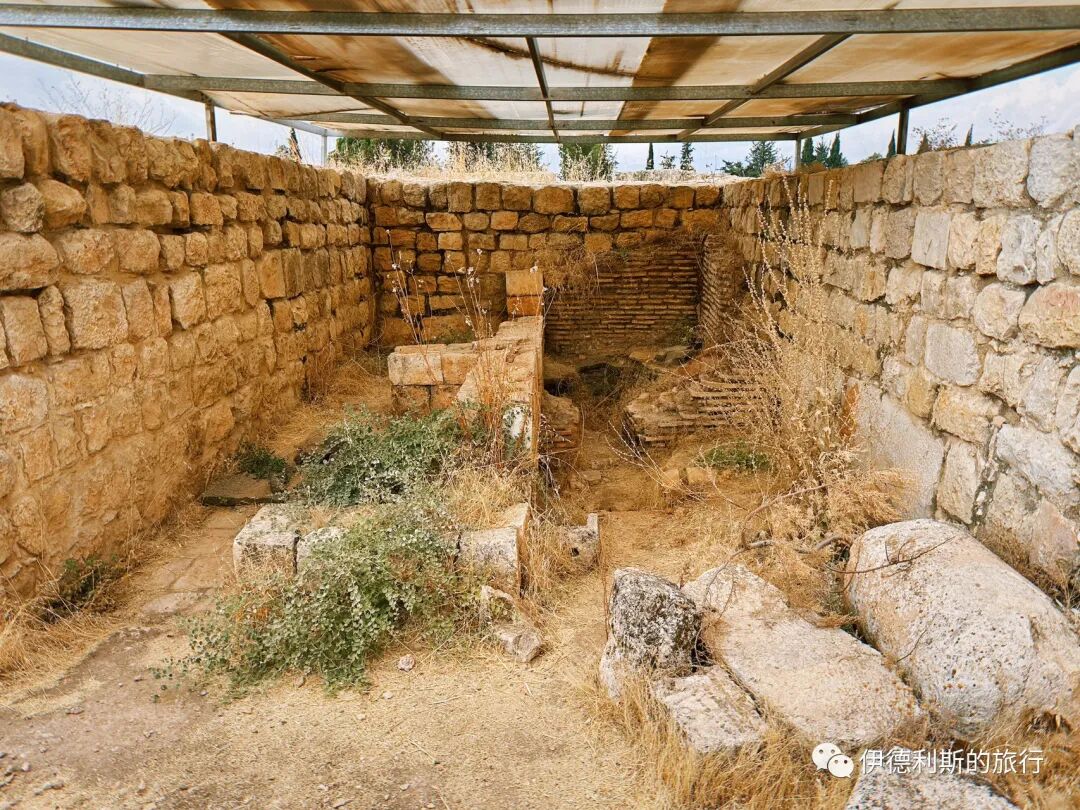
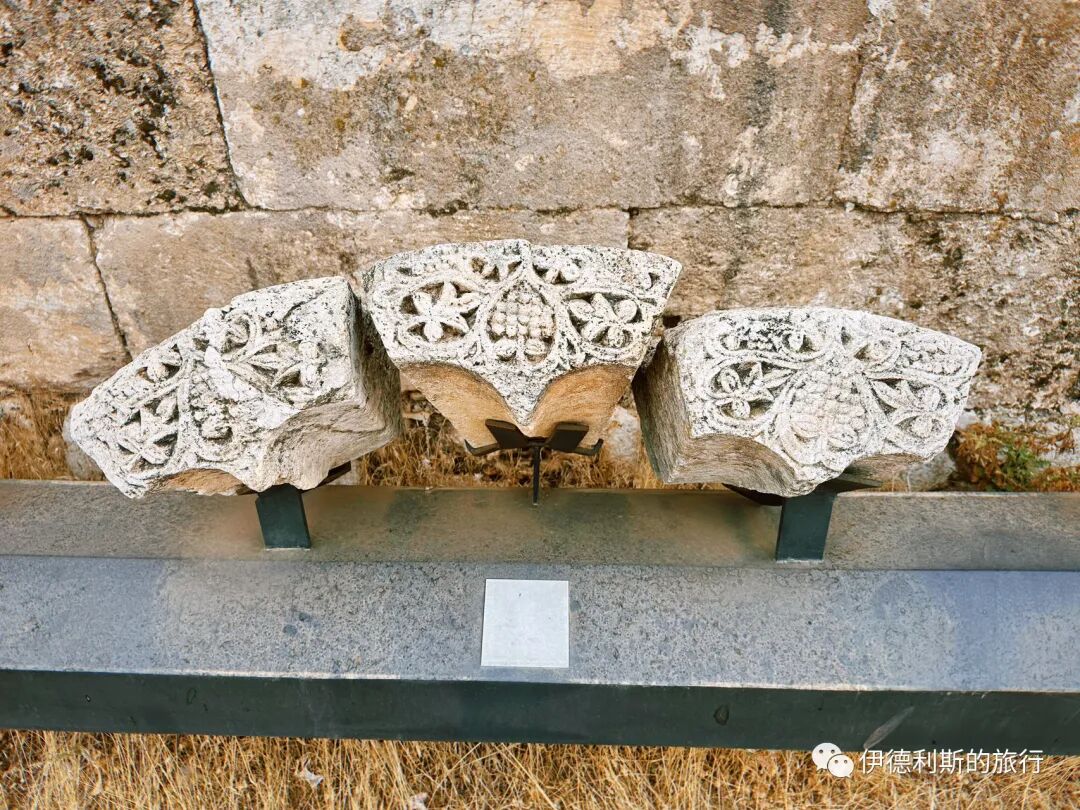
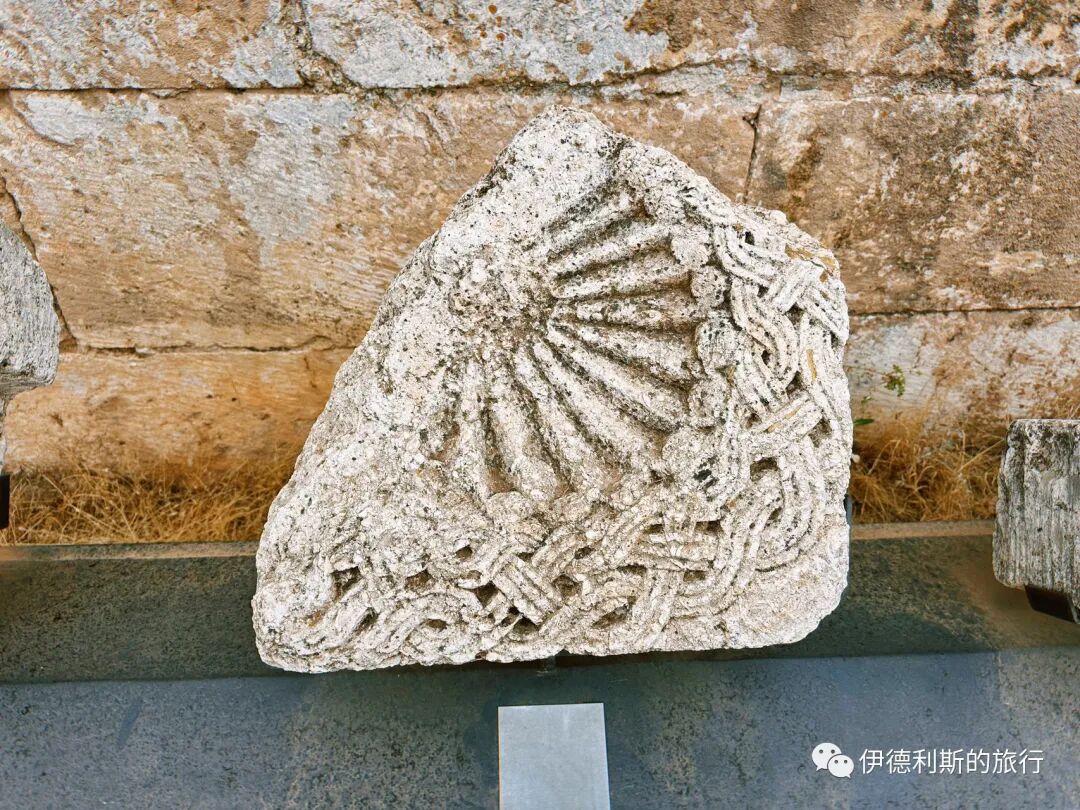
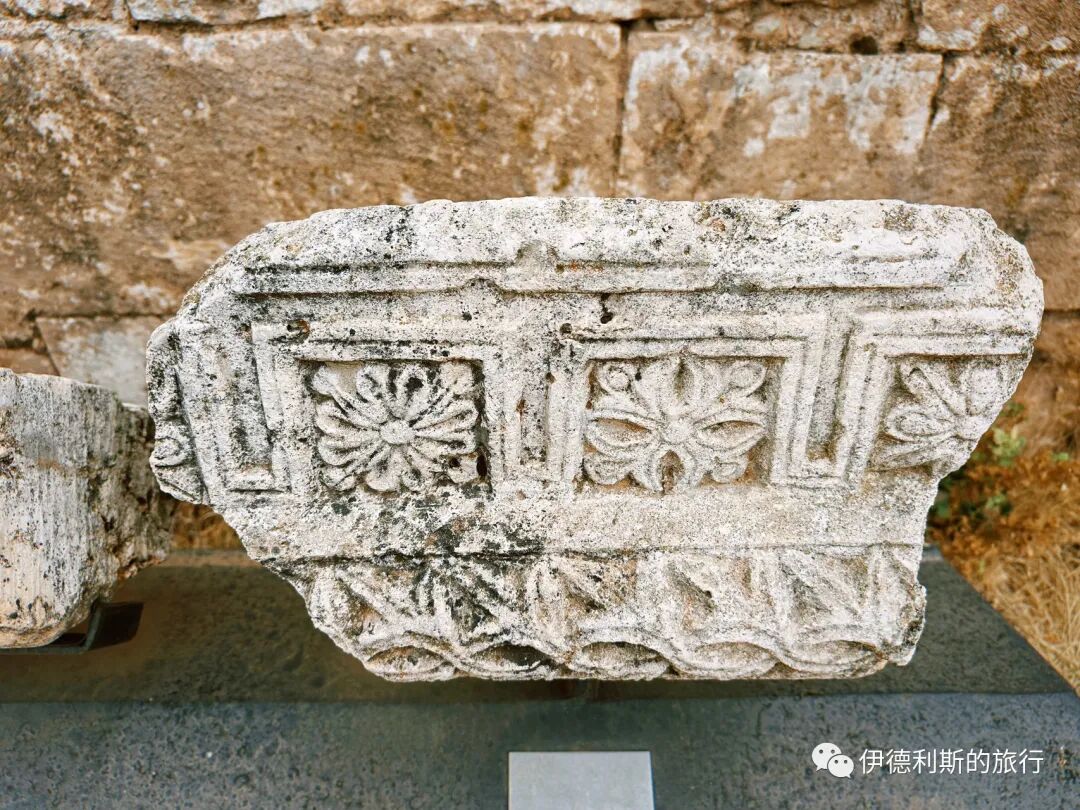
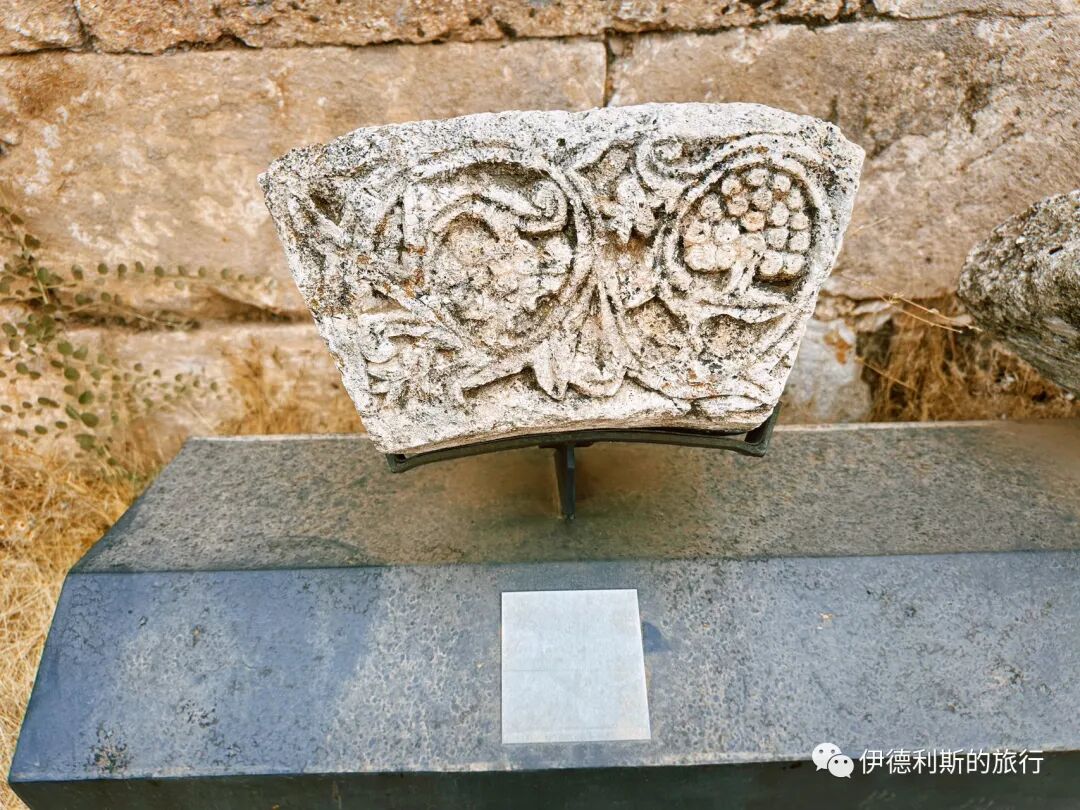
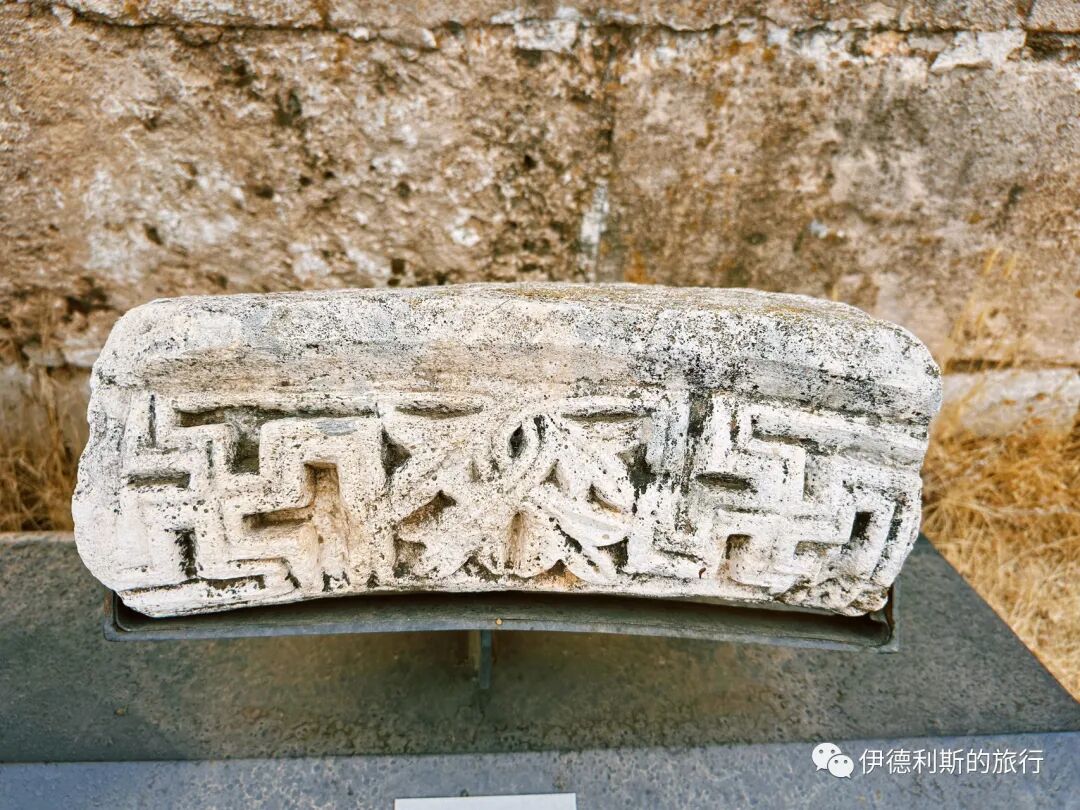
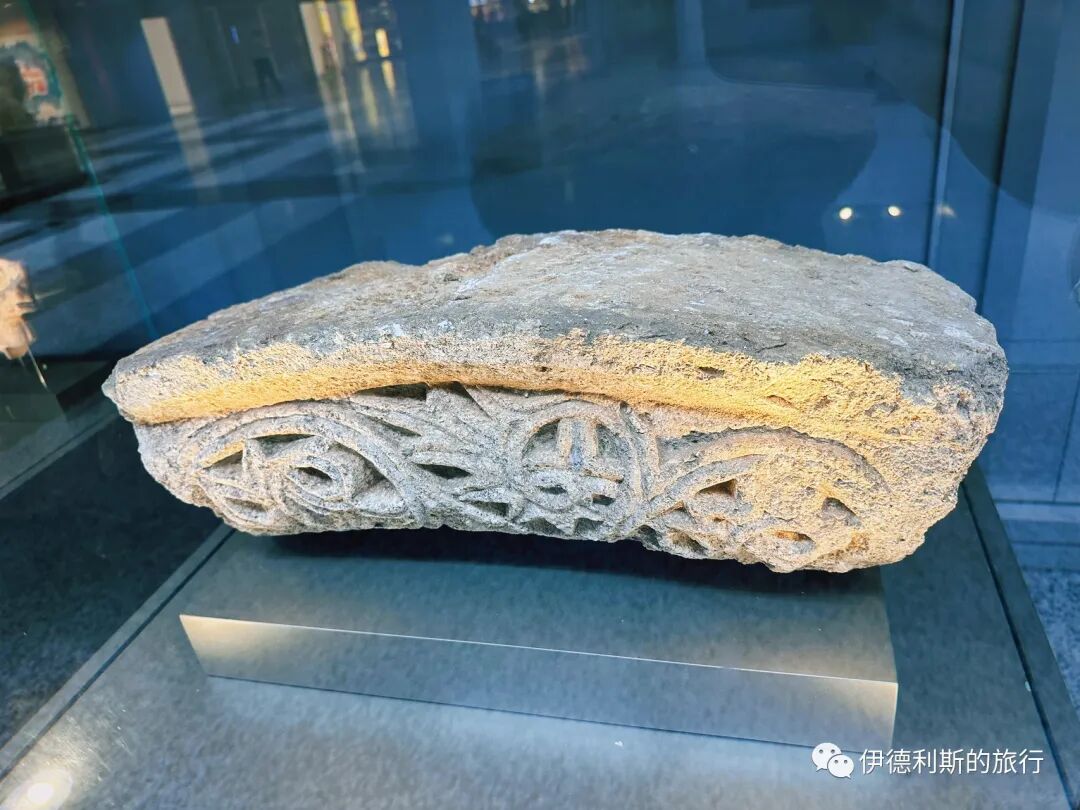
Many beautifully decorated friezes were unearthed inside the small palace (harem), carved with rich geometric and plant patterns. Some of these are displayed at the small palace site, and one was placed directly at a boarding gate in Beirut Airport, likely because Lebanon wants tourists visiting their country to see them.
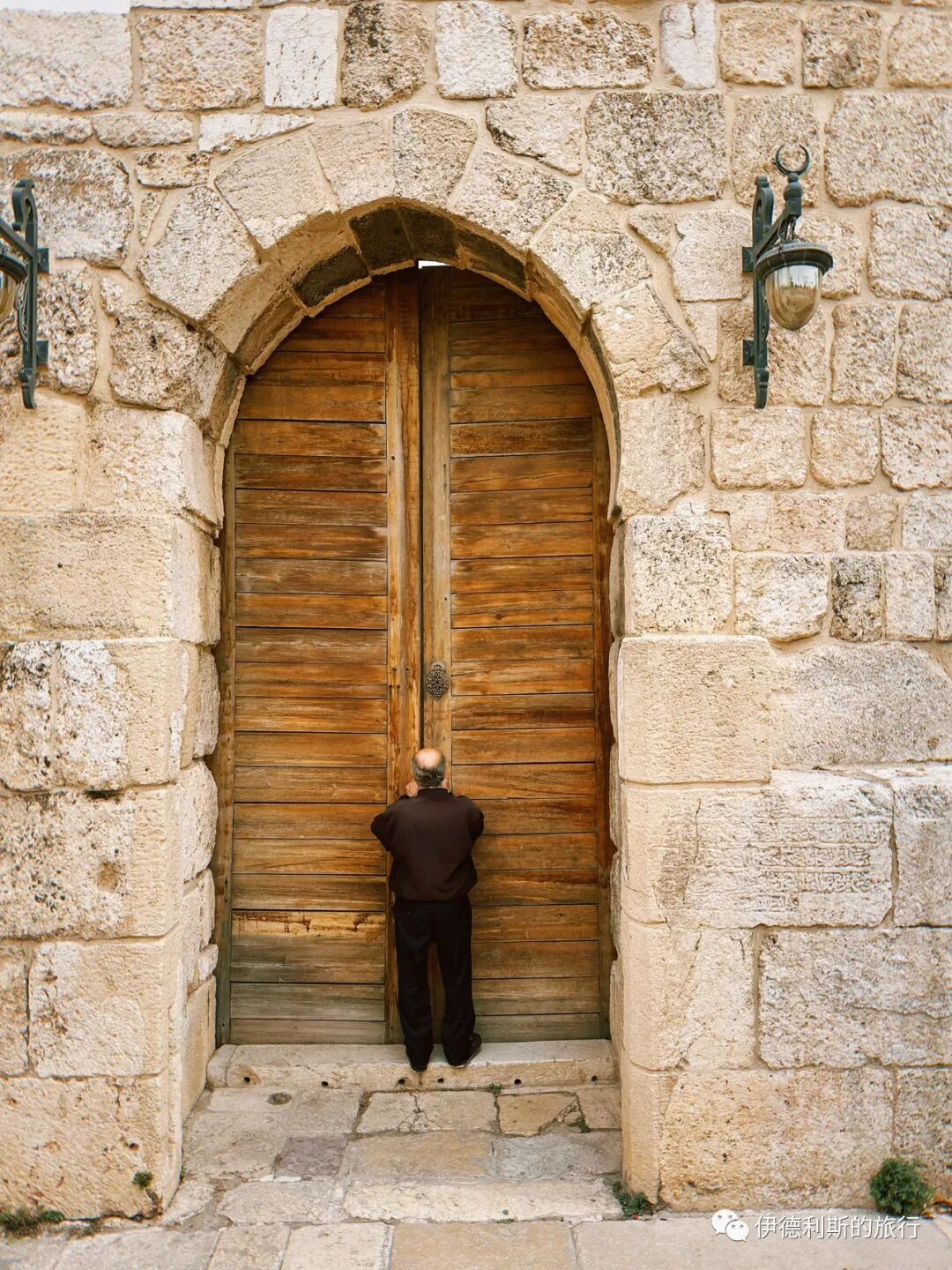
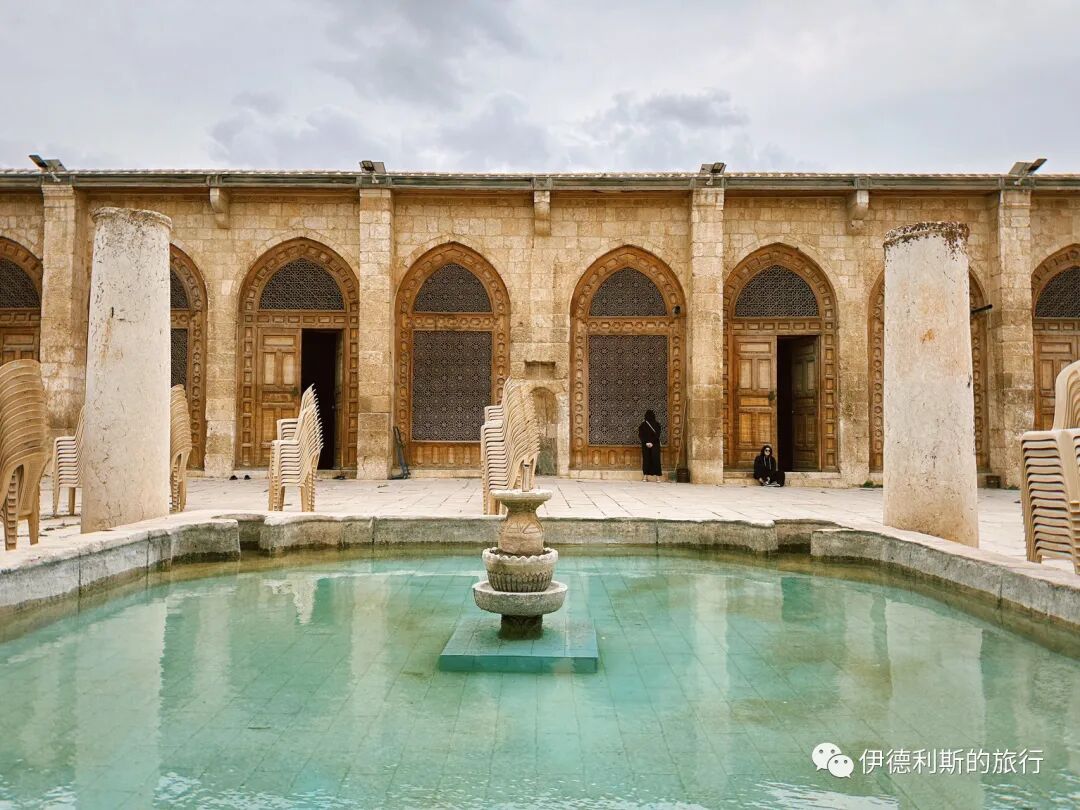
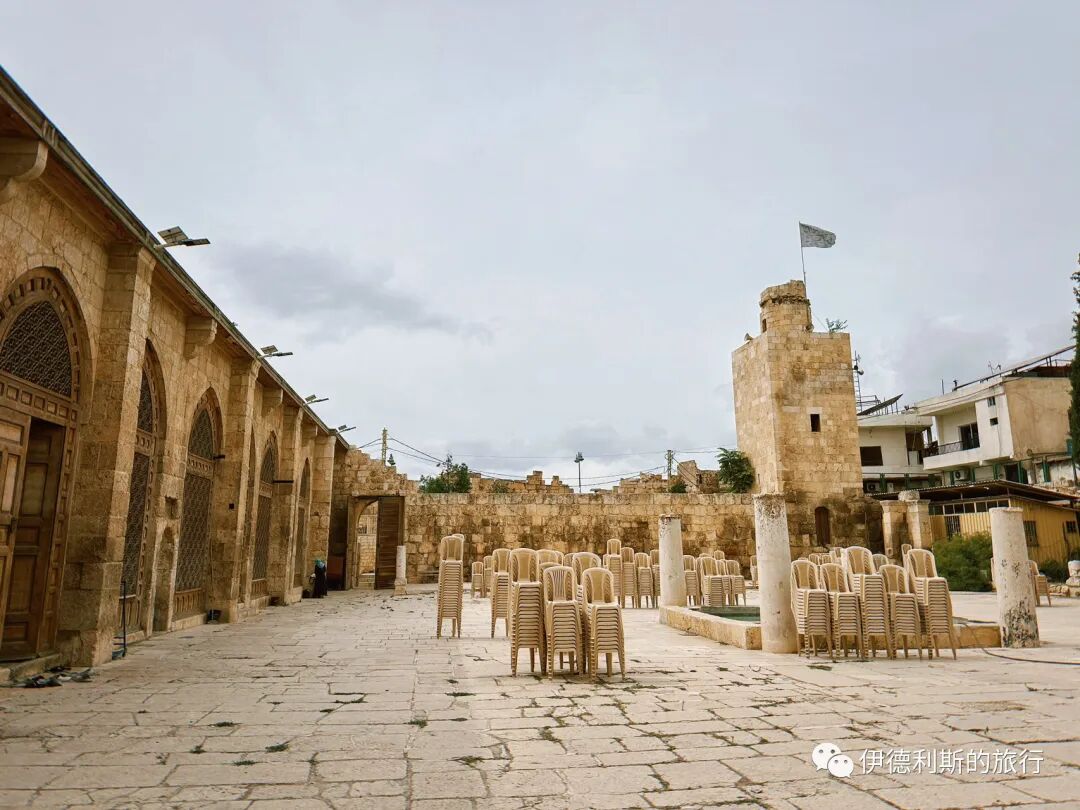
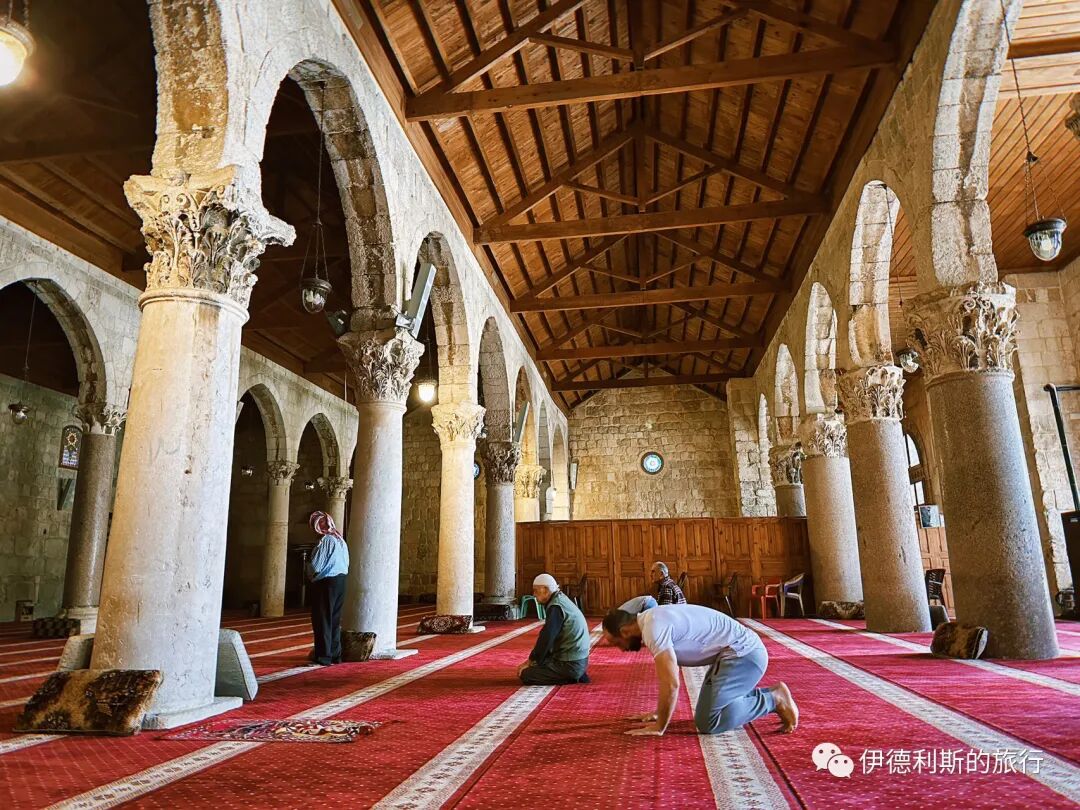
After leaving the ancient city of Anjar, I took a three-wheeled taxi back to the town of Chtoura, then switched to a minibus heading north to the ancient city of Baalbek in the Beqaa Valley. Once I arrived, I went straight to the Umayyad Mosque for namaz. The doors are usually locked and only open for the five daily prayers, closing again right after, so it is quite difficult for regular tourists to get inside.
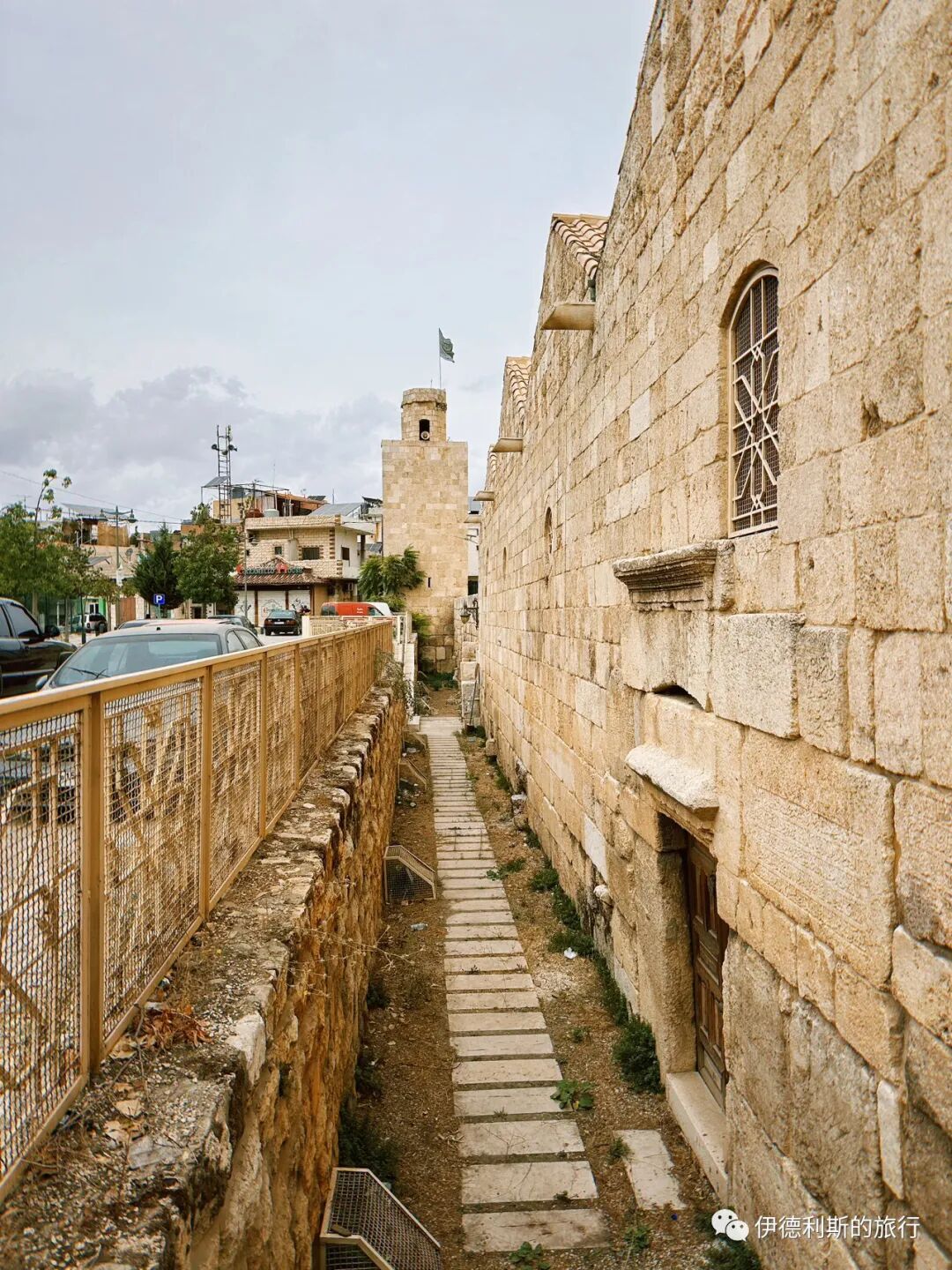
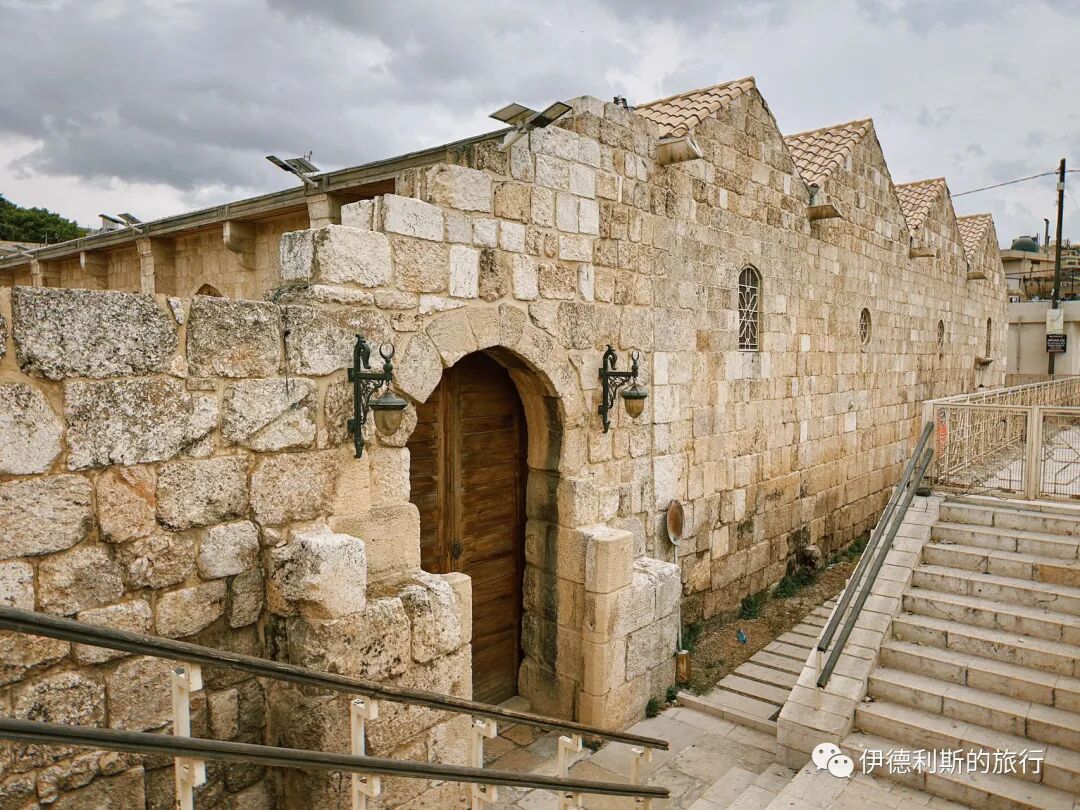
The Umayyad Mosque in Baalbek was also built by the Umayyad Caliph Al-Walid I in 715, the same year as the Umayyad Mosque in Damascus, and both stand together as the oldest surviving mosque buildings in the world.
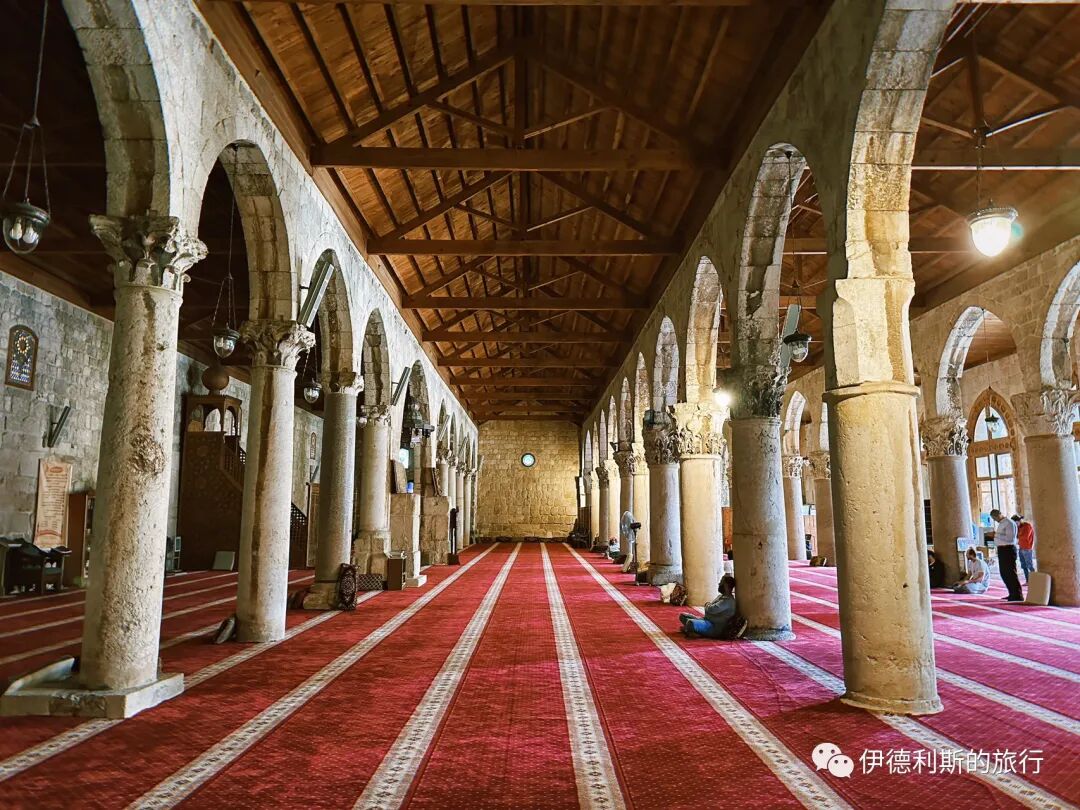
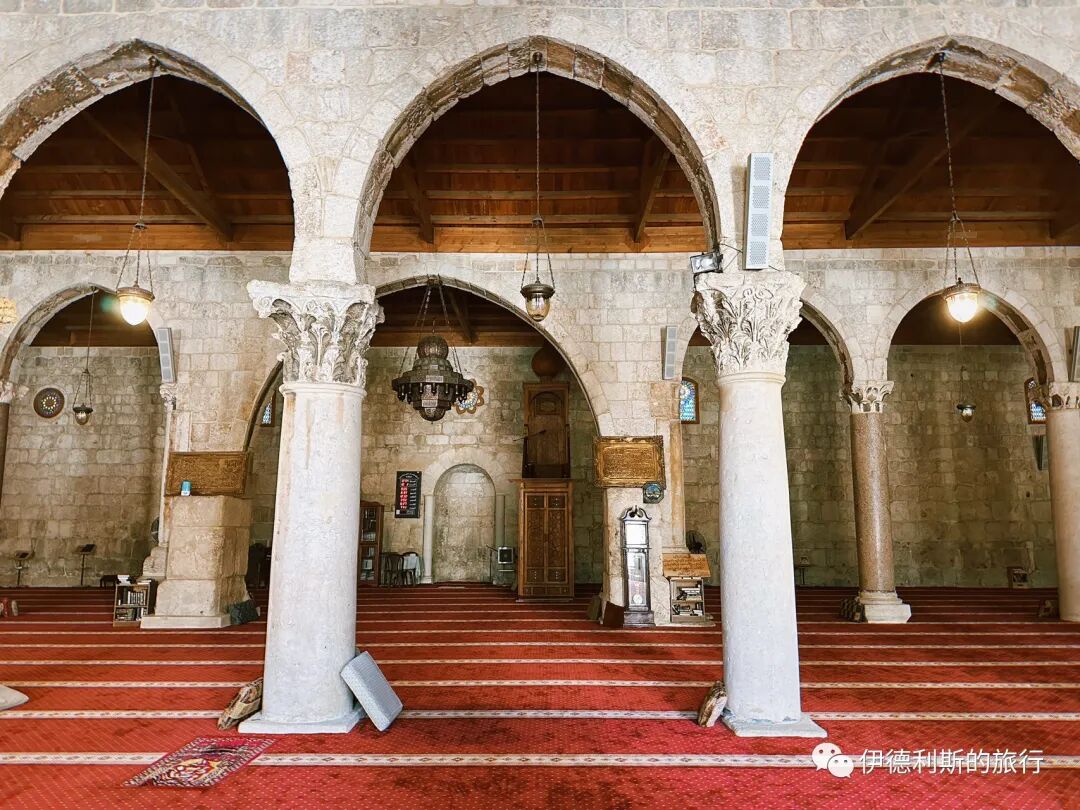
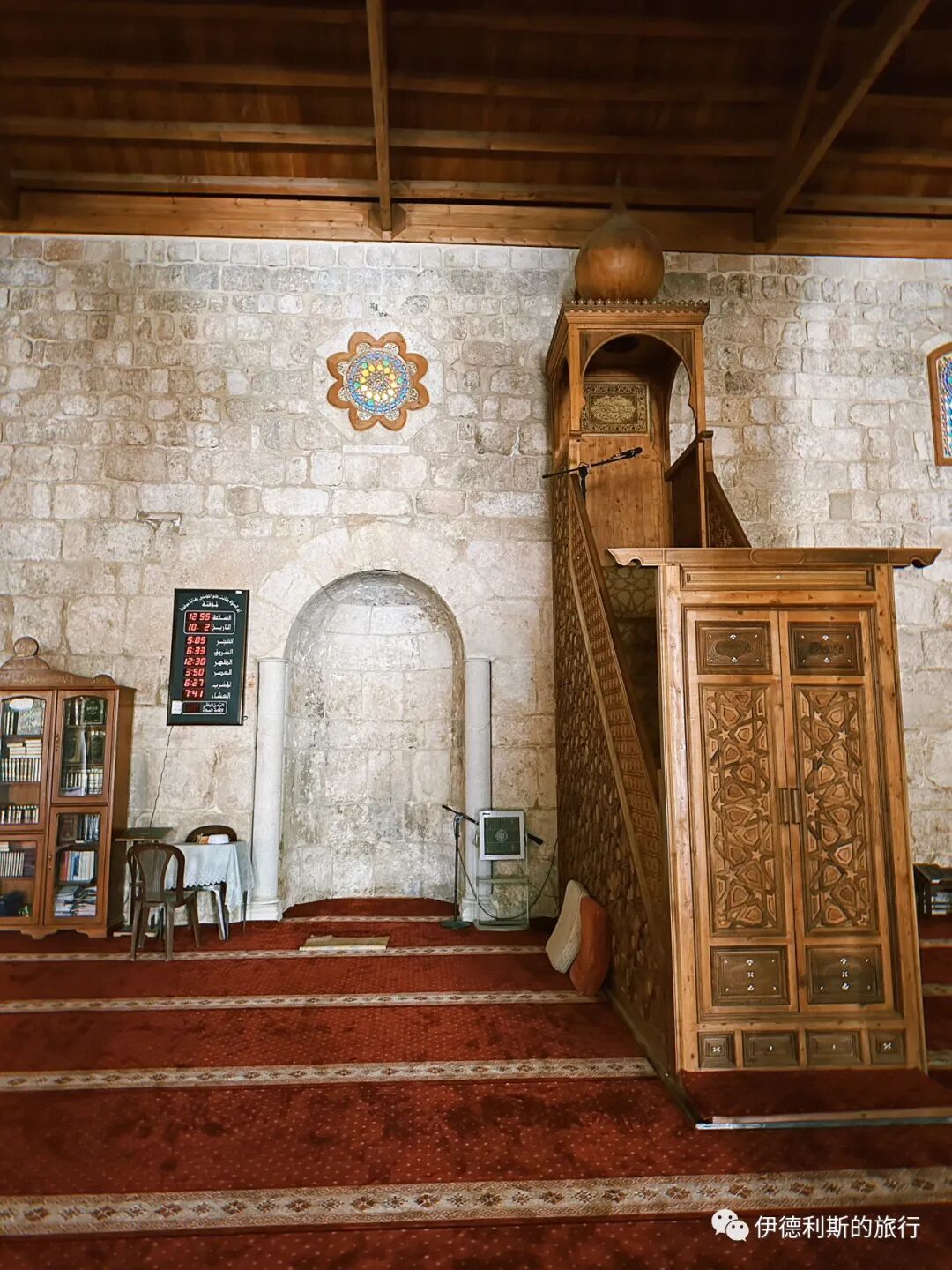
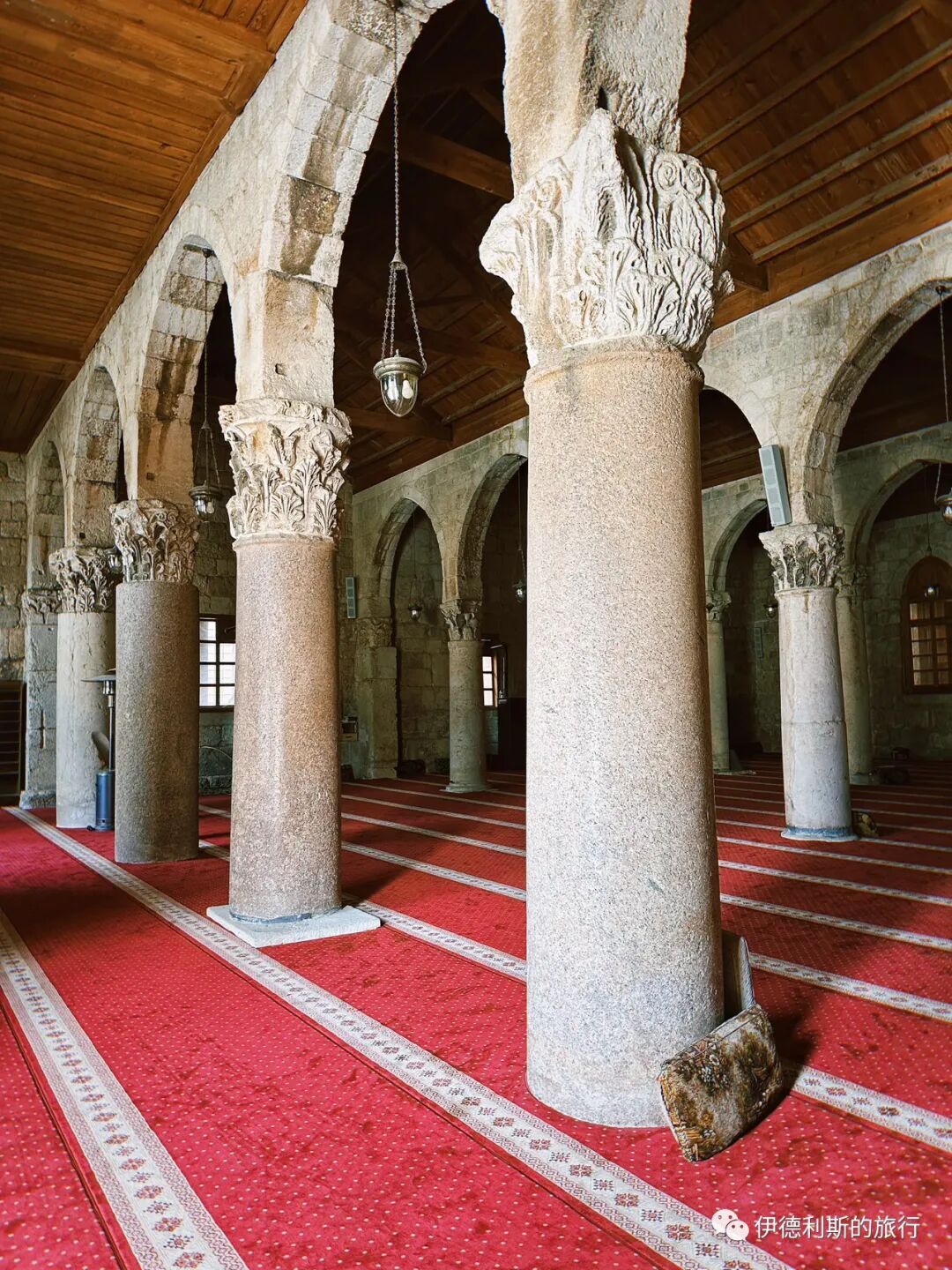
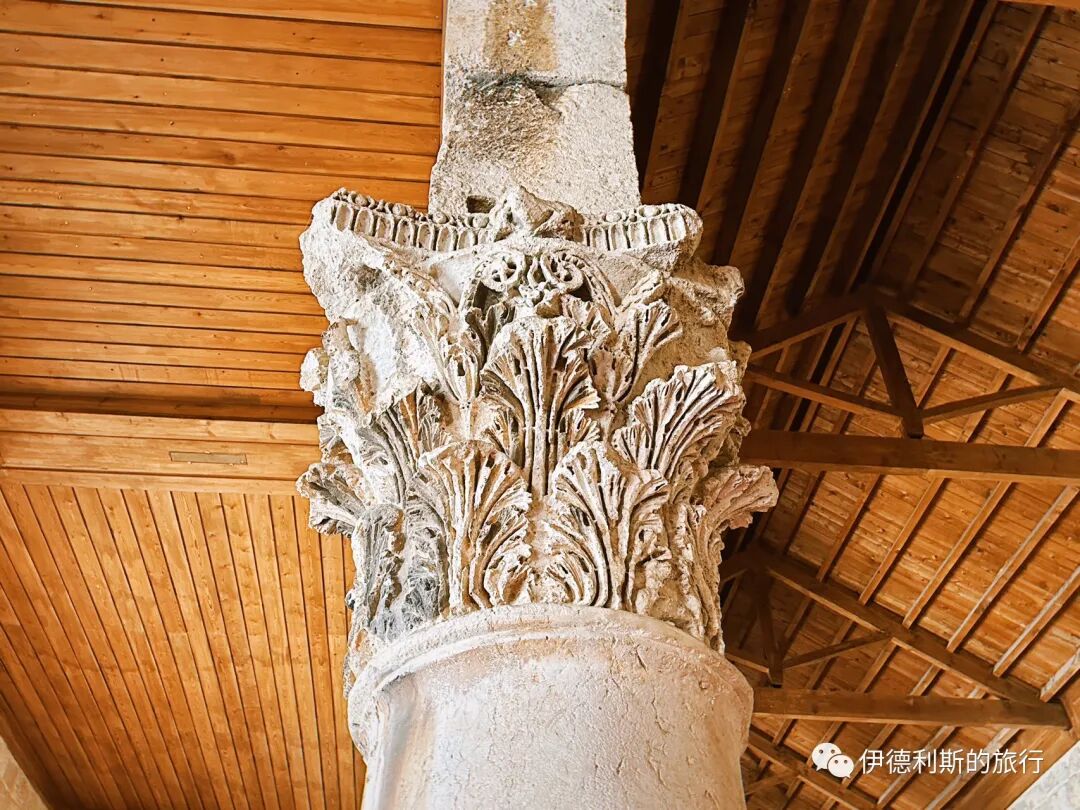
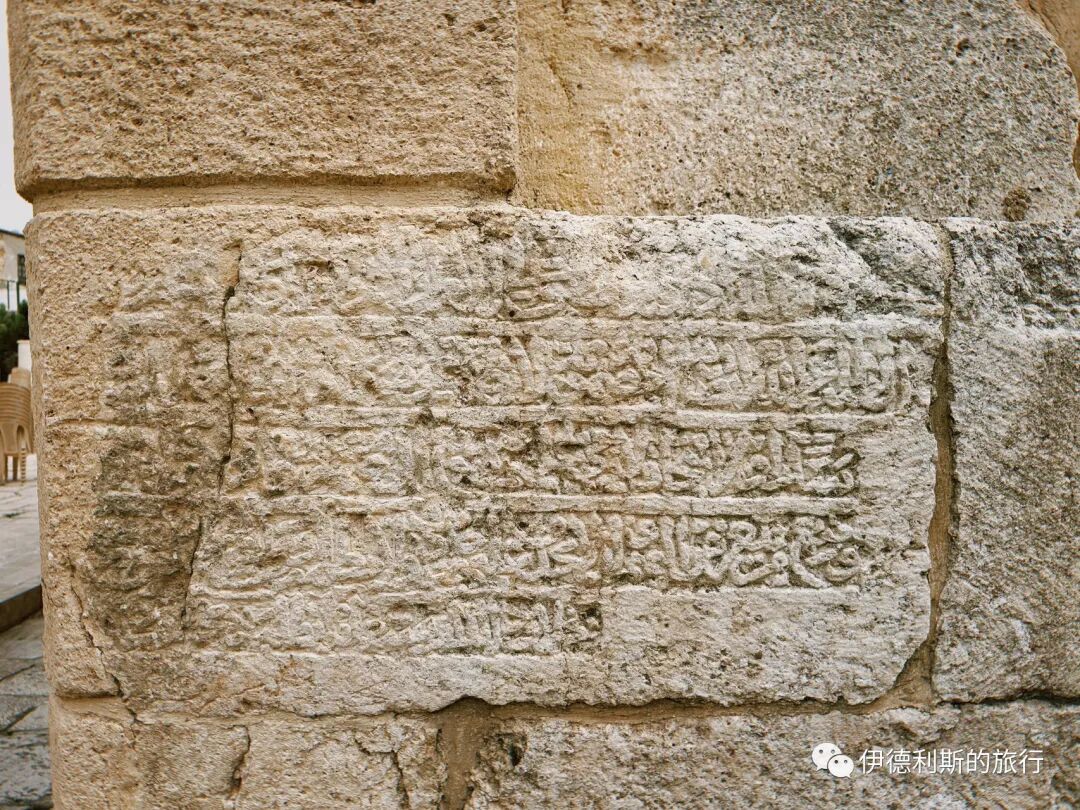
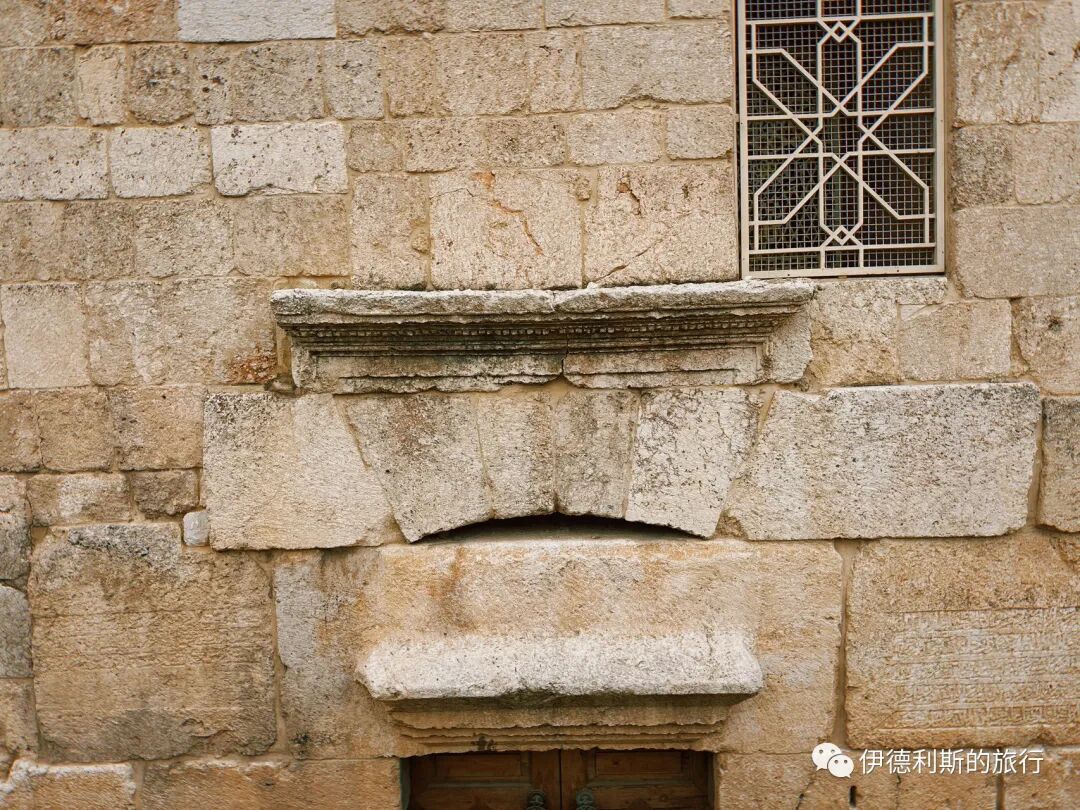
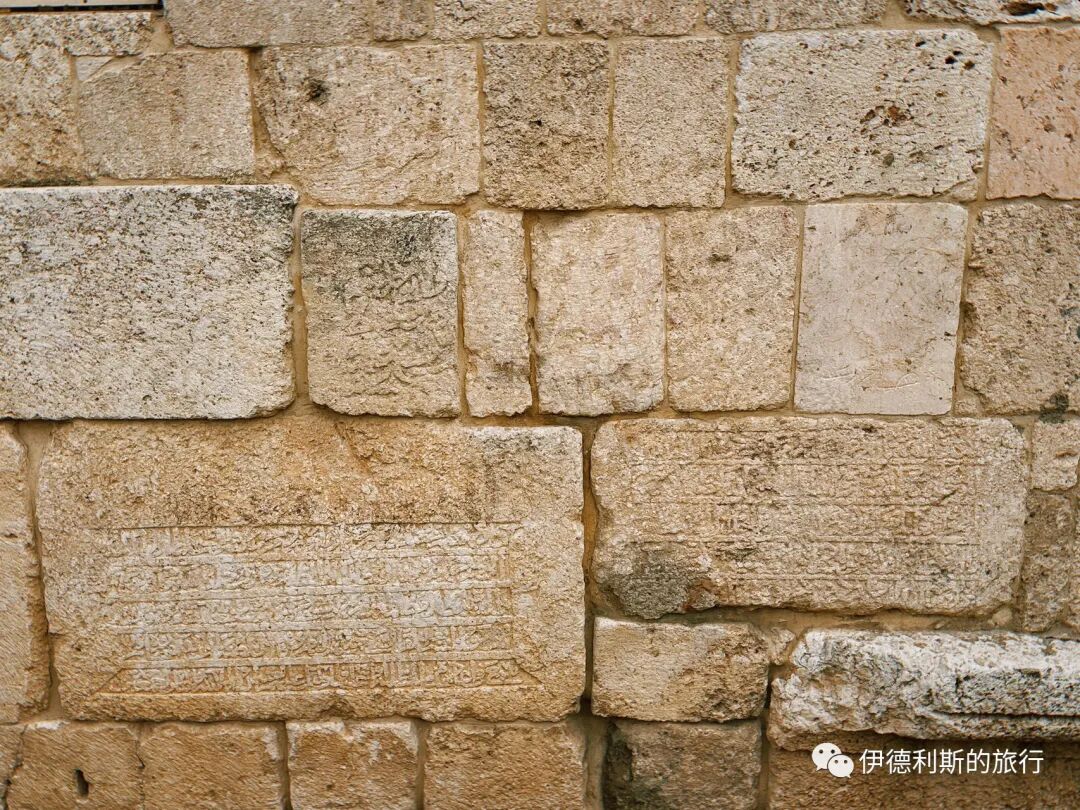
Compared to the Umayyad Mosque in Damascus, the Baalbek Umayyad Mosque is simpler, but the overall style is still very similar. Some of the stone parts inside the main hall may have been taken from the nearby Roman-era Baalbek Citadel, and the column capitals have a strong Greco-Roman and Byzantine style. A flood hit Baalbek in 1318, causing serious damage to the Umayyad Mosque, washing away the walls and the pulpit (minbar), which were later repaired by the Mamluk prince ruling Baalbek at the time, Najm al-Din Hassan.
The Umayyad Mosque was badly damaged in a 1996 earthquake in Baalbek, and it was later restored by a team led by Dr. Saleh Lamei Mustafa, the former dean of the Faculty of Architecture at Beirut Arab University. The restoration work lasted for two years and was finally completed in 1998.
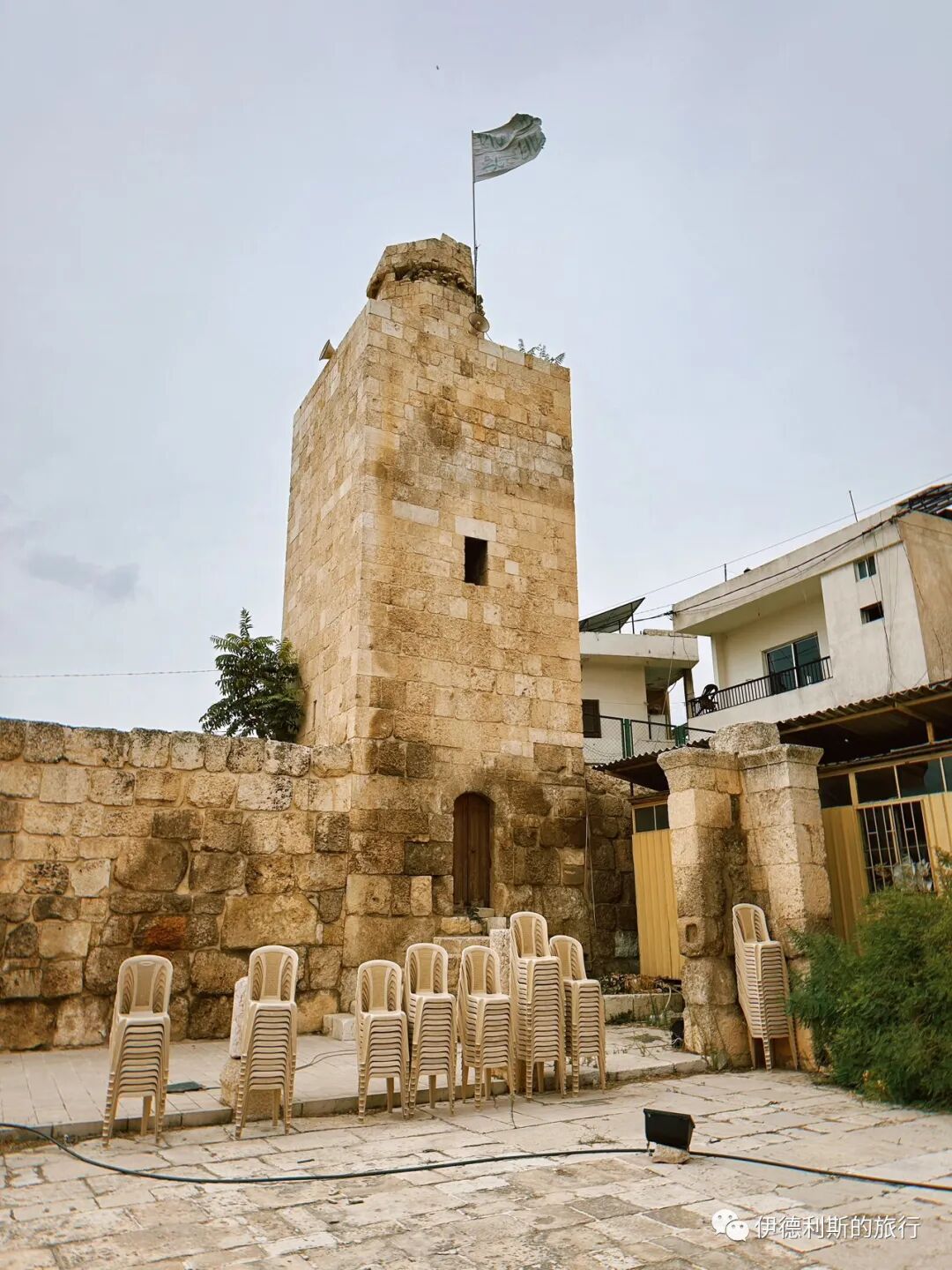
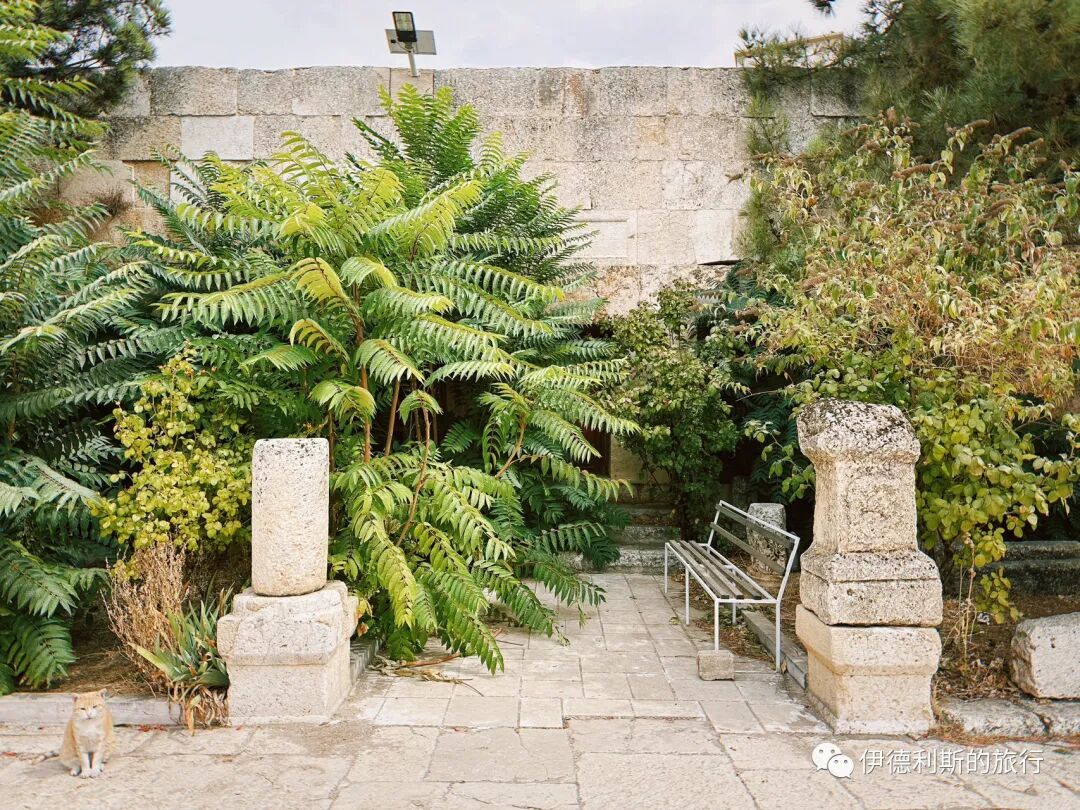
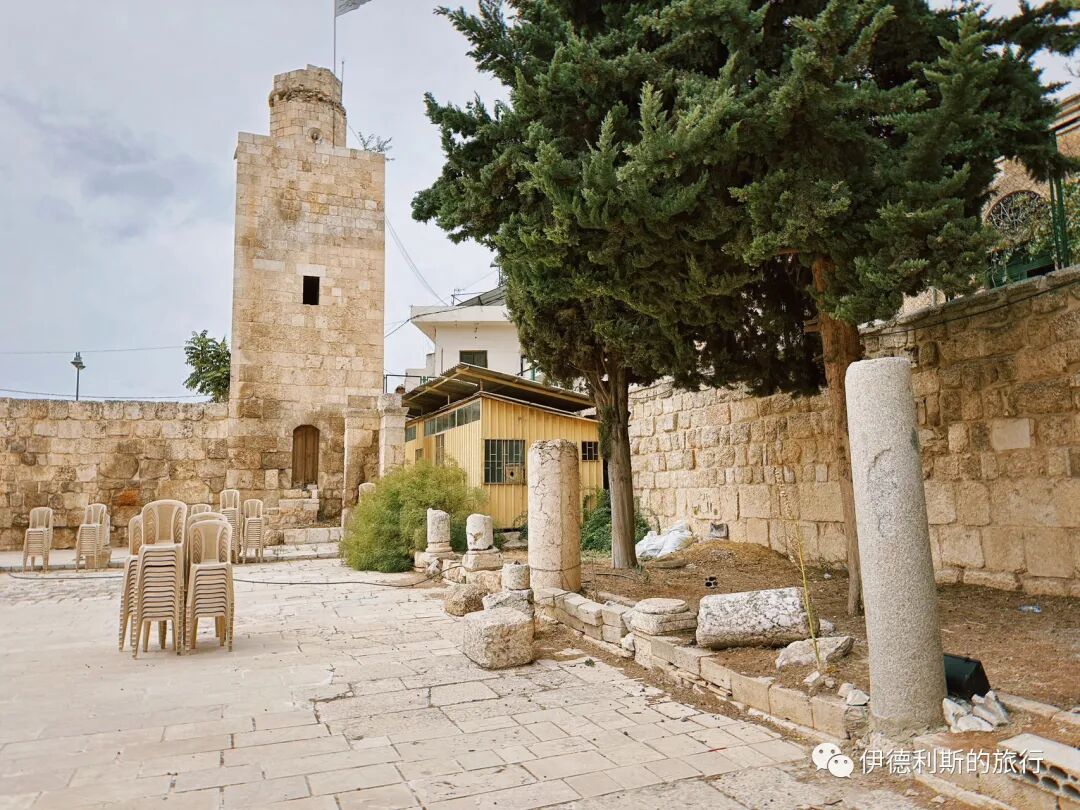
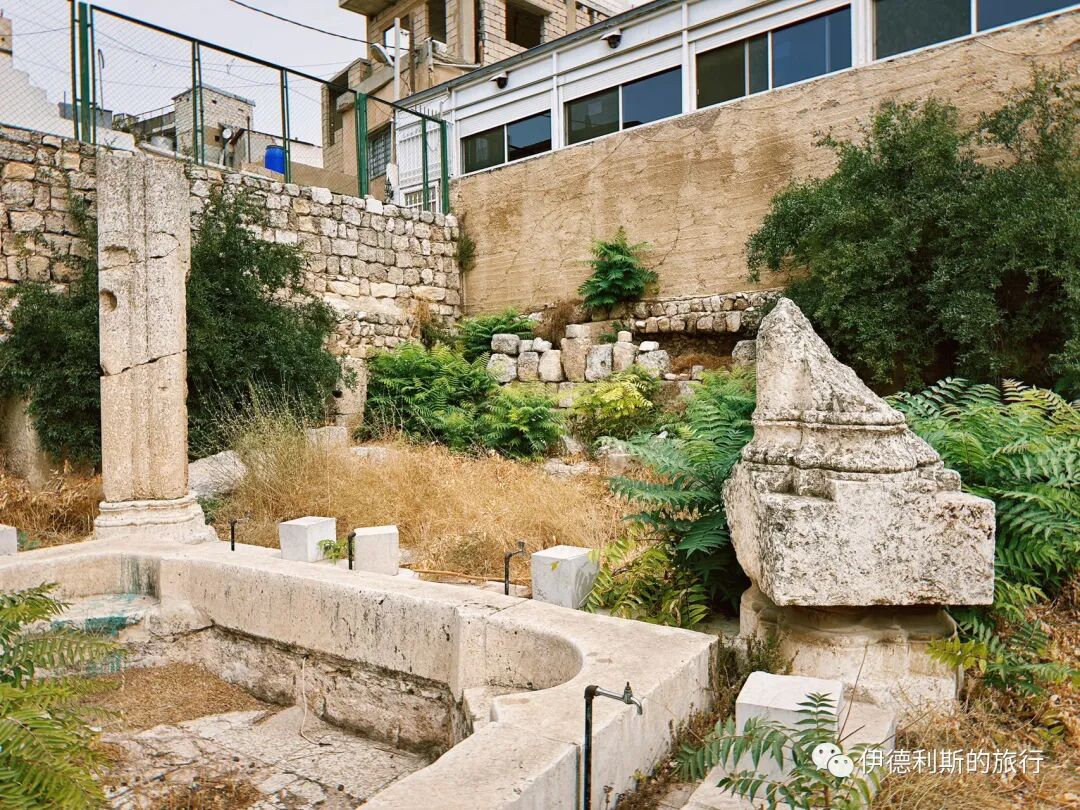
Today, many ancient stone pieces are still scattered around the courtyard of the Baalbek Umayyad Mosque, giving it a rich sense of history.
Early in the morning, I took a minibus from the Cola bus station south of Beirut, headed east over the Lebanon Mountains, and entered the town of Chtoura in the Bekaa Valley. From there, I took a three-wheeled taxi to the Umayyad ancient city of Anjar near the Syrian border. This place has been an important passage connecting Beirut and Damascus since ancient times. Anjar is the best-preserved ruin of an Umayyad dynasty palace city. It was added to the UNESCO World Heritage list in 1984.
The Umayyad dynasty (661–750) was the first hereditary dynasty of the Arab Empire. It is referred to as the 'White-robed Dashi' in the Old Book of Tang. During the Umayyad period, the territory of the Arab Empire expanded rapidly, and the country was very prosperous. The Al-Aqsa Mosque built by the Umayyad dynasty in Jerusalem and the Umayyad Mosque built in Damascus are both masterpieces in architectural history.
According to the records of the Byzantine chronicler Theophanes the Confessor, the ancient city of Anjar was built between 714 and 715 by al-Abbas, the son of the sixth Umayyad Caliph al-Walid I (reigned 705-715). It is over 1,300 years old and is the oldest ancient Islamic city I have visited so far.
Prince al-Abbas was an important general of the Umayyad dynasty in the early 8th century. He made great military achievements in the wars against the Byzantine Empire and once served as the supreme military commander of the Umayyad dynasty. It is speculated that the ancient city of Anjar may have used a large number of captives brought back by Prince al-Abbas from his campaigns against the Byzantine Empire as laborers, which is why the architectural stone carvings have a strong Byzantine style. After the fall of the Umayyad dynasty, the ancient city of Anjar was buried for a long time. It was only rediscovered by archaeologists in the late 1940s, so many ruins have been preserved to this day, making it the best example for studying Umayyad urban planning.
The ancient city is designed based on the layout of an ancient Roman city. A rectangular city wall surrounds the area, and two main roads intersect to connect the four gates in the north, south, east, and west, dividing the city into four parts. There are colonnades along the main roads, with rows of shops similar to Roman tabernae on both sides. A classic ancient Roman four-sided gate (tetrapylon) stands at the intersection. The four areas of the city have different functions. The southeast contains the Great Palace and the mosque, the northeast contains the Small Palace (harem) and baths, and the northwest and southwest are residential areas.
The Great Palace and mosque in the southeast of Anjar are the best-preserved areas. You can see the precious architectural facades and colonnade settings of the Umayyad palace. This layout of bayts (suites) is a typical Umayyad practice. The palace has two majlis (reception halls) with semicircular niches, which may have been two stories high. The colonnades seen today are the result of restoration after excavation.
Both the Umayyad Caliph al-Walid I and his son, Prince al-Abbas, may have ruled from here. During the reign of Al-Walid I, the Umayyad Caliphate enjoyed stability and economic prosperity, reaching the peak of its national power. At the same time, his massive military spending and luxurious lifestyle created a heavy financial burden for his successors.
In the early 8th century, the Umayyad Caliphate expanded rapidly, conquering Bukhara, Khwarazm, Samarkand, and the Fergana region in Central Asia. In South Asia, the Umayyad Caliphate reached the Sindh region in northwestern India. In the west, the Umayyad Caliphate conquered the Berbers of North Africa, invaded the Visigothic Kingdom on the Iberian Peninsula in 711, and took control of Spain.
The vast amount of war spoils brought back from these conquests allowed Al-Walid I to build many public works and social welfare projects. His brothers and sons built many transit stations and wells along the roads leading to the capital, Damascus, and installed streetlights within the city. He funded the construction of irrigation networks and canals in places like Iraq, restoring agricultural production that had been destroyed by war. To help pilgrims, Al-Walid I installed water dispensers in Mecca, improved roads through mountain passes, and built wells throughout the Hejaz region. Al-Walid I's greatest achievement was building the Umayyad Mosque in Damascus. This great mosque and the ancient city of Anjar were completed around the same time, and both are precious historical sites left behind by the Umayyad Caliphate.
Walking through the small palace (harem), the baths, and the streets of the residential area opposite in the ancient city of Anjar truly feels like returning to the Arab Empire 1,300 years ago. This method of alternating layers of stone and brick is a tradition inherited from the Byzantines. Judging from the two houses excavated in the southwest area, there may have been only 24 similar houses in the city. Therefore, some scholars speculate that this place may have just been a market on the road from Beirut to Damascus, or a large military camp providing supplies.
Many beautifully decorated friezes were unearthed inside the small palace (harem), carved with rich geometric and plant patterns. Some of these are displayed at the small palace site, and one was placed directly at a boarding gate in Beirut Airport, likely because Lebanon wants tourists visiting their country to see them.
After leaving the ancient city of Anjar, I took a three-wheeled taxi back to the town of Chtoura, then switched to a minibus heading north to the ancient city of Baalbek in the Beqaa Valley. Once I arrived, I went straight to the Umayyad Mosque for namaz. The doors are usually locked and only open for the five daily prayers, closing again right after, so it is quite difficult for regular tourists to get inside.
The Umayyad Mosque in Baalbek was also built by the Umayyad Caliph Al-Walid I in 715, the same year as the Umayyad Mosque in Damascus, and both stand together as the oldest surviving mosque buildings in the world.
Compared to the Umayyad Mosque in Damascus, the Baalbek Umayyad Mosque is simpler, but the overall style is still very similar. Some of the stone parts inside the main hall may have been taken from the nearby Roman-era Baalbek Citadel, and the column capitals have a strong Greco-Roman and Byzantine style. A flood hit Baalbek in 1318, causing serious damage to the Umayyad Mosque, washing away the walls and the pulpit (minbar), which were later repaired by the Mamluk prince ruling Baalbek at the time, Najm al-Din Hassan.
The Umayyad Mosque was badly damaged in a 1996 earthquake in Baalbek, and it was later restored by a team led by Dr. Saleh Lamei Mustafa, the former dean of the Faculty of Architecture at Beirut Arab University. The restoration work lasted for two years and was finally completed in 1998.
Today, many ancient stone pieces are still scattered around the courtyard of the Baalbek Umayyad Mosque, giving it a rich sense of history.
