
Halal Travel Guide: Singapore - Malay History, Muslim Roots and Early Trade
Reposted from the web
Summary: This Singapore article explains early Malay history and the city connection with regional Muslim trade and settlement. It keeps the original historical facts, names, museum details, and travel observations in clear English.
The Kingdom of Singapore.
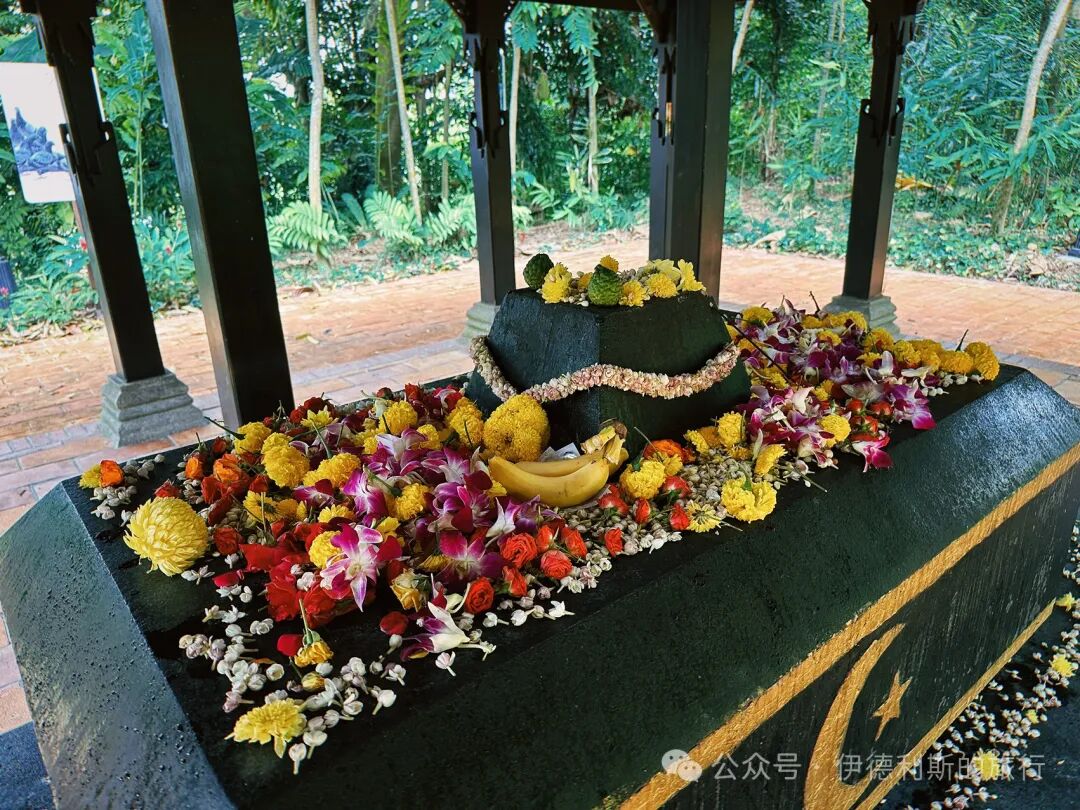
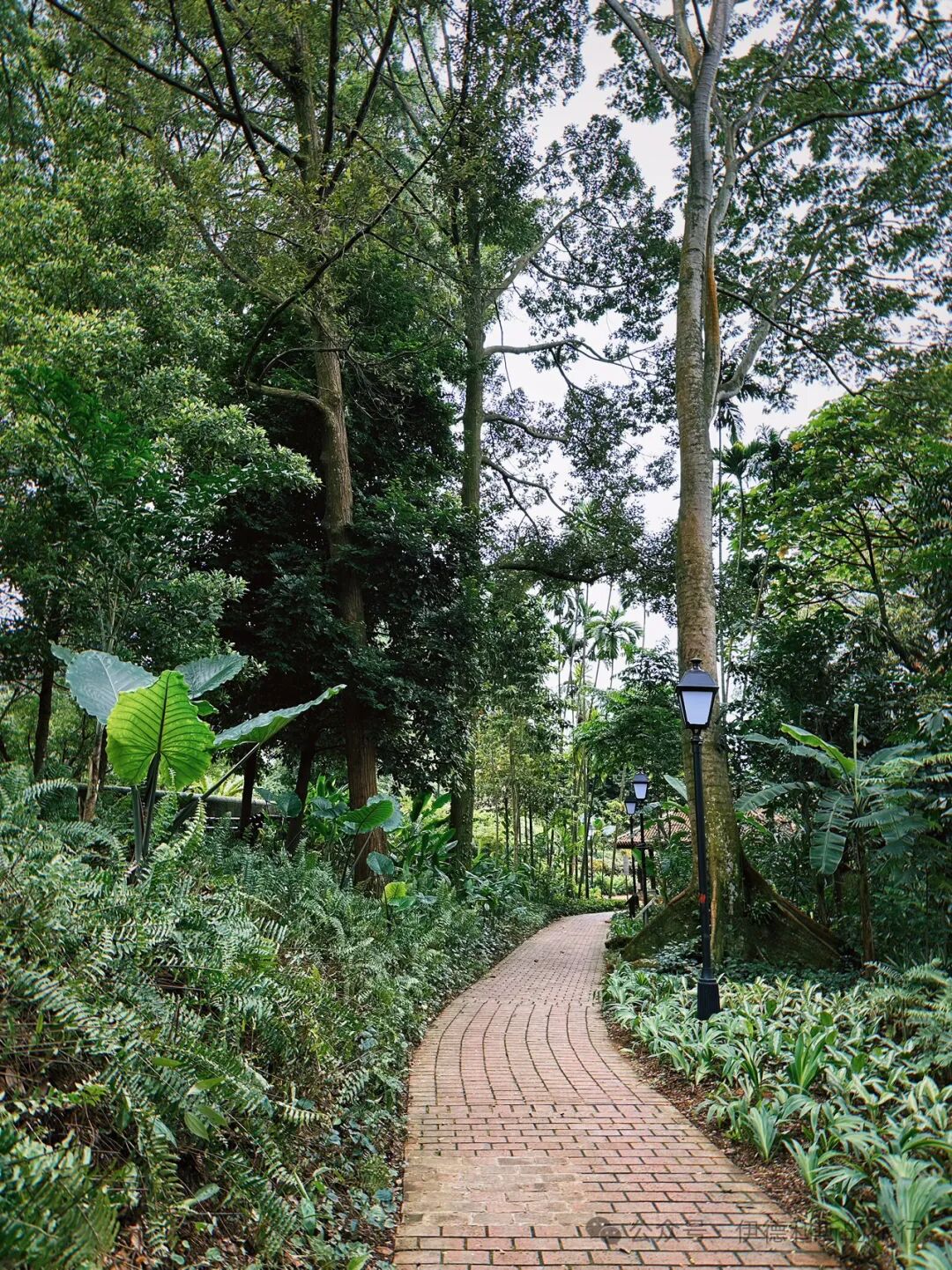
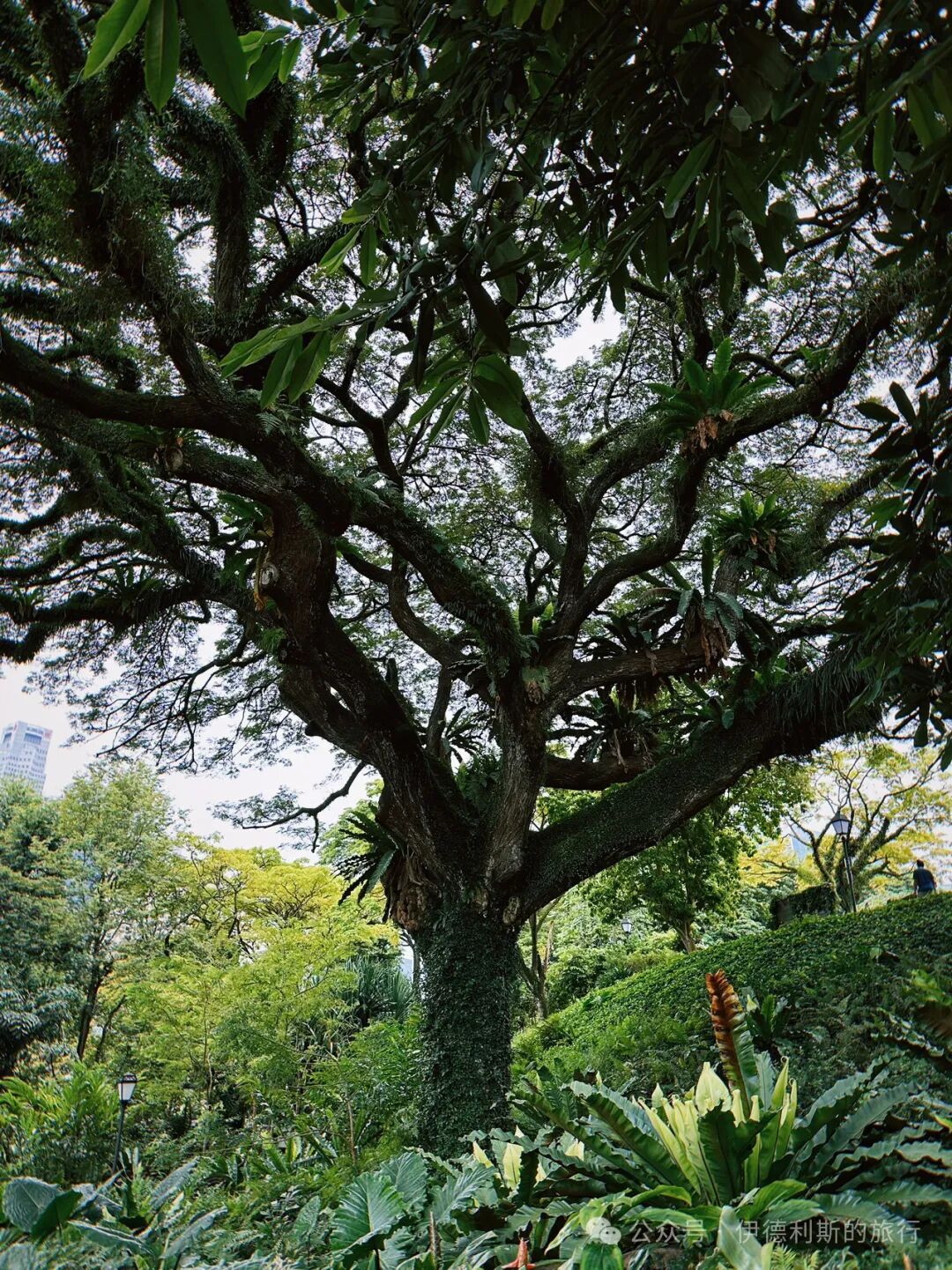
On a small path in Fort Canning Park, Singapore, hides the tomb of Sultan Iskandar Shah (Keramat Sultan Iskandar Shah), the legendary last king of Singapore. There is still no final conclusion about the true identity of Iskandar Shah.
According to the Malay Annals (Sejarah Melayu), written during the Malacca Sultanate, Iskandar Shah was originally a prince from Palembang, Srivijaya. He ruled Singapore from 1389 to 1398, fled after an invasion by the Majapahit Empire, and founded the city of Malacca in 1402. Iskandar means Alexander in Persian. Based on his Persian name, people guess he likely converted to Islam, but it is unclear if he converted while in Singapore or Malacca.
The Malay Annals record that to punish one of his concubines for adultery, Iskandar Shah ordered her to be stripped naked in public. To take revenge on the Sultan, the concubine's father secretly sent a message to the Majapahit Empire, promising to support their invasion of Singapore. In 1398, the Majapahit Empire sent a massive fleet of 300 large ships and hundreds of small boats to invade Singapore. The Majapahit army besieged Iskandar Shah's castle for a month but could not break through. Eventually, the concubine's father ordered the city gates to be opened, and the Majapahit army rushed into the castle and slaughtered the people. Iskandar Shah fled to Malacca, where he established the Malacca Sultanate.

The History of Ming (Ming Shi) contains a different record regarding the identity of Iskandar Shah. The entry for Malacca in Volume 325 of the History of Ming records that the Malacca chieftain Parameswara was granted the title of King of Malacca by the Ming Dynasty in the third year of the Yongle reign (1405). After Parameswara died, his son Megat Iskandar Shah traveled to the Ming Dynasty in the twelfth year of the Yongle reign (1414) to receive his title and later frequently sent tribute to the Ming court. Therefore, he should be the second Sultan of the Malacca Sultanate.
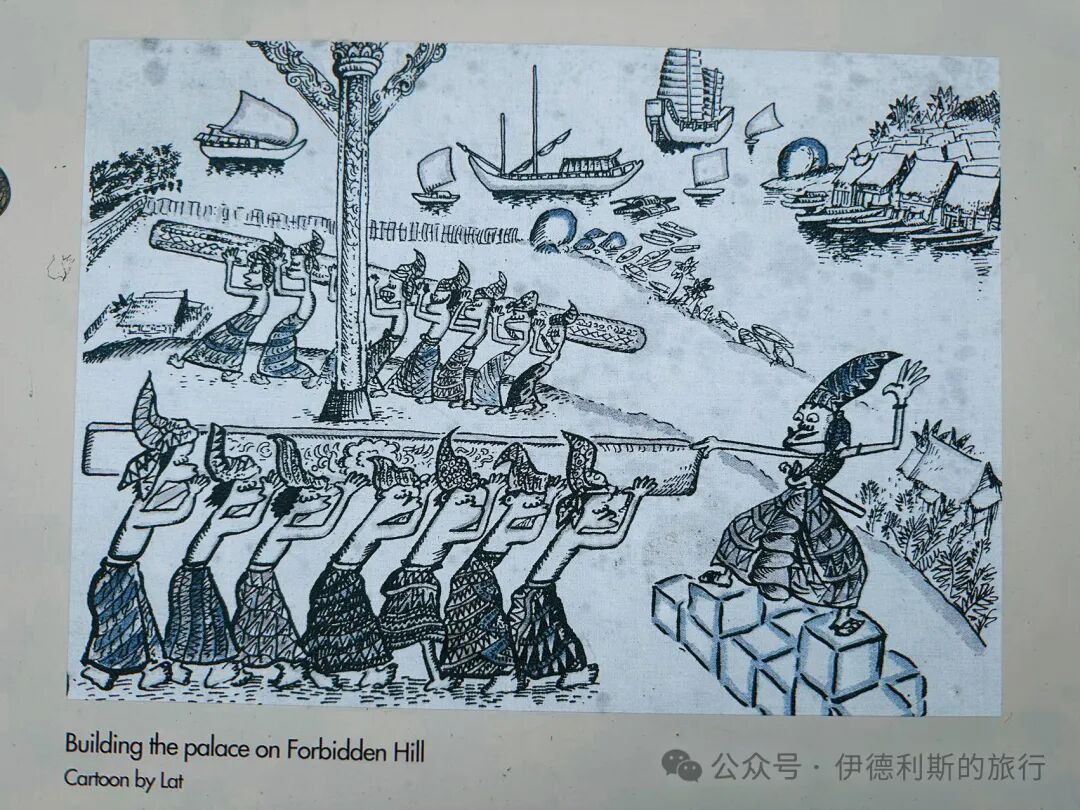
When the British landed on Singapore Island in 1819, the island's leader, Temenggong Abdul Rahman, told them that the hill in the dense forest was called Forbidden Hill (Bukit Larangan) and that commoners were not allowed to go up. Local Malays believe that an ancient king of Singapore once built a palace here.
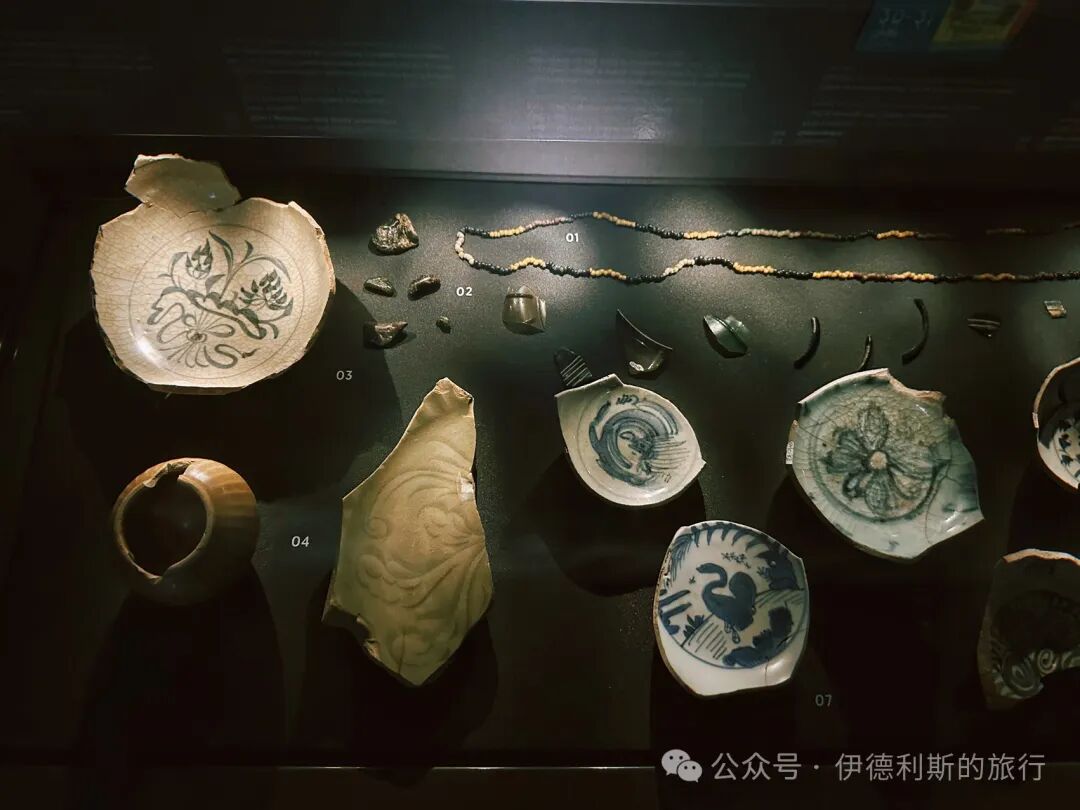
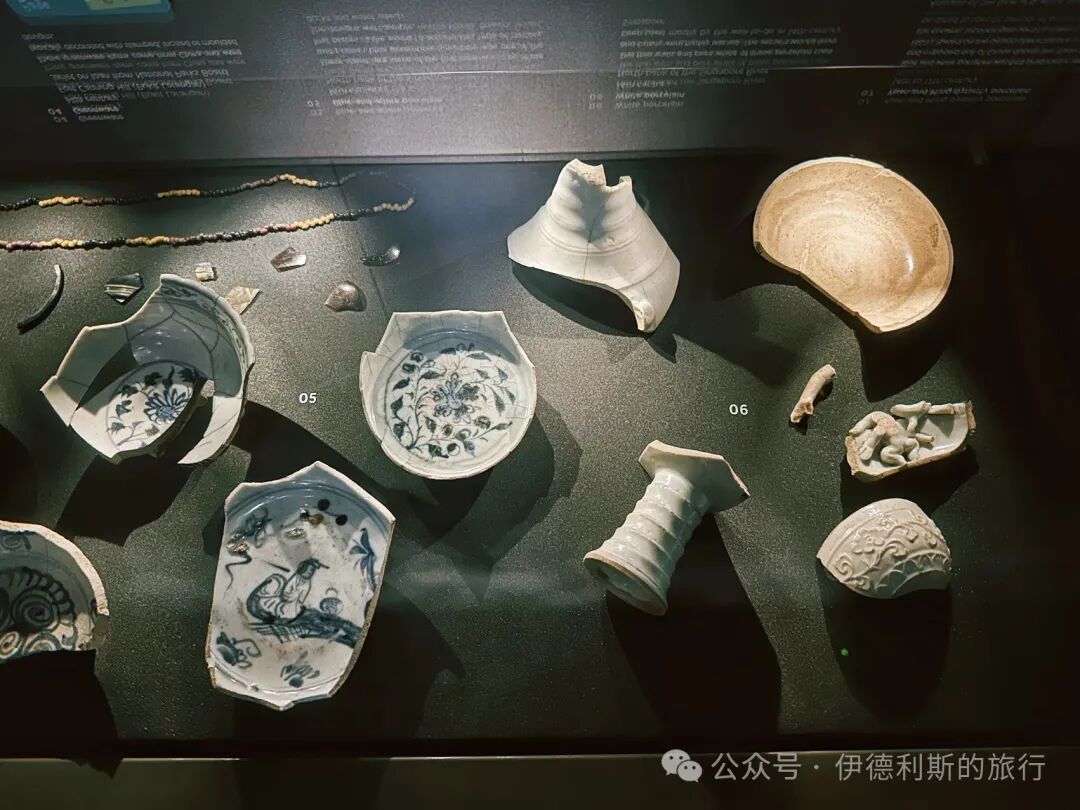
After the British occupied Singapore, they cleared the dense forest on Forbidden Hill and found many brick ruins on the north and east slopes, with the largest area being the platform where the tomb is located. After 1822, more and more people believed this was the tomb of Sultan Iskandar Shah. Since 1984, archaeologists have found thousands of 14th-century artifacts near the tomb, many from China and Java, but unfortunately, no evidence of the tomb owner's identity has been found yet.
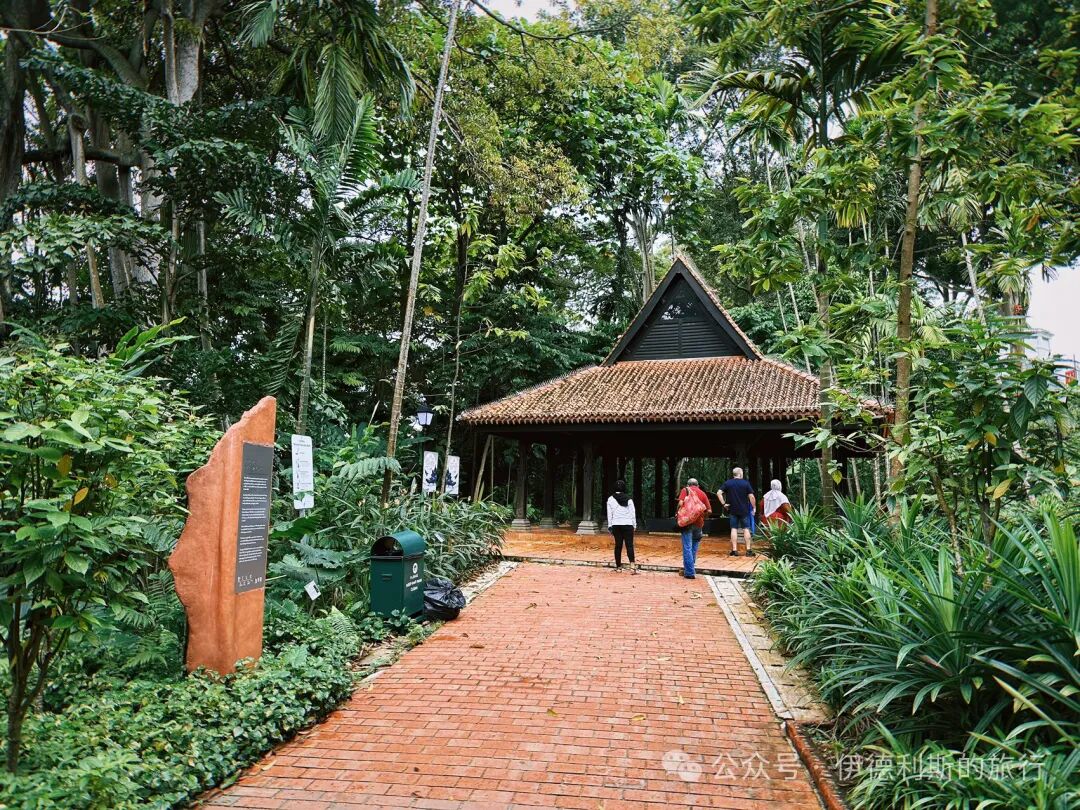
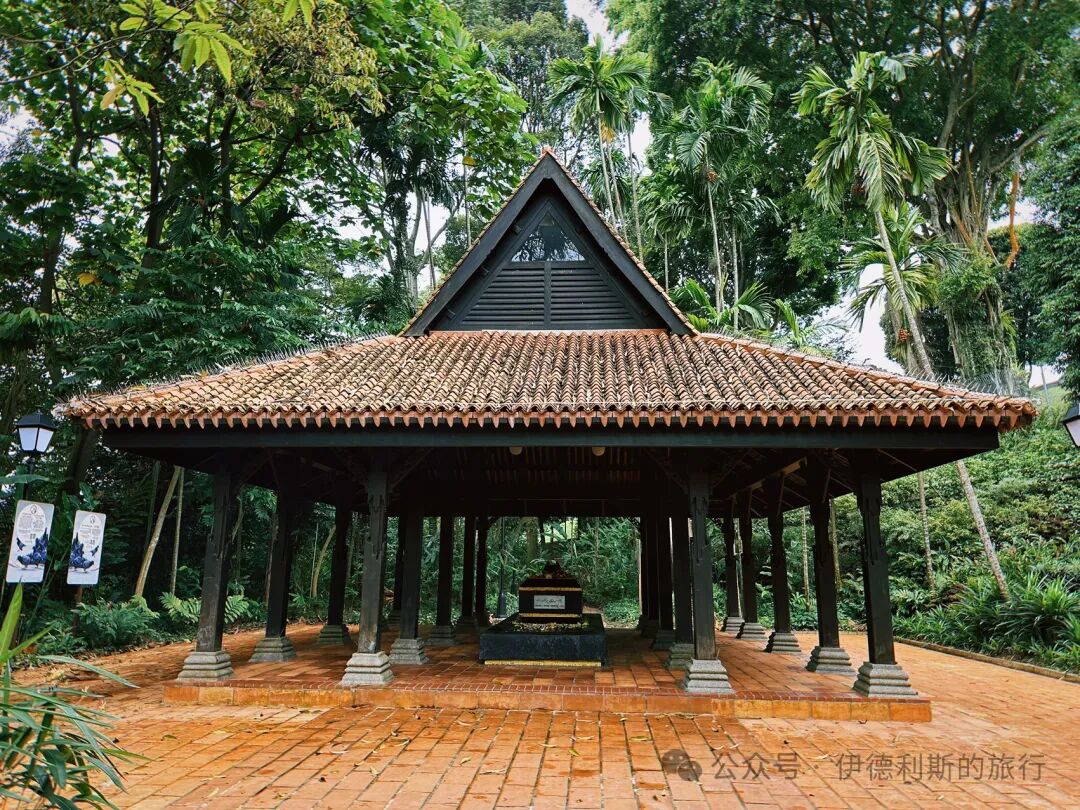
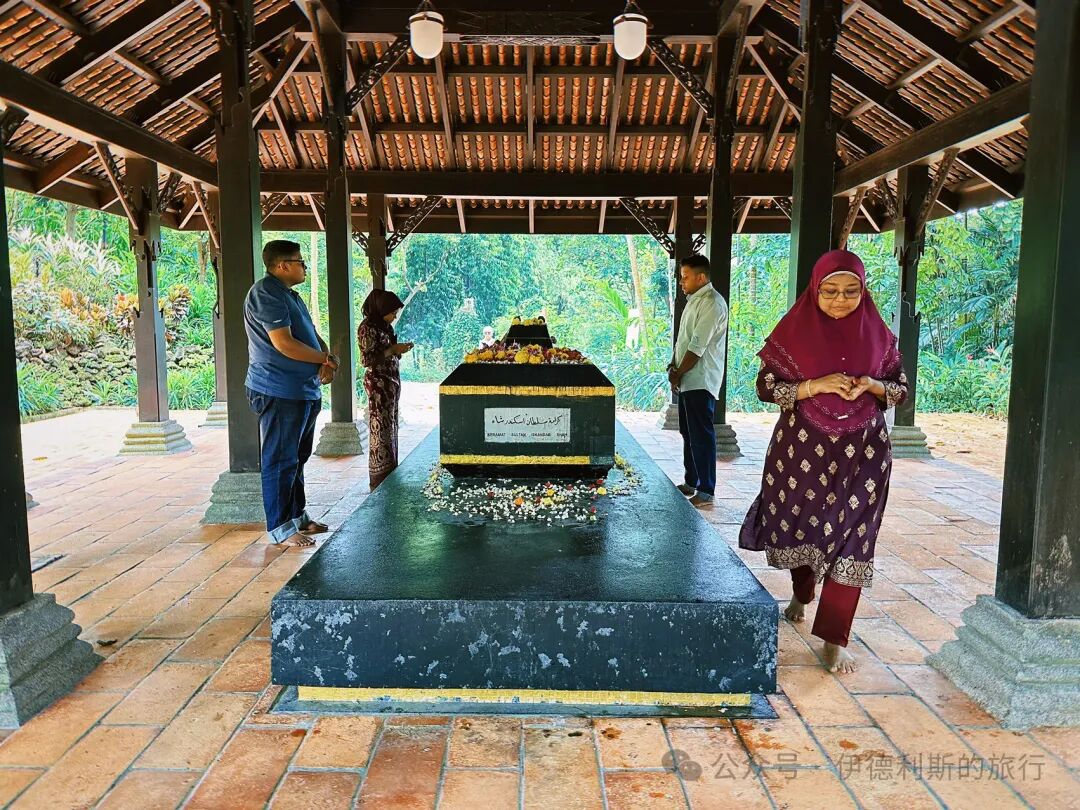
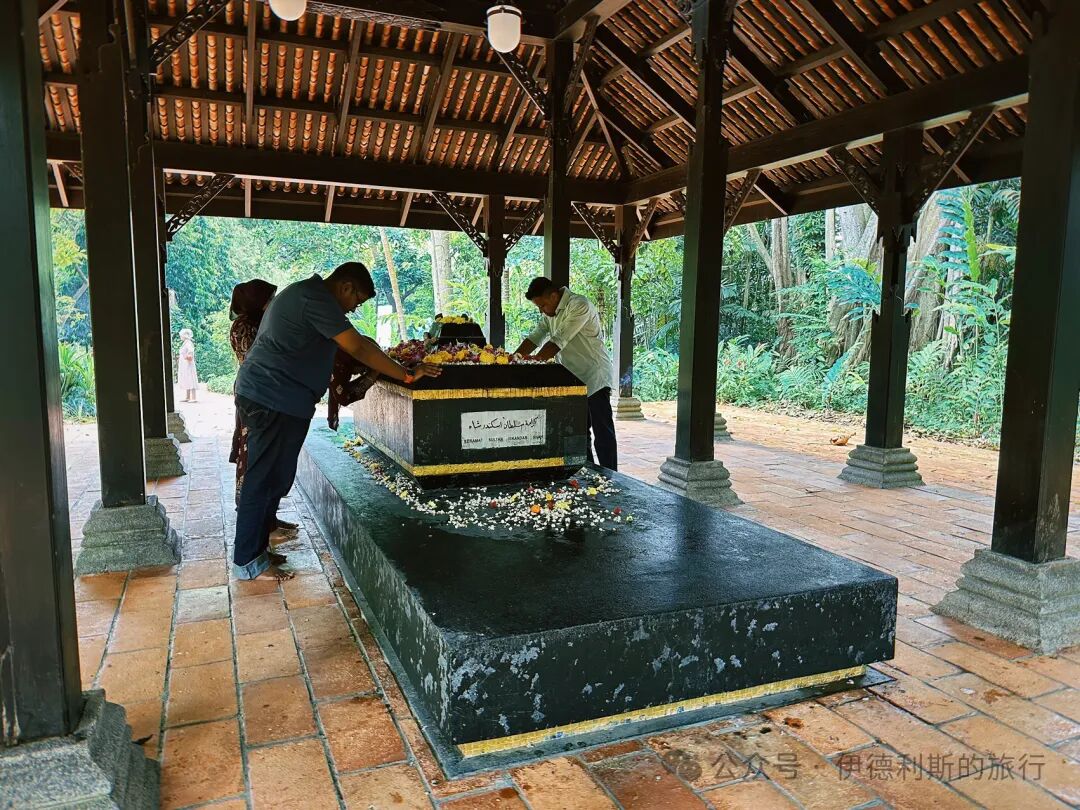
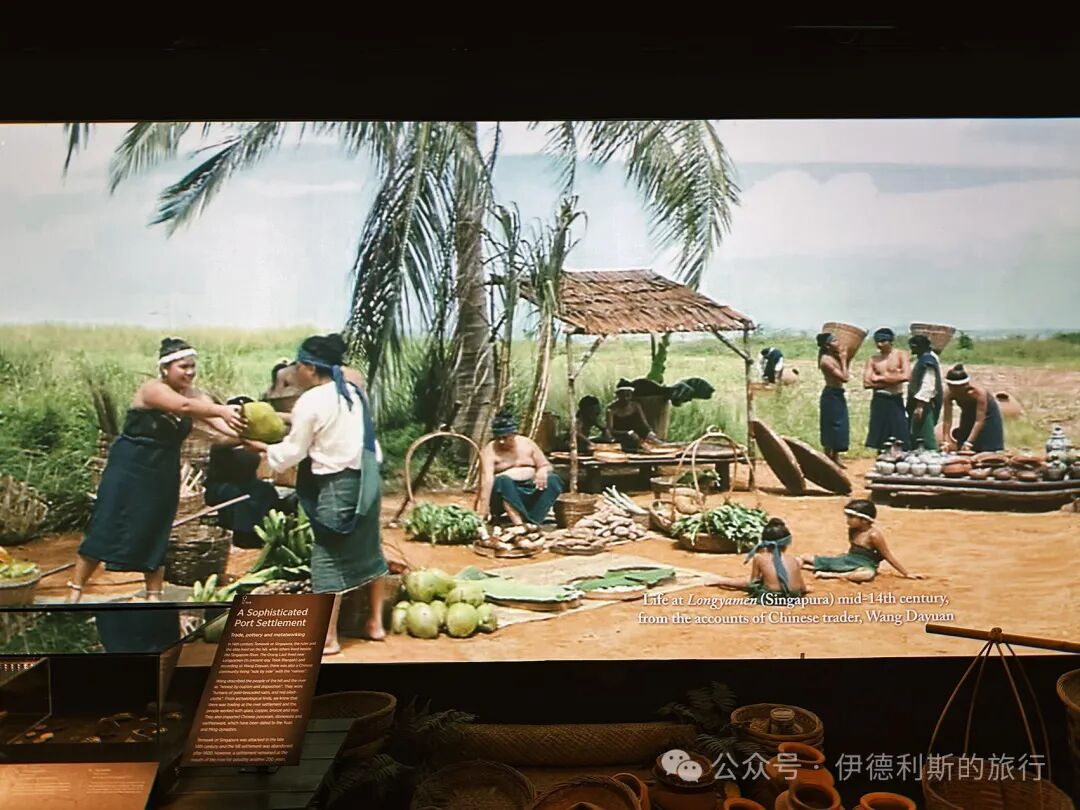
The National Museum of Singapore houses 14th-century artifacts unearthed from Forbidden Hill, and the ceramics among them likely came from China's Yuan Dynasty.
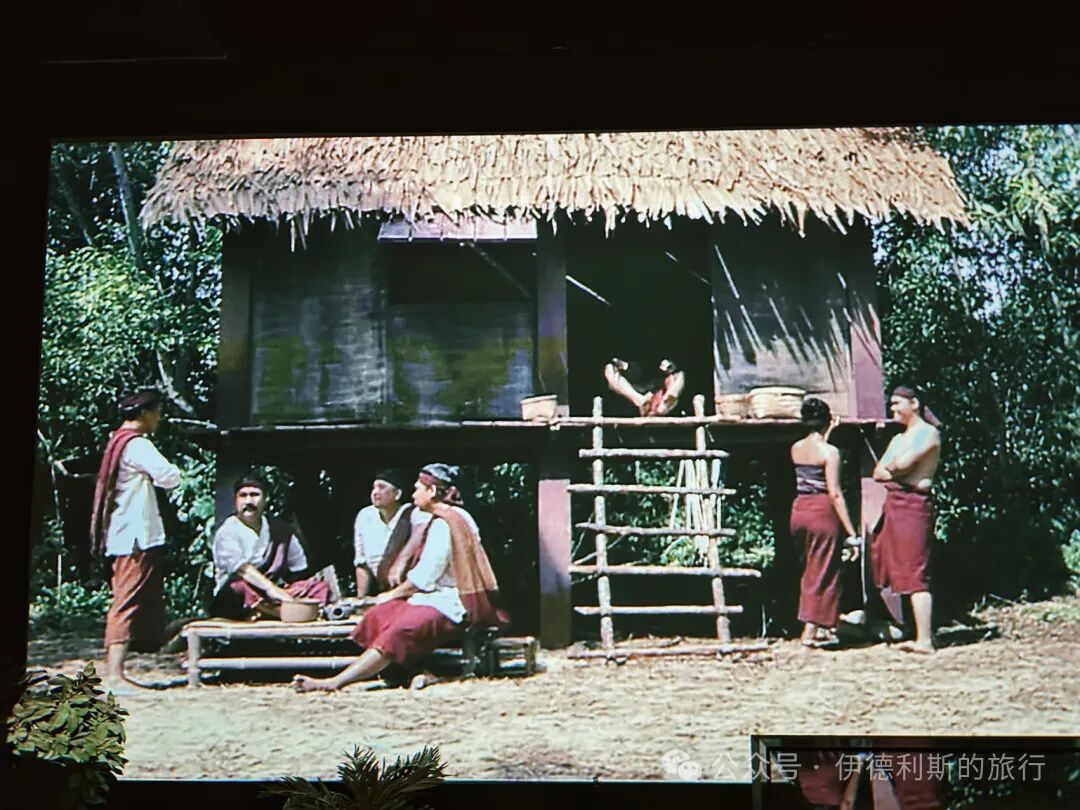
A reconstruction by the National Museum of Singapore of Malays living in Singapore during the 14th century.
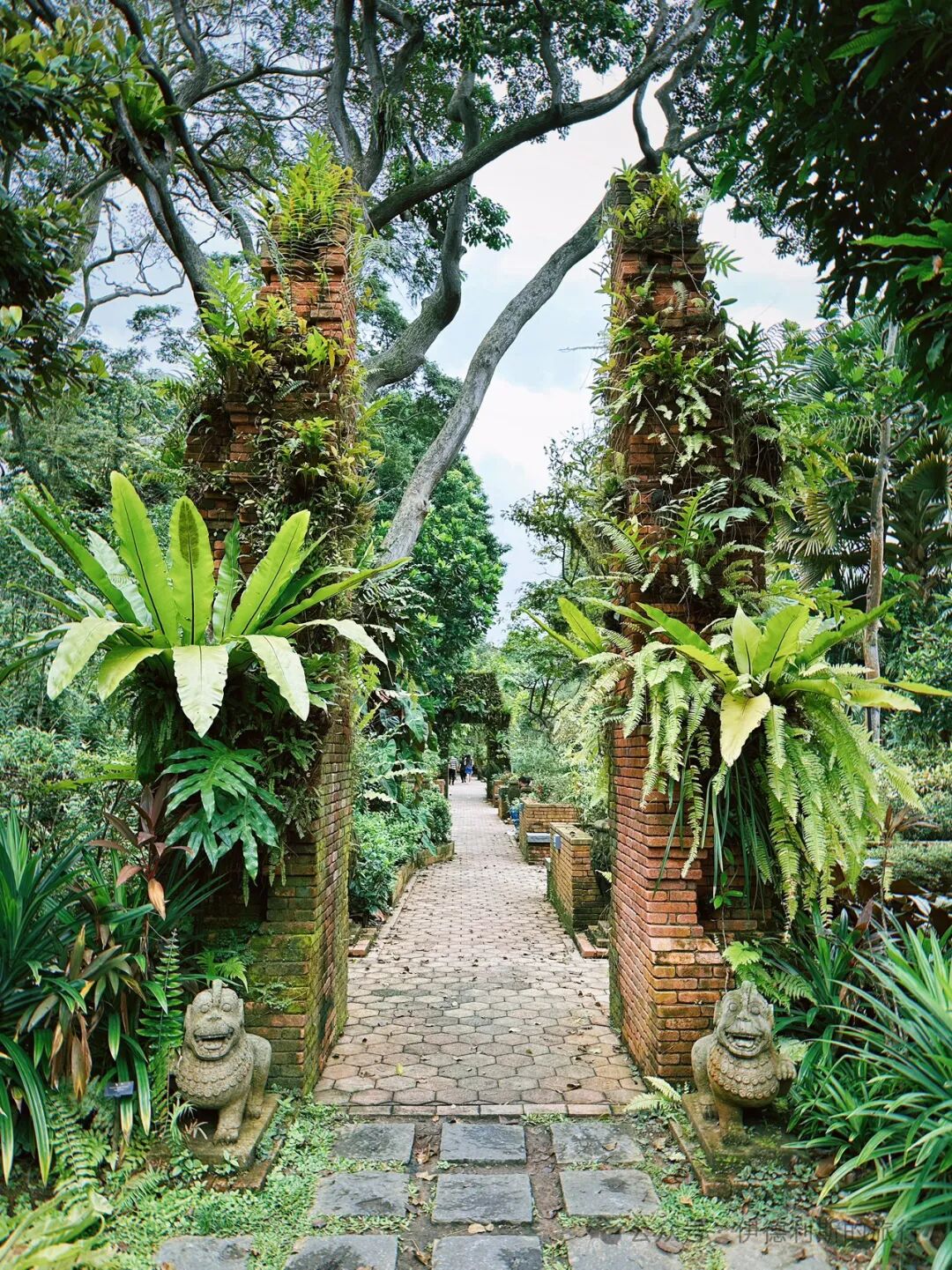
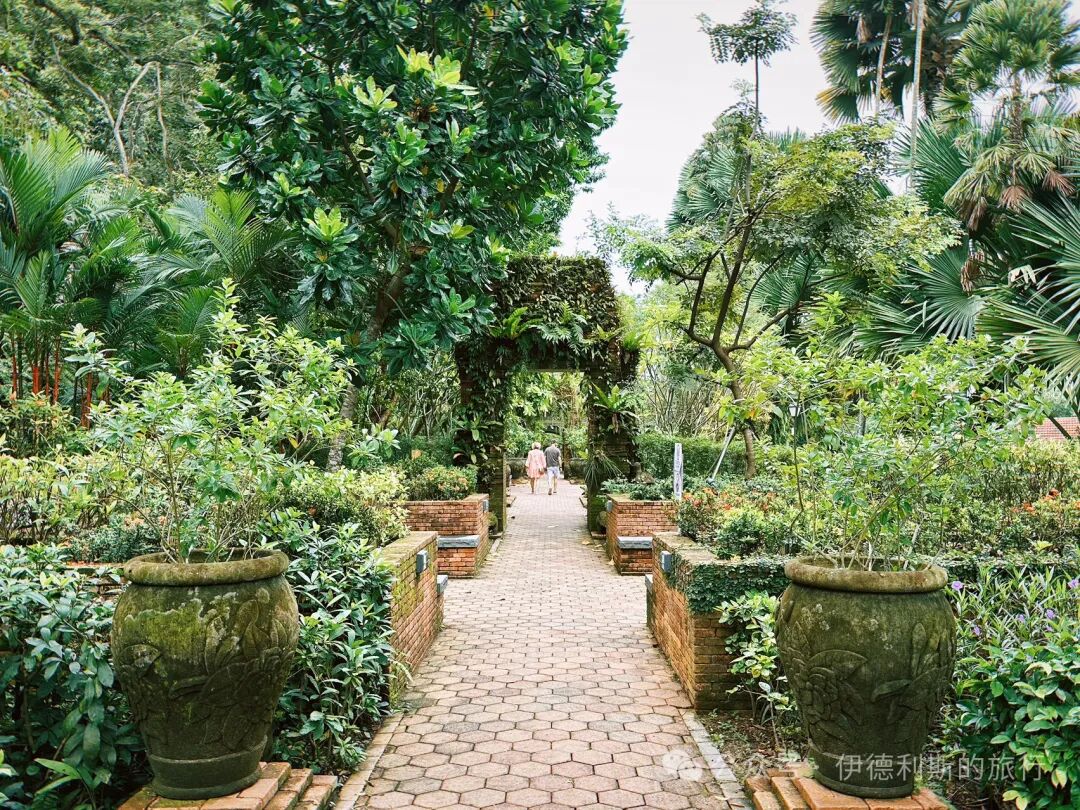
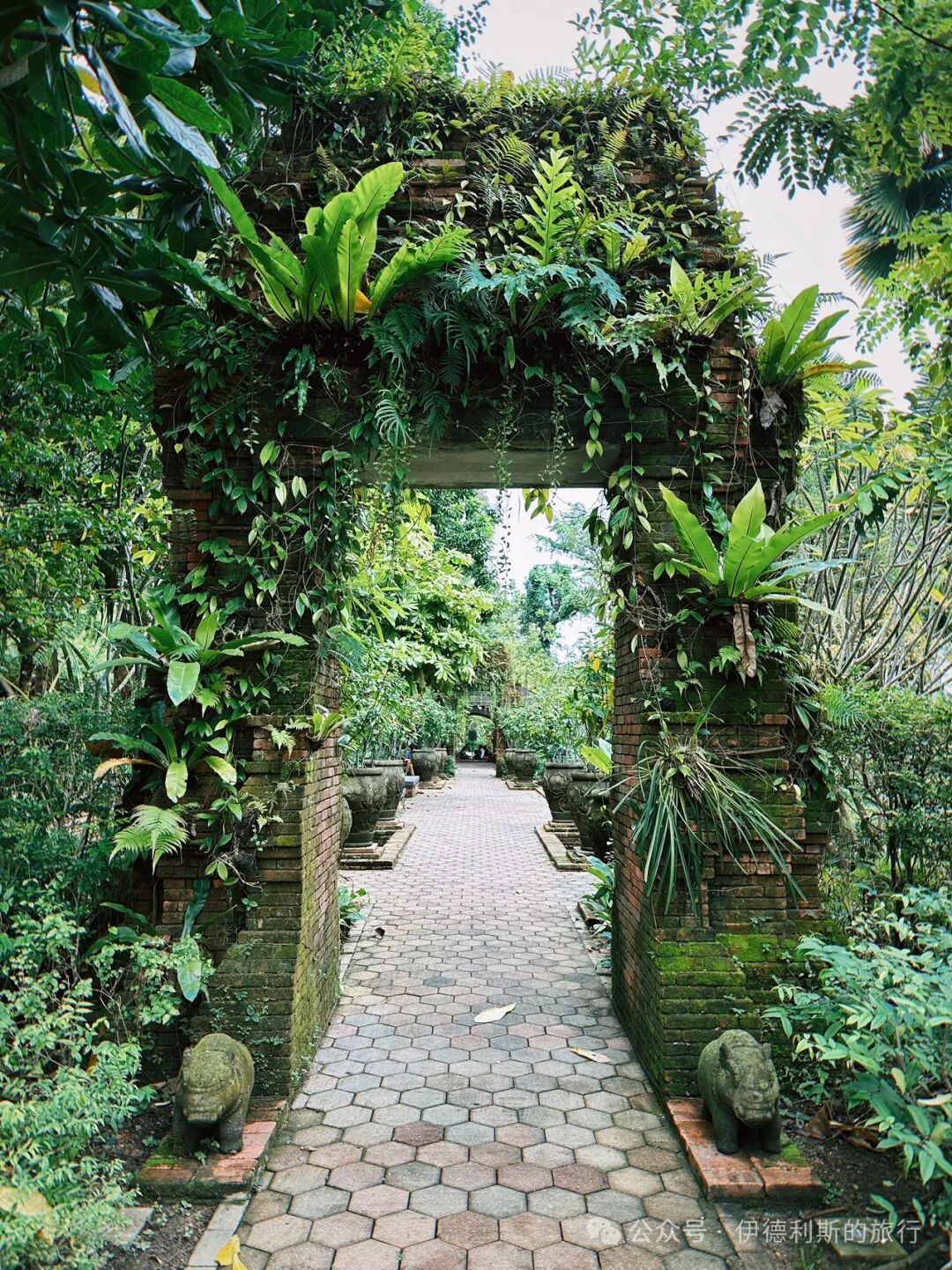
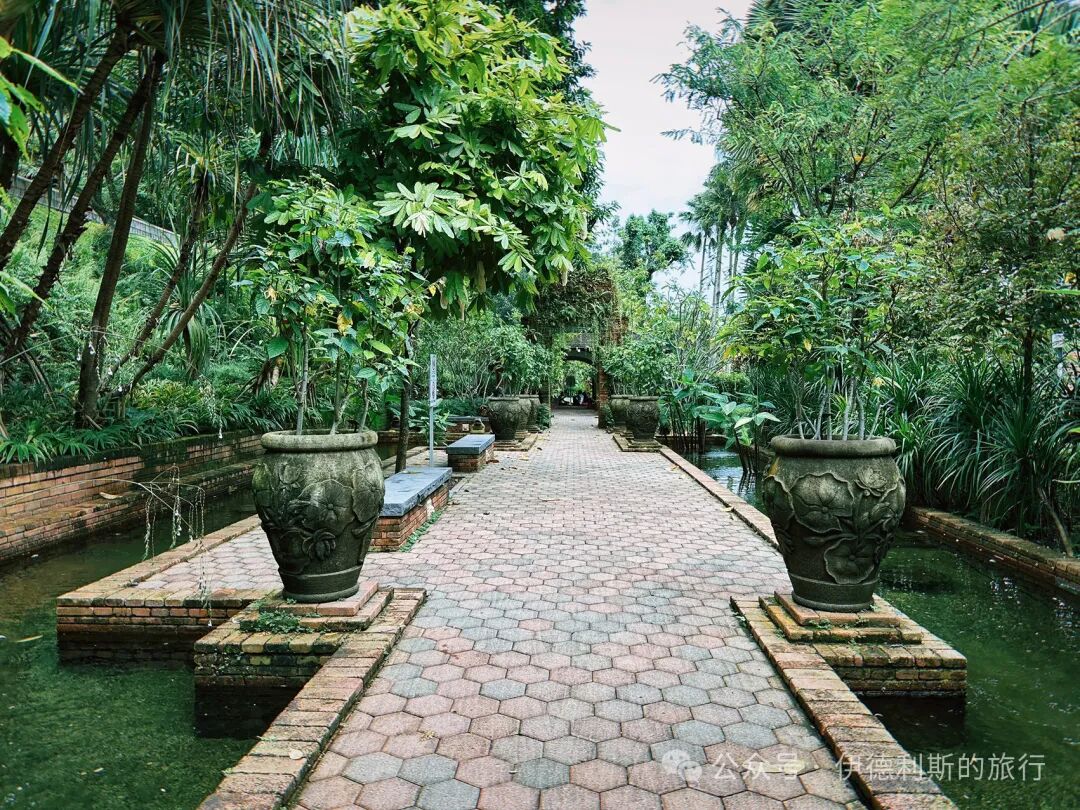
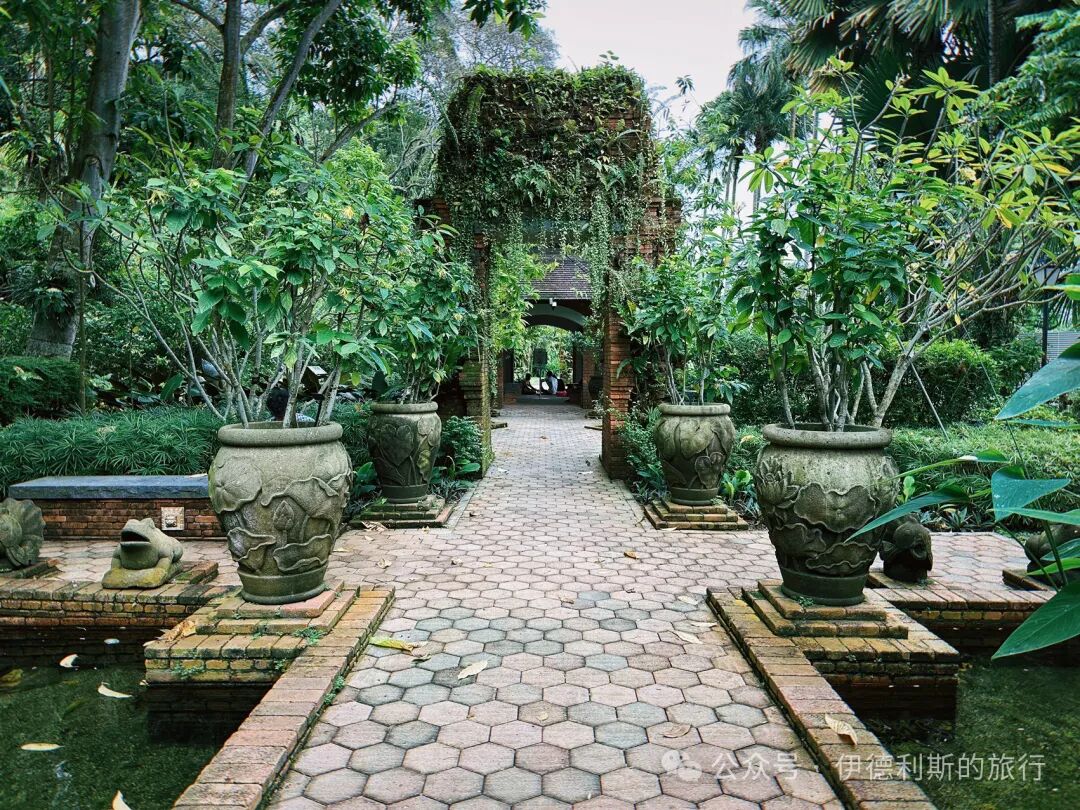
To commemorate the 14th-century Kingdom of Singapore, Fort Canning Park built a garden on the hillside at the site of the original royal palace, named after Singapore's first king, Sang Nila Utama. The garden was built in the traditional Javanese architectural style of the 14th-century Majapahit Empire, with some inspiration taken from the 14th-15th century Majapahit capital ruins in Trowulan. At the same time, many of the fruit trees and potted plants in the garden were also found in ancient gardens.
According to the Malay Annals, Sang Nila Utama was originally a prince from the city of Palembang in Srivijaya, and he established the earliest settlement of Singapore (Singapura) on Temasek Island in 1299. For many years, the founding of Singapore was just a legend, until the 13th-14th century Singapore settlement was rediscovered during the first archaeological excavation around the tomb of Sultan Iskandar Shah in 1984.
Temenggong Abdul Rahman
At the foot of Mount Faber in southern Singapore, there is the tomb of Temenggong Abdul Rahman, one of the founders of modern Singapore, and his family.
After the Majapahit Empire destroyed the Kingdom of Singapore in 1398, Singapore was ruled by the Malacca Sultanate in the 15th century and by the Johor Sultanate after the 16th century. In 1603, the Johor Sultanate allied with the Dutch to attack Portuguese ships in Singapore. In retaliation, the Portuguese destroyed the Johor Sultanate's trading settlement at the mouth of the Singapore River in 1613, which directly led to a 200-year period of decline for Singapore.
In 1811, Temenggong Abdul Rahman of the Johor Sultanate moved his family from Riau to Singapore to rule over the Malays and Chinese on the island. On January 29, 1819, an expedition led by Sir Stamford Raffles of the British East India Company landed in Singapore and met with the Temenggong who lived by the Singapore River. With the help of the Temenggong, Sir Stamford Raffles invited Hussein Shah of Johor, who was living in exile in the Riau Islands, to come to Singapore to claim the Sultan's throne.
On February 6, 1819, the Temenggong, Sultan Hussein, and Sir Stamford Raffles signed the Singapore Treaty, which allowed the British East India Company to set up a trading post in the Johor Sultanate. In exchange, the British paid the Temenggong 3,000 Spanish dollars and the Sultan 5,000 Spanish dollars every year. This day is also considered the founding date of modern Singapore.
In 1824, the Temenggong and his family moved to a 200-acre plot of land at the foot of Mount Faber in Singapore, which was assigned to them by Sir Stamford Raffles. Just one year later, the Temenggong passed away at his residence and was buried in a tomb near his home. From then on, this place became the royal burial ground for the Temenggong family. Between 1825 and 1900, 32 members of the Temenggong family were buried there.
Besides Temenggong Abdul Rahman, another important figure in the tomb is his second son, Temenggong Daeng Ibrahim. Daeng Ibrahim moved to Singapore with his father in 1811 and succeeded him as Temenggong in 1833. In 1855, the reigning Sultan of Johor signed a treaty with the British in Singapore, agreeing to transfer most of his power to Temenggong Daeng Ibrahim. This made Daeng Ibrahim the de facto ruler of Johor, and his son later became the first Sultan of modern Johor.
Today, this tomb is known as Makam Diraja Johor Telok Blangah and remains the property of the Sultan of Johor.
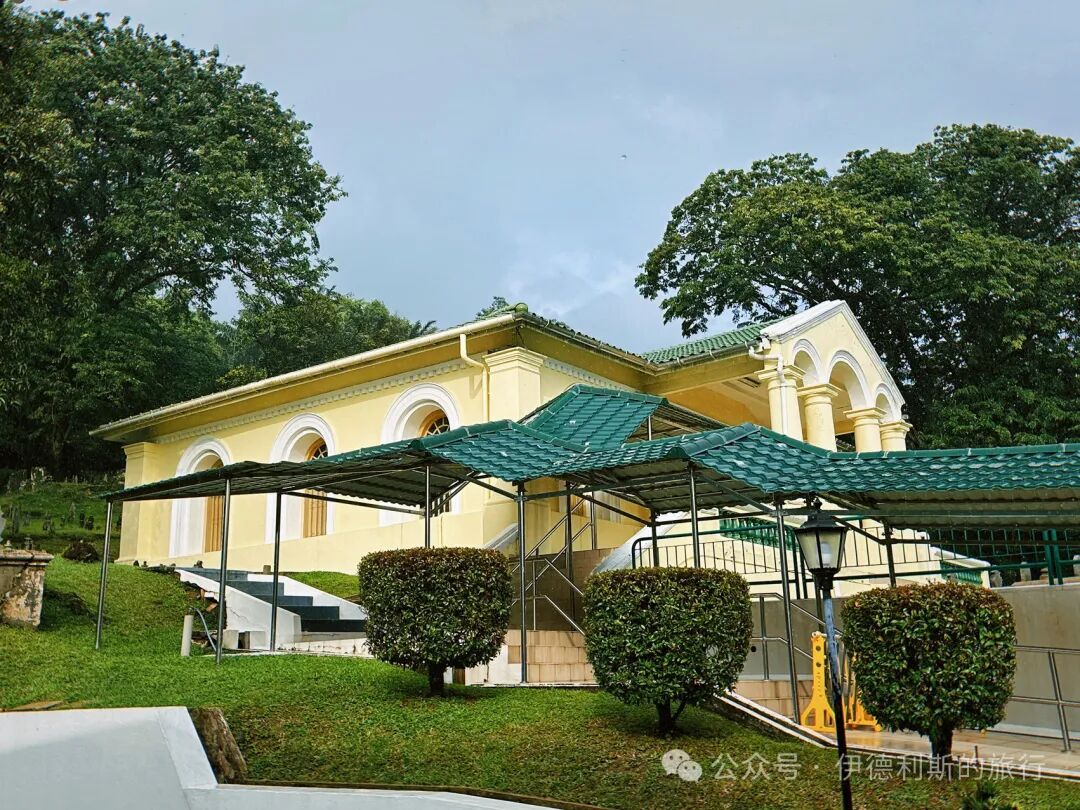
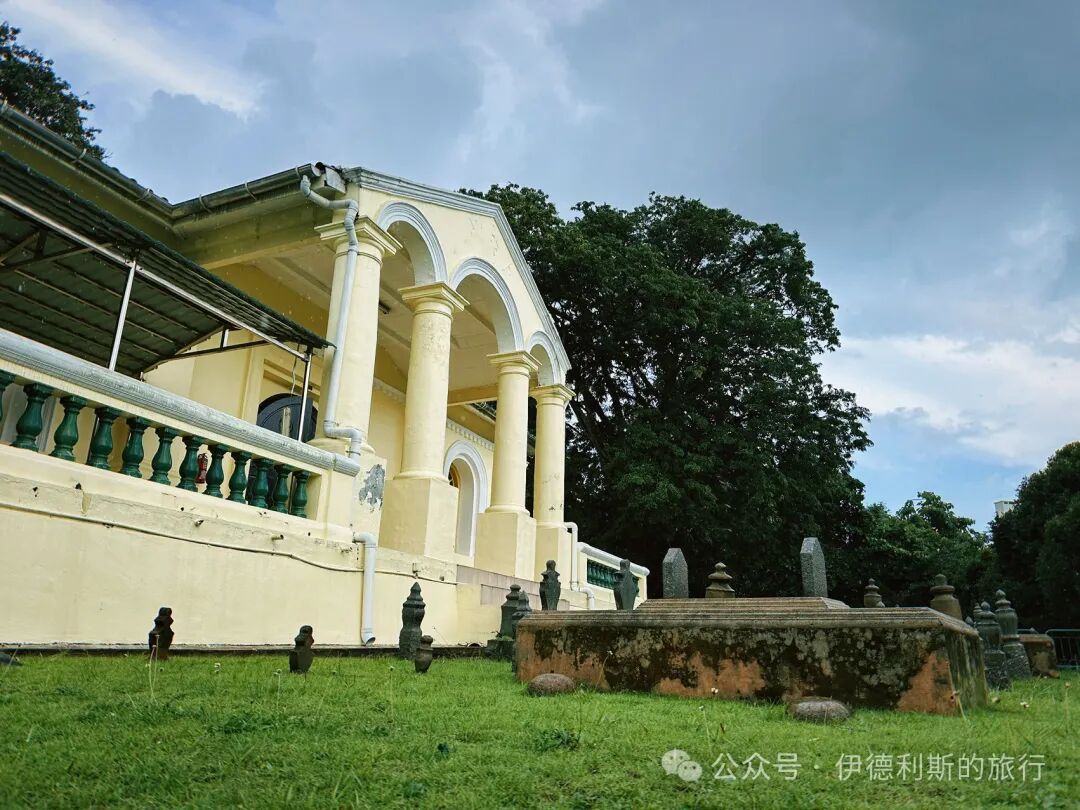
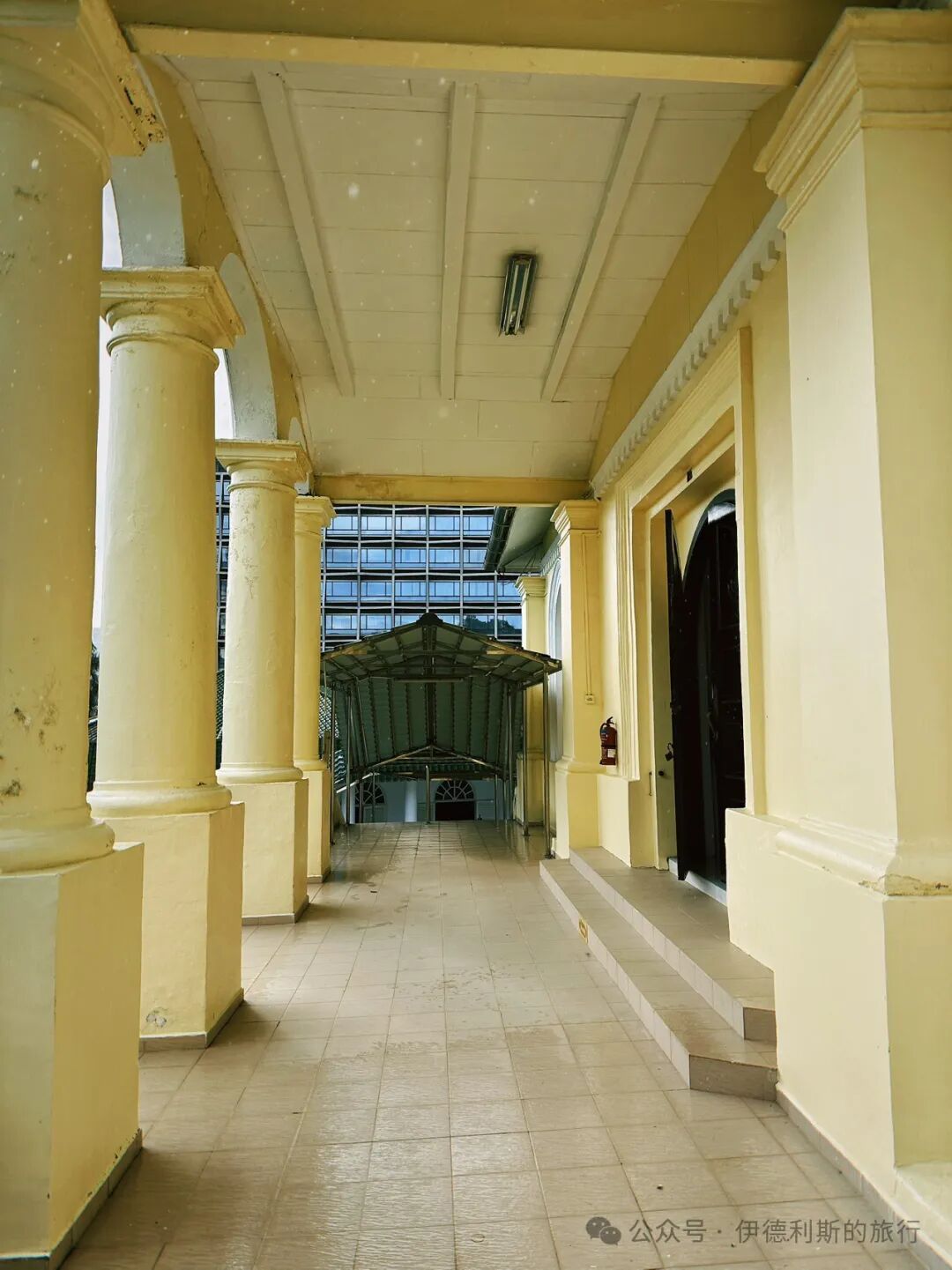
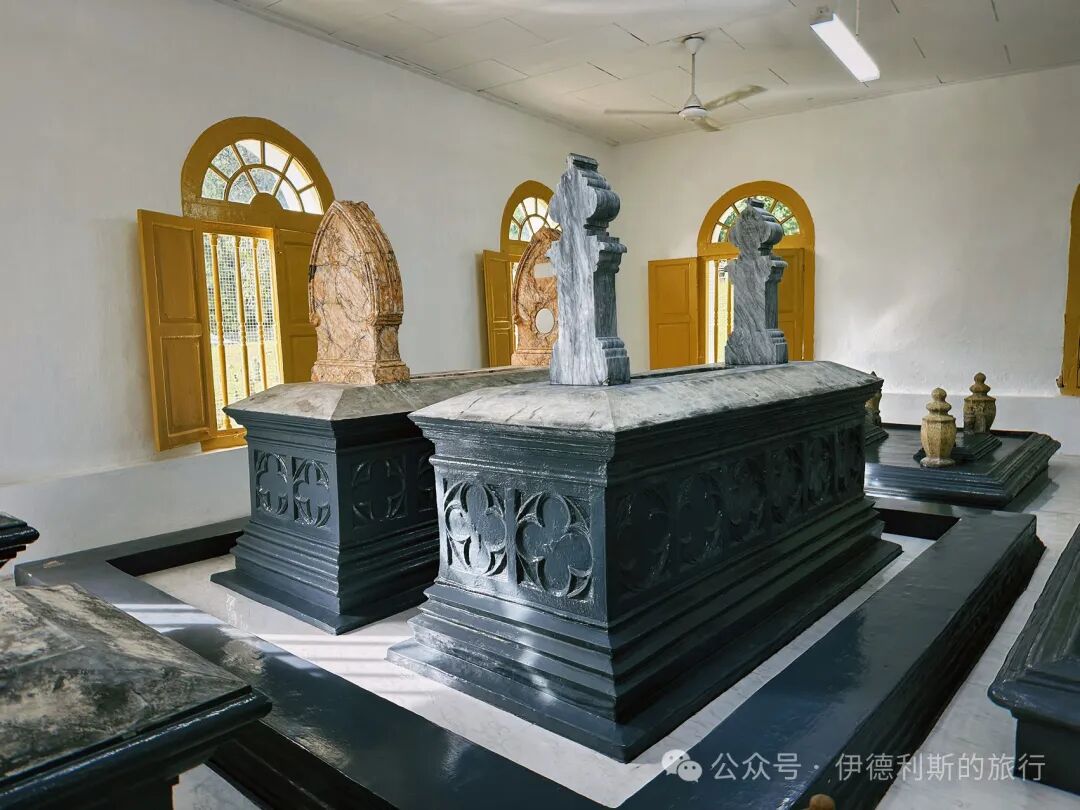
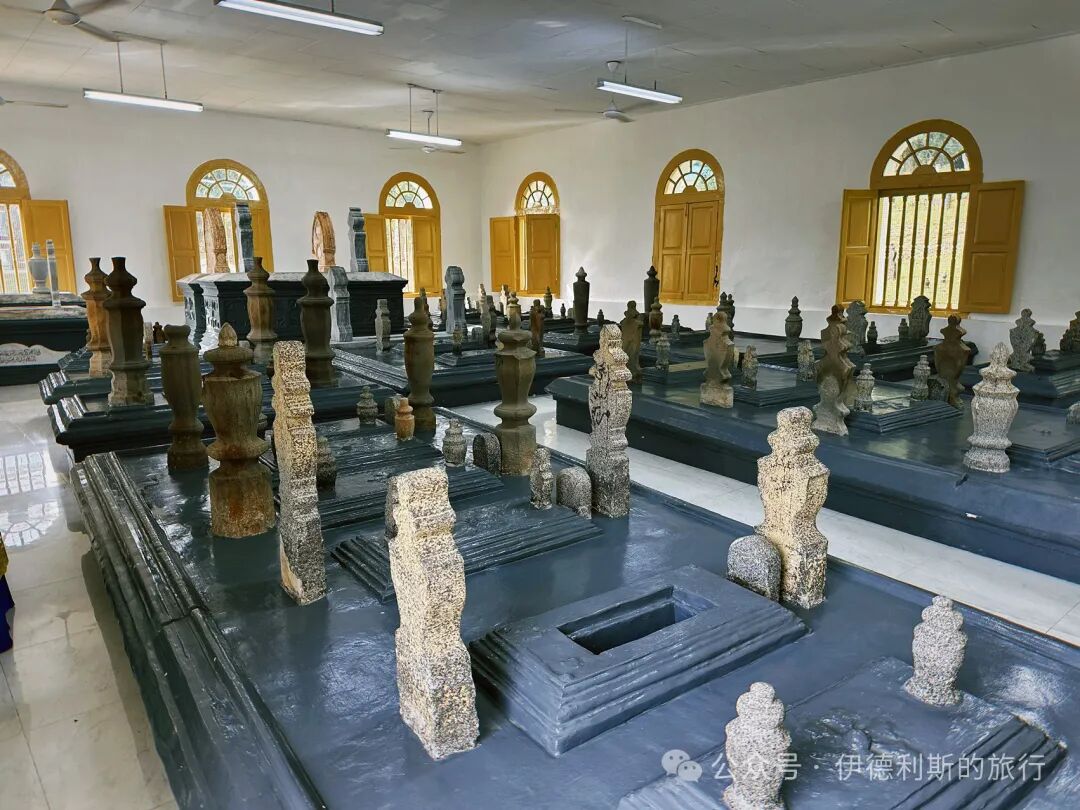
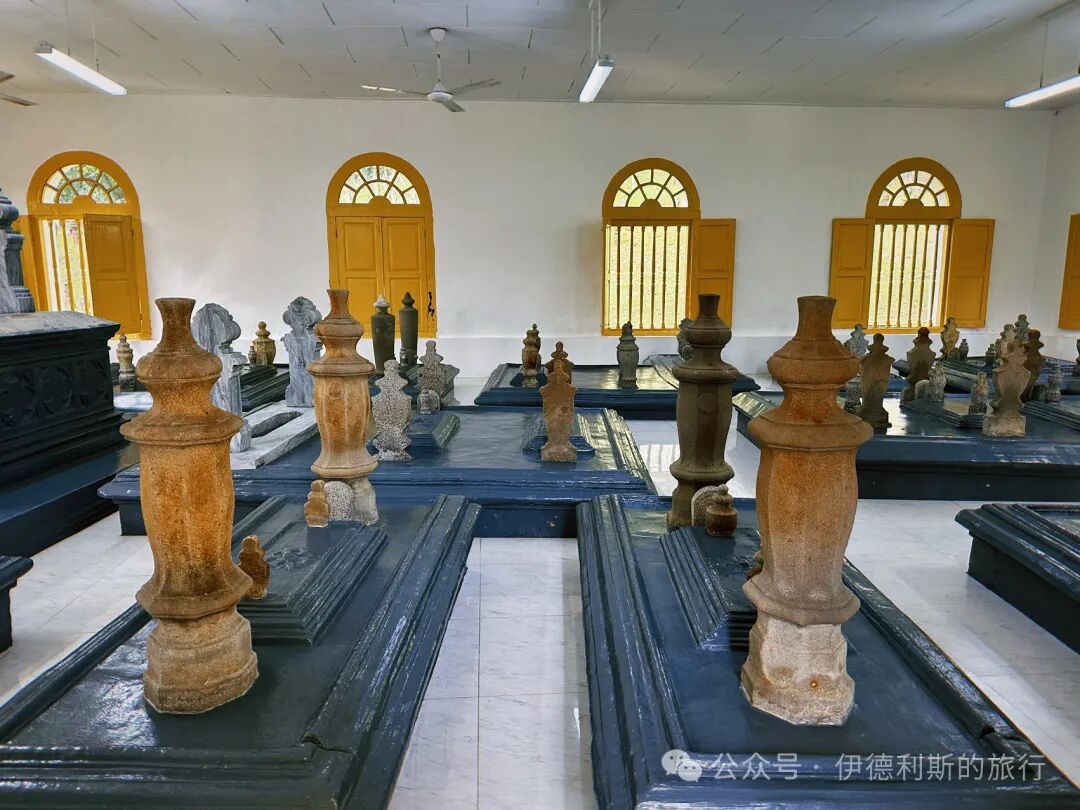
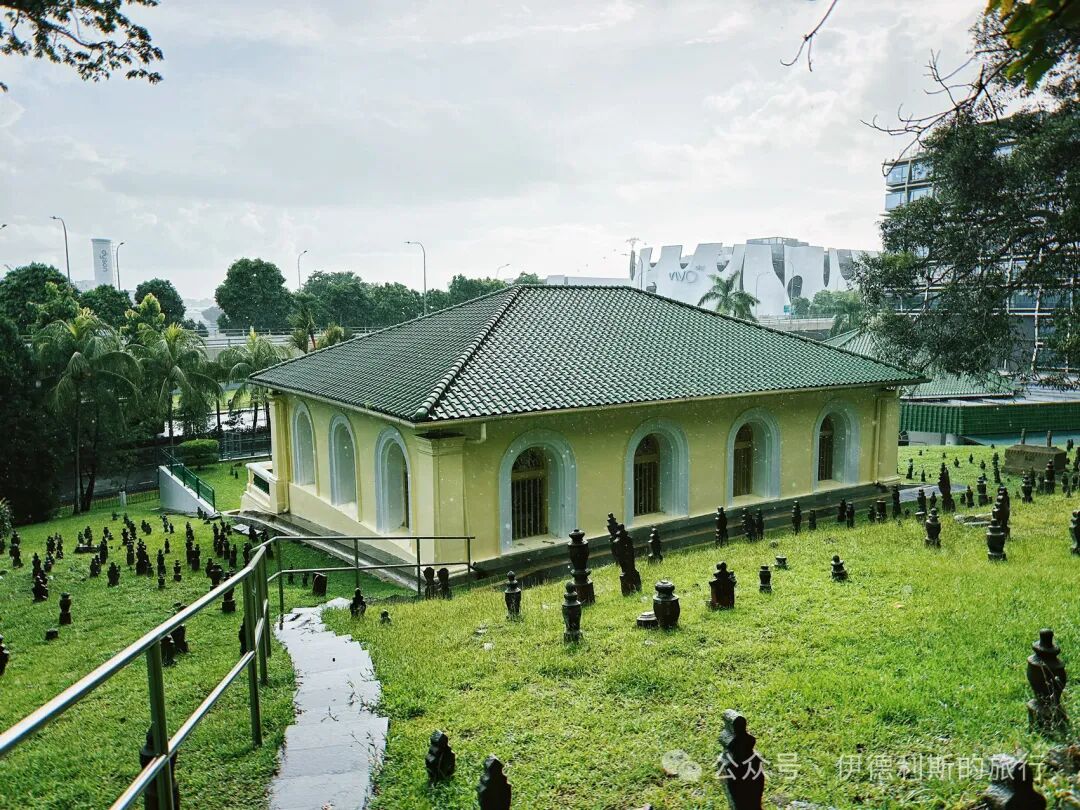
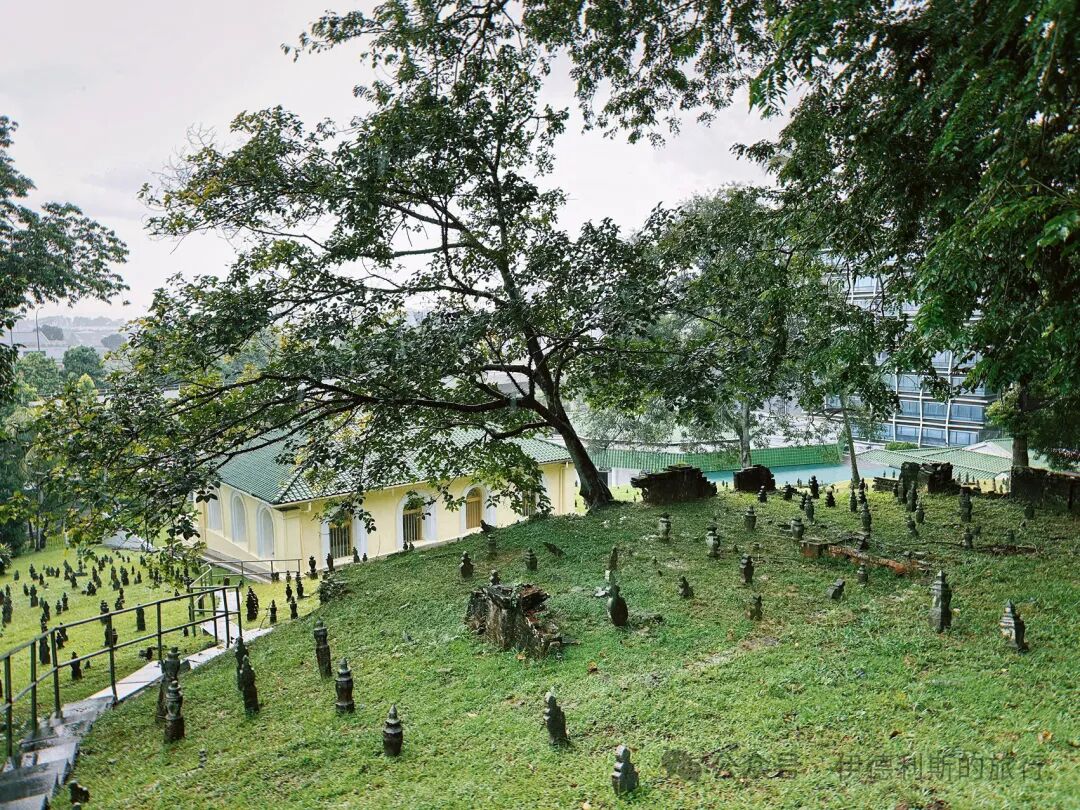
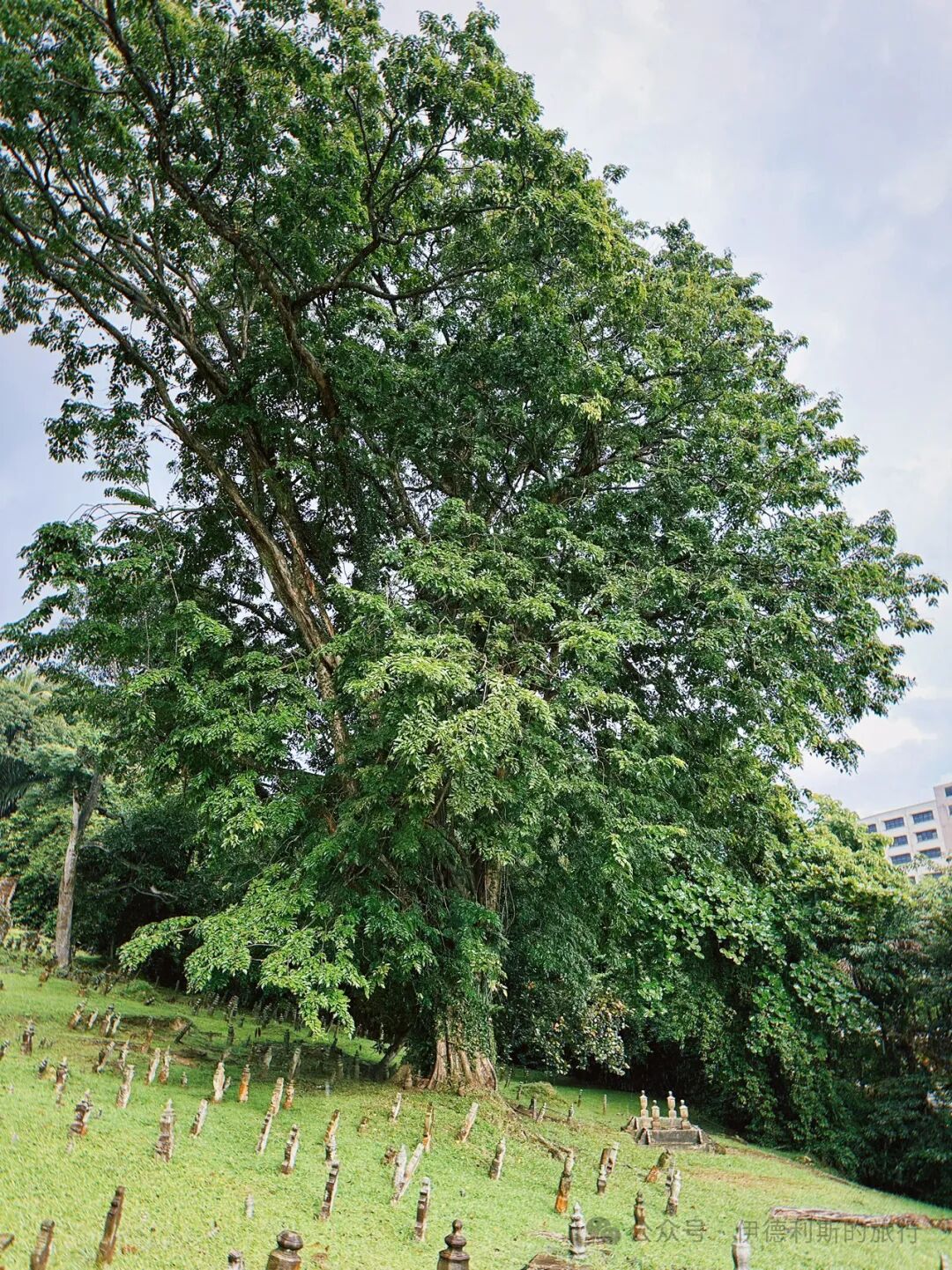
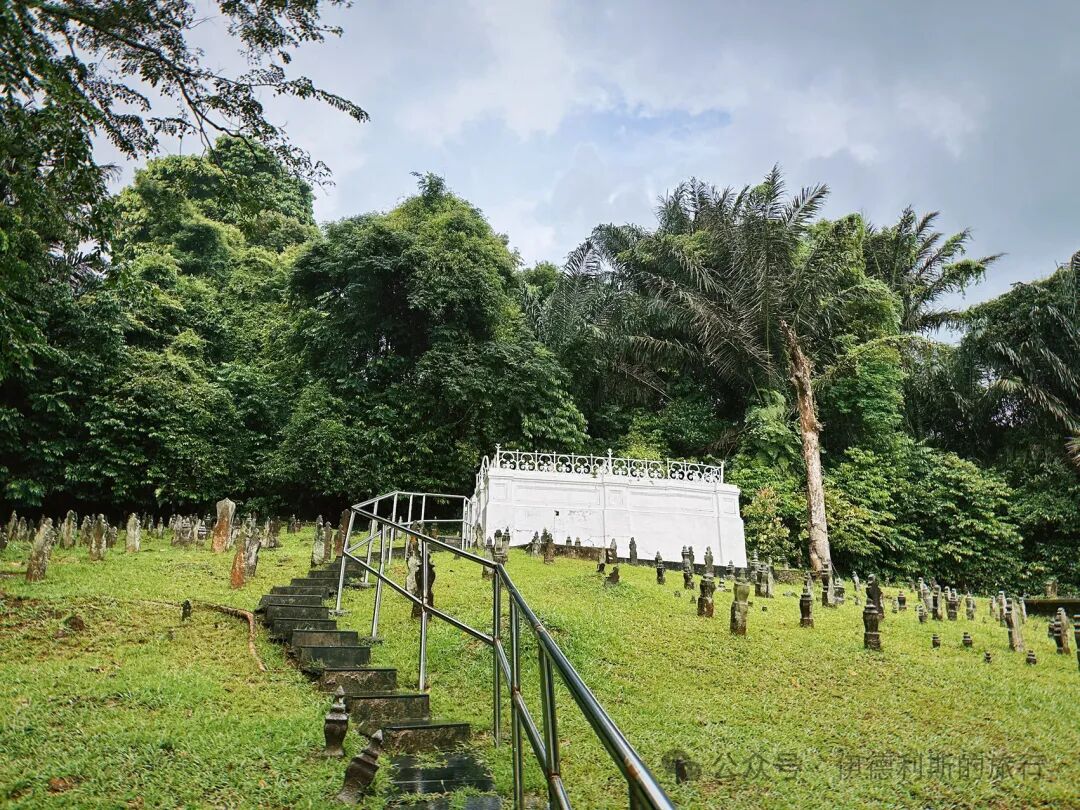
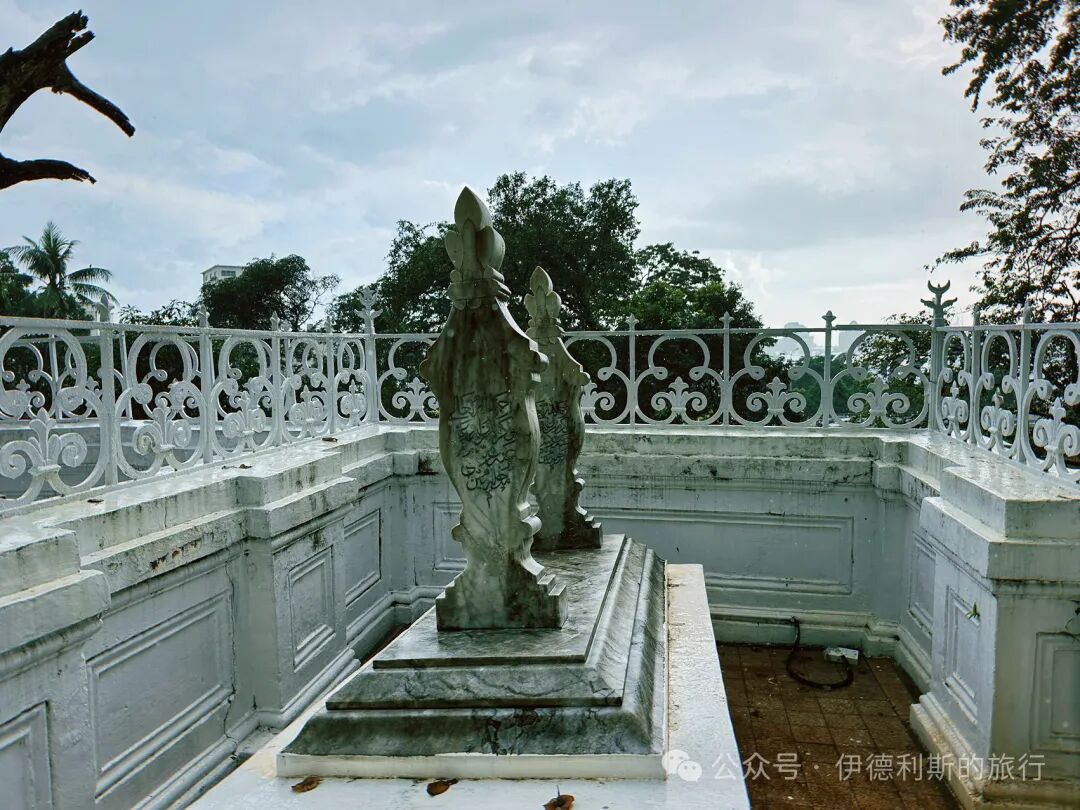
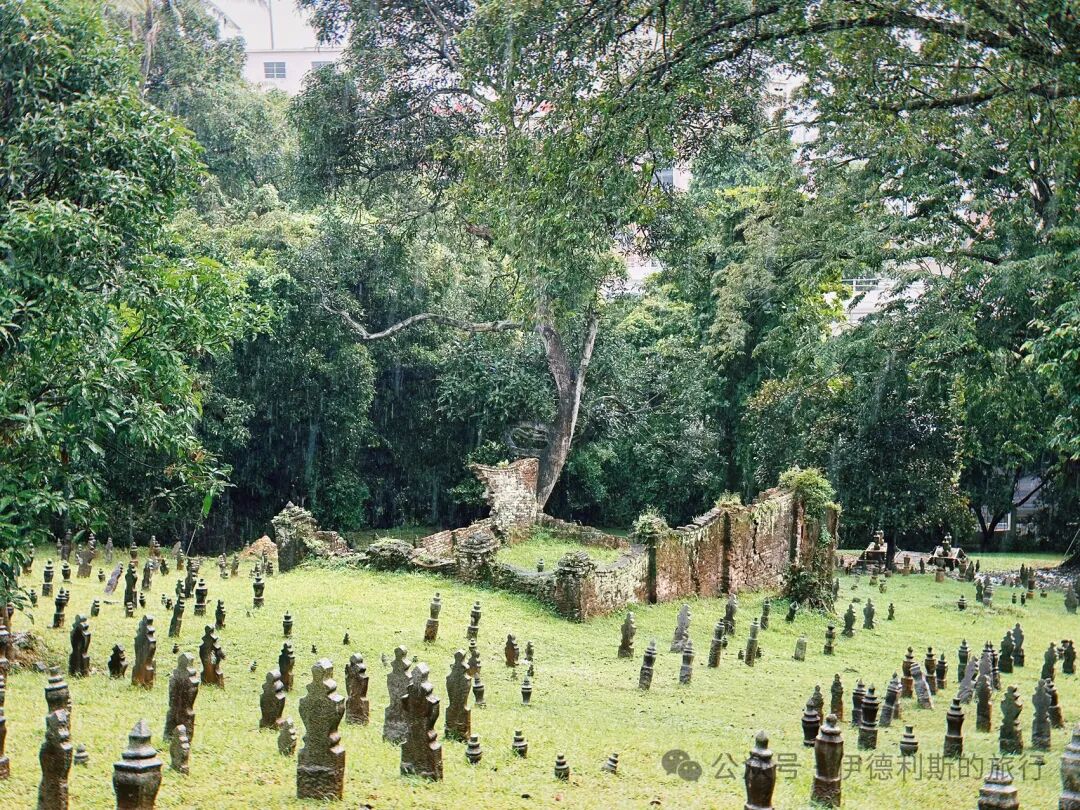
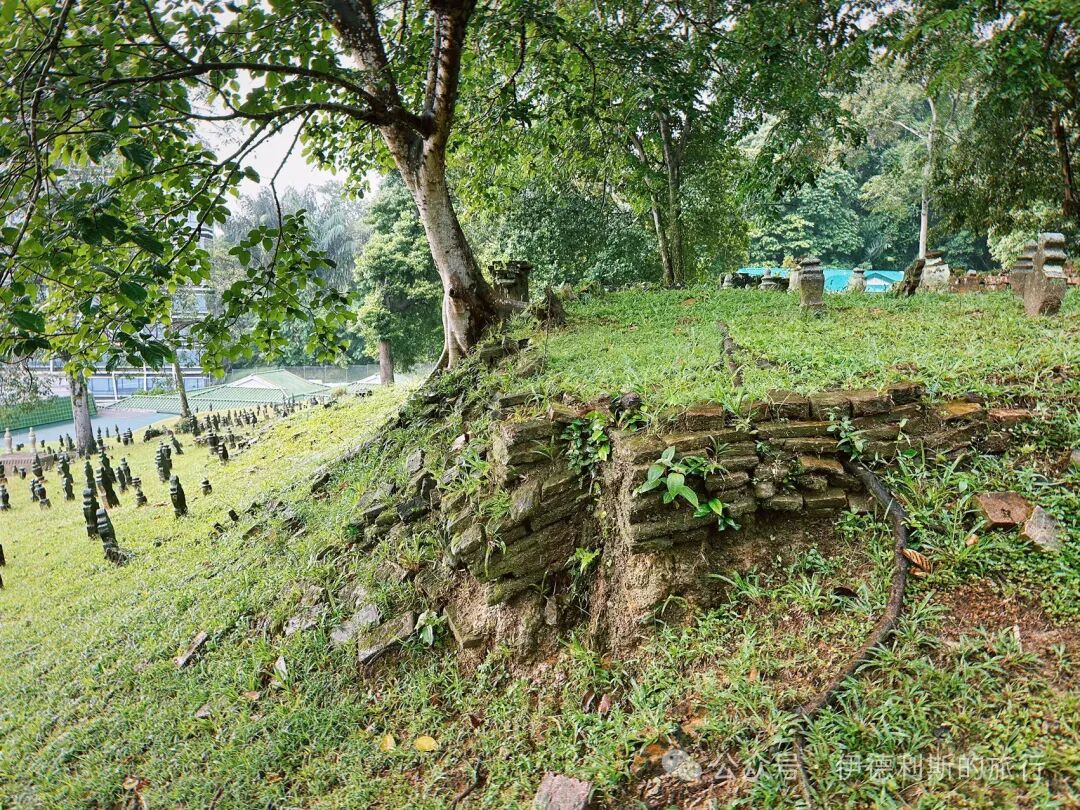
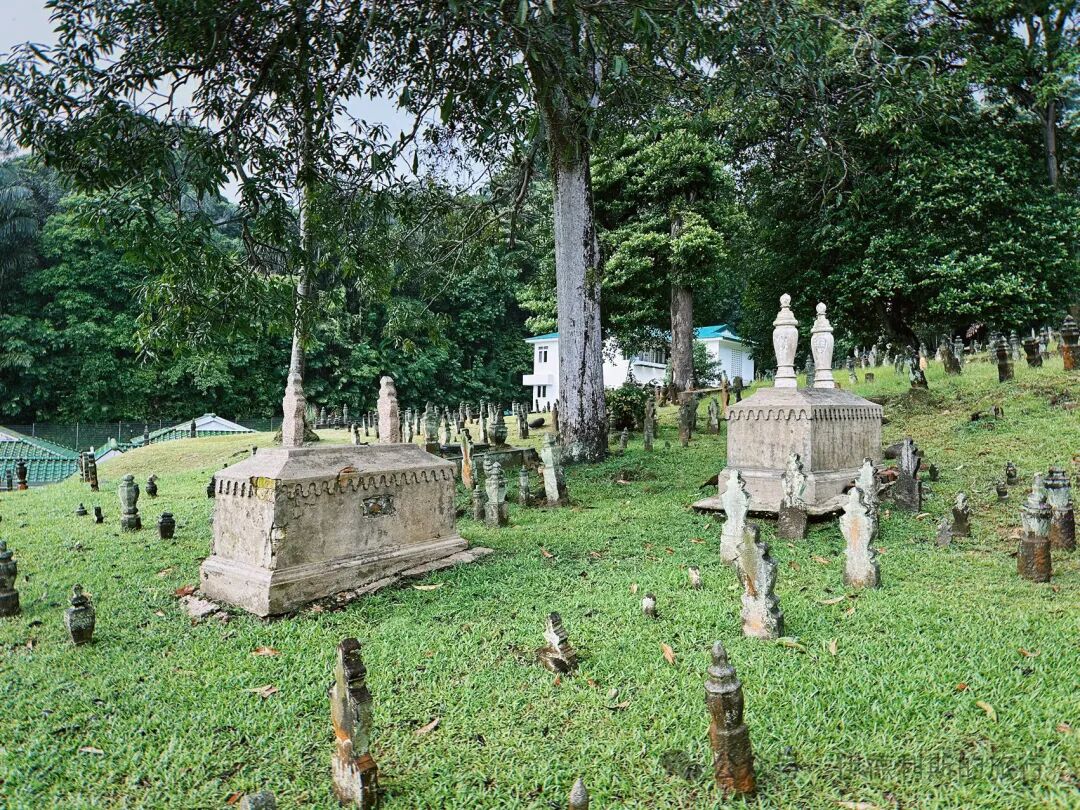
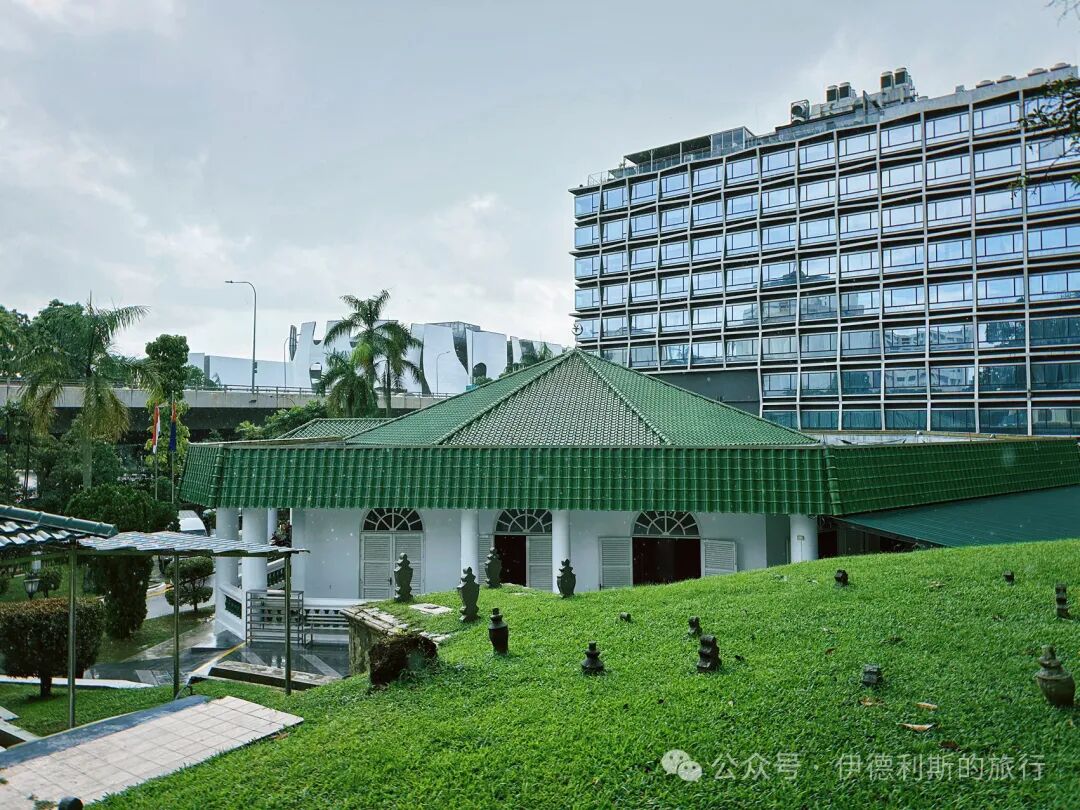
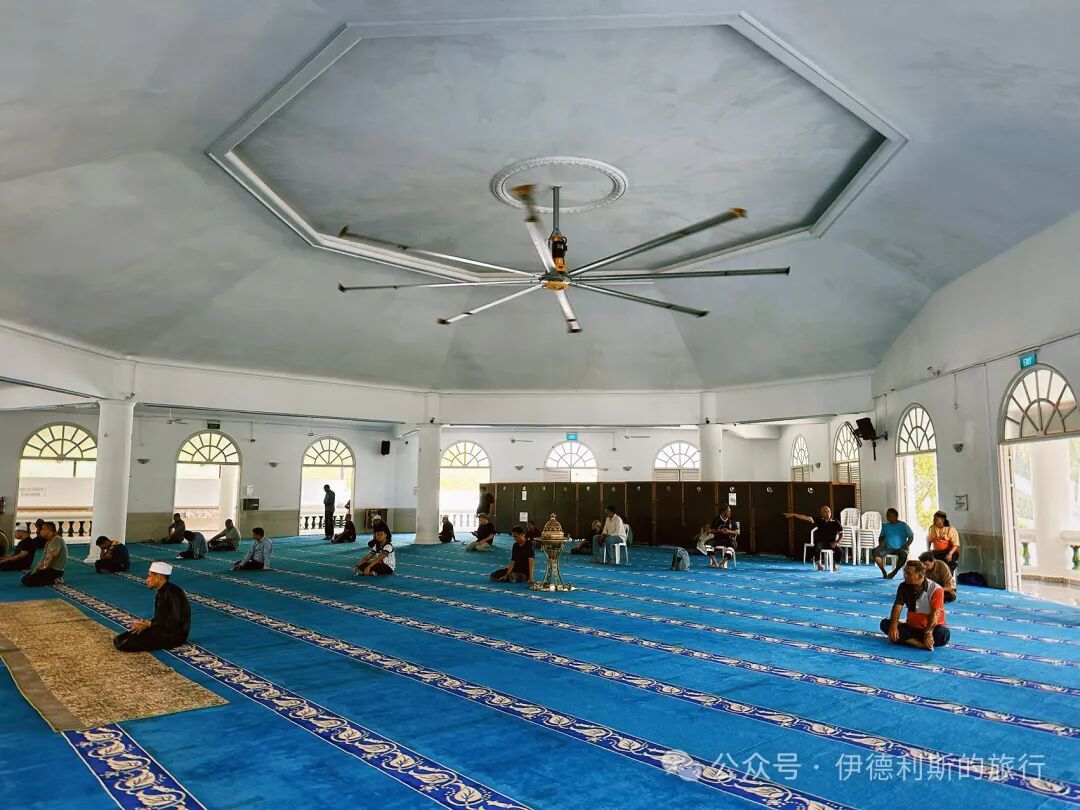
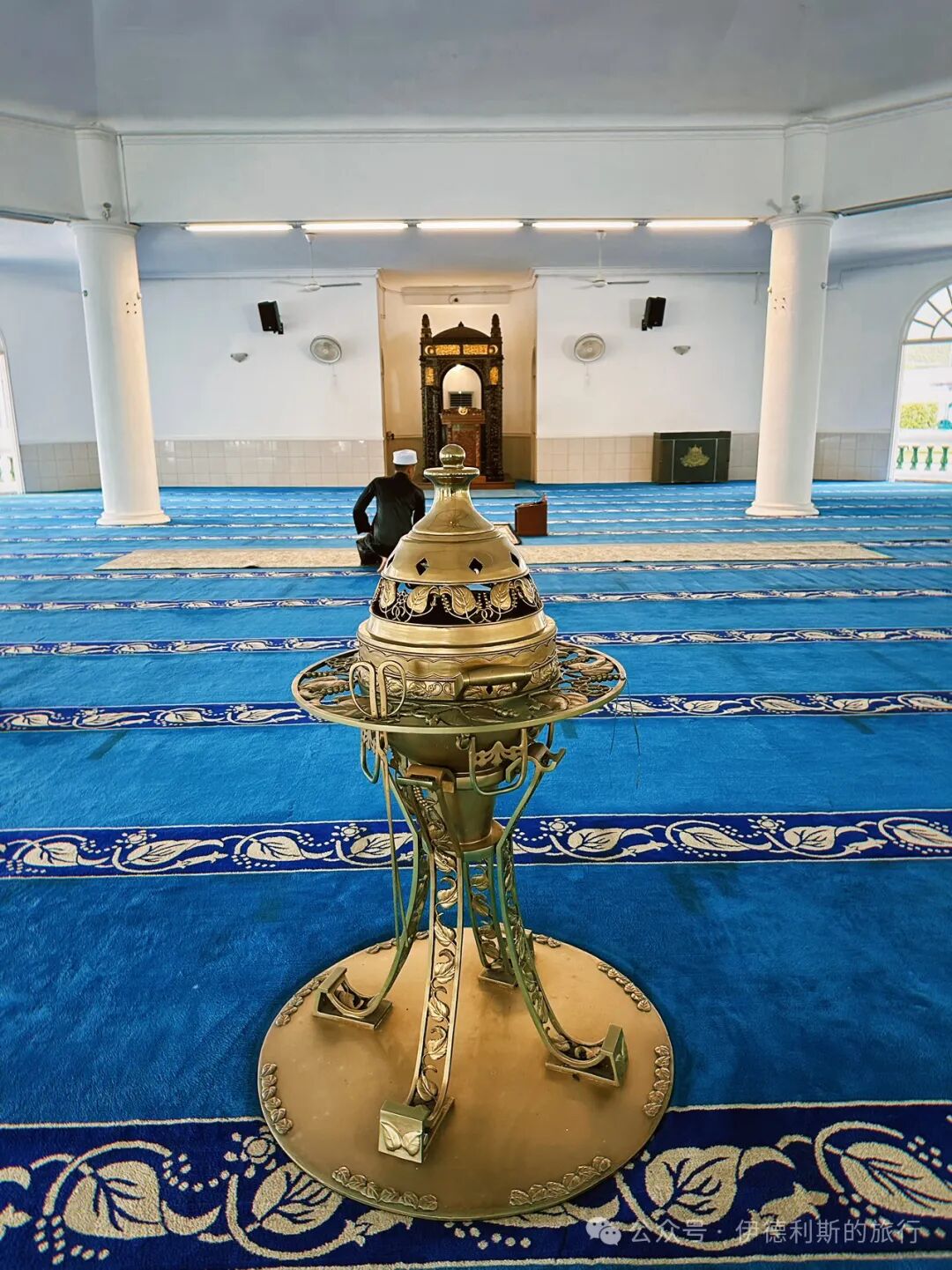
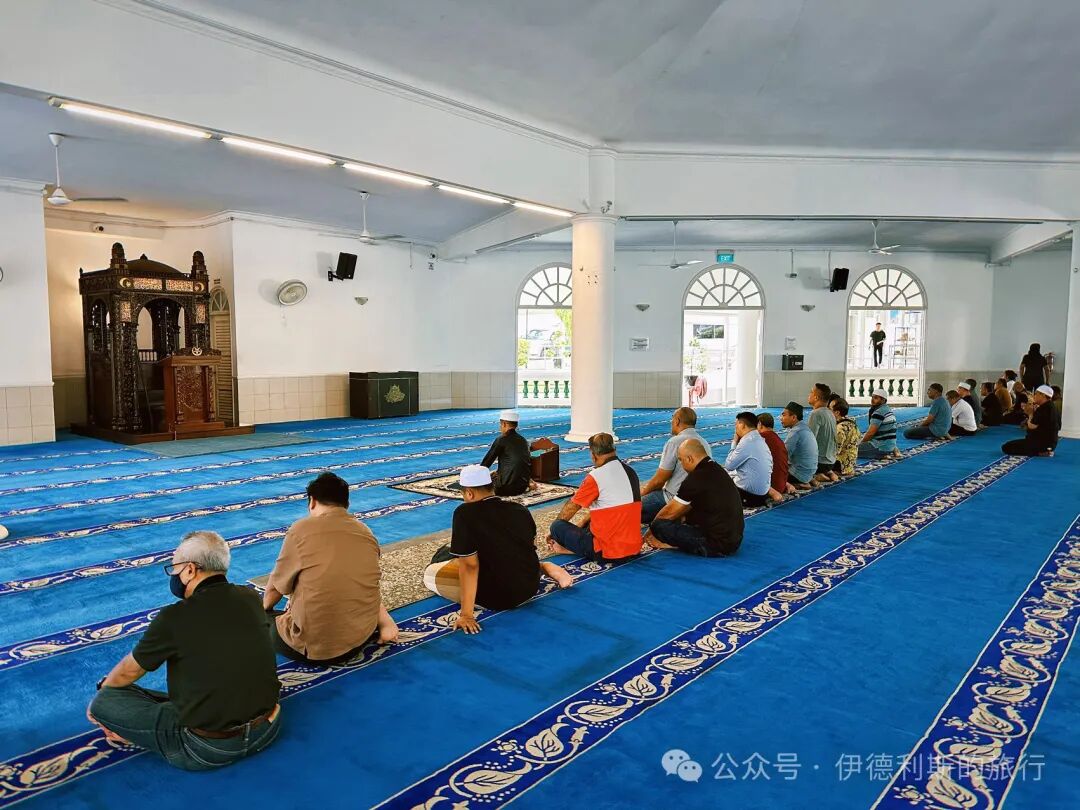
Next to the Royal Johor Tomb (Makam Diraja Johor Telok Blangah) is the Temenggong Mosque (Masjid Temenggong Daeng Ibrahim), which is also owned by the Sultan of Johor. This site was originally a hall attached to the tomb. It was officially converted into a mosque in 1871 and rebuilt into its current structure in 1993 with funding from the Sultan of Johor.
The Sultan of Johor and Kampong Gelam
After Sultan Hussein of Johor, the Temenggong, and Sir Stamford Raffles of the British East India Company signed the Singapore Treaty in 1819, the British began building a colony in Singapore. In 1822, Sir Stamford Raffles formed a committee and officially proposed the Singapore Town Plan, also known as the Raffles Town Plan.
In this plan, Singapore's streets were laid out in a grid, and the area was divided into four main zones: European, Chinese, Indian, and Muslim. Although these four ethnic zones were not strictly enforced during actual construction, the policy of ethnic residential zoning in Singapore did not begin to change until the mid-1960s.
According to Sir Stamford Raffles' plan, Kampong Gelam, located east of the European zone, was allocated to Sultan Hussein of Johor and his family and followers. The Sultan received a large plot of residential land in Kampong Gelam, which he distributed to the Malay people who followed him from places like Malacca, the Riau Islands, and Sumatra, making this Singapore's earliest Muslim district.
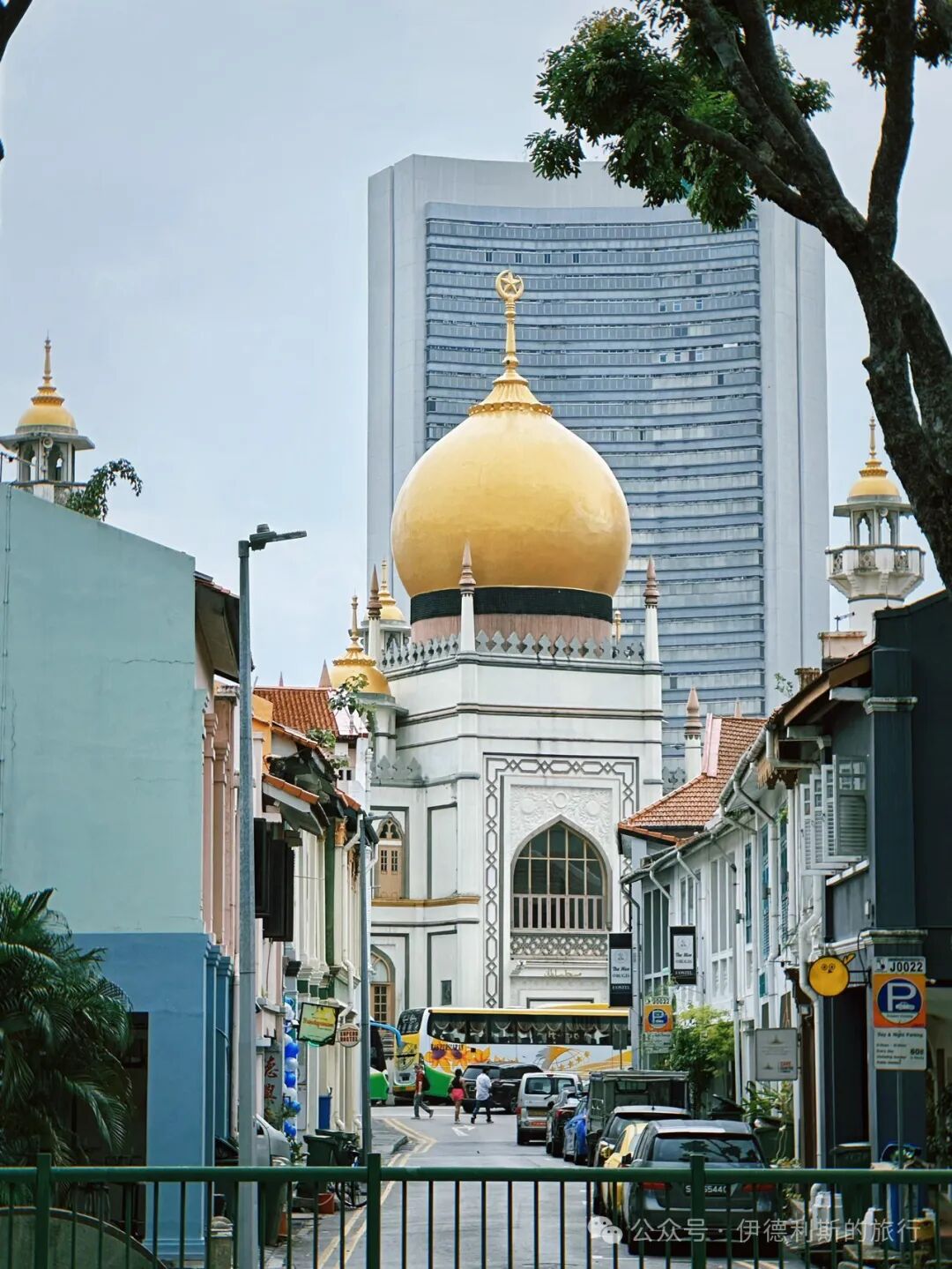
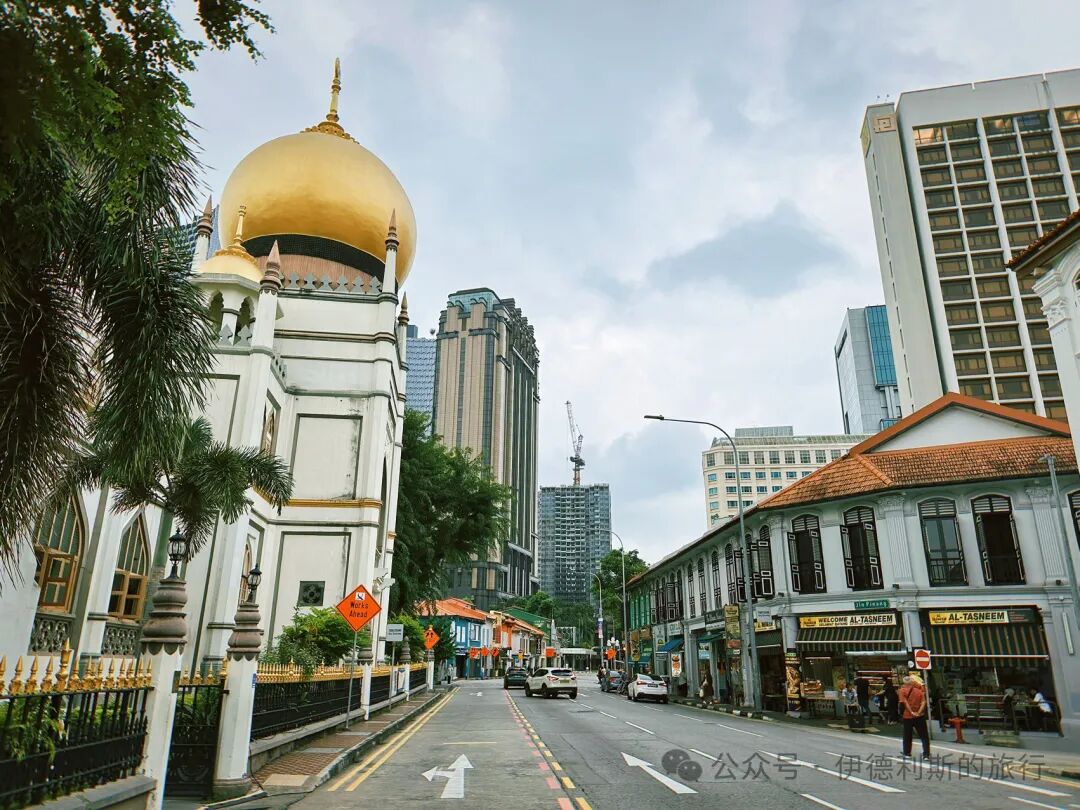
Between 1824 and 1826, Sultan Hussein used funds from the British East India Company to build the Sultan Mosque in Kampong Gelam. The original mosque was in a typical traditional Malay style, featuring a single-story brick structure with a two-tiered sloping roof. After the 20th century, the Muslim population in Singapore grew significantly, and the original Sultan Mosque could no longer accommodate everyone. In 1924, the centenary of the mosque's founding, the trustees hired Irish architect Denis Santry to rebuild it. Due to the economic recession following World War I, fundraising continued until 1928. Construction on the mosque began that same year and was officially completed in 1932.
The new Sultan Mosque was built in the Indo-Saracenic style. British architects frequently used this style for public buildings in British India and Malaya during the 19th century, with its most prominent feature being the addition of Mughal-style onion domes to modern structures.
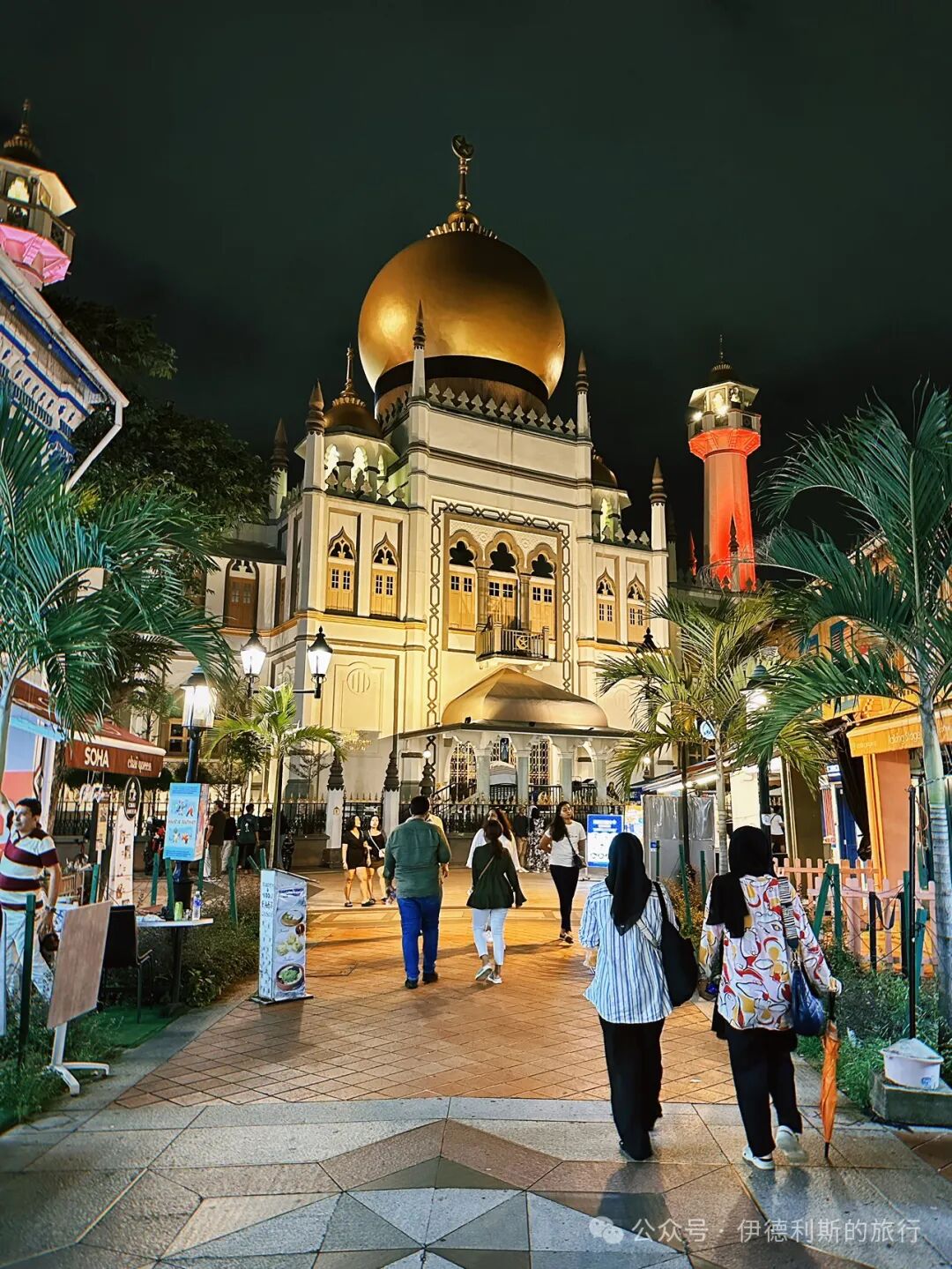
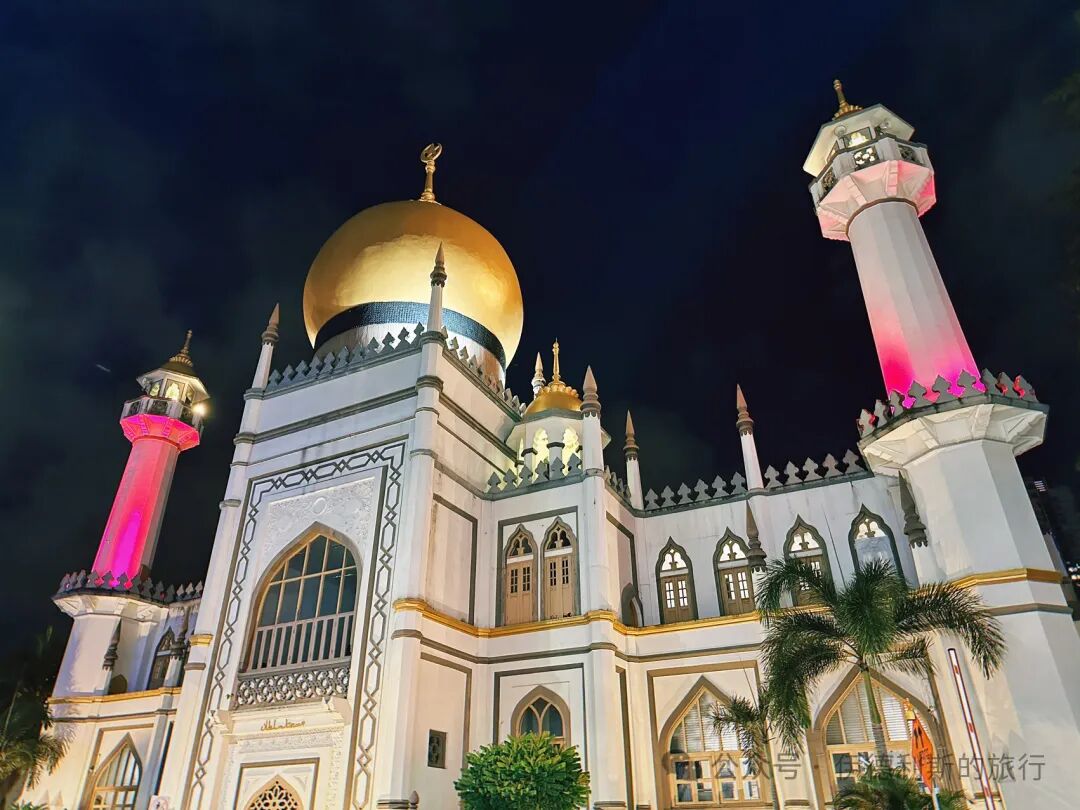
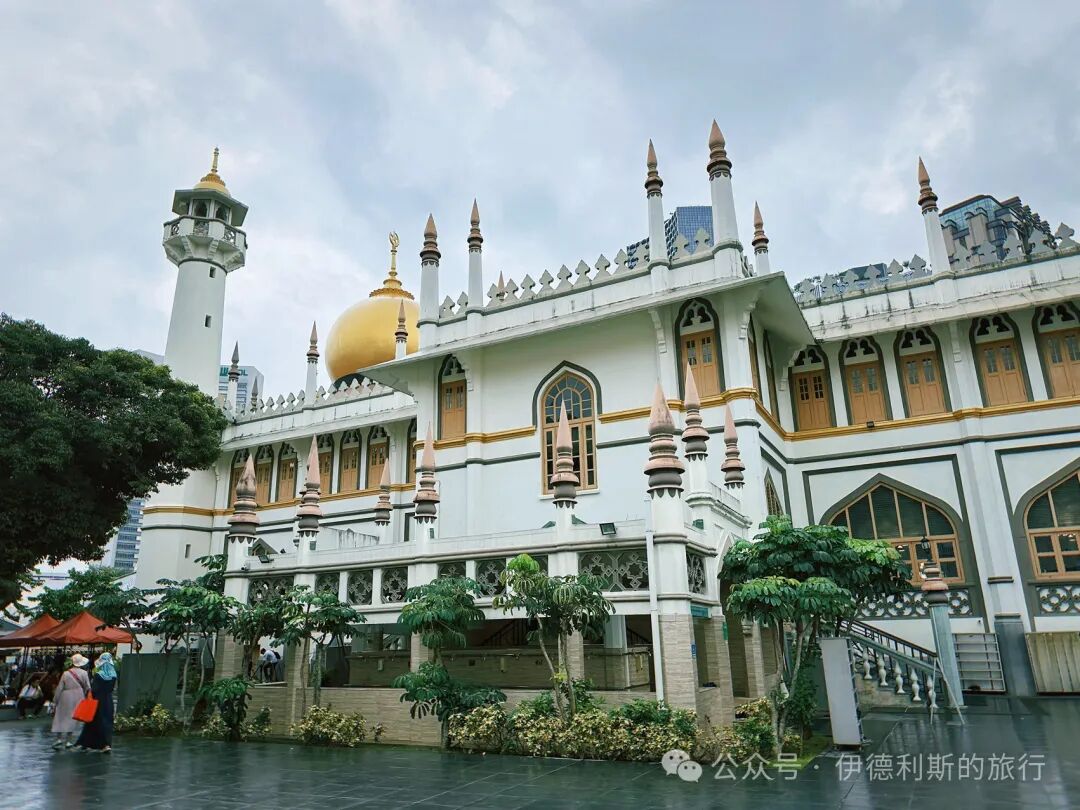
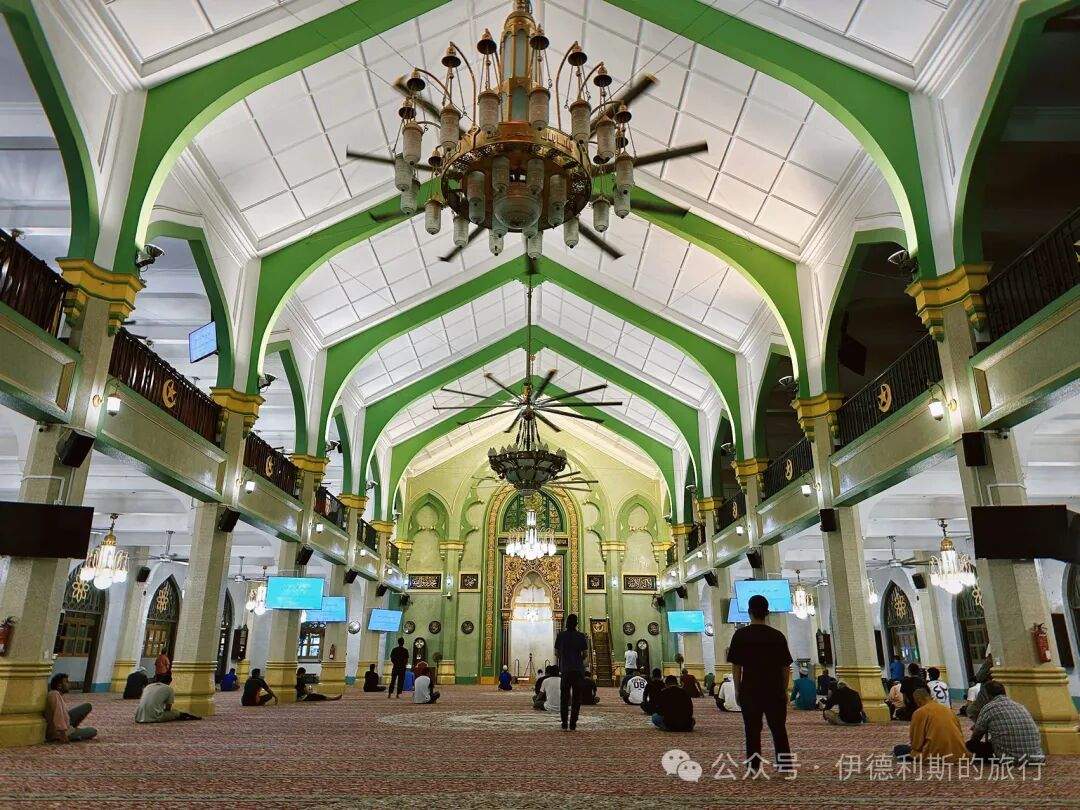
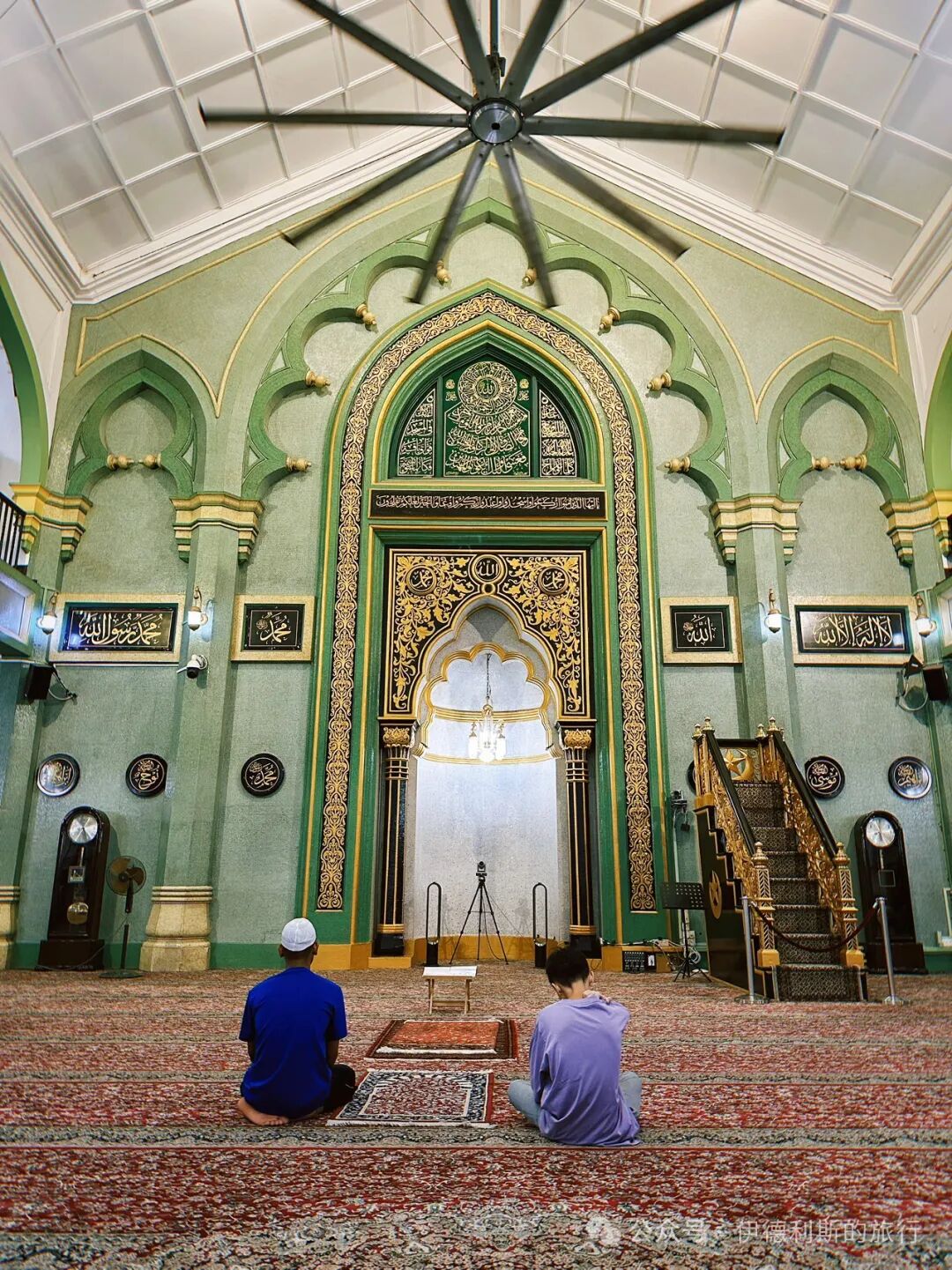
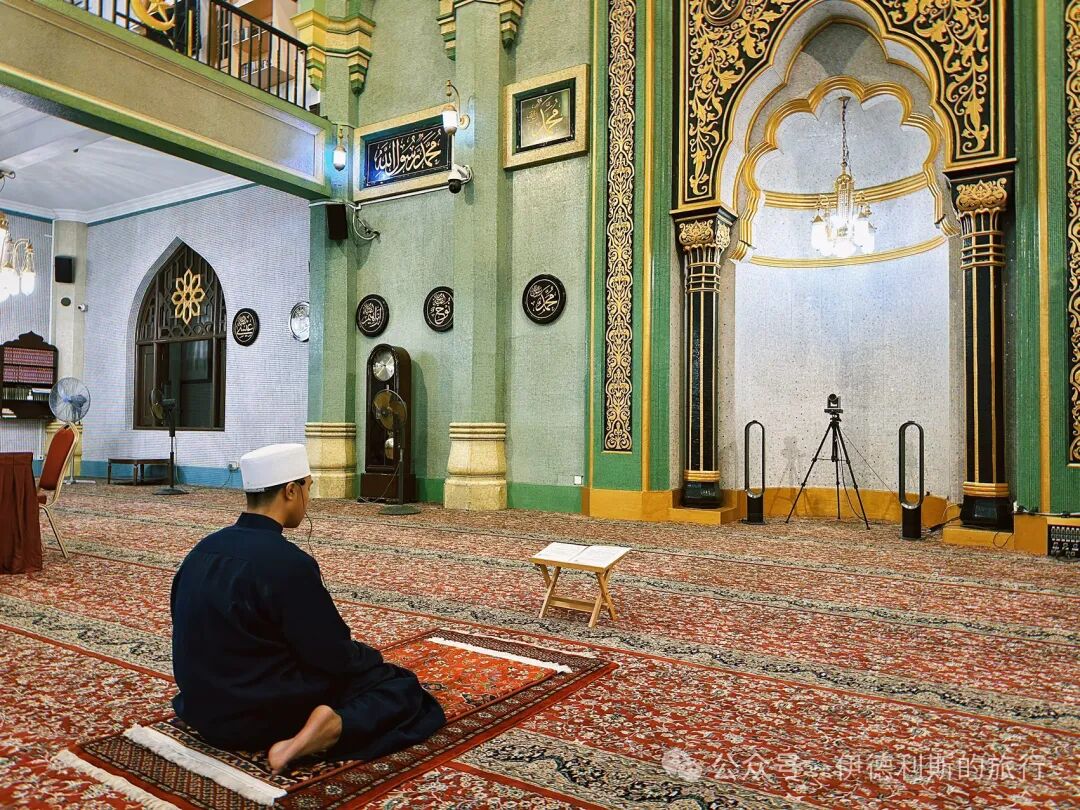
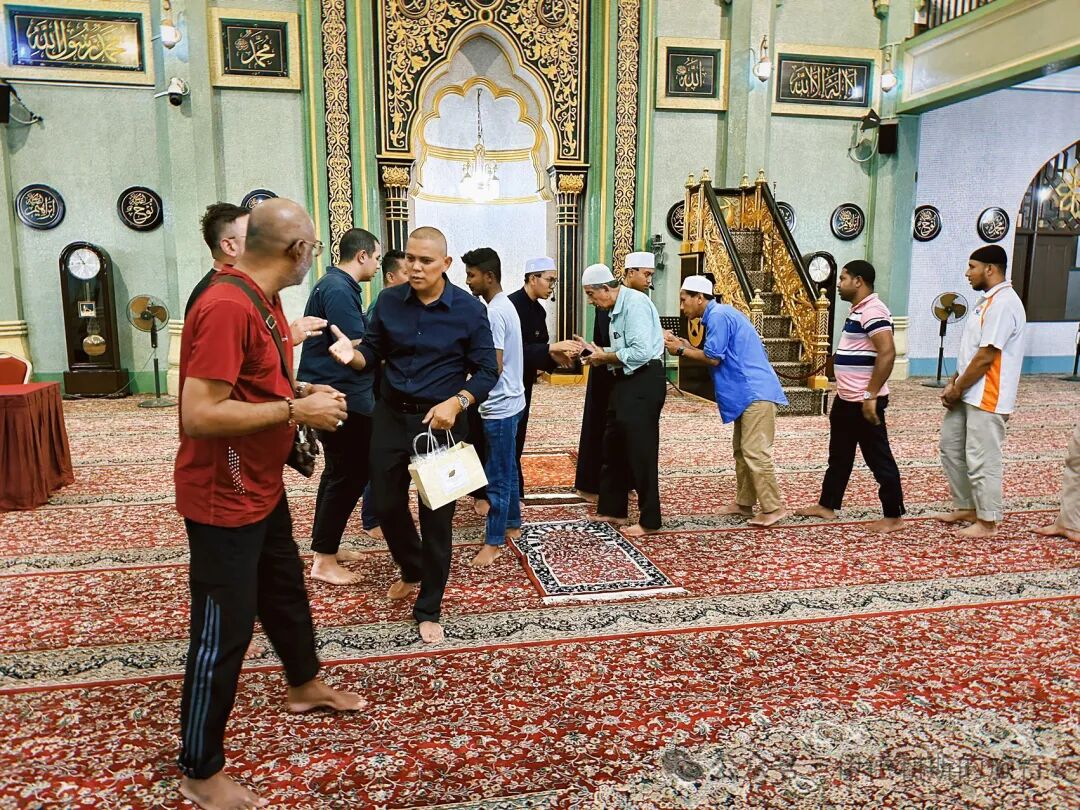
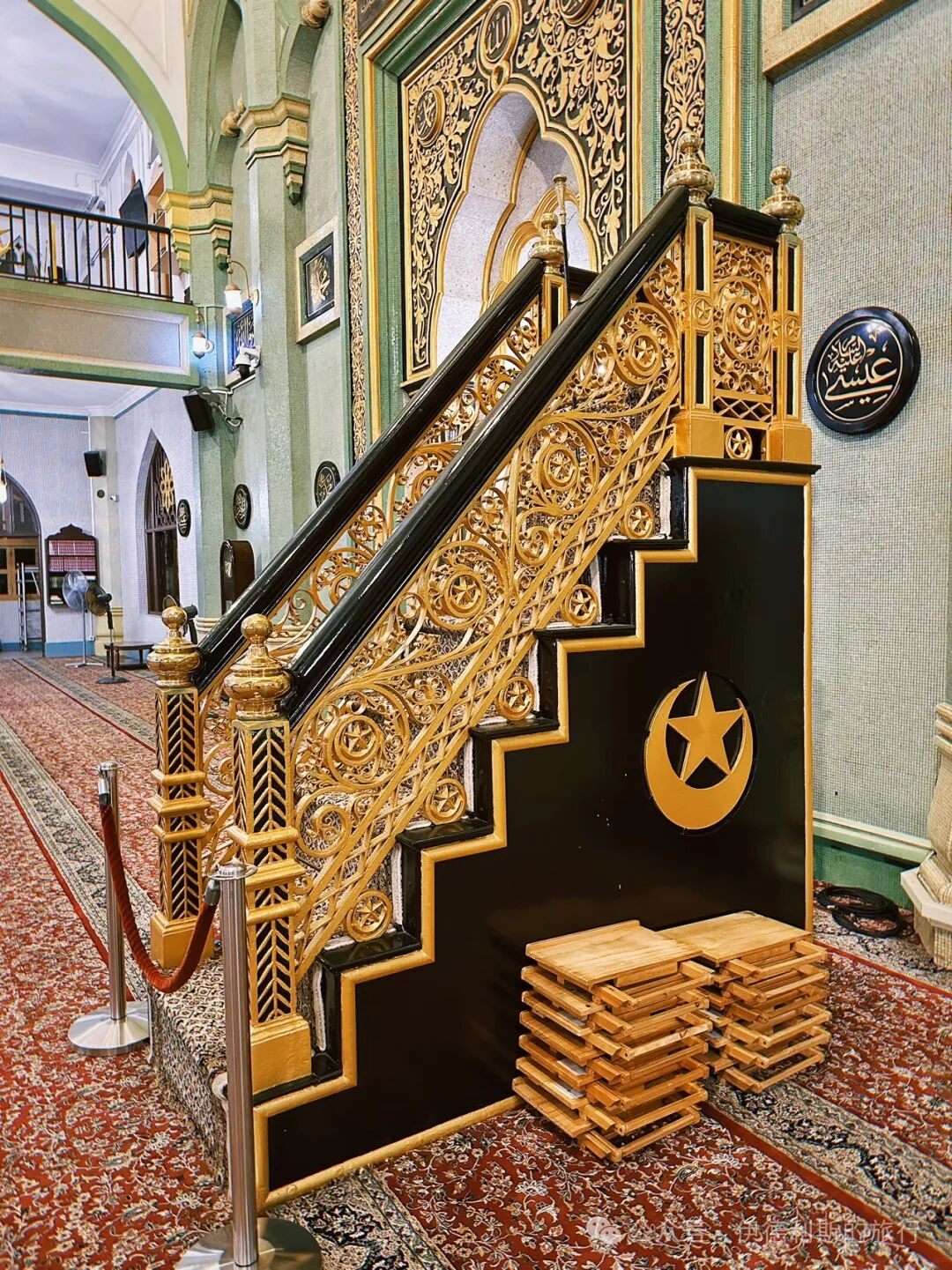
The center of Kampong Gelam is the palace (Istana) built by Sultan Ali, the eldest son of Sultan Hussein of Johor, between 1836 and 1843. It is now the Malay Heritage Centre. Unfortunately, it was closed for renovations when we visited and will not reopen until 2025.
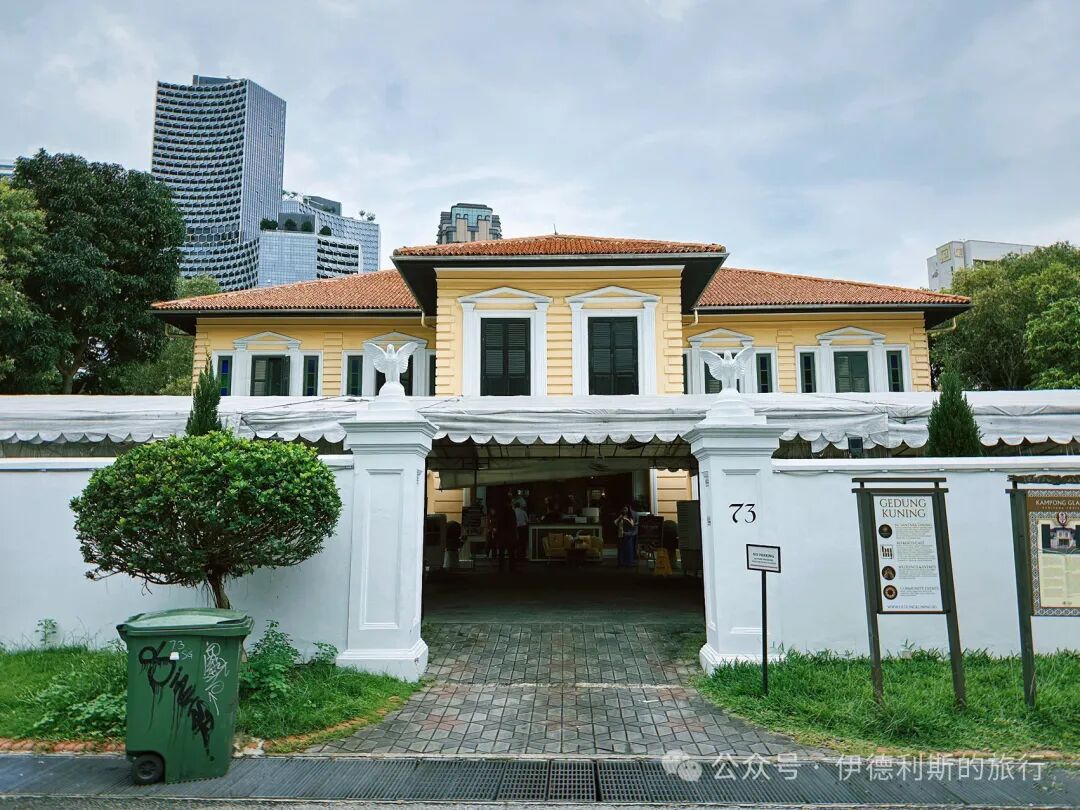
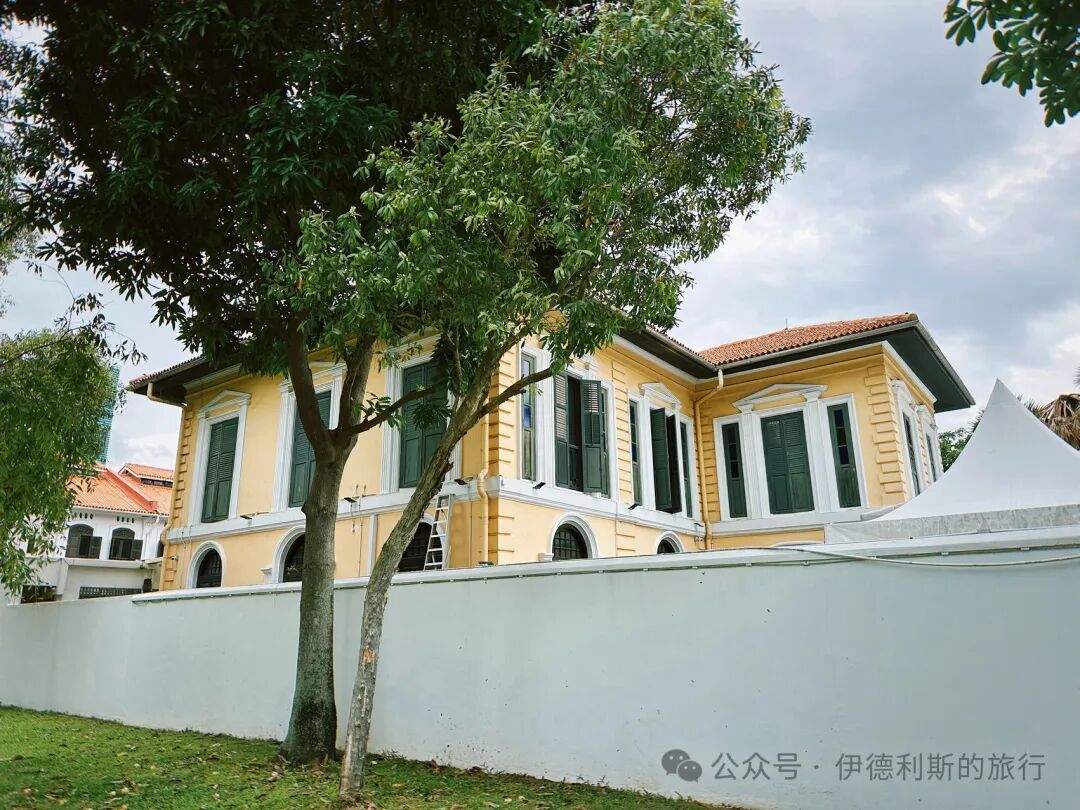
South of the palace is the Prime Minister's office, built in the 1850s by Tengku Mahmud, the youngest son of Sultan Ali. As an auxiliary building to the palace, it is known as the Yellow Mansion (Gedung Kuning) because its exterior walls are painted yellow. In 1912, a Javanese merchant born in Kampong Gelam named Haji Yusof bought the Yellow Mansion. It was later sold to a Chinese family before being bought back in 1925. From then until 1999, four generations of Haji Yusof's family lived there.
In 1999, the Singapore government bought the yellow mansion, restored it, and opened it as the Malay Heritage Centre. After 2021, it became Permata, a halal buffet restaurant featuring food from the Malay Archipelago. We were short on time and couldn't go in to eat, but we want to try it if we visit Singapore again.
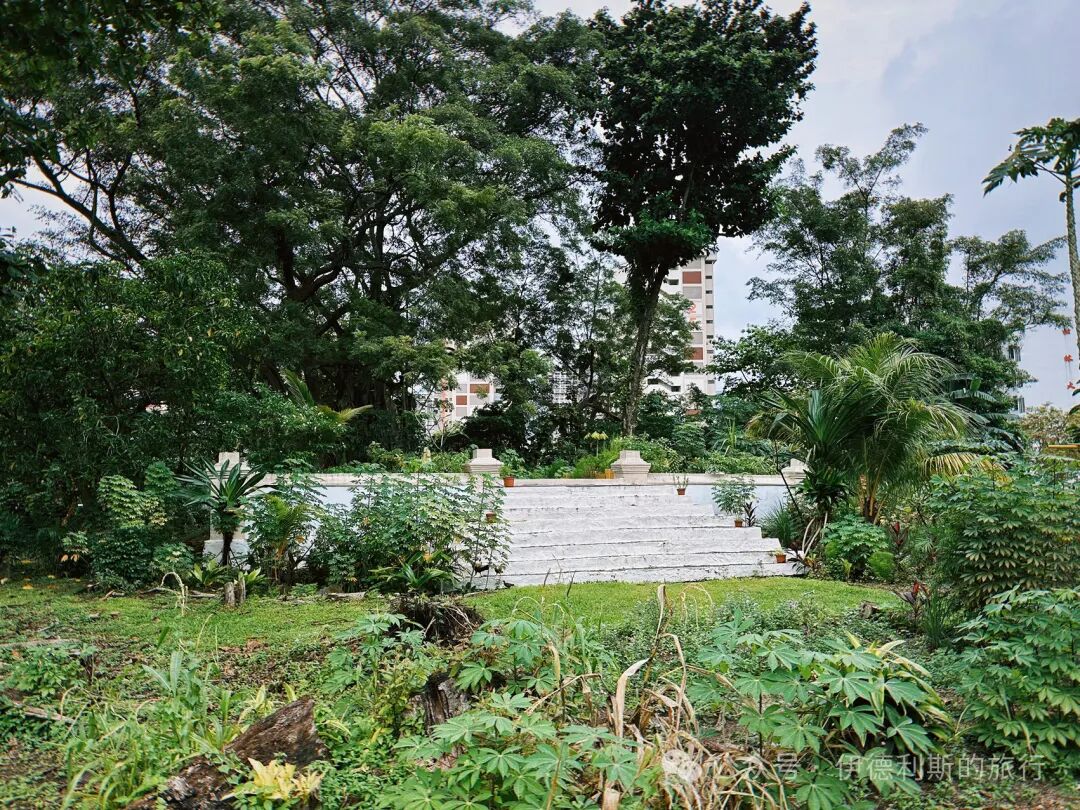
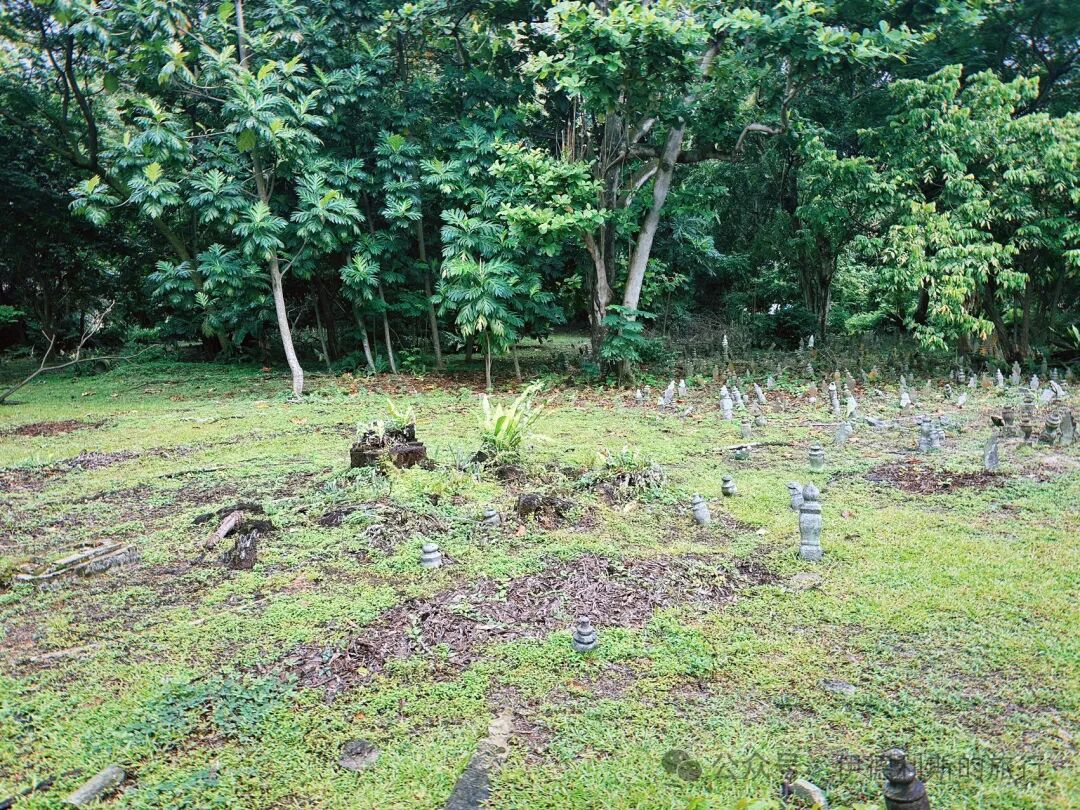
The Malay Royal Cemetery is located in the north of Kampong Glam, where many members of the Johor Sultanate royal family are buried. Sultan Ali opened the cemetery to the public in 1848, and many wealthy Malay merchants are also buried there. At the center of the cemetery is a mound where the relatives of the Johor Sultans are buried, though Sultan Hussein and Sultan Ali are buried in Malacca instead of here. Besides the Johor royal family, the most famous Malay merchant buried in the cemetery is the Bugis businessman Haji Ambok Sooloh Bin Haji Omar. He was an active member of the Singapore Muslim community and helped start the Malay-language newspaper Utusan Melayu.
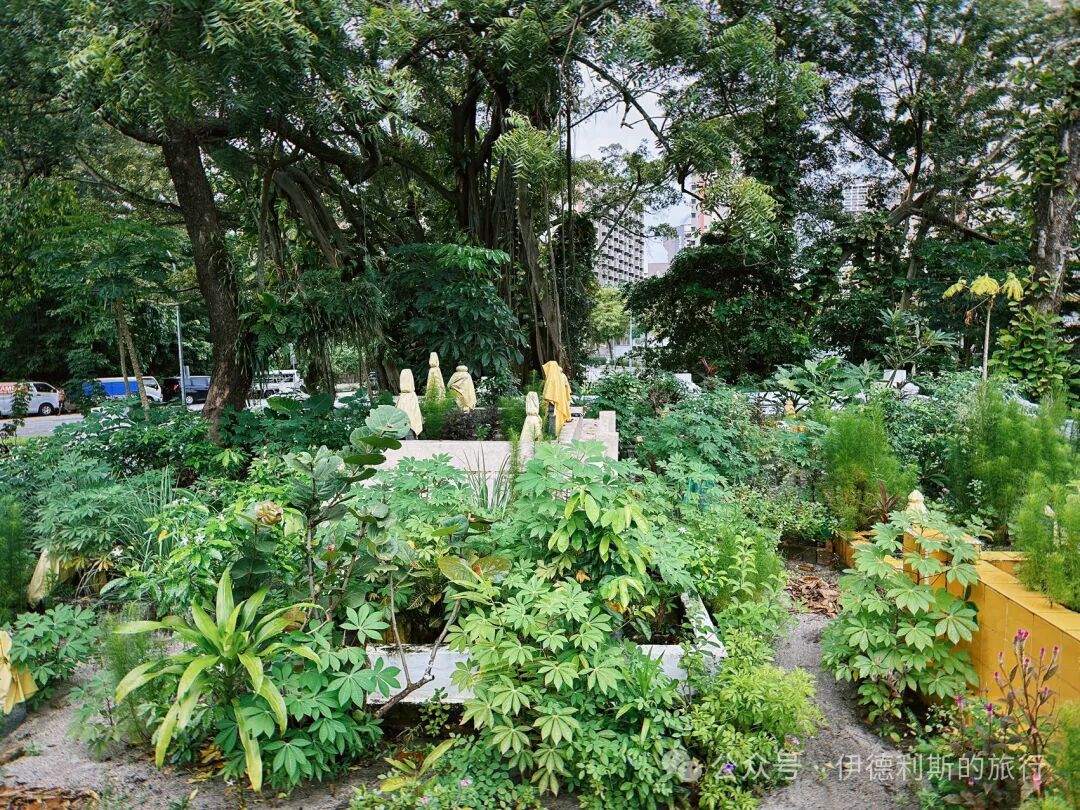
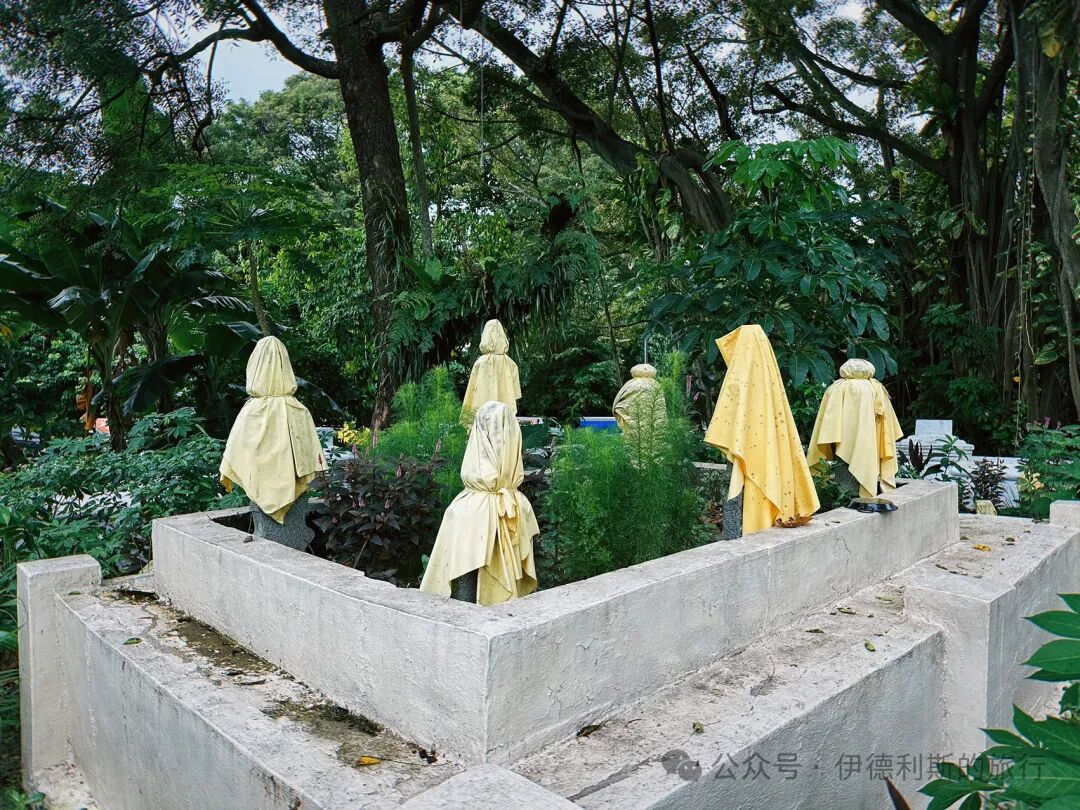
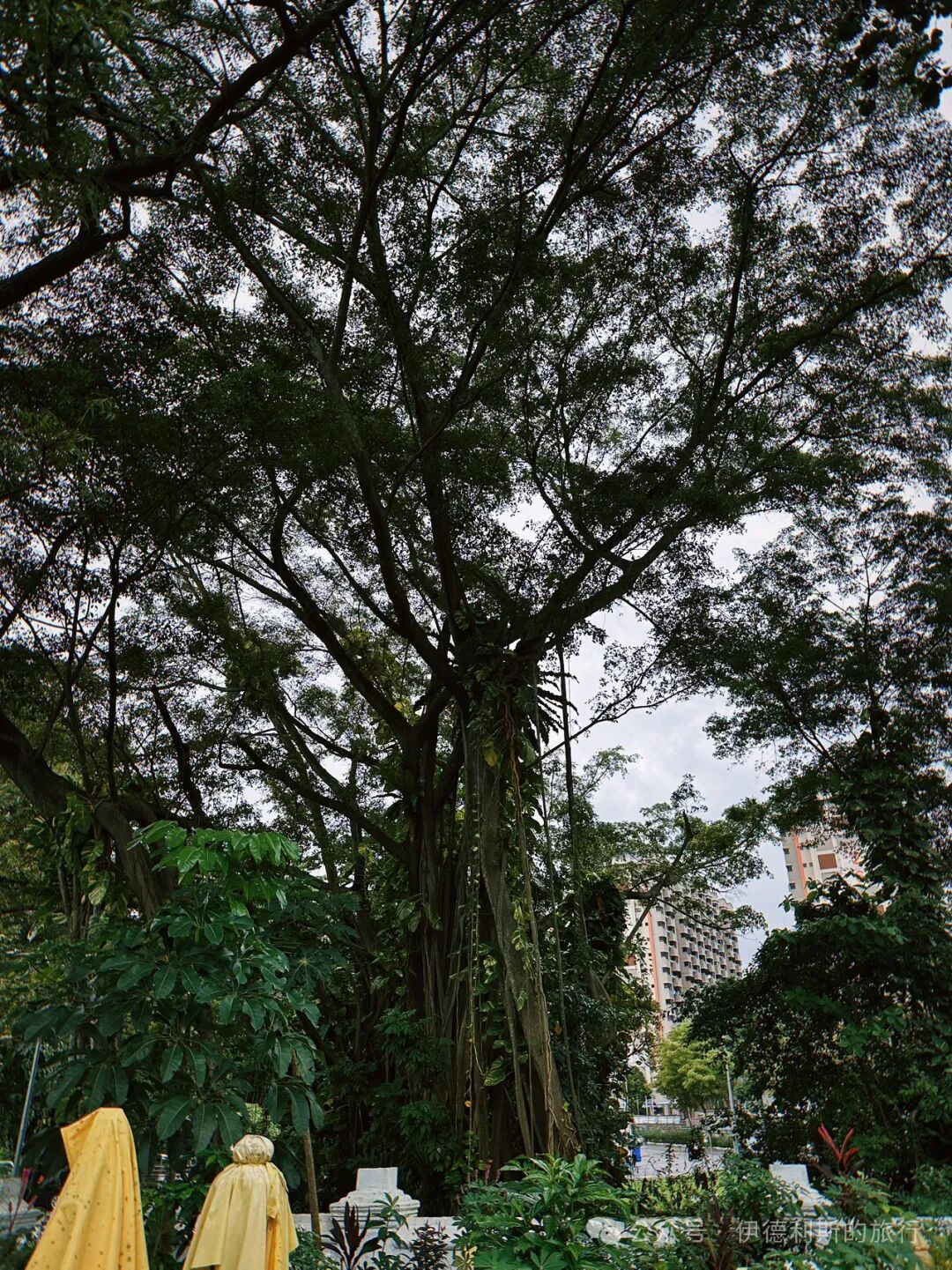
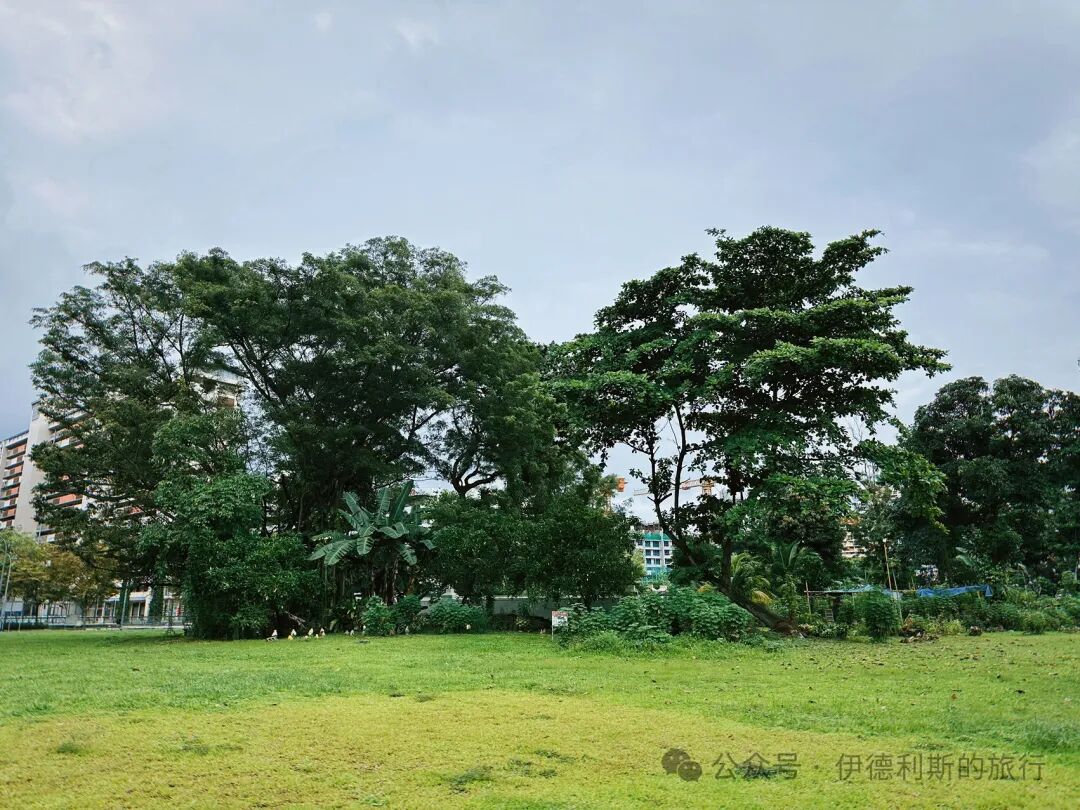
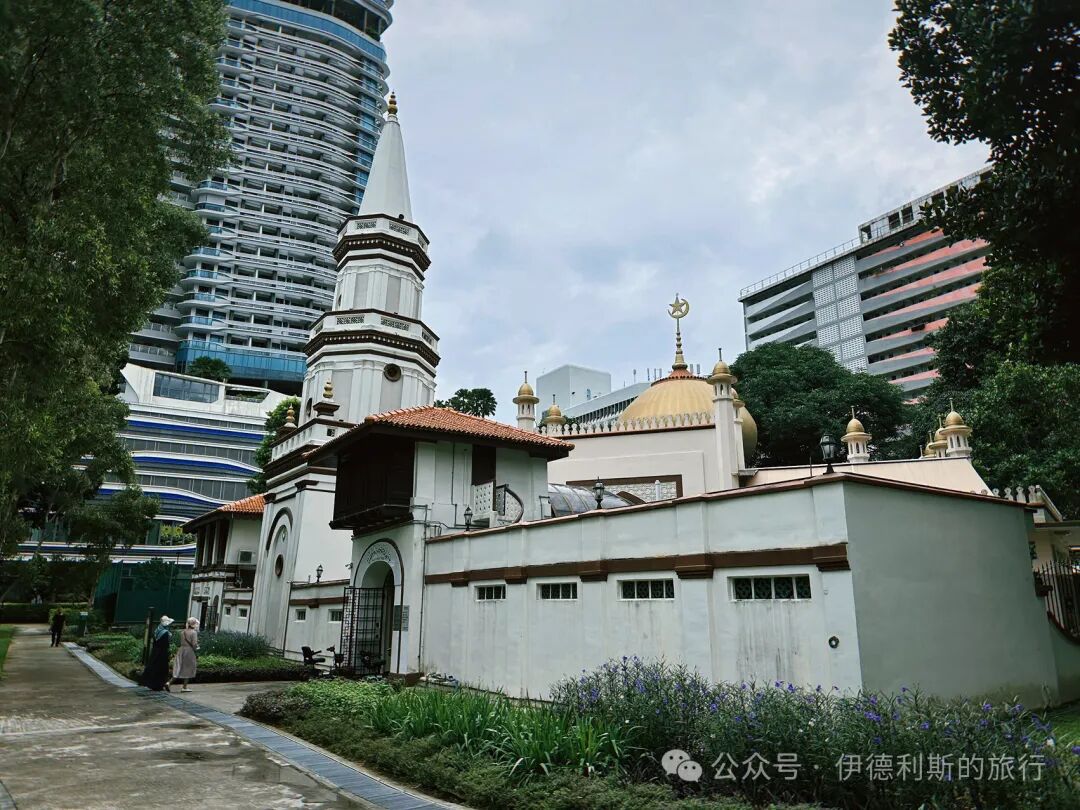
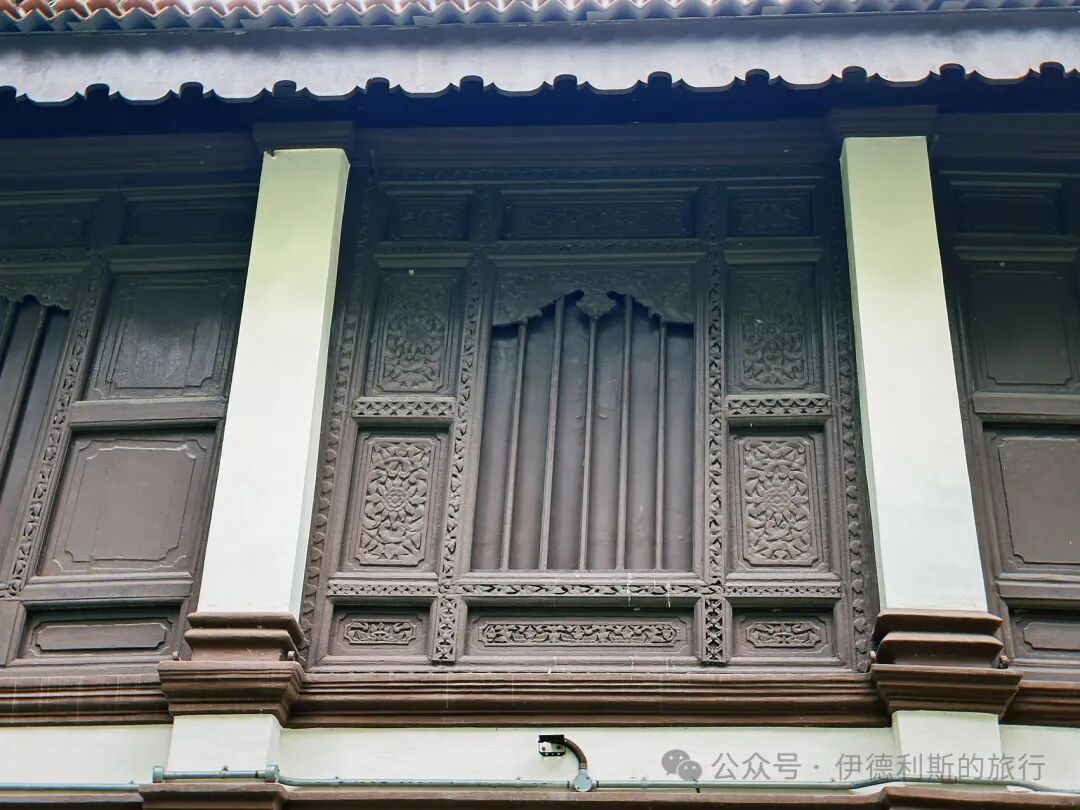
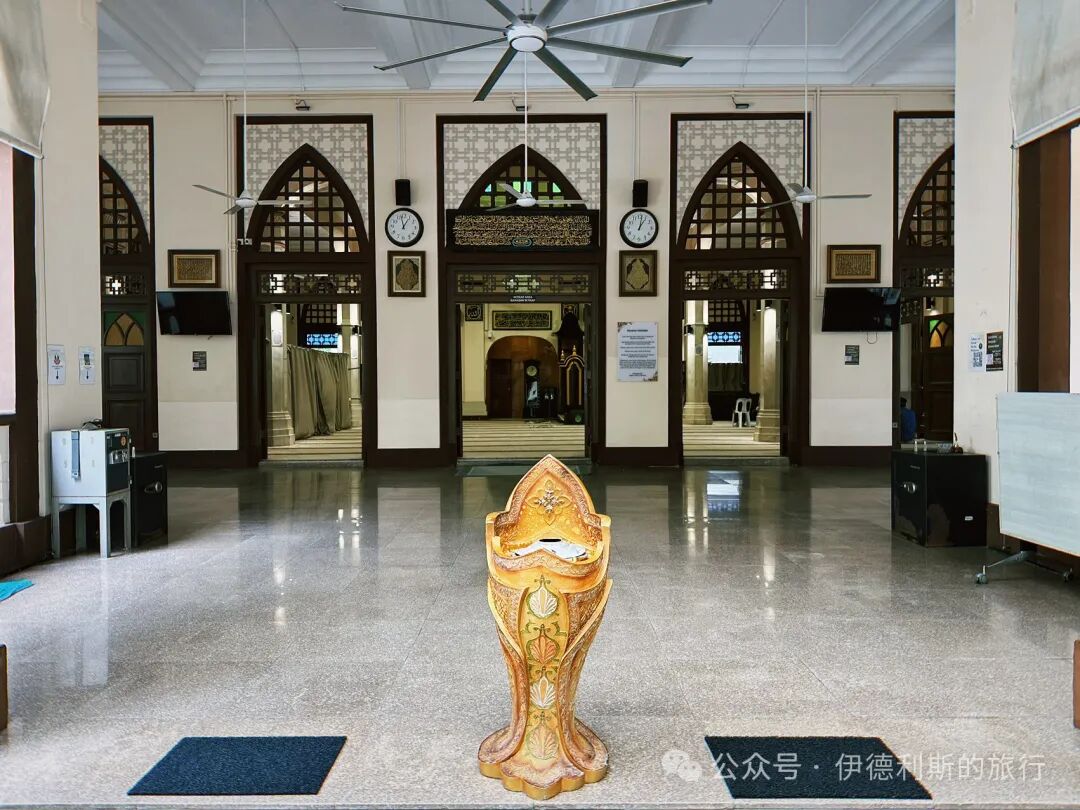
Hajjah Fatimah Mosque is on the east side of Kampong Glam. It was built with donations from the Malay noblewoman and philanthropist Hajjah Fatimah between 1845 and 1846. Hajjah Fatimah came from a wealthy merchant family in Malacca. After her first marriage ended, she married a Bugis prince who was doing business in Singapore. The prince passed away not long after, so she ran a shipping and sailing trade company in Singapore by herself and became very successful.
Because Hajjah Fatimah had built up so much wealth, her mansion in Kampong Glam became a target for thieves. Her house was broken into twice in the 1830s, and during the second time, the thieves set the house on fire. Grateful that she was not home during the fire, Hajjah Fatimah made a dua to rebuild her house as a mosque and donated money to build homes for the poor on the land next to it.
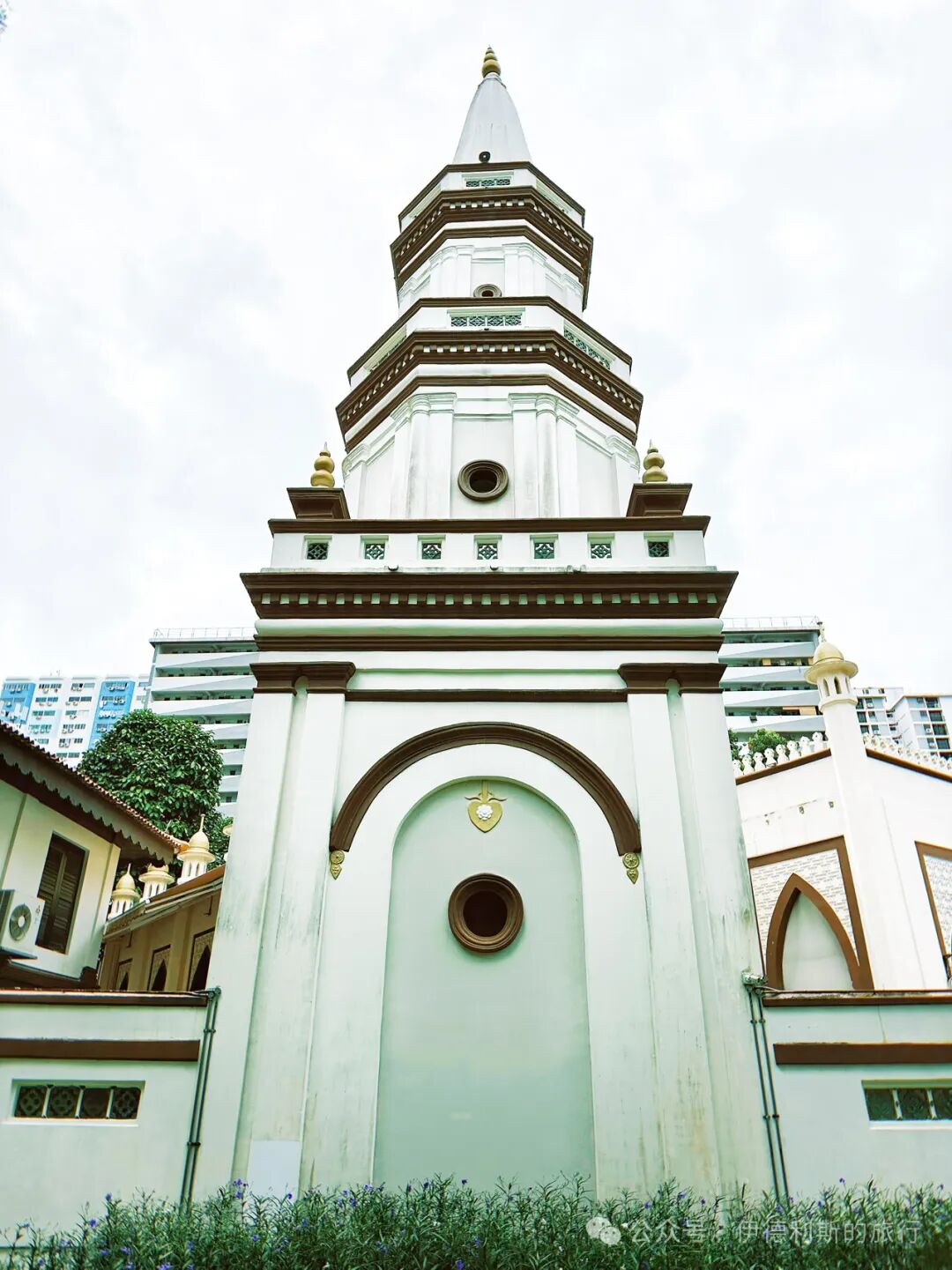
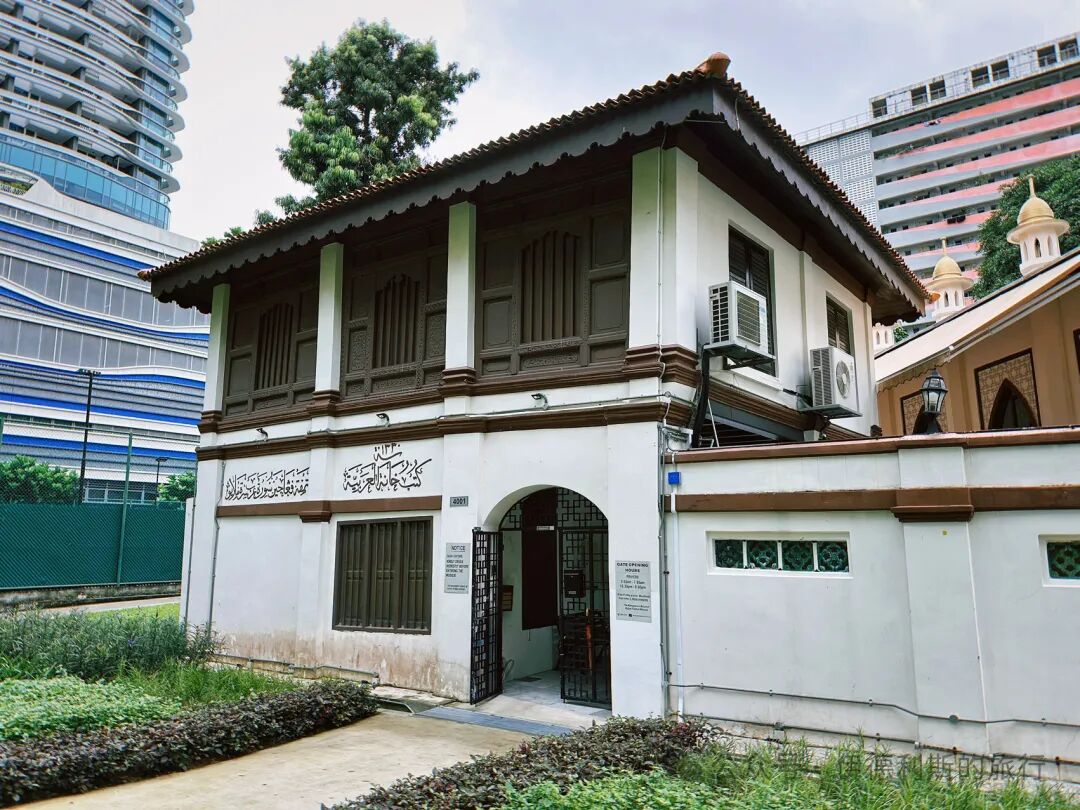
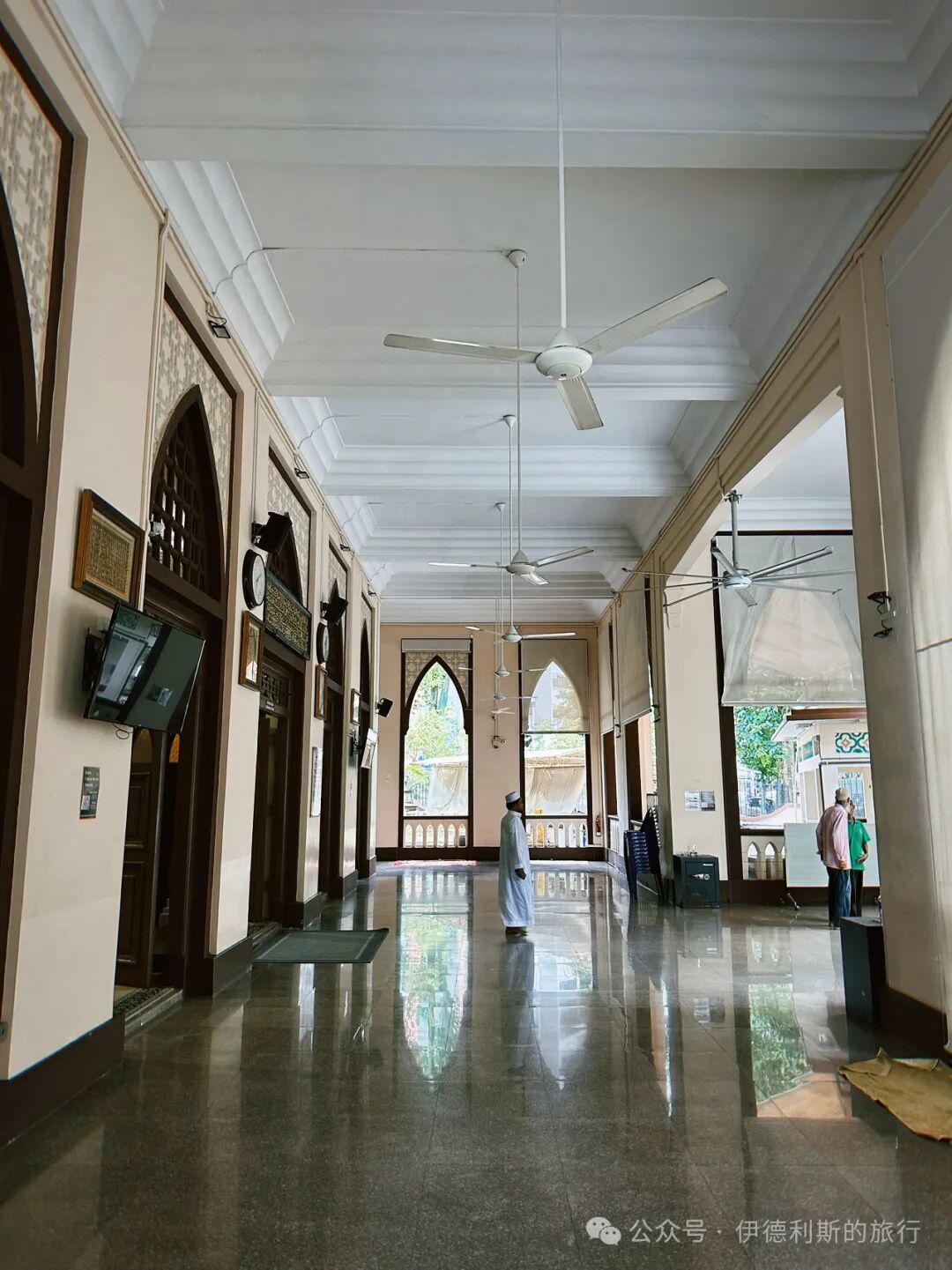
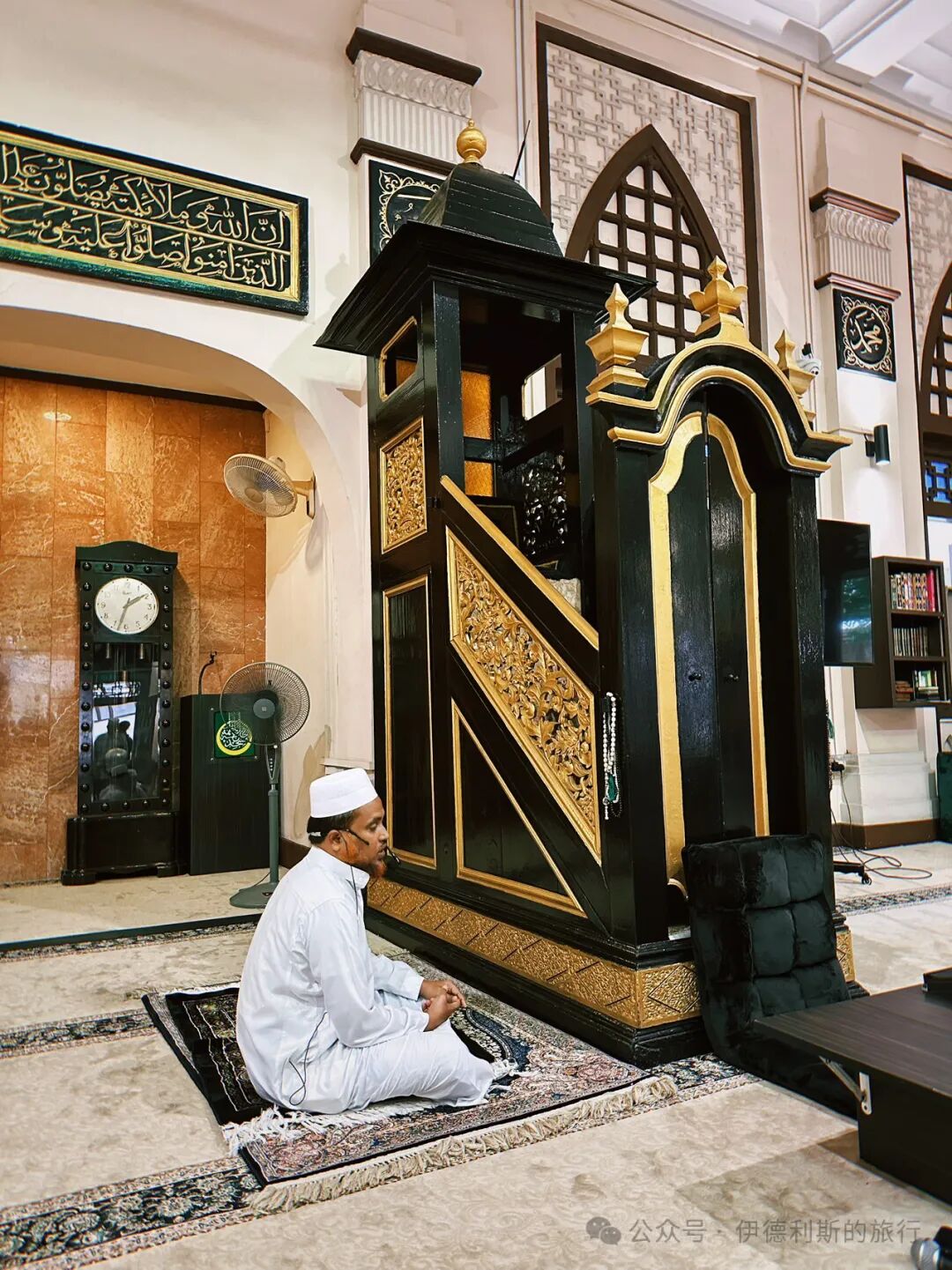
The current main prayer hall was designed in the 1930s by architects Chung & Wong and rebuilt by the French contractor Bossard & Mopin and Malay workers. Like the Sultan Mosque, it is in the Indo-Saracenic style and features Mughal-style onion domes. The most unique part of the mosque is the European-style minaret at the main gate, with a Neo-Gothic building on each side featuring traditional-style windows.
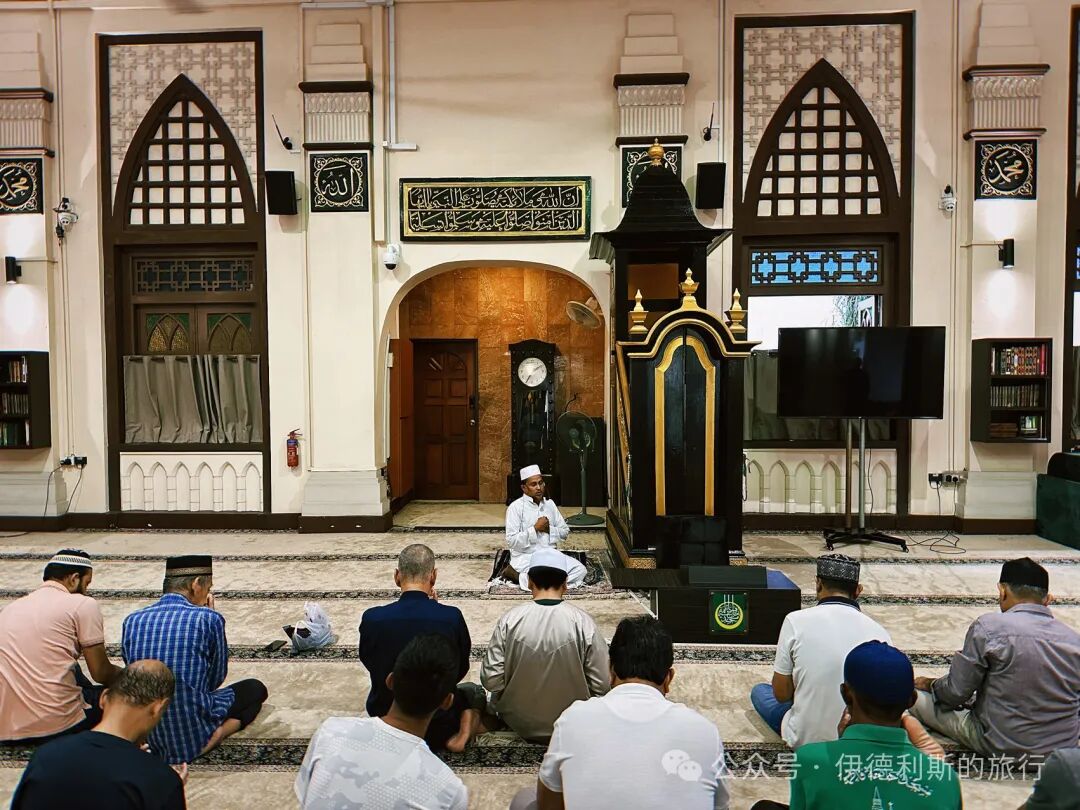
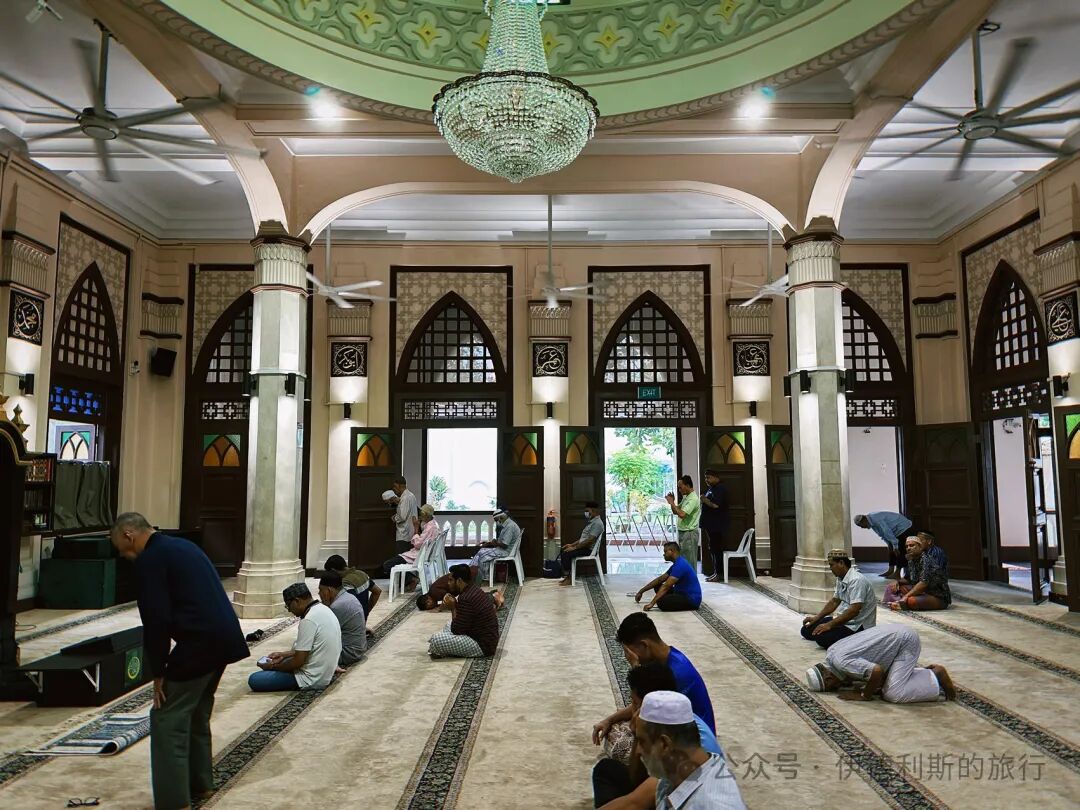
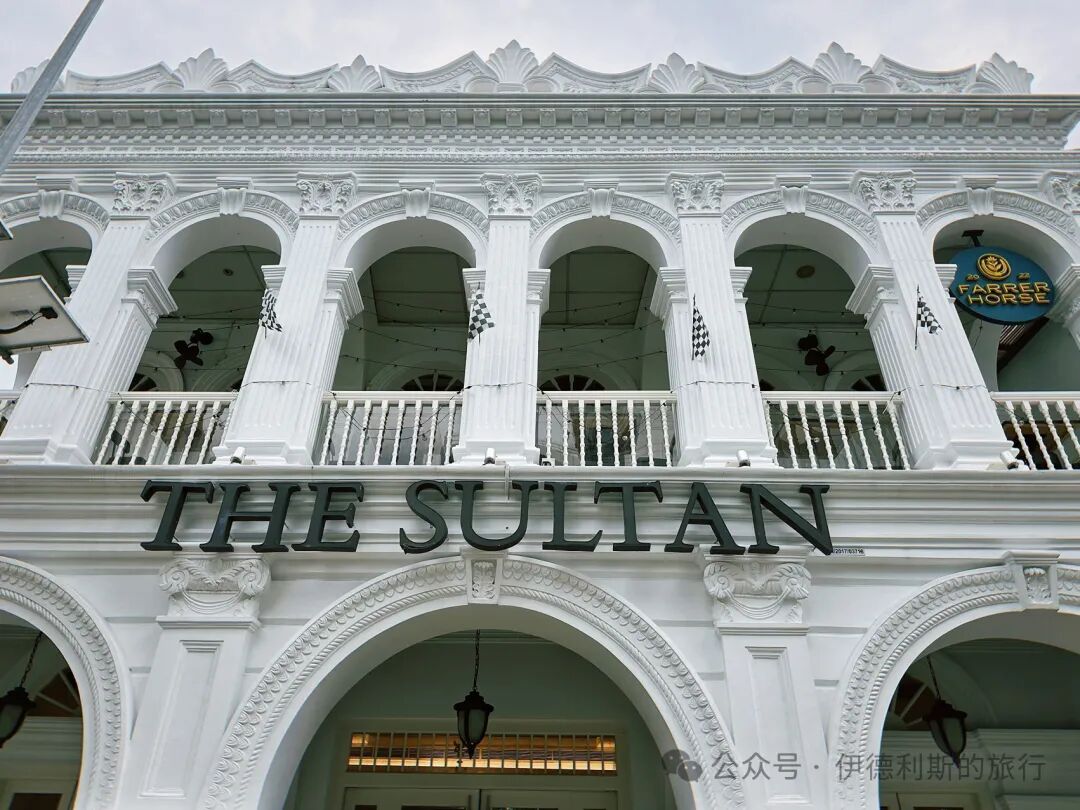
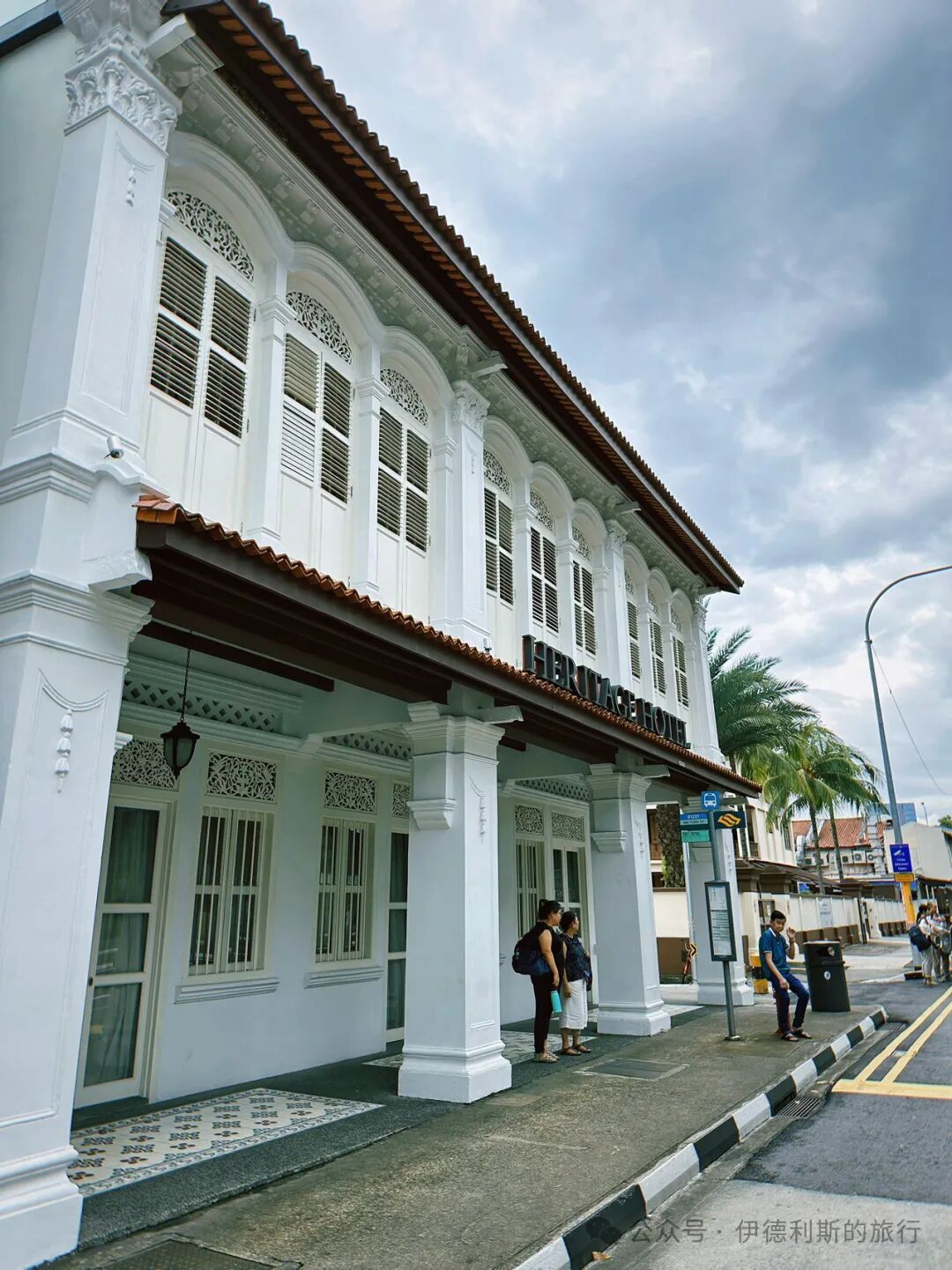
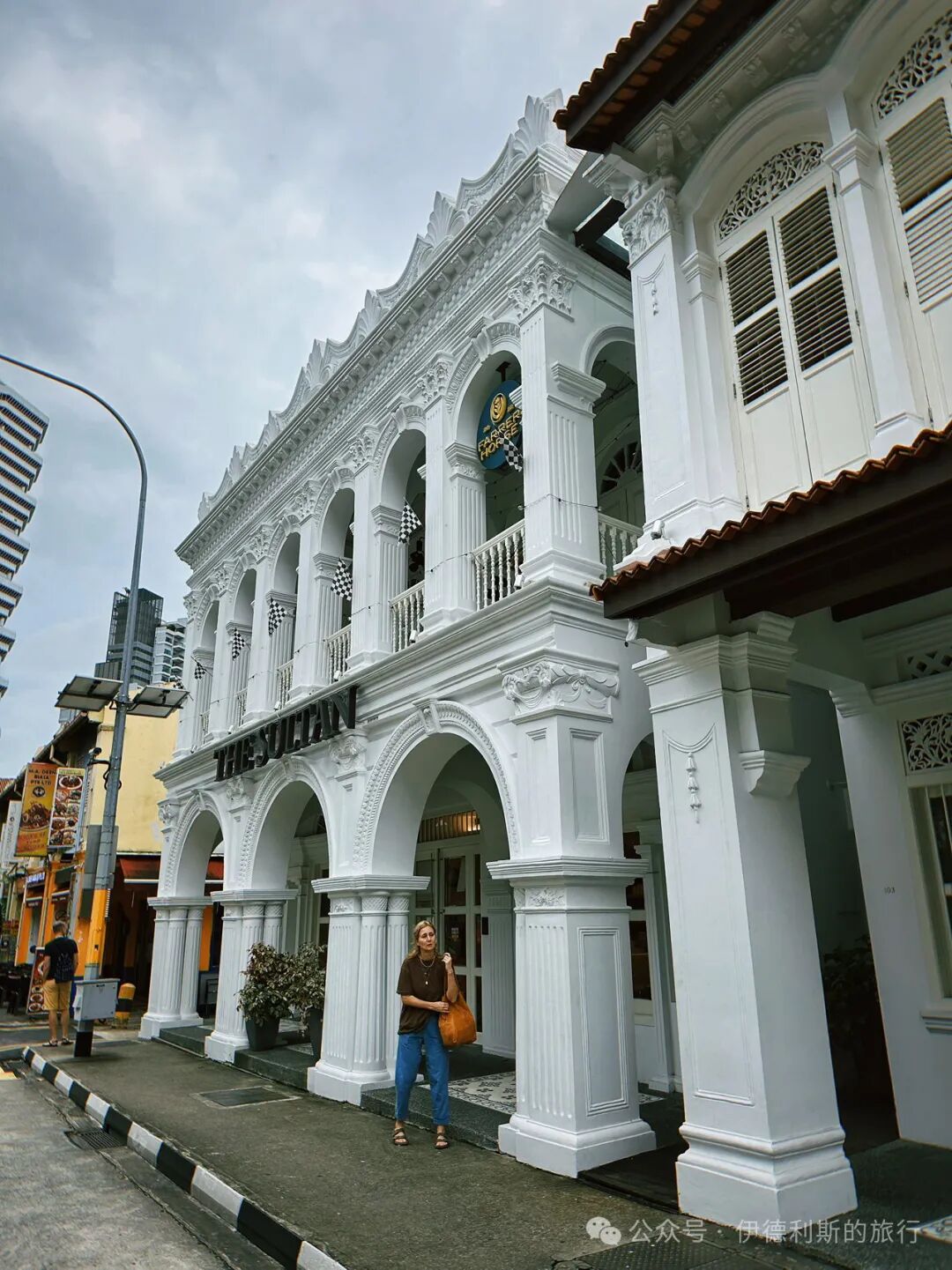
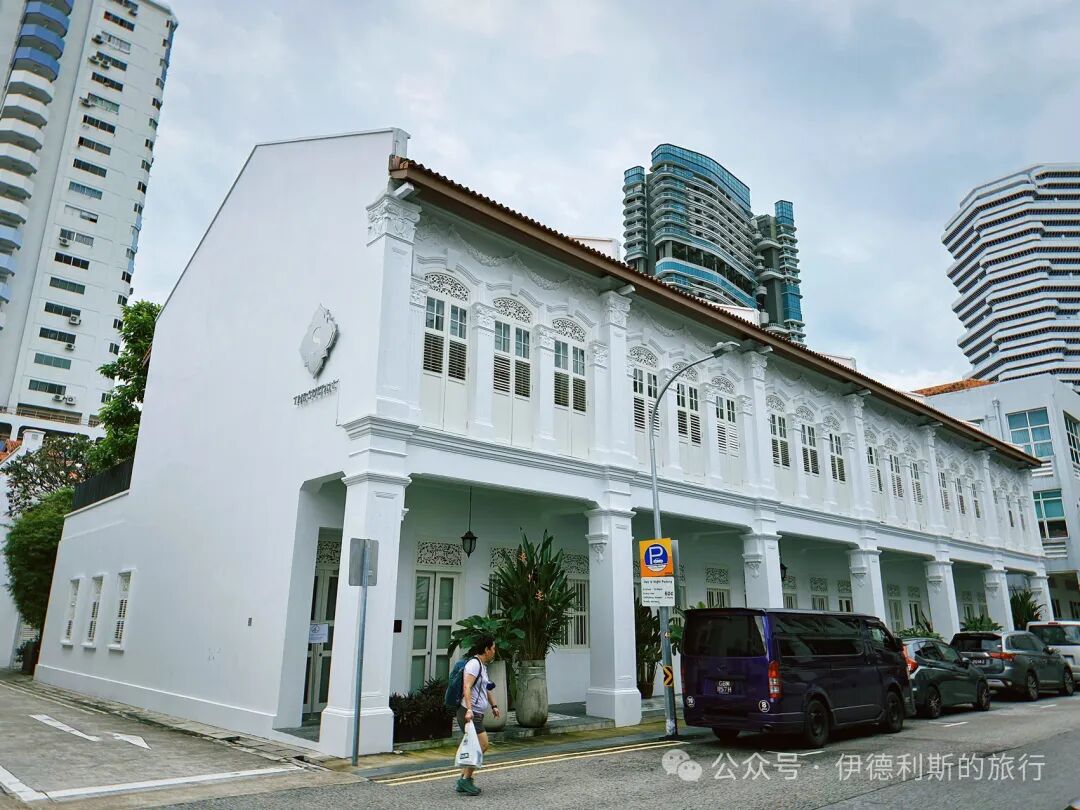
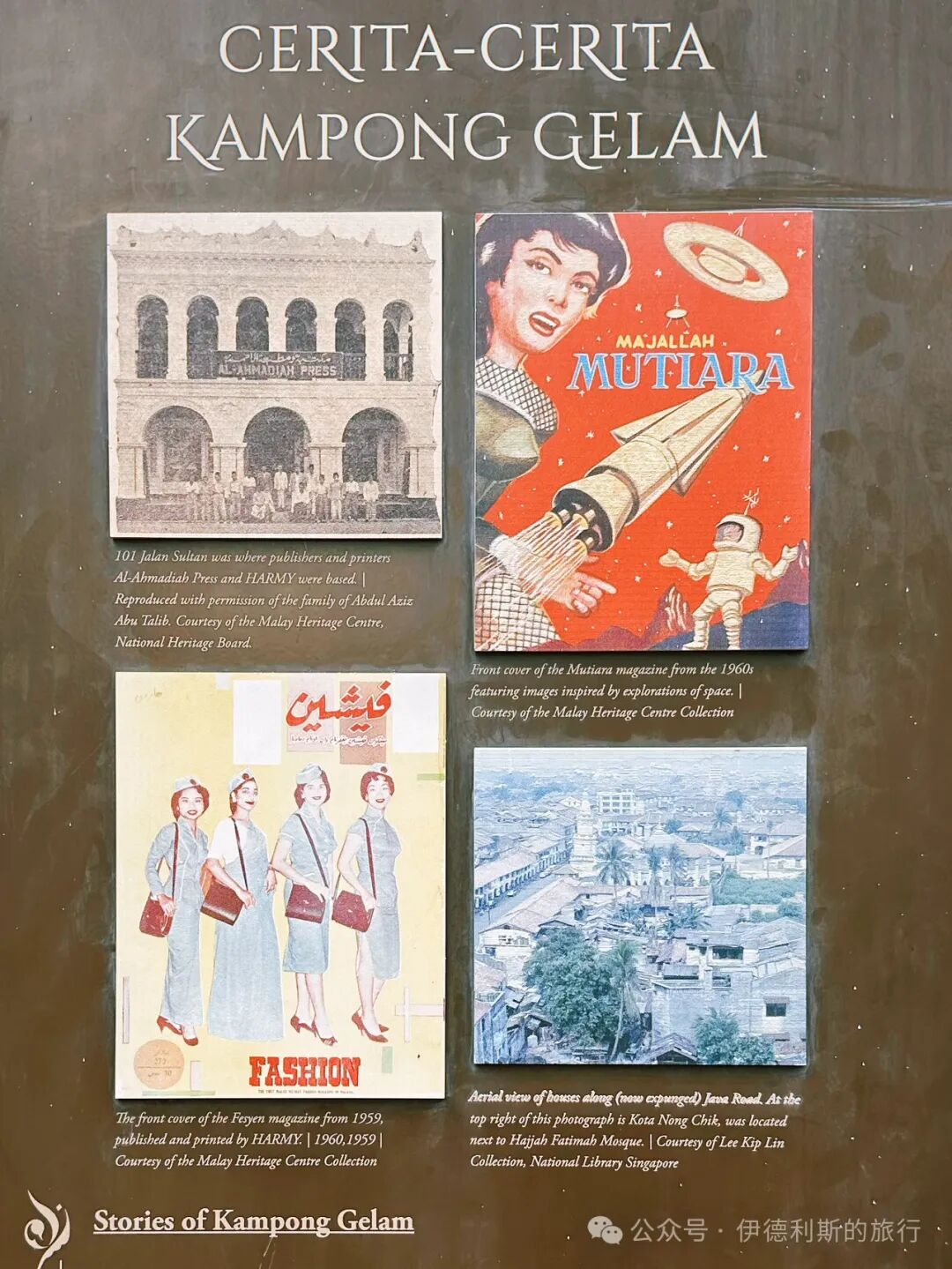
To the east of the Kampong Glam palace is the former site of the Al-Ahmadiah Press, established in 1911. It is now the Sultan Hotel, but unfortunately, we did not stay there because the price was quite high. Ahmadiyyah Press was founded by Bugis-Malay nobles from the Riau region, including Raja Haji Ali Bin Raja Muhammad, a member of the Johor Sultanate royal family in the Riau Islands. Along with another publisher called HARMY, they printed many Malay-language books in Jawi script covering religion, language, and literature, and they also launched the first Malay women's magazine after World War II.
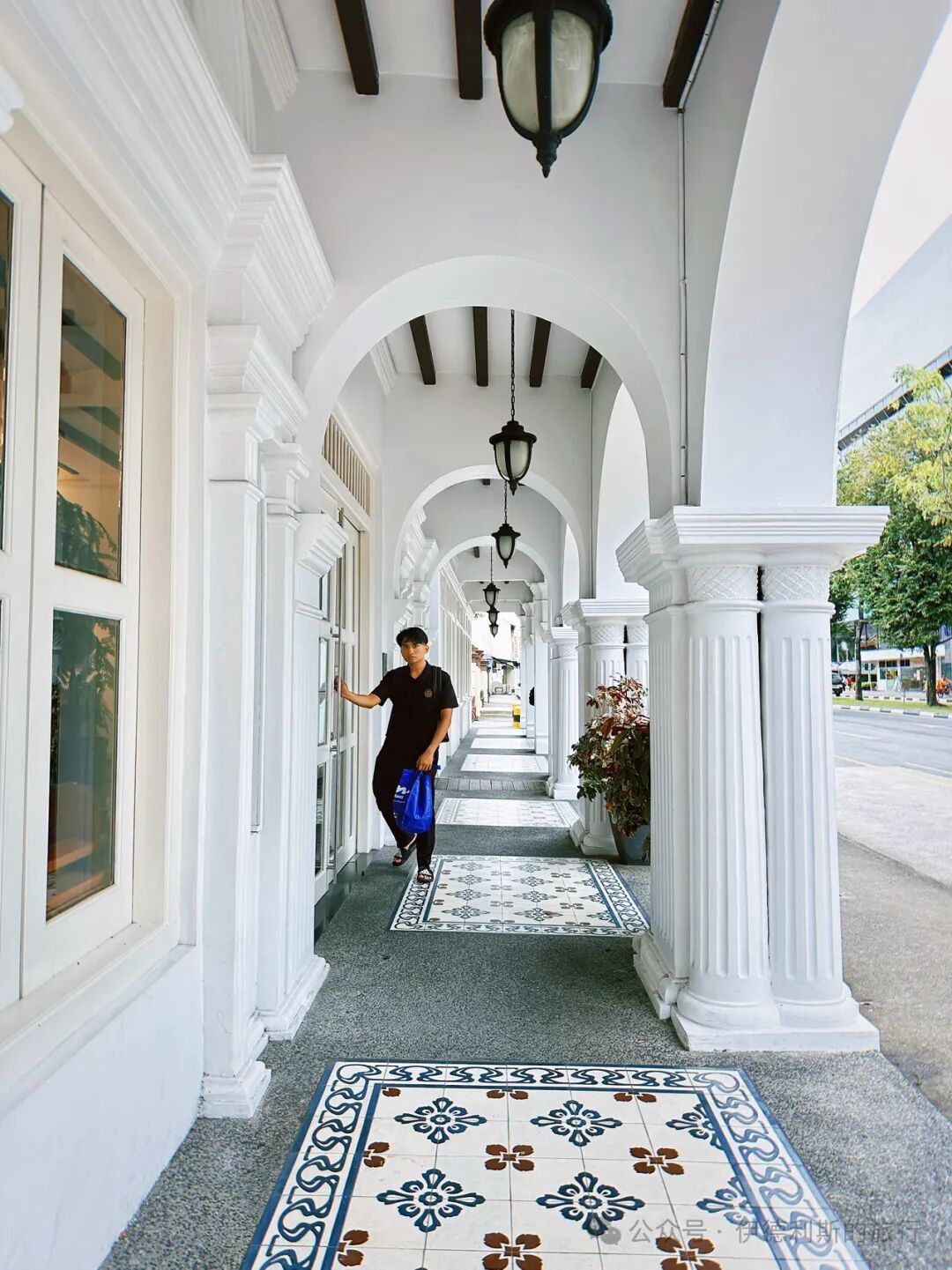
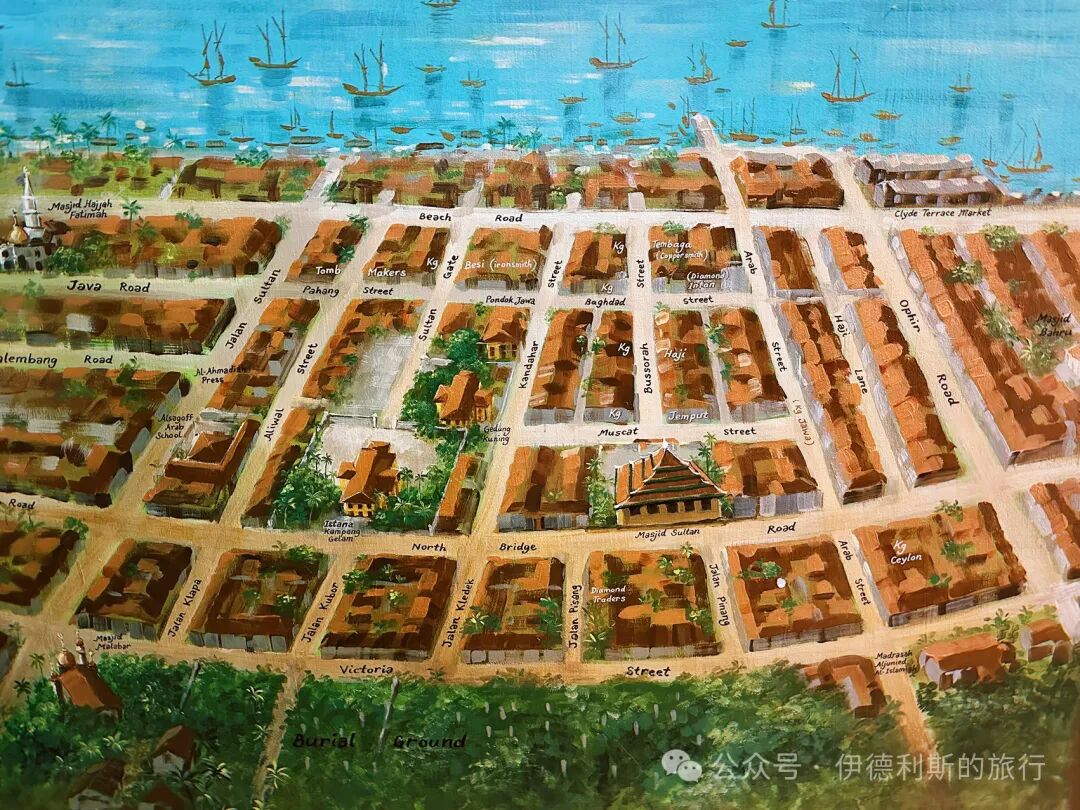
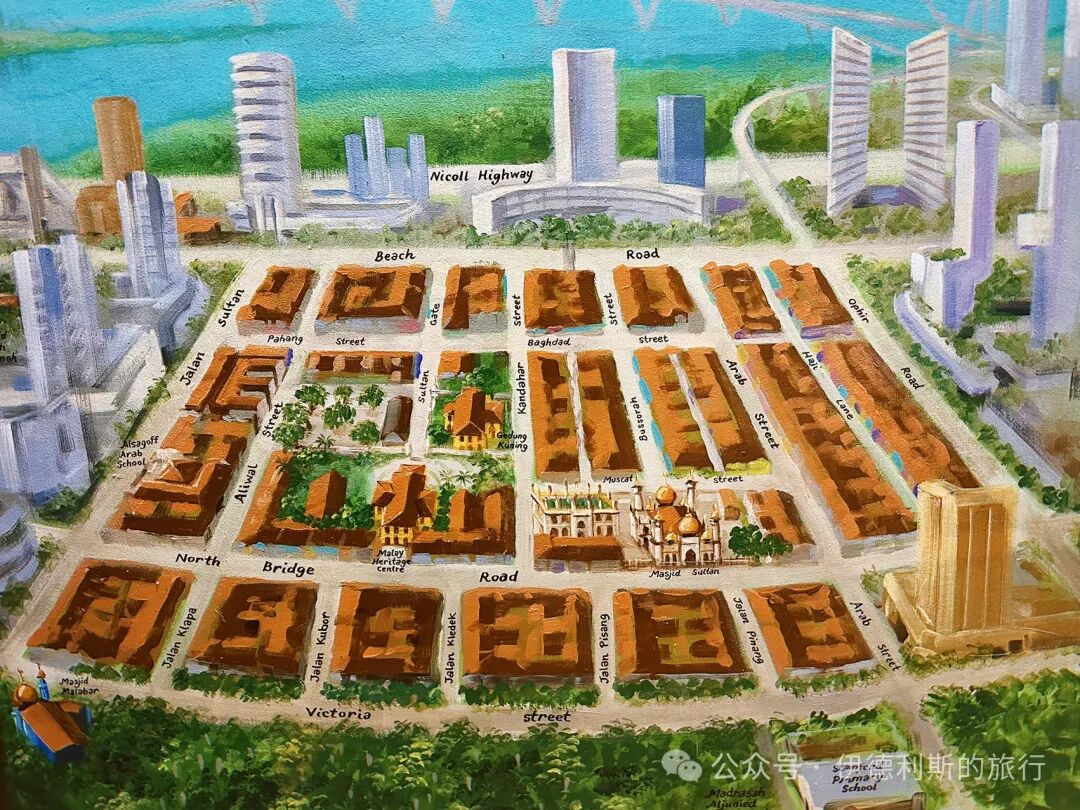
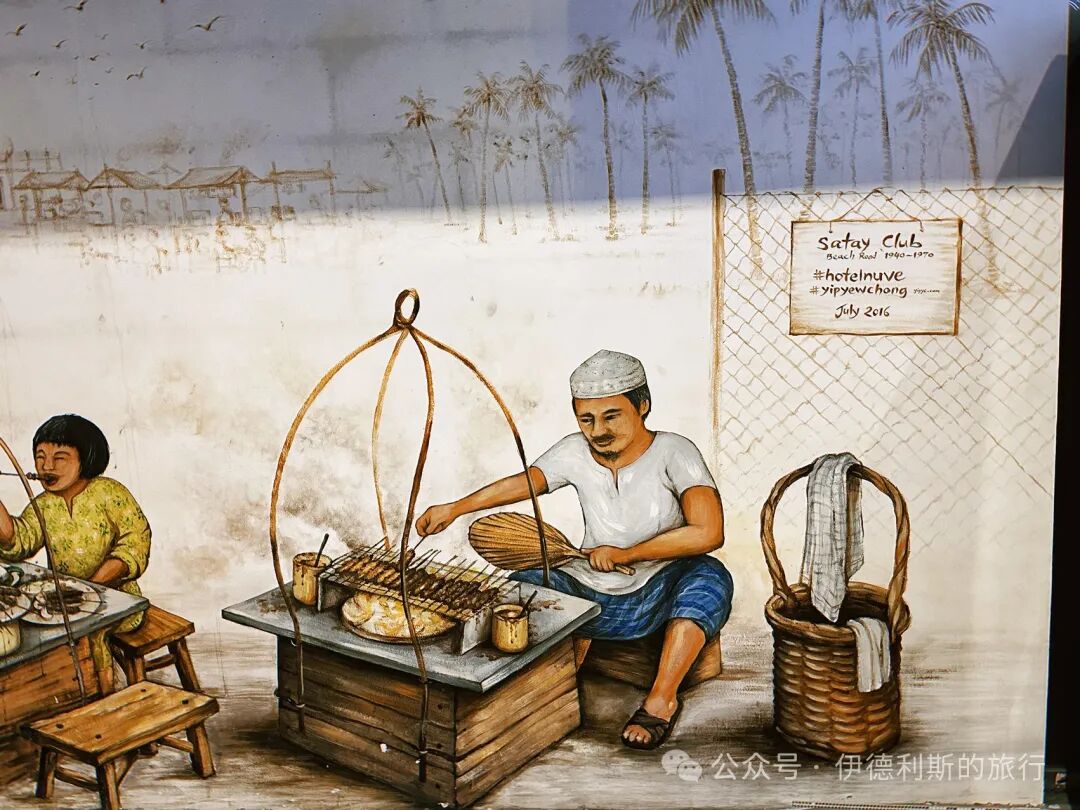
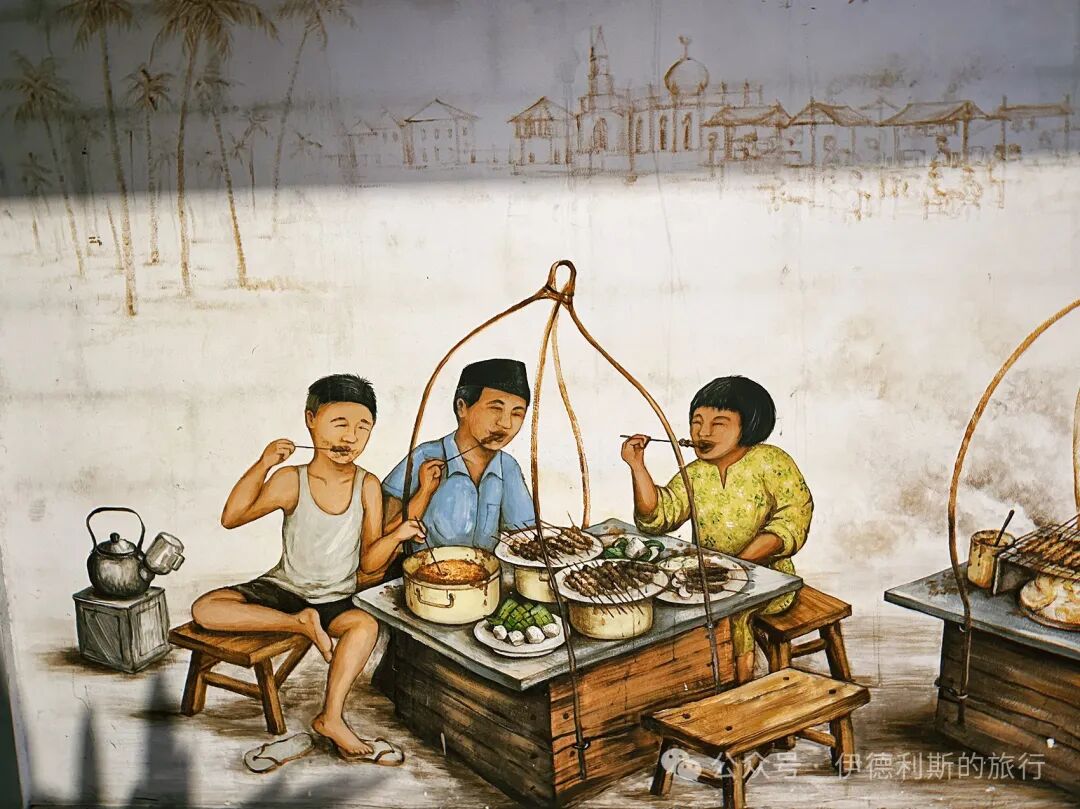
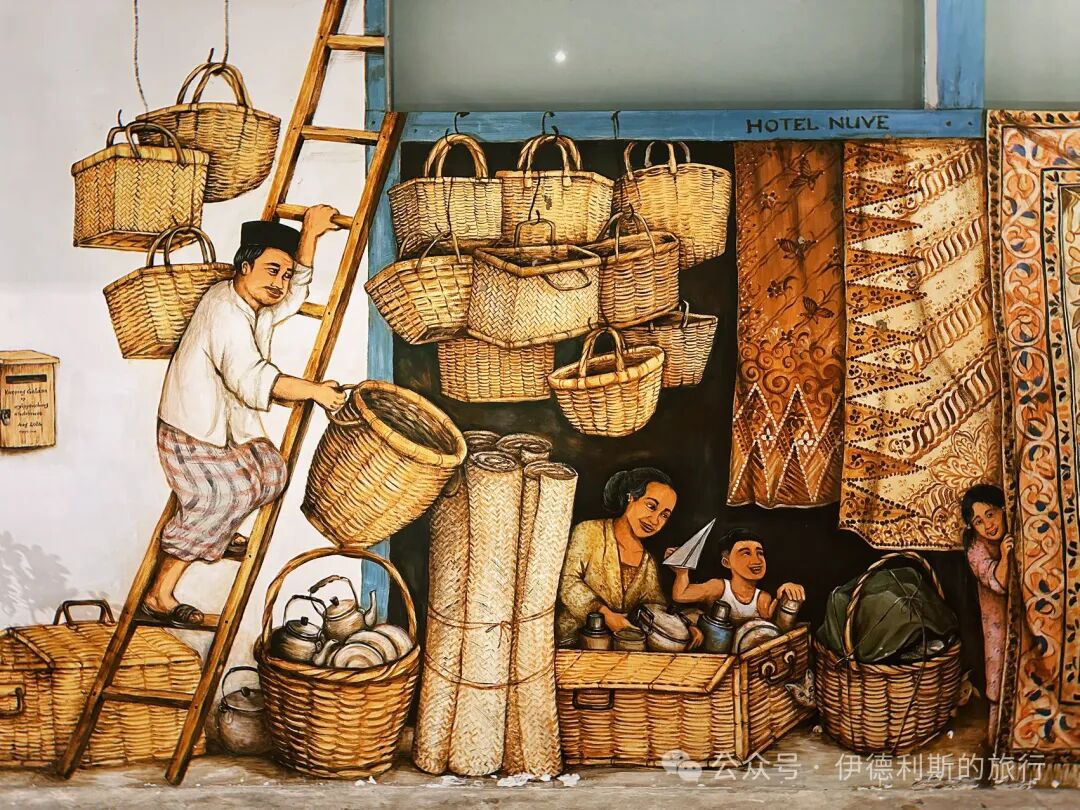
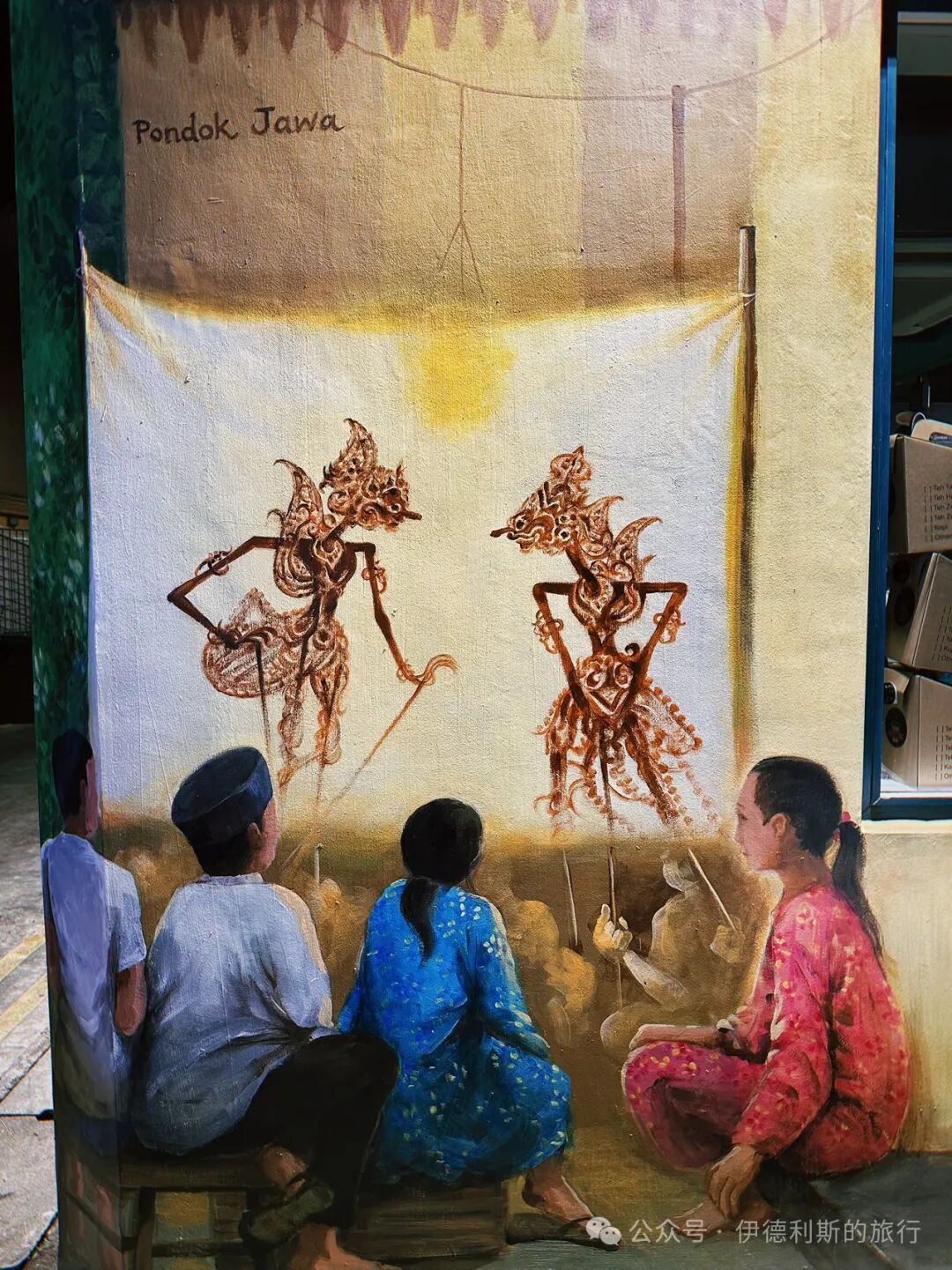
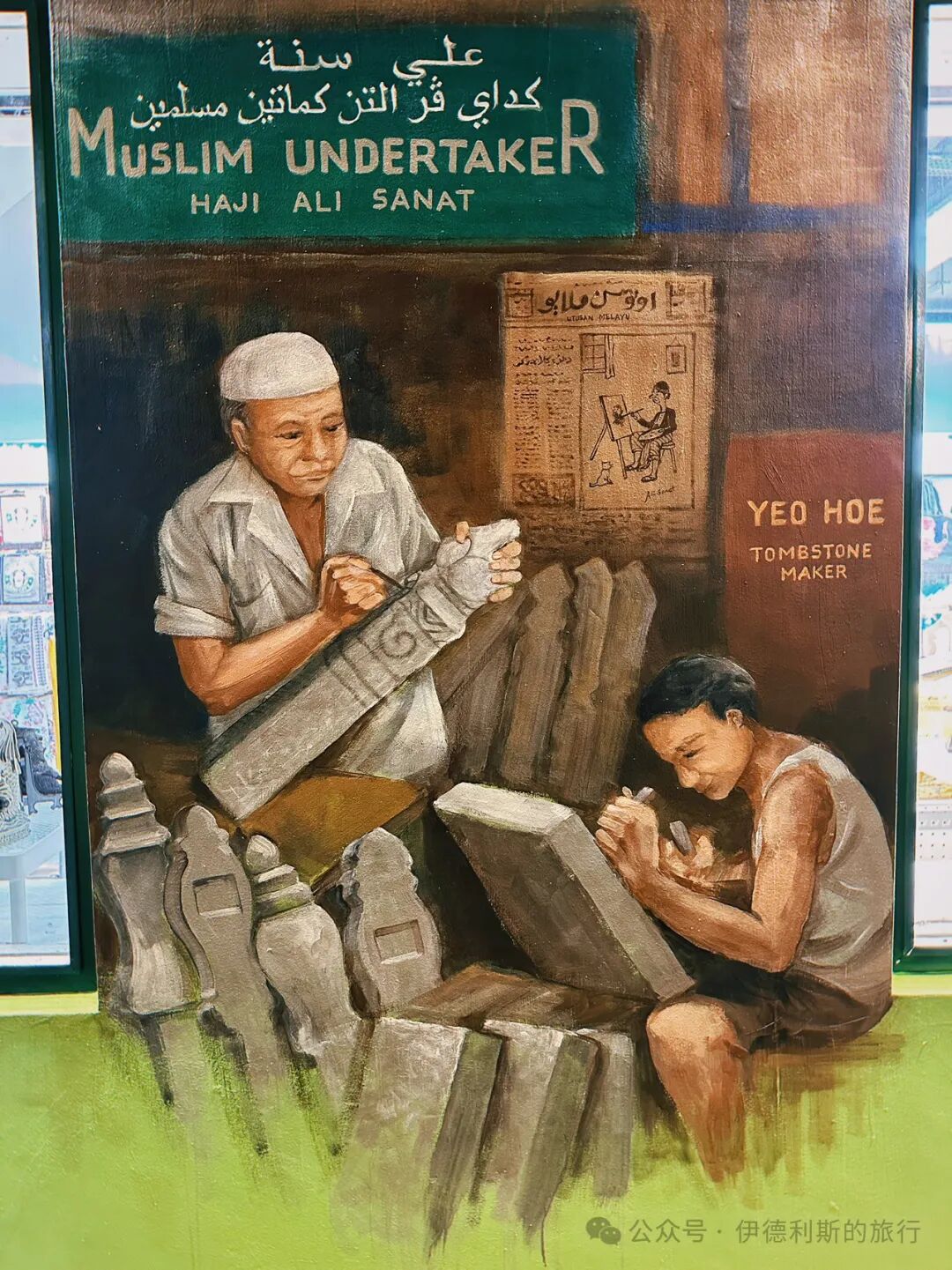
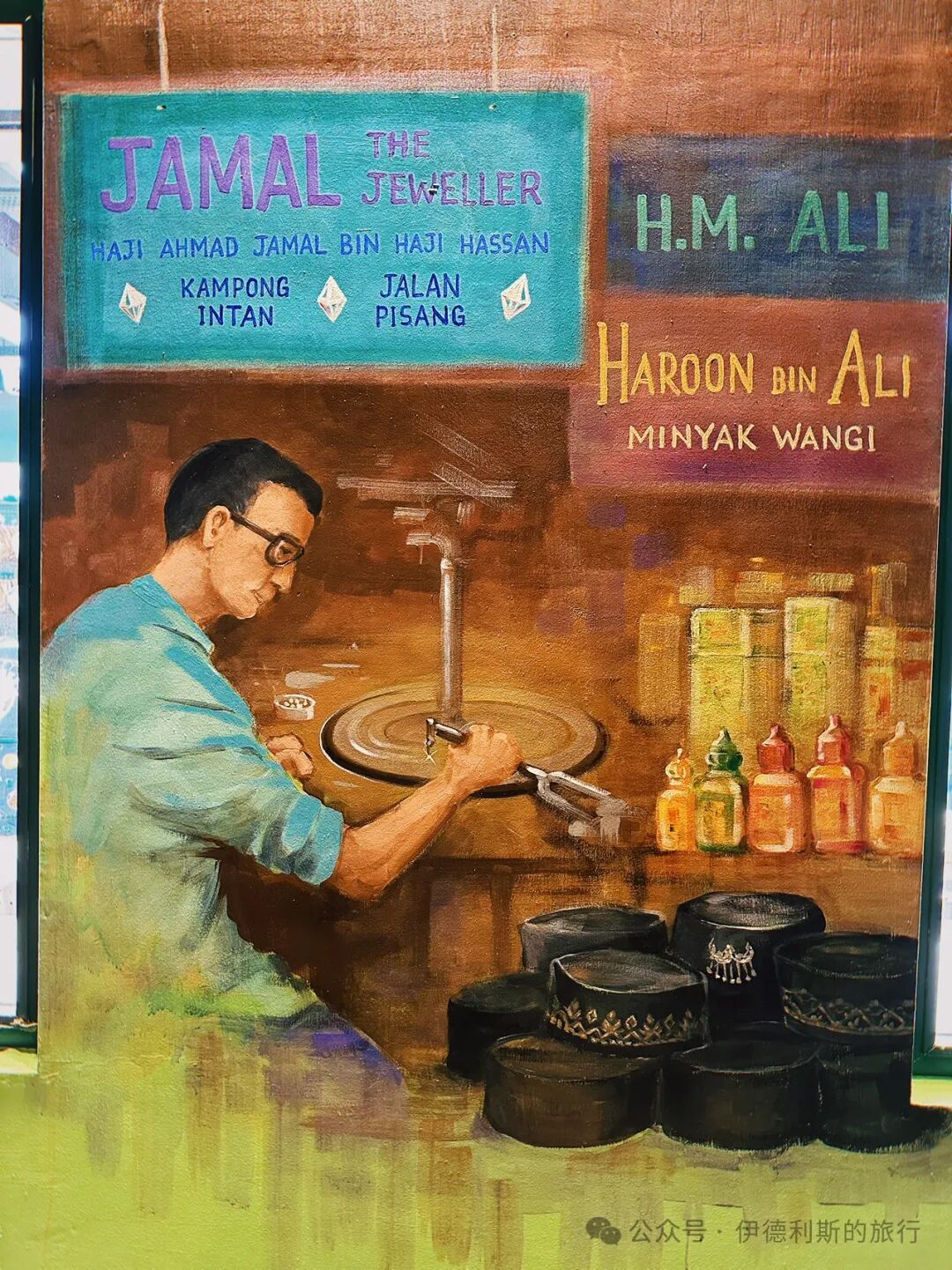
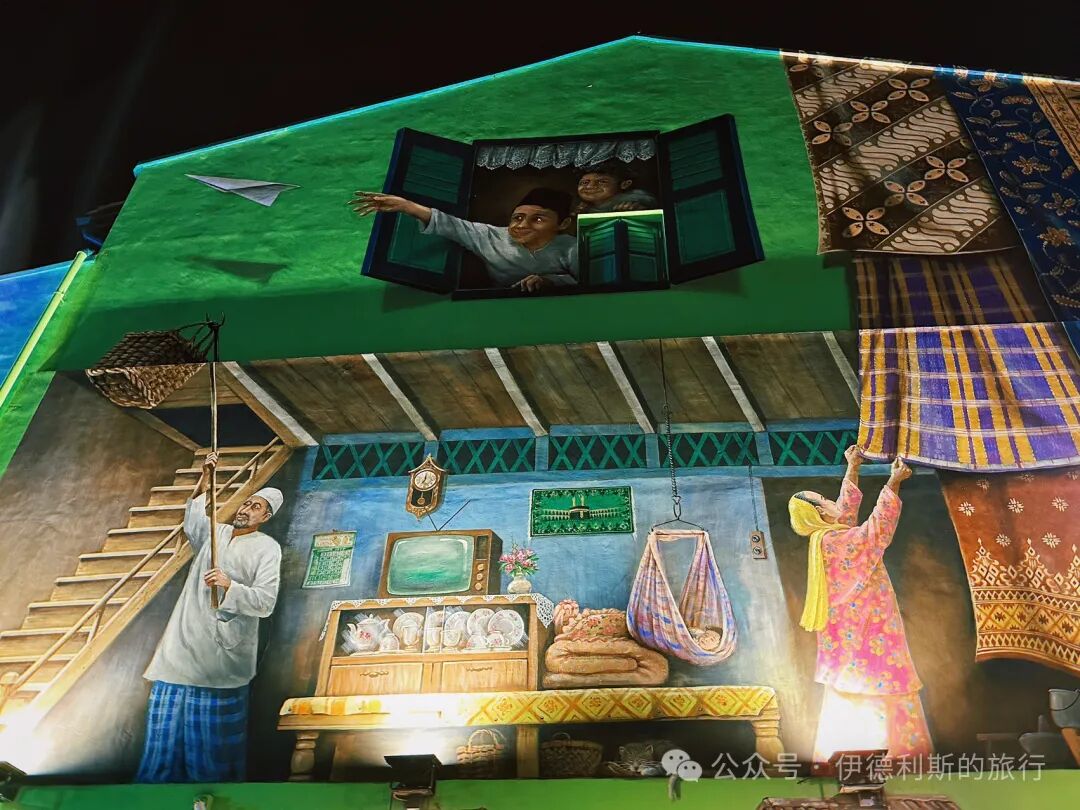
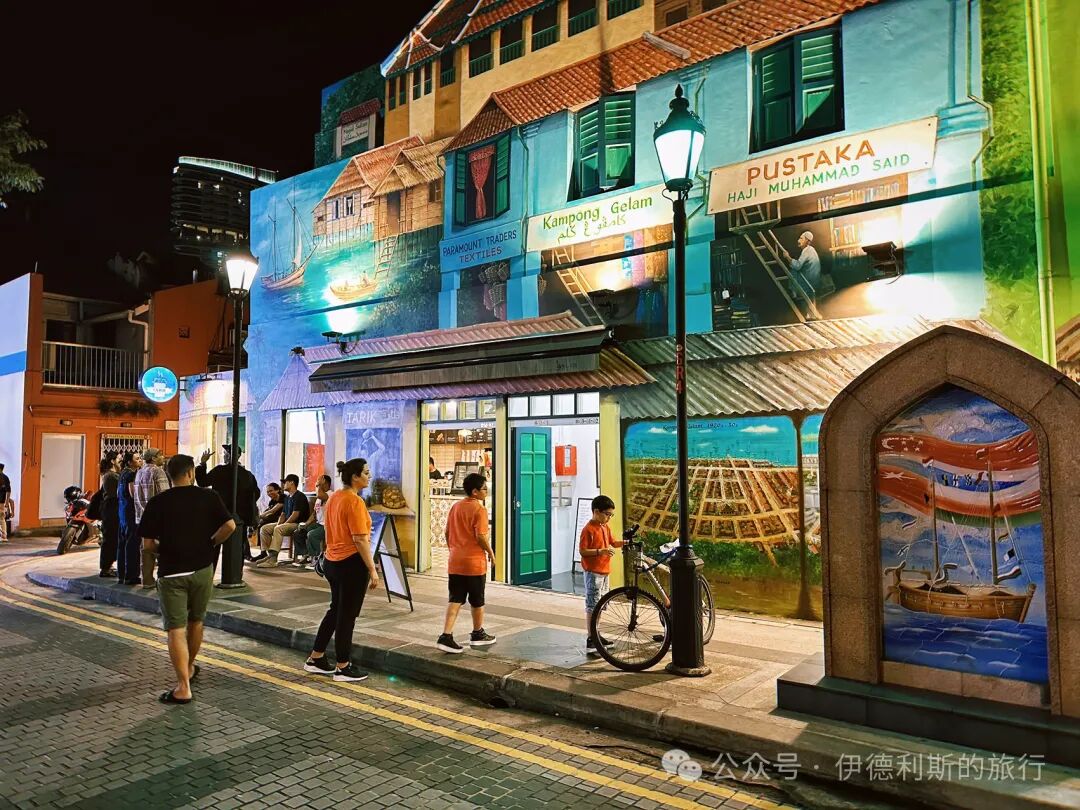
As Singapore's trade status grew in the early 20th century, Kampong Glam expanded its shophouses, and more Bugis, Minangkabau, and Javanese people arrived to make a living. Although most of their descendants have blended into the Singaporean Malay community, many of their original cultural traditions remain today. The streets of Kampong Glam feature many murals that show what life was like there a century ago. The first two images show a bird's-eye view comparison of Kampong Glam over the last century, while the others show scenes like eating satay skewers (satay), selling bamboo baskets, wayang shadow puppetry, making tombstones, and crafting songkok caps, with satay and wayang shadow puppetry being Javanese specialties.
Today, Kampong Glam still has several long-standing Padang rice (Nasi padang) restaurants, which represent the food culture of the Minangkabau people. The Minangkabau are a Malay-speaking group from the Minangkabau Highlands of Sumatra, and they are very closely related to the Malay people. The Minangkabau have always been known for their business skills and are one of the most mobile ethnic groups in Southeast Asia. More than half of the Minangkabau live outside of Sumatra, and many young people leave home in their teens to study or do business, believing that traveling far from home brings not only wealth and knowledge but also prestige and honor.
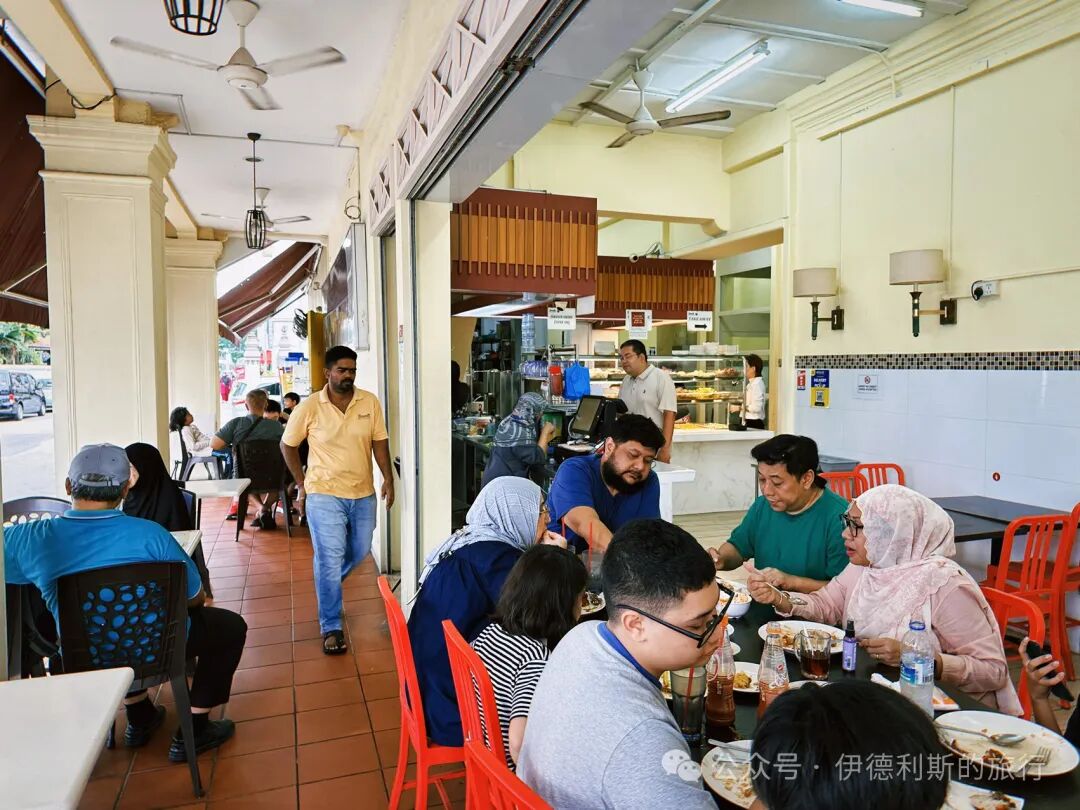
We visited Warong Nasi Pariaman, a Padang rice restaurant on North Bridge Road in Kampong Glam that opened in 1948. The restaurant was founded by Isrin bin Ibrahim and his wife Rosna binte Zainal Abidin, who came from Pariaman in western Sumatra. They immigrated to Singapore in the 1940s, started by selling Padang rice from a street stall, and rented their current shophouse in 1948, naming the restaurant after their hometown of Pariaman.
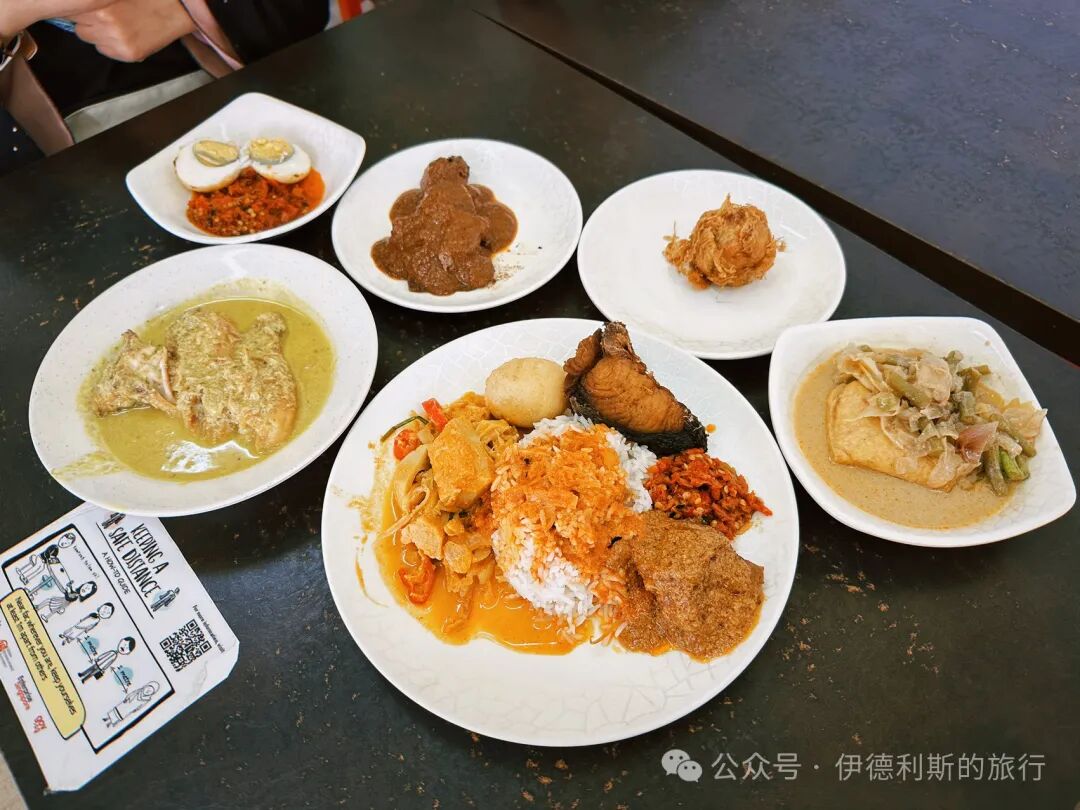
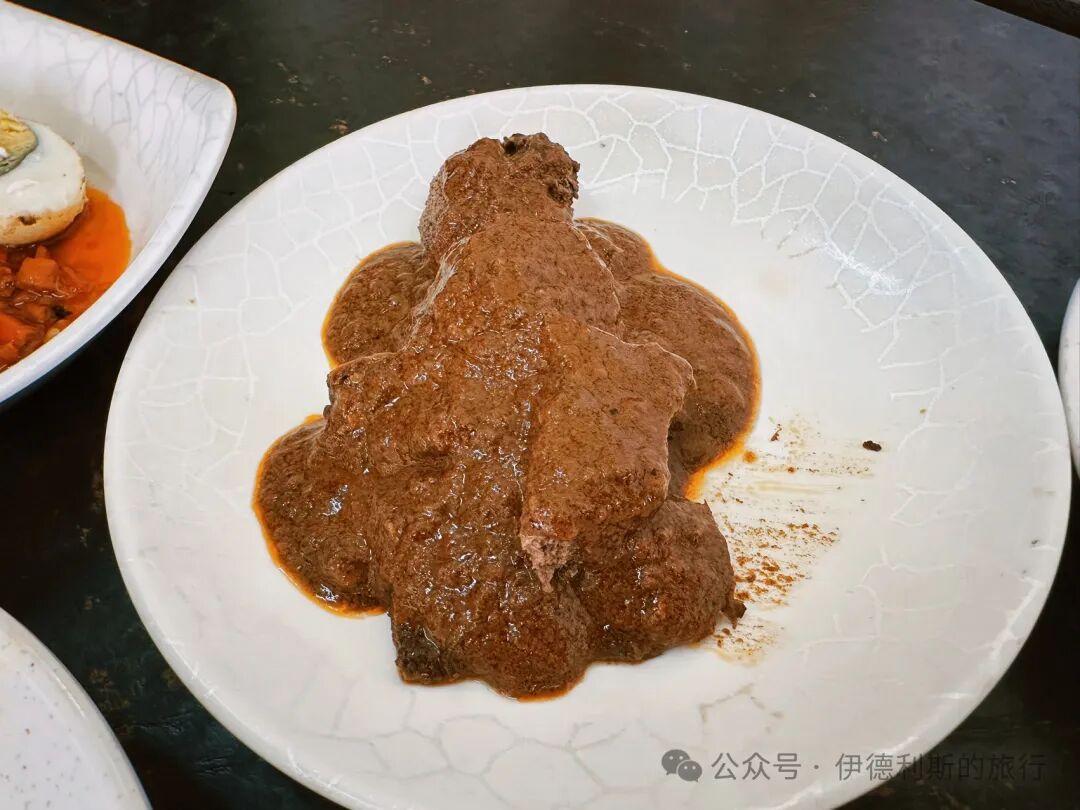
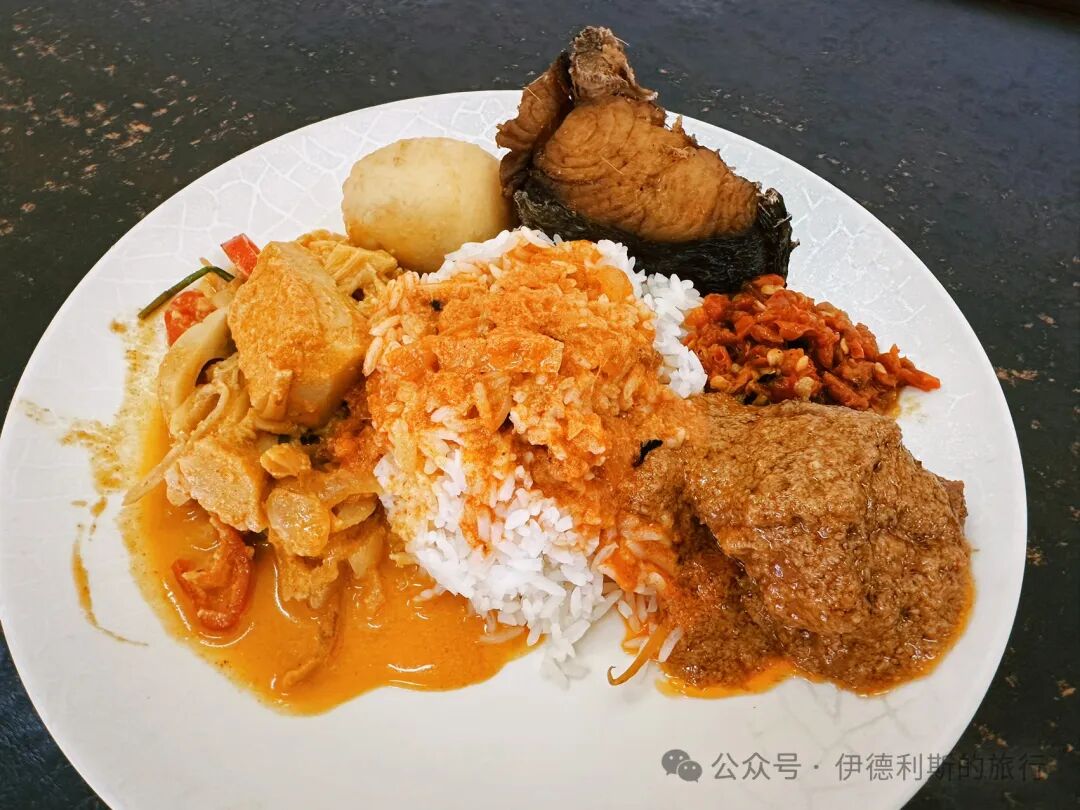
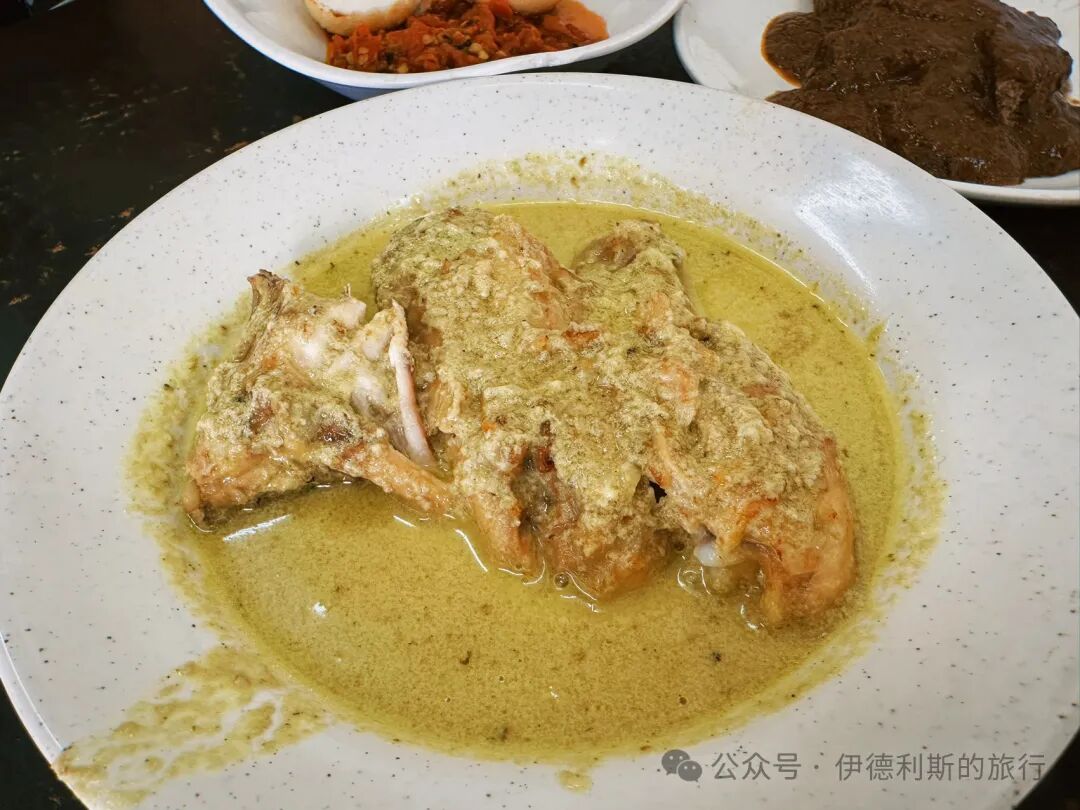
We ordered beef rendang (Rendang Kambing), fried fish (Ikan Goreng), boiled eggs in spicy balado sauce (Telur Rebus Balado), grilled chicken (Ayam Bakar), beef spleen (Limpa Lembu), tofu in coconut milk (Tahu Lemak Kachang), and fried mashed potato patties (Perkedel).
Rendang is the most classic Minangkabau dish, made by slowly simmering meat and various spices in coconut milk until all the liquid evaporates and the meat turns dark brown. Rendang originated from North Indian curry, brought to Sumatra by Indian traders in the 15th century, and was later developed by the Minangkabau from a soupy curry into the dry version known as rendang.
Balado is a classic Minangkabau spicy sauce made by stir-frying red chilies and other spices in coconut or palm oil, with added shallots, garlic, tomatoes, and the Southeast Asian specialty kaffir lime (arrow-leaf orange).
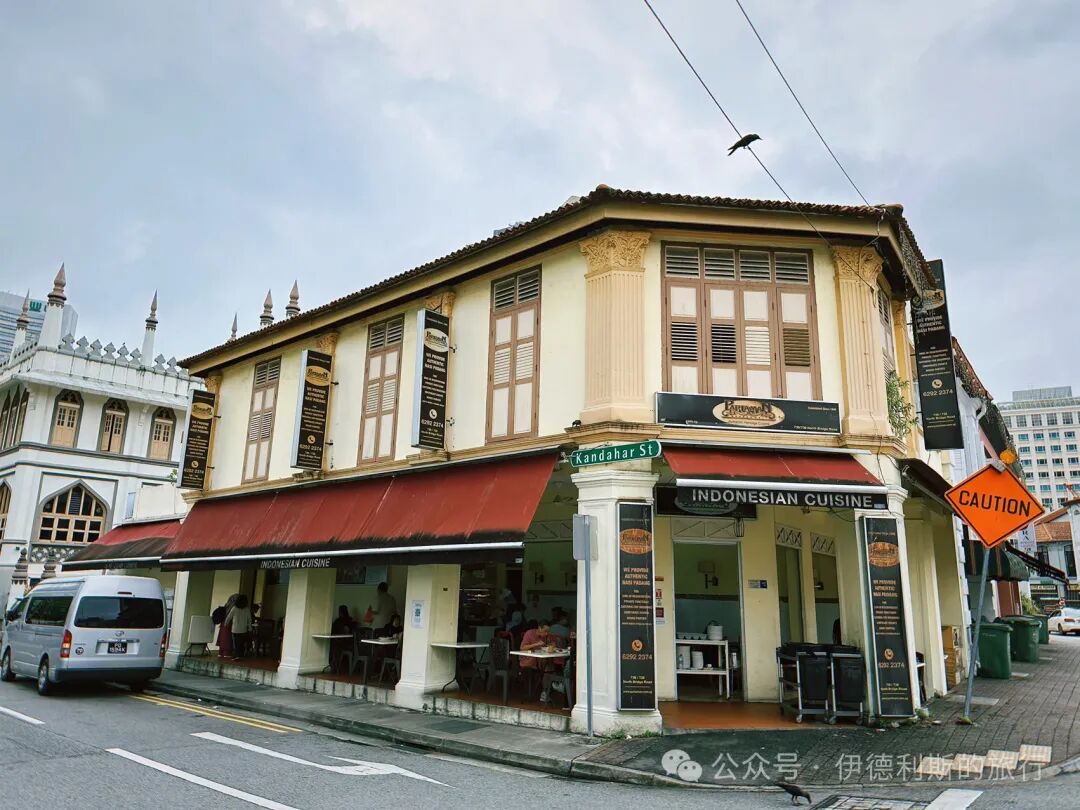
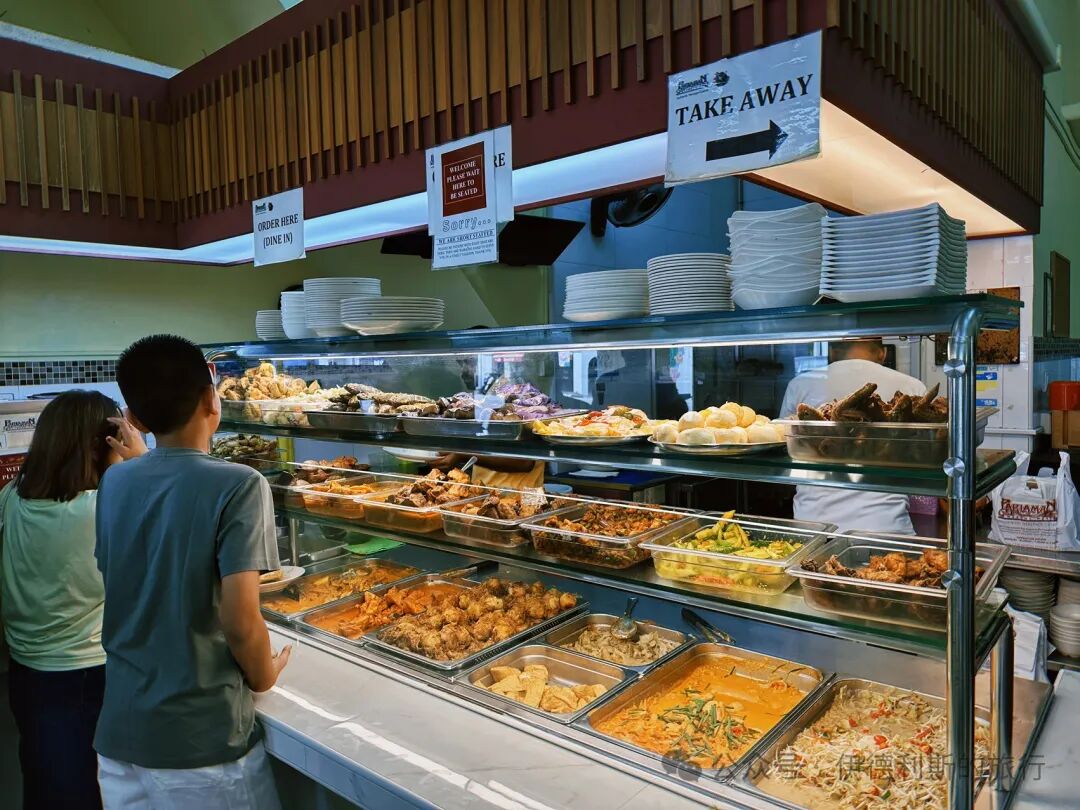
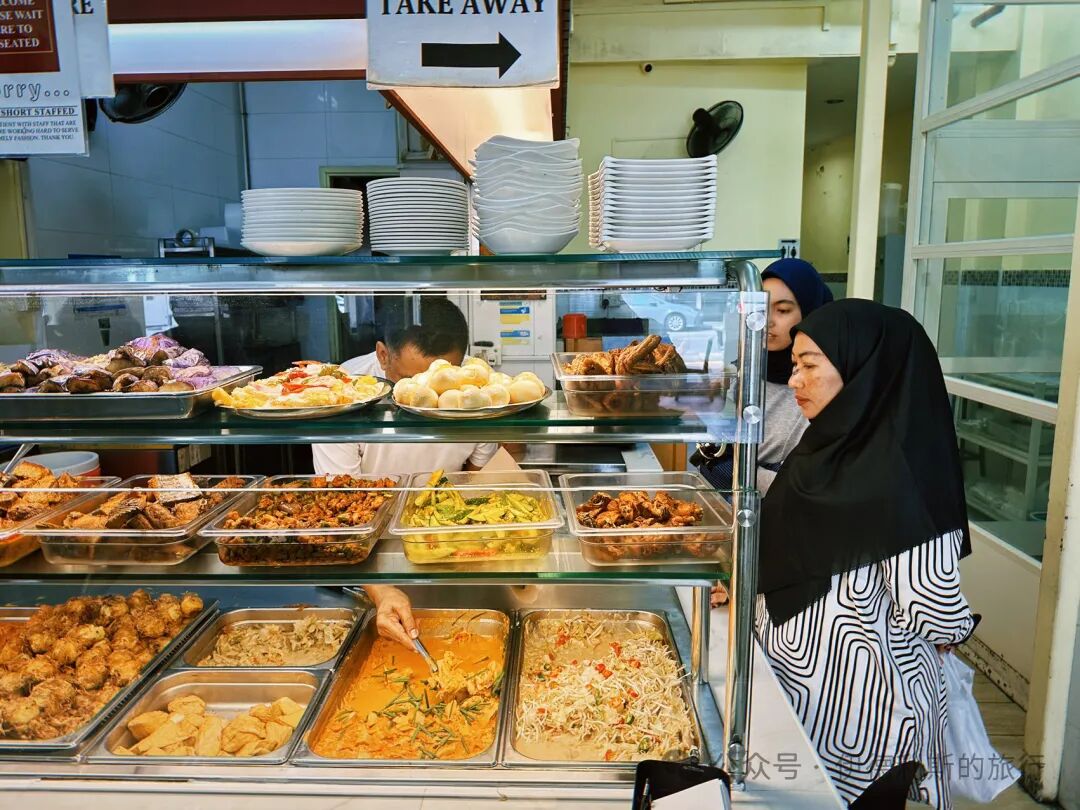
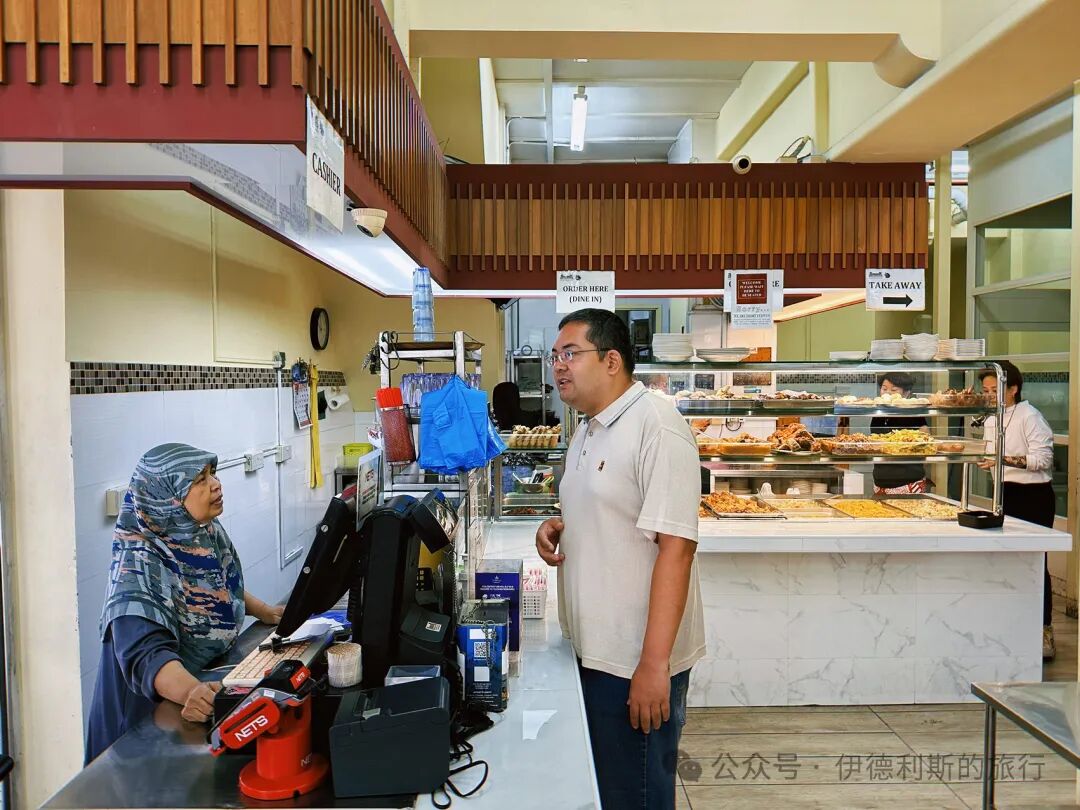
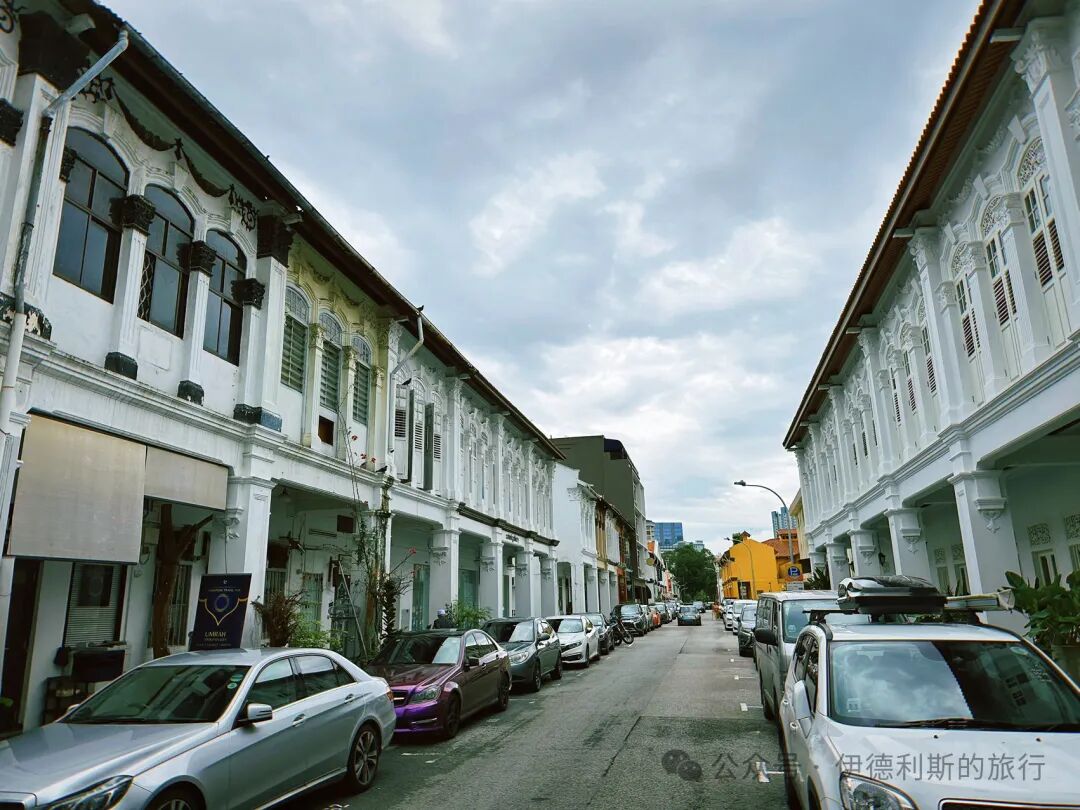
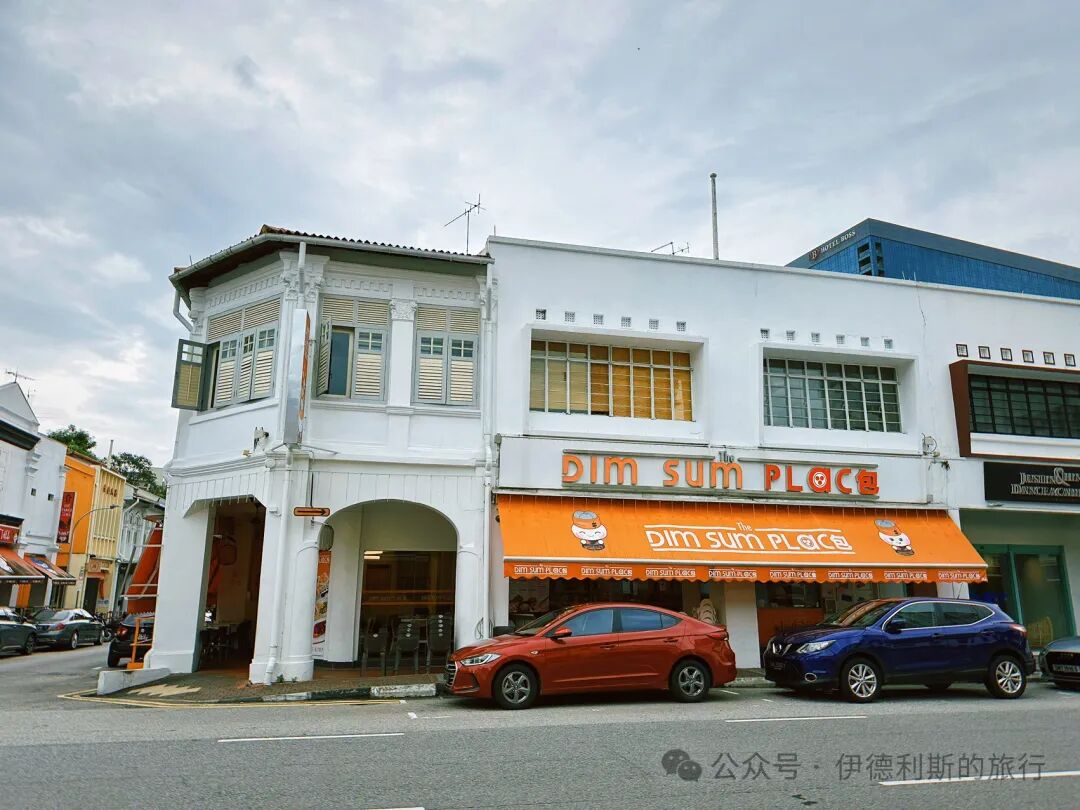
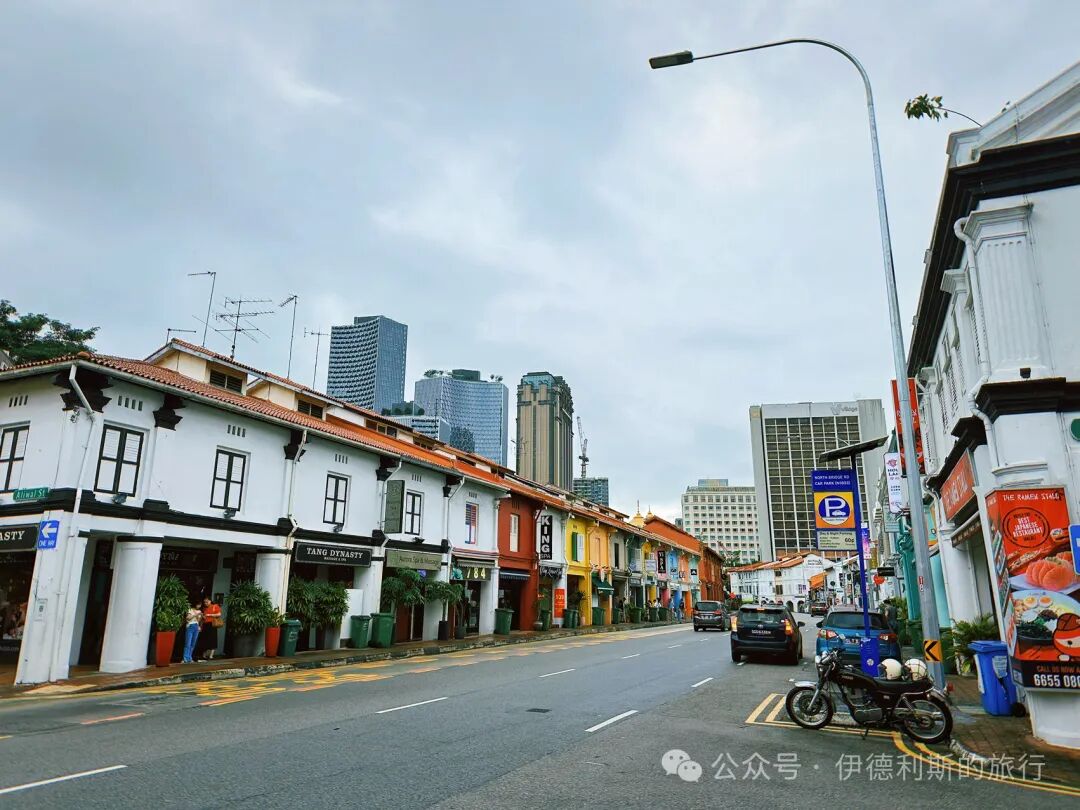
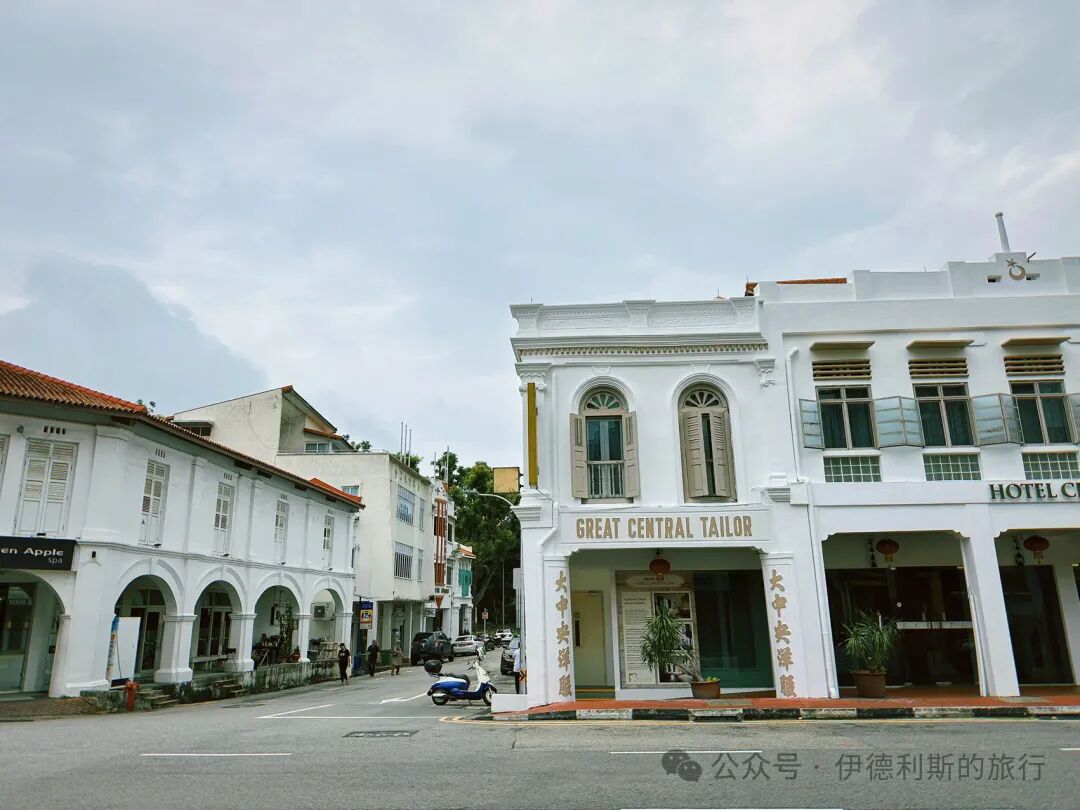
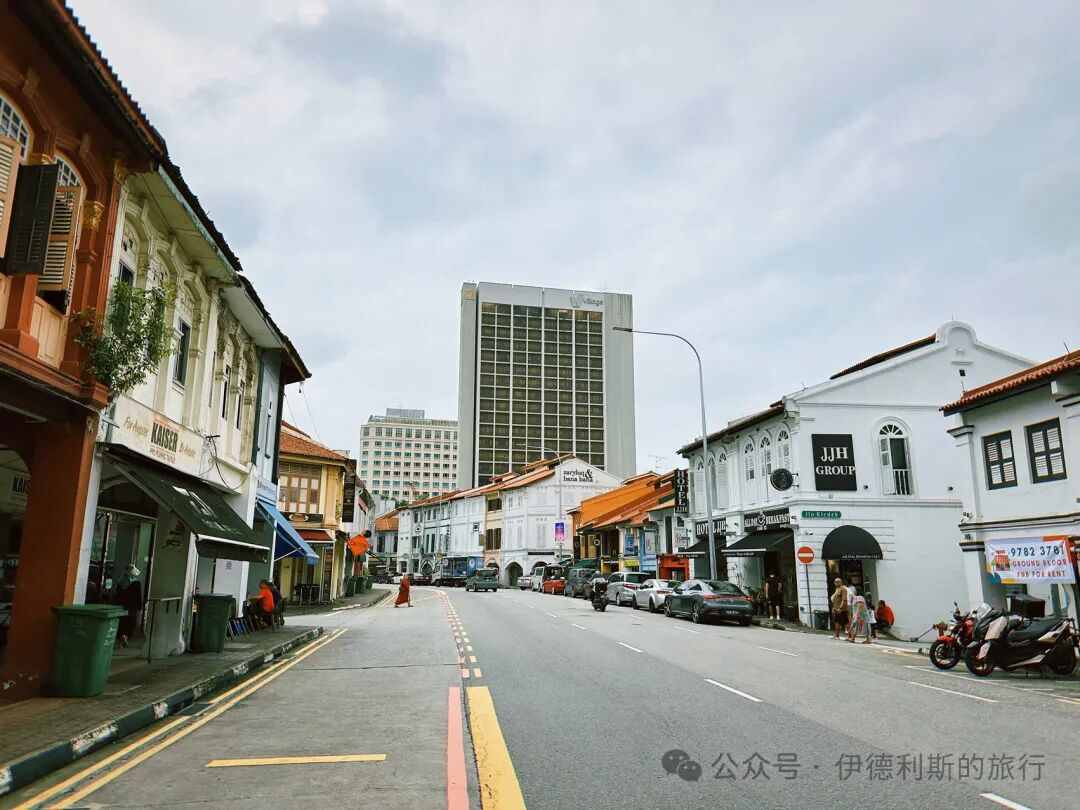
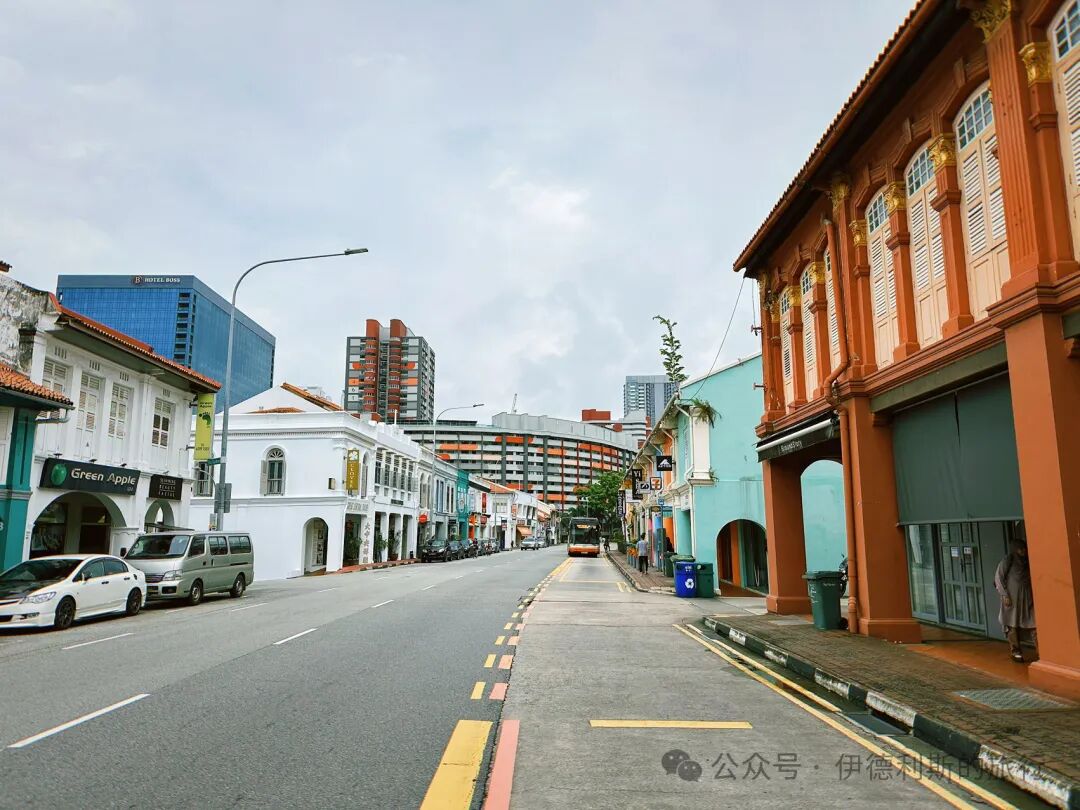
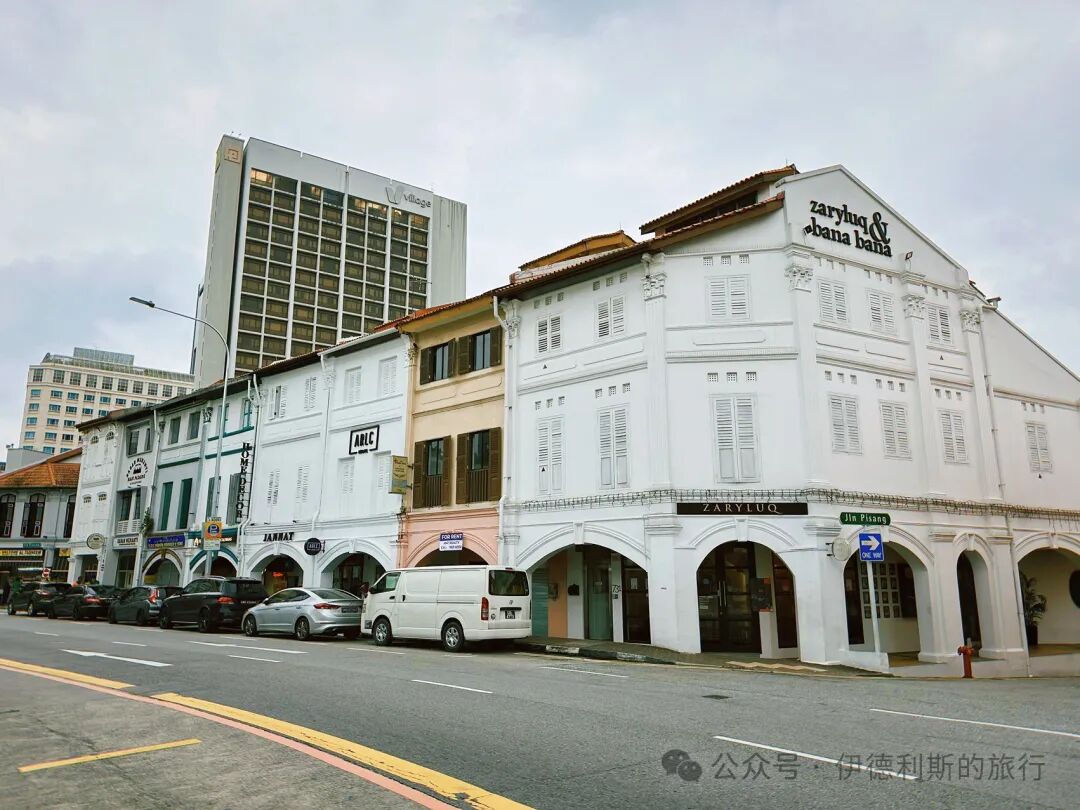
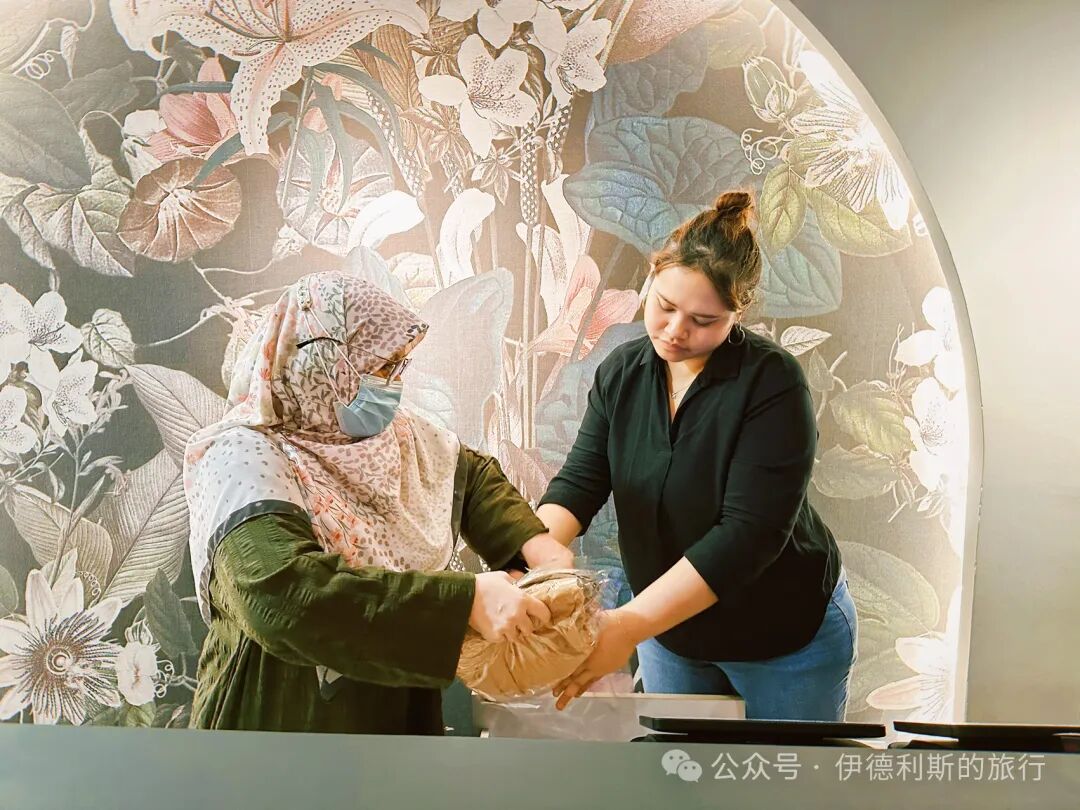
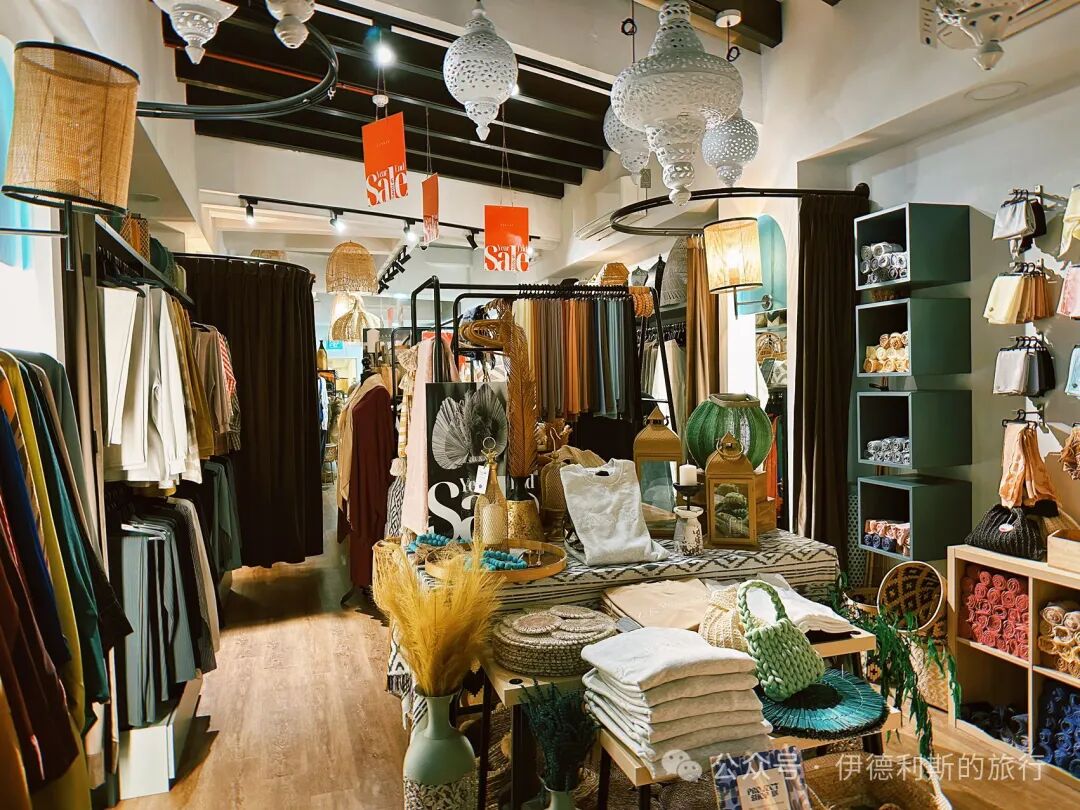
North Bridge Road is the main street in Kampong Glam. Built between 1833 and 1835 and once called the Great Horse Road, it is one of the oldest streets in Singapore. The street is lined with shophouses, including several century-old shops and small boutiques run by young Malay people. It is a great place to explore.
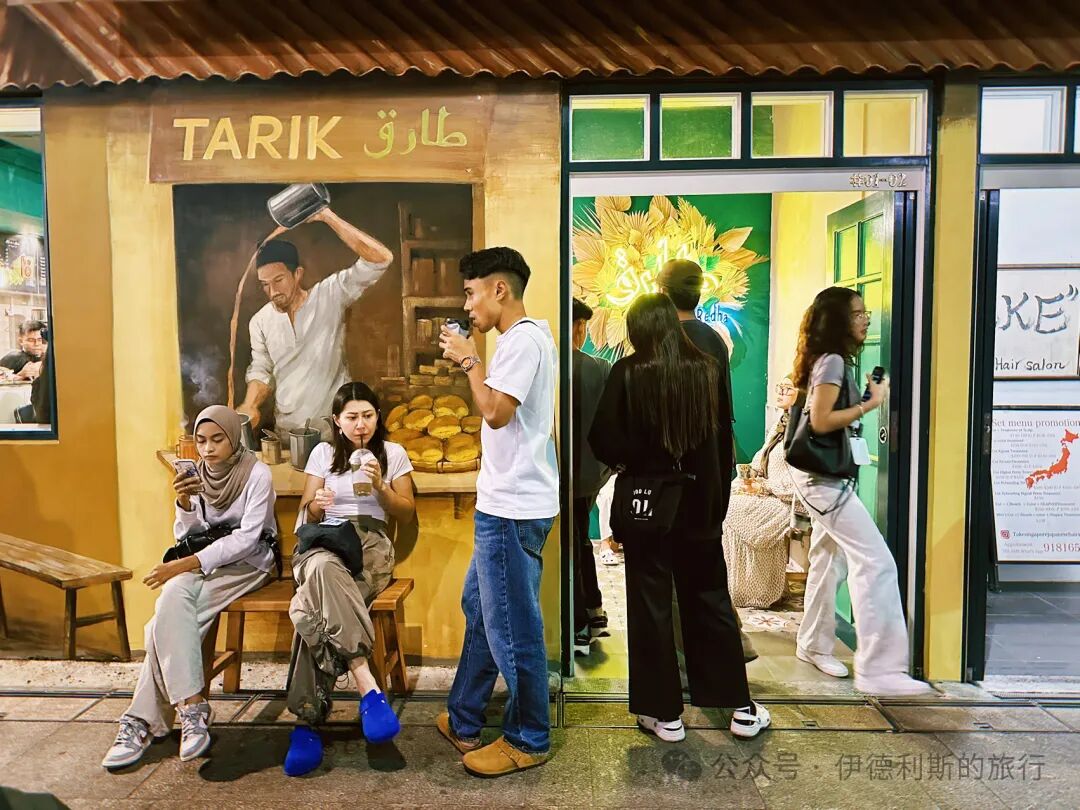
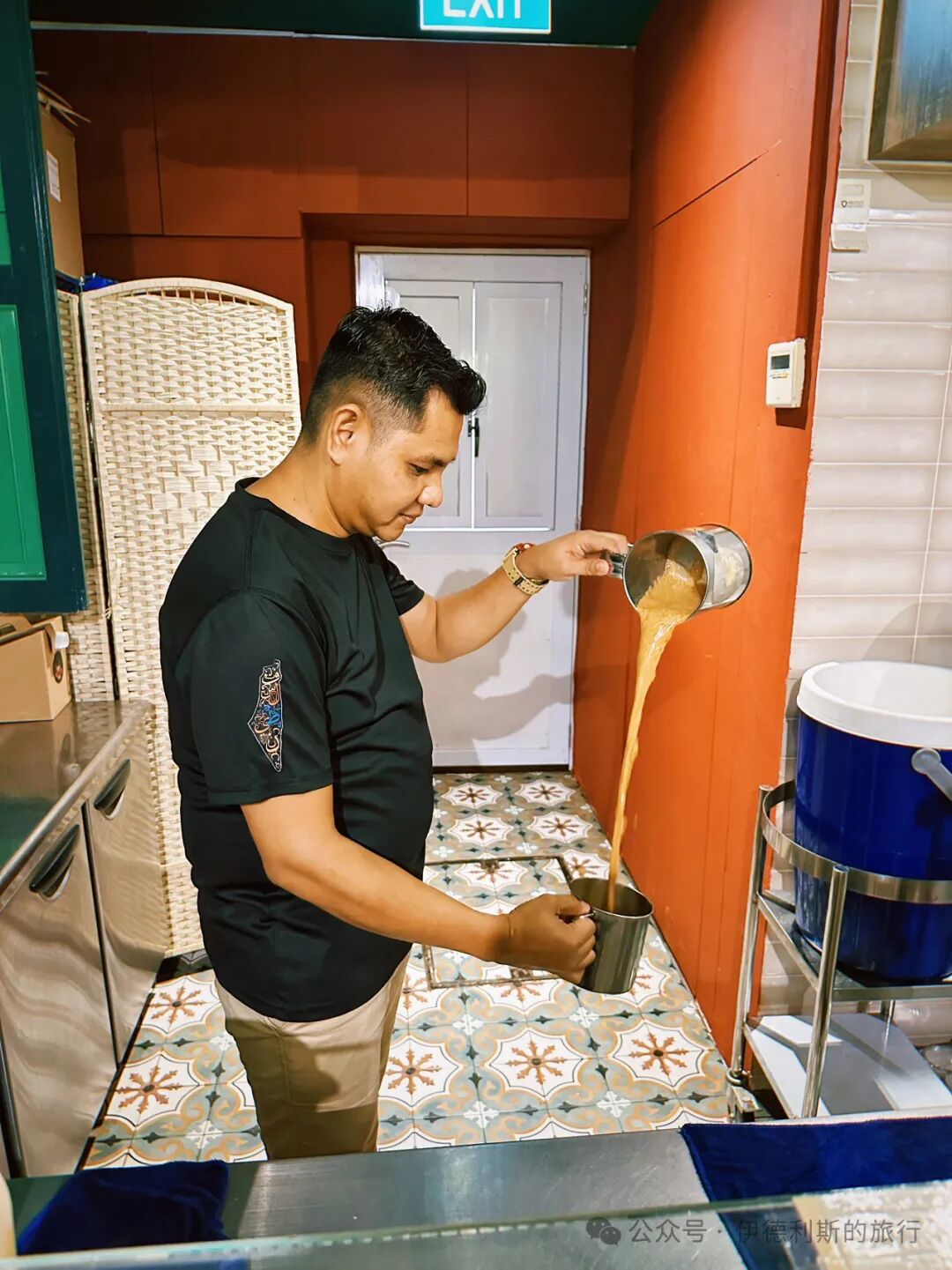
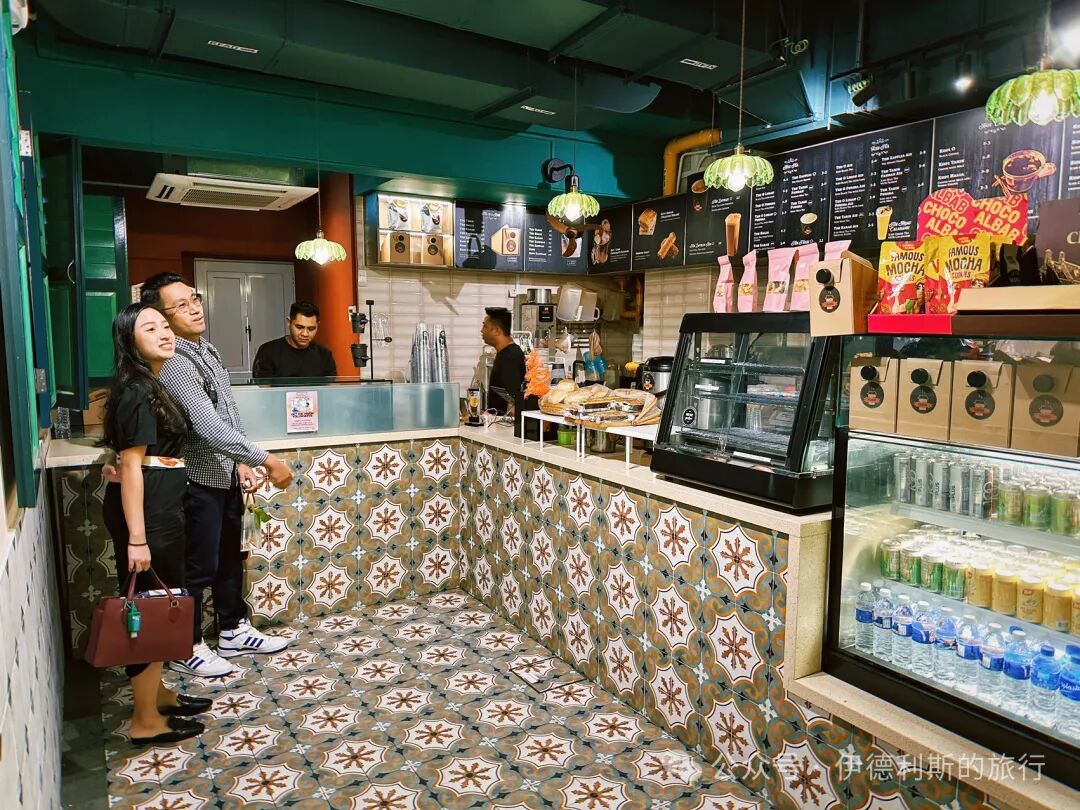
Stop by the Tarik tea shop next to the Sultan Mosque in Kampong Glam for a classic Nanyang pulled tea (Teh Tarik). Local Malay youth really love this shop. Tarik means pull in Malay. To make it, you mix black tea with condensed milk and pour it back and forth between two containers with your arms stretched out. This cools the tea and creates a frothy top.
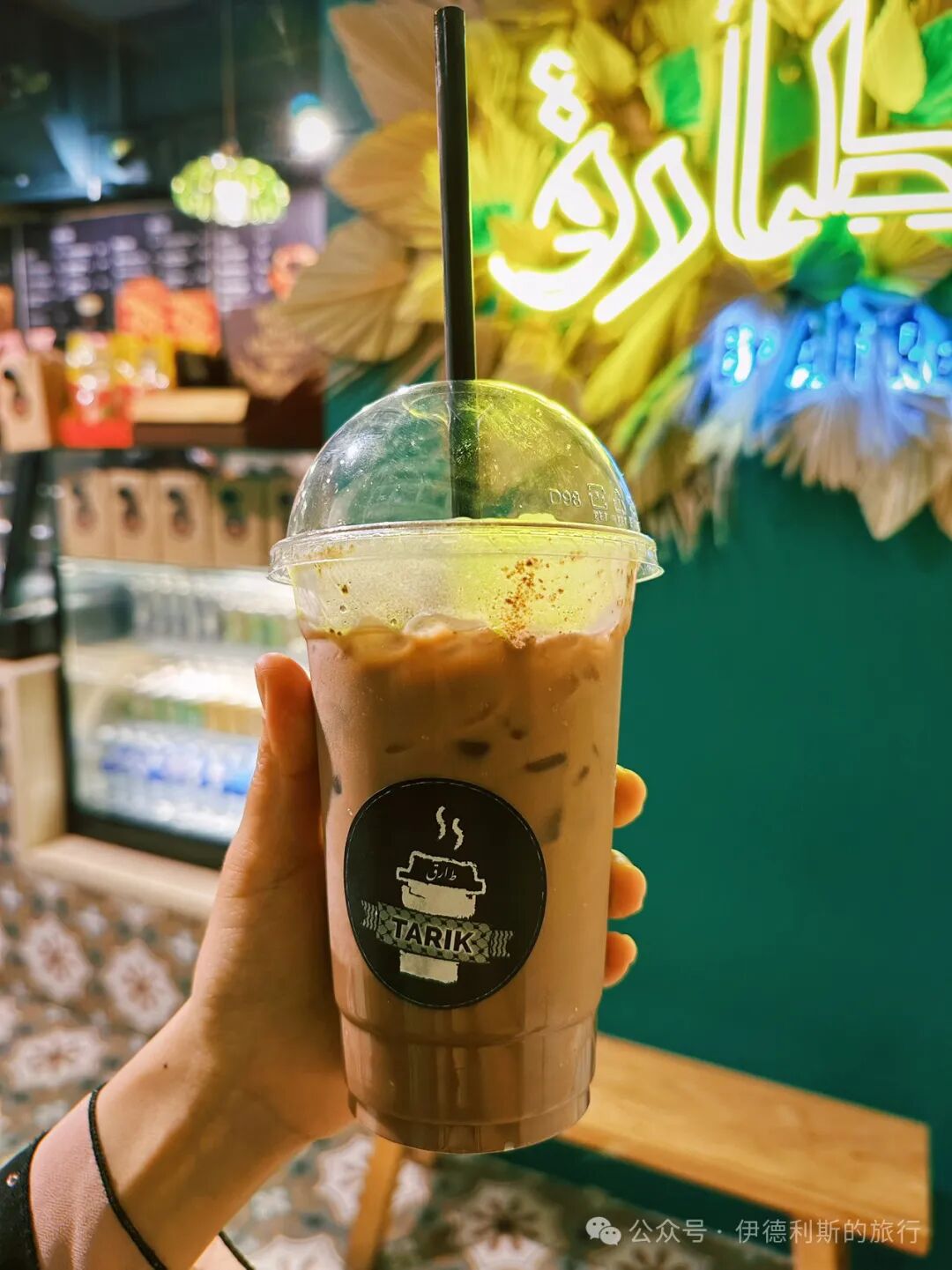
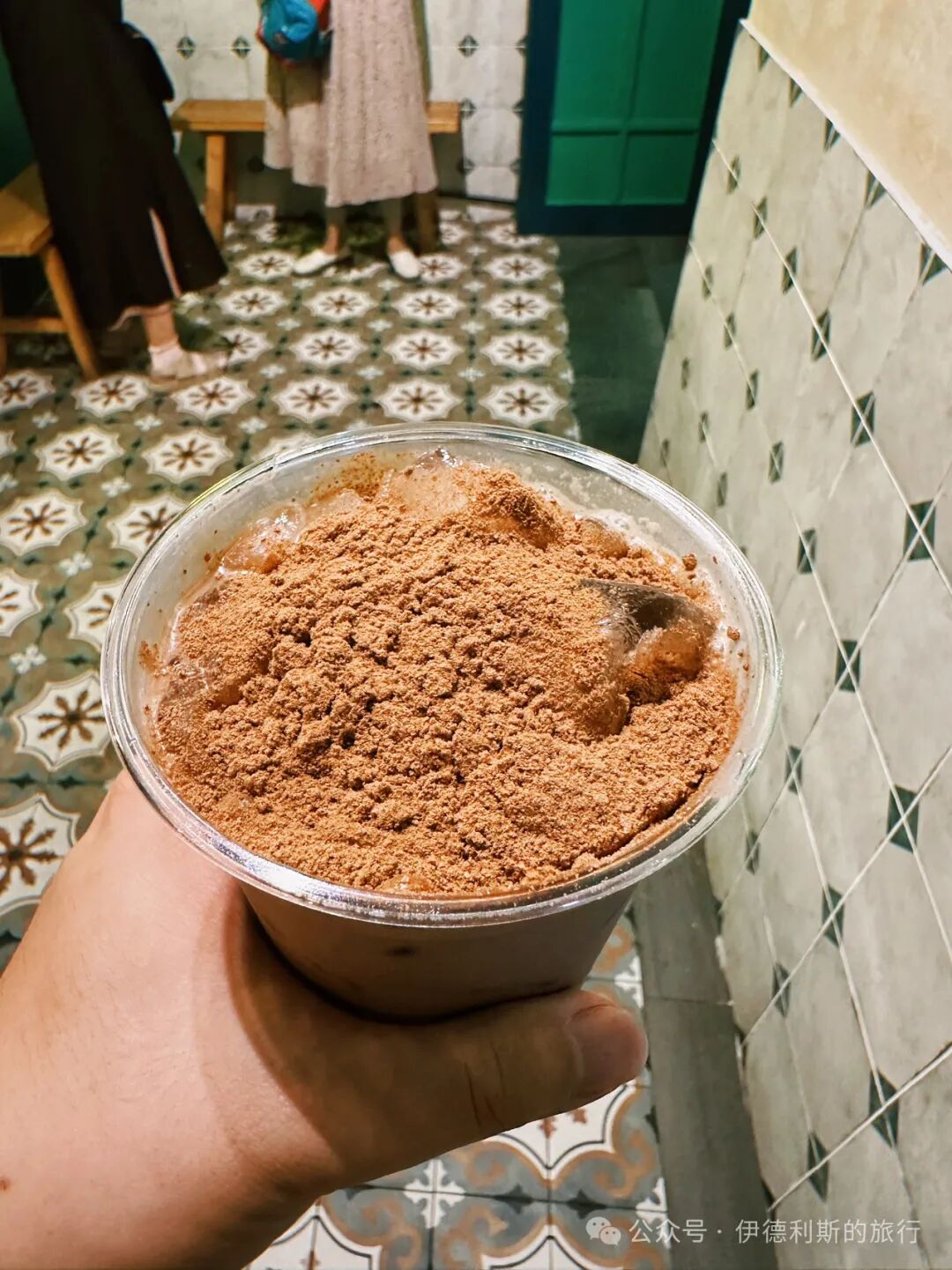
We also ordered a cup of Milo, which is a chocolate malt powder made by Nestlé. People in Malaysia and Singapore love to sprinkle extra Milo powder on top of iced Milo, which they call a Milo Dinosaur.
Summary: This Singapore article explains early Malay history and the city connection with regional Muslim trade and settlement. It keeps the original historical facts, names, museum details, and travel observations in clear English.
The Kingdom of Singapore.
On a small path in Fort Canning Park, Singapore, hides the tomb of Sultan Iskandar Shah (Keramat Sultan Iskandar Shah), the legendary last king of Singapore. There is still no final conclusion about the true identity of Iskandar Shah.
According to the Malay Annals (Sejarah Melayu), written during the Malacca Sultanate, Iskandar Shah was originally a prince from Palembang, Srivijaya. He ruled Singapore from 1389 to 1398, fled after an invasion by the Majapahit Empire, and founded the city of Malacca in 1402. Iskandar means Alexander in Persian. Based on his Persian name, people guess he likely converted to Islam, but it is unclear if he converted while in Singapore or Malacca.
The Malay Annals record that to punish one of his concubines for adultery, Iskandar Shah ordered her to be stripped naked in public. To take revenge on the Sultan, the concubine's father secretly sent a message to the Majapahit Empire, promising to support their invasion of Singapore. In 1398, the Majapahit Empire sent a massive fleet of 300 large ships and hundreds of small boats to invade Singapore. The Majapahit army besieged Iskandar Shah's castle for a month but could not break through. Eventually, the concubine's father ordered the city gates to be opened, and the Majapahit army rushed into the castle and slaughtered the people. Iskandar Shah fled to Malacca, where he established the Malacca Sultanate.
The History of Ming (Ming Shi) contains a different record regarding the identity of Iskandar Shah. The entry for Malacca in Volume 325 of the History of Ming records that the Malacca chieftain Parameswara was granted the title of King of Malacca by the Ming Dynasty in the third year of the Yongle reign (1405). After Parameswara died, his son Megat Iskandar Shah traveled to the Ming Dynasty in the twelfth year of the Yongle reign (1414) to receive his title and later frequently sent tribute to the Ming court. Therefore, he should be the second Sultan of the Malacca Sultanate.
When the British landed on Singapore Island in 1819, the island's leader, Temenggong Abdul Rahman, told them that the hill in the dense forest was called Forbidden Hill (Bukit Larangan) and that commoners were not allowed to go up. Local Malays believe that an ancient king of Singapore once built a palace here.
After the British occupied Singapore, they cleared the dense forest on Forbidden Hill and found many brick ruins on the north and east slopes, with the largest area being the platform where the tomb is located. After 1822, more and more people believed this was the tomb of Sultan Iskandar Shah. Since 1984, archaeologists have found thousands of 14th-century artifacts near the tomb, many from China and Java, but unfortunately, no evidence of the tomb owner's identity has been found yet.
The National Museum of Singapore houses 14th-century artifacts unearthed from Forbidden Hill, and the ceramics among them likely came from China's Yuan Dynasty.
A reconstruction by the National Museum of Singapore of Malays living in Singapore during the 14th century.
To commemorate the 14th-century Kingdom of Singapore, Fort Canning Park built a garden on the hillside at the site of the original royal palace, named after Singapore's first king, Sang Nila Utama. The garden was built in the traditional Javanese architectural style of the 14th-century Majapahit Empire, with some inspiration taken from the 14th-15th century Majapahit capital ruins in Trowulan. At the same time, many of the fruit trees and potted plants in the garden were also found in ancient gardens.
According to the Malay Annals, Sang Nila Utama was originally a prince from the city of Palembang in Srivijaya, and he established the earliest settlement of Singapore (Singapura) on Temasek Island in 1299. For many years, the founding of Singapore was just a legend, until the 13th-14th century Singapore settlement was rediscovered during the first archaeological excavation around the tomb of Sultan Iskandar Shah in 1984.
Temenggong Abdul Rahman
At the foot of Mount Faber in southern Singapore, there is the tomb of Temenggong Abdul Rahman, one of the founders of modern Singapore, and his family.
After the Majapahit Empire destroyed the Kingdom of Singapore in 1398, Singapore was ruled by the Malacca Sultanate in the 15th century and by the Johor Sultanate after the 16th century. In 1603, the Johor Sultanate allied with the Dutch to attack Portuguese ships in Singapore. In retaliation, the Portuguese destroyed the Johor Sultanate's trading settlement at the mouth of the Singapore River in 1613, which directly led to a 200-year period of decline for Singapore.
In 1811, Temenggong Abdul Rahman of the Johor Sultanate moved his family from Riau to Singapore to rule over the Malays and Chinese on the island. On January 29, 1819, an expedition led by Sir Stamford Raffles of the British East India Company landed in Singapore and met with the Temenggong who lived by the Singapore River. With the help of the Temenggong, Sir Stamford Raffles invited Hussein Shah of Johor, who was living in exile in the Riau Islands, to come to Singapore to claim the Sultan's throne.
On February 6, 1819, the Temenggong, Sultan Hussein, and Sir Stamford Raffles signed the Singapore Treaty, which allowed the British East India Company to set up a trading post in the Johor Sultanate. In exchange, the British paid the Temenggong 3,000 Spanish dollars and the Sultan 5,000 Spanish dollars every year. This day is also considered the founding date of modern Singapore.
In 1824, the Temenggong and his family moved to a 200-acre plot of land at the foot of Mount Faber in Singapore, which was assigned to them by Sir Stamford Raffles. Just one year later, the Temenggong passed away at his residence and was buried in a tomb near his home. From then on, this place became the royal burial ground for the Temenggong family. Between 1825 and 1900, 32 members of the Temenggong family were buried there.
Besides Temenggong Abdul Rahman, another important figure in the tomb is his second son, Temenggong Daeng Ibrahim. Daeng Ibrahim moved to Singapore with his father in 1811 and succeeded him as Temenggong in 1833. In 1855, the reigning Sultan of Johor signed a treaty with the British in Singapore, agreeing to transfer most of his power to Temenggong Daeng Ibrahim. This made Daeng Ibrahim the de facto ruler of Johor, and his son later became the first Sultan of modern Johor.
Today, this tomb is known as Makam Diraja Johor Telok Blangah and remains the property of the Sultan of Johor.
Next to the Royal Johor Tomb (Makam Diraja Johor Telok Blangah) is the Temenggong Mosque (Masjid Temenggong Daeng Ibrahim), which is also owned by the Sultan of Johor. This site was originally a hall attached to the tomb. It was officially converted into a mosque in 1871 and rebuilt into its current structure in 1993 with funding from the Sultan of Johor.
The Sultan of Johor and Kampong Gelam
After Sultan Hussein of Johor, the Temenggong, and Sir Stamford Raffles of the British East India Company signed the Singapore Treaty in 1819, the British began building a colony in Singapore. In 1822, Sir Stamford Raffles formed a committee and officially proposed the Singapore Town Plan, also known as the Raffles Town Plan.
In this plan, Singapore's streets were laid out in a grid, and the area was divided into four main zones: European, Chinese, Indian, and Muslim. Although these four ethnic zones were not strictly enforced during actual construction, the policy of ethnic residential zoning in Singapore did not begin to change until the mid-1960s.
According to Sir Stamford Raffles' plan, Kampong Gelam, located east of the European zone, was allocated to Sultan Hussein of Johor and his family and followers. The Sultan received a large plot of residential land in Kampong Gelam, which he distributed to the Malay people who followed him from places like Malacca, the Riau Islands, and Sumatra, making this Singapore's earliest Muslim district.
Between 1824 and 1826, Sultan Hussein used funds from the British East India Company to build the Sultan Mosque in Kampong Gelam. The original mosque was in a typical traditional Malay style, featuring a single-story brick structure with a two-tiered sloping roof. After the 20th century, the Muslim population in Singapore grew significantly, and the original Sultan Mosque could no longer accommodate everyone. In 1924, the centenary of the mosque's founding, the trustees hired Irish architect Denis Santry to rebuild it. Due to the economic recession following World War I, fundraising continued until 1928. Construction on the mosque began that same year and was officially completed in 1932.
The new Sultan Mosque was built in the Indo-Saracenic style. British architects frequently used this style for public buildings in British India and Malaya during the 19th century, with its most prominent feature being the addition of Mughal-style onion domes to modern structures.
The center of Kampong Gelam is the palace (Istana) built by Sultan Ali, the eldest son of Sultan Hussein of Johor, between 1836 and 1843. It is now the Malay Heritage Centre. Unfortunately, it was closed for renovations when we visited and will not reopen until 2025.
South of the palace is the Prime Minister's office, built in the 1850s by Tengku Mahmud, the youngest son of Sultan Ali. As an auxiliary building to the palace, it is known as the Yellow Mansion (Gedung Kuning) because its exterior walls are painted yellow. In 1912, a Javanese merchant born in Kampong Gelam named Haji Yusof bought the Yellow Mansion. It was later sold to a Chinese family before being bought back in 1925. From then until 1999, four generations of Haji Yusof's family lived there.
In 1999, the Singapore government bought the yellow mansion, restored it, and opened it as the Malay Heritage Centre. After 2021, it became Permata, a halal buffet restaurant featuring food from the Malay Archipelago. We were short on time and couldn't go in to eat, but we want to try it if we visit Singapore again.
The Malay Royal Cemetery is located in the north of Kampong Glam, where many members of the Johor Sultanate royal family are buried. Sultan Ali opened the cemetery to the public in 1848, and many wealthy Malay merchants are also buried there. At the center of the cemetery is a mound where the relatives of the Johor Sultans are buried, though Sultan Hussein and Sultan Ali are buried in Malacca instead of here. Besides the Johor royal family, the most famous Malay merchant buried in the cemetery is the Bugis businessman Haji Ambok Sooloh Bin Haji Omar. He was an active member of the Singapore Muslim community and helped start the Malay-language newspaper Utusan Melayu.
Hajjah Fatimah Mosque is on the east side of Kampong Glam. It was built with donations from the Malay noblewoman and philanthropist Hajjah Fatimah between 1845 and 1846. Hajjah Fatimah came from a wealthy merchant family in Malacca. After her first marriage ended, she married a Bugis prince who was doing business in Singapore. The prince passed away not long after, so she ran a shipping and sailing trade company in Singapore by herself and became very successful.
Because Hajjah Fatimah had built up so much wealth, her mansion in Kampong Glam became a target for thieves. Her house was broken into twice in the 1830s, and during the second time, the thieves set the house on fire. Grateful that she was not home during the fire, Hajjah Fatimah made a dua to rebuild her house as a mosque and donated money to build homes for the poor on the land next to it.
The current main prayer hall was designed in the 1930s by architects Chung & Wong and rebuilt by the French contractor Bossard & Mopin and Malay workers. Like the Sultan Mosque, it is in the Indo-Saracenic style and features Mughal-style onion domes. The most unique part of the mosque is the European-style minaret at the main gate, with a Neo-Gothic building on each side featuring traditional-style windows.
To the east of the Kampong Glam palace is the former site of the Al-Ahmadiah Press, established in 1911. It is now the Sultan Hotel, but unfortunately, we did not stay there because the price was quite high. Ahmadiyyah Press was founded by Bugis-Malay nobles from the Riau region, including Raja Haji Ali Bin Raja Muhammad, a member of the Johor Sultanate royal family in the Riau Islands. Along with another publisher called HARMY, they printed many Malay-language books in Jawi script covering religion, language, and literature, and they also launched the first Malay women's magazine after World War II.
As Singapore's trade status grew in the early 20th century, Kampong Glam expanded its shophouses, and more Bugis, Minangkabau, and Javanese people arrived to make a living. Although most of their descendants have blended into the Singaporean Malay community, many of their original cultural traditions remain today. The streets of Kampong Glam feature many murals that show what life was like there a century ago. The first two images show a bird's-eye view comparison of Kampong Glam over the last century, while the others show scenes like eating satay skewers (satay), selling bamboo baskets, wayang shadow puppetry, making tombstones, and crafting songkok caps, with satay and wayang shadow puppetry being Javanese specialties.
Today, Kampong Glam still has several long-standing Padang rice (Nasi padang) restaurants, which represent the food culture of the Minangkabau people. The Minangkabau are a Malay-speaking group from the Minangkabau Highlands of Sumatra, and they are very closely related to the Malay people. The Minangkabau have always been known for their business skills and are one of the most mobile ethnic groups in Southeast Asia. More than half of the Minangkabau live outside of Sumatra, and many young people leave home in their teens to study or do business, believing that traveling far from home brings not only wealth and knowledge but also prestige and honor.
We visited Warong Nasi Pariaman, a Padang rice restaurant on North Bridge Road in Kampong Glam that opened in 1948. The restaurant was founded by Isrin bin Ibrahim and his wife Rosna binte Zainal Abidin, who came from Pariaman in western Sumatra. They immigrated to Singapore in the 1940s, started by selling Padang rice from a street stall, and rented their current shophouse in 1948, naming the restaurant after their hometown of Pariaman.
We ordered beef rendang (Rendang Kambing), fried fish (Ikan Goreng), boiled eggs in spicy balado sauce (Telur Rebus Balado), grilled chicken (Ayam Bakar), beef spleen (Limpa Lembu), tofu in coconut milk (Tahu Lemak Kachang), and fried mashed potato patties (Perkedel).
Rendang is the most classic Minangkabau dish, made by slowly simmering meat and various spices in coconut milk until all the liquid evaporates and the meat turns dark brown. Rendang originated from North Indian curry, brought to Sumatra by Indian traders in the 15th century, and was later developed by the Minangkabau from a soupy curry into the dry version known as rendang.
Balado is a classic Minangkabau spicy sauce made by stir-frying red chilies and other spices in coconut or palm oil, with added shallots, garlic, tomatoes, and the Southeast Asian specialty kaffir lime (arrow-leaf orange).
North Bridge Road is the main street in Kampong Glam. Built between 1833 and 1835 and once called the Great Horse Road, it is one of the oldest streets in Singapore. The street is lined with shophouses, including several century-old shops and small boutiques run by young Malay people. It is a great place to explore.
Stop by the Tarik tea shop next to the Sultan Mosque in Kampong Glam for a classic Nanyang pulled tea (Teh Tarik). Local Malay youth really love this shop. Tarik means pull in Malay. To make it, you mix black tea with condensed milk and pour it back and forth between two containers with your arms stretched out. This cools the tea and creates a frothy top.
We also ordered a cup of Milo, which is a chocolate malt powder made by Nestlé. People in Malaysia and Singapore love to sprinkle extra Milo powder on top of iced Milo, which they call a Milo Dinosaur.
