
Halal Travel Guide: Wuhan - Jiang'an Mosque Quarter, CCNU and Wuchang Food
Reposted from the web
Summary: Halal Travel Guide: Wuhan - Jiang'an Mosque Quarter, CCNU and Wuchang Food is presented here as a firsthand travel account in clear, natural English. The account focuses on Wuhan, Mosque Quarter, Halal Food while preserving the names, places, food, photos, and historical details from the Chinese source.
Jiang'an Mosque neighborhood.
I took the high-speed train back to Wuhan on Friday evening, March 8th. I noticed the trains to Wuhan have slowed down; most now take over five hours, with only a few left that take four hours. That night, I took a taxi from Wuhan Station straight to Erqi in Jiang'an. Jiang'an Erqi and Wuchang Qiyi Street are two mosque neighborhoods in Wuhan that I visited many times when I was in college ten years ago. The Erqi neighborhood has already gone through demolition and reconstruction, while Qiyi Street is currently undergoing demolition. Although the local Islamic community in Wuhan has declined significantly, Erqi is still the only area in the city that maintains its mosque neighborhood layout.
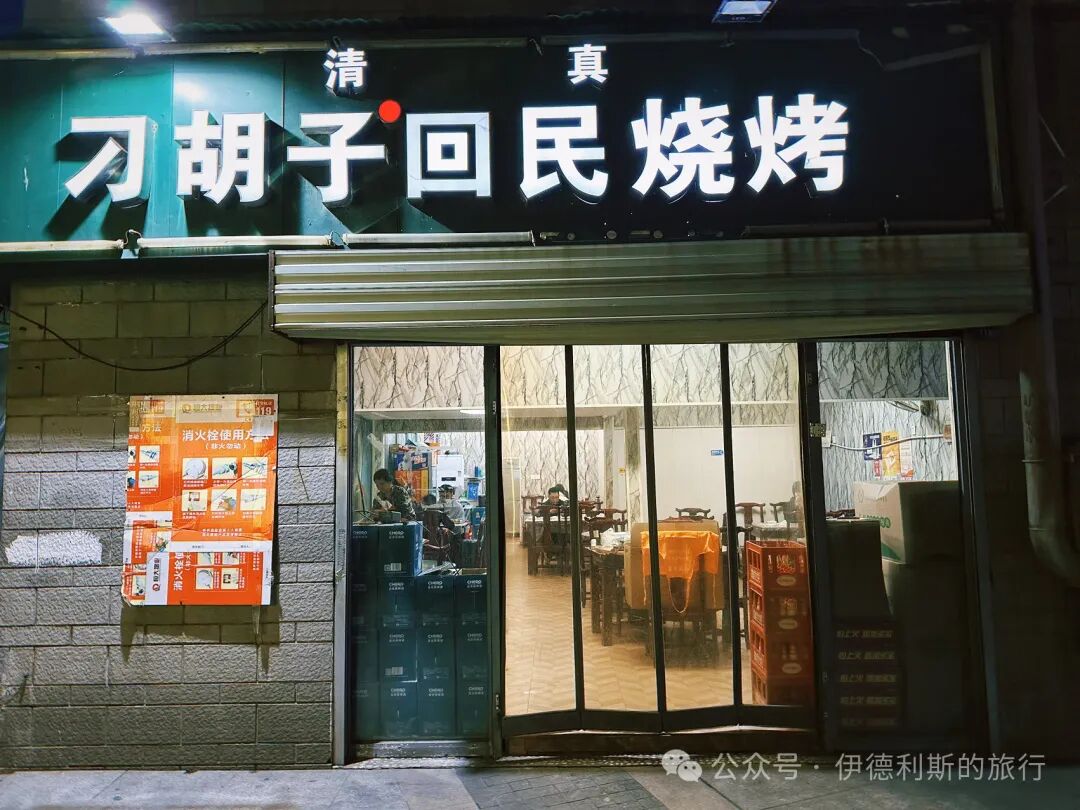
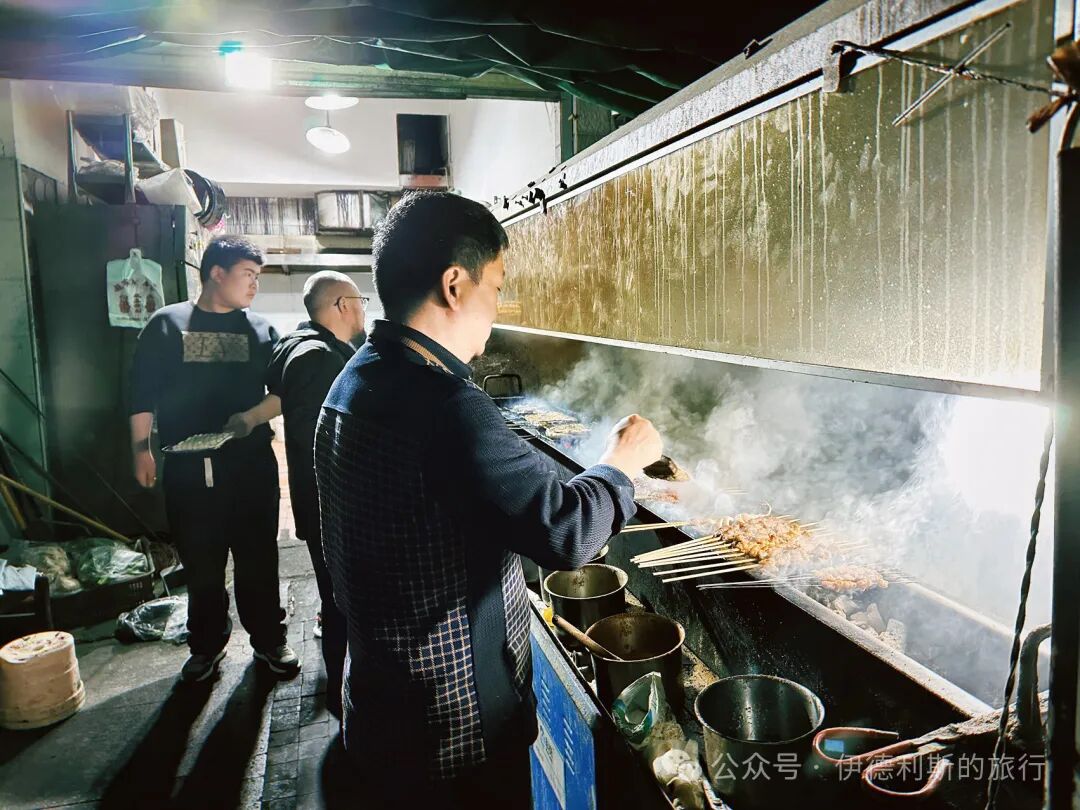
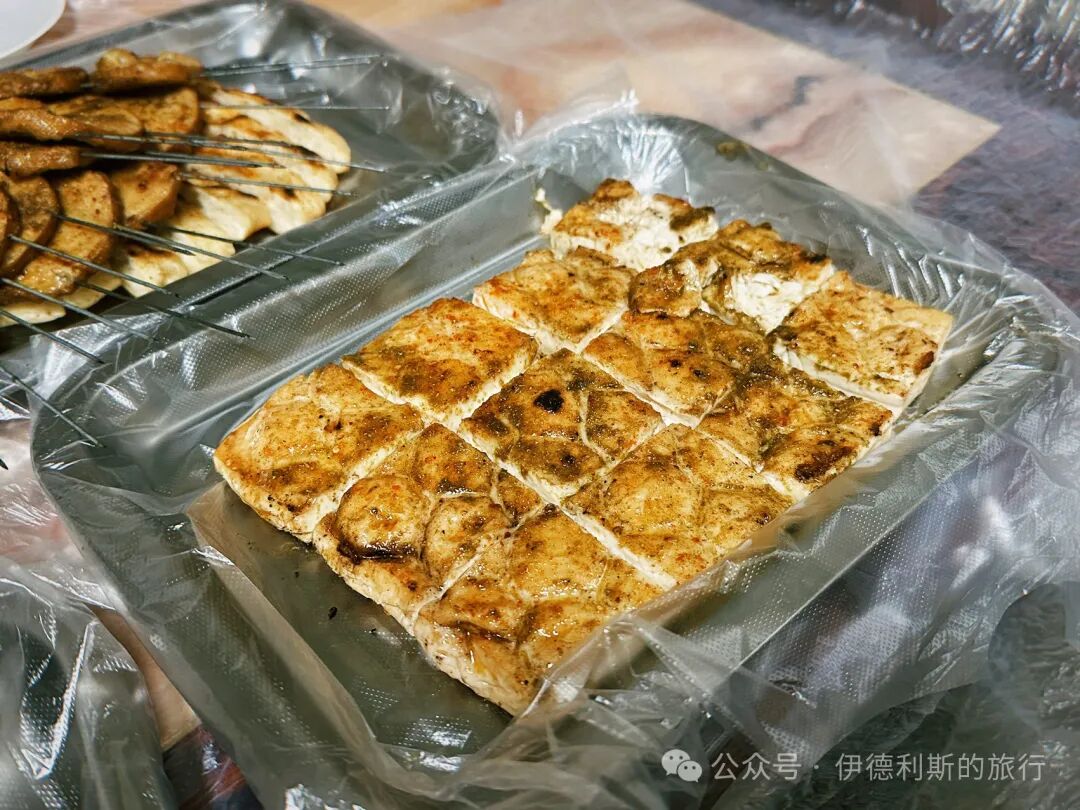
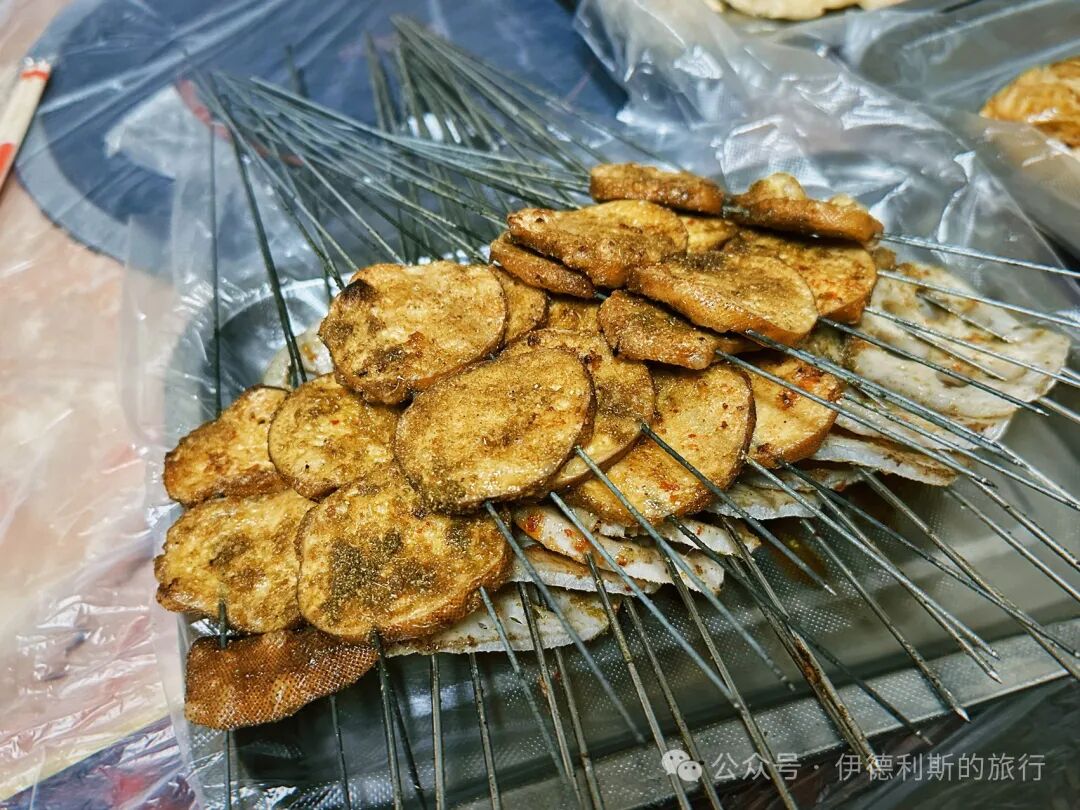
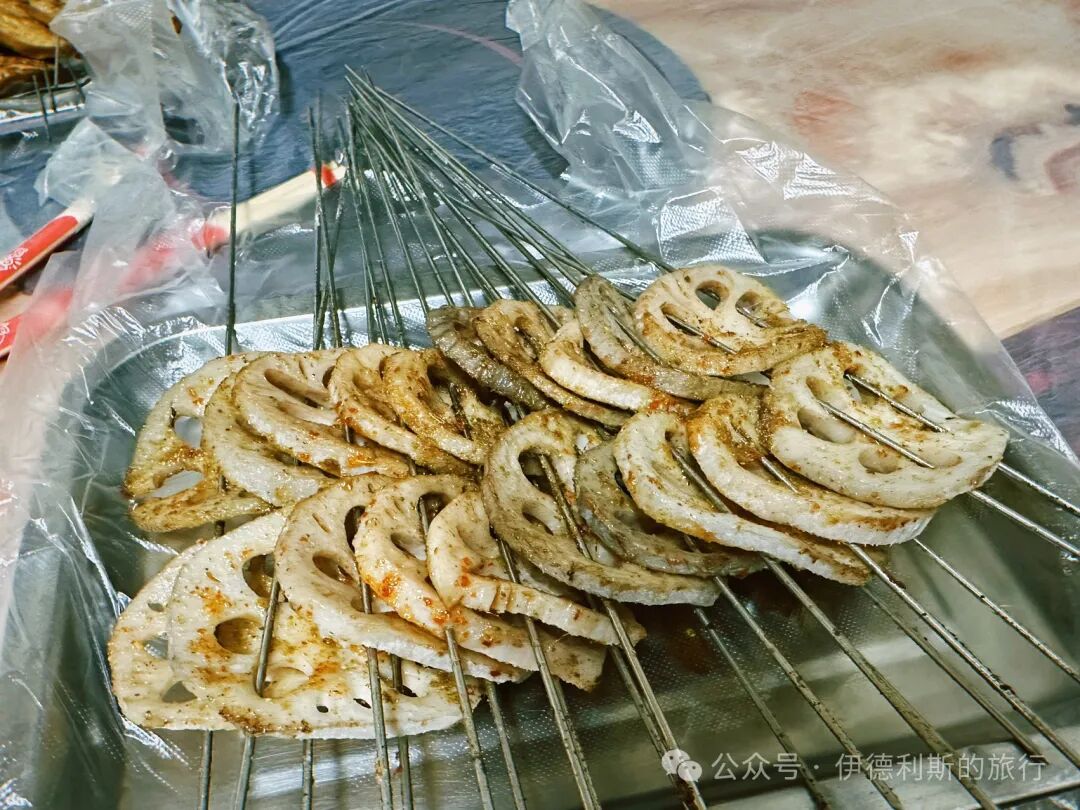
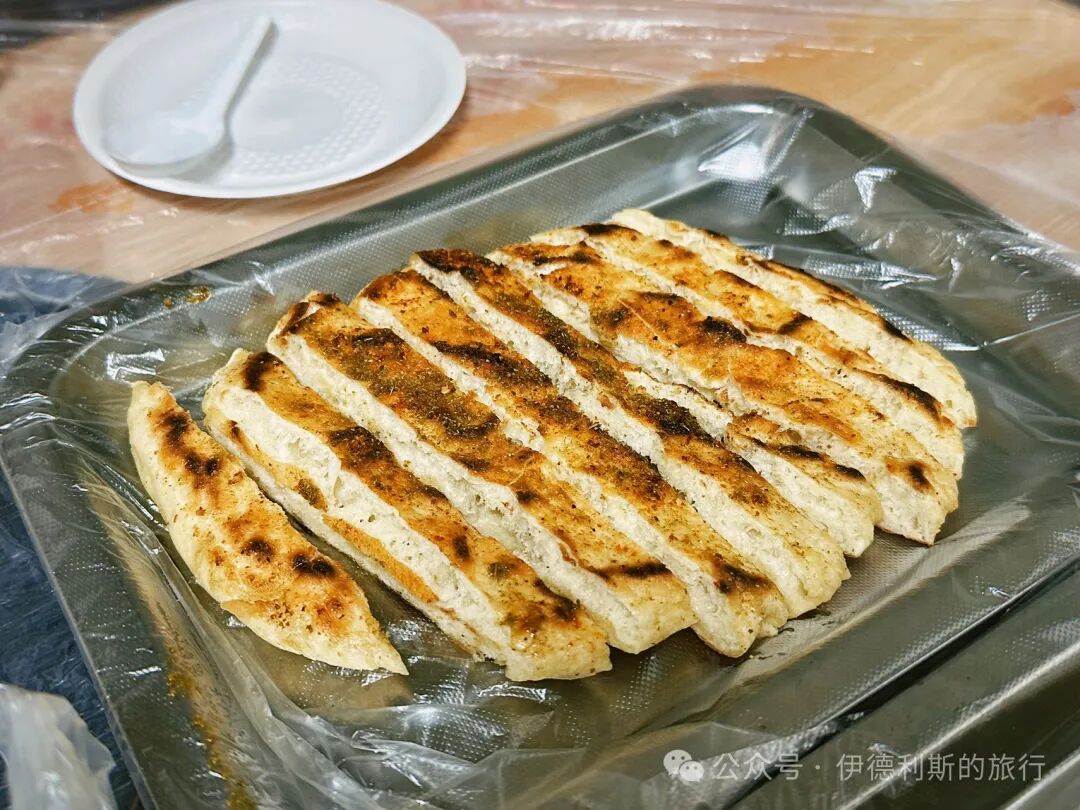
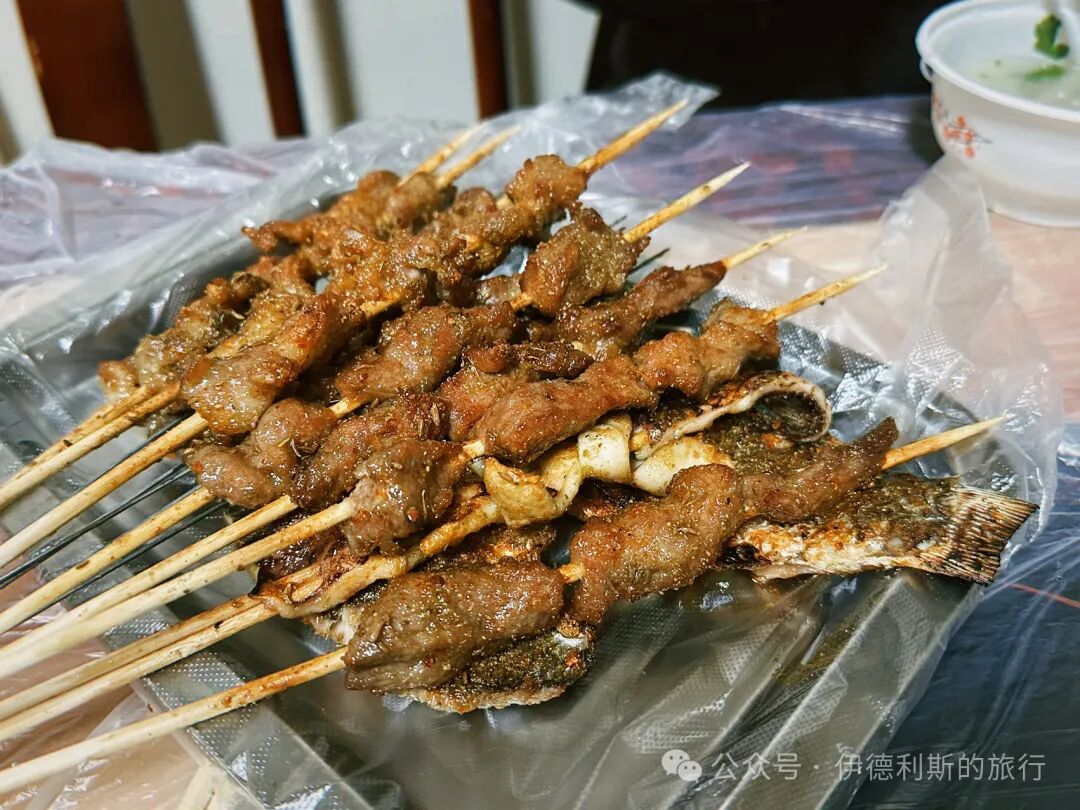
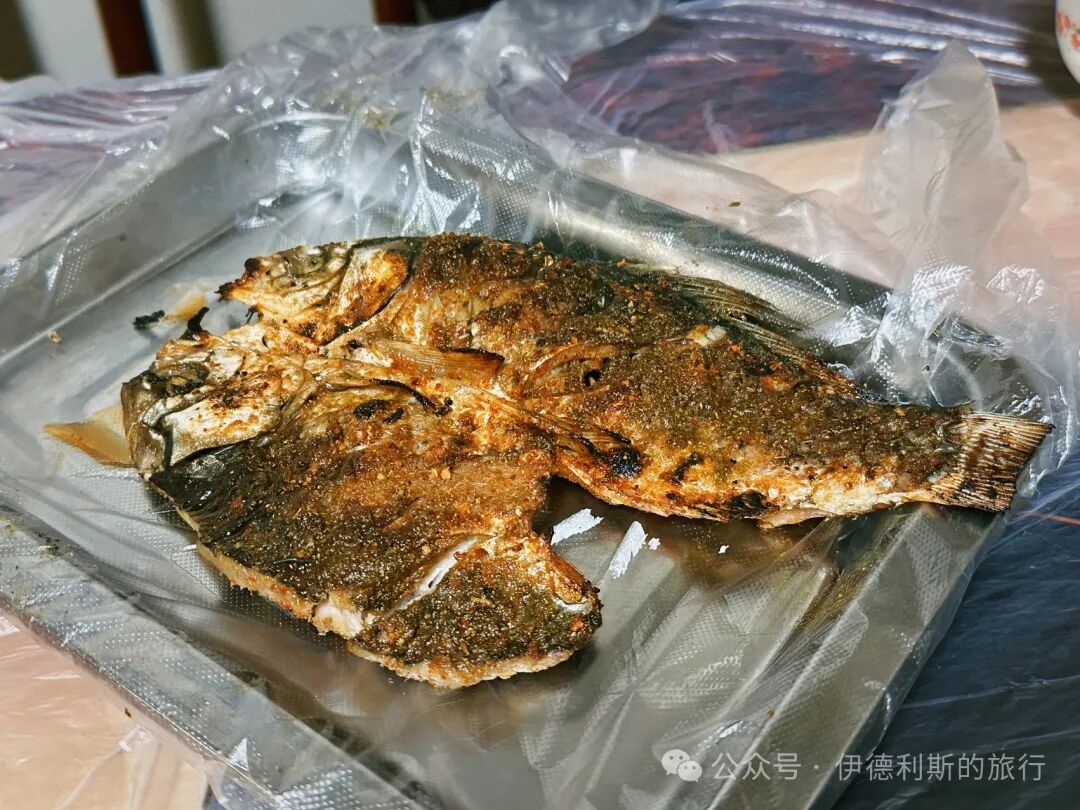
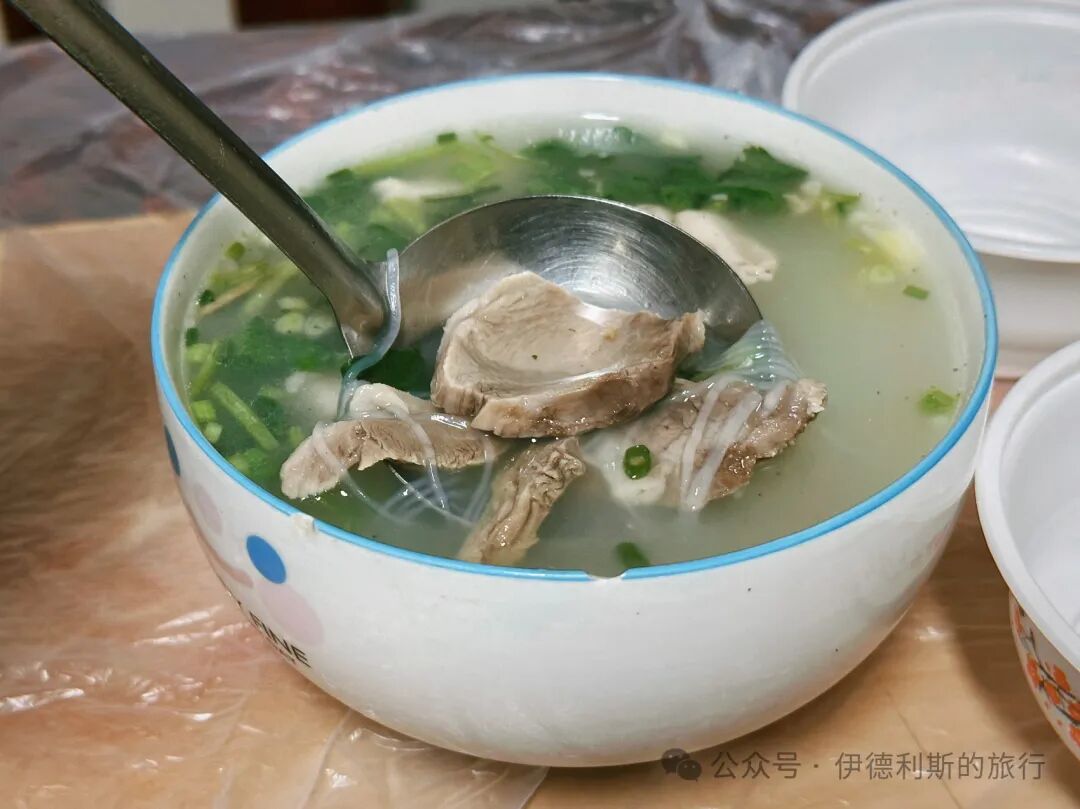
There are several Hui Muslim barbecue shops in Erqi, mostly run by Hui Muslims from Henan, which is linked to how the Jiang'an Erqi mosque neighborhood was formed. We chose one called Diao Huzi Hui Muslim Barbecue. The owner is from Zhumadian, Henan, and he now runs four barbecue shops near Erqi. We ordered grilled lamb skewers, beef skewers, vegetarian chicken (suji), dried tofu (ganzi), lotus root, crucian carp (xitouyu), sesame flatbread (shaobing), and lamb bone broth (yangtang). First, a reminder to check the menu carefully. Their meat is priced by the skewer, but vegetables are by the portion, and one portion is five skewers. We ordered way too much. Since Wuhan is in the south, the lamb isn't quite as good as in the northwest, so I ordered more vegetables. I liked their vegetarian chicken the best; it was fragrant and chewy. The dried tofu was very tender, with a completely different texture from the vegetarian chicken. I also really enjoyed the grilled sesame flatbread.
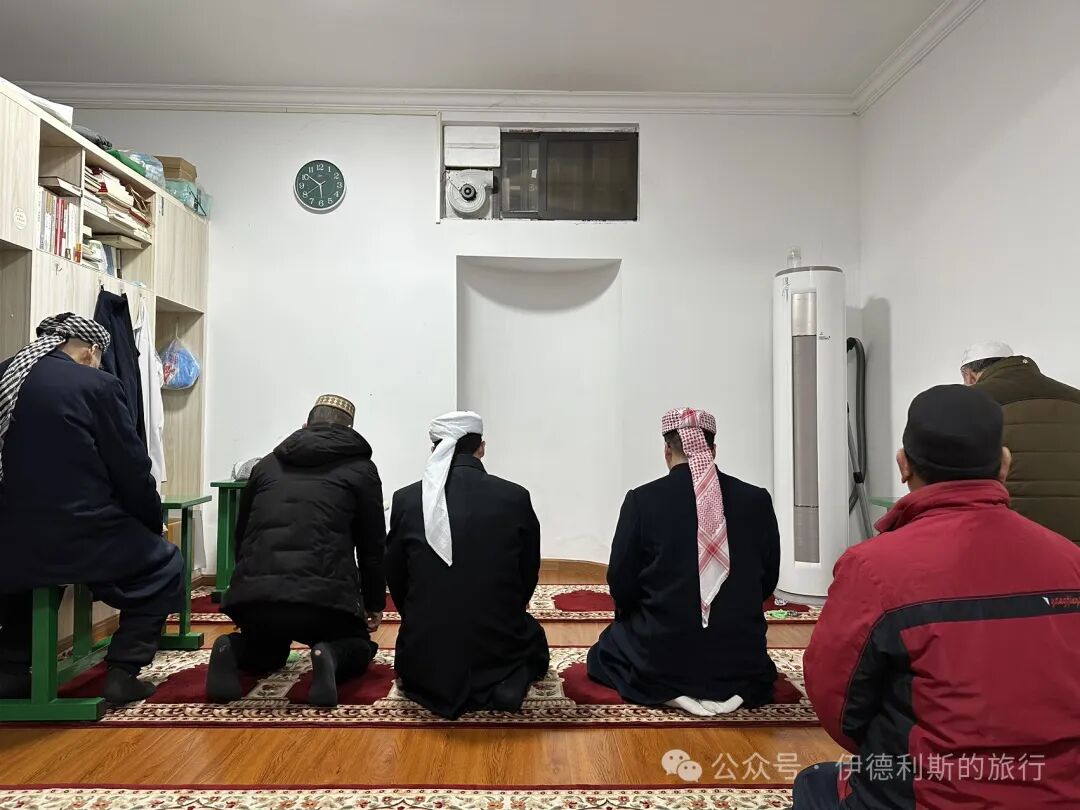
On the morning of Saturday, March 9th, I performed namaz at the Jiang'an Mosque. There were two imams and eight elders, ten people in total, which is quite rare in Wuhan these days. Because there were so few people, we prayed in the small prayer hall. The elders said the main hall only opens for Jumu'ah.
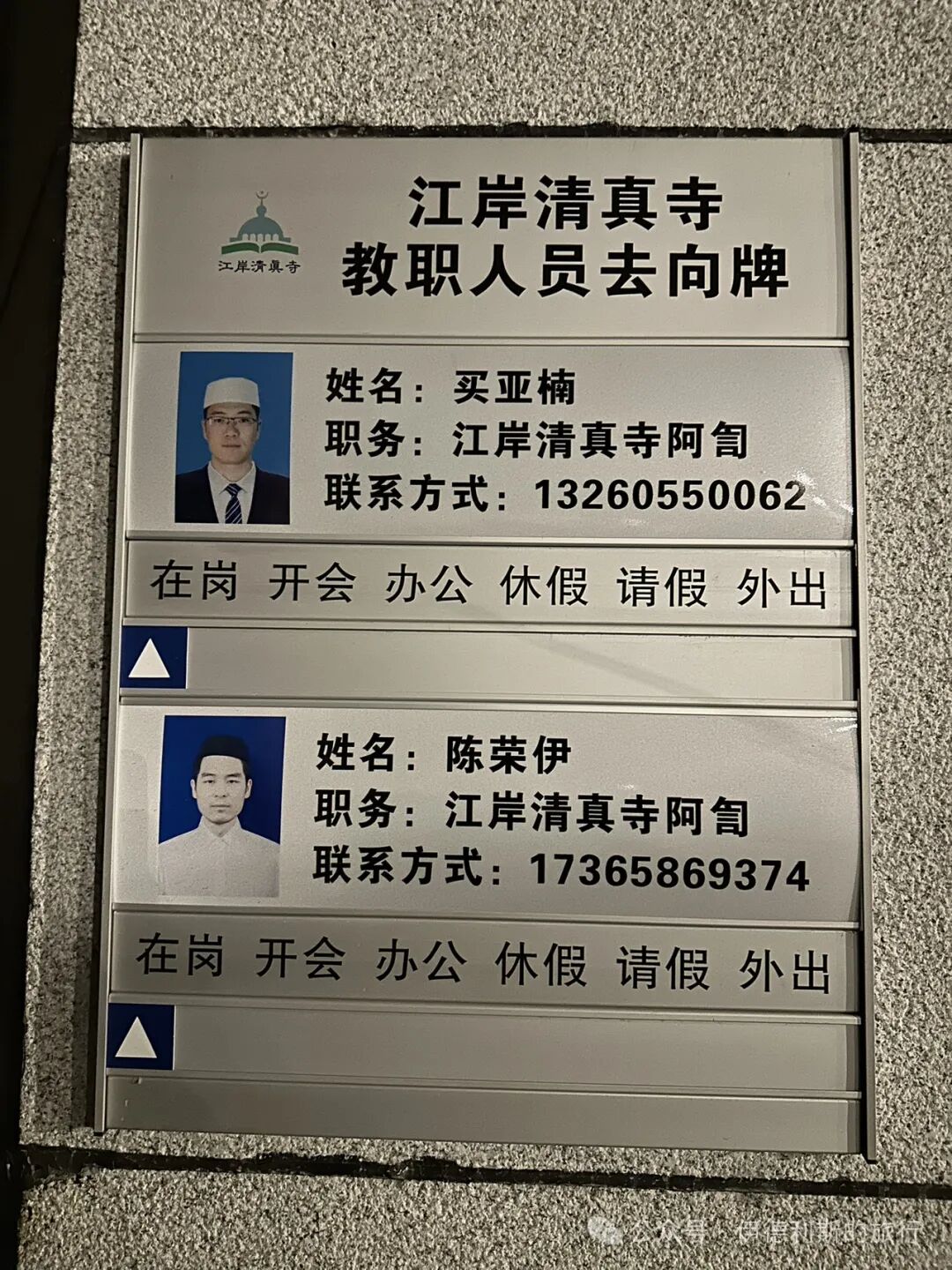
In 1906, the Beijing-Hankou Railway officially opened. Hui Muslims from places like Zhoukou, Henan, came to Hankou along the railway to escape years of flooding and drought. They built shacks to live in near the Jiang'an Railway Station in areas like Qiuchang, Liujiamiao, and Toudao Street, which became known as the 'Henan Sheds'. Some of them made a living pulling rickshaws or working as dock porters, and they were also called the 'Henan Gang'.
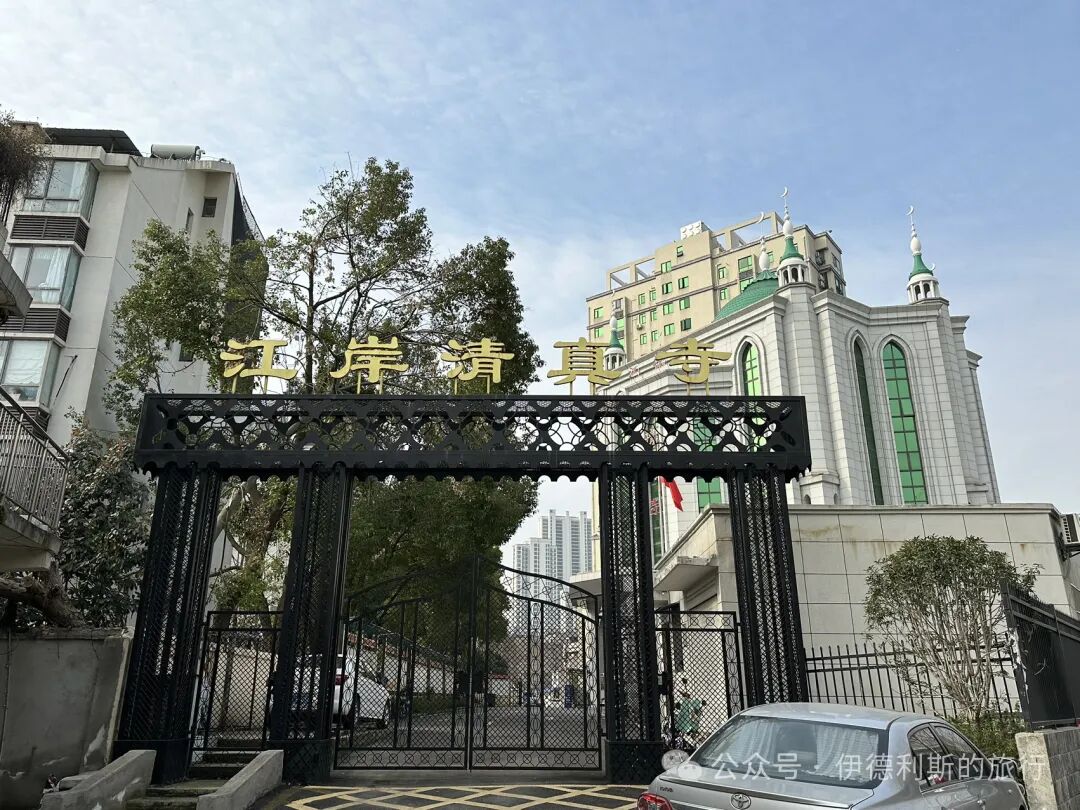
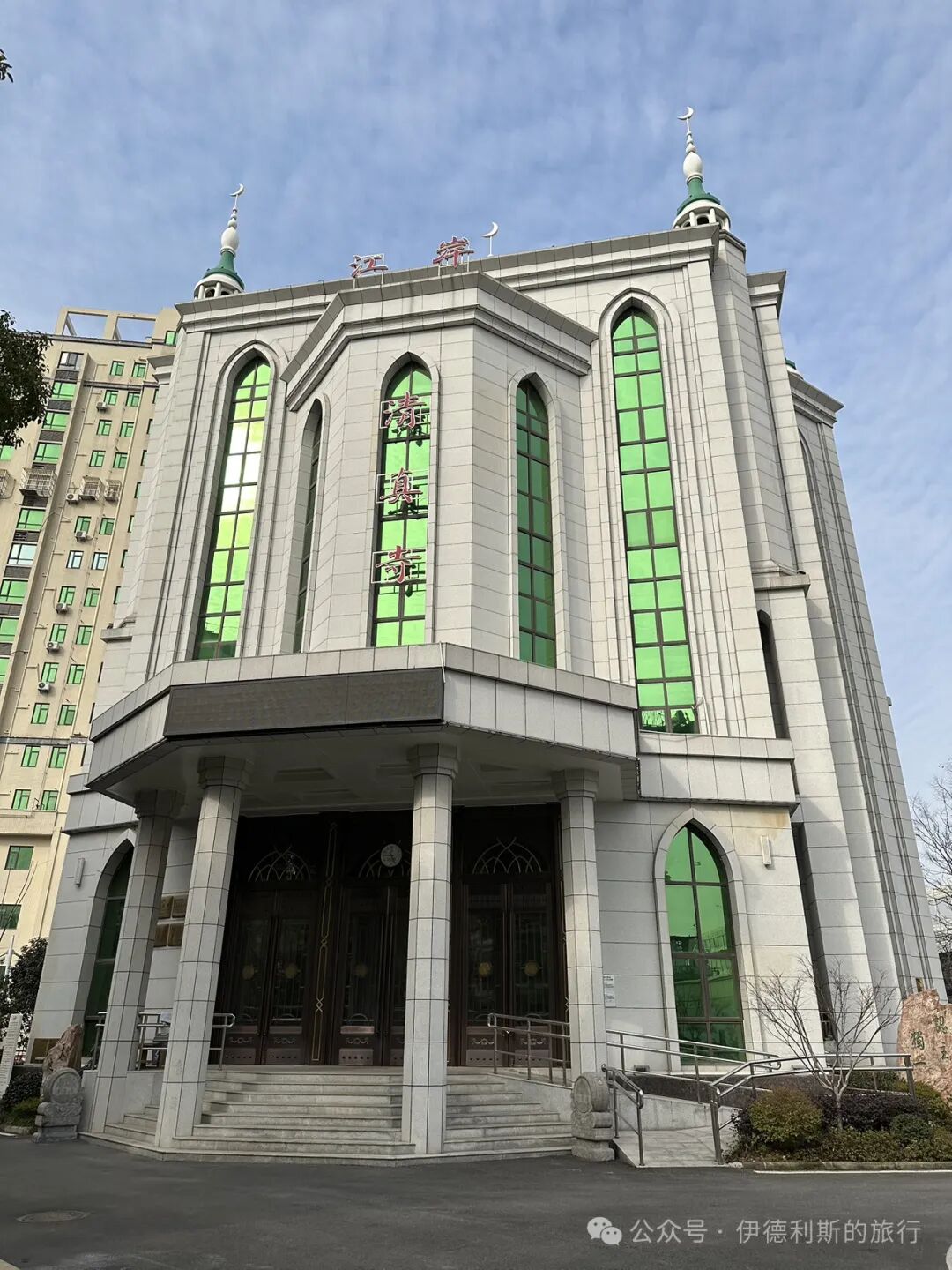
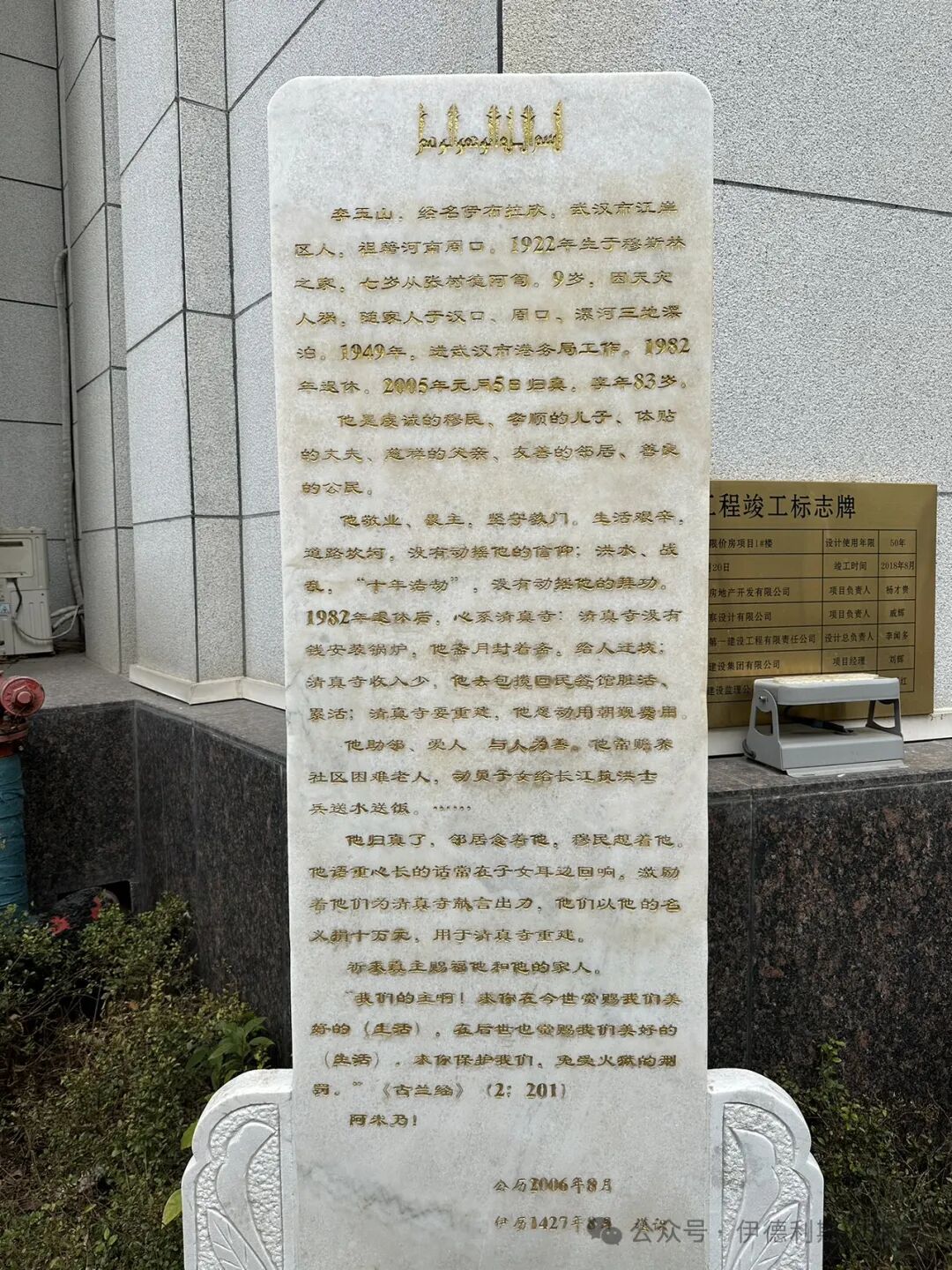
In 1918, the Henan Hui Muslims who had settled in Liujiamiao built a simple mosque, the earliest Liujiamiao Mosque. Because the neighborhood residents were mainly from Henan, it was also called the Henan Mosque. Later, when Wu Peifu's Beiyang Army was stationed there, they requisitioned the mosque to feed their horses, so everyone had to pool money in 1920 to buy a small building to use as a mosque. After the Battle of Wuhan in 1938, the mosque was damaged by war, and the land was taken for railway expansion, so everyone raised money again to buy a new building for the mosque. Since then, the mosque has undergone several major renovations and was named Jiang'an Mosque. Because it is located on Erqi Street, it is also called Erqi Street Mosque.
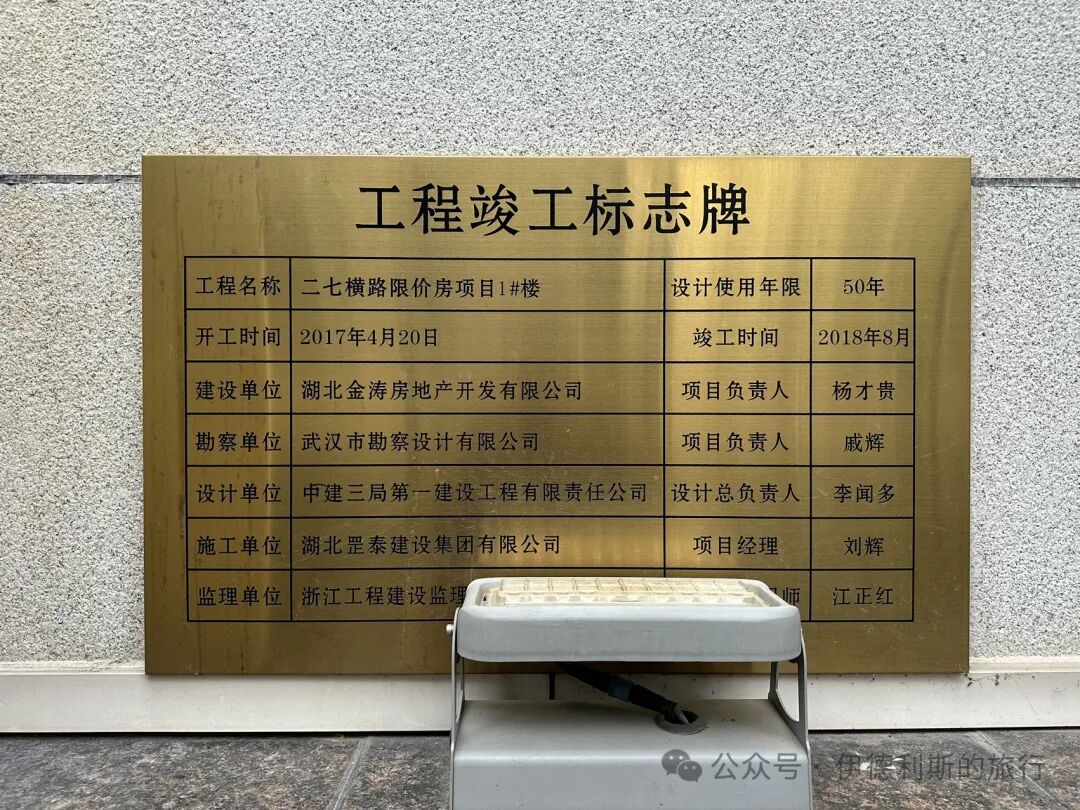
Jiang'an Station stopped operating in 2010, and demolition of the surrounding area began immediately. By 2014, all the houses around Jiang'an Mosque were torn down. The new Jiang'an Mosque was completed in 2018, and the relocation was officially finished in 2020, which is what we see today. For what the Jiang'an Mosque neighborhood used to look like, you can see my previous diary entry, 'Hui Muslim Community in Hankou, Hubei'.
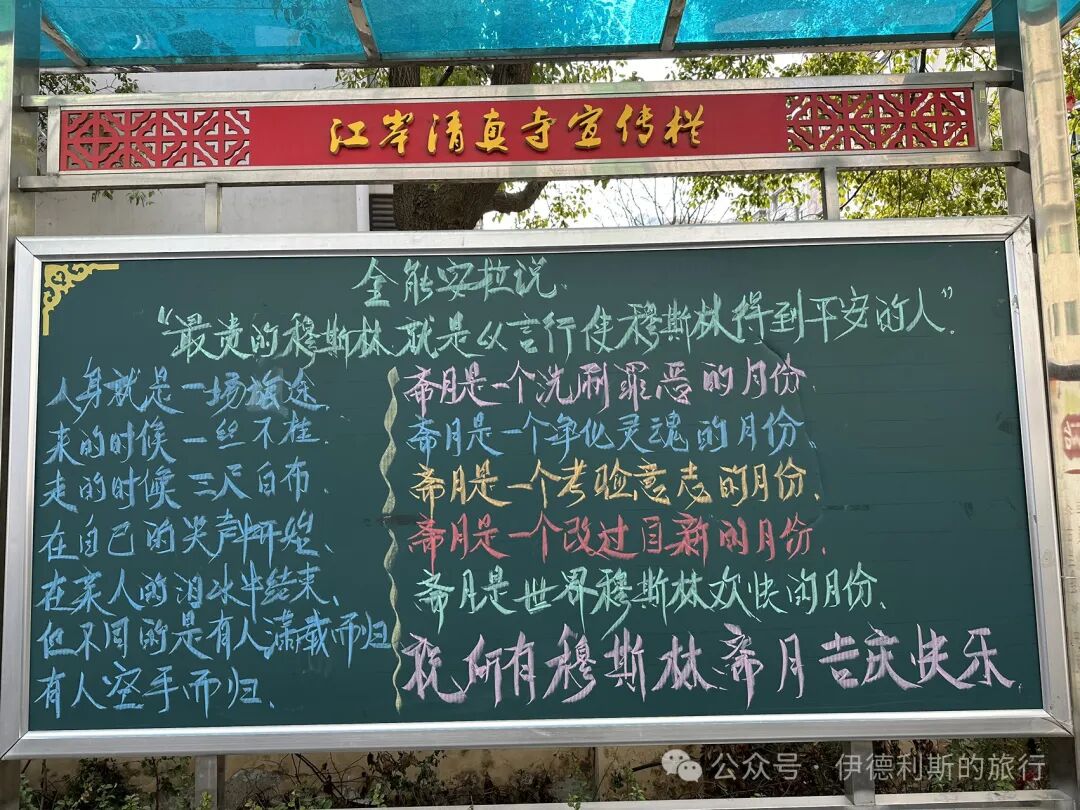
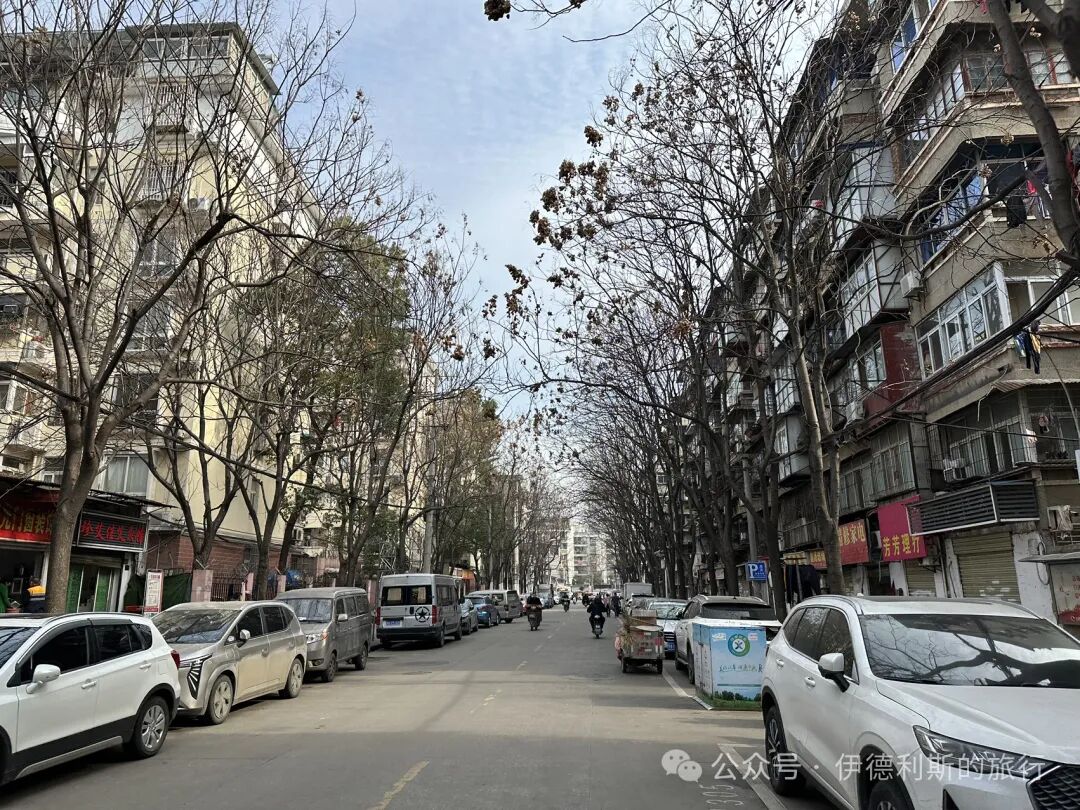
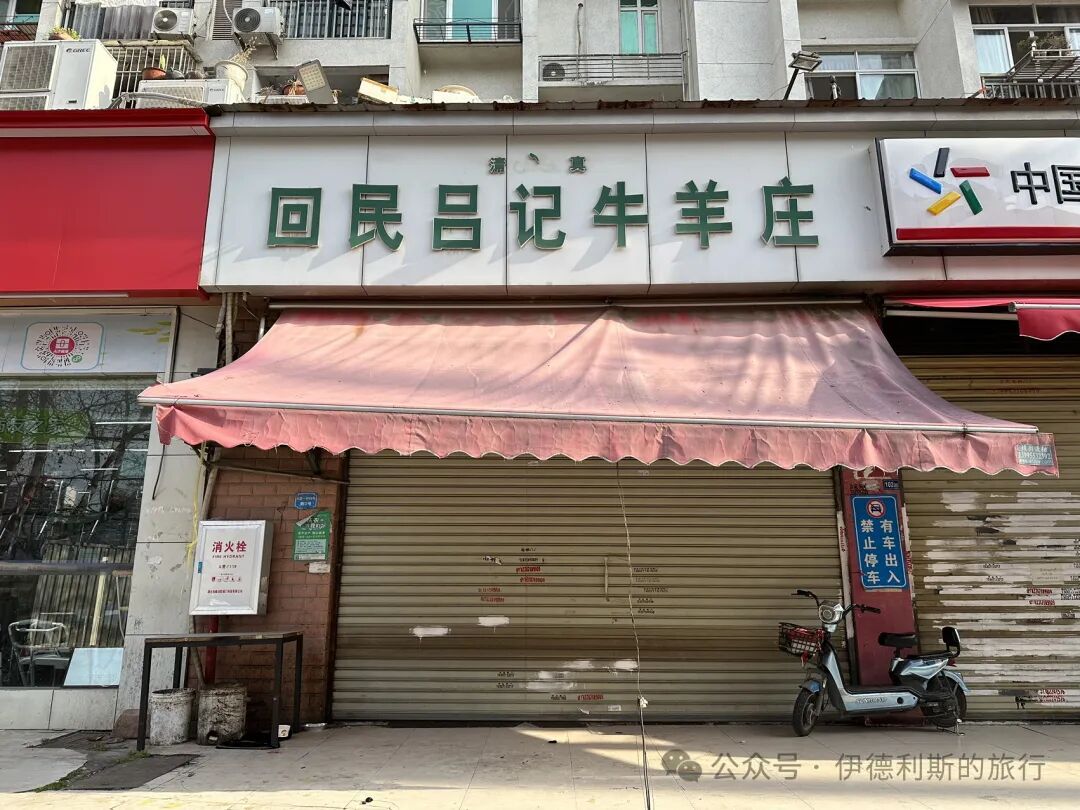
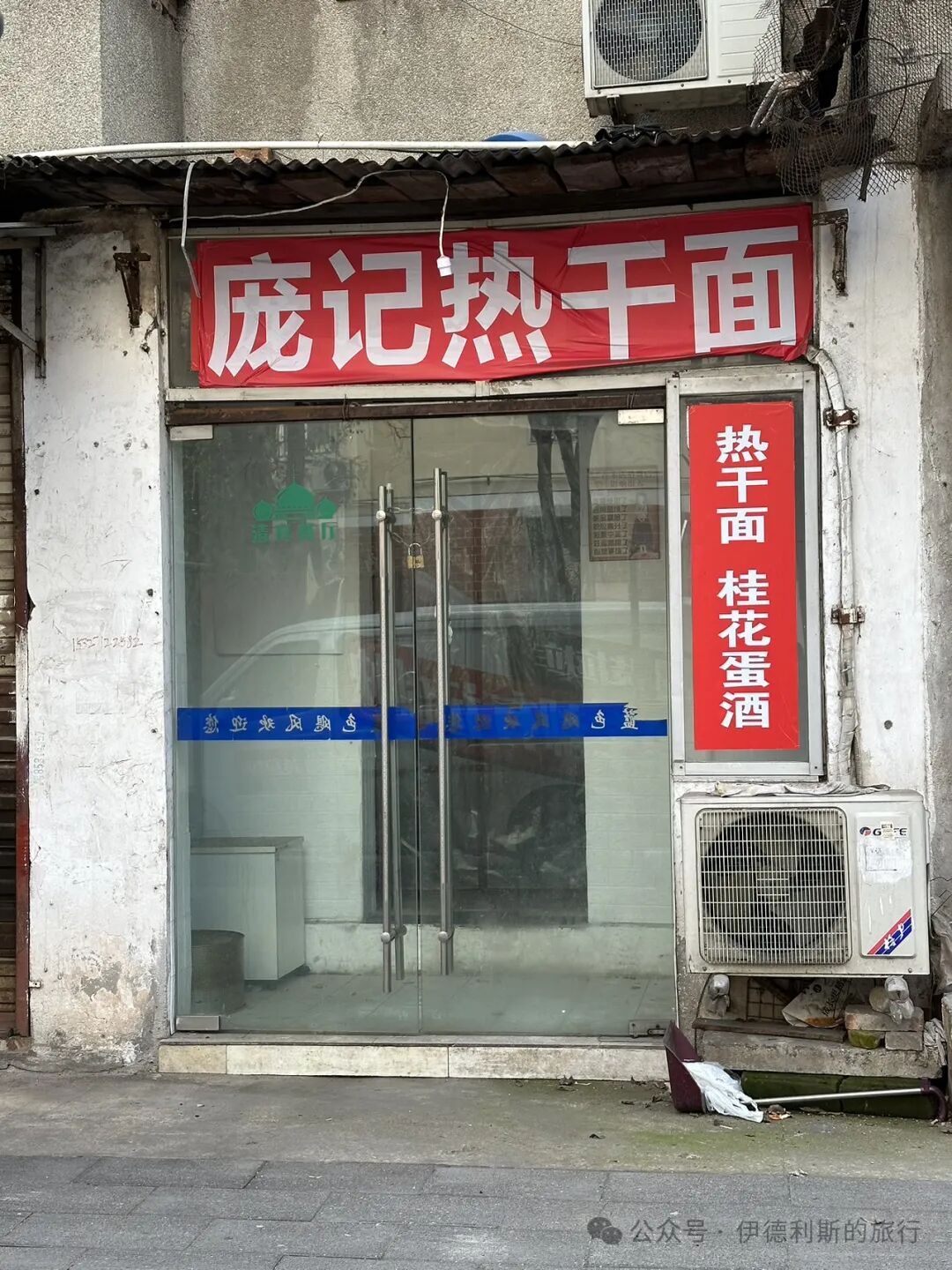
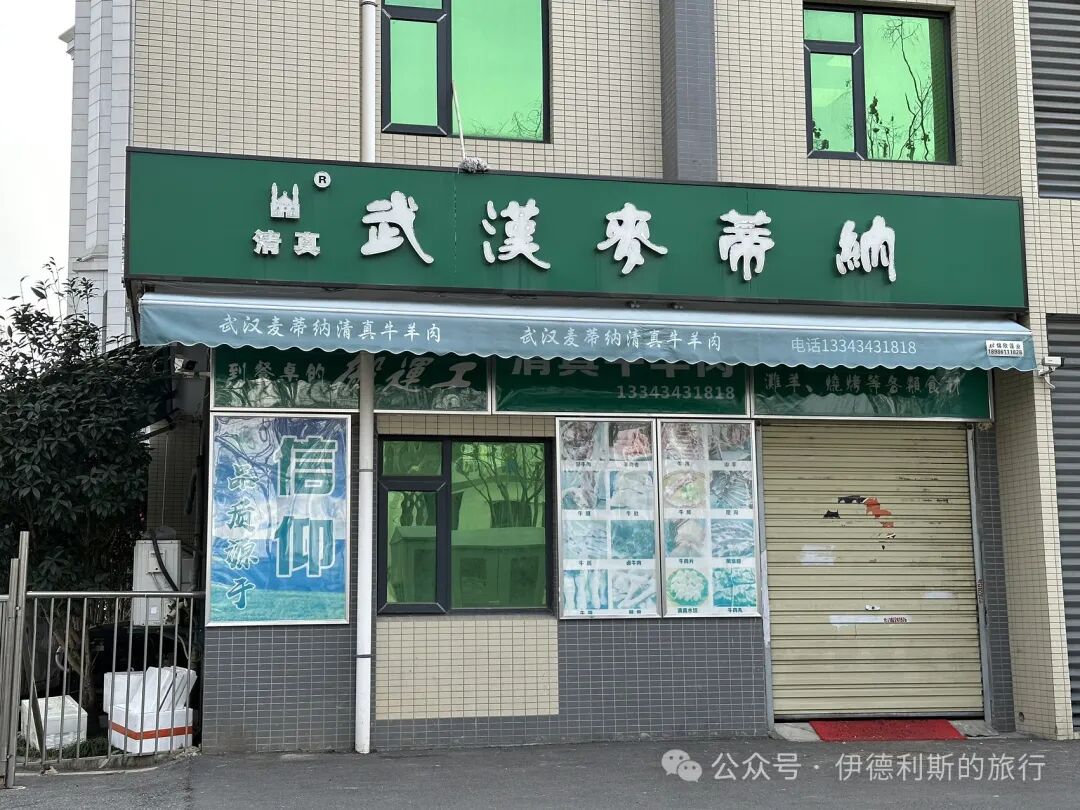
I originally wanted to have breakfast in Erqi this morning, but after asking around, I found that all the halal restaurants around Jiang'an Mosque have closed. There are only meat shops and pastry shops left, which is a real shame. One of them, Lvji Beef and Mutton Shop, still had reviews last year for selling various noodles, steamed buns (baozi), and dumplings (jiaozi), but they don't do that anymore.
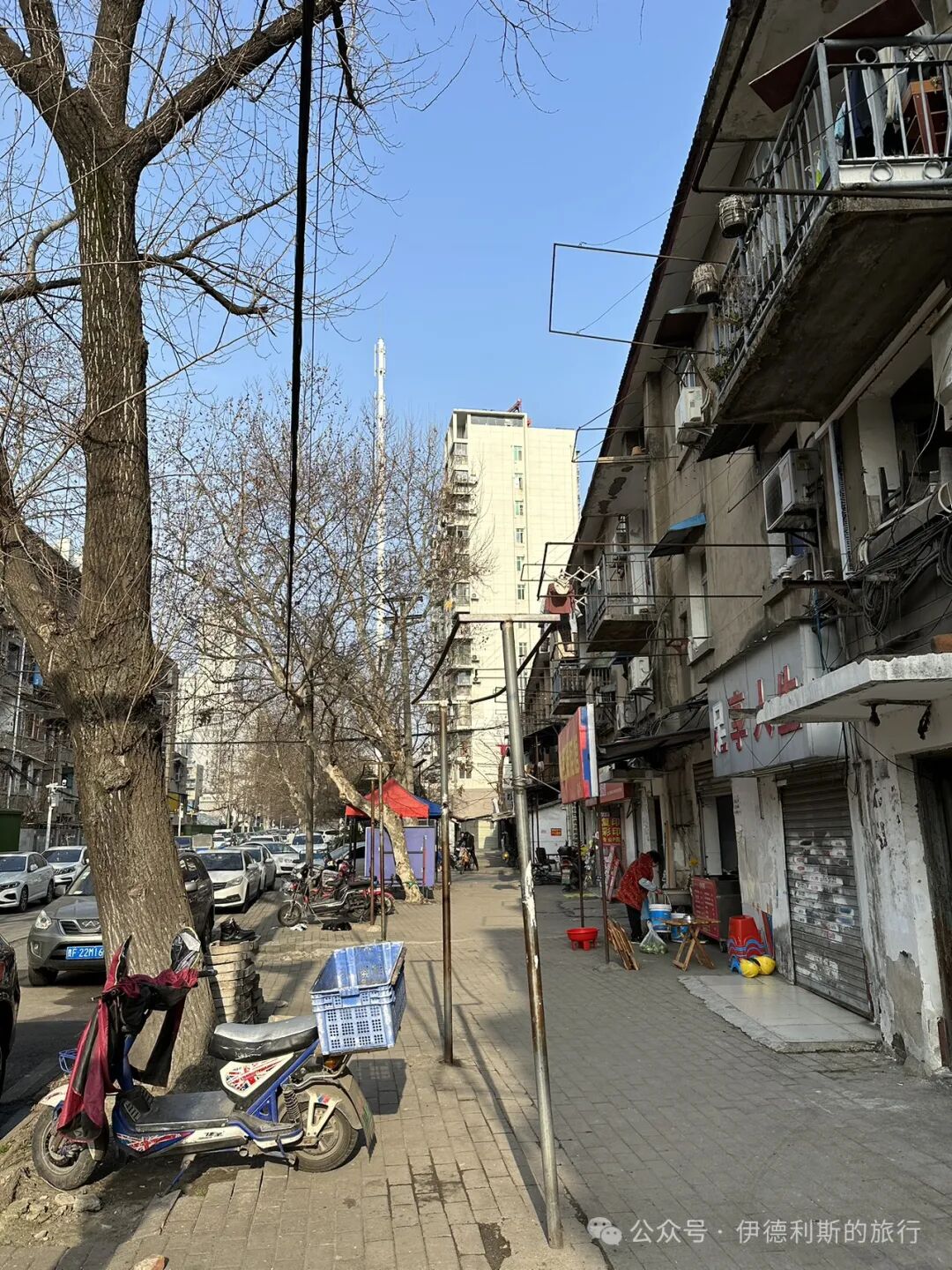
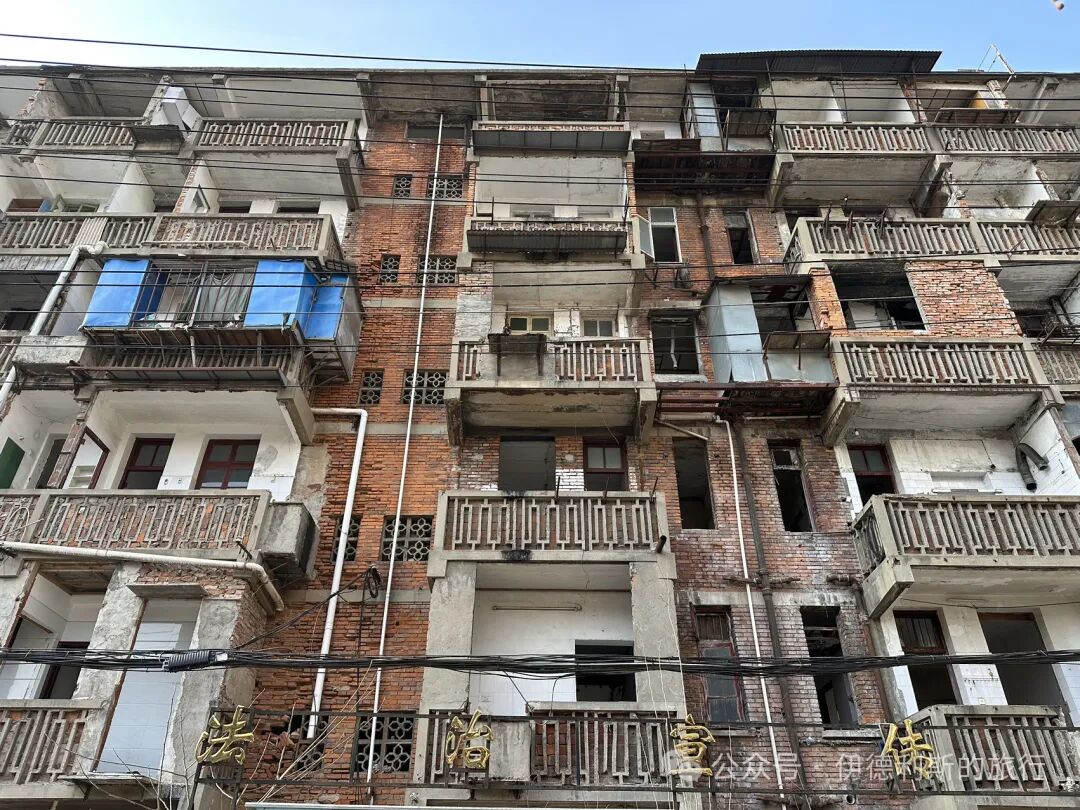
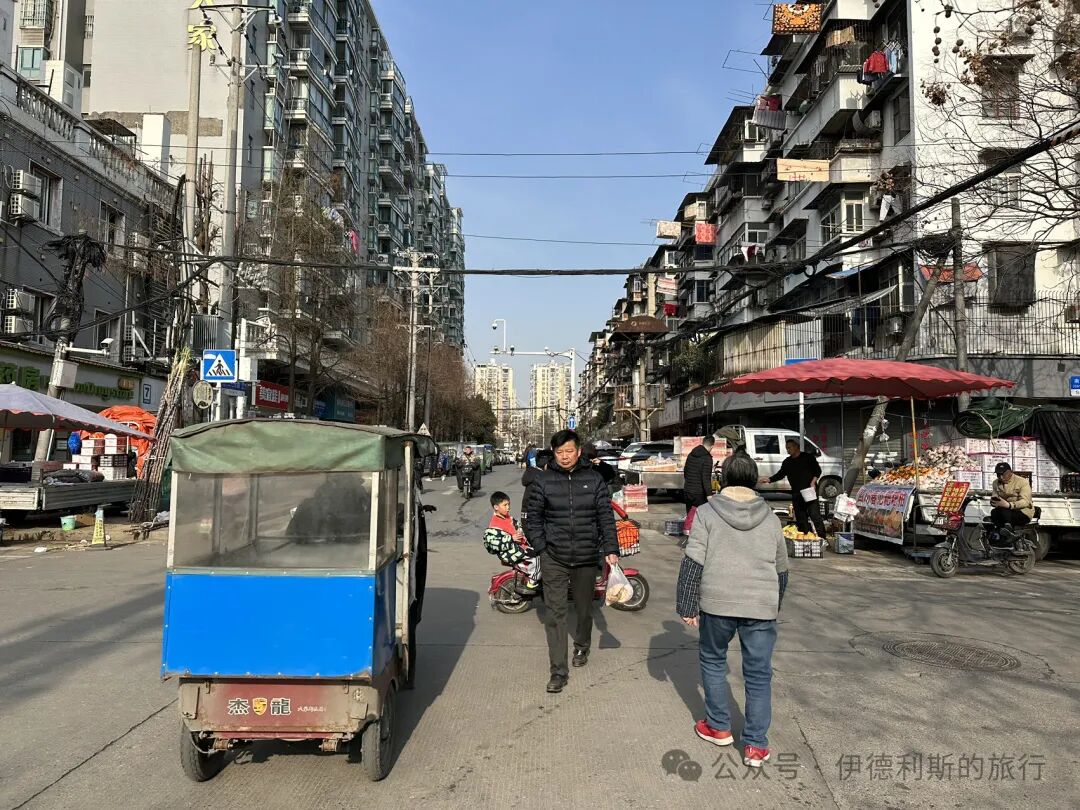
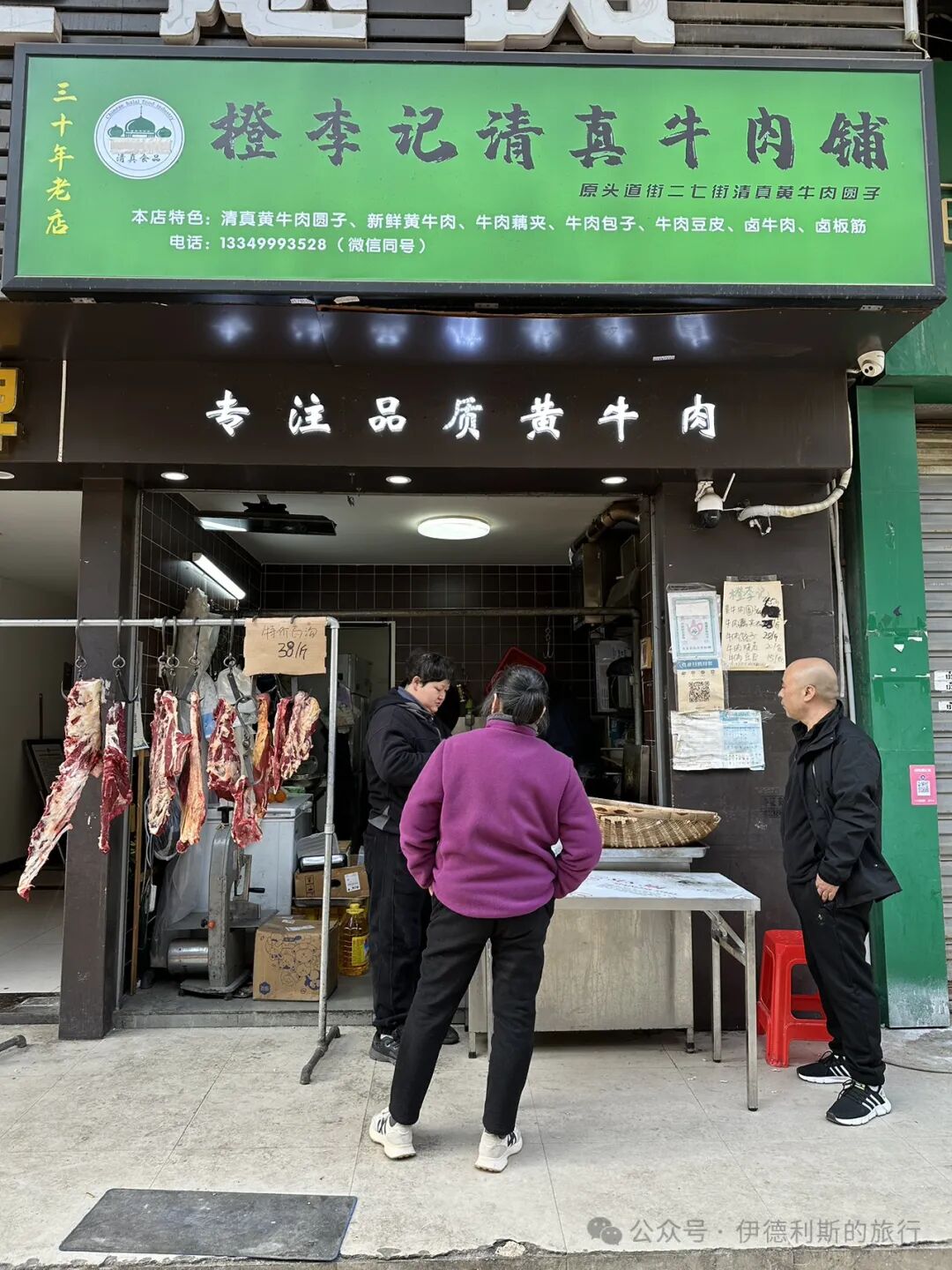
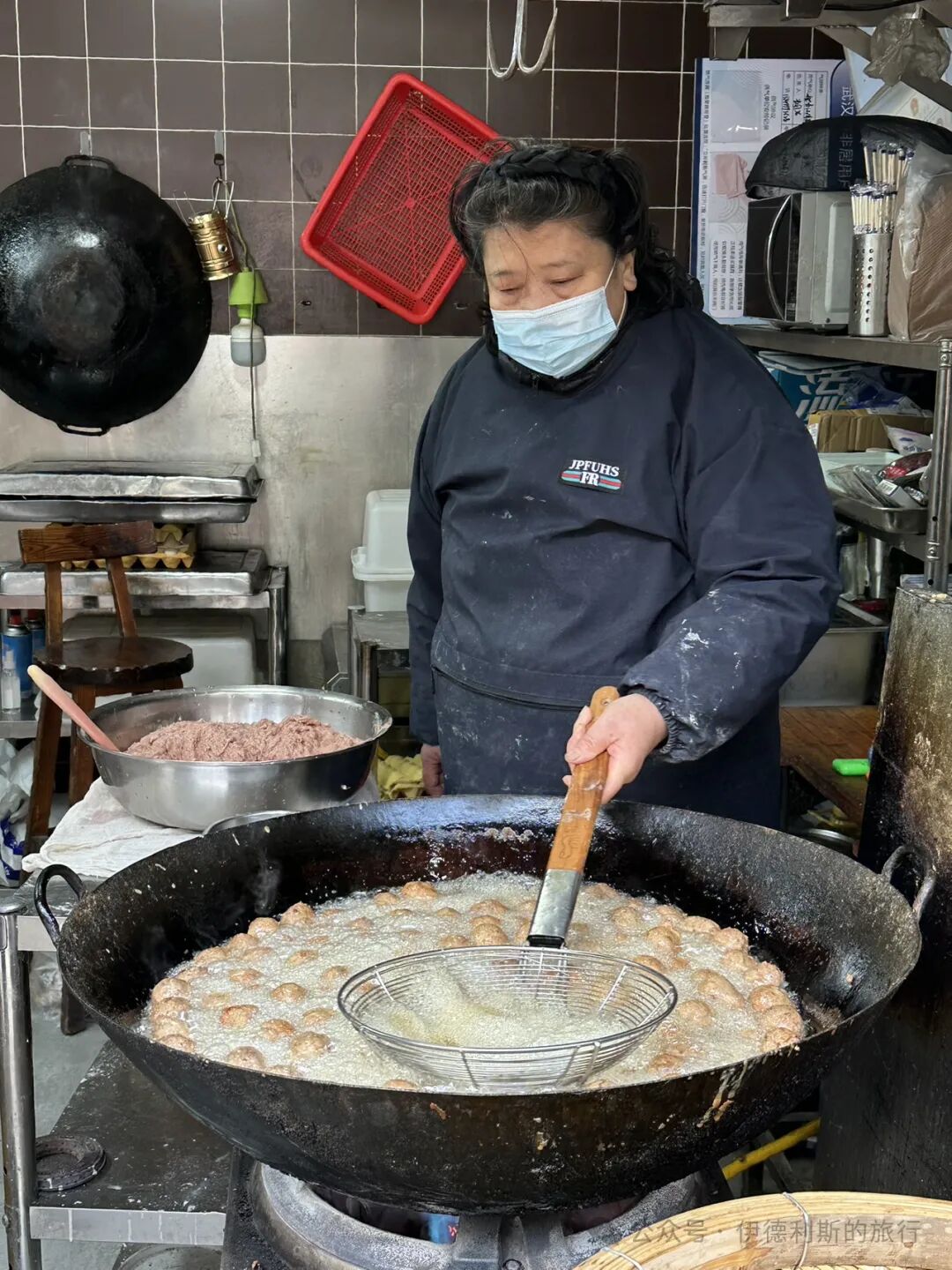
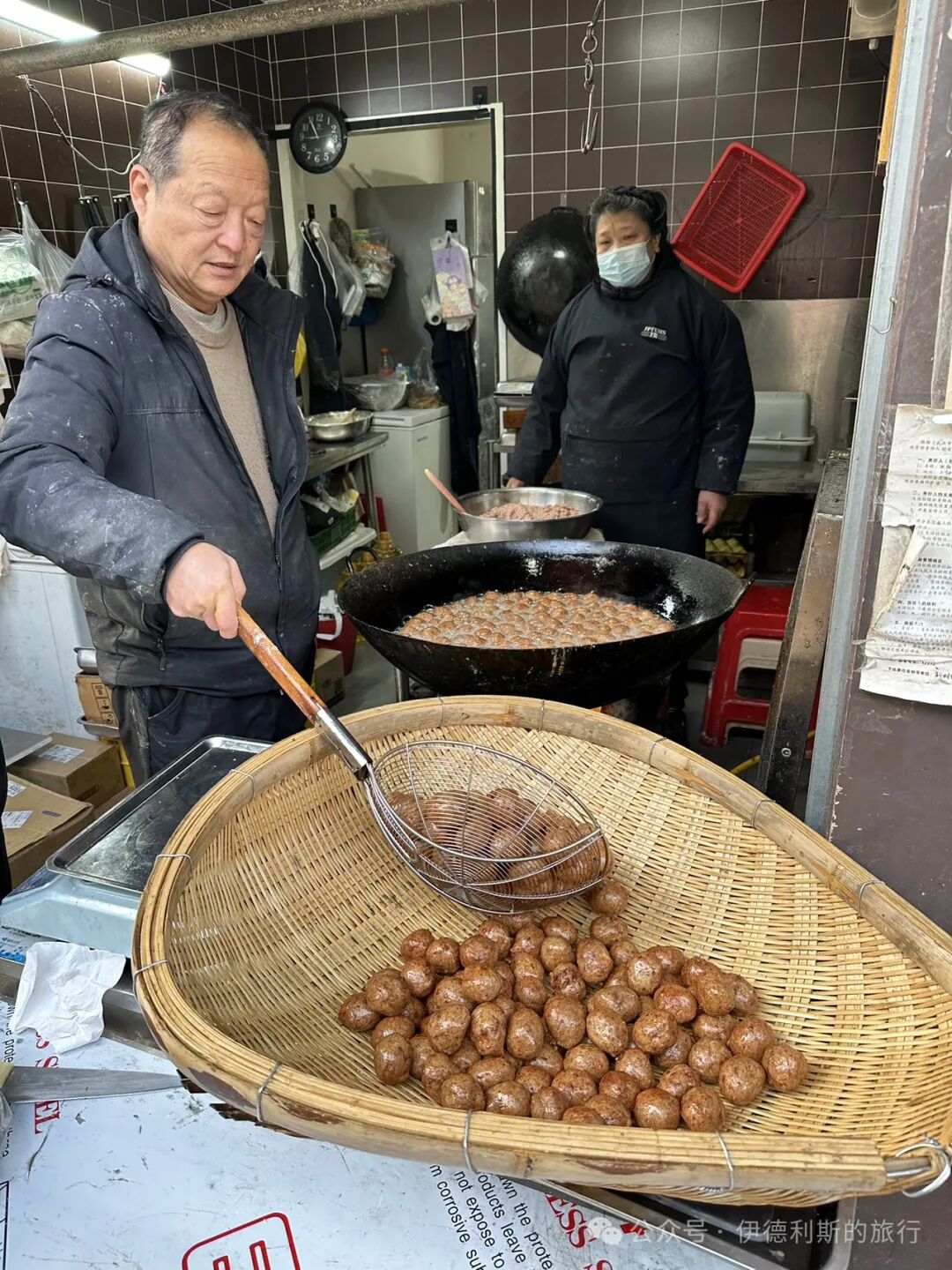
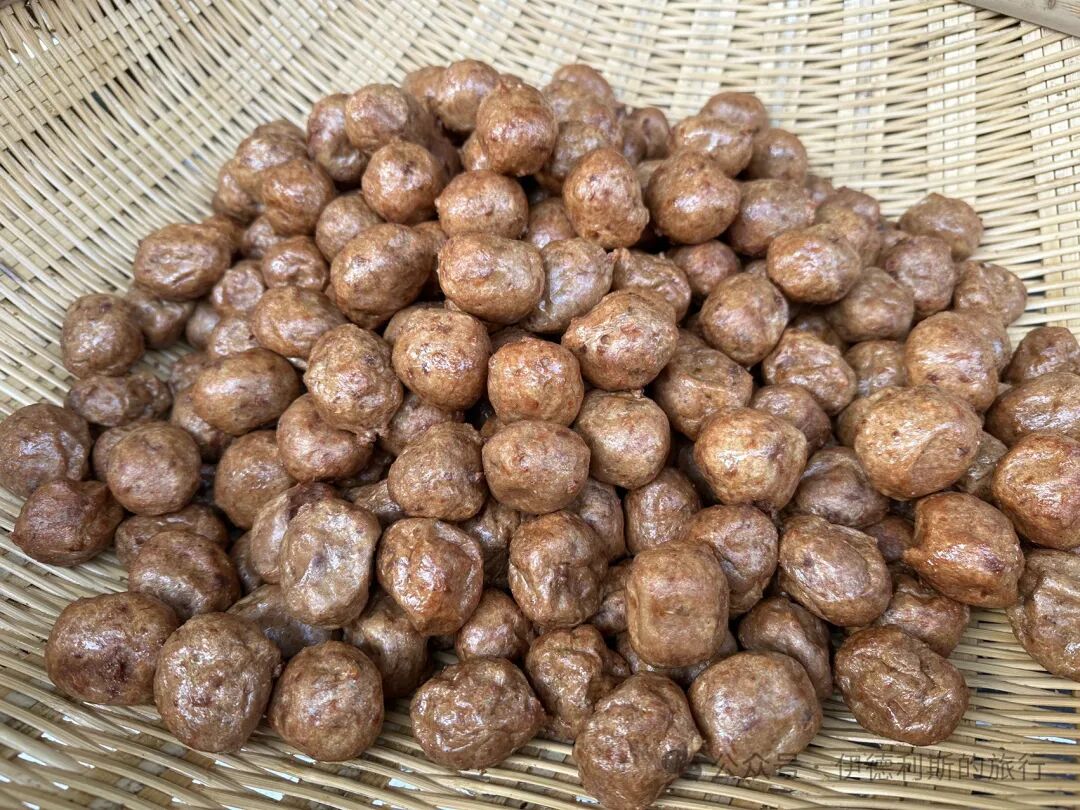
Erqi North Road is very busy in the morning, and we caught some freshly fried beef meatballs (niurou yuanzi) at Chengliji. Their shop is an old favorite from Toudao Street that later moved to Erqi North Road, and the local neighbors really like it. The freshly fried beef meatballs taste delicious! They definitely don't have that floury texture from too much starch found in the meatballs at some other shops. It is a pity that the beef skin-tofu (niurou doupi) I wanted most wasn't being made. The owner said they would make it in a few days, so it is best to call ahead next time.
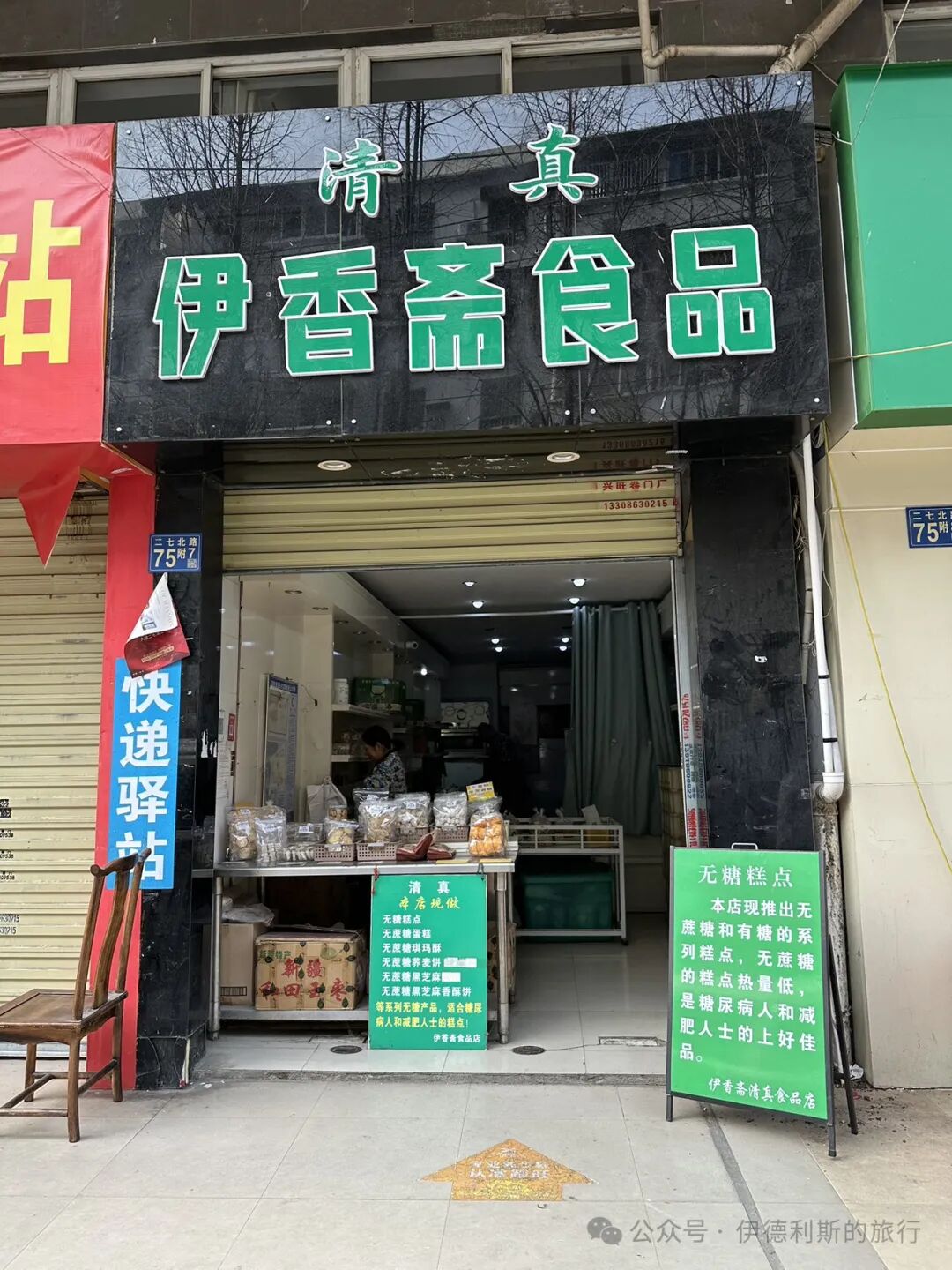
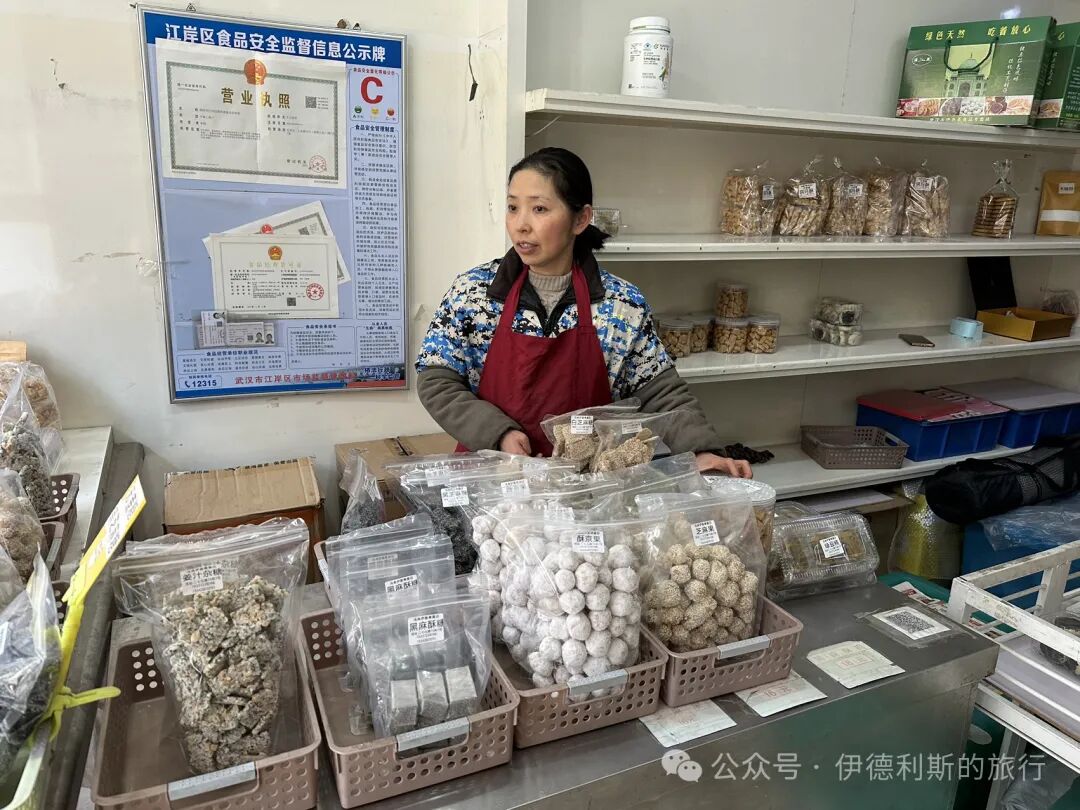
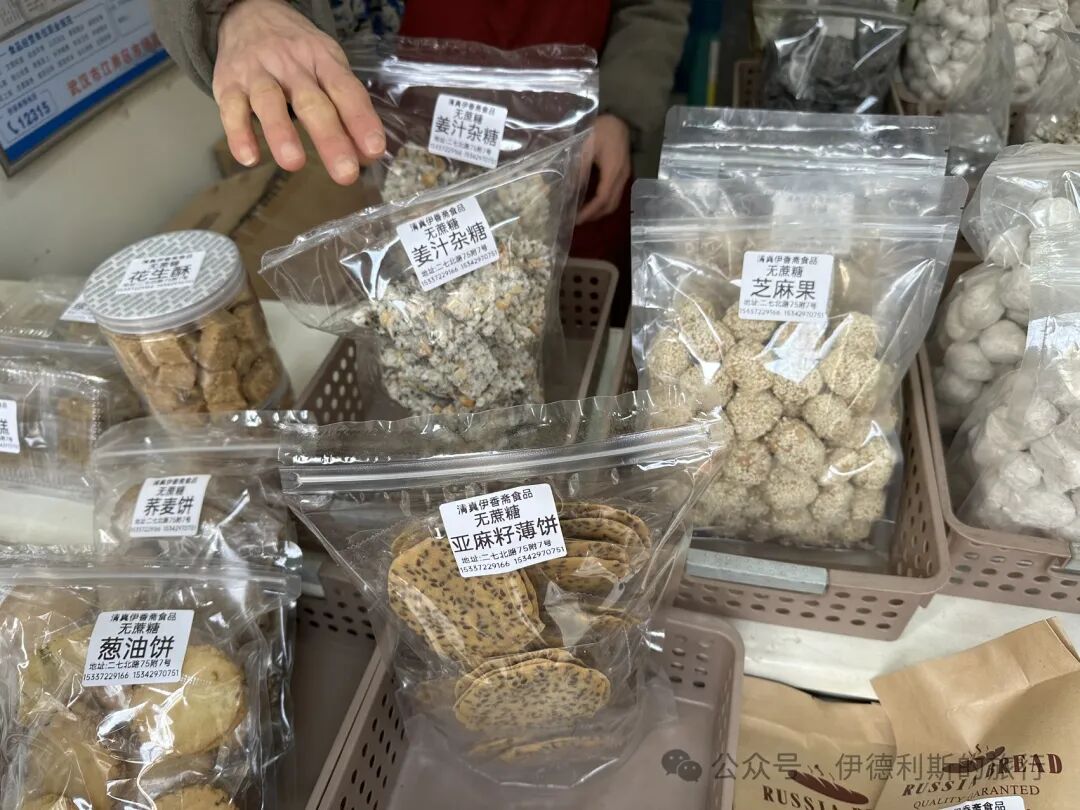
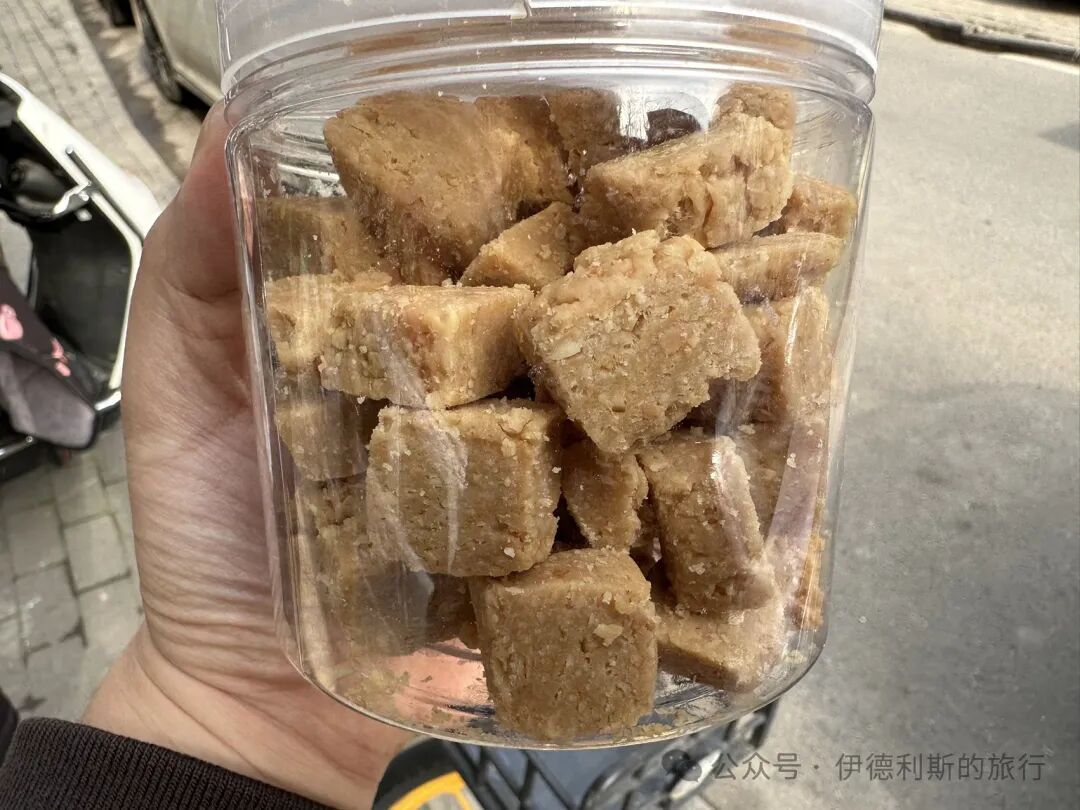
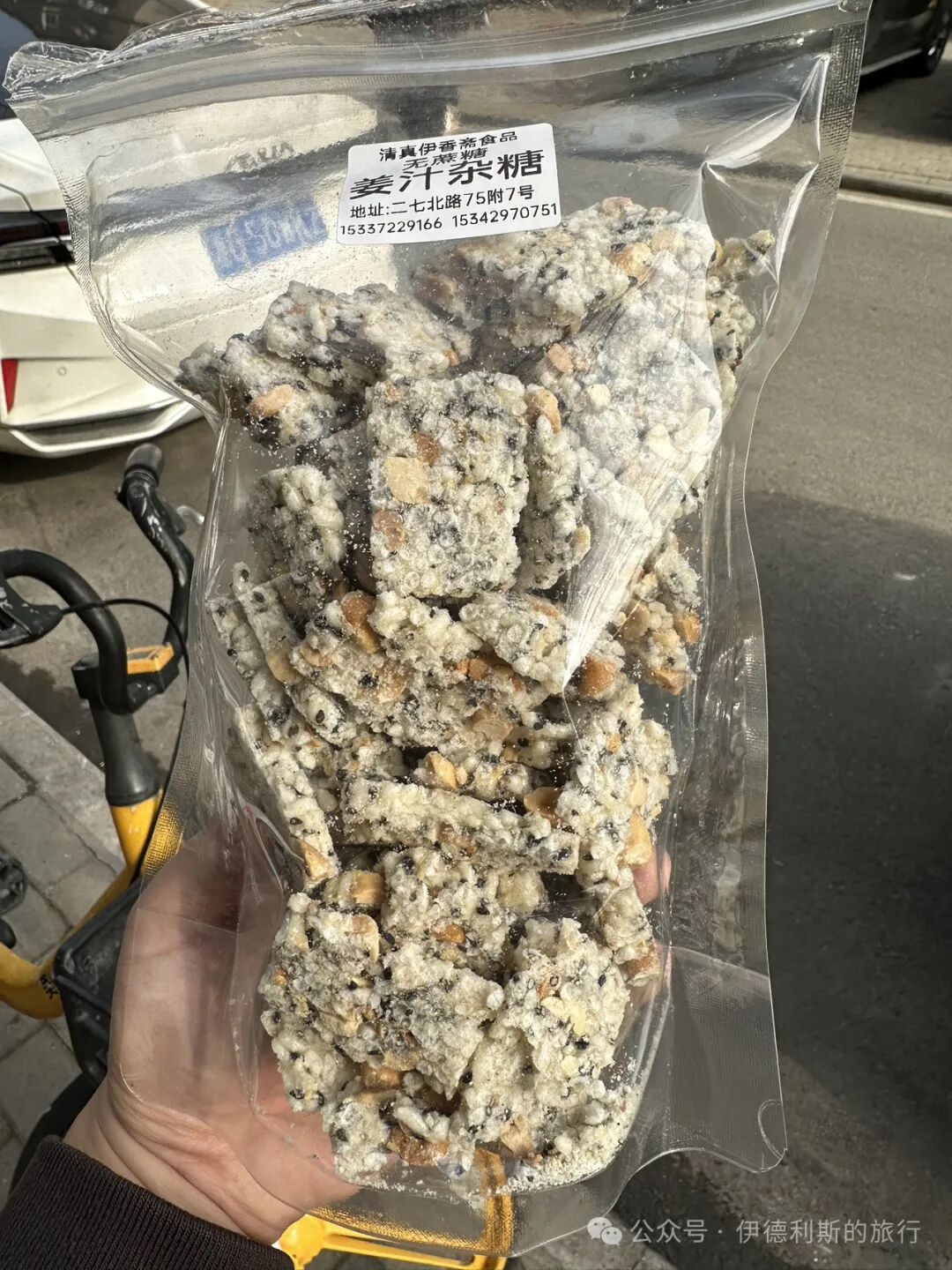
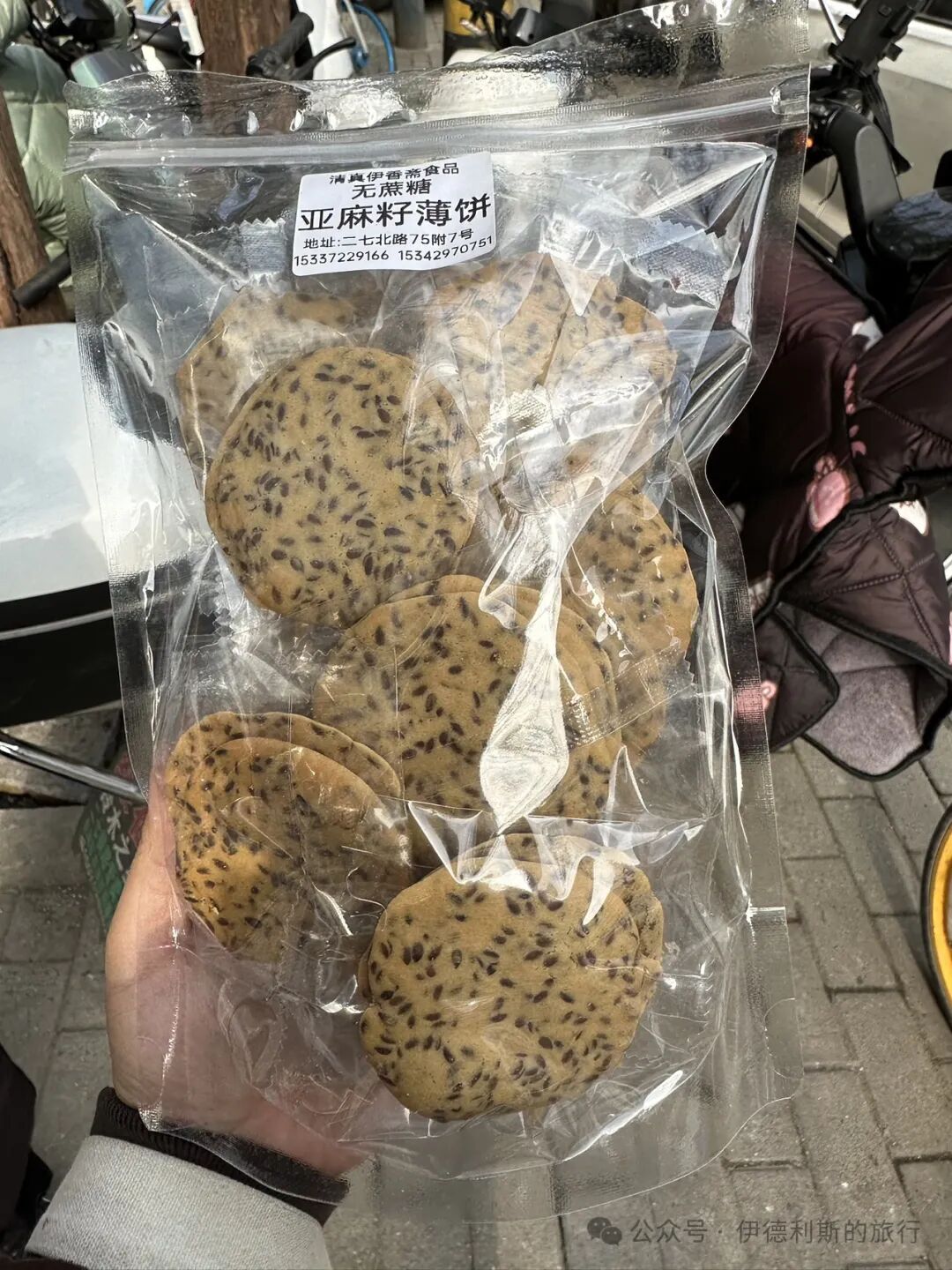
Next to Chengliji is Yixiangzhai Food Shop, which sells various halal pastries. I always buy some whenever I return to Wuhan. I usually buy peanut brittle (huasheng su) and ginger candy (jiangzhi zatang). This time I also bought flaxseed crackers (yamazi bingbo), and they taste even better! They are also low in sugar and taste very healthy.
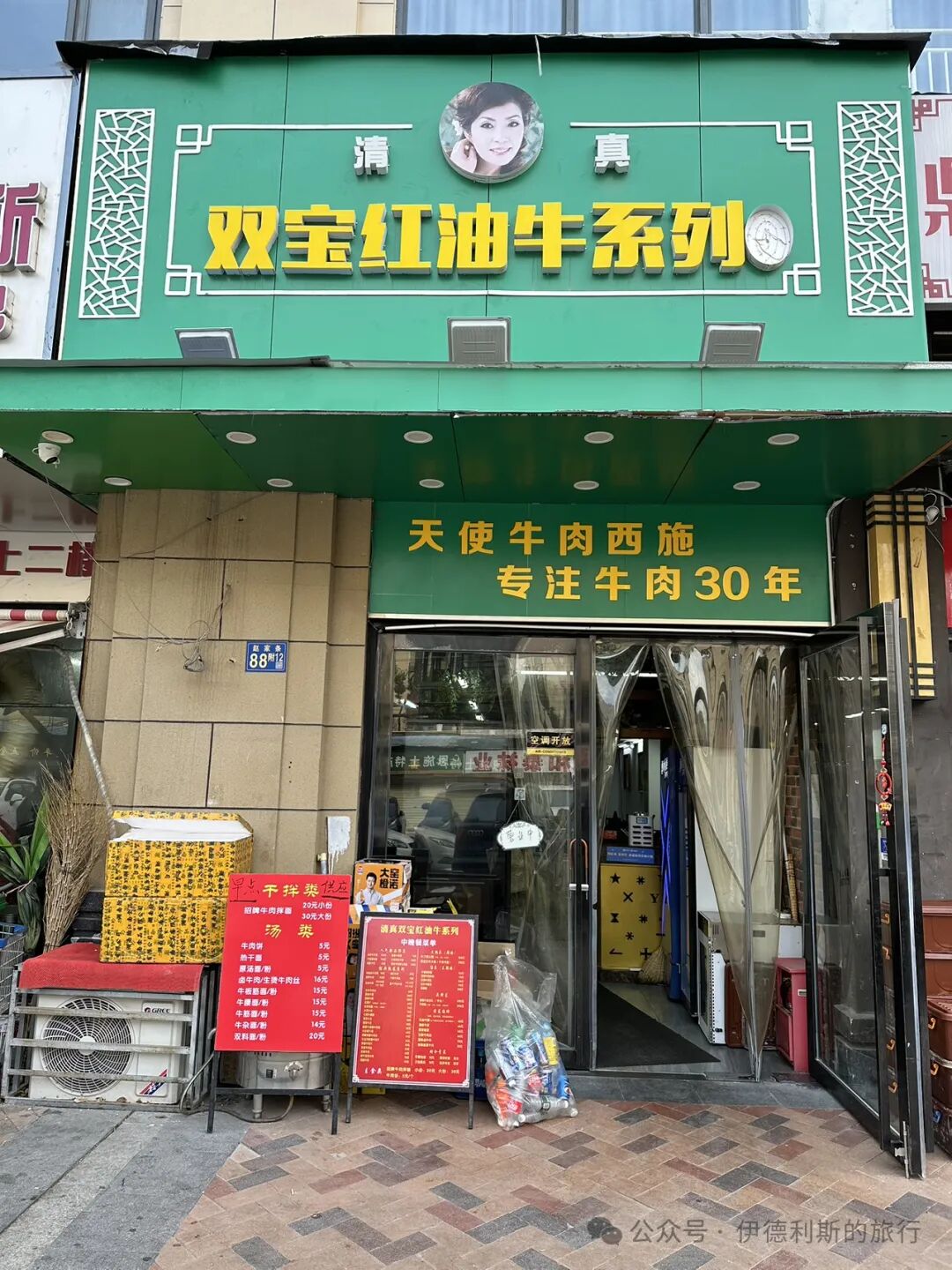
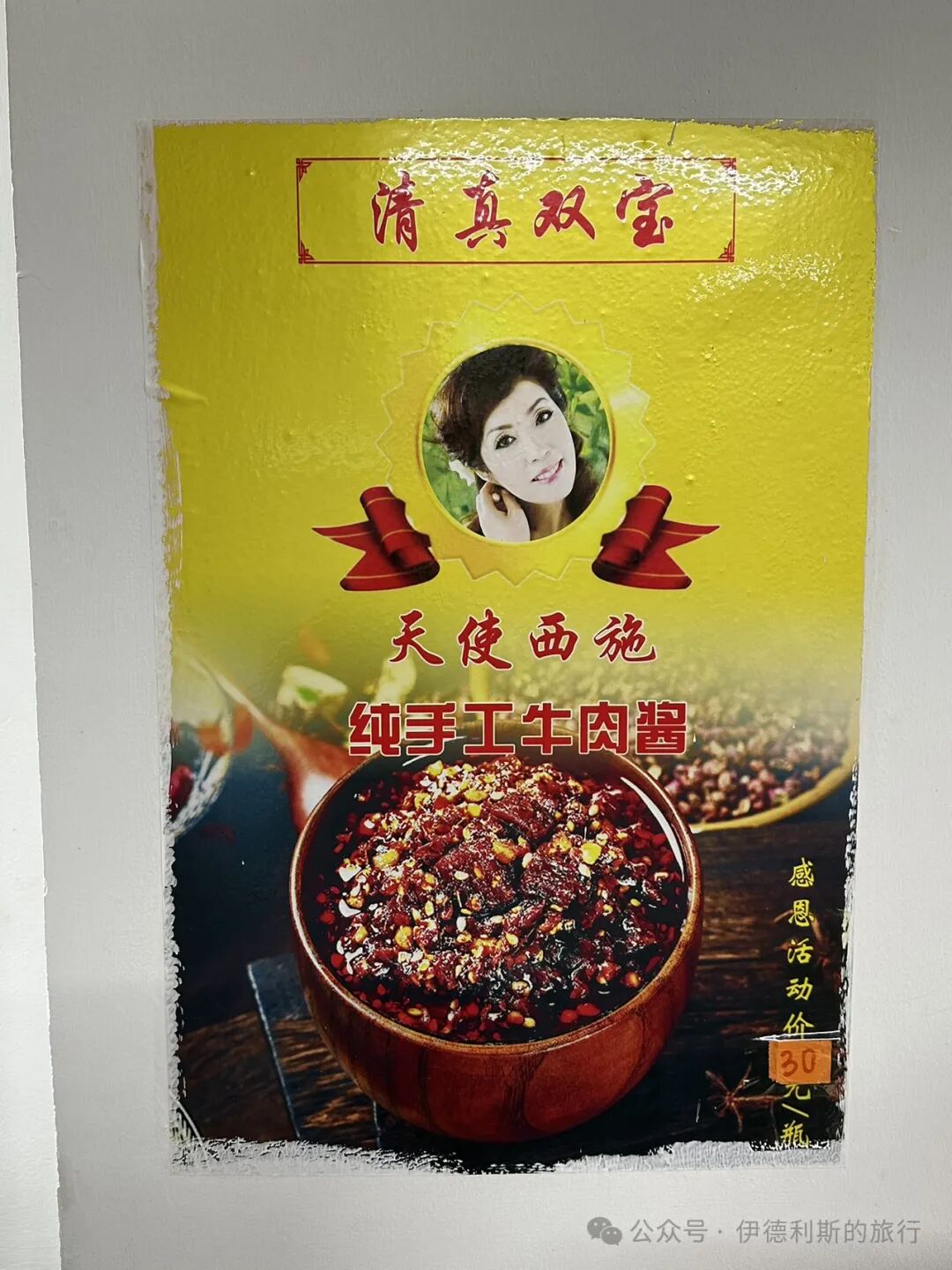
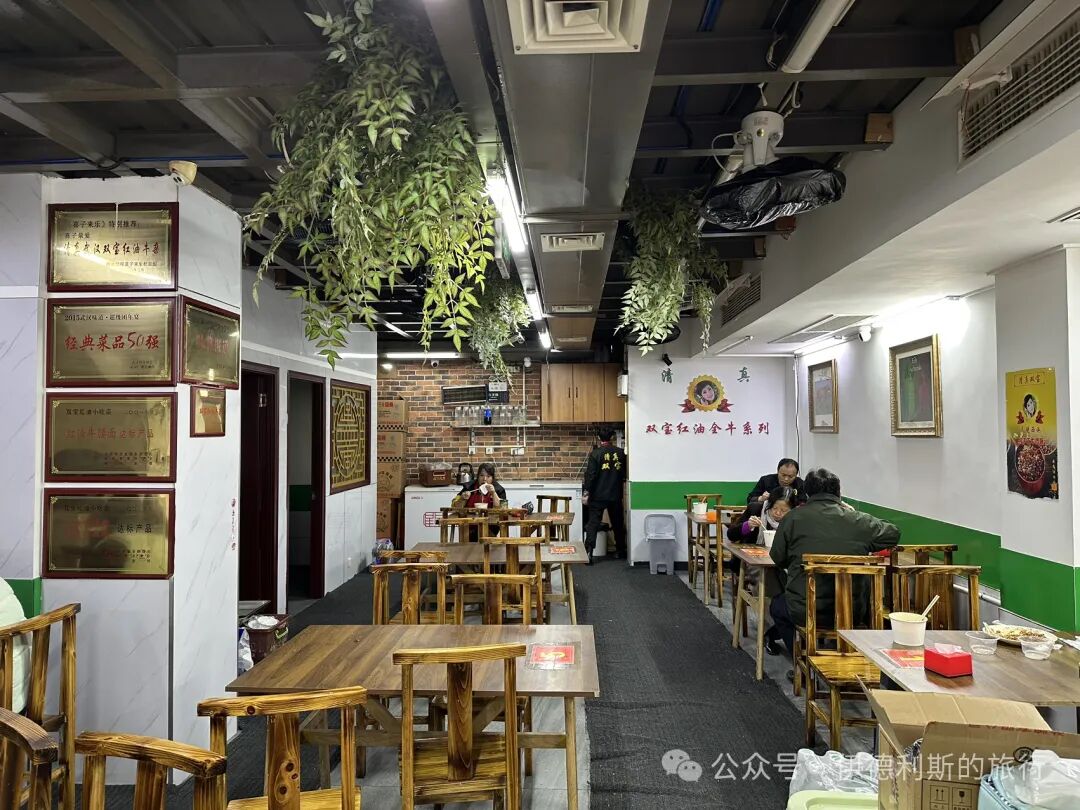
Since we didn't get breakfast near Jiang'an Mosque, we rode our bikes 2.7 kilometers west to Shuangbao Red Oil Beef Series on Erqi Side Road. This place must be the most popular and famous halal restaurant in the Erqi area. Shuangbao now has two shops, one halal and one not halal, so everyone must be careful to tell them apart. The new halal shop is run by a Hui Muslim landlady, and the old non-halal shop is reportedly run by the landlady's niece.
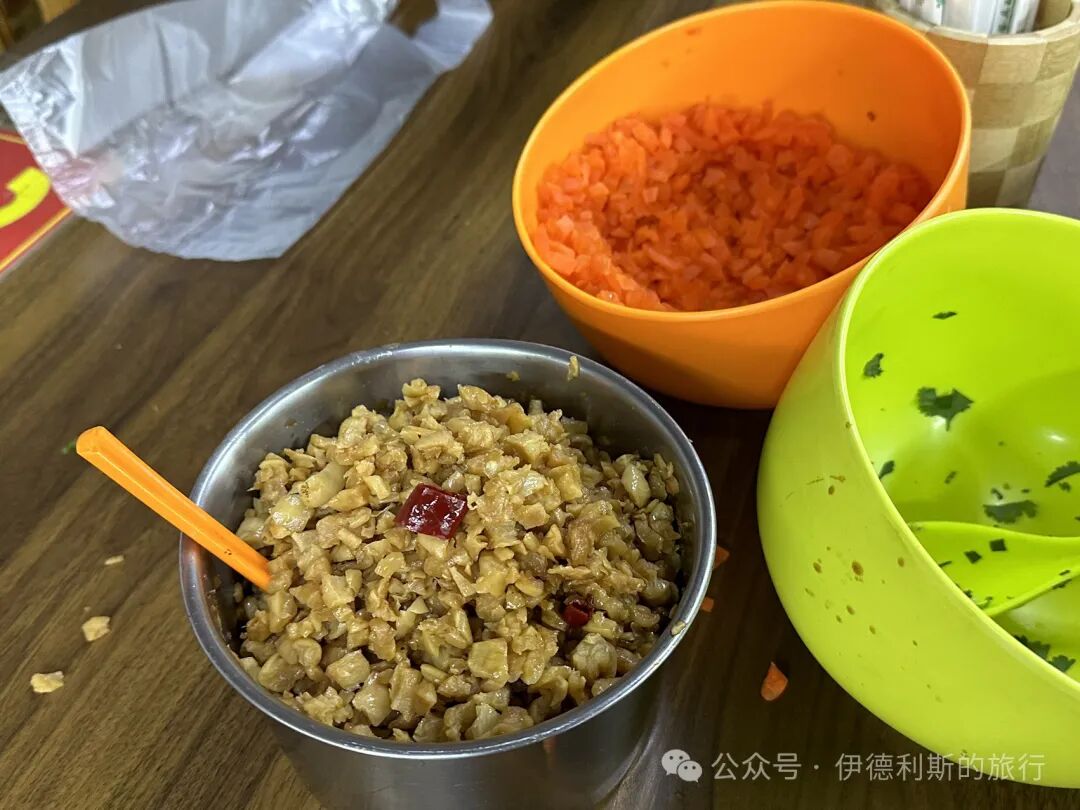
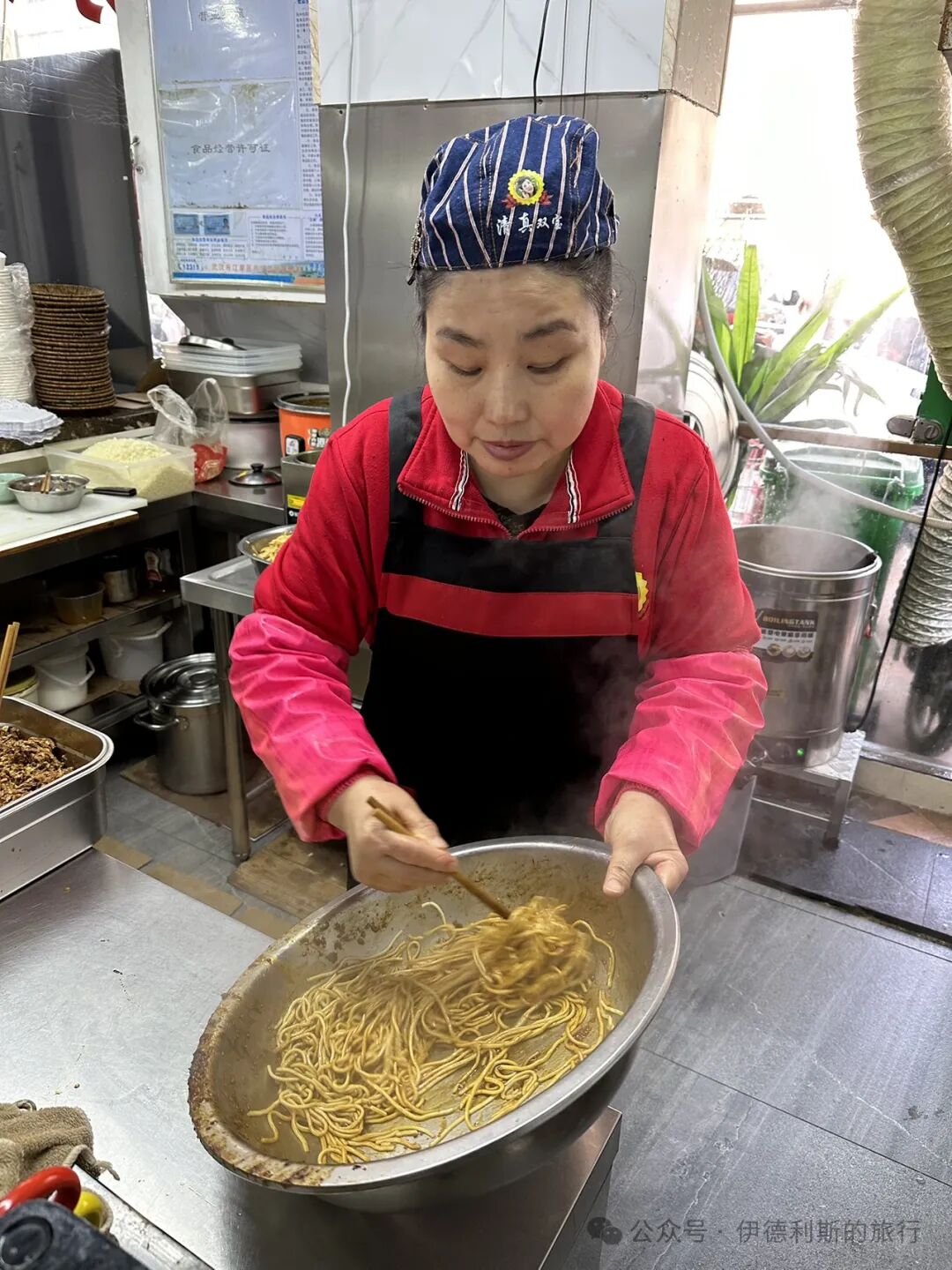
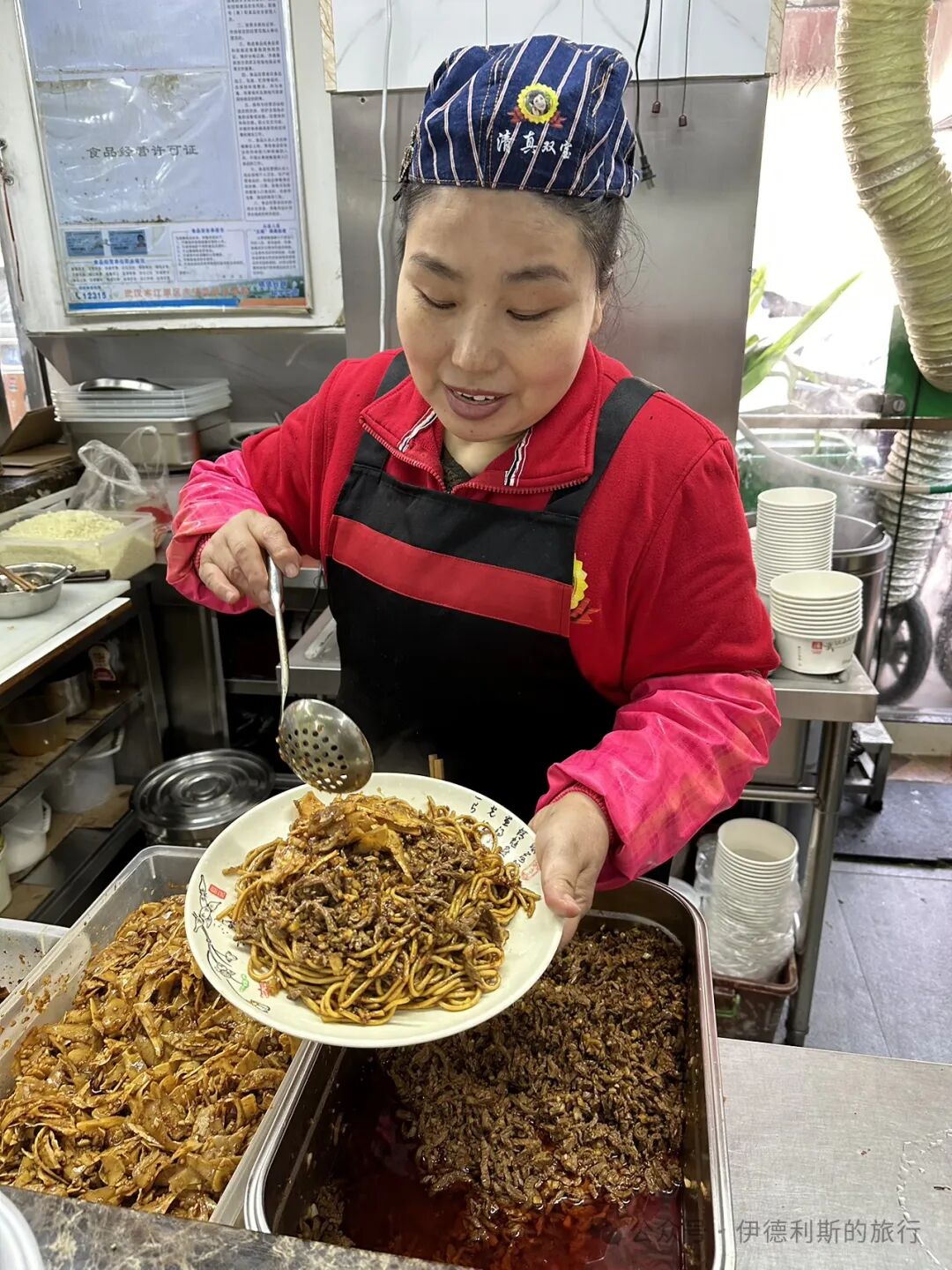
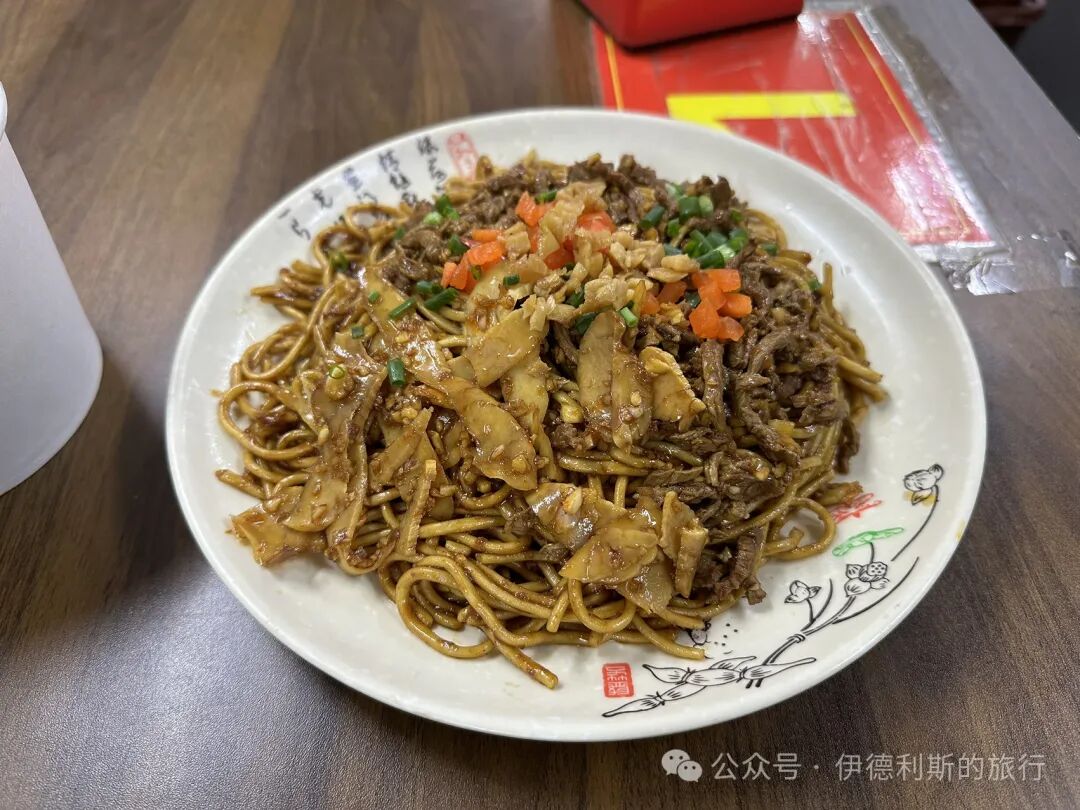
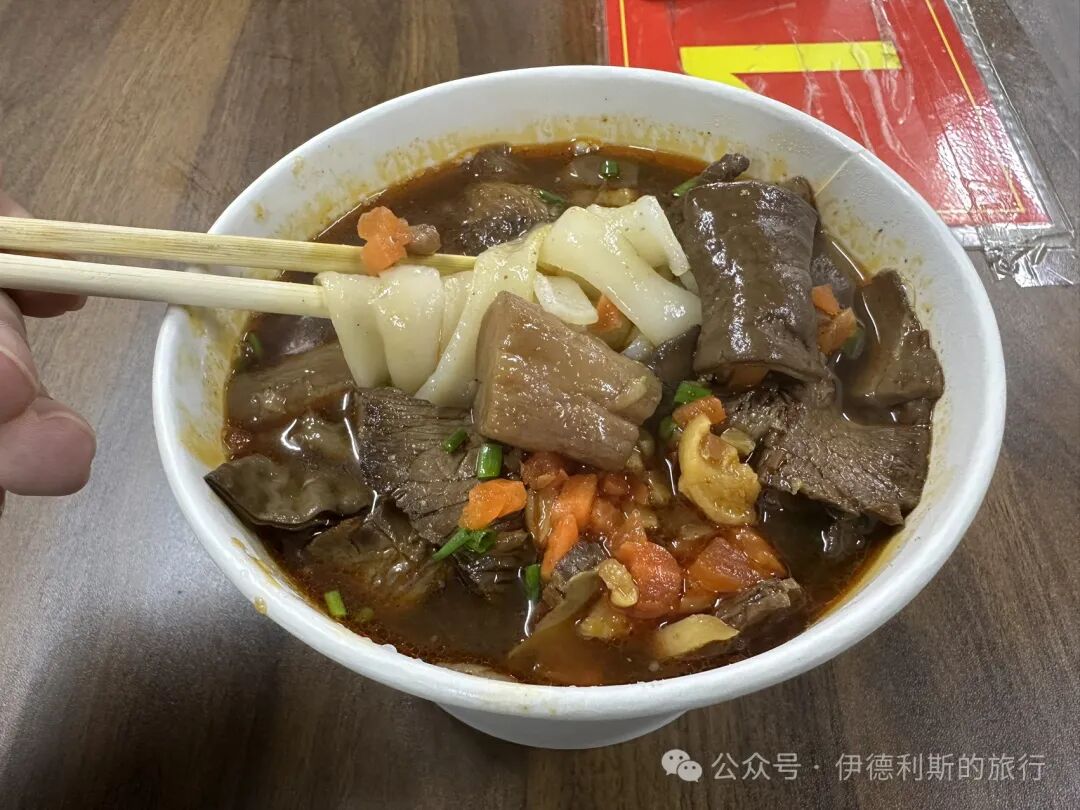
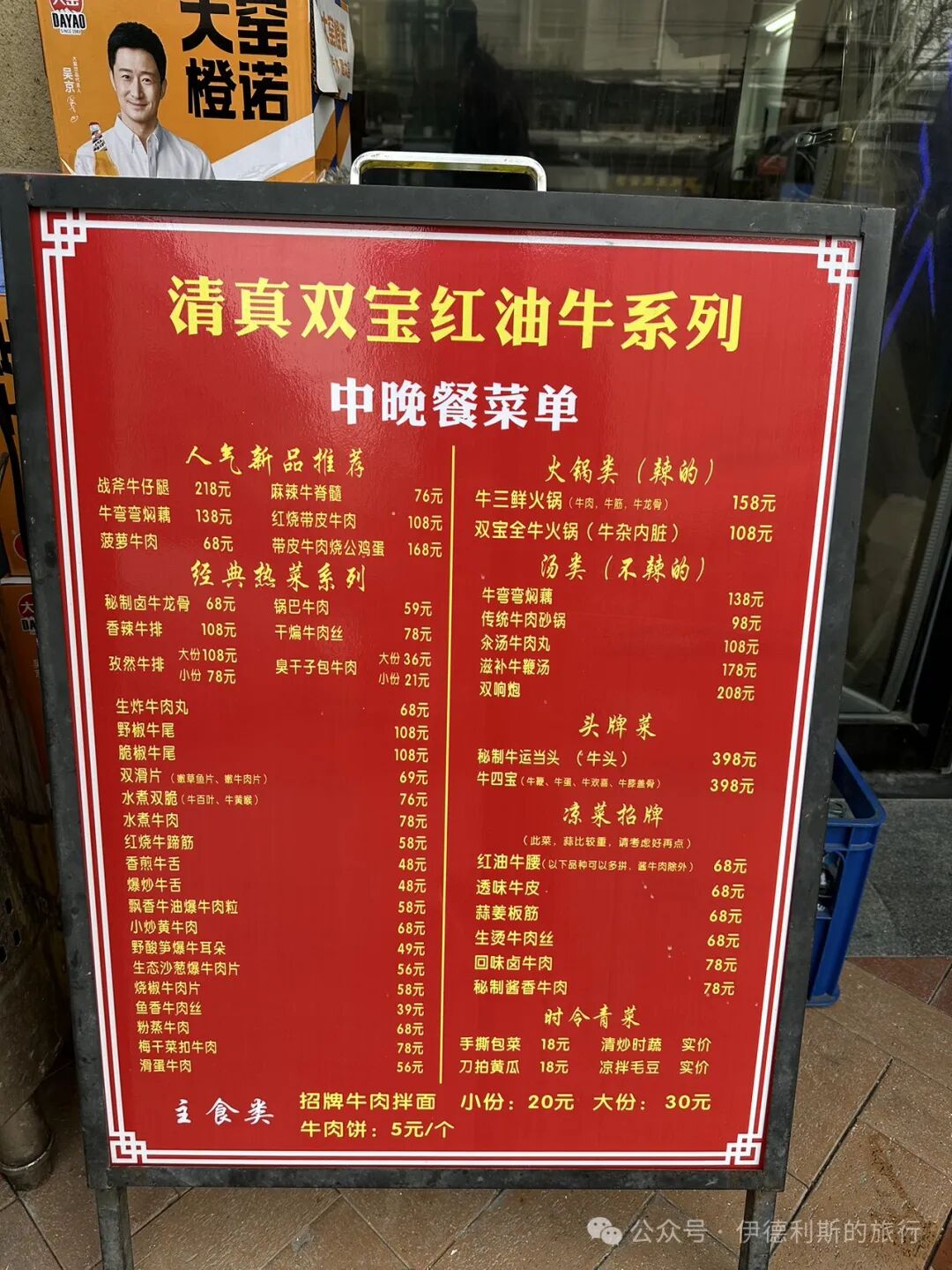
This place likely has the widest variety of beef dishes among halal restaurants in Wuhan. Lunch starts at 11:00, offering dozens of options. The crispy rice beef (guoba niurou), beef-stuffed fermented tofu (chouganzi bao niurou), and braised beef spine (lu niulonggu) are the most classic choices. We arrived before lunch service started, so we had breakfast instead. The breakfast menu features various beef rice noodles and wheat noodles, and they taste fantastic. The signature beef mixed noodles (zhaopai niurou banmian) are the best. The dry-mixed beef combined with the braising broth is very fragrant. The lady mixing the noodles was very friendly. When she heard we were fellow Muslims (dosti), she even gave us some beef tendon (banjin) for free. Their braised beef tendon is very tender, which is quite different from the tough tendon you get at barbecue spots. We also ordered a bowl of three-topping noodles (sanliao fen) with beef tendon, braised beef, and beef offal. The chili oil flavor is very rich, and the beef tendon is braised until it is soft and tender—a texture I have never experienced in the north.
Overall, we left feeling very satisfied! I will definitely come back to try their lunch menu next time.
Central China Normal University
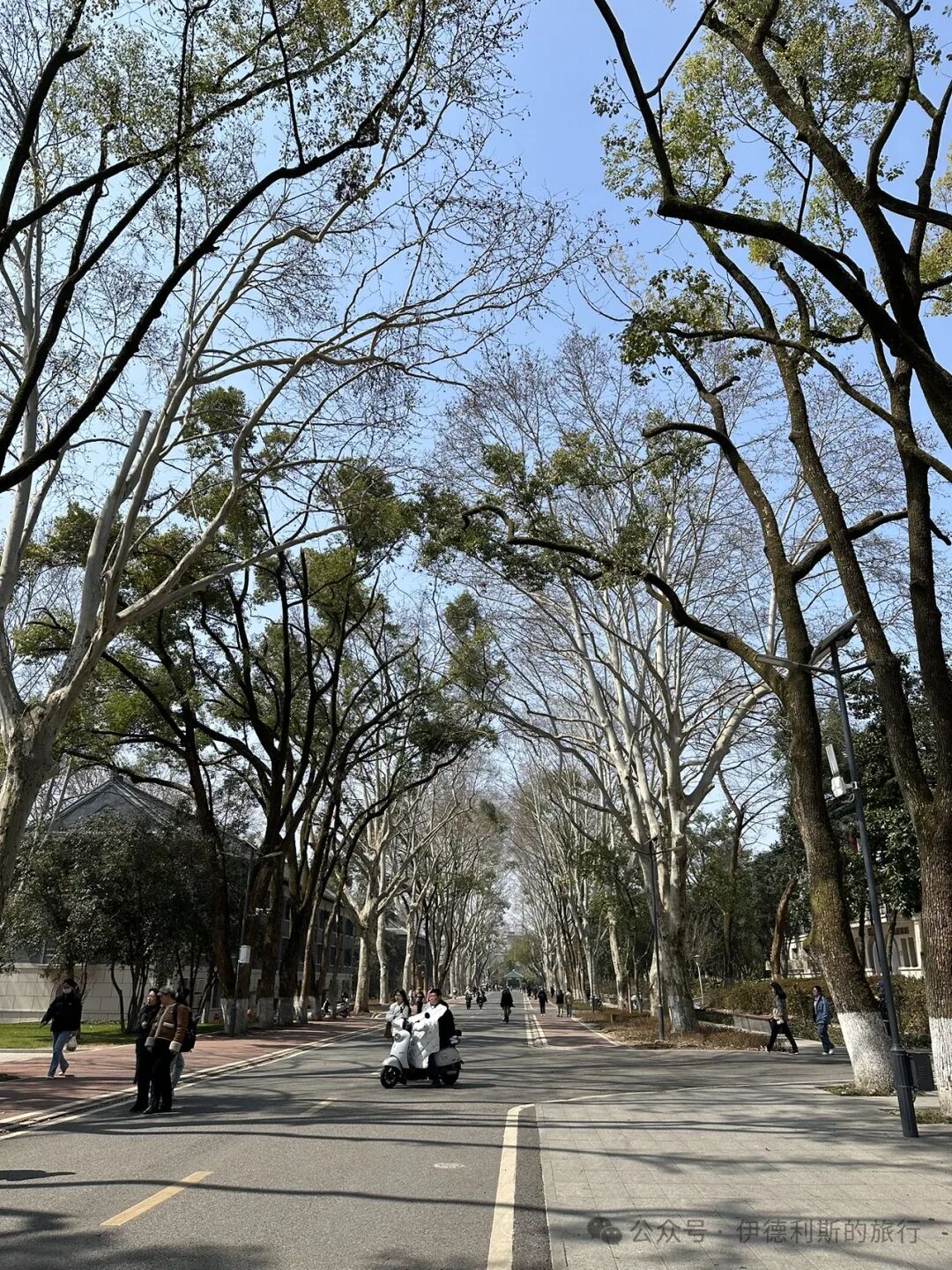
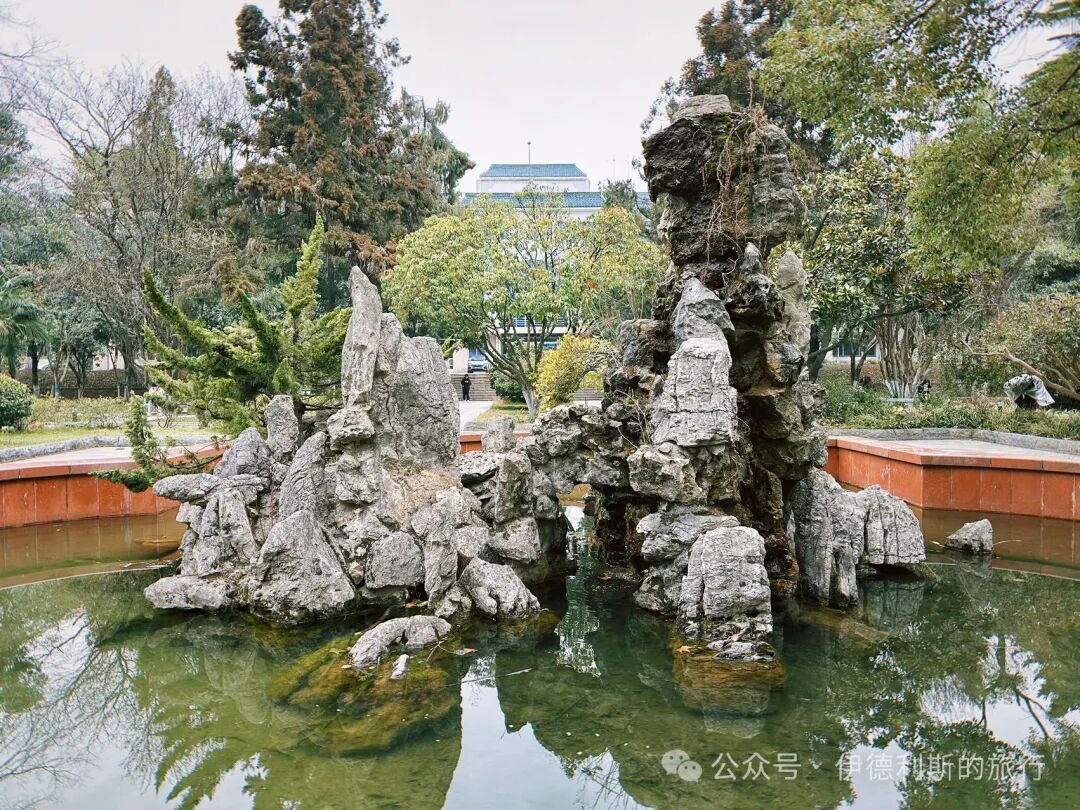
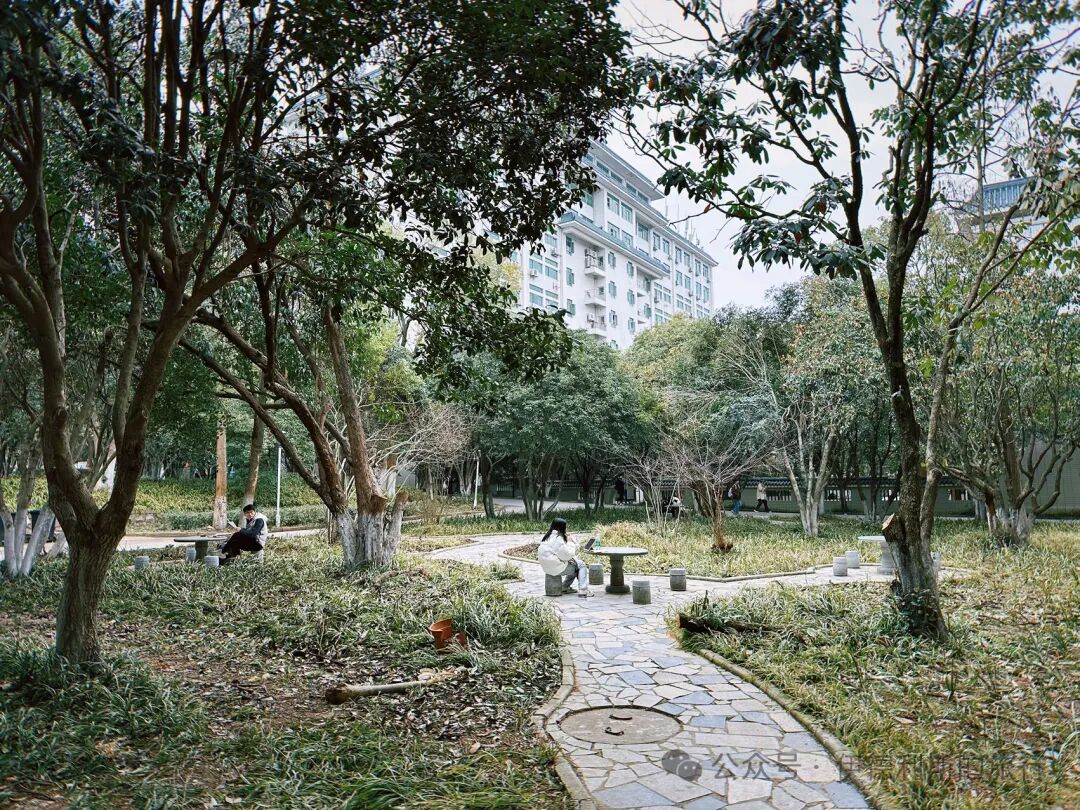
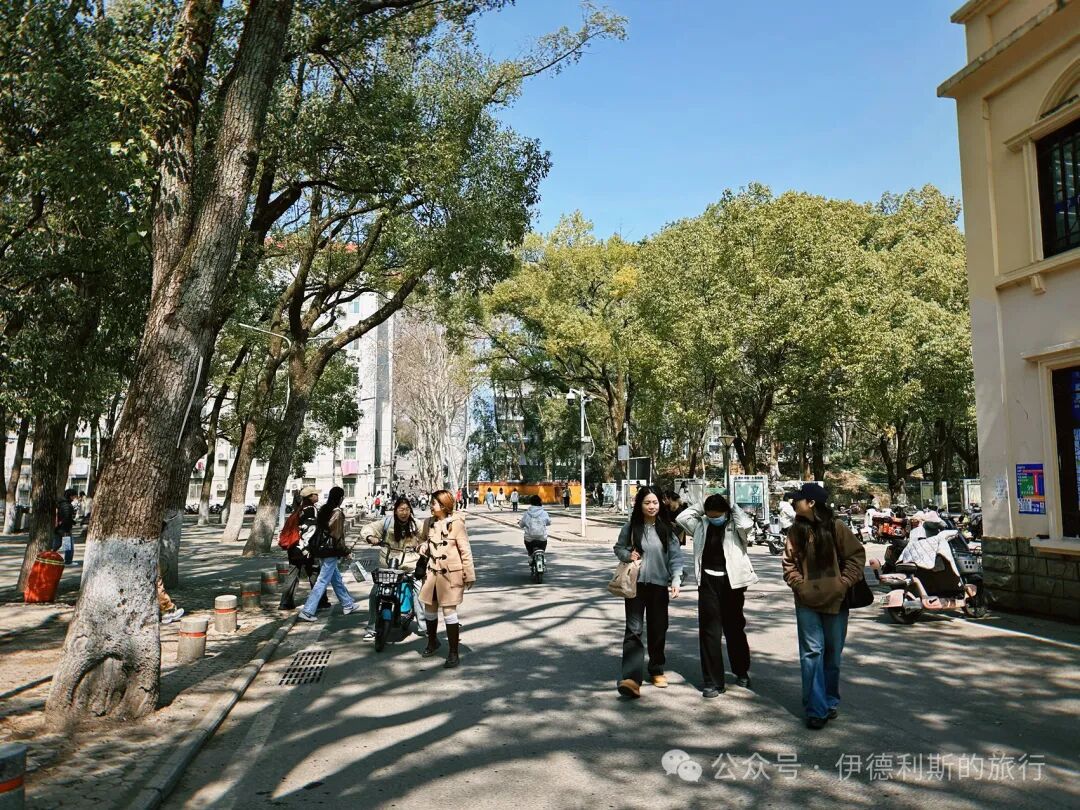
I finally returned to my alma mater, Central China Normal University, ten years after graduation. This is where I lived for four years. I visited once in 2017, but in 2021, I wasn't allowed in and could only look through the gate. This time, I just had to scan my ID card to enter. Apart from a few new high-rise buildings, the school hasn't changed much in ten years. Many places are full of memories.
I noticed many more electric scooters on campus this time, including shared ones you can unlock with a QR code. It is much more convenient for students now than when we had to climb the hill to class every day.
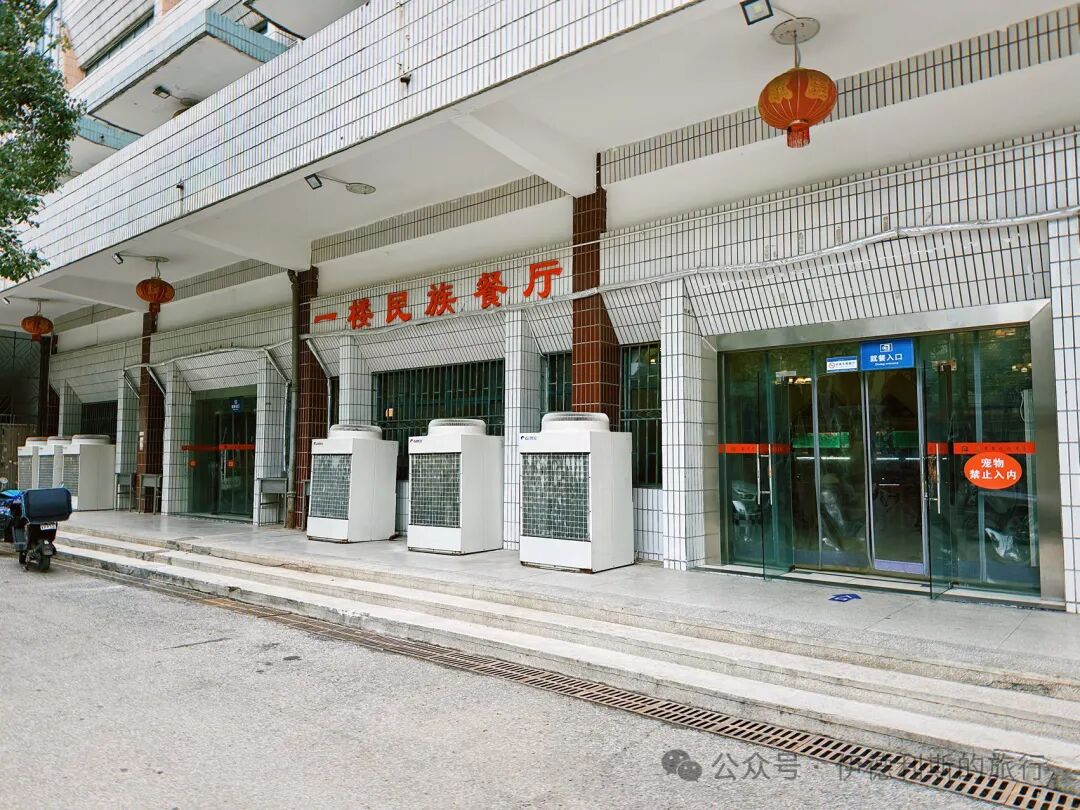
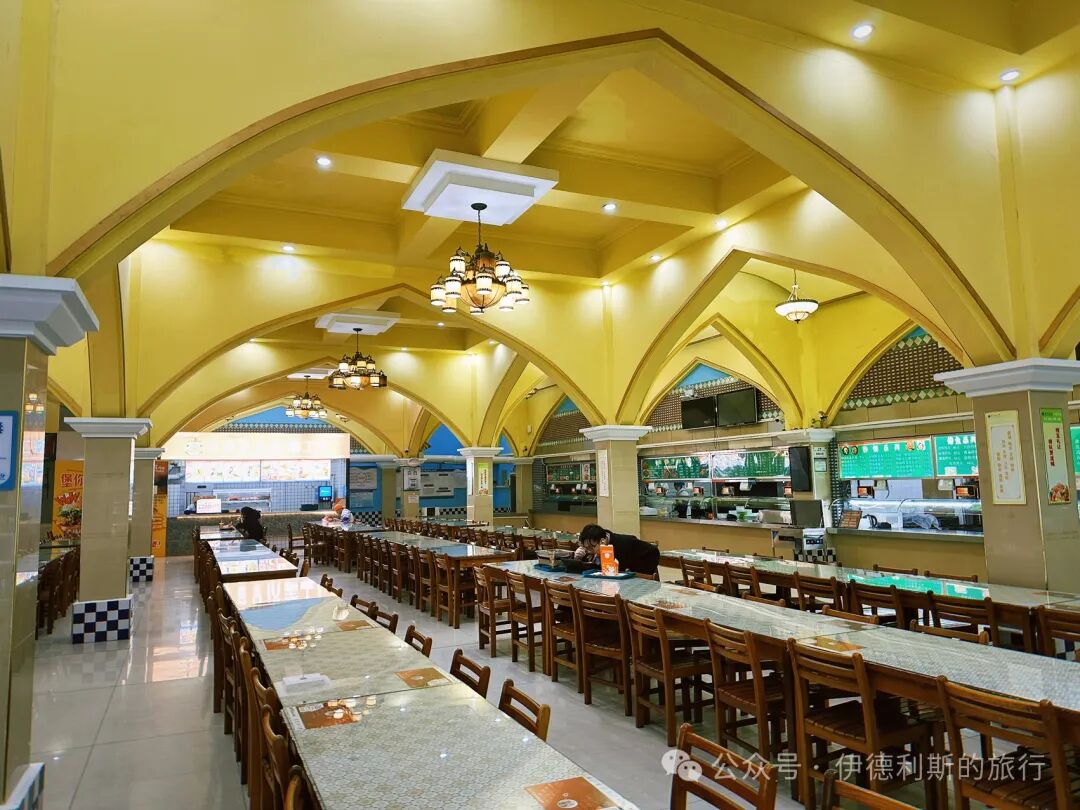
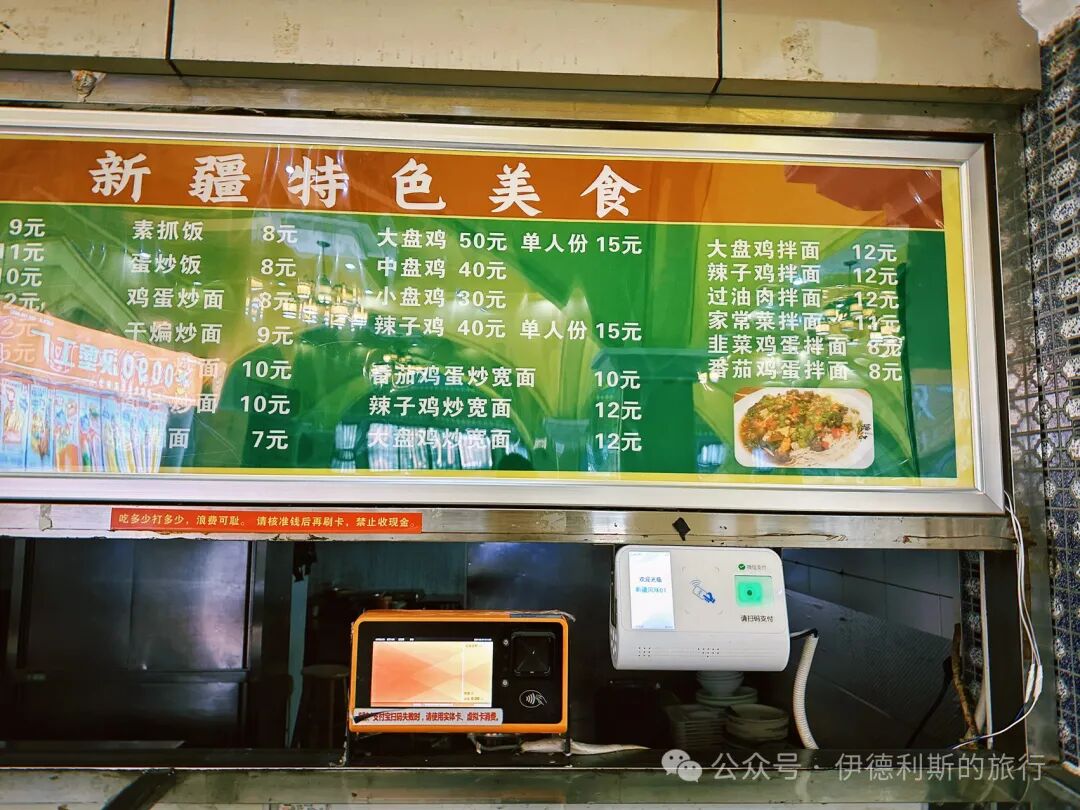
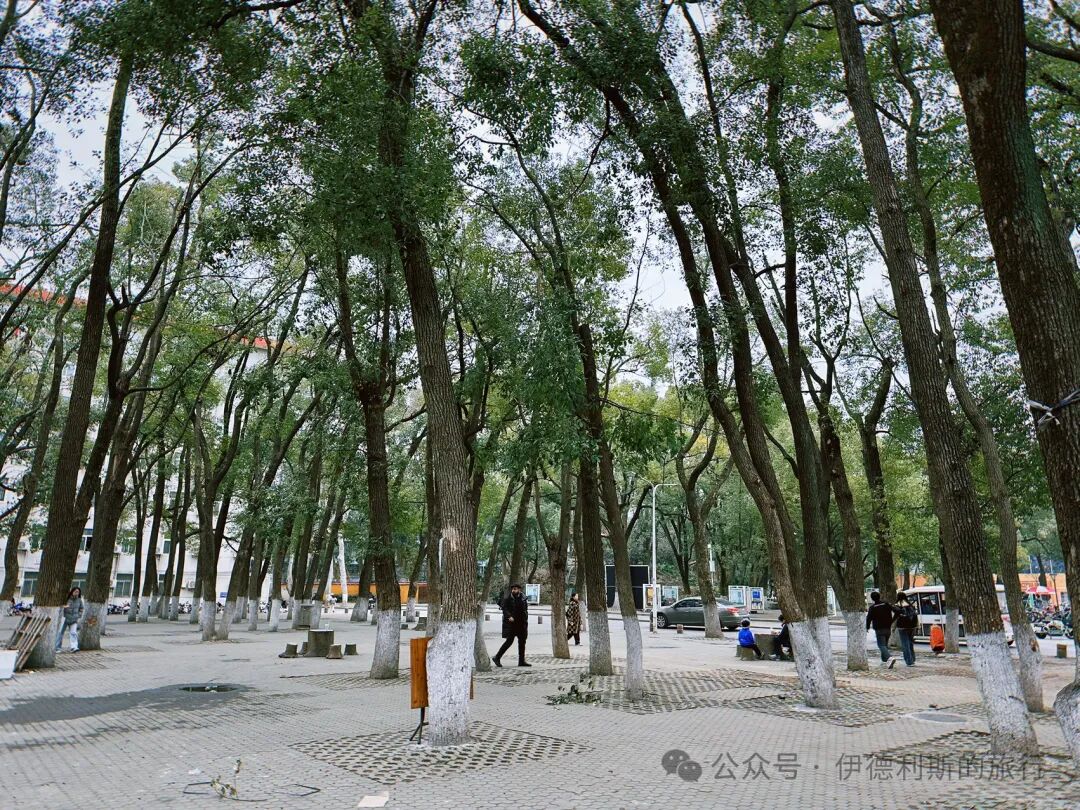
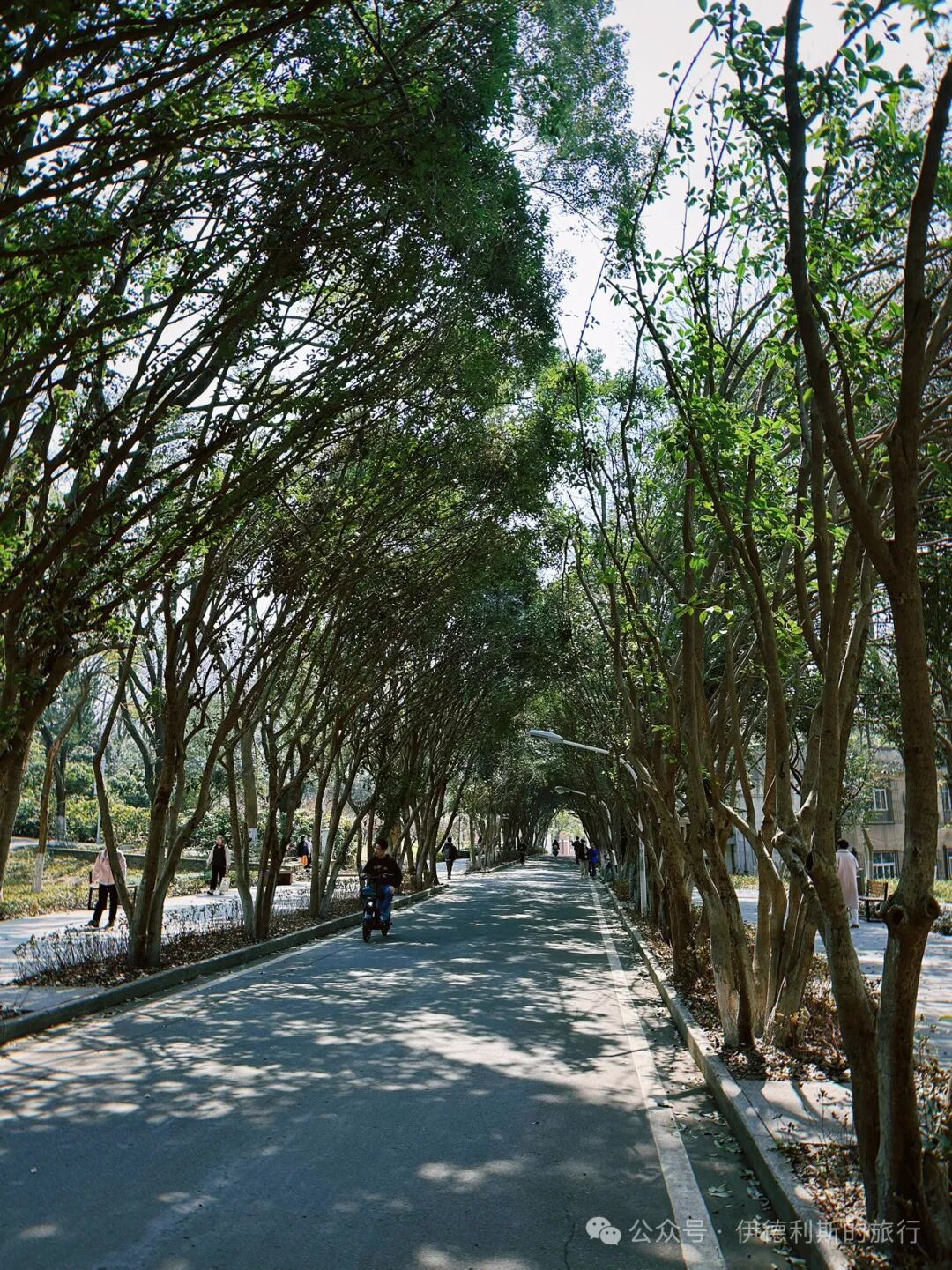
I went back to the halal canteen where I ate for four years, but my alumni card wouldn't work, so I just walked around. First of all, the halal canteen has been renamed the Ethnic Canteen. The stalls inside have all changed, though I saw a Uyghur guy still running the Xinjiang food window. The hand-pulled noodles (banmian) back then were really tough, and the southern rice used for the pilaf (zhuafan) was really poor quality, but we still lined up every time it was mealtime. After finishing the noodles, I would buy a bottle of black tea and walk through the woods and up the hill back to the dorm. I felt so relaxed.
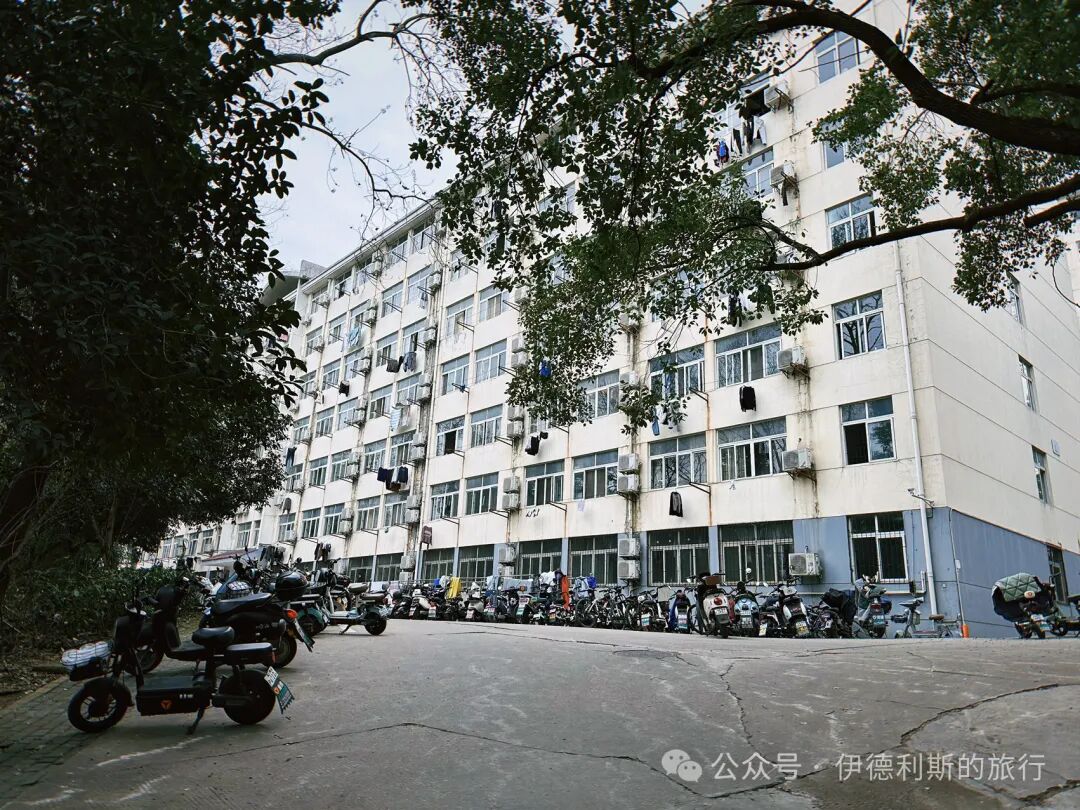
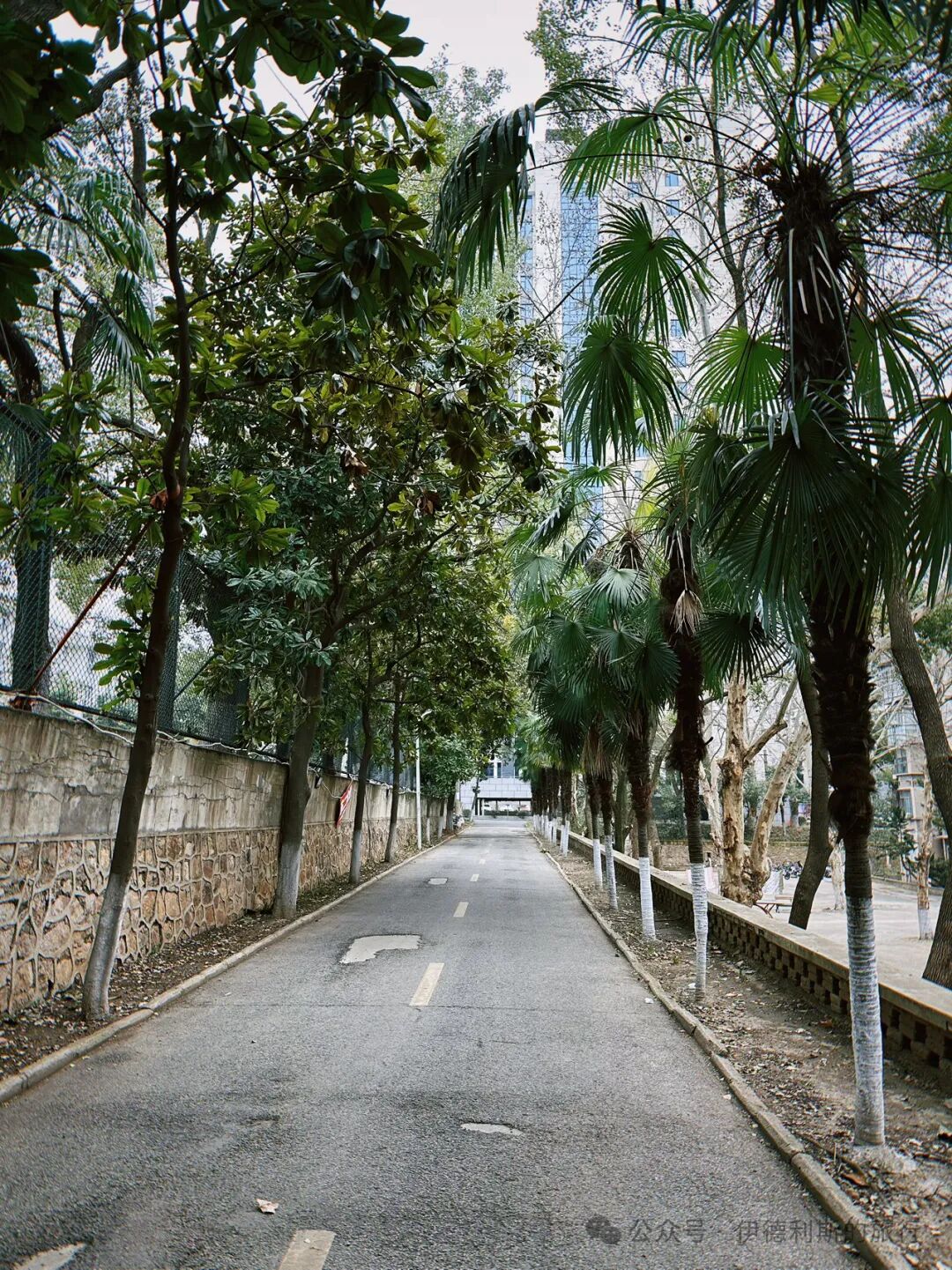
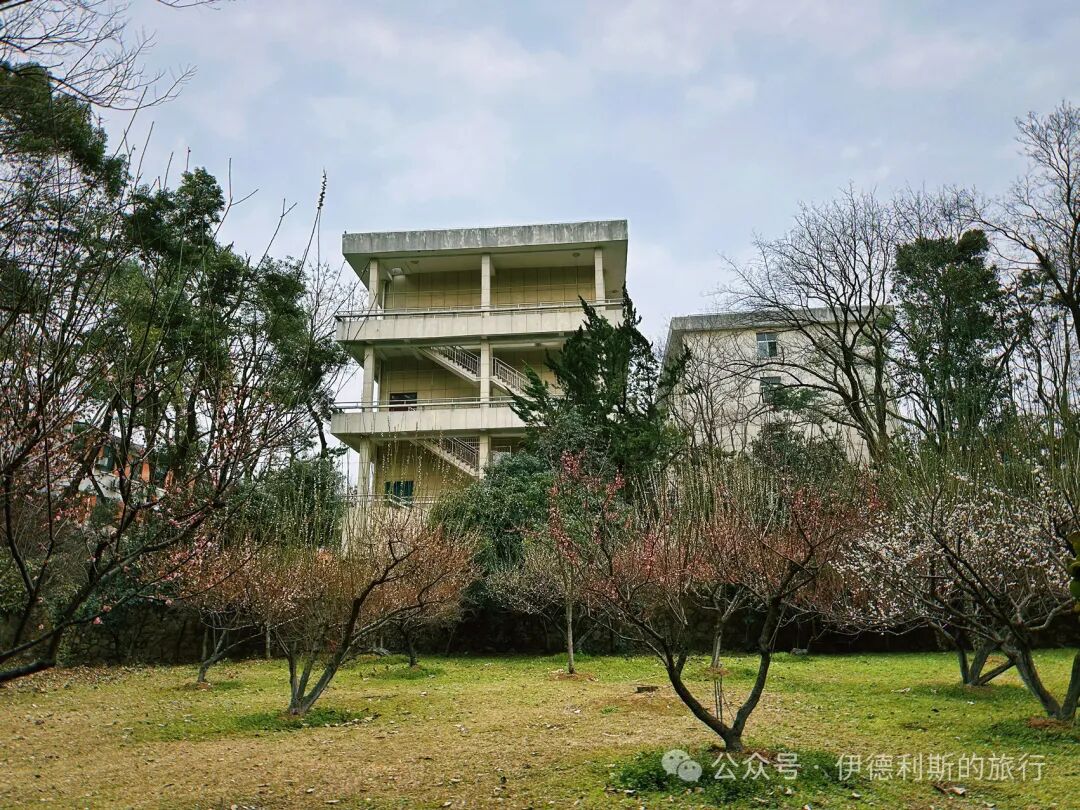
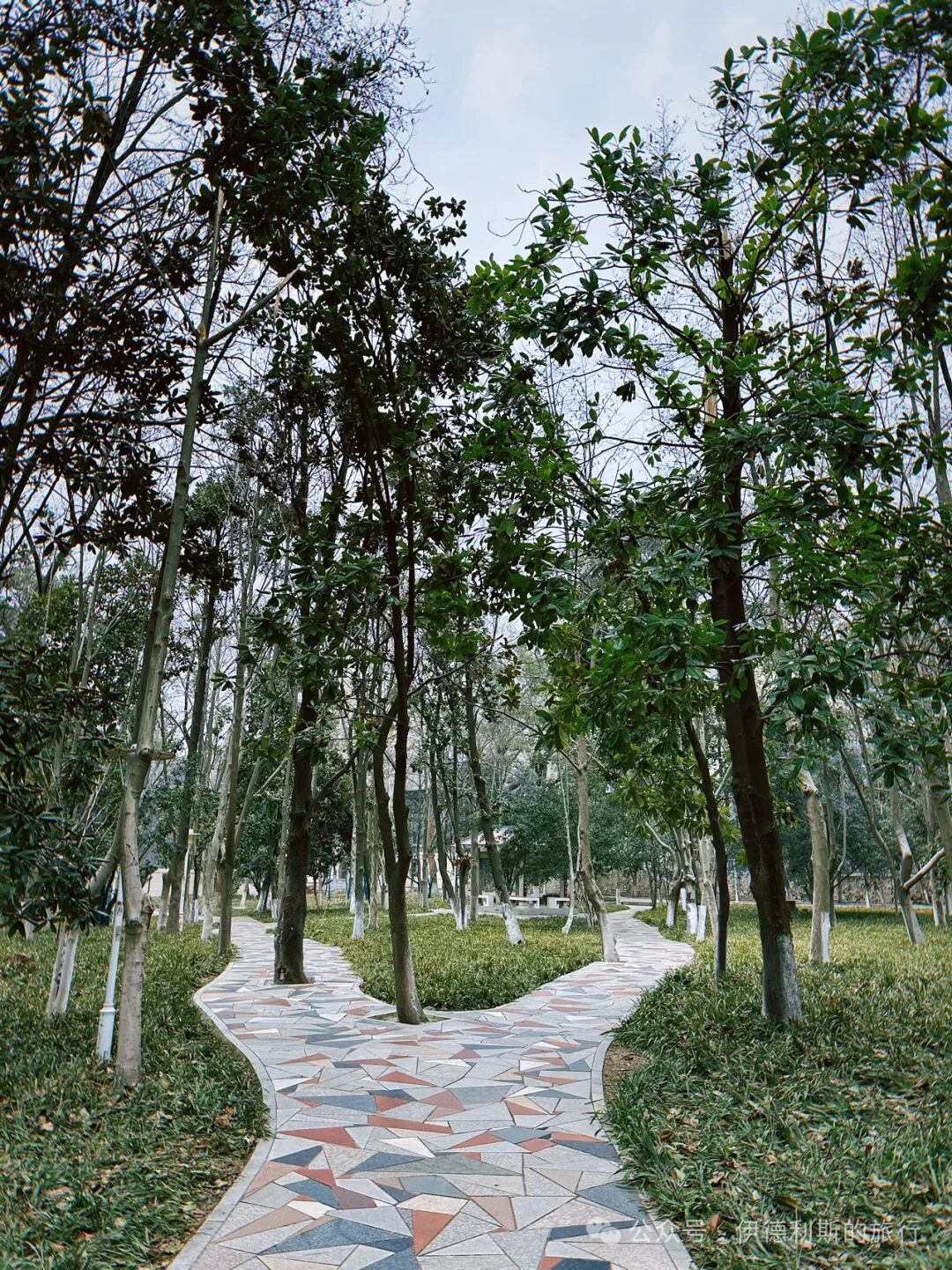
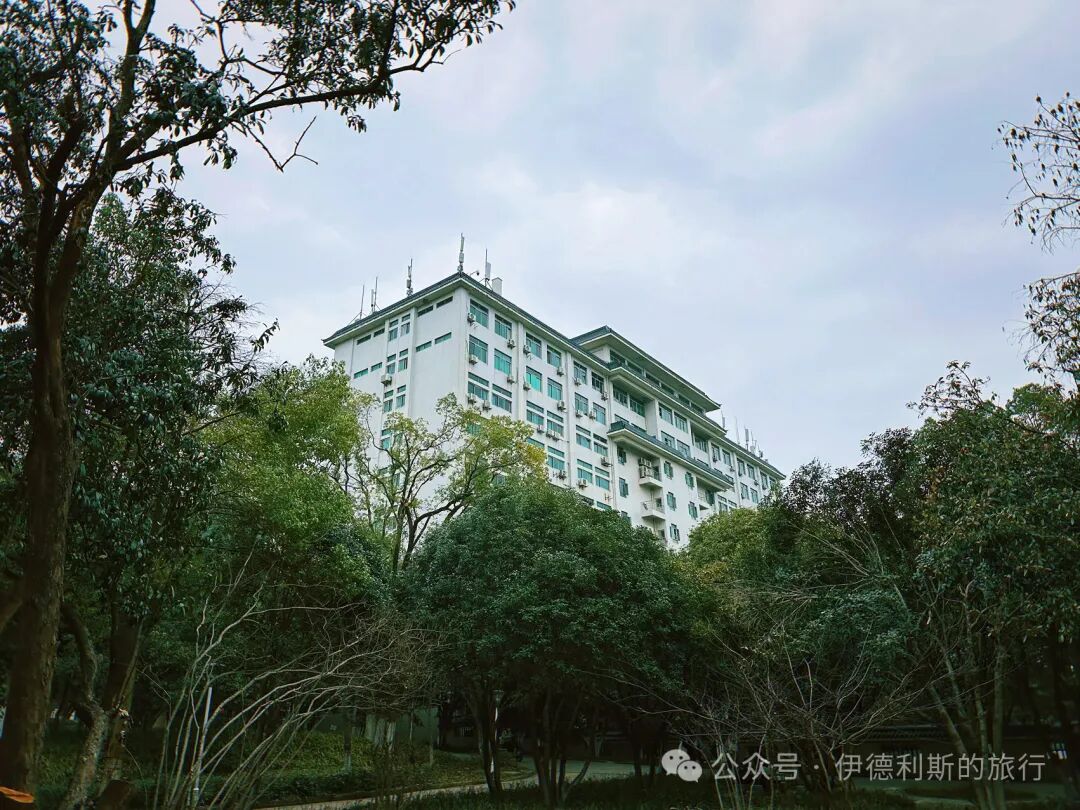
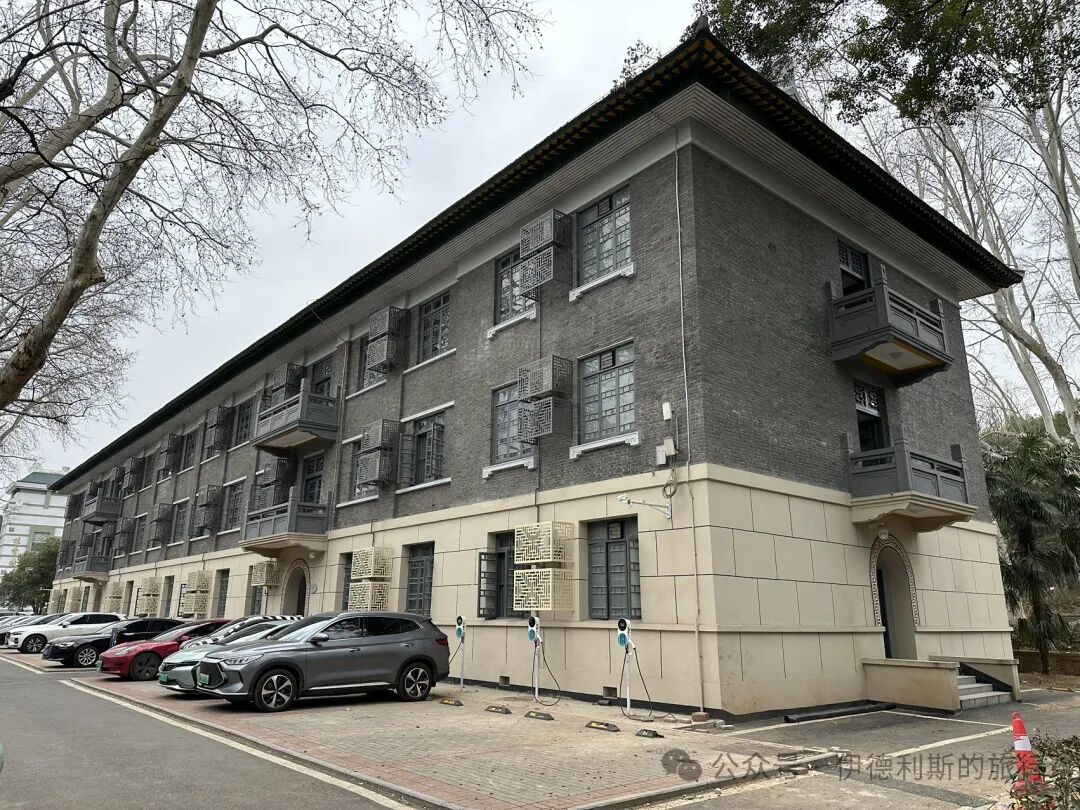
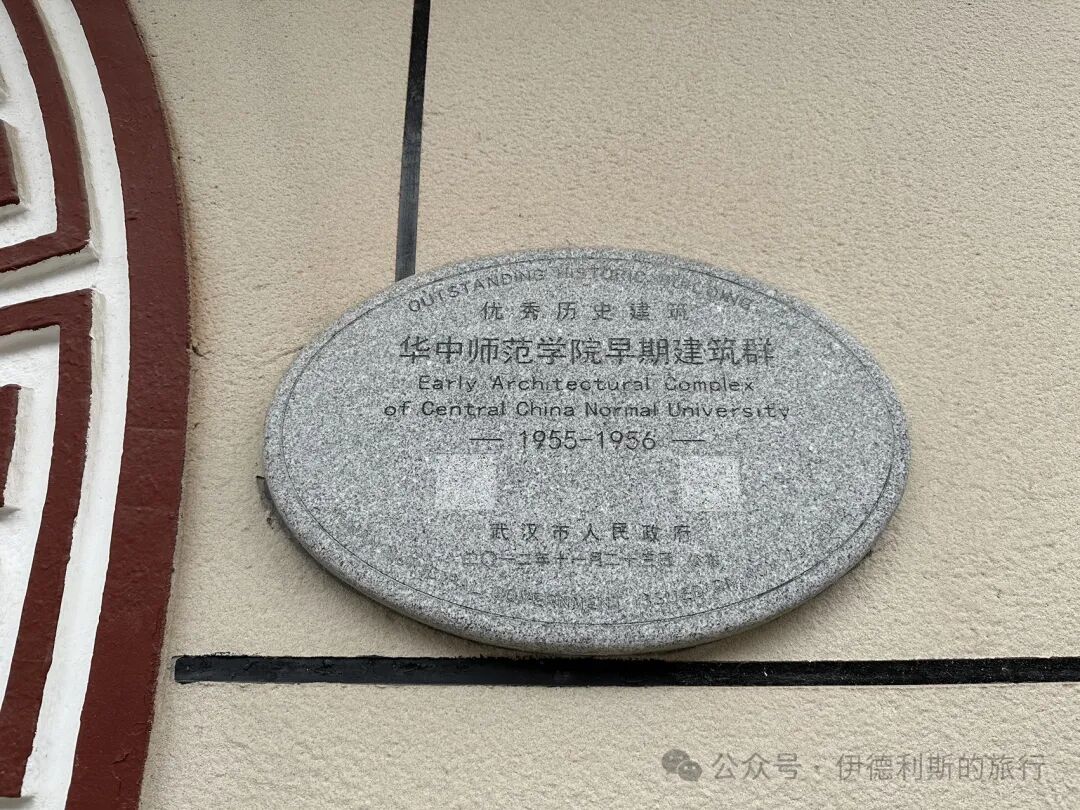
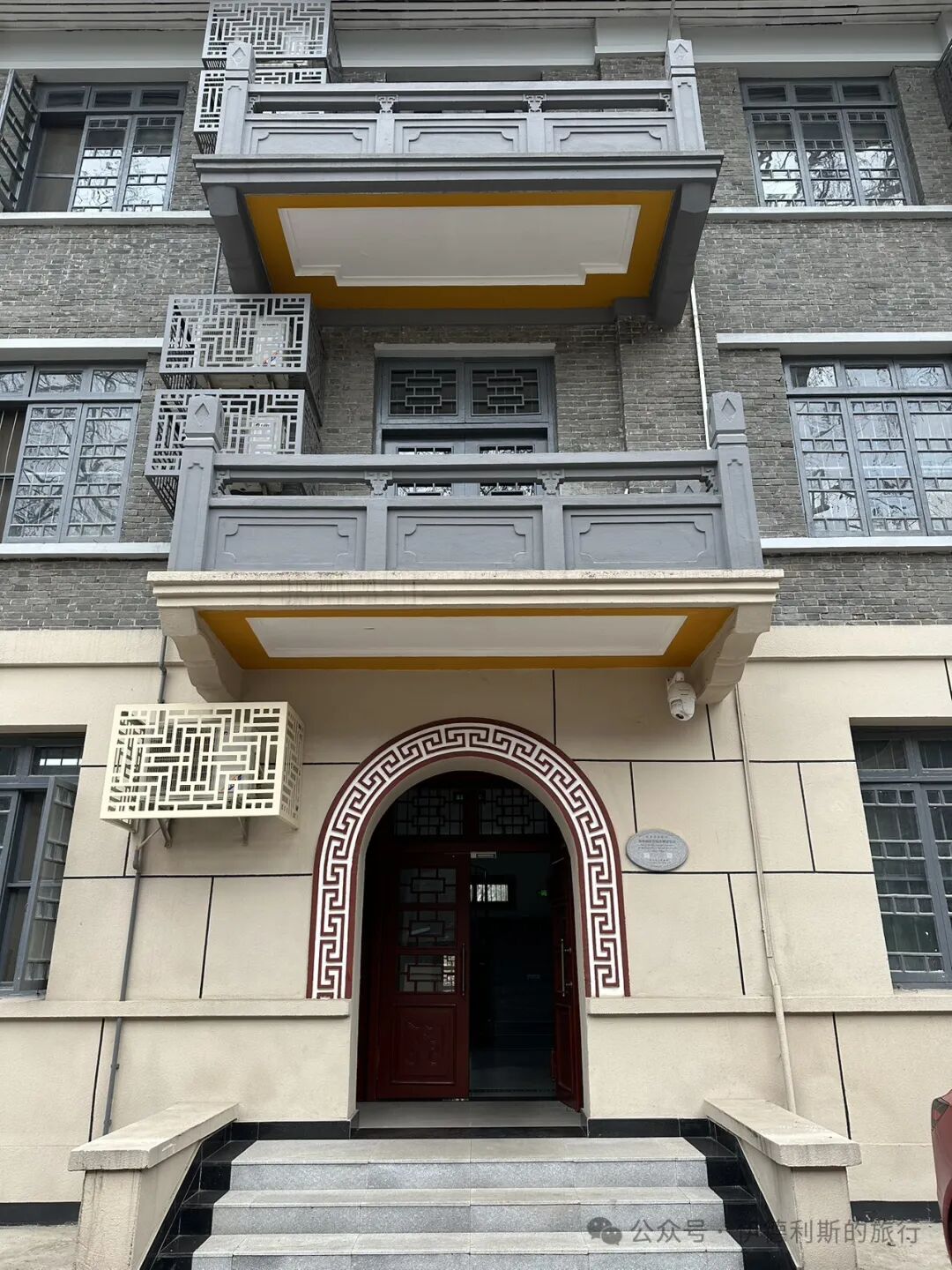
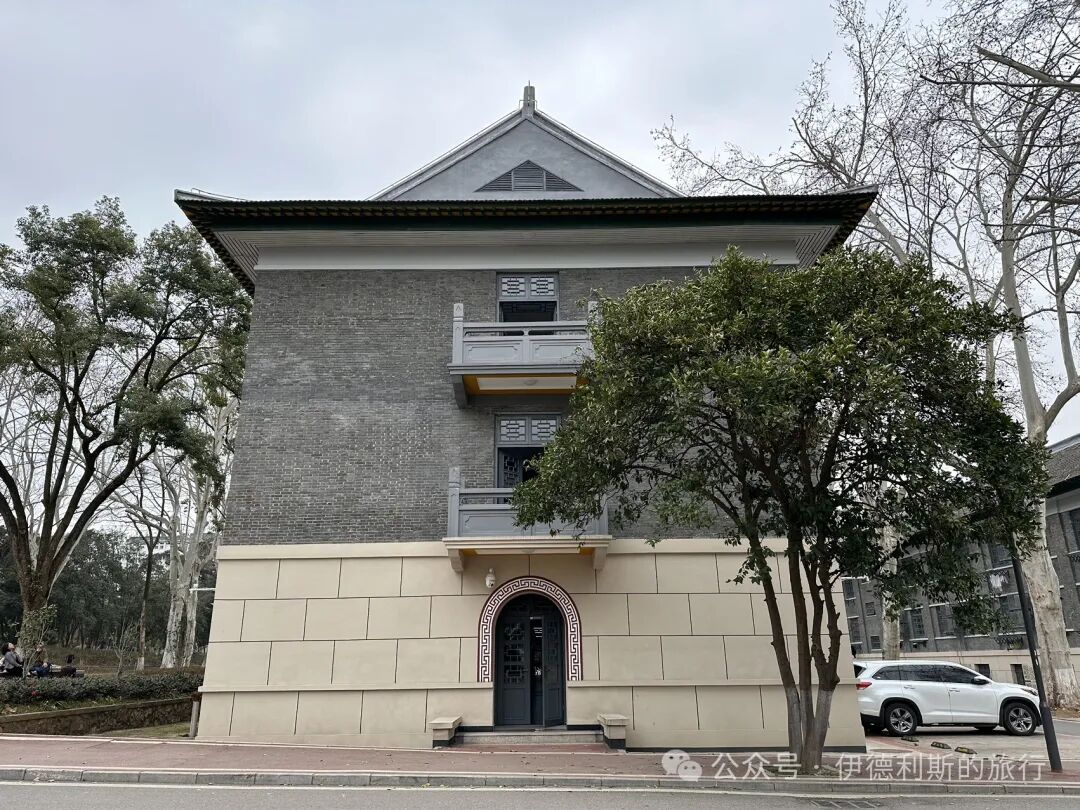
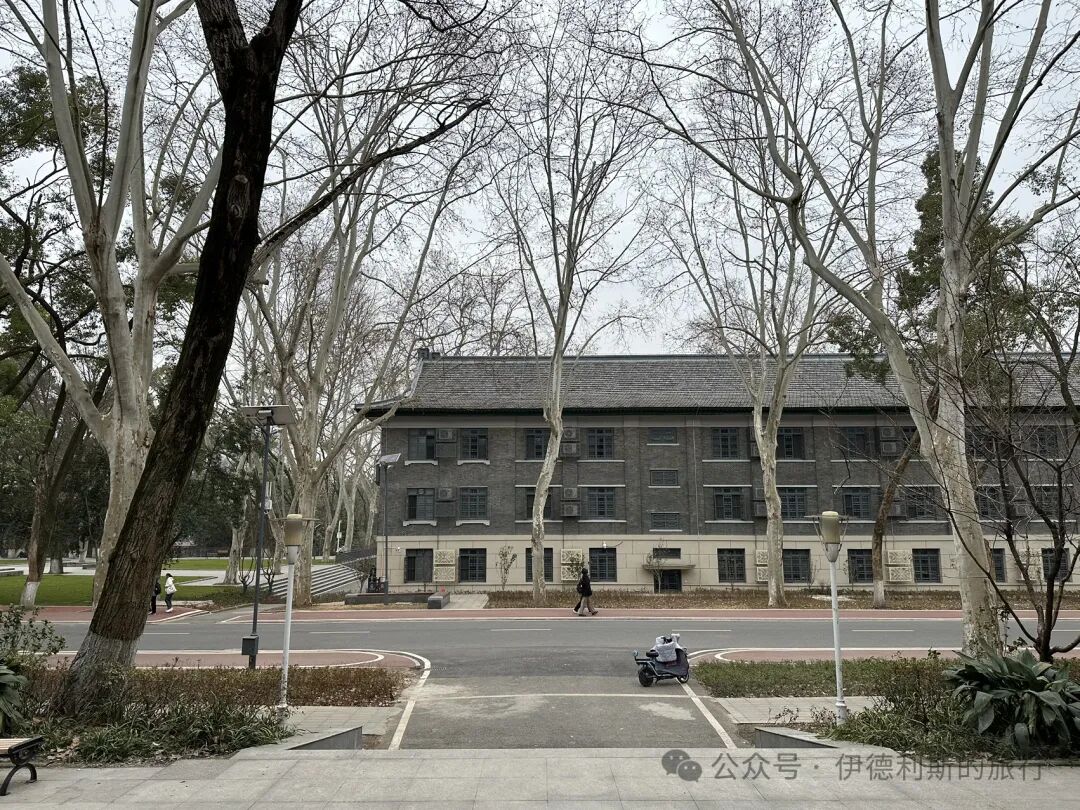
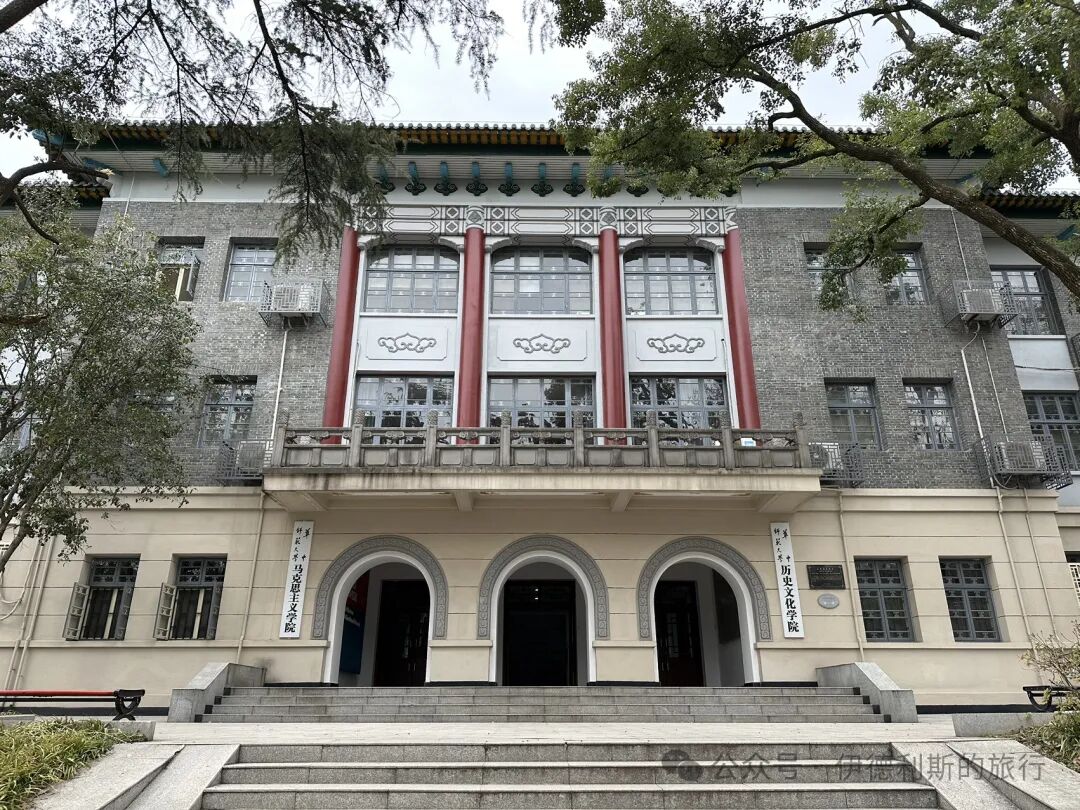
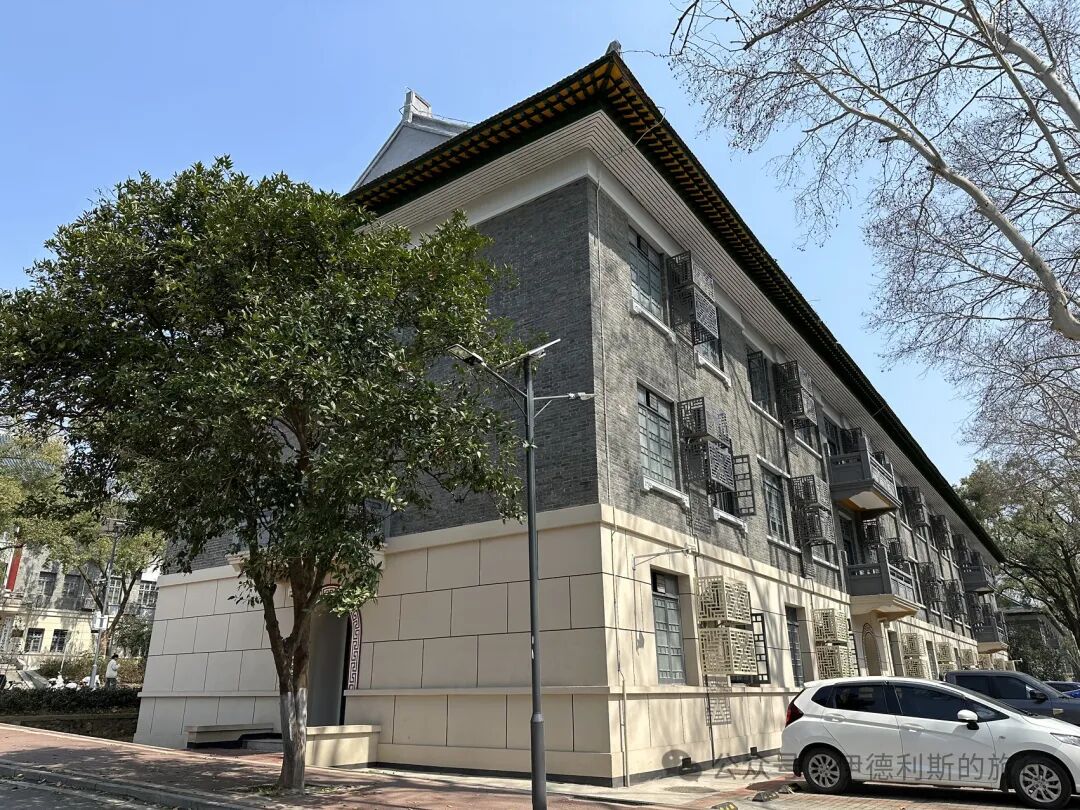
During my freshman and sophomore years, I lived in the West 1 Dormitory at Central China Normal University. The West District dorms, along with the School of Literature and the School of History, were among the first buildings constructed after the university moved from Tanhualin to Guizishan in 1955. They are now listed as part of the 'Early Architecture of Central China Normal University' in the Wuhan Excellent Historical Buildings registry.
The best part about living in a historical building is that it is truly warm in winter and cool in summer, which is much more comfortable than the modern buildings I lived in later. However, being next to the woods meant there were all kinds of bugs, and mice even got into the dorms. The mosquitoes in the camphor tree forest nearby were the worst; their bites would leave wounds that wouldn't heal.
Now, the West District dorm buildings have had their outer coatings removed to reveal the original grey bricks, and the interiors have been converted into offices instead of dorms. We ate the oranges from the tree at the dorm entrance every year while we lived there. Even though they were very sour, they are an unforgettable memory.
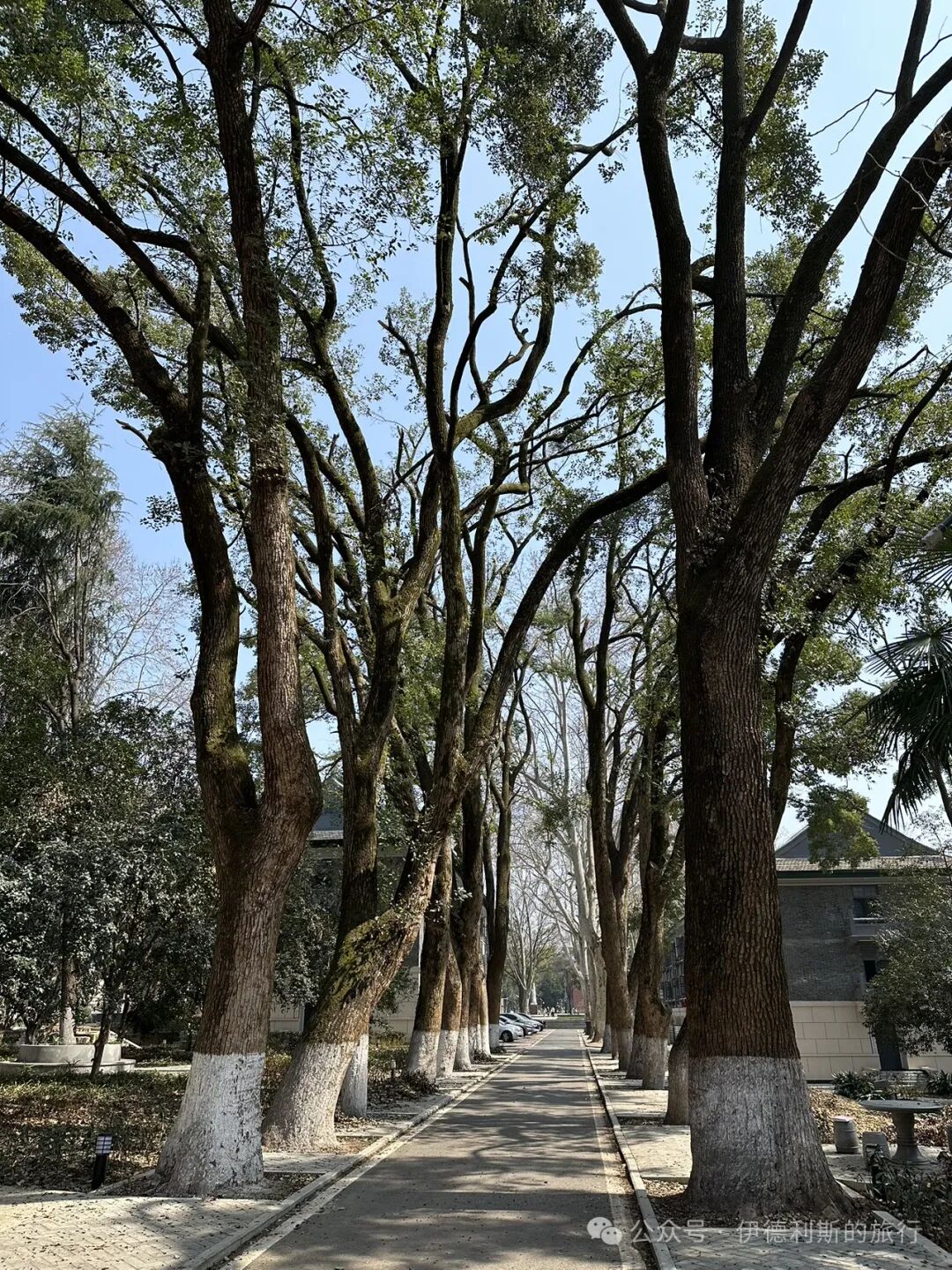
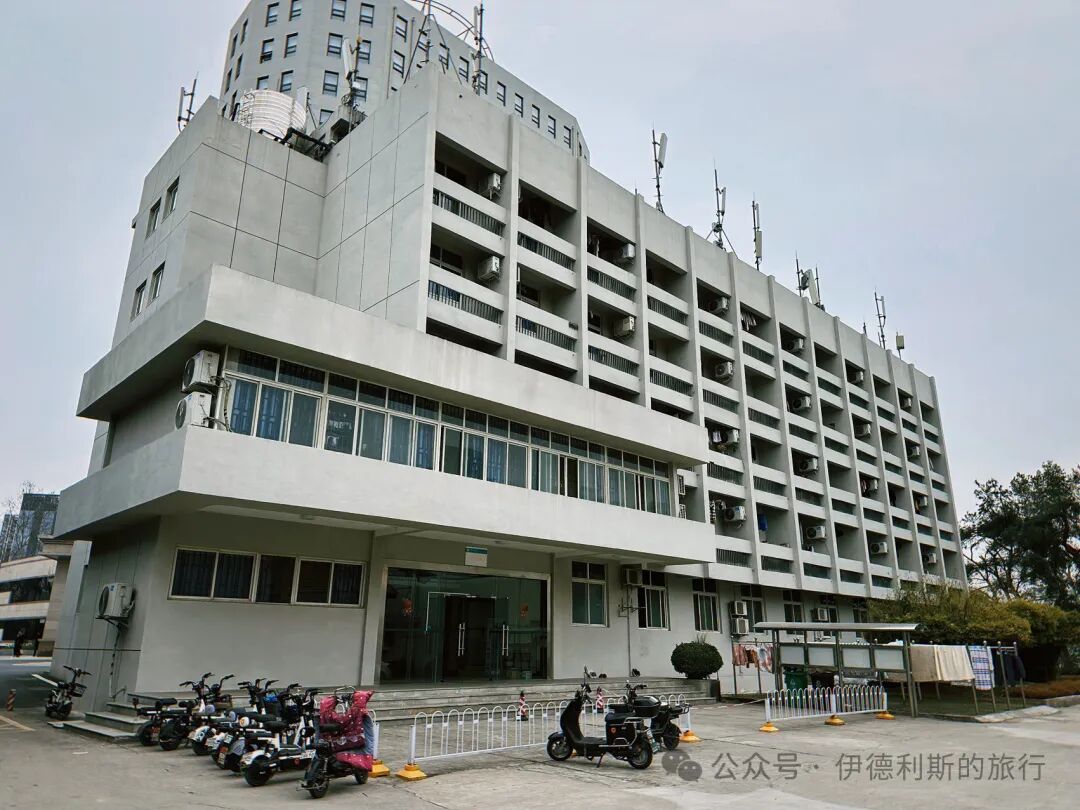
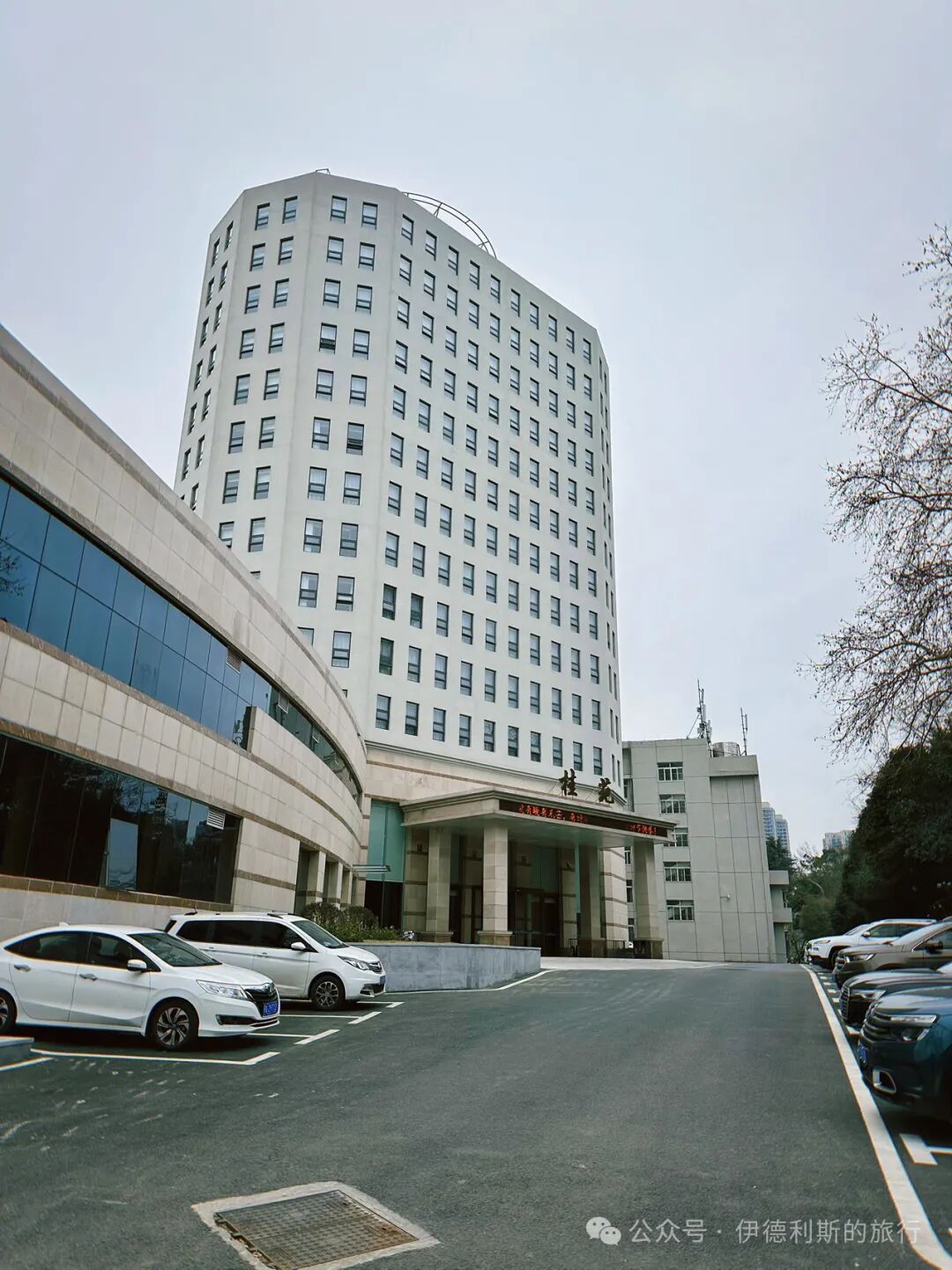
This time when I returned to my alma mater, I stayed at the Guiyuan Hotel, which is on the hillside in the northeast corner of the campus. In June 2013, Wuhan was extremely hot. Back then, the dorms at the university didn't have air conditioning, and the electric fans just blew hot air. The school opened the gymnasium for everyone to sleep on the floor, but my childhood friend and I pooled our money to stay in the north building of the Guiyuan Hotel for a month. That was when I truly experienced how unbearable the southern heat and humidity could be.
This time I stayed in the main building of the Guiyuan Hotel. The environment was quite nice, but the air conditioner didn't have a heating mode, so I got a taste of the early spring chill in the south.
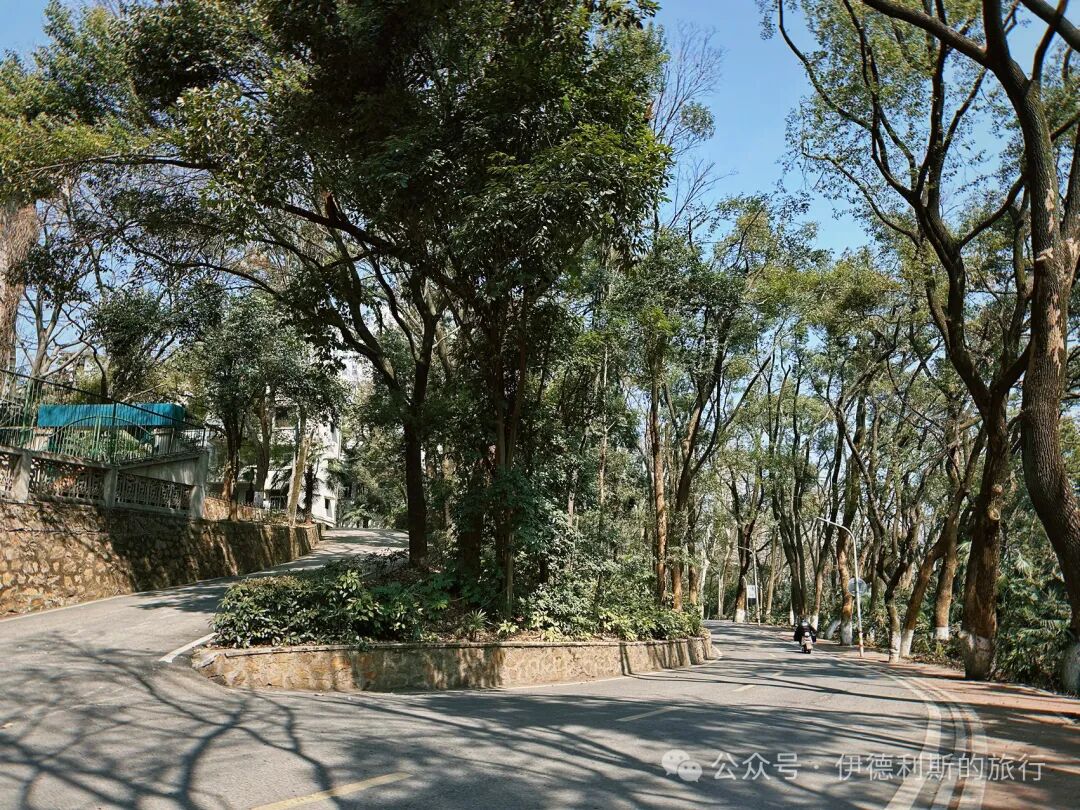
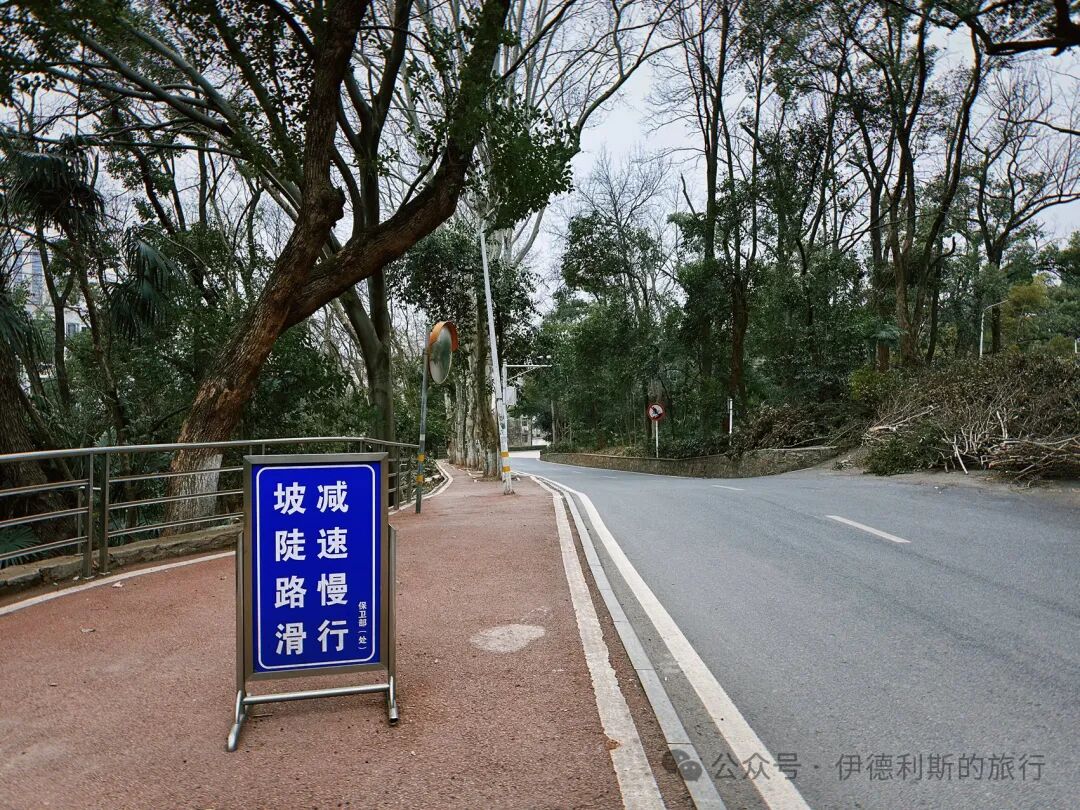
Right outside the Guiyuan Hotel is the big downhill slope on the east side of the campus. Back then, the school buses didn't have speed limits, so we would practically take flight when we rode them down. After they set speed limits, we never had that roller-coaster experience again.
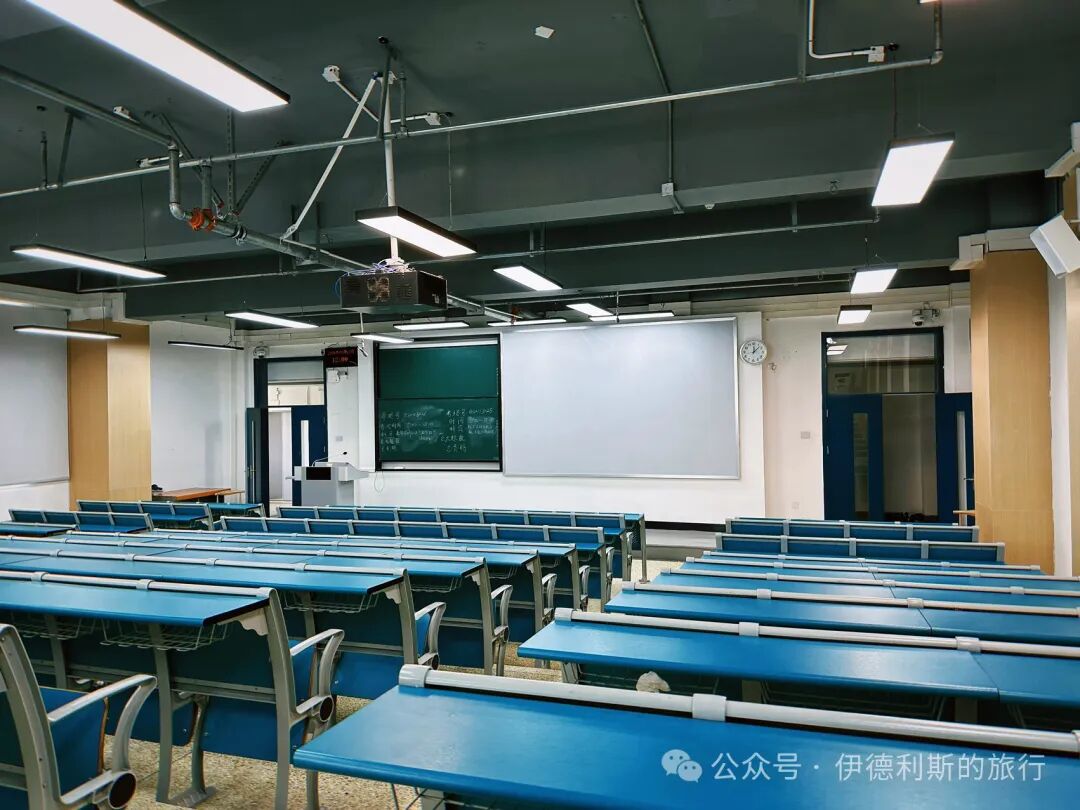
Finally, I went to the classroom where we used to have lessons to see what it was like. The desks and chairs have all been replaced with new ones, and I didn't feel the same sleepiness that used to hit me as soon as I put my head down.
Wuchang Food
After walking around my alma mater, I took the subway to Liangdao Street for lunch. The subway now goes to the Xiaodongmen area of Wuchang, and you are right on Liangdao Street when you come out. I haven't been to Wuhan in a few years, and I didn't expect Liangdao Street to turn into a trendy food street. All kinds of snack shops are packed side by side, which is completely different from when I was a student.
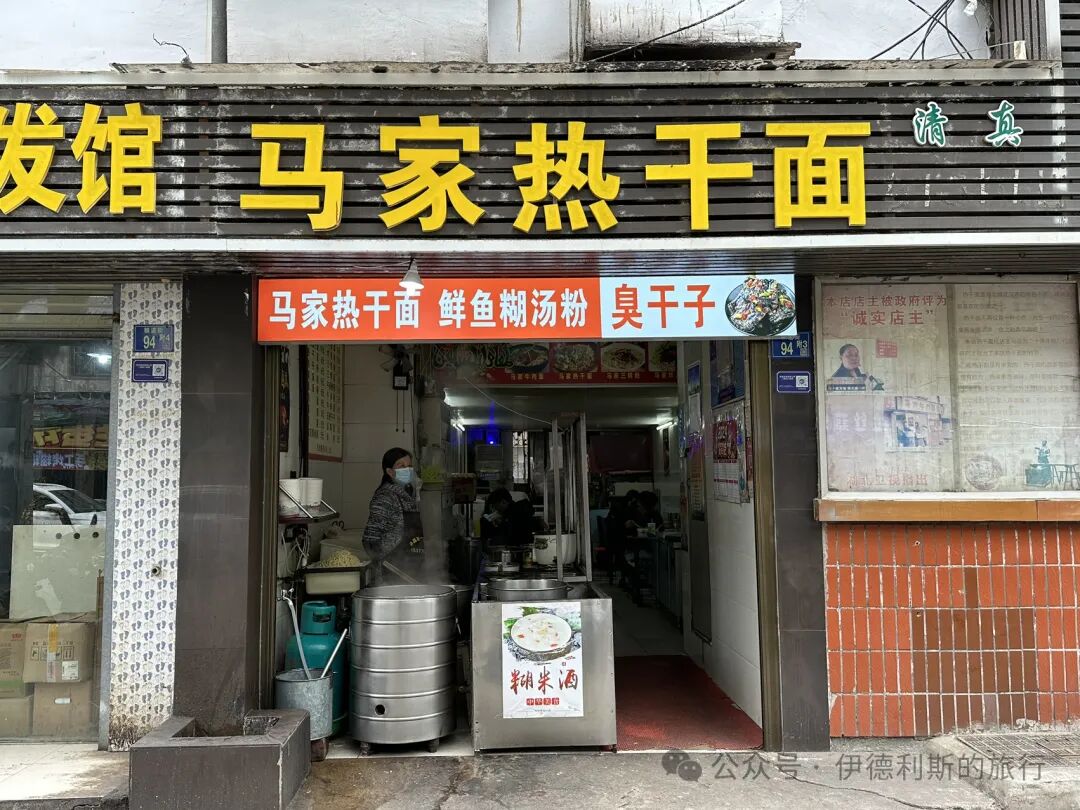
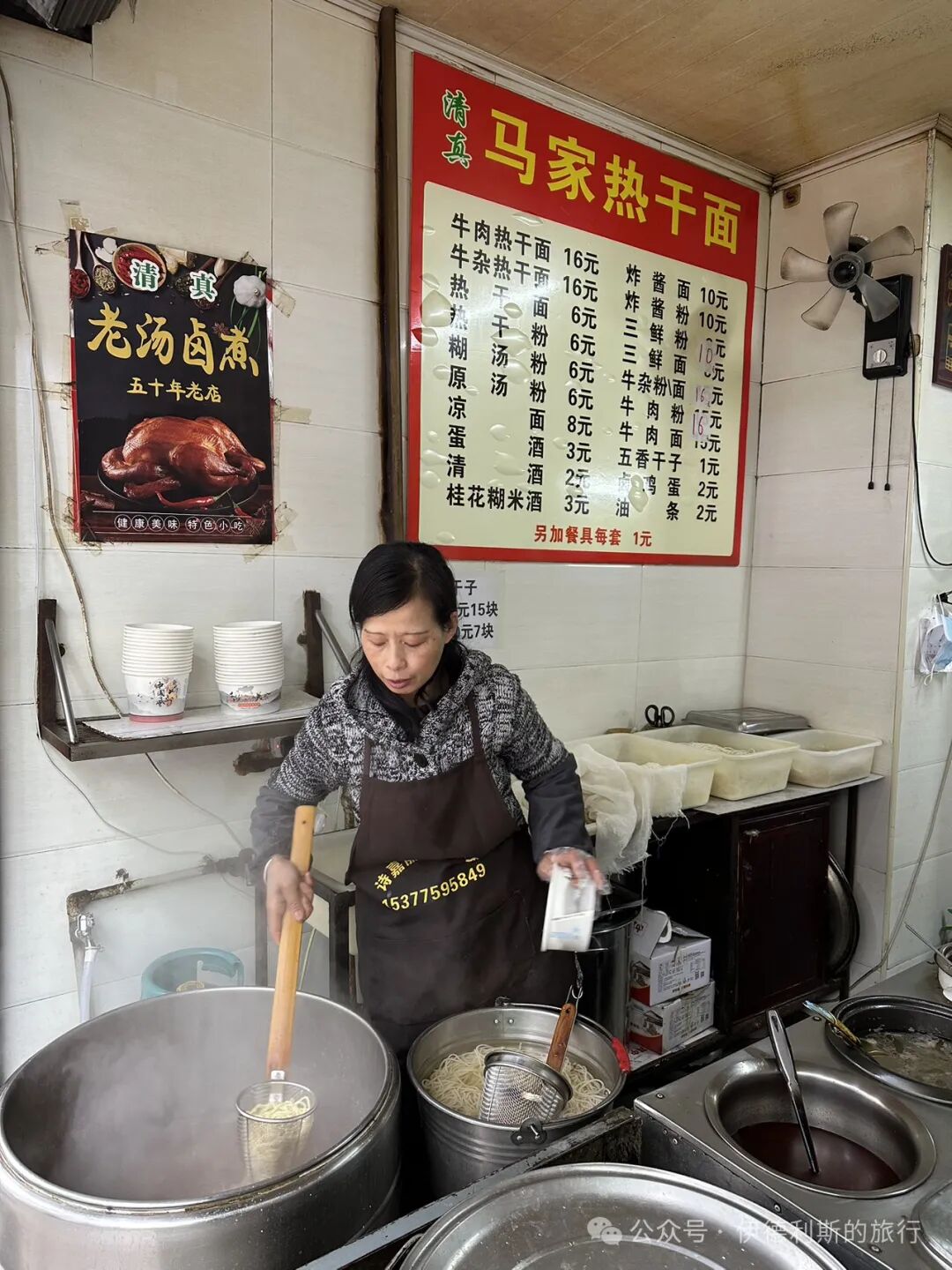
We biked straight to Ma's Hot Dry Noodles (reganmian). Since the Qiyi Street demolition and the closing of Pang's, Ma's is likely the only halal noodle shop left in Wuhan. We ate hot dry noodles and fresh fish paste rice noodles (hutangfen). We wanted to order stinky tofu (chouganzi), but the staff said they haven't made it lately. Still, the hot dry noodles with regular braised tofu (luganzi) were delicious.
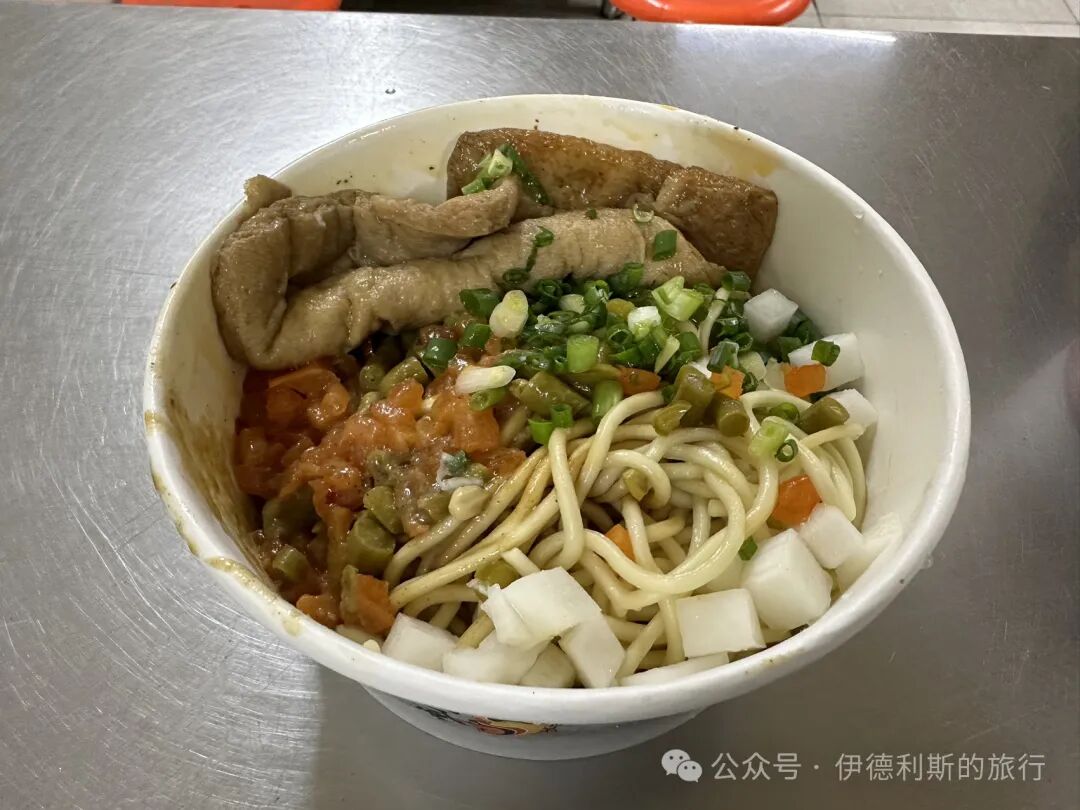
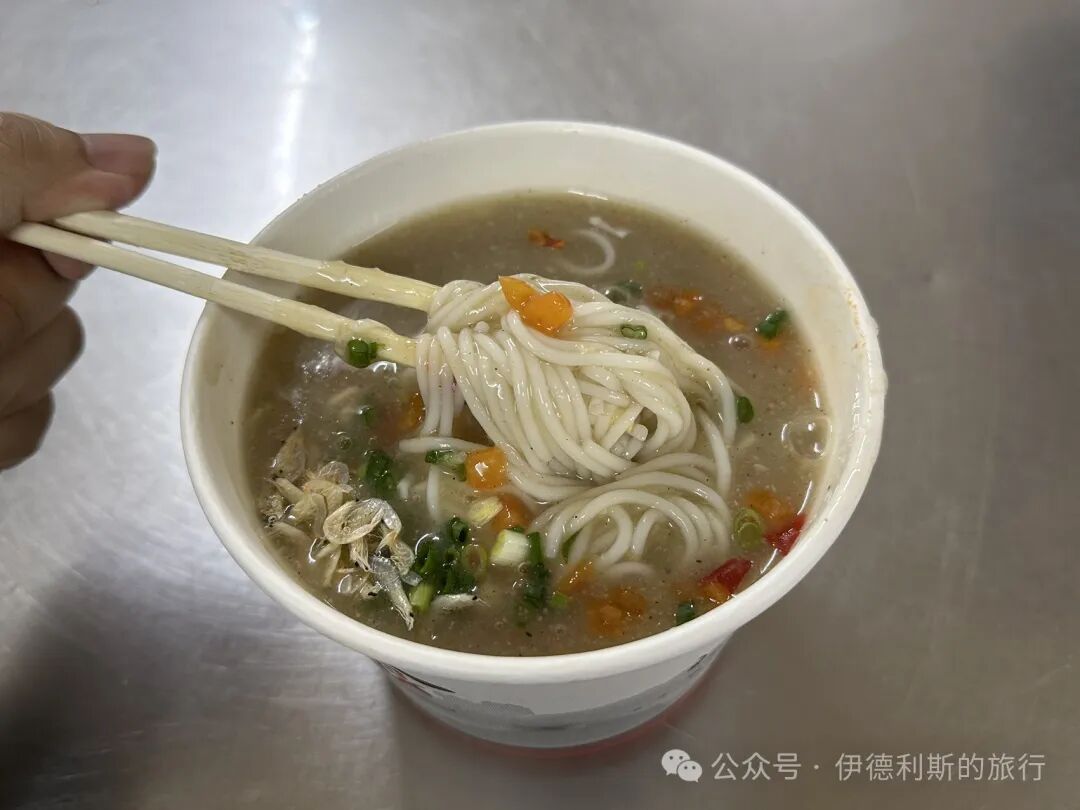
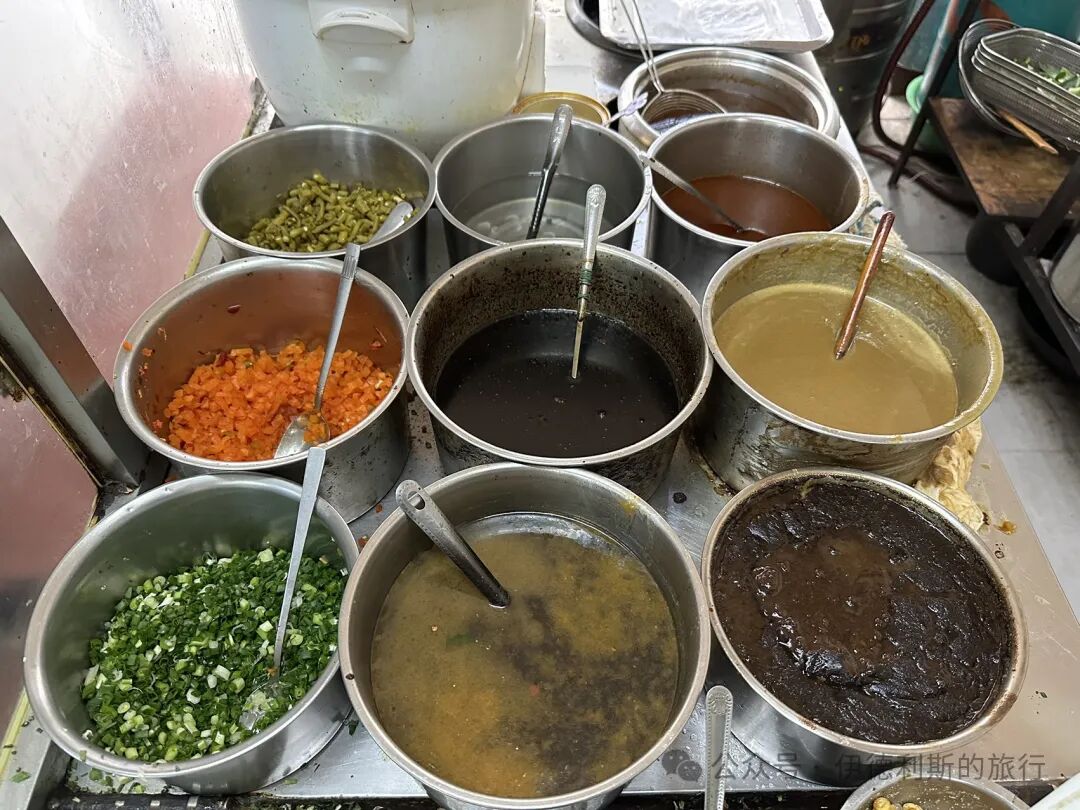
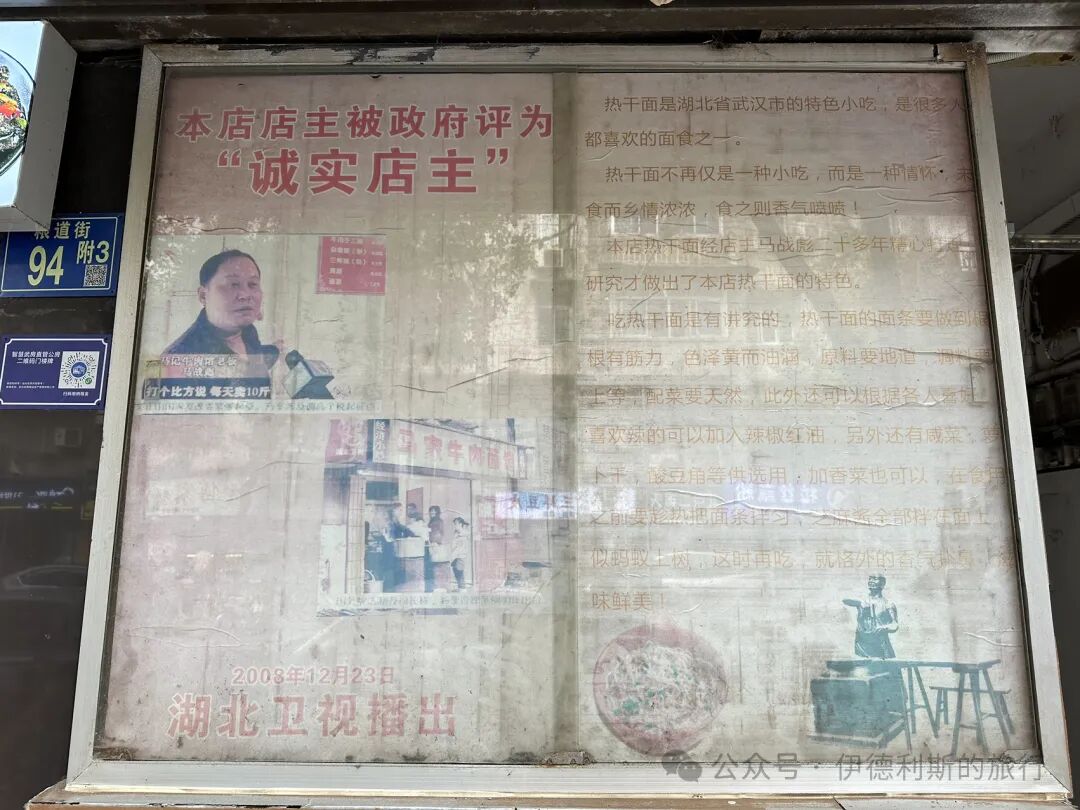
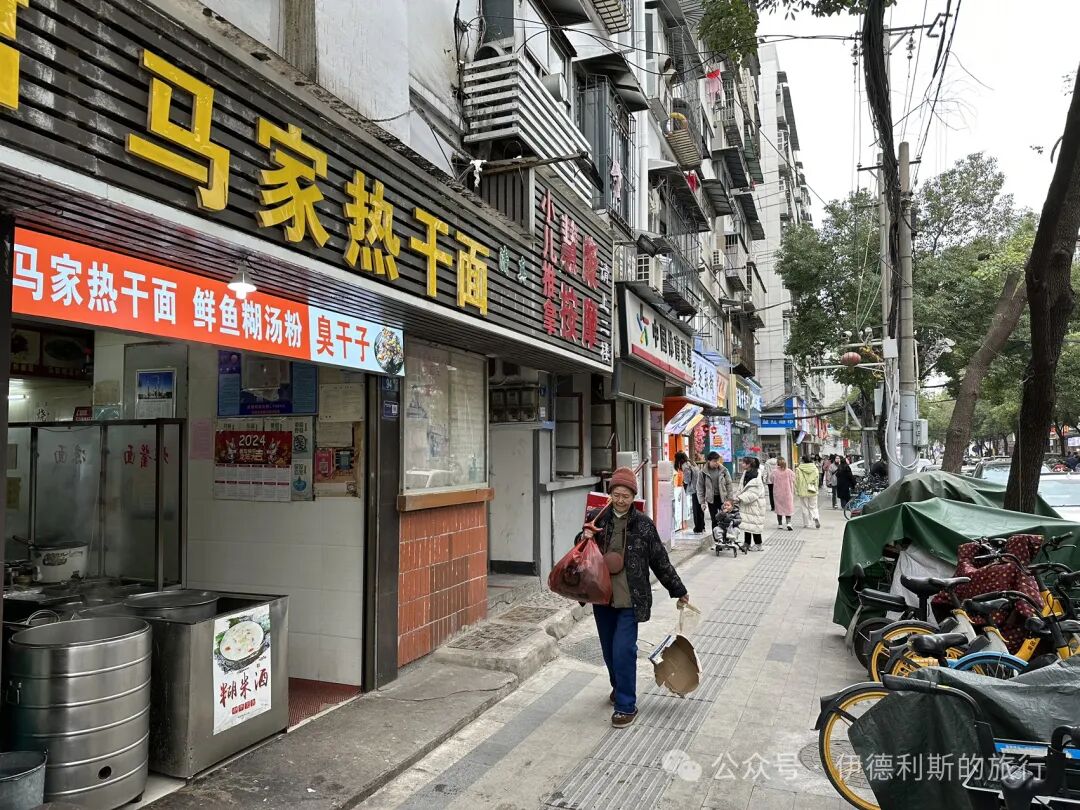
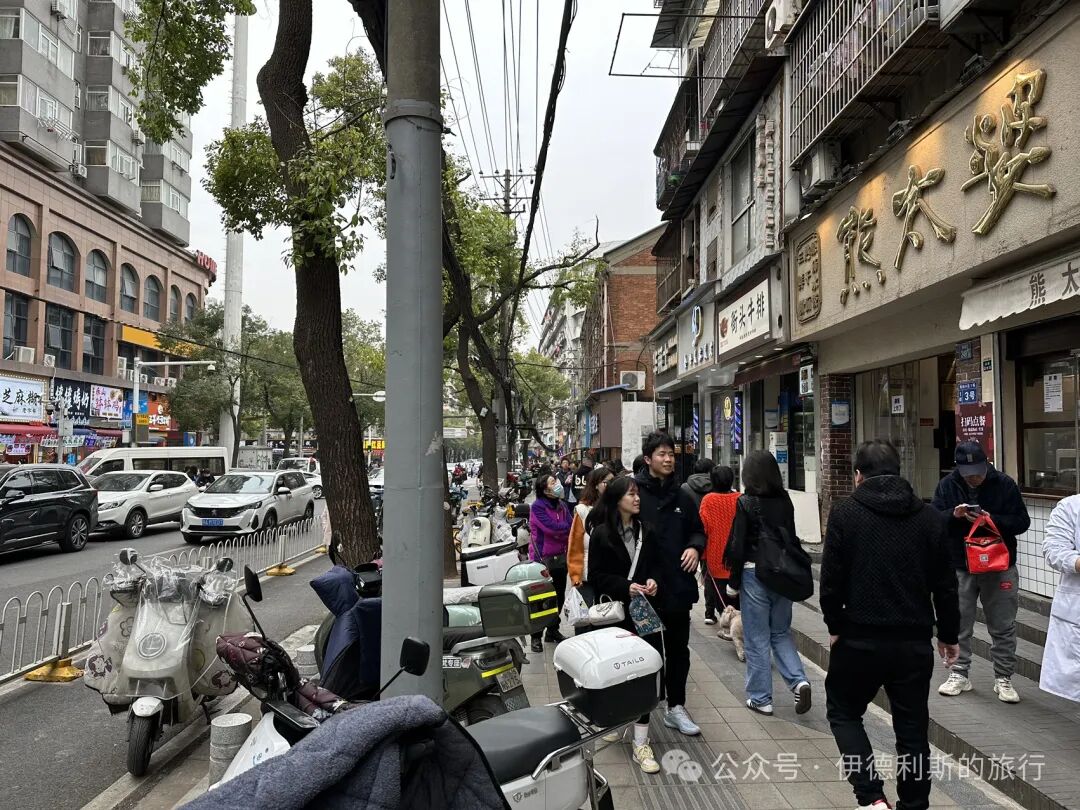
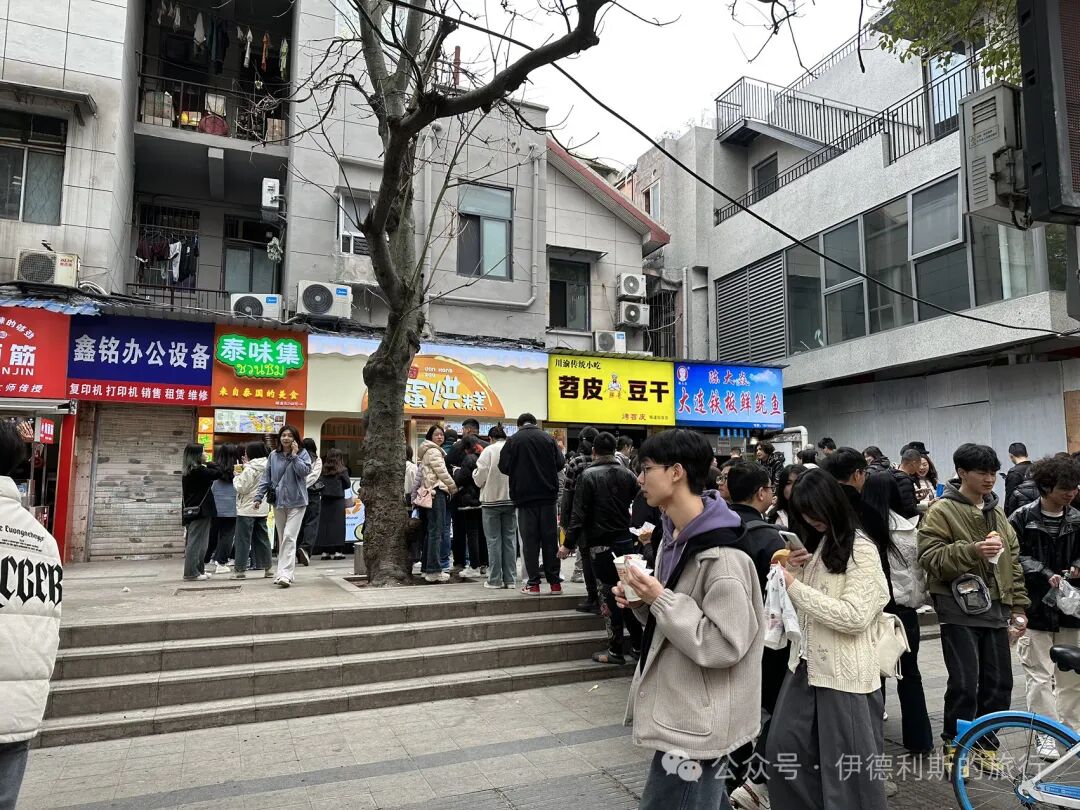
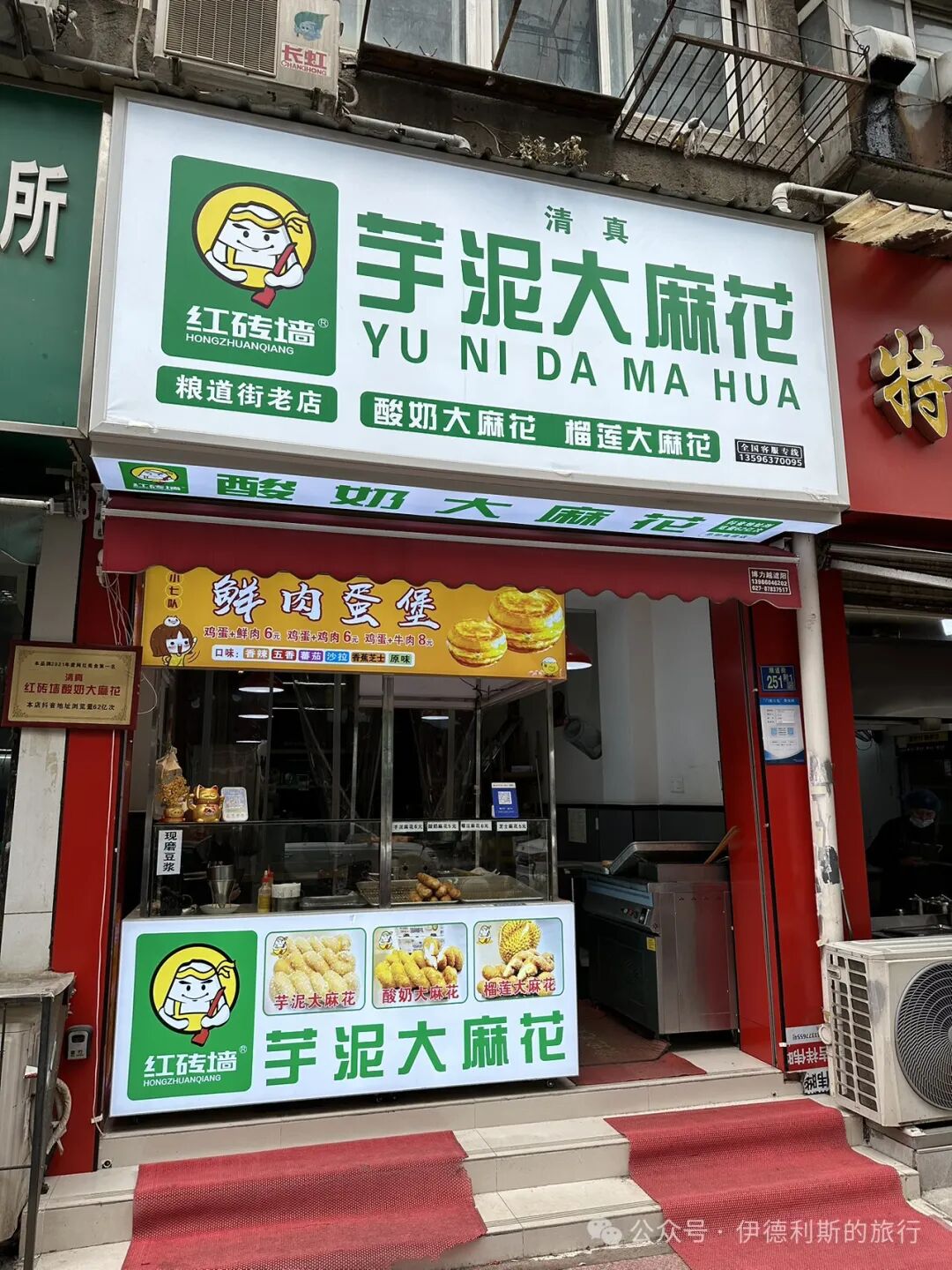
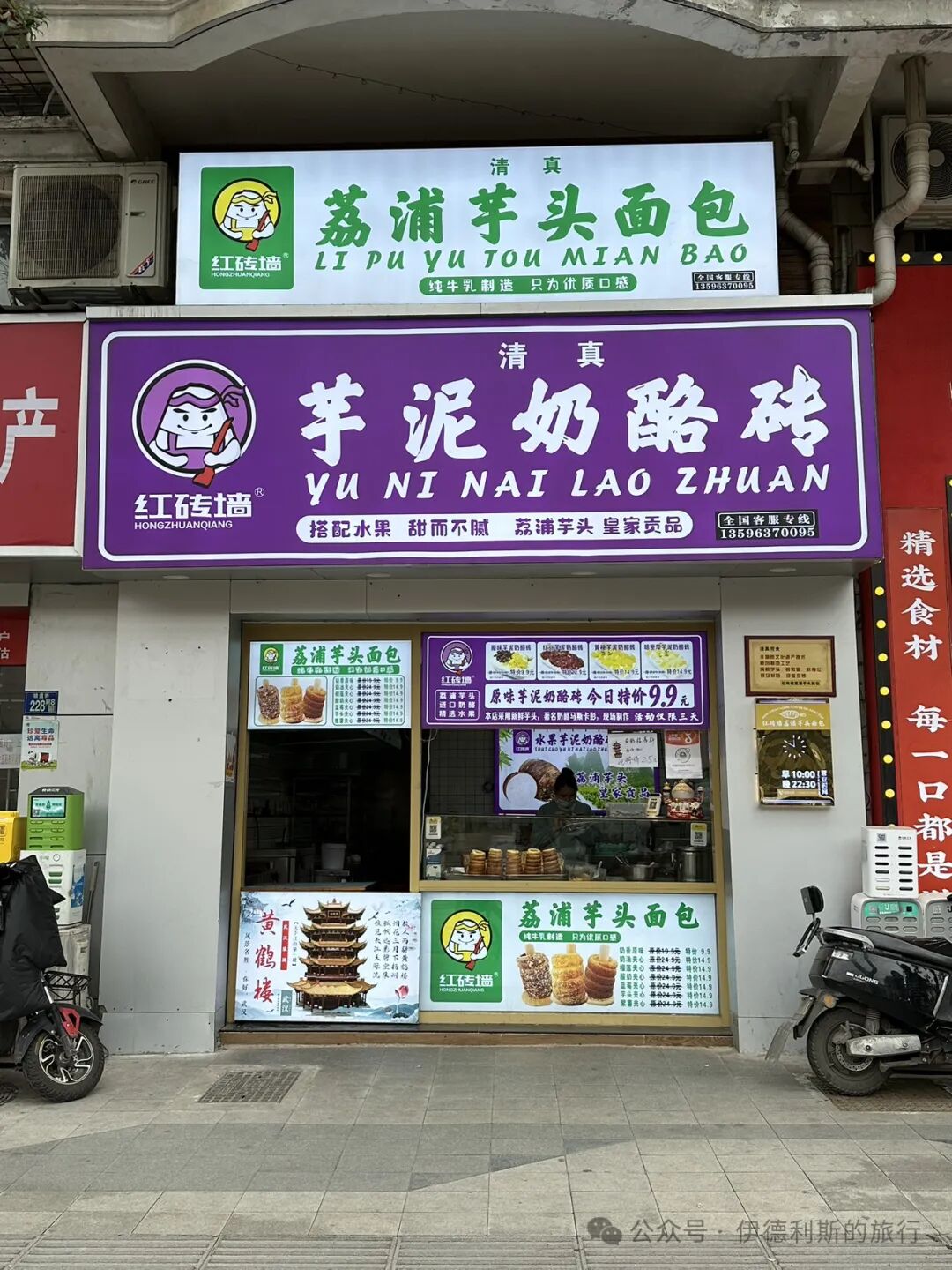
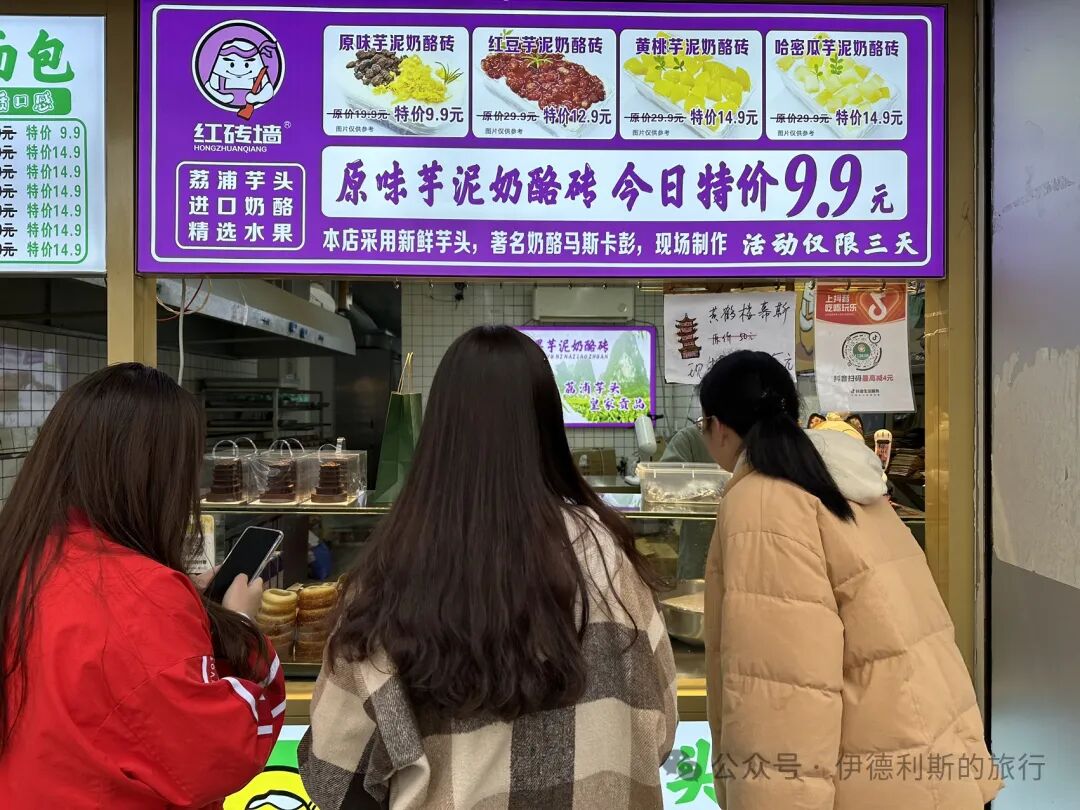
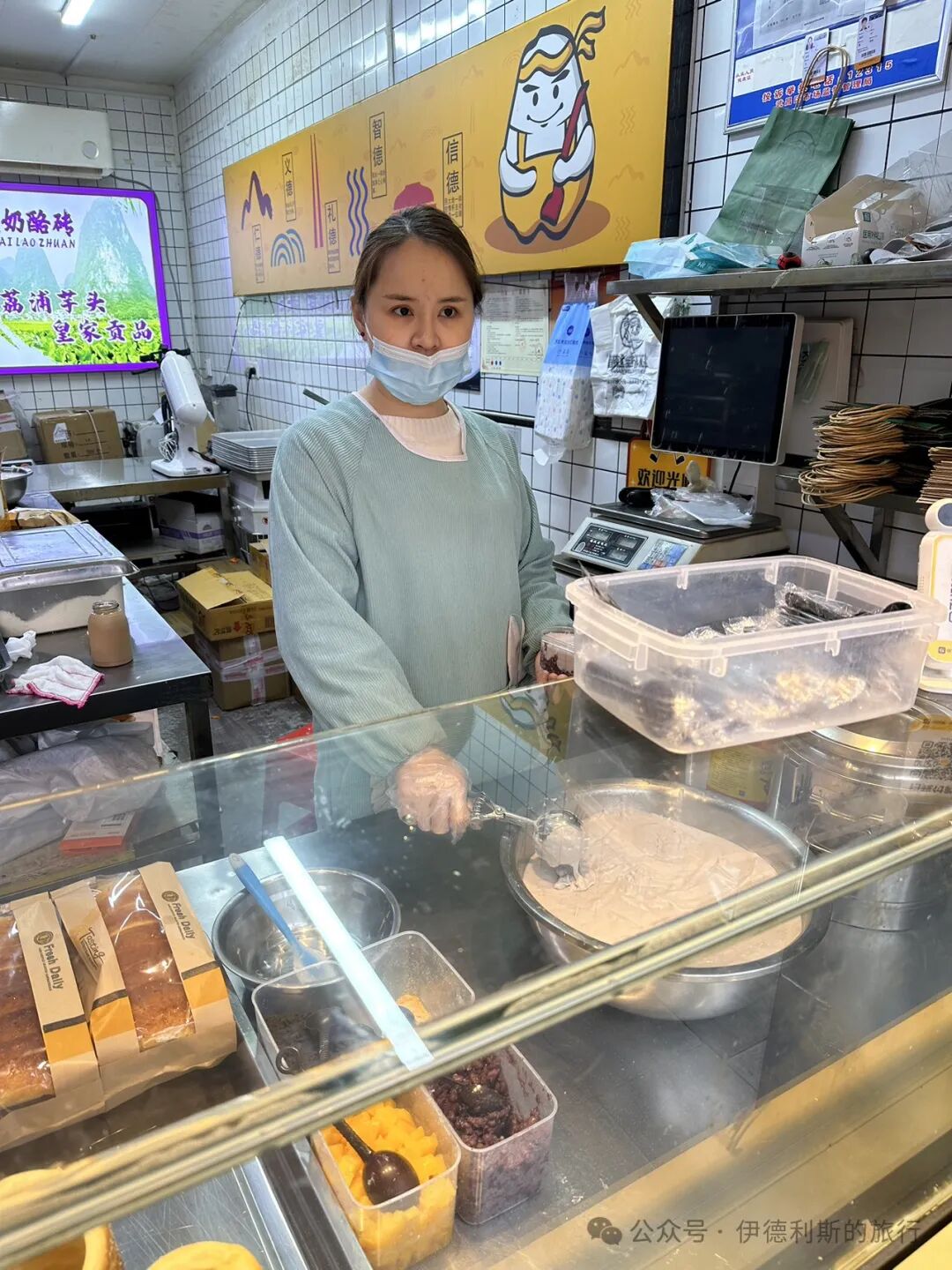
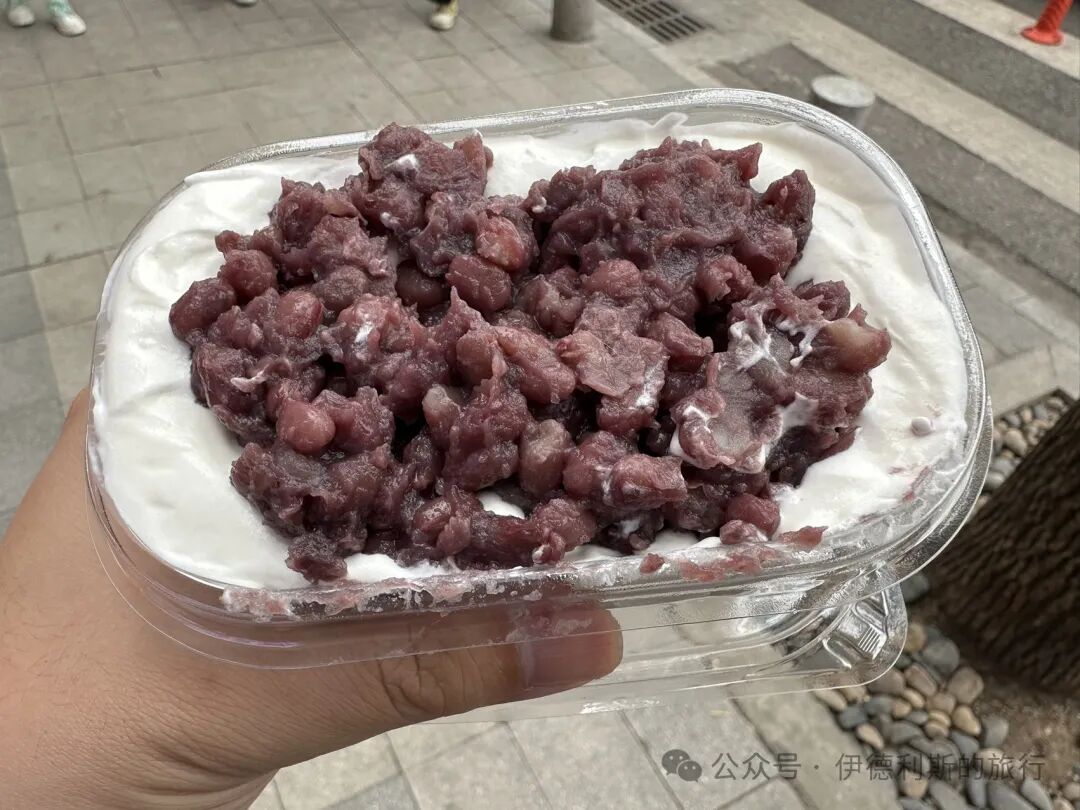
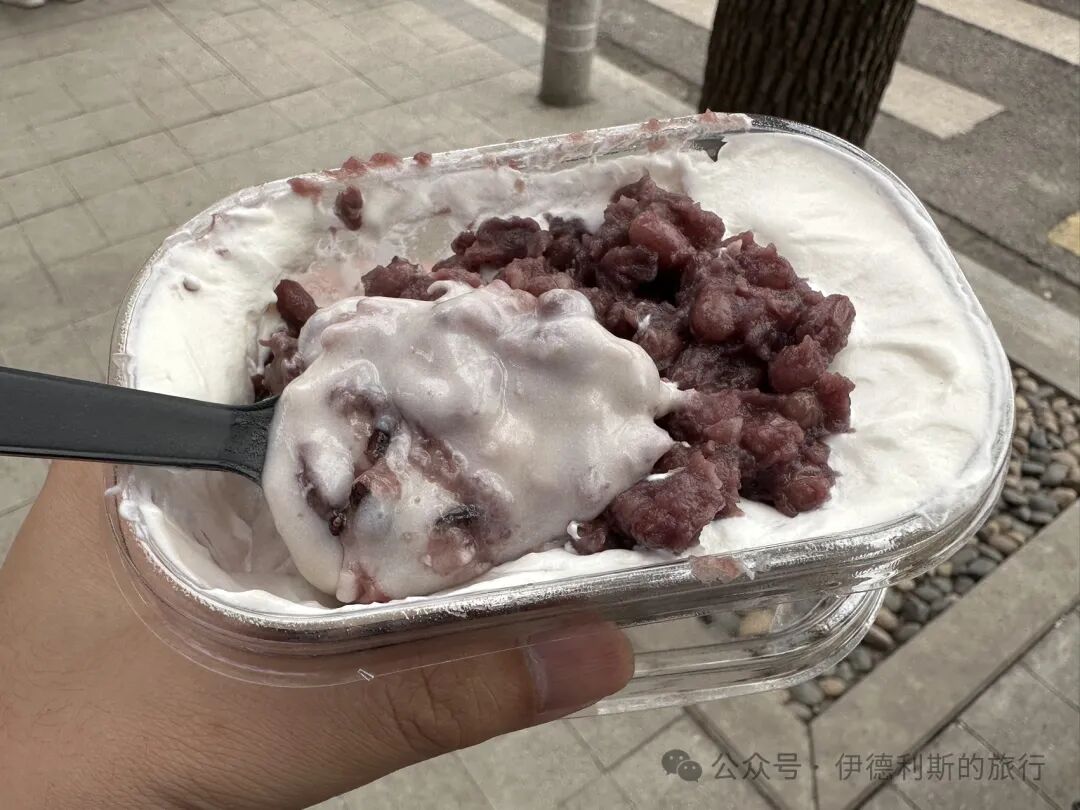
Besides Ma's, there are two halal red-brick wall shops on Liangdao Street. One sells taro paste twisted dough sticks (dama-hua), and the other sells taro paste cheese bricks. The cheese bricks are popular, with the original flavor on sale for just 9.9. We bought a red bean one, and the mix of taro, red bean, and cheese tasted great. The cheese on top is cold, and the taro paste underneath is hot, which makes for a very satisfying treat.
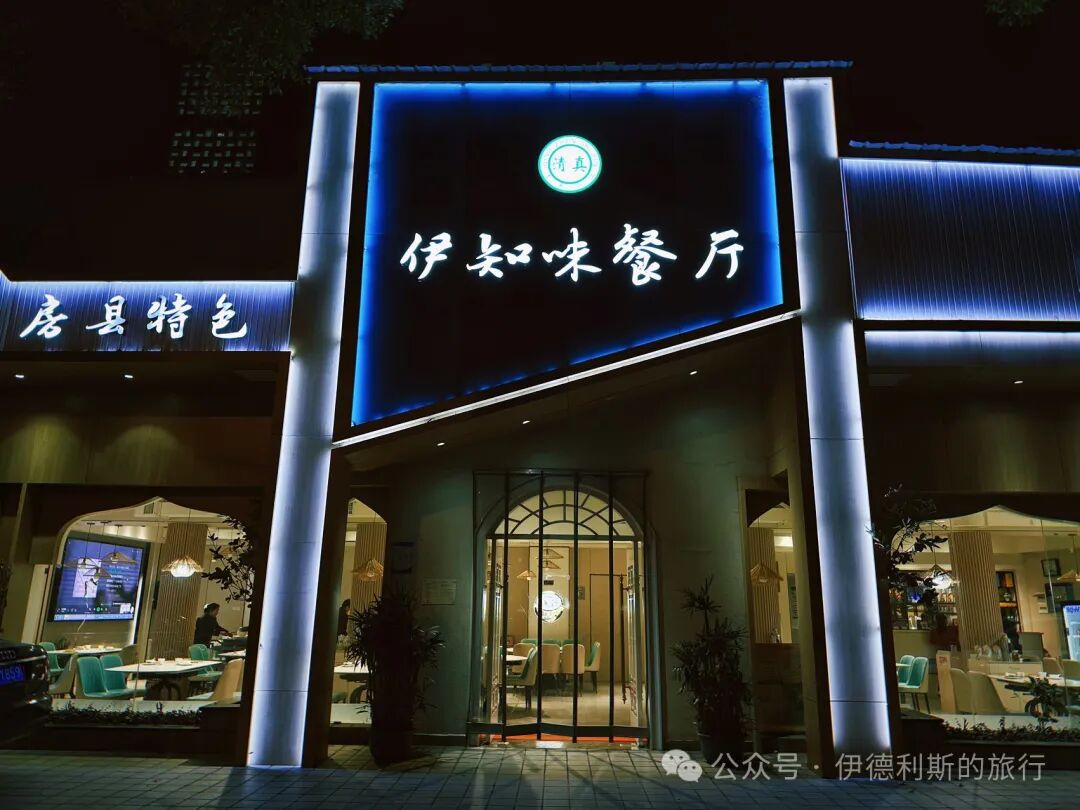
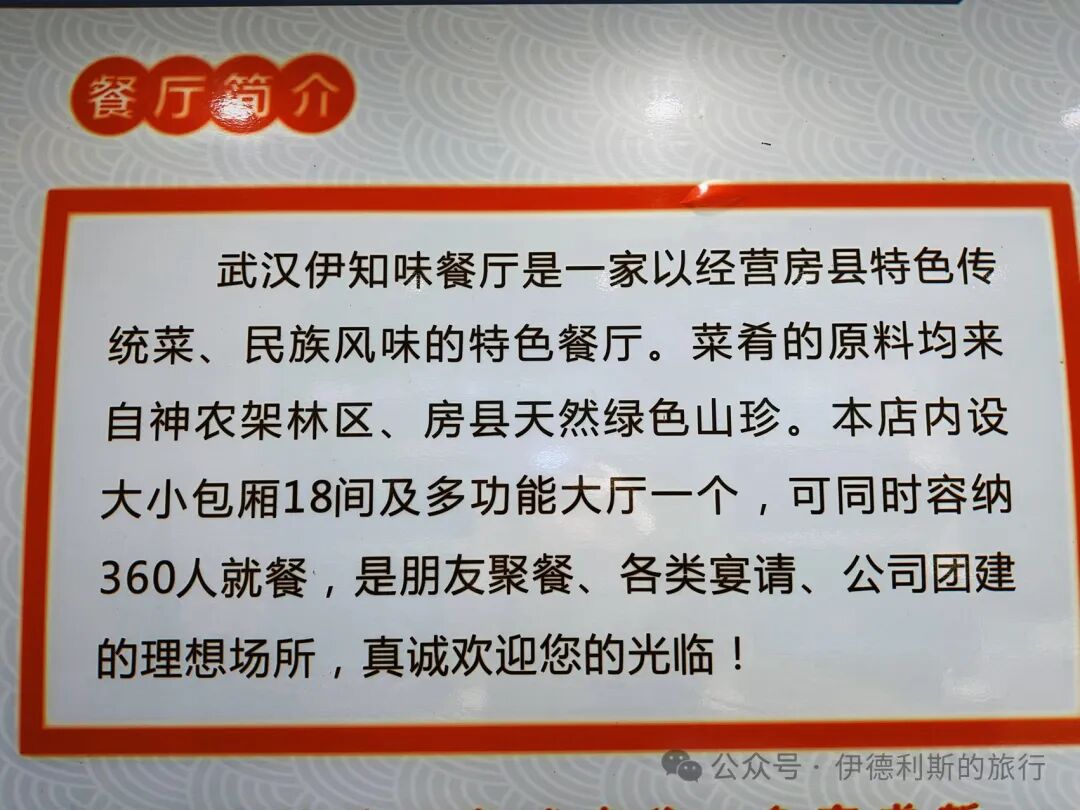
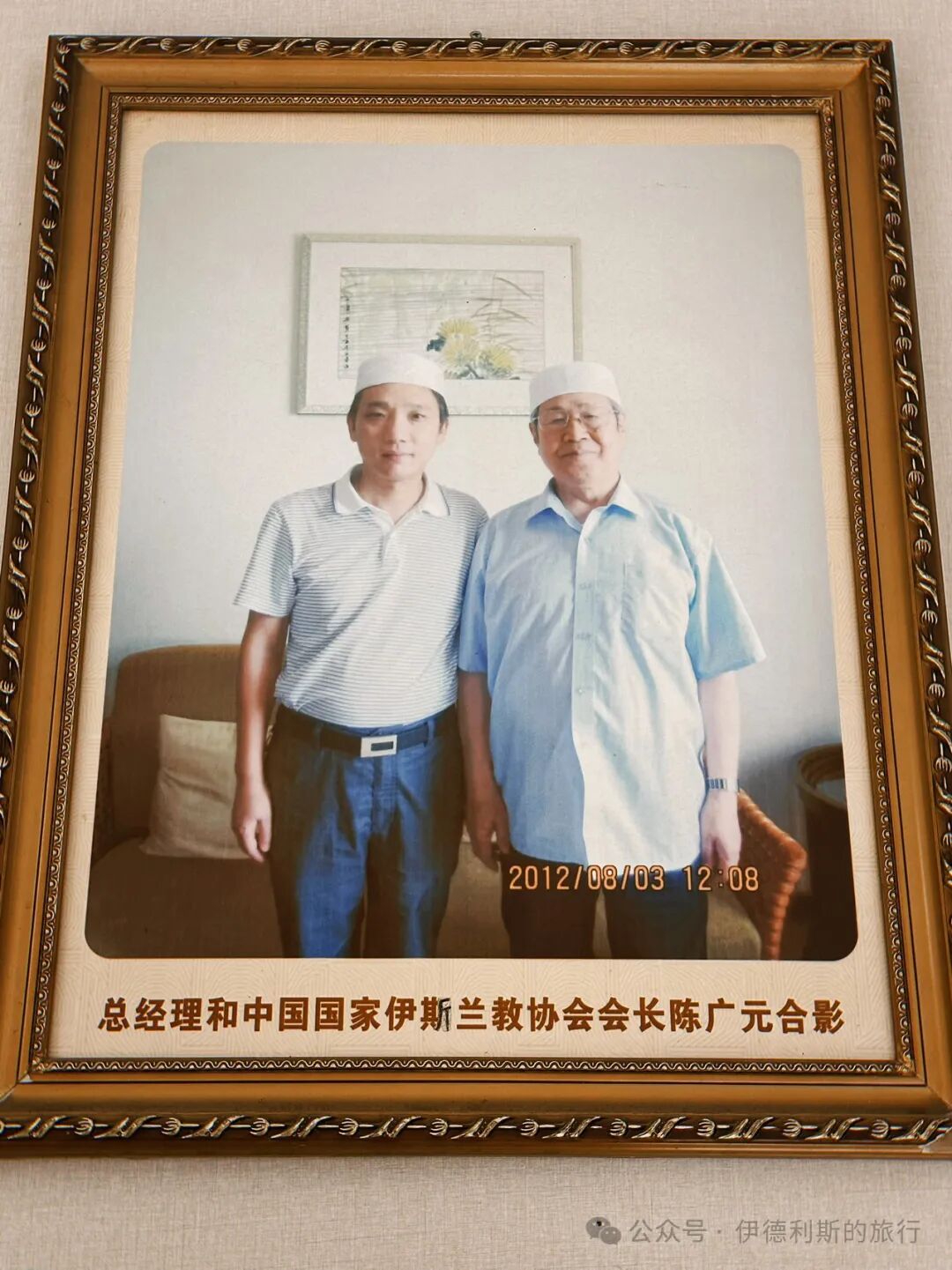
In the evening, we went to Yizhiwei Restaurant on Bayi Road for halal Hubei cuisine. It is run by Hui Muslims from Fang County, Hubei. When I was a student, it was called Mecca Restaurant. It was famous in Wuhan for hosting university student gatherings. Since graduating, I have eaten here every time I return to Wuhan. It is a big part of my memories of the city.
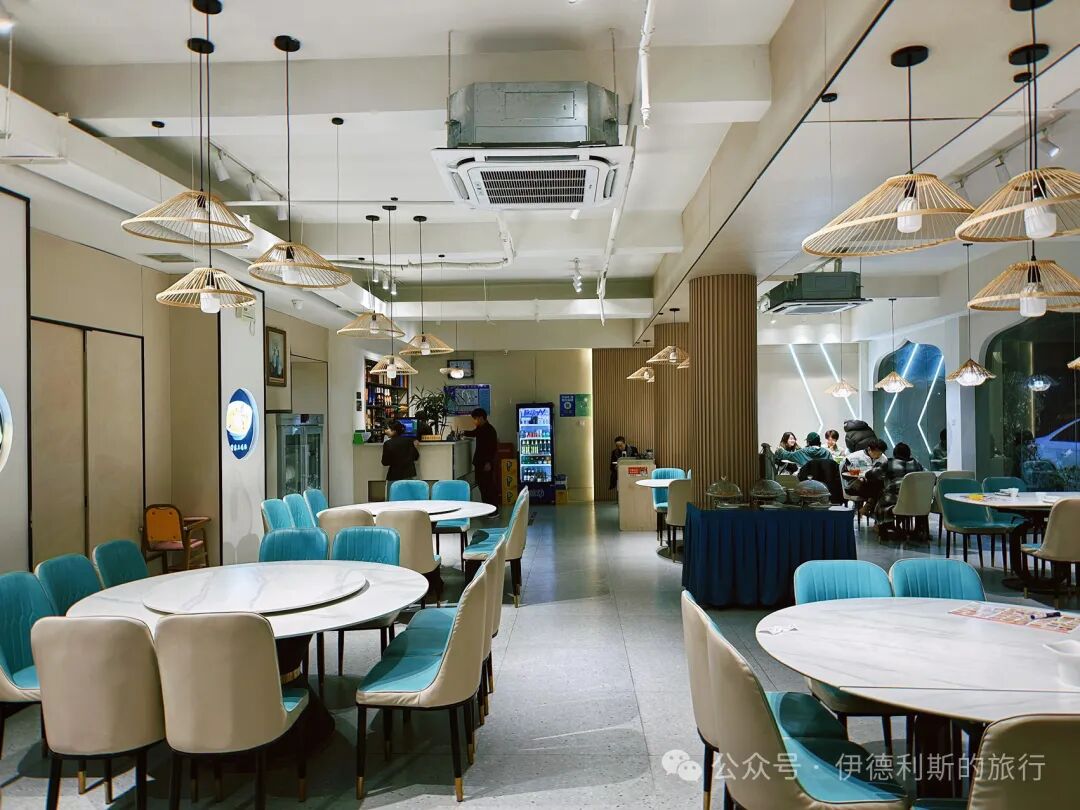
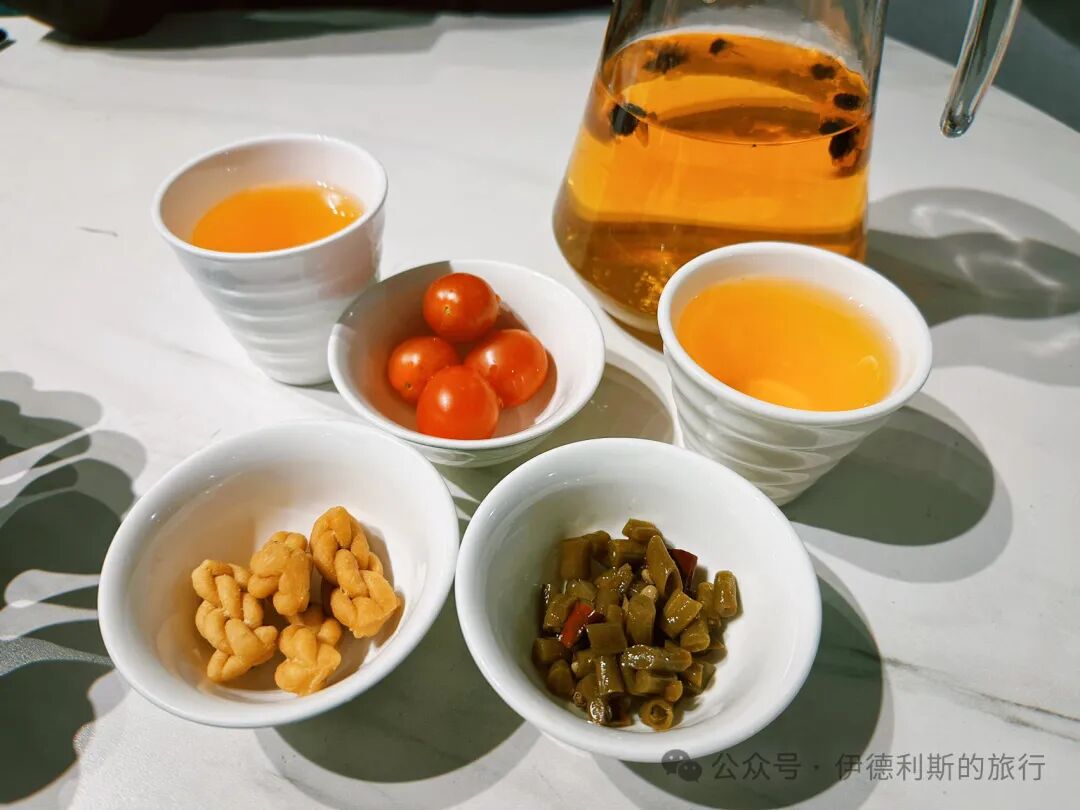
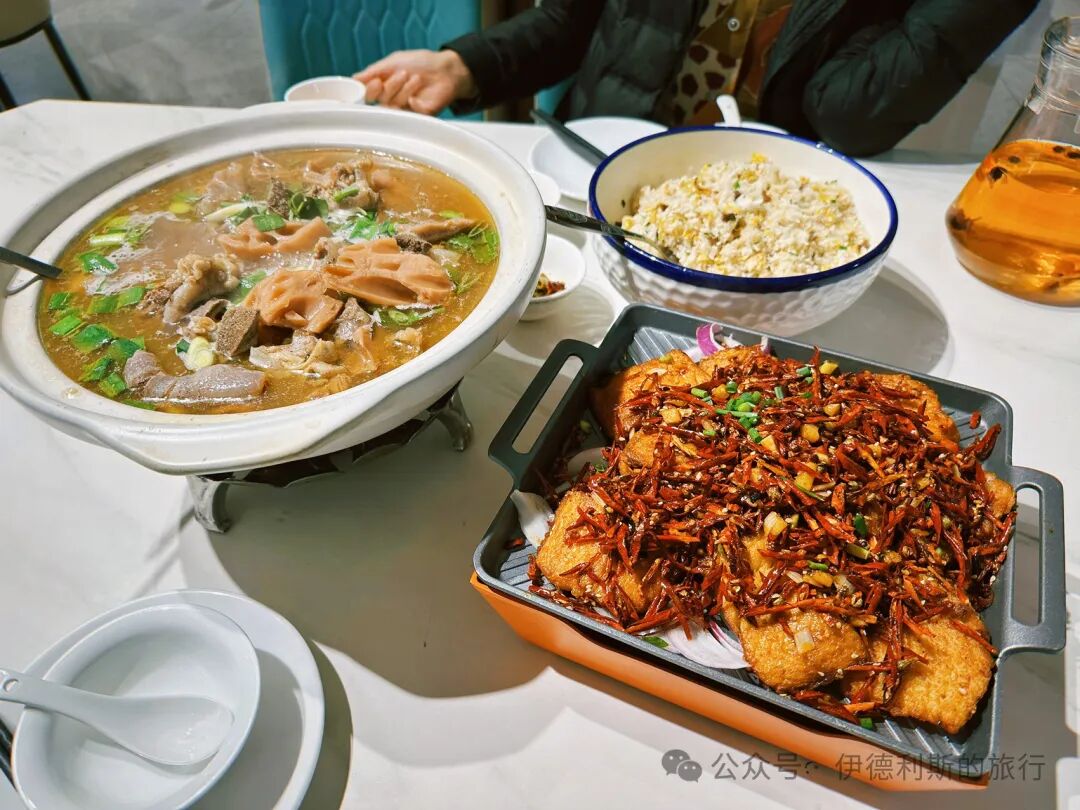
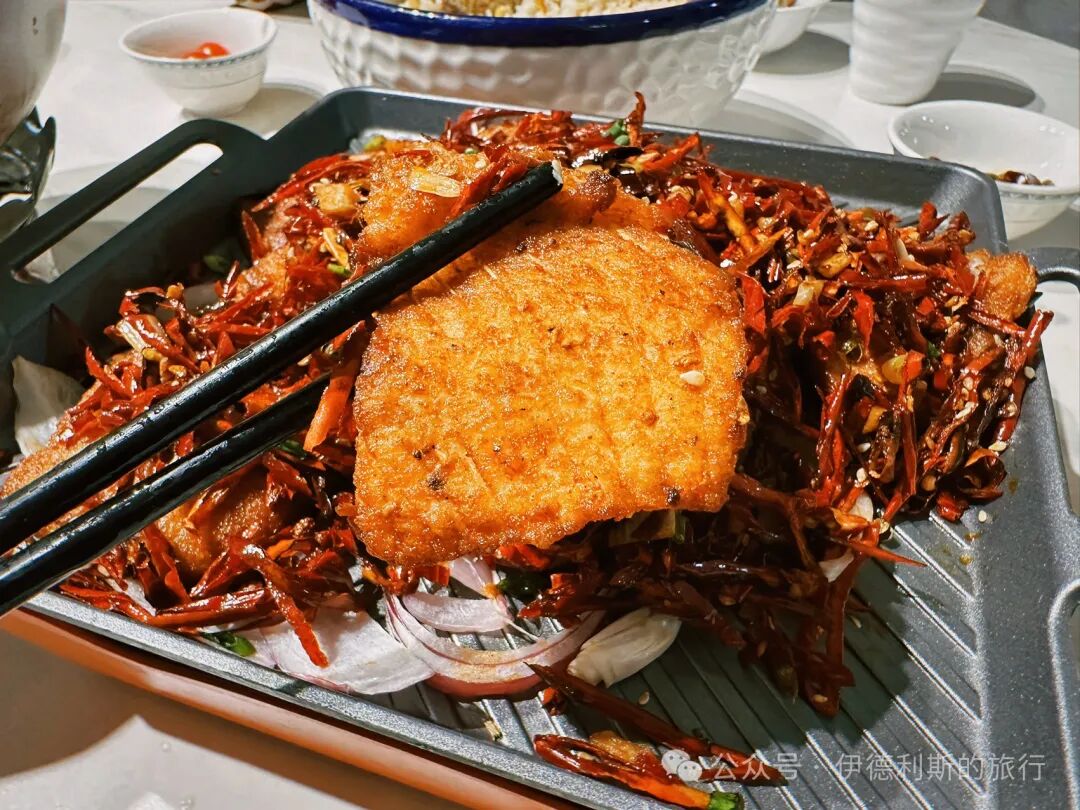
Coming back this time, I found that Yizhiwei has been renovated. The environment is excellent, and the shop is full of young people eating. Their menu has always been known for its variety. They focus on halal Hubei dishes, featuring both traditional Hui Muslim food and various fusion dishes that all taste good. We ordered pan-fried sticky rice fish (cibayu), beef fried rice with pickled chili (shanjiao niurou hua fan), and beef bone lotus root soup. Sticky rice fish is a local Hubei specialty. Grass carp is marinated, cut into pieces, dried, and then pan-fried. It looks like fried sticky rice cakes (ciba) and is very salty and spicy. The beef fried rice with pickled chili is even spicier and more fragrant. The pickled chili makes your whole palate tingle. Beef bone lotus root soup is the Hui Muslim version of the famous Hubei pork rib and lotus root soup. Hubei is famous for its lotus root, and this beef bone version is a classic dish for hosting guests among Hubei Hui Muslims. To make it, the beef bones are simmered over low heat until the meat falls off, and the lotus root becomes soft and starchy. It is especially comforting to drink in the autumn and winter.
Summary: Halal Travel Guide: Wuhan - Jiang'an Mosque Quarter, CCNU and Wuchang Food is presented here as a firsthand travel account in clear, natural English. The account focuses on Wuhan, Mosque Quarter, Halal Food while preserving the names, places, food, photos, and historical details from the Chinese source.
Jiang'an Mosque neighborhood.
I took the high-speed train back to Wuhan on Friday evening, March 8th. I noticed the trains to Wuhan have slowed down; most now take over five hours, with only a few left that take four hours. That night, I took a taxi from Wuhan Station straight to Erqi in Jiang'an. Jiang'an Erqi and Wuchang Qiyi Street are two mosque neighborhoods in Wuhan that I visited many times when I was in college ten years ago. The Erqi neighborhood has already gone through demolition and reconstruction, while Qiyi Street is currently undergoing demolition. Although the local Islamic community in Wuhan has declined significantly, Erqi is still the only area in the city that maintains its mosque neighborhood layout.
There are several Hui Muslim barbecue shops in Erqi, mostly run by Hui Muslims from Henan, which is linked to how the Jiang'an Erqi mosque neighborhood was formed. We chose one called Diao Huzi Hui Muslim Barbecue. The owner is from Zhumadian, Henan, and he now runs four barbecue shops near Erqi. We ordered grilled lamb skewers, beef skewers, vegetarian chicken (suji), dried tofu (ganzi), lotus root, crucian carp (xitouyu), sesame flatbread (shaobing), and lamb bone broth (yangtang). First, a reminder to check the menu carefully. Their meat is priced by the skewer, but vegetables are by the portion, and one portion is five skewers. We ordered way too much. Since Wuhan is in the south, the lamb isn't quite as good as in the northwest, so I ordered more vegetables. I liked their vegetarian chicken the best; it was fragrant and chewy. The dried tofu was very tender, with a completely different texture from the vegetarian chicken. I also really enjoyed the grilled sesame flatbread.
On the morning of Saturday, March 9th, I performed namaz at the Jiang'an Mosque. There were two imams and eight elders, ten people in total, which is quite rare in Wuhan these days. Because there were so few people, we prayed in the small prayer hall. The elders said the main hall only opens for Jumu'ah.
In 1906, the Beijing-Hankou Railway officially opened. Hui Muslims from places like Zhoukou, Henan, came to Hankou along the railway to escape years of flooding and drought. They built shacks to live in near the Jiang'an Railway Station in areas like Qiuchang, Liujiamiao, and Toudao Street, which became known as the 'Henan Sheds'. Some of them made a living pulling rickshaws or working as dock porters, and they were also called the 'Henan Gang'.
In 1918, the Henan Hui Muslims who had settled in Liujiamiao built a simple mosque, the earliest Liujiamiao Mosque. Because the neighborhood residents were mainly from Henan, it was also called the Henan Mosque. Later, when Wu Peifu's Beiyang Army was stationed there, they requisitioned the mosque to feed their horses, so everyone had to pool money in 1920 to buy a small building to use as a mosque. After the Battle of Wuhan in 1938, the mosque was damaged by war, and the land was taken for railway expansion, so everyone raised money again to buy a new building for the mosque. Since then, the mosque has undergone several major renovations and was named Jiang'an Mosque. Because it is located on Erqi Street, it is also called Erqi Street Mosque.
Jiang'an Station stopped operating in 2010, and demolition of the surrounding area began immediately. By 2014, all the houses around Jiang'an Mosque were torn down. The new Jiang'an Mosque was completed in 2018, and the relocation was officially finished in 2020, which is what we see today. For what the Jiang'an Mosque neighborhood used to look like, you can see my previous diary entry, 'Hui Muslim Community in Hankou, Hubei'.
I originally wanted to have breakfast in Erqi this morning, but after asking around, I found that all the halal restaurants around Jiang'an Mosque have closed. There are only meat shops and pastry shops left, which is a real shame. One of them, Lvji Beef and Mutton Shop, still had reviews last year for selling various noodles, steamed buns (baozi), and dumplings (jiaozi), but they don't do that anymore.
Erqi North Road is very busy in the morning, and we caught some freshly fried beef meatballs (niurou yuanzi) at Chengliji. Their shop is an old favorite from Toudao Street that later moved to Erqi North Road, and the local neighbors really like it. The freshly fried beef meatballs taste delicious! They definitely don't have that floury texture from too much starch found in the meatballs at some other shops. It is a pity that the beef skin-tofu (niurou doupi) I wanted most wasn't being made. The owner said they would make it in a few days, so it is best to call ahead next time.
Next to Chengliji is Yixiangzhai Food Shop, which sells various halal pastries. I always buy some whenever I return to Wuhan. I usually buy peanut brittle (huasheng su) and ginger candy (jiangzhi zatang). This time I also bought flaxseed crackers (yamazi bingbo), and they taste even better! They are also low in sugar and taste very healthy.
Since we didn't get breakfast near Jiang'an Mosque, we rode our bikes 2.7 kilometers west to Shuangbao Red Oil Beef Series on Erqi Side Road. This place must be the most popular and famous halal restaurant in the Erqi area. Shuangbao now has two shops, one halal and one not halal, so everyone must be careful to tell them apart. The new halal shop is run by a Hui Muslim landlady, and the old non-halal shop is reportedly run by the landlady's niece.
This place likely has the widest variety of beef dishes among halal restaurants in Wuhan. Lunch starts at 11:00, offering dozens of options. The crispy rice beef (guoba niurou), beef-stuffed fermented tofu (chouganzi bao niurou), and braised beef spine (lu niulonggu) are the most classic choices. We arrived before lunch service started, so we had breakfast instead. The breakfast menu features various beef rice noodles and wheat noodles, and they taste fantastic. The signature beef mixed noodles (zhaopai niurou banmian) are the best. The dry-mixed beef combined with the braising broth is very fragrant. The lady mixing the noodles was very friendly. When she heard we were fellow Muslims (dosti), she even gave us some beef tendon (banjin) for free. Their braised beef tendon is very tender, which is quite different from the tough tendon you get at barbecue spots. We also ordered a bowl of three-topping noodles (sanliao fen) with beef tendon, braised beef, and beef offal. The chili oil flavor is very rich, and the beef tendon is braised until it is soft and tender—a texture I have never experienced in the north.
Overall, we left feeling very satisfied! I will definitely come back to try their lunch menu next time.
Central China Normal University
I finally returned to my alma mater, Central China Normal University, ten years after graduation. This is where I lived for four years. I visited once in 2017, but in 2021, I wasn't allowed in and could only look through the gate. This time, I just had to scan my ID card to enter. Apart from a few new high-rise buildings, the school hasn't changed much in ten years. Many places are full of memories.
I noticed many more electric scooters on campus this time, including shared ones you can unlock with a QR code. It is much more convenient for students now than when we had to climb the hill to class every day.
I went back to the halal canteen where I ate for four years, but my alumni card wouldn't work, so I just walked around. First of all, the halal canteen has been renamed the Ethnic Canteen. The stalls inside have all changed, though I saw a Uyghur guy still running the Xinjiang food window. The hand-pulled noodles (banmian) back then were really tough, and the southern rice used for the pilaf (zhuafan) was really poor quality, but we still lined up every time it was mealtime. After finishing the noodles, I would buy a bottle of black tea and walk through the woods and up the hill back to the dorm. I felt so relaxed.
During my freshman and sophomore years, I lived in the West 1 Dormitory at Central China Normal University. The West District dorms, along with the School of Literature and the School of History, were among the first buildings constructed after the university moved from Tanhualin to Guizishan in 1955. They are now listed as part of the 'Early Architecture of Central China Normal University' in the Wuhan Excellent Historical Buildings registry.
The best part about living in a historical building is that it is truly warm in winter and cool in summer, which is much more comfortable than the modern buildings I lived in later. However, being next to the woods meant there were all kinds of bugs, and mice even got into the dorms. The mosquitoes in the camphor tree forest nearby were the worst; their bites would leave wounds that wouldn't heal.
Now, the West District dorm buildings have had their outer coatings removed to reveal the original grey bricks, and the interiors have been converted into offices instead of dorms. We ate the oranges from the tree at the dorm entrance every year while we lived there. Even though they were very sour, they are an unforgettable memory.
This time when I returned to my alma mater, I stayed at the Guiyuan Hotel, which is on the hillside in the northeast corner of the campus. In June 2013, Wuhan was extremely hot. Back then, the dorms at the university didn't have air conditioning, and the electric fans just blew hot air. The school opened the gymnasium for everyone to sleep on the floor, but my childhood friend and I pooled our money to stay in the north building of the Guiyuan Hotel for a month. That was when I truly experienced how unbearable the southern heat and humidity could be.
This time I stayed in the main building of the Guiyuan Hotel. The environment was quite nice, but the air conditioner didn't have a heating mode, so I got a taste of the early spring chill in the south.
Right outside the Guiyuan Hotel is the big downhill slope on the east side of the campus. Back then, the school buses didn't have speed limits, so we would practically take flight when we rode them down. After they set speed limits, we never had that roller-coaster experience again.
Finally, I went to the classroom where we used to have lessons to see what it was like. The desks and chairs have all been replaced with new ones, and I didn't feel the same sleepiness that used to hit me as soon as I put my head down.
Wuchang Food
After walking around my alma mater, I took the subway to Liangdao Street for lunch. The subway now goes to the Xiaodongmen area of Wuchang, and you are right on Liangdao Street when you come out. I haven't been to Wuhan in a few years, and I didn't expect Liangdao Street to turn into a trendy food street. All kinds of snack shops are packed side by side, which is completely different from when I was a student.
We biked straight to Ma's Hot Dry Noodles (reganmian). Since the Qiyi Street demolition and the closing of Pang's, Ma's is likely the only halal noodle shop left in Wuhan. We ate hot dry noodles and fresh fish paste rice noodles (hutangfen). We wanted to order stinky tofu (chouganzi), but the staff said they haven't made it lately. Still, the hot dry noodles with regular braised tofu (luganzi) were delicious.
Besides Ma's, there are two halal red-brick wall shops on Liangdao Street. One sells taro paste twisted dough sticks (dama-hua), and the other sells taro paste cheese bricks. The cheese bricks are popular, with the original flavor on sale for just 9.9. We bought a red bean one, and the mix of taro, red bean, and cheese tasted great. The cheese on top is cold, and the taro paste underneath is hot, which makes for a very satisfying treat.
In the evening, we went to Yizhiwei Restaurant on Bayi Road for halal Hubei cuisine. It is run by Hui Muslims from Fang County, Hubei. When I was a student, it was called Mecca Restaurant. It was famous in Wuhan for hosting university student gatherings. Since graduating, I have eaten here every time I return to Wuhan. It is a big part of my memories of the city.
Coming back this time, I found that Yizhiwei has been renovated. The environment is excellent, and the shop is full of young people eating. Their menu has always been known for its variety. They focus on halal Hubei dishes, featuring both traditional Hui Muslim food and various fusion dishes that all taste good. We ordered pan-fried sticky rice fish (cibayu), beef fried rice with pickled chili (shanjiao niurou hua fan), and beef bone lotus root soup. Sticky rice fish is a local Hubei specialty. Grass carp is marinated, cut into pieces, dried, and then pan-fried. It looks like fried sticky rice cakes (ciba) and is very salty and spicy. The beef fried rice with pickled chili is even spicier and more fragrant. The pickled chili makes your whole palate tingle. Beef bone lotus root soup is the Hui Muslim version of the famous Hubei pork rib and lotus root soup. Hubei is famous for its lotus root, and this beef bone version is a classic dish for hosting guests among Hubei Hui Muslims. To make it, the beef bones are simmered over low heat until the meat falls off, and the lotus root becomes soft and starchy. It is especially comforting to drink in the autumn and winter.
