
Halal Travel Guide: 2023 Mankai Journey - Mosques, Food and Muslim Communities
Reposted from the web
Summary: Halal Travel Guide: 2023 Mankai Journey - Mosques, Food and Muslim Communities is presented here as a firsthand travel account in clear, natural English. The account focuses on Mankai Journey, Mosques, Halal Food while preserving the names, places, food, photos, and historical details from the Chinese source.
In August 2023, Saudi Arabian Airlines launched direct flights from Beijing to Jeddah. Their website offers a four-day stopover option that includes a transit visa and one night at a hotel. I immediately canceled my planned trip to Malaysia and changed my plans to a Hejaz trip for the end of October.
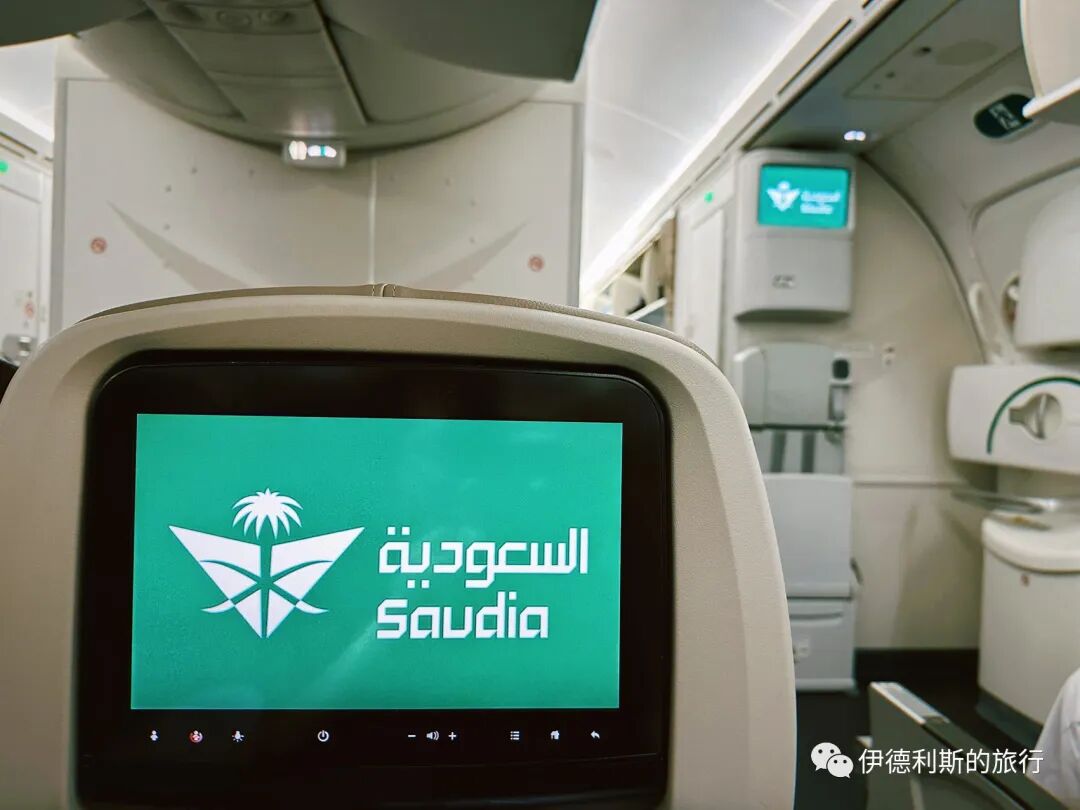
I took off from Beijing Daxing Airport at midnight for an 11-hour flight to Jeddah. This was the longest flight I have ever taken. Most people on the plane were transferring to Europe, with only a few traveling for Umrah. About 30 minutes before reaching the Miqat, there is an announcement on the plane reminding everyone to change into their ihram. I changed into my ihram and performed wudu in the restroom at the back of the plane. When I opened the door, there was a space for namaz with a curtain I could pull shut. This was my first time performing namaz on a plane.
The plane arrived at Jeddah Airport at 7:00 a.m. The exit was full of drivers trying to get passengers for Makkah, but we needed to drop our bags at the hotel provided by Saudi Arabian Airlines, so we took an Uber to the hotel first. My Uber was linked directly to my credit card, so I did not need to pay with cash. I want to remind my fellow Muslim friends (dostani) that the Uber pickup point is not in the parking lot directly in front of the exit. You need to go down to the first floor, head out, and turn left to find the designated Uber area.
The hotel check-in was supposed to be in the afternoon, but they let us check in as soon as we arrived in the morning. After getting settled, we grabbed our small shoe bag, travel prayer rug, prayer booklet, and prayer counter, then caught an Uber right outside the hotel to head to the Kaaba. There is actually a high-speed train between Jeddah and Makkah, but since there were three of us, we would have had to pay for taxis to and from the train station, so it was easier to just take a taxi the whole way. A quick tip for my fellow brothers and sisters (dostani): you cannot take an Uber around the Sacred Mosque (Masjid al-Haram). If you take a taxi, always agree on the price first and clarify if the rate is per person or the total price to avoid any arguments when you arrive.
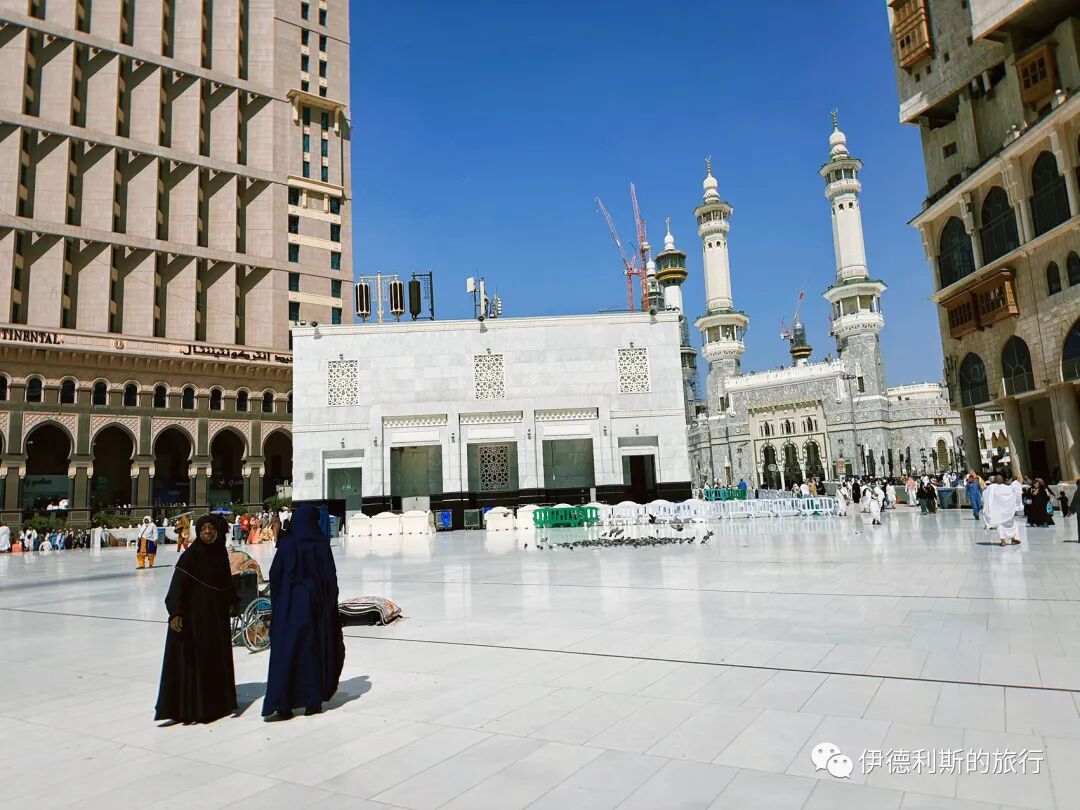
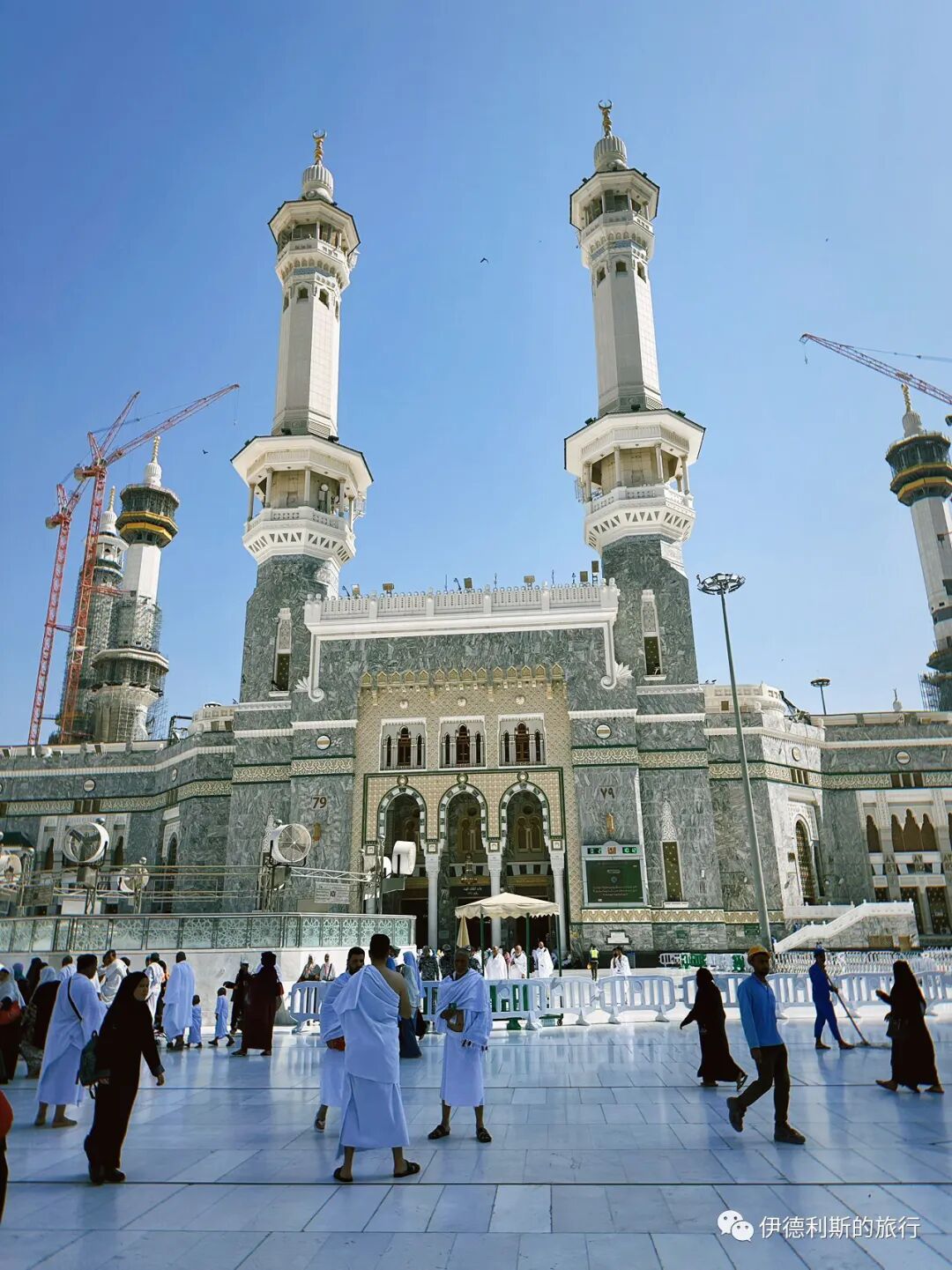
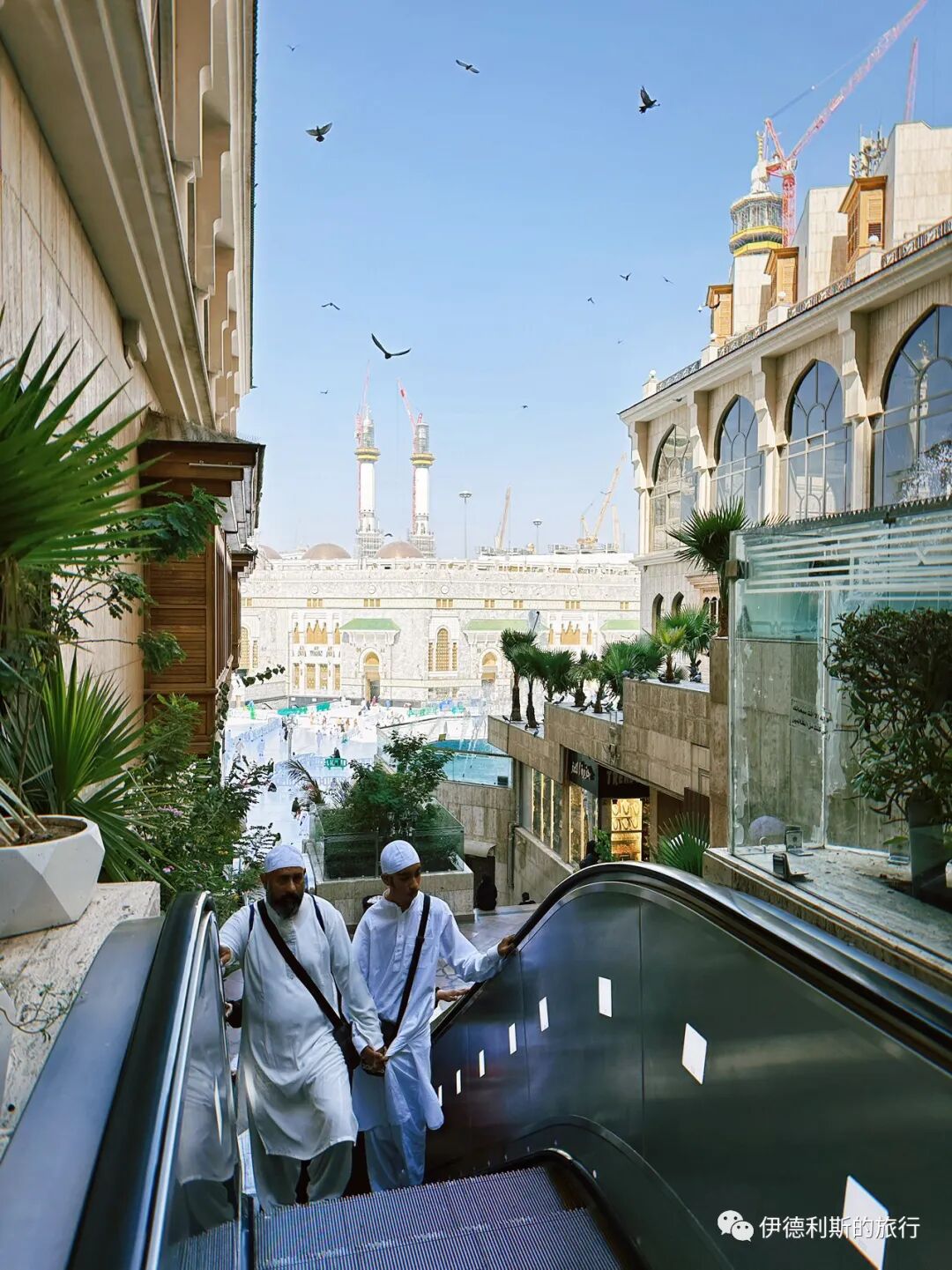
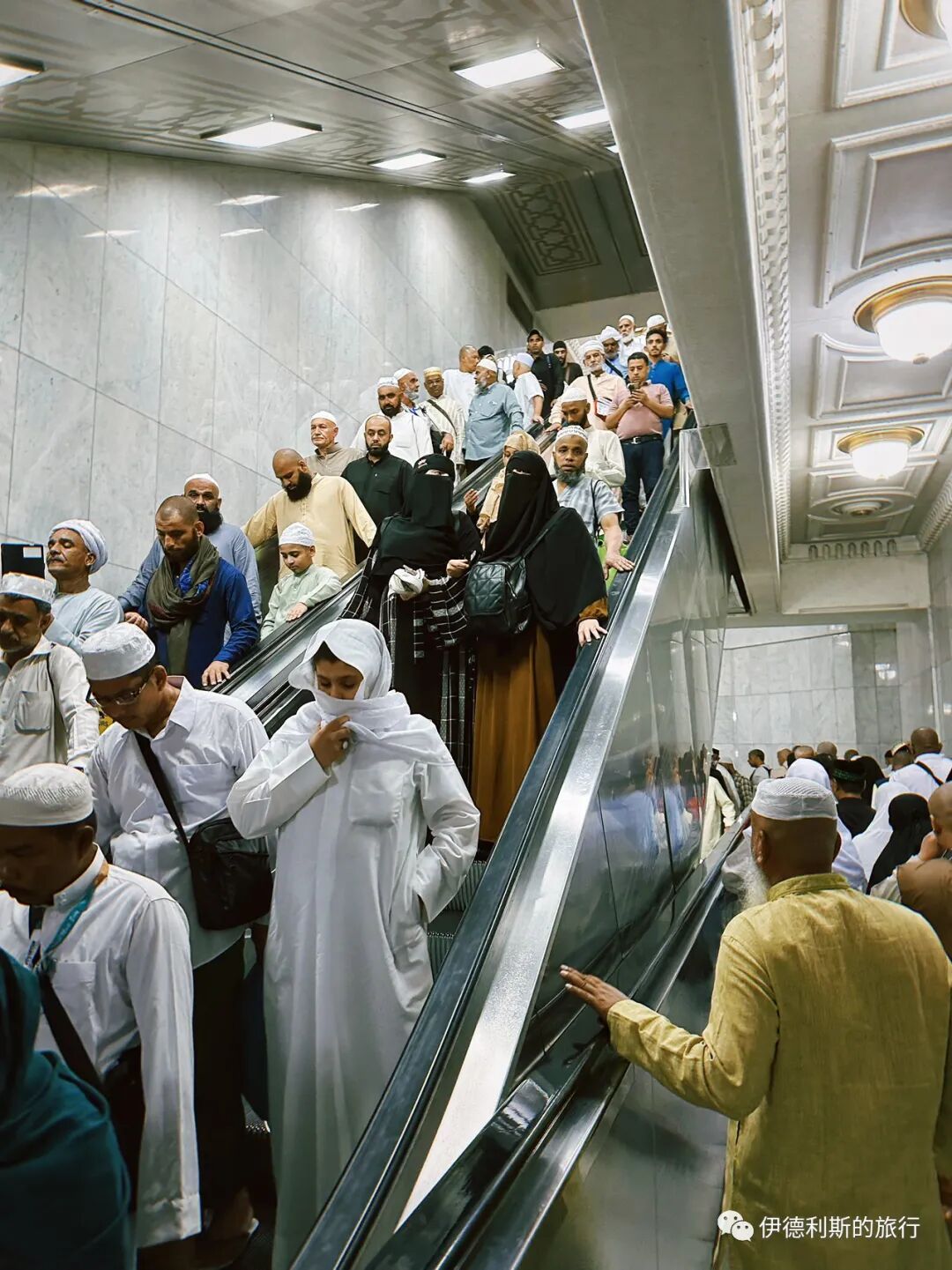
We set our destination to the Clock Tower. After an hour-long drive, the driver dropped us off at the underground passage of the Clock Tower. We took the escalator up and came out right at the King Fahd Gate of the Sacred Mosque, which is Gate 79. The Sacred Mosque has many gates. Some only lead to prayer areas, while others only lead to the upper floors. If you are performing Umrah, the King Fahd Gate (Gate 79) is the best one to use.
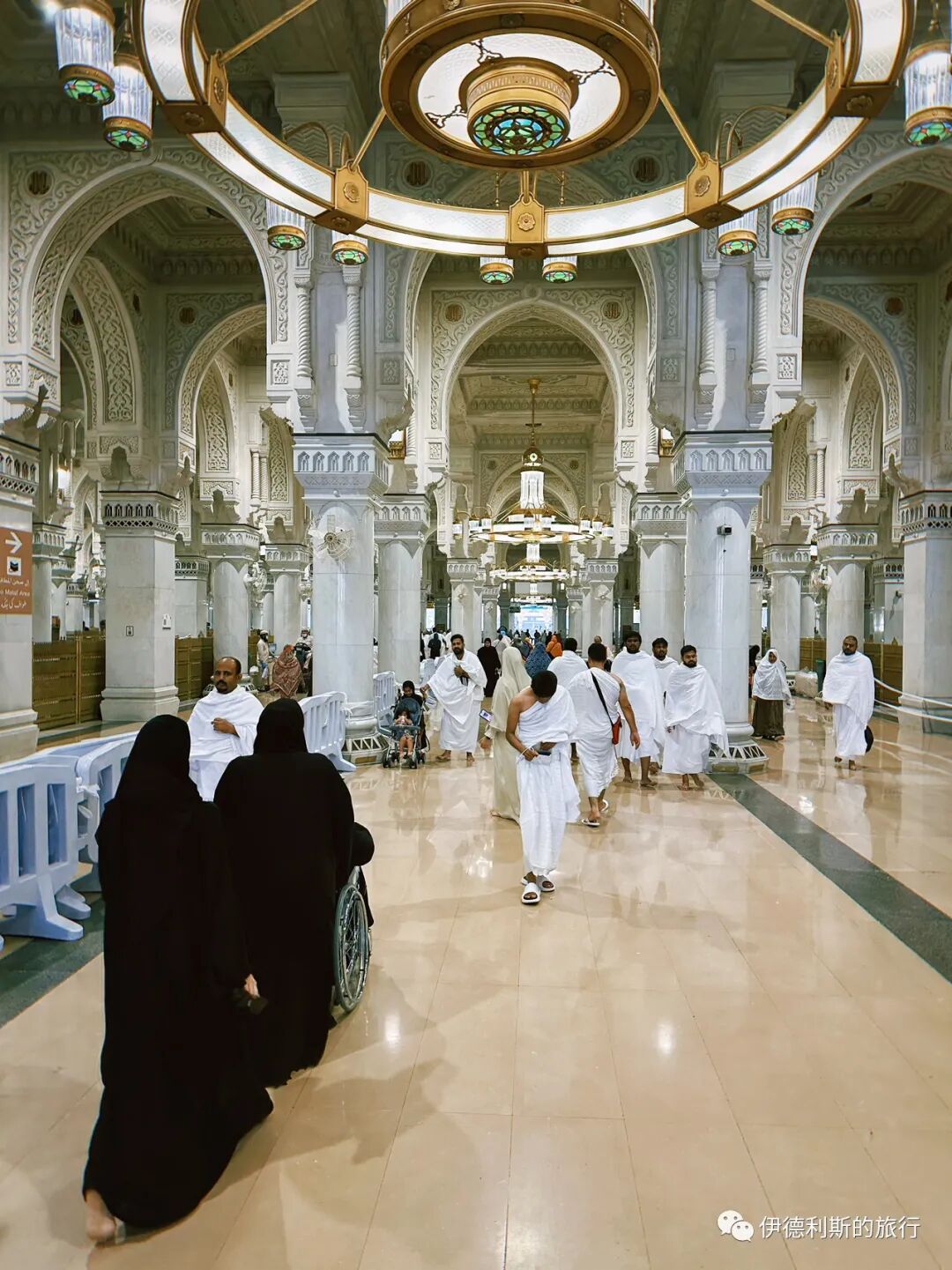
Right outside the King Fahd Gate, there are separate washrooms for men and women. Since we had already performed wudu at the hotel, we went straight inside, walked through a prayer area, and headed directly to the courtyard where the Kaaba is located. You do not need to book Umrah on the Nusuk app, but men must be wearing their ihram (pilgrim garments) to enter the Kaaba courtyard through the King Fahd Gate. Those not wearing ihram must enter the Sacred Mosque through other gates.
Once you enter the courtyard, your first step is to find the Black Stone. Even though it is less crowded in the morning than at night because of the hot sun, it is still hard to get close to the Kaaba. The easiest way to find the Black Stone is to look for the Golden Door on the Kaaba; the Black Stone is at the bottom left corner of that door. Start at the Black Stone, uncover your right shoulder, and circle the Kaaba seven times. The crowd is thickest near the Station of Ibrahim, so dear friends (dostani), please stay safe. After you finish the circuits, cover your right shoulder again. There is a fenced-off area outside the Station of Ibrahim where you can pray two rak'ahs of namaz.
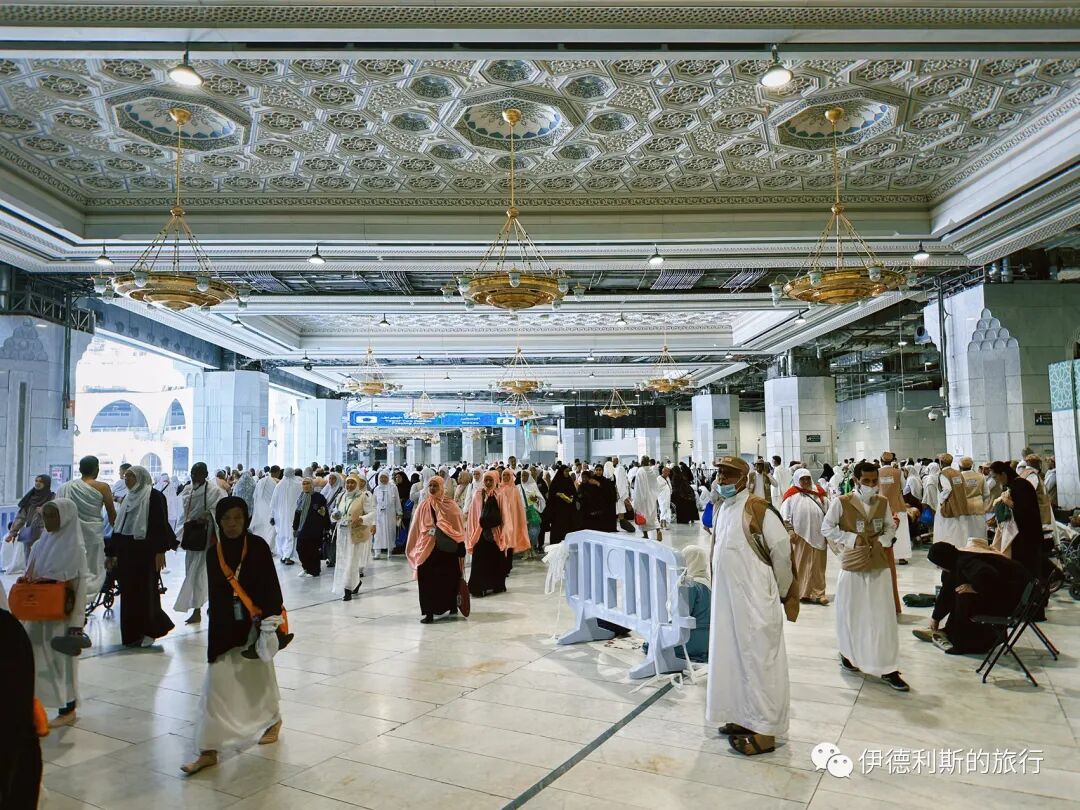
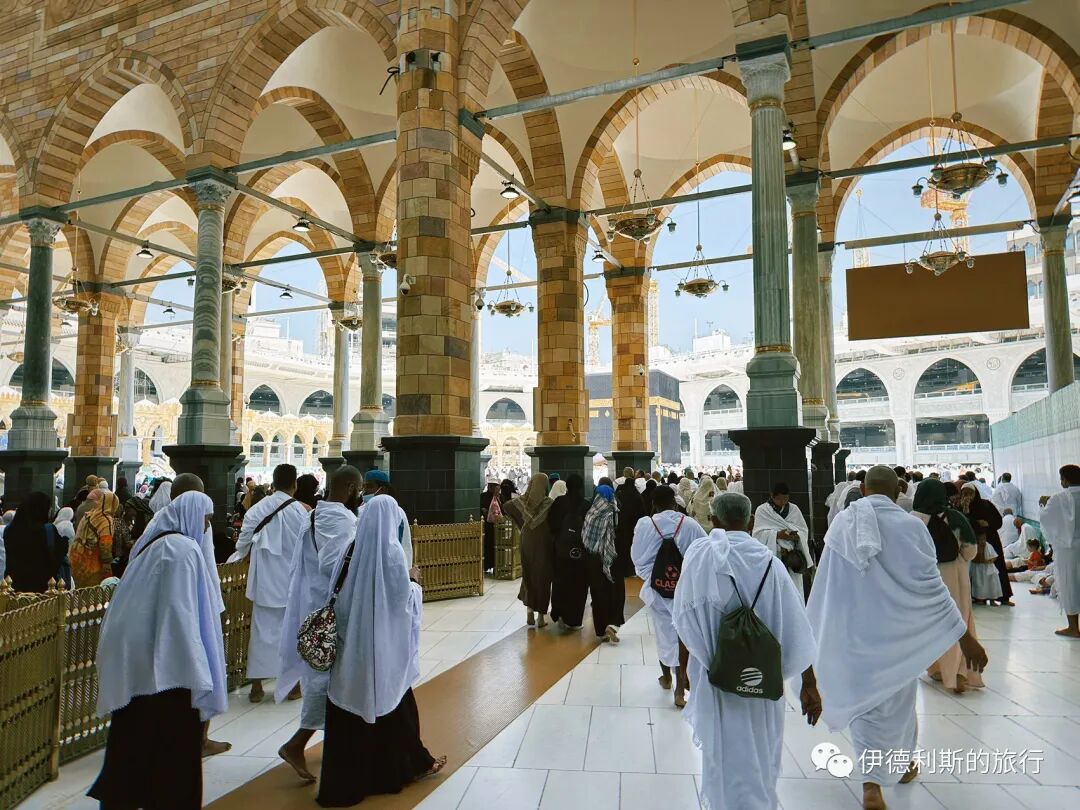
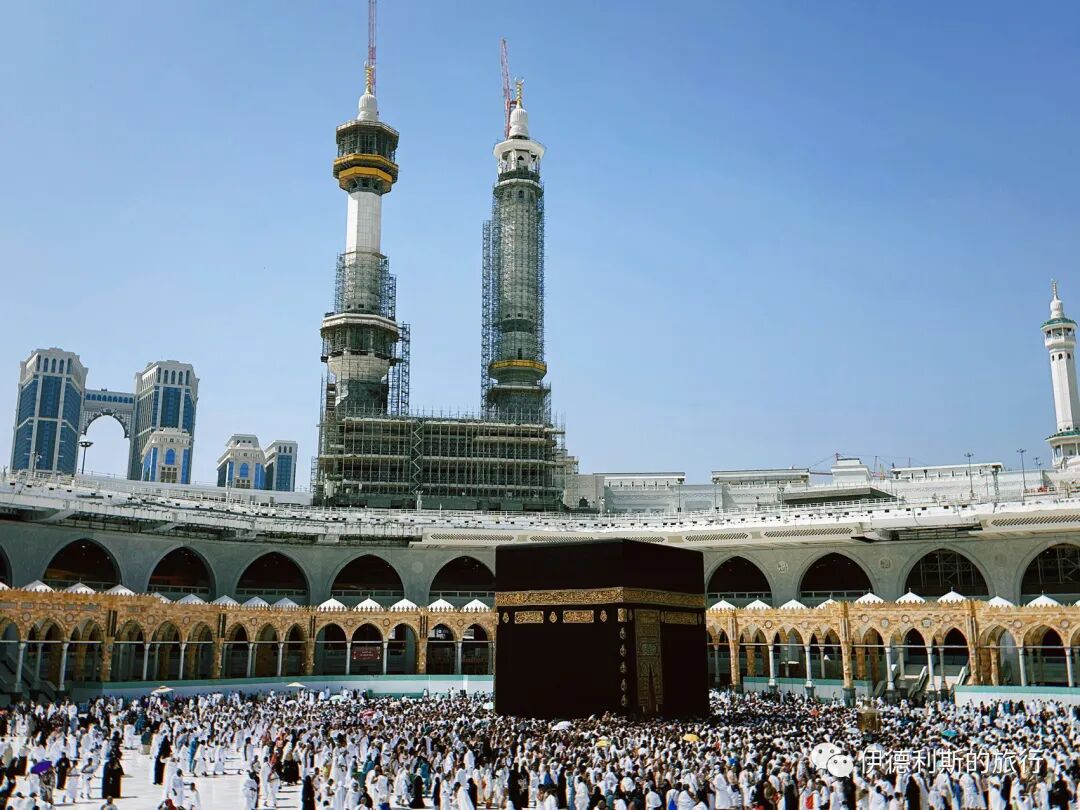
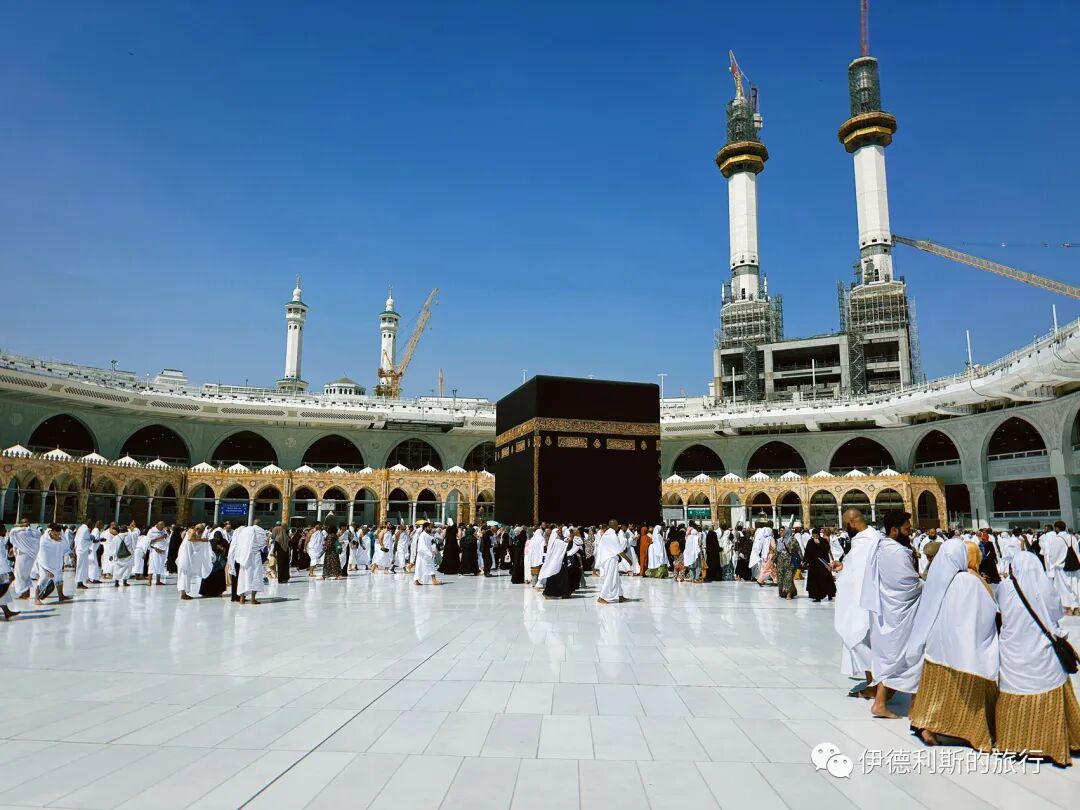
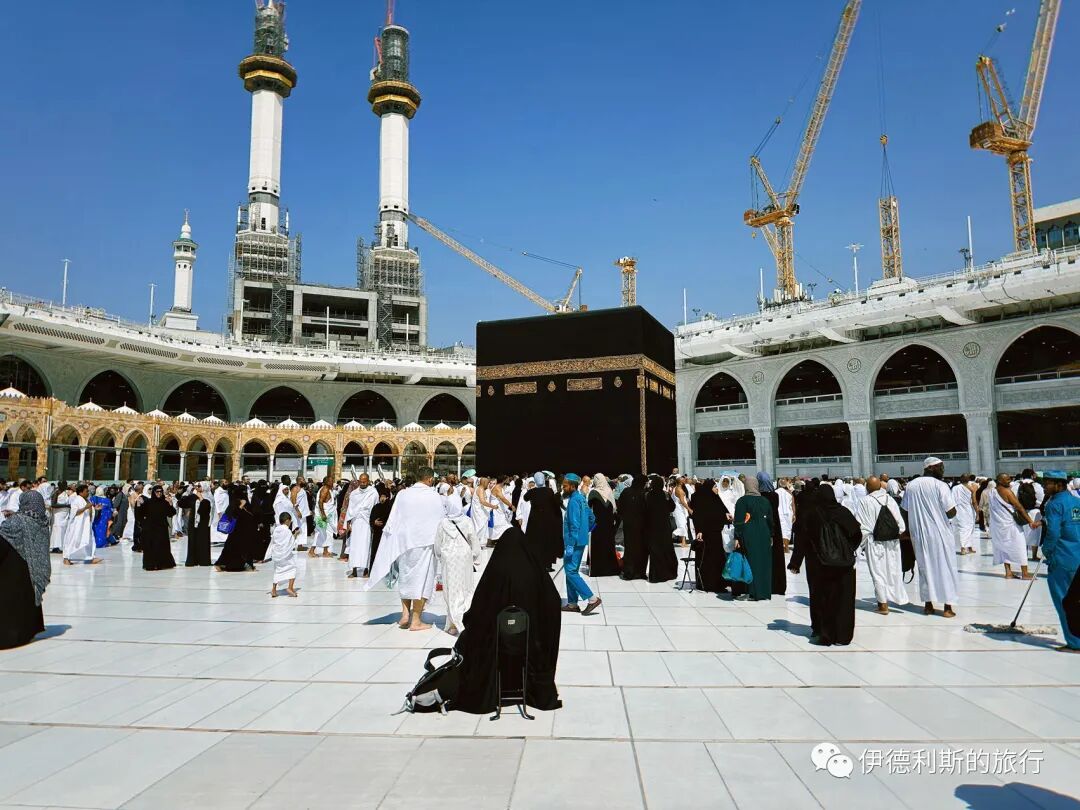
After finishing the circuits of the Kaaba, look for the signs for Masaa (the ritual running) and head east to the place where you walk between the two hills. The nearest entrance was under construction and closed, so we walked further south until we found the path to the area for the walk between the two hills. The entrances to the Sacred Mosque (Masjid al-Haram) often open and close based on how many people are there, so you may have to walk around if it gets too crowded.
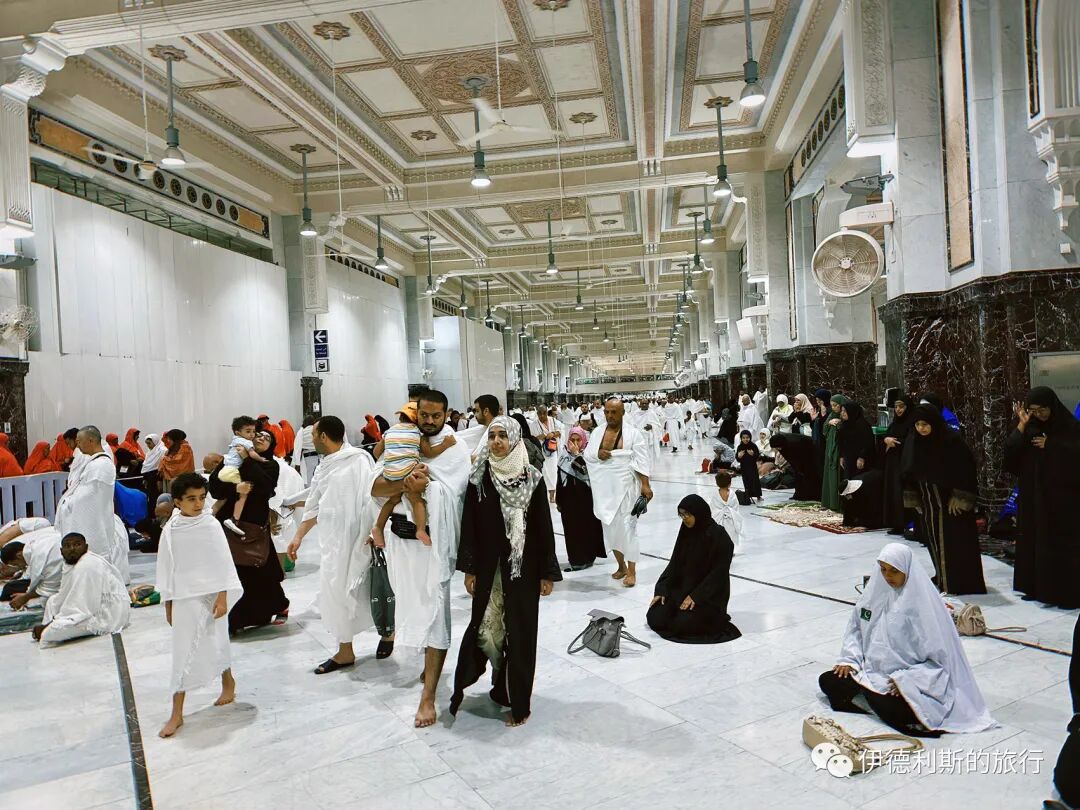
Once you enter the area for the running, go to Mount Safa at the far south end to officially start your seven trips. The men start running when they see the green light strip on the ceiling, then go back to walking normally once the light strip ends. Since the walk takes a long time, you might lose track of how many laps you have done, so I recommend that fellow believers (dostani) bring a counter. We happened to catch the prayer time (peshin) while walking, and it was powerful to see everyone in the hallway doing namaz together before continuing the walk.
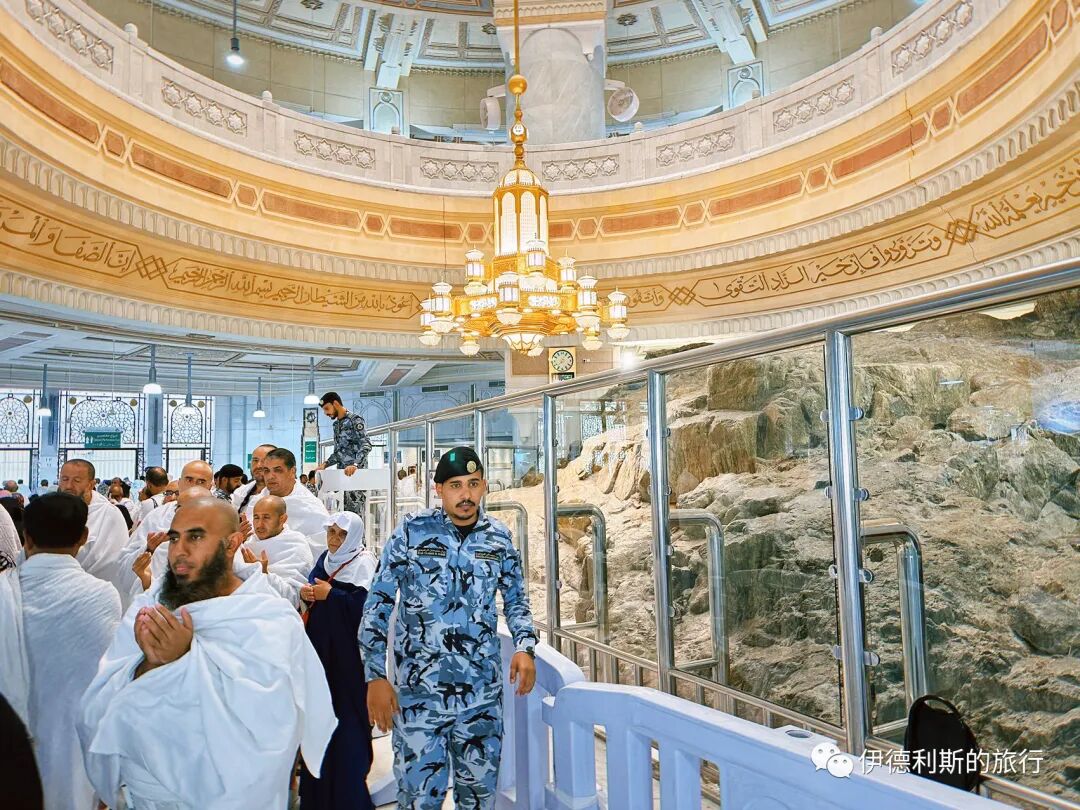
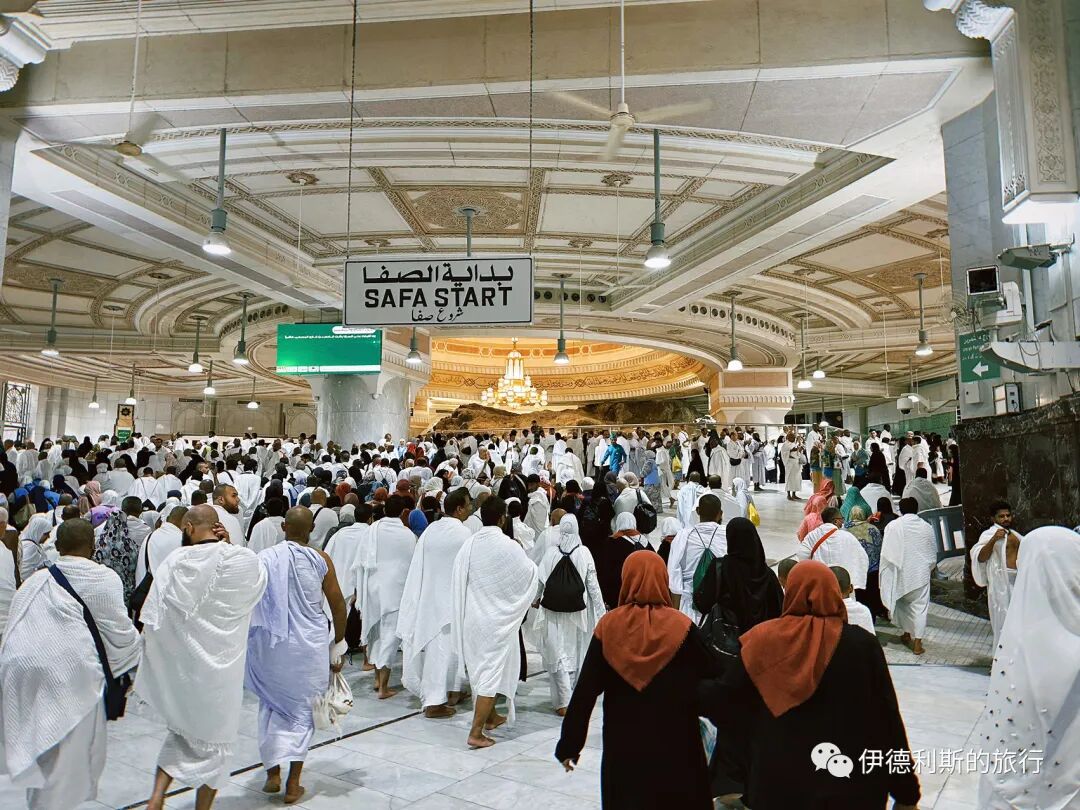
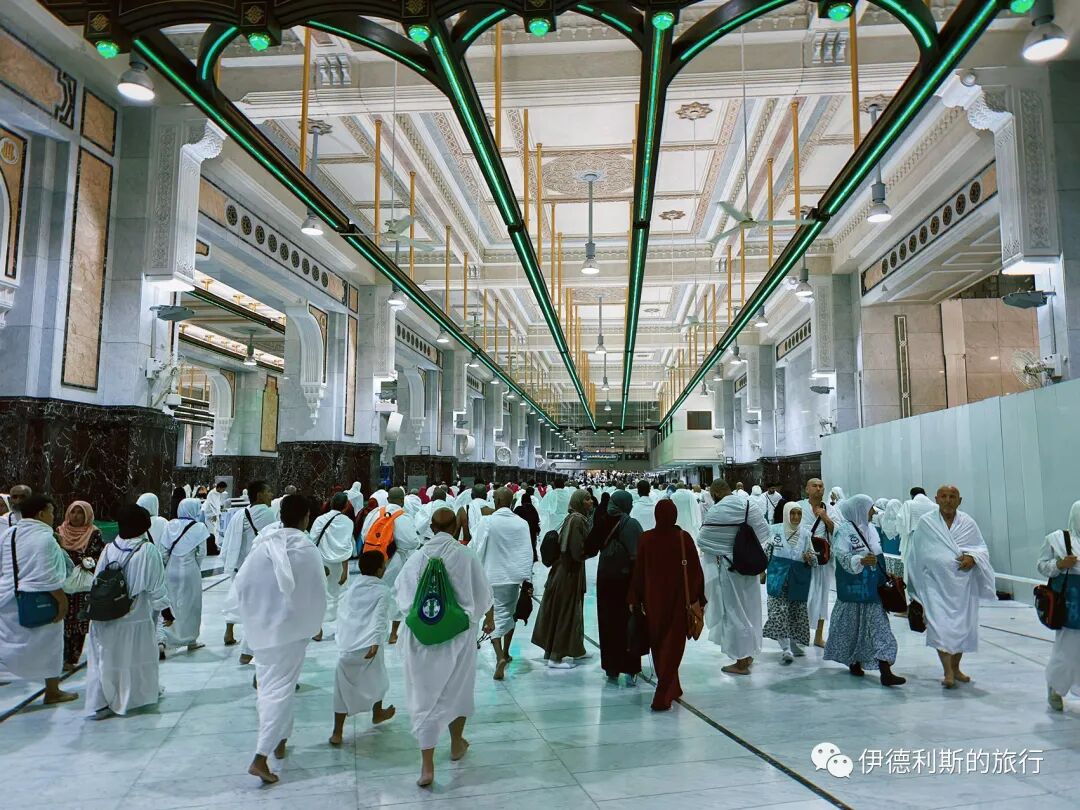
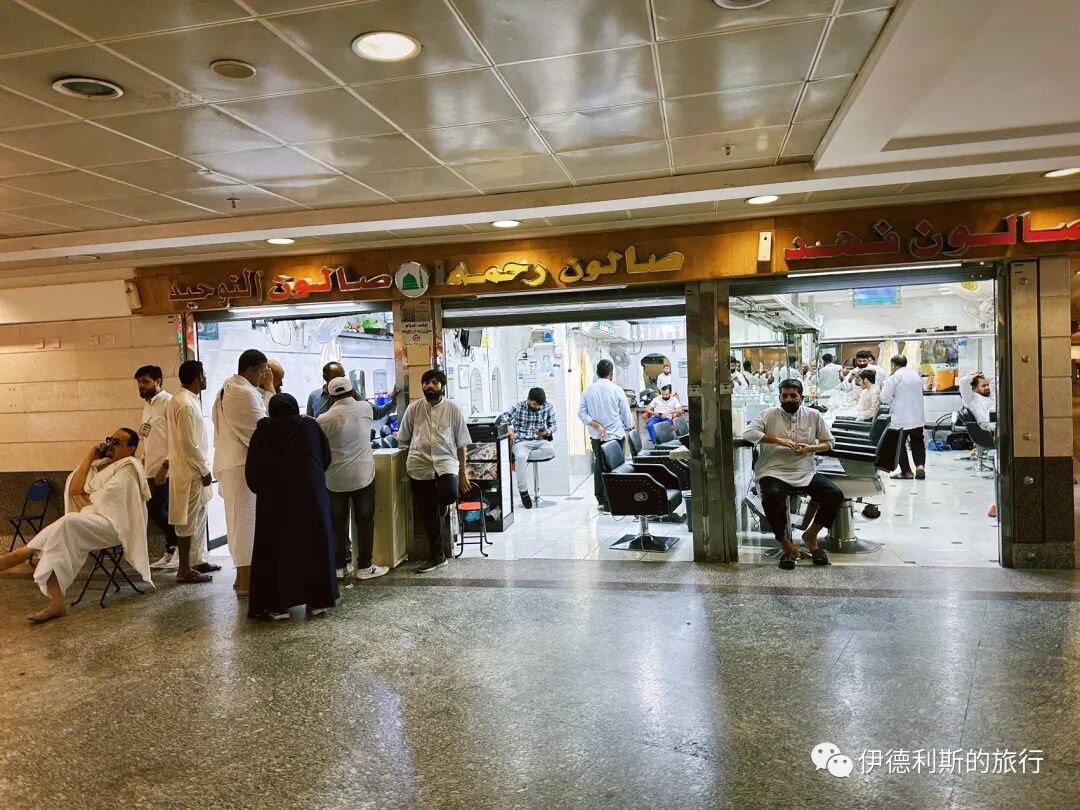
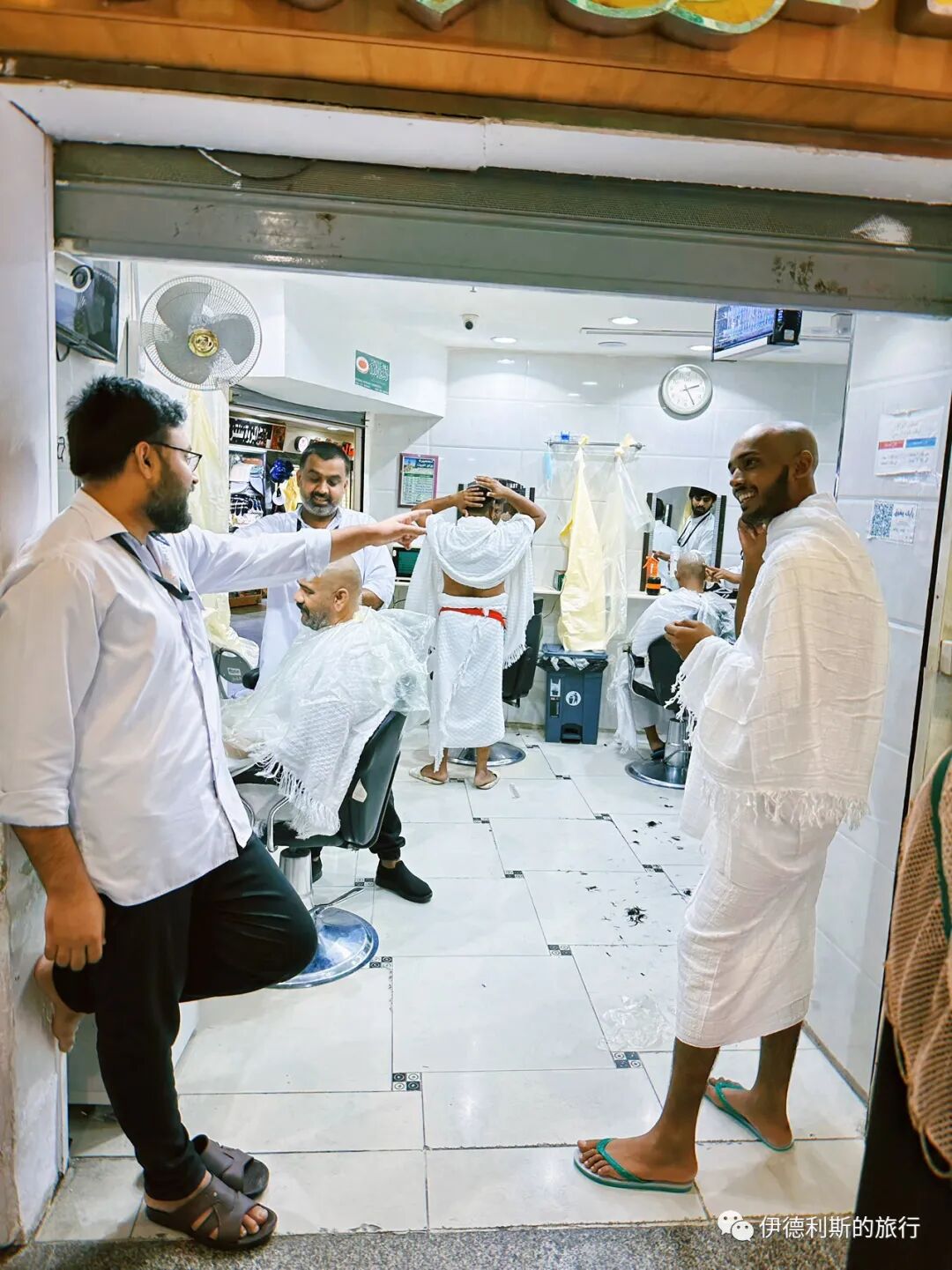
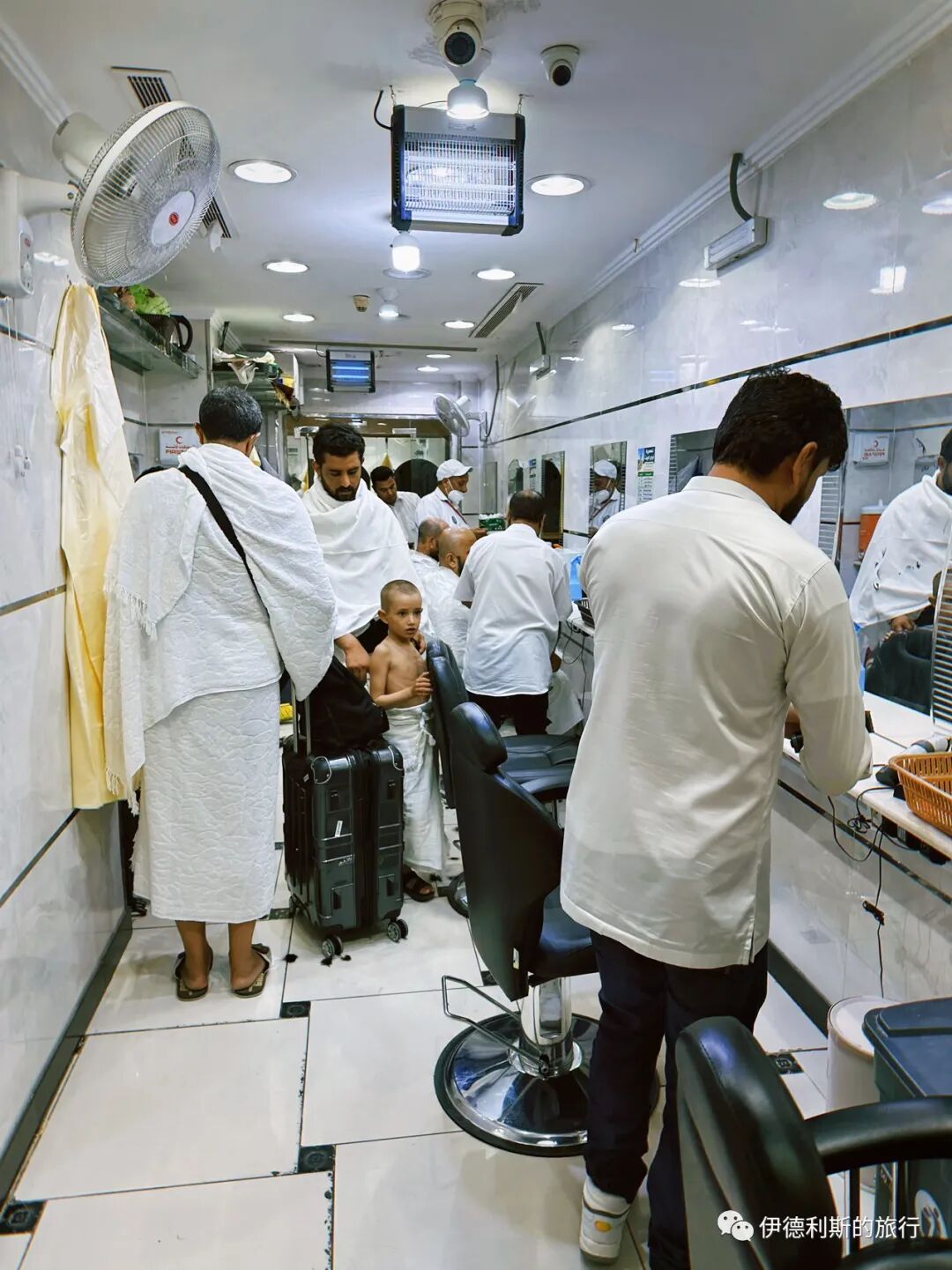
After finishing the walk, you need to shave your head to end the state of ihram. The barbers are in the underground passage on the west side of the Clock Tower, and you can choose between using clippers or a clean shave.
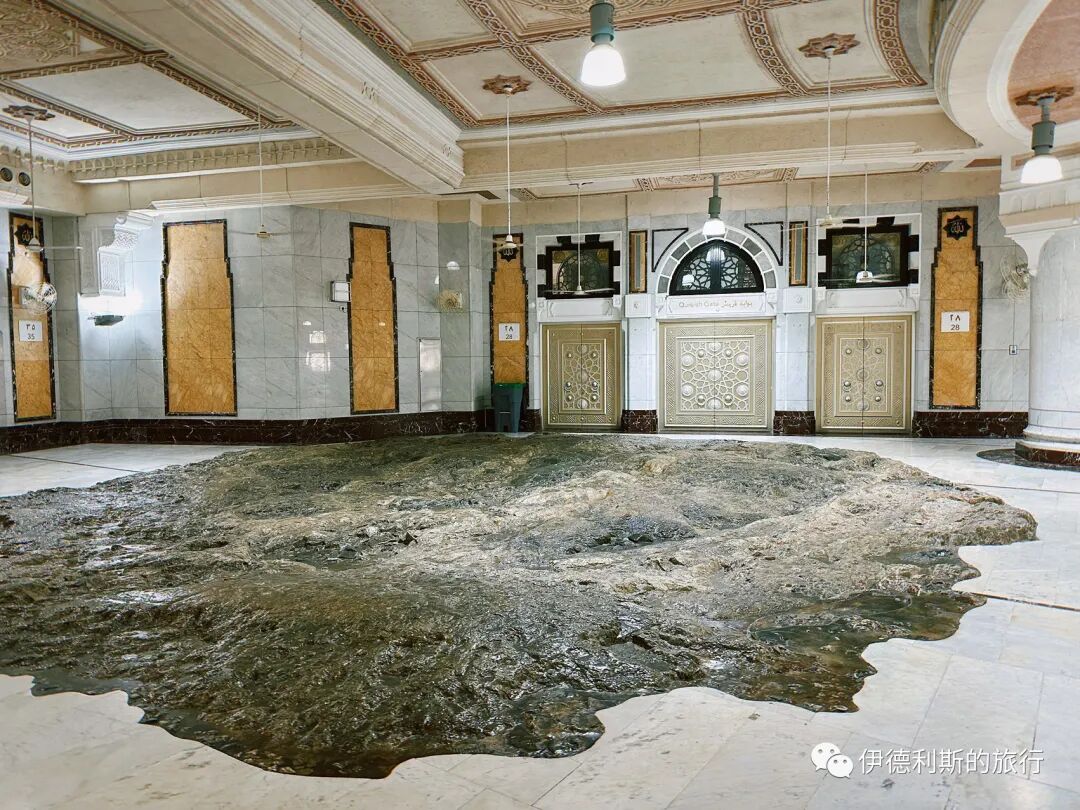
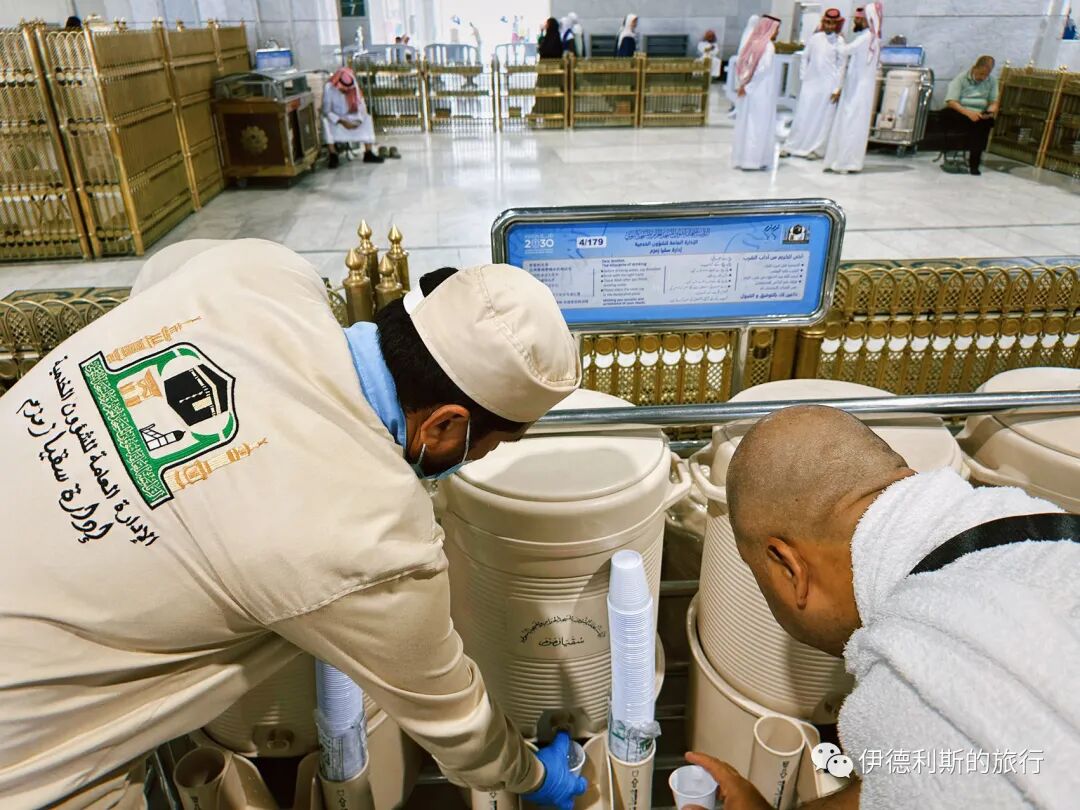
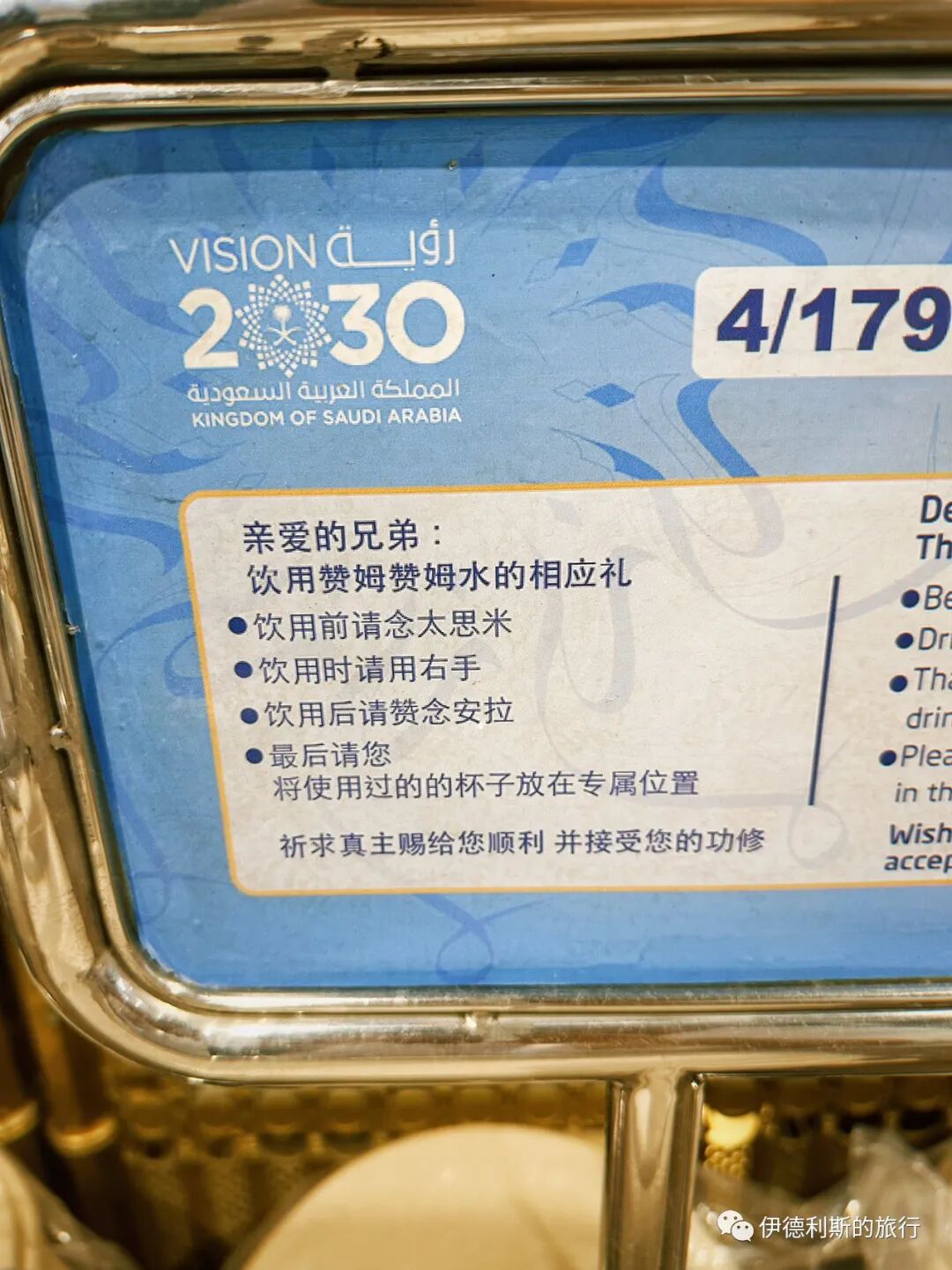
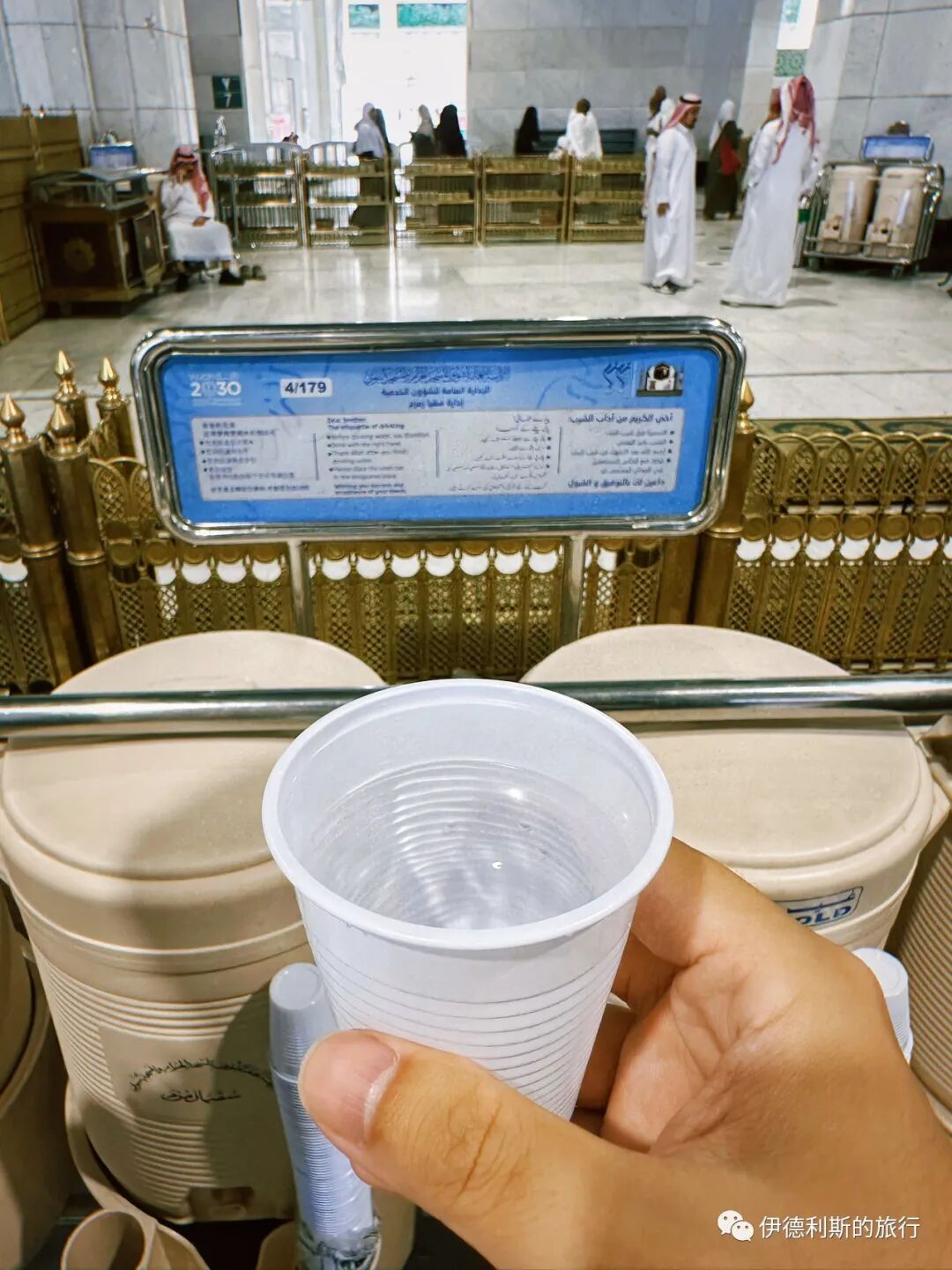
You do not need to buy water in advance for Umrah because Zamzam water is everywhere inside the Sacred Mosque (Masjid al-Haram) for you to drink. They have both room temperature and ice water, and they even thoughtfully posted the etiquette for drinking Zamzam water in several languages, including Chinese.
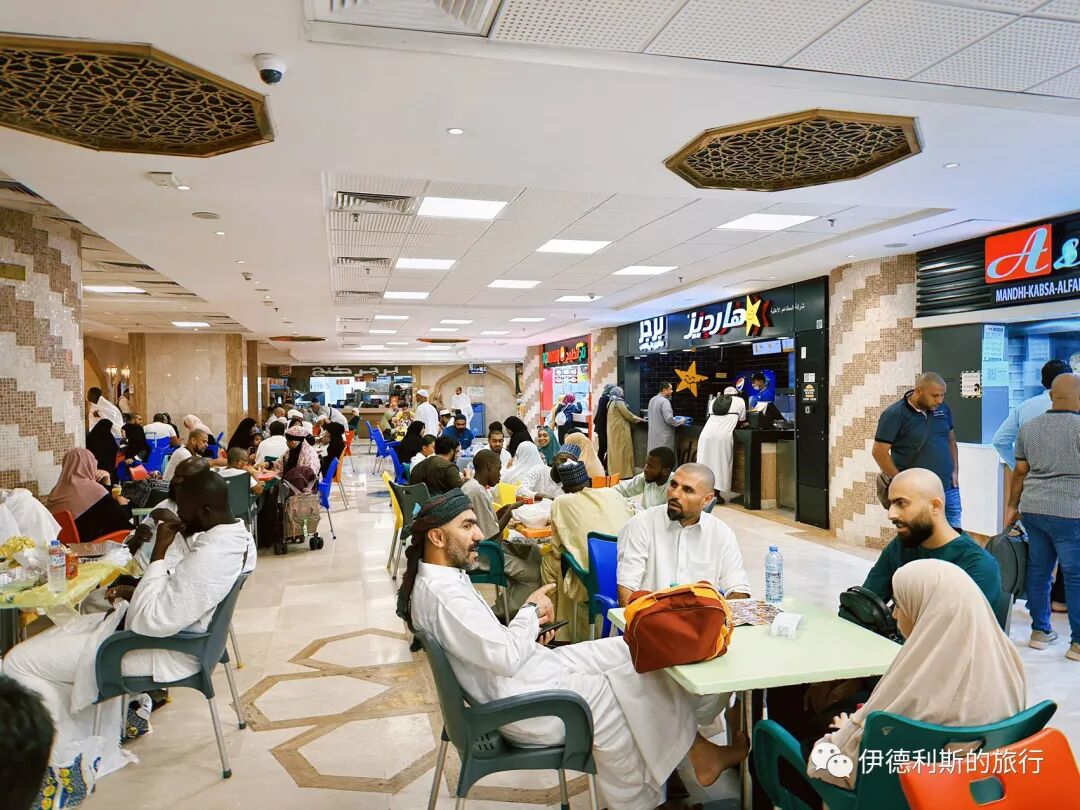
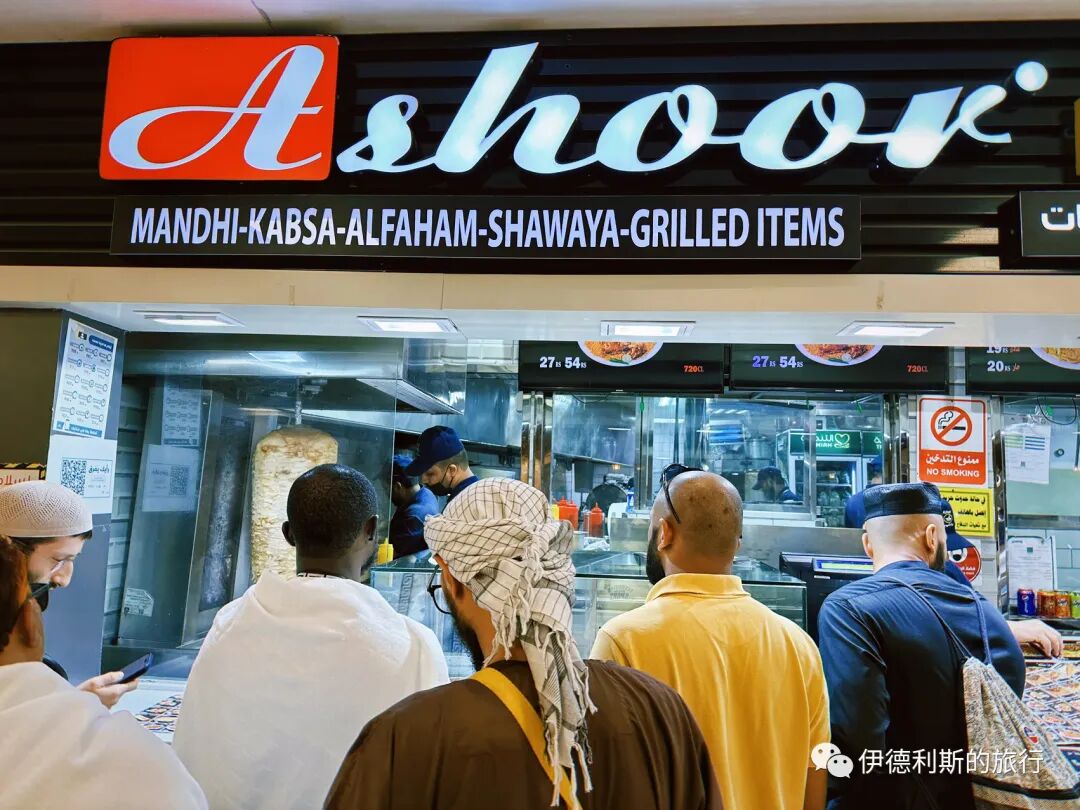
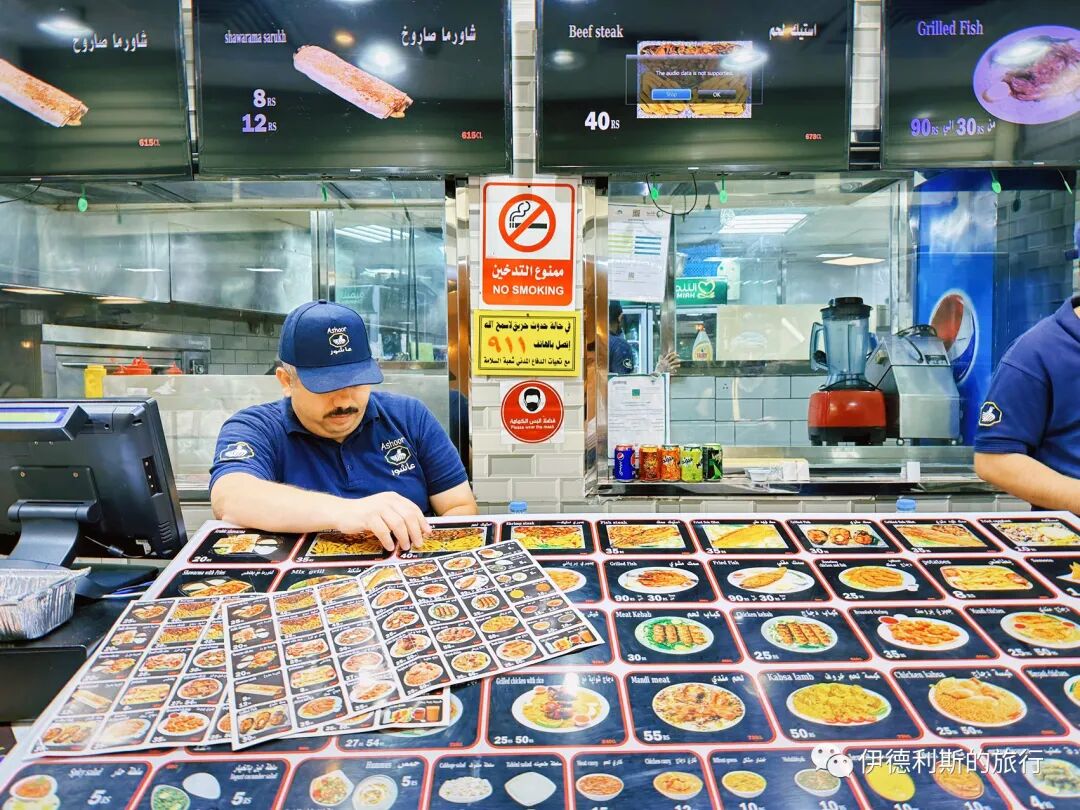
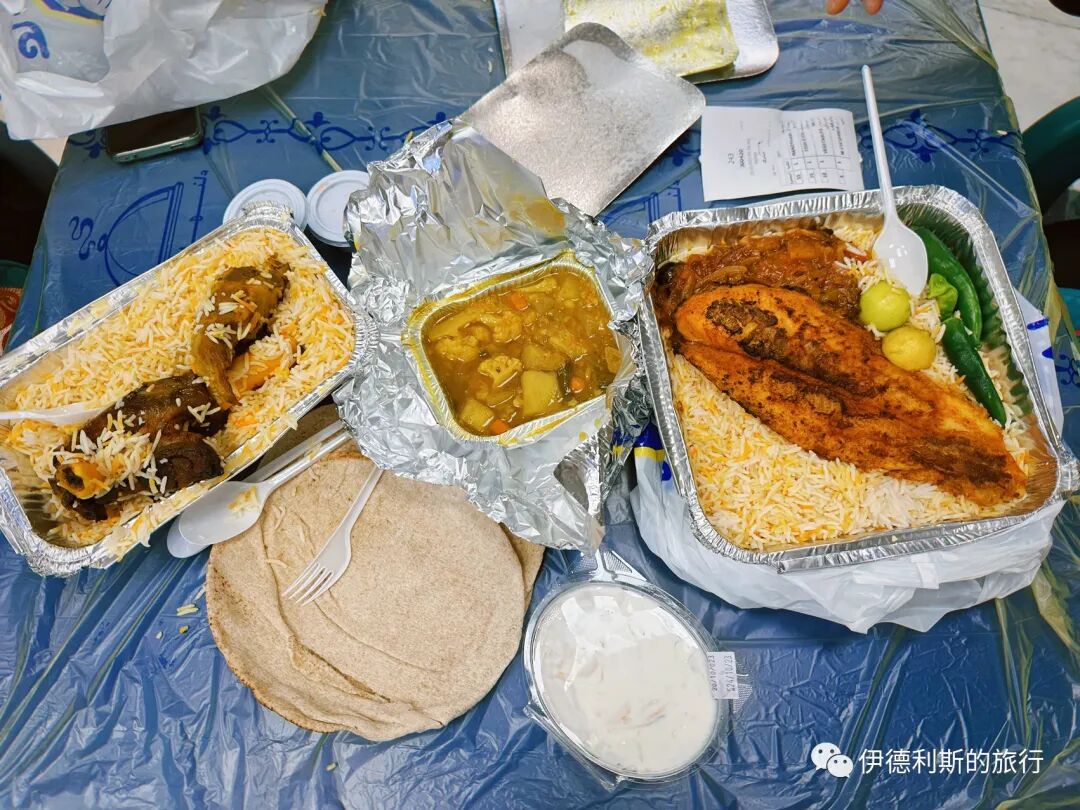
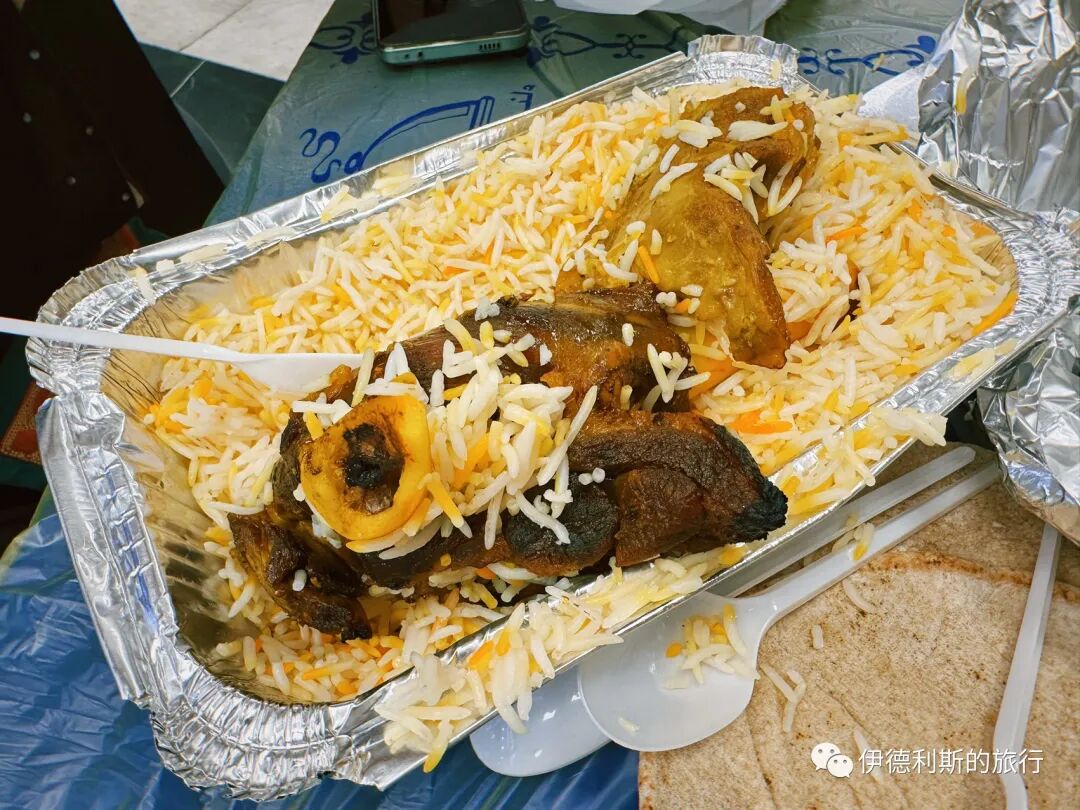
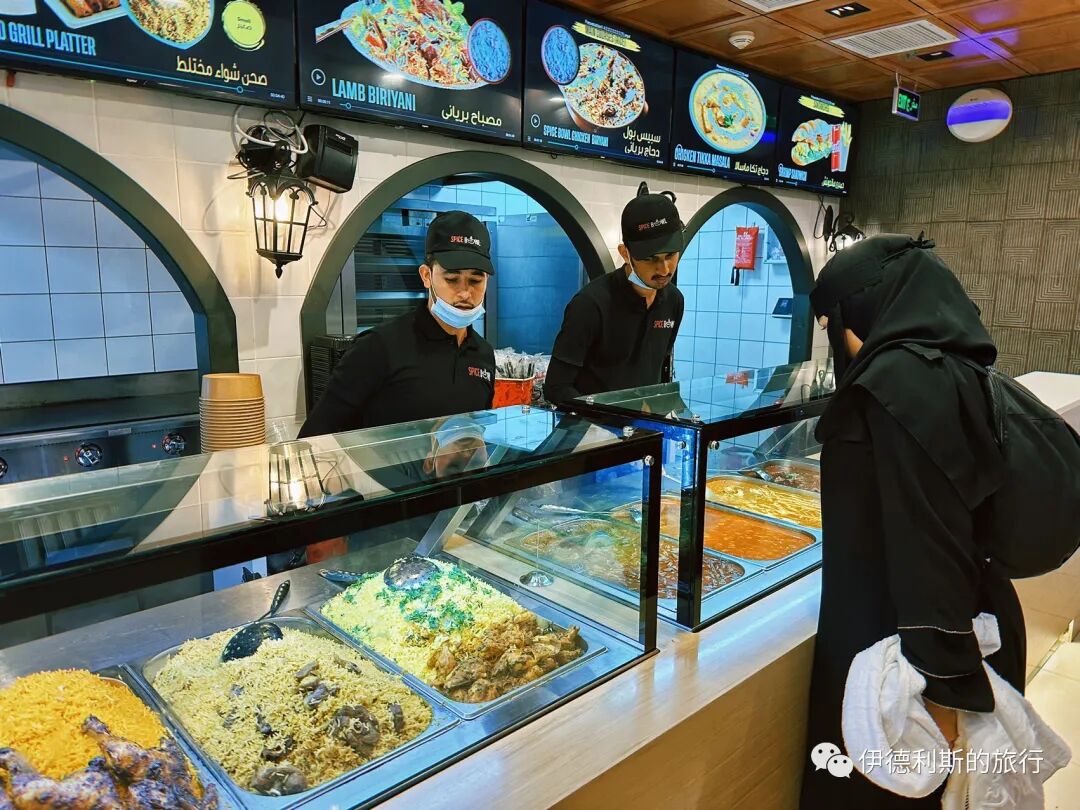
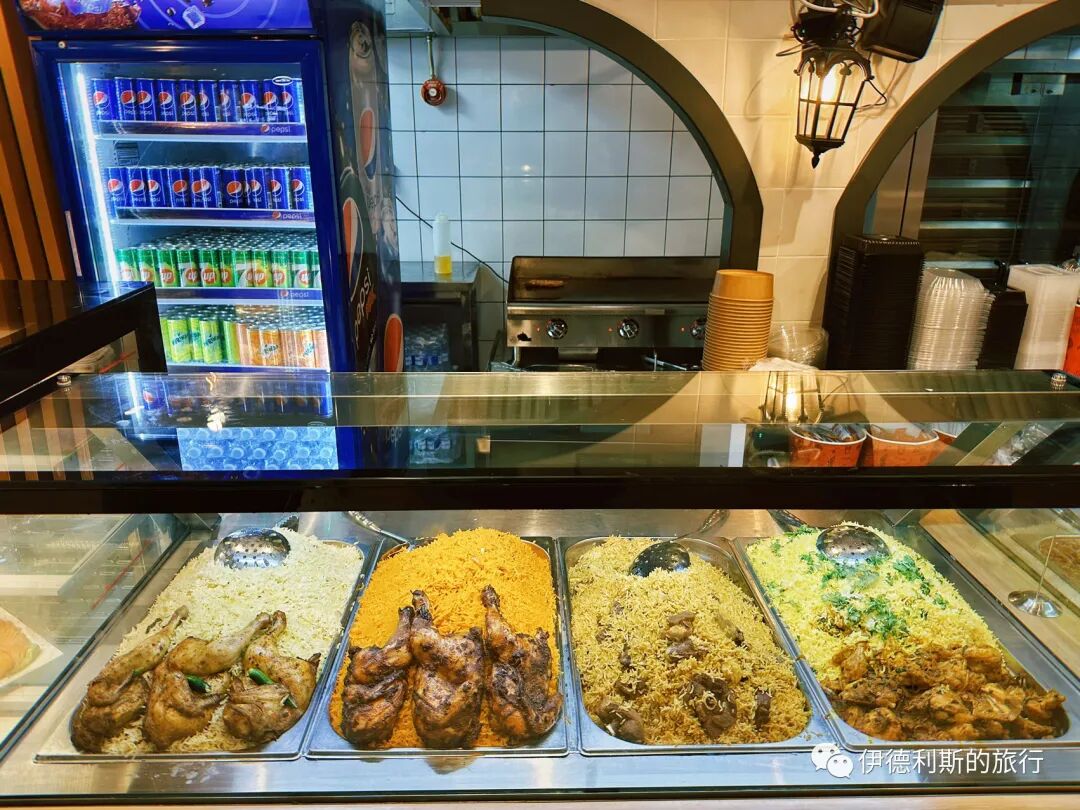
After finishing the Umrah rituals, we had lunch in the Clock Tower across from the Sacred Mosque. There are two food courts inside the Clock Tower. We went to the one on the 4th floor of the west building first, which is a bit smaller than the one in the center of the Clock Tower. The food court mainly serves popular Middle Eastern fast food. There are not many tables and chairs, so most people buy their food to go. We ate lamb rice (mandi) and grilled fish. Both tasted good, but the portions were huge! One order was enough for the three of us. Mandi rice comes from Yemen and is the most popular staple food across the Arabian Peninsula. Mandi is mainly seasoned with a spice blend called Hawaij, which is made from cumin, black pepper, turmeric, cardamom, and other spices.
This place is the former home of the first Rashidun Caliph, Abu Bakr, and the starting point of the Prophet's migration (Hijra) from Mecca to Medina. In 622 AD, when the Prophet decided to migrate following Allah's command, he arrived at Abu Bakr's house at noon to tell him he would be joining the journey. Abu Bakr shed tears of joy and wanted to give the Prophet a camel. The Prophet insisted on paying for it, so Abu Bakr had to accept the money. That evening, the Prophet Muhammad came to Abu Bakr's house again. He led Abu Bakr to leave Makkah in a hurry and start their migration journey.
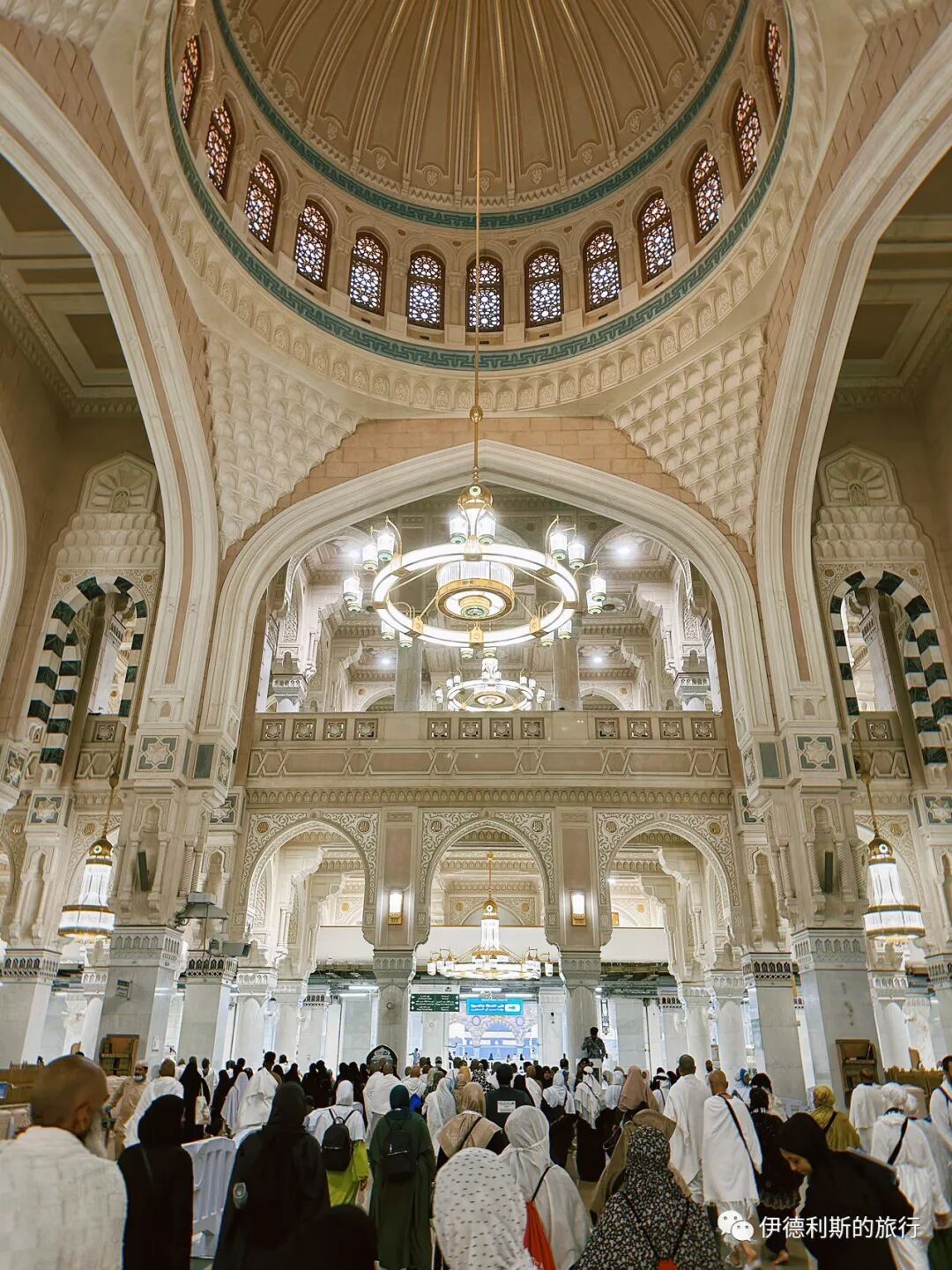
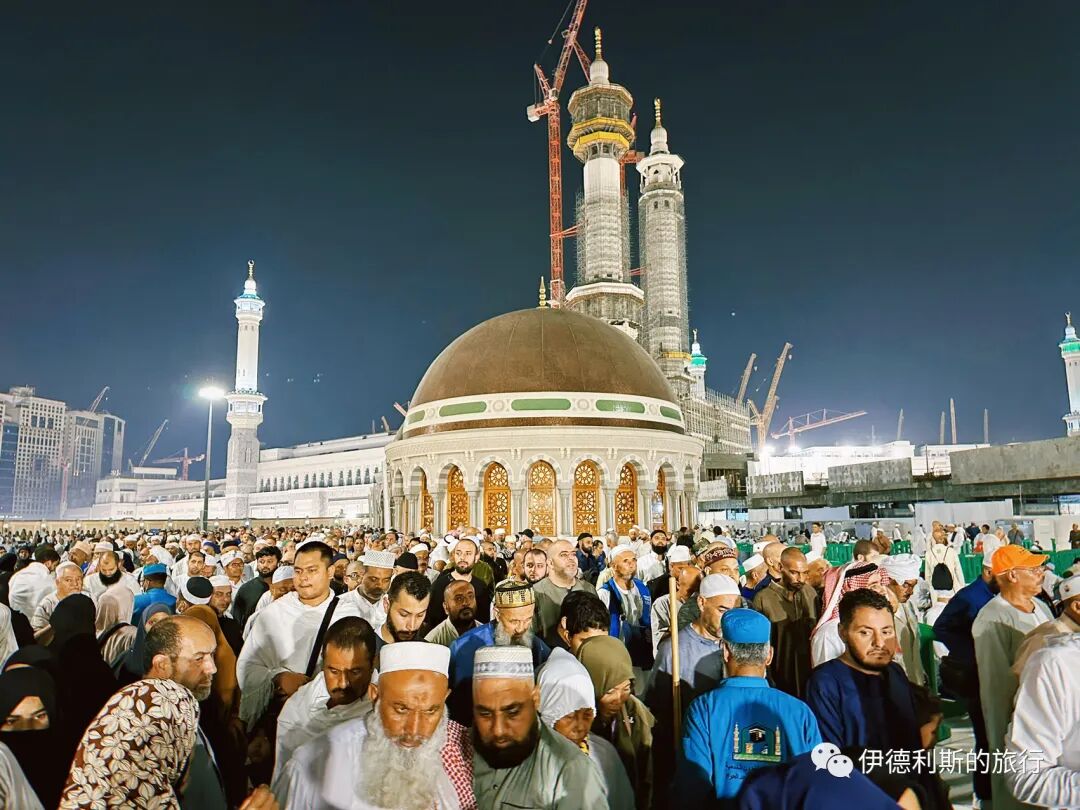
We entered the Sacred Mosque (Masjid al-Haram) around 5:00 PM. Because the temperature had dropped, there were many more people than in the morning. The entrances to the central courtyard of the Kaaba were already closed, so we had to walk a long way around the outer corridor to circle it. We performed the sunset prayer (Maghrib) on the upper floor of the corridor. The side of the corridor near the courtyard was blocked off, making it hard to see the Kaaba directly.
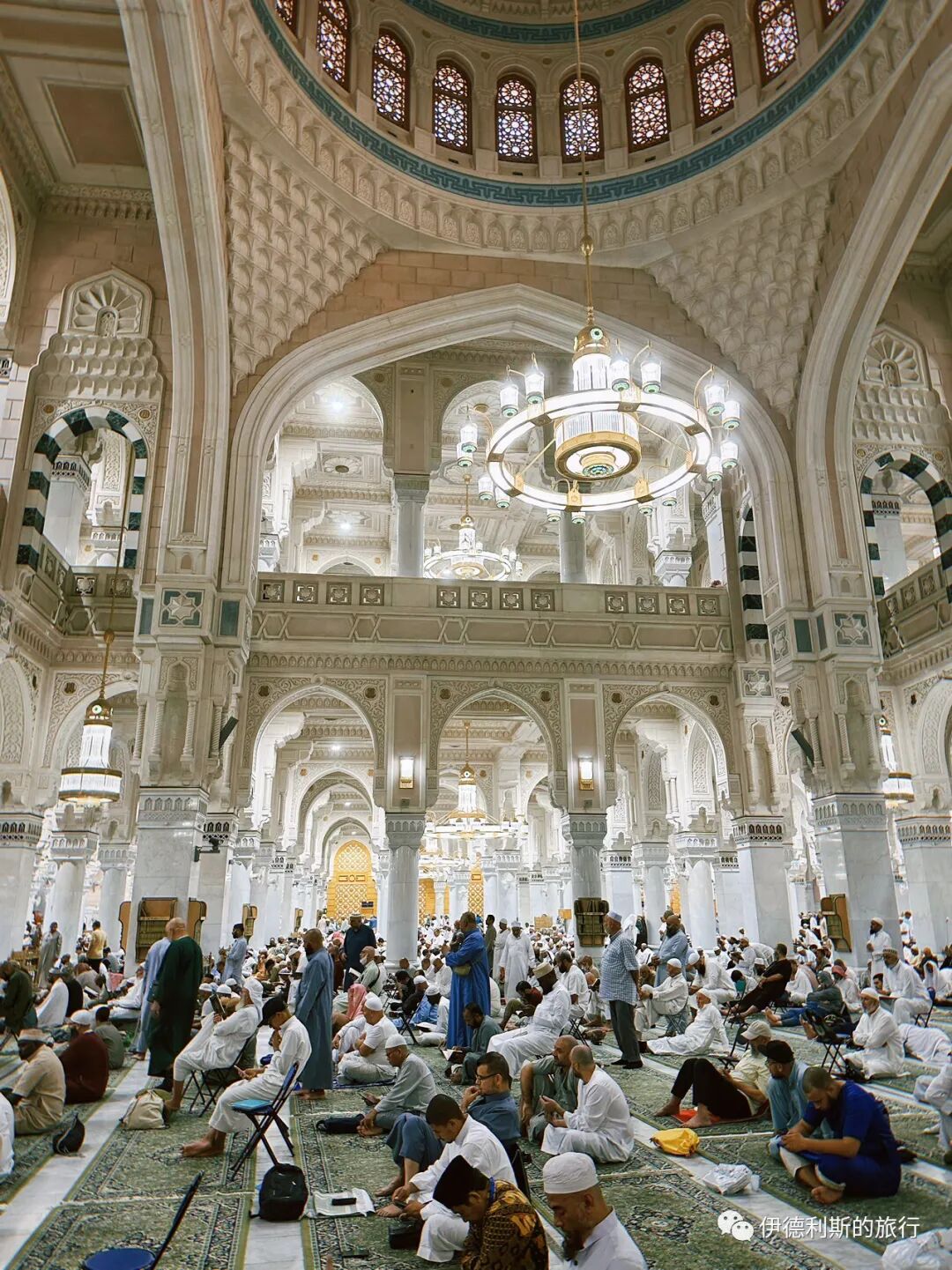
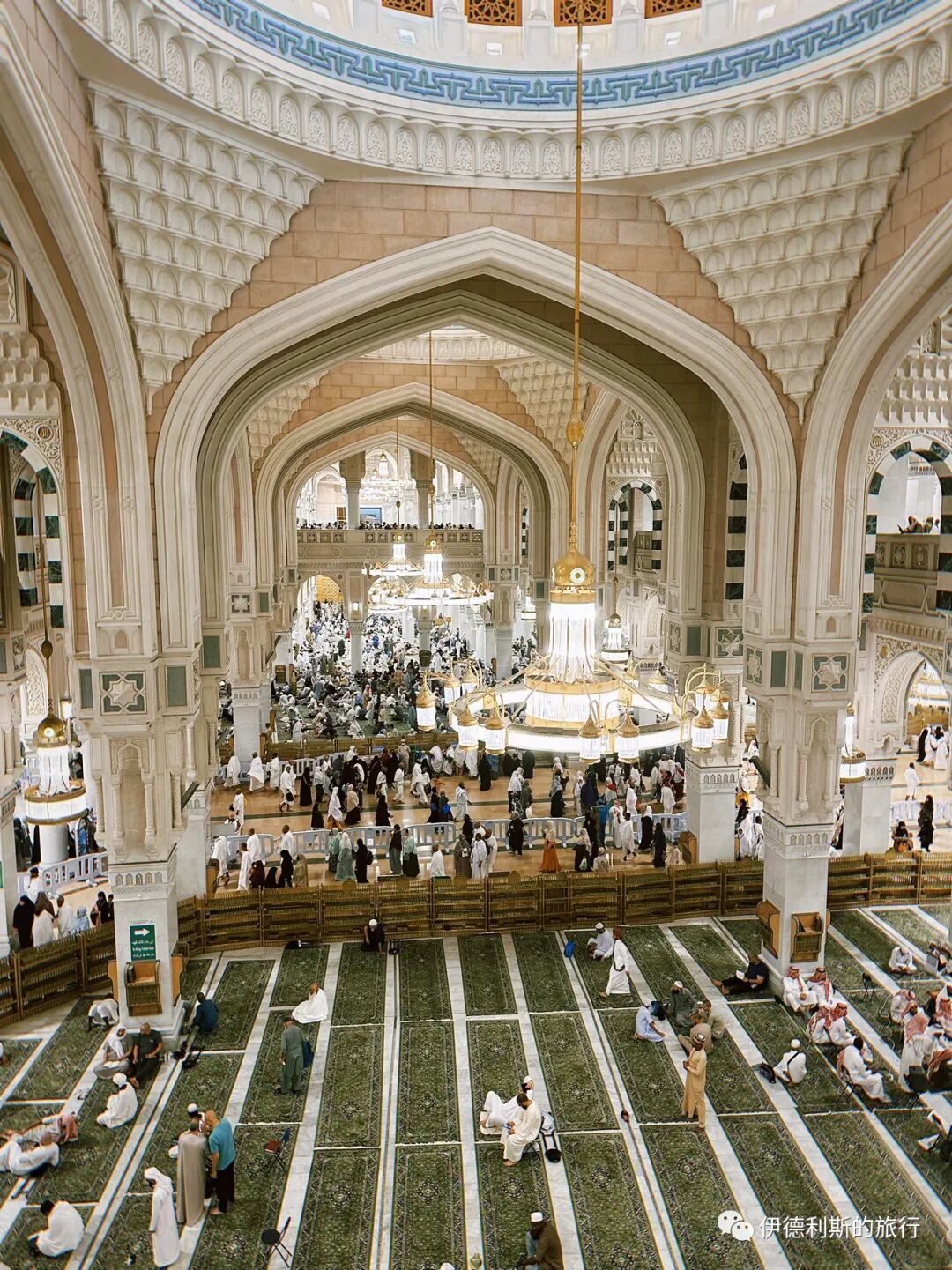
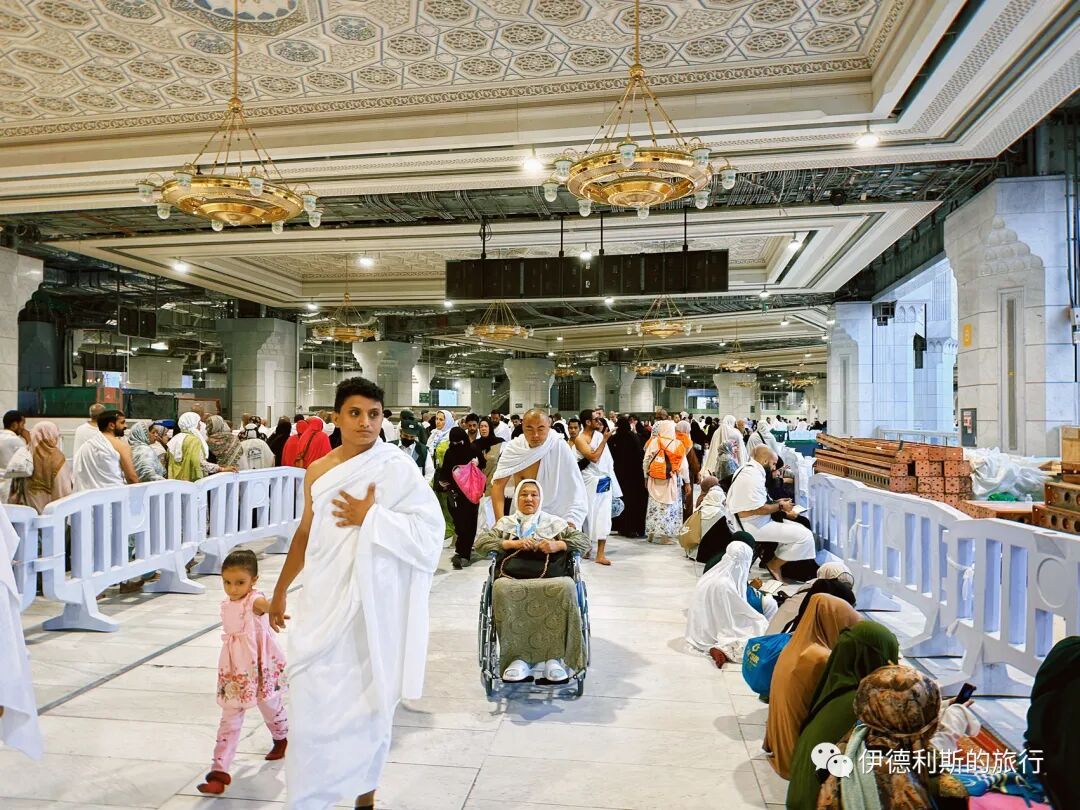
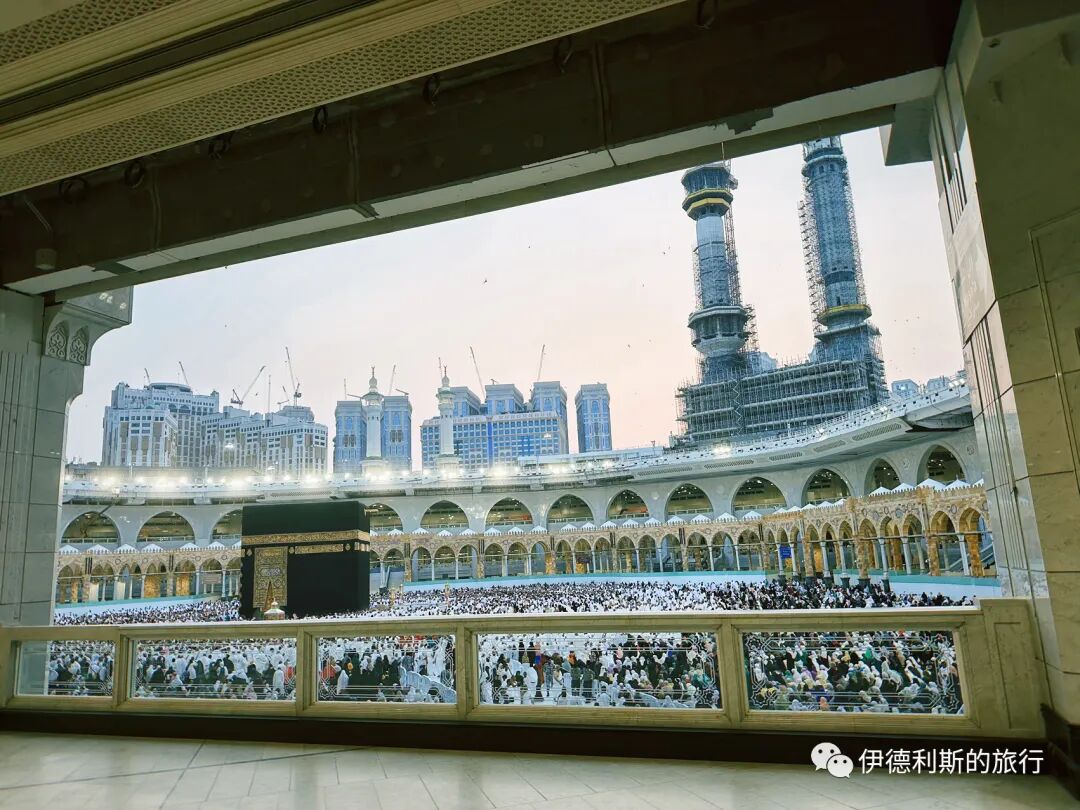
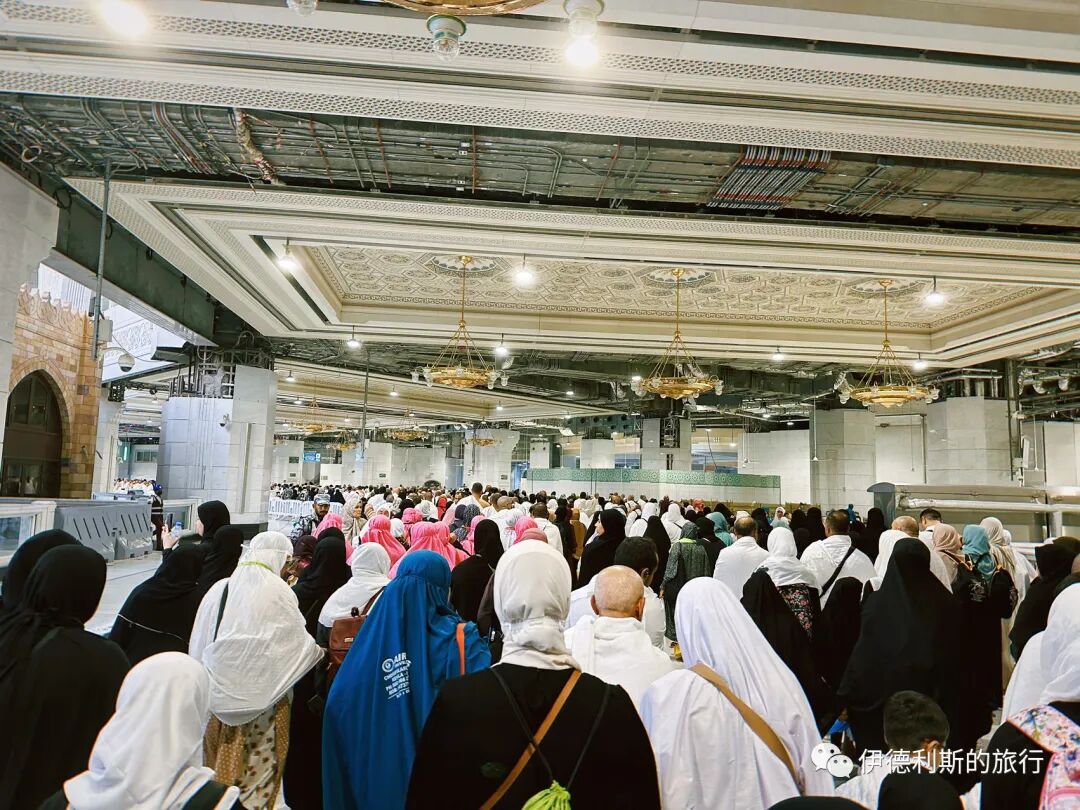
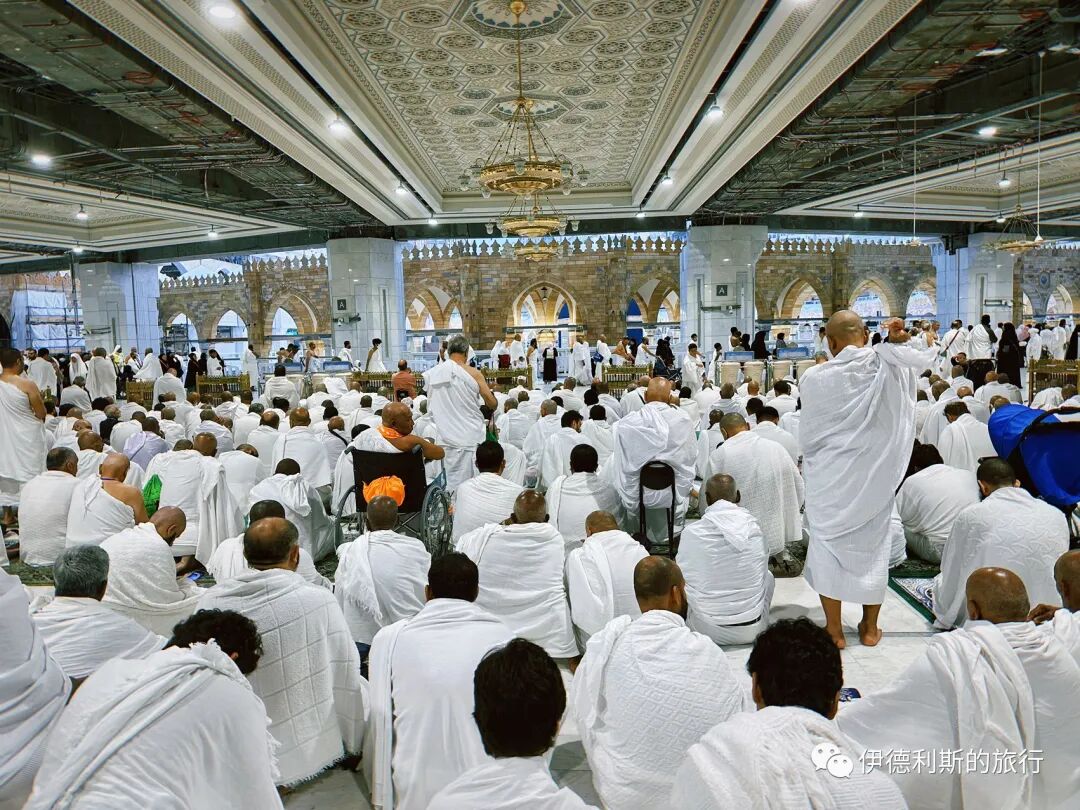
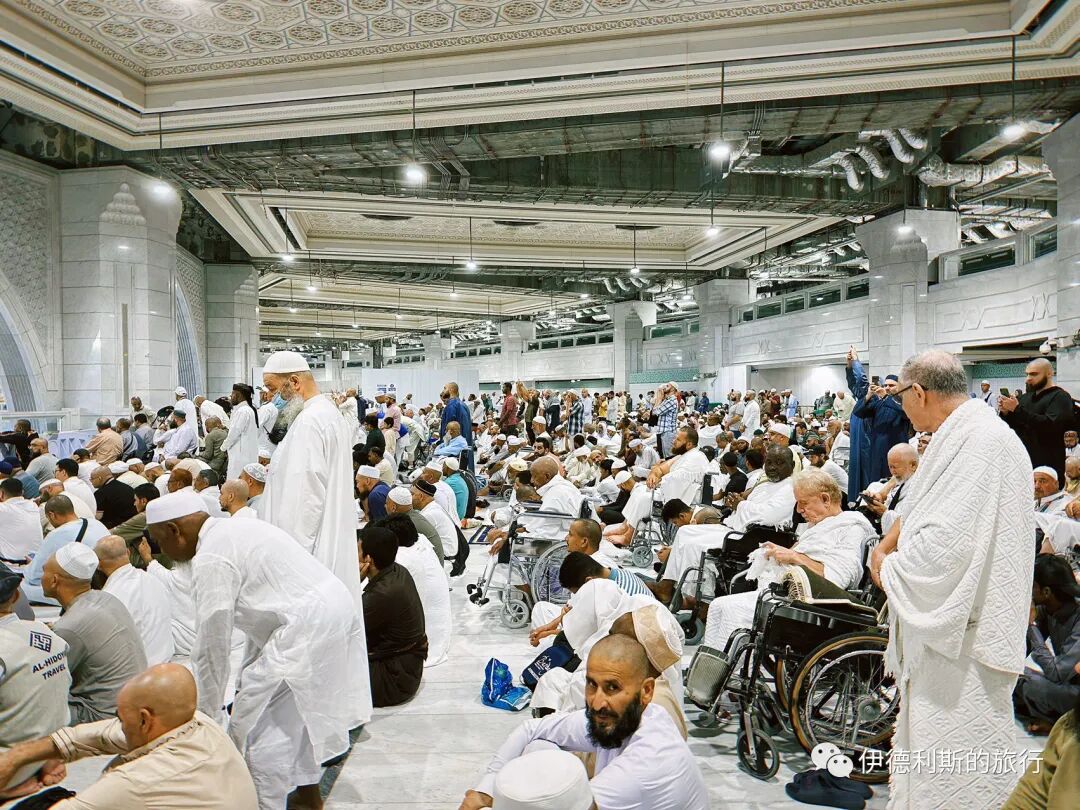
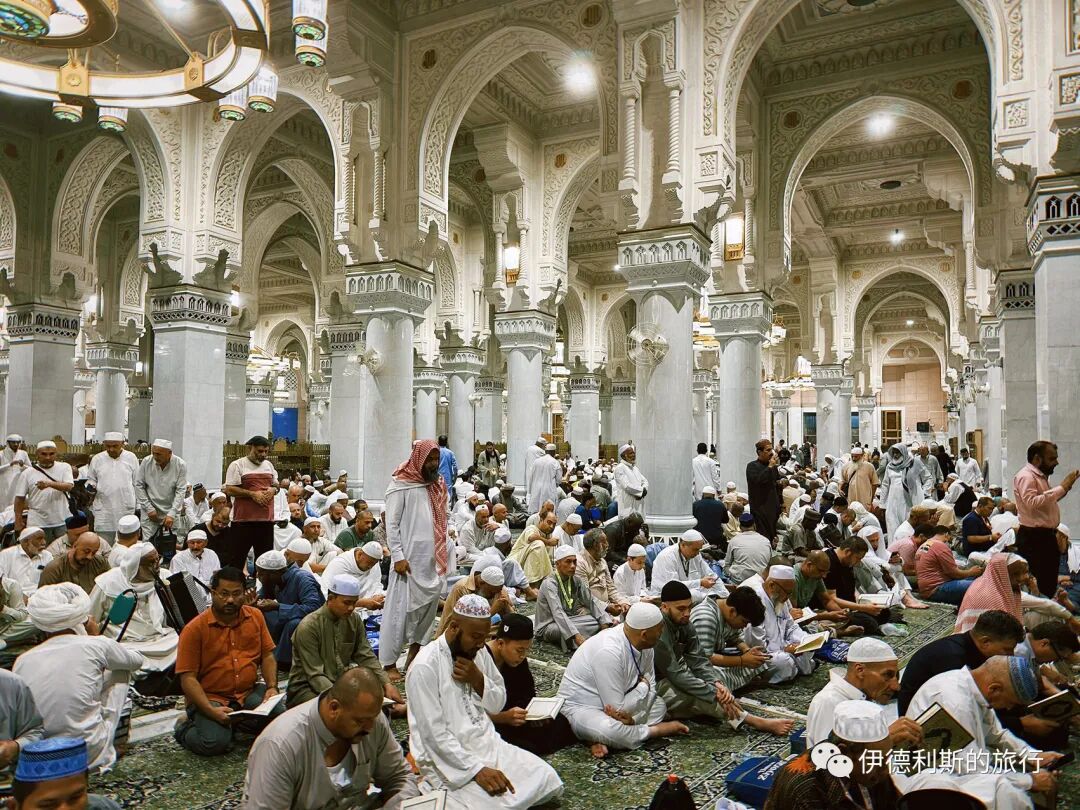
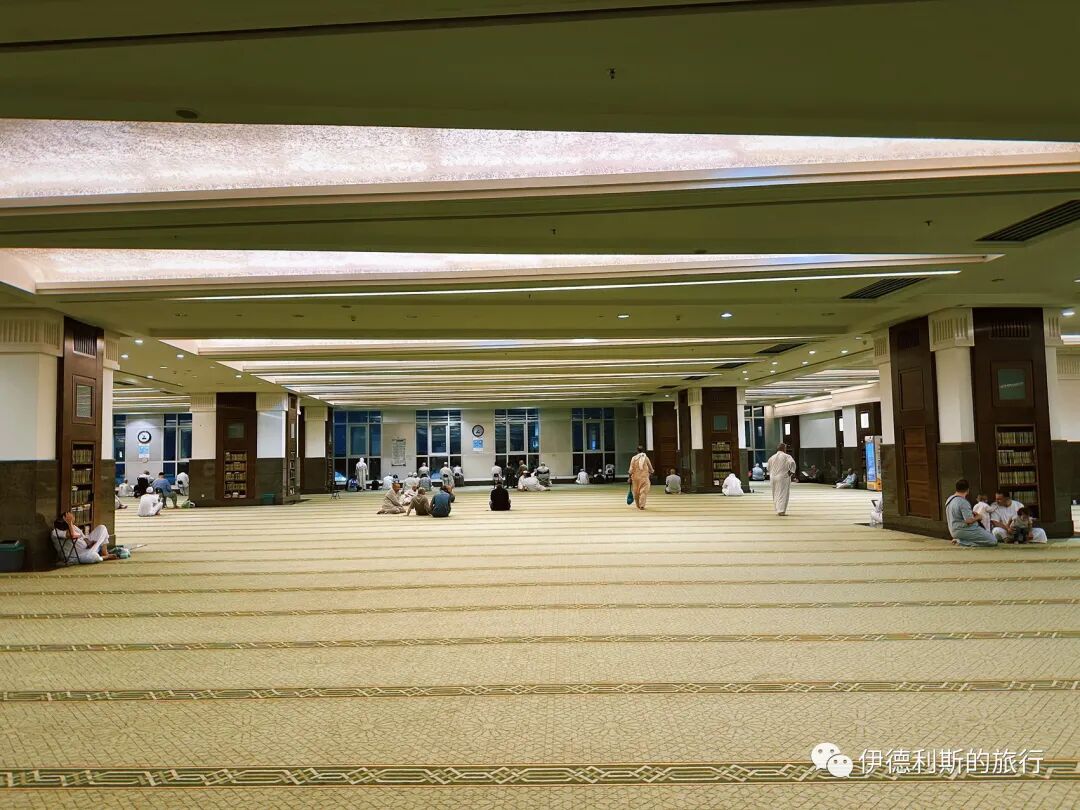
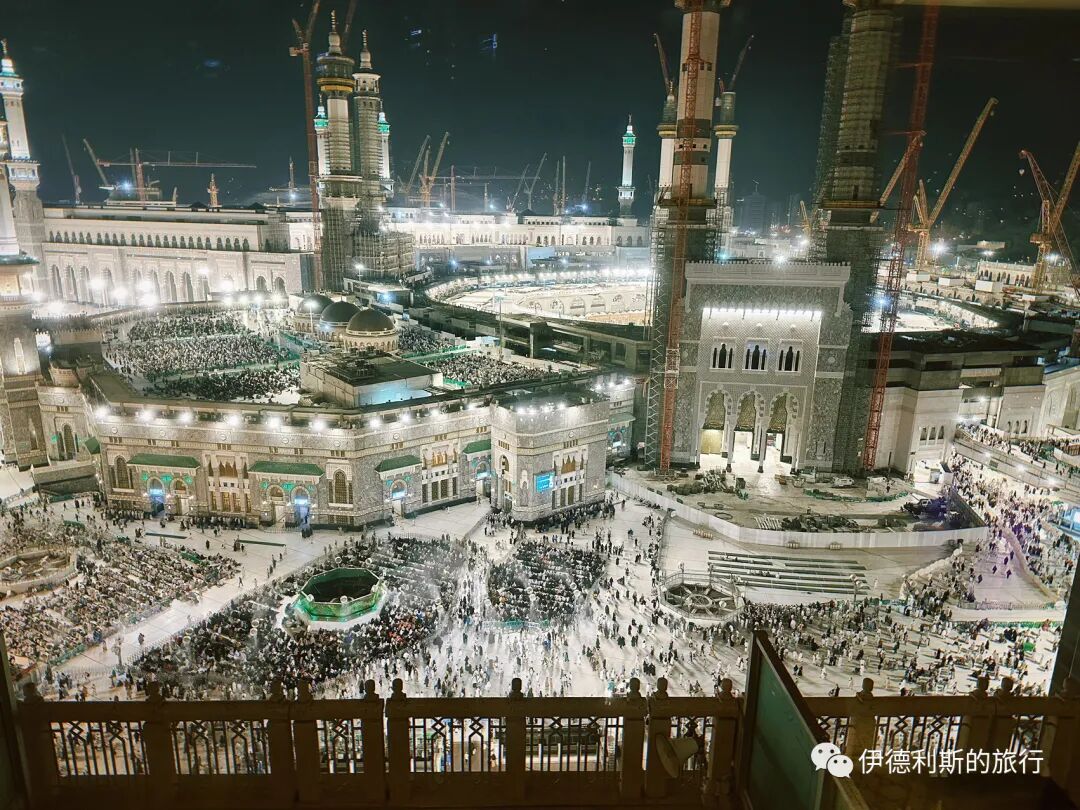
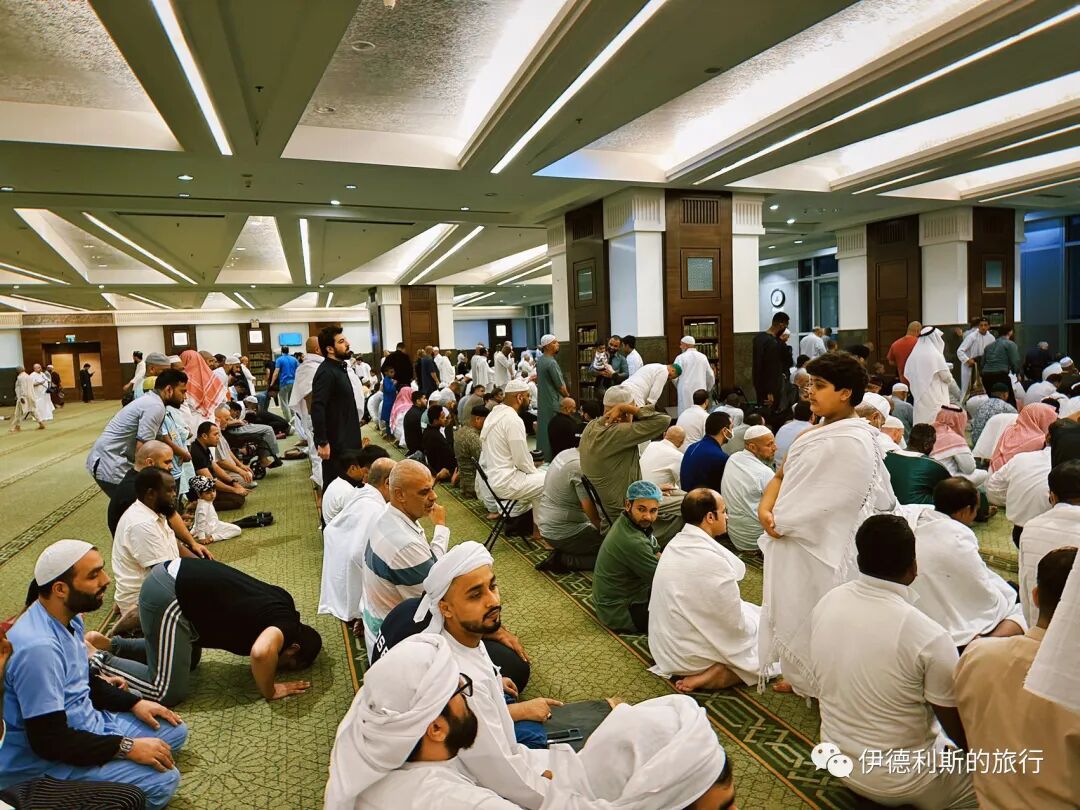
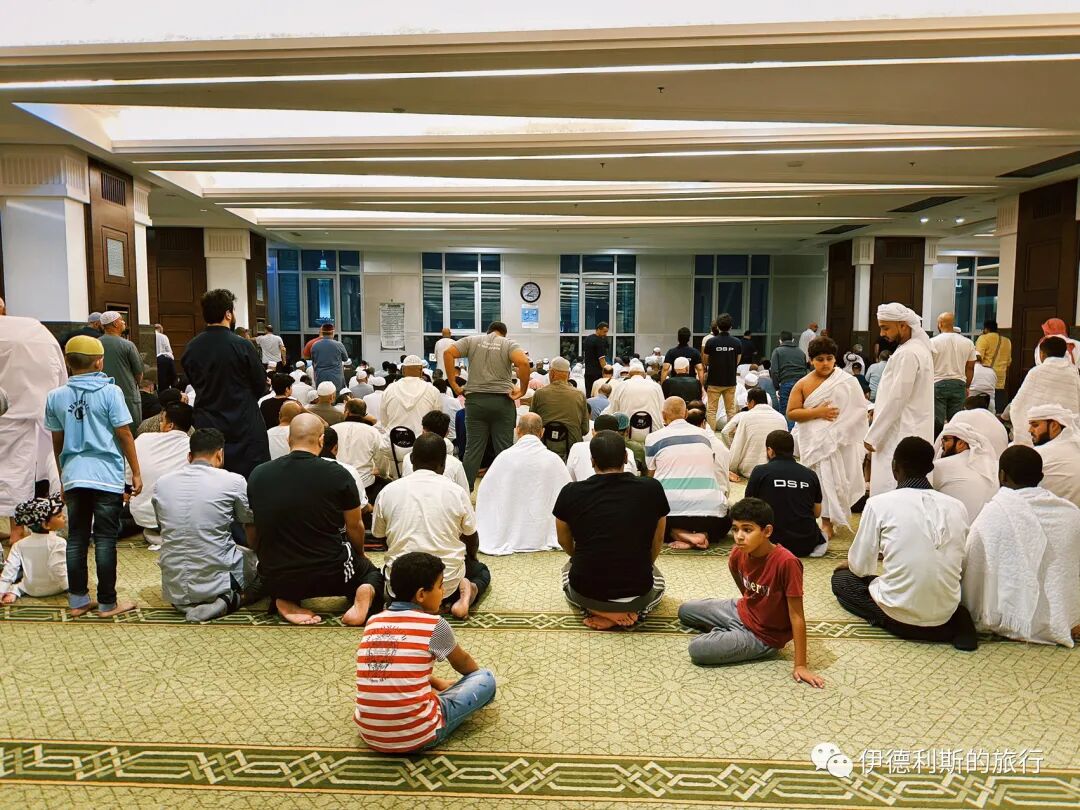
After Maghrib, it took us a long time to find an exit from the mosque. We went back to our hotel in the Clock Tower to rest for a bit, then went to the prayer hall on the P9 floor of the Clock Tower to perform the night prayer (Isha). We followed the congregation (jama'ah) from the Sacred Mosque here, and the reward for performing the prayer (namaz) is the same as doing it inside the mosque. From the windows of the prayer hall, you can see the Sacred Mosque packed with people at night.
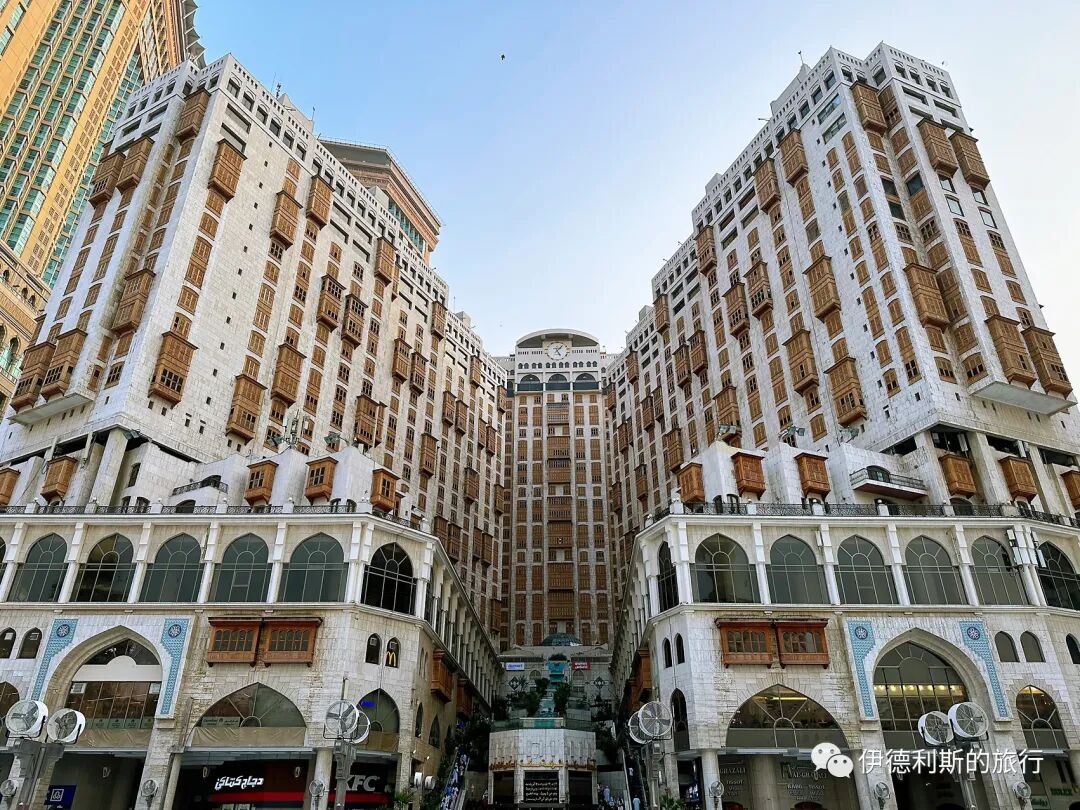
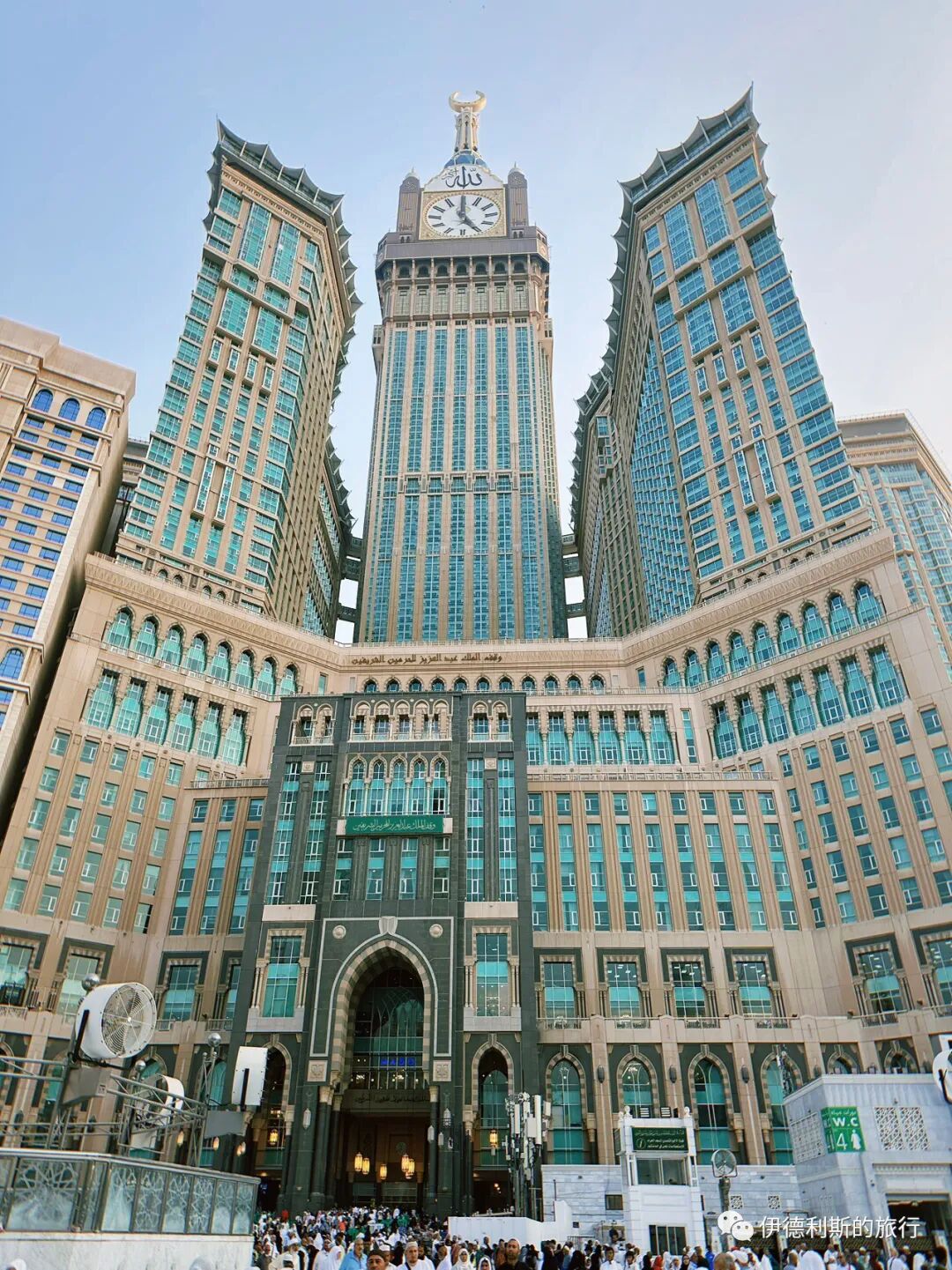
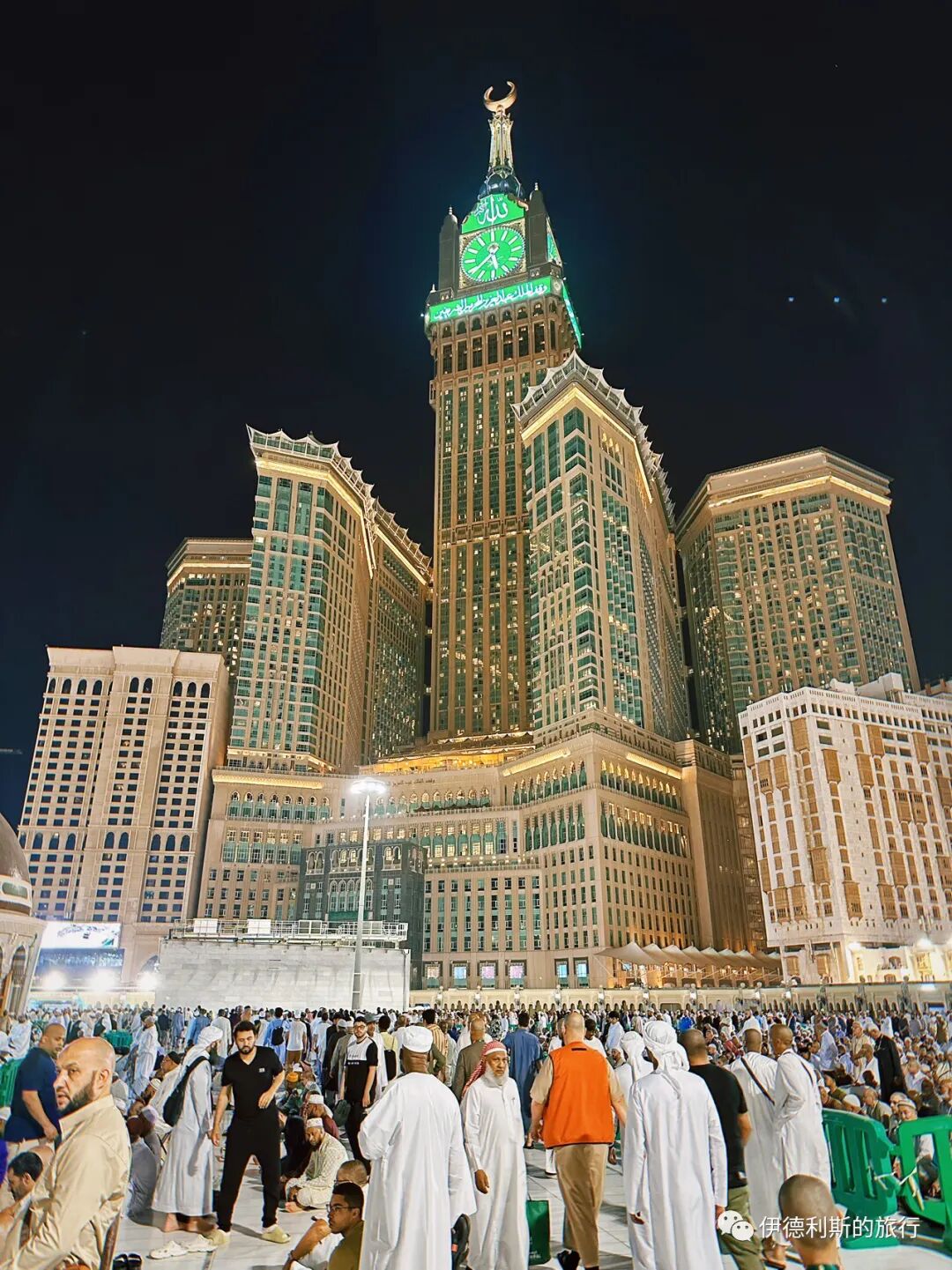
The Saudi authorities built the Clock Tower itself in 2002 after they demolished the Ajyad Fortress, which was built by the Ottoman Empire in 1780, and leveled the Bulbul mountain where the fortress stood. The demolition of the Ajyad Fortress caused a huge protest. The Turkish Ministry of Culture and Tourism compared this act to the destruction of the Bamiyan Buddhas. King Fahd of Saudi Arabia ordered the castle to be torn down and promised to rebuild it, but more than 20 years have passed and there is still no news.
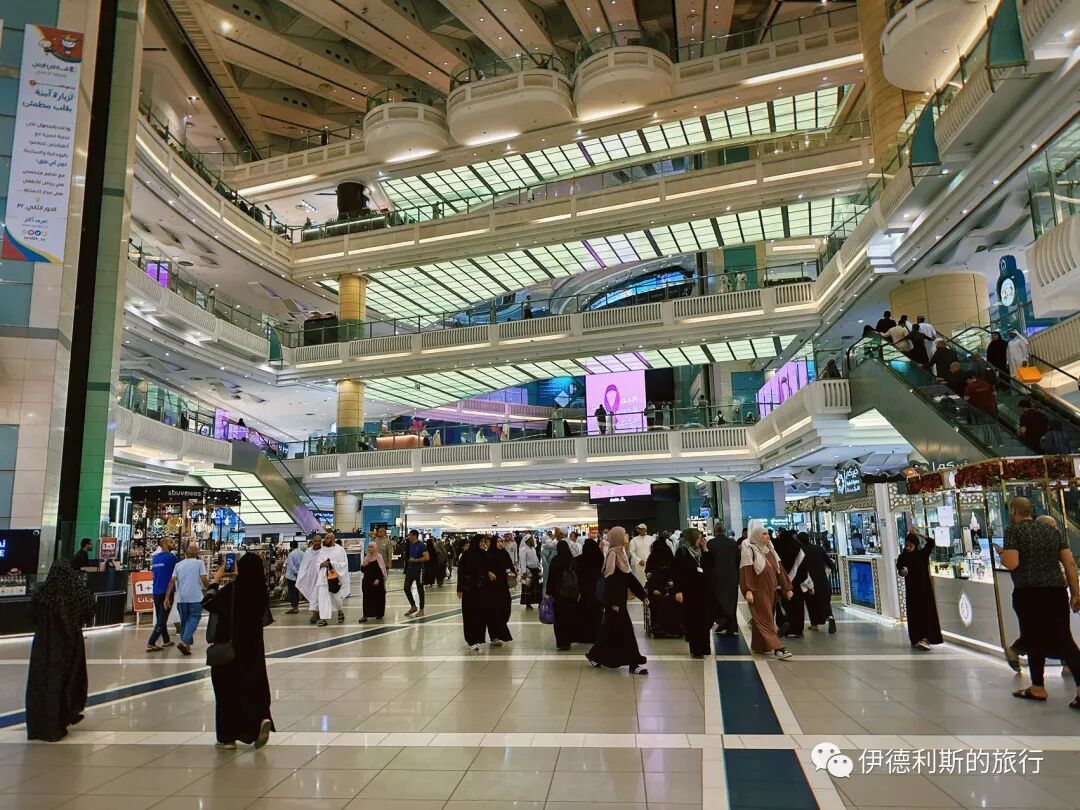
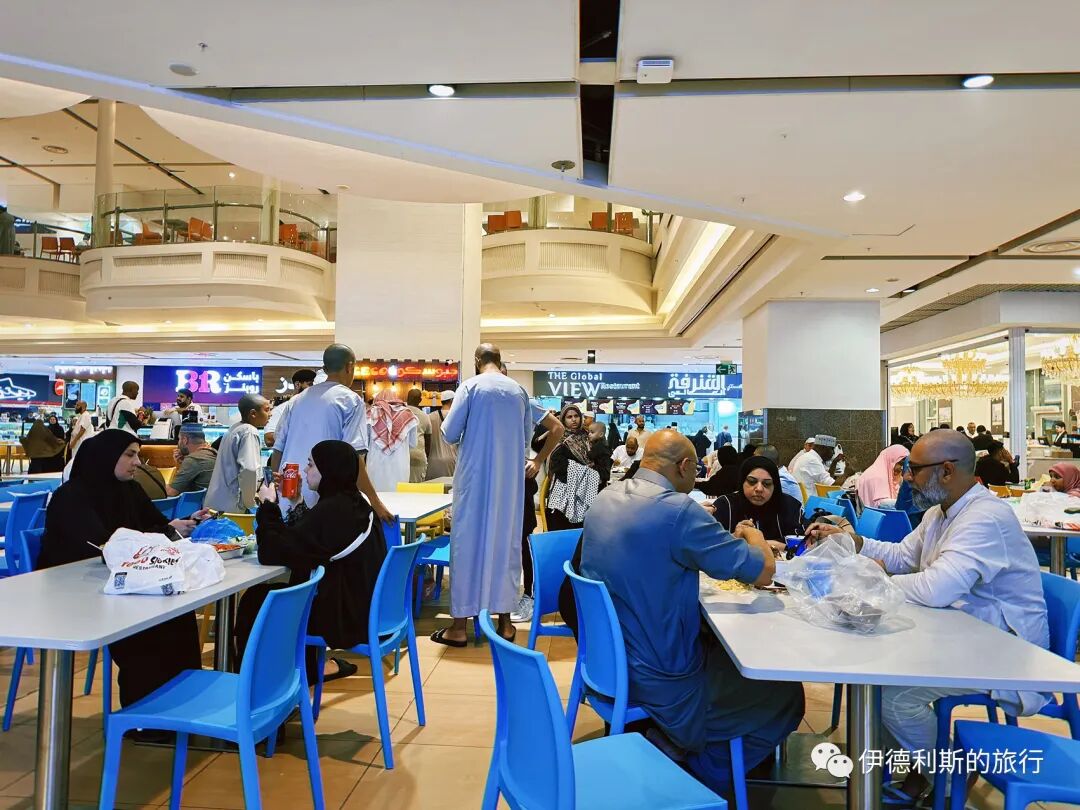
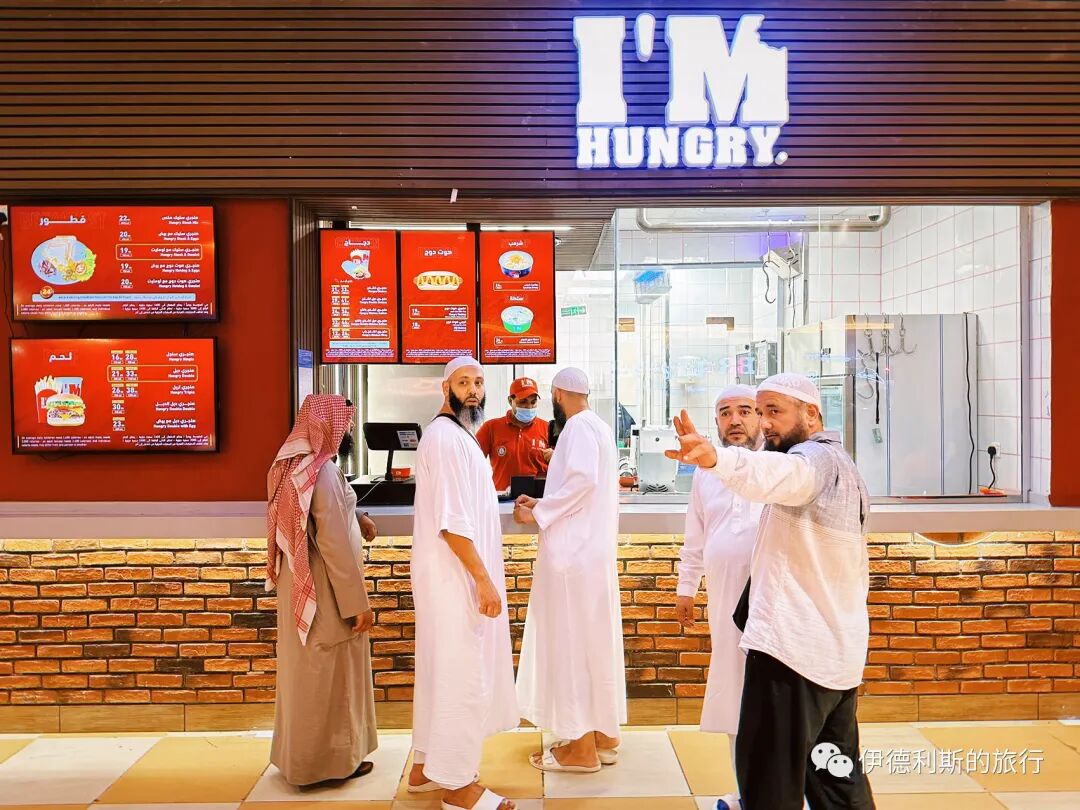
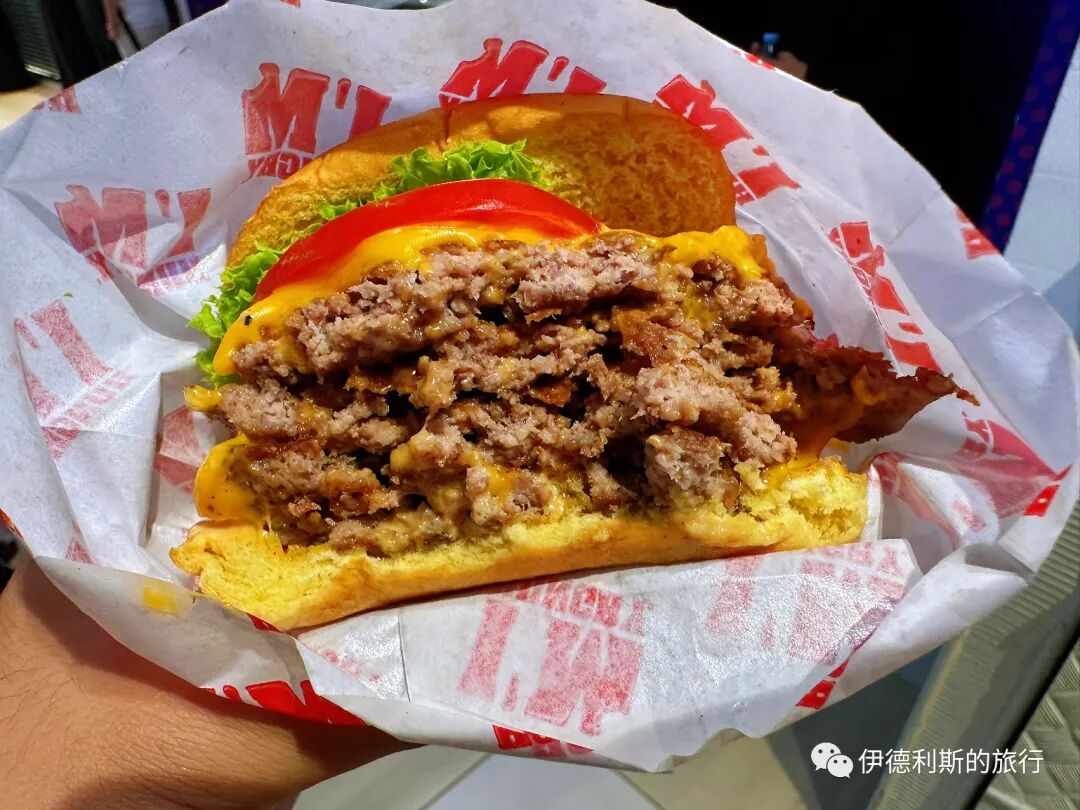
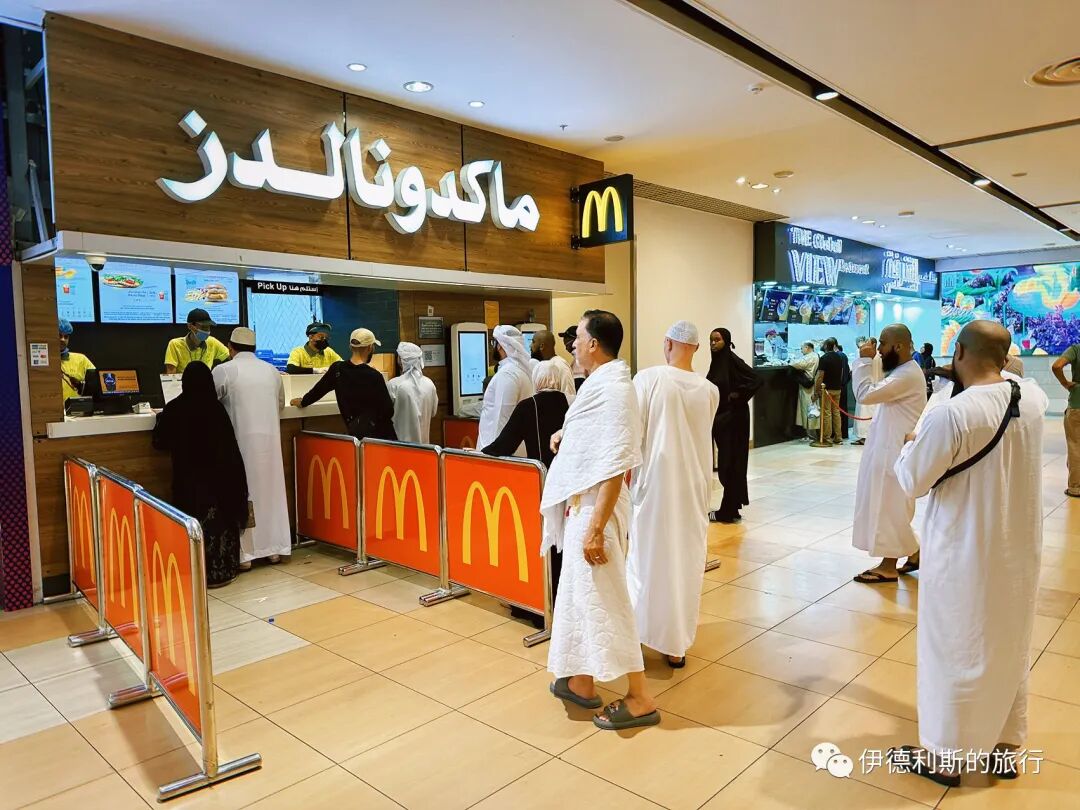
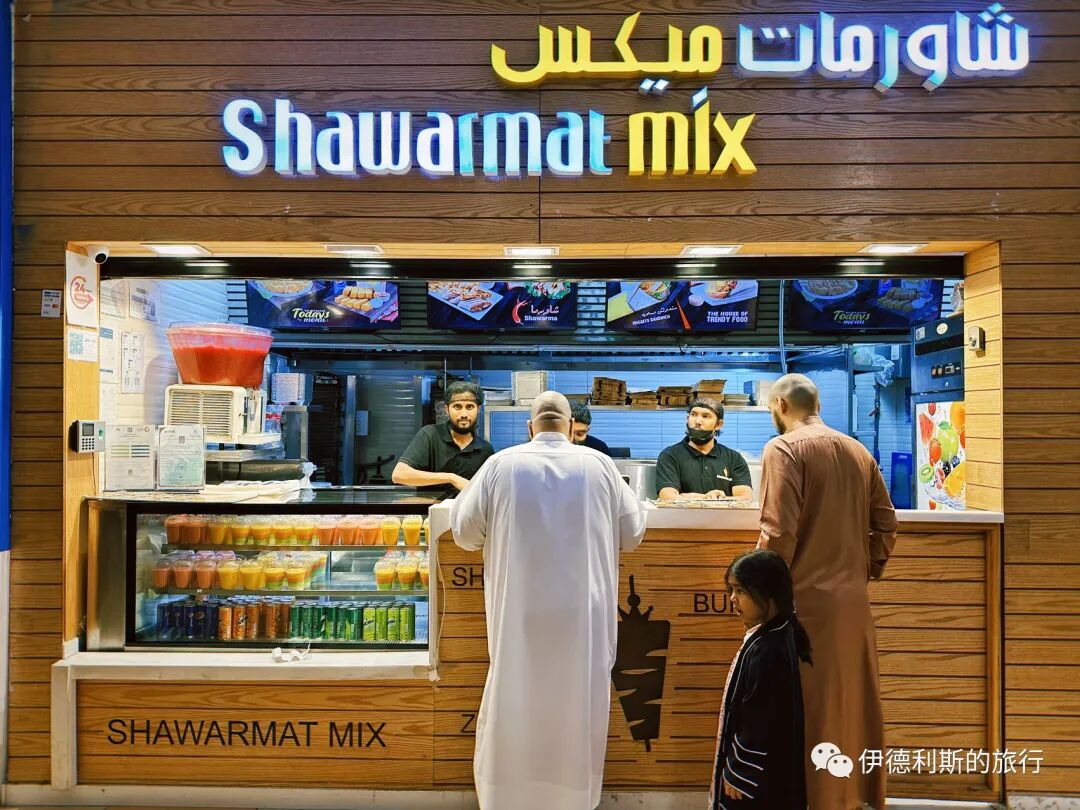
After passing Hufu Beach, we had dinner at the food court on the fourth floor of the Clock Tower building. It mainly serves Arab fast food like shawarma (kaoroujuan) and rice dishes (menfan), as well as South Asian curry and various fried chicken and burger spots. There are international chains like Burger King and McDonald's, along with some local brands. We drank a mango milkshake and ate a beef burger. The milkshake was quite sweet, which is very typical of South Asian style, and the burger felt a bit inferior compared to Burger King.
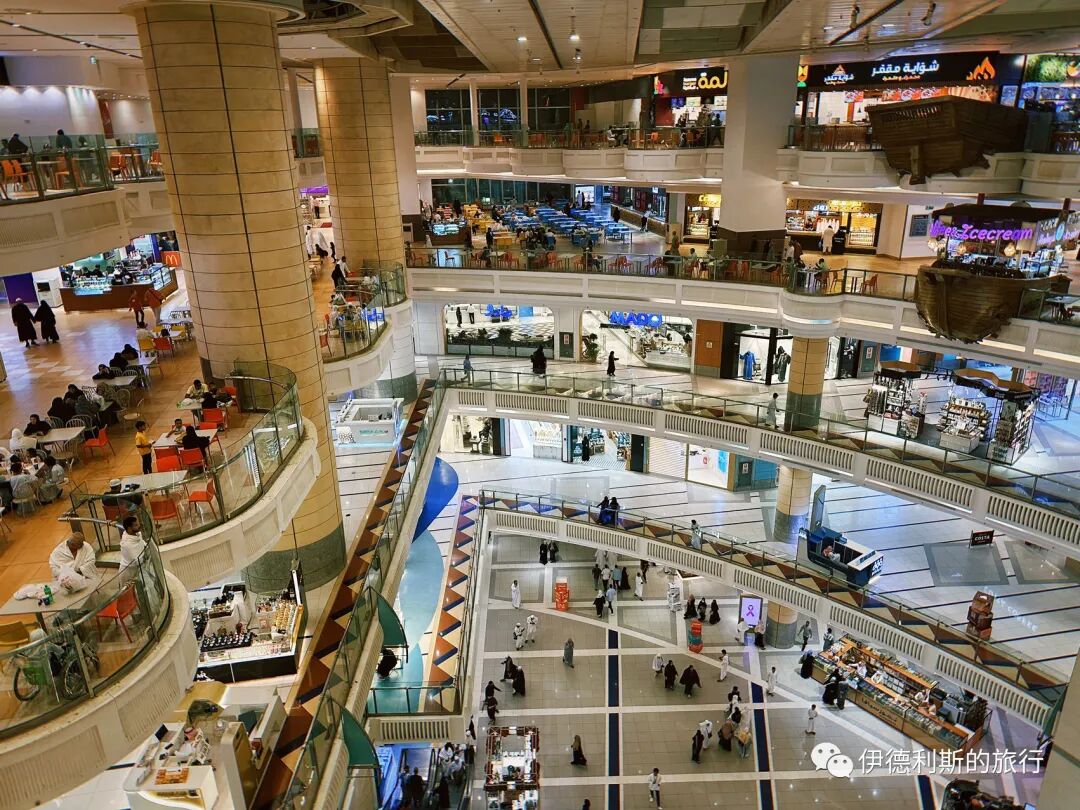
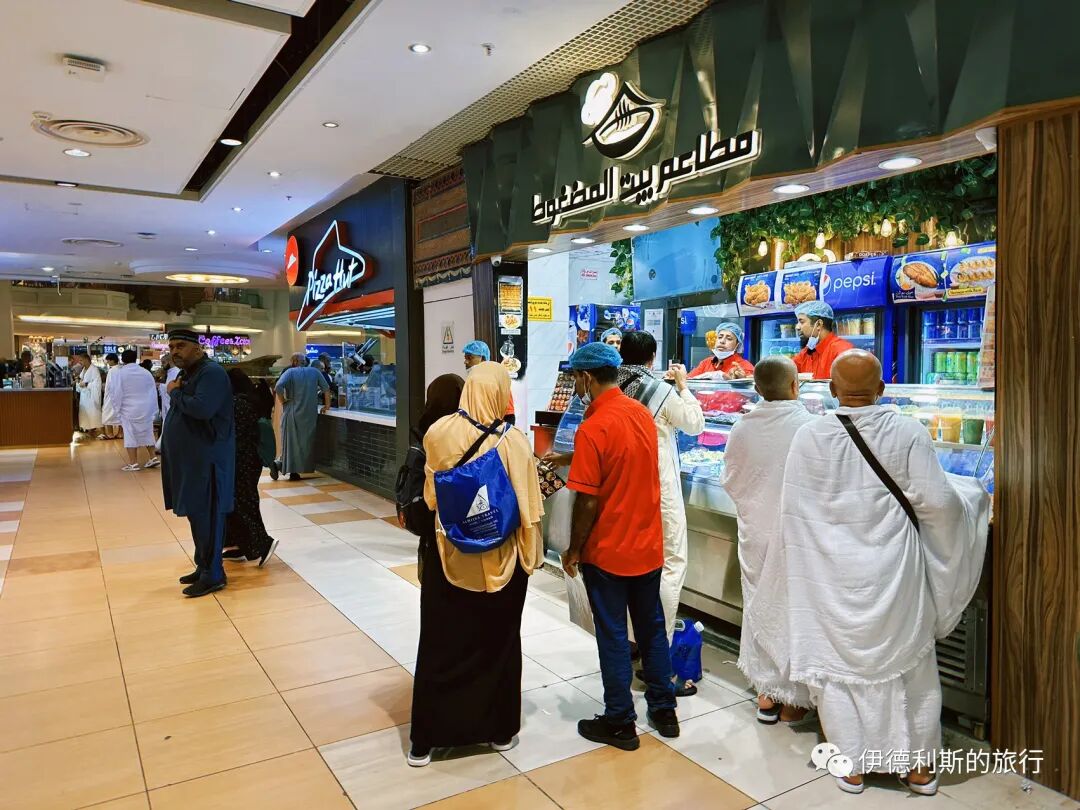
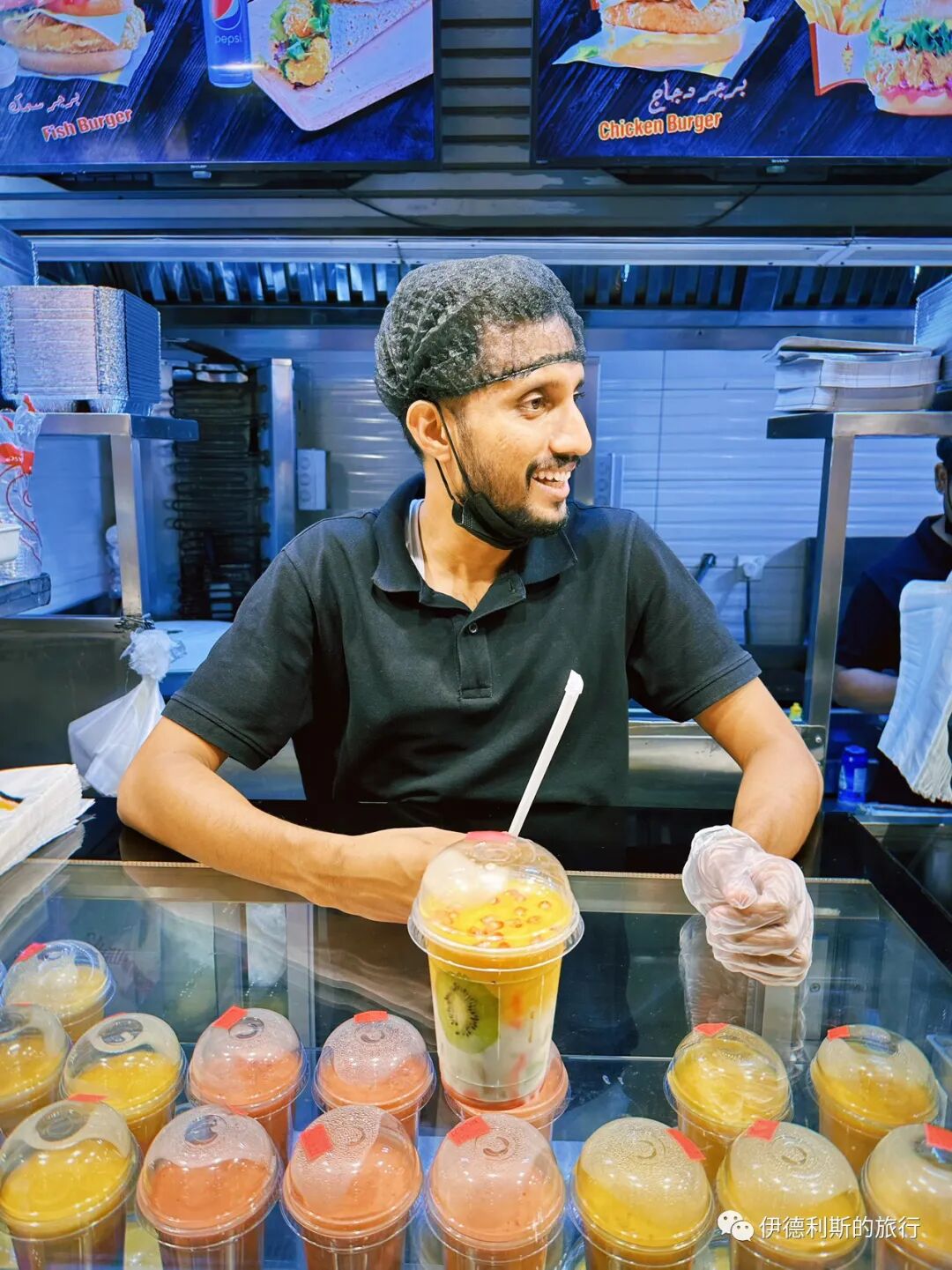
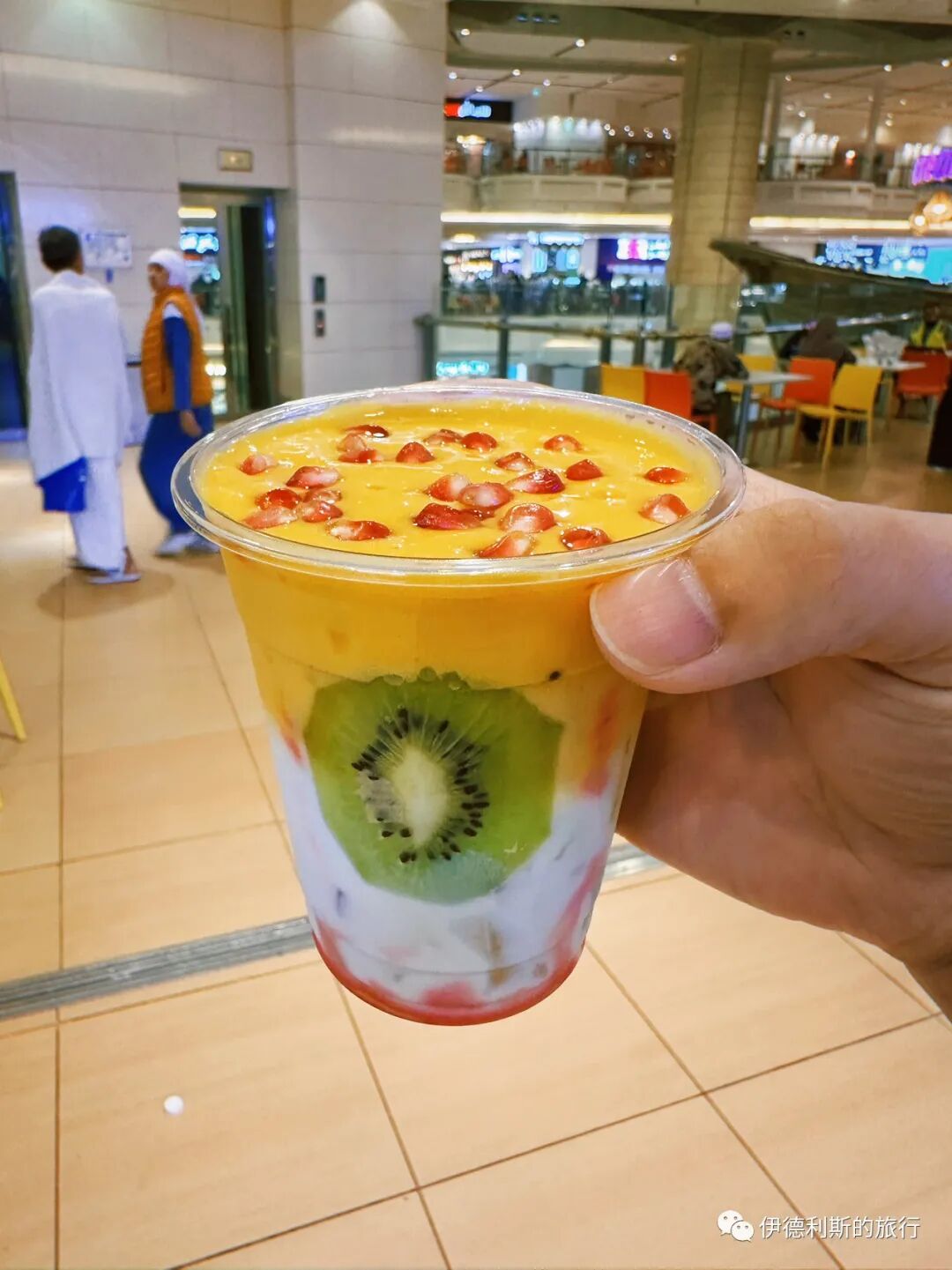
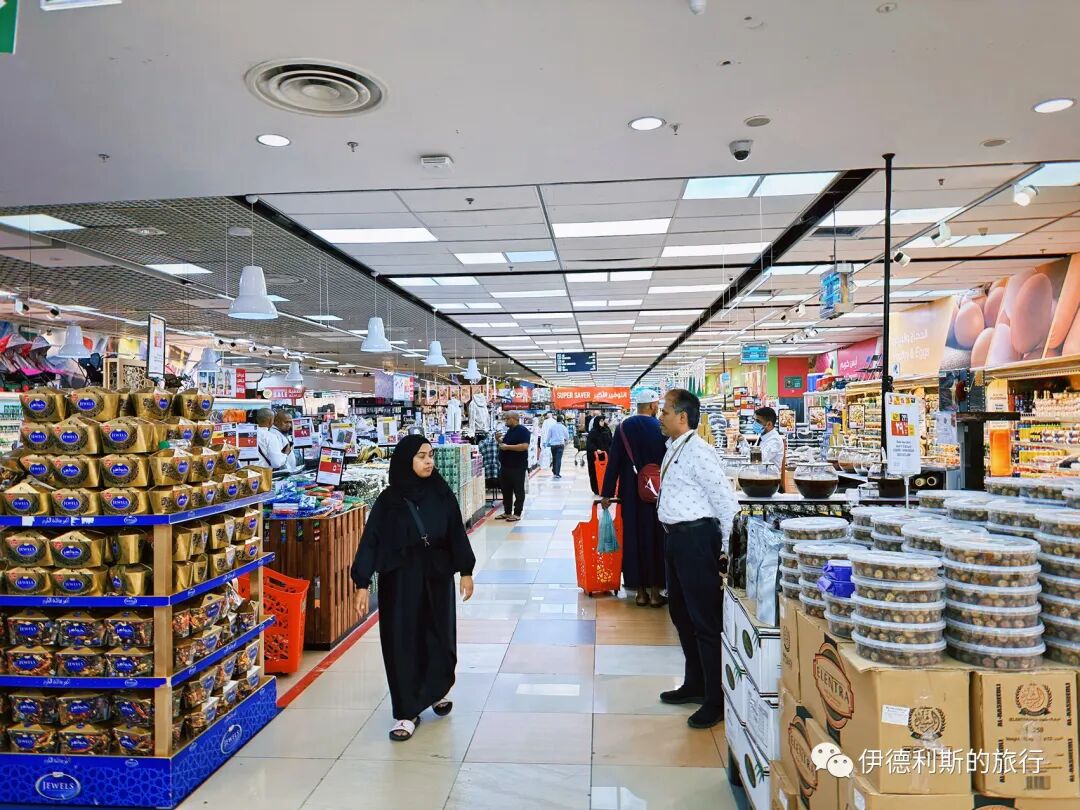
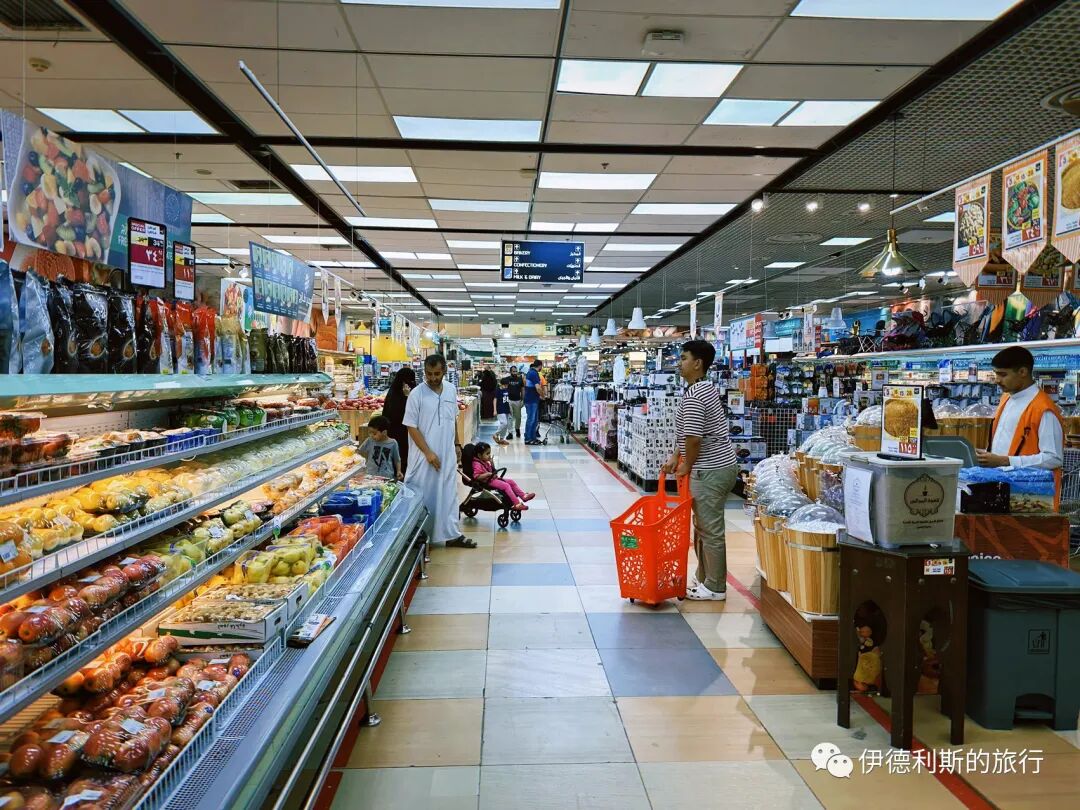
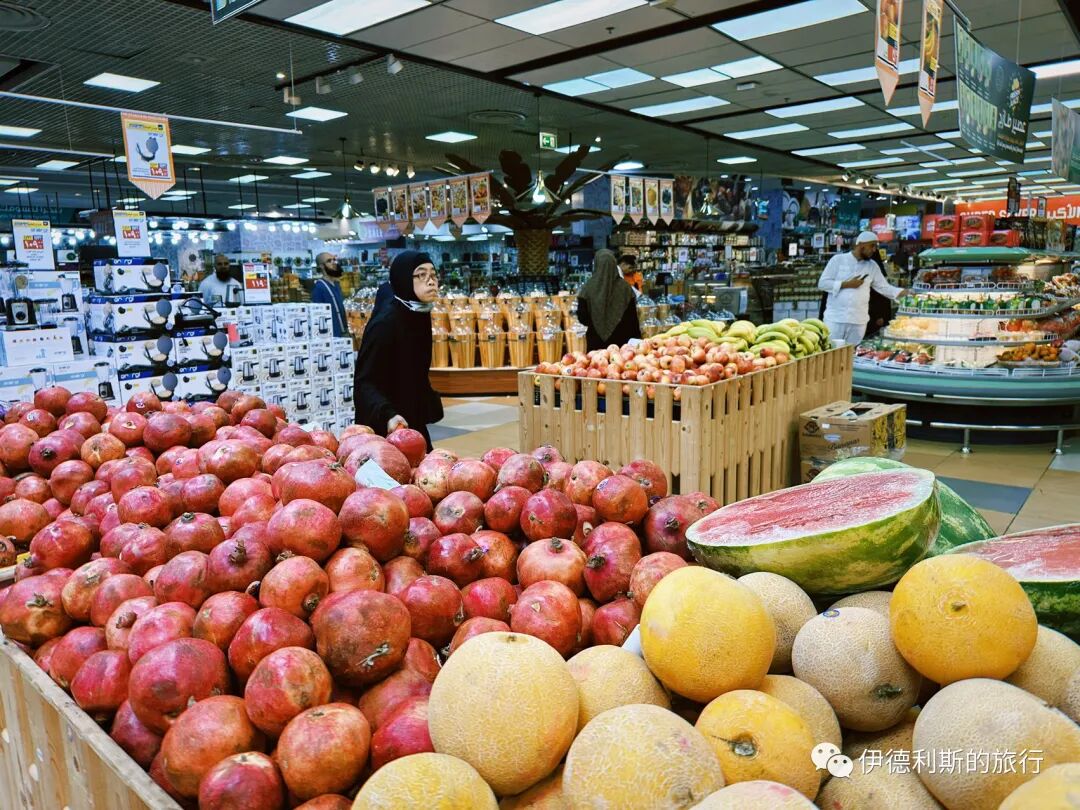
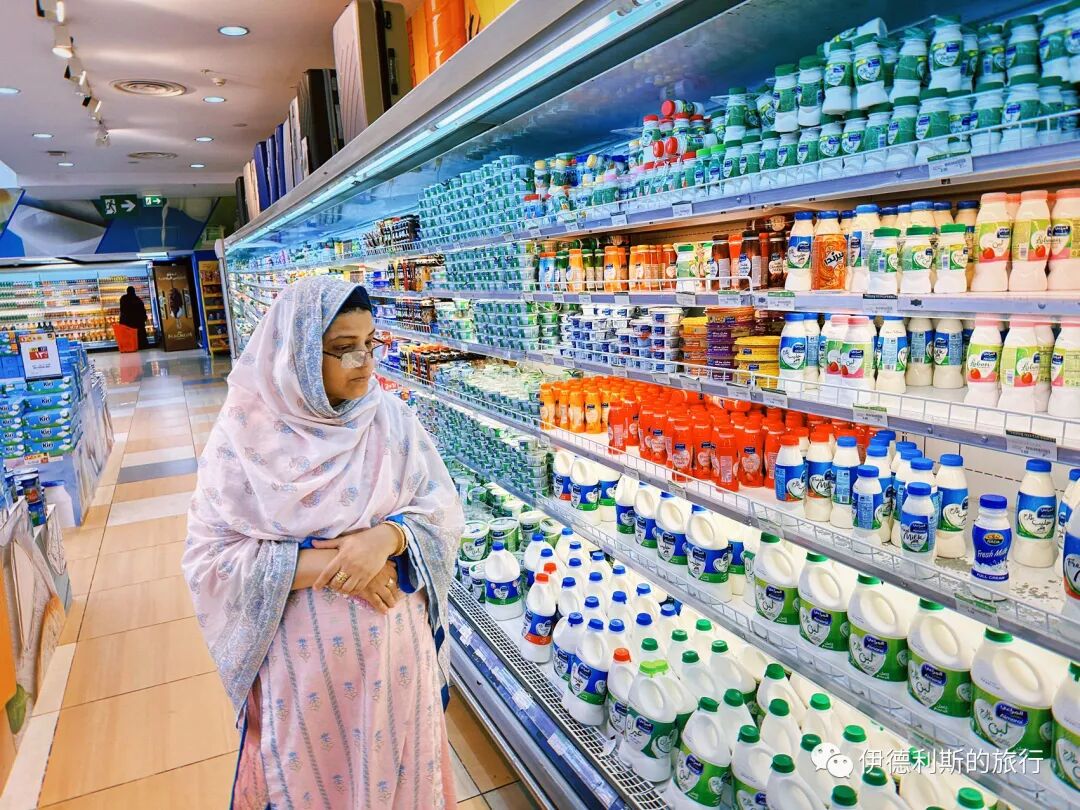
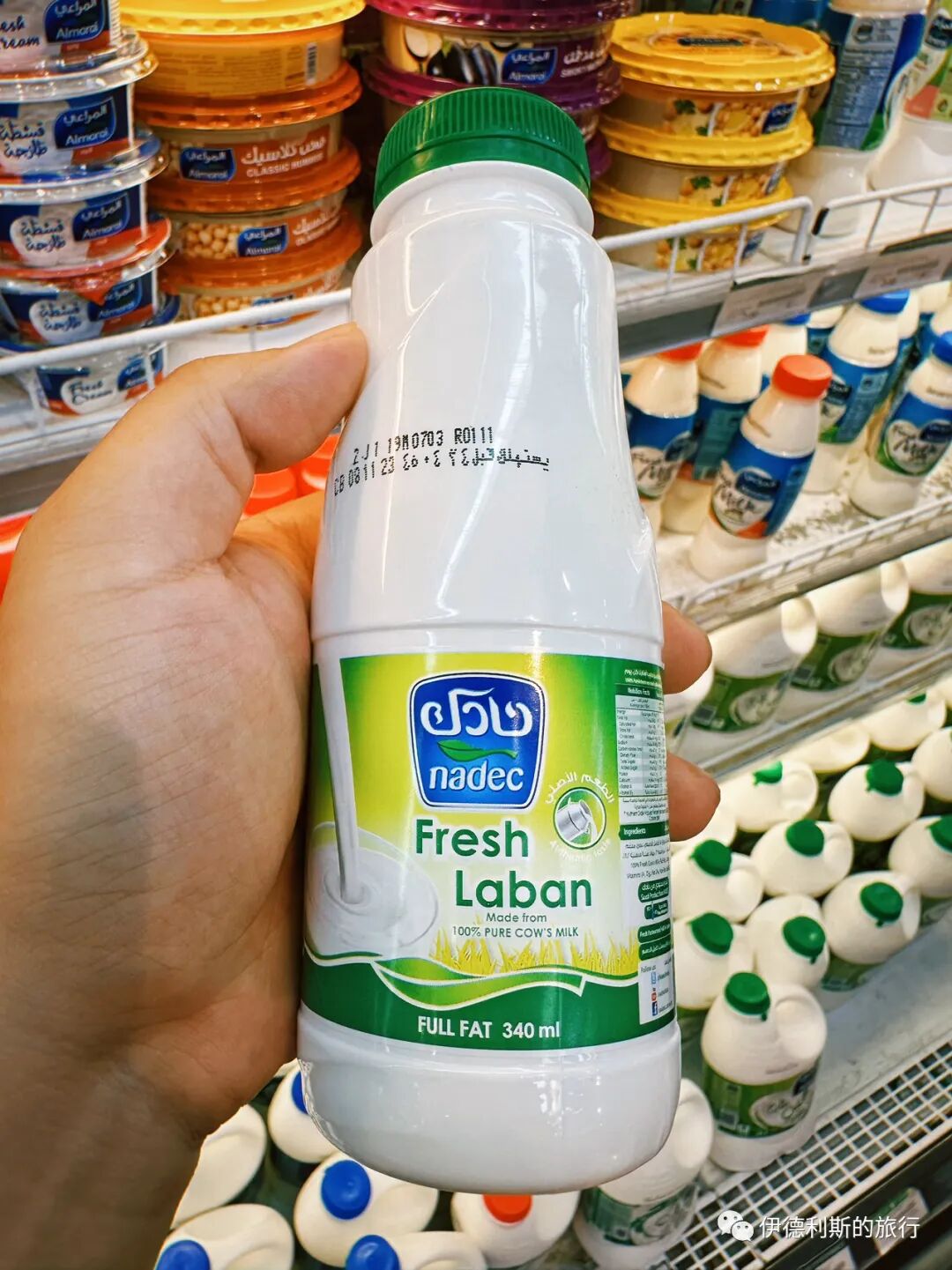
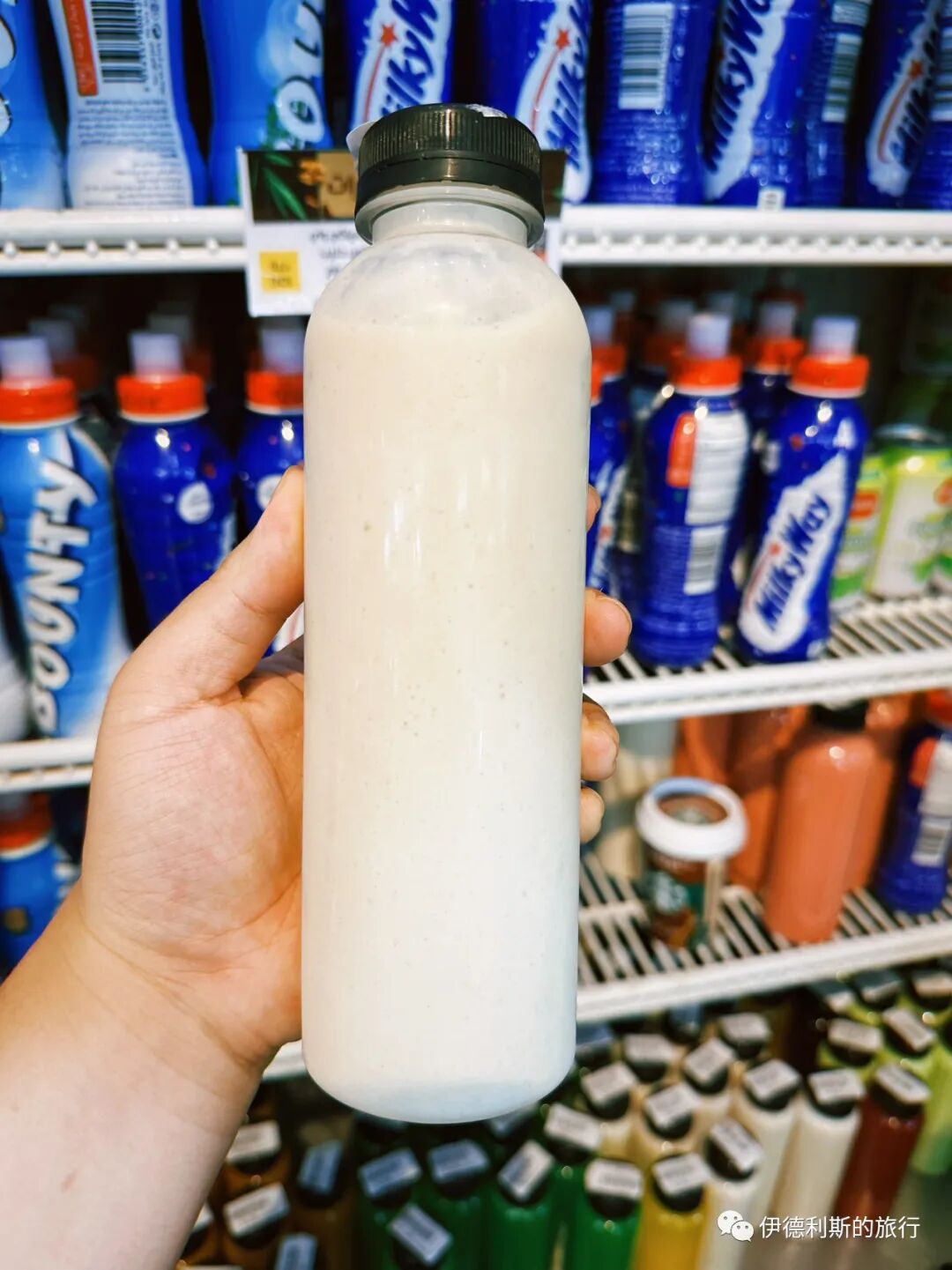
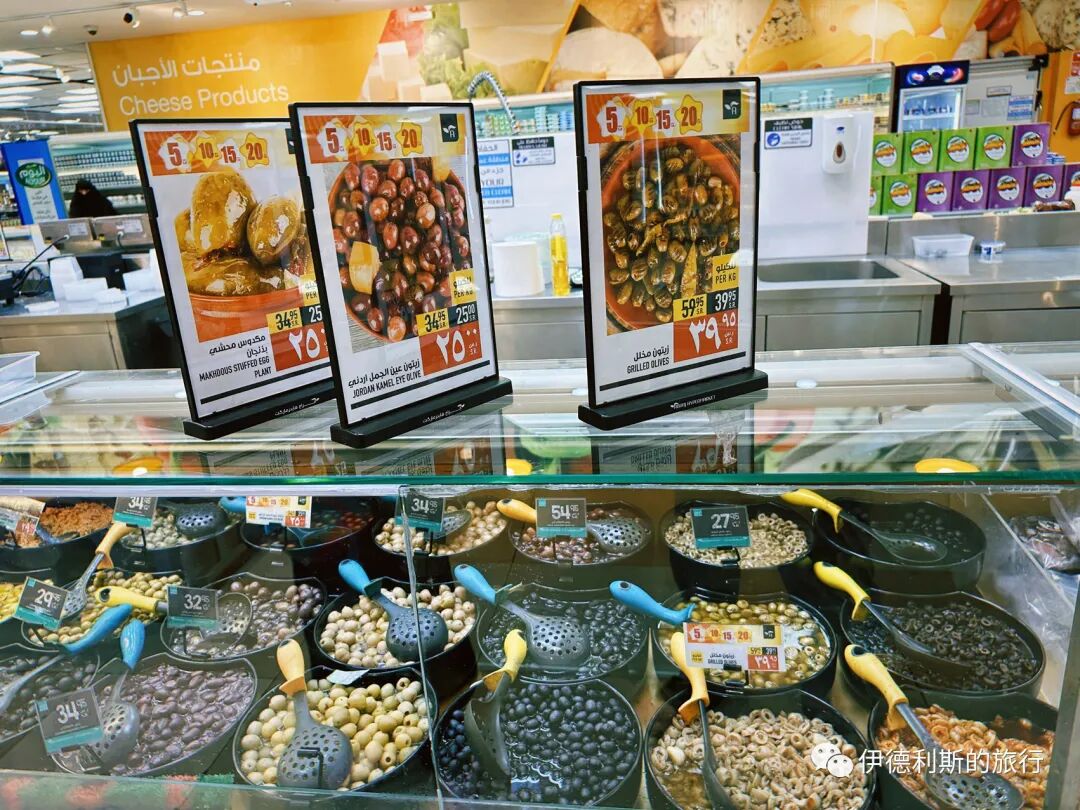
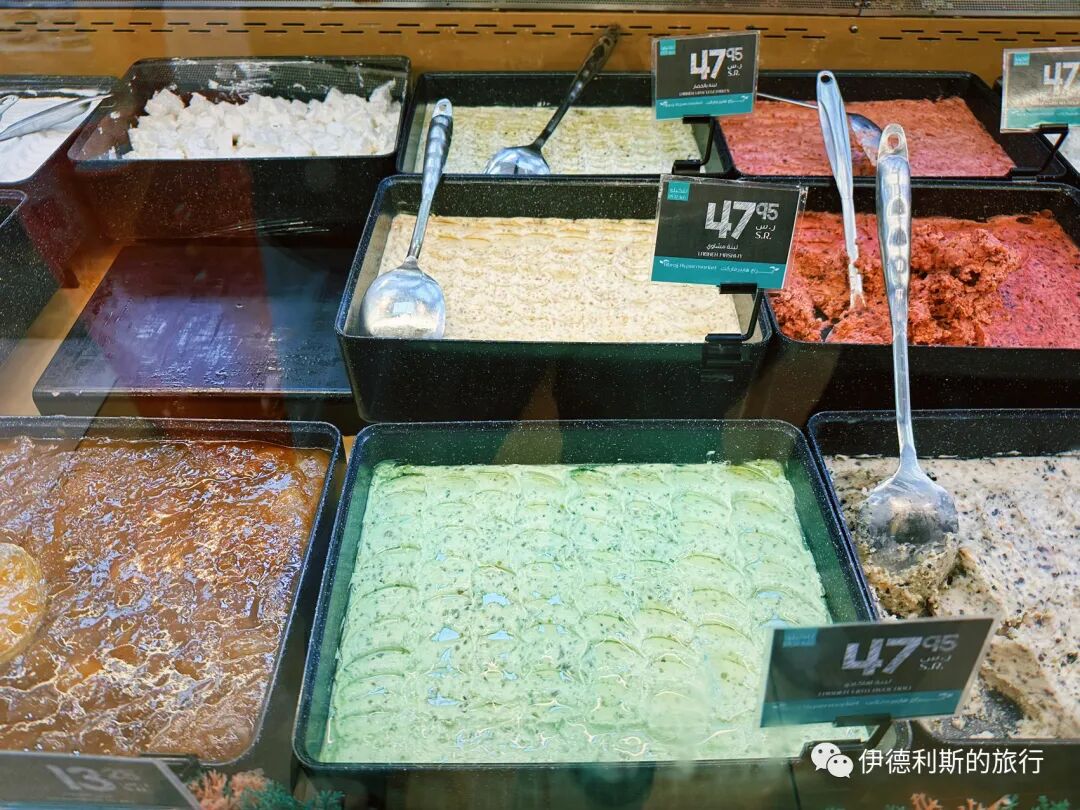
The supermarket inside the Clock Tower building is where pilgrims (Hajis) do their daily shopping. You can buy traditional Arab yogurt drink (Leben) inside, which is a beverage made by fermenting milk for a whole day and then stirring it to remove the butter. You can also buy freshly squeezed guava juice.
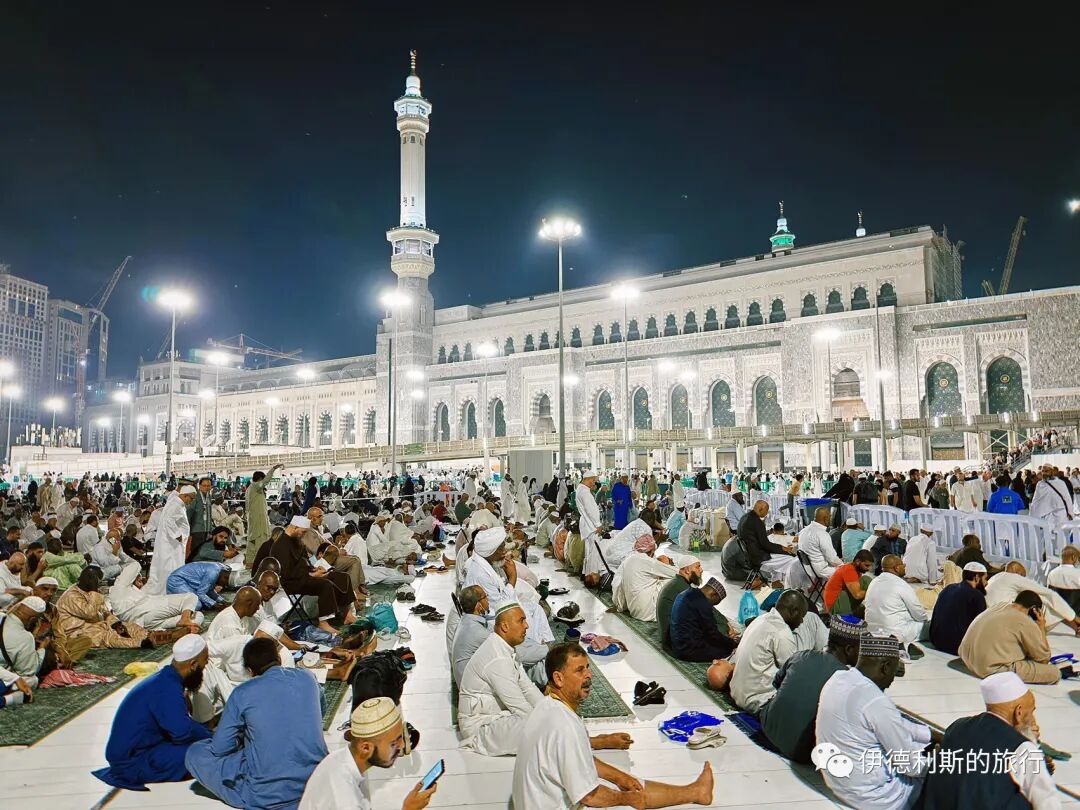
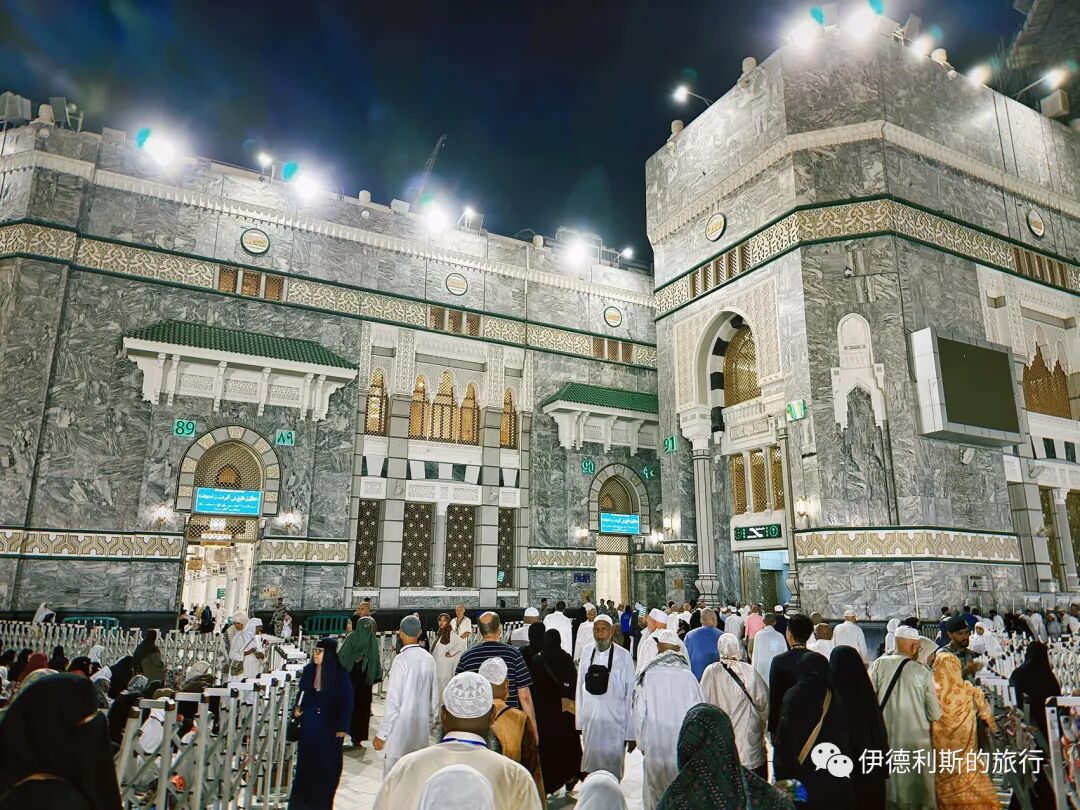
At dawn, the Sacred Mosque (Masjid al-Haram) was brightly lit and packed with people; it was impossible to squeeze into the core area. We followed the crowd and were directed to the rooftop. The spots with prayer rugs were already full, so we sat right on the marble floor. I reminded my fellow believers (dostani) that it is best to bring a travel prayer rug when visiting the Sacred Mosque (Masjid al-Haram).
I truly felt the power of faith (imani) here, where believers (dostani) from all over the world gather because of their faith (imani). I used to always make the intention (niyyah) to face the Kaaba, but this time I was finally there in person facing it. The emotion is hard to put into words.
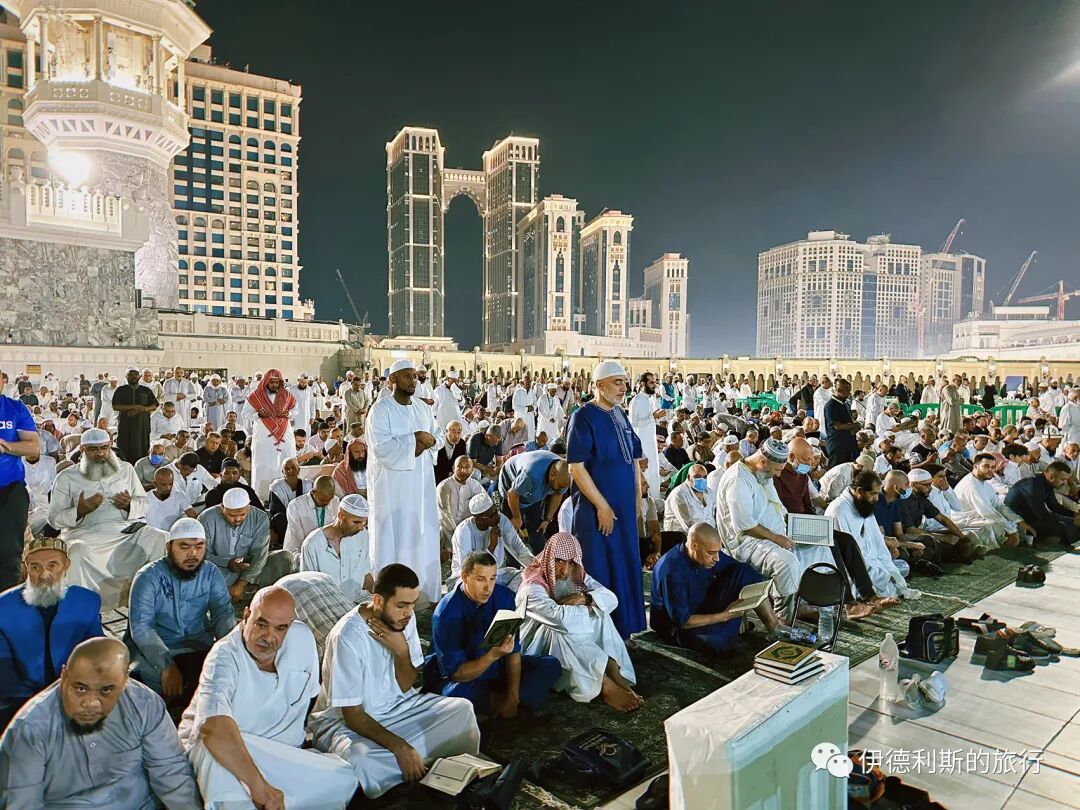
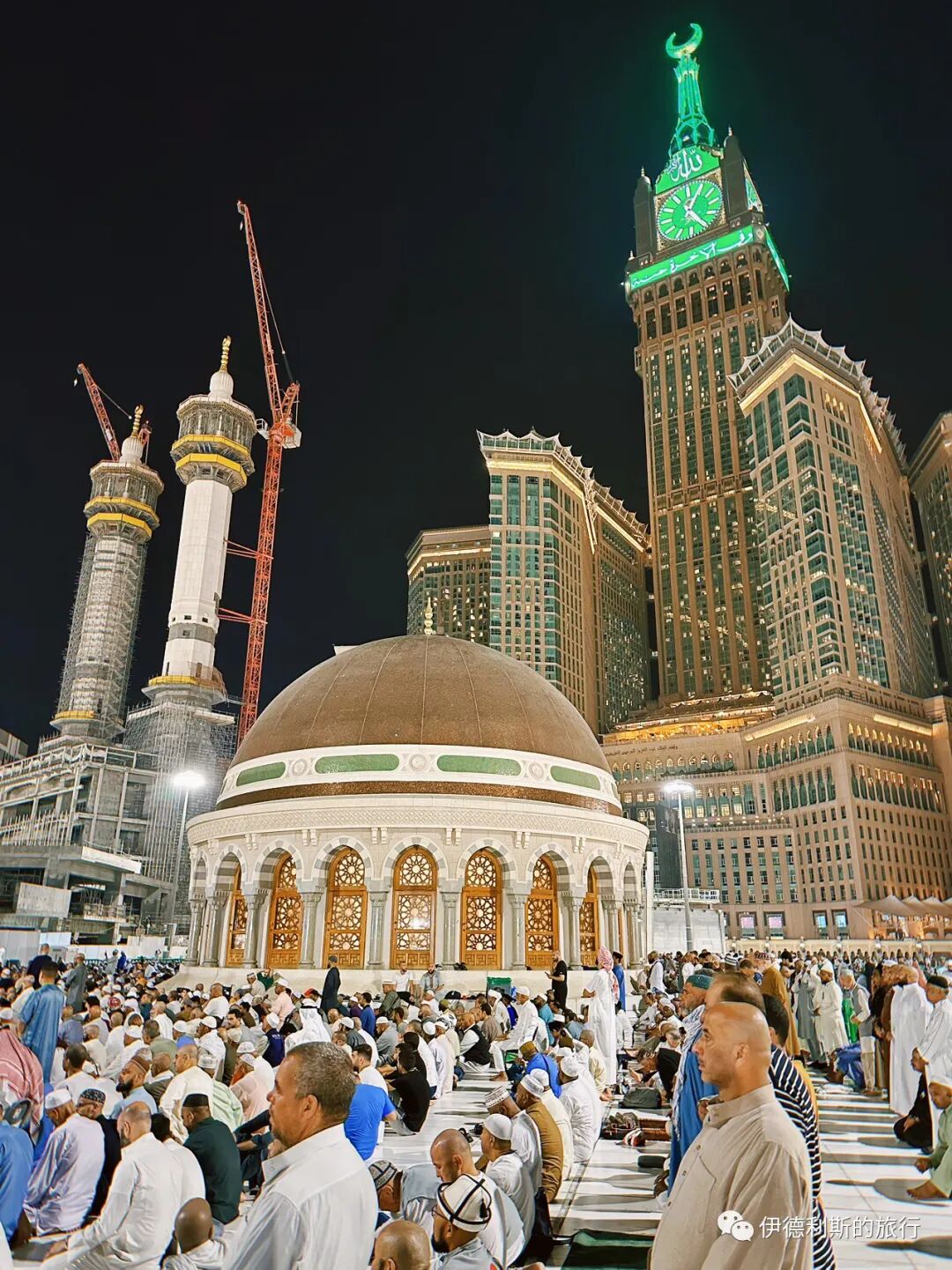
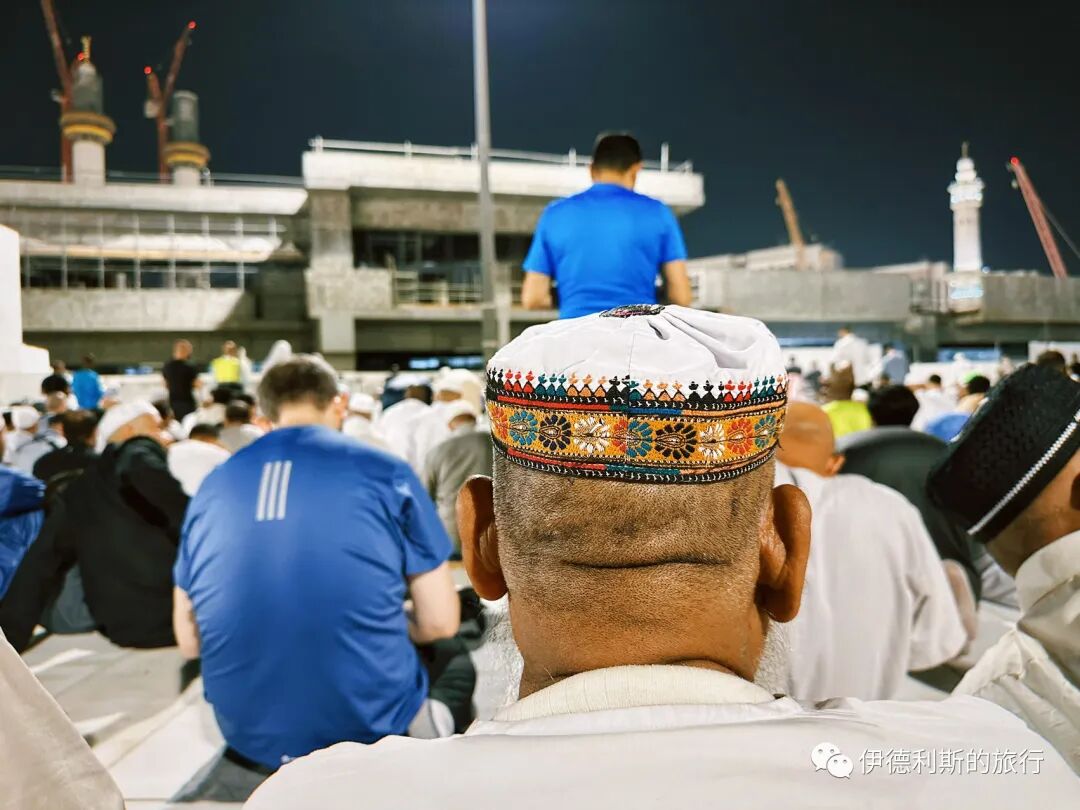
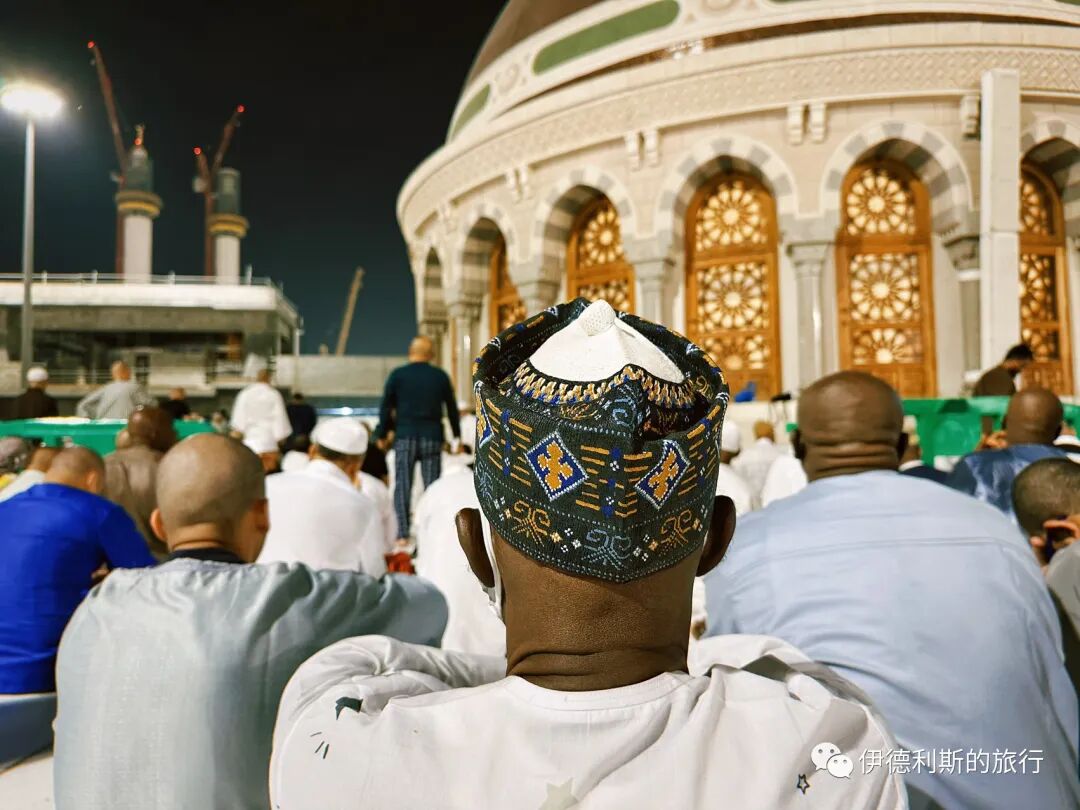
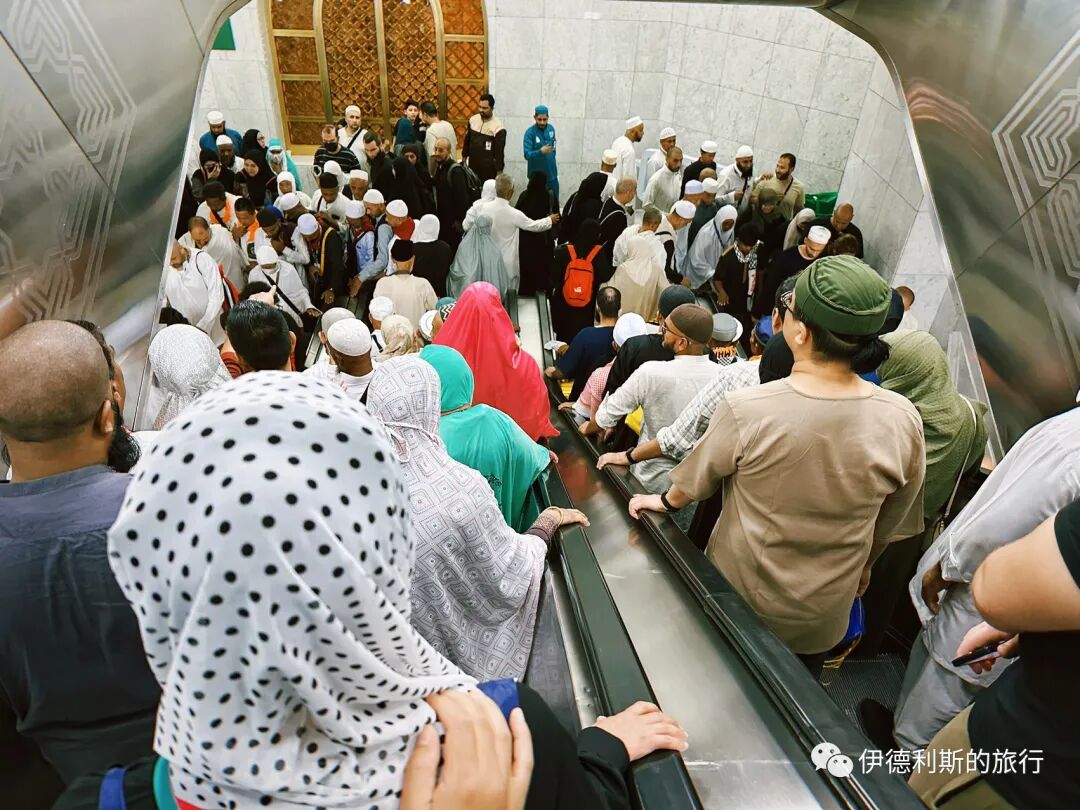
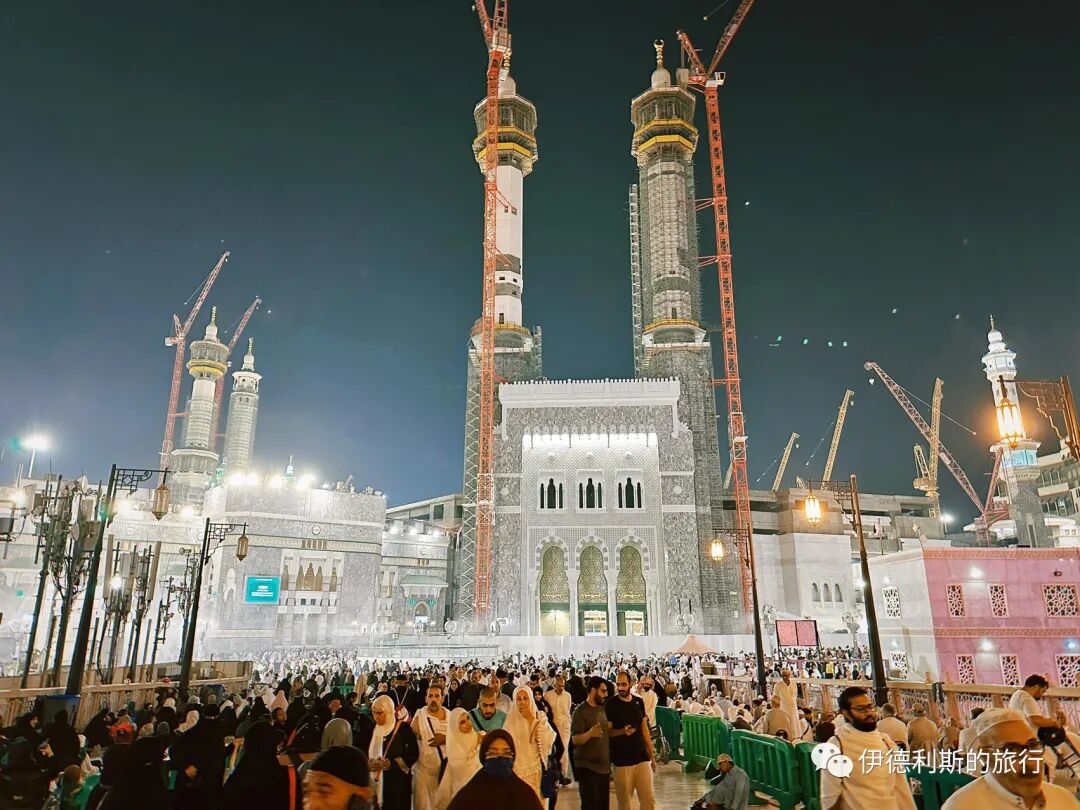
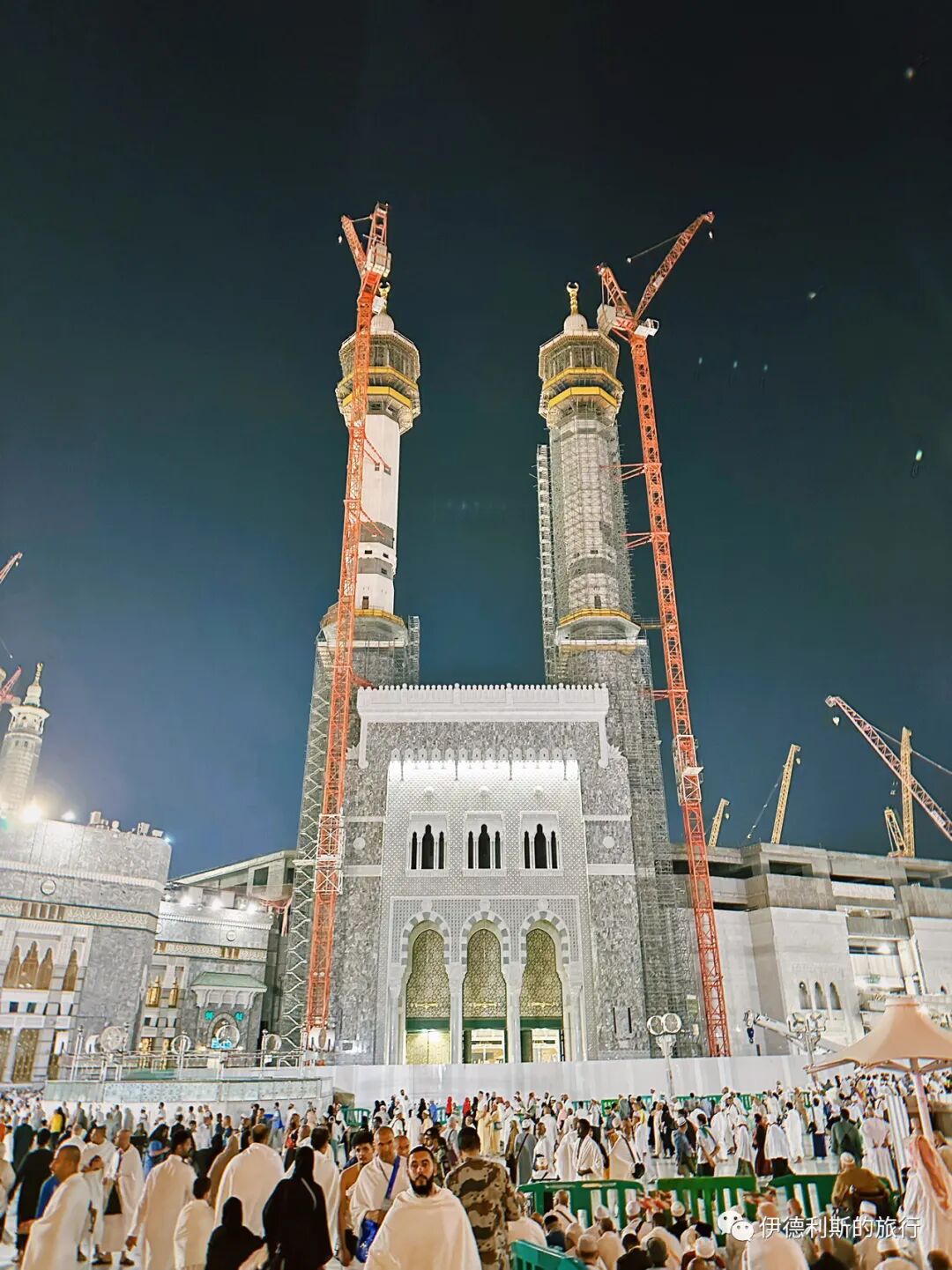
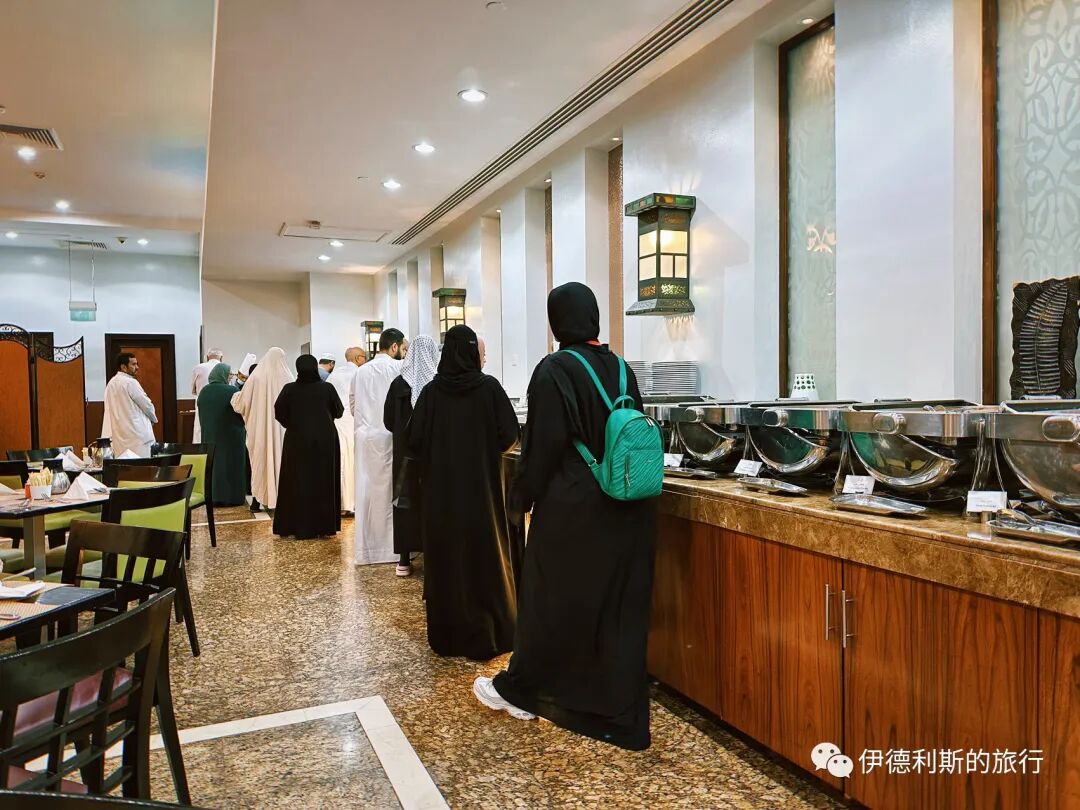
After the dawn prayer (fajr), we went back to the hotel for breakfast. We stayed at the Movenpick Hotel in the Clock Tower, where many Hajj groups stay. Although it is very close to the Sacred Mosque (Masjid al-Haram), the elevators are a hassle because you have to switch them halfway. Also, the hotel entrance is a no-go zone for UBER, so you have to hail a taxi yourself.
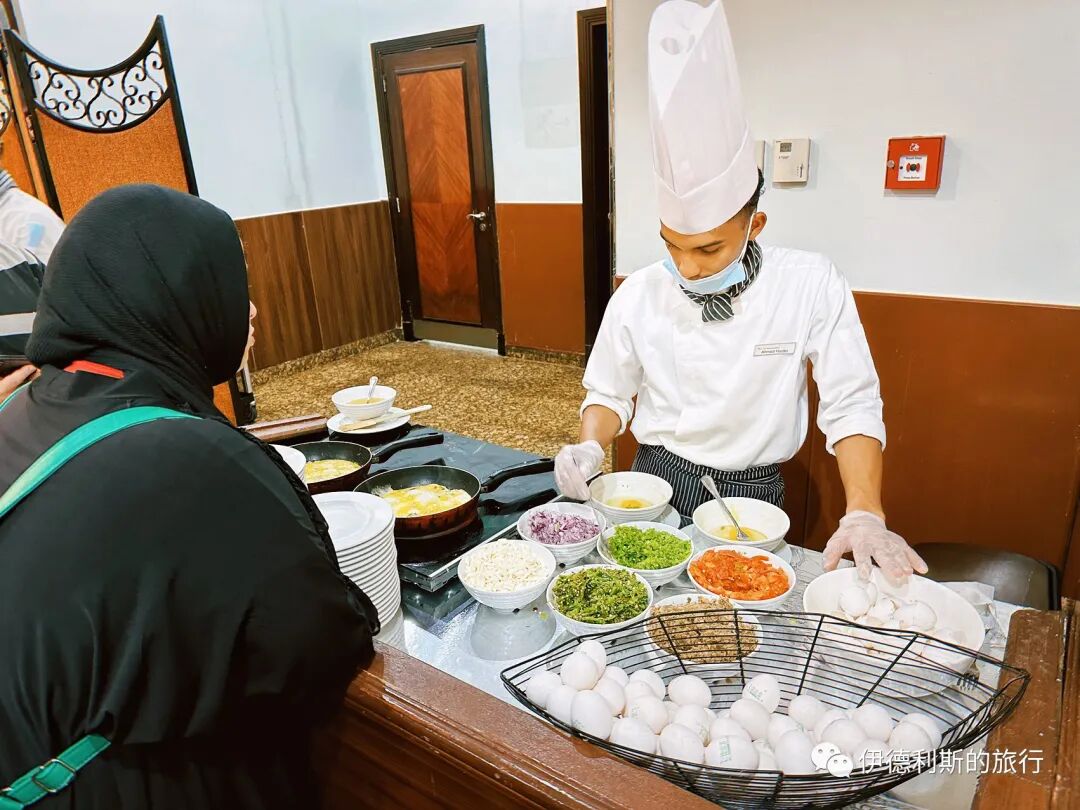
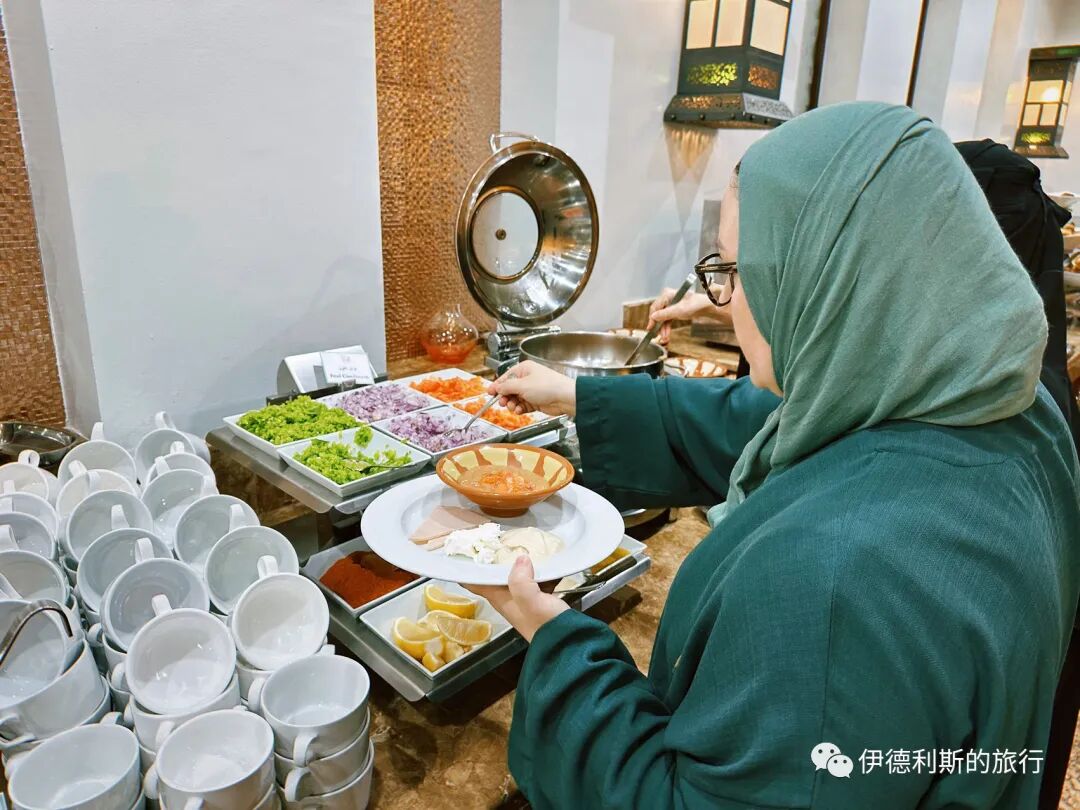
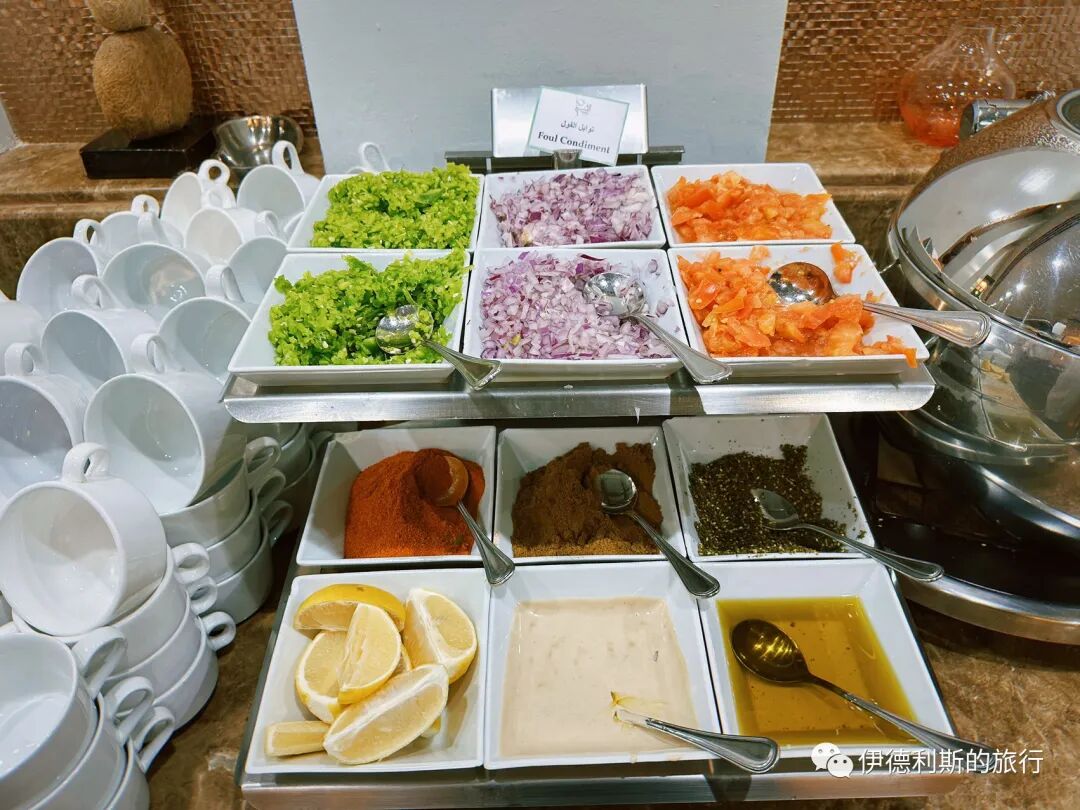
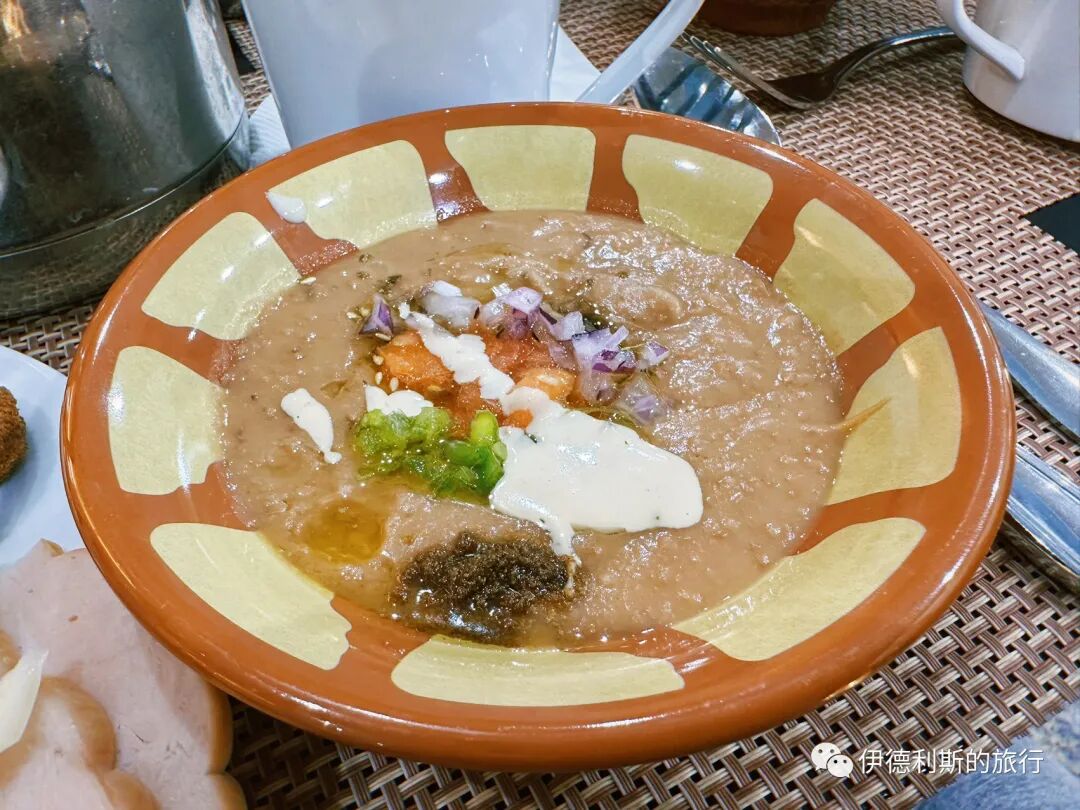
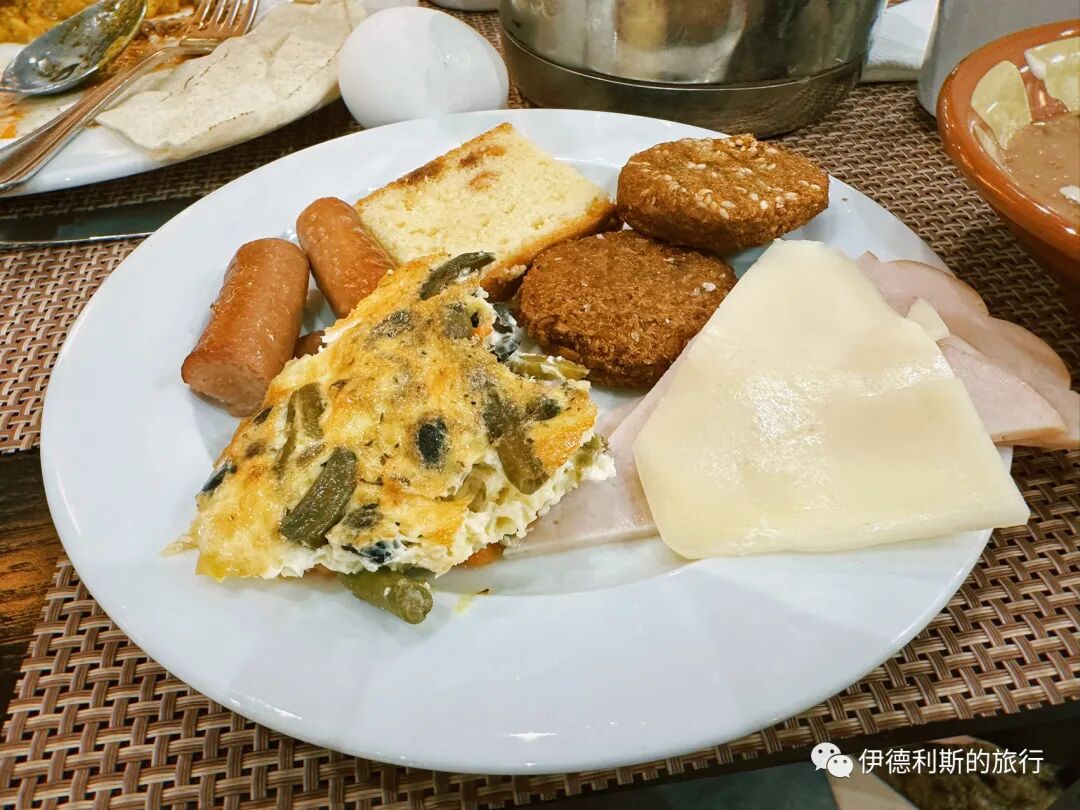
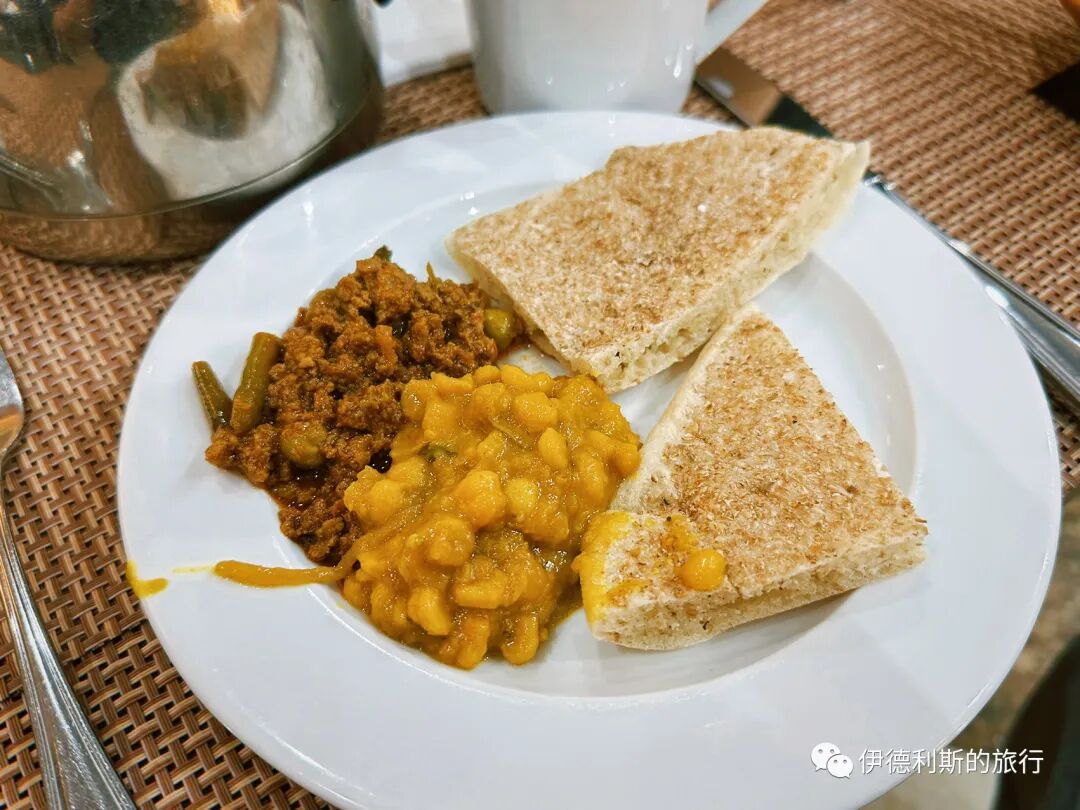
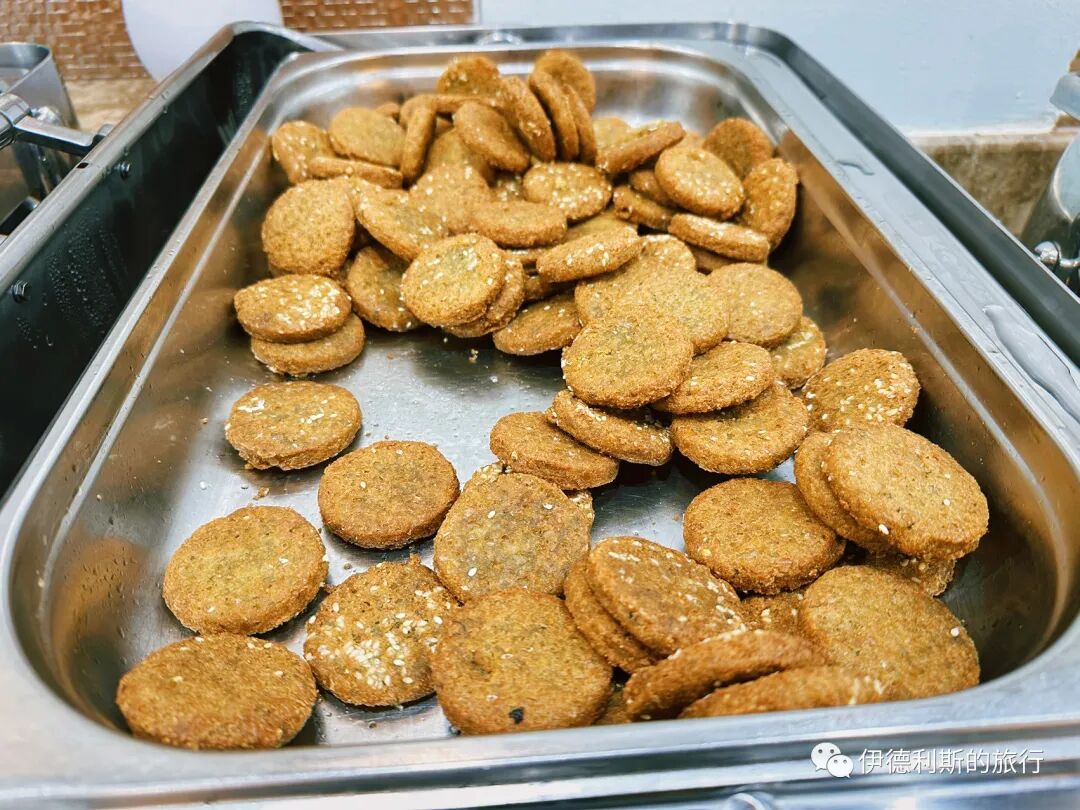
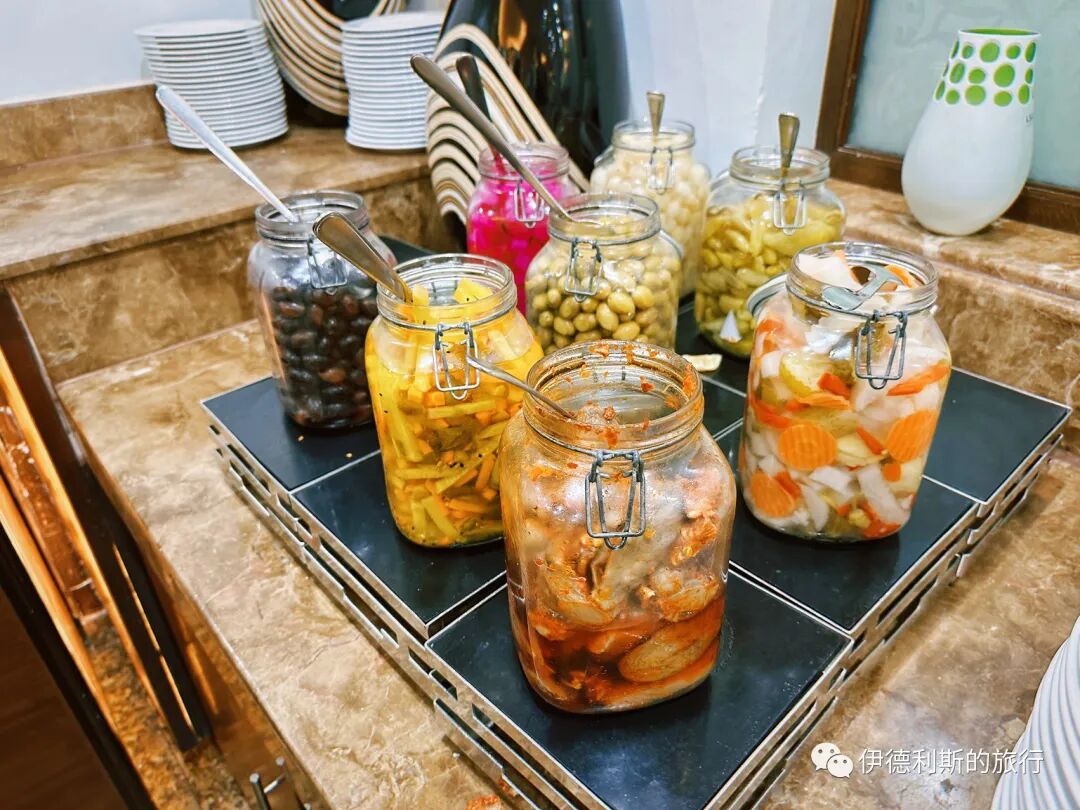
The hotel breakfast is quite rich, with highlights like the Egyptian fava bean stew (ful medames) and deep-fried chickpea balls (falafel). Ful medames is a fava bean stew that dates back to ancient Egypt. It is seasoned with olive oil and cumin, and you can add your own toppings like parsley, garlic, onion, lemon juice, and chili. Egyptian falafel is made from fried fava beans, while in the Levant region, it is mostly made from chickpeas. Sometimes the inside of a falafel is green because parsley and green onions were added during the grinding process.
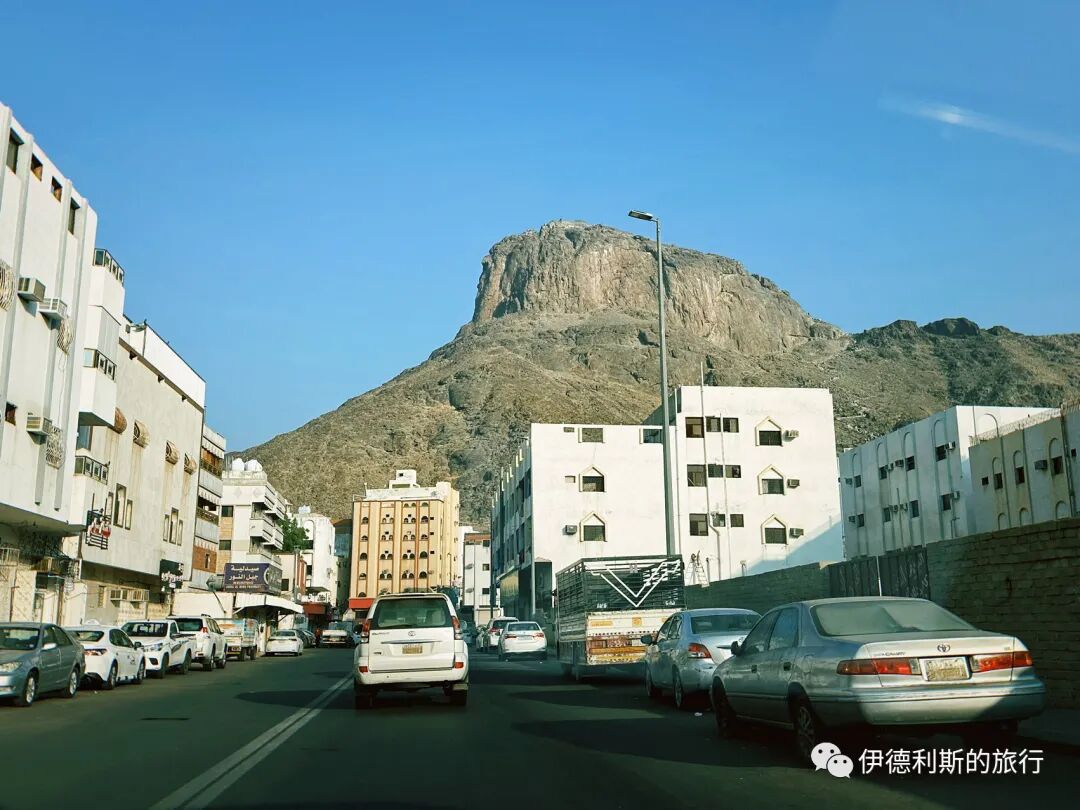
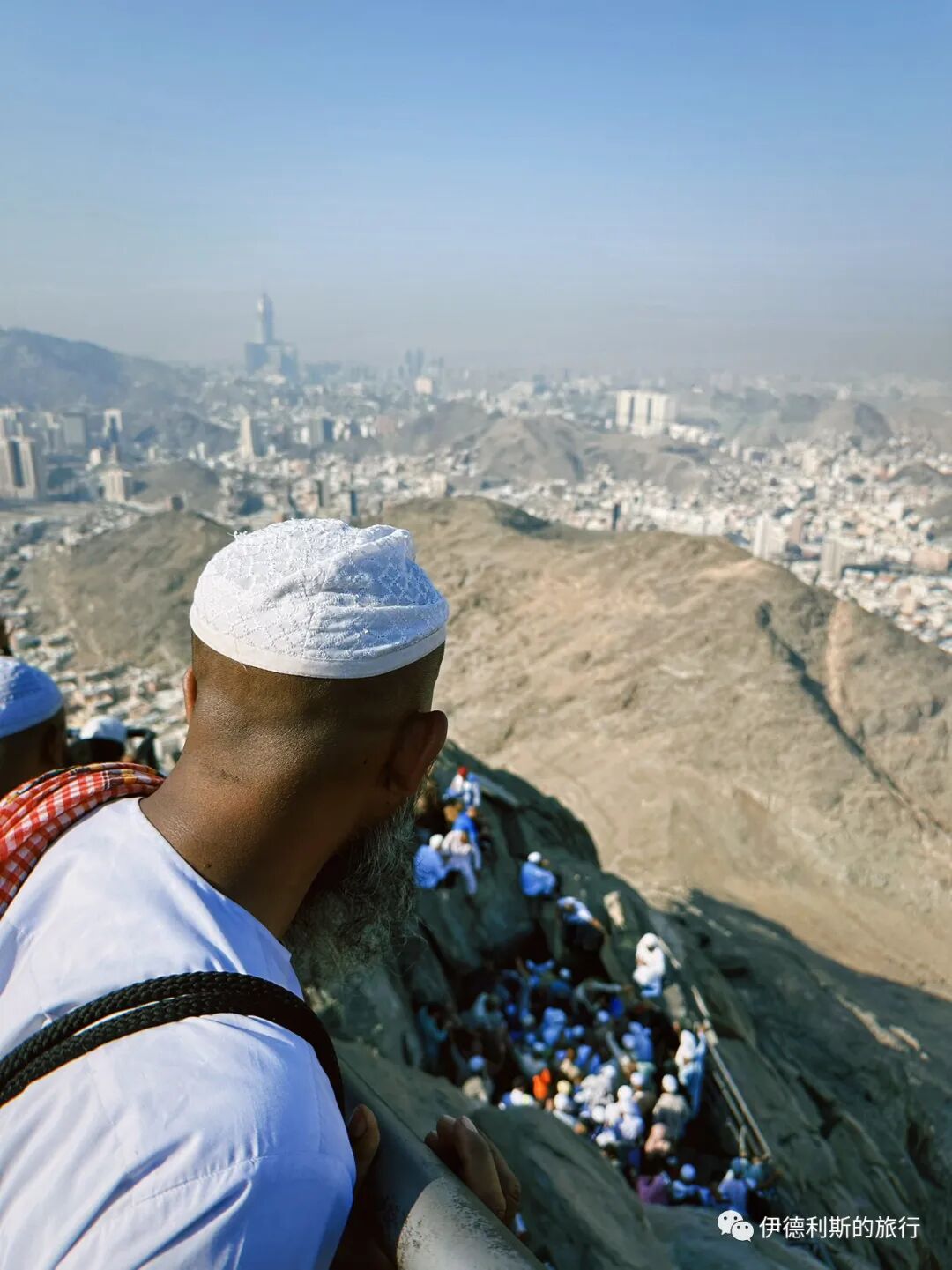
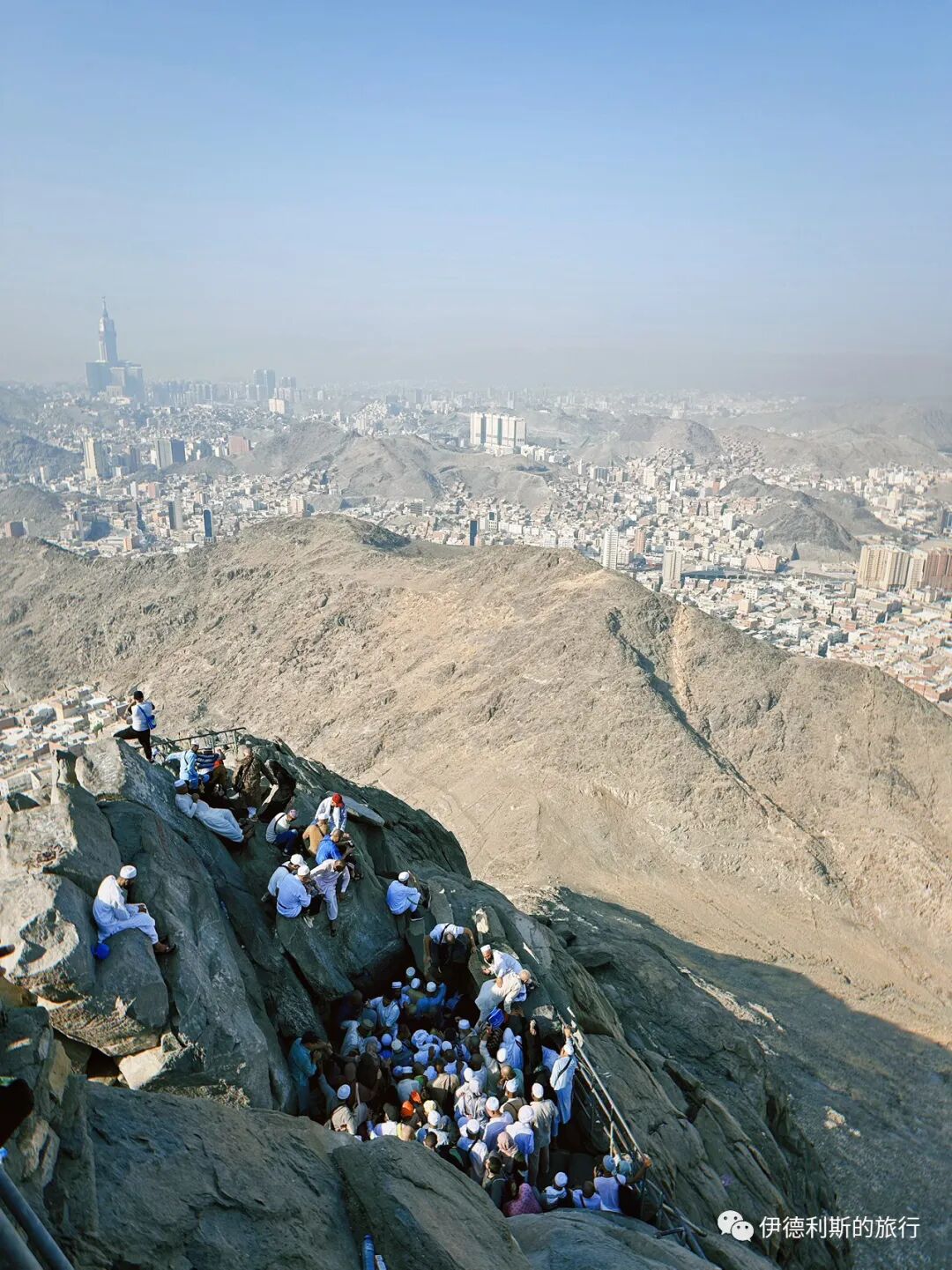
After breakfast, we took a taxi to climb the Mountain of Light (Jabal al-Nour). Before receiving revelation, the Prophet would retreat to the Cave of Hira on the Mountain of Light for one month of meditation every year. In 610 AD, the Archangel Jibril appeared in the Cave of Hira and revealed the first five verses of the Chapter of the Clot to the 40-year-old Prophet, marking the beginning of his mission.
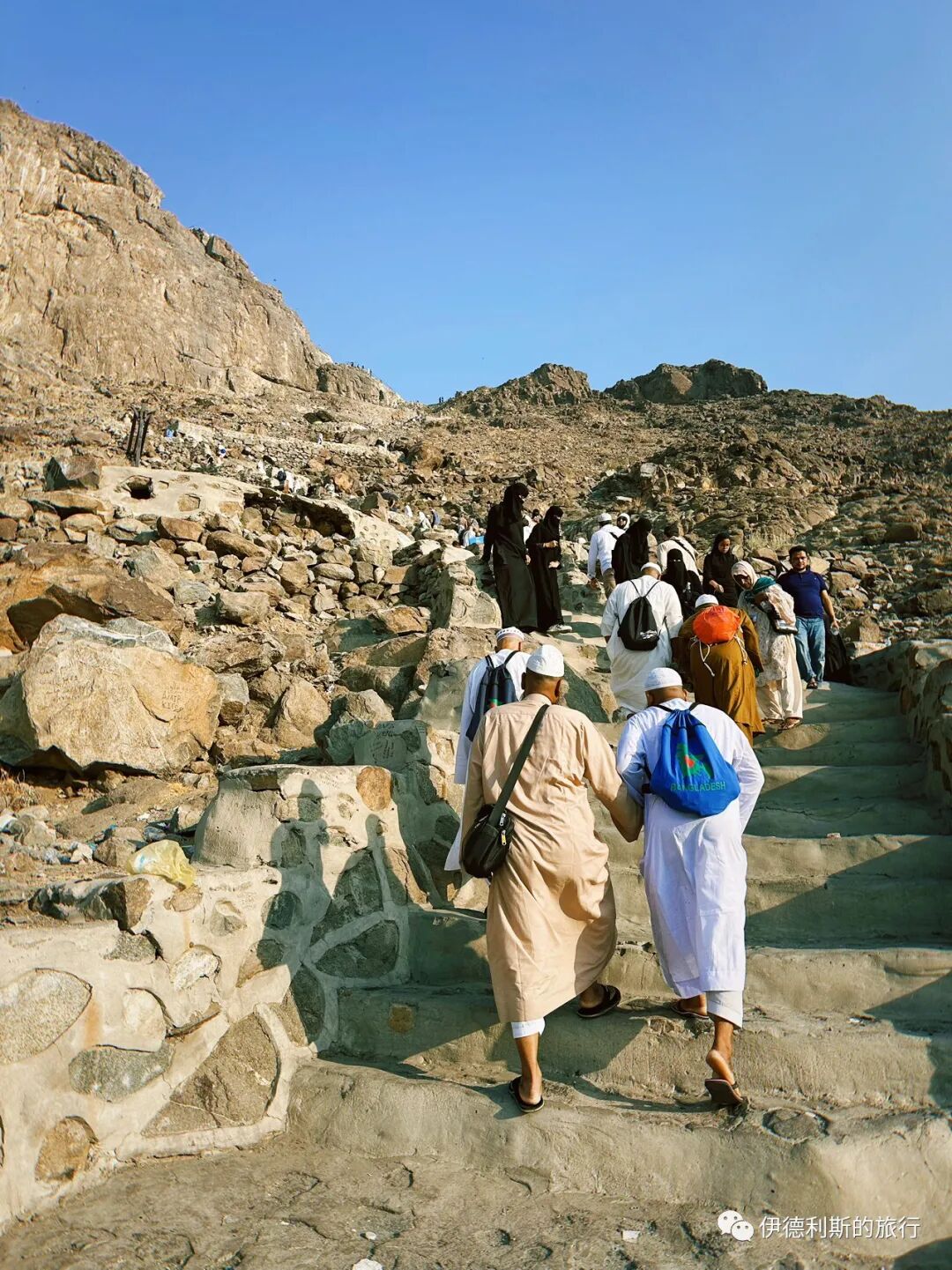
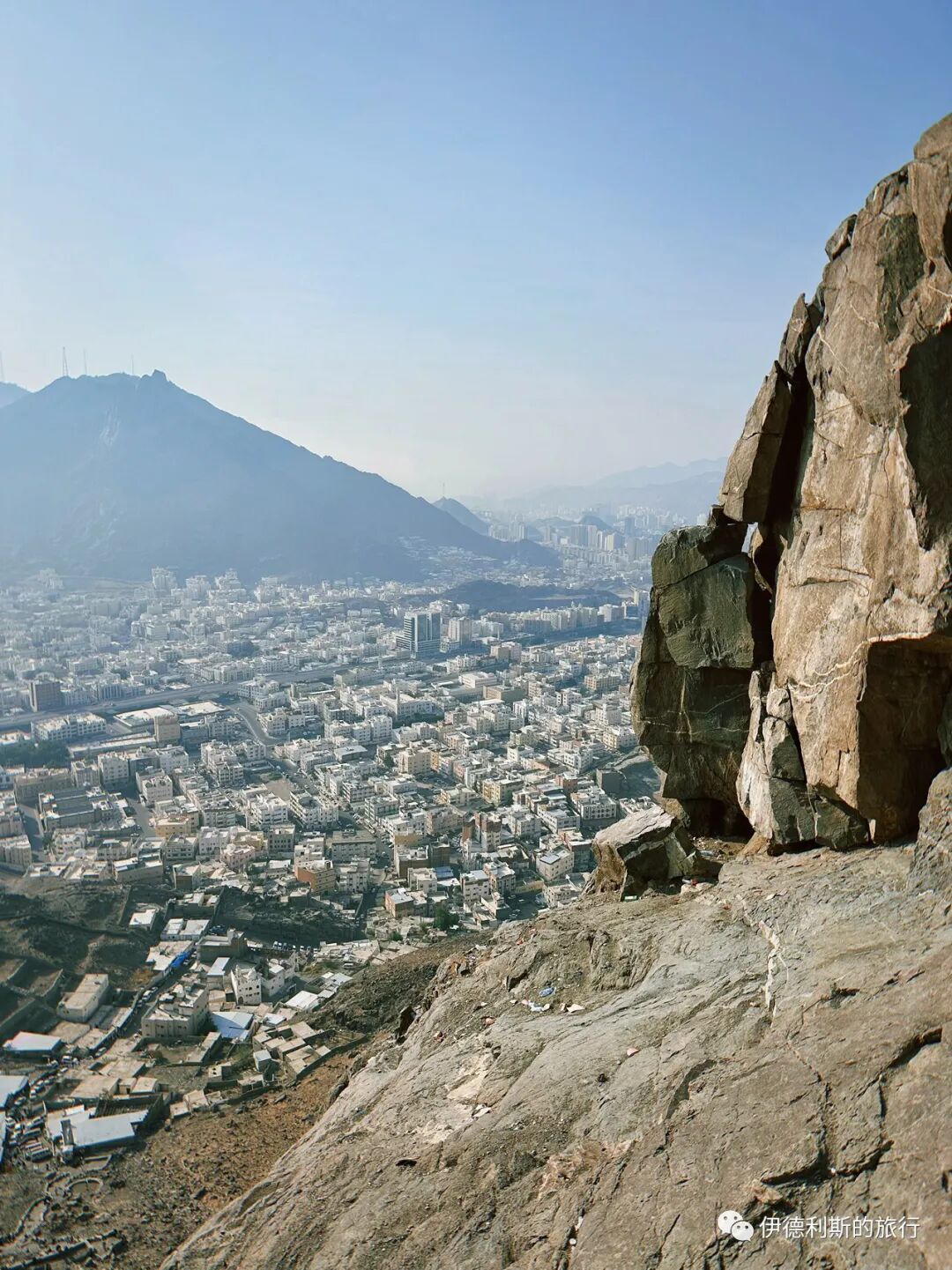
The trail up the Mountain of Light is quite steep. We started climbing at 7:43 AM and reached the summit at 8:31 AM. Although the morning sun was softer than in the afternoon, I was still sweating heavily and drank several bottles of water. Because there were too many people inside the Cave of Hira, we performed our two-rak'ah namaz on the platform at the summit for safety.
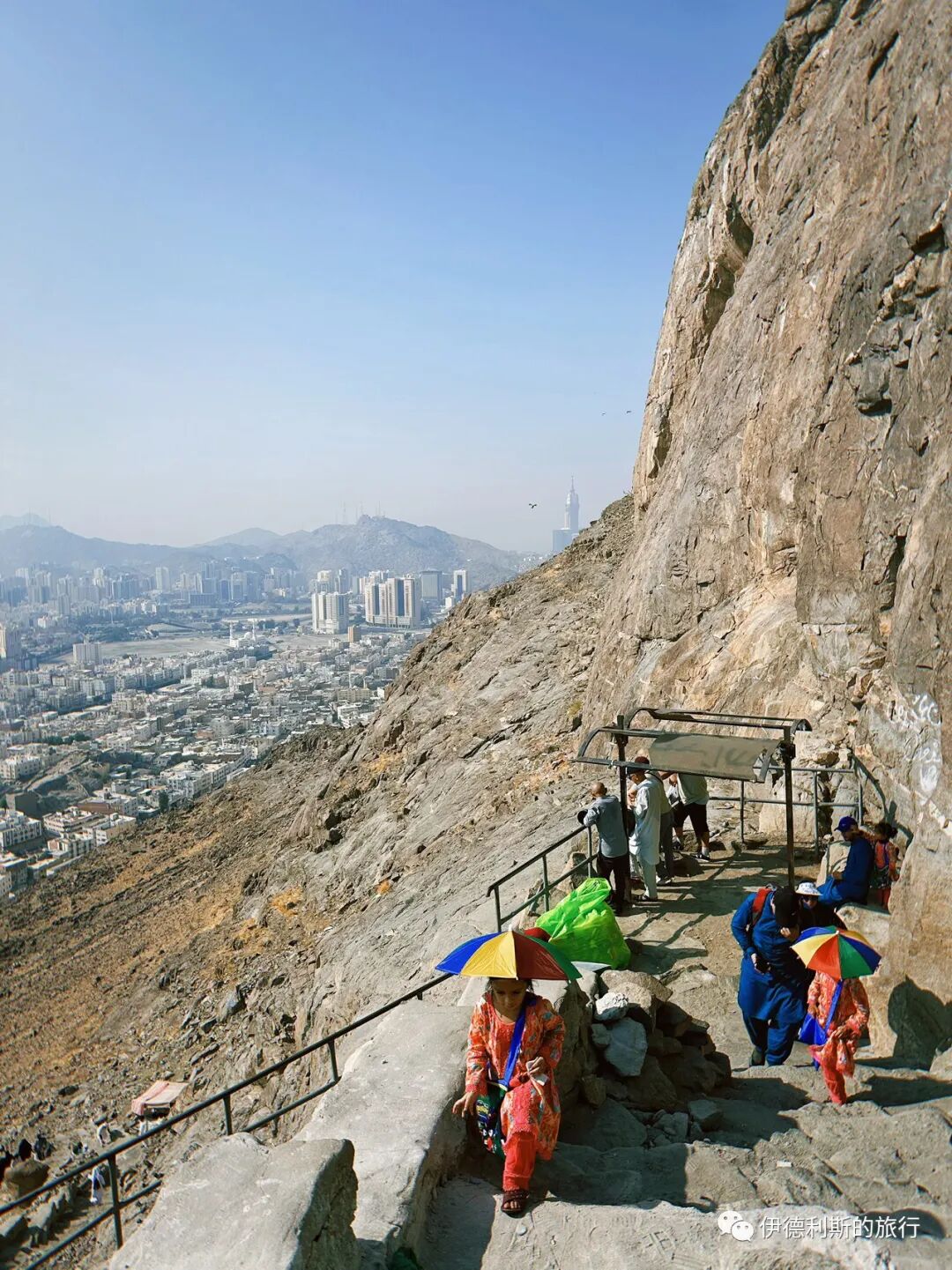
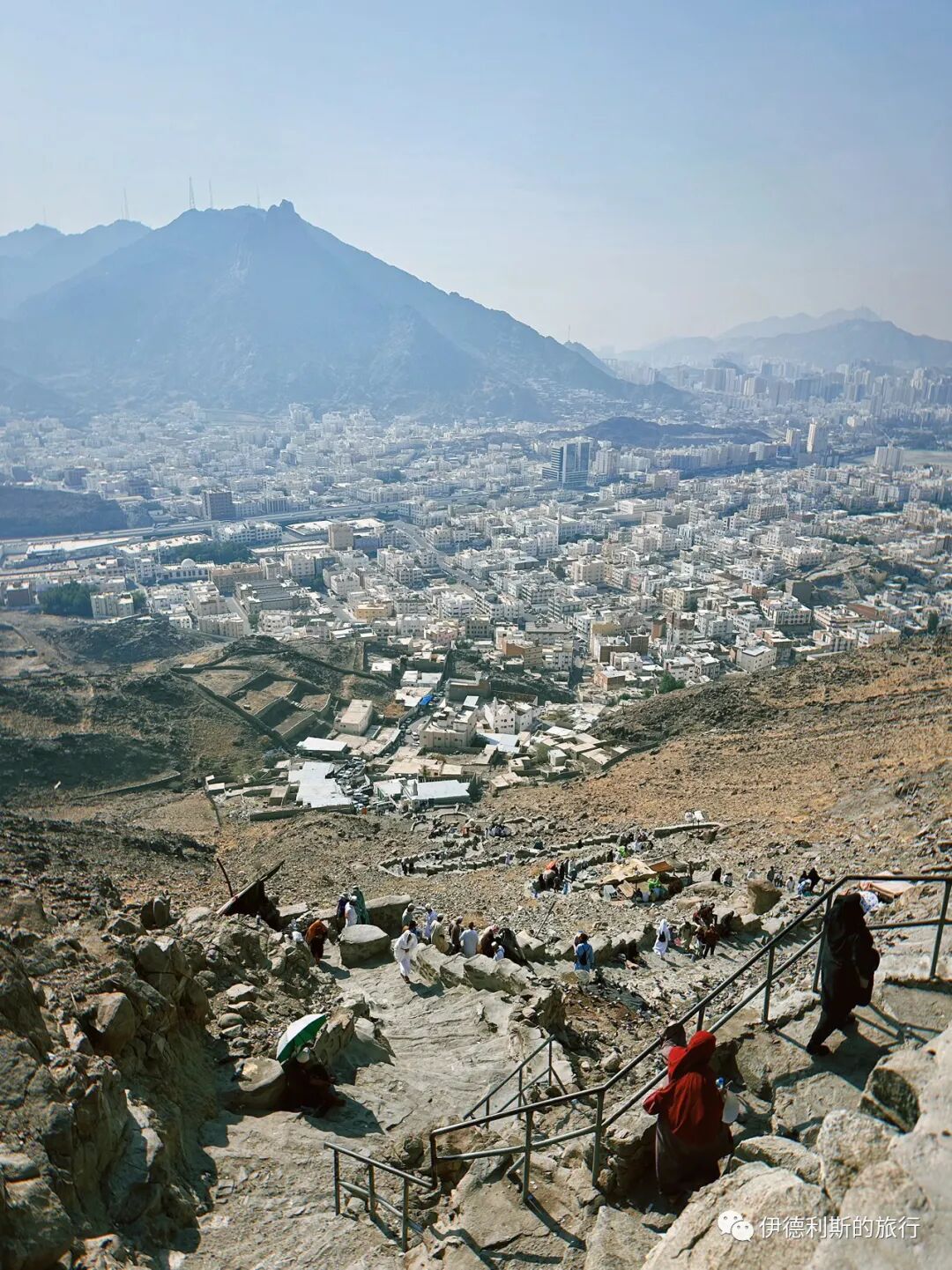
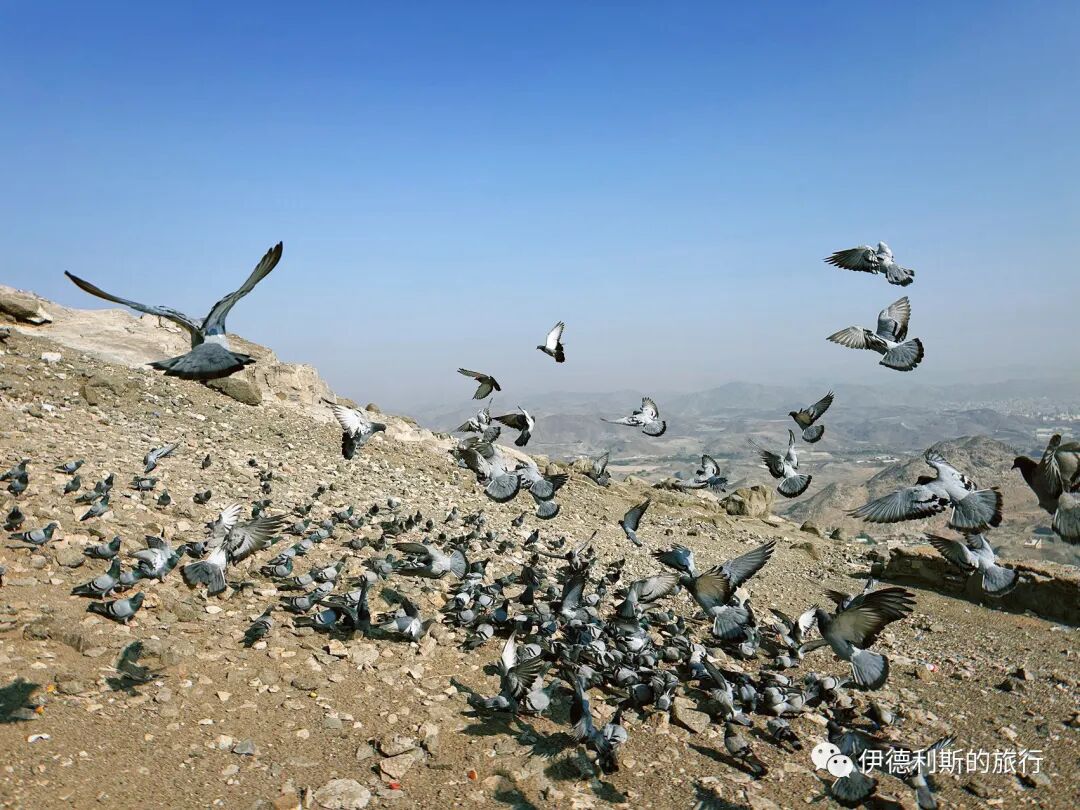
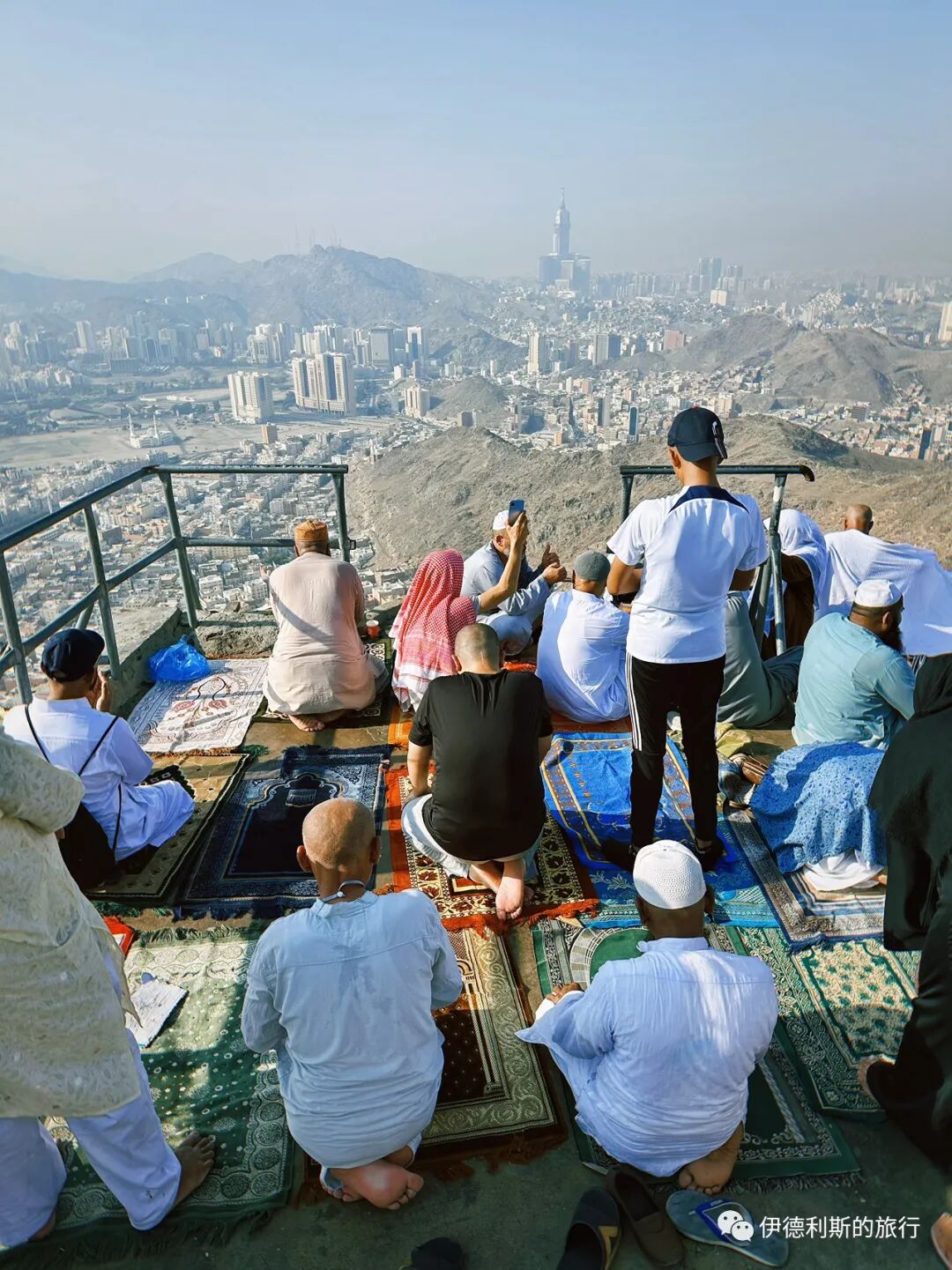
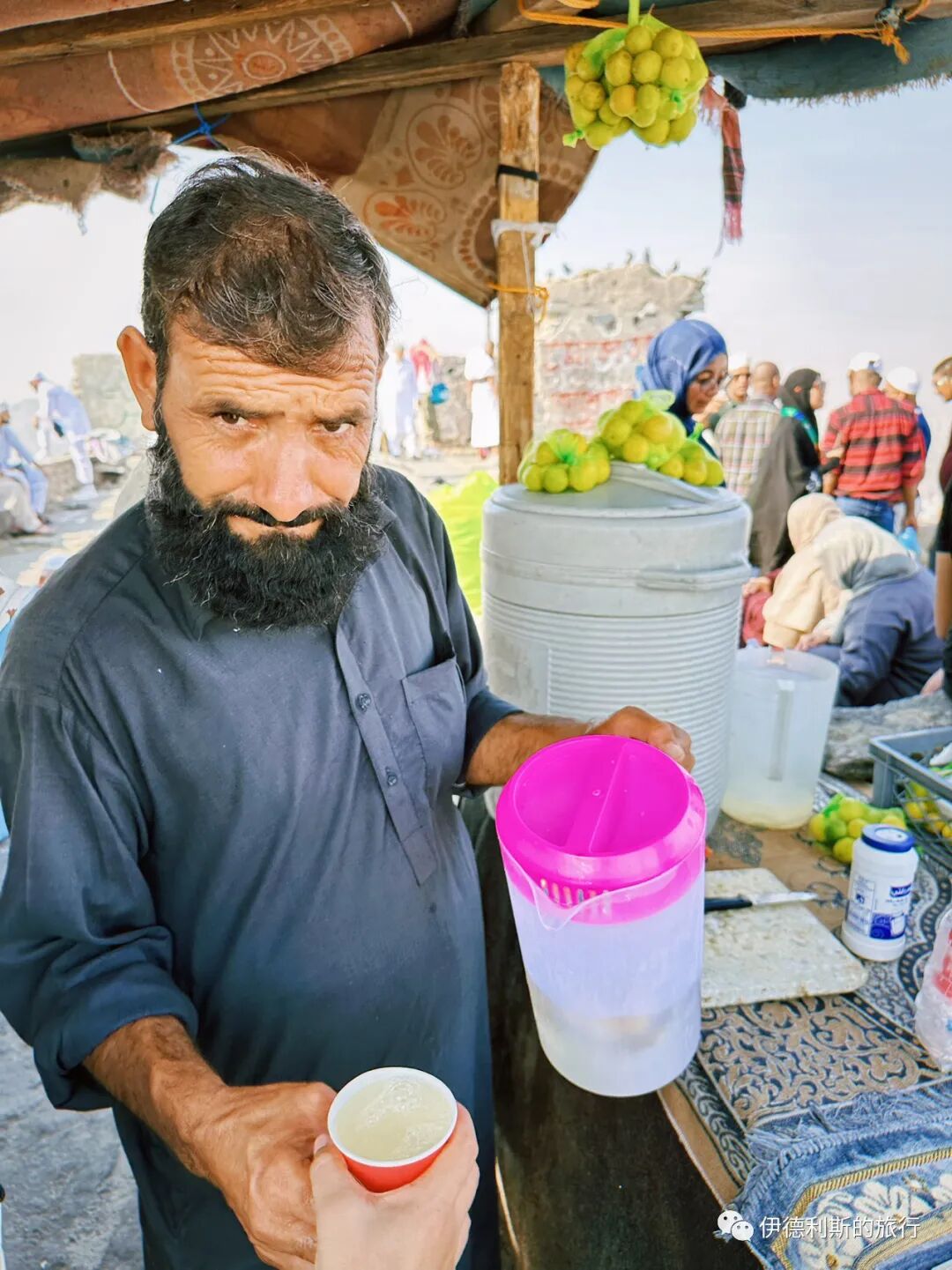
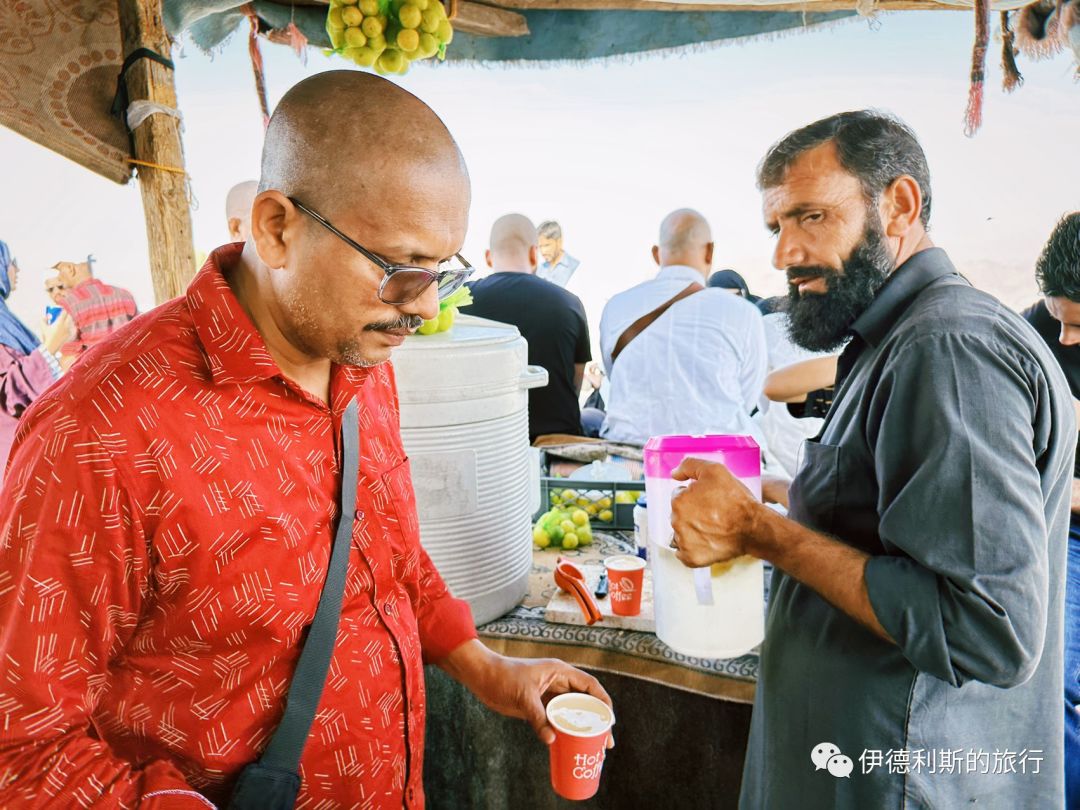
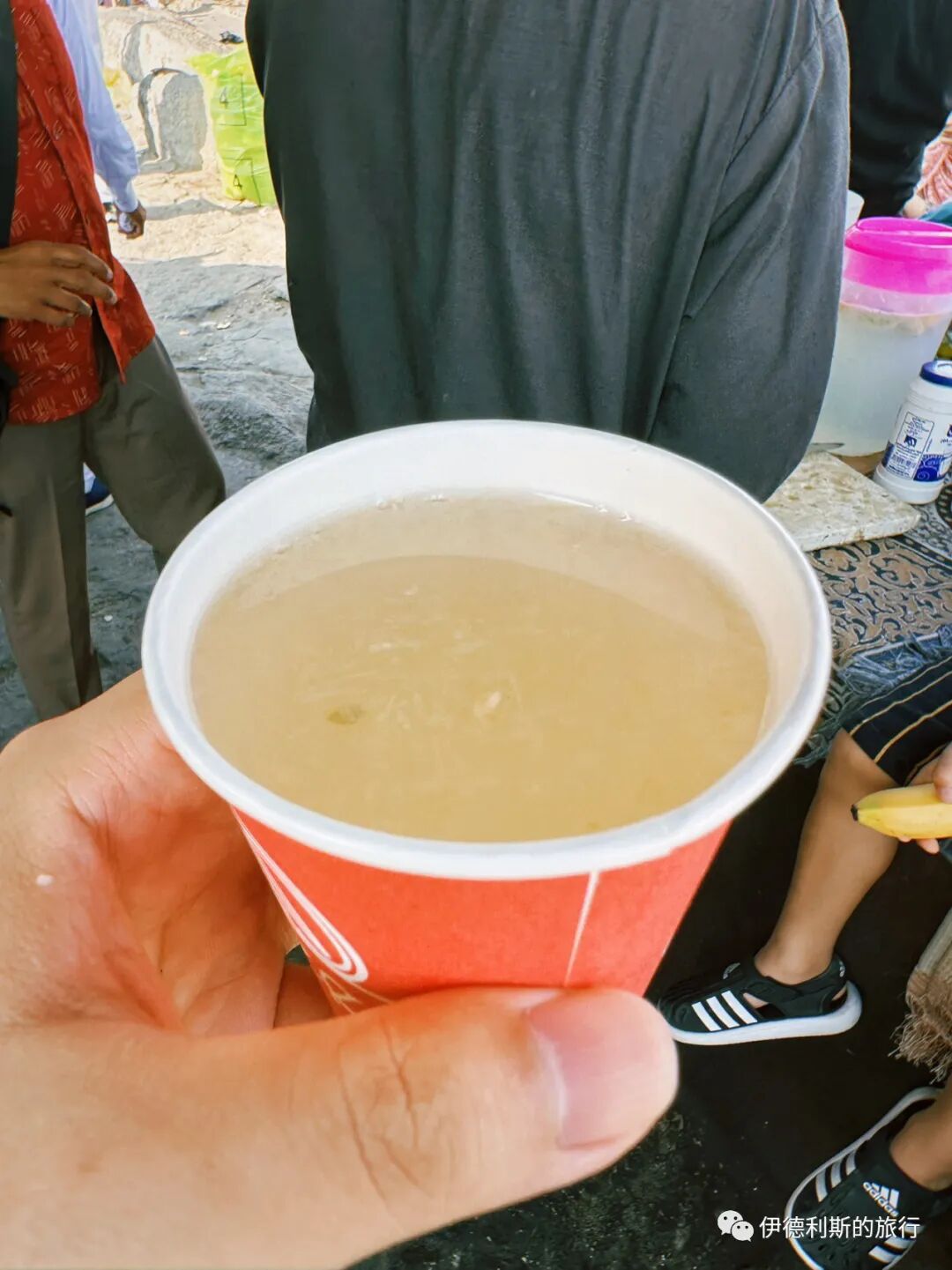
There are several lemonade stalls along the mountain road of Mount Guangming where you can take a break. Drinking lemonade with masala spices added is a great way to rehydrate.
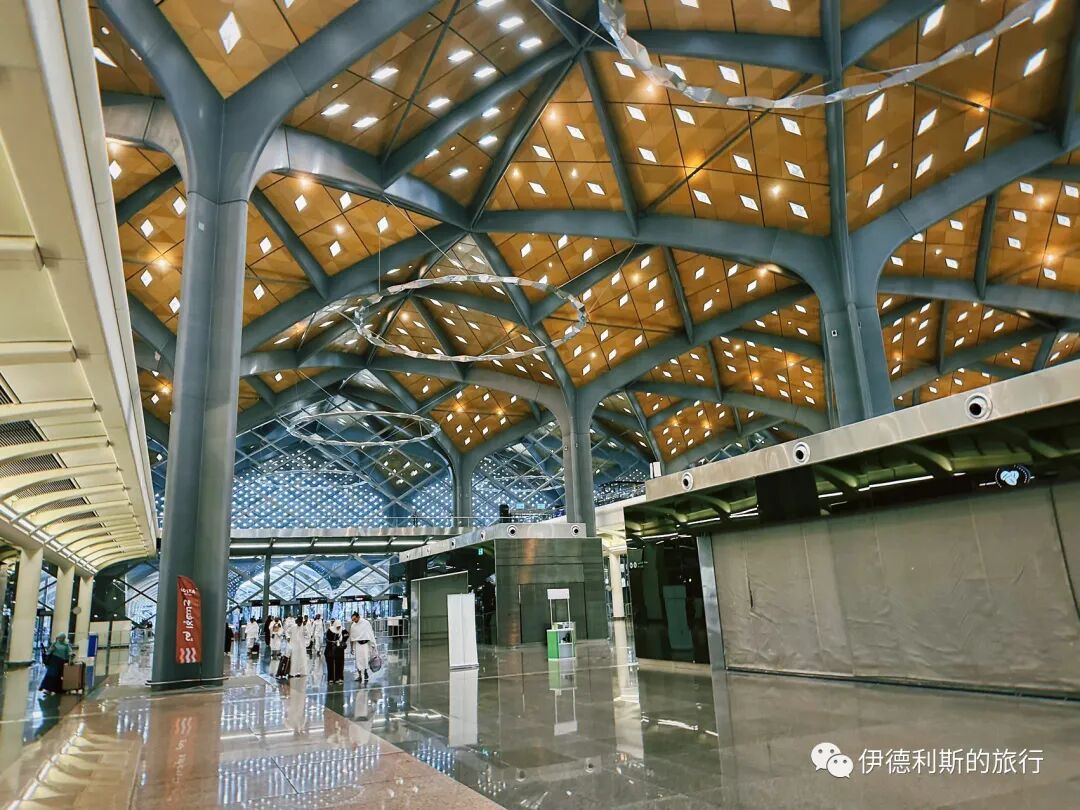
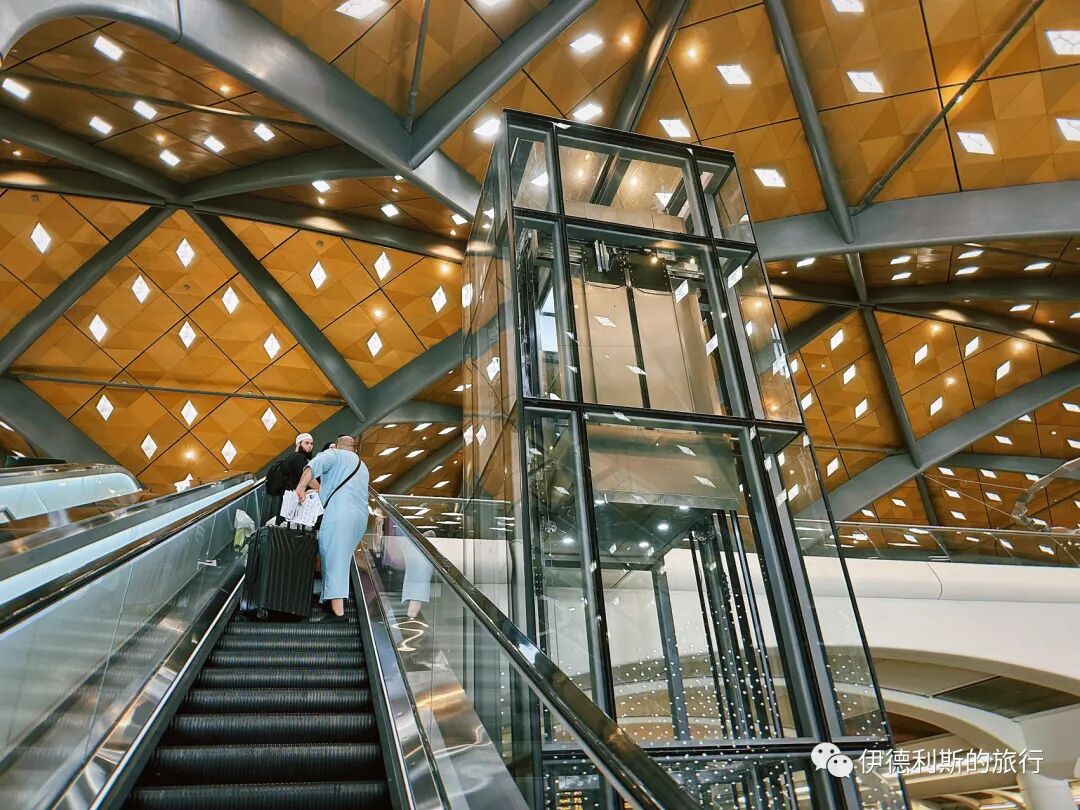
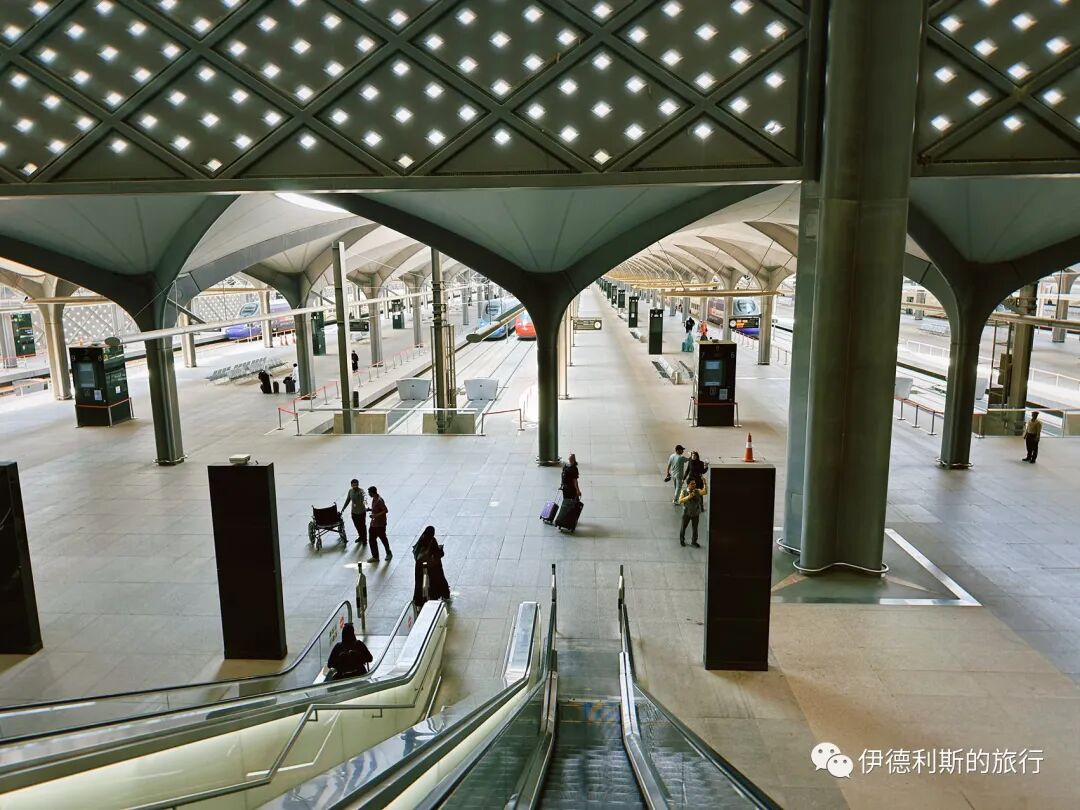
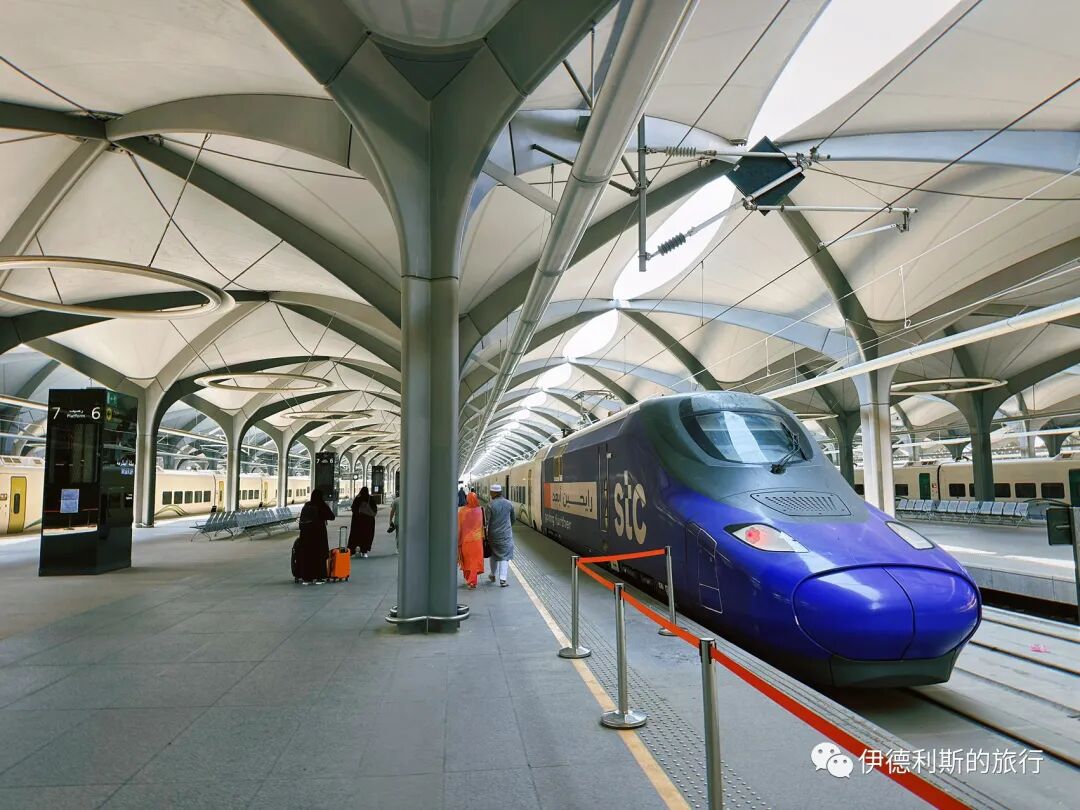
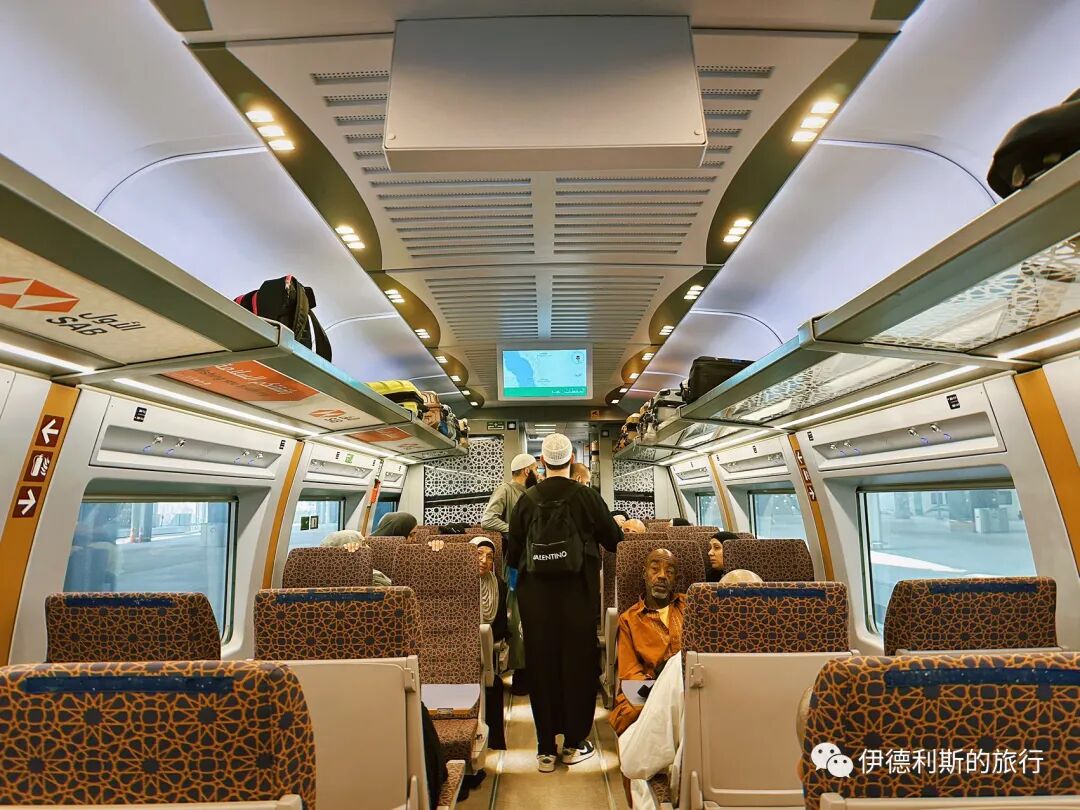
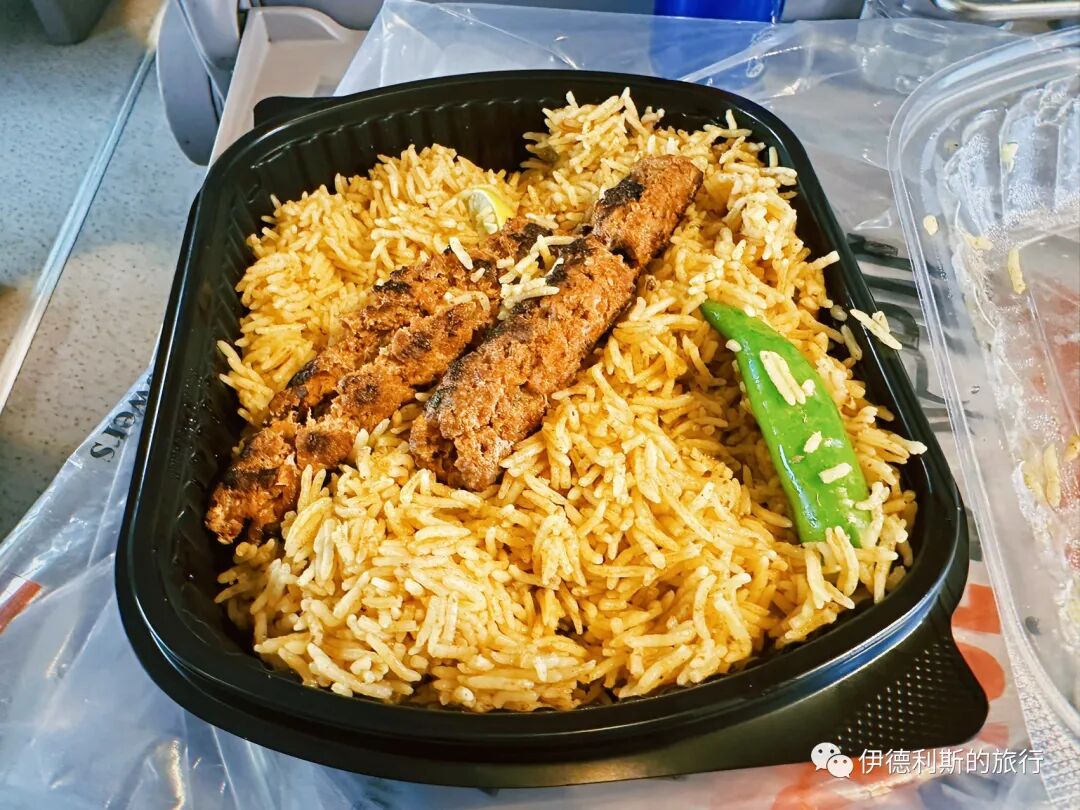
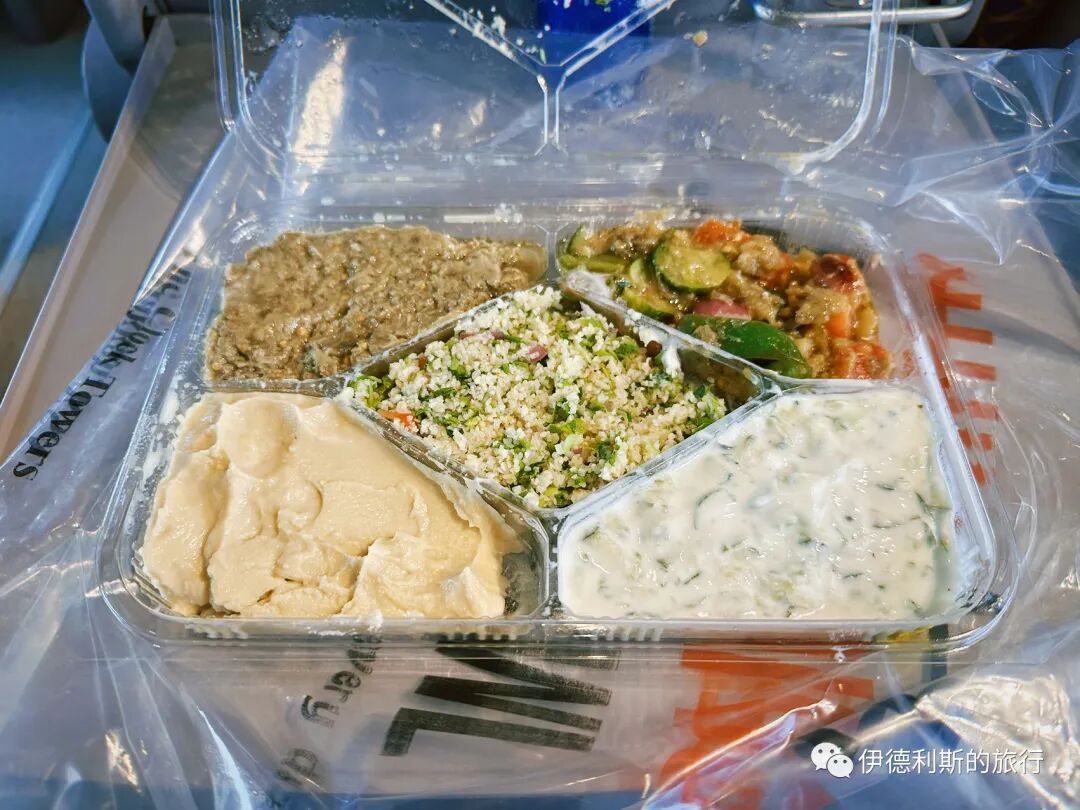
At noon, I prepared to leave by high-speed rail for Medina. I bought an appetizer platter and grilled meat with rice (pilaf) at the Clock Tower to pack and eat on the train. The high-speed rail connecting Makkah, Jeddah, and Medina opened in 2018. It takes about two hours to get from Makkah to Medina, which is currently the most convenient way to travel between the two holy cities. The boarding gate closes 10 minutes early. There were not many people on the high-speed train, and the air conditioning was very strong. I felt a bit uncomfortable after a while and had to stand in the area between the carriages for a bit to feel better.
Summary: Halal Travel Guide: 2023 Mankai Journey - Mosques, Food and Muslim Communities is presented here as a firsthand travel account in clear, natural English. The account focuses on Mankai Journey, Mosques, Halal Food while preserving the names, places, food, photos, and historical details from the Chinese source.
In August 2023, Saudi Arabian Airlines launched direct flights from Beijing to Jeddah. Their website offers a four-day stopover option that includes a transit visa and one night at a hotel. I immediately canceled my planned trip to Malaysia and changed my plans to a Hejaz trip for the end of October.
I took off from Beijing Daxing Airport at midnight for an 11-hour flight to Jeddah. This was the longest flight I have ever taken. Most people on the plane were transferring to Europe, with only a few traveling for Umrah. About 30 minutes before reaching the Miqat, there is an announcement on the plane reminding everyone to change into their ihram. I changed into my ihram and performed wudu in the restroom at the back of the plane. When I opened the door, there was a space for namaz with a curtain I could pull shut. This was my first time performing namaz on a plane.
The plane arrived at Jeddah Airport at 7:00 a.m. The exit was full of drivers trying to get passengers for Makkah, but we needed to drop our bags at the hotel provided by Saudi Arabian Airlines, so we took an Uber to the hotel first. My Uber was linked directly to my credit card, so I did not need to pay with cash. I want to remind my fellow Muslim friends (dostani) that the Uber pickup point is not in the parking lot directly in front of the exit. You need to go down to the first floor, head out, and turn left to find the designated Uber area.
The hotel check-in was supposed to be in the afternoon, but they let us check in as soon as we arrived in the morning. After getting settled, we grabbed our small shoe bag, travel prayer rug, prayer booklet, and prayer counter, then caught an Uber right outside the hotel to head to the Kaaba. There is actually a high-speed train between Jeddah and Makkah, but since there were three of us, we would have had to pay for taxis to and from the train station, so it was easier to just take a taxi the whole way. A quick tip for my fellow brothers and sisters (dostani): you cannot take an Uber around the Sacred Mosque (Masjid al-Haram). If you take a taxi, always agree on the price first and clarify if the rate is per person or the total price to avoid any arguments when you arrive.
We set our destination to the Clock Tower. After an hour-long drive, the driver dropped us off at the underground passage of the Clock Tower. We took the escalator up and came out right at the King Fahd Gate of the Sacred Mosque, which is Gate 79. The Sacred Mosque has many gates. Some only lead to prayer areas, while others only lead to the upper floors. If you are performing Umrah, the King Fahd Gate (Gate 79) is the best one to use.
Right outside the King Fahd Gate, there are separate washrooms for men and women. Since we had already performed wudu at the hotel, we went straight inside, walked through a prayer area, and headed directly to the courtyard where the Kaaba is located. You do not need to book Umrah on the Nusuk app, but men must be wearing their ihram (pilgrim garments) to enter the Kaaba courtyard through the King Fahd Gate. Those not wearing ihram must enter the Sacred Mosque through other gates.
Once you enter the courtyard, your first step is to find the Black Stone. Even though it is less crowded in the morning than at night because of the hot sun, it is still hard to get close to the Kaaba. The easiest way to find the Black Stone is to look for the Golden Door on the Kaaba; the Black Stone is at the bottom left corner of that door. Start at the Black Stone, uncover your right shoulder, and circle the Kaaba seven times. The crowd is thickest near the Station of Ibrahim, so dear friends (dostani), please stay safe. After you finish the circuits, cover your right shoulder again. There is a fenced-off area outside the Station of Ibrahim where you can pray two rak'ahs of namaz.
After finishing the circuits of the Kaaba, look for the signs for Masaa (the ritual running) and head east to the place where you walk between the two hills. The nearest entrance was under construction and closed, so we walked further south until we found the path to the area for the walk between the two hills. The entrances to the Sacred Mosque (Masjid al-Haram) often open and close based on how many people are there, so you may have to walk around if it gets too crowded.
Once you enter the area for the running, go to Mount Safa at the far south end to officially start your seven trips. The men start running when they see the green light strip on the ceiling, then go back to walking normally once the light strip ends. Since the walk takes a long time, you might lose track of how many laps you have done, so I recommend that fellow believers (dostani) bring a counter. We happened to catch the prayer time (peshin) while walking, and it was powerful to see everyone in the hallway doing namaz together before continuing the walk.
After finishing the walk, you need to shave your head to end the state of ihram. The barbers are in the underground passage on the west side of the Clock Tower, and you can choose between using clippers or a clean shave.
You do not need to buy water in advance for Umrah because Zamzam water is everywhere inside the Sacred Mosque (Masjid al-Haram) for you to drink. They have both room temperature and ice water, and they even thoughtfully posted the etiquette for drinking Zamzam water in several languages, including Chinese.
After finishing the Umrah rituals, we had lunch in the Clock Tower across from the Sacred Mosque. There are two food courts inside the Clock Tower. We went to the one on the 4th floor of the west building first, which is a bit smaller than the one in the center of the Clock Tower. The food court mainly serves popular Middle Eastern fast food. There are not many tables and chairs, so most people buy their food to go. We ate lamb rice (mandi) and grilled fish. Both tasted good, but the portions were huge! One order was enough for the three of us. Mandi rice comes from Yemen and is the most popular staple food across the Arabian Peninsula. Mandi is mainly seasoned with a spice blend called Hawaij, which is made from cumin, black pepper, turmeric, cardamom, and other spices.
This place is the former home of the first Rashidun Caliph, Abu Bakr, and the starting point of the Prophet's migration (Hijra) from Mecca to Medina. In 622 AD, when the Prophet decided to migrate following Allah's command, he arrived at Abu Bakr's house at noon to tell him he would be joining the journey. Abu Bakr shed tears of joy and wanted to give the Prophet a camel. The Prophet insisted on paying for it, so Abu Bakr had to accept the money. That evening, the Prophet Muhammad came to Abu Bakr's house again. He led Abu Bakr to leave Makkah in a hurry and start their migration journey.
We entered the Sacred Mosque (Masjid al-Haram) around 5:00 PM. Because the temperature had dropped, there were many more people than in the morning. The entrances to the central courtyard of the Kaaba were already closed, so we had to walk a long way around the outer corridor to circle it. We performed the sunset prayer (Maghrib) on the upper floor of the corridor. The side of the corridor near the courtyard was blocked off, making it hard to see the Kaaba directly.
After Maghrib, it took us a long time to find an exit from the mosque. We went back to our hotel in the Clock Tower to rest for a bit, then went to the prayer hall on the P9 floor of the Clock Tower to perform the night prayer (Isha). We followed the congregation (jama'ah) from the Sacred Mosque here, and the reward for performing the prayer (namaz) is the same as doing it inside the mosque. From the windows of the prayer hall, you can see the Sacred Mosque packed with people at night.
The Saudi authorities built the Clock Tower itself in 2002 after they demolished the Ajyad Fortress, which was built by the Ottoman Empire in 1780, and leveled the Bulbul mountain where the fortress stood. The demolition of the Ajyad Fortress caused a huge protest. The Turkish Ministry of Culture and Tourism compared this act to the destruction of the Bamiyan Buddhas. King Fahd of Saudi Arabia ordered the castle to be torn down and promised to rebuild it, but more than 20 years have passed and there is still no news.
After passing Hufu Beach, we had dinner at the food court on the fourth floor of the Clock Tower building. It mainly serves Arab fast food like shawarma (kaoroujuan) and rice dishes (menfan), as well as South Asian curry and various fried chicken and burger spots. There are international chains like Burger King and McDonald's, along with some local brands. We drank a mango milkshake and ate a beef burger. The milkshake was quite sweet, which is very typical of South Asian style, and the burger felt a bit inferior compared to Burger King.
The supermarket inside the Clock Tower building is where pilgrims (Hajis) do their daily shopping. You can buy traditional Arab yogurt drink (Leben) inside, which is a beverage made by fermenting milk for a whole day and then stirring it to remove the butter. You can also buy freshly squeezed guava juice.
At dawn, the Sacred Mosque (Masjid al-Haram) was brightly lit and packed with people; it was impossible to squeeze into the core area. We followed the crowd and were directed to the rooftop. The spots with prayer rugs were already full, so we sat right on the marble floor. I reminded my fellow believers (dostani) that it is best to bring a travel prayer rug when visiting the Sacred Mosque (Masjid al-Haram).
I truly felt the power of faith (imani) here, where believers (dostani) from all over the world gather because of their faith (imani). I used to always make the intention (niyyah) to face the Kaaba, but this time I was finally there in person facing it. The emotion is hard to put into words.
After the dawn prayer (fajr), we went back to the hotel for breakfast. We stayed at the Movenpick Hotel in the Clock Tower, where many Hajj groups stay. Although it is very close to the Sacred Mosque (Masjid al-Haram), the elevators are a hassle because you have to switch them halfway. Also, the hotel entrance is a no-go zone for UBER, so you have to hail a taxi yourself.
The hotel breakfast is quite rich, with highlights like the Egyptian fava bean stew (ful medames) and deep-fried chickpea balls (falafel). Ful medames is a fava bean stew that dates back to ancient Egypt. It is seasoned with olive oil and cumin, and you can add your own toppings like parsley, garlic, onion, lemon juice, and chili. Egyptian falafel is made from fried fava beans, while in the Levant region, it is mostly made from chickpeas. Sometimes the inside of a falafel is green because parsley and green onions were added during the grinding process.
After breakfast, we took a taxi to climb the Mountain of Light (Jabal al-Nour). Before receiving revelation, the Prophet would retreat to the Cave of Hira on the Mountain of Light for one month of meditation every year. In 610 AD, the Archangel Jibril appeared in the Cave of Hira and revealed the first five verses of the Chapter of the Clot to the 40-year-old Prophet, marking the beginning of his mission.
The trail up the Mountain of Light is quite steep. We started climbing at 7:43 AM and reached the summit at 8:31 AM. Although the morning sun was softer than in the afternoon, I was still sweating heavily and drank several bottles of water. Because there were too many people inside the Cave of Hira, we performed our two-rak'ah namaz on the platform at the summit for safety.
There are several lemonade stalls along the mountain road of Mount Guangming where you can take a break. Drinking lemonade with masala spices added is a great way to rehydrate.
At noon, I prepared to leave by high-speed rail for Medina. I bought an appetizer platter and grilled meat with rice (pilaf) at the Clock Tower to pack and eat on the train. The high-speed rail connecting Makkah, Jeddah, and Medina opened in 2018. It takes about two hours to get from Makkah to Medina, which is currently the most convenient way to travel between the two holy cities. The boarding gate closes 10 minutes early. There were not many people on the high-speed train, and the air conditioning was very strong. I felt a bit uncomfortable after a while and had to stand in the area between the carriages for a bit to feel better.
