
Halal Travel Guide: Fuzhou - Jumu'ah, Fuzhou Mosque and Song-Yuan Stone Inscriptions
Reposted from the web
Summary: Halal Travel Guide: Fuzhou - Jumu'ah, Fuzhou Mosque and Song-Yuan Stone Inscriptions is presented here as a firsthand travel account in clear, natural English. The account focuses on Fuzhou, Fuzhou Mosque, Islamic Heritage while preserving the names, places, food, photos, and historical details from the Chinese source.
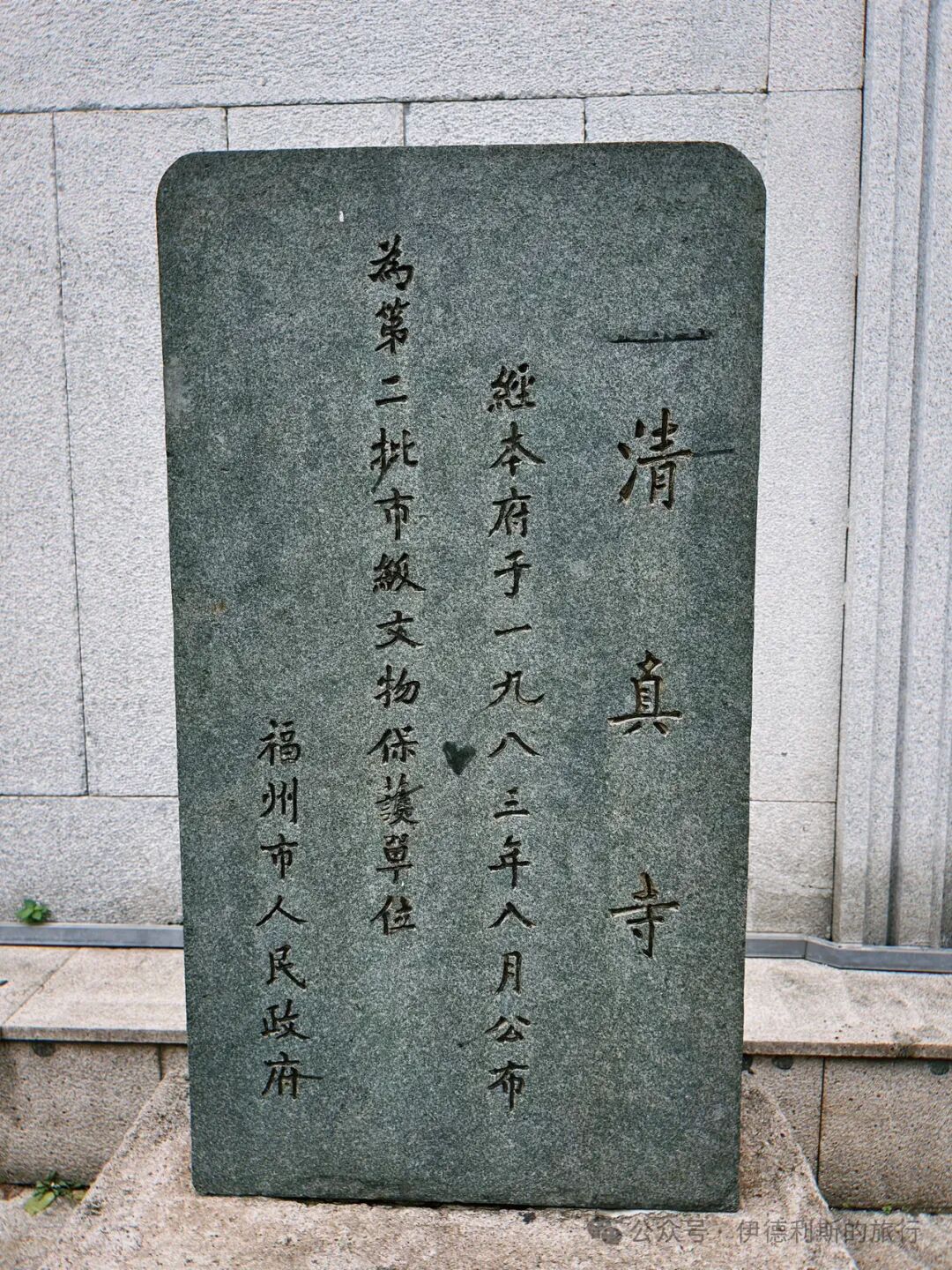
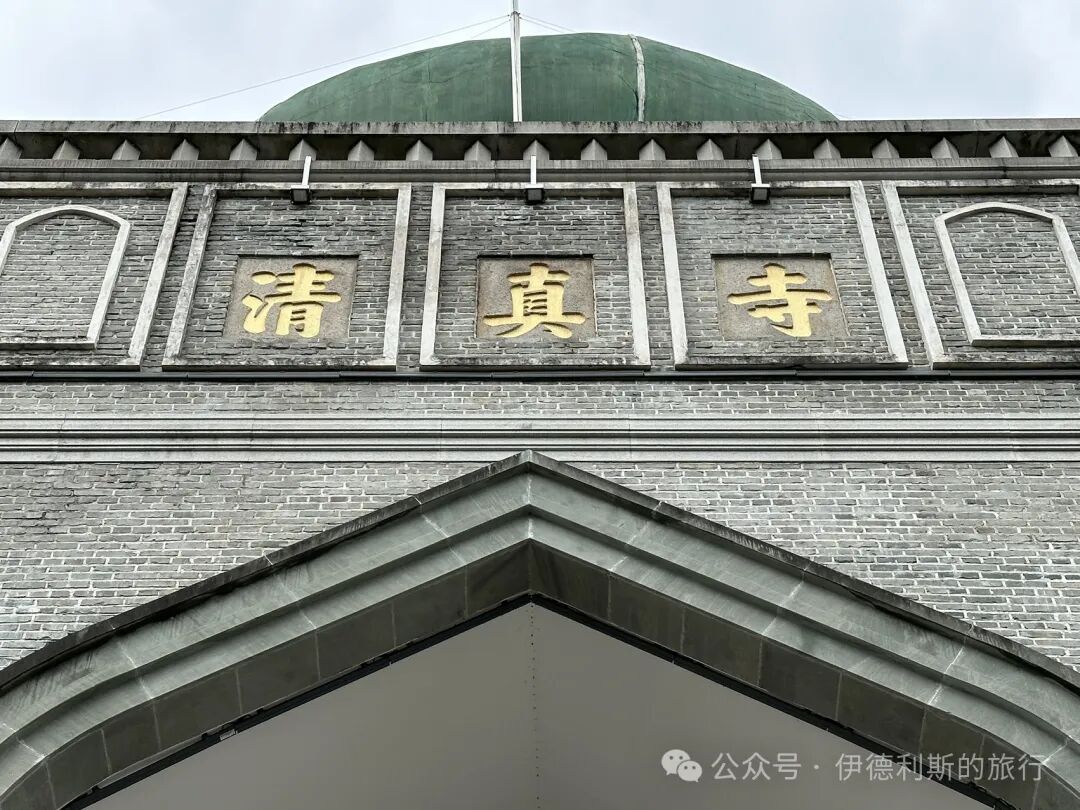
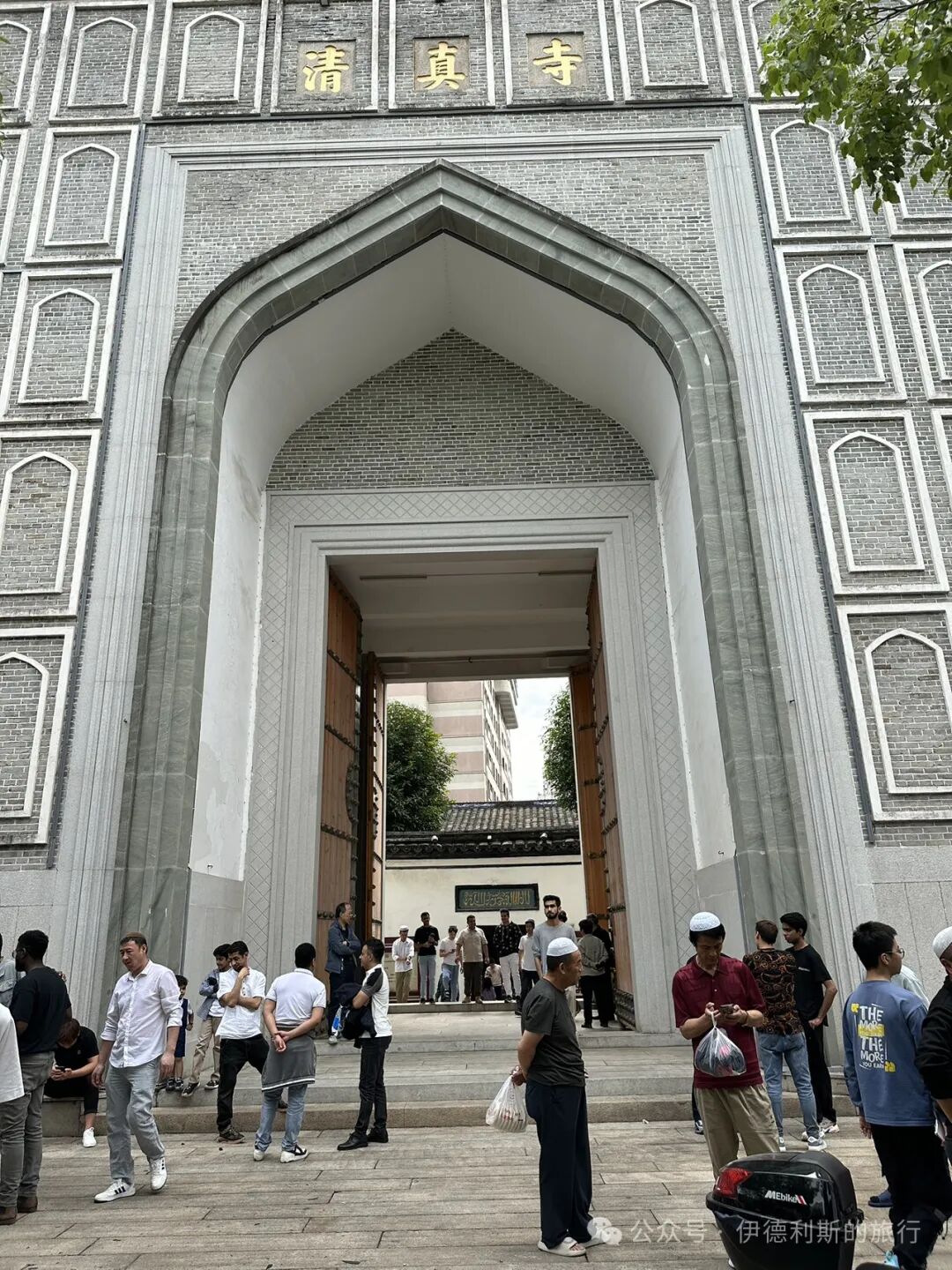
On May 3, I started my morning by visiting the Fuzhou Mosque located at Nanmendou.
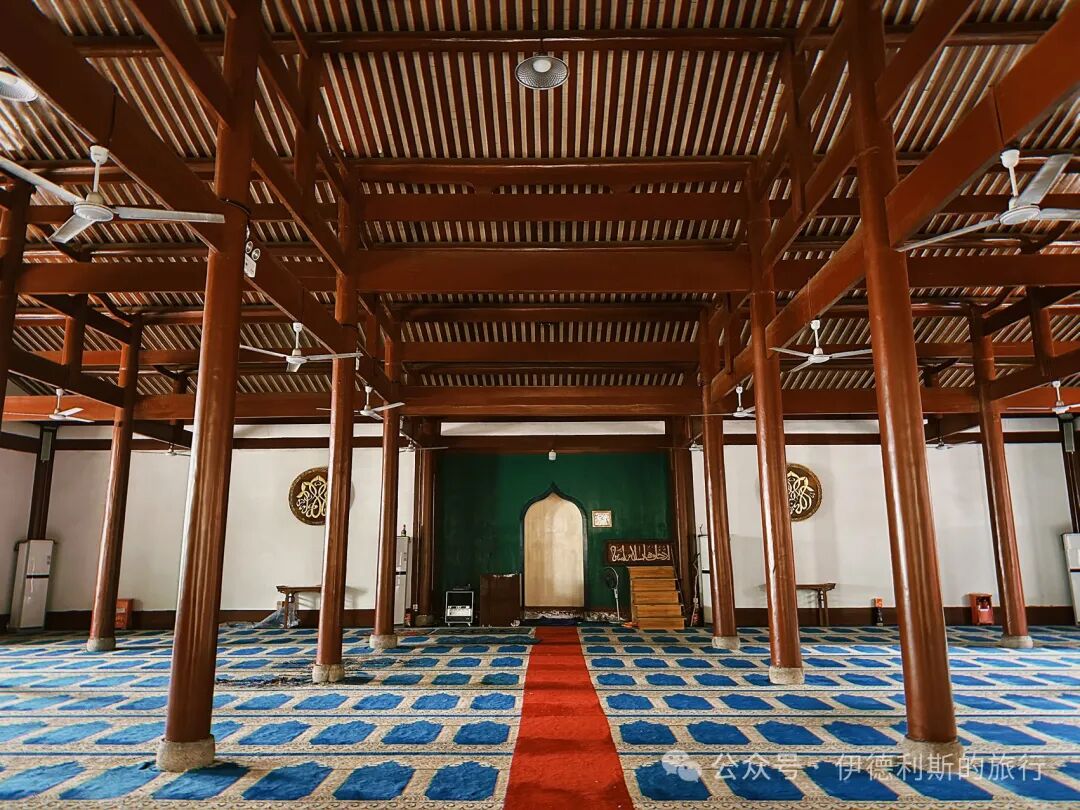
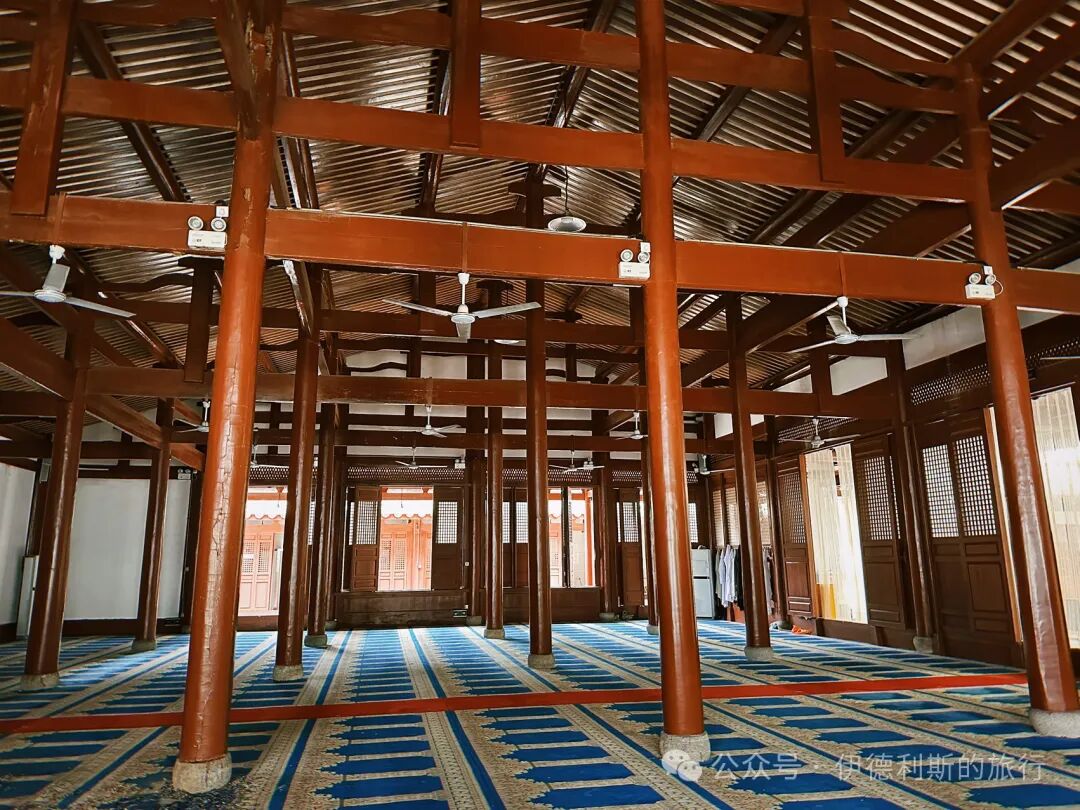
During the Five Dynasties period, the site of the Fuzhou Mosque was originally the Taiping Palace of Min King Wang Jipeng. After Wang Jipeng took the throne in 936 (the first year of the Tianfu era of the Later Jin dynasty), it was renamed Wanshou Mosque, and later it became a mosque. In the early years of the Zhizheng era of the Yuan dynasty, the Censor Zhang Xiaosi donated funds for its renovation. It was destroyed by fire in 1541 (the 20th year of the Jiajing era). Ge Wenming, a descendant of the envoy Ge Buman from the Guli Kingdom (the Calicut Kingdom on the southwest corner of the Indian peninsula), led the reconstruction, which was completed in 1549 (the 28th year of the Jiajing era). The main hall of the mosque was originally shaped like the Chinese character 'Hui'. After part of it collapsed in 1955, it could not be repaired, so it was reduced to a 'Gong' shape in 1956. During the 2013 renovation, it was restored to its original 'Hui' shape.
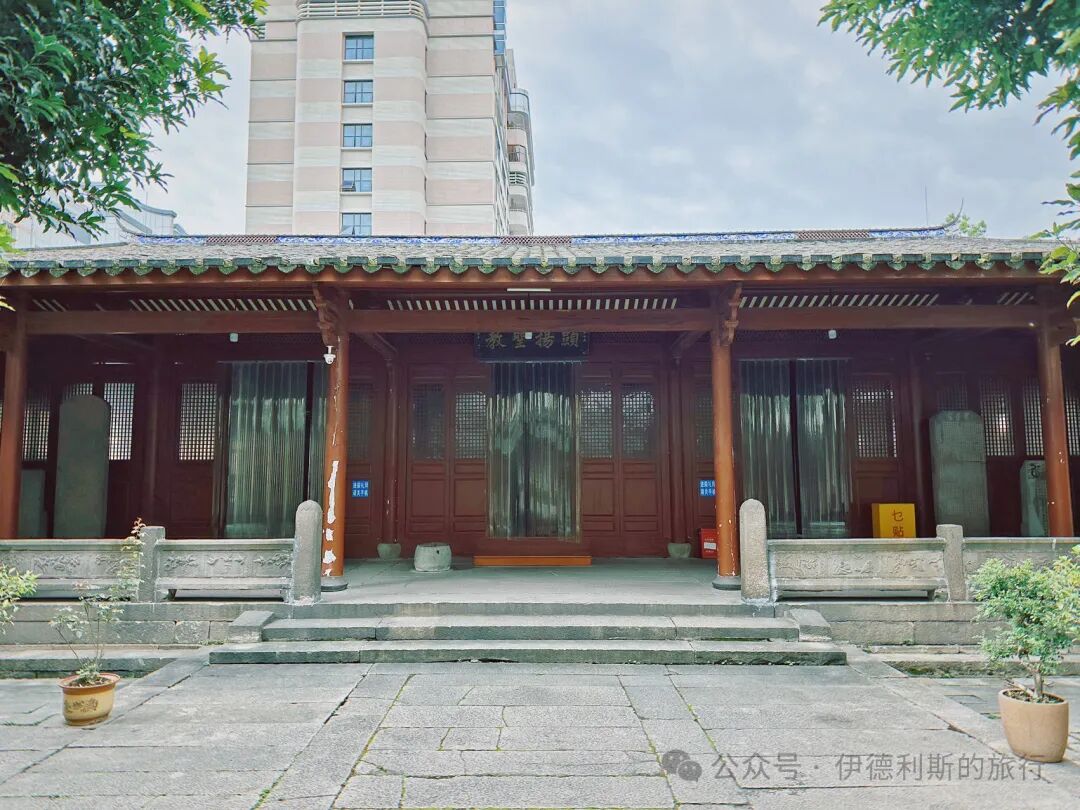
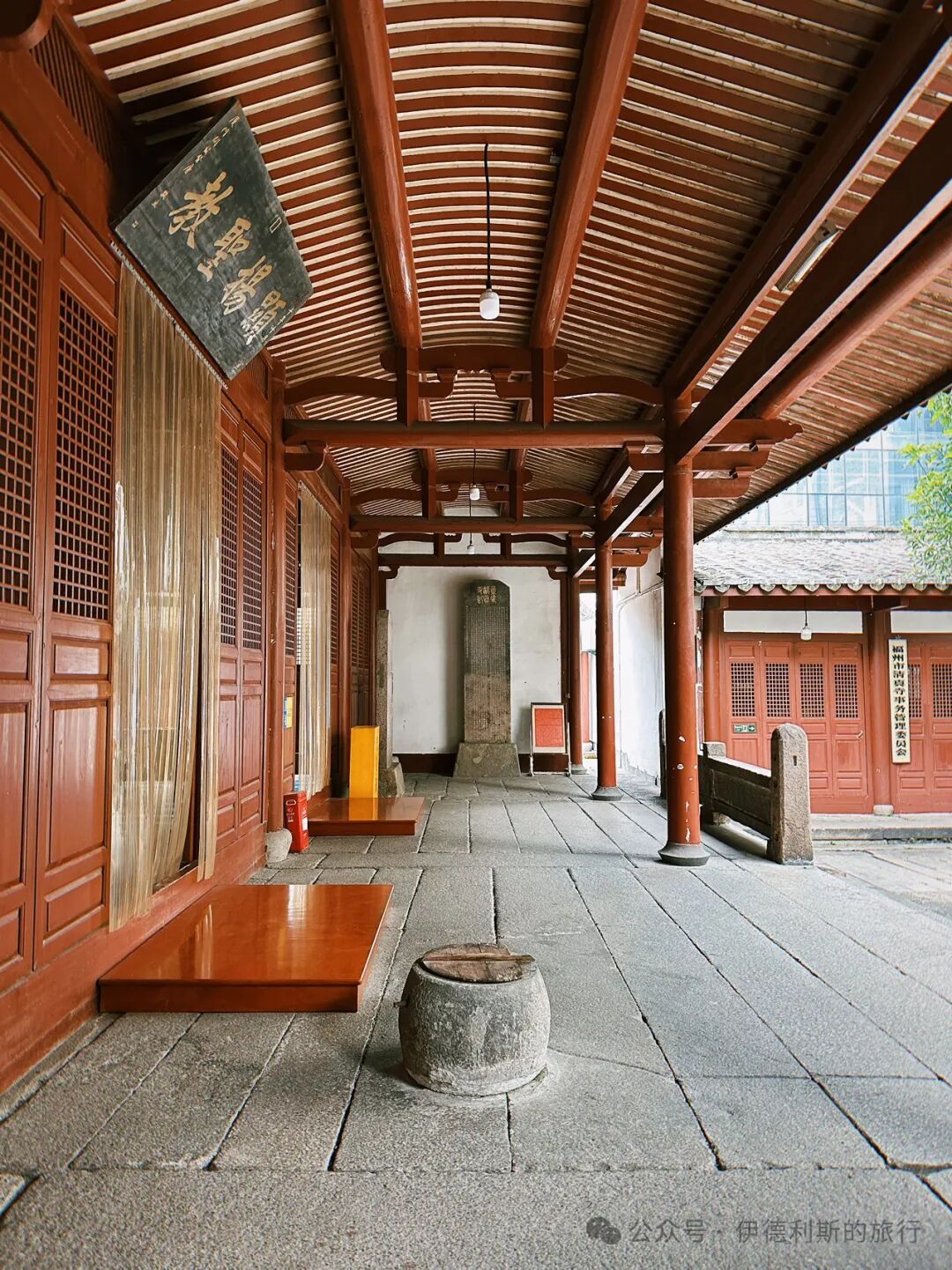
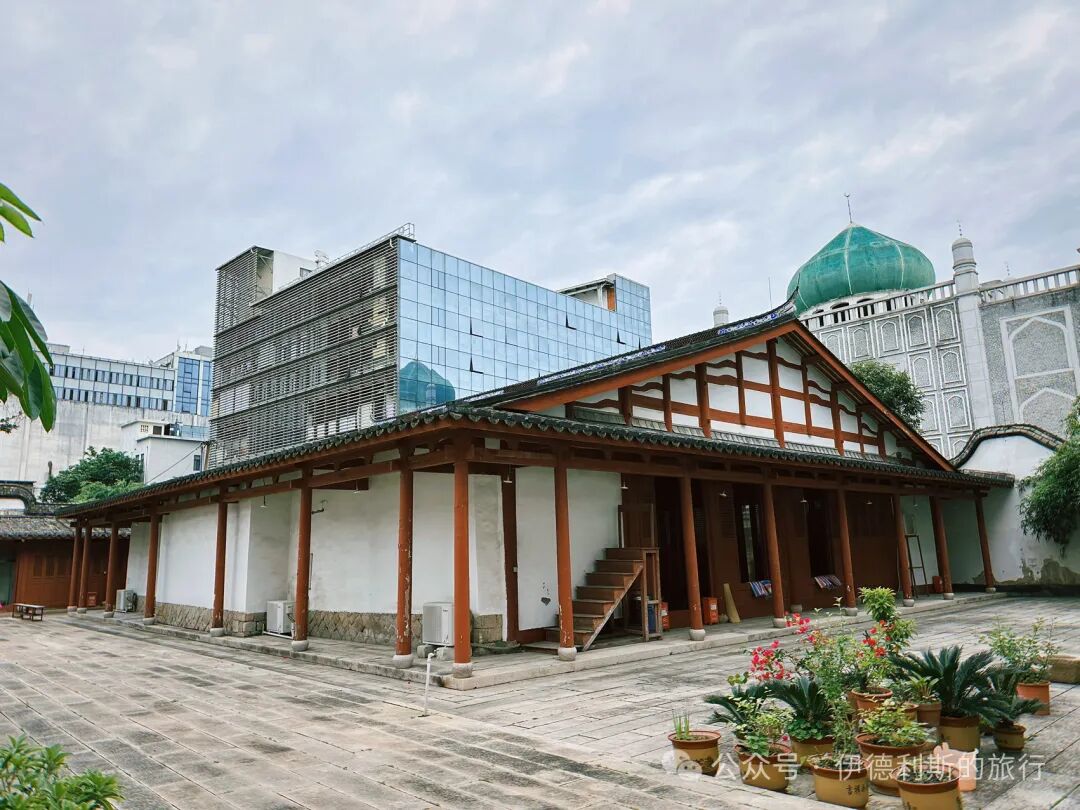
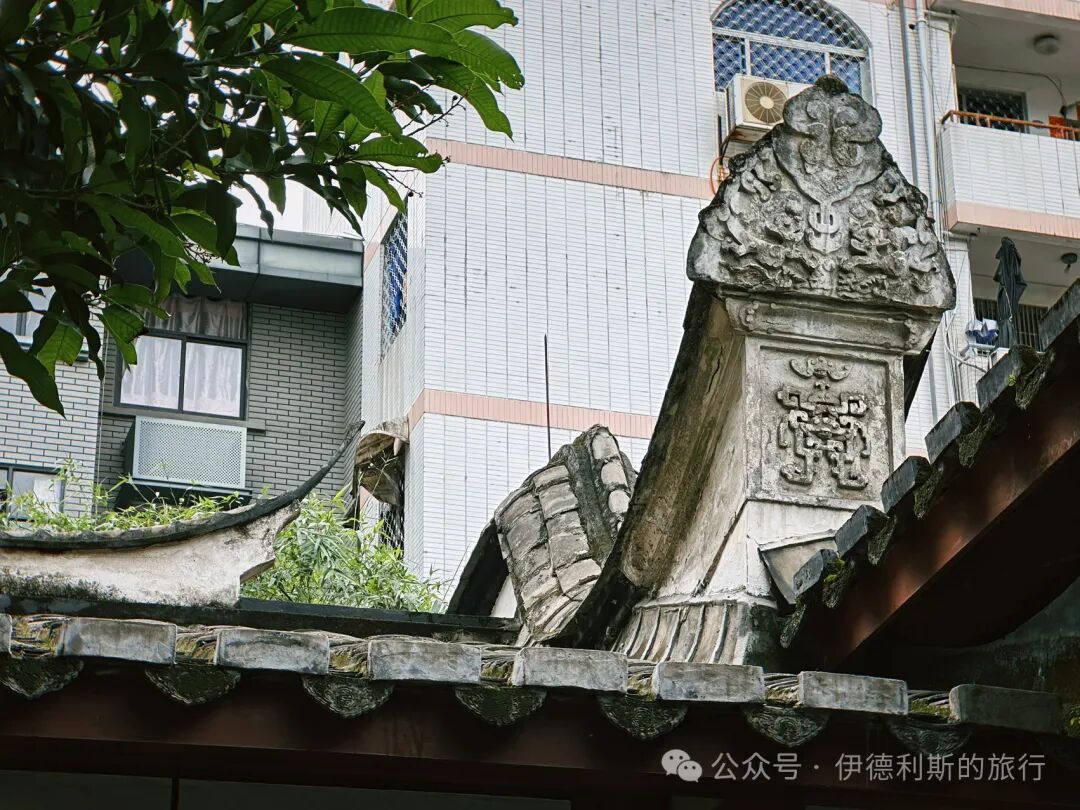
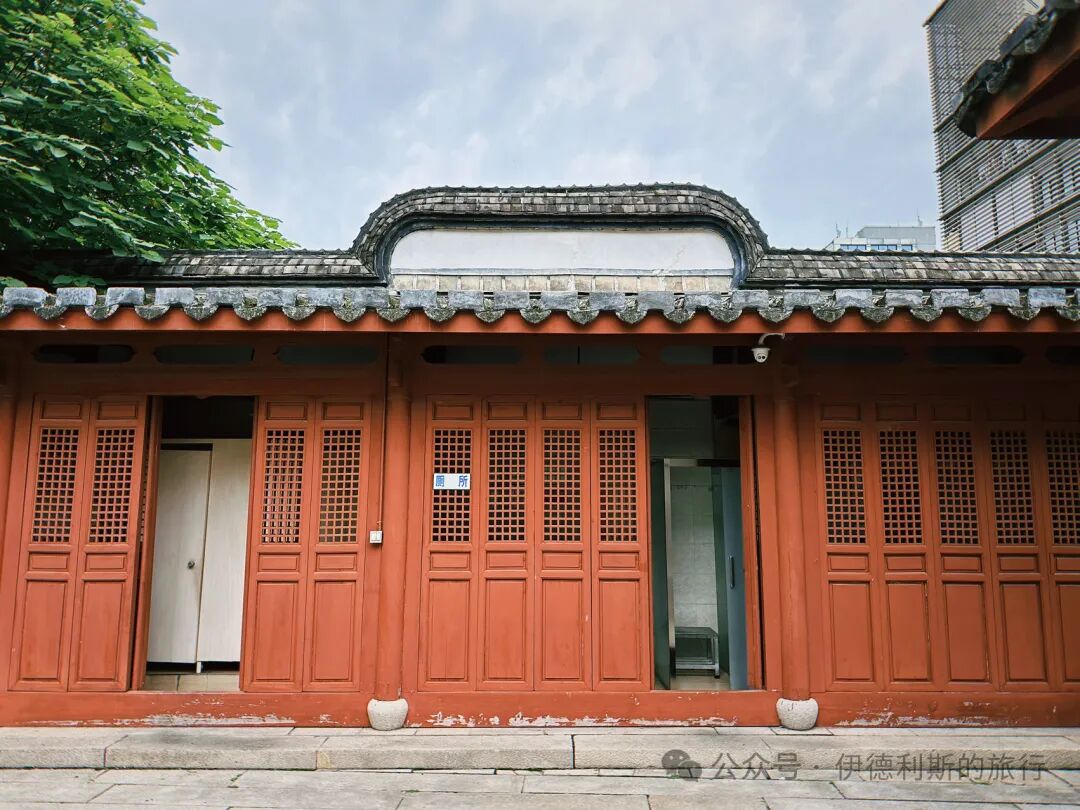
The north and south side halls flanking the main hall feature typical traditional Fuzhou architecture, with saddle-shaped firewalls and clay sculptures of various traditional patterns on the upturned eaves.
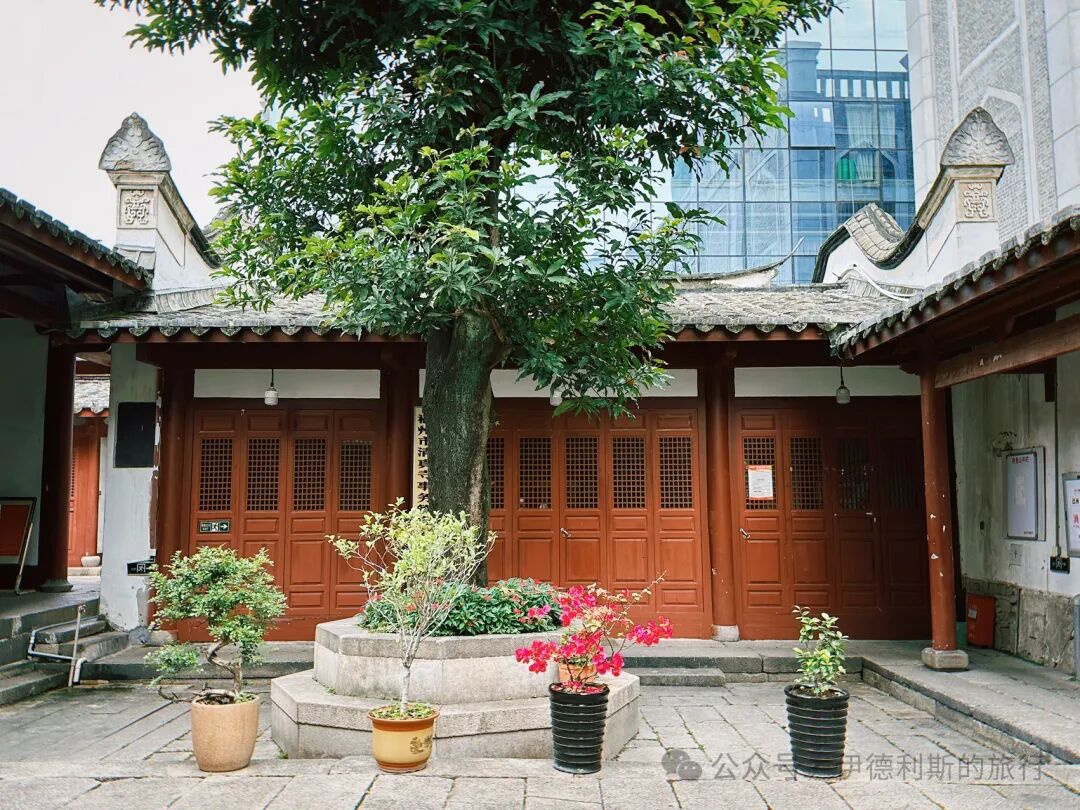
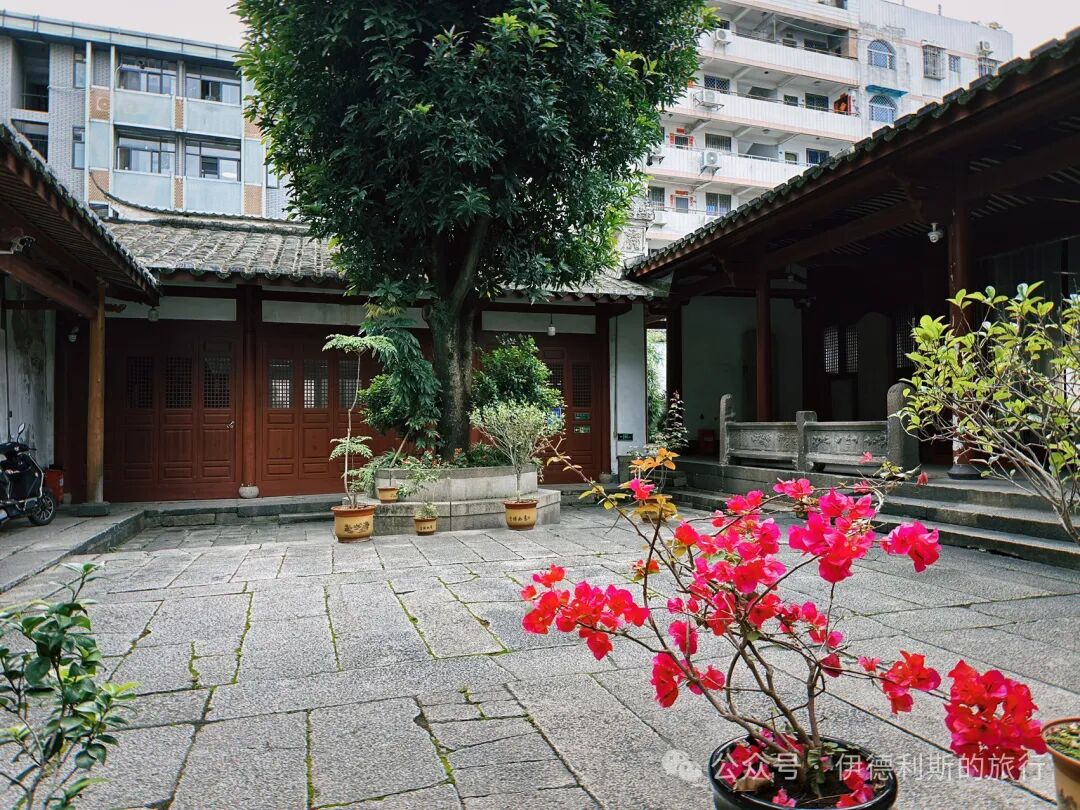
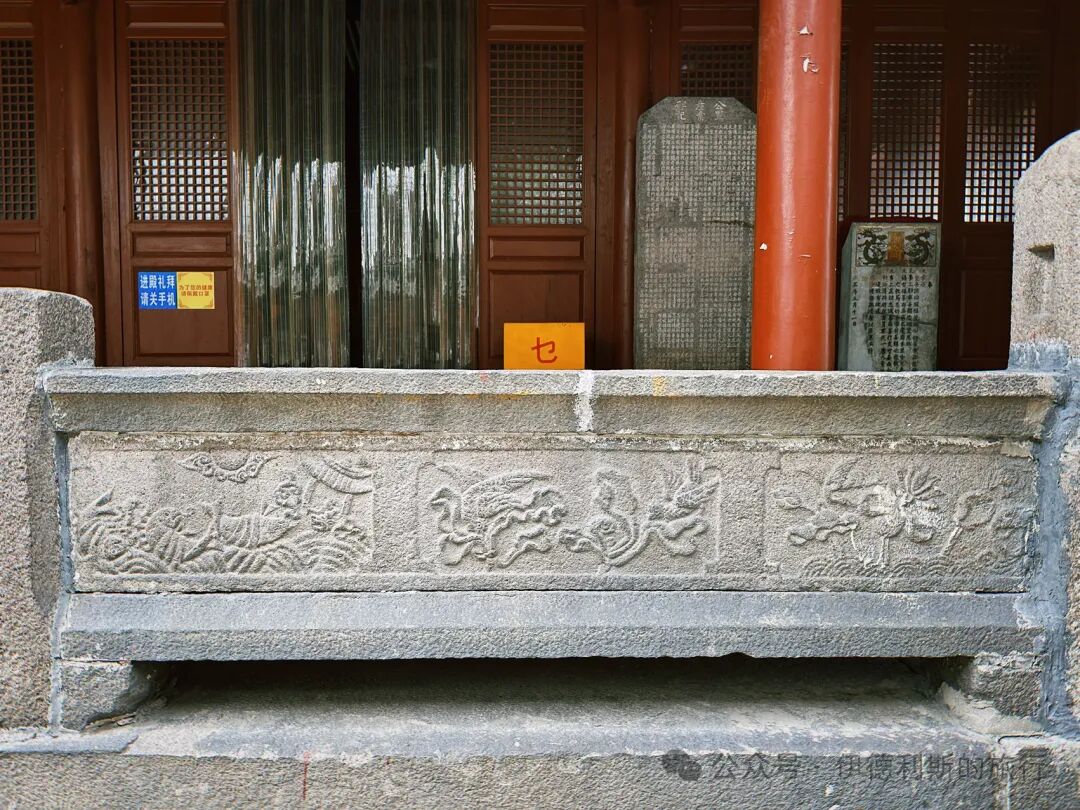
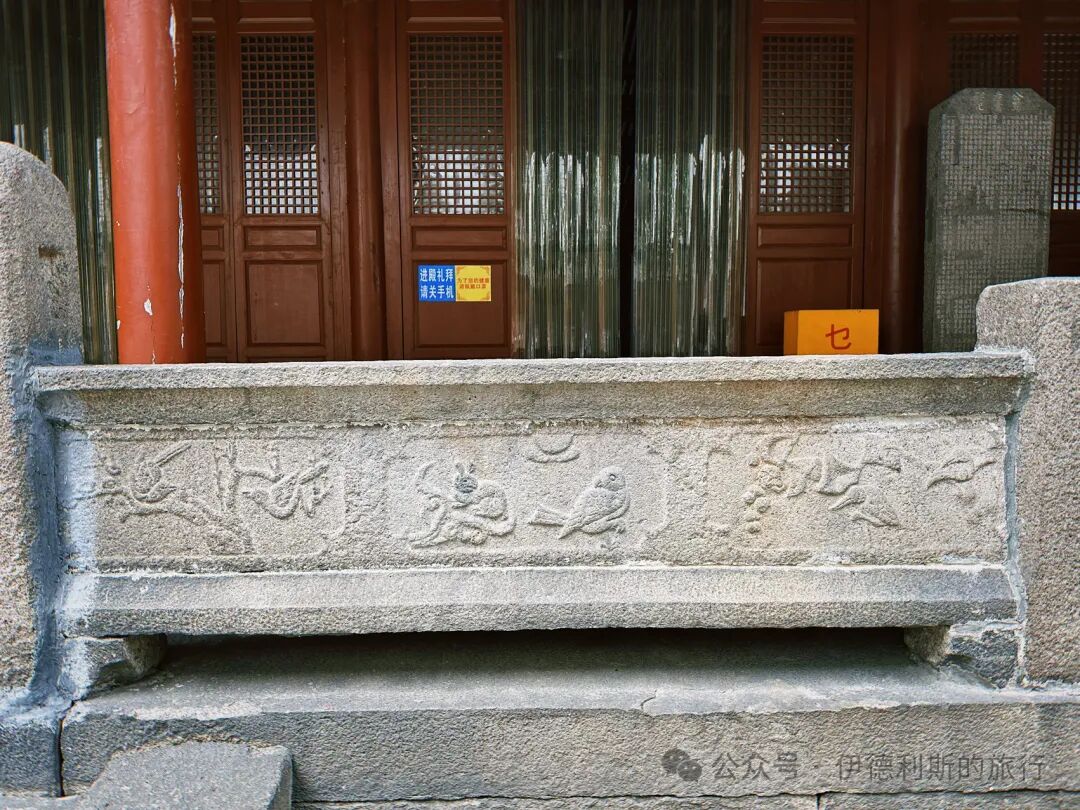
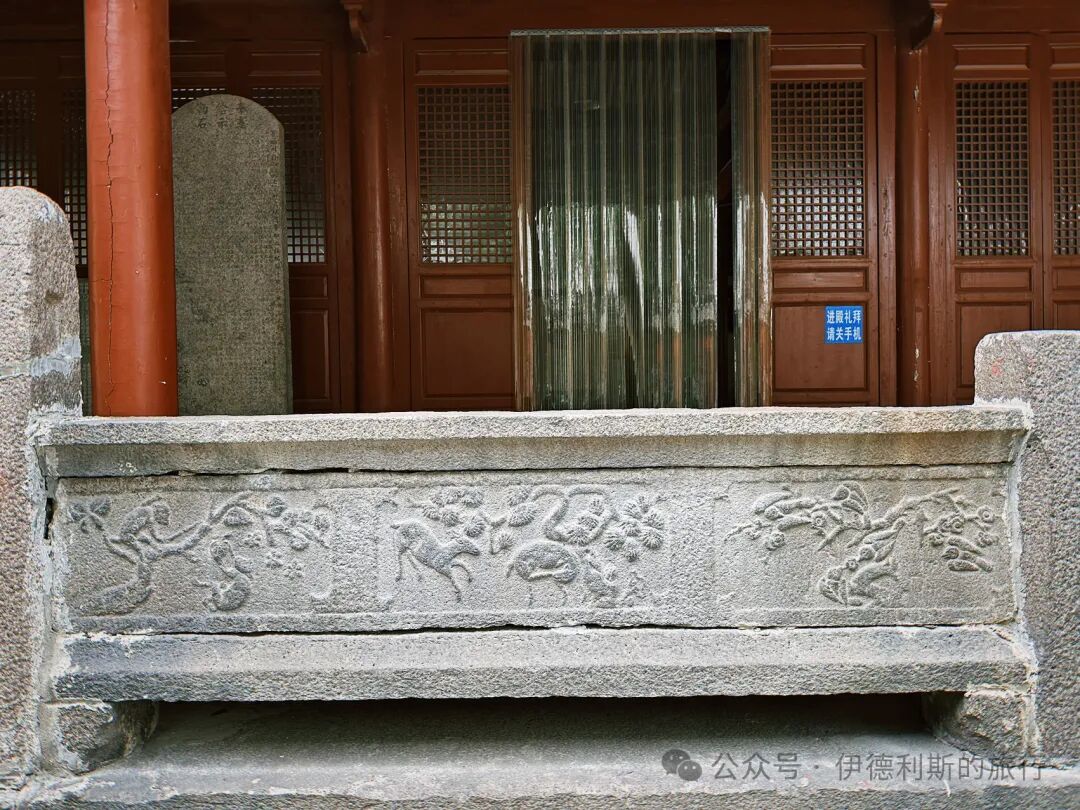
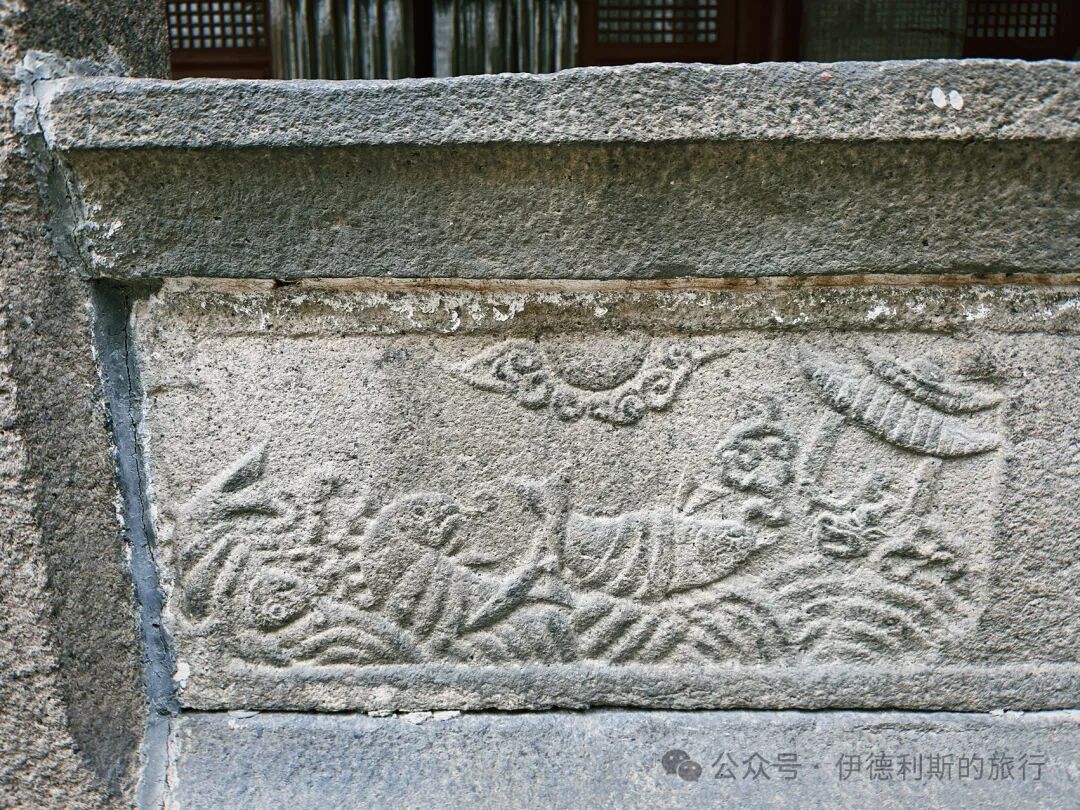
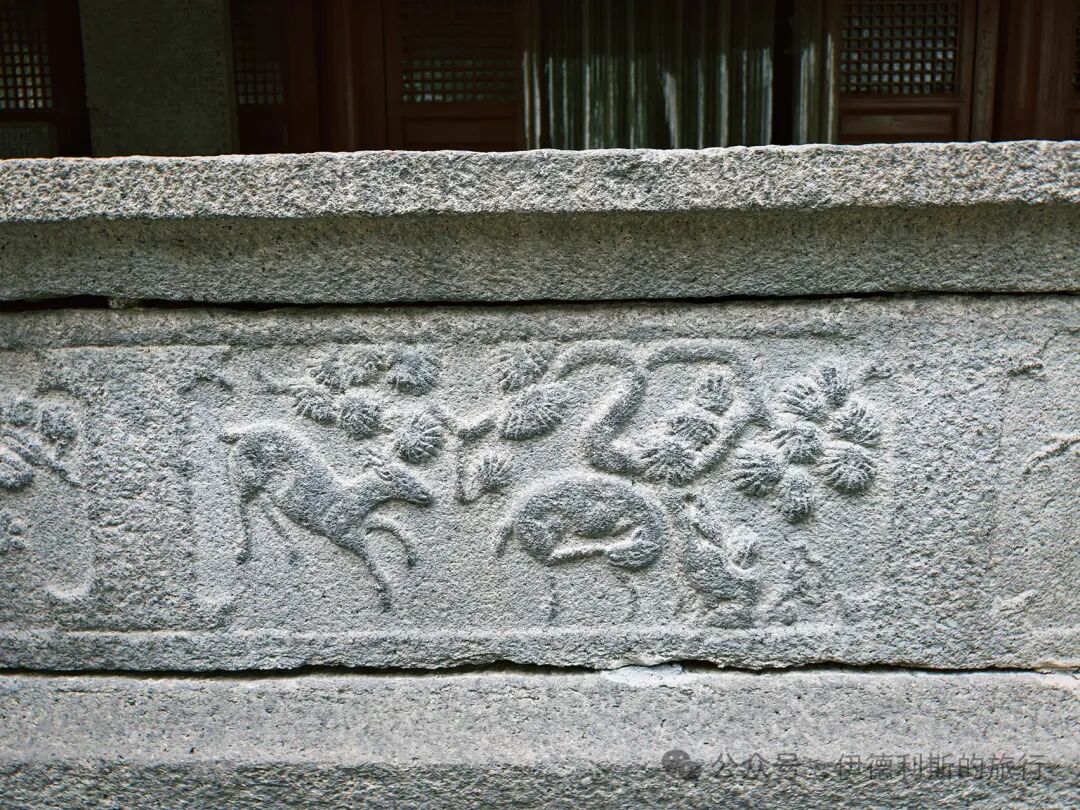
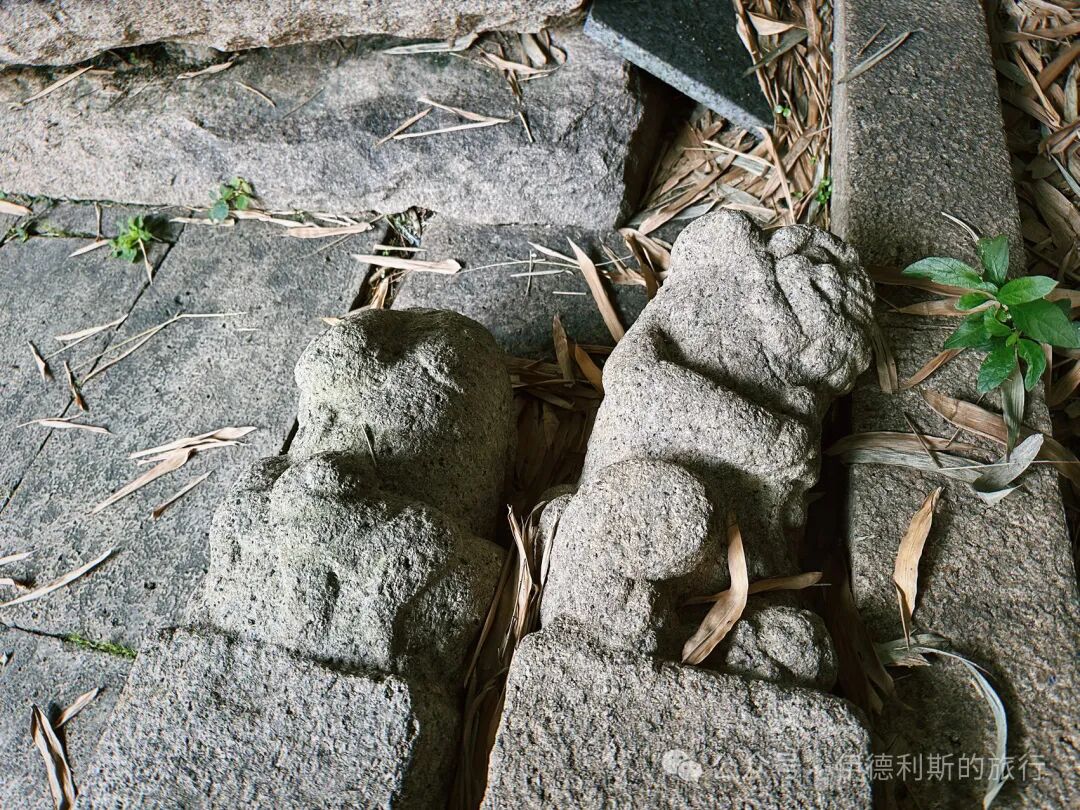
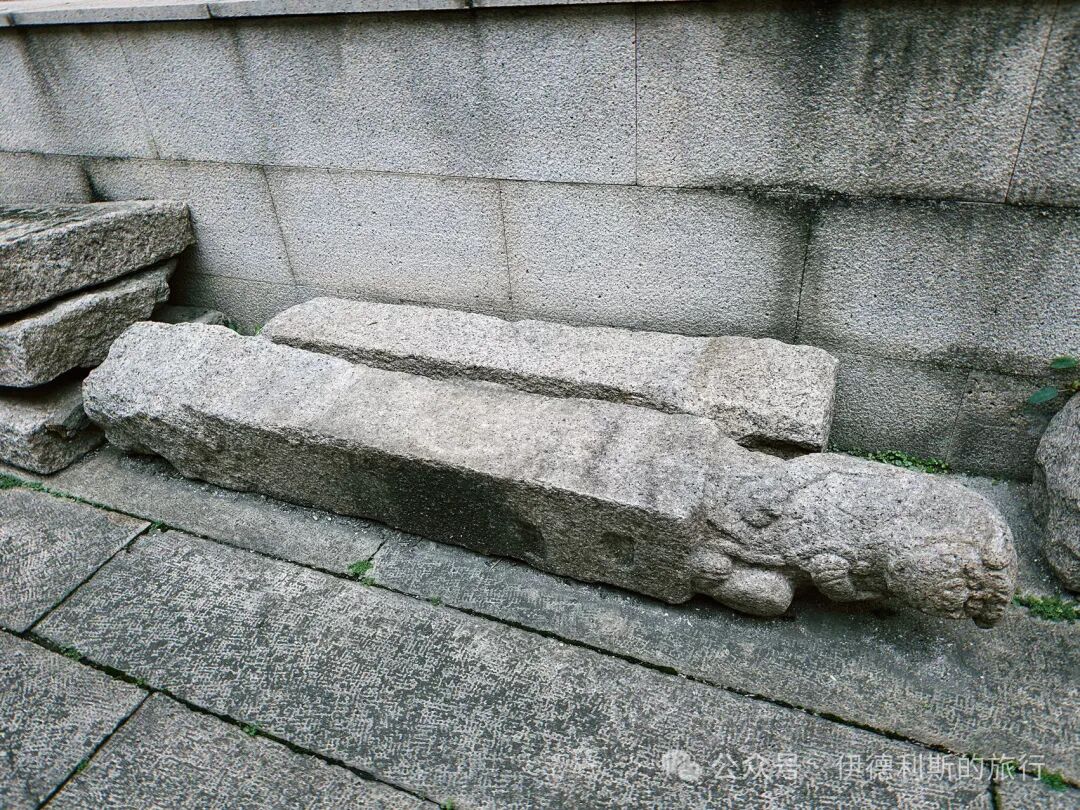
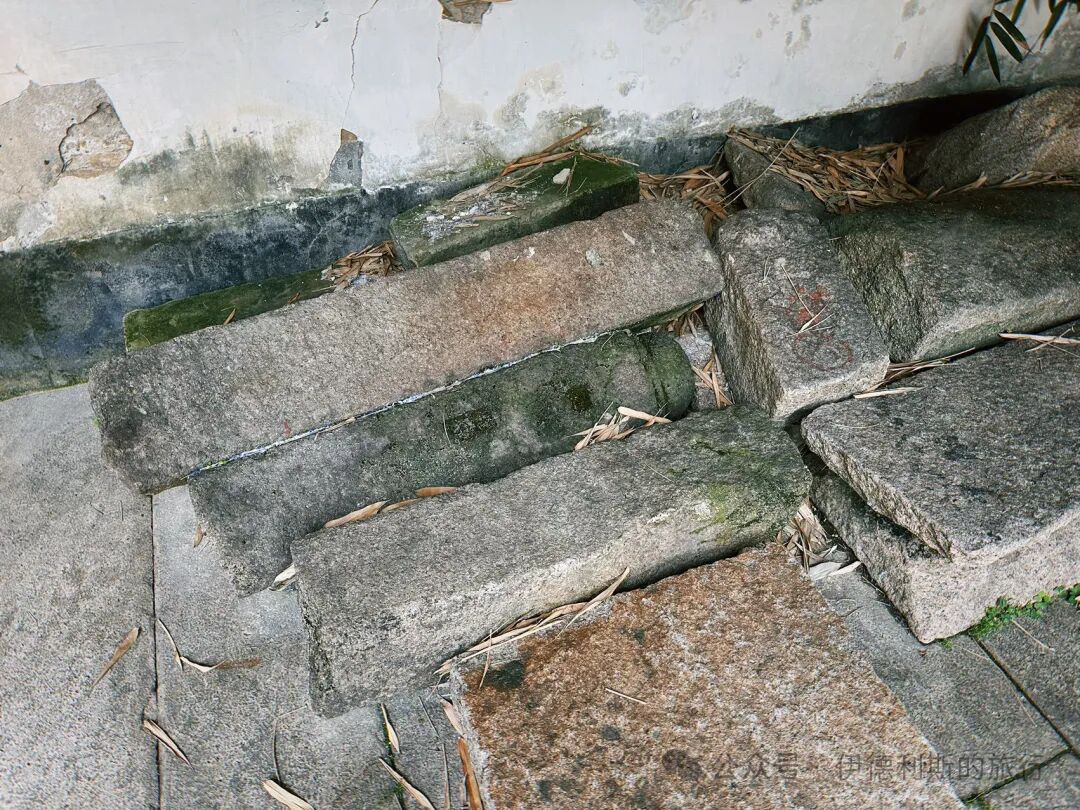
The Fuzhou Mosque houses many cultural relics. The oldest ones are likely the stone railings from the Song dynasty Wanshou Mosque, which feature various traditional stone carvings. some stone railing components are scattered around the courtyard, some of which are carved with stone lions.
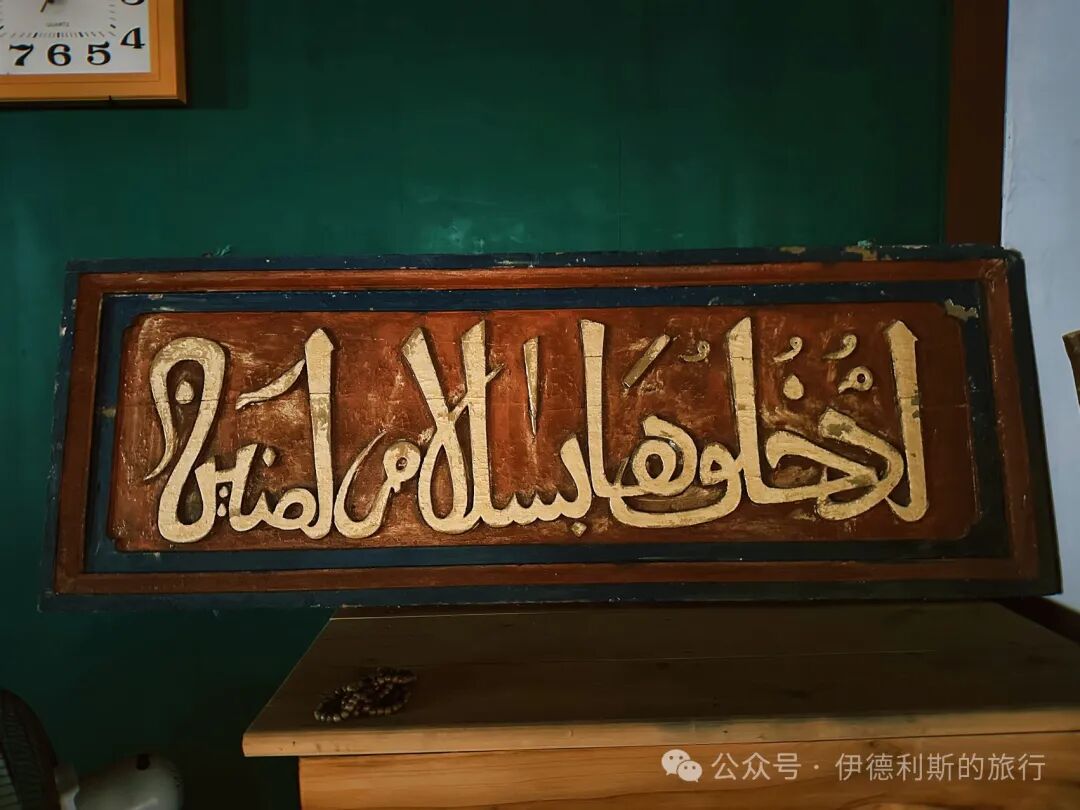
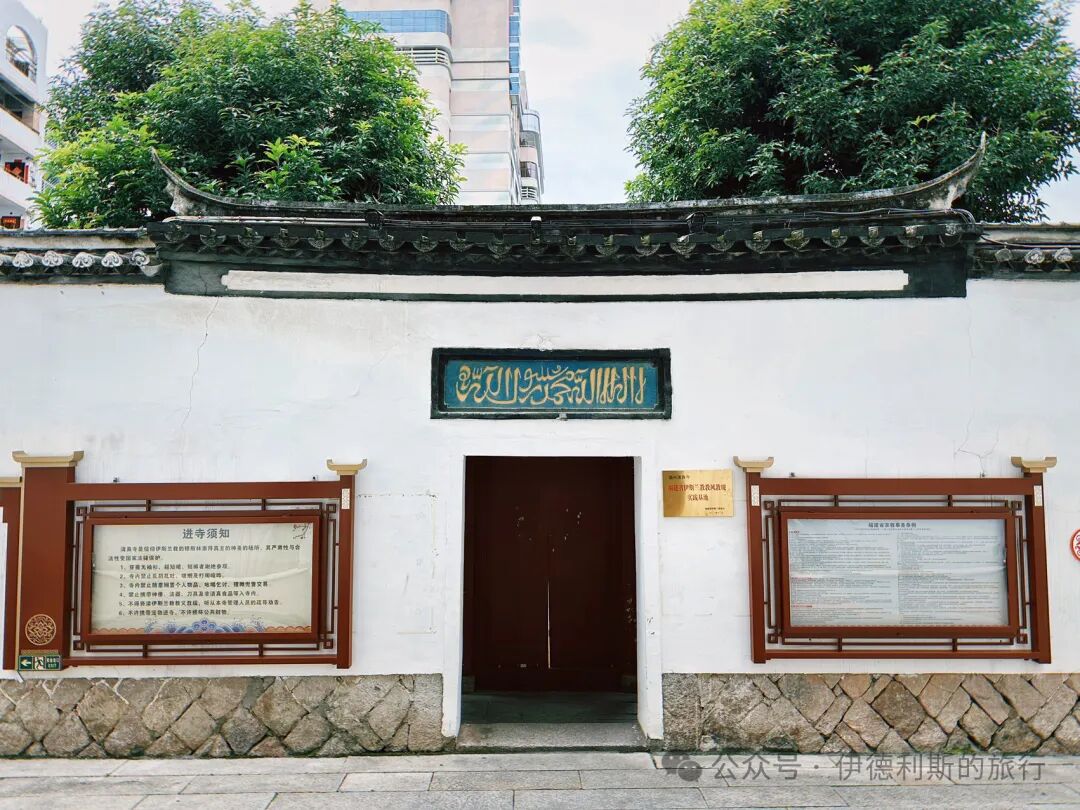
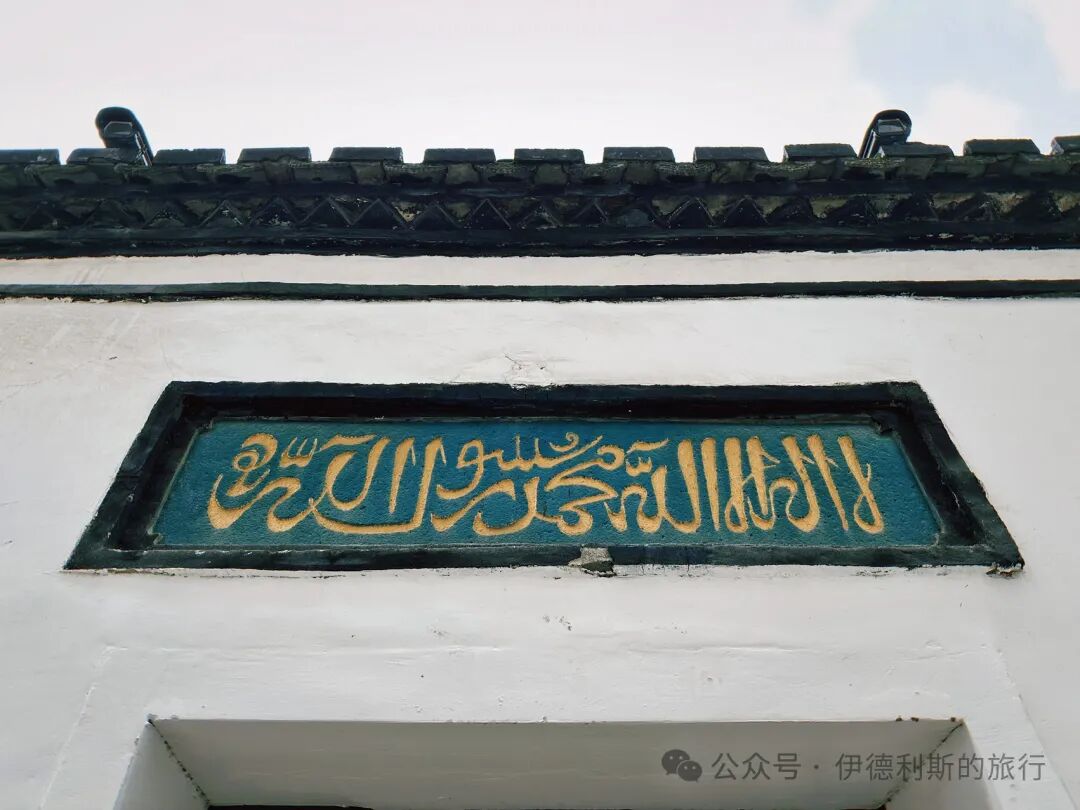
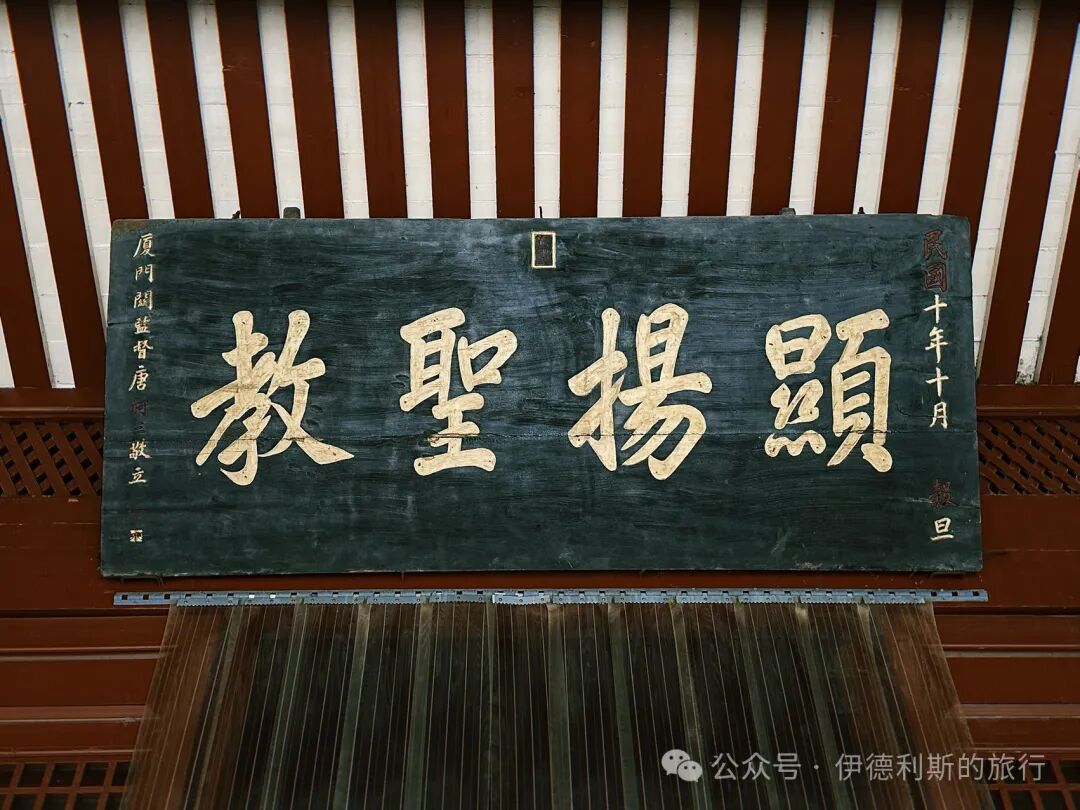
The collection includes a plaque with scripture that originally hung above the mihrab, a plaque with the Shahada that originally hung above the main gate, and a 'Xianyang Shengjiao' (Promoting the Holy Religion) plaque erected in 1921 by Tang Kesan, the supervisor of the Xiamen Customs. After Tang Kesan became the director of the Xiamen Customs in 1919, he worked hard to revive the faith in Fujian. He donated significant funds to the Fuzhou Mosque, Xiamen Mosque, and Quanzhou Qingjing Mosque, and he encouraged the descendants of local scripture readers to return to the faith and serve in the mosques.
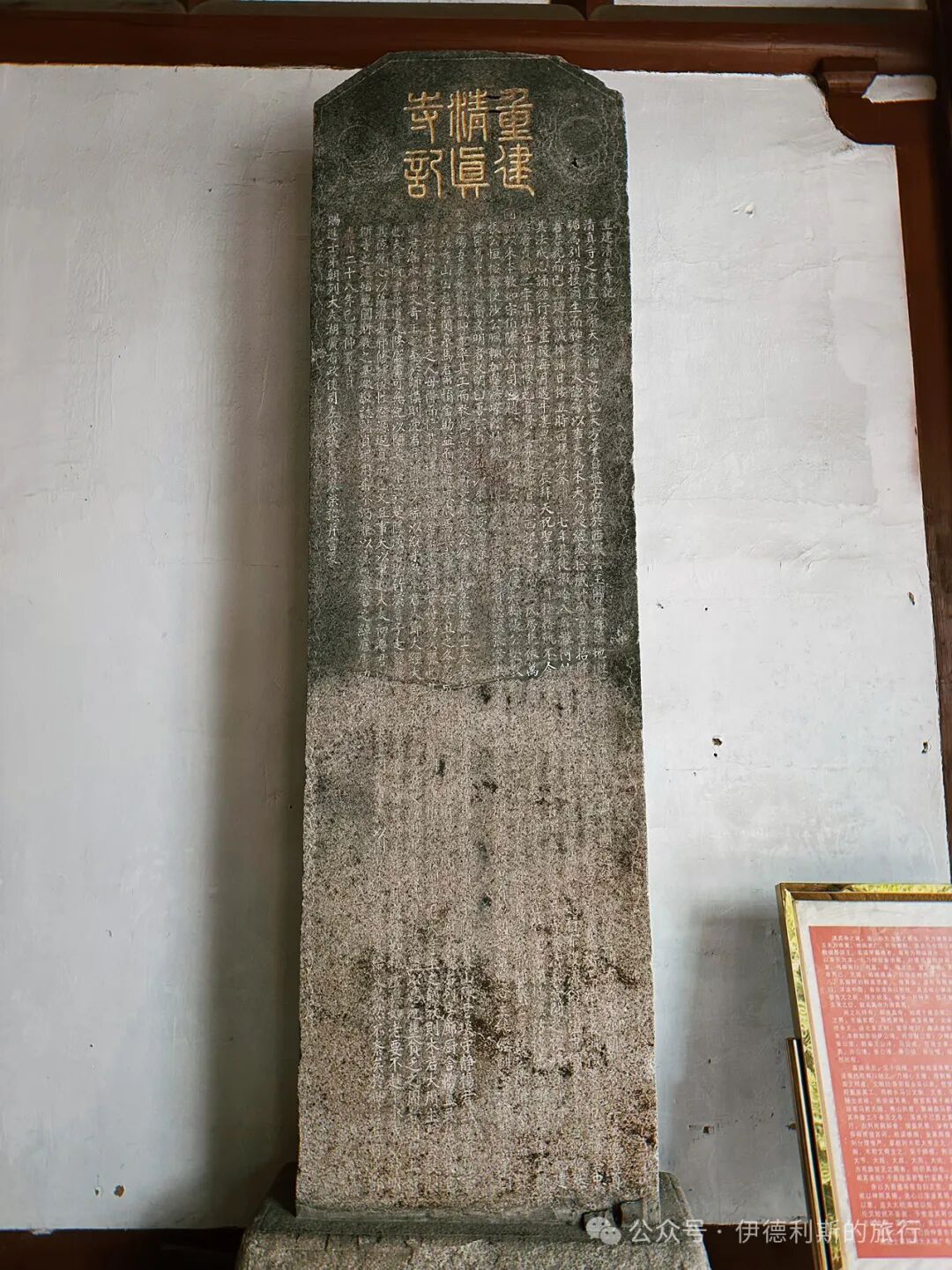
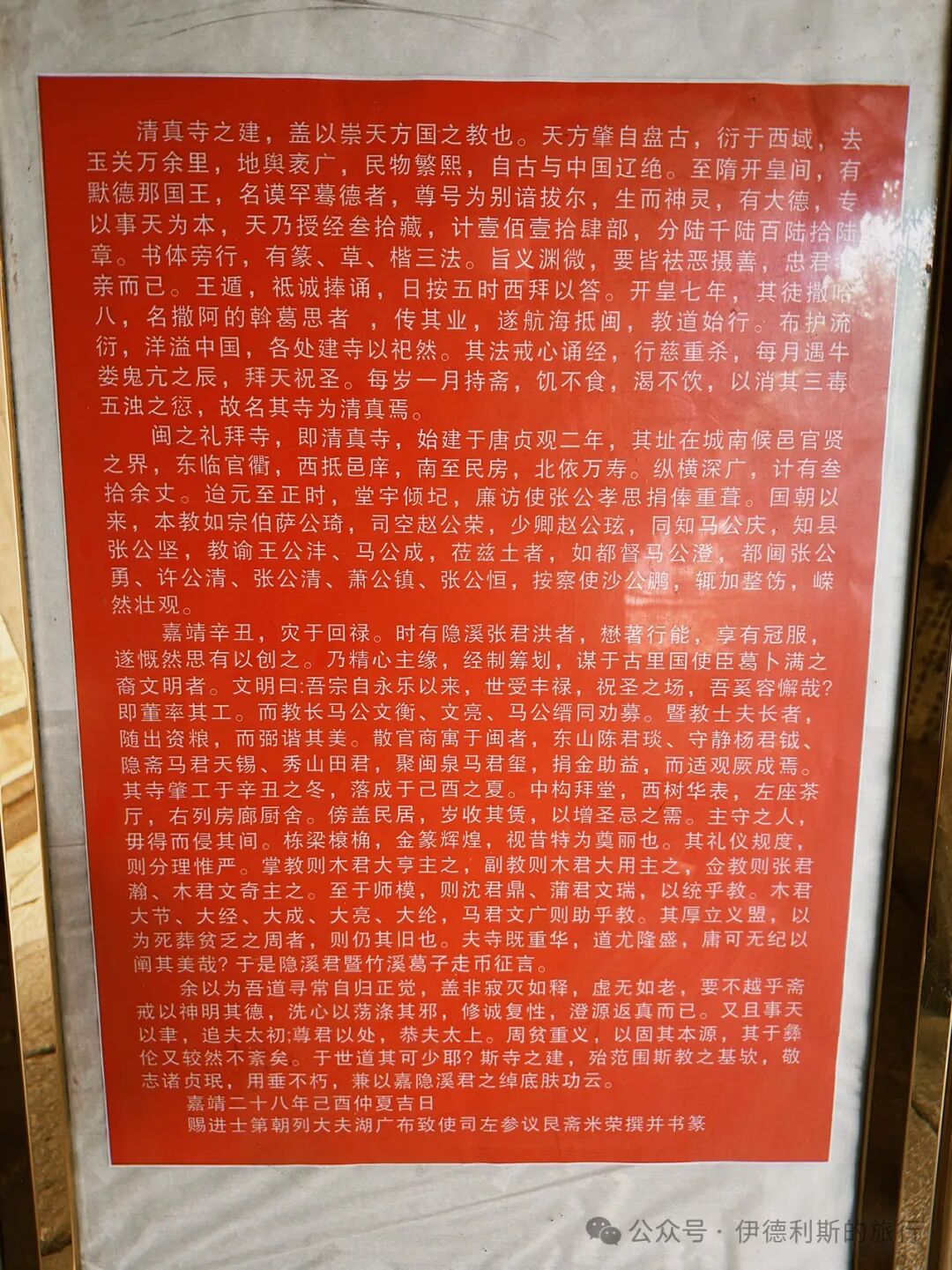
The Fuzhou Mosque still houses seven stone tablets dating from the Ming Dynasty to the Republican era. Among them, the Record of Rebuilding the Mosque (Chongjian Qingzhensi Ji) from the 28th year of the Jiajing reign of the Ming Dynasty documents the process of rebuilding the Fuzhou Mosque during that time. One of the donors mentioned in the inscription, Sa Qi, came from the famous Yanmen Sa family of Fuzhou. Sa Qi's ancestor, Sa Dula, was a famous Semu poet in the Yuan Dynasty who was granted the surname Sa by the Yuan emperor due to his favor.
The author of the text, Mi Rong, was a Hui Muslim from the Mi family of Shaowu, Fujian. He passed the imperial examination during the Jiajing reign and later served as the Left Counselor of the Huguang Administration Commission. He was very knowledgeable and skilled in writing. The Mi family of Shaowu originally came from Datong, Shanxi. They were frontier generals at the end of the Yuan Dynasty, later surrendered to Zhu Yuanzhang, and were stationed in Fujian in the seventh year of the Hongwu reign, where they settled in Shaowu.
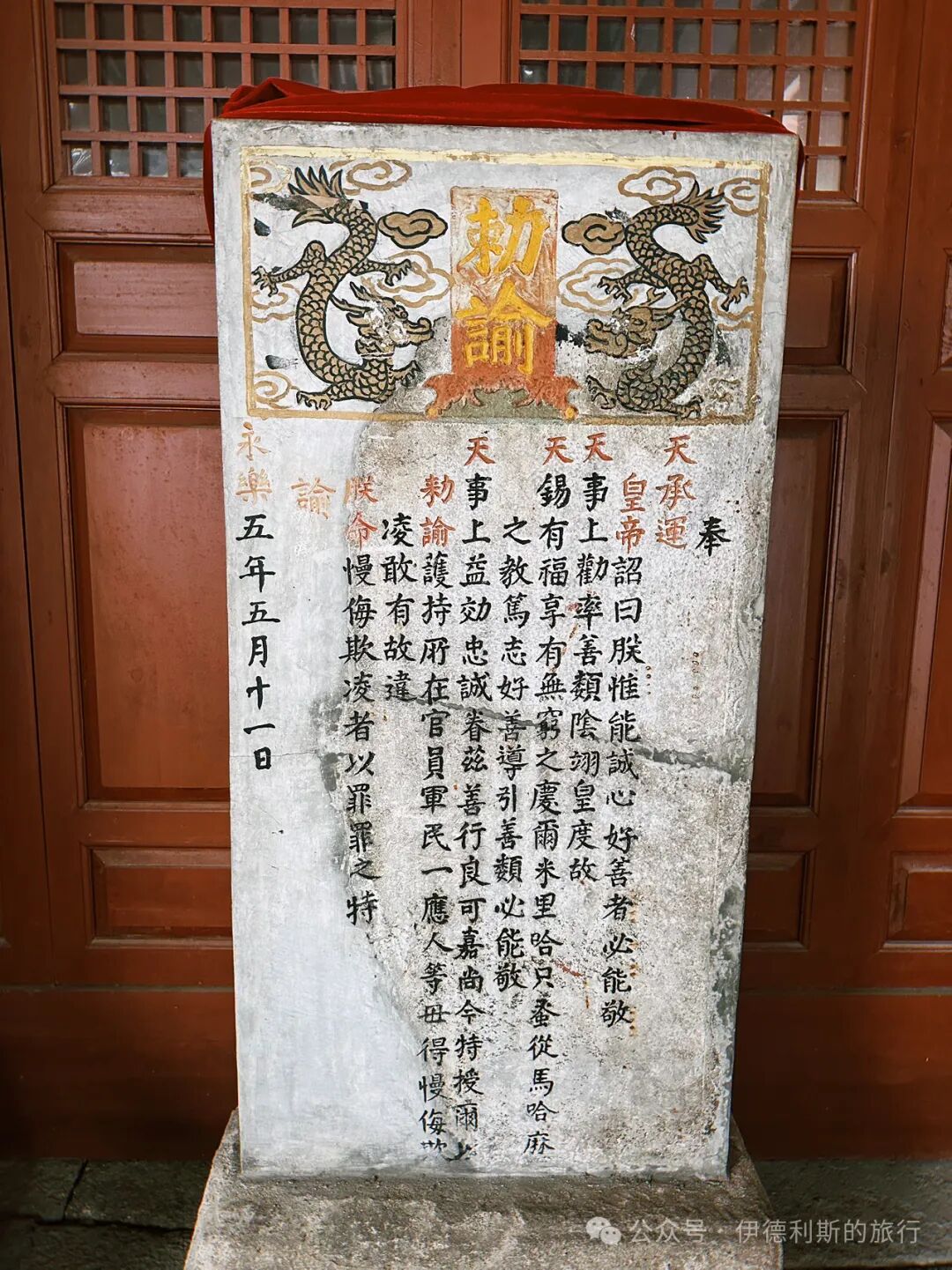
The Imperial Edict Tablet of the Yongle Emperor (Yongle Huangdi Chiyu Bei) is an order issued by Emperor Chengzu Zhu Di in the fifth year of the Yongle reign to protect the Muslim Mili Haji, and it speaks very highly of him. Besides the Fuzhou Mosque, copies are also preserved at the Quanzhou Qingjing Mosque, the Suzhou Mosque, and the Great Mosque of Huajue Lane in Xi'an. Some scholars believe the Yongle Imperial Edict was a key measure to protect Muslims in China during Zheng He's voyages, so many mosques carved copies of it to keep as a treasure.
The 1690 Stele Record of Mosque Renovation (Xiu Si Bei Ji) describes the repairs made at that time, but the writing is too faded to read clearly.
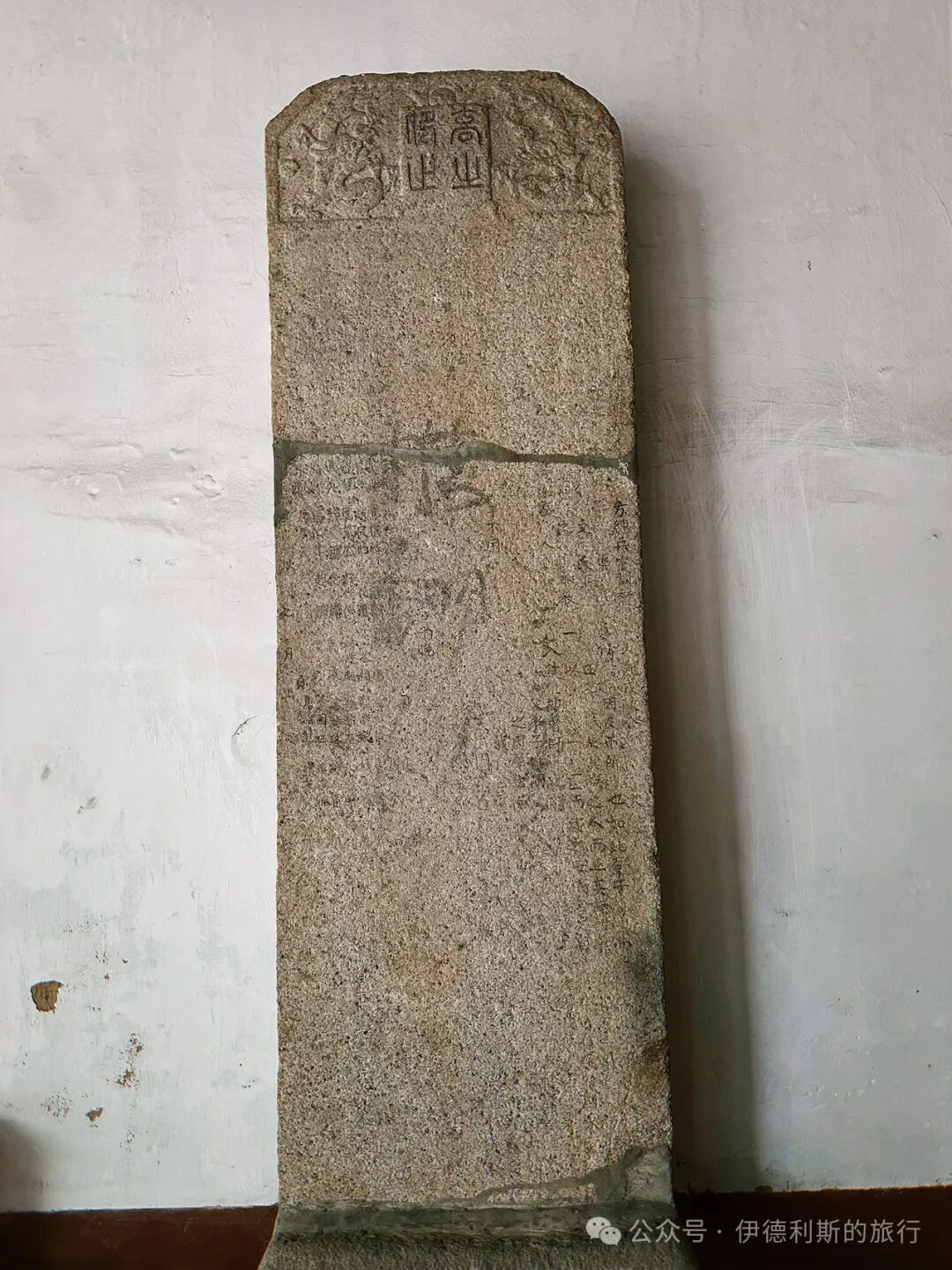
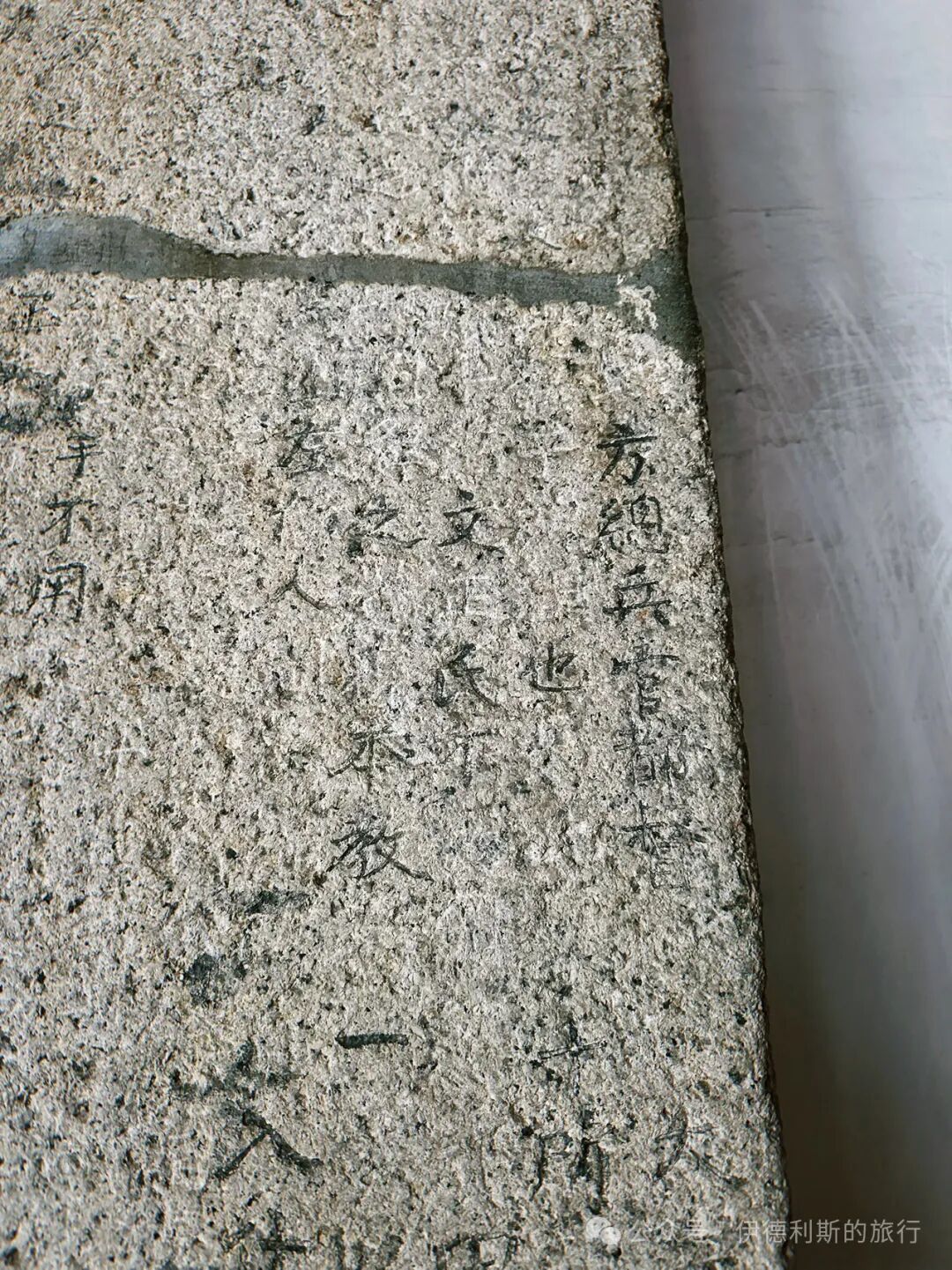
The 1757 Stele for Mosque Renovation and Property Purchase (Xiu Si Zhi Chan Bei) records that leftover funds were used to buy two storefronts on Dongya Lane, with the rent money used to support the mosque. The list of donors starts with Ma Dayong, the Admiral of Xiamen. Ma Dayong was a famous Hui Muslim general during the Qing Dynasty who earned the title of third-place military scholar in 1727. His residence, the Scholar's Mansion (Tanhua Di), still stands next to the Nanguan Mosque in Anqing. Ma Dayong became the Brigade General of Taiwan in 1753 and later served as the Admiral of the Fujian Navy. During his time there, he fought hard against pirates to keep the coastal residents safe, earning him the nickname Lucky Star of the Southeast.
The text also mentions relatives from Shaowu, which was another important area for Hui Muslims in Fujian after Quanzhou.
Ding Juxin from Fengshan County, Taiwan, mentioned in the text, was likely a member of the Ding family of Hui Muslims from Chendai. The old city of Fengshan County is in the Zuoying District of Kaohsiung. It was the first Chinese-style county seat in Taiwan. Construction began in the 61st year of the Kangxi reign, and it survived many wars through the Kangxi, Yongzheng, and Qianlong eras. The Ding family of Chendai is a prominent family of Hui Muslims in Quanzhou. During the Qianlong reign, the Qing government opened shipping routes between Jinjiang and Lukang in Taiwan, and the Ding family began moving to Taiwan.
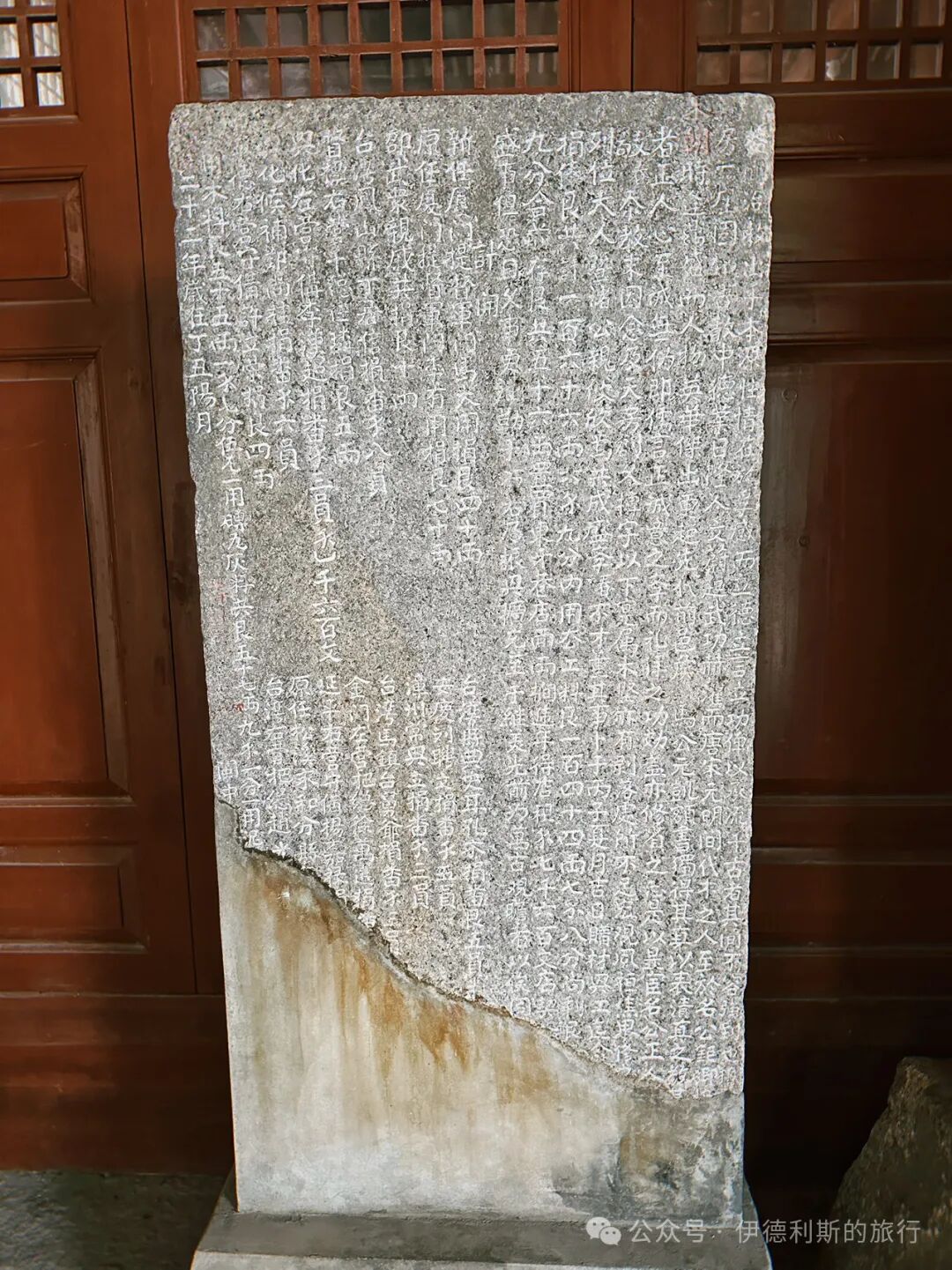
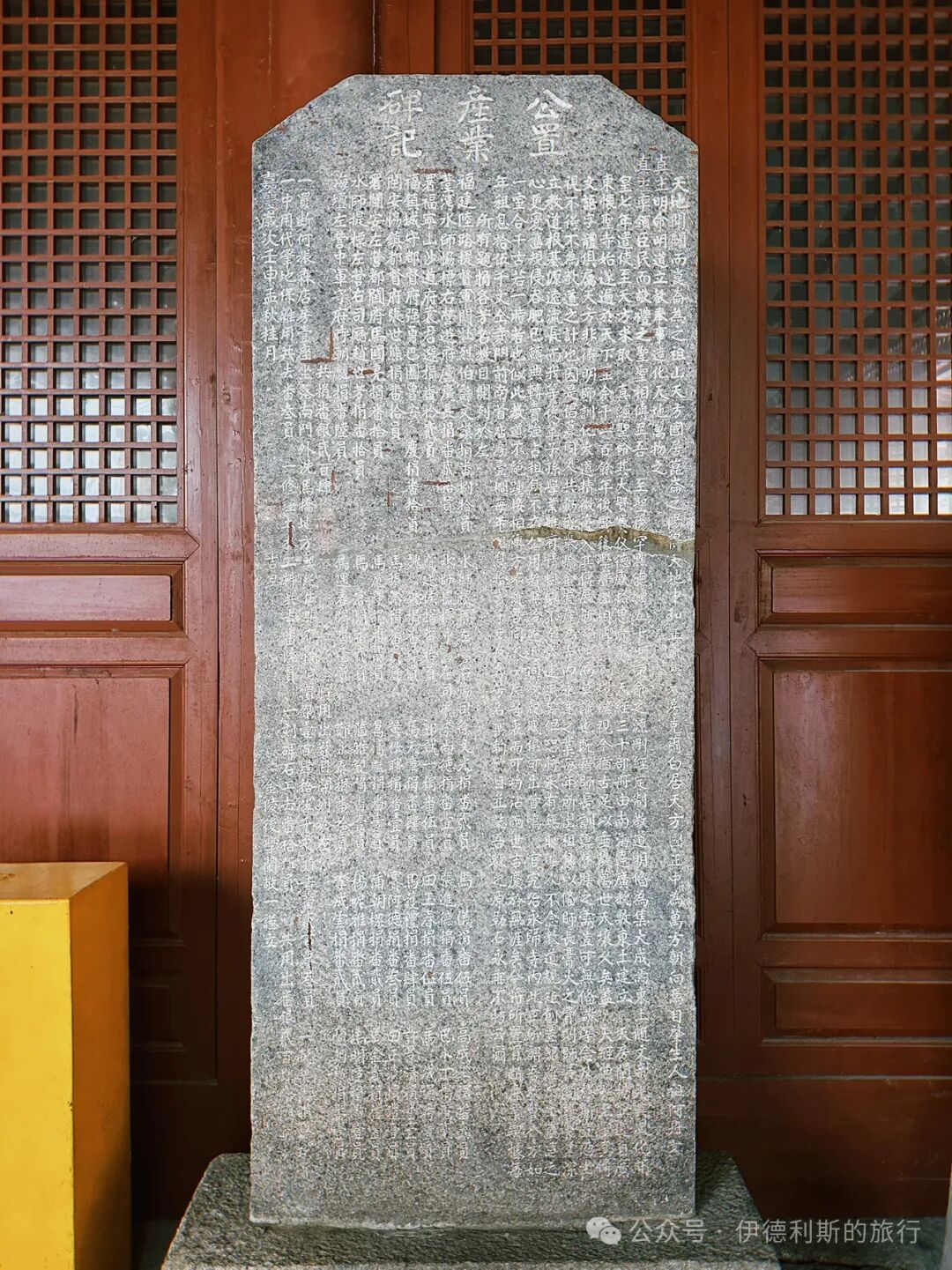
The 1812 stone tablet record, 'Public Property Purchase Record,' notes that people donated money to buy a shop at Xima Bridge outside the south gate of Fuzhou and another shop at the south gate of the Fuzhou mosque. They used the rent from these shops to support the mosque. The first donor listed is Xu Wenmo, the Fujian Land Forces Commander and Baron Zhuanglie. He was a Hui Muslim from Sichuan and the son of the famous Qing general Xu Shixiang. He passed the military examinations in 1786 and later earned many military honors. The Draft History of Qing records that he was later transferred to be the Fujian Naval Commander. When the pirate Cai Qian caused trouble, Wenmo crossed the sea to fight him and burned down pirate hideouts at Zhuyuanwei and Taishigongzhuang.
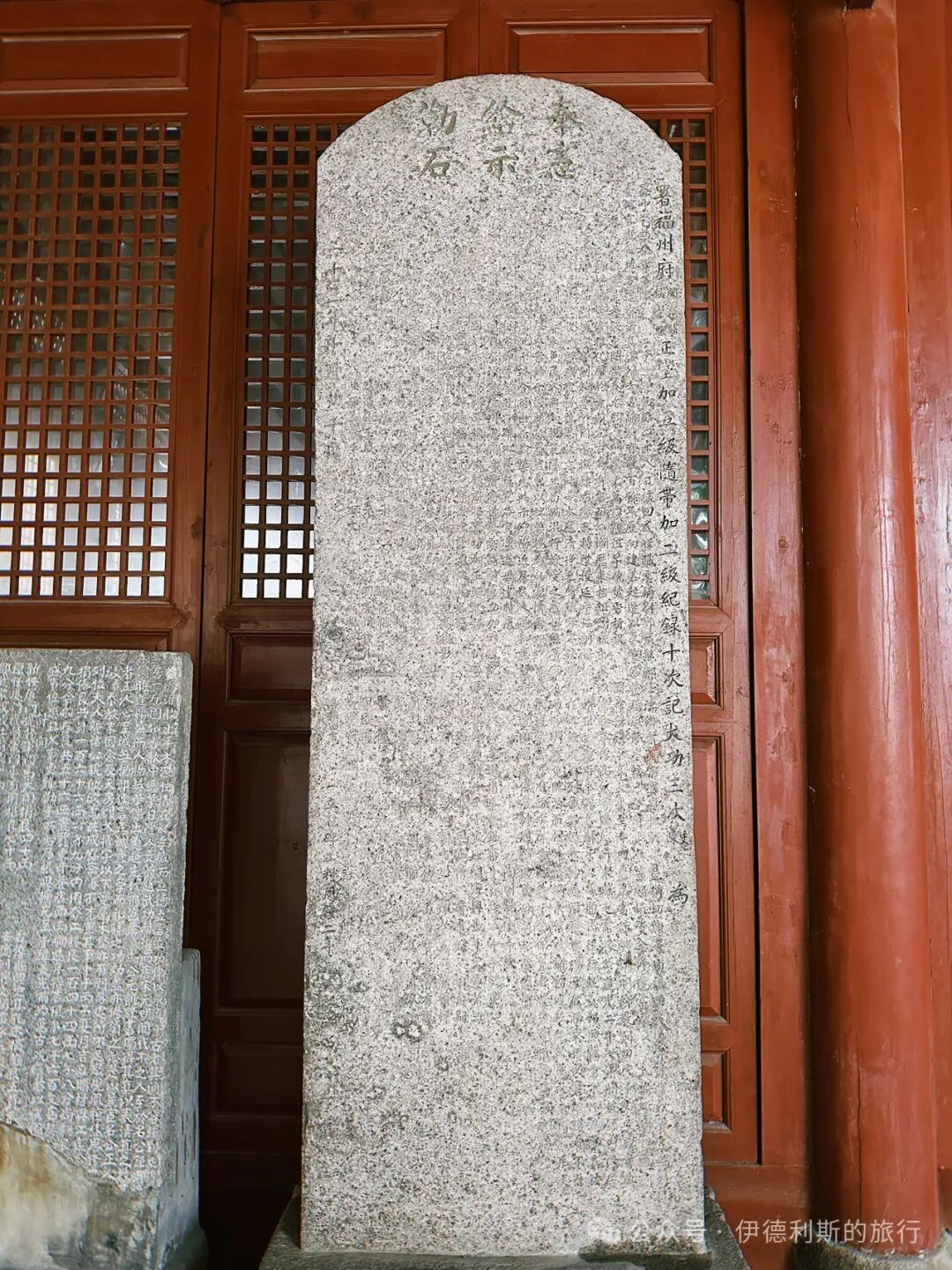
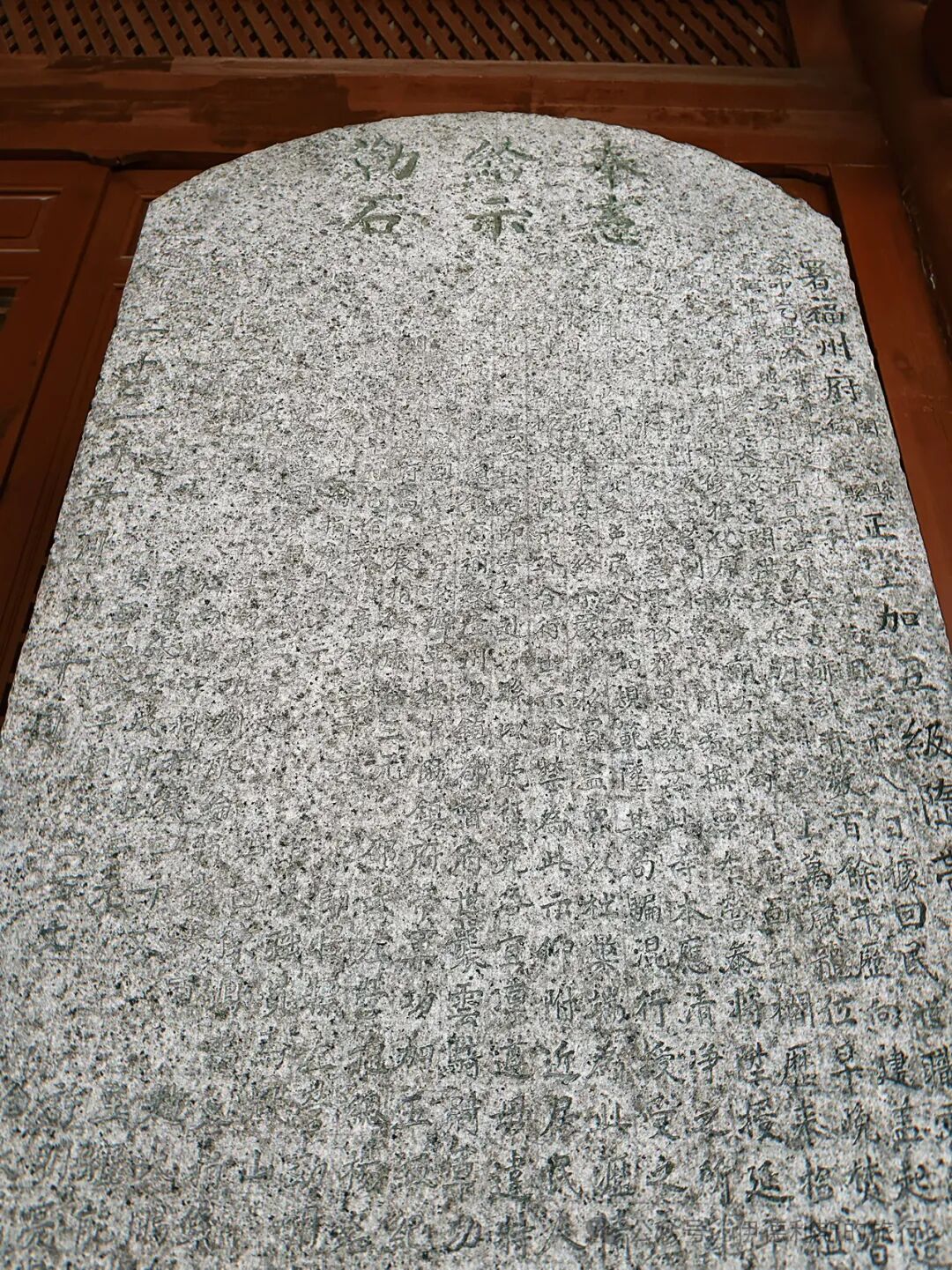
The 1842 stone tablet, 'Imperial Decree and Notice,' records that in 1841, two shops to the left and right of the Fuzhou mosque were burned down by residents. Everyone donated money to rebuild them, and they remained mosque property to collect rent.
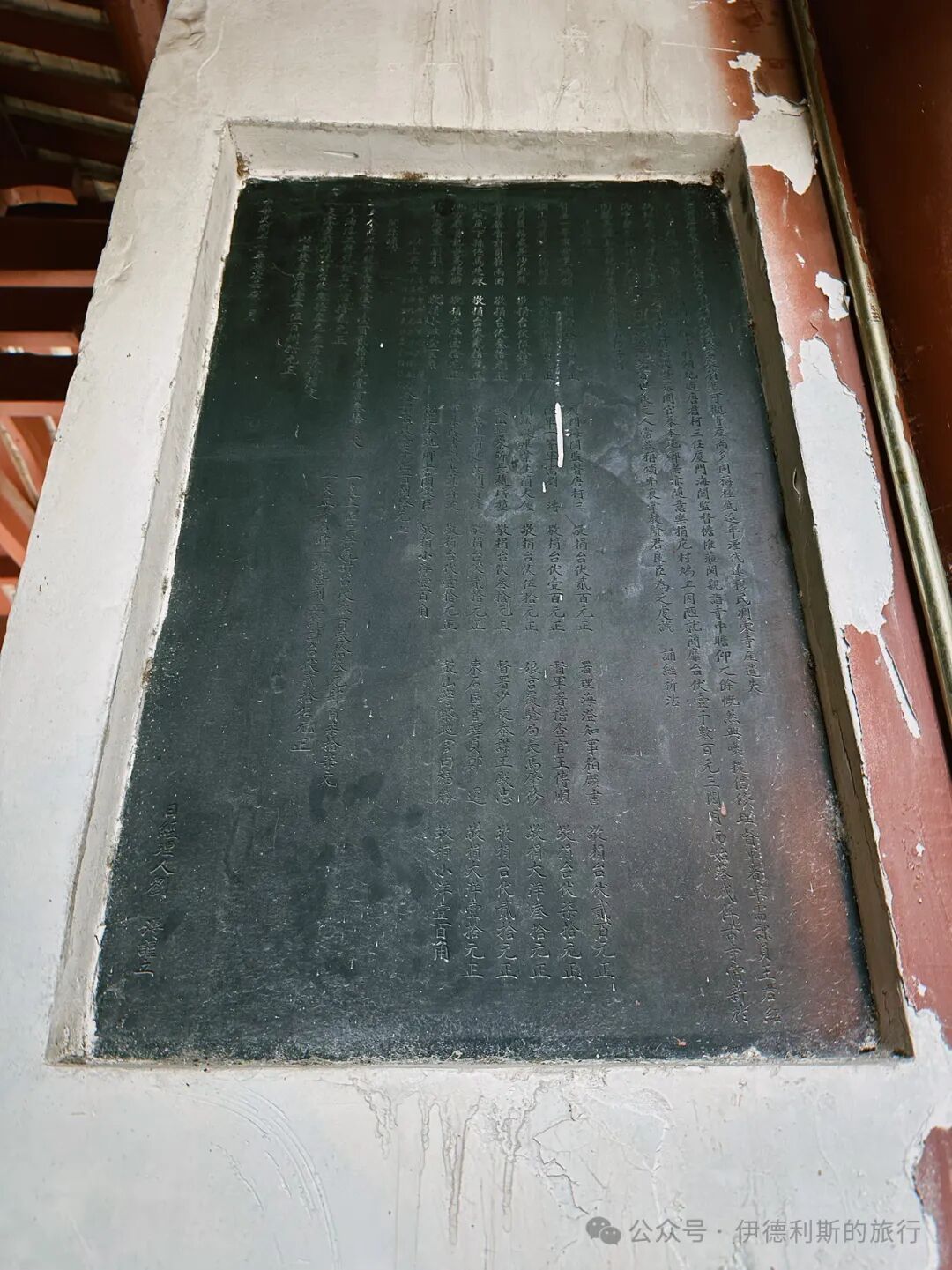
The 1922 stone tablet, 'Record of Mosque Repairs,' notes that after Tang Kesan became the Xiamen Customs Superintendent, he and Wang Shaohe, a military supply officer, led a fundraising effort. Together with Hui Muslim officials from Fujian and local elders, they donated money to renovate the Fujian mosque.
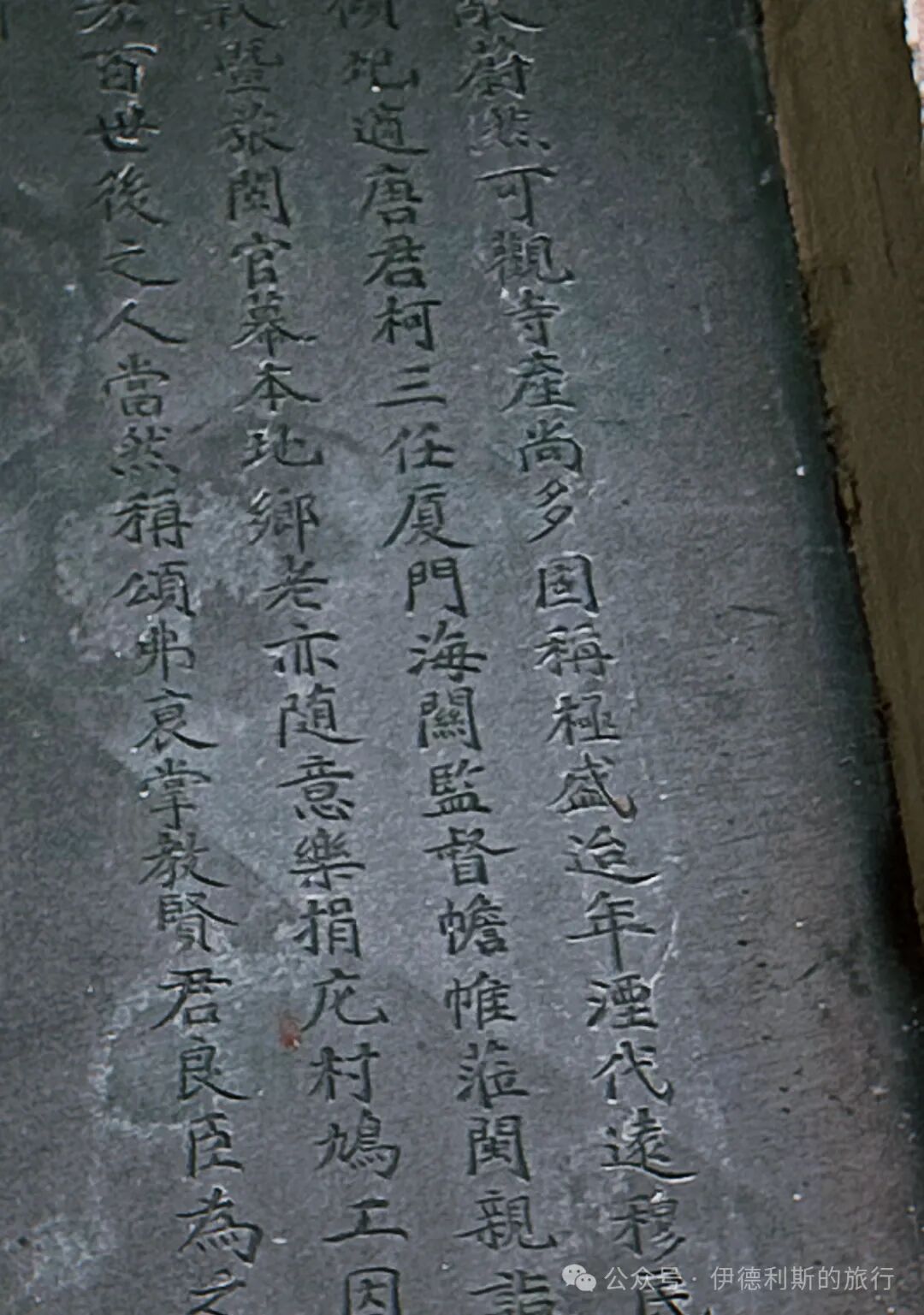
After leaving the Fuzhou Mosque, I went to visit the tomb of the Sheikh (shaihai) inside the Hui Muslims cemetery on Meifeng Road.
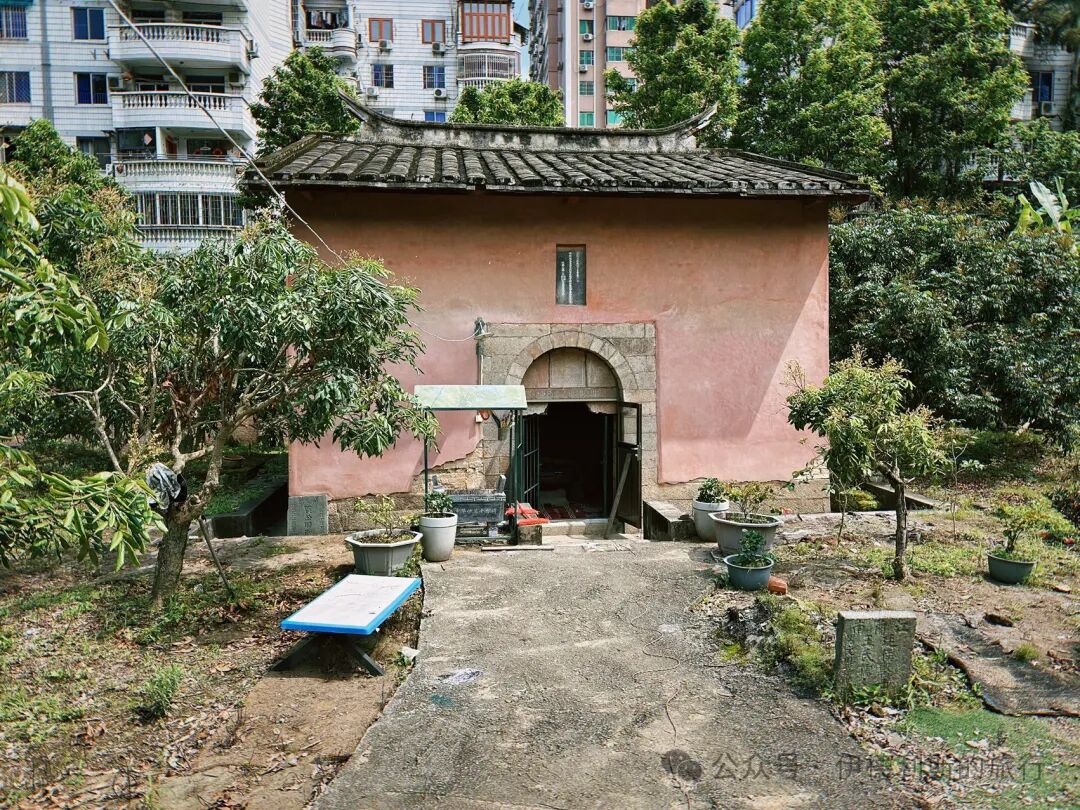
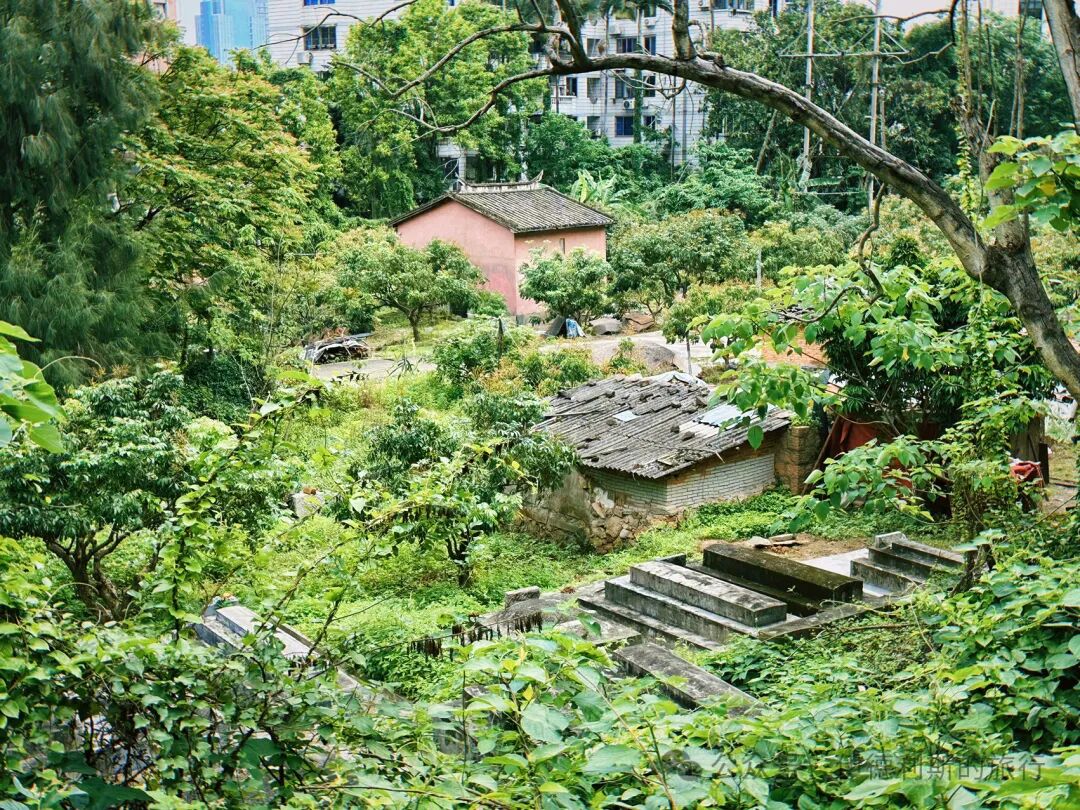
The Fuzhou Sheikh tomb sits in the middle of a vegetable field and the scenery is very beautiful. The person buried there was named Ibn Marjad Amir Alaeddin, who returned to Allah in 1306 (the tenth year of the Dade era of the Yuan Dynasty). The tomb pavilion features stone carvings from the Yuan, Ming, and Qing dynasties, showing a clear history. It is an important religious site in the southeast region.
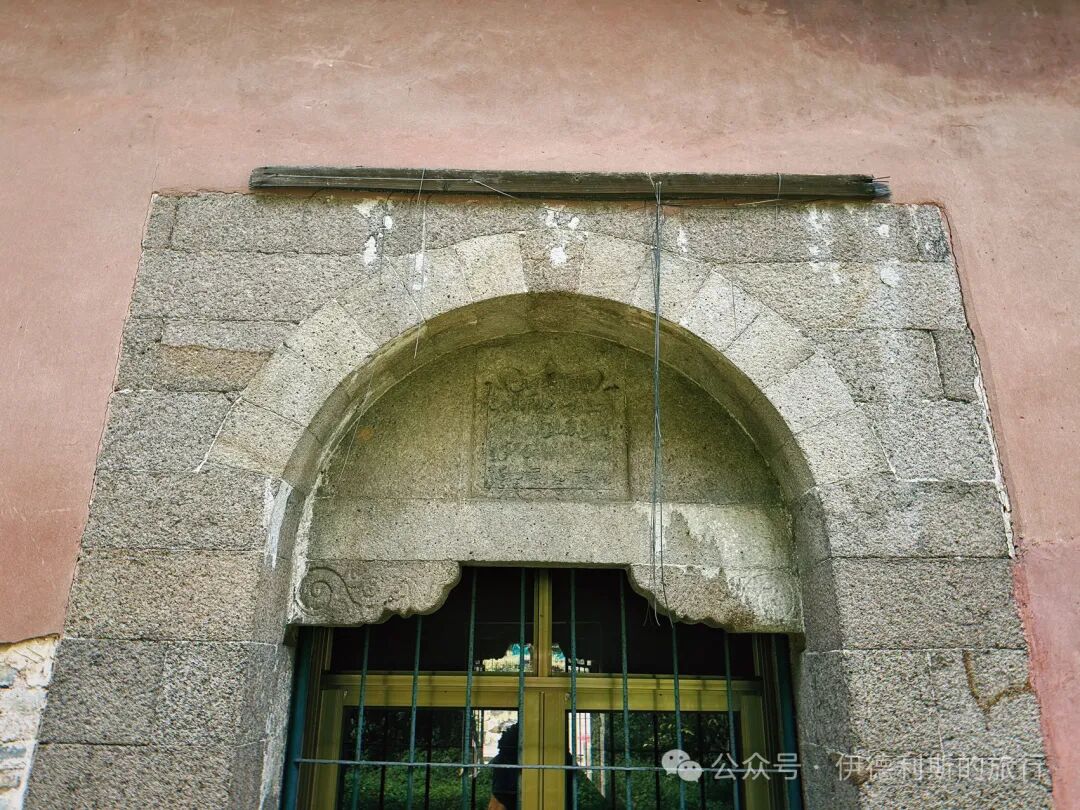
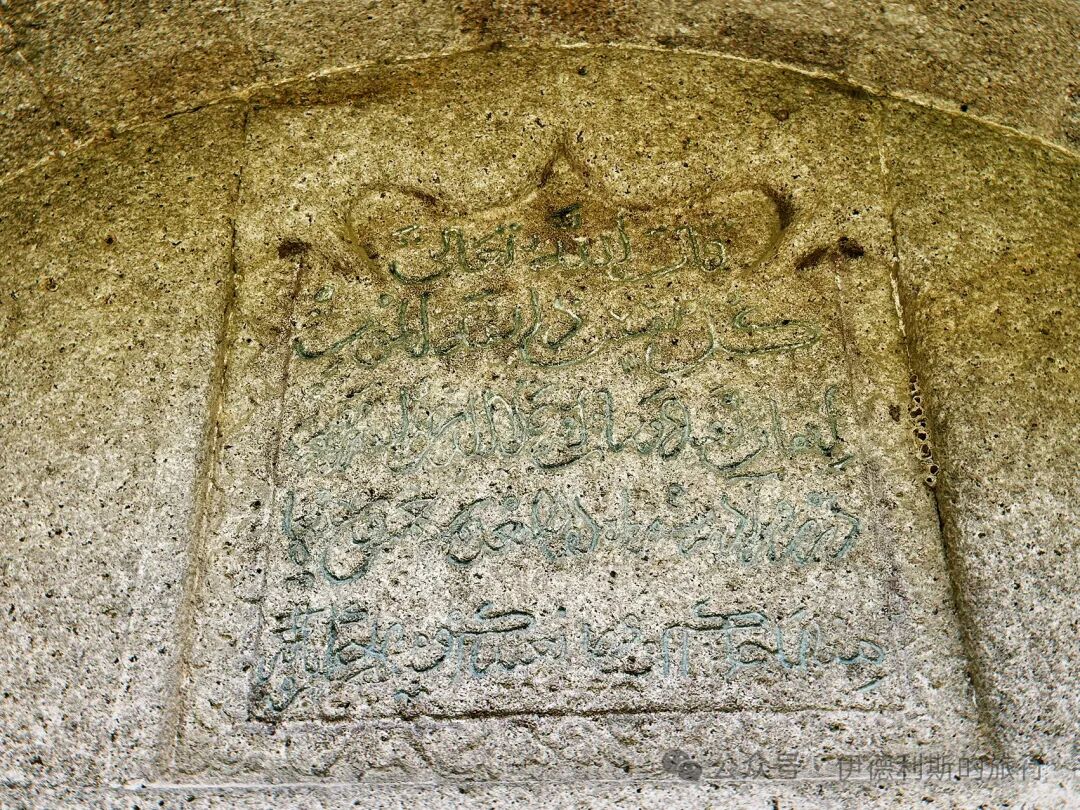
Each of the four walls of the tomb pavilion has an arched stone door. Inside the south arch is a tablet from 1498 (the eleventh year of the Hongzhi era of the Ming Dynasty) marking a renovation. It is carved with a four-line poem in Arabic. According to the article 'Newly Discovered Islamic Historical Sites of the Yuan and Ming Dynasties in Fuzhou,' it translates to: 'Life in this world is very short, and we must all enter the grave.' 'A prince calls out every day, go to death, go to destruction.' The north arch is carved with the name of the person buried there and his date of returning to Allah. The south lintel is carved with Arabic text that reads, 'The judgment of the Lord is coming, and this world is not a permanent home.' The east and west lintels also have Arabic stone carvings, but they are badly weathered and only four lines of poetry are visible.
The roof of the tomb pavilion collapsed in the early Qing Dynasty. In 1737, Ma Ji, a Hui Muslim from Ningxia who served as the commander-in-chief of the Fujian, Taiwan, and Penghu regions, donated money to rebuild the roof into a single-eave hanging mountain style. A stone tablet commemorating this renovation is now embedded in the south gate.
The tombstone inside the pavilion was originally a typical Song and Yuan Dynasty coastal Sumeru-pedestal style tomb cover, just like those unearthed in Quanzhou. Sadly, it was destroyed in the 1970s and the cover was pried away. The site was renovated and a surrounding wall was built in 1985.
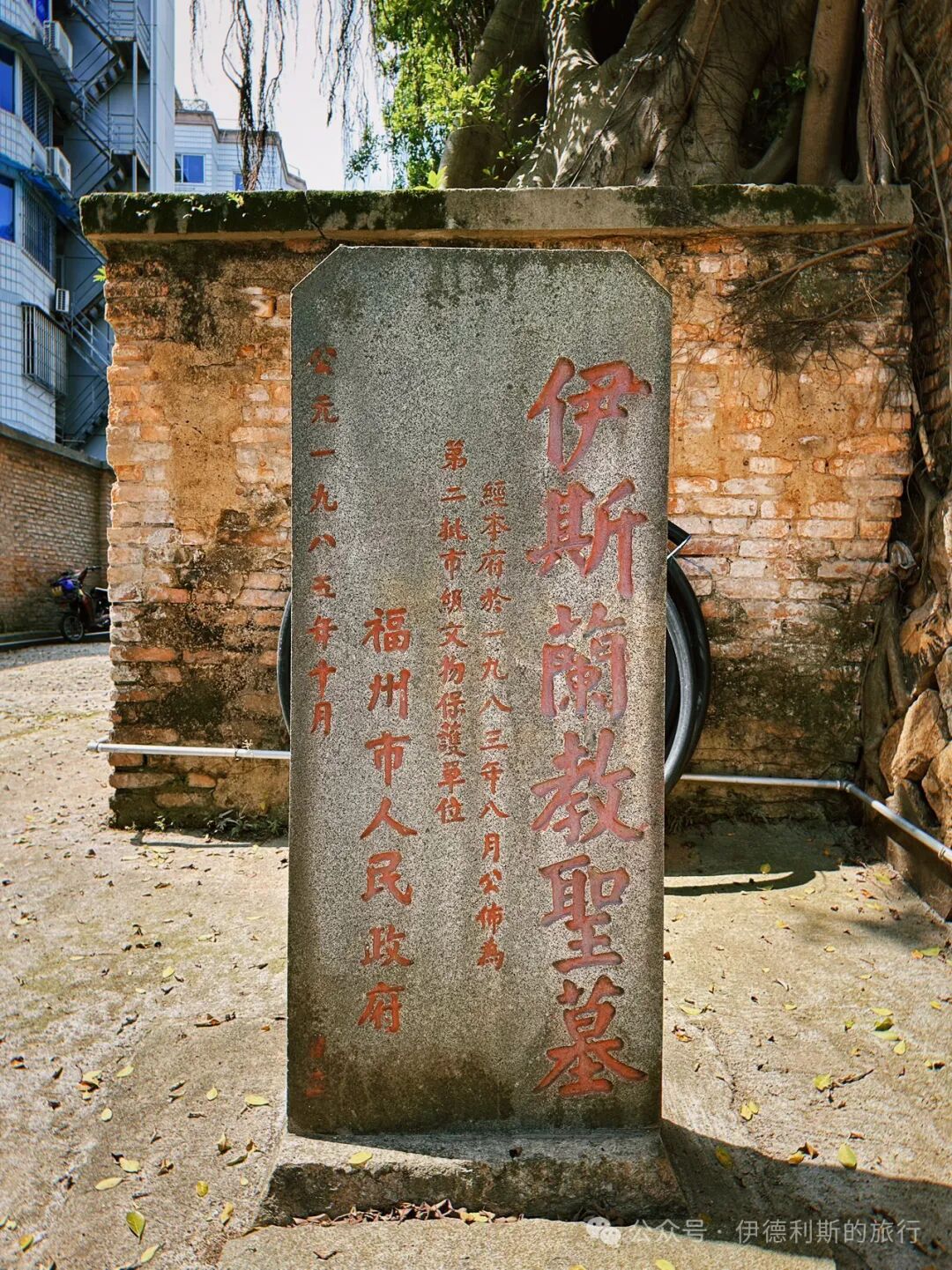
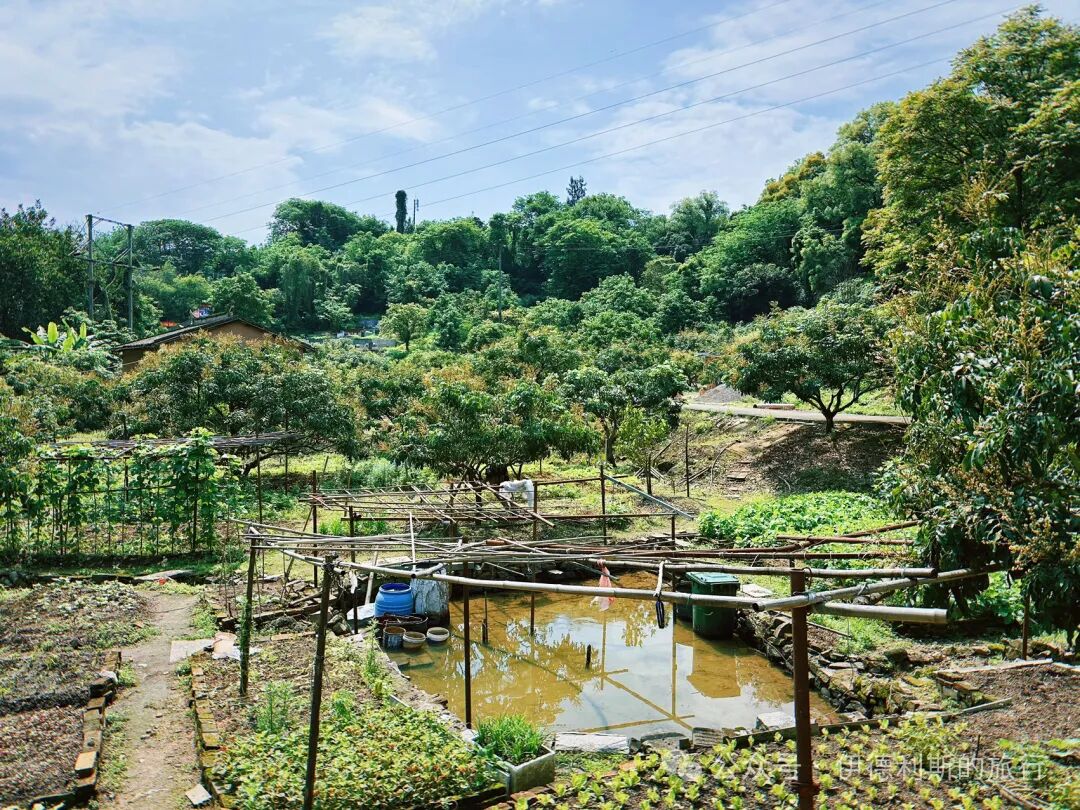
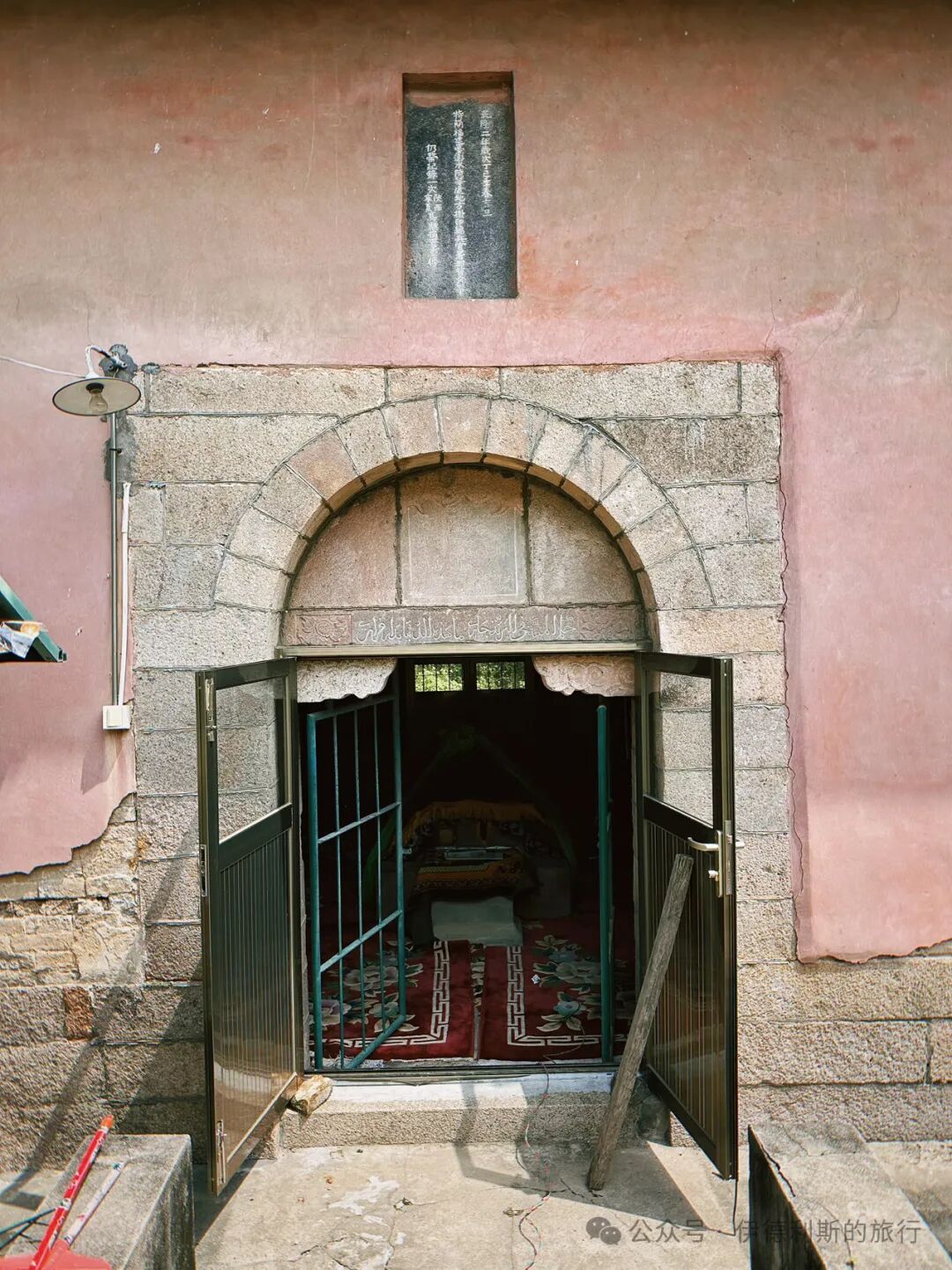
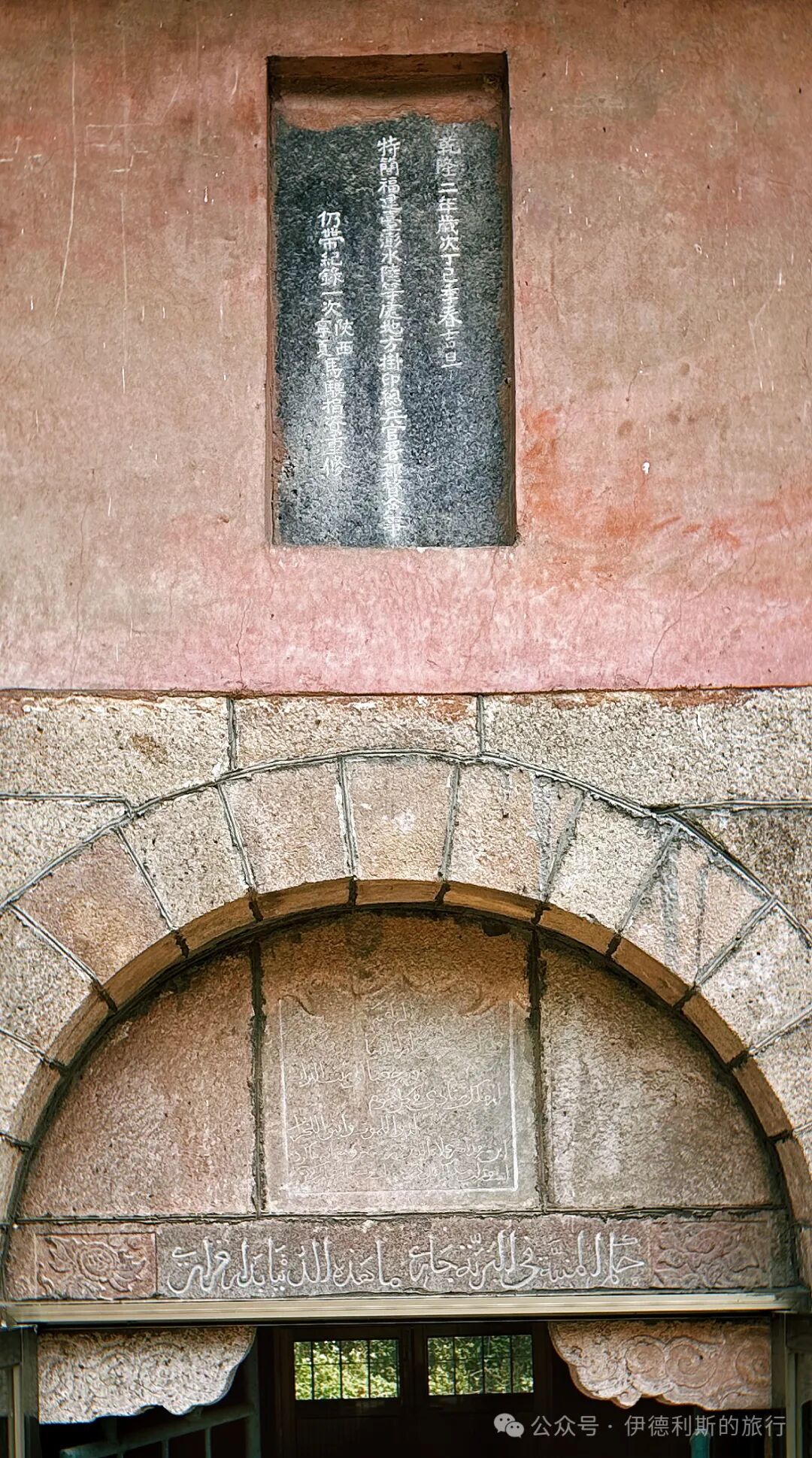
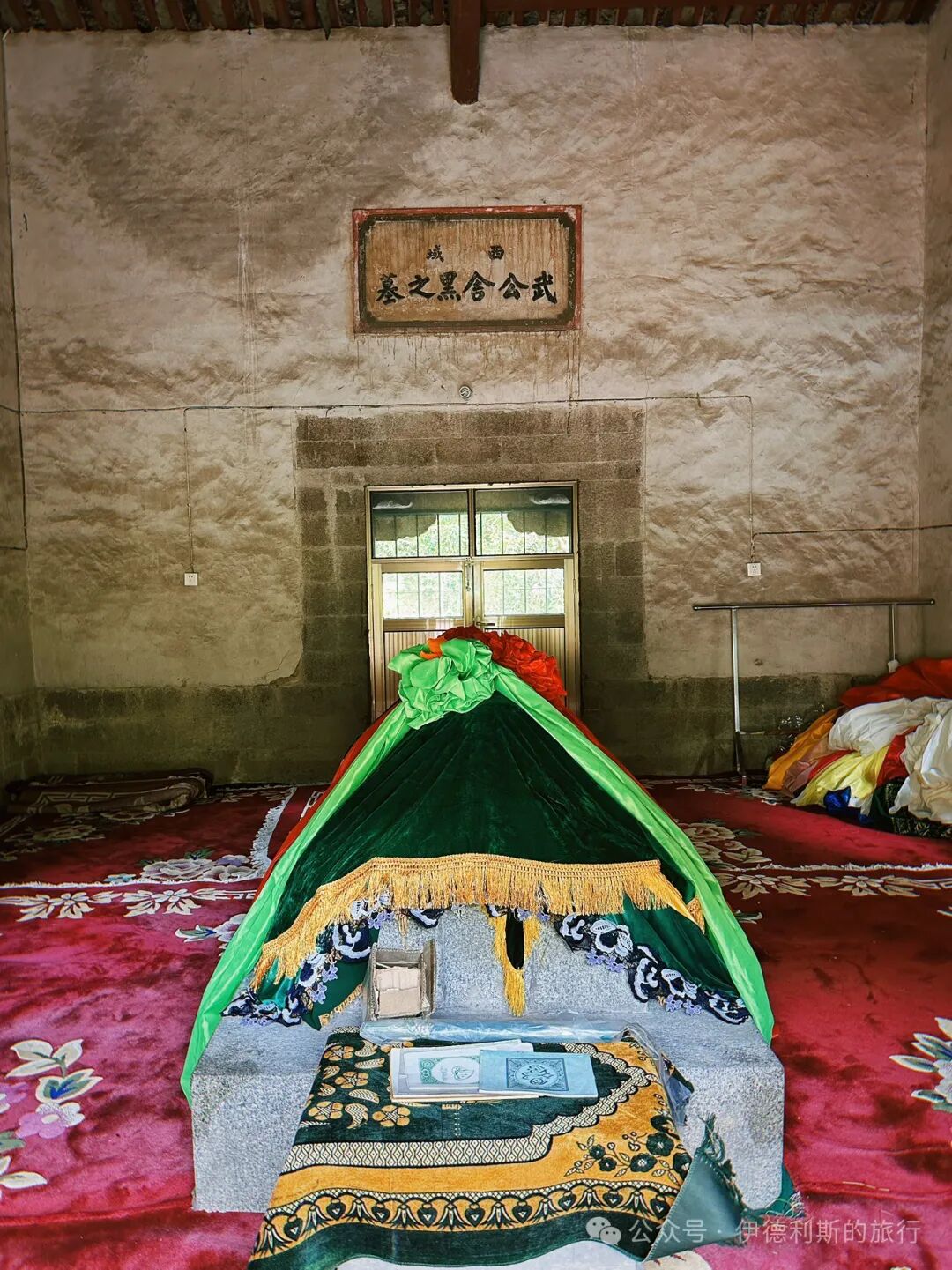
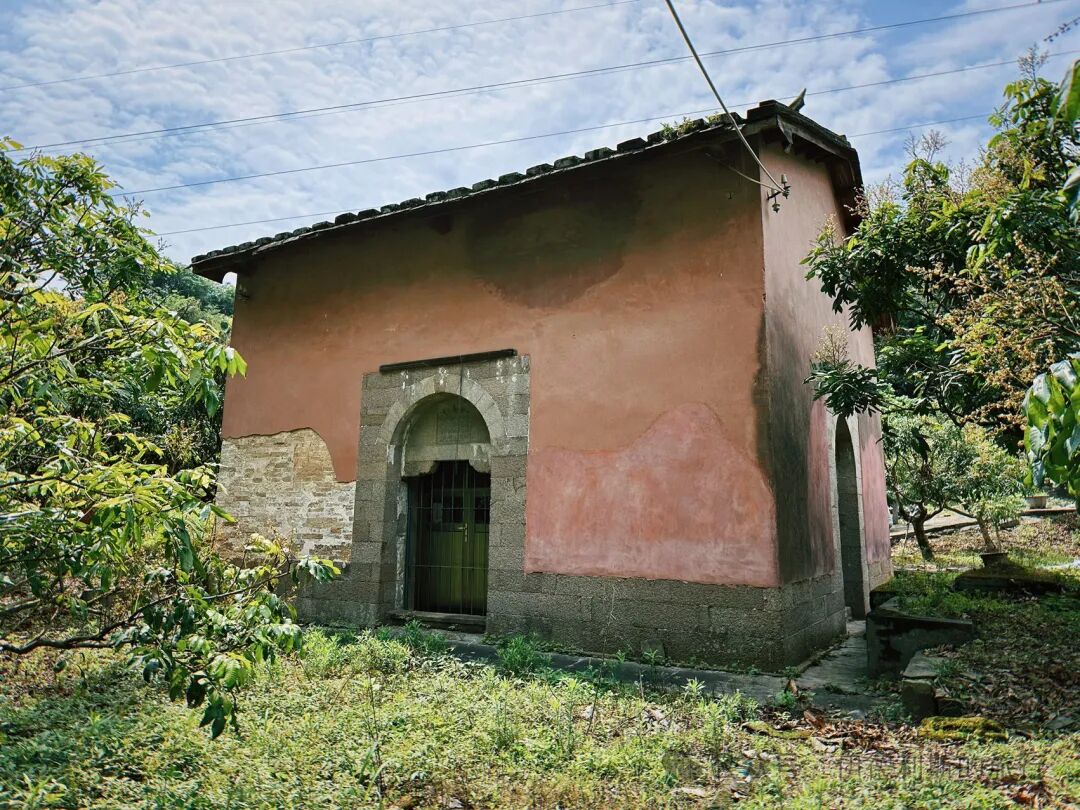
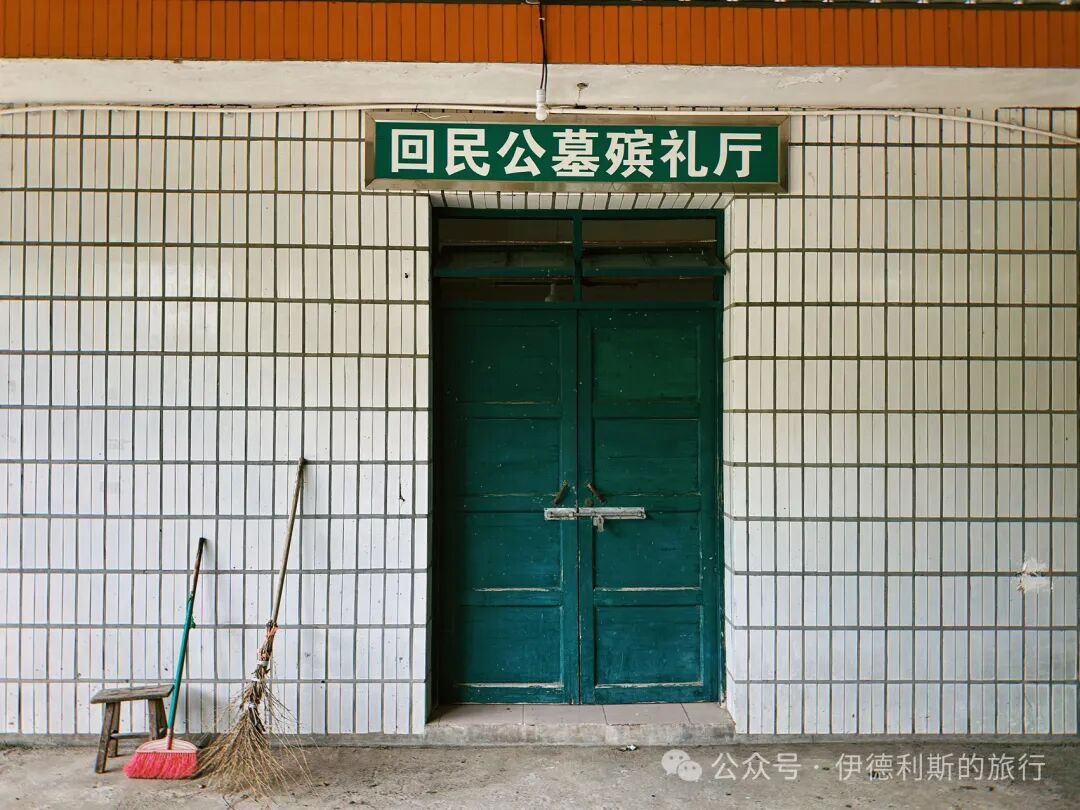
The Fuzhou Hui Muslim Cemetery once held hundreds of ancient graves from the Ming, Qing, and Republican periods, but they were severely damaged in the 1970s. Today, dozens of graves from the Qing and Republican periods remain, offering a glimpse into the surnames and origins of the Hui Muslims in Fuzhou.
The tombstones in the Fuzhou Hui Muslim Cemetery fall into two types: one is carved with the words 'Qingzhen' (pure and true), and the other is carved with the person's ancestral home, such as Xiliang, Gansu, or Jiangnan.
In the cemetery, you can see some graves belonging to the Lan family of Hui Muslims, who are descendants of the Yuan Dynasty official Andula. According to the History of Yuan, Andula, whose courtesy name was Ruizhi, was of the Kereit clan. His grandfather Asilan once followed the general Ashu to attack the Song Dynasty and served as the darughachi of Jining Road. Because his name contained the character Lan, his descendants took Lan as their surname.
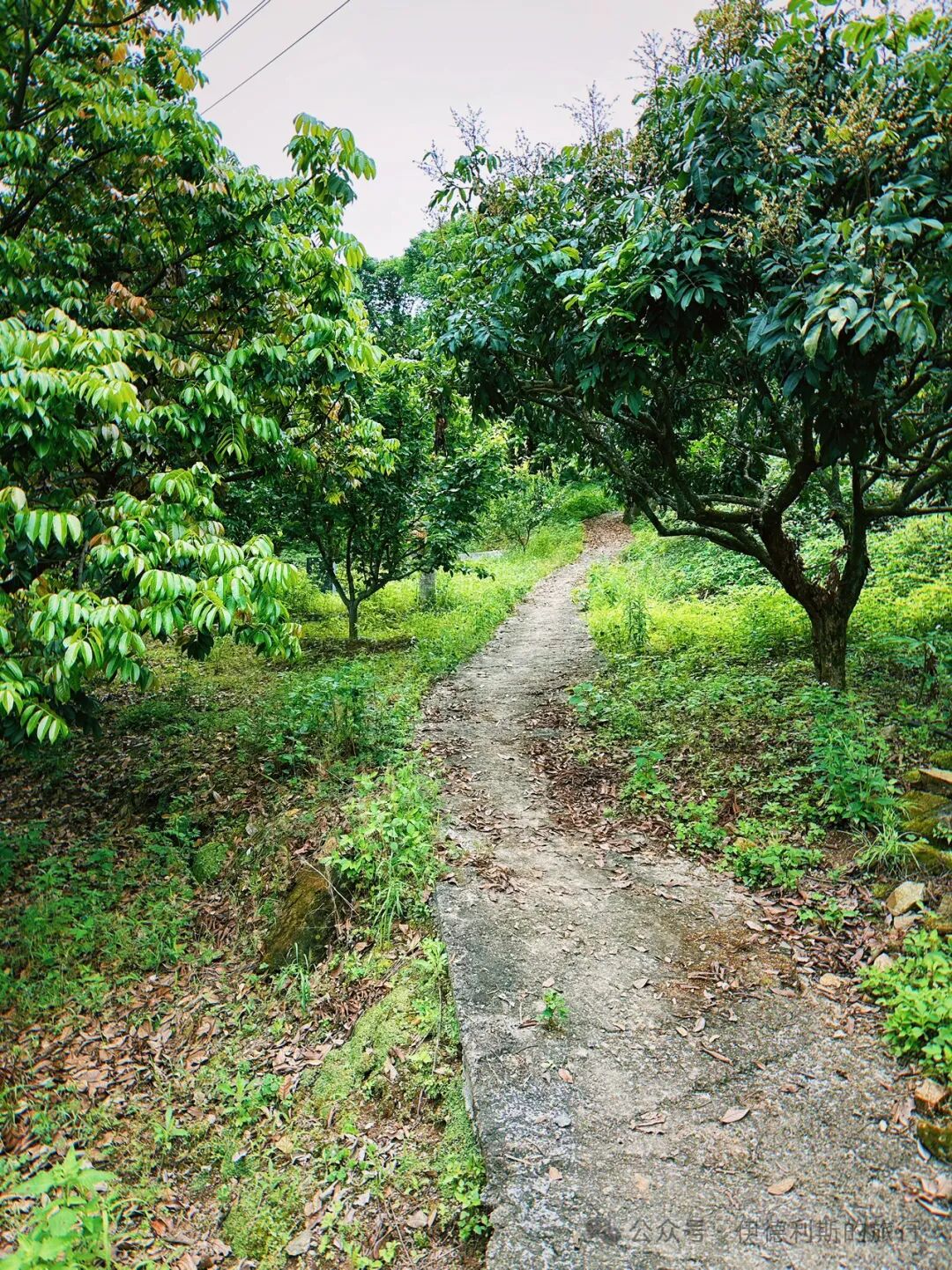
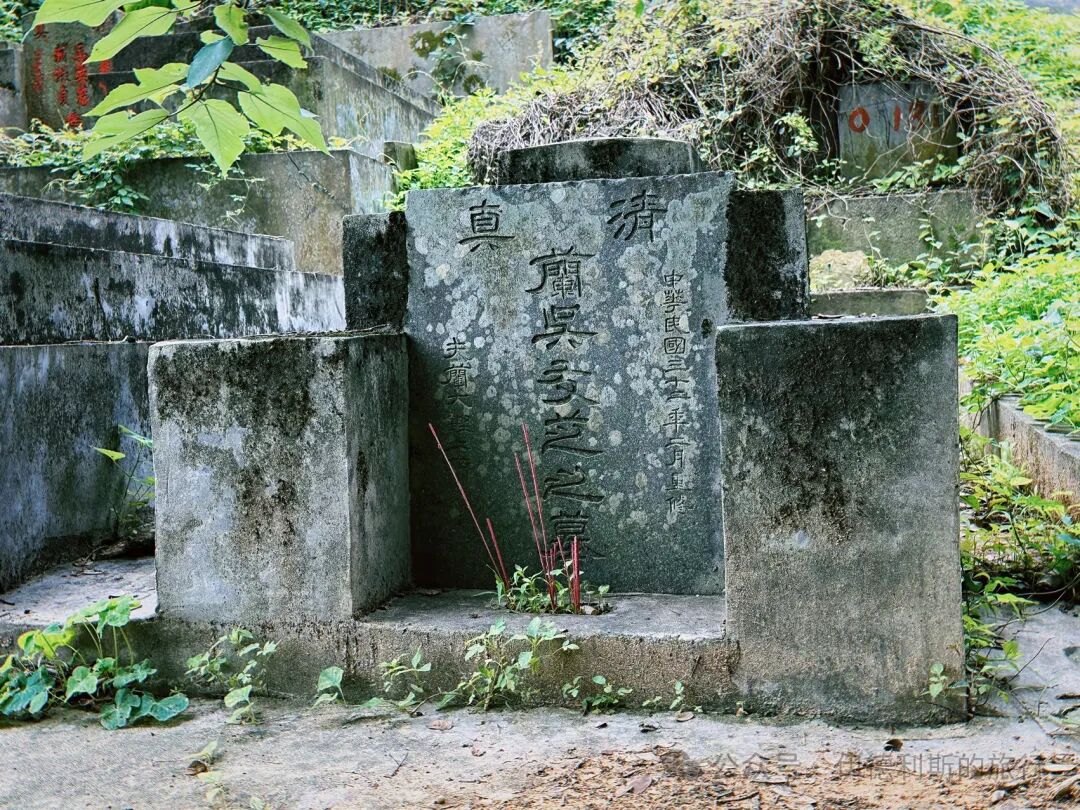
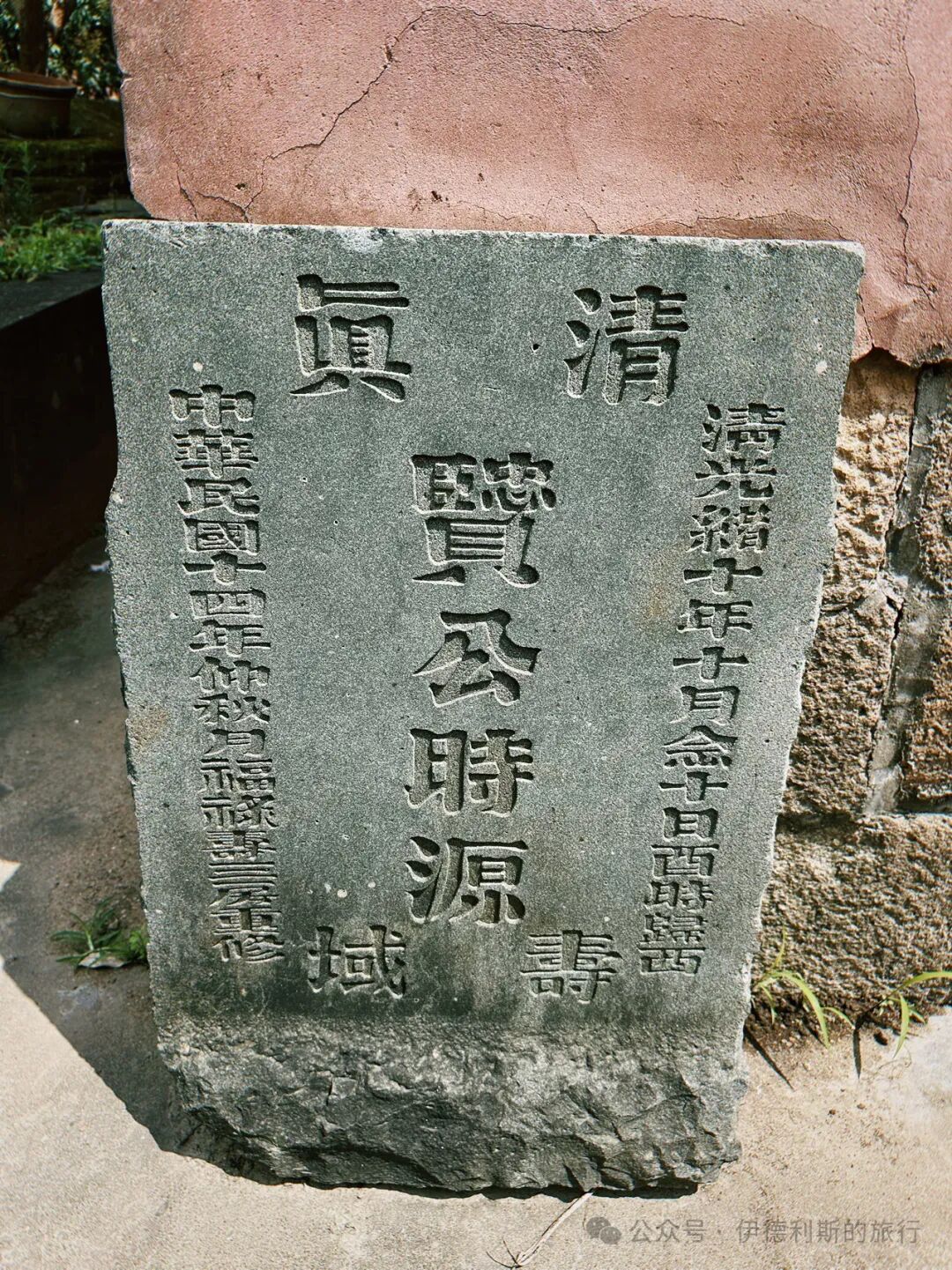
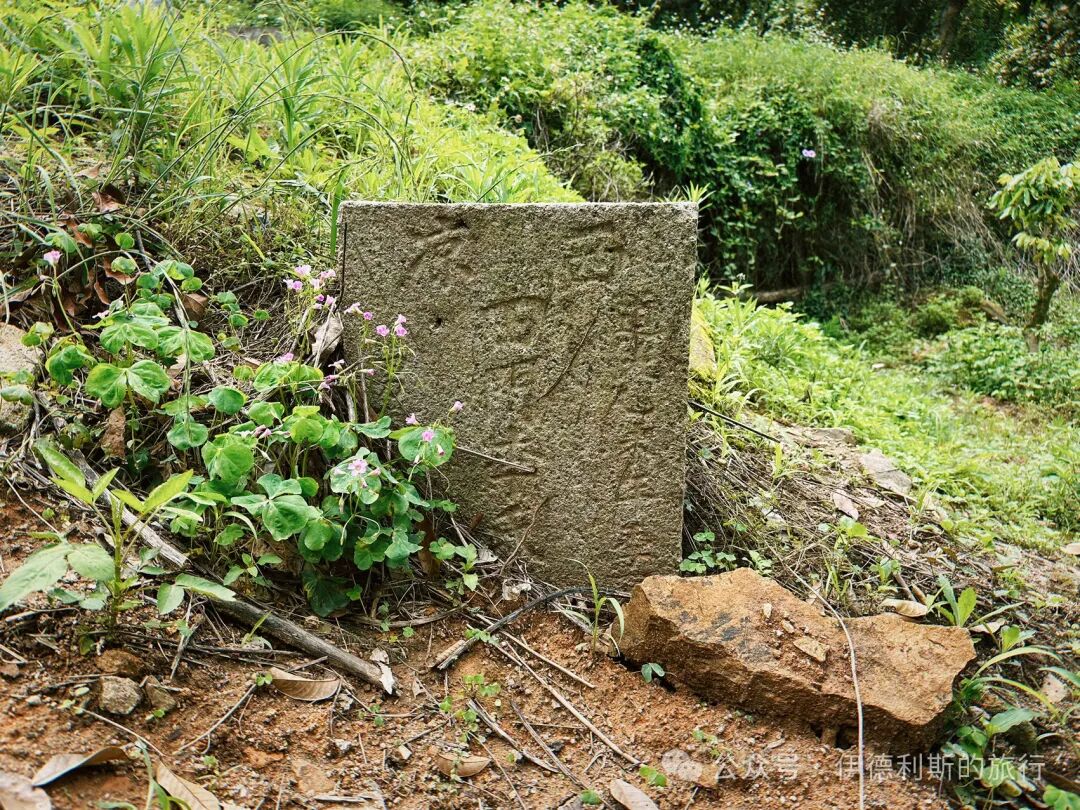
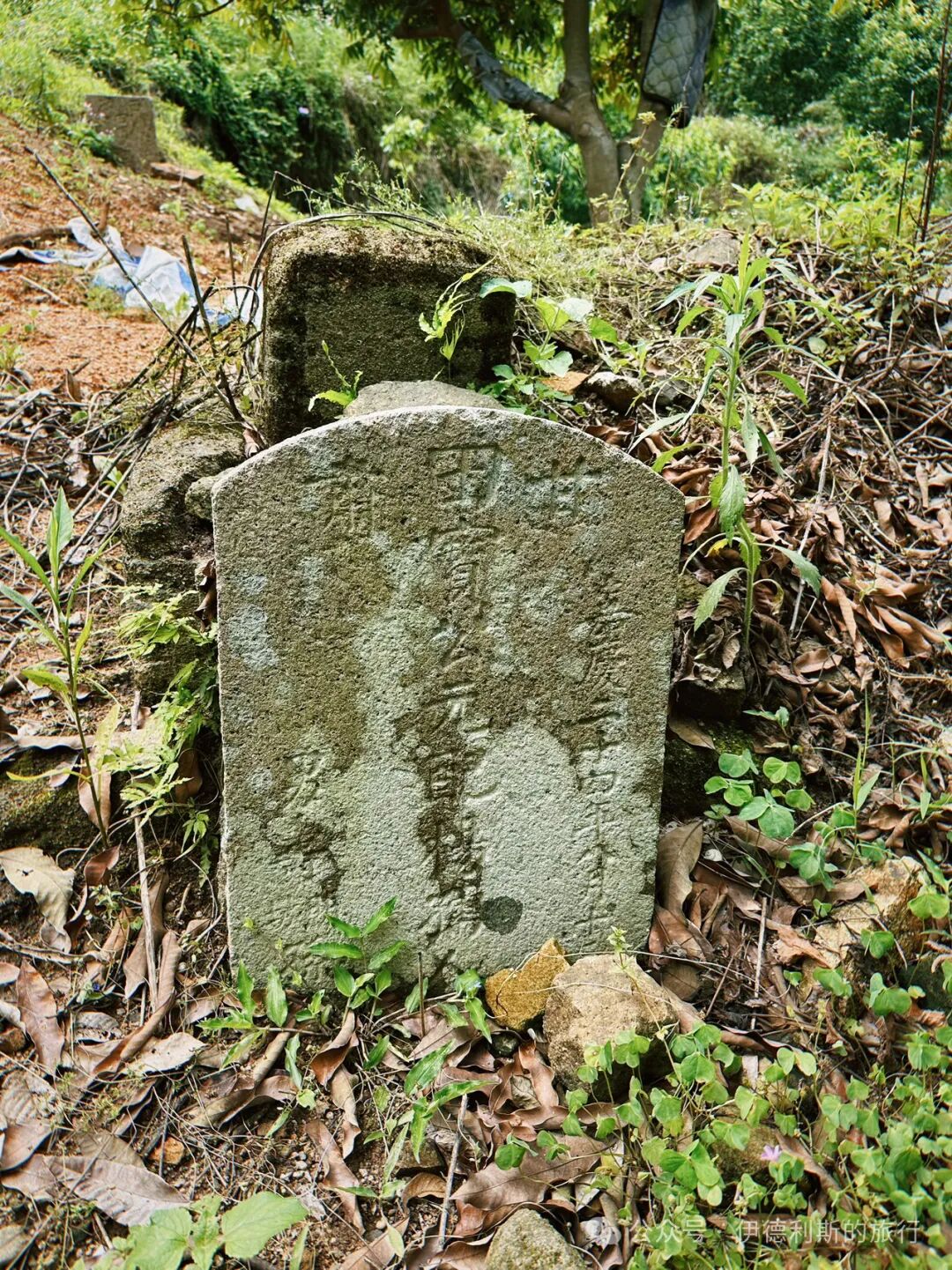
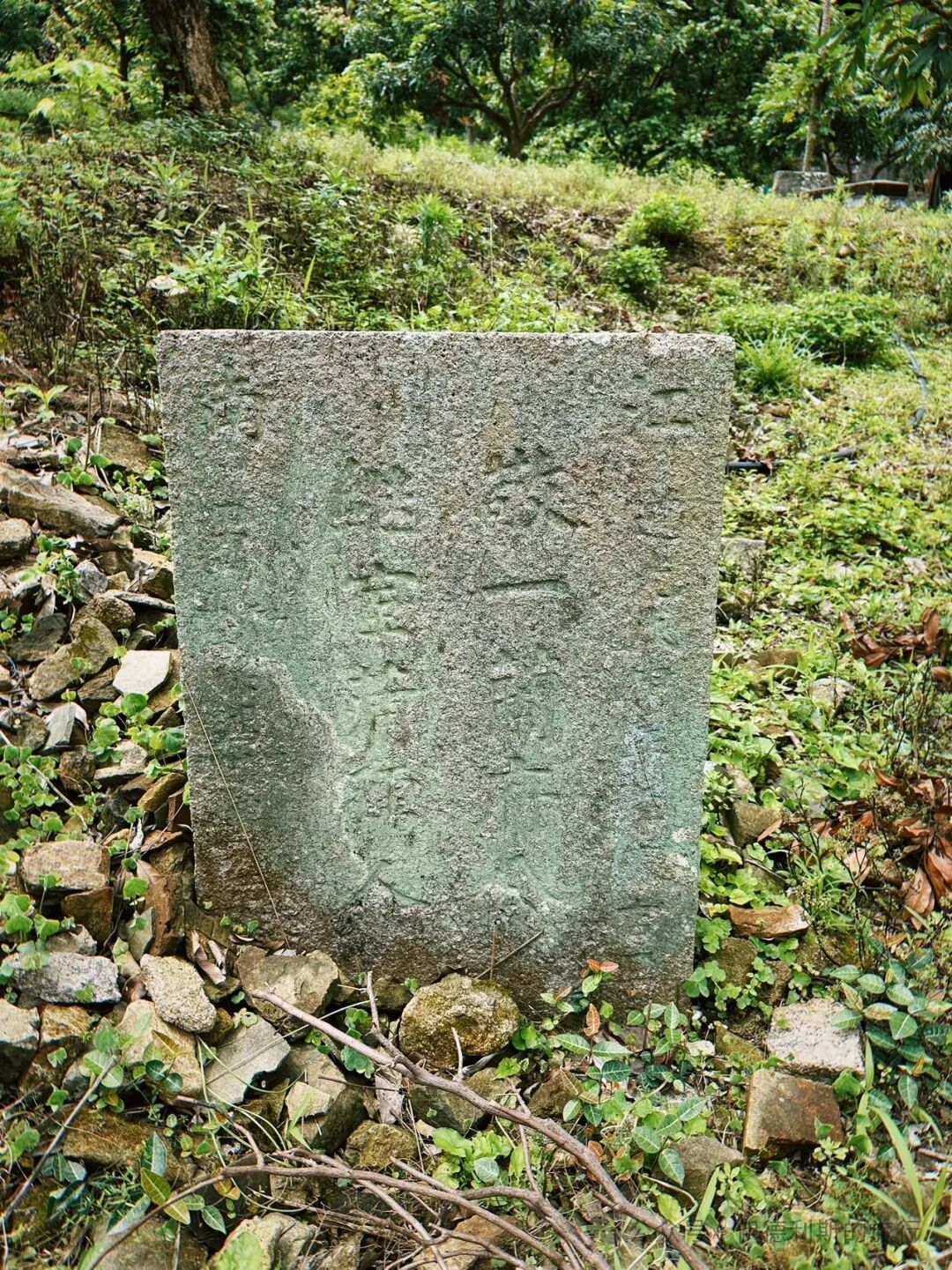
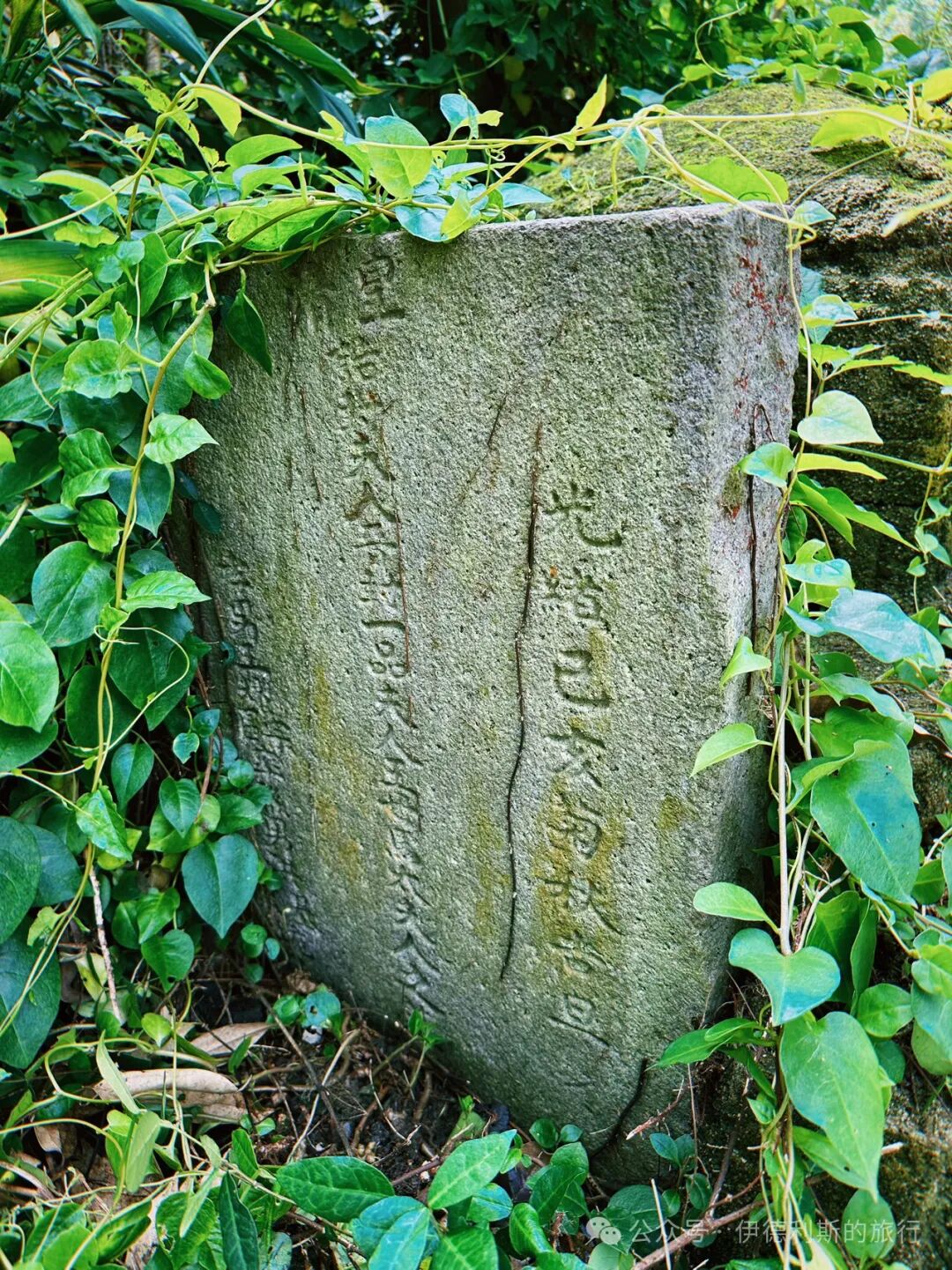
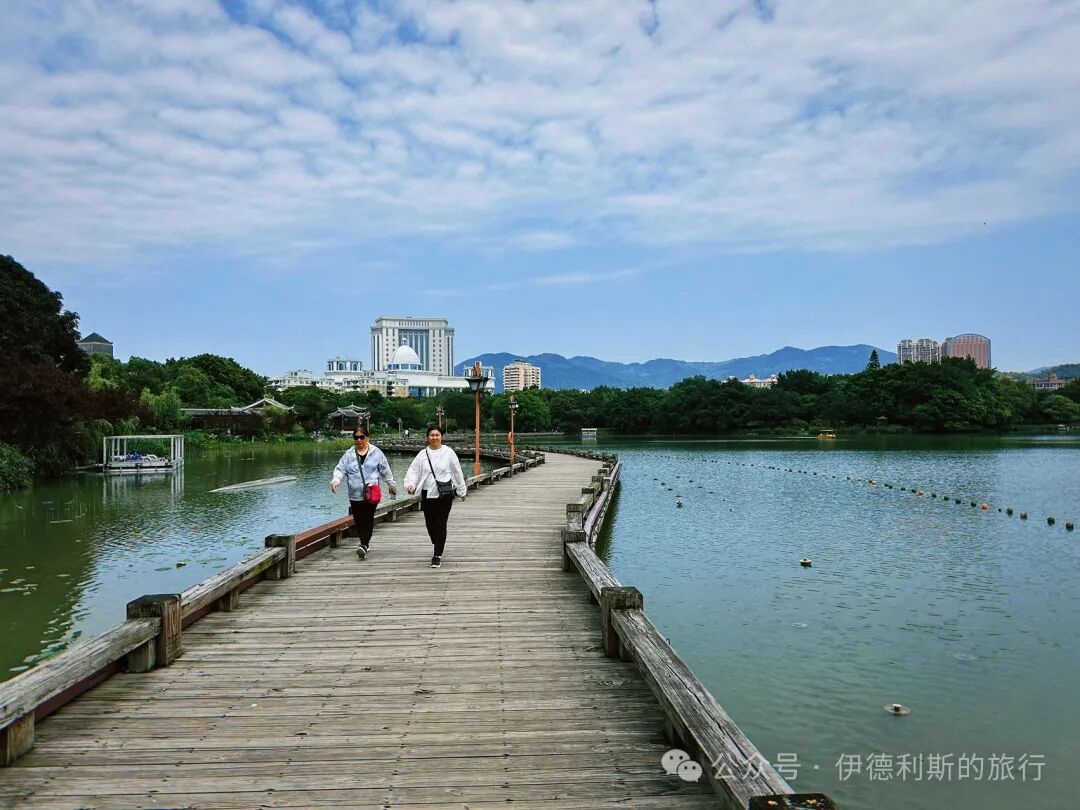
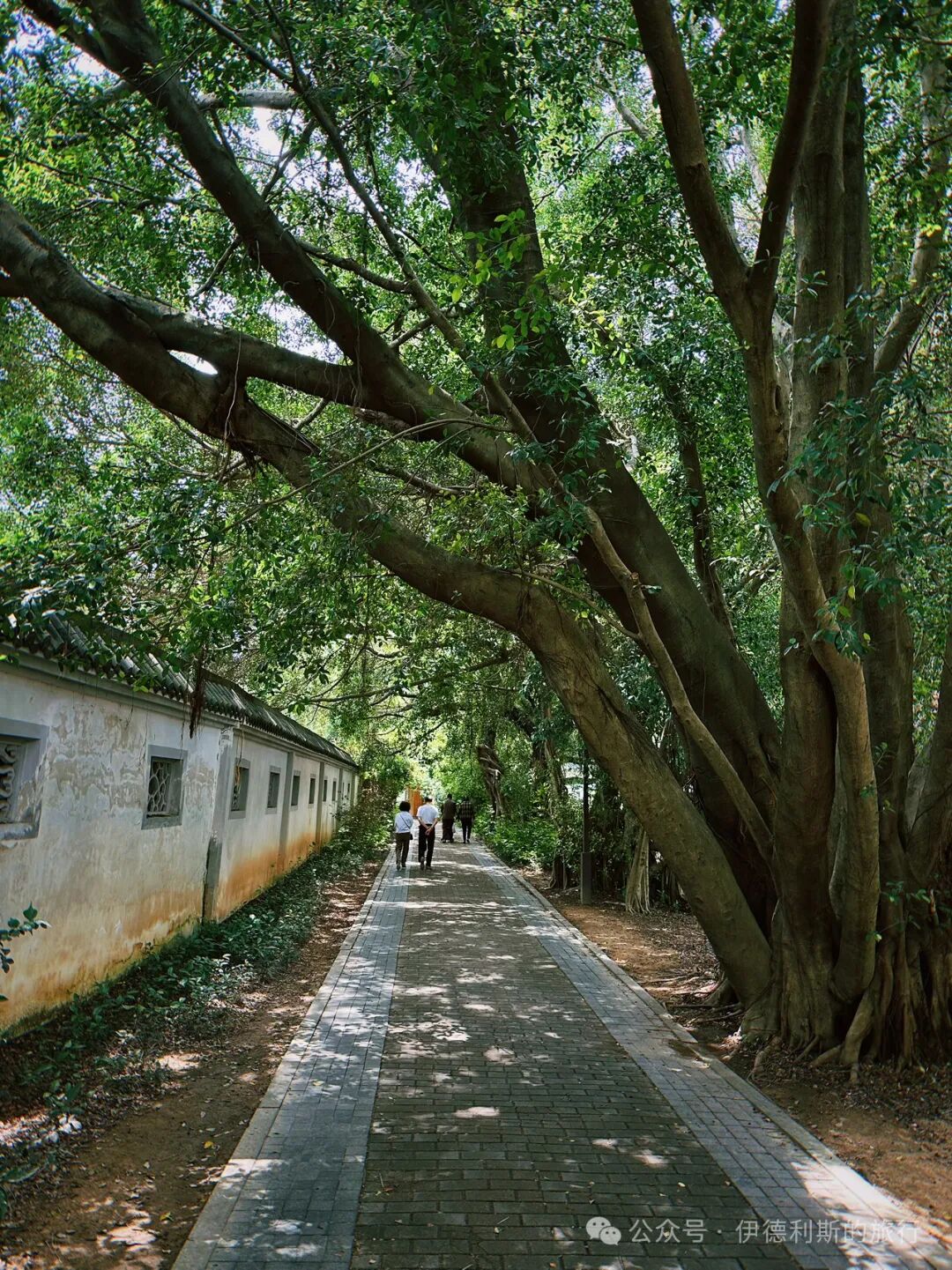
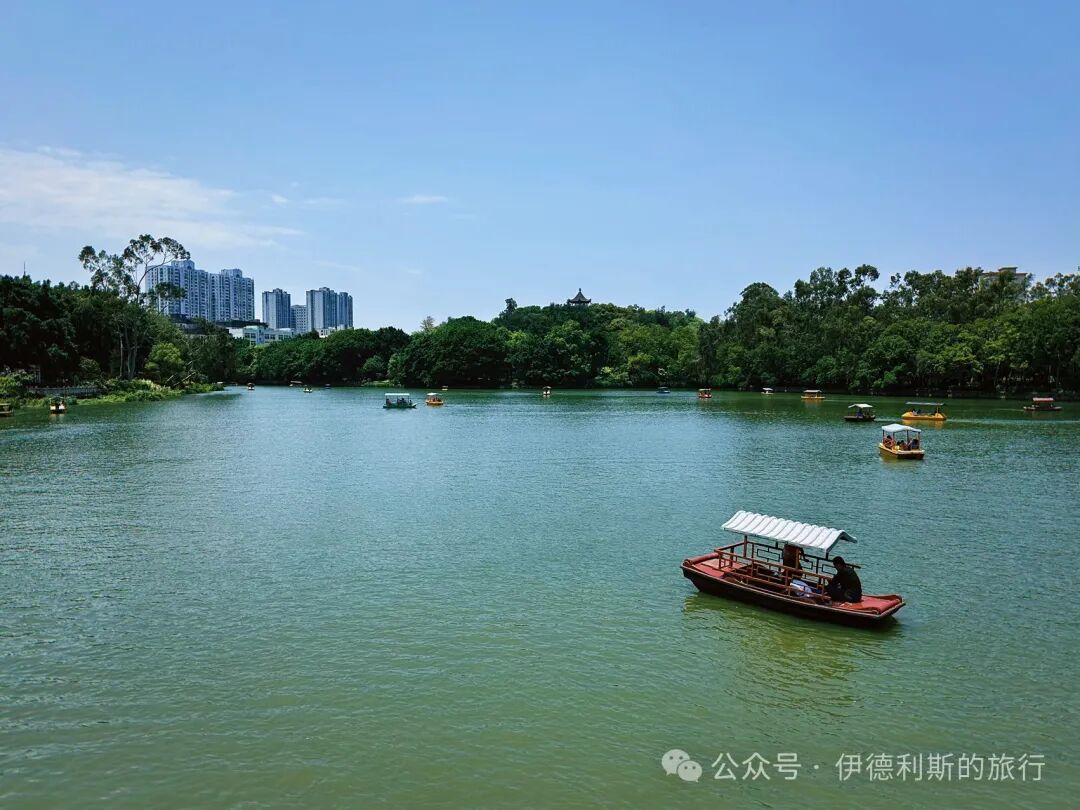
After leaving the gongbei, I went to the Fuzhou Museum. The two places are not far apart, and the scenery along the way is beautiful.
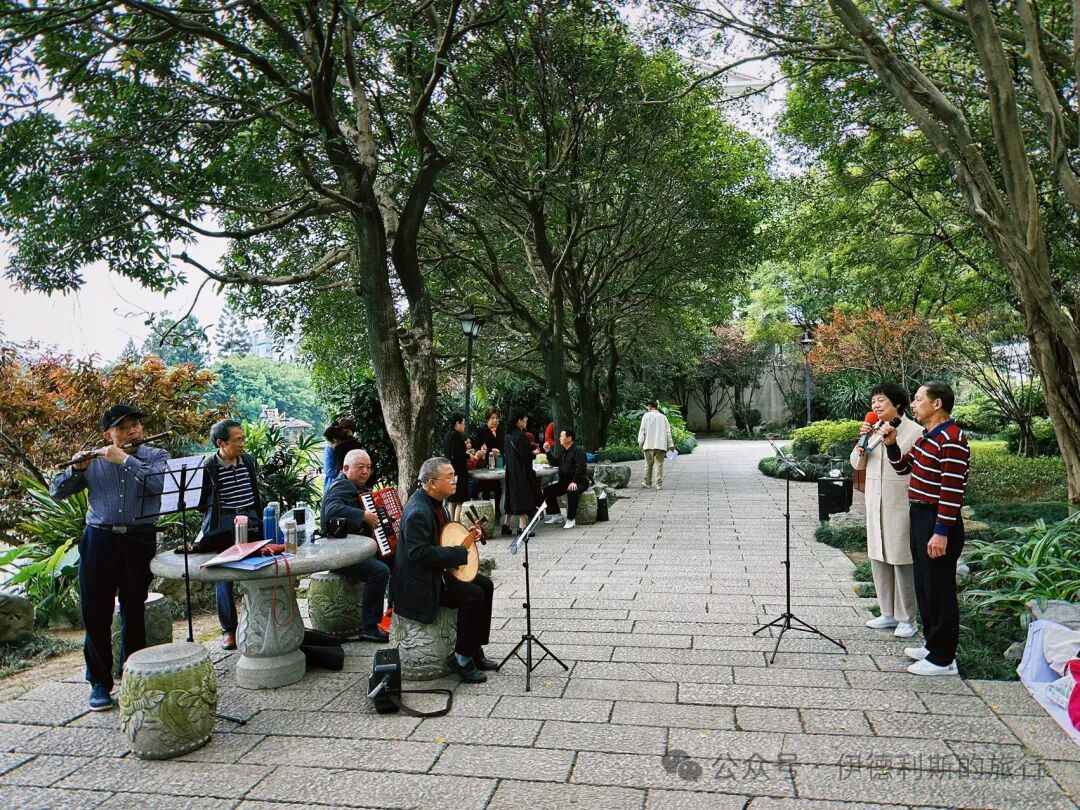
The Fuzhou Museum displays three Song and Yuan dynasty gravestones from Quanzhou.
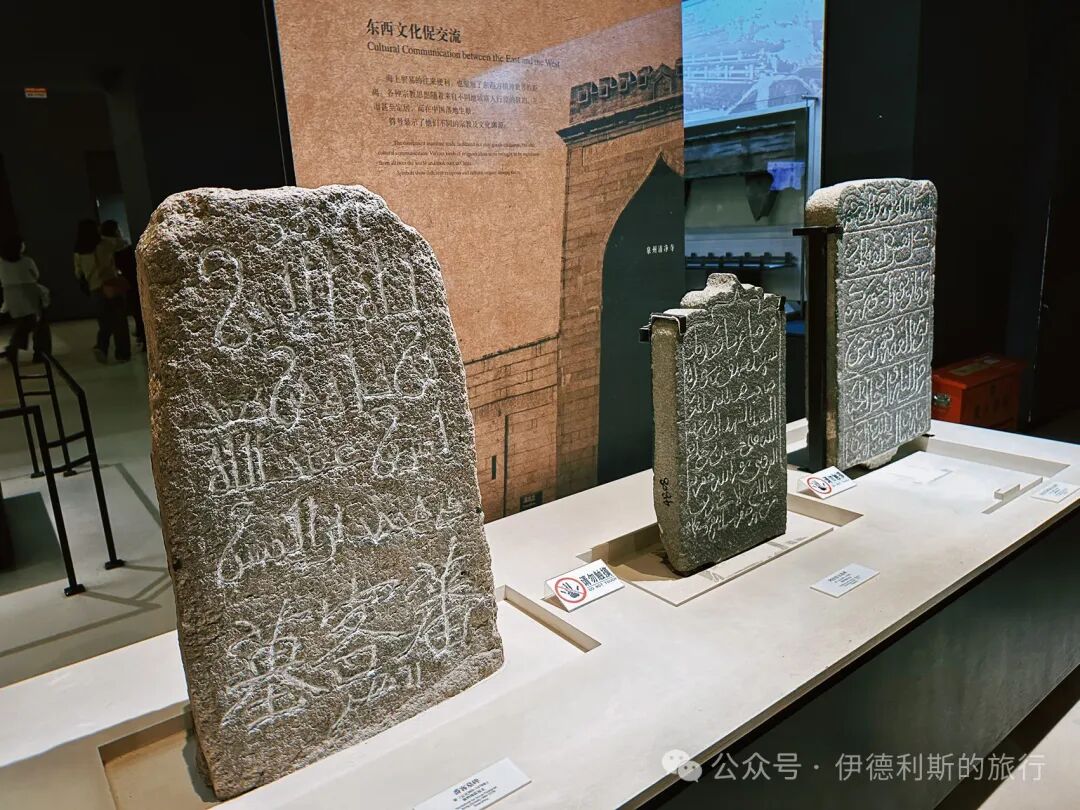
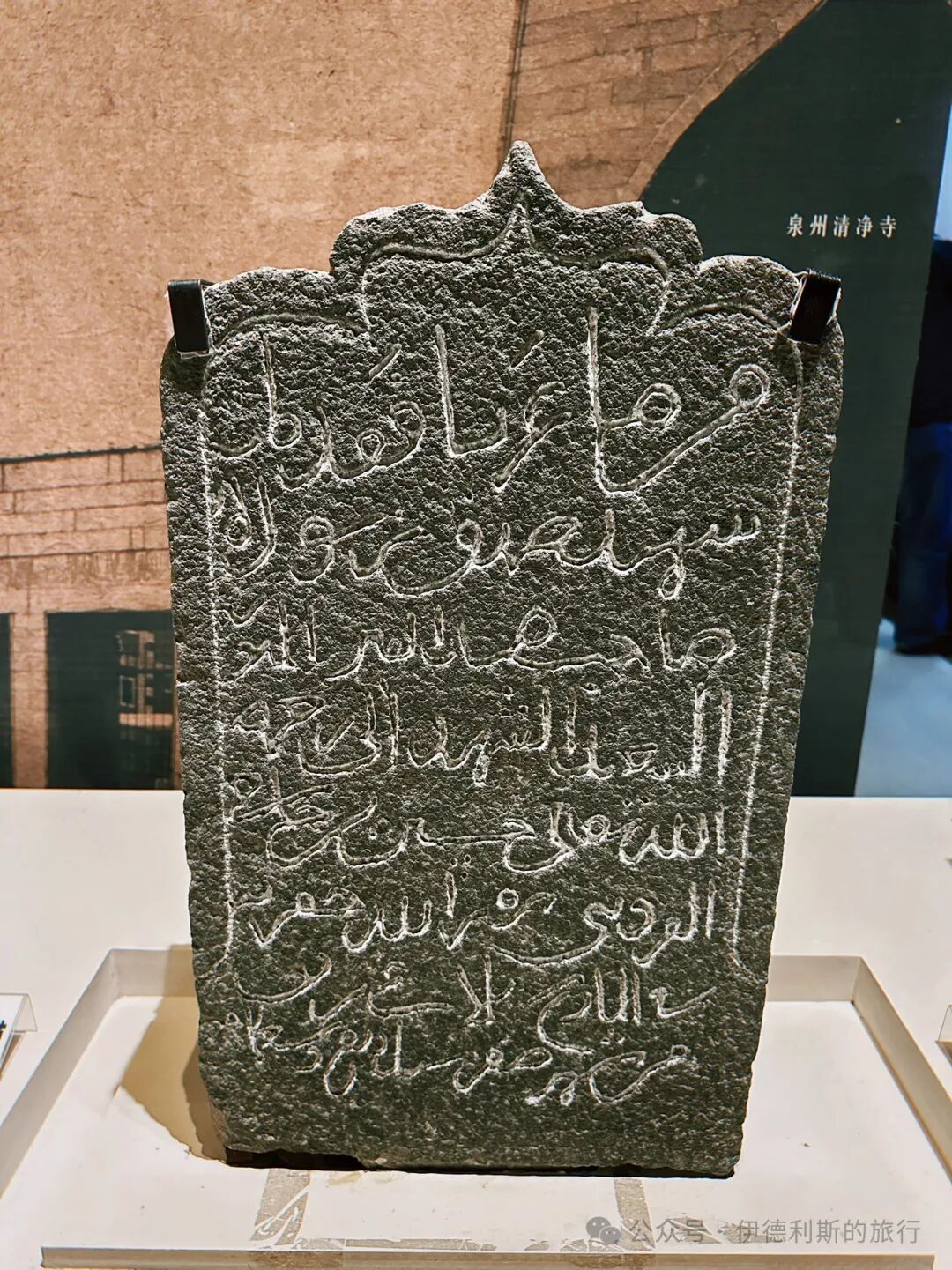
The first gravestone was found in 1935 when the Tongtian Gate (North Gate) in Quanzhou was dismantled. The person buried there was named Hussein, who passed away in the year 707 of the Islamic calendar (1307). His father was a haji from the ancient city of Qazvin in north-central Iran.
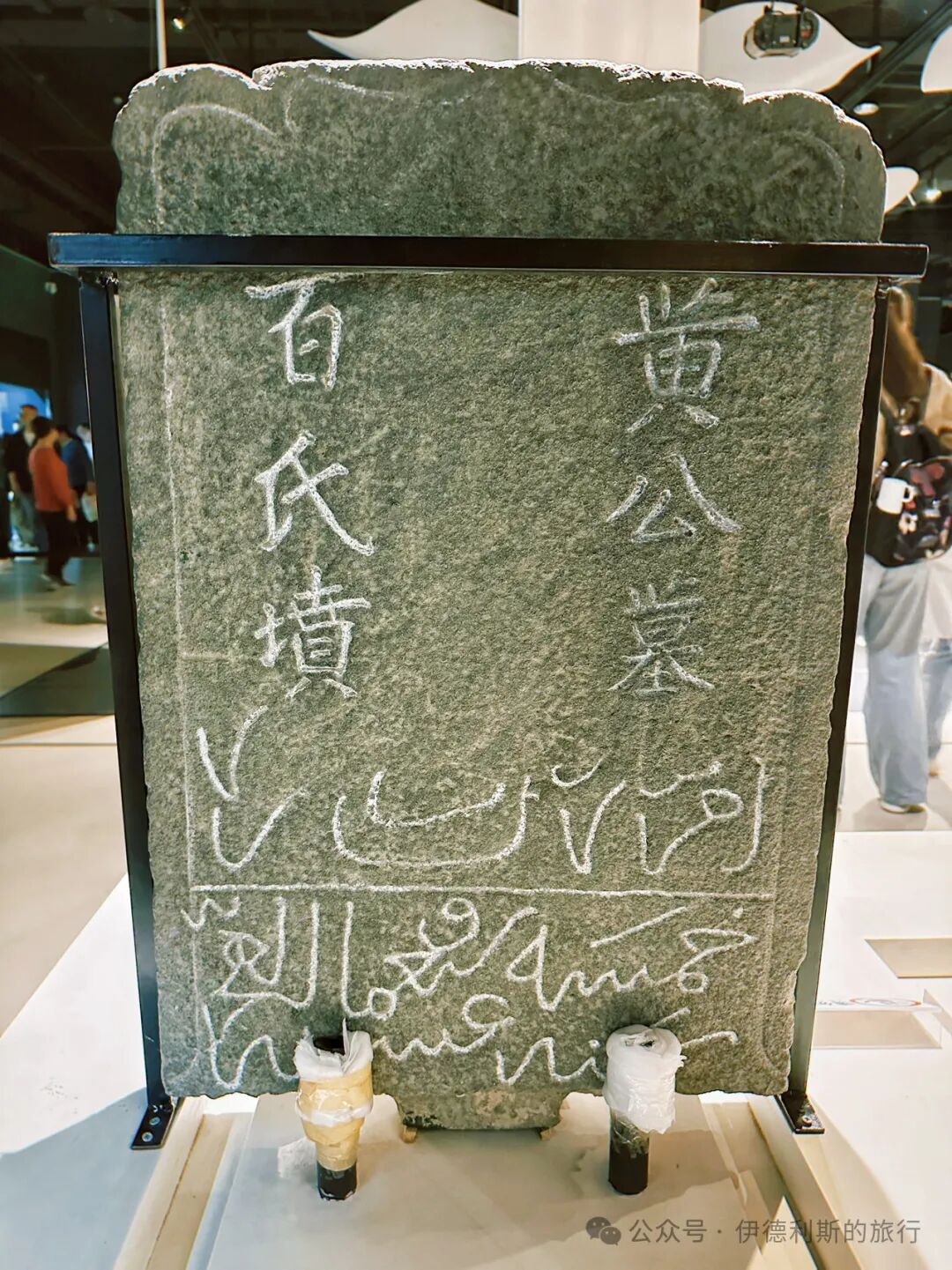
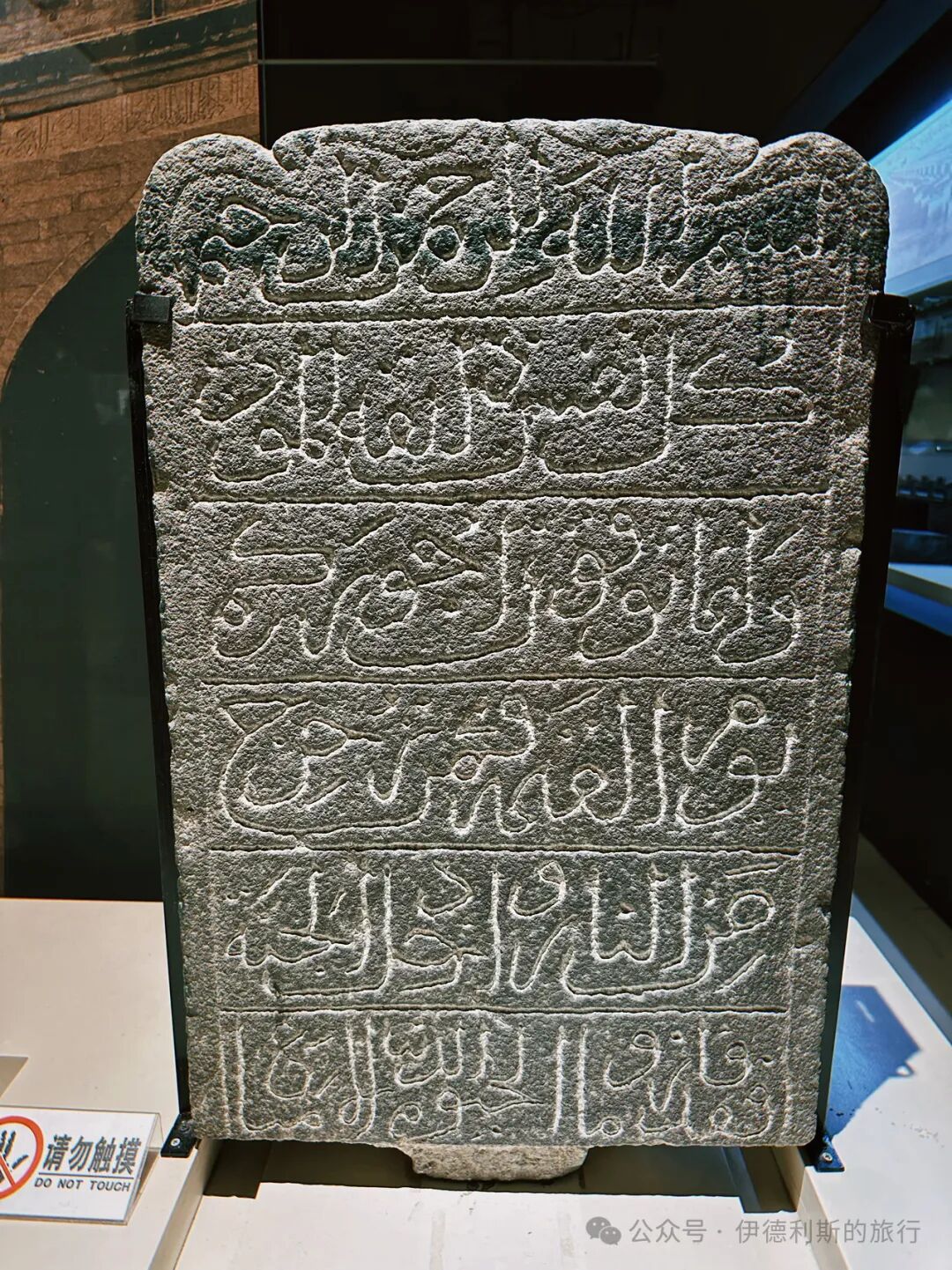
The second gravestone was found in 1963 at Jintoupu Village outside the Tonghuai Gate in Quanzhou. The gravestone is inscribed with the Chinese characters for Grave of Mr. Huang and the Bai family, likely a joint burial for Mr. Huang and his wife, surnamed Bai. Huang remains one of the surnames used by Hui Muslims in Quanzhou today. The Arabic name of the person buried below is difficult to read, but it is clear they passed away in the year 715 of the Islamic calendar (1315). The back is carved with a verse from the Quran (3:185).
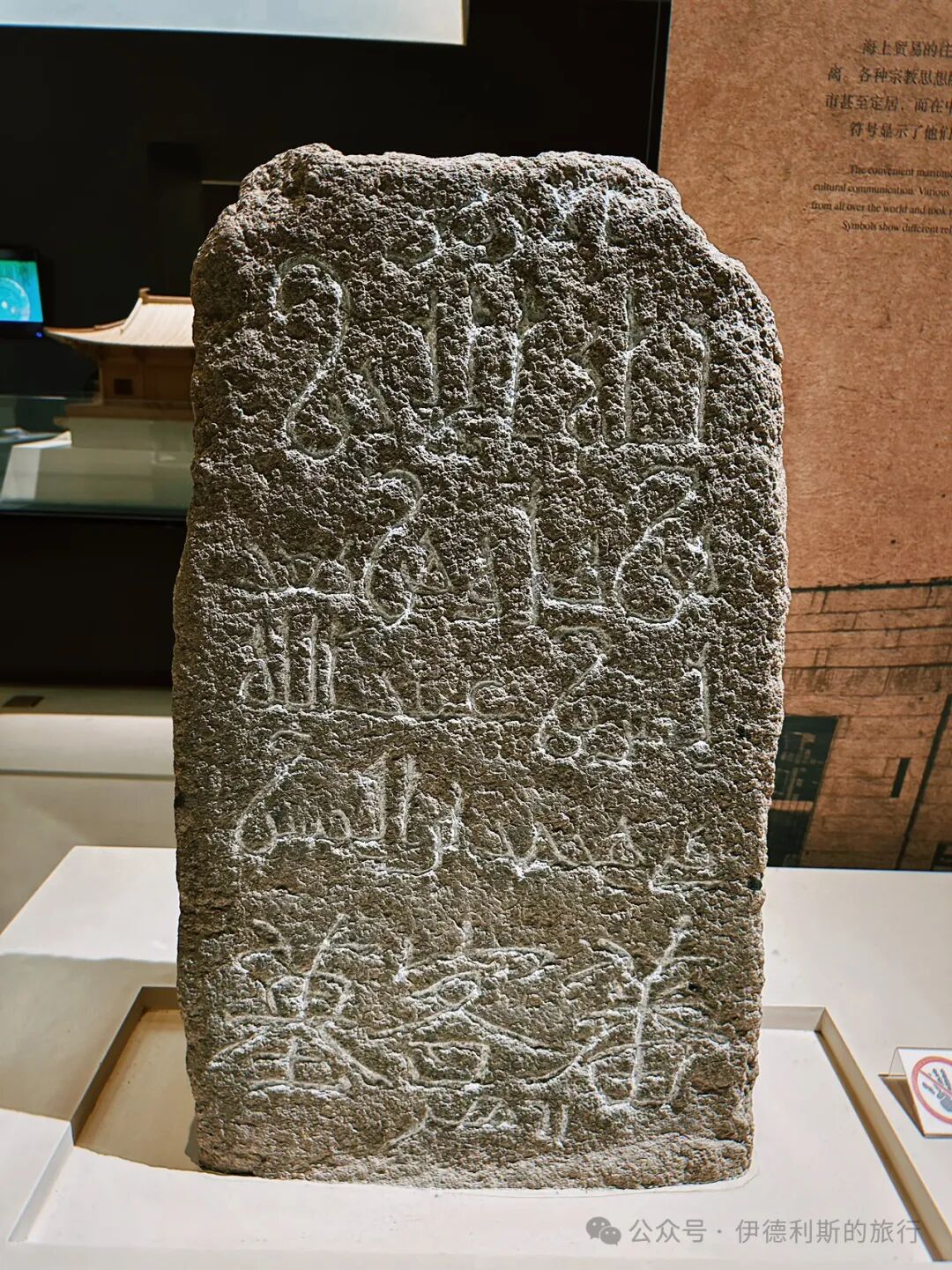
The third tombstone was found in 1965 during road construction southeast of the Li Gong Shrine on Dongyue Mountain outside the East Gate of Quanzhou. It was left by the side of the road until Mr. Wang Zhaoxiao from the Quanzhou Maritime Museum moved it for safekeeping, and it was soon sent to the Fujian Museum for display. The tombstone is carved with the Chinese characters for 'Foreign Merchant's Tomb' (fanke mu). Fanke was the term used for foreign merchants during the Tang and Song dynasties. The Arabic inscription shows the name of the deceased, Abdullah Ali Muhammad bin Hasan, and also includes an excerpt from a verse (30:4).
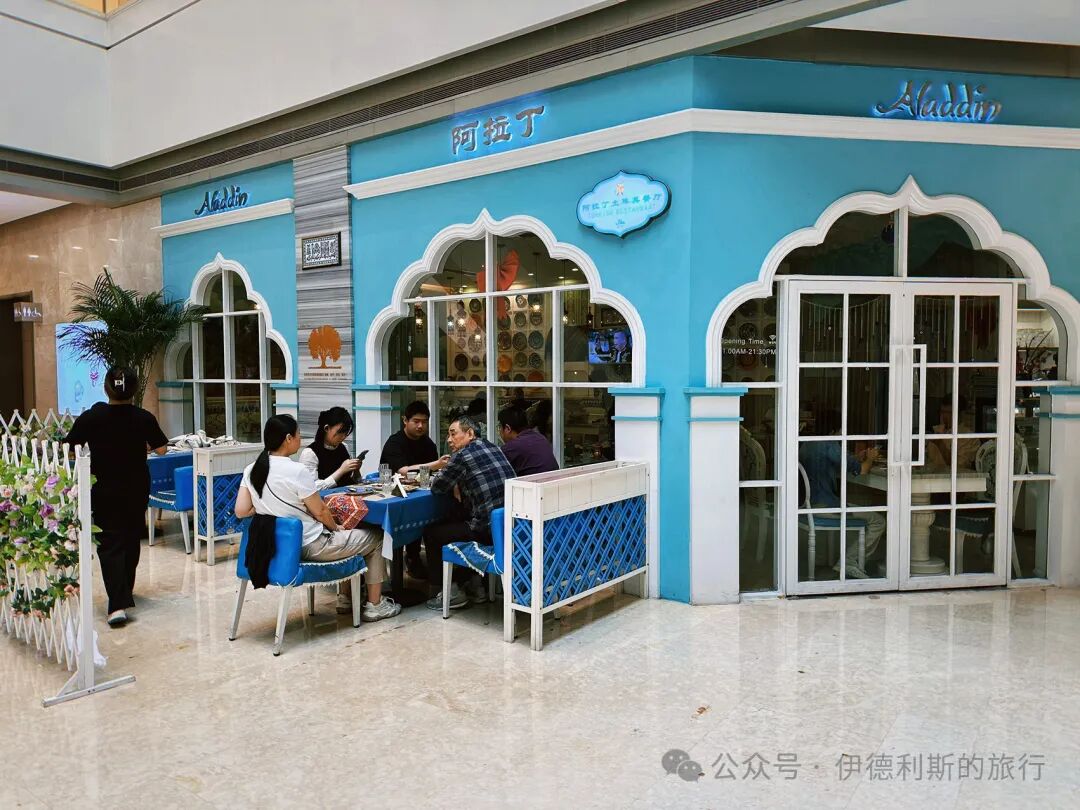
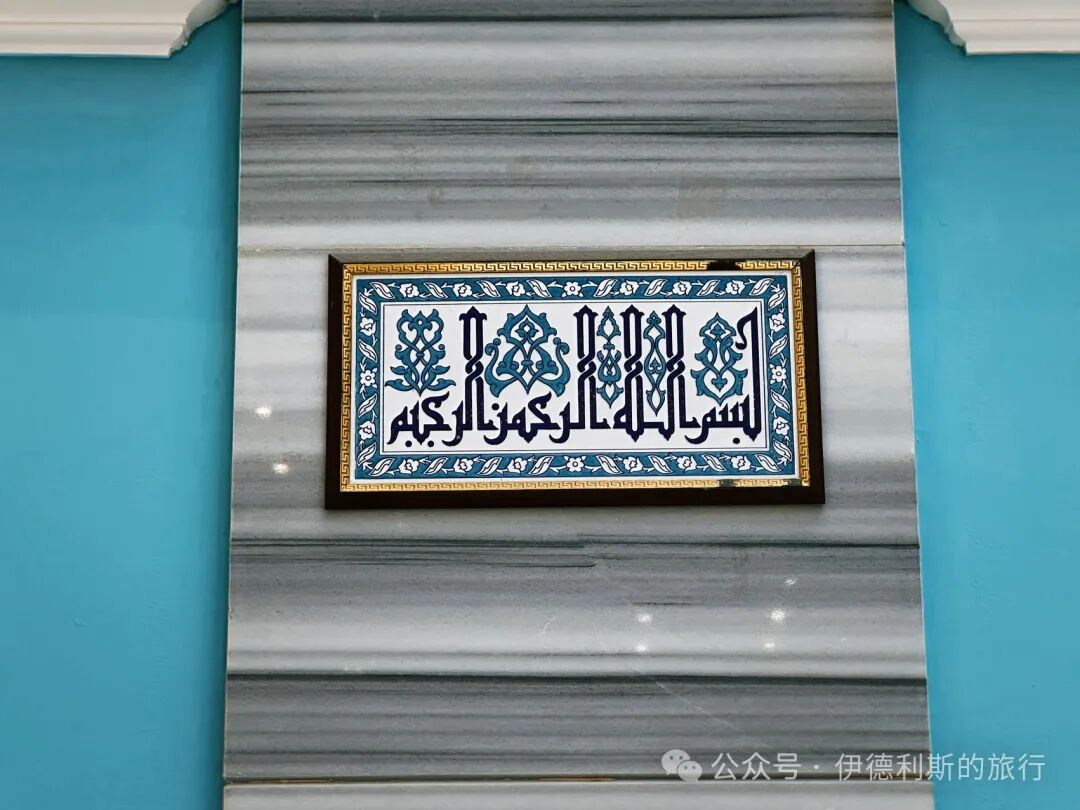
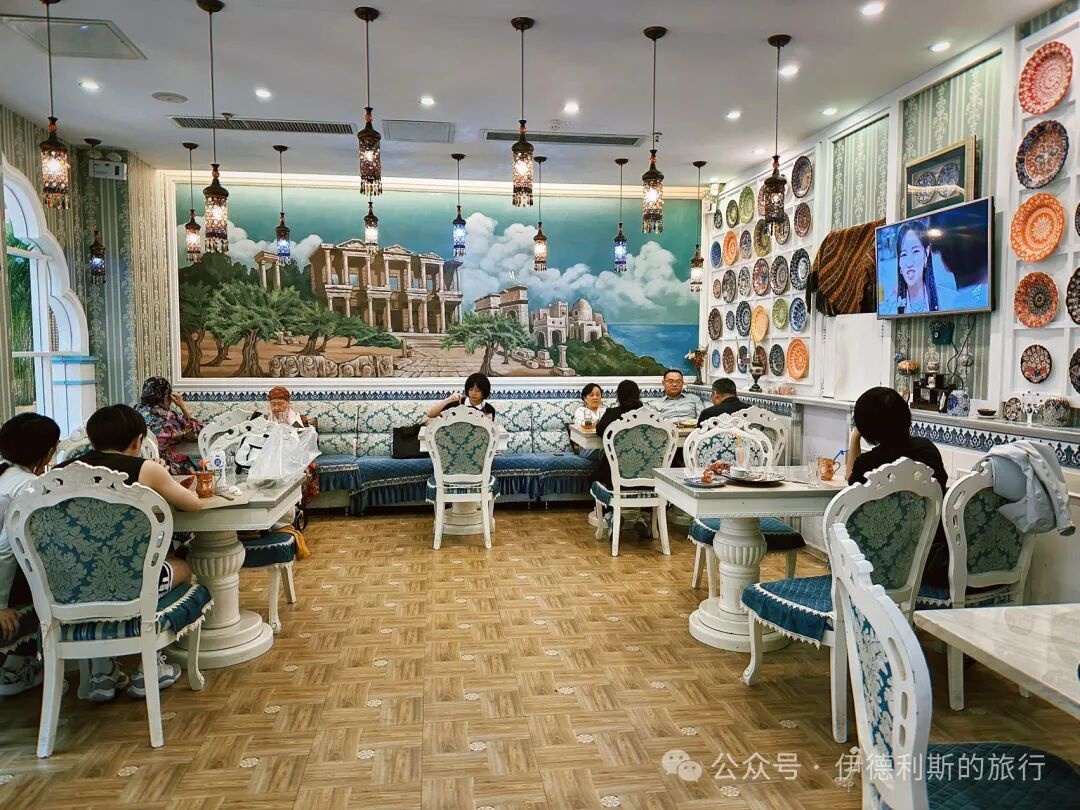
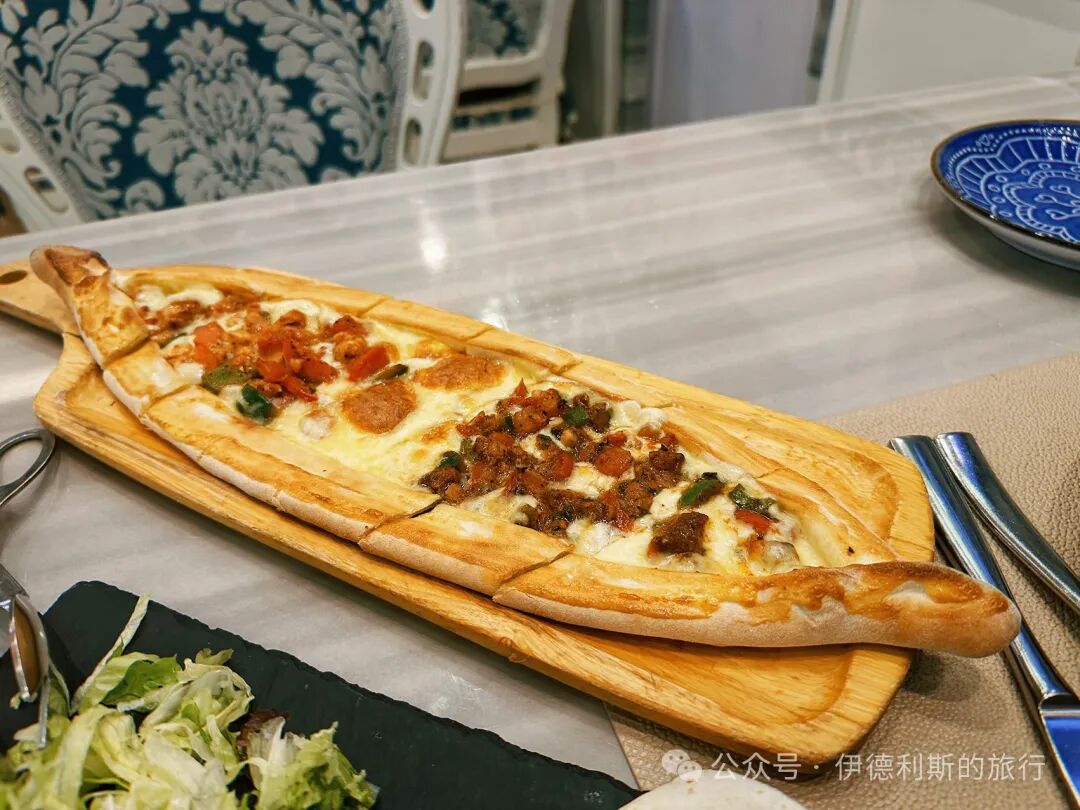
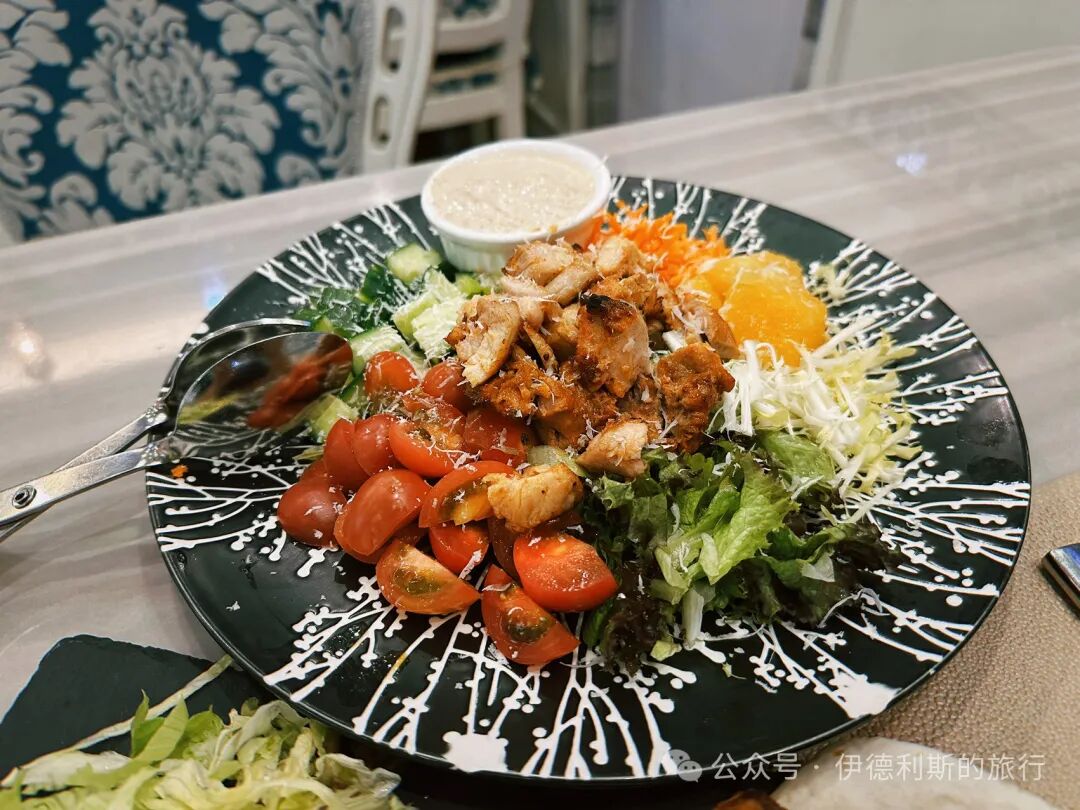
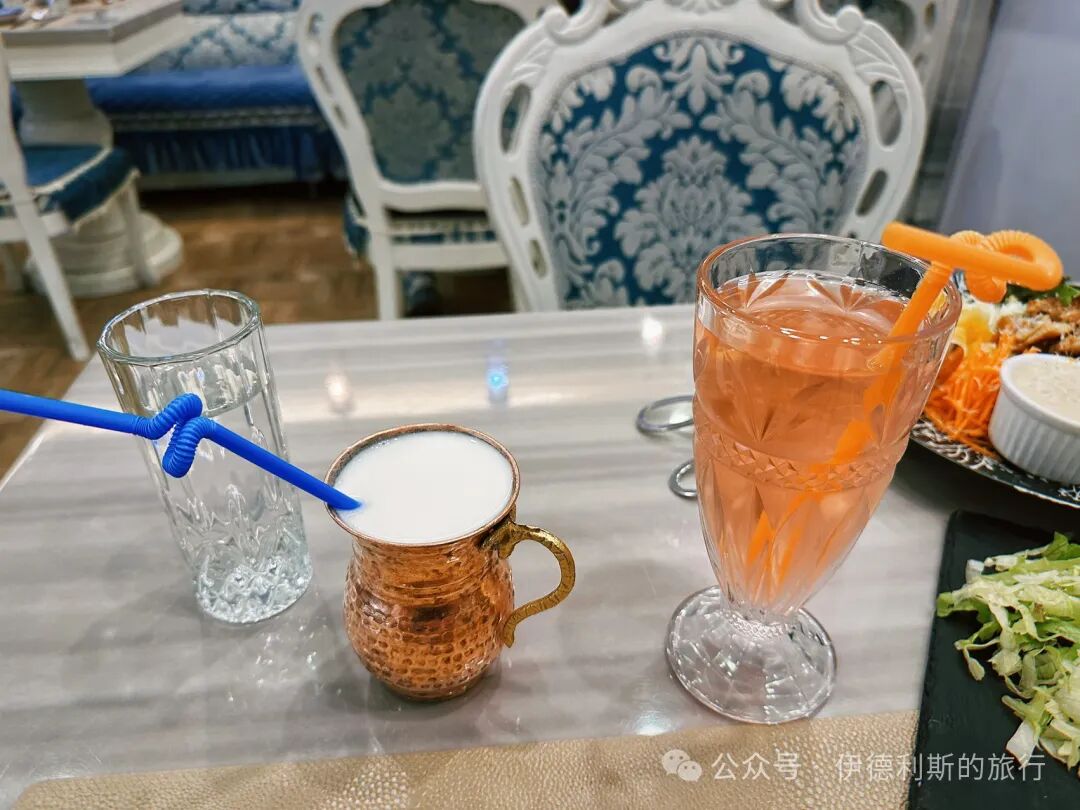
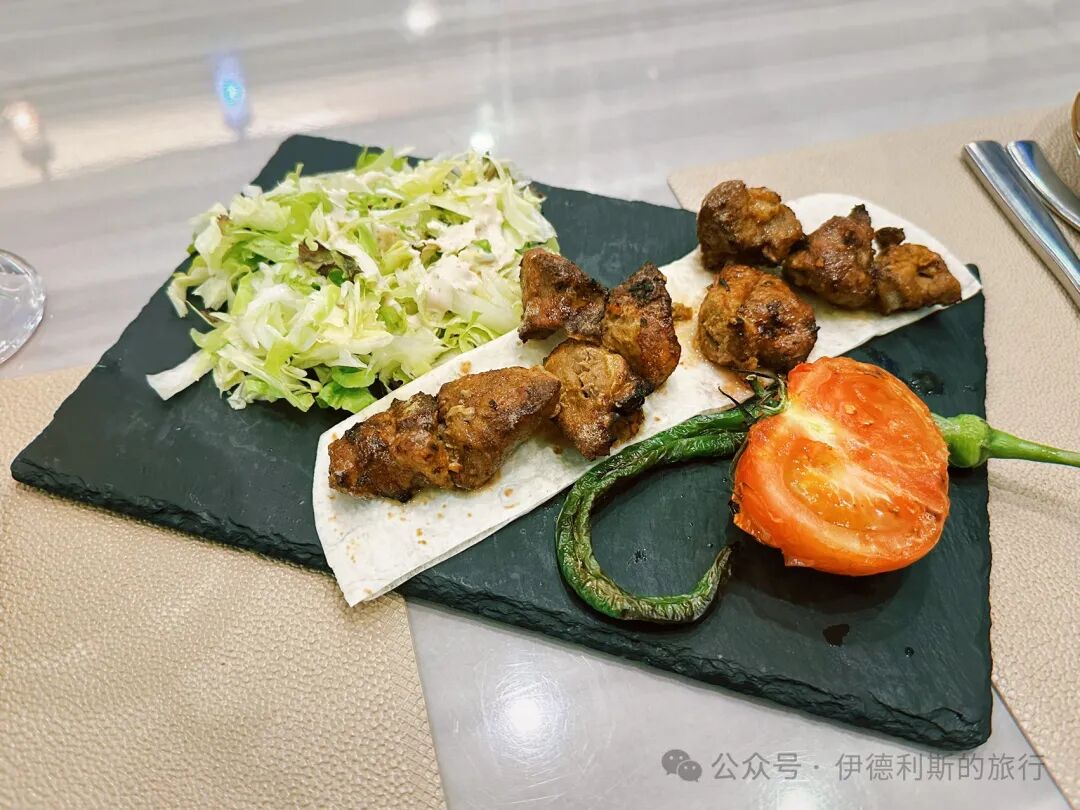
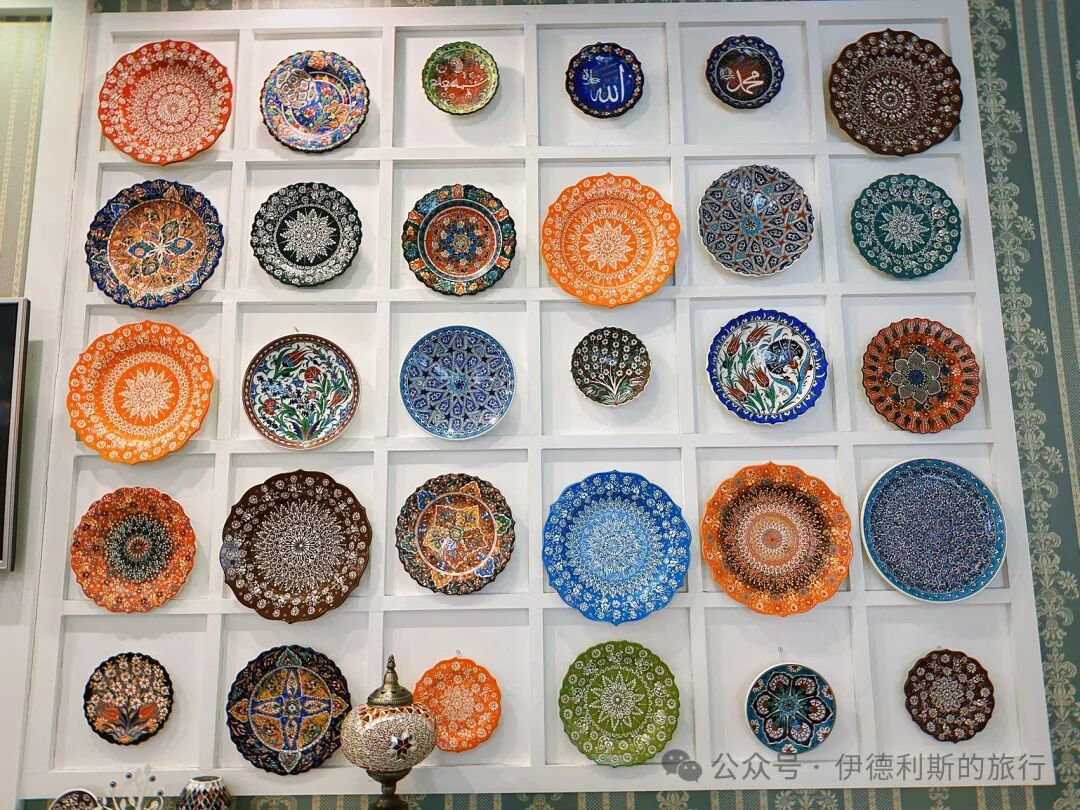
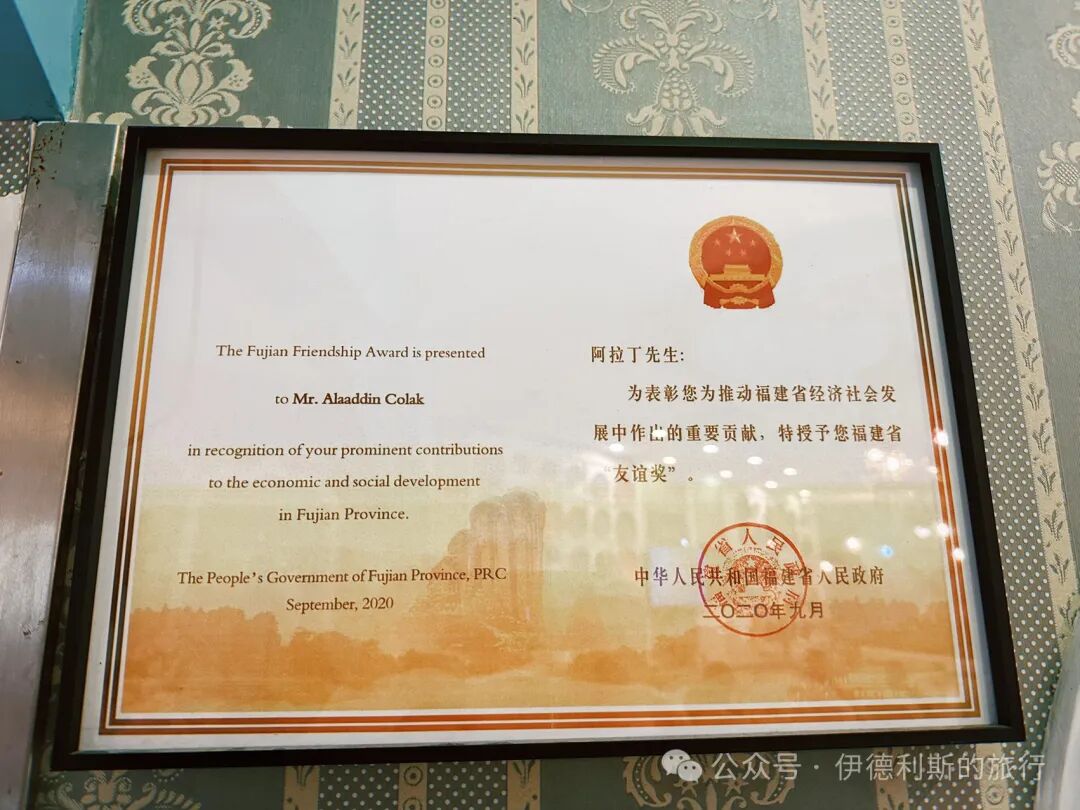
After finishing at the museum, I rode my bike to Aladdin, a famous Turkish restaurant in Fuzhou, for lunch. I ordered a three-topping Turkish flatbread (pide), chicken salad, grilled lamb skewers, rose syrup, and salty yogurt drink (ayran), all of which were delicious. The pide was very fragrant, the lamb skewers were very tender, and the chicken salad was a large, healthy portion. It would have been even better if the ayran had been the kind with lots of foam, just like you find on the streets of Turkey.
The owner is a foreign son-in-law from Fuzhou who has loved Chinese martial arts since he was a kid. He spent six years in Istanbul learning Southern Fist (nanquan) from a Turkish teacher. Later, he learned that Southern Fist originated in Fujian, so he applied to Fuzhou University. He met his true love during college, and they got married after graduation. Aladdin settled in Fuzhou to work in import and export trade, and he officially opened Aladdin Turkish Restaurant in 2015.
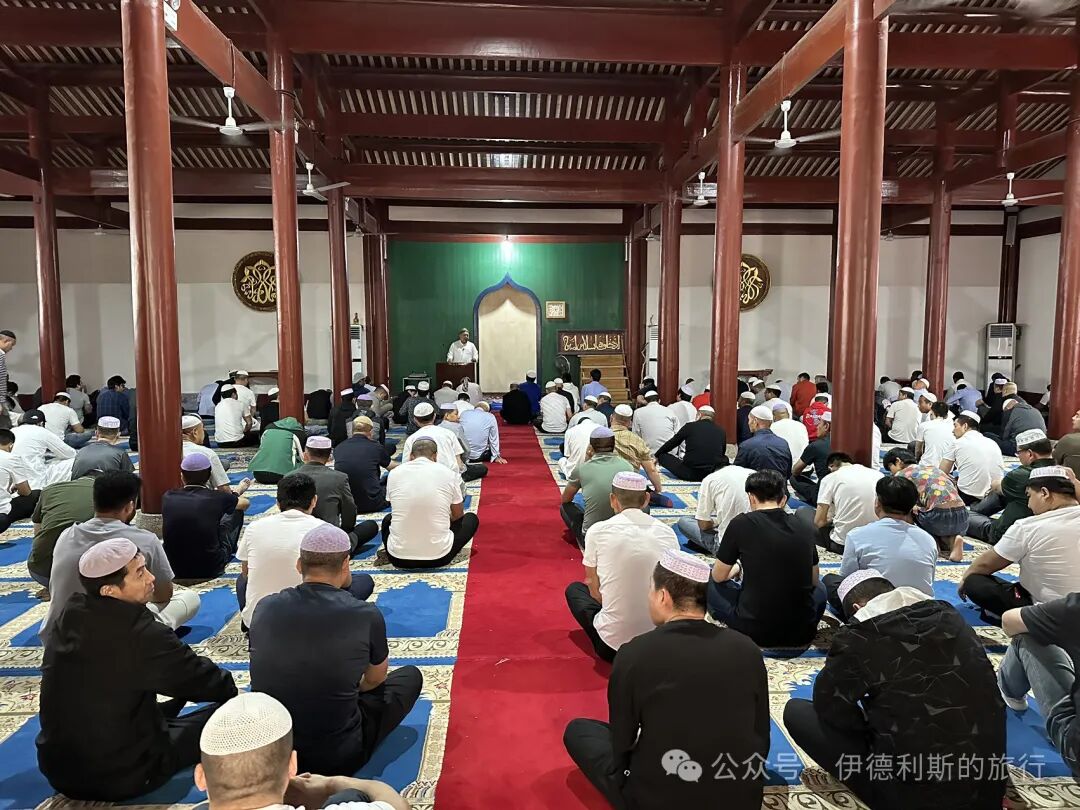
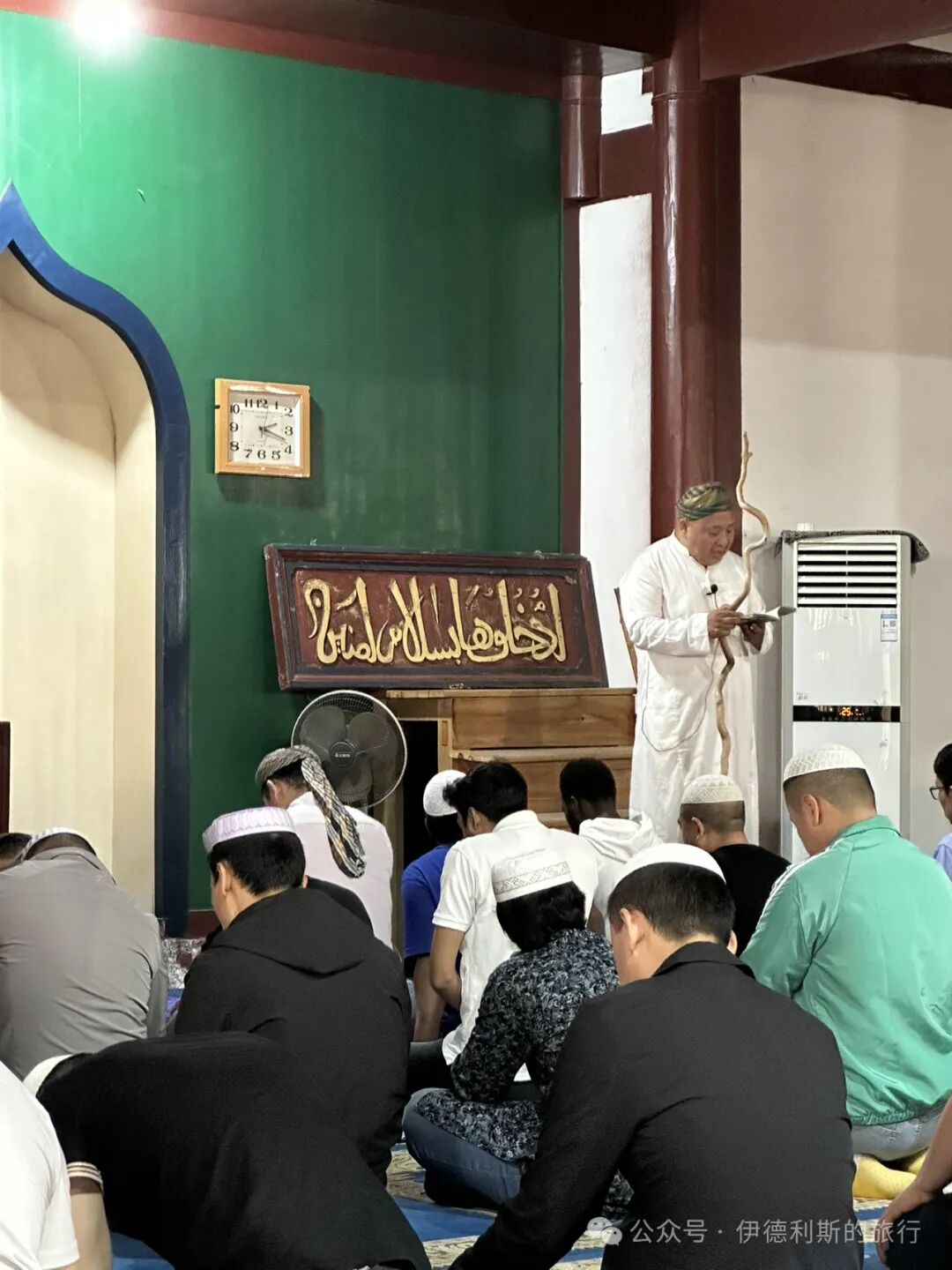
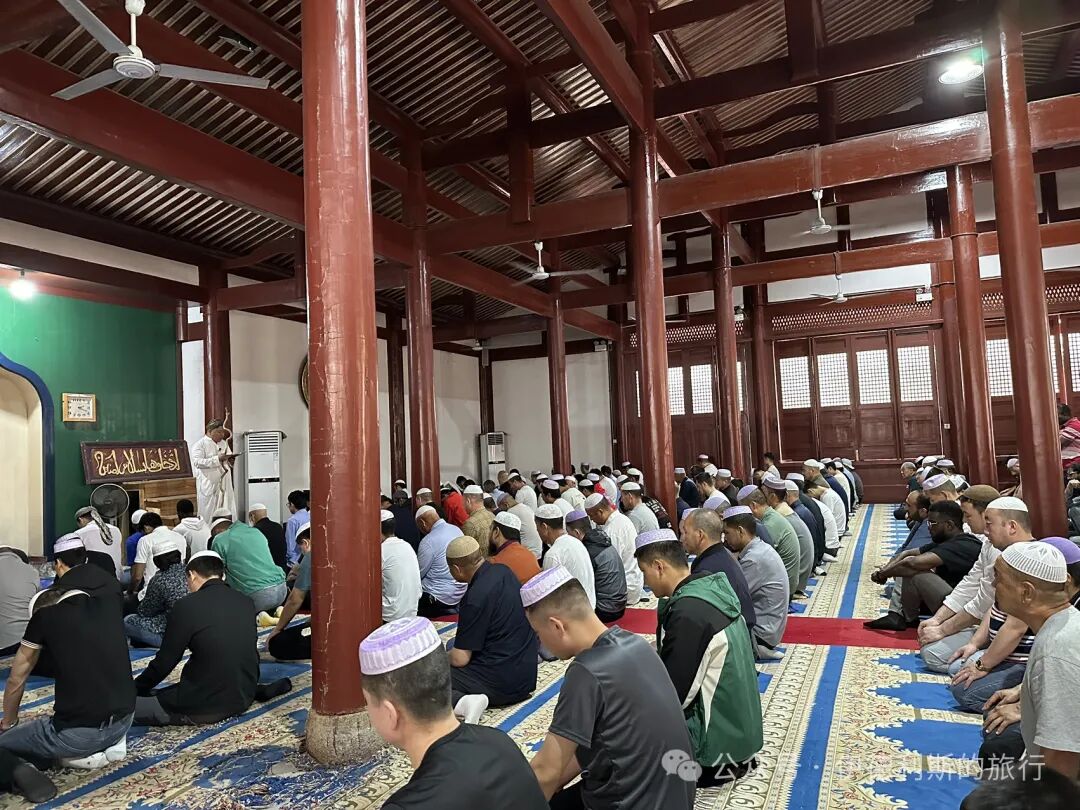
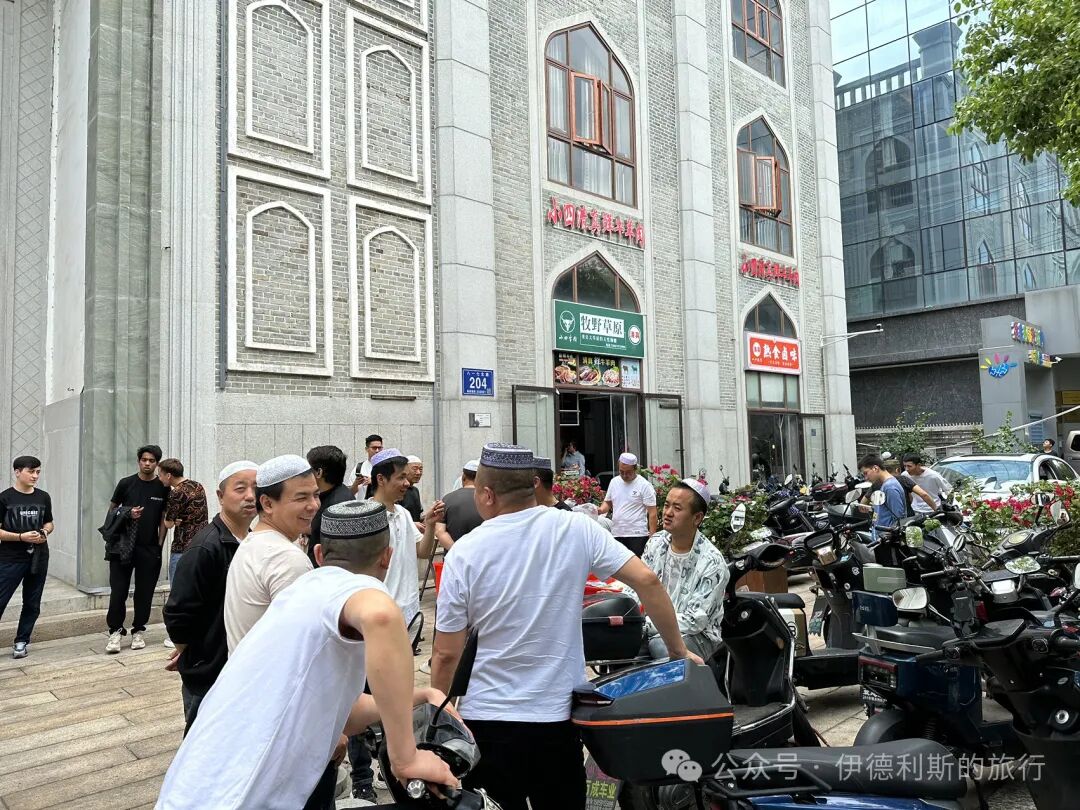
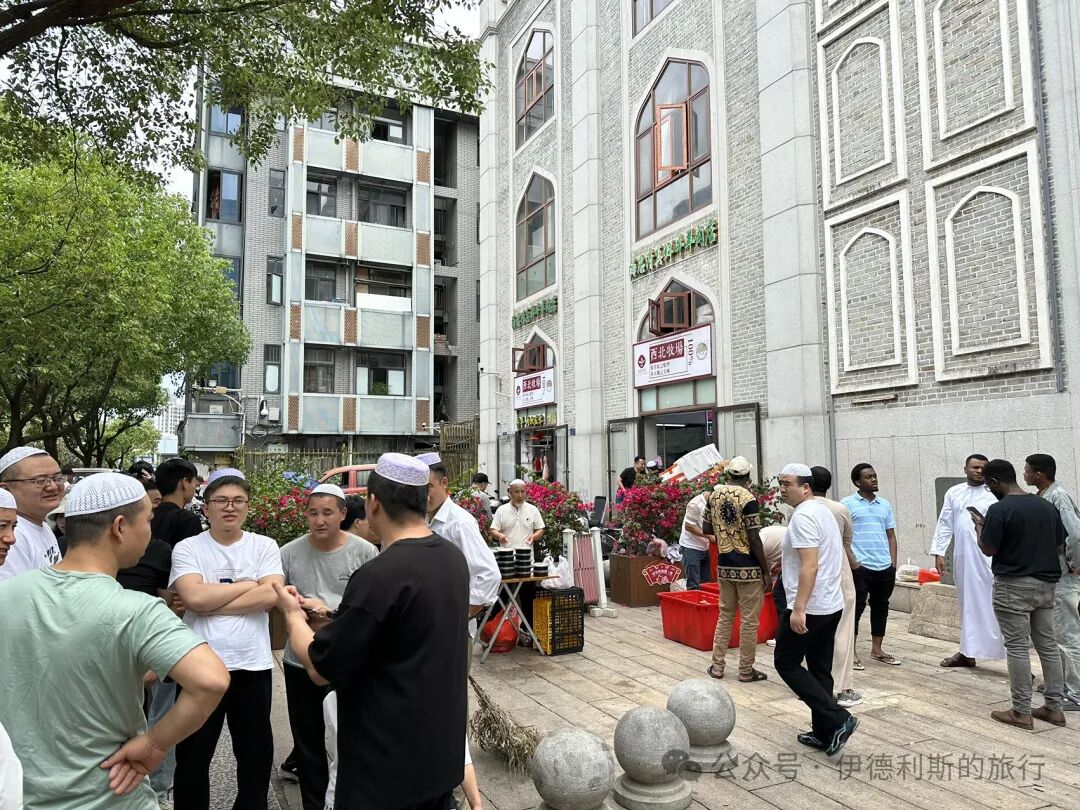
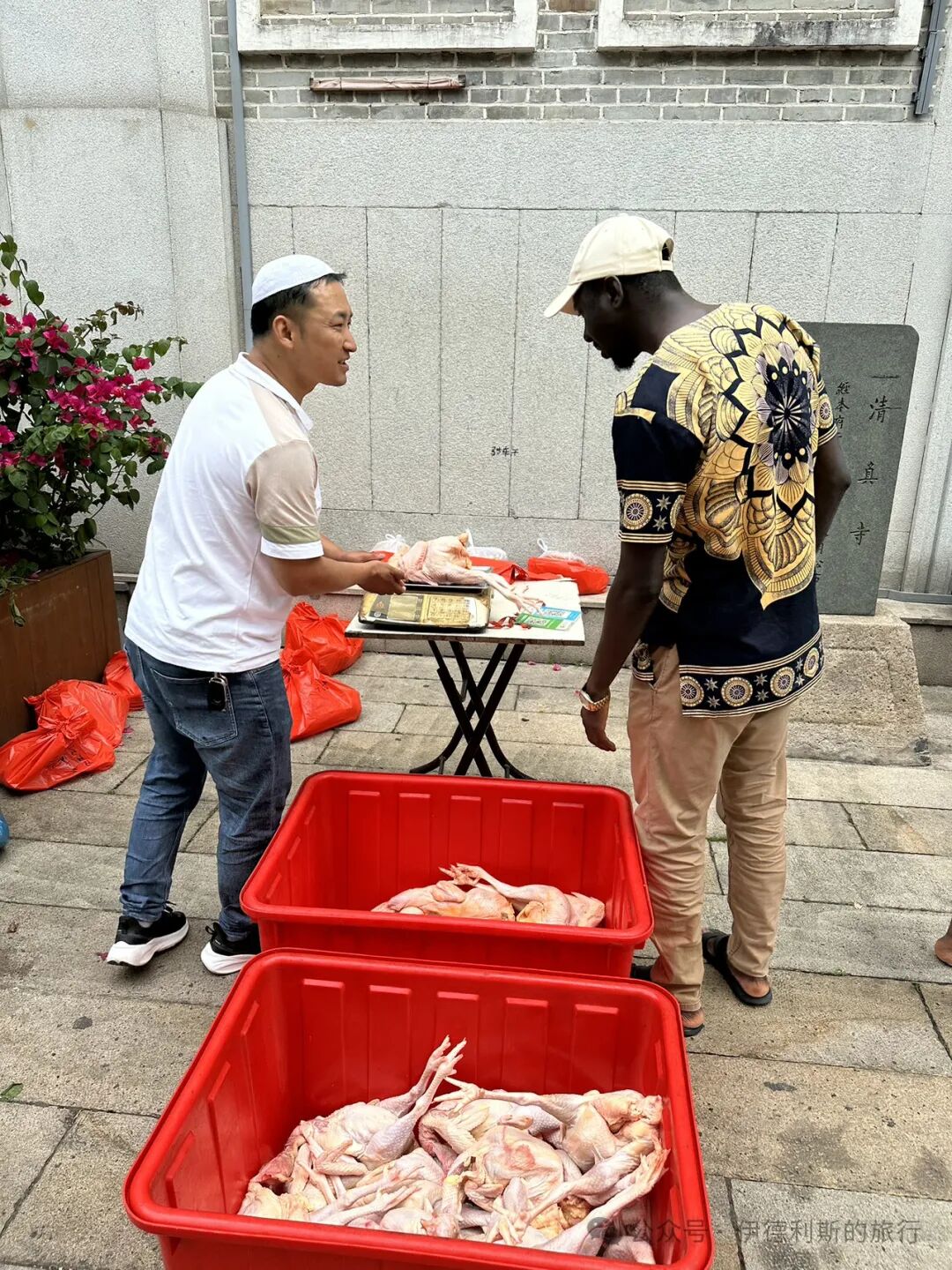
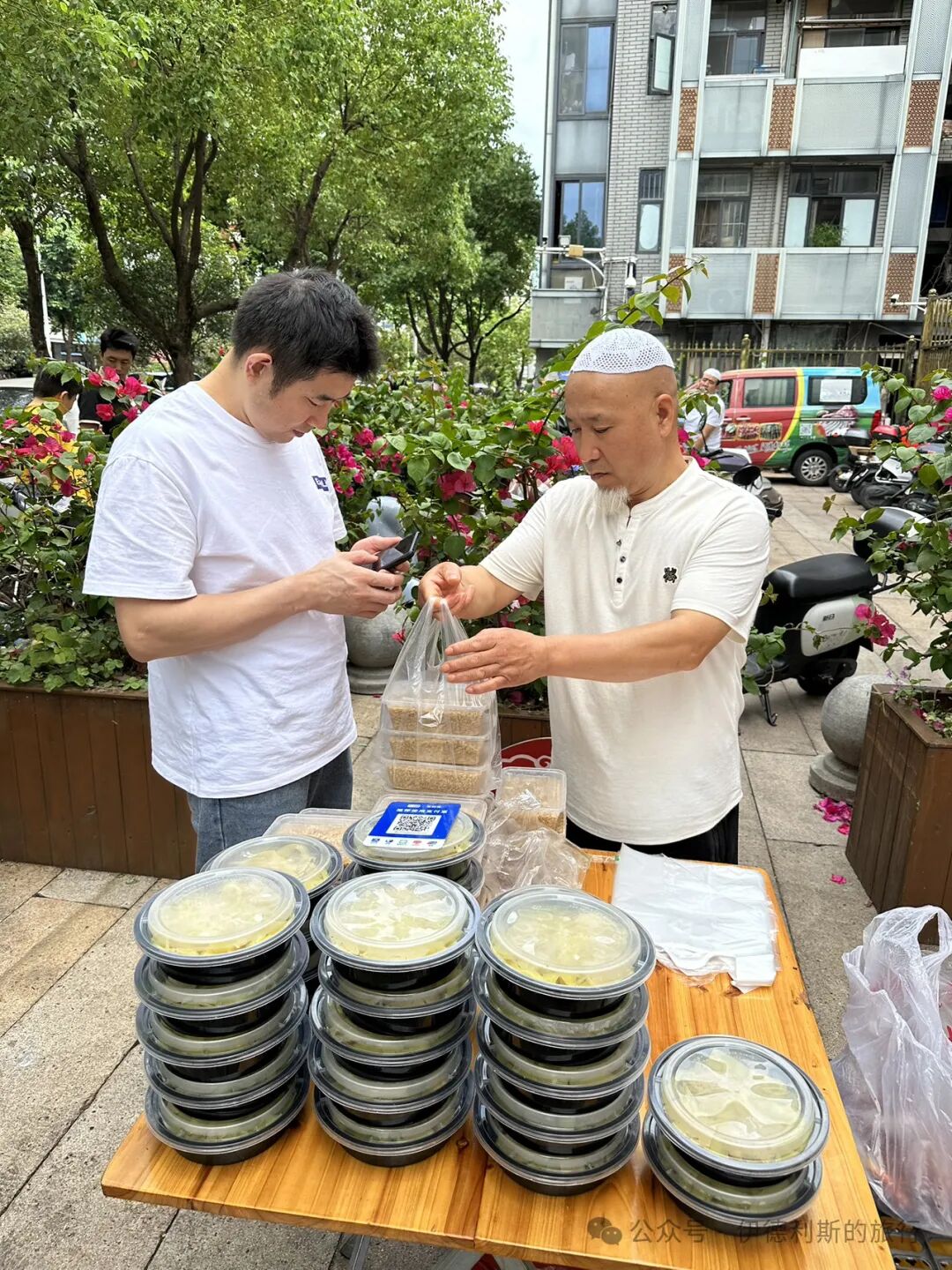
After lunch, I returned to the Fuzhou mosque for Jumu'ah prayers. Most of the people there for Jumu'ah were brothers from the noodle shops, along with some foreign friends, and the main hall was completely full. After leaving the hall, you can buy plenty of Northwest snacks at the entrance, such as cold skin noodles (liangpi) and fermented oat porridge (tianbeizi).
Summary: Halal Travel Guide: Fuzhou - Jumu'ah, Fuzhou Mosque and Song-Yuan Stone Inscriptions is presented here as a firsthand travel account in clear, natural English. The account focuses on Fuzhou, Fuzhou Mosque, Islamic Heritage while preserving the names, places, food, photos, and historical details from the Chinese source.
On May 3, I started my morning by visiting the Fuzhou Mosque located at Nanmendou.
During the Five Dynasties period, the site of the Fuzhou Mosque was originally the Taiping Palace of Min King Wang Jipeng. After Wang Jipeng took the throne in 936 (the first year of the Tianfu era of the Later Jin dynasty), it was renamed Wanshou Mosque, and later it became a mosque. In the early years of the Zhizheng era of the Yuan dynasty, the Censor Zhang Xiaosi donated funds for its renovation. It was destroyed by fire in 1541 (the 20th year of the Jiajing era). Ge Wenming, a descendant of the envoy Ge Buman from the Guli Kingdom (the Calicut Kingdom on the southwest corner of the Indian peninsula), led the reconstruction, which was completed in 1549 (the 28th year of the Jiajing era). The main hall of the mosque was originally shaped like the Chinese character 'Hui'. After part of it collapsed in 1955, it could not be repaired, so it was reduced to a 'Gong' shape in 1956. During the 2013 renovation, it was restored to its original 'Hui' shape.
The north and south side halls flanking the main hall feature typical traditional Fuzhou architecture, with saddle-shaped firewalls and clay sculptures of various traditional patterns on the upturned eaves.
The Fuzhou Mosque houses many cultural relics. The oldest ones are likely the stone railings from the Song dynasty Wanshou Mosque, which feature various traditional stone carvings. some stone railing components are scattered around the courtyard, some of which are carved with stone lions.
The collection includes a plaque with scripture that originally hung above the mihrab, a plaque with the Shahada that originally hung above the main gate, and a 'Xianyang Shengjiao' (Promoting the Holy Religion) plaque erected in 1921 by Tang Kesan, the supervisor of the Xiamen Customs. After Tang Kesan became the director of the Xiamen Customs in 1919, he worked hard to revive the faith in Fujian. He donated significant funds to the Fuzhou Mosque, Xiamen Mosque, and Quanzhou Qingjing Mosque, and he encouraged the descendants of local scripture readers to return to the faith and serve in the mosques.
The Fuzhou Mosque still houses seven stone tablets dating from the Ming Dynasty to the Republican era. Among them, the Record of Rebuilding the Mosque (Chongjian Qingzhensi Ji) from the 28th year of the Jiajing reign of the Ming Dynasty documents the process of rebuilding the Fuzhou Mosque during that time. One of the donors mentioned in the inscription, Sa Qi, came from the famous Yanmen Sa family of Fuzhou. Sa Qi's ancestor, Sa Dula, was a famous Semu poet in the Yuan Dynasty who was granted the surname Sa by the Yuan emperor due to his favor.
The author of the text, Mi Rong, was a Hui Muslim from the Mi family of Shaowu, Fujian. He passed the imperial examination during the Jiajing reign and later served as the Left Counselor of the Huguang Administration Commission. He was very knowledgeable and skilled in writing. The Mi family of Shaowu originally came from Datong, Shanxi. They were frontier generals at the end of the Yuan Dynasty, later surrendered to Zhu Yuanzhang, and were stationed in Fujian in the seventh year of the Hongwu reign, where they settled in Shaowu.
The Imperial Edict Tablet of the Yongle Emperor (Yongle Huangdi Chiyu Bei) is an order issued by Emperor Chengzu Zhu Di in the fifth year of the Yongle reign to protect the Muslim Mili Haji, and it speaks very highly of him. Besides the Fuzhou Mosque, copies are also preserved at the Quanzhou Qingjing Mosque, the Suzhou Mosque, and the Great Mosque of Huajue Lane in Xi'an. Some scholars believe the Yongle Imperial Edict was a key measure to protect Muslims in China during Zheng He's voyages, so many mosques carved copies of it to keep as a treasure.
The 1690 Stele Record of Mosque Renovation (Xiu Si Bei Ji) describes the repairs made at that time, but the writing is too faded to read clearly.
The 1757 Stele for Mosque Renovation and Property Purchase (Xiu Si Zhi Chan Bei) records that leftover funds were used to buy two storefronts on Dongya Lane, with the rent money used to support the mosque. The list of donors starts with Ma Dayong, the Admiral of Xiamen. Ma Dayong was a famous Hui Muslim general during the Qing Dynasty who earned the title of third-place military scholar in 1727. His residence, the Scholar's Mansion (Tanhua Di), still stands next to the Nanguan Mosque in Anqing. Ma Dayong became the Brigade General of Taiwan in 1753 and later served as the Admiral of the Fujian Navy. During his time there, he fought hard against pirates to keep the coastal residents safe, earning him the nickname Lucky Star of the Southeast.
The text also mentions relatives from Shaowu, which was another important area for Hui Muslims in Fujian after Quanzhou.
Ding Juxin from Fengshan County, Taiwan, mentioned in the text, was likely a member of the Ding family of Hui Muslims from Chendai. The old city of Fengshan County is in the Zuoying District of Kaohsiung. It was the first Chinese-style county seat in Taiwan. Construction began in the 61st year of the Kangxi reign, and it survived many wars through the Kangxi, Yongzheng, and Qianlong eras. The Ding family of Chendai is a prominent family of Hui Muslims in Quanzhou. During the Qianlong reign, the Qing government opened shipping routes between Jinjiang and Lukang in Taiwan, and the Ding family began moving to Taiwan.
The 1812 stone tablet record, 'Public Property Purchase Record,' notes that people donated money to buy a shop at Xima Bridge outside the south gate of Fuzhou and another shop at the south gate of the Fuzhou mosque. They used the rent from these shops to support the mosque. The first donor listed is Xu Wenmo, the Fujian Land Forces Commander and Baron Zhuanglie. He was a Hui Muslim from Sichuan and the son of the famous Qing general Xu Shixiang. He passed the military examinations in 1786 and later earned many military honors. The Draft History of Qing records that he was later transferred to be the Fujian Naval Commander. When the pirate Cai Qian caused trouble, Wenmo crossed the sea to fight him and burned down pirate hideouts at Zhuyuanwei and Taishigongzhuang.
The 1842 stone tablet, 'Imperial Decree and Notice,' records that in 1841, two shops to the left and right of the Fuzhou mosque were burned down by residents. Everyone donated money to rebuild them, and they remained mosque property to collect rent.
The 1922 stone tablet, 'Record of Mosque Repairs,' notes that after Tang Kesan became the Xiamen Customs Superintendent, he and Wang Shaohe, a military supply officer, led a fundraising effort. Together with Hui Muslim officials from Fujian and local elders, they donated money to renovate the Fujian mosque.
After leaving the Fuzhou Mosque, I went to visit the tomb of the Sheikh (shaihai) inside the Hui Muslims cemetery on Meifeng Road.
The Fuzhou Sheikh tomb sits in the middle of a vegetable field and the scenery is very beautiful. The person buried there was named Ibn Marjad Amir Alaeddin, who returned to Allah in 1306 (the tenth year of the Dade era of the Yuan Dynasty). The tomb pavilion features stone carvings from the Yuan, Ming, and Qing dynasties, showing a clear history. It is an important religious site in the southeast region.
Each of the four walls of the tomb pavilion has an arched stone door. Inside the south arch is a tablet from 1498 (the eleventh year of the Hongzhi era of the Ming Dynasty) marking a renovation. It is carved with a four-line poem in Arabic. According to the article 'Newly Discovered Islamic Historical Sites of the Yuan and Ming Dynasties in Fuzhou,' it translates to: 'Life in this world is very short, and we must all enter the grave.' 'A prince calls out every day, go to death, go to destruction.' The north arch is carved with the name of the person buried there and his date of returning to Allah. The south lintel is carved with Arabic text that reads, 'The judgment of the Lord is coming, and this world is not a permanent home.' The east and west lintels also have Arabic stone carvings, but they are badly weathered and only four lines of poetry are visible.
The roof of the tomb pavilion collapsed in the early Qing Dynasty. In 1737, Ma Ji, a Hui Muslim from Ningxia who served as the commander-in-chief of the Fujian, Taiwan, and Penghu regions, donated money to rebuild the roof into a single-eave hanging mountain style. A stone tablet commemorating this renovation is now embedded in the south gate.
The tombstone inside the pavilion was originally a typical Song and Yuan Dynasty coastal Sumeru-pedestal style tomb cover, just like those unearthed in Quanzhou. Sadly, it was destroyed in the 1970s and the cover was pried away. The site was renovated and a surrounding wall was built in 1985.
The Fuzhou Hui Muslim Cemetery once held hundreds of ancient graves from the Ming, Qing, and Republican periods, but they were severely damaged in the 1970s. Today, dozens of graves from the Qing and Republican periods remain, offering a glimpse into the surnames and origins of the Hui Muslims in Fuzhou.
The tombstones in the Fuzhou Hui Muslim Cemetery fall into two types: one is carved with the words 'Qingzhen' (pure and true), and the other is carved with the person's ancestral home, such as Xiliang, Gansu, or Jiangnan.
In the cemetery, you can see some graves belonging to the Lan family of Hui Muslims, who are descendants of the Yuan Dynasty official Andula. According to the History of Yuan, Andula, whose courtesy name was Ruizhi, was of the Kereit clan. His grandfather Asilan once followed the general Ashu to attack the Song Dynasty and served as the darughachi of Jining Road. Because his name contained the character Lan, his descendants took Lan as their surname.
After leaving the gongbei, I went to the Fuzhou Museum. The two places are not far apart, and the scenery along the way is beautiful.
The Fuzhou Museum displays three Song and Yuan dynasty gravestones from Quanzhou.
The first gravestone was found in 1935 when the Tongtian Gate (North Gate) in Quanzhou was dismantled. The person buried there was named Hussein, who passed away in the year 707 of the Islamic calendar (1307). His father was a haji from the ancient city of Qazvin in north-central Iran.
The second gravestone was found in 1963 at Jintoupu Village outside the Tonghuai Gate in Quanzhou. The gravestone is inscribed with the Chinese characters for Grave of Mr. Huang and the Bai family, likely a joint burial for Mr. Huang and his wife, surnamed Bai. Huang remains one of the surnames used by Hui Muslims in Quanzhou today. The Arabic name of the person buried below is difficult to read, but it is clear they passed away in the year 715 of the Islamic calendar (1315). The back is carved with a verse from the Quran (3:185).
The third tombstone was found in 1965 during road construction southeast of the Li Gong Shrine on Dongyue Mountain outside the East Gate of Quanzhou. It was left by the side of the road until Mr. Wang Zhaoxiao from the Quanzhou Maritime Museum moved it for safekeeping, and it was soon sent to the Fujian Museum for display. The tombstone is carved with the Chinese characters for 'Foreign Merchant's Tomb' (fanke mu). Fanke was the term used for foreign merchants during the Tang and Song dynasties. The Arabic inscription shows the name of the deceased, Abdullah Ali Muhammad bin Hasan, and also includes an excerpt from a verse (30:4).
After finishing at the museum, I rode my bike to Aladdin, a famous Turkish restaurant in Fuzhou, for lunch. I ordered a three-topping Turkish flatbread (pide), chicken salad, grilled lamb skewers, rose syrup, and salty yogurt drink (ayran), all of which were delicious. The pide was very fragrant, the lamb skewers were very tender, and the chicken salad was a large, healthy portion. It would have been even better if the ayran had been the kind with lots of foam, just like you find on the streets of Turkey.
The owner is a foreign son-in-law from Fuzhou who has loved Chinese martial arts since he was a kid. He spent six years in Istanbul learning Southern Fist (nanquan) from a Turkish teacher. Later, he learned that Southern Fist originated in Fujian, so he applied to Fuzhou University. He met his true love during college, and they got married after graduation. Aladdin settled in Fuzhou to work in import and export trade, and he officially opened Aladdin Turkish Restaurant in 2015.
After lunch, I returned to the Fuzhou mosque for Jumu'ah prayers. Most of the people there for Jumu'ah were brothers from the noodle shops, along with some foreign friends, and the main hall was completely full. After leaving the hall, you can buy plenty of Northwest snacks at the entrance, such as cold skin noodles (liangpi) and fermented oat porridge (tianbeizi).
